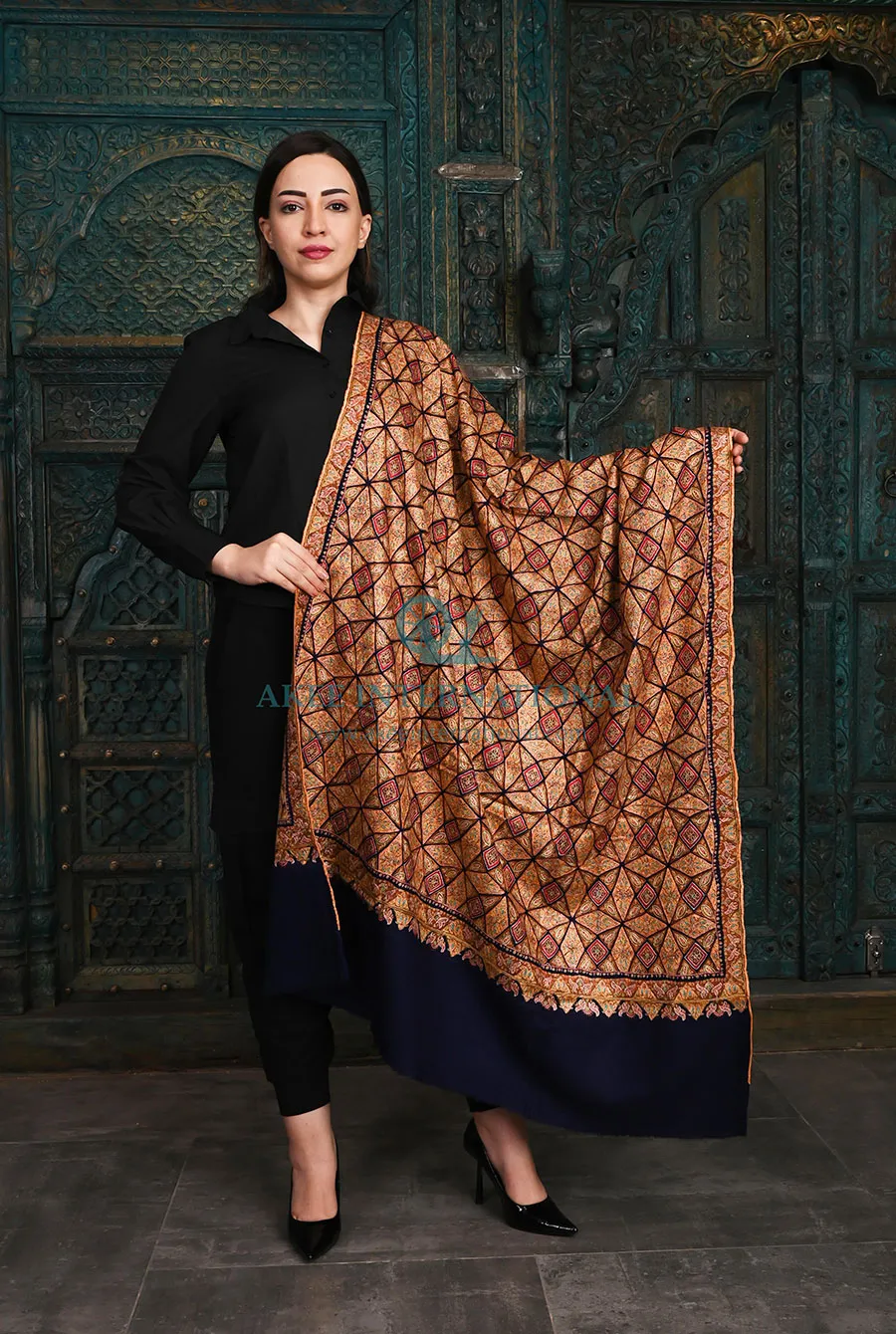
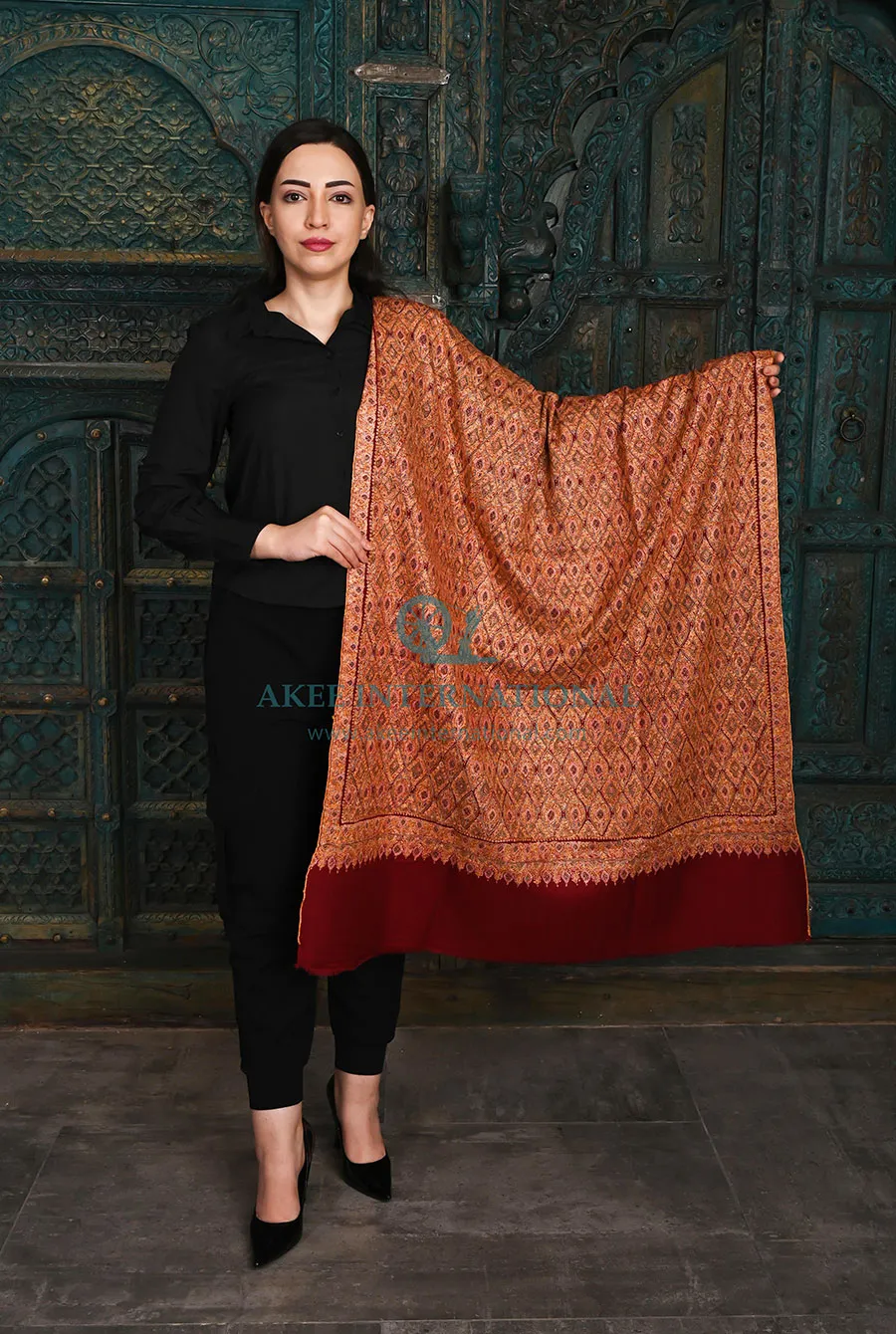
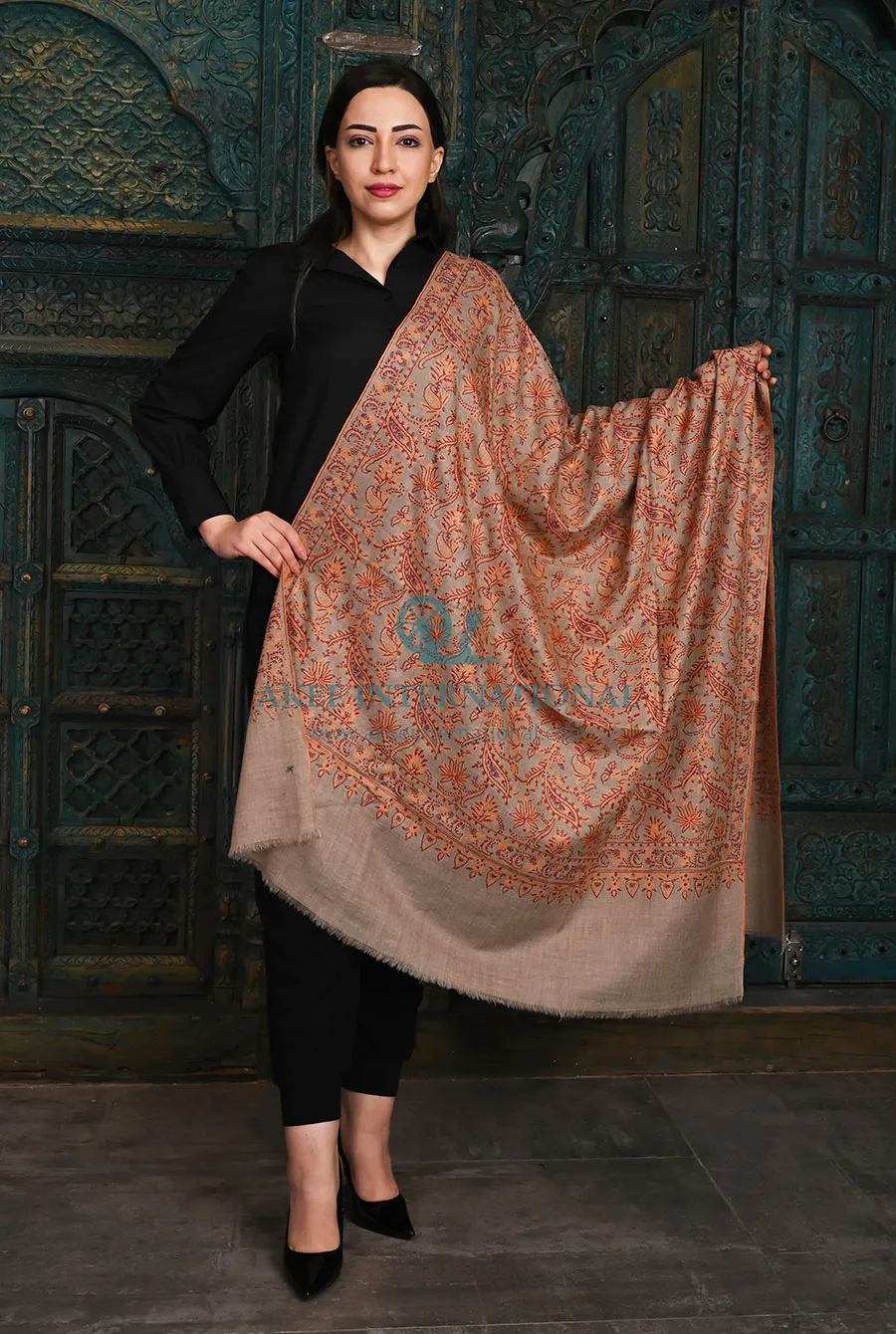
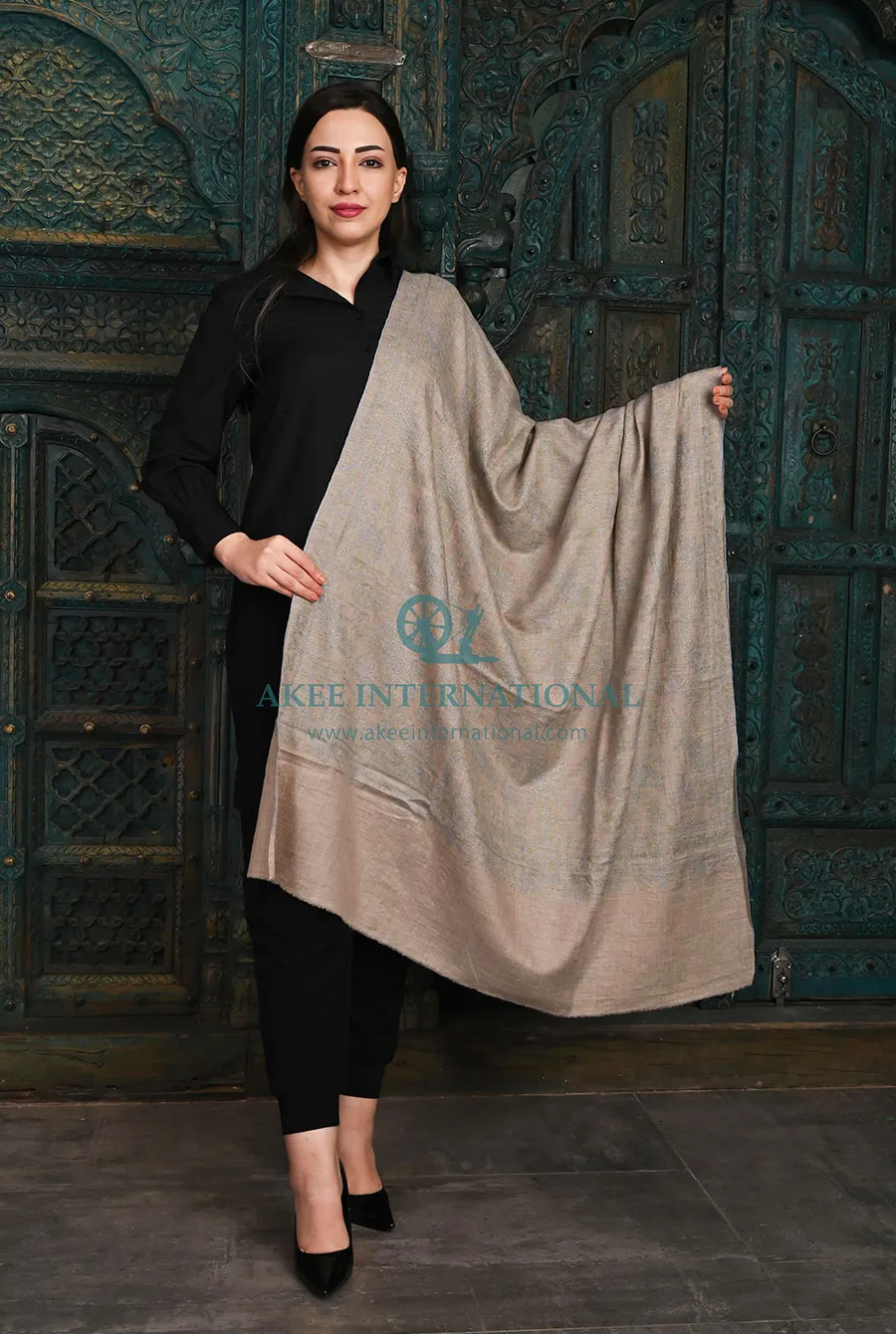
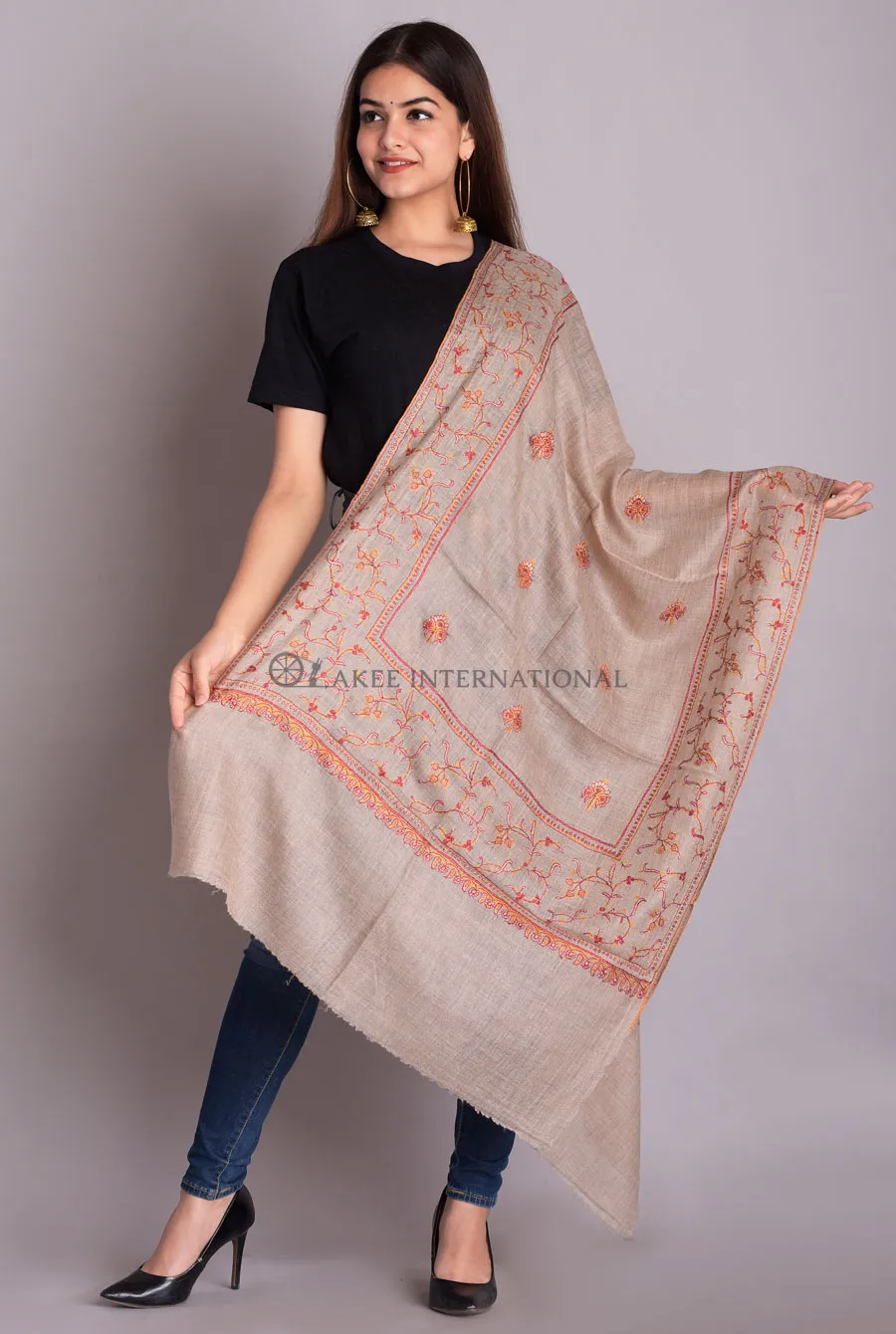
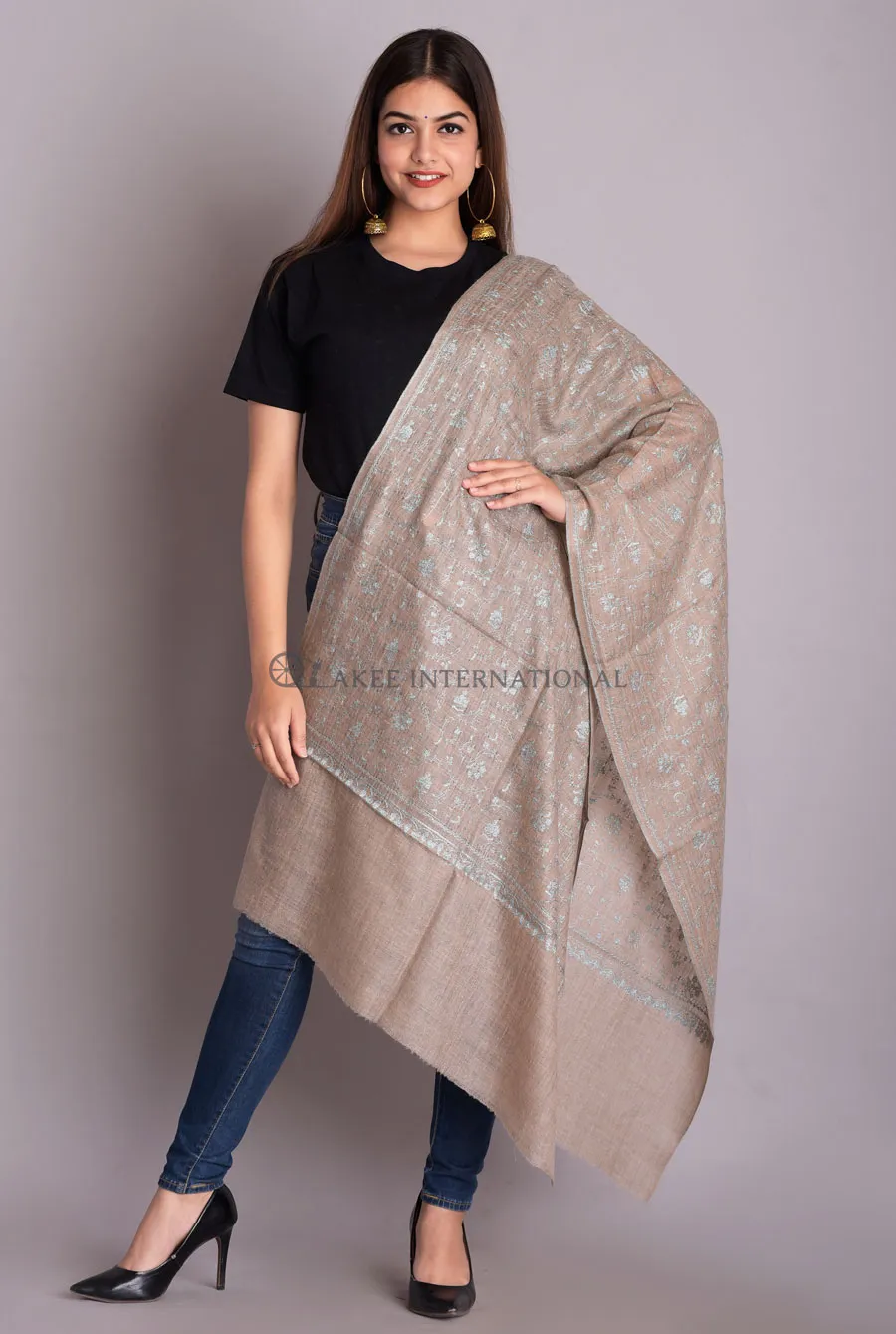
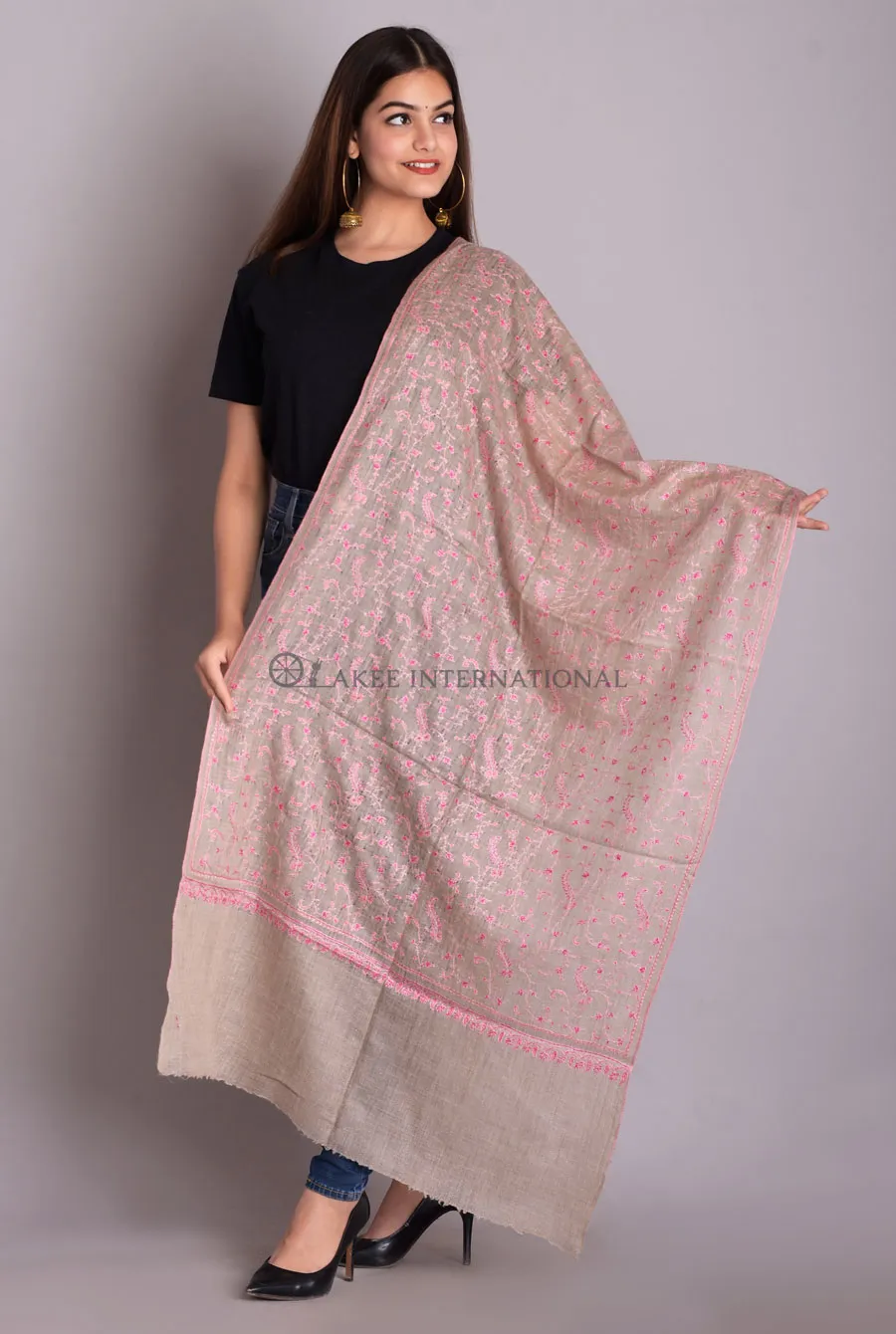
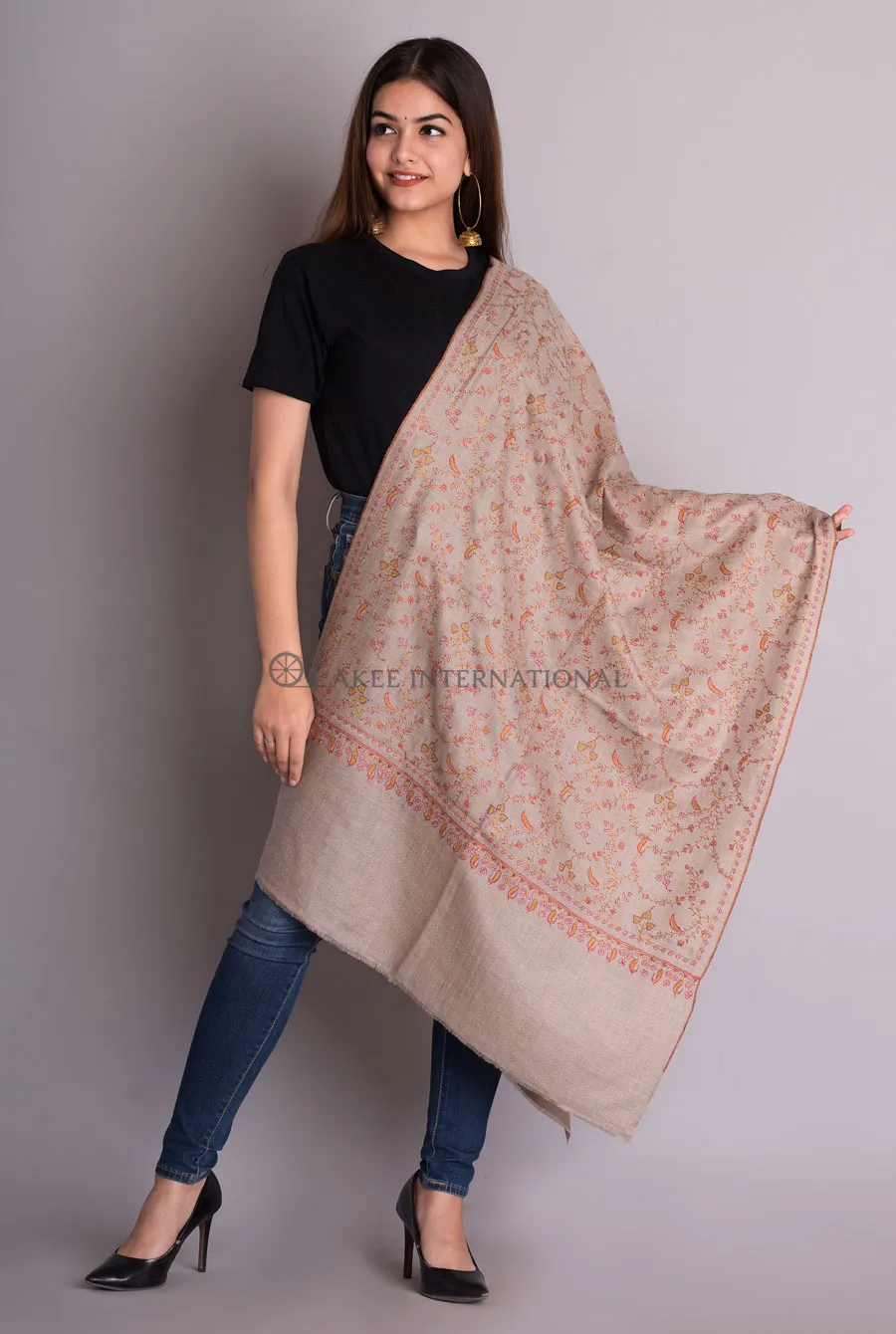
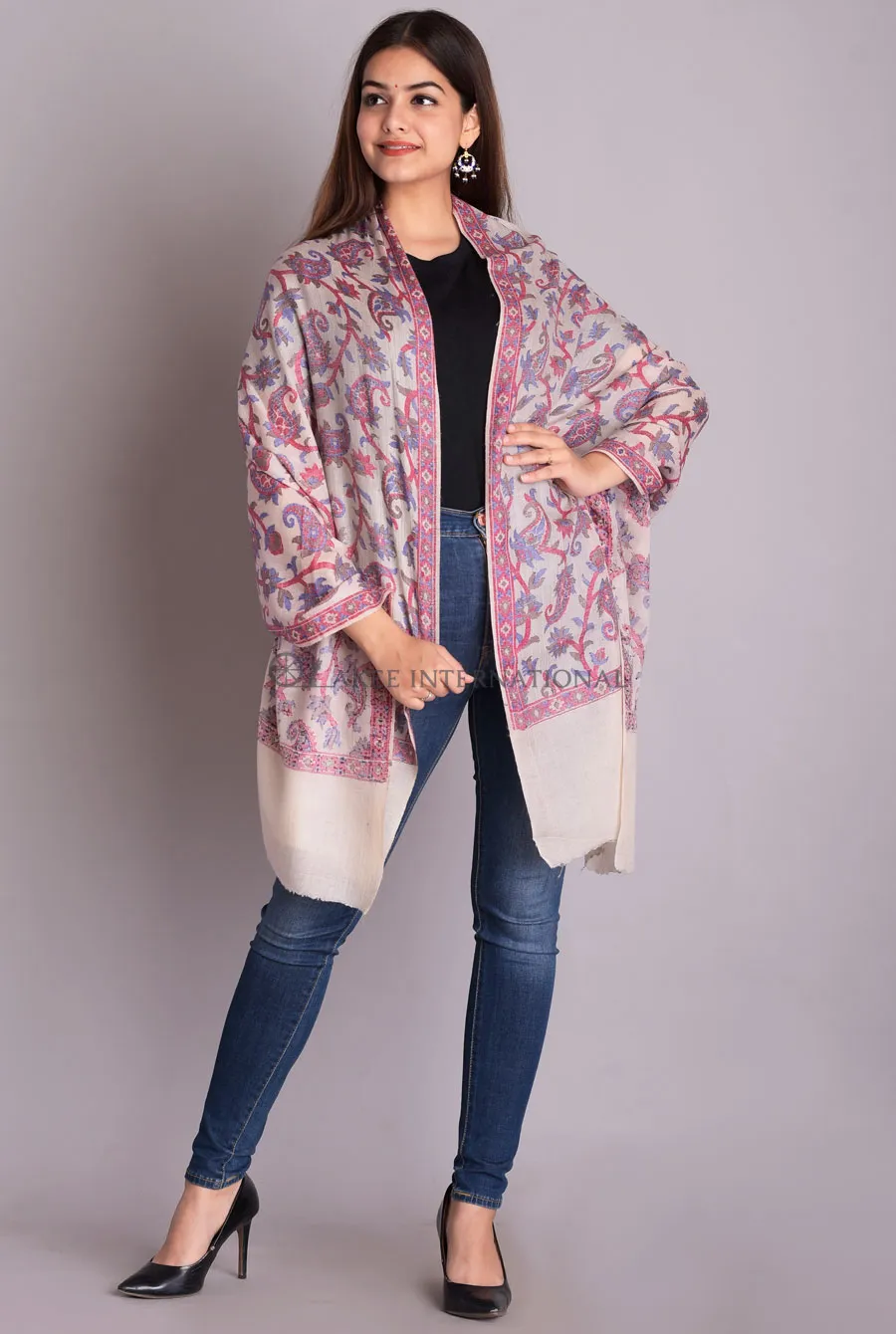
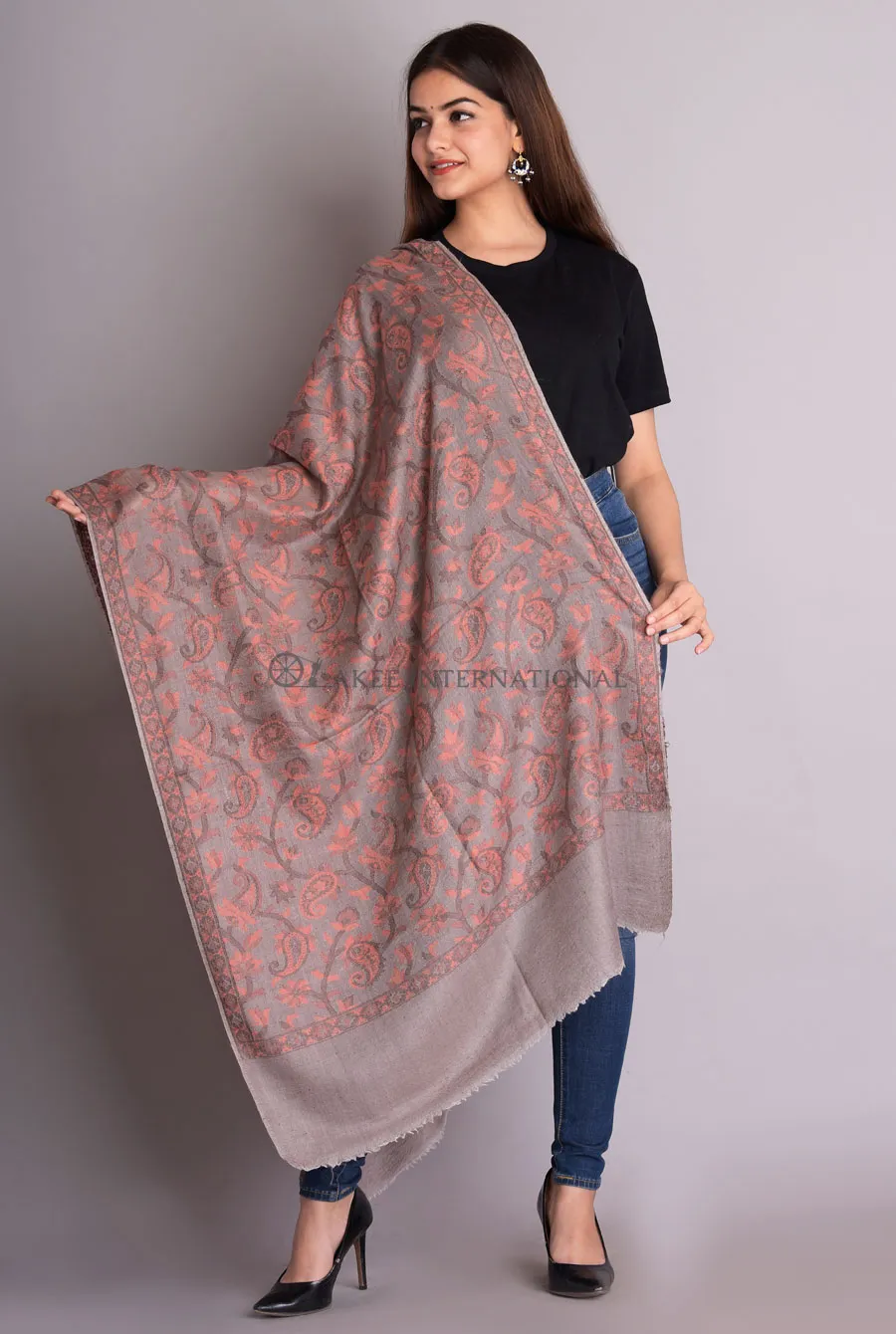
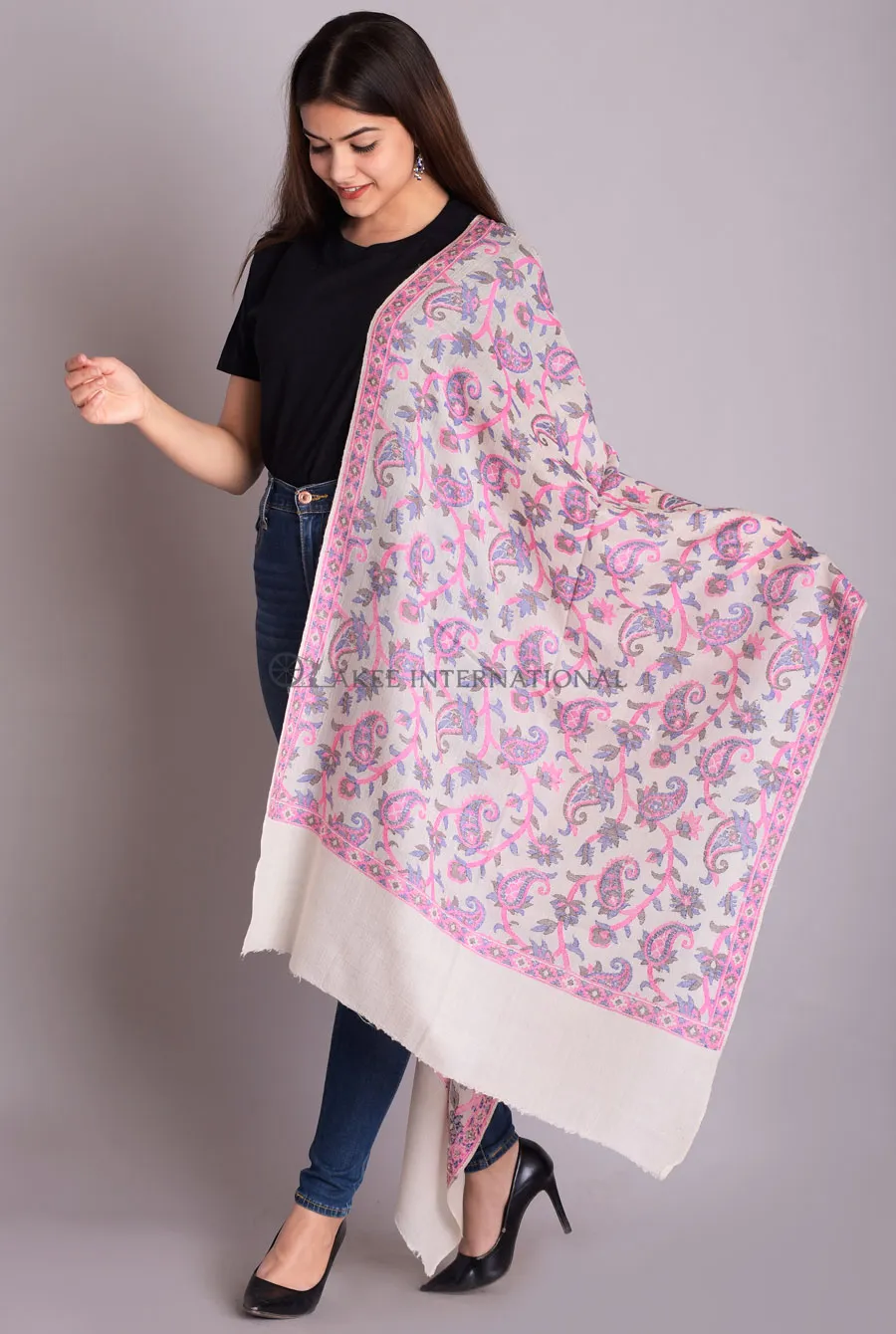
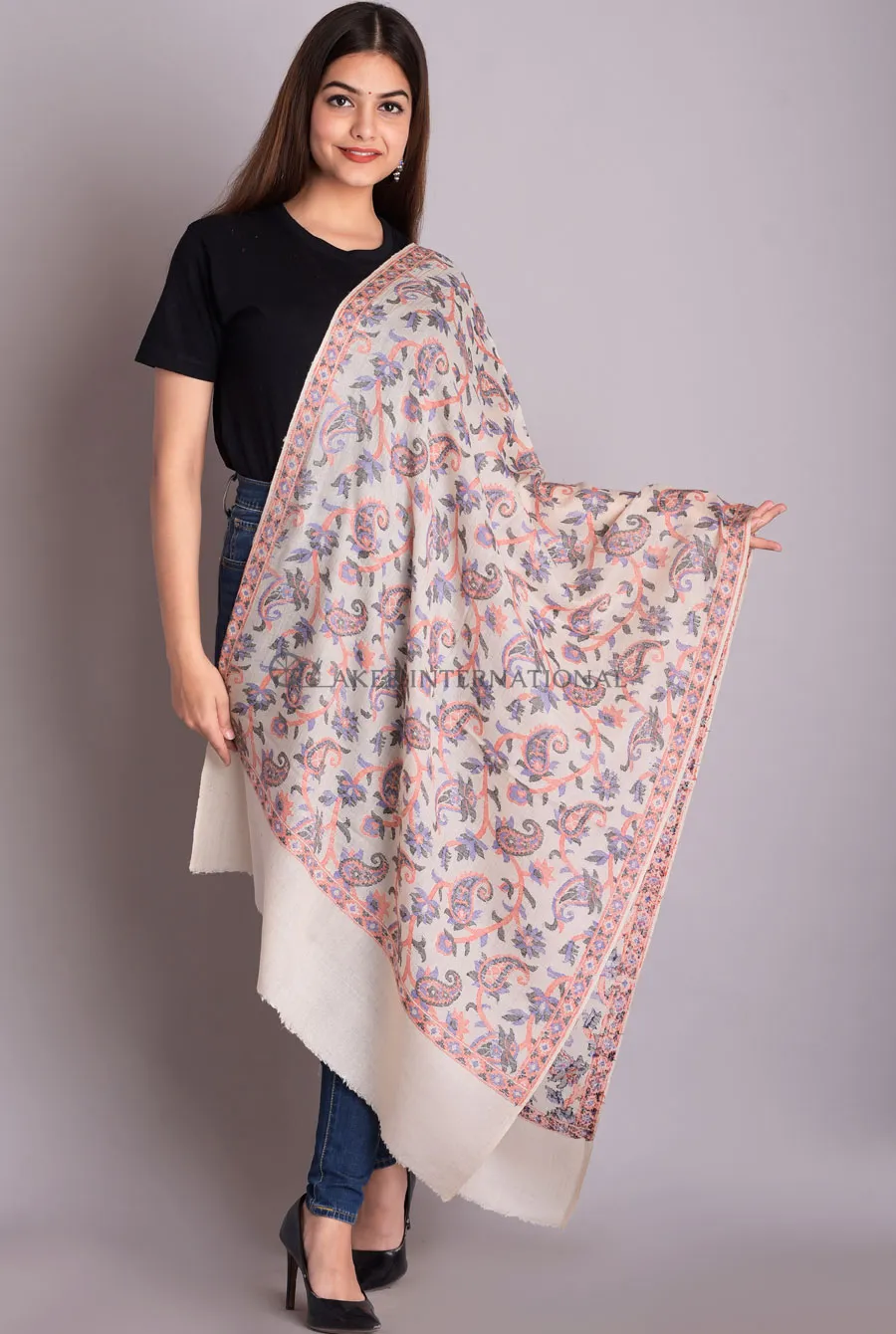
GI certification has become a trust marker buyers actively search for, which unfortunately means it's also become a phrase sellers reference loosely without always meeting the underlying standard. Understanding what GI certification genuinely requires helps you separate real claims from borrowed credibility.
What GI Certification Actually Requires
Kashmir Pashmina's Geographical Indication status requires wool sourced from Changthangi goats, fibre fineness within accepted micron ranges, and entirely hand-spun, hand-woven production — verified through testing at recognized facilities like the Craft Development Institute in Srinagar. A seller referencing "GI certified" should be describing a product that specifically meets these criteria, not simply using the phrase as a general authenticity gesture.
The Difference Between GI-Eligible and GI-Certified
A product can be made using methods that would qualify for GI certification without the seller having actually obtained formal certification for that specific product line — an important distinction, since "GI-eligible" and "formally GI-certified" aren't identical claims, even though sellers often blur this difference in marketing language.
Questions Worth Asking Any Seller
Ask specifically: does your product carry a registered GI certification number, or does your production process simply align with GI standards without formal certification? Both can describe a genuinely authentic product, but the distinction matters for buyers who specifically want documented certification.
Where We Stand on This
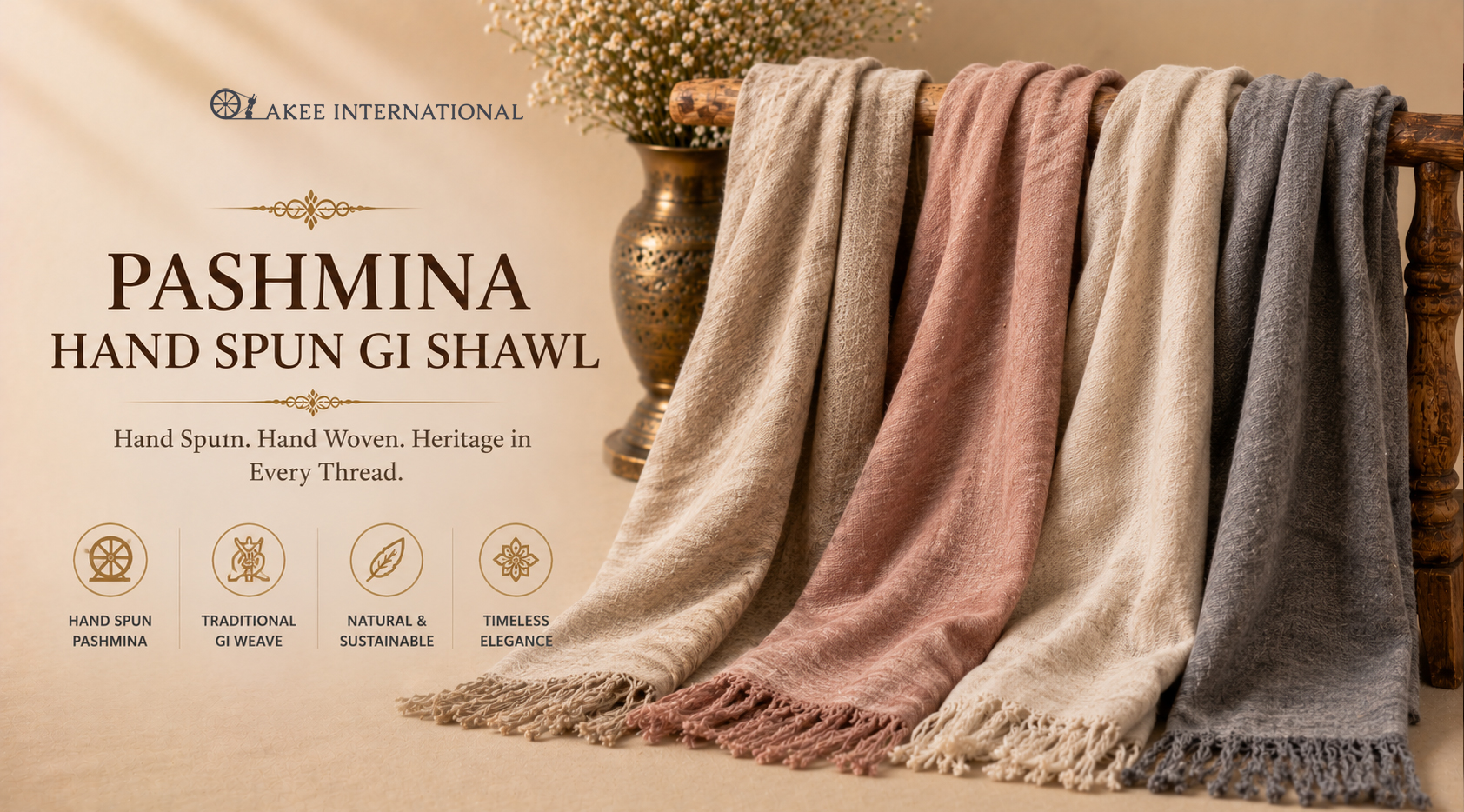
Our production methodology — genuine Changthangi wool, entirely hand-spun and hand-woven — aligns with the standards GI certification protects, sourced through Kashmir's artisan networks. We're transparent that this reflects production alignment with GI standards rather than claiming a specific registered certification number for every product line, and we're happy to discuss the specifics for any piece you're evaluating.
Why This Distinction Protects You as a Buyer
Sellers who blur the line between "meets GI standards" and "formally GI certified" aren't necessarily being dishonest about authenticity — but if formal certification documentation matters to your specific purchase, you deserve a precise answer rather than an implied one.
A Broader Point About Certification Claims
This same scrutiny applies to any authenticity marker — certification, artisan sourcing, origin claims. The strongest signal of a trustworthy seller isn't the claim itself, but their willingness to explain it in specific, verifiable terms when asked directly.
Genuine Changthangi wool, specific fibre fineness, and entirely hand-spun, hand-woven production, verified through recognized testing.
No, a product can align with GI standards without carrying formal registered certification.
Ask specifically whether they hold a registered certification number, or whether they simply follow aligned production standards.
Our production methodology aligns with GI standards; please contact our team for specifics on individual products.
Primarily at the Craft Development Institute in Srinagar, a government-affiliated facility.
It can stem from imprecise marketing language rather than deliberate misrepresentation, though buyers should still ask for clarity.
Not necessarily — authenticity depends on genuine material and process, which formal certification documents but doesn't solely create.
Yes, we encourage this for any significant order.
Yes, since these buyers often need to pass authenticity assurance on to their own customers.
Contact our team directly — we're happy to discuss the specifics.
"Read what our clients say about their experience with Akee International's luxurious Pashmina shawls and impeccable service."

Nai Mata Mandir Road, Thathar Road, Delhi By Pass, Amer, Jaipur 302028, Rajasthan India
Get directions Call Now Whatsapp 4.9 based on 269 reviews
Rating: 4.6/5 | 85 Reviews

Rating: 4.9/5 | 269 Reviews

TrustScore: 4.9 | 100 Reviews