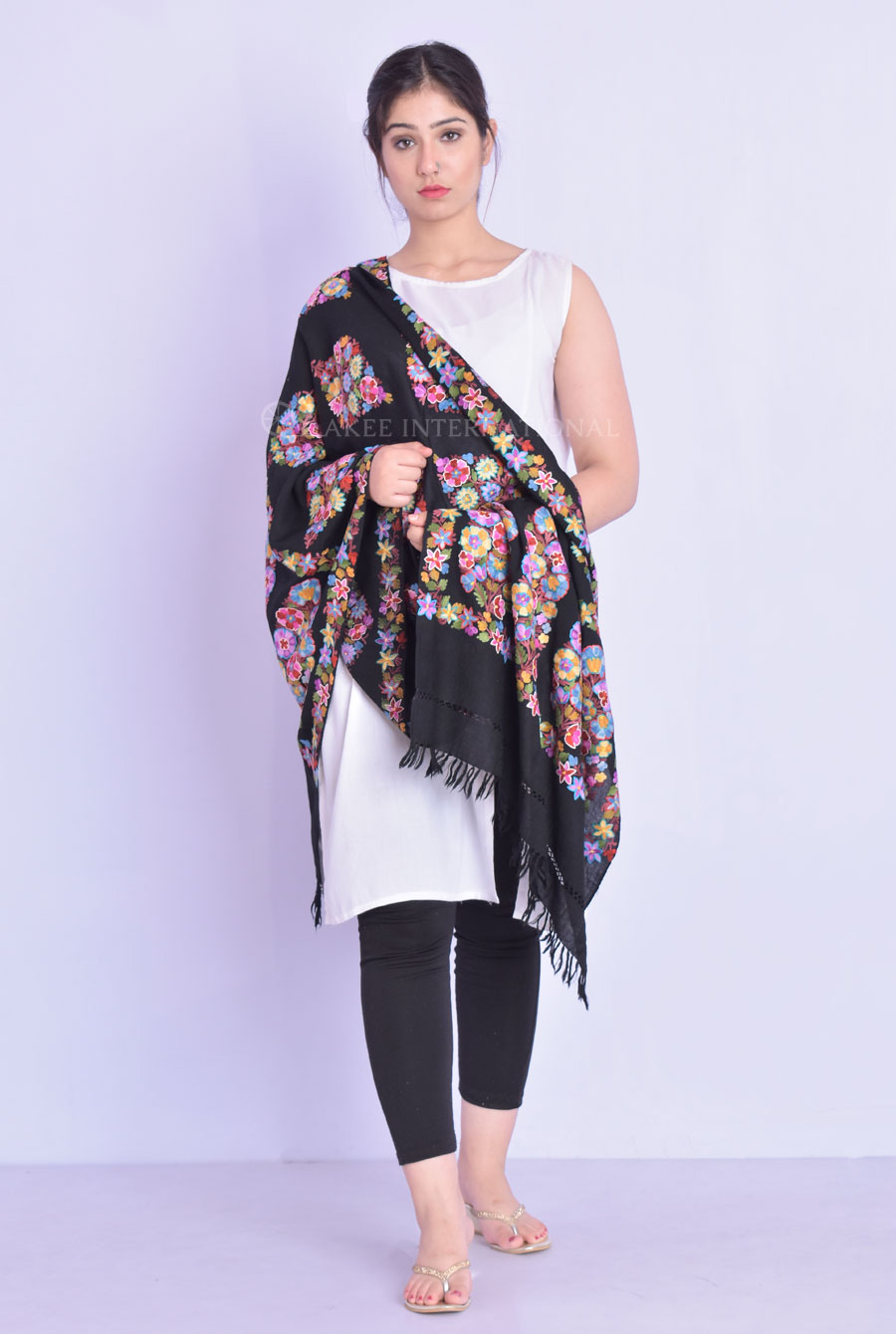
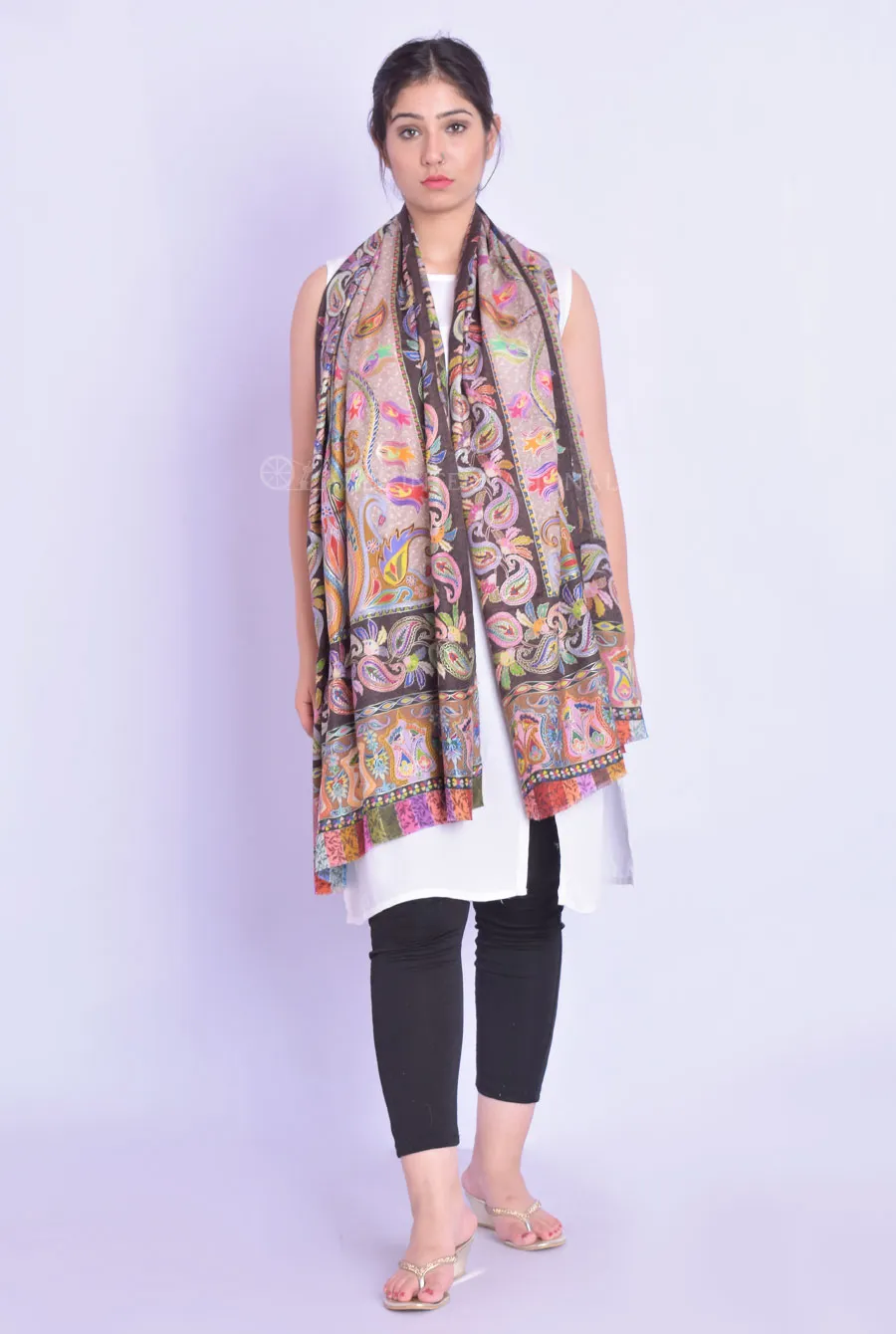
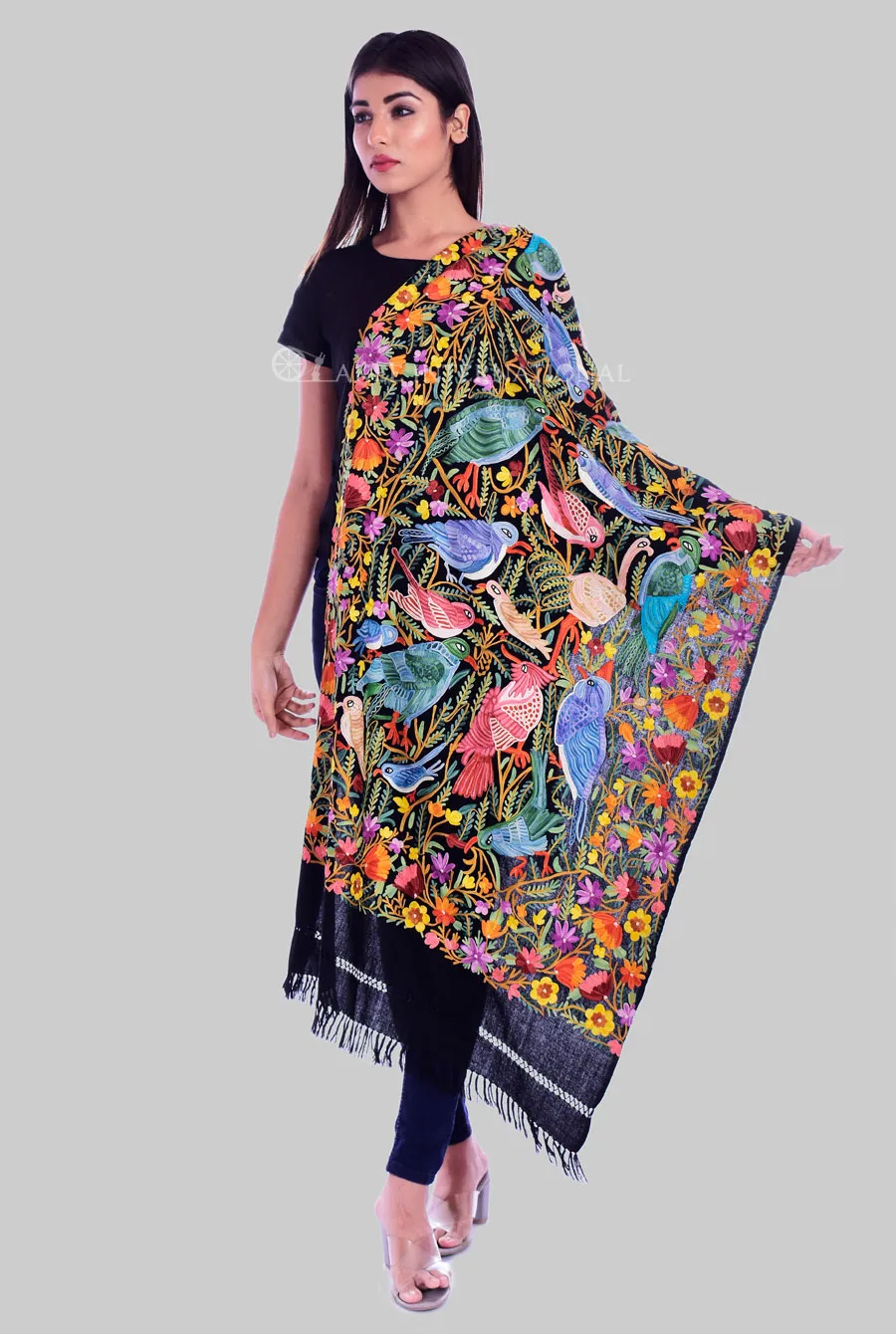
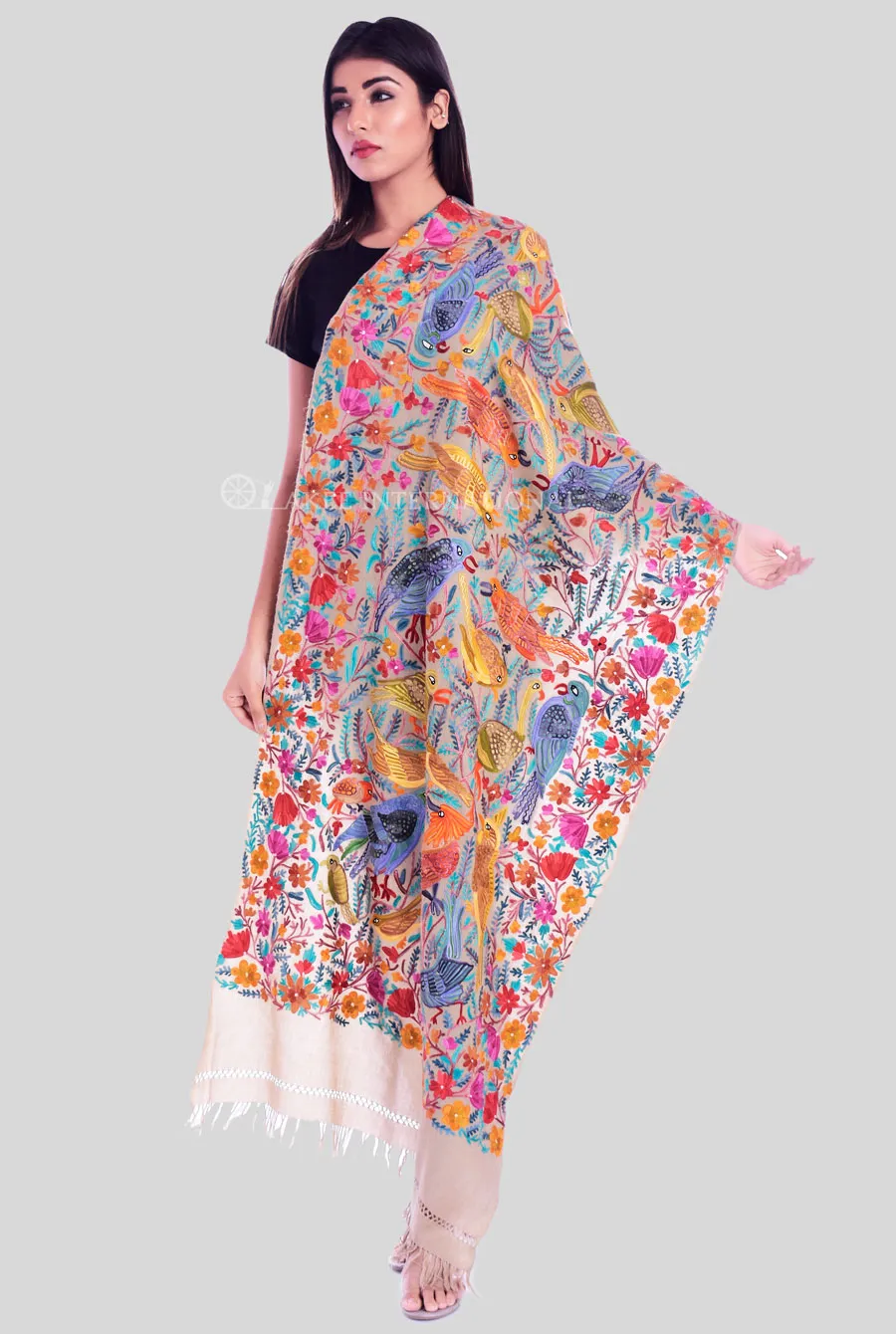
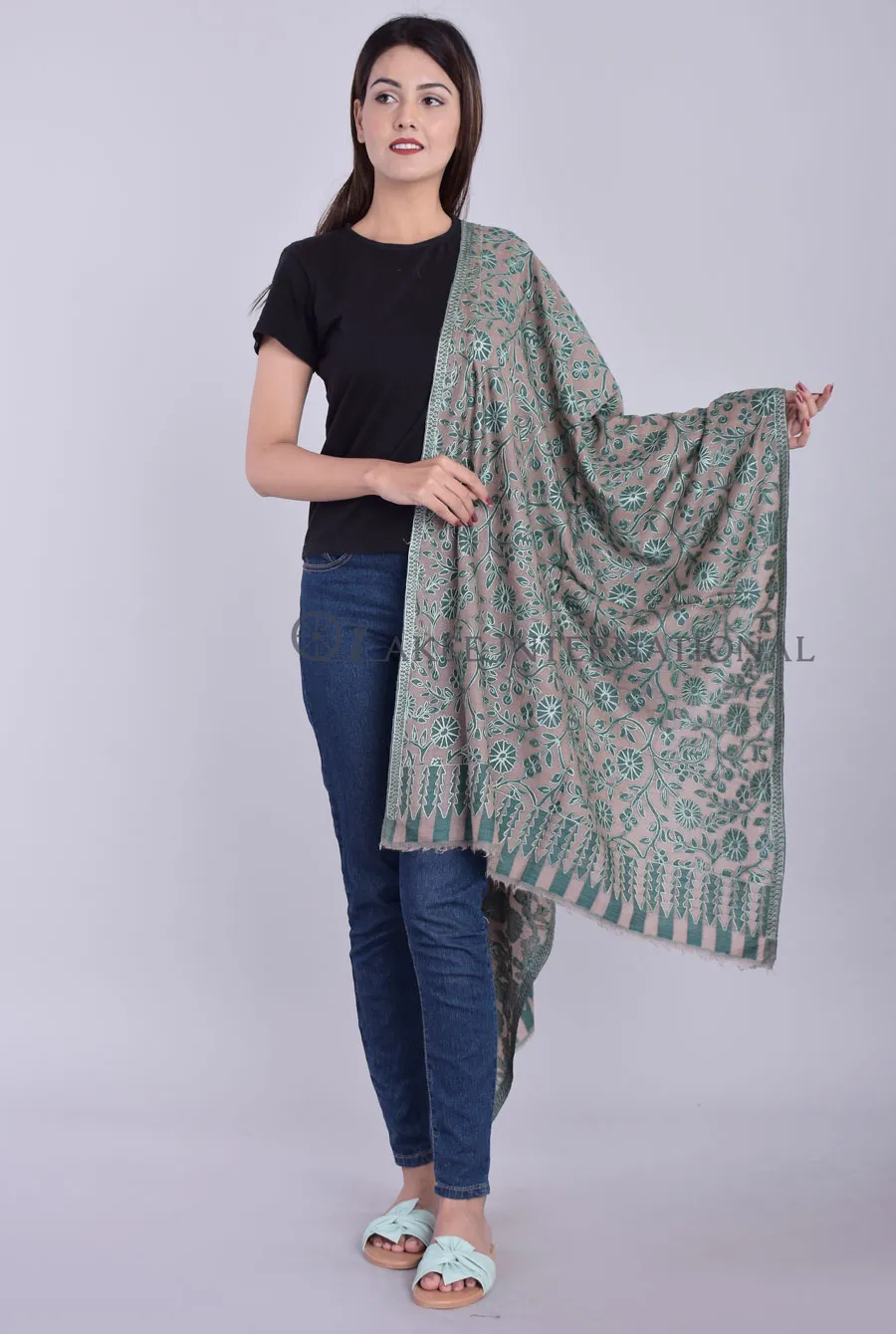
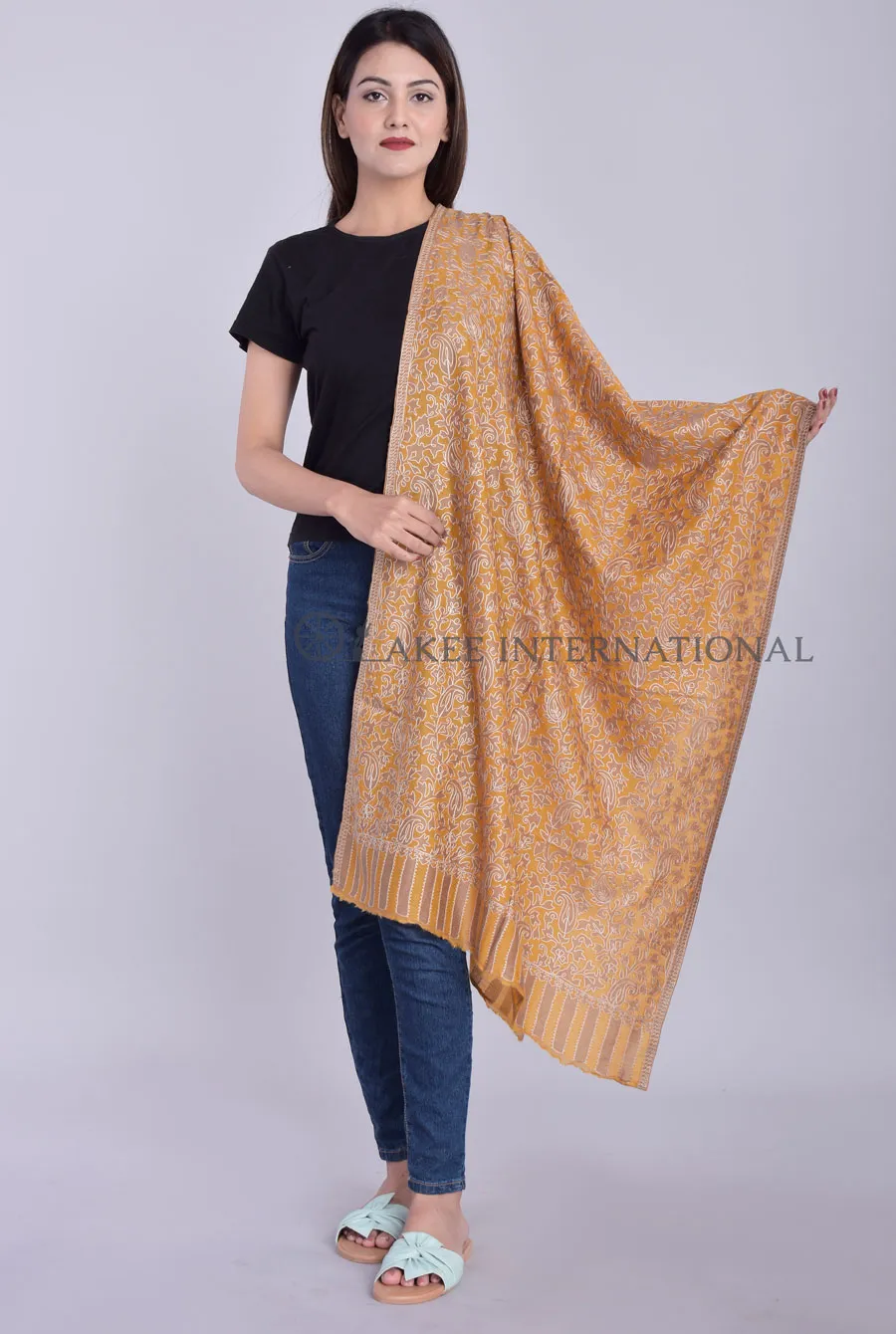
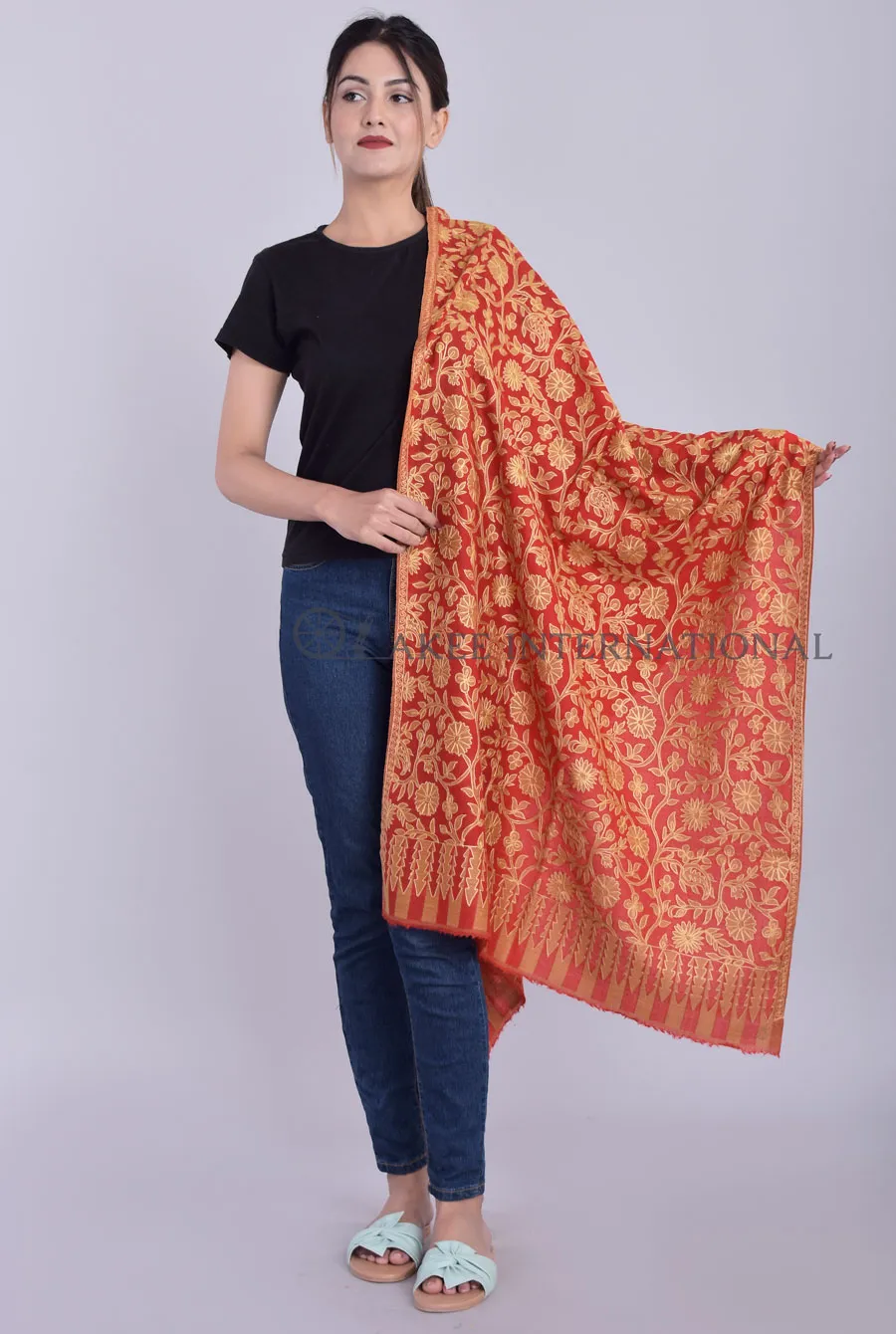
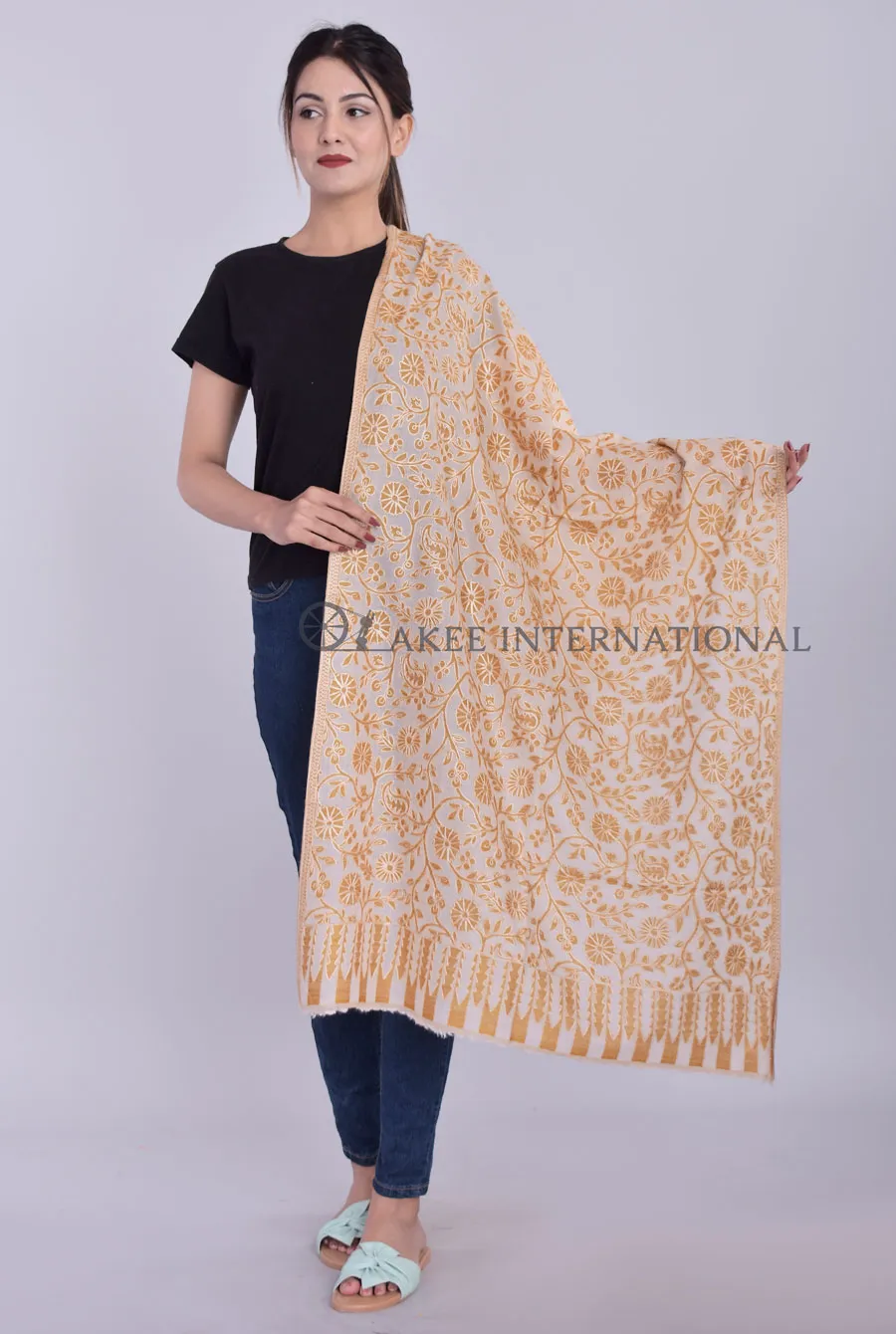
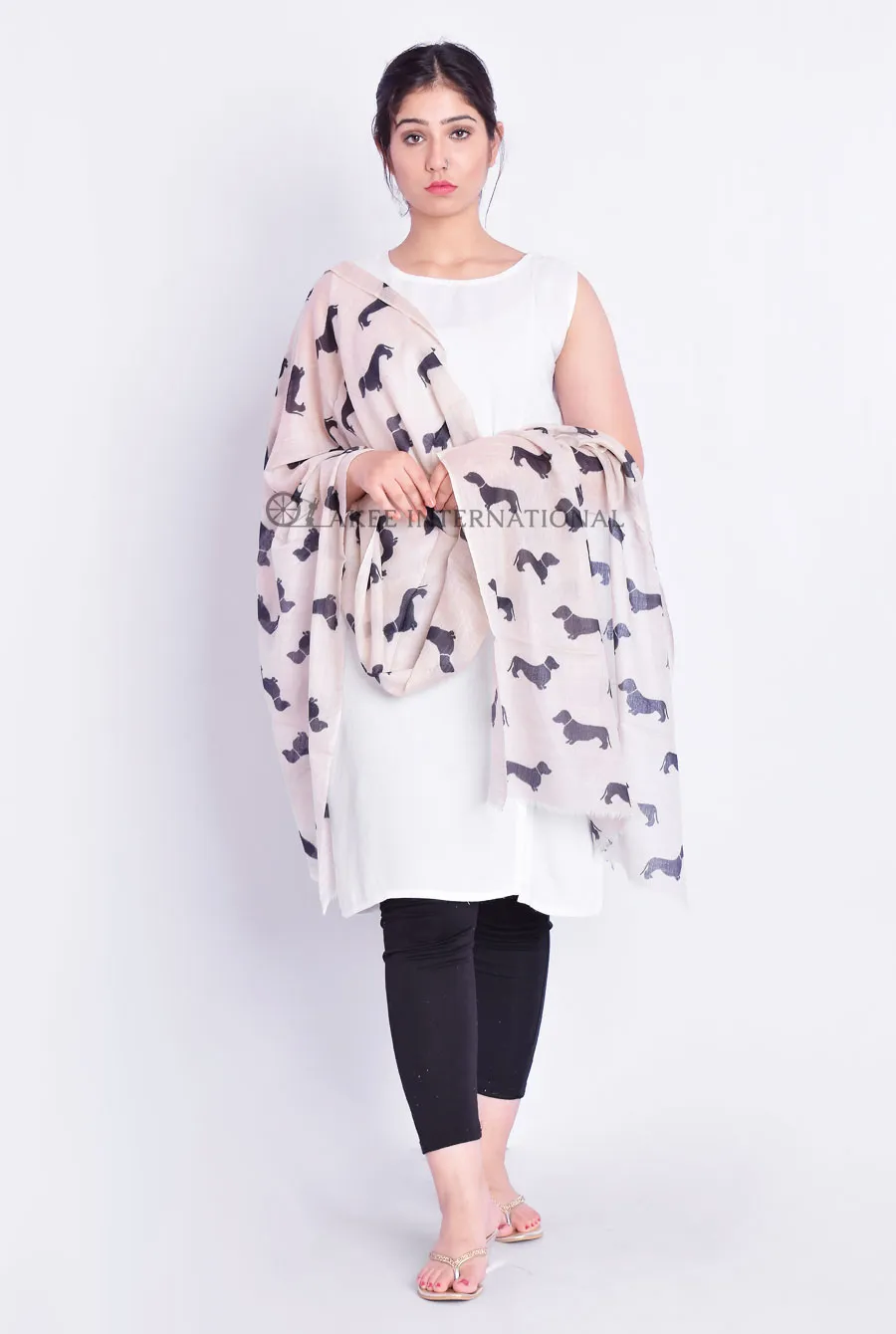
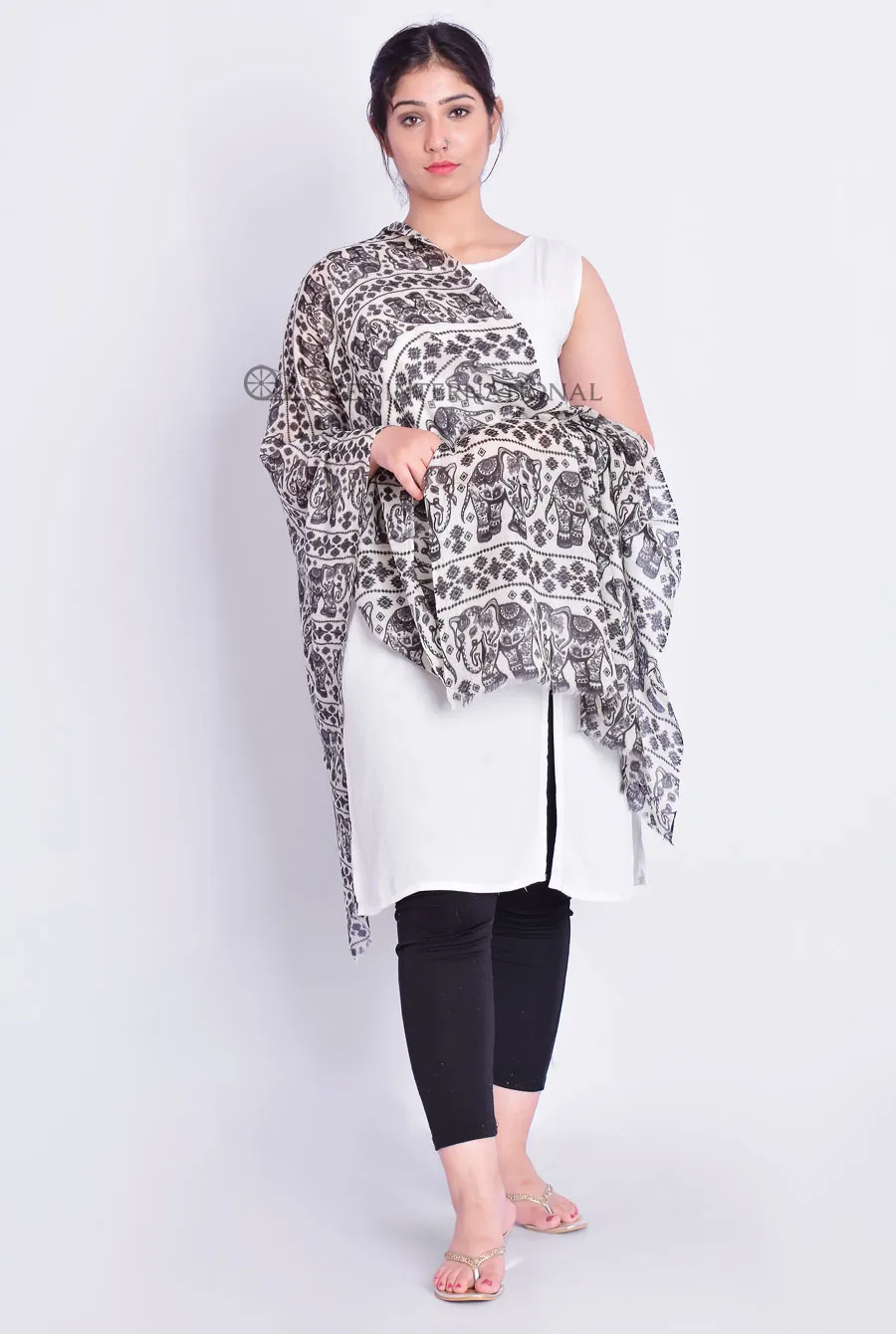
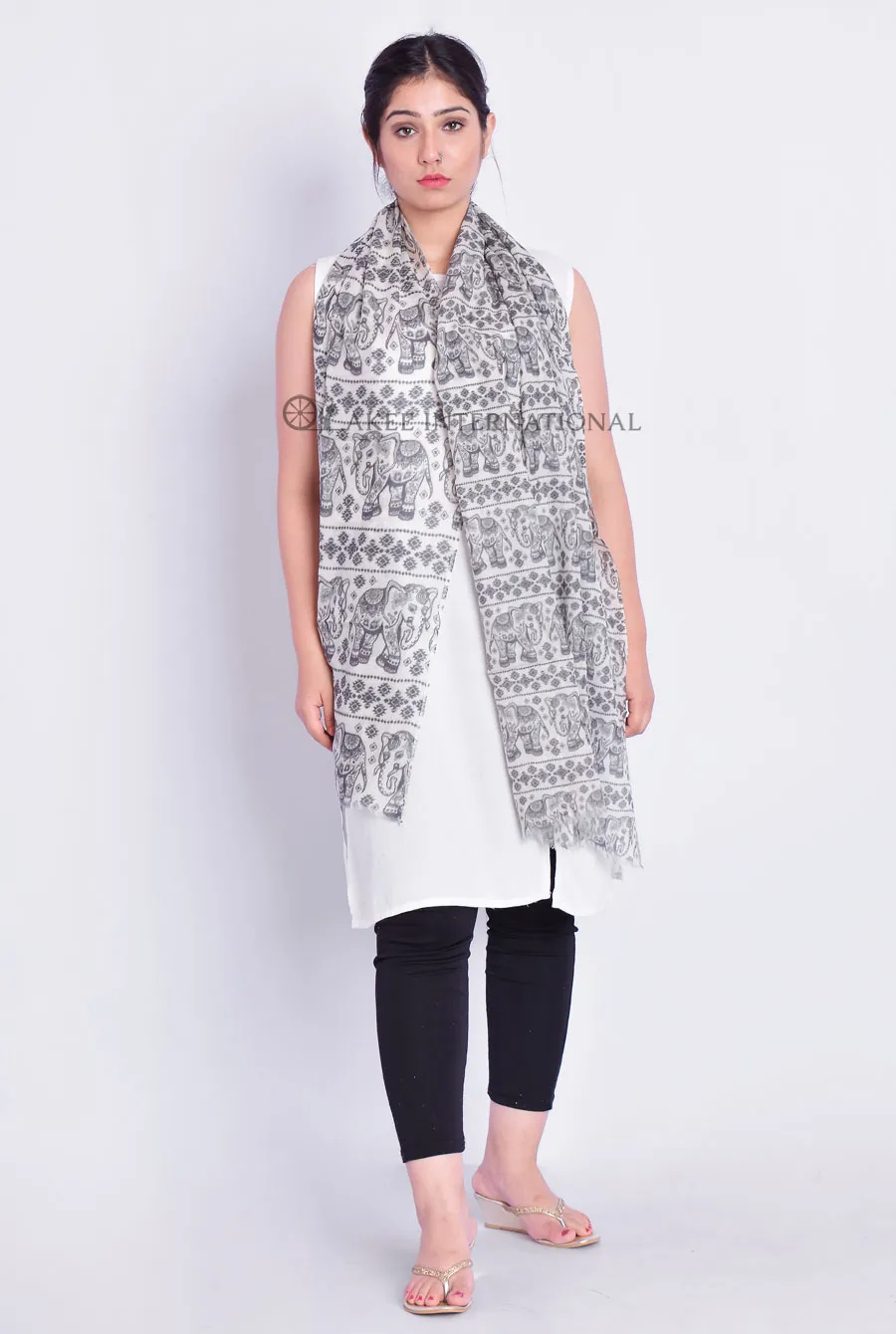
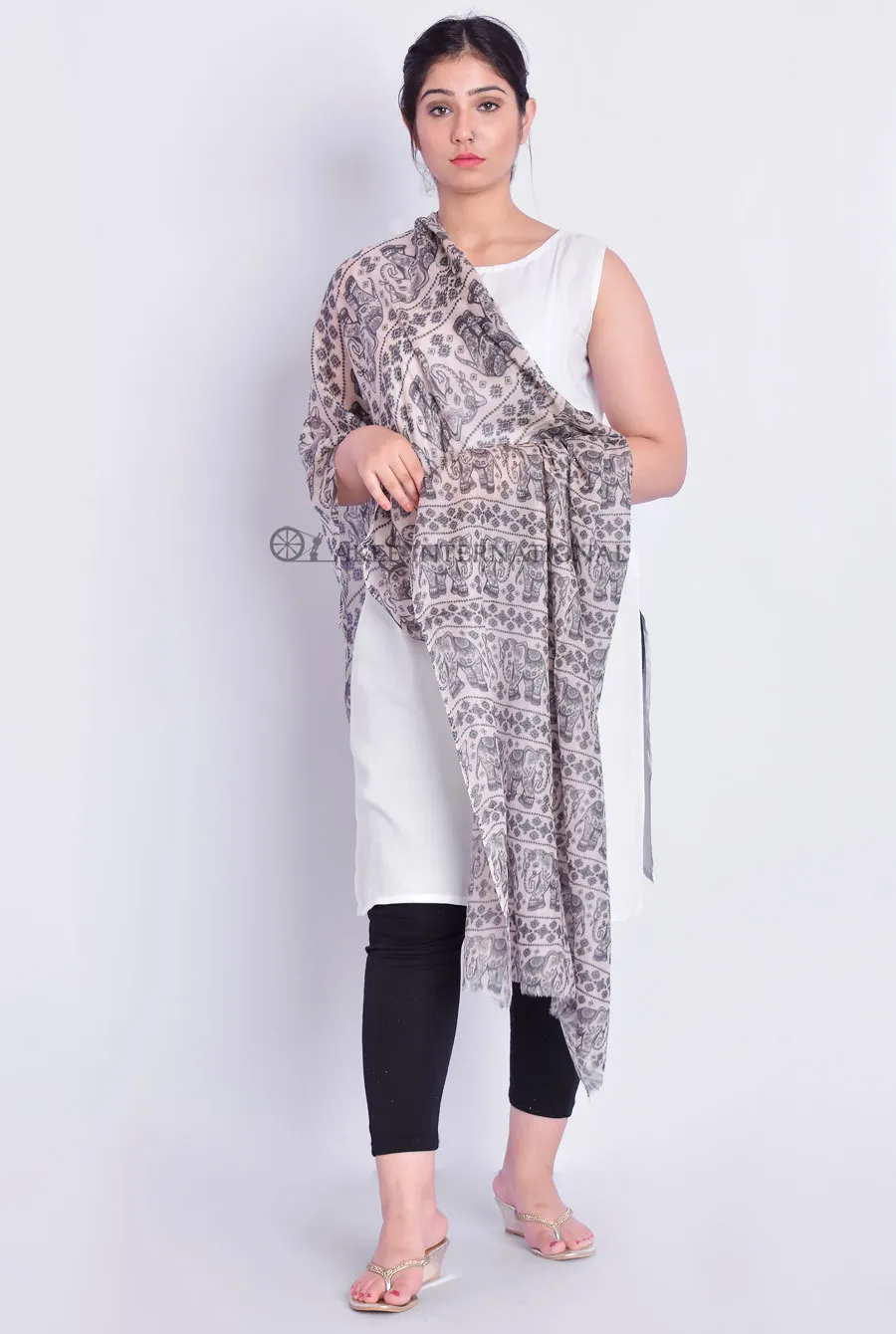
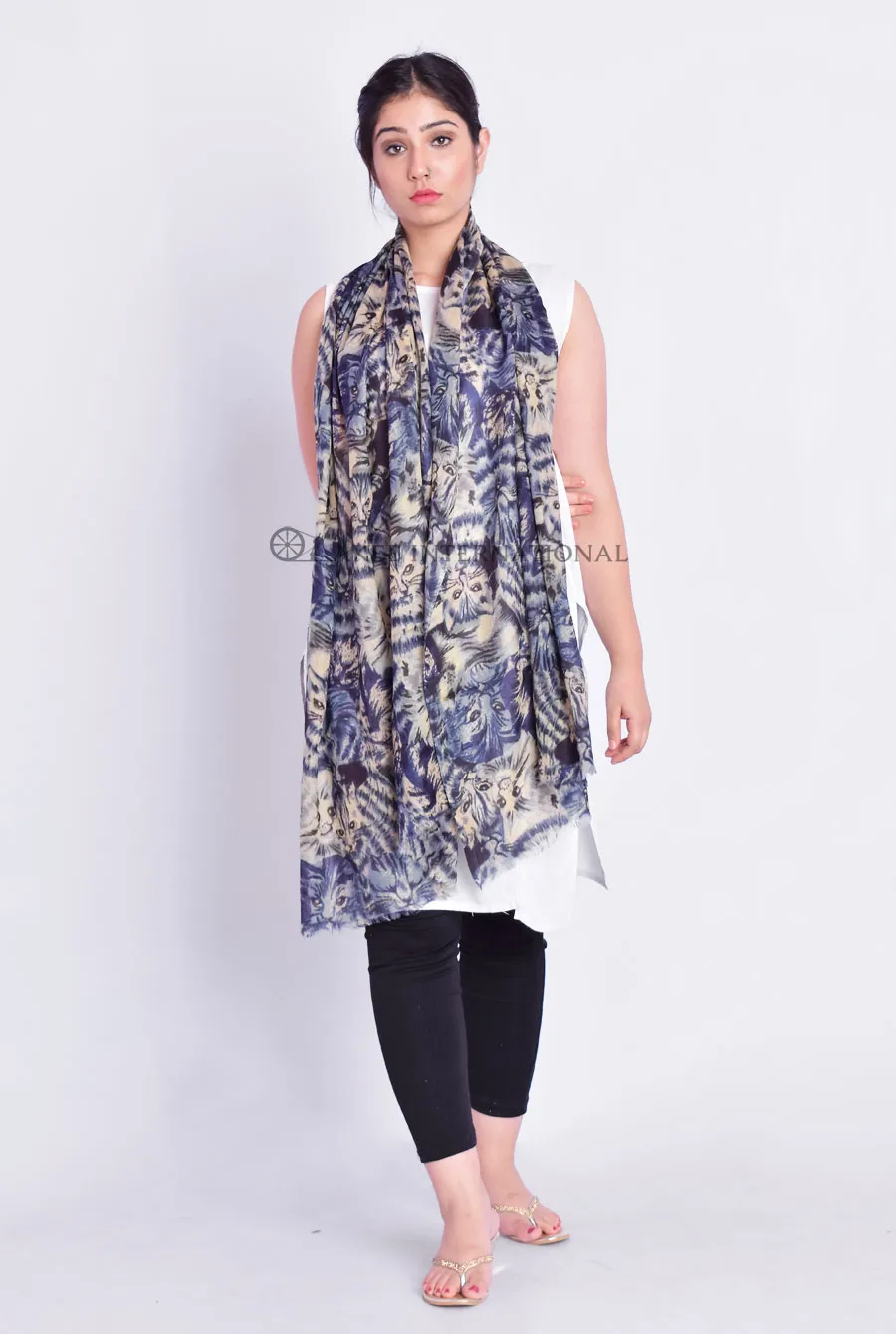
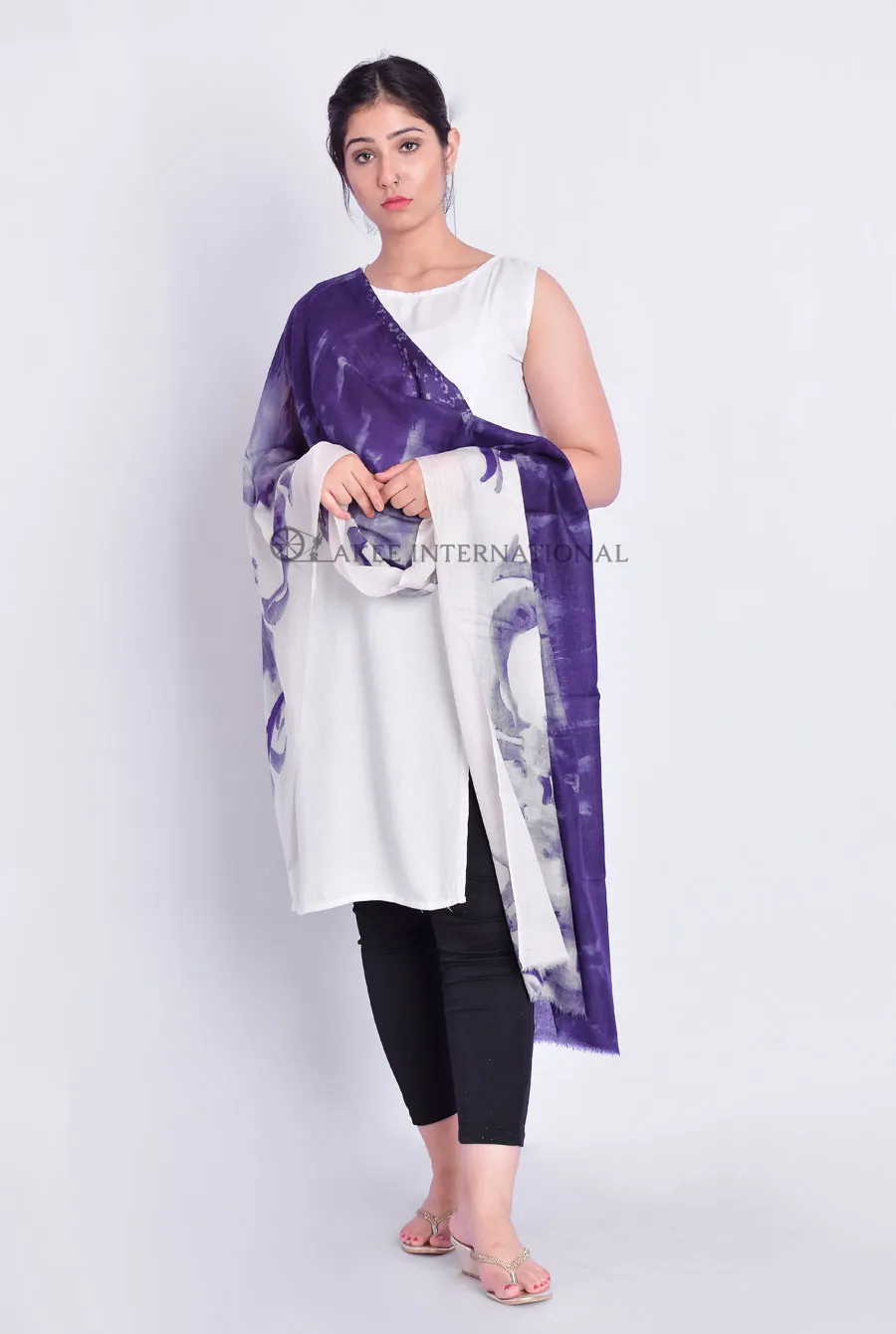
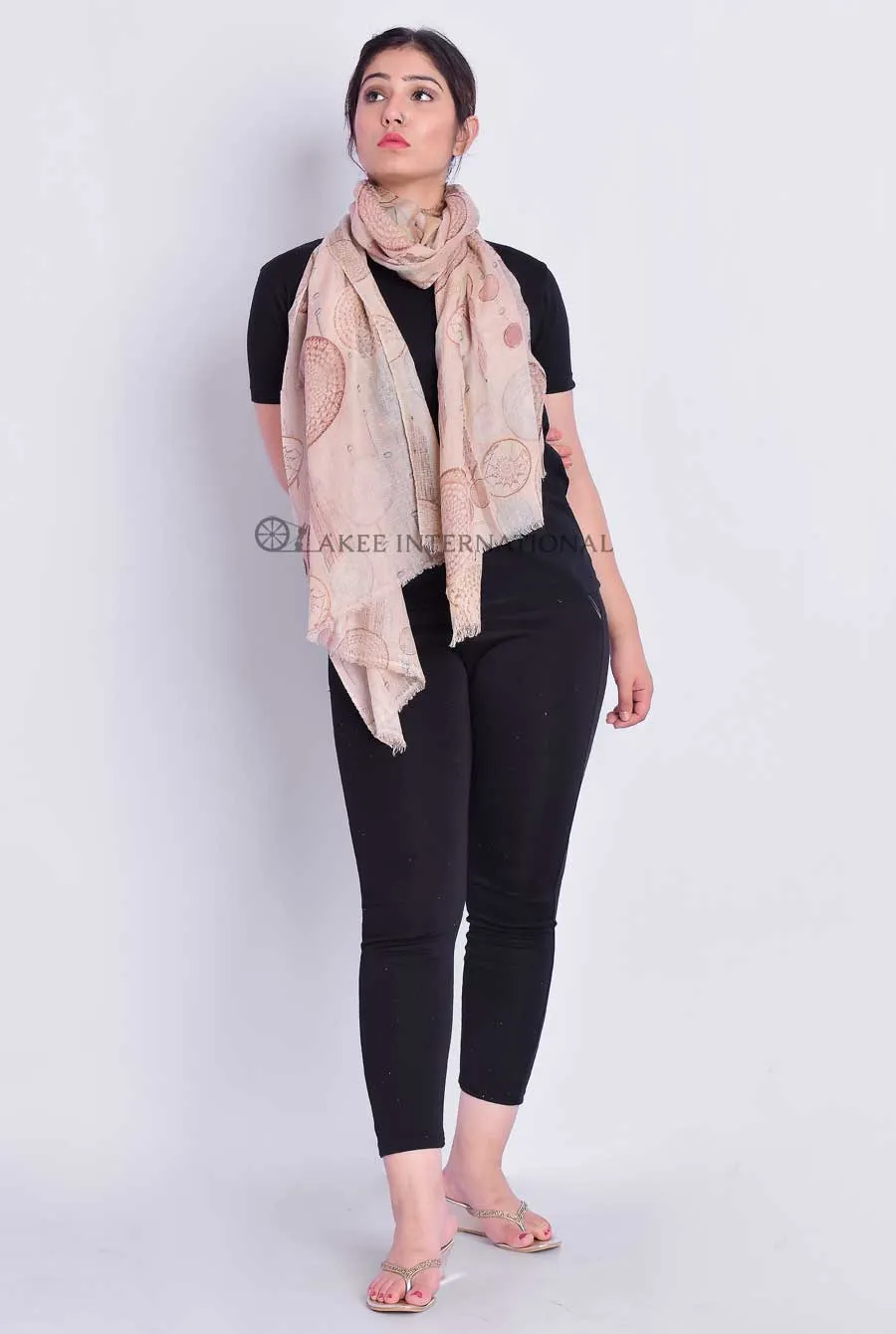
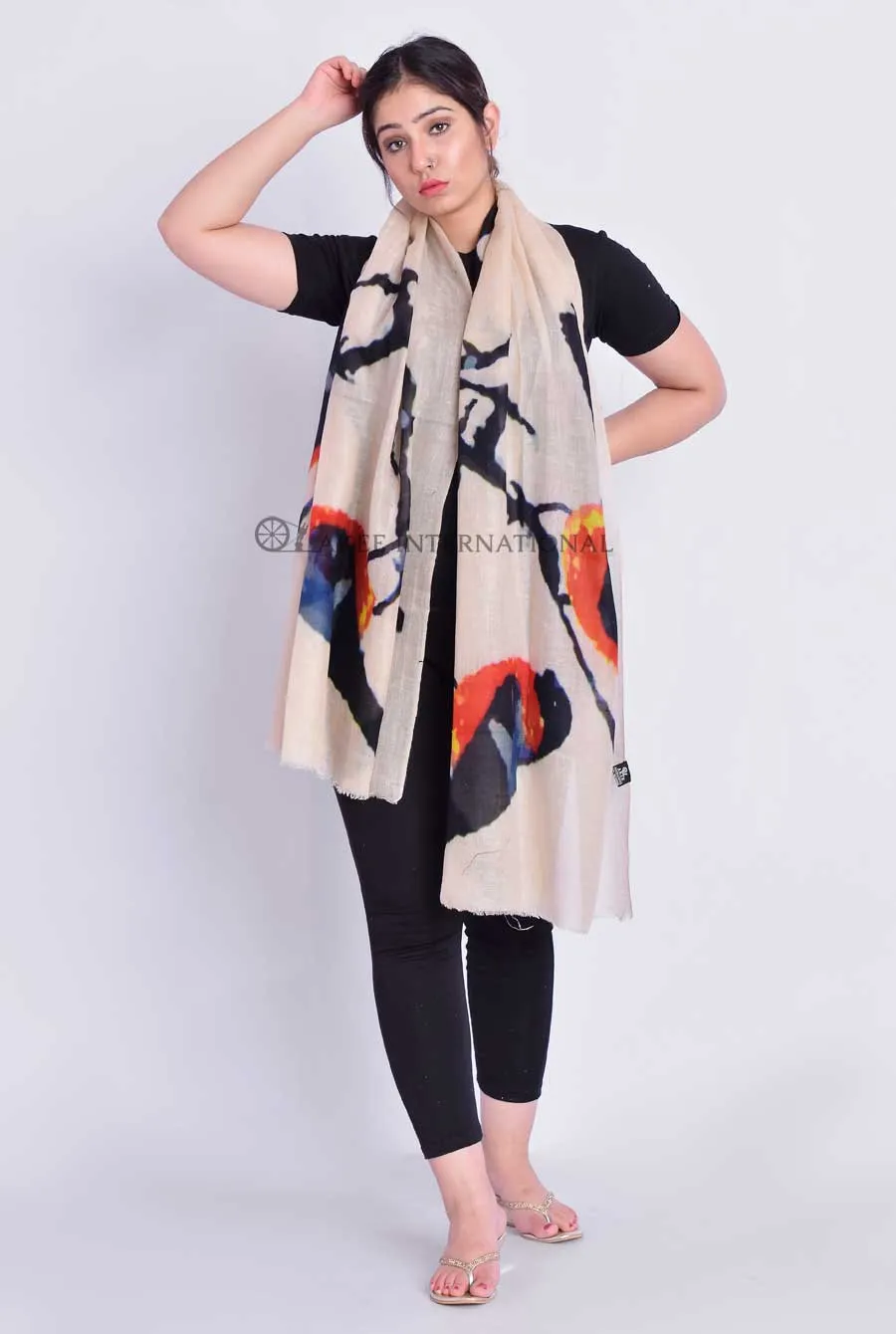
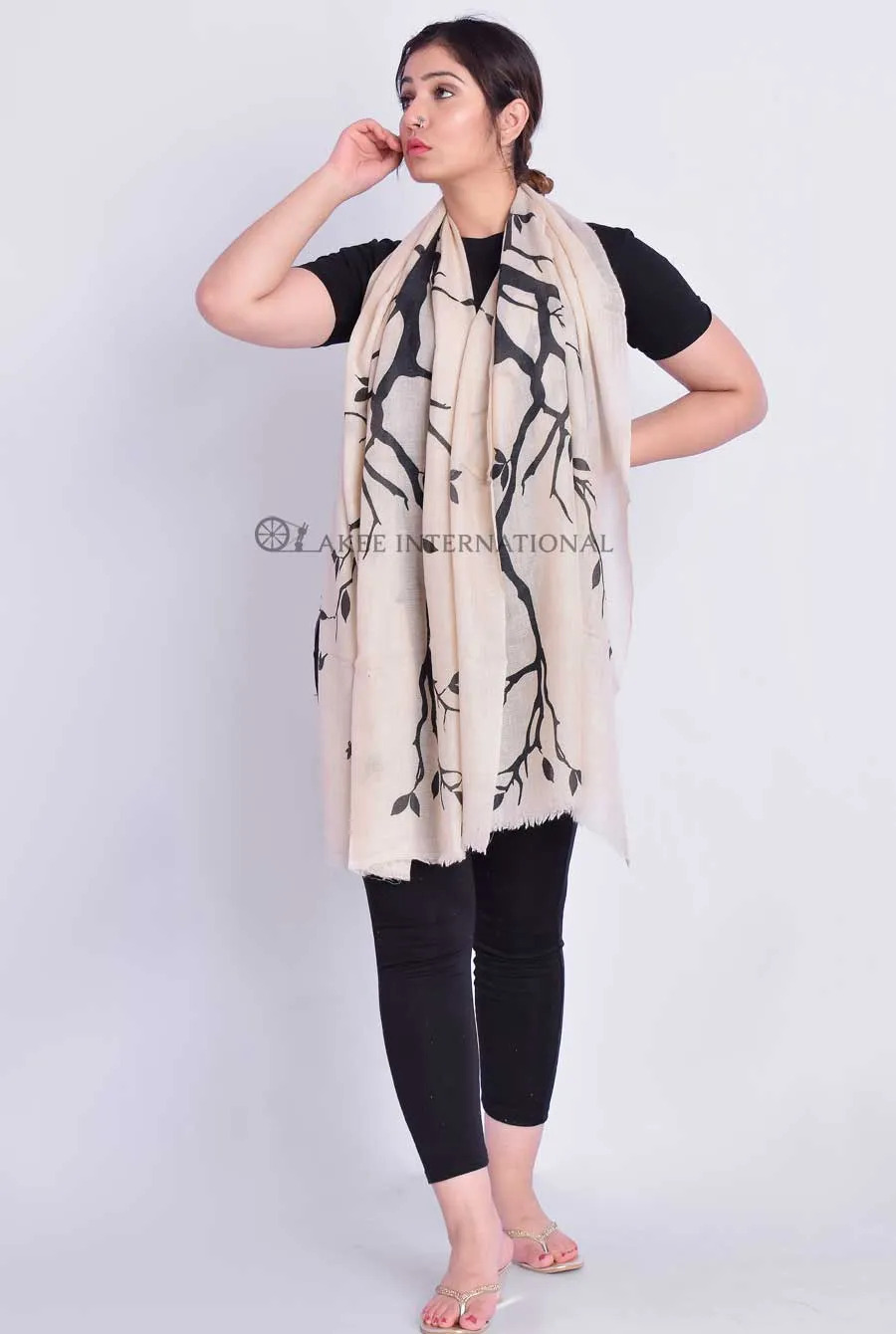
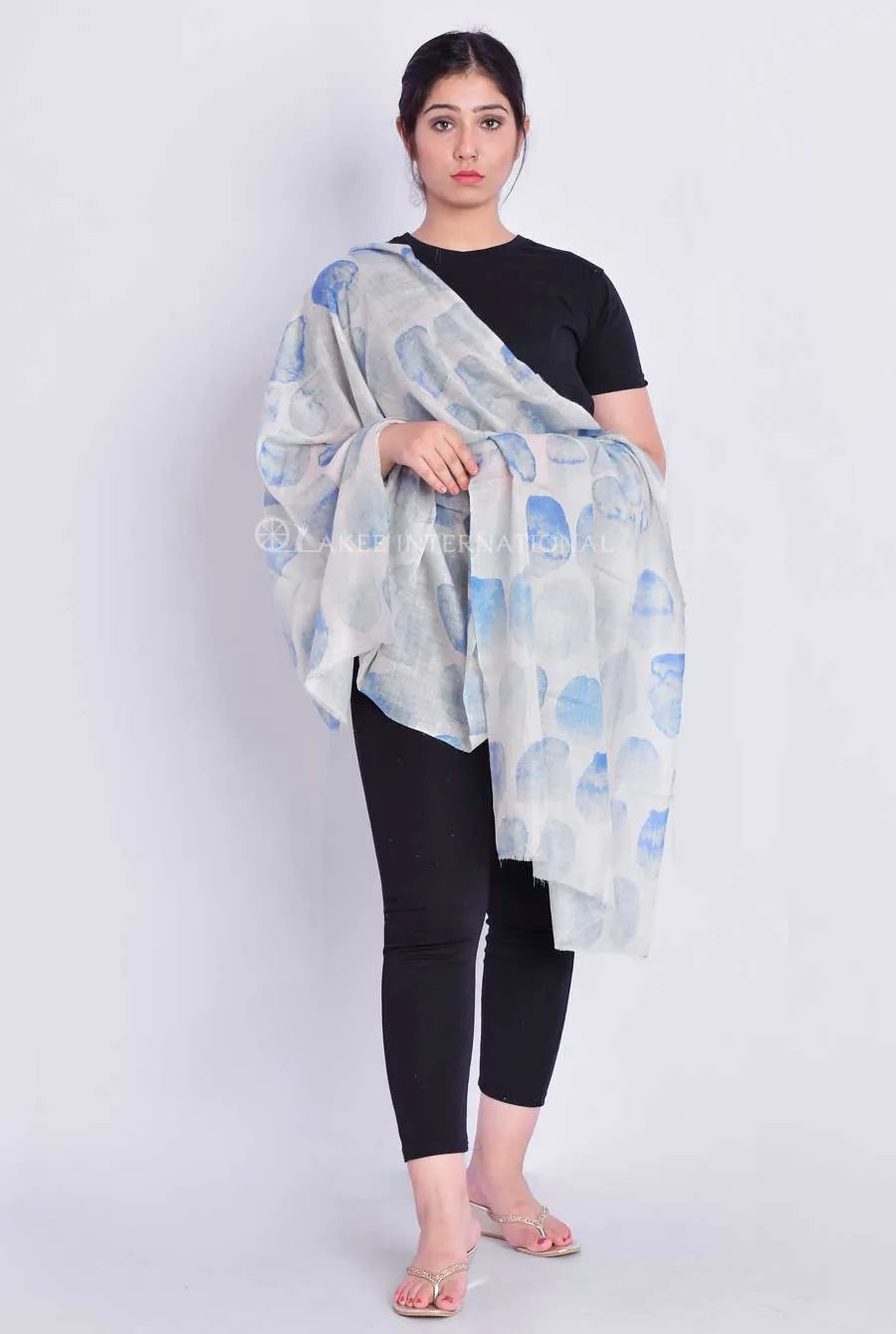
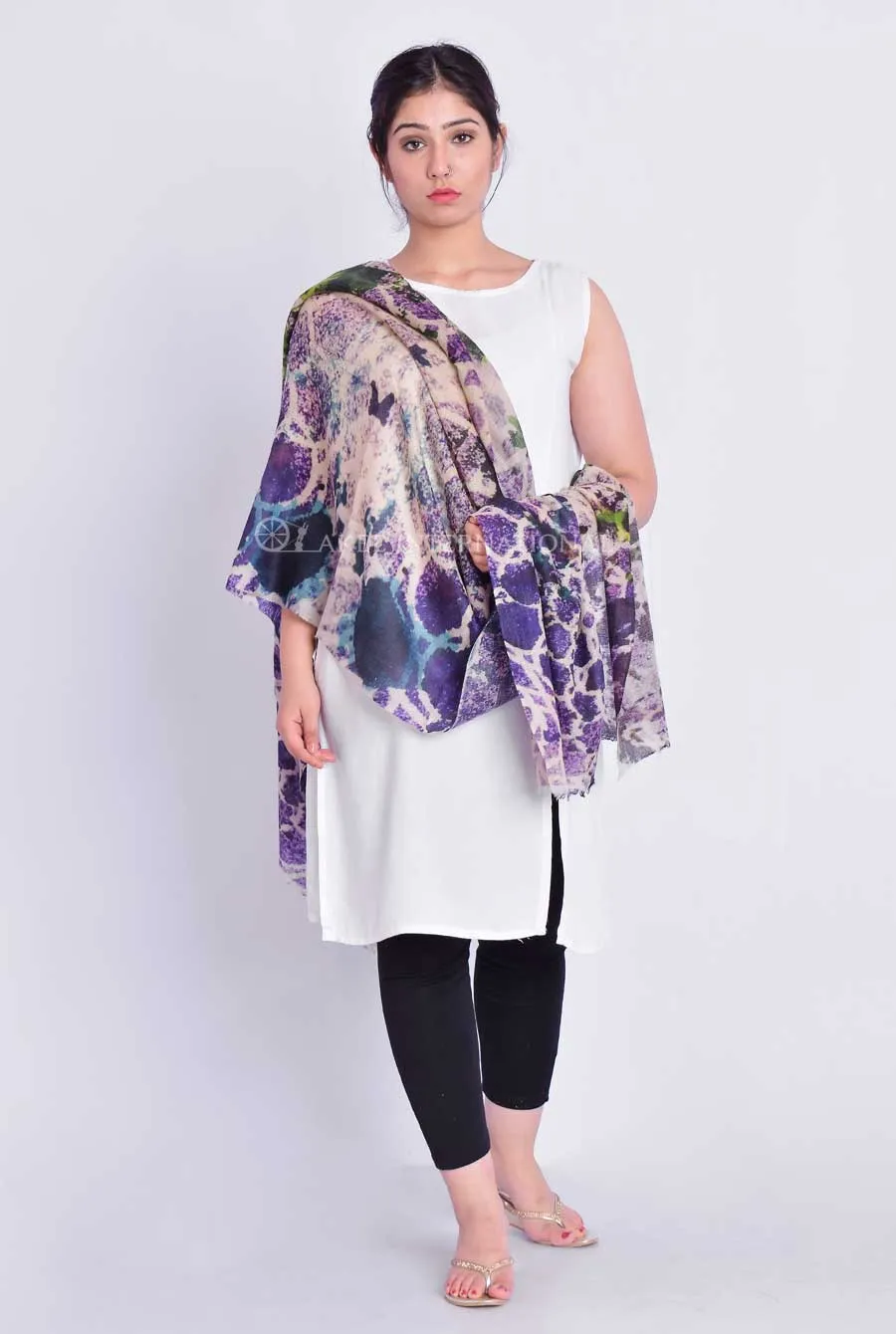
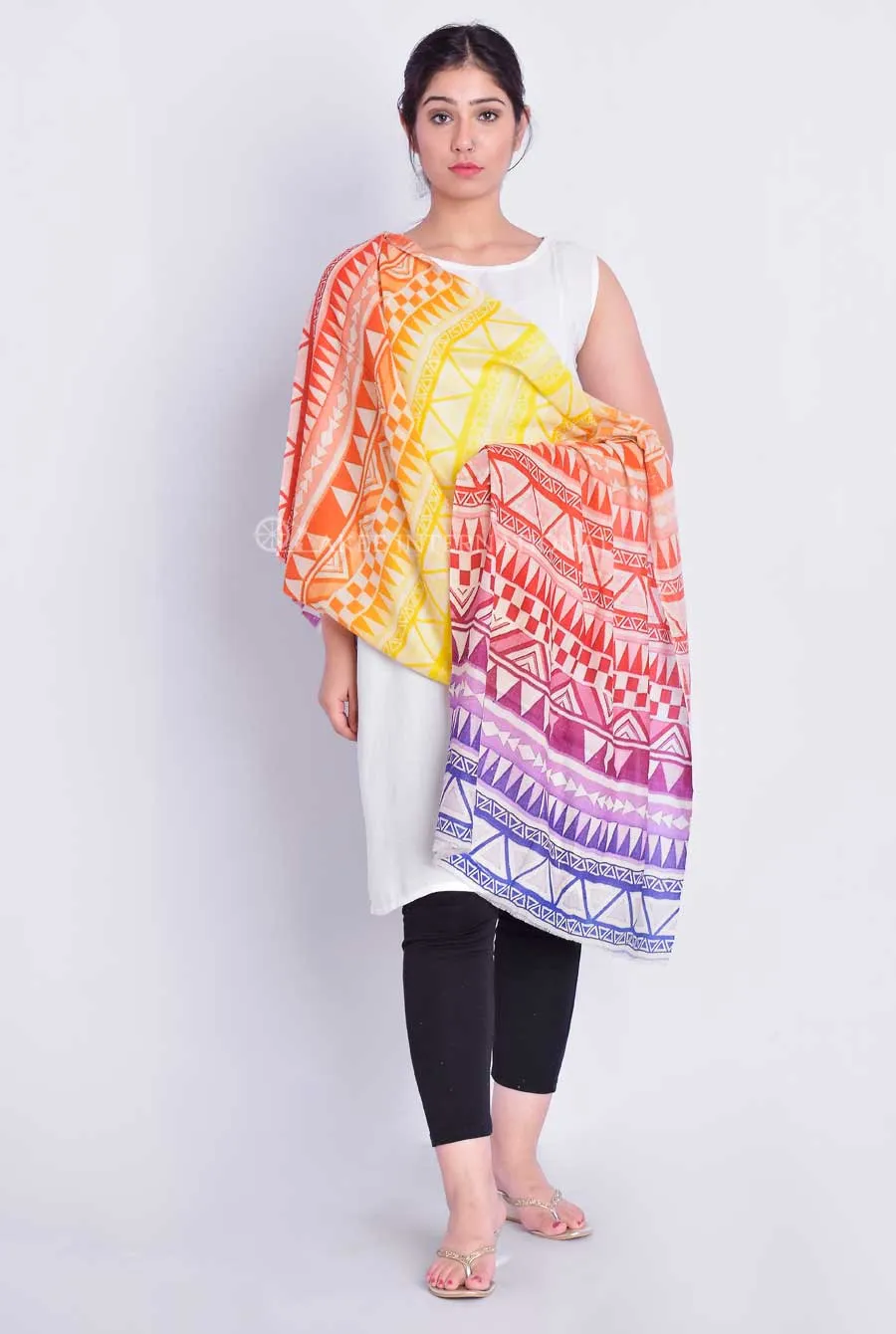
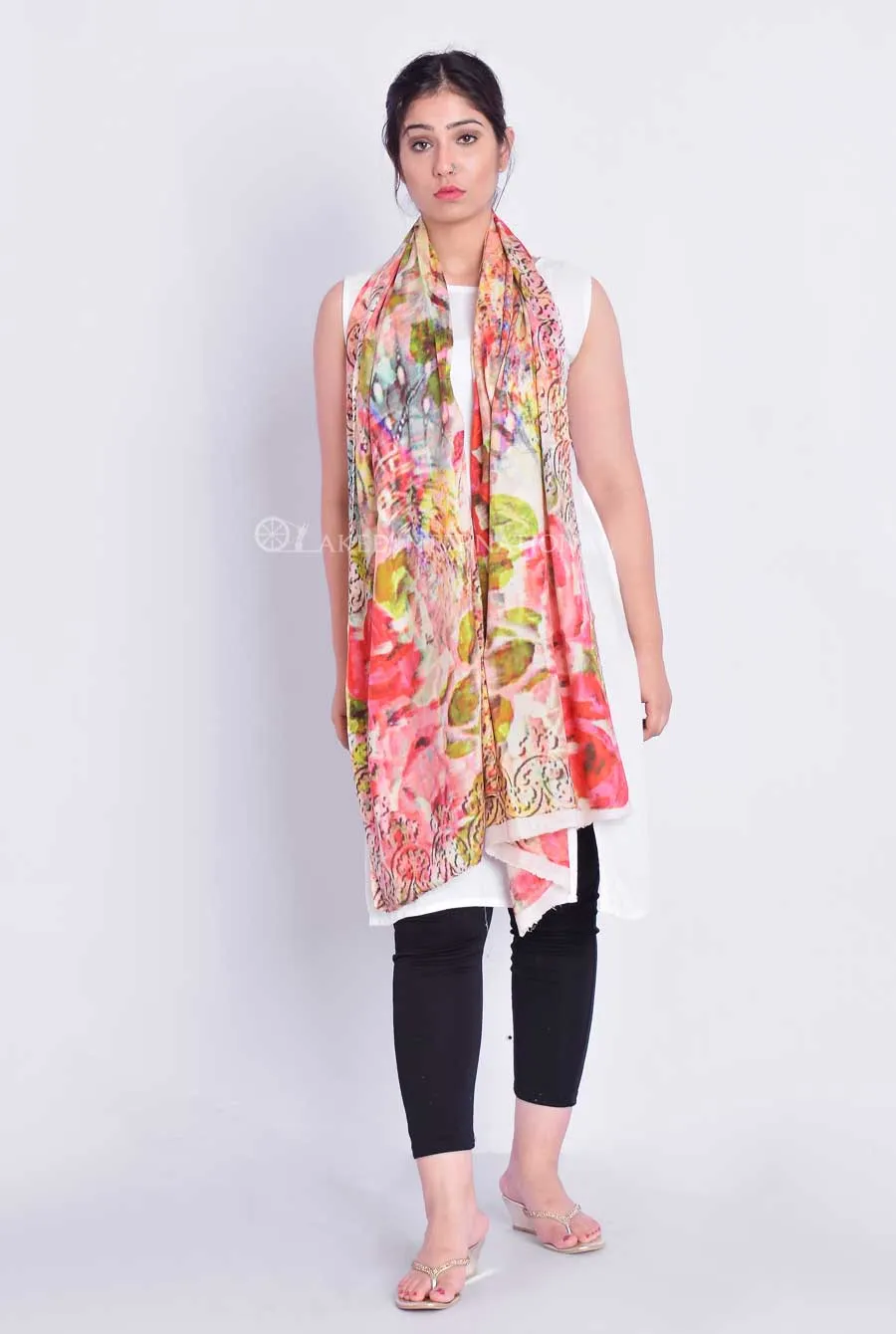
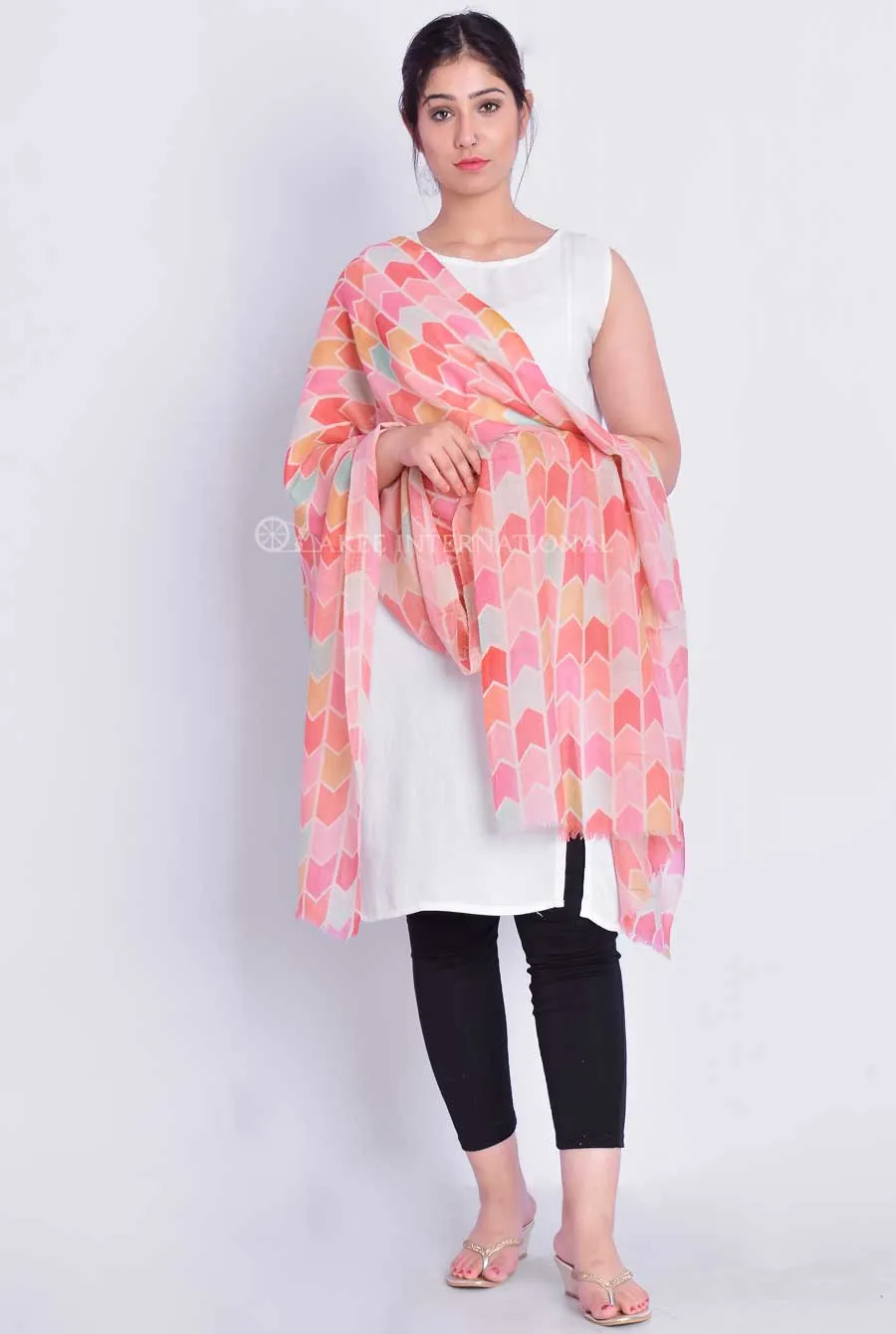
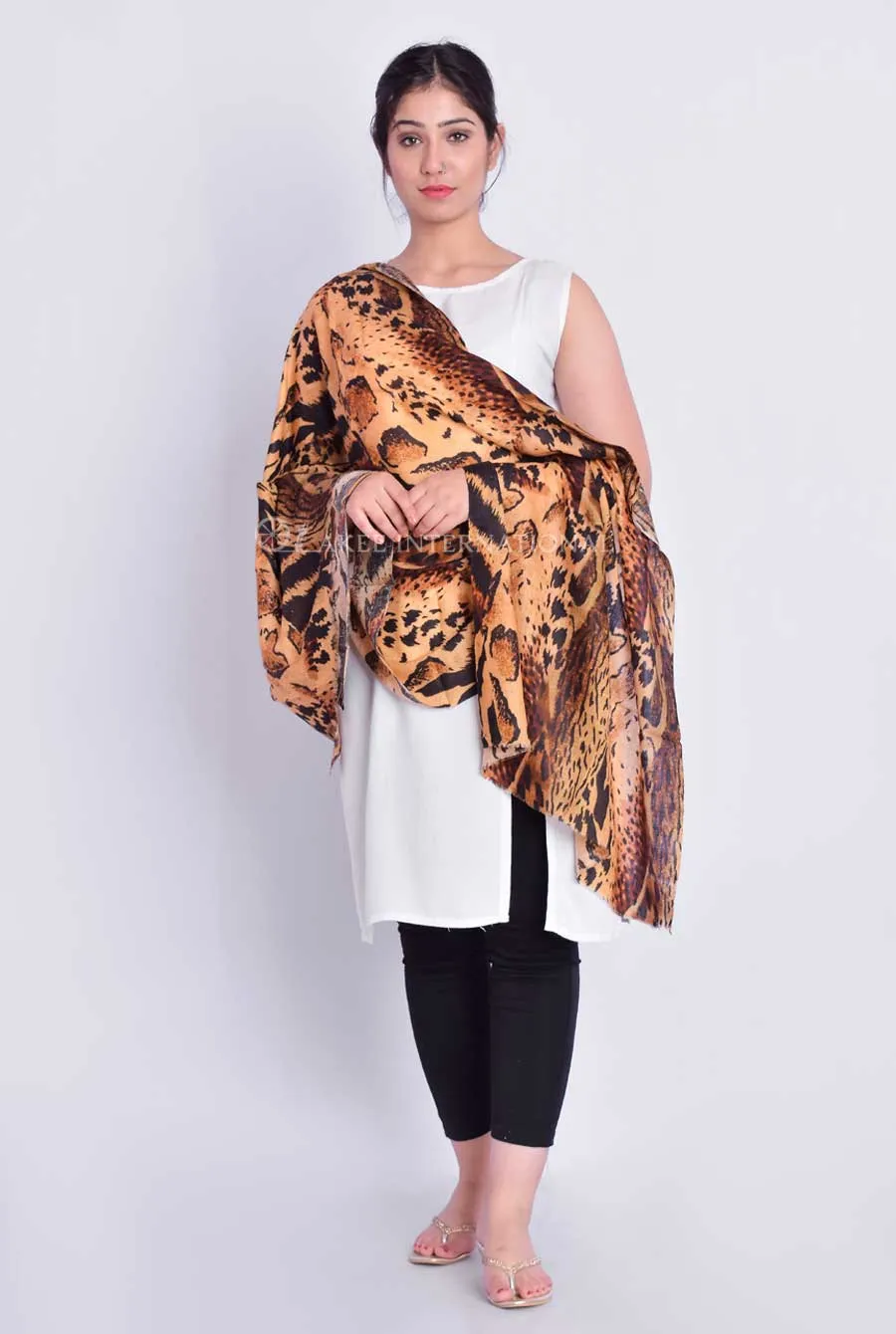
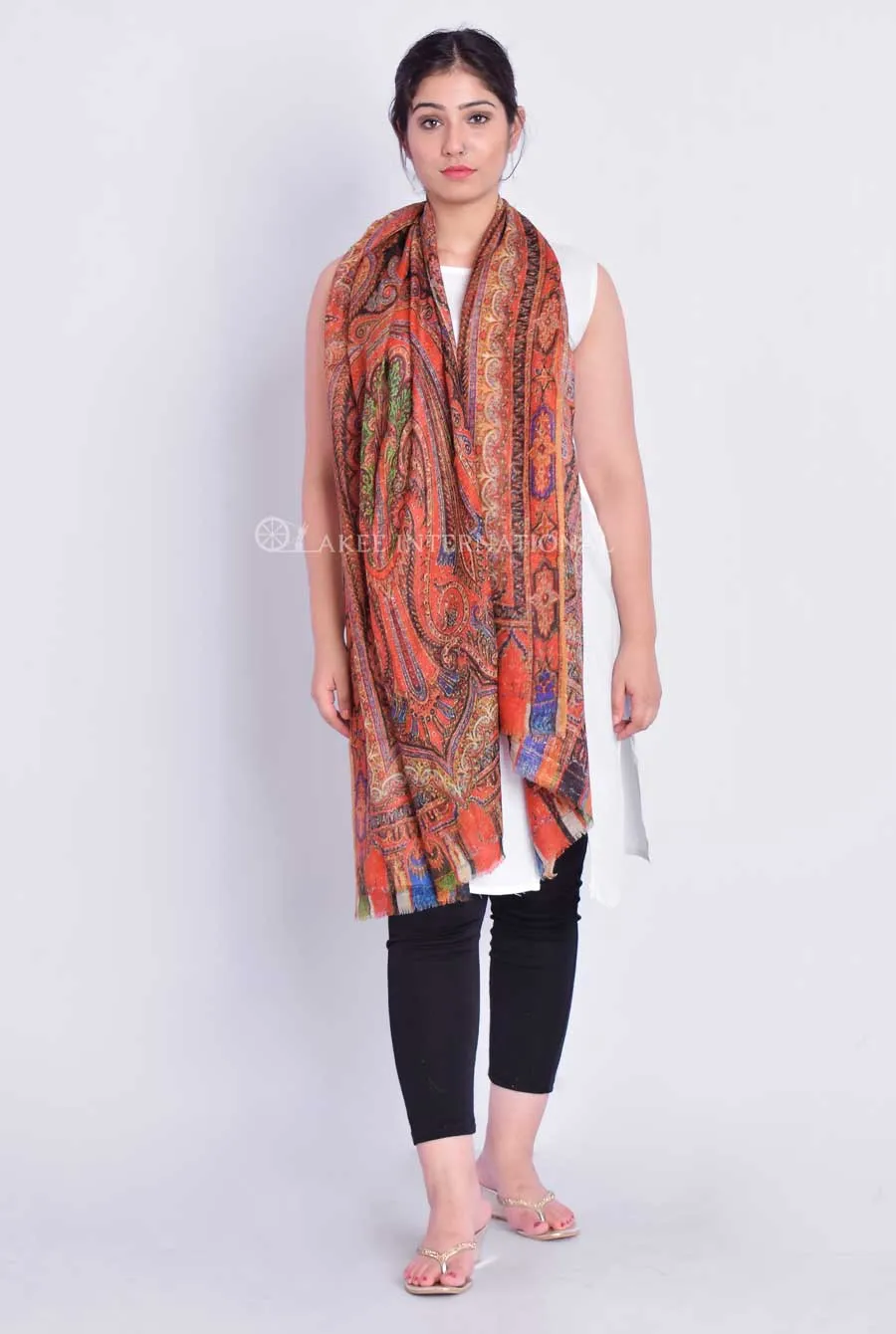
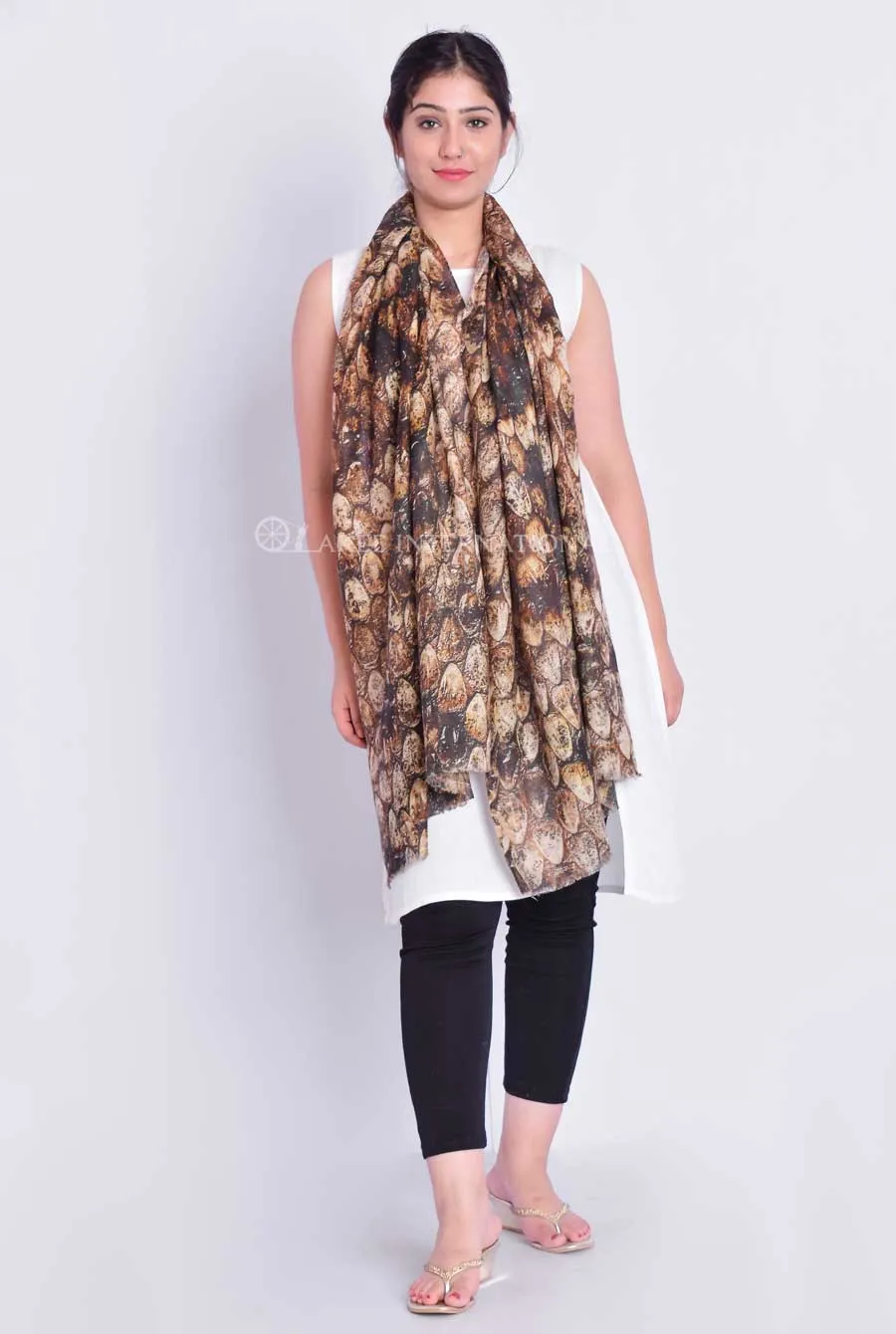
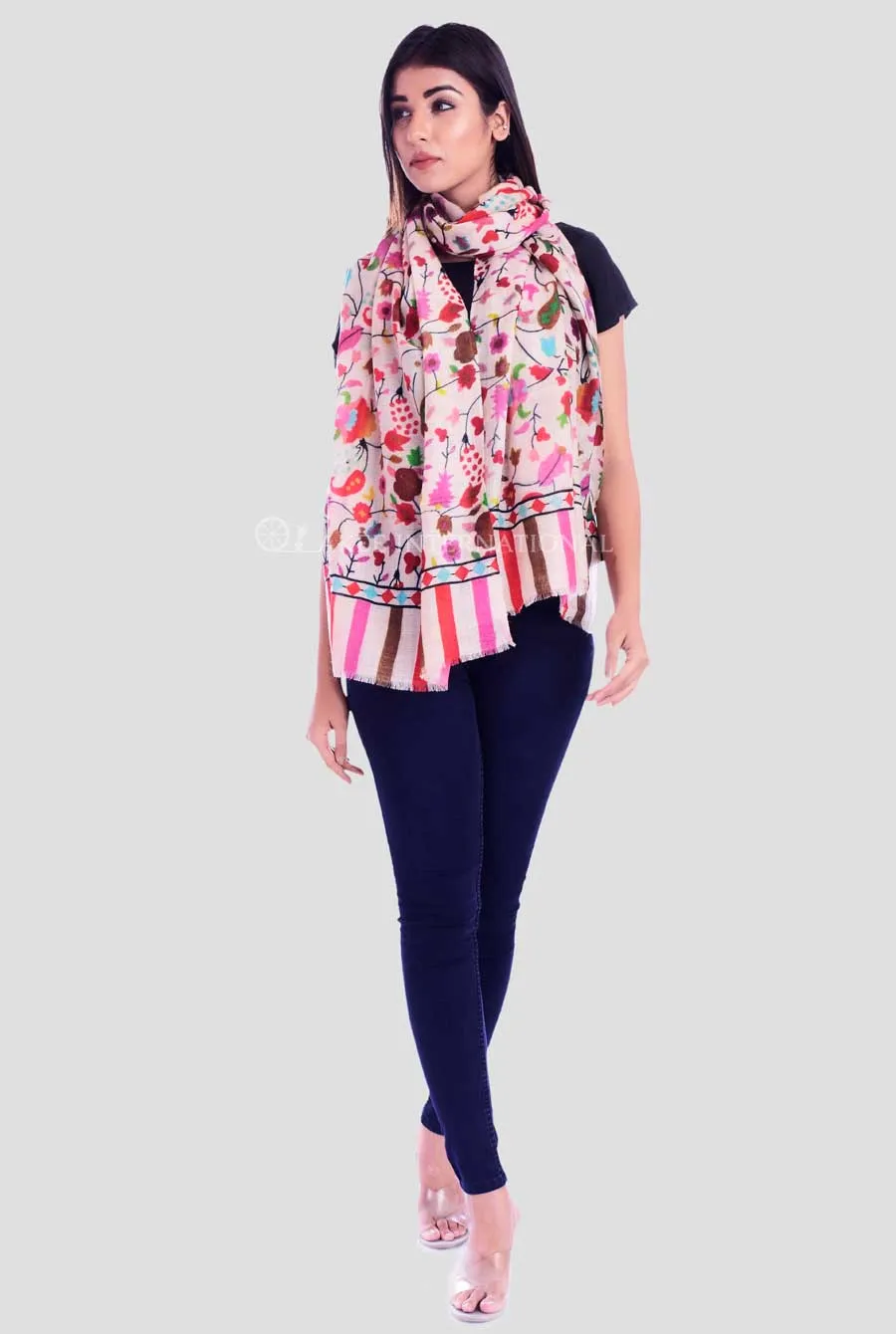
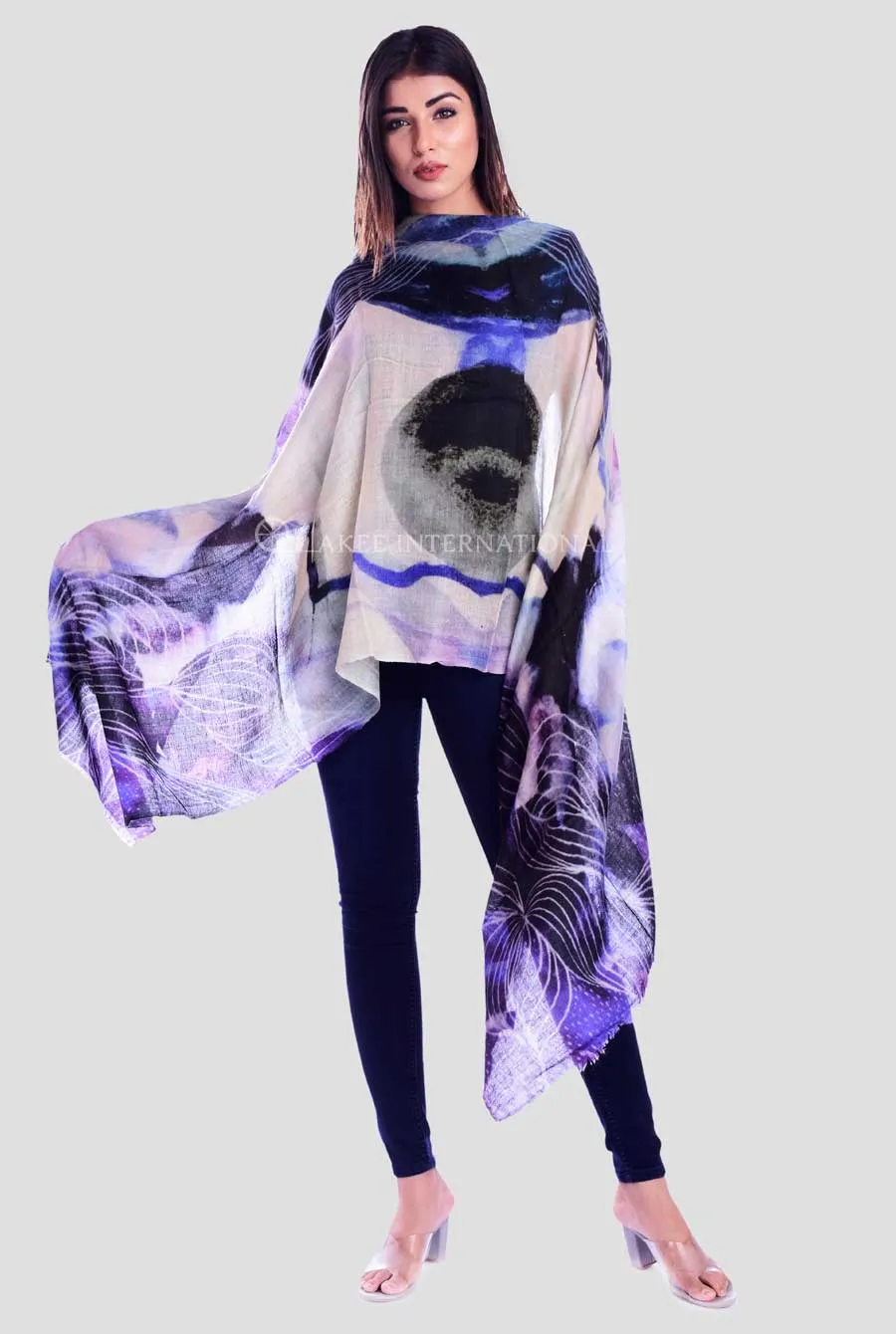
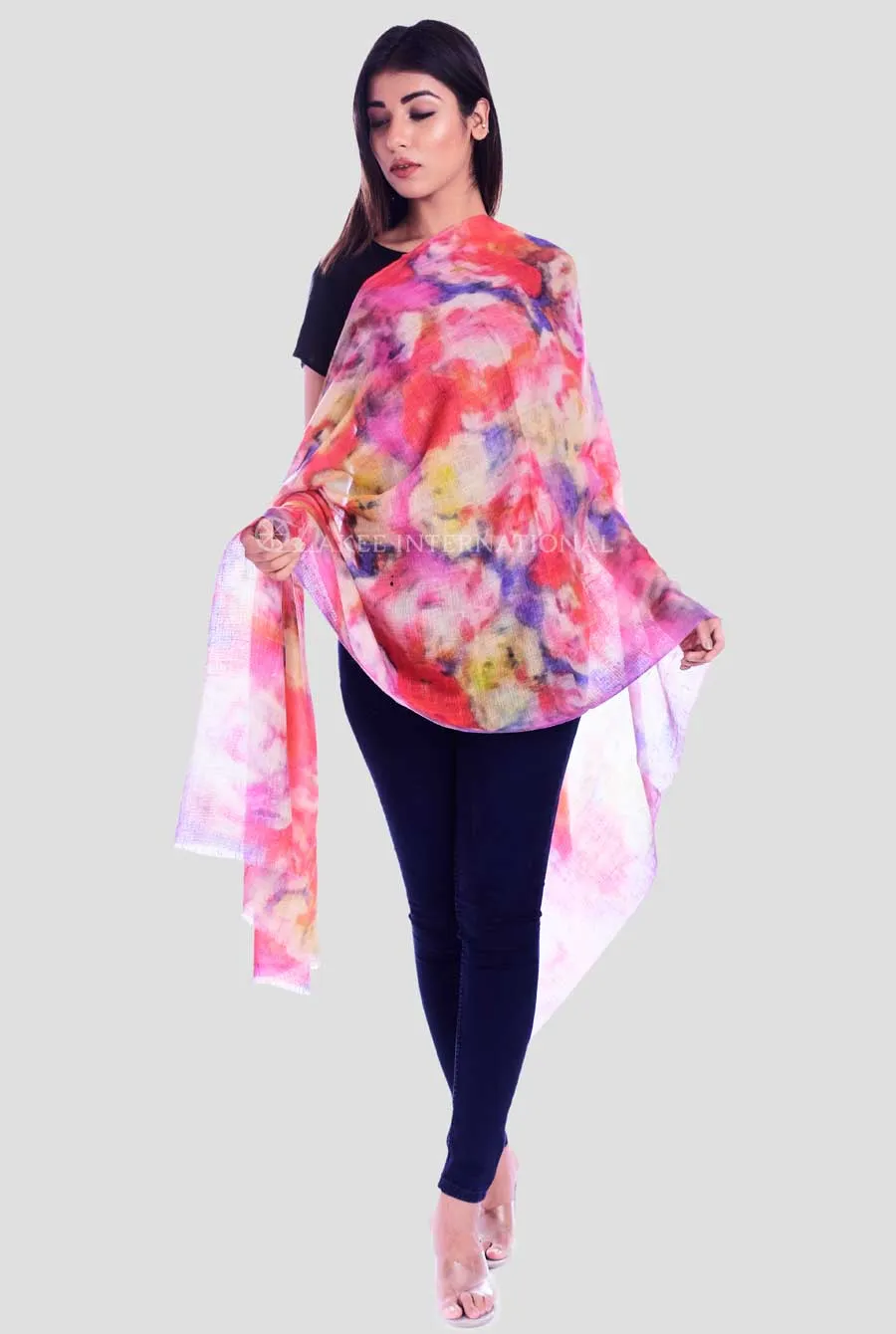
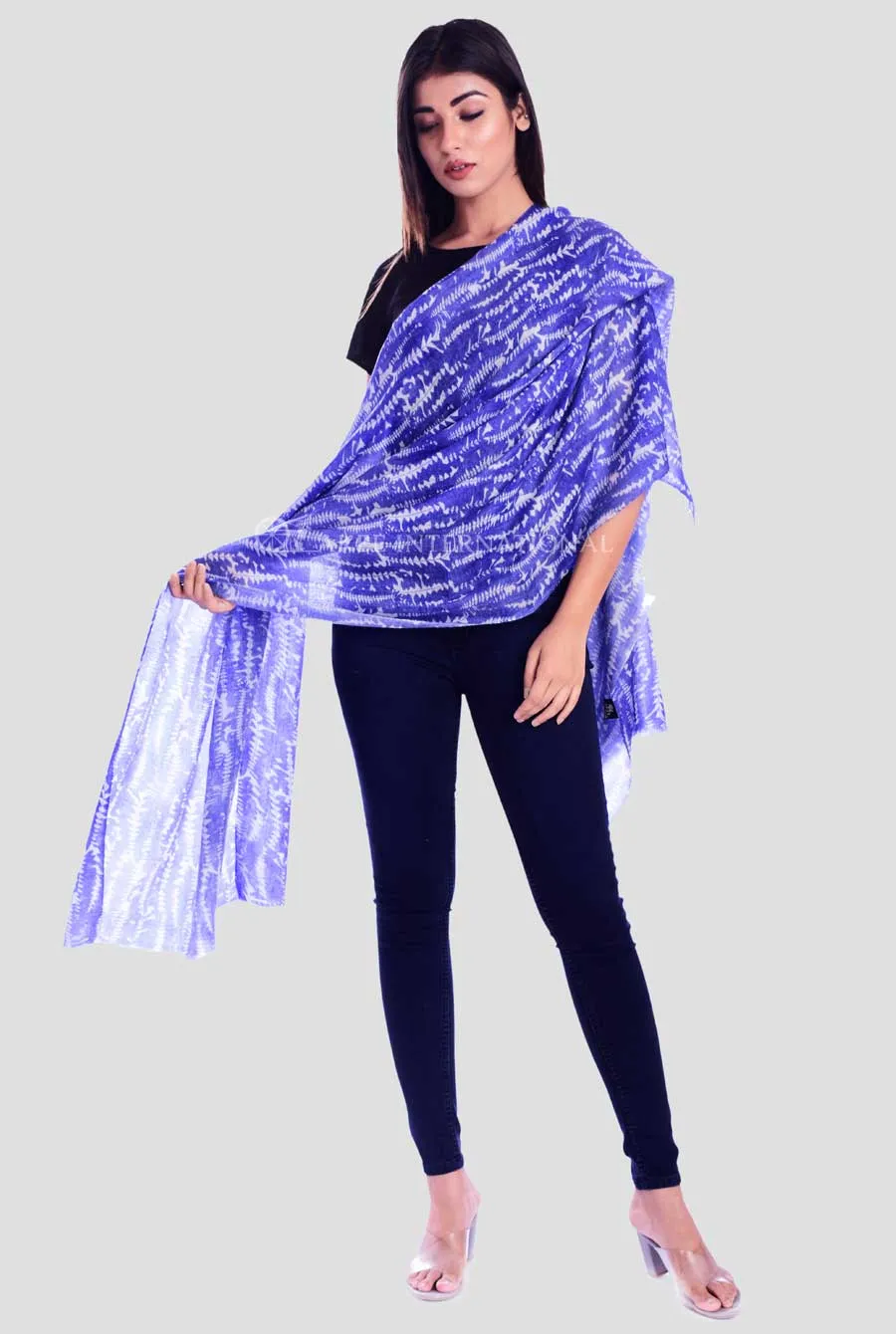
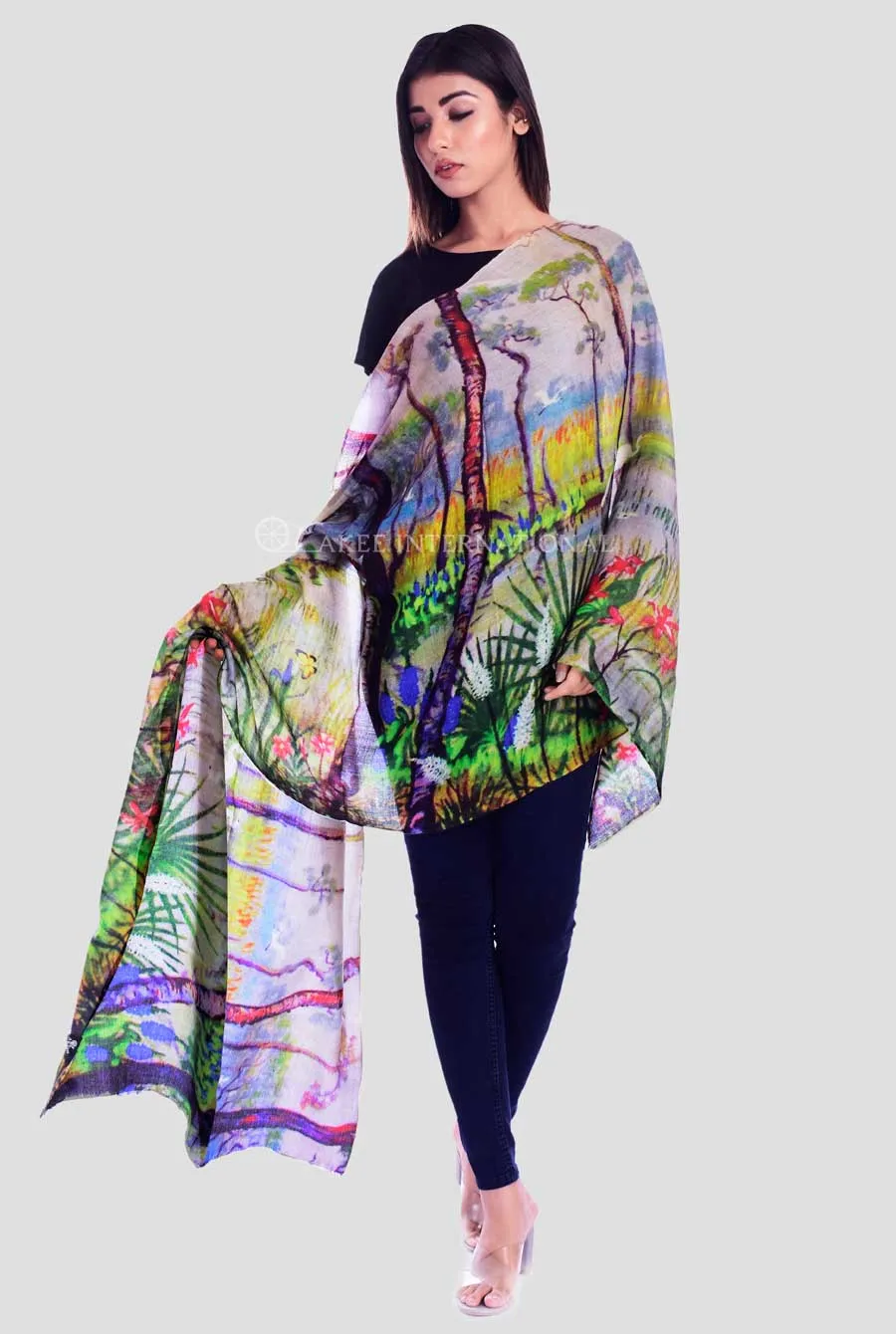
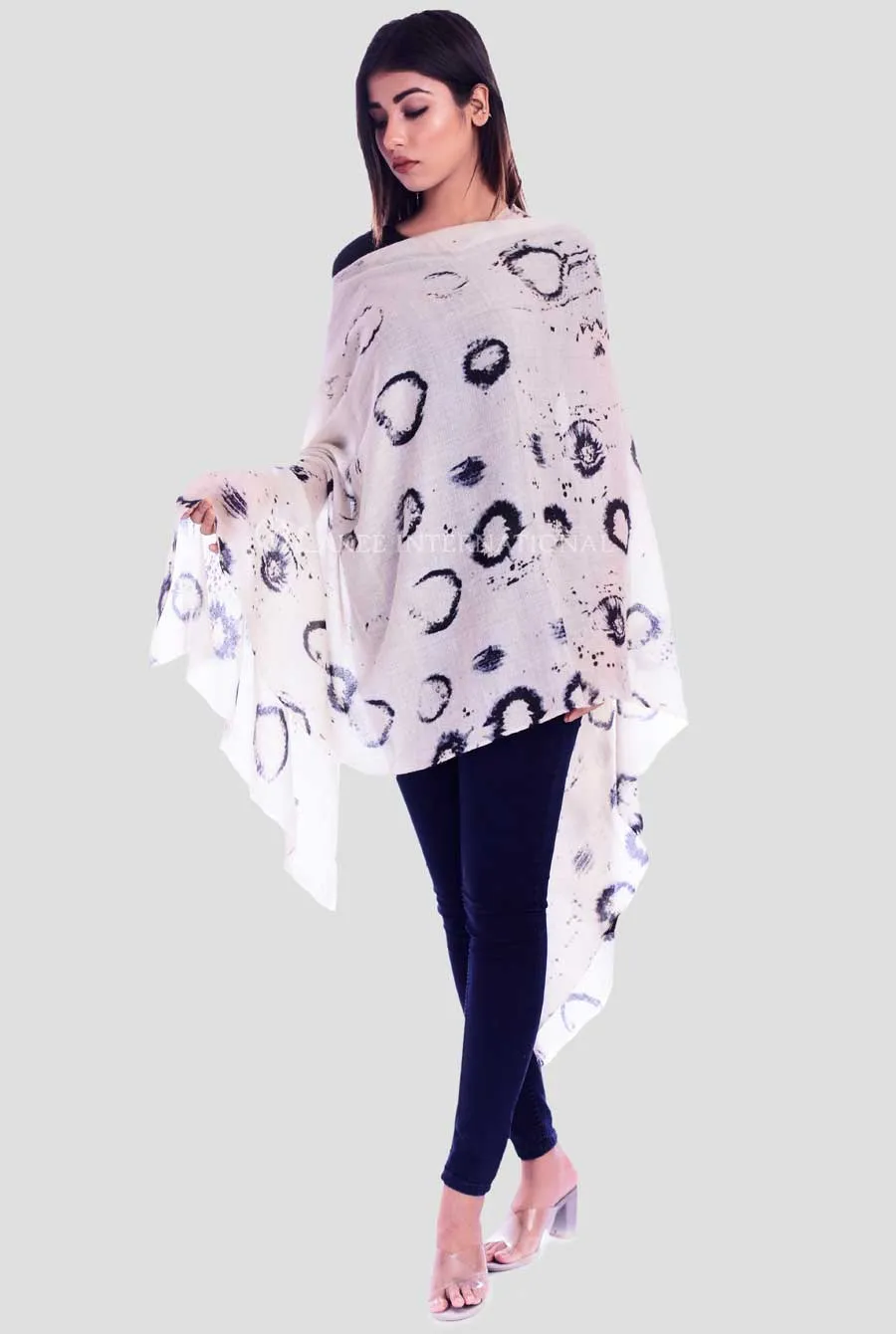
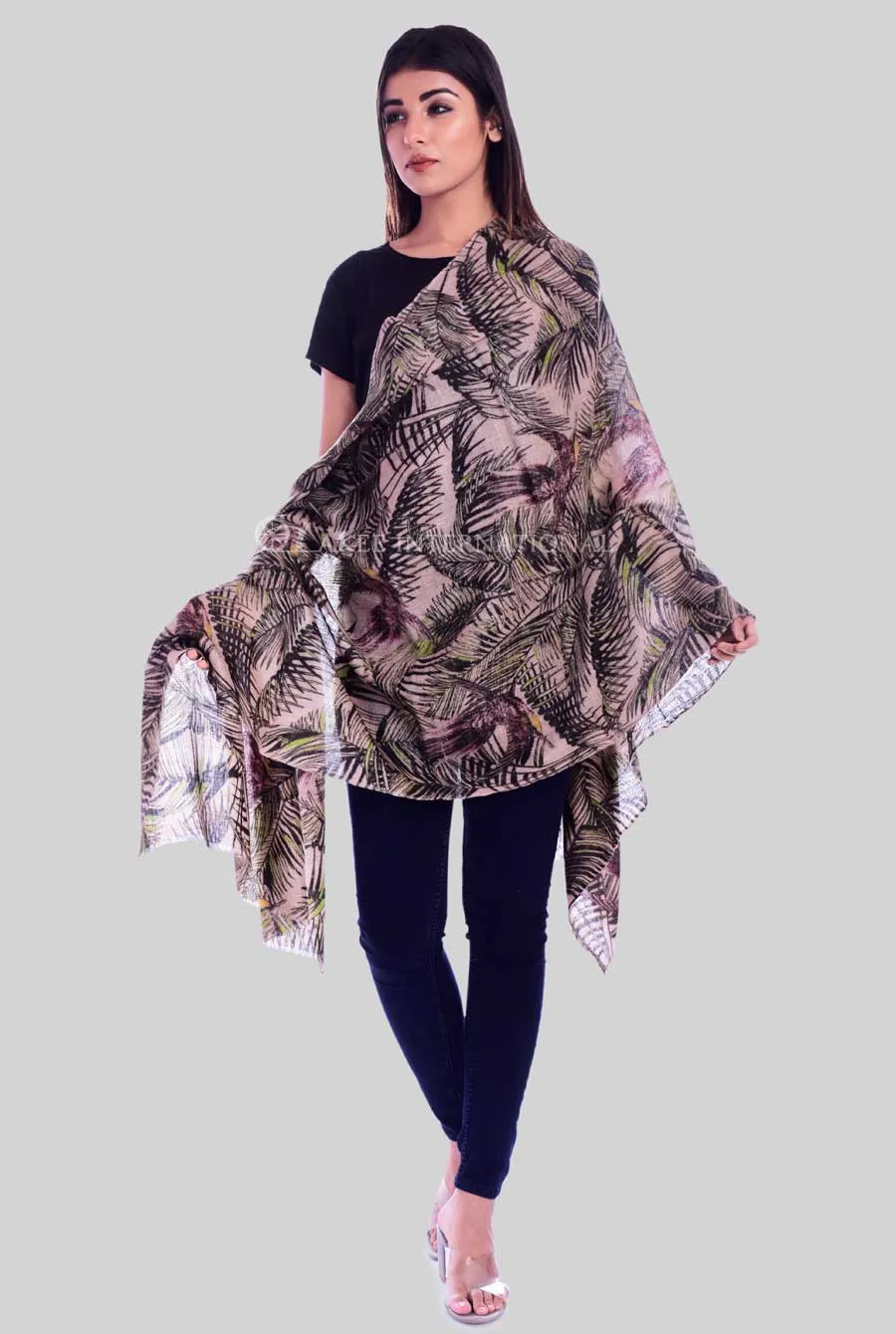
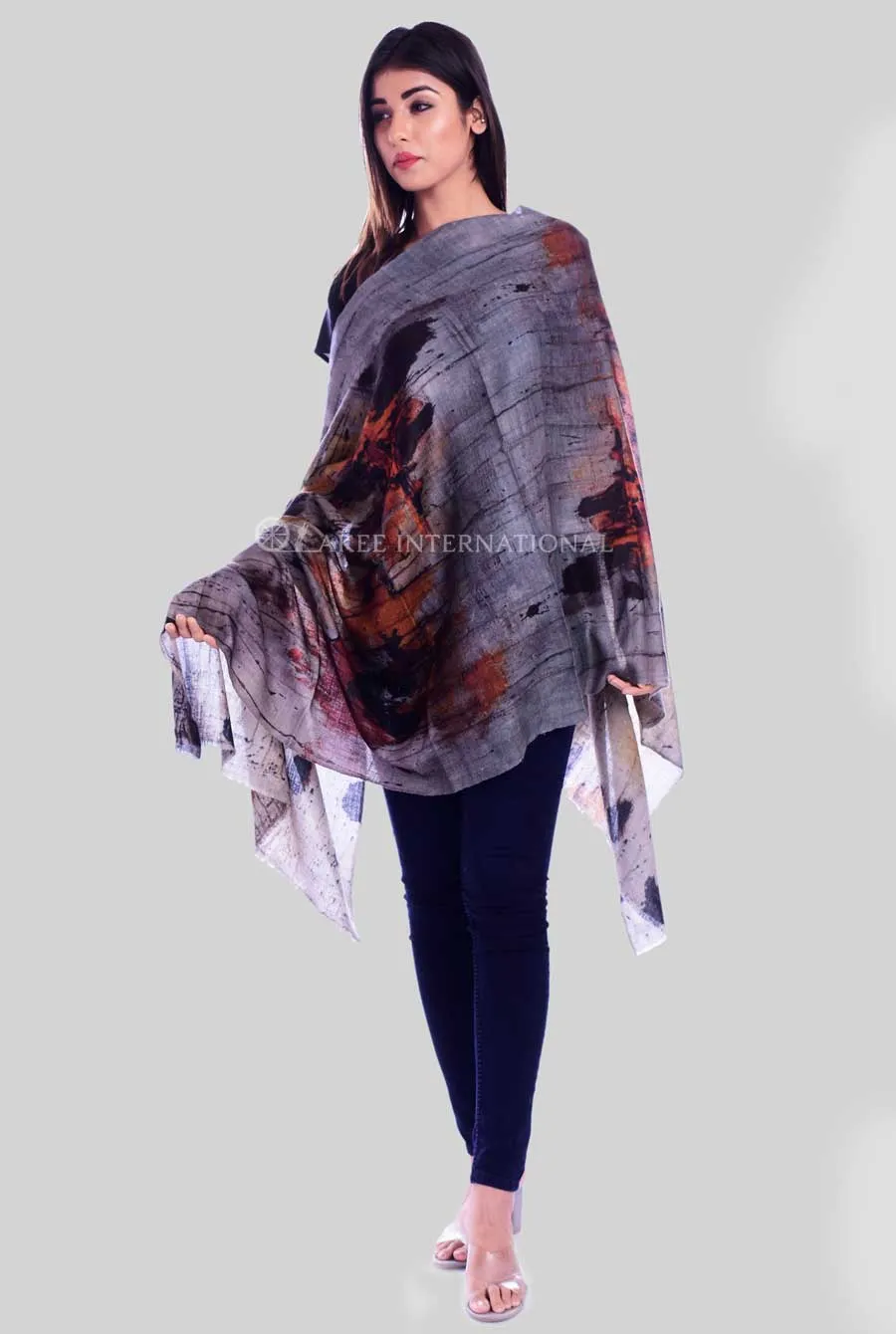
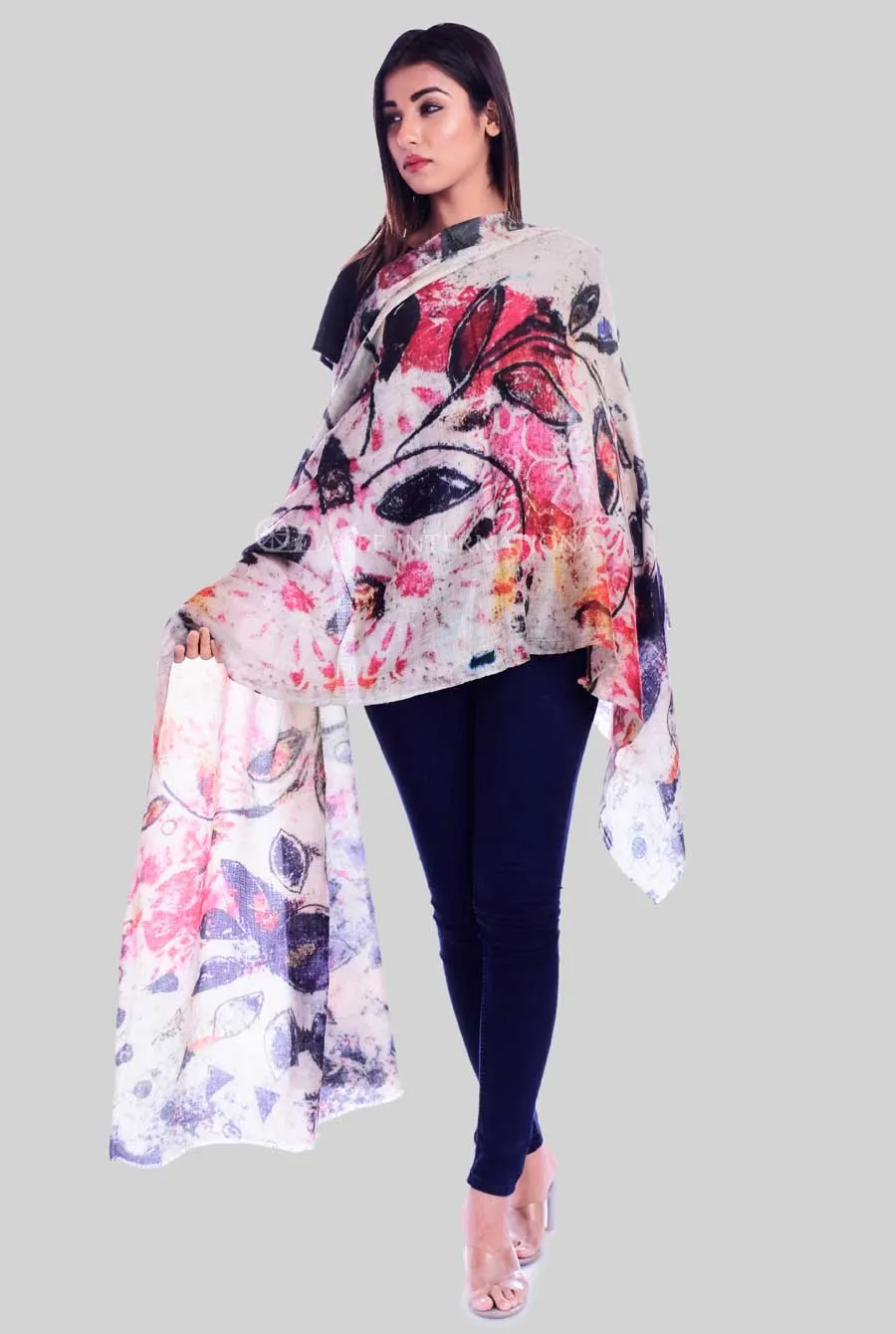
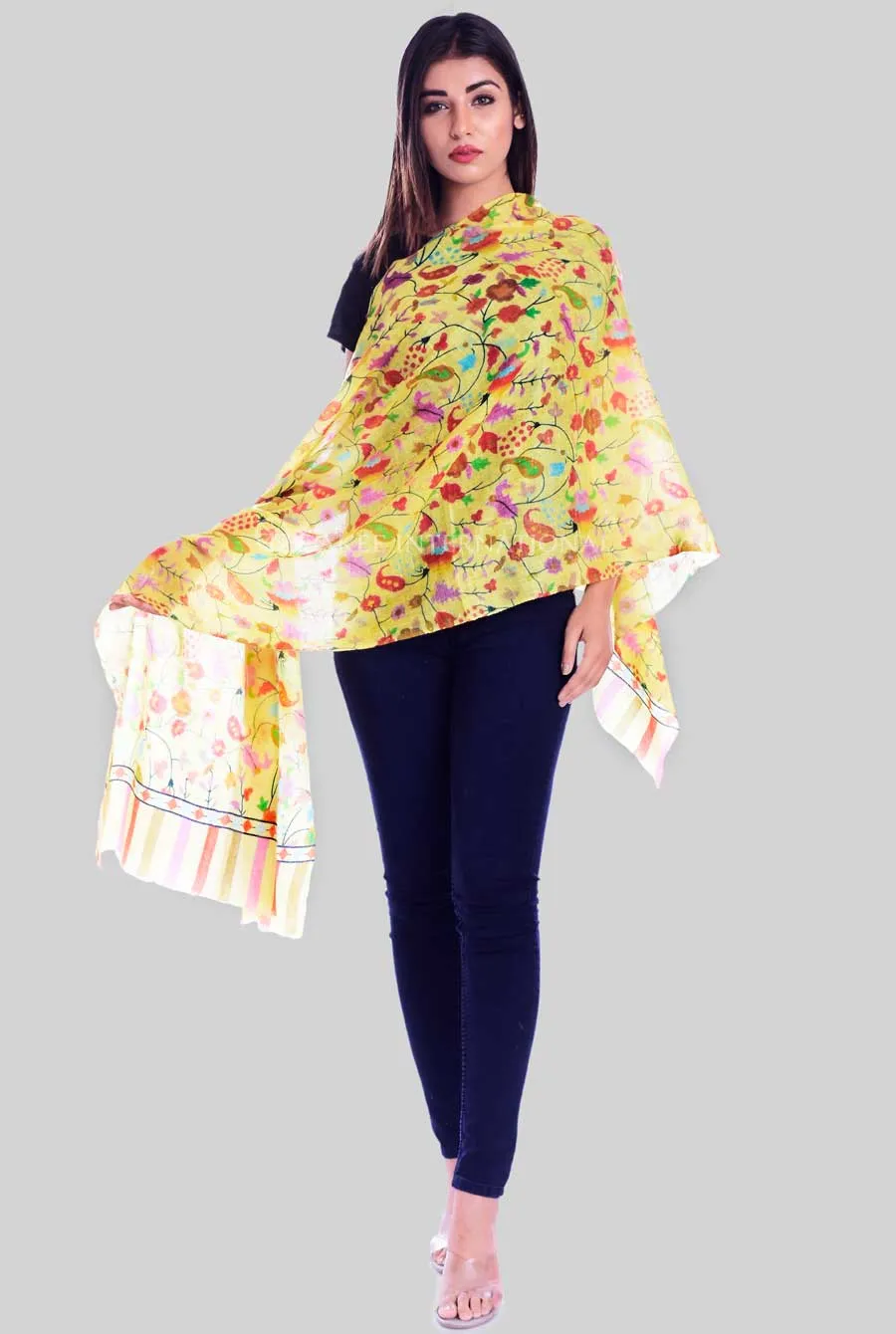
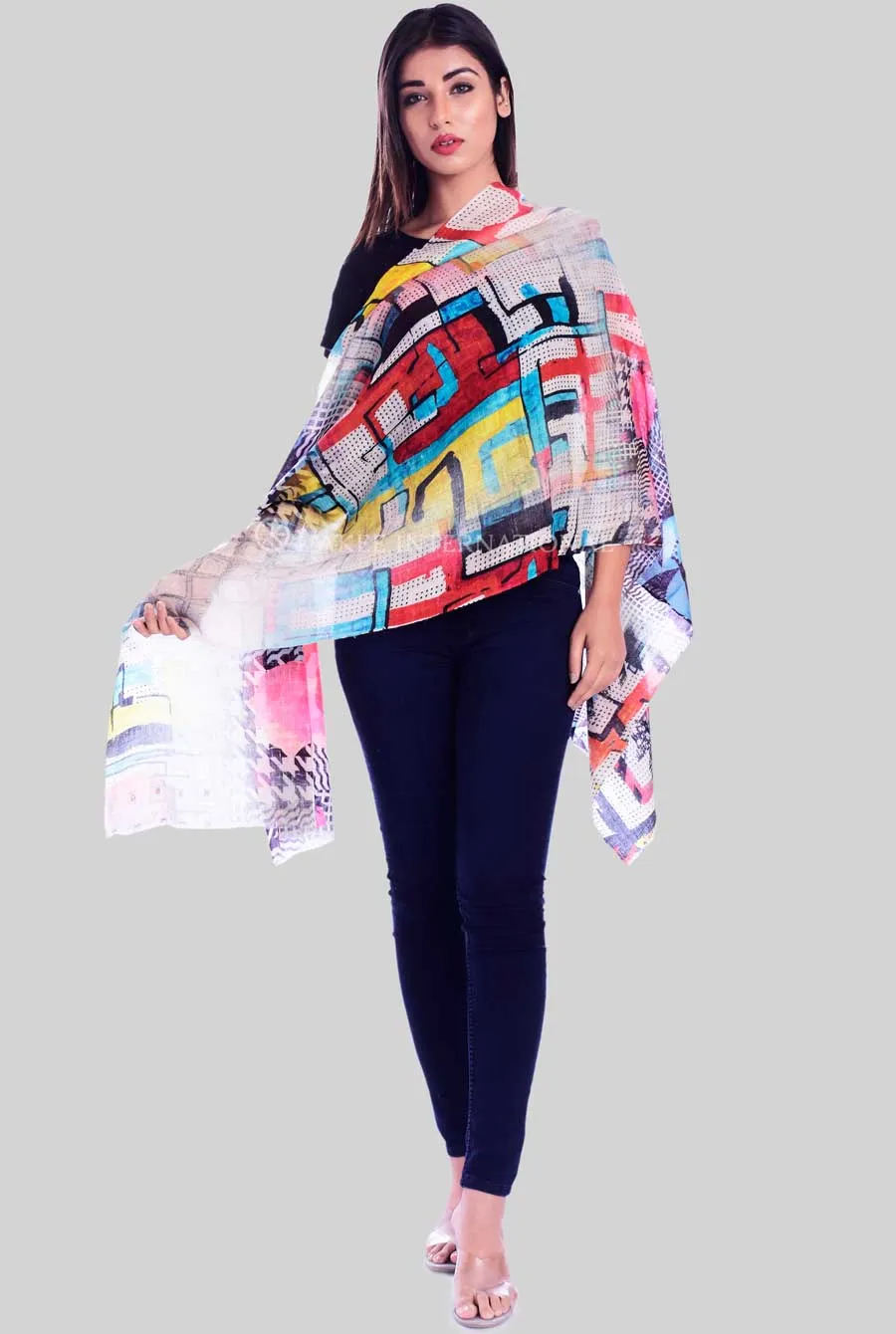
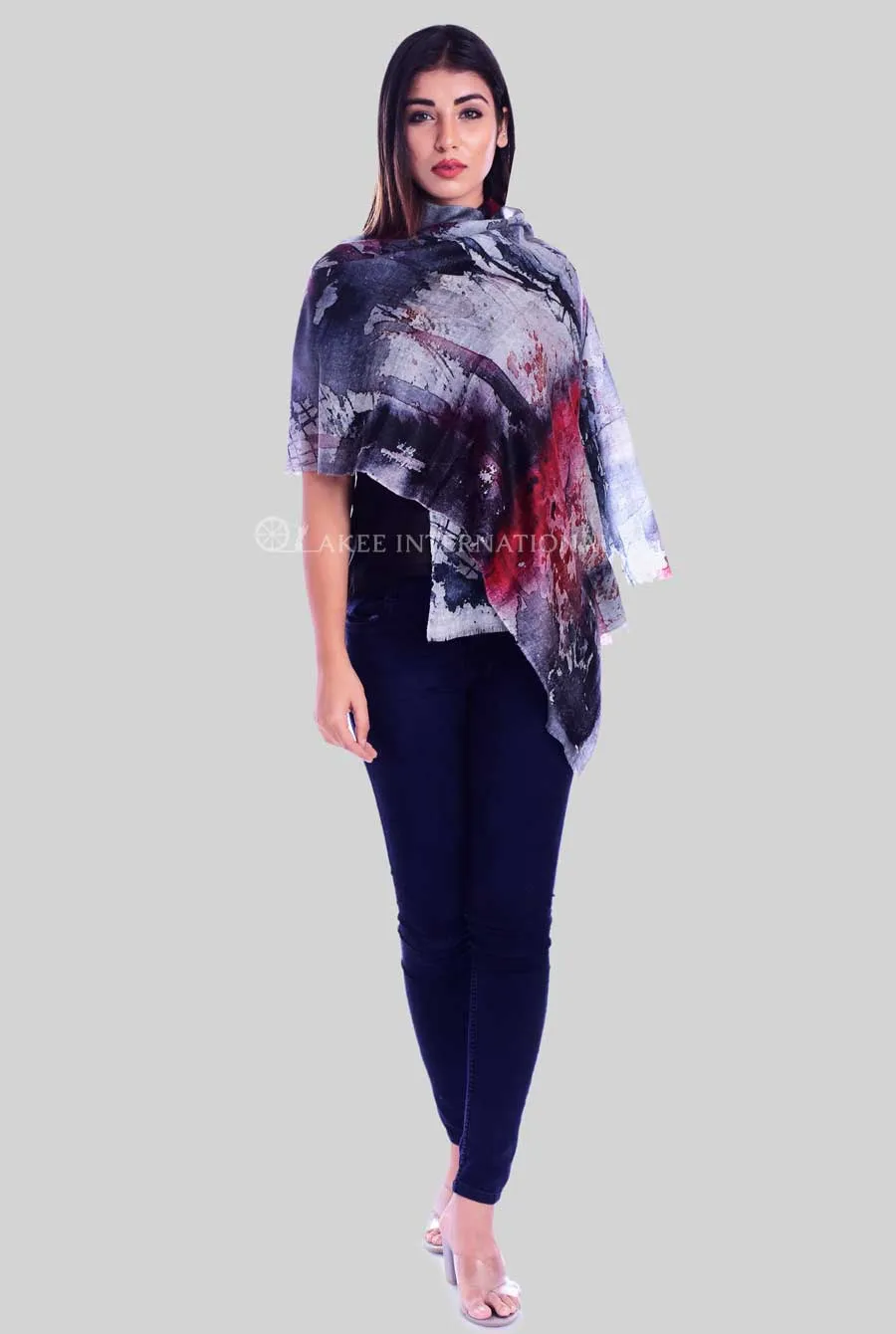
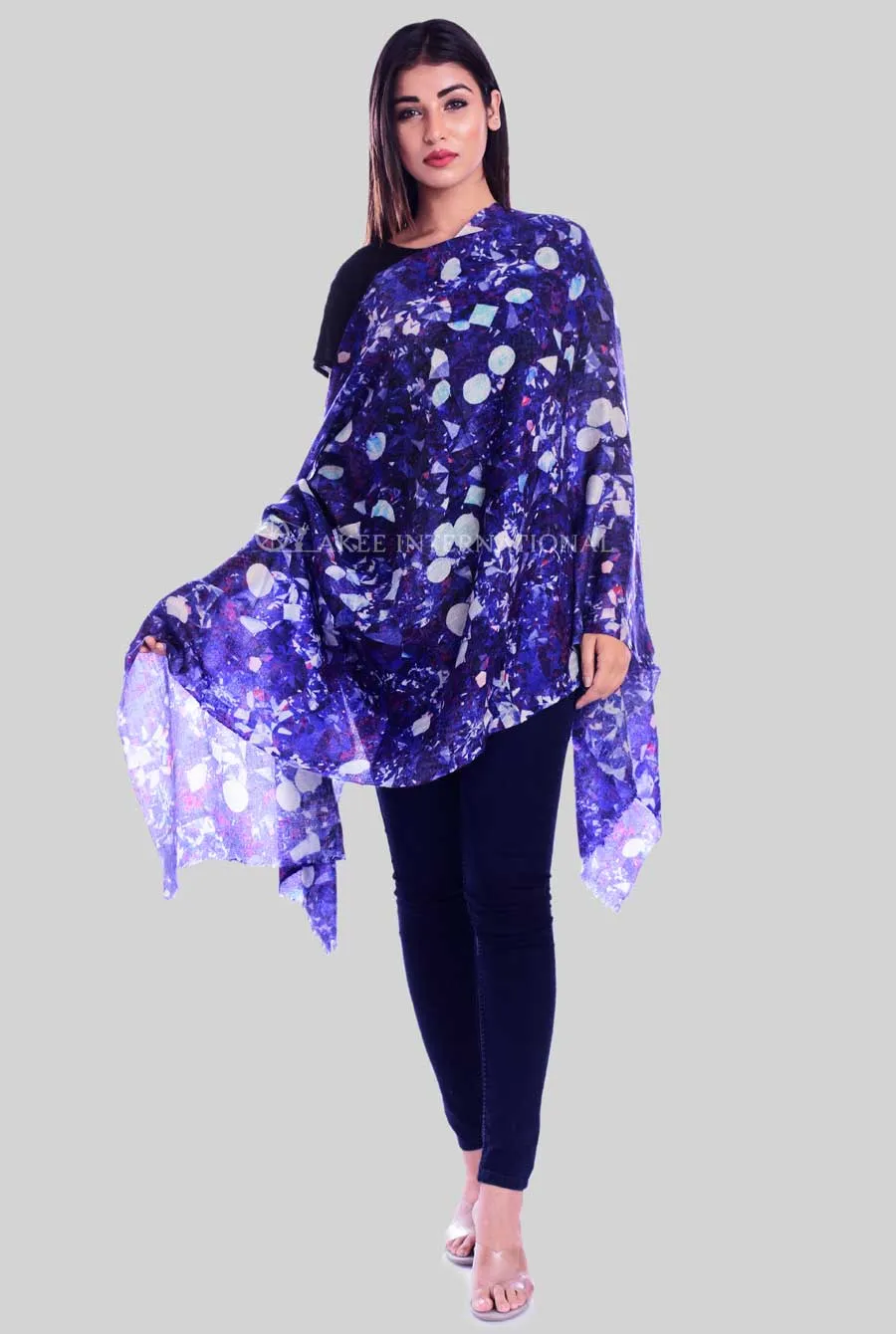
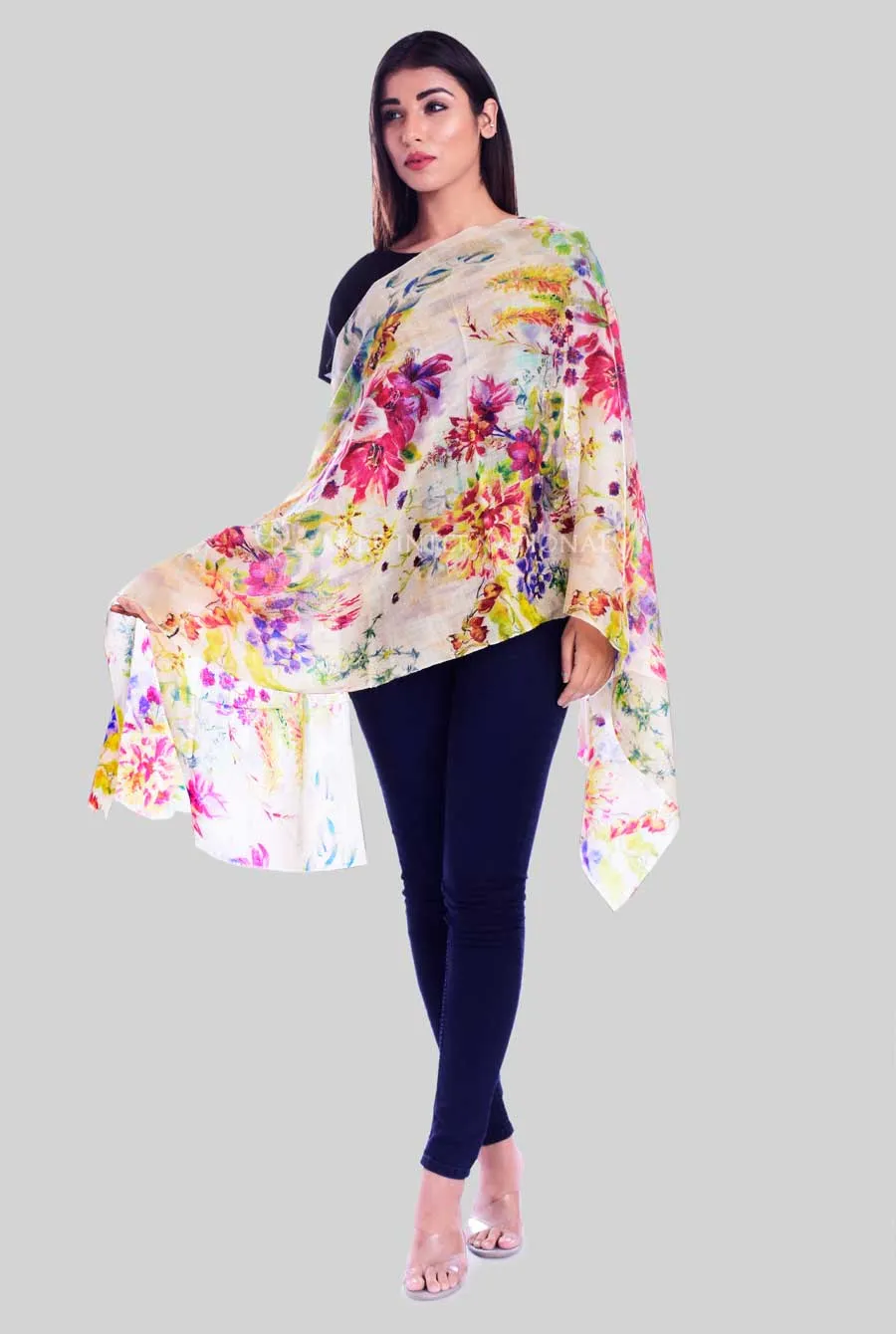
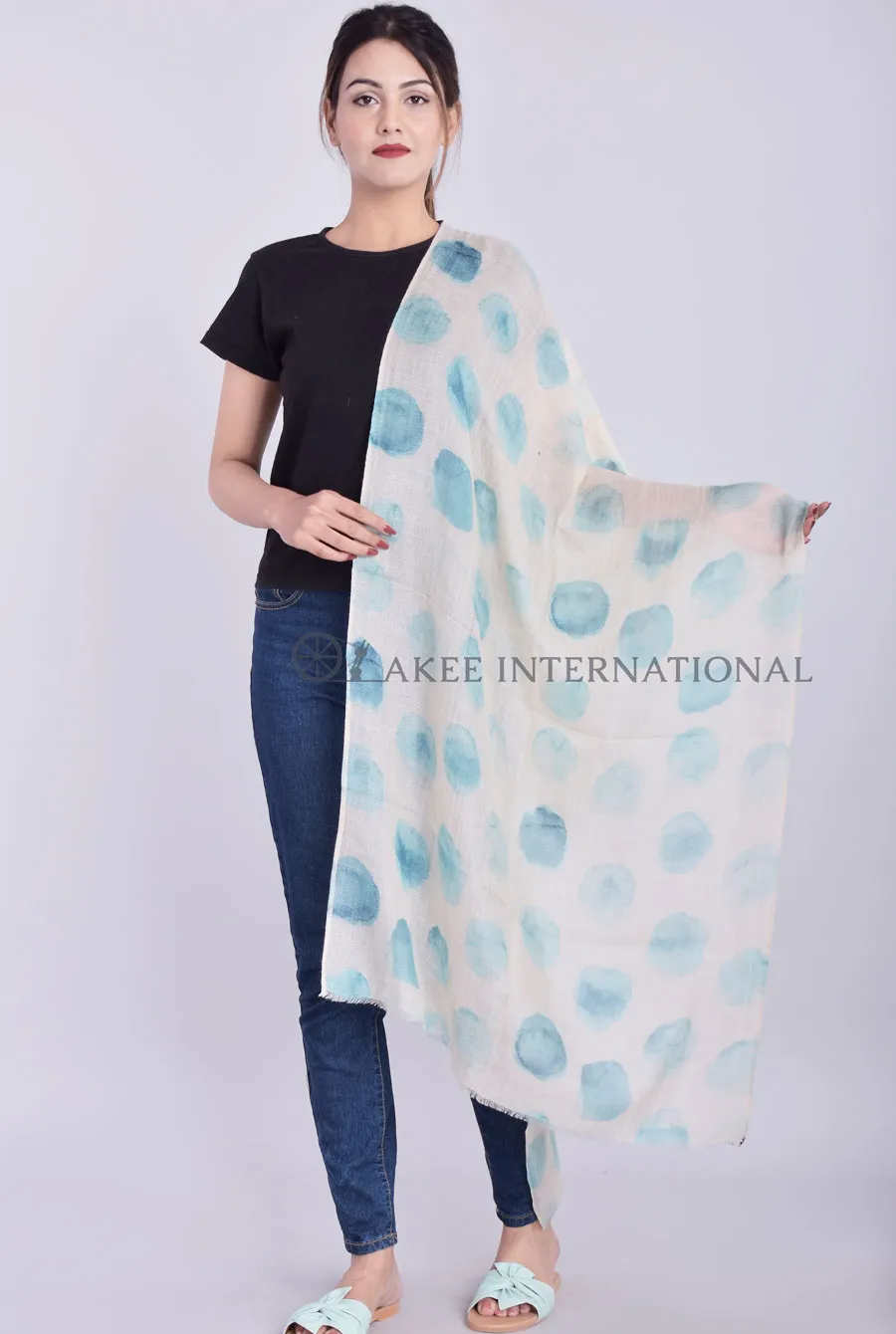
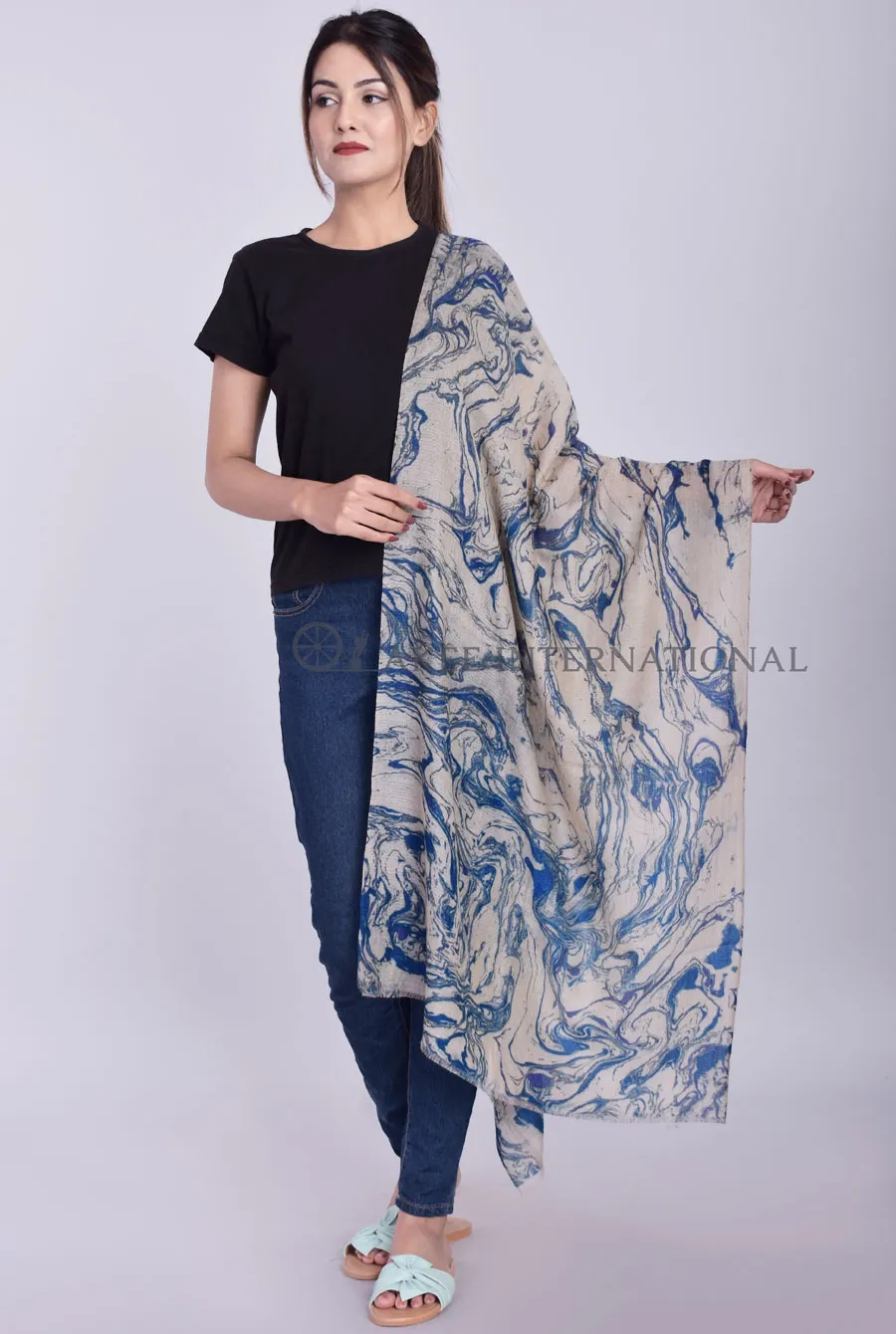
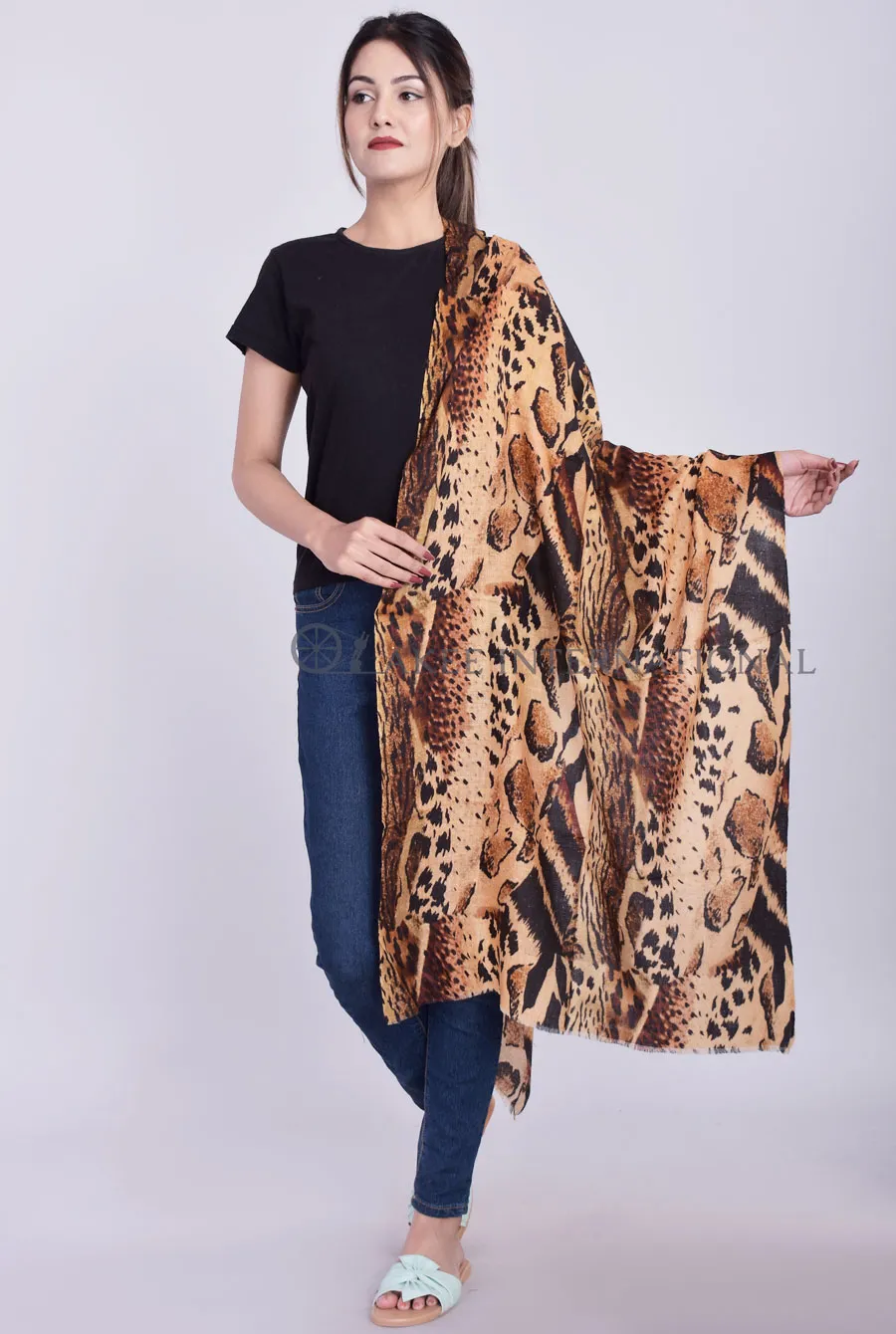
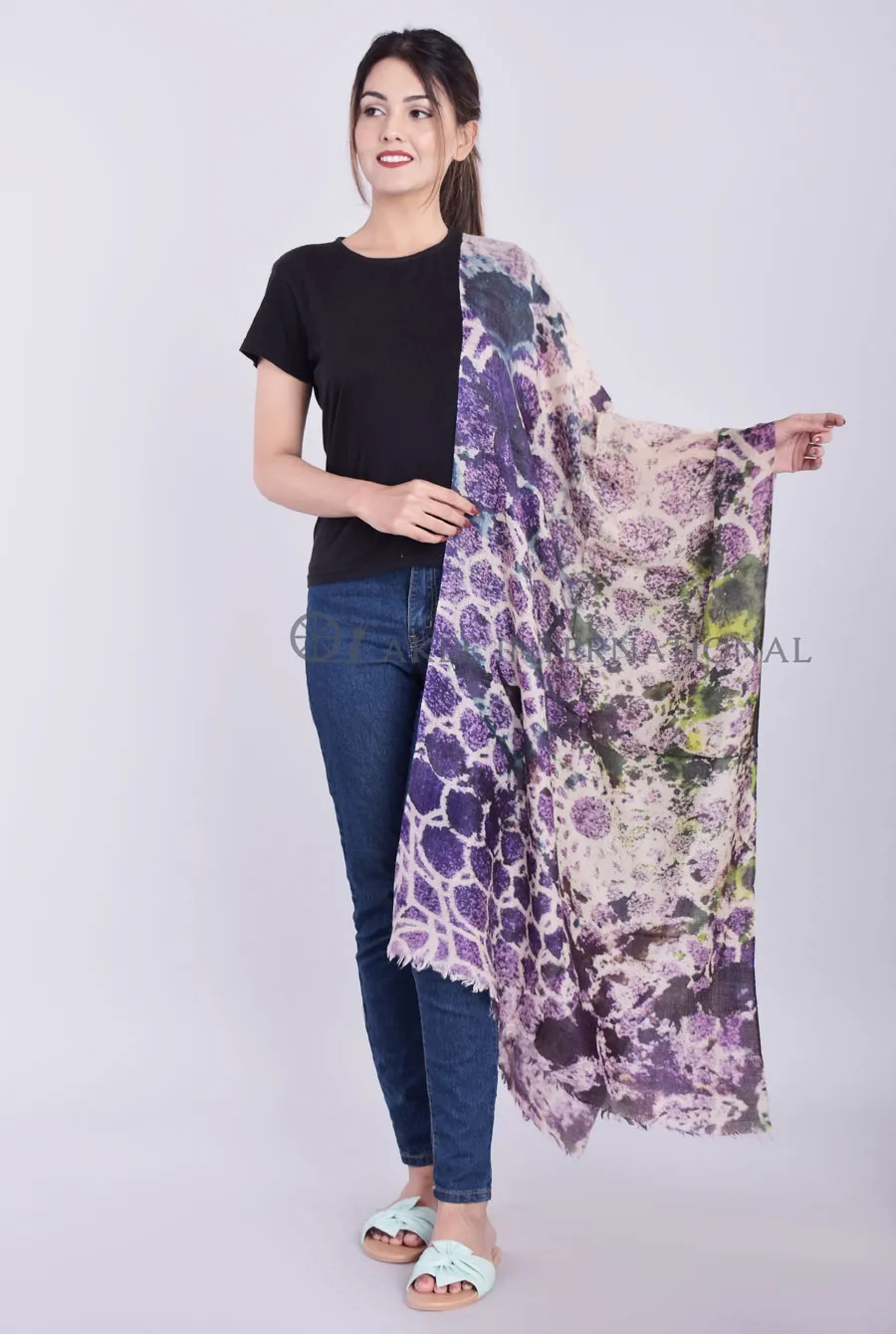
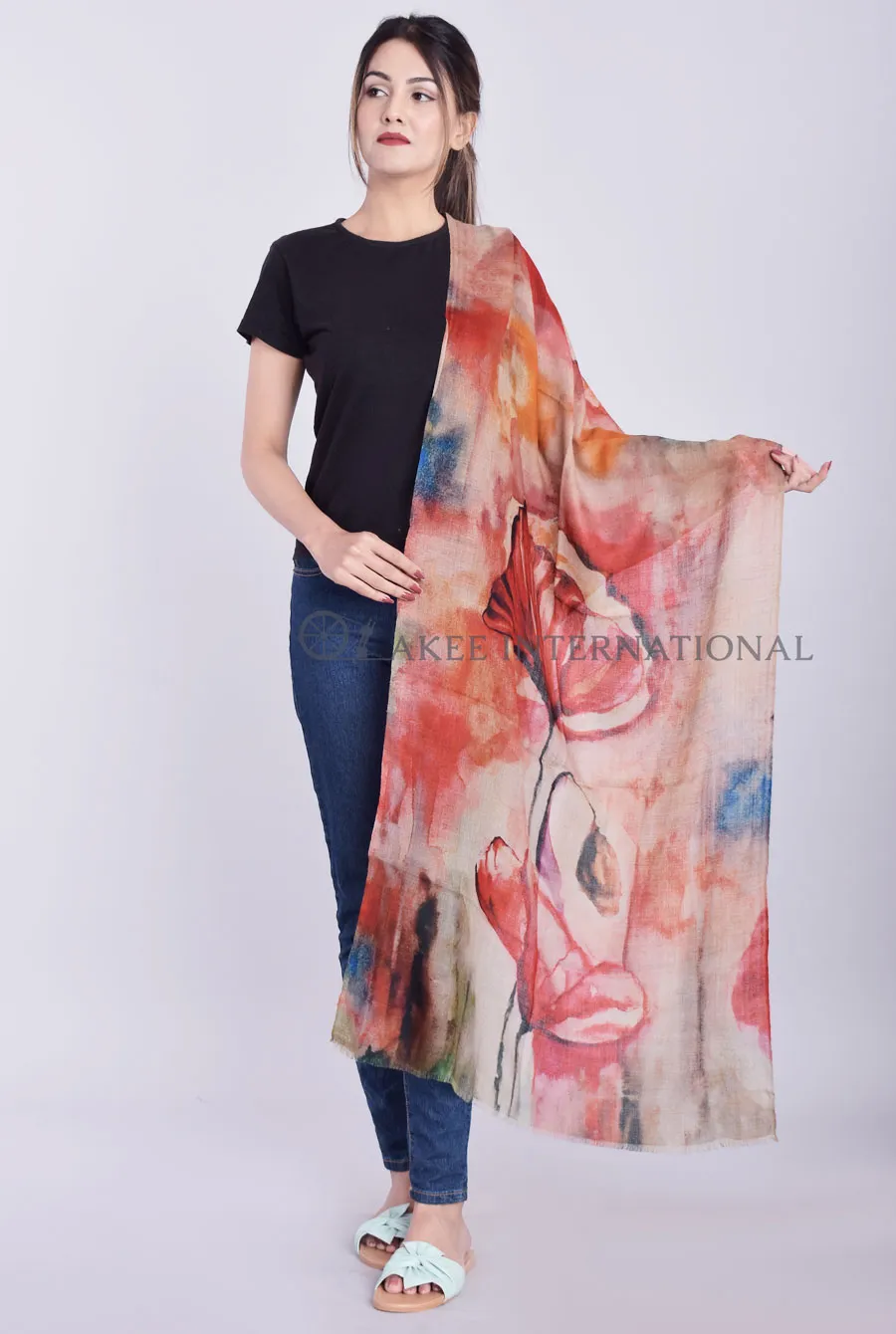
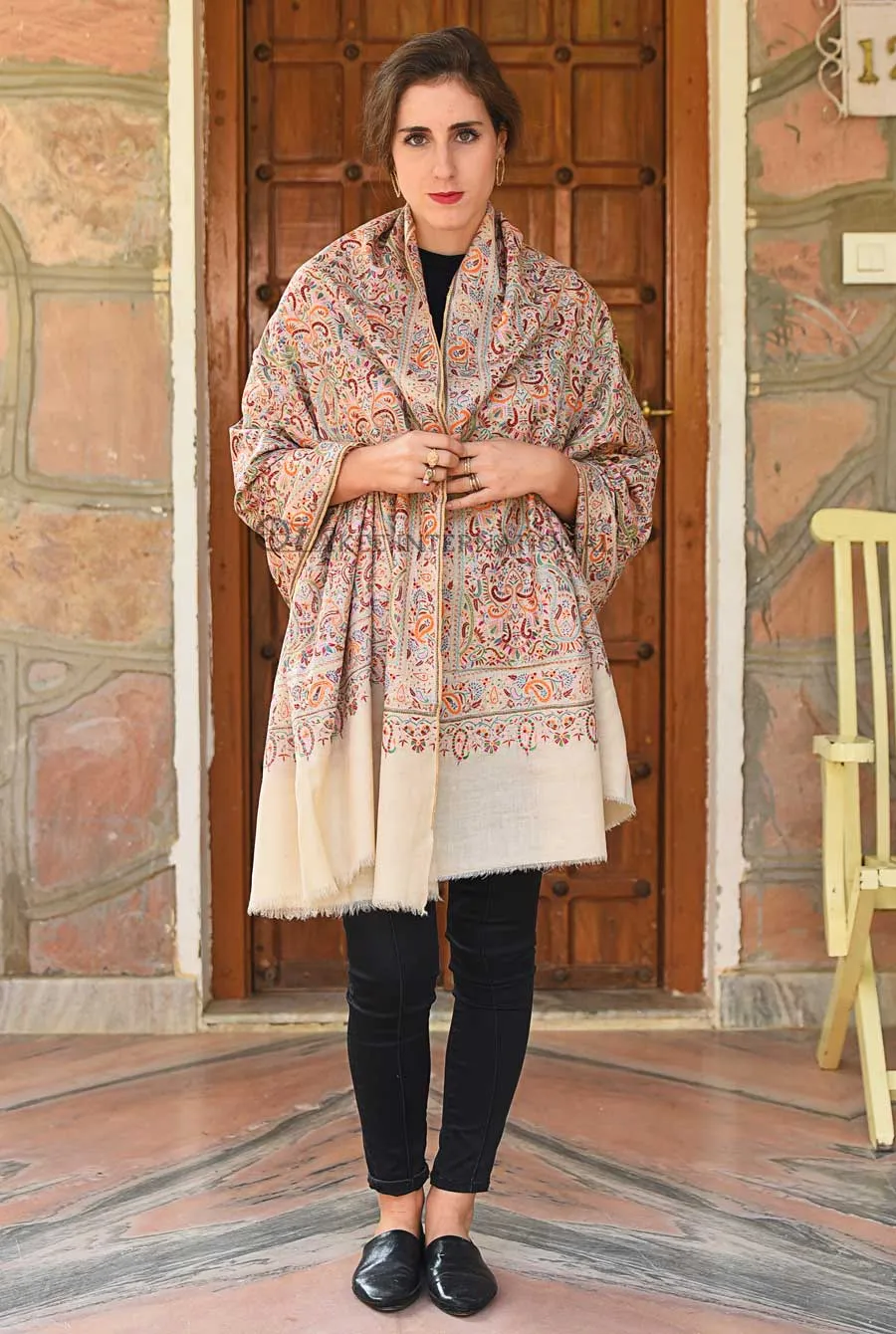
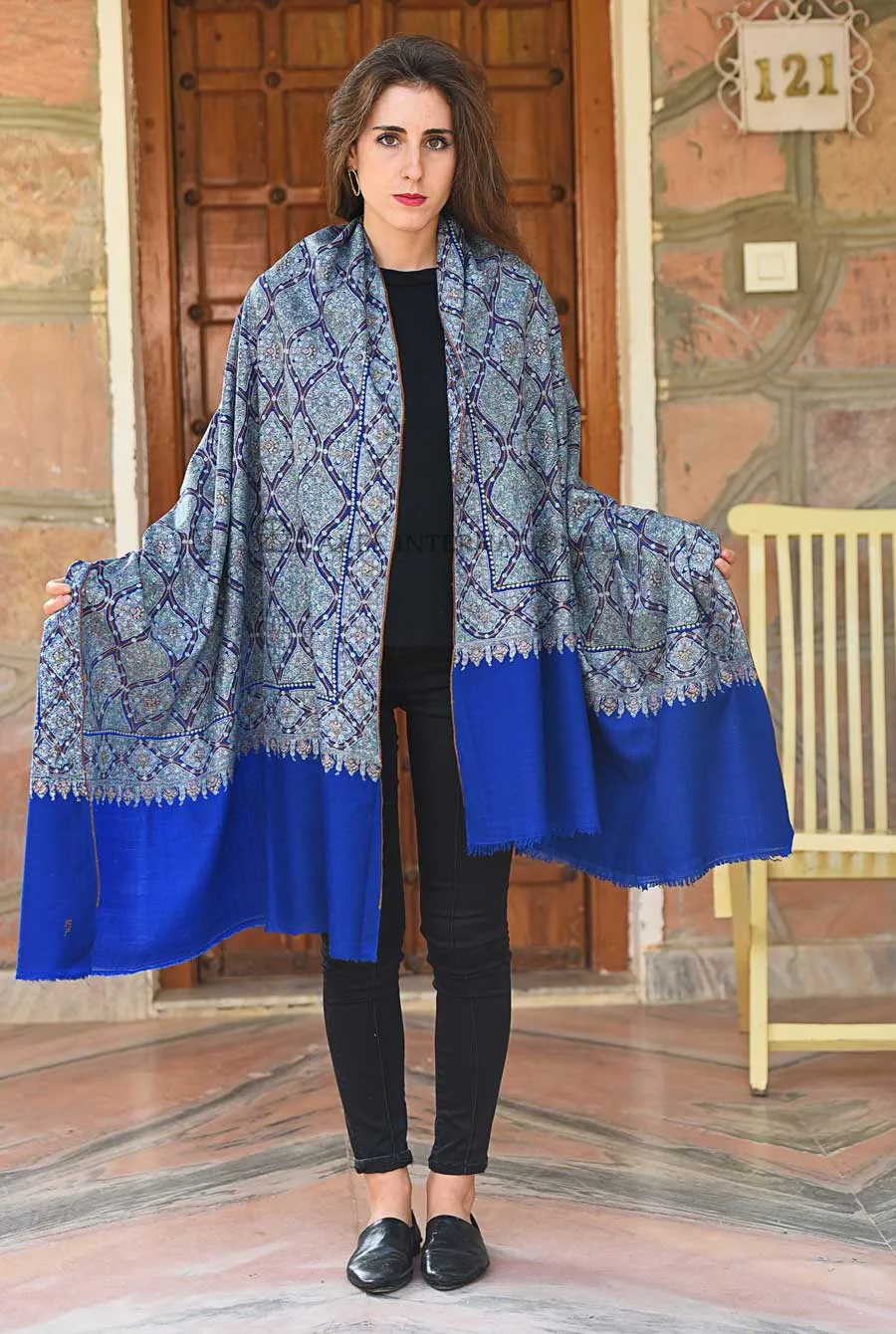
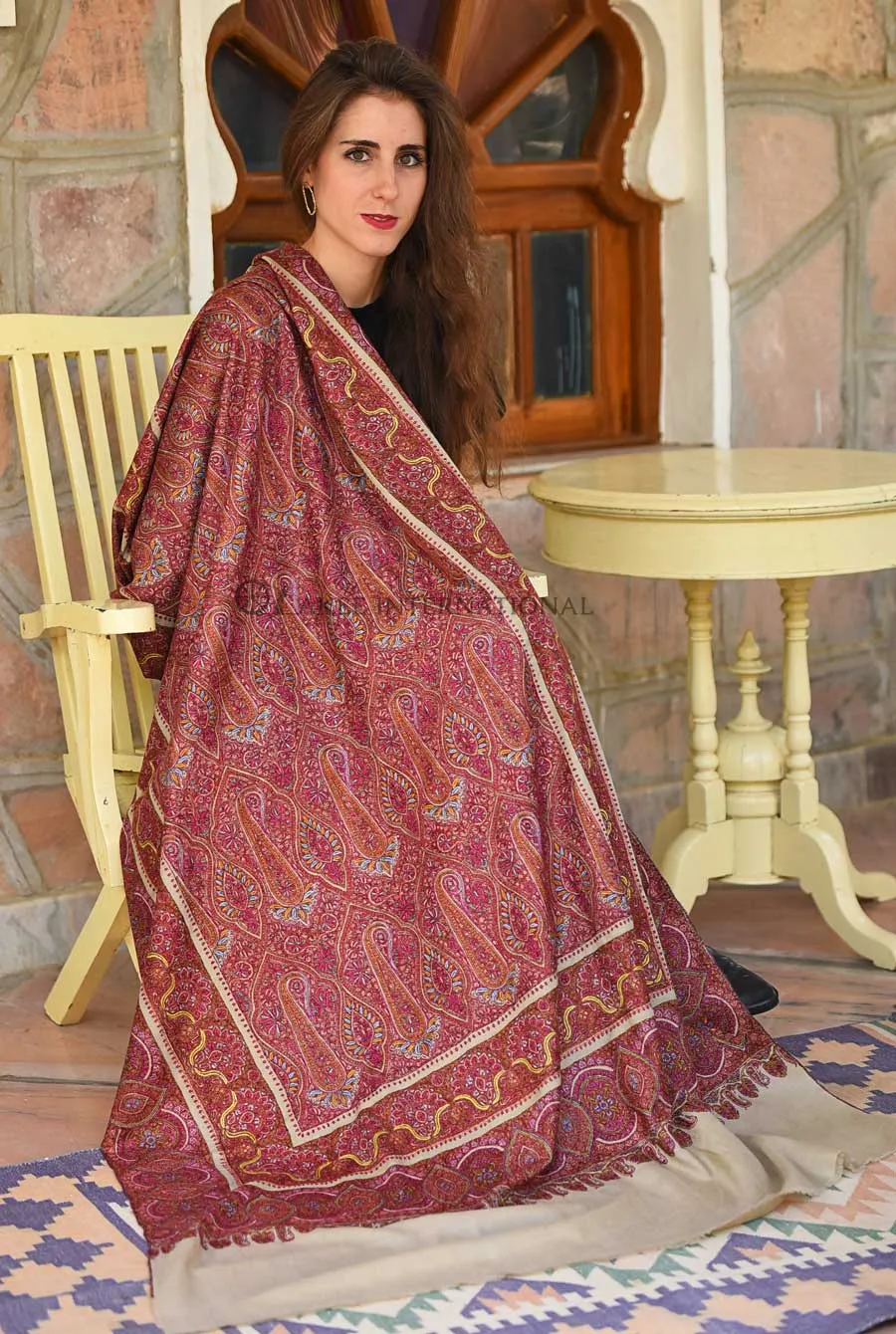
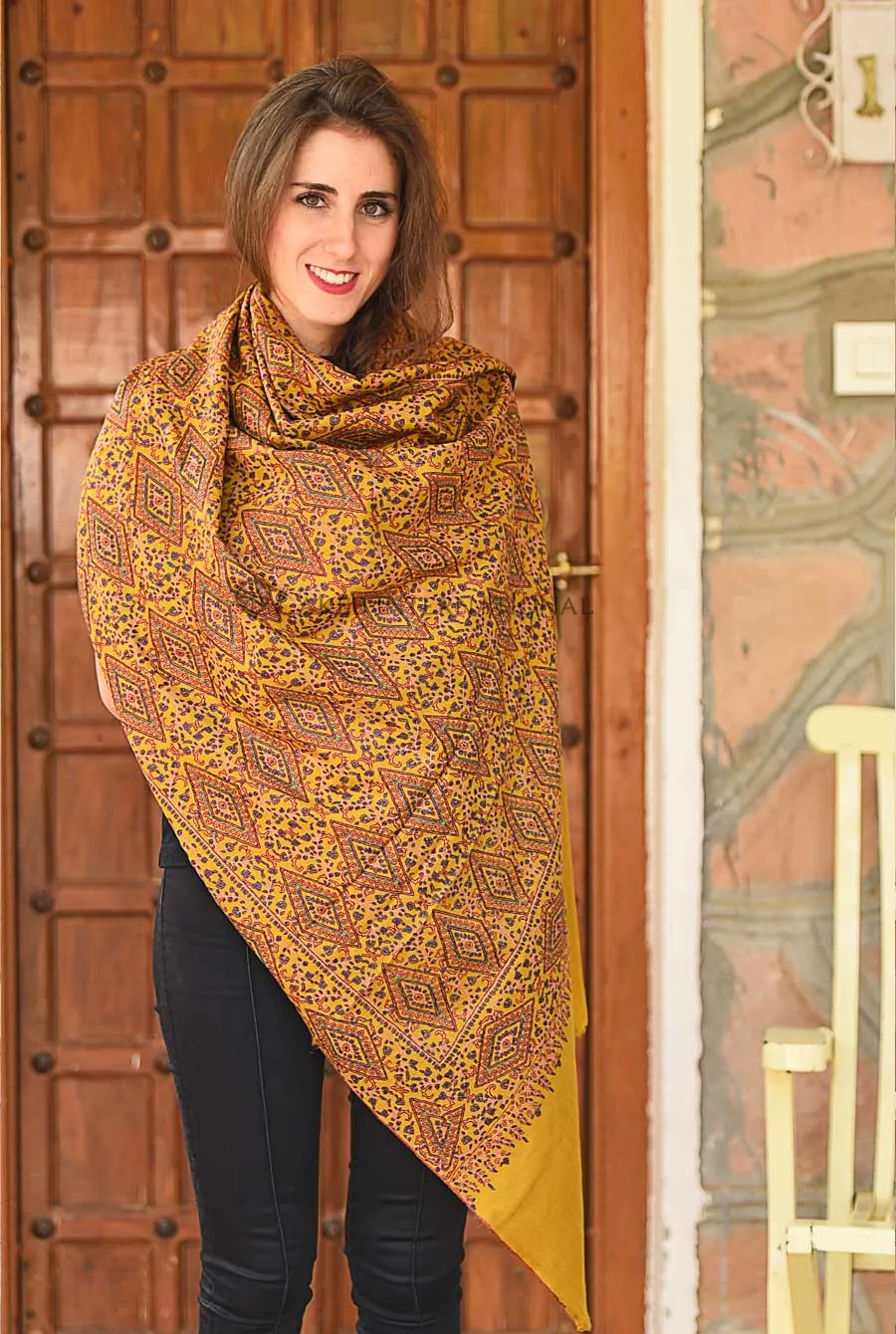
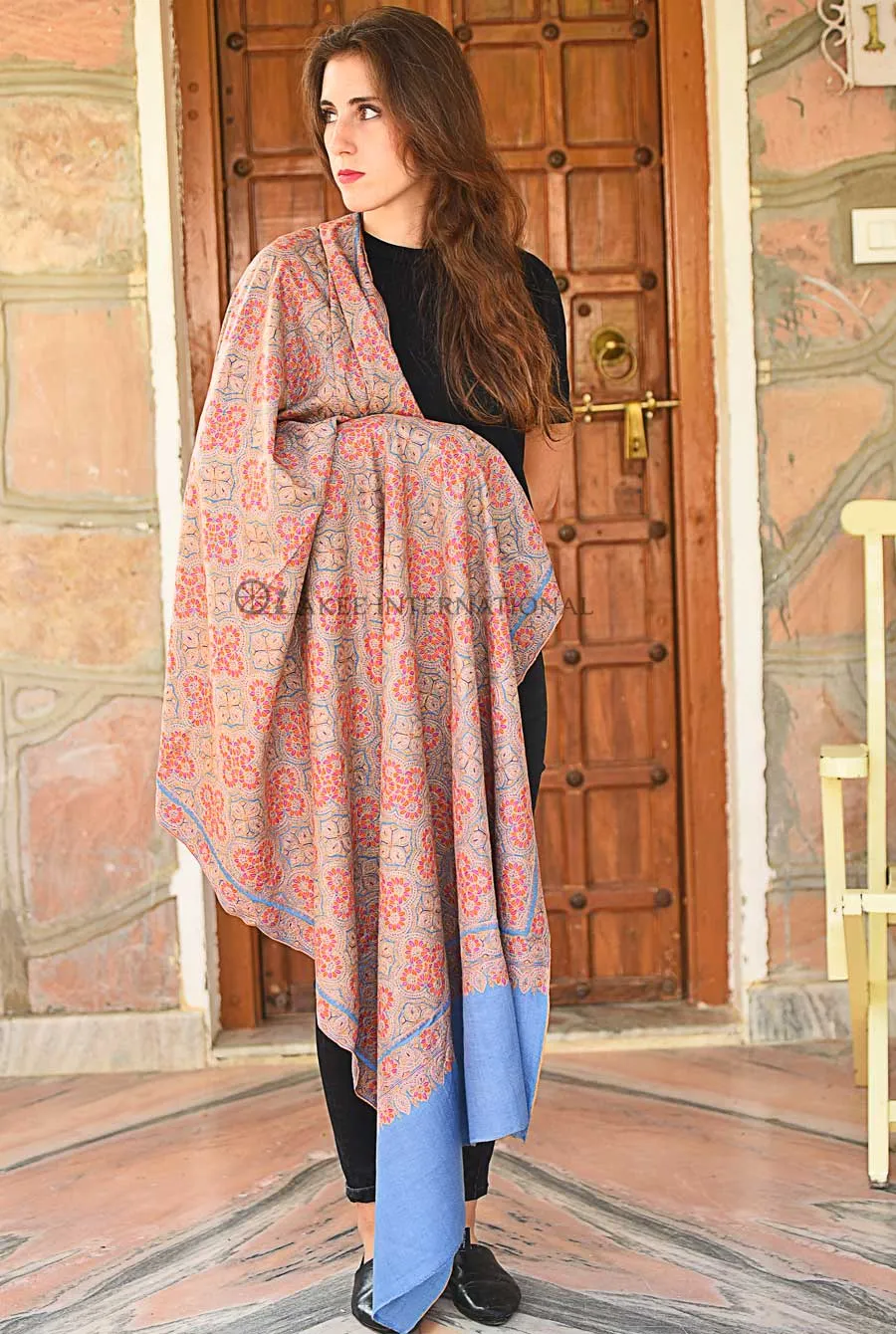
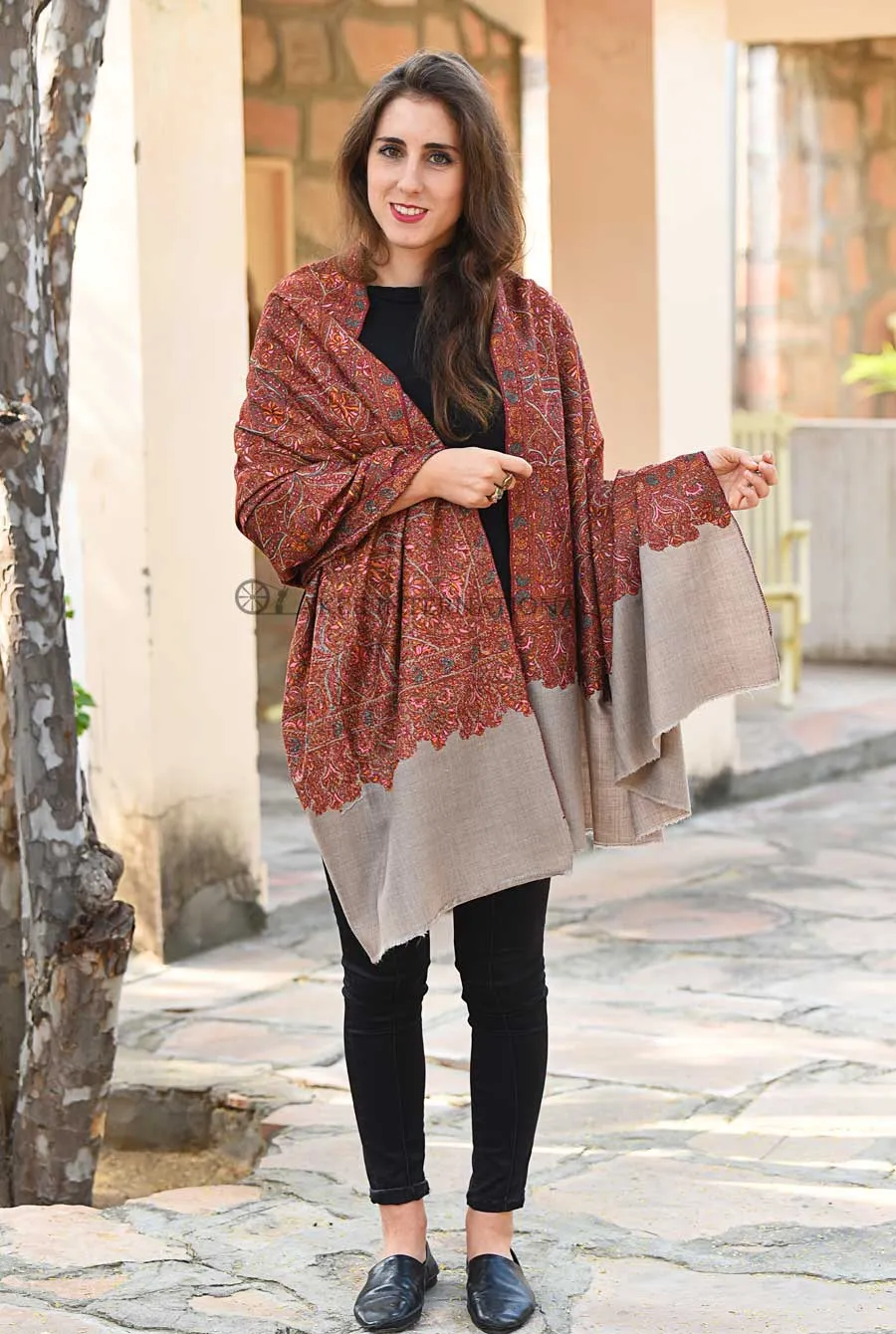
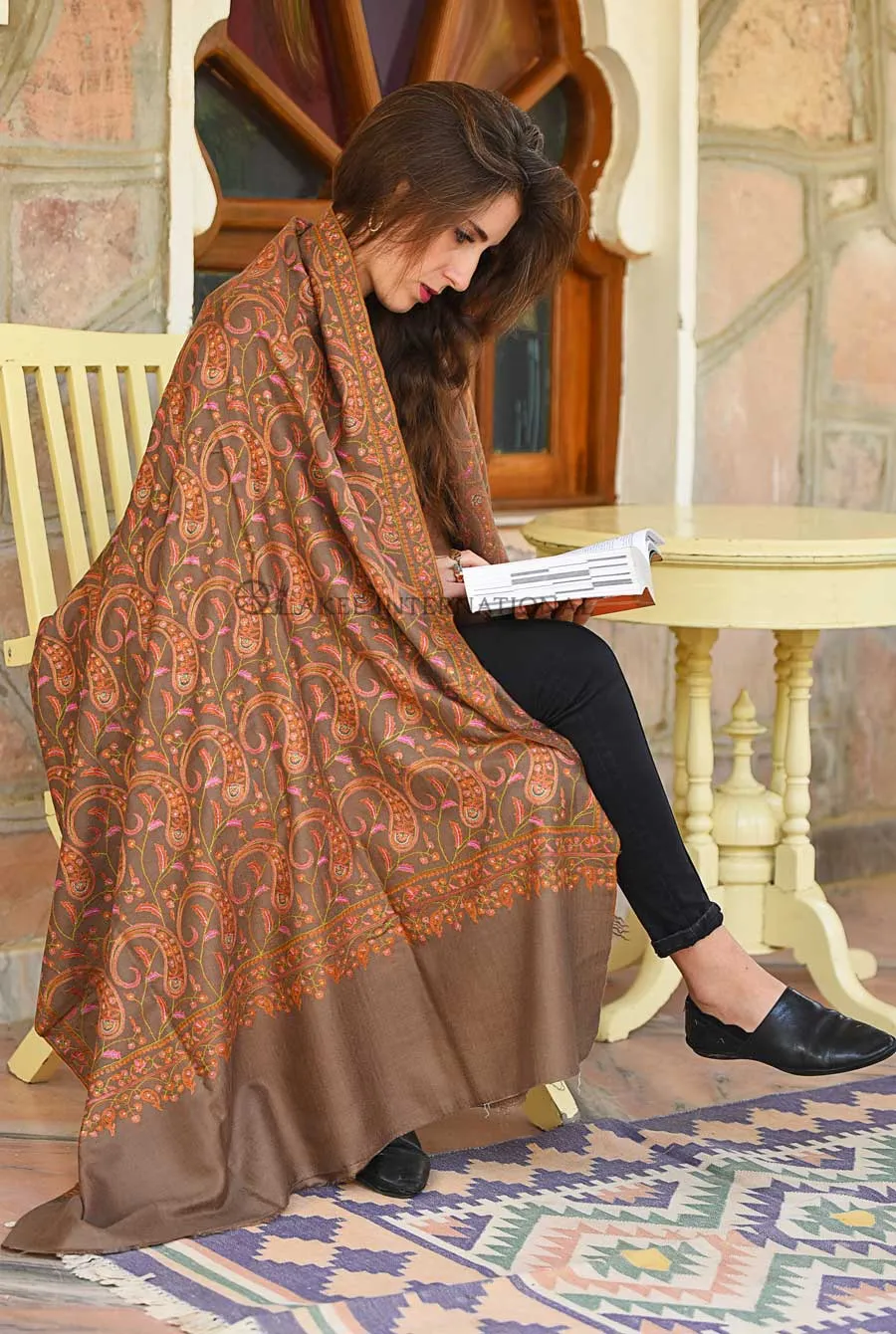
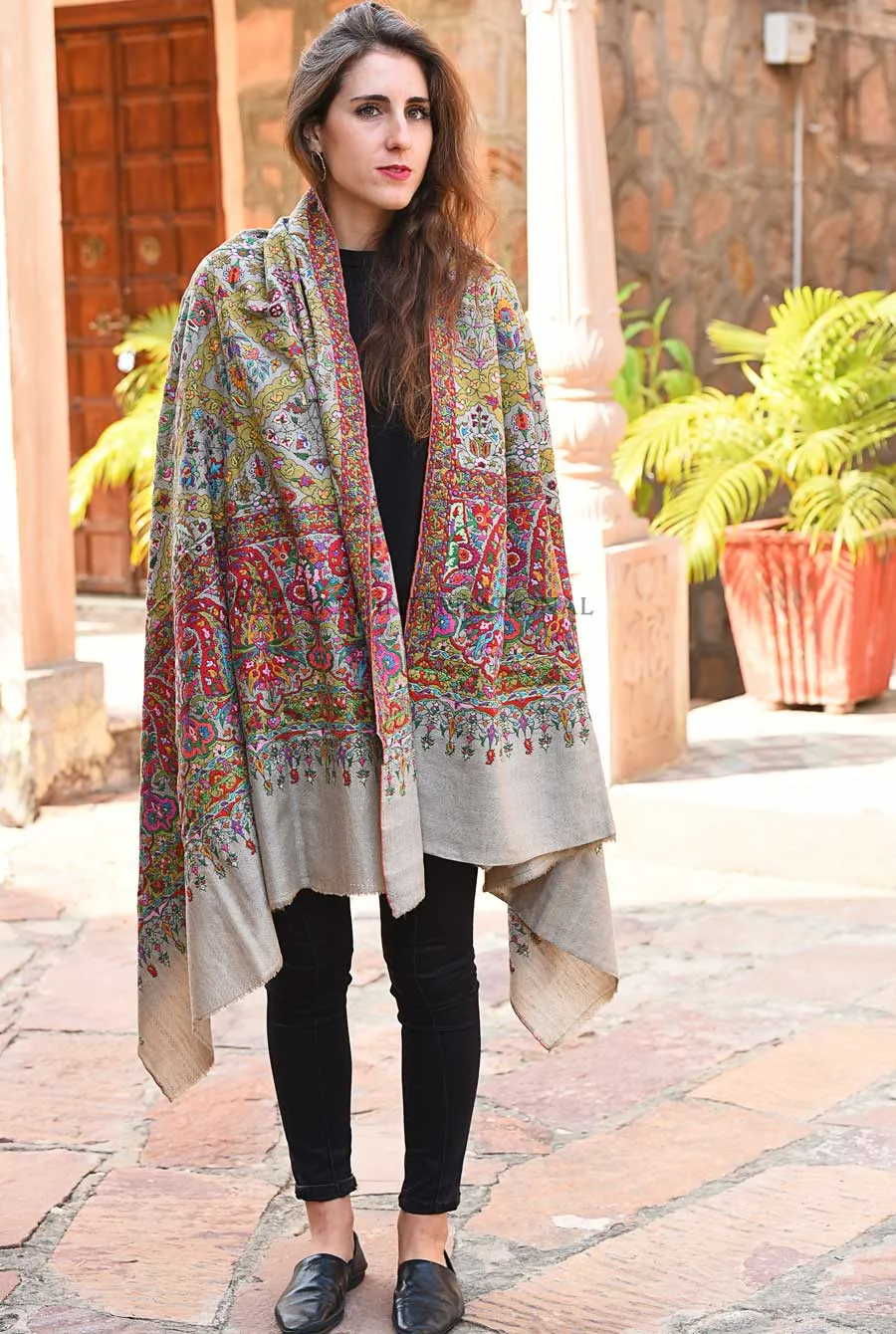
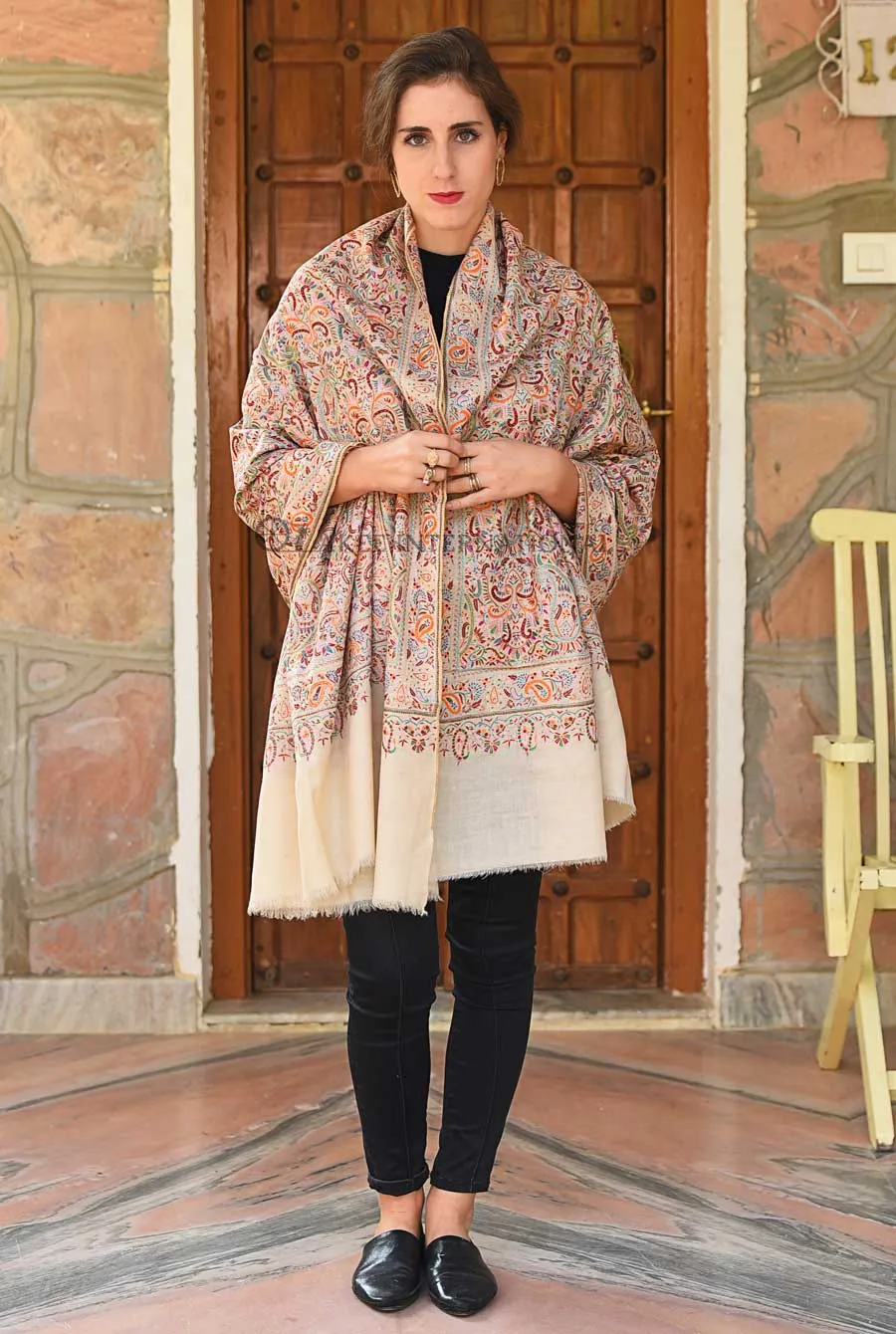
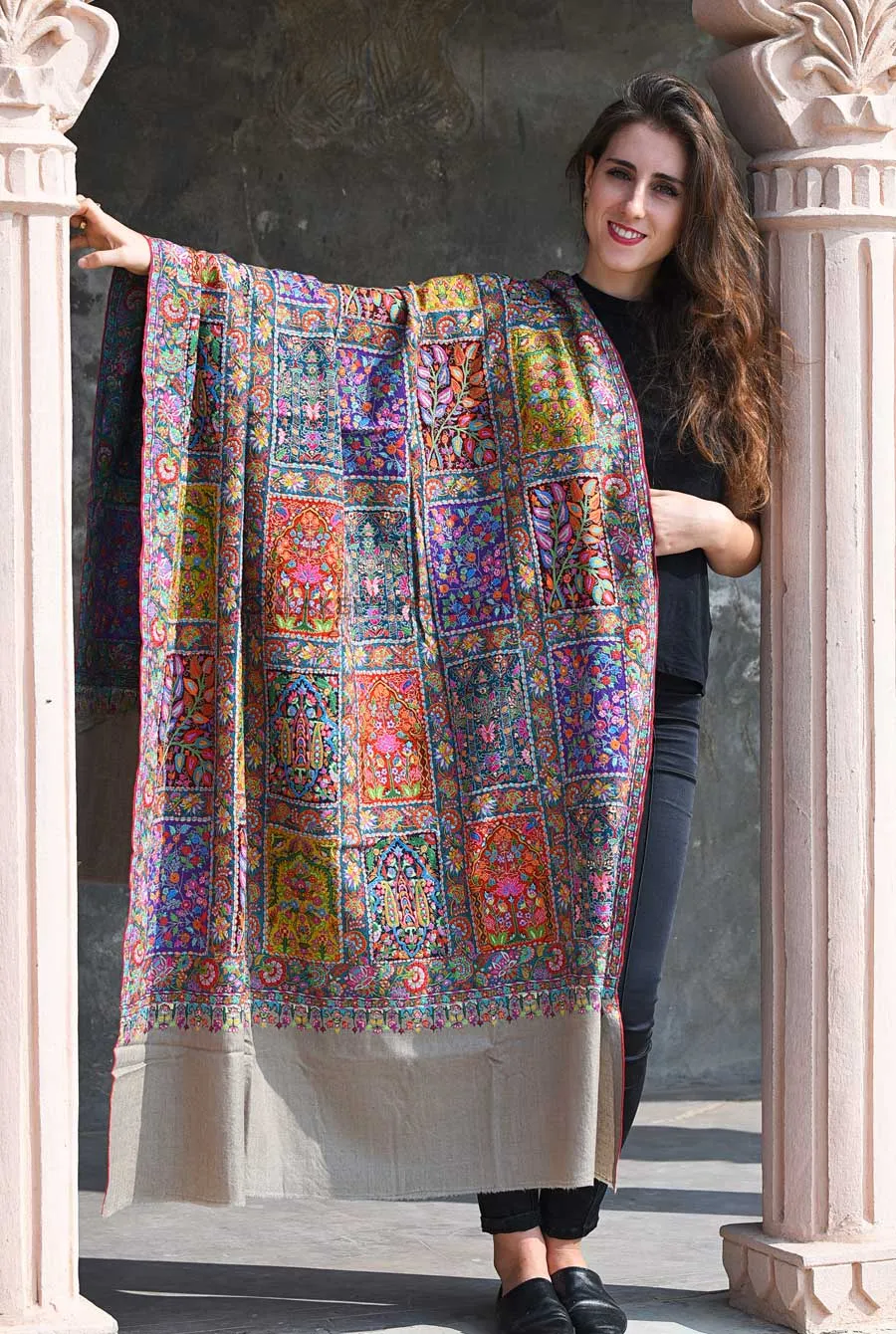
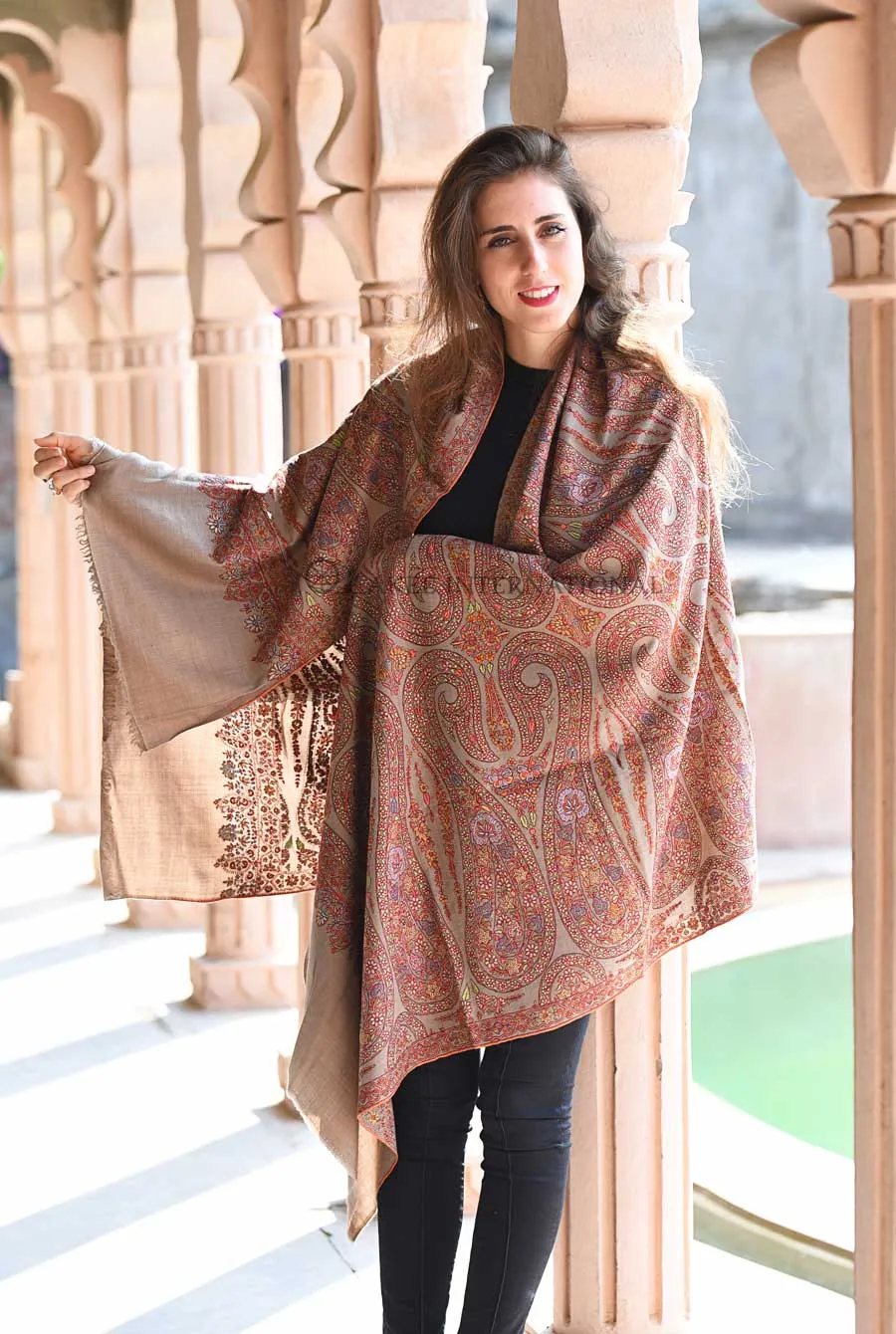
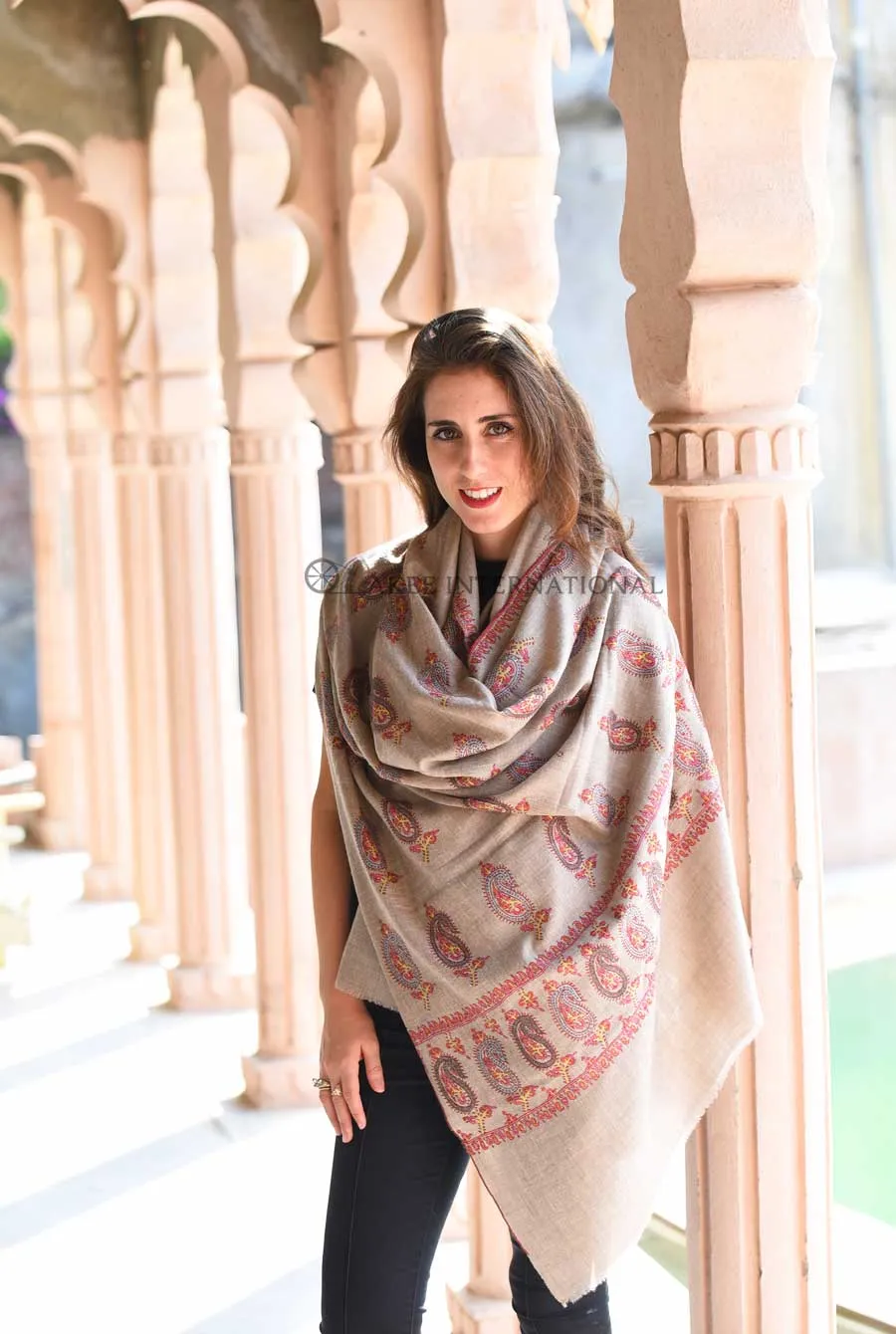
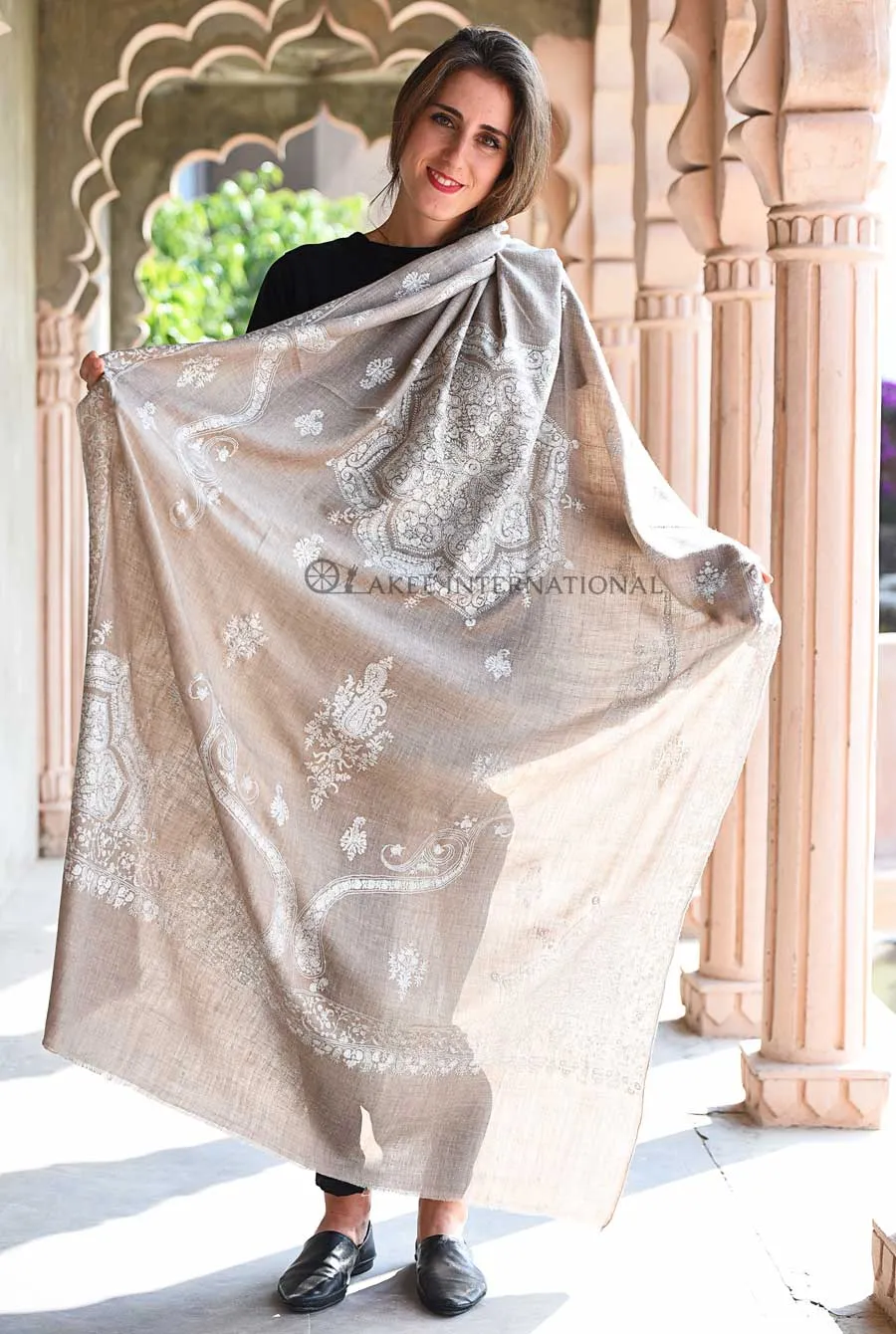
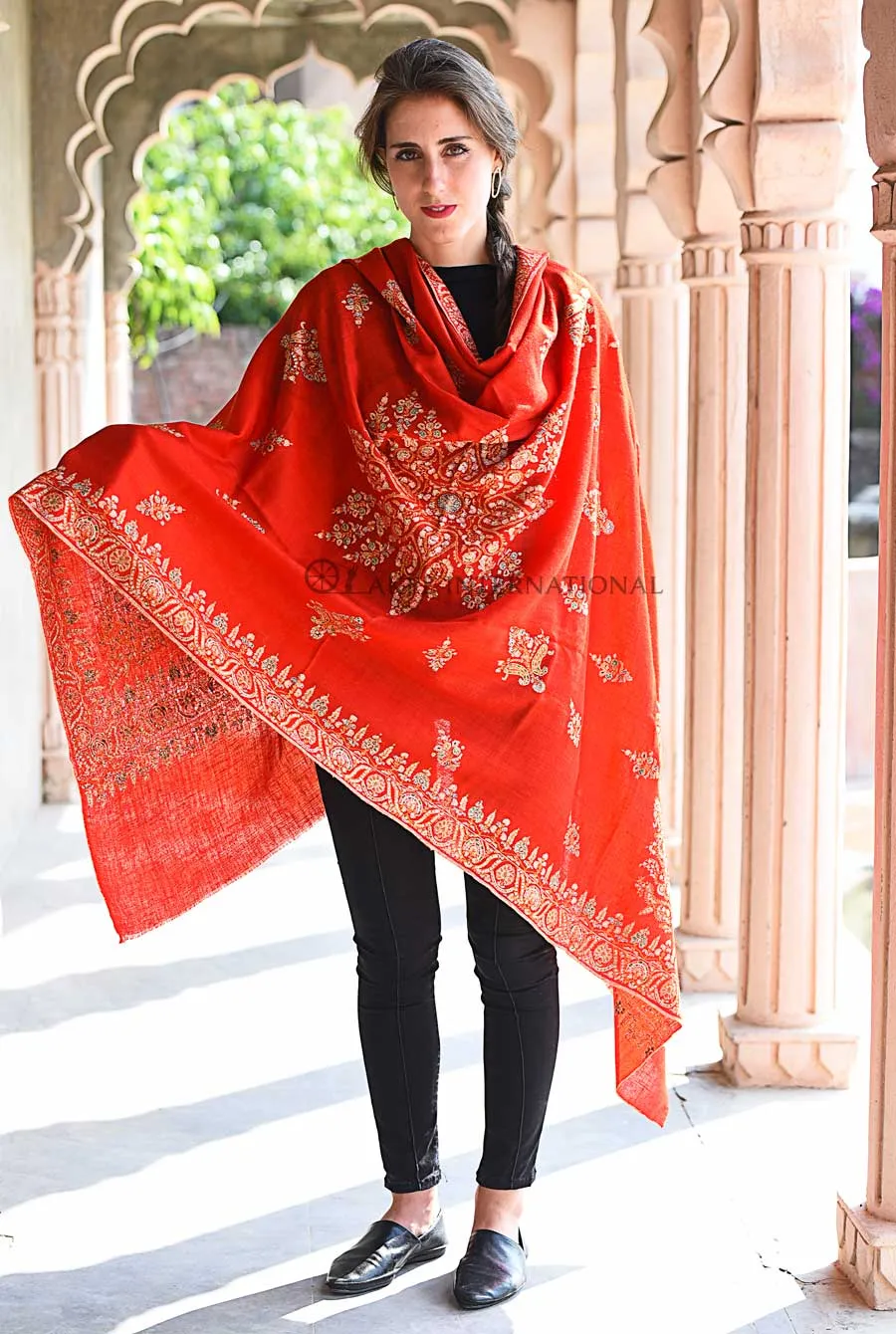
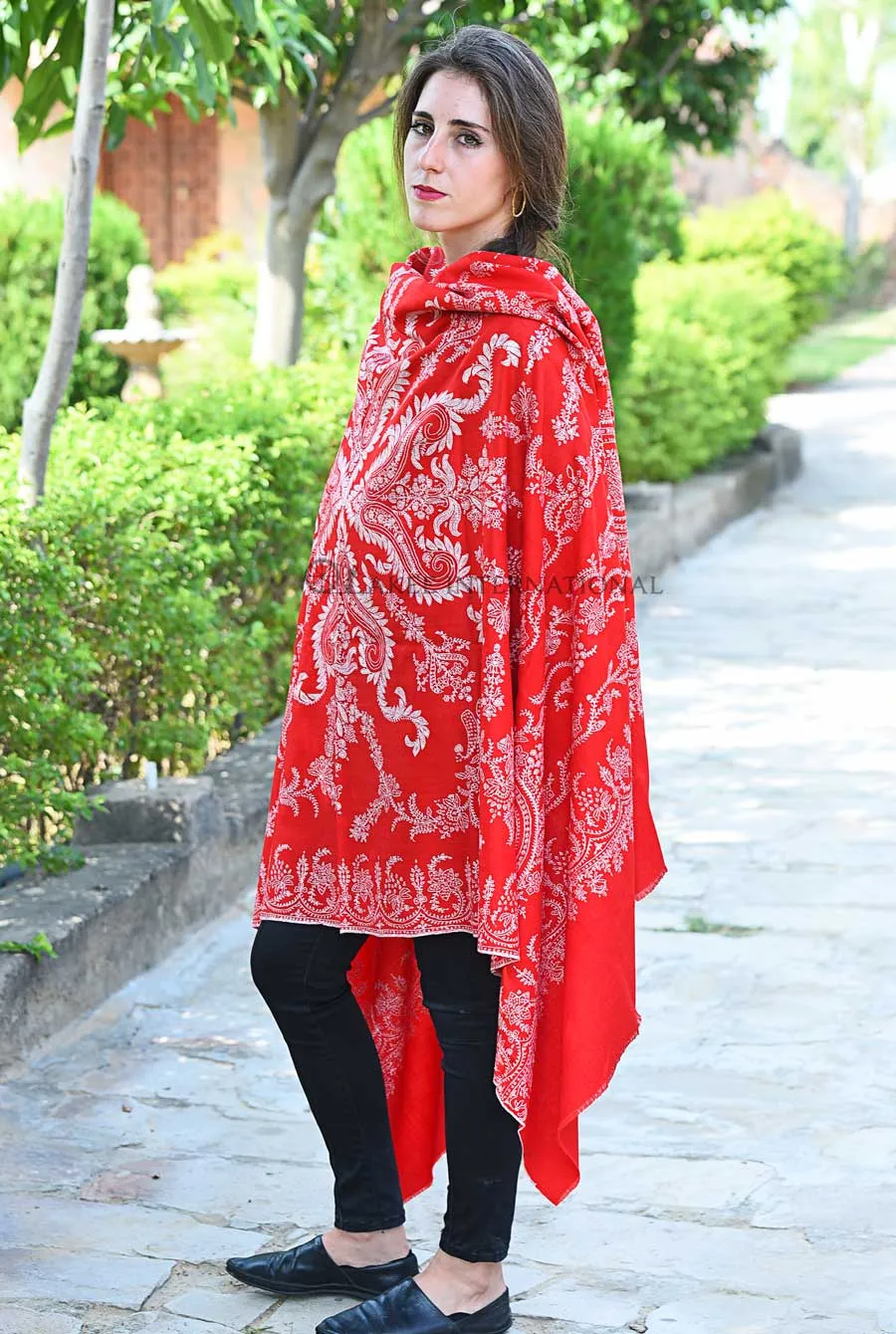
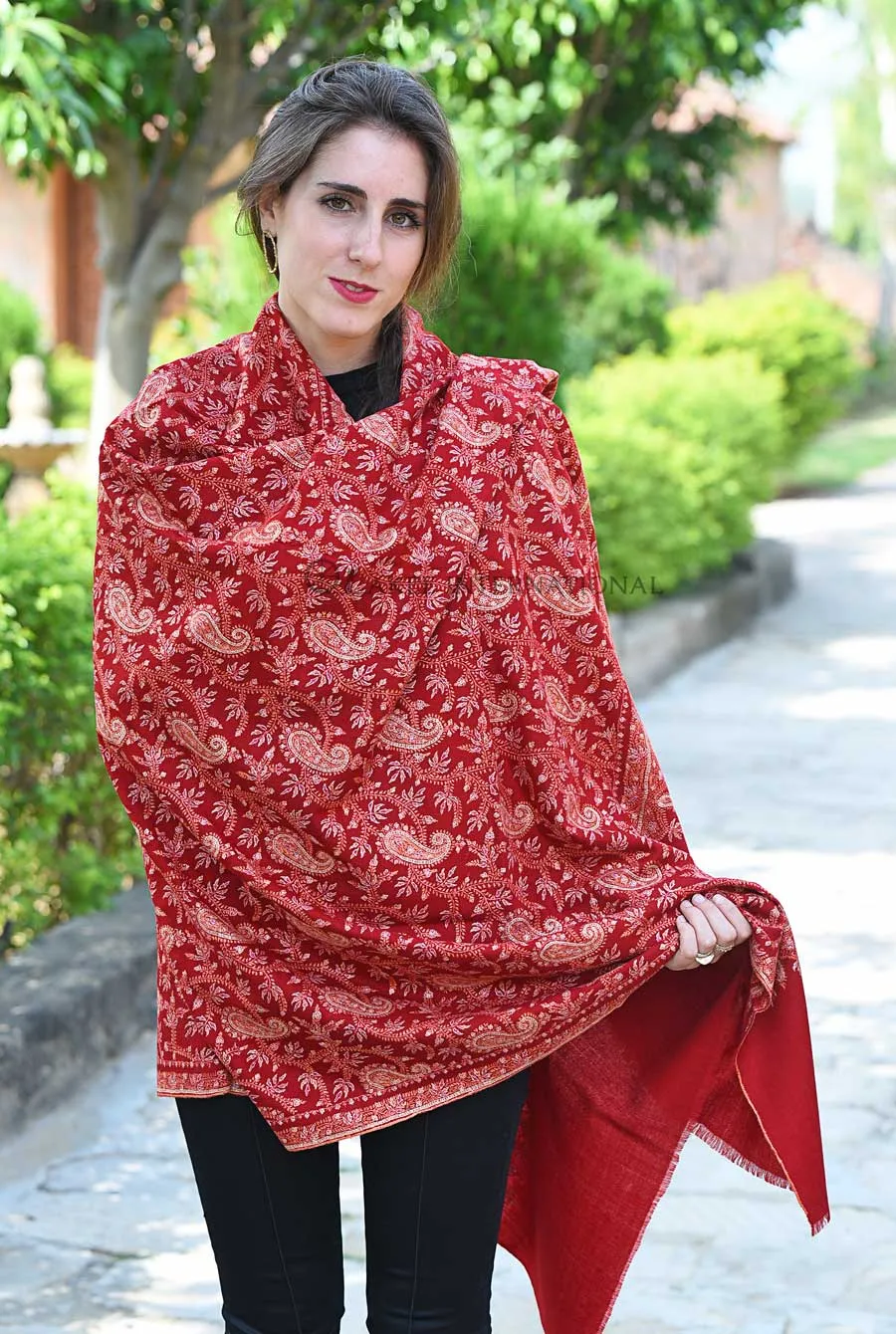
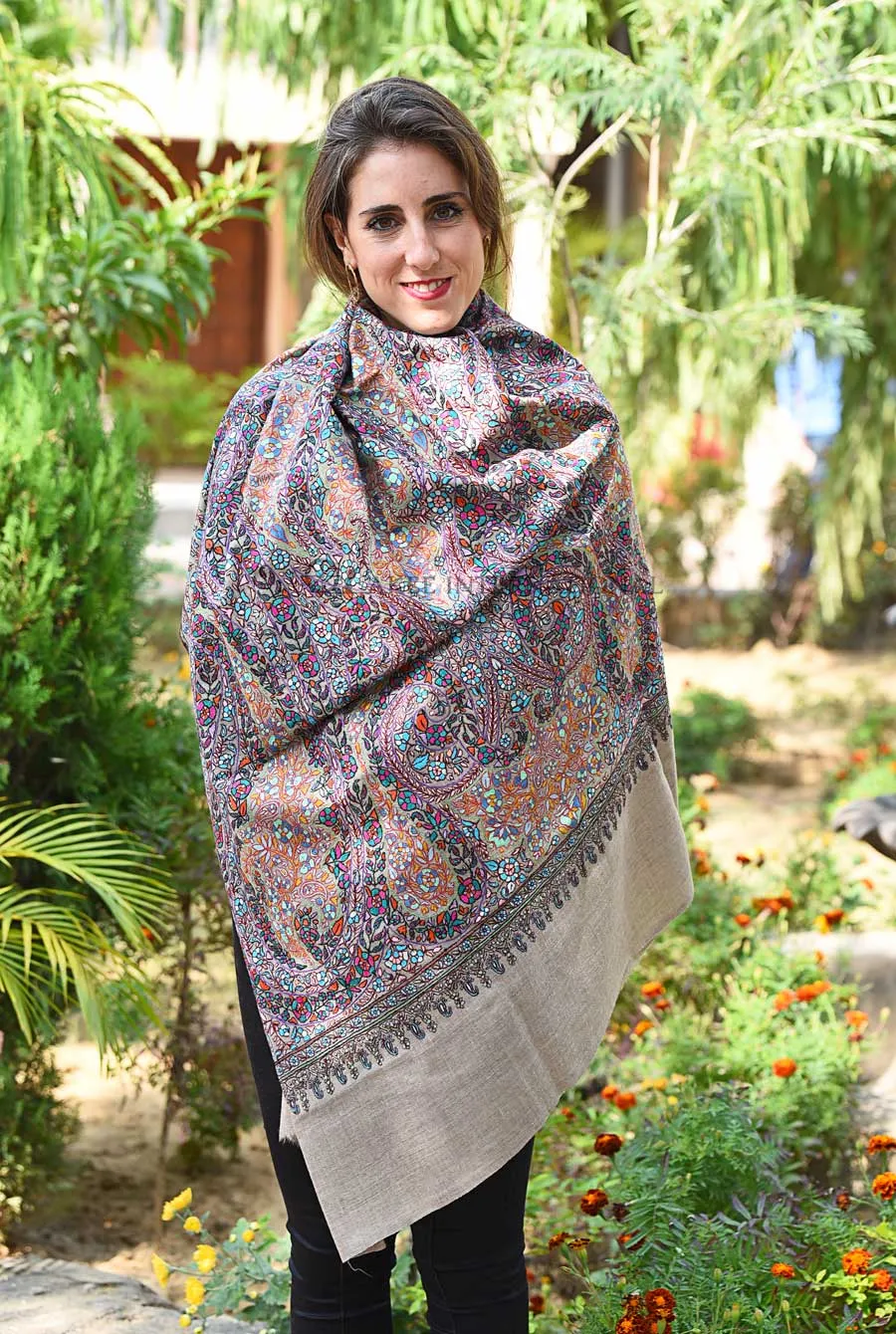
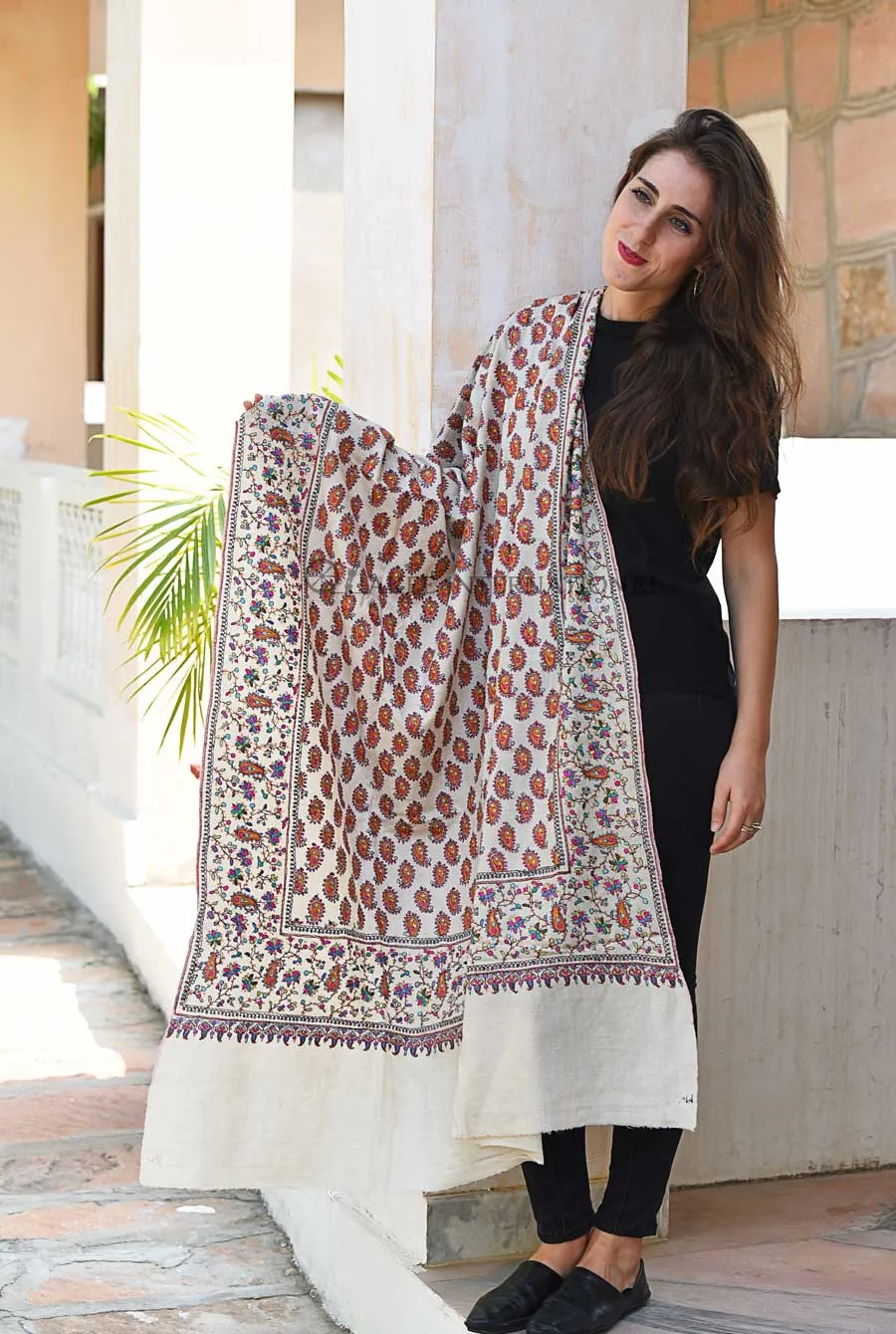
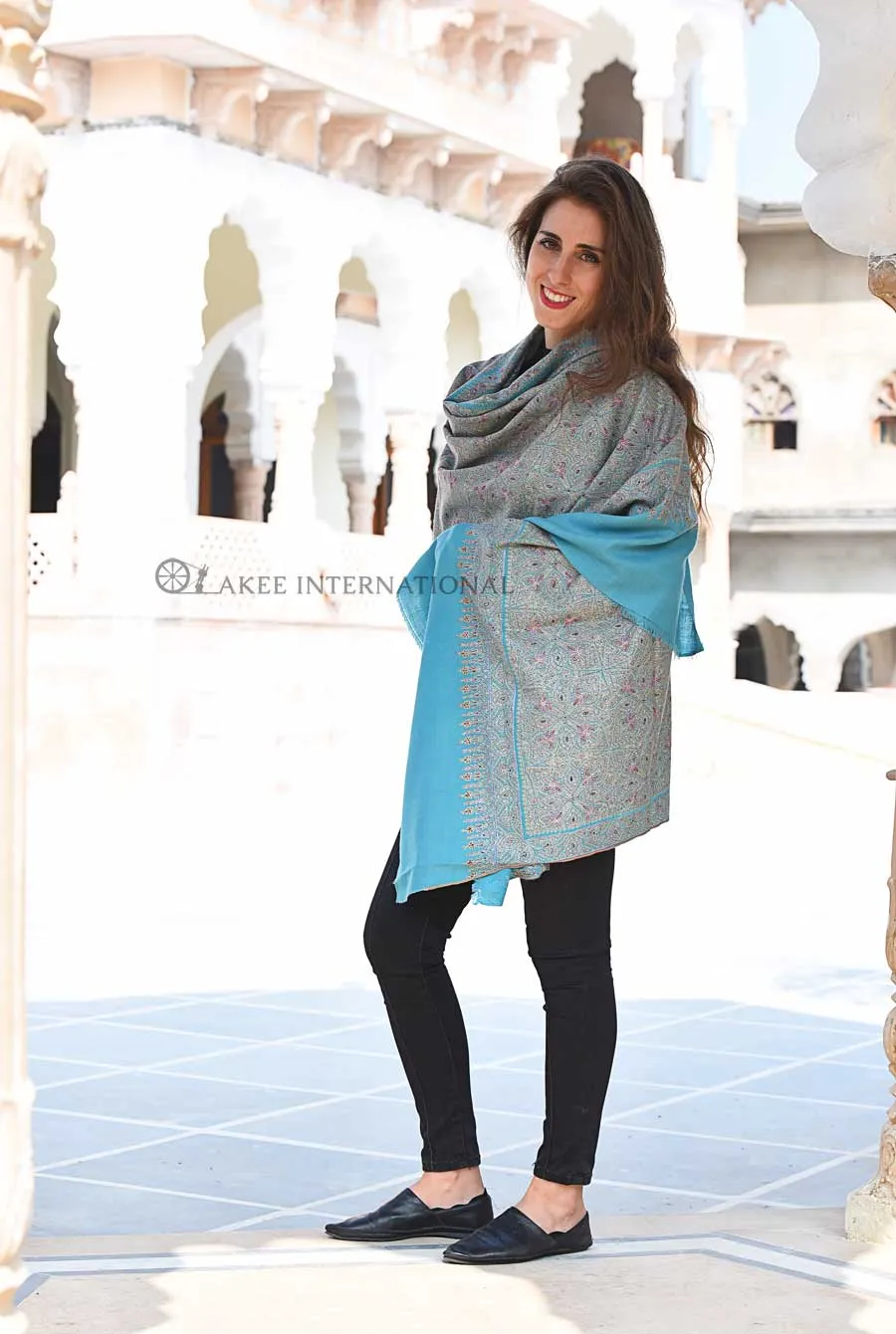
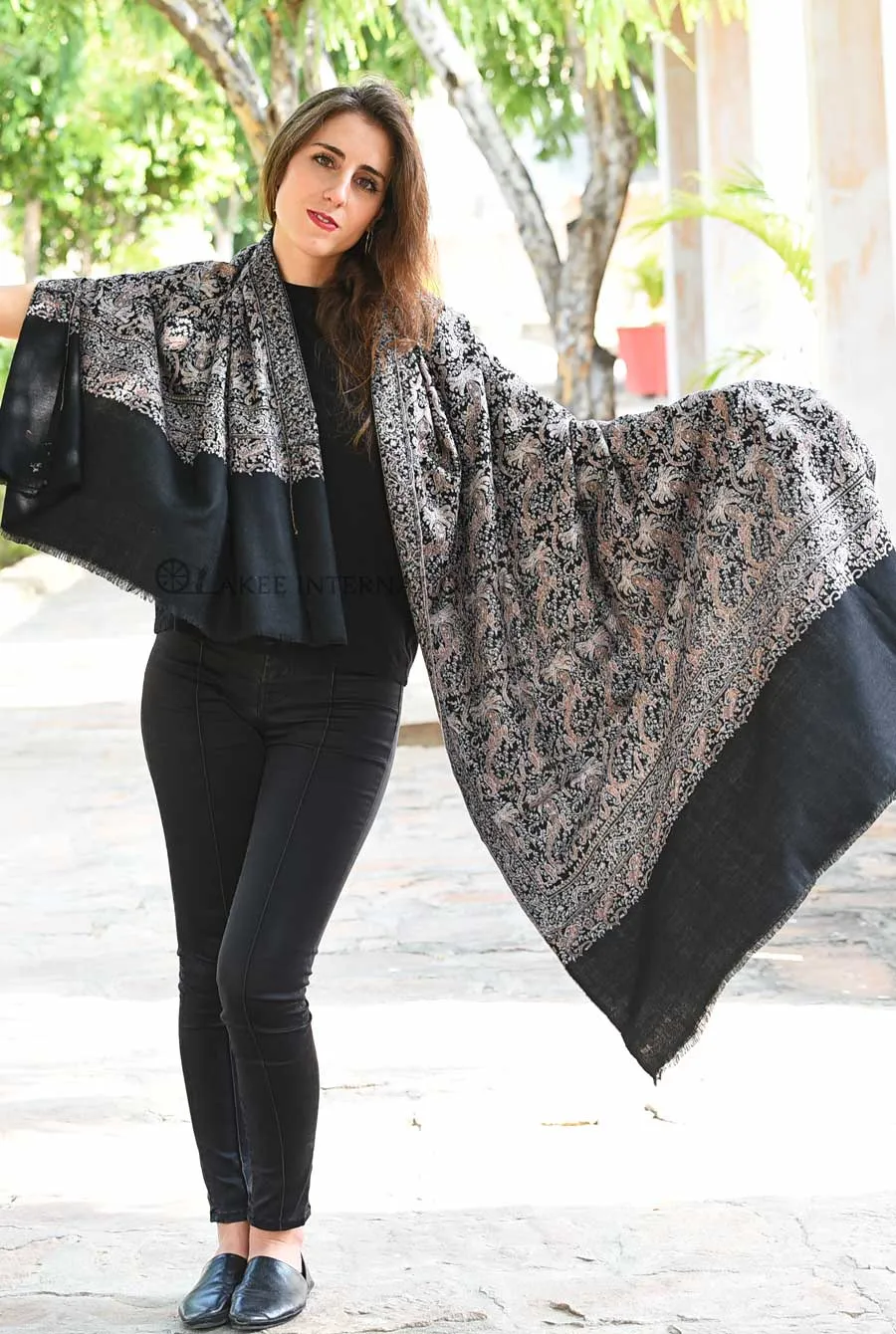
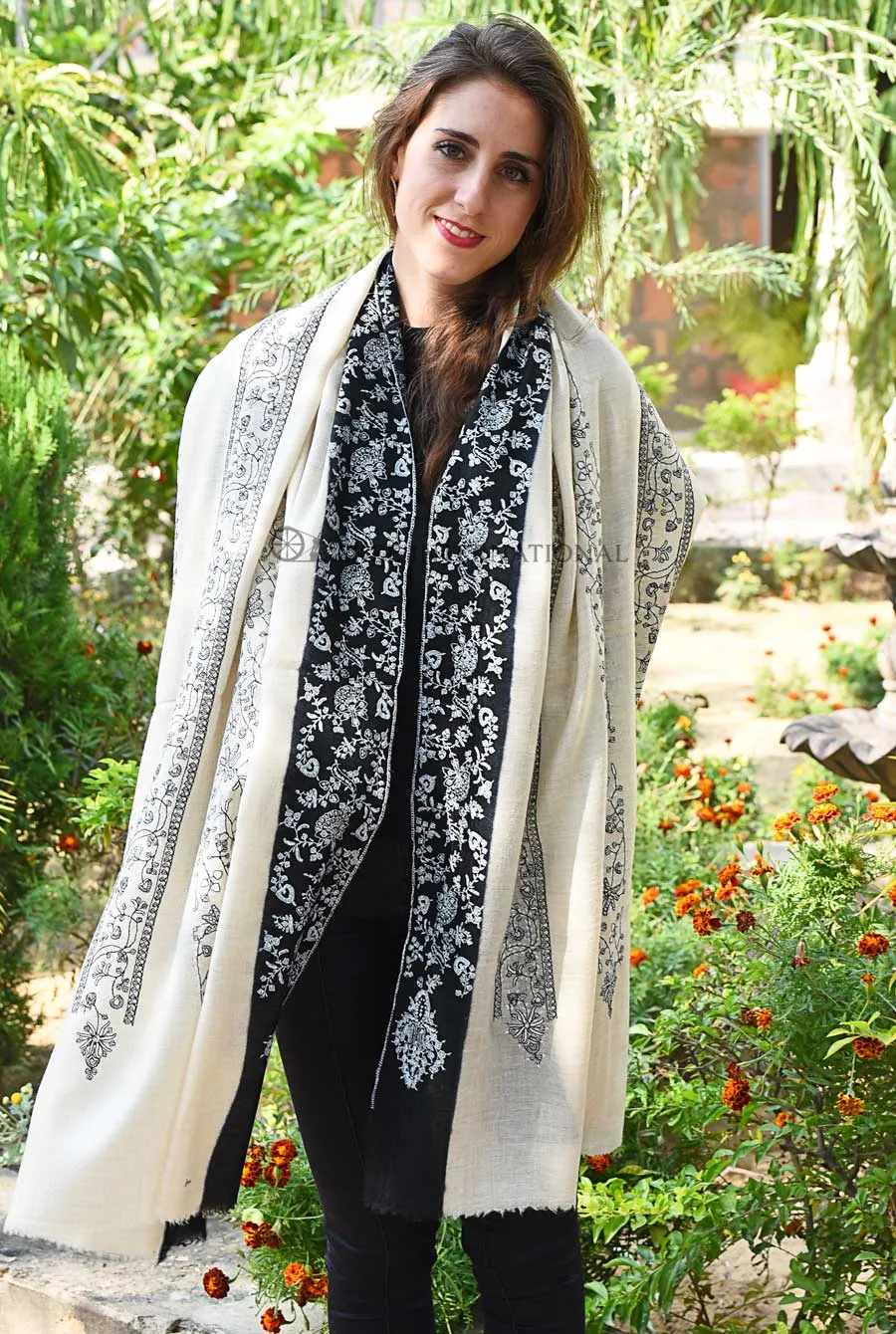
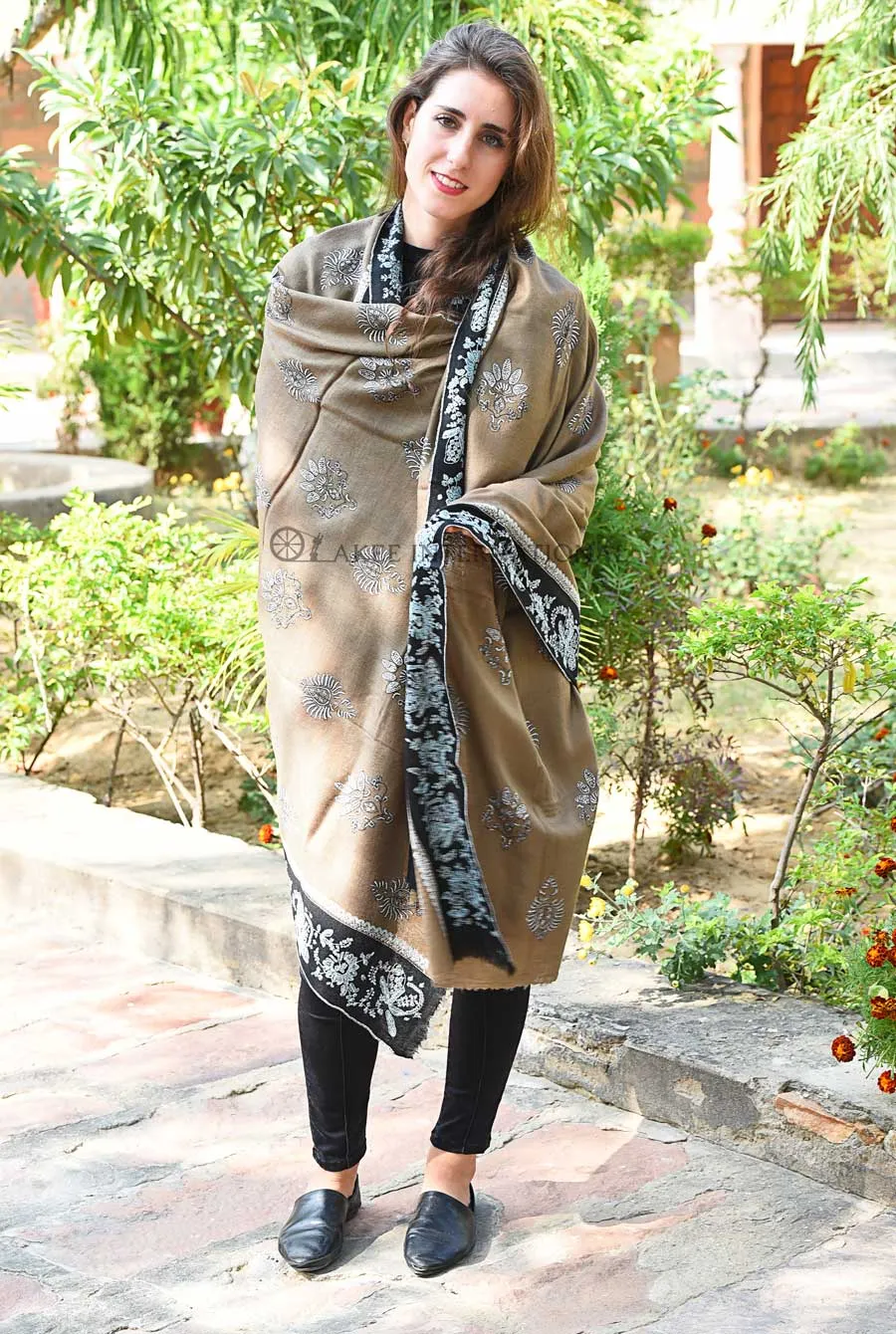
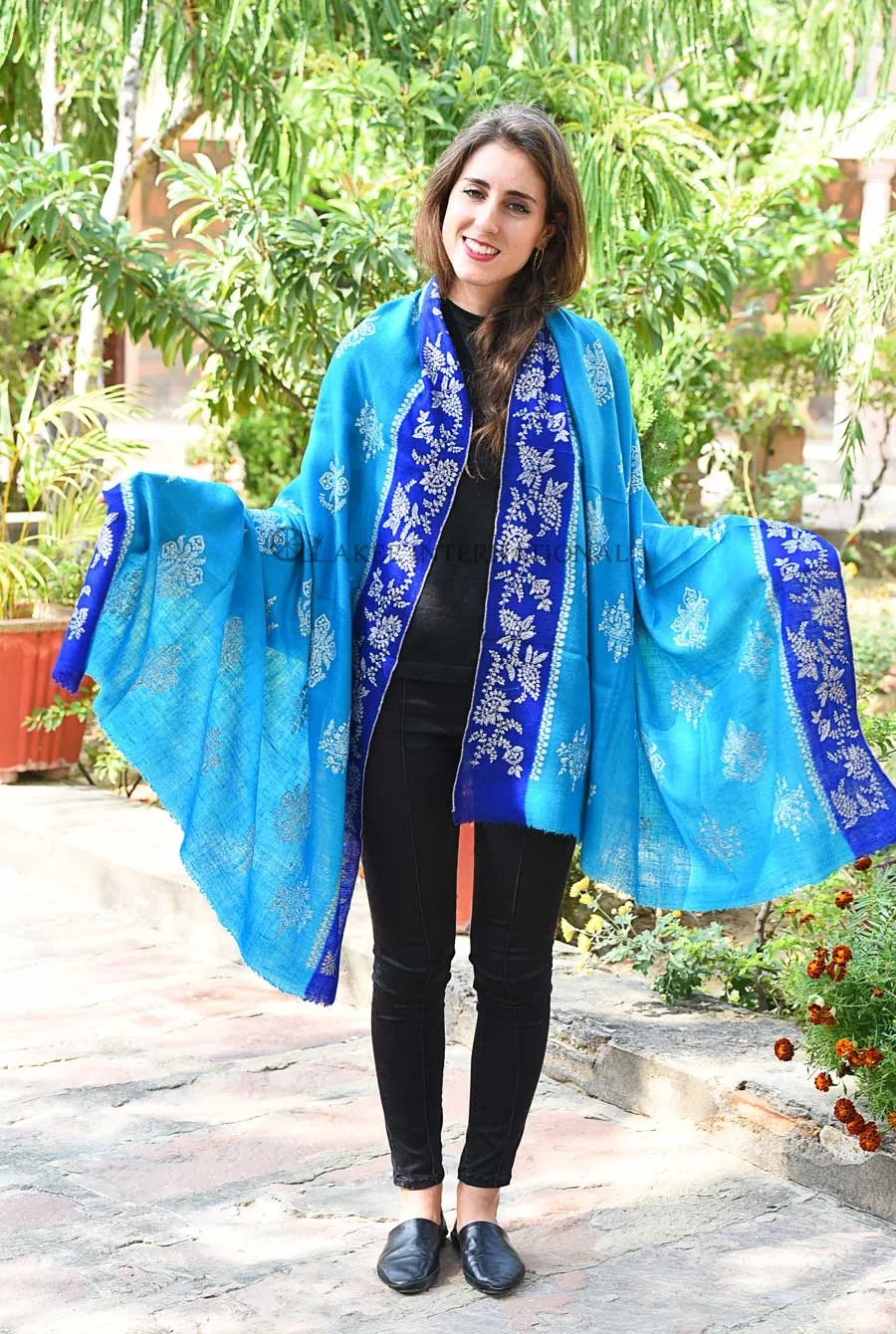
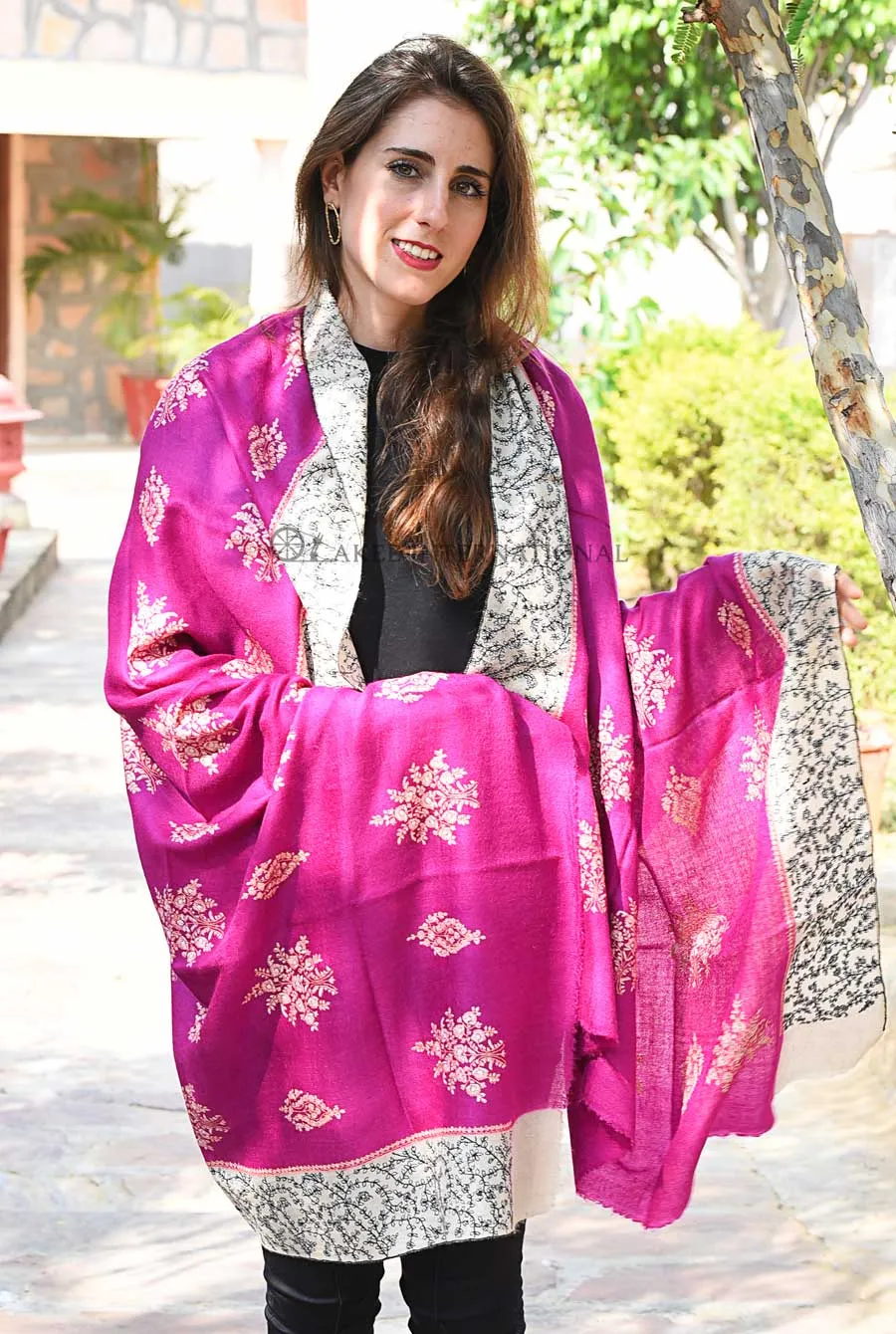
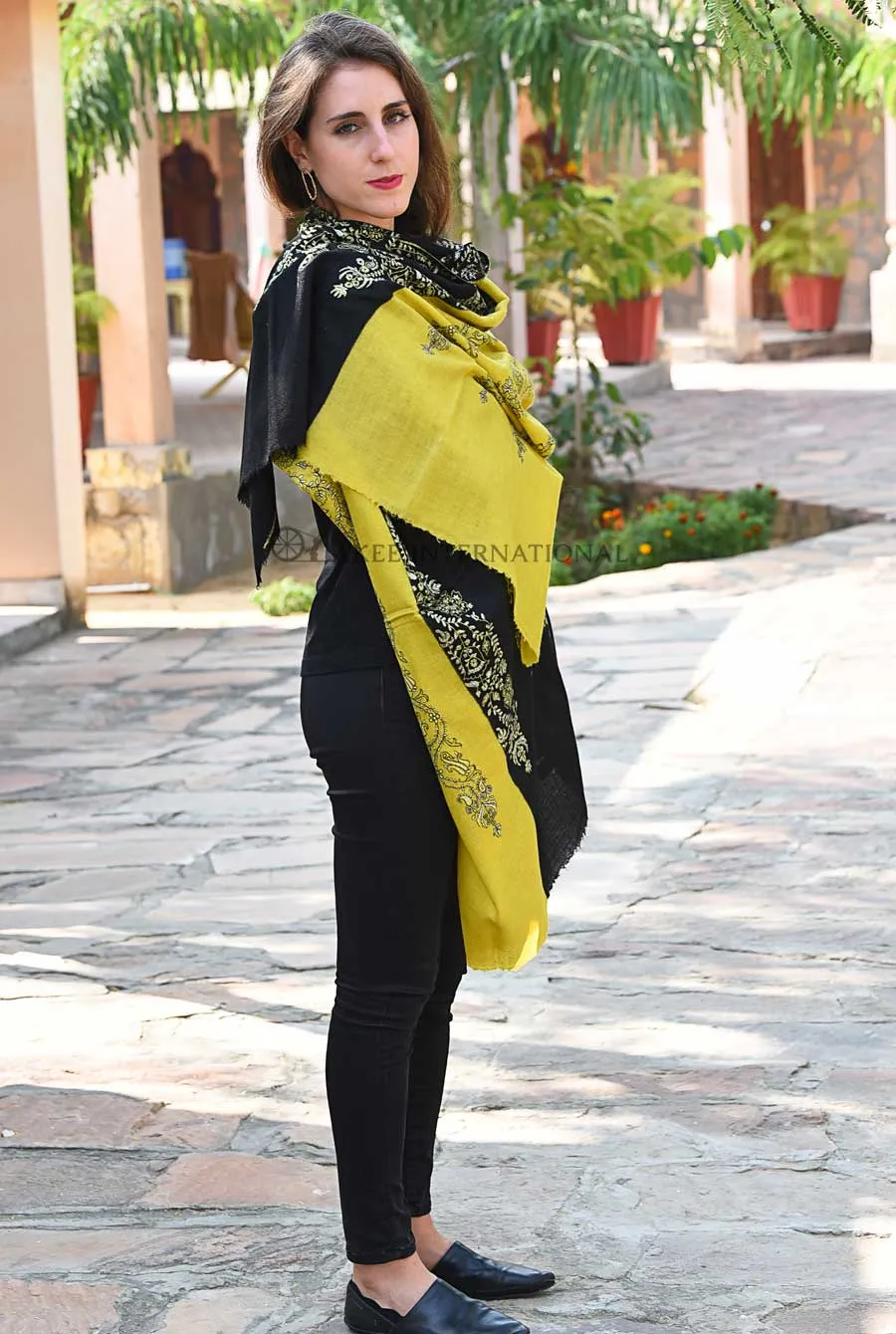
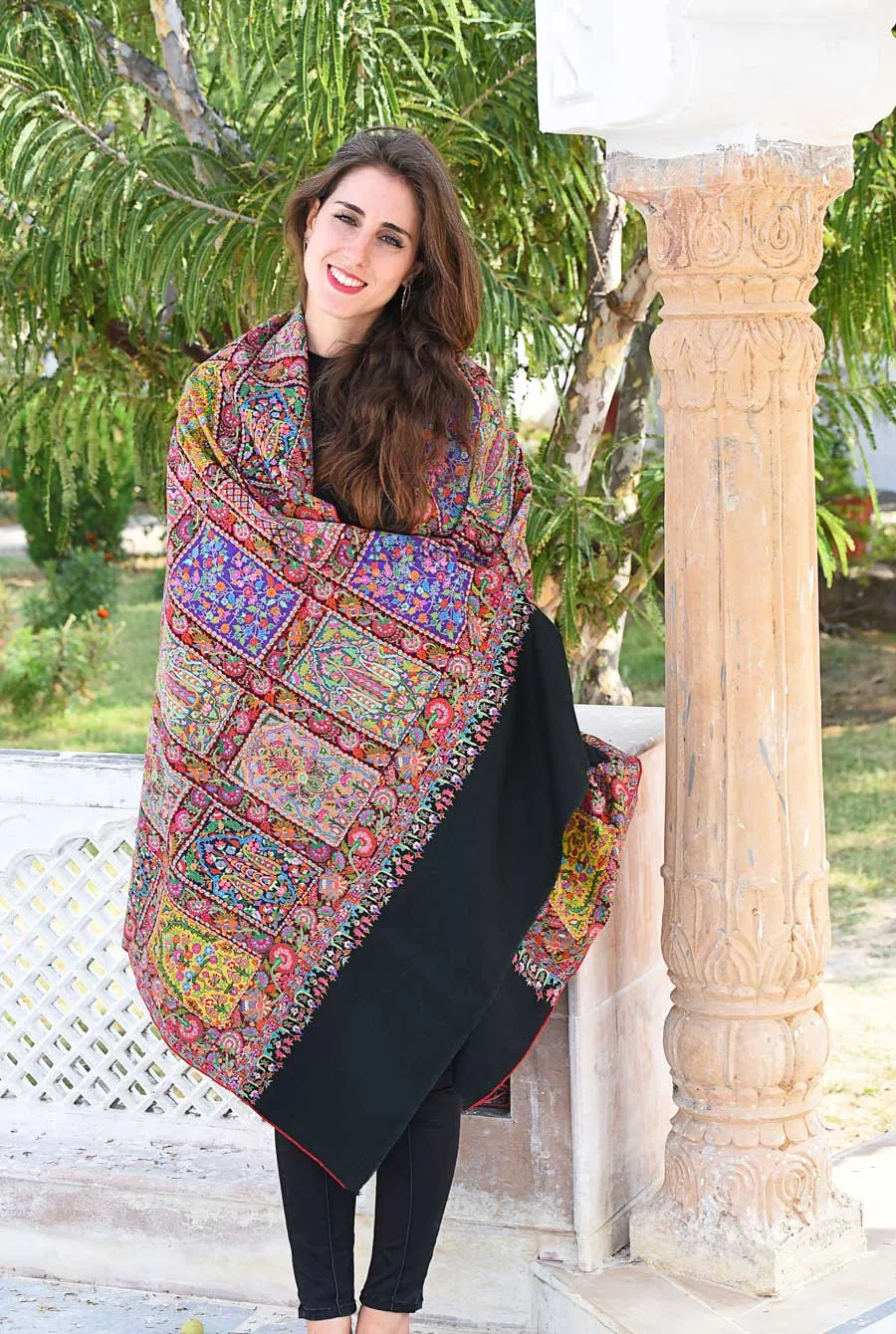
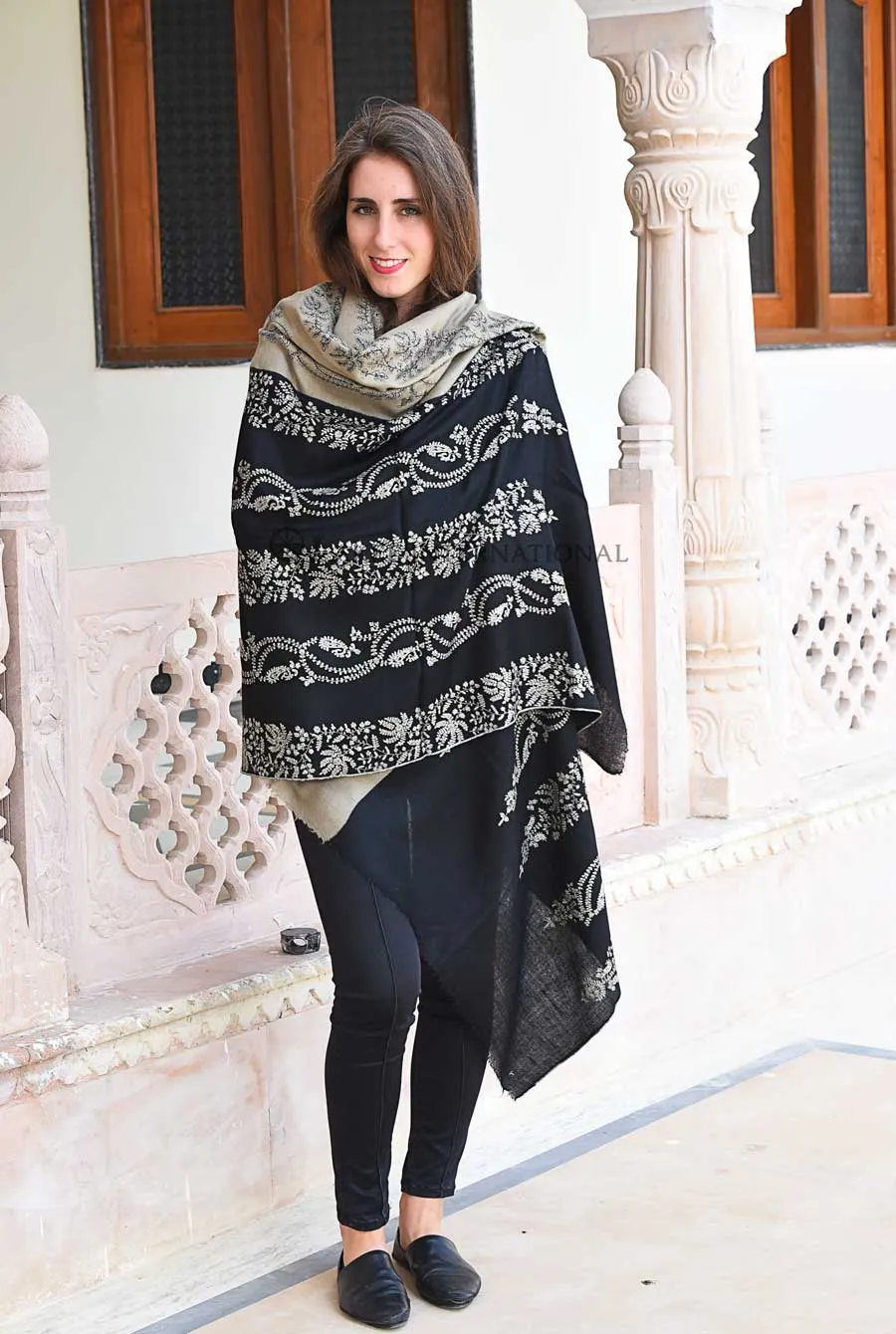
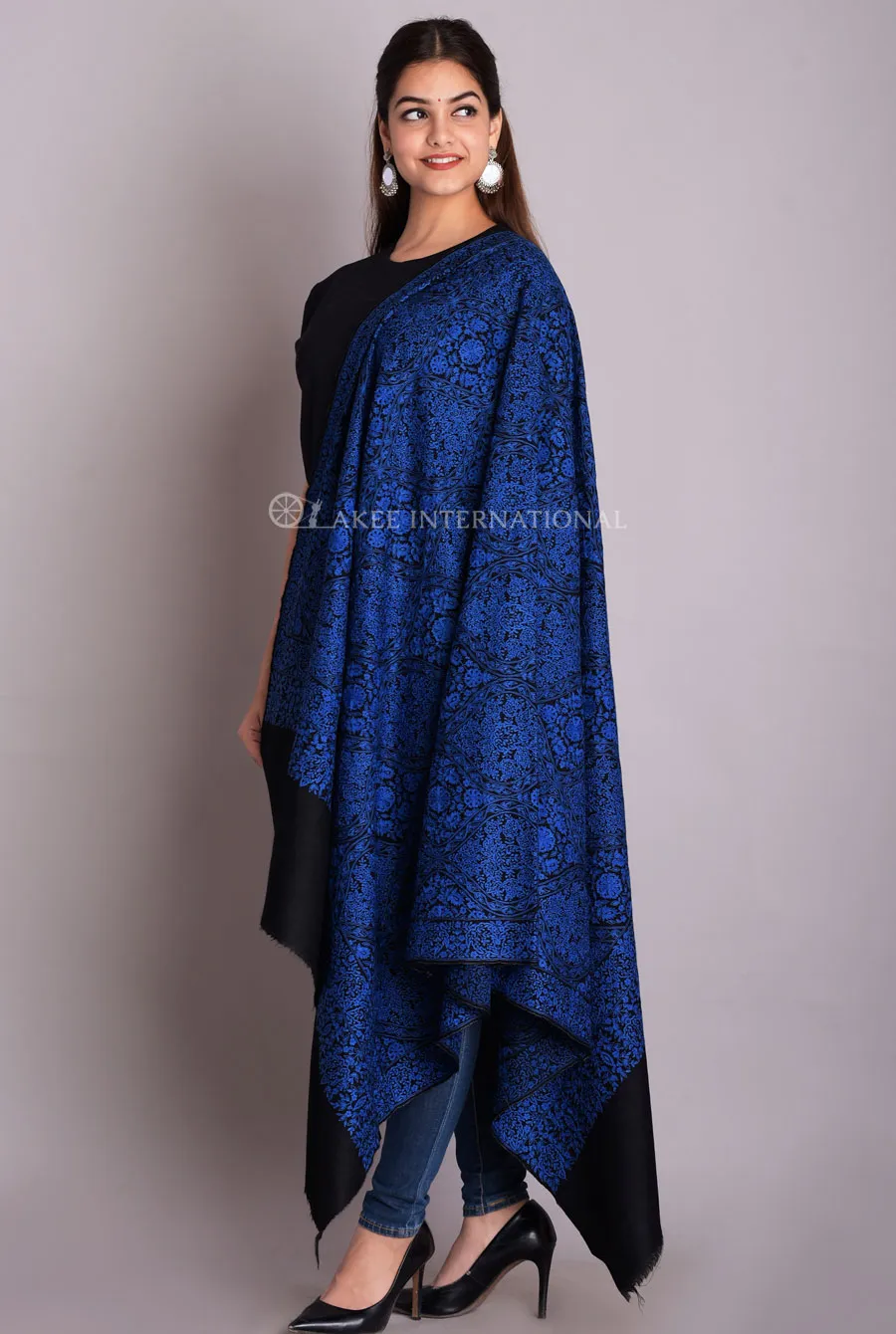
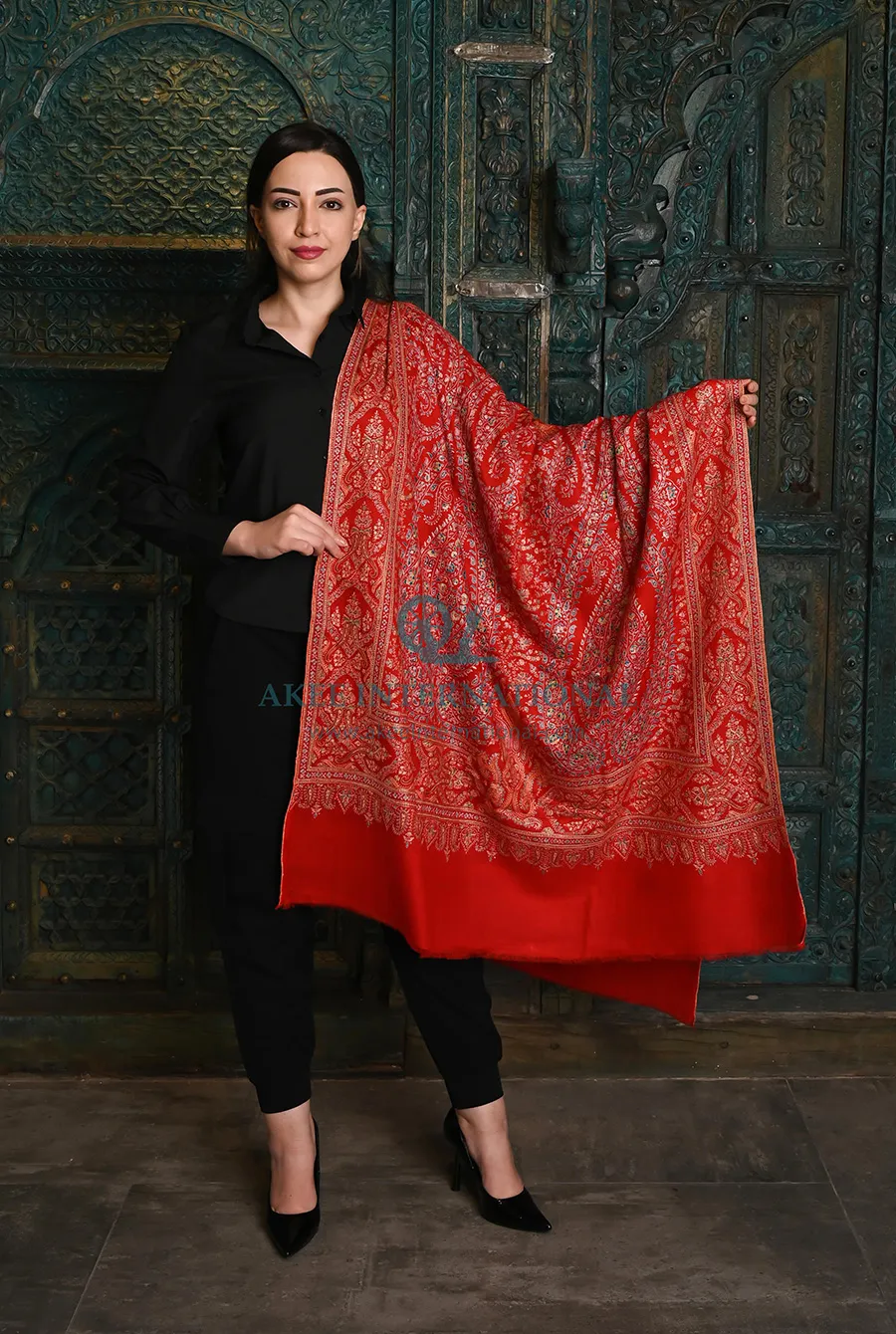
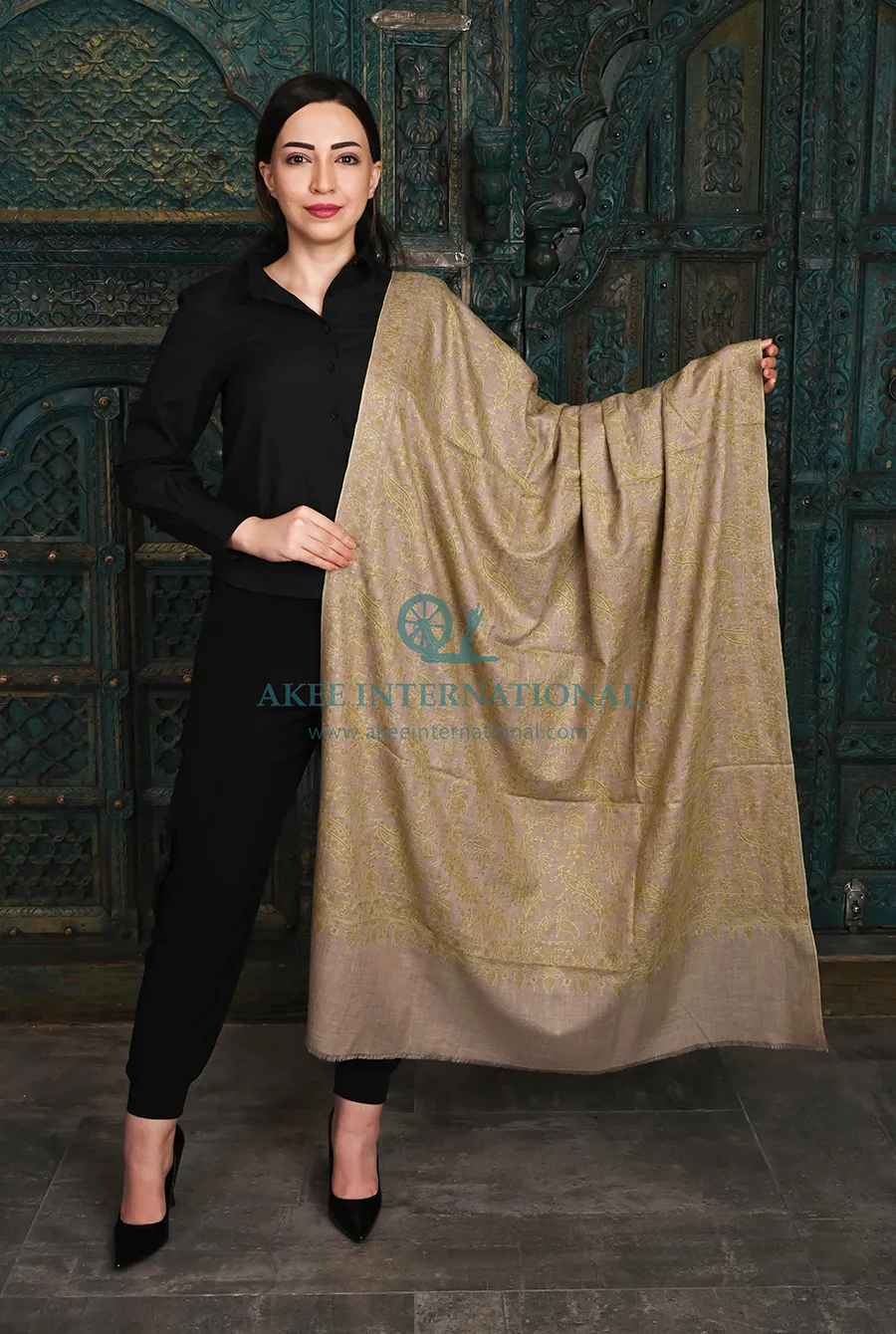
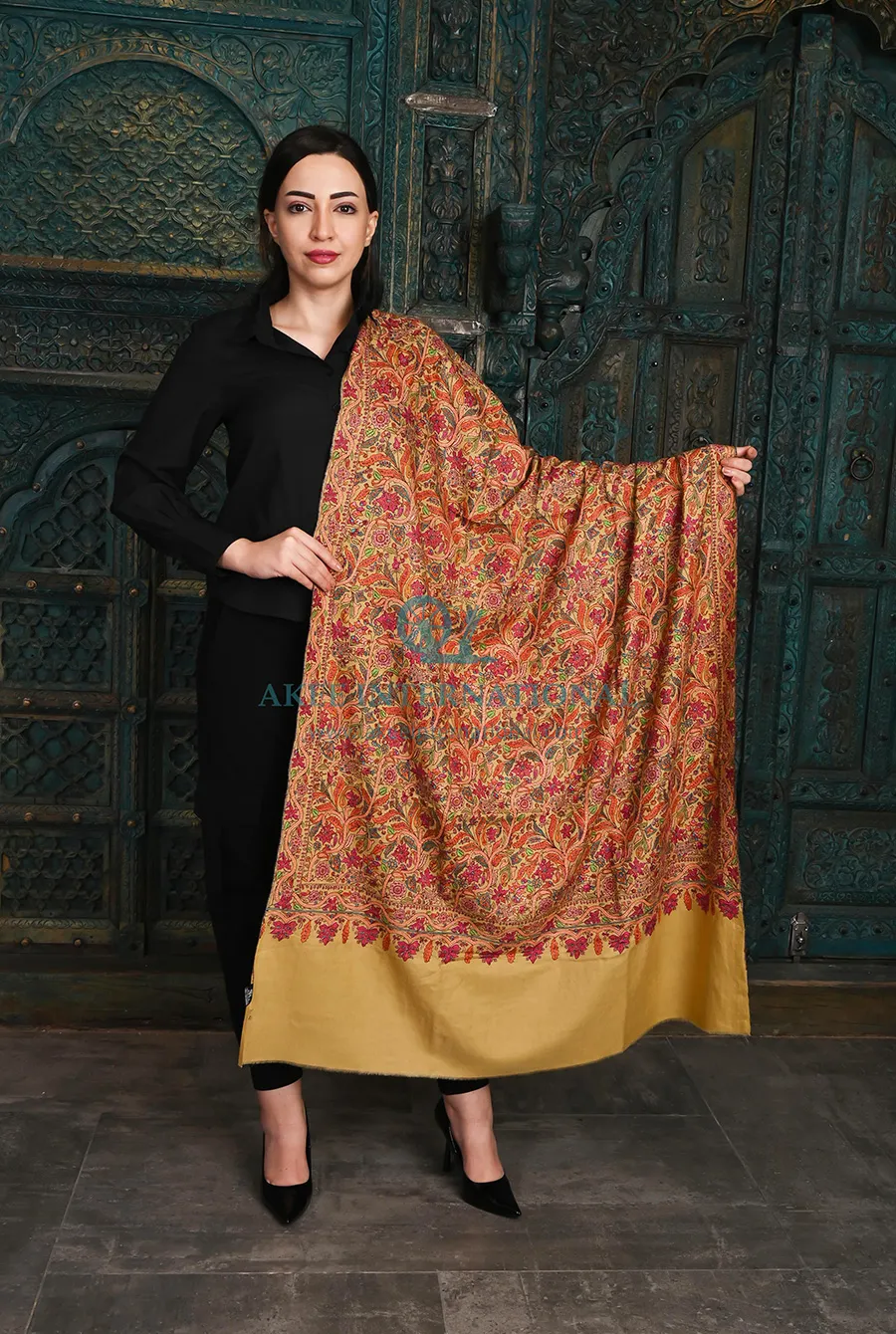
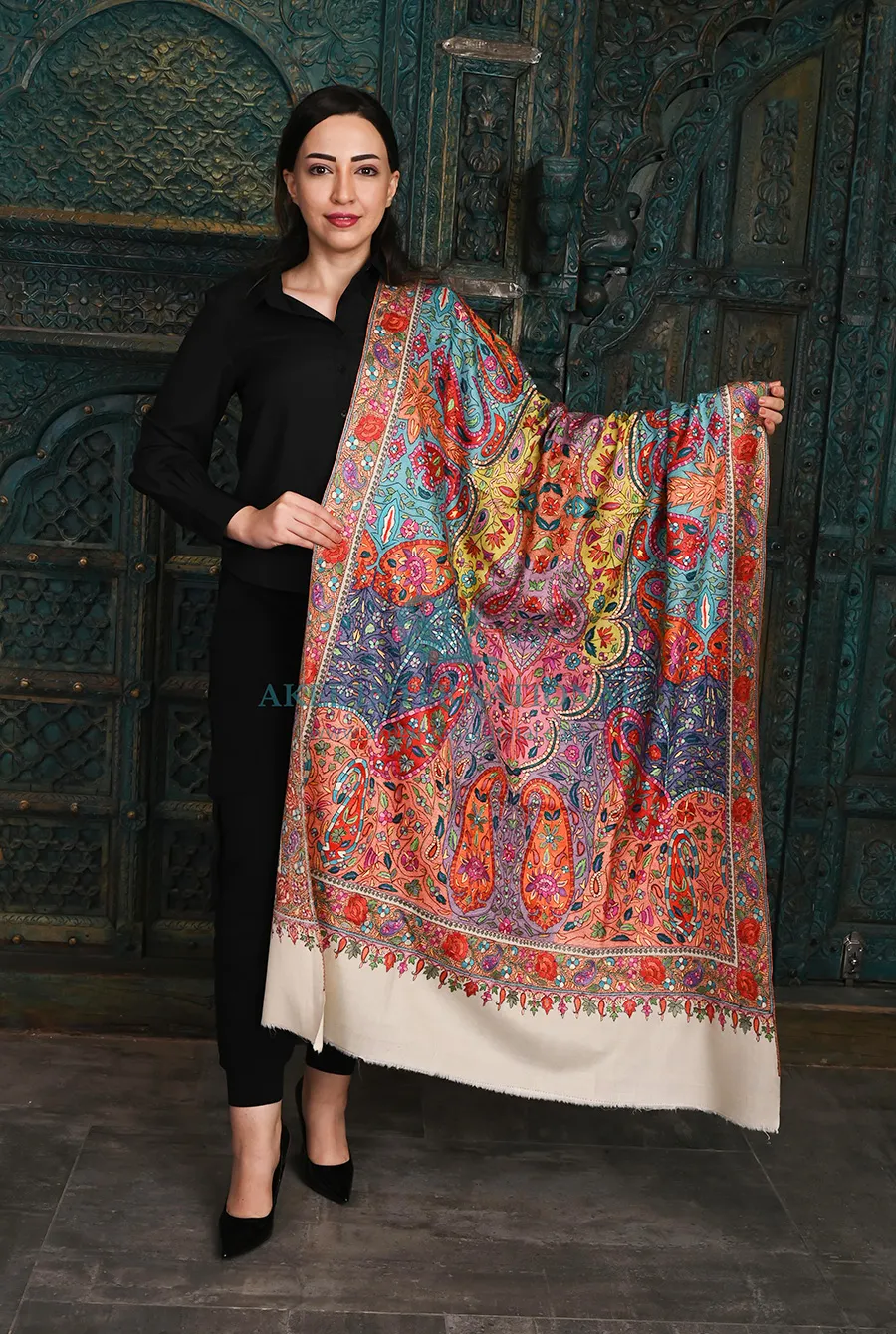
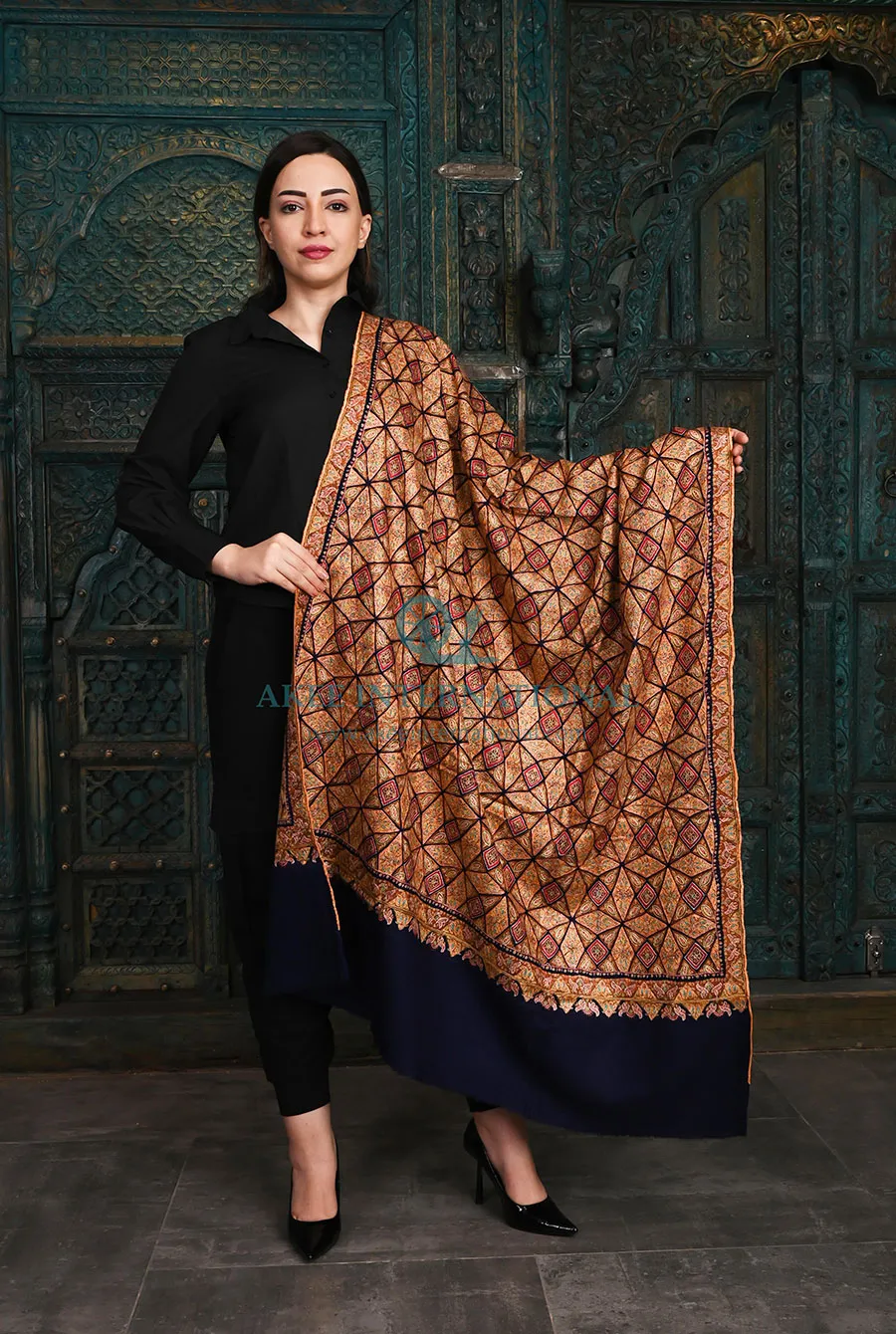
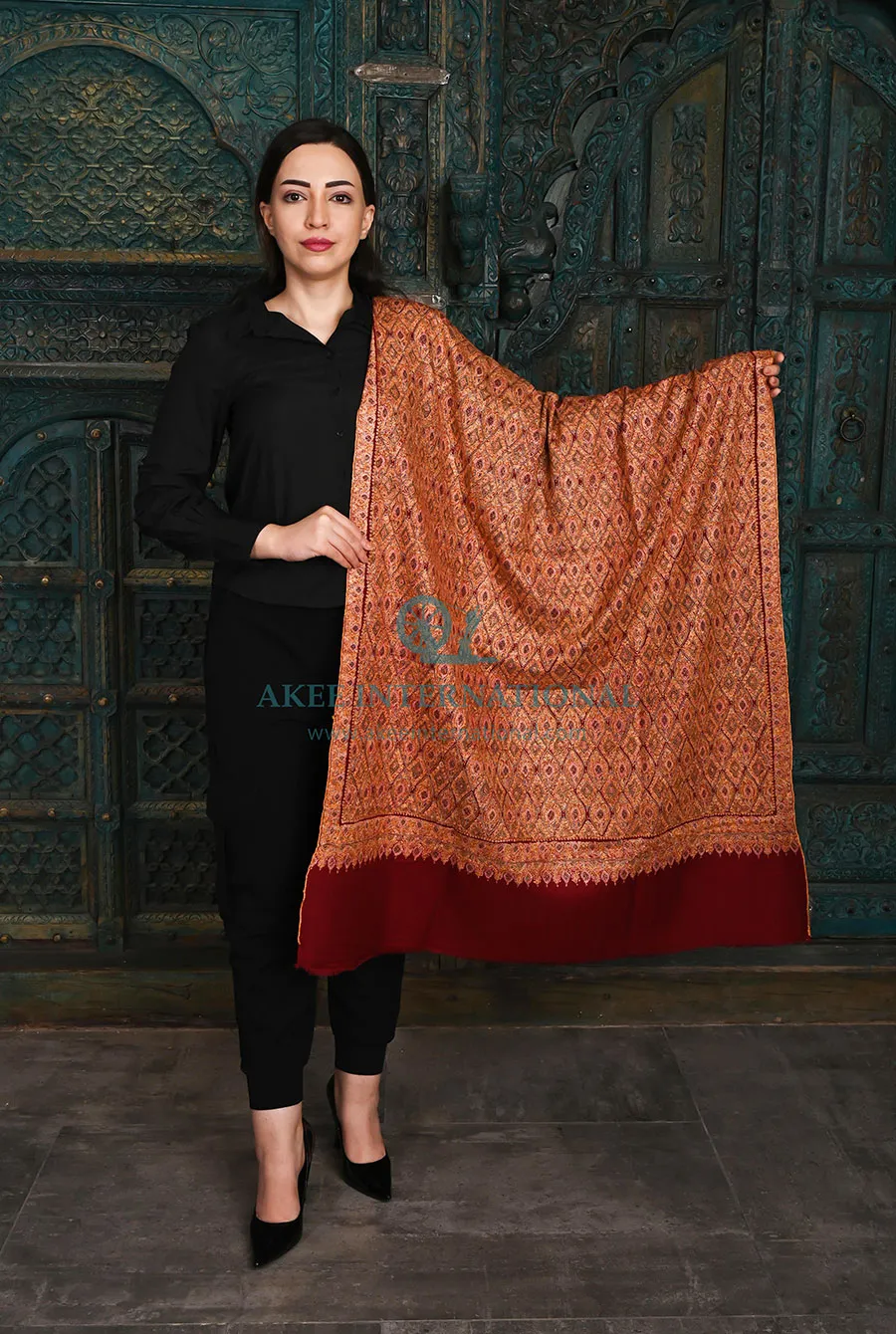
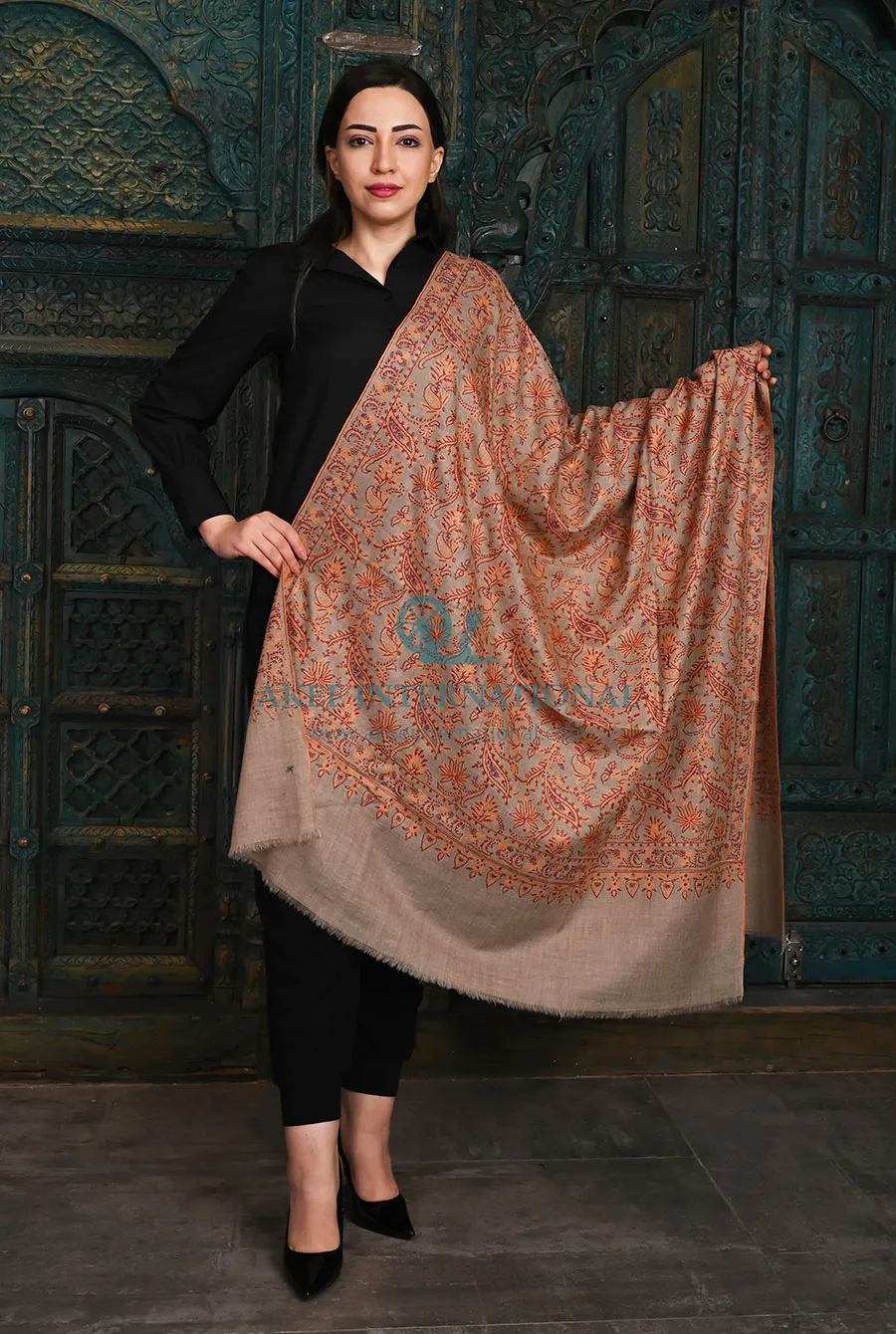
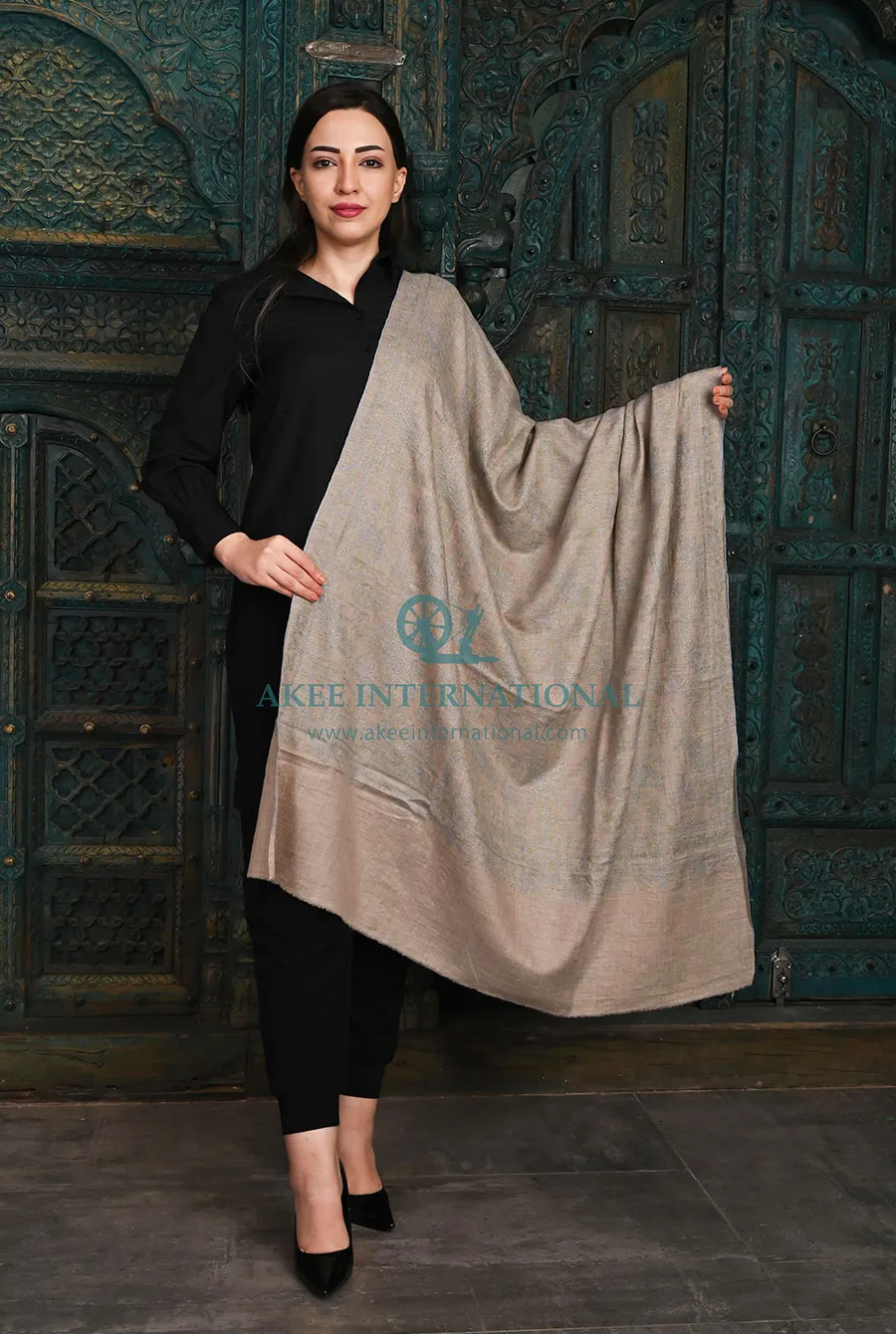
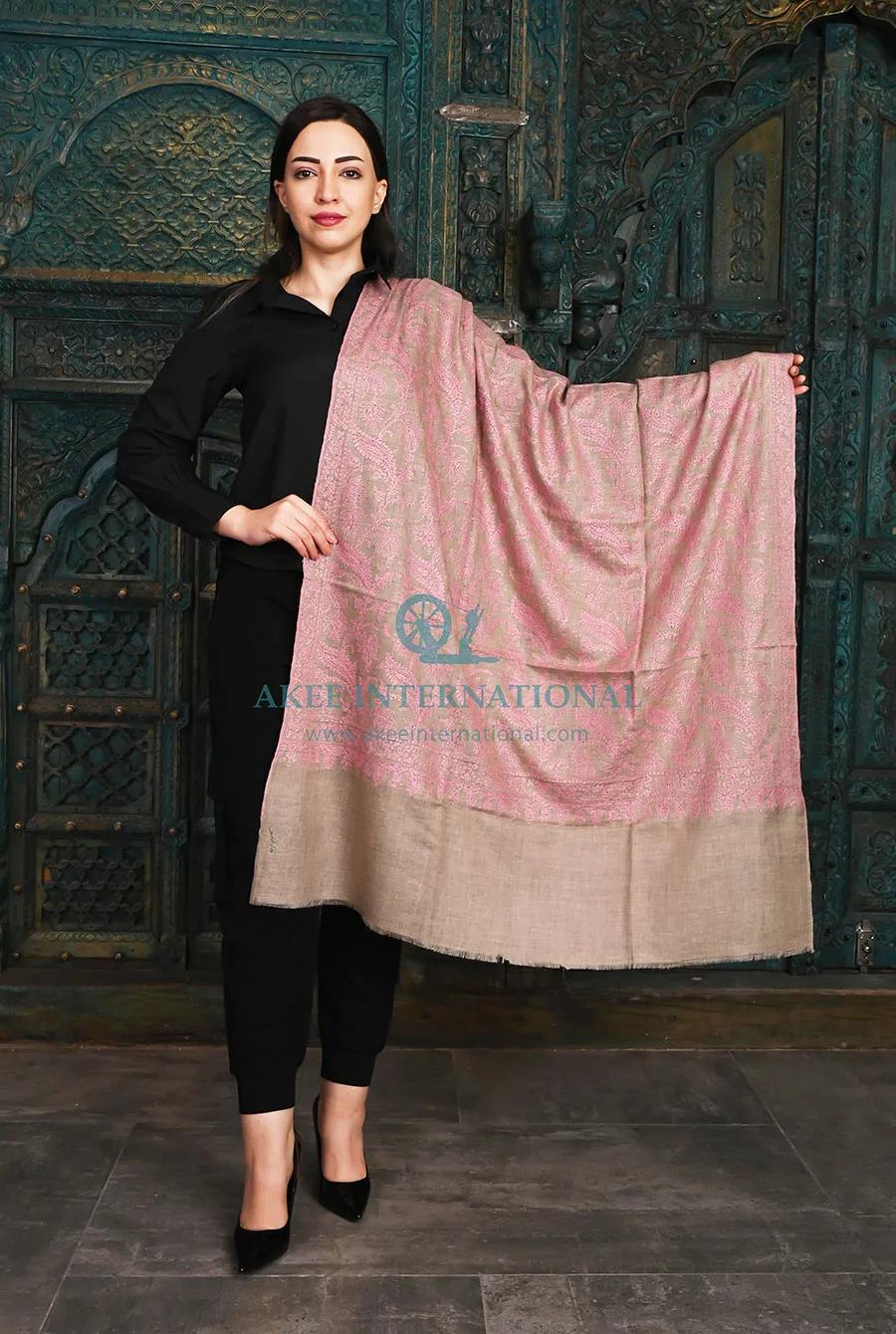
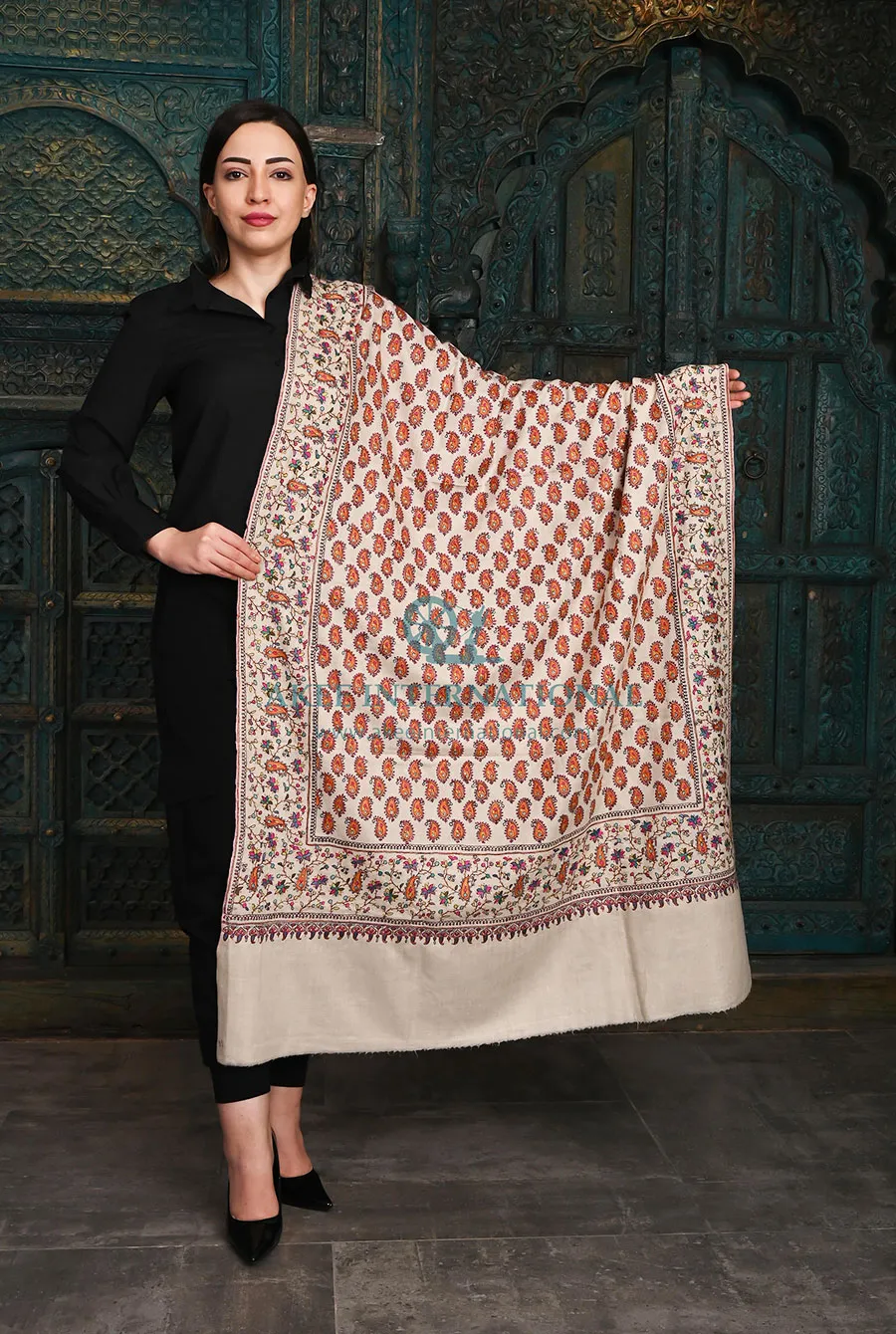
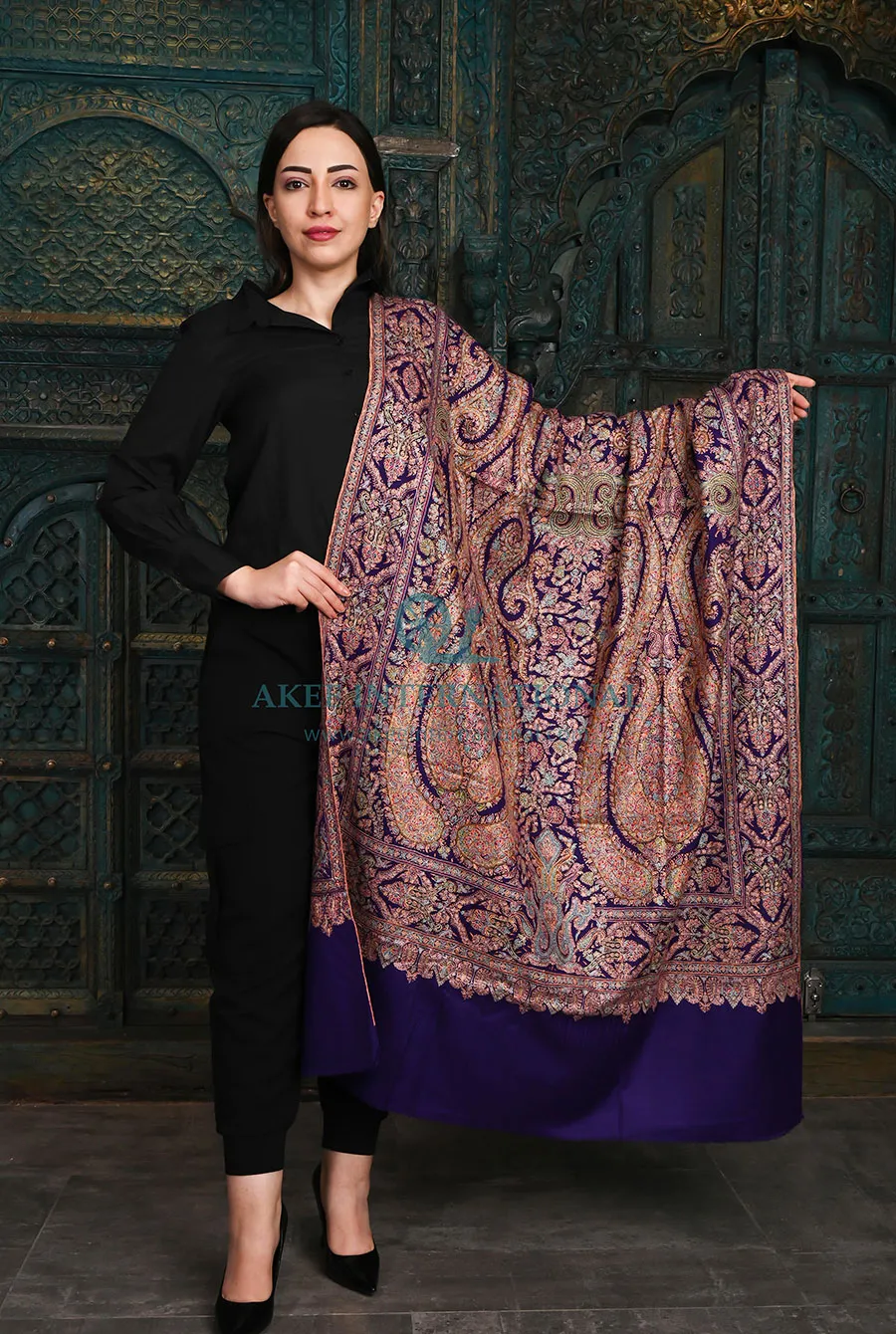
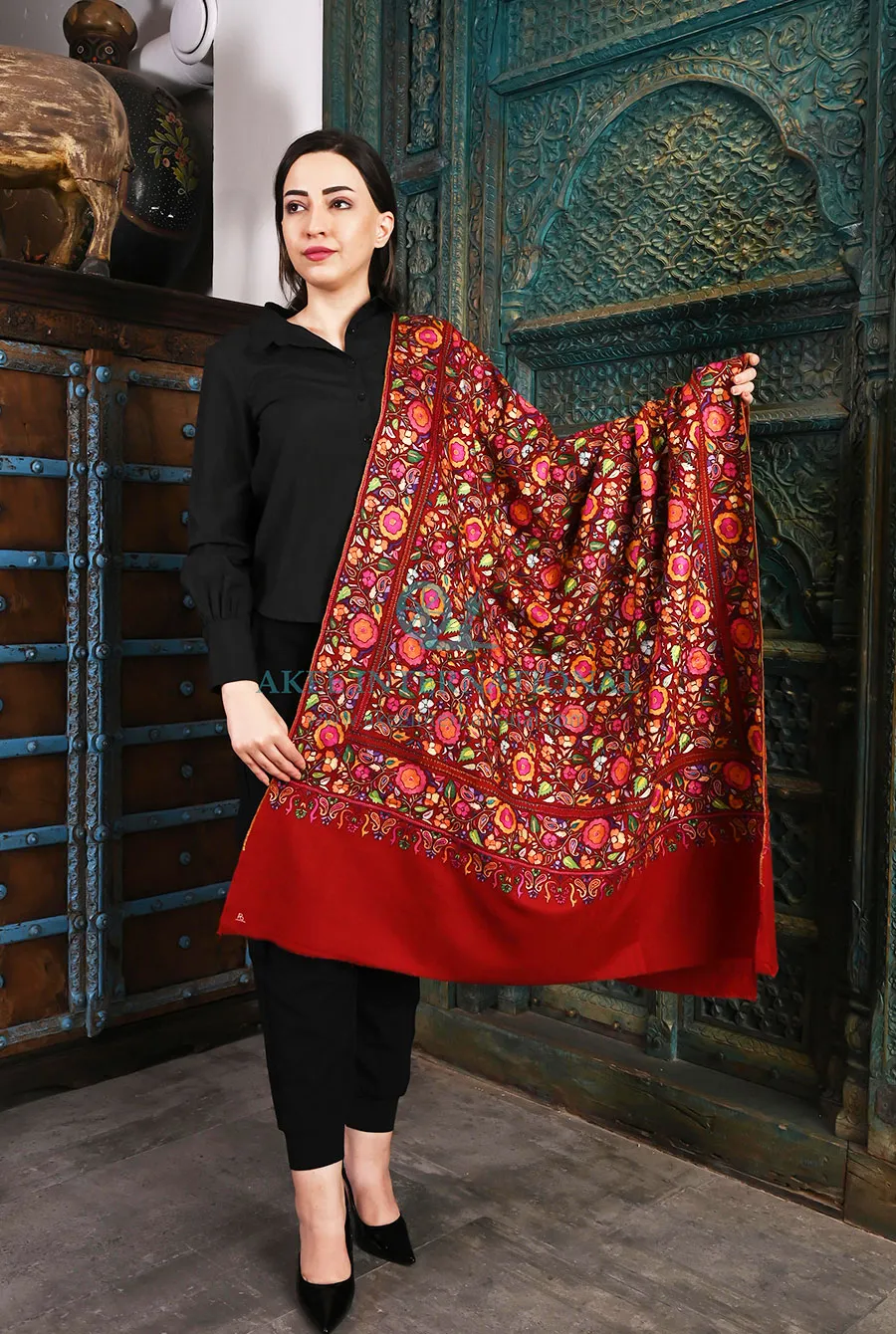
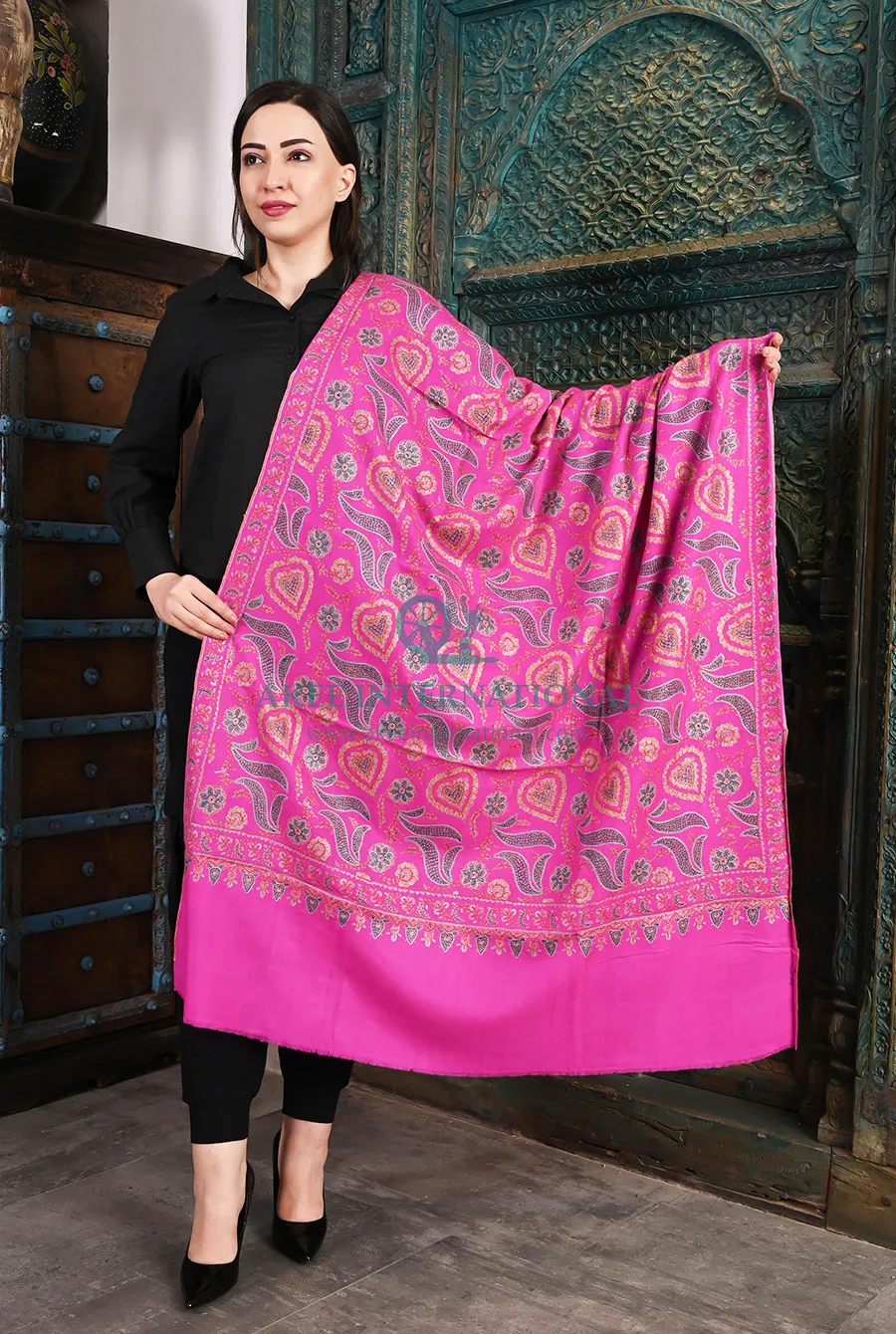
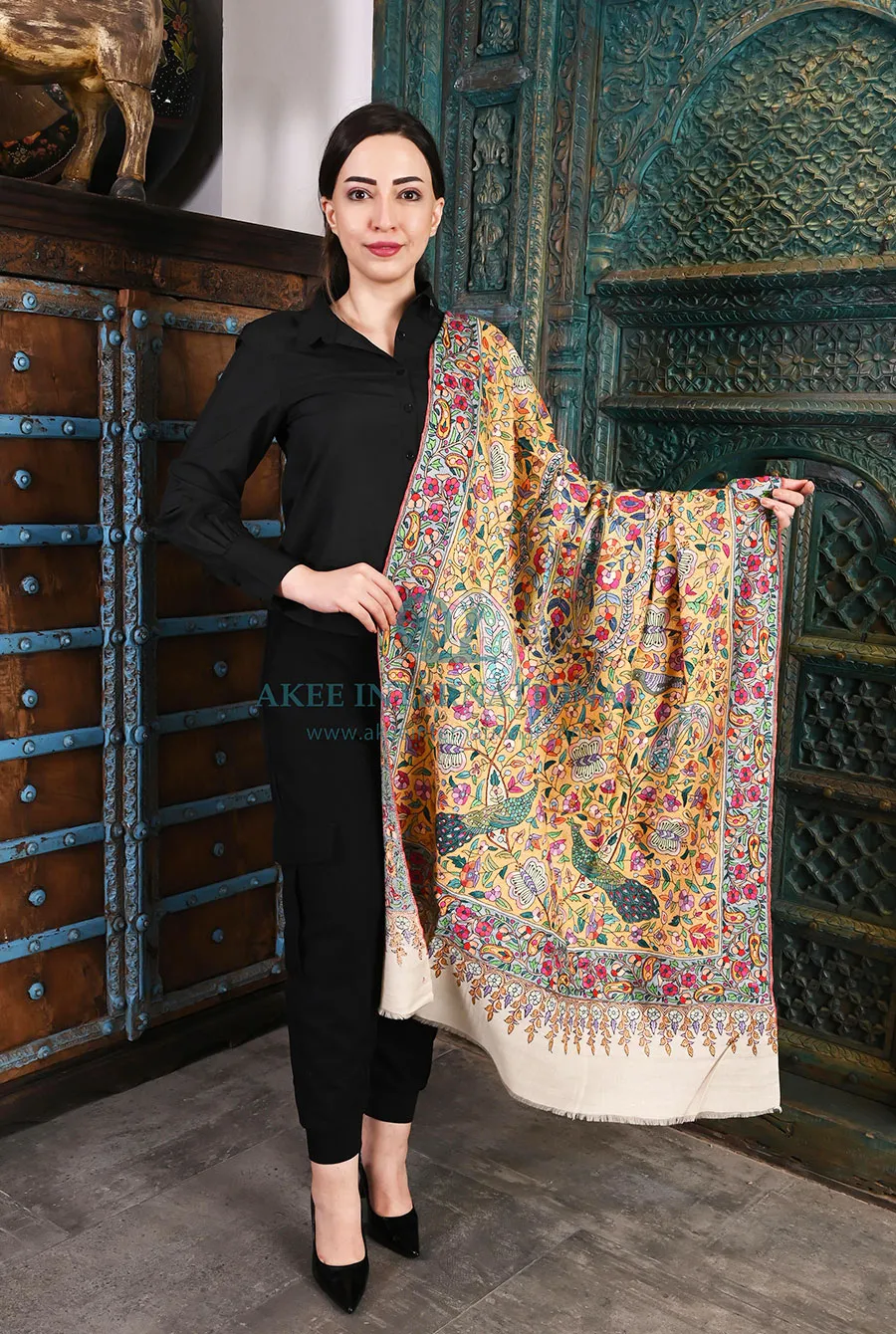
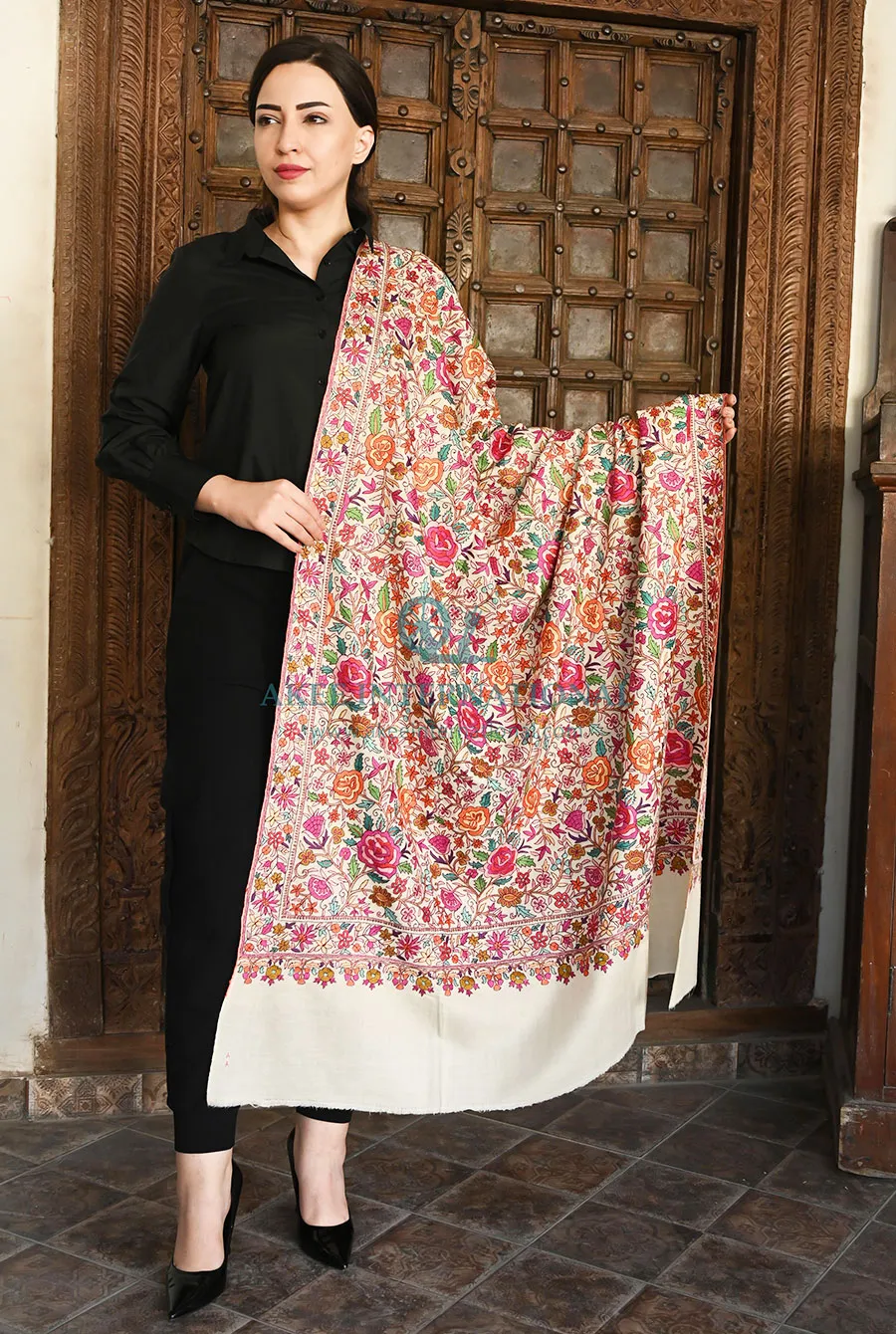
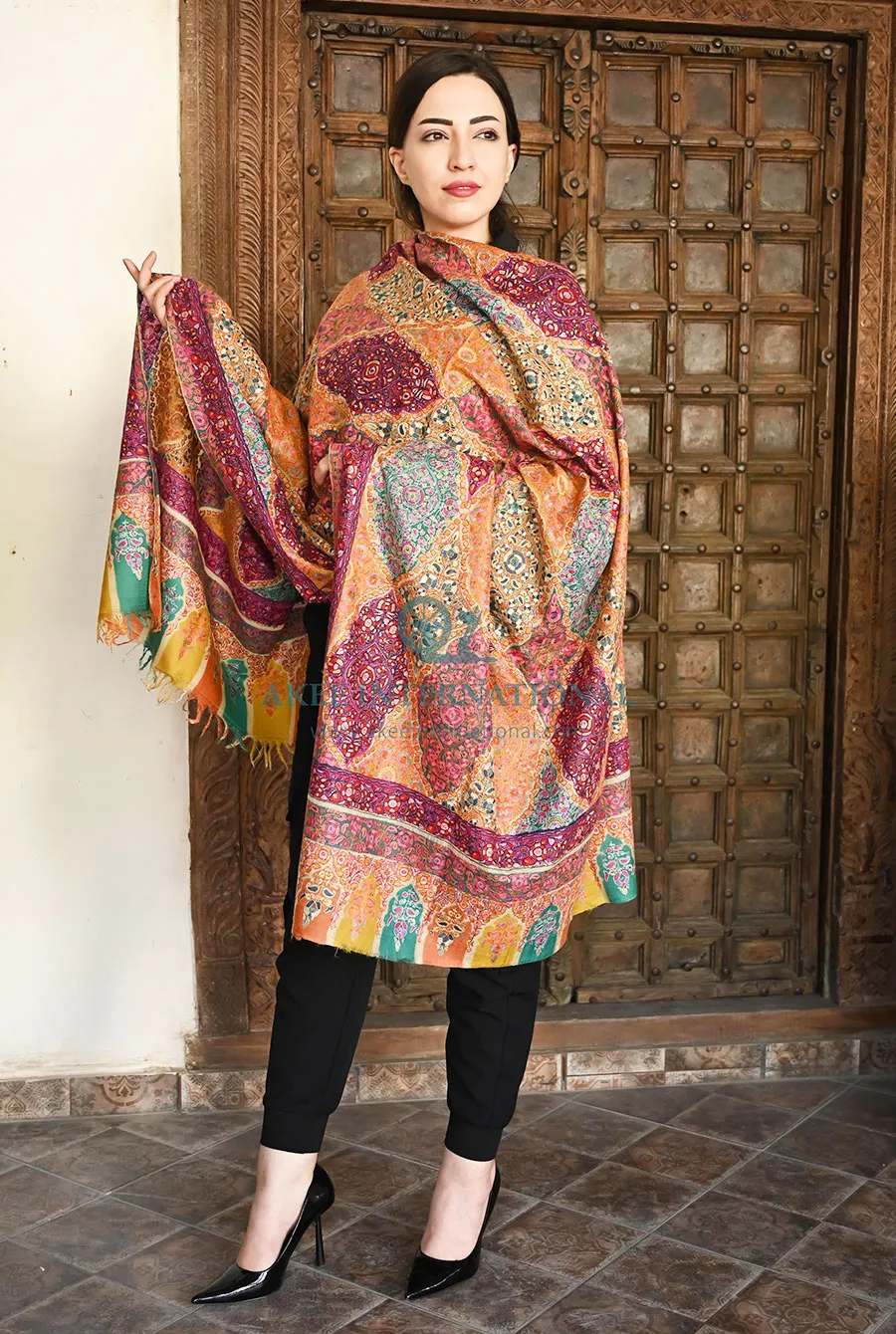
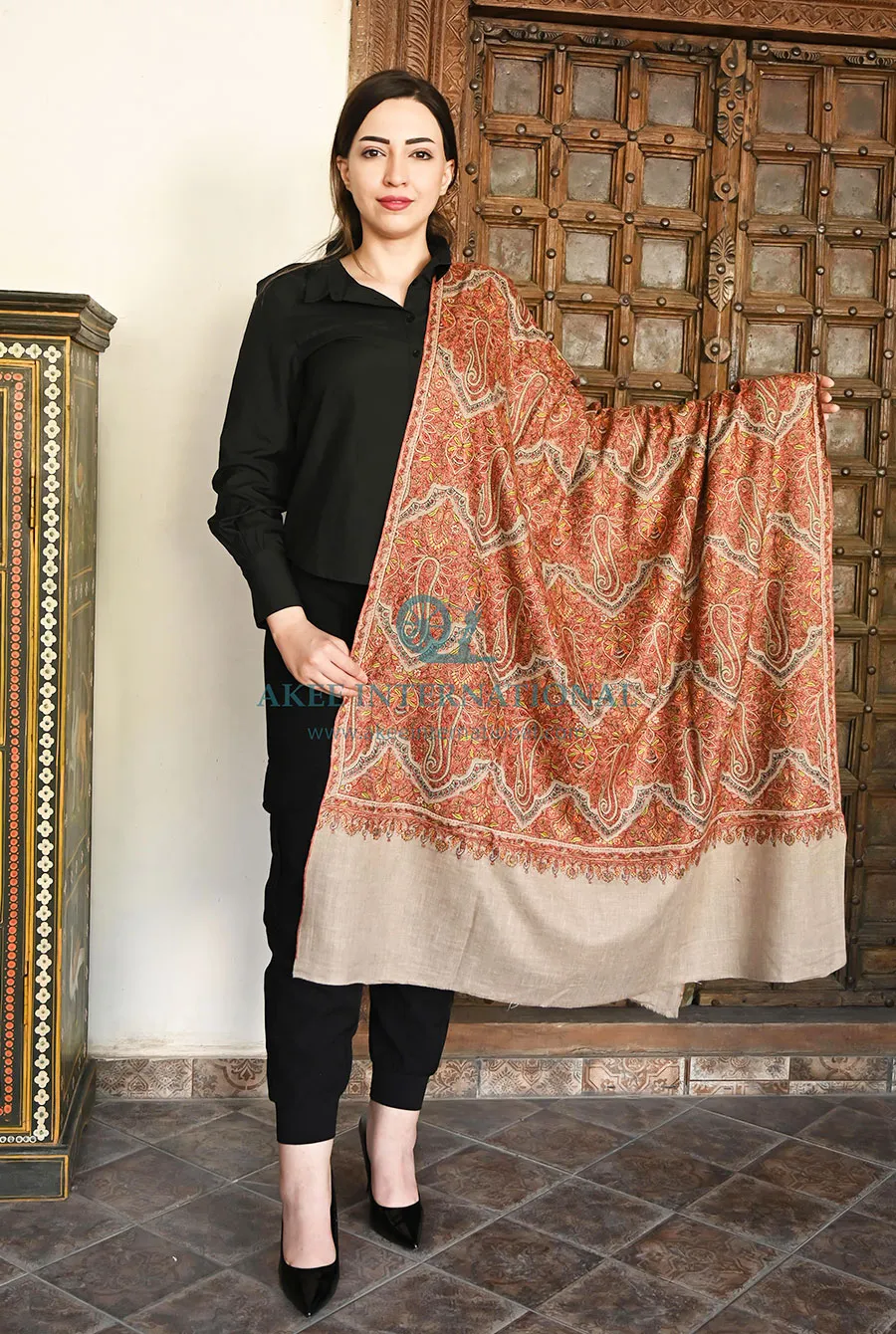
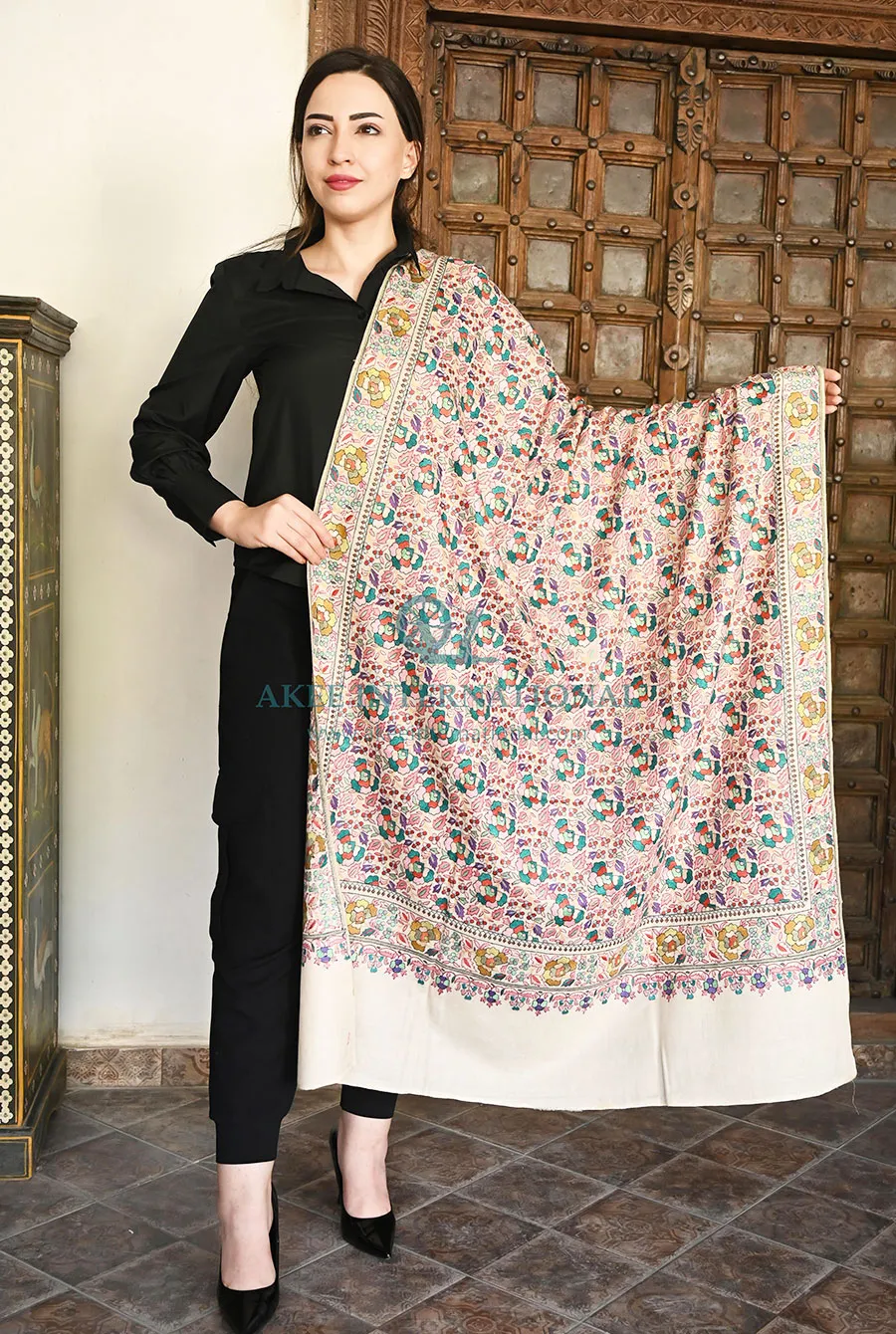
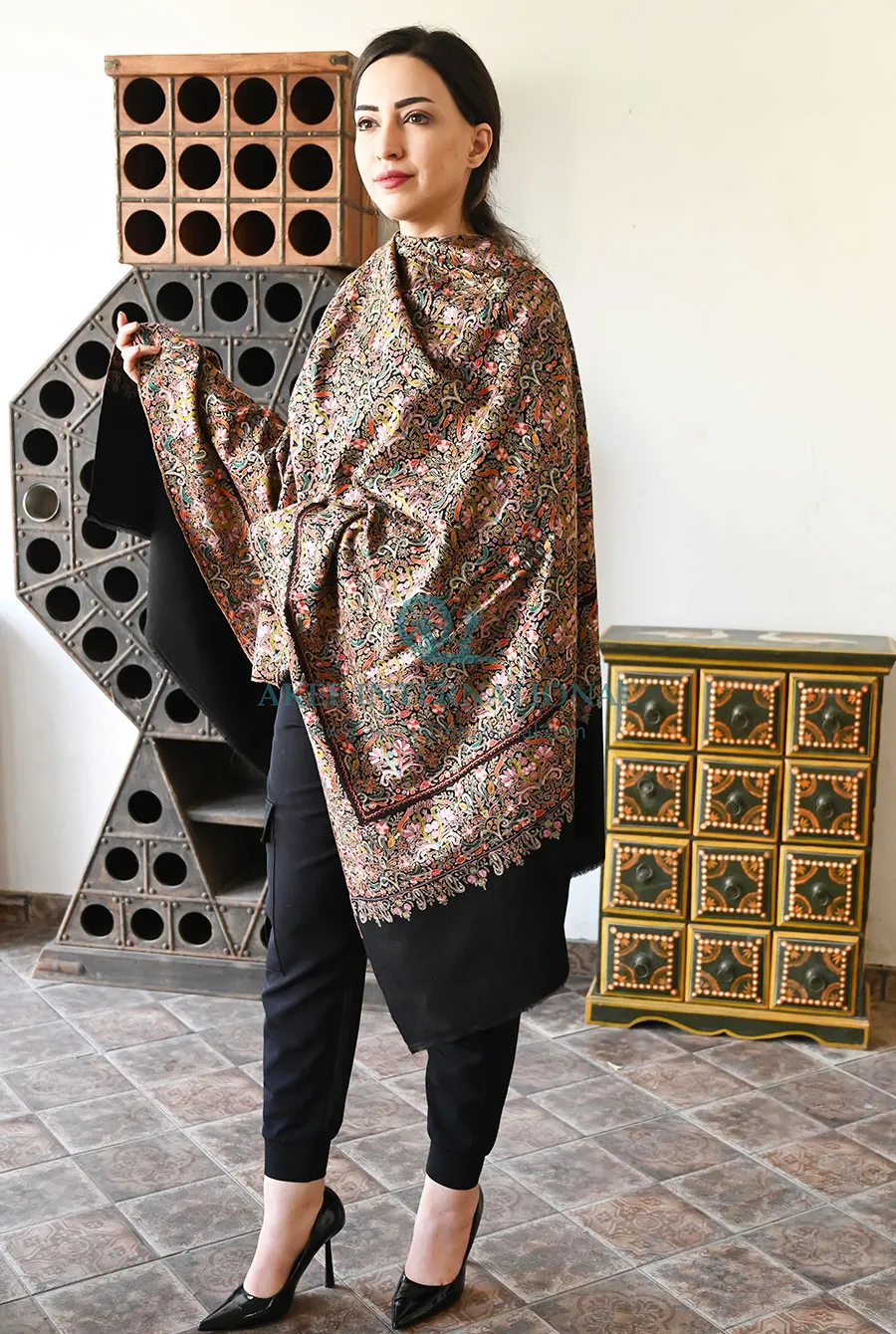
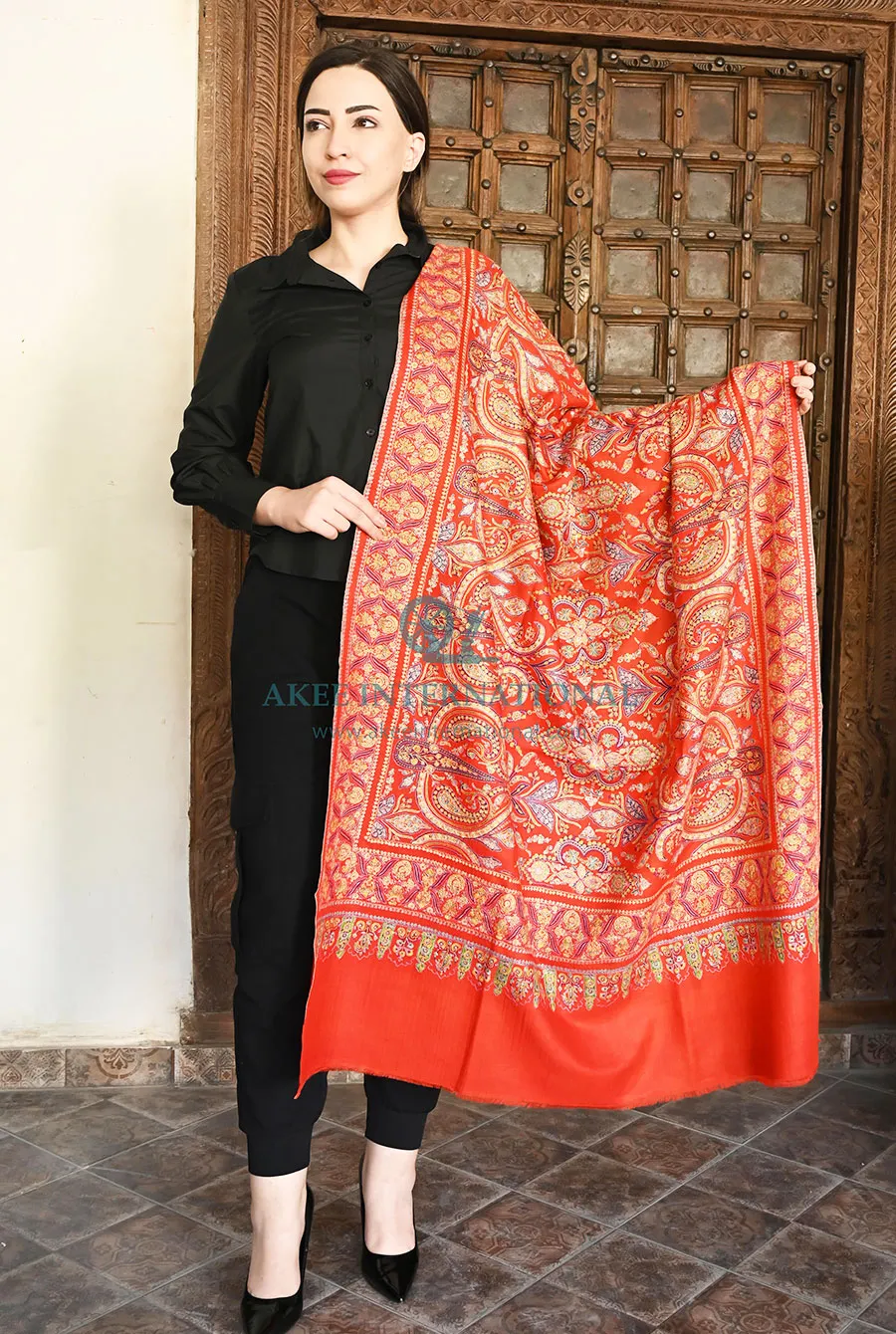
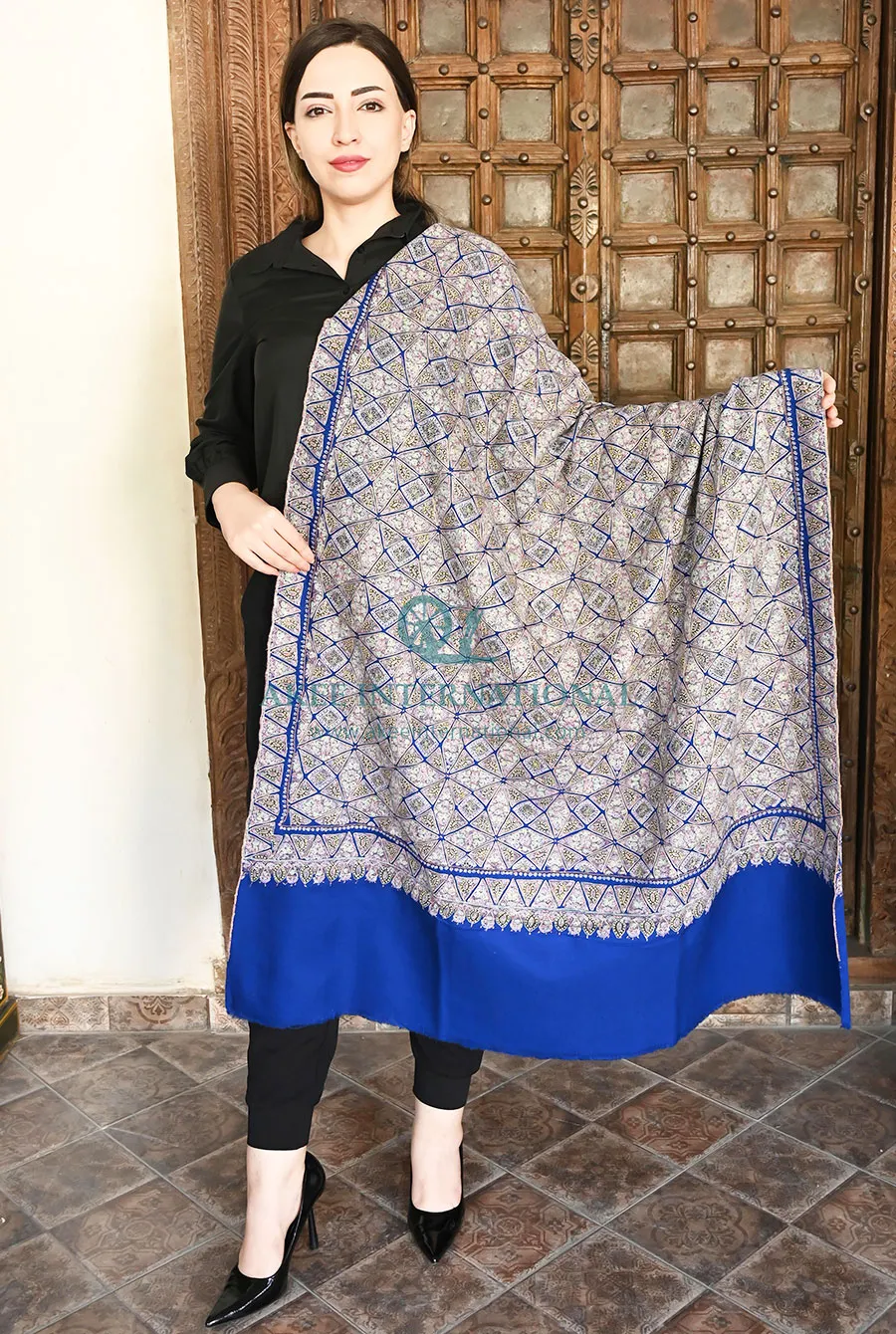
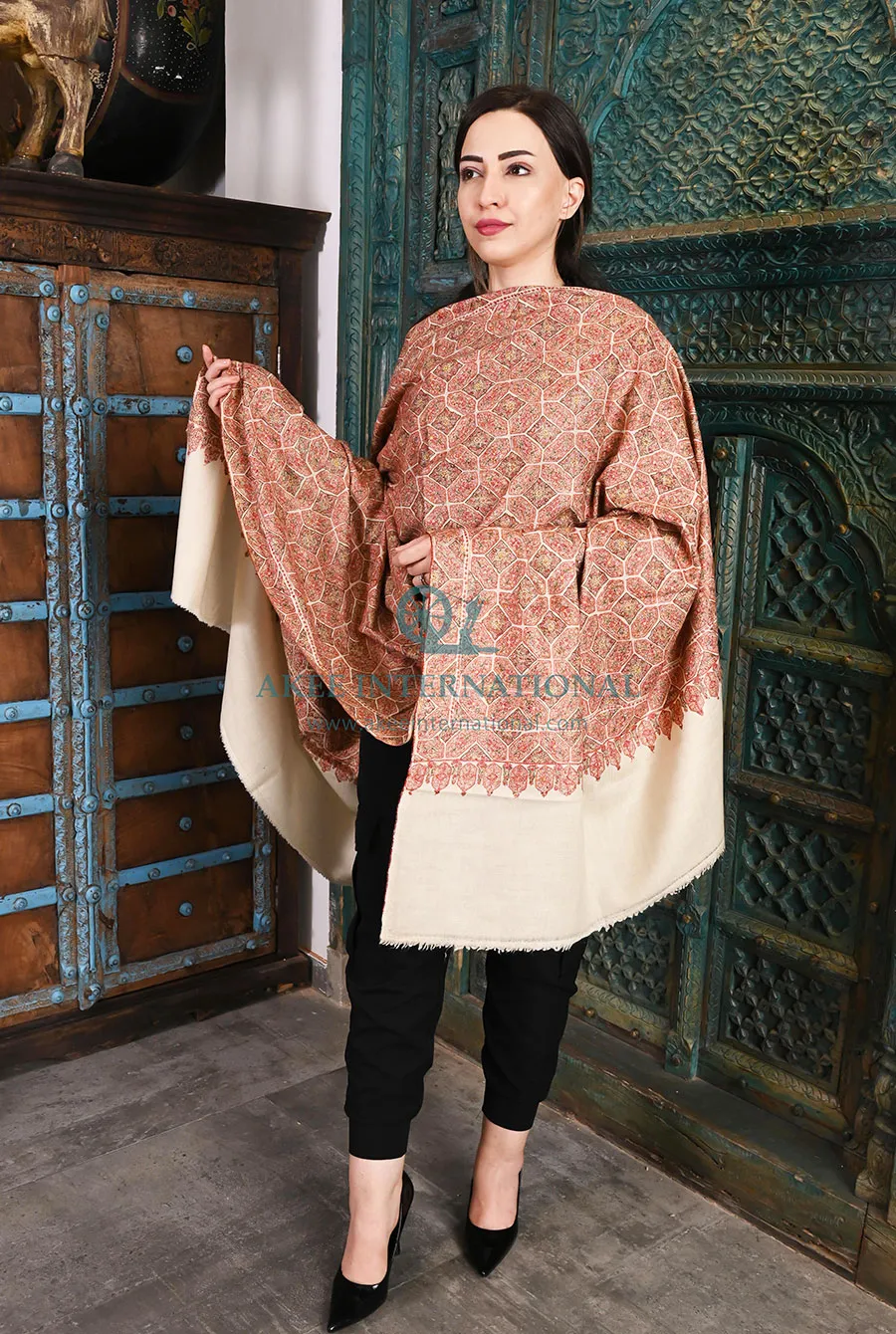
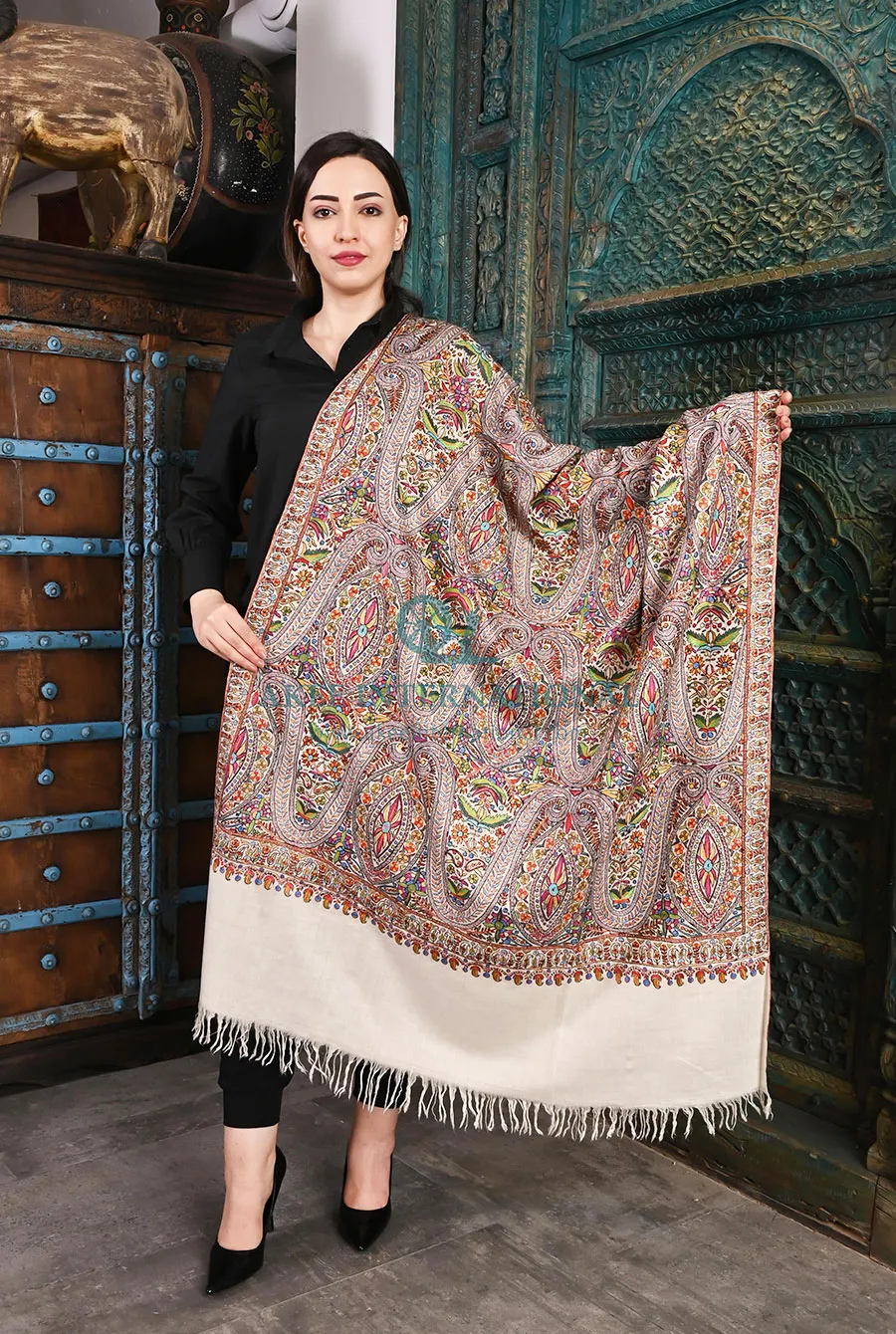
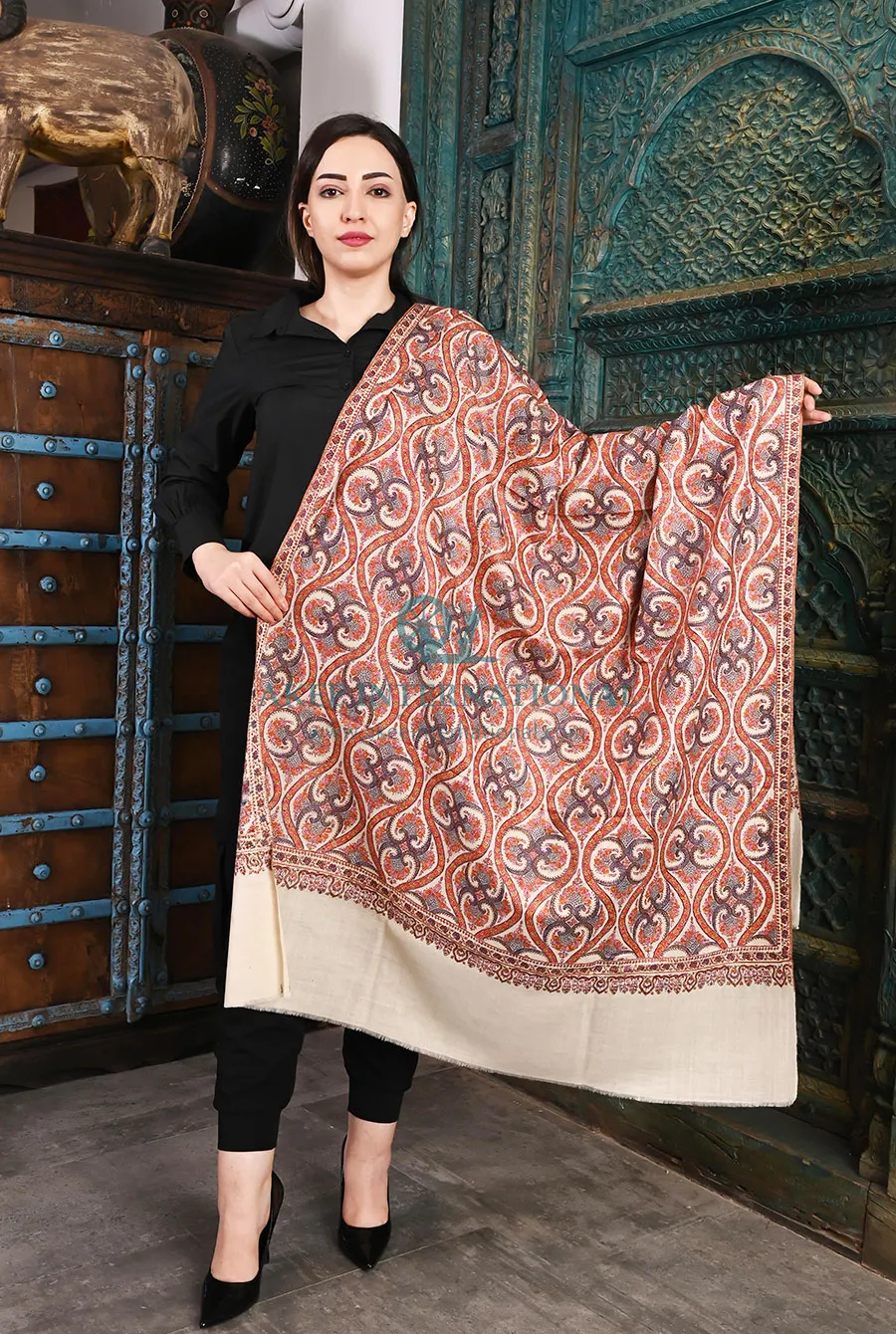
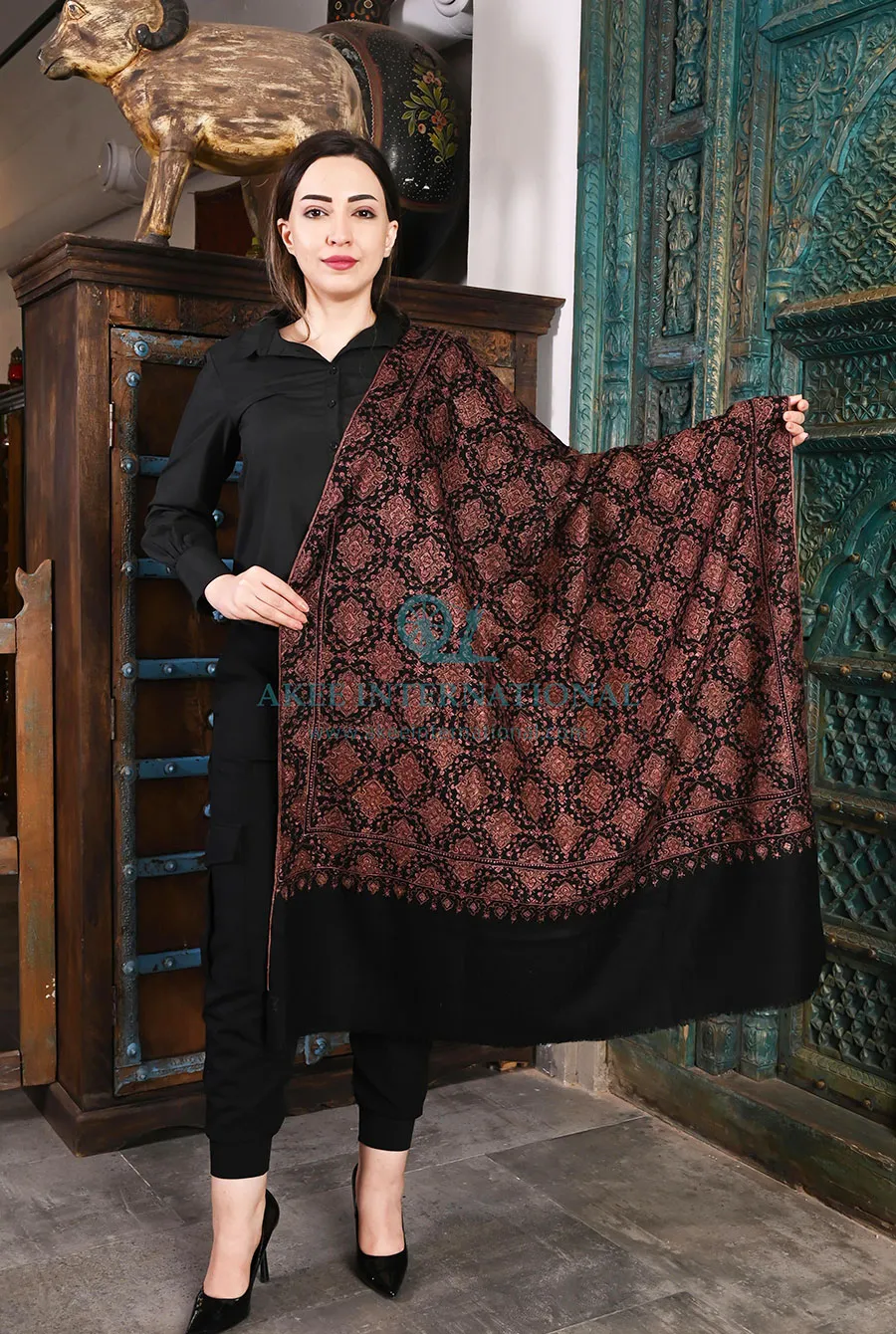
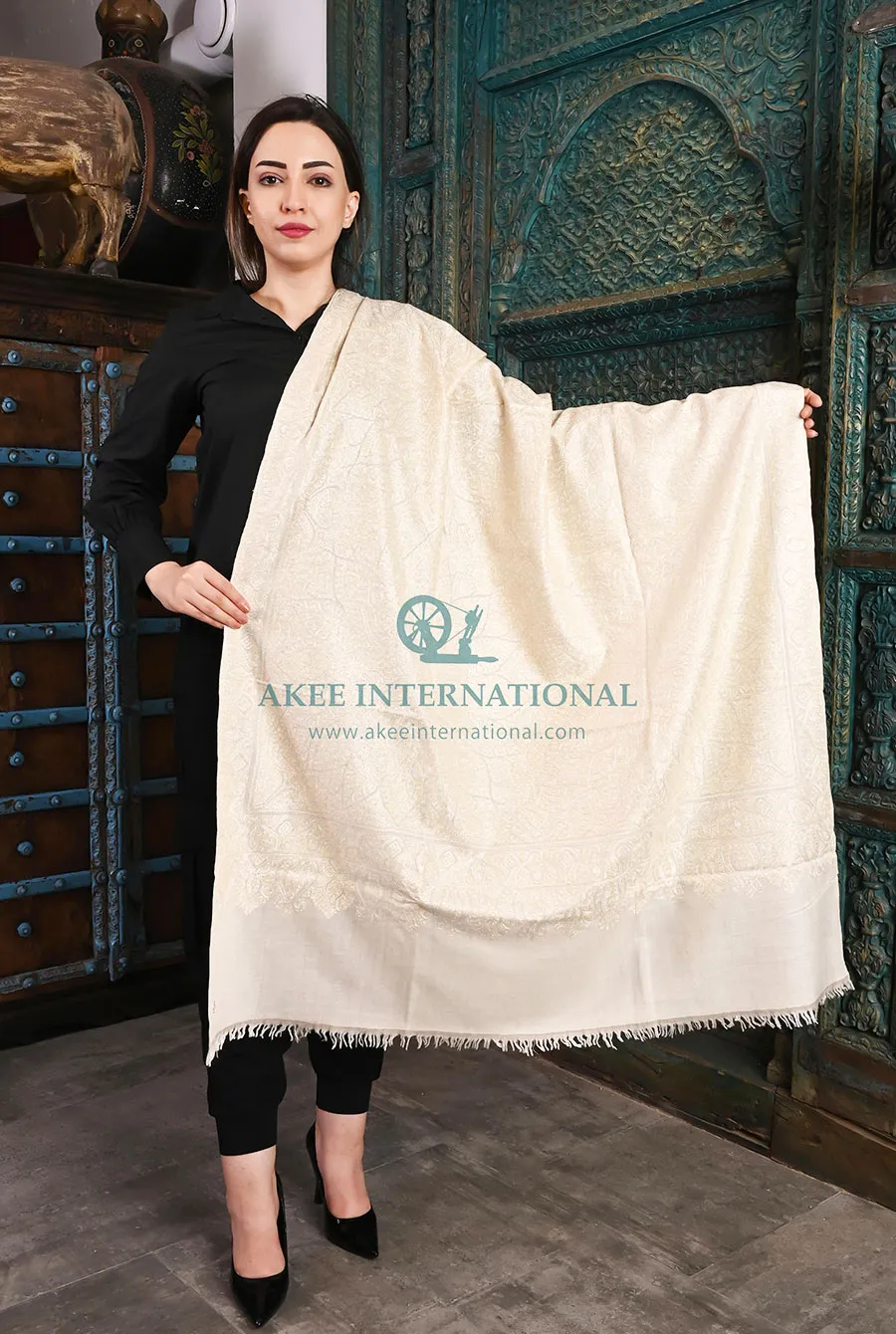
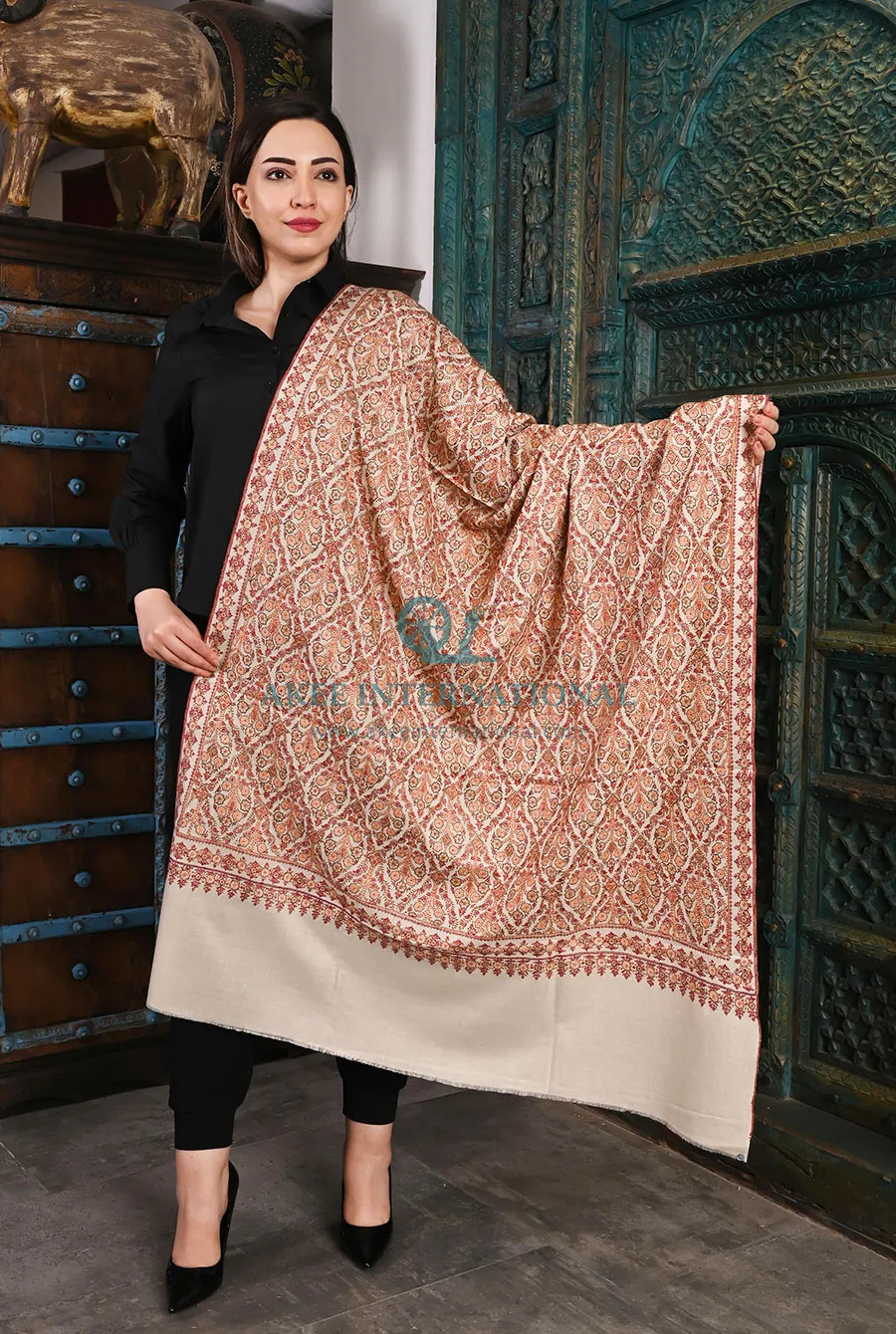
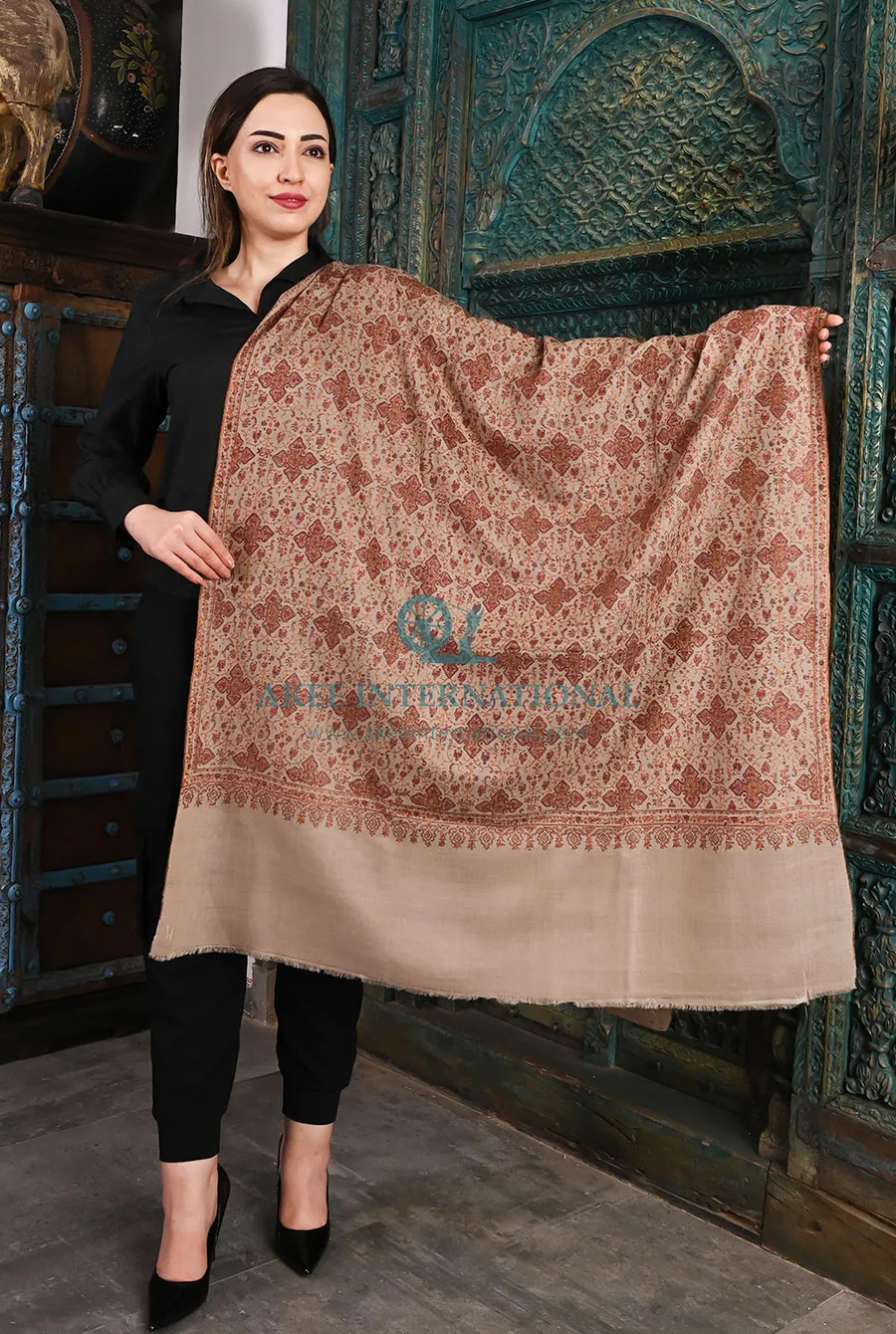
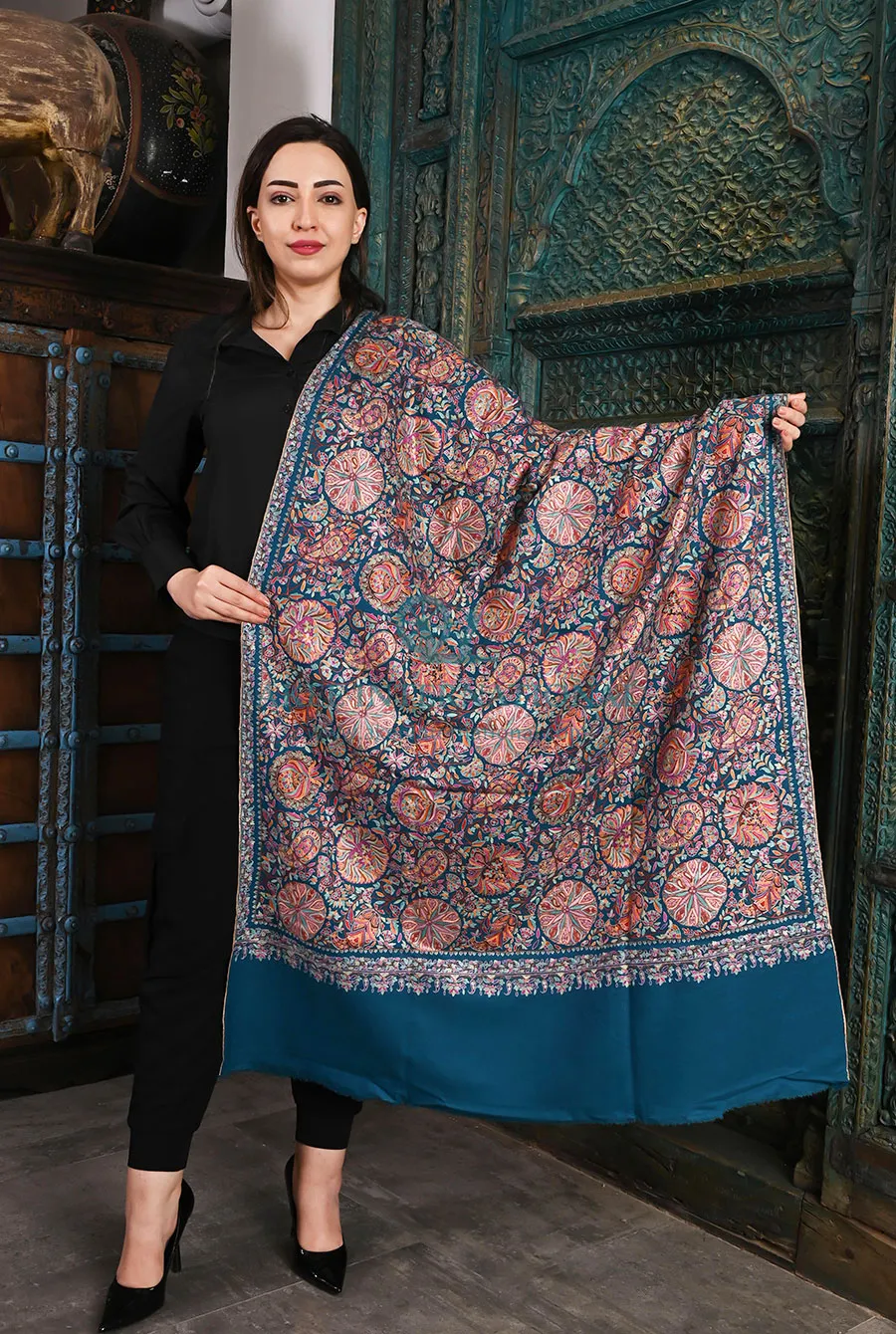
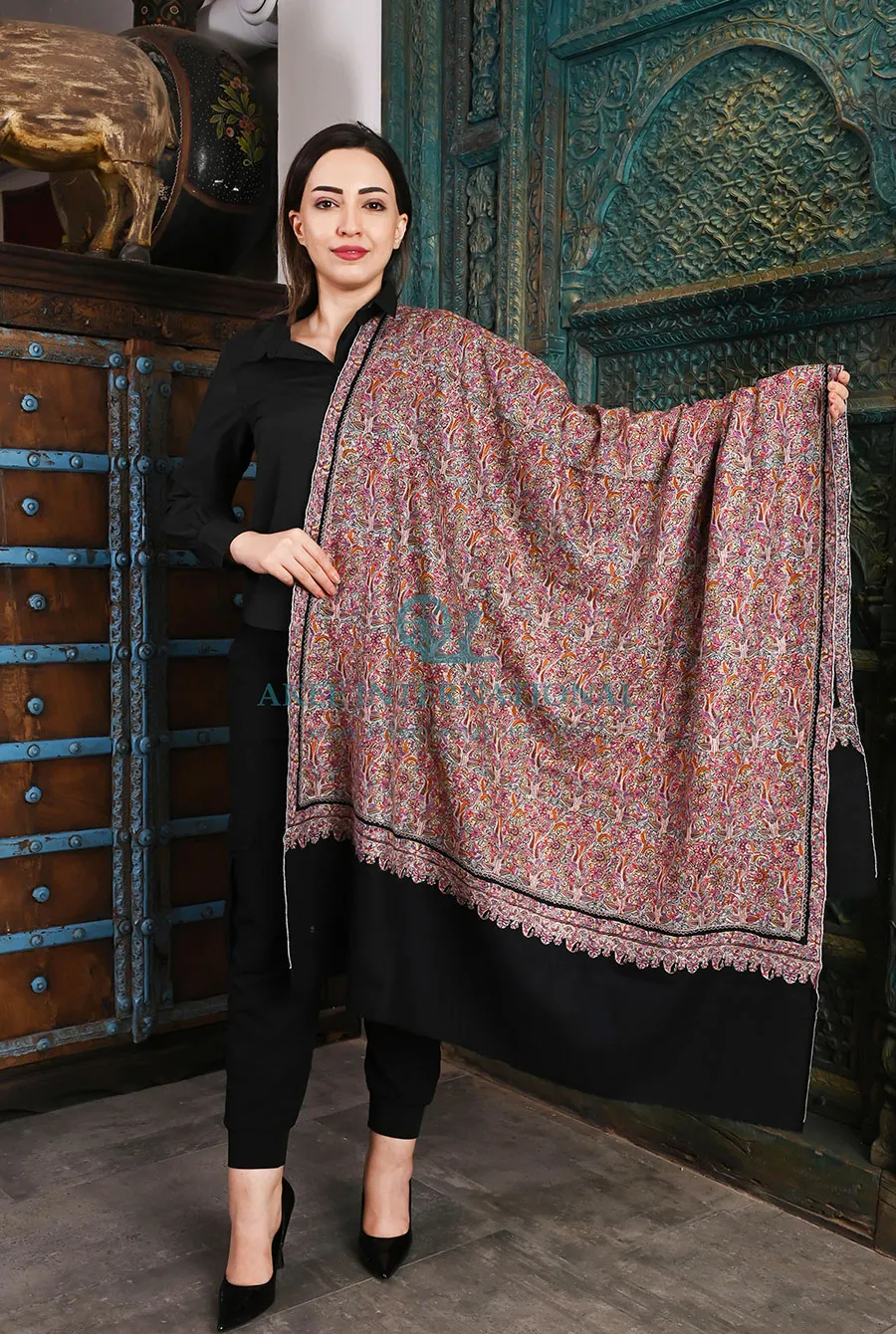
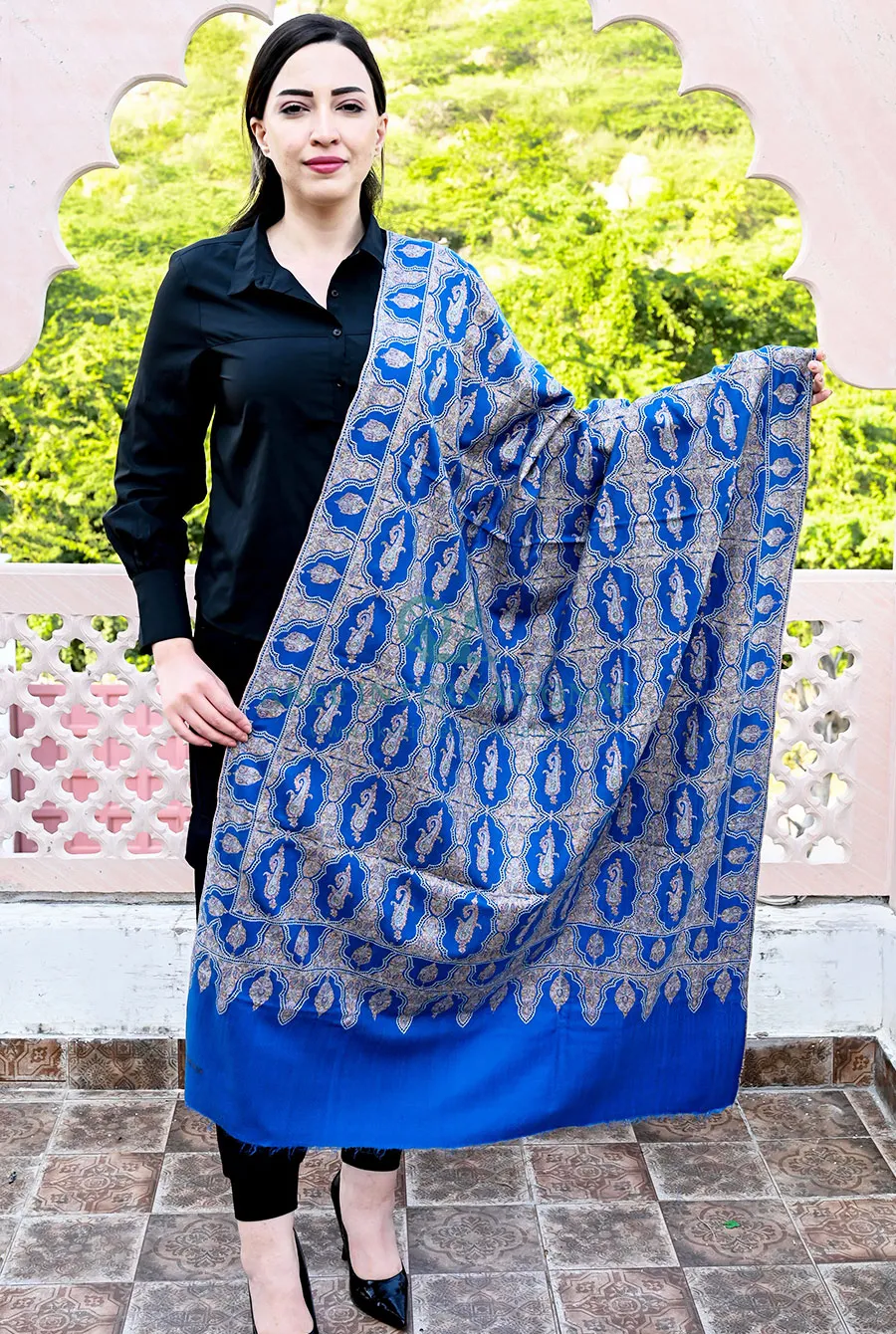
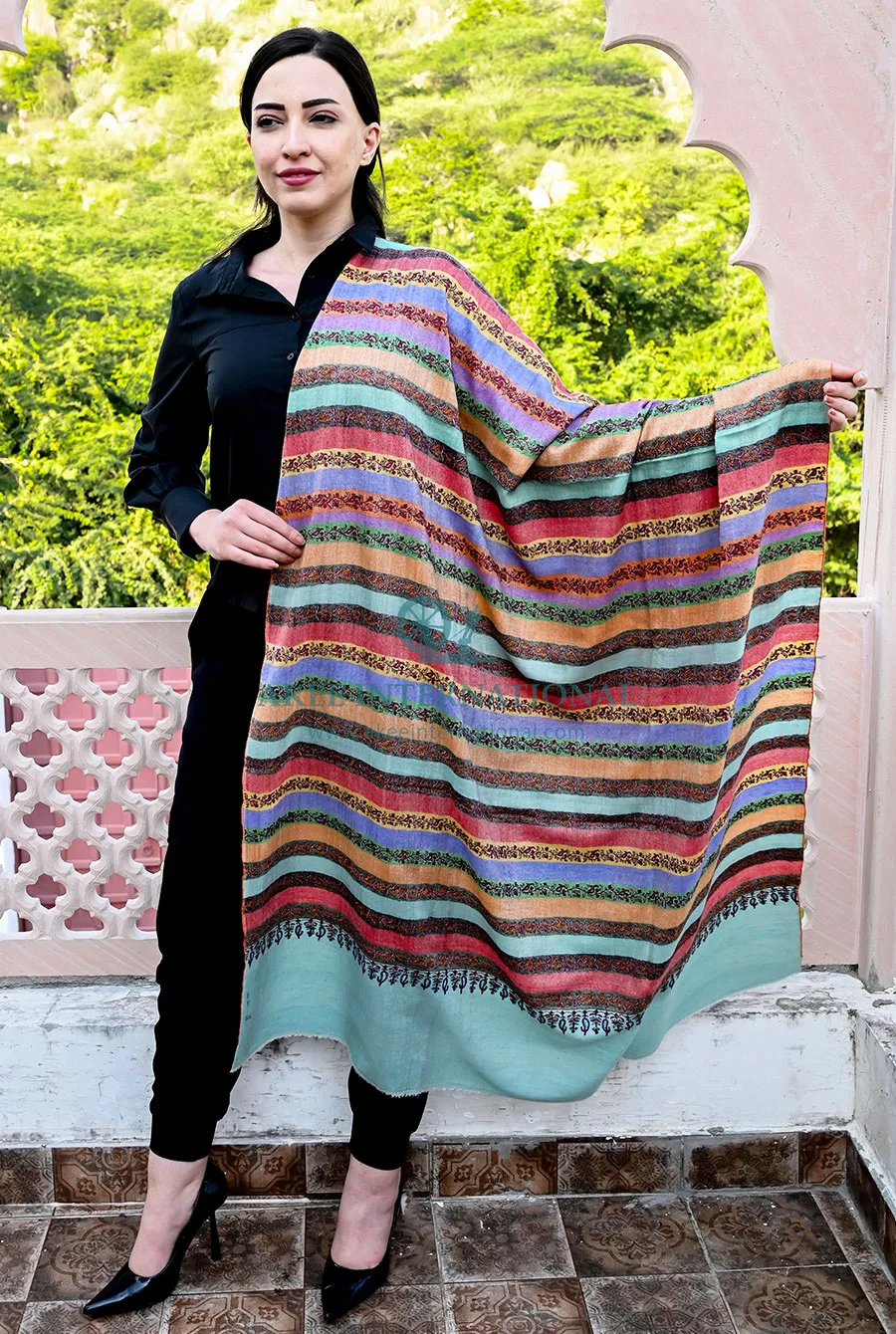
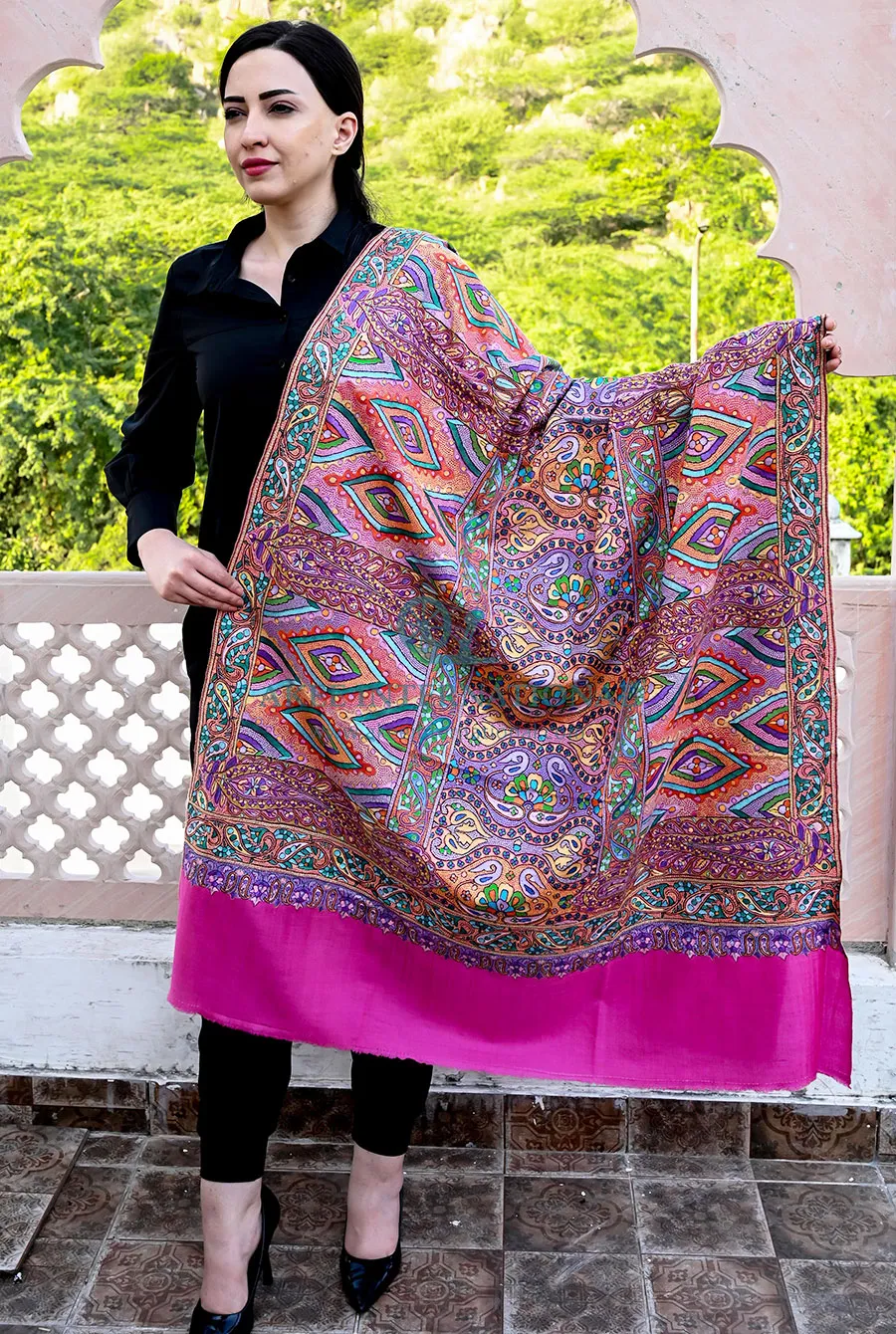
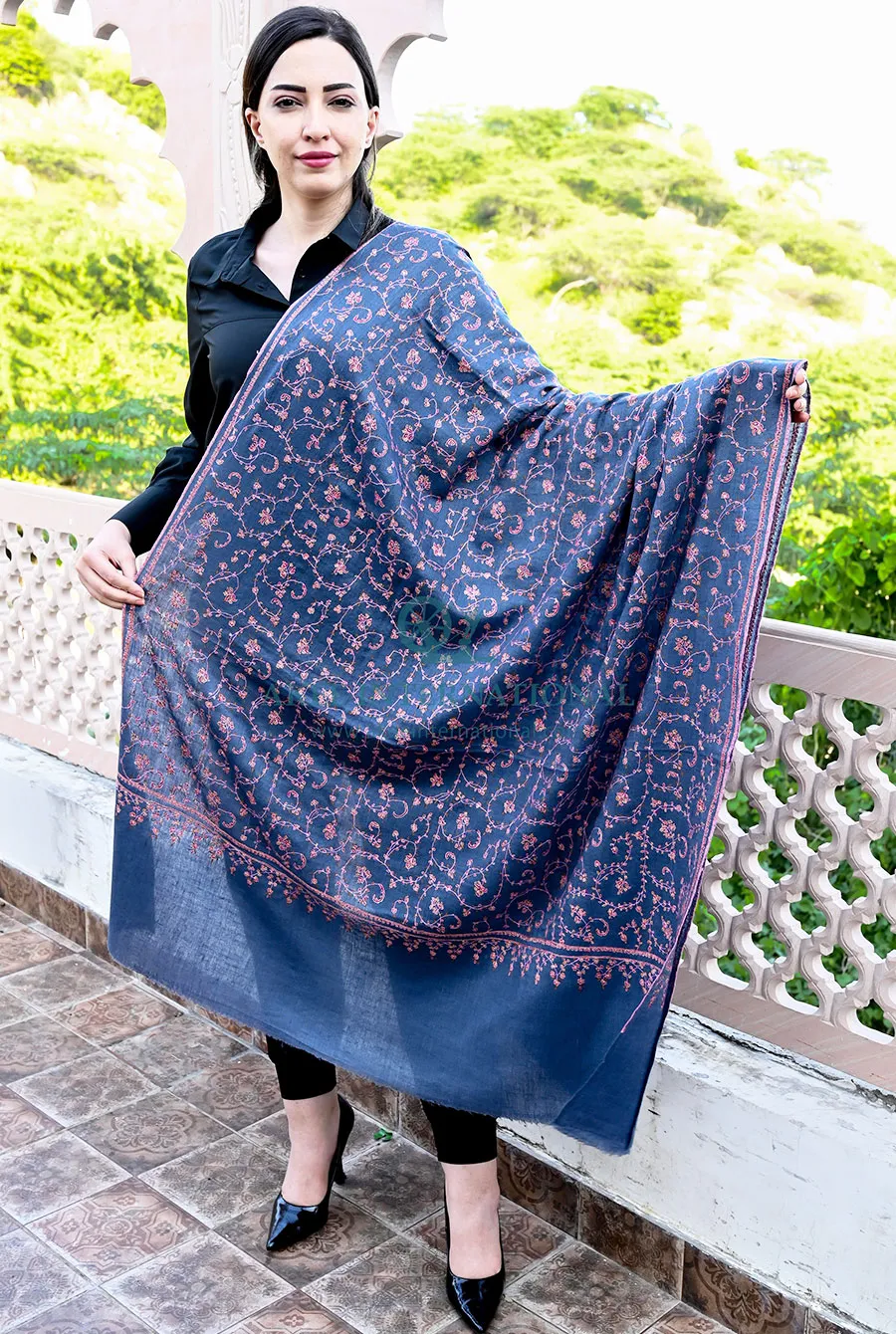
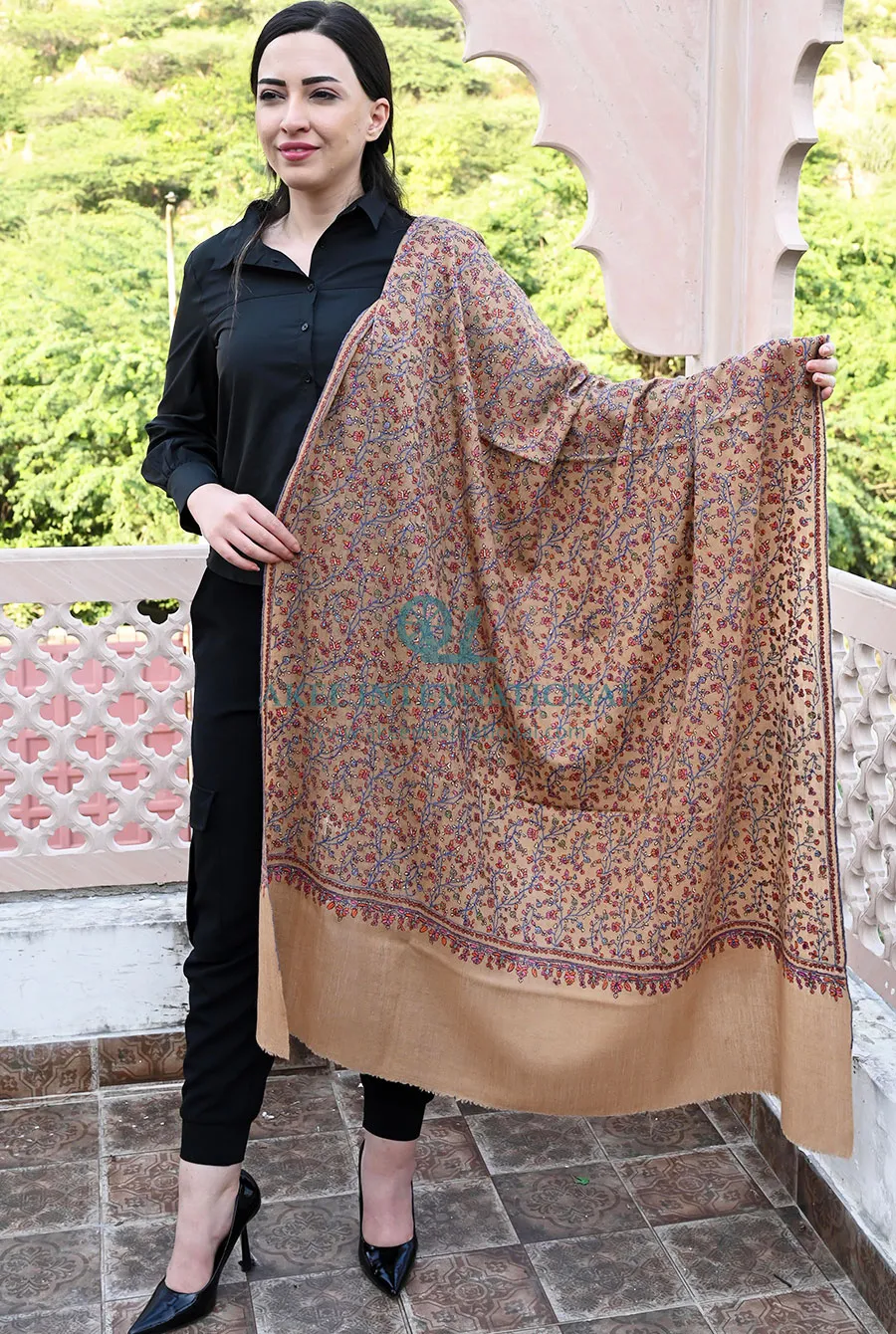
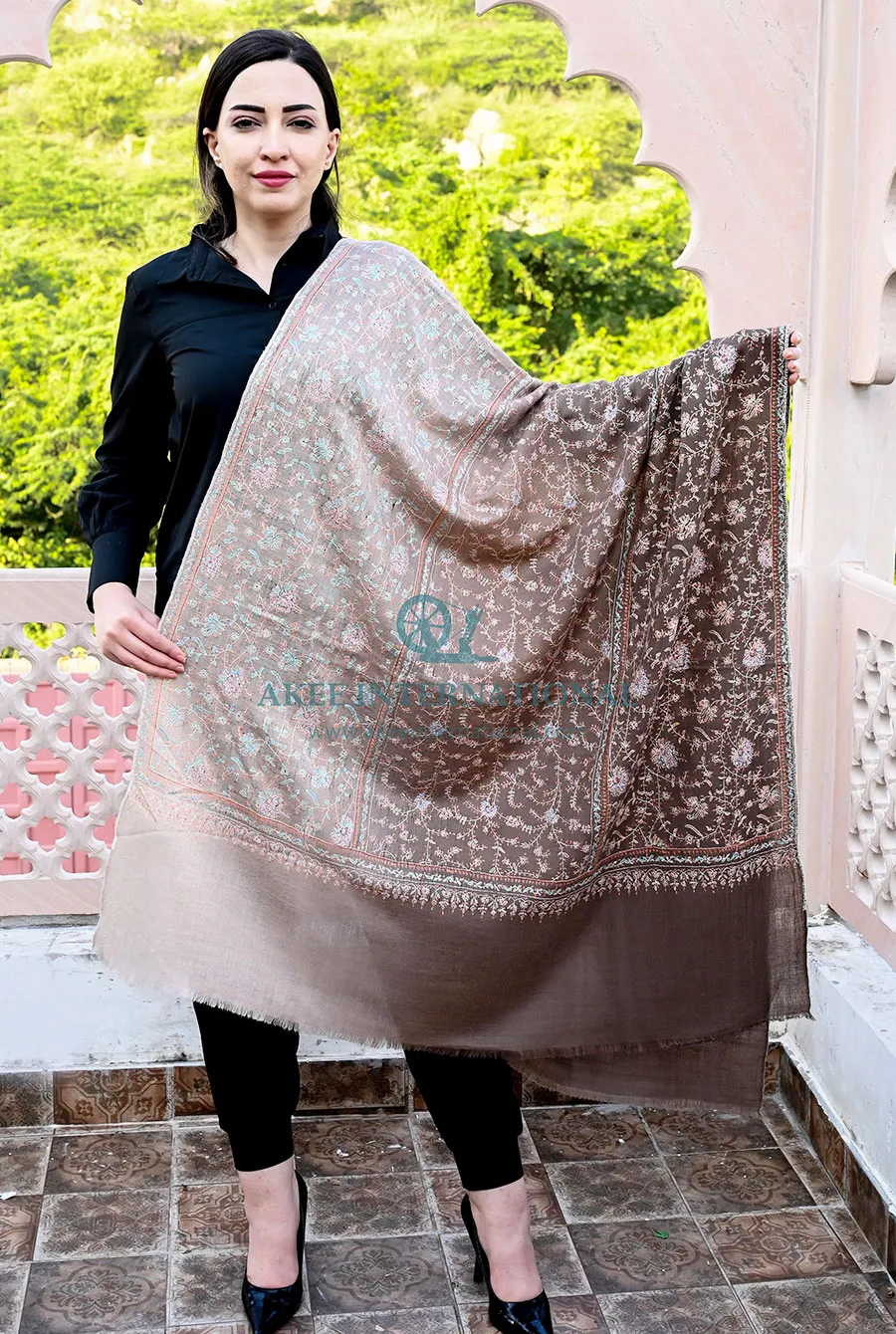
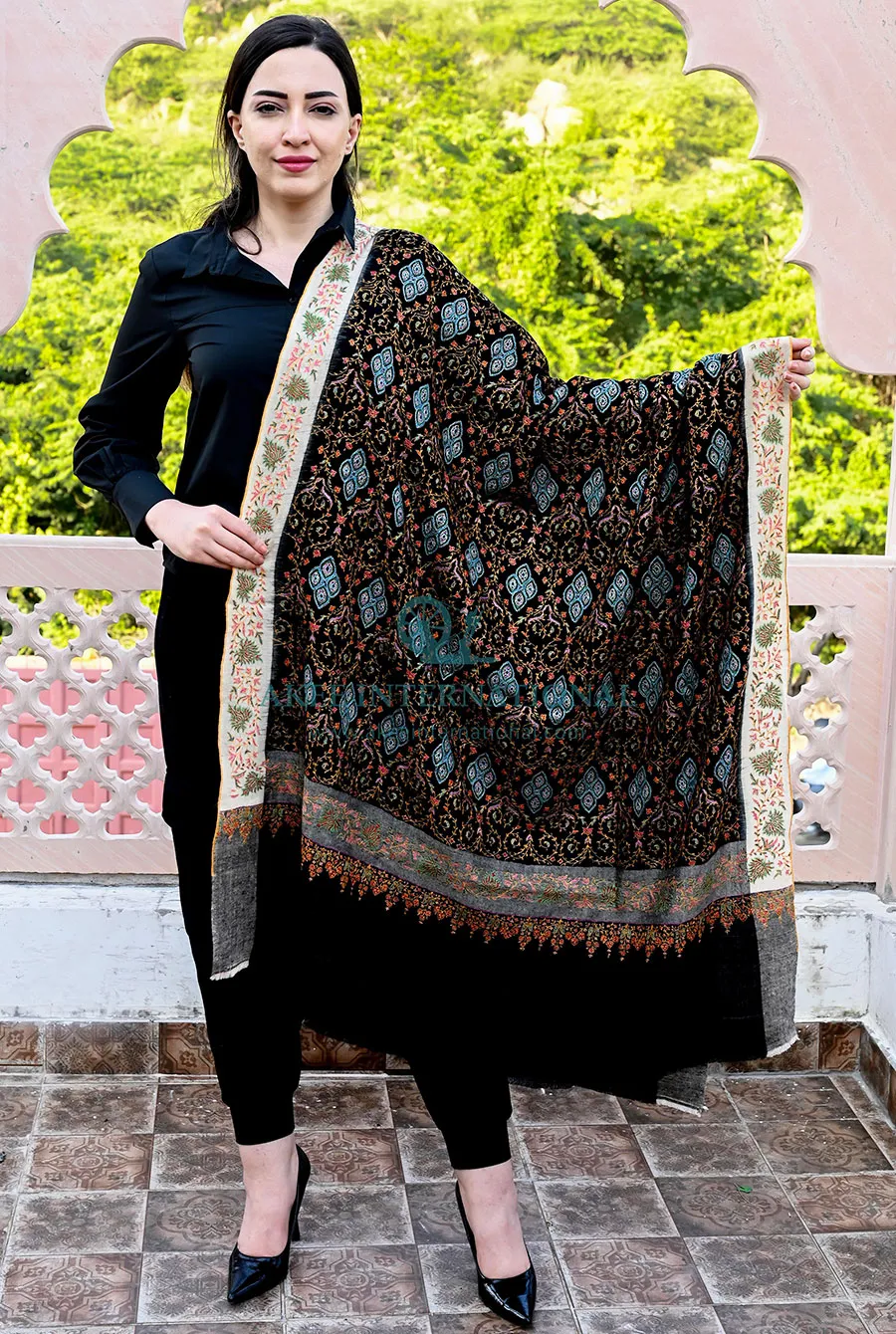
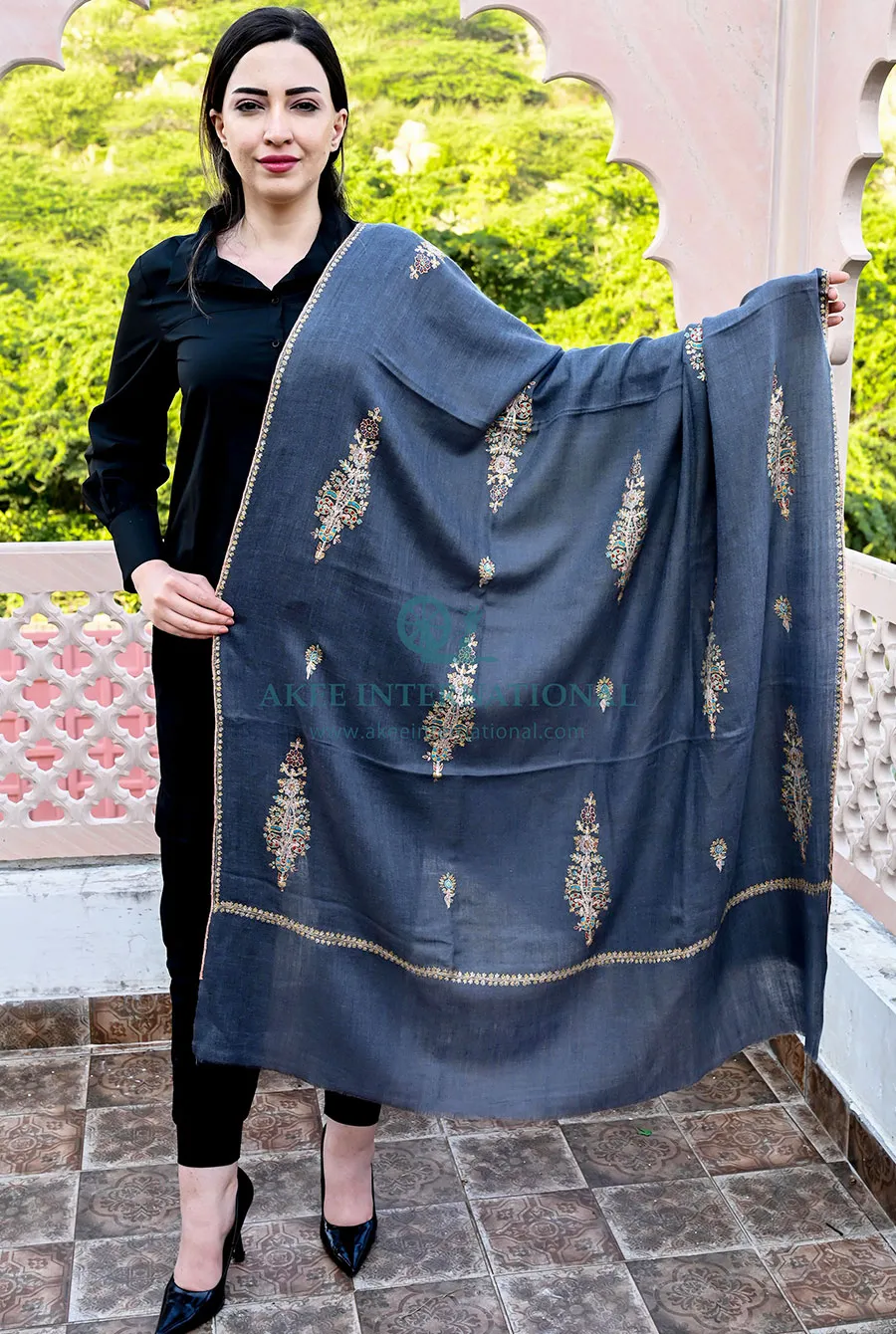
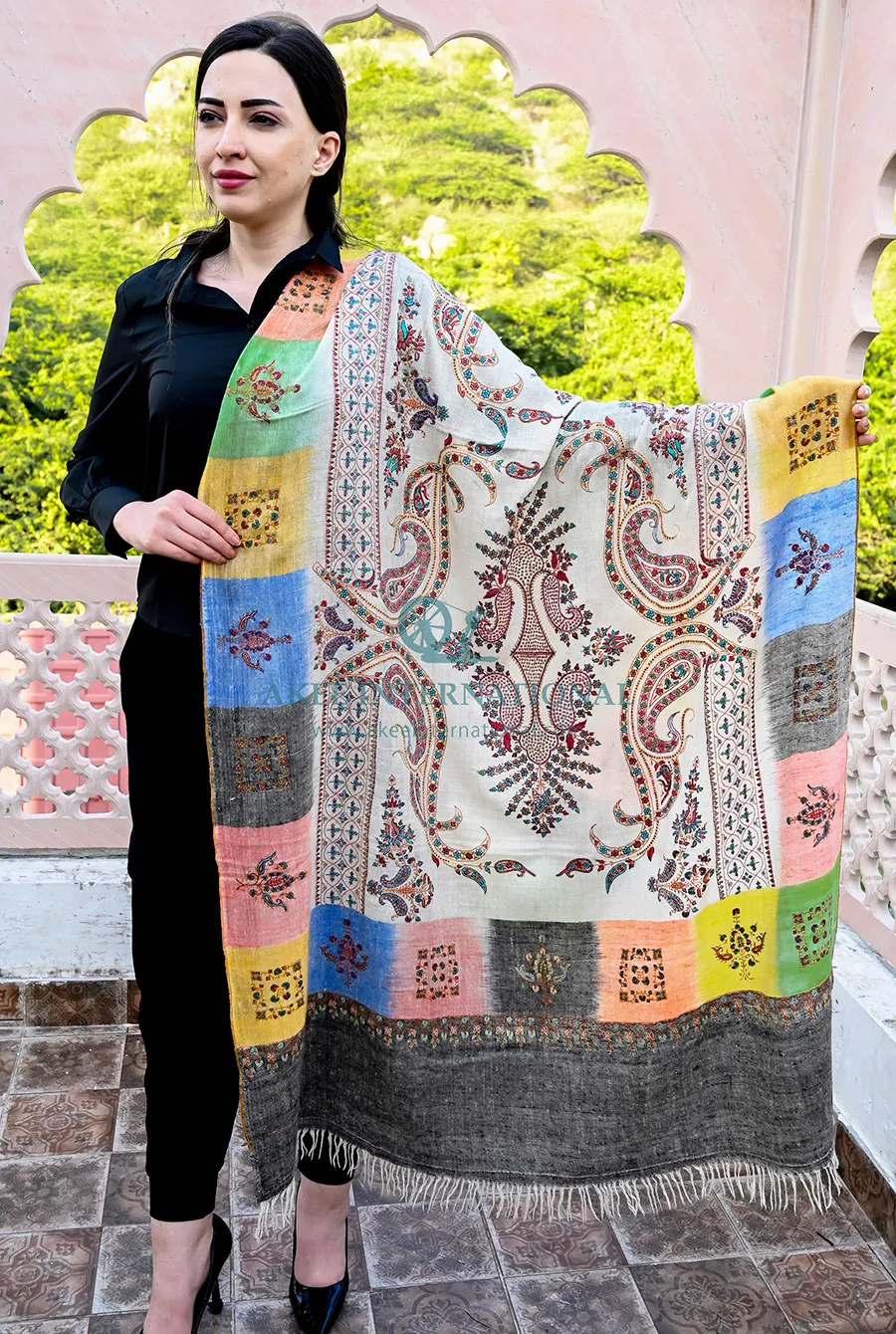
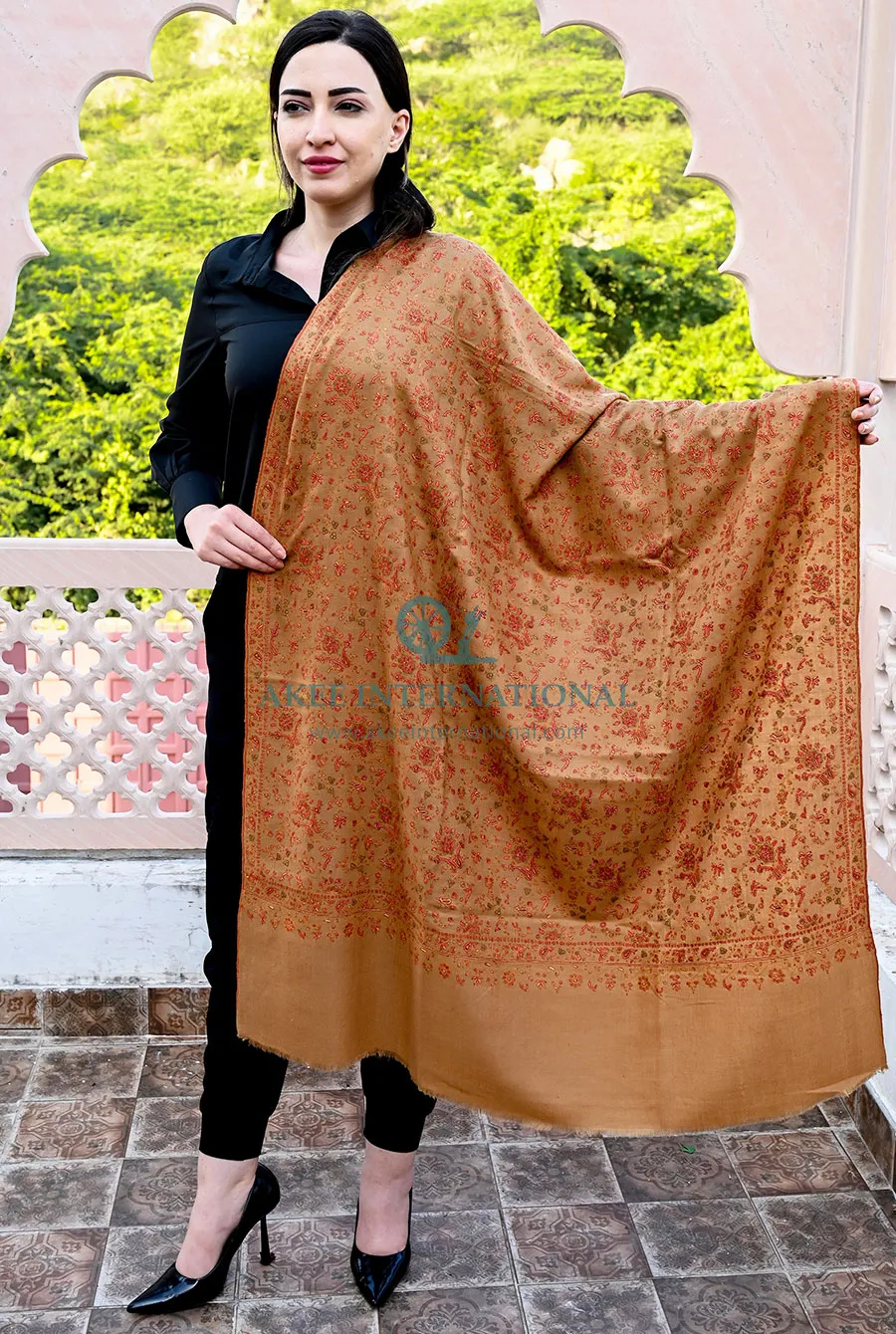
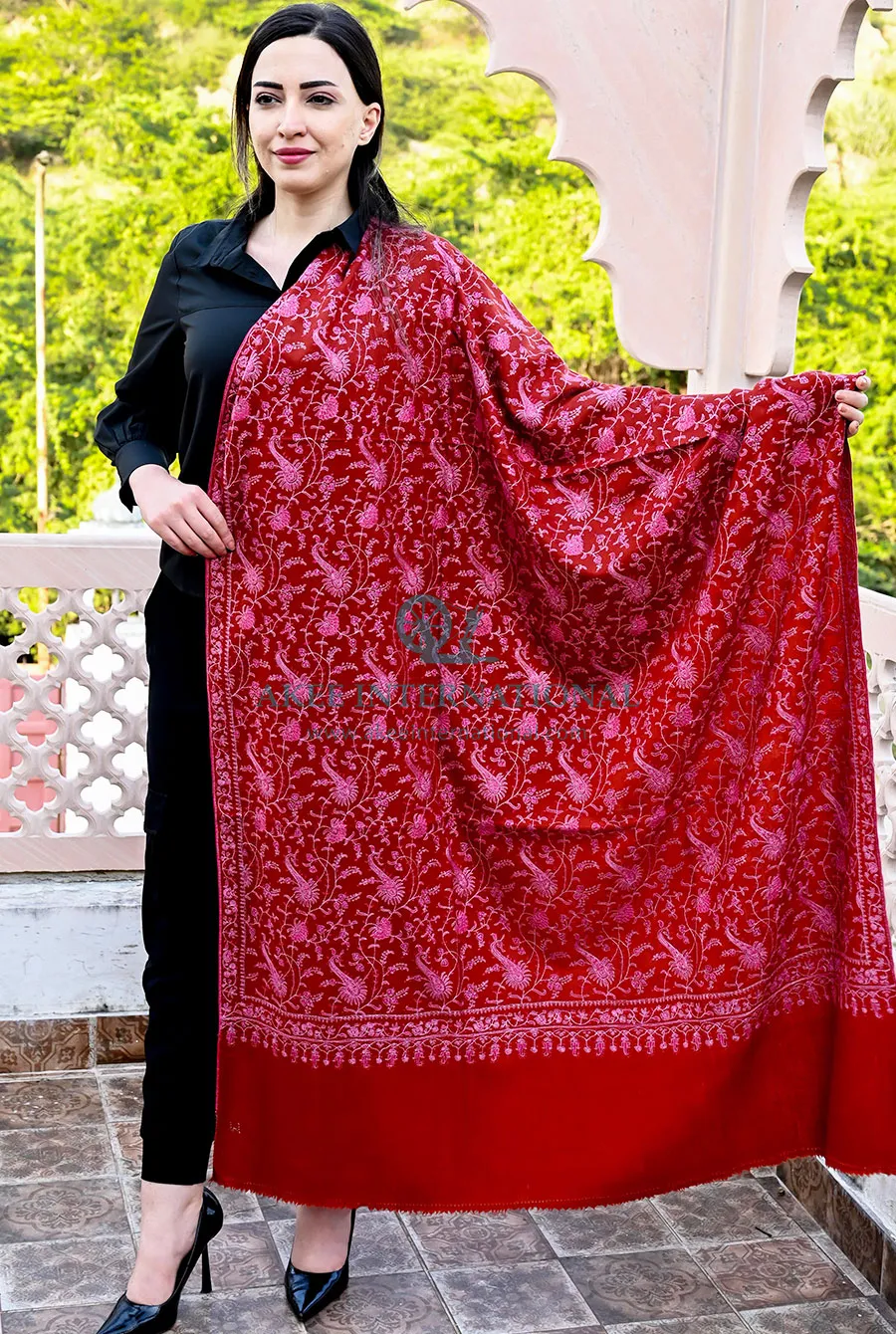
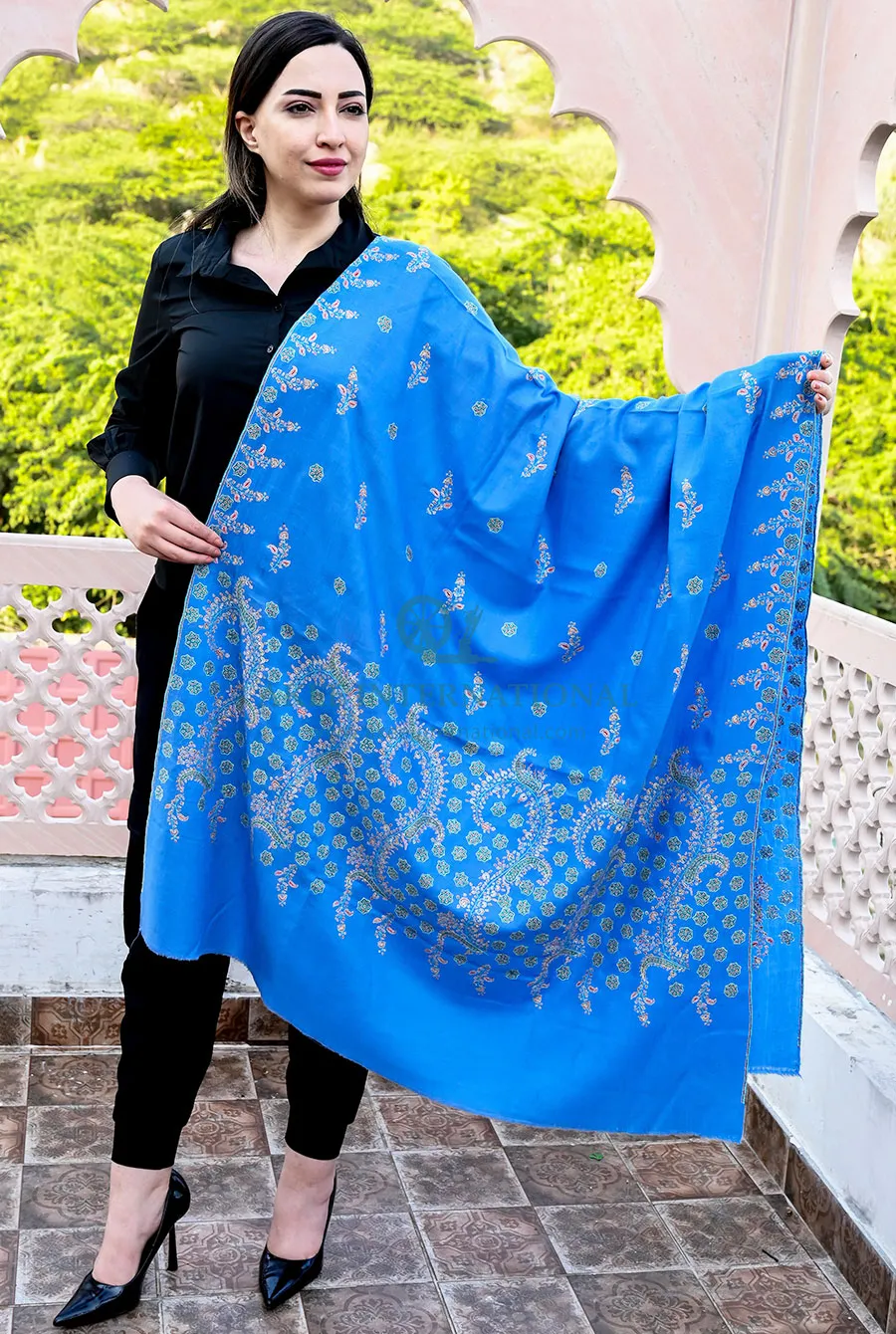
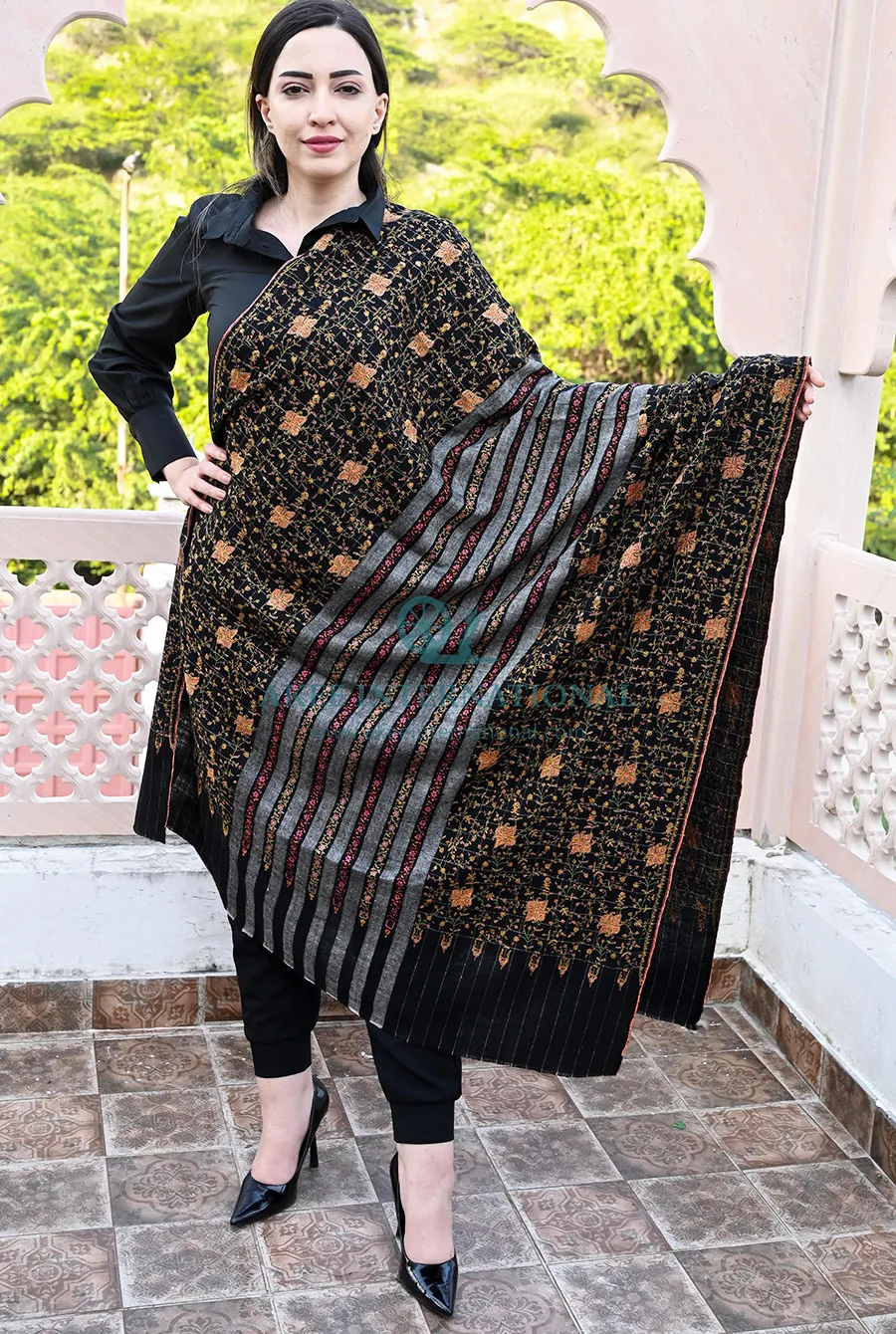
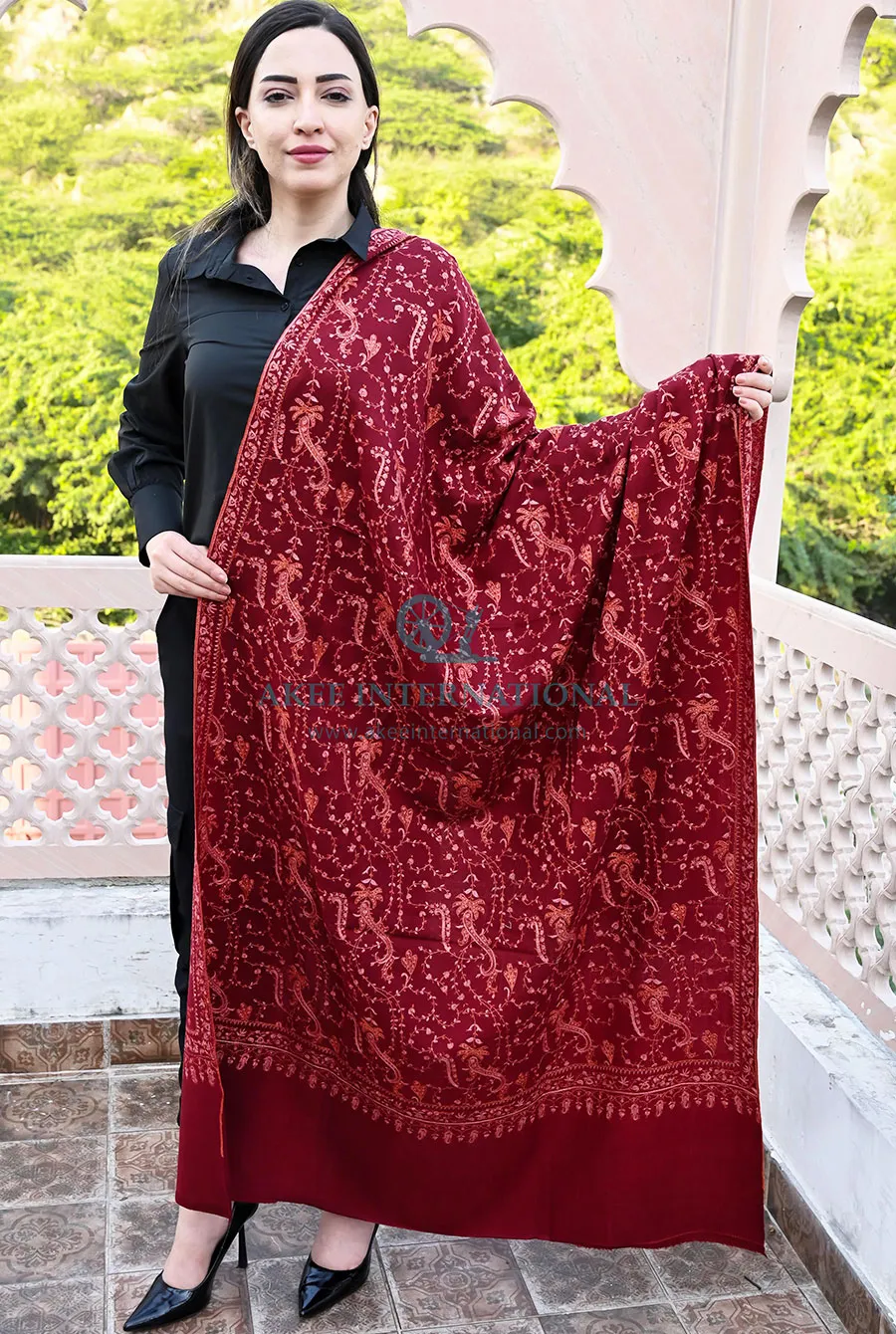
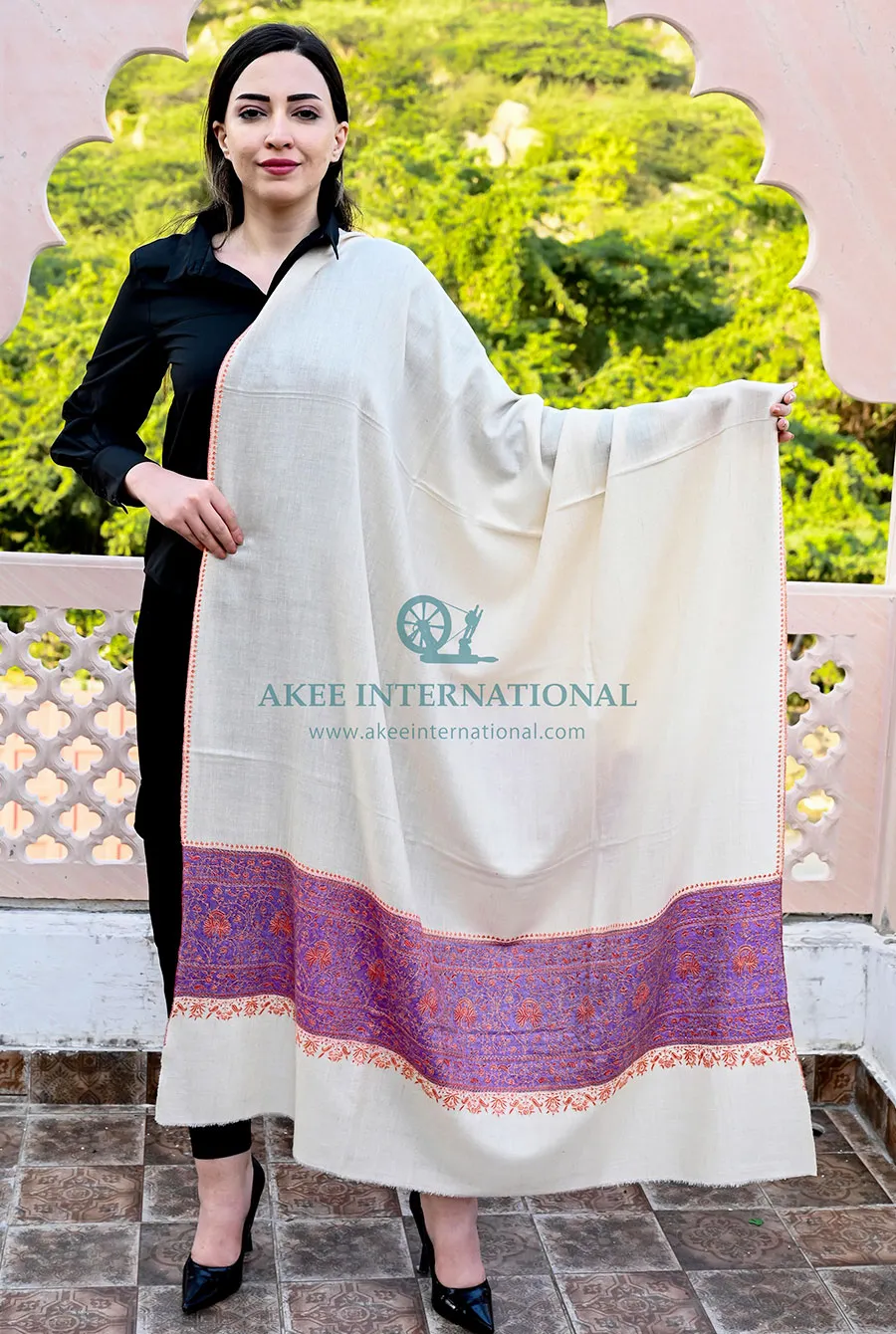
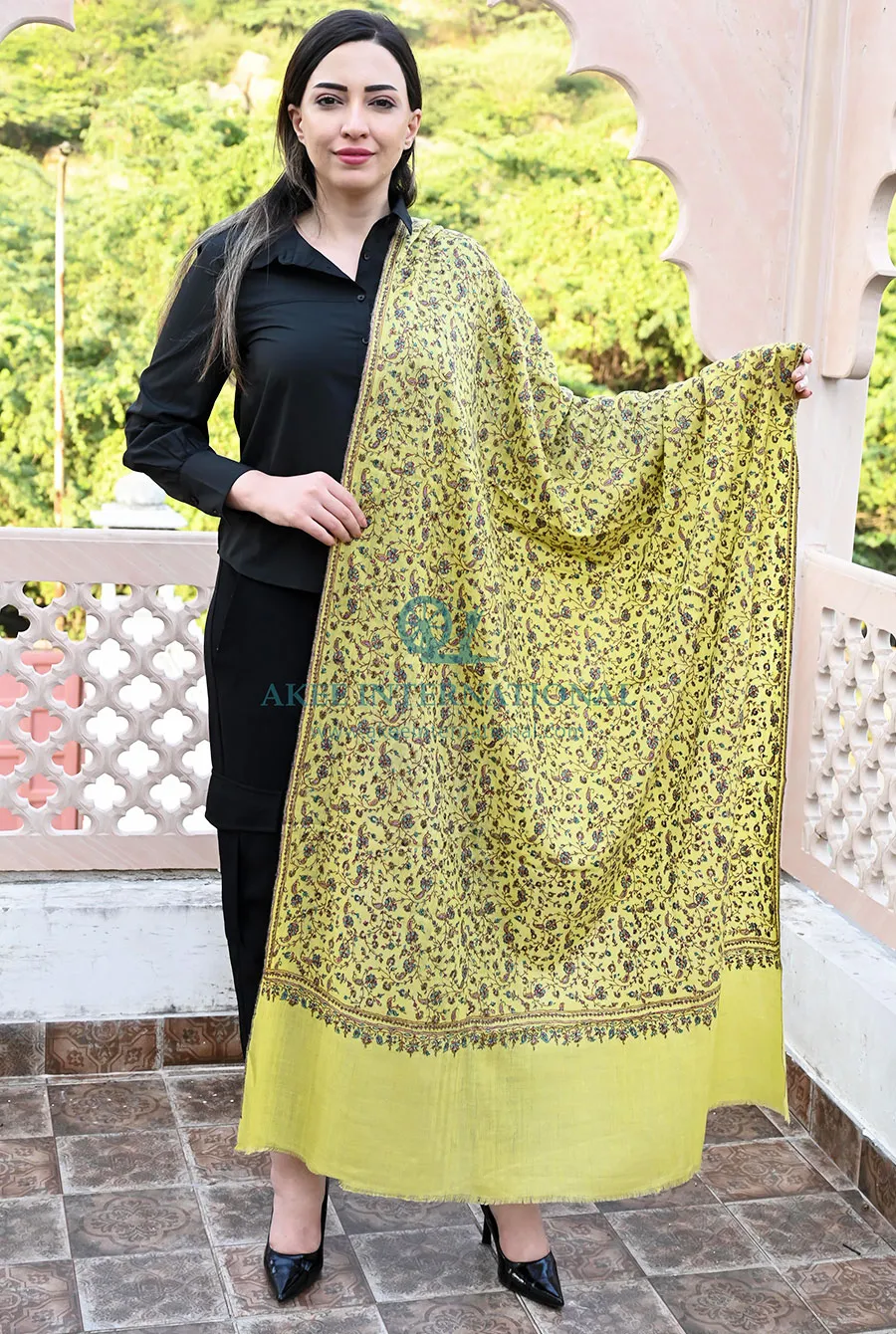
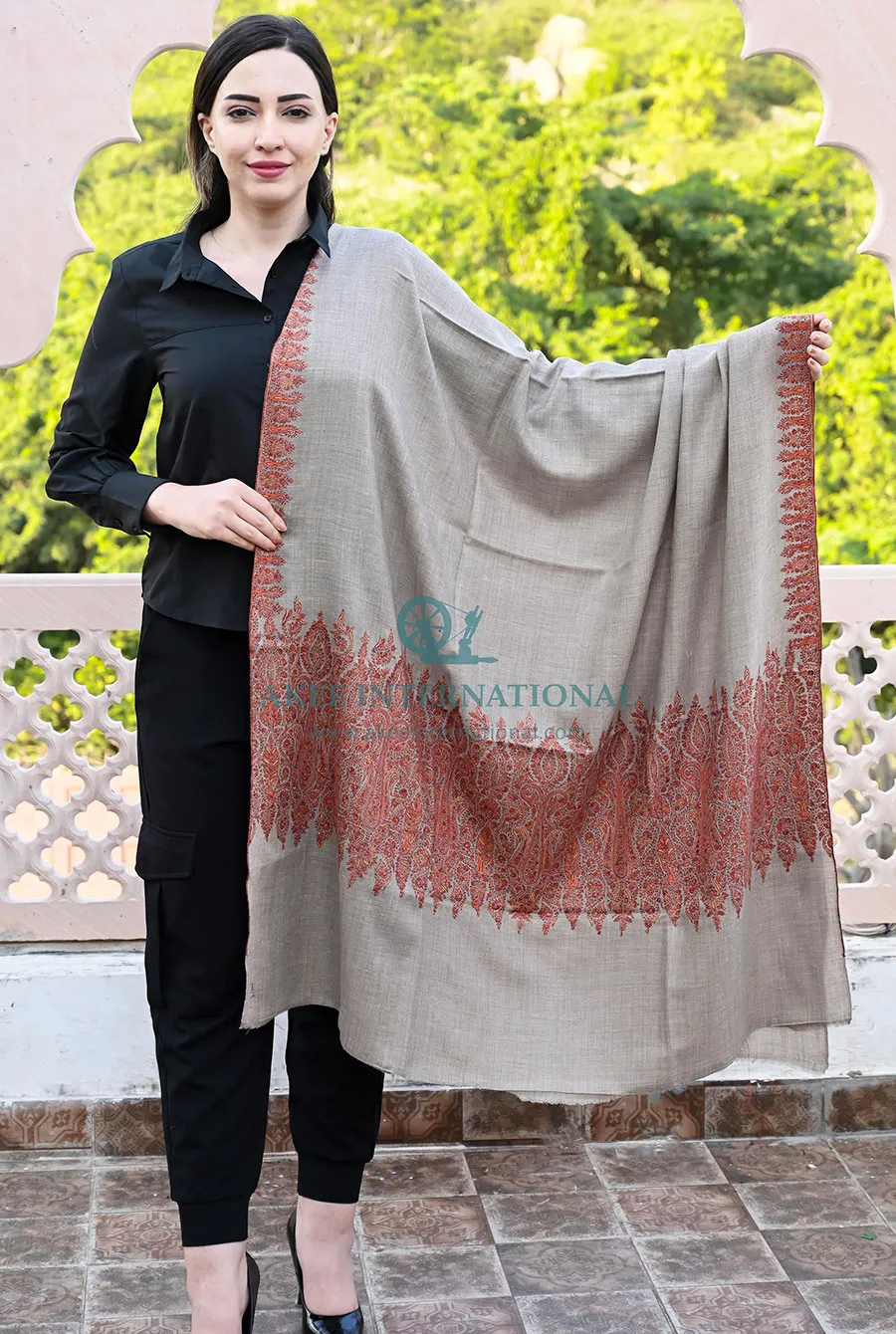
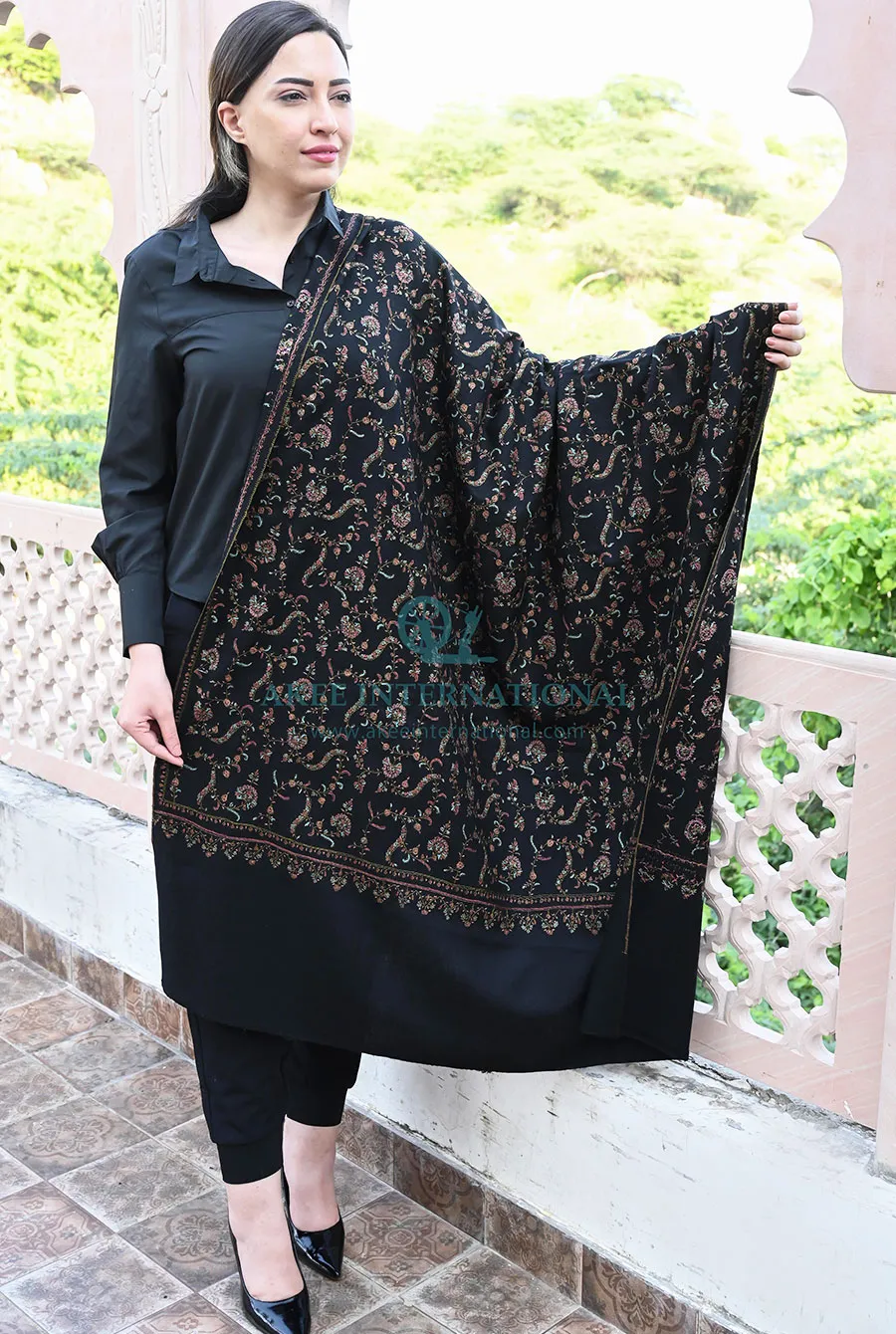
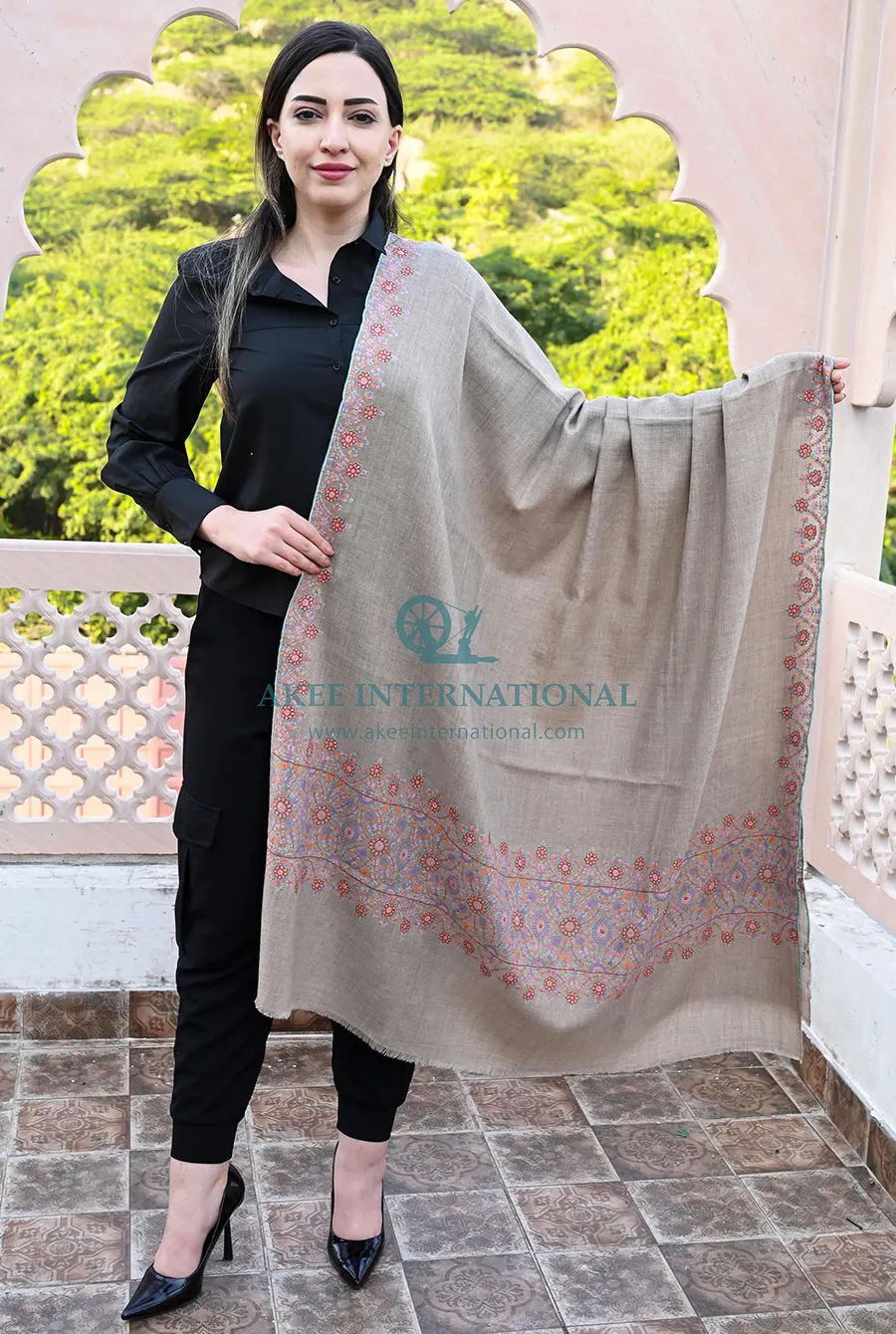
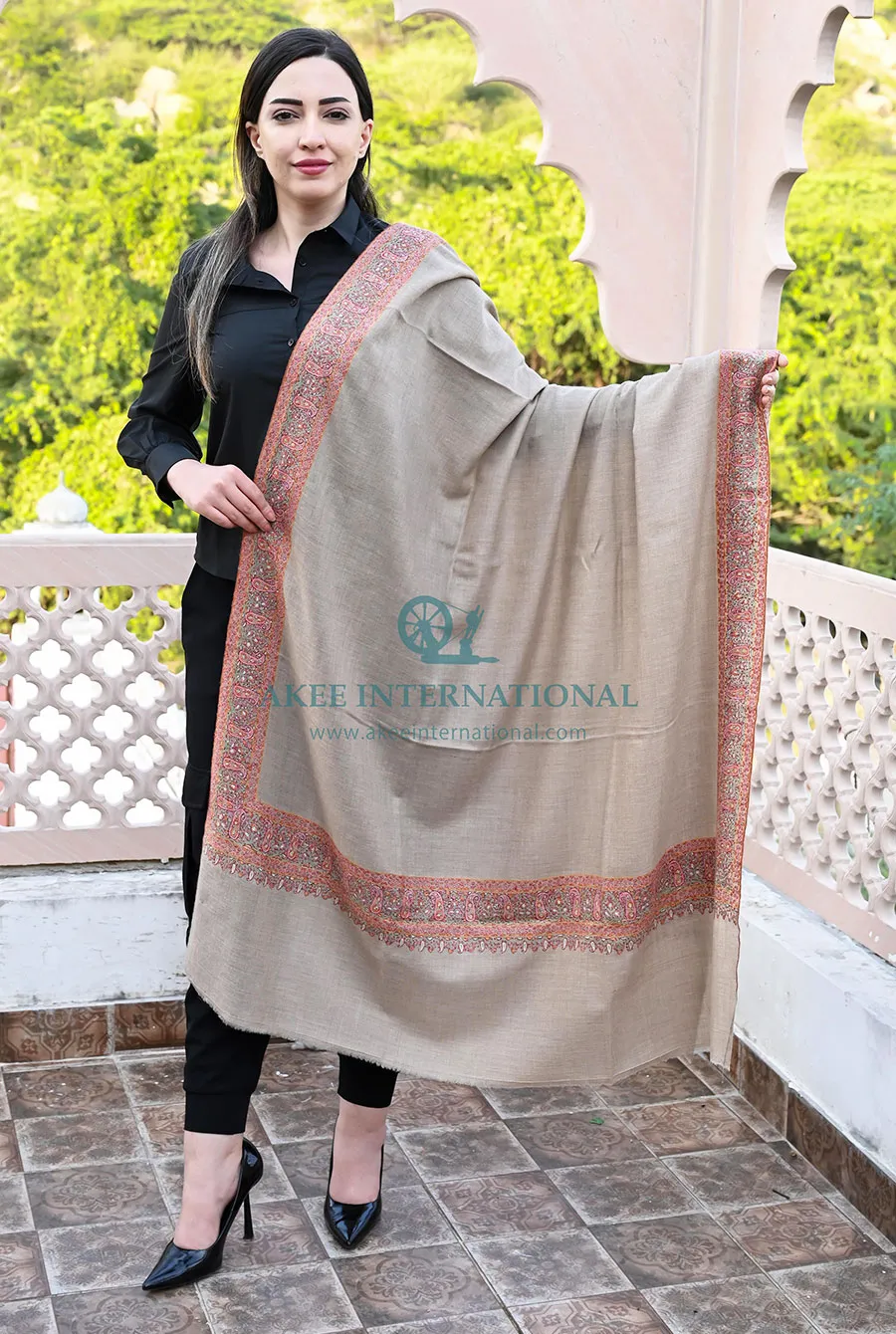
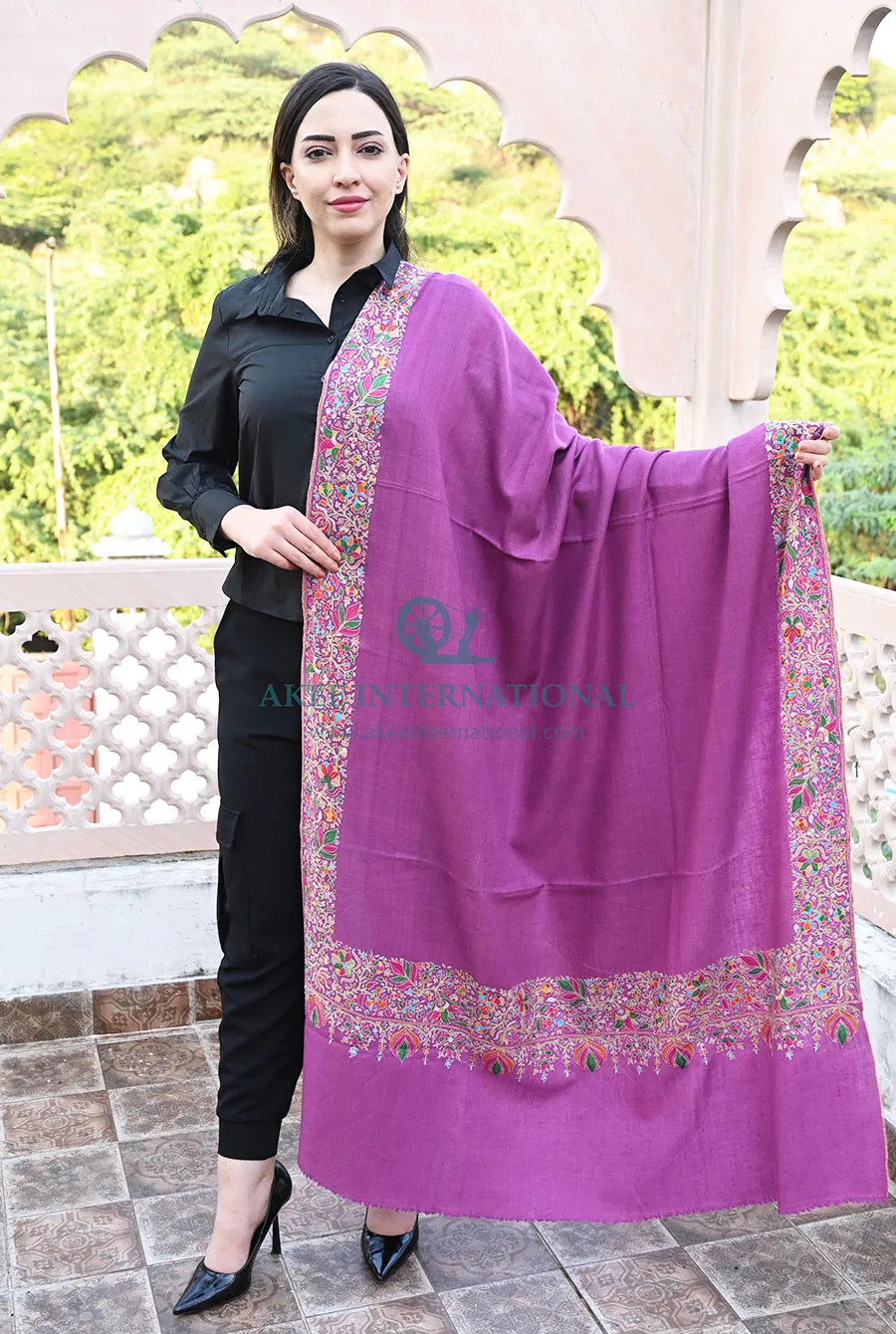
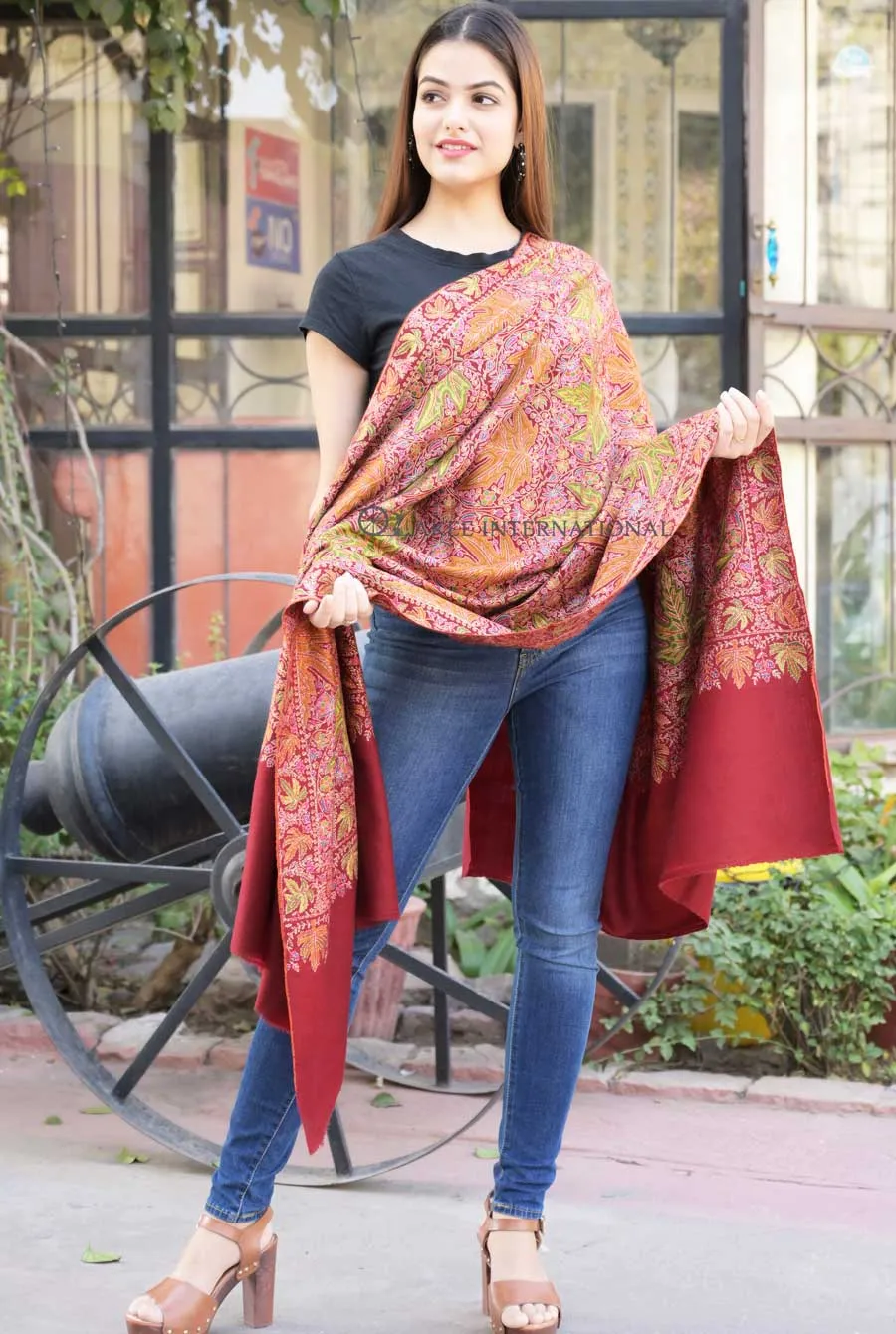
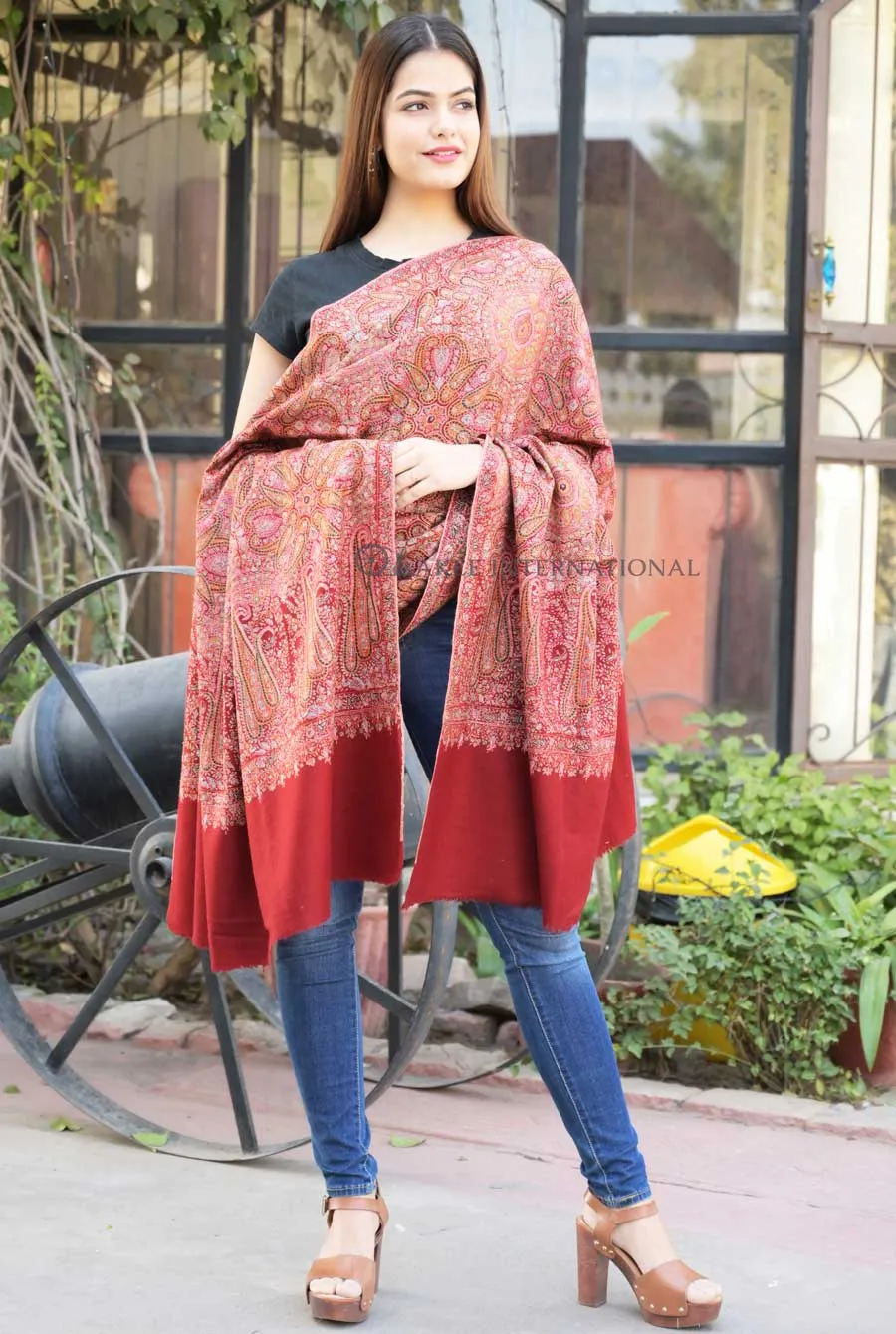
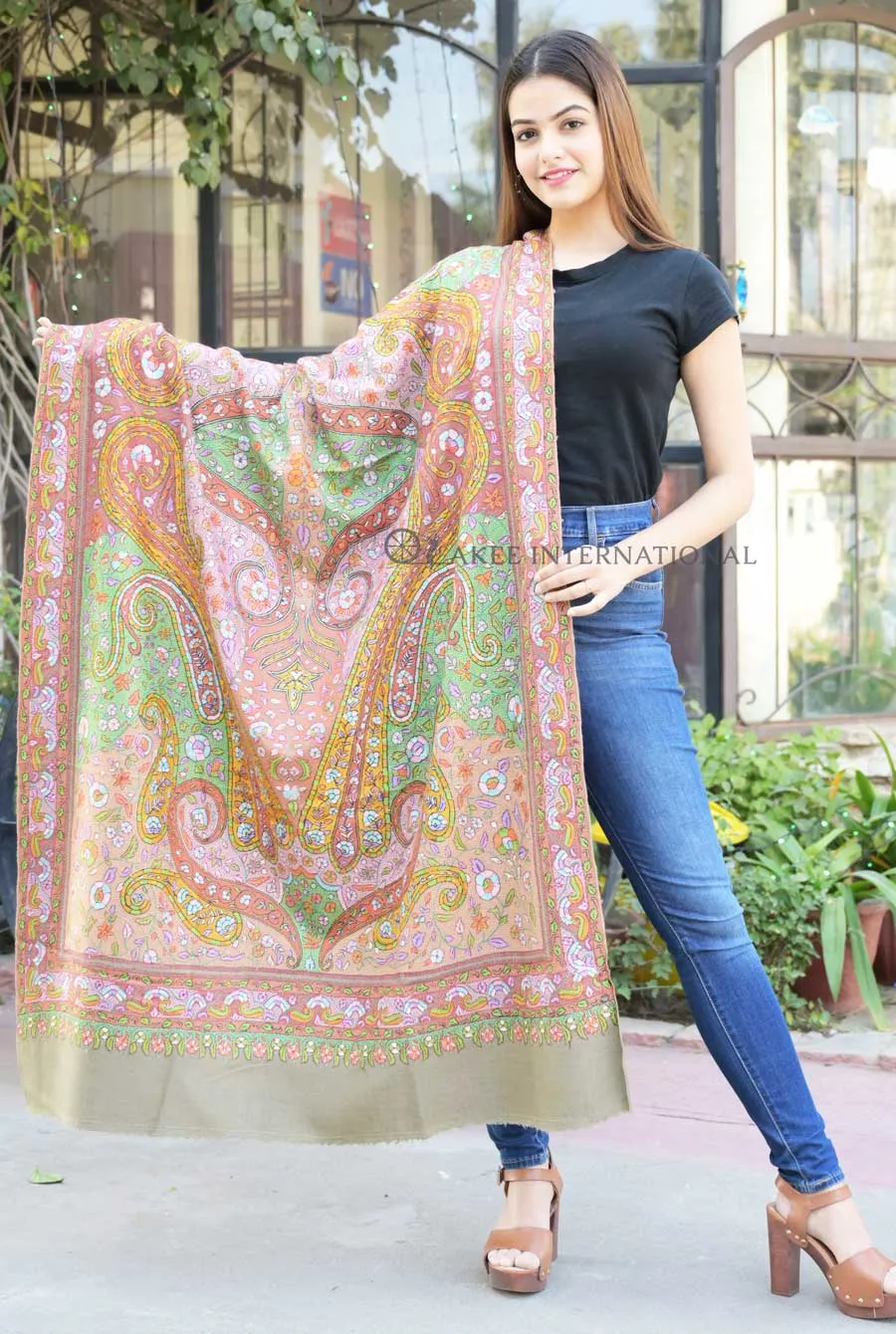
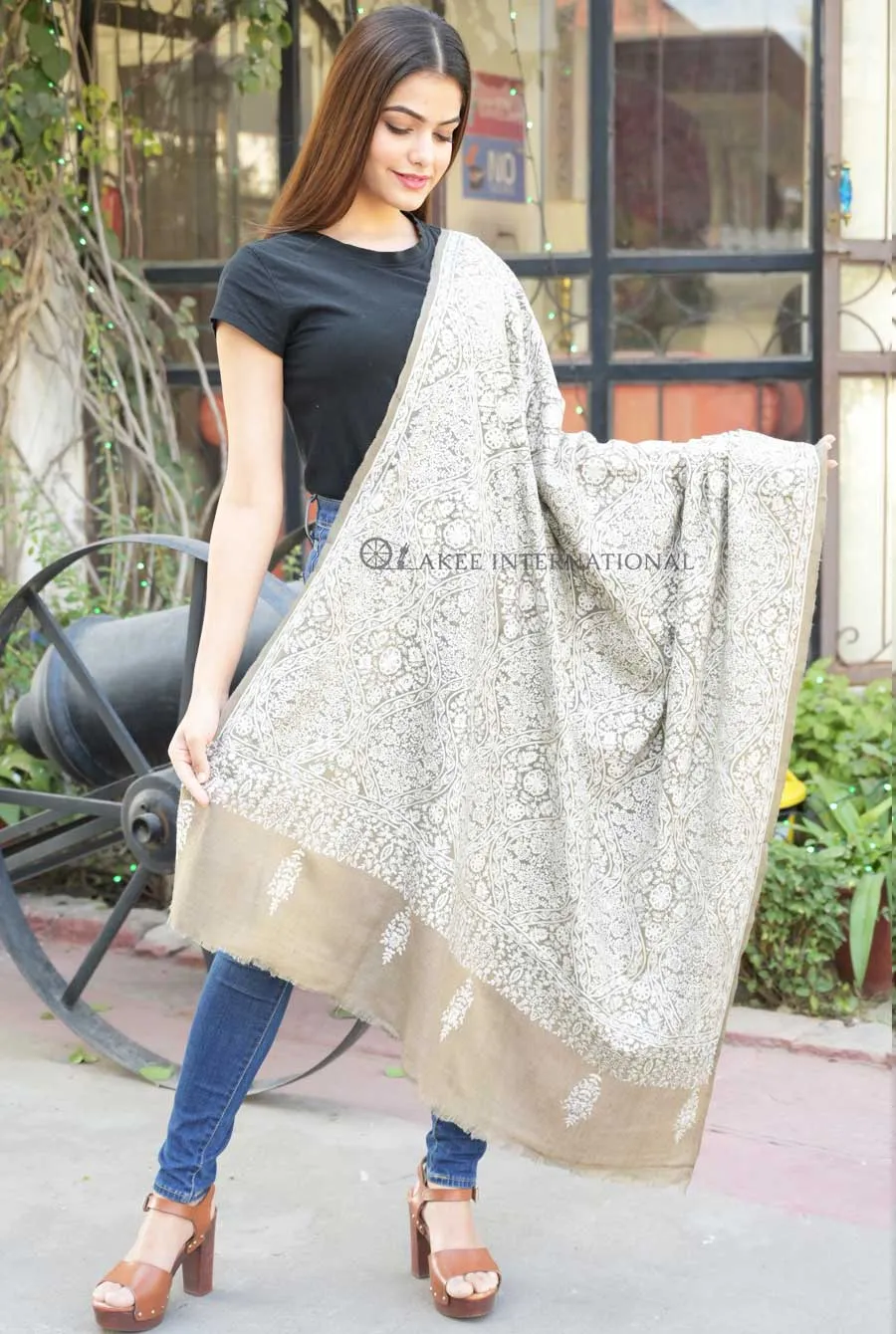
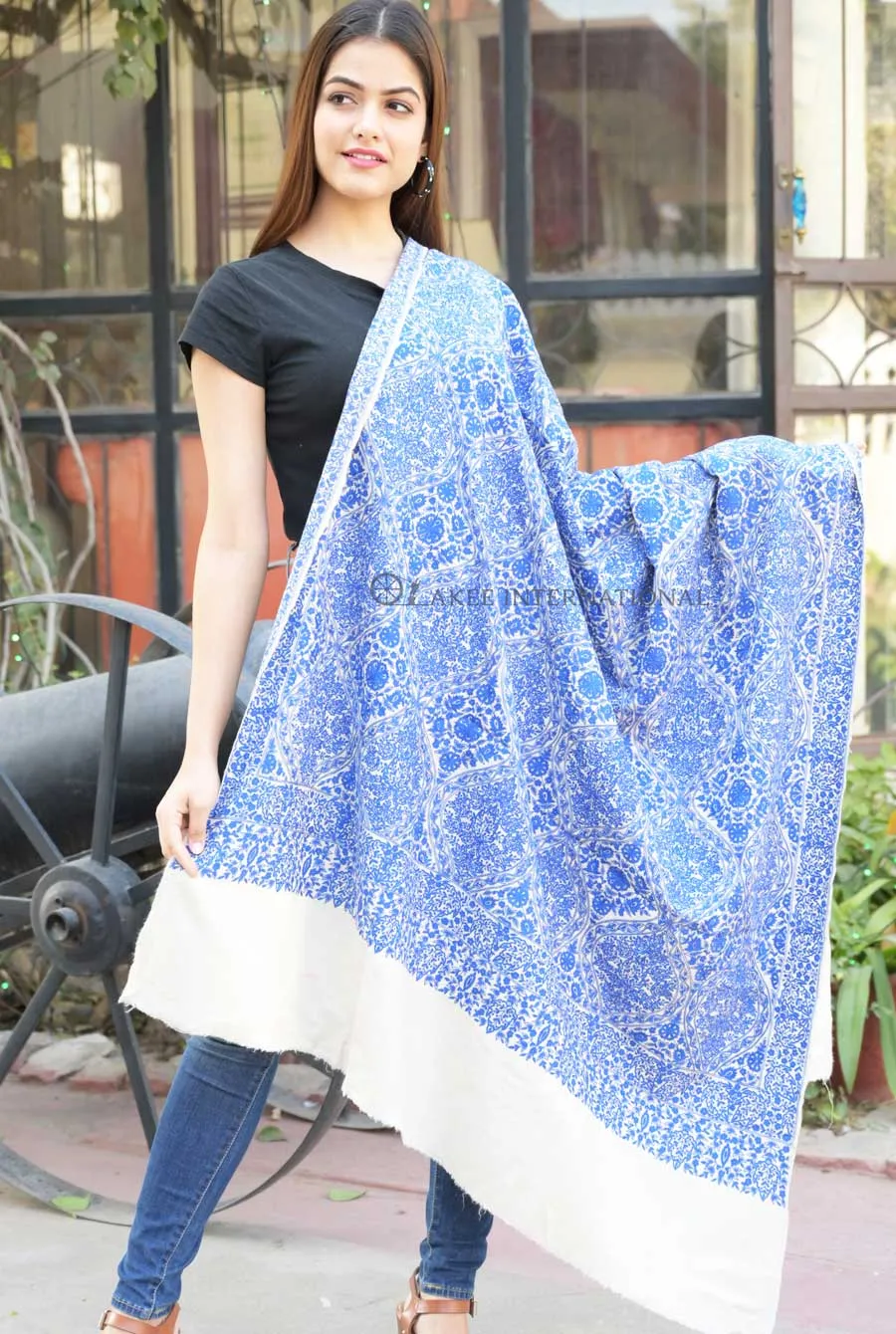
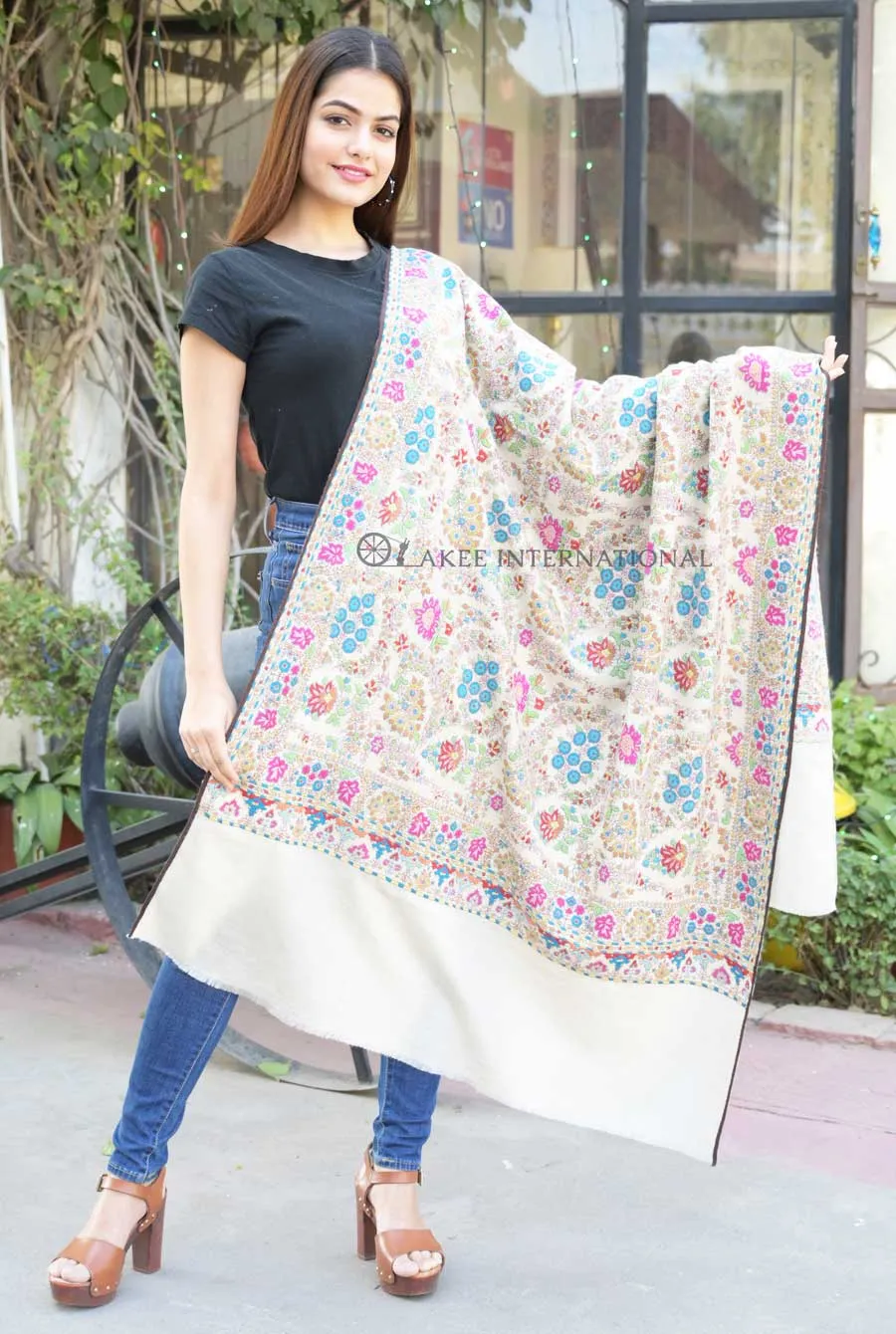
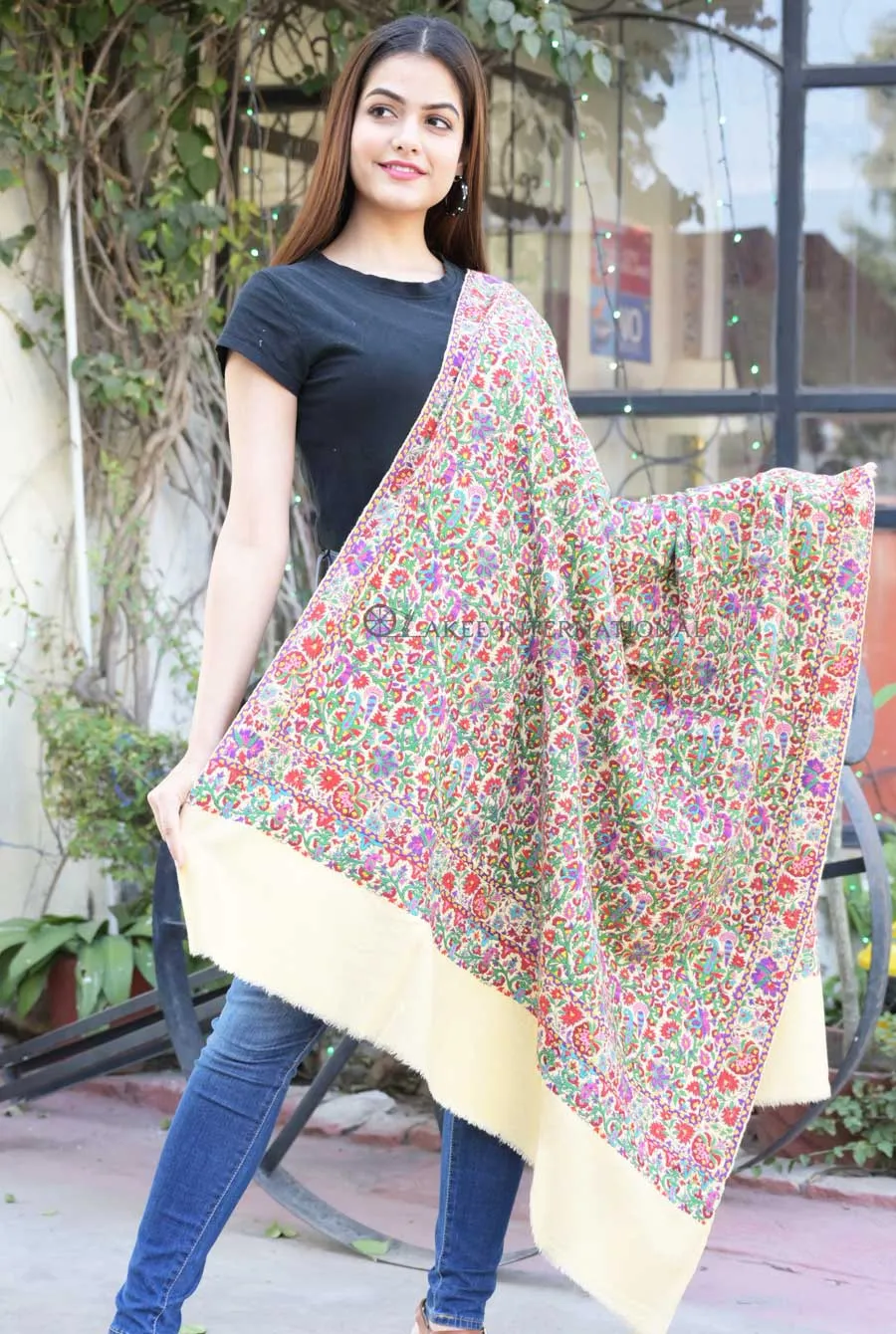
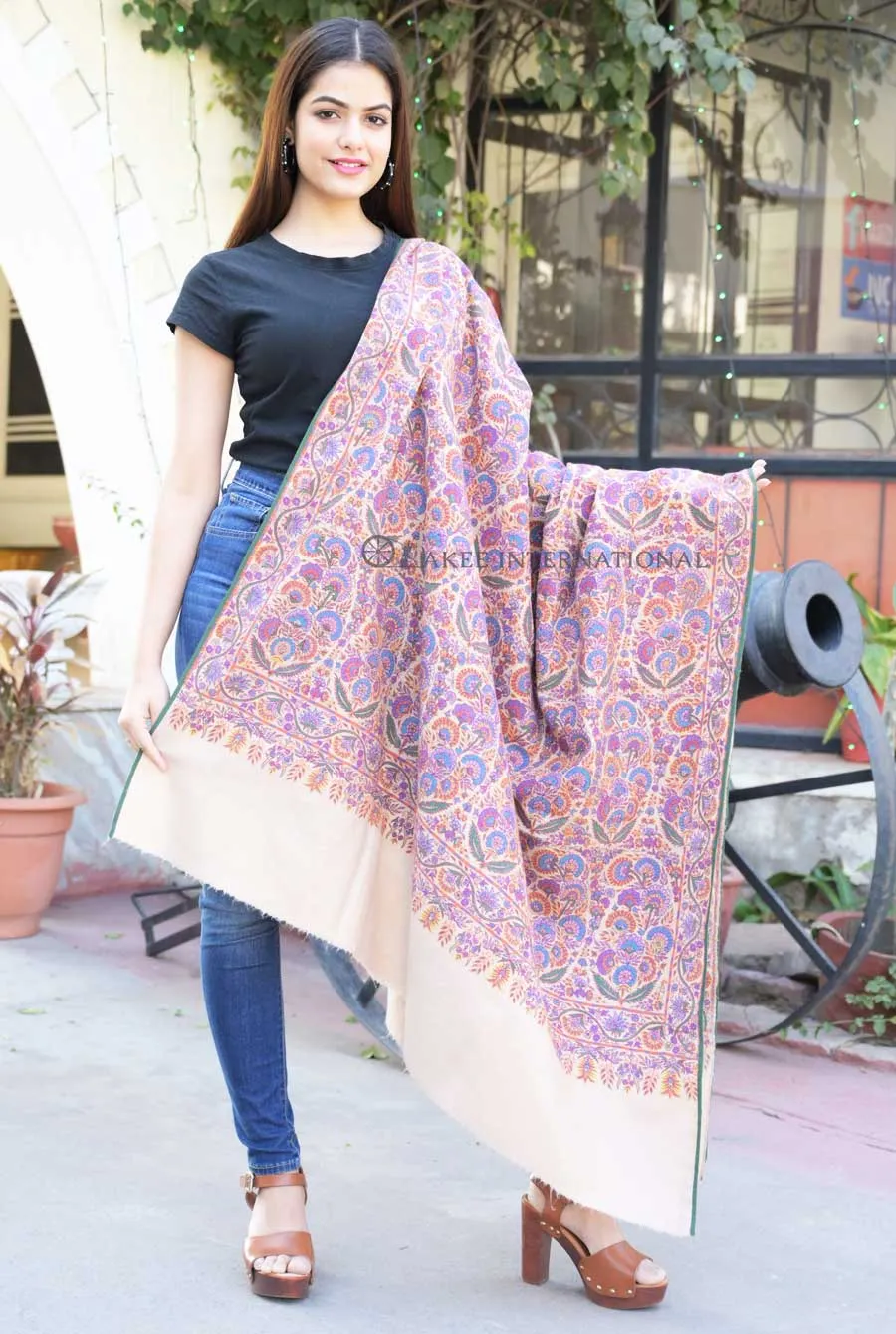
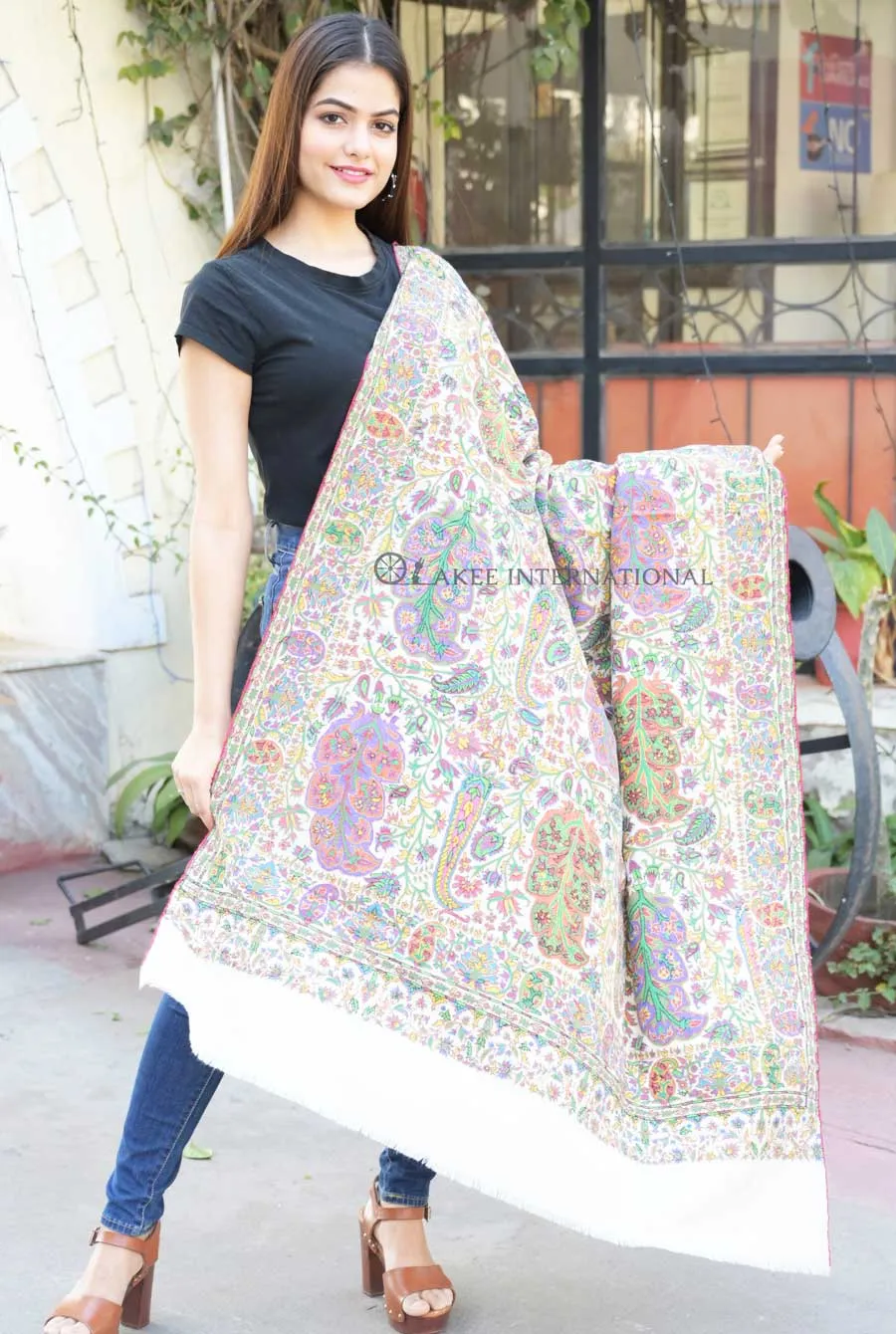
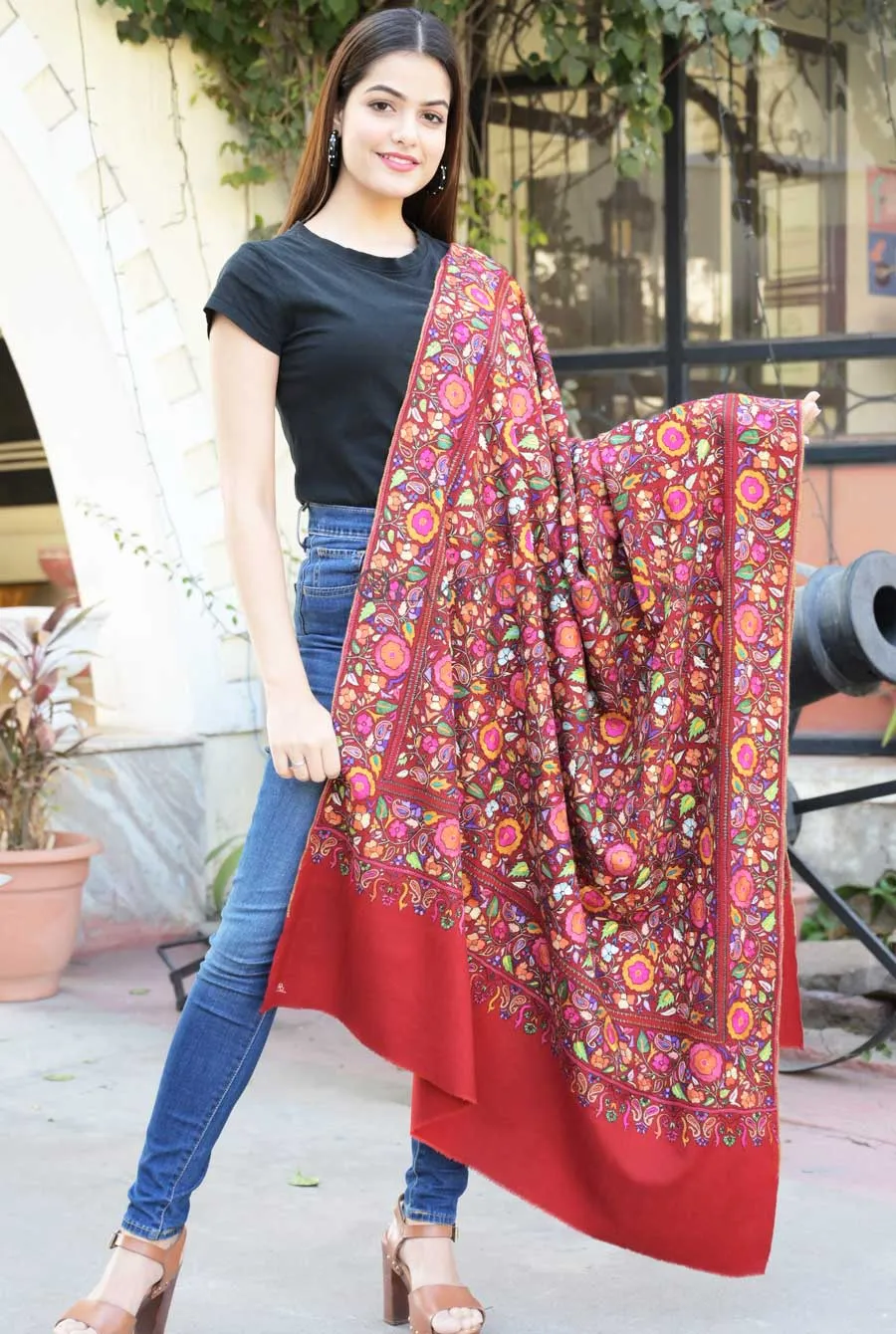
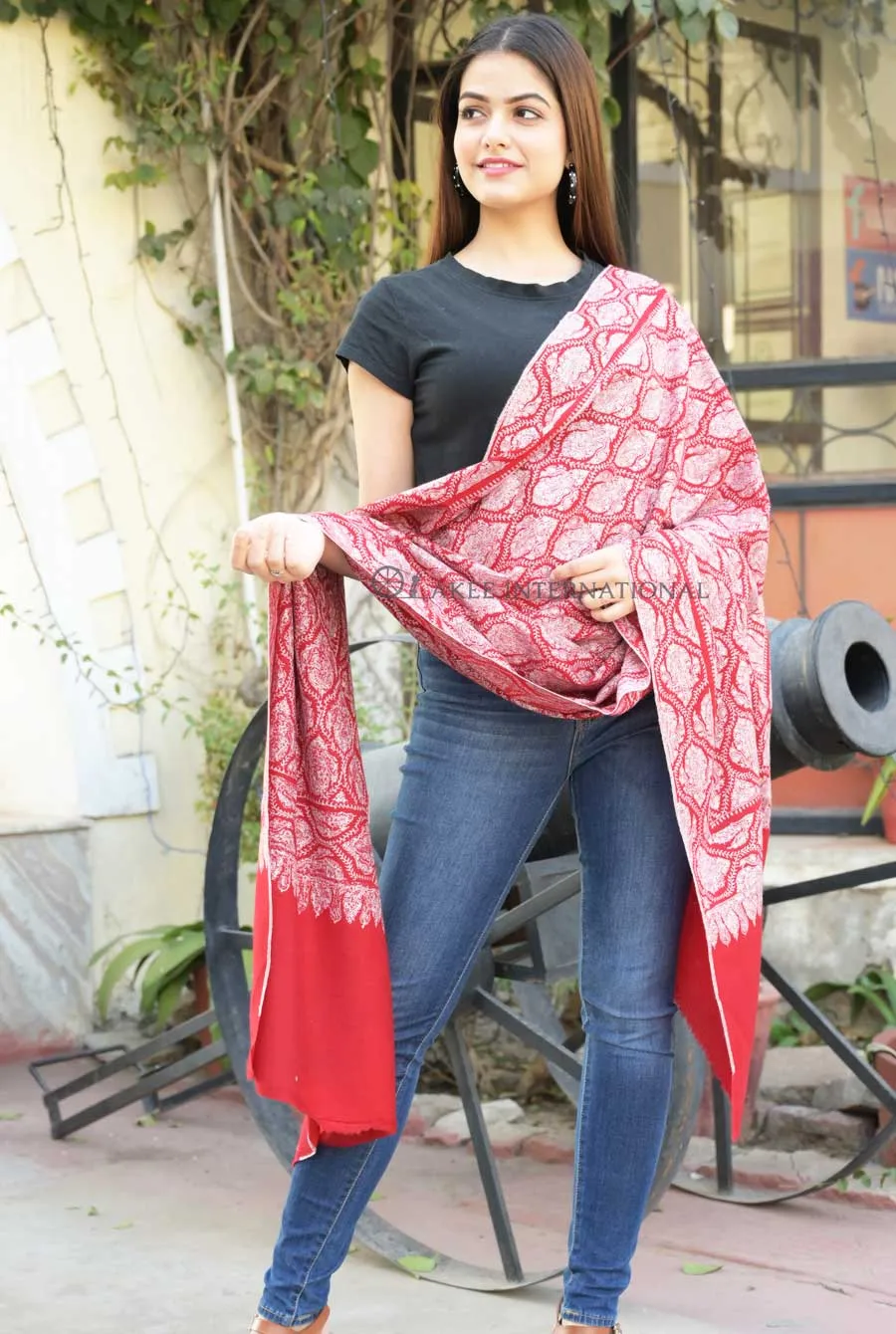
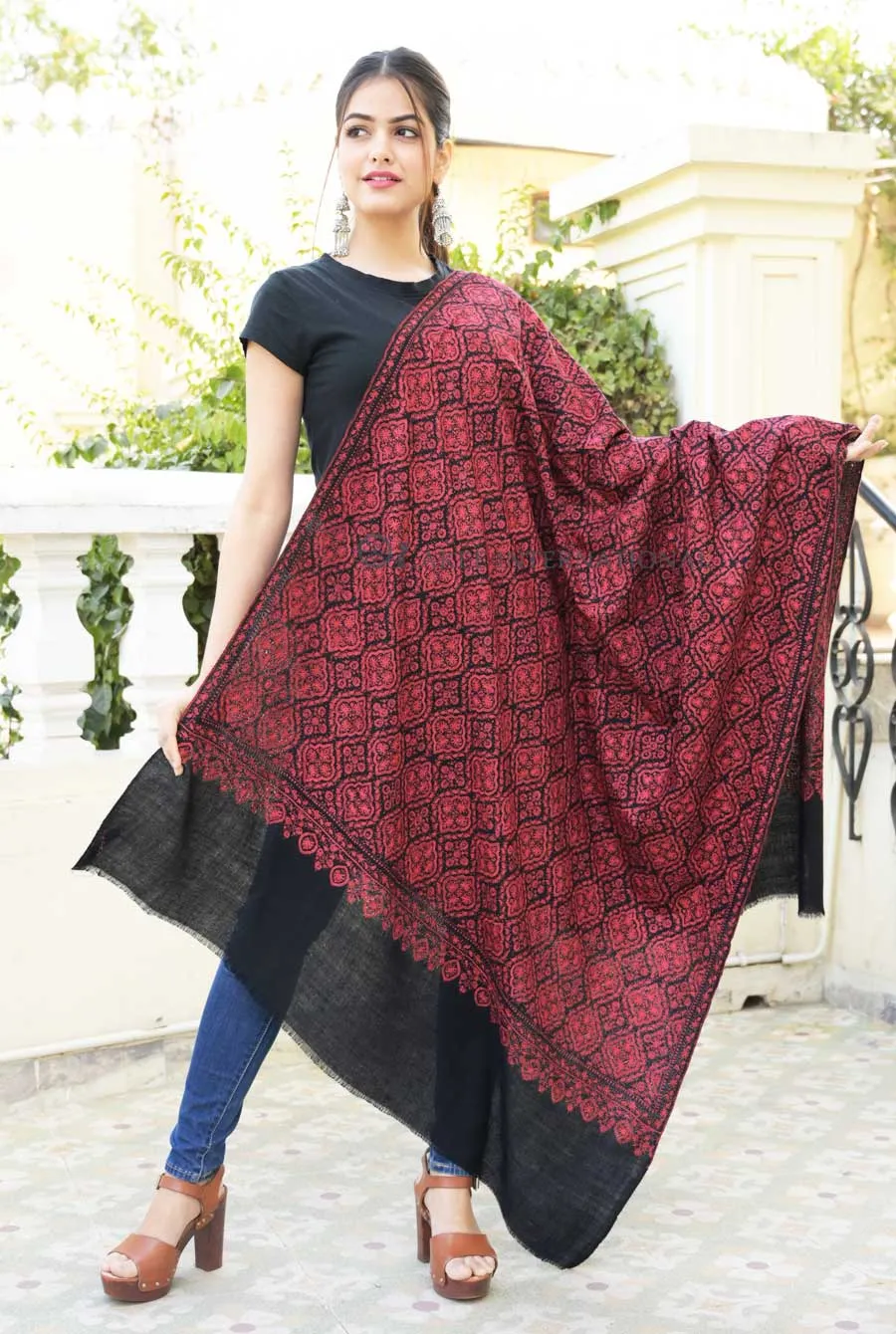
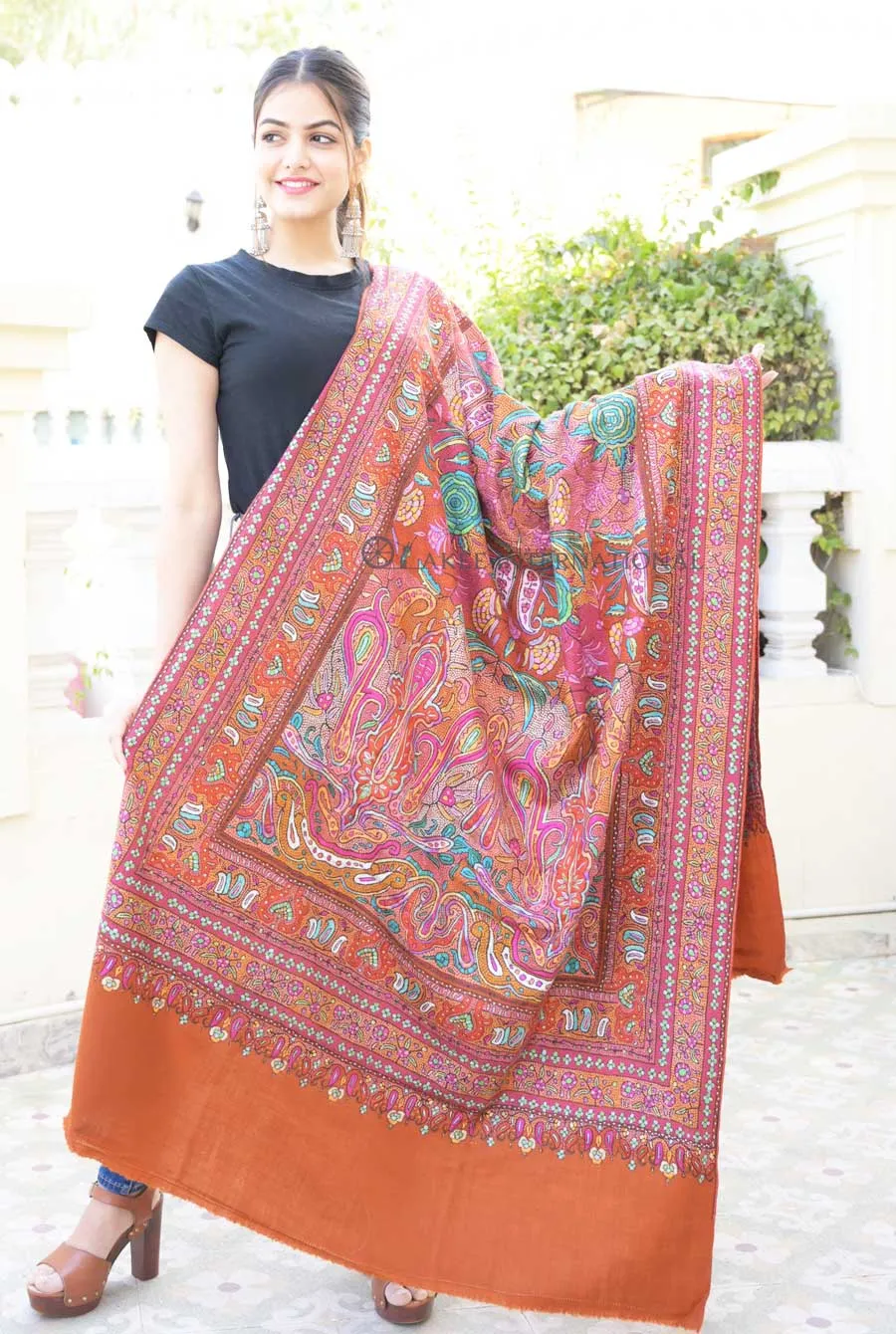
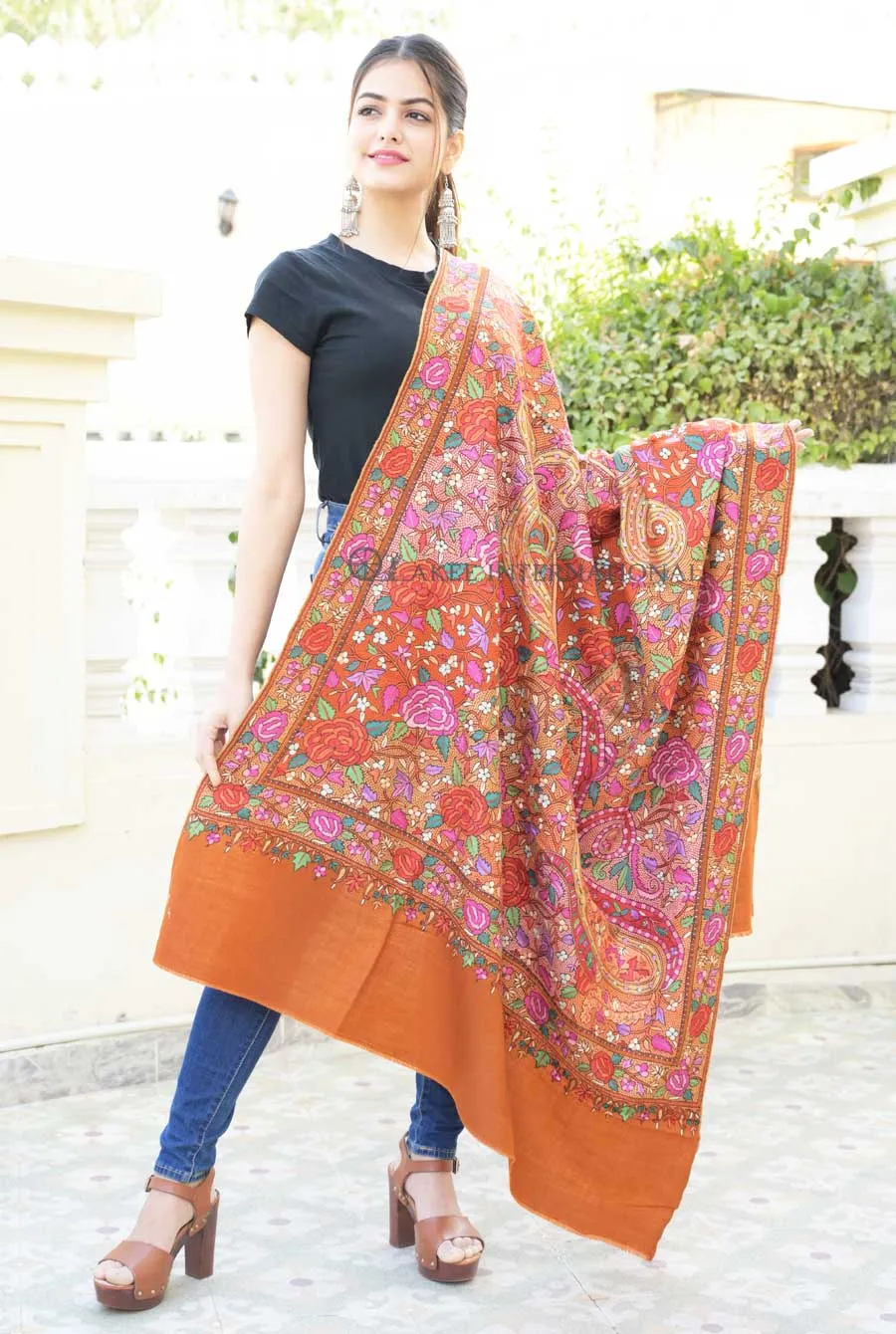
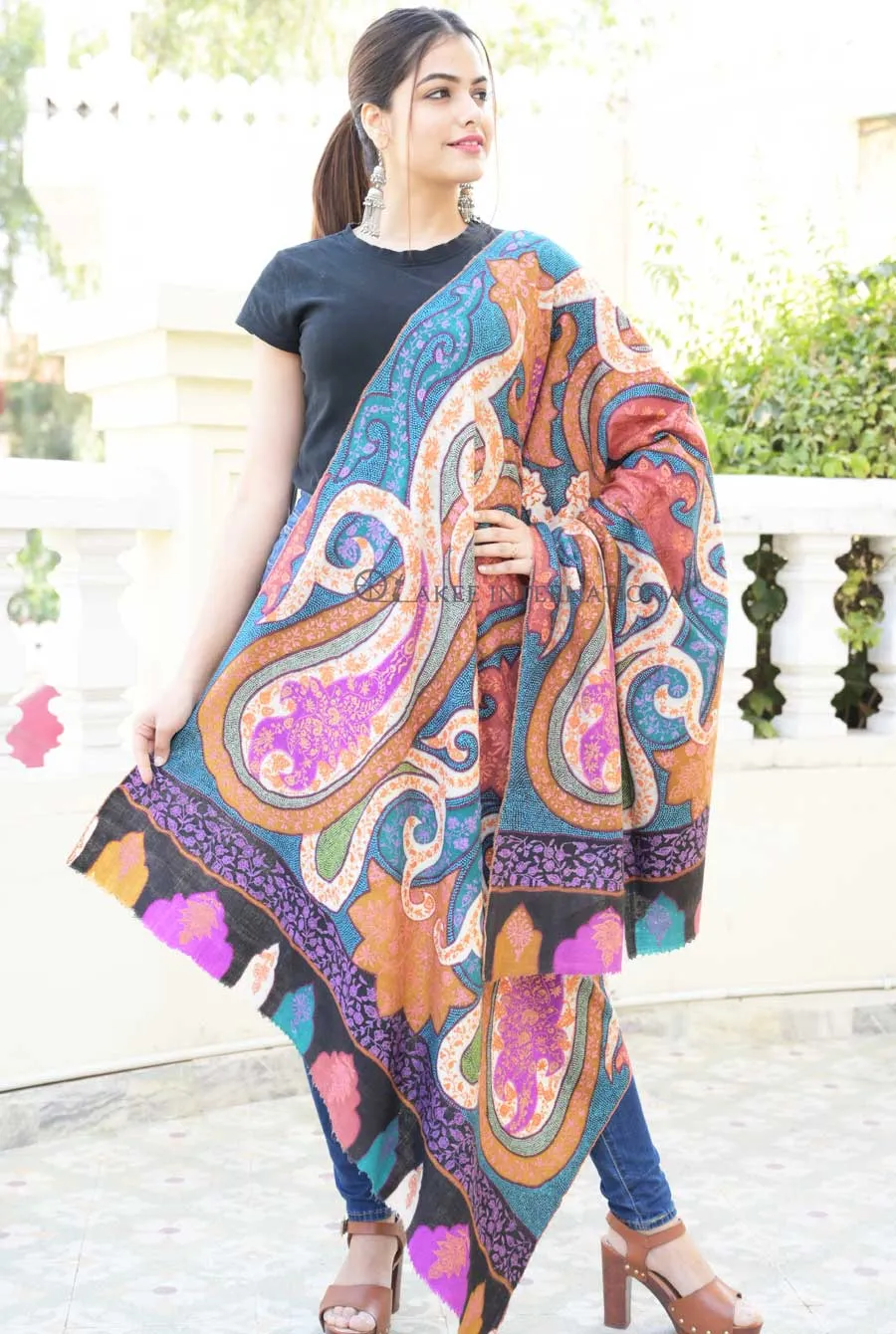
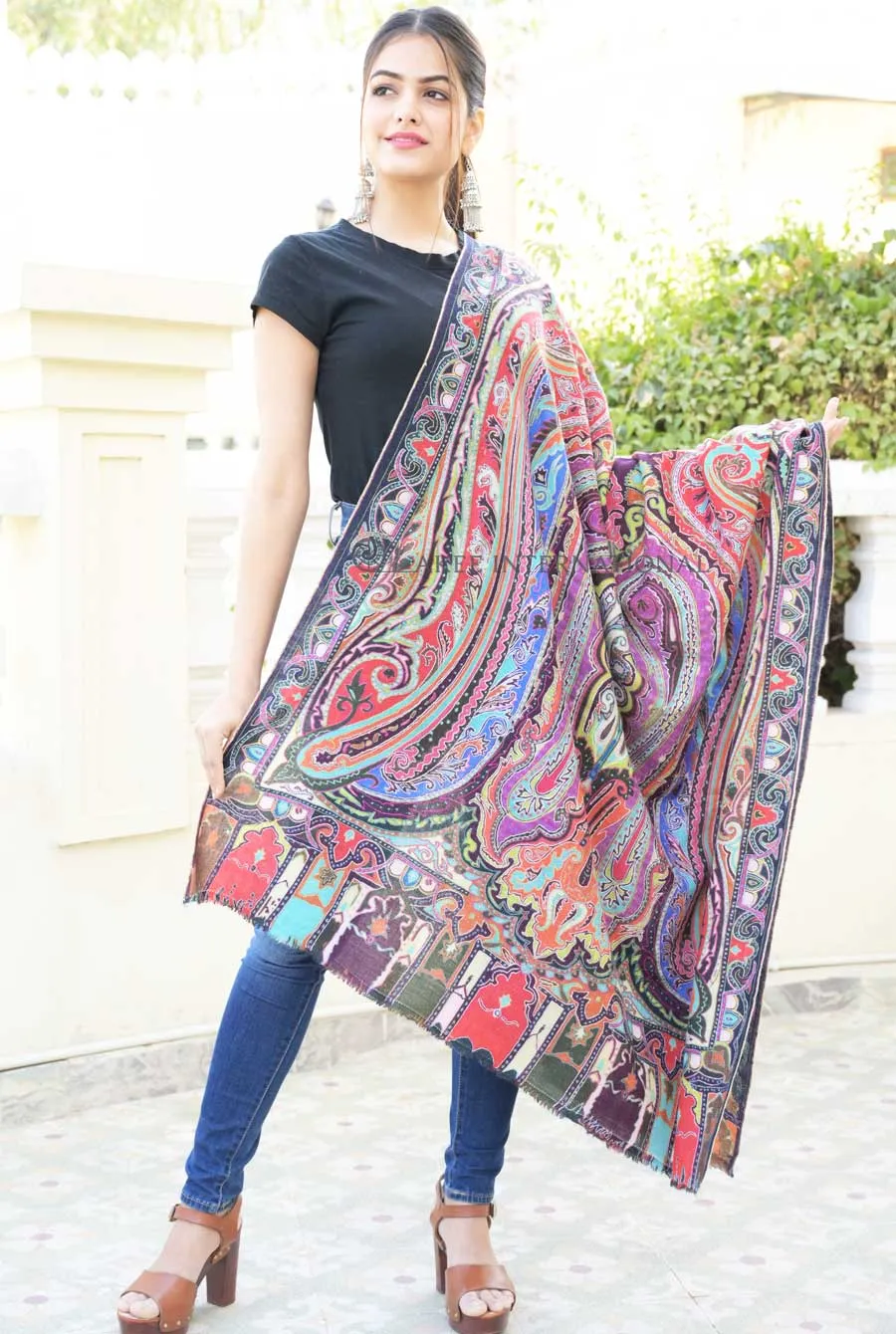
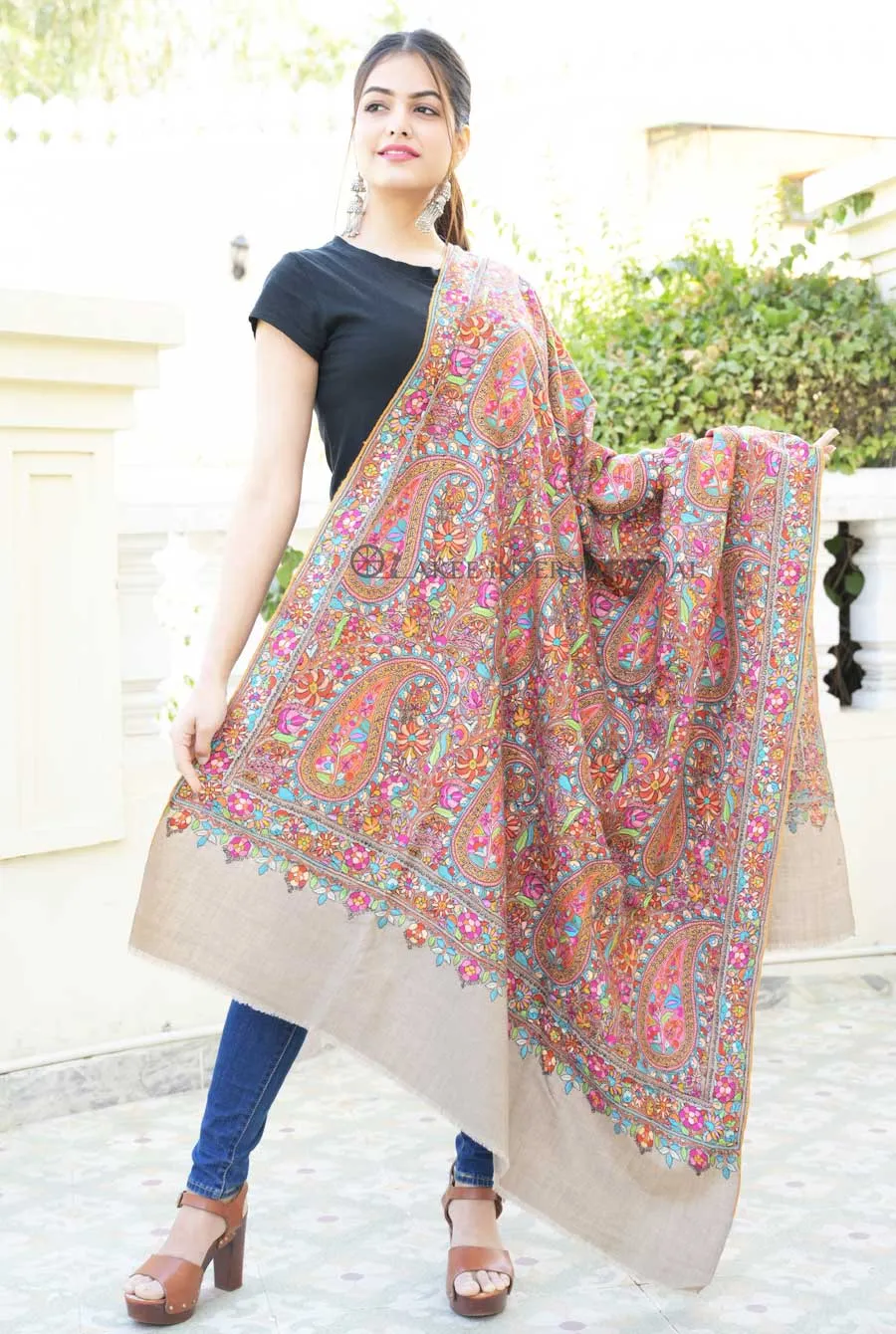
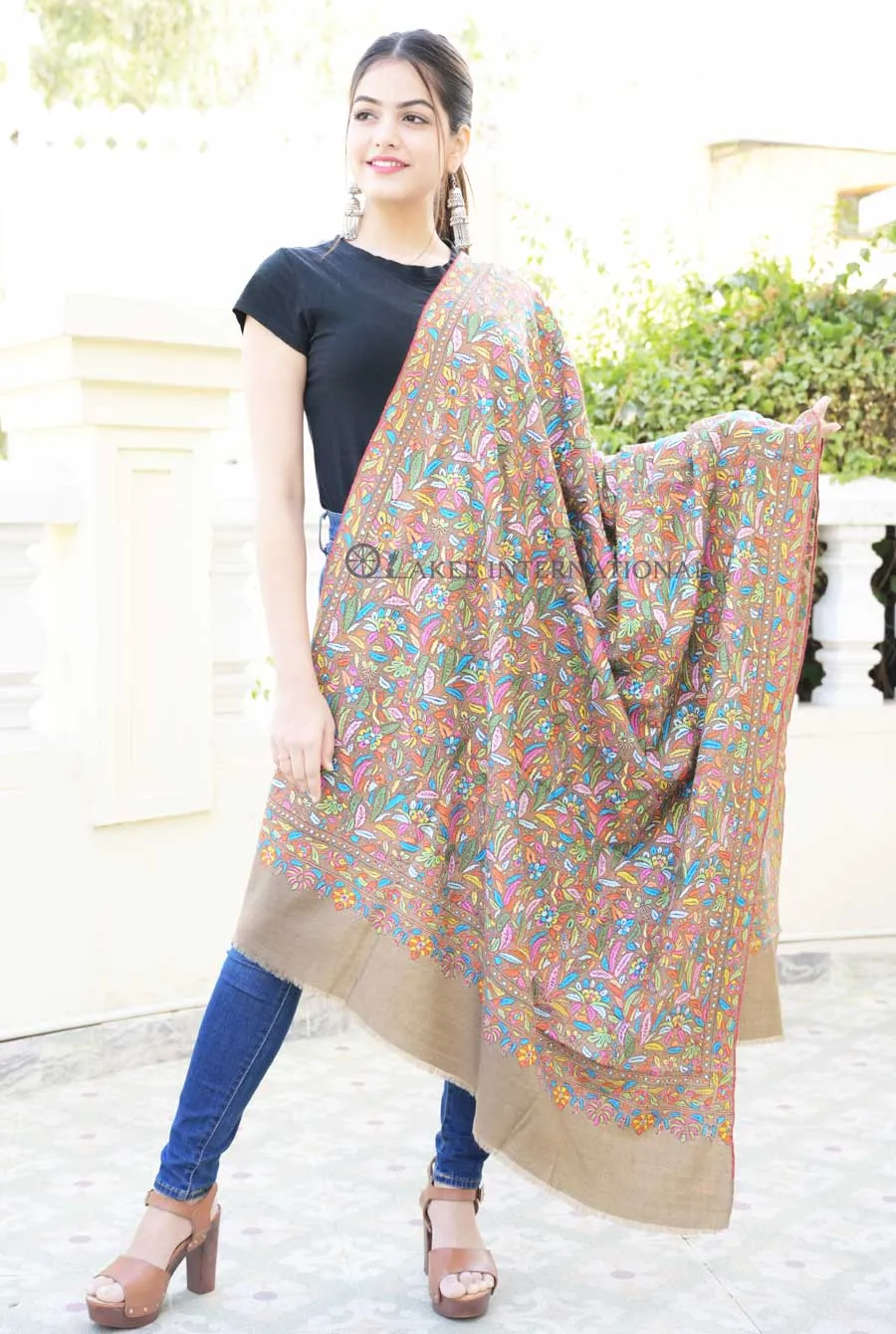
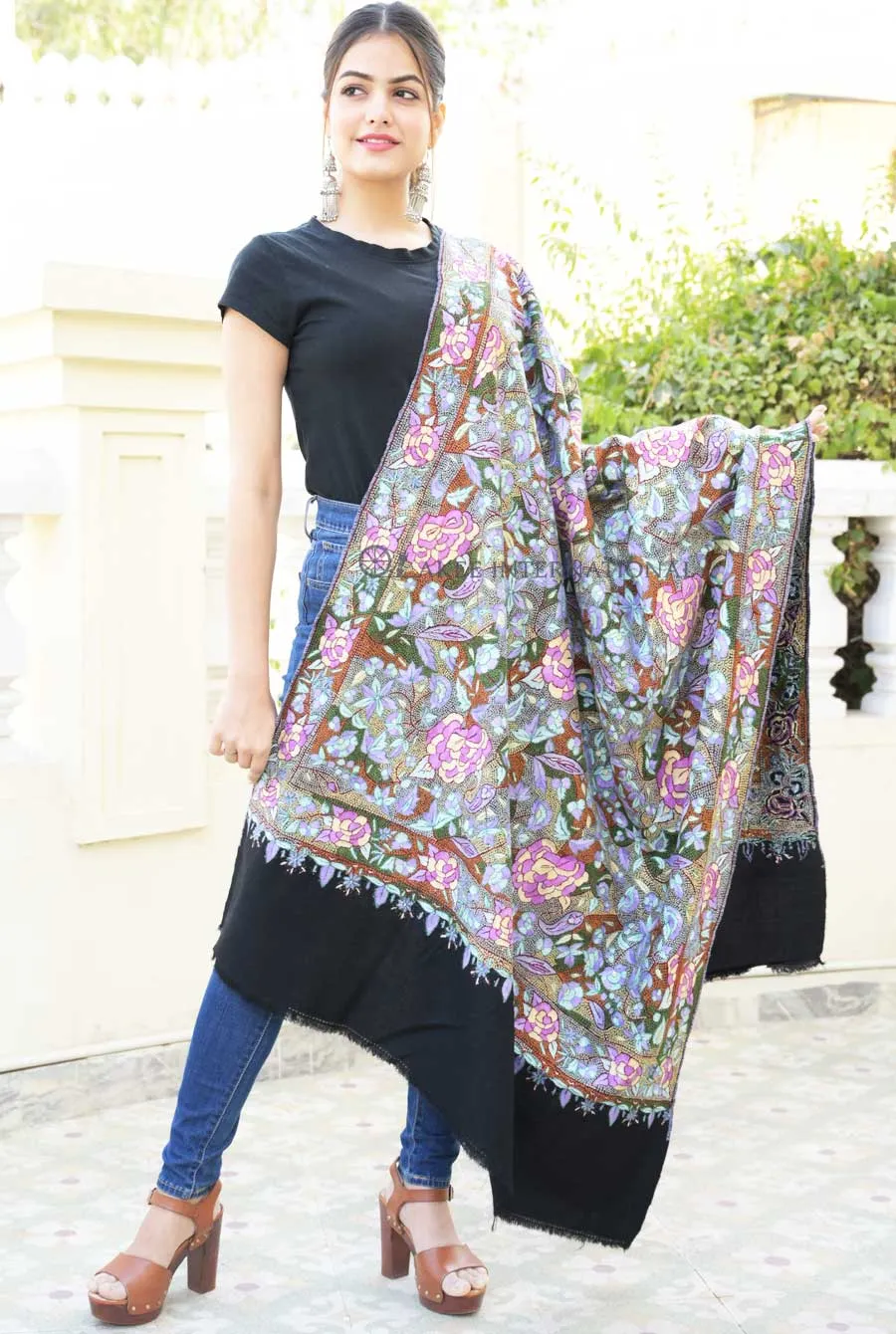
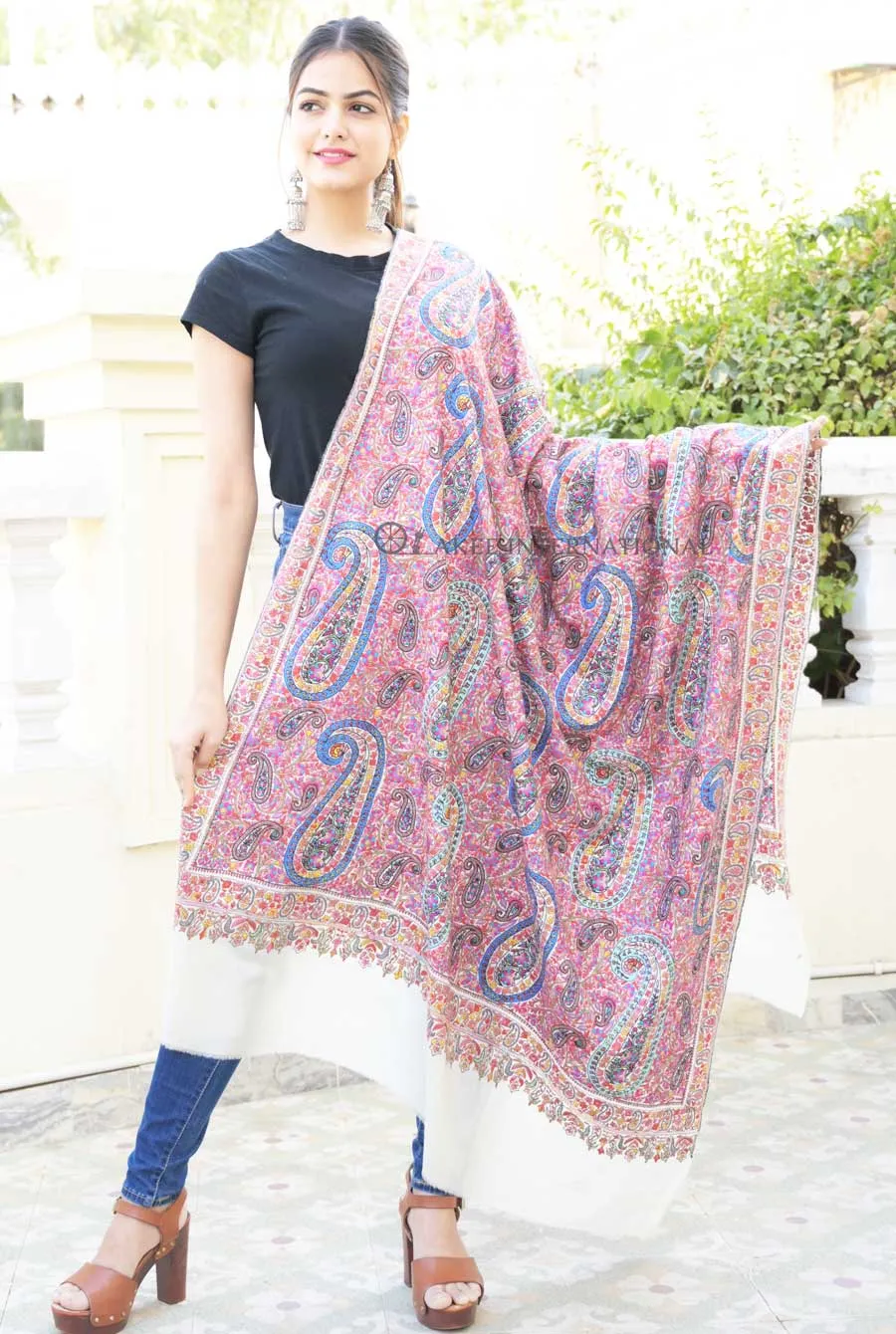
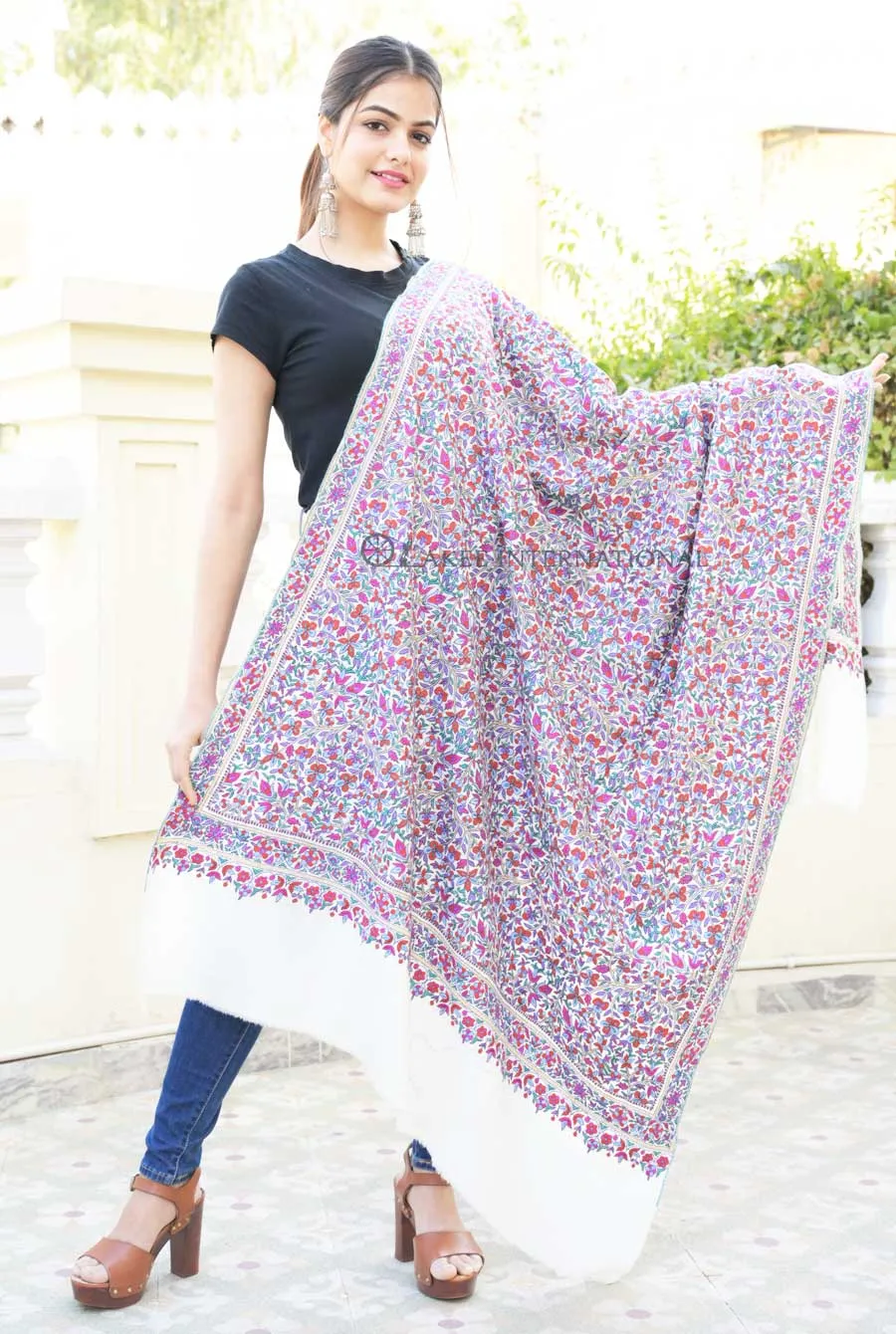
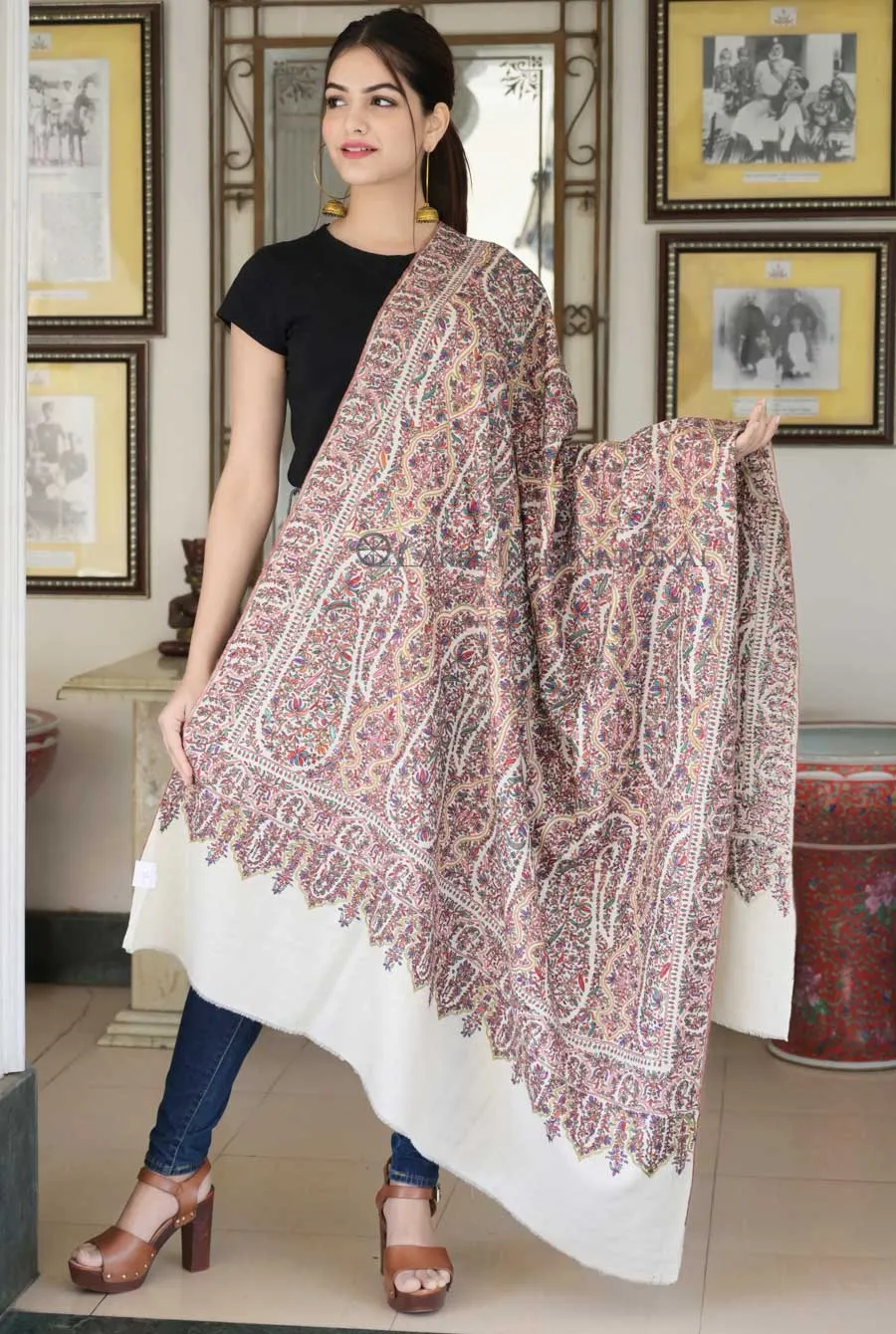
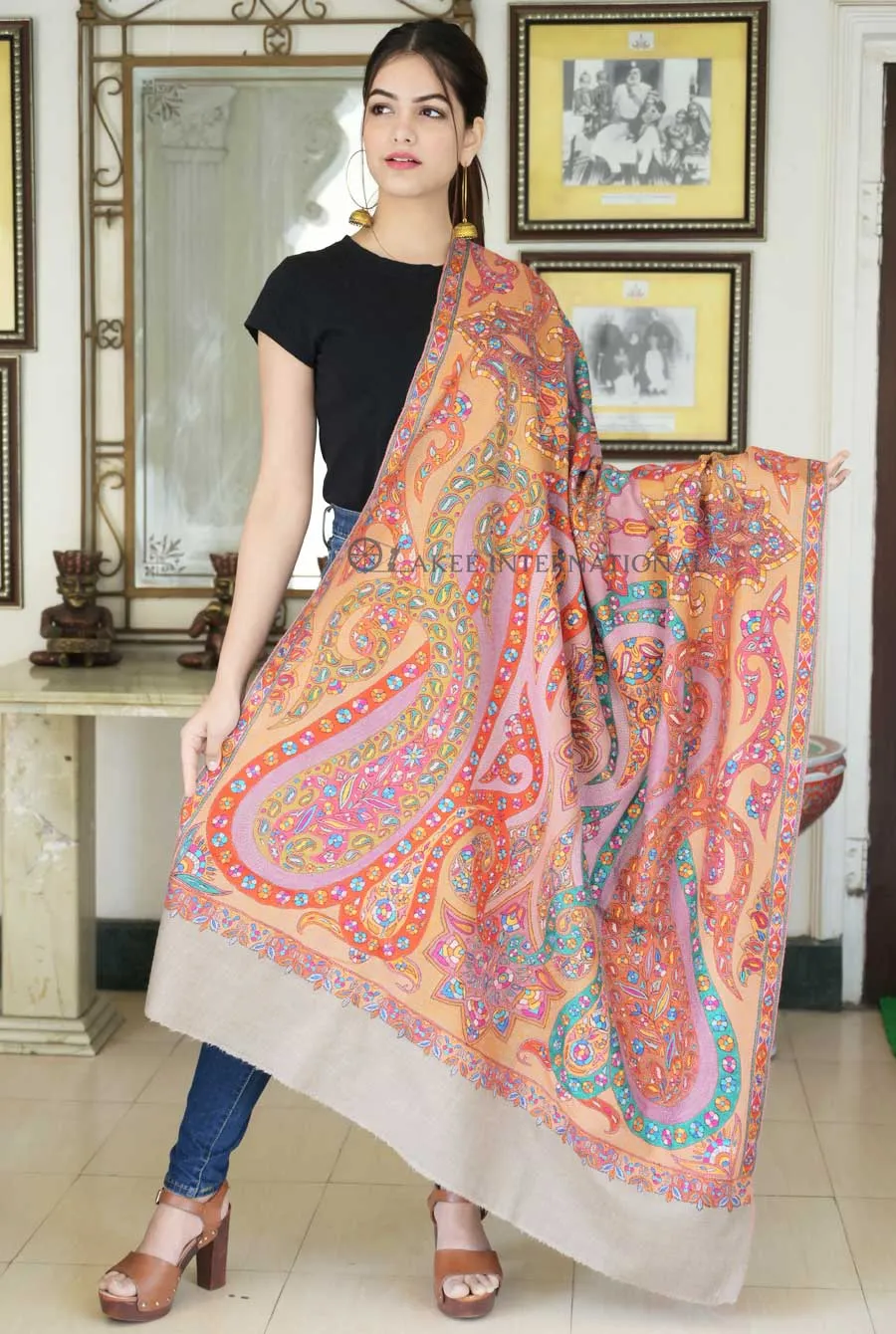
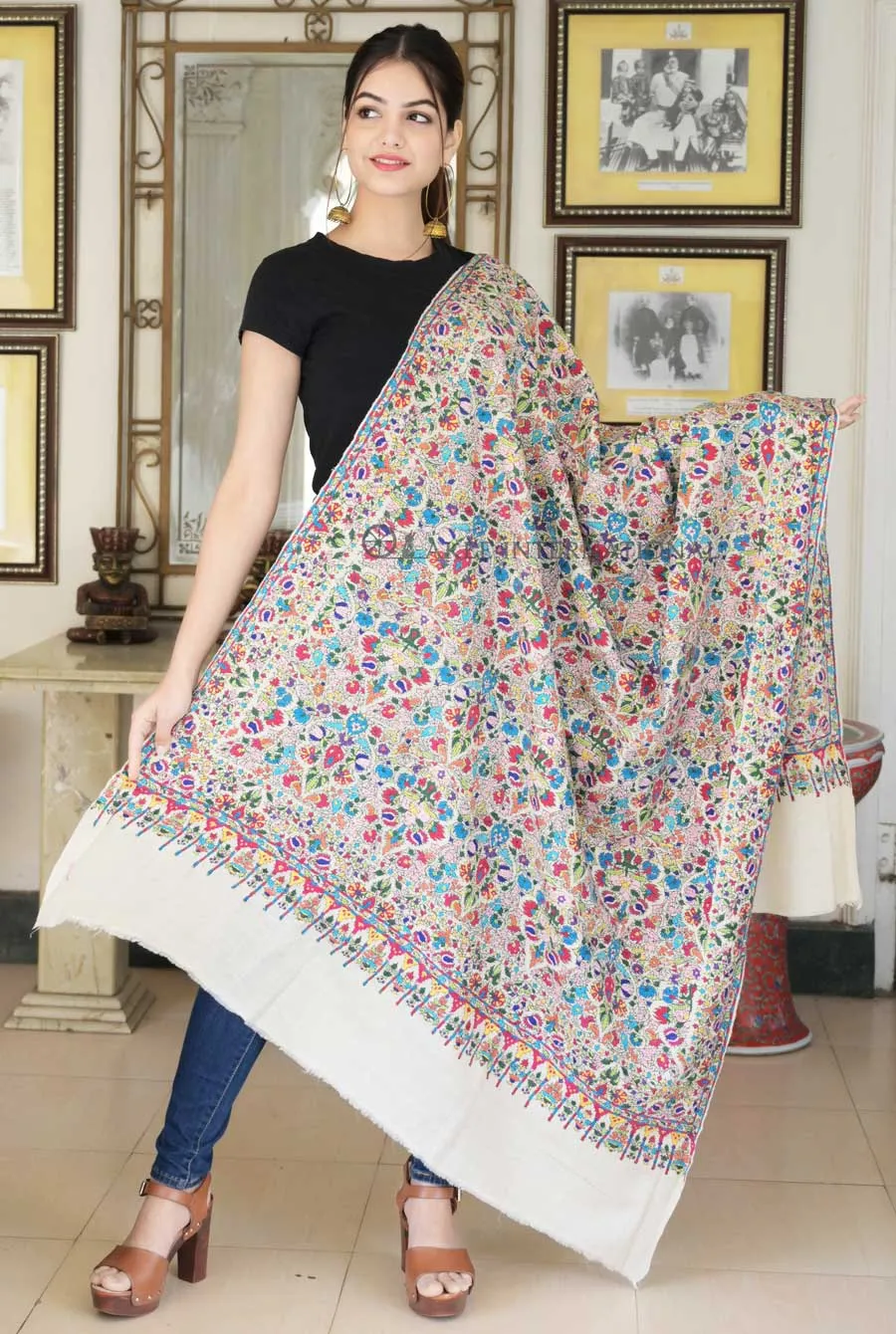
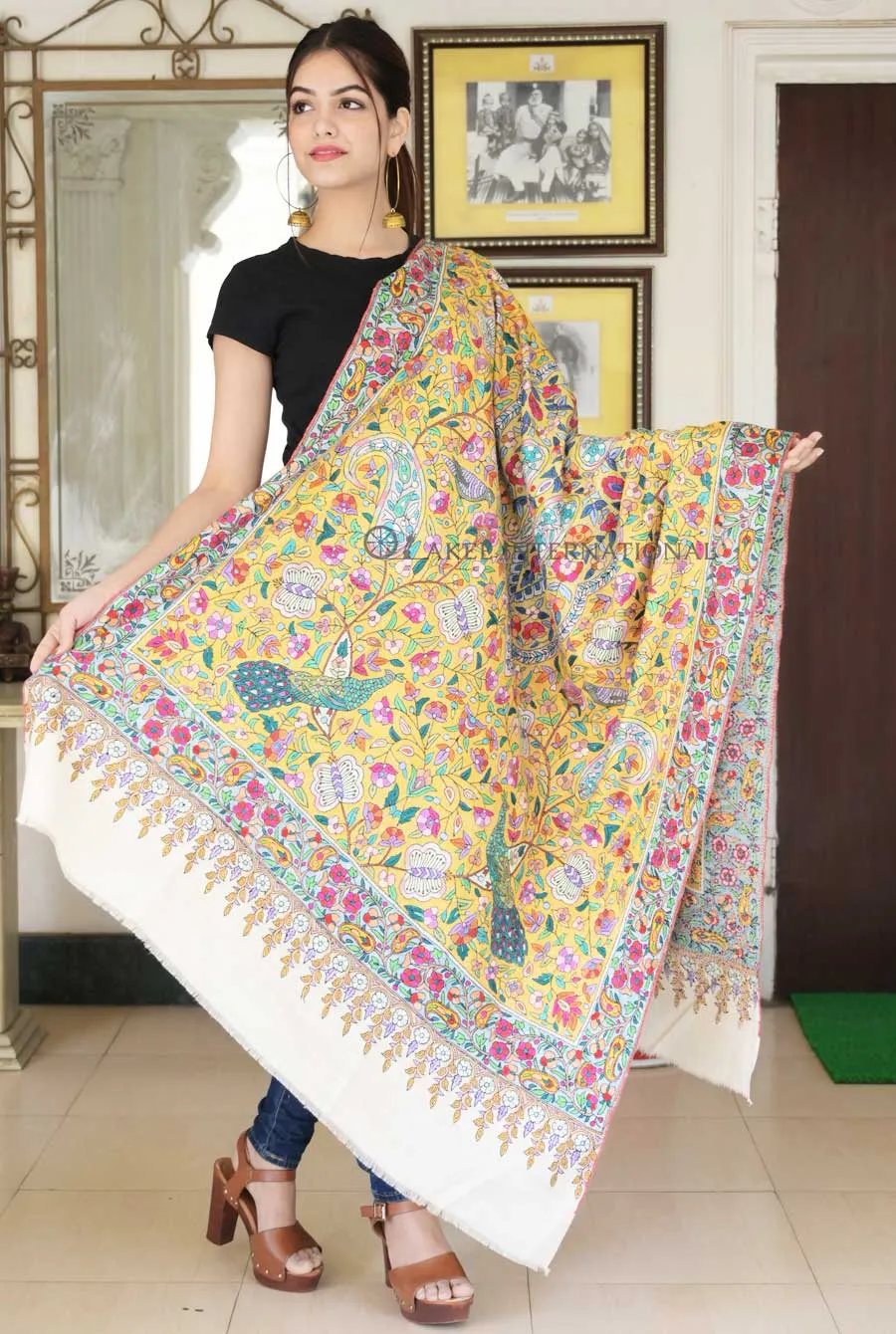
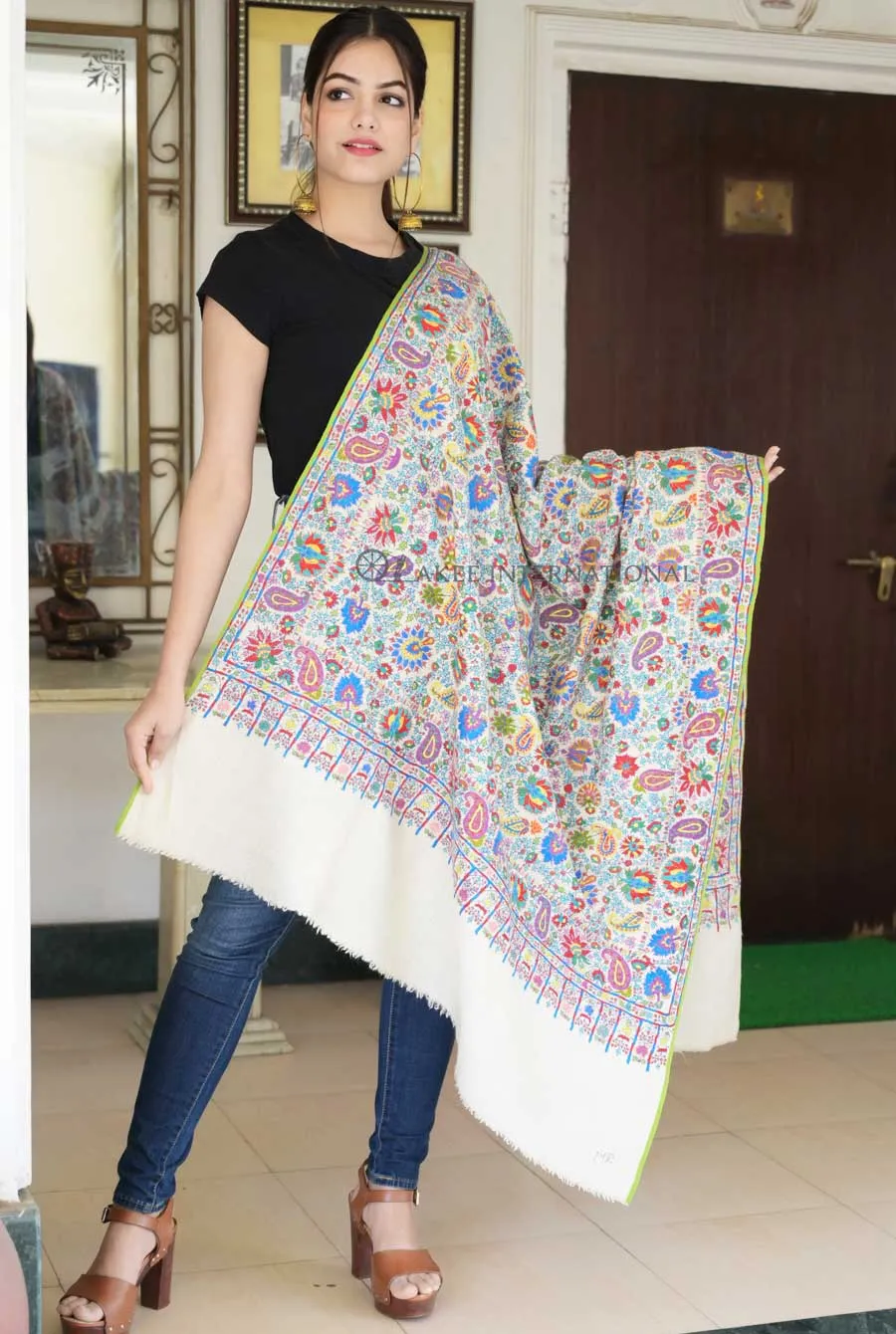
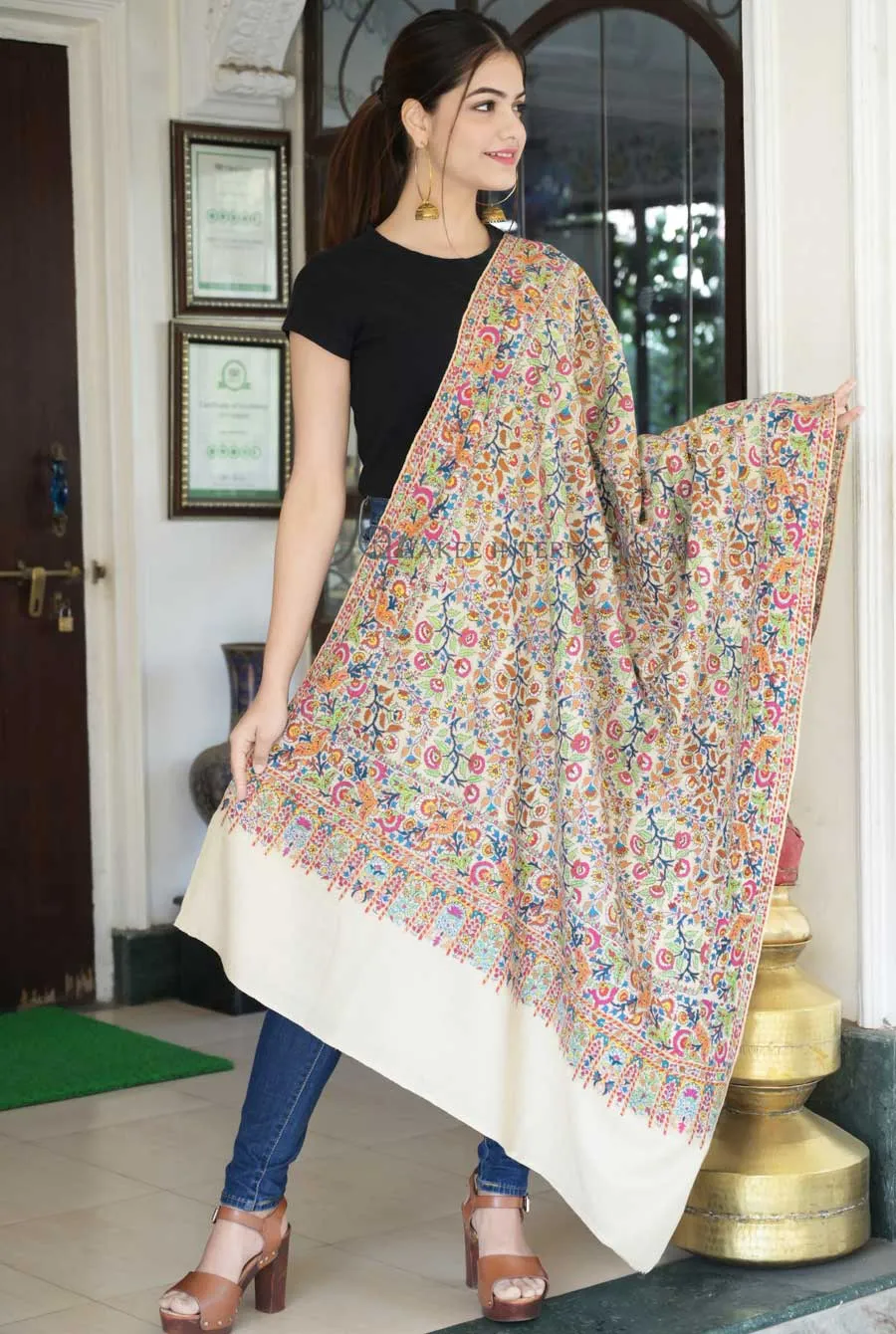
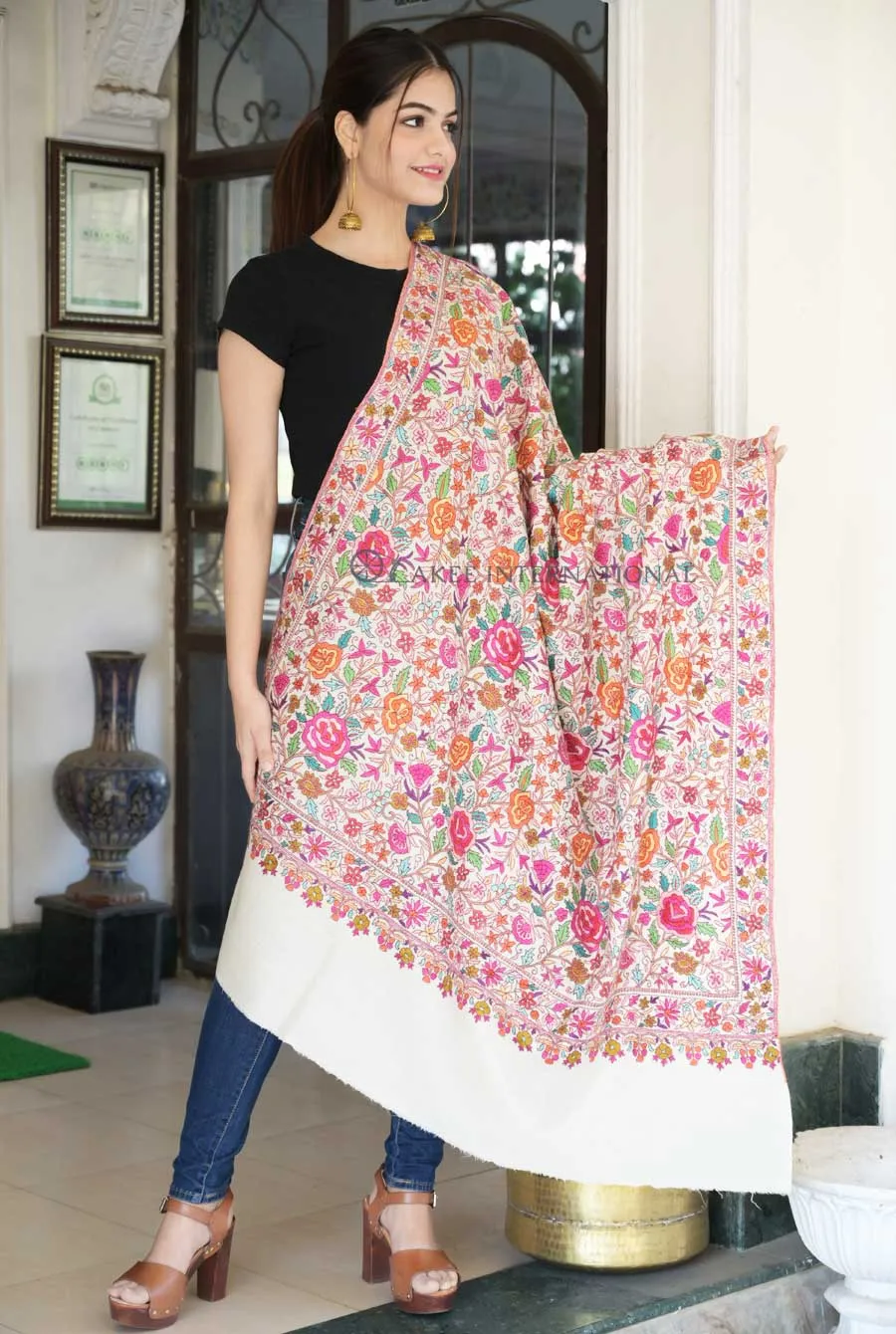
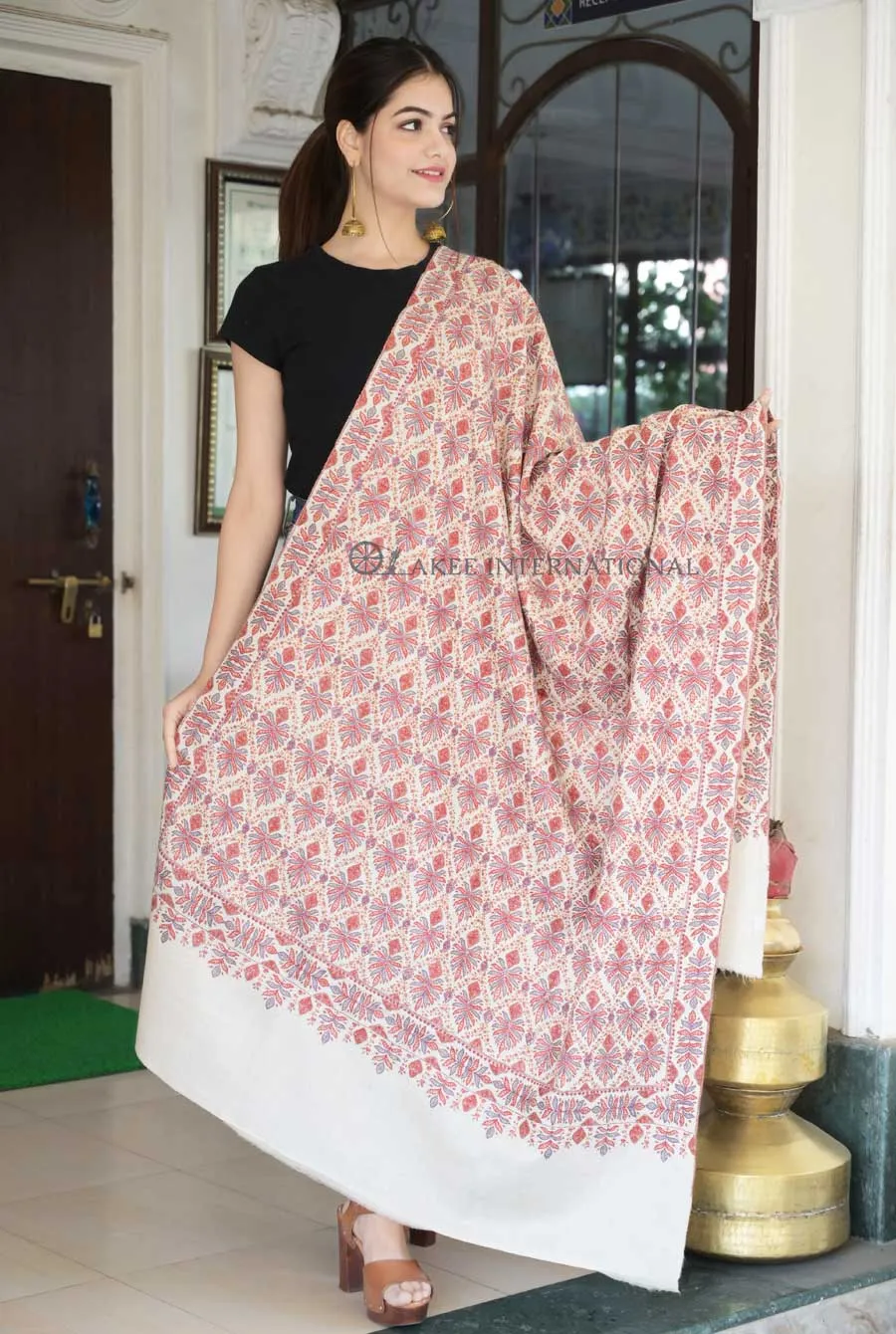
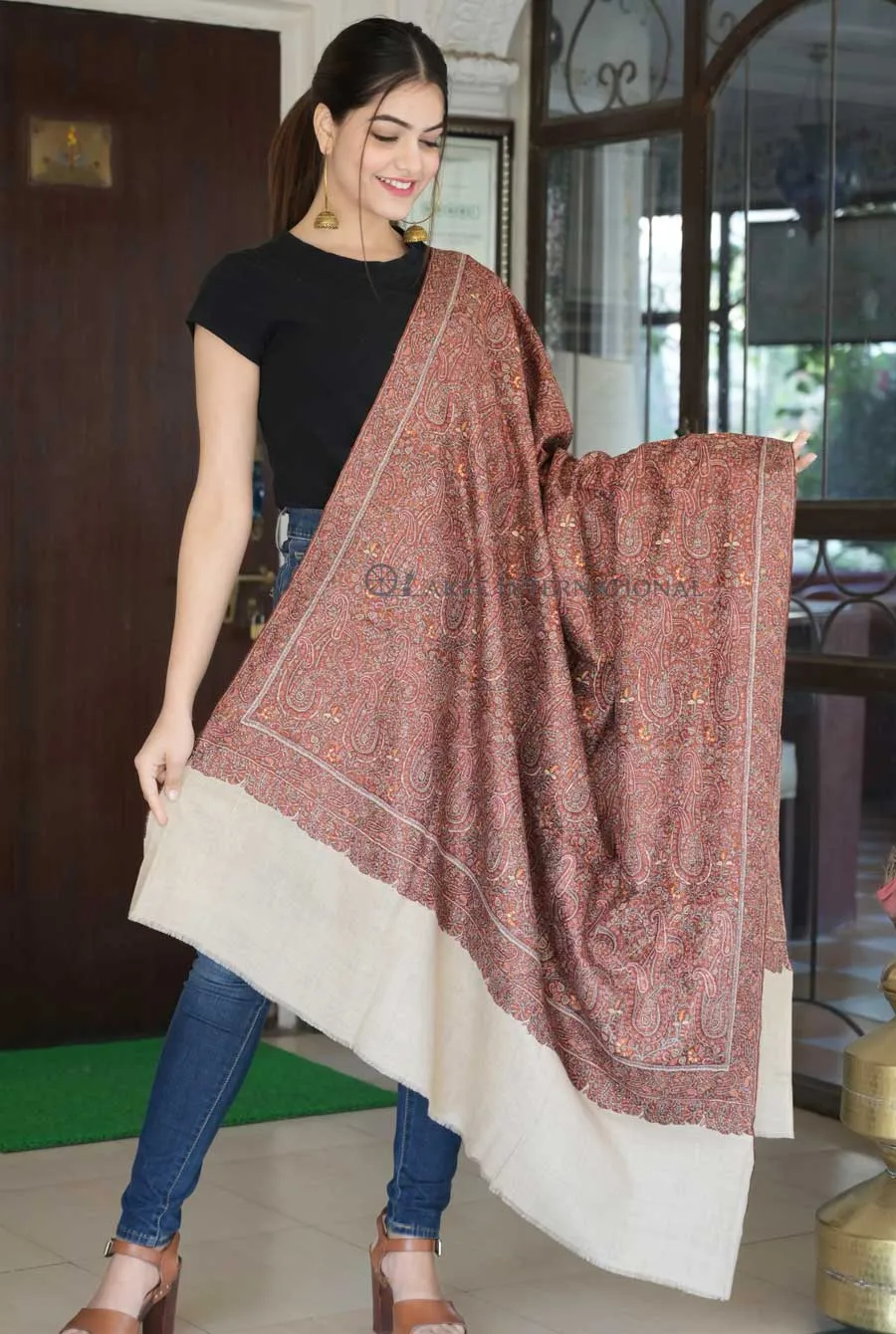
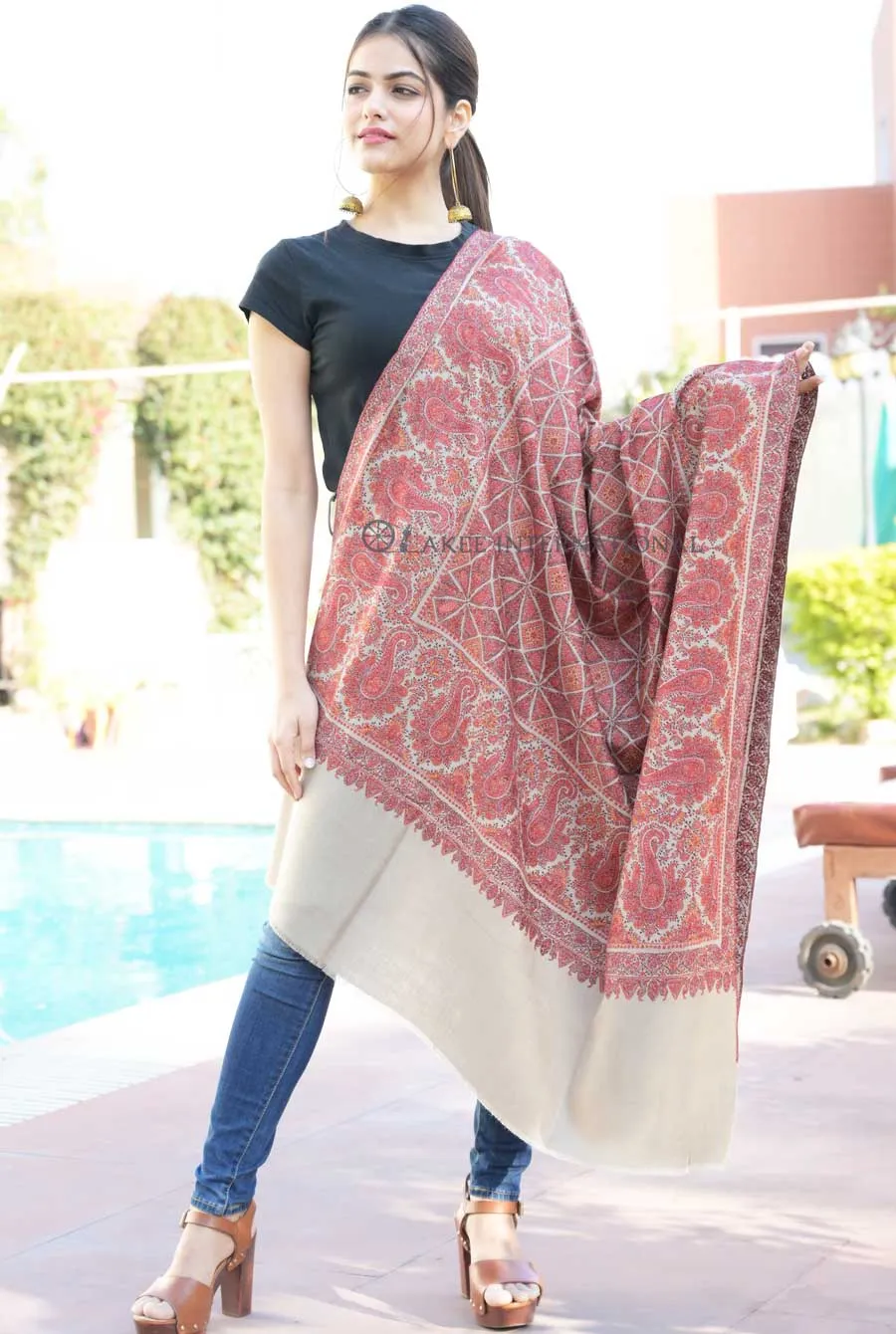
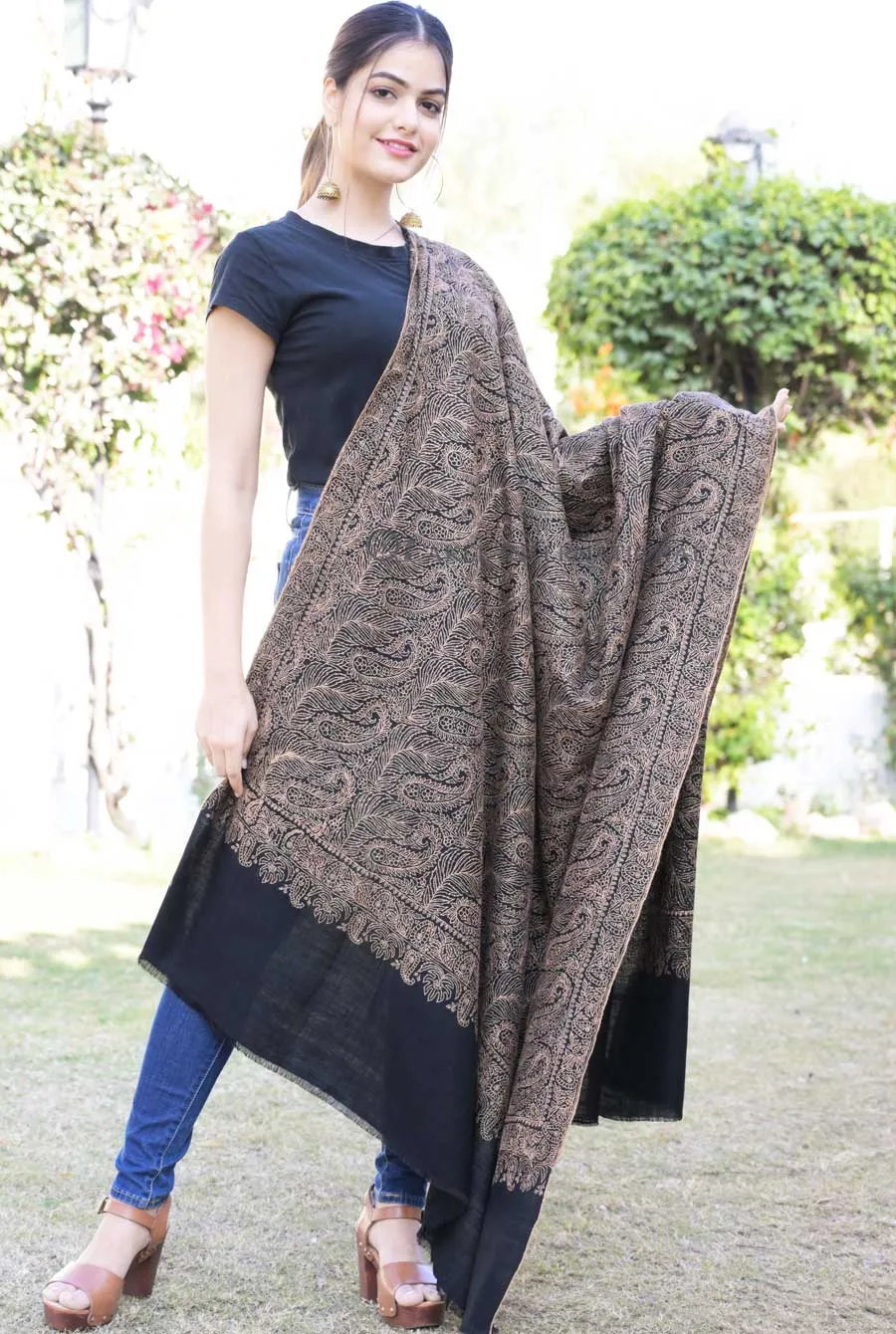
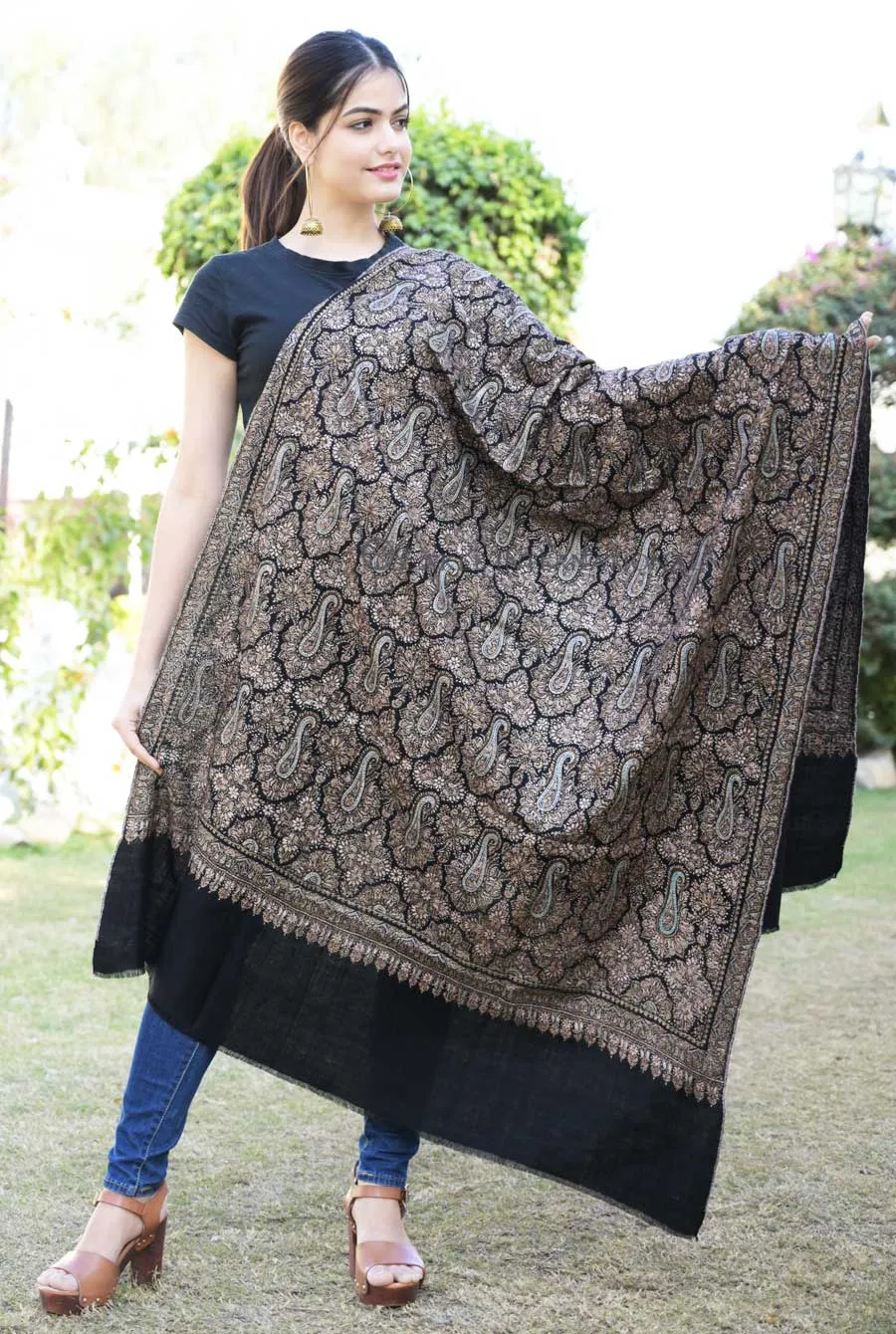
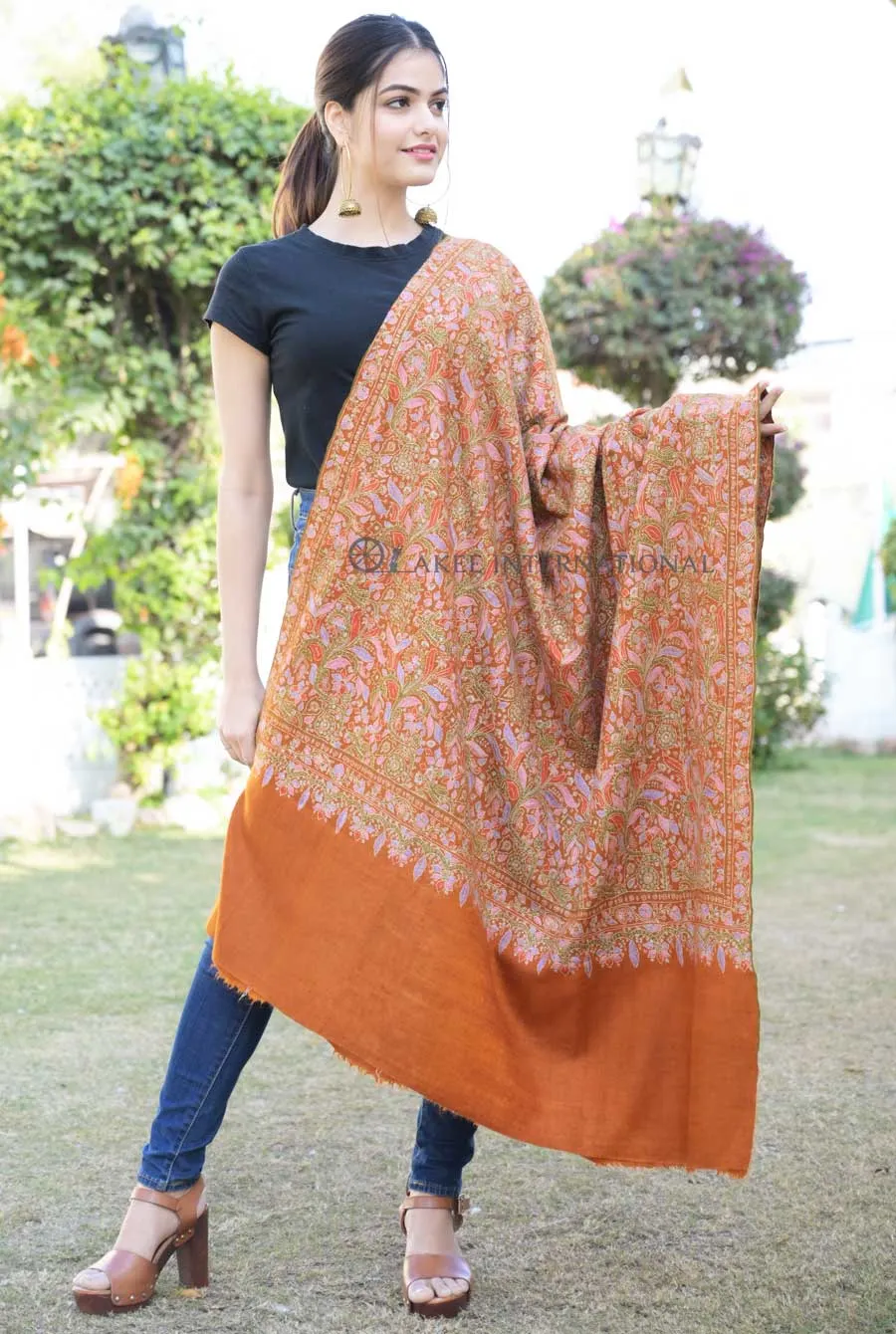
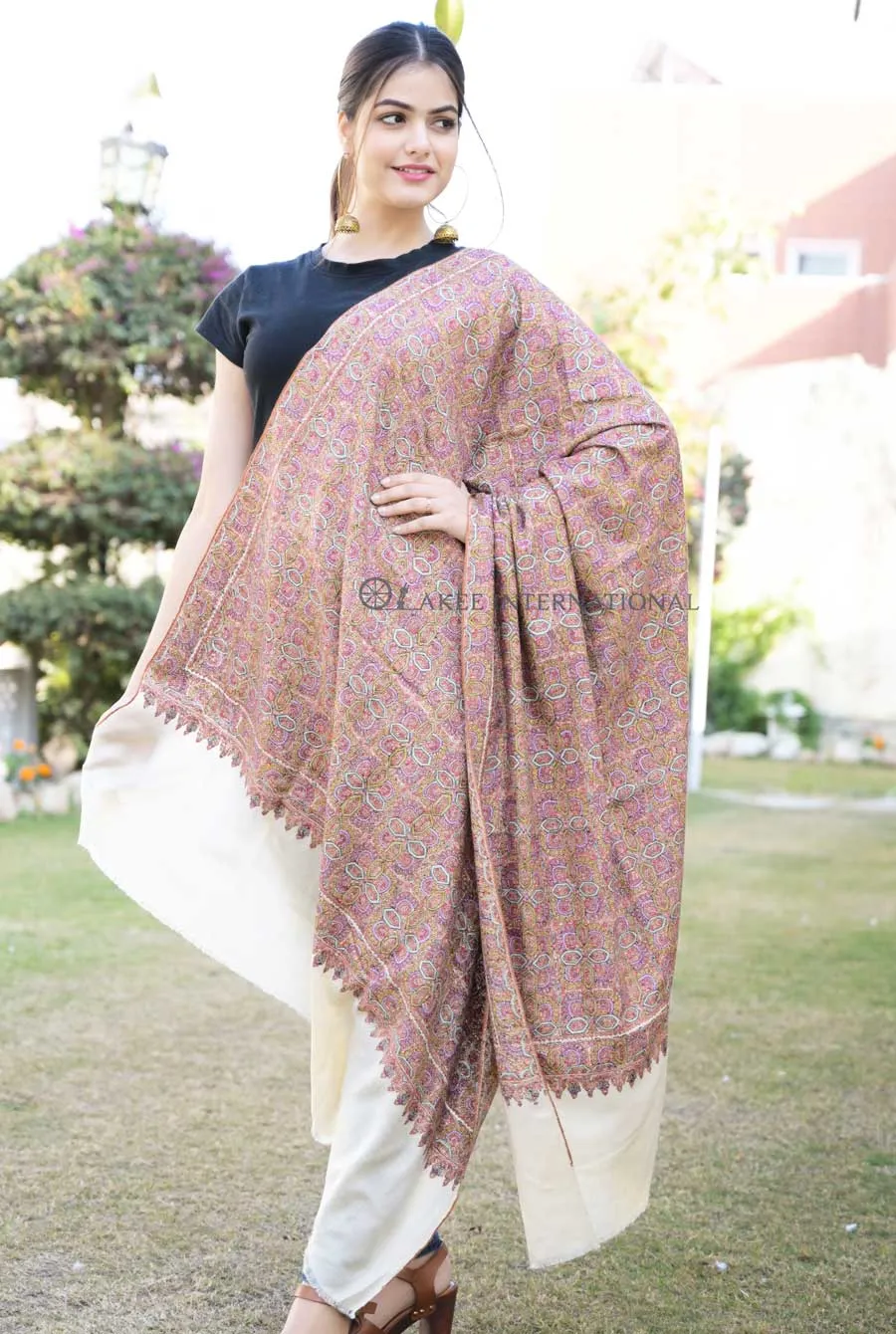
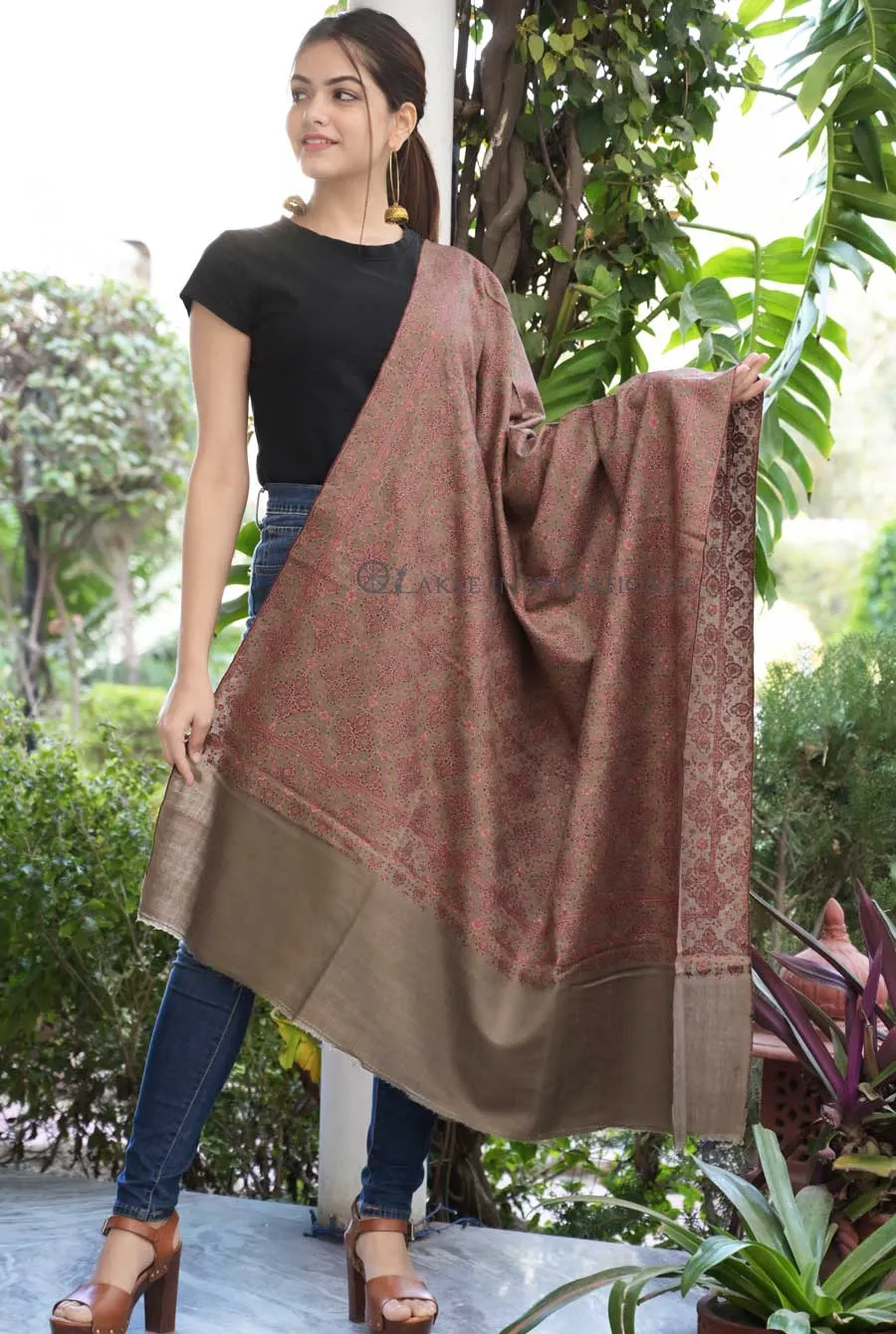
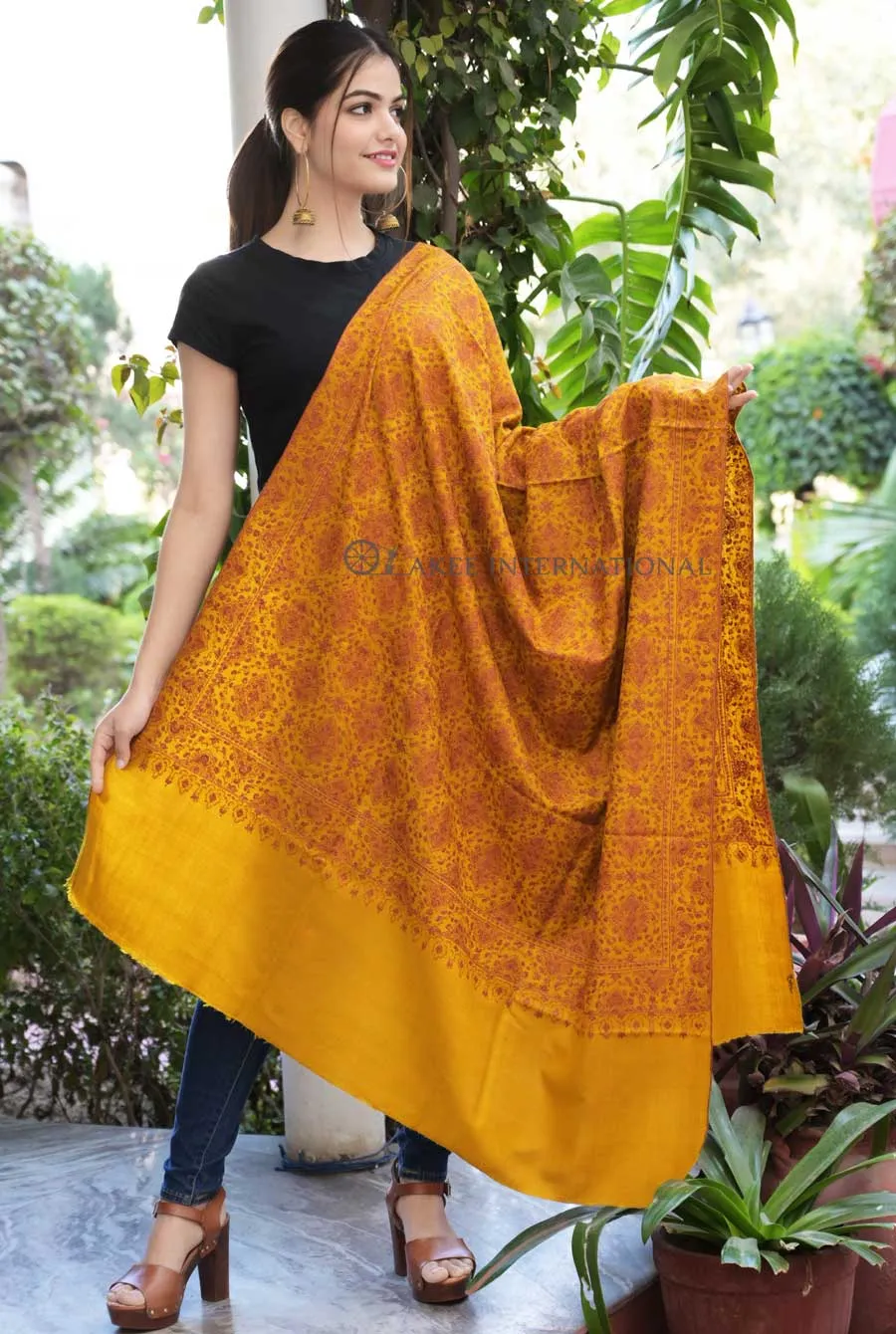
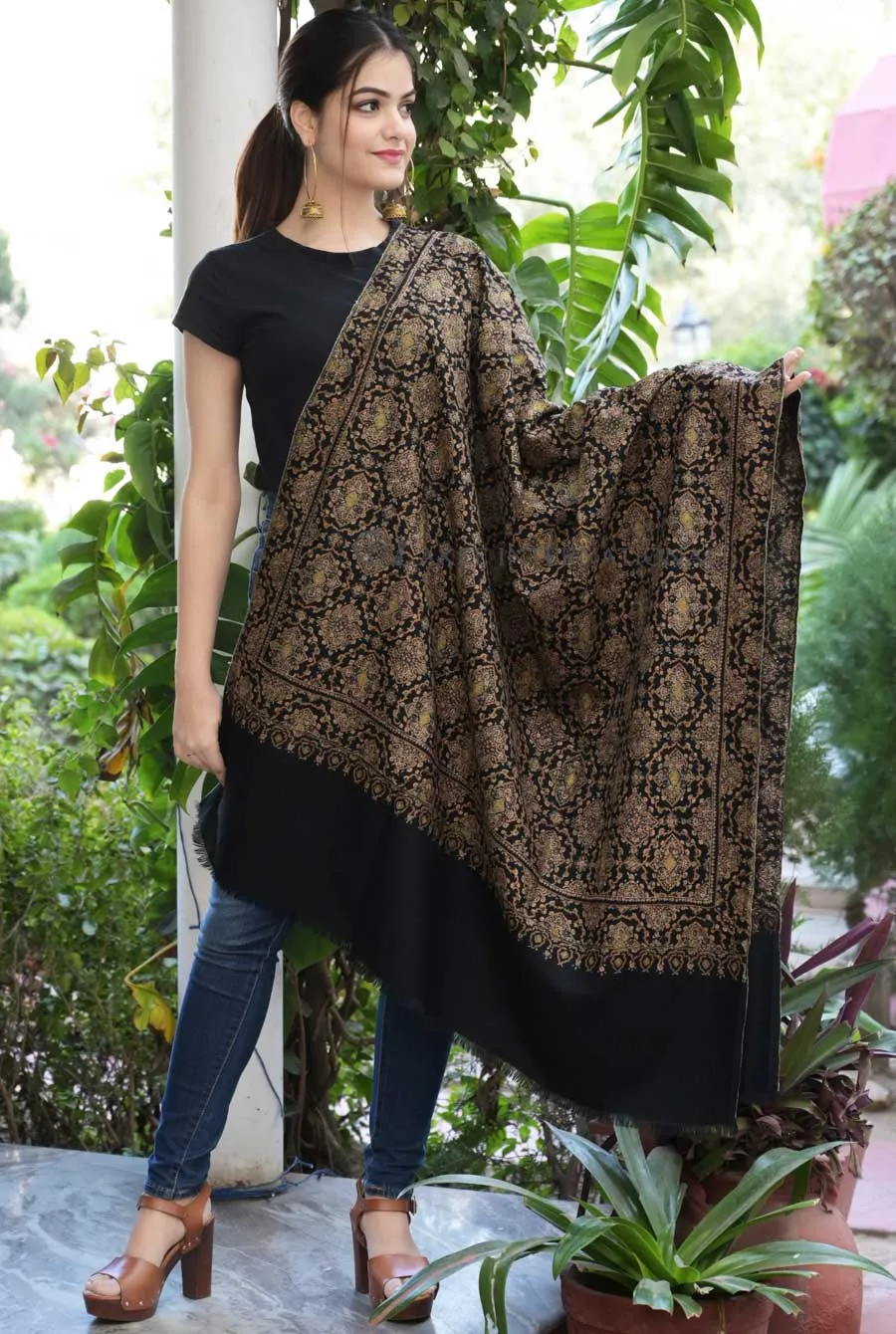
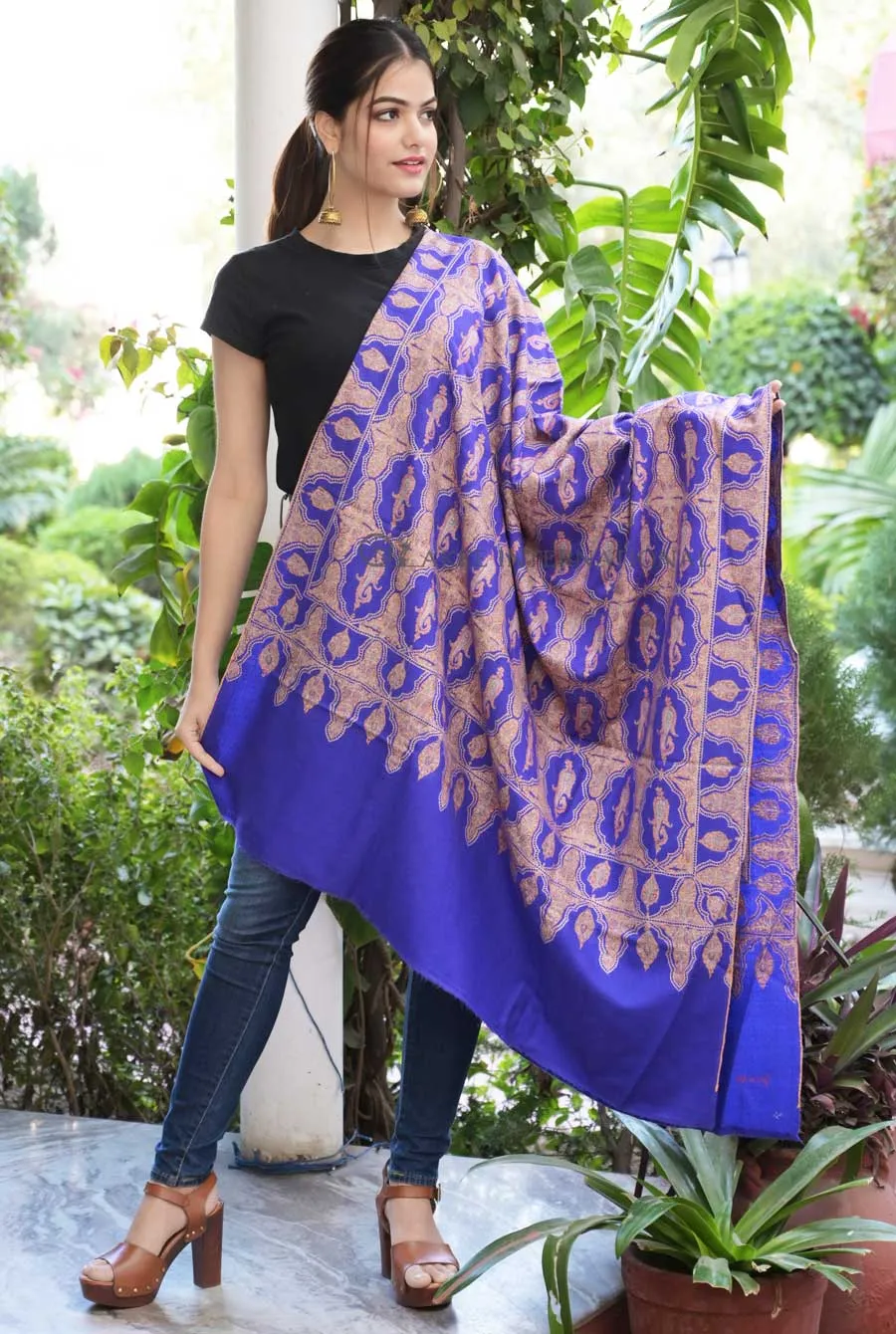
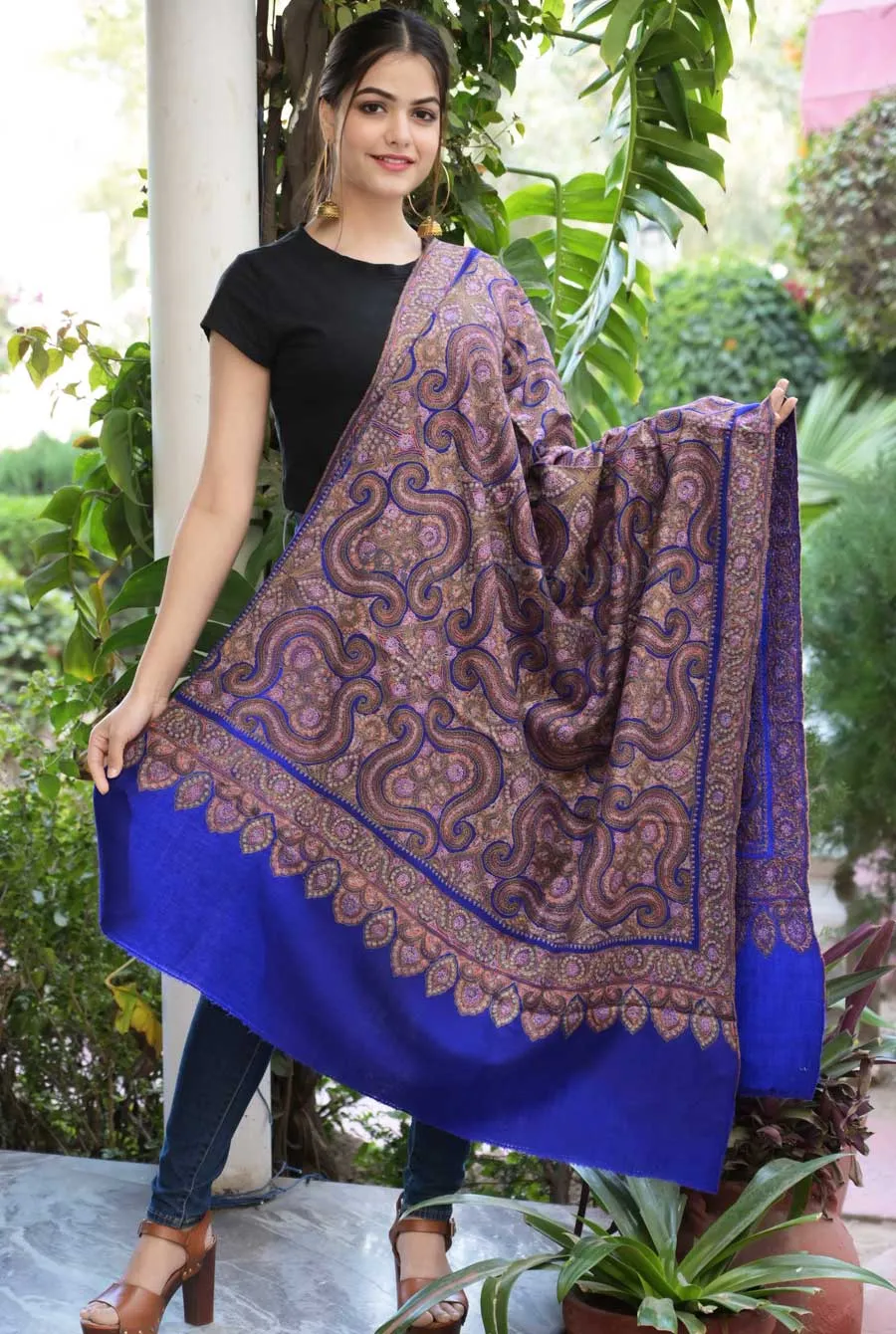
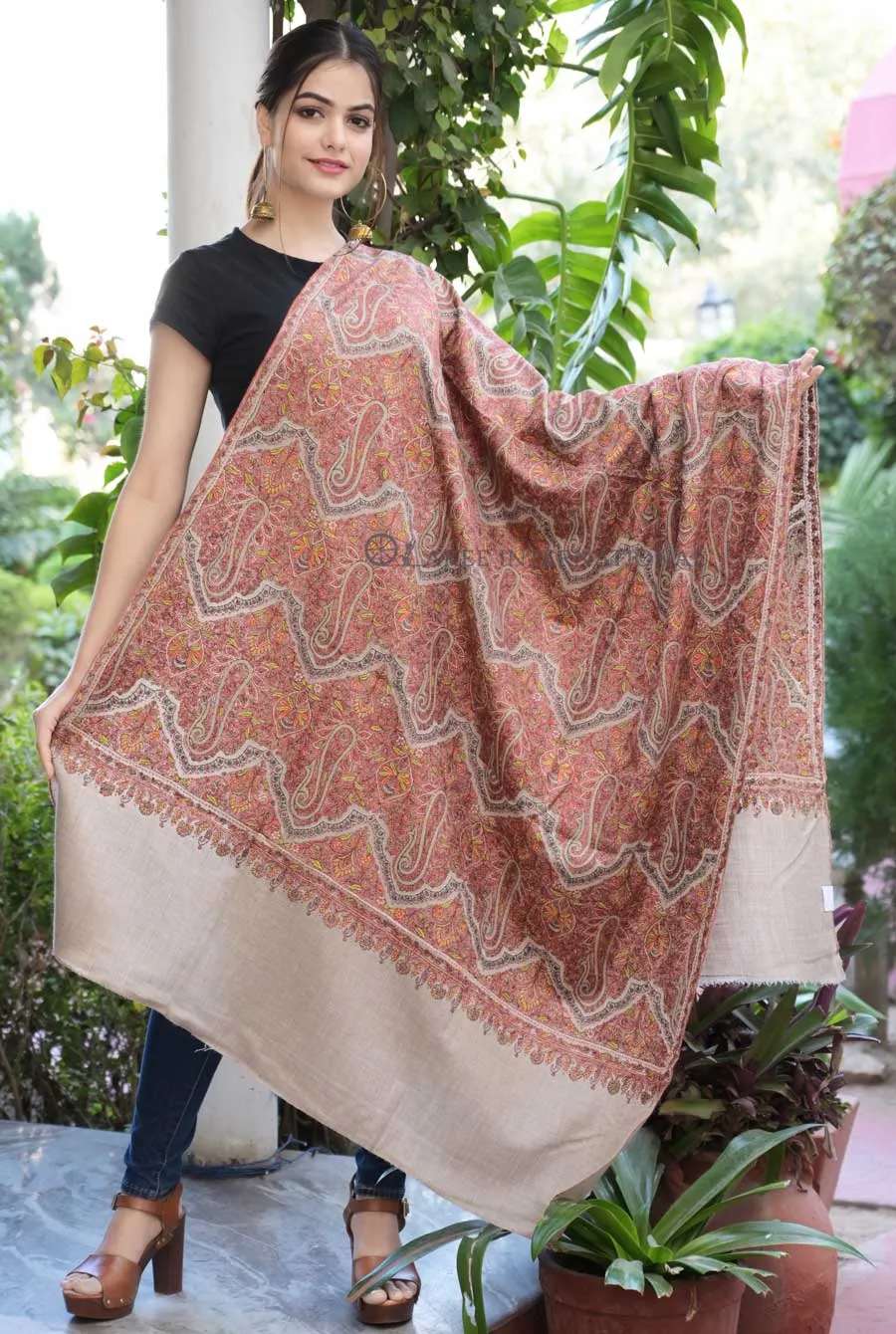
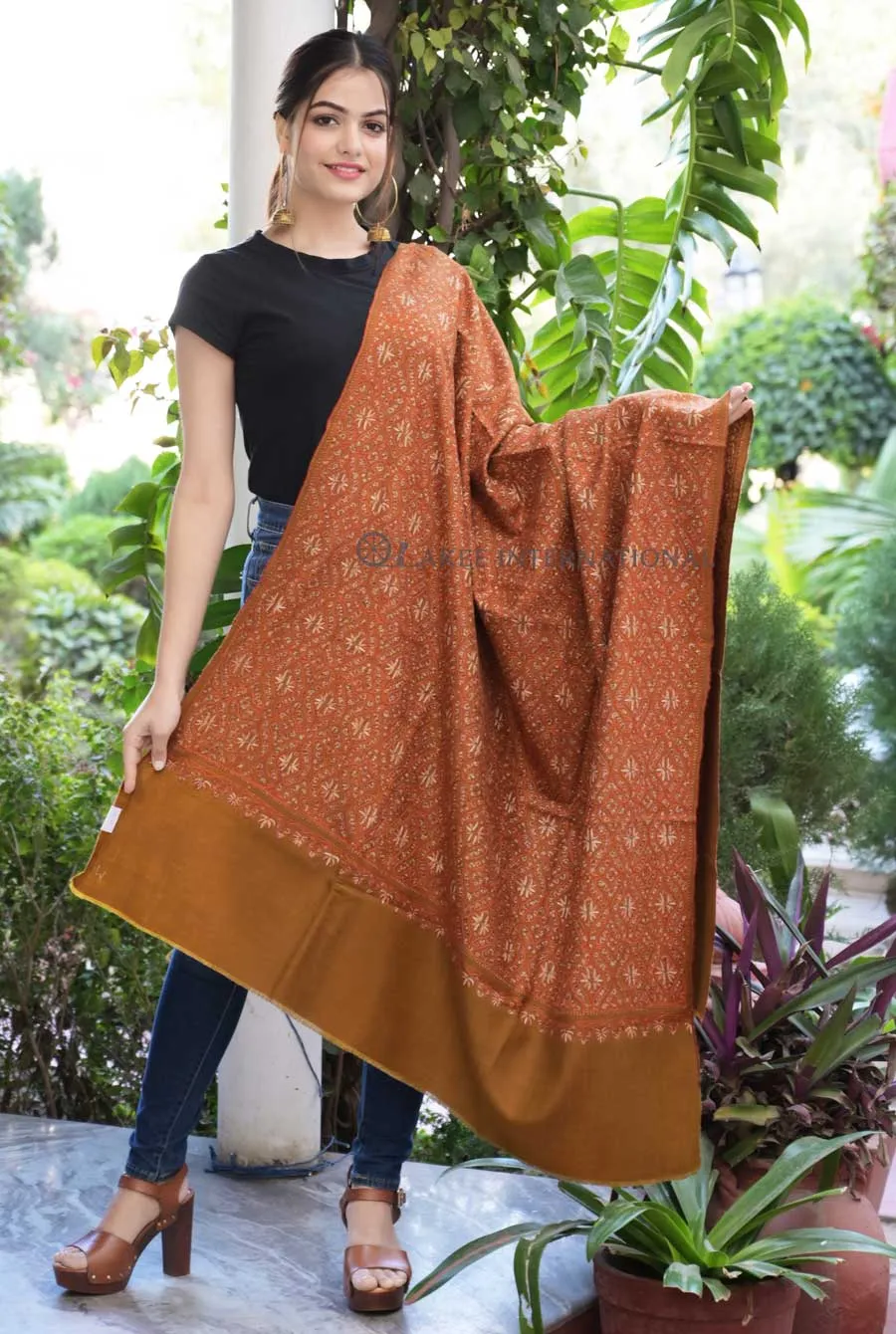
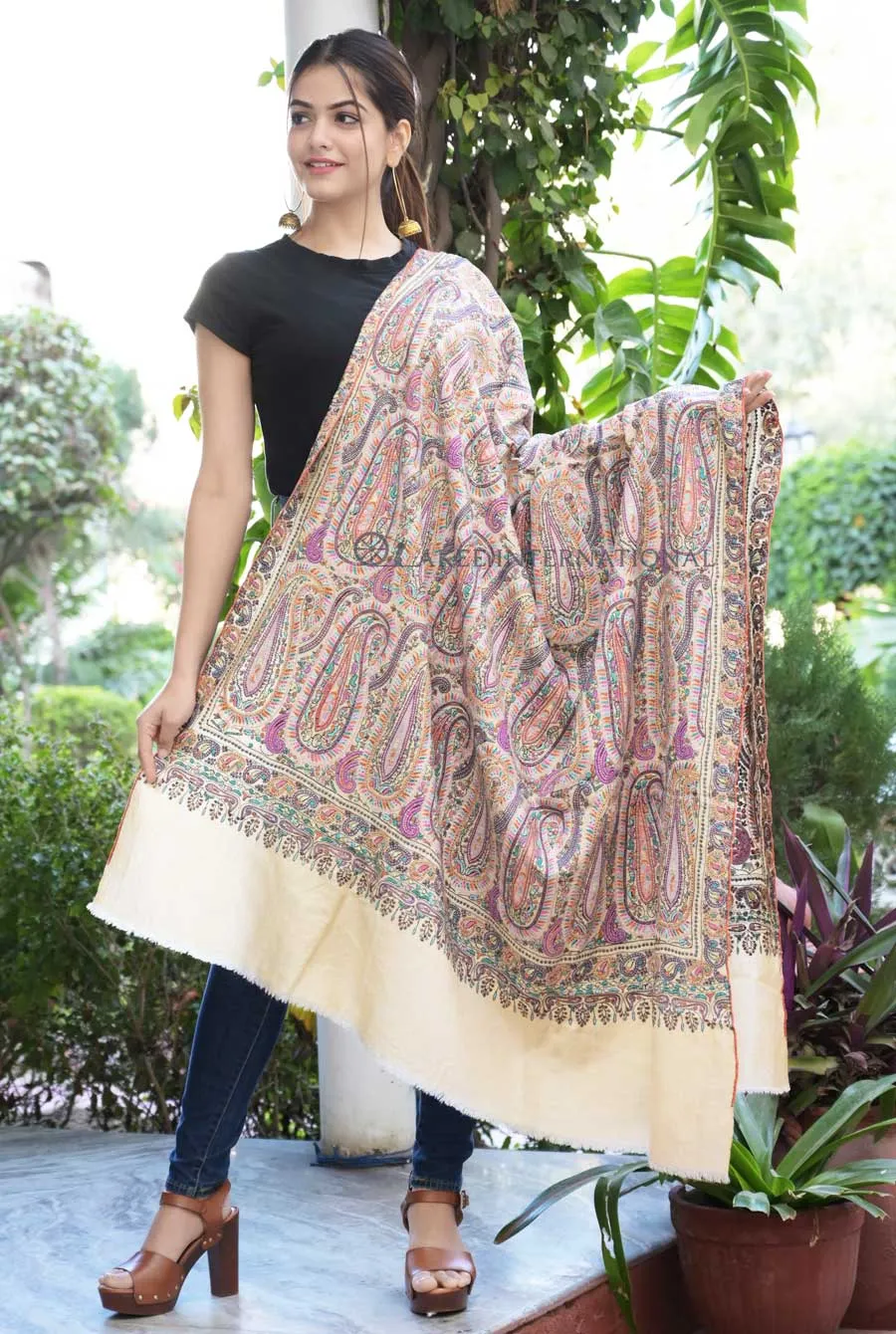
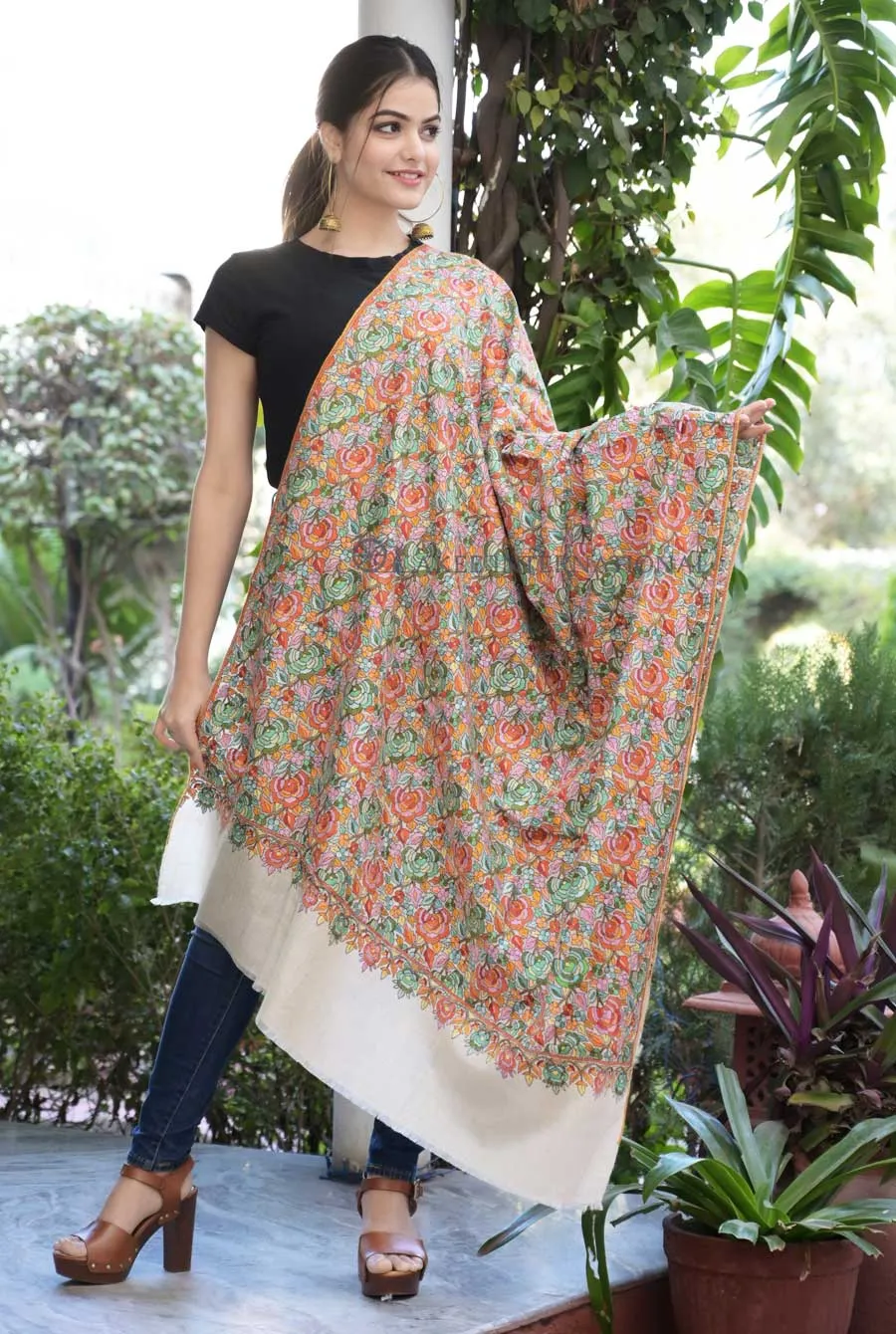
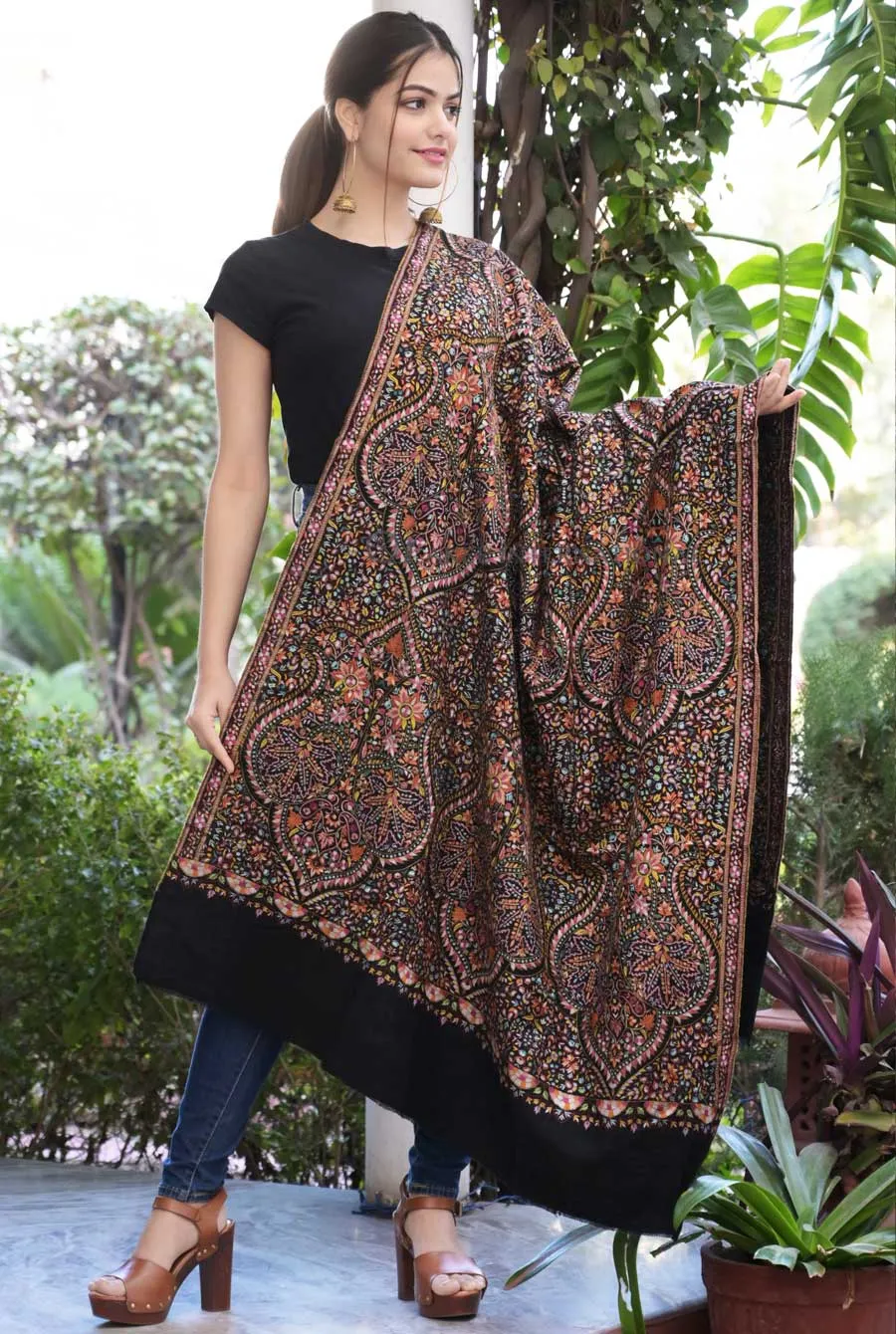
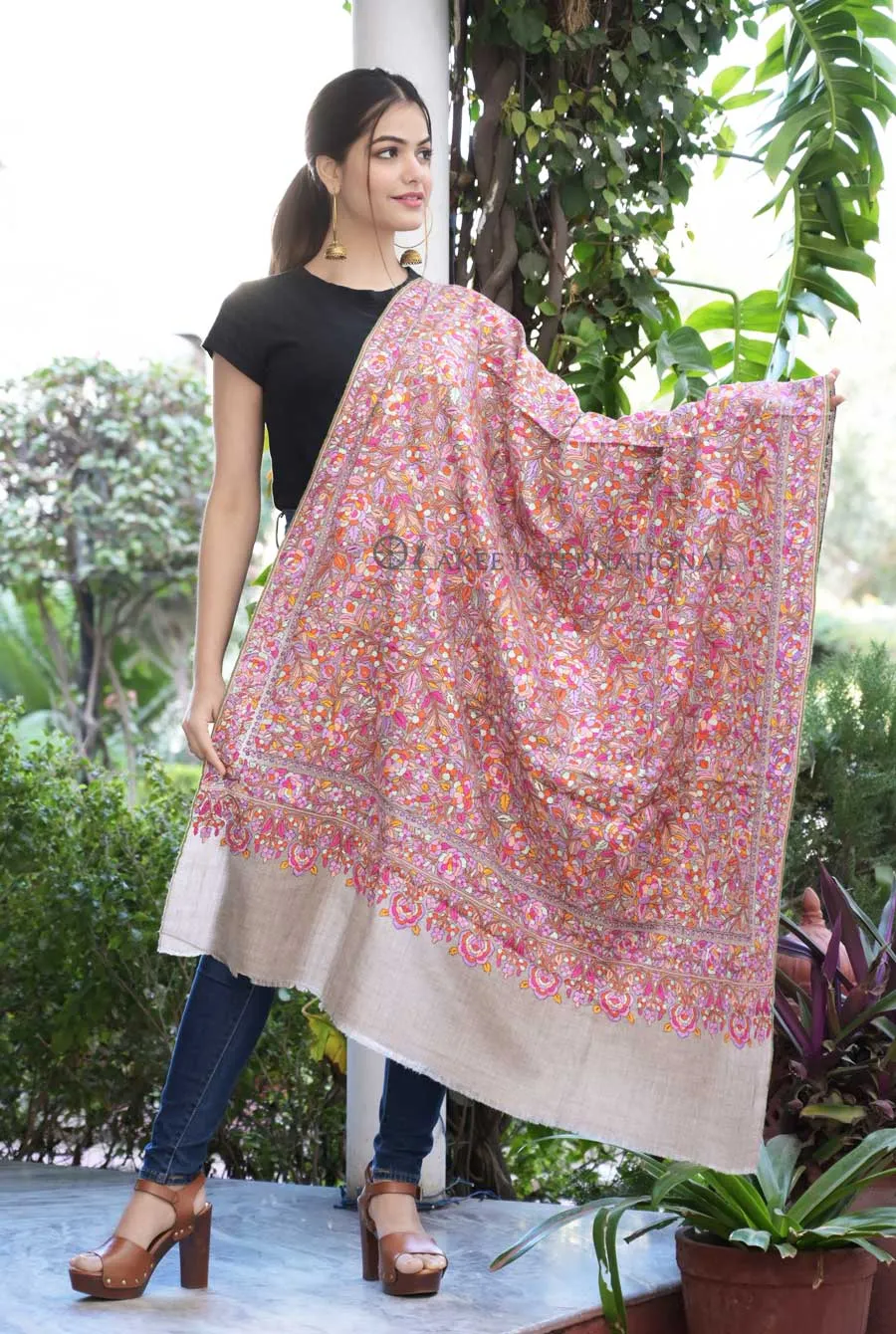
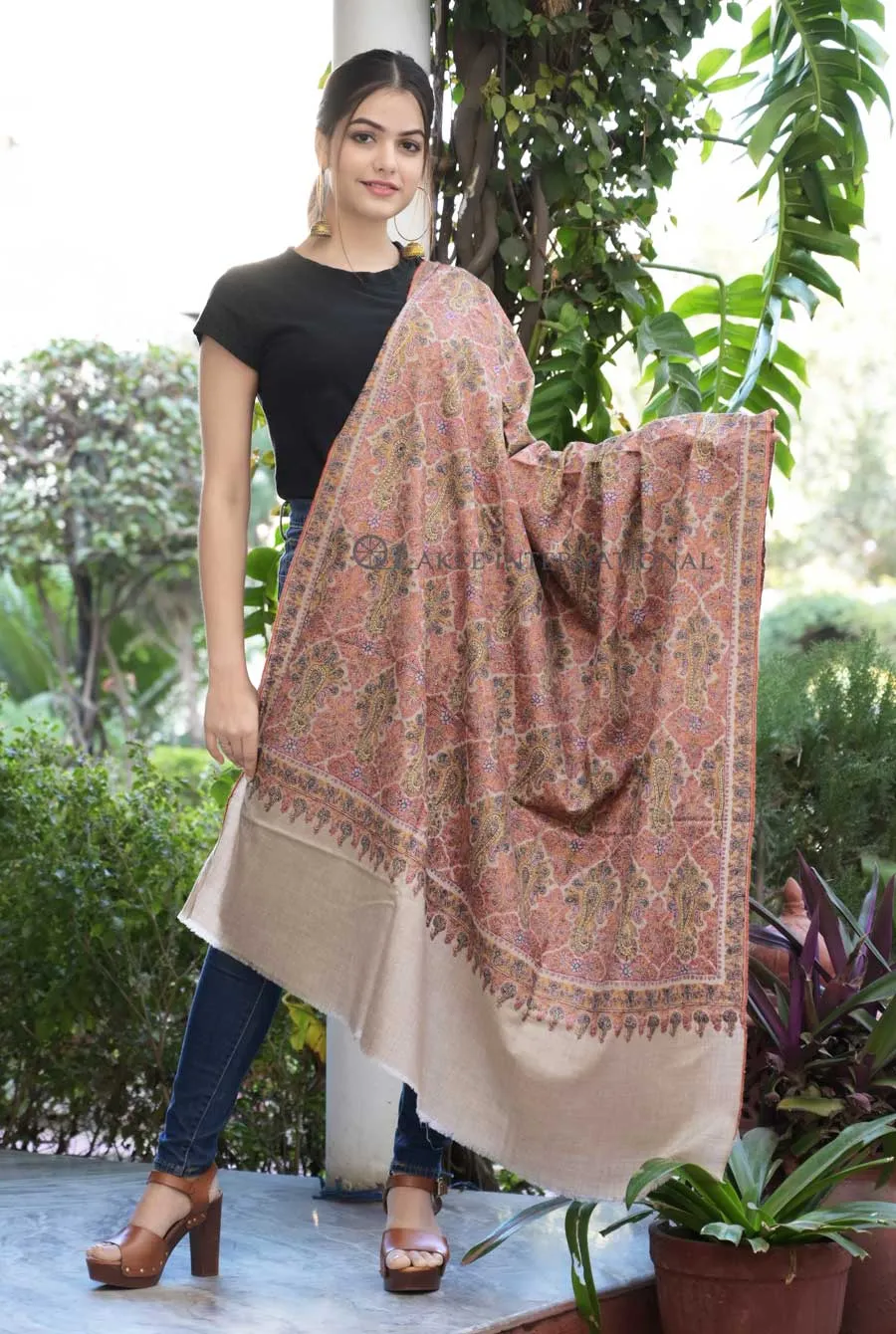
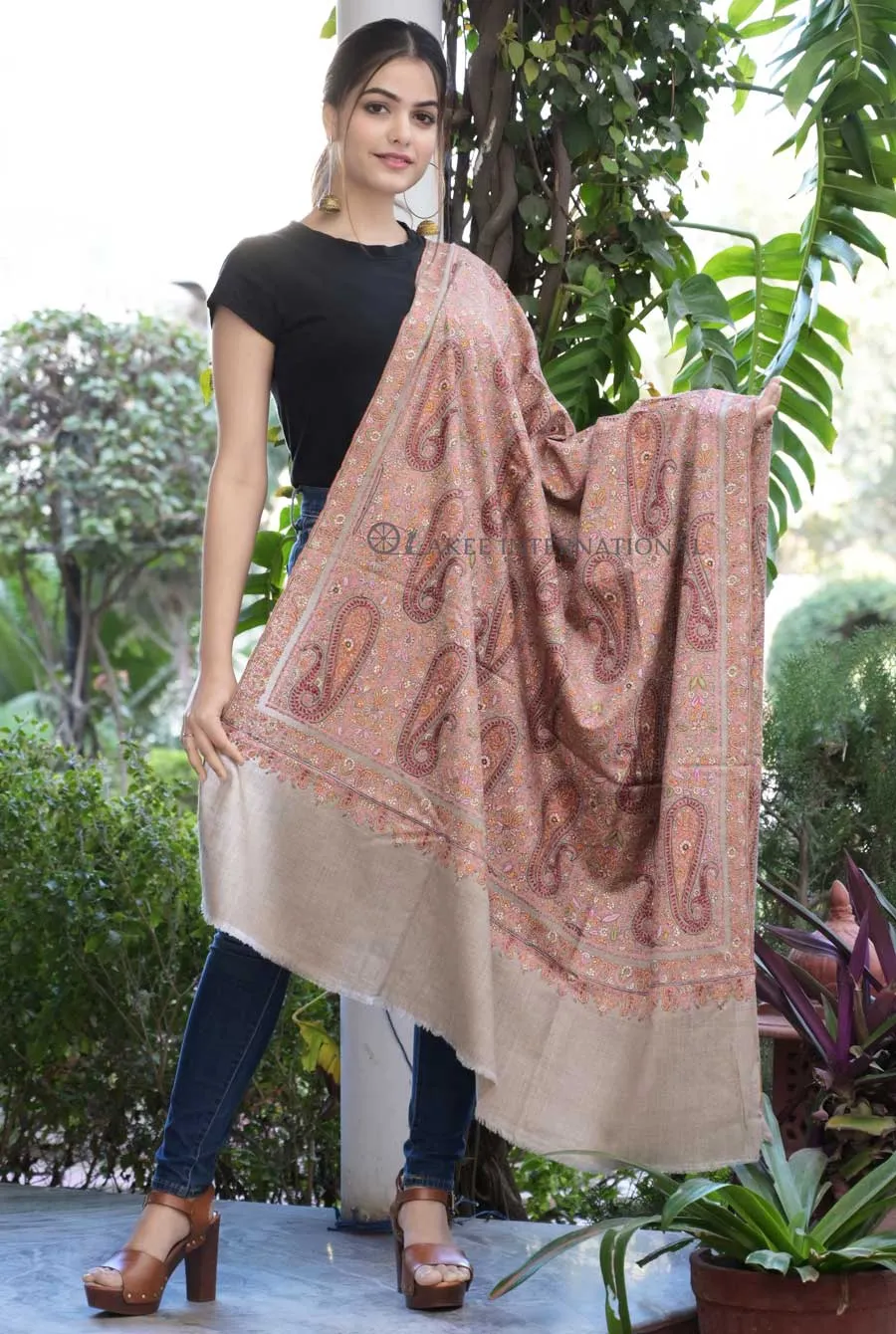
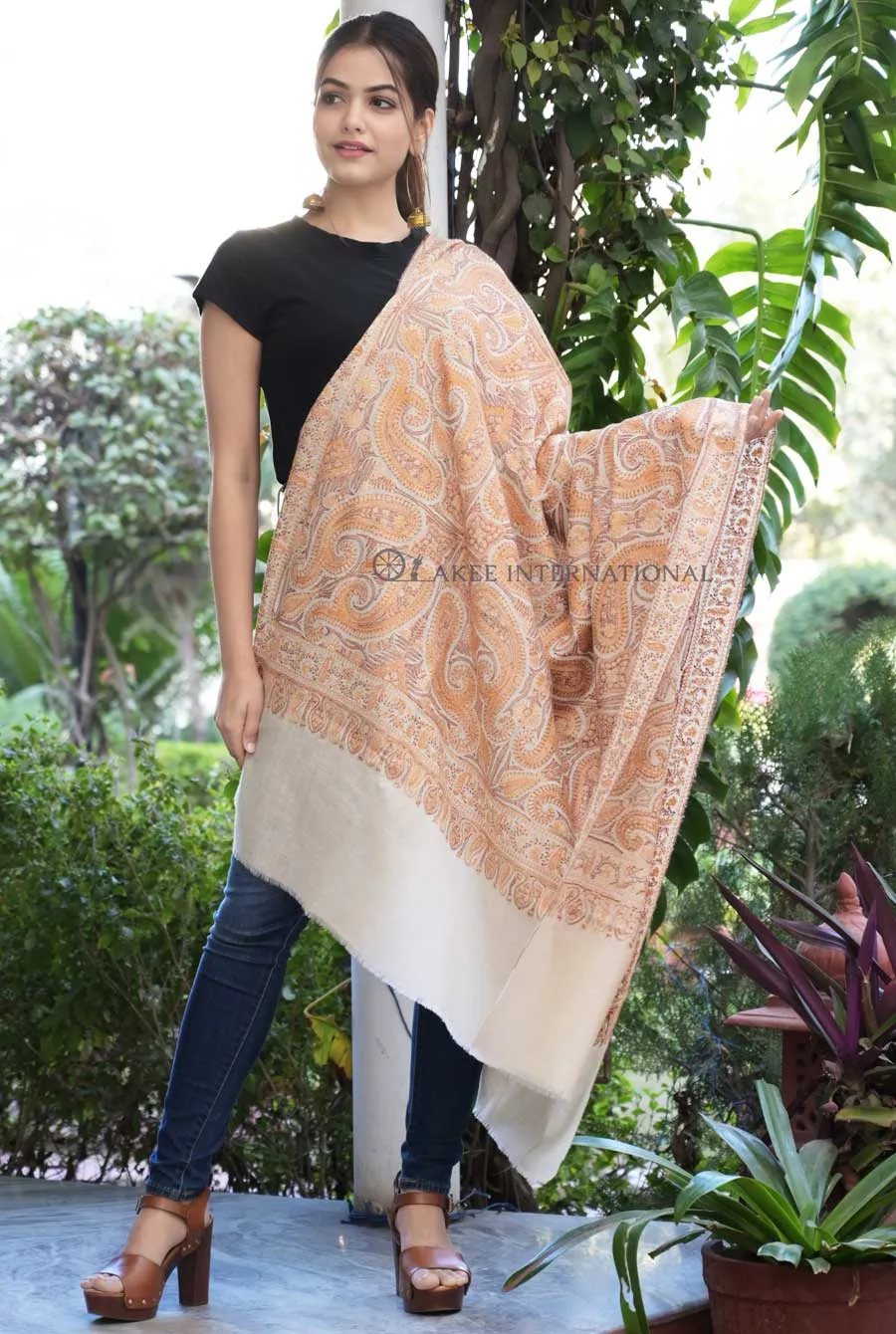
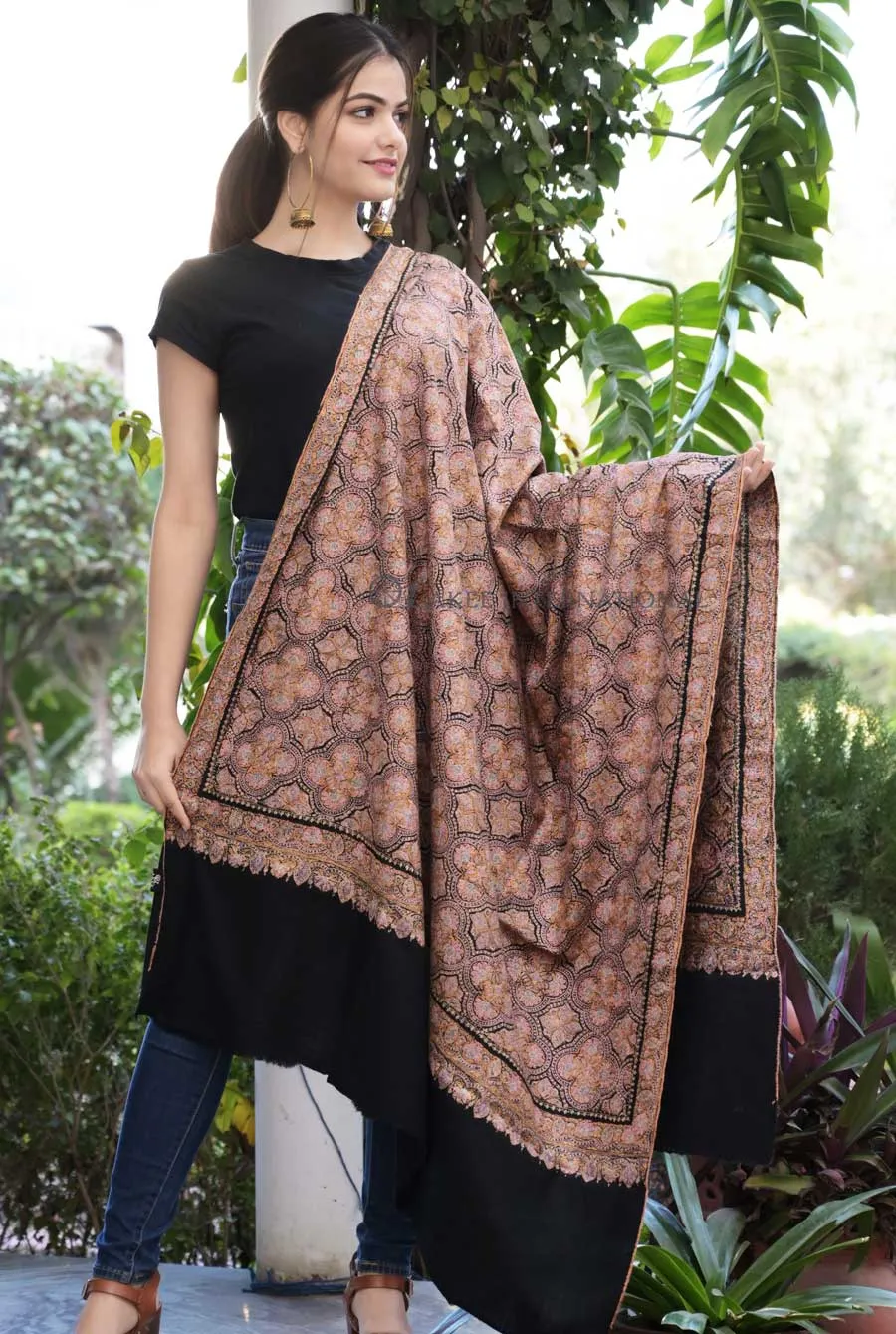
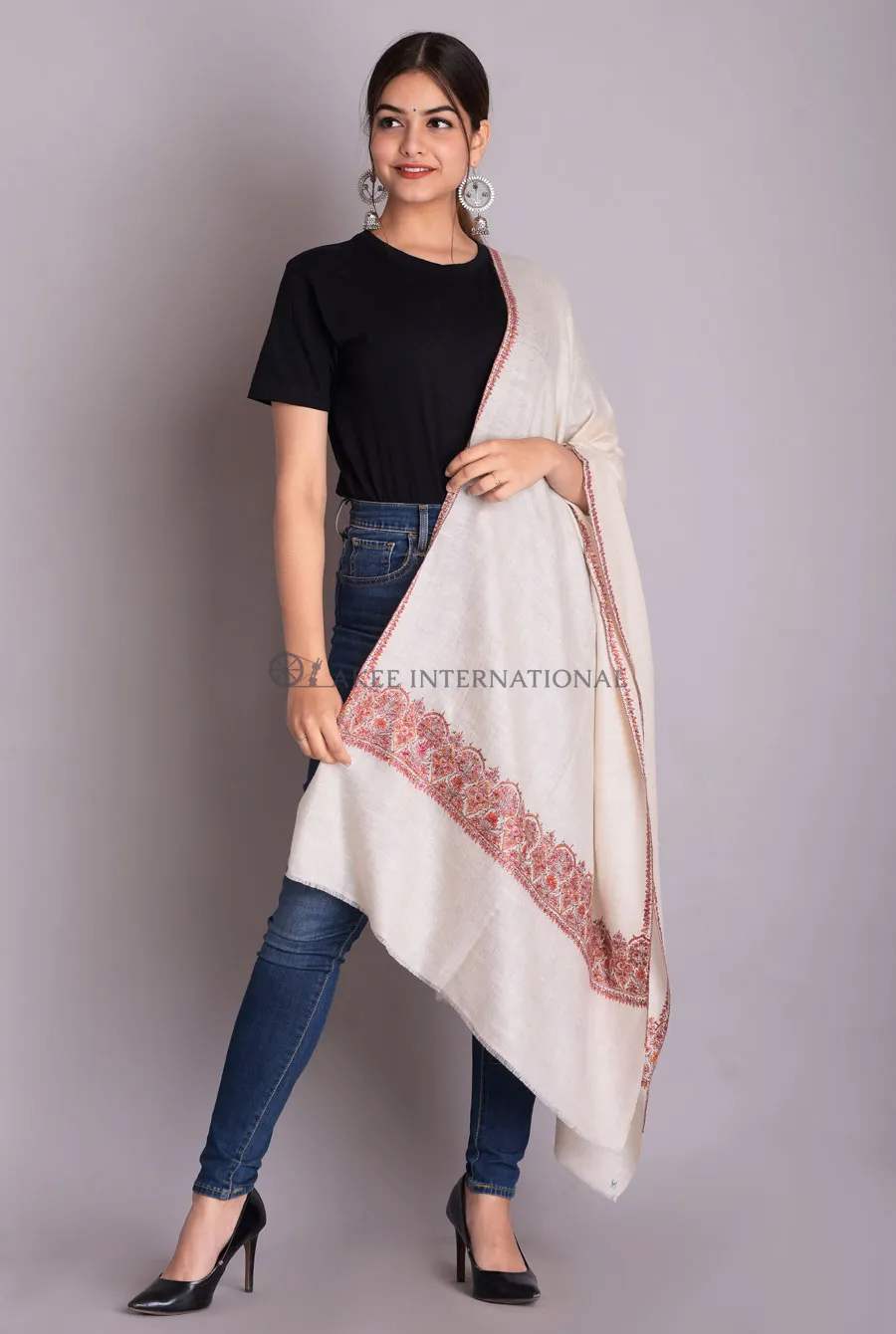
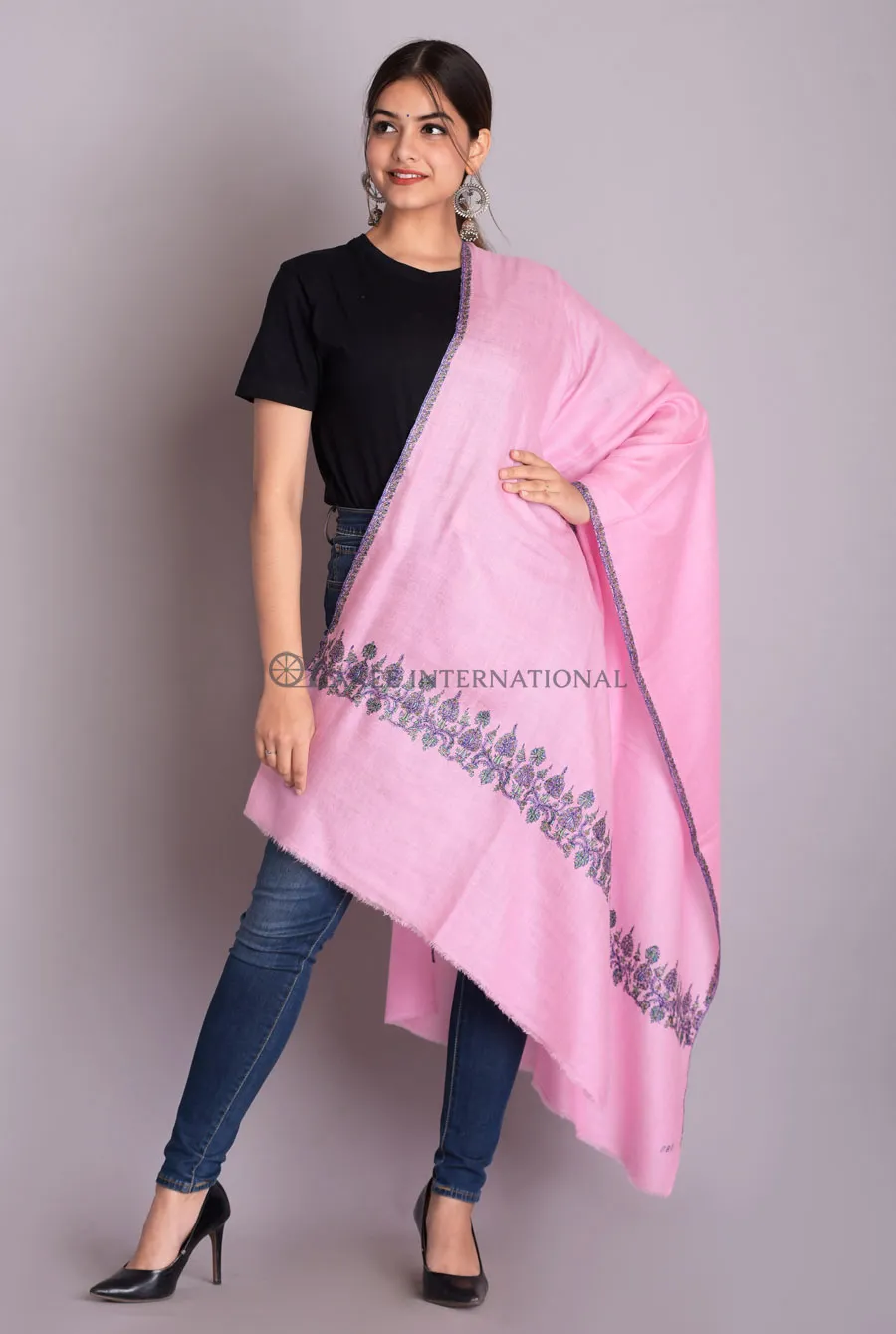
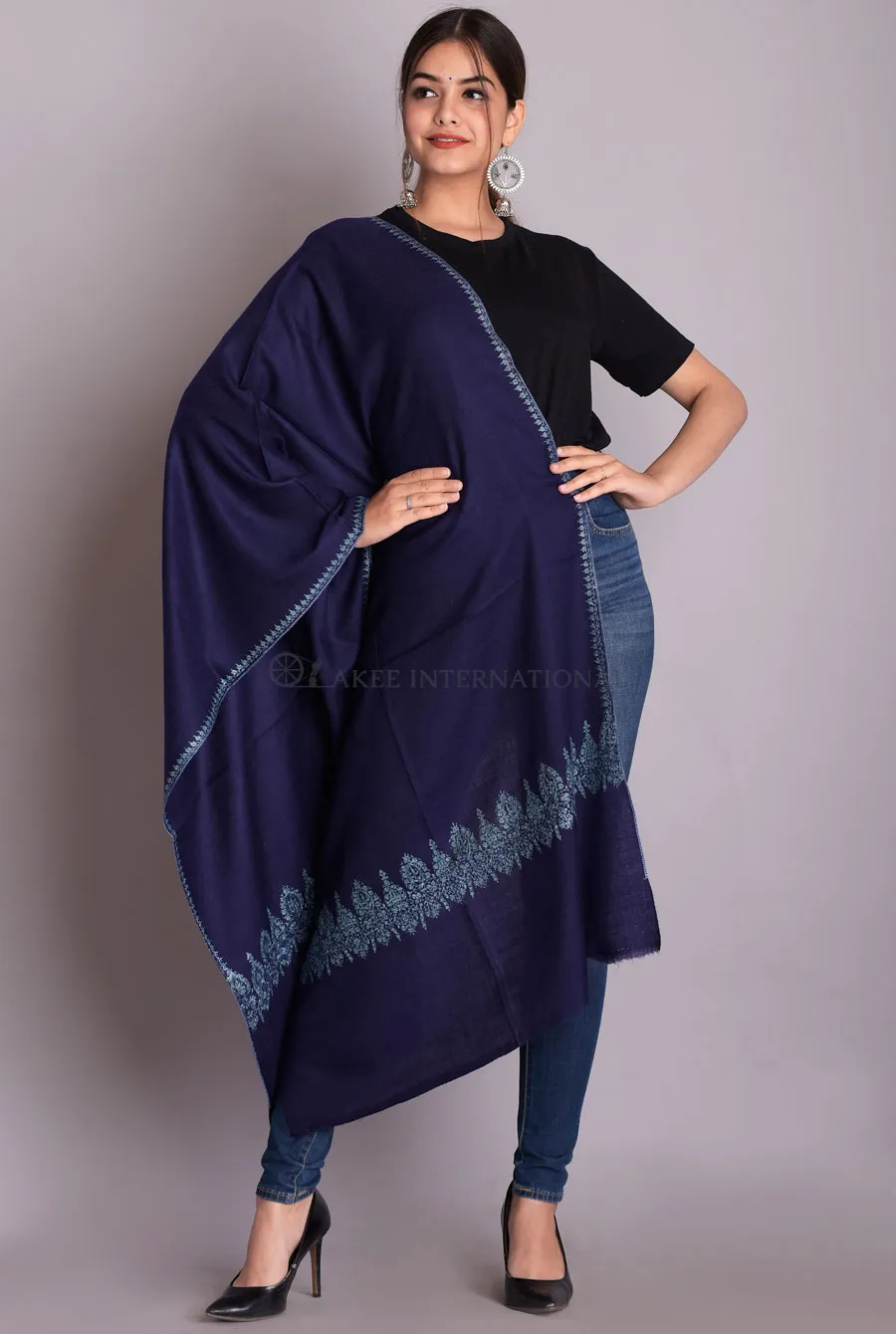
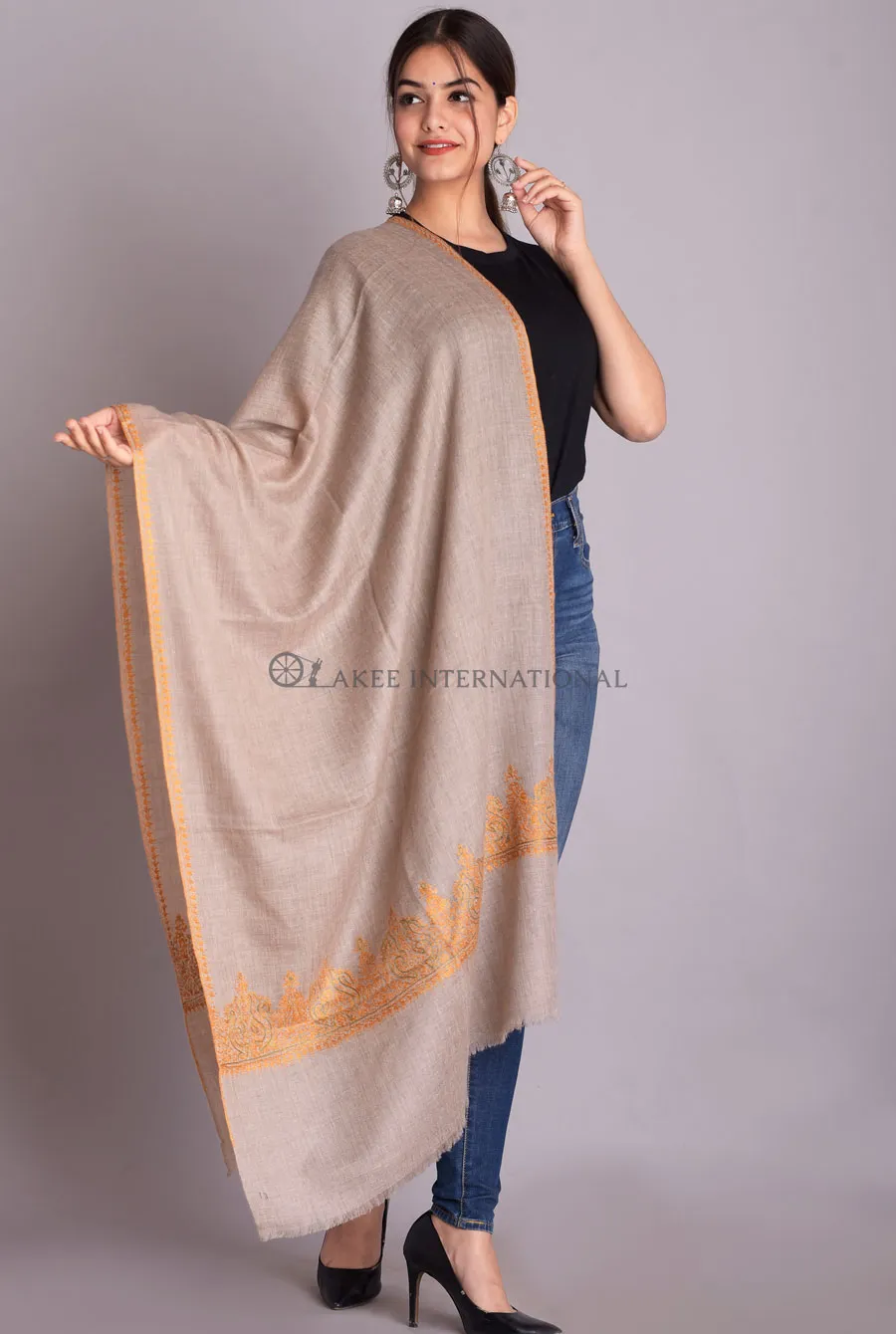
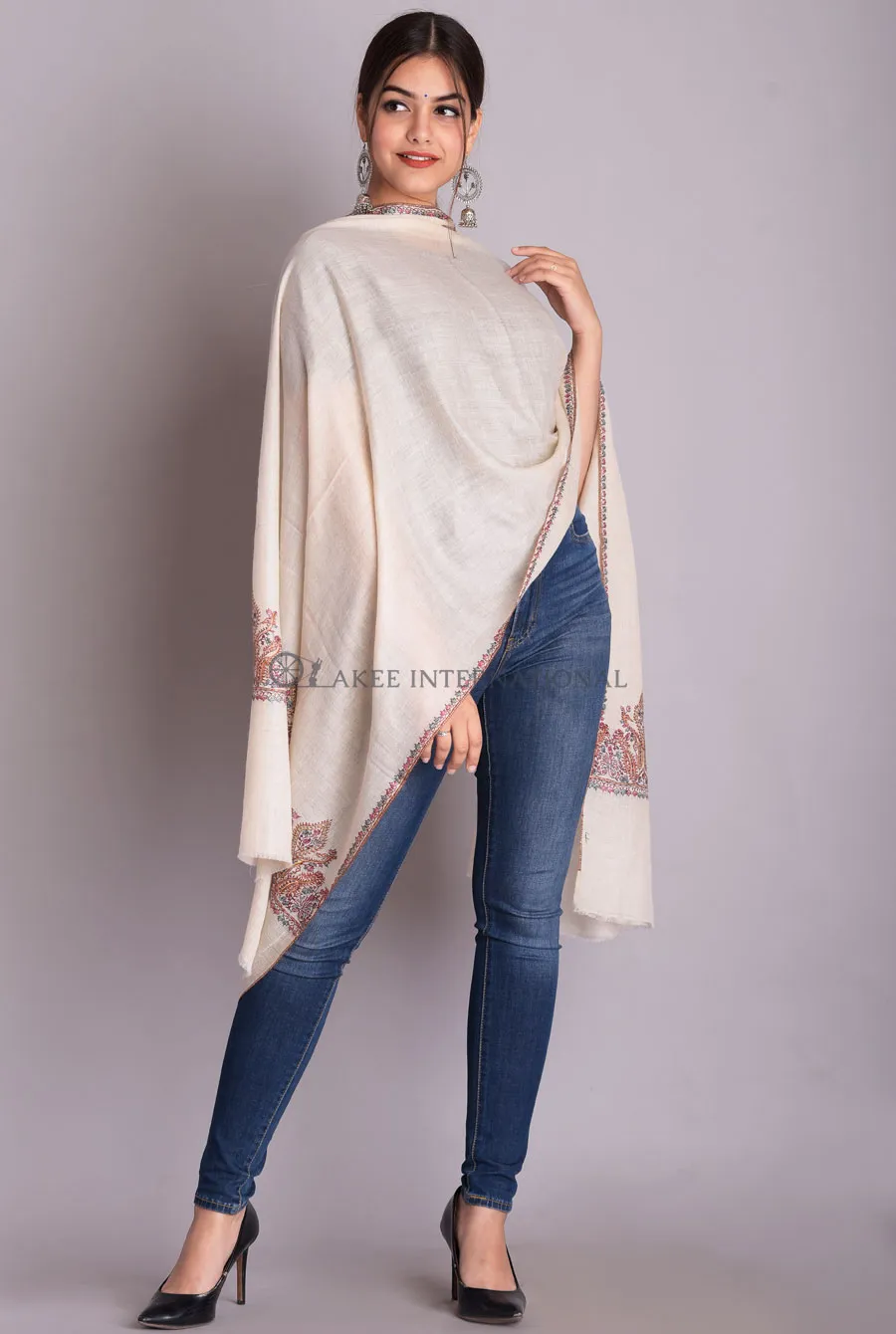
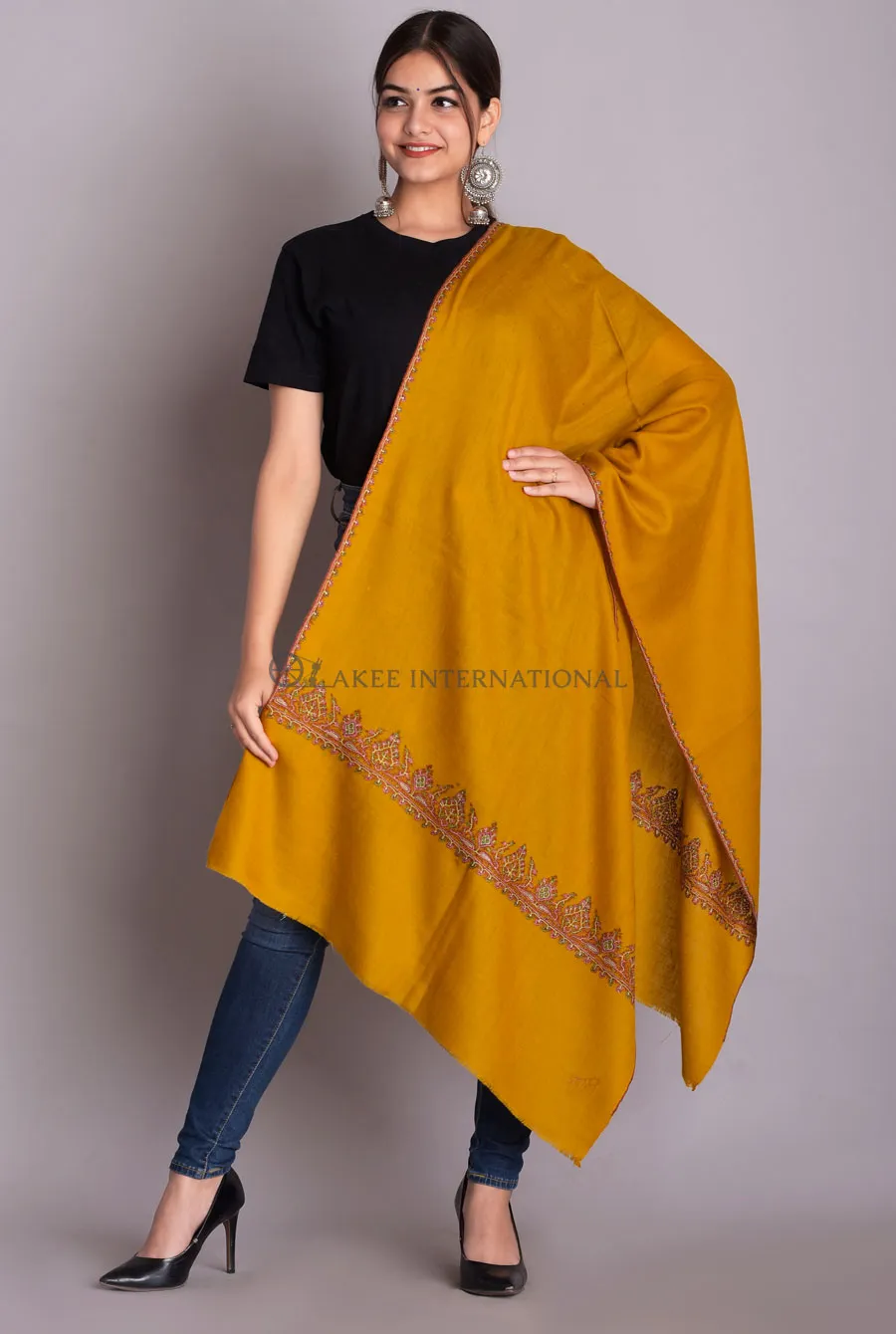
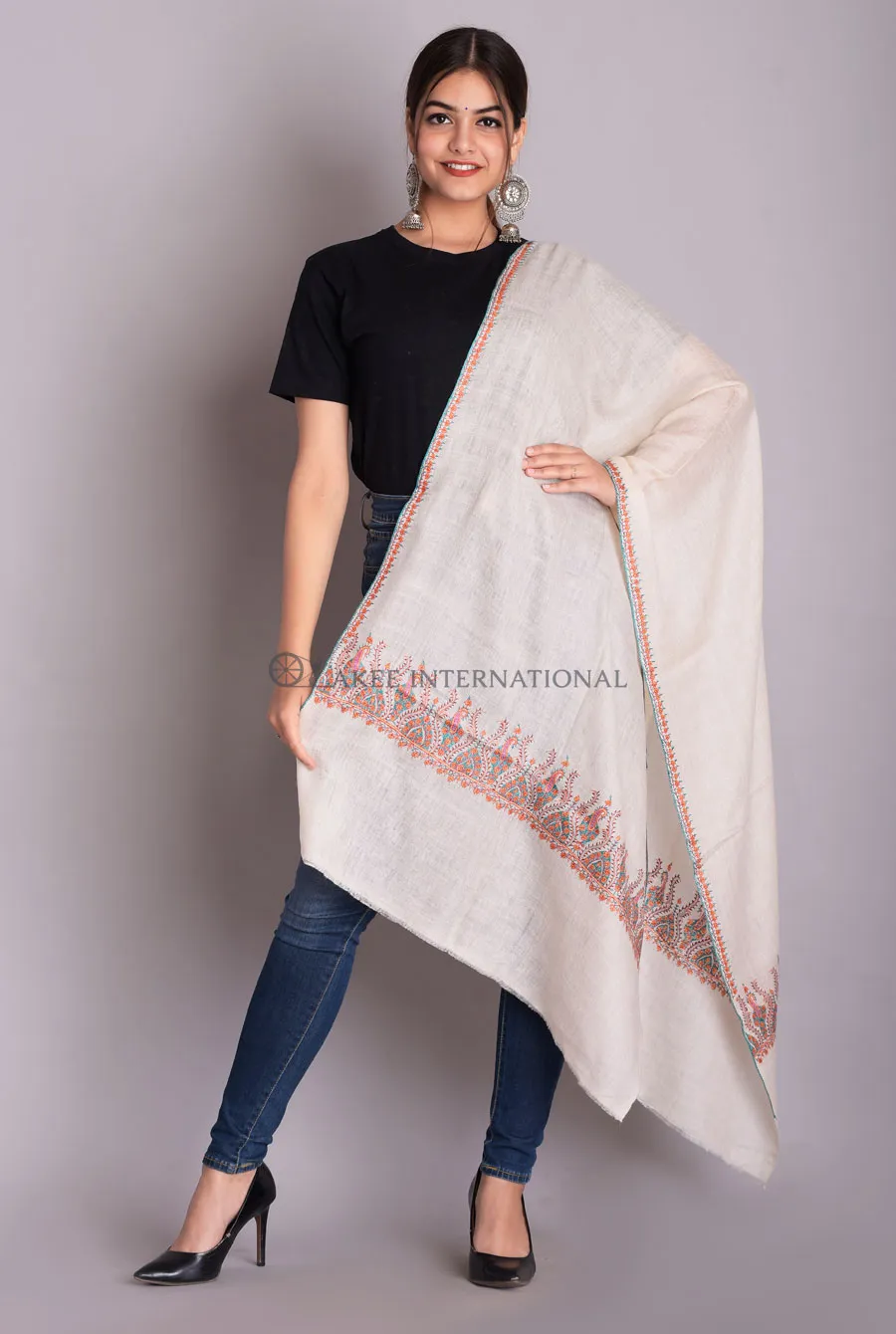
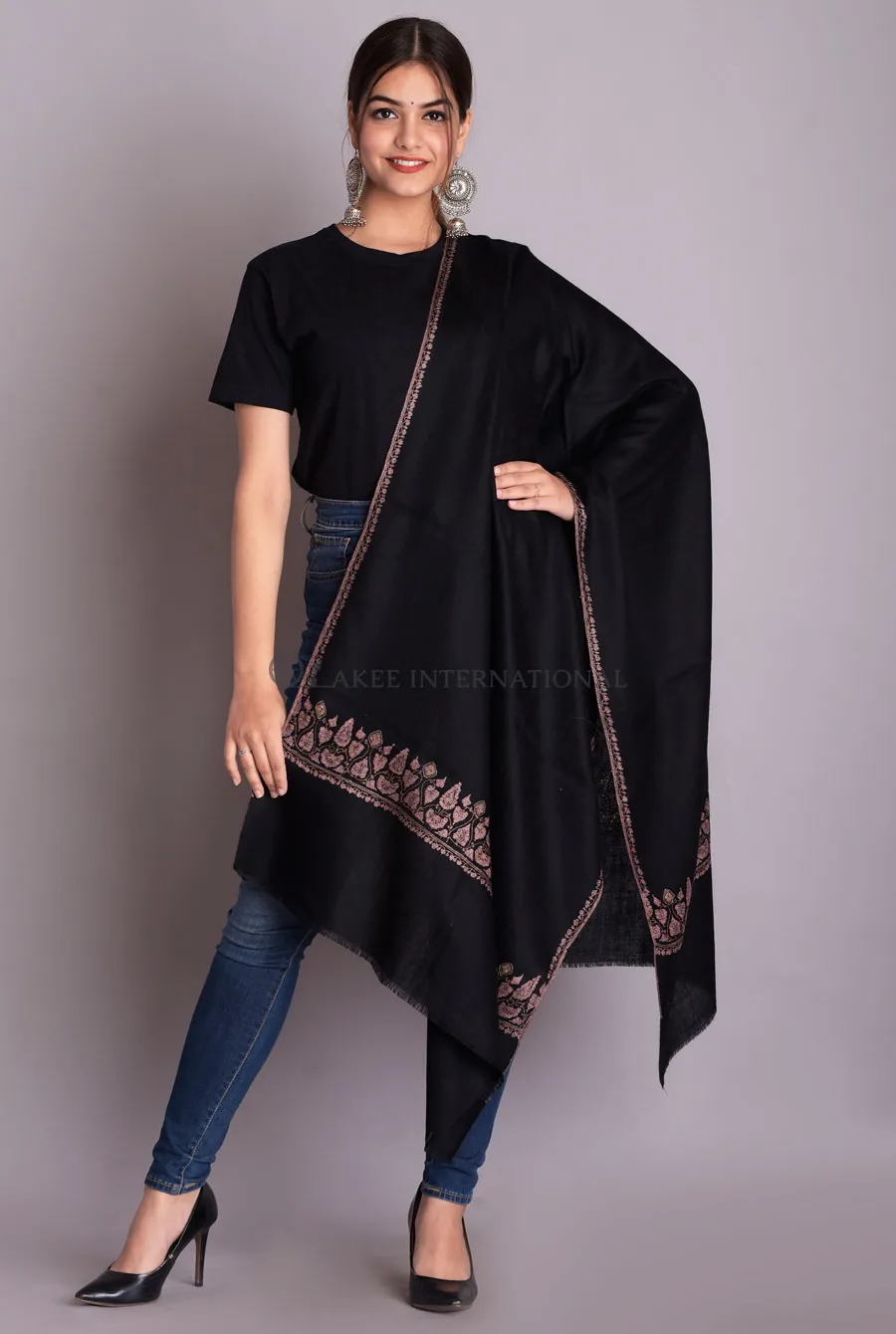
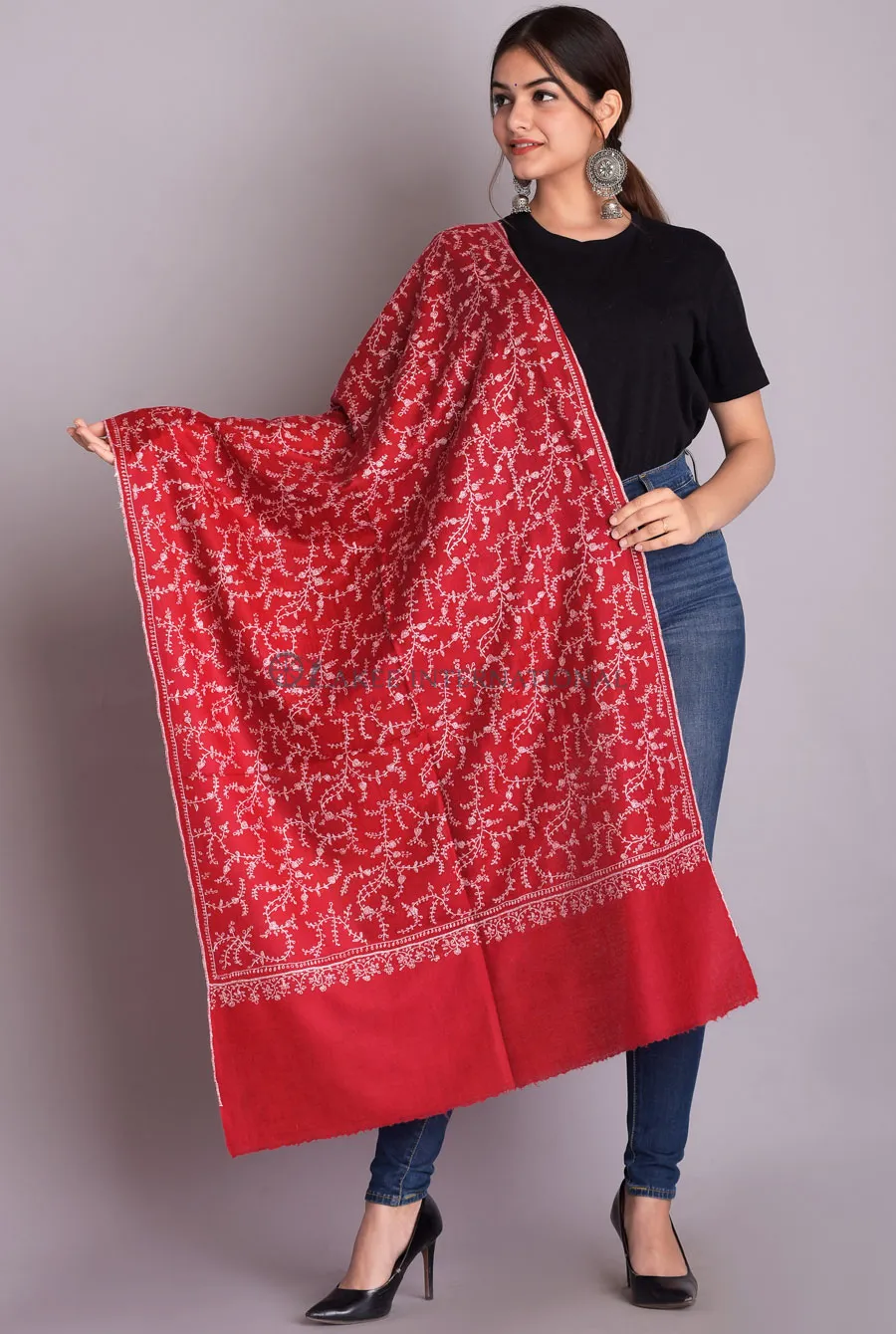
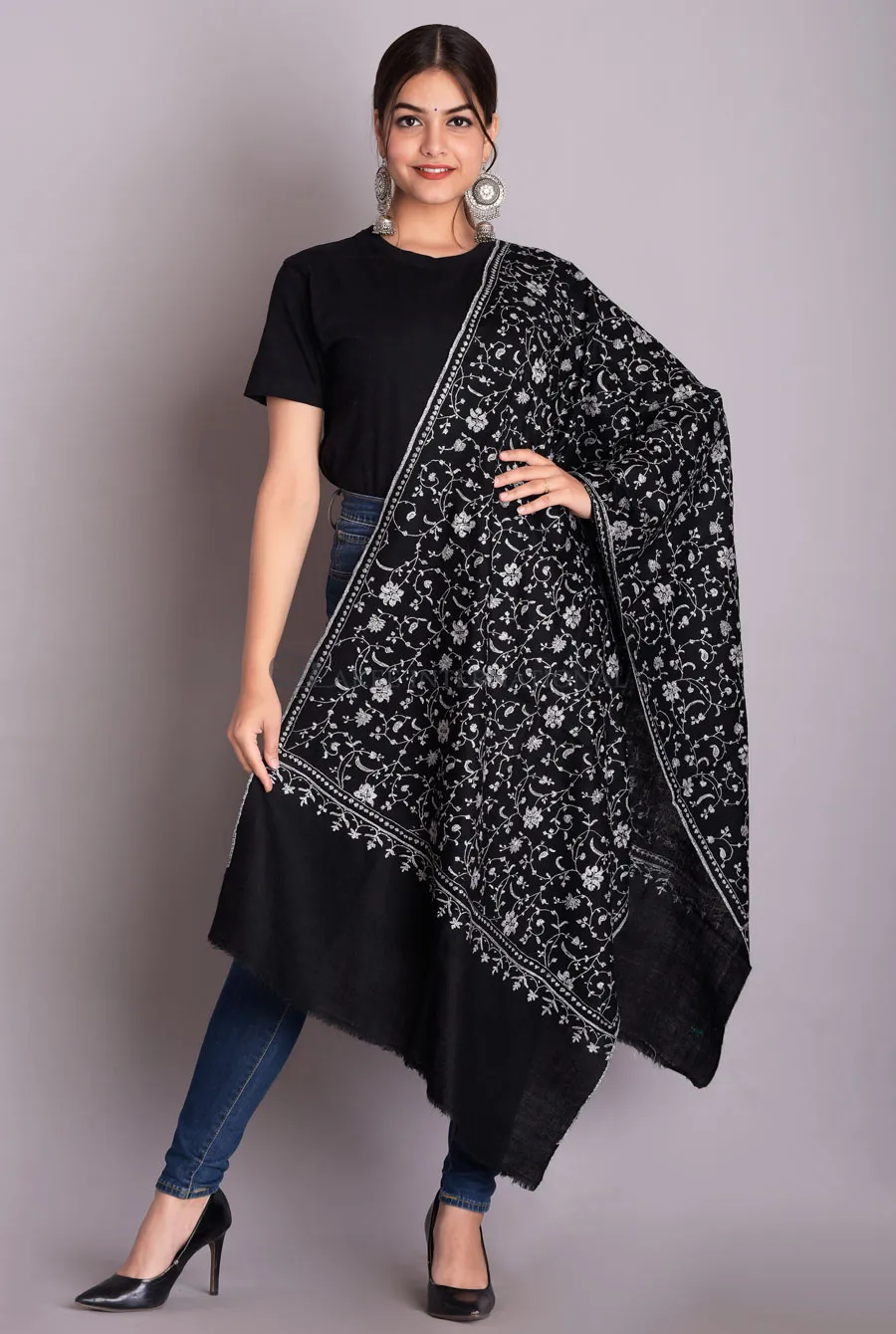
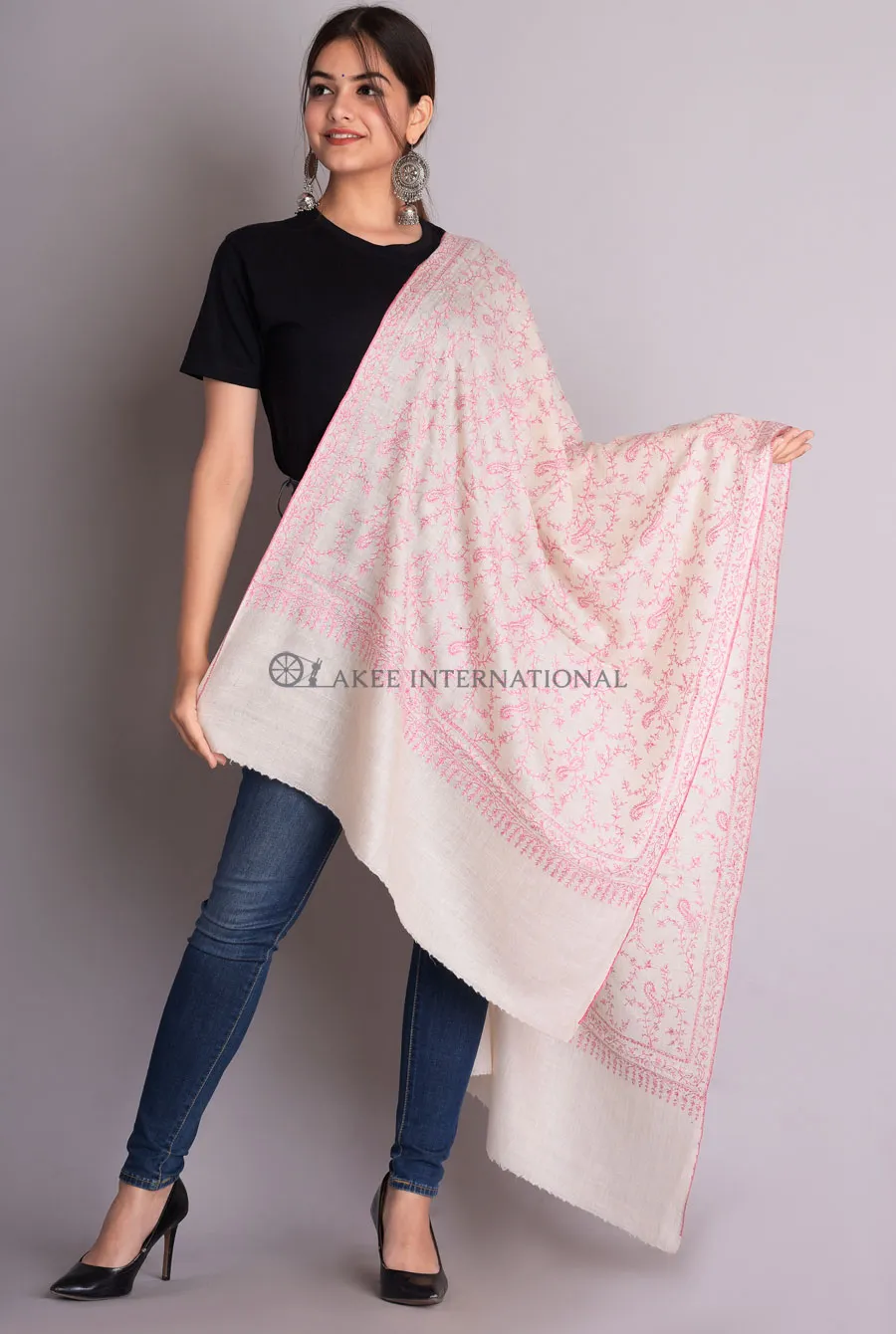
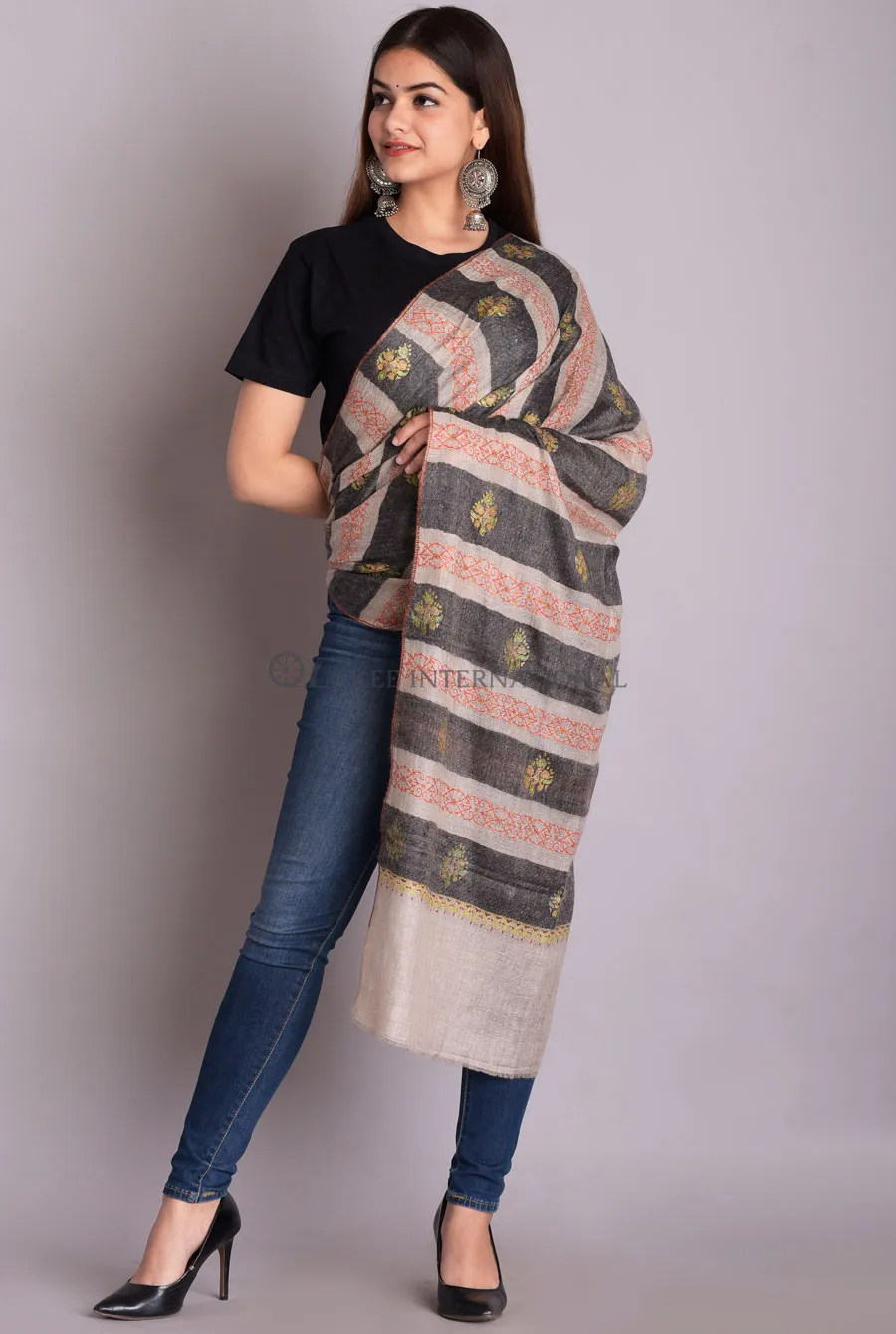
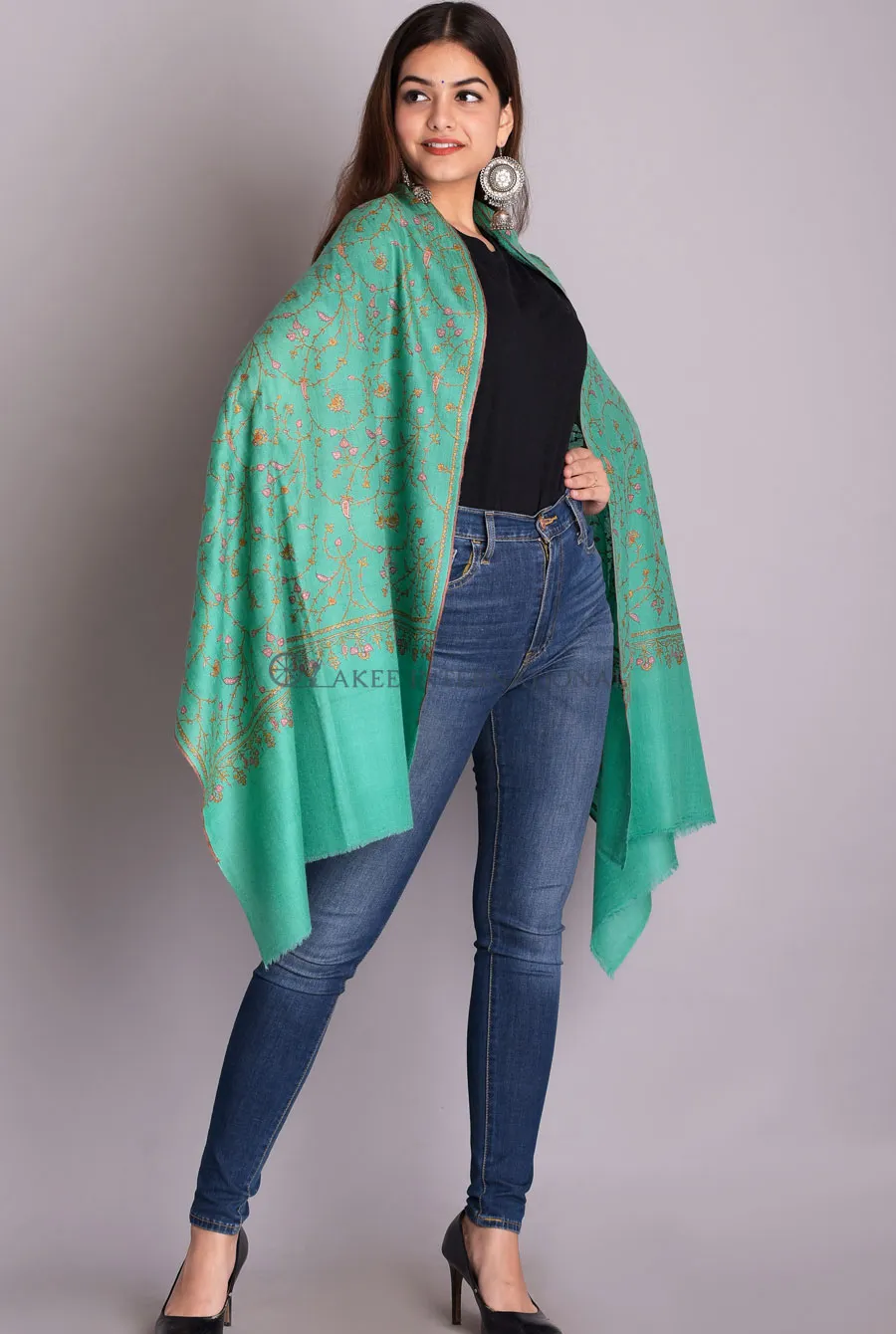
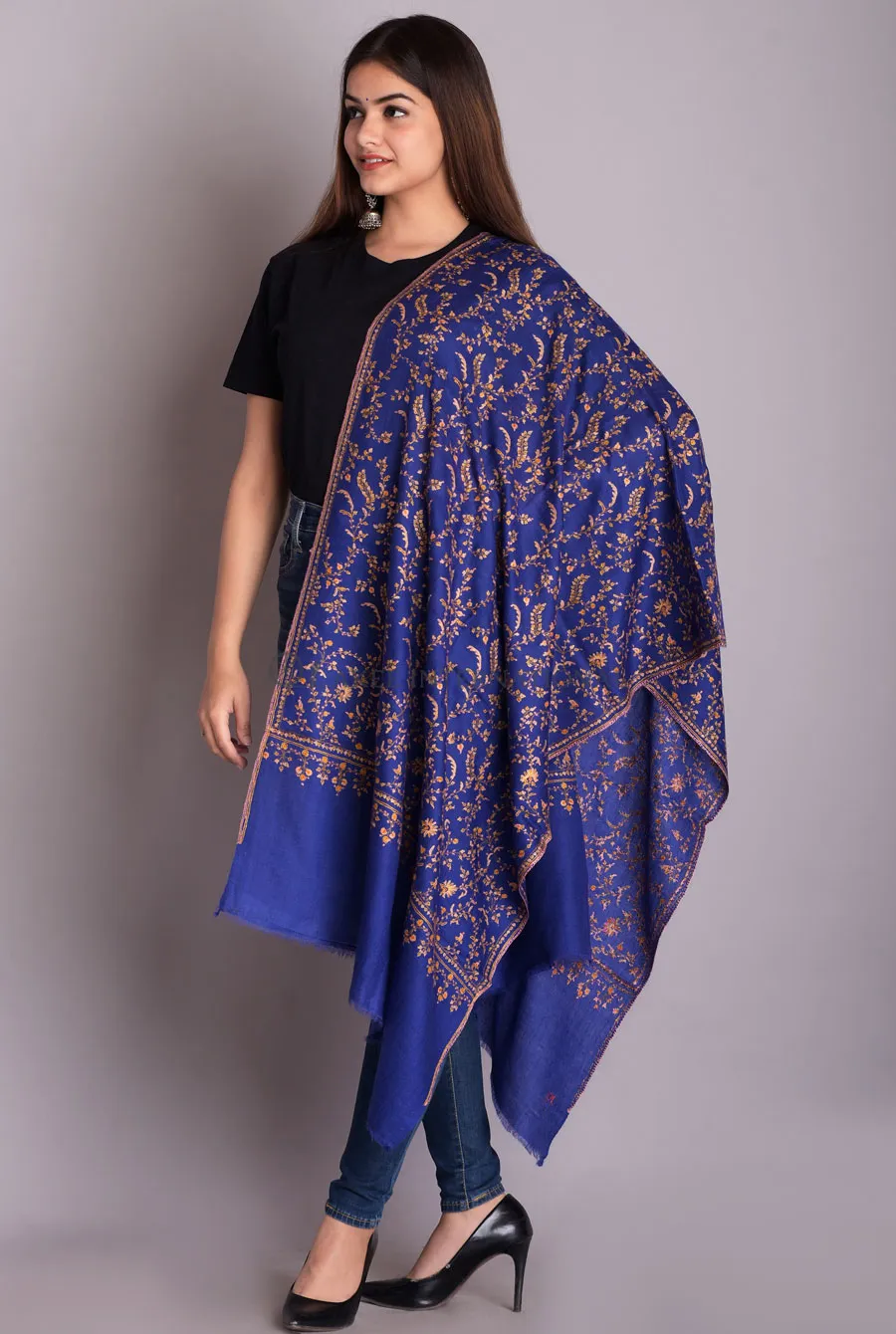
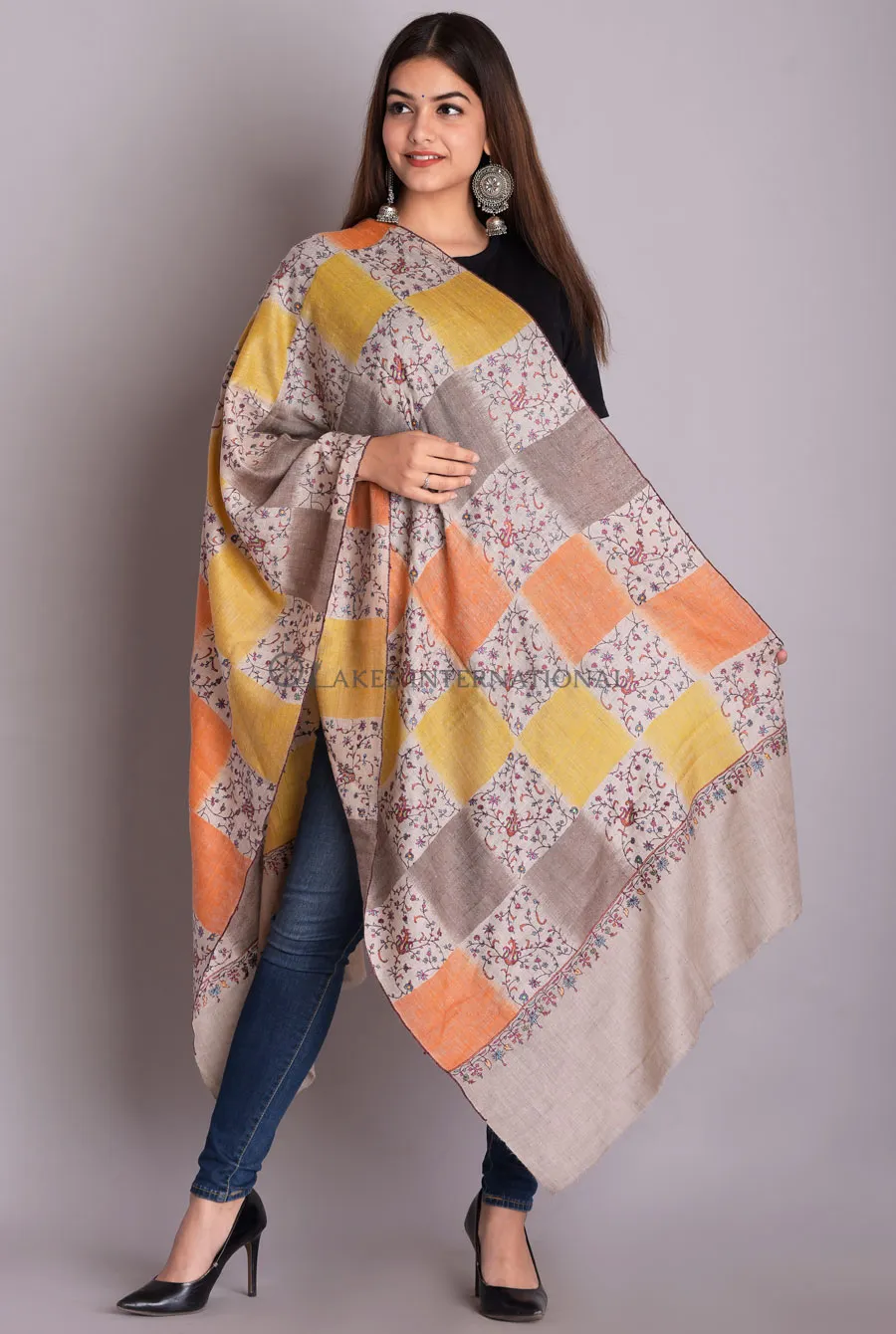
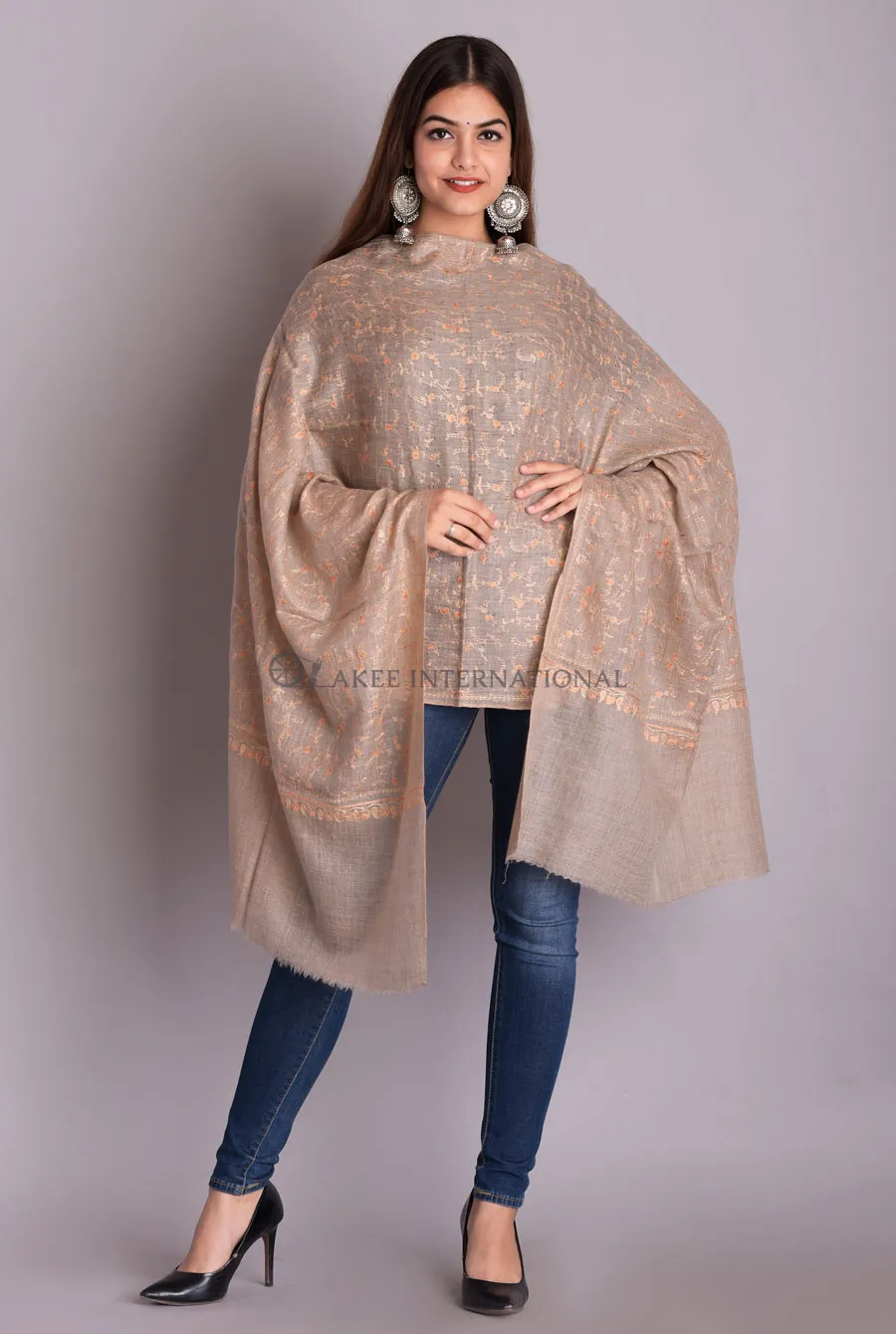
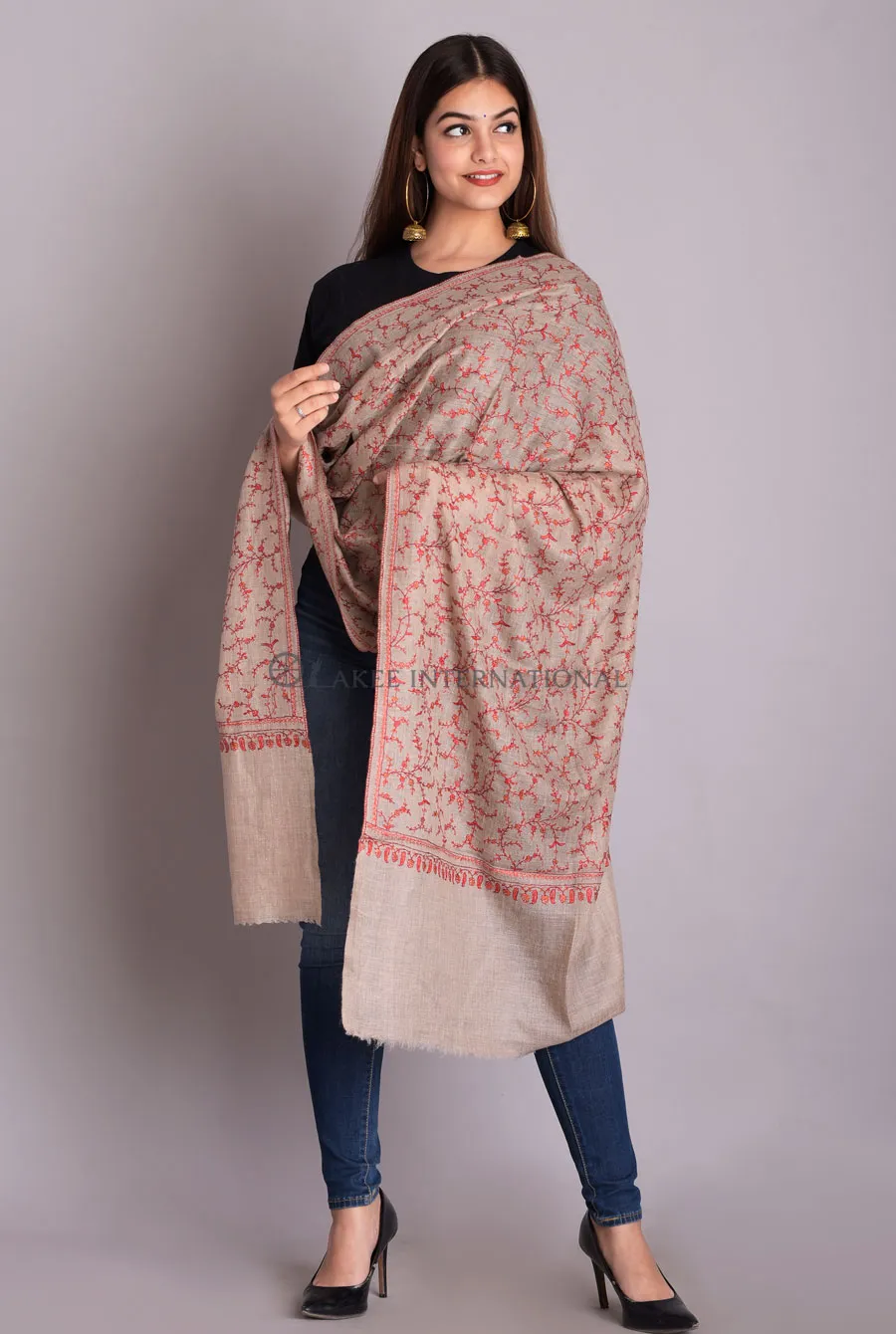
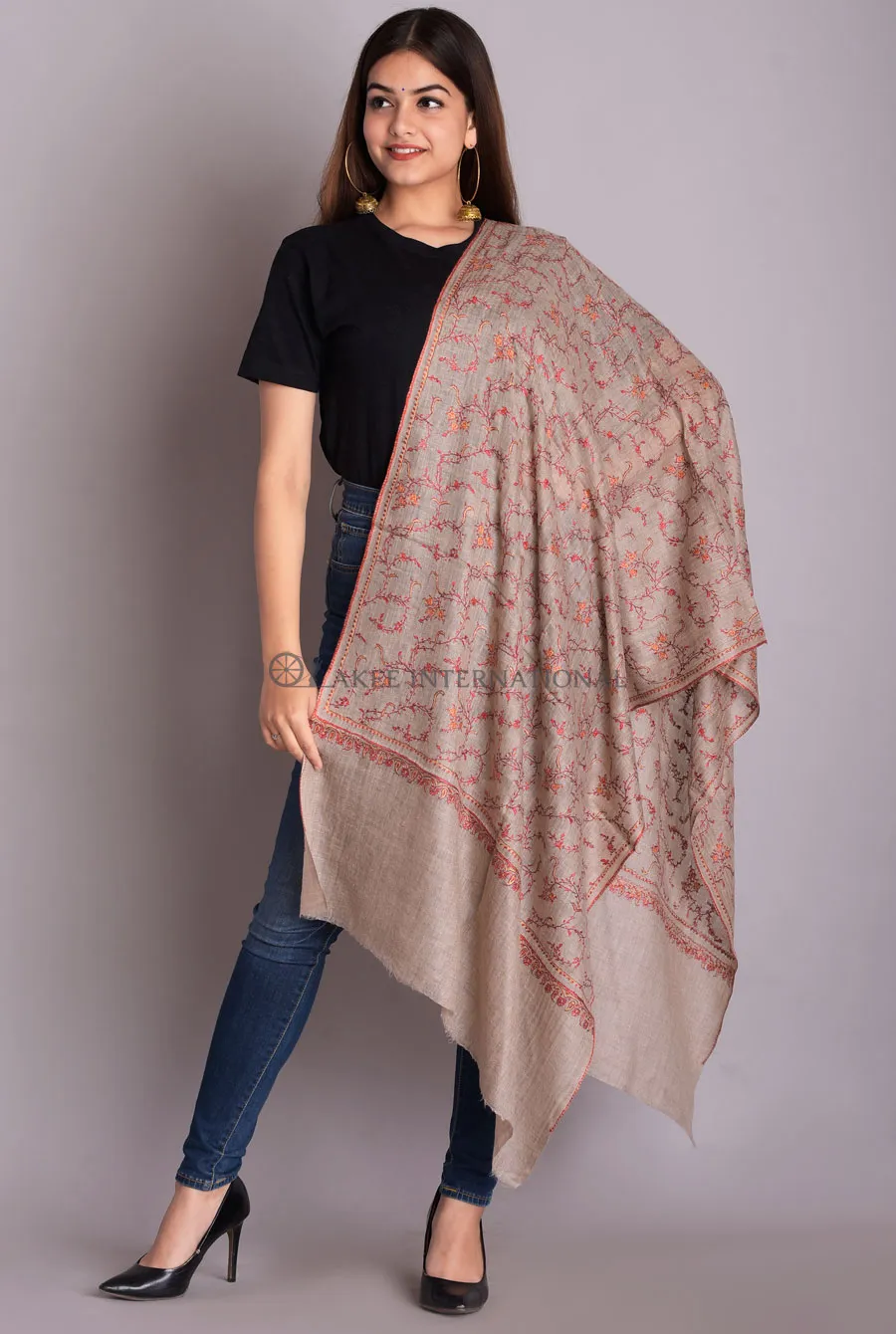
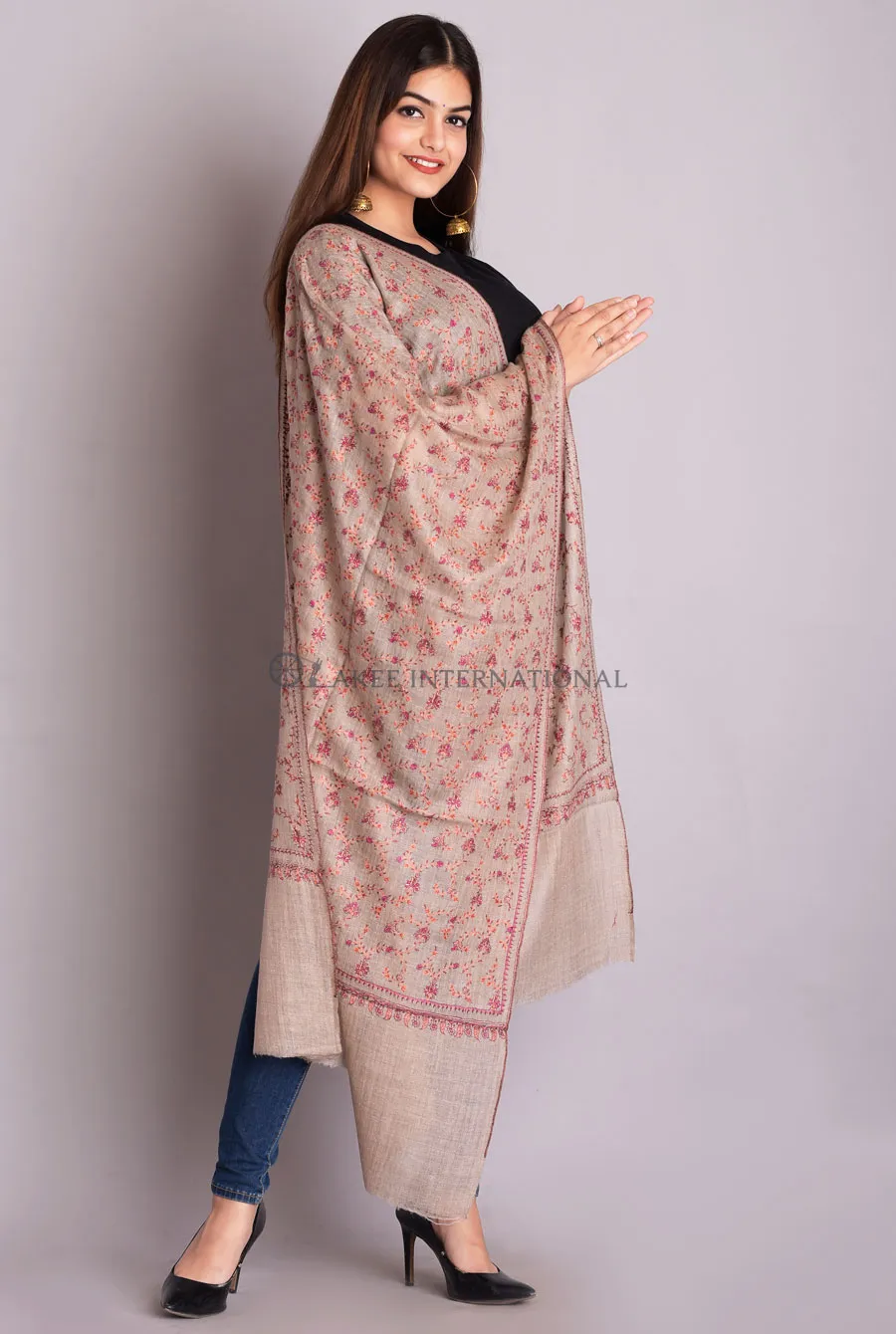
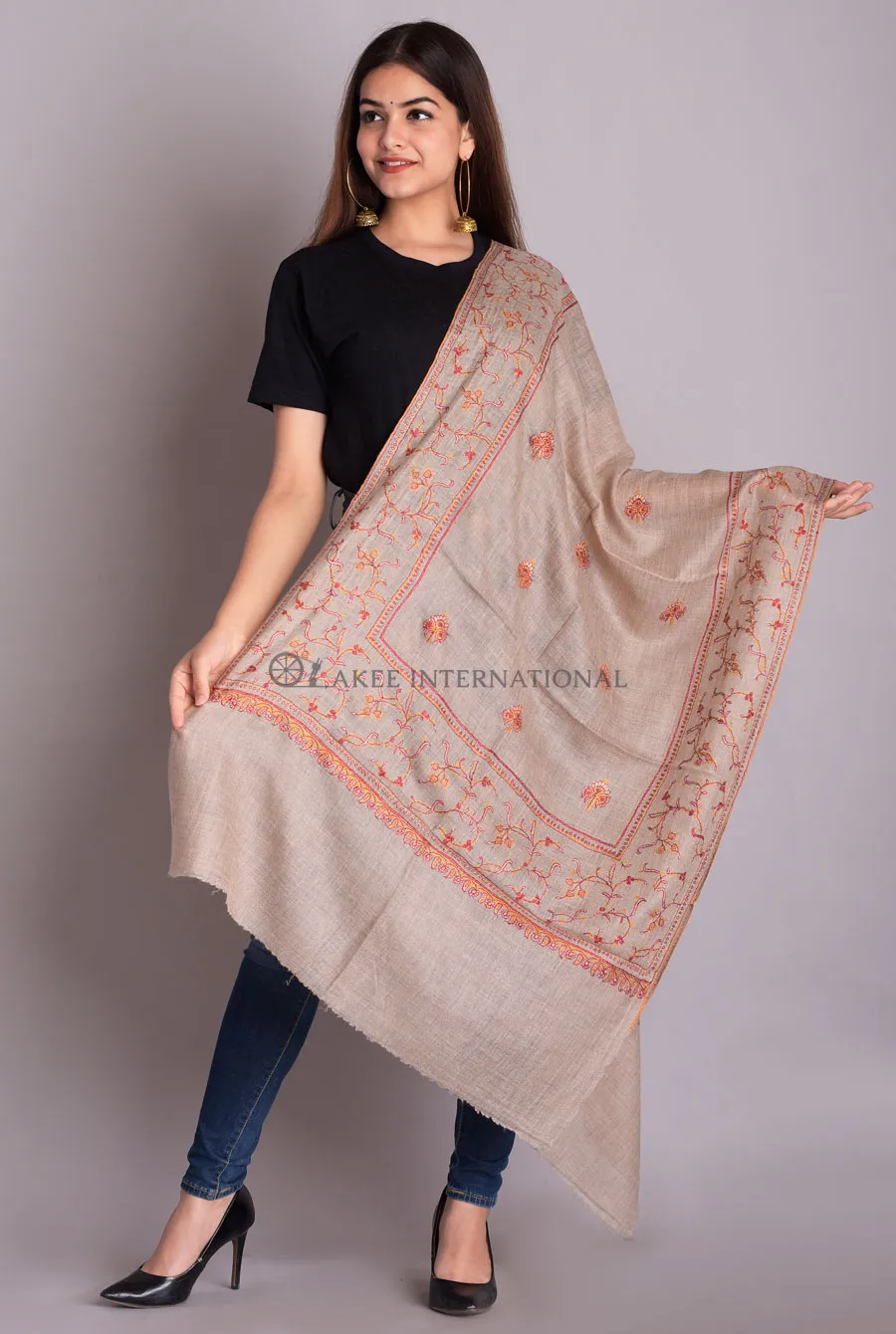
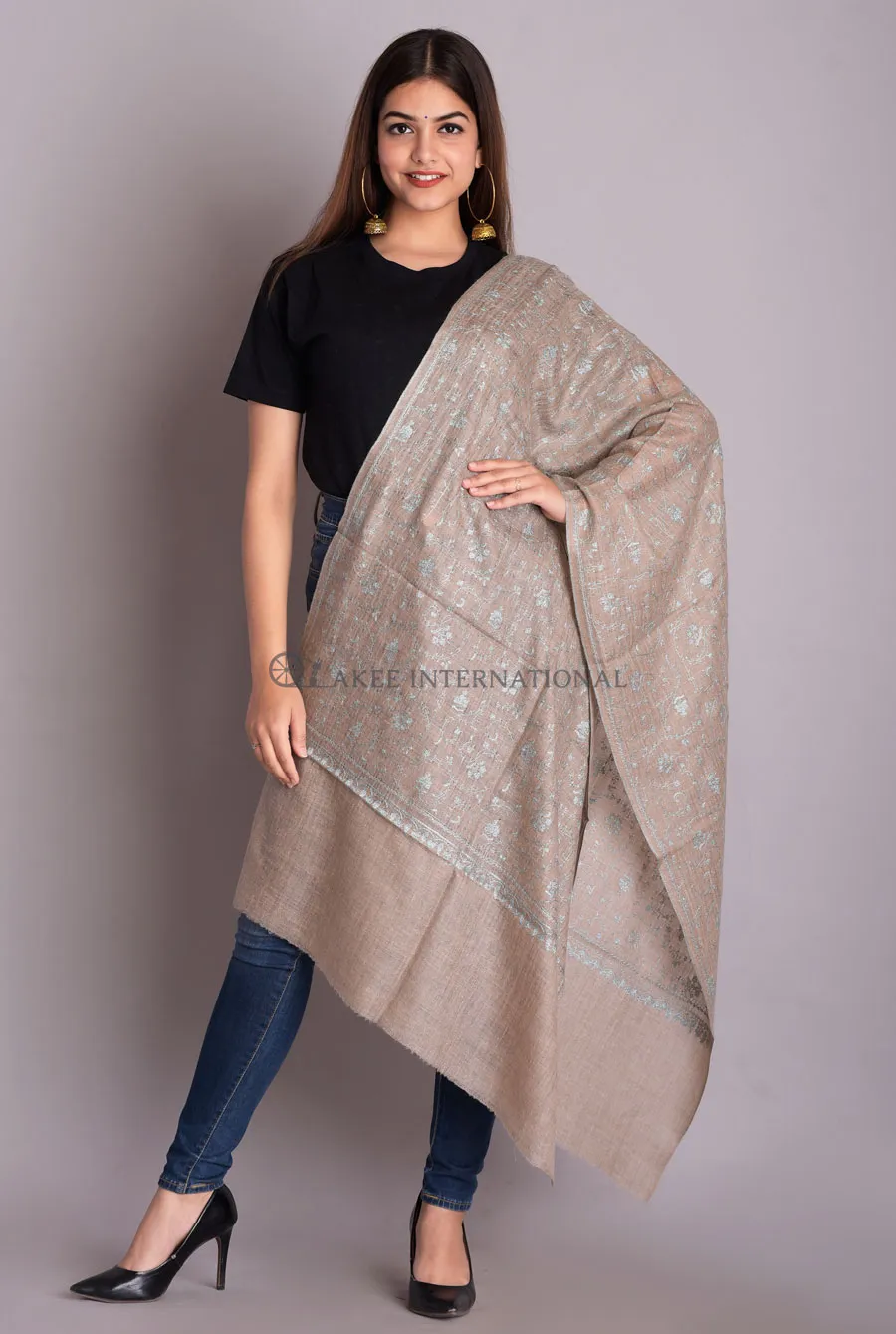
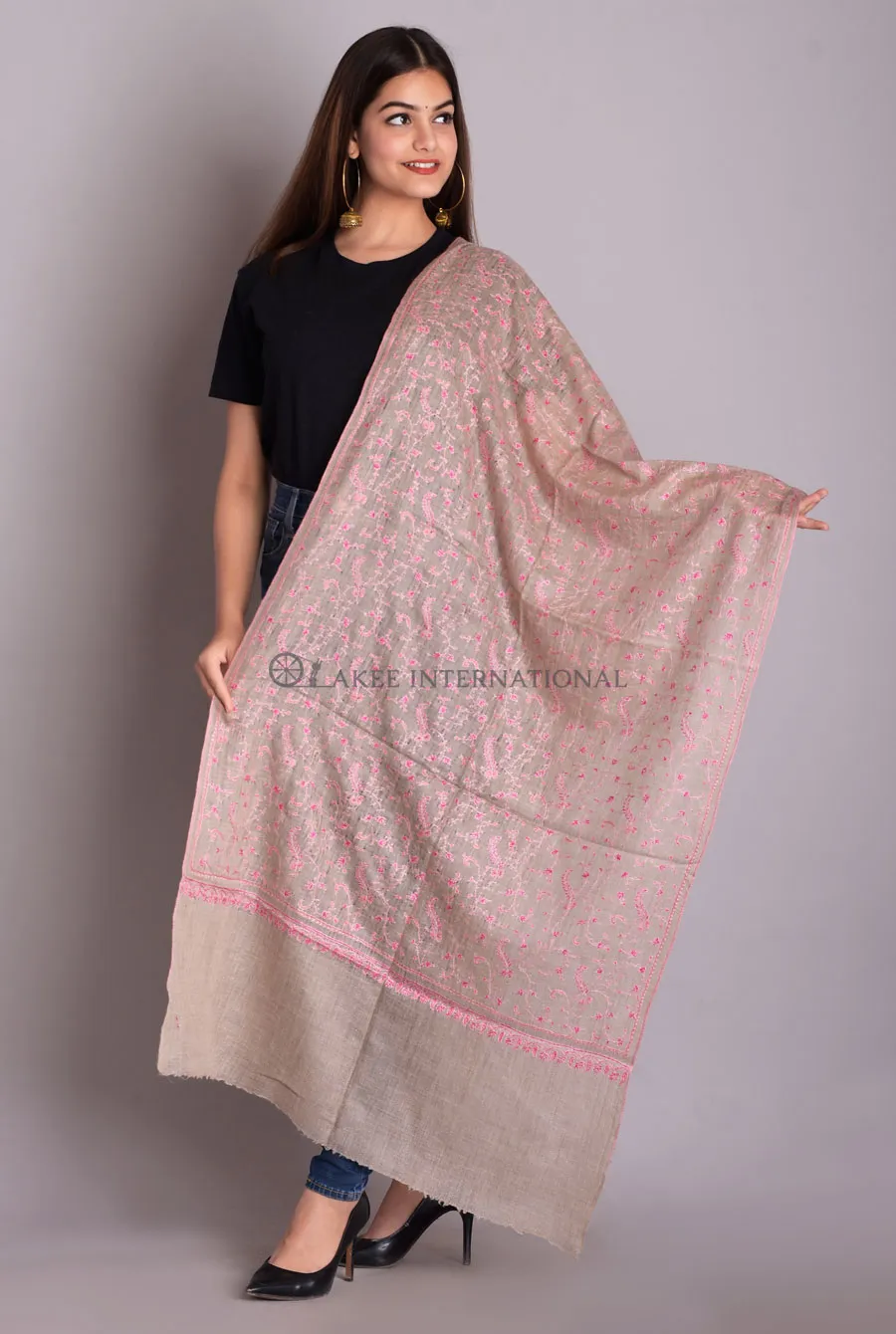
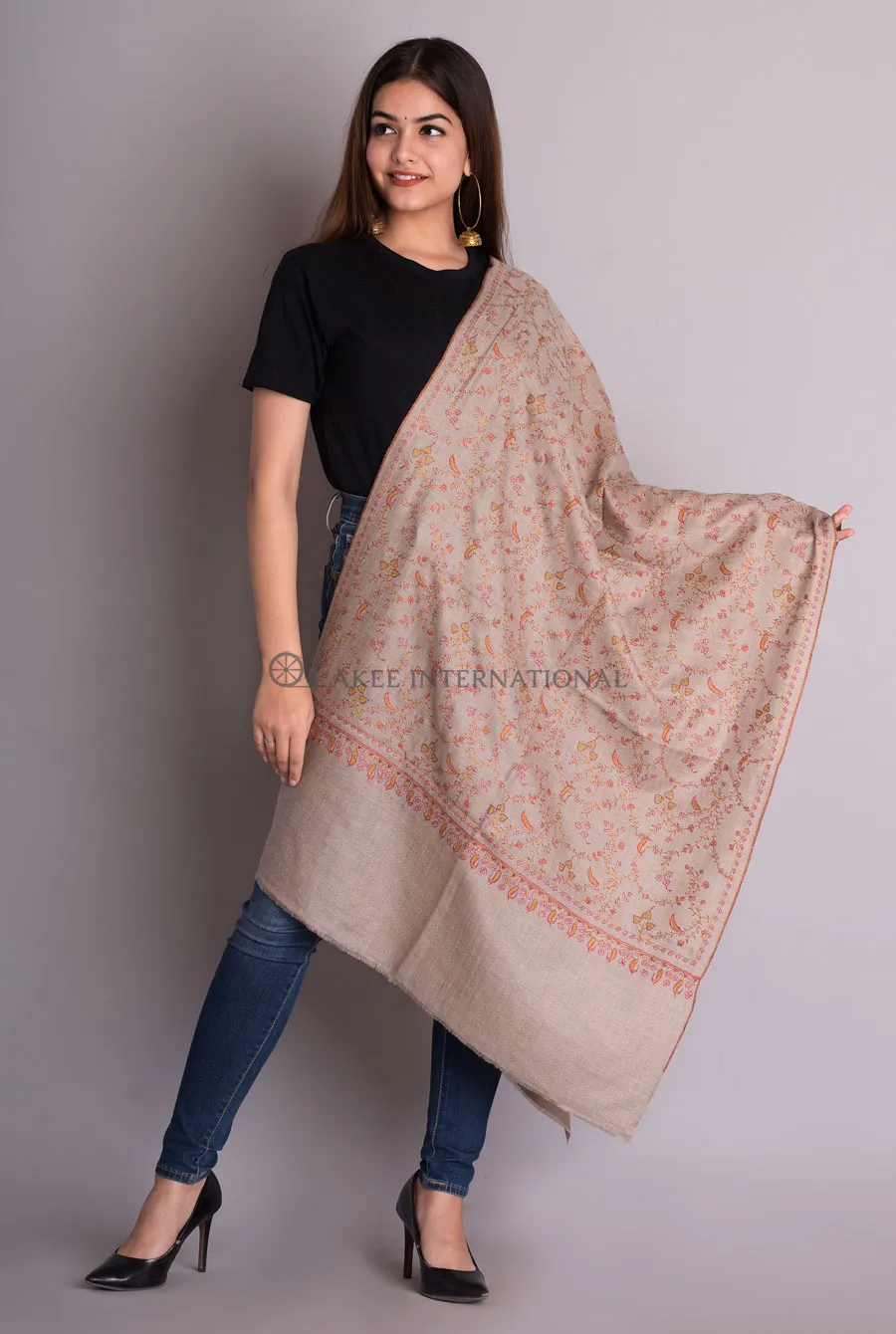
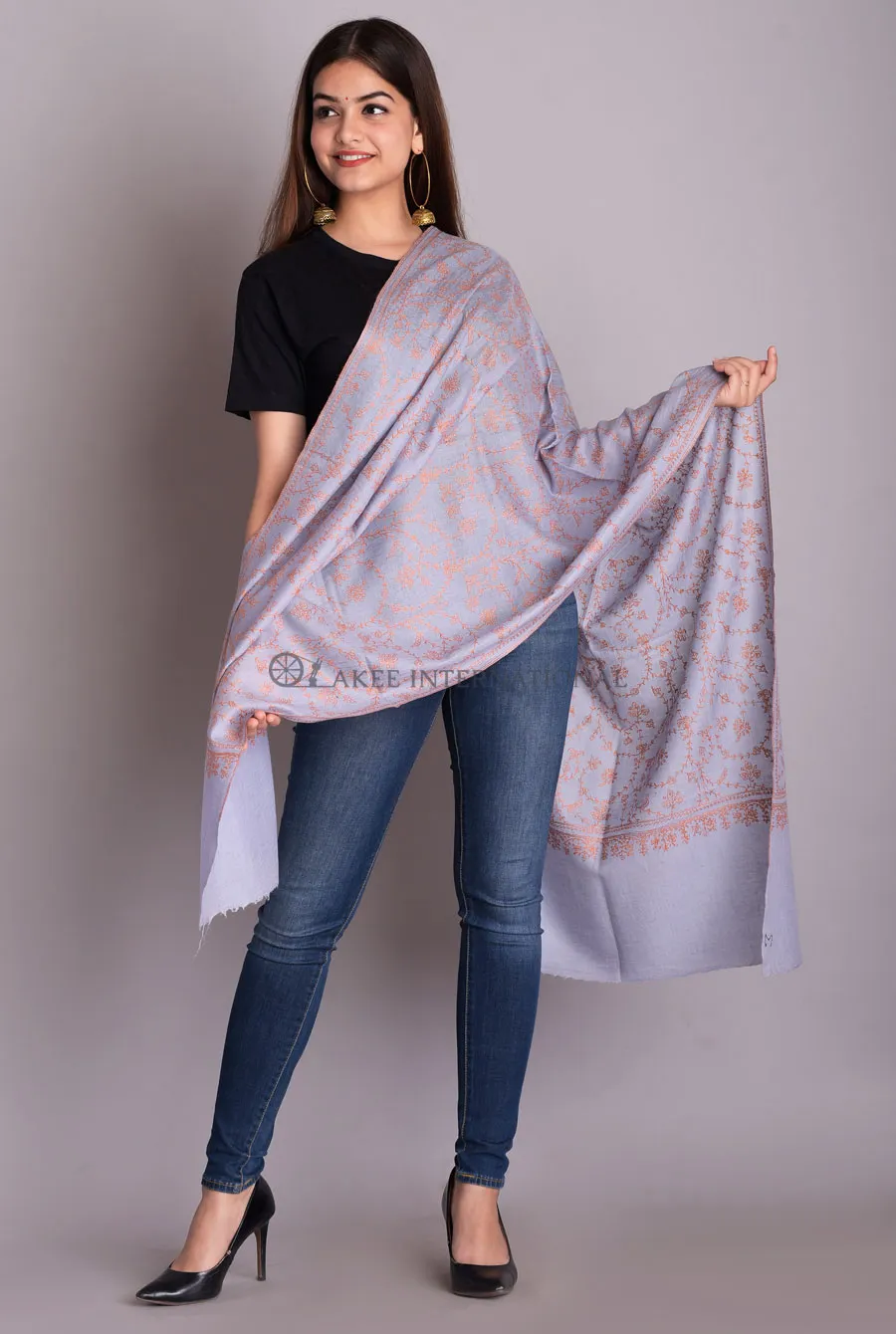
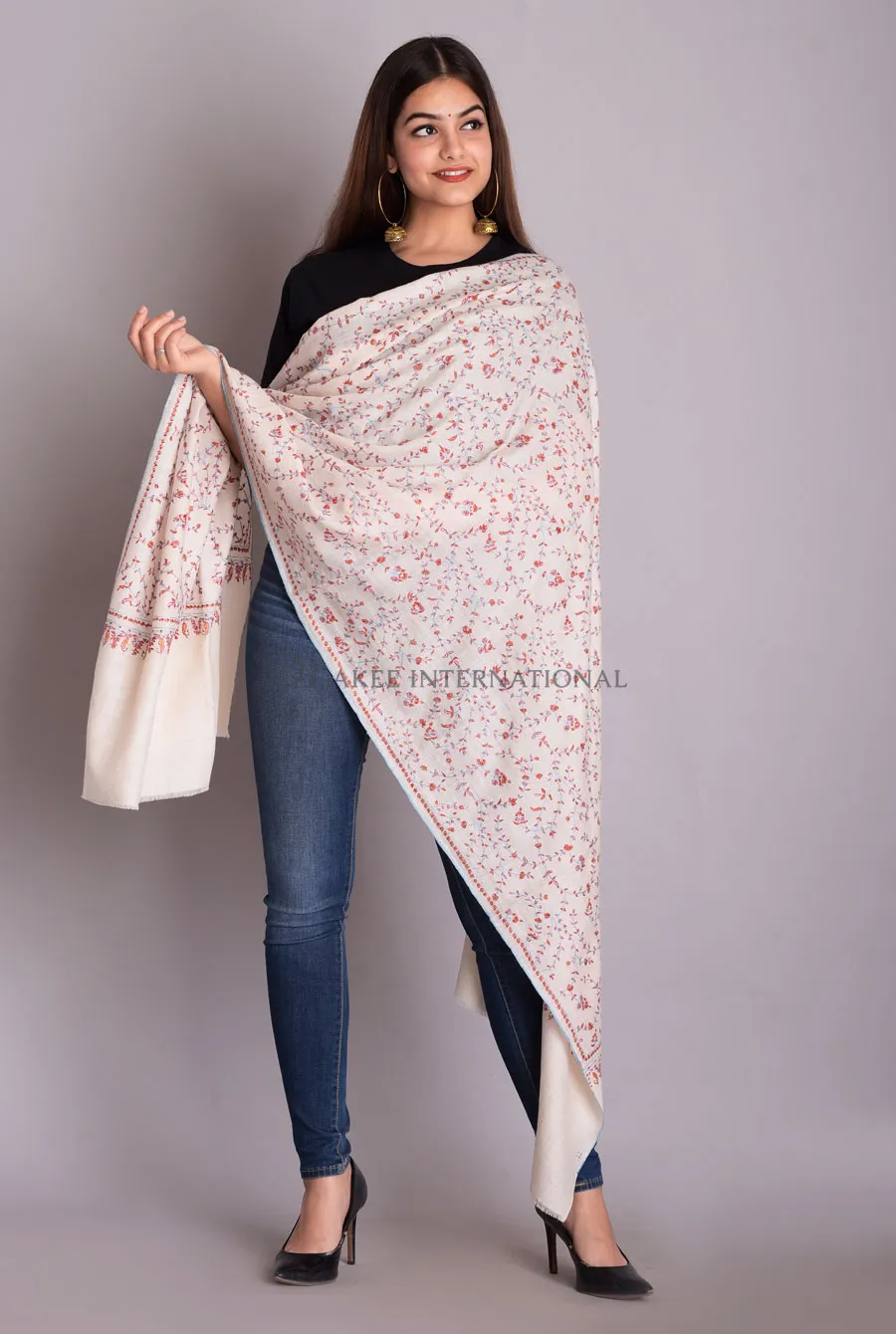
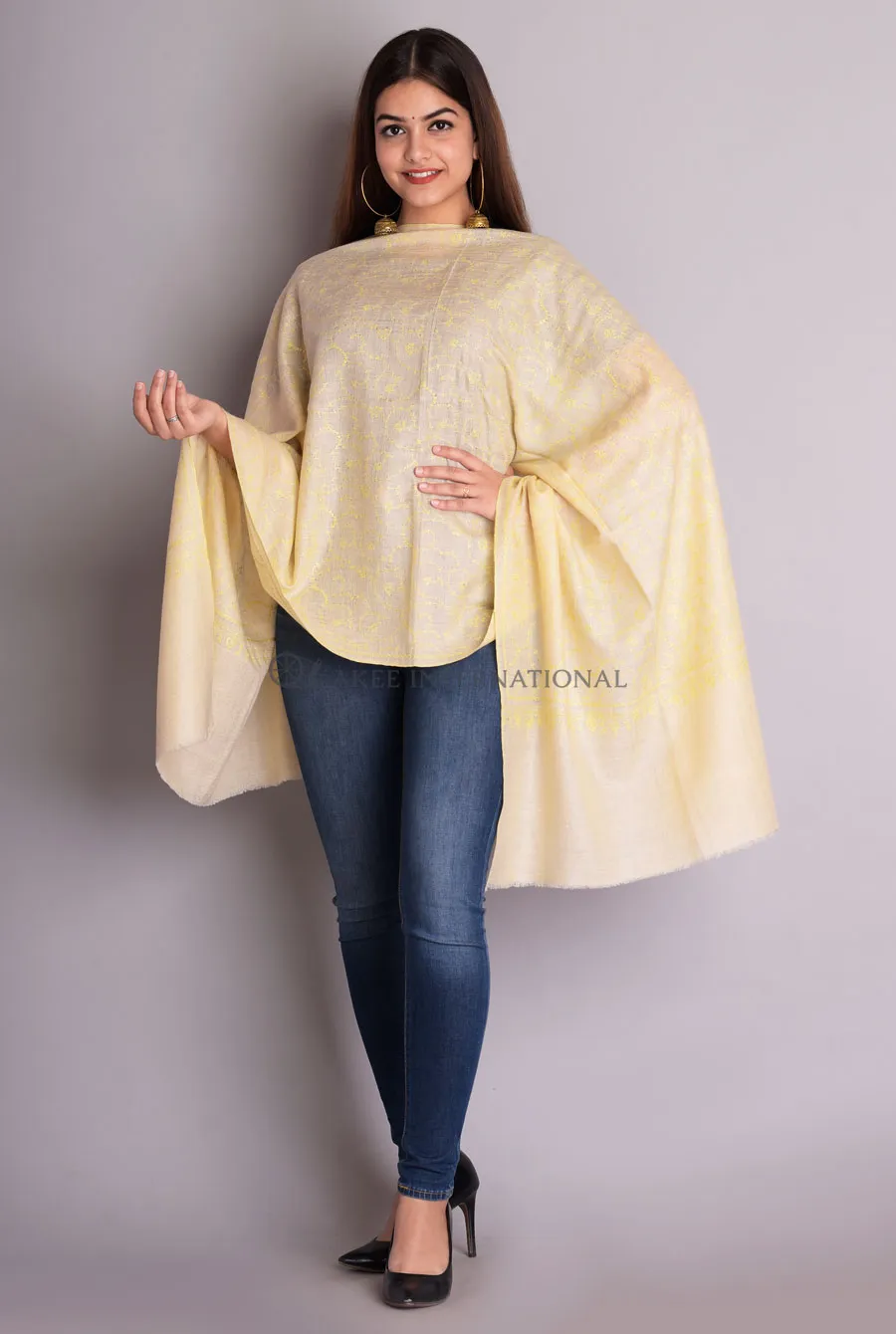
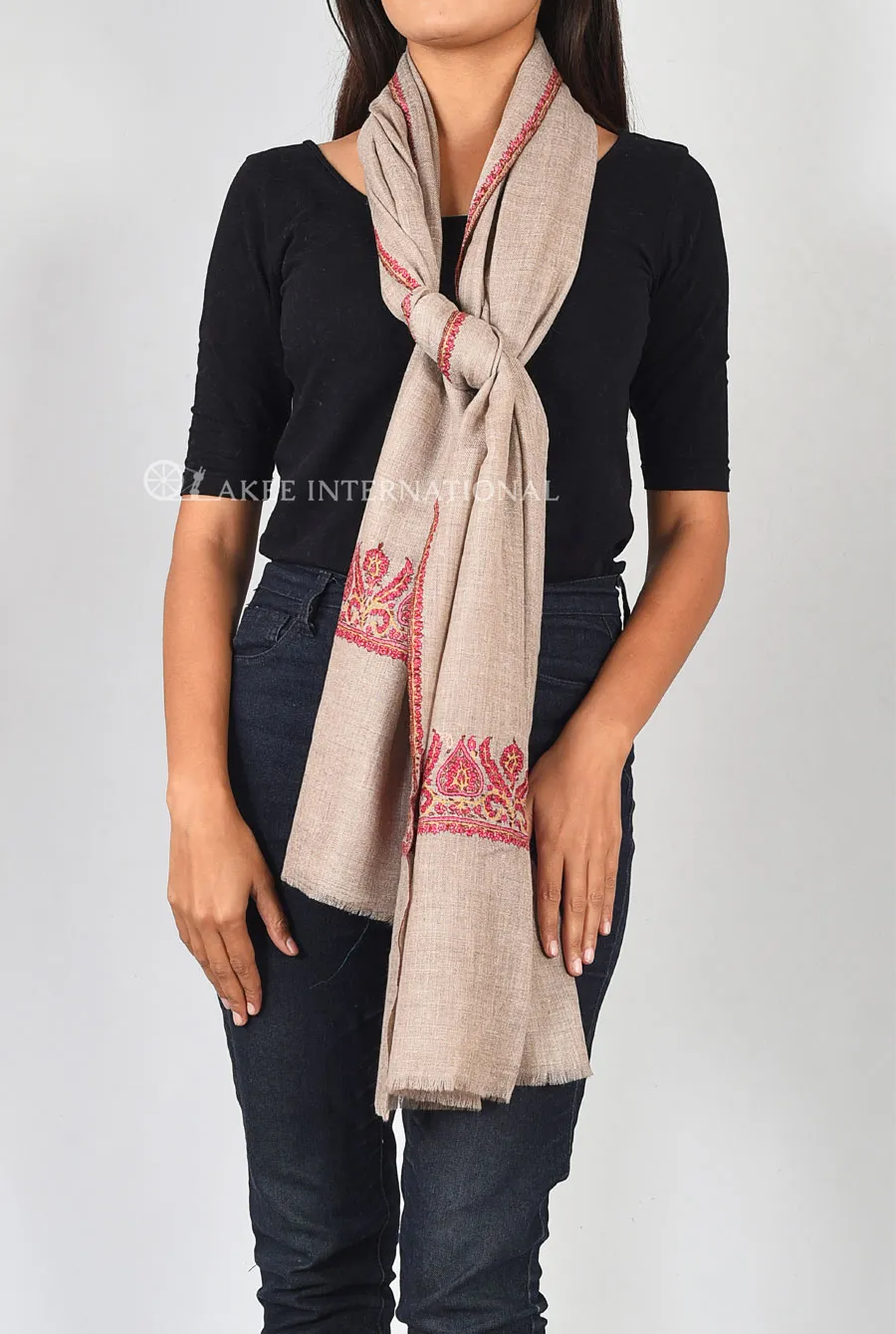
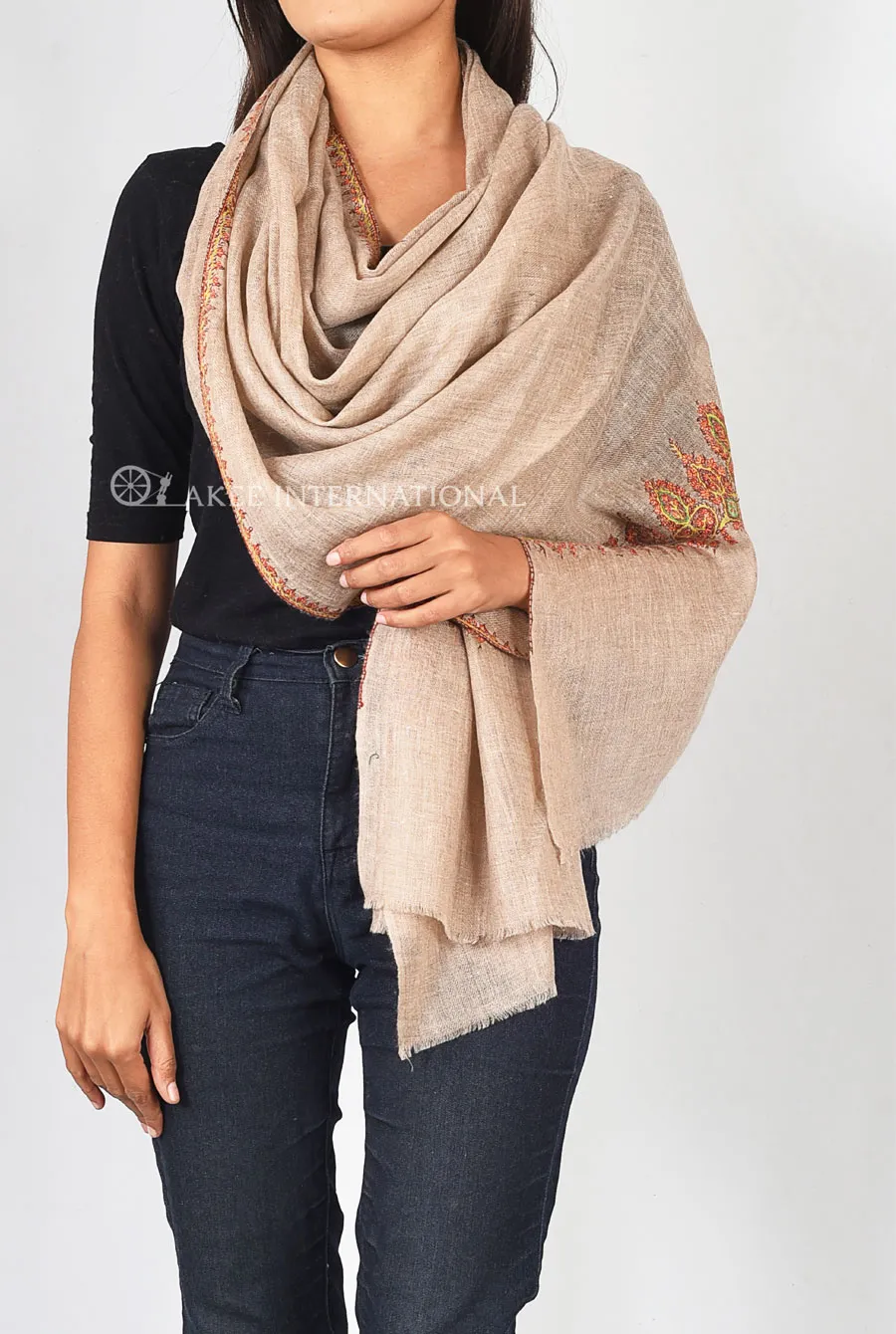
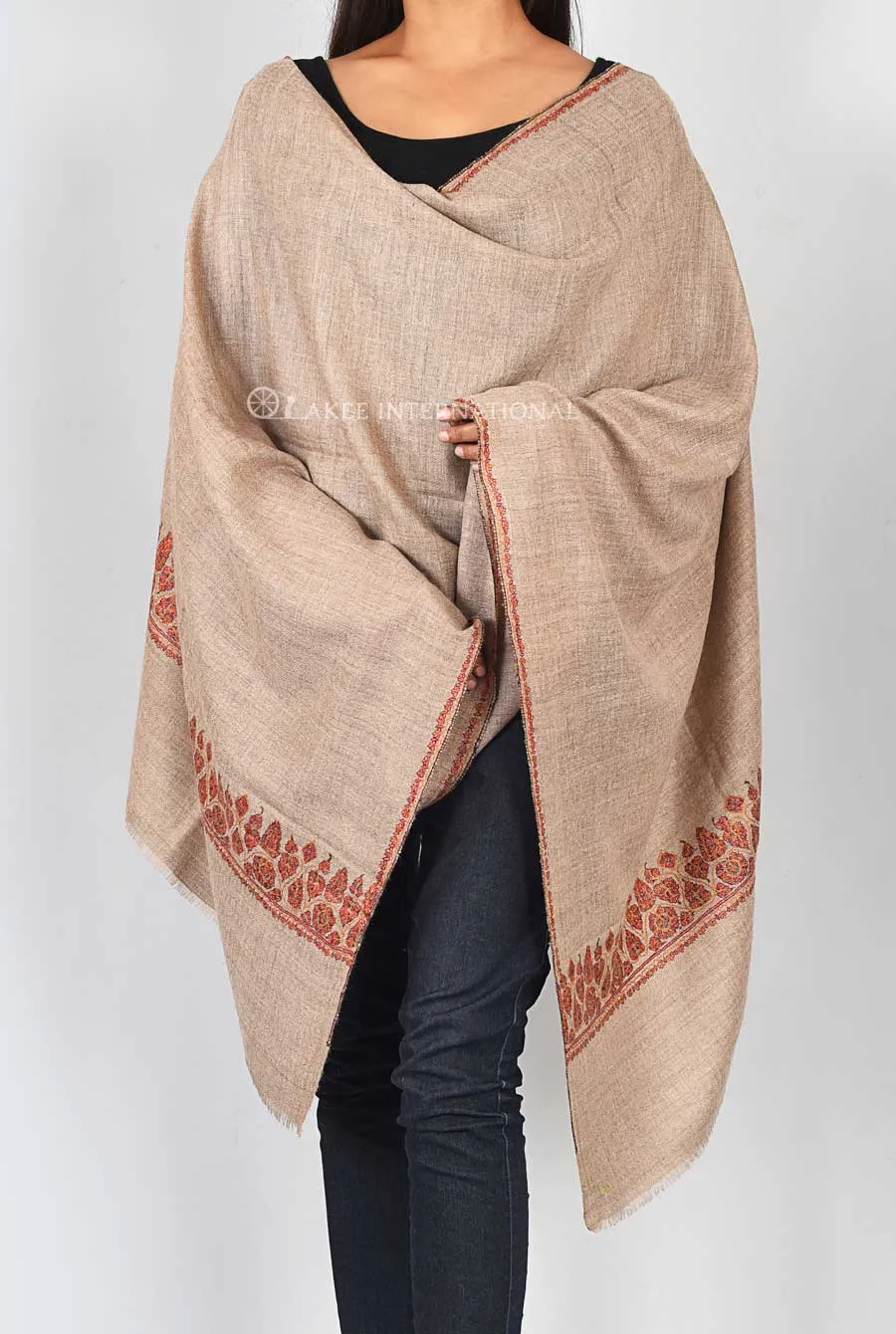
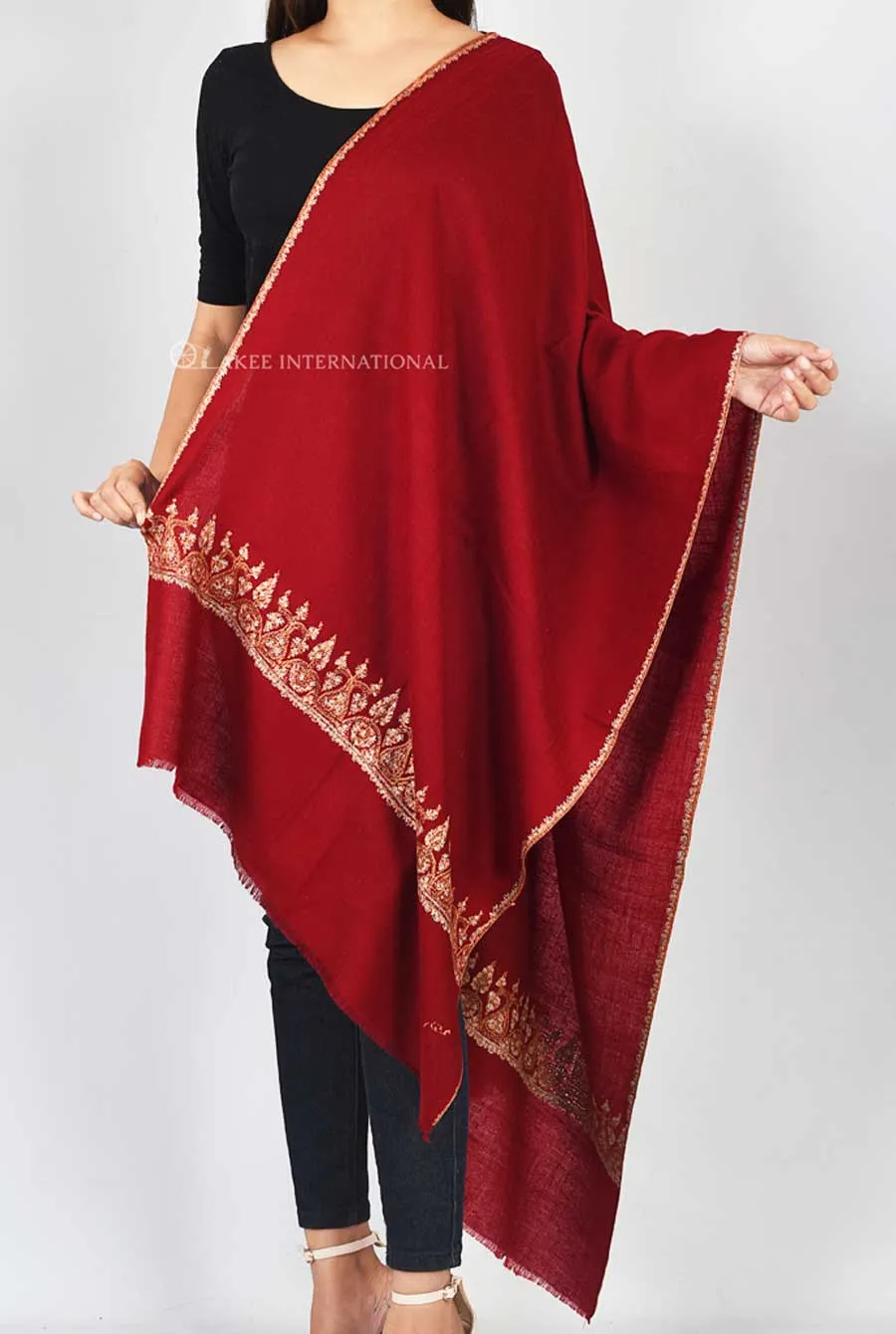
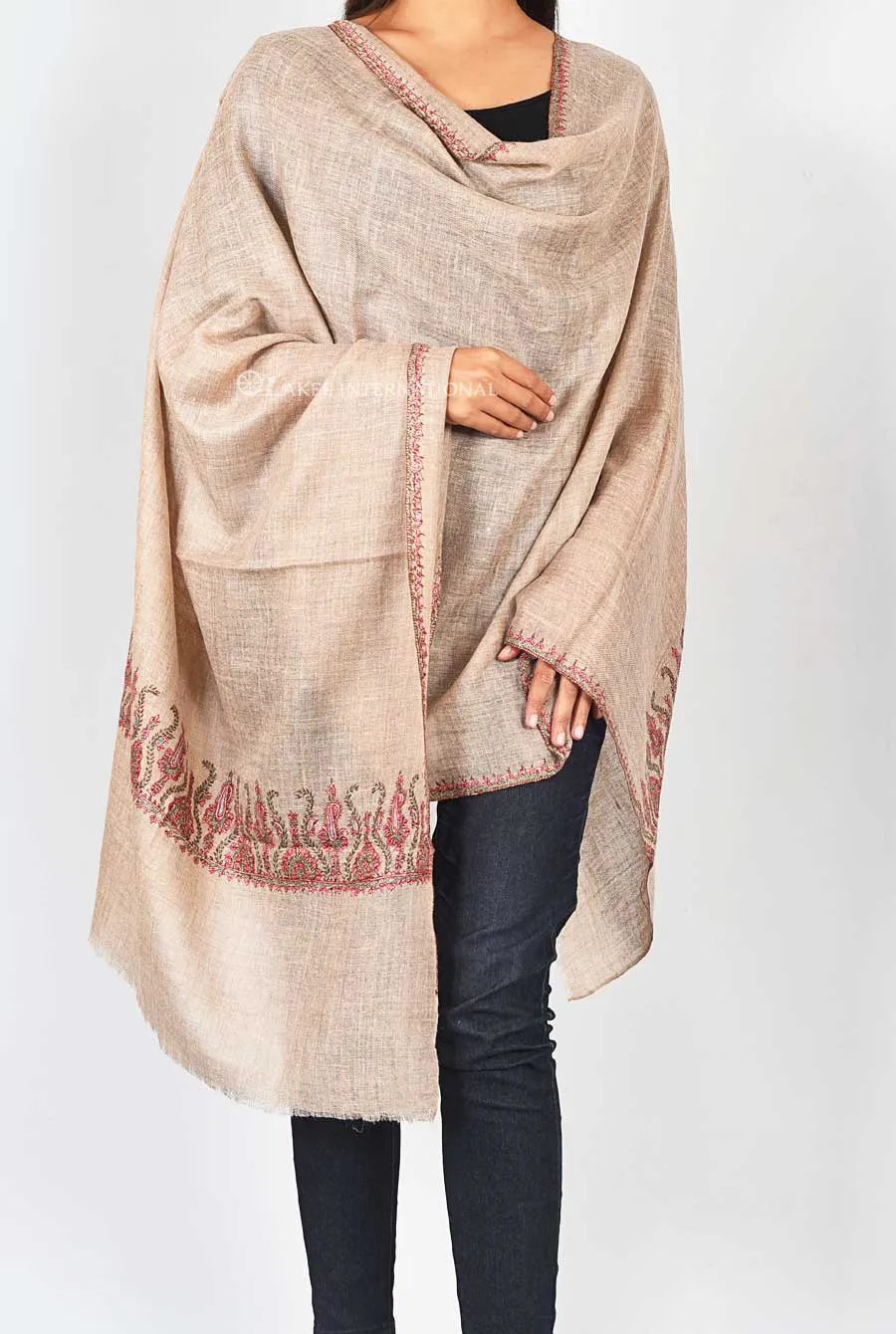
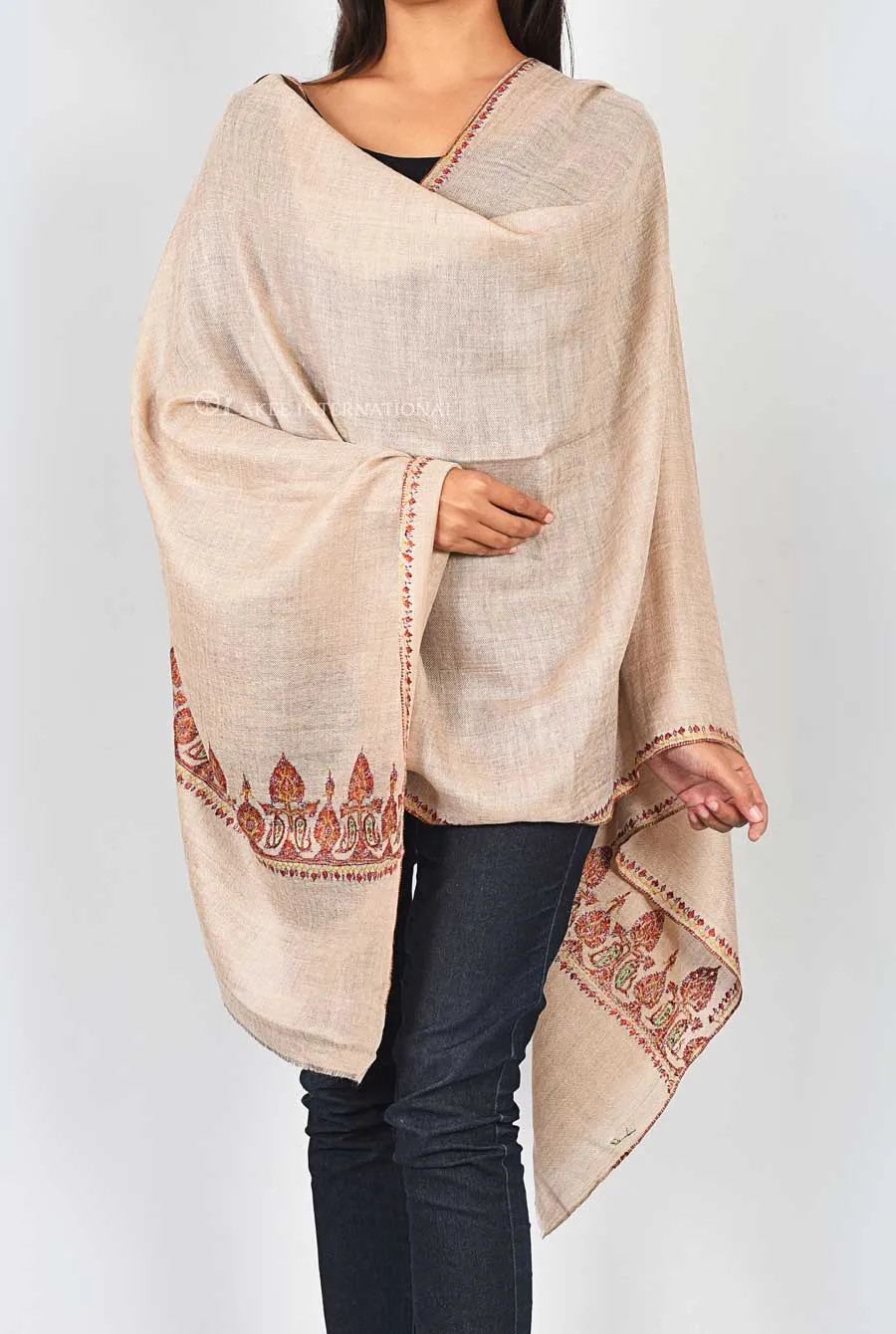
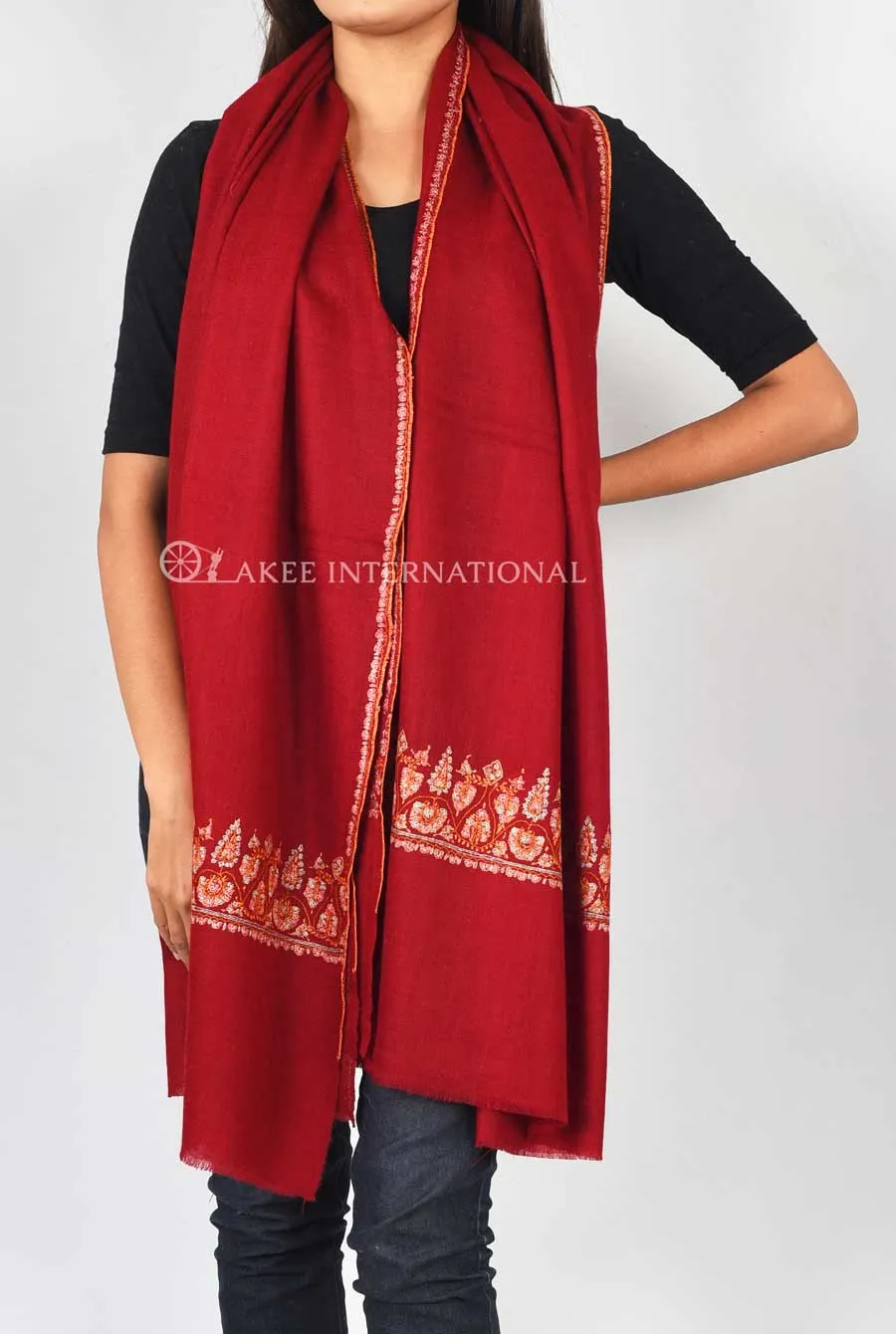
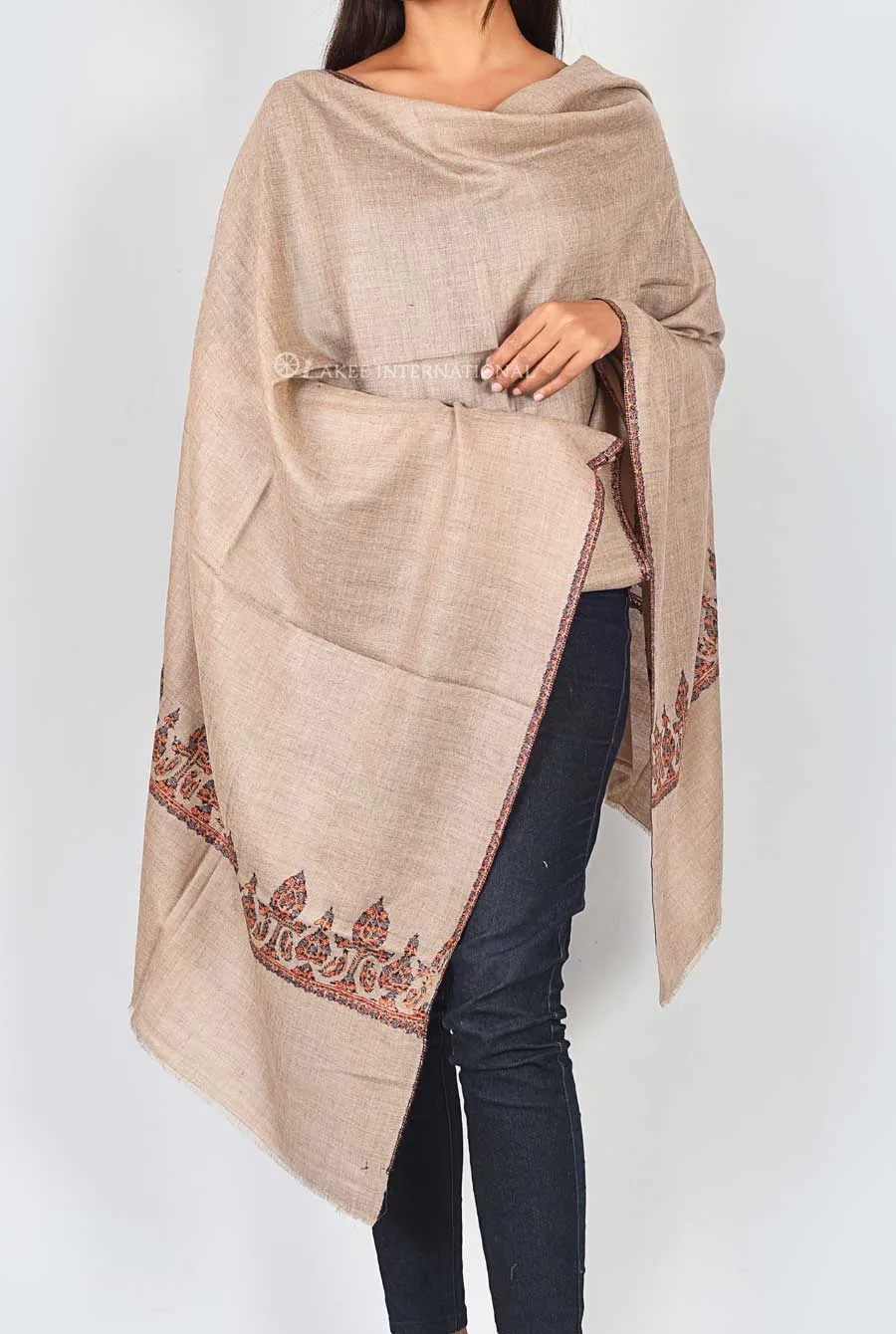
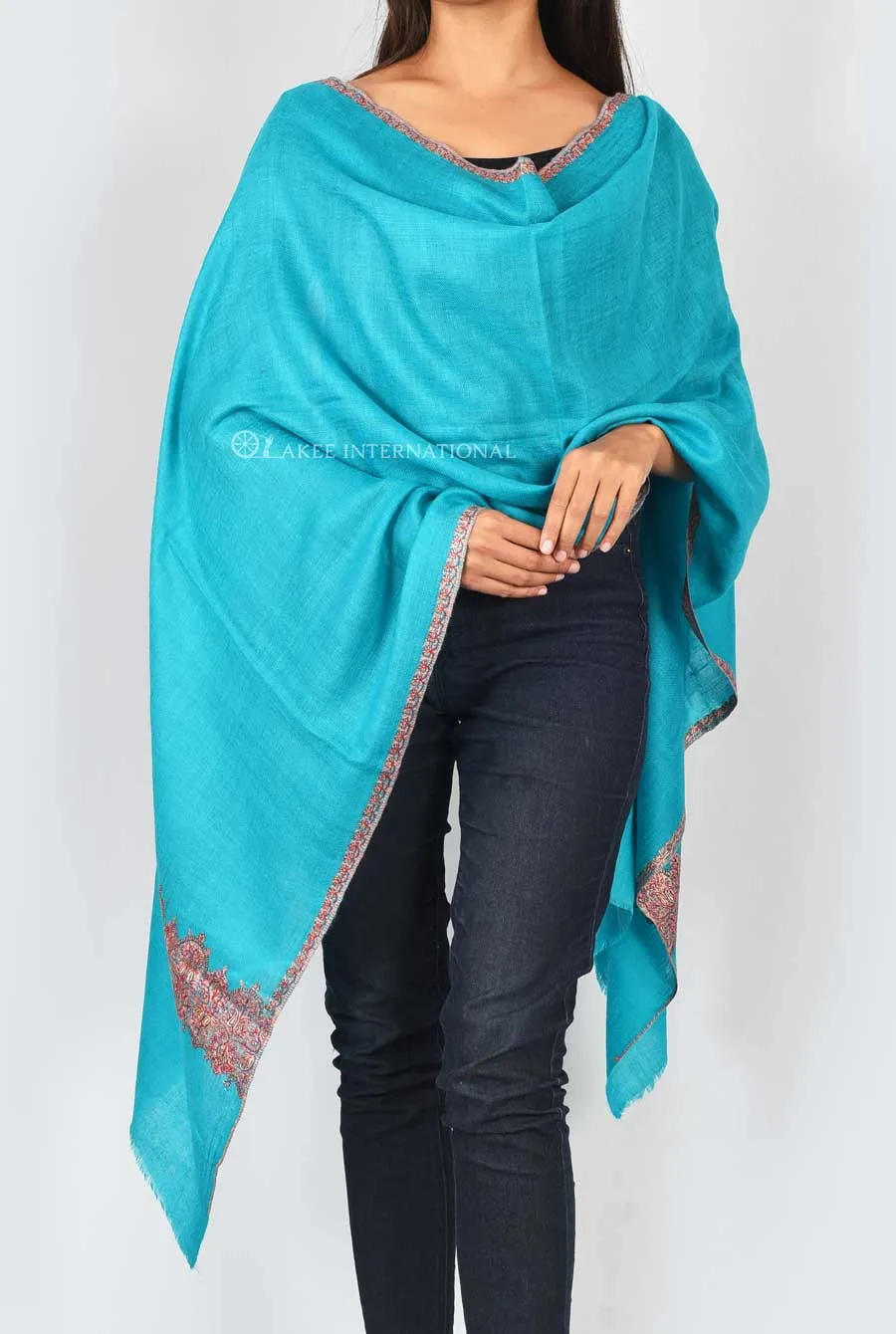
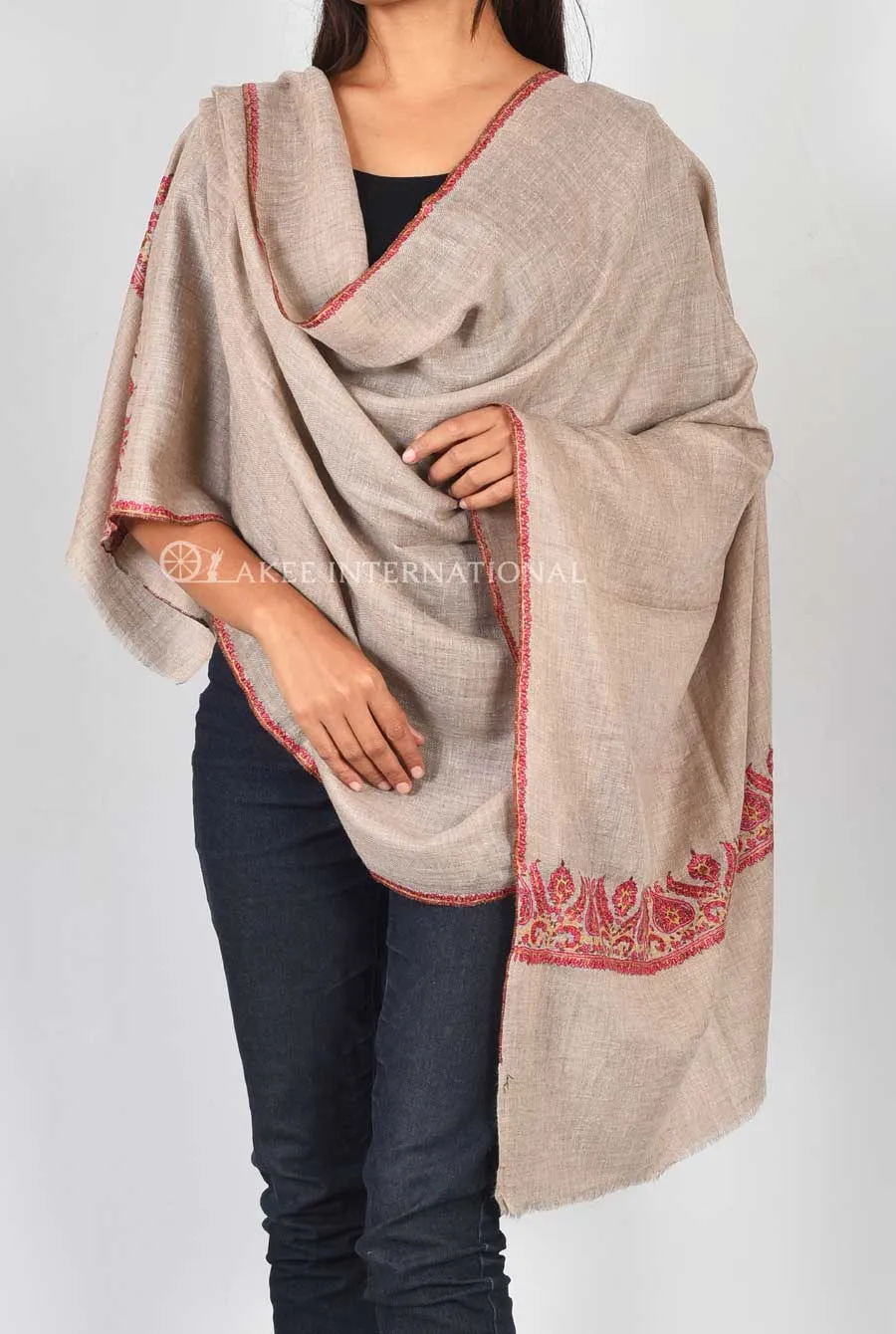
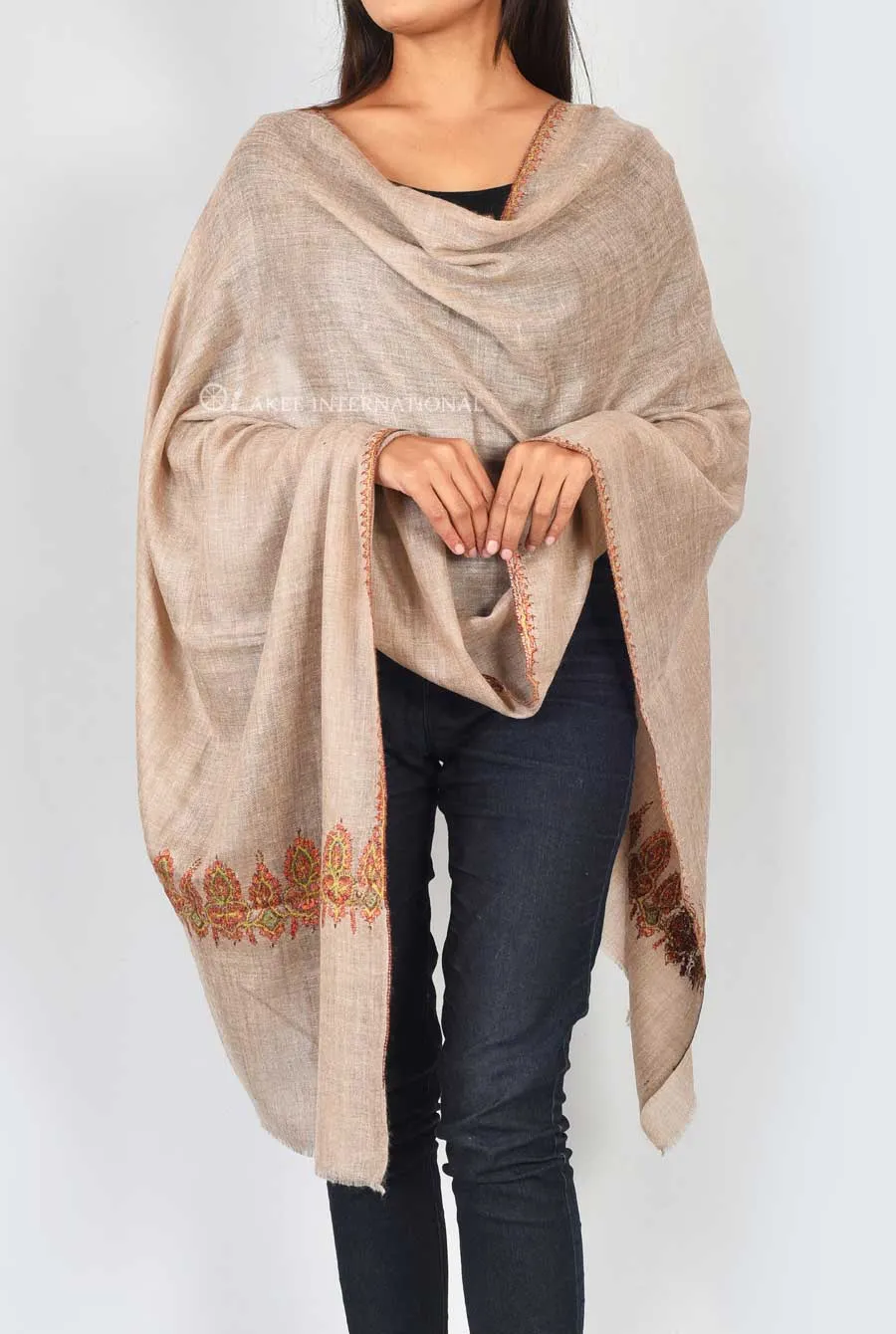
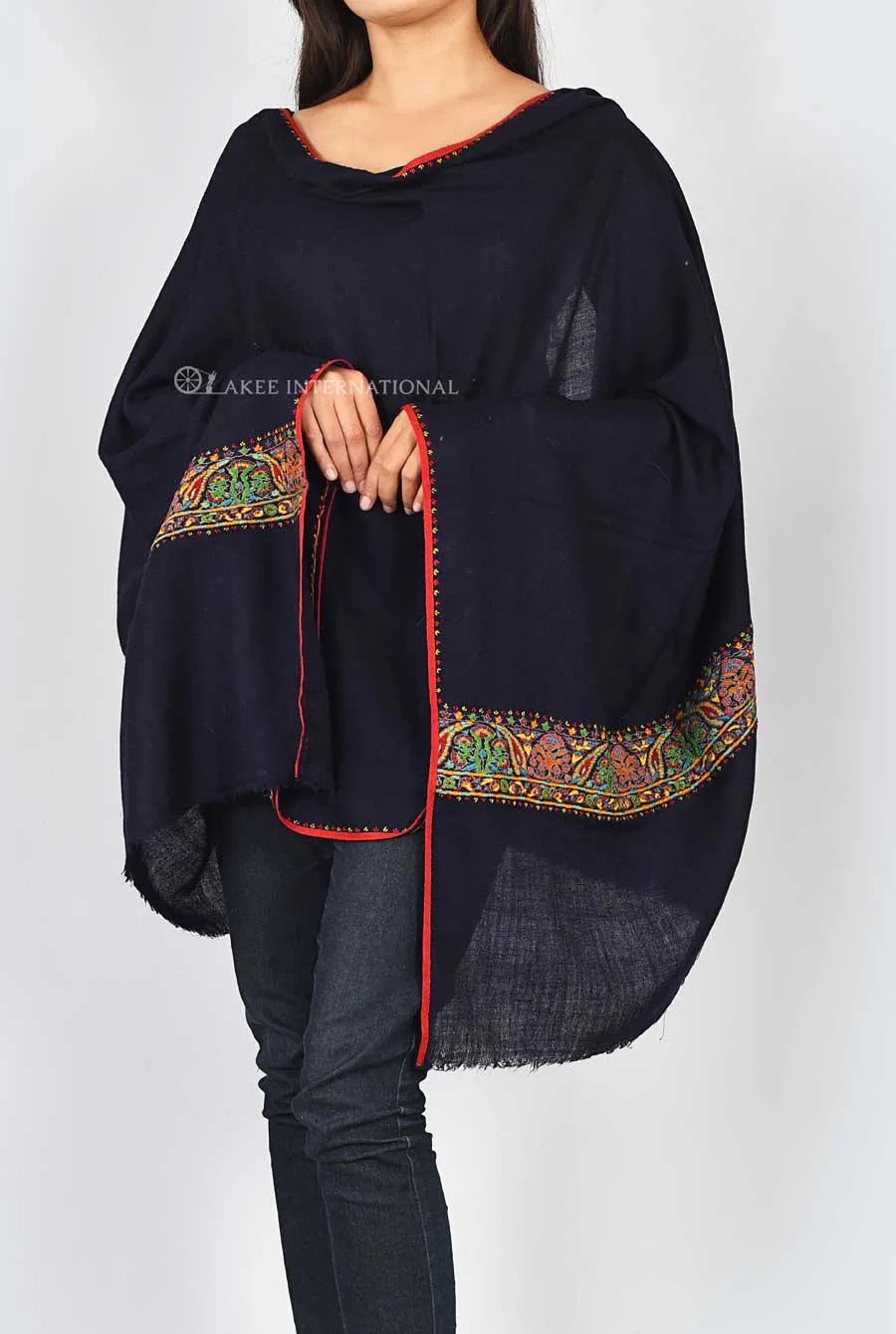
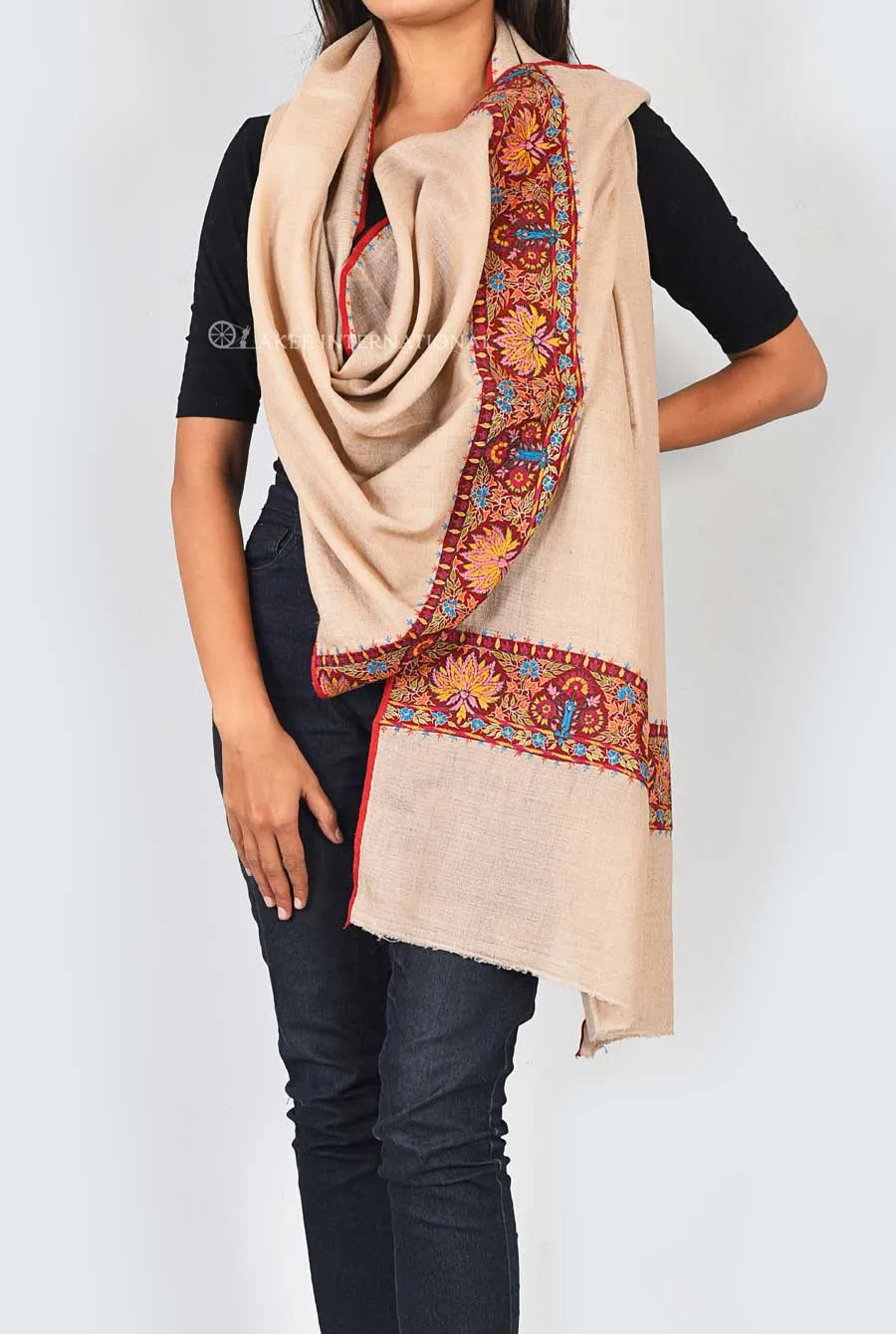
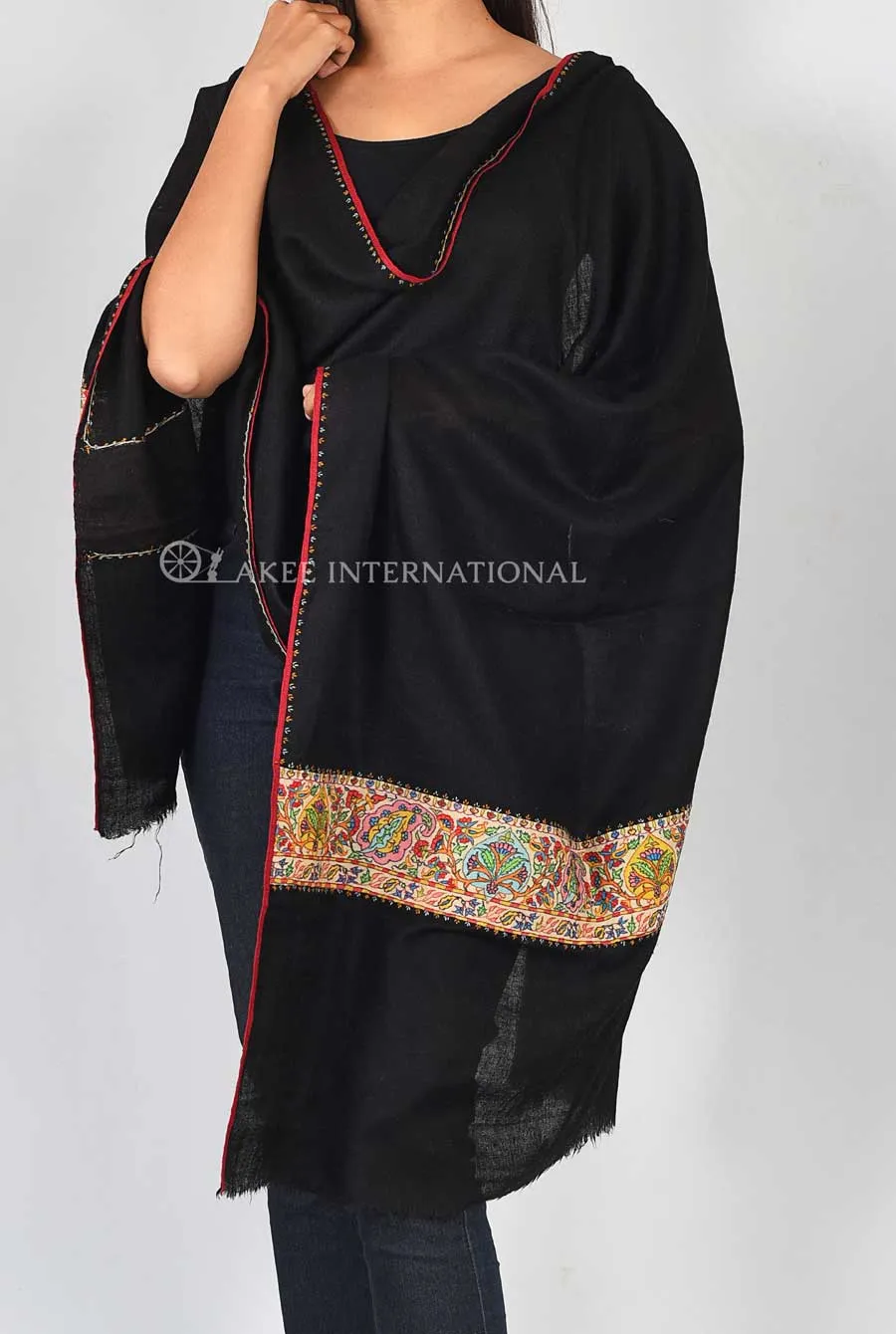
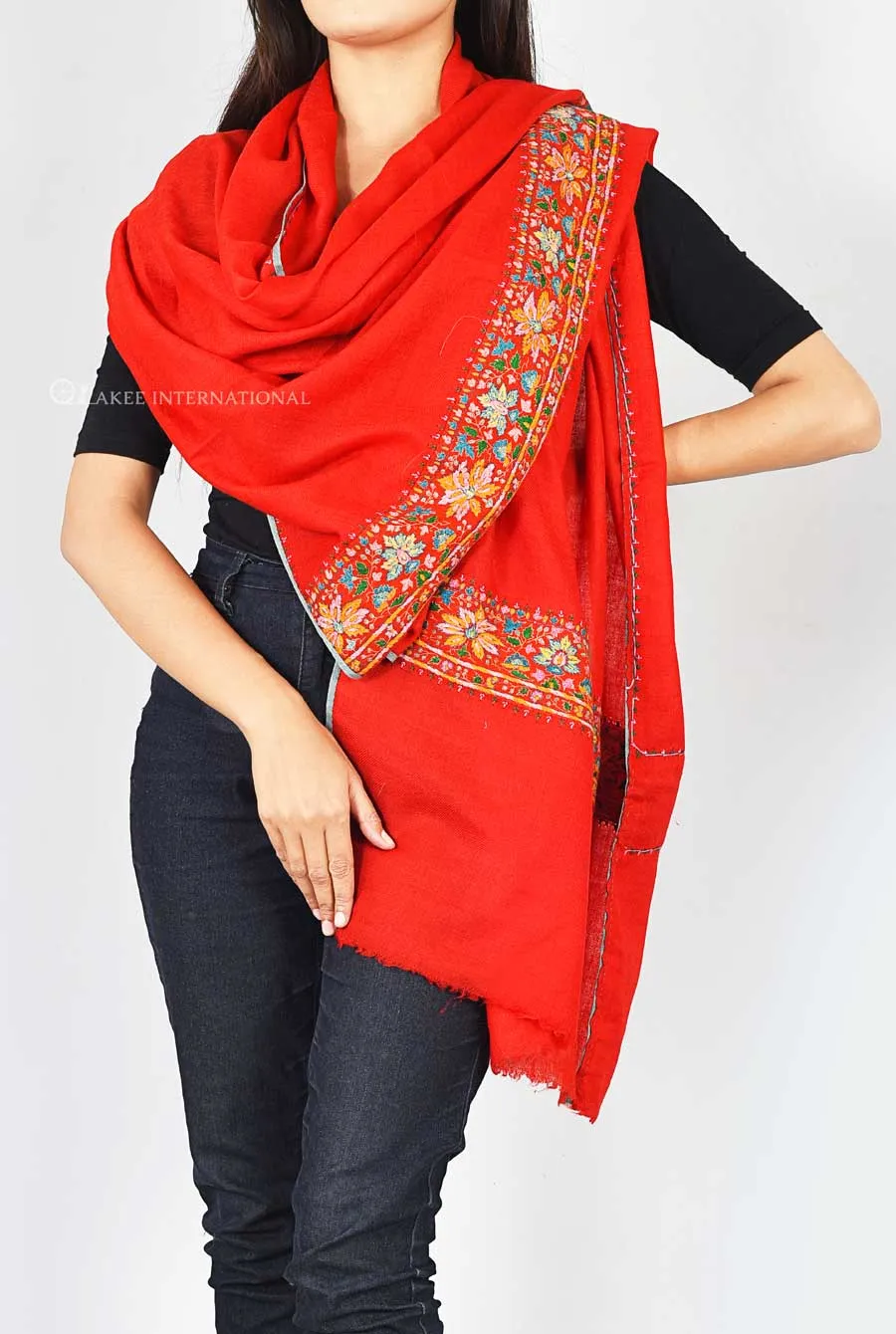
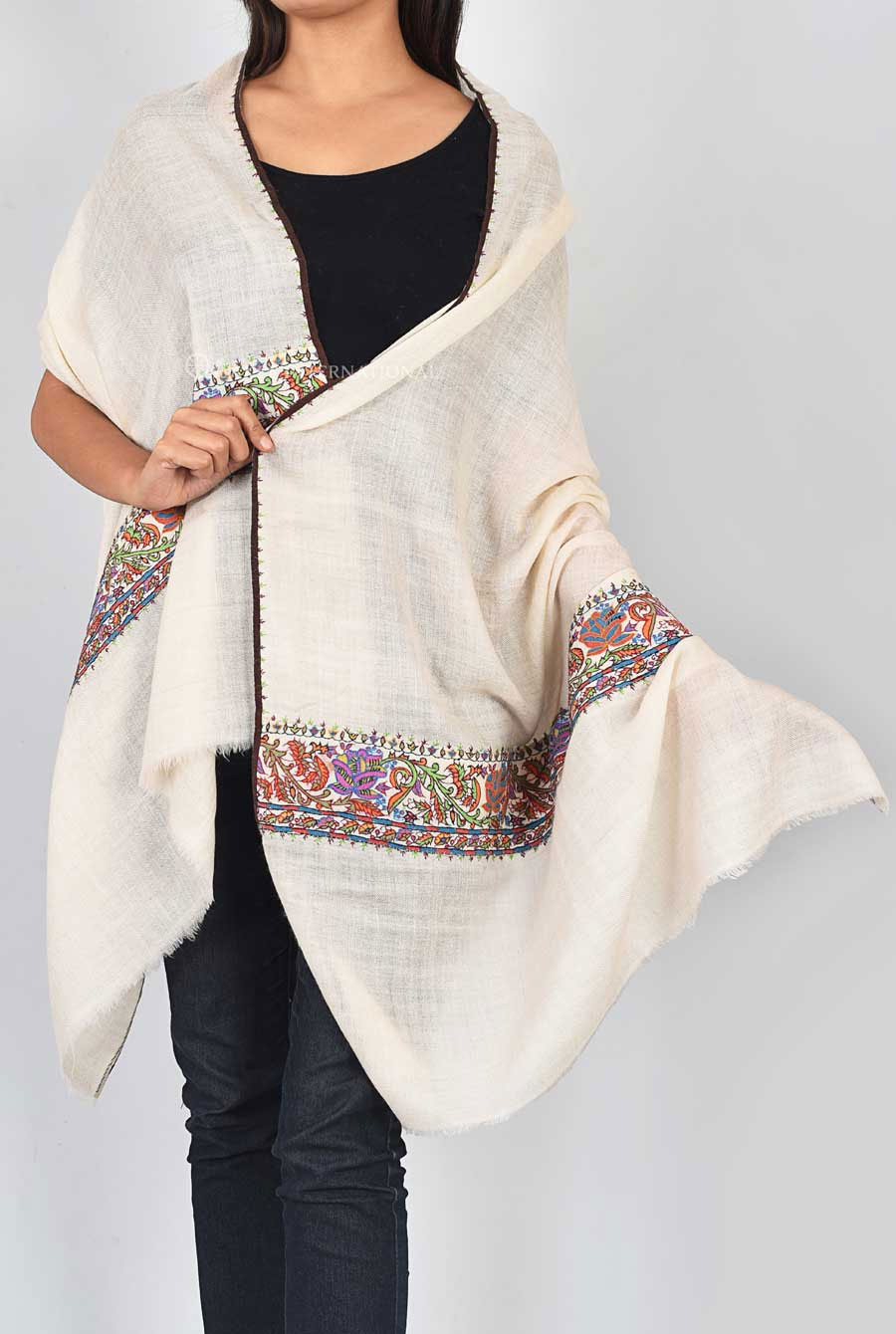
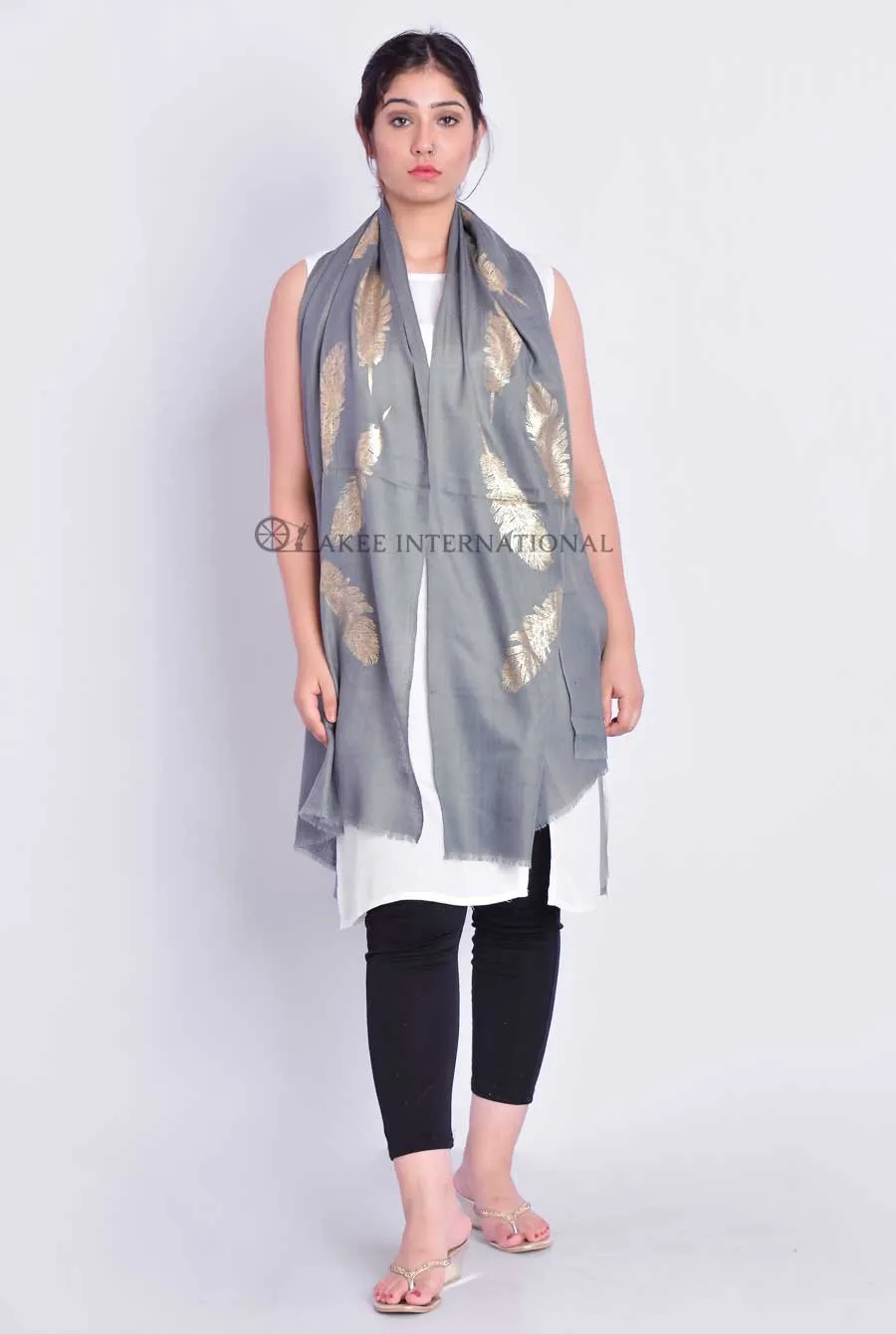
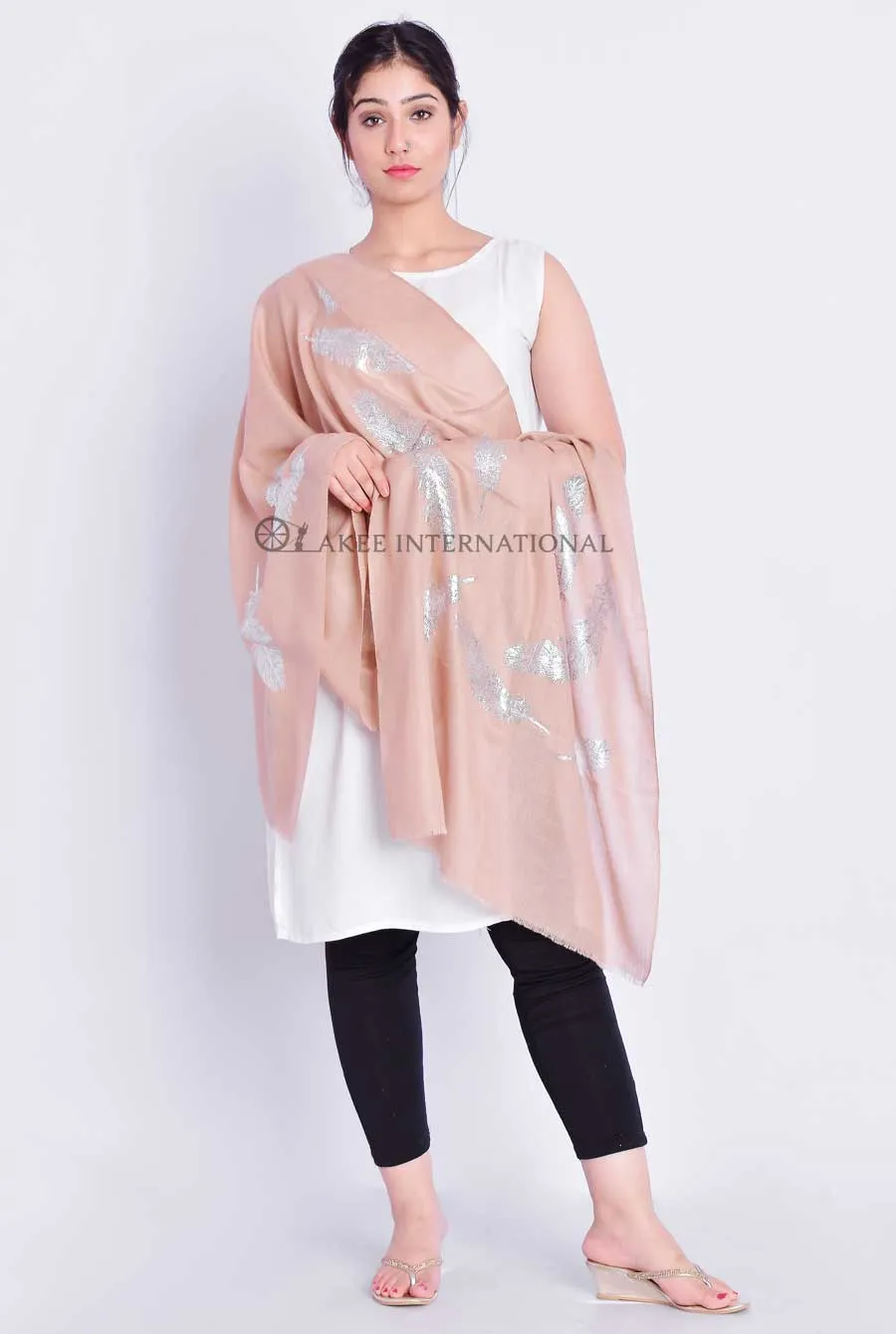
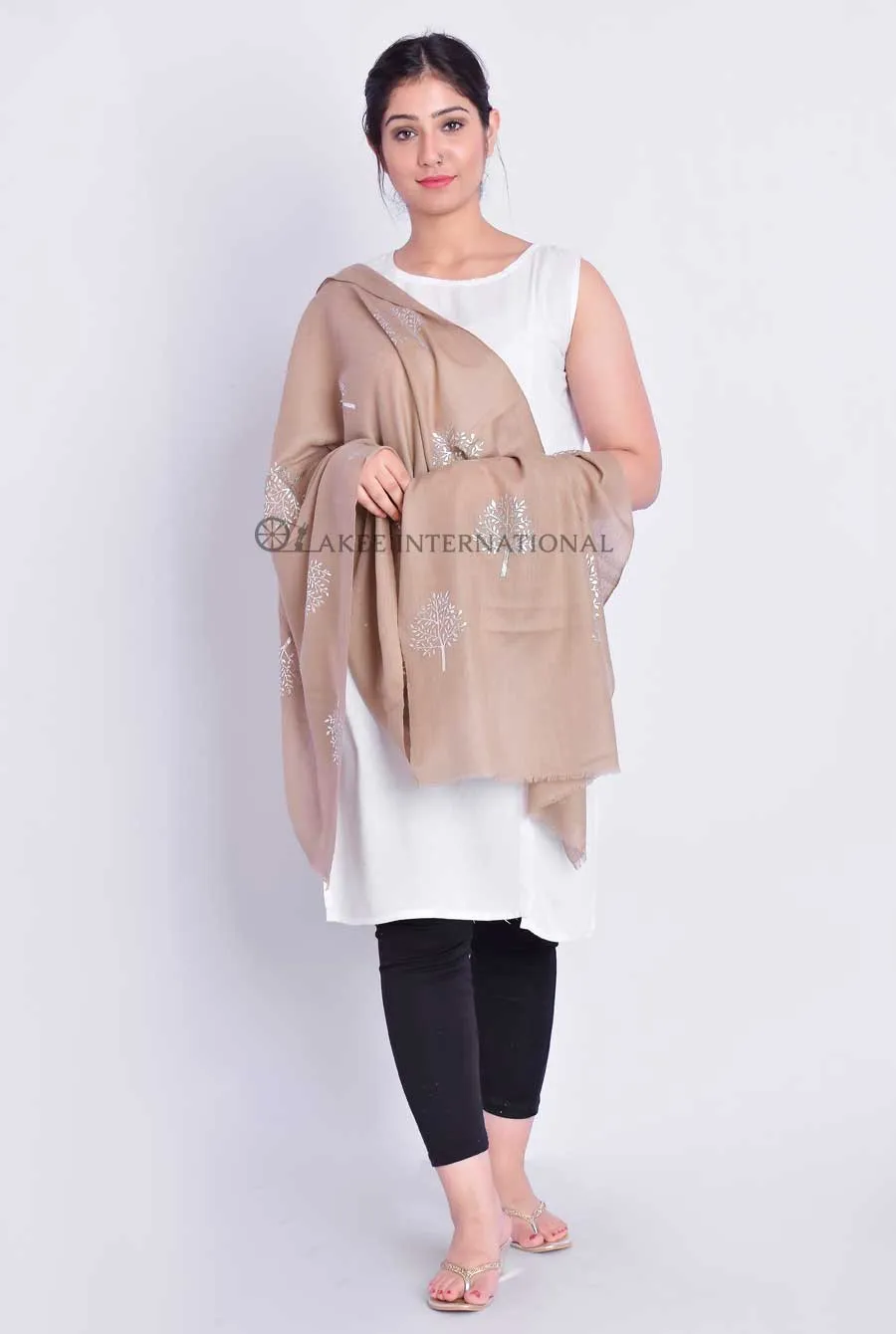
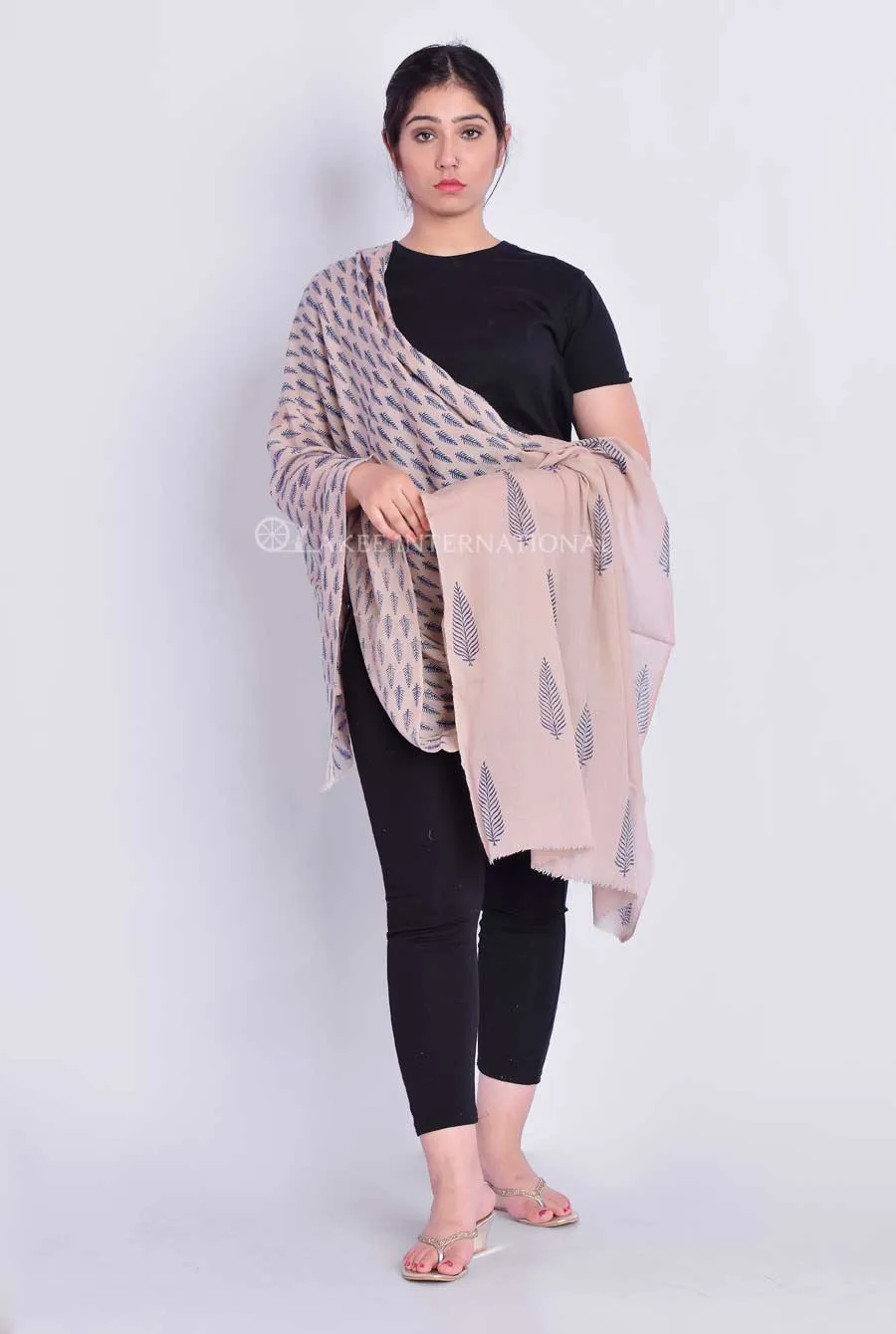
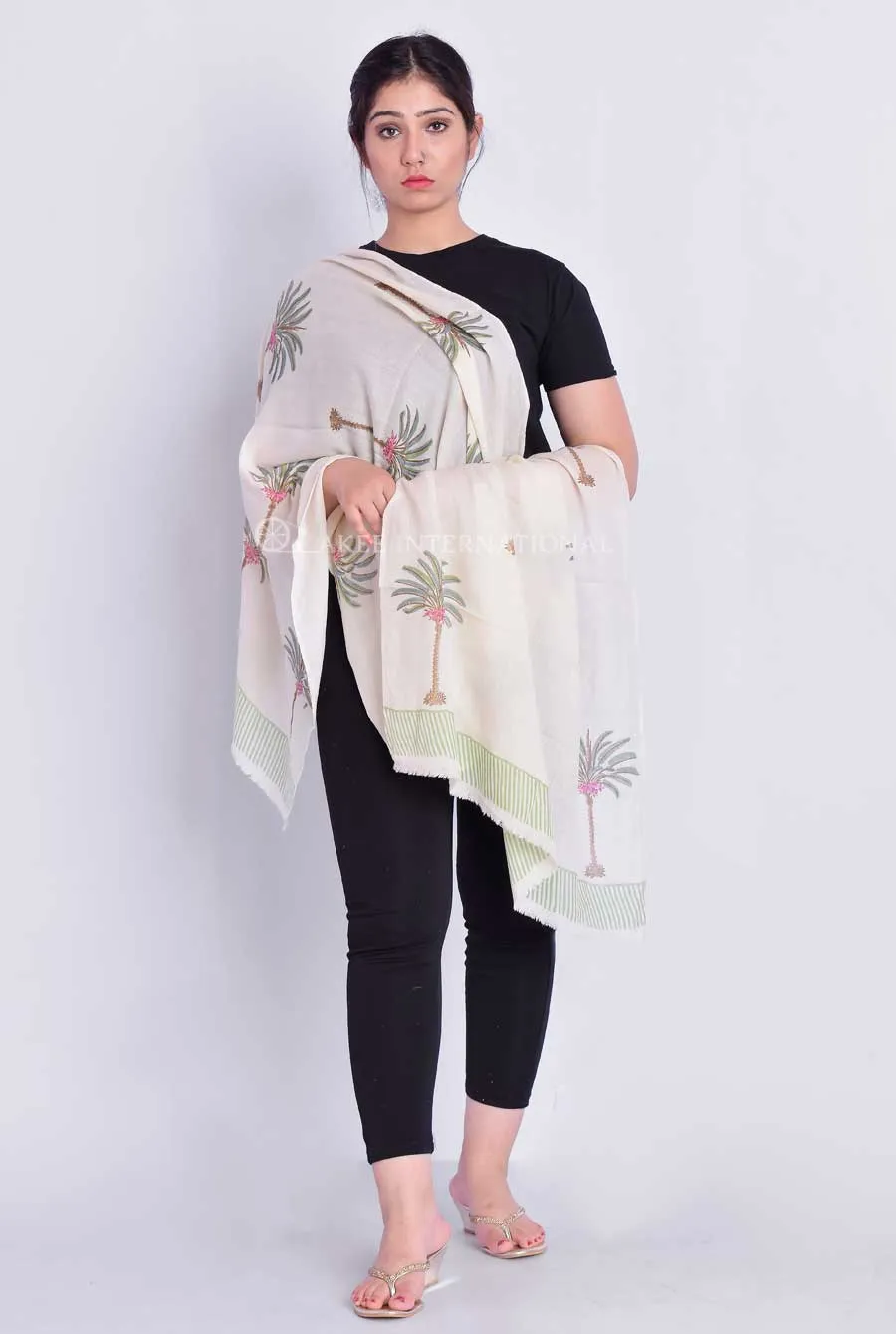
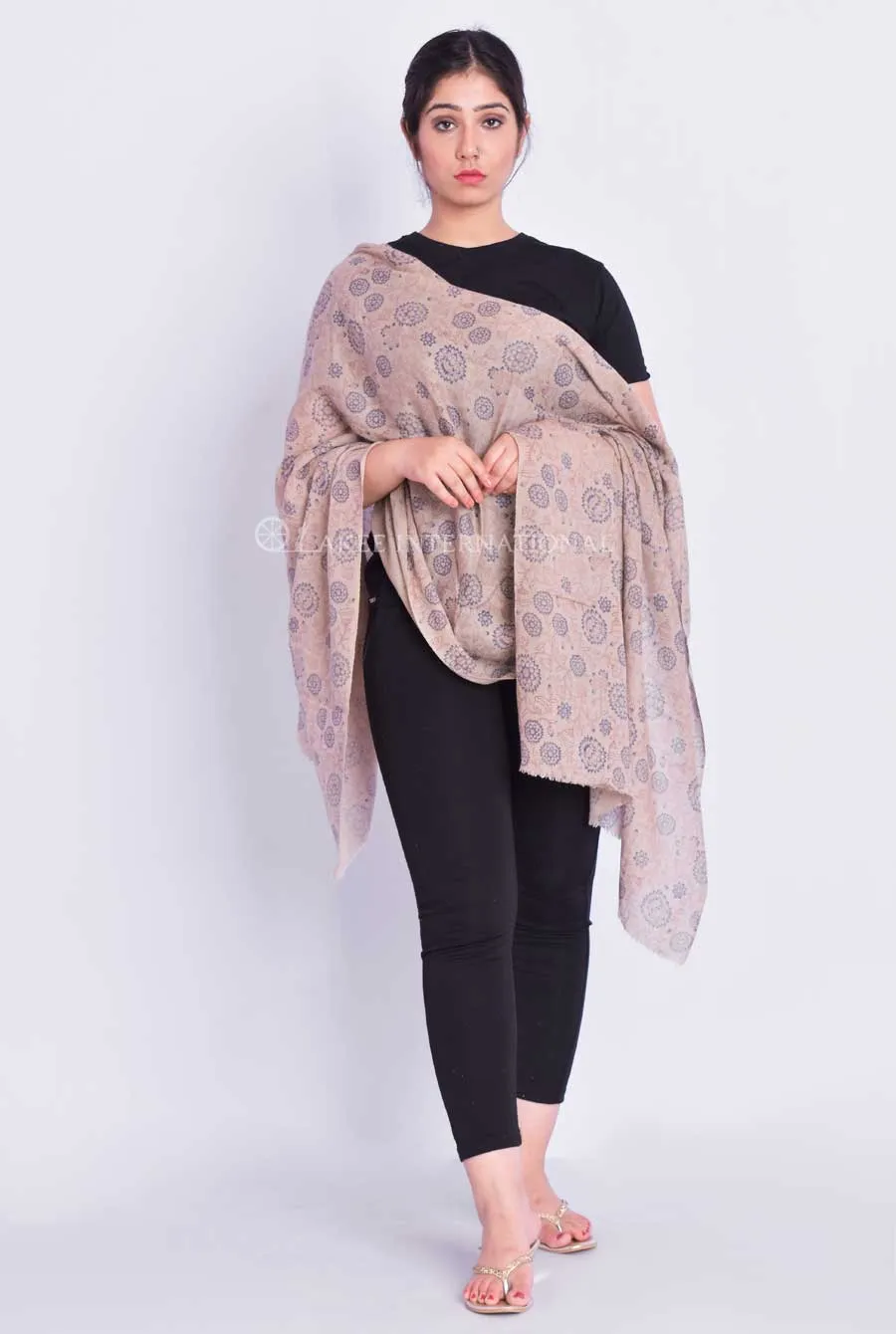
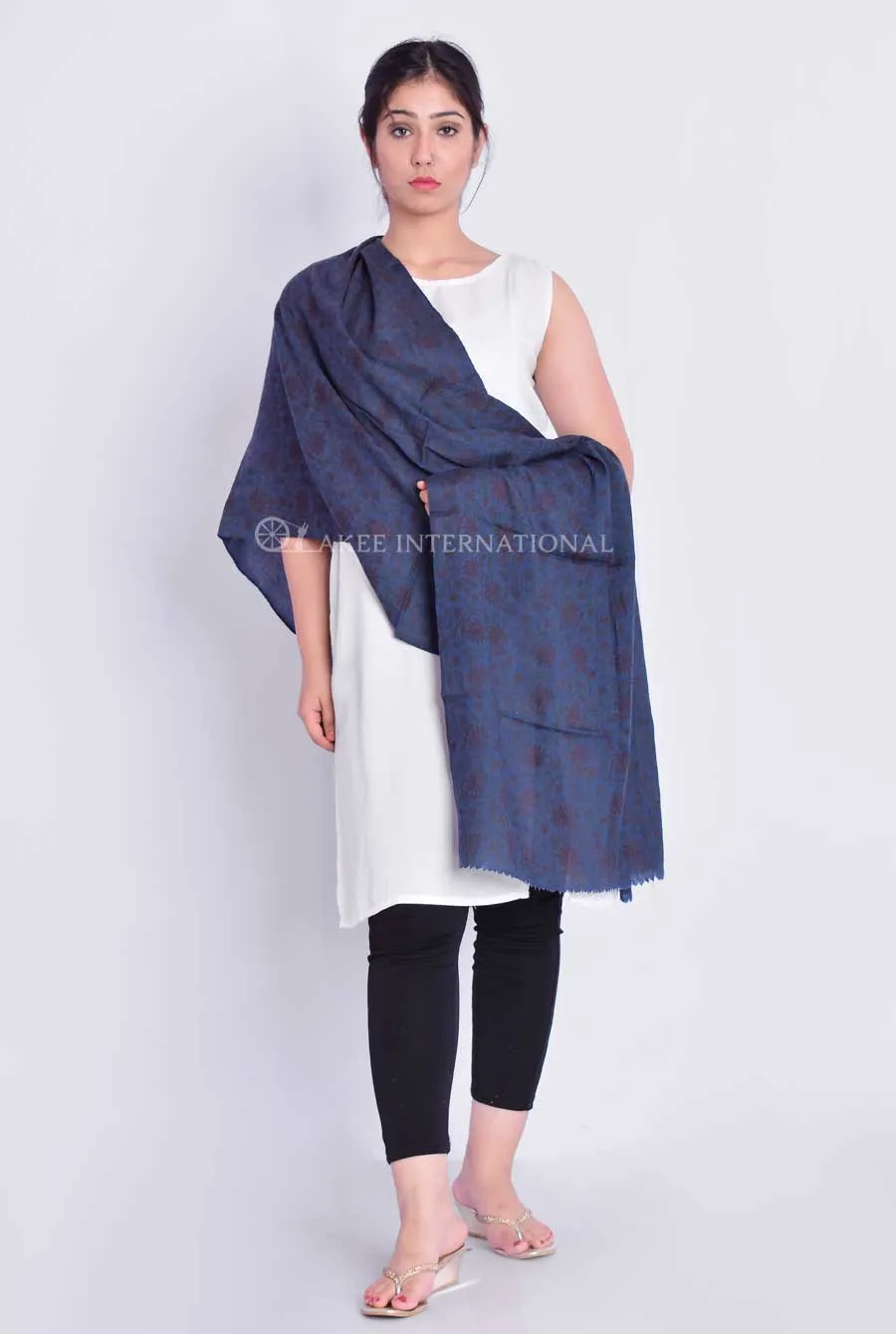
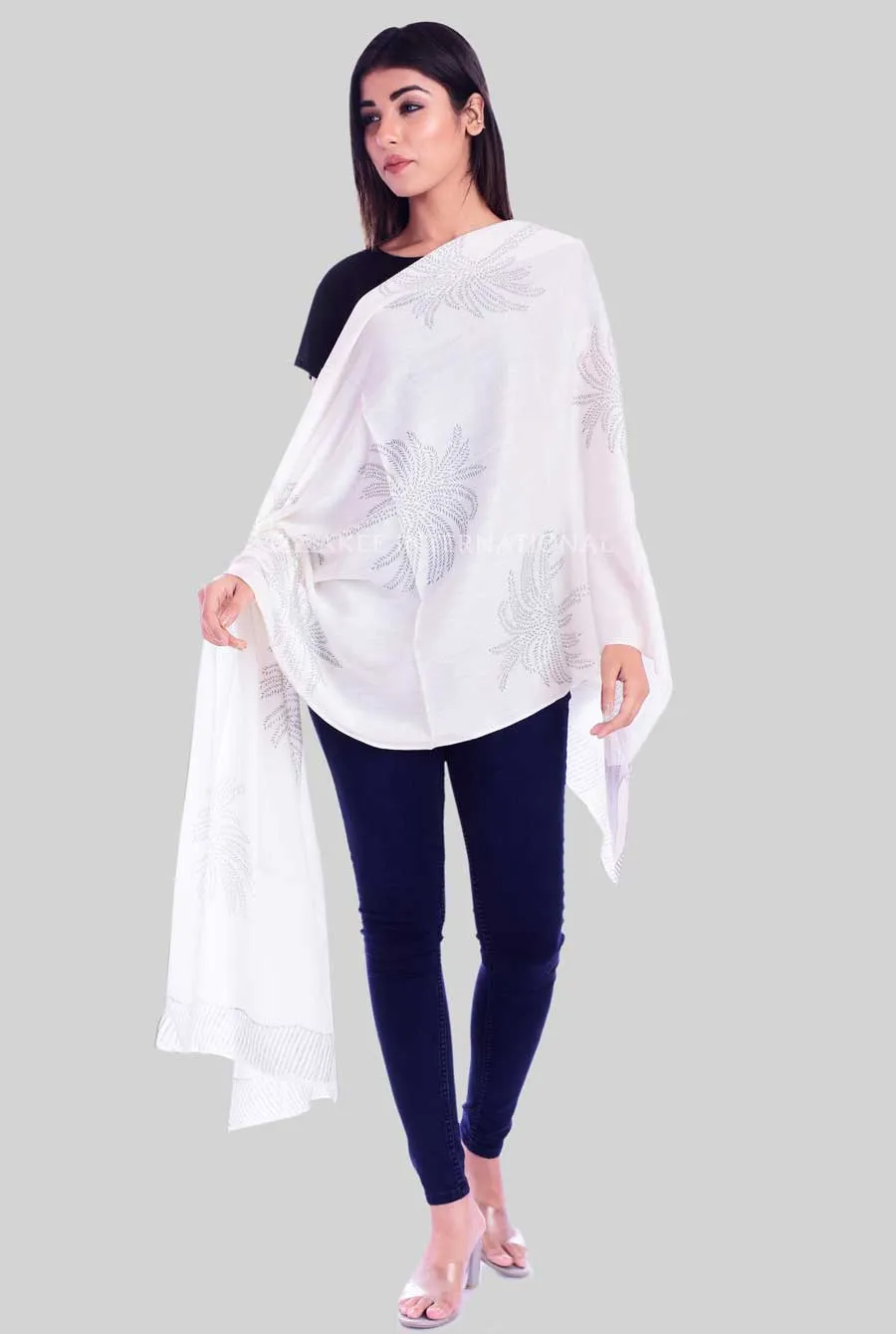
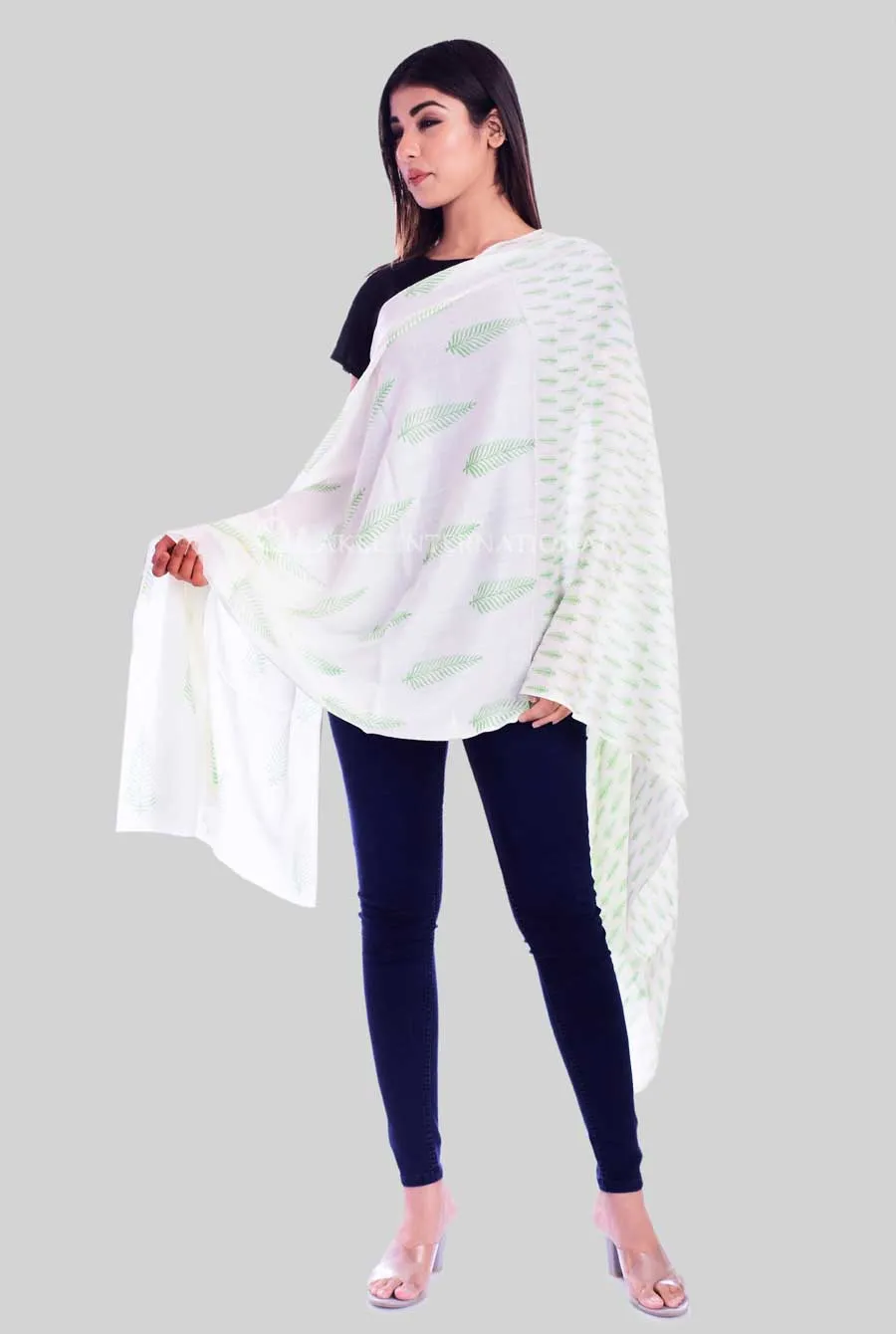
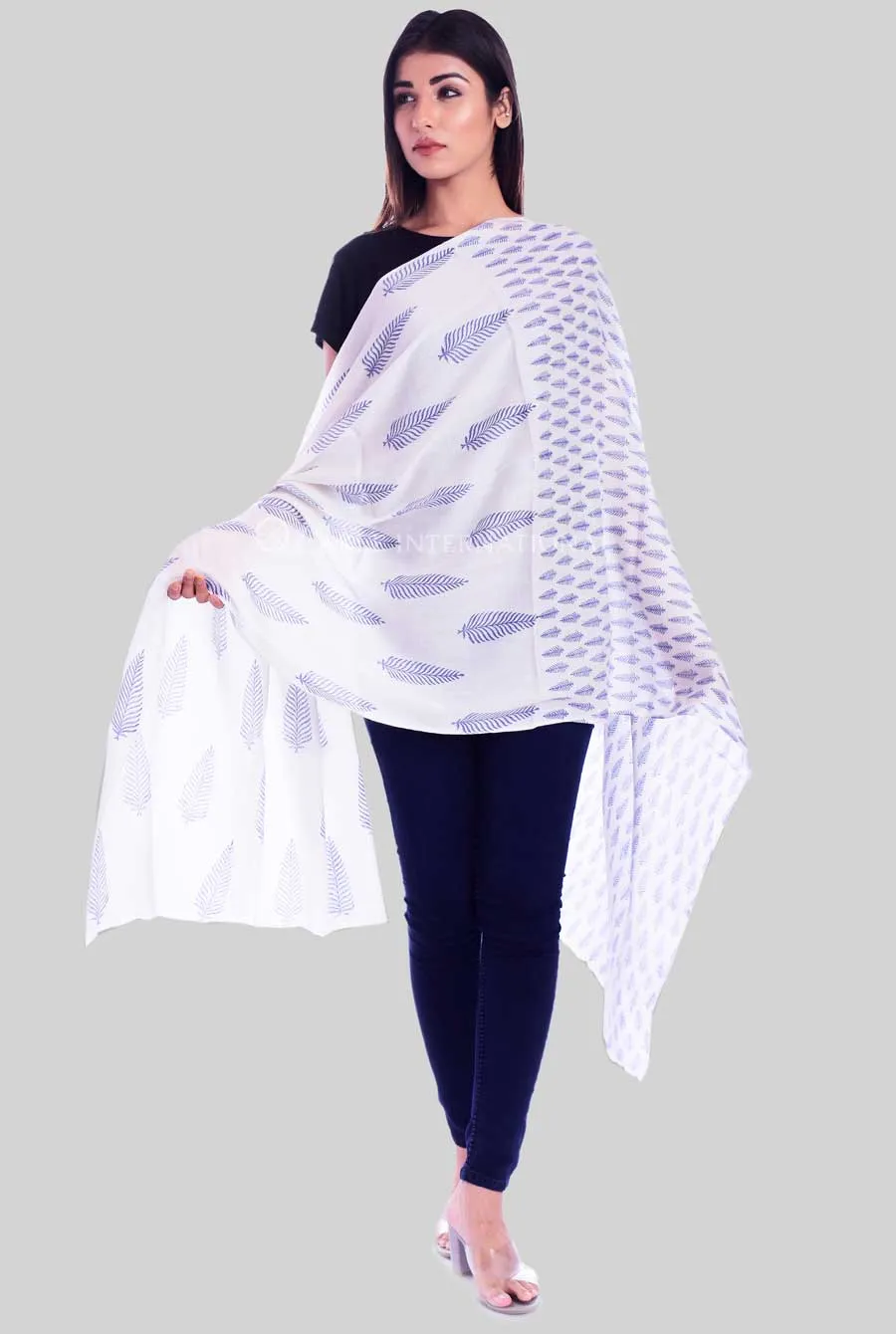
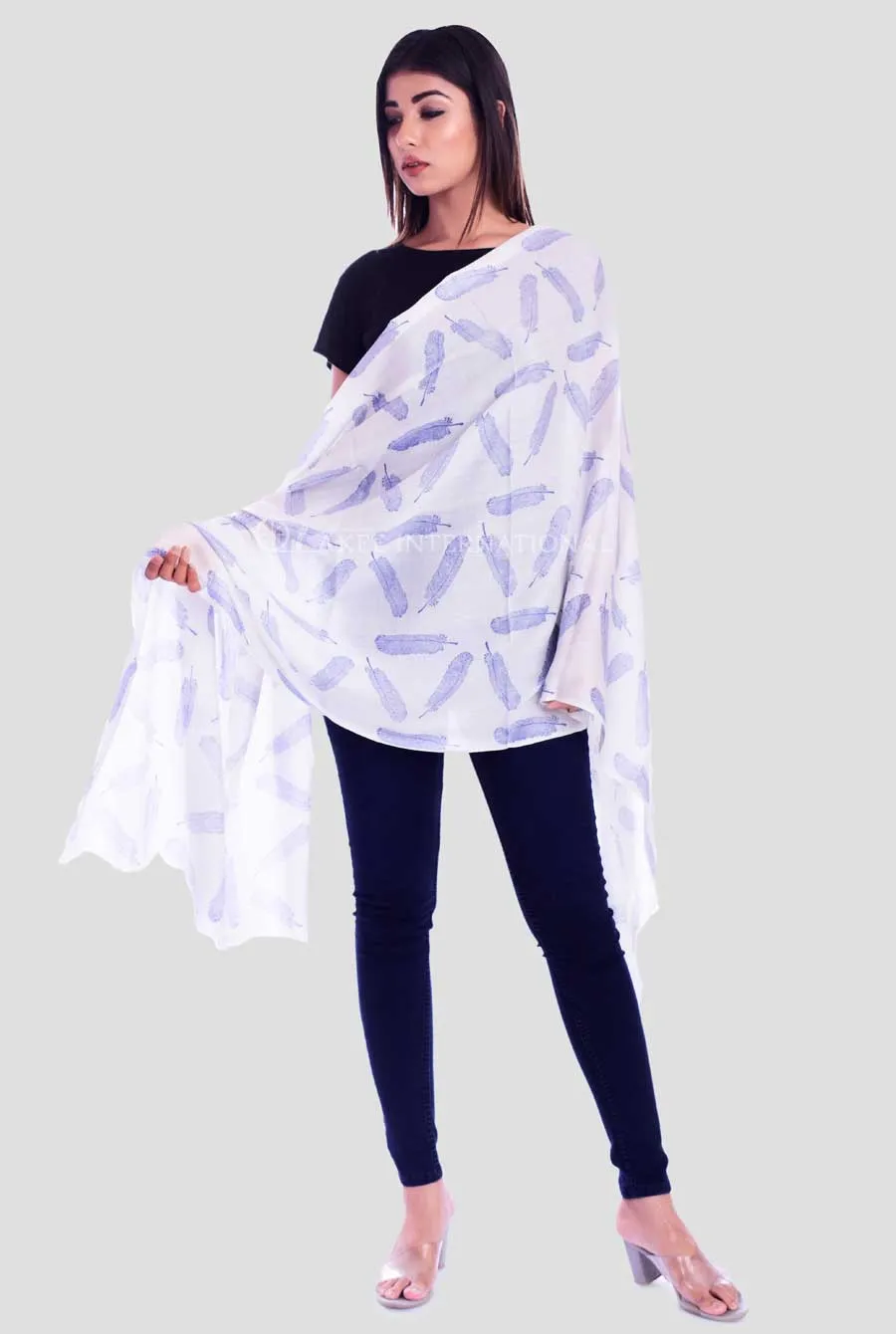
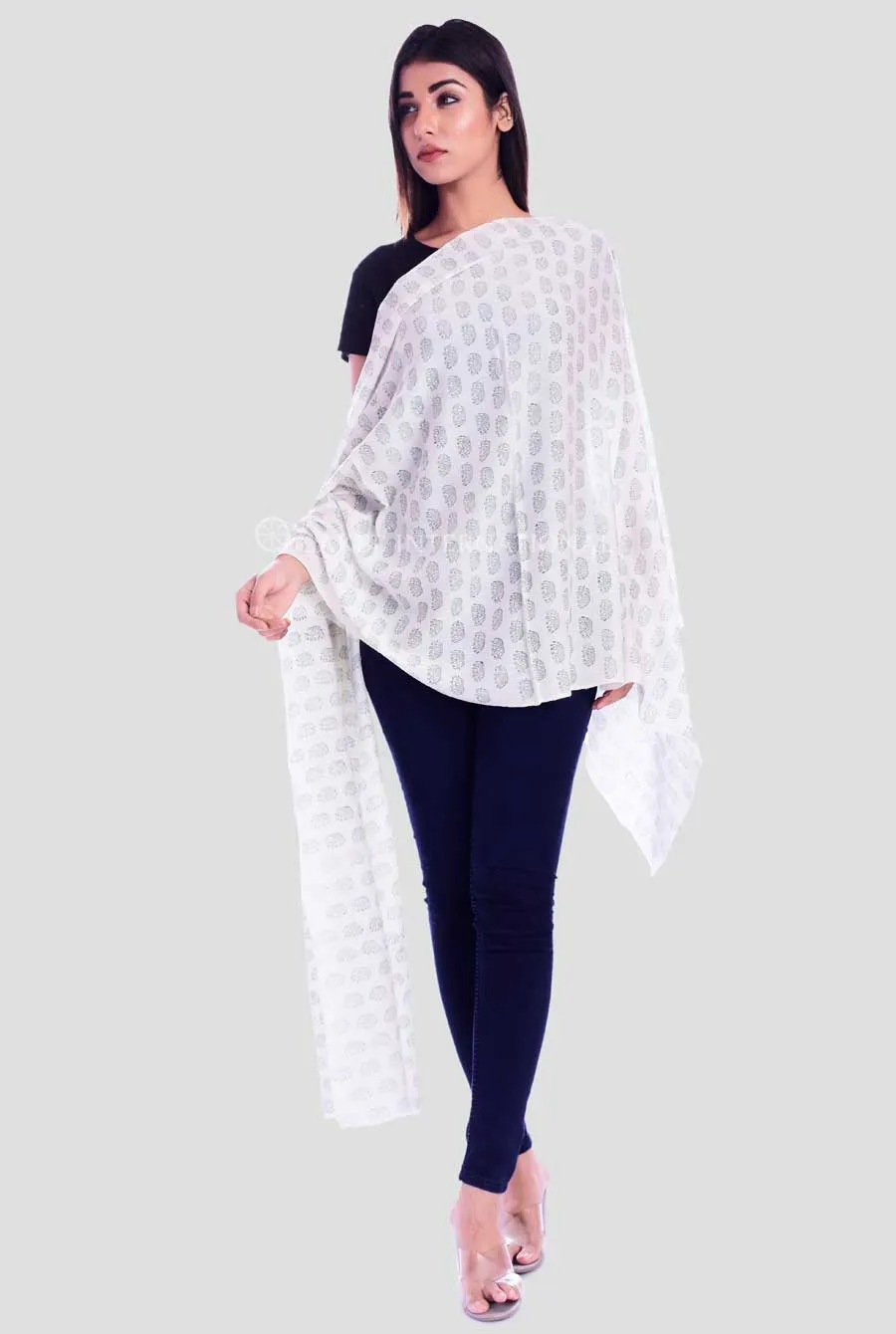
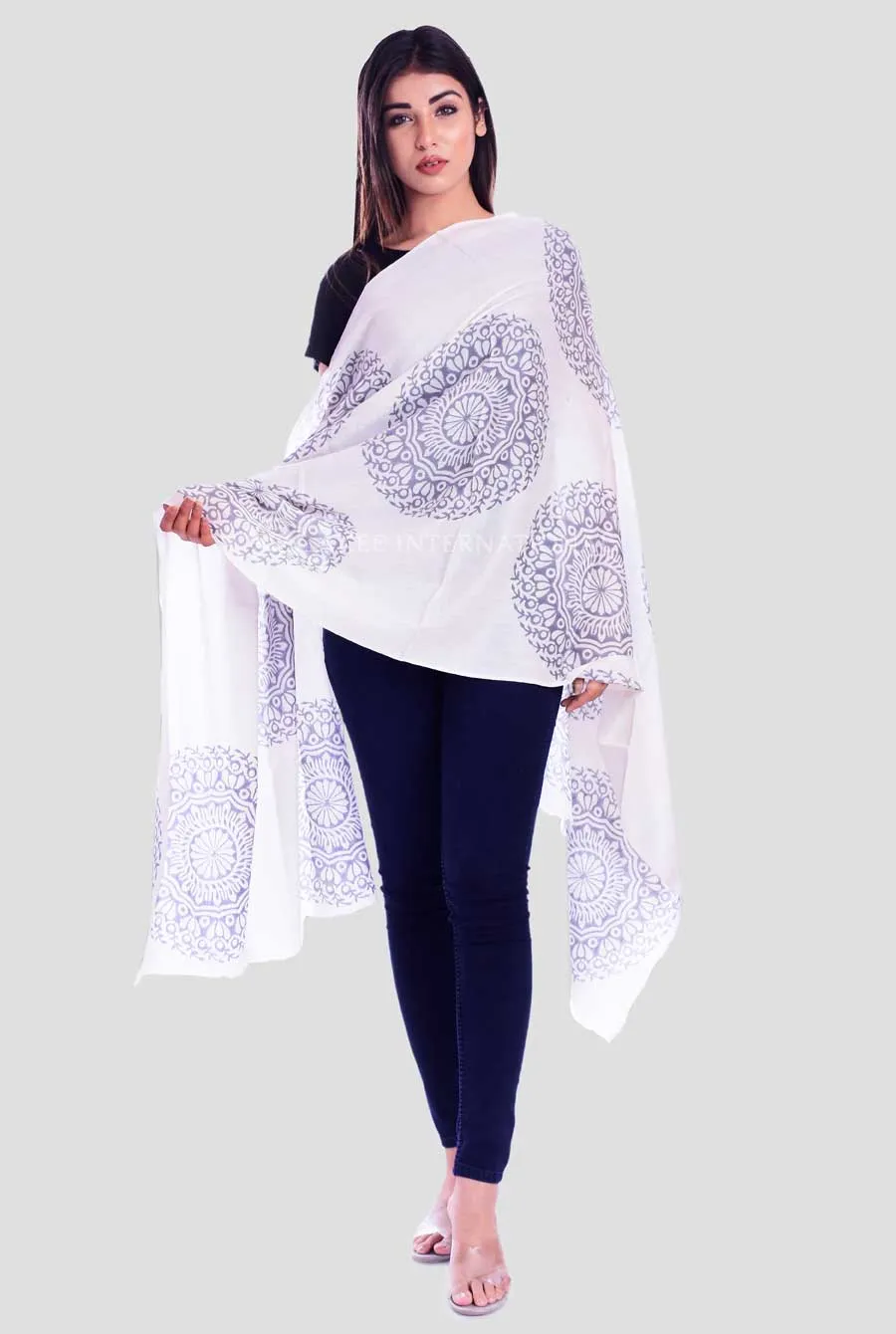
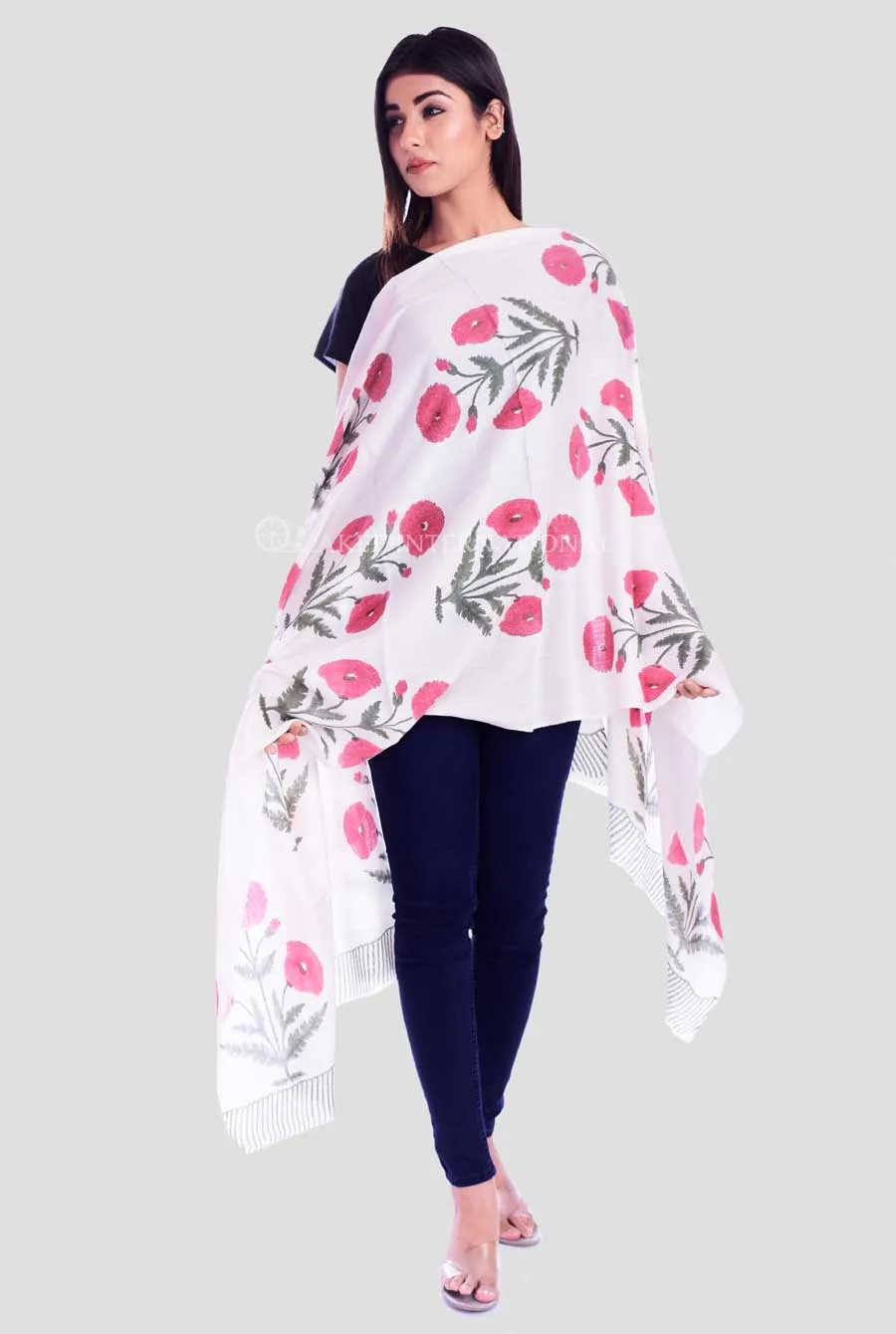
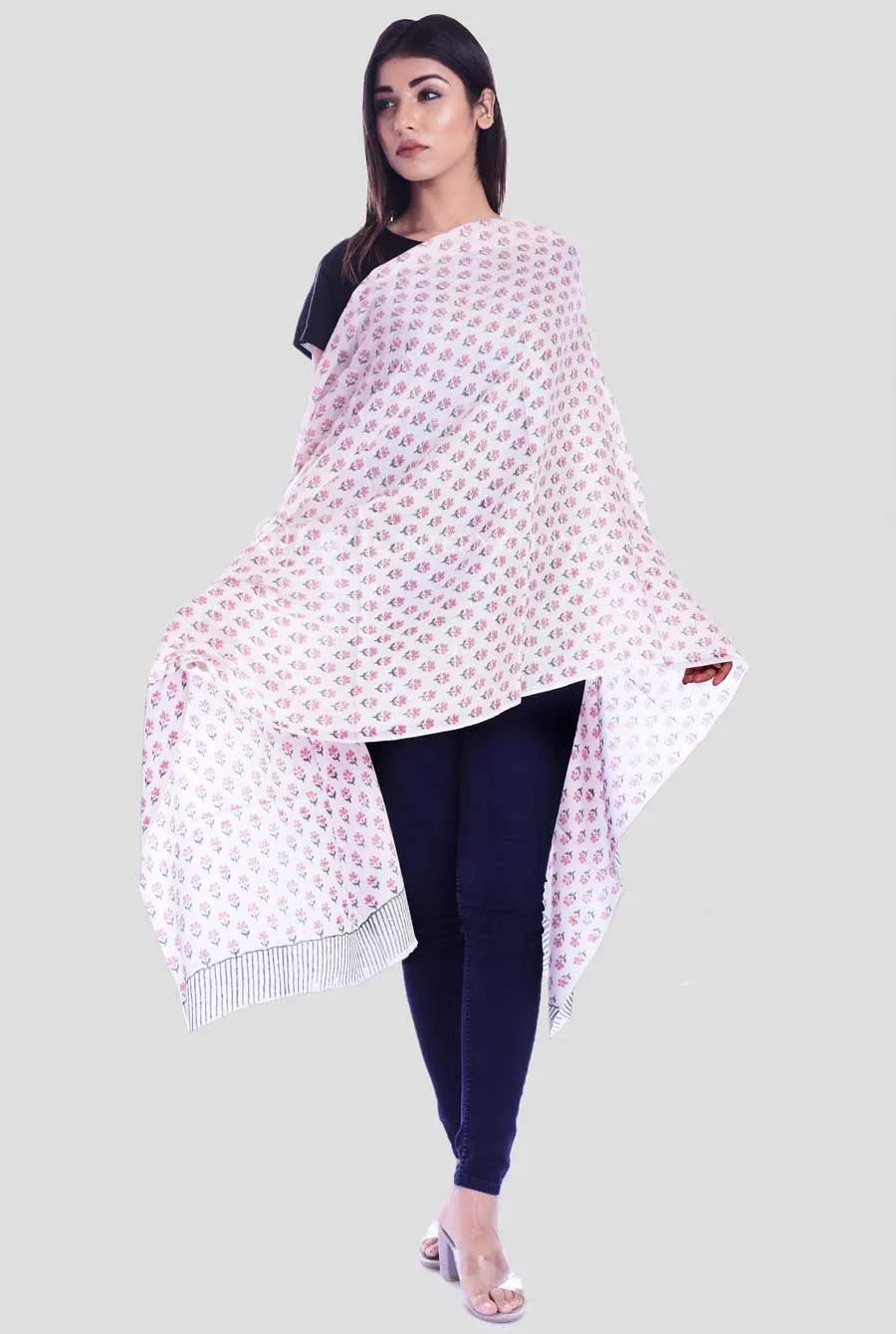
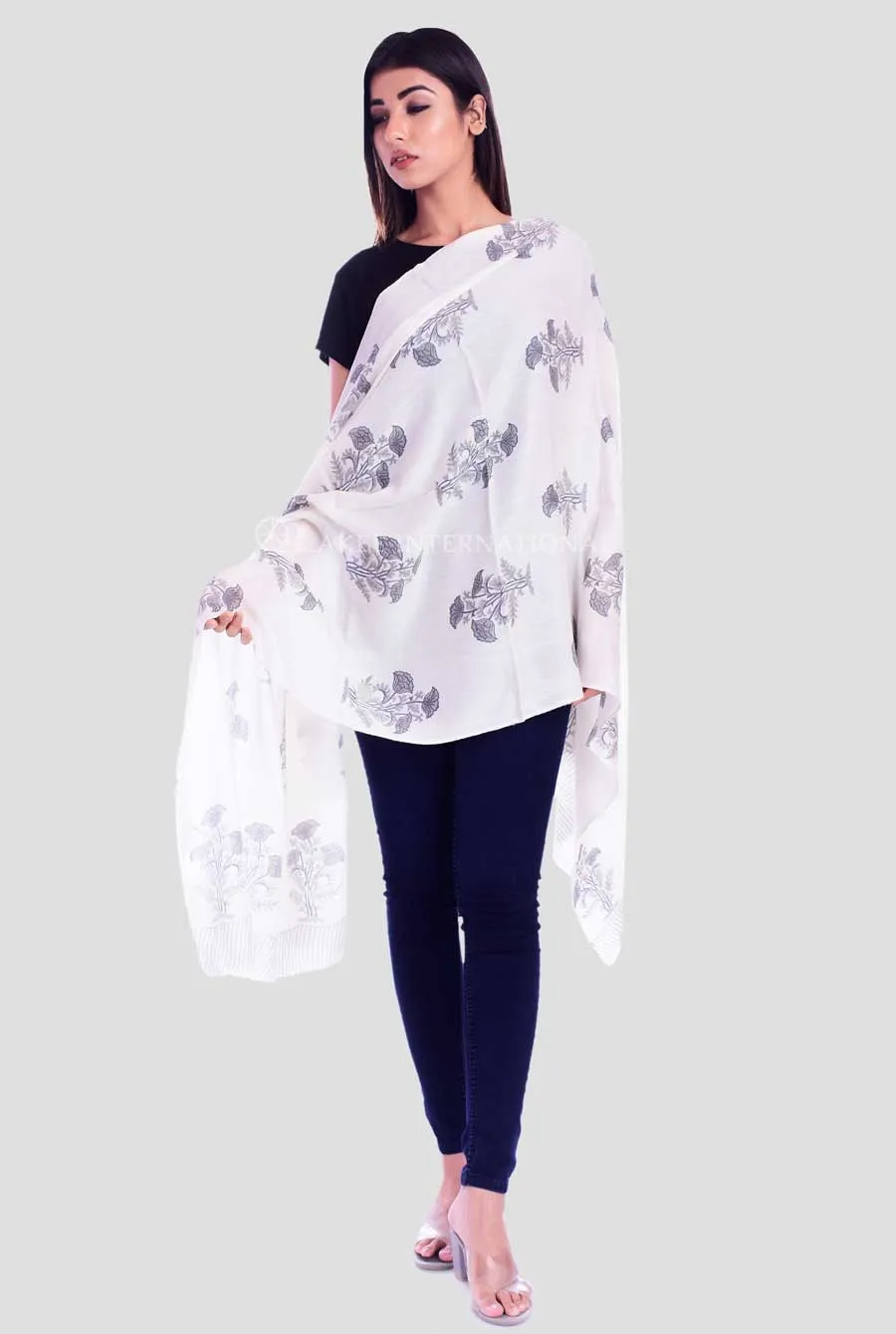
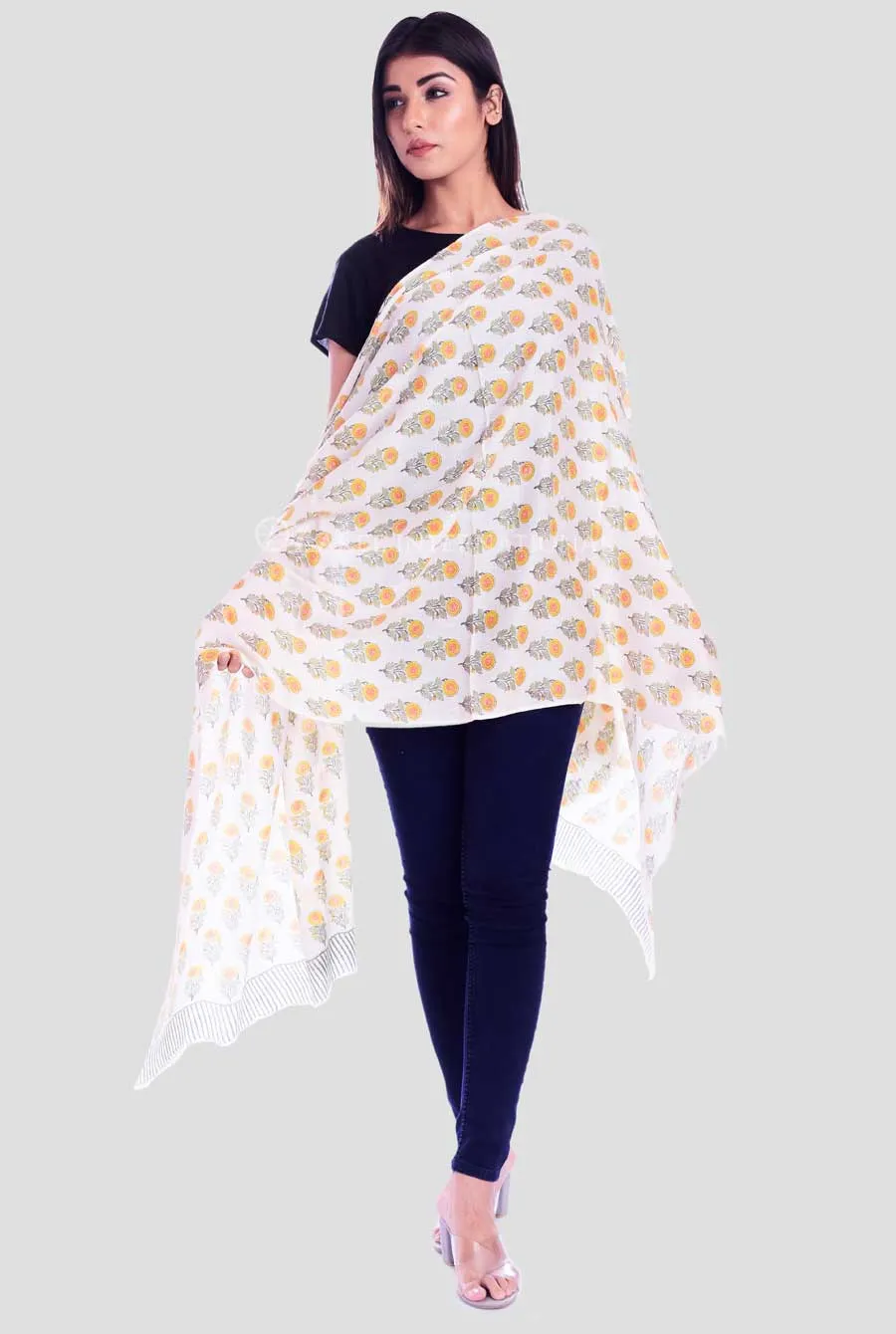
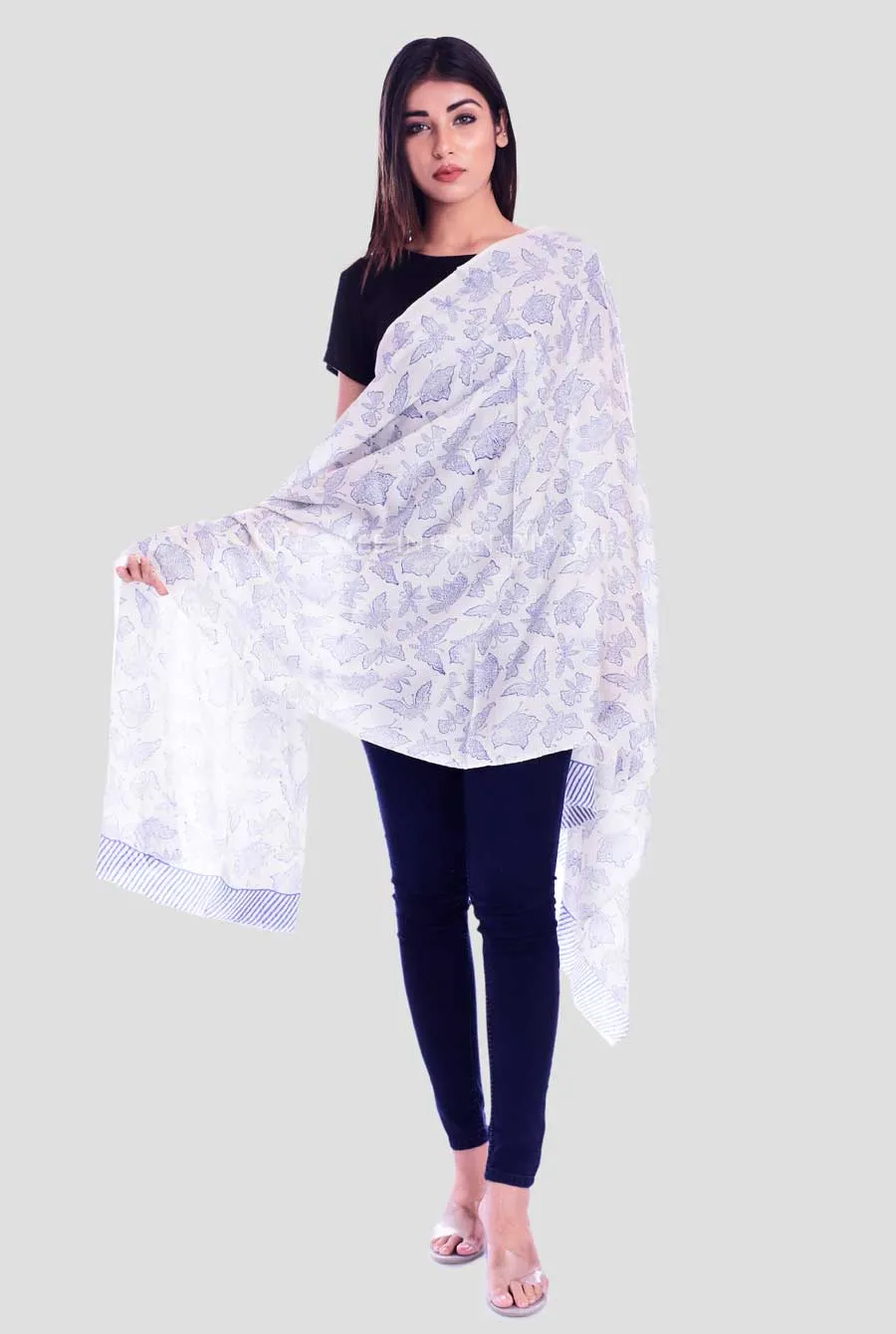
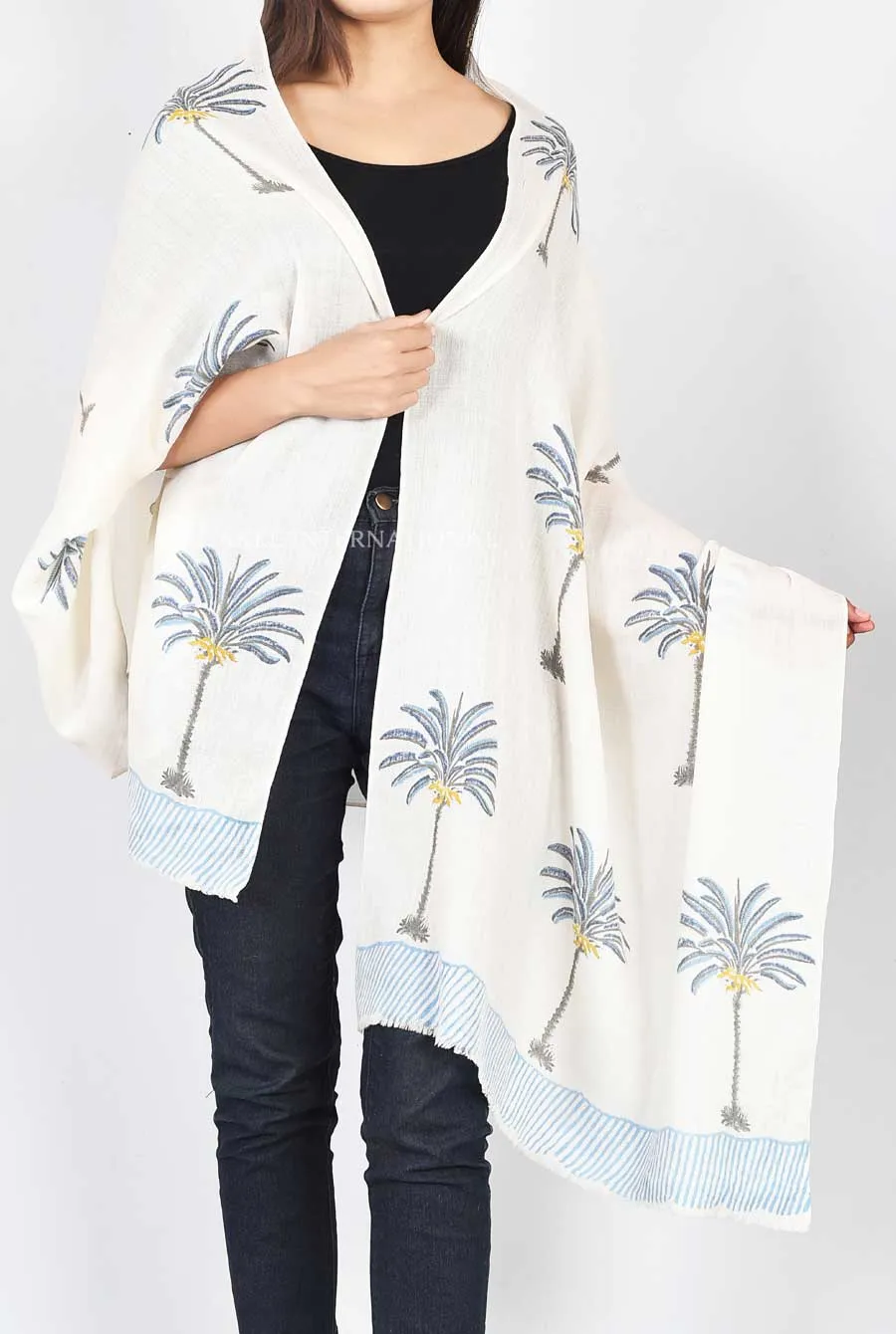
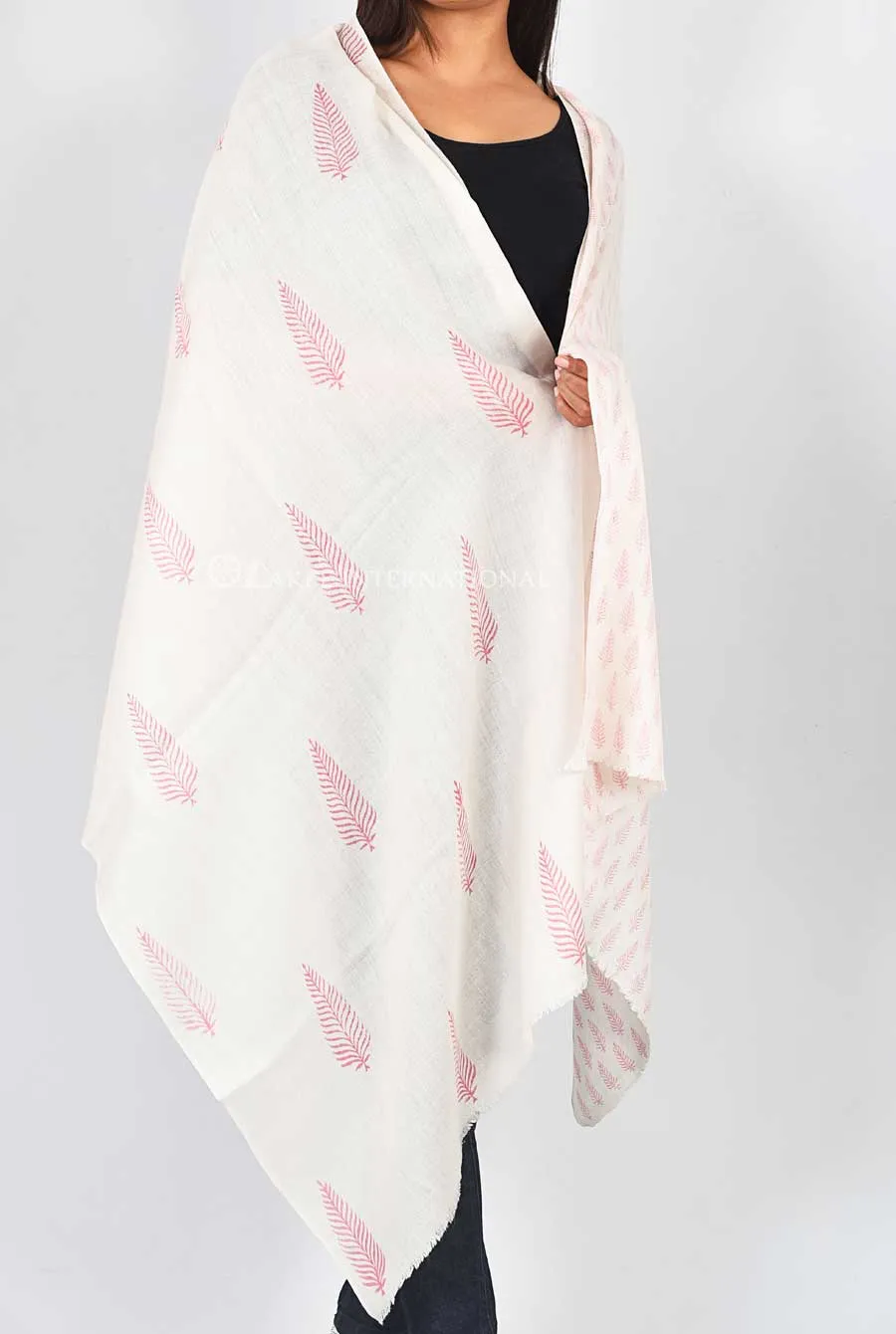
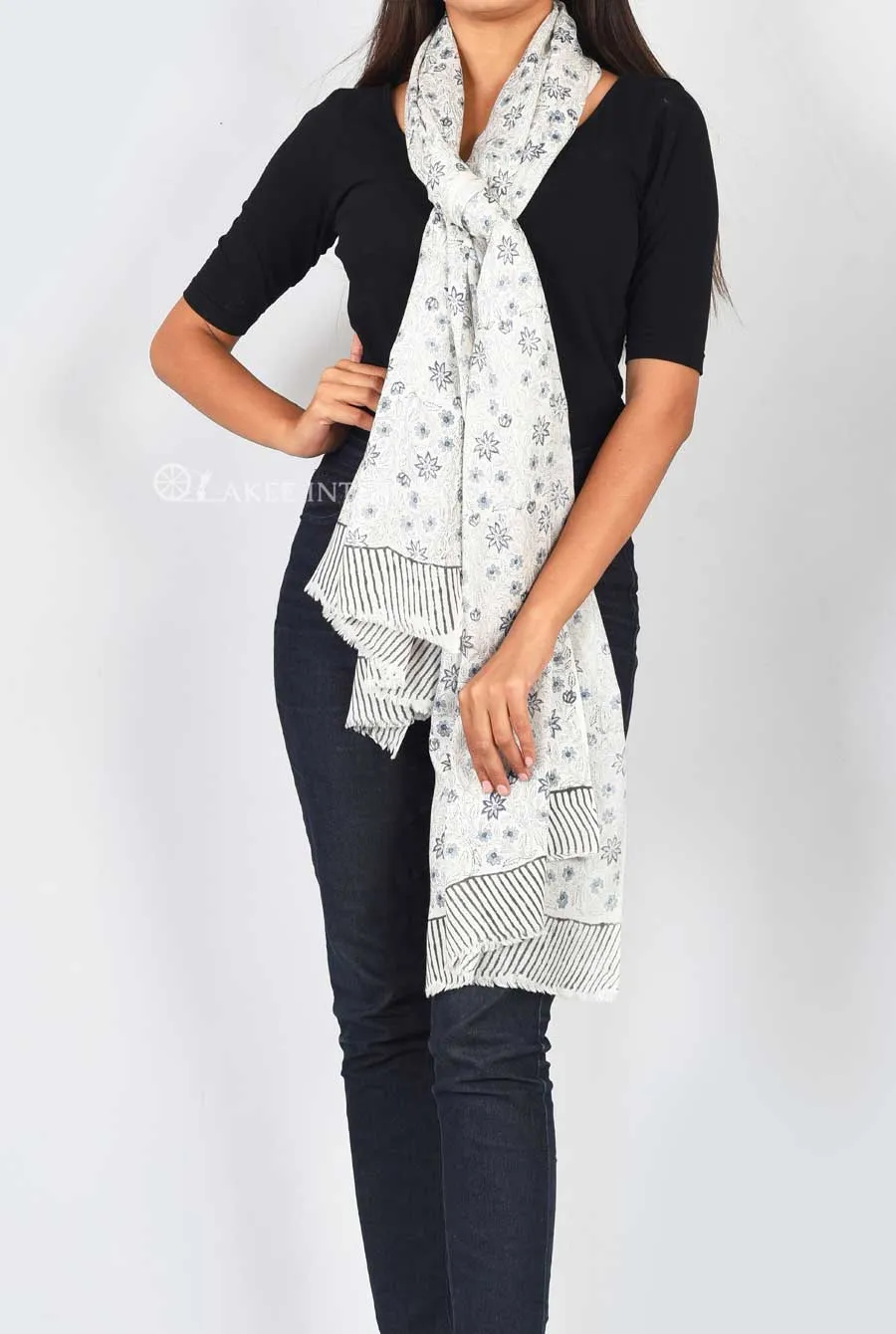
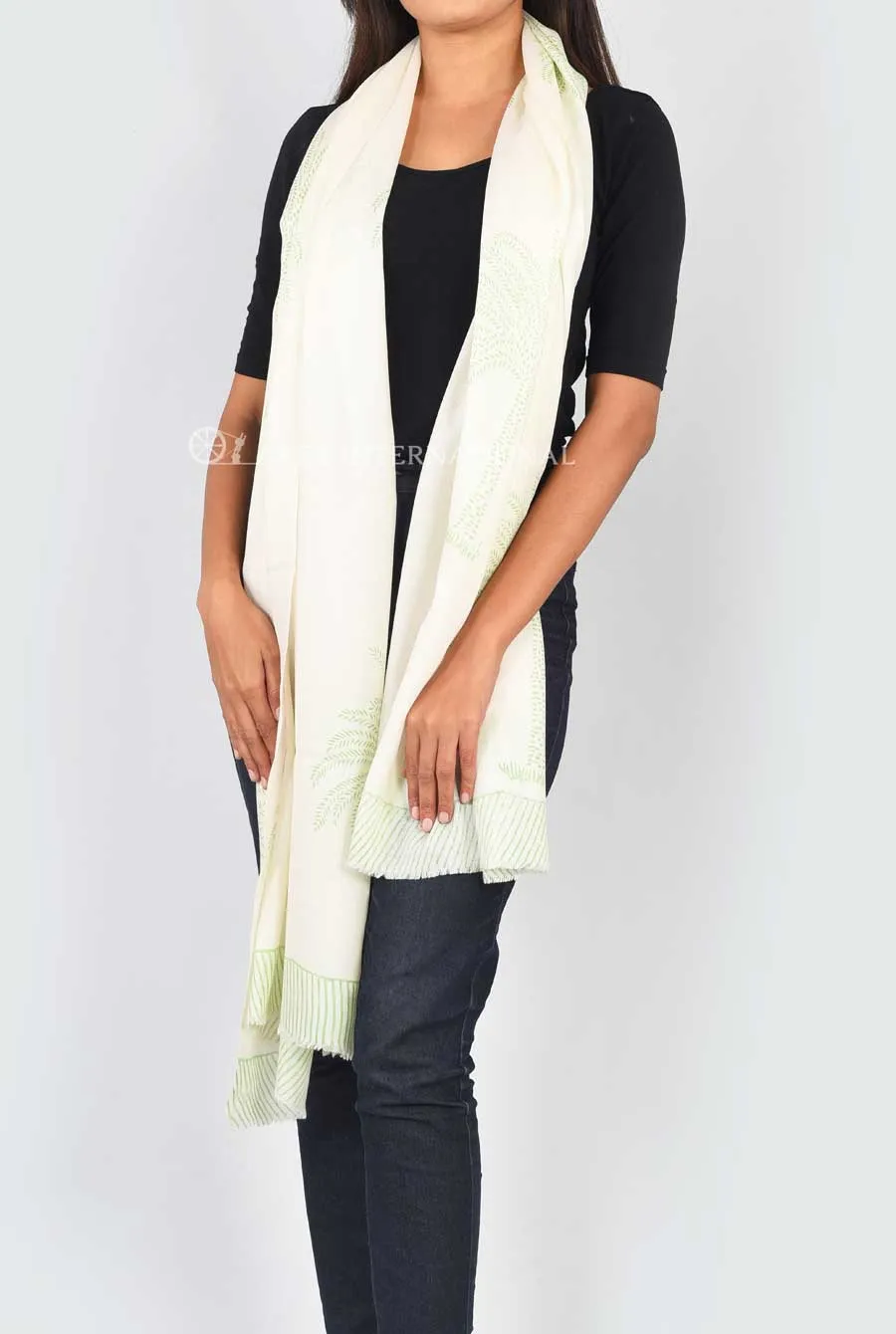
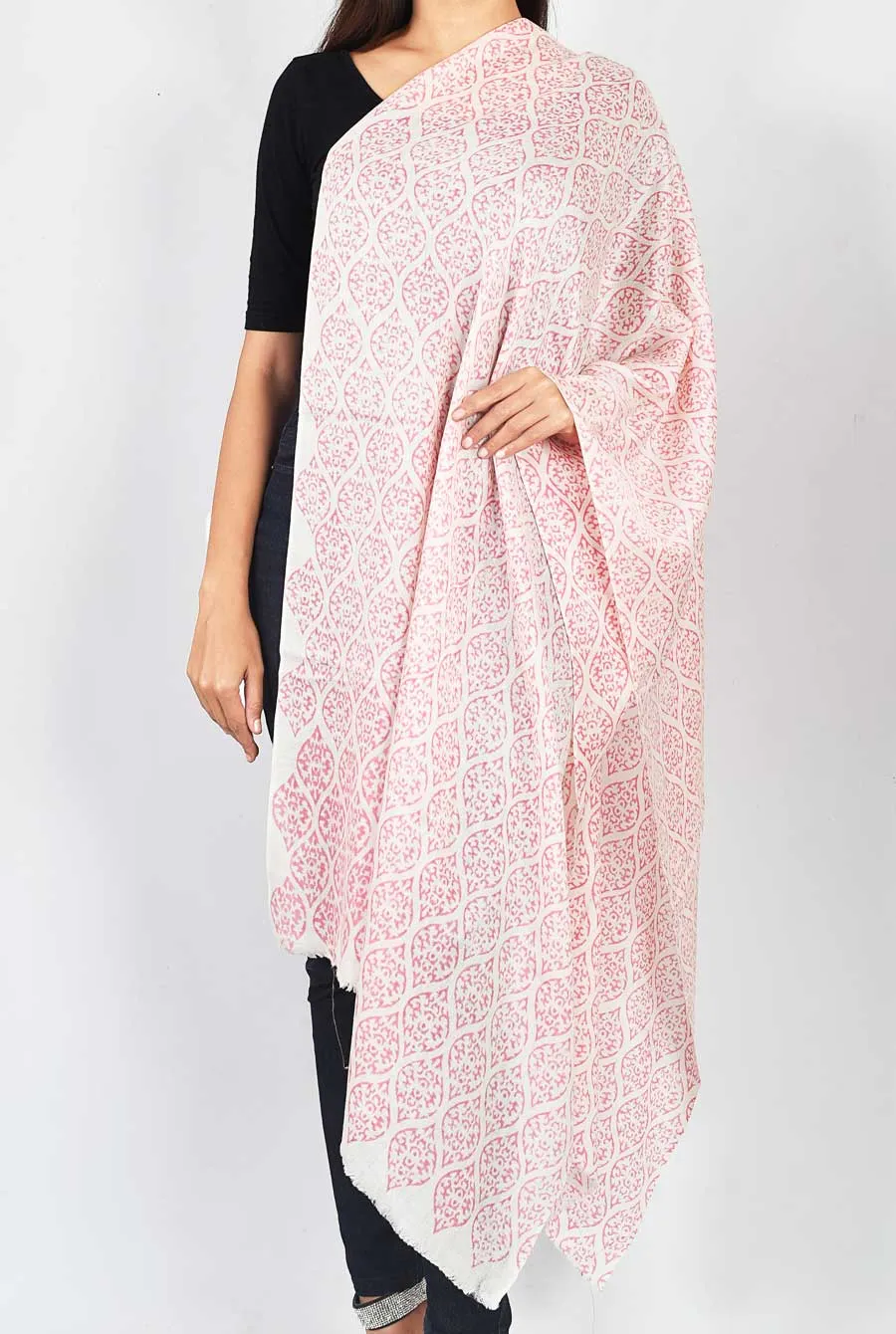
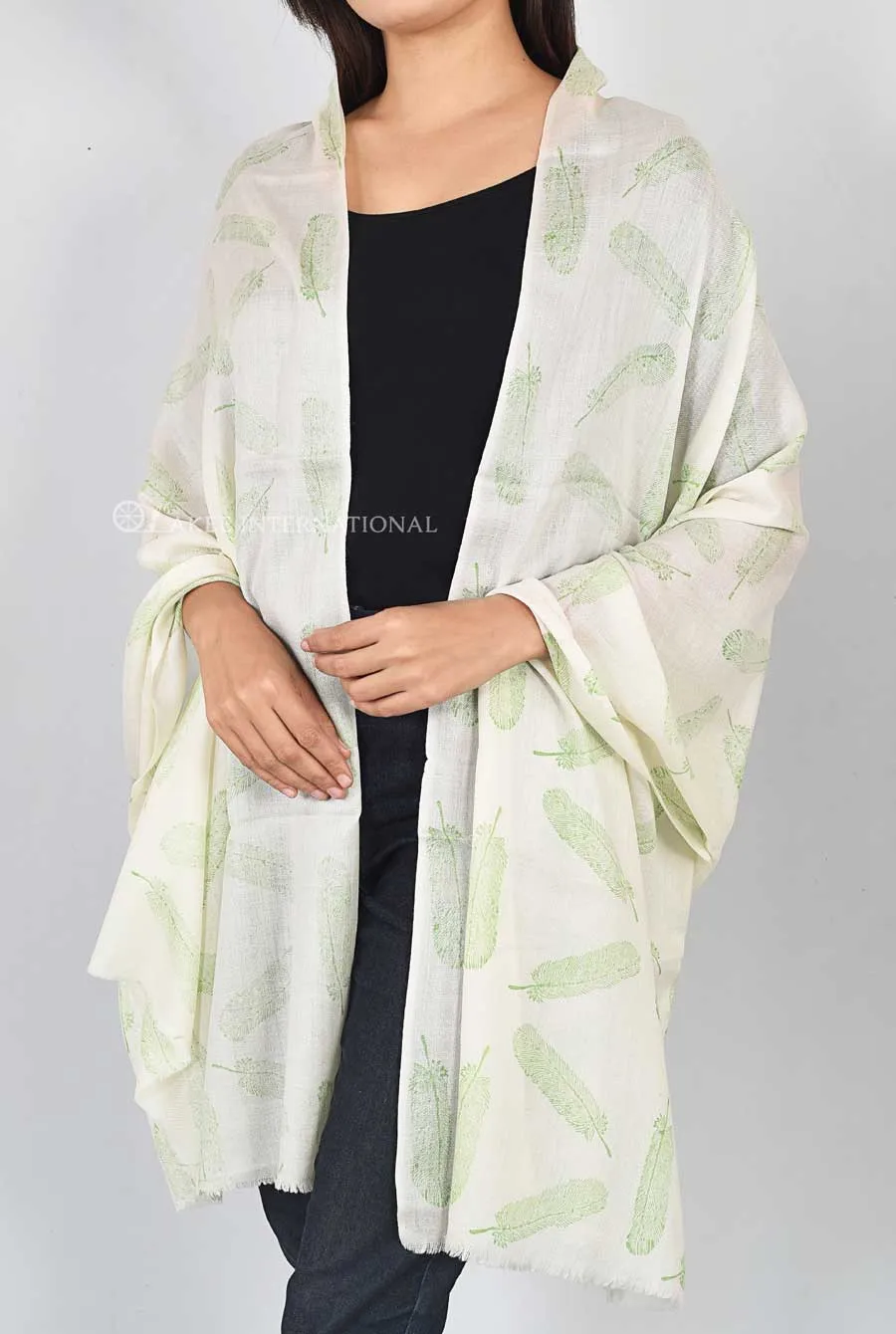
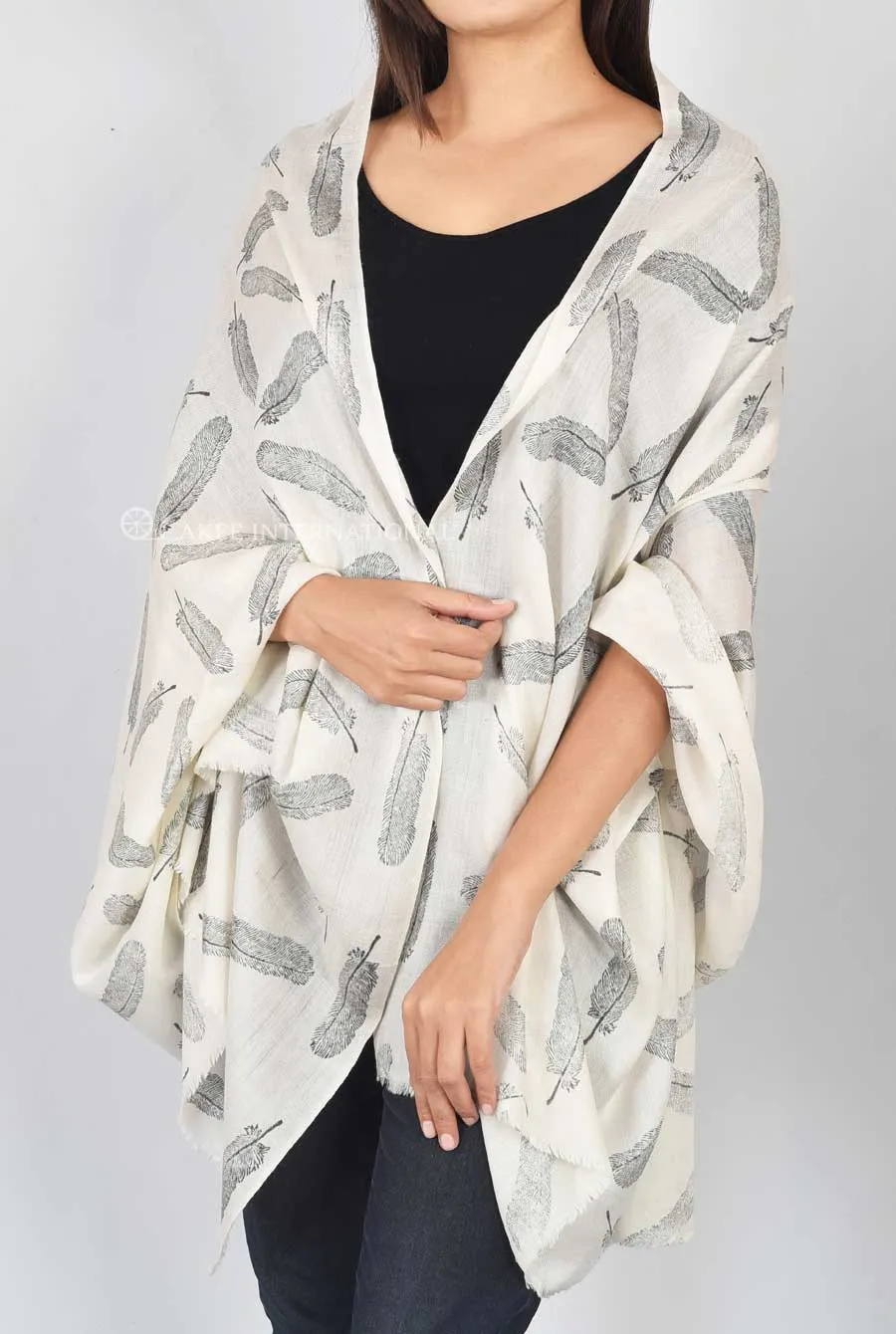
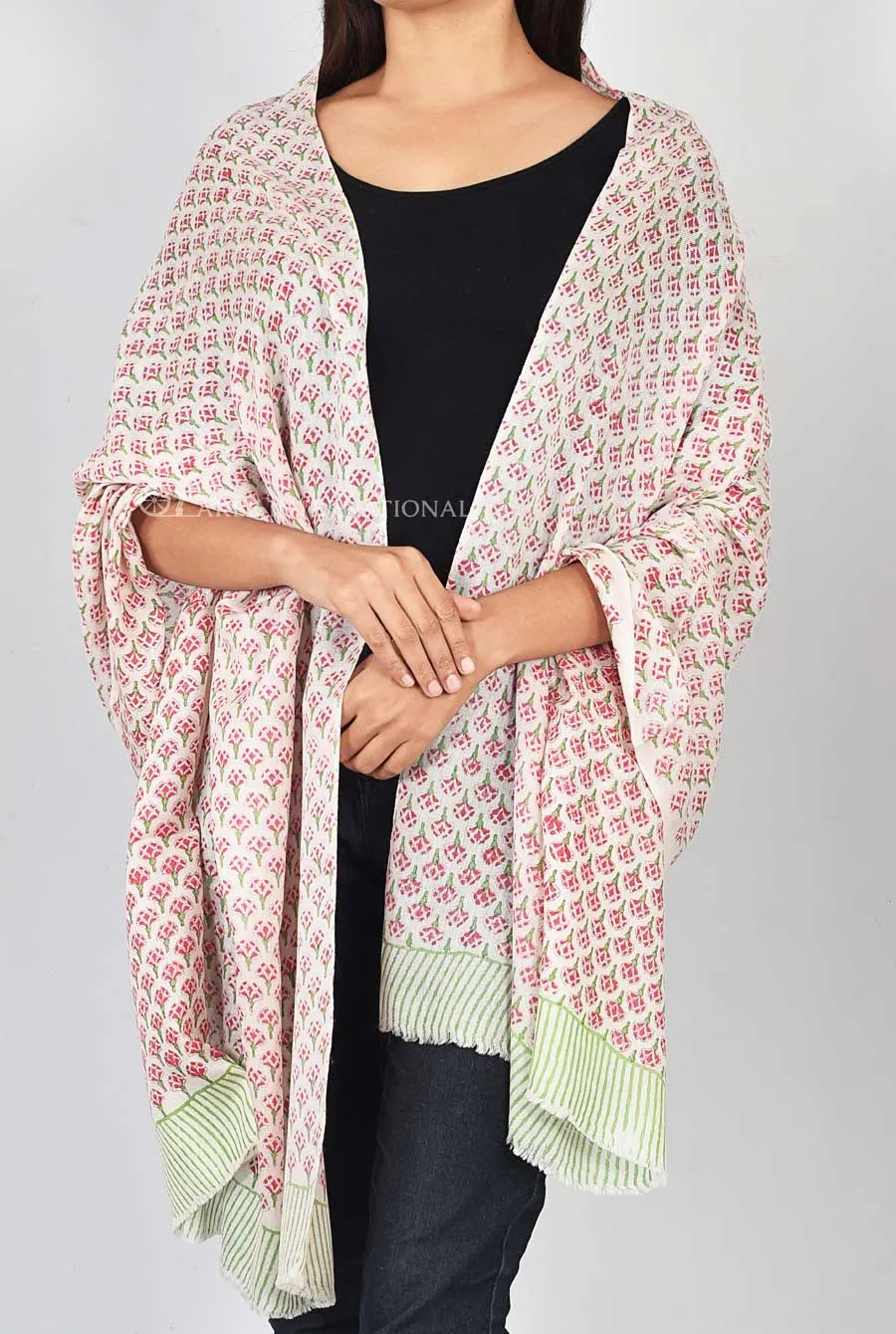
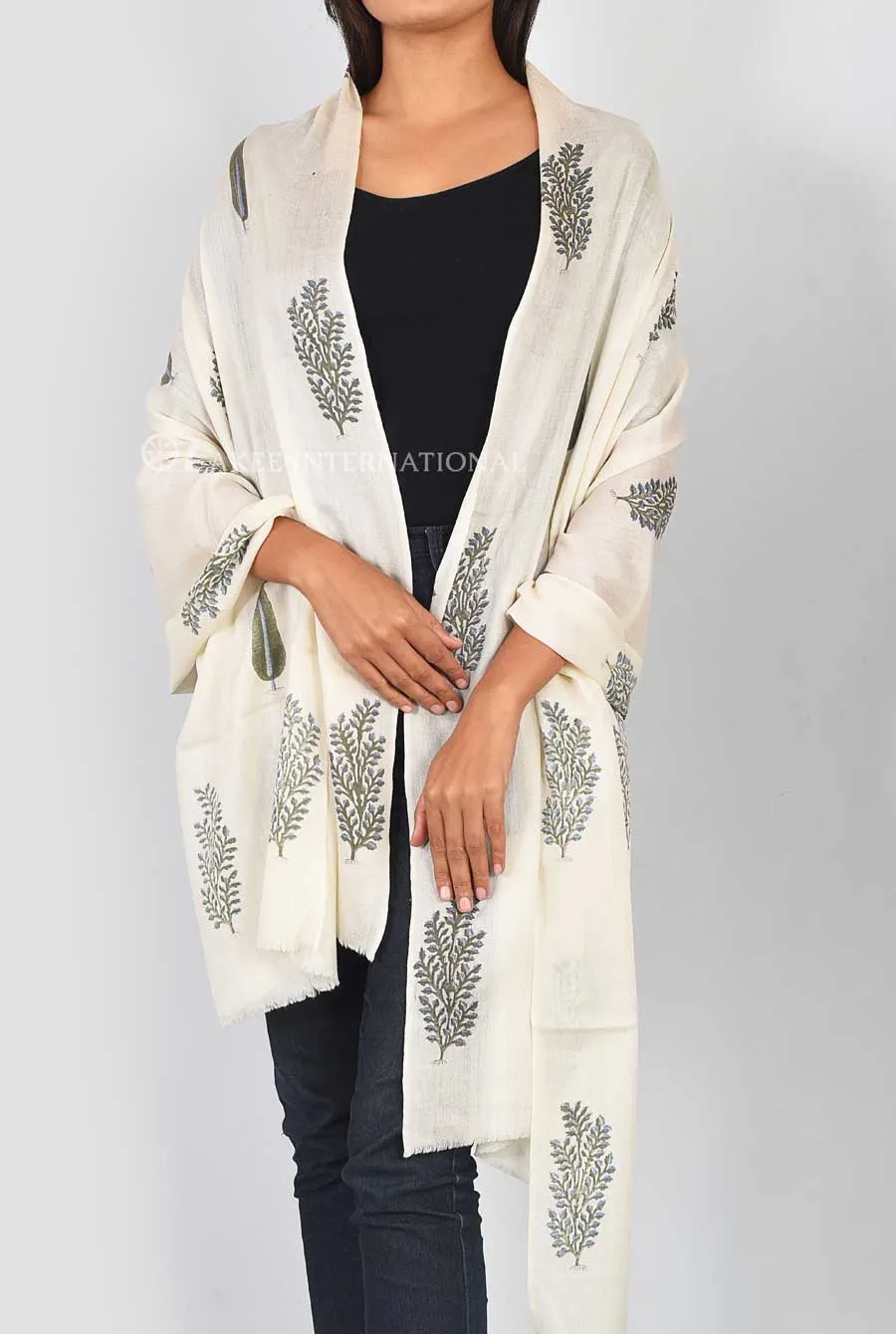
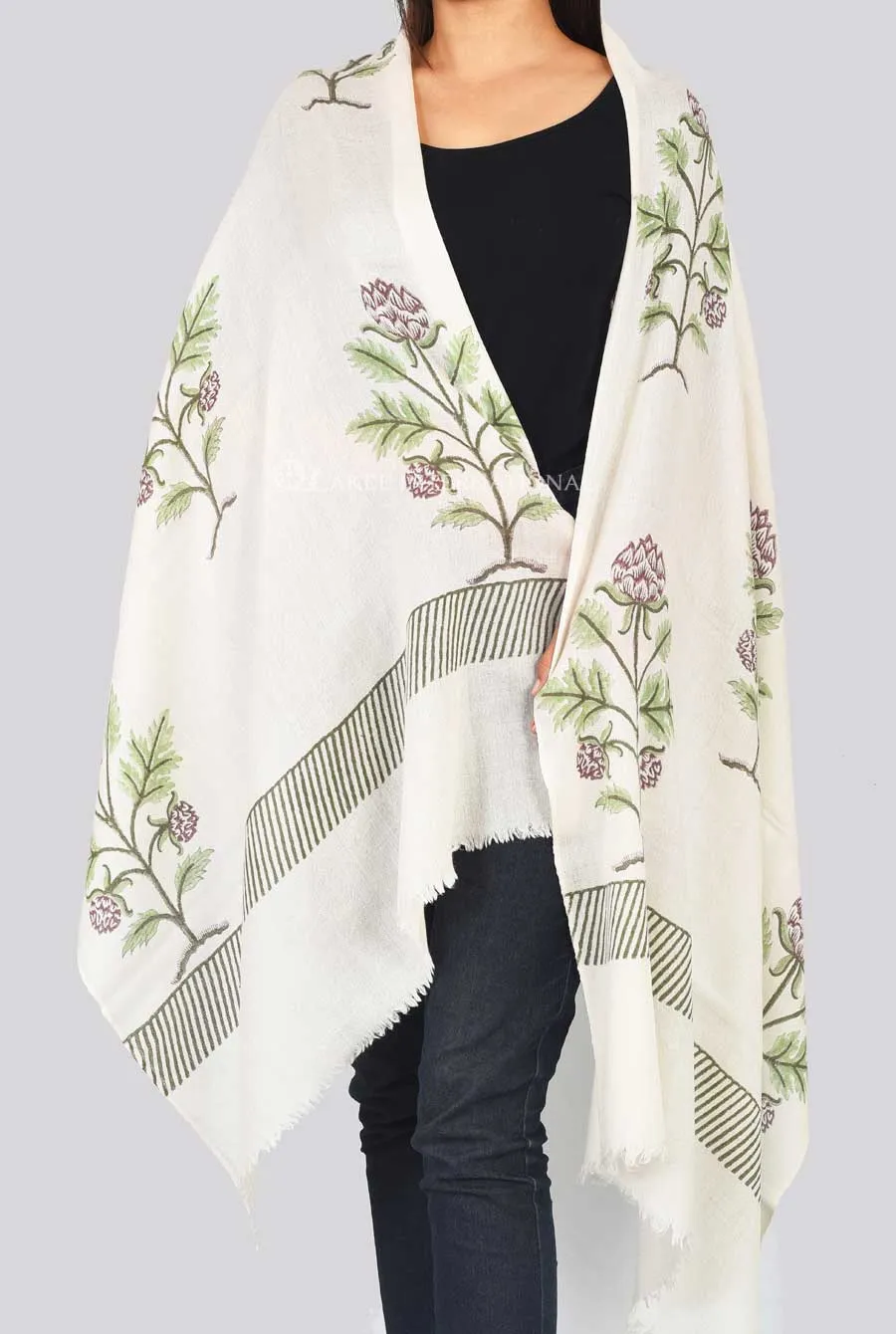
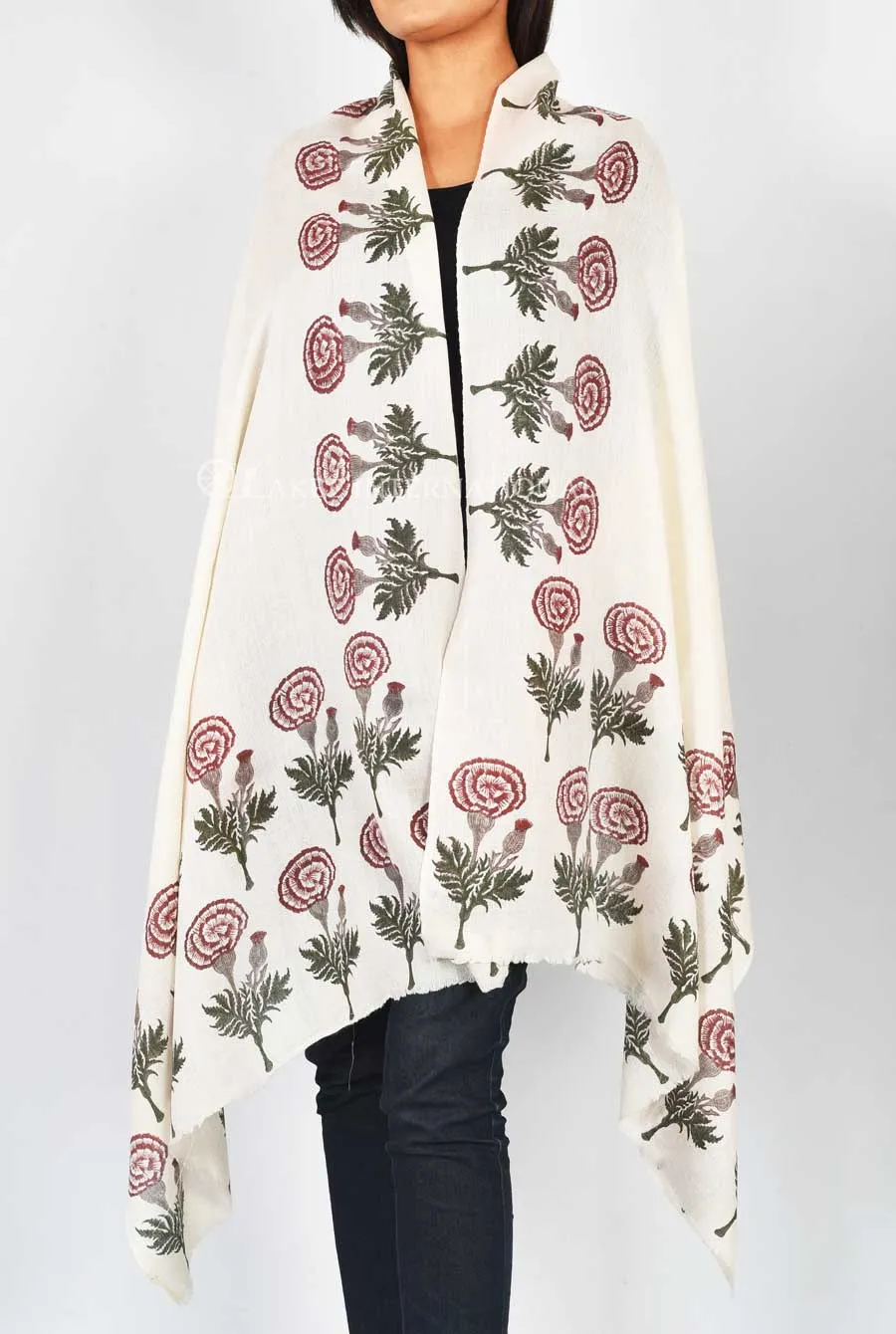
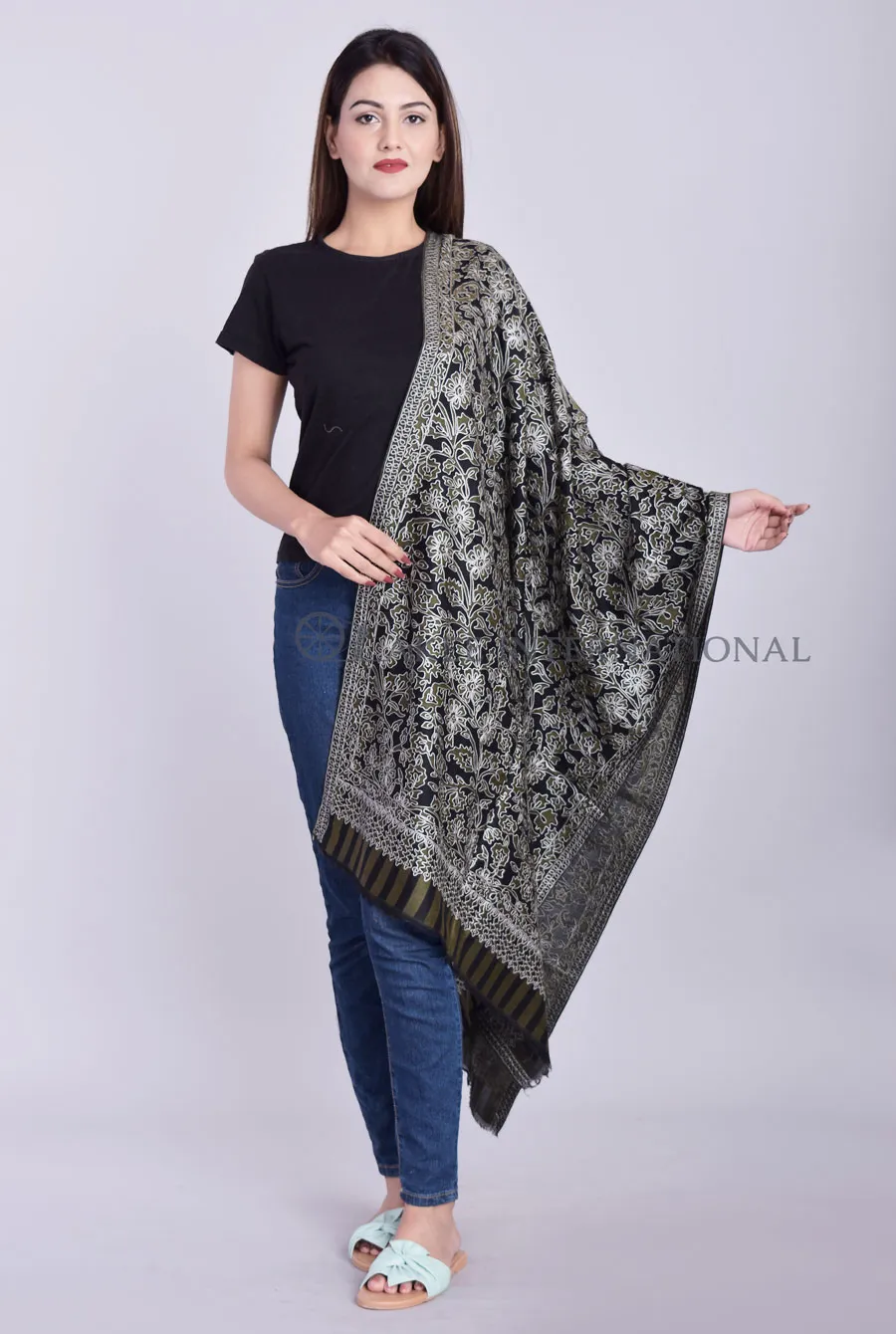
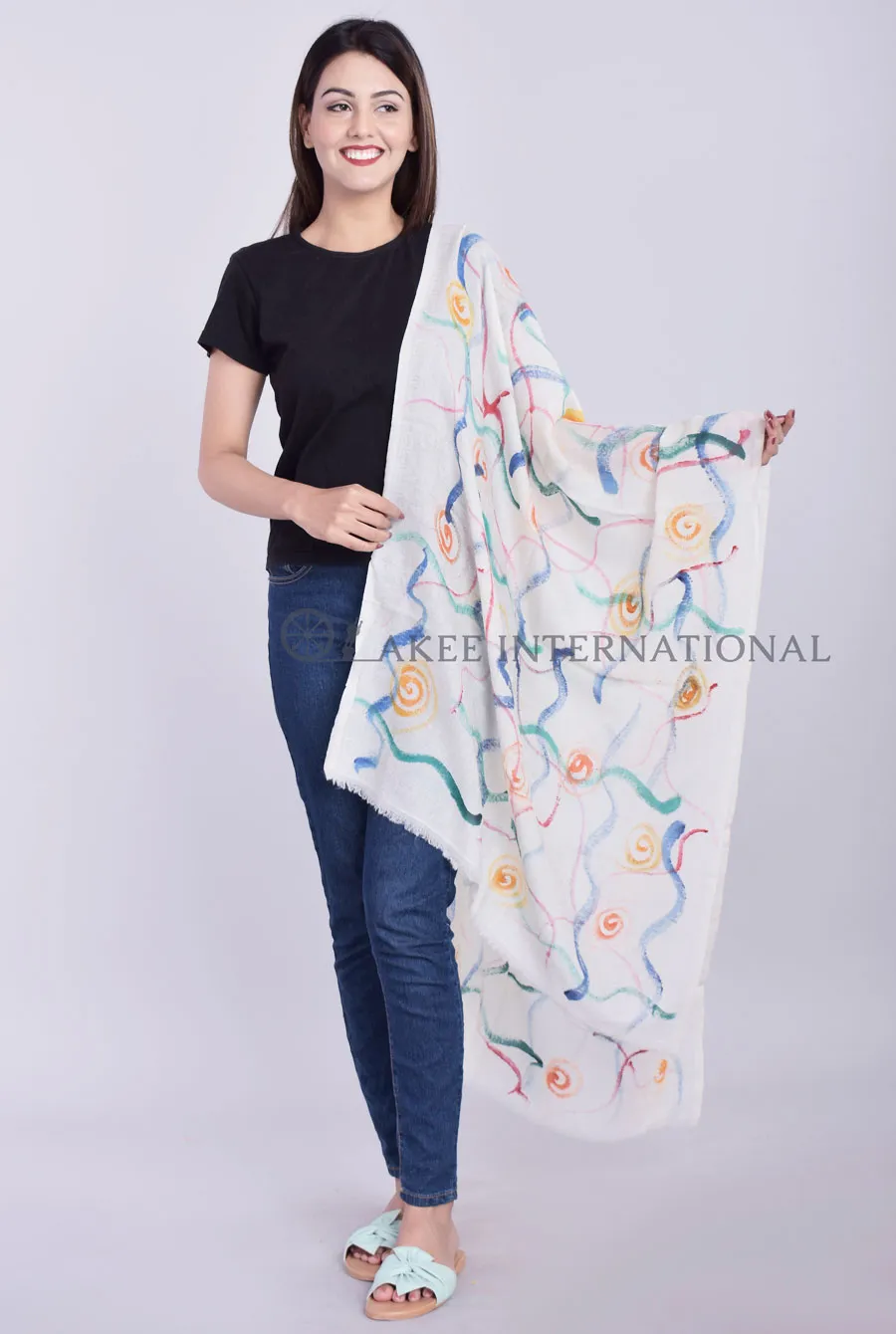
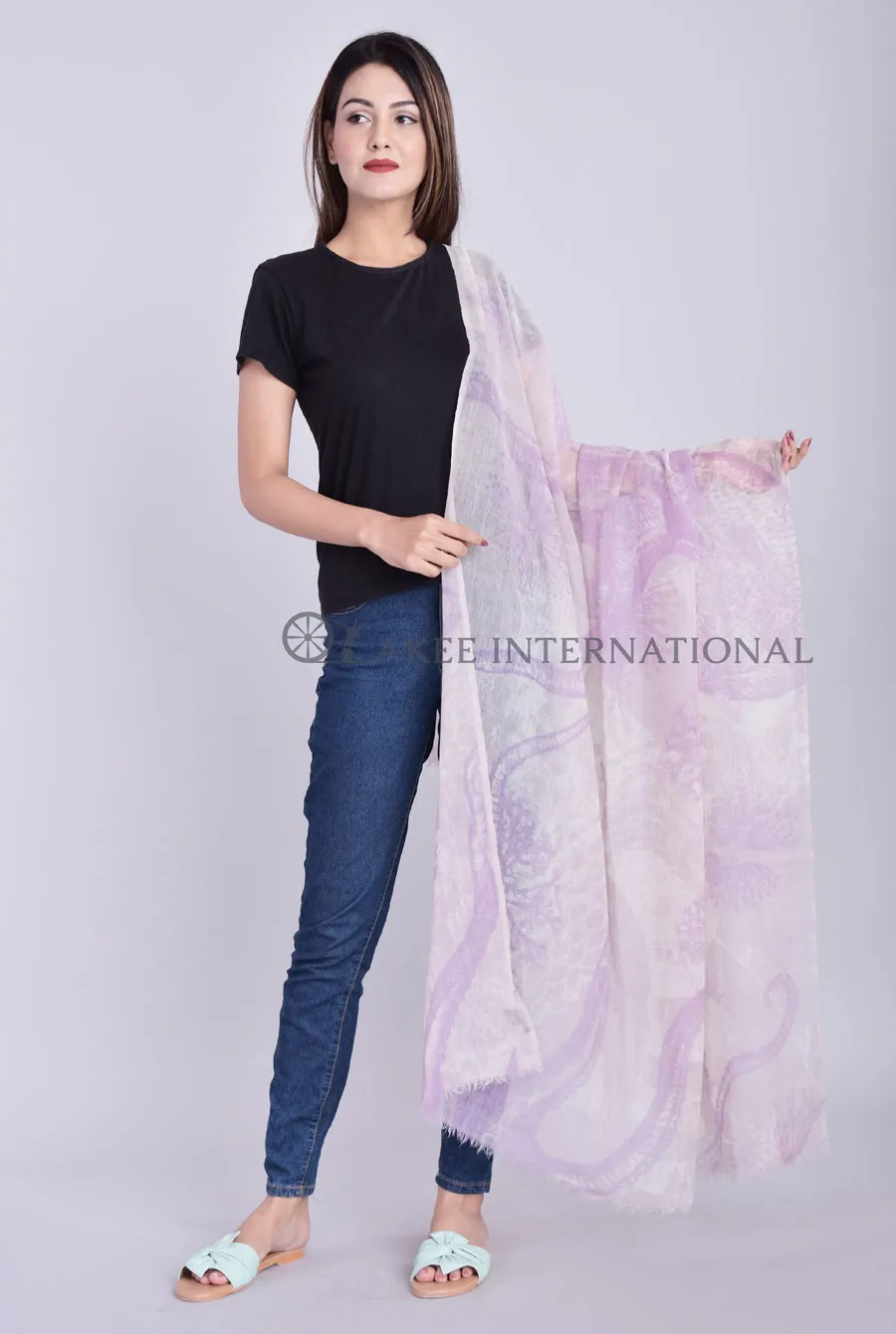
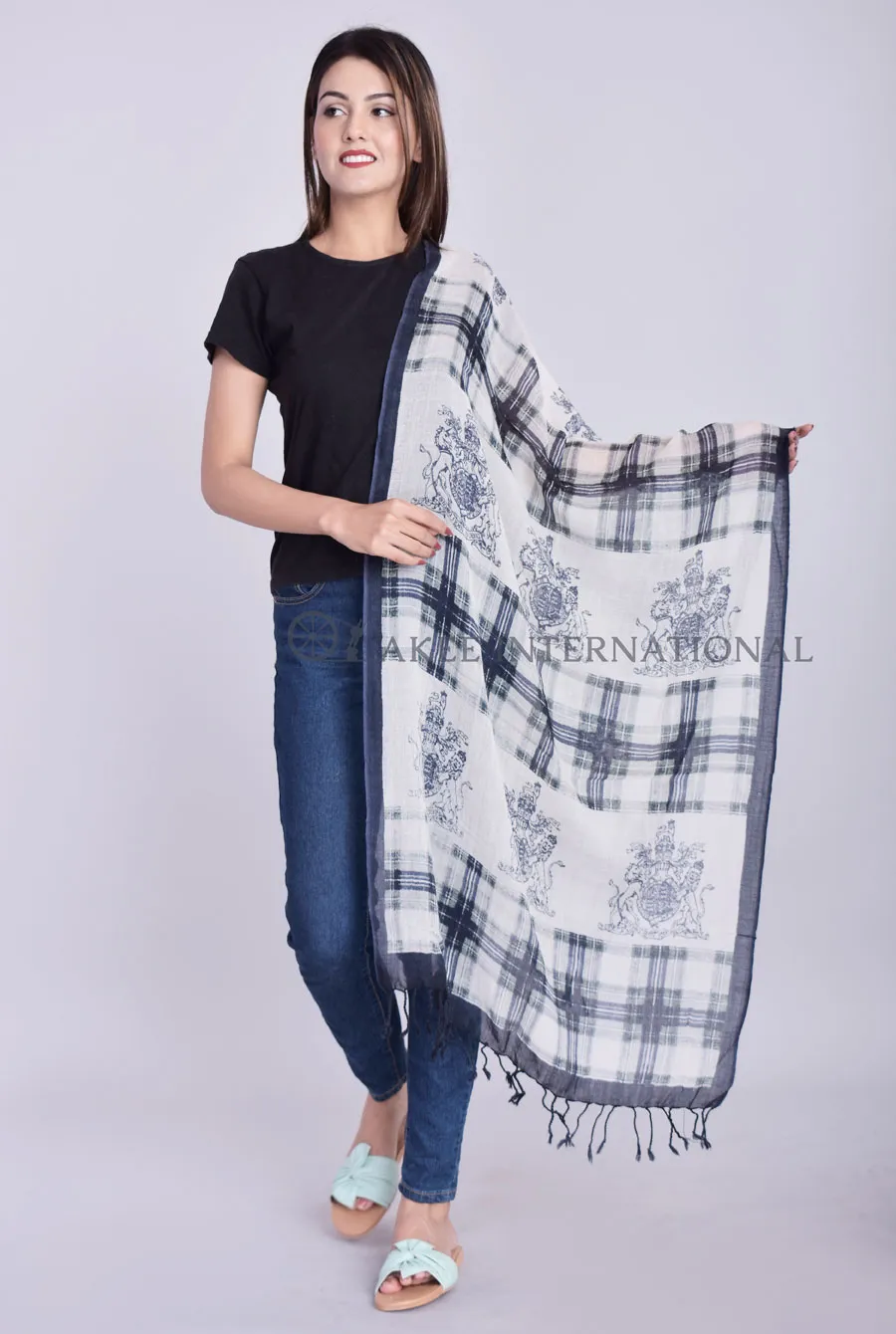
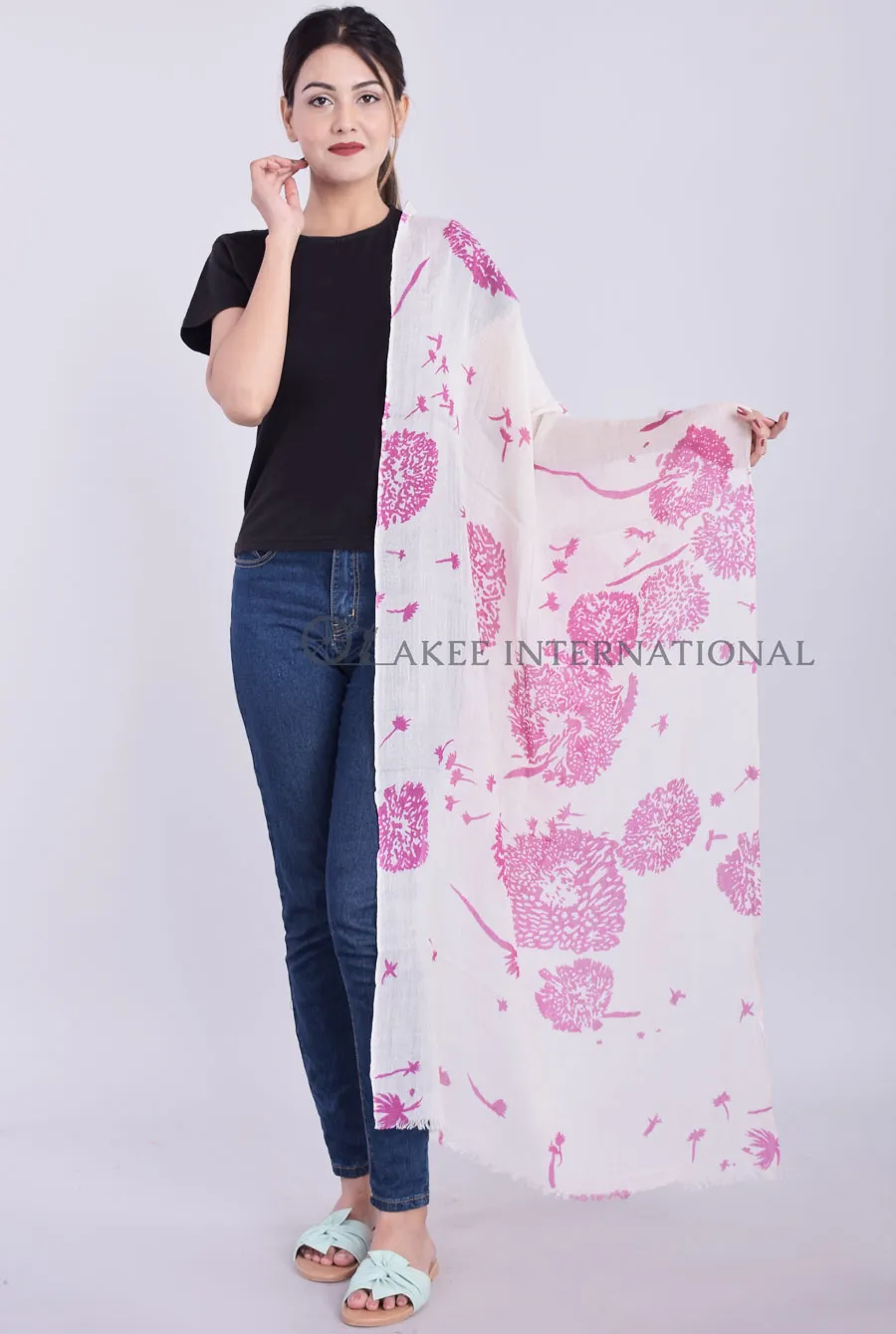
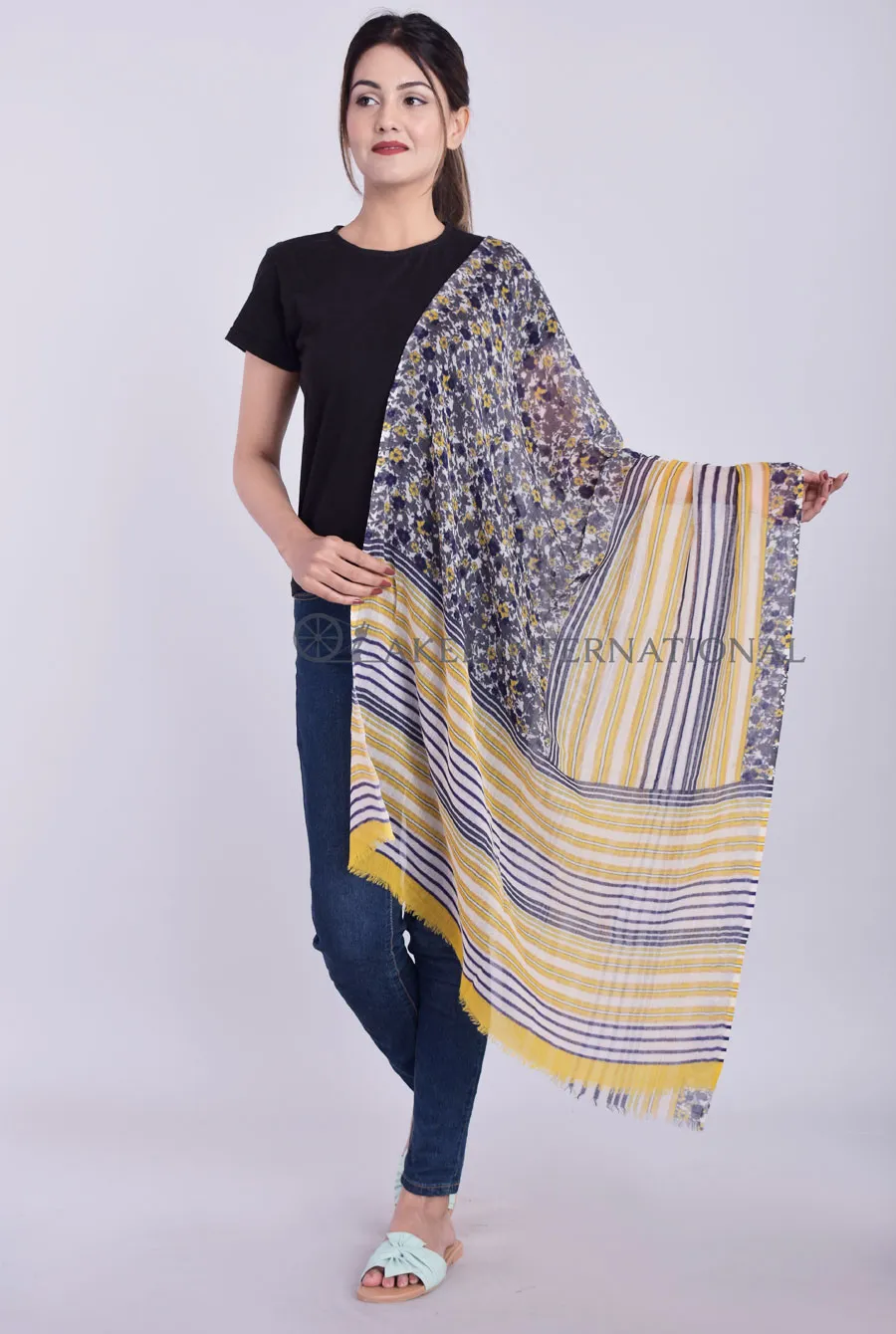
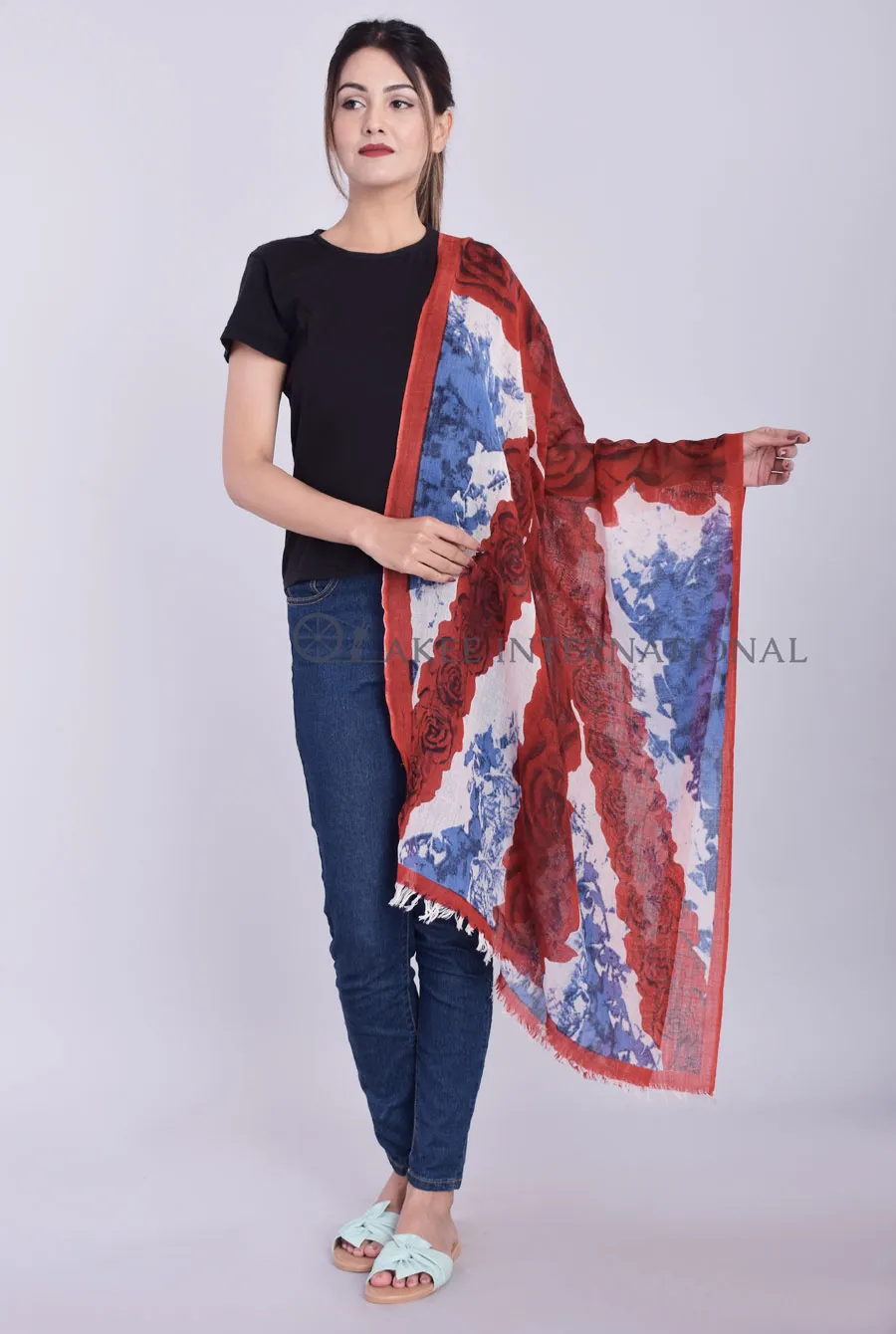
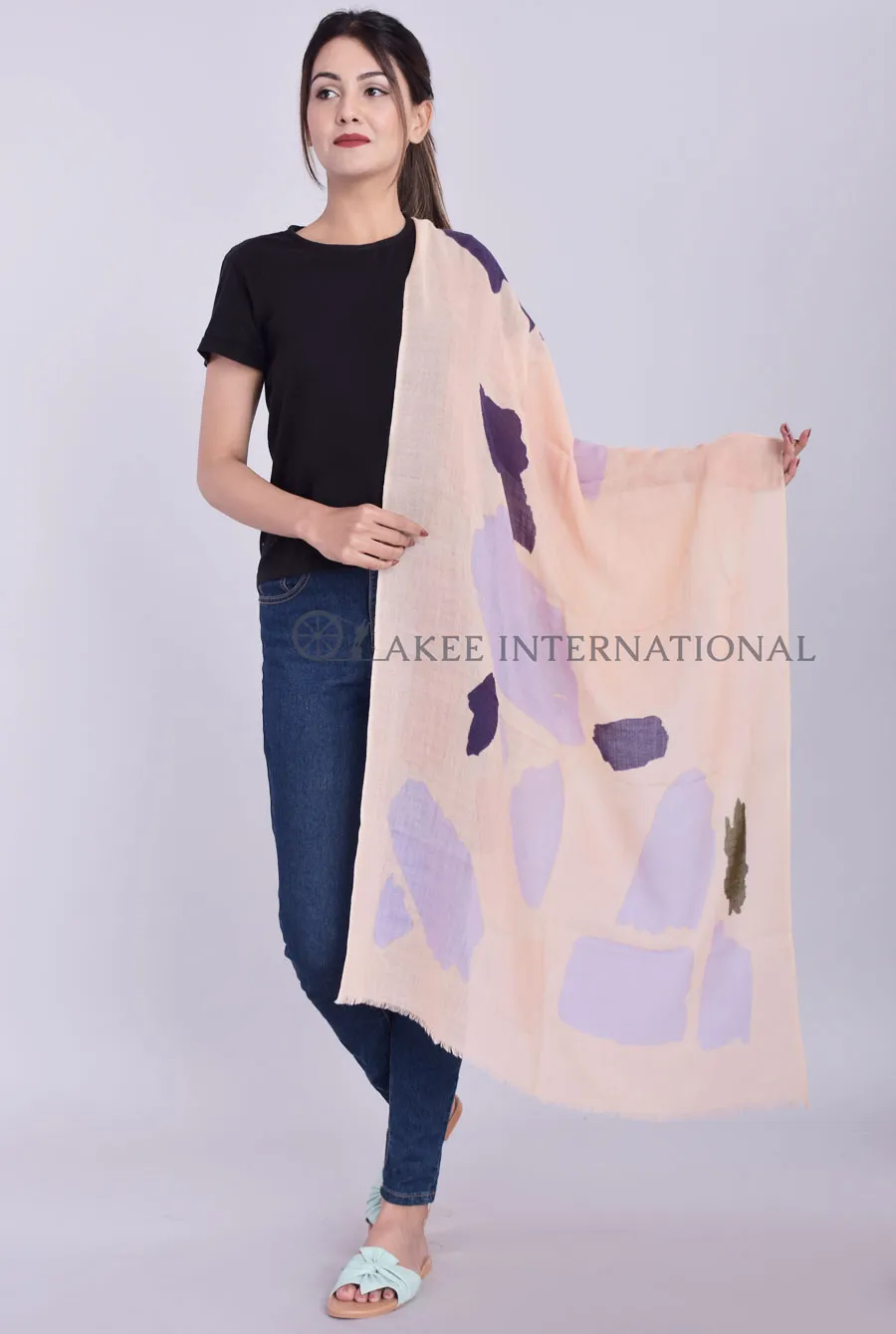
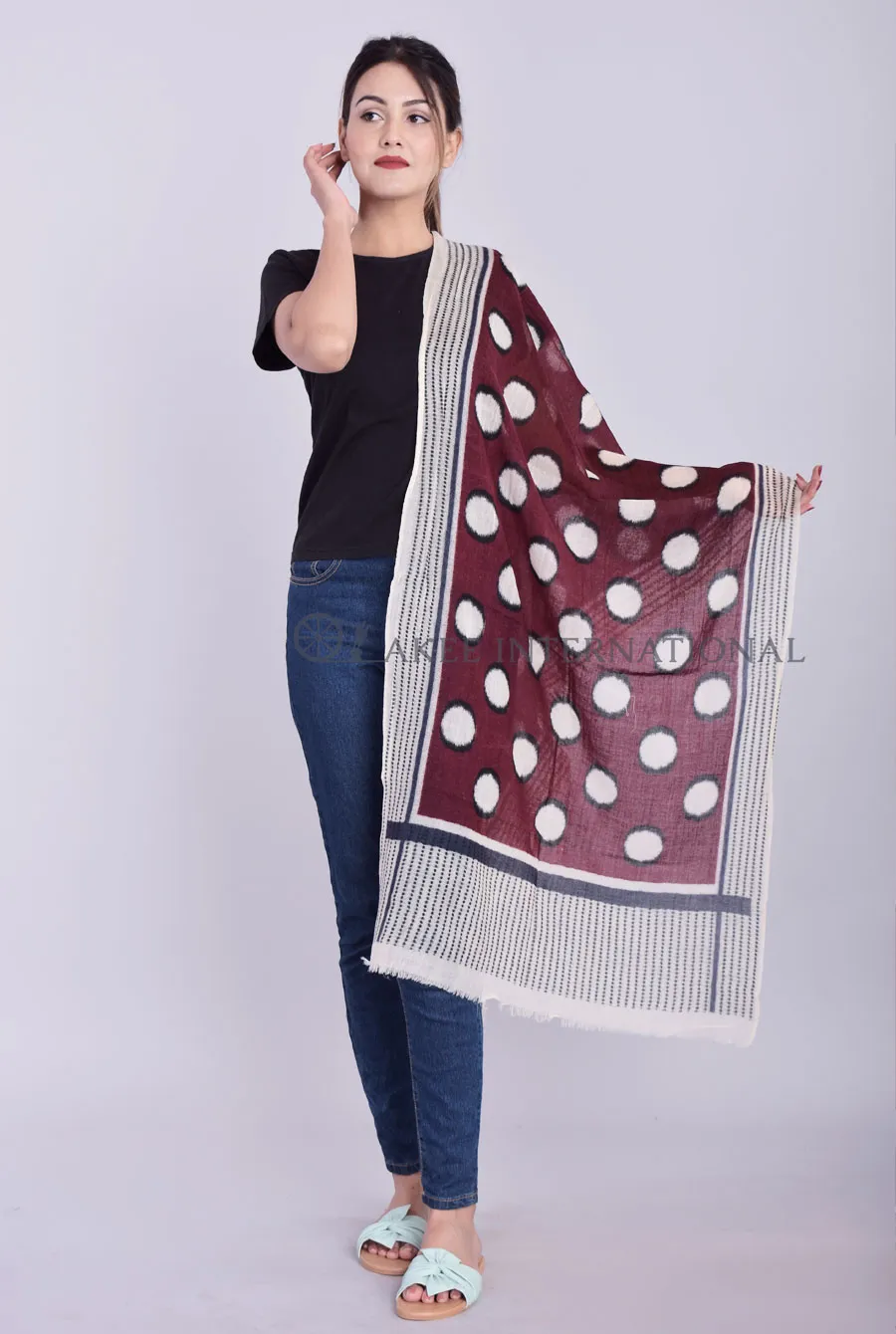
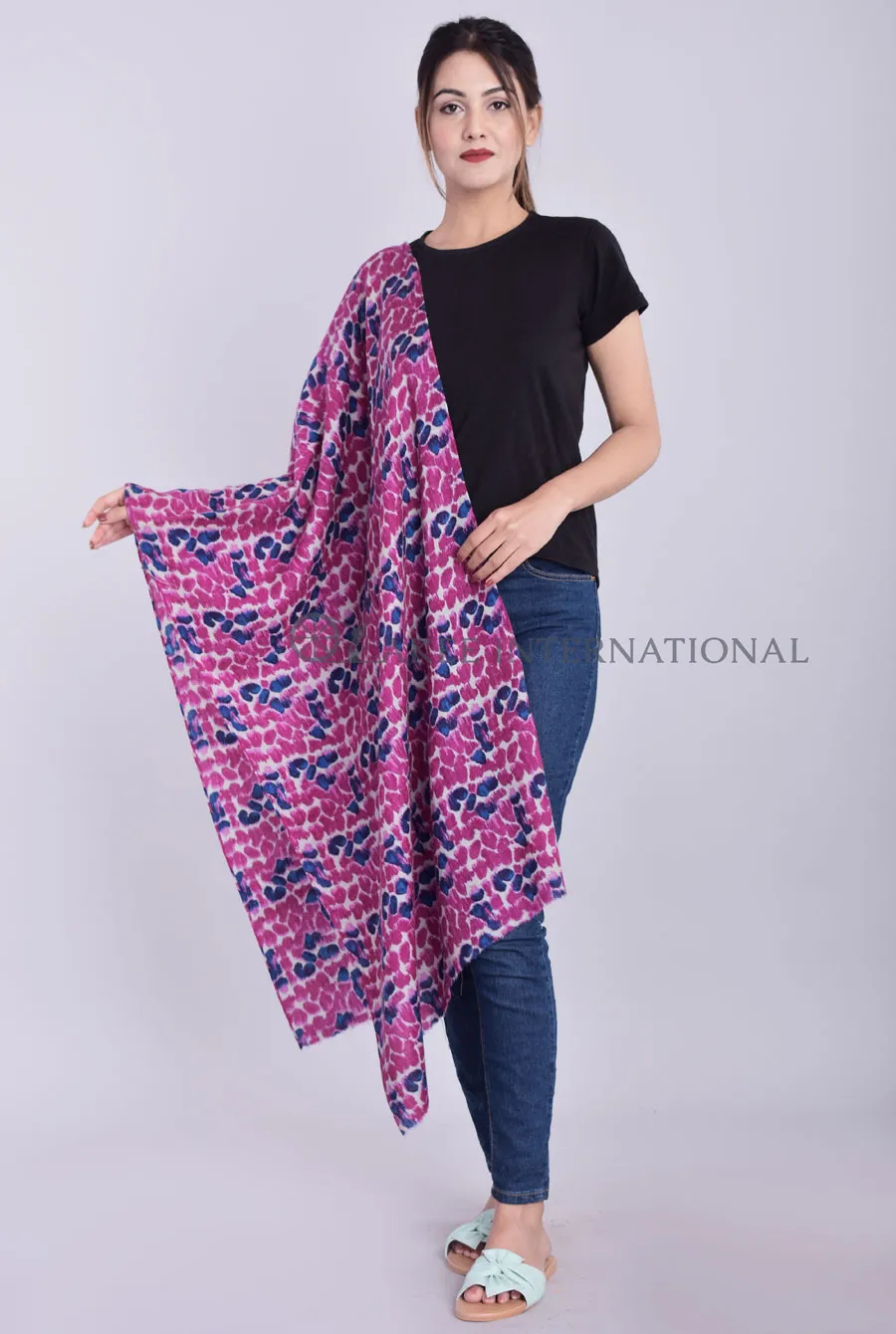
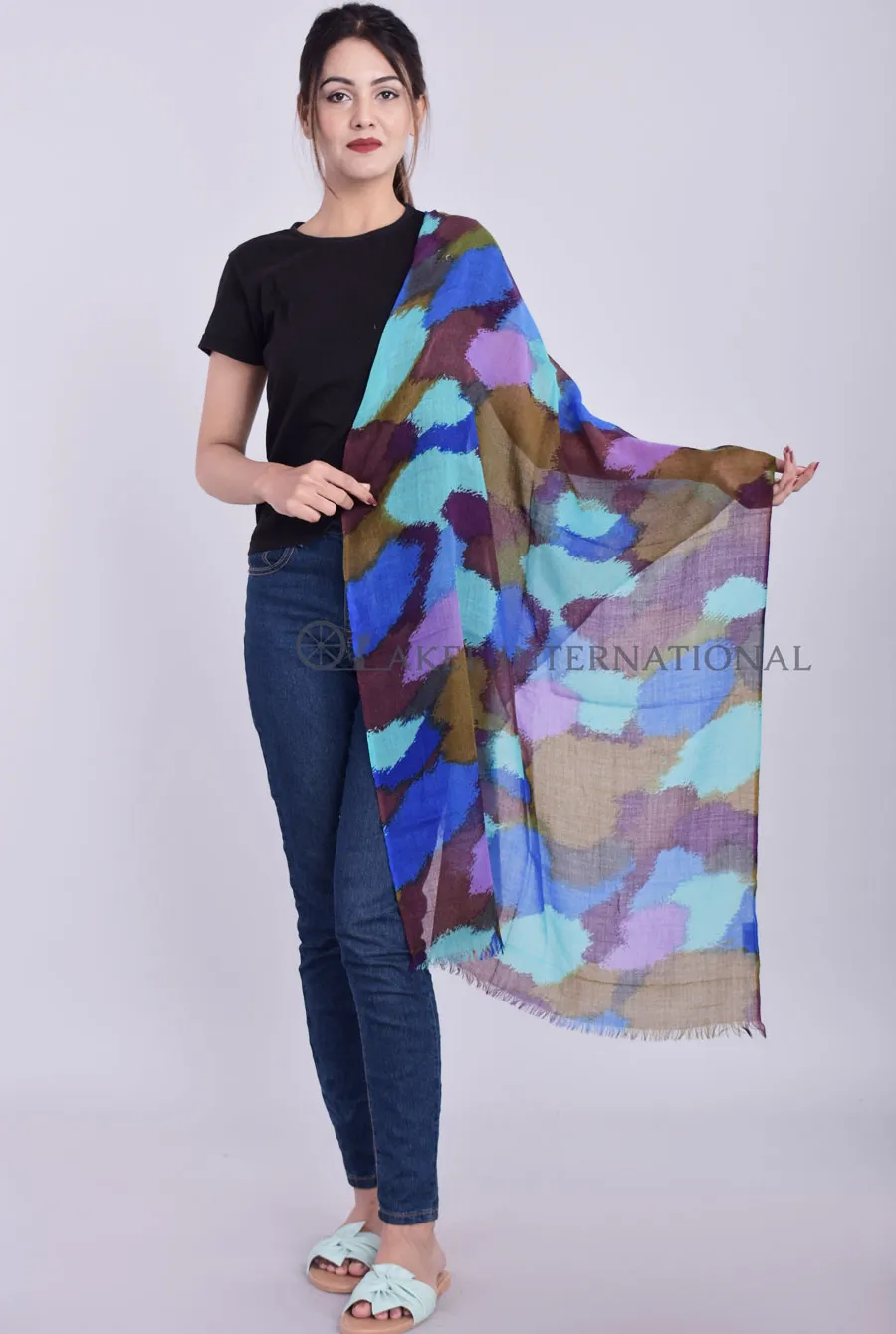
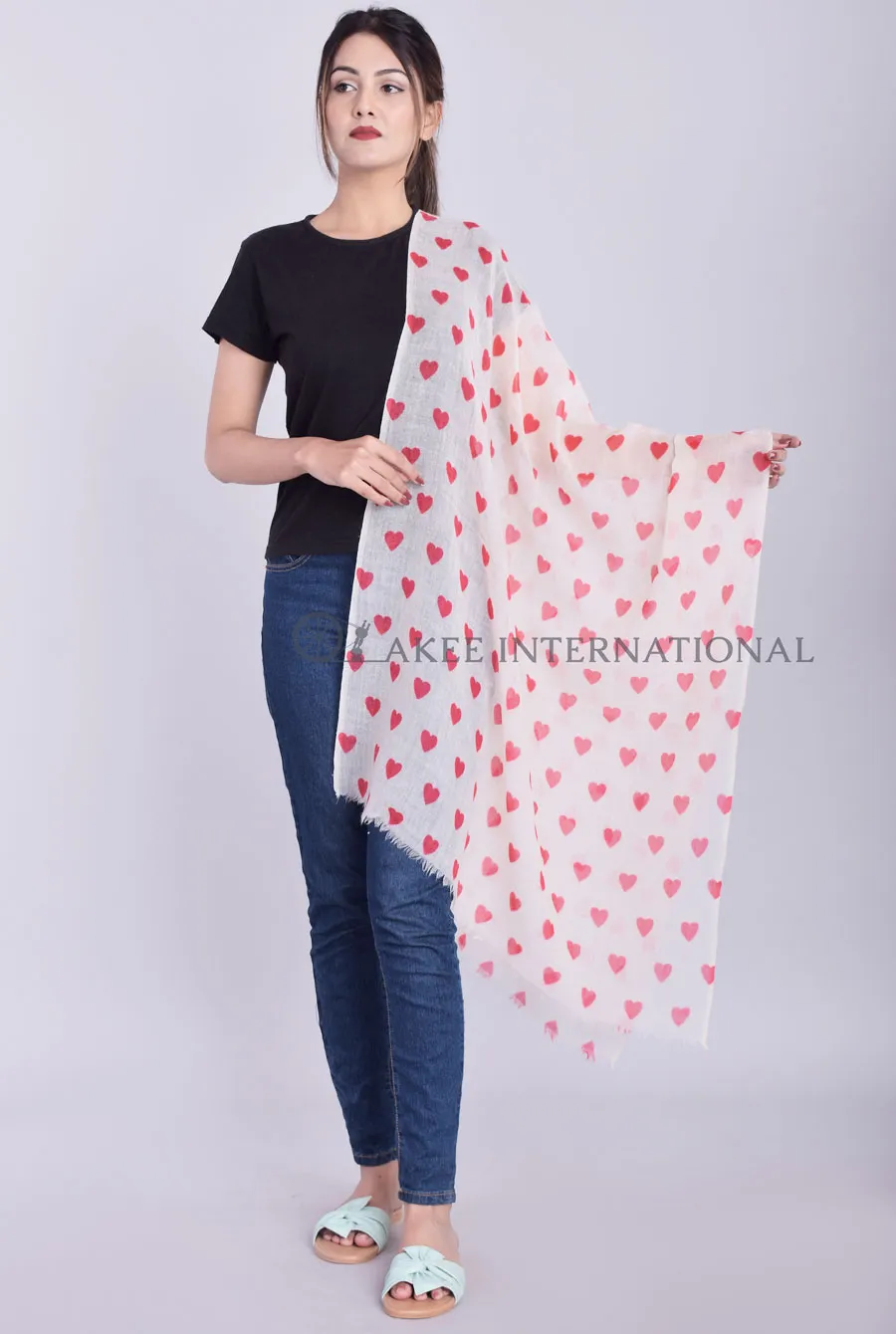
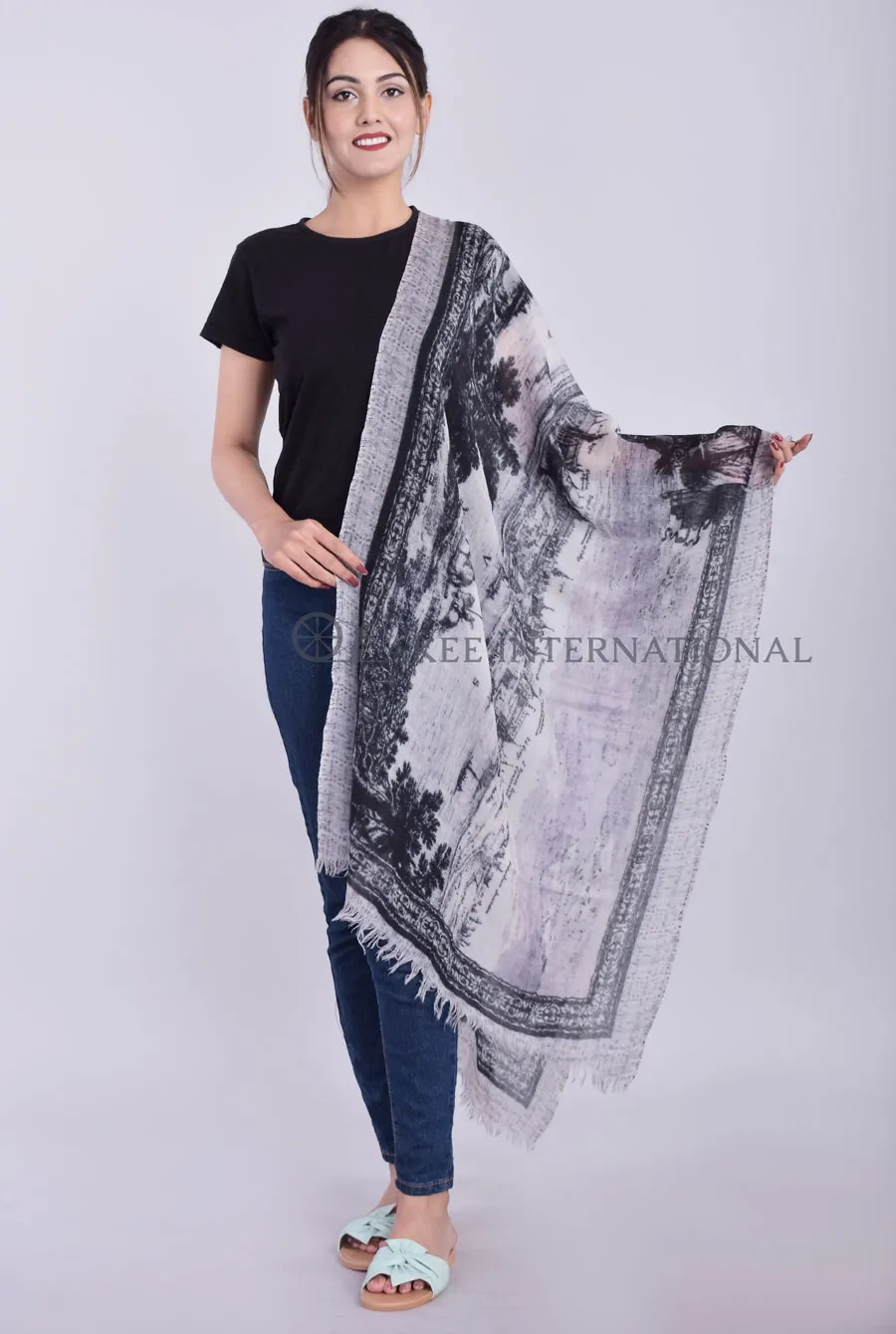
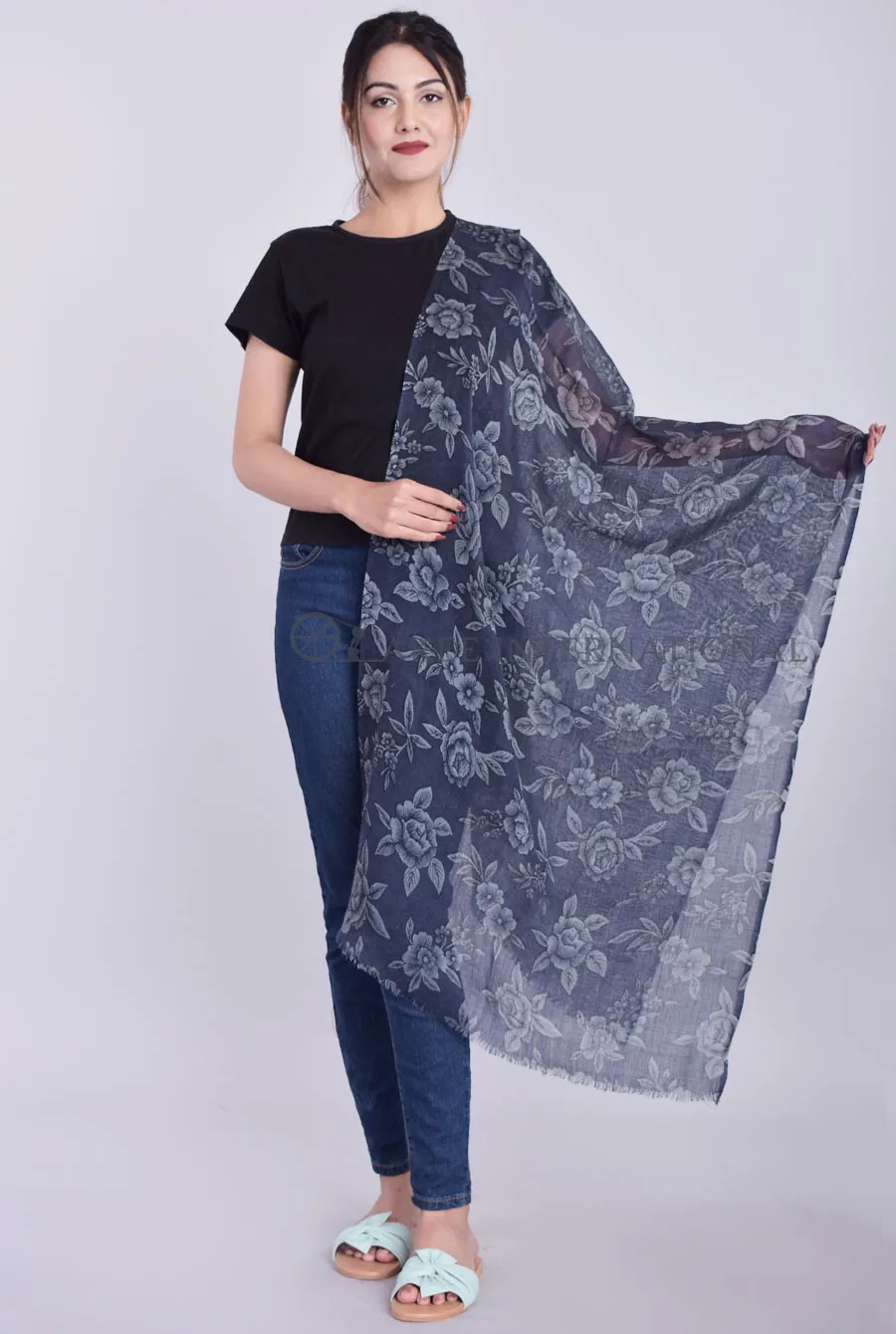
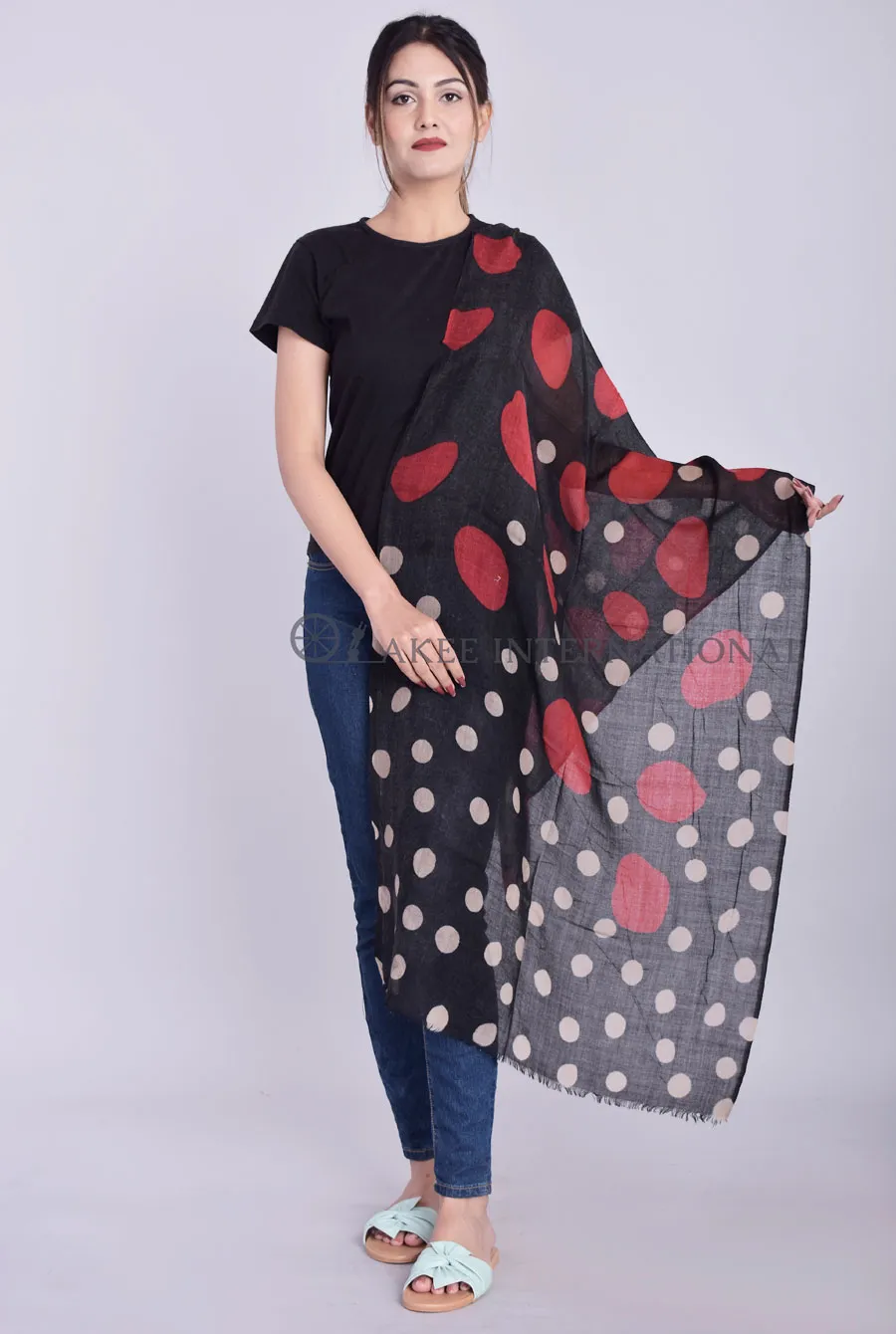
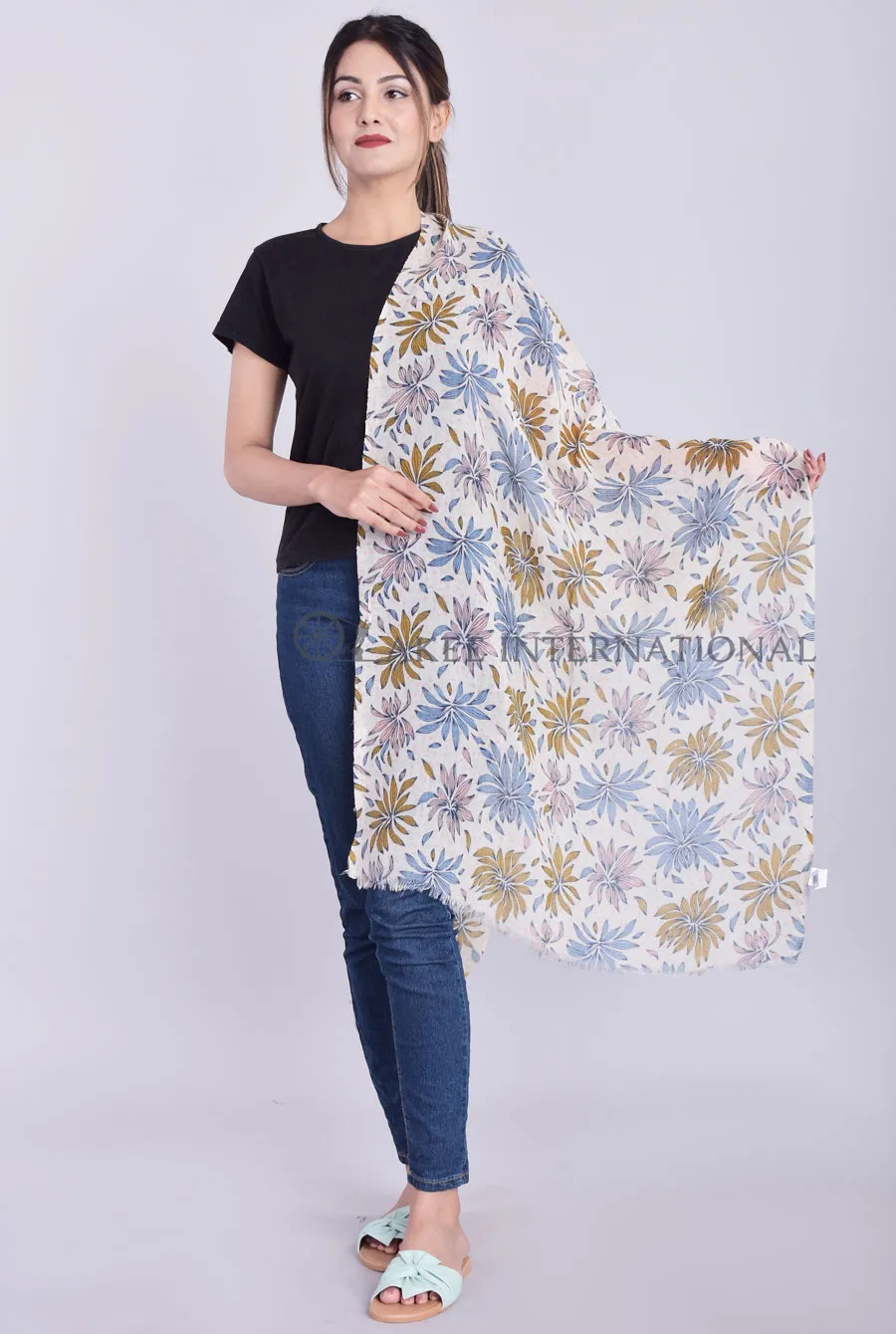
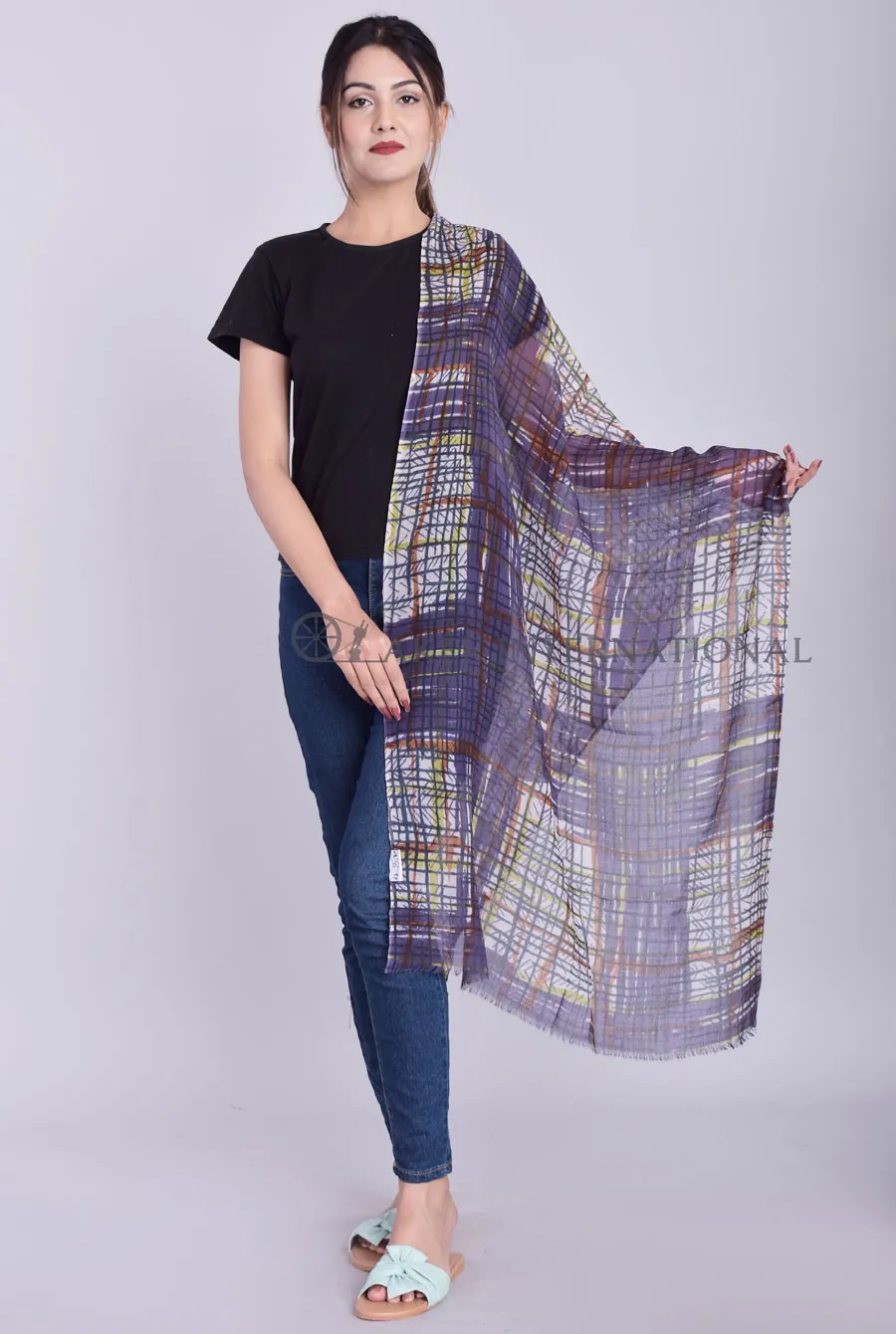
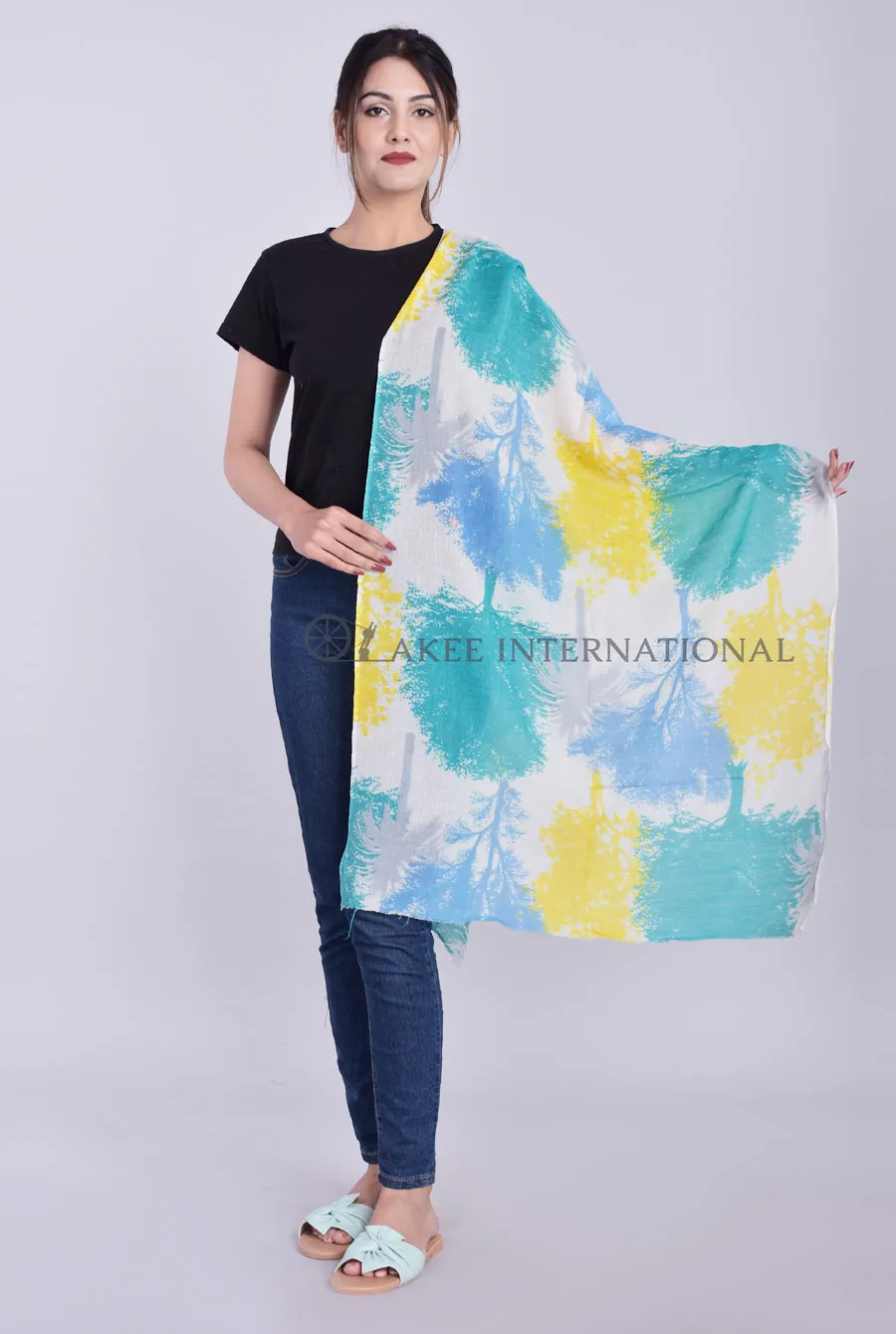
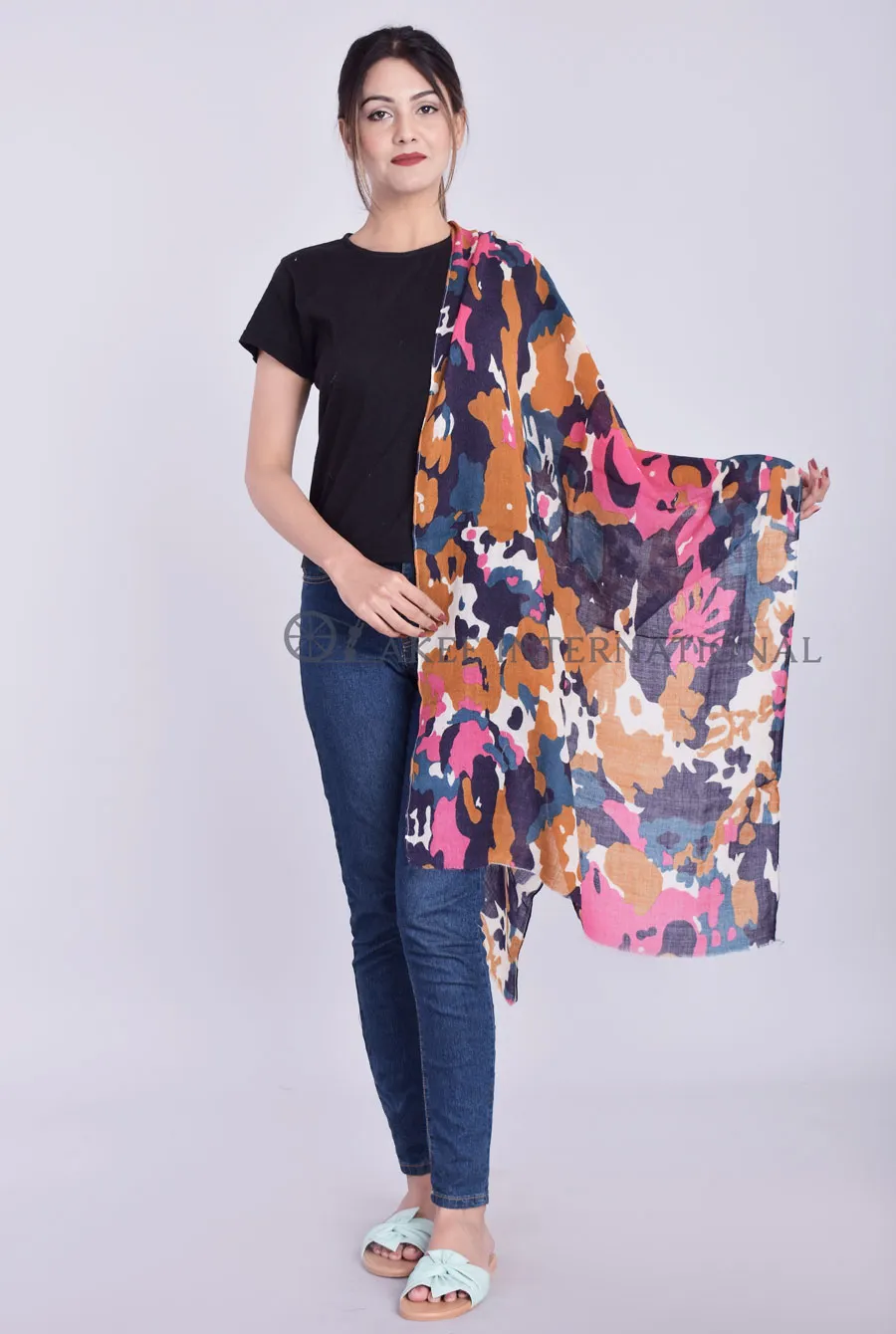
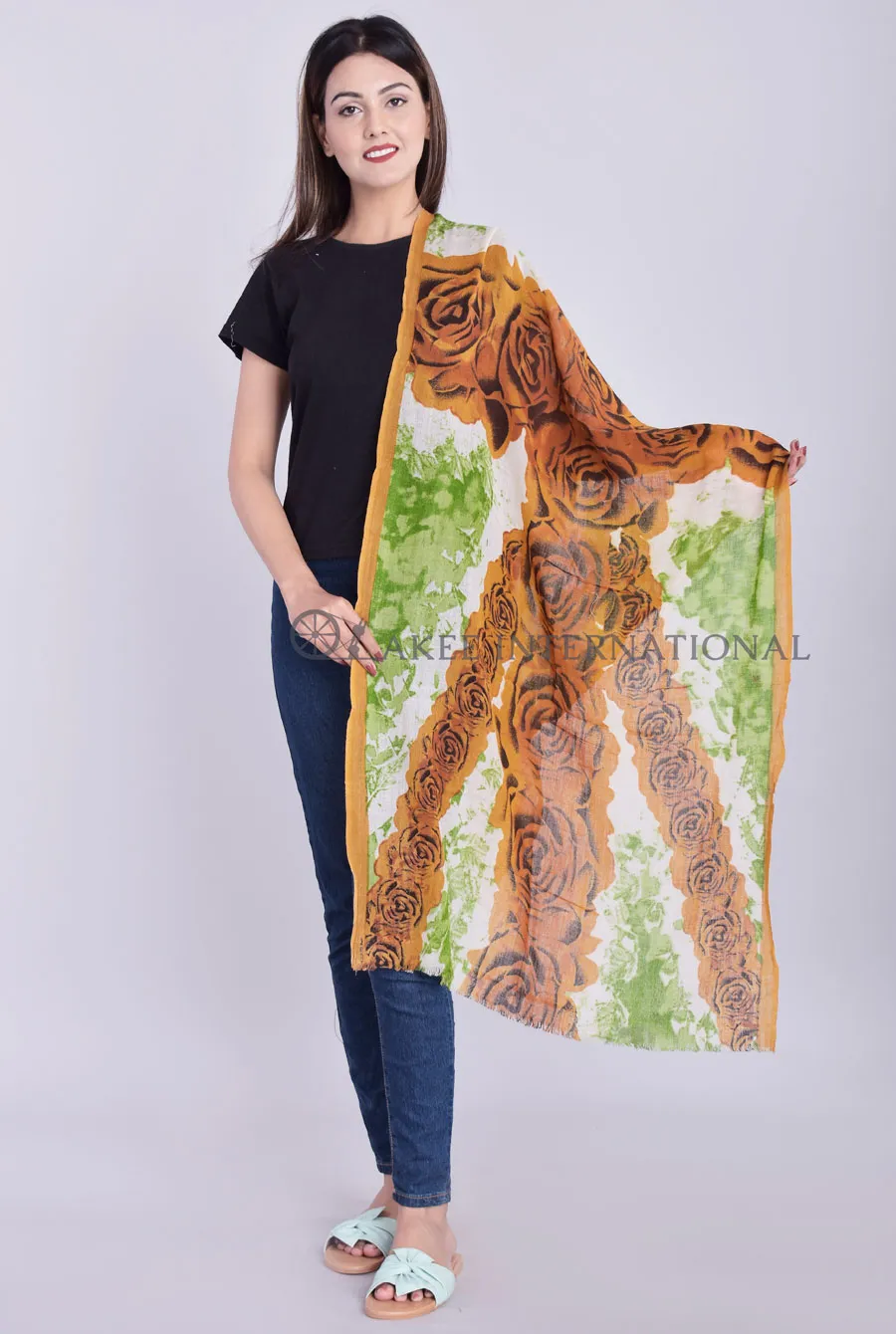
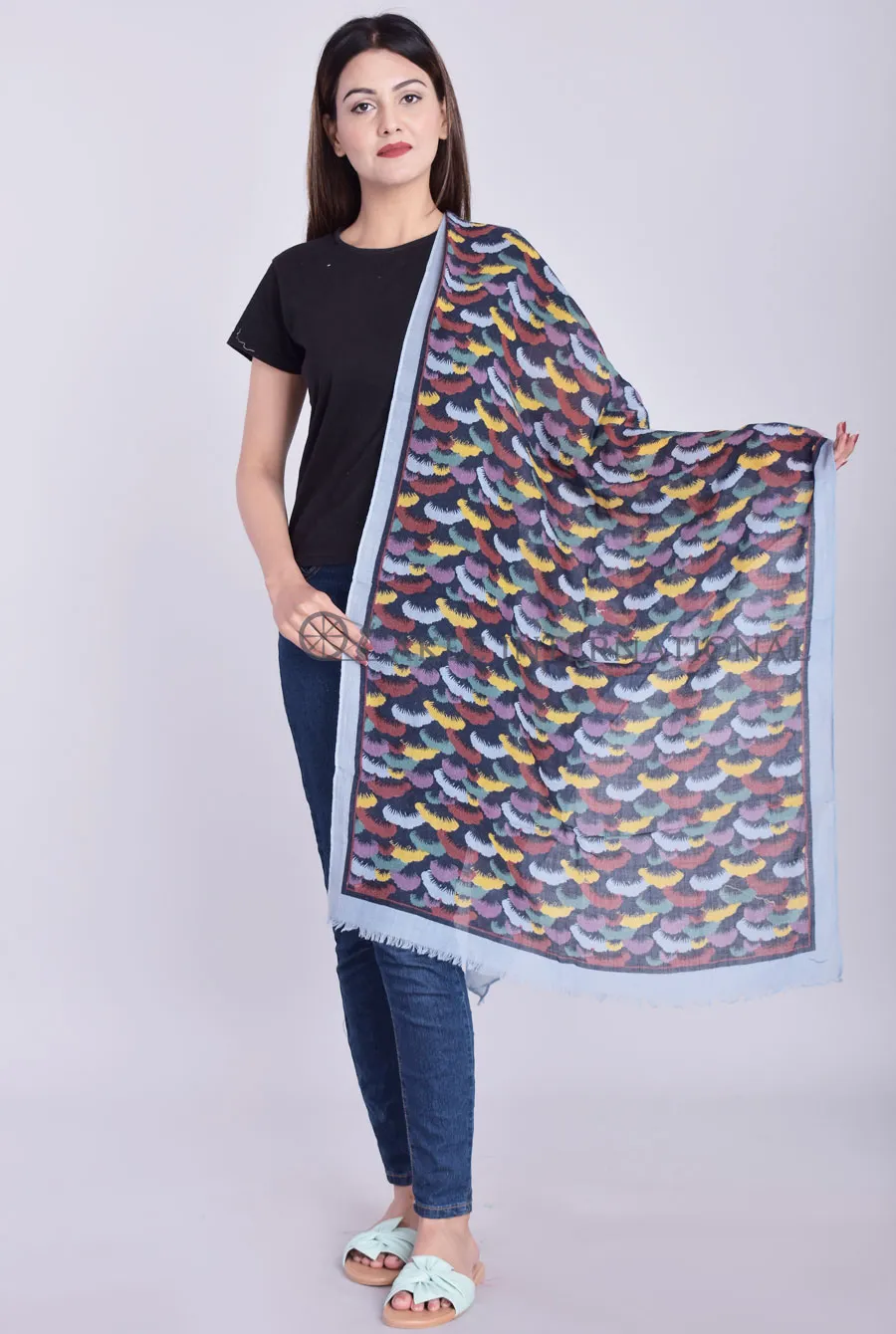
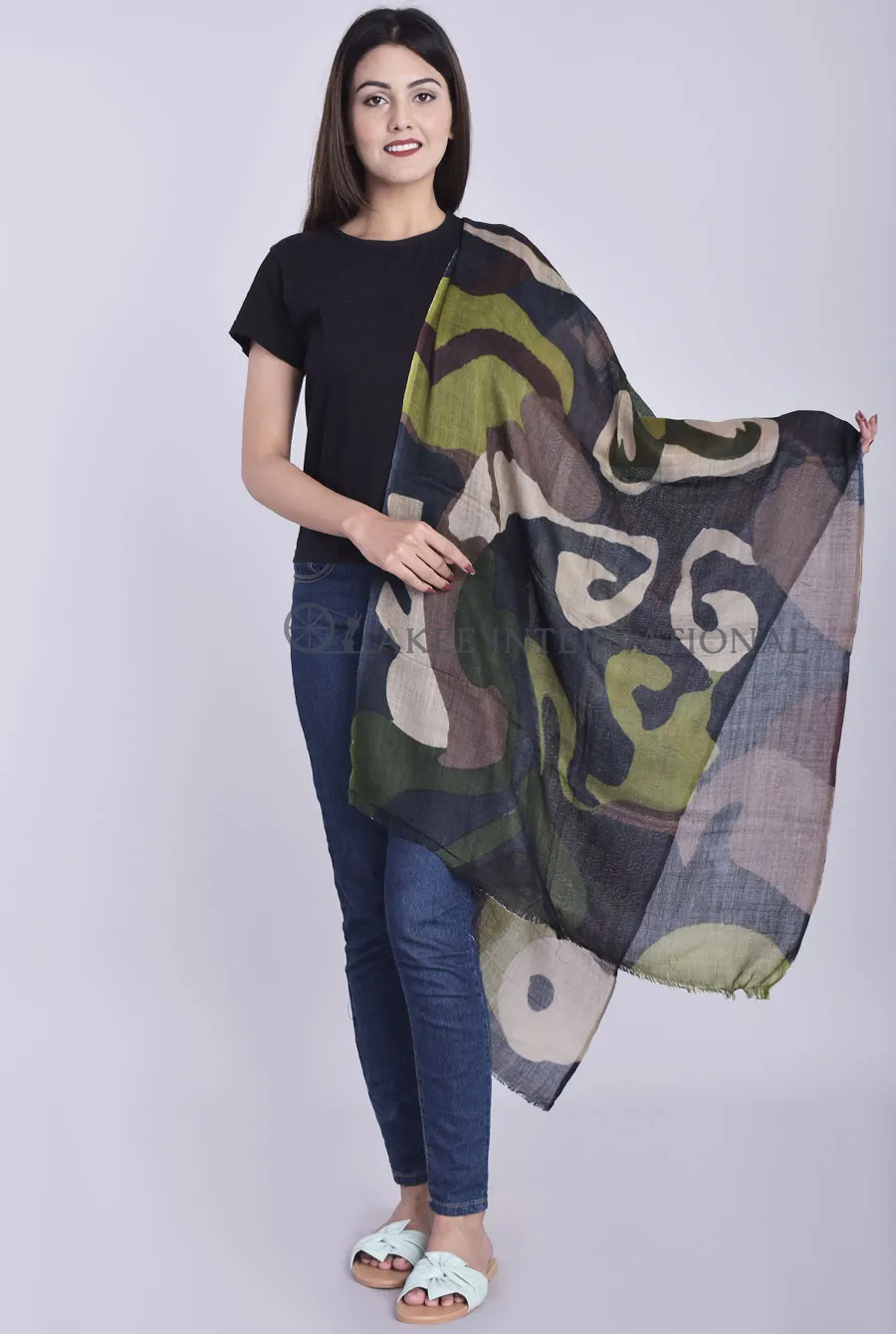
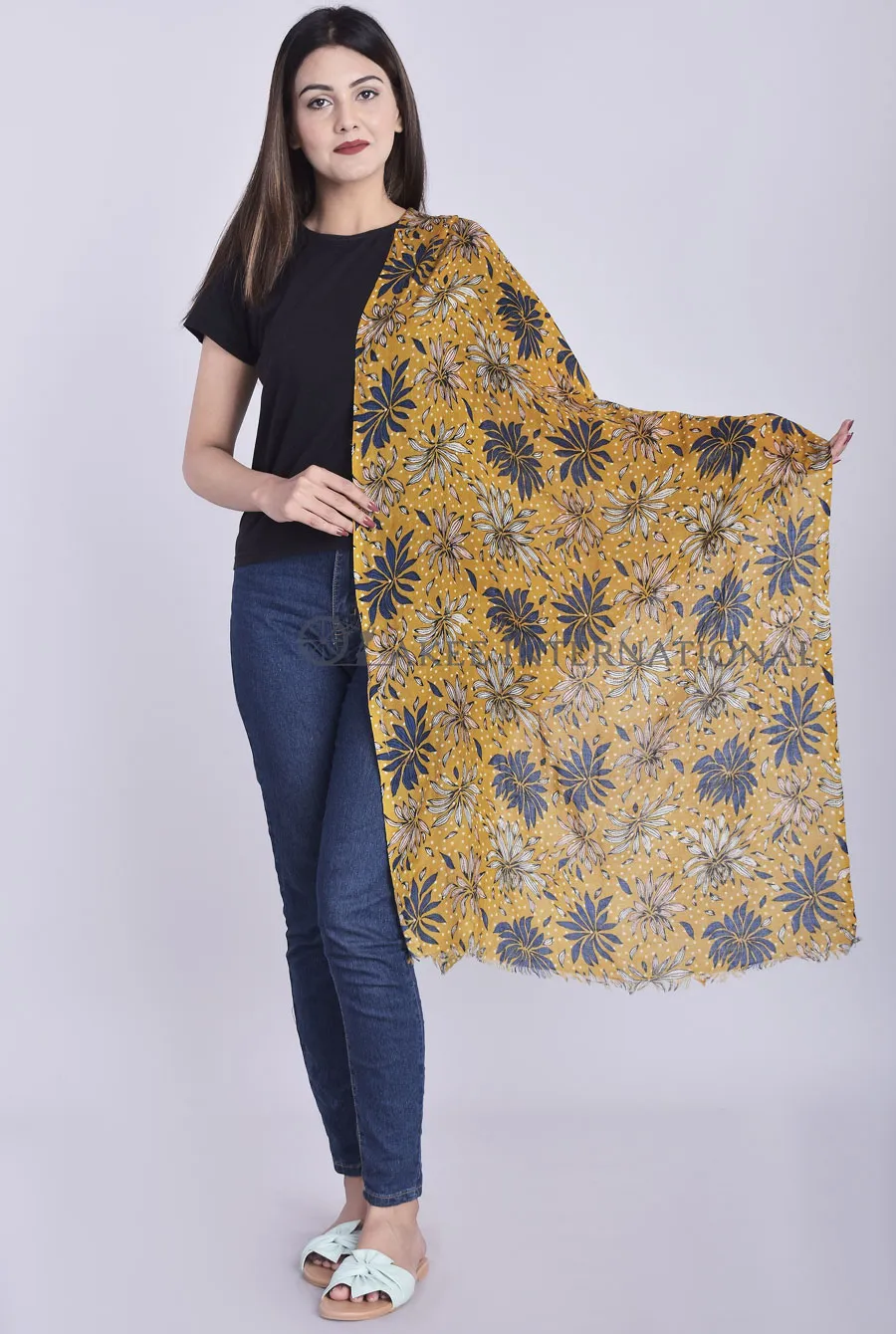
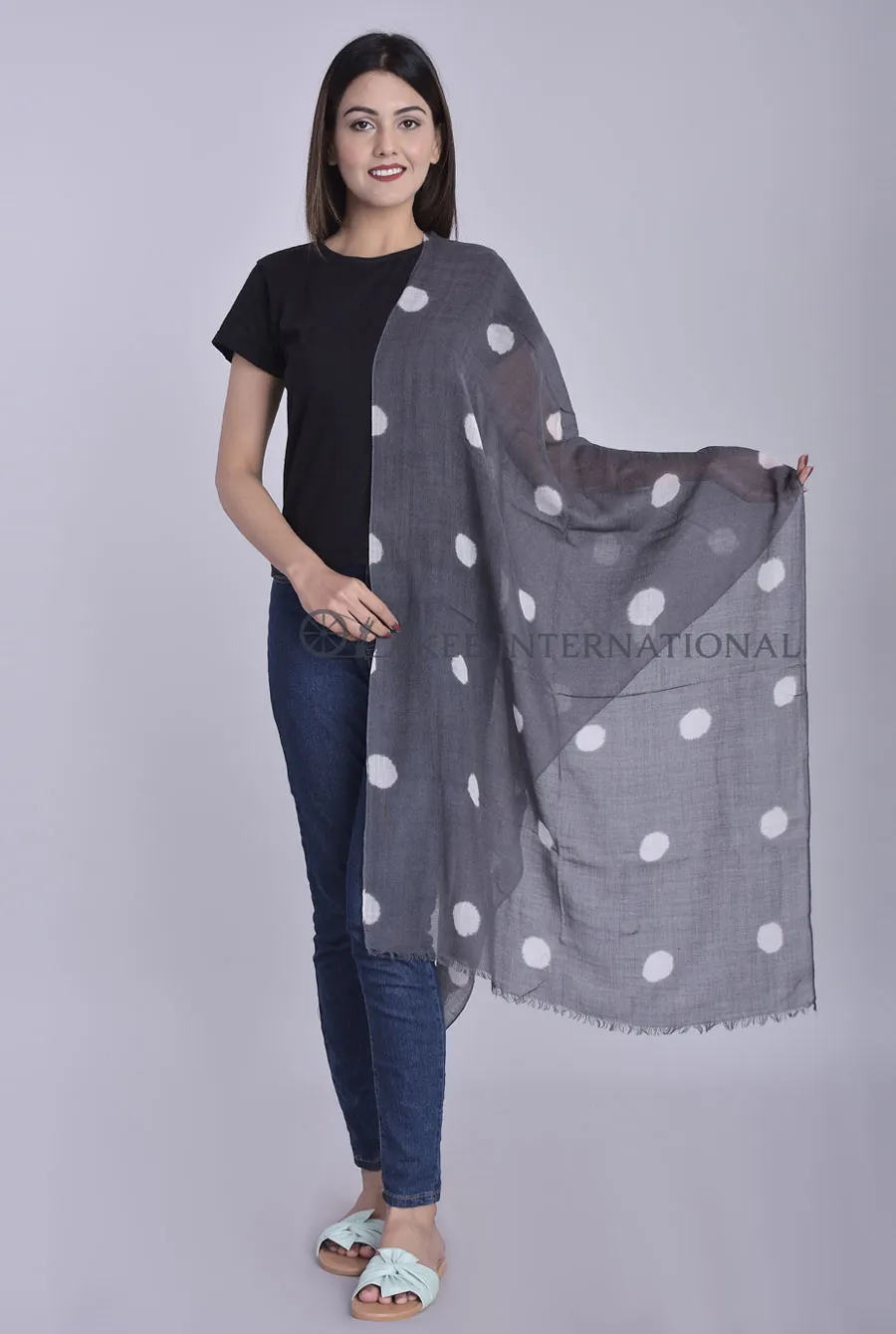
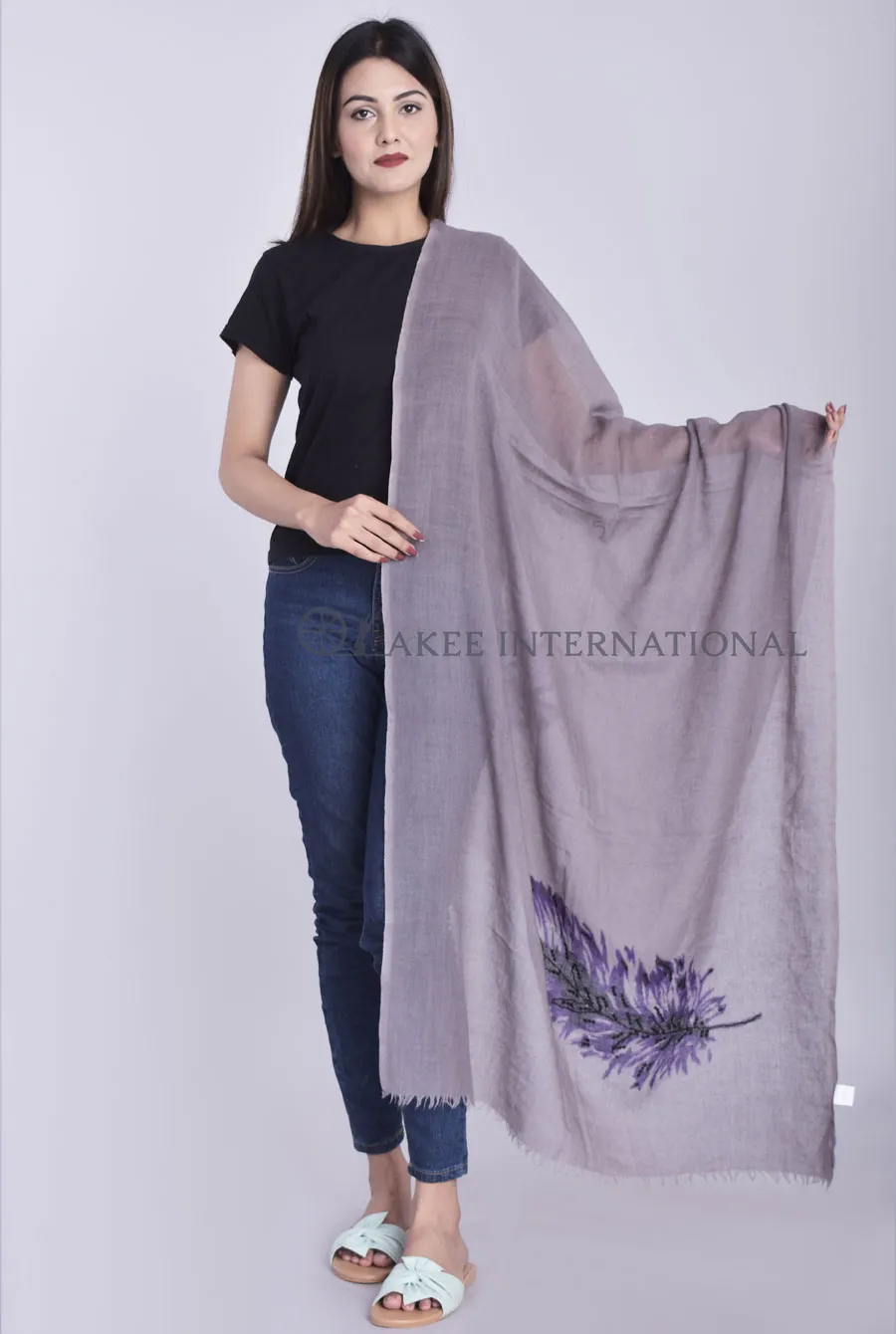
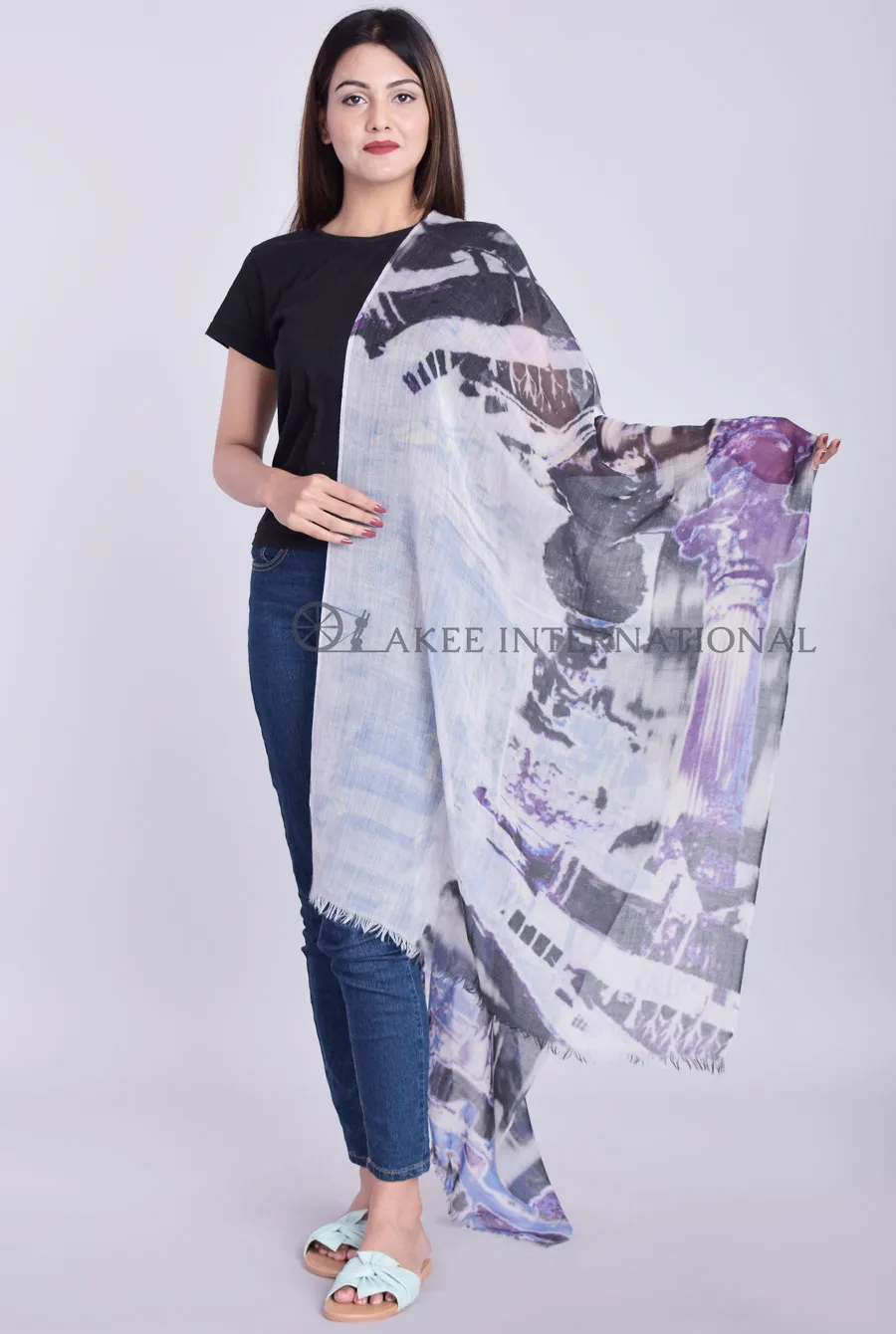
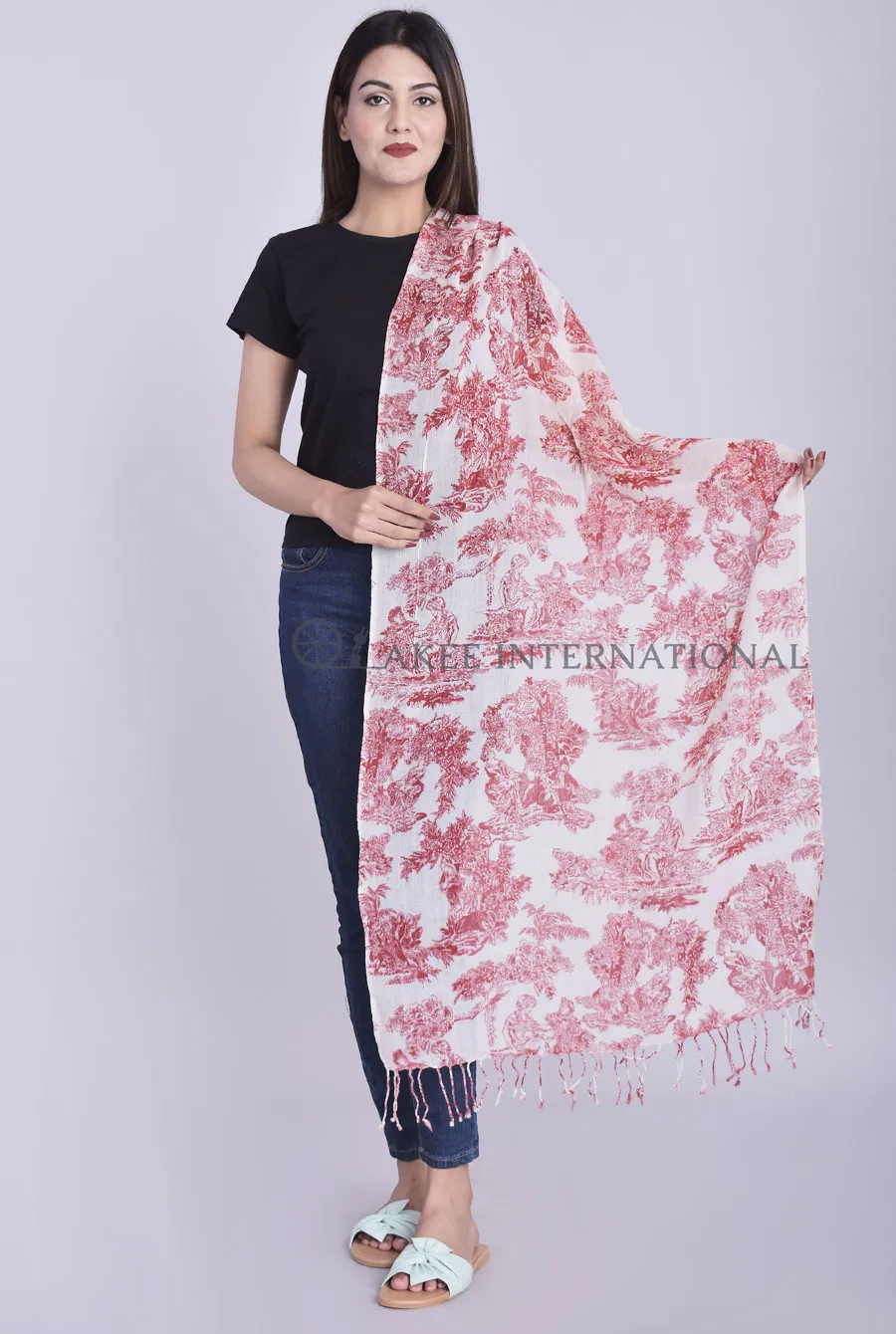
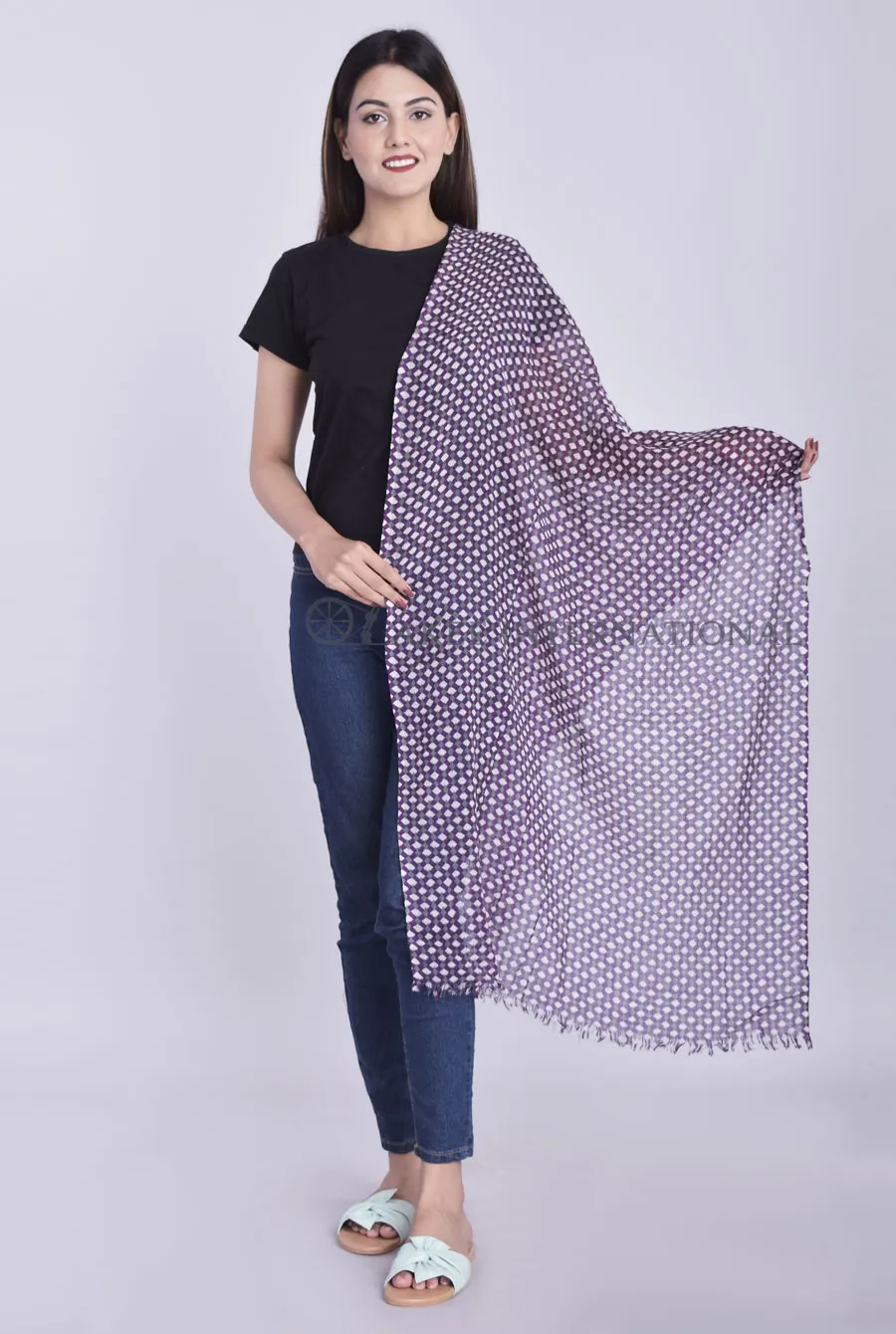
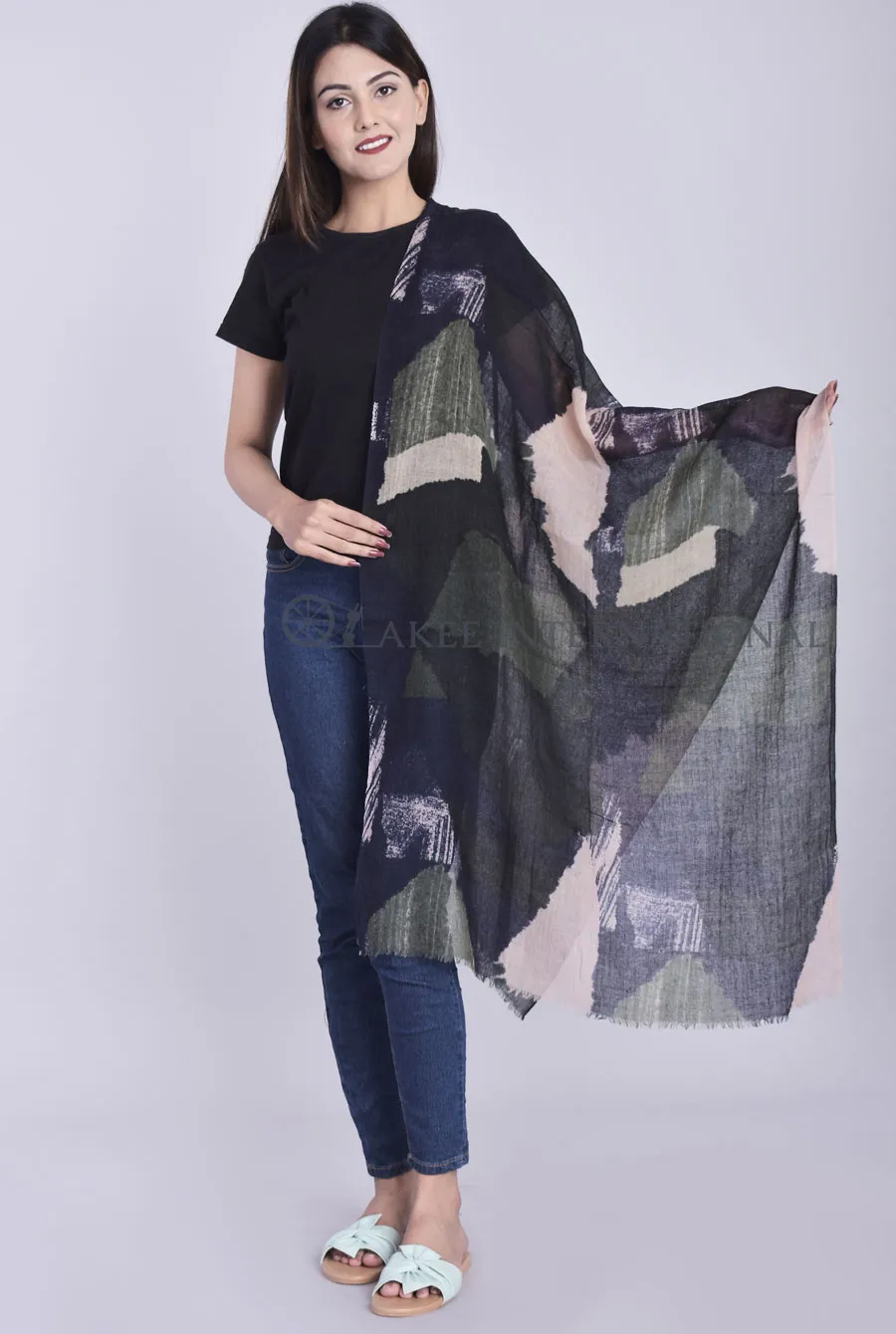
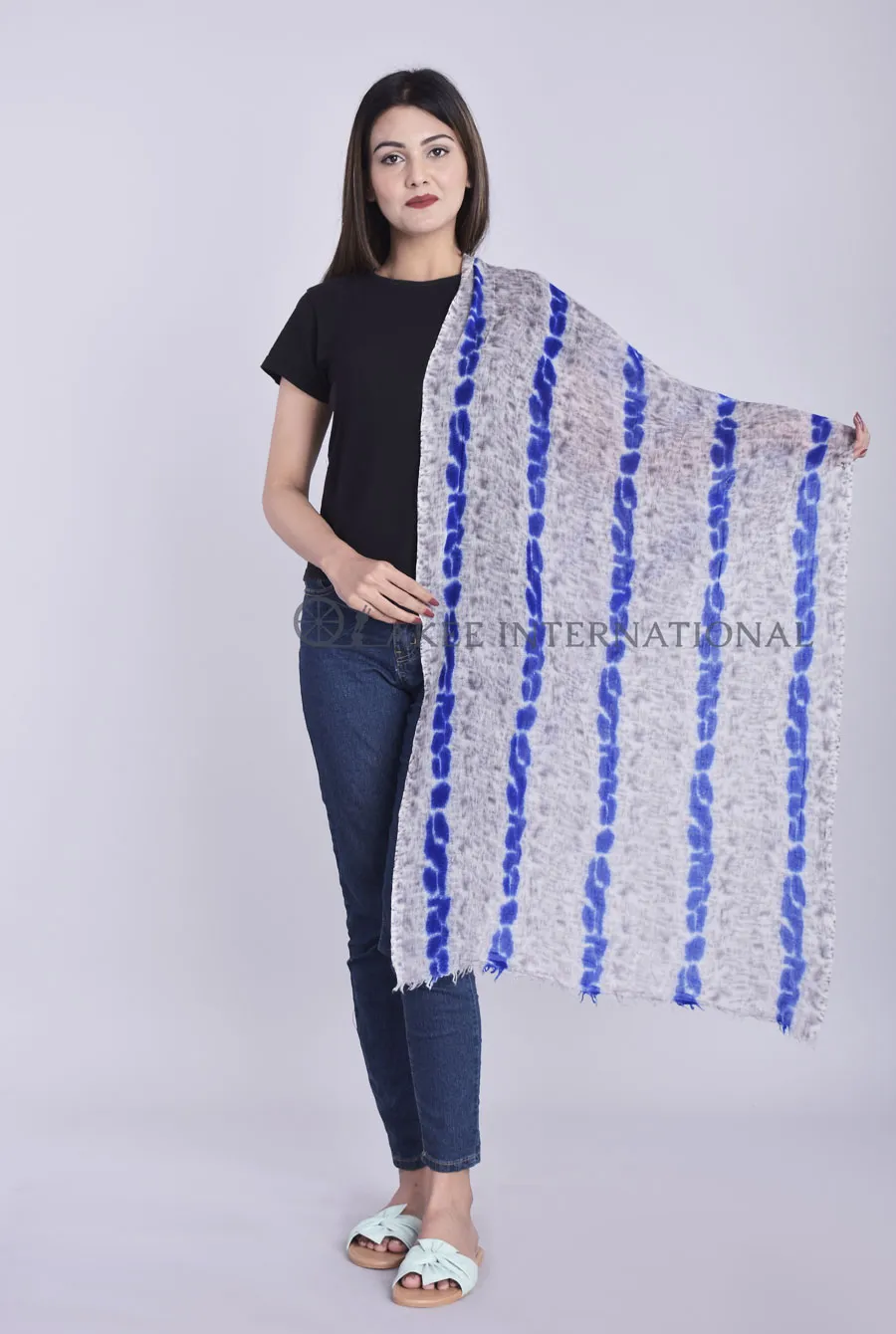
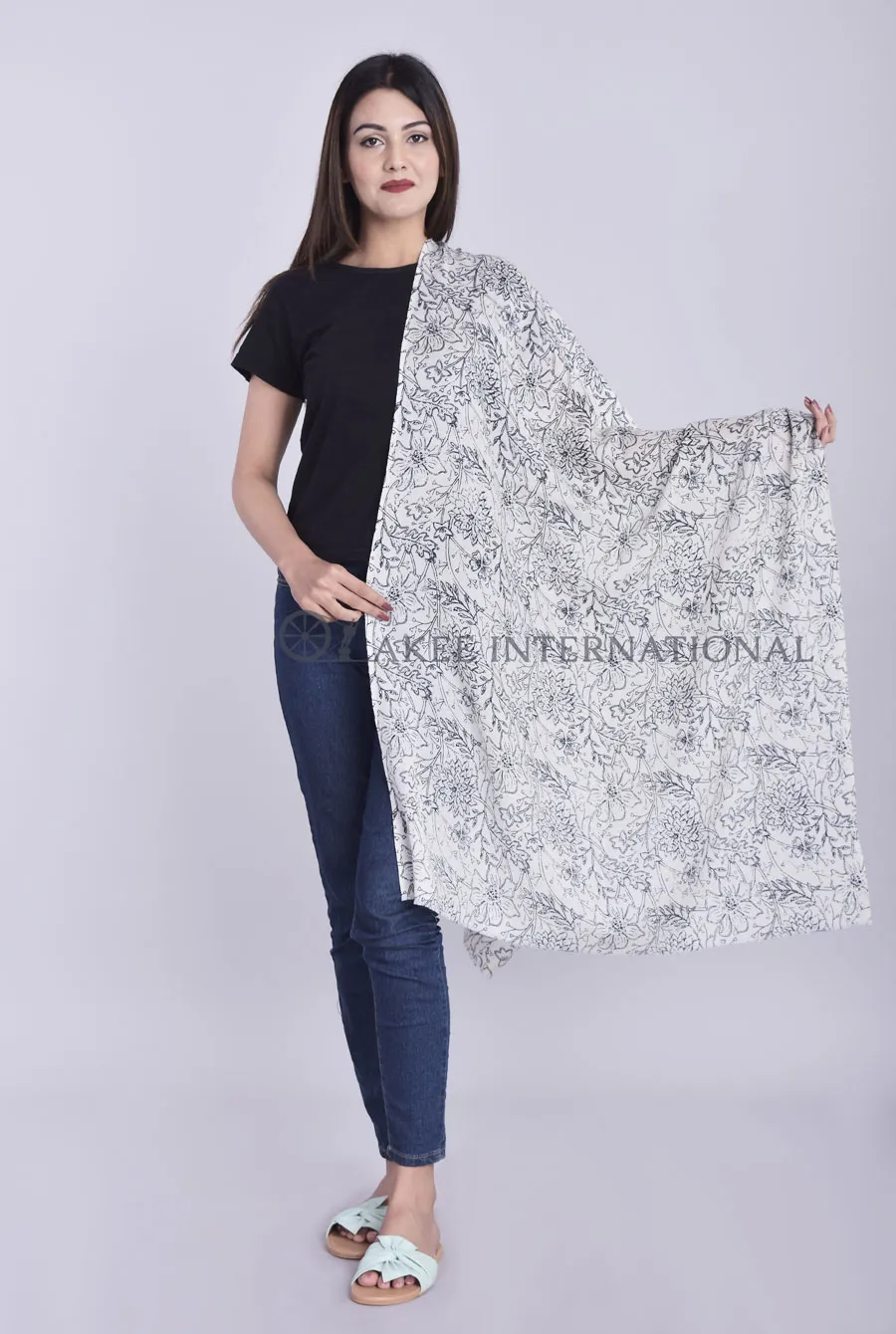
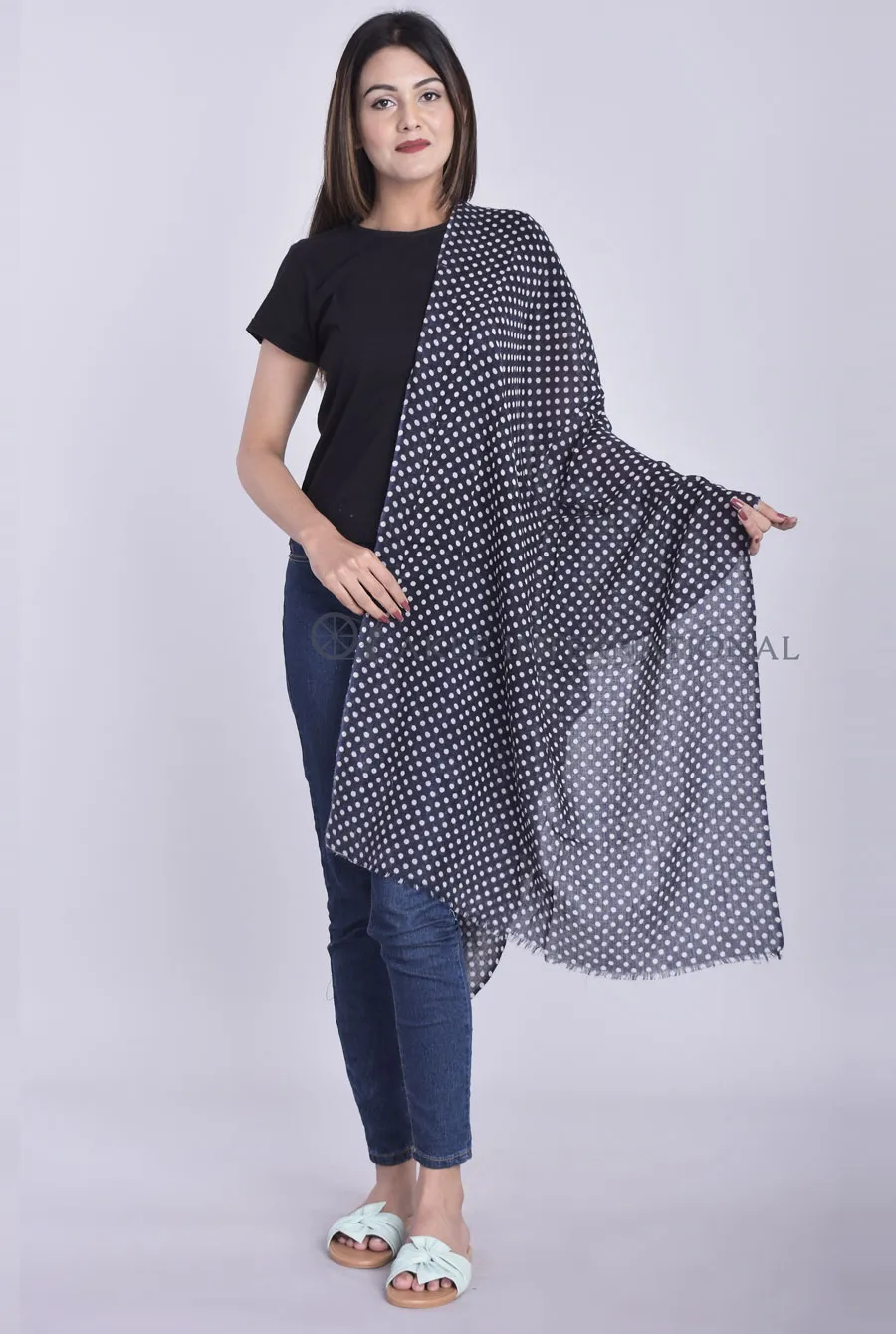
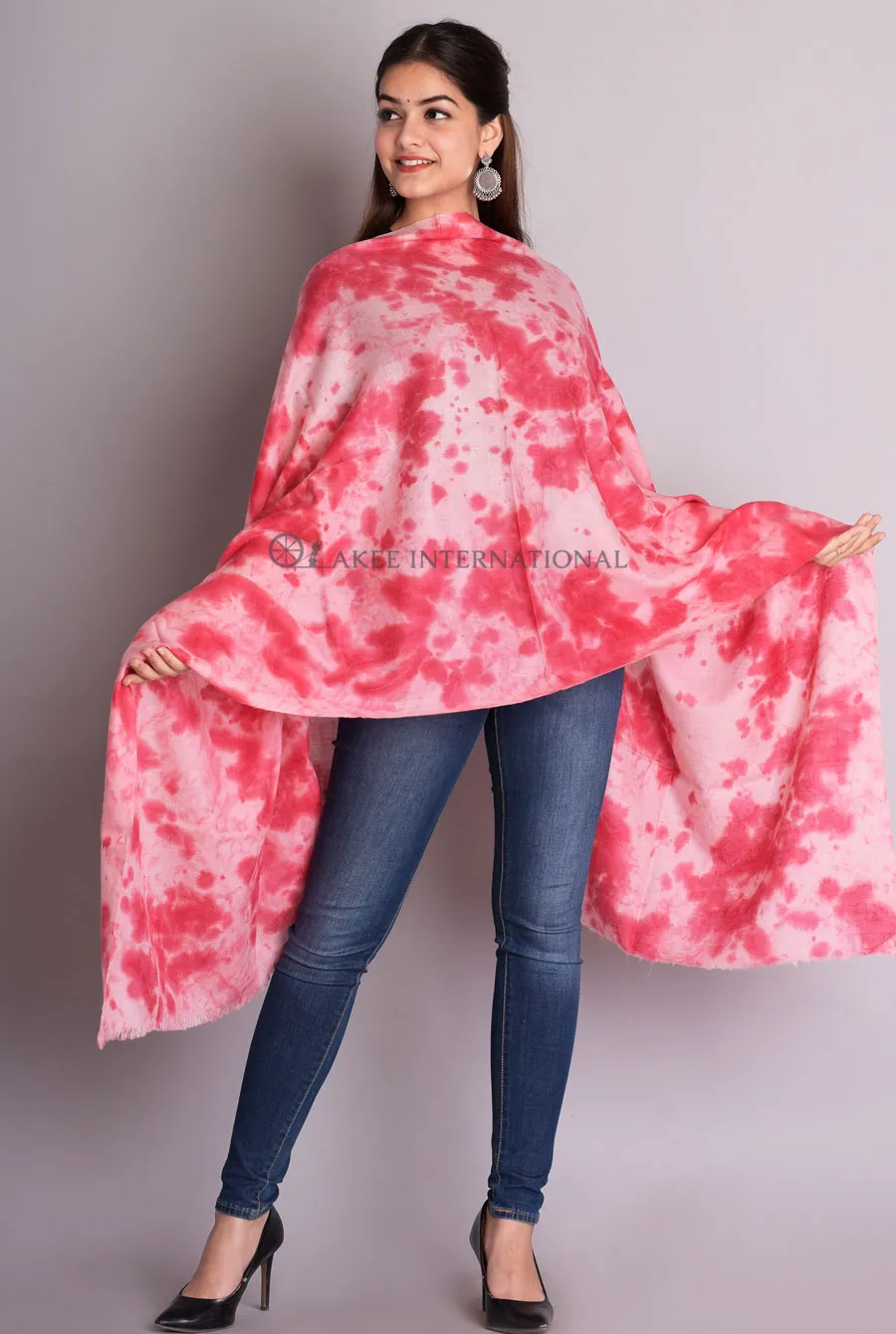
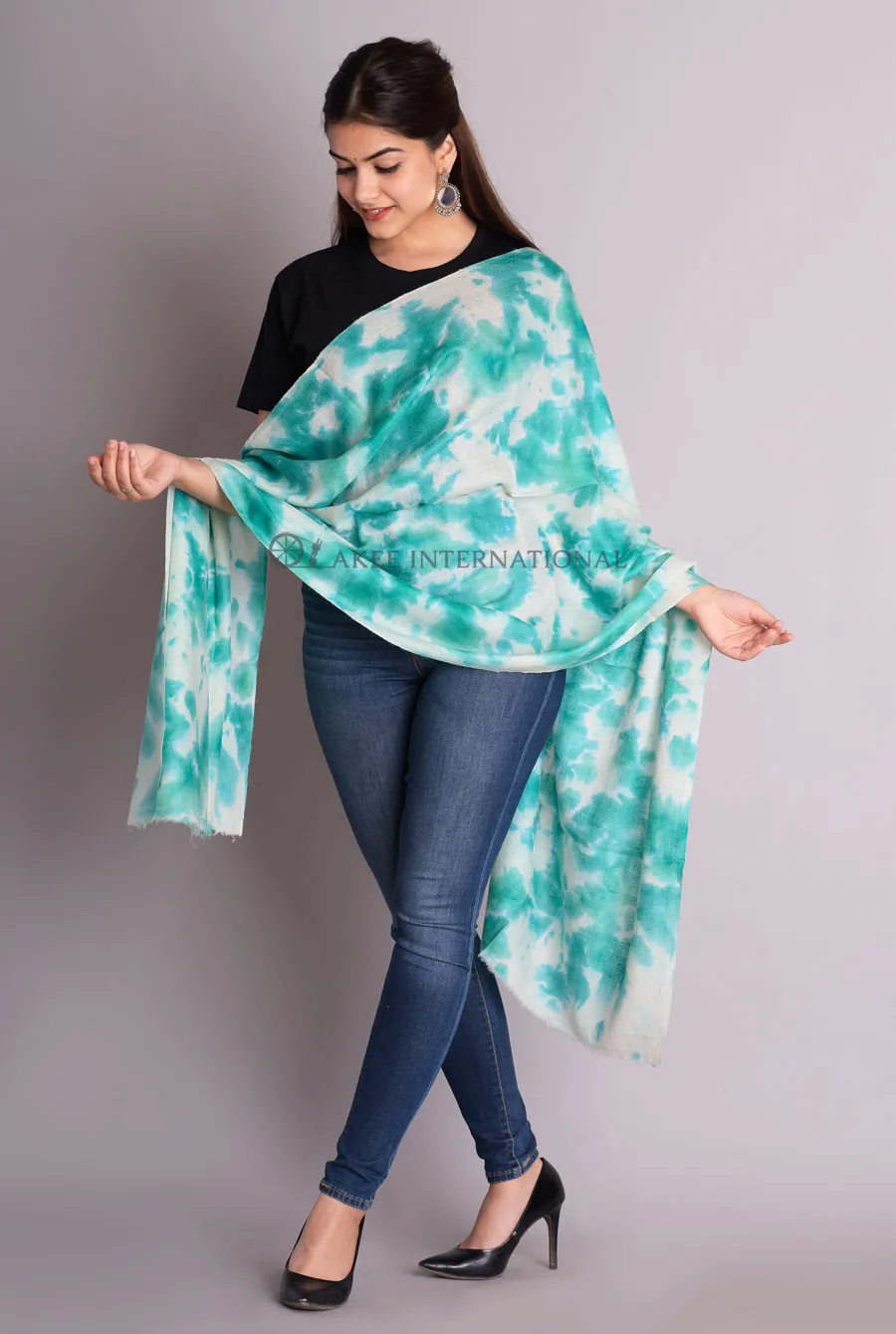
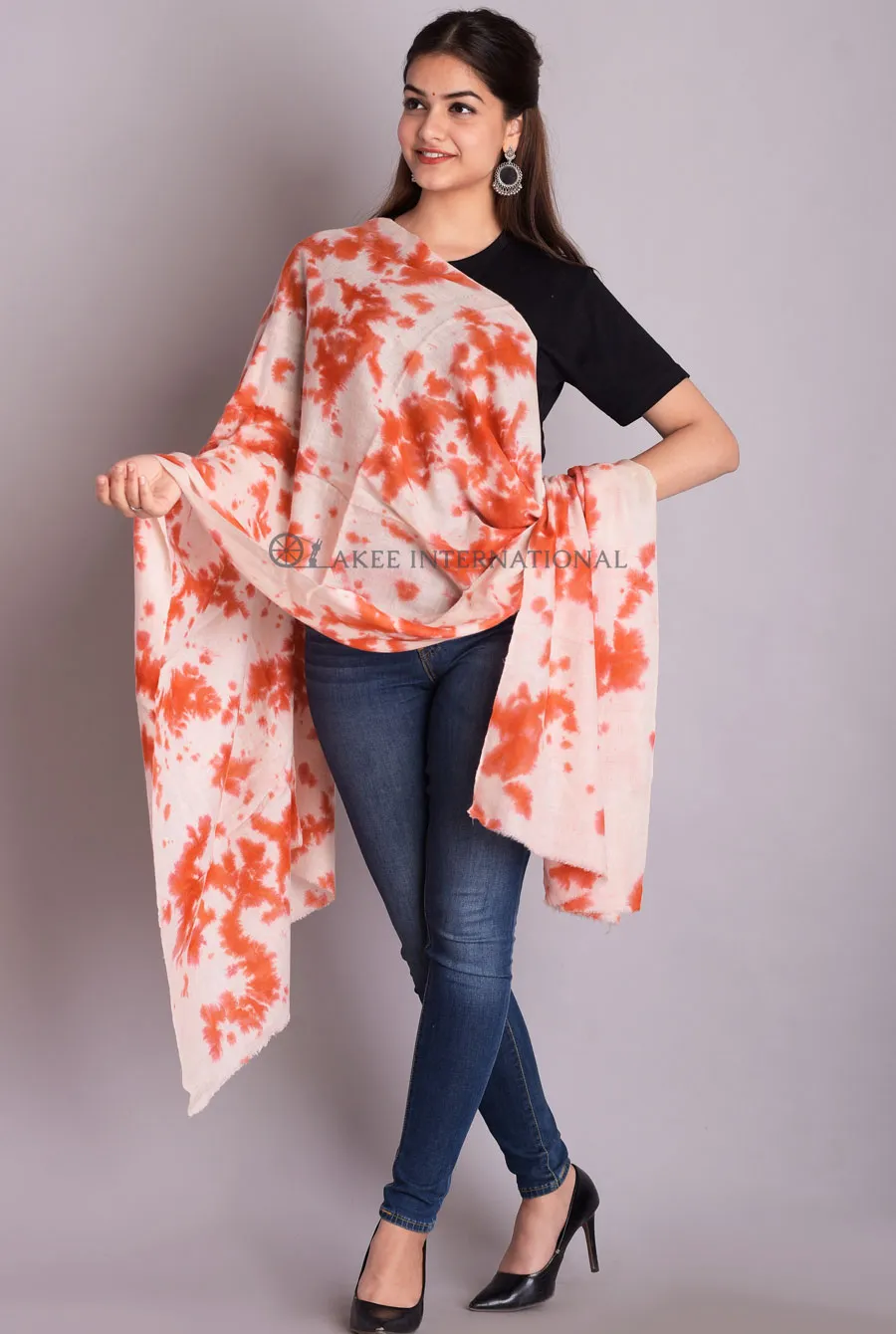
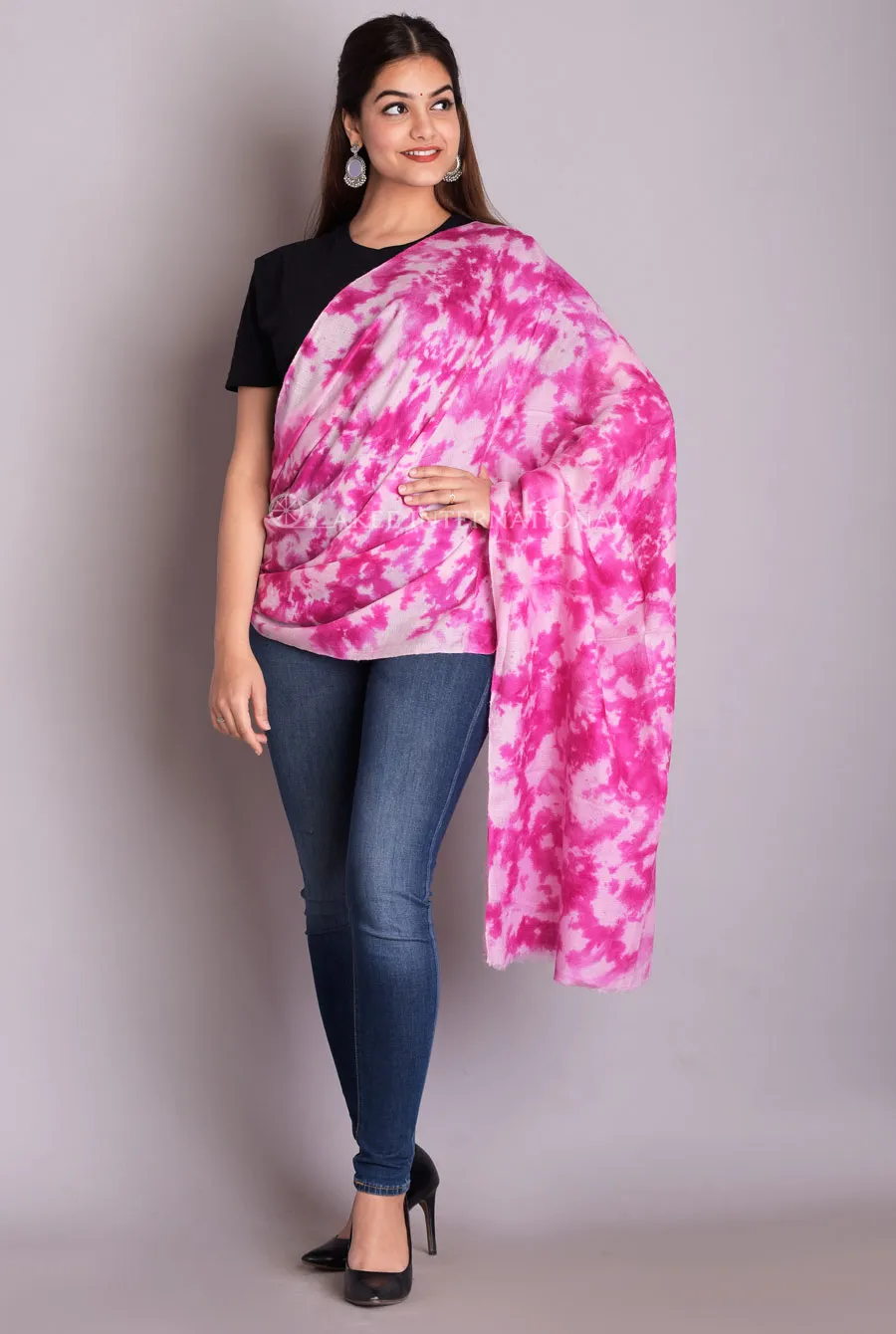
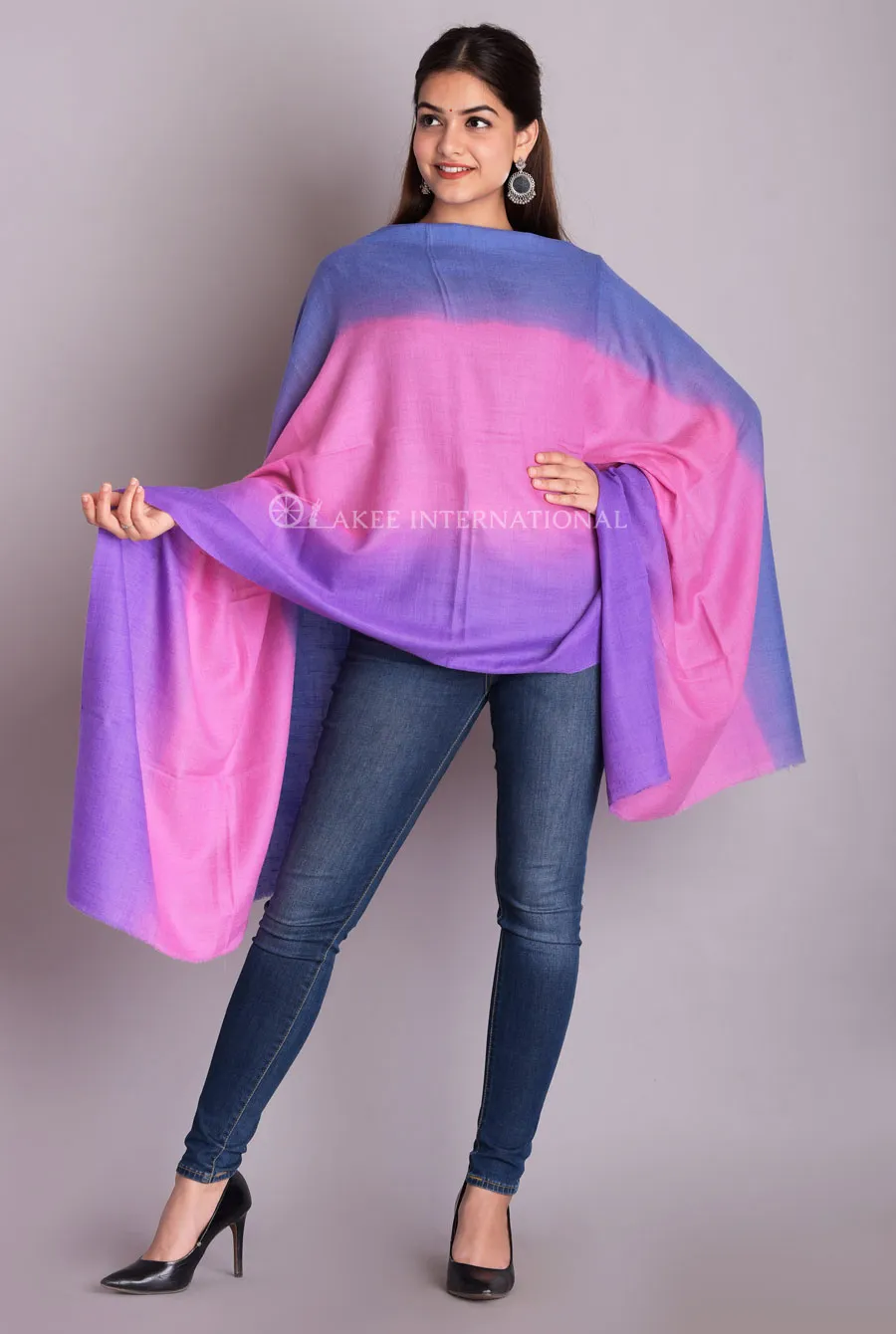
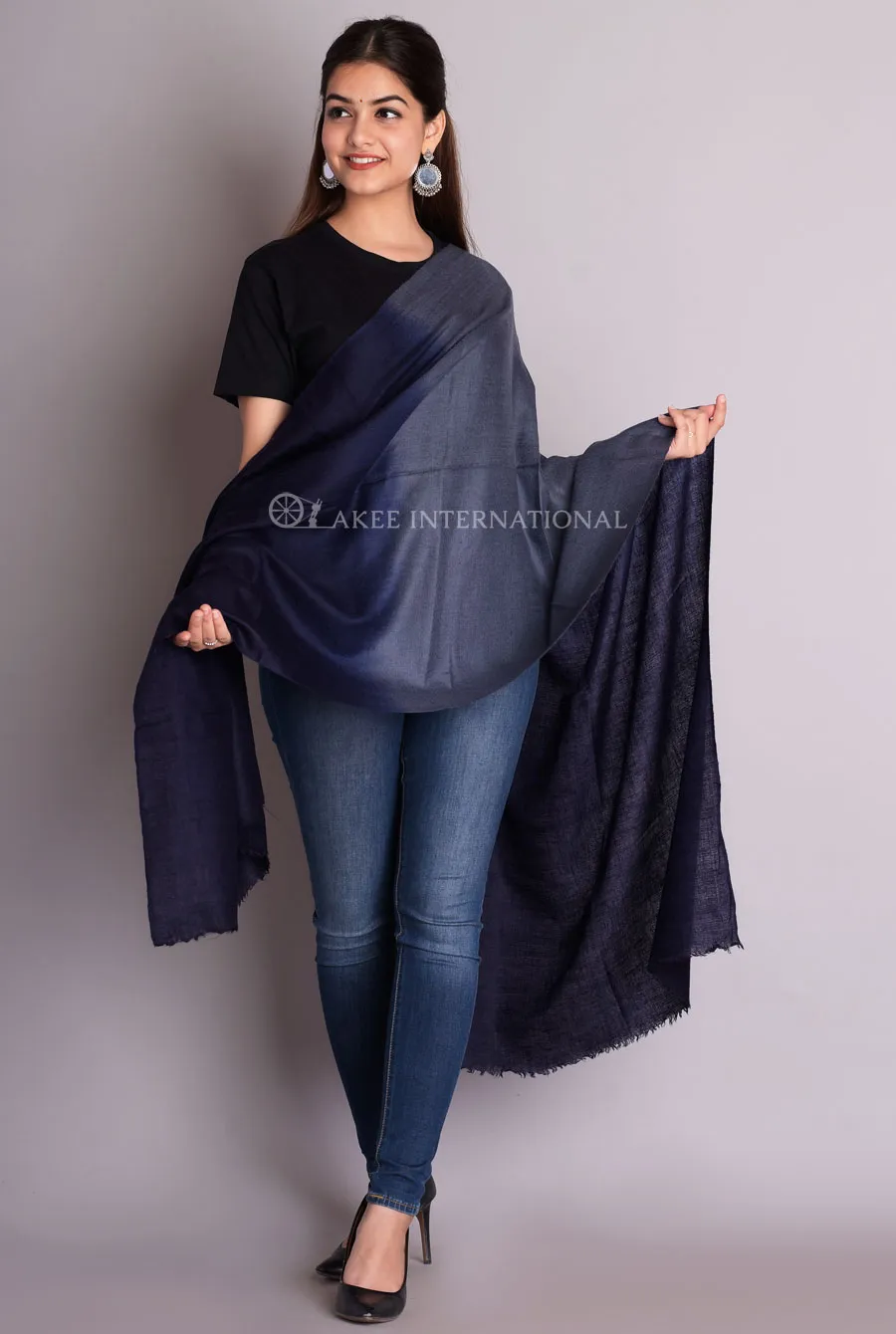
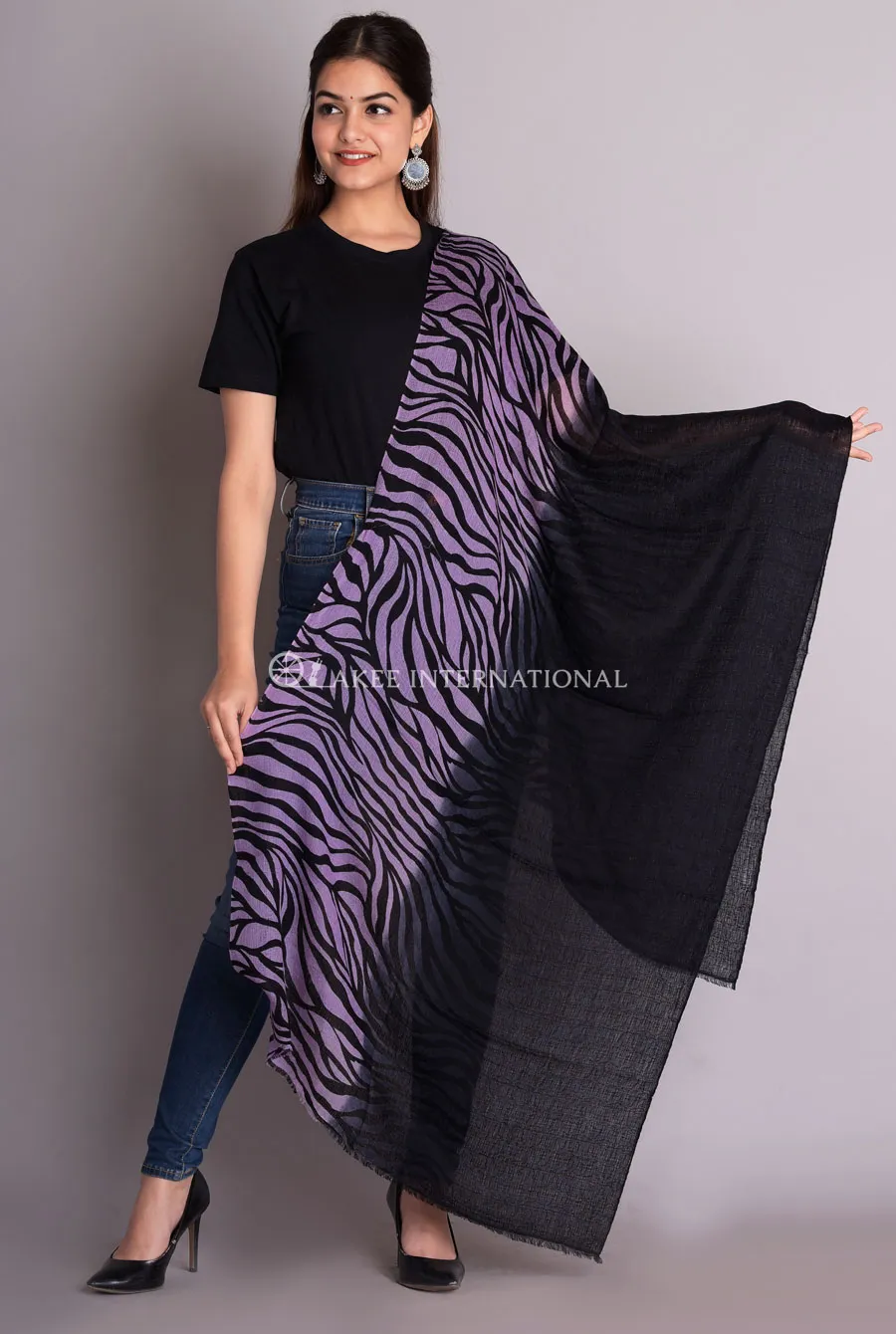
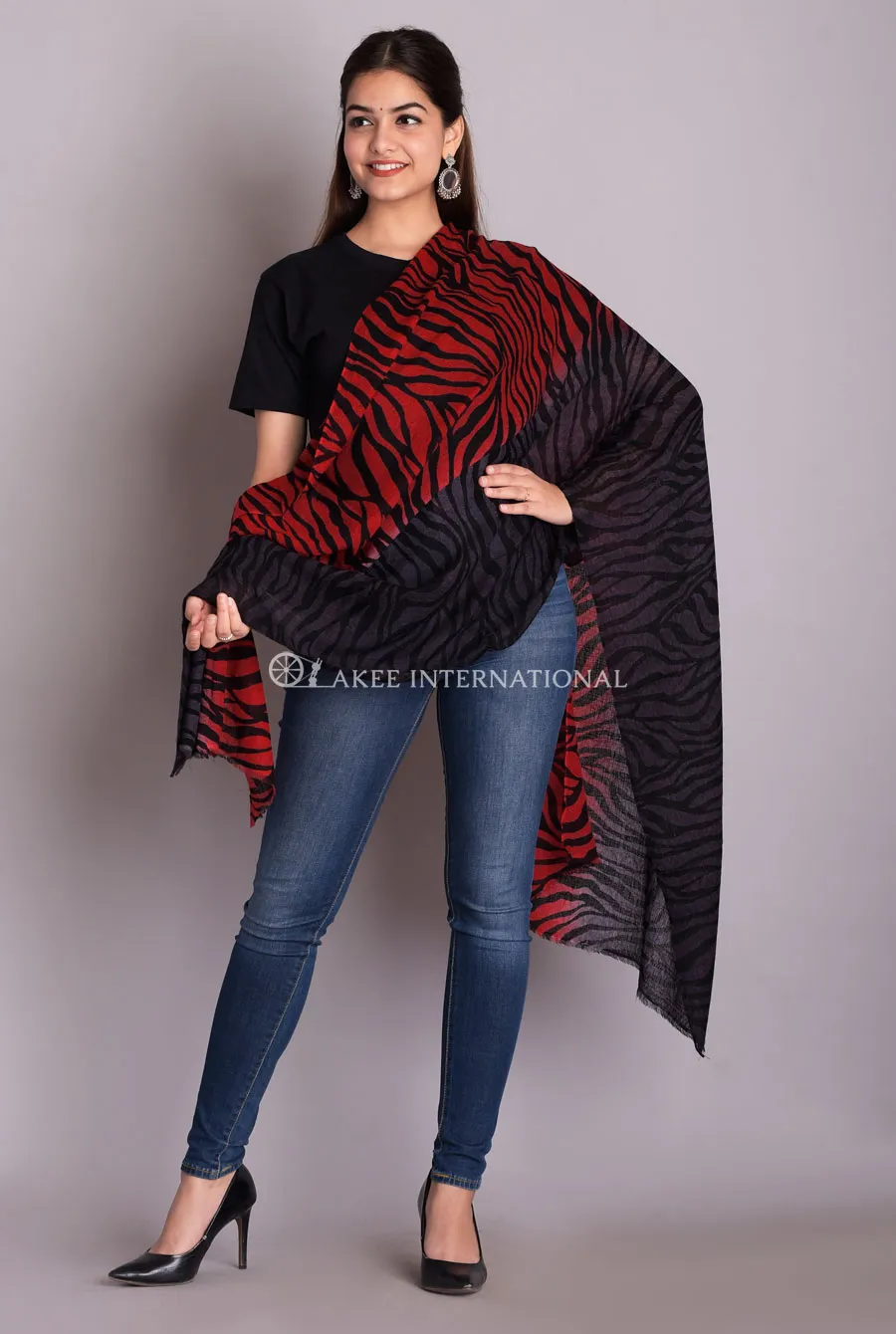
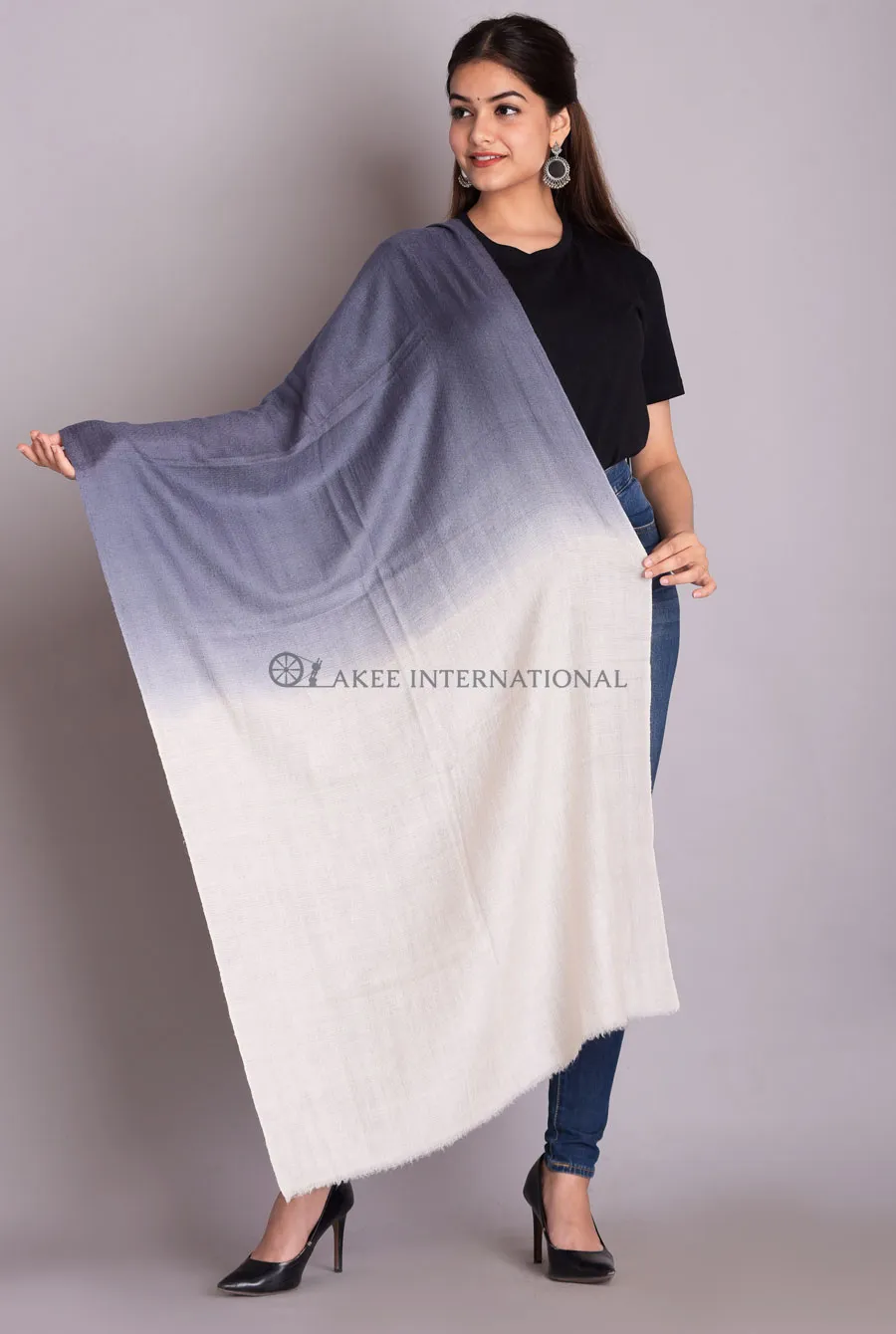
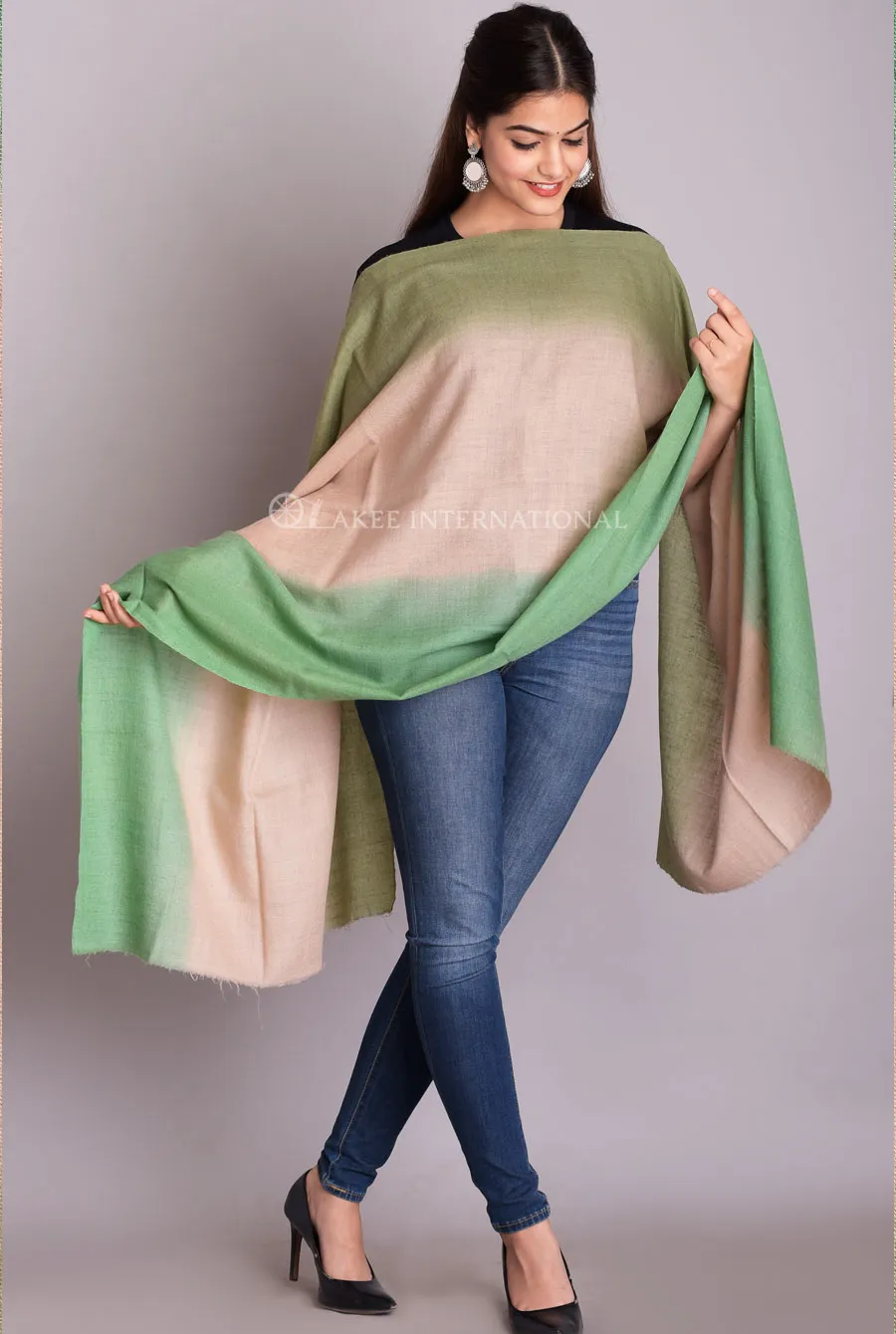
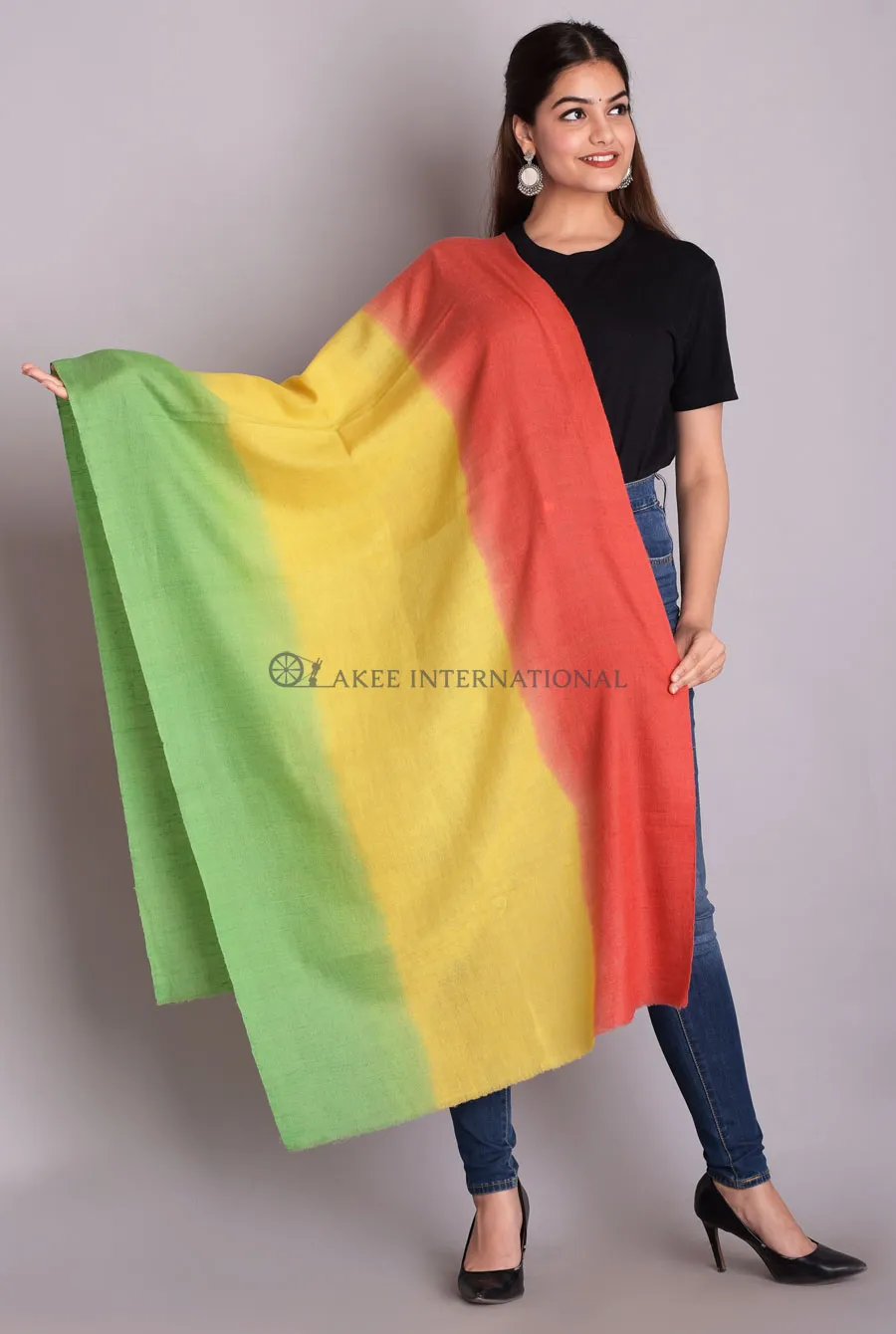
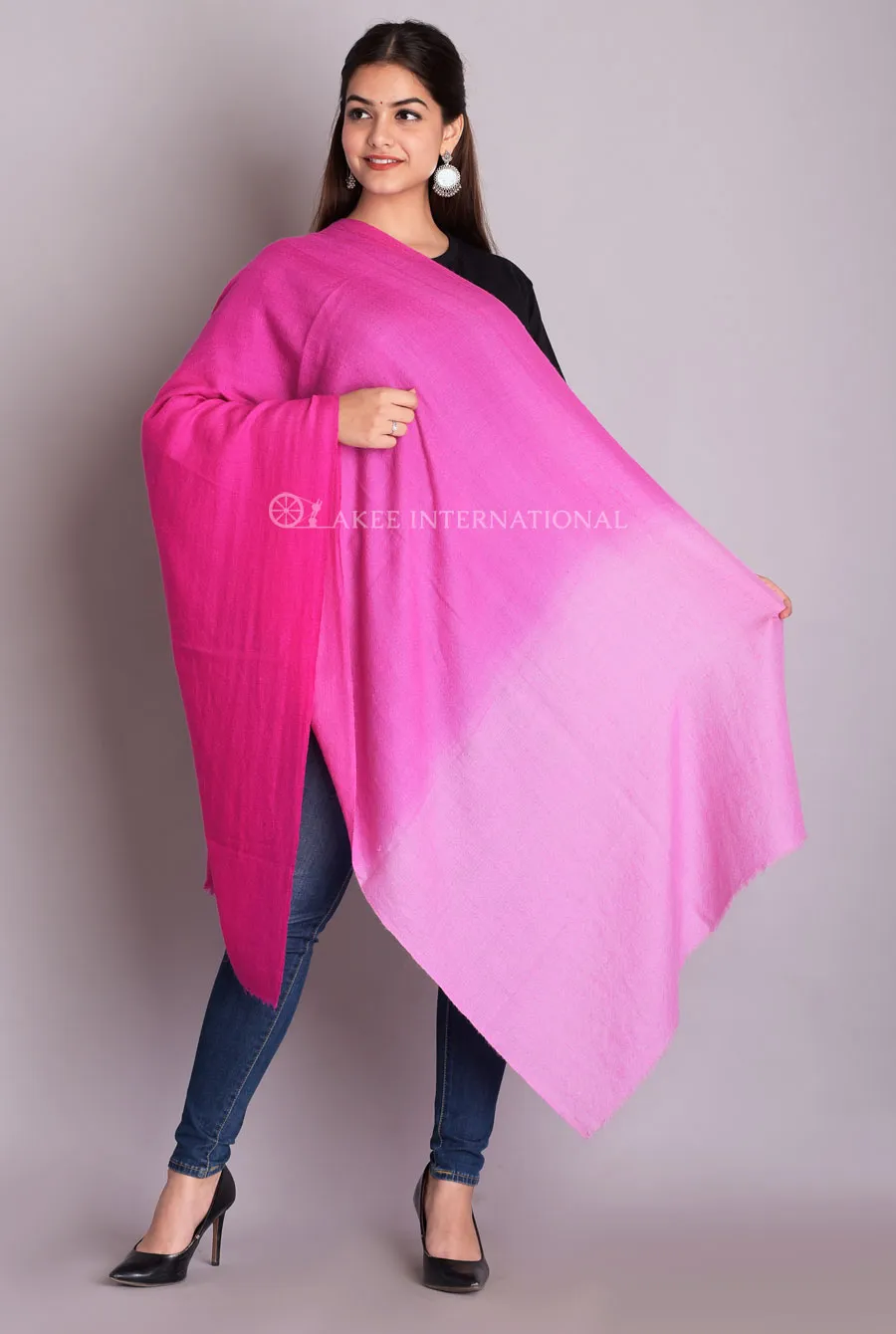
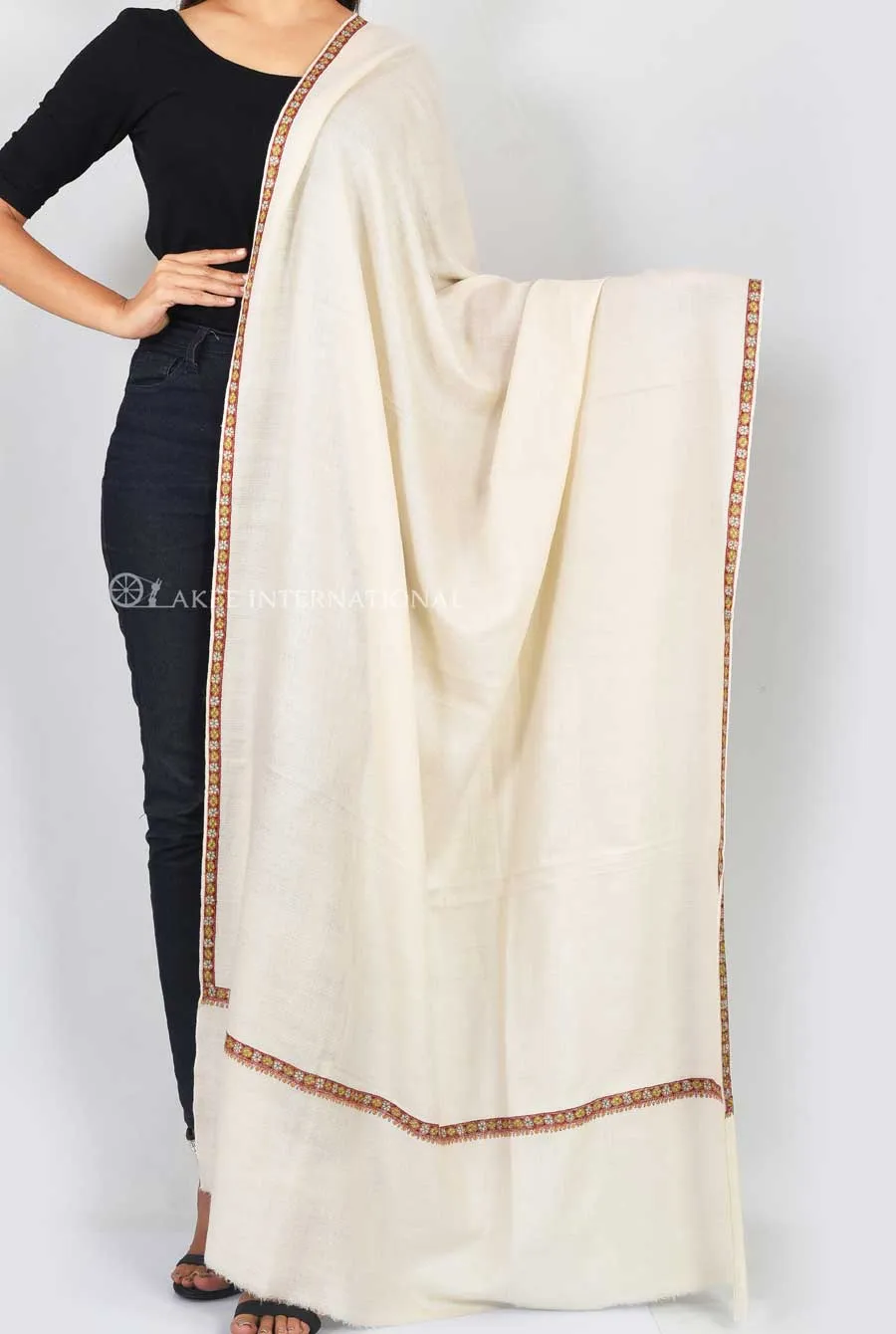
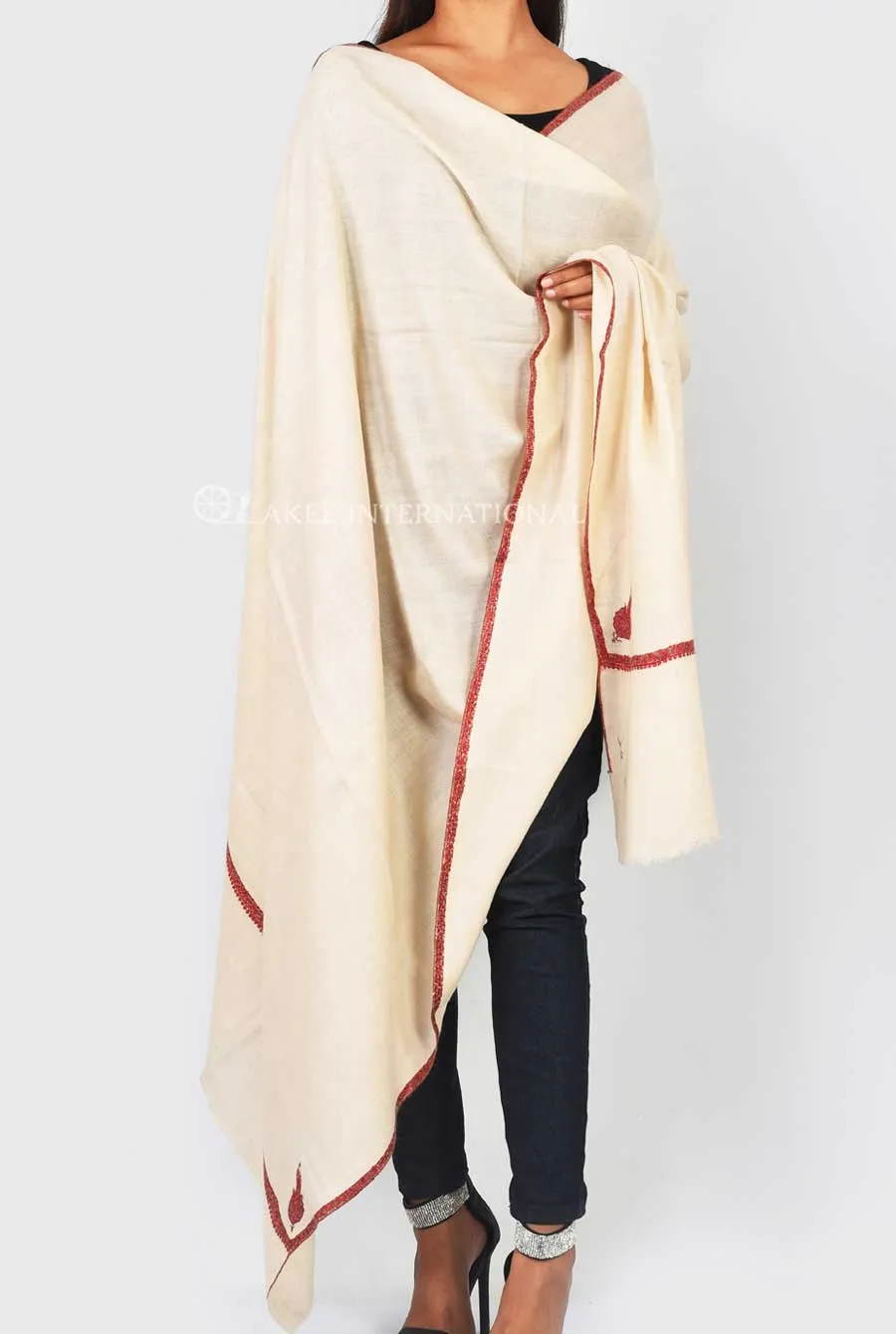
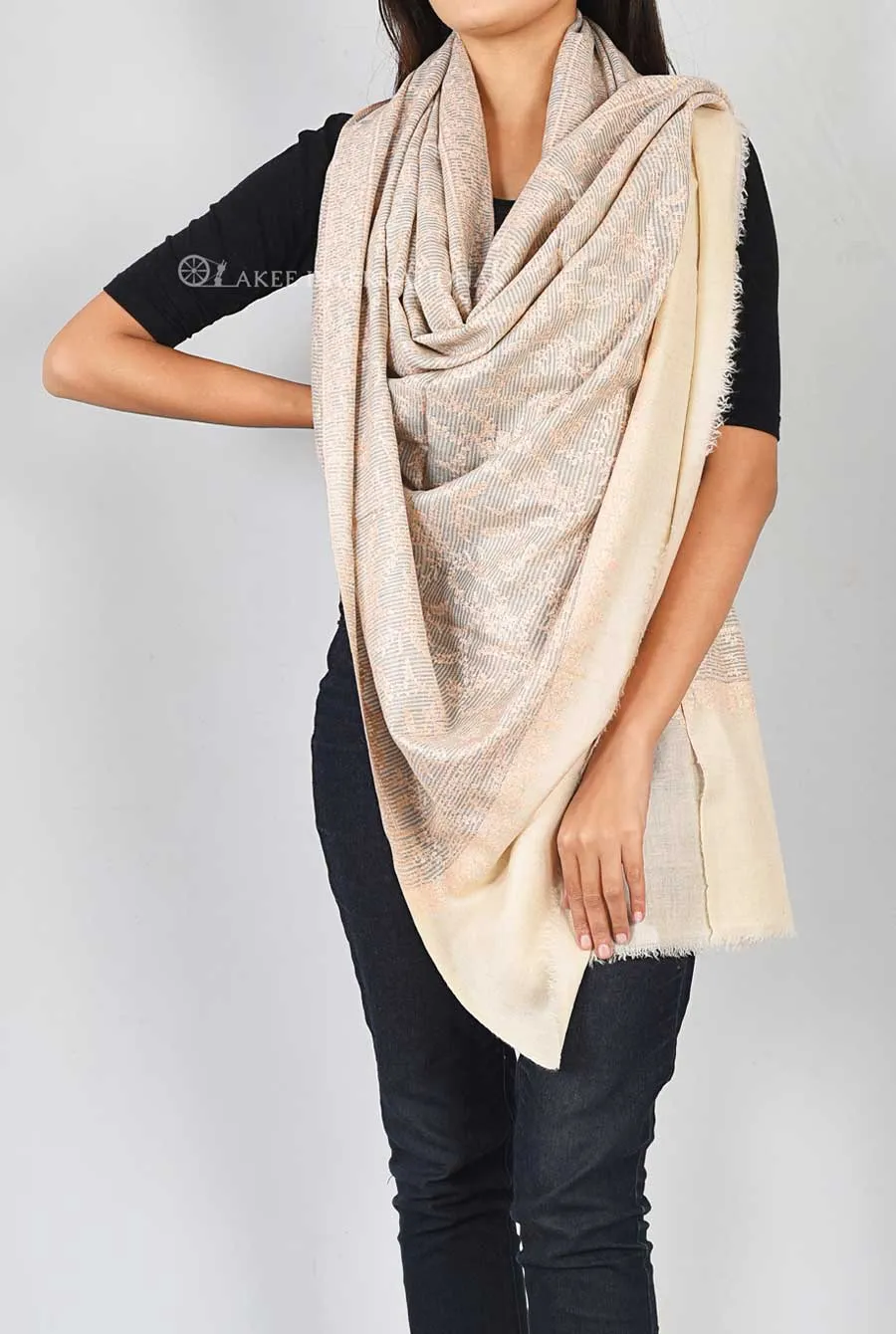
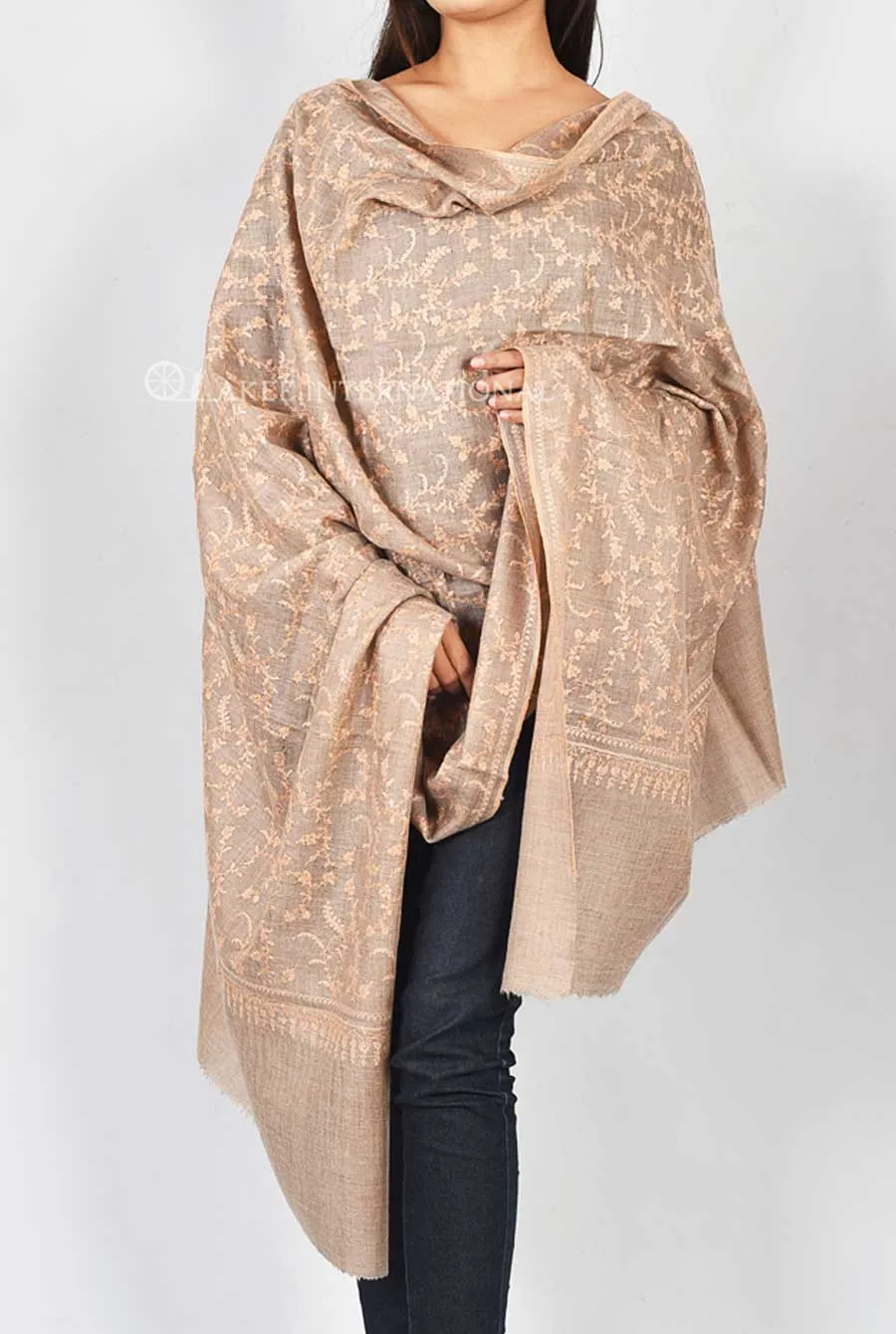
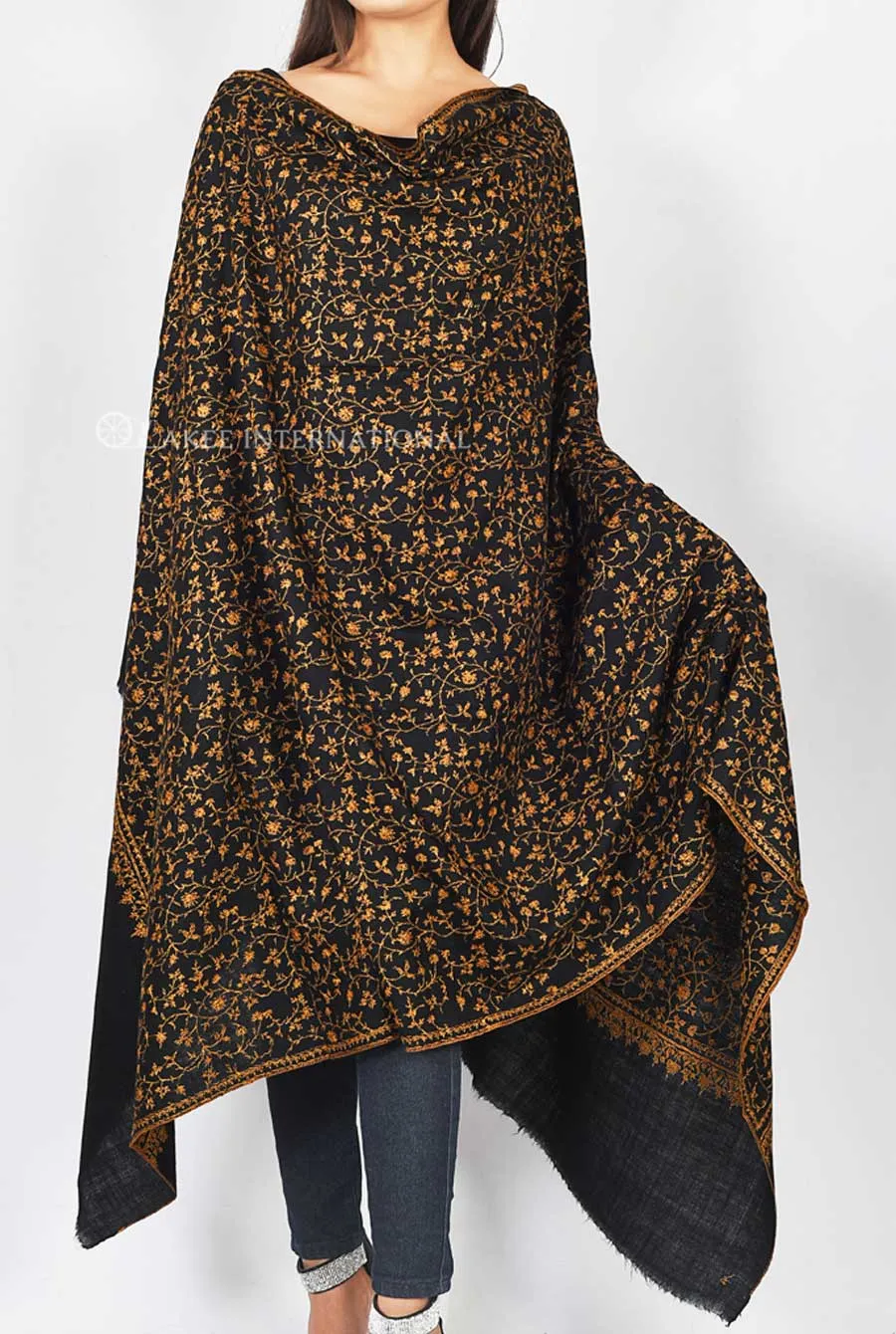
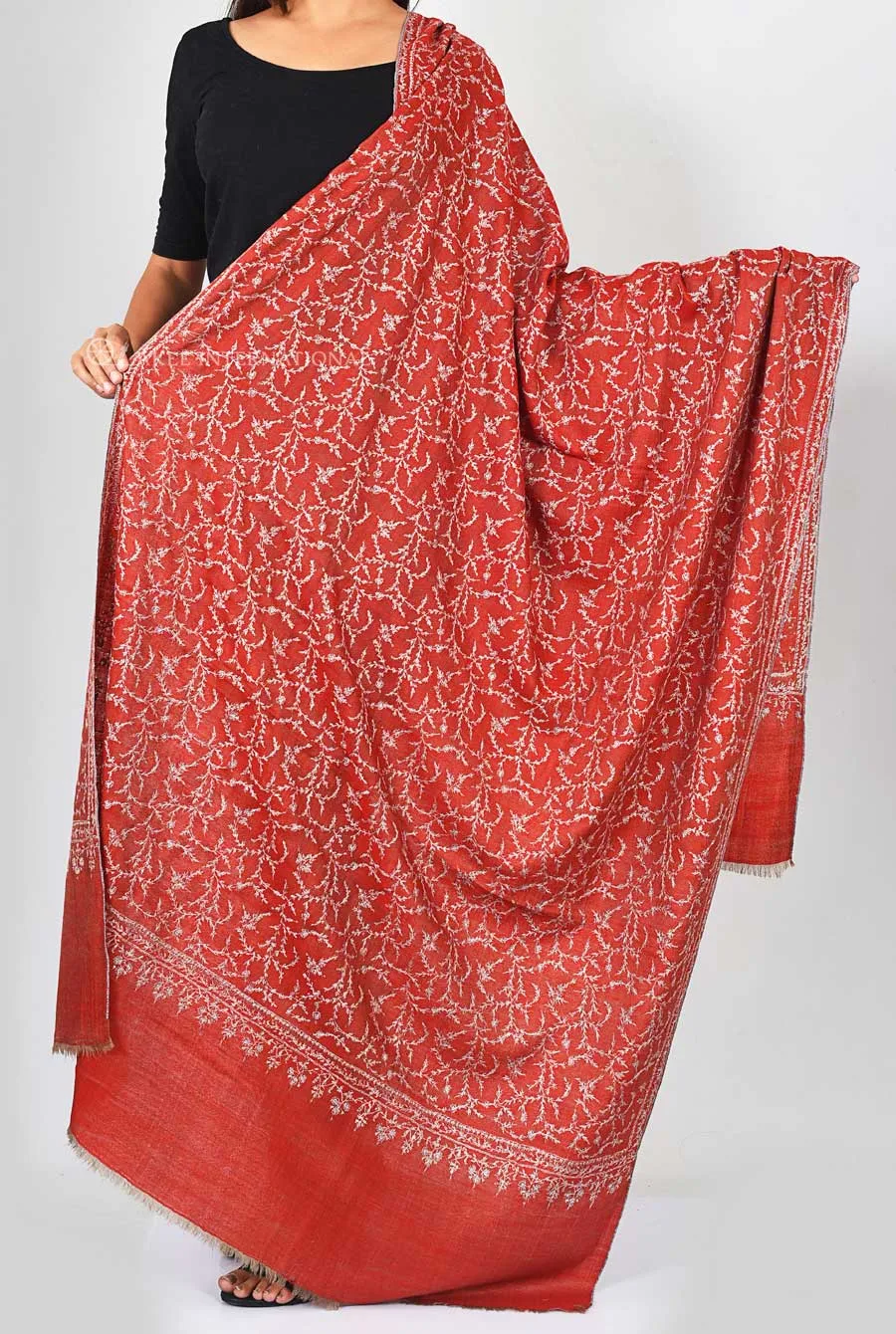
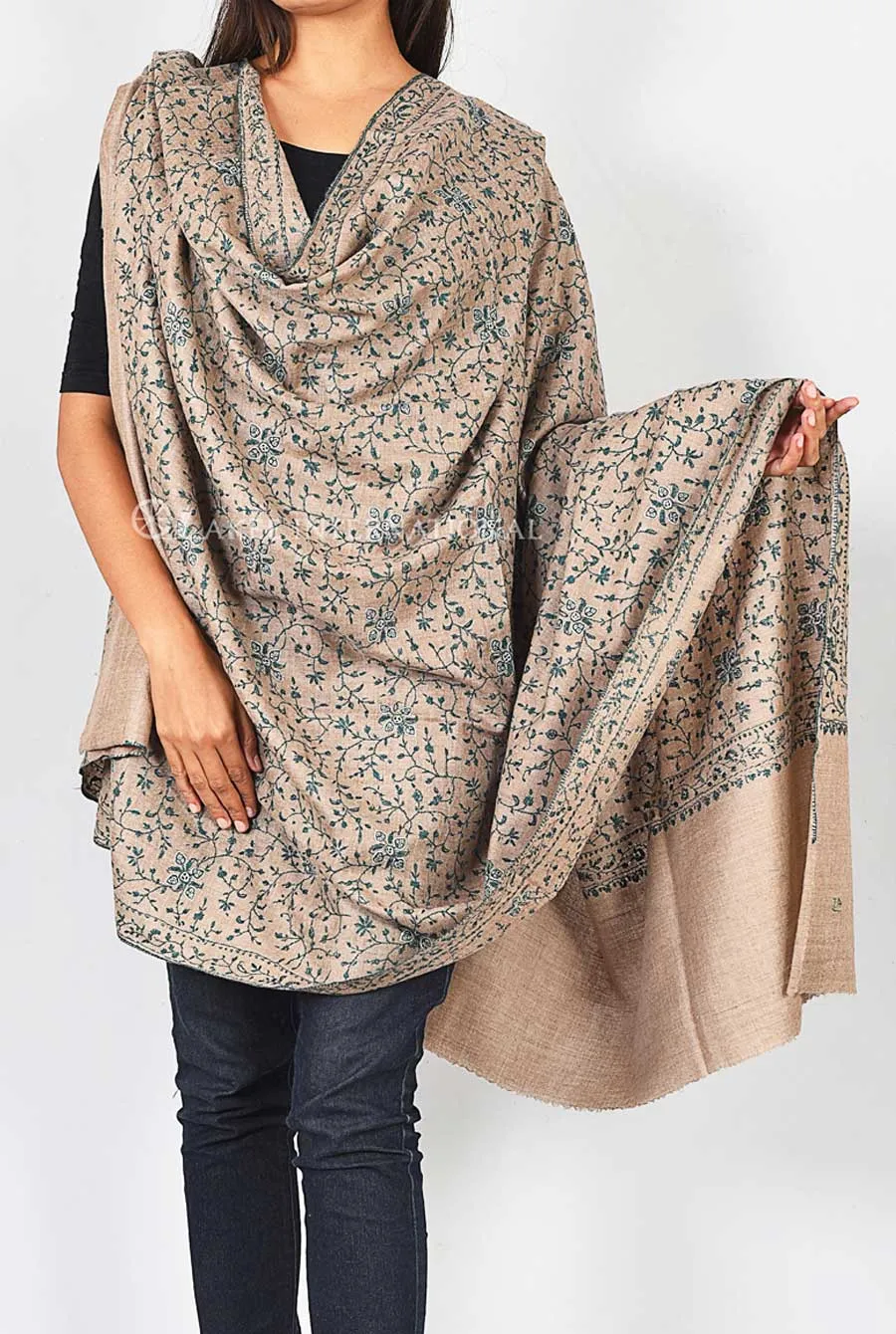
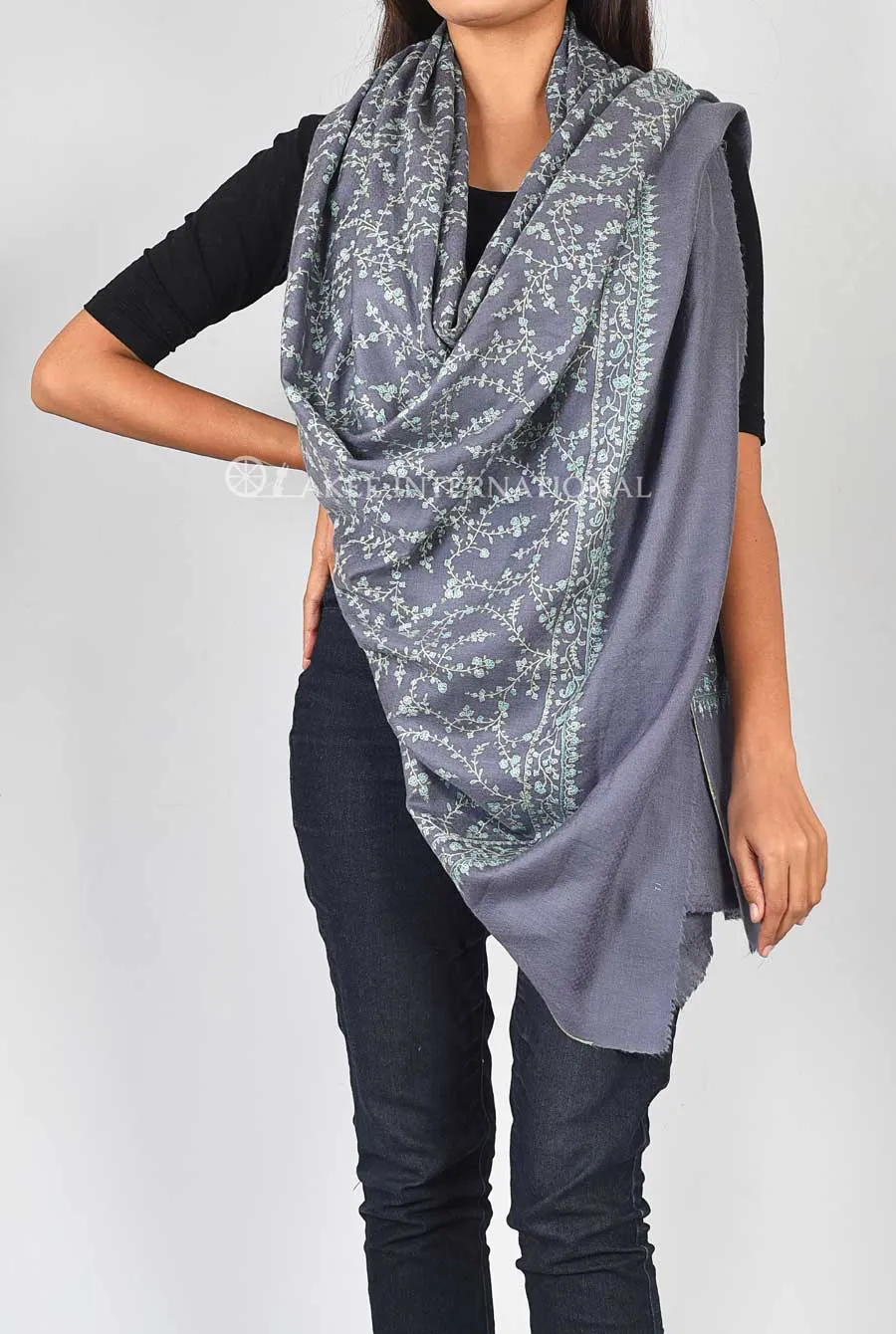
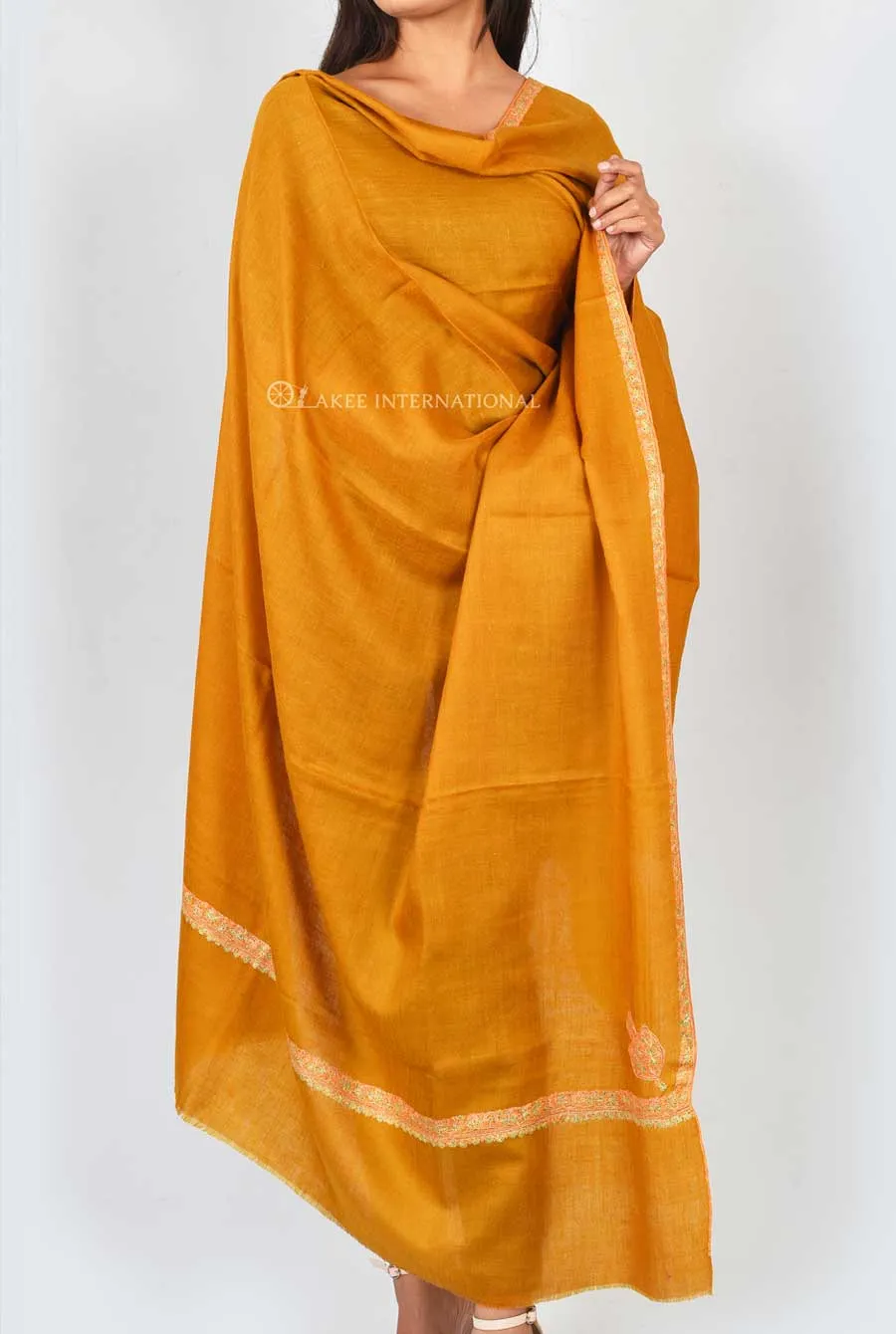
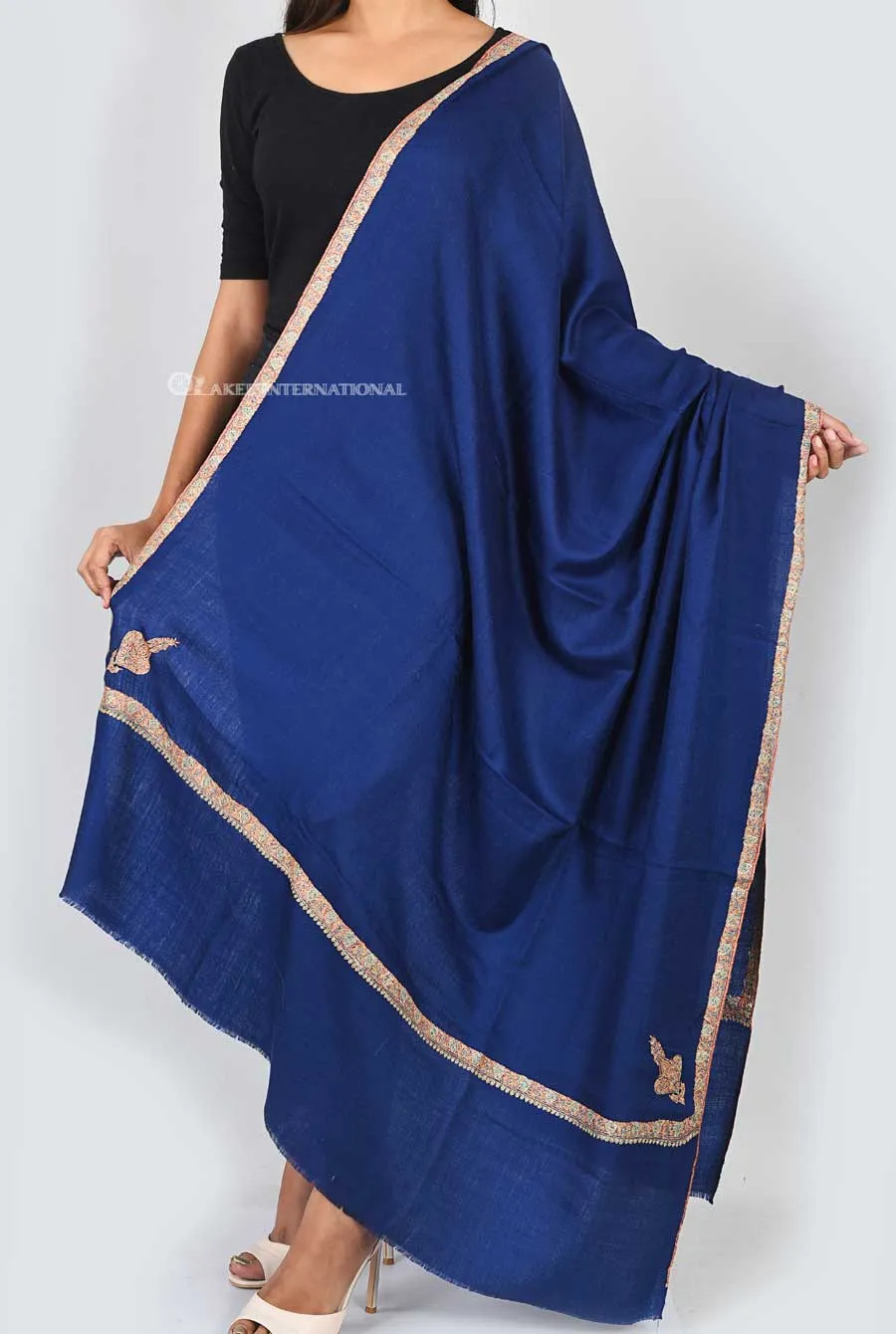
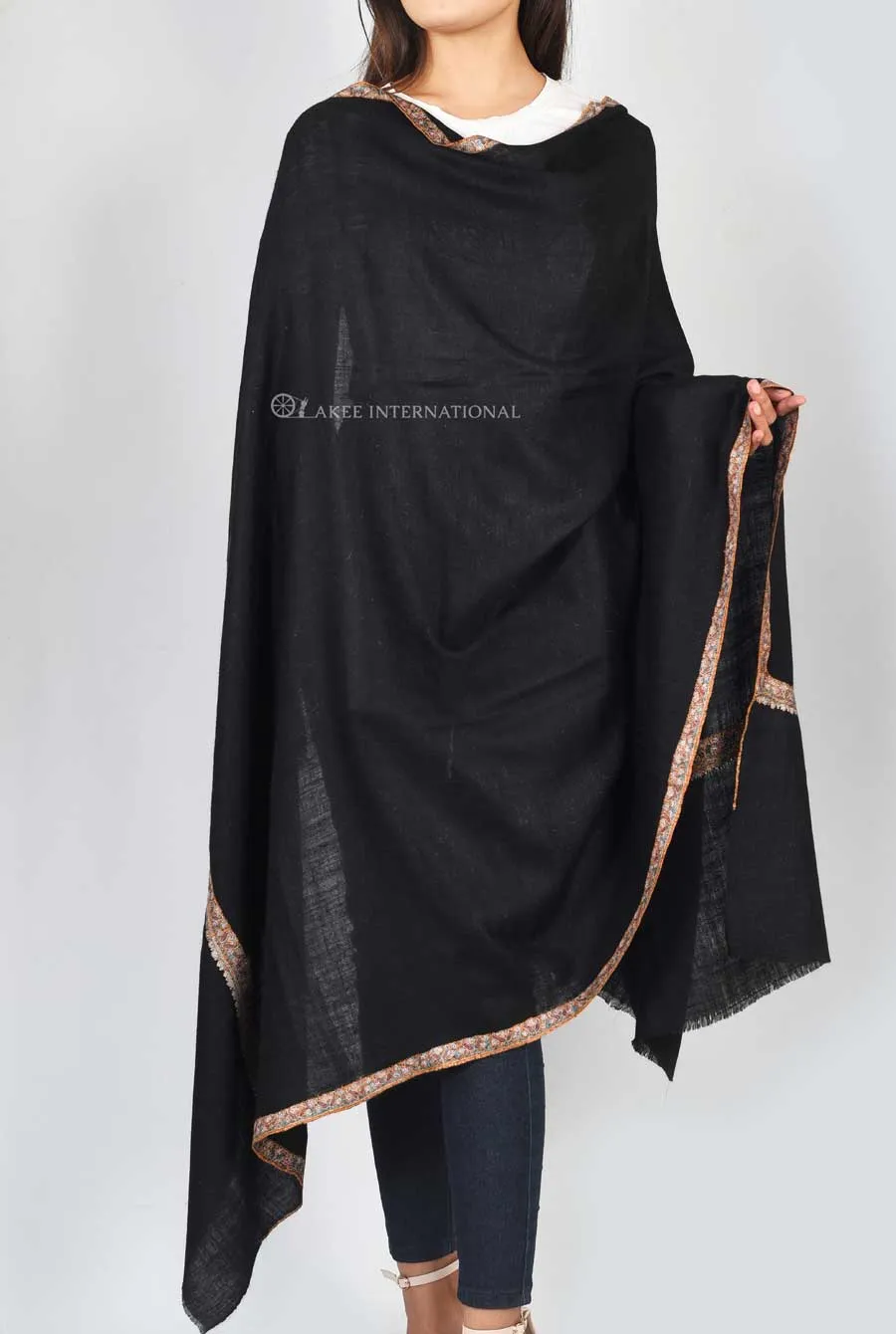
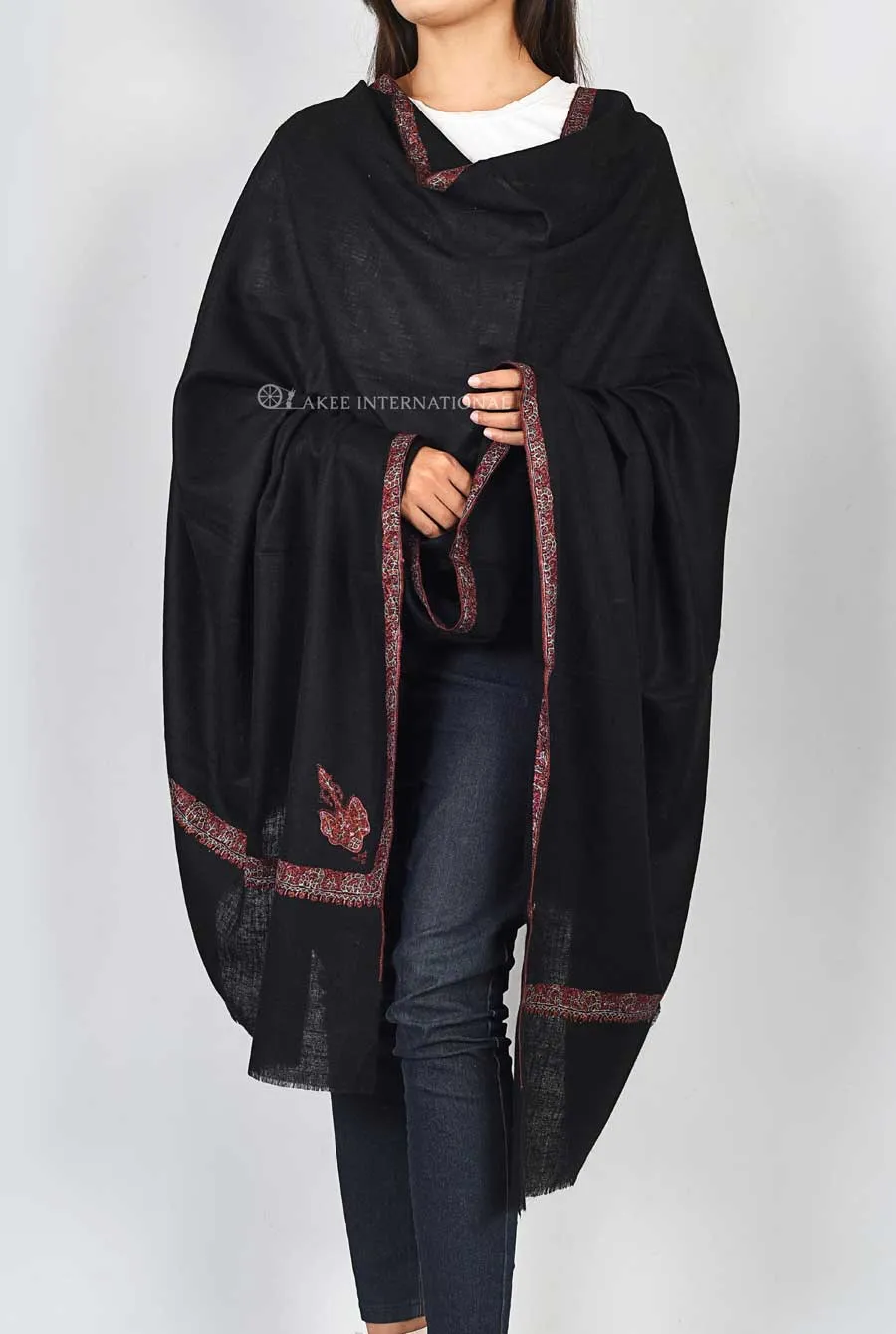
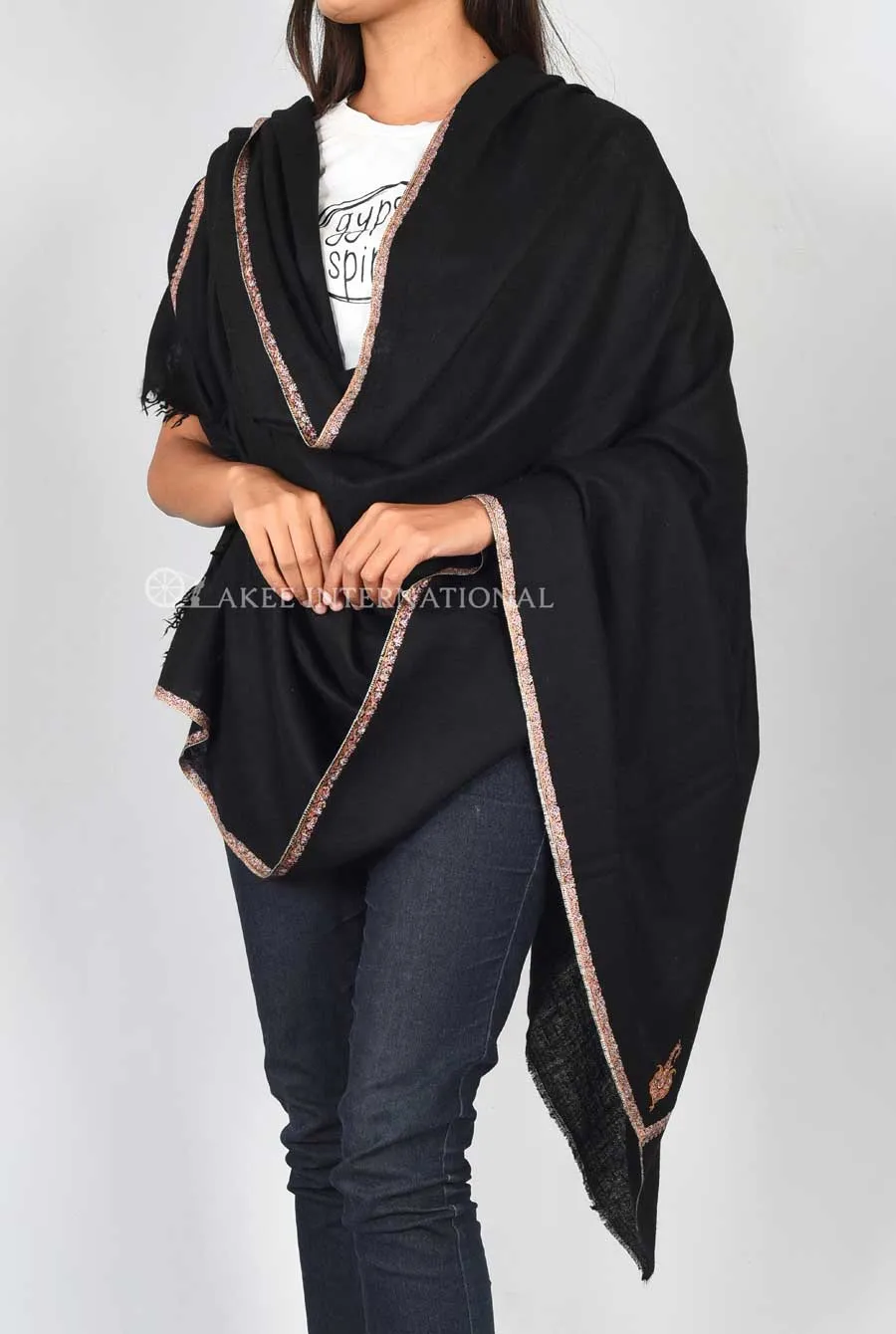
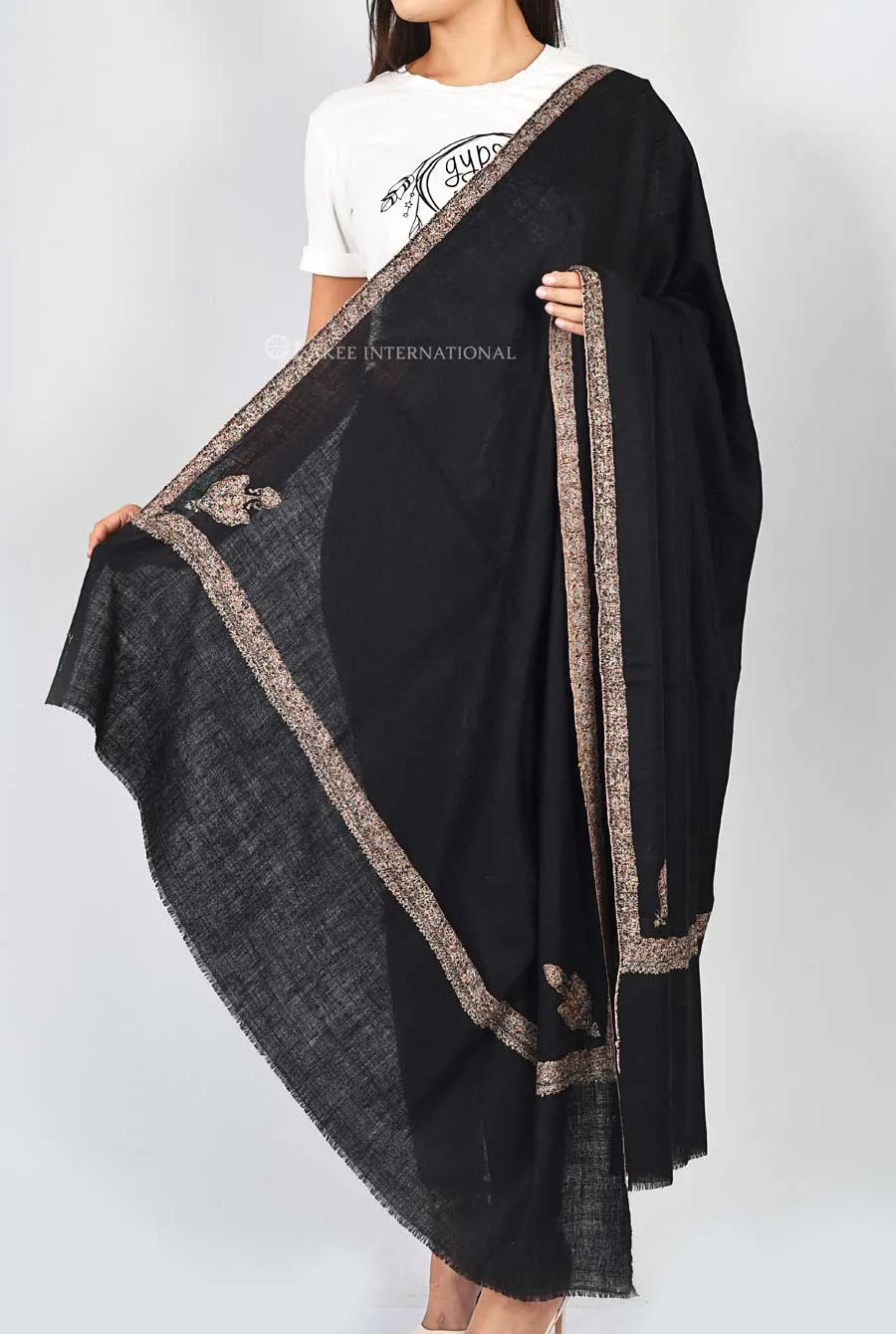
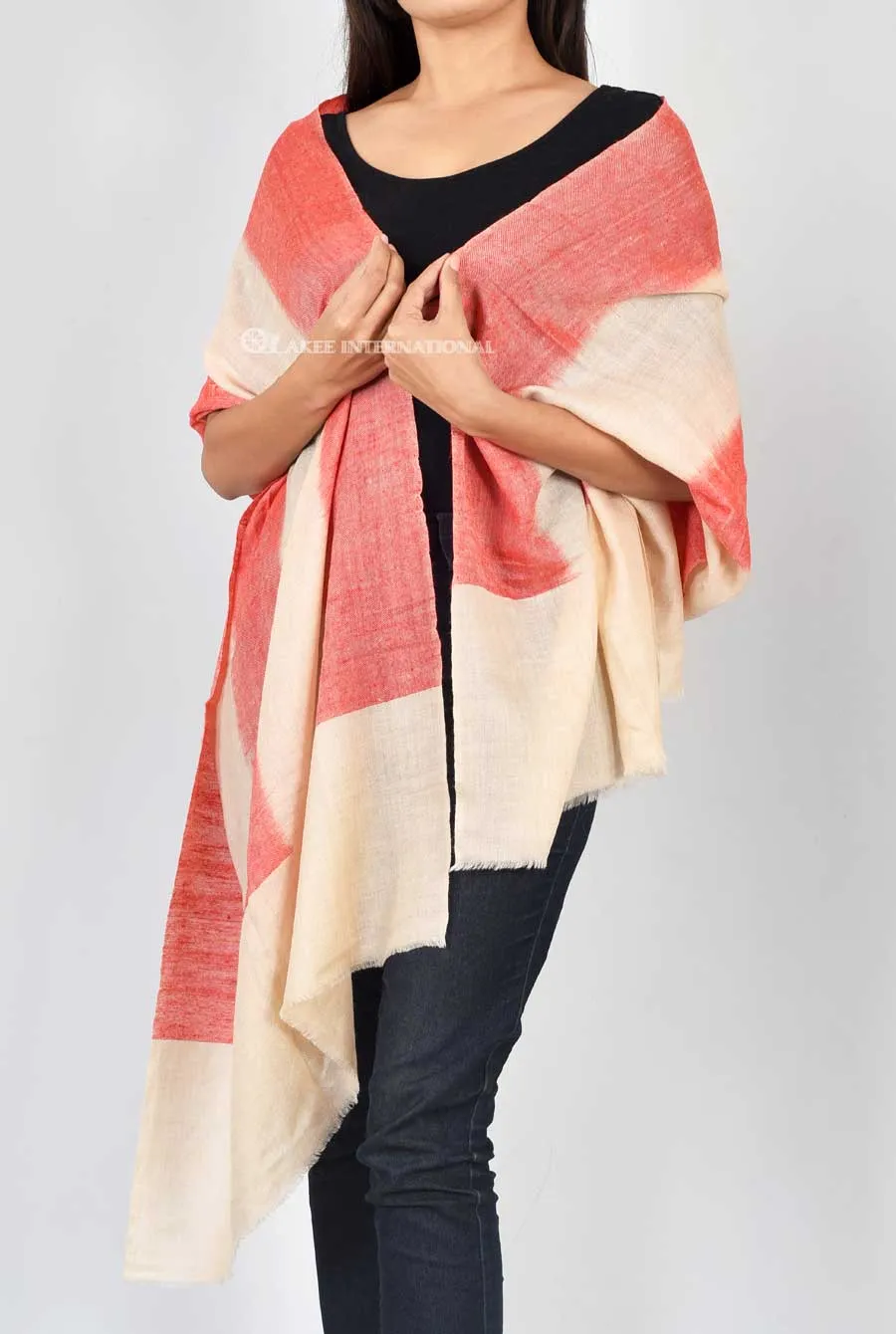
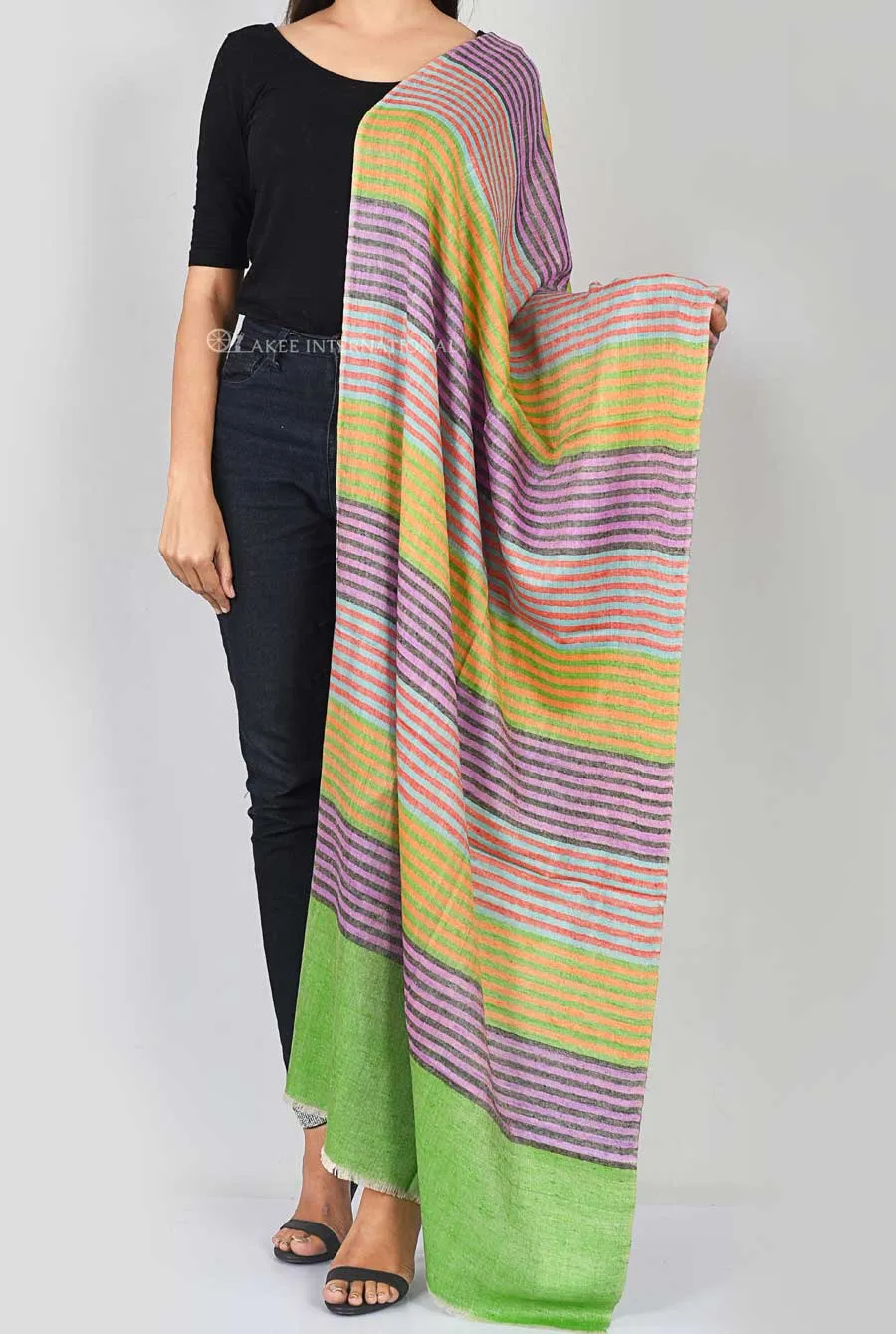
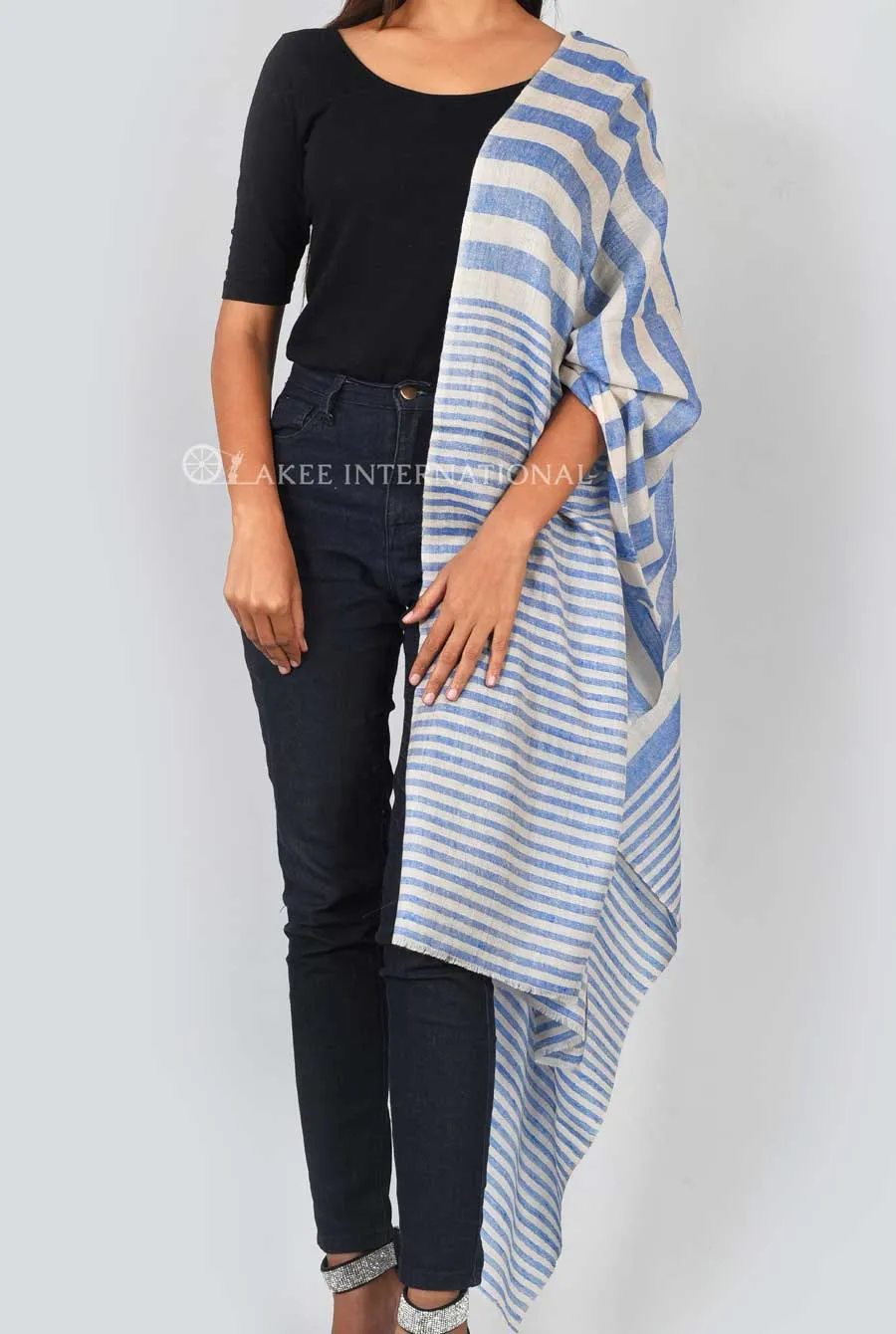
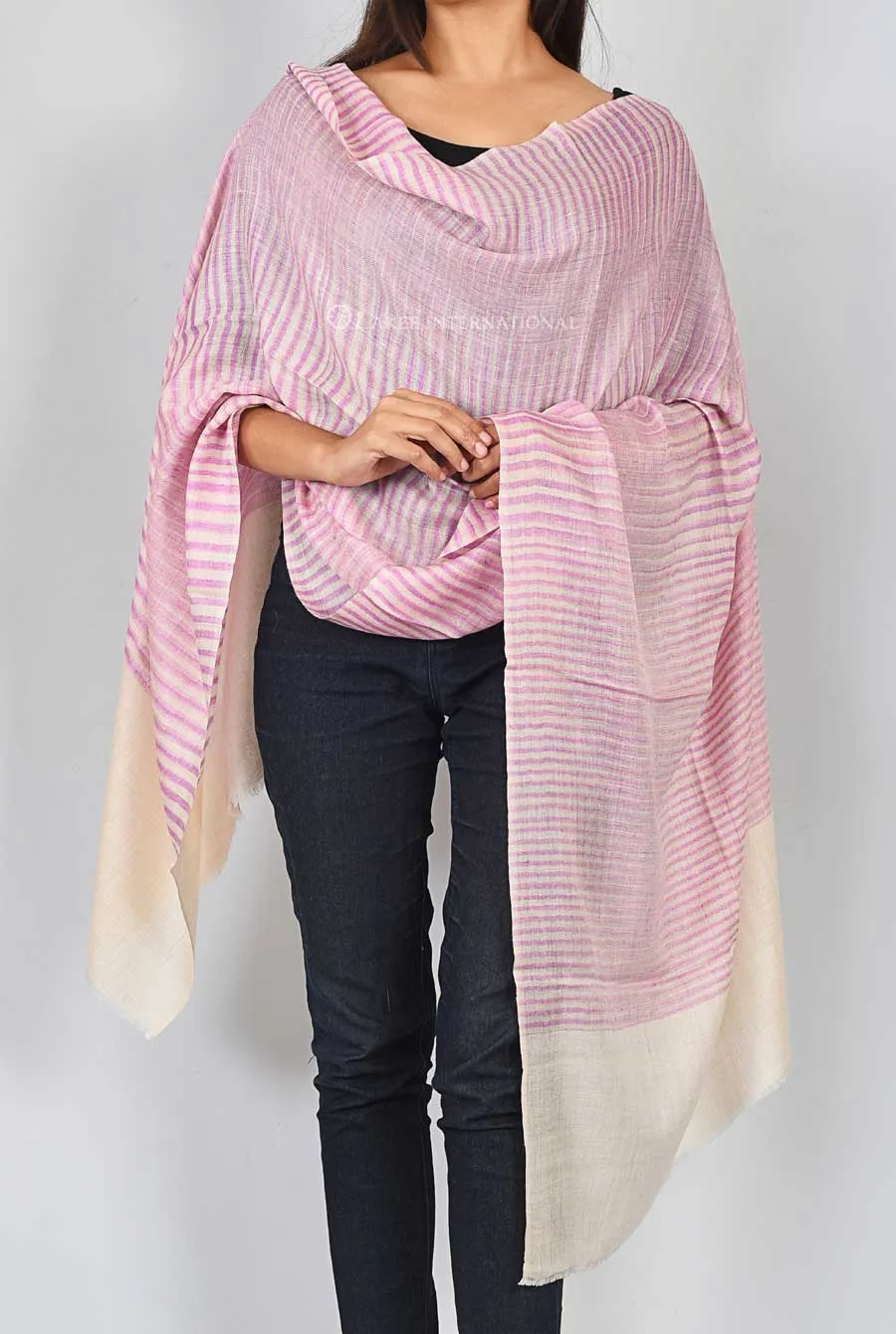
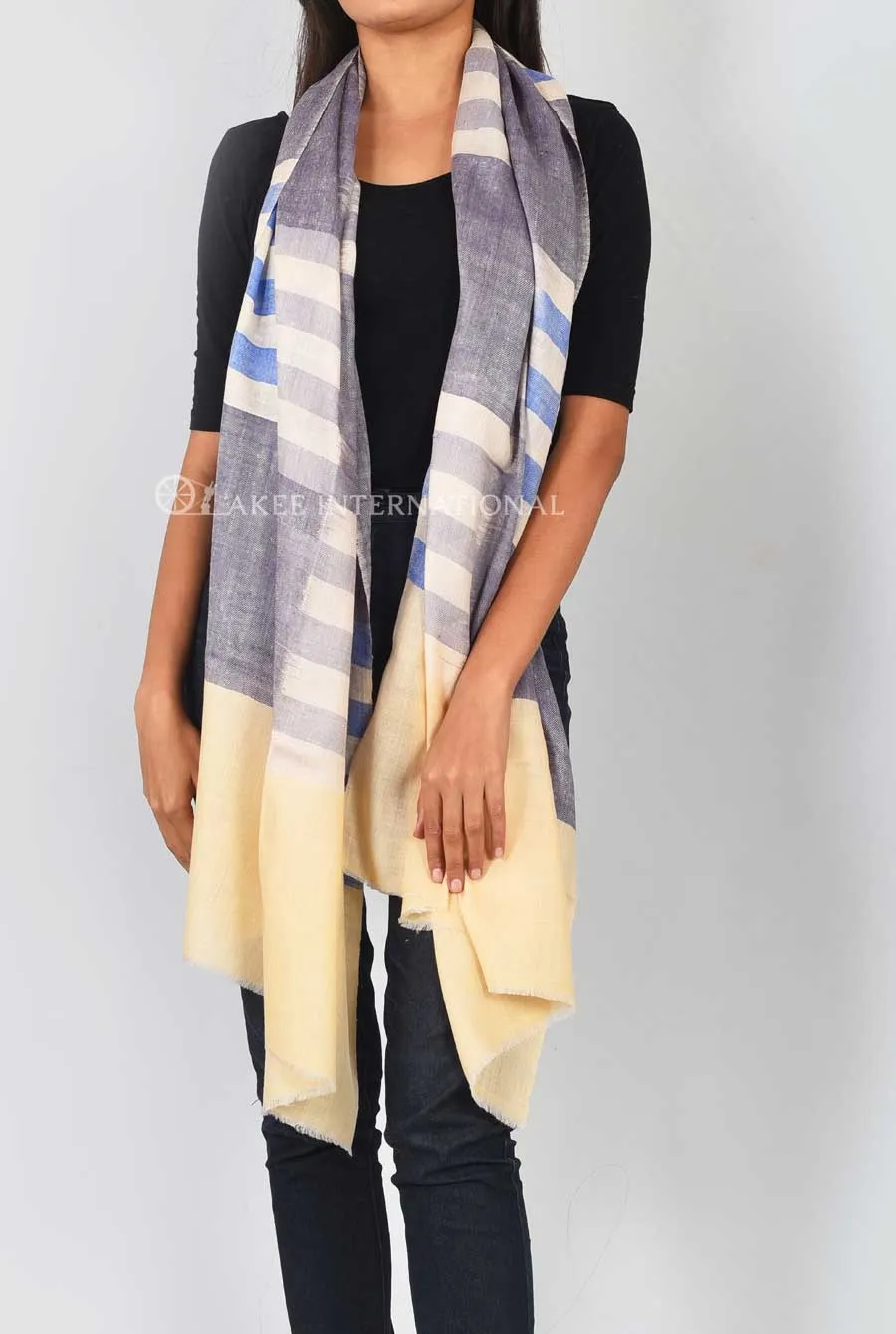
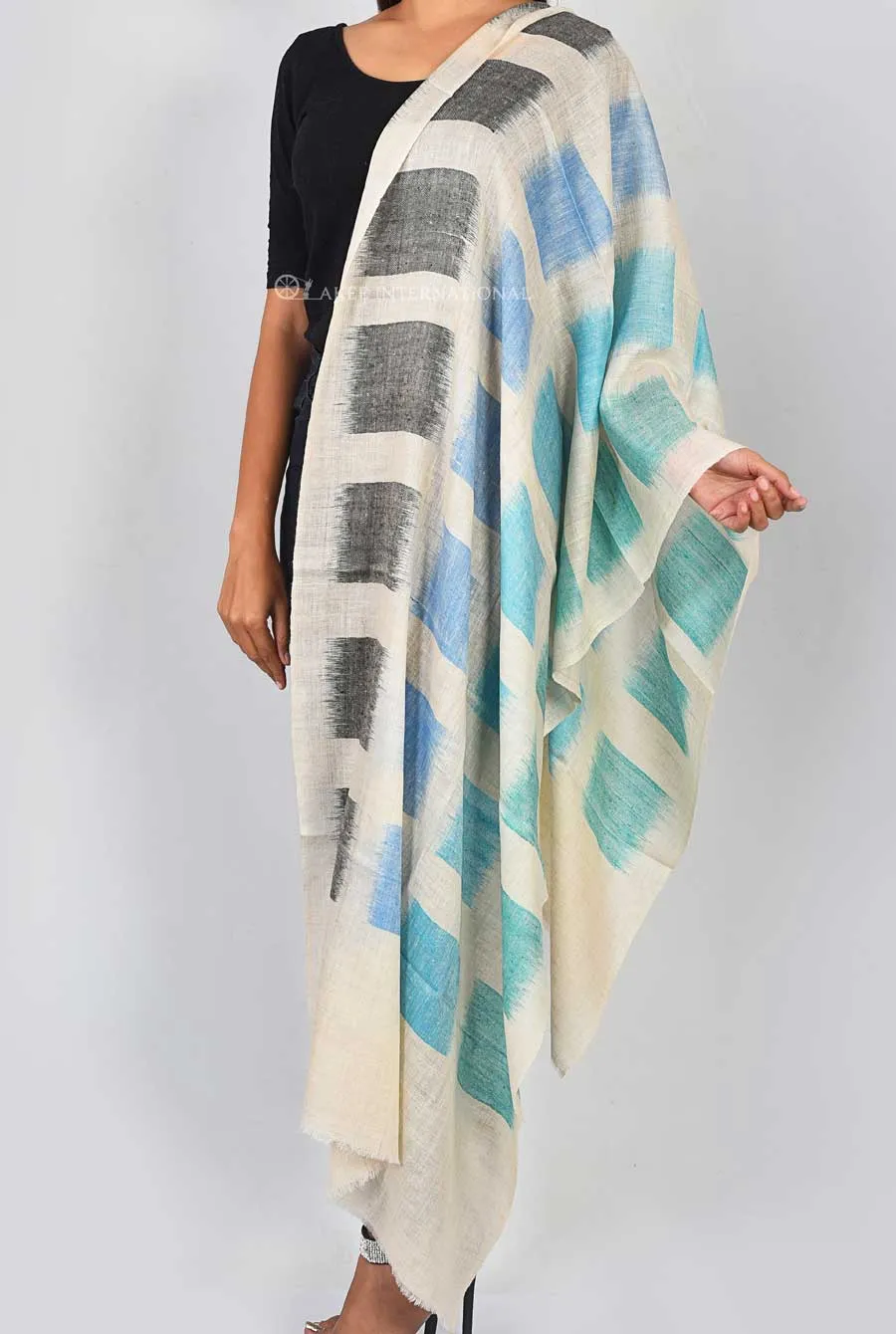
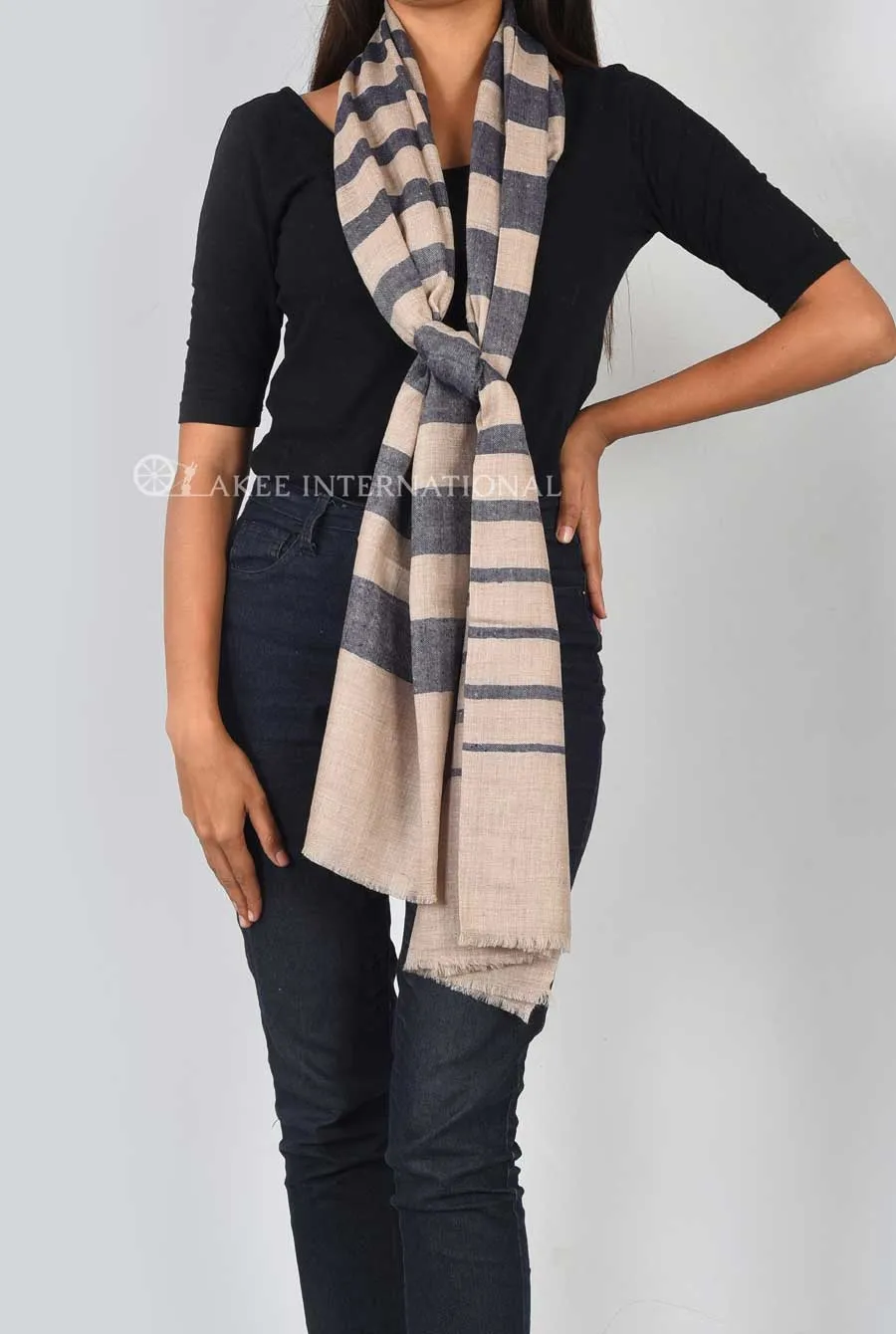
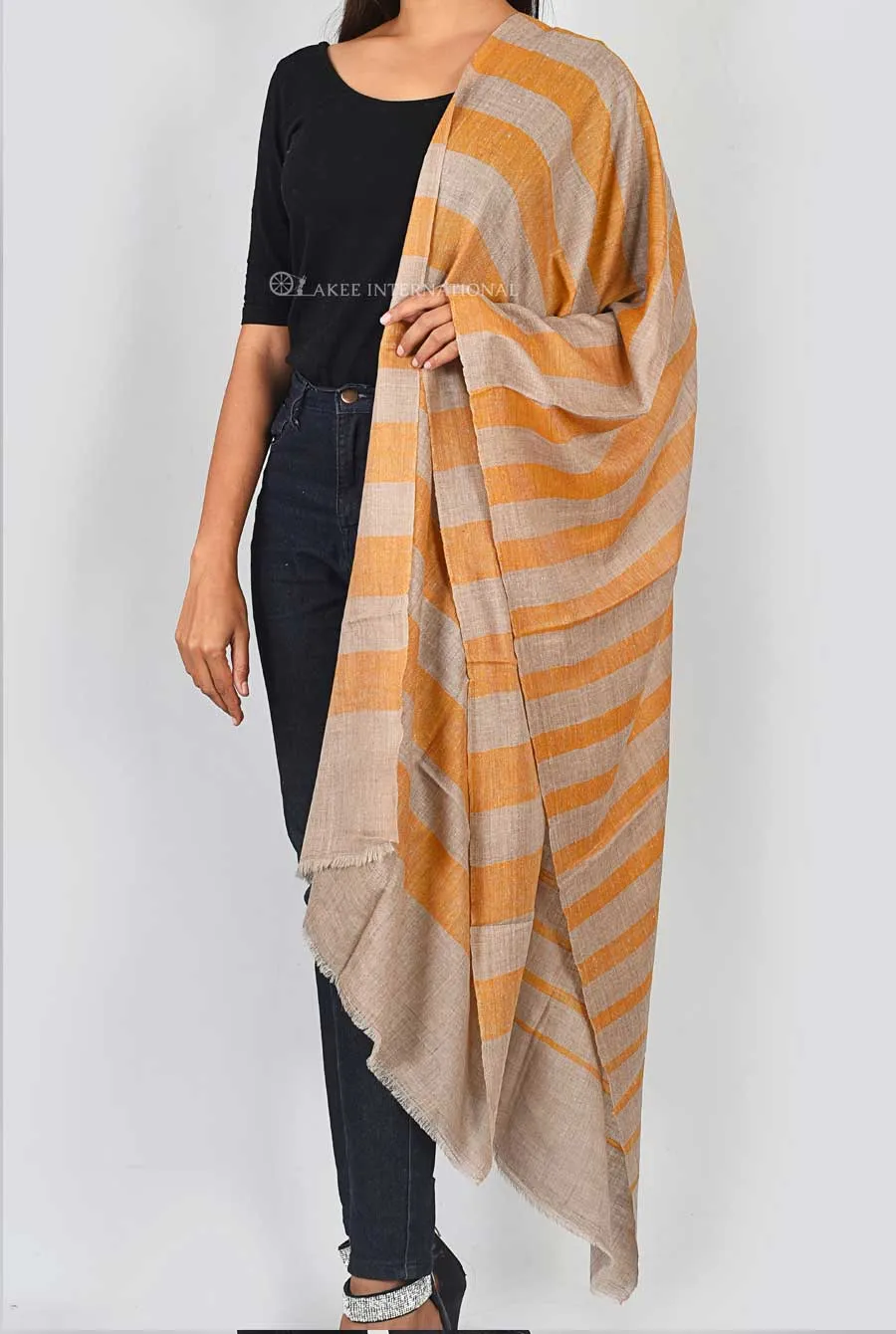
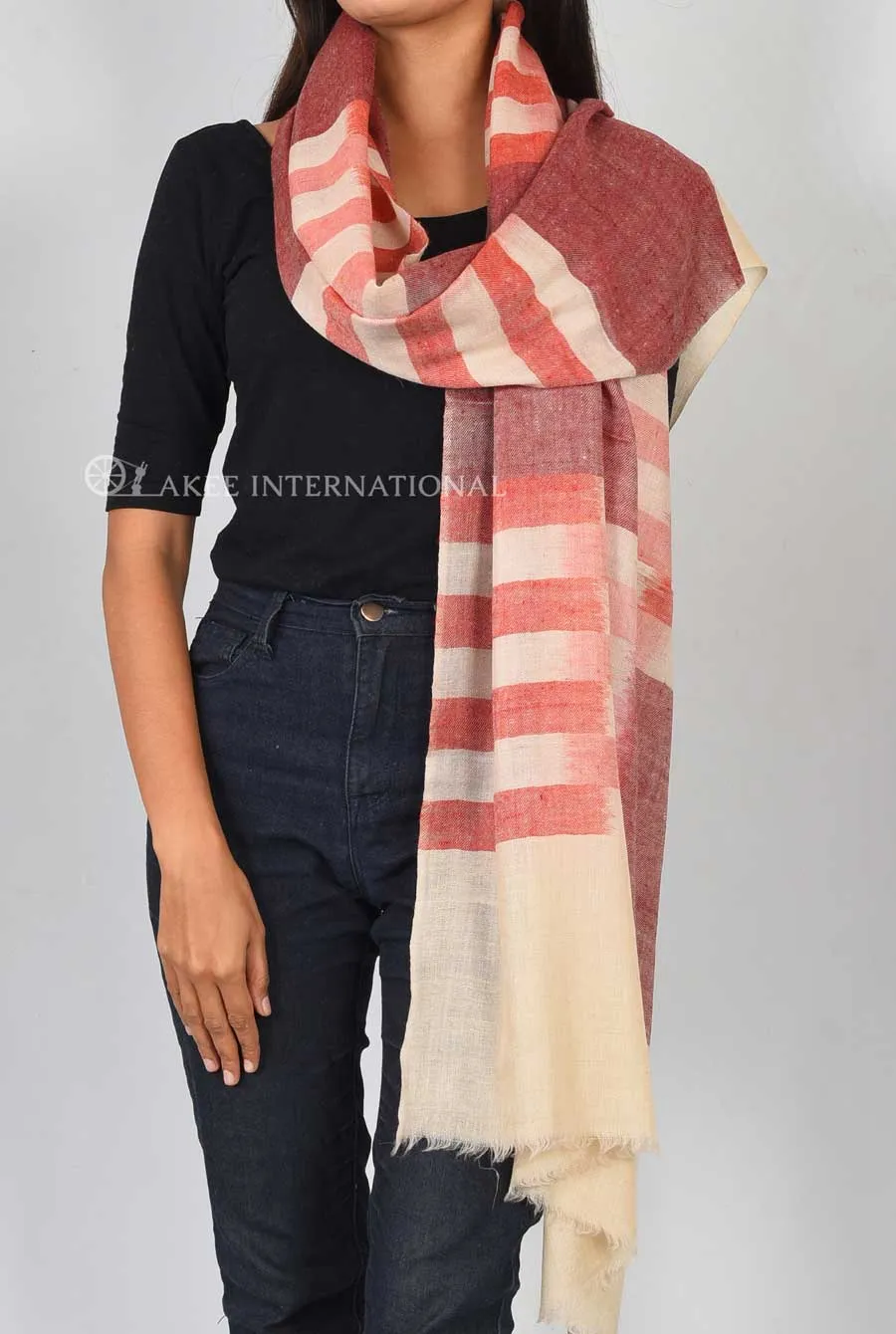
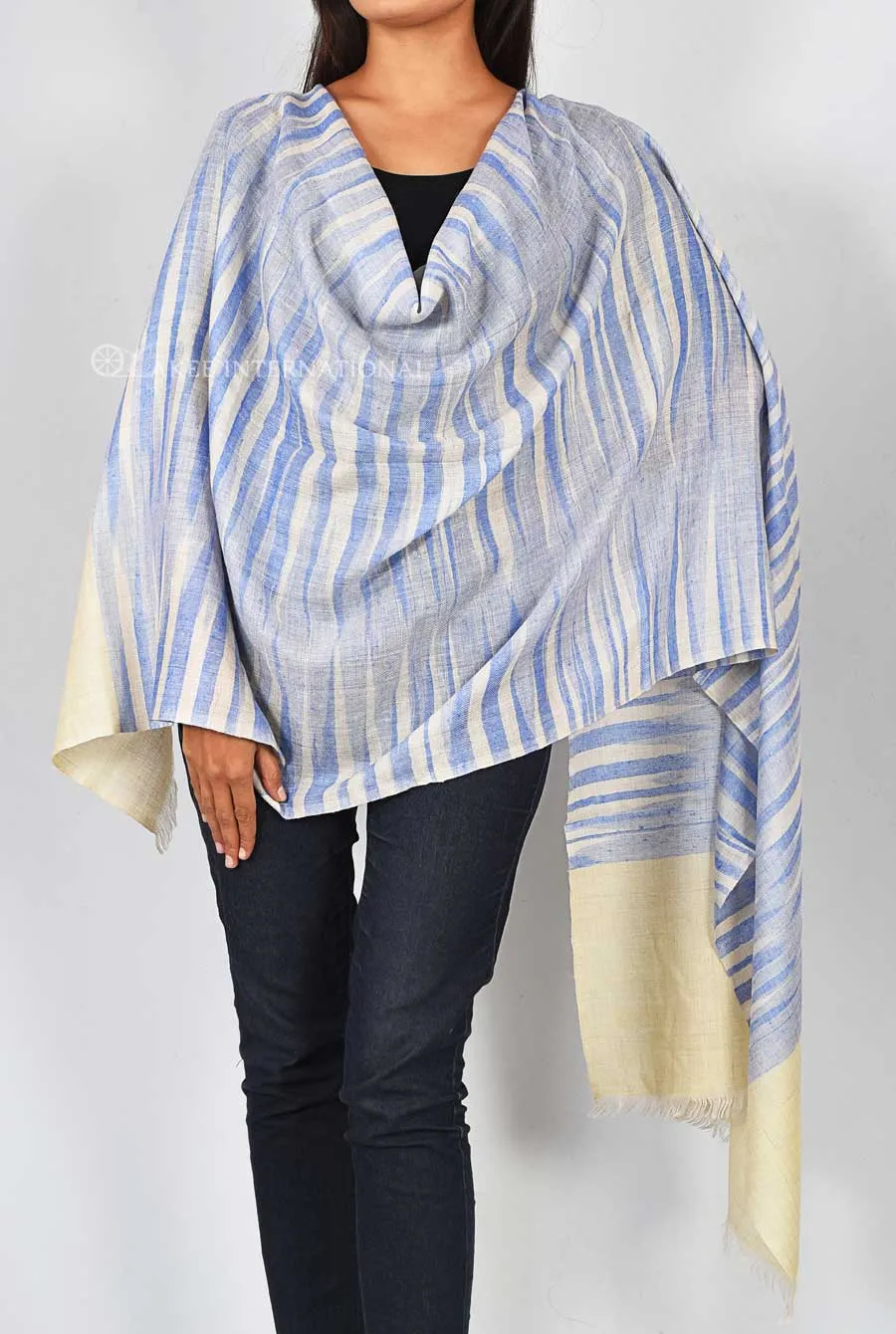
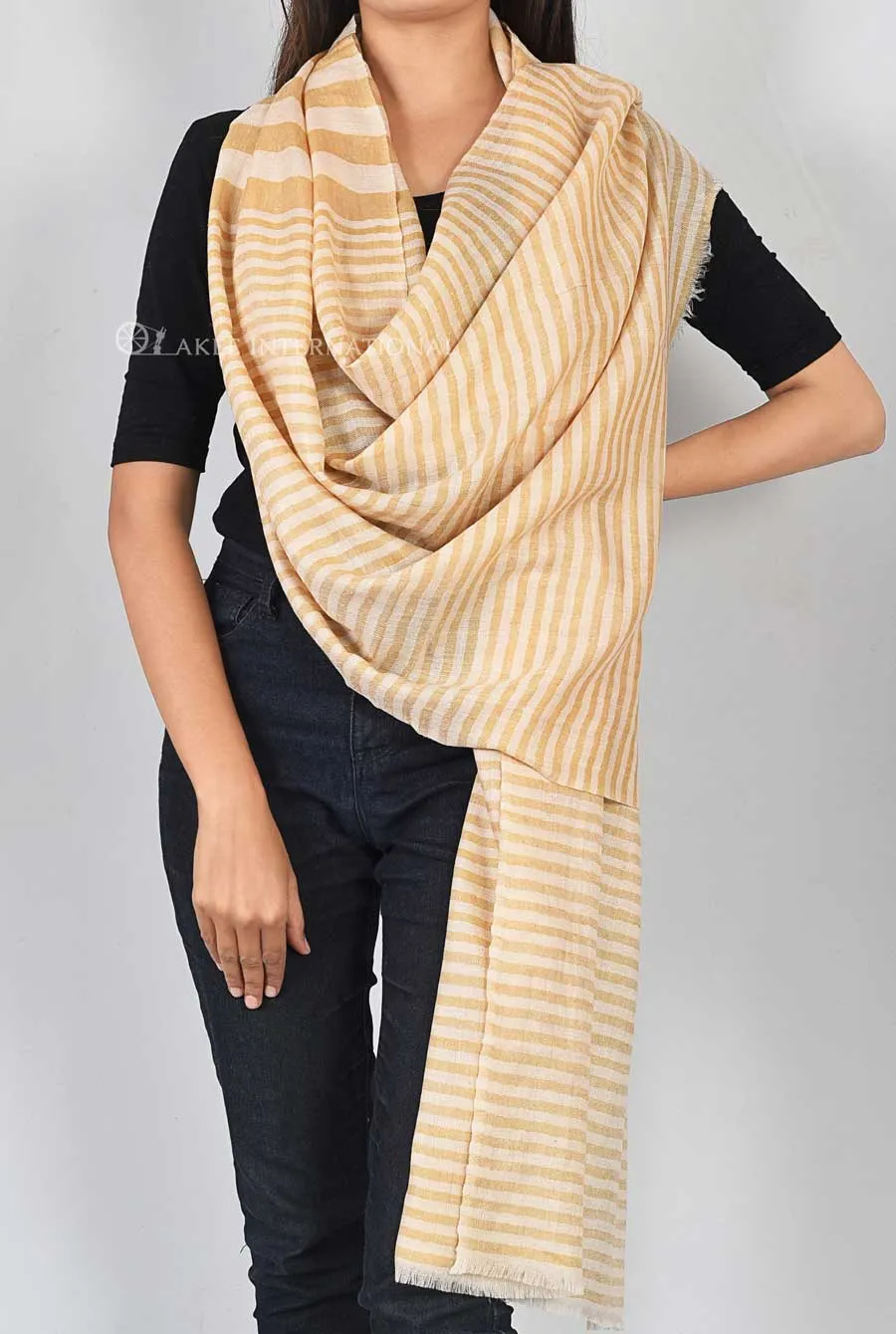
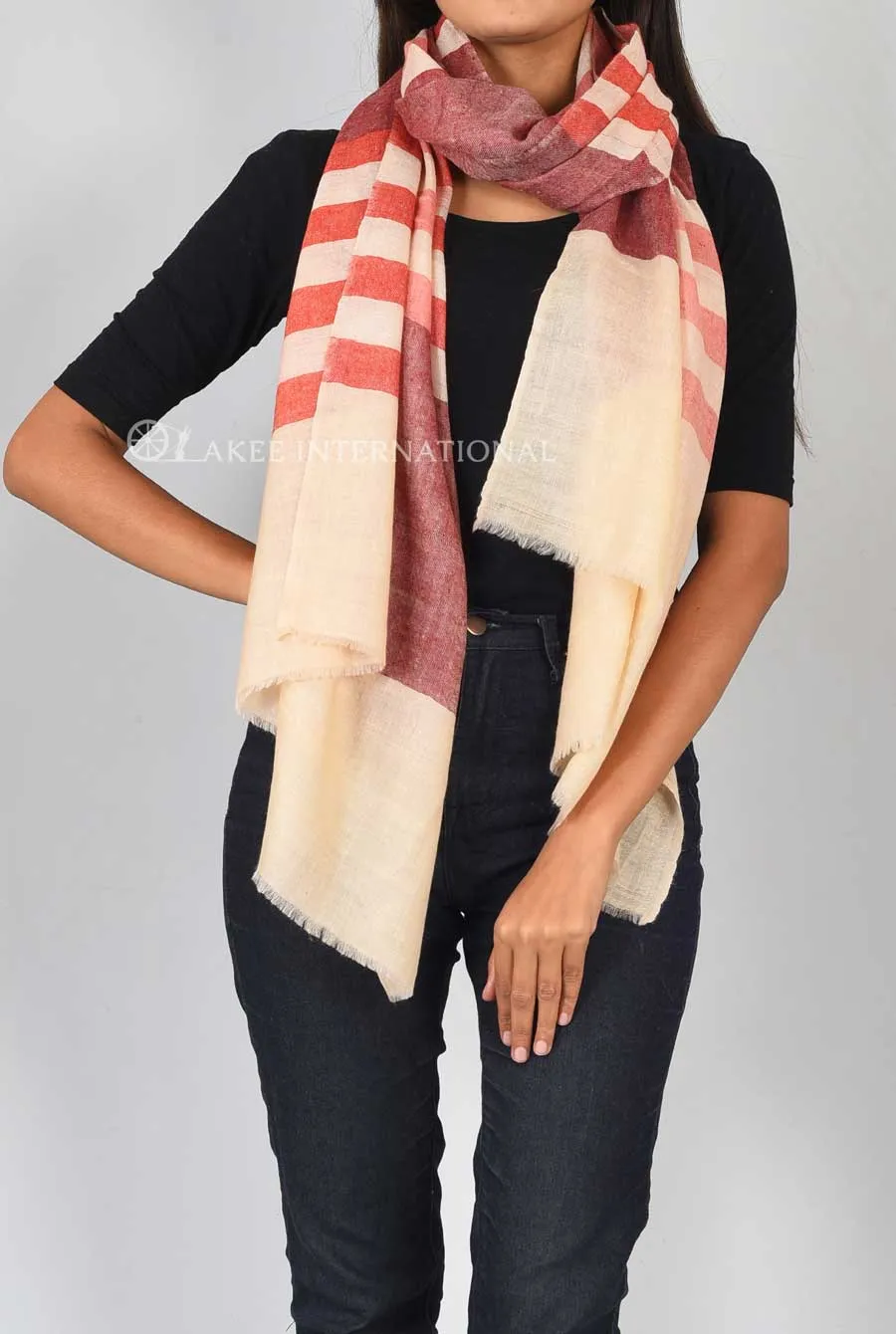
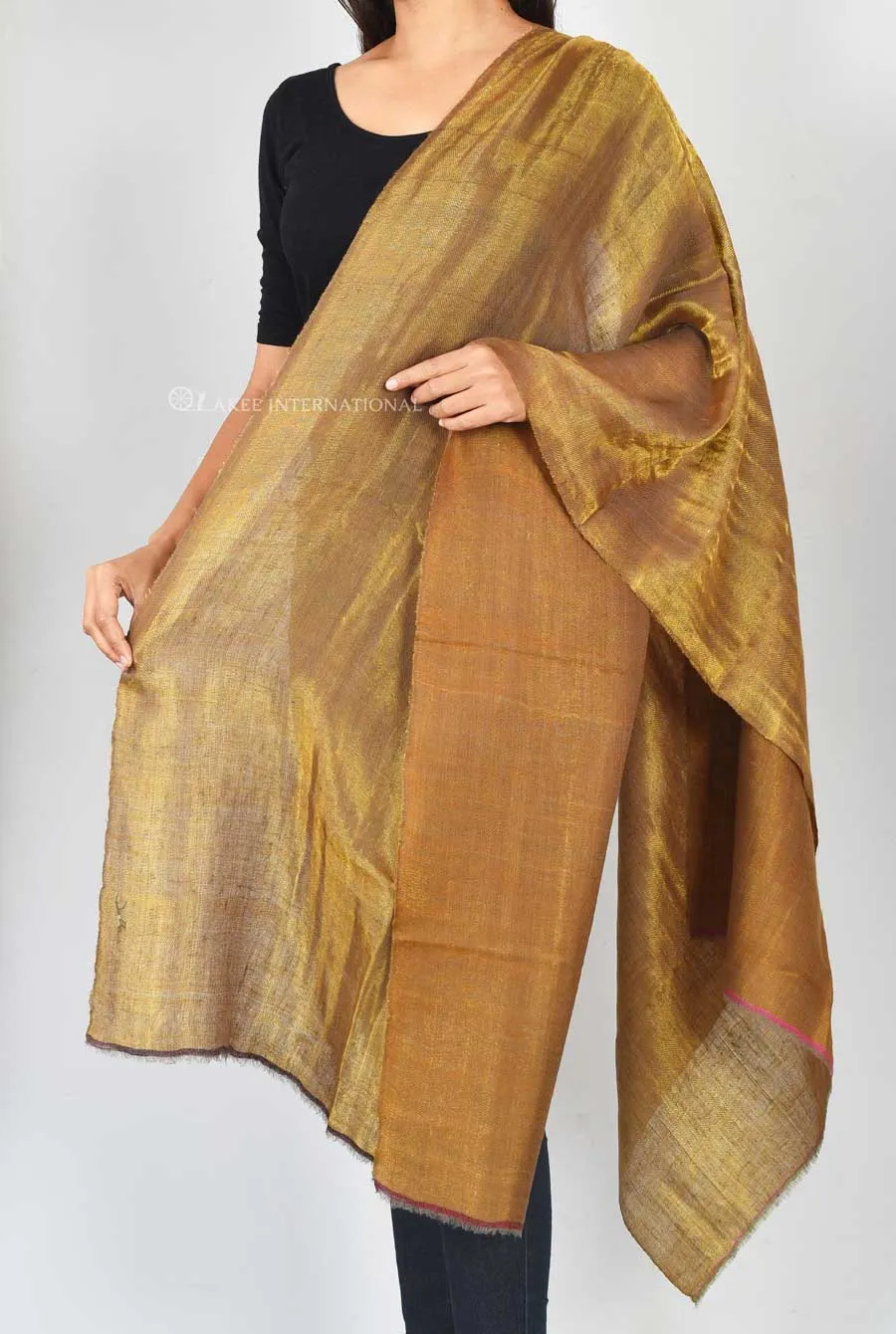
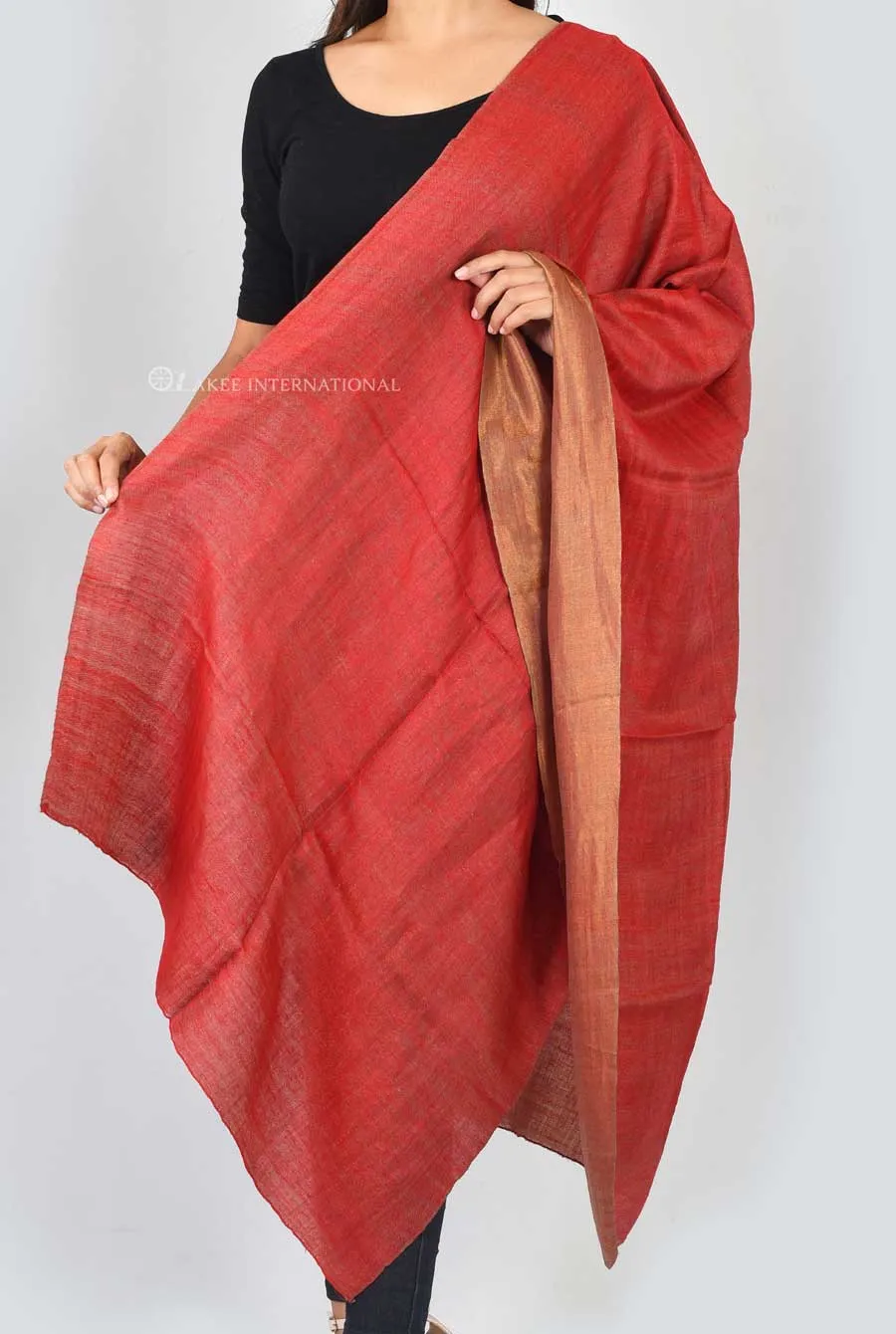
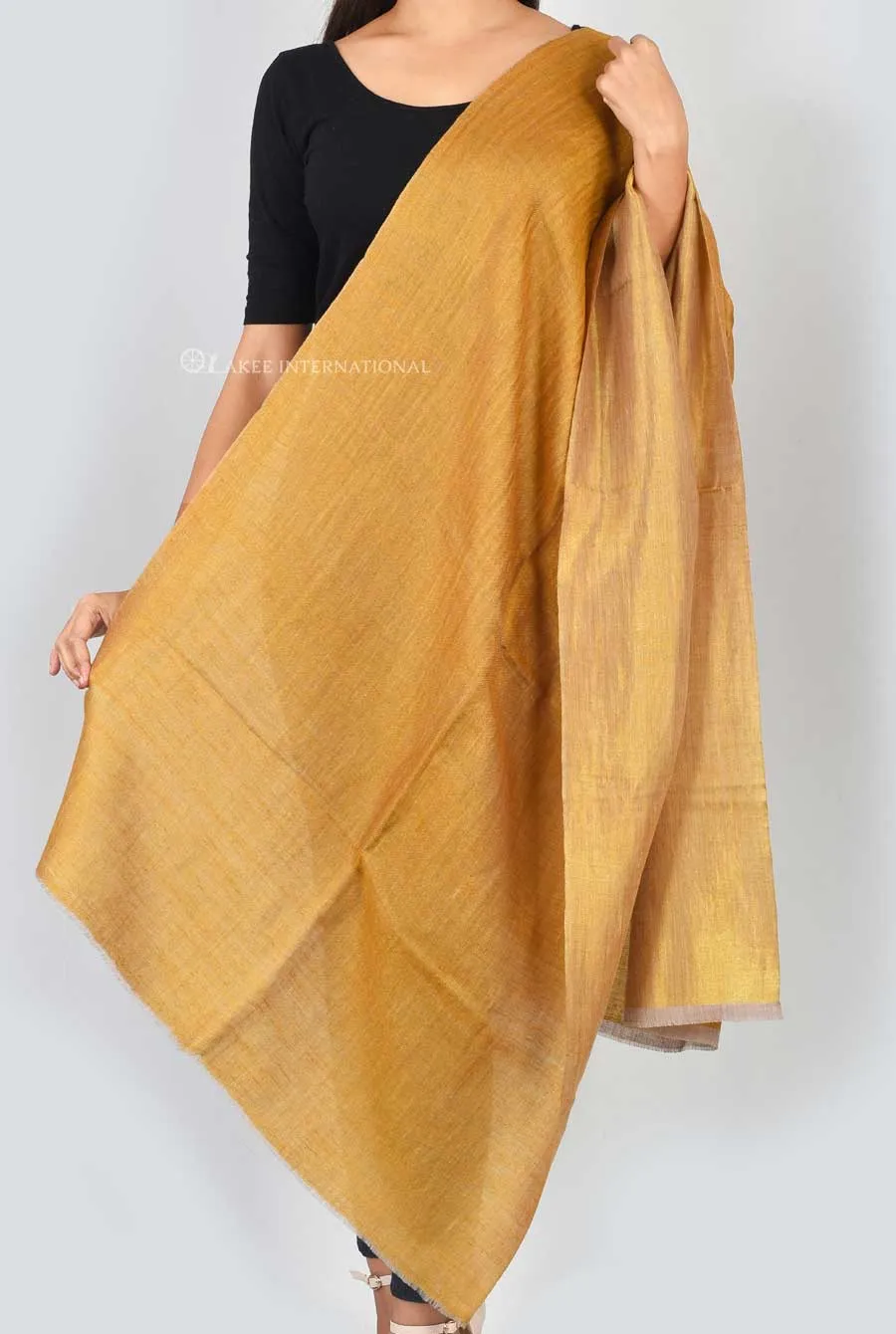
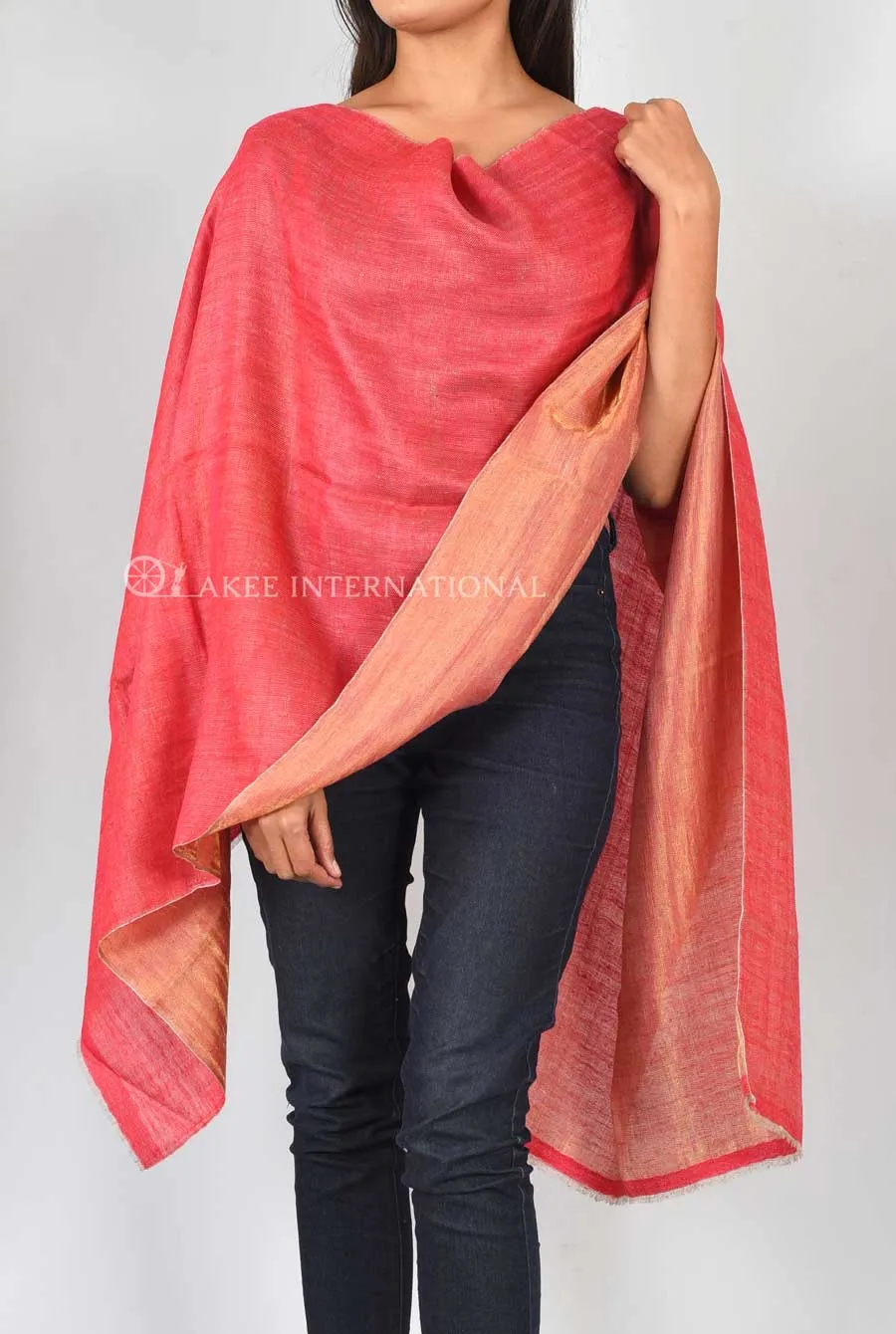
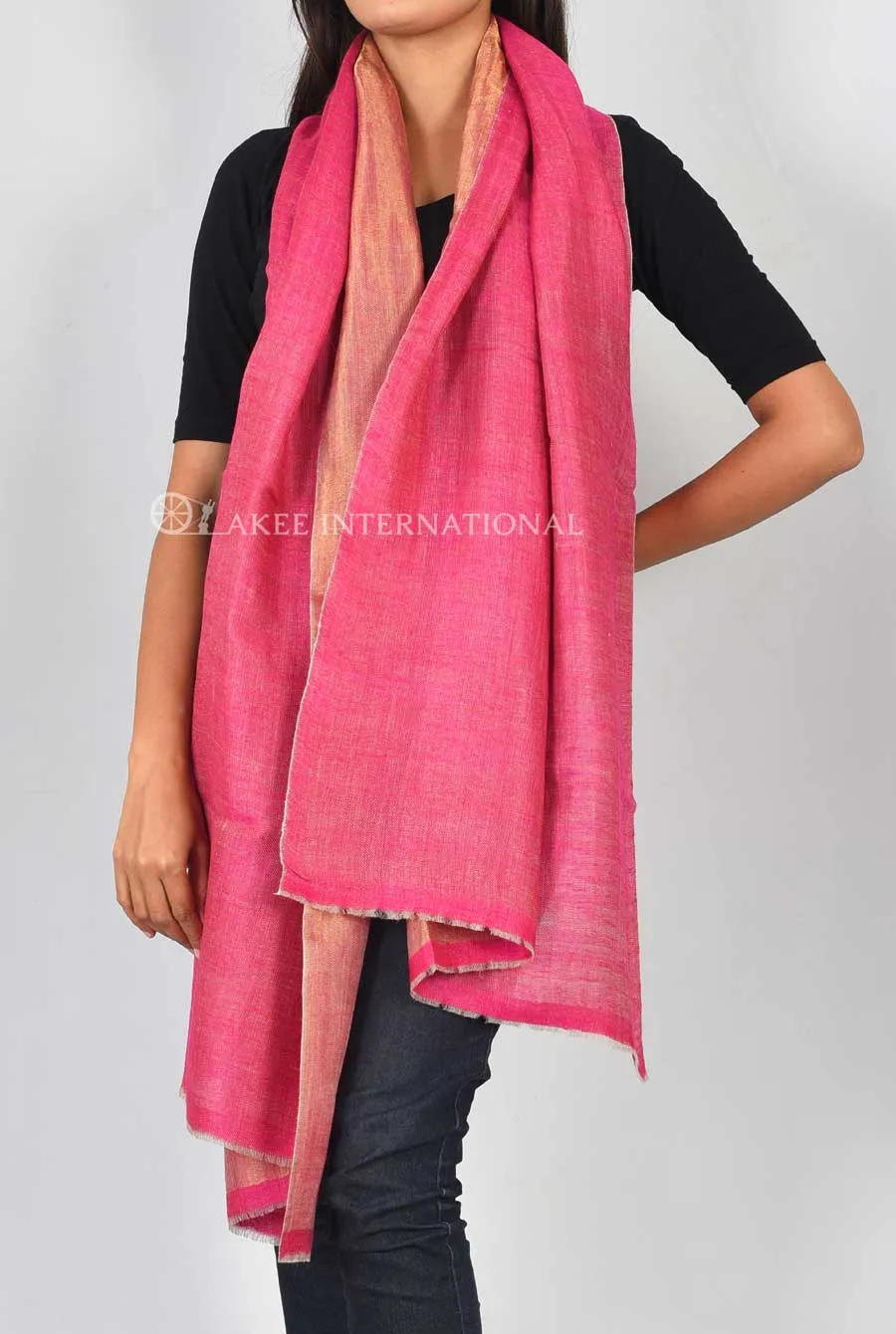
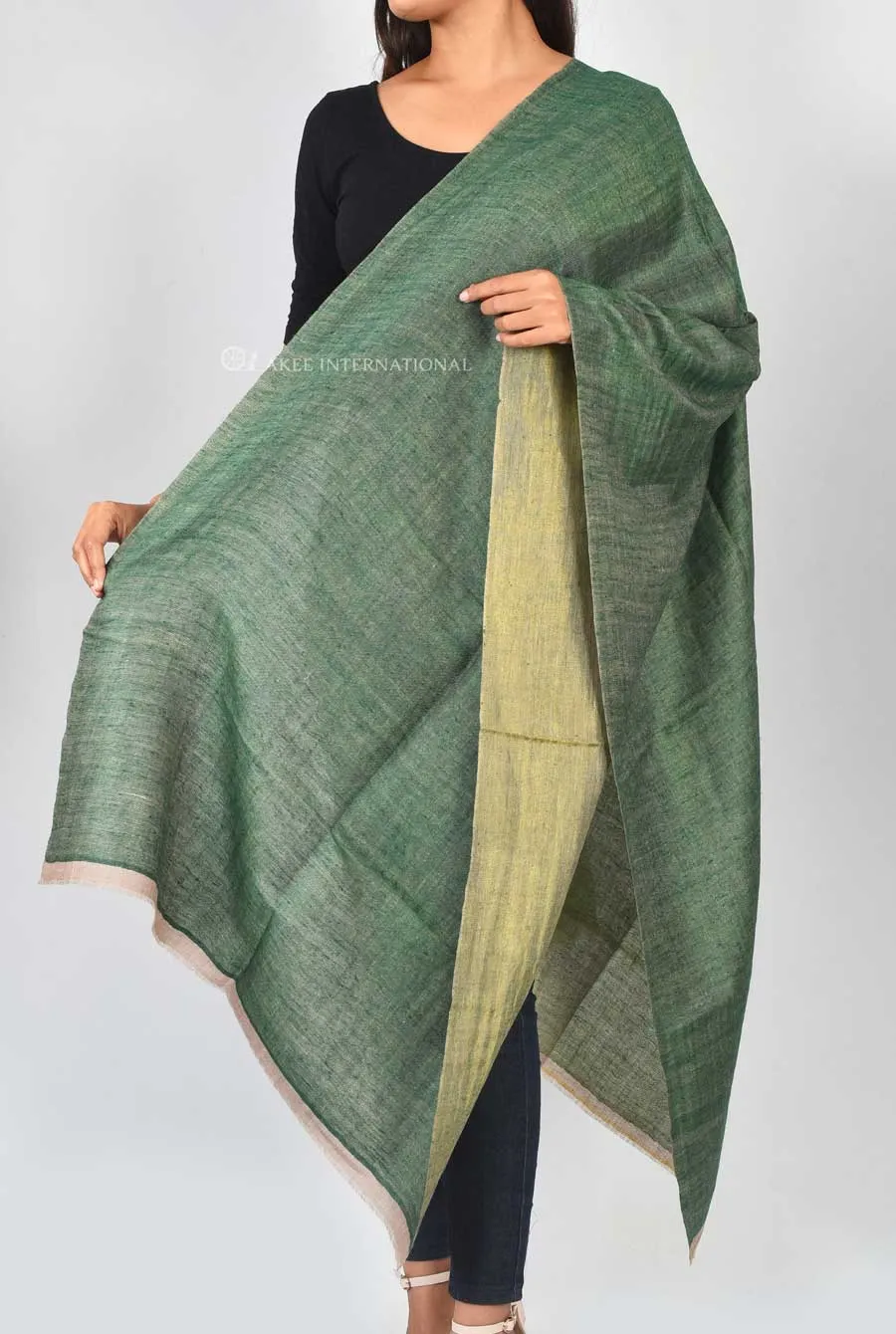
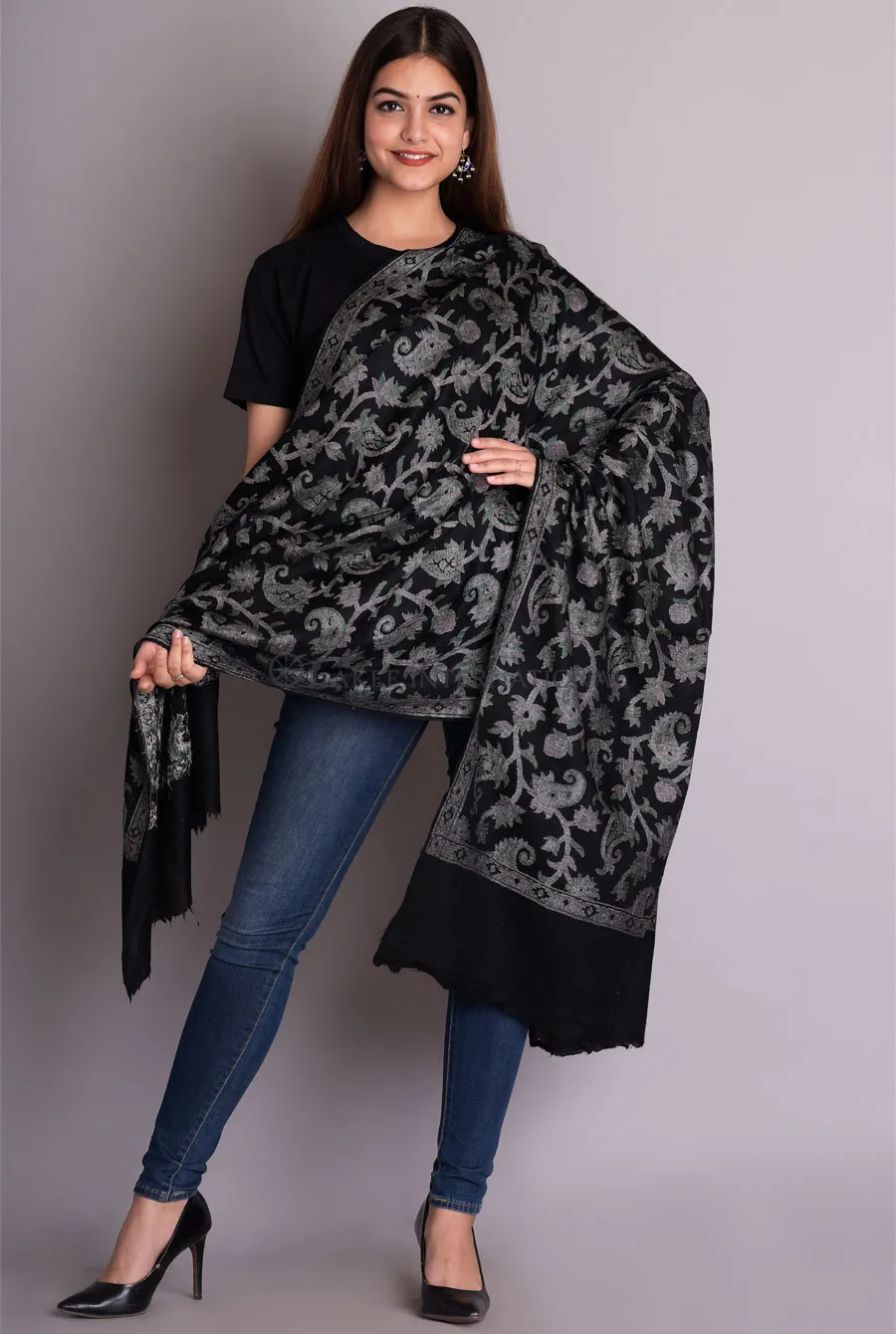
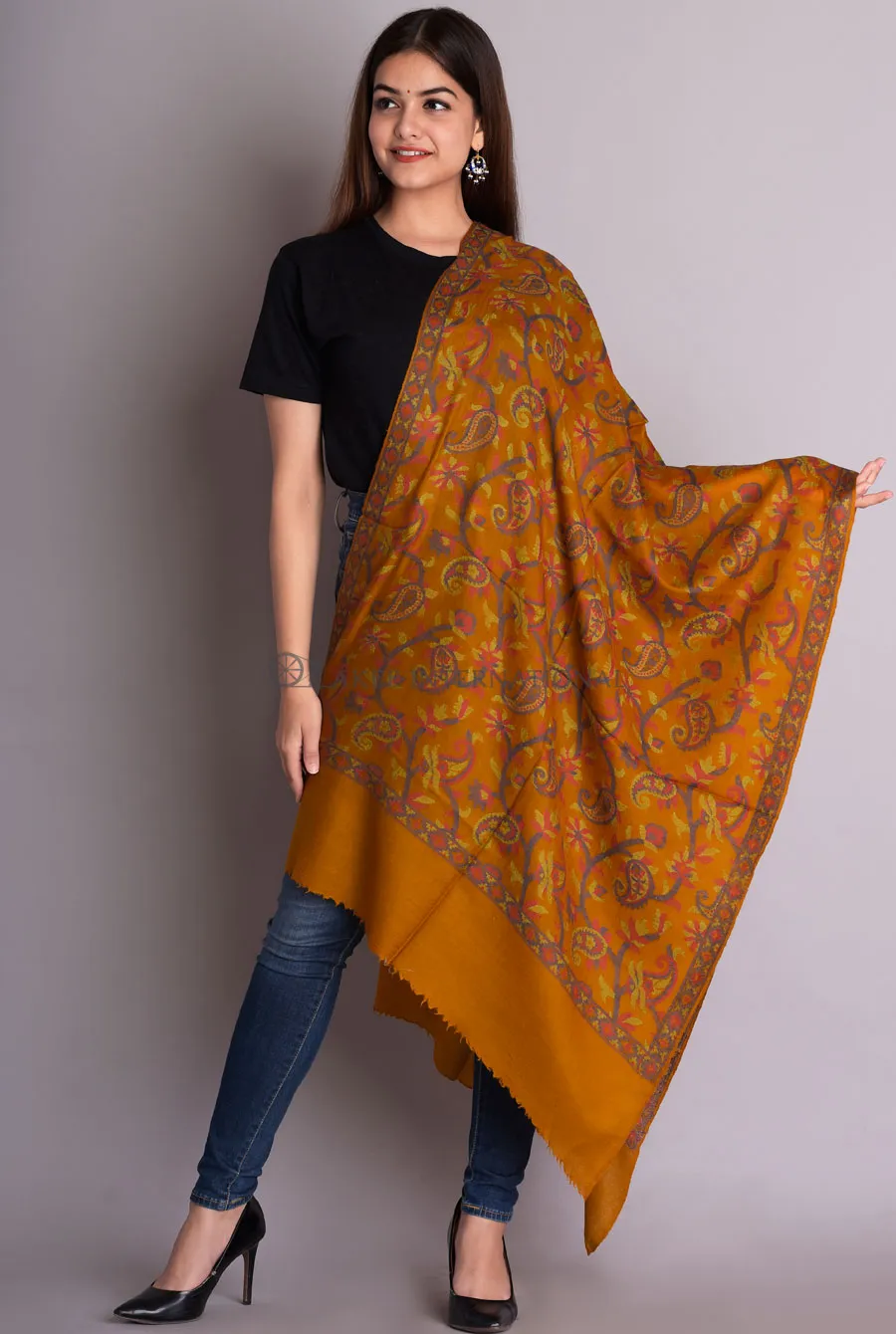
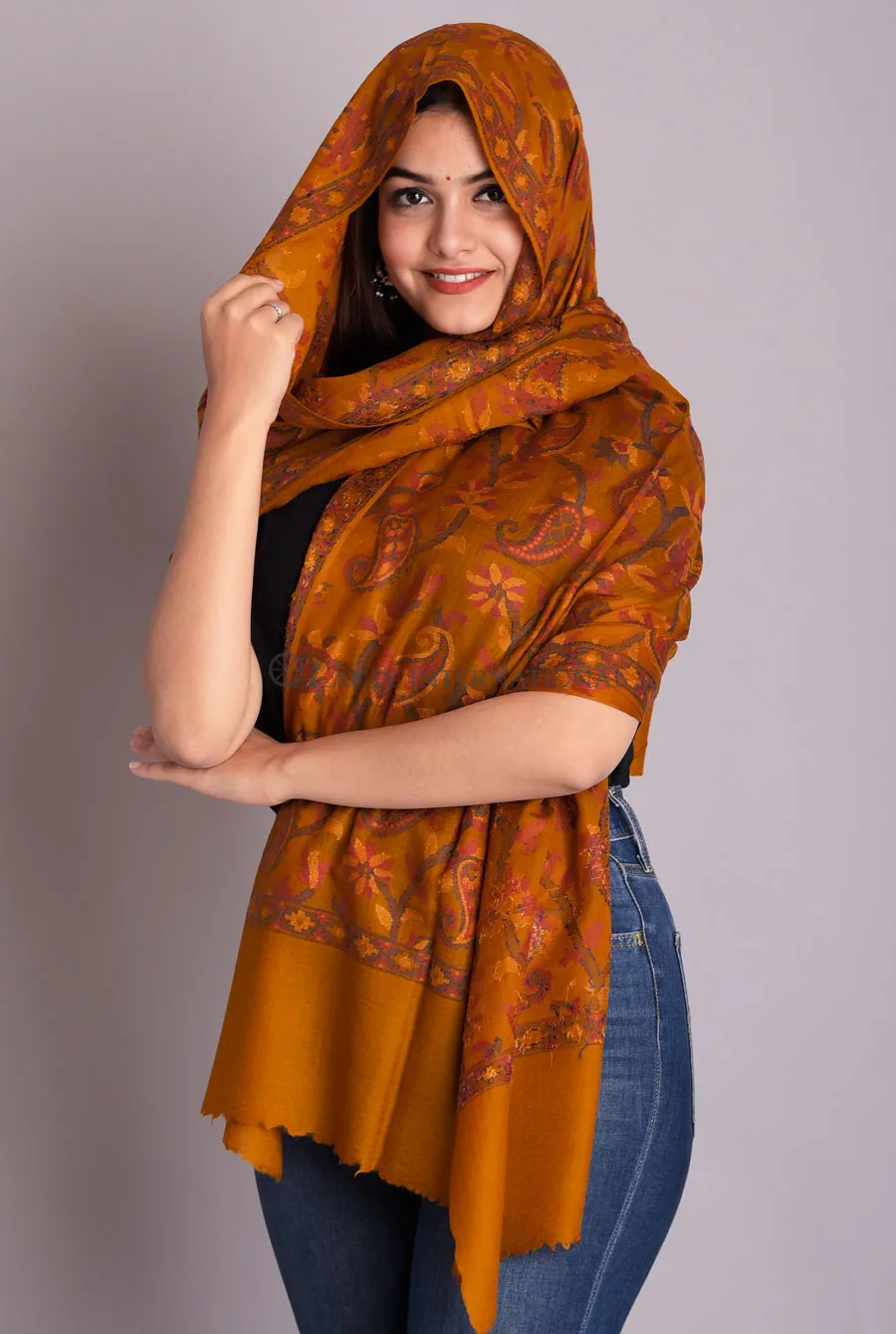
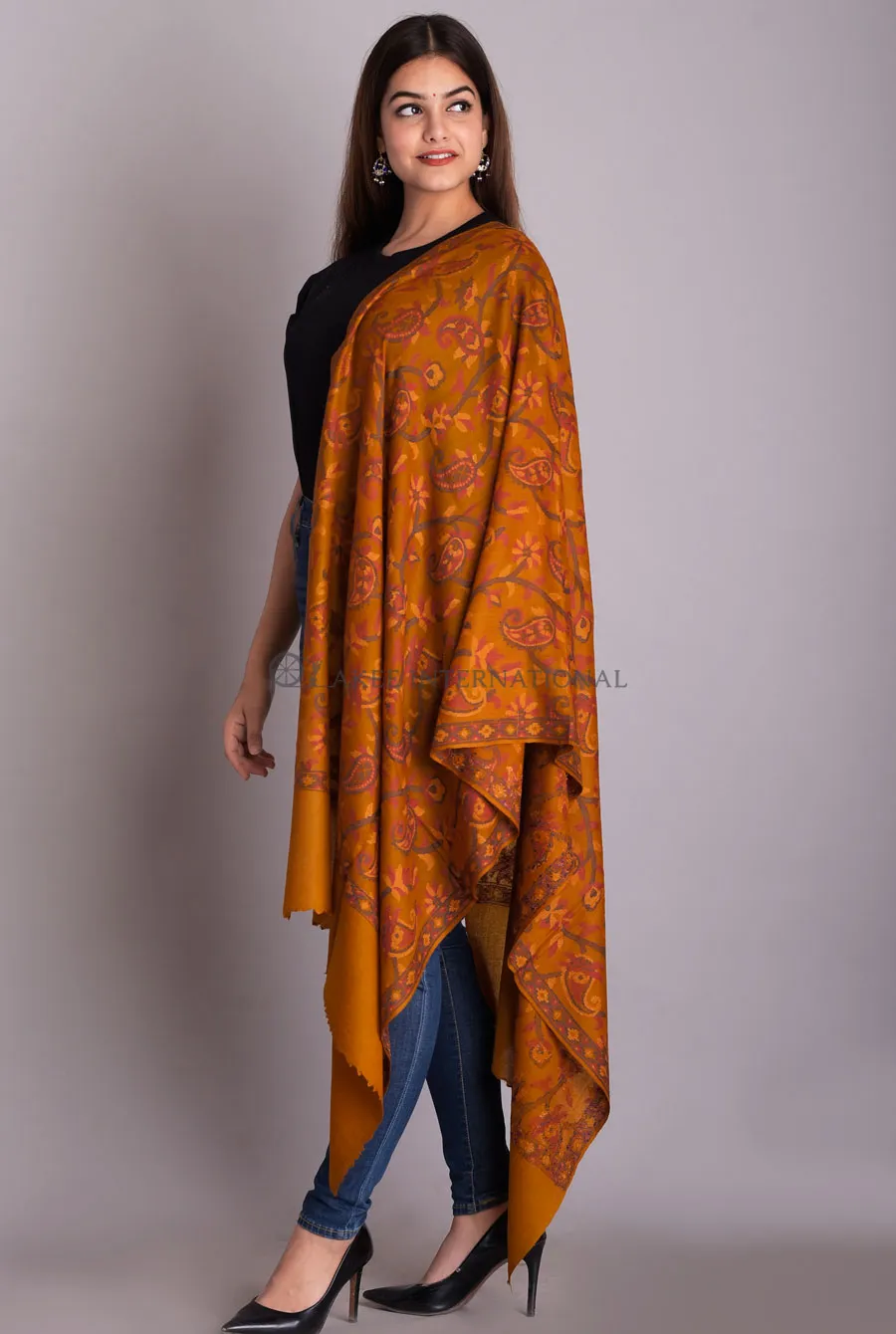
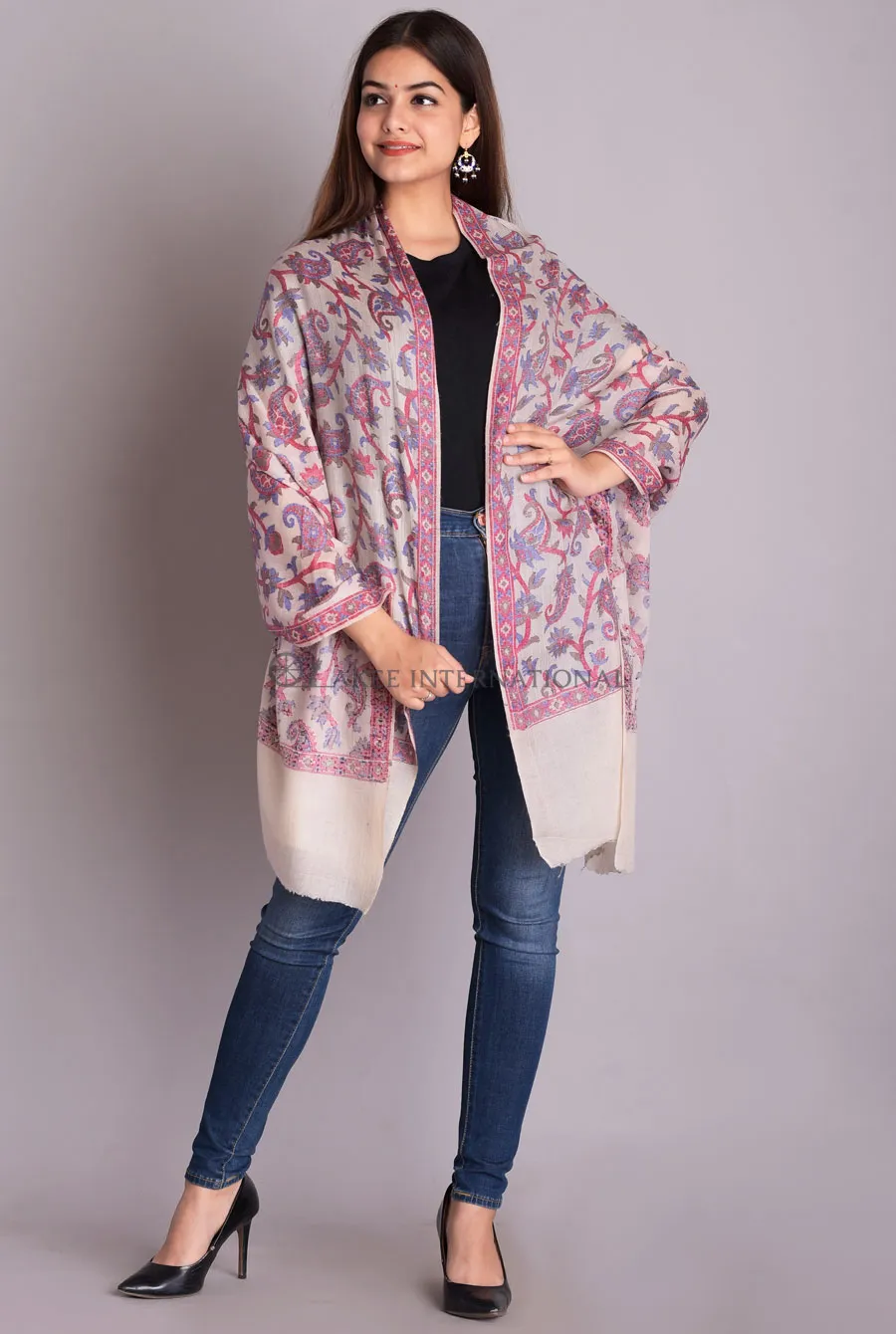
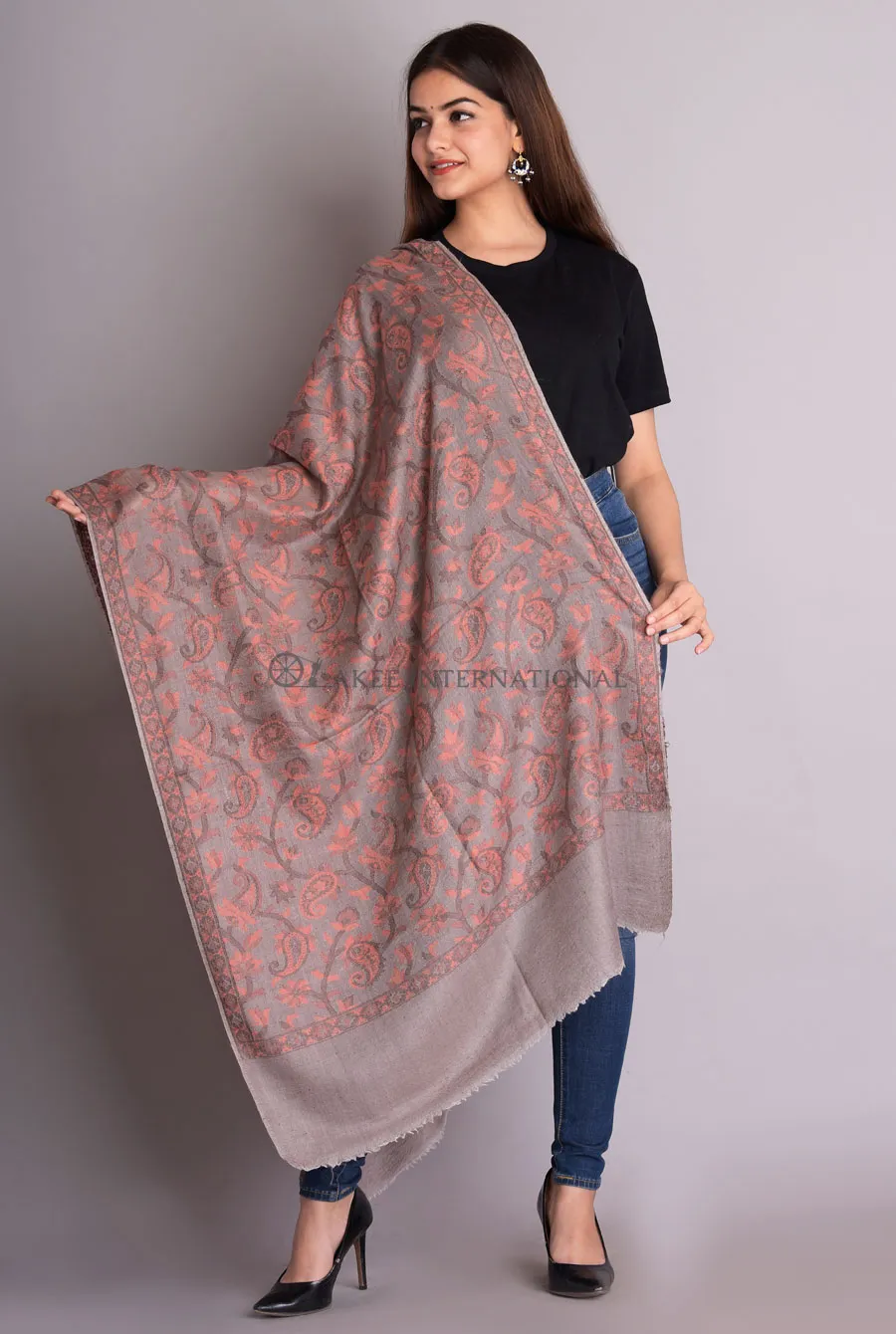
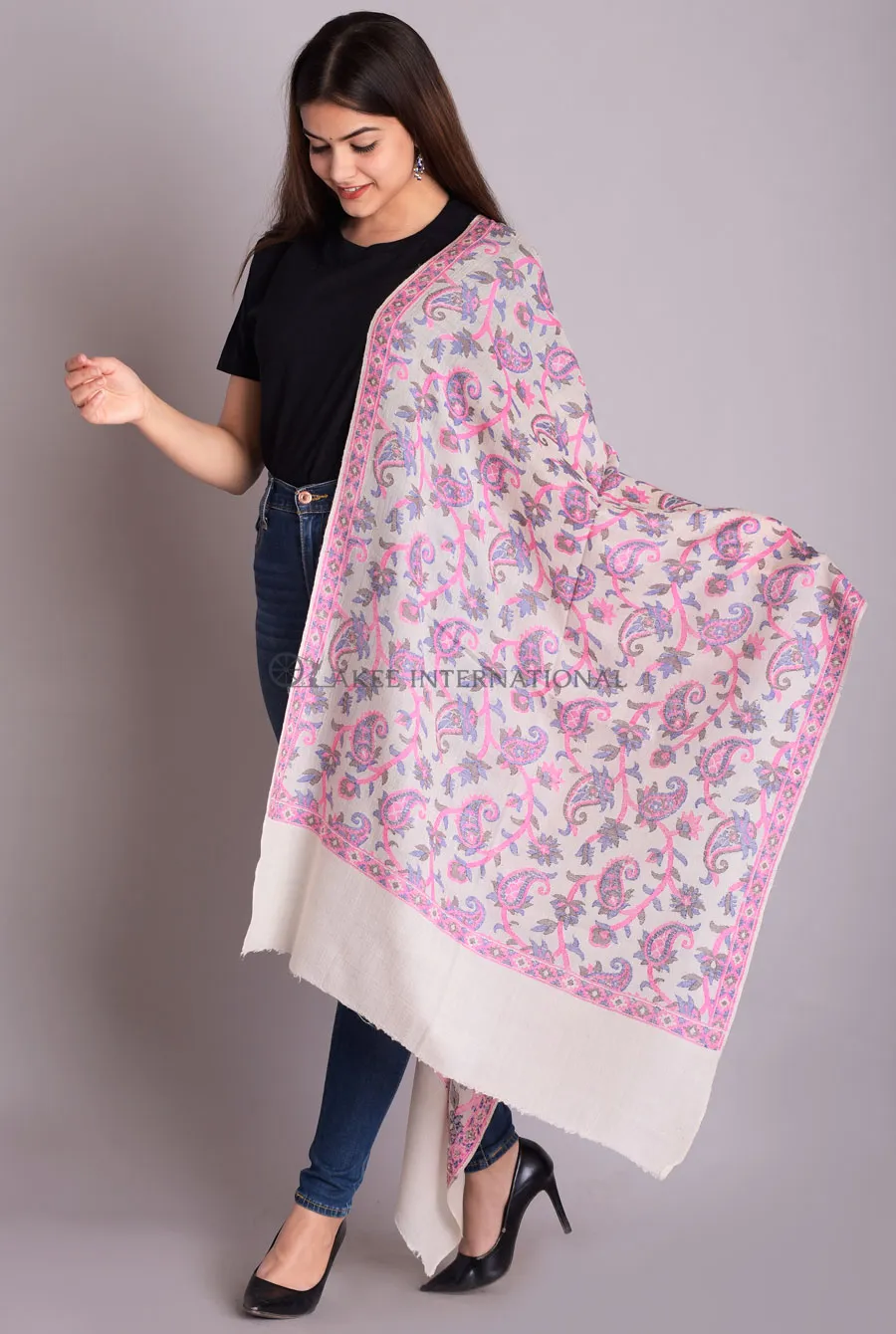
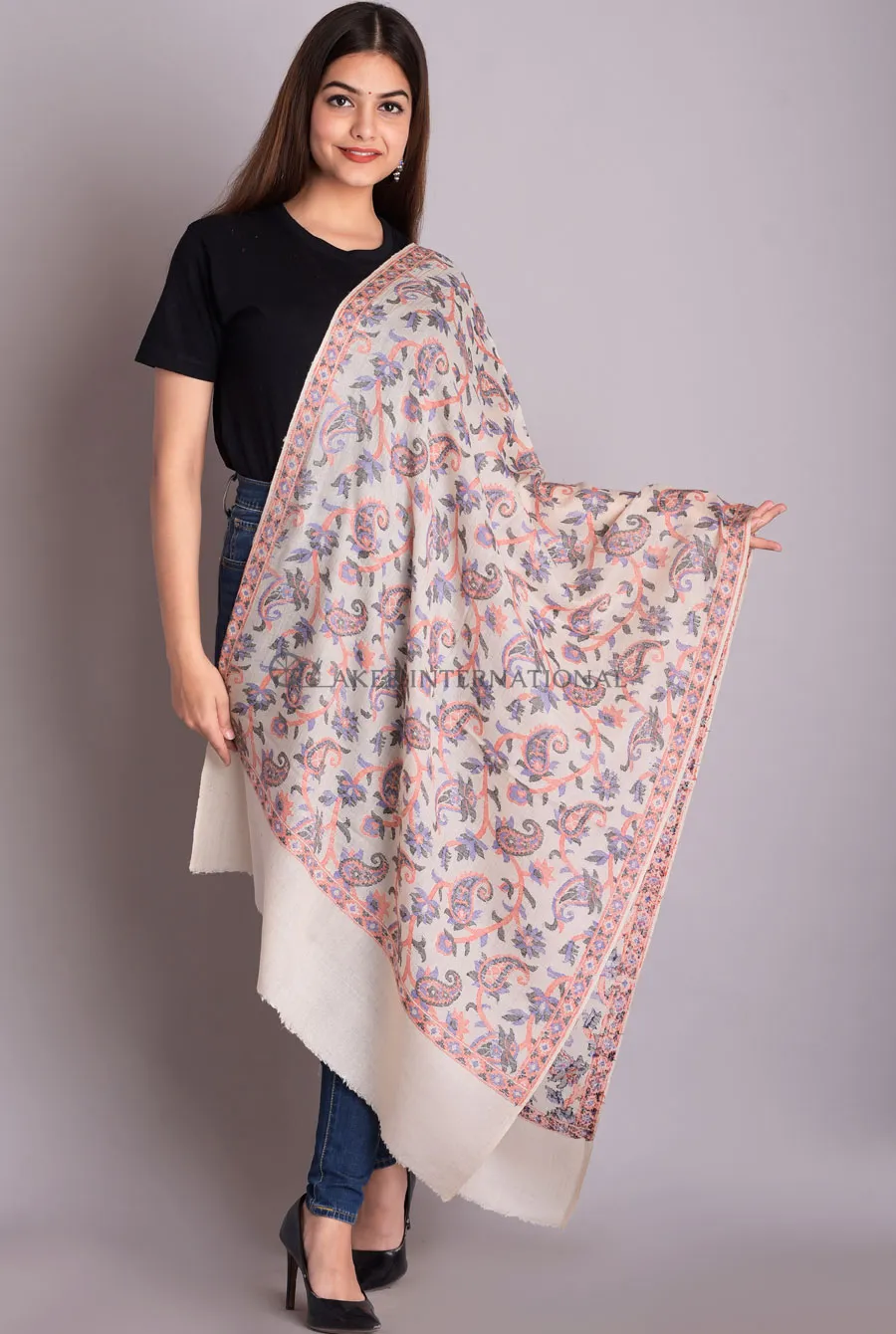
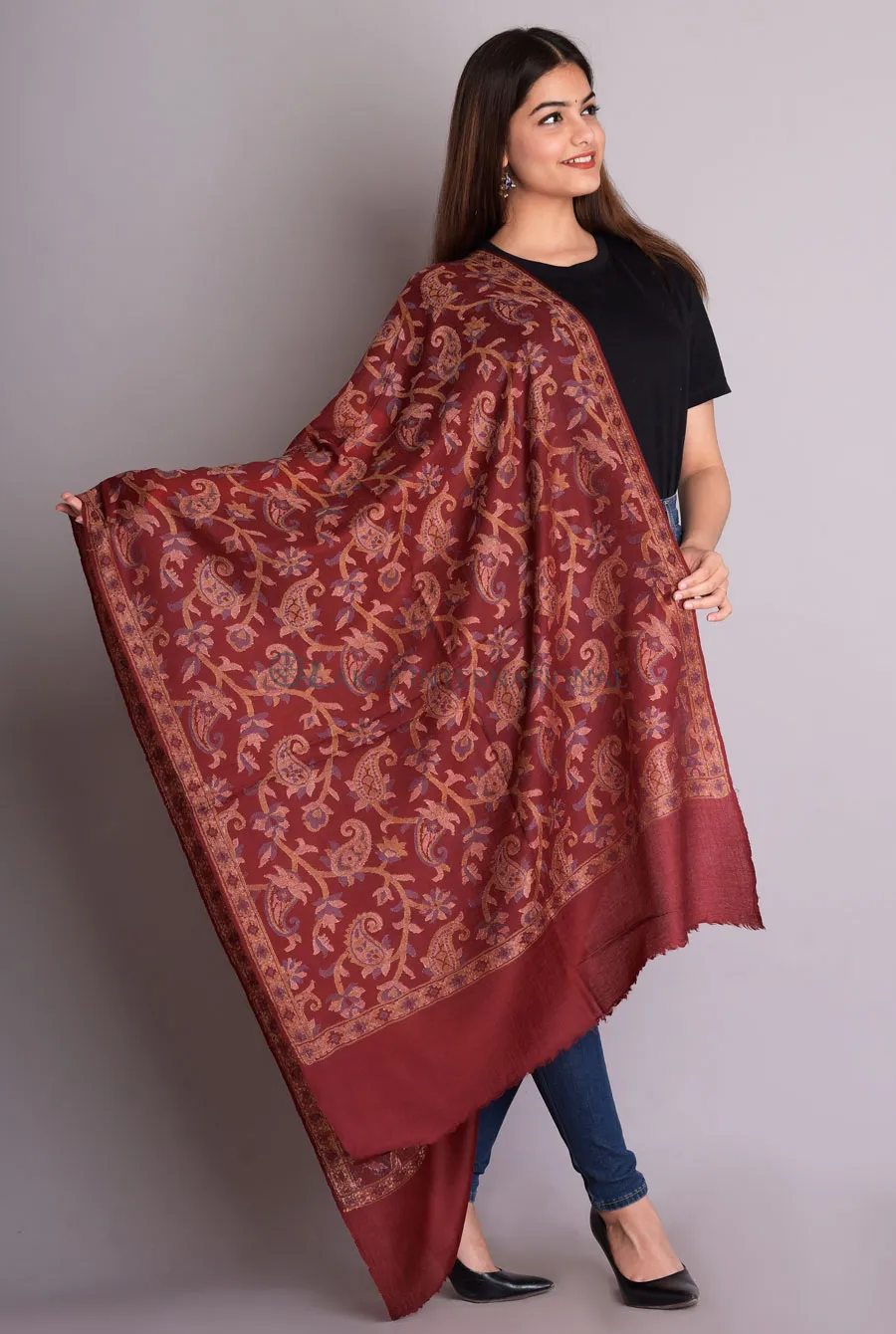
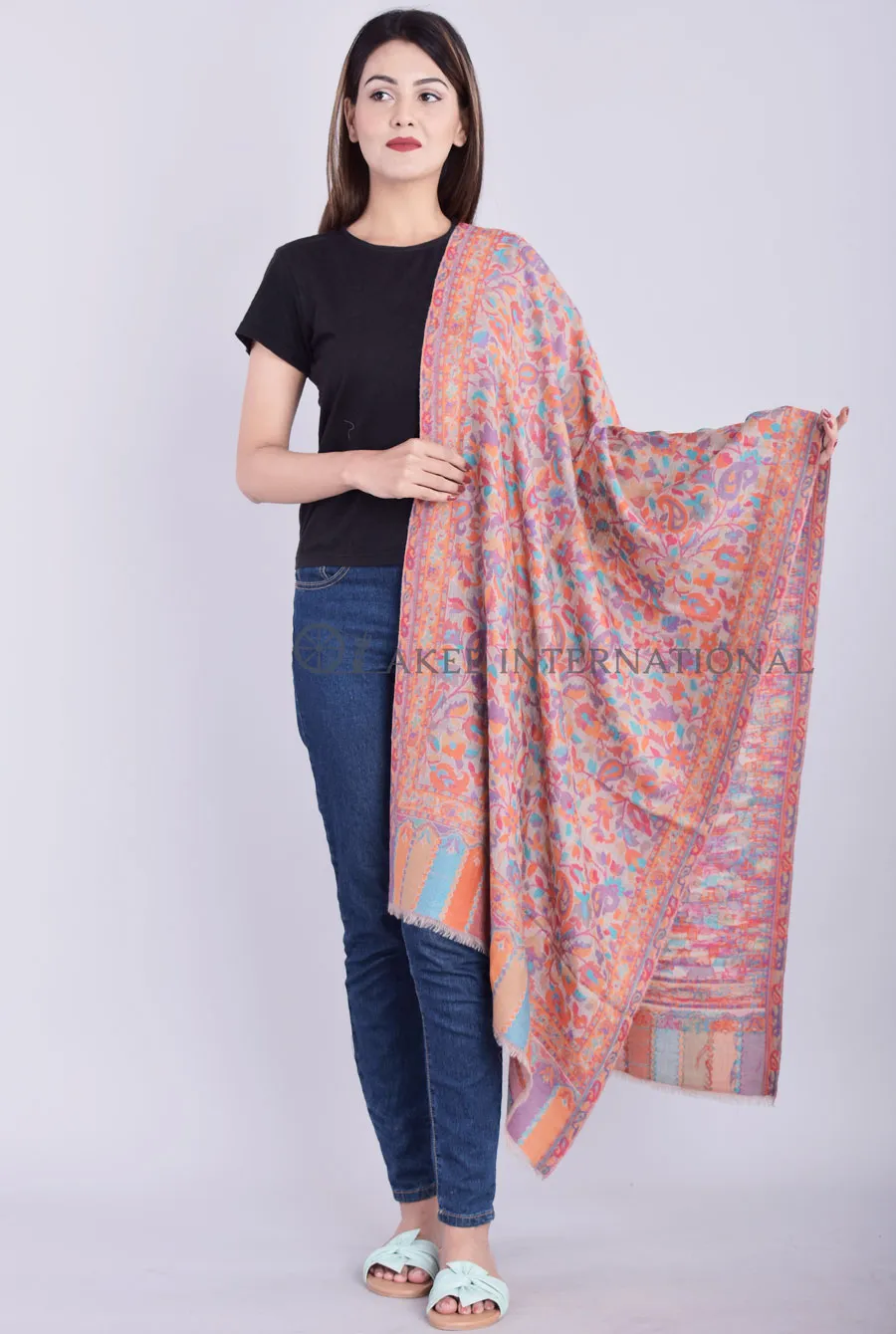
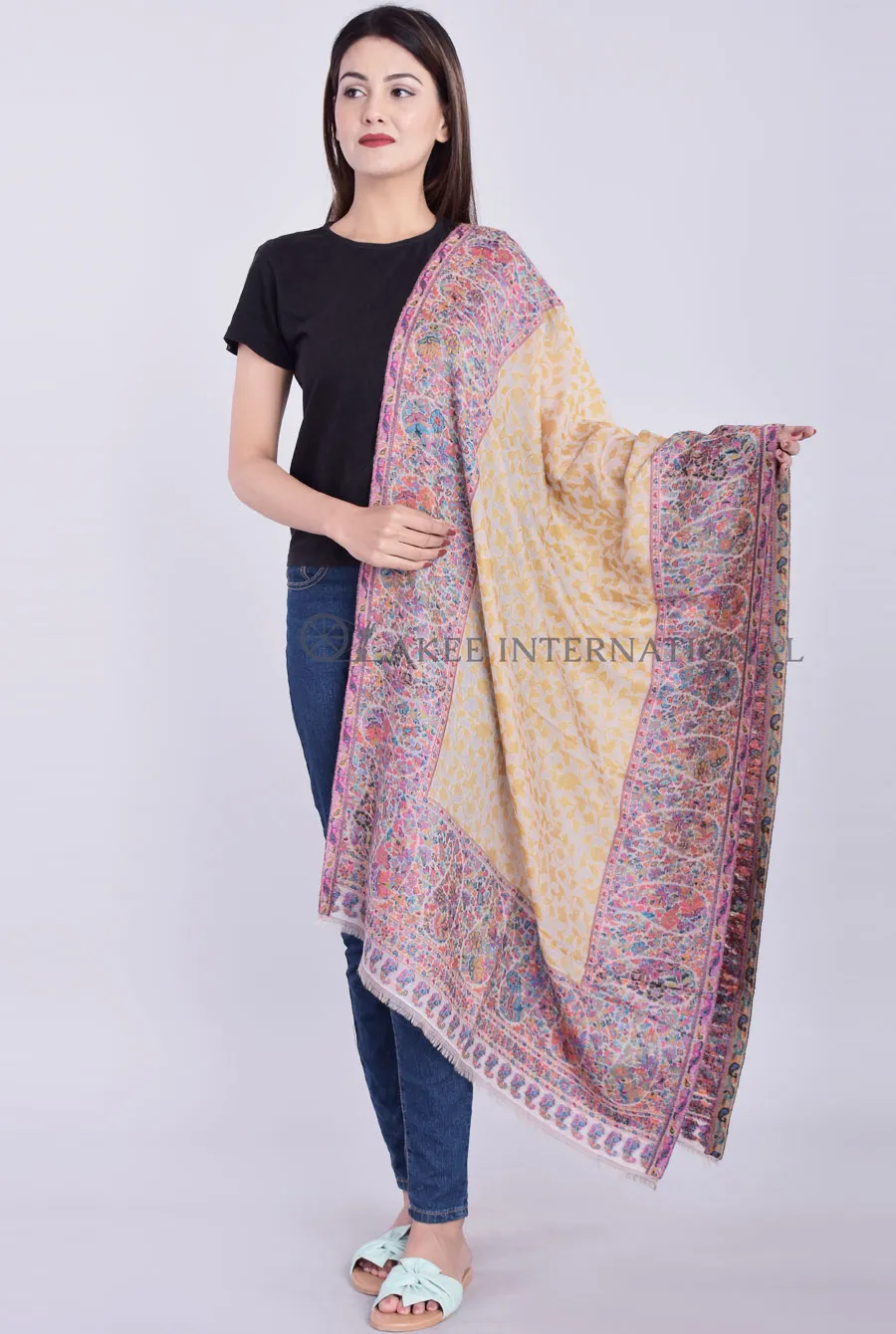
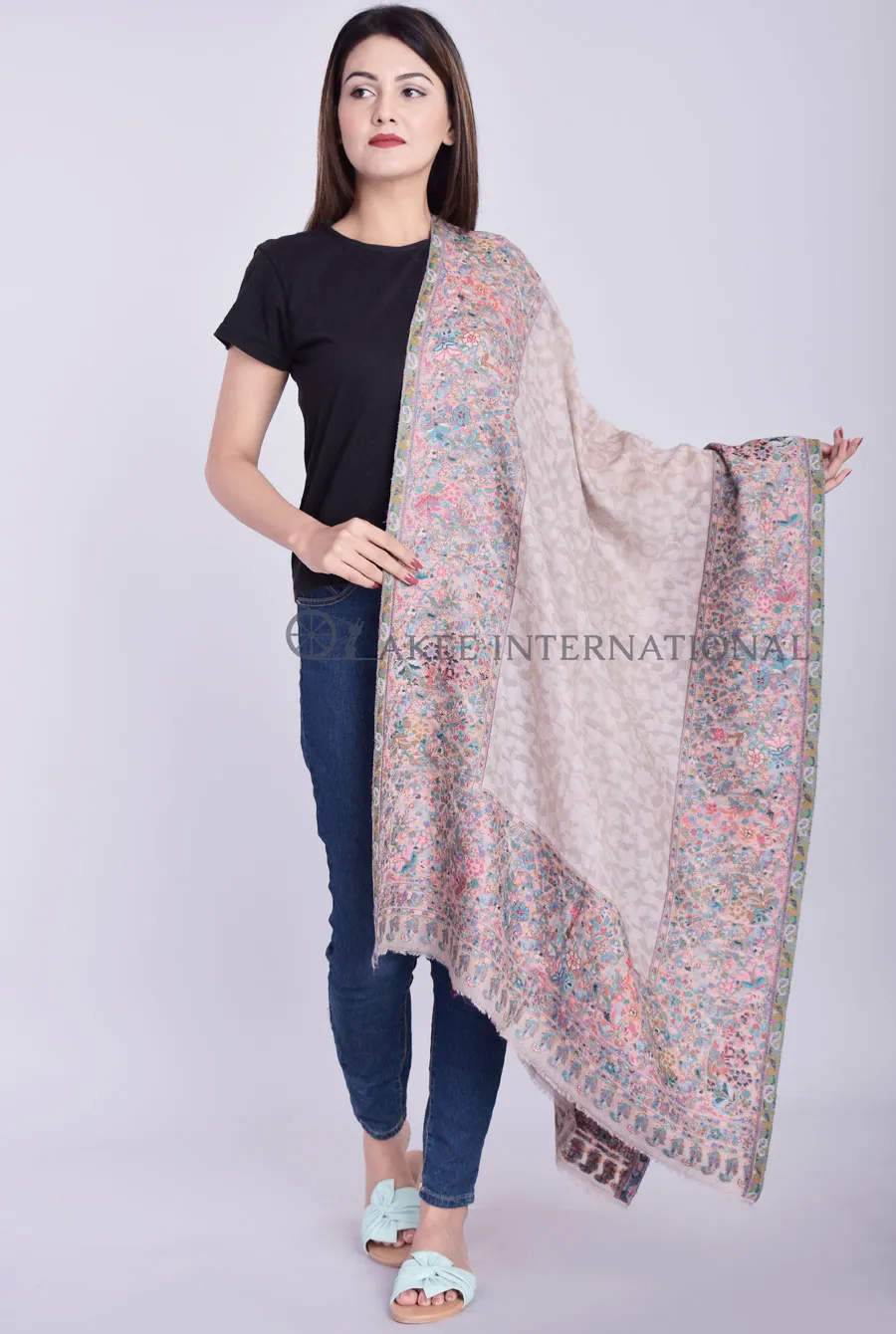
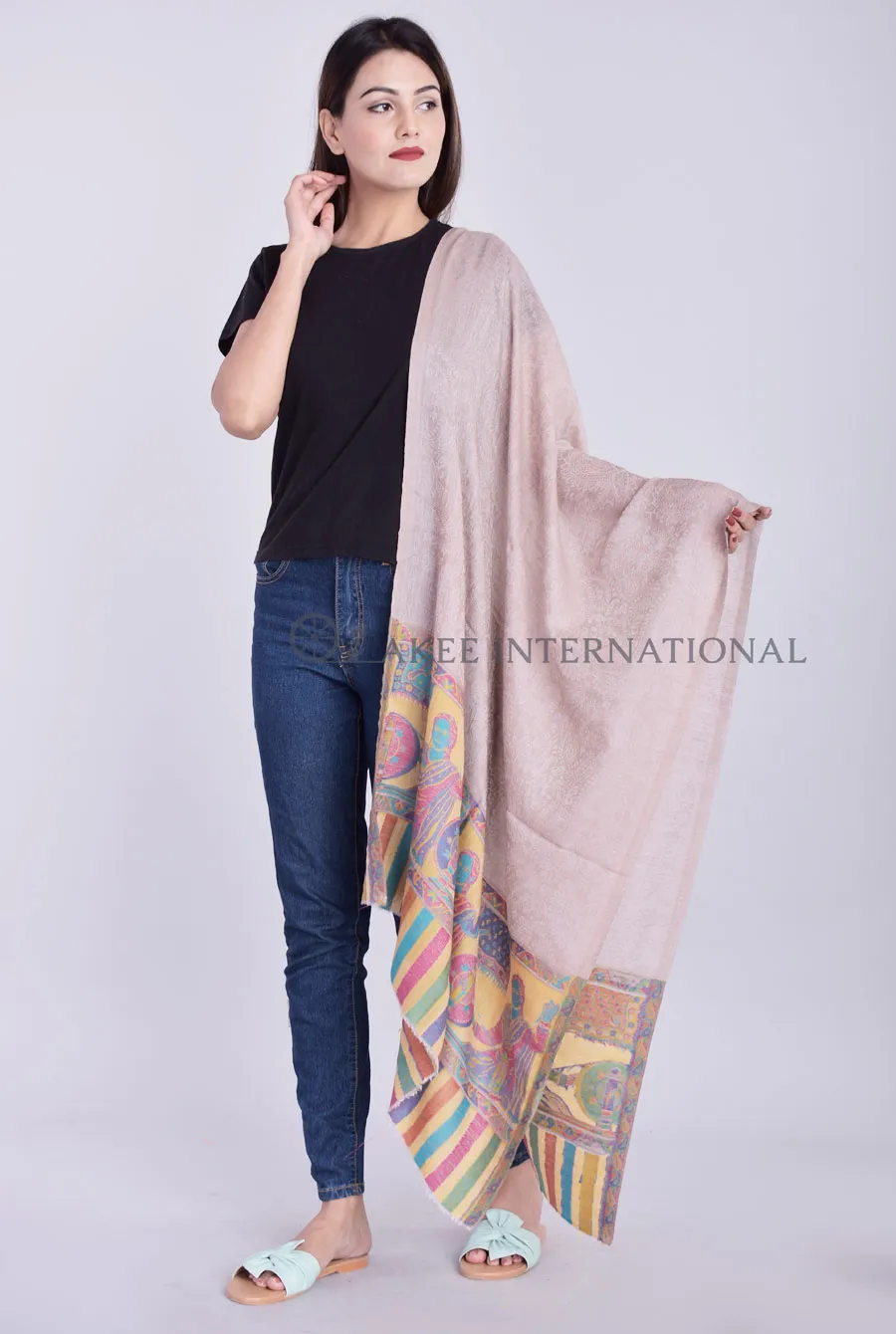
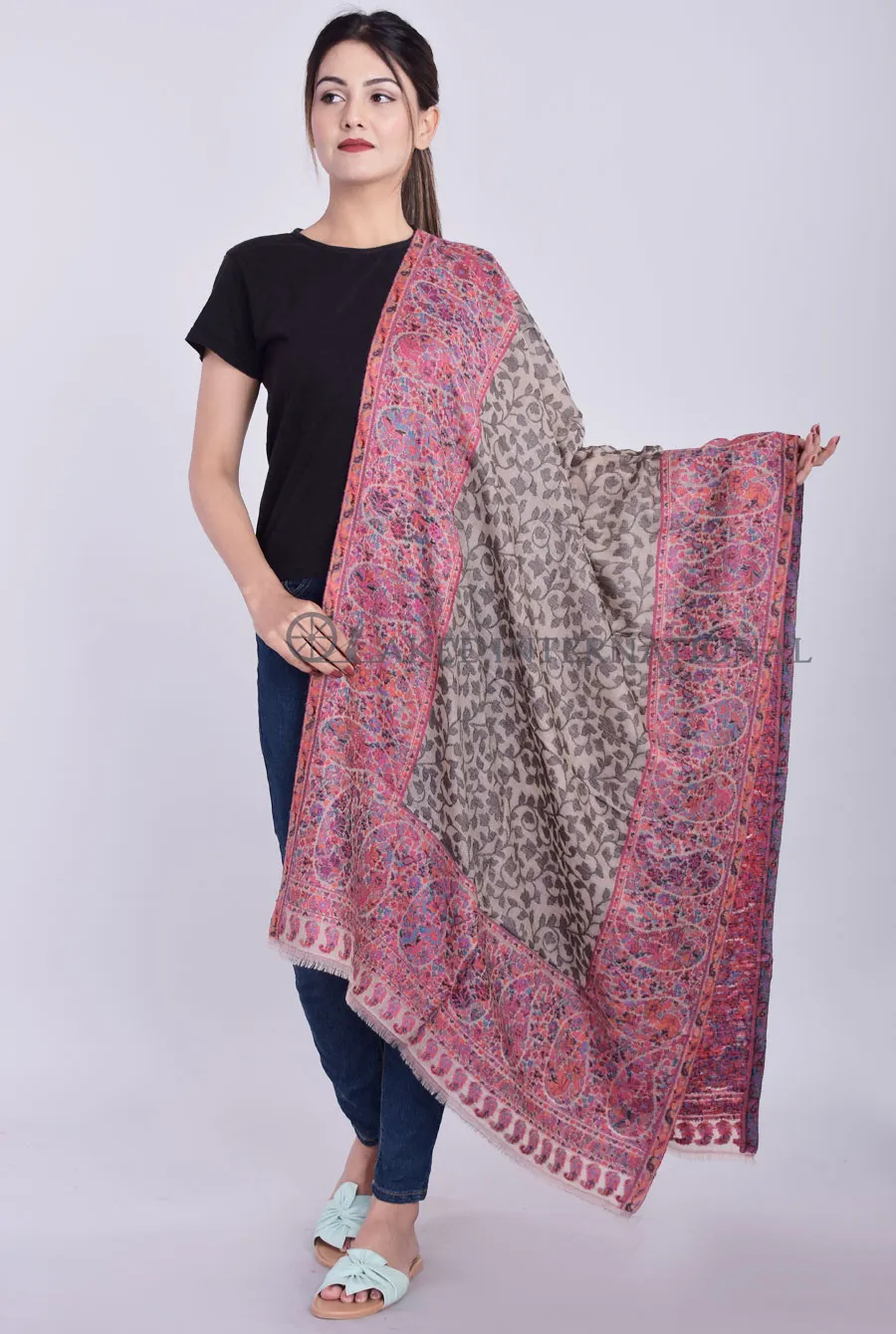
There are, by most estimates, only a small number of artisans across Kashmir who still practice genuine Kani weaving at a professional level — which makes "best Kani weaver" a slightly different kind of claim than it would be for a more widely practiced craft. Here's why, and what it actually signals when a manufacturer references this skill.
Why Kani Weavers Are So Few
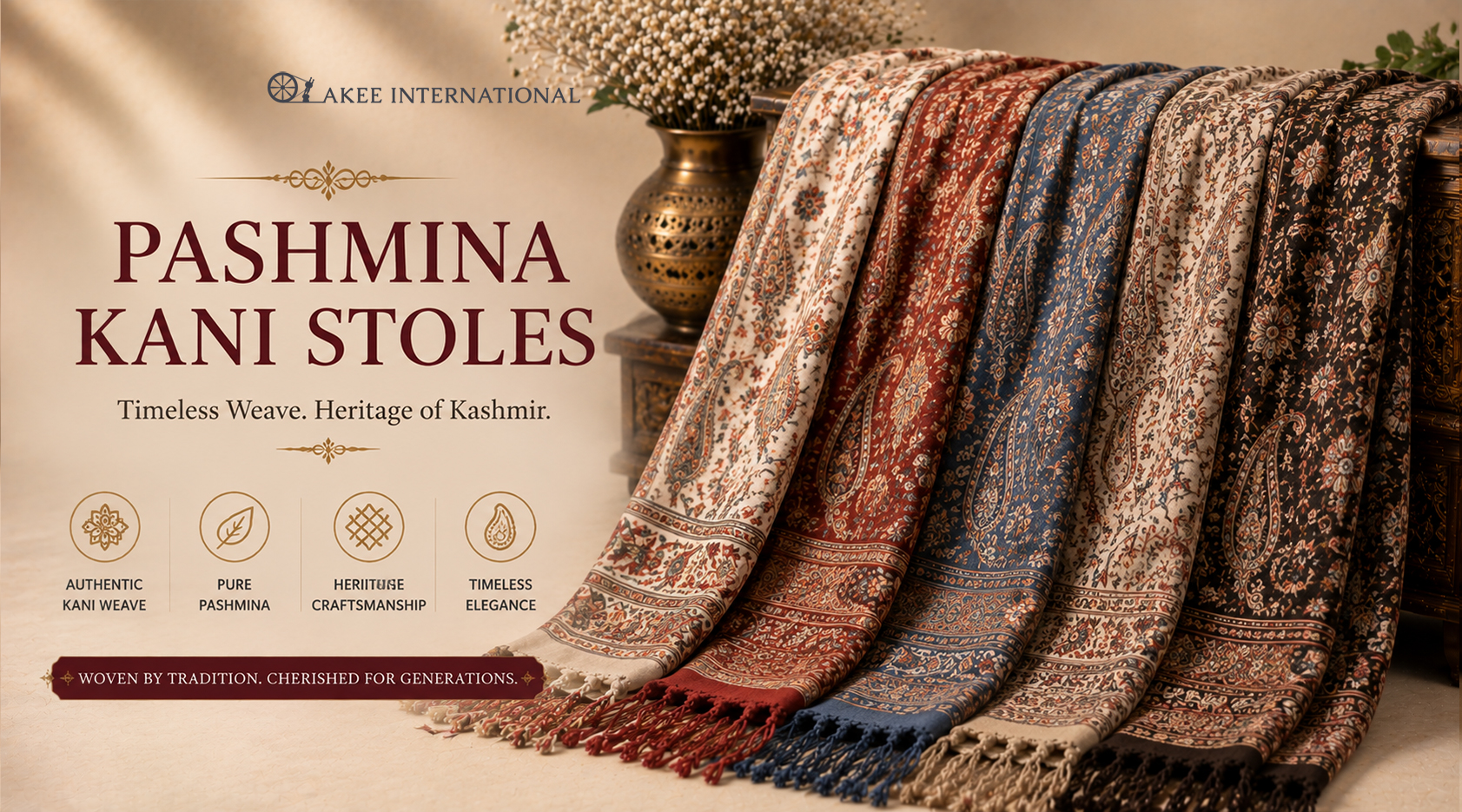
Kani weaving — building intricate, multi-coloured patterns using hundreds of small wooden bobbins — takes years to learn and additional years to master enough for commercial-quality output. A single shawl can take six months to several years depending on complexity. This time investment, combined with declining apprenticeship numbers over recent decades, has made genuinely skilled Kani weavers increasingly rare within Kashmir's broader artisan community.
What Distinguishes Stronger Kani Work
Pattern density, colour transition smoothness, and consistency of tension across a piece that may take months to complete are the practical markers of a weaver's skill level. A shawl with visible tension inconsistencies or muddled colour transitions typically indicates either a less experienced weaver or a rushed production timeline — something worth watching for in any Kani Wool Stole you're evaluating.
Why This Craft Commands Premium Pricing
Given the rarity of skilled Kani weavers and the months-to-years production timeline, pricing for genuine Kani pieces reflects real scarcity — not manufactured exclusivity. Any Kani shawl priced dramatically below what this labour investment would justify deserves scrutiny.
How We Connect to This Diminishing Skill Base
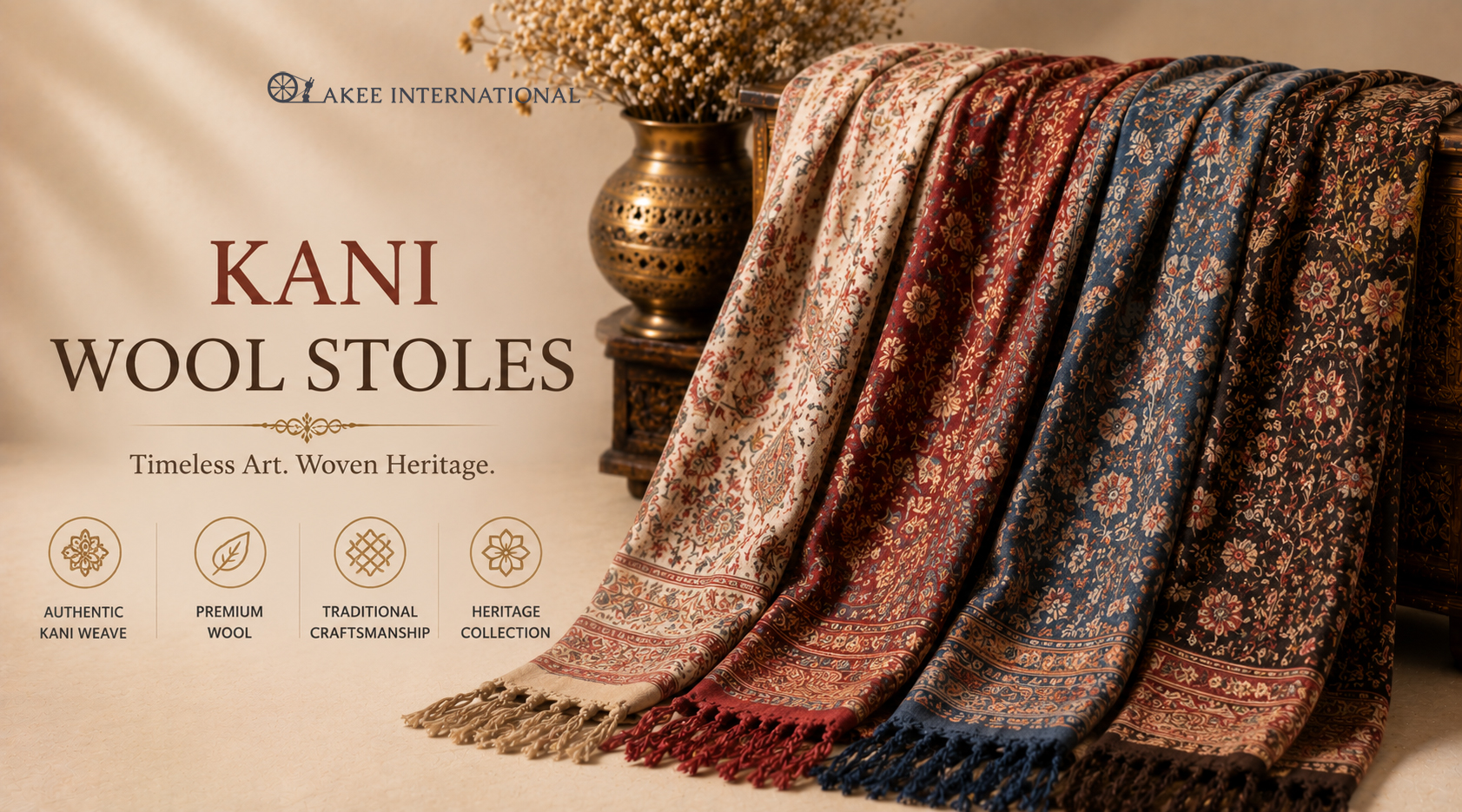
Sourcing genuine Kani weaving means maintaining relationships with artisans practicing an increasingly rare craft, and supporting continued apprenticeship where possible. Our Kani Wool Stoles reflect this sourcing commitment, connecting buyers to a genuinely endangered artisan skill rather than a marketing embellishment.
A Craft Worth Understanding Before You Buy
If you're specifically seeking out Kani work because of its rarity and cultural significance, it's worth knowing that few sellers globally can source it authentically — much of what's marketed as "Kani style" is actually printed or machine-simulated, given how difficult genuine sourcing has become.
Supporting the Craft's Continuation
Every genuine Kani purchase indirectly supports the economic viability of an artisan skill that risks disappearing without continued demand — a consideration worth weighing alongside the shawl's immediate aesthetic appeal.
The technique takes years to master, and apprenticeship numbers have declined over recent decades, leaving few genuinely skilled practitioners.
Anywhere from six months to several years, depending on pattern complexity.
Pattern density, smooth colour transitions, and consistent tension across the entire piece.
The rarity of skilled weavers and the extraordinary time investment justify premium pricing.
No, much of it is printed or machine-simulated, given how difficult authentic sourcing has become.
Through maintained relationships with artisans practicing this increasingly rare craft.
Yes, sustained demand helps support continued apprenticeship and artisan livelihoods.
Yes, genuine Kani patterns appear identically on both sides of the fabric.
No, it remains a technique specific to Kashmiri artisan tradition.
Browse our Kani Wool Stoles collection or contact our team for guidance on authenticity.
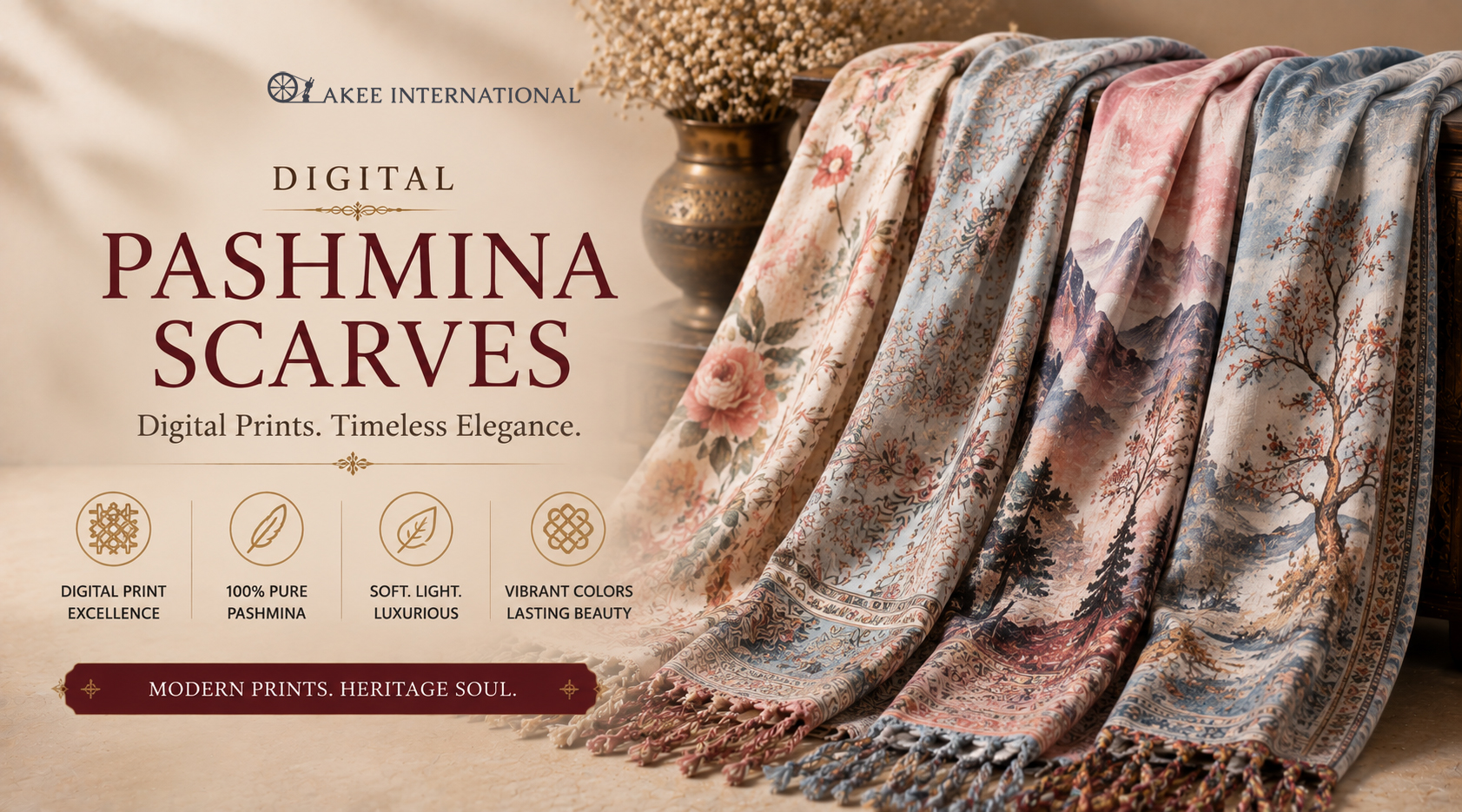
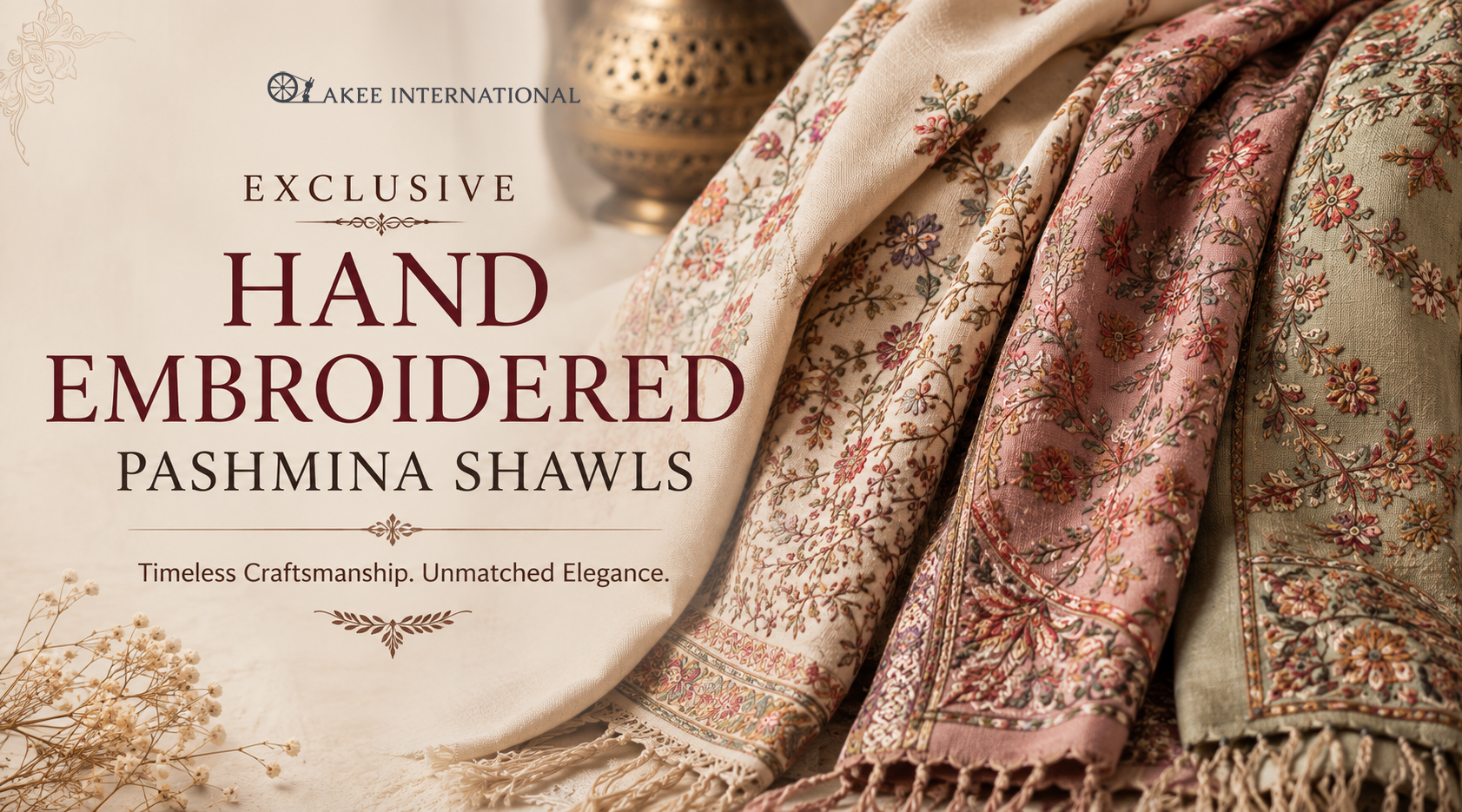
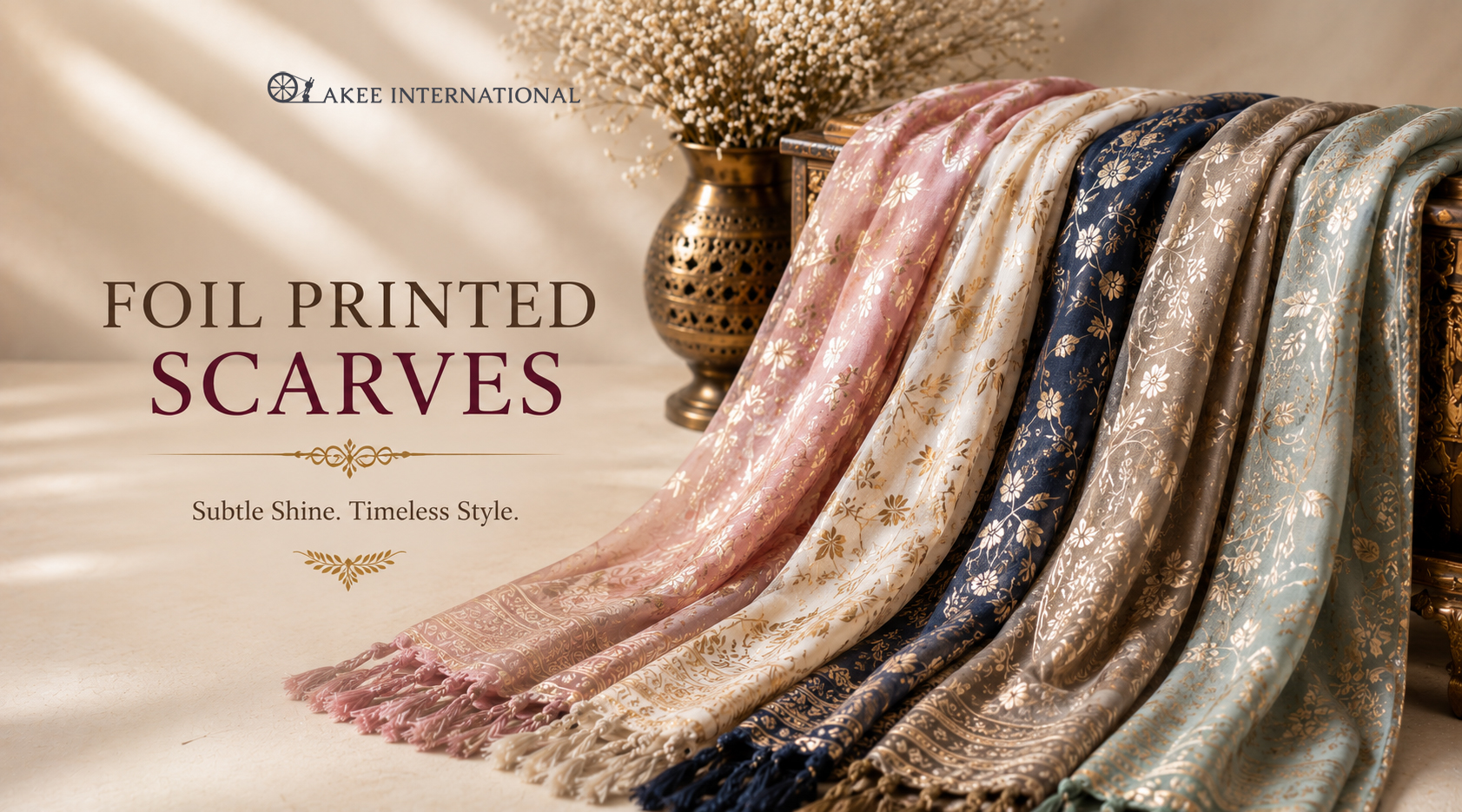
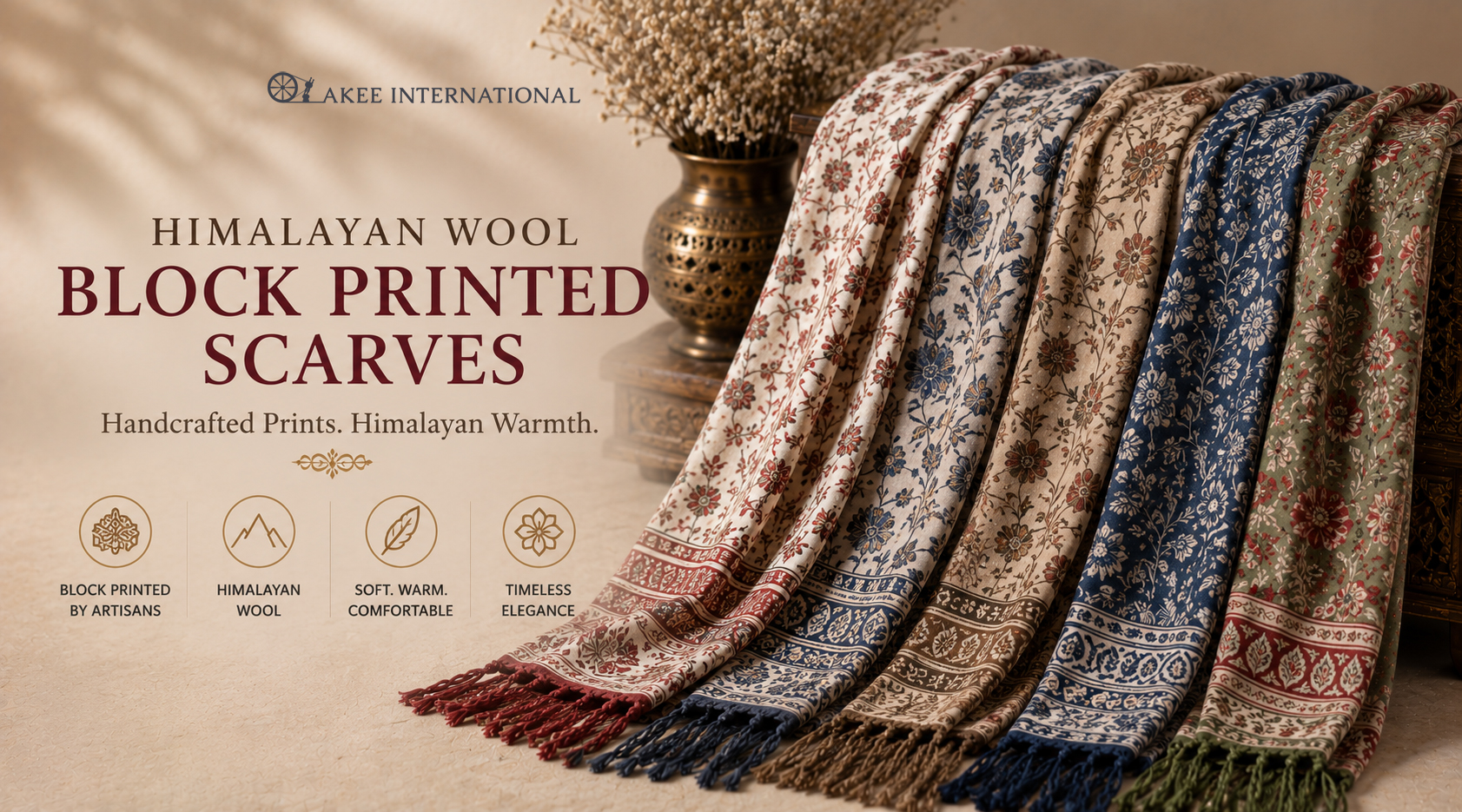
"Read what our clients say about their experience with Akee International's luxurious Pashmina shawls and impeccable service."

Nai Mata Mandir Road, Thathar Road, Delhi By Pass, Amer, Jaipur 302028, Rajasthan India
Get directions Call Now Whatsapp 4.9 based on 269 reviews
Rating: 4.6/5 | 85 Reviews

Rating: 4.9/5 | 269 Reviews

TrustScore: 4.9 | 100 Reviews