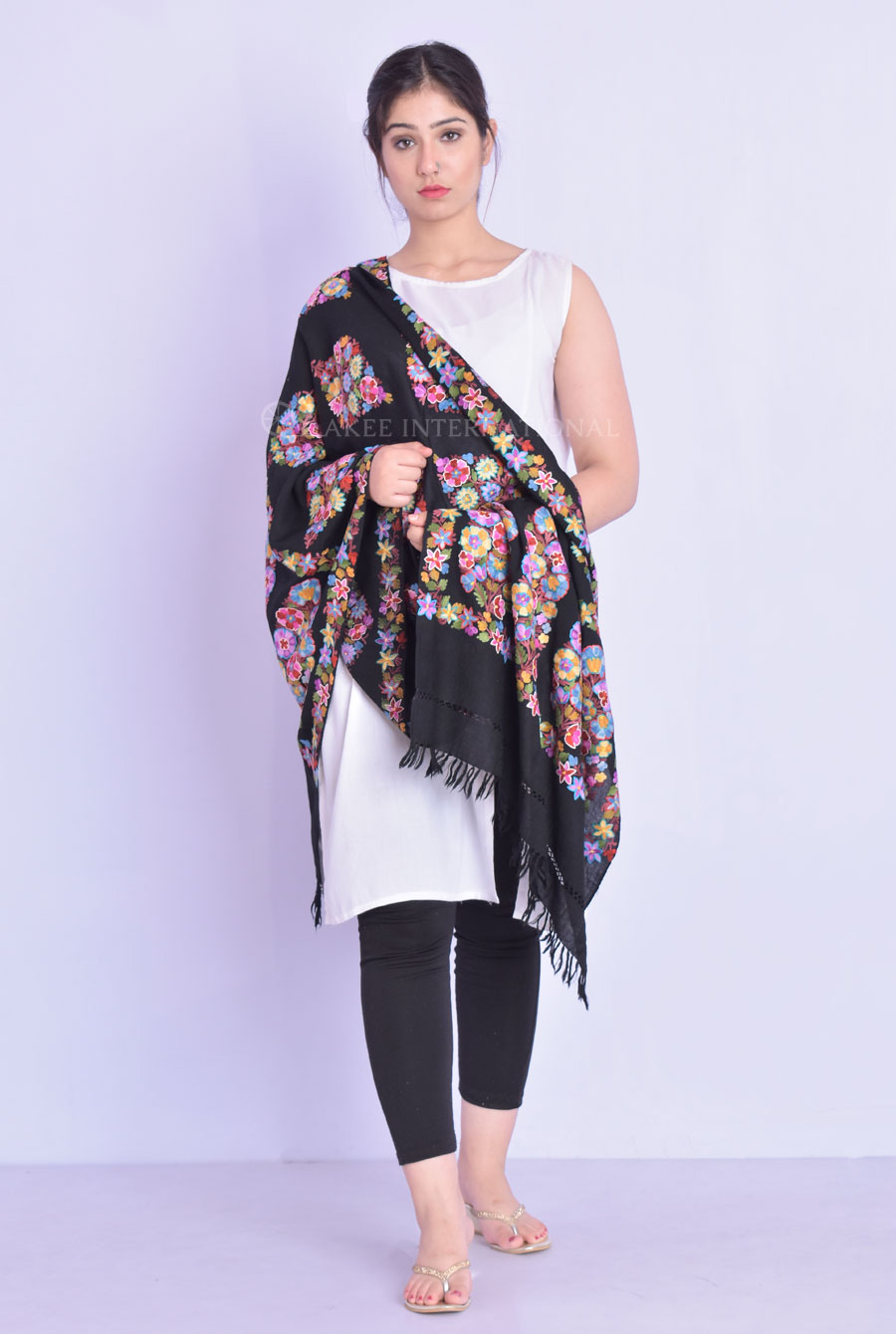
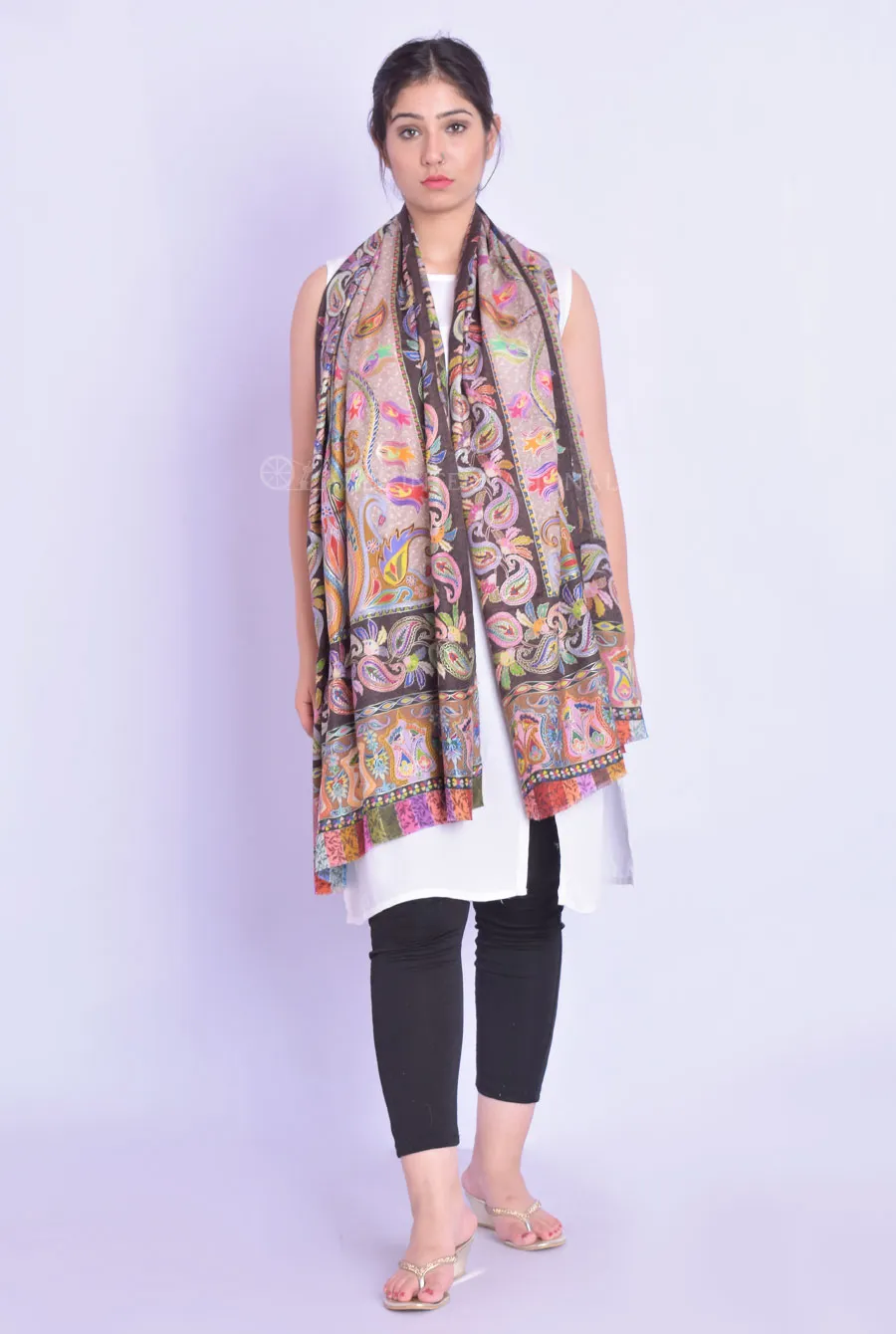
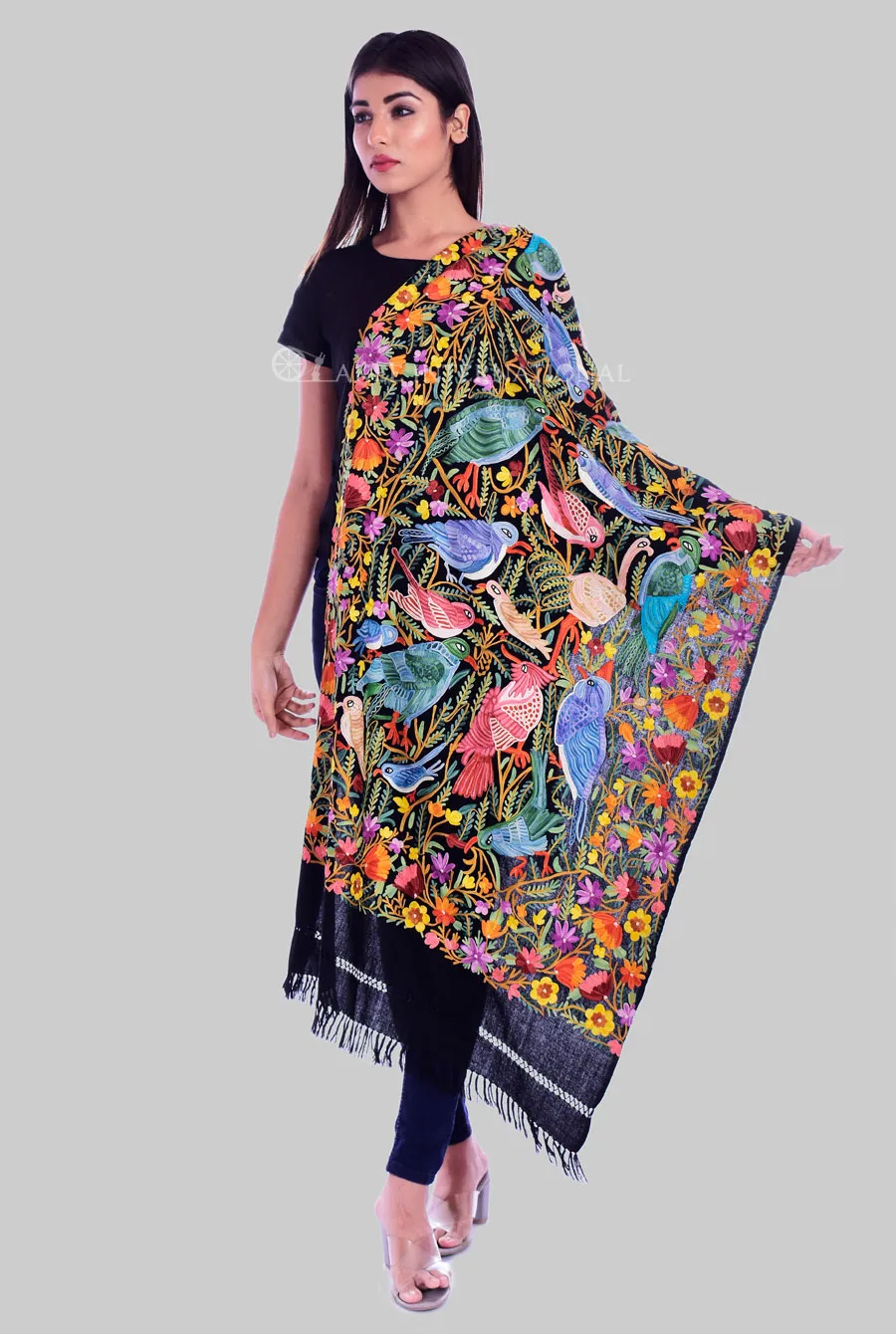
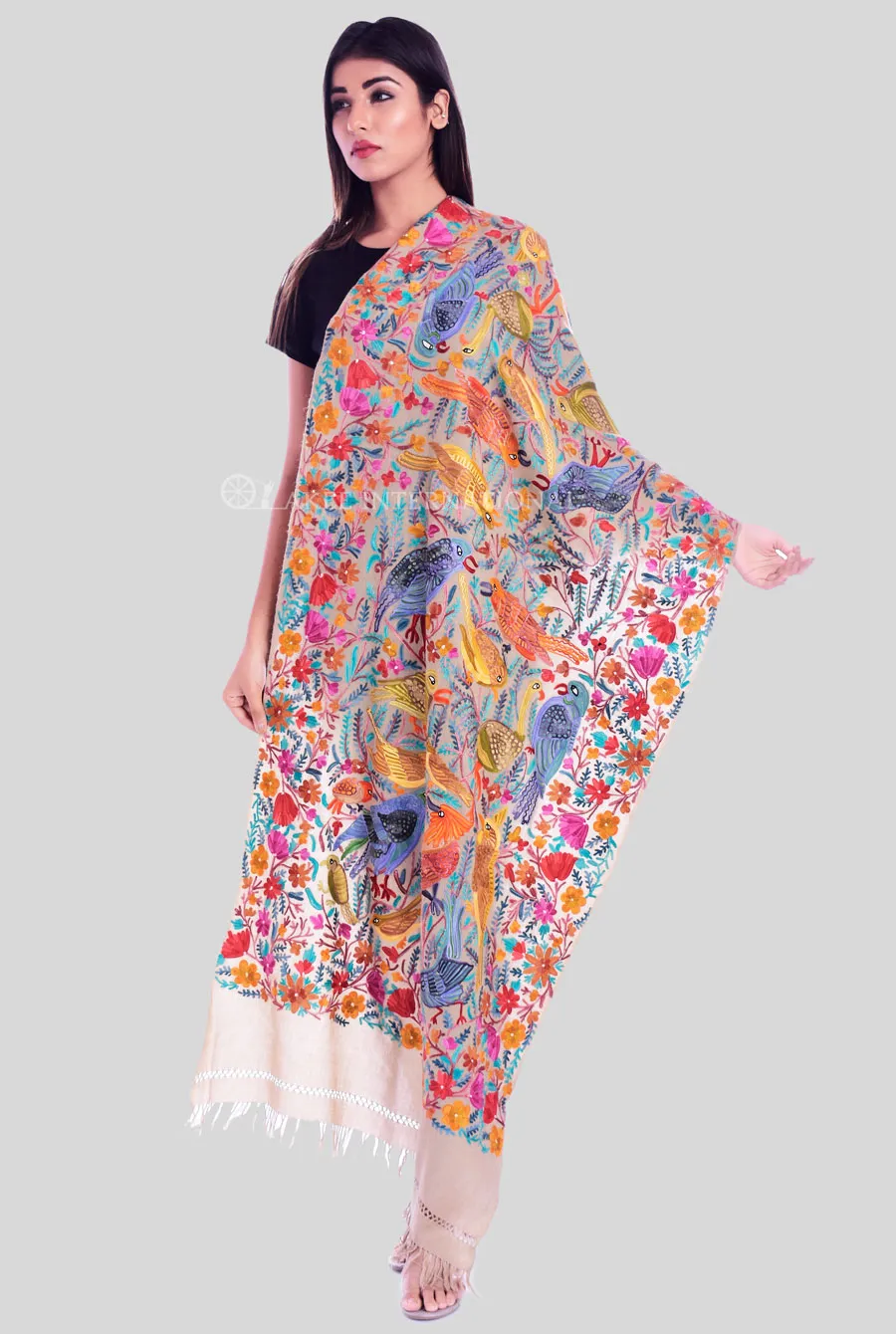
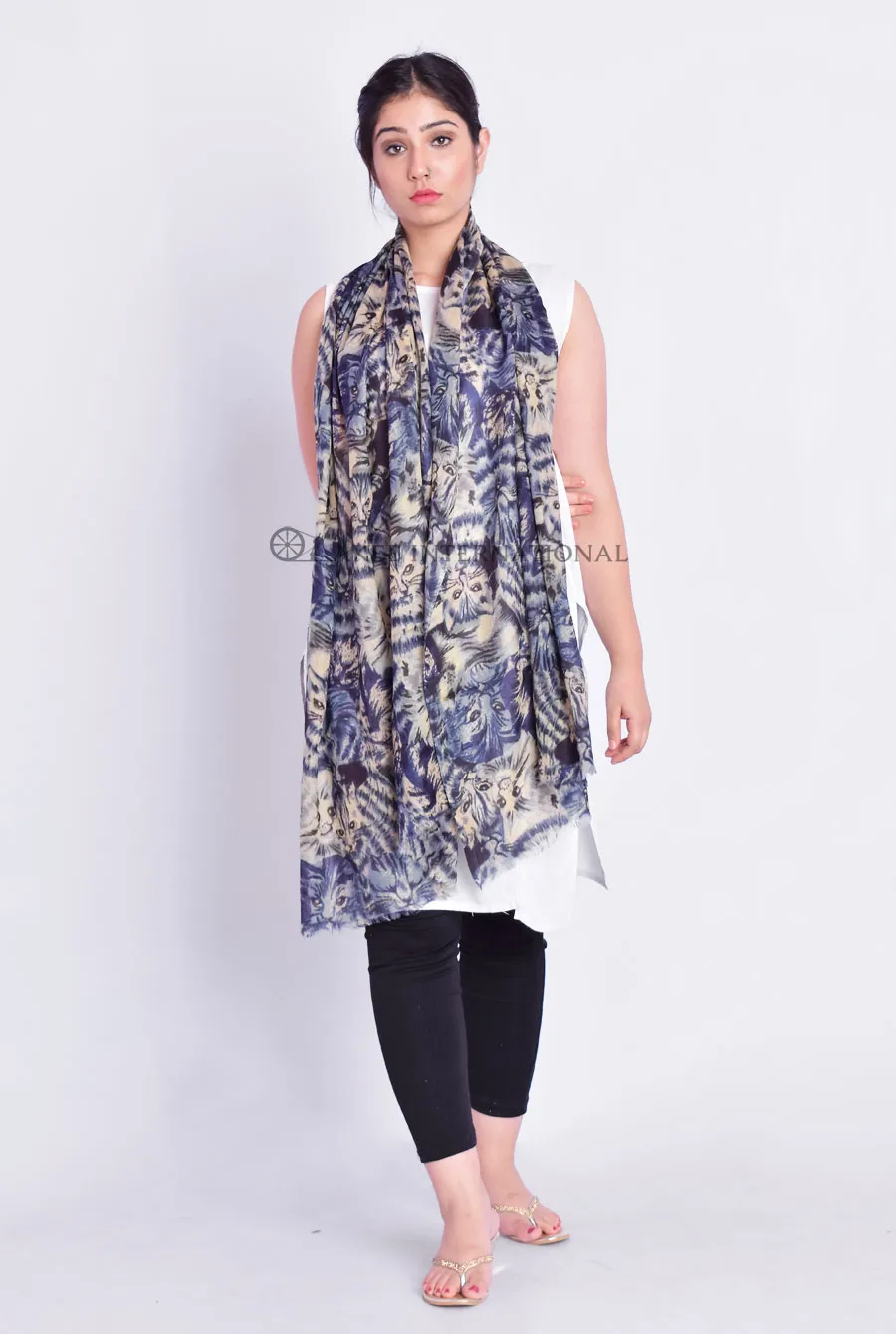
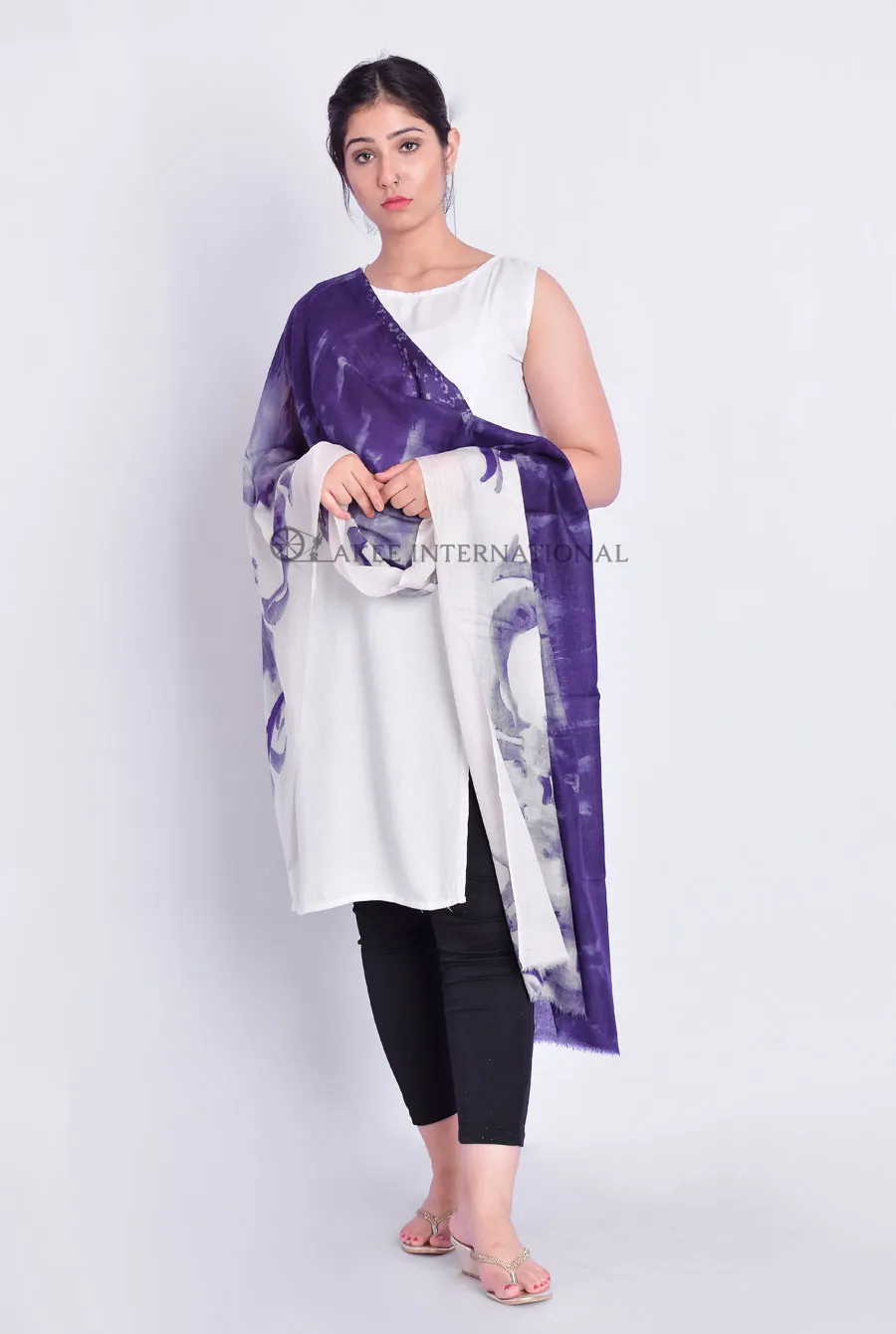
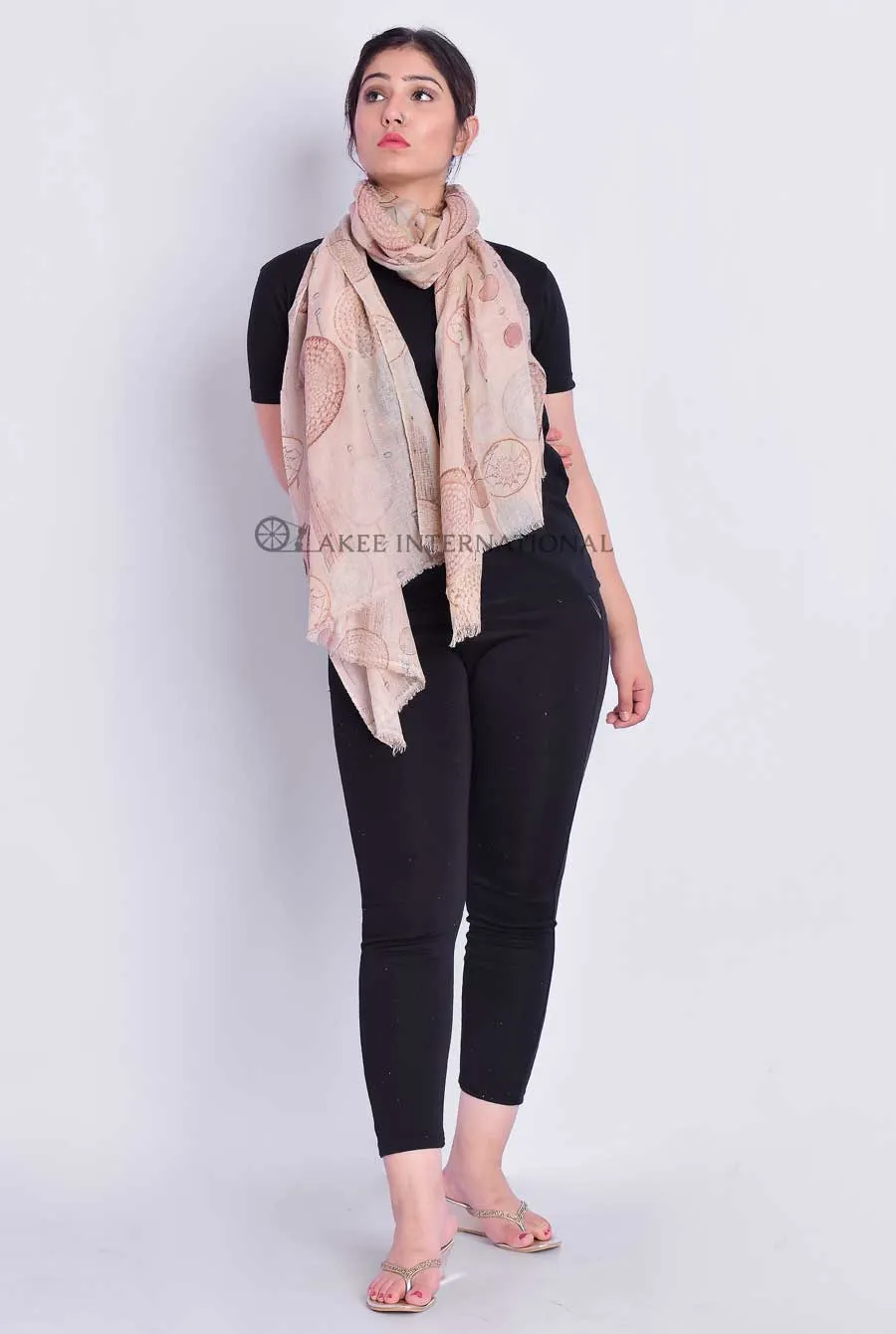
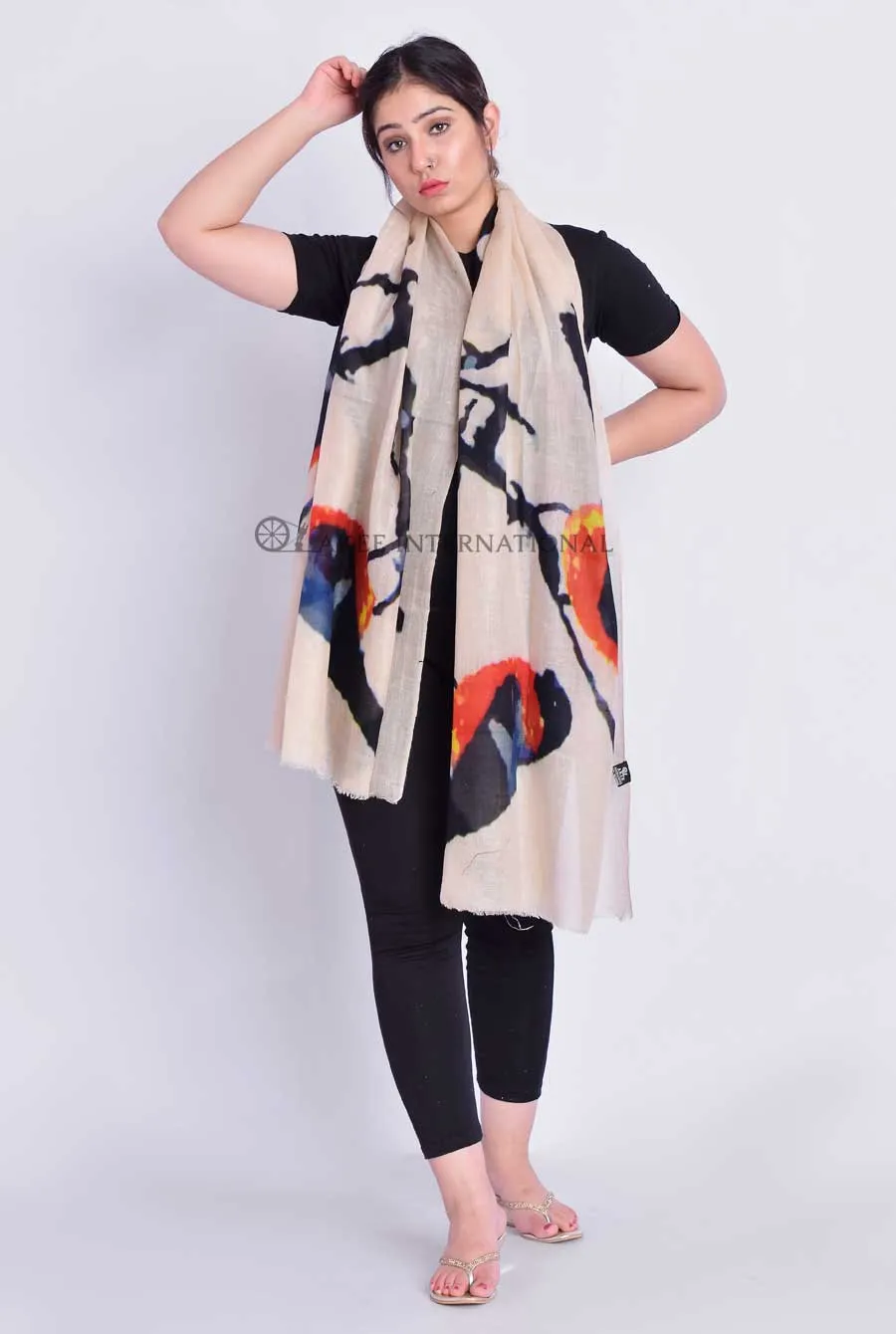
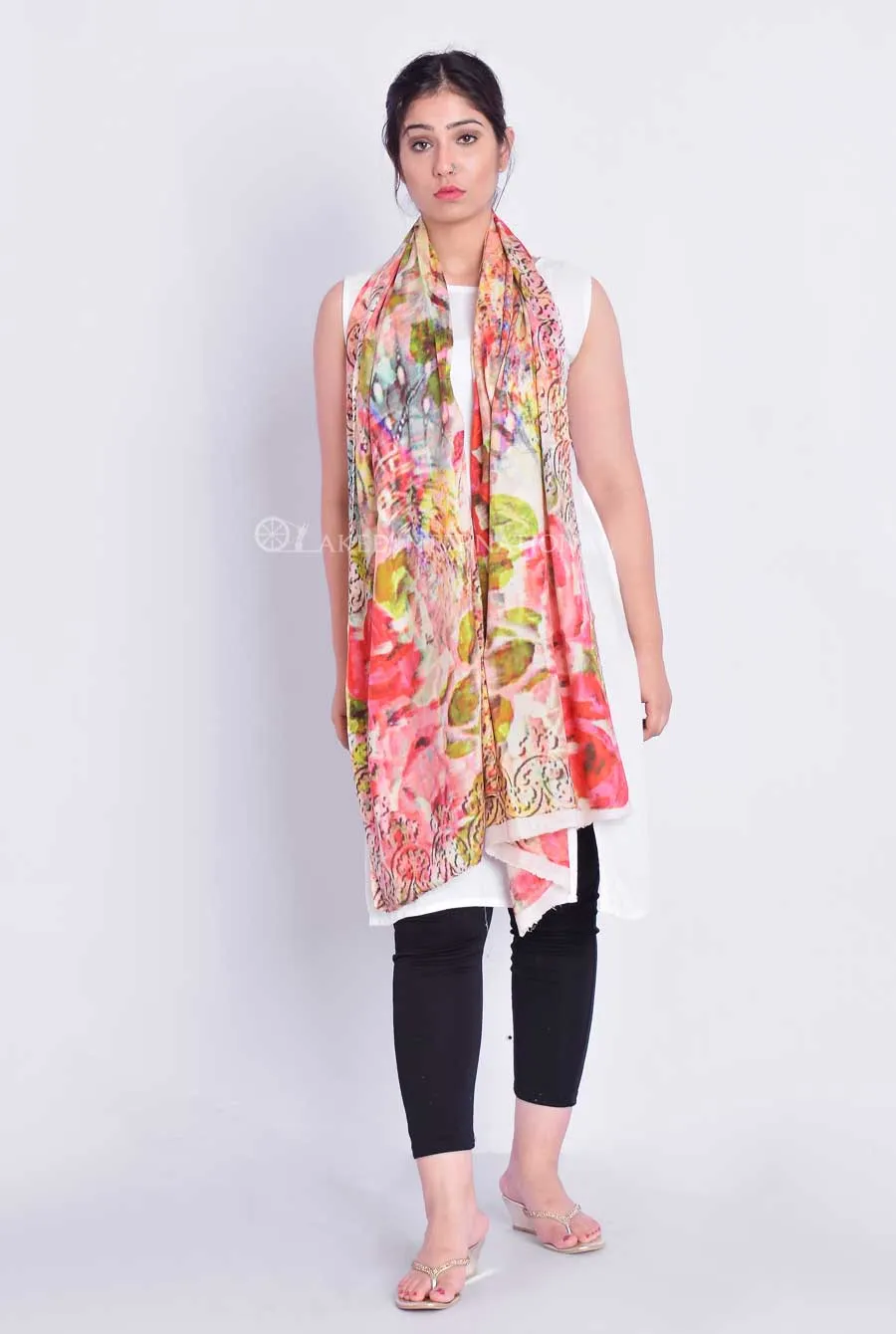
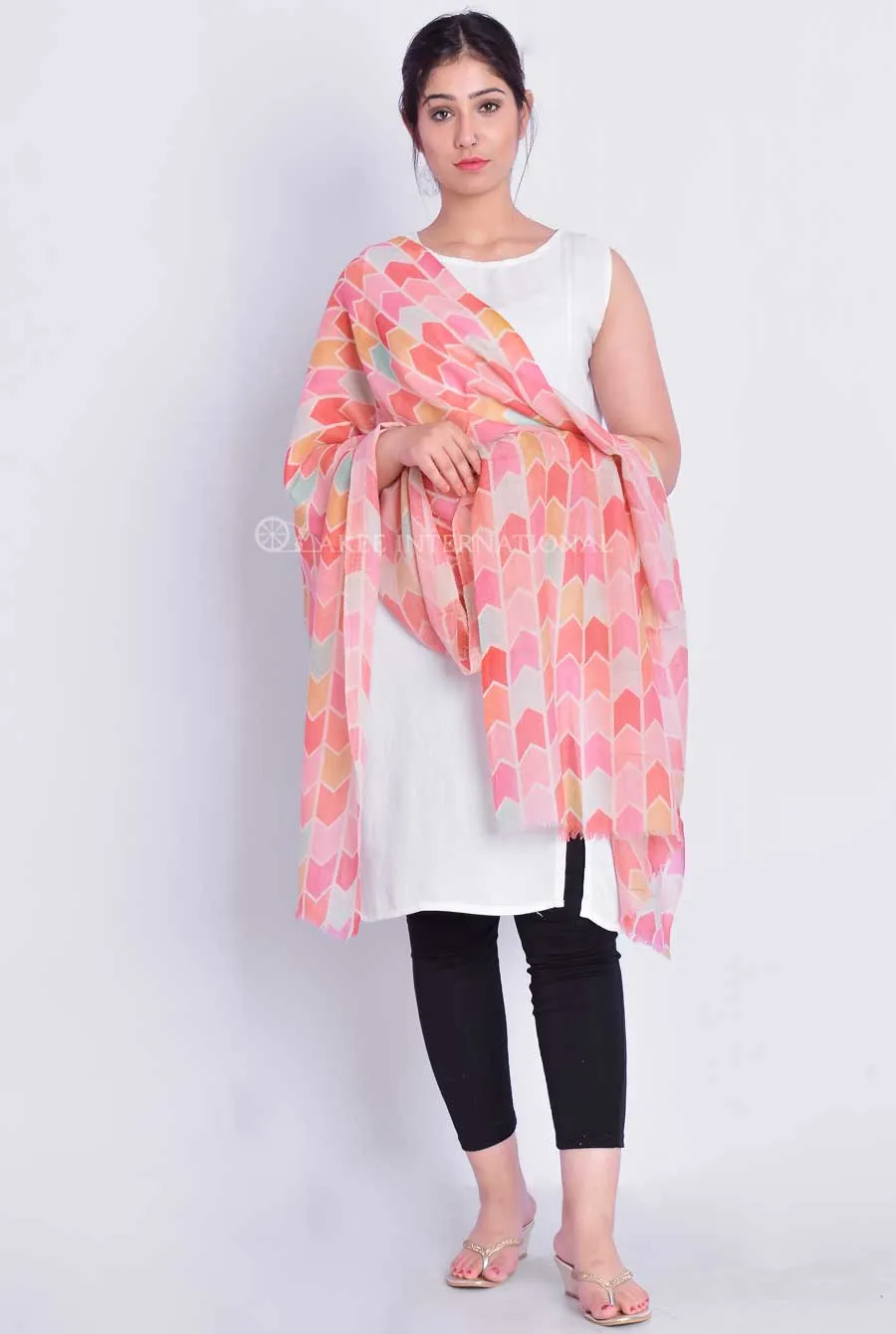
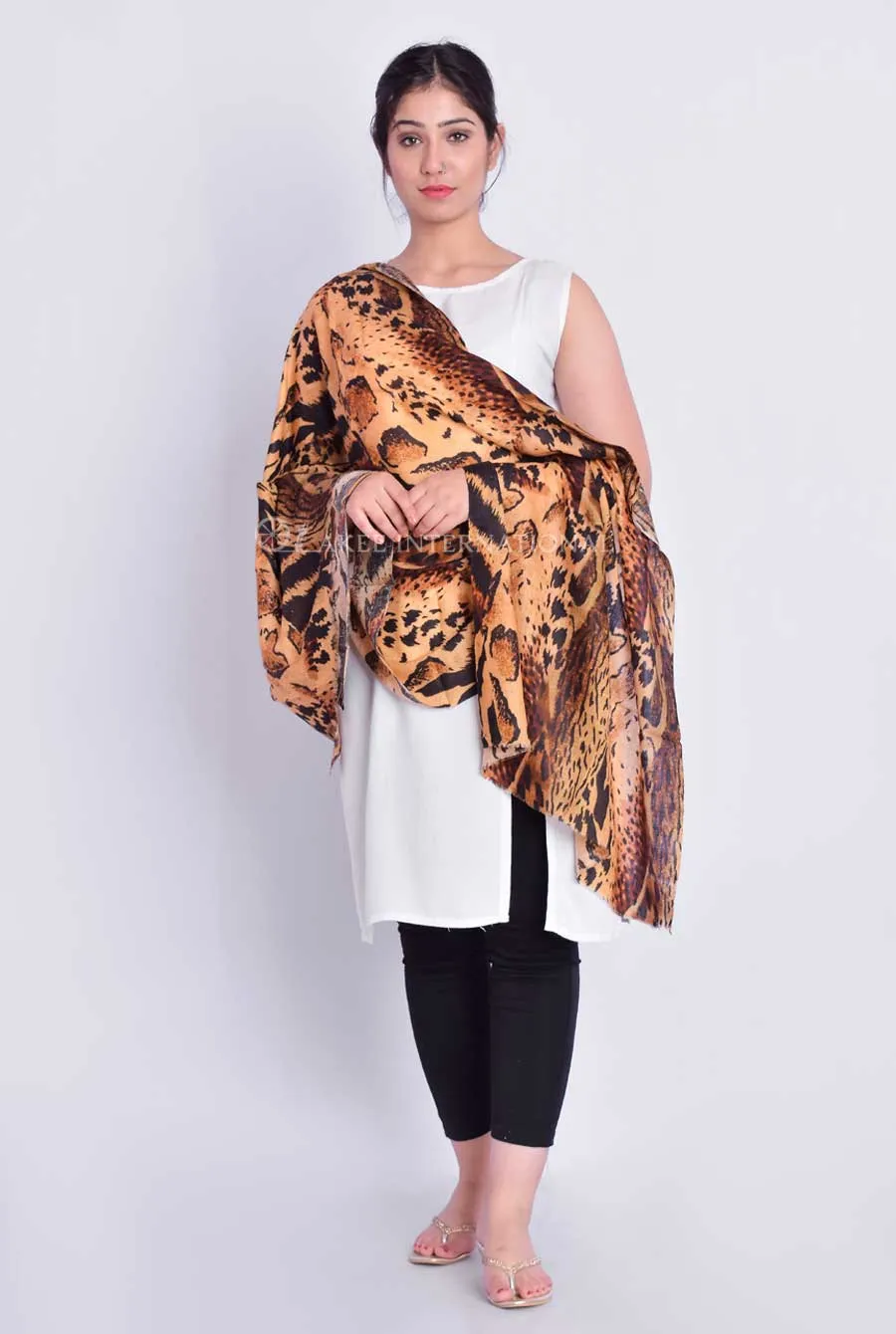
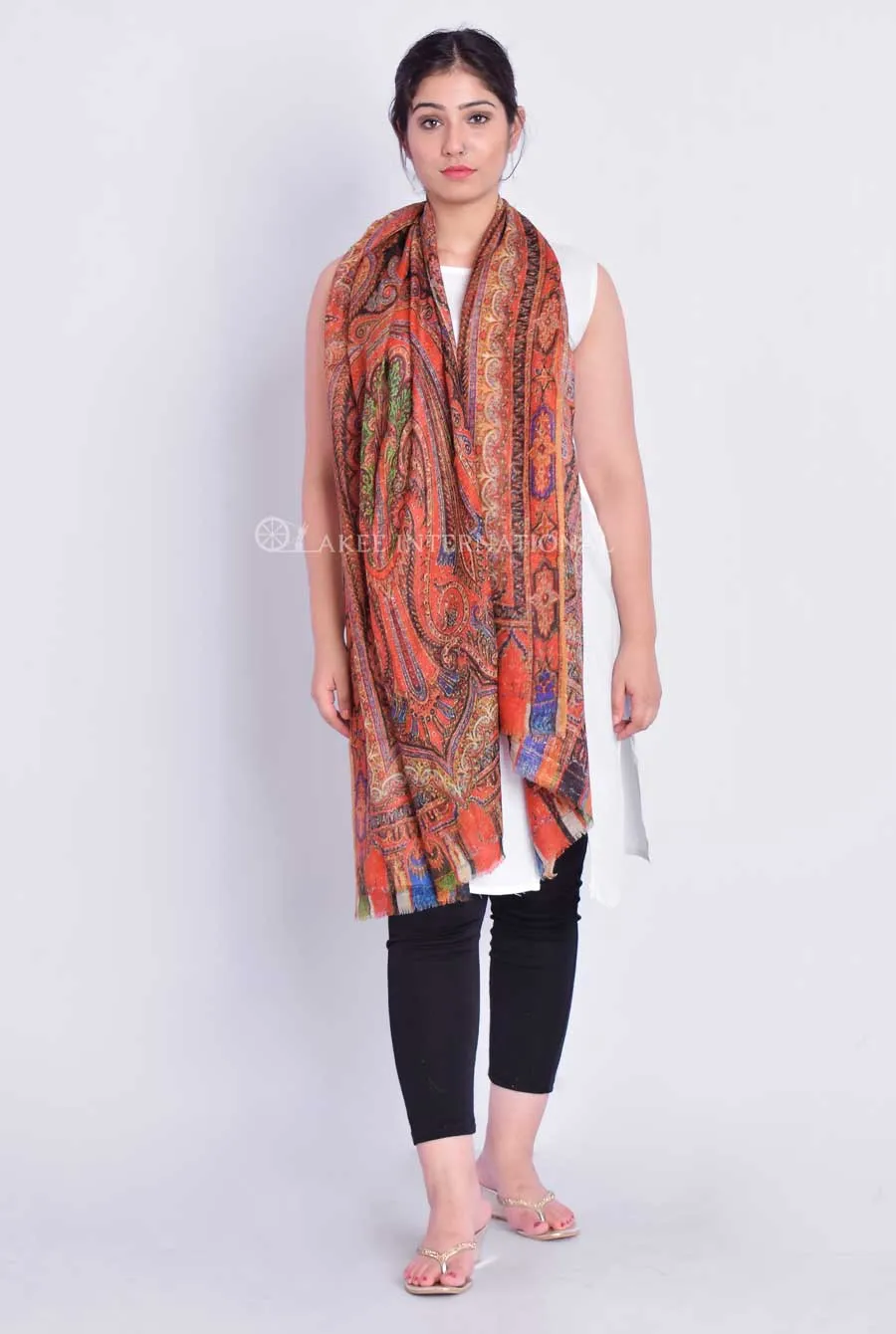
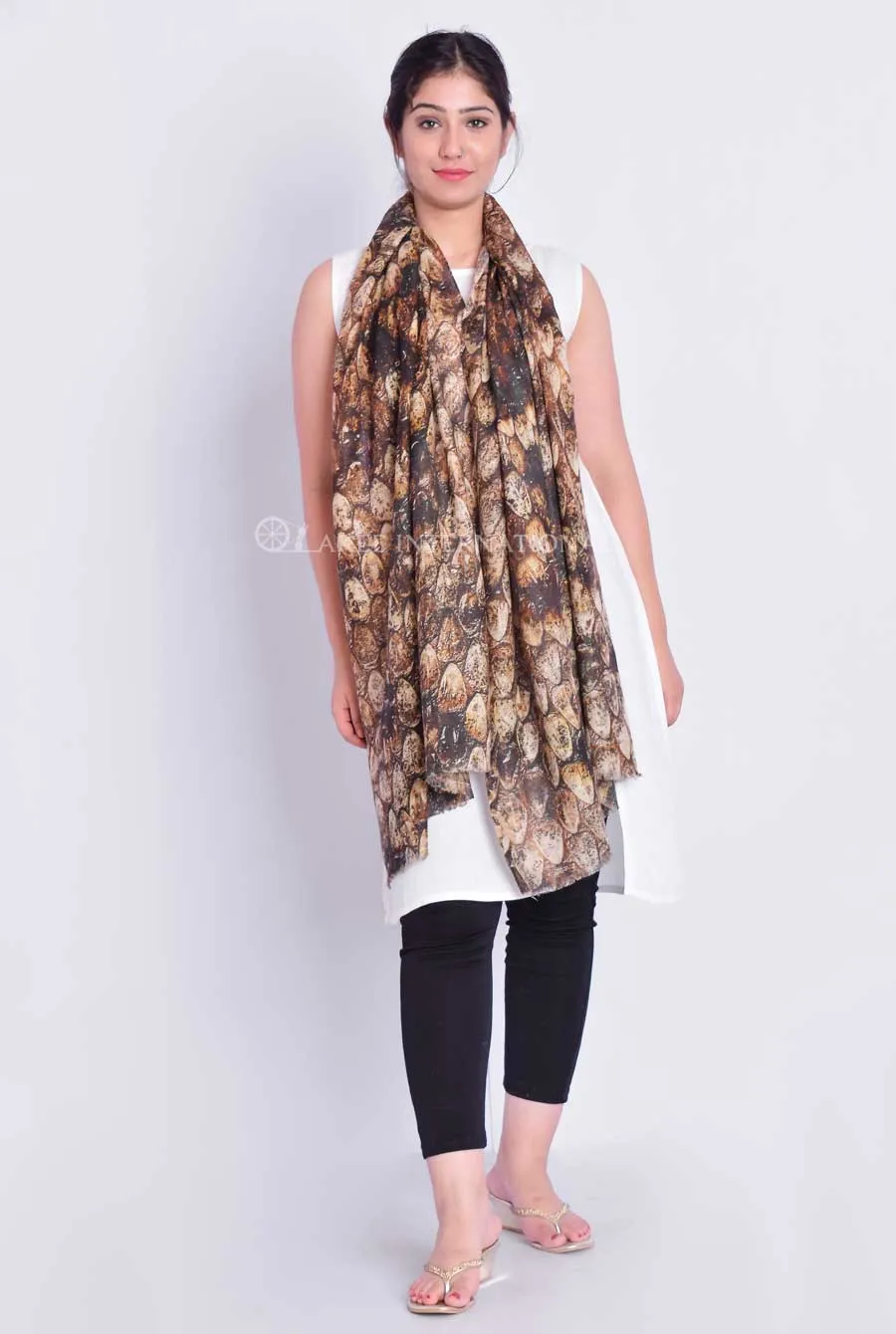
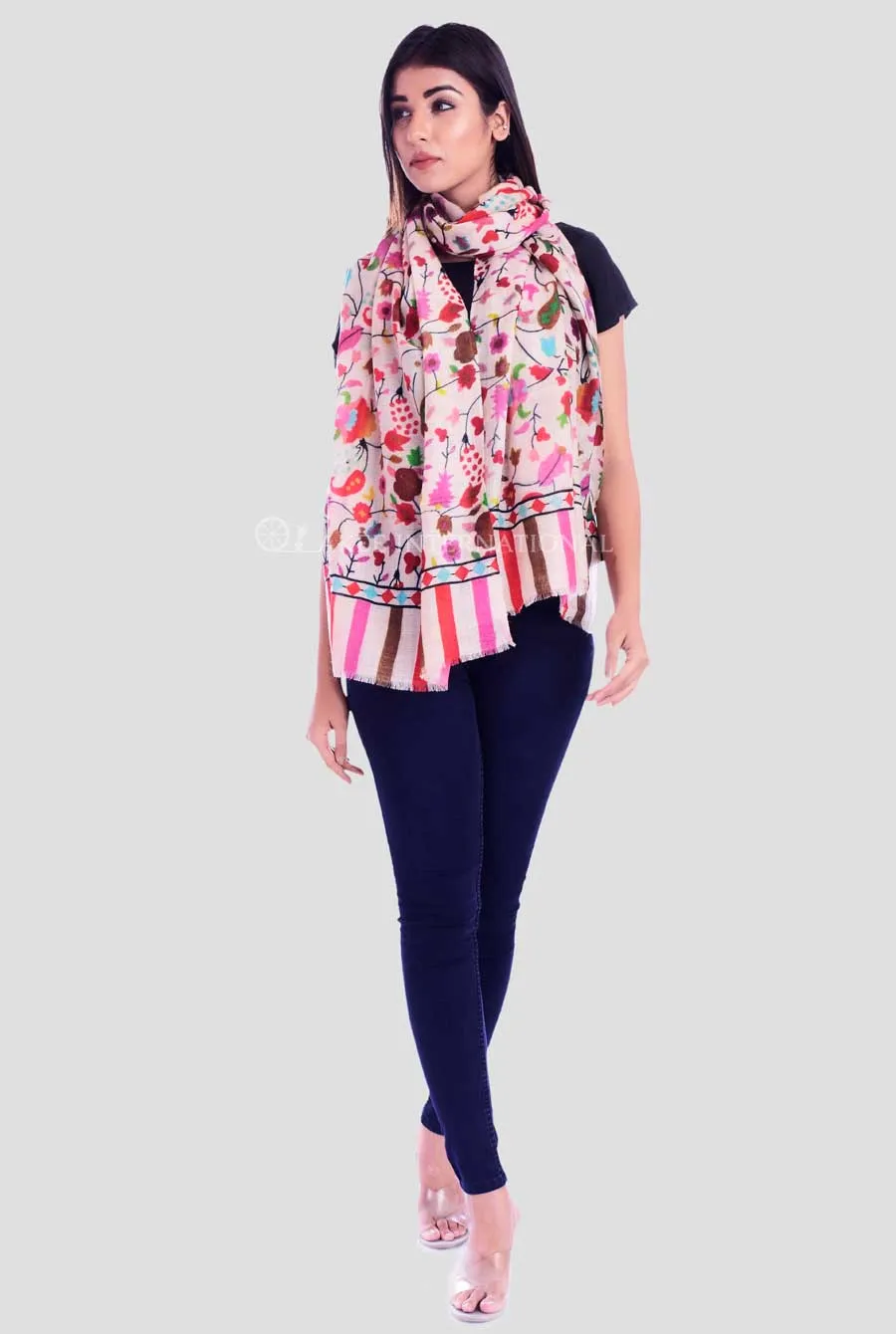
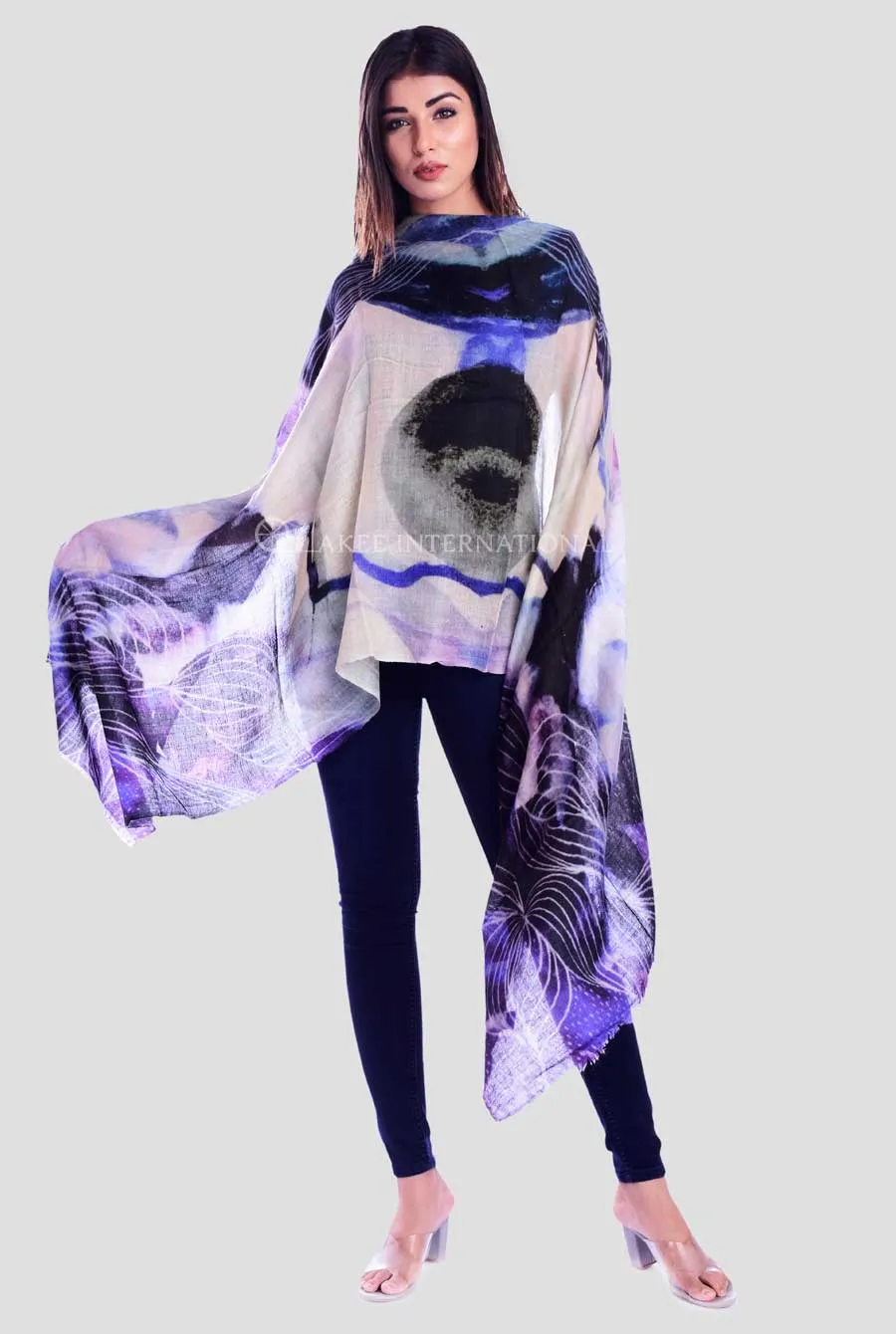
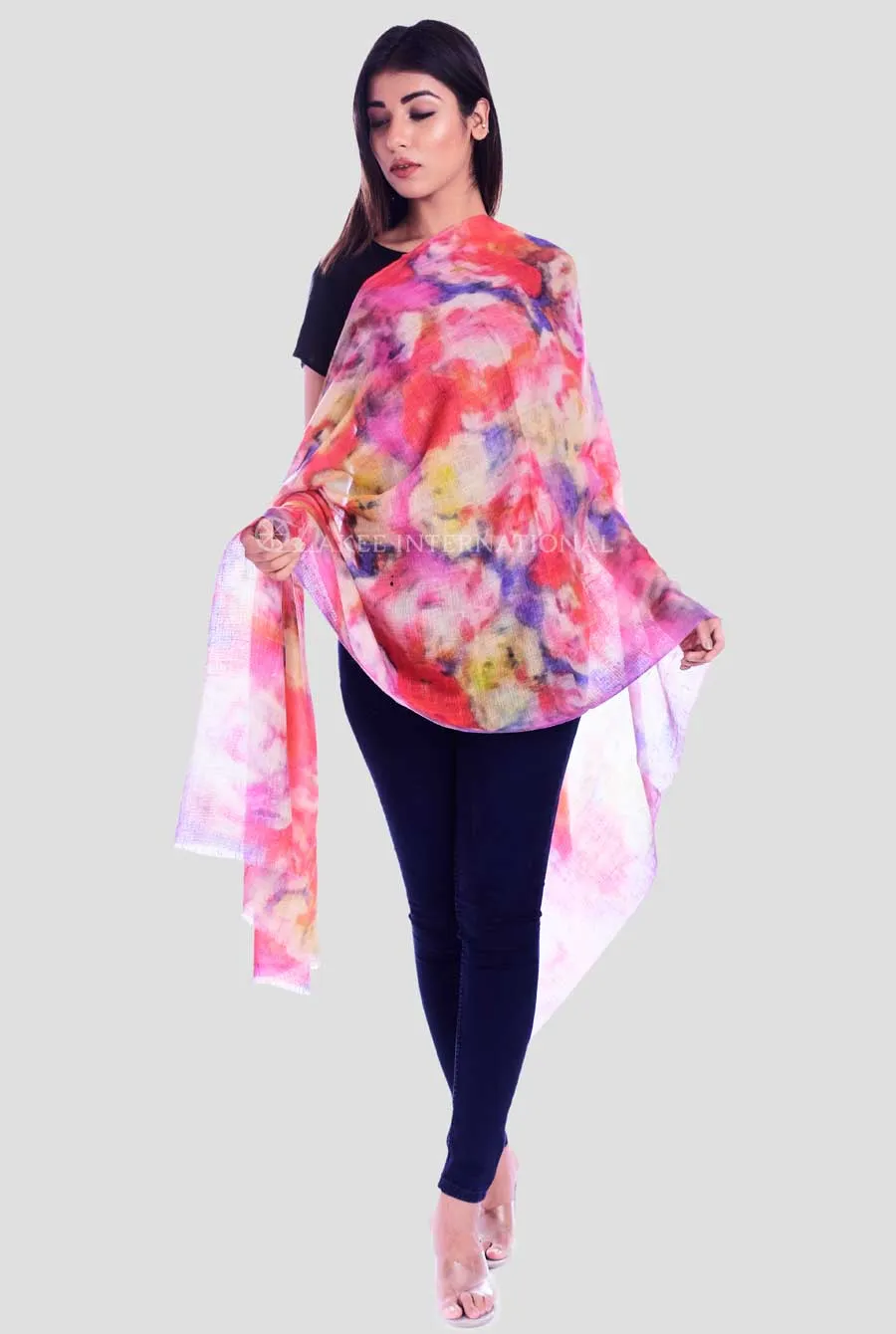
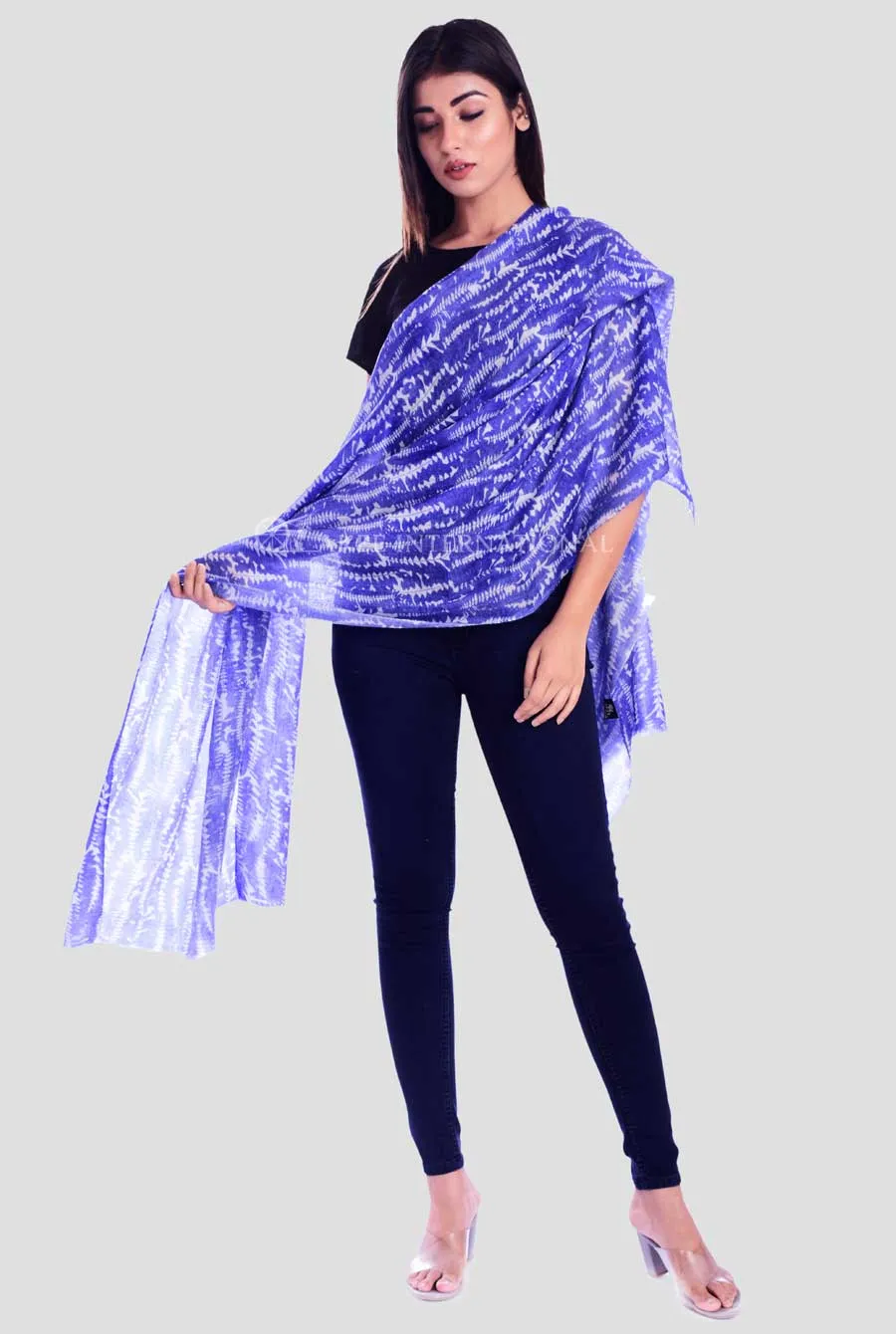
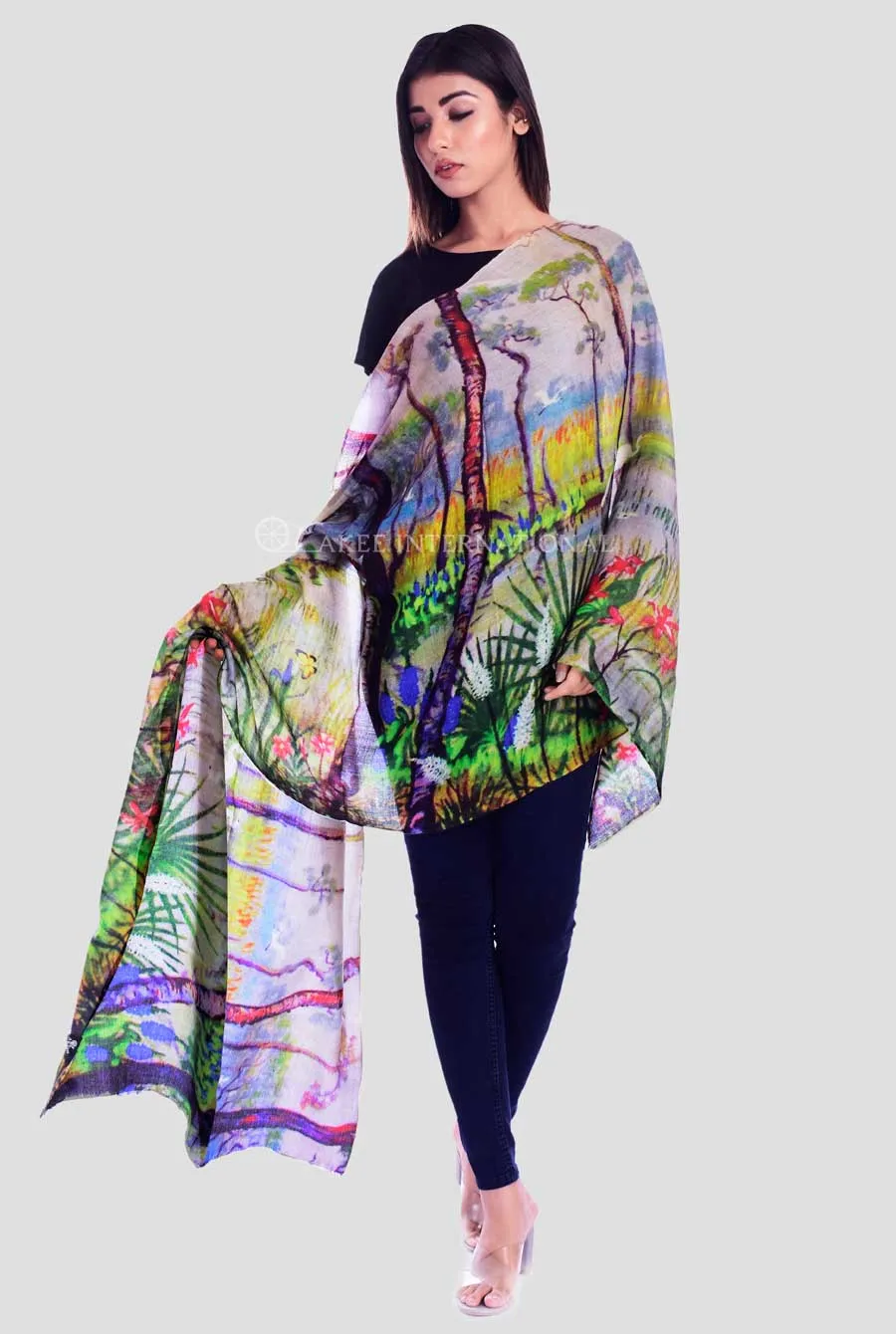
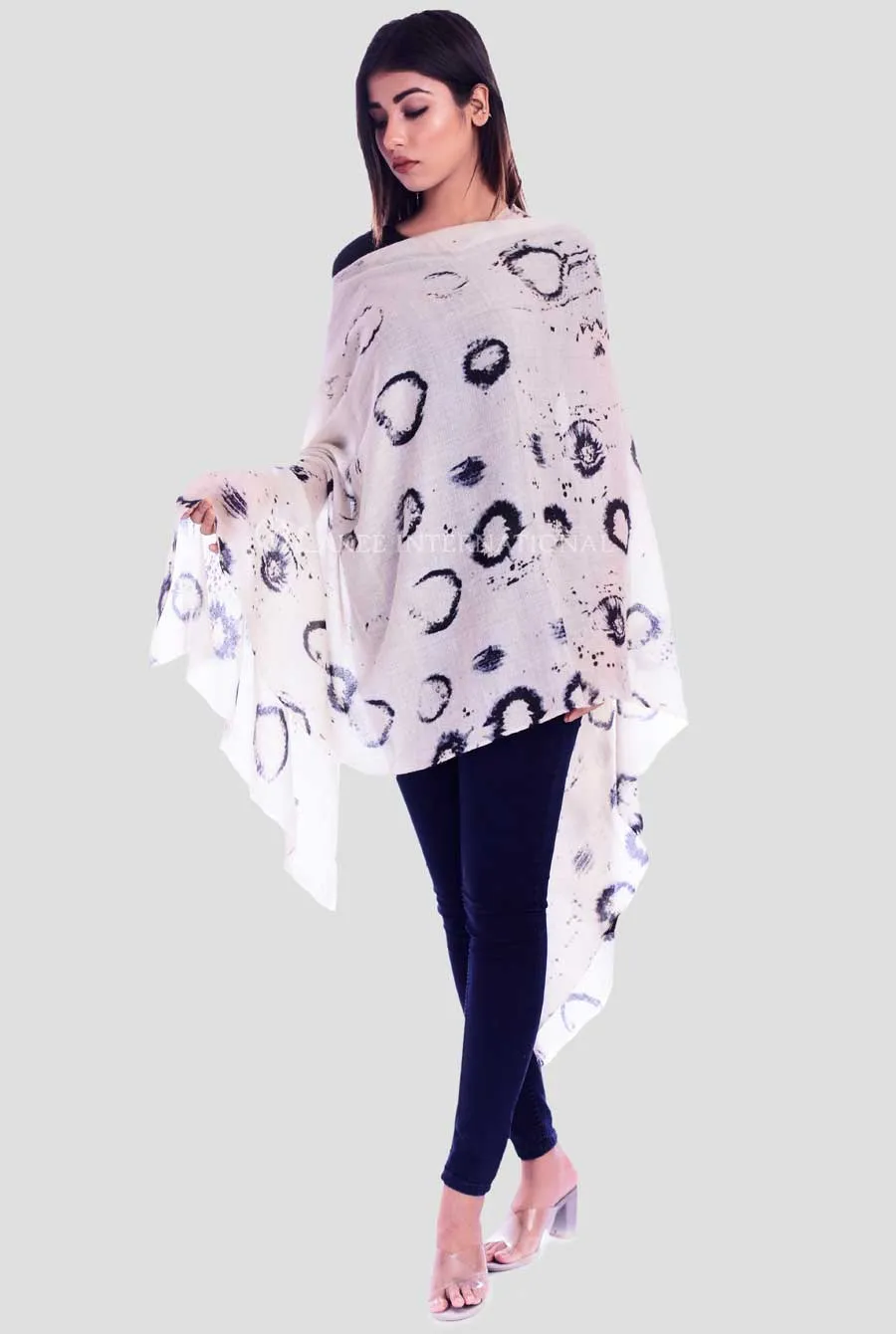
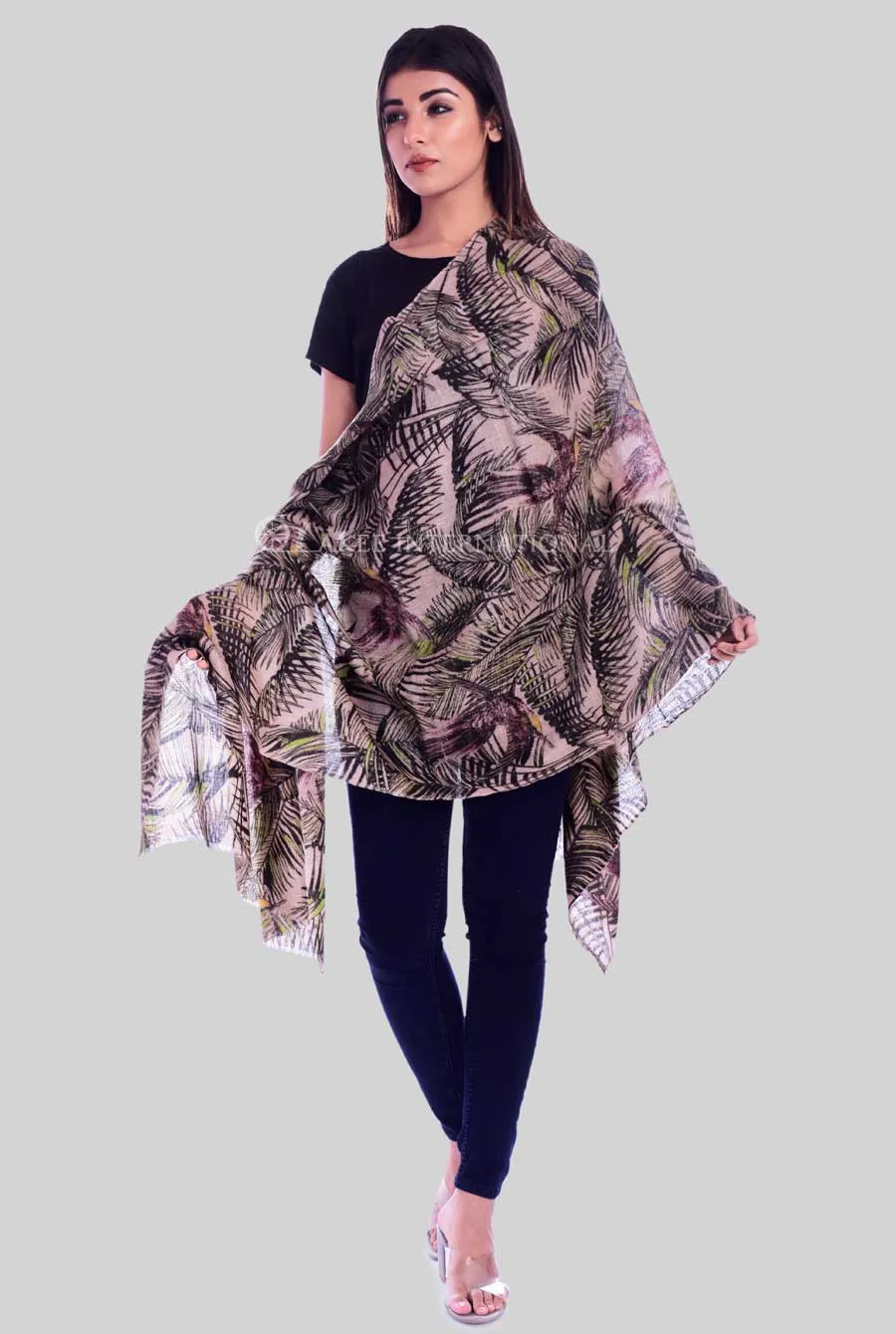
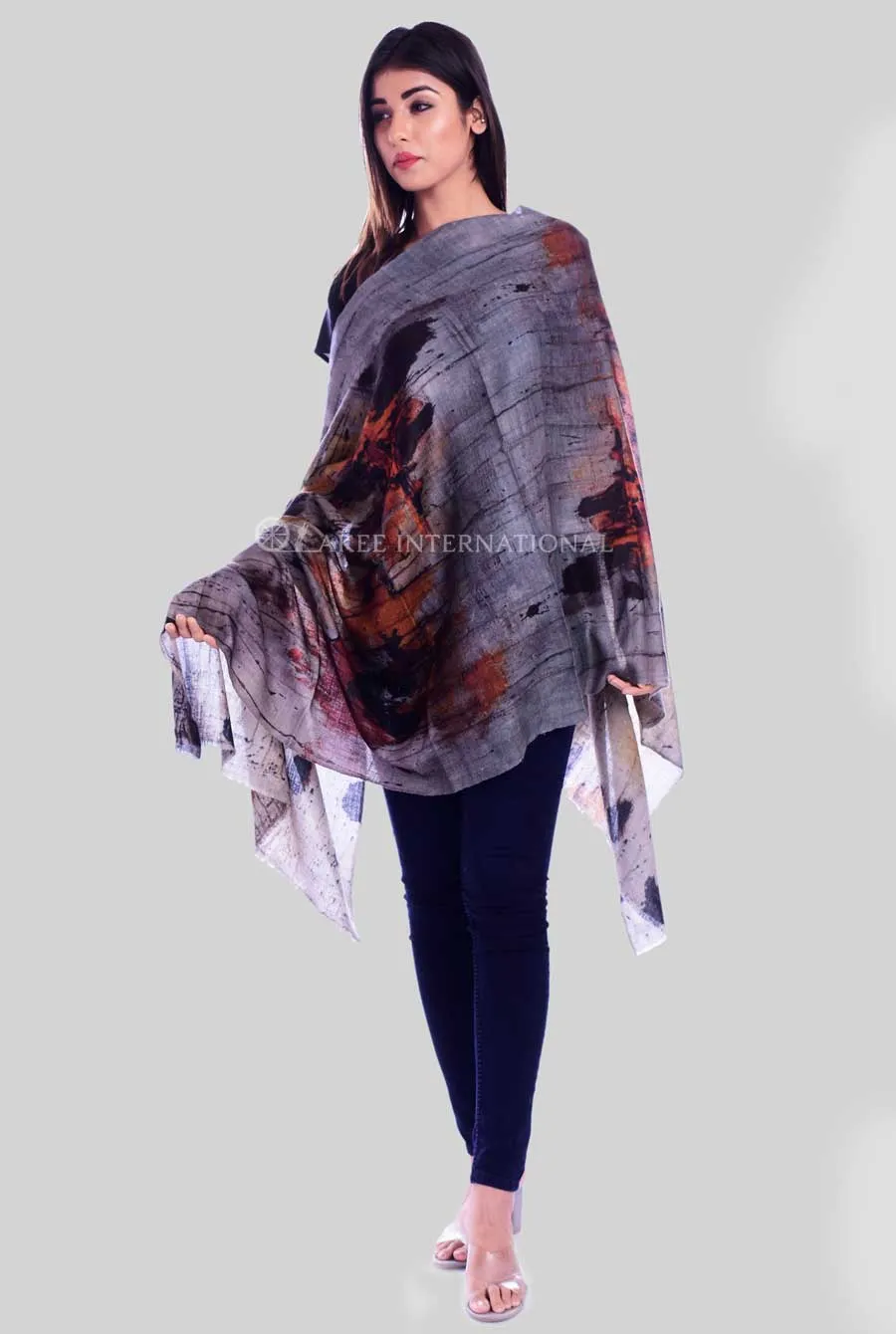
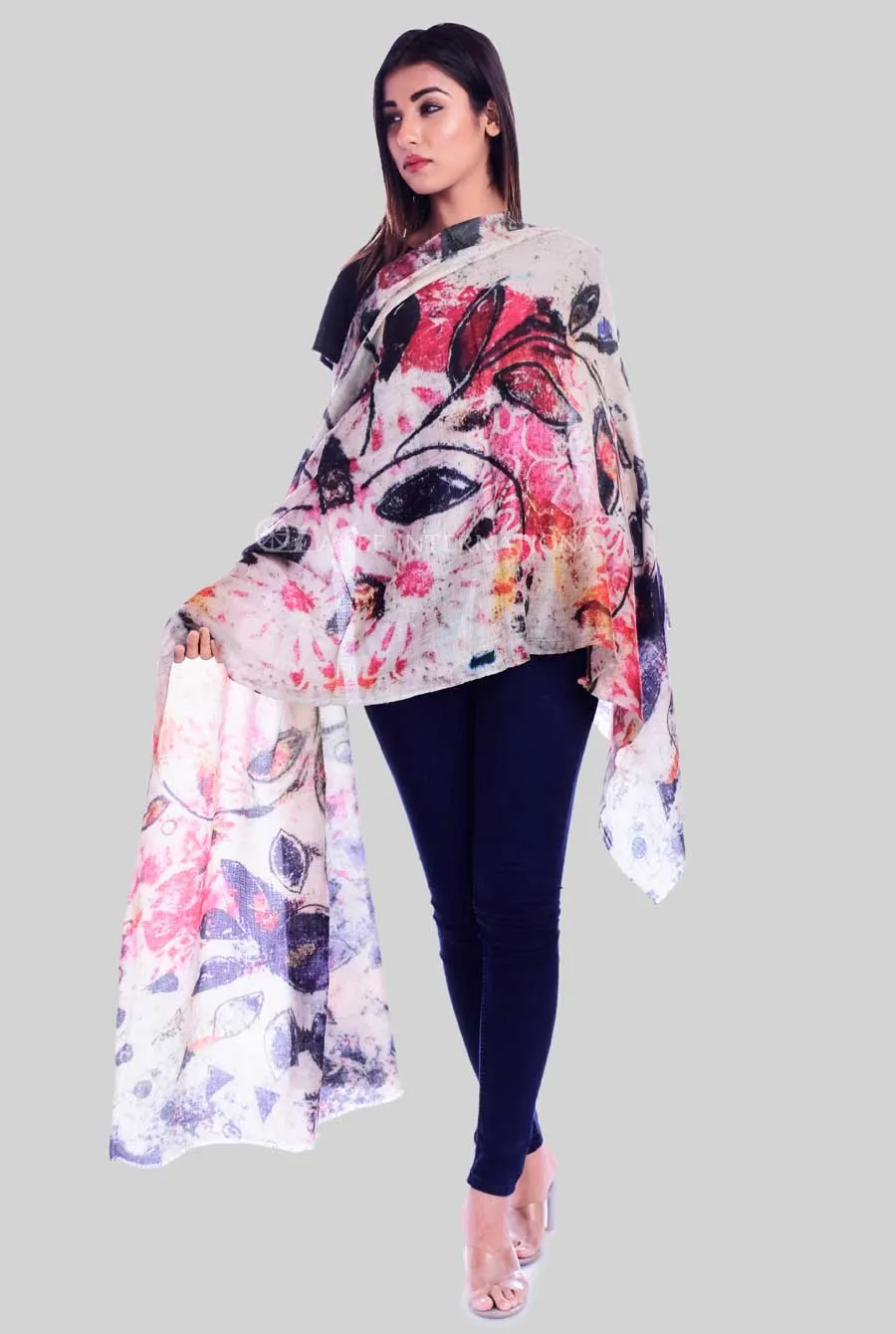
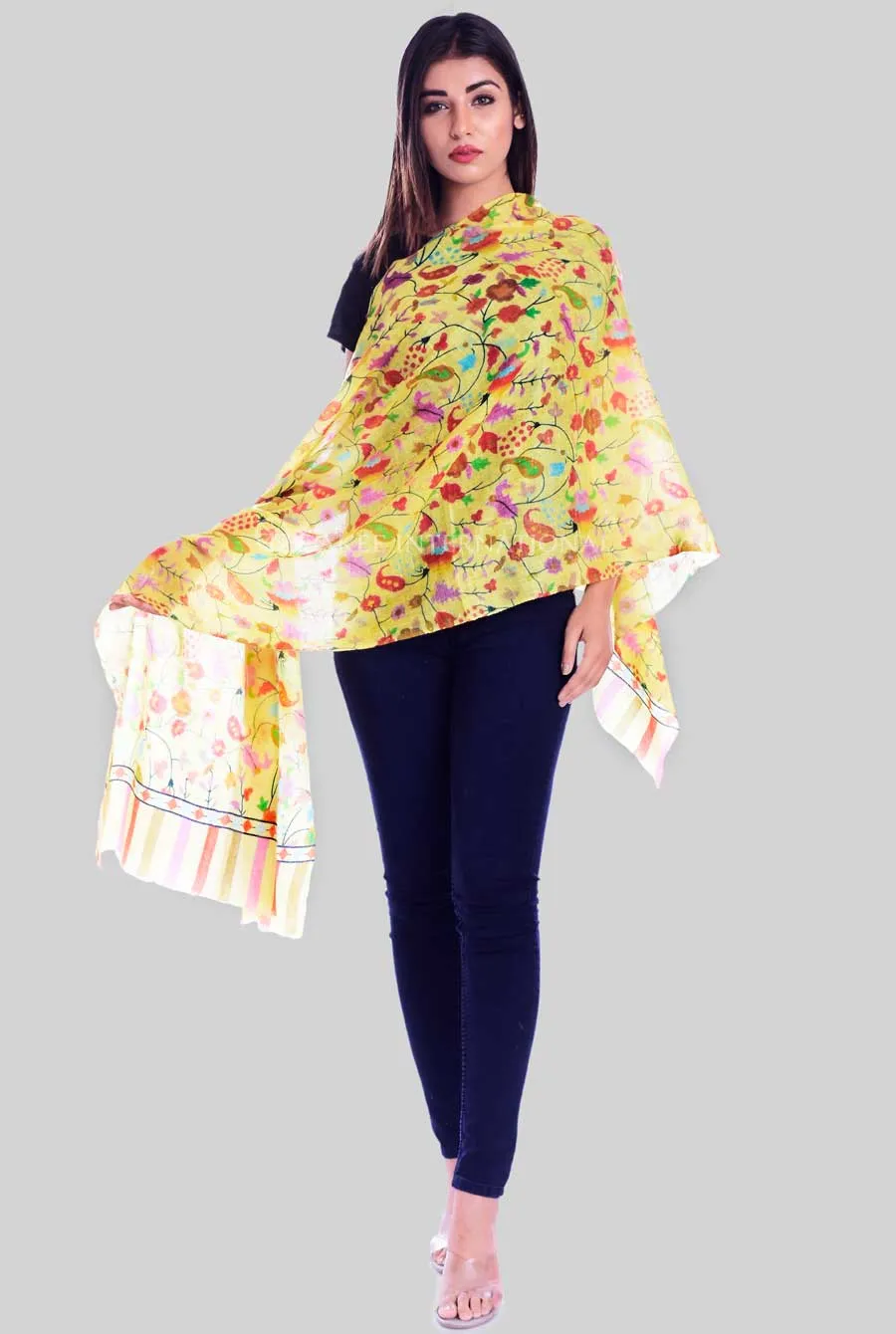
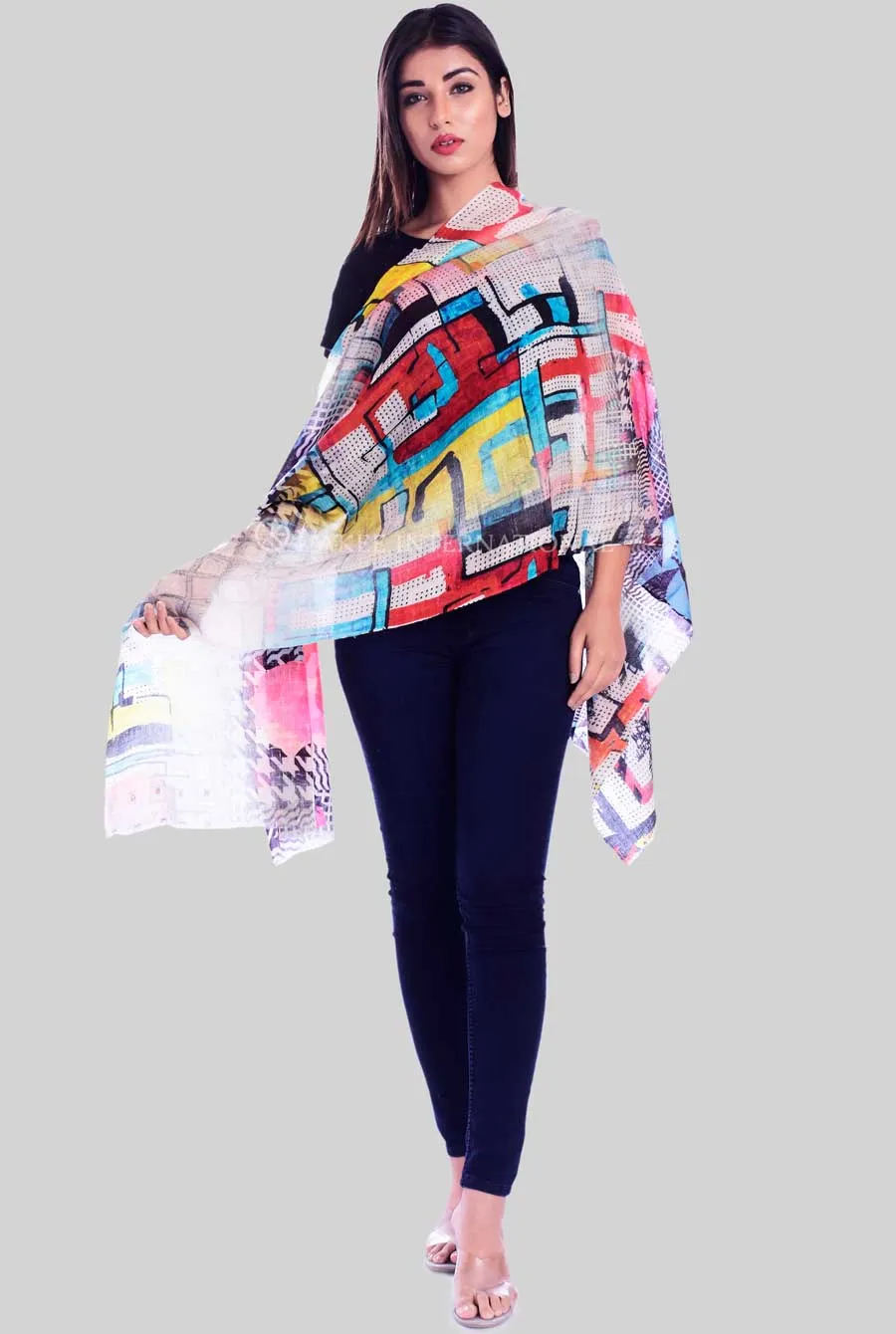
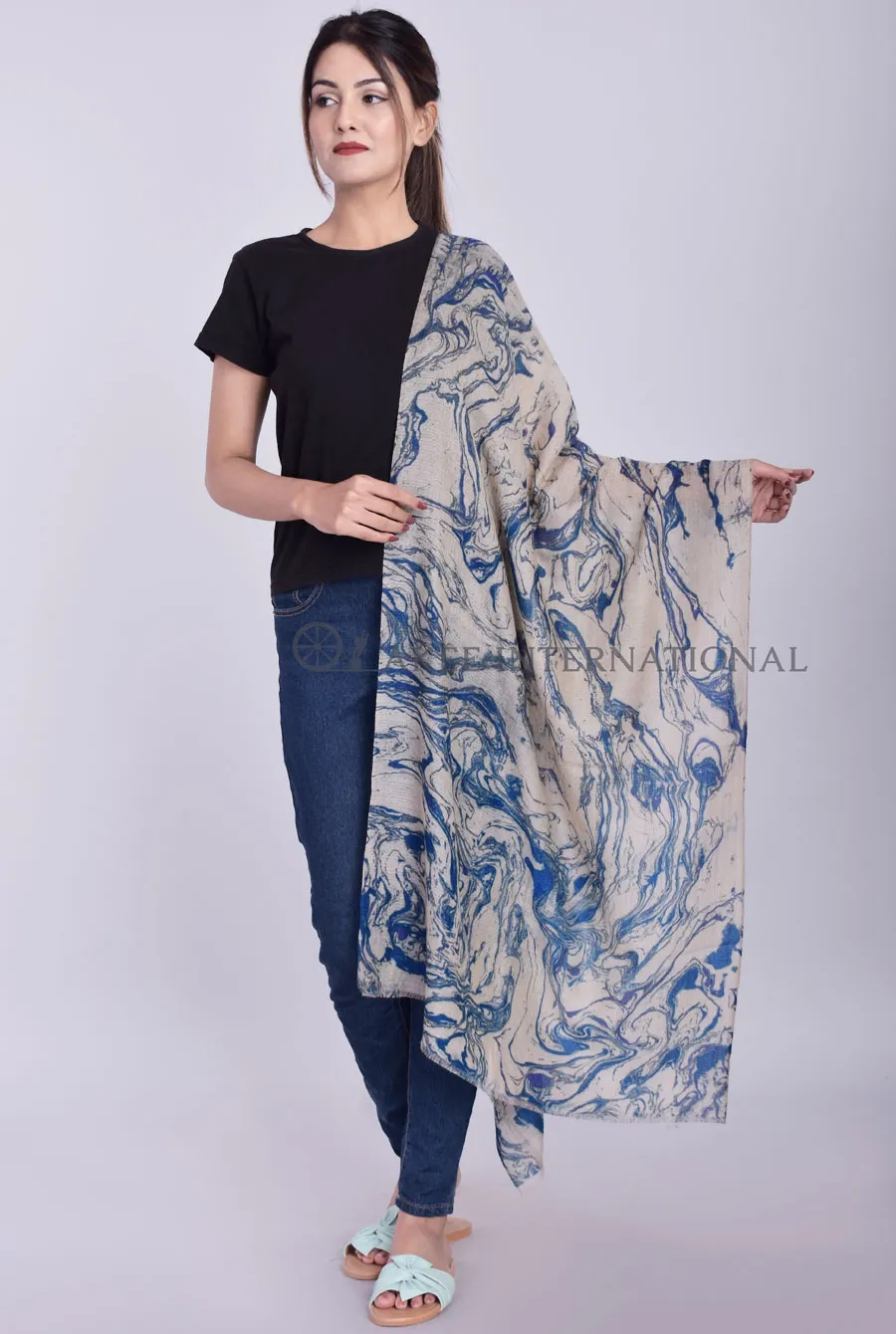
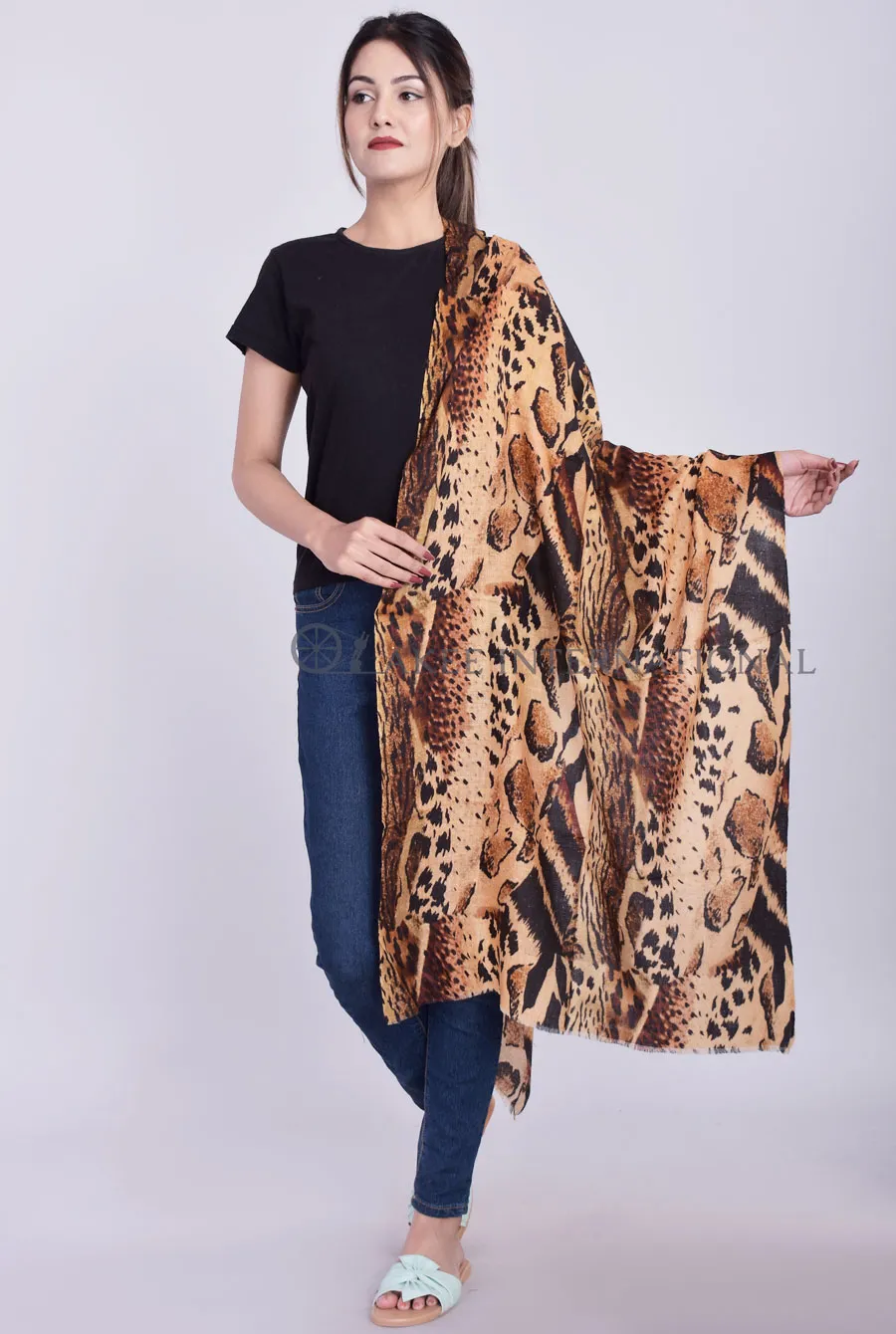
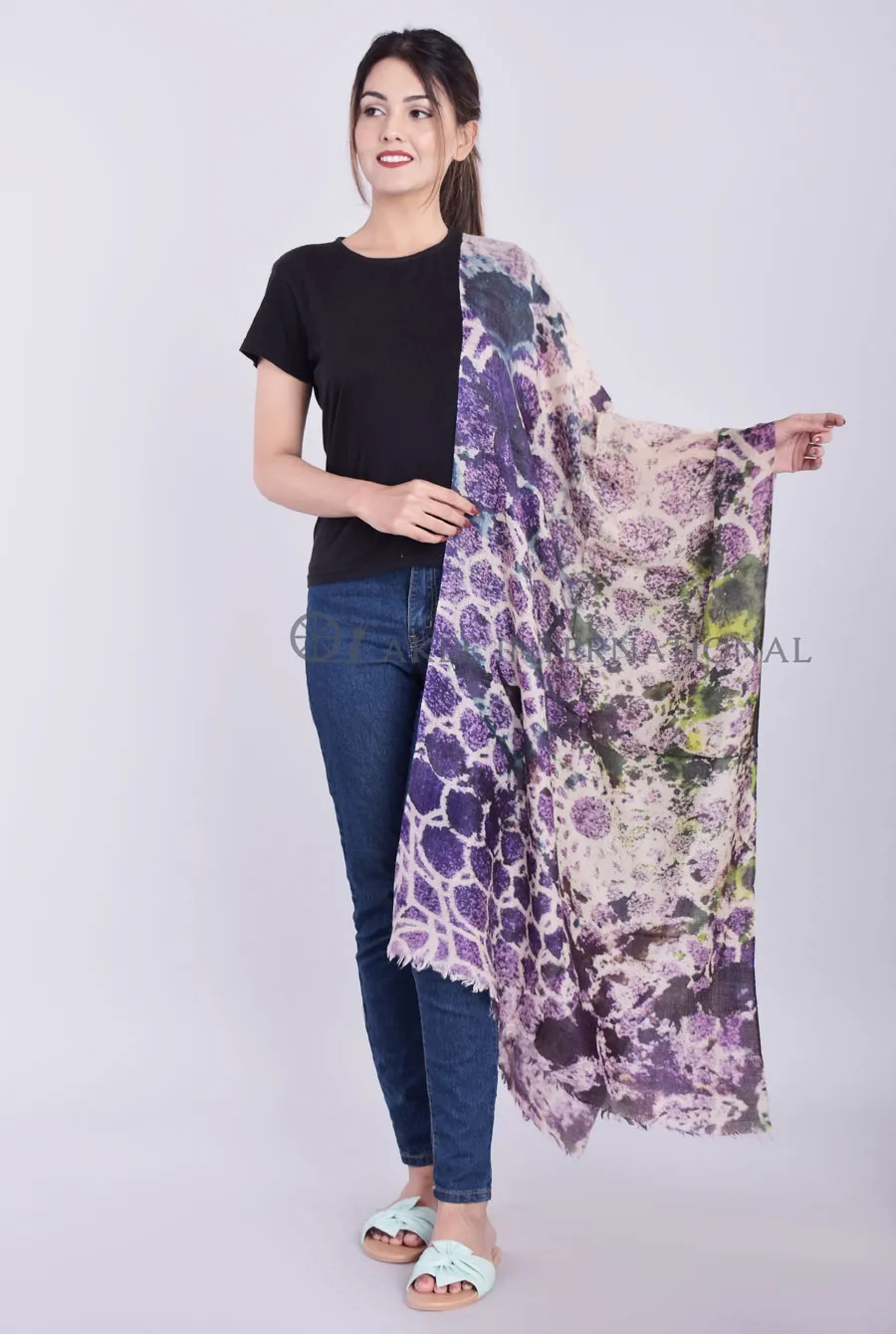
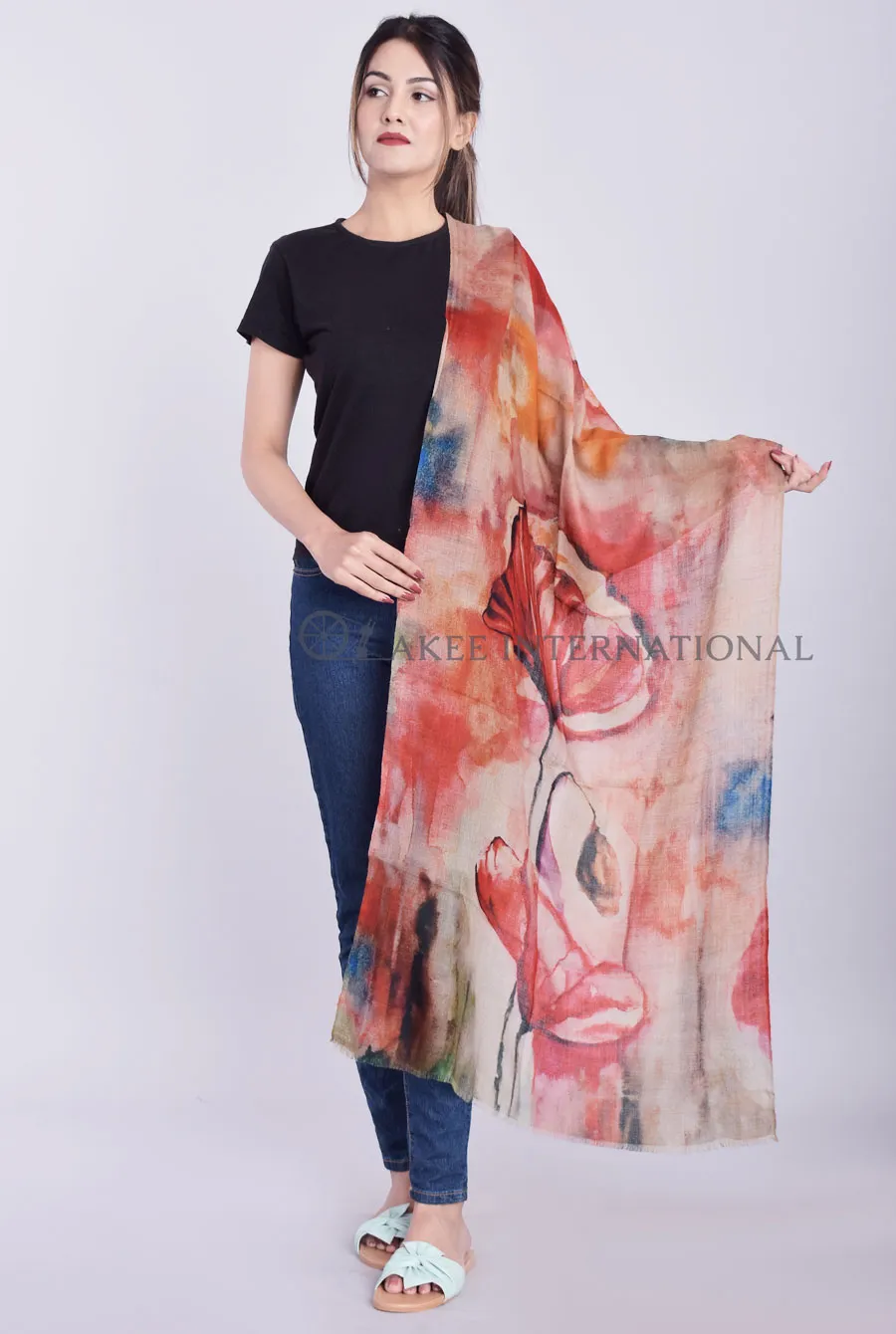
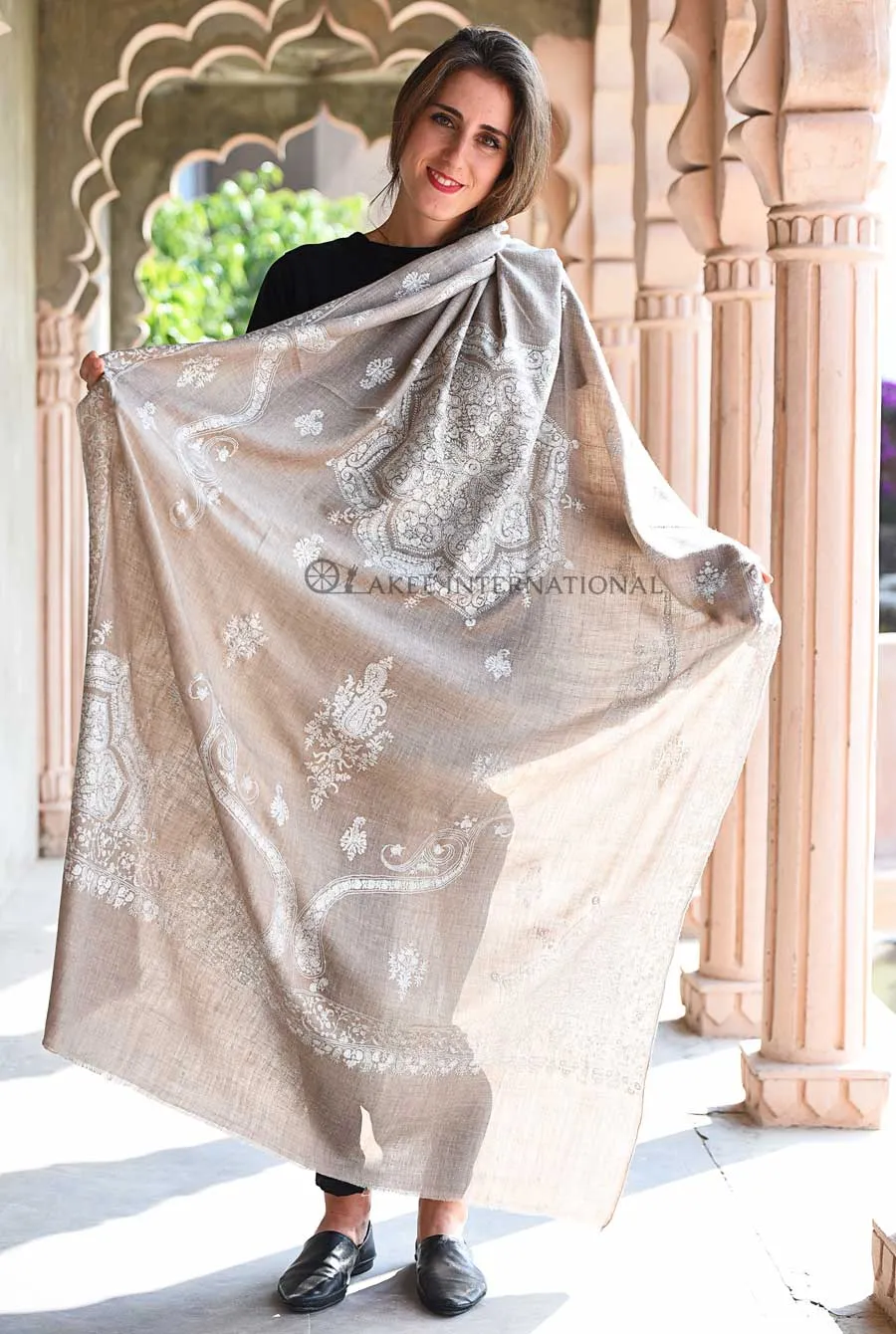
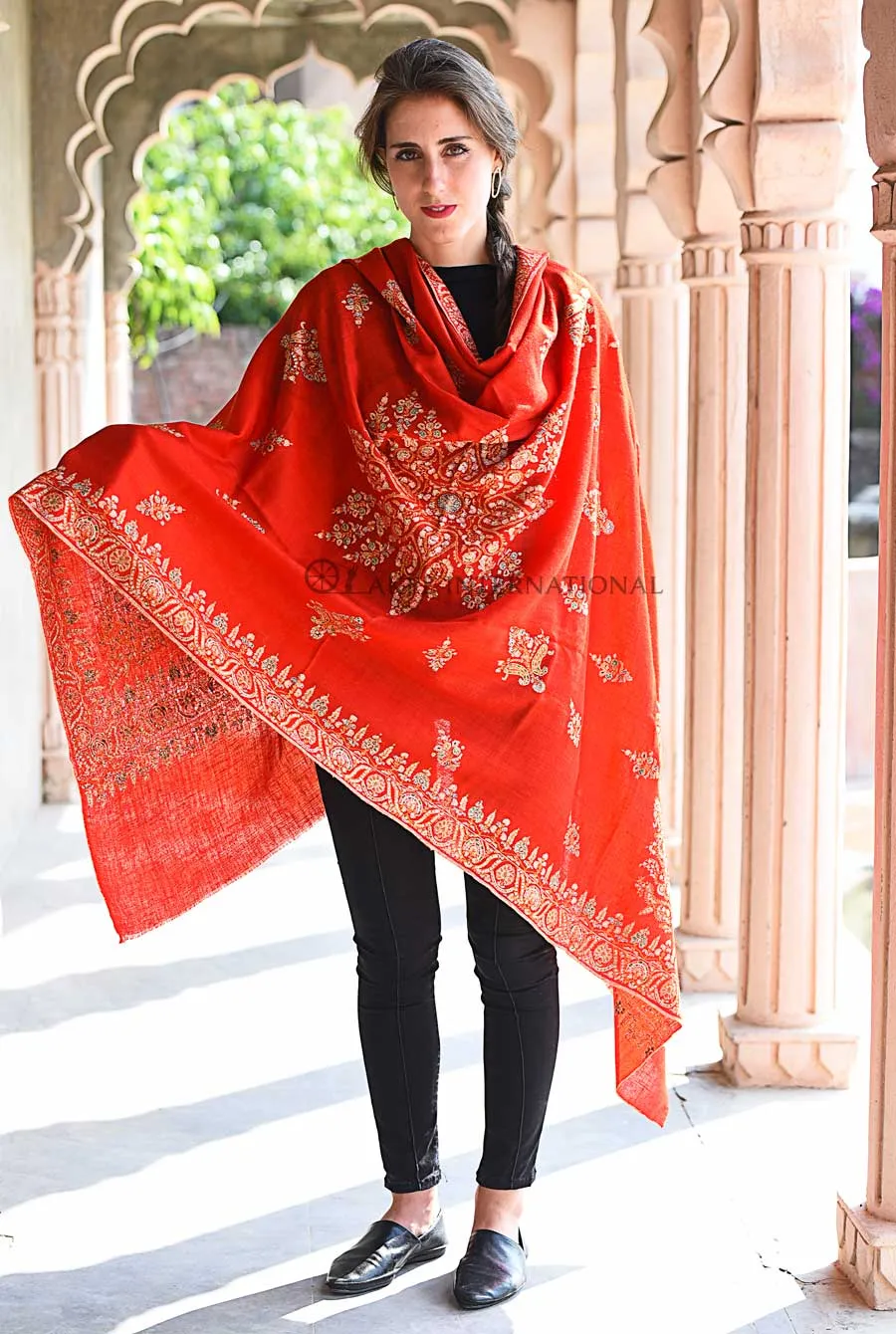
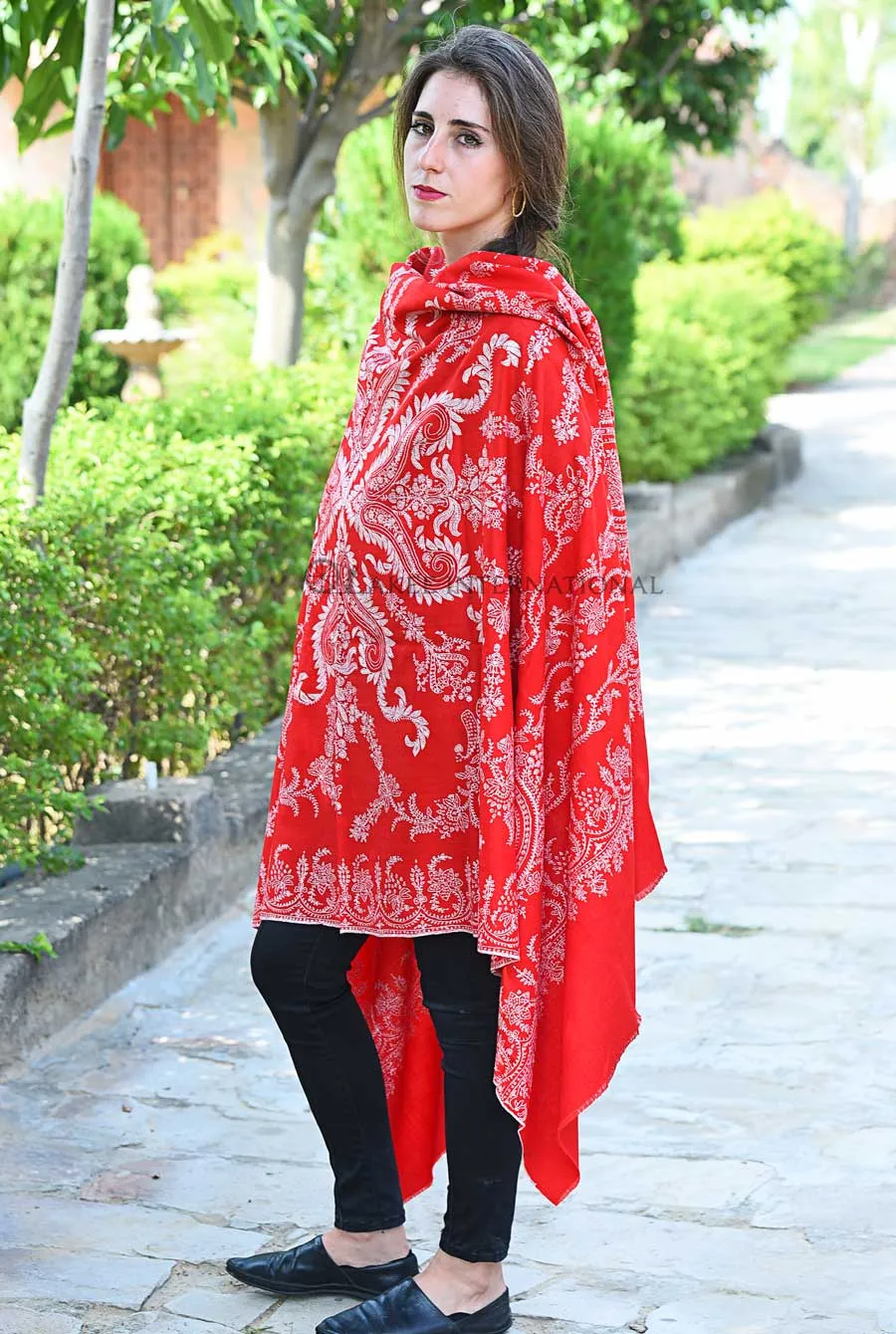
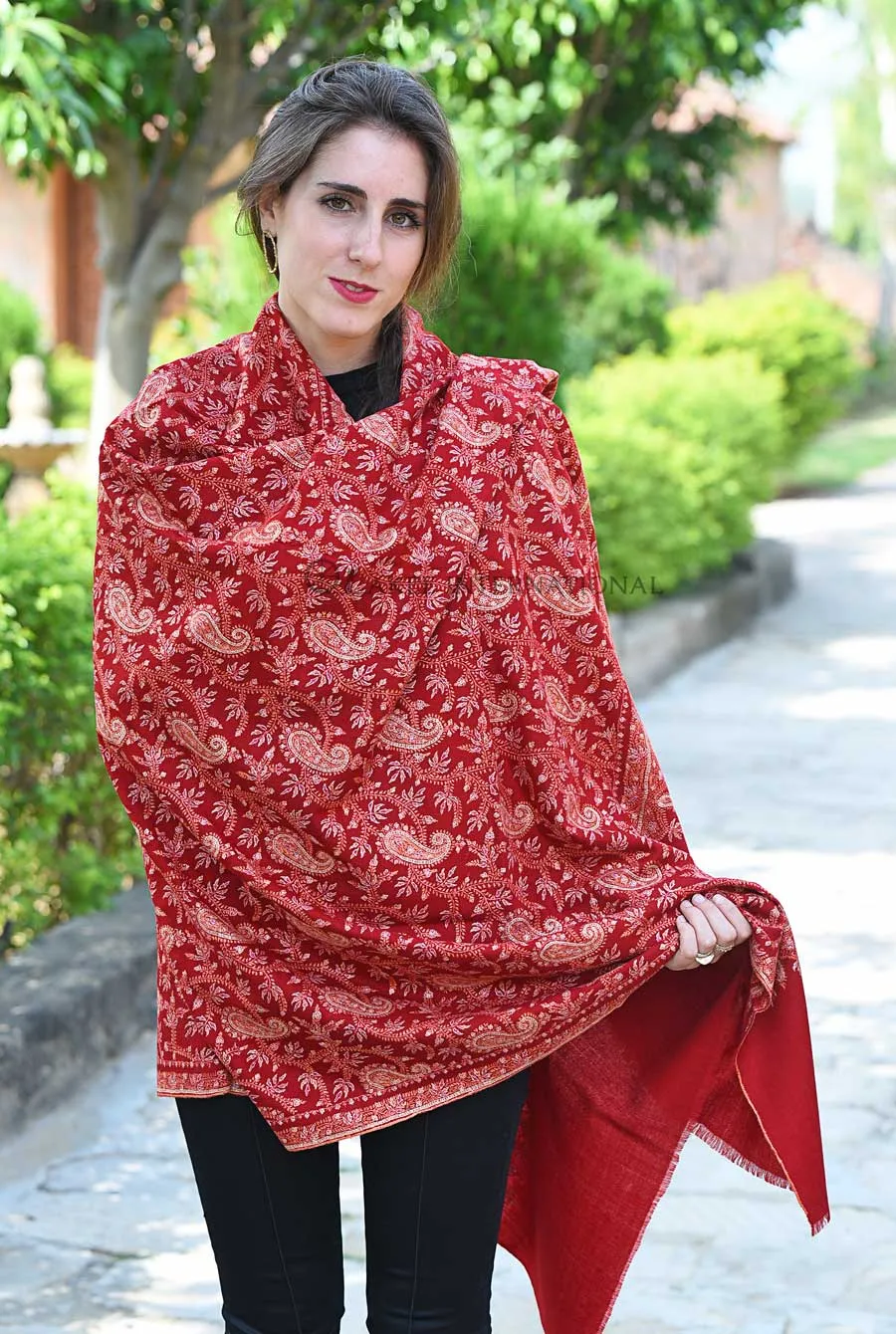
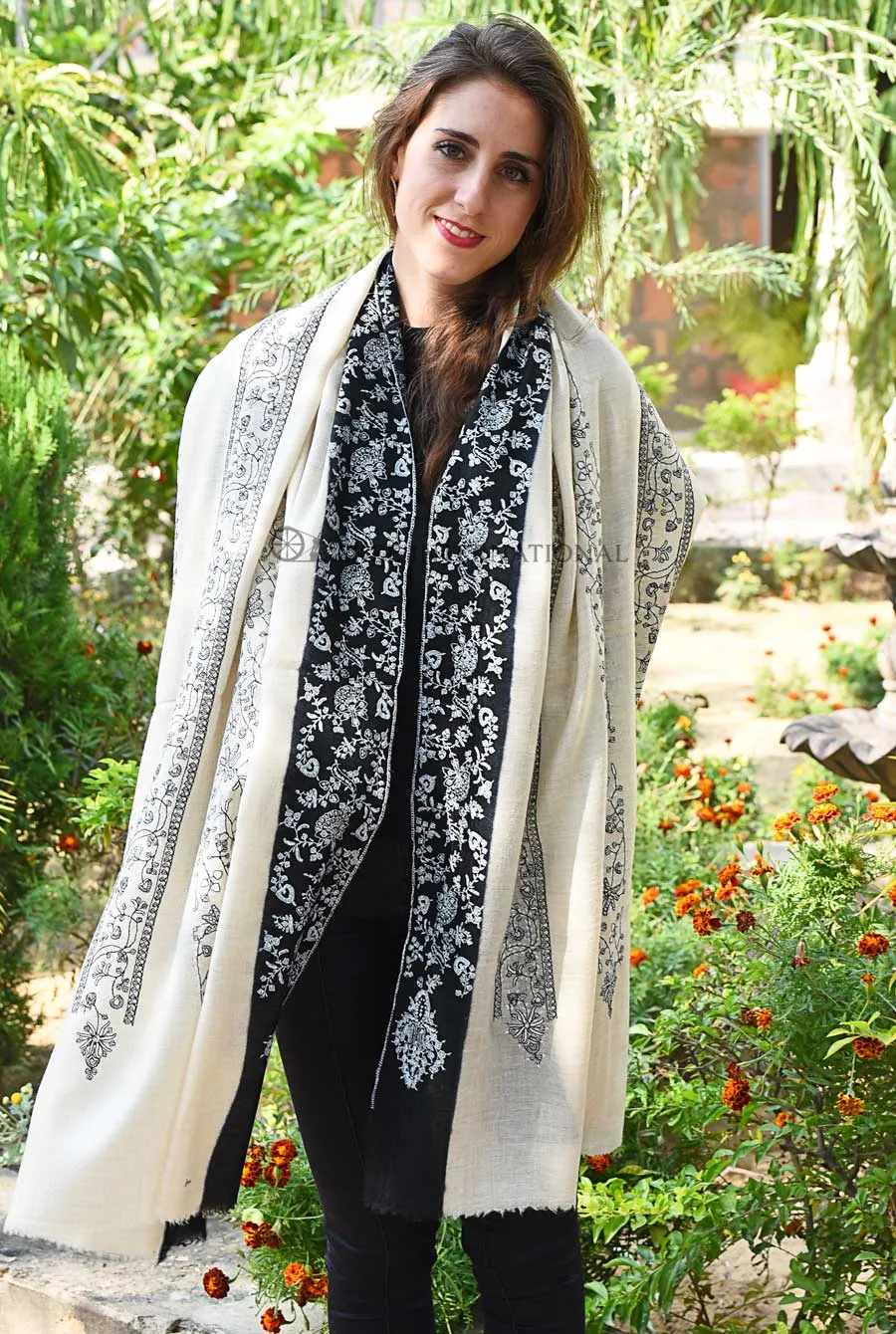
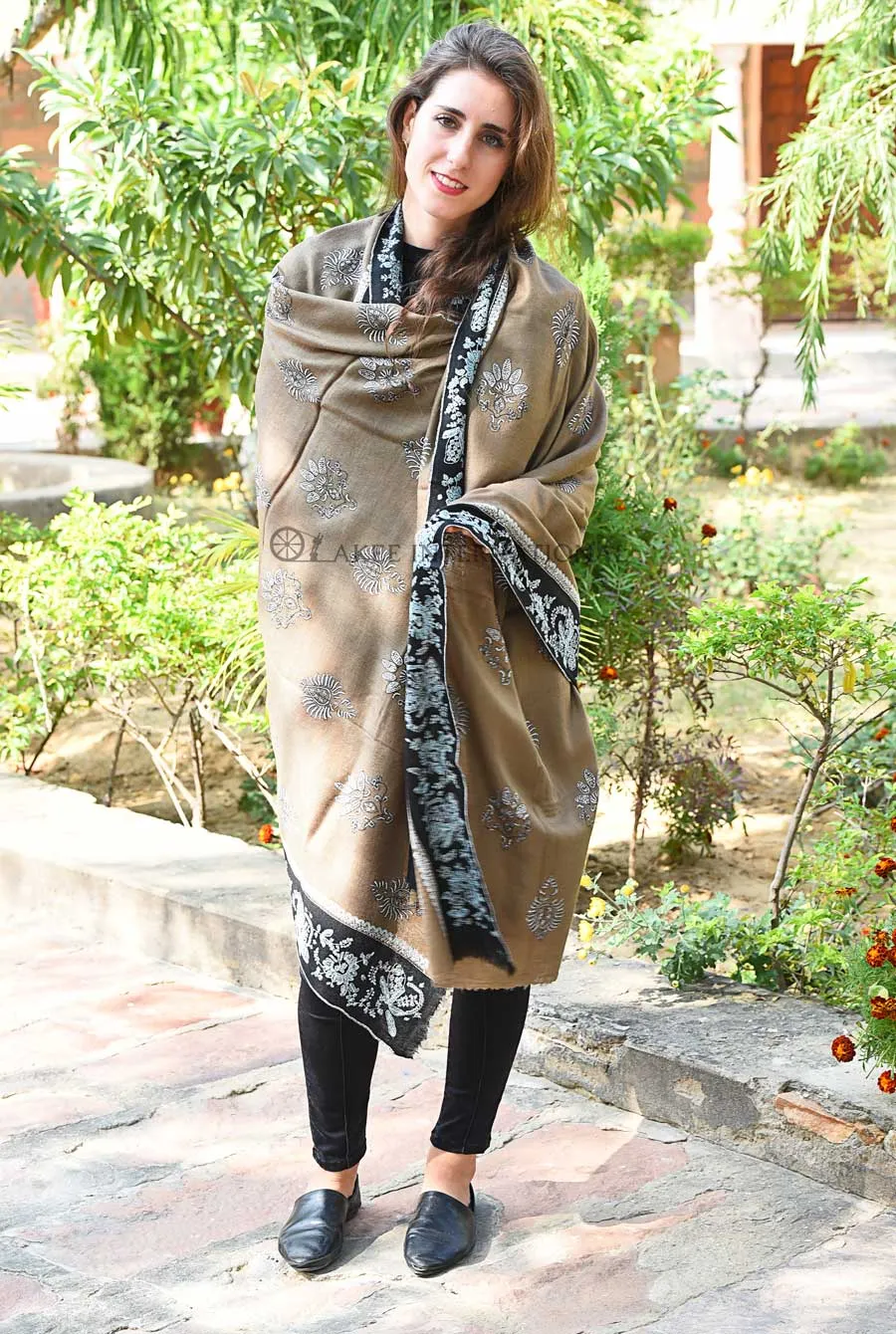
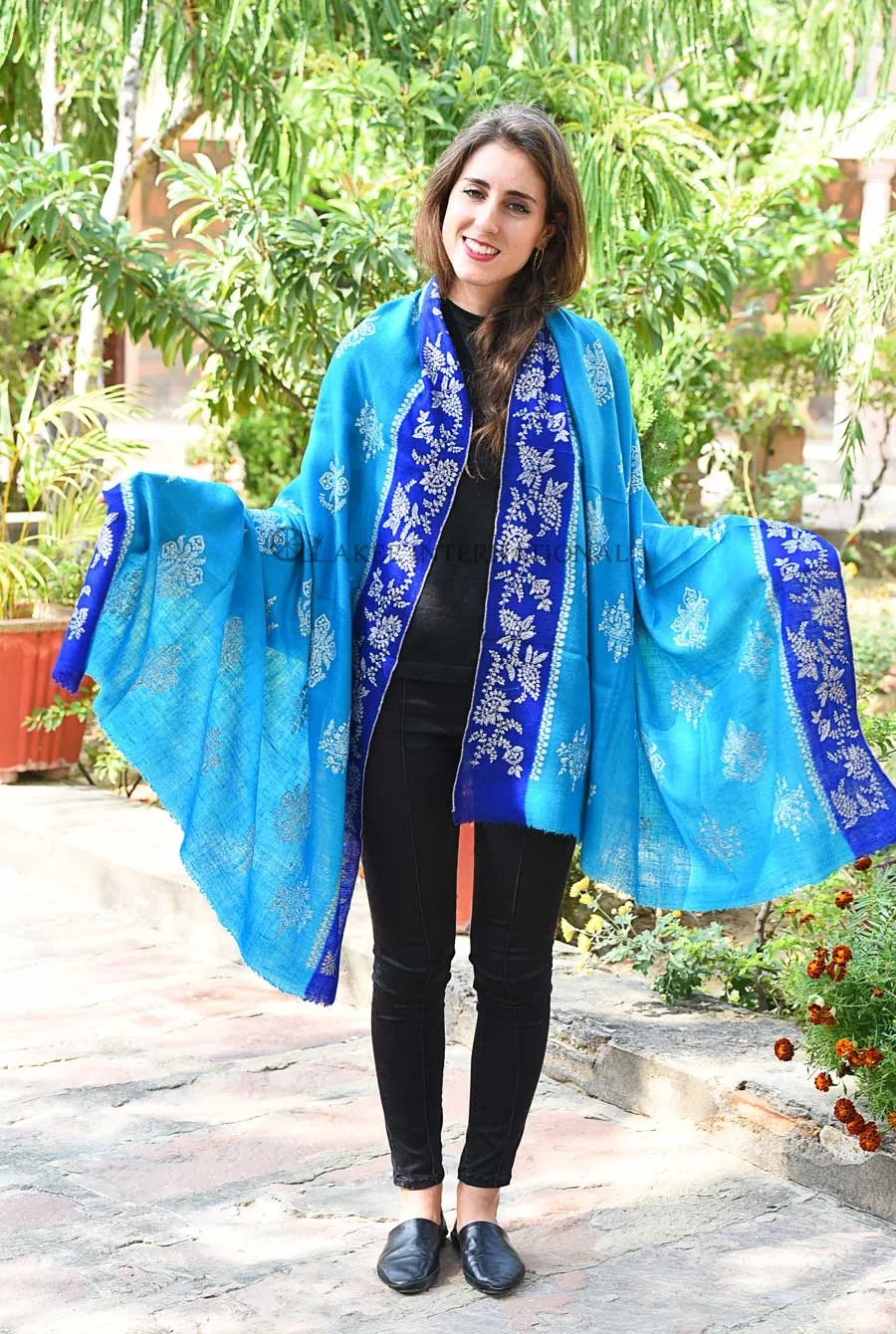
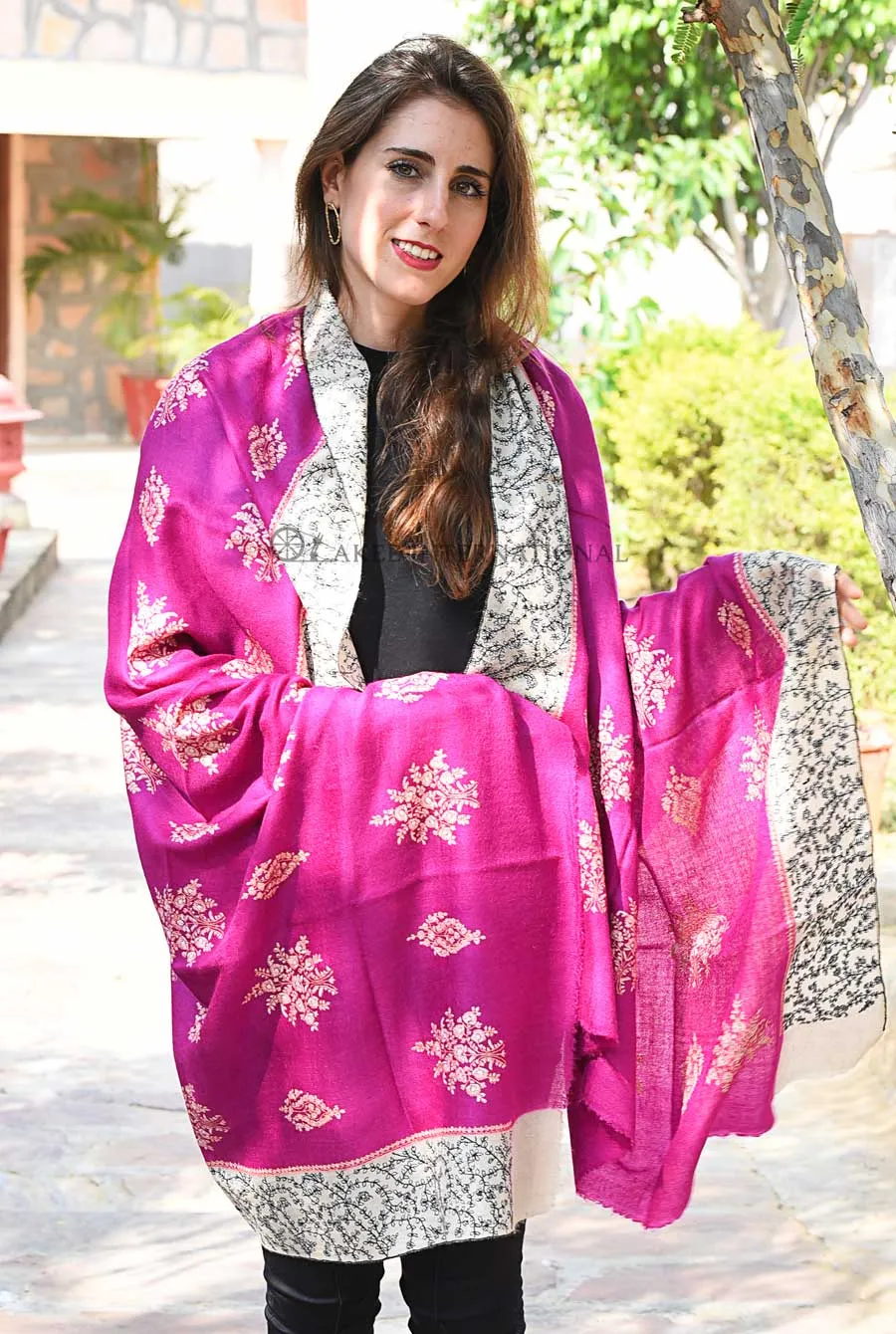
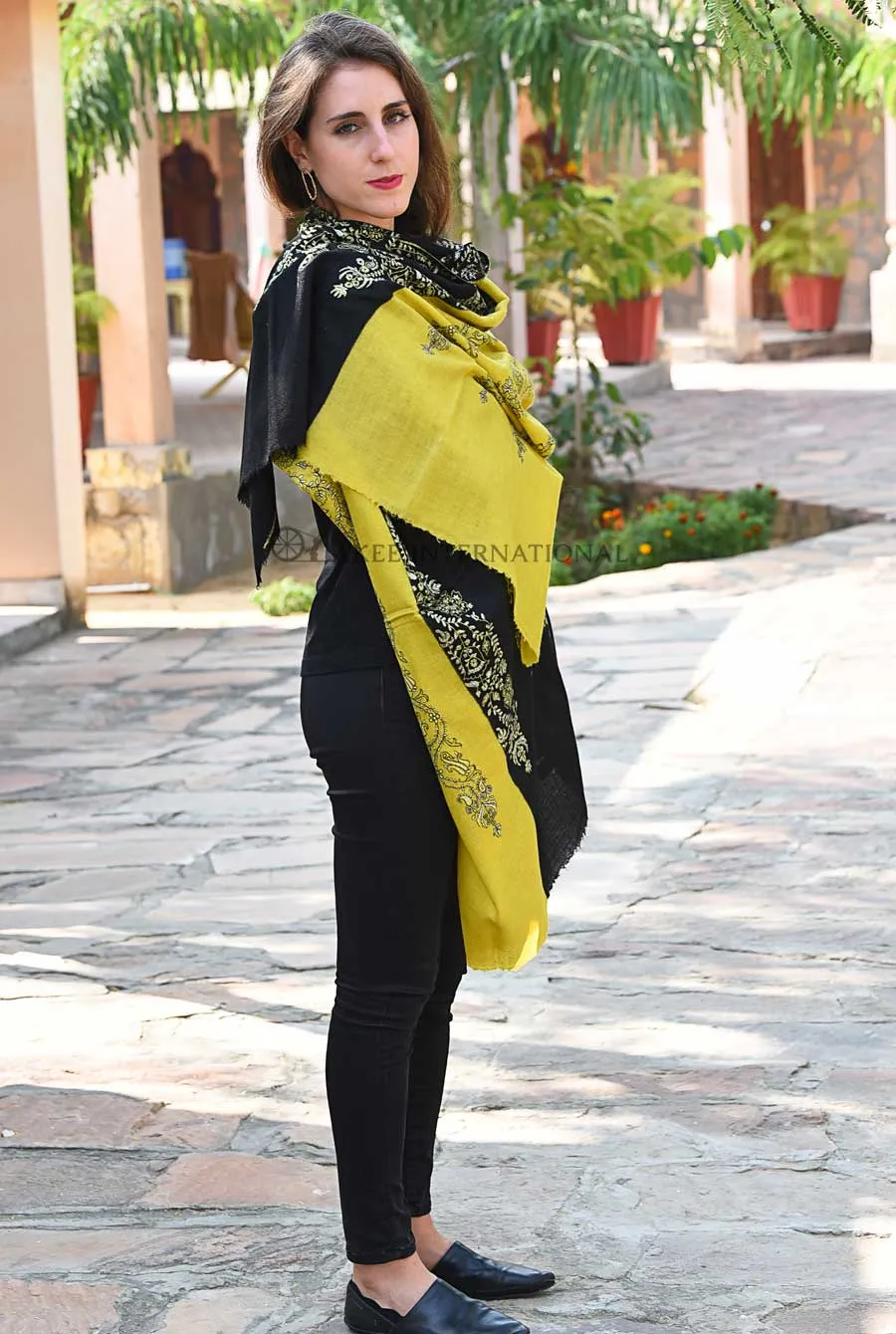
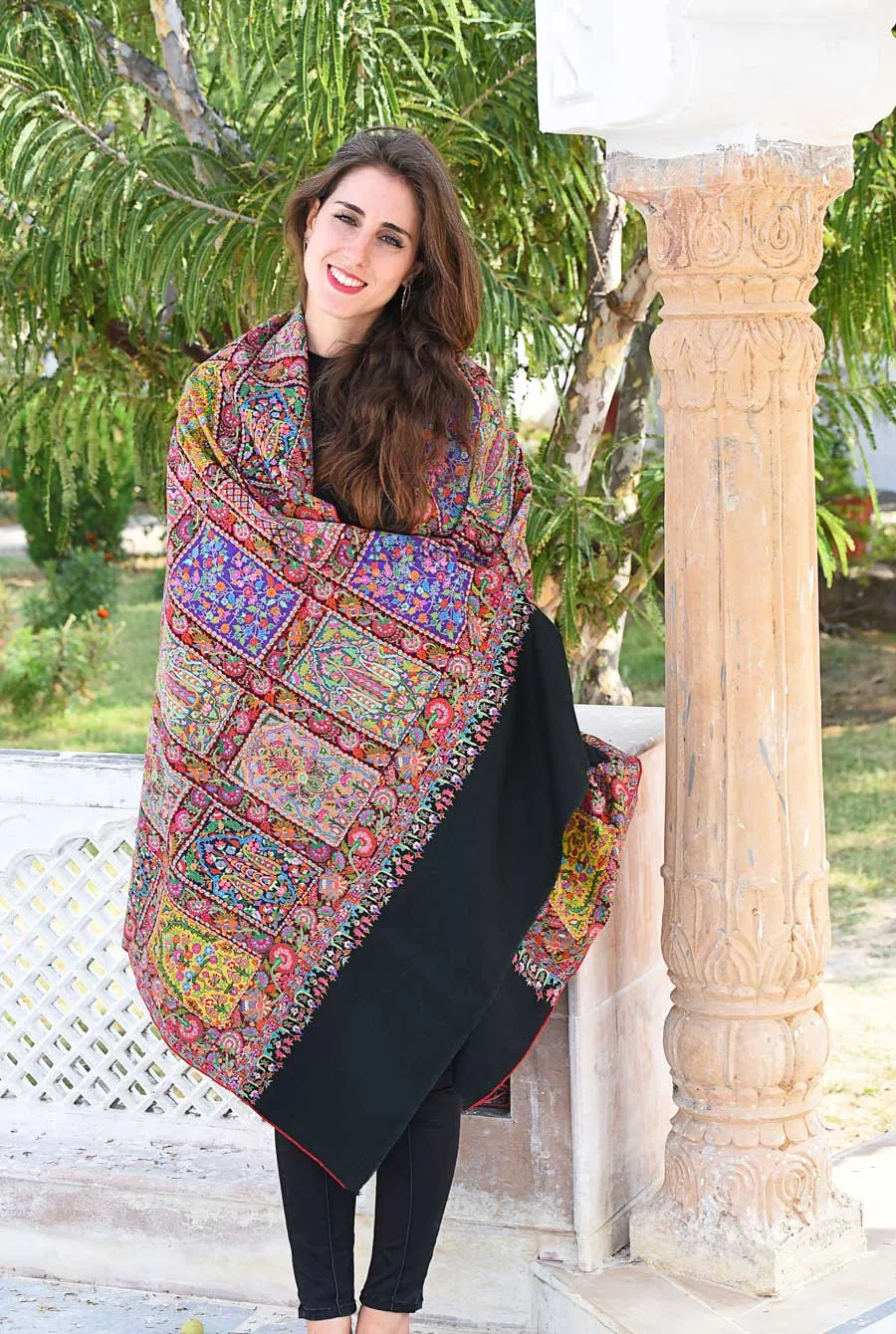
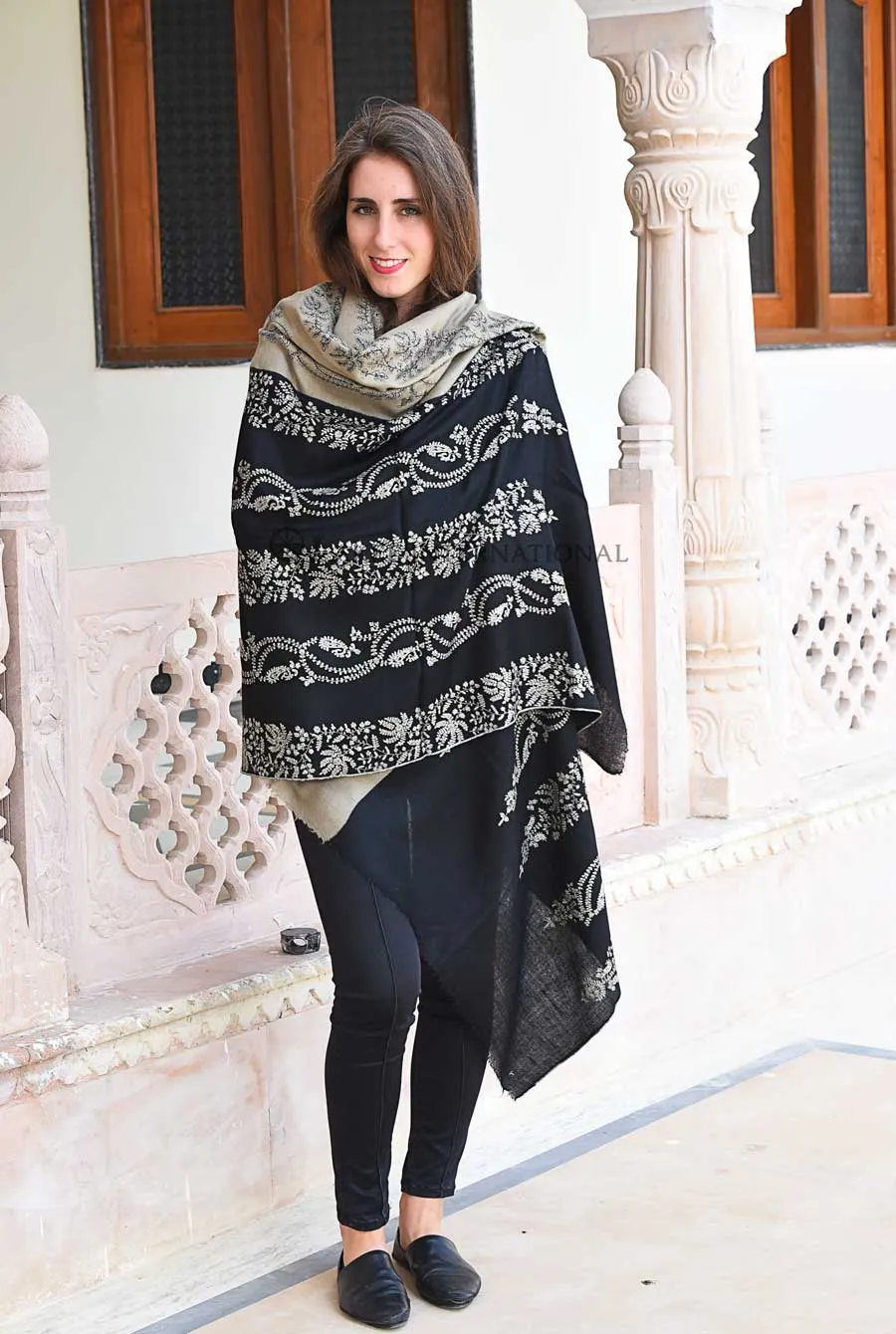
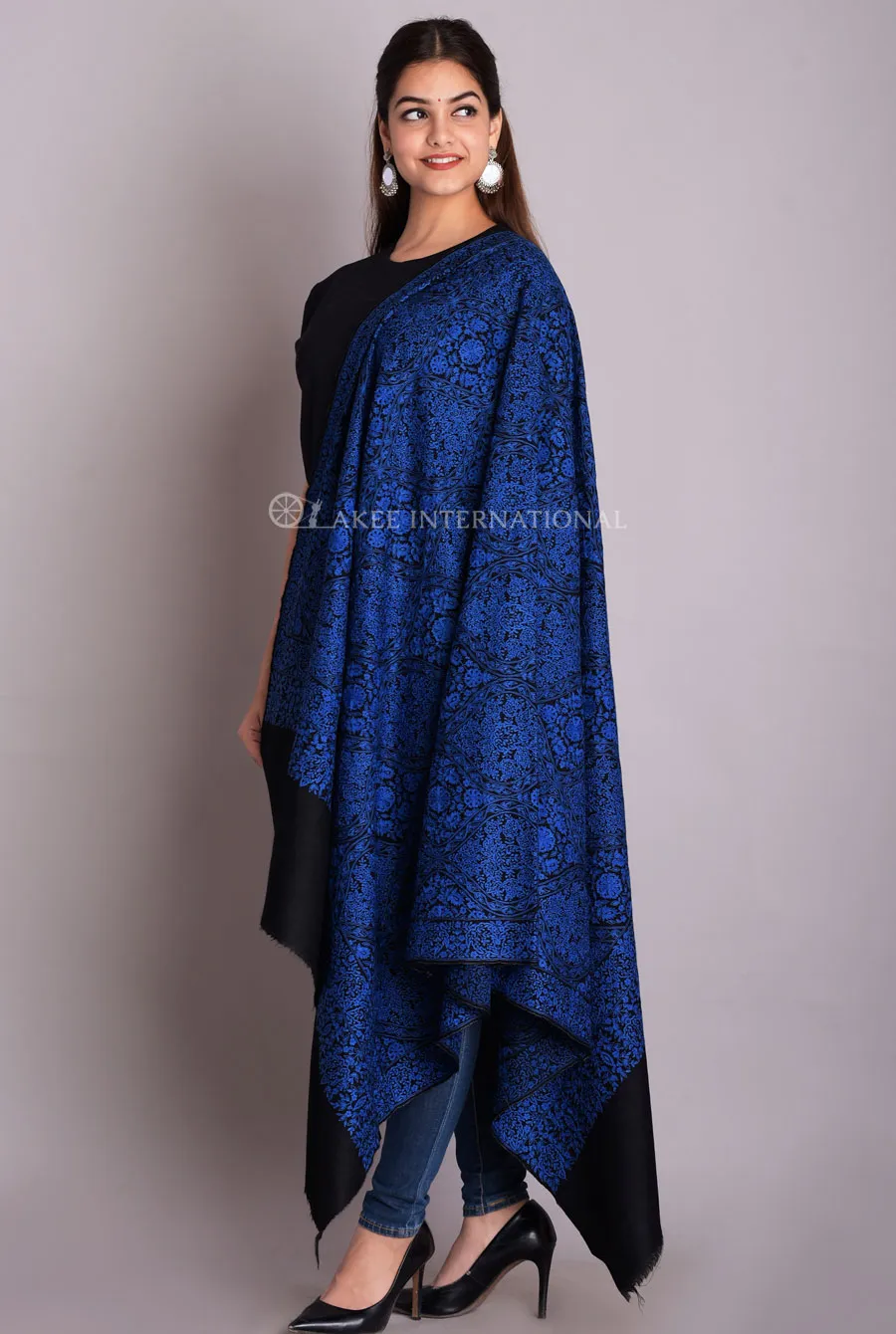
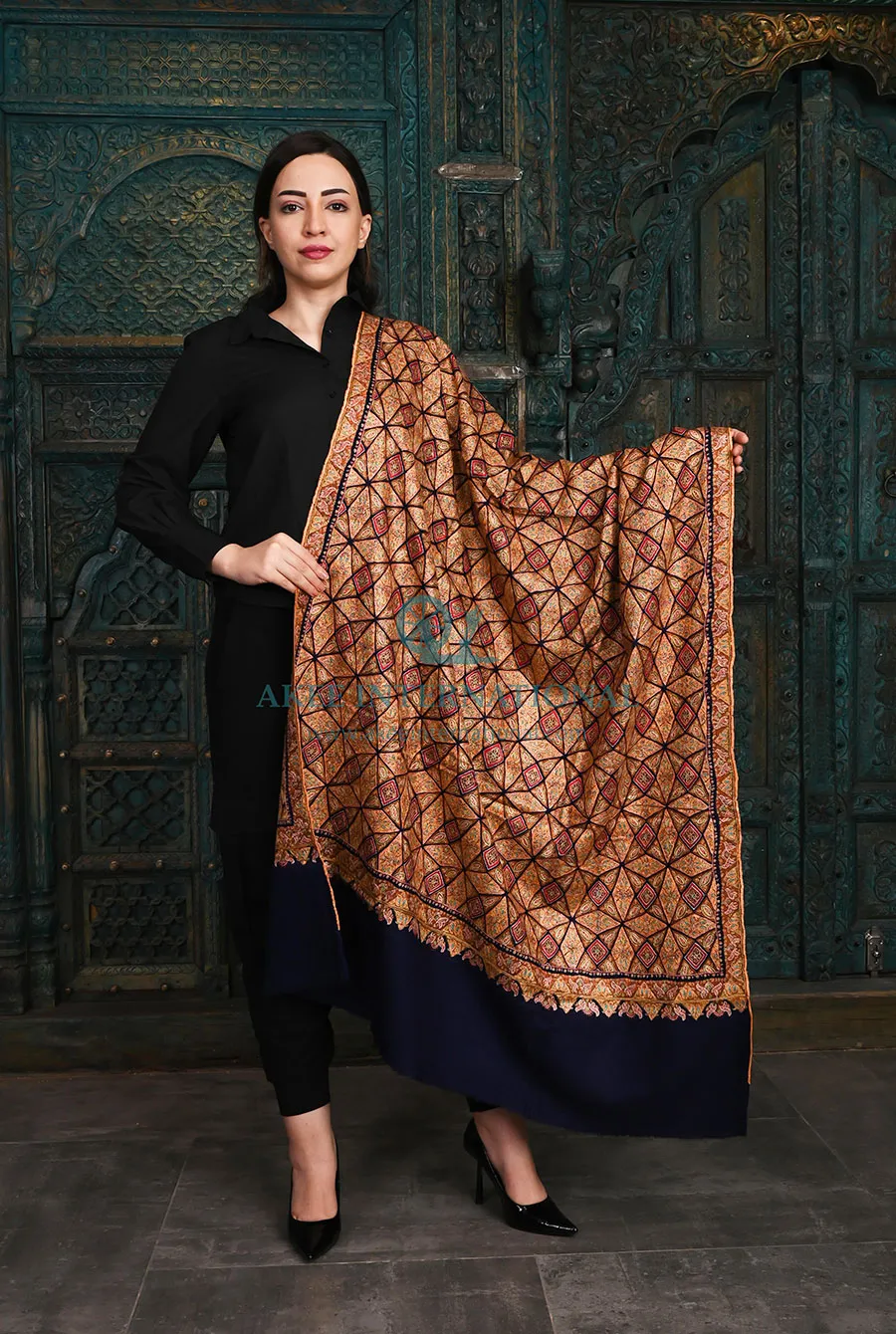
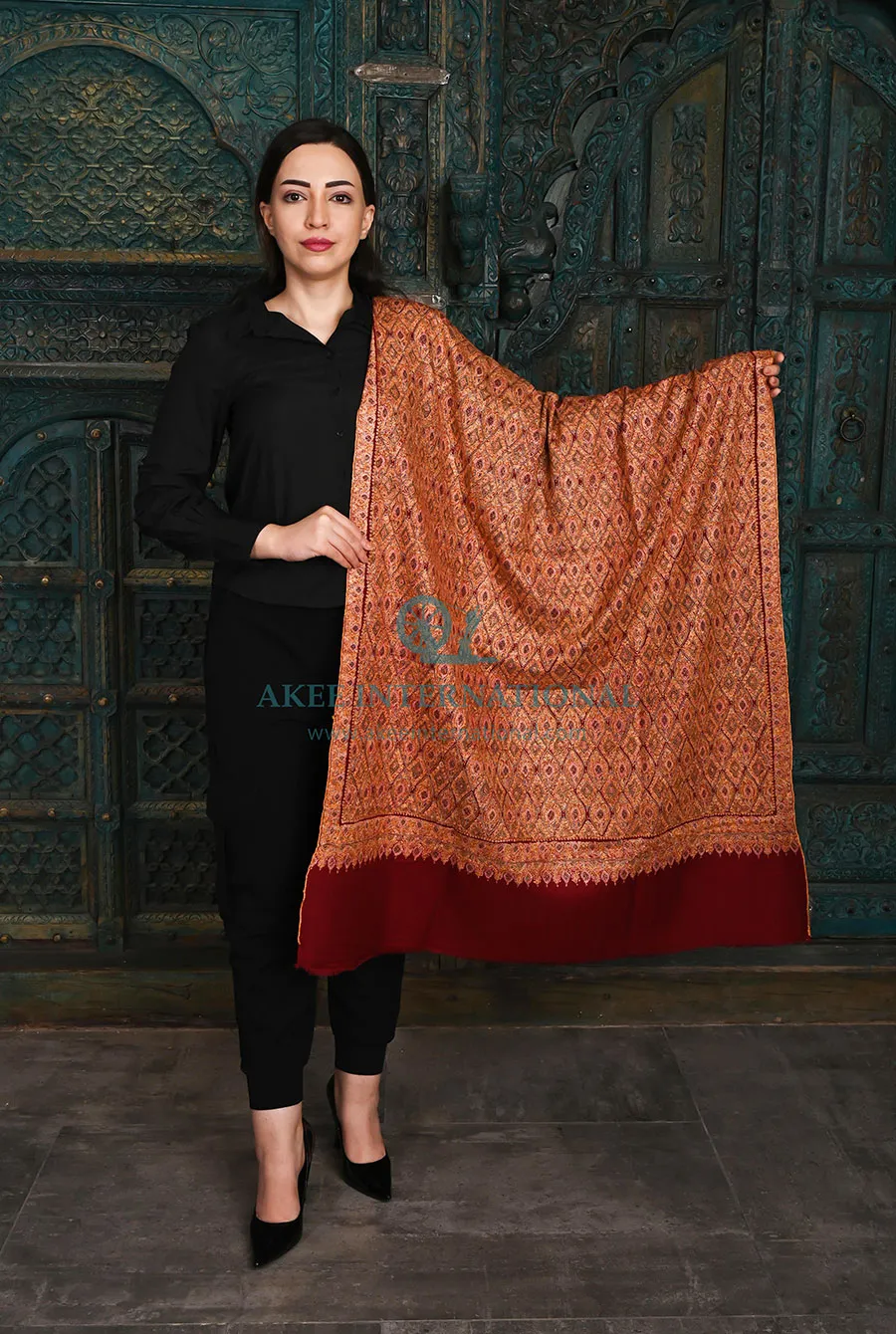
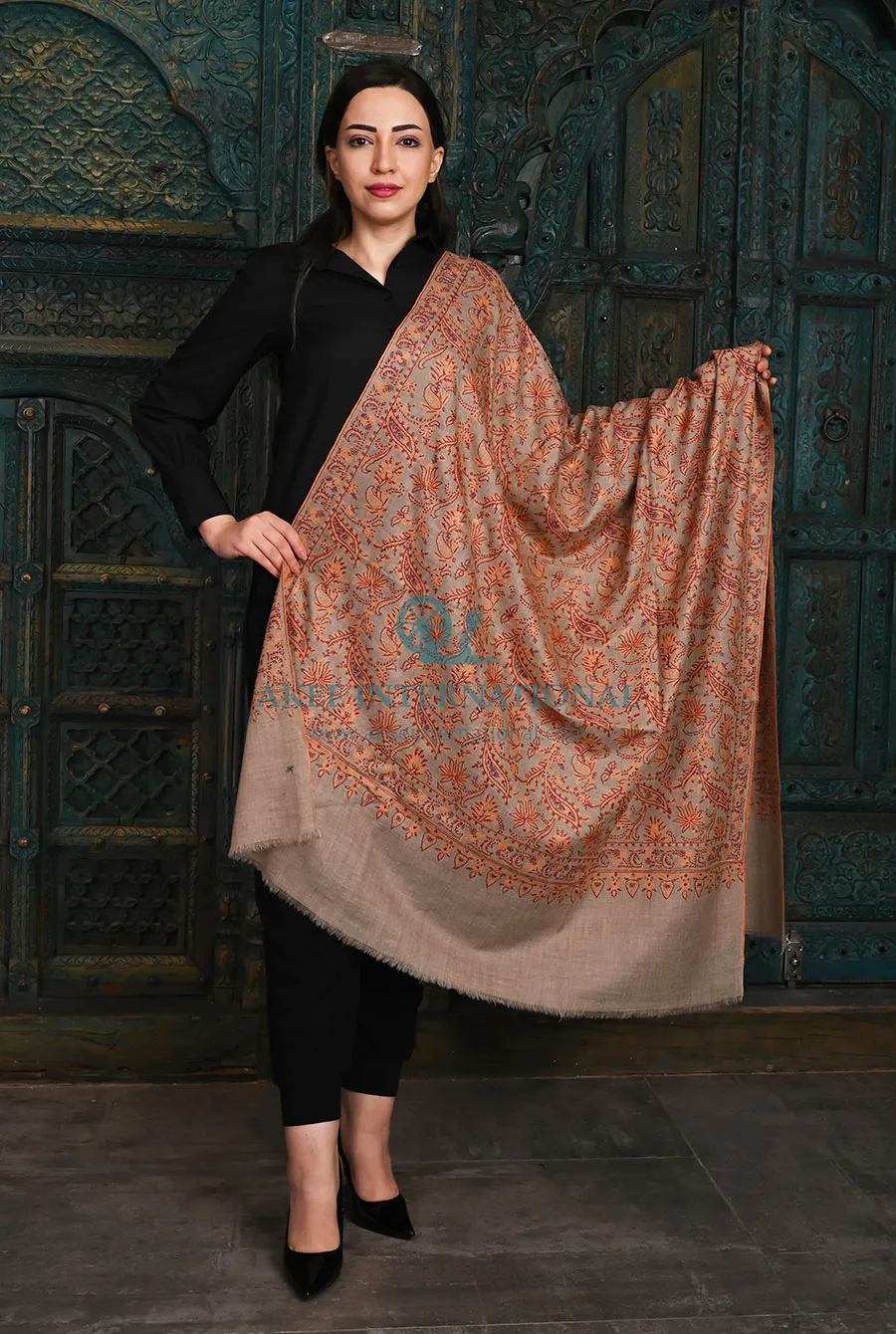
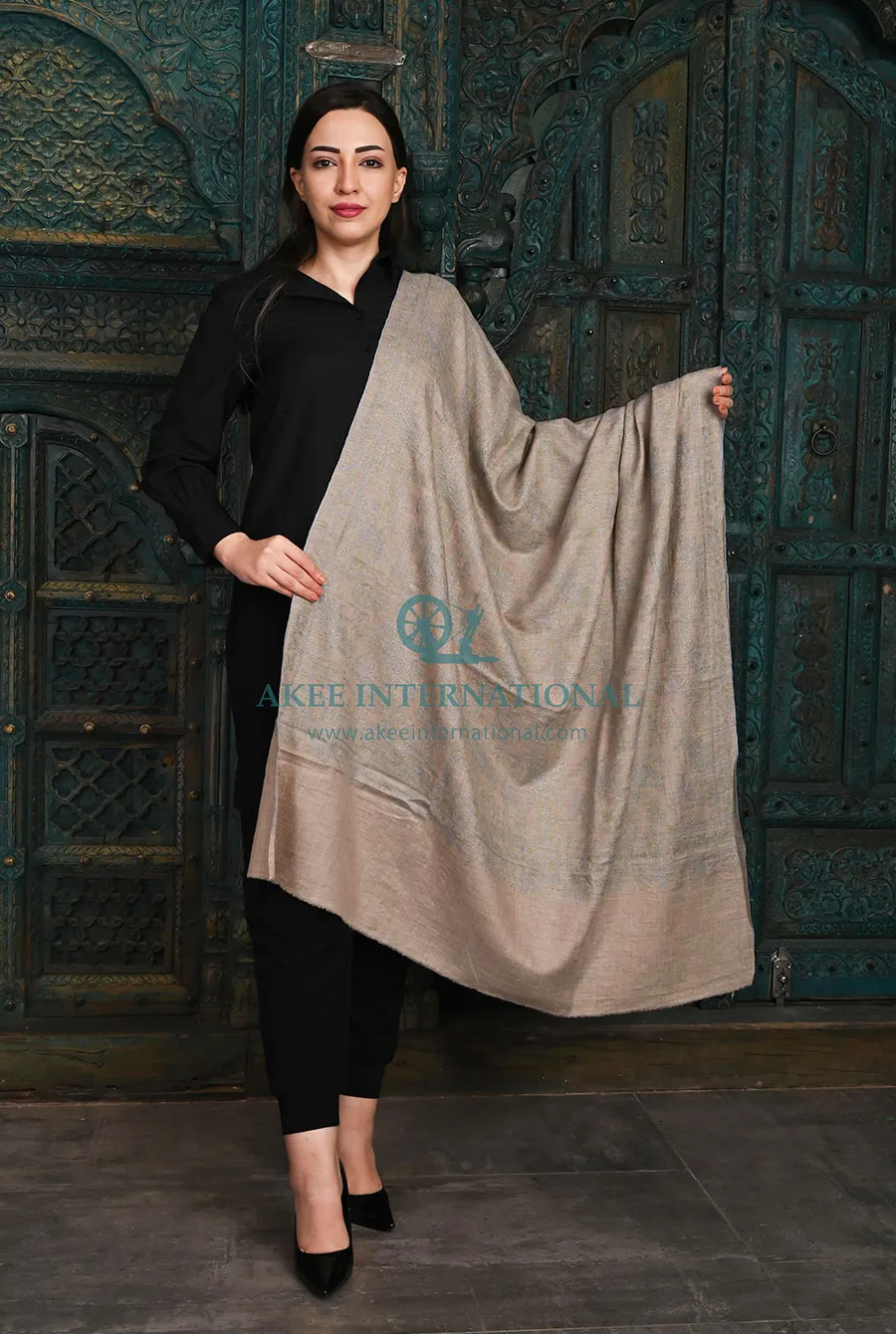
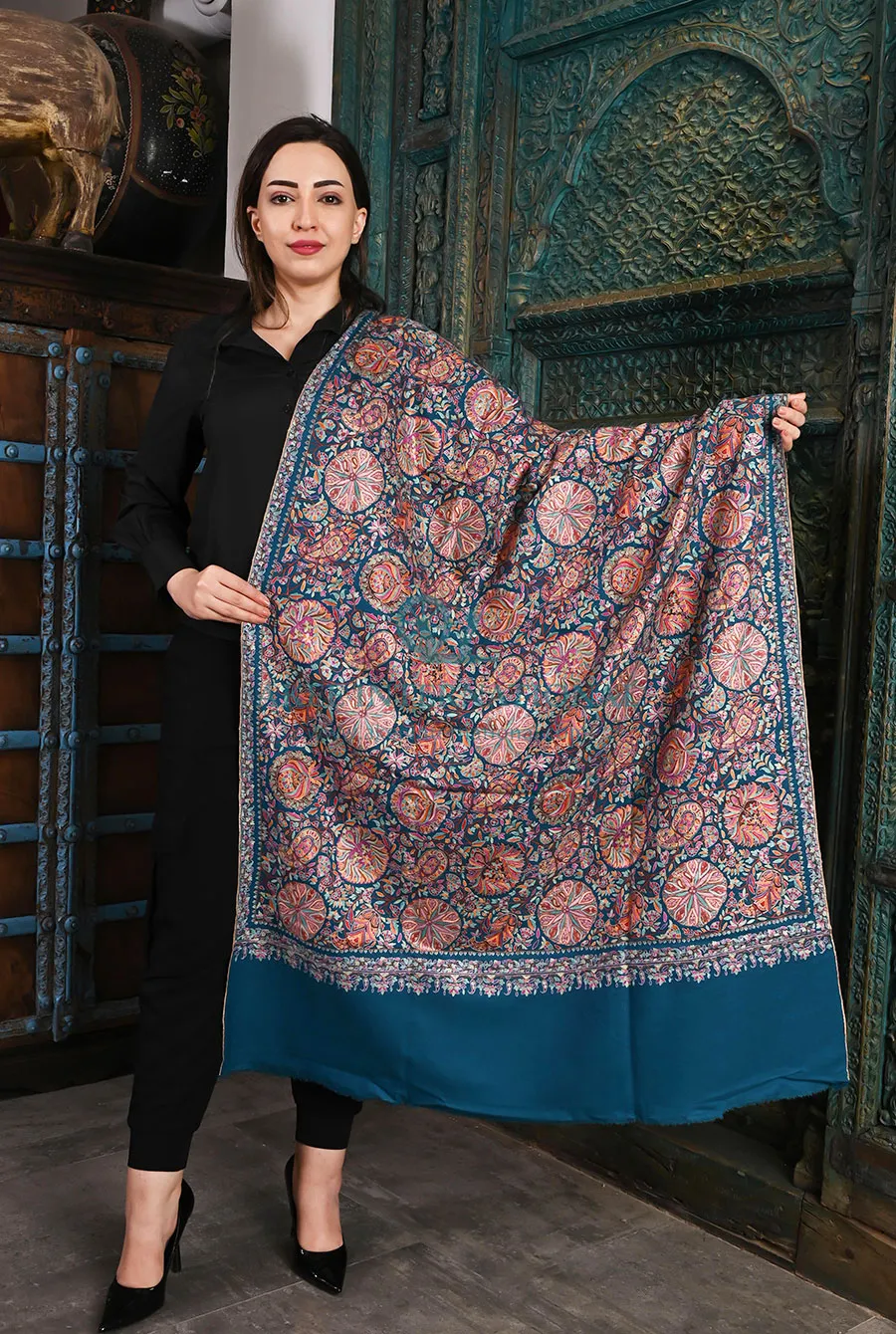
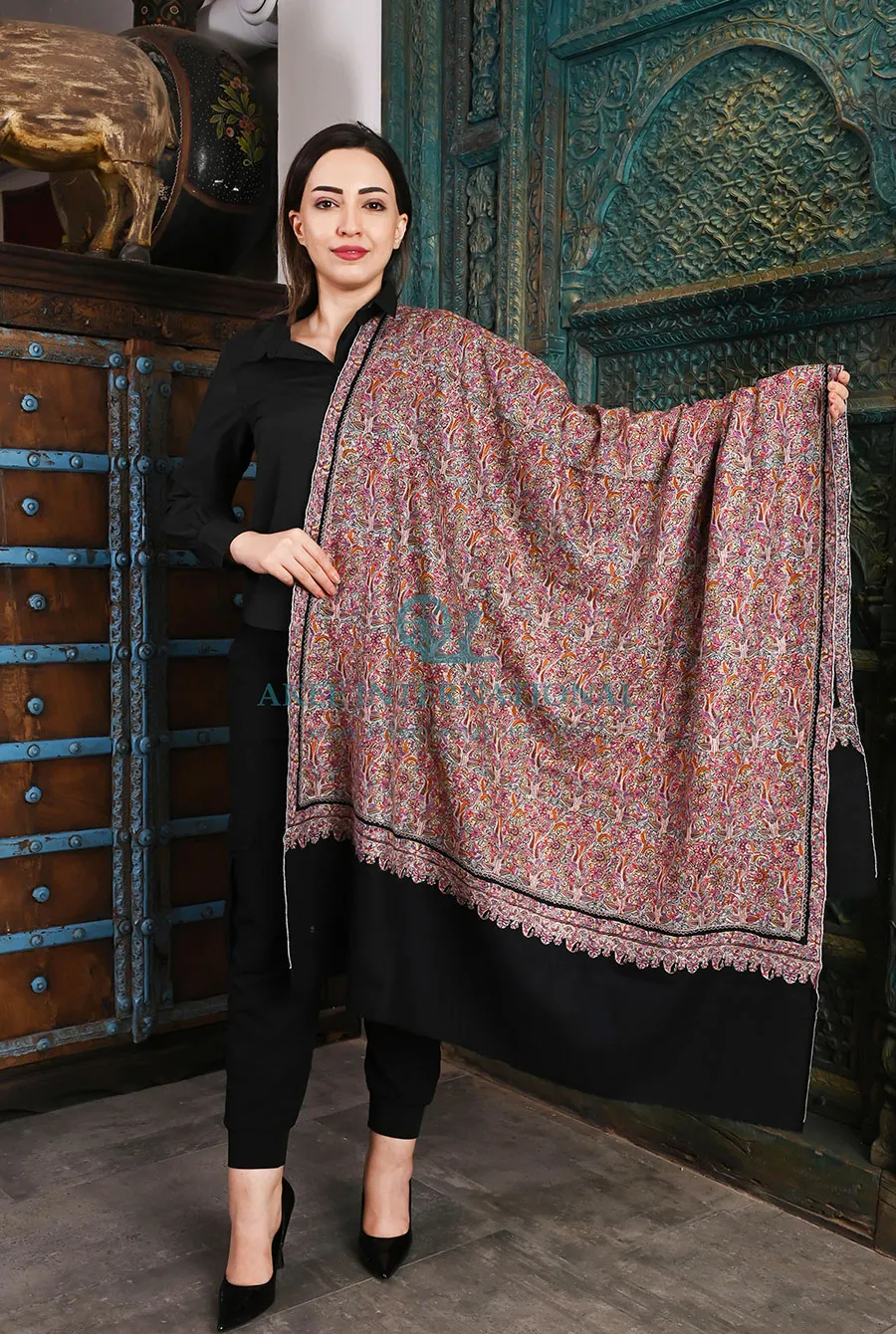
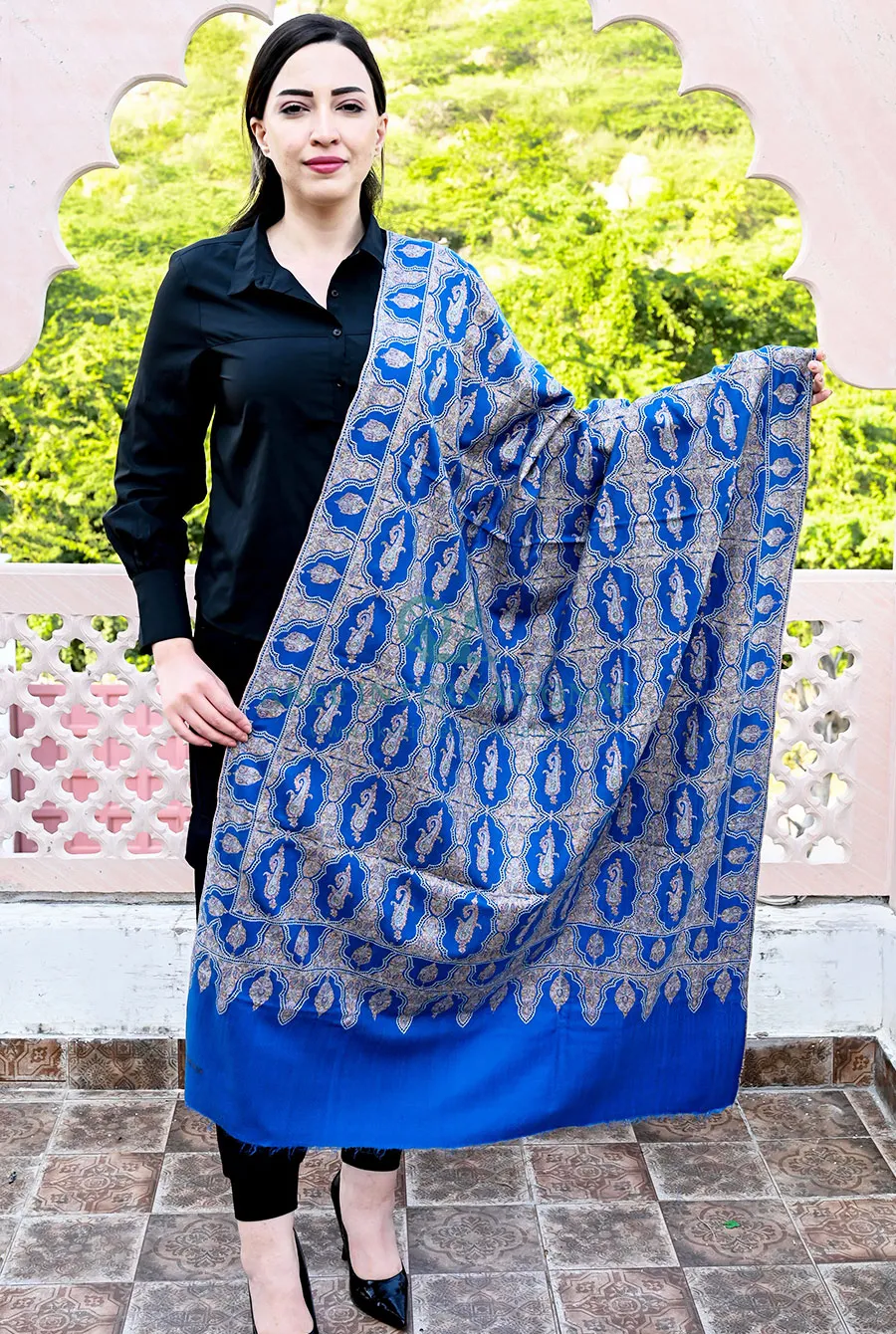
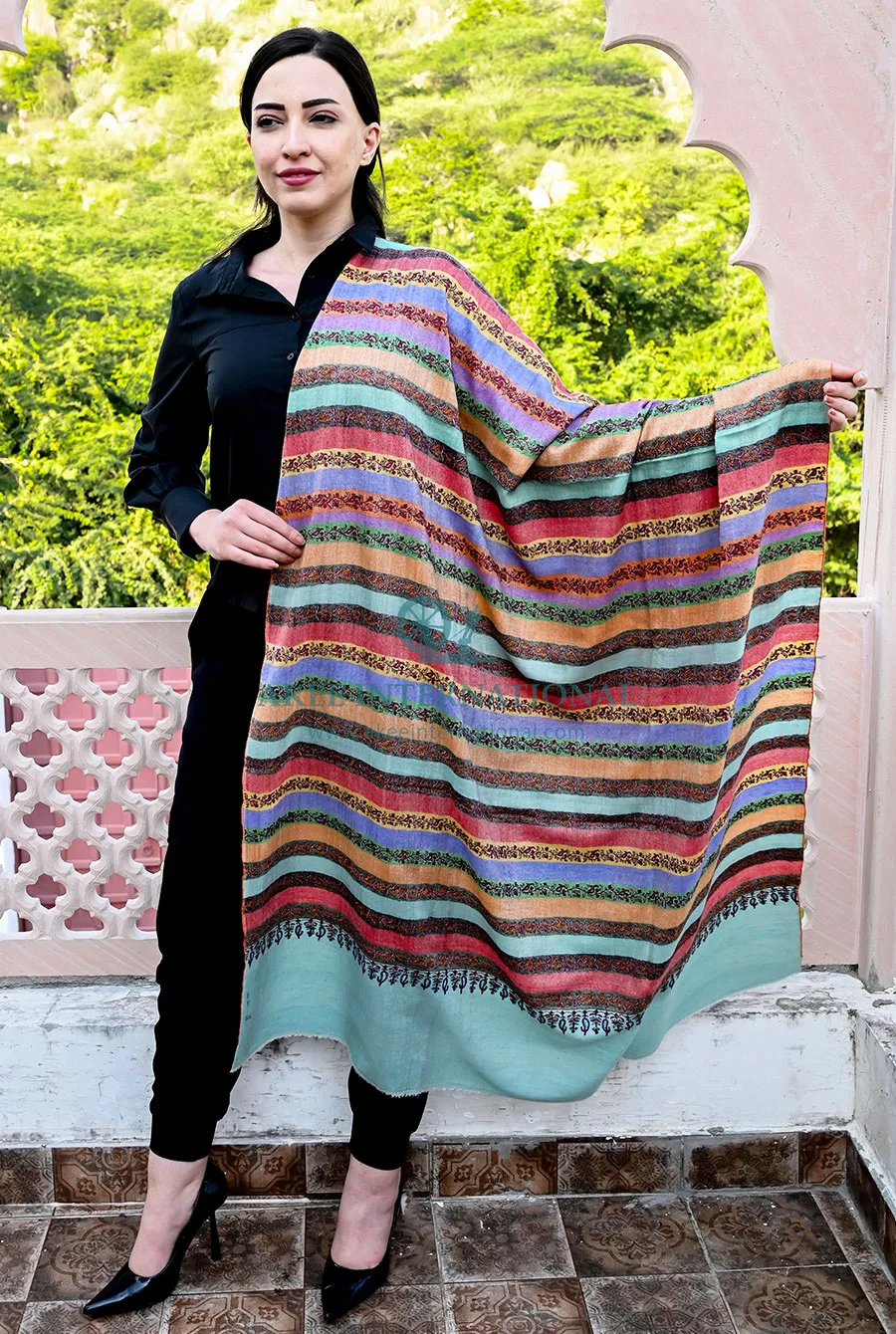
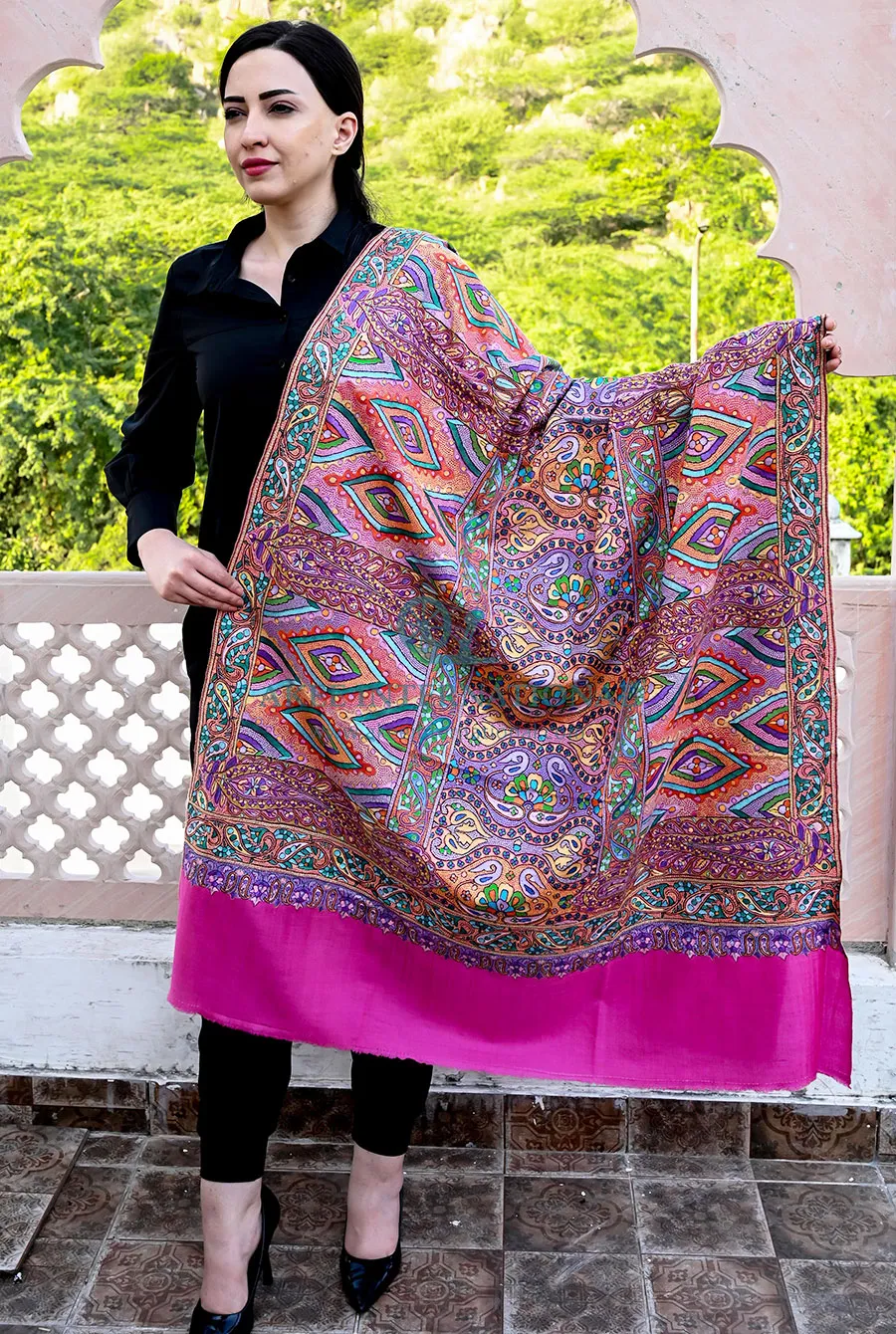
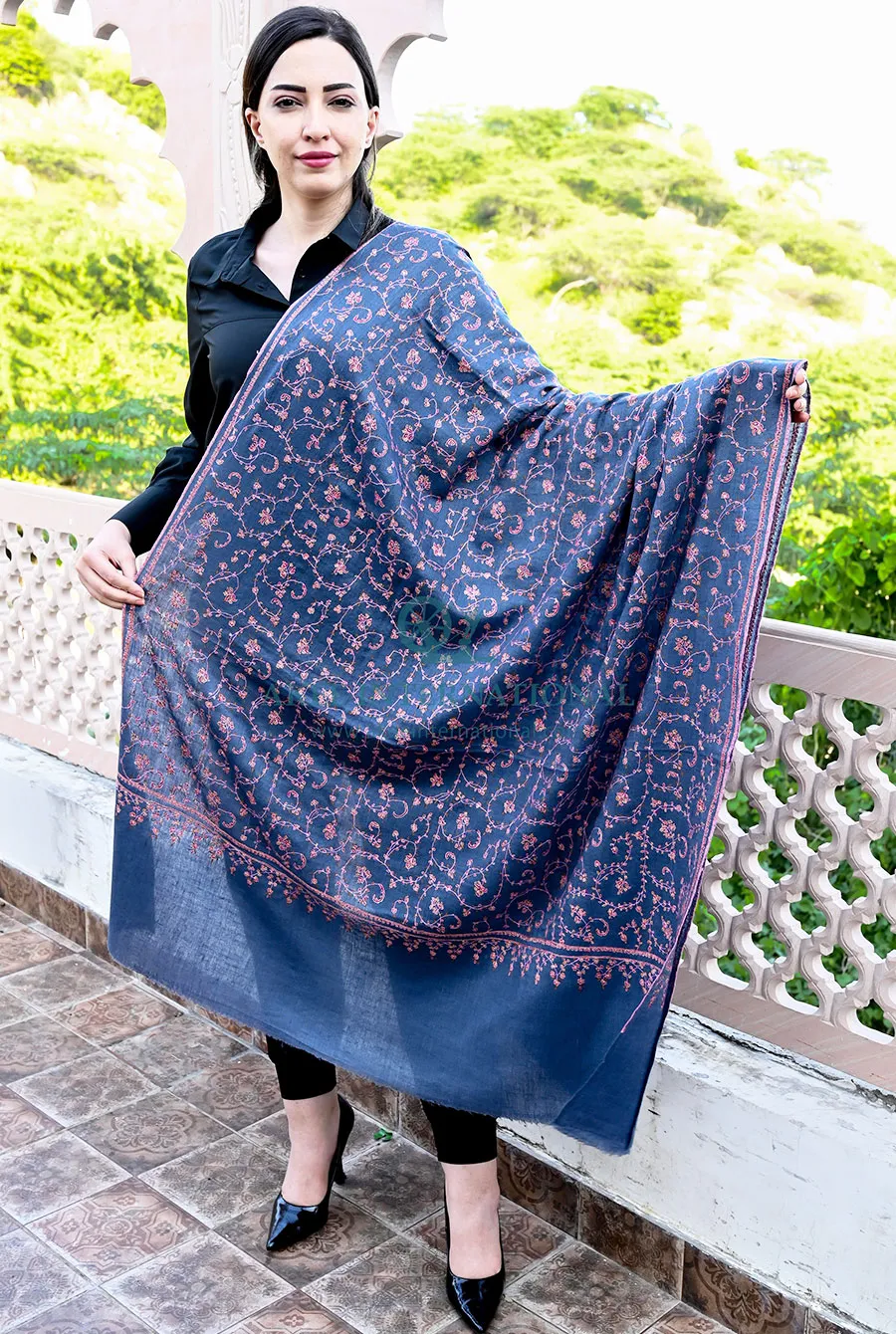
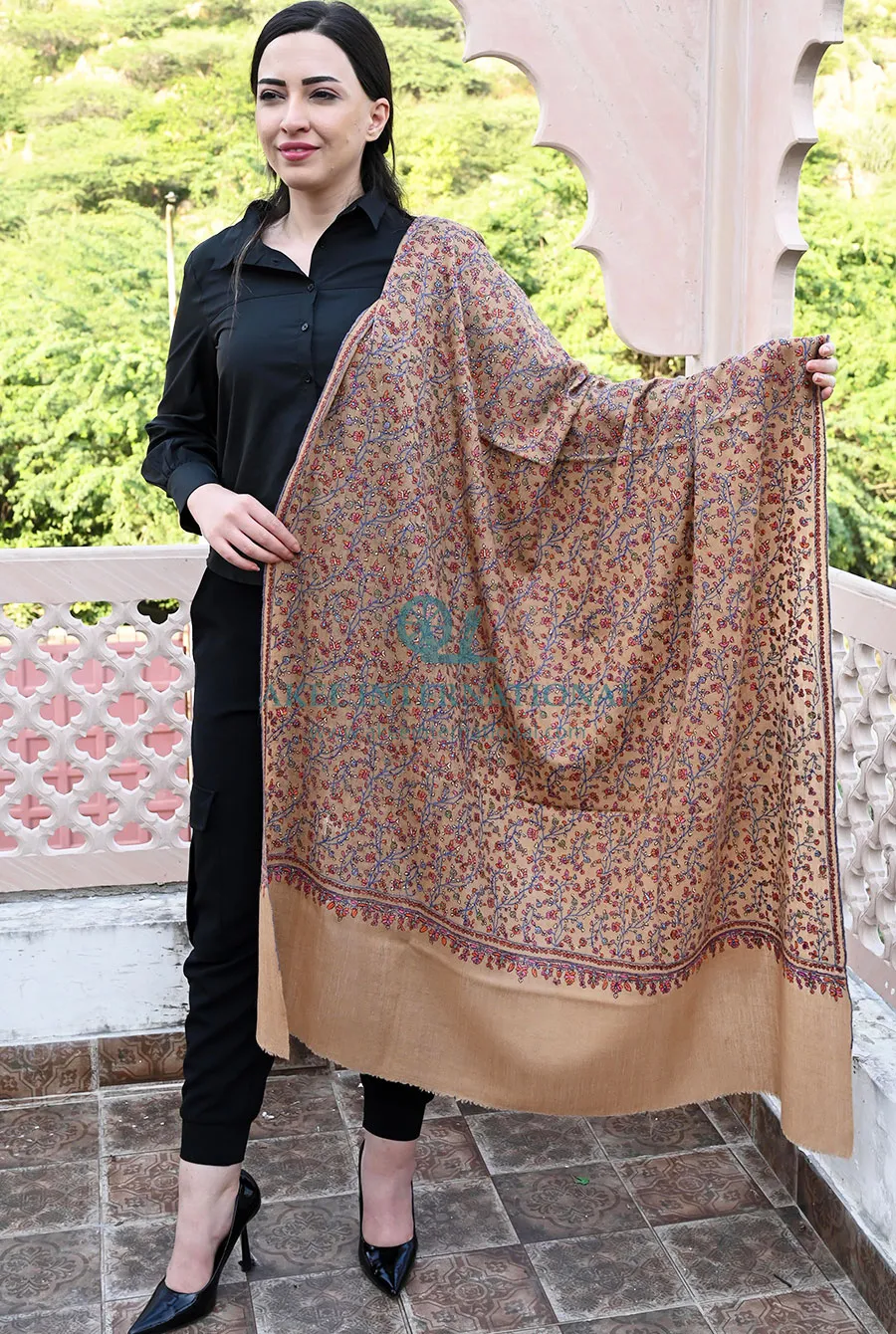
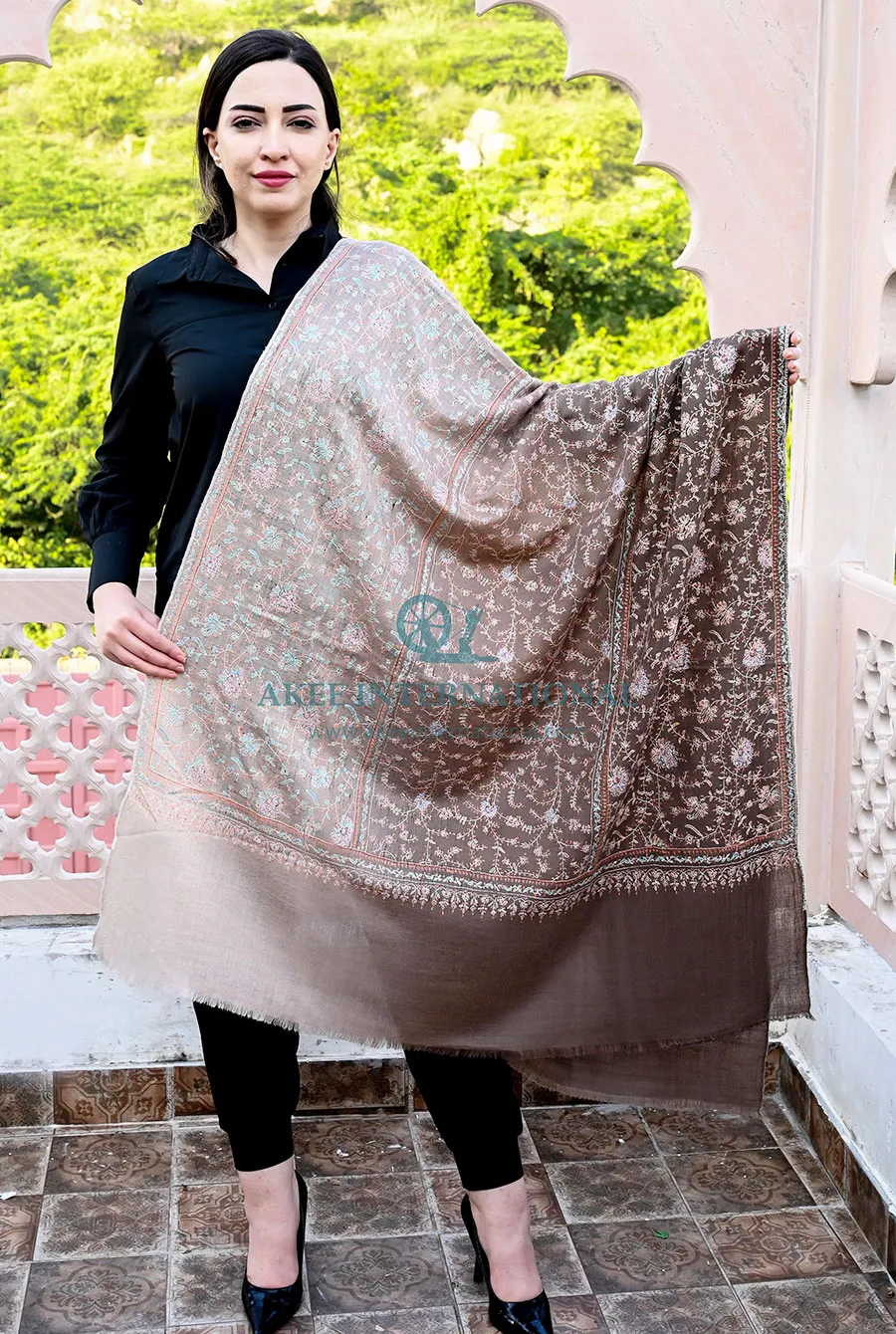
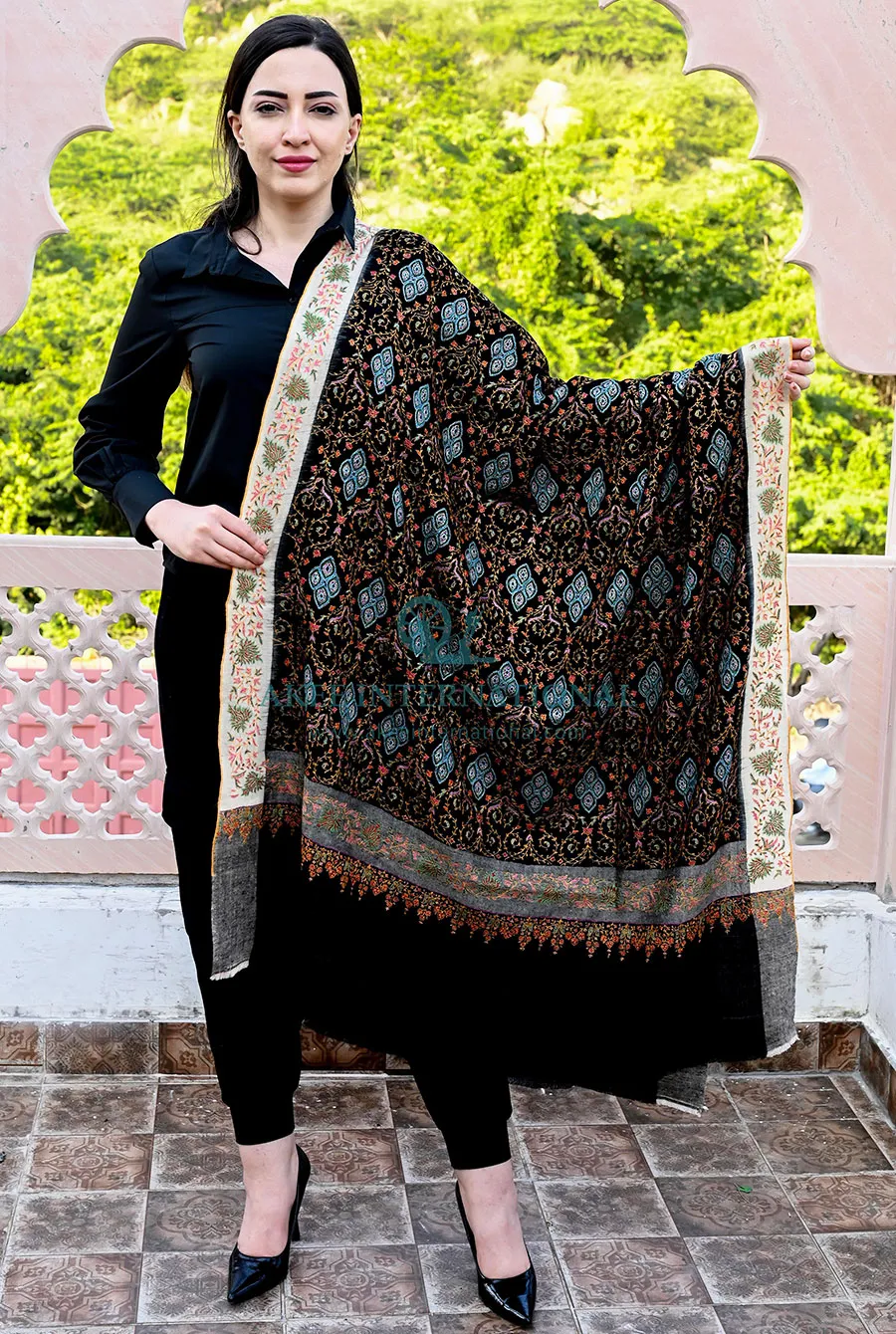
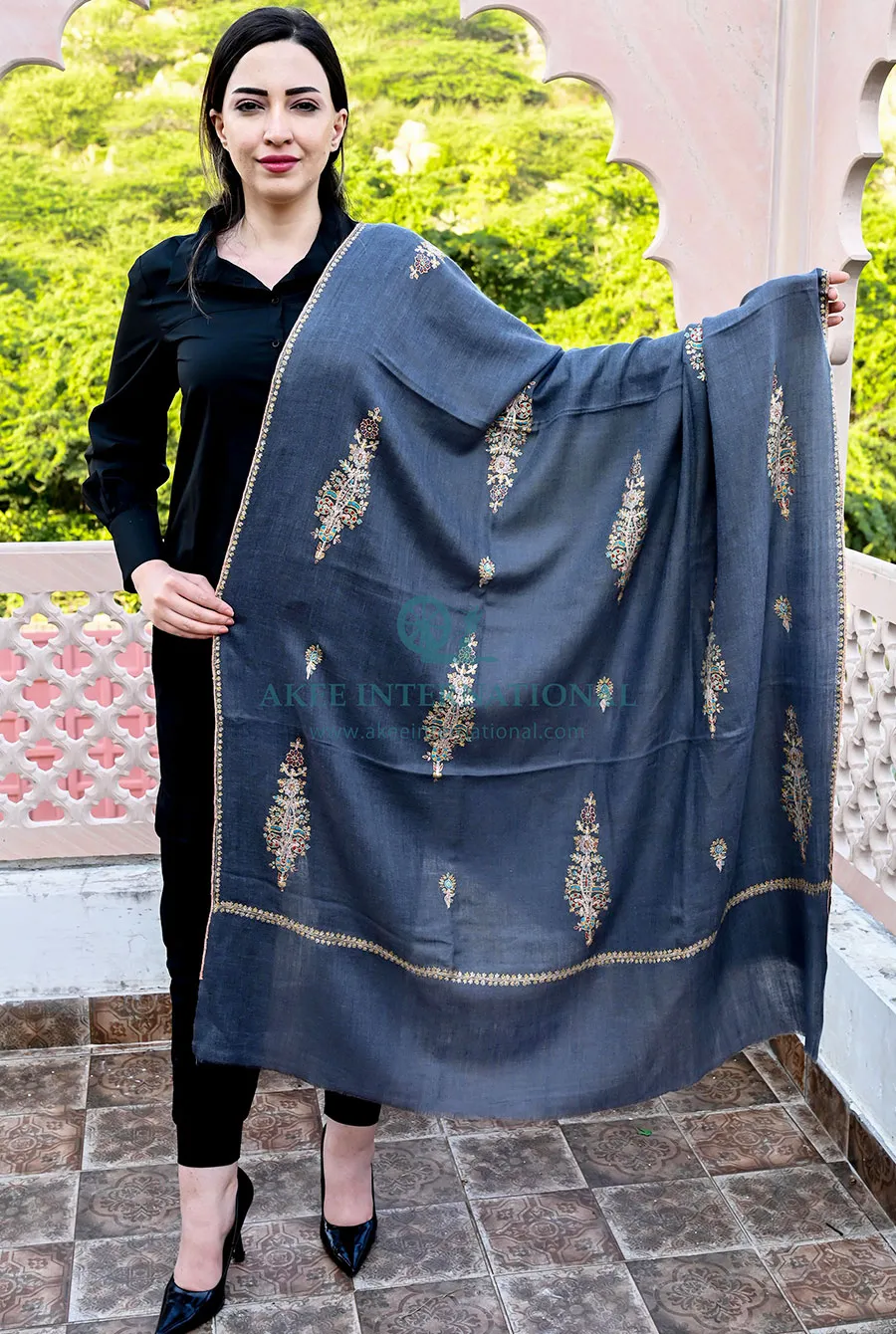
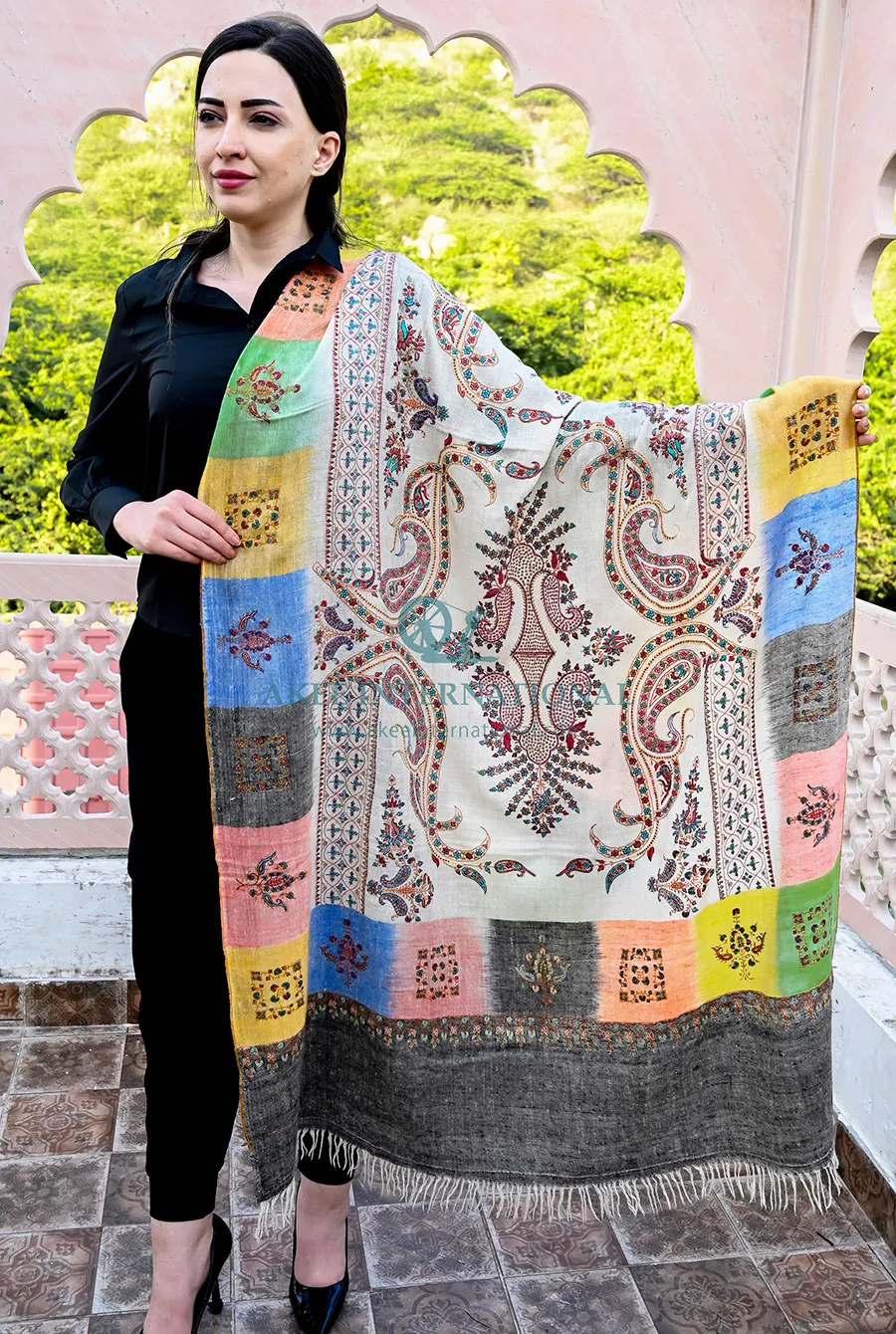
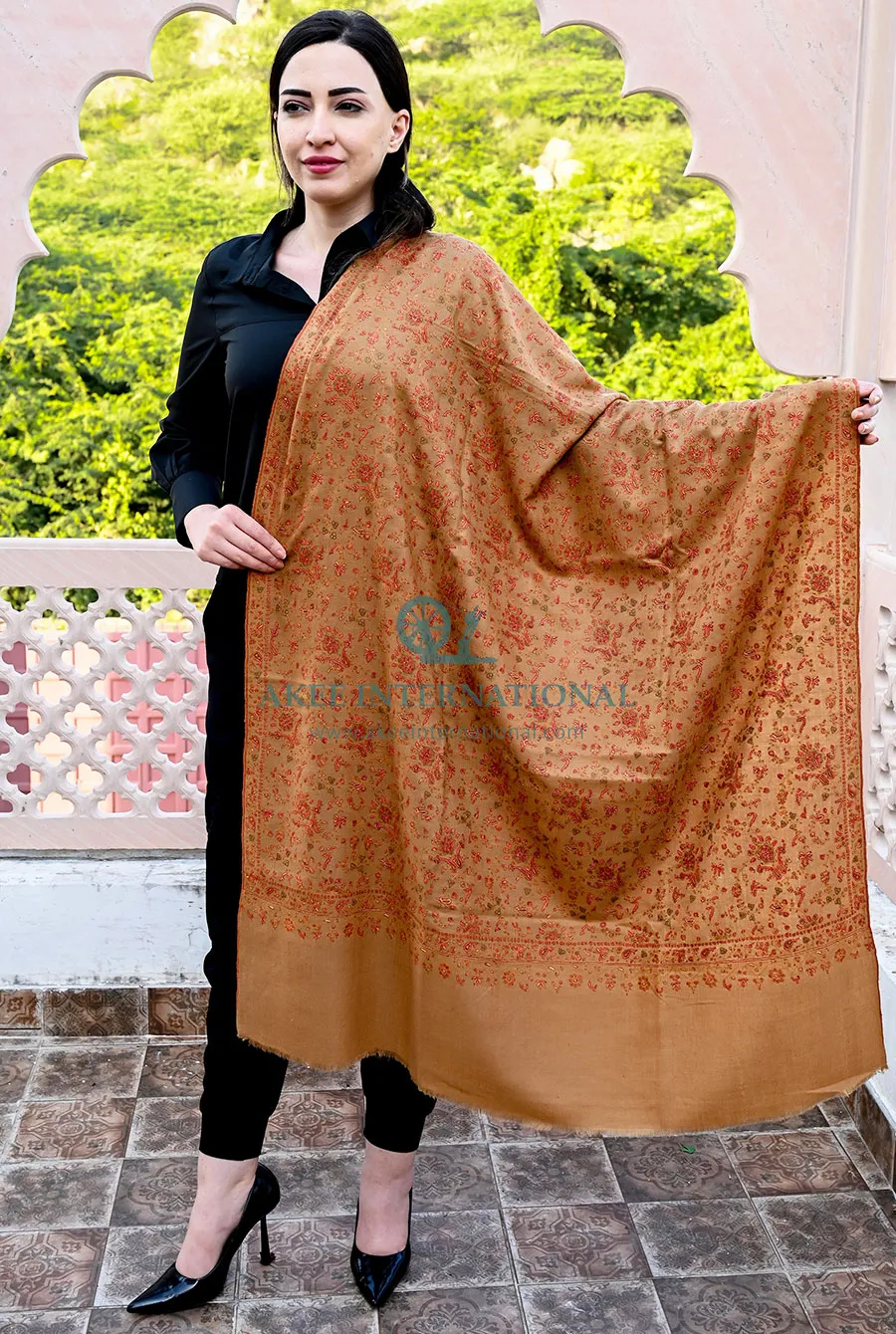
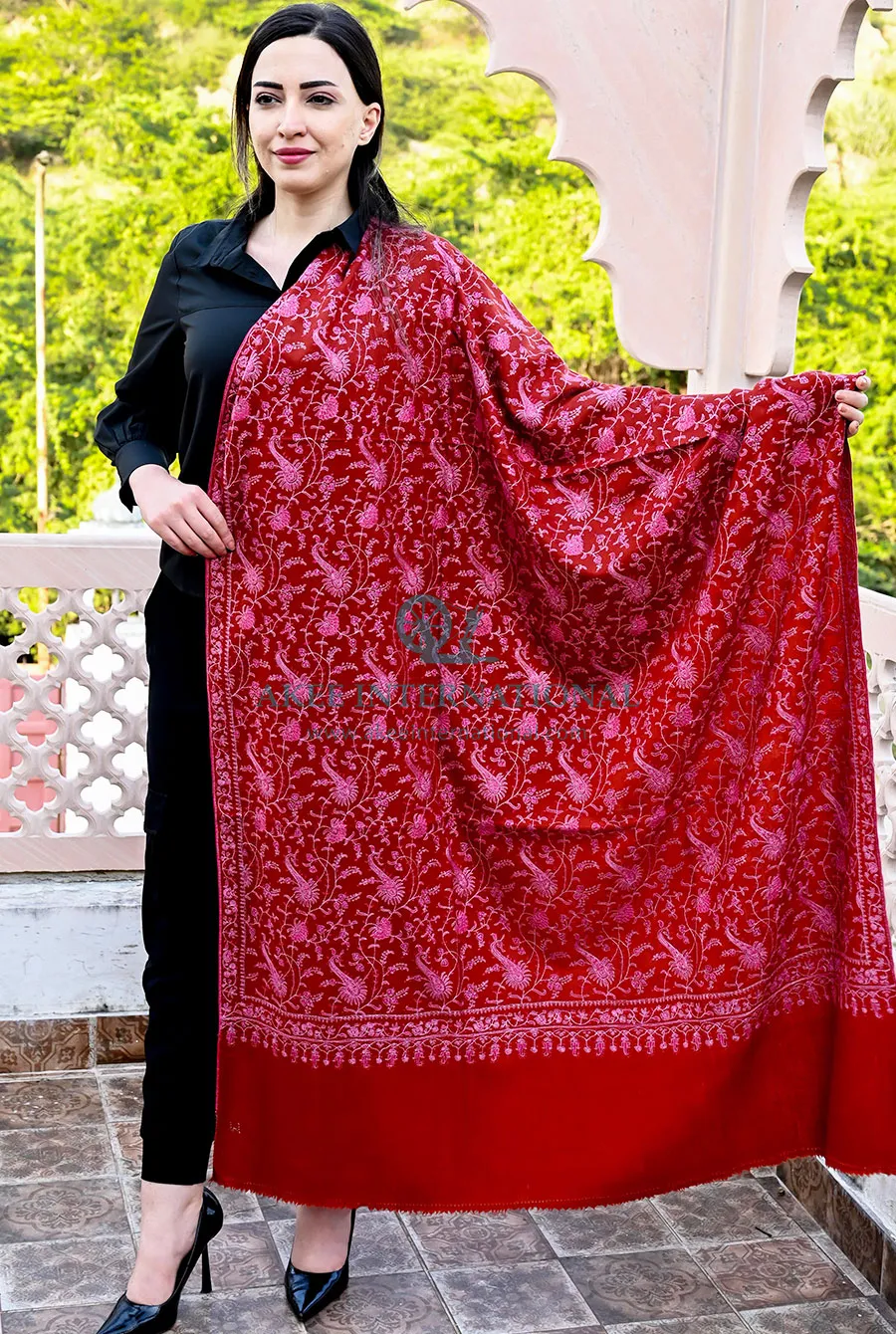
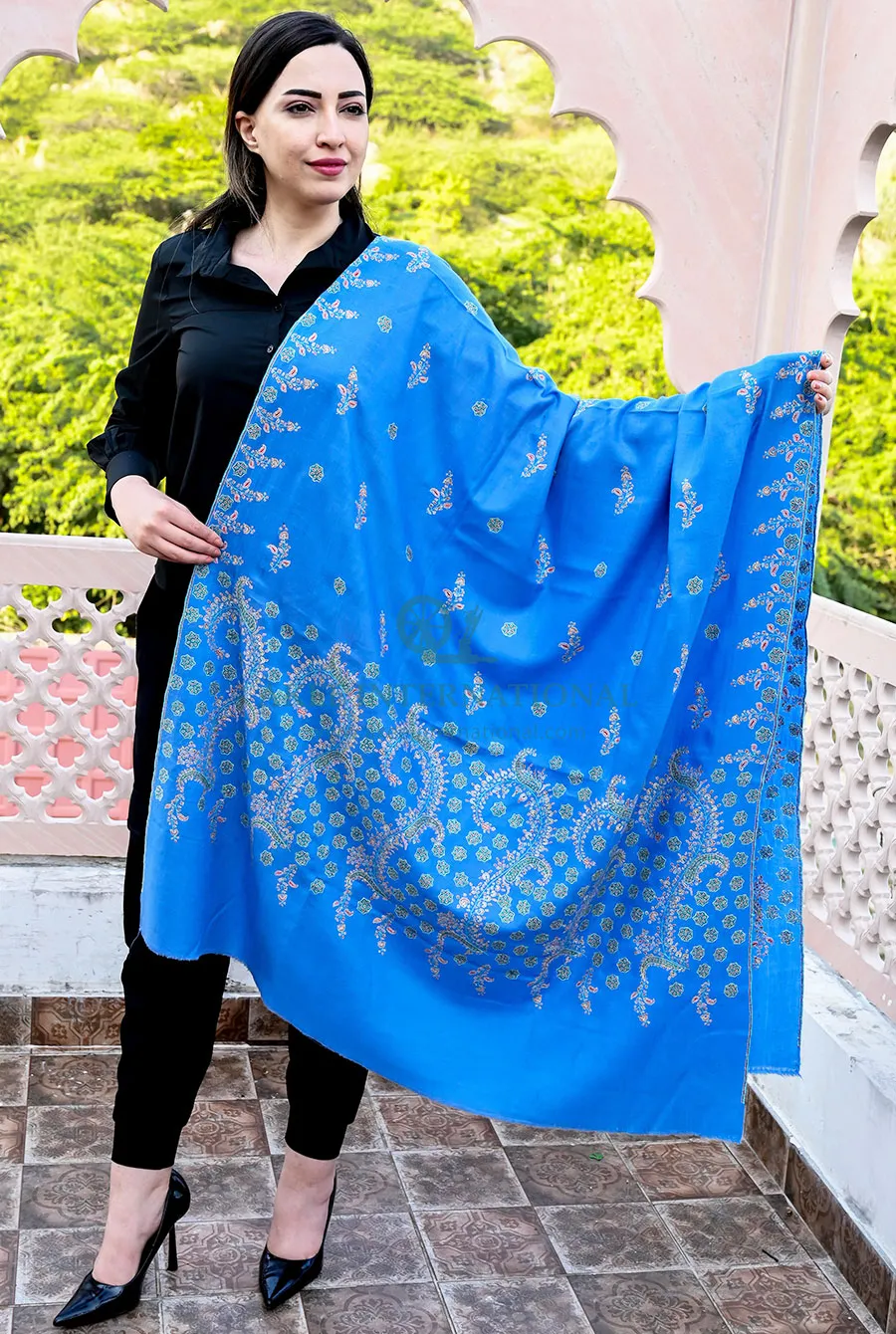
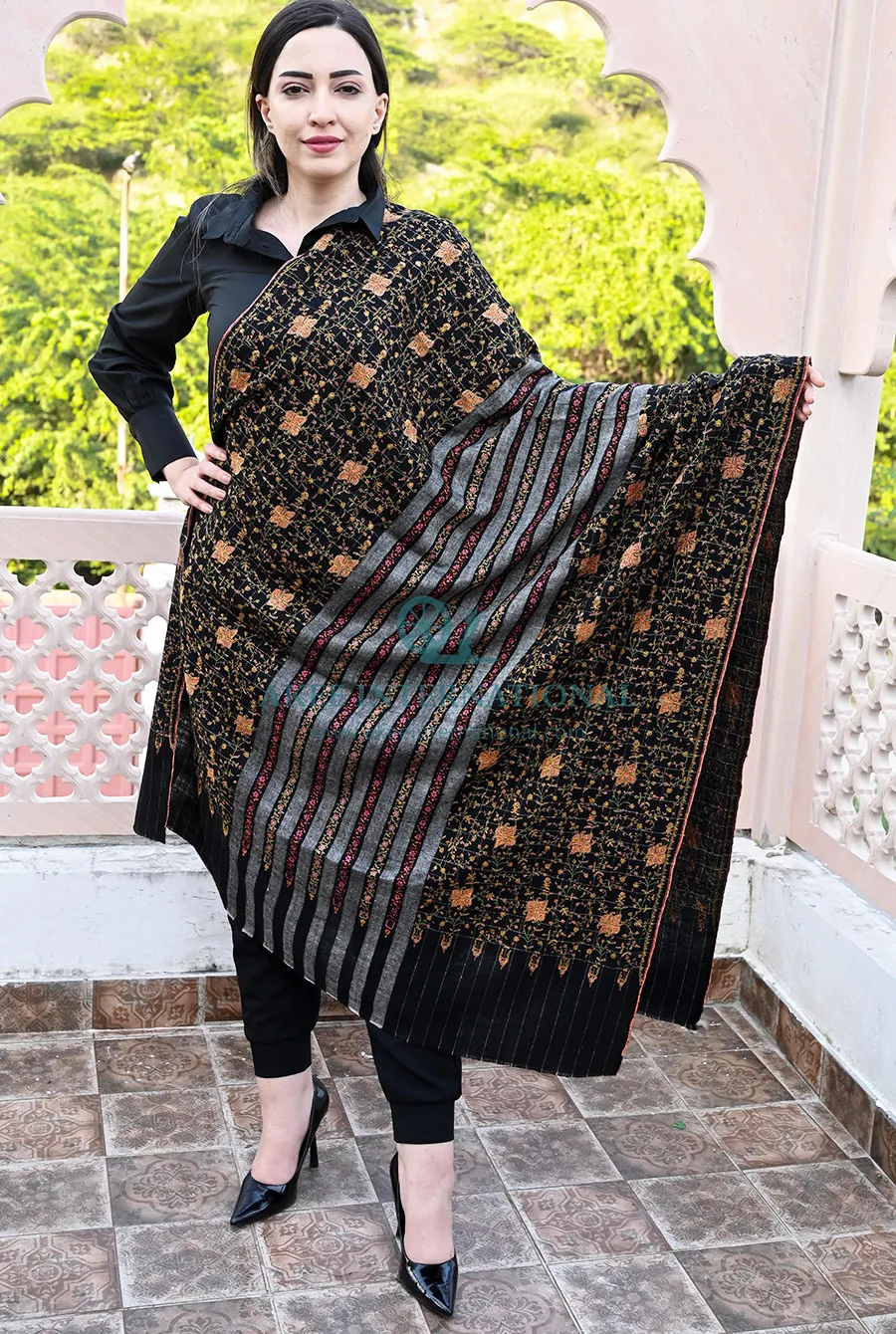
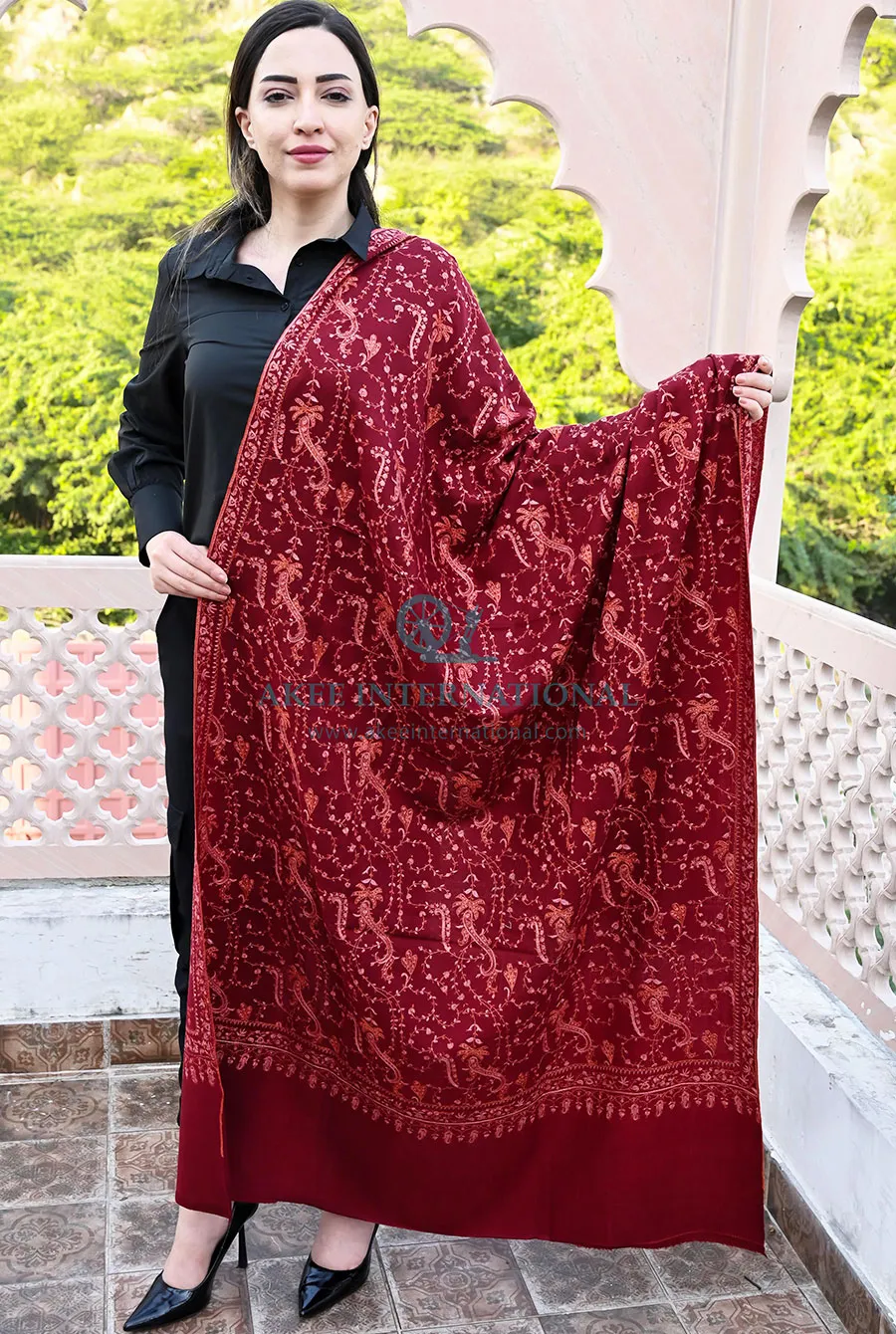
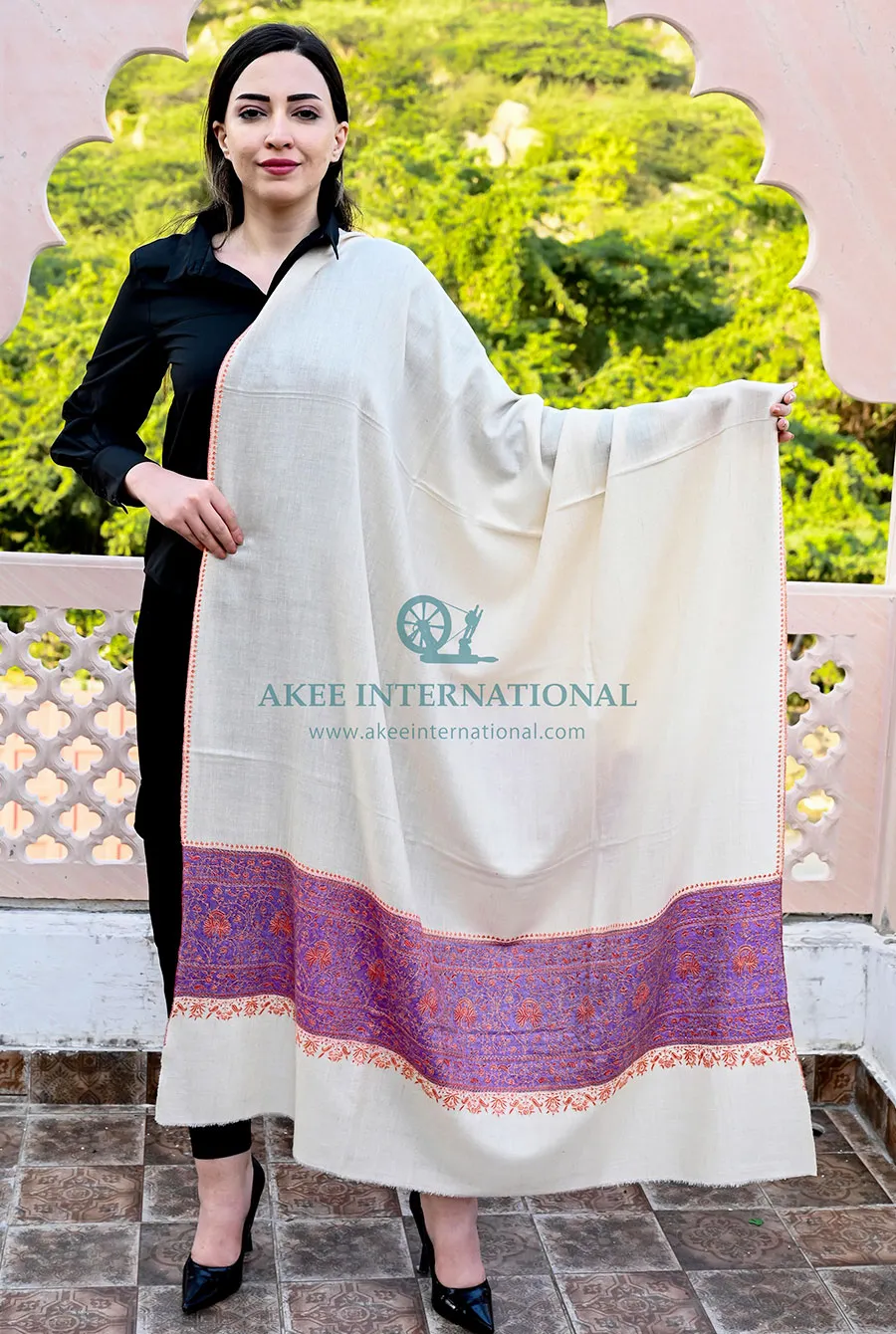
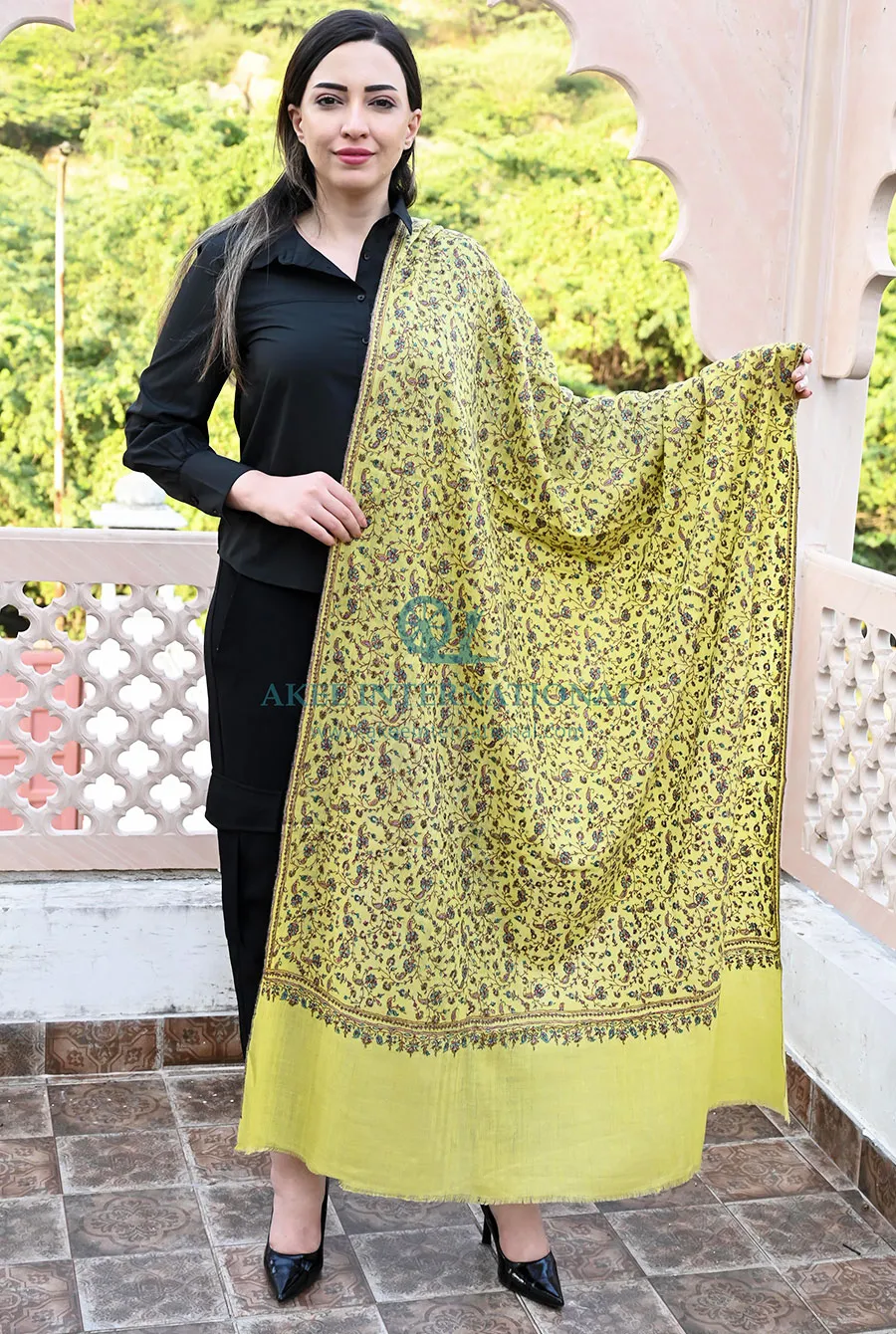
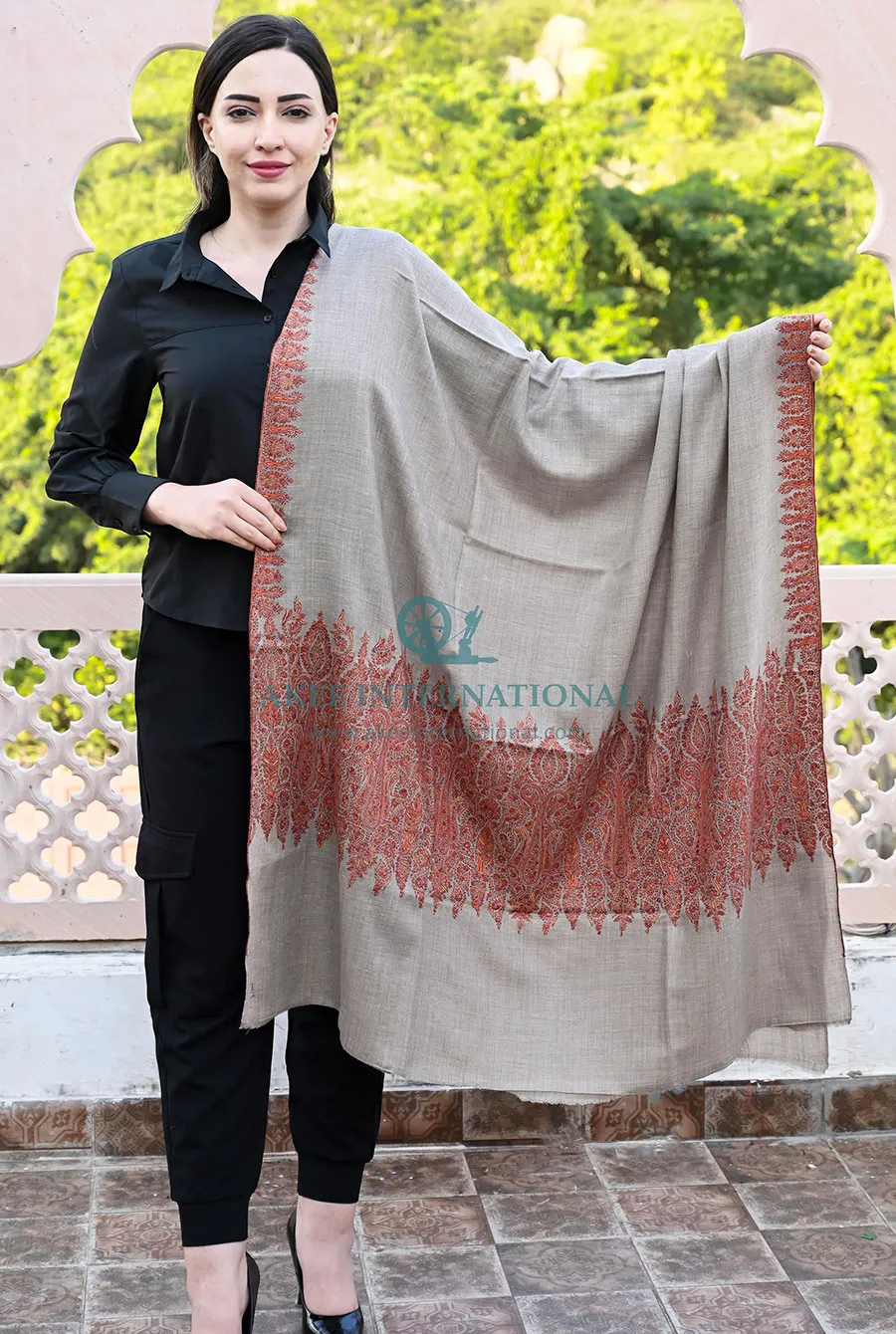
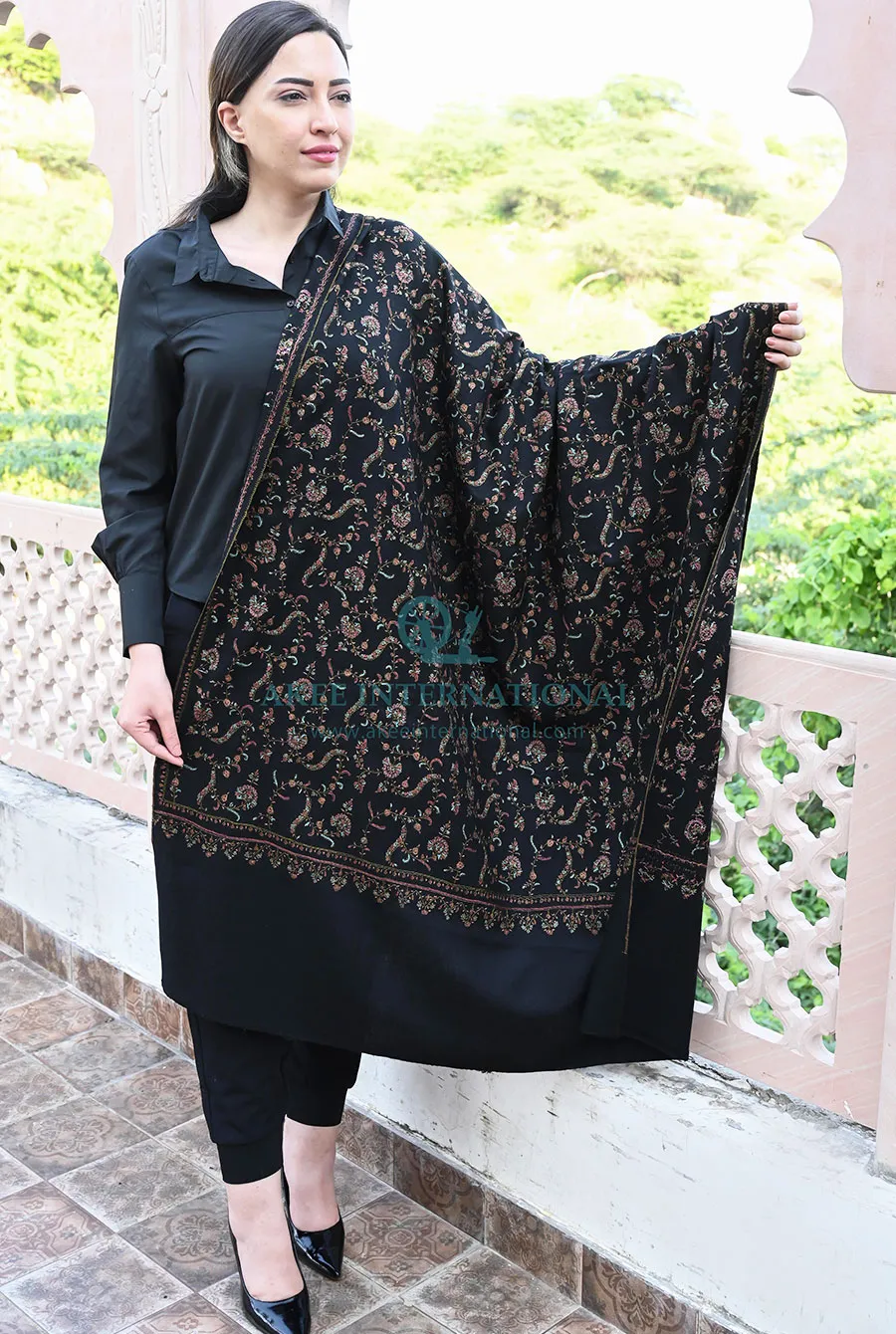
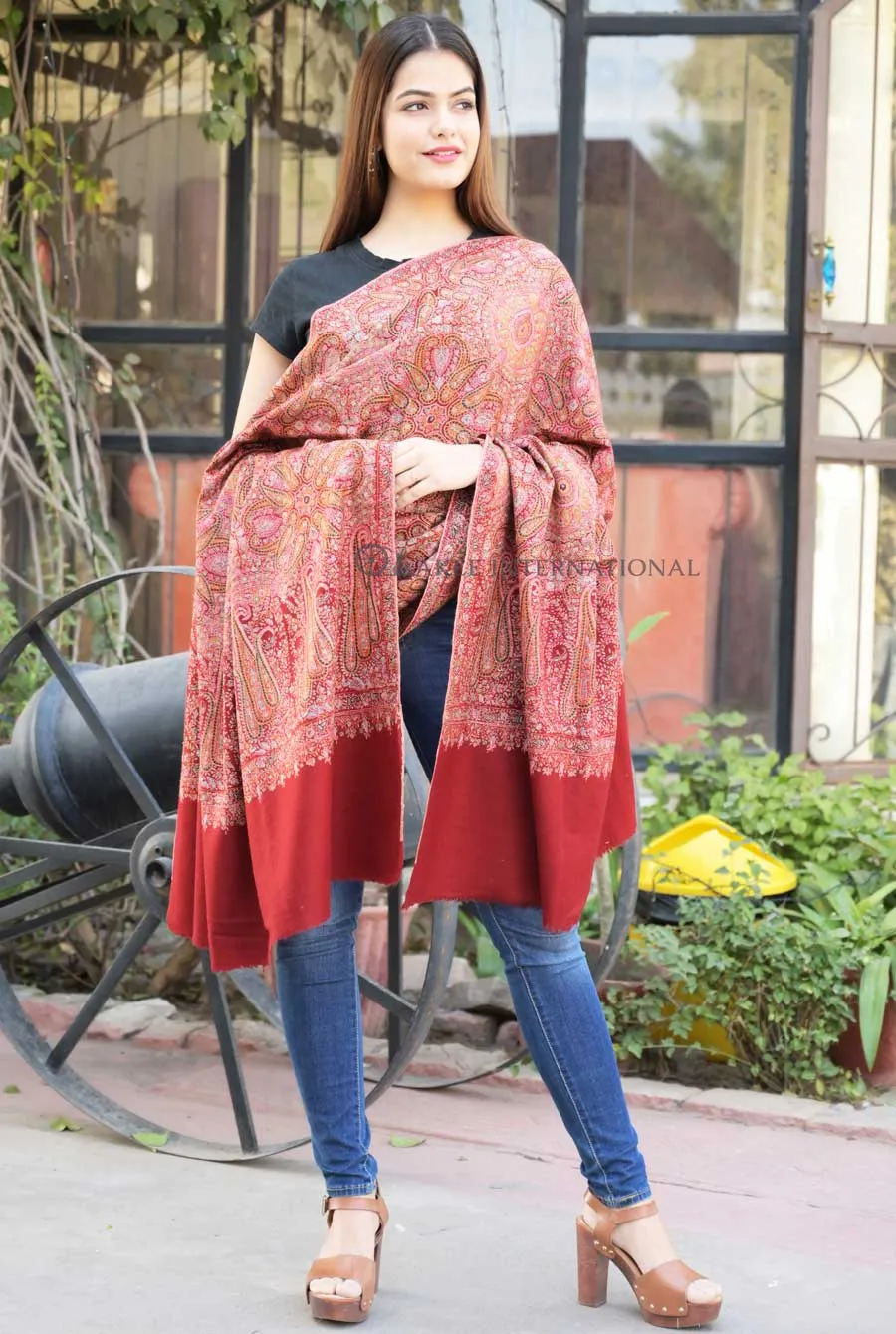
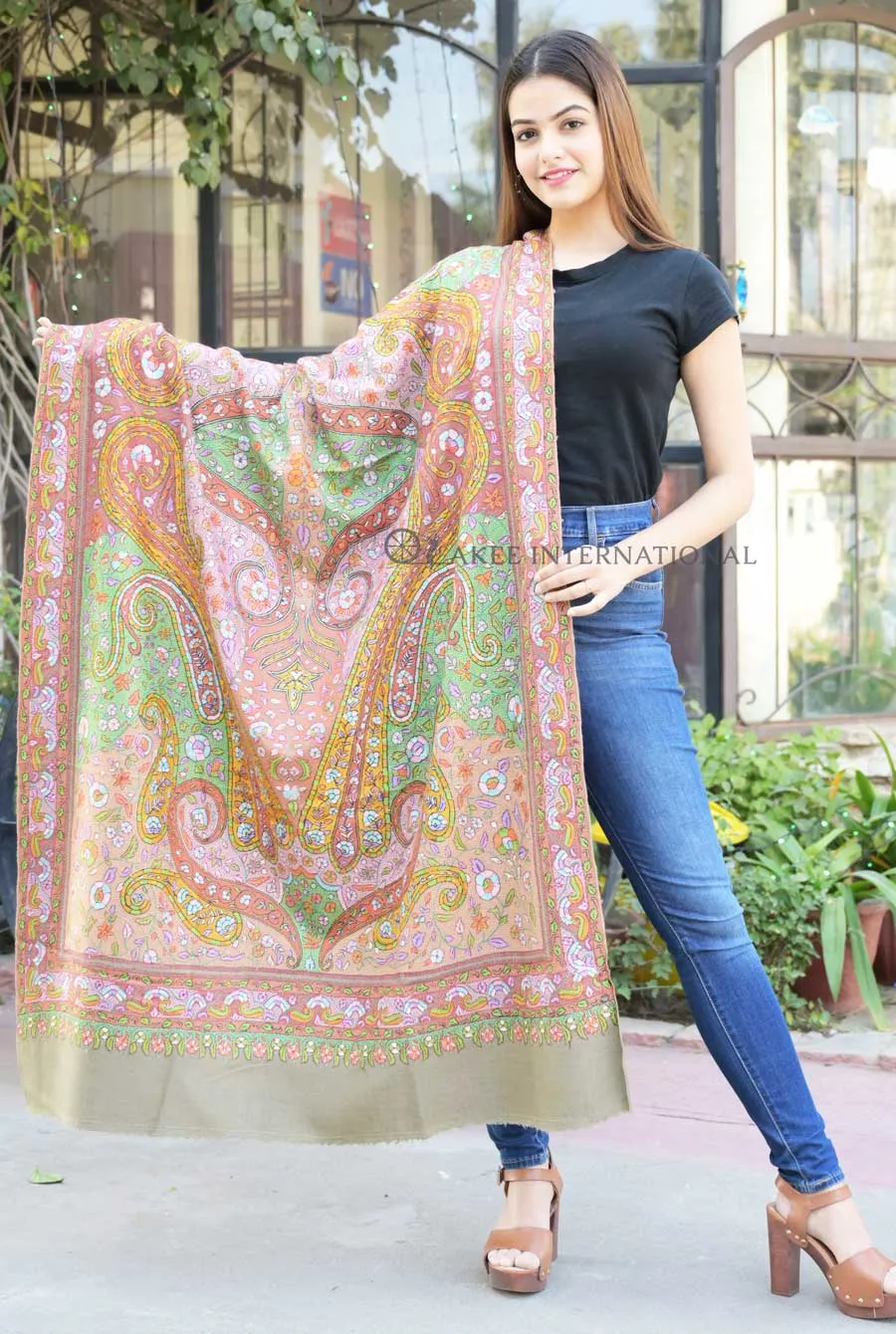
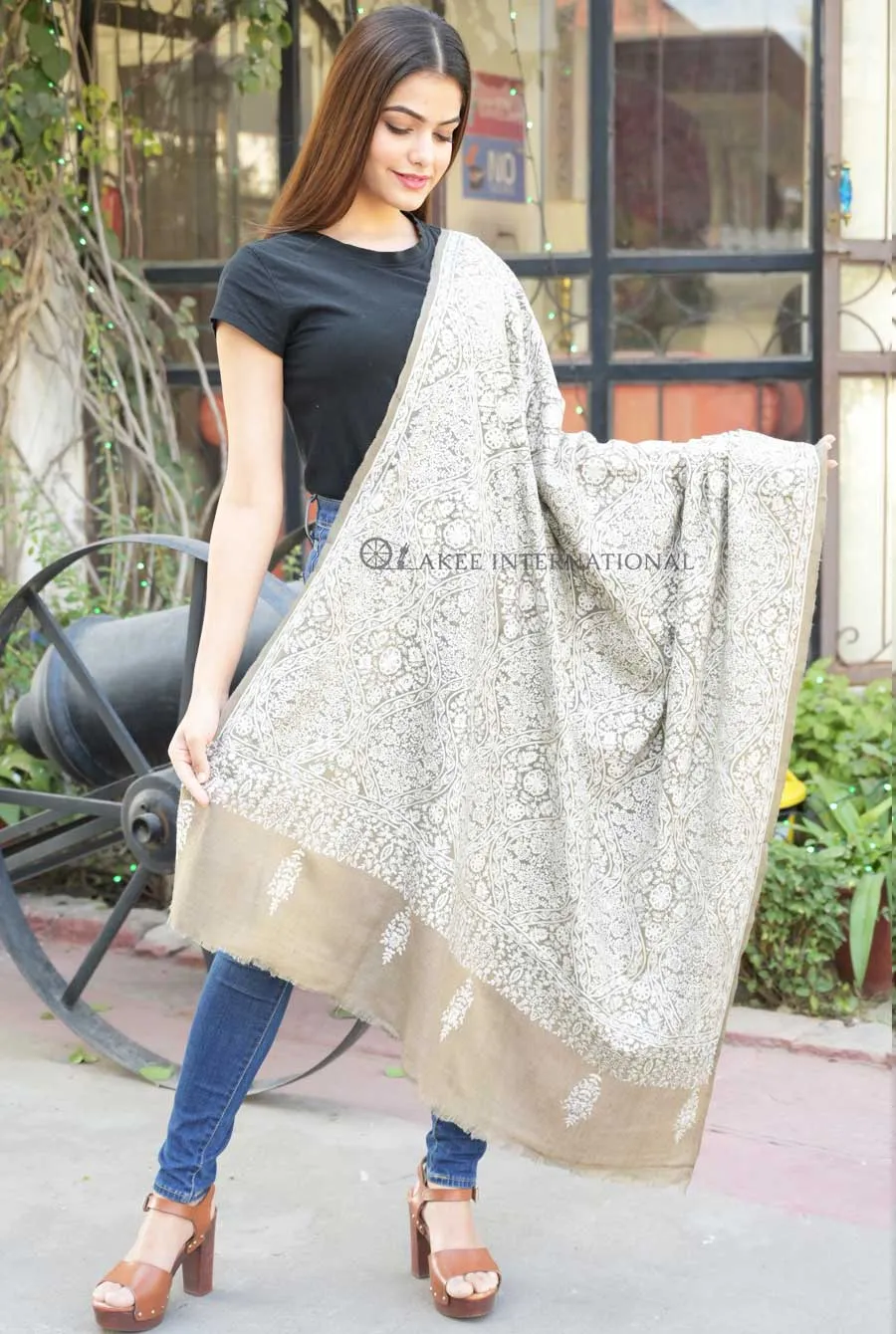
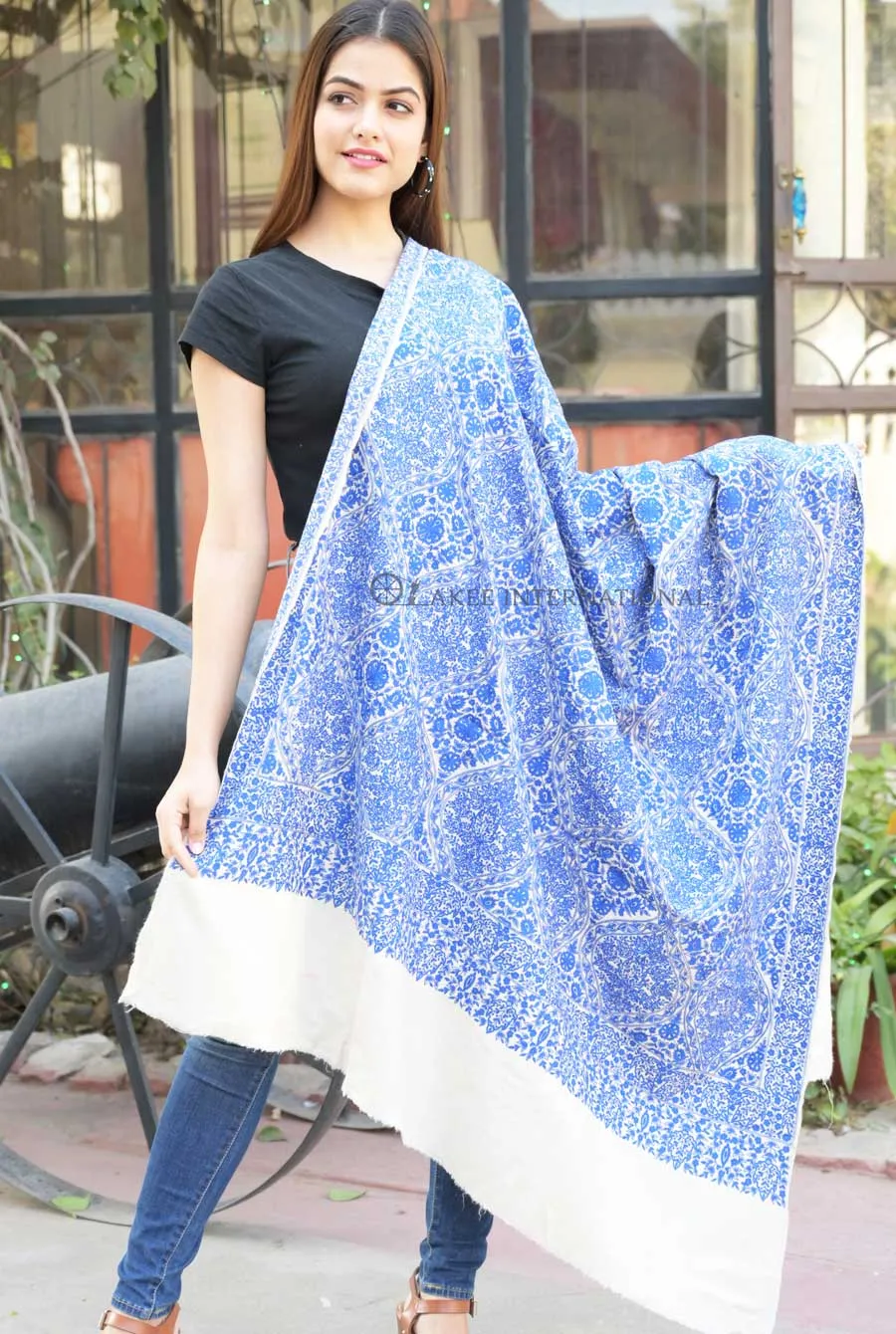
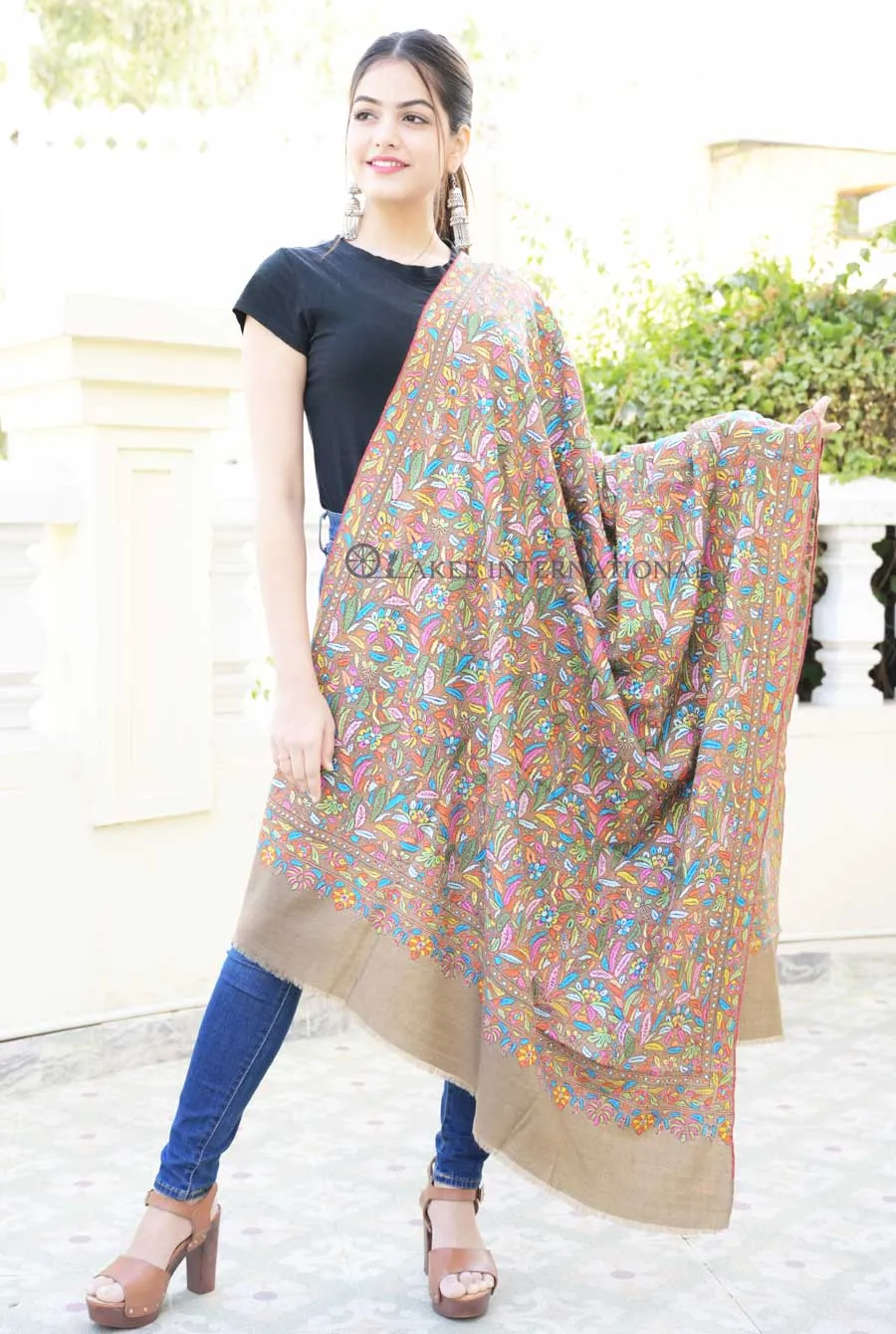
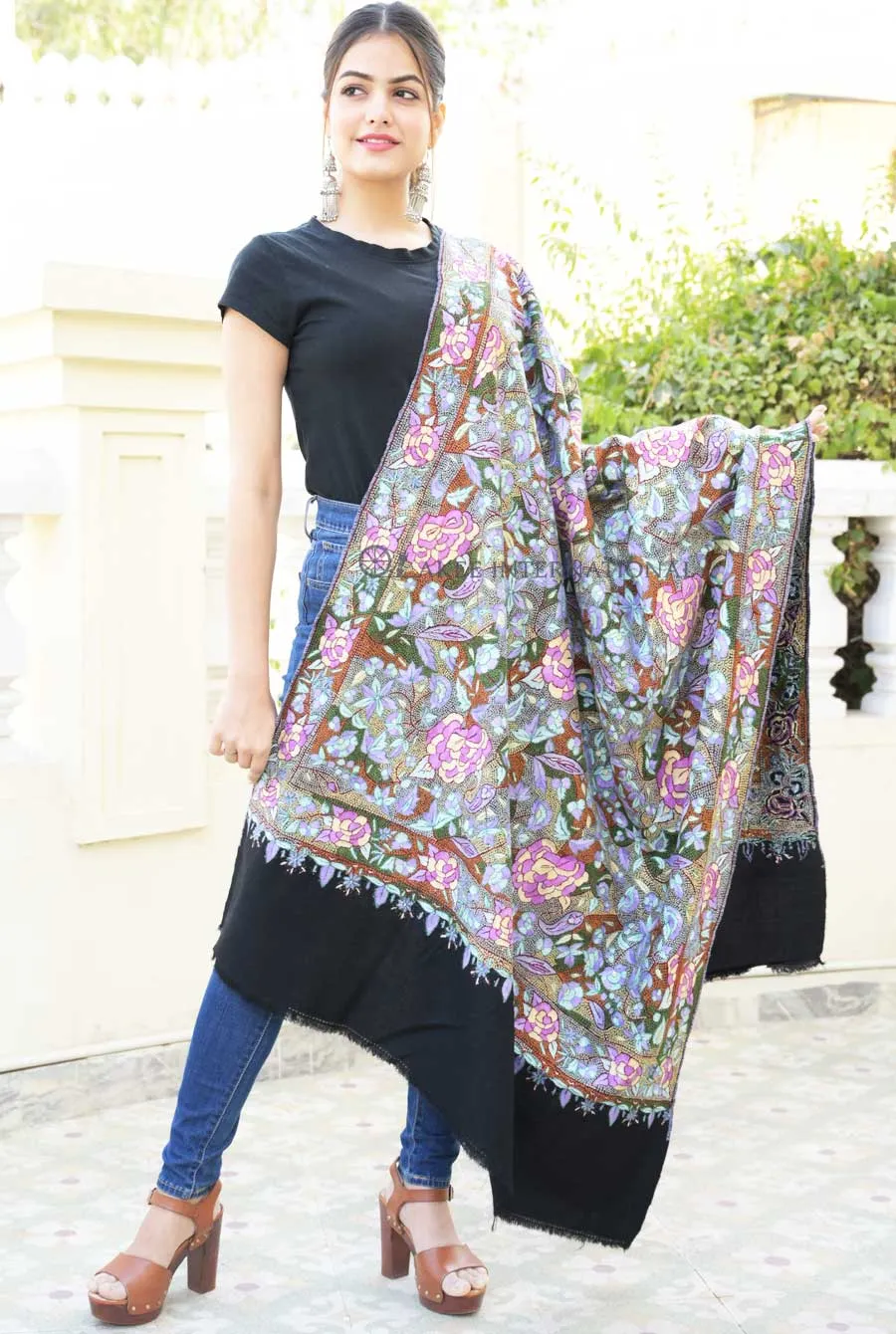
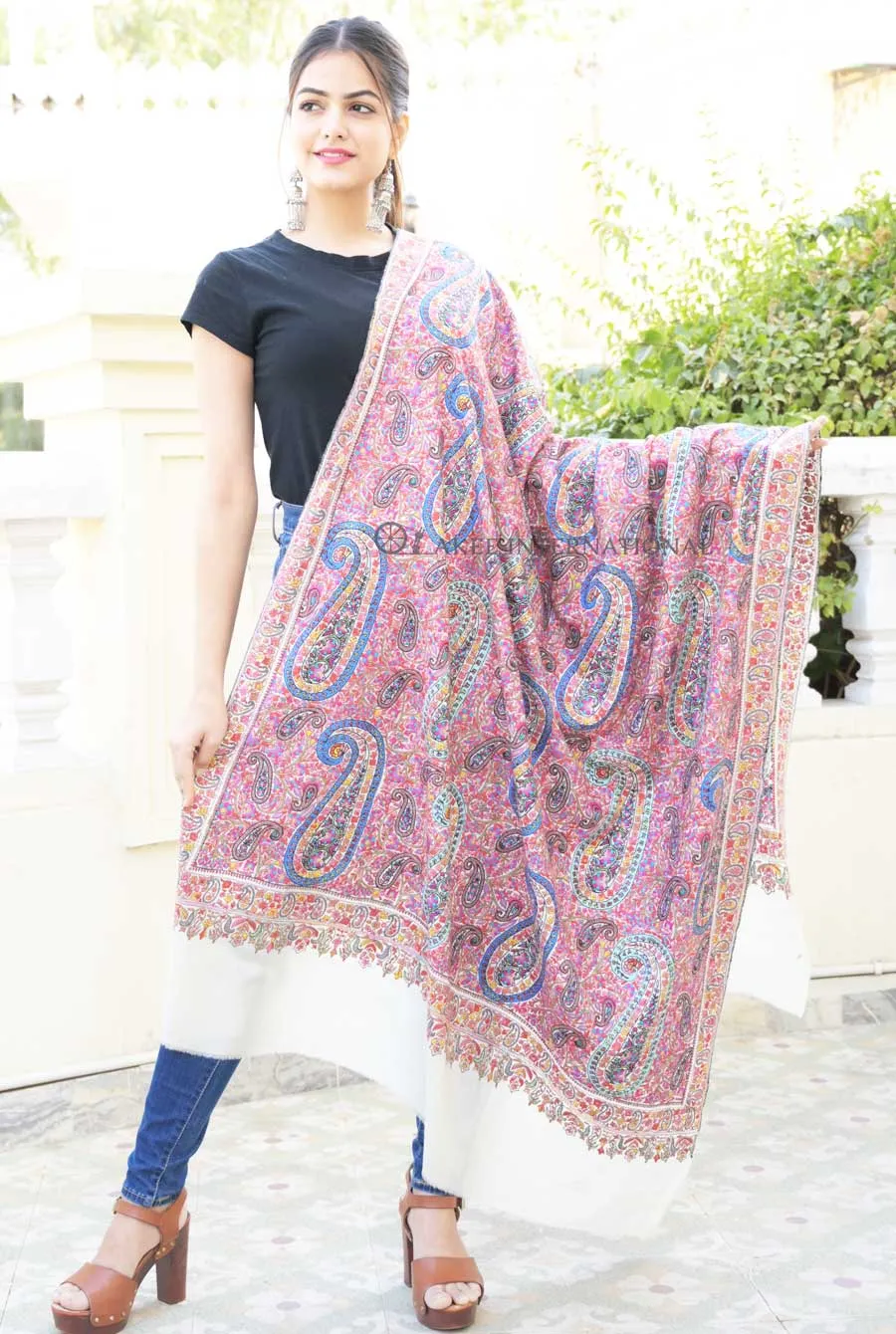
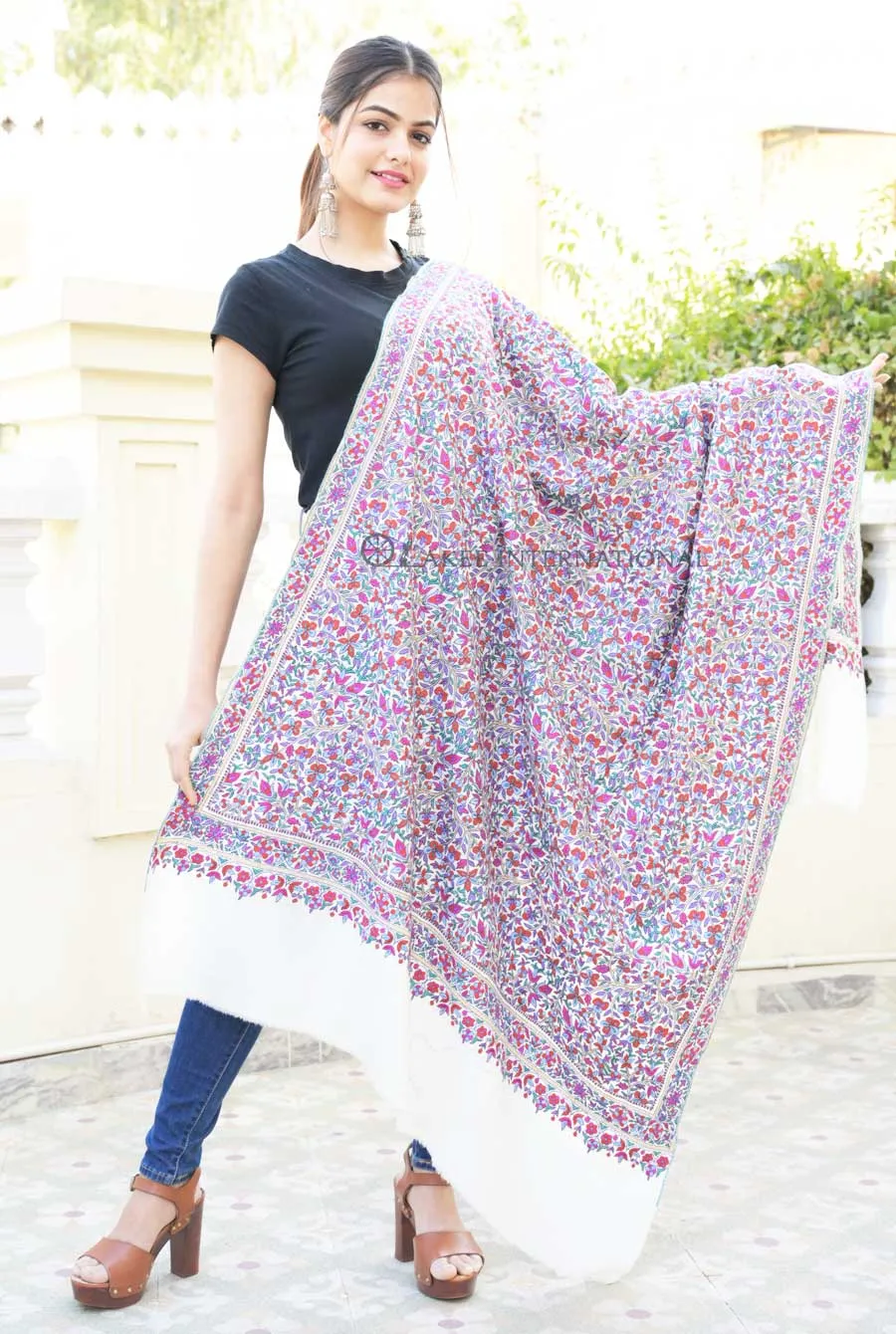
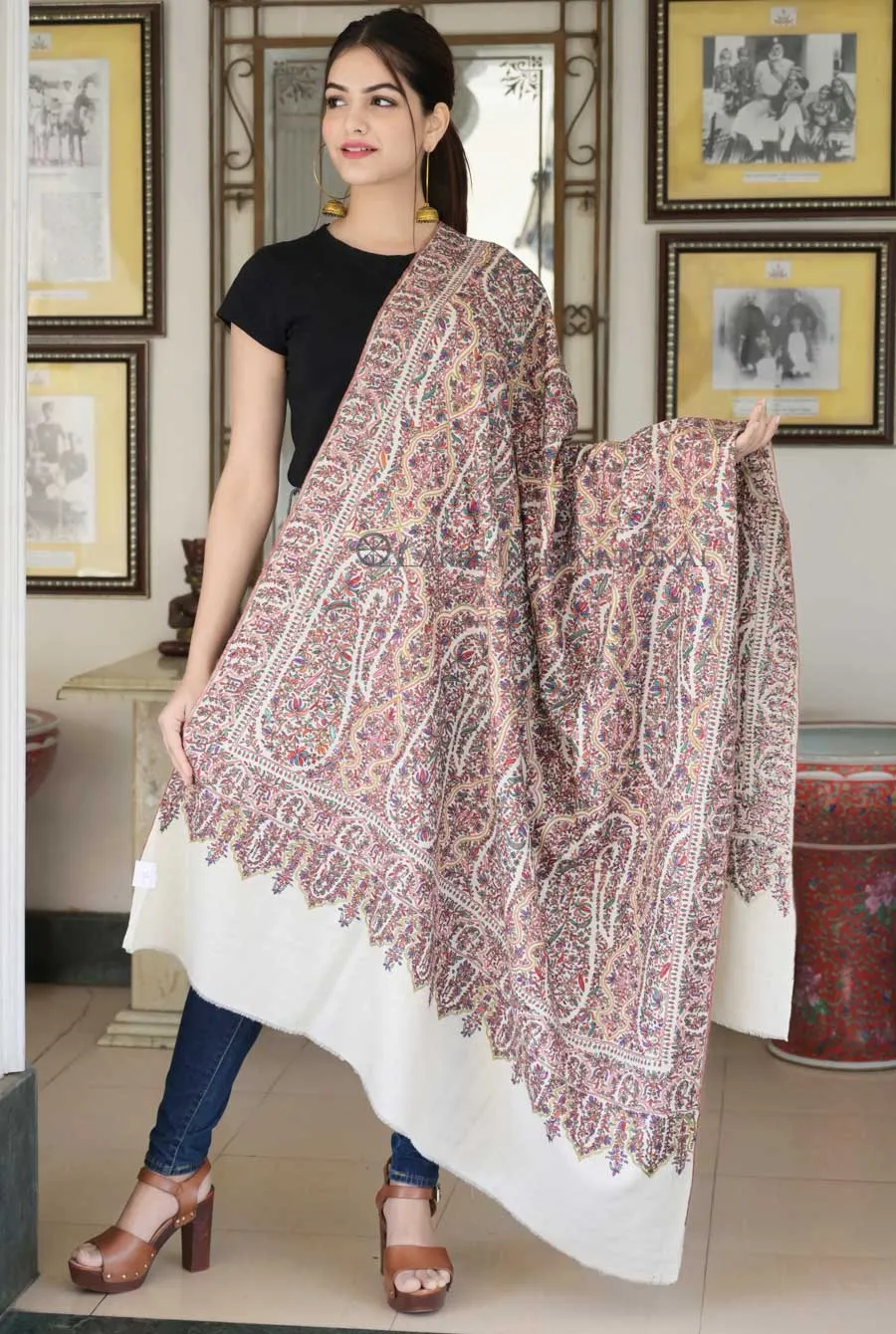
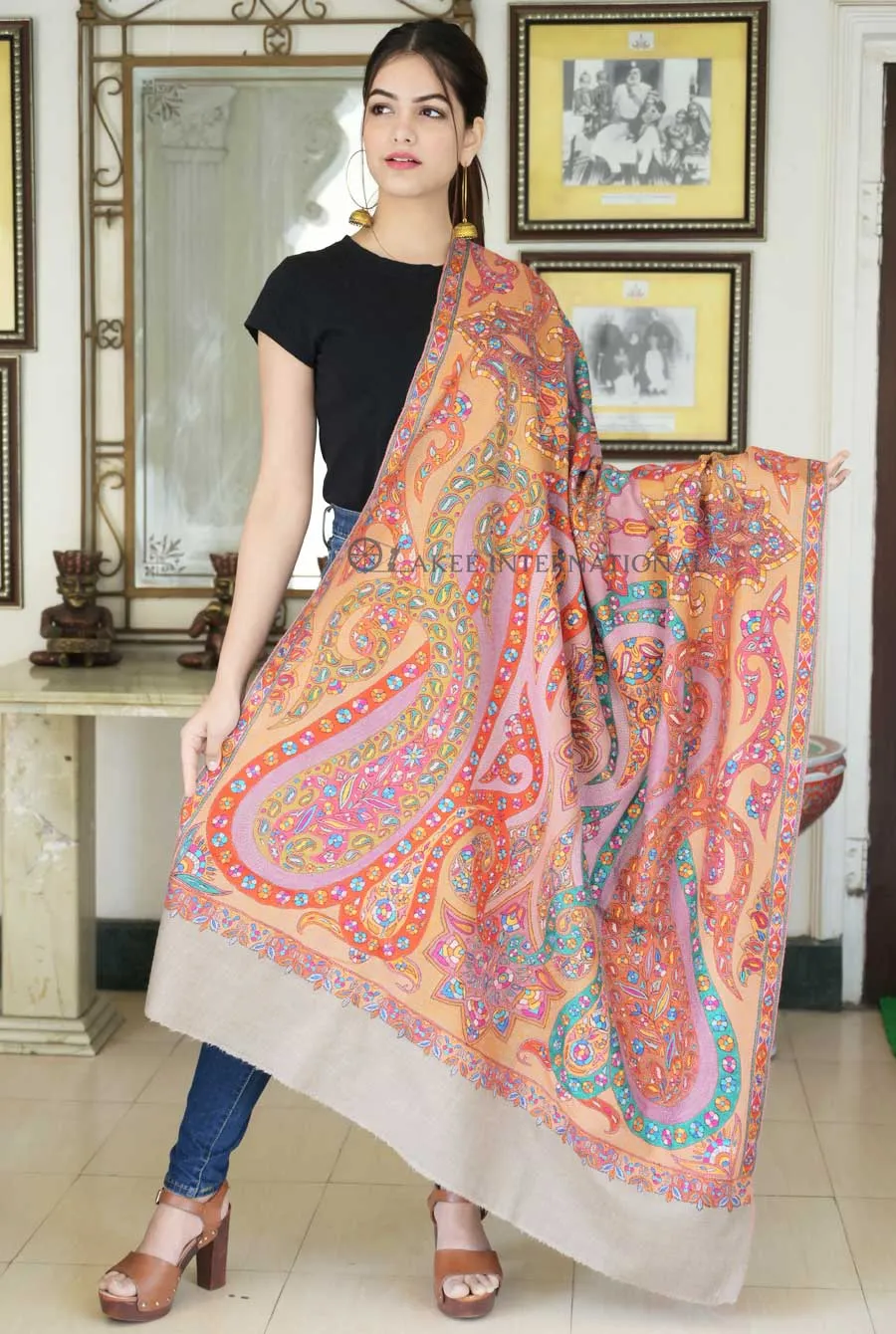
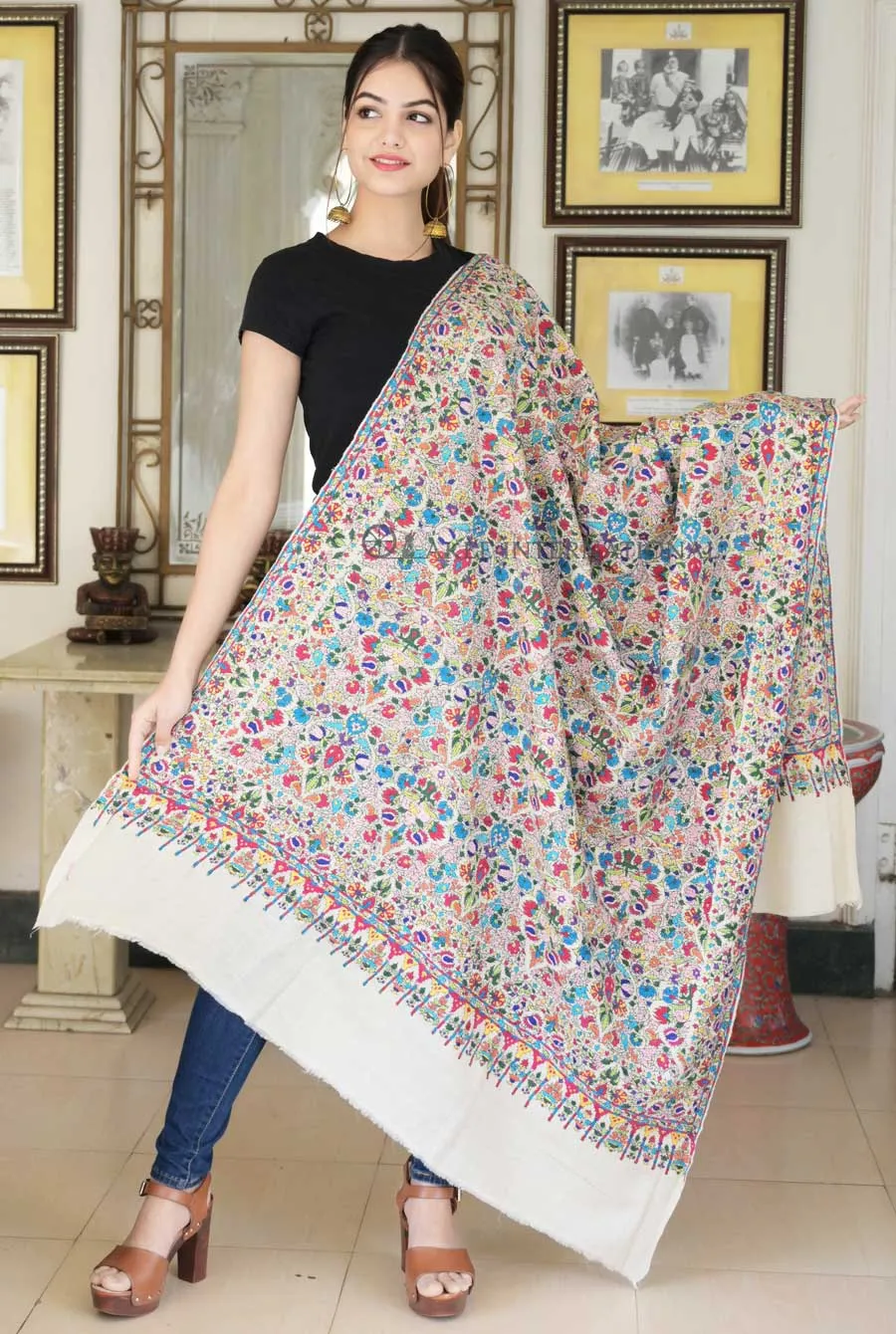
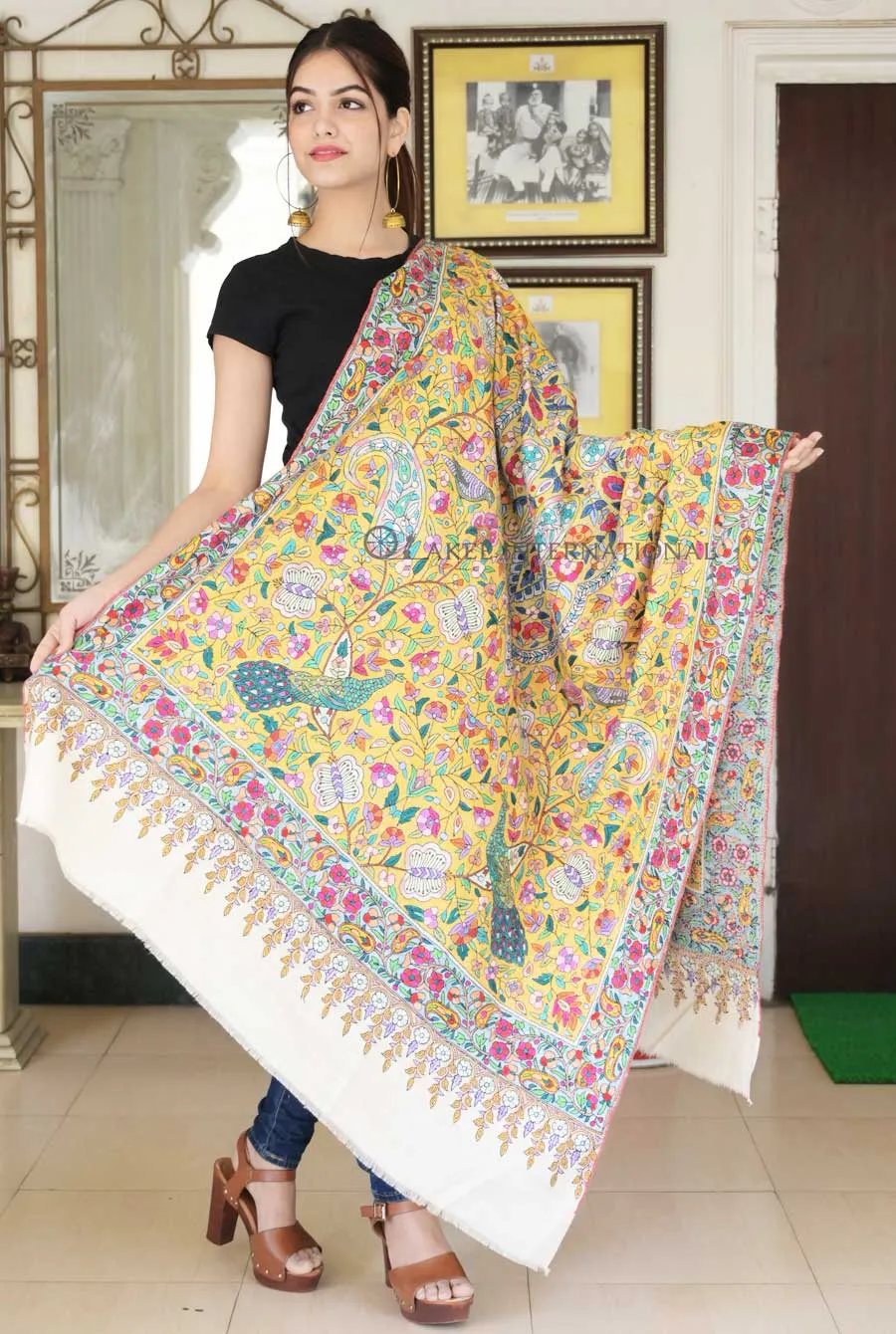
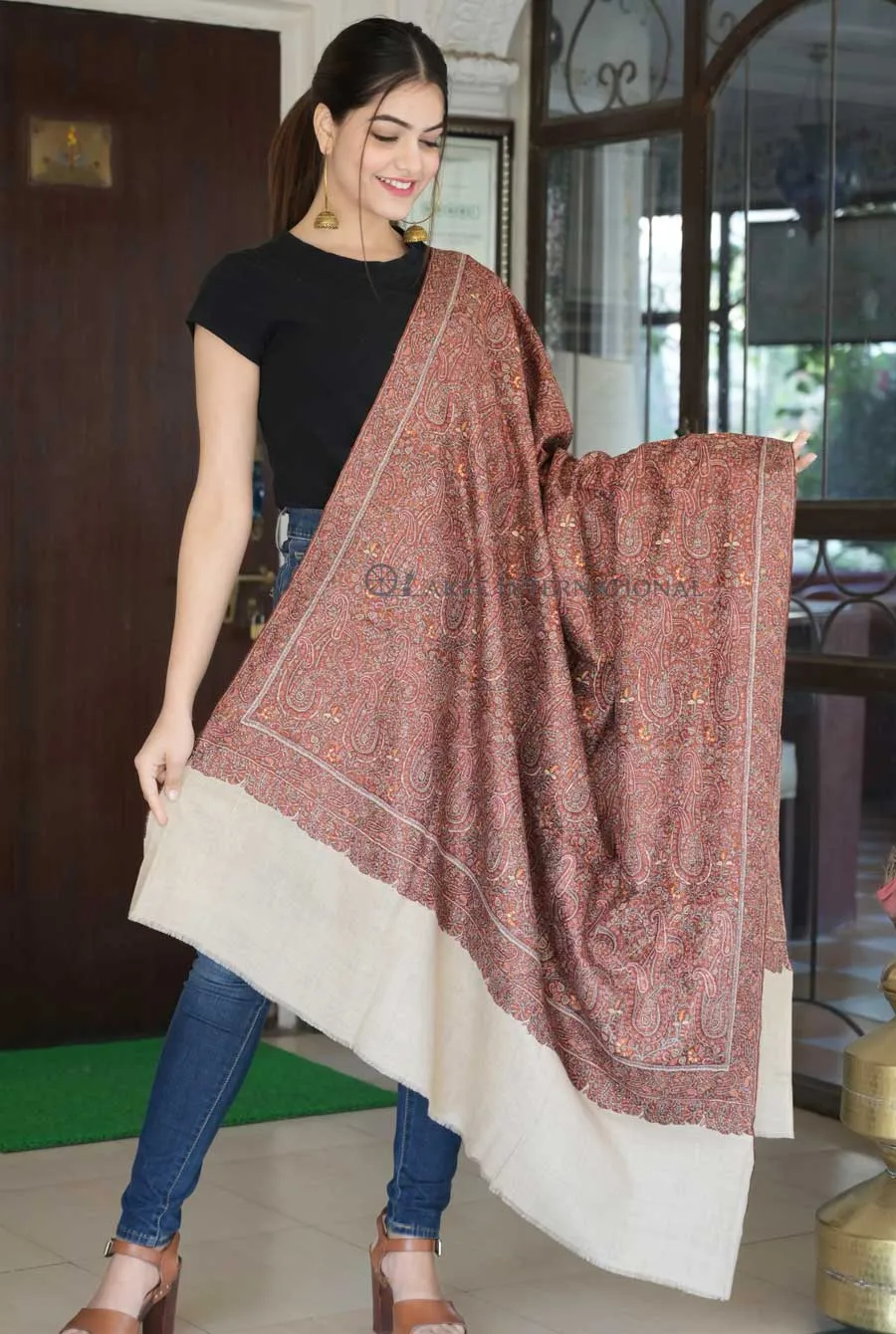
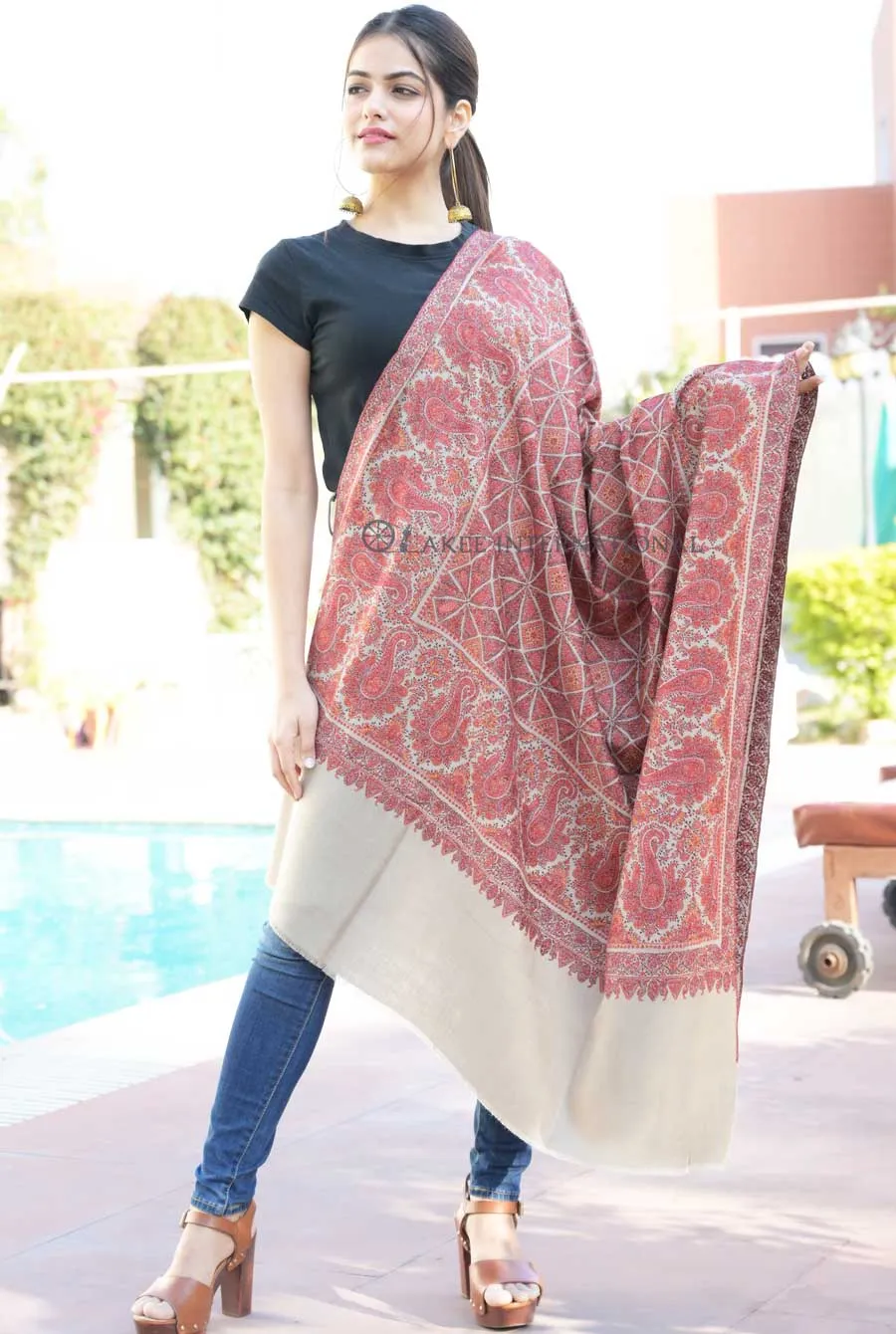
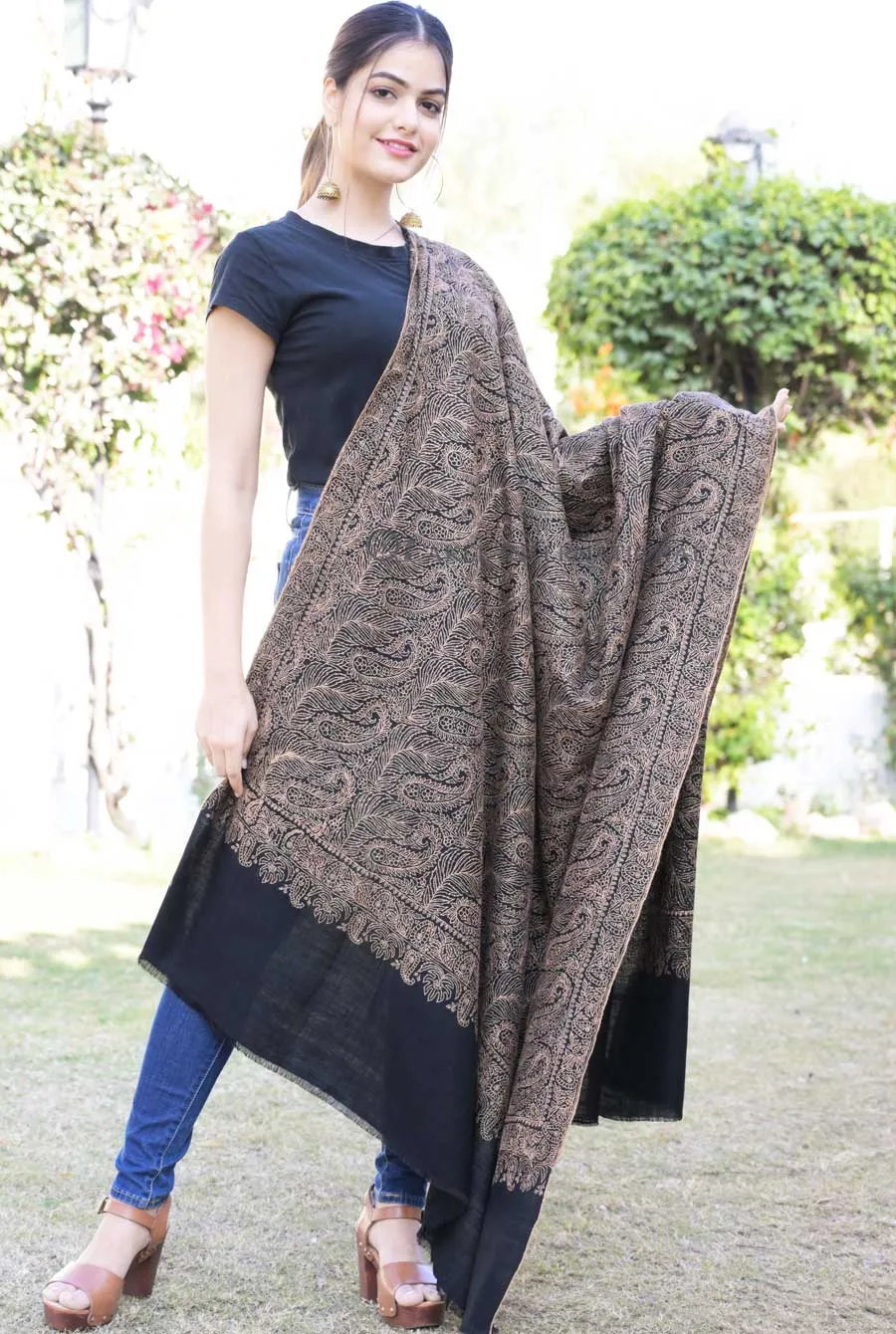
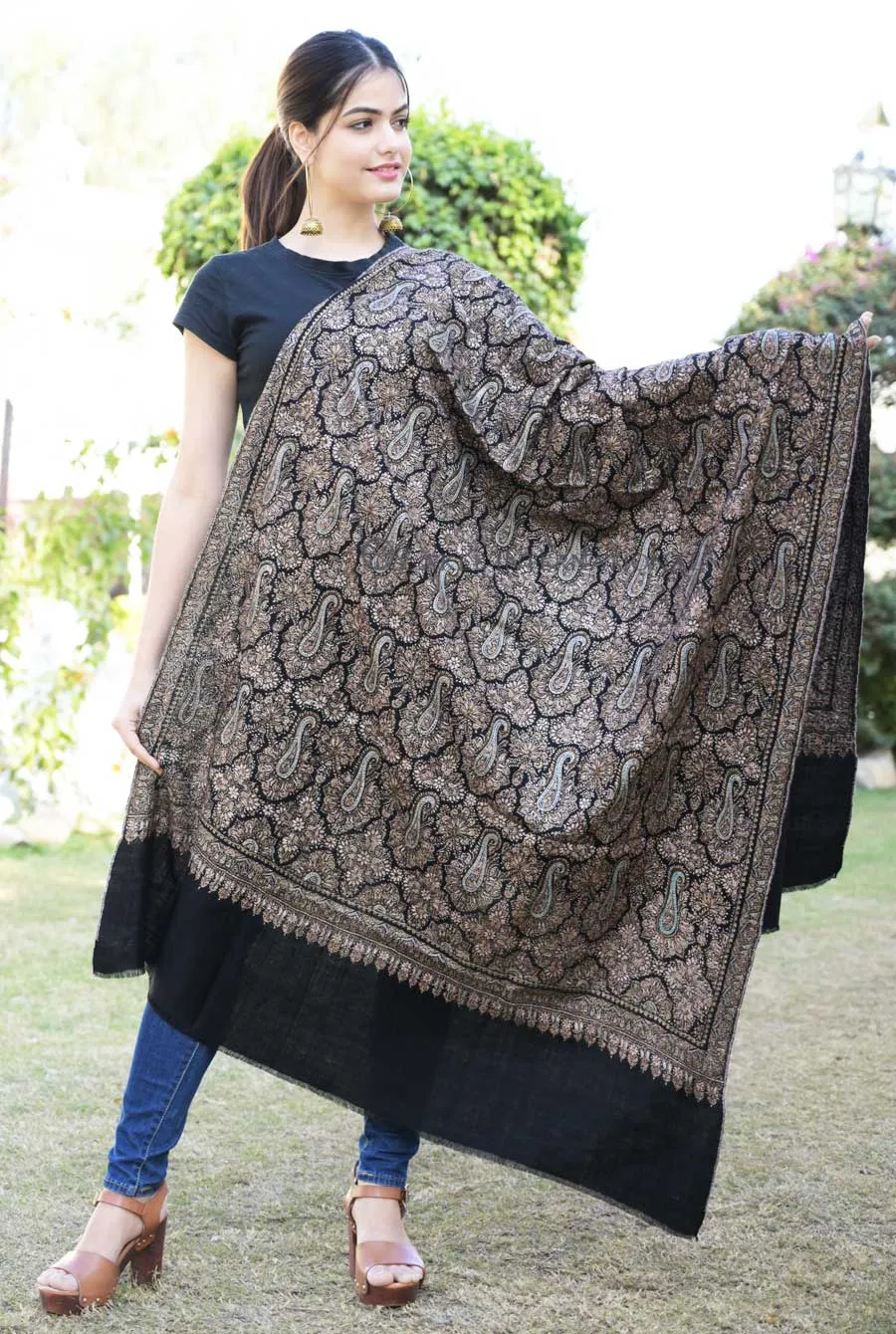
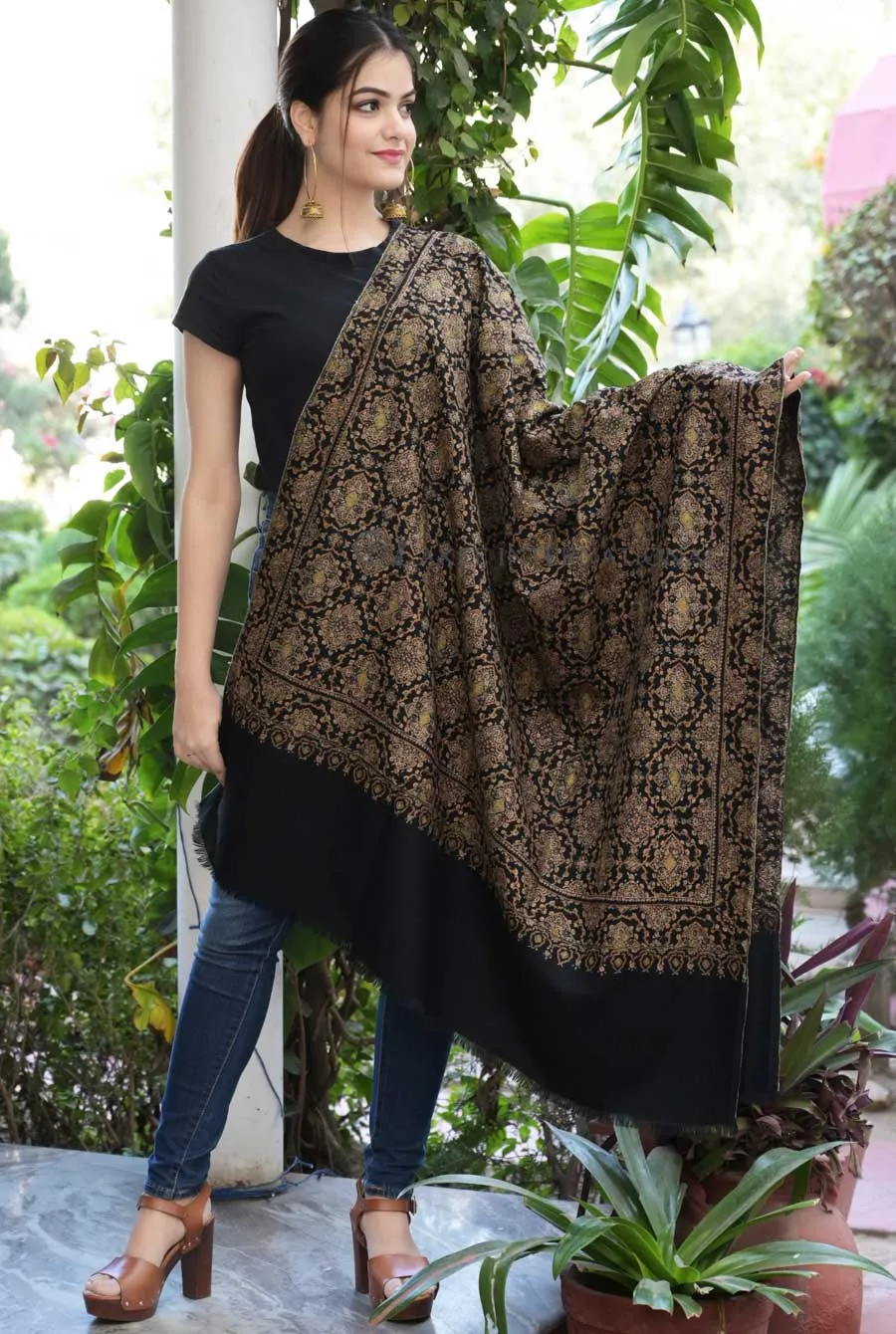
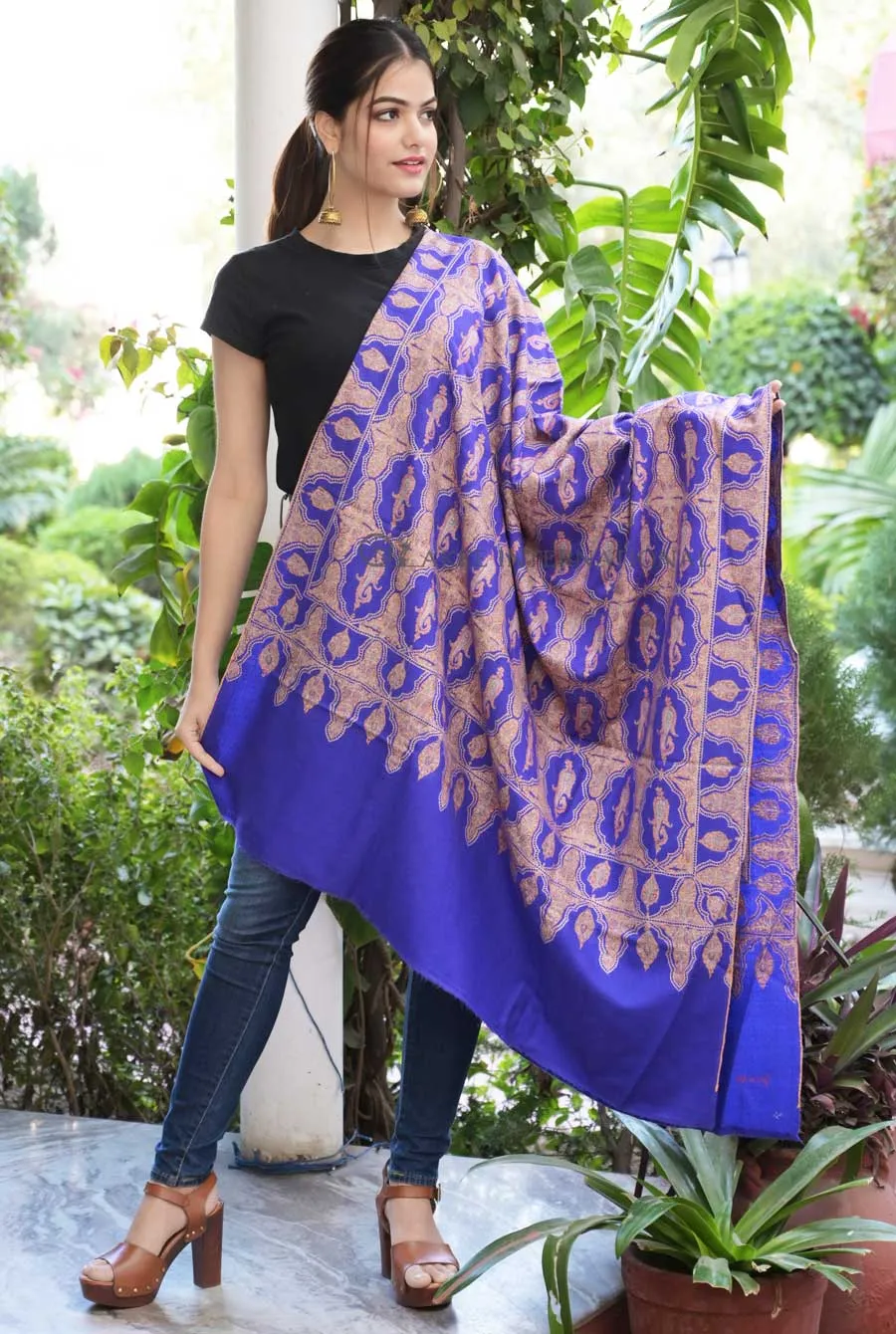
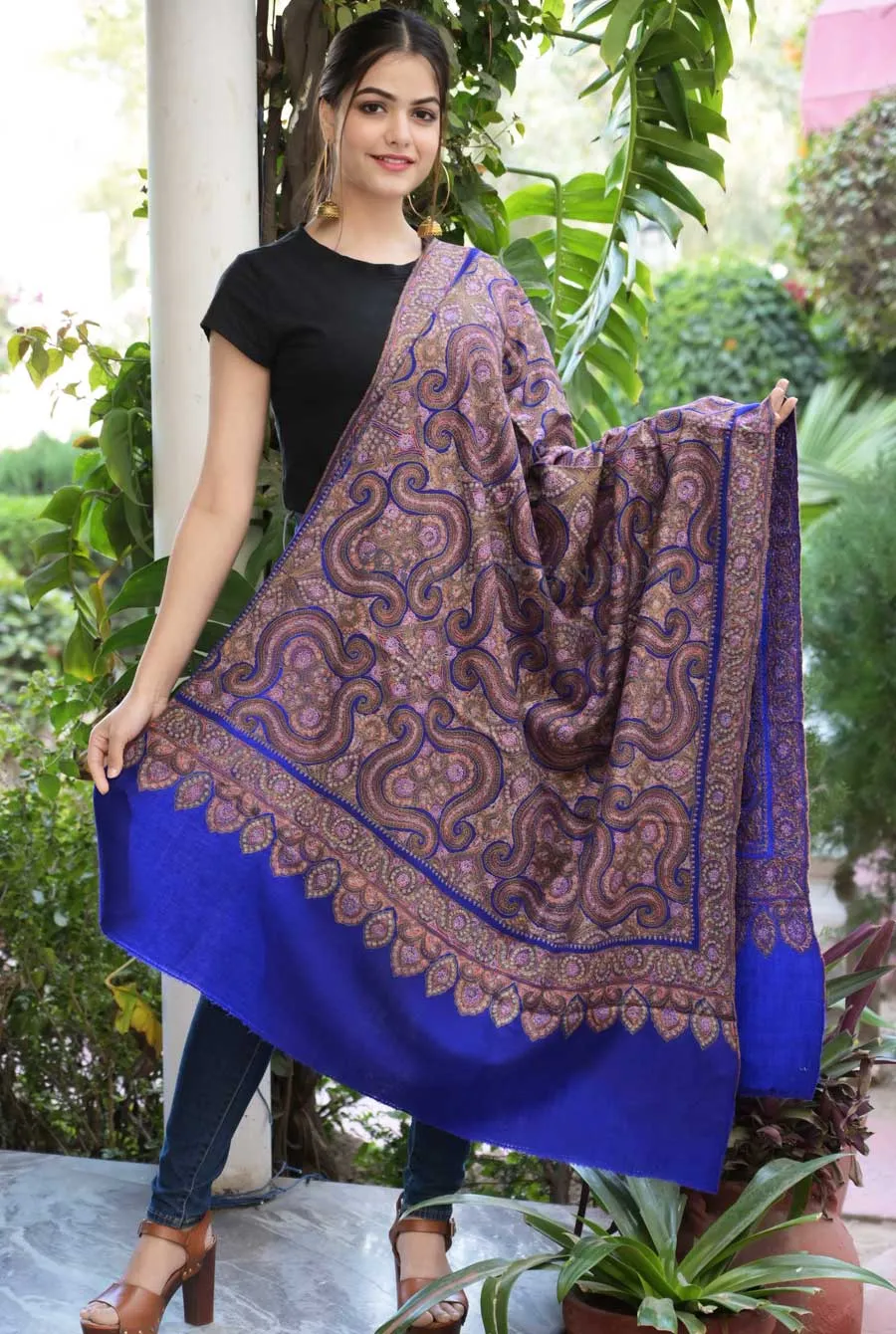
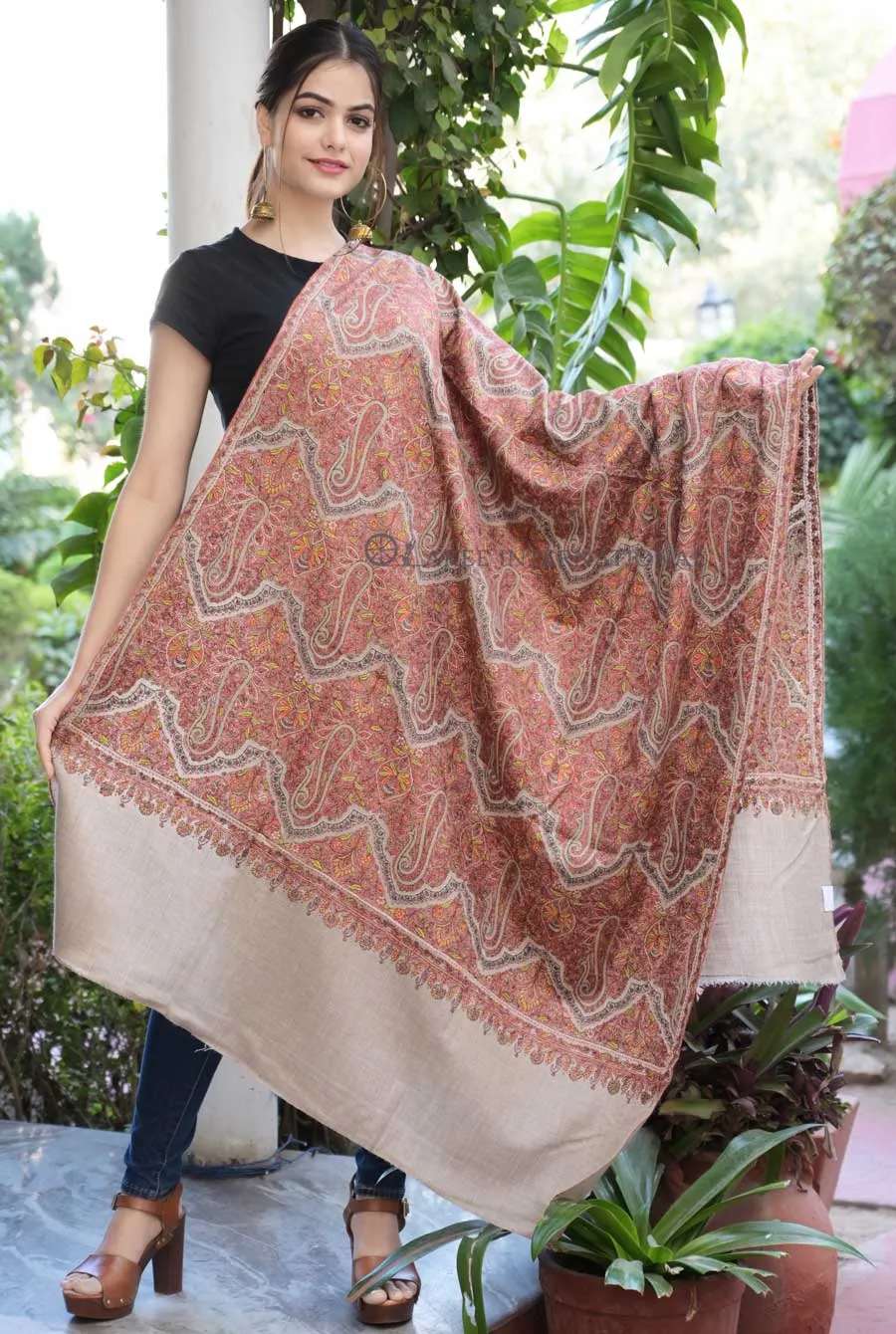
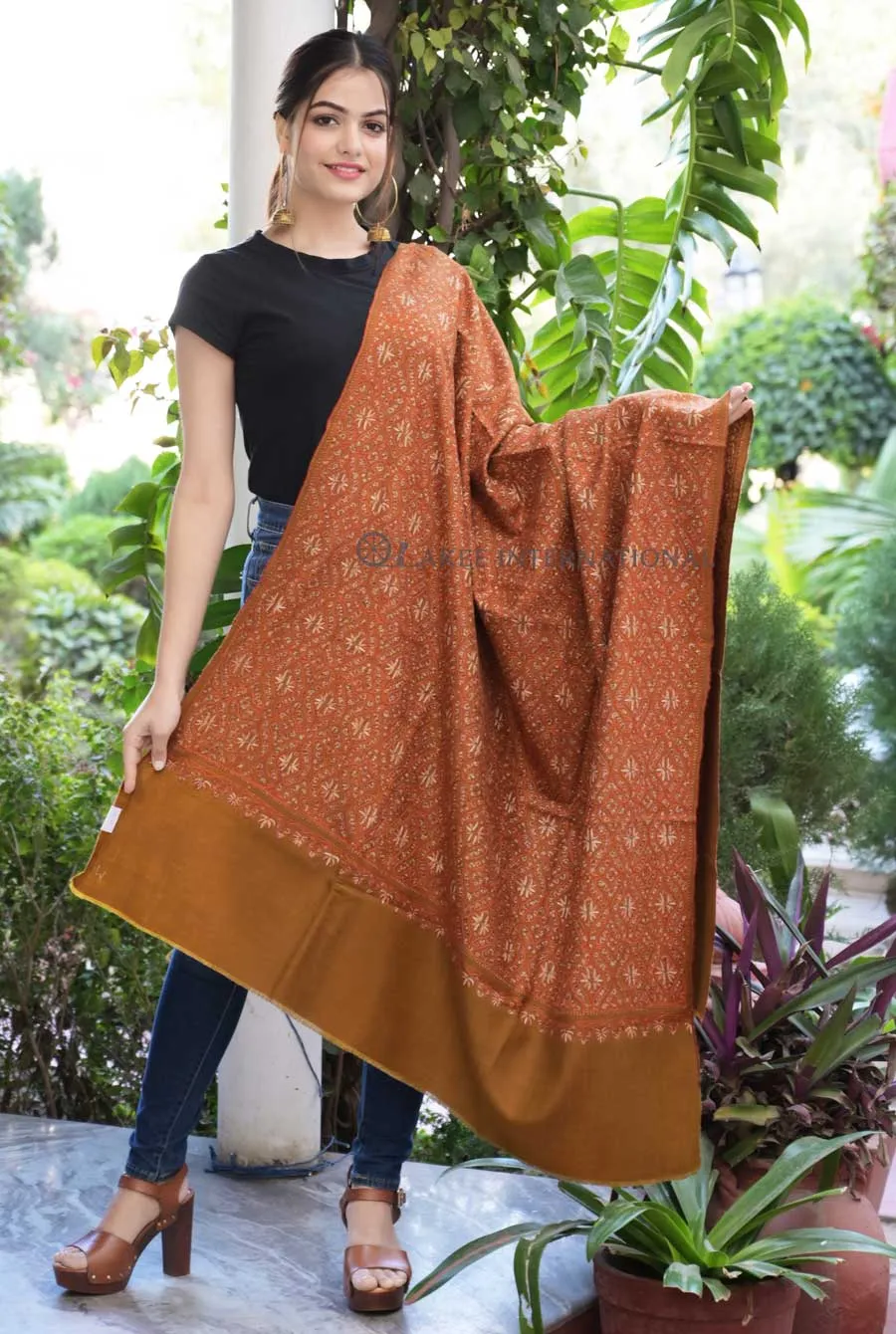
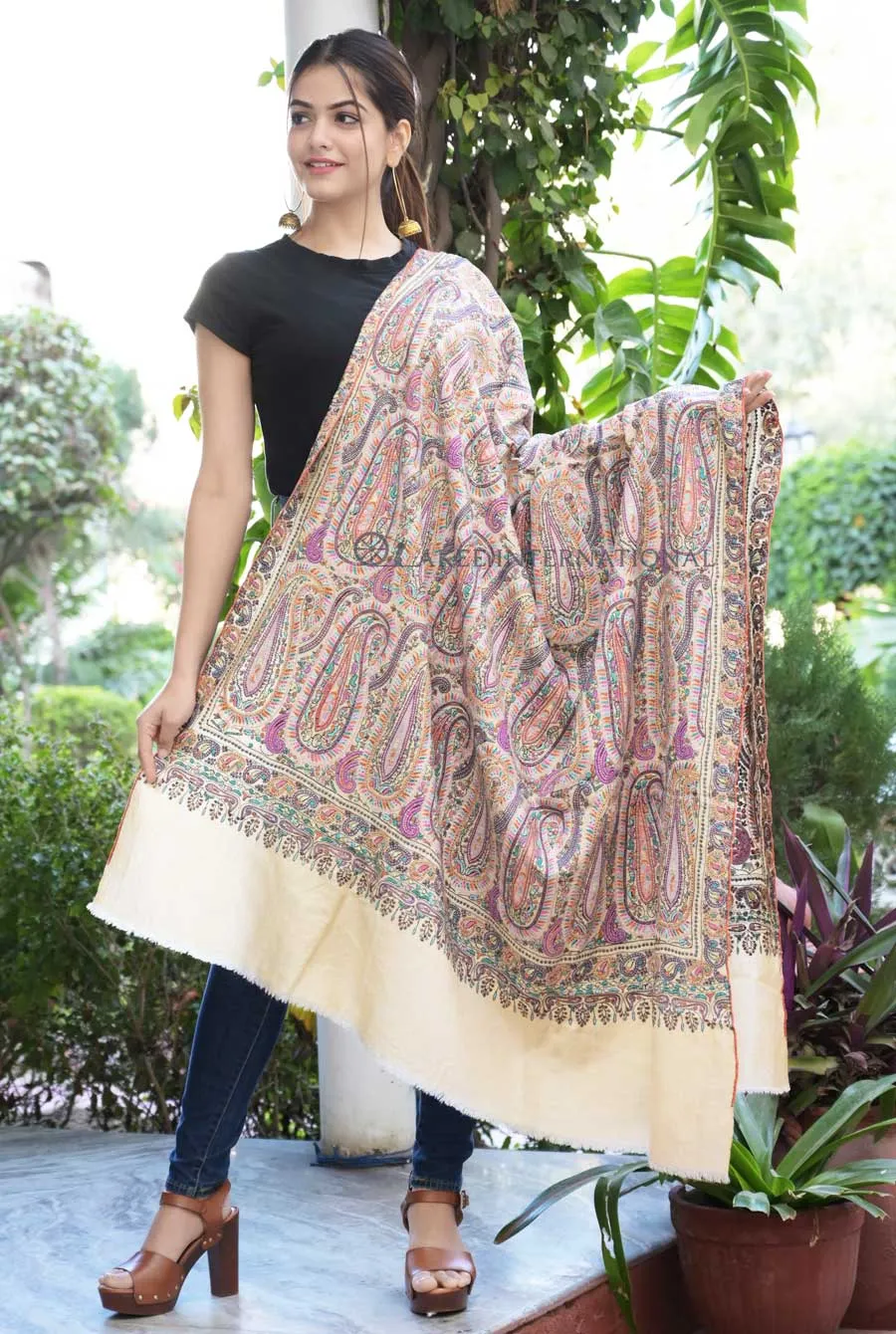
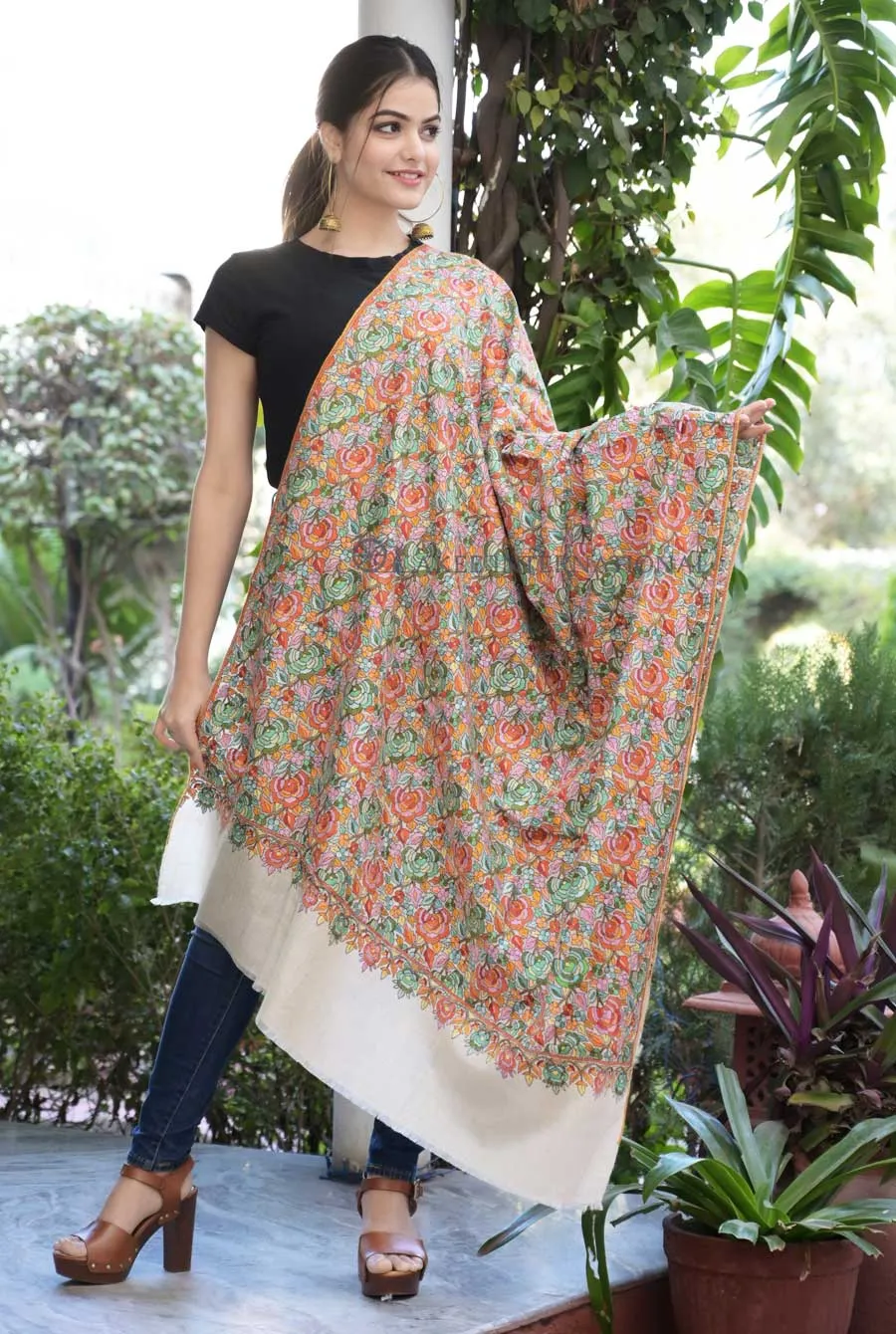
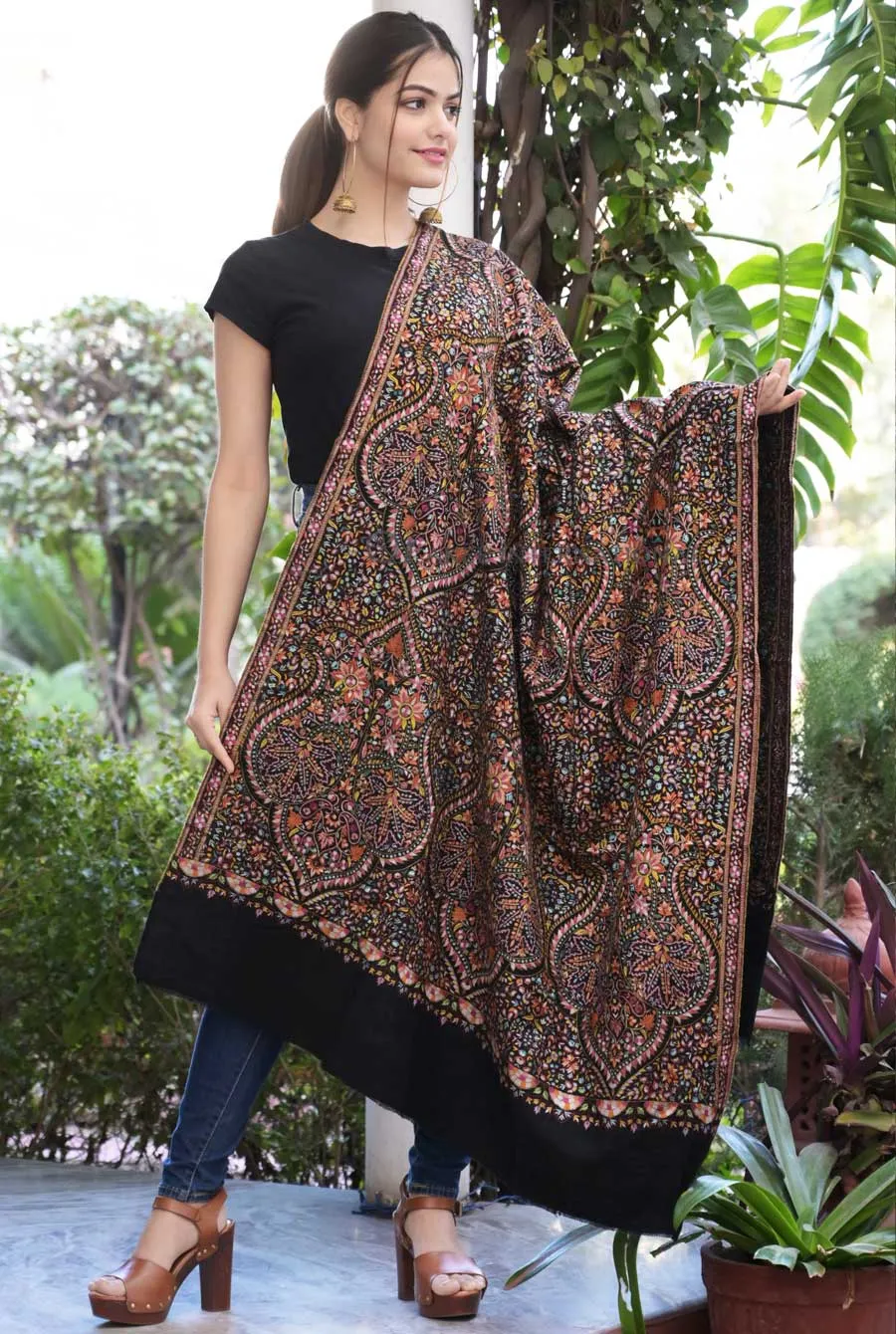
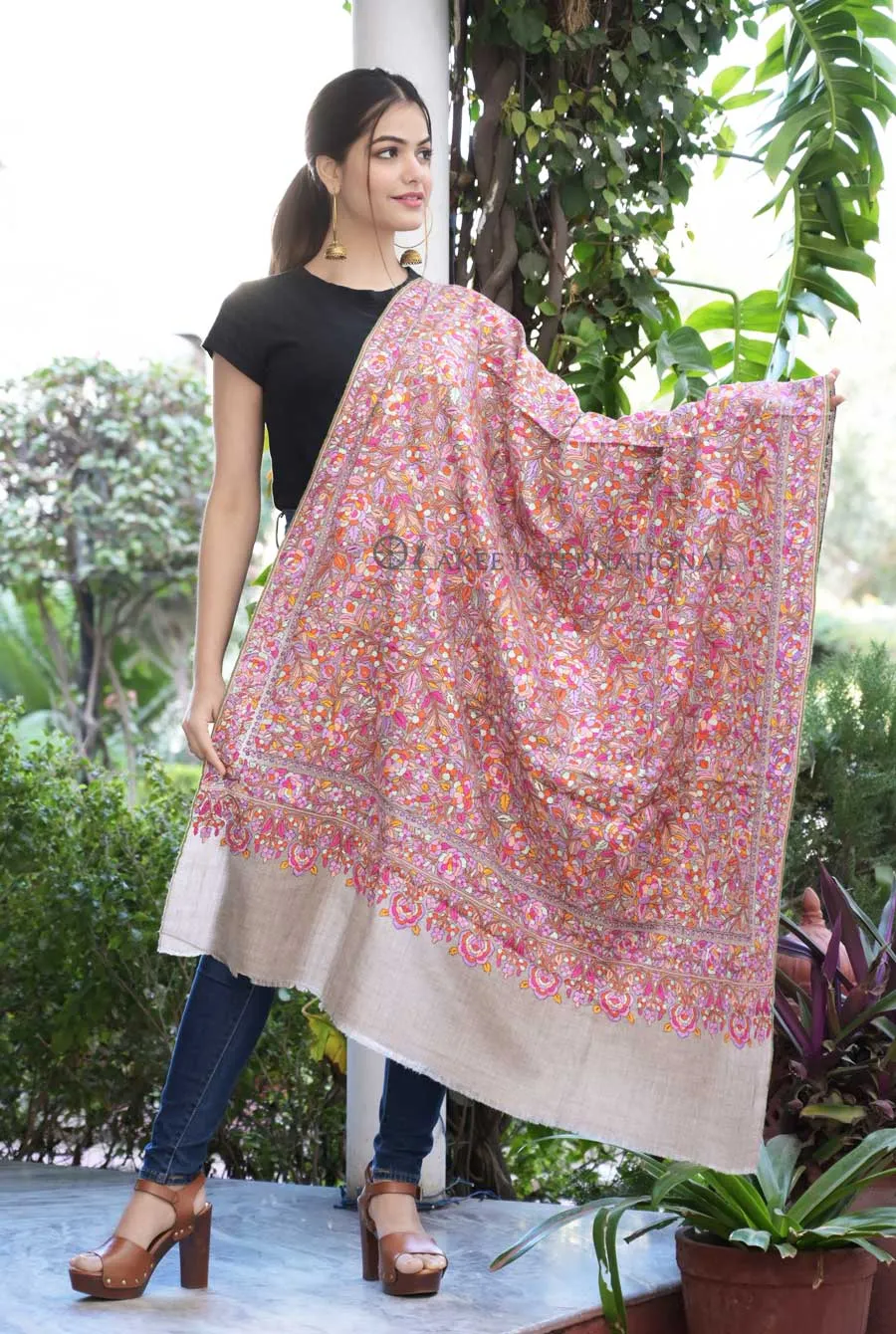
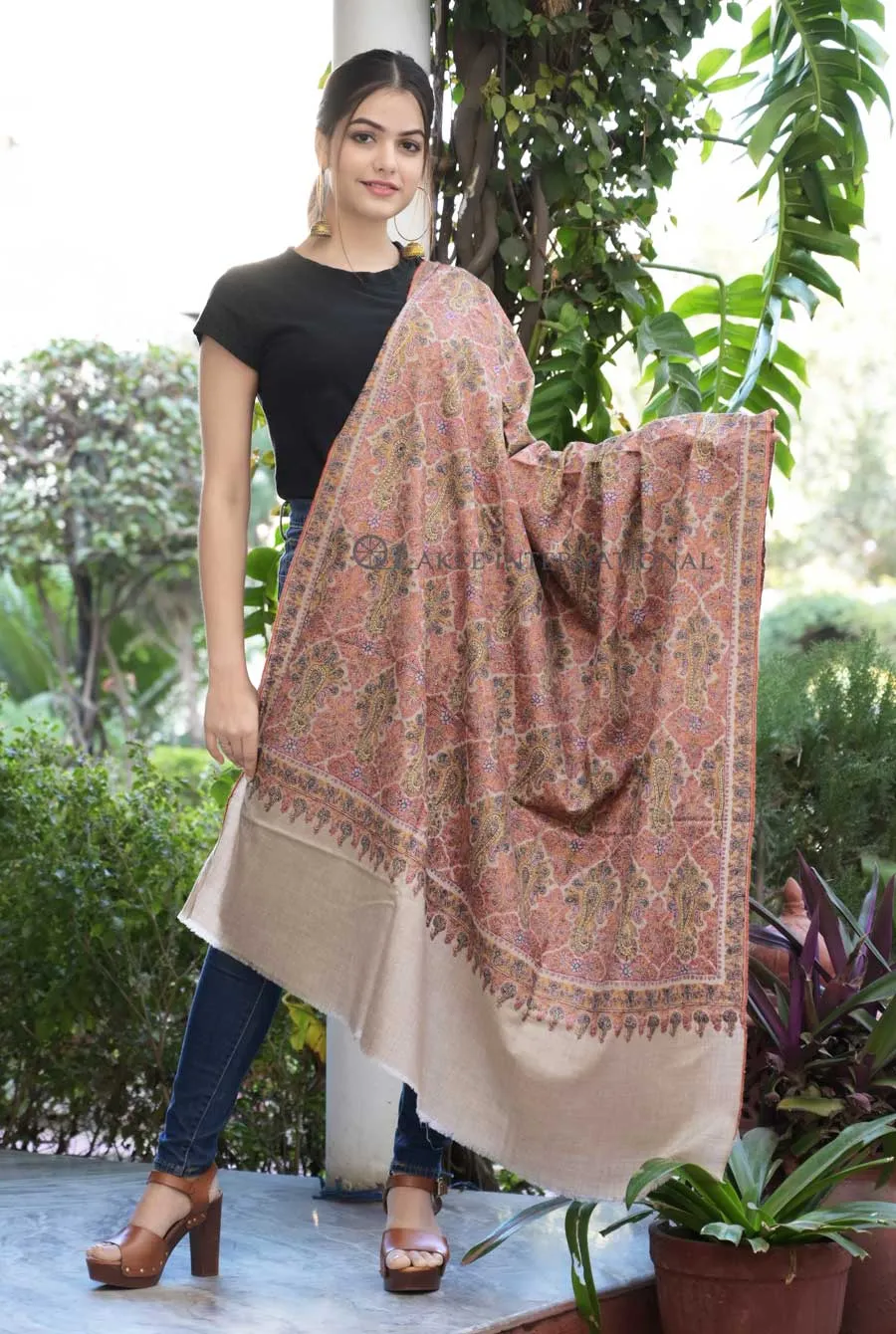
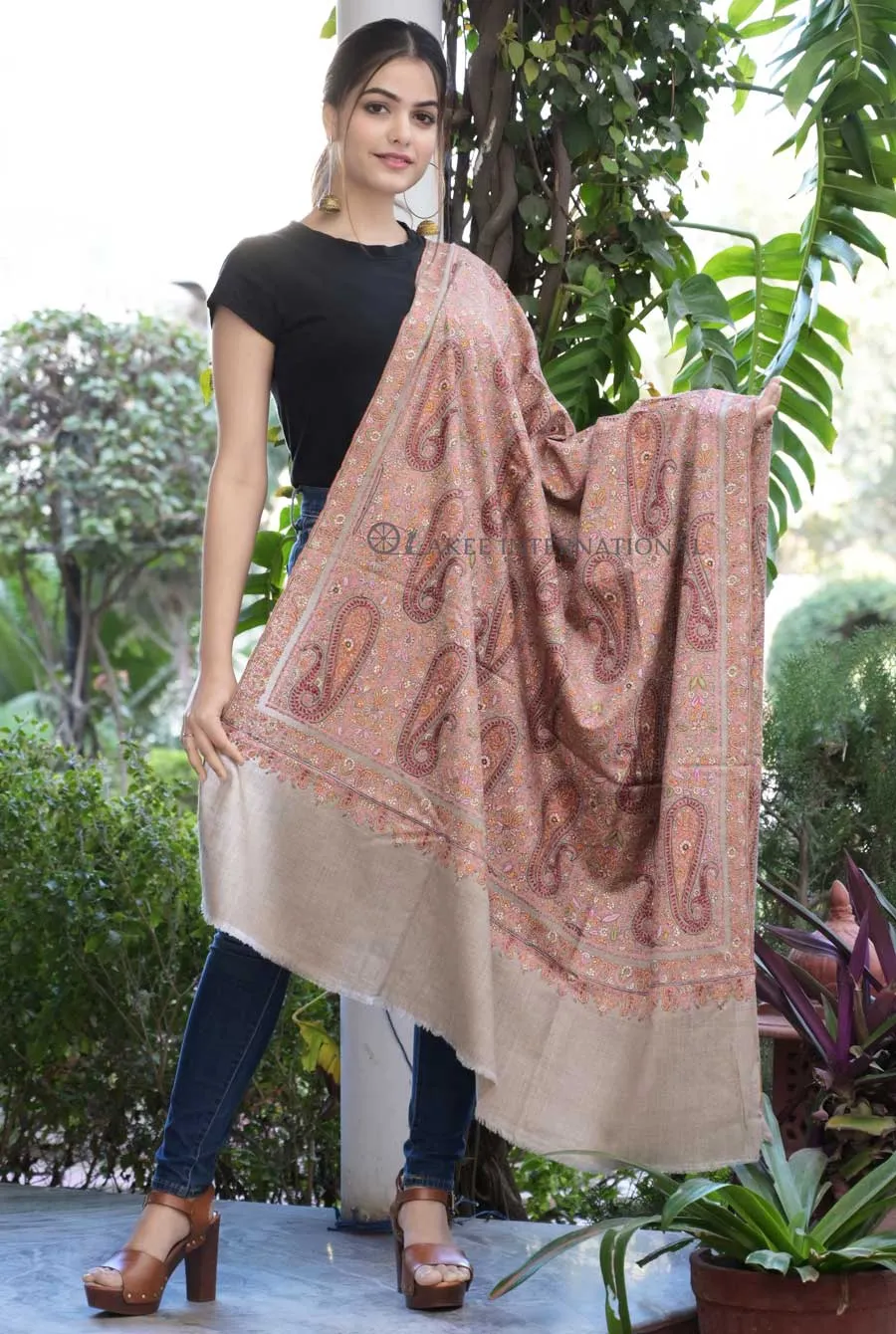
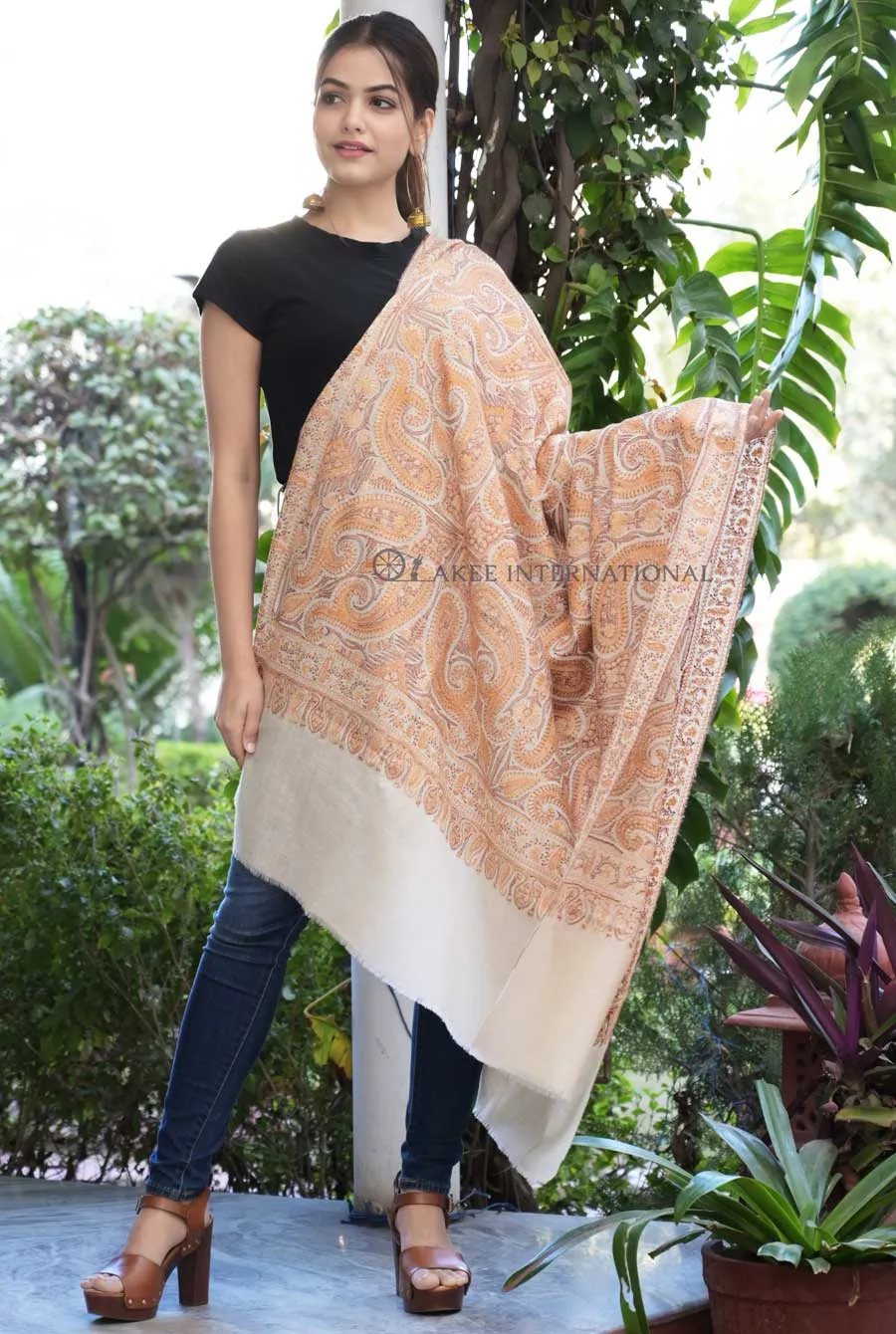
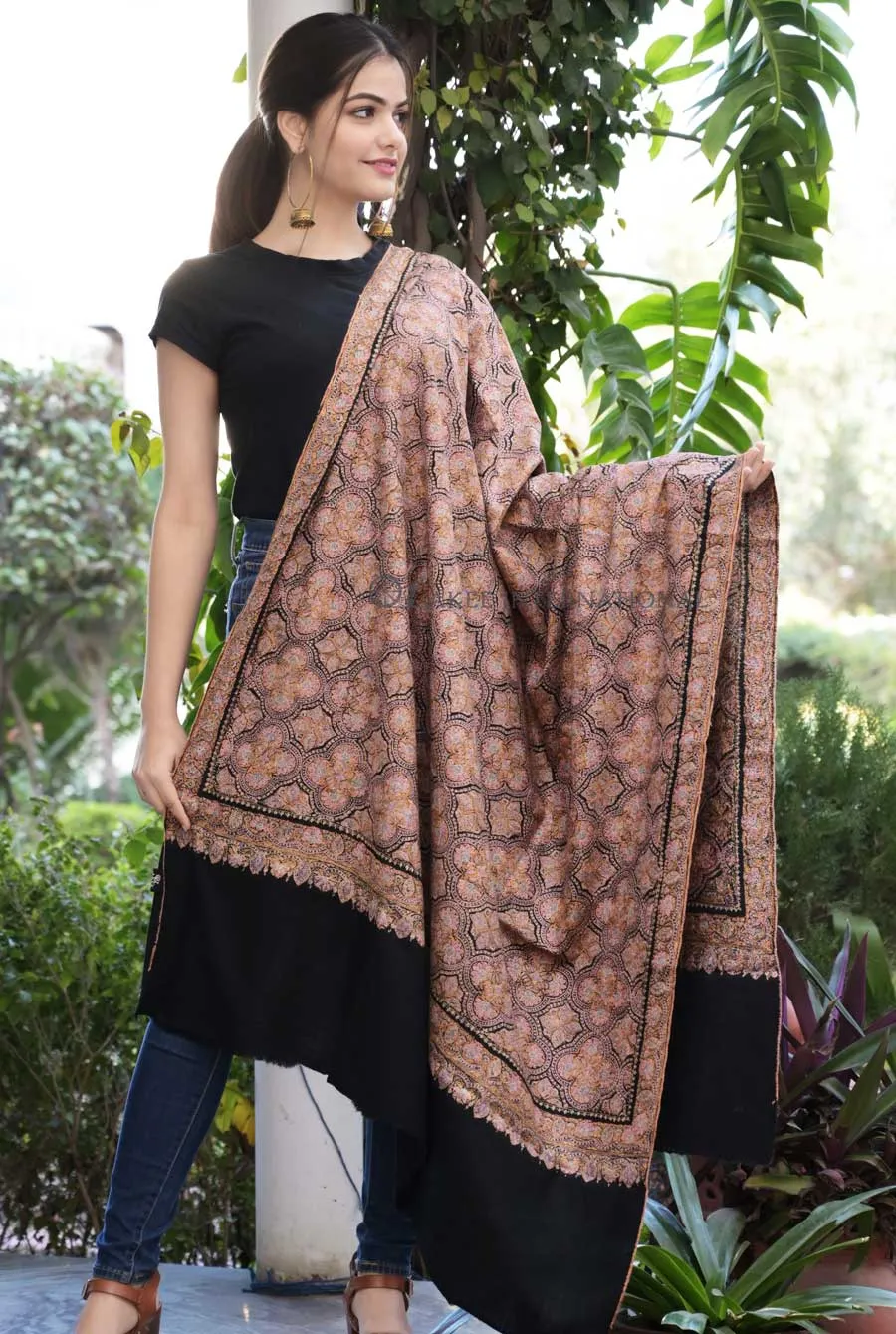
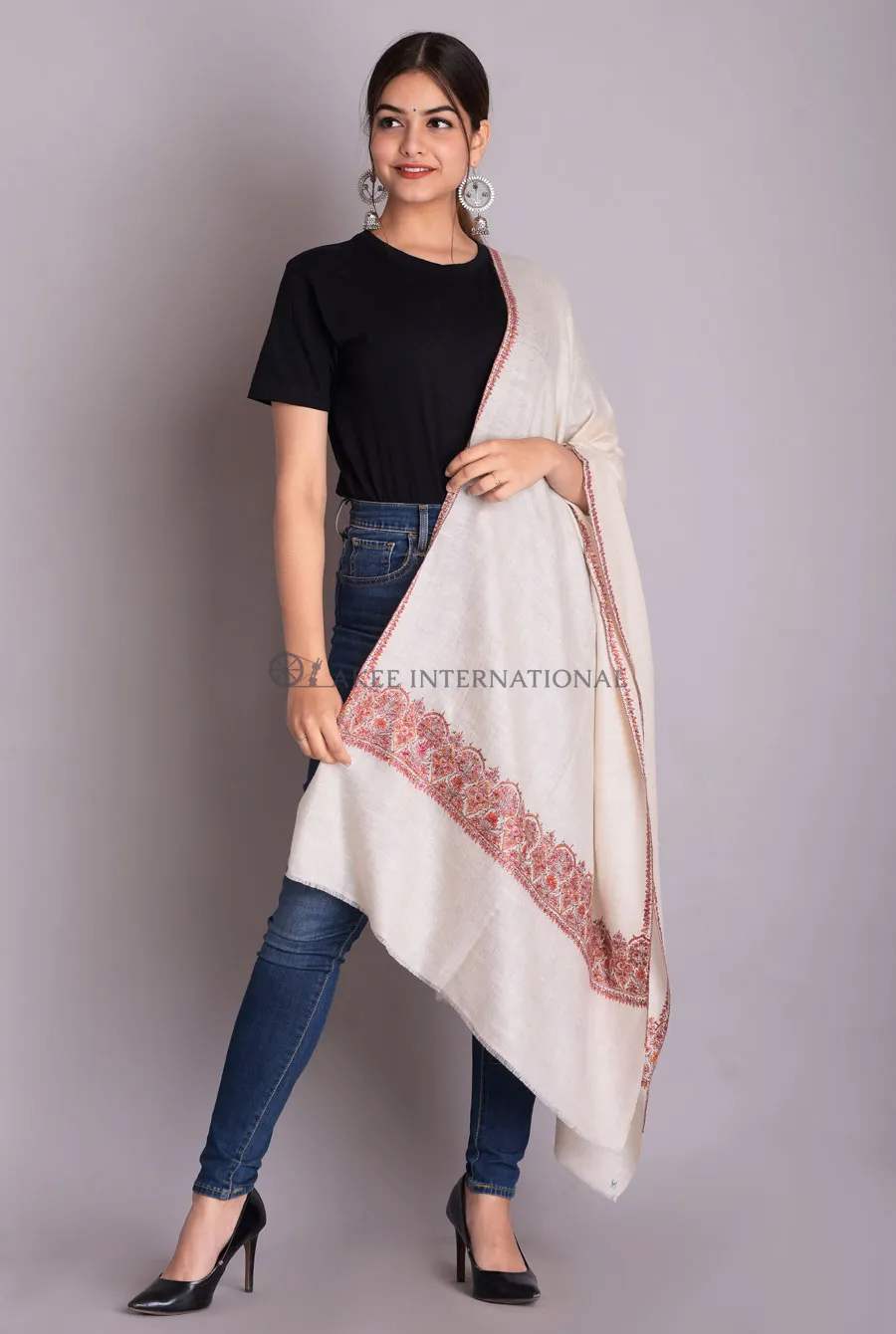
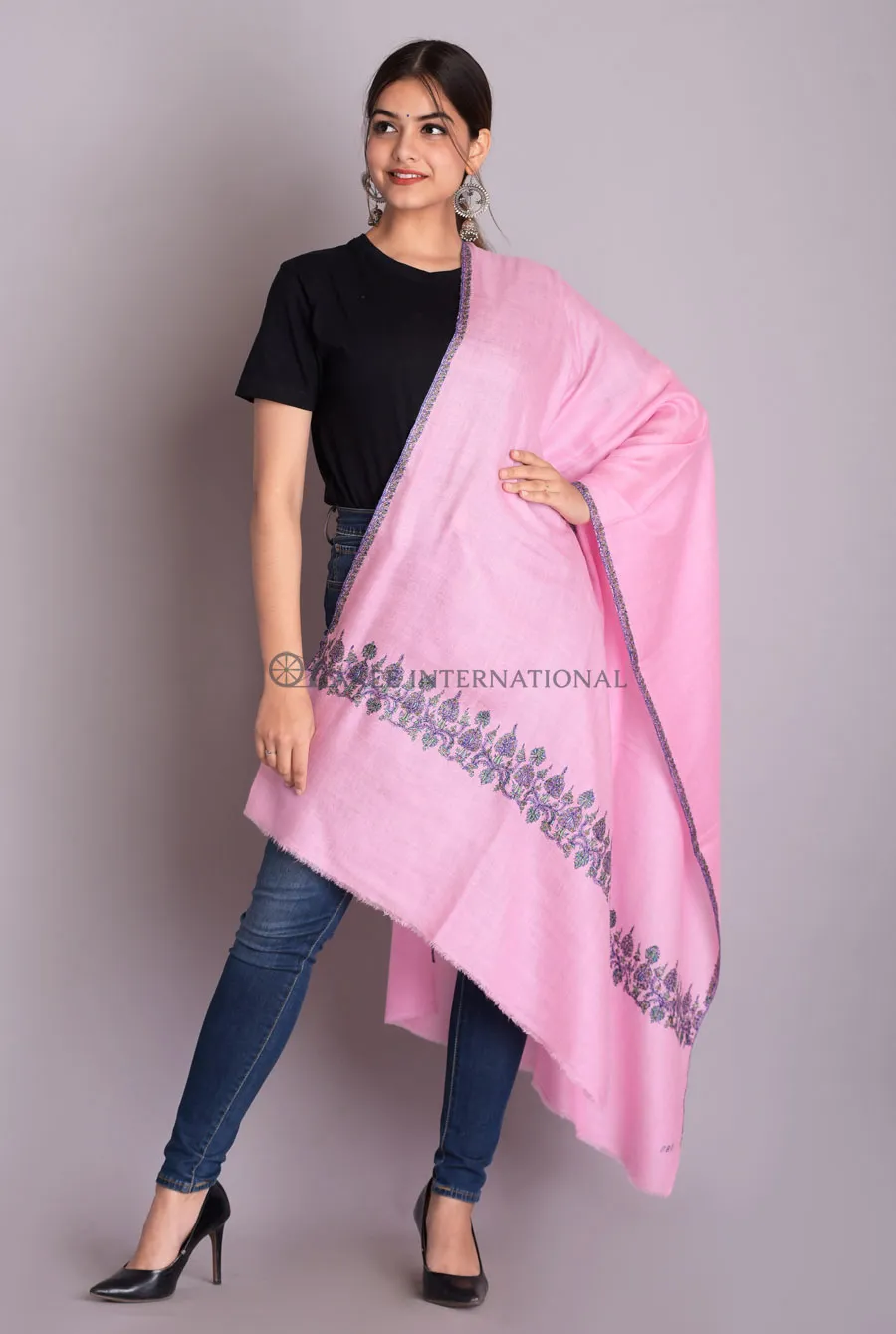
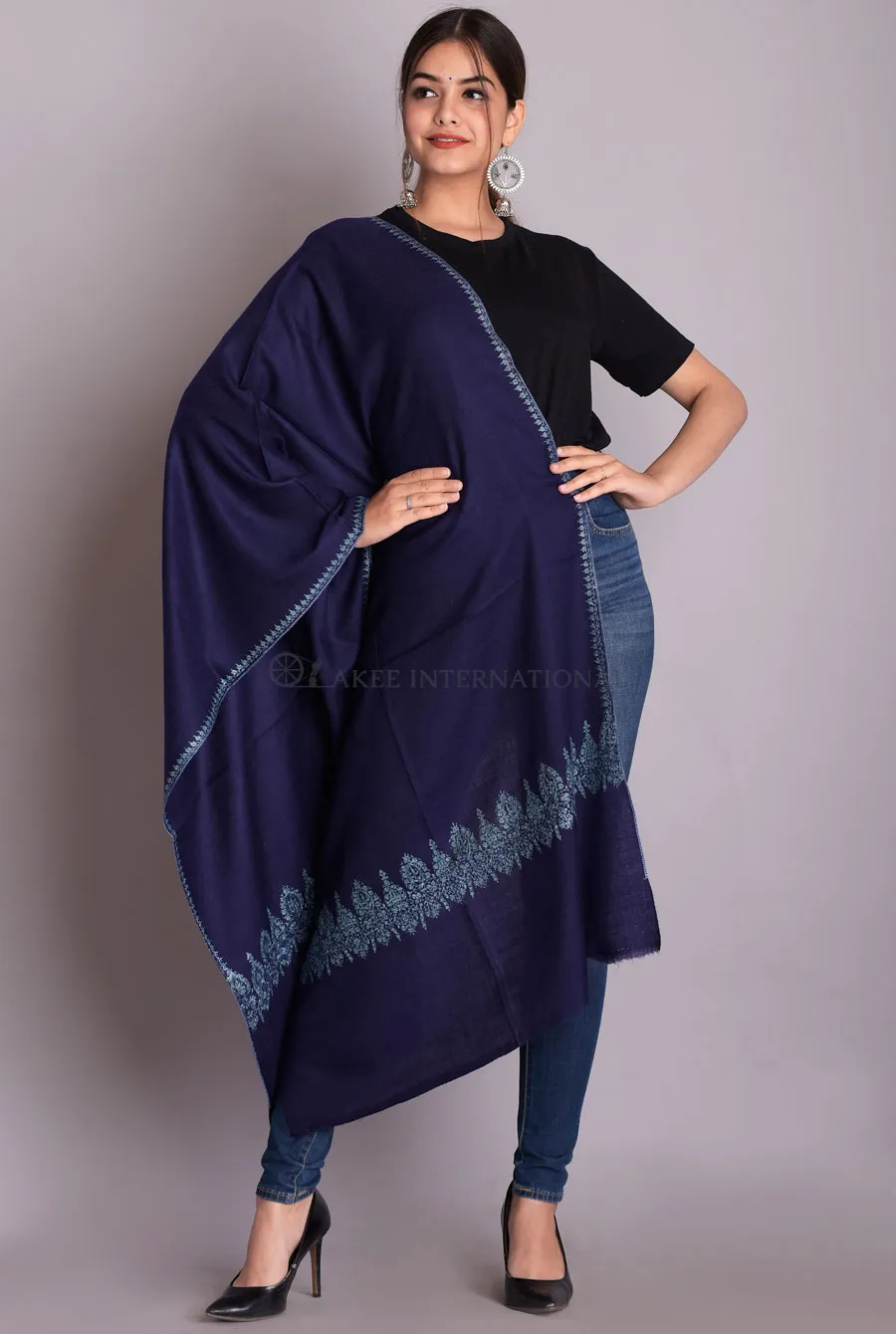
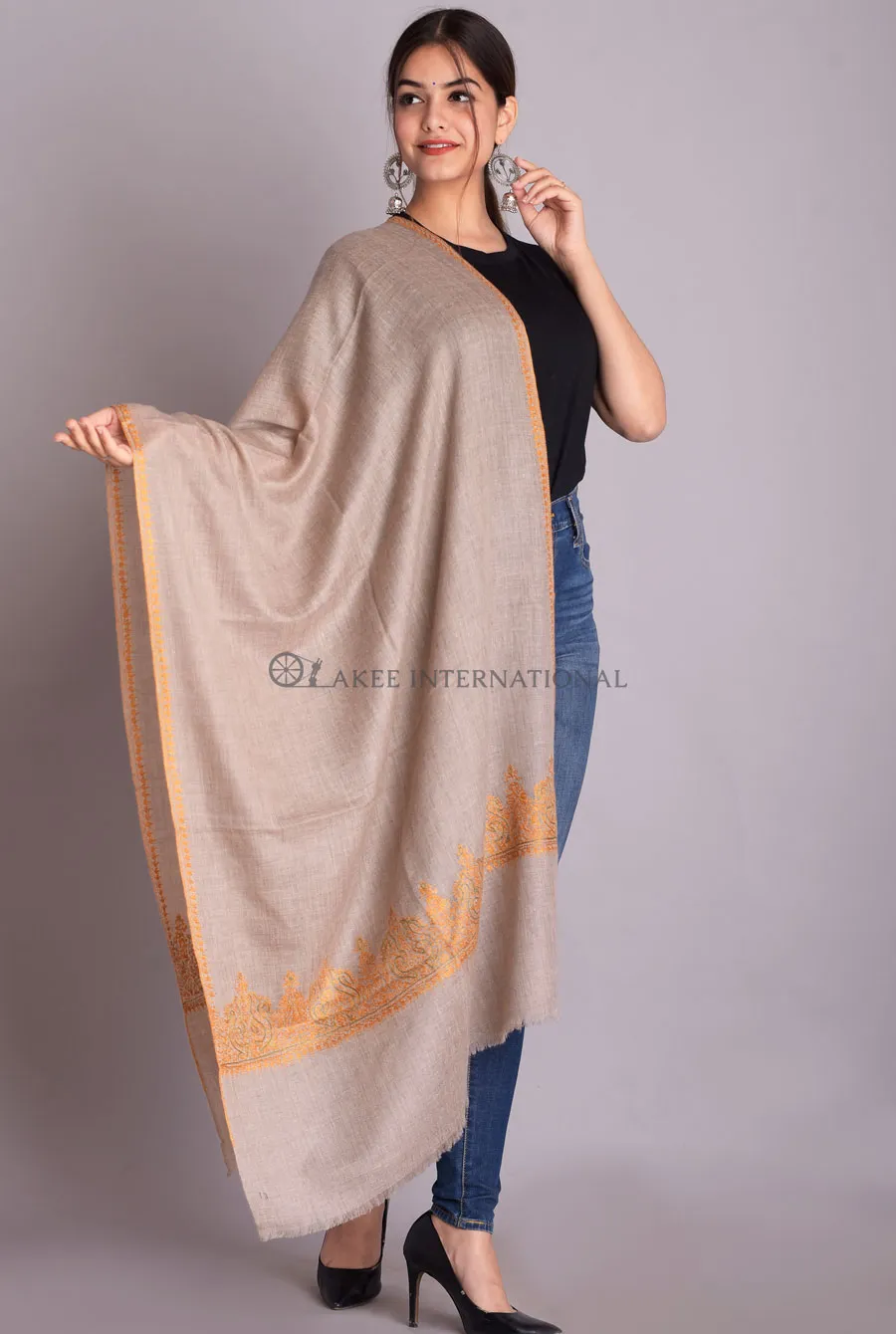
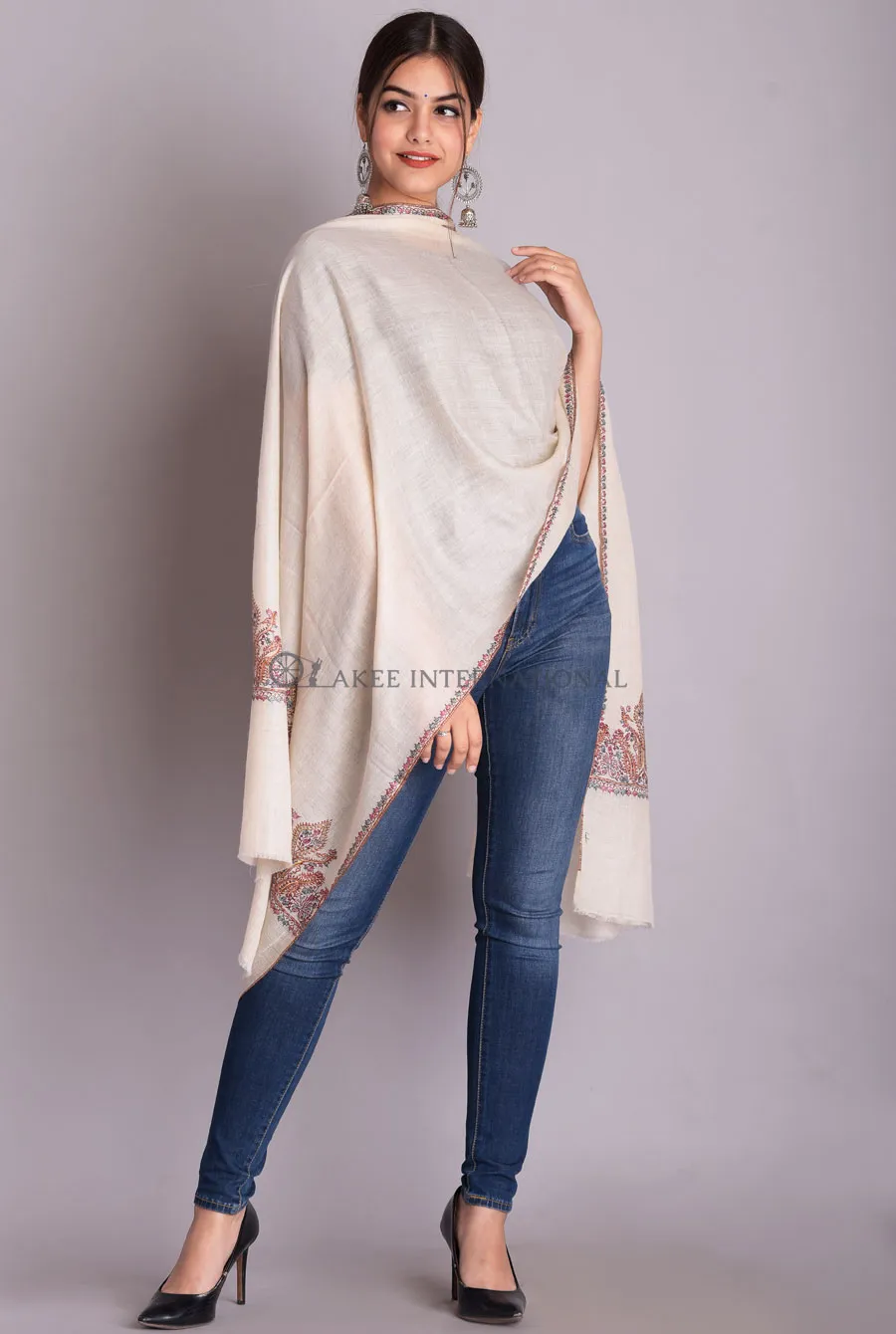
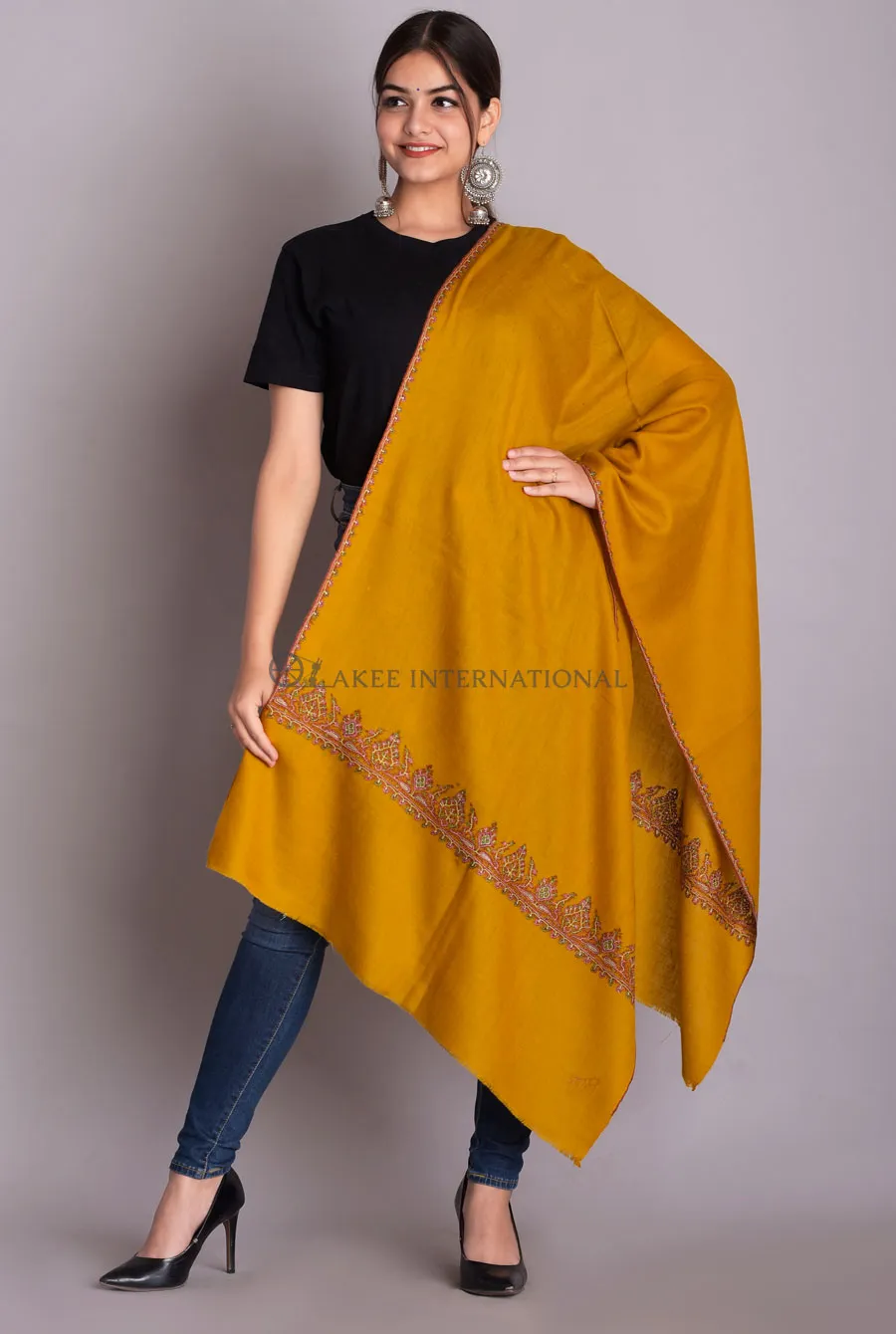
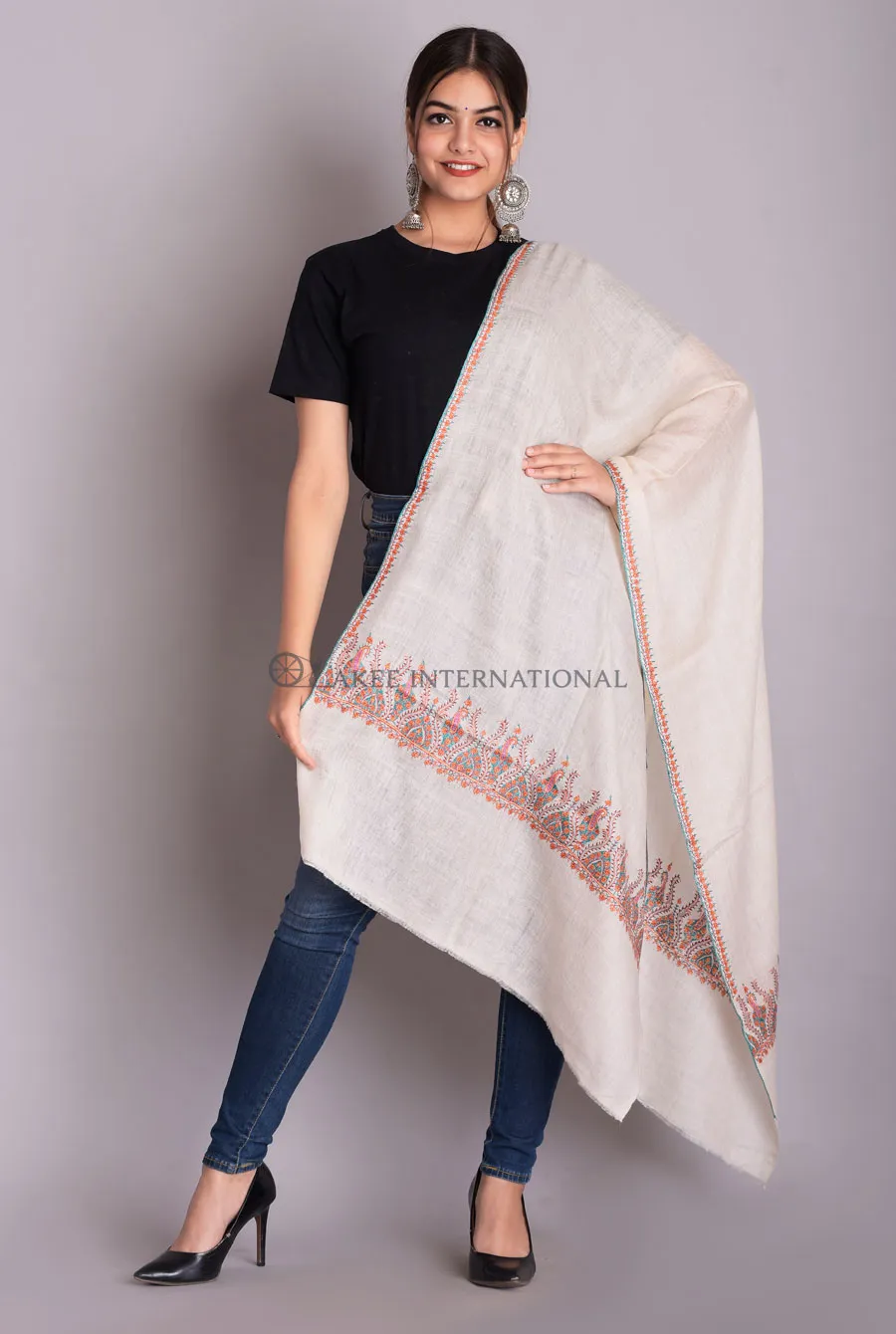
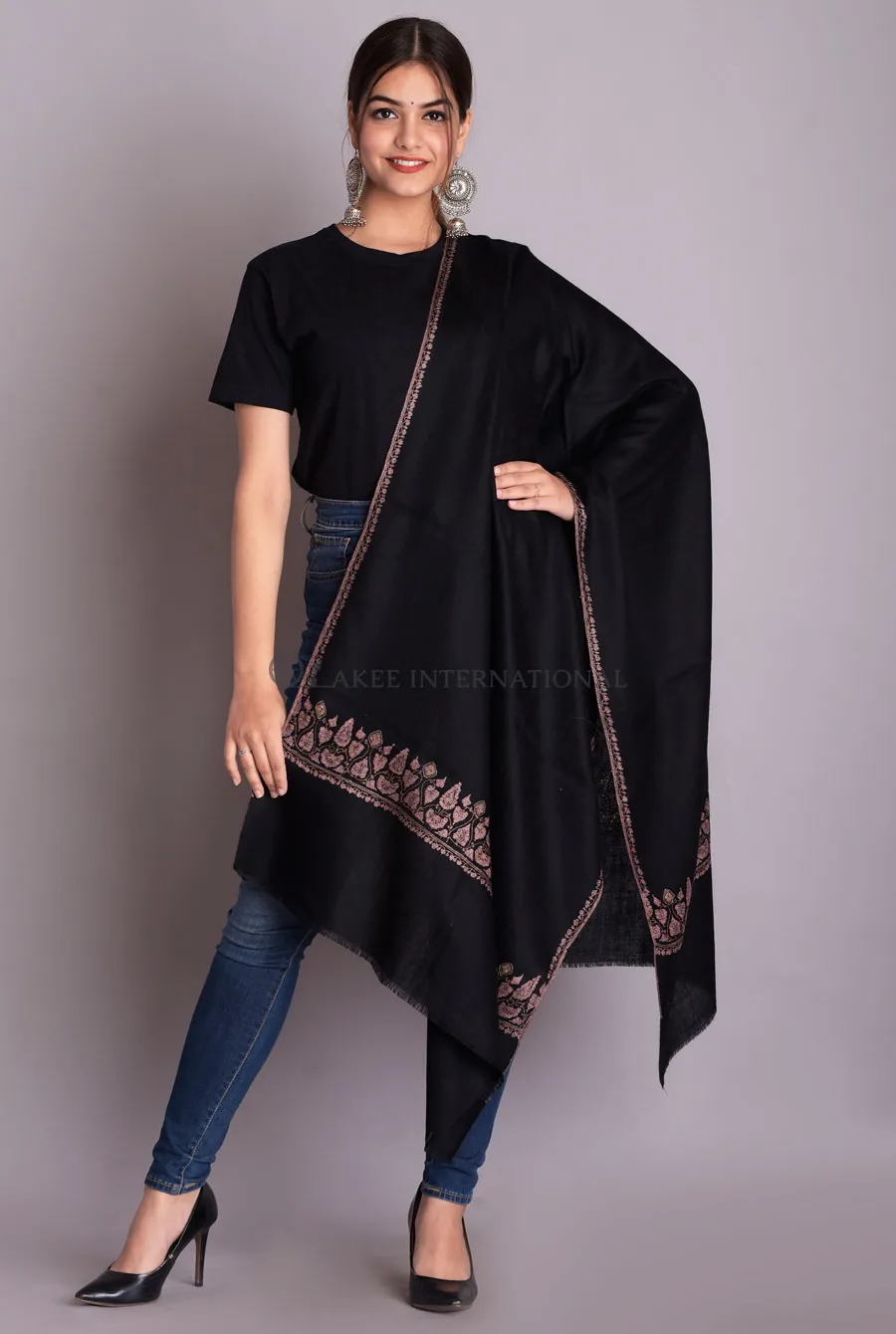
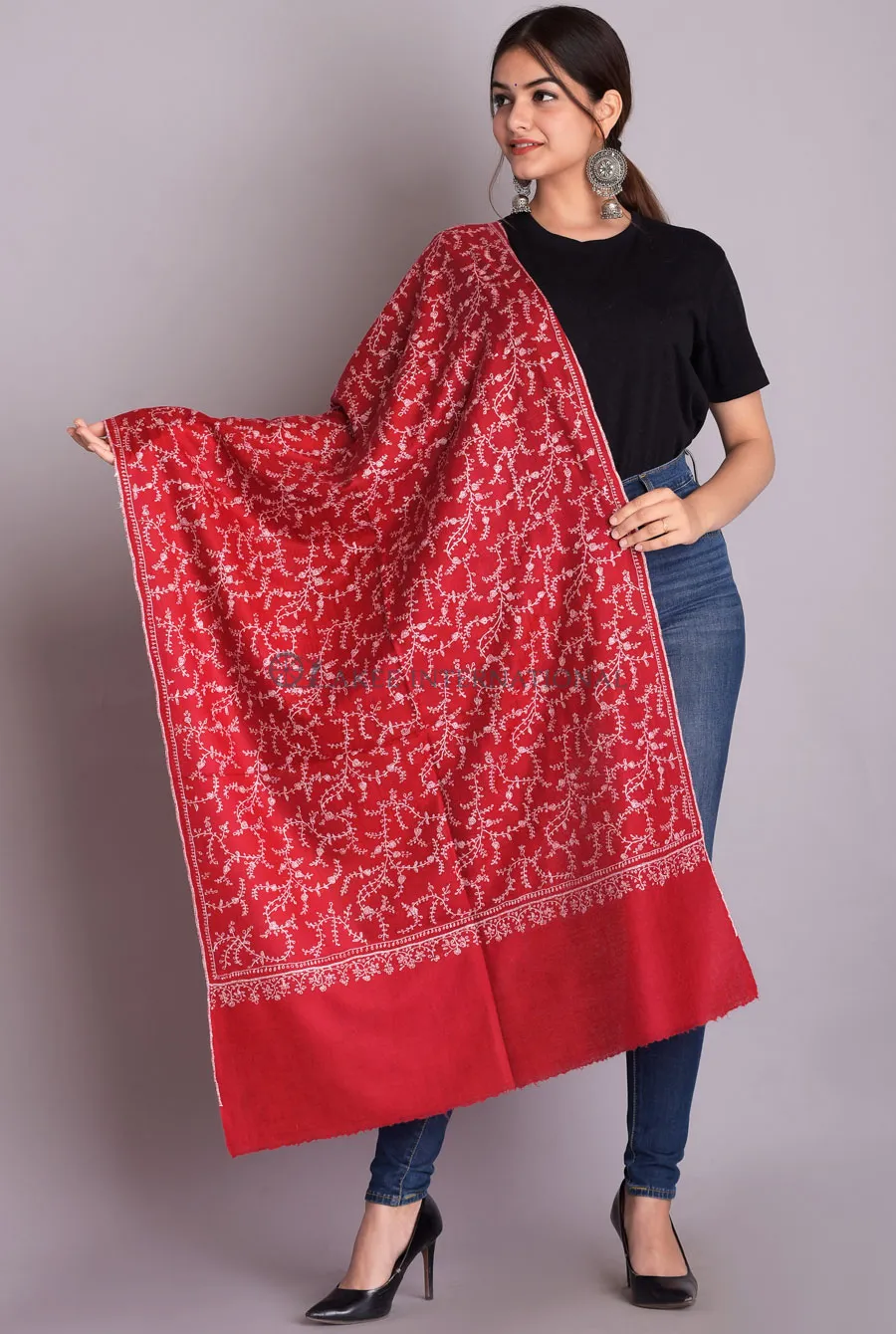
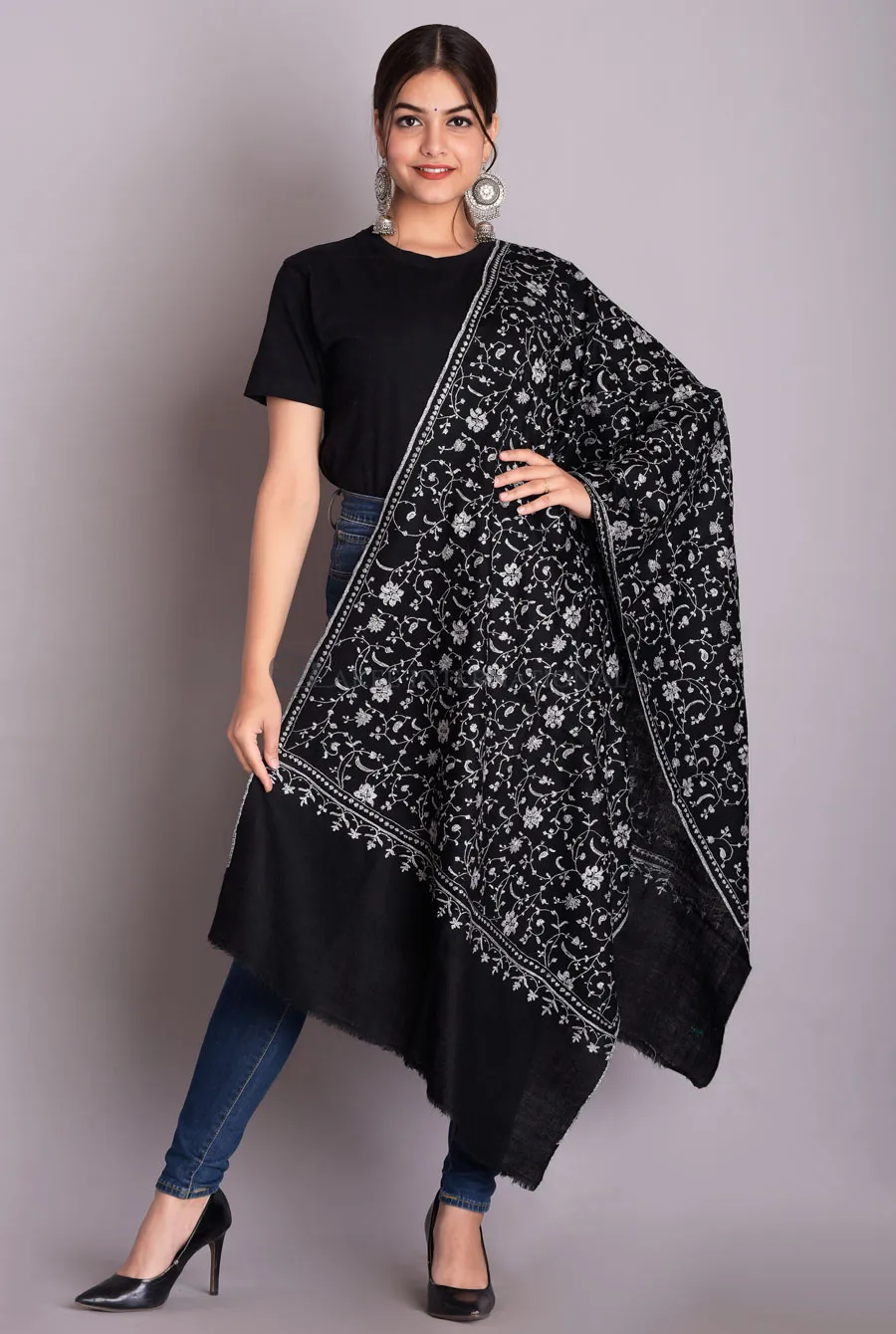
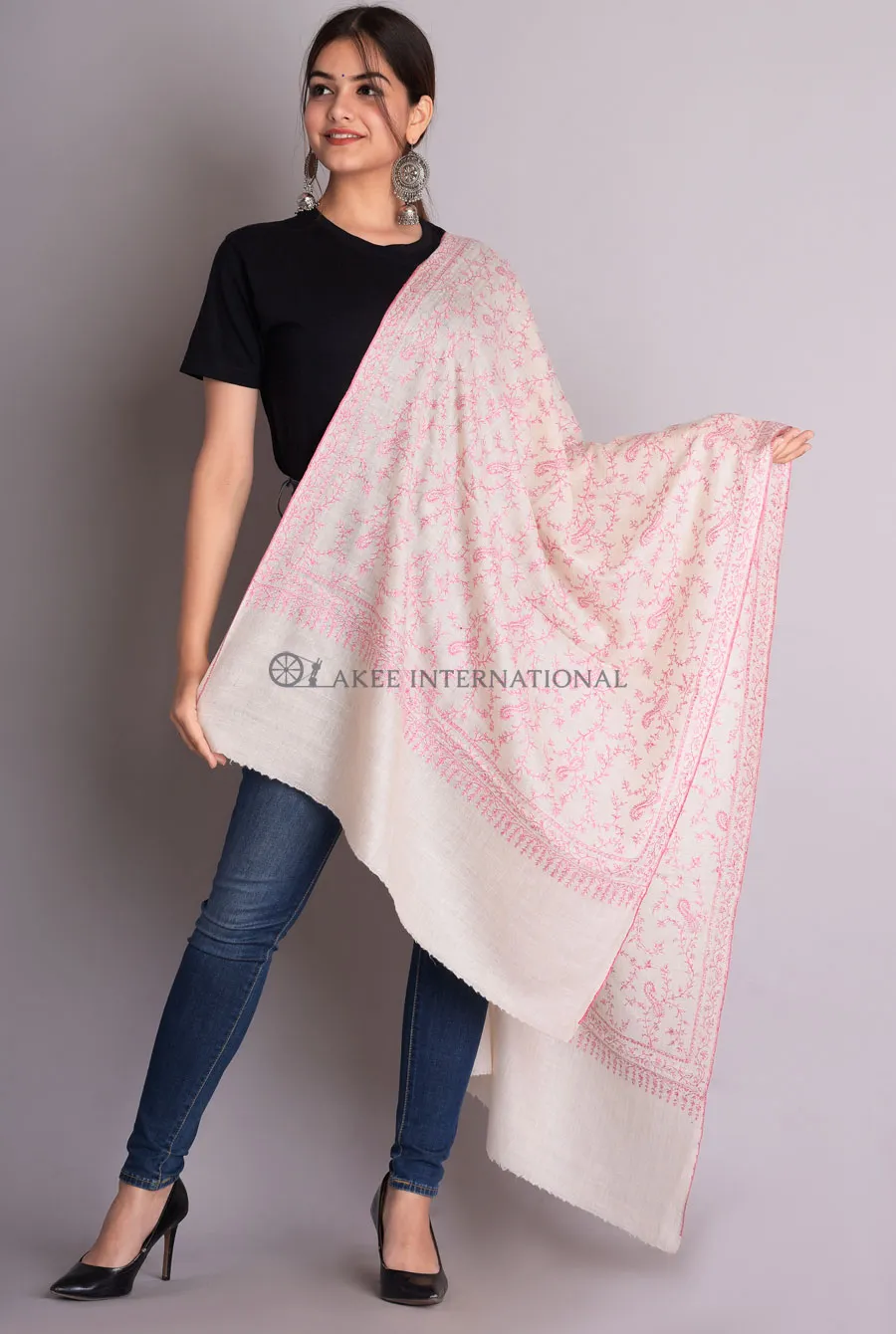
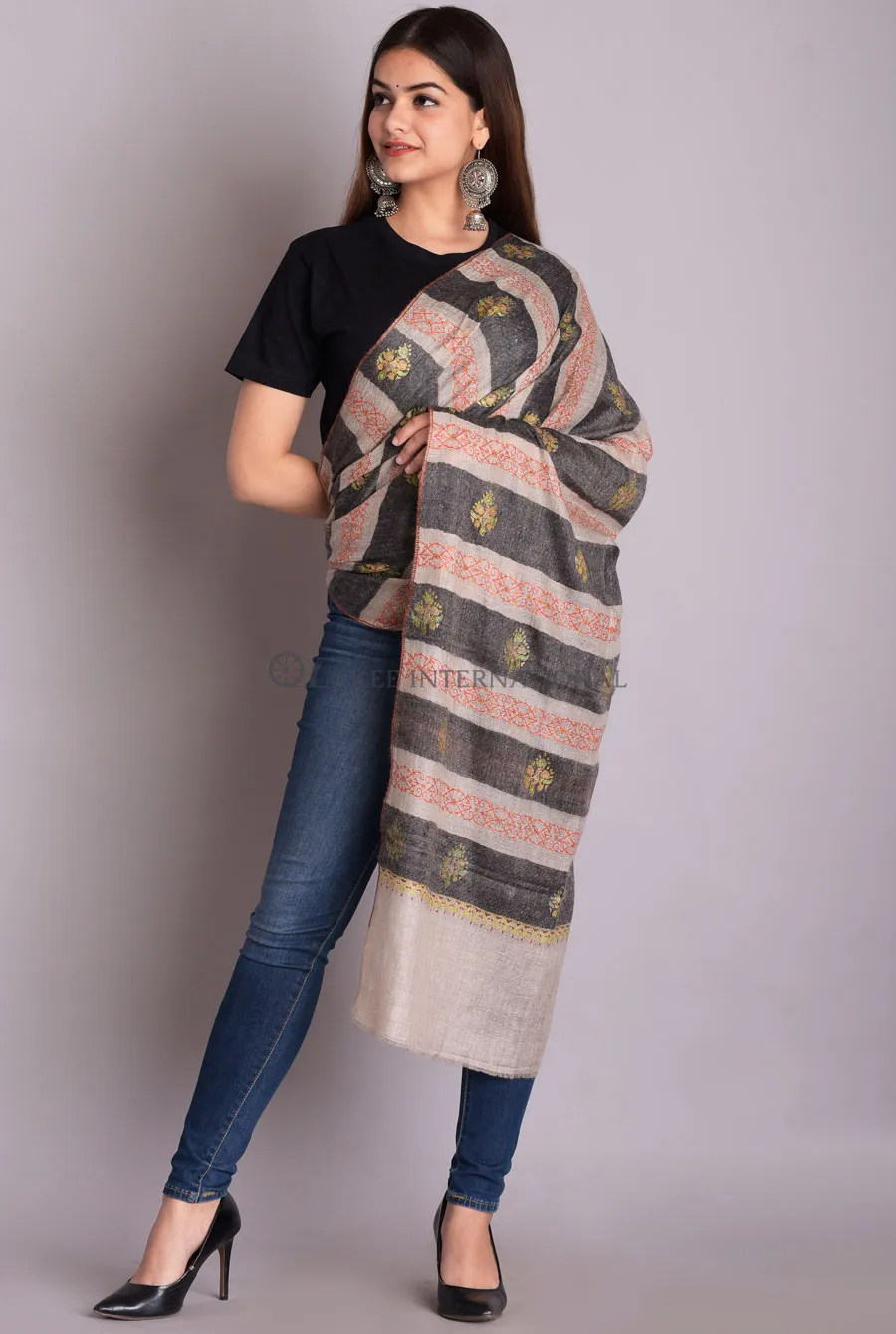
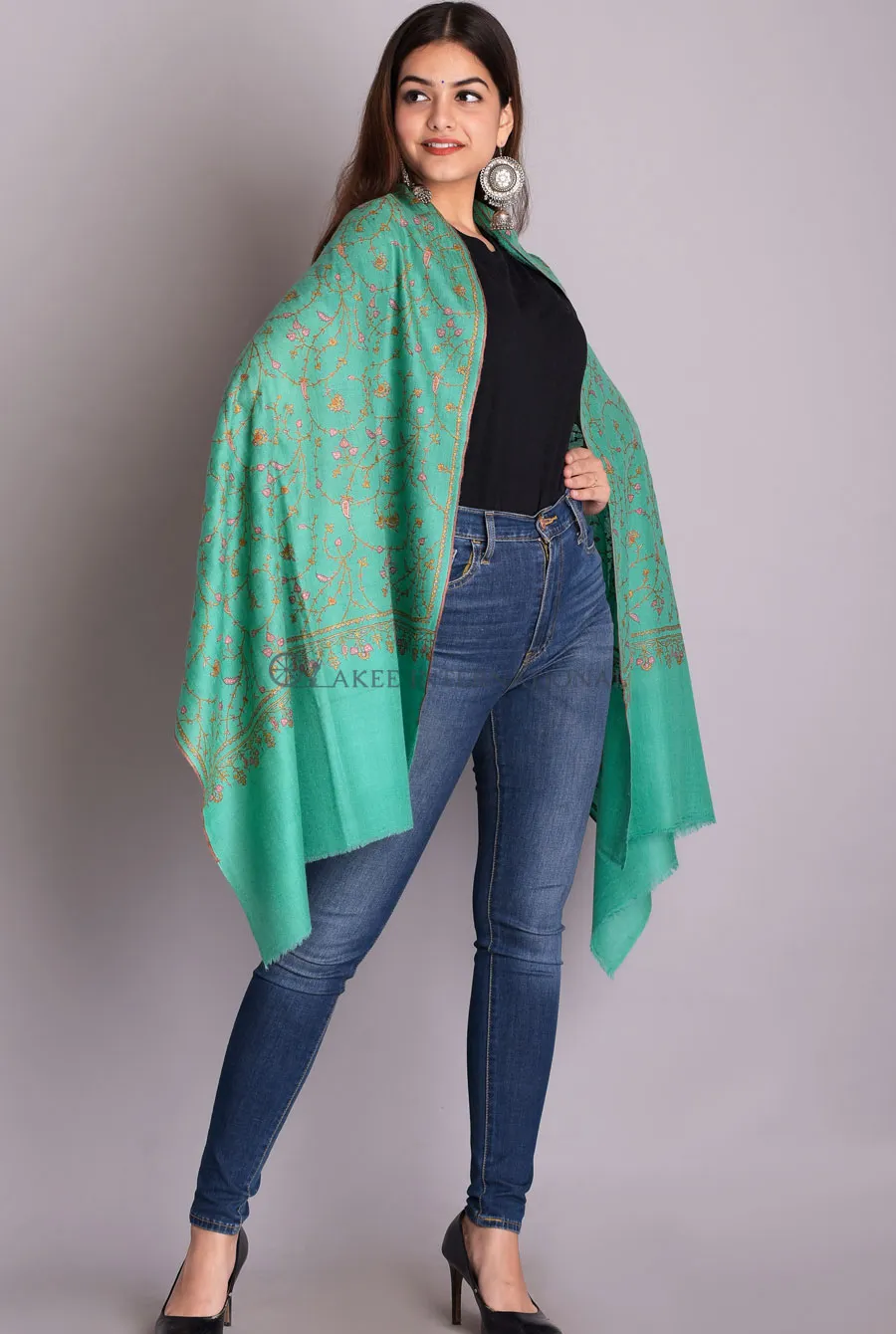
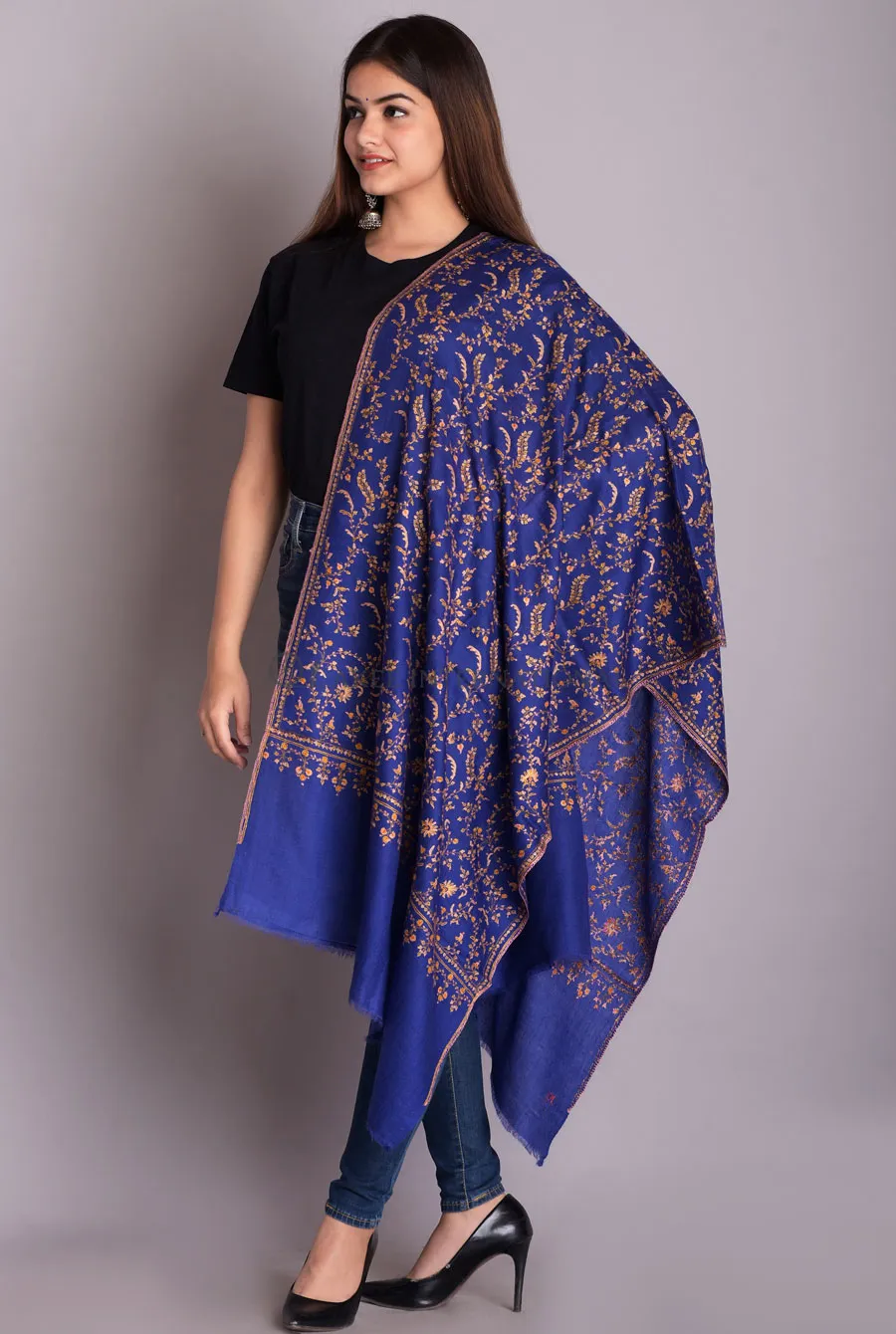
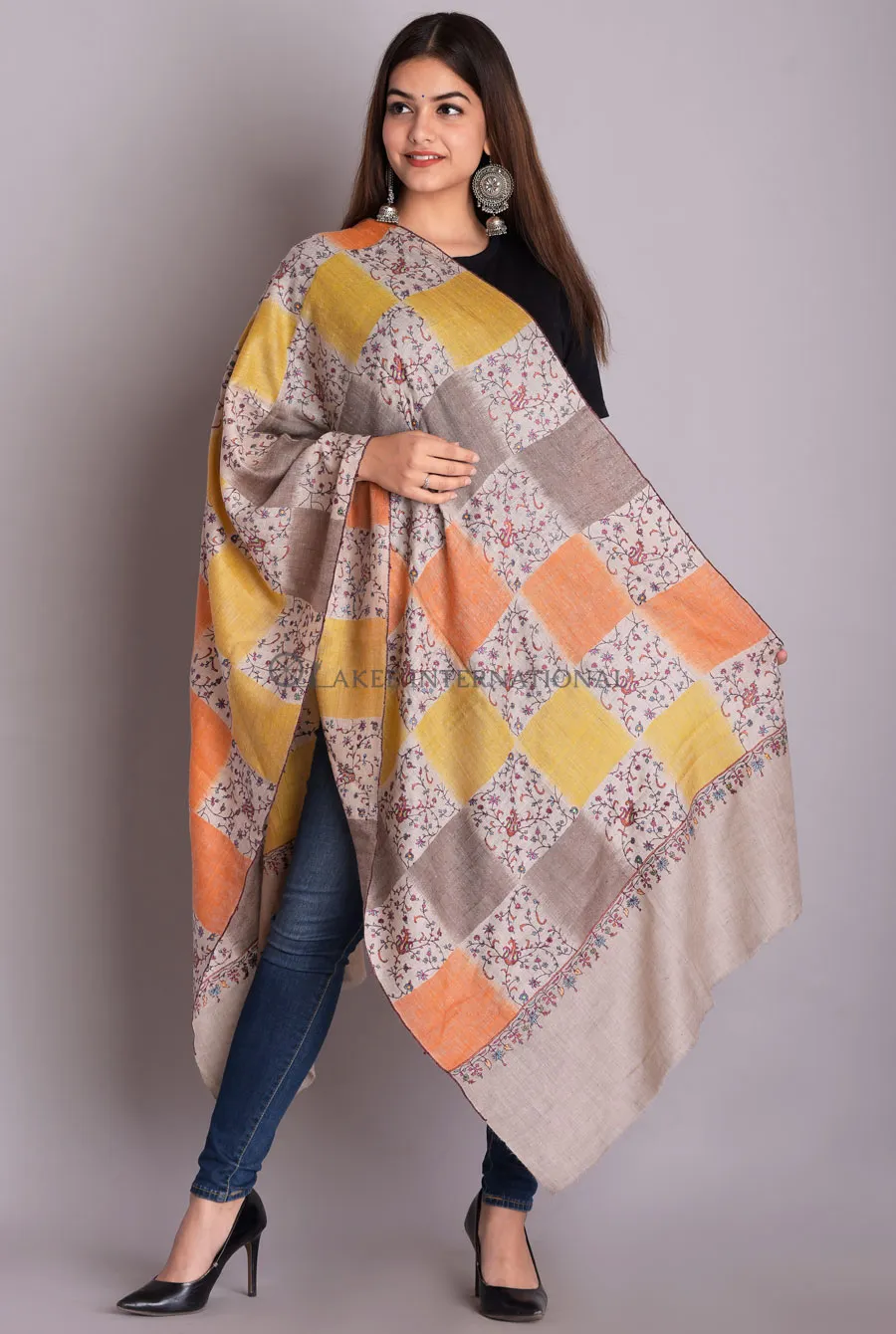
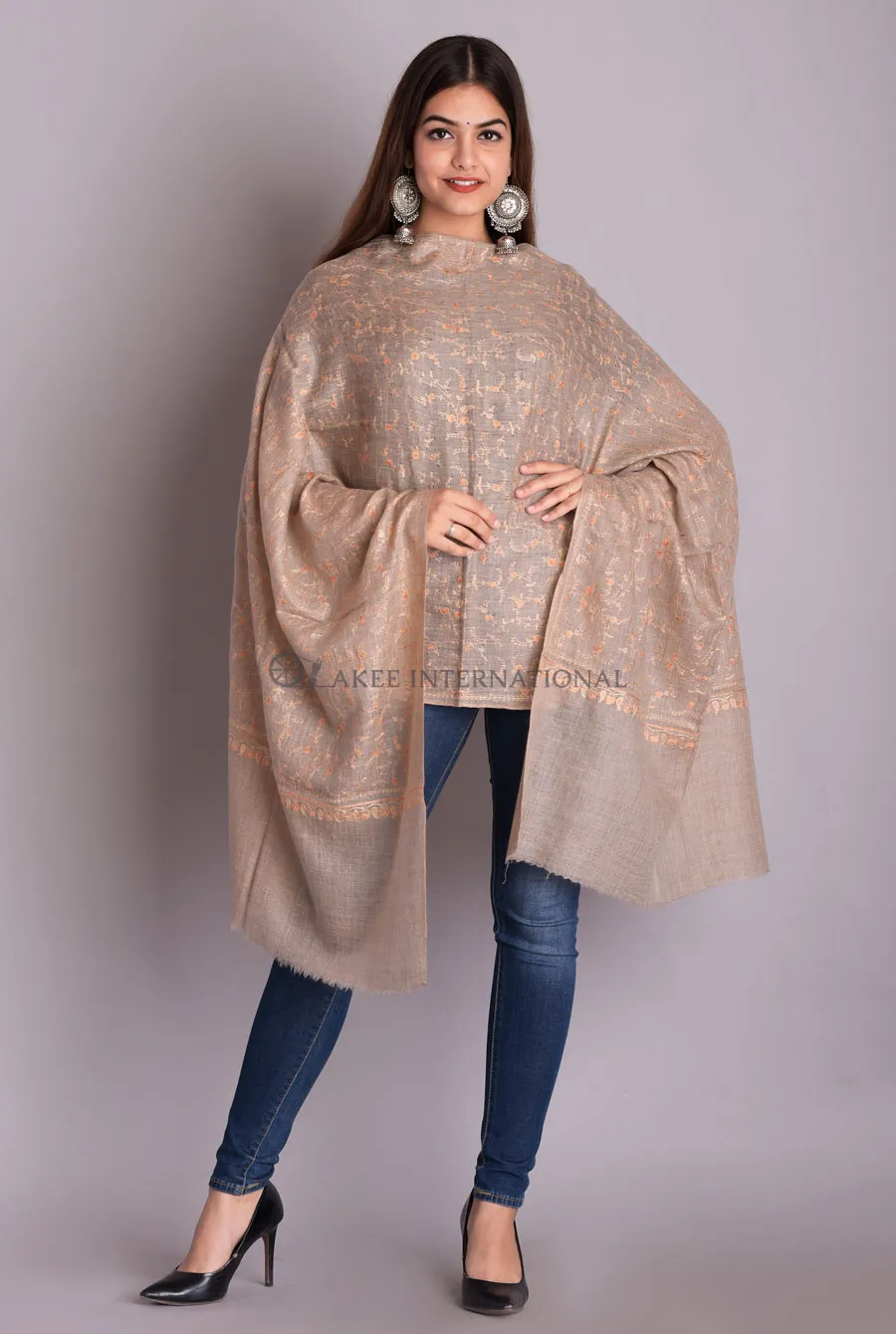
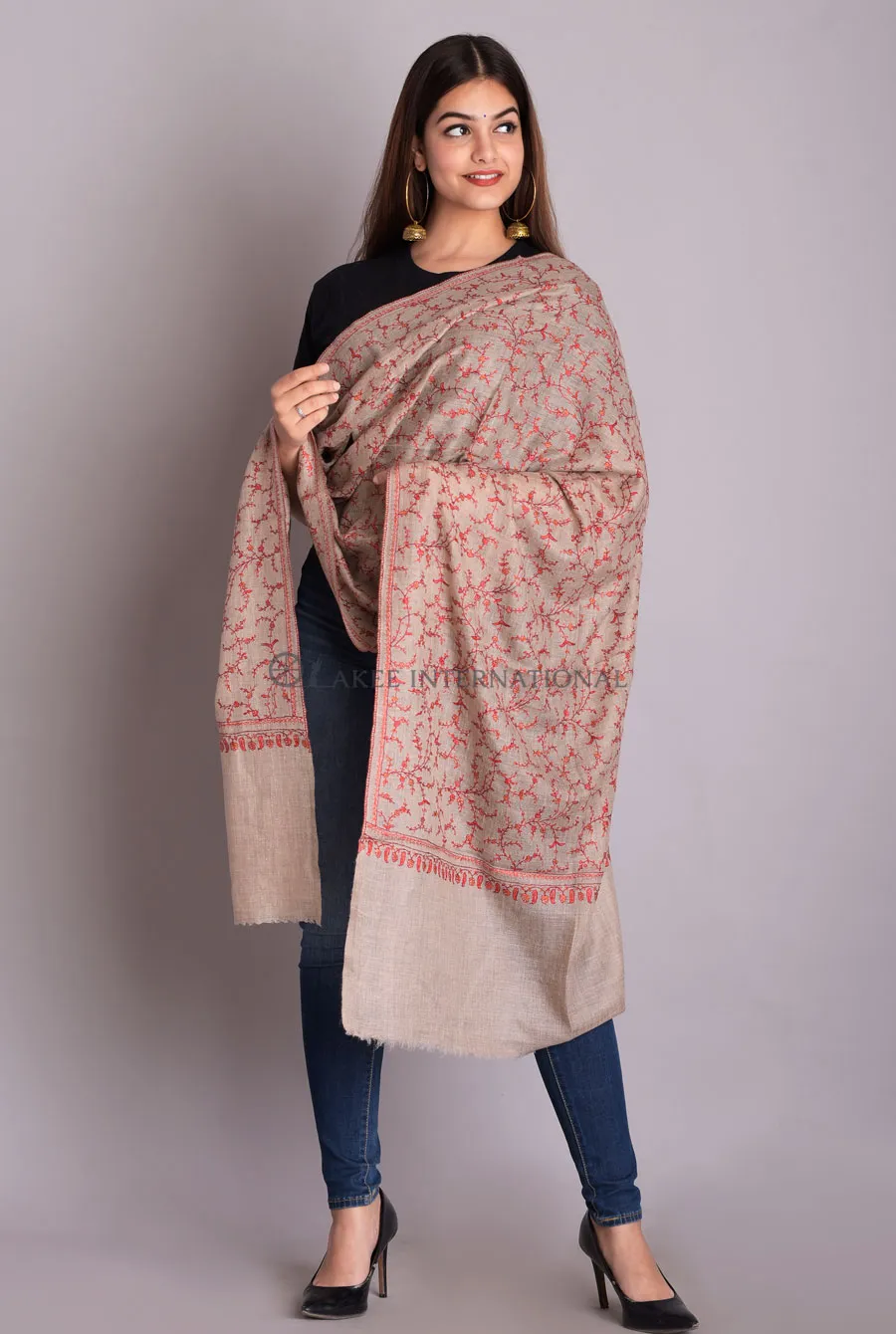
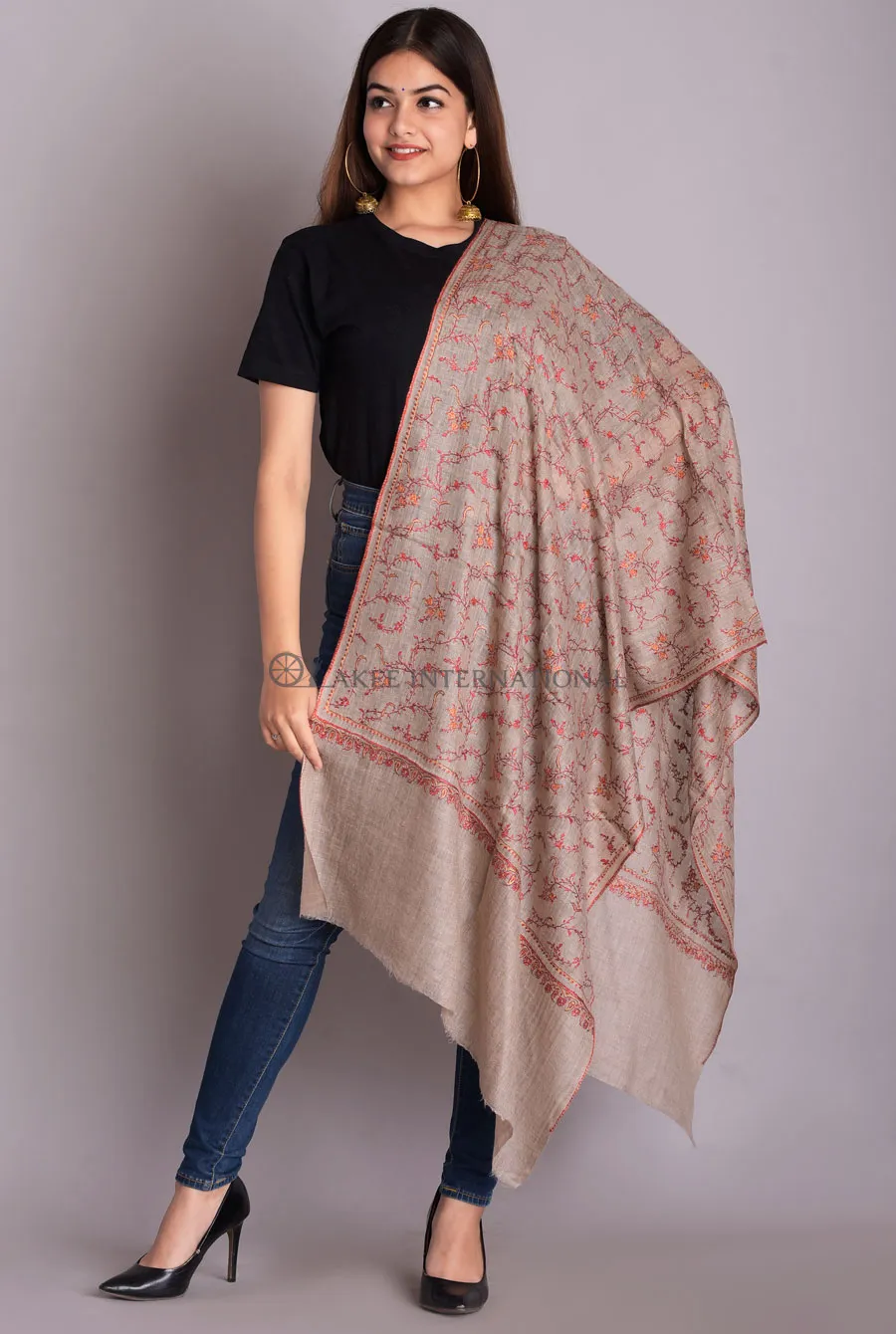
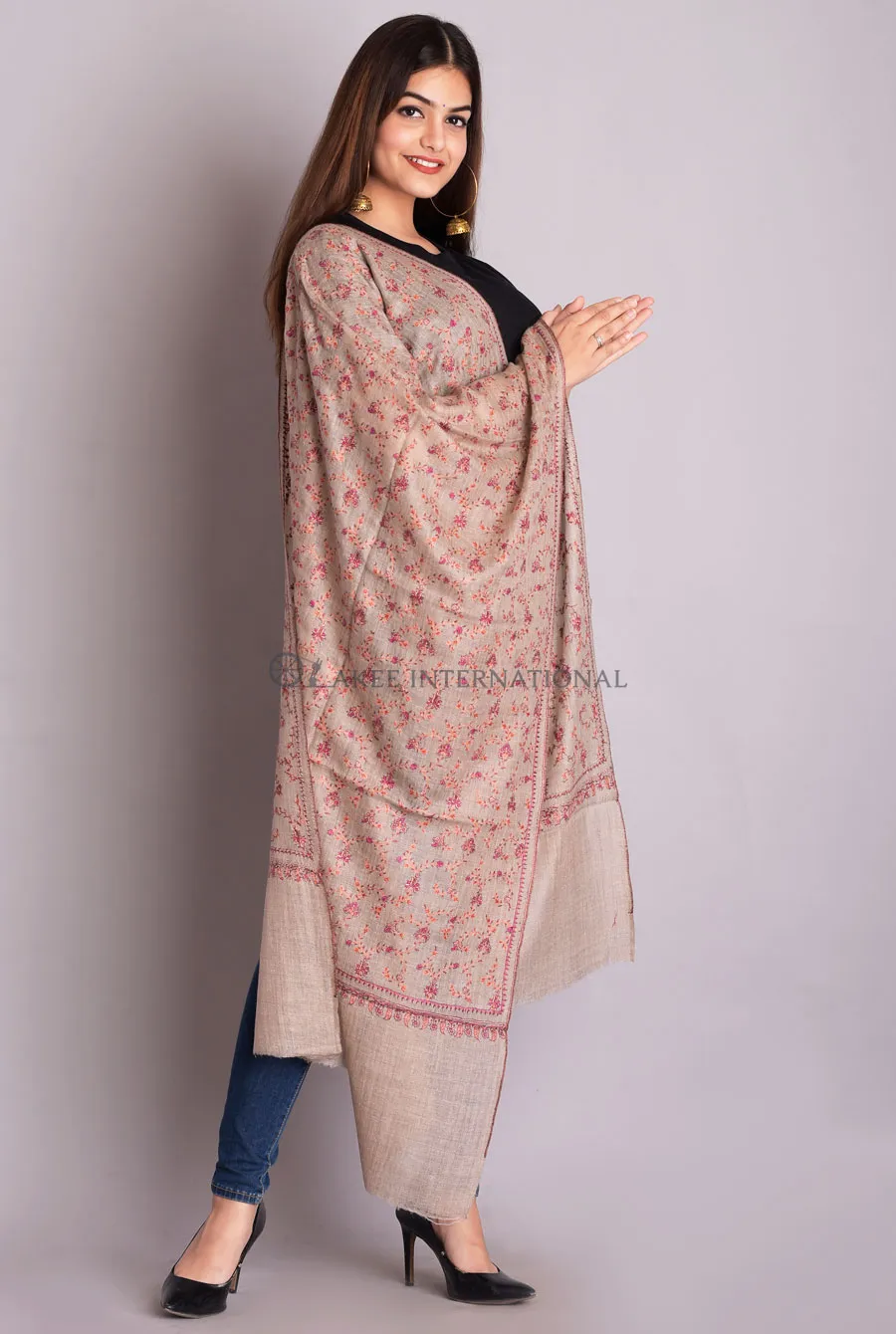
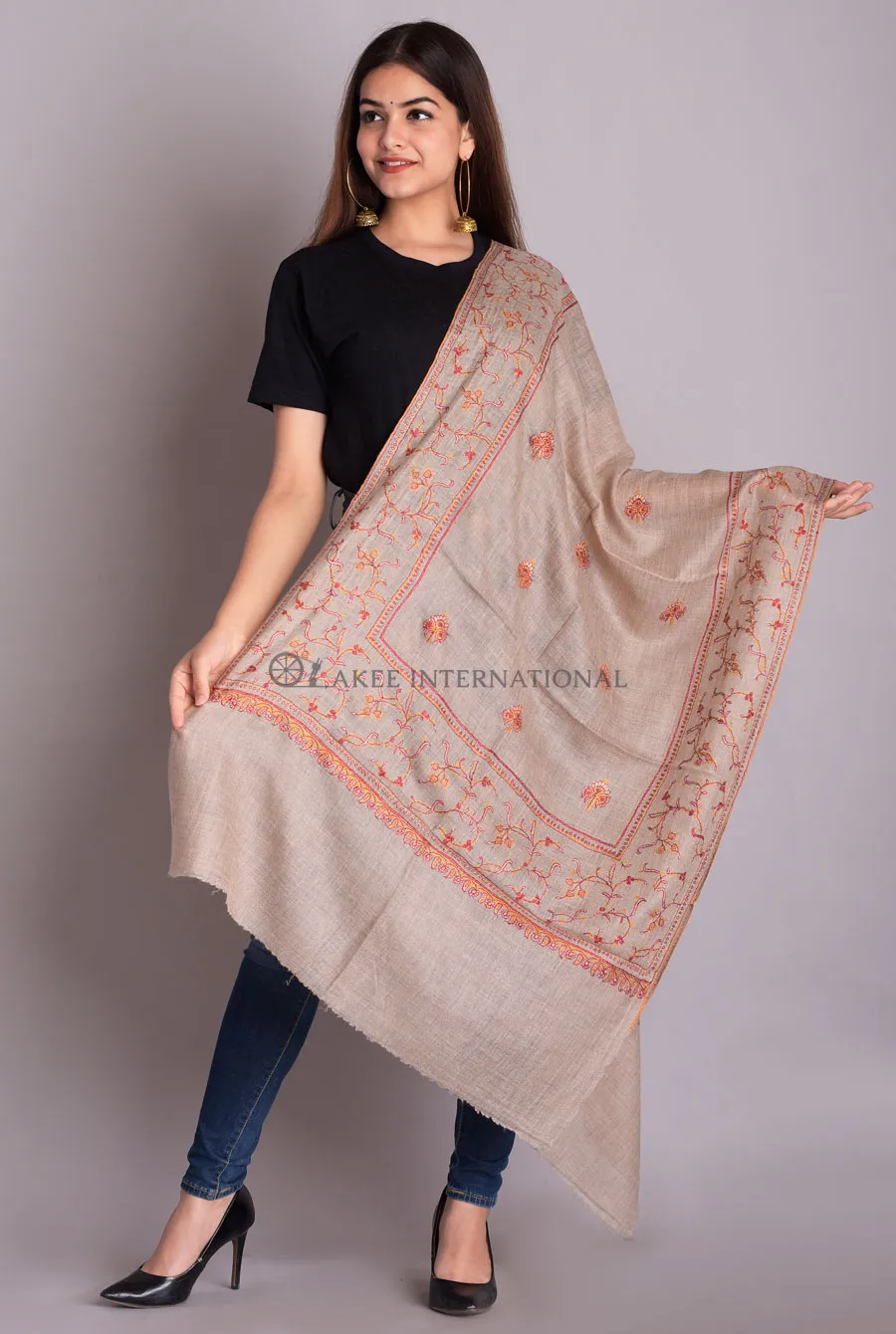
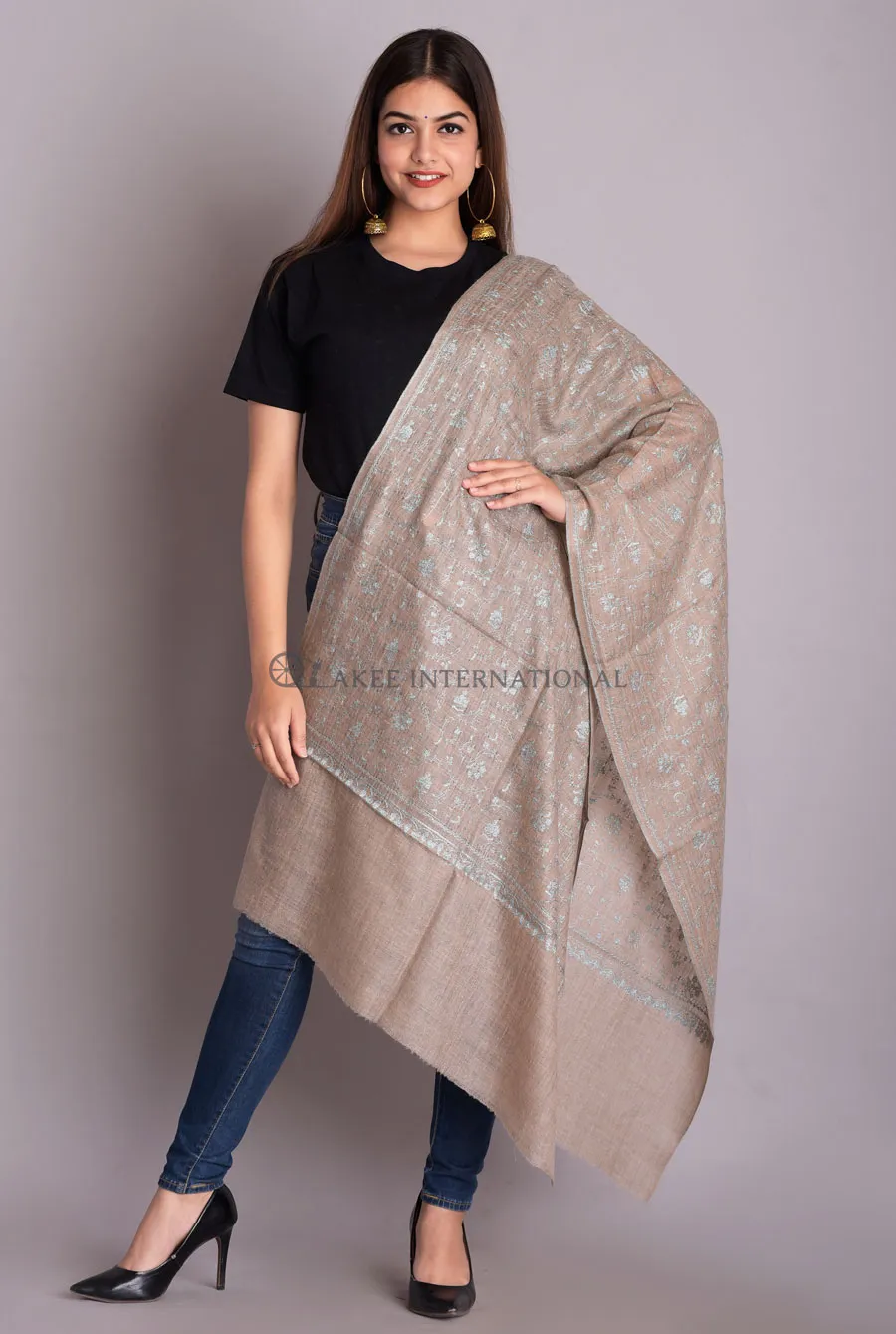
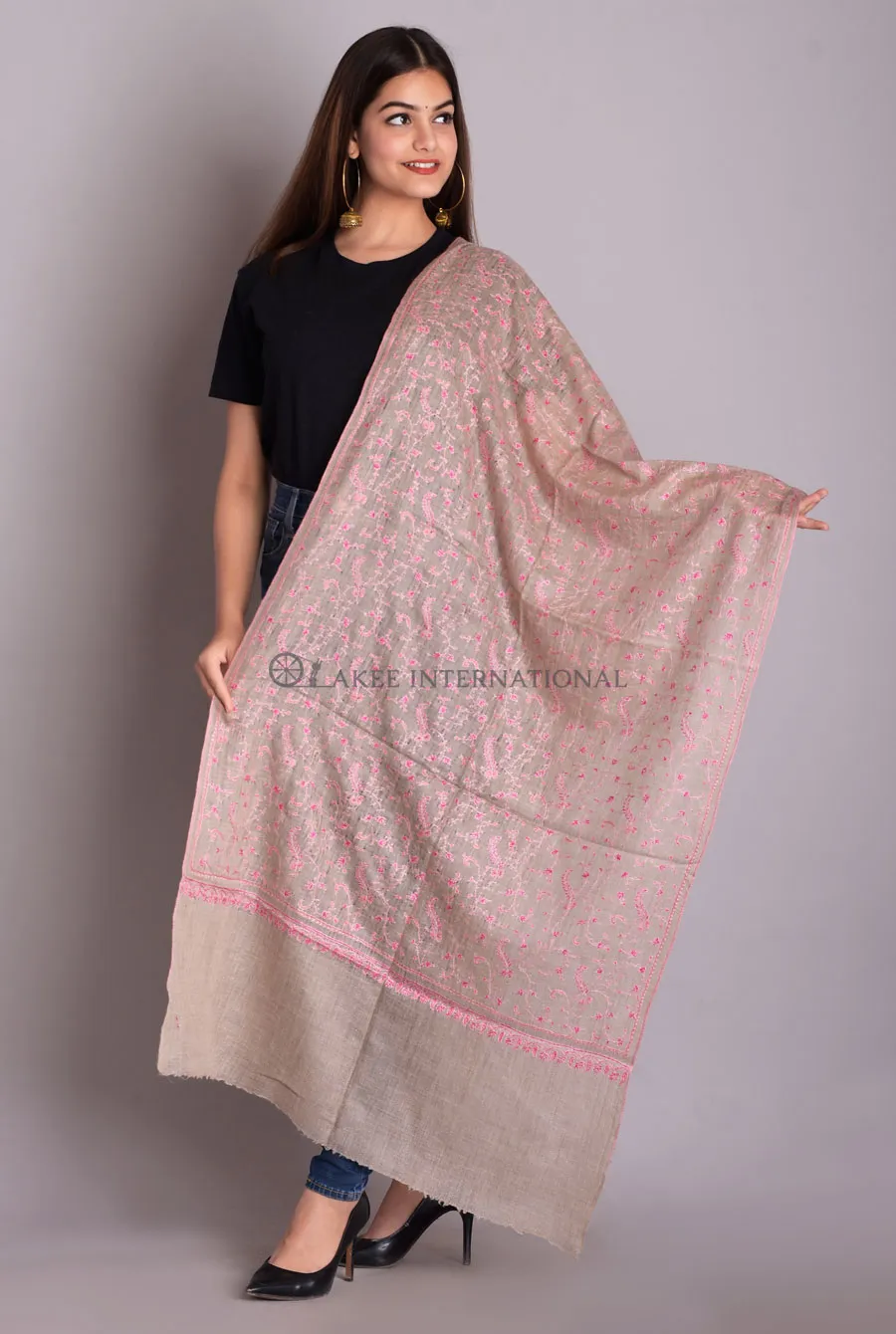
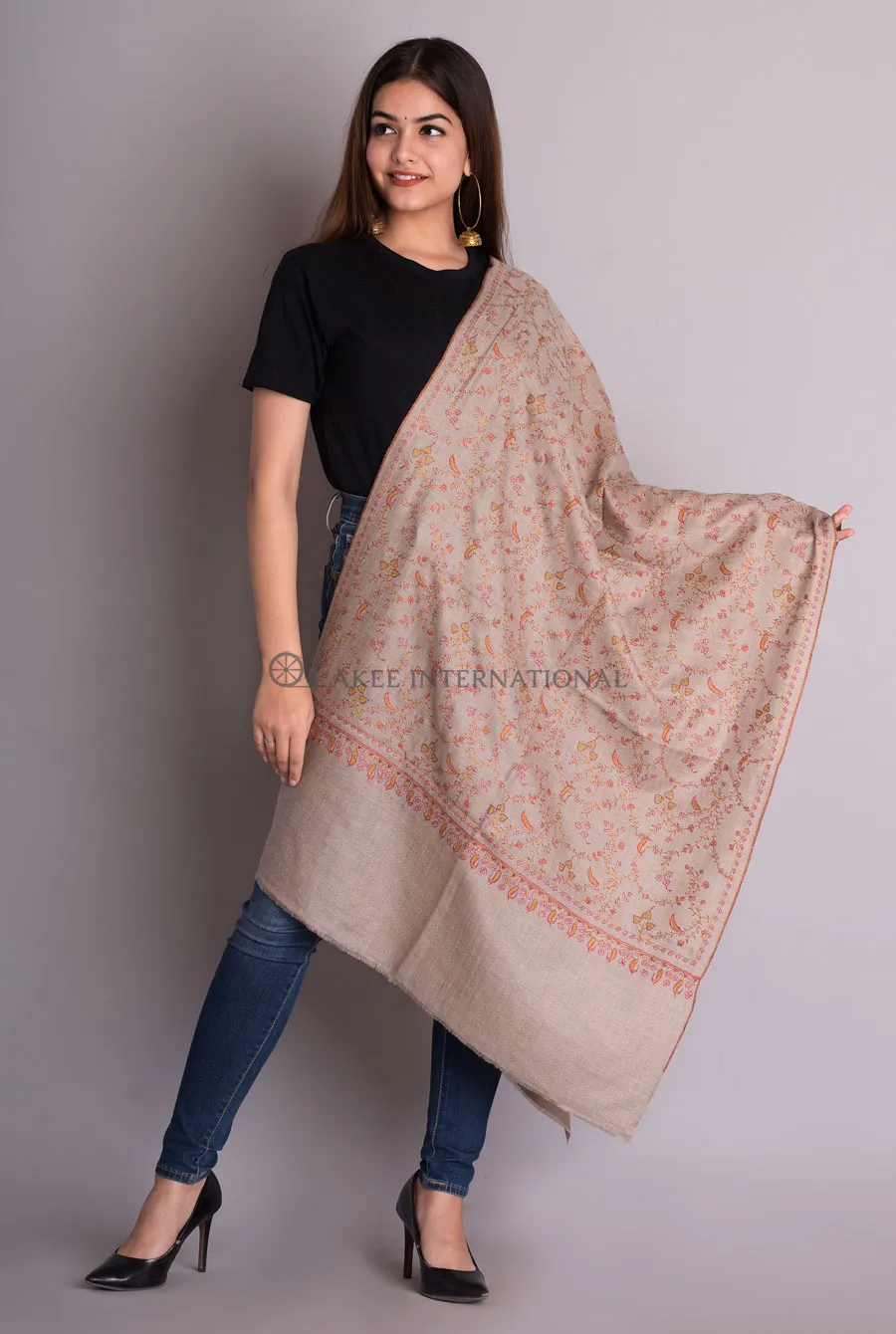
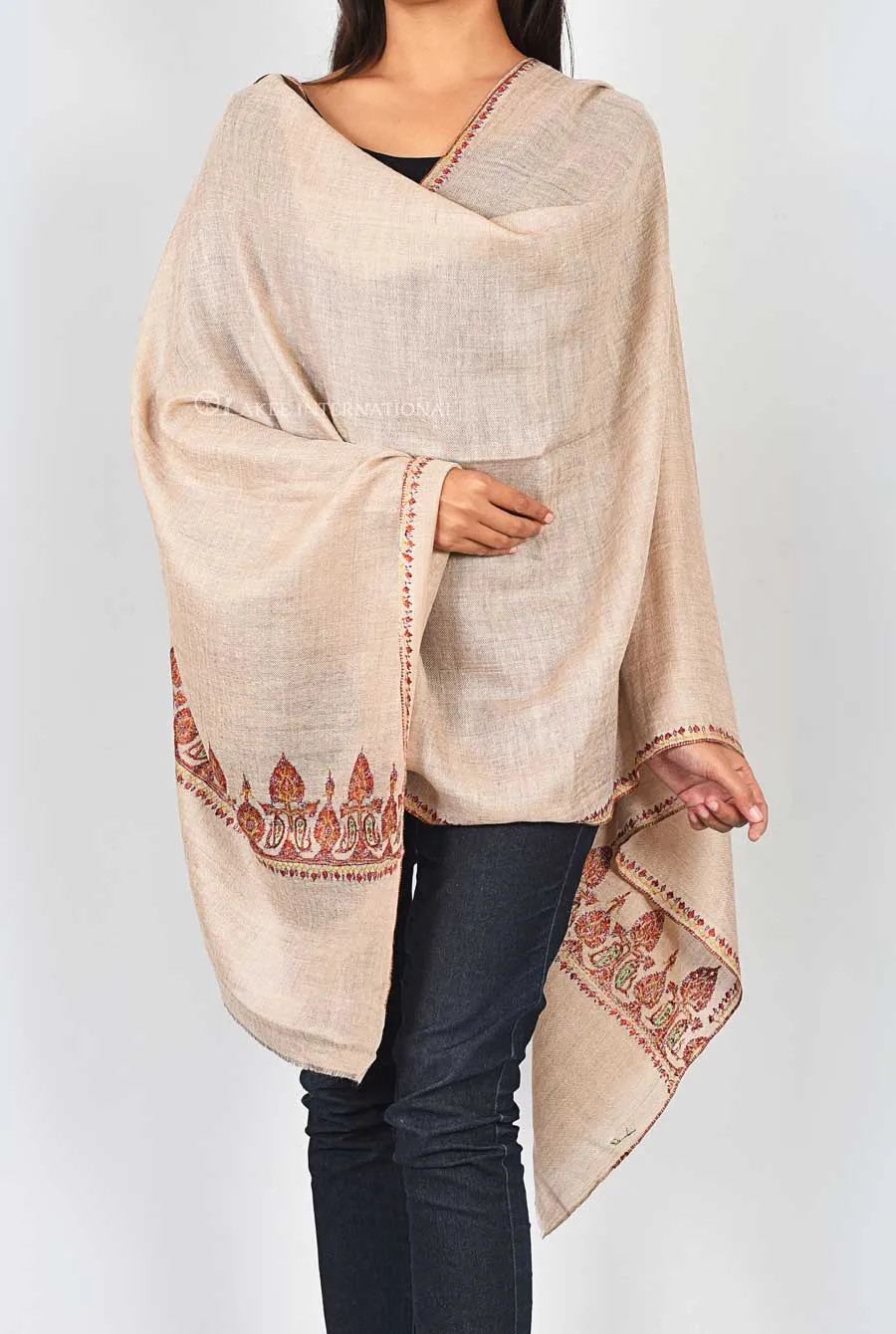
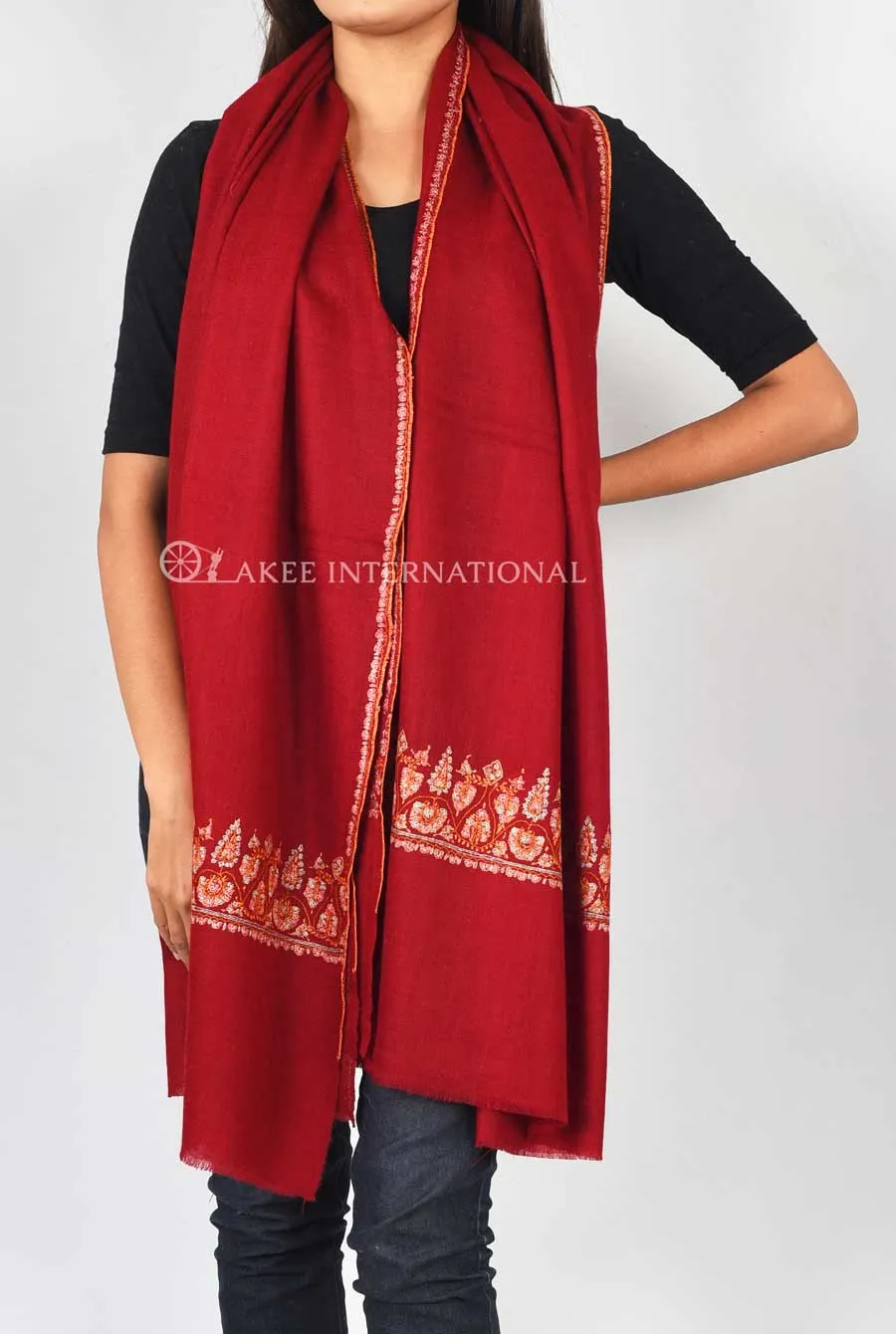
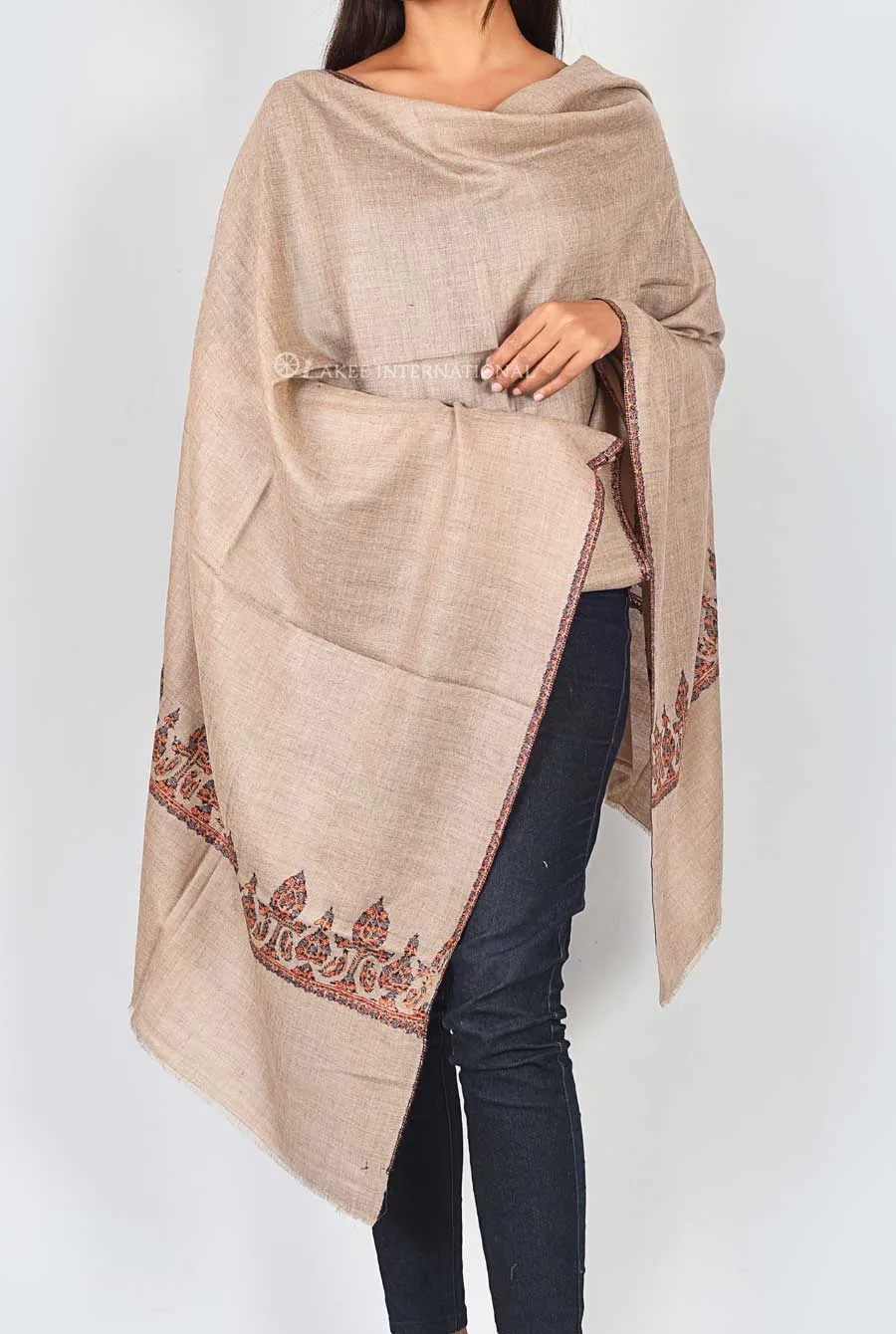
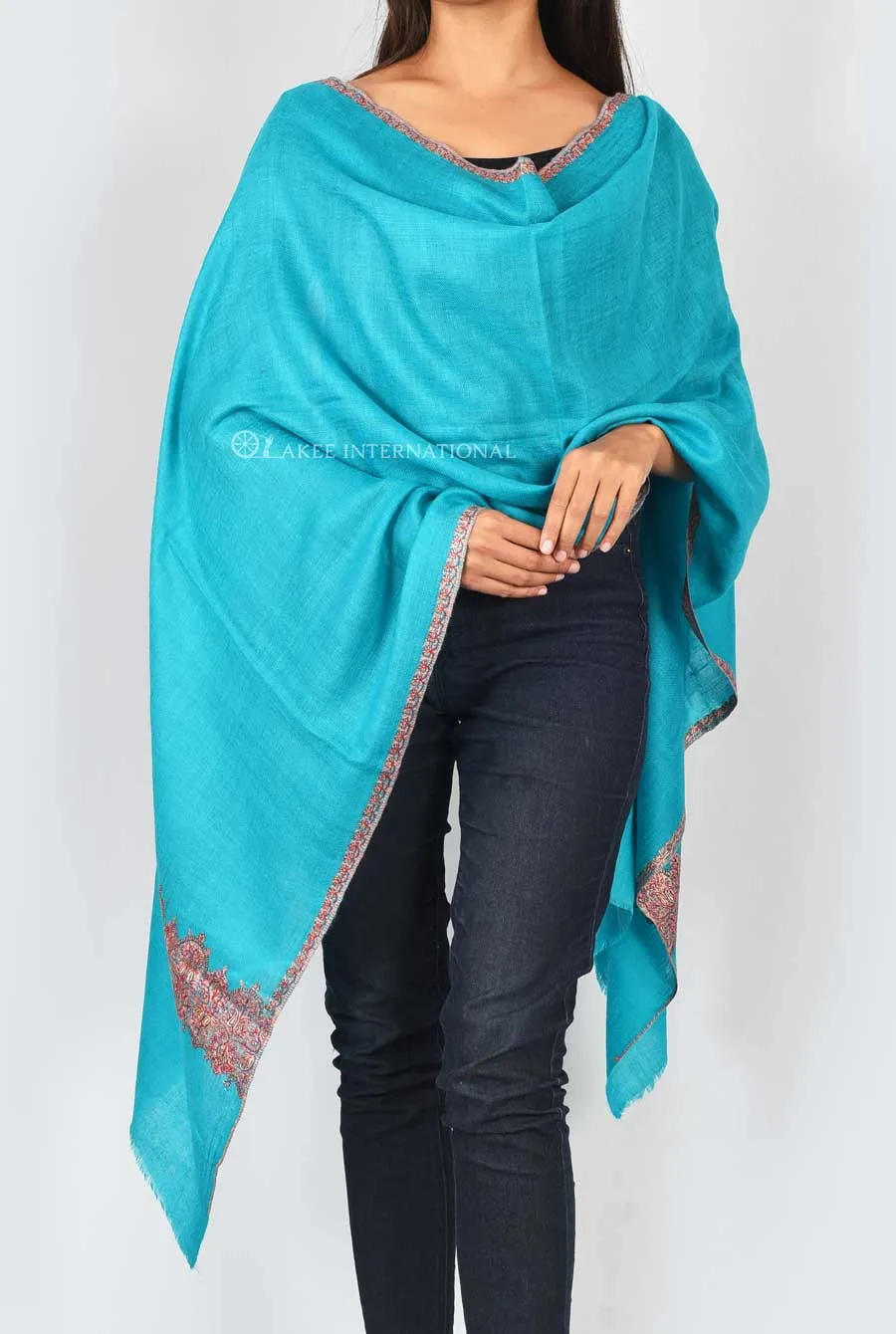
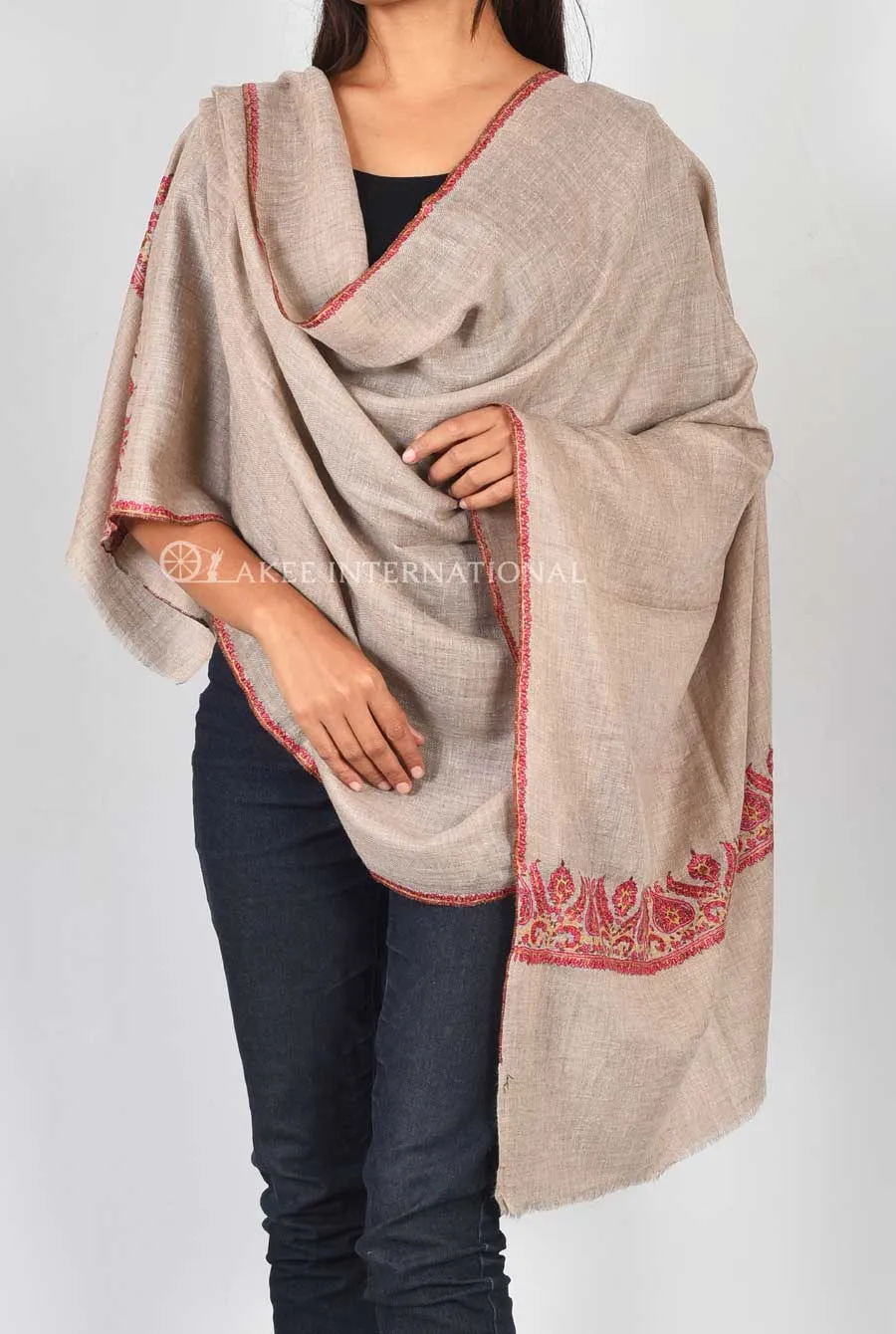
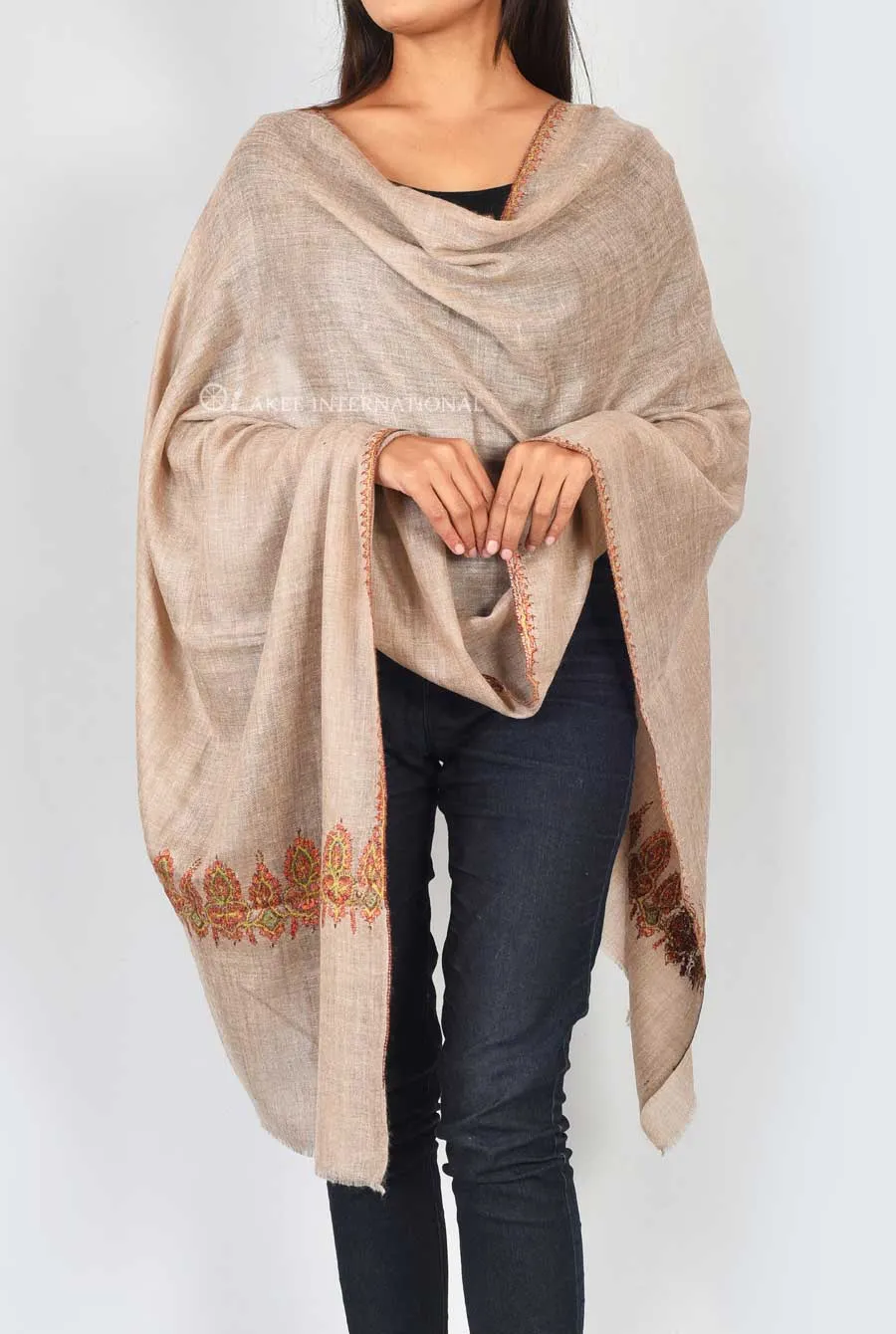
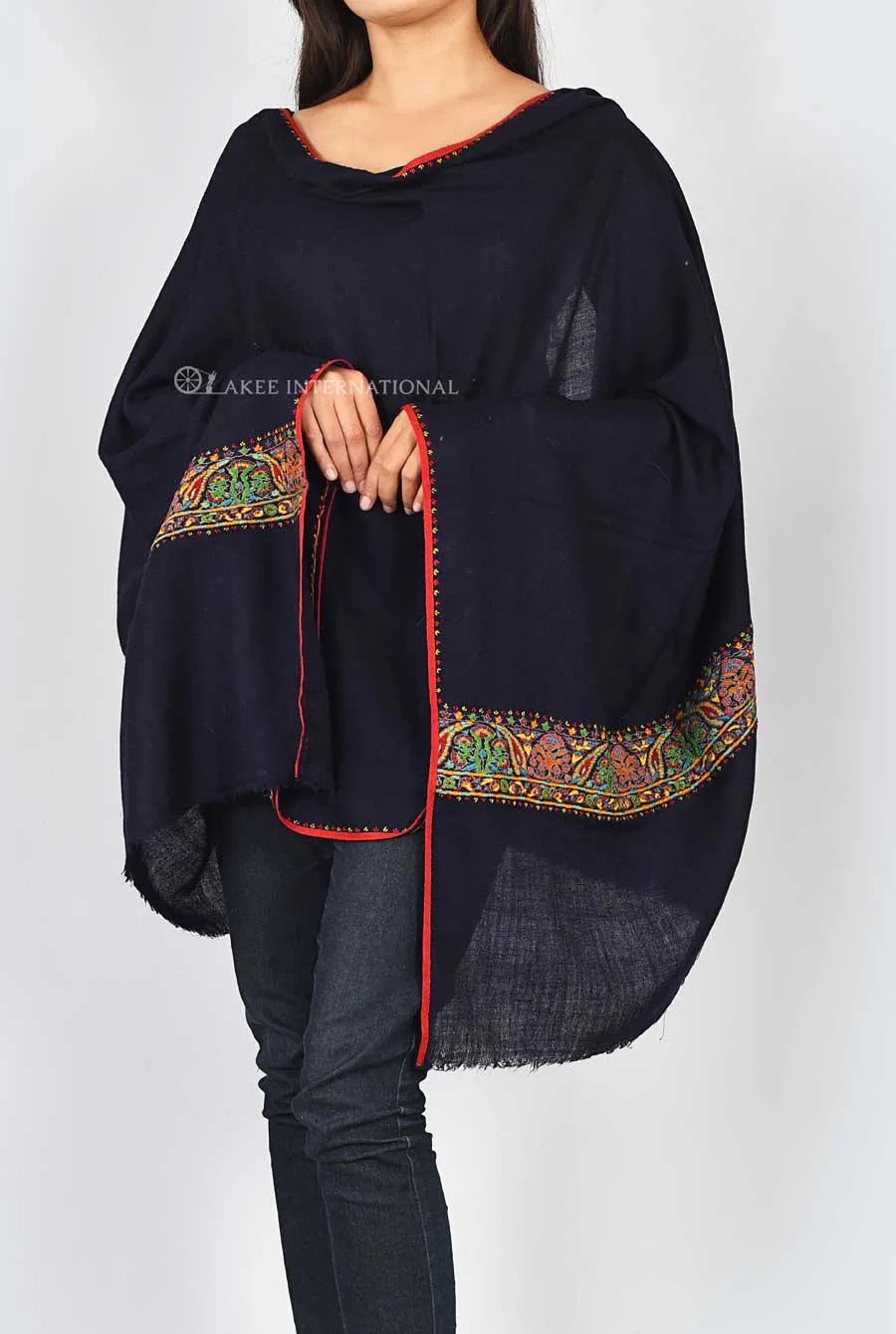
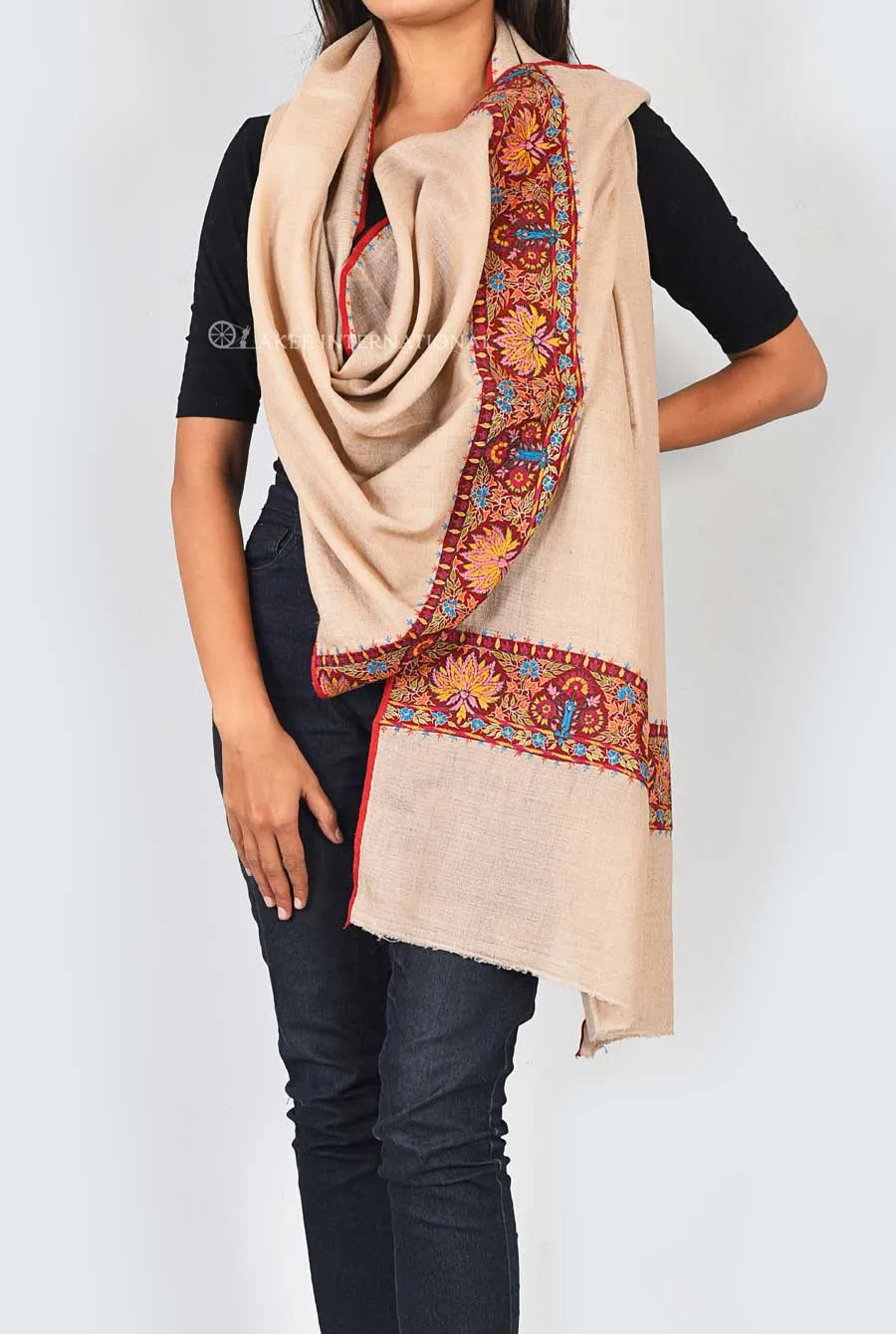
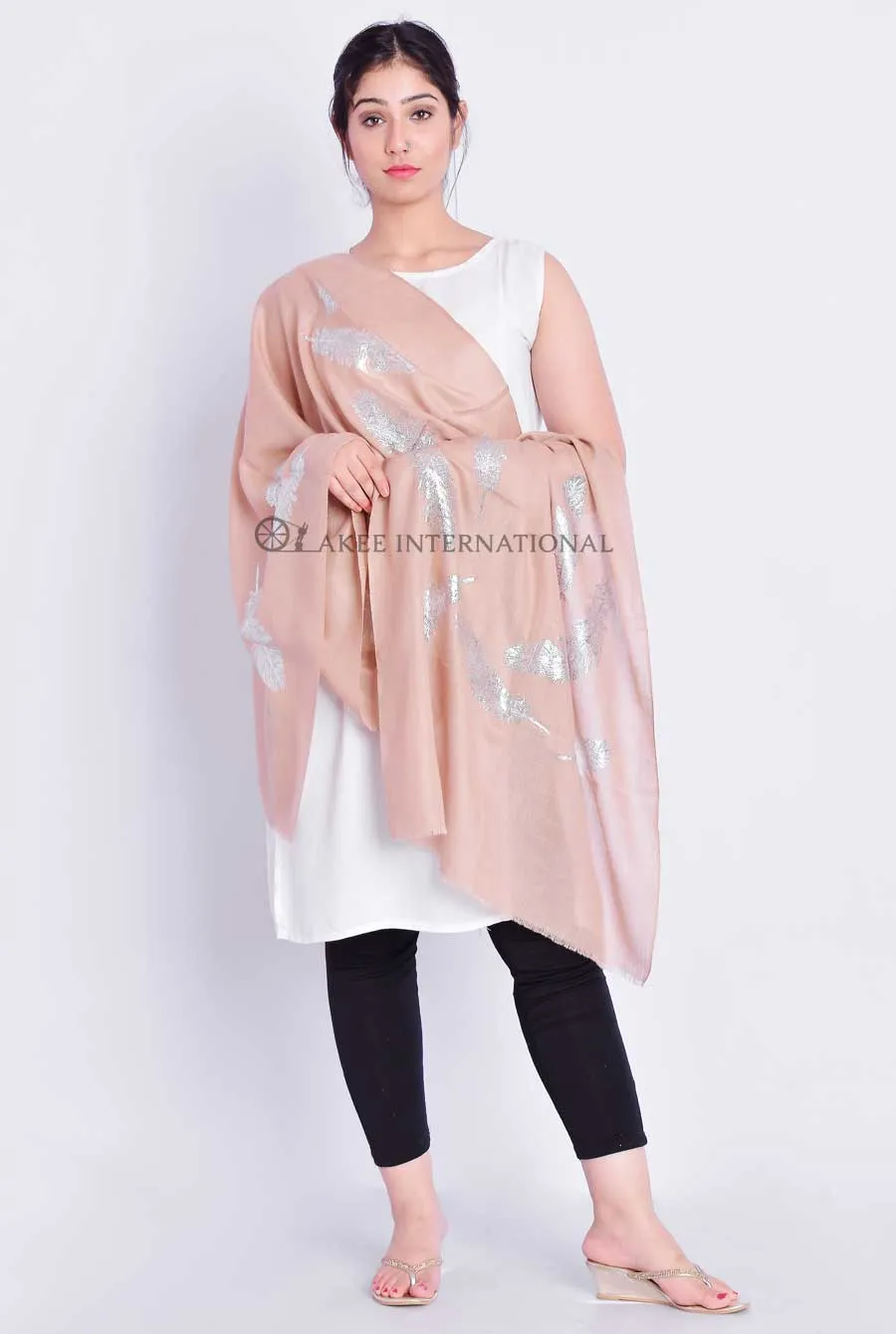
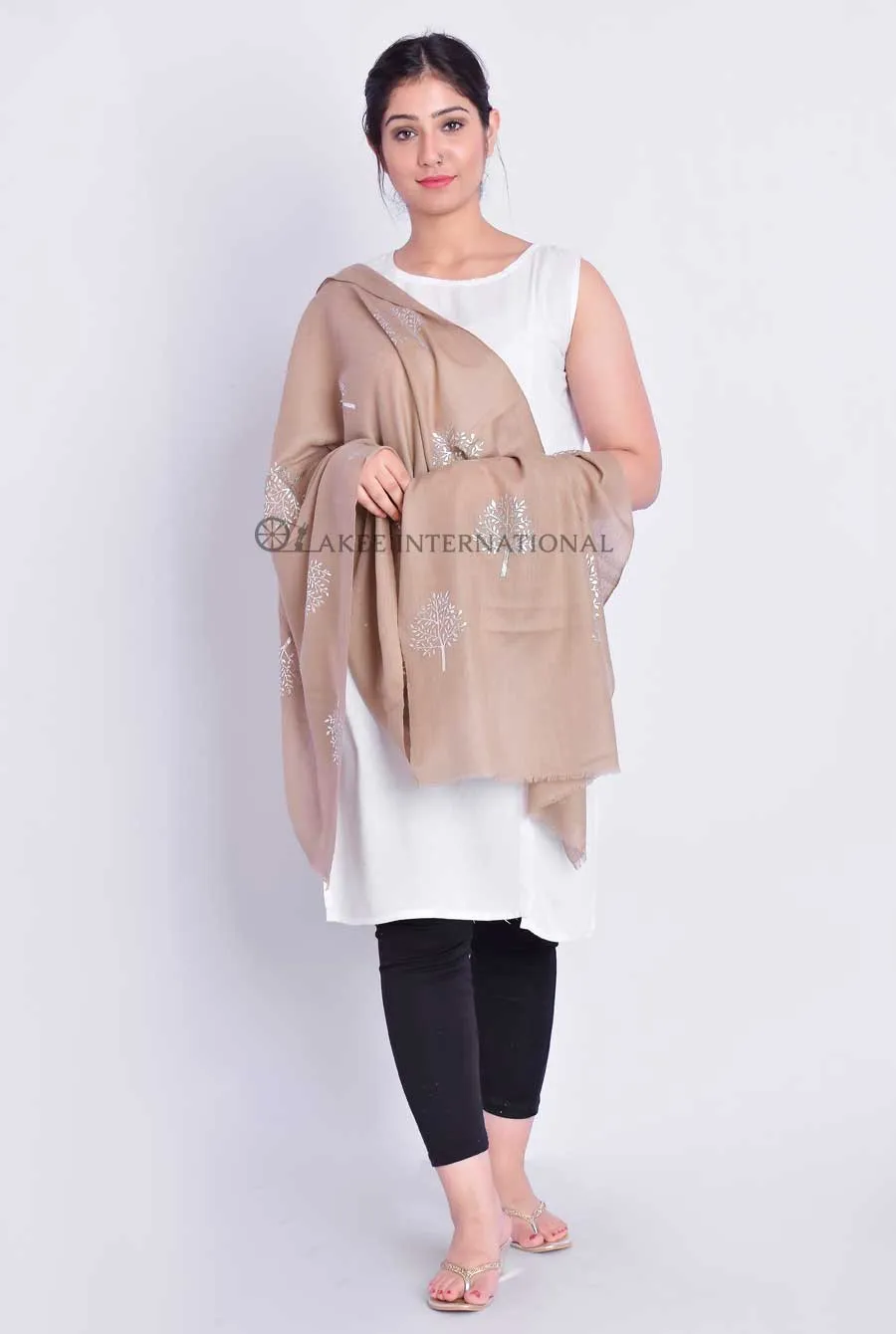
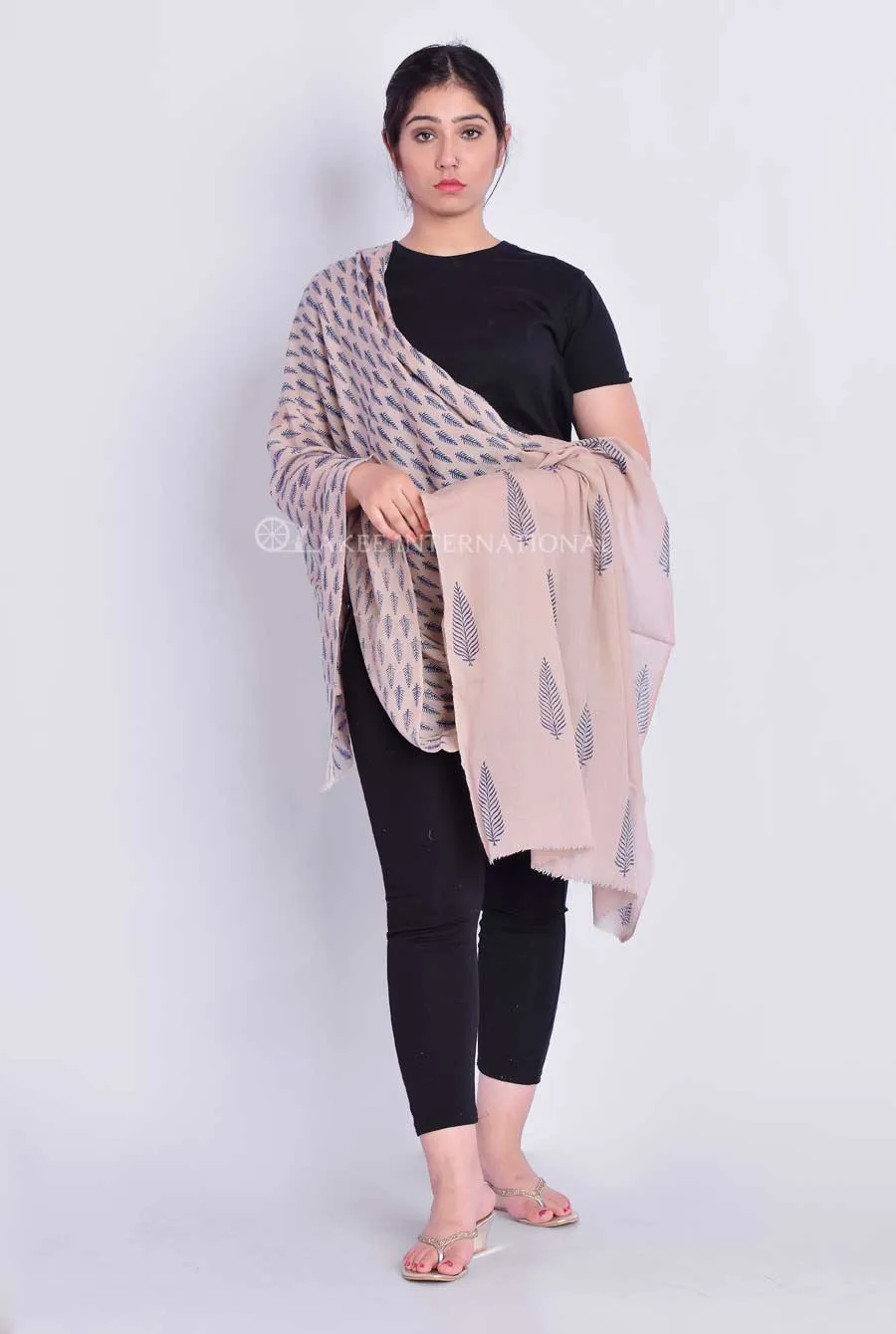
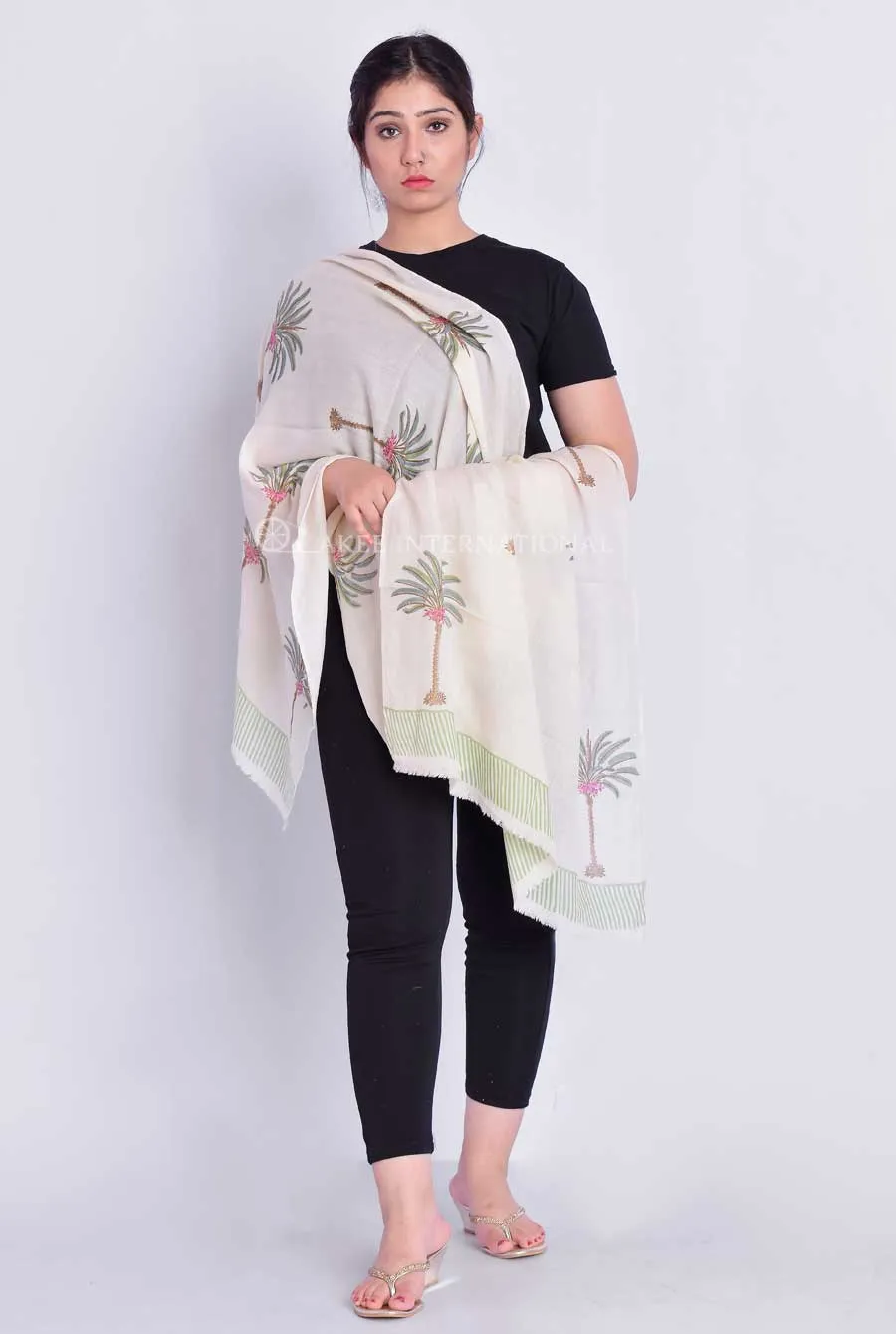
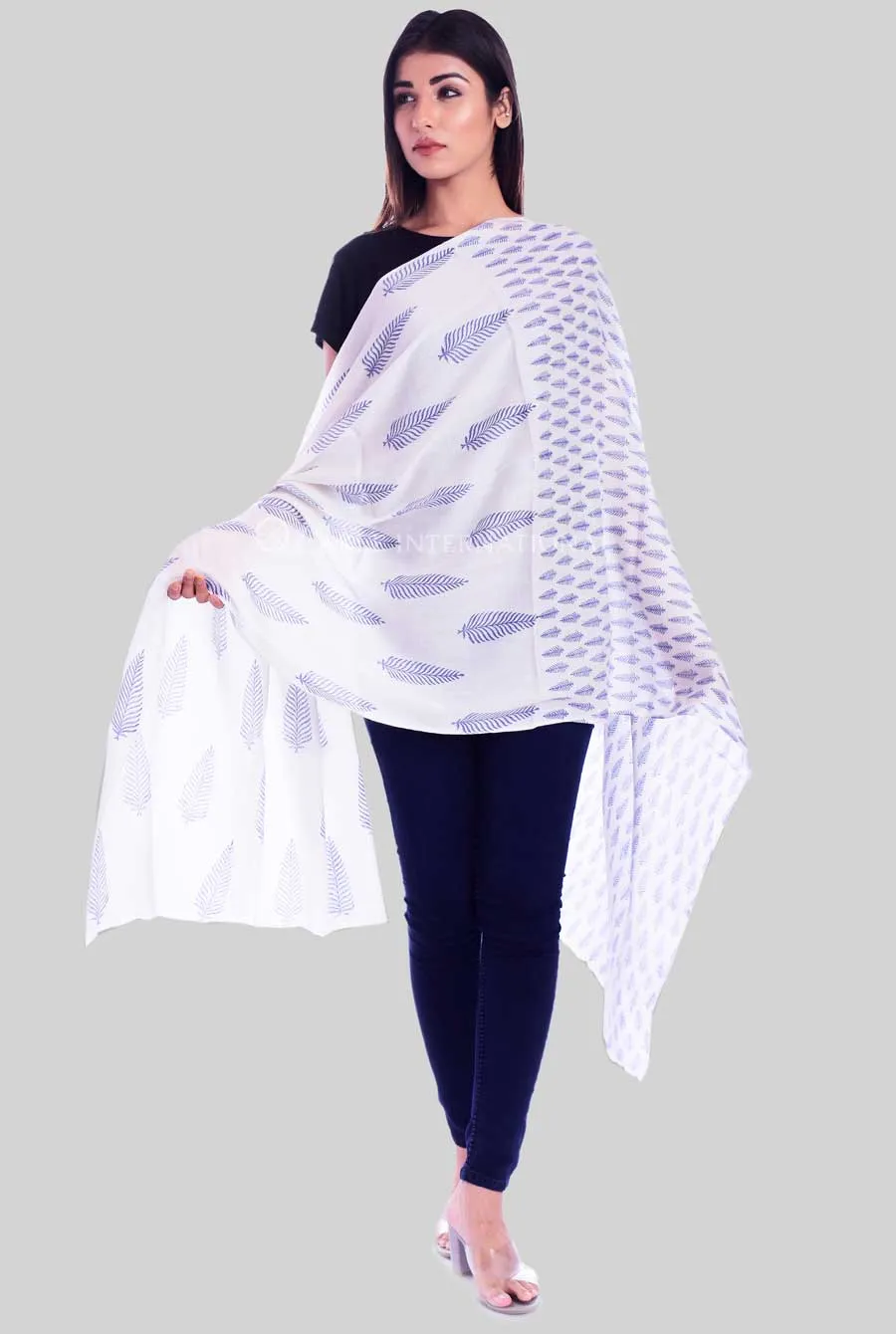
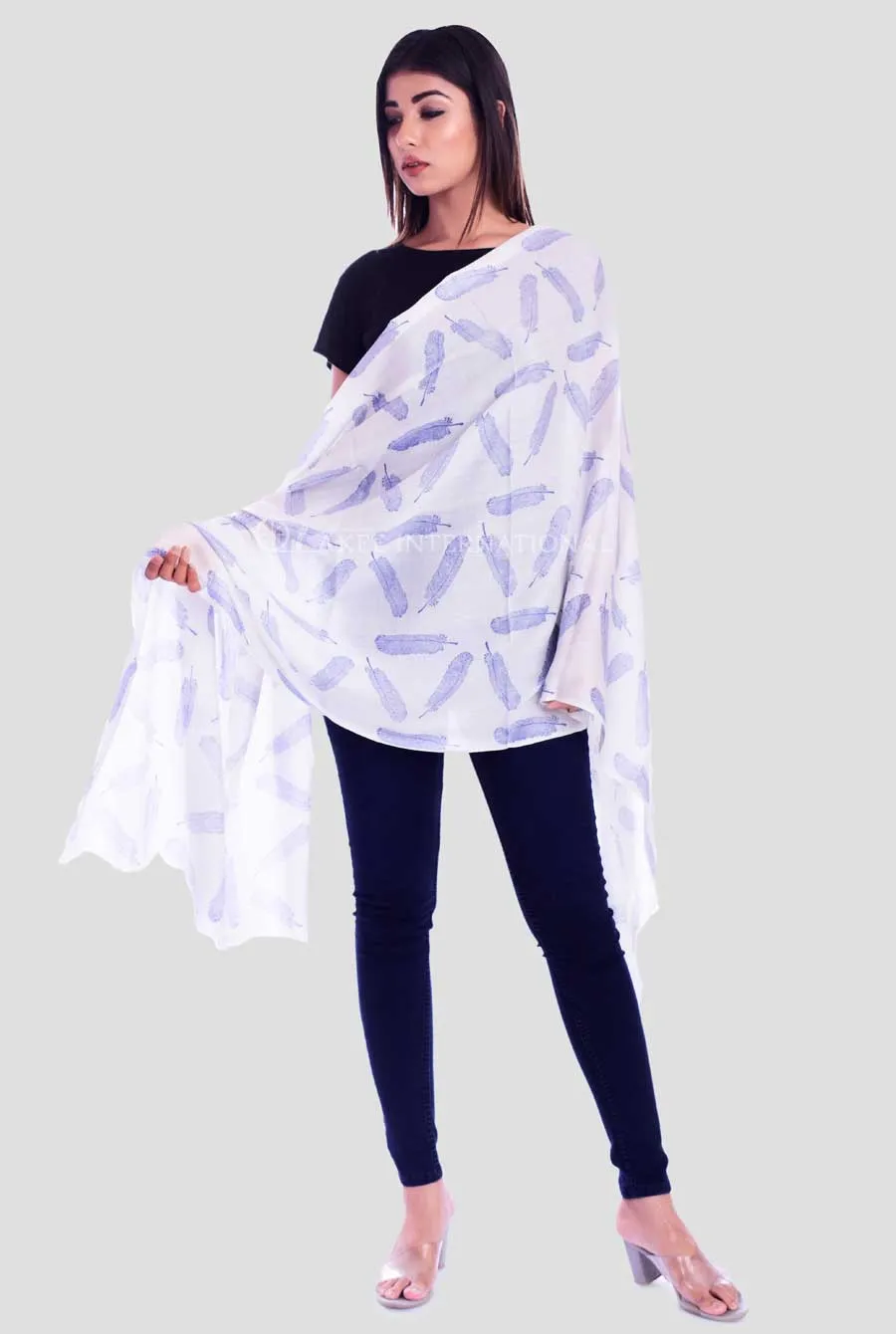
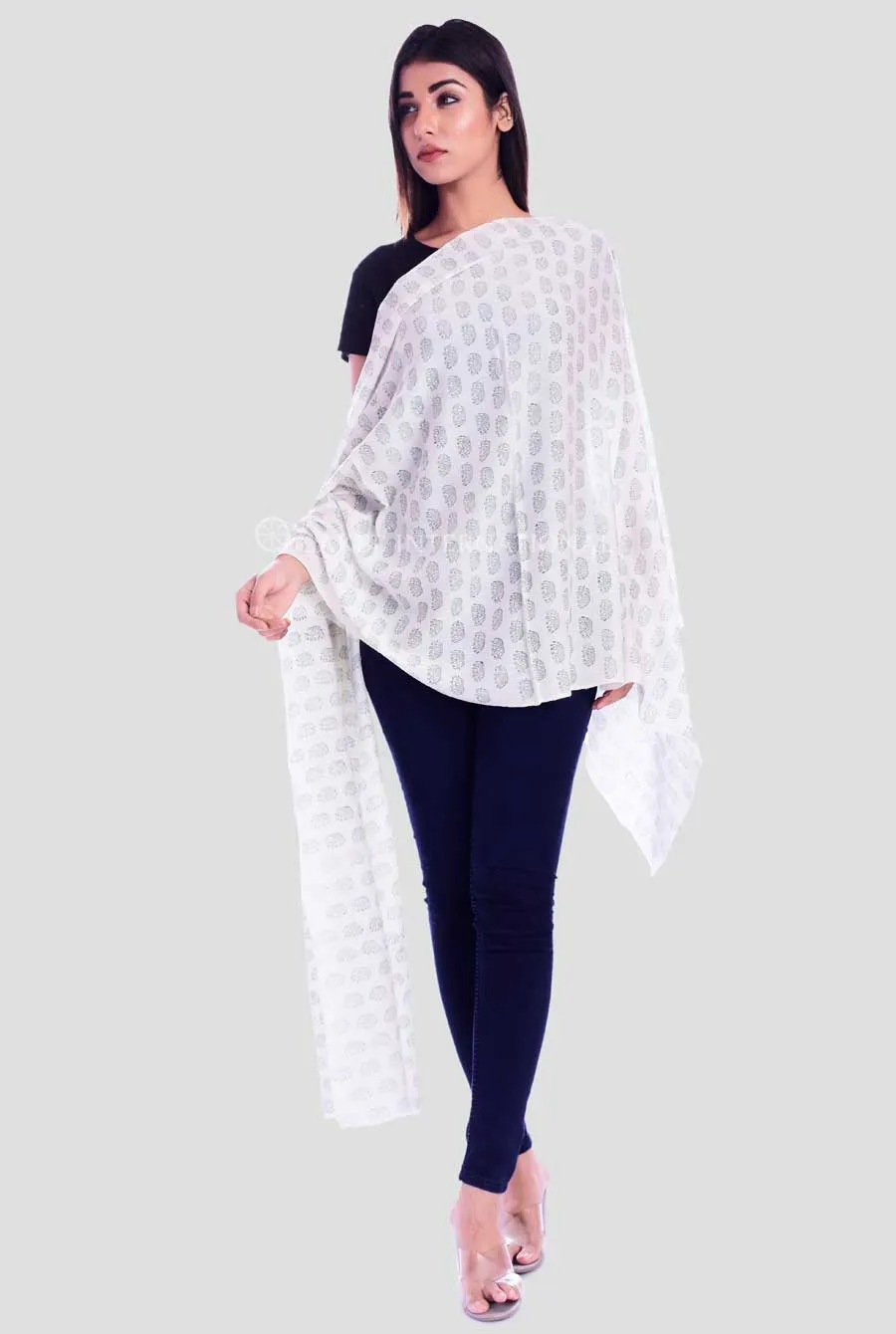
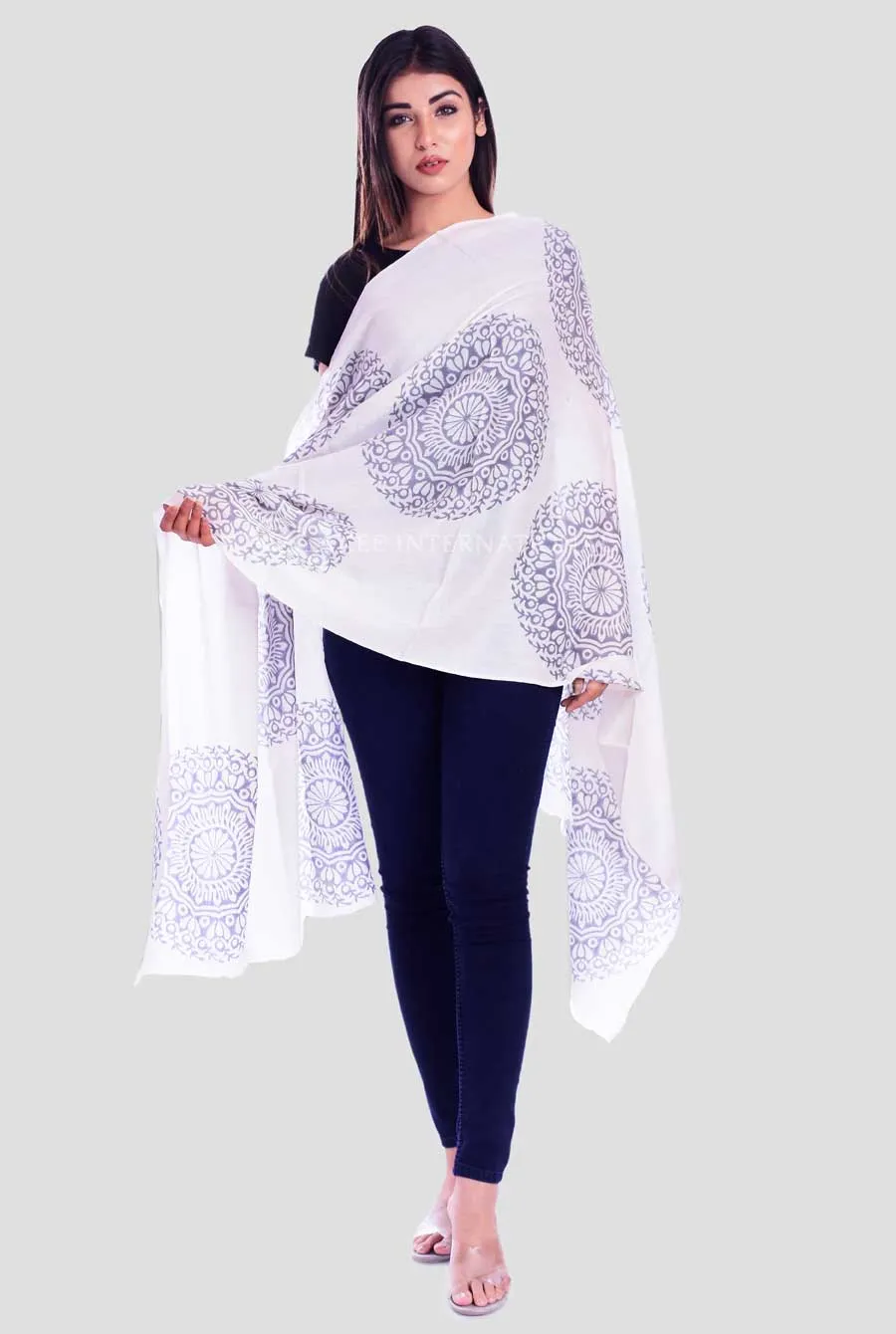
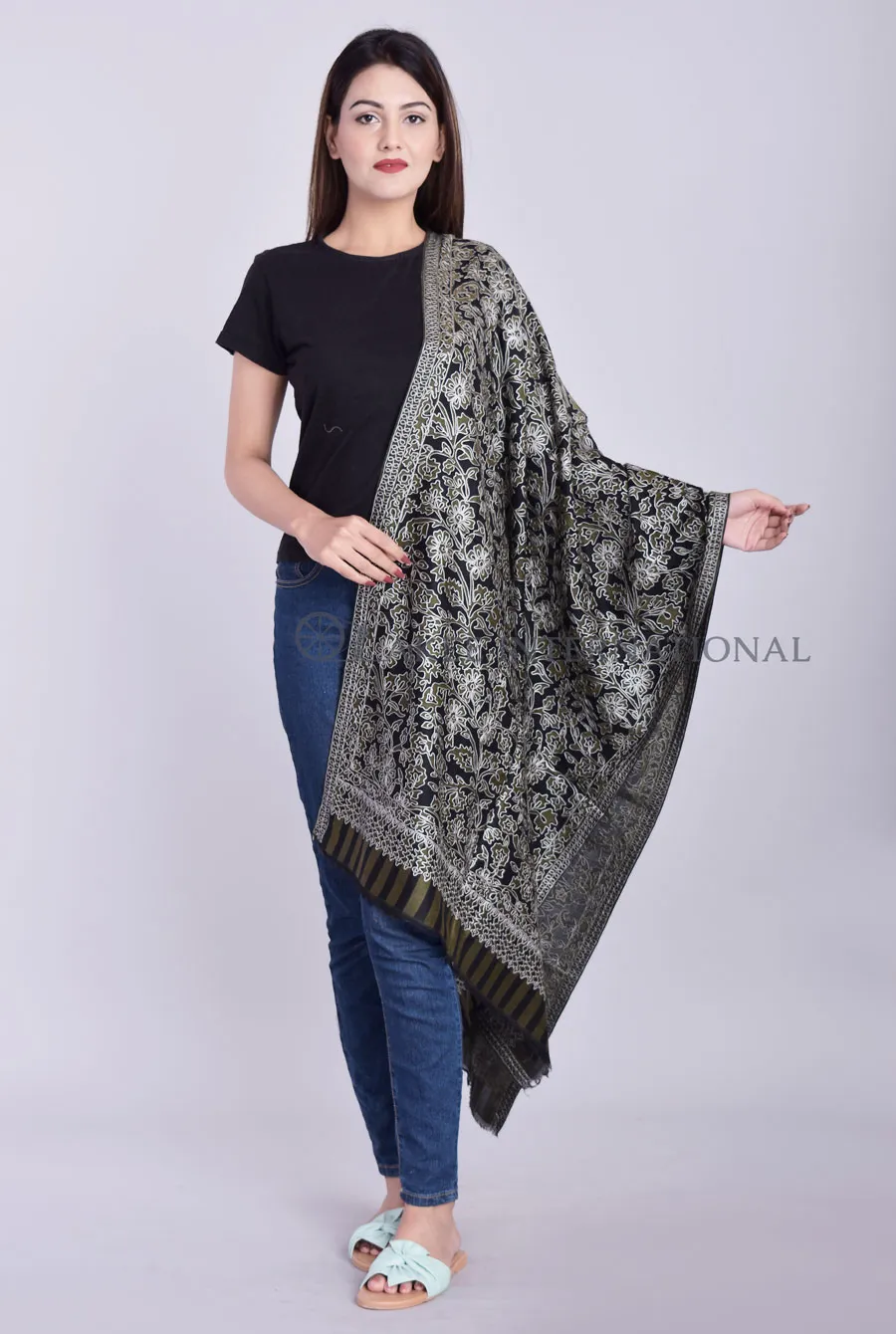
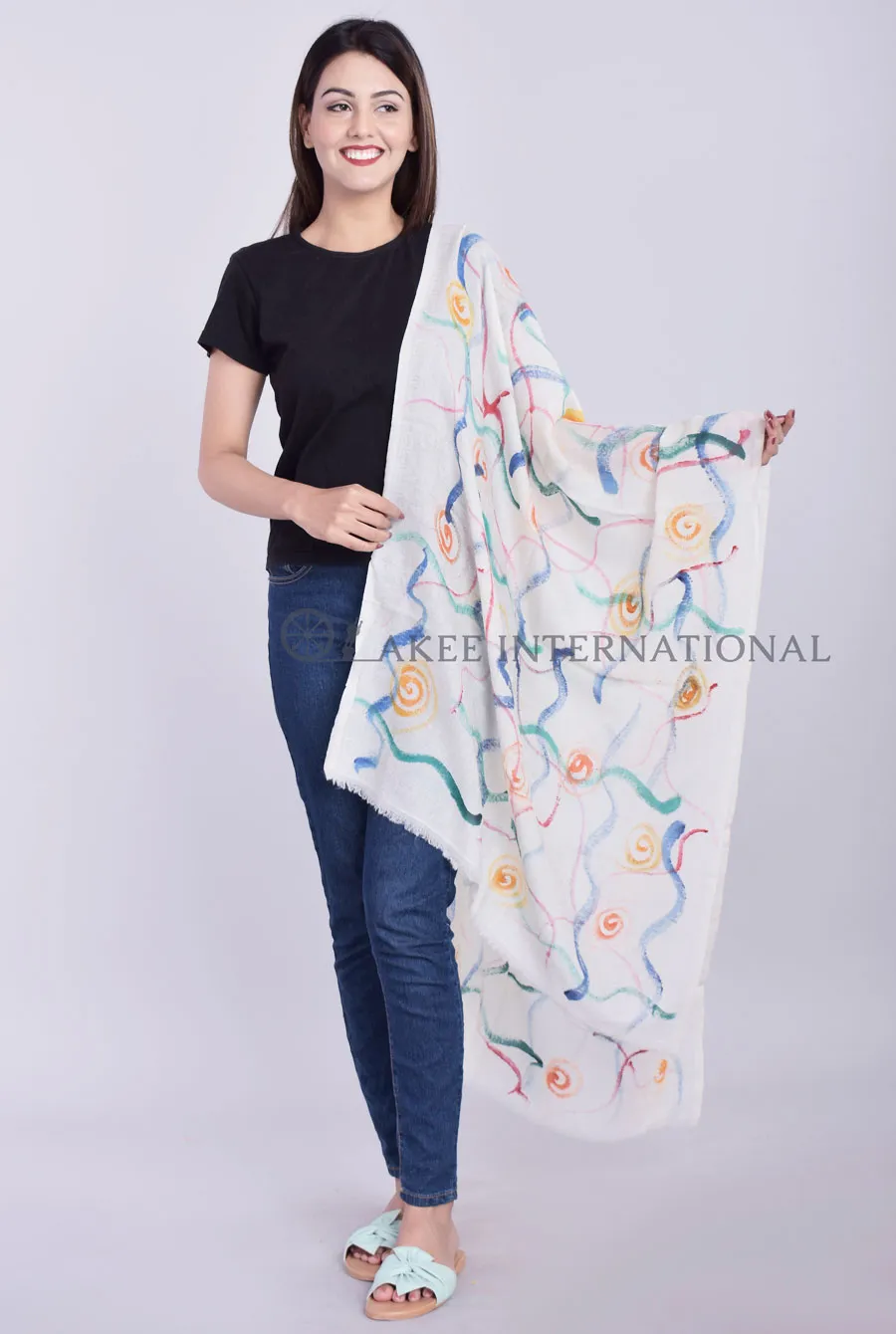
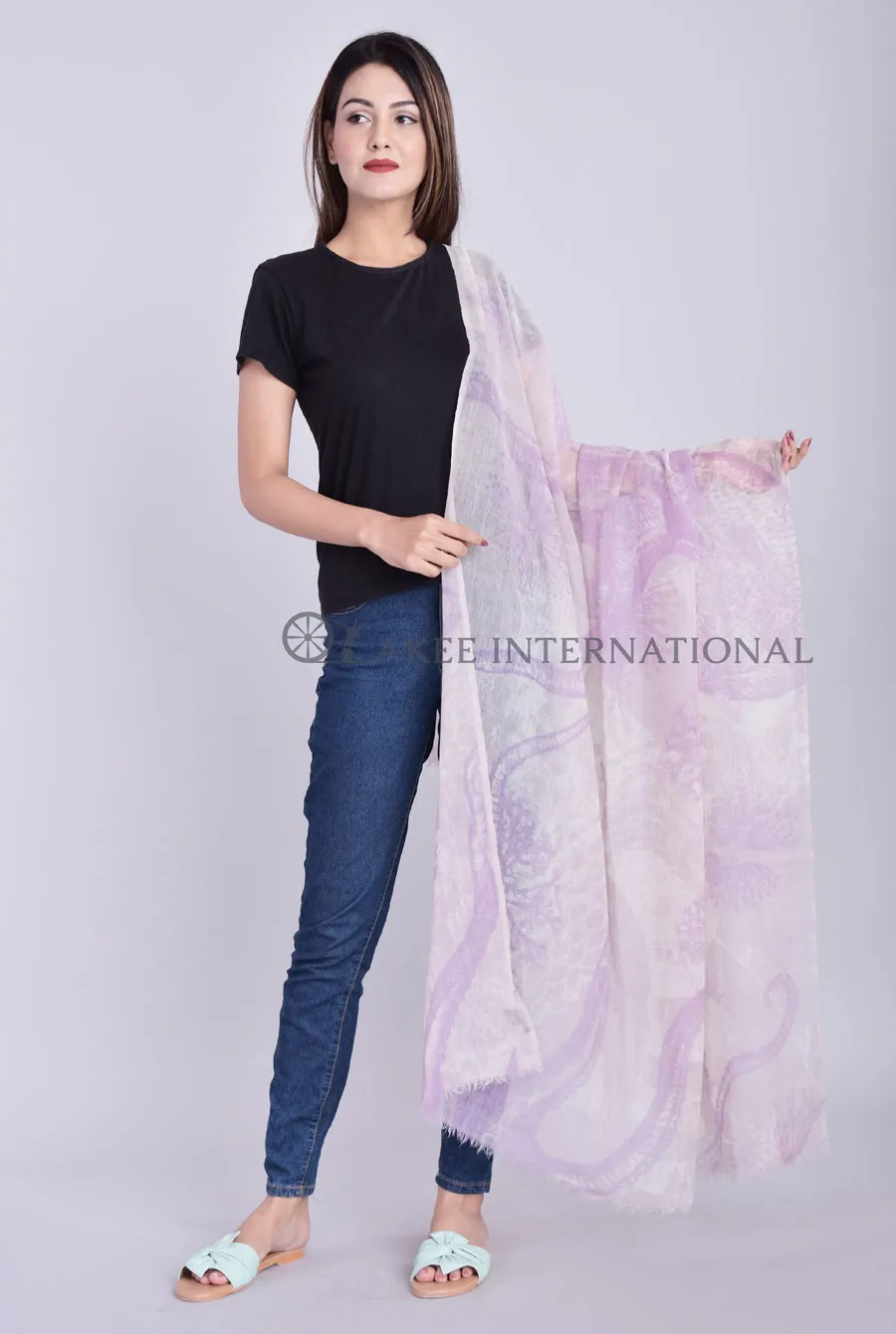
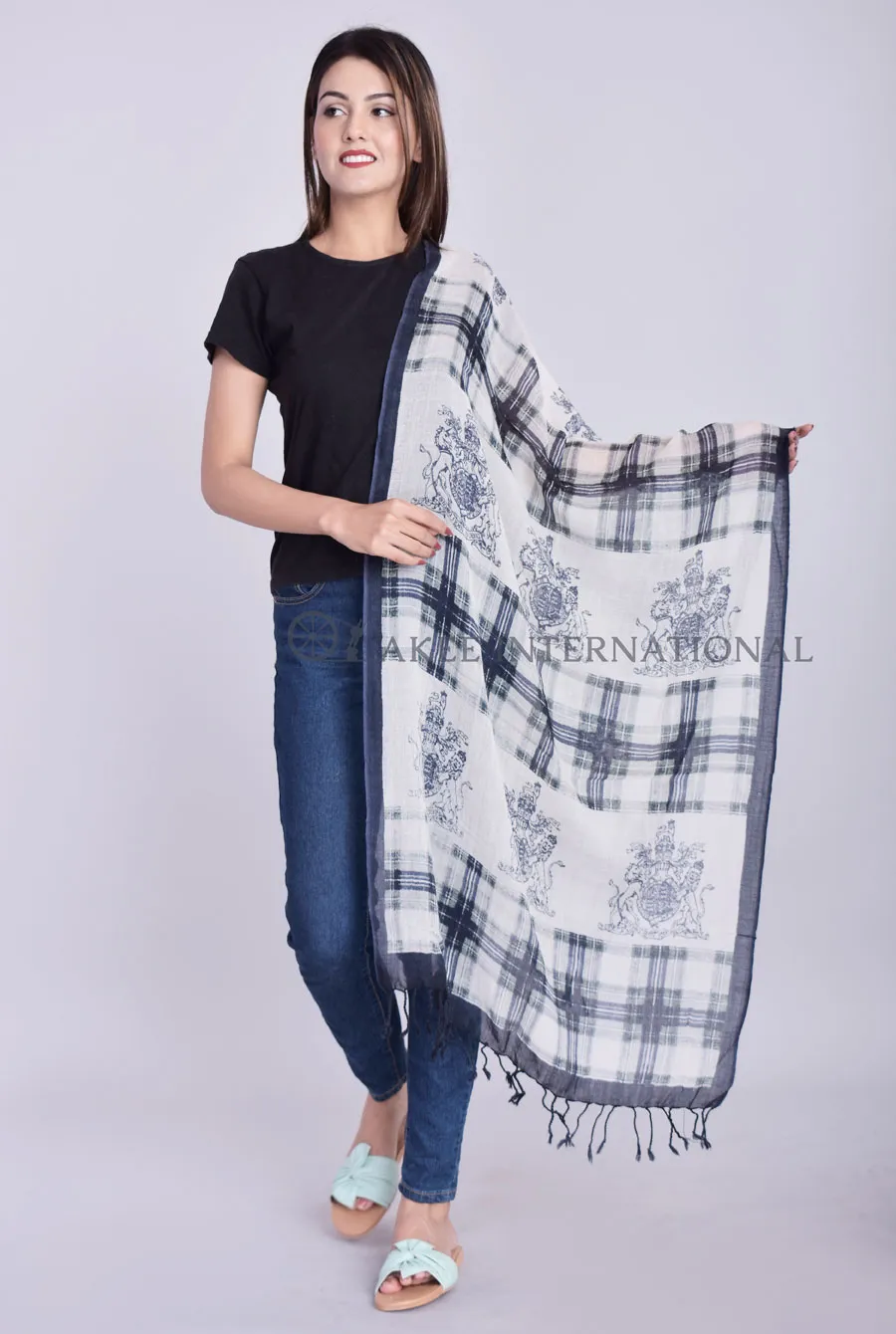
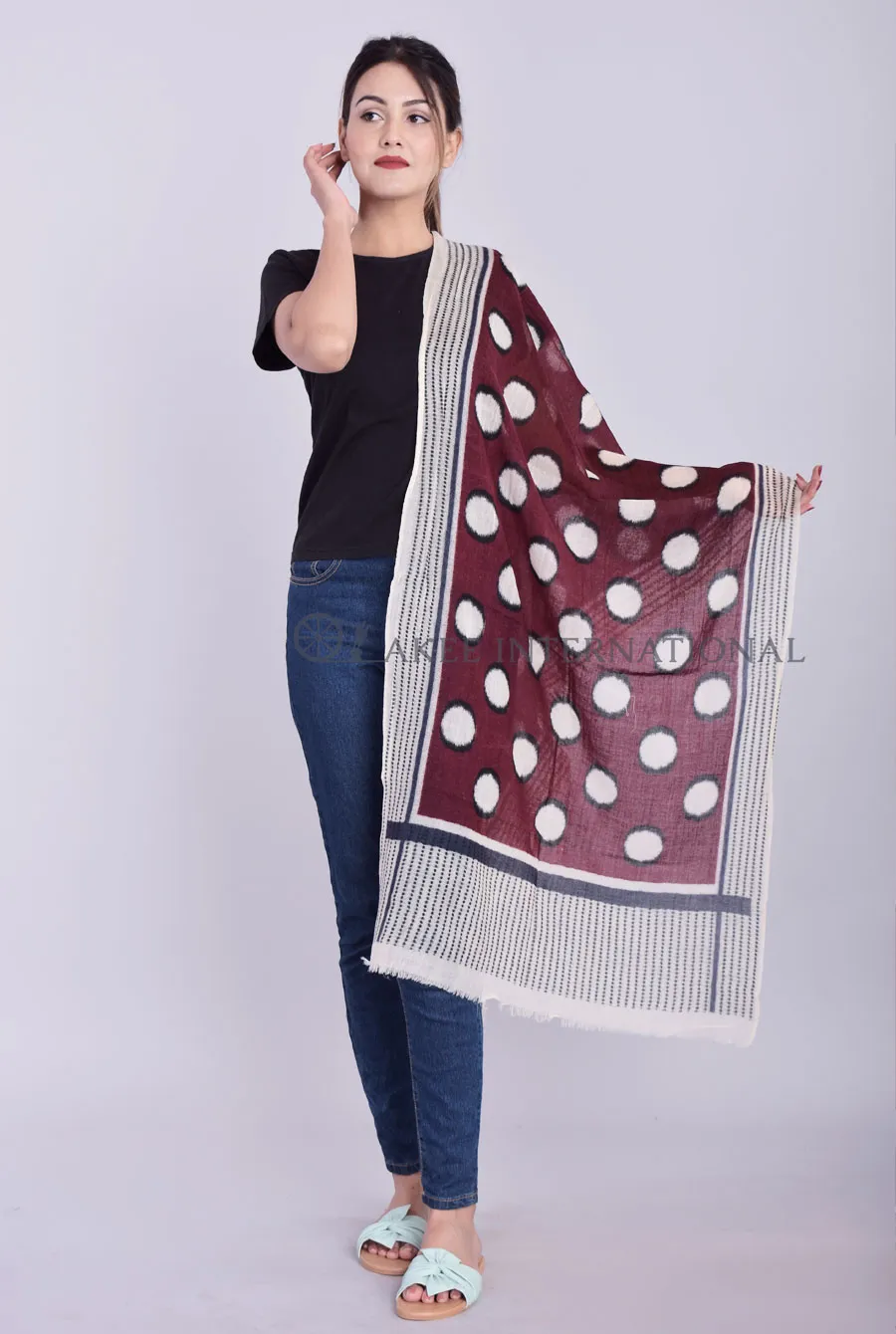
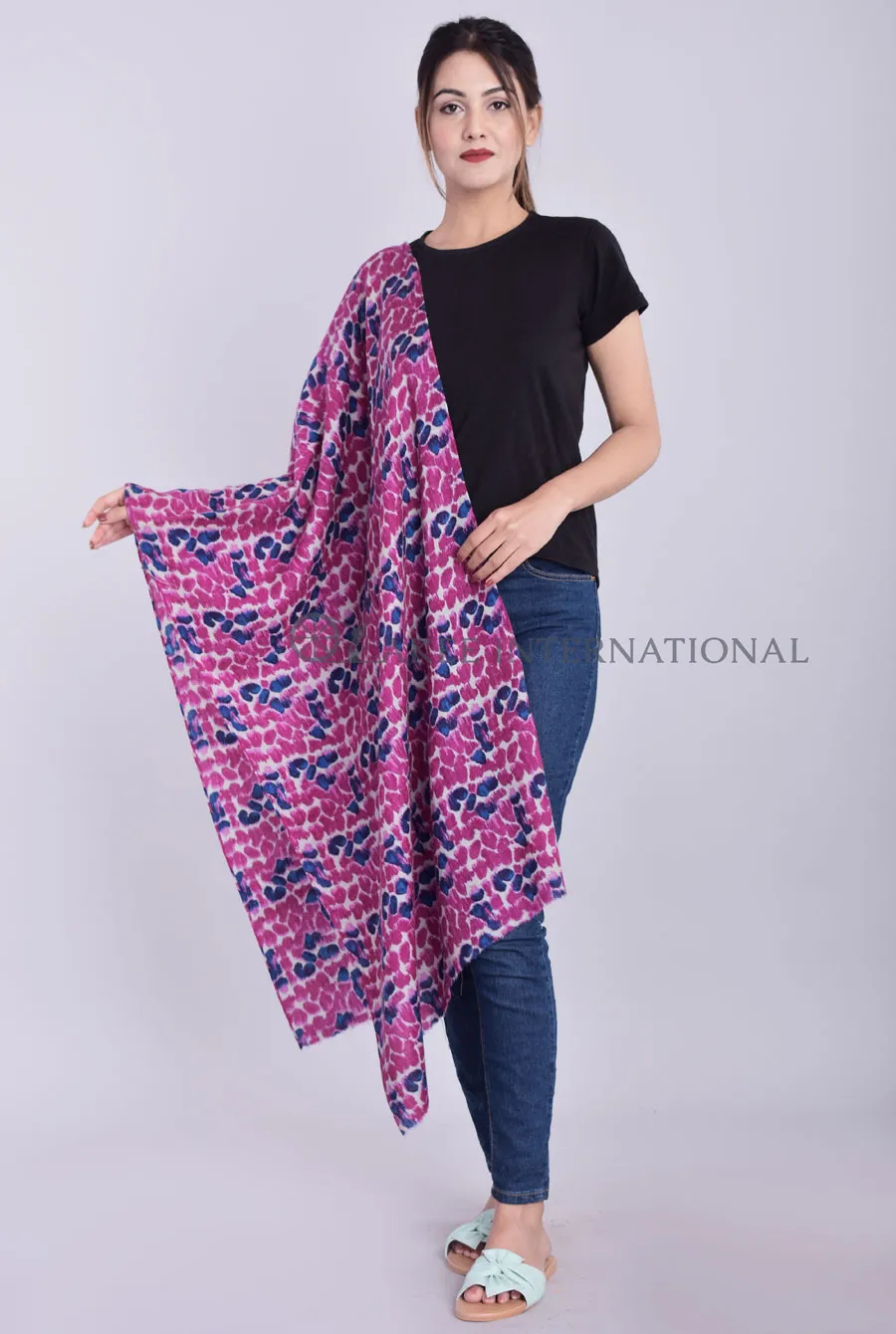
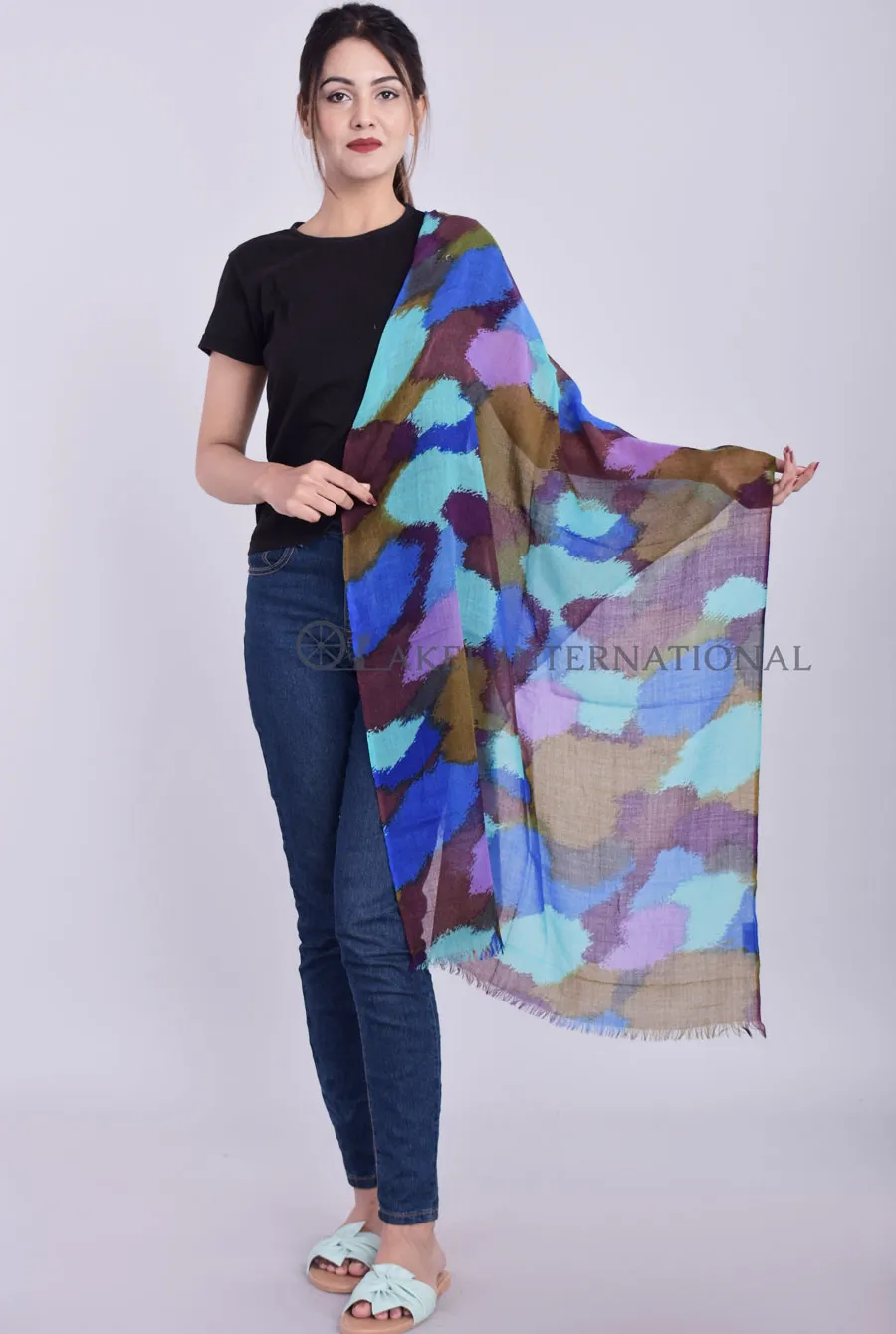
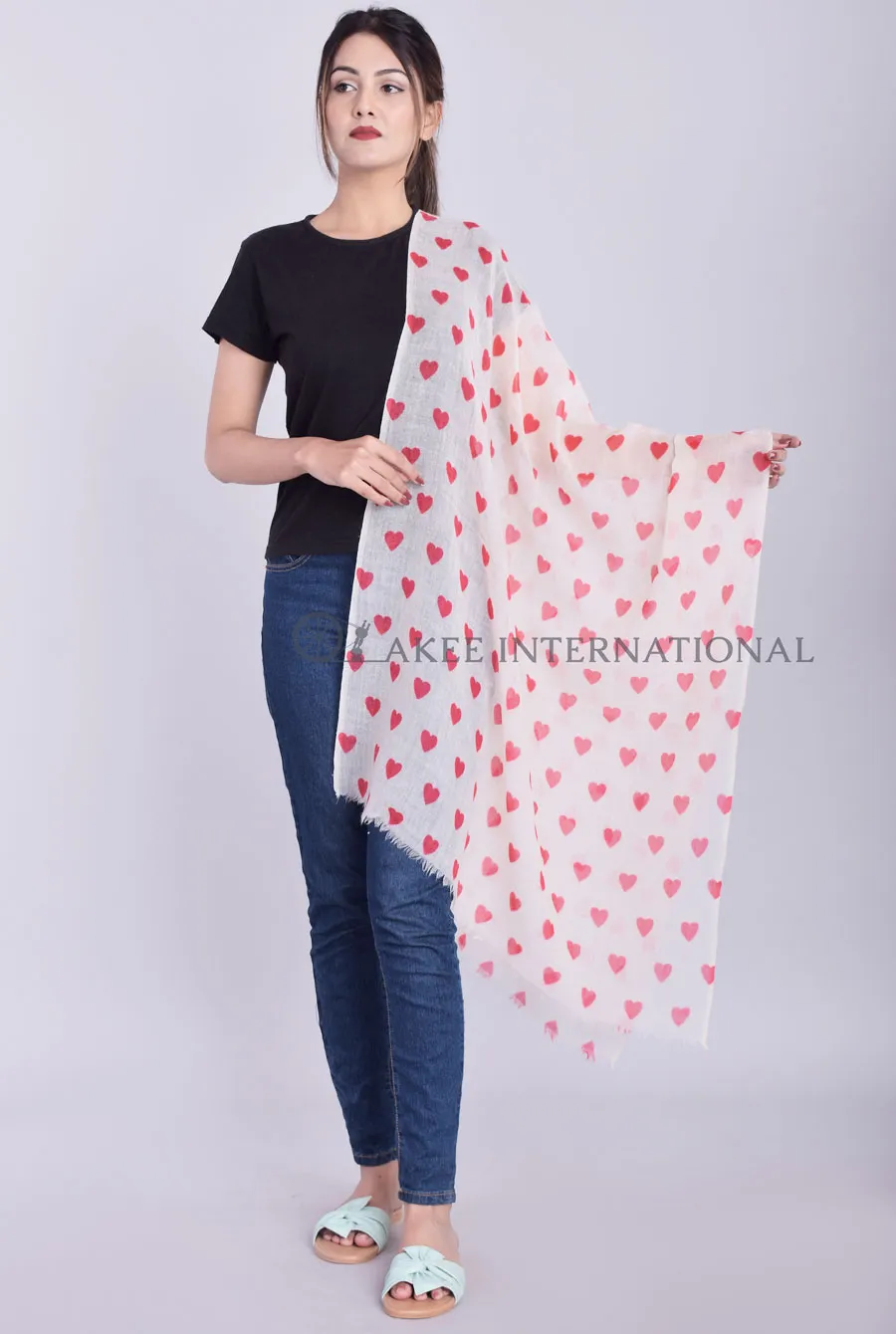
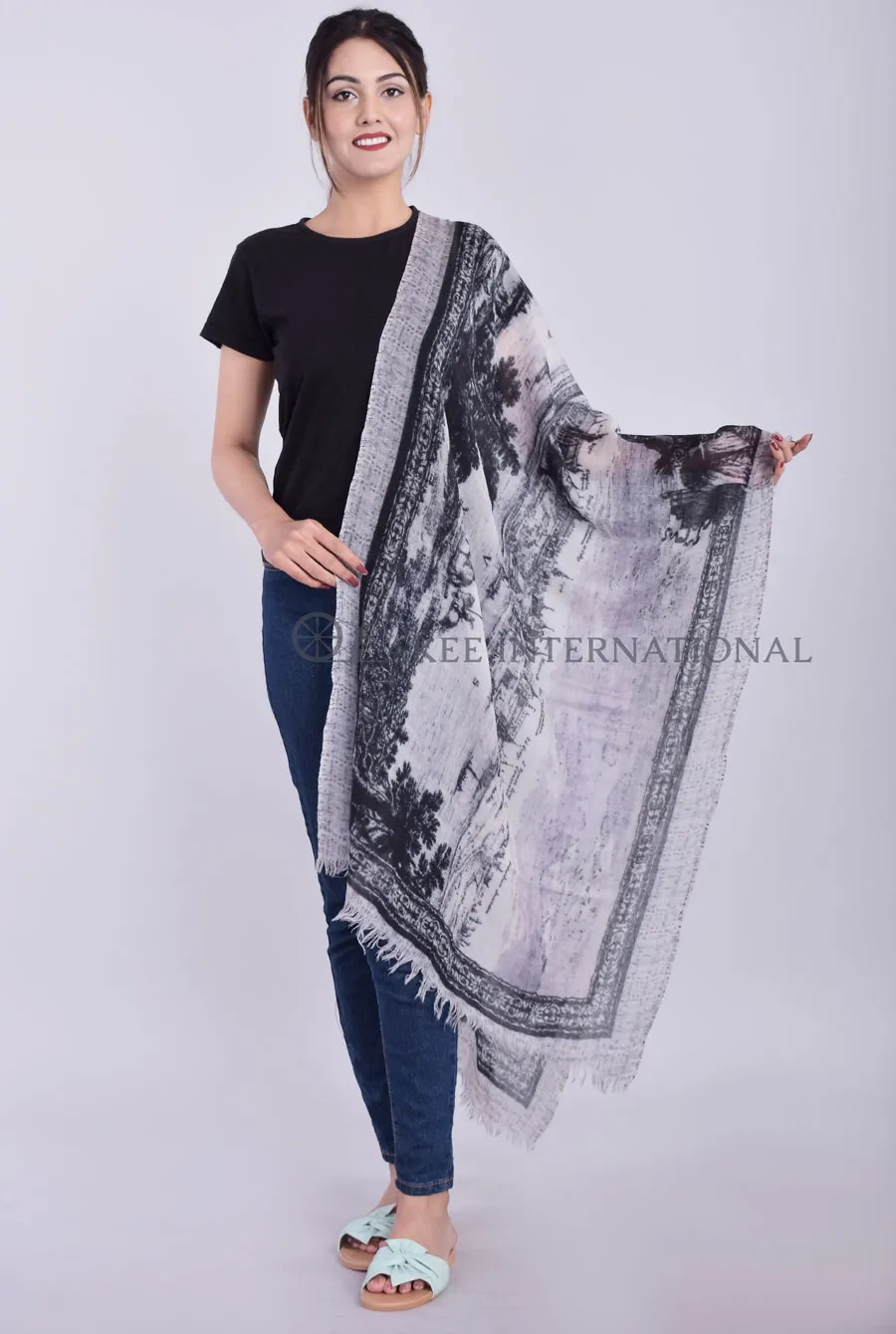
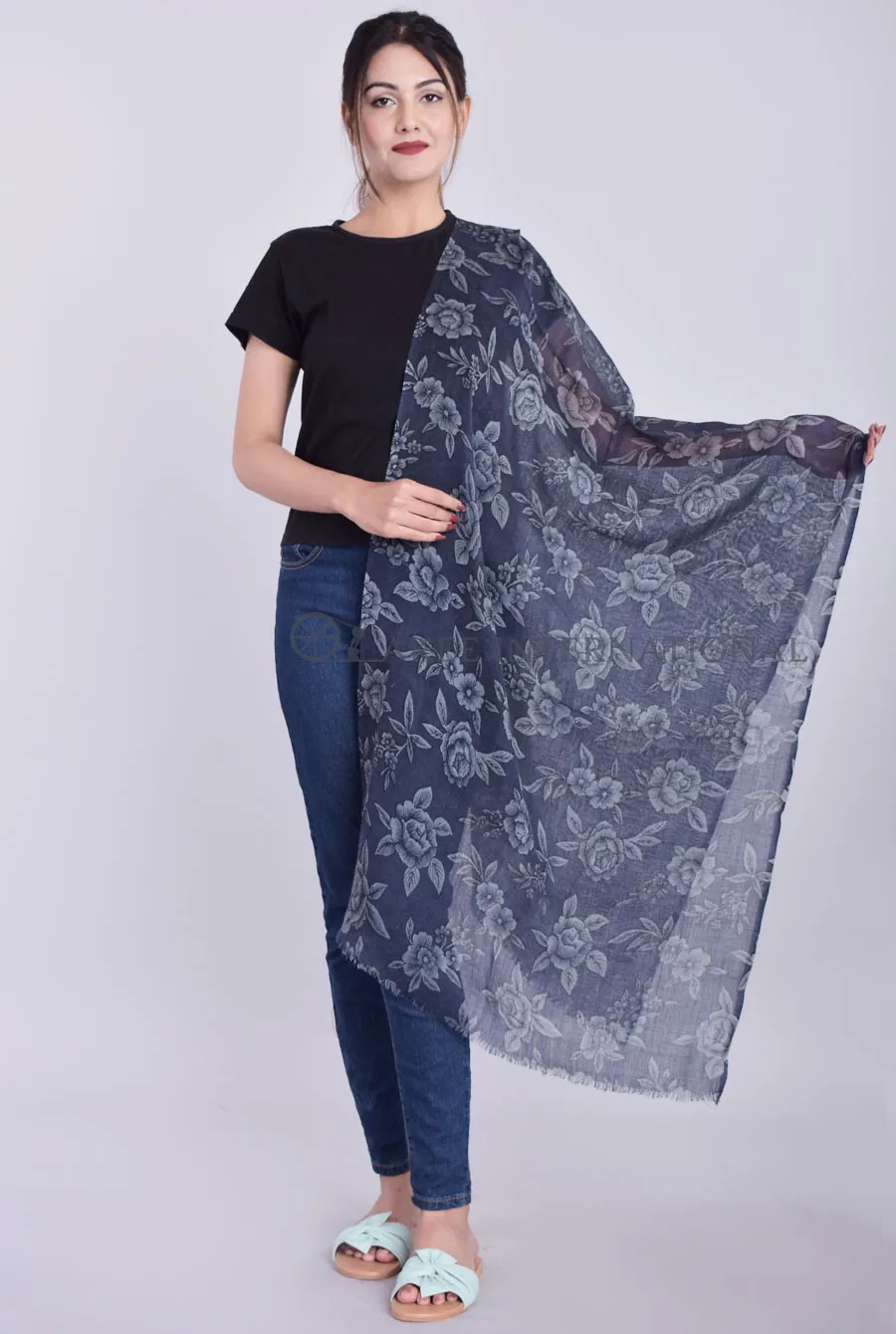
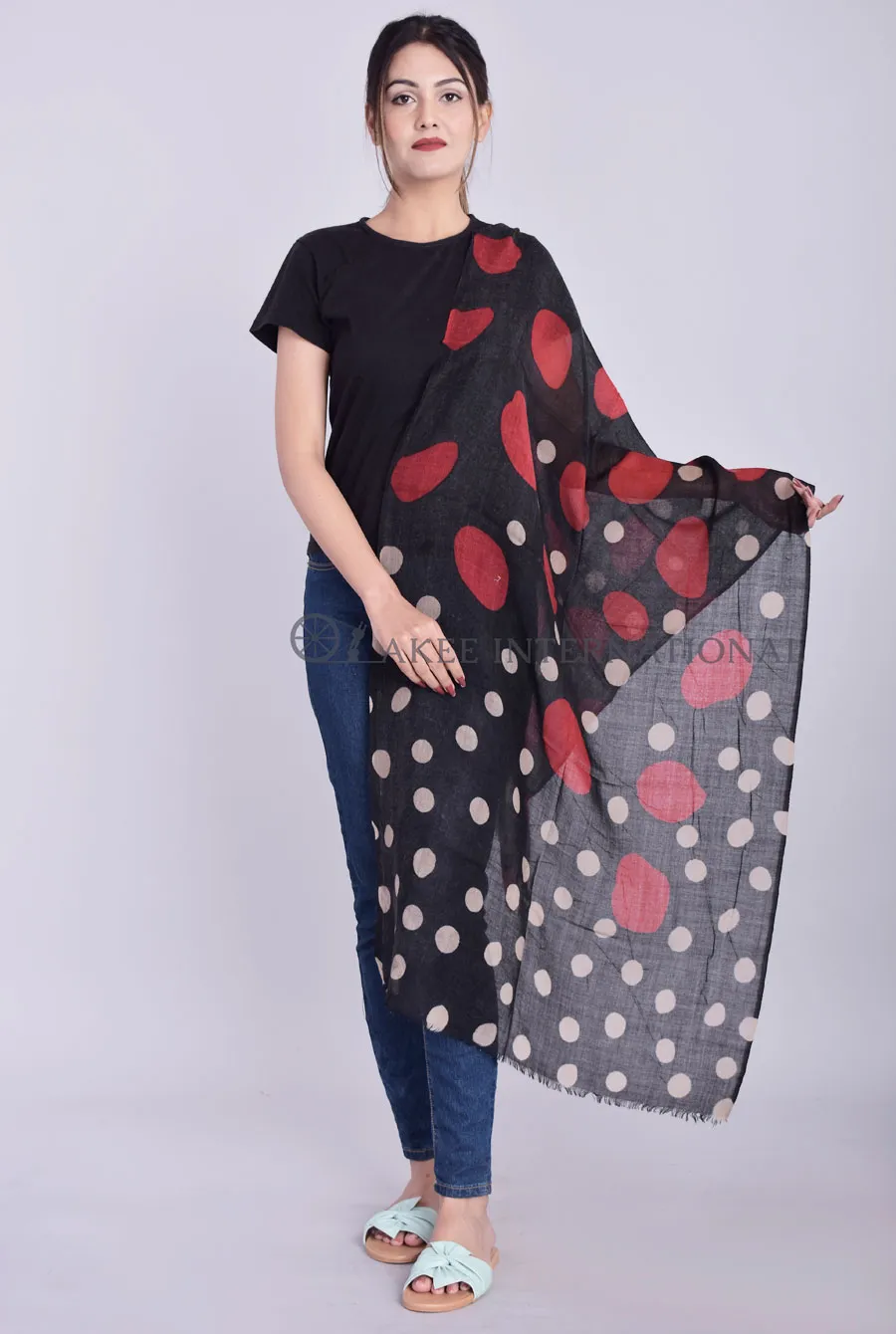
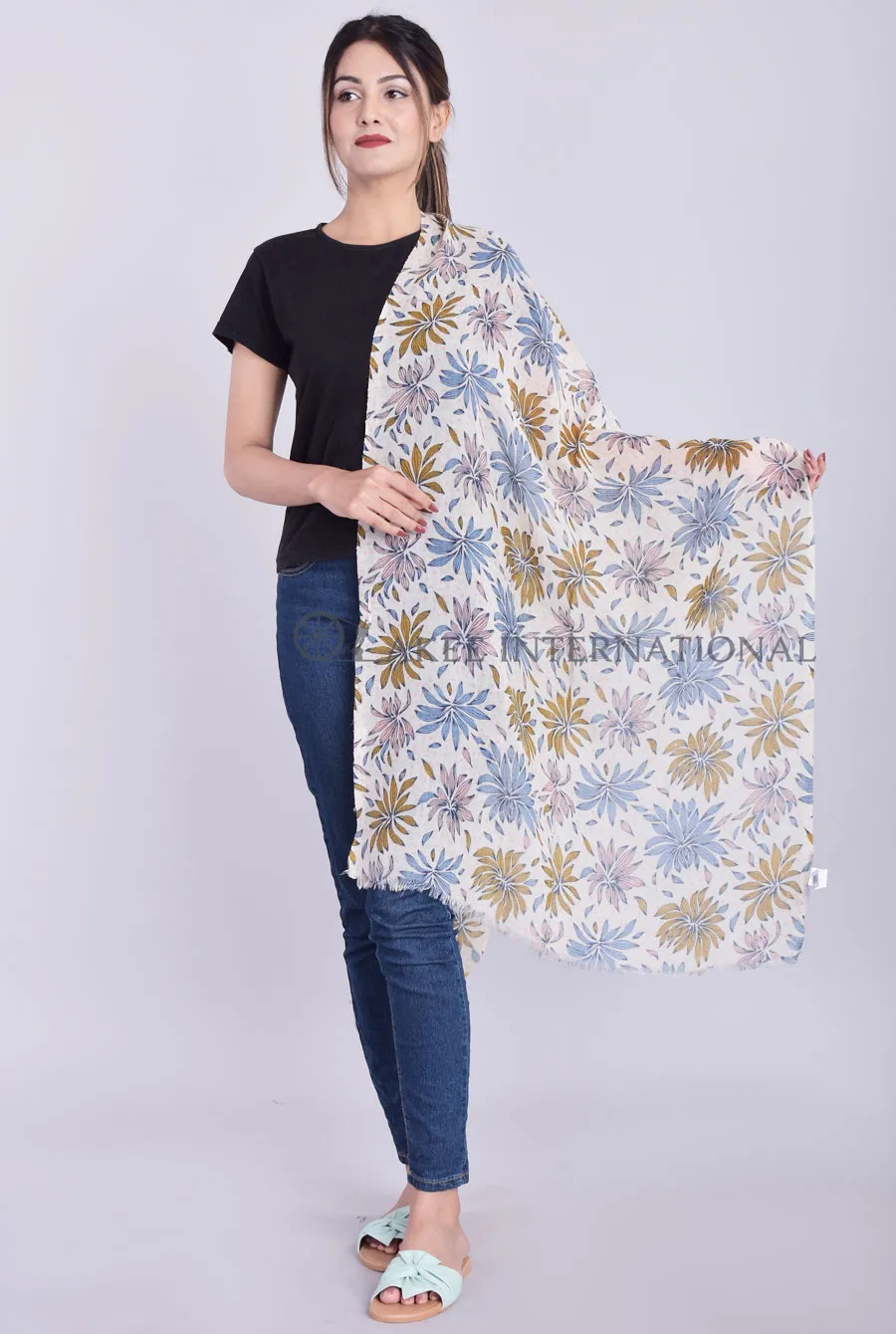
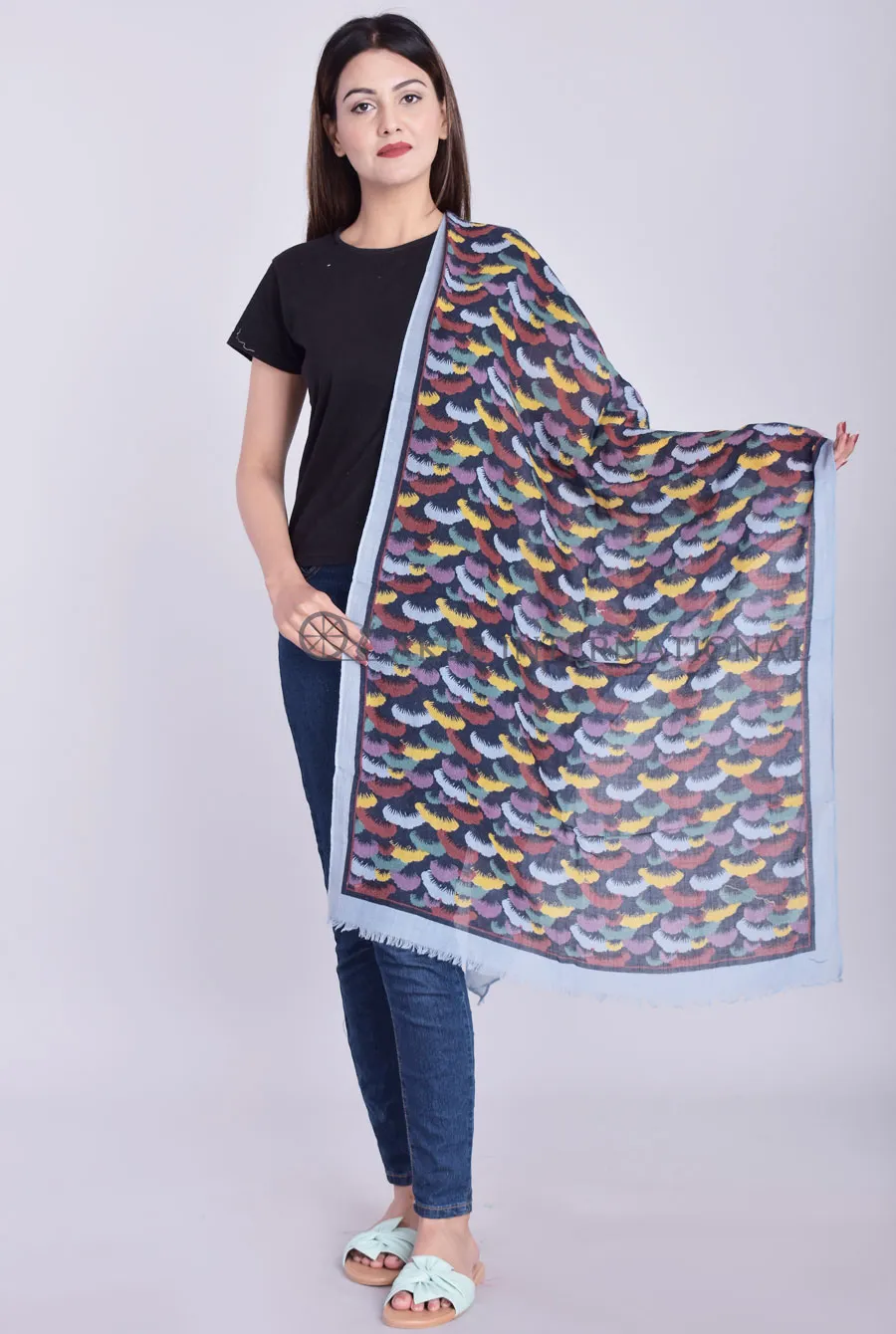
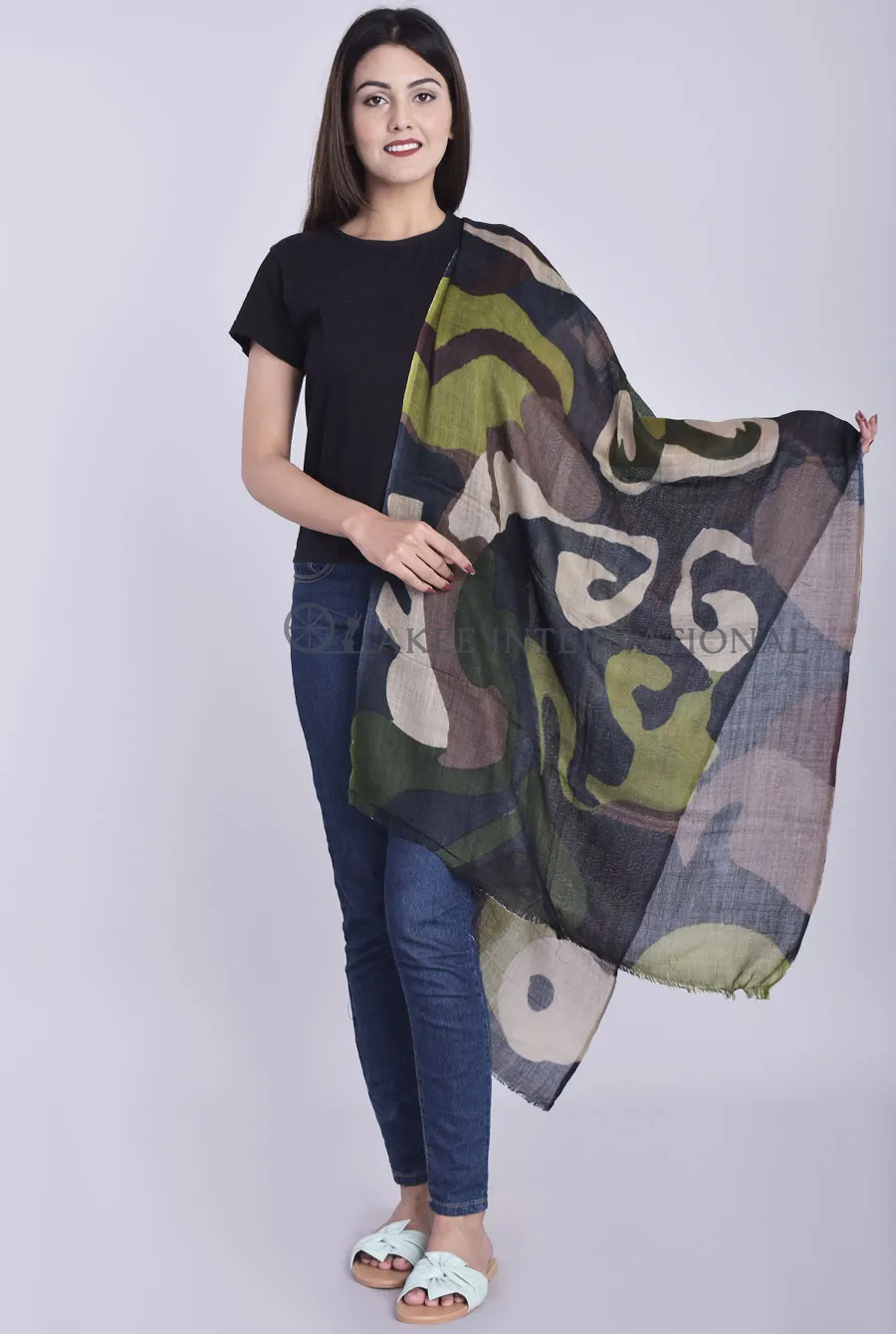
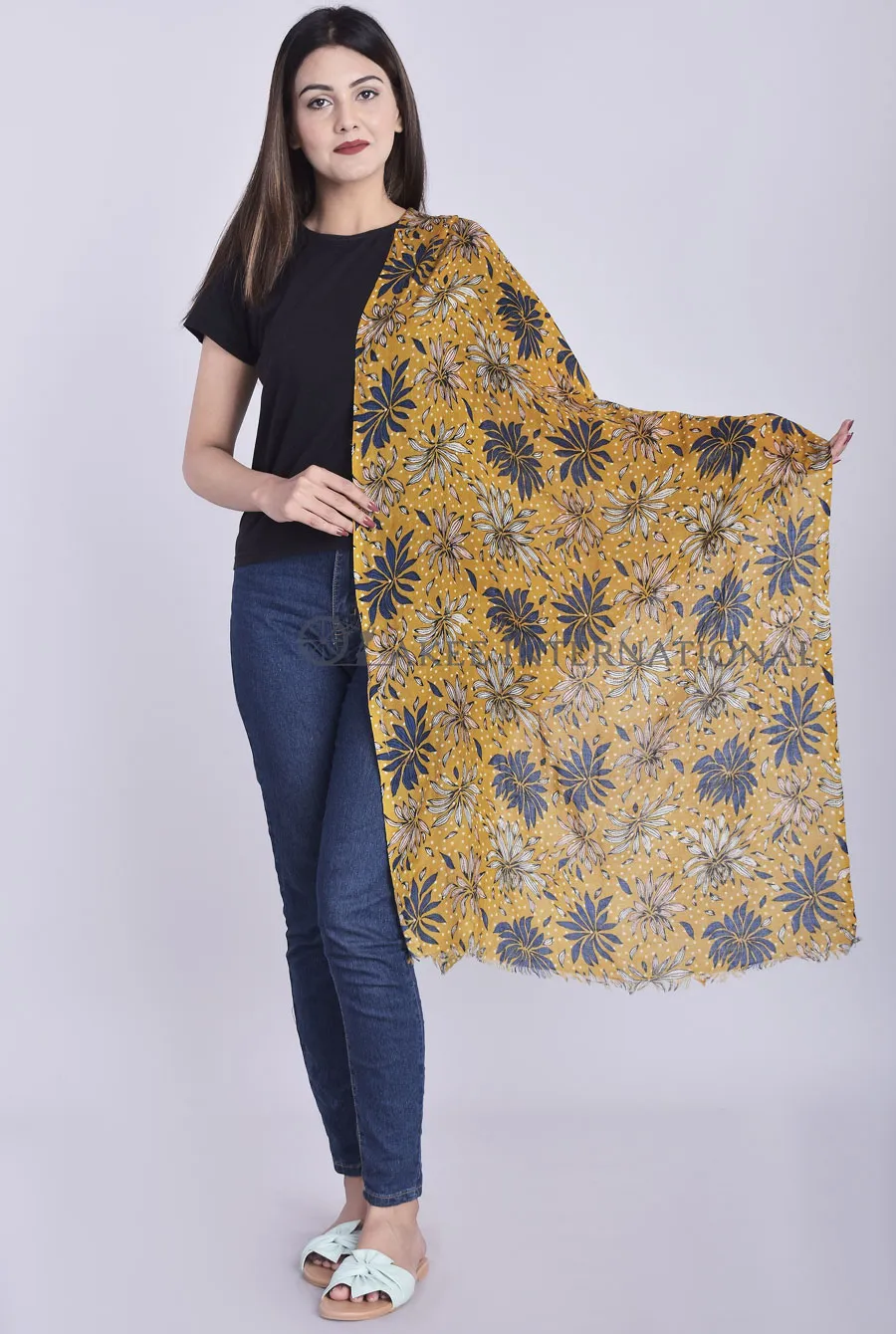
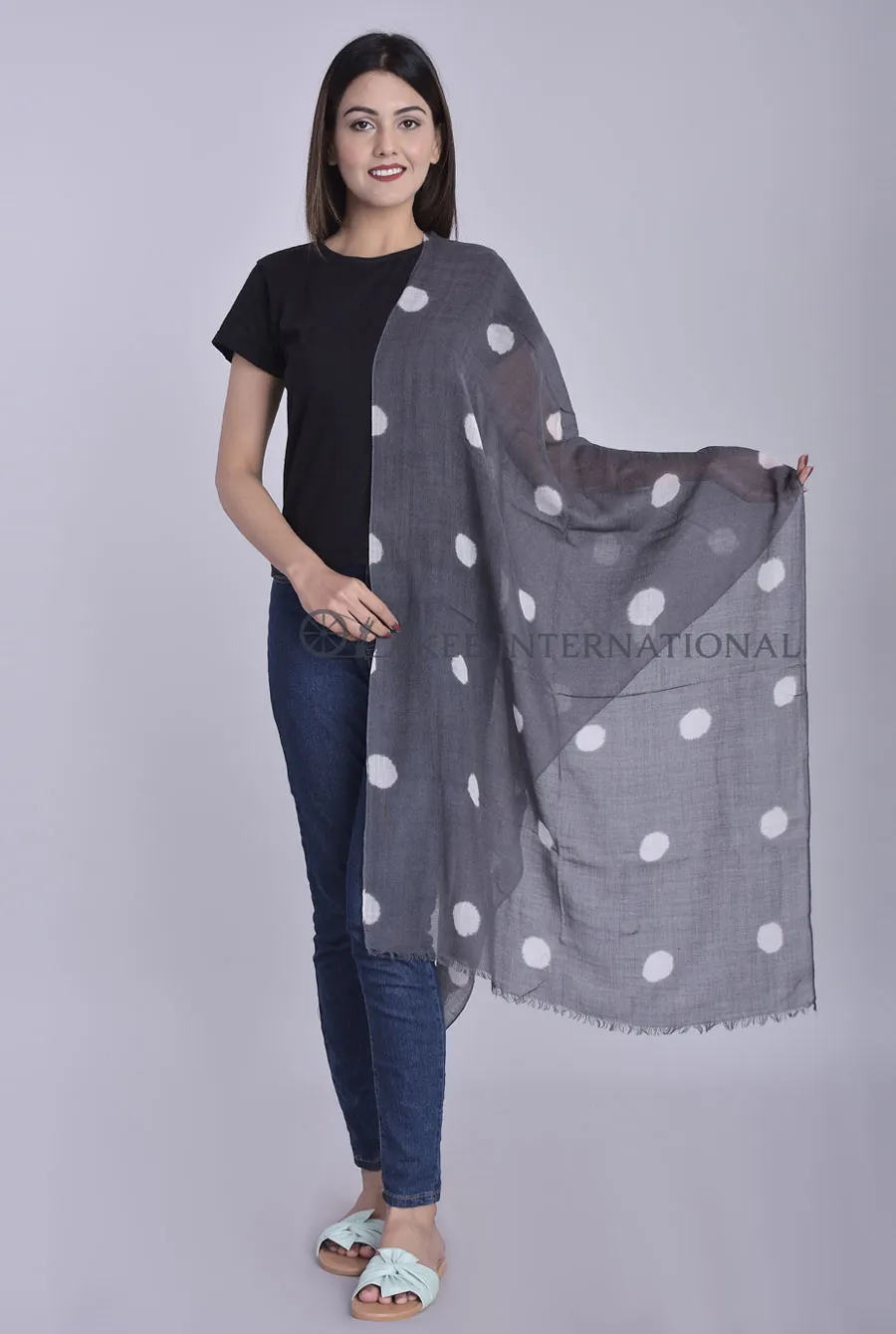
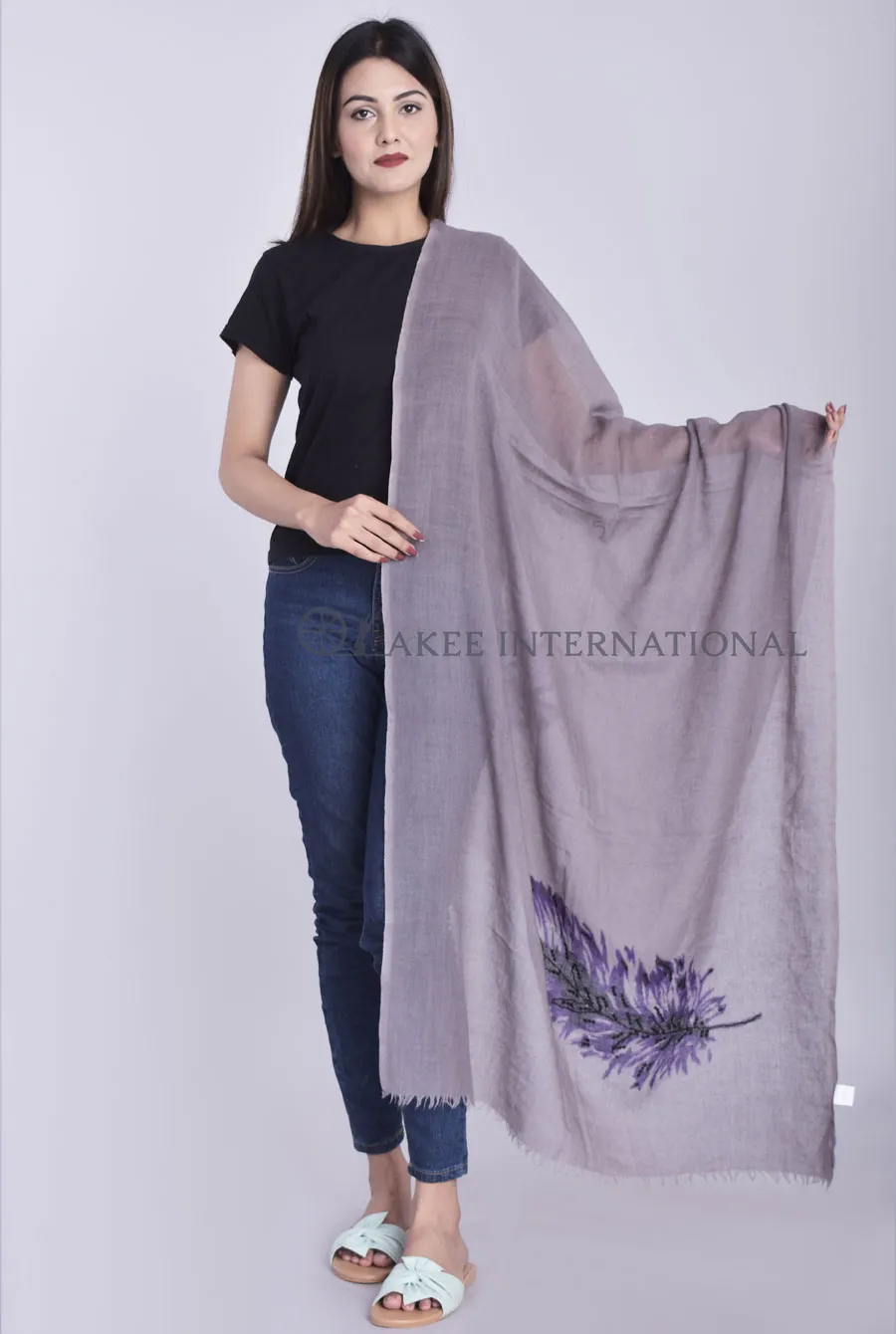
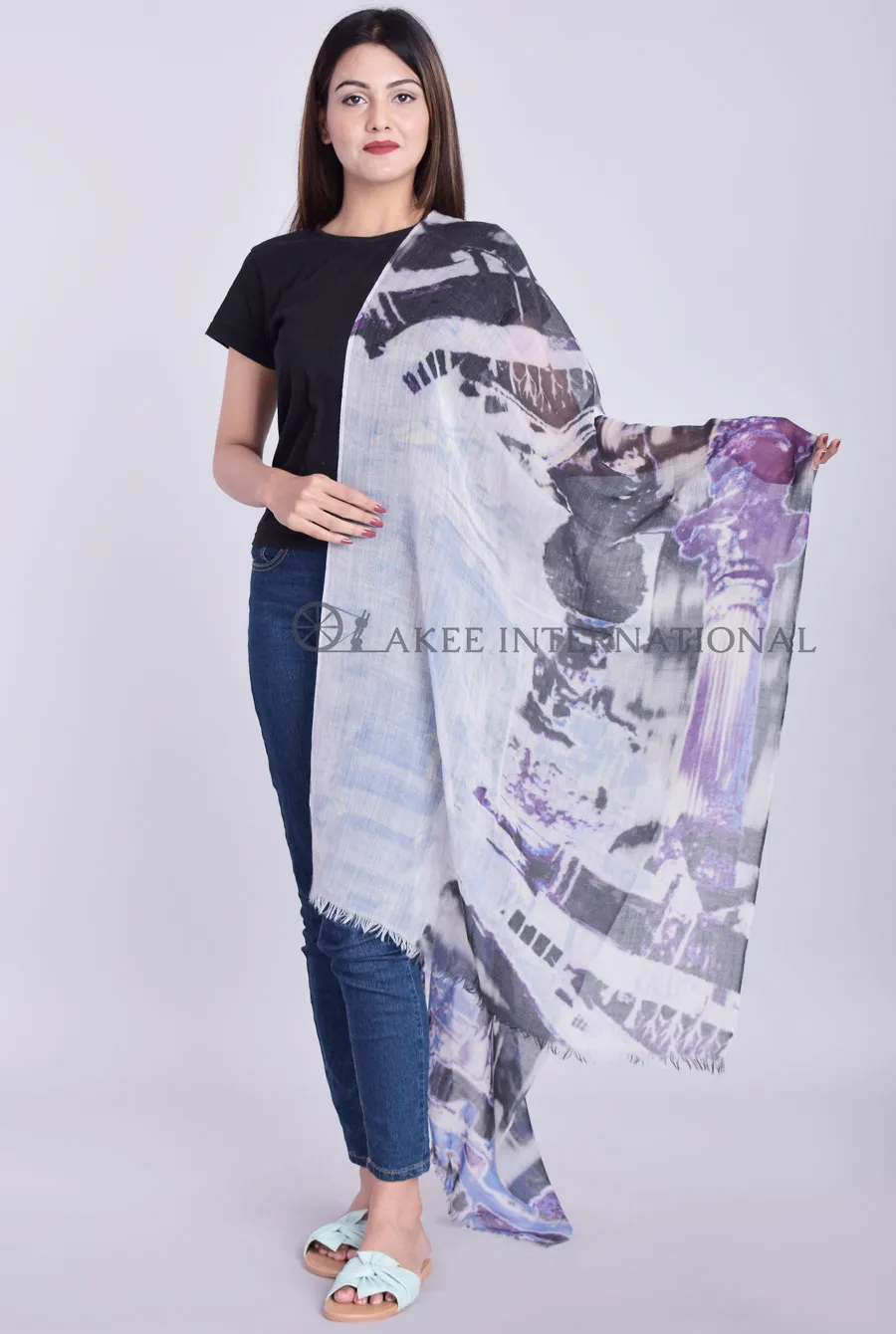
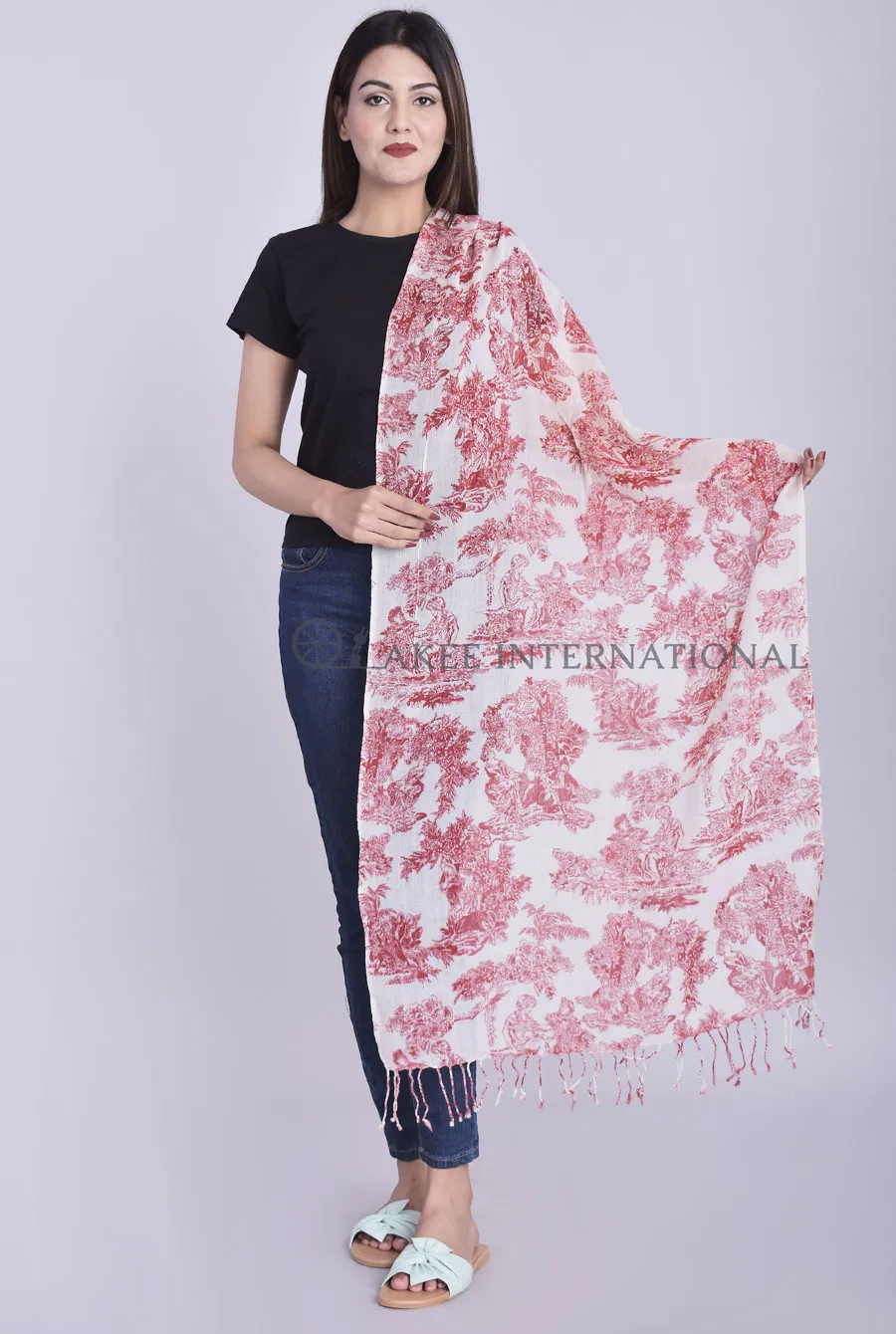
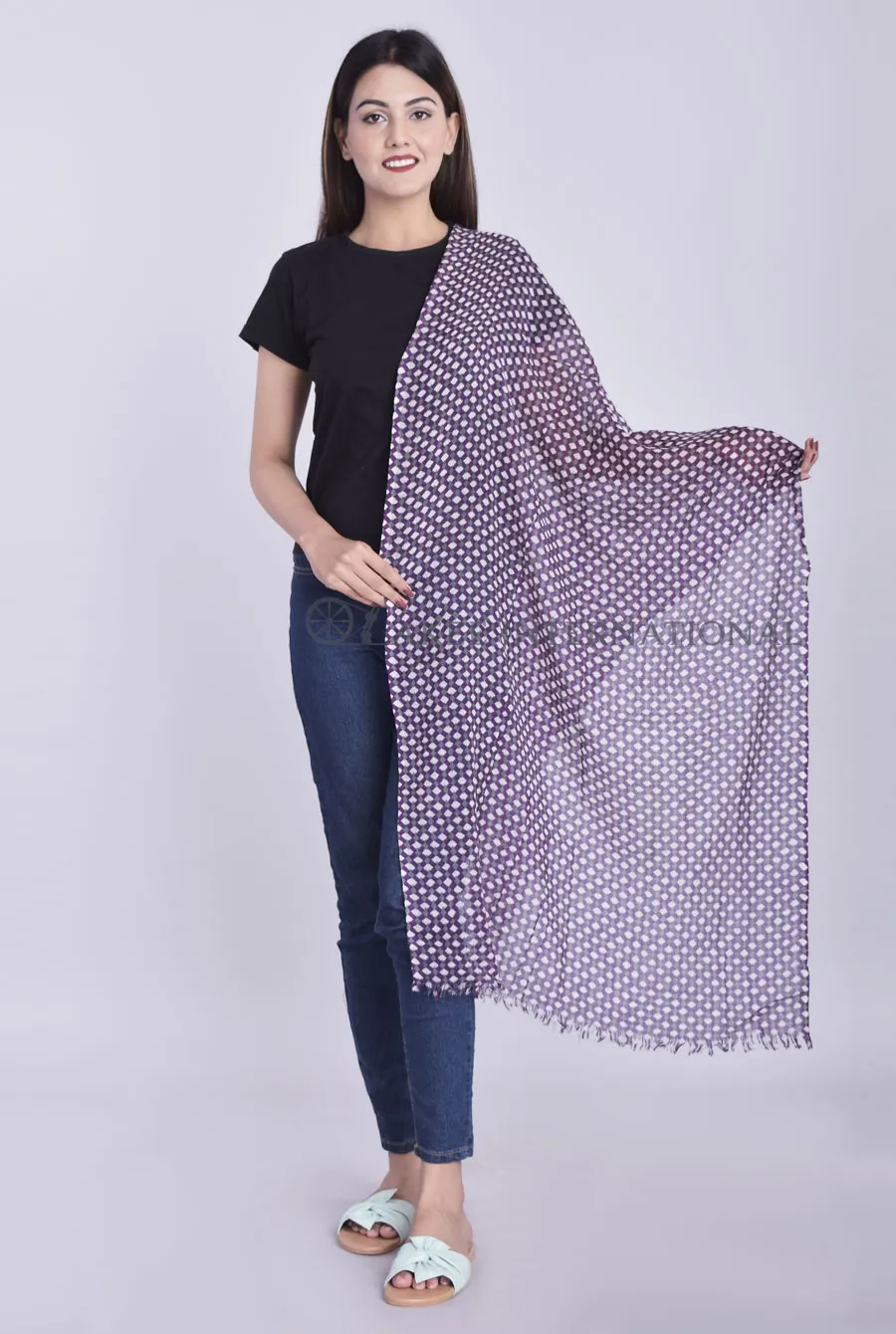
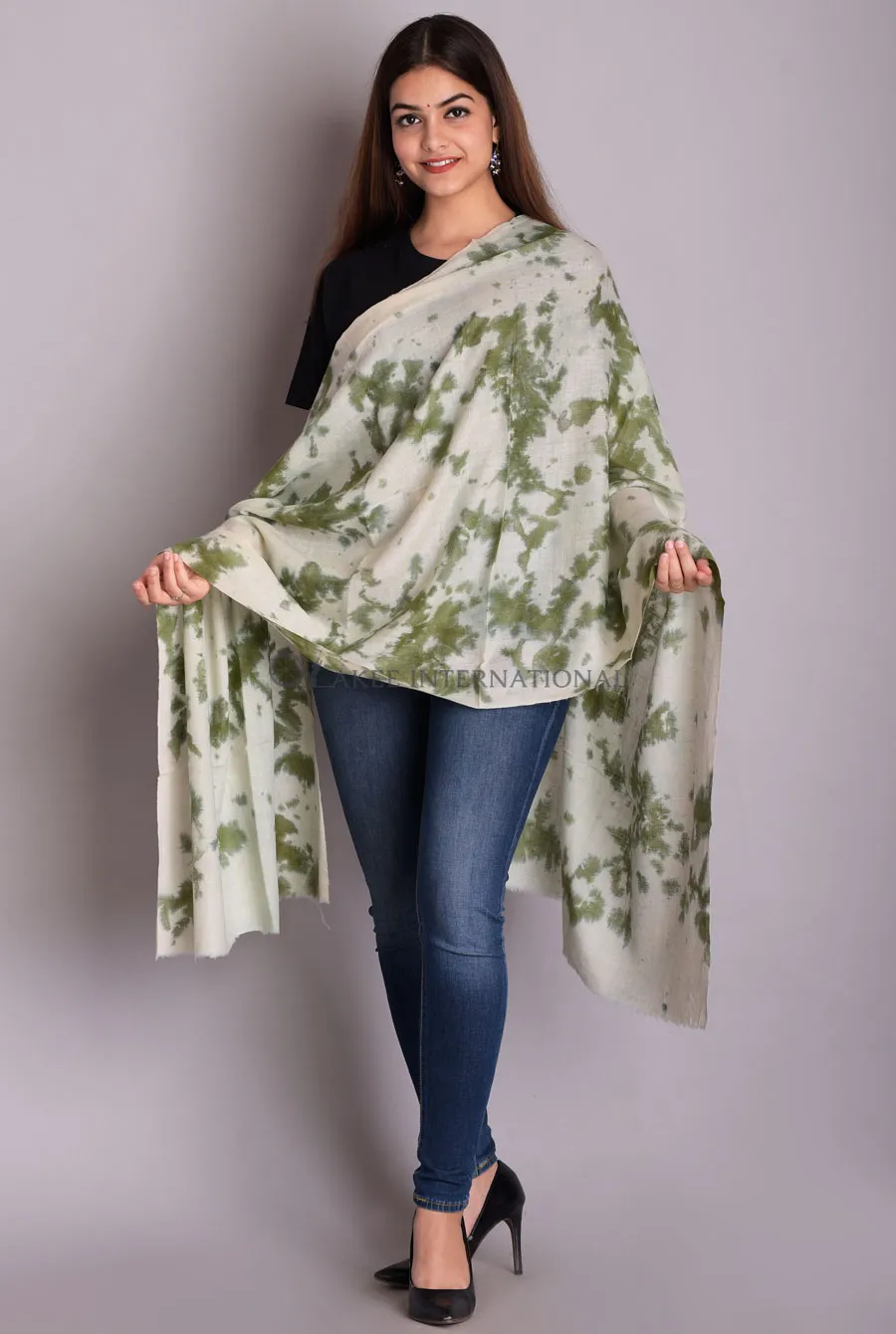
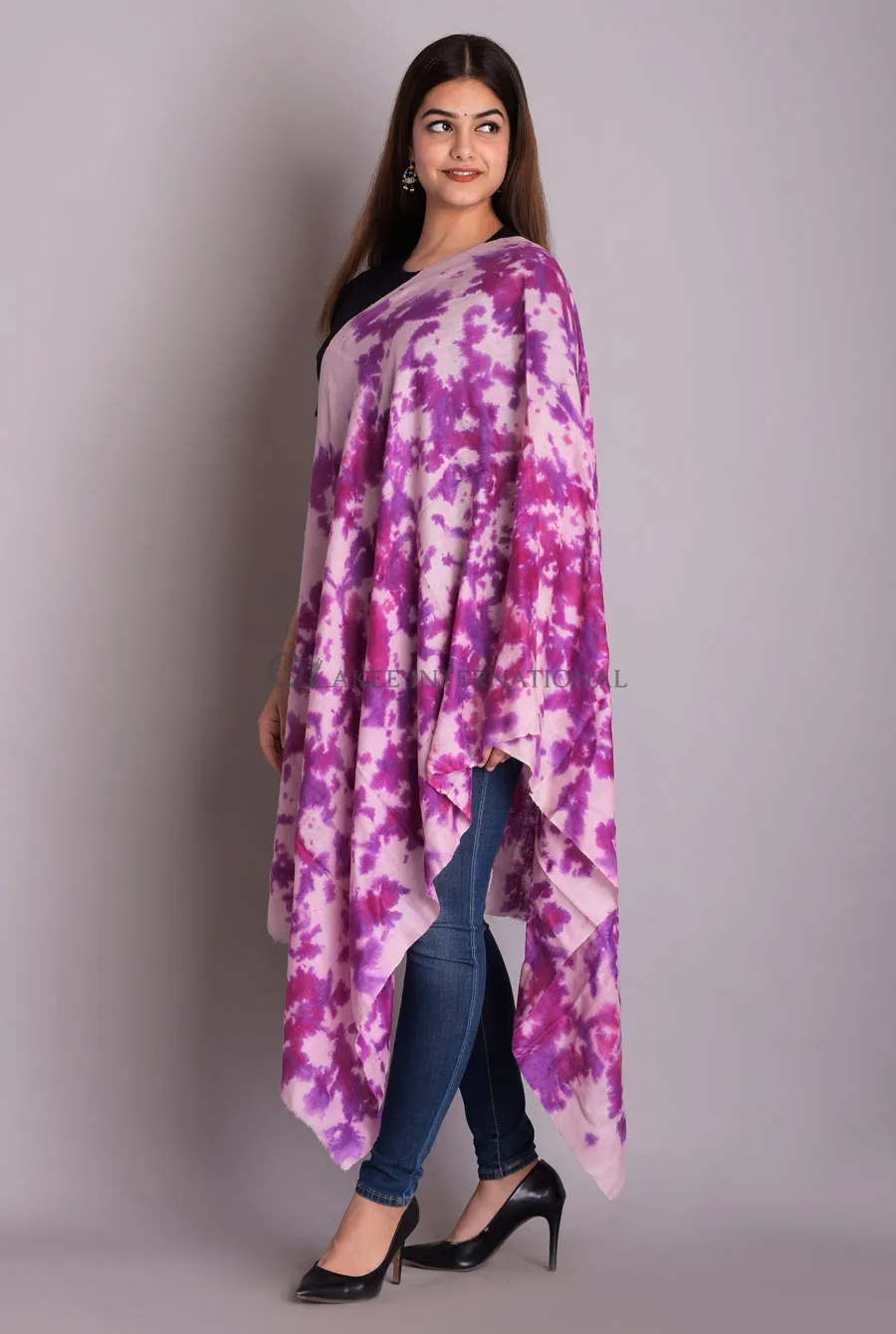
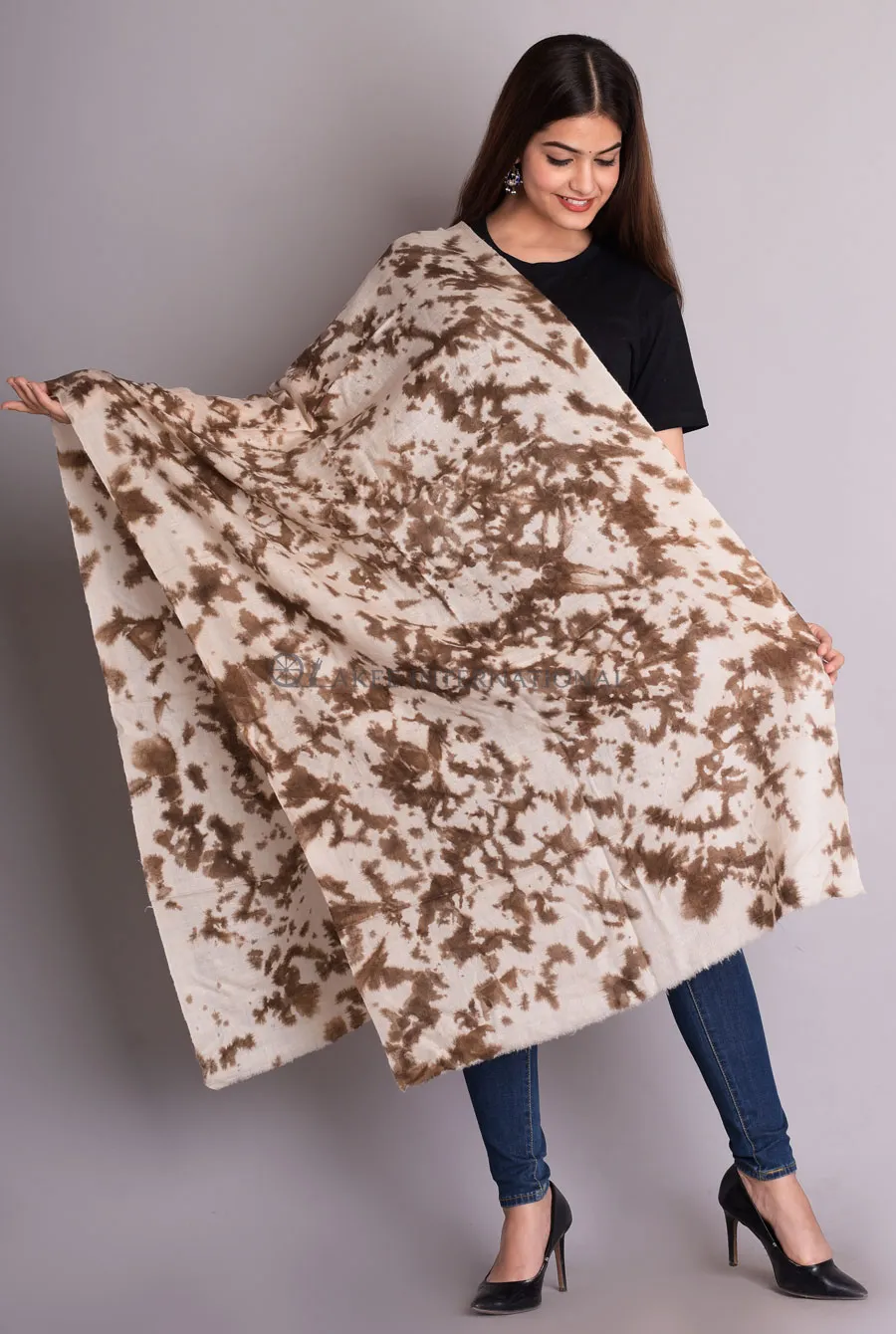
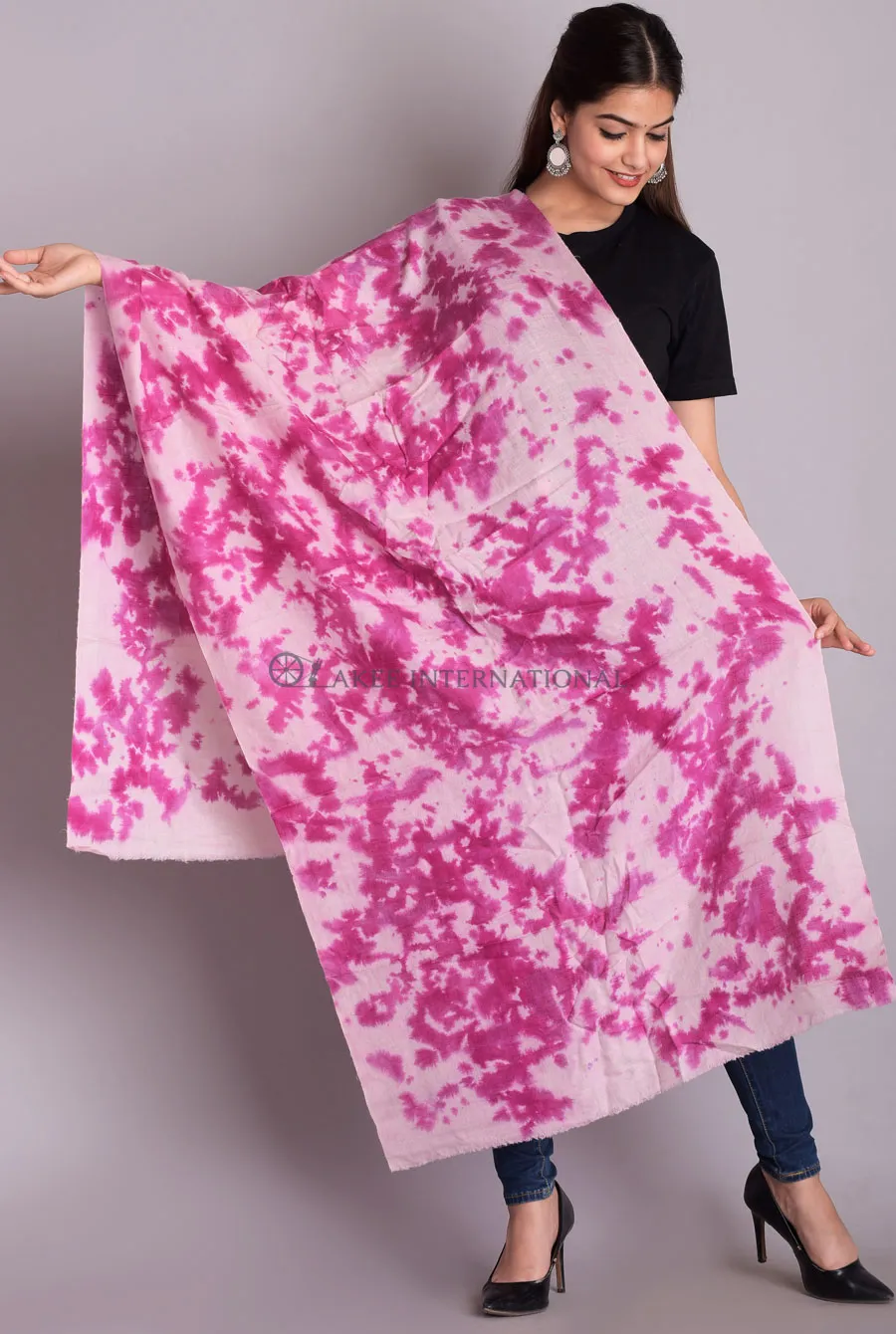
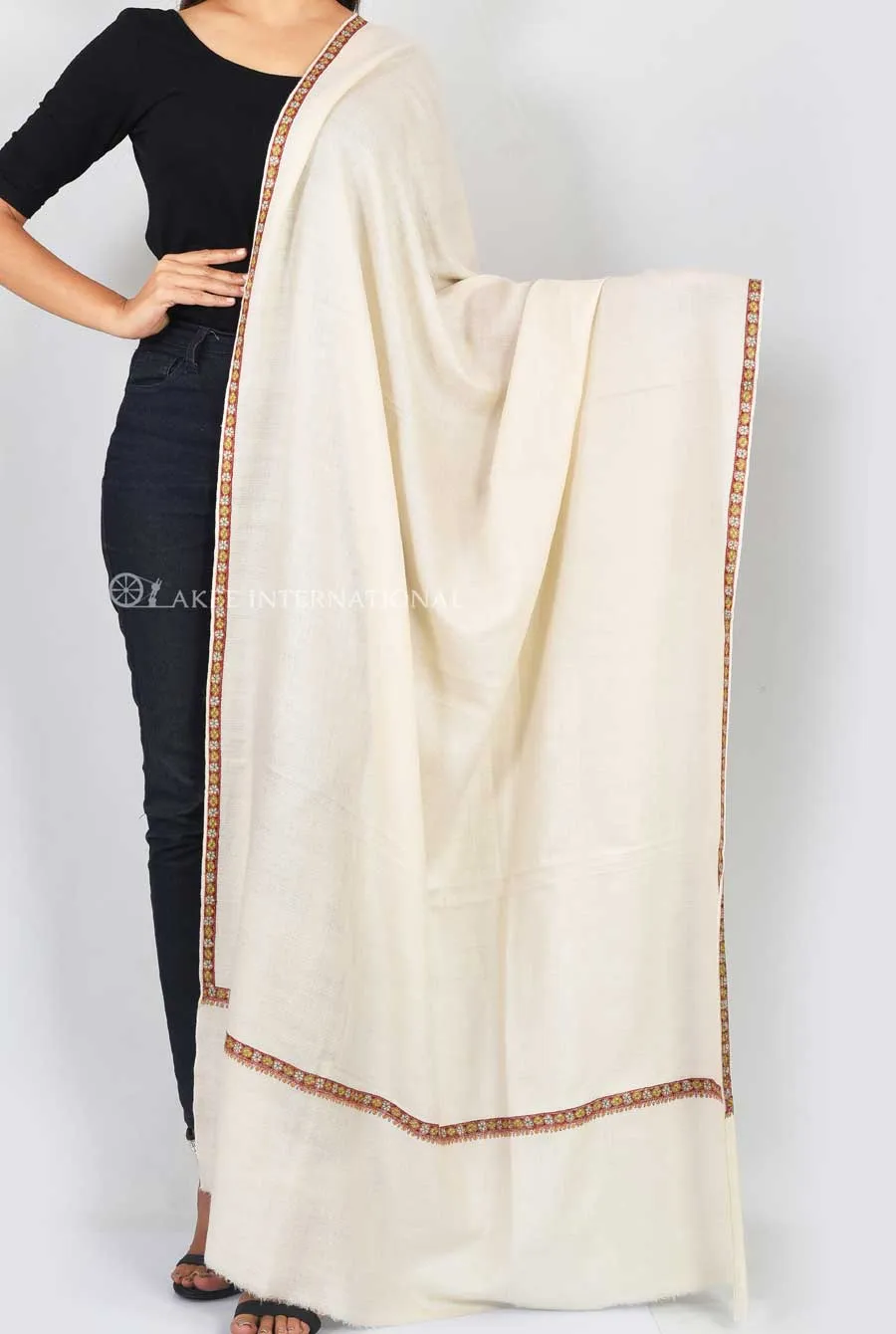
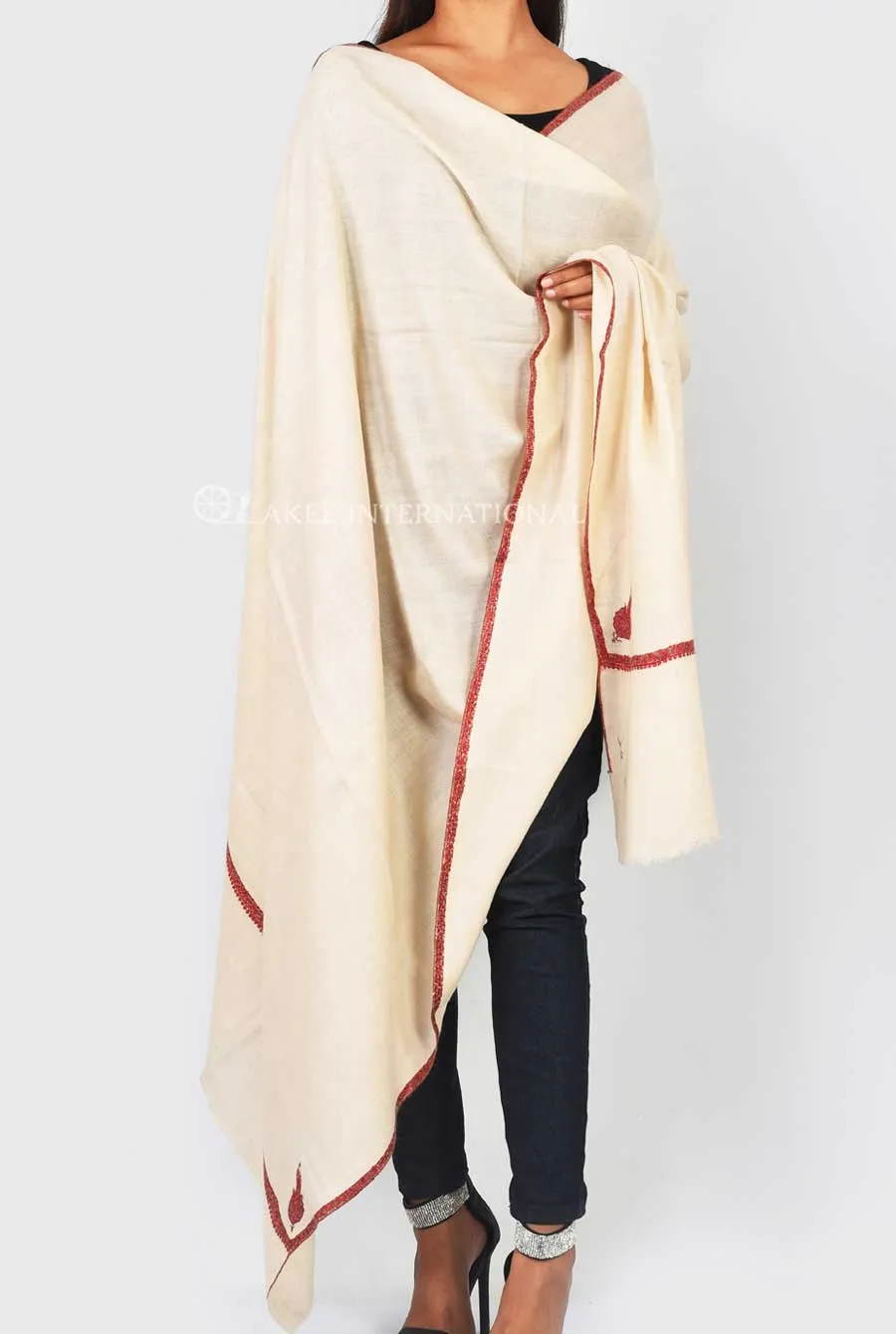
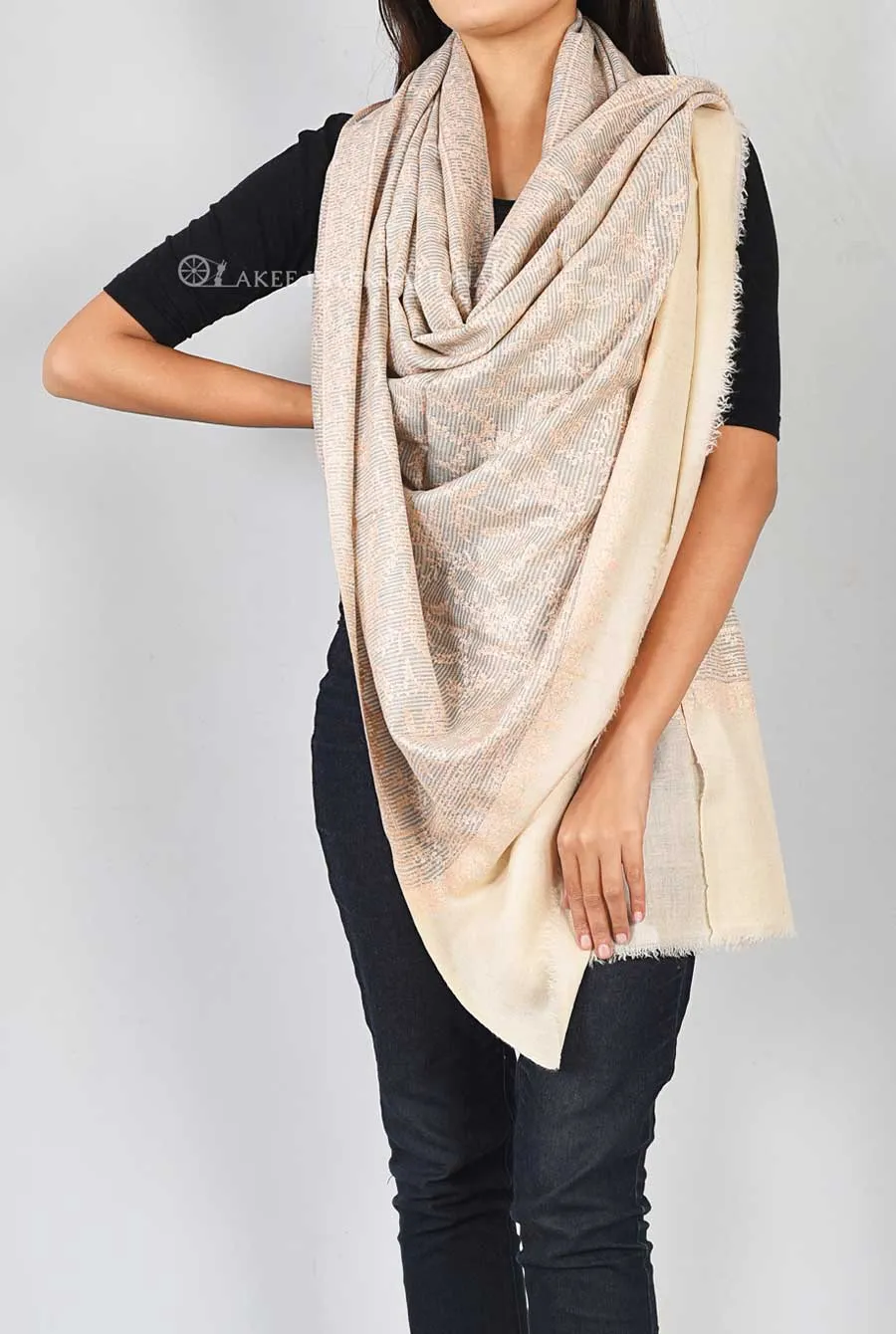
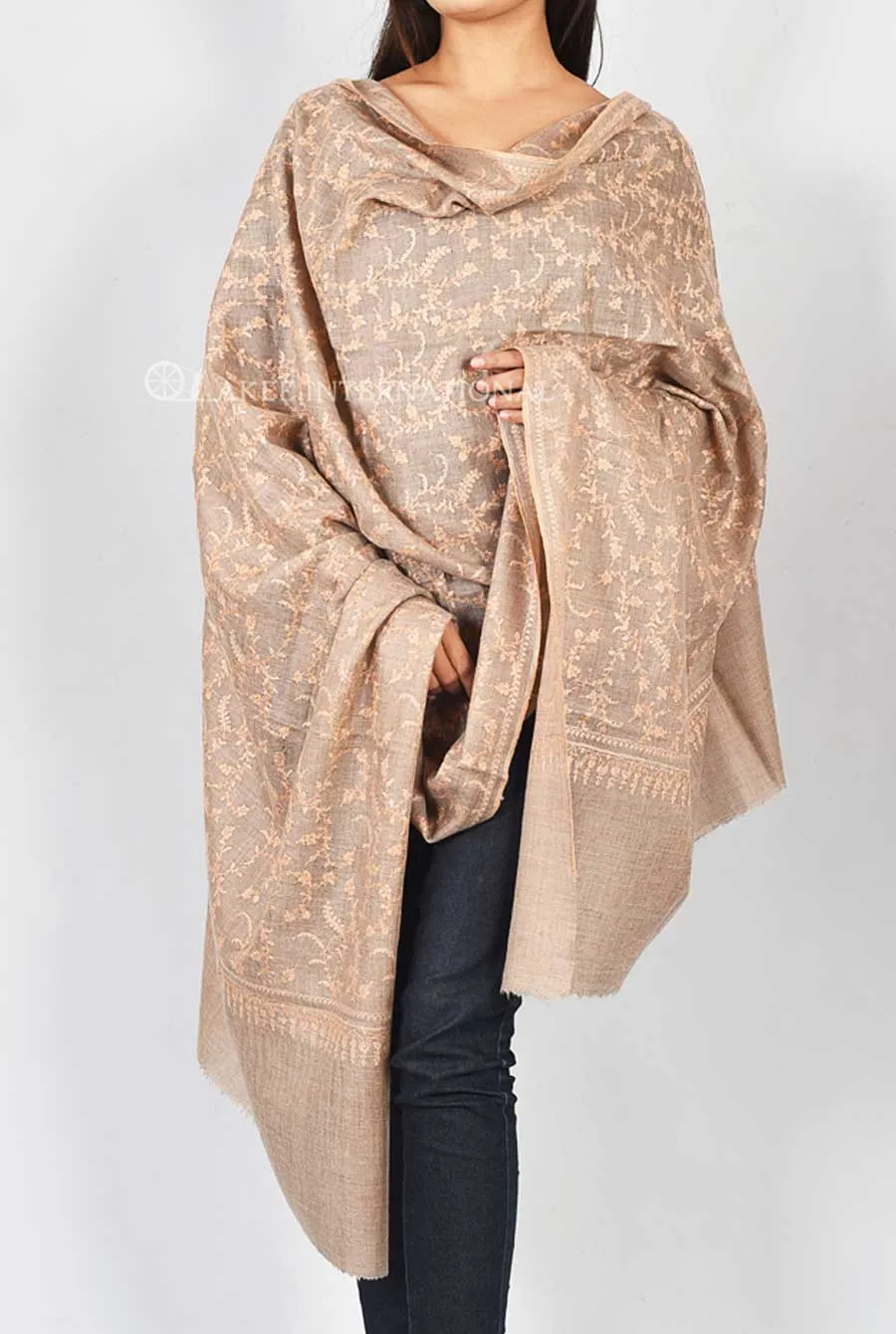
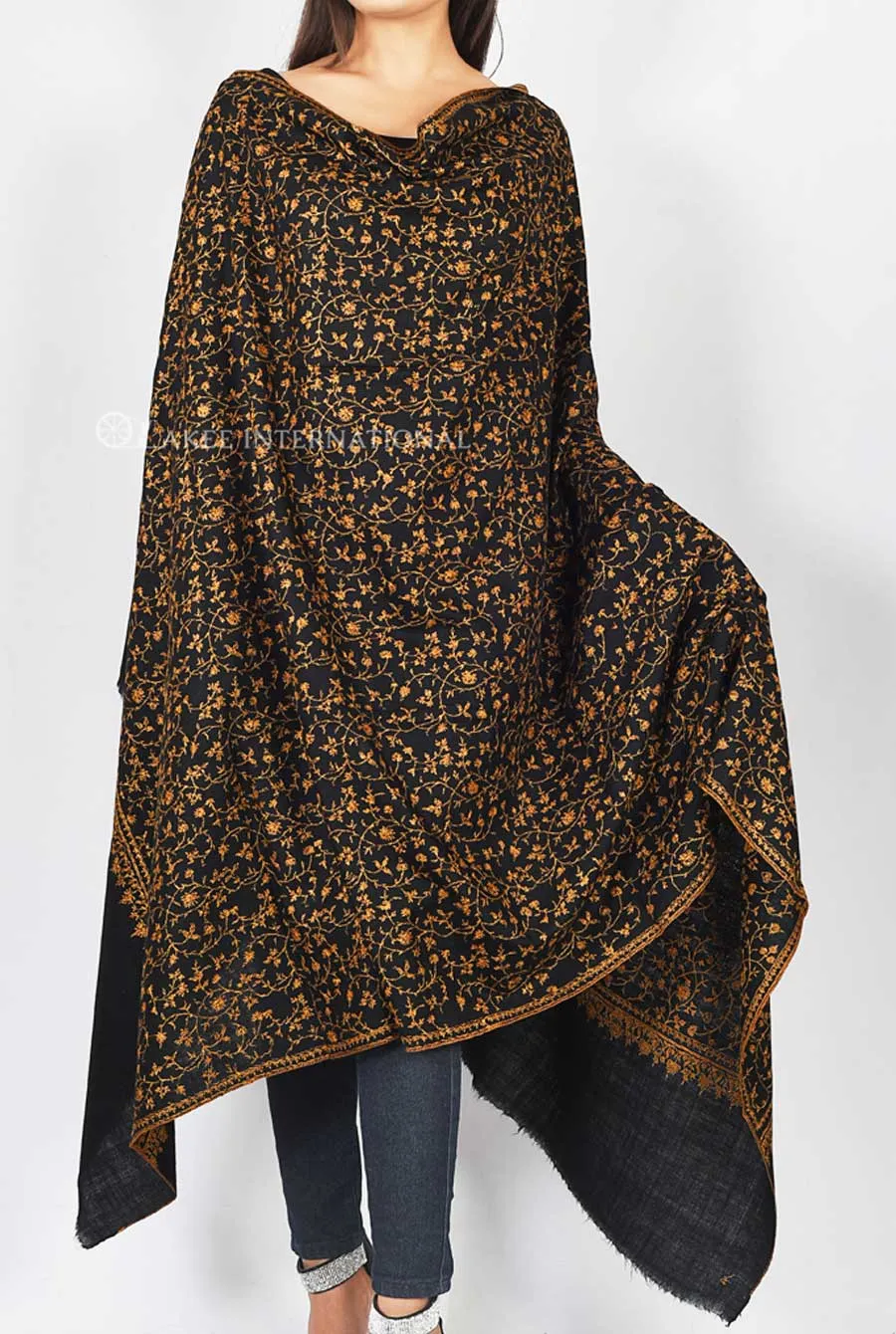
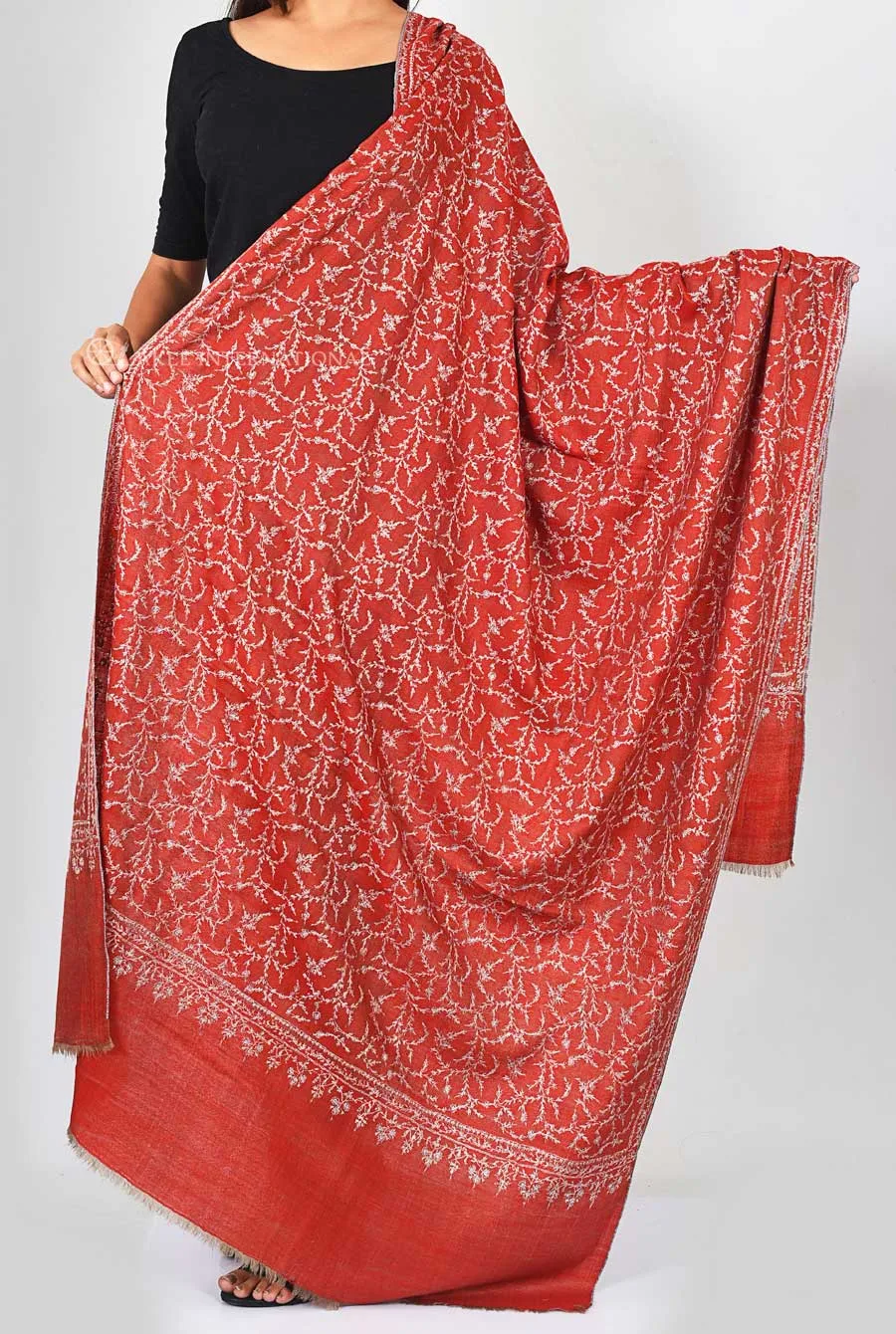
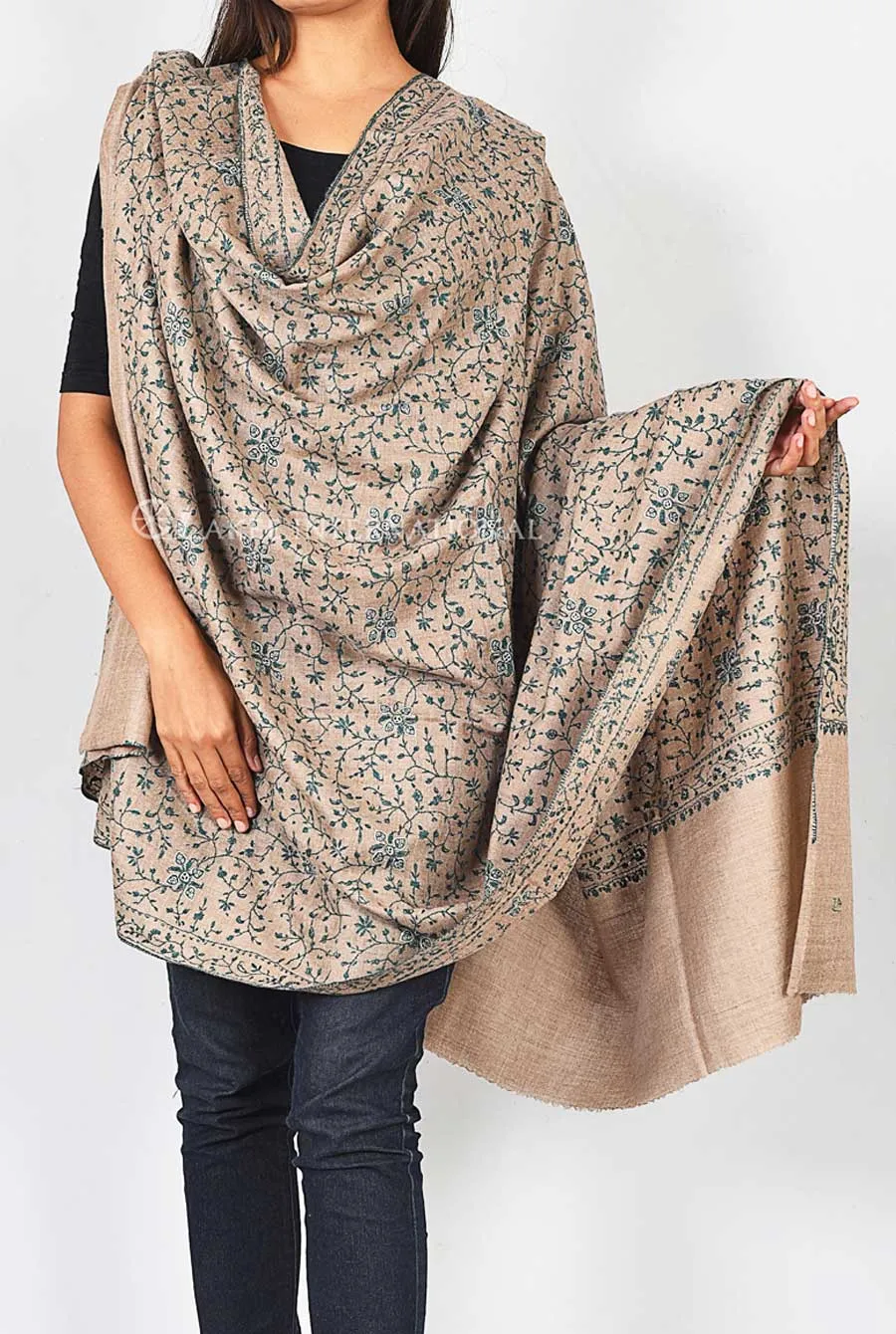
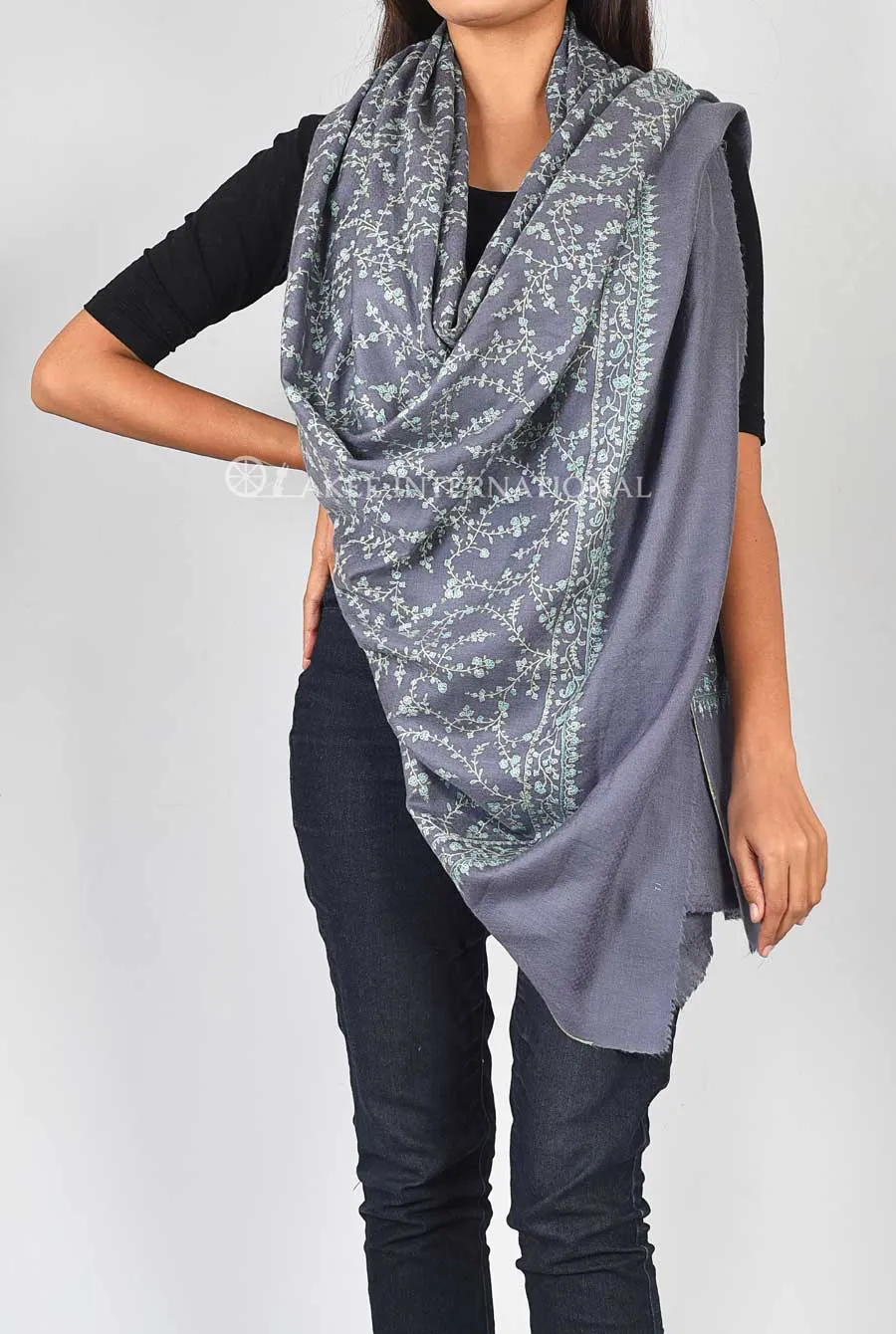
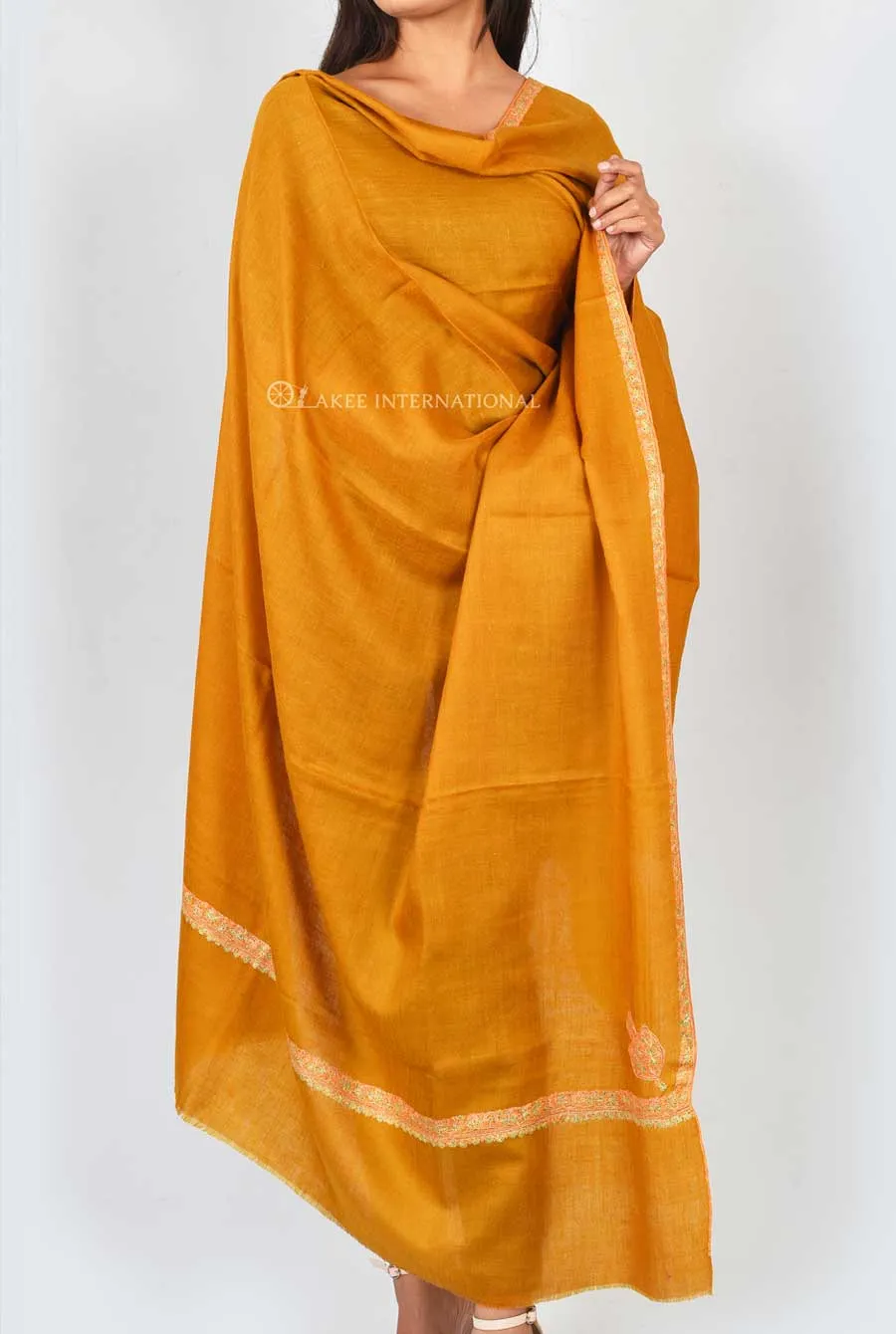
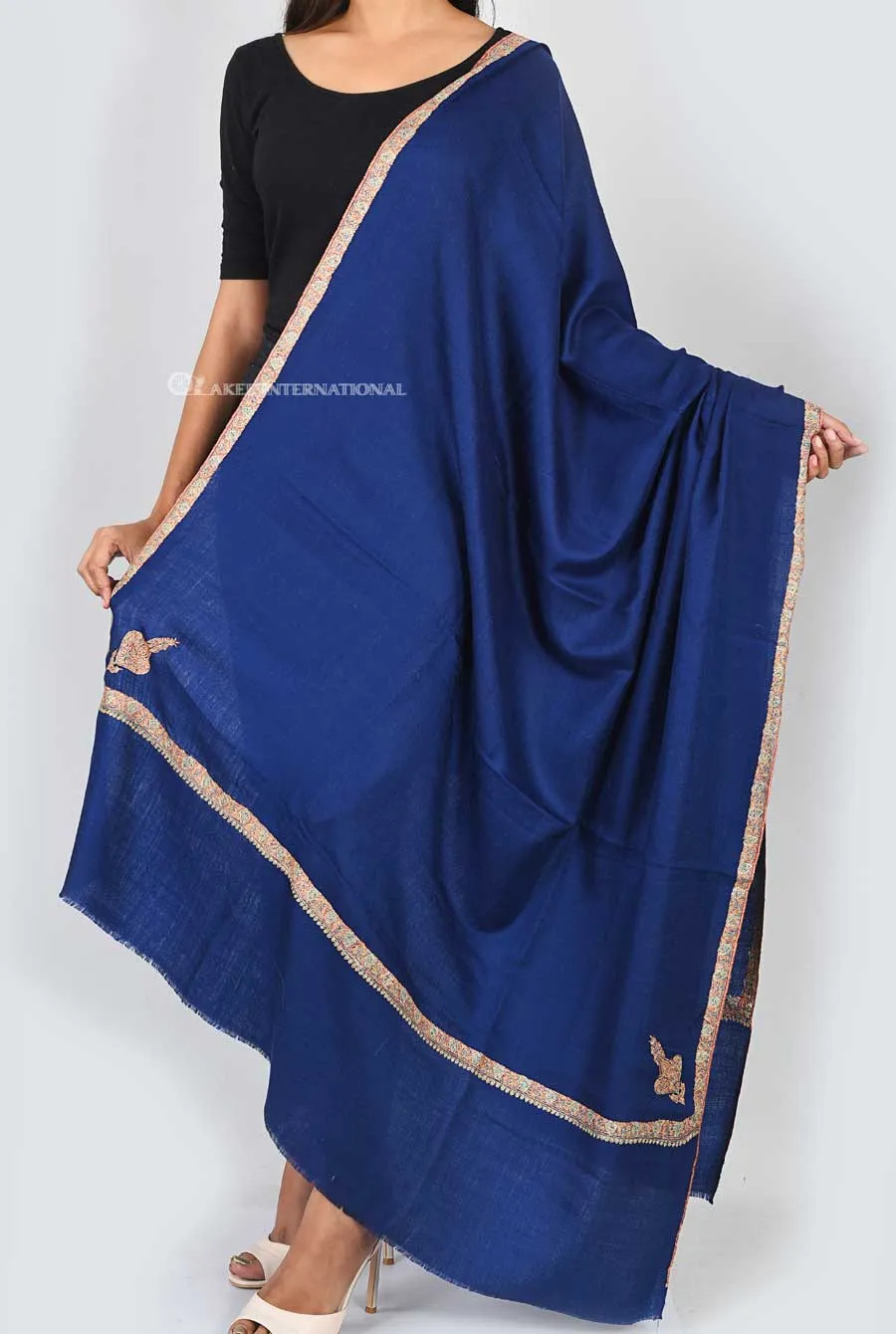
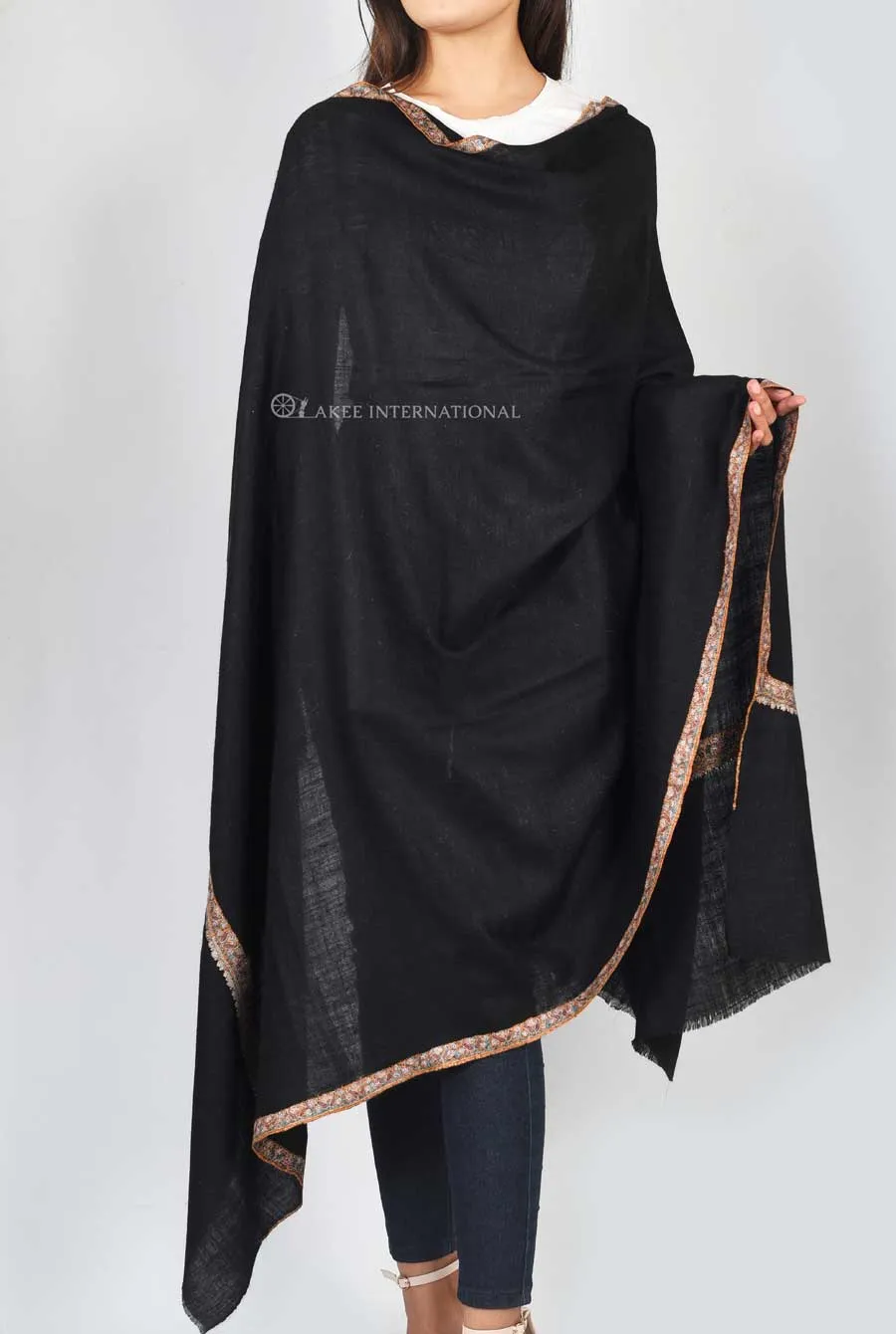
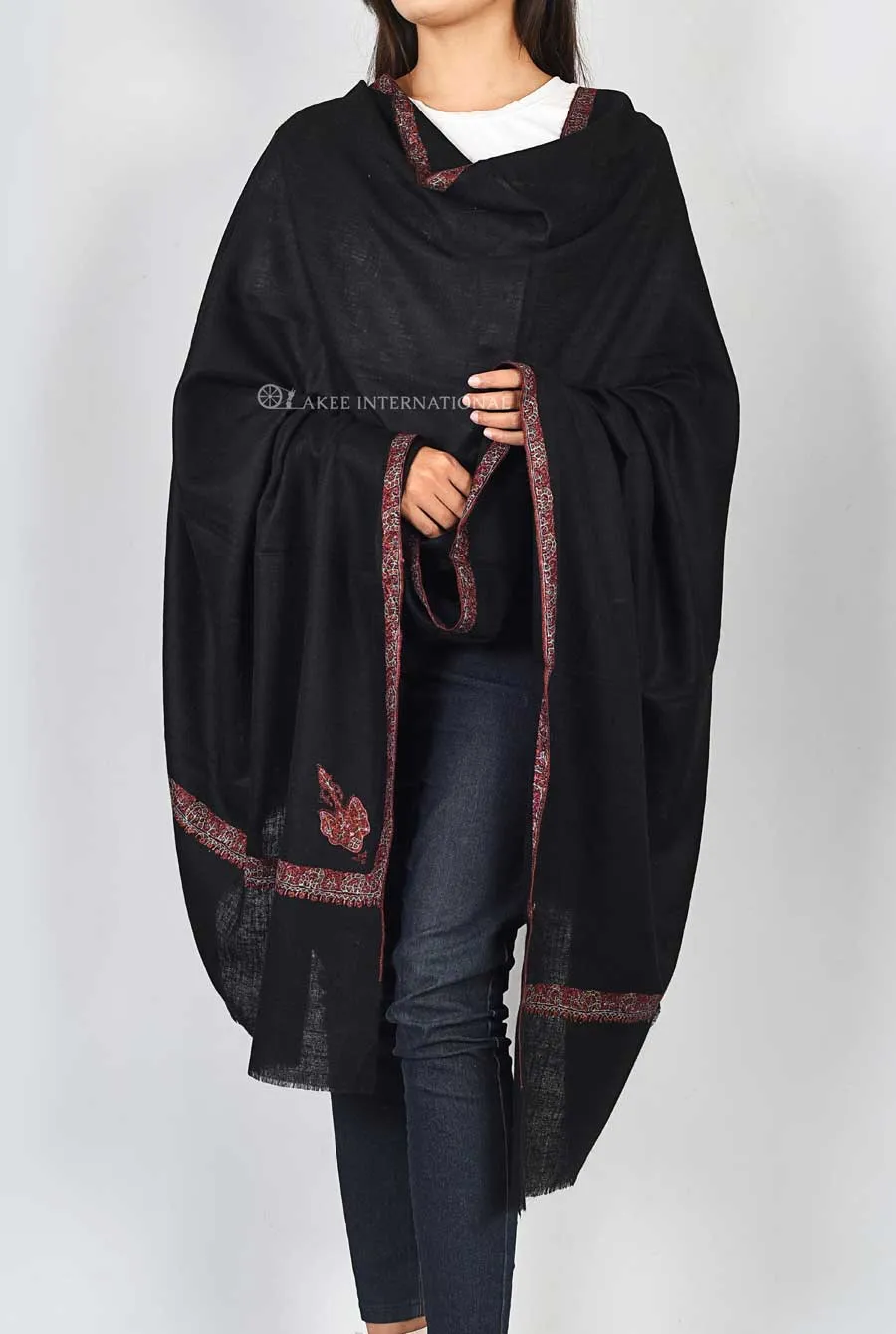
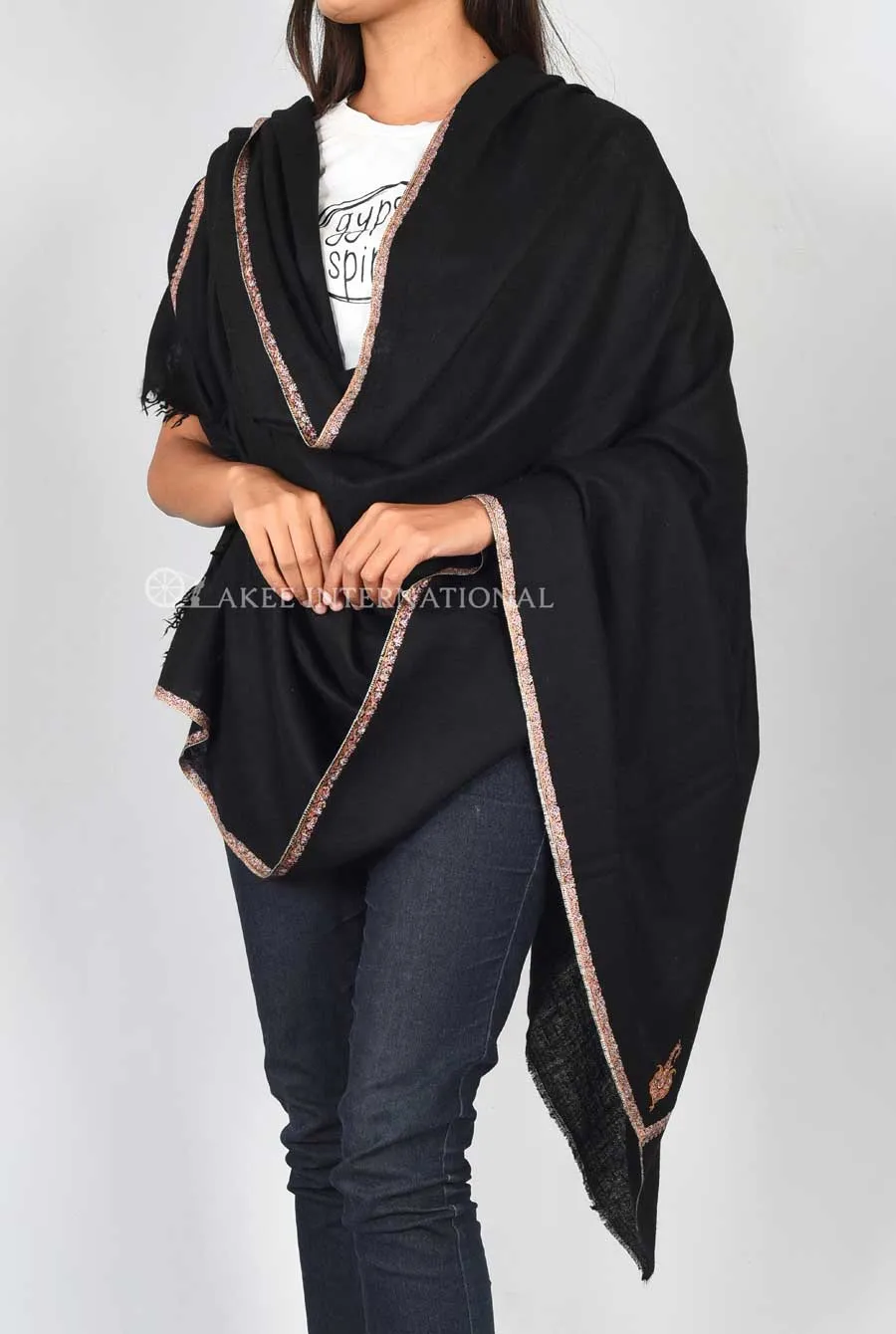
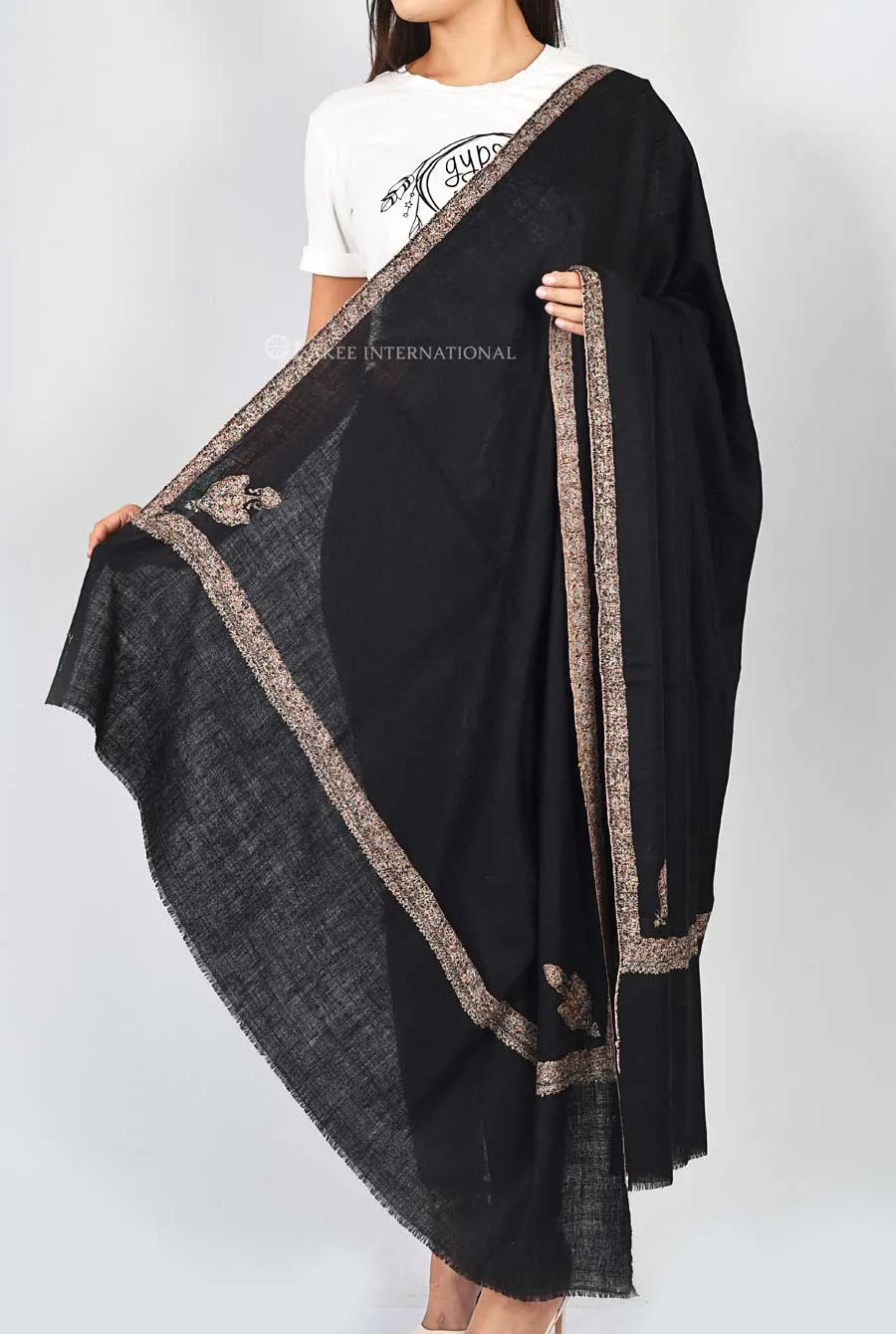
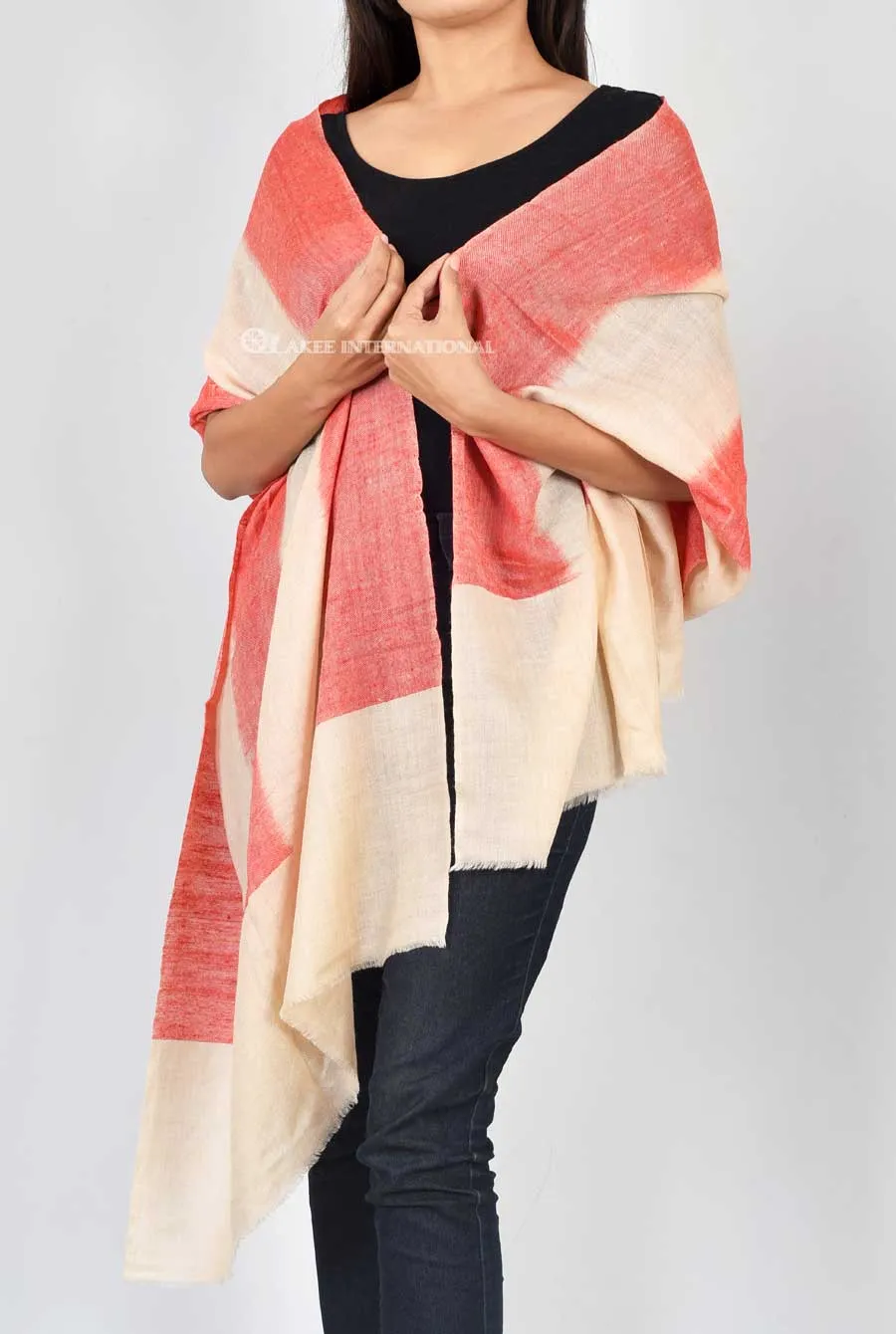
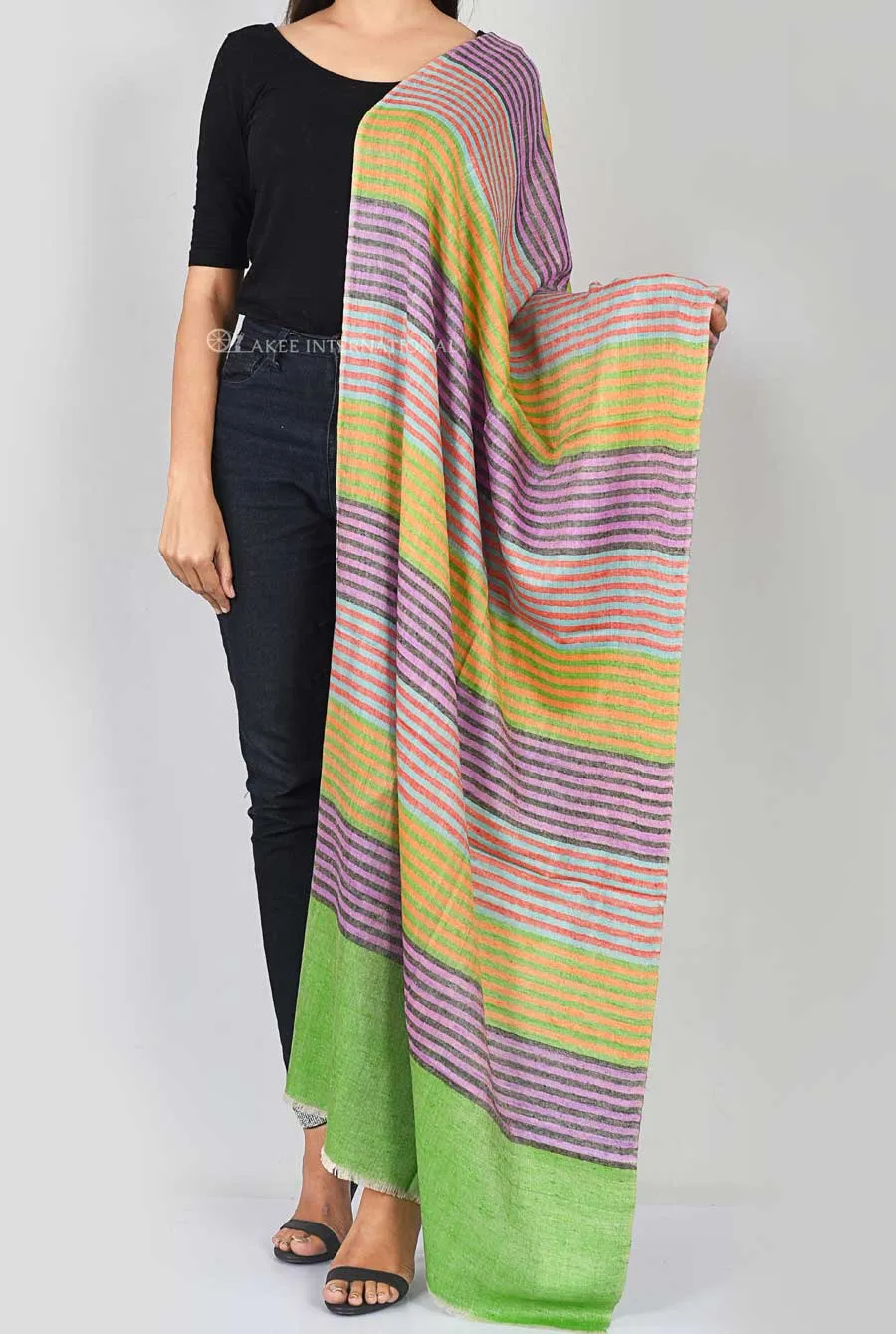
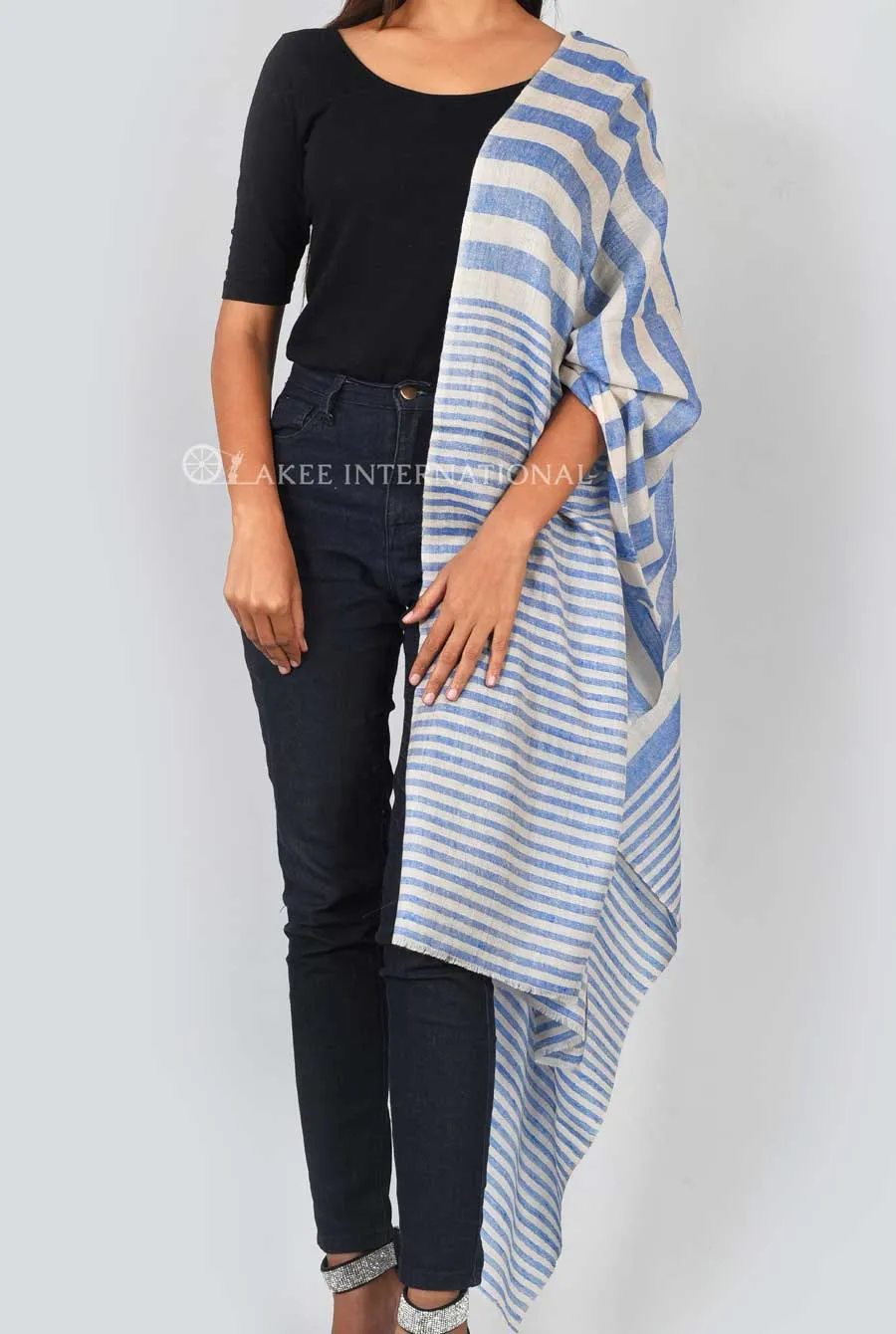
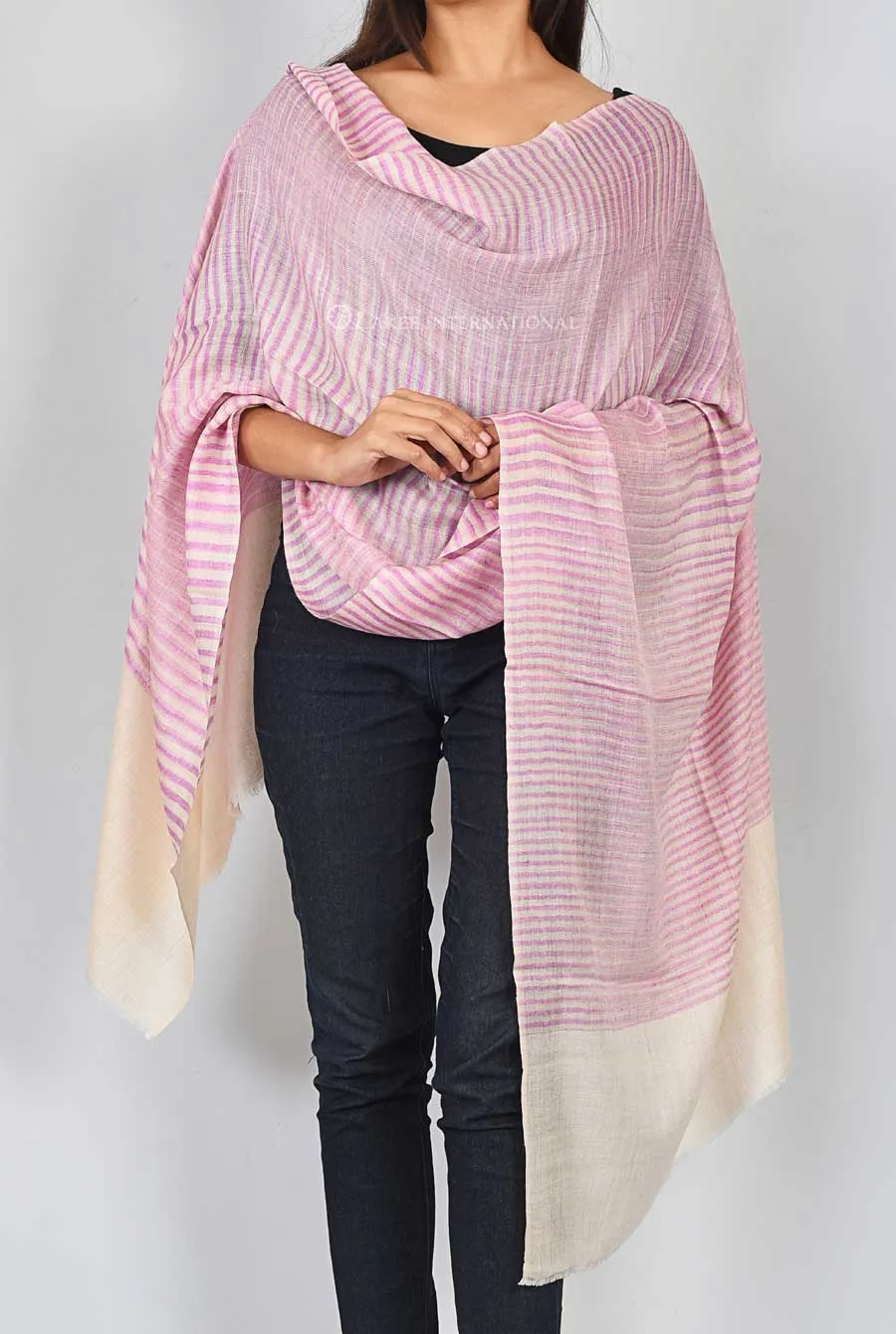
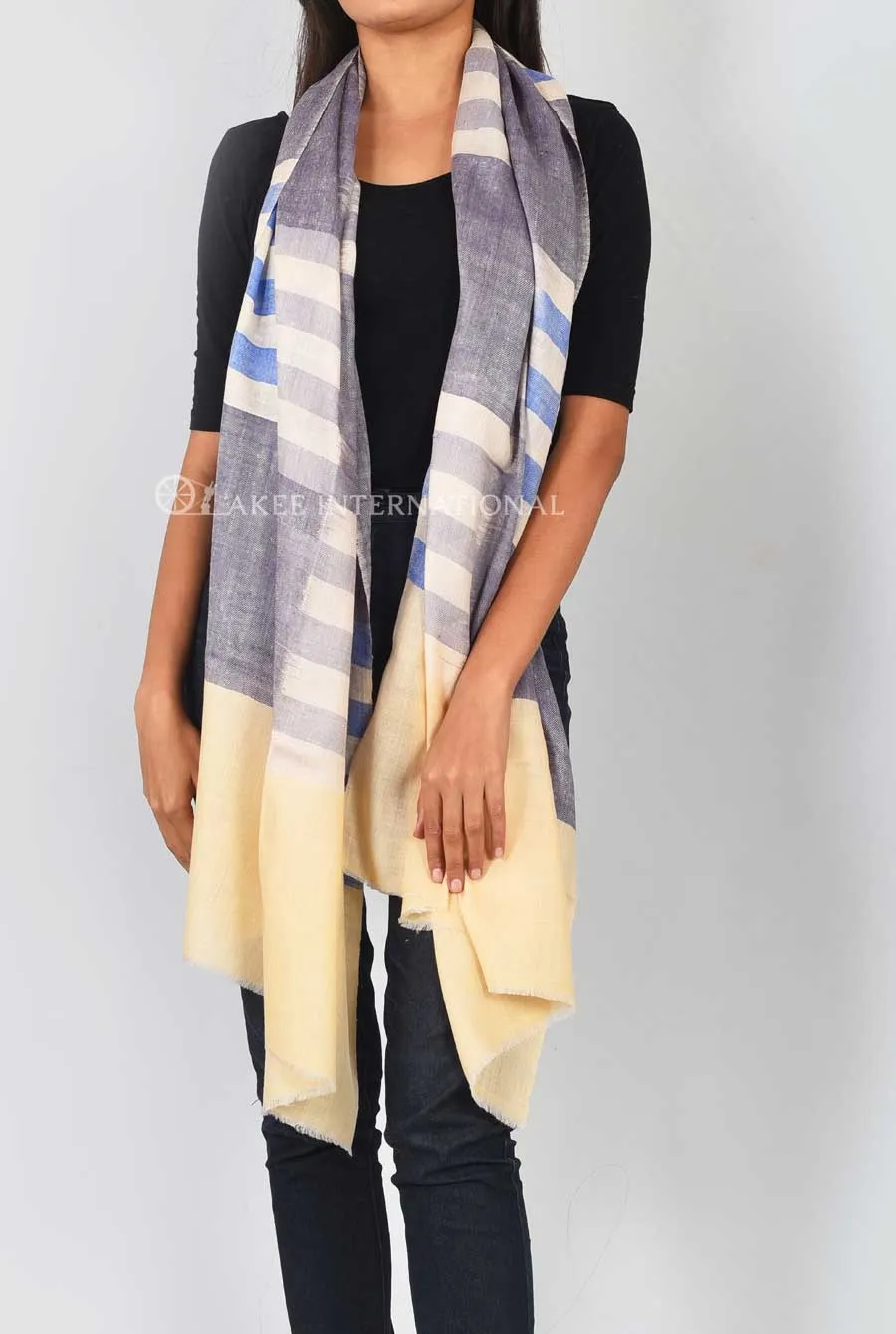
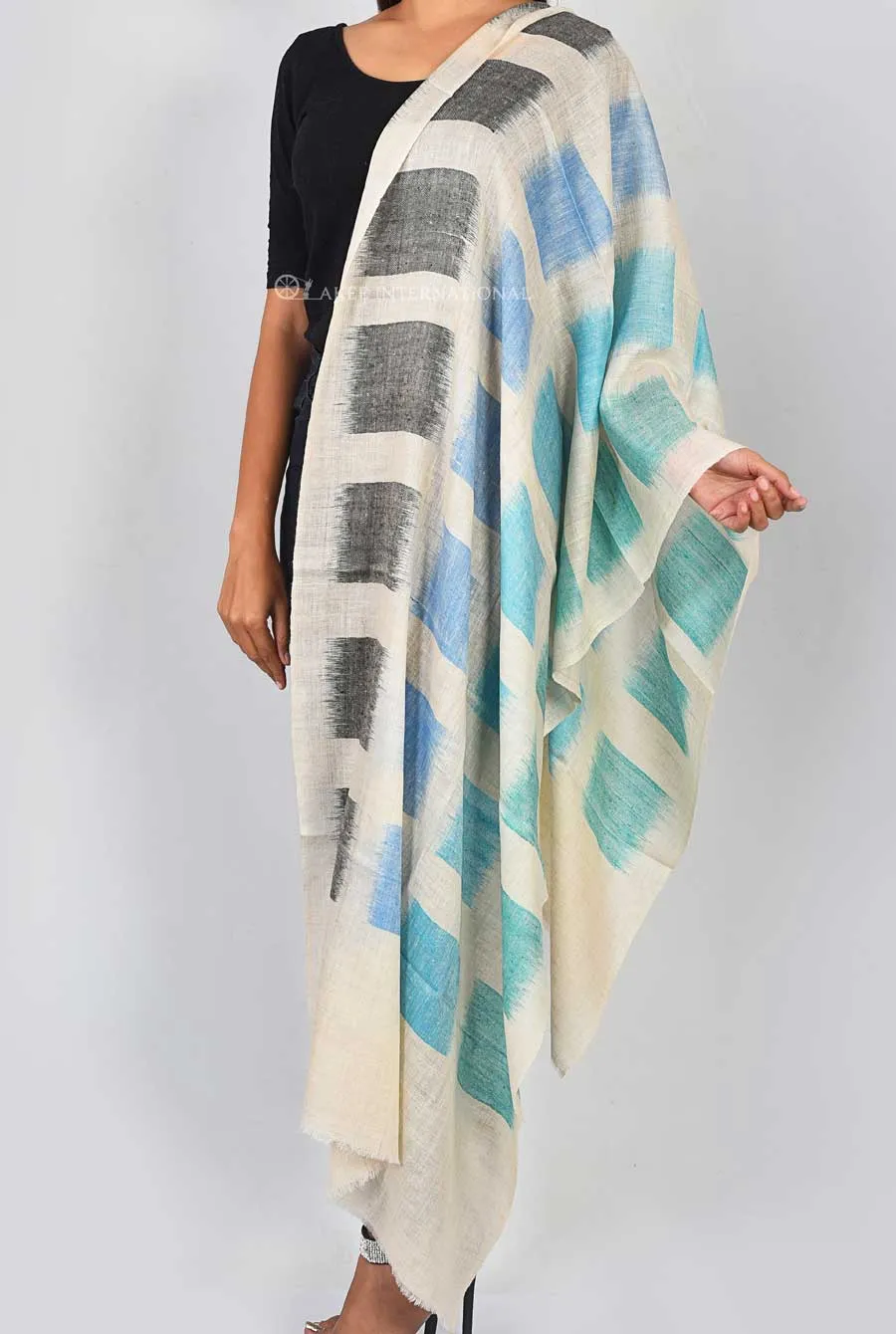
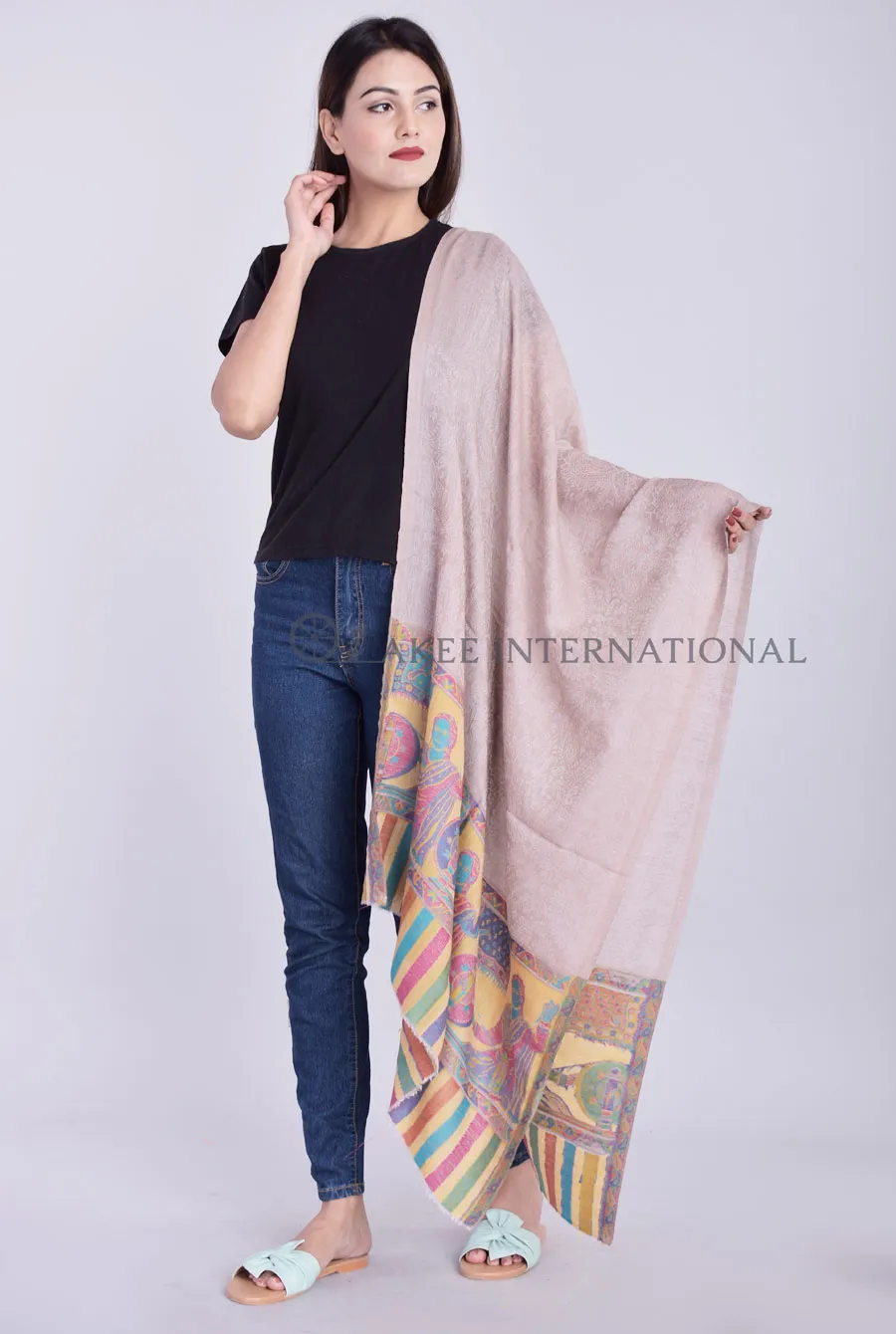
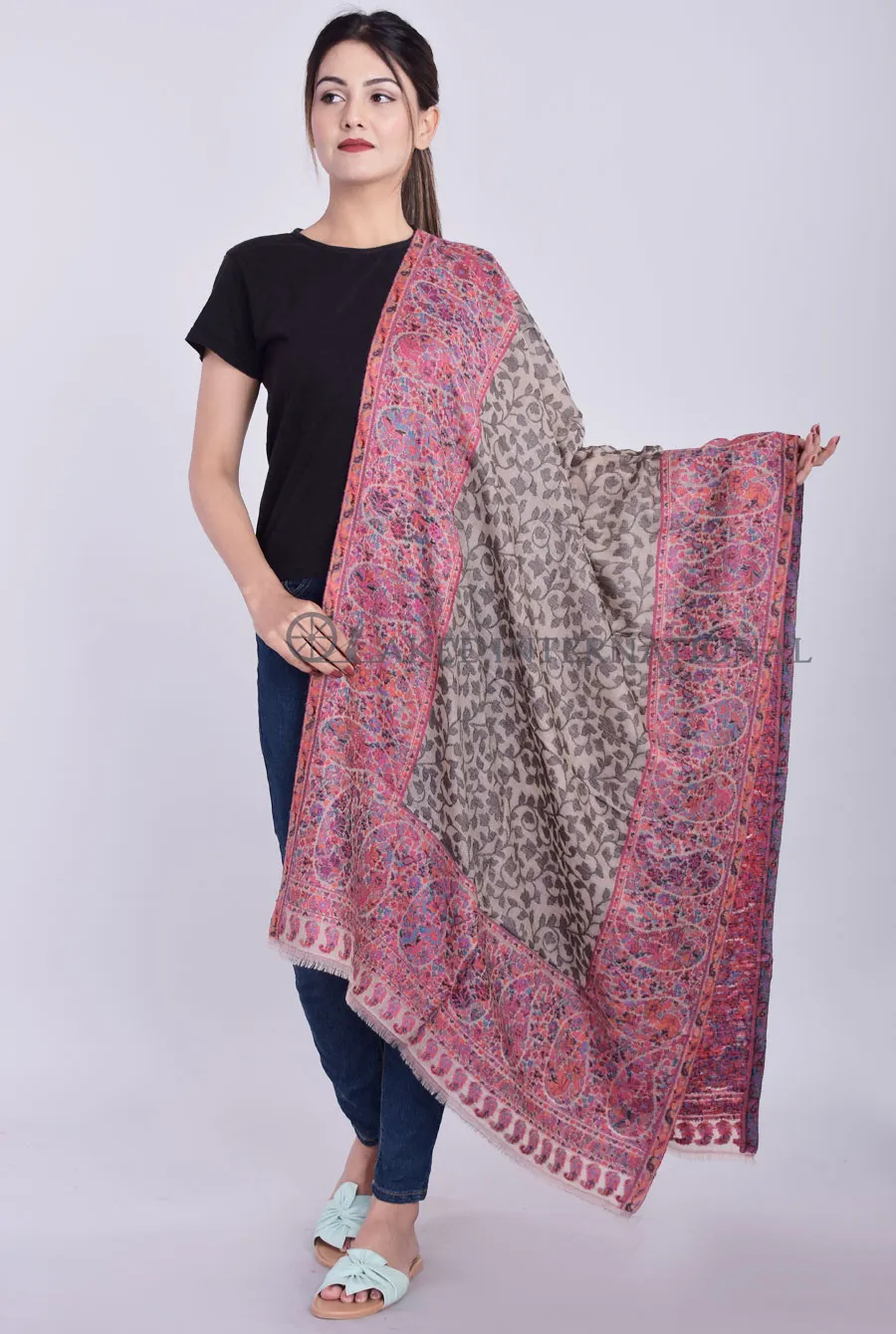
Every manufacturer's website says some version of "working closely with Kashmir artisans." Almost none explain what that collaboration actually looks like in practice — payment structure, skill continuity, quality feedback loops. Since the phrase alone tells you nothing, here's what to look for instead.
Question One: Is the Relationship Direct or Through Middlemen
Some manufacturers source through multiple layers of traders before wool or finished technique ever reaches them, meaning artisans see a fraction of the final price and the manufacturer has limited visibility into actual working conditions. A manufacturer with a direct artisan relationship can usually describe specific families or artisan groups they've worked with over years, not just a vague regional claim.
Question Two: Does the Manufacturer Understand the Craft, or Just Buy the Output
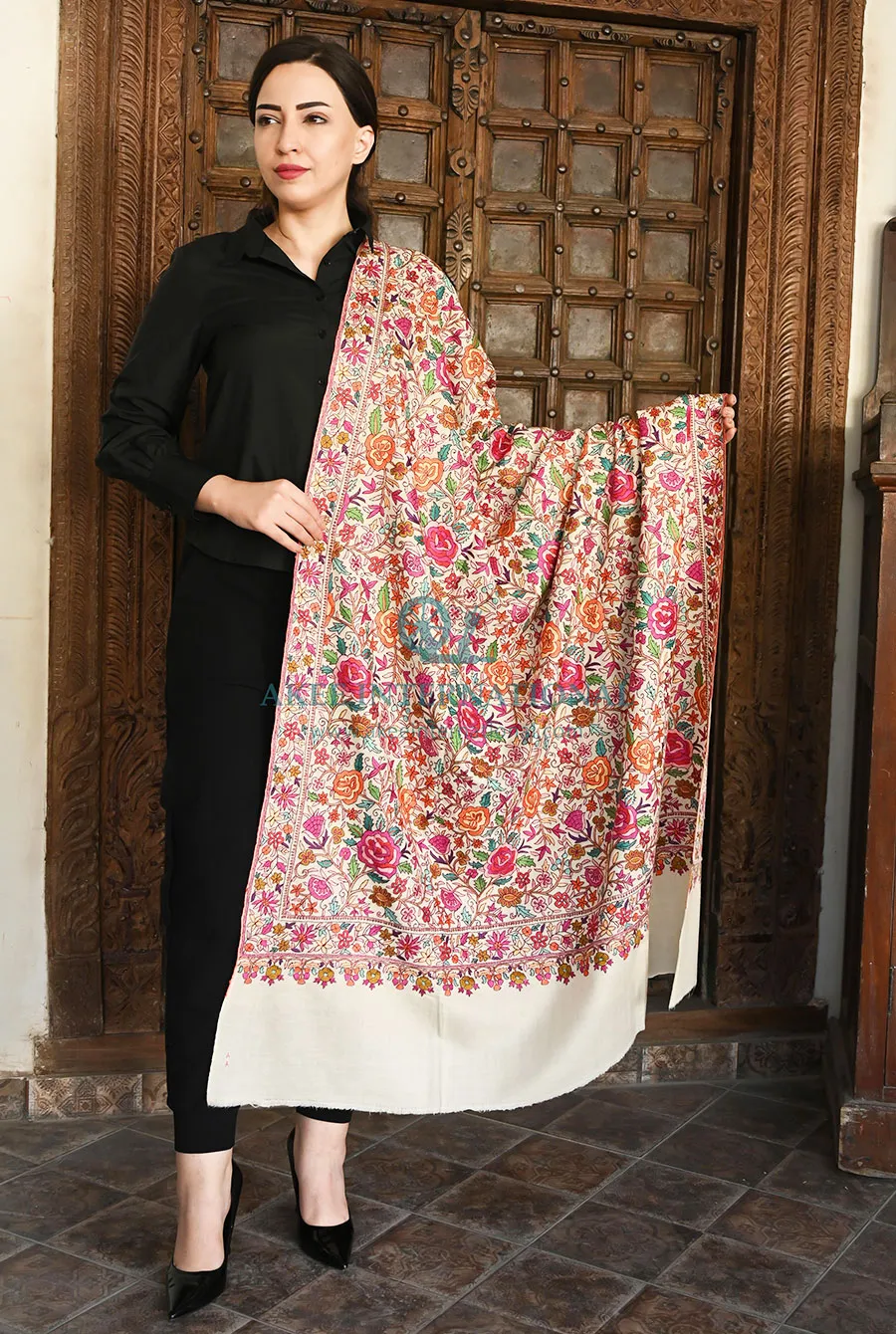
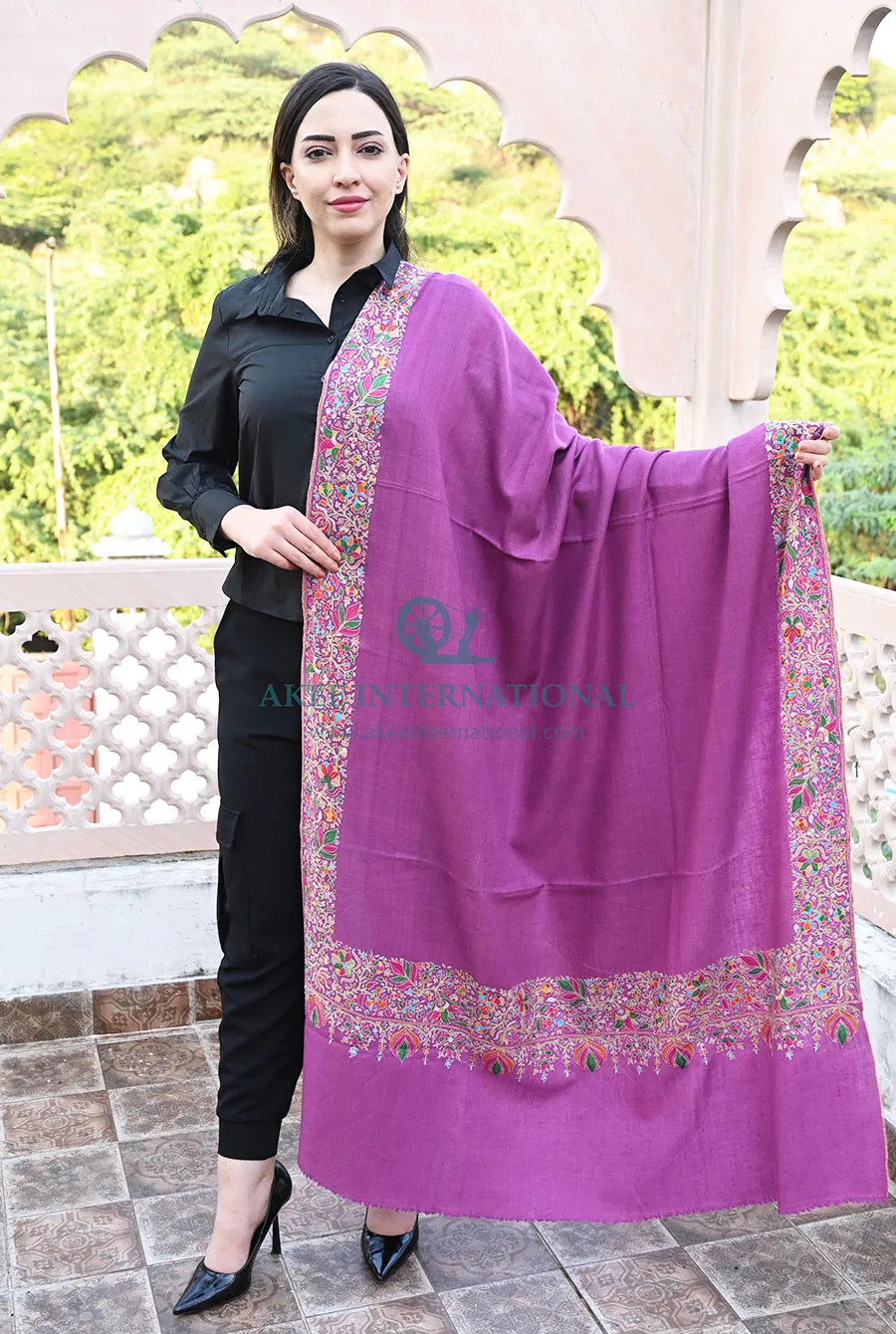
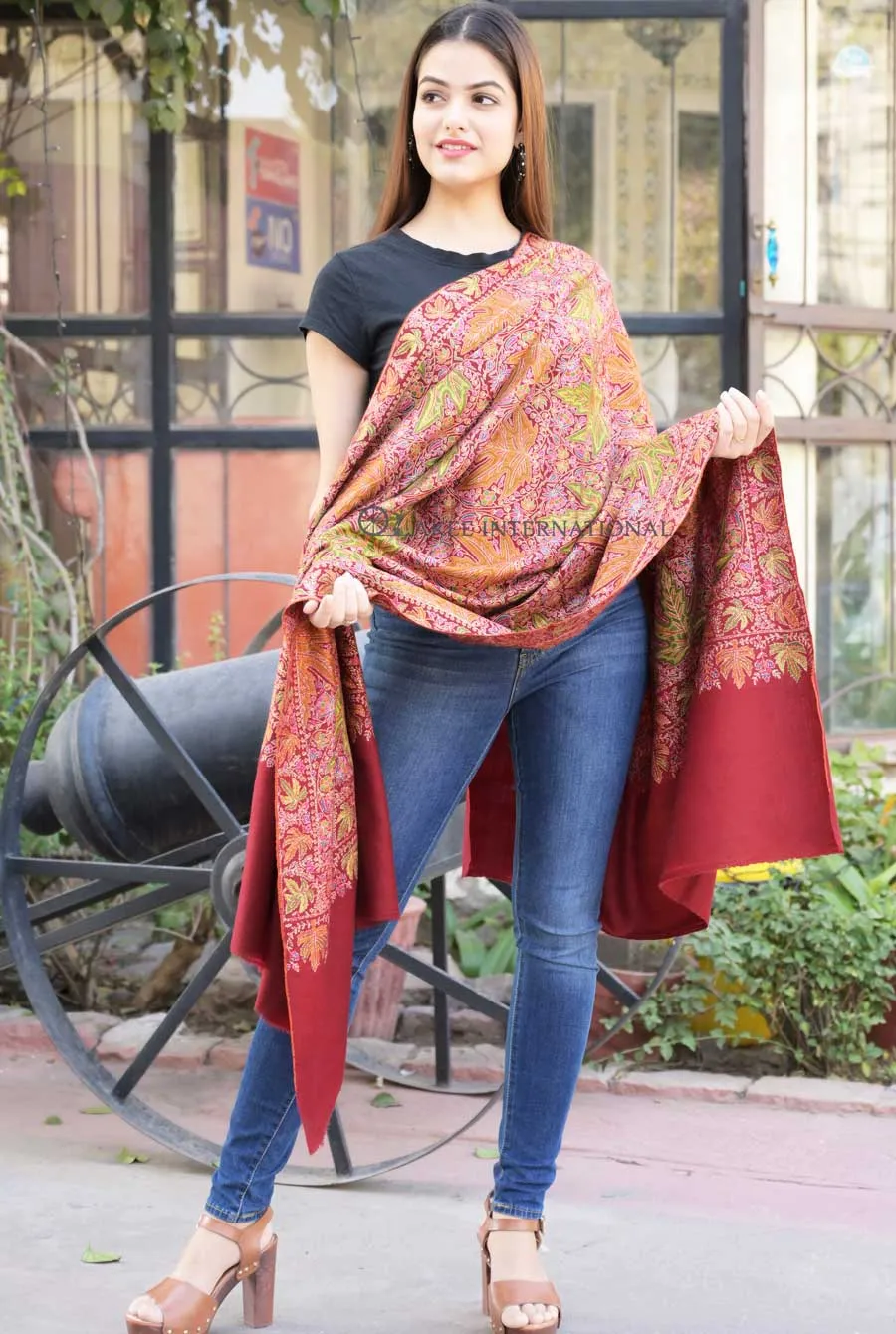
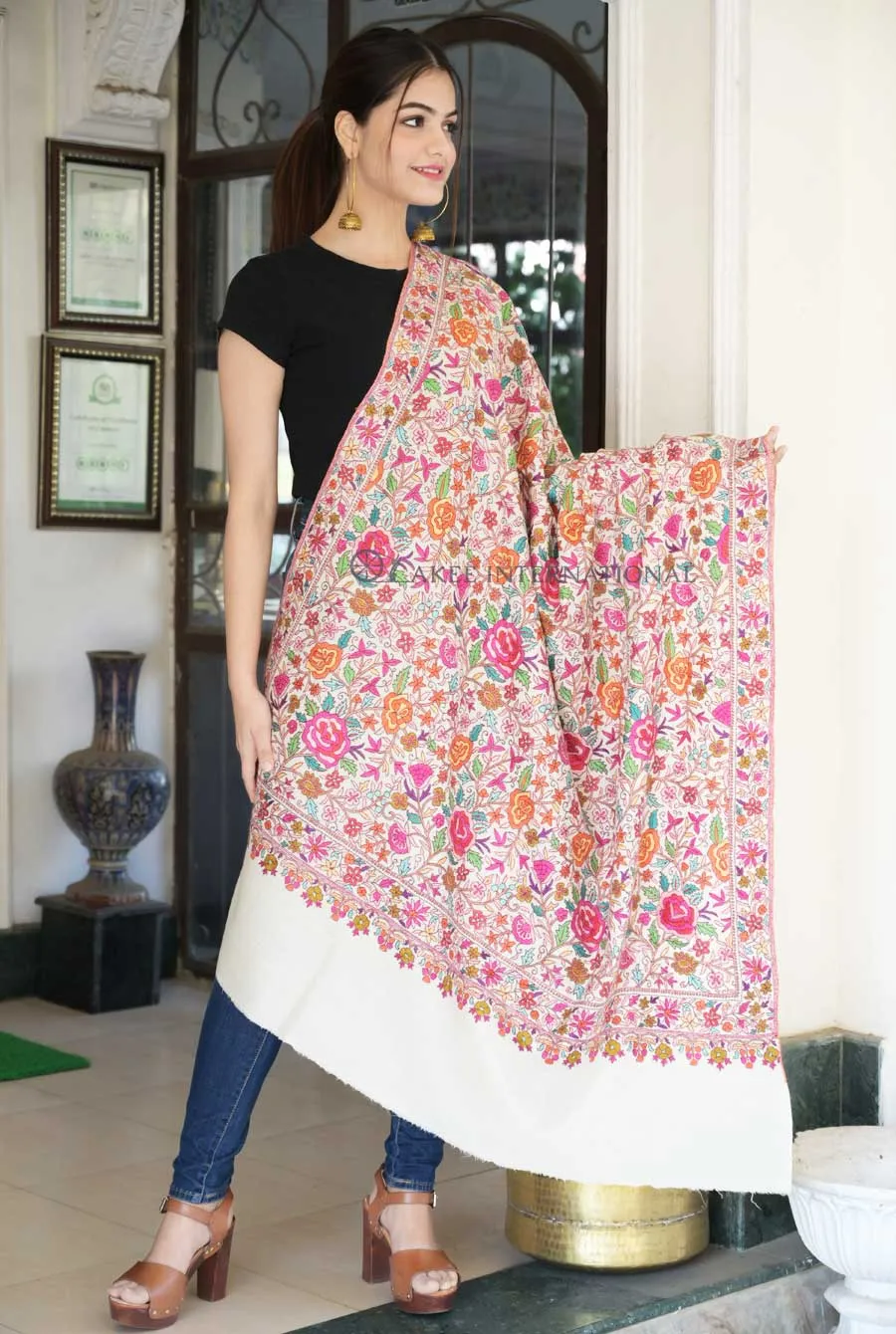
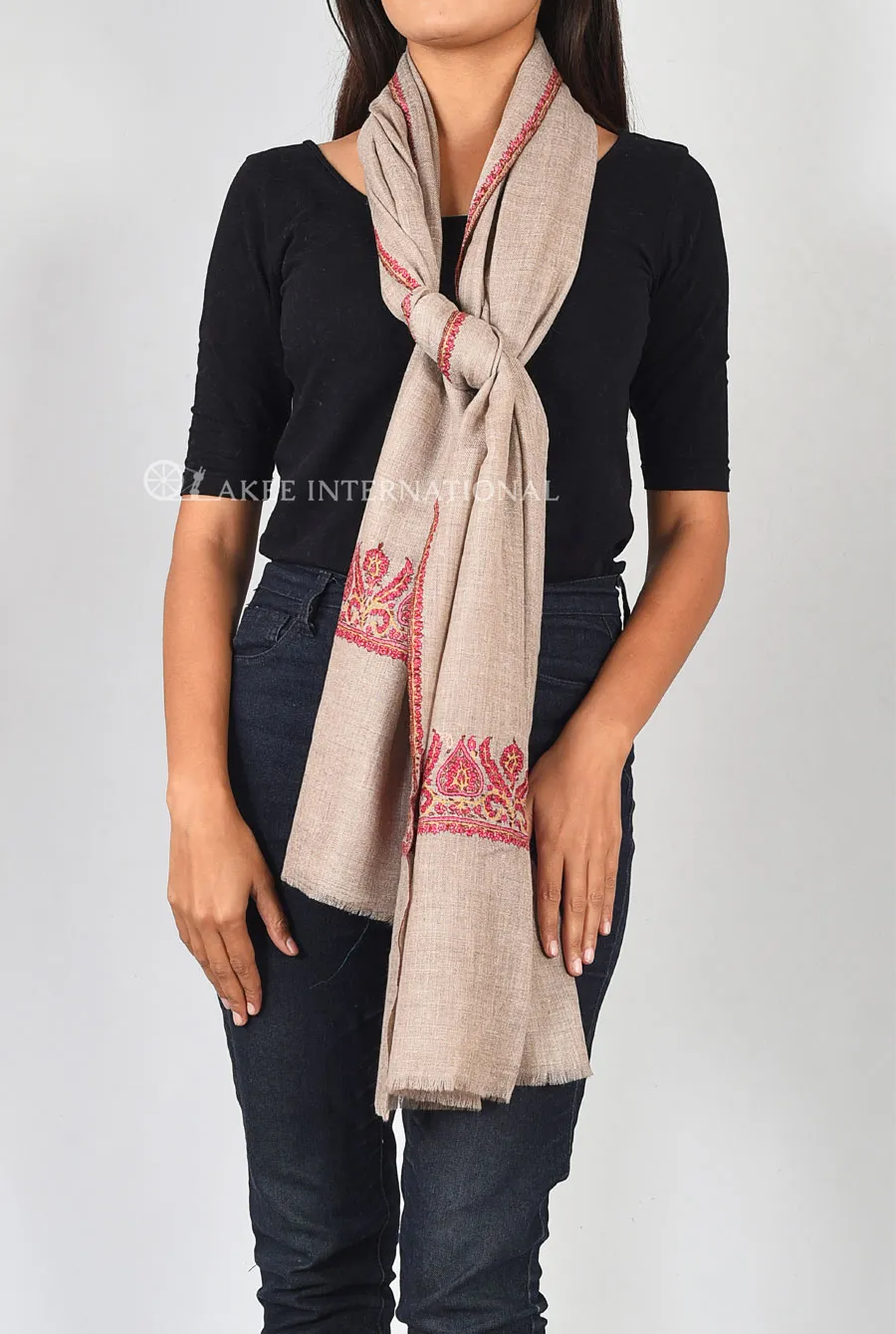
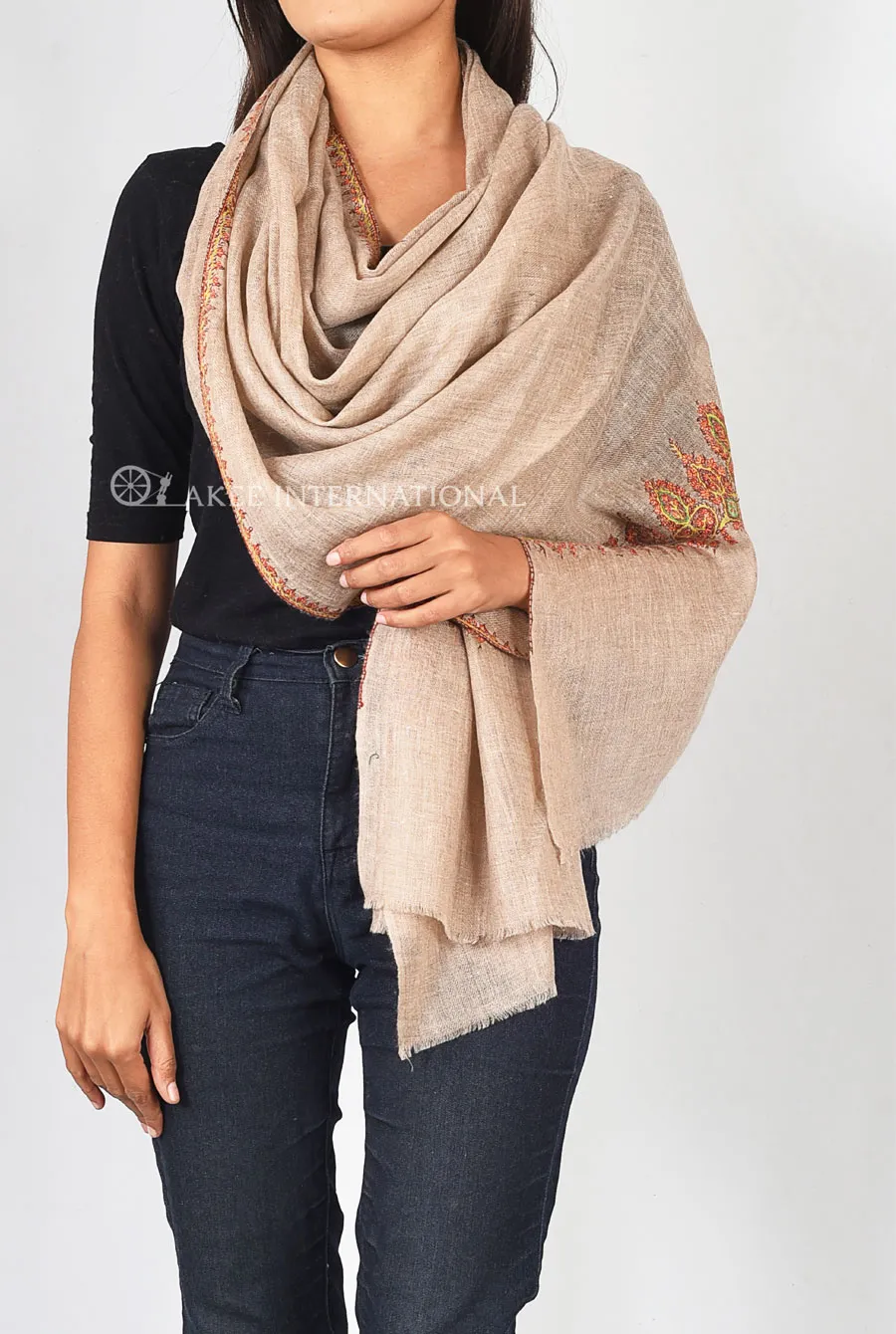
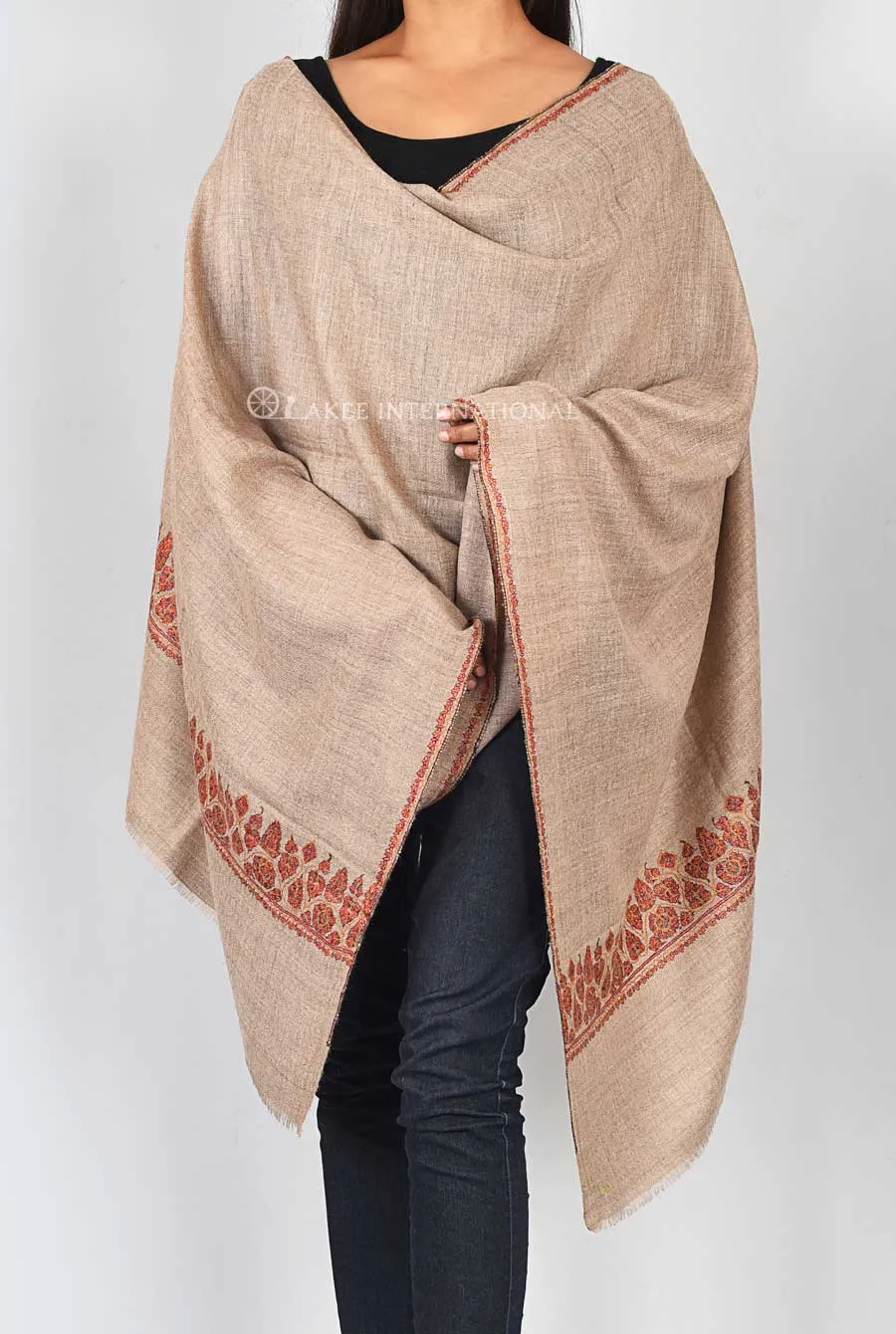
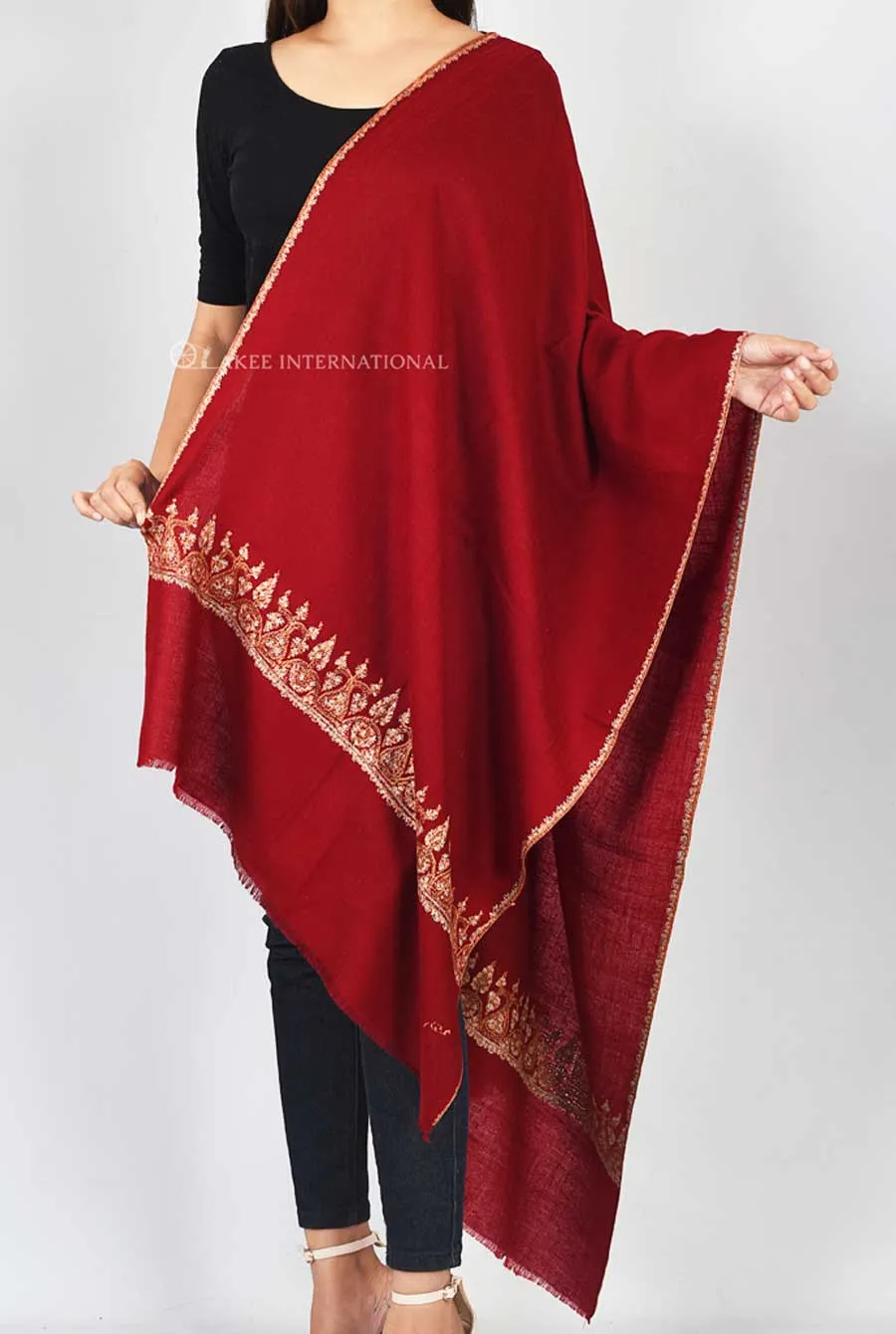
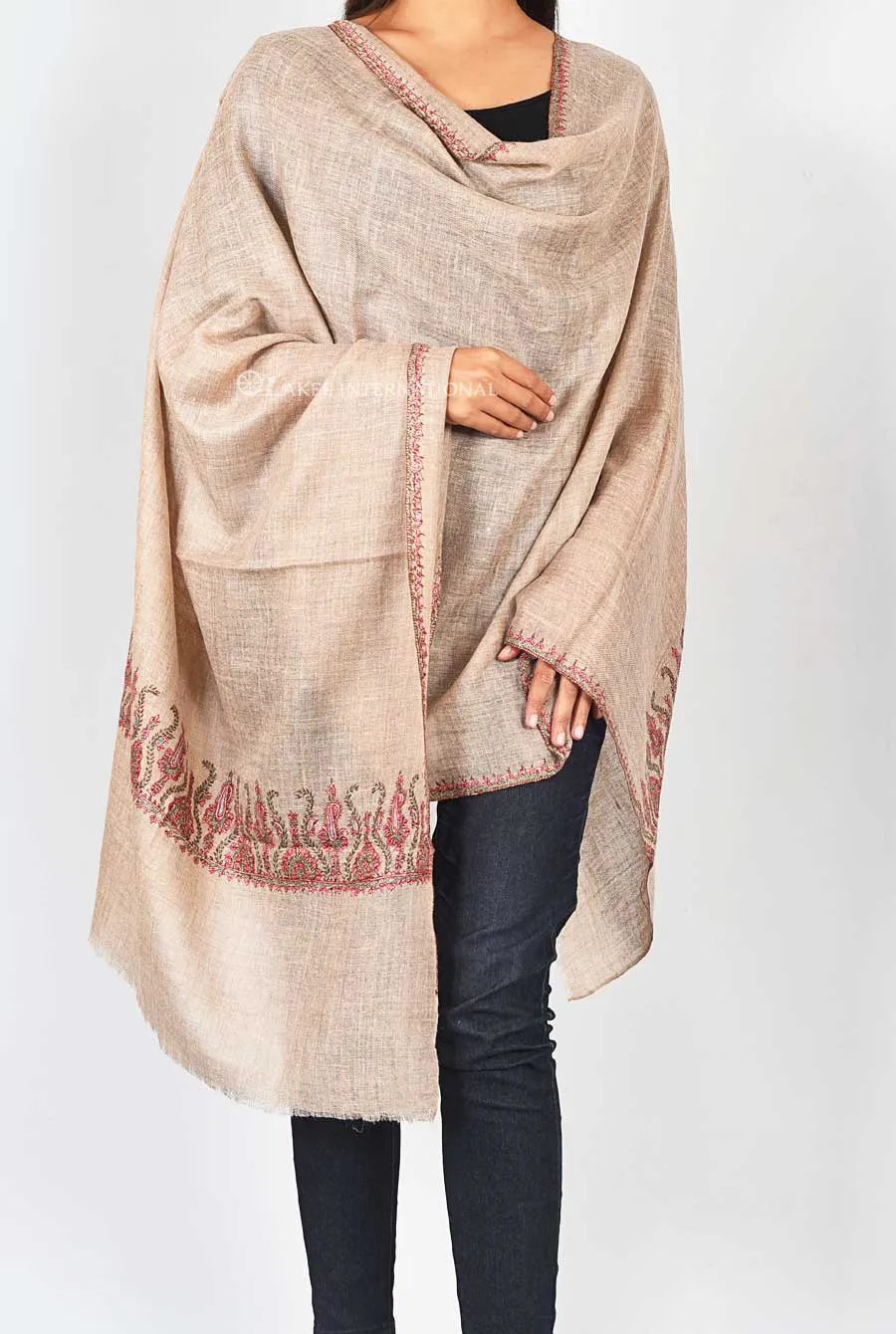
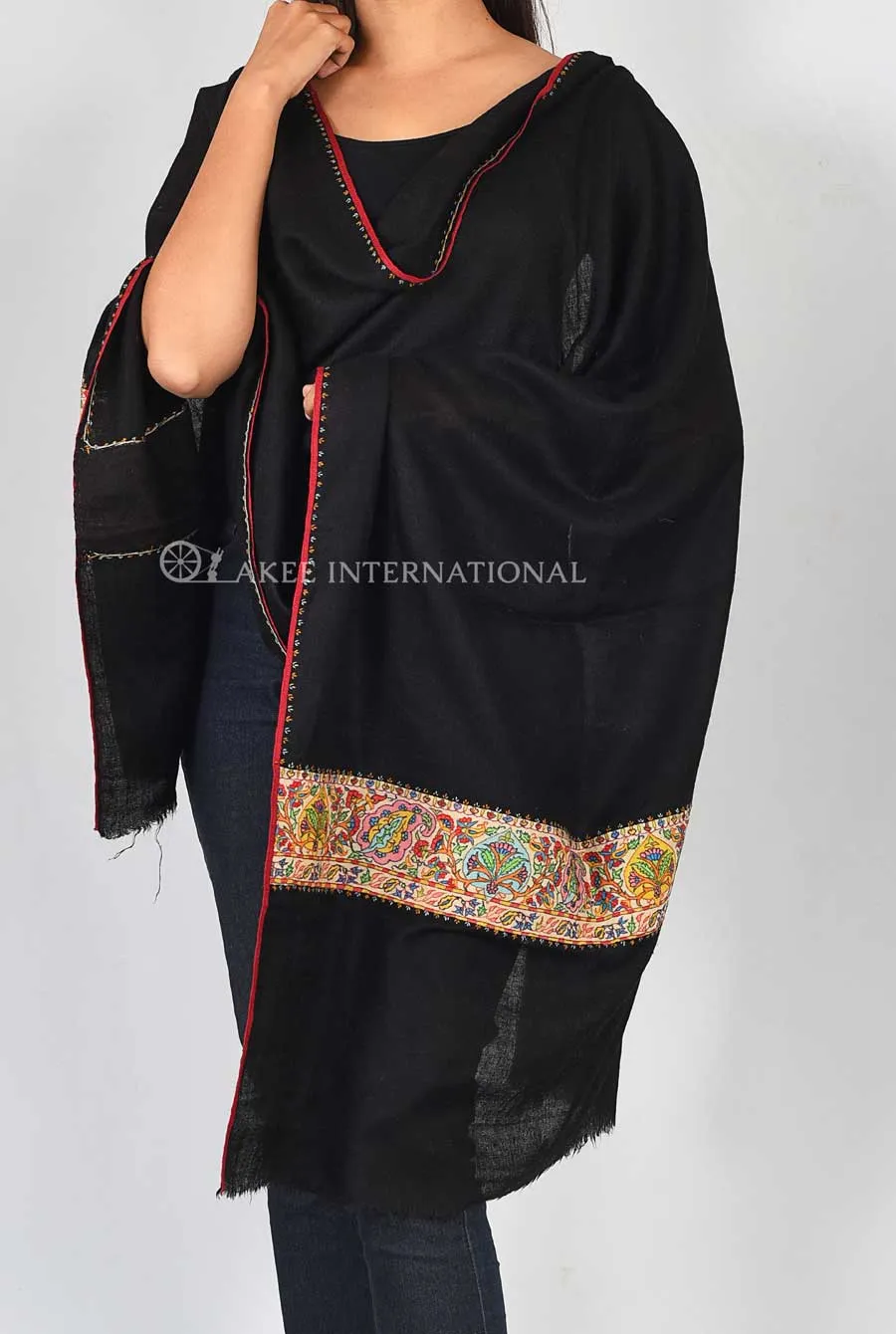
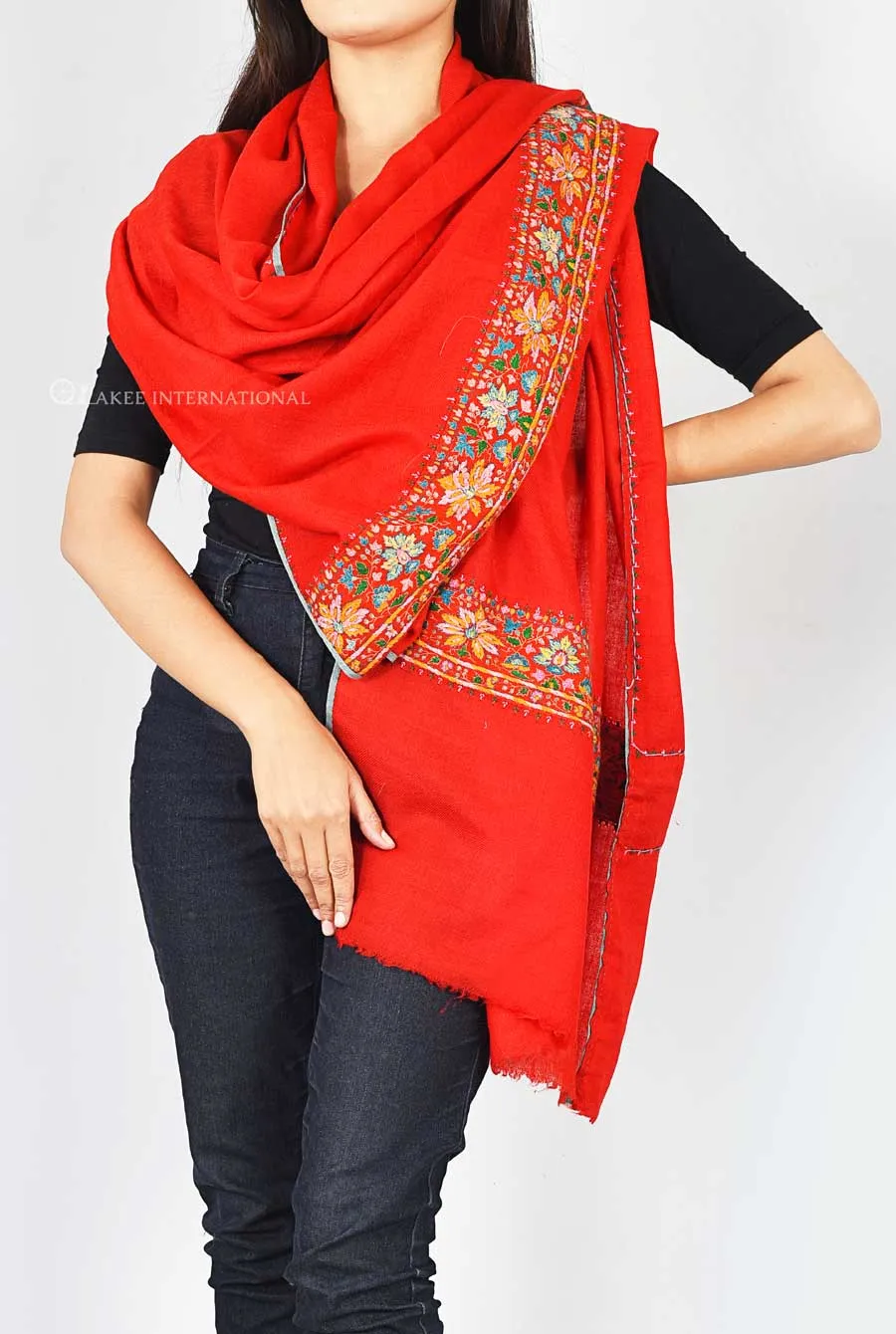
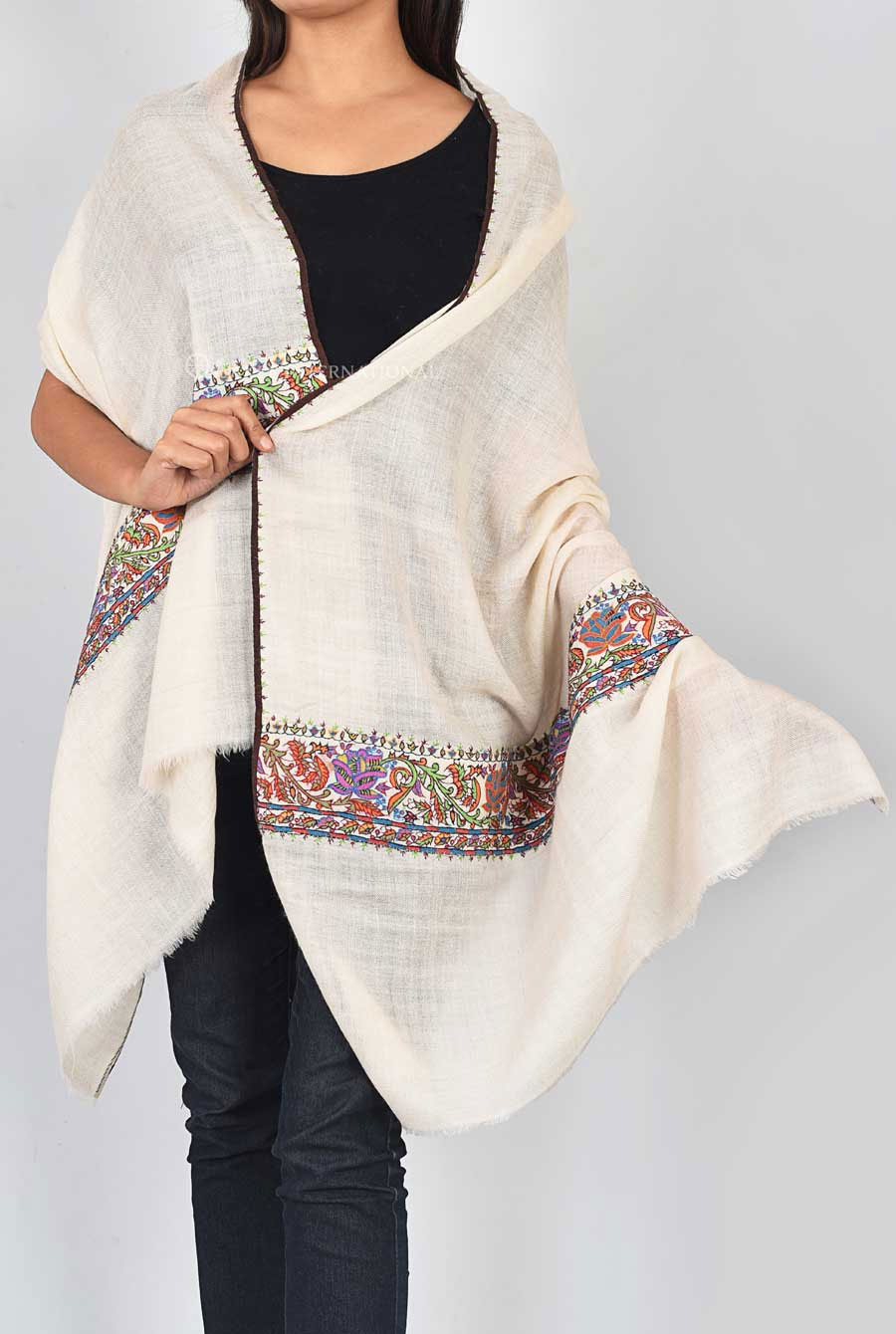
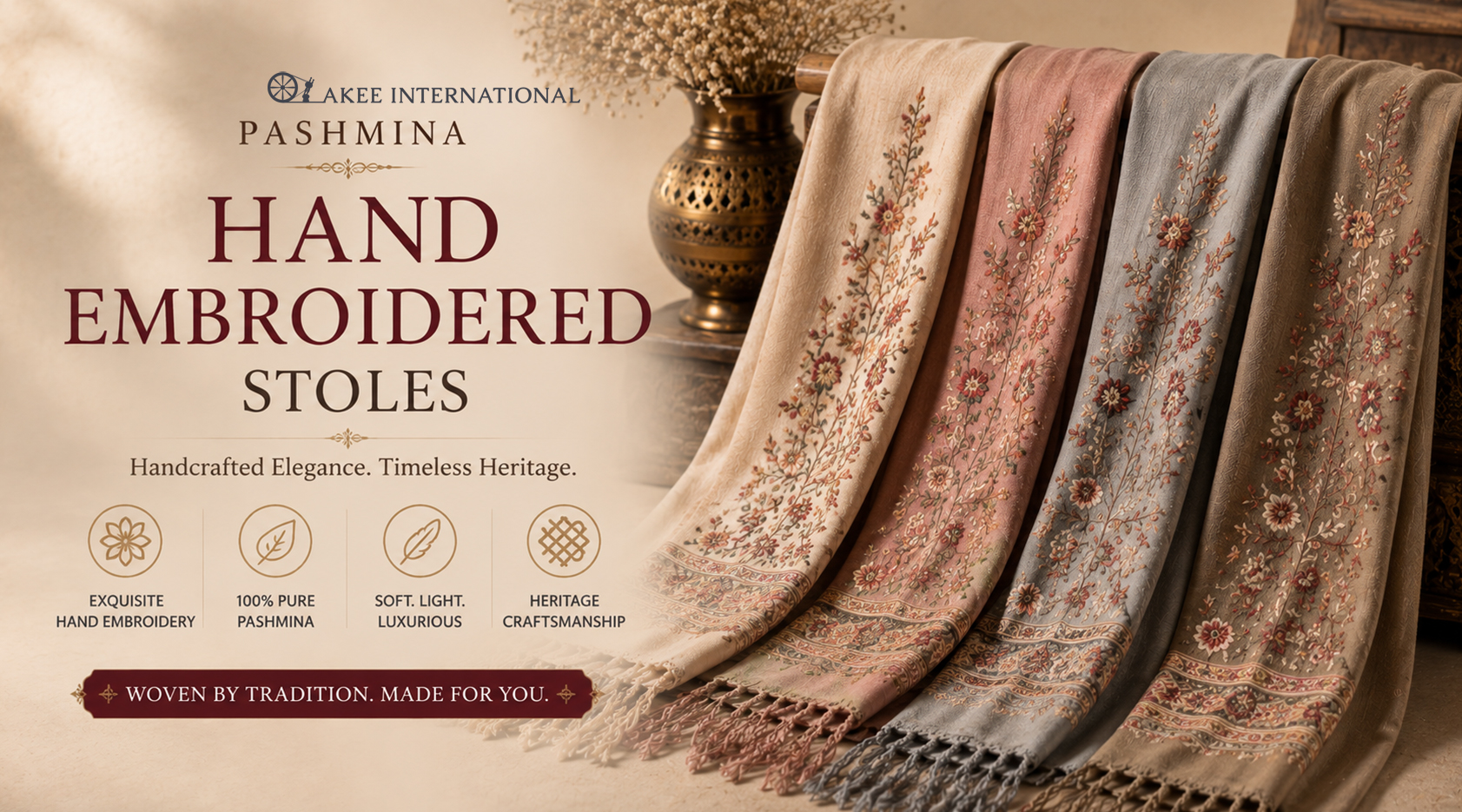
There's a meaningful difference between a manufacturer who can explain why Sozni stitching takes weeks versus a manufacturer who simply lists "hand embroidered" without technical understanding. Founder-level craft knowledge — in our case, rooted in a Kashmiri family history of embroidery and weaving — tends to produce more accurate sourcing and quality decisions than a purely commercial buyer-seller relationship.
Question Three: How Is Quality Feedback Handled
Genuine collaboration means artisan work gets evaluated and artisans get paid fairly for skill level, not just piece count. Ask a manufacturer how they assess a finished piece before it enters their catalogue — a specific answer about checking weave tension, embroidery consistency, and finishing quality suggests real oversight, not just repackaging whatever arrives.
Where Our Own Collaboration Sits
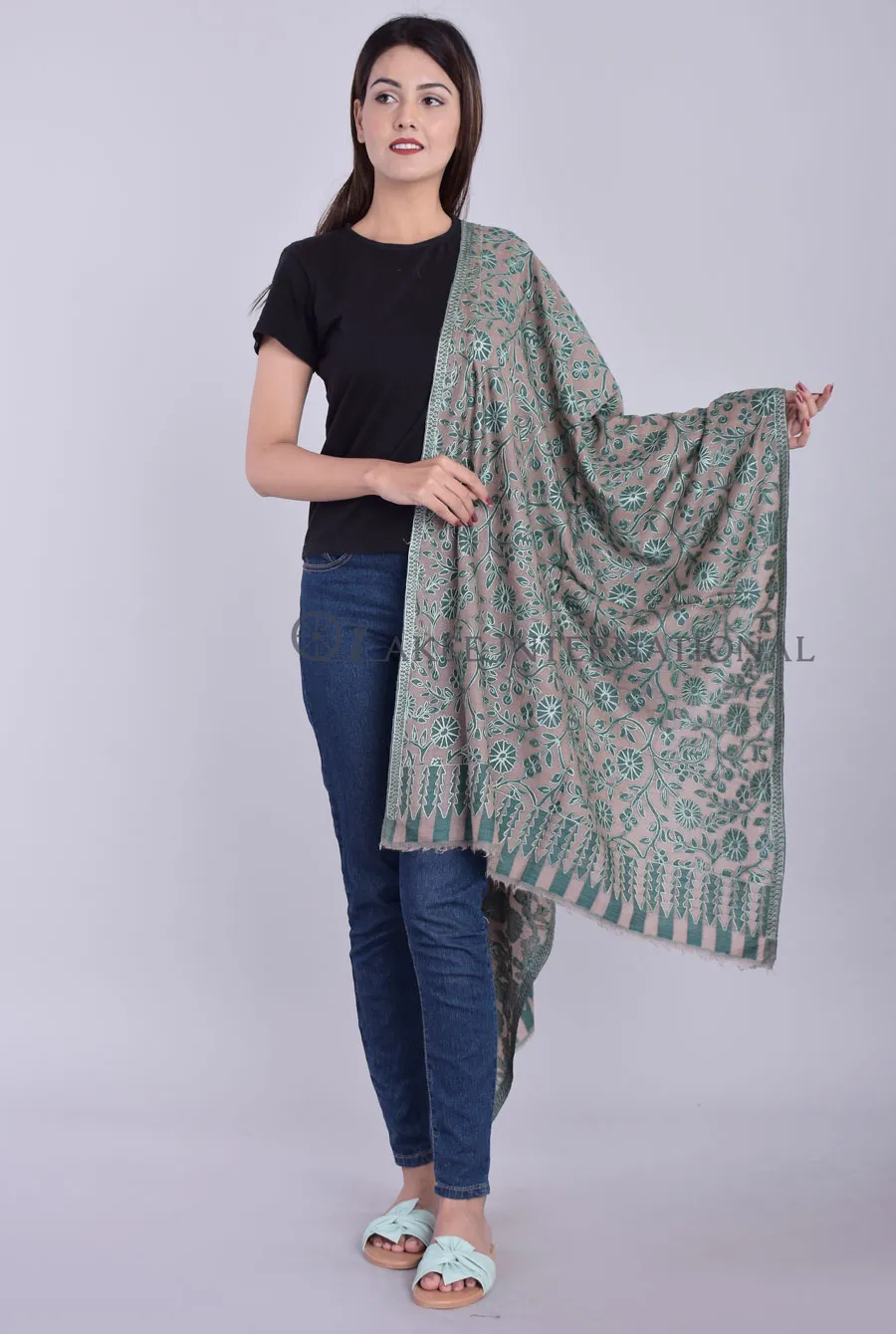
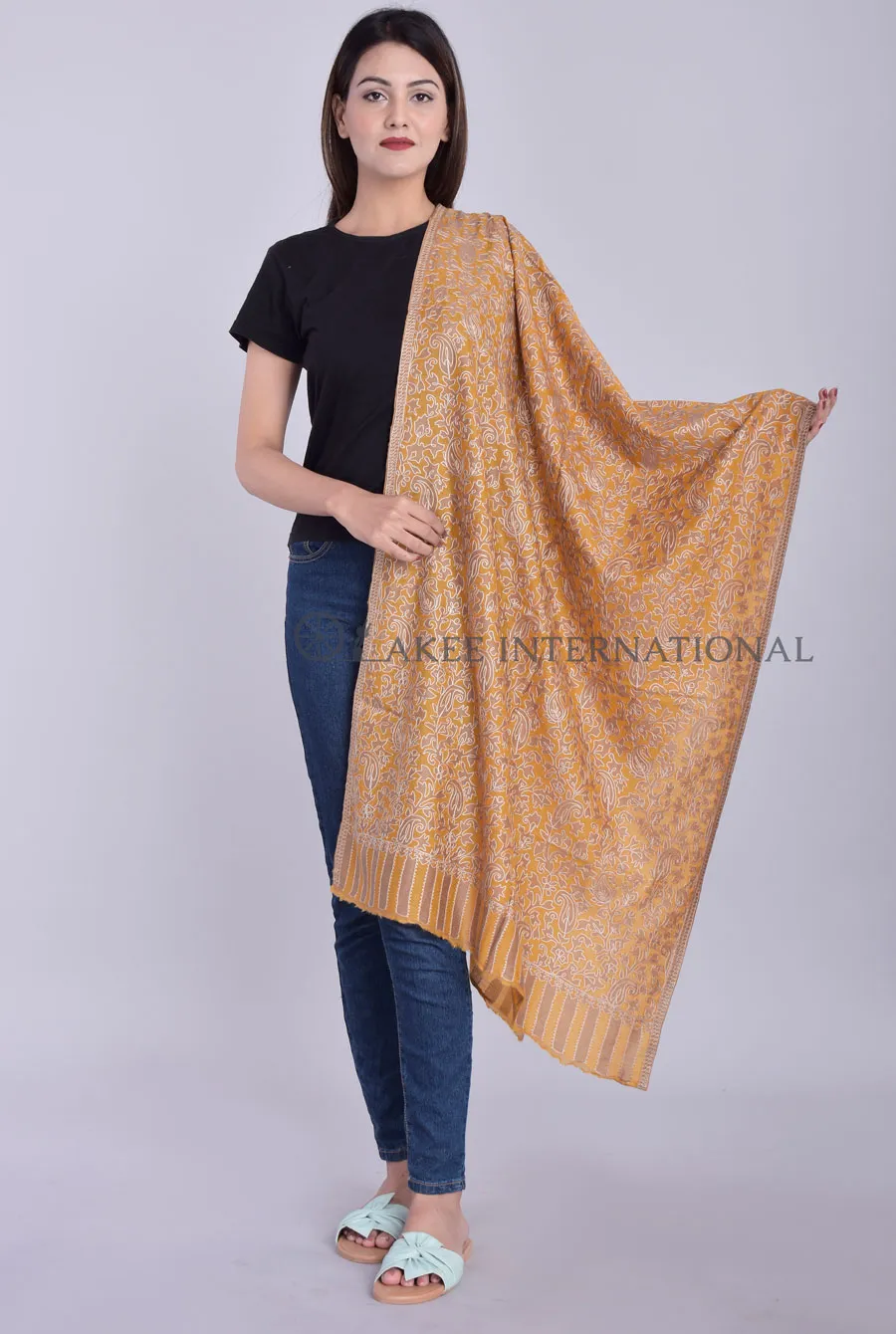
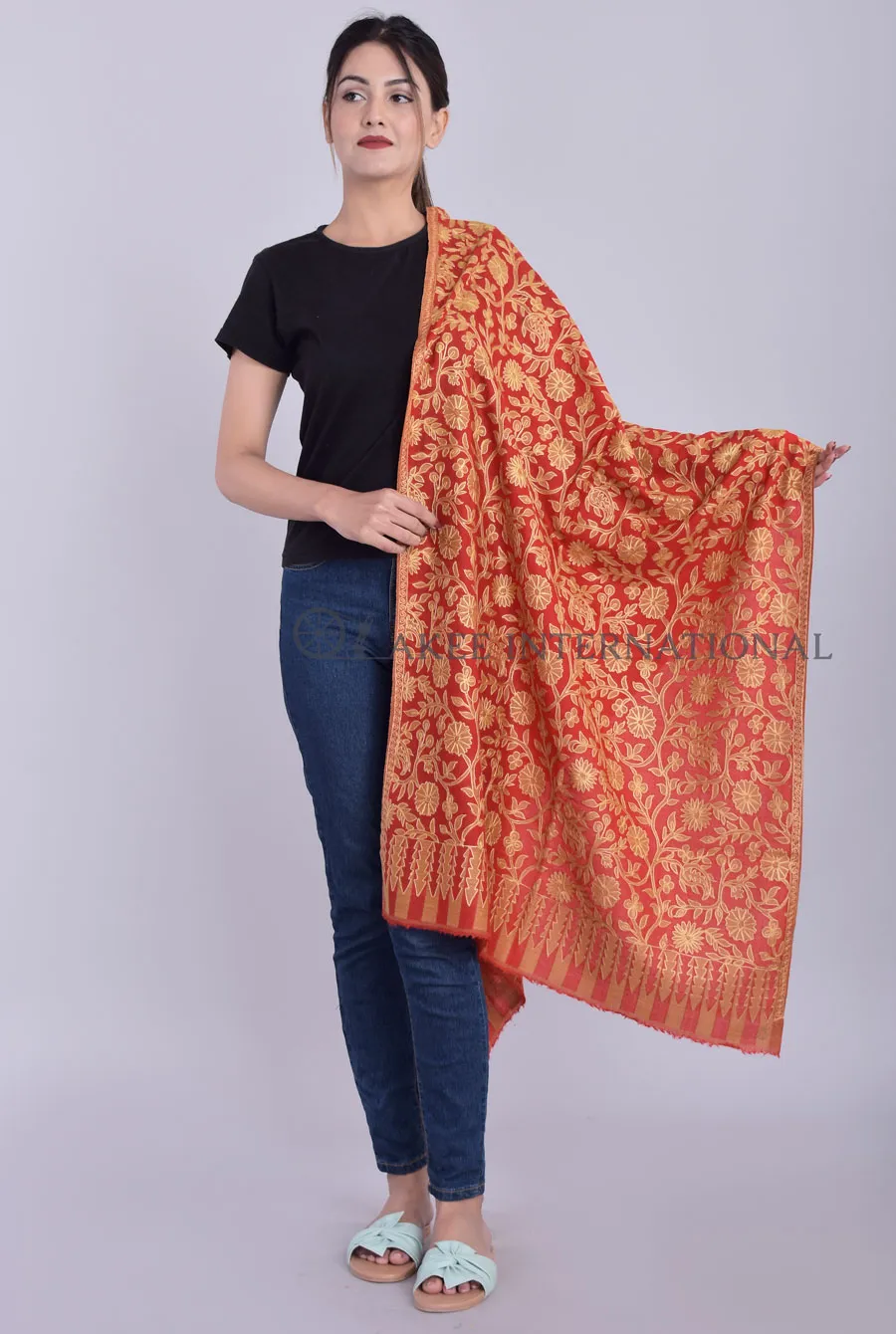
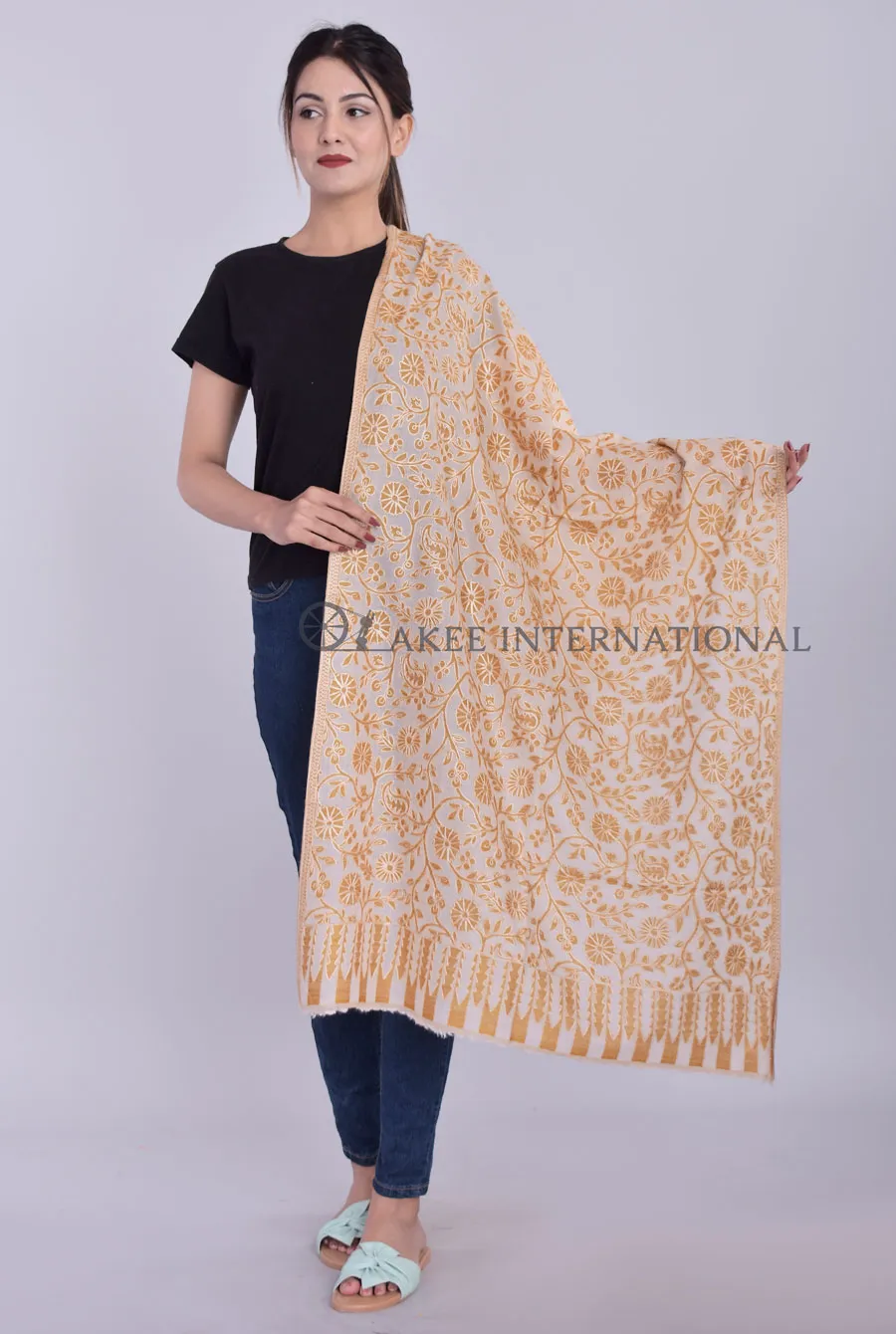
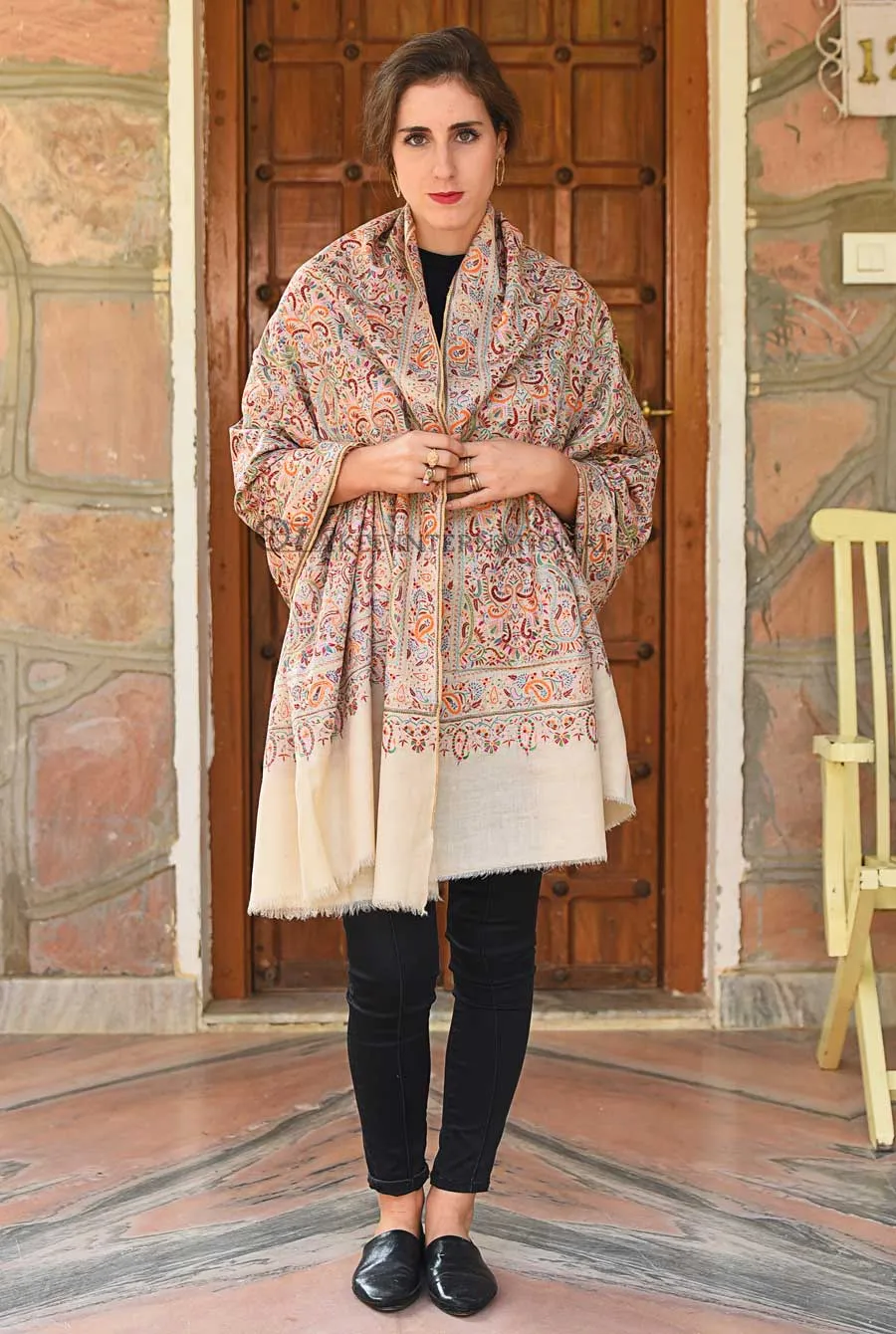
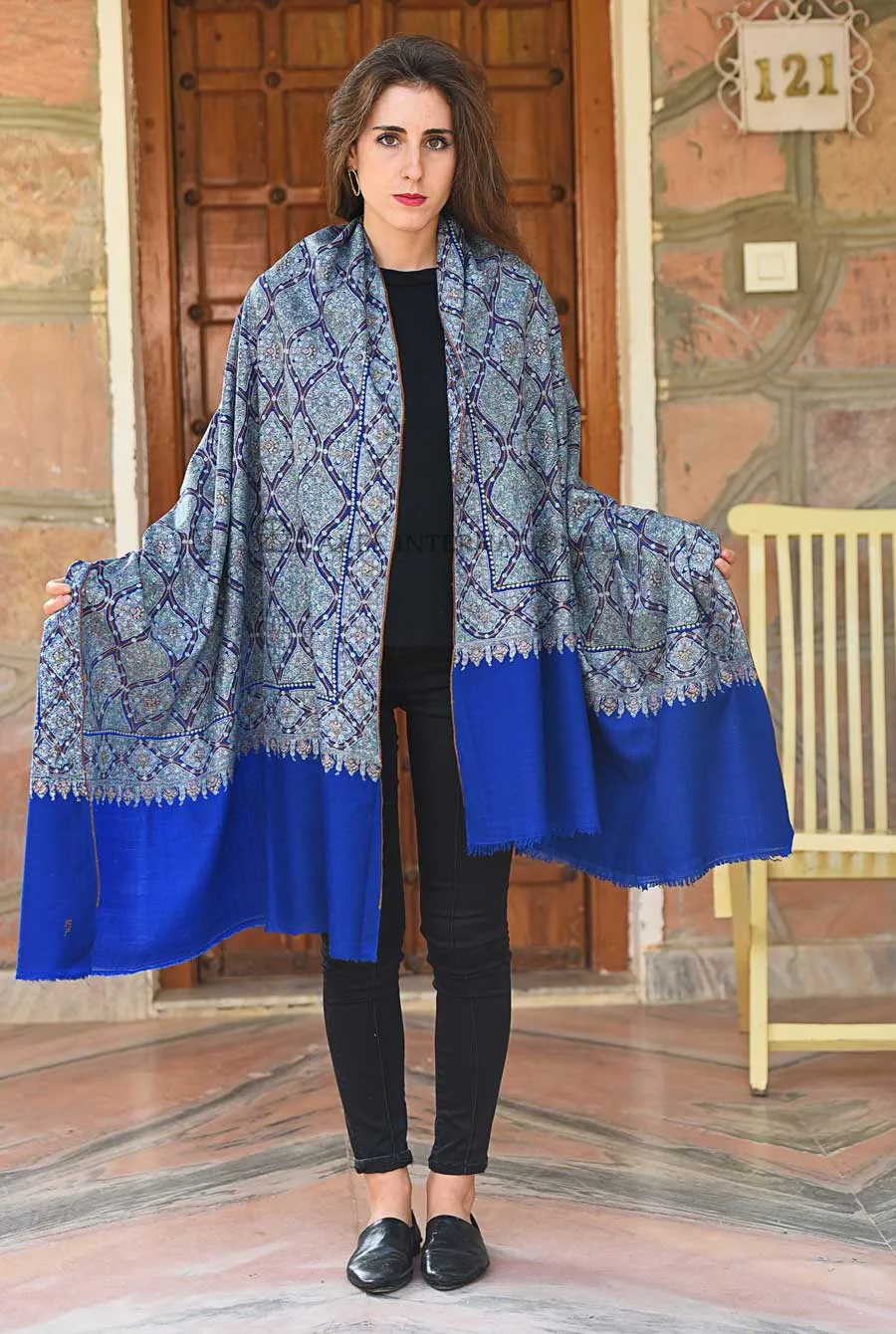
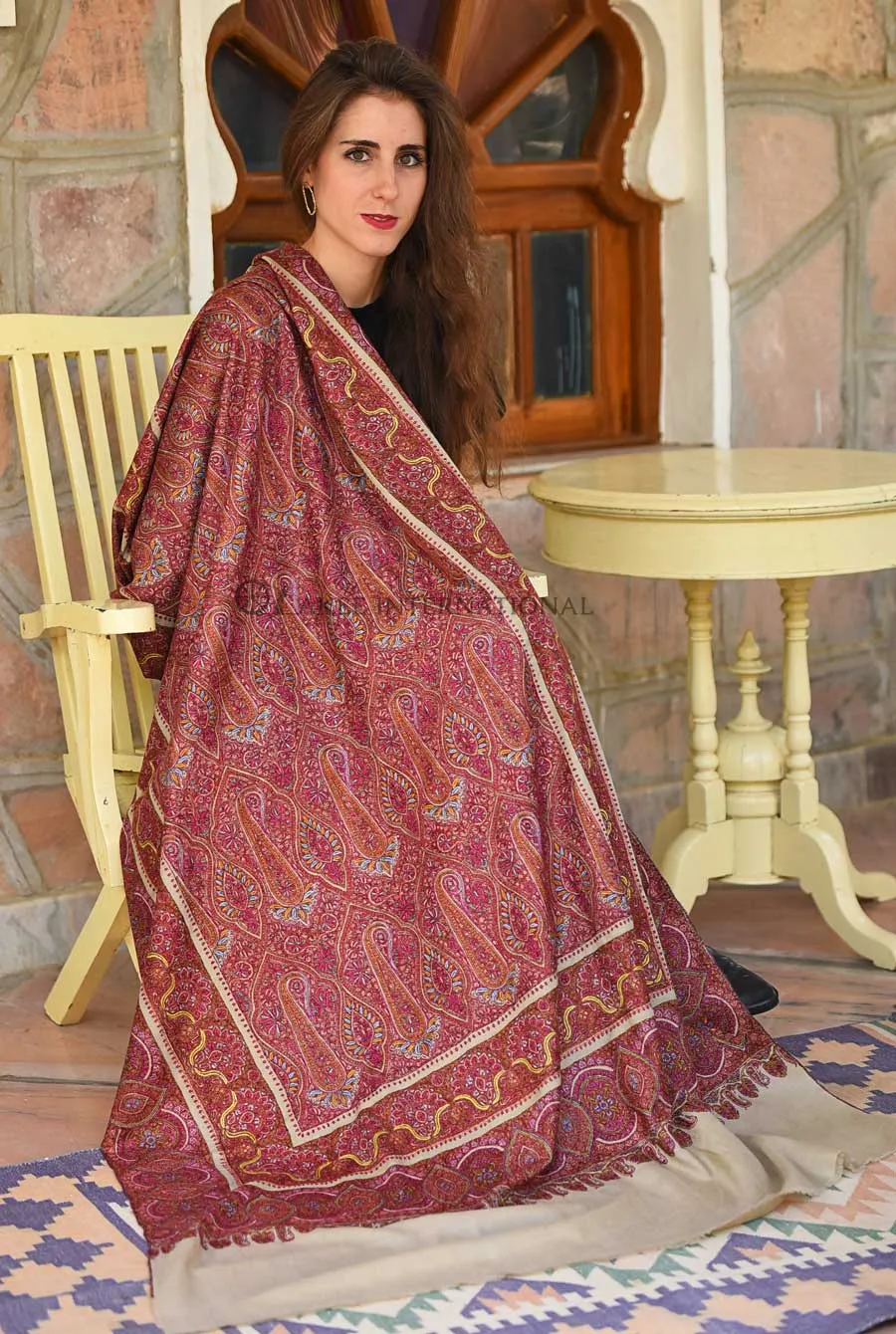
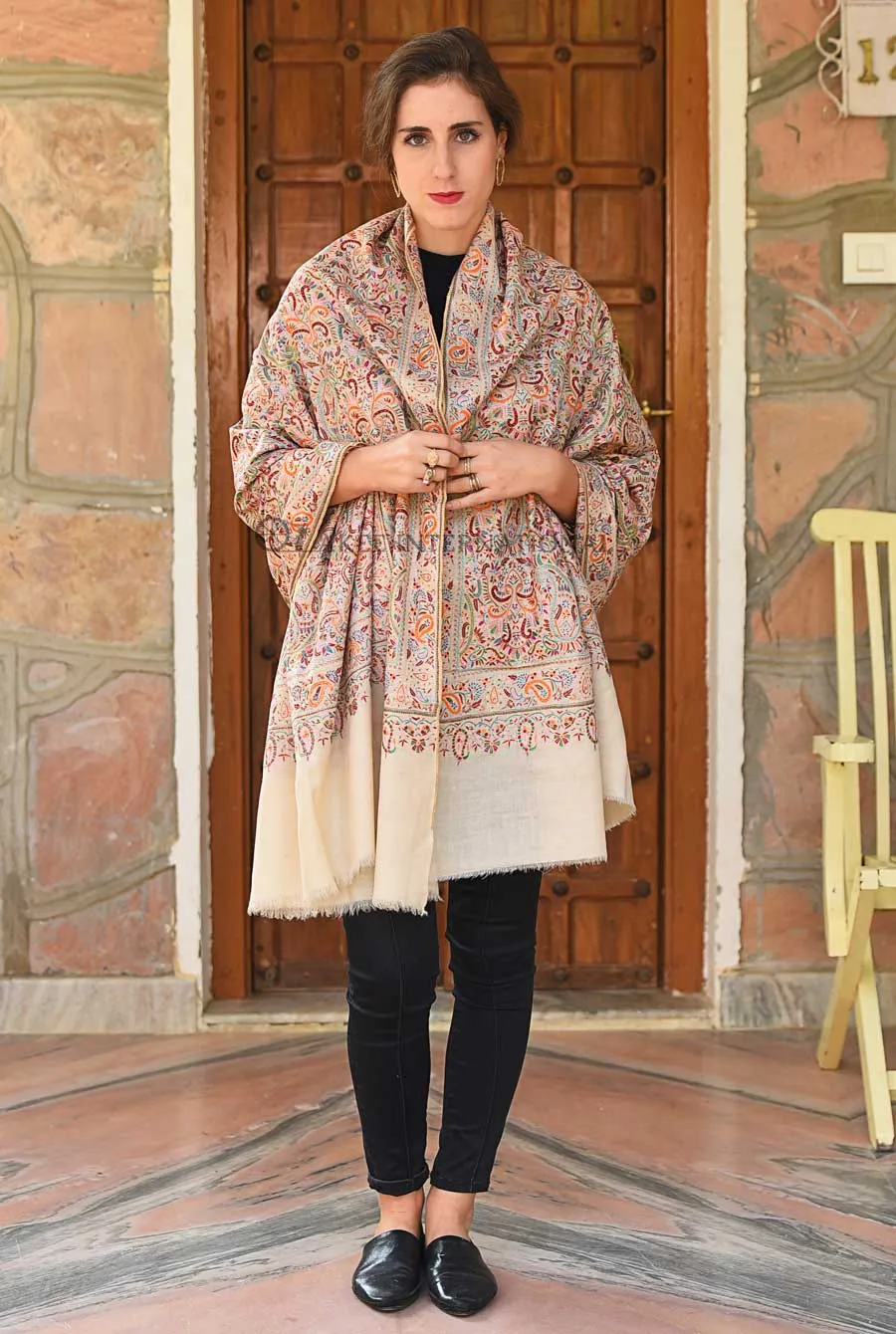
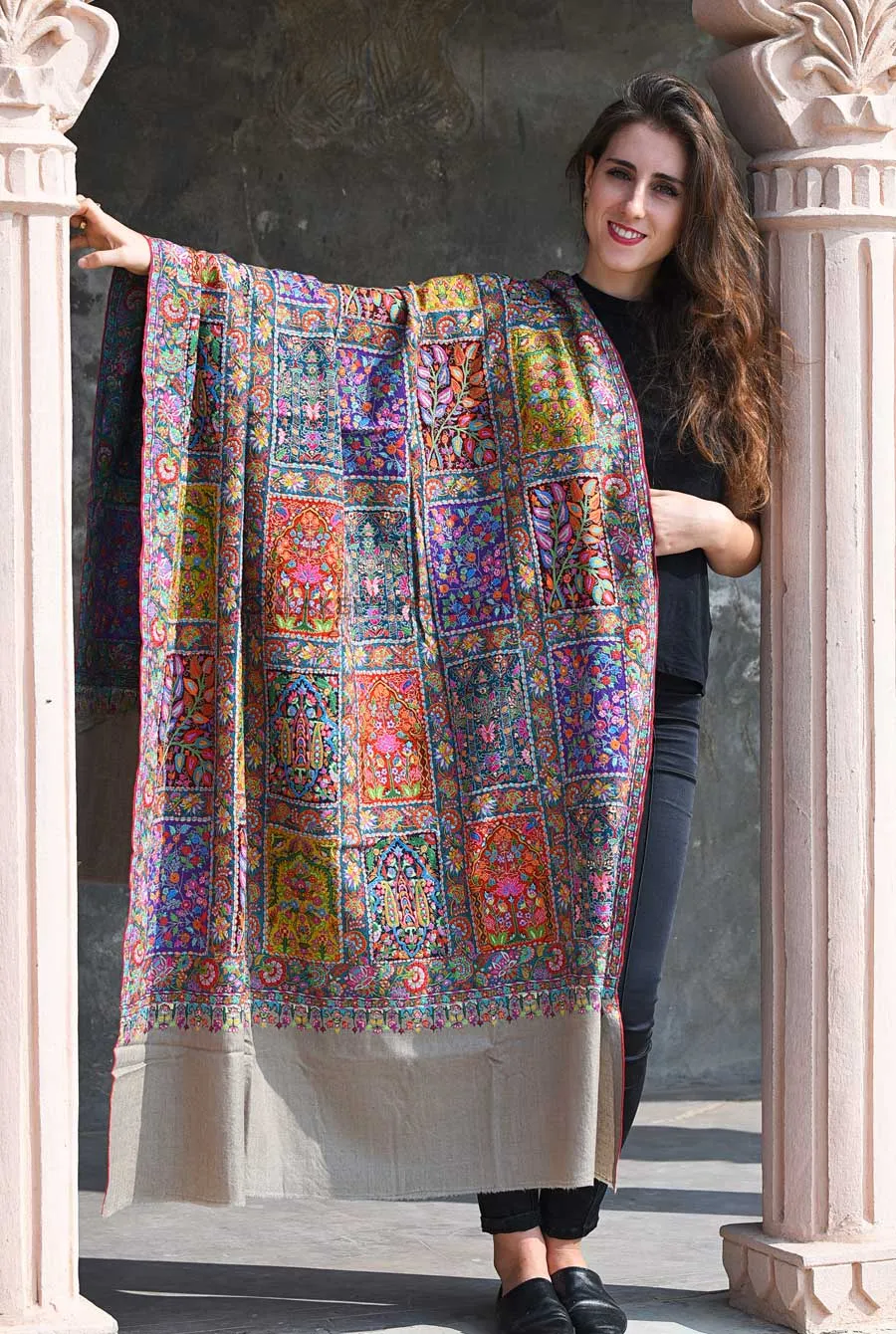
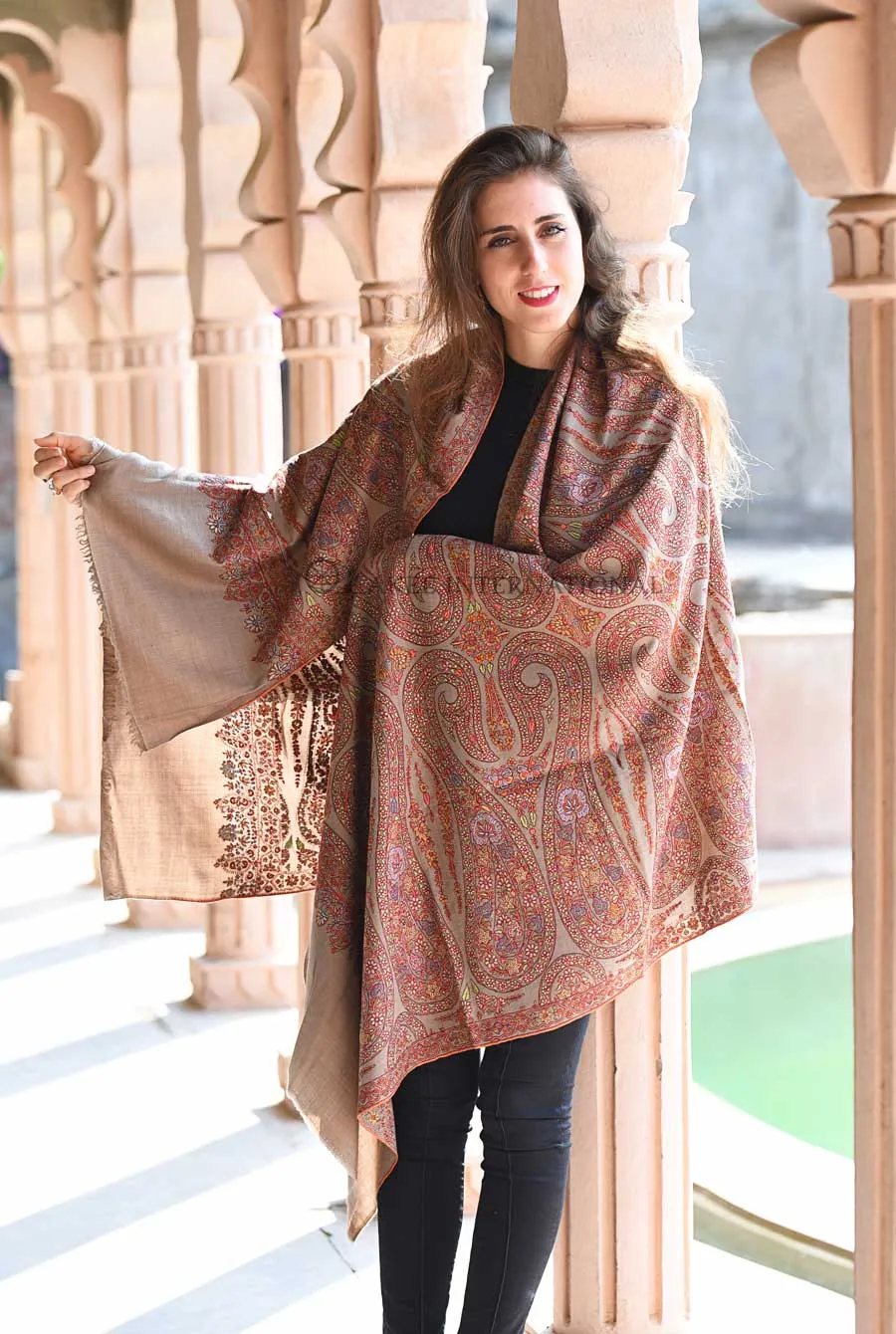
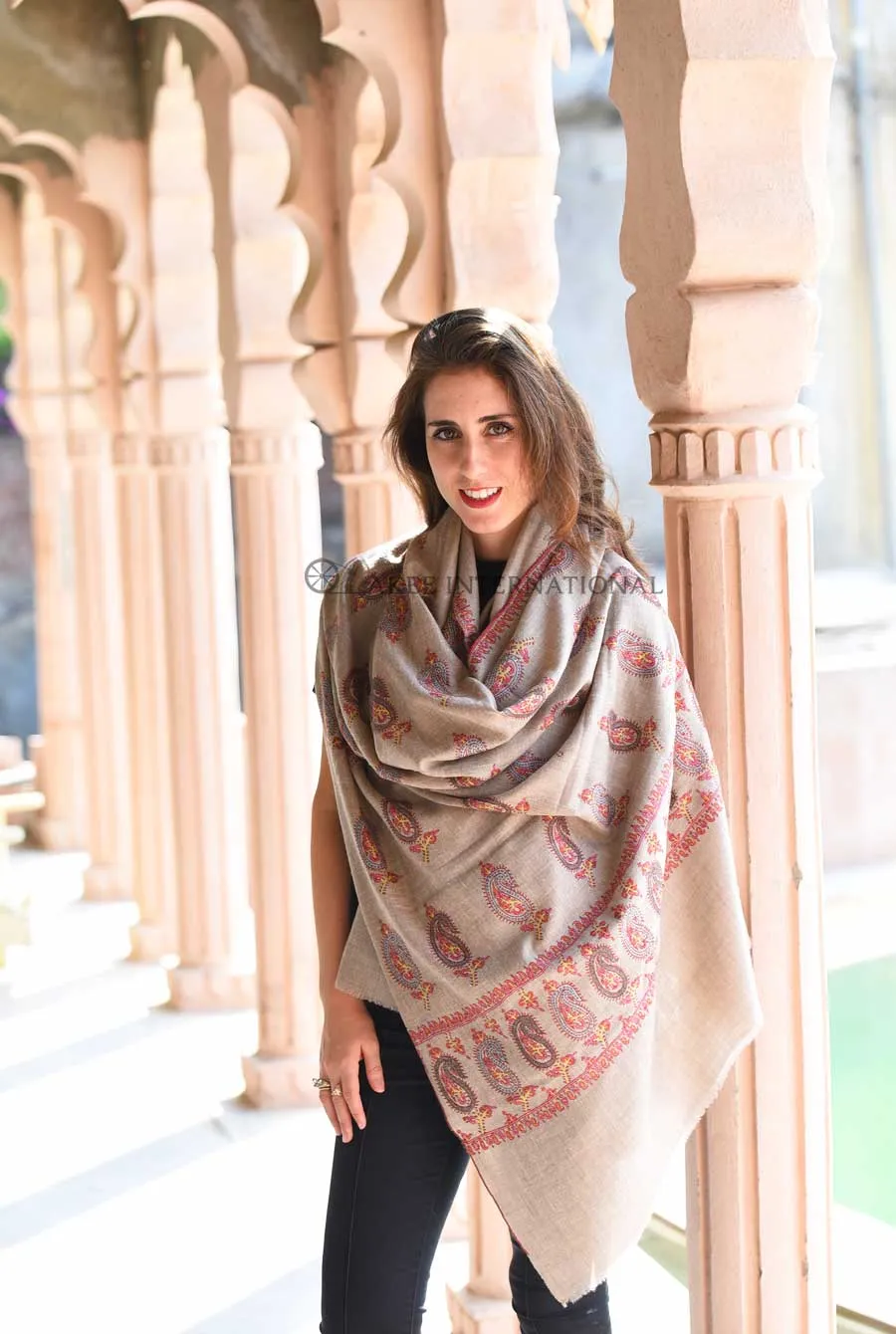
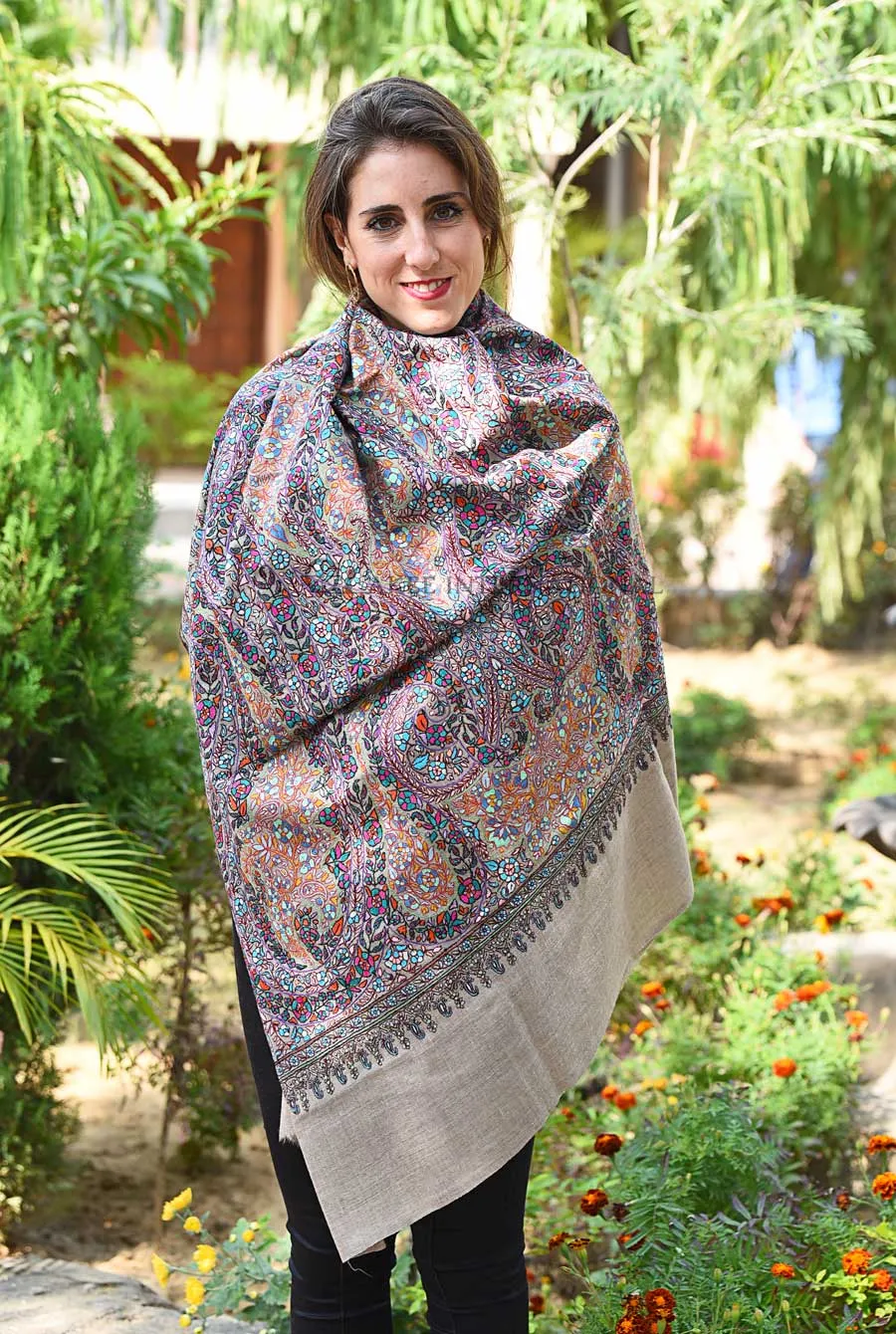
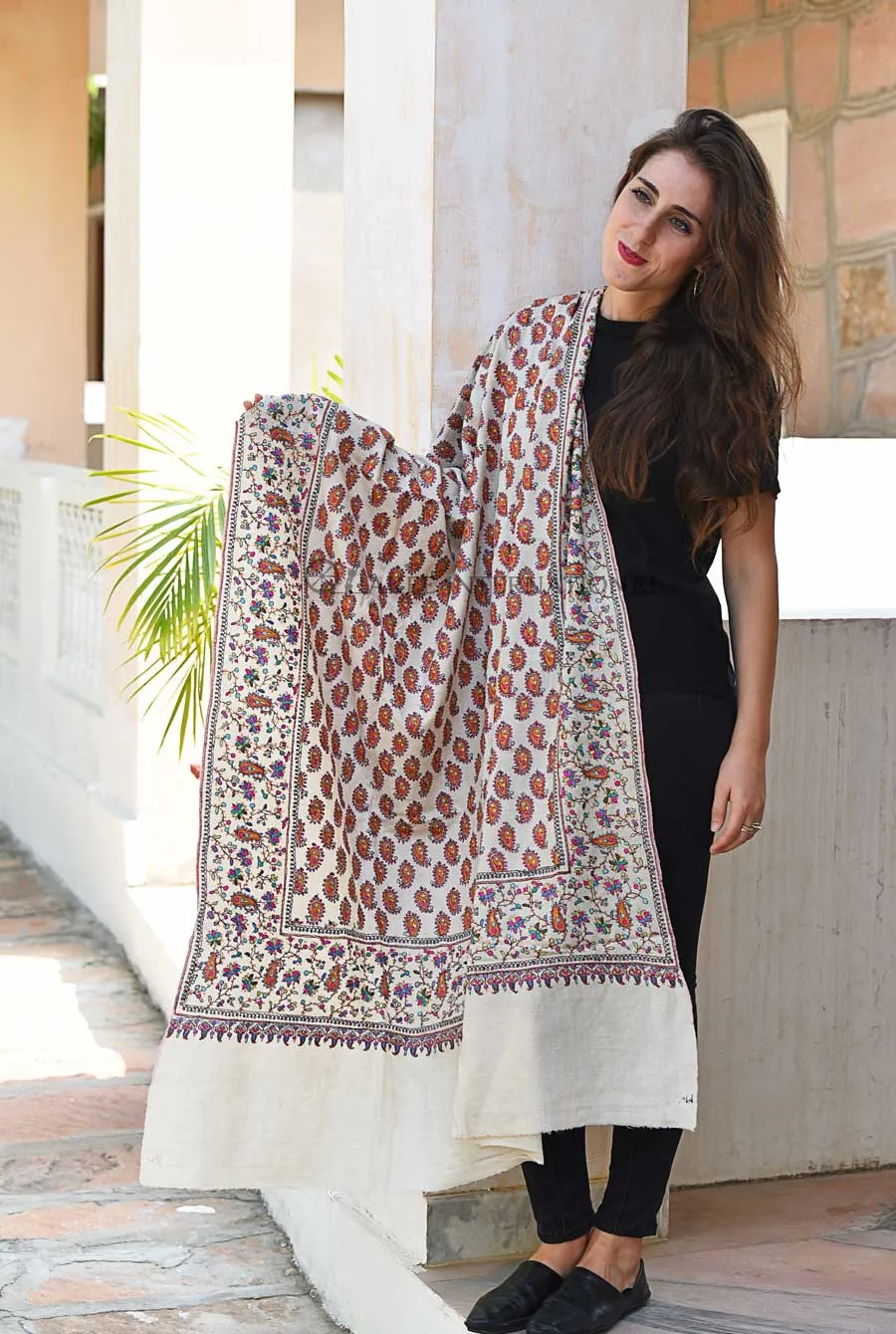
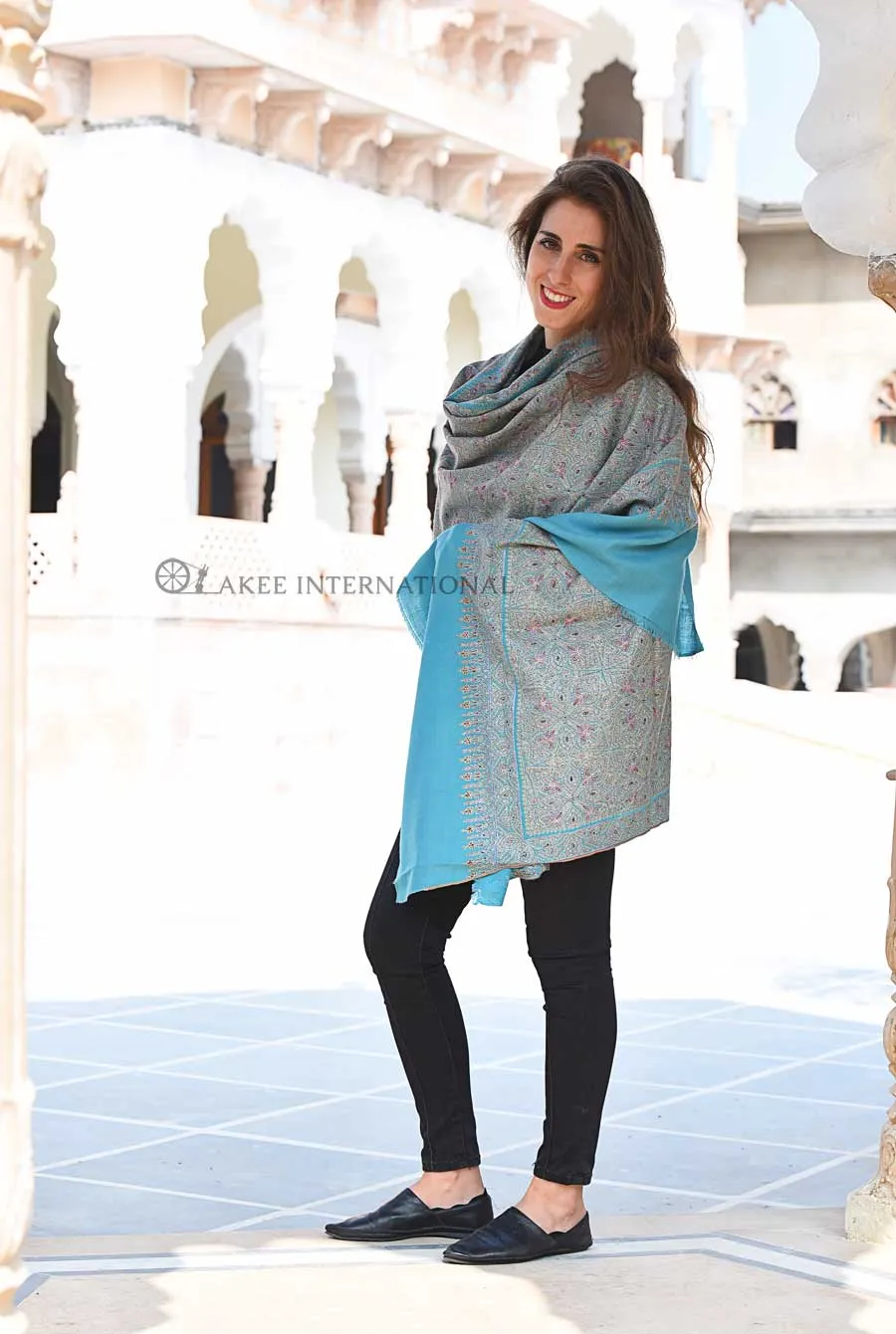
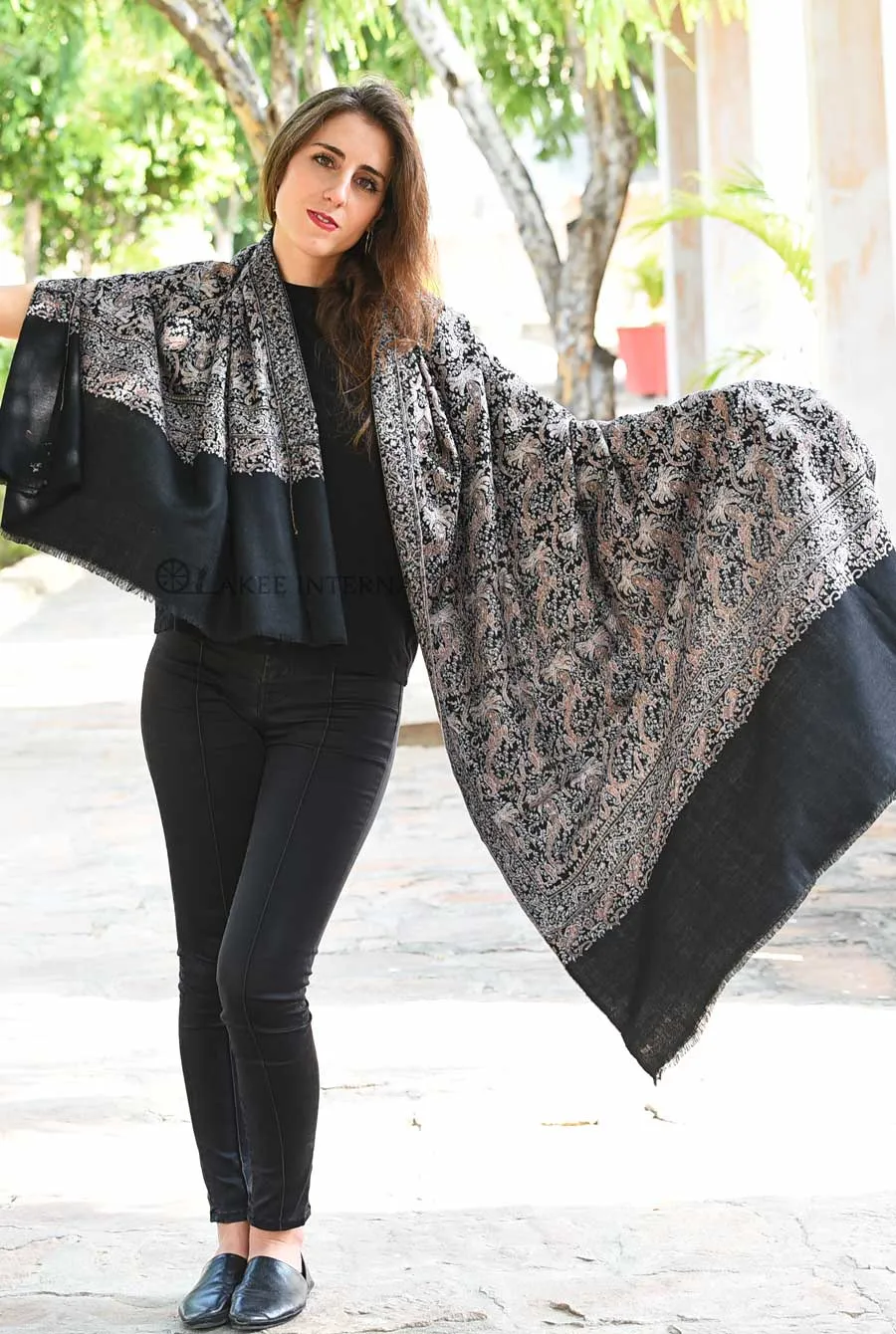
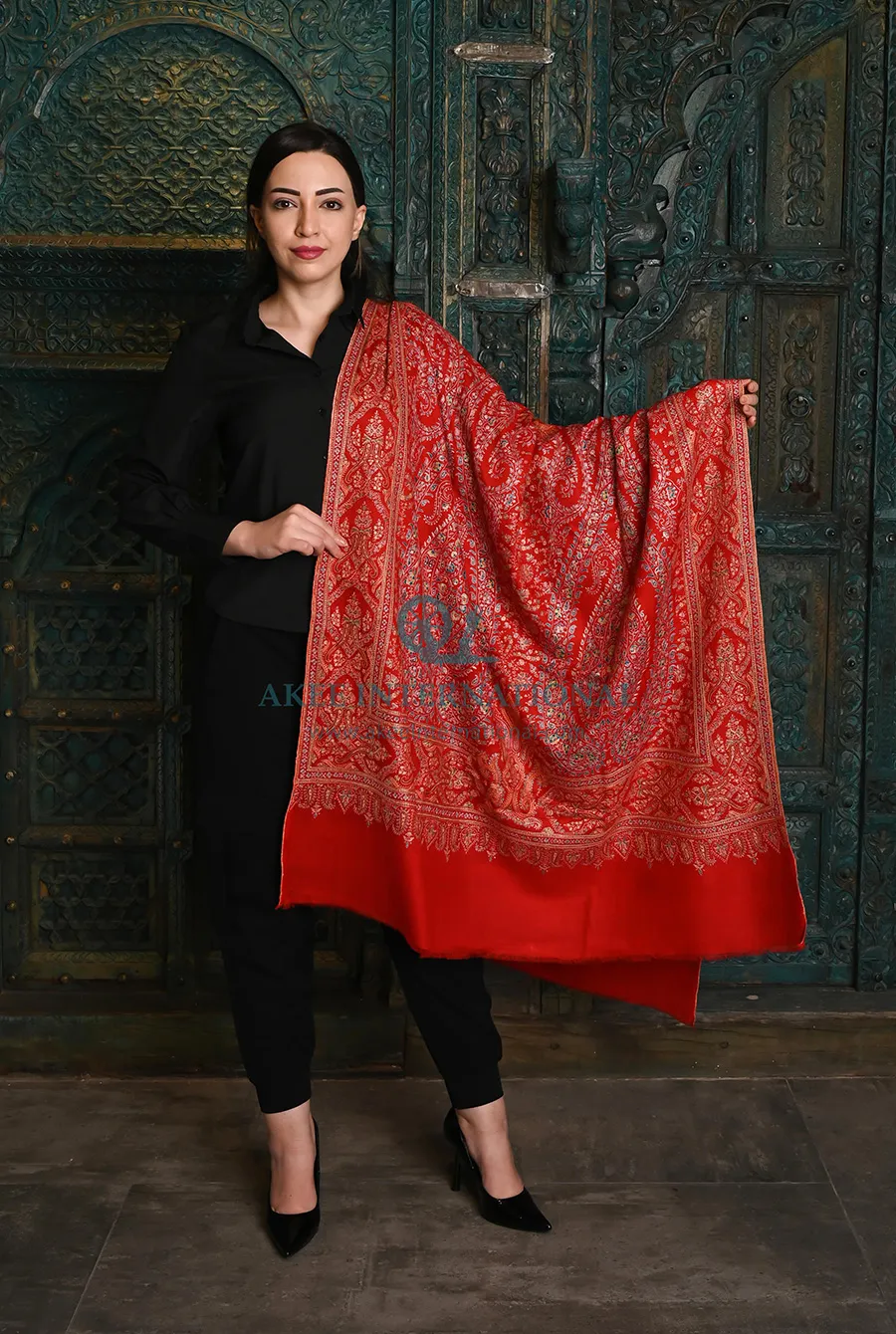
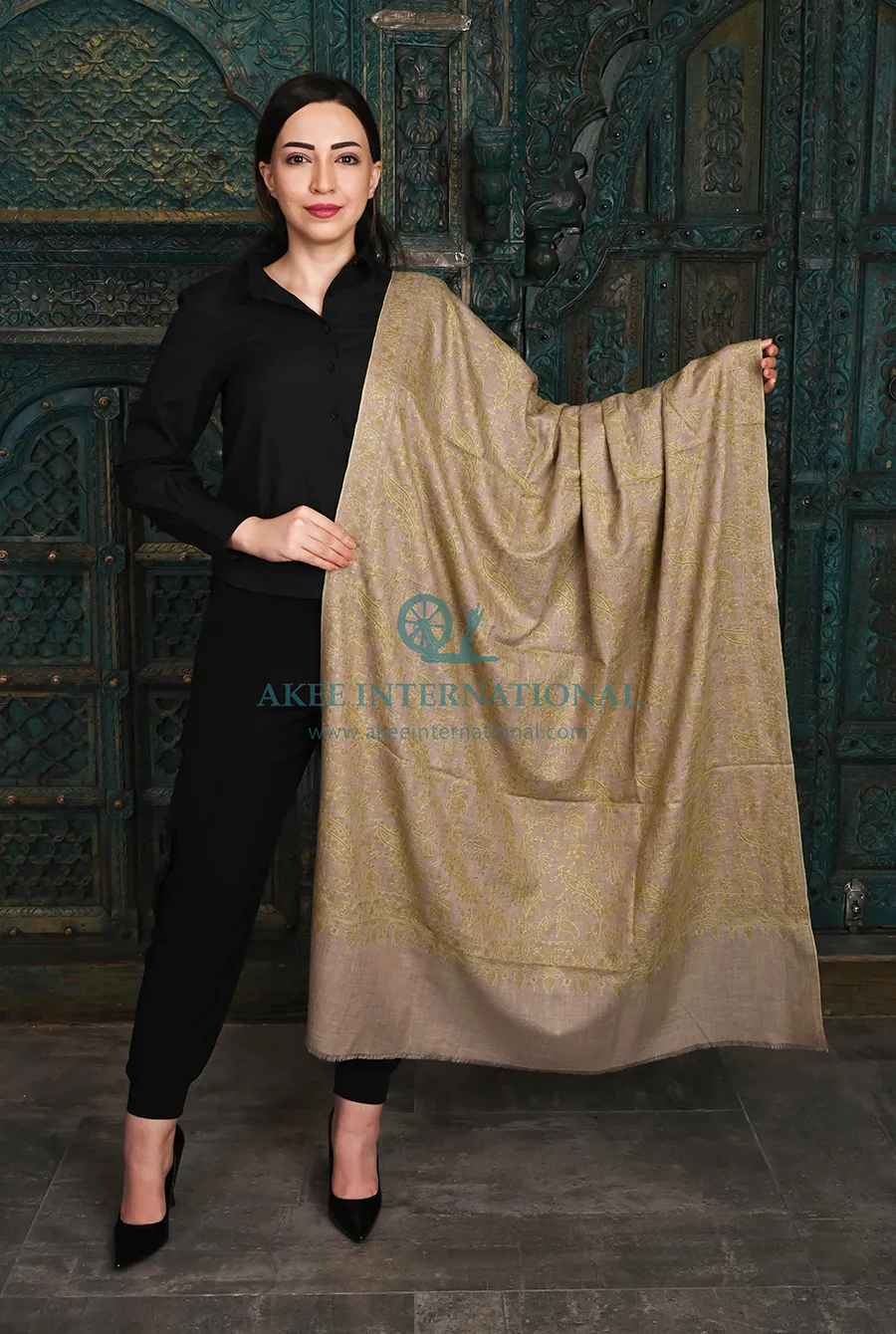
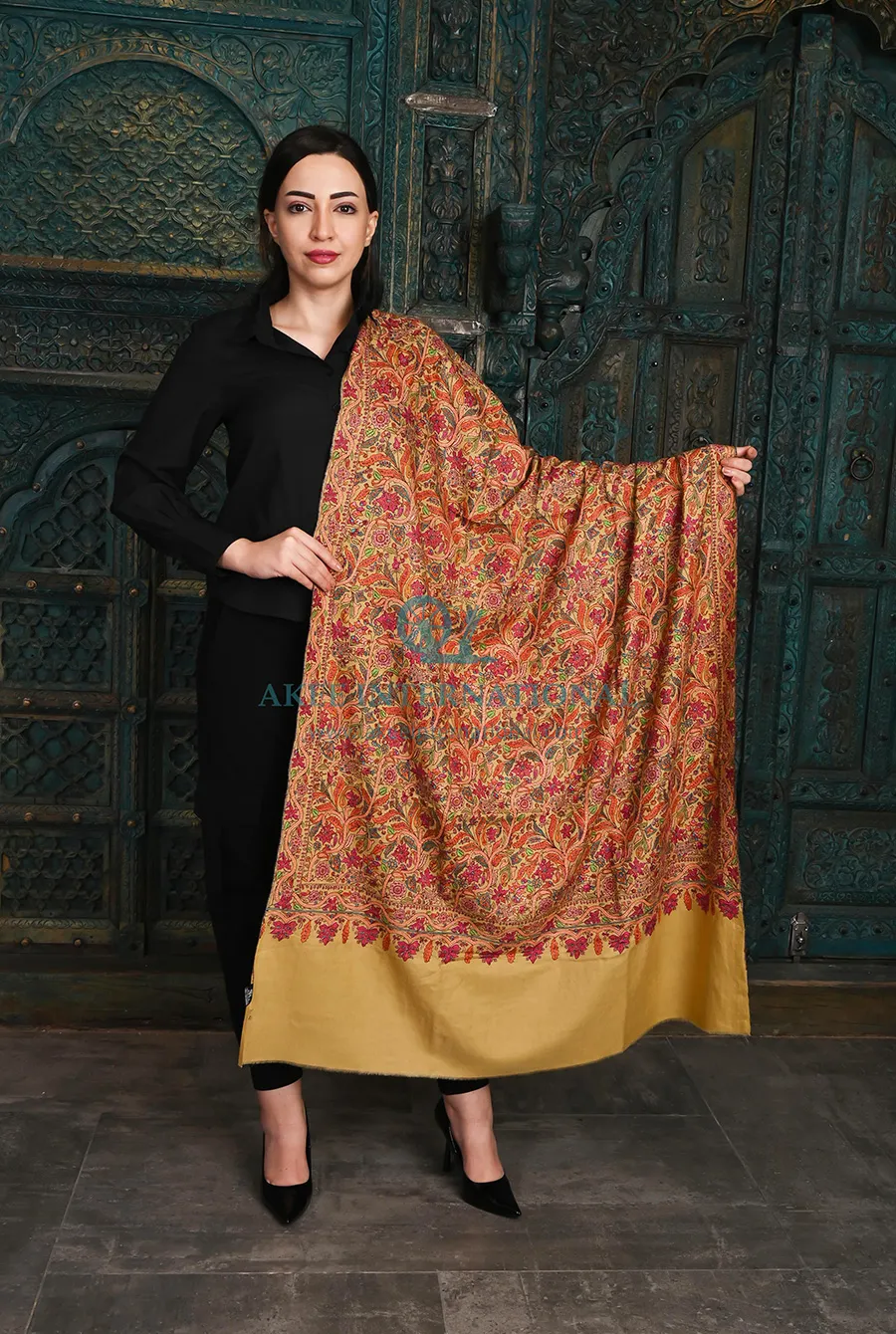
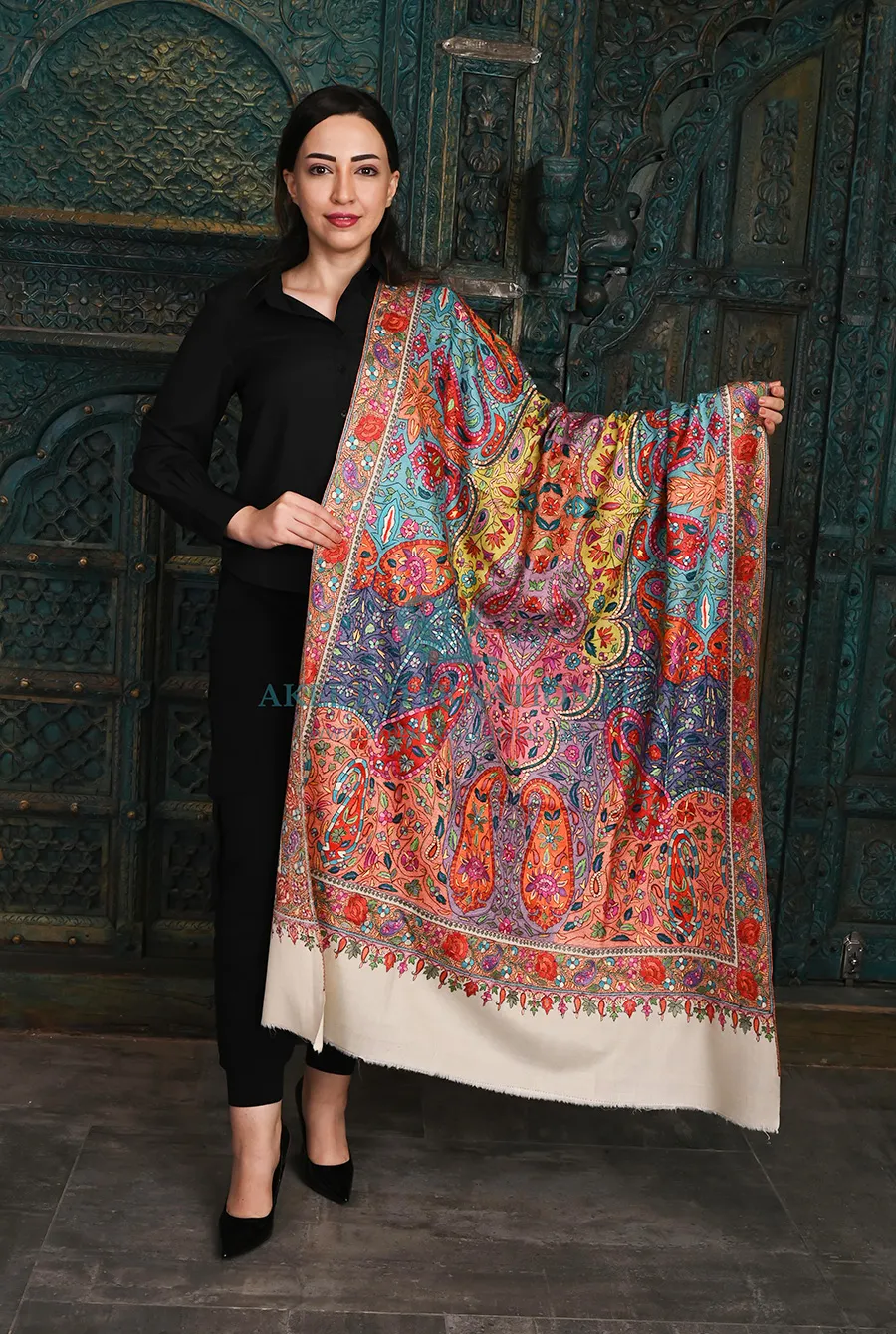
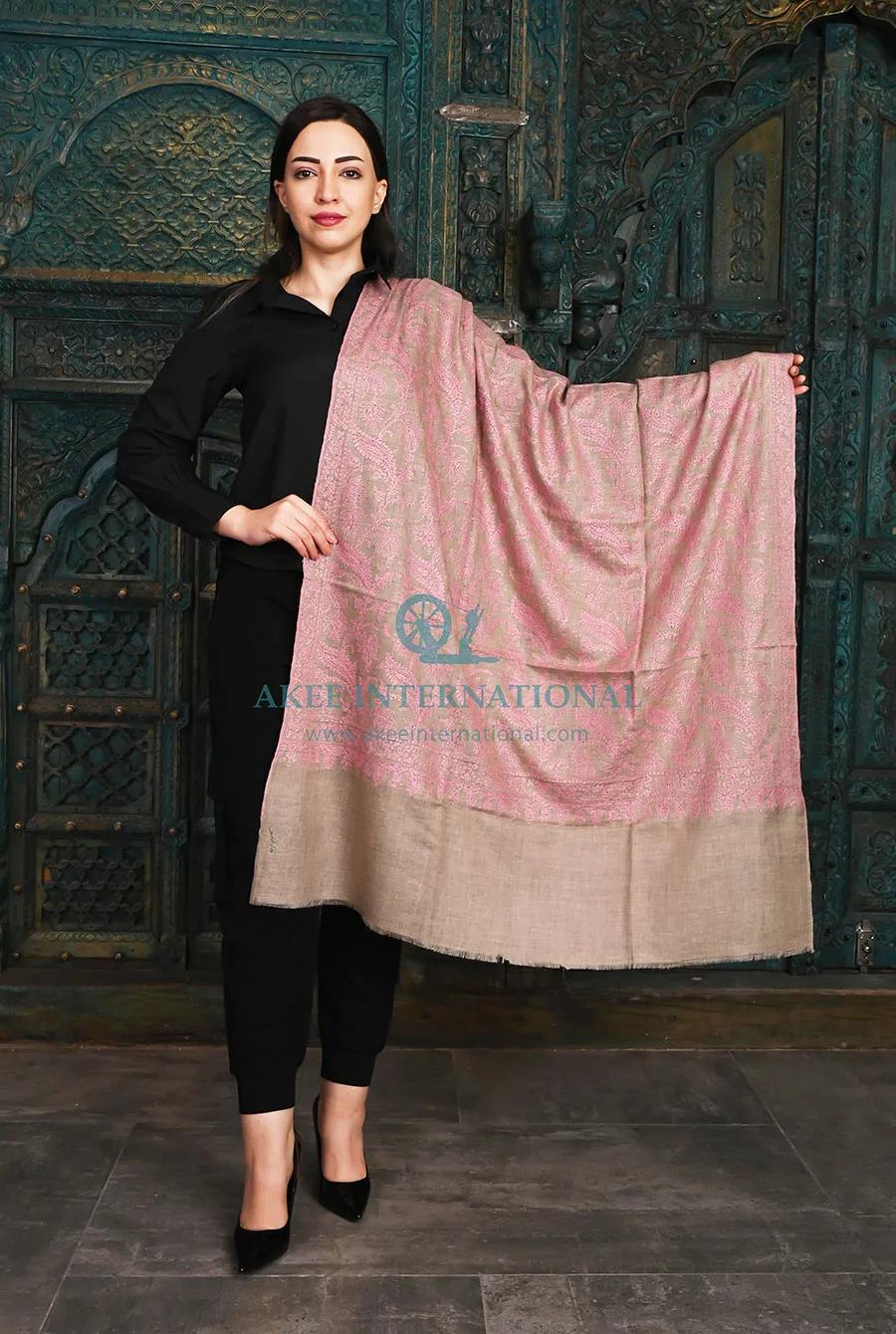
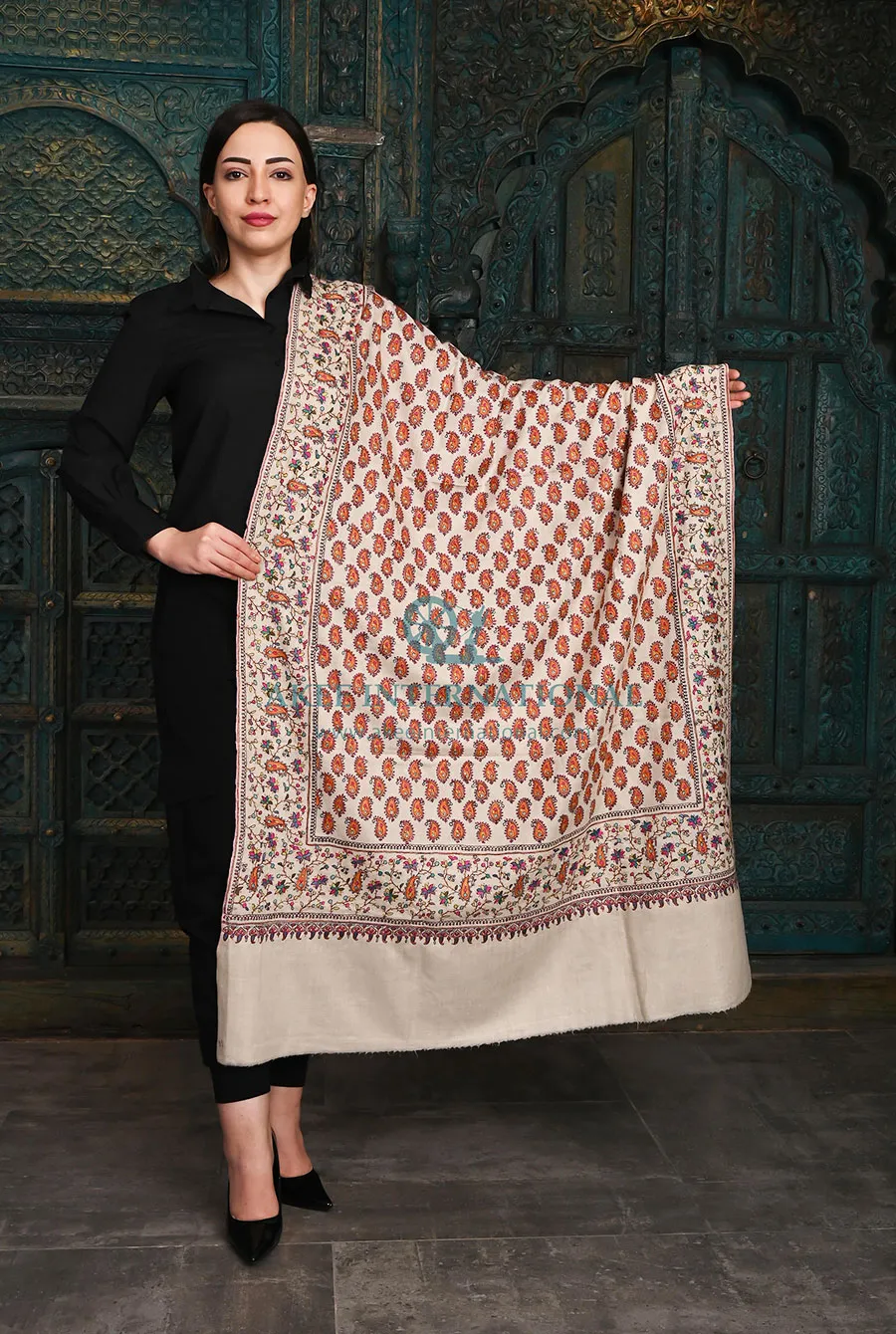
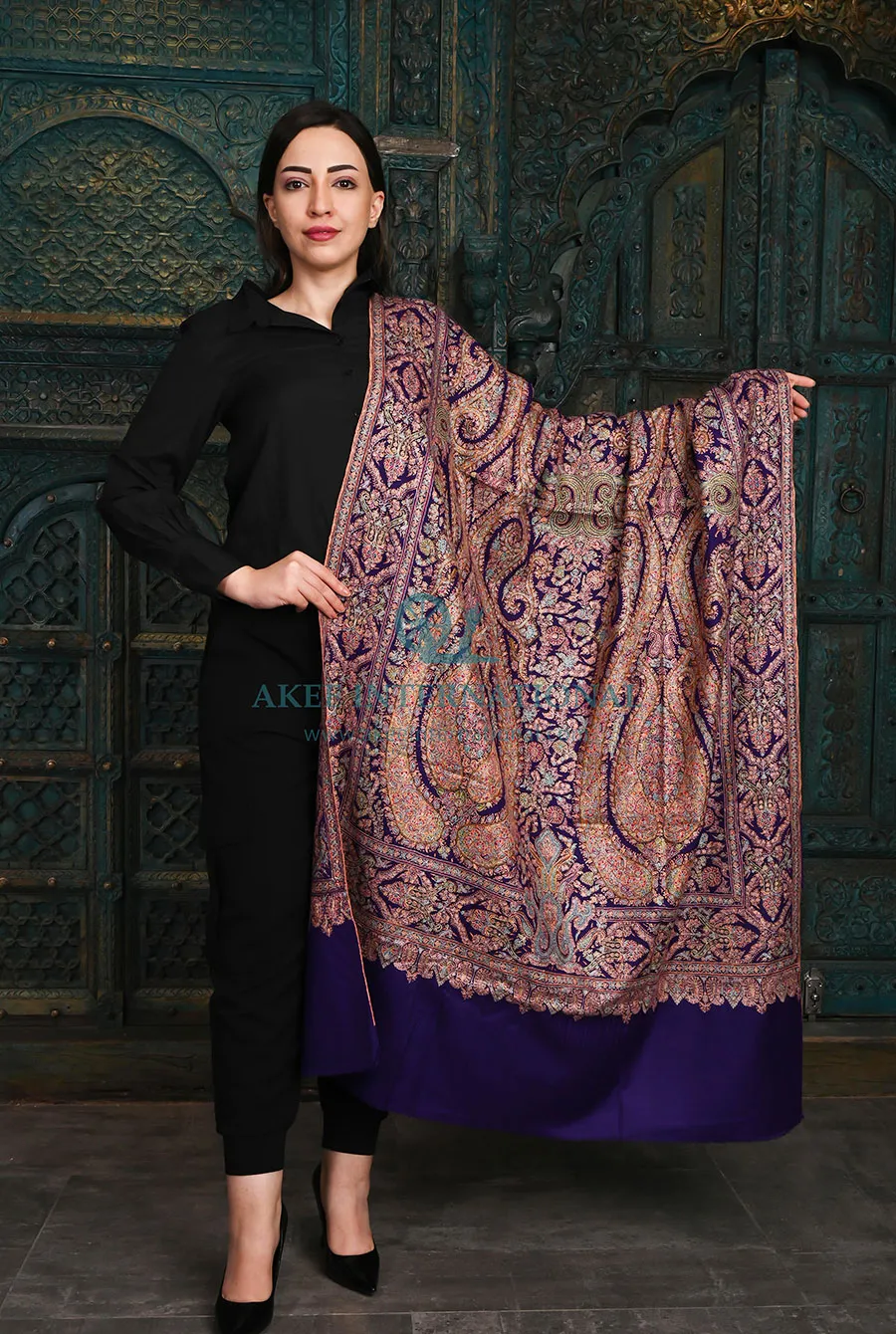
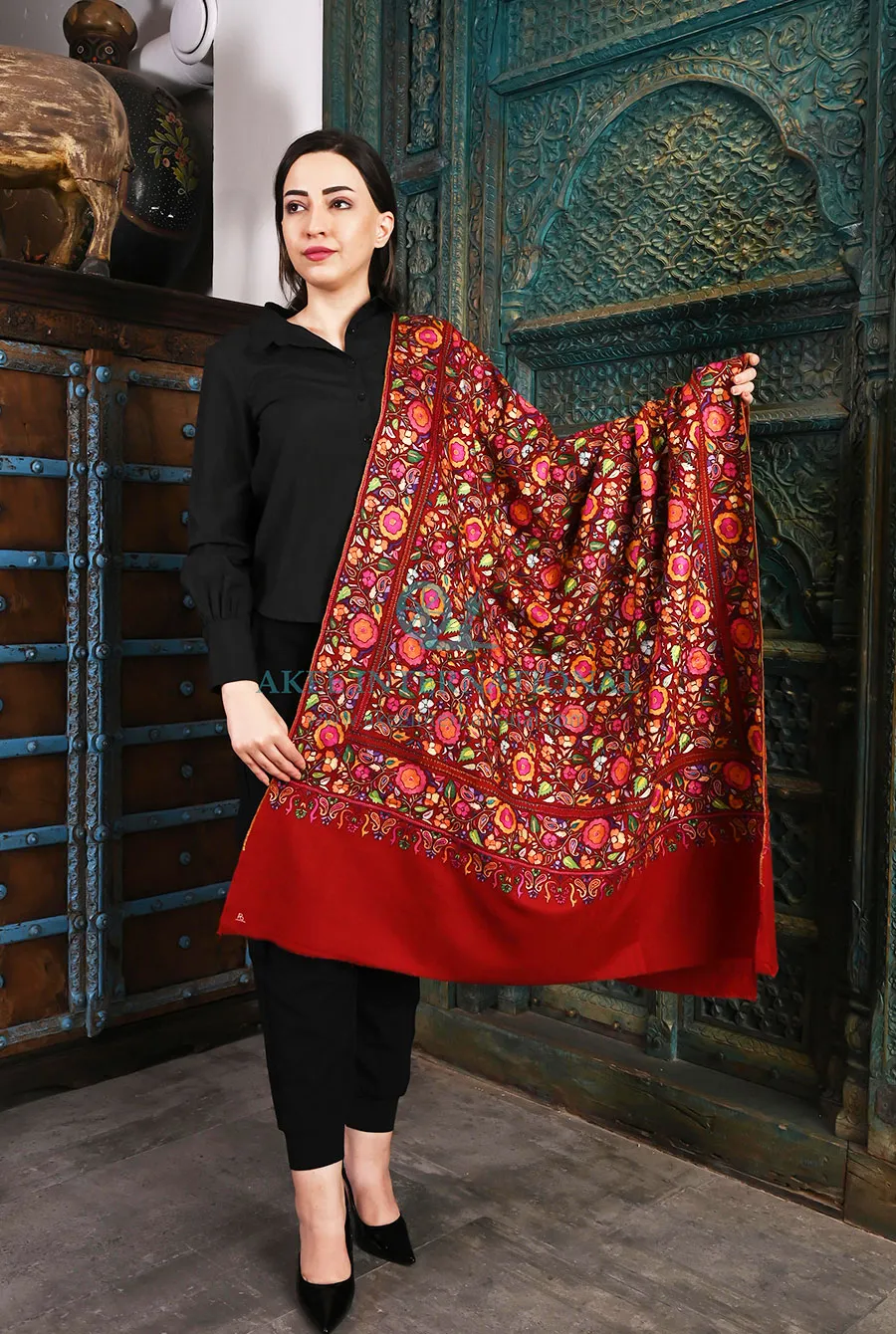
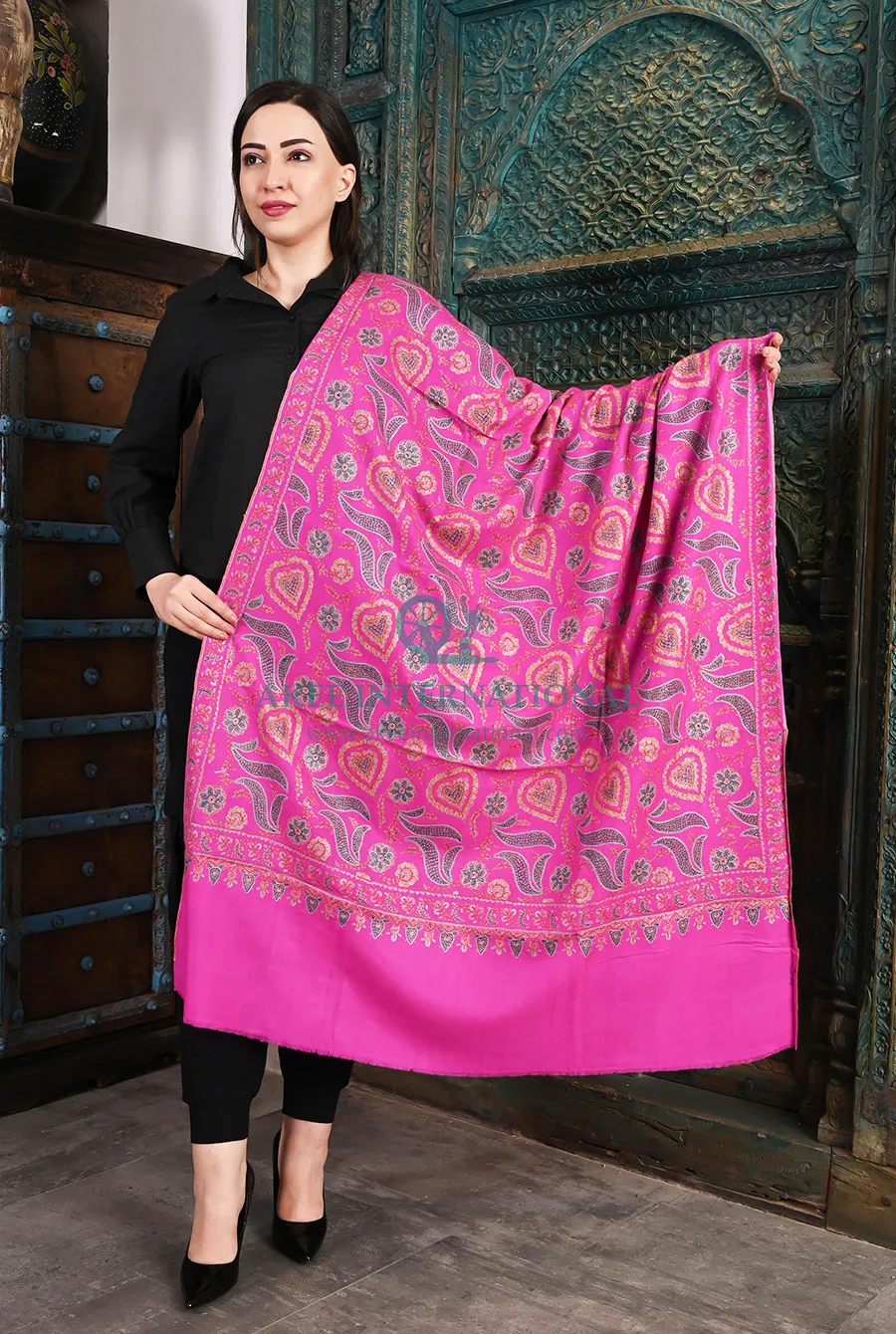
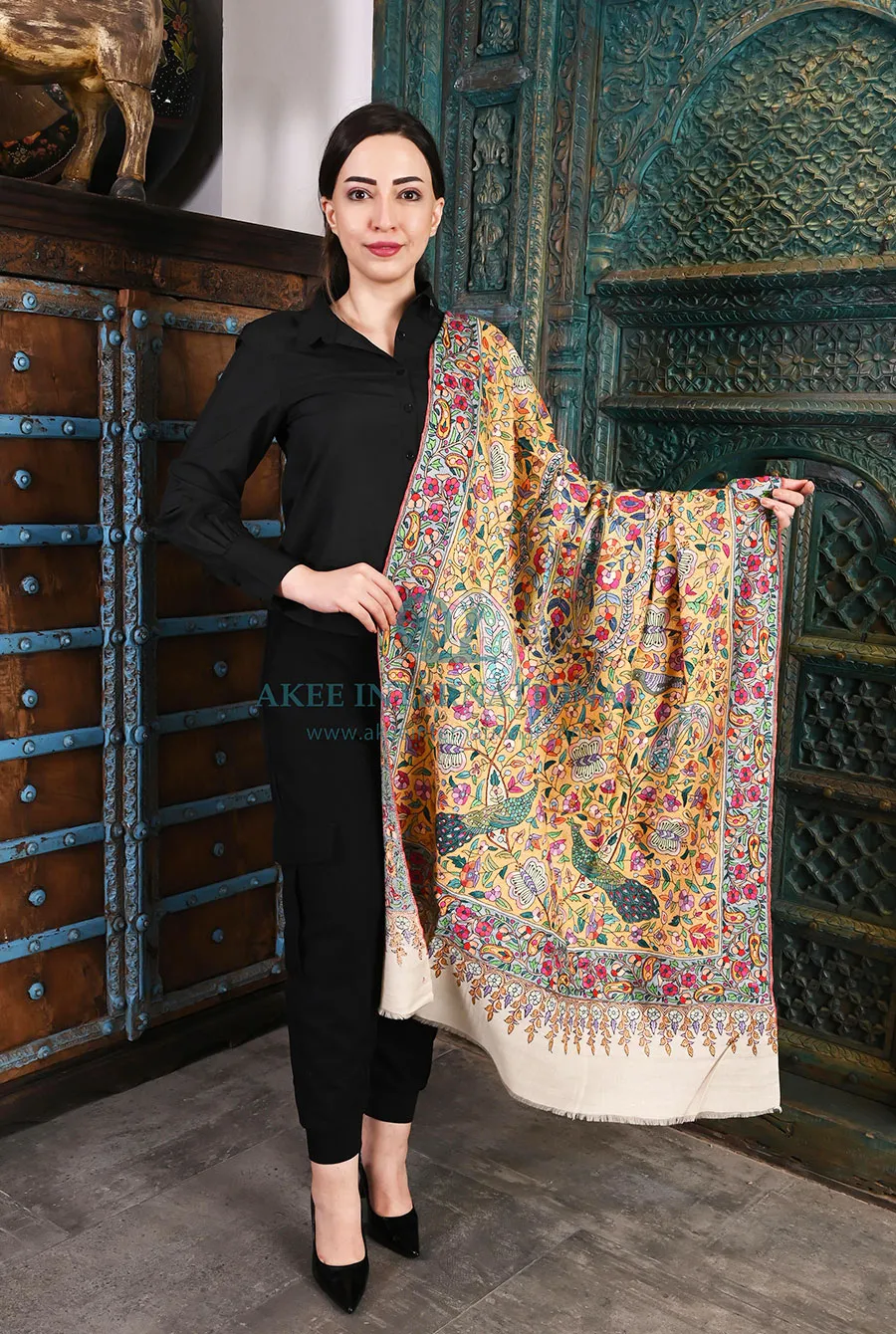
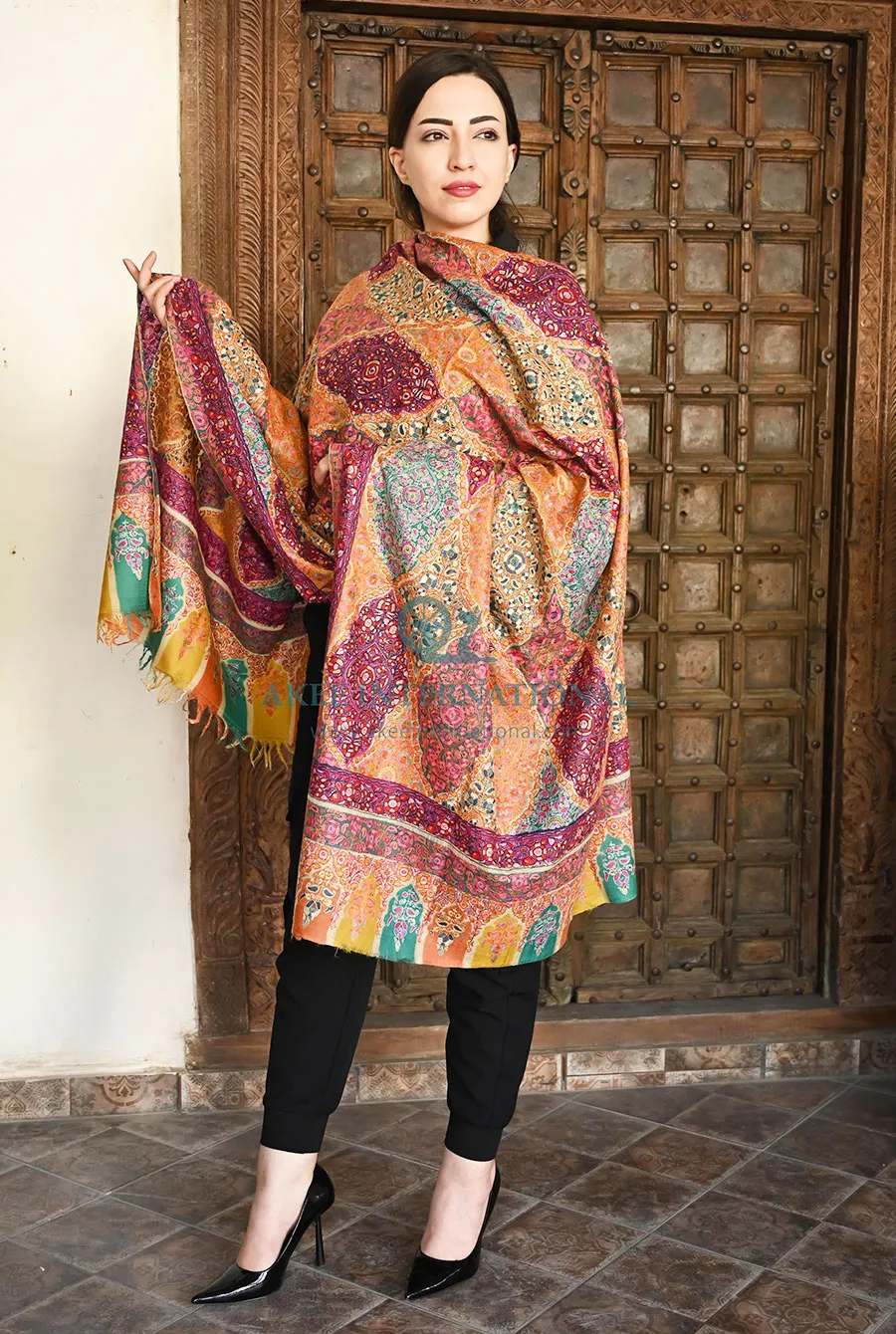
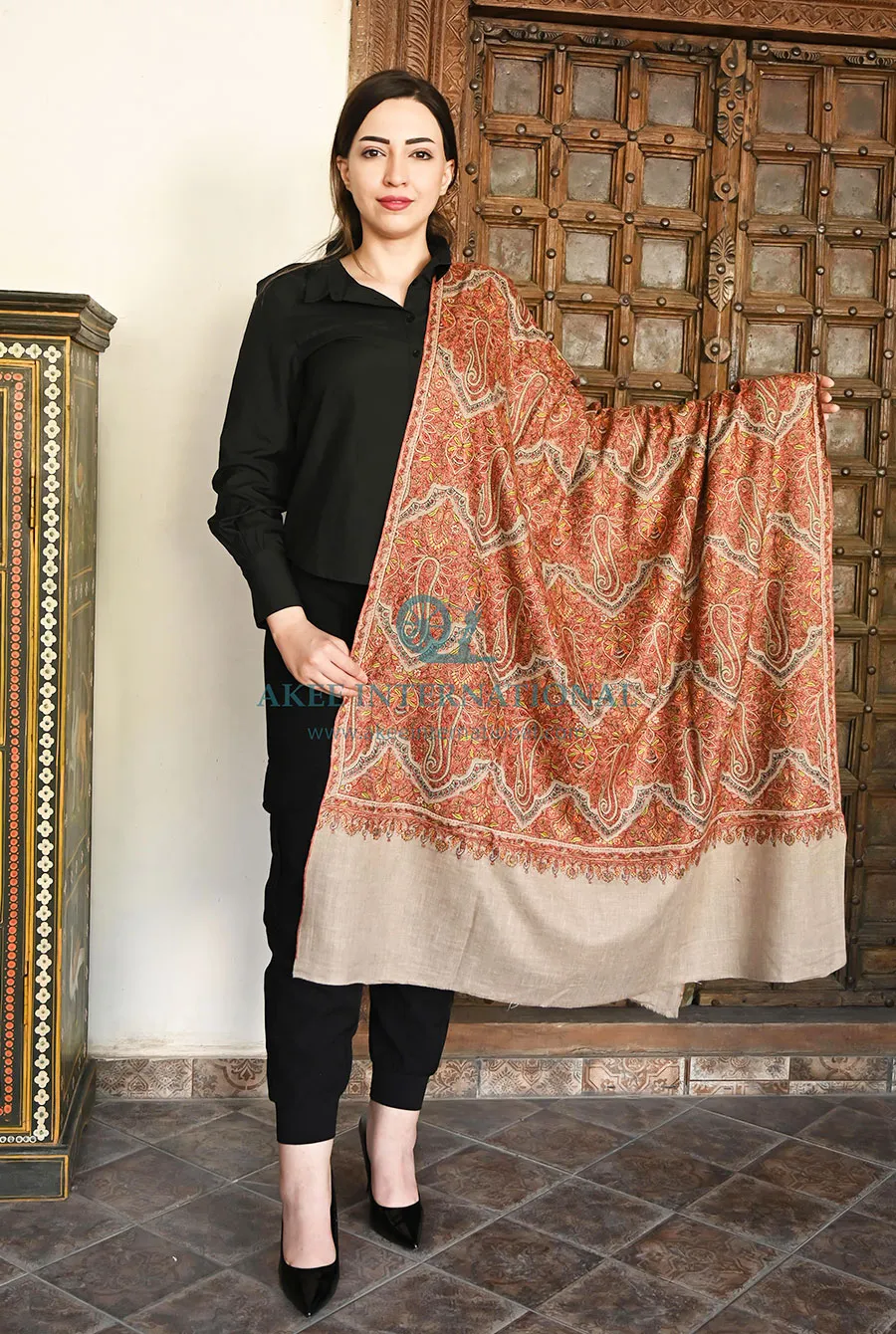
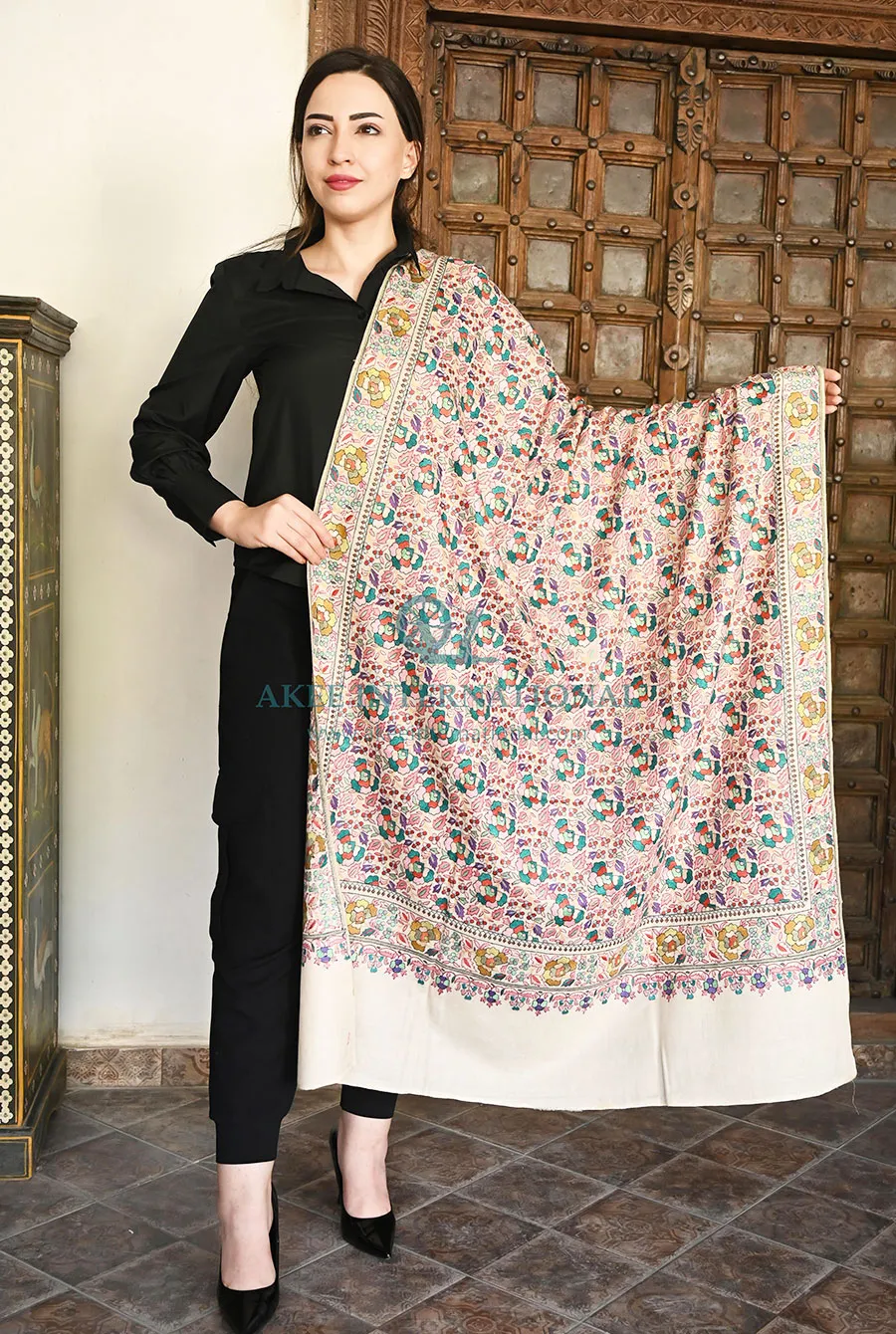
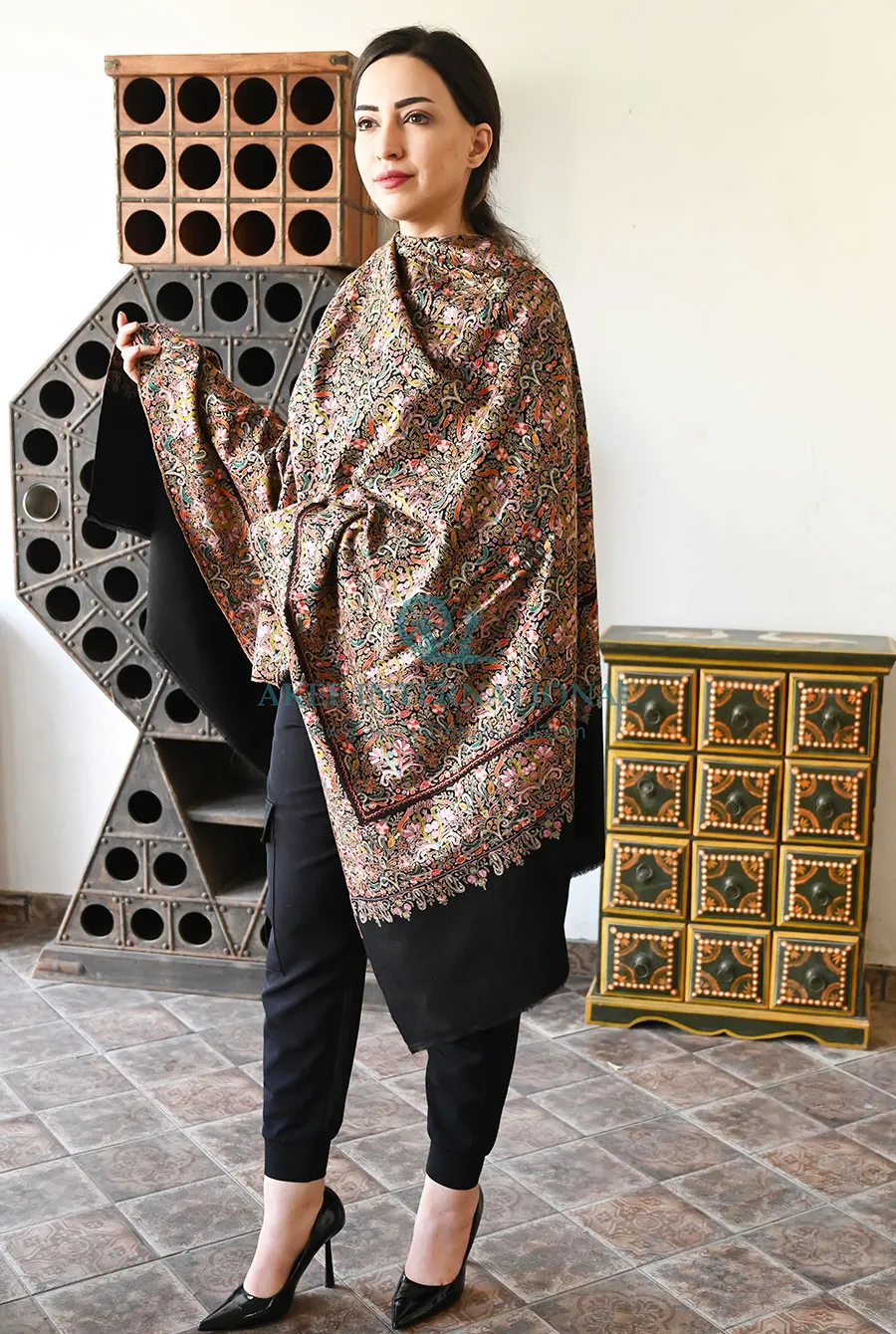
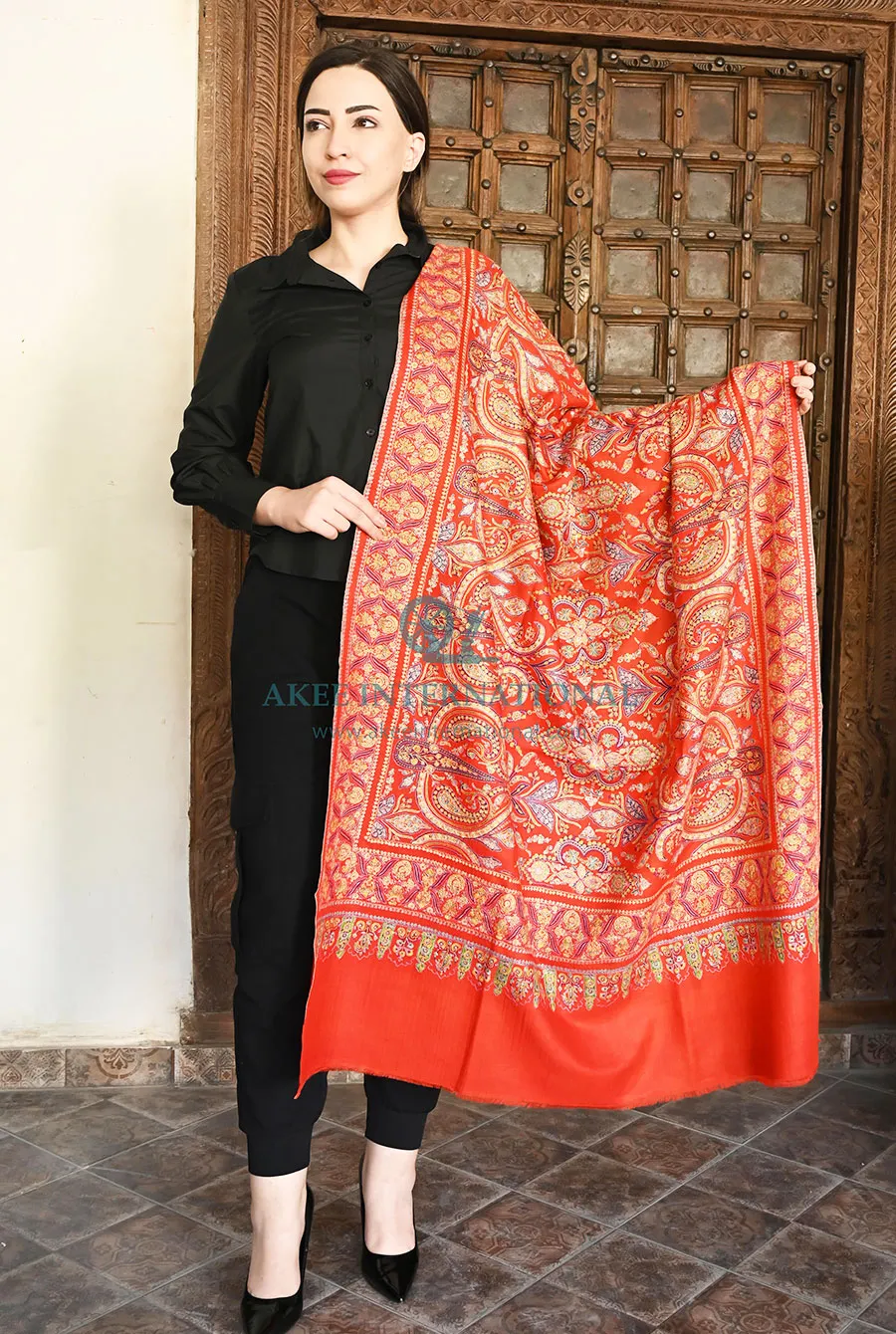
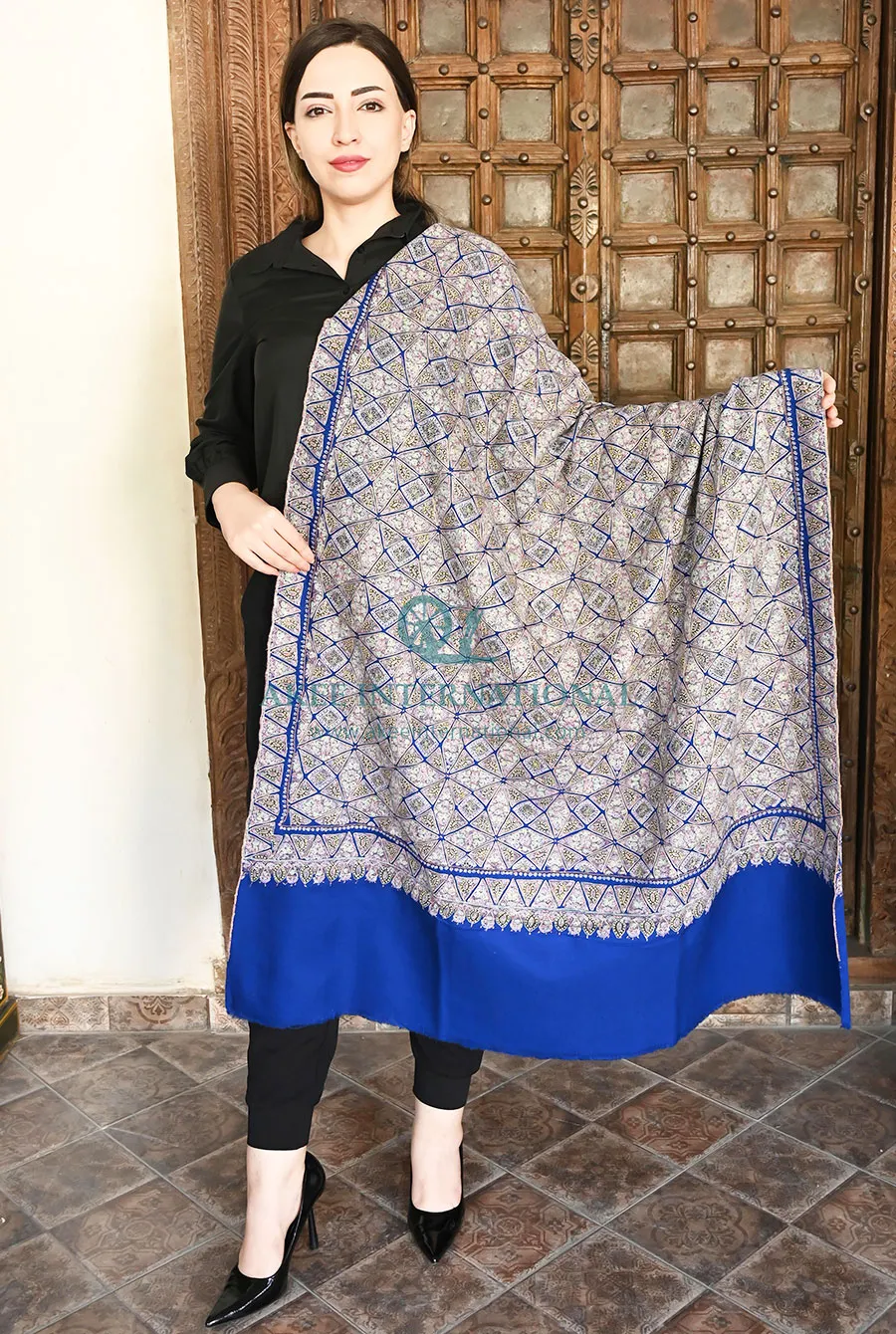
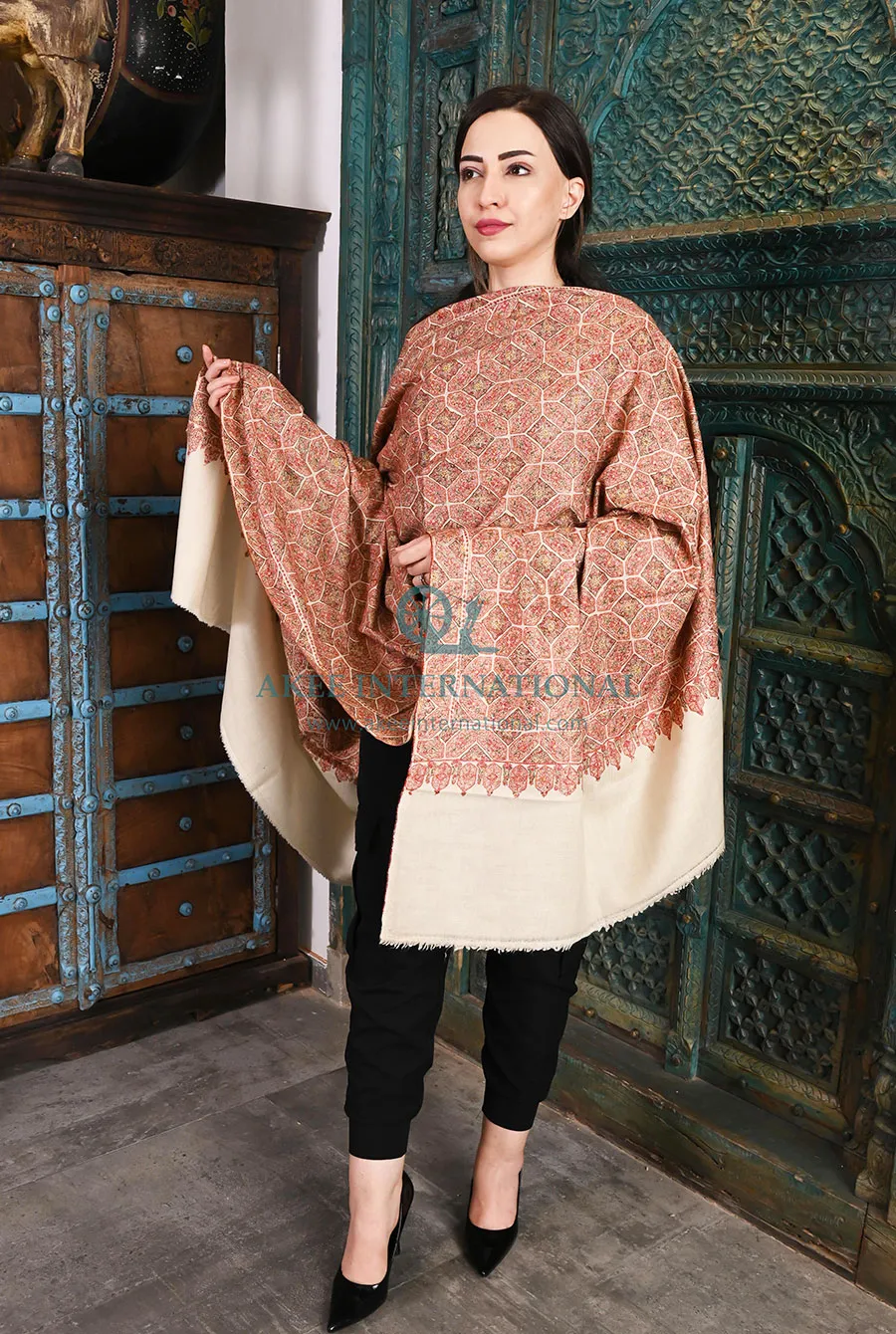
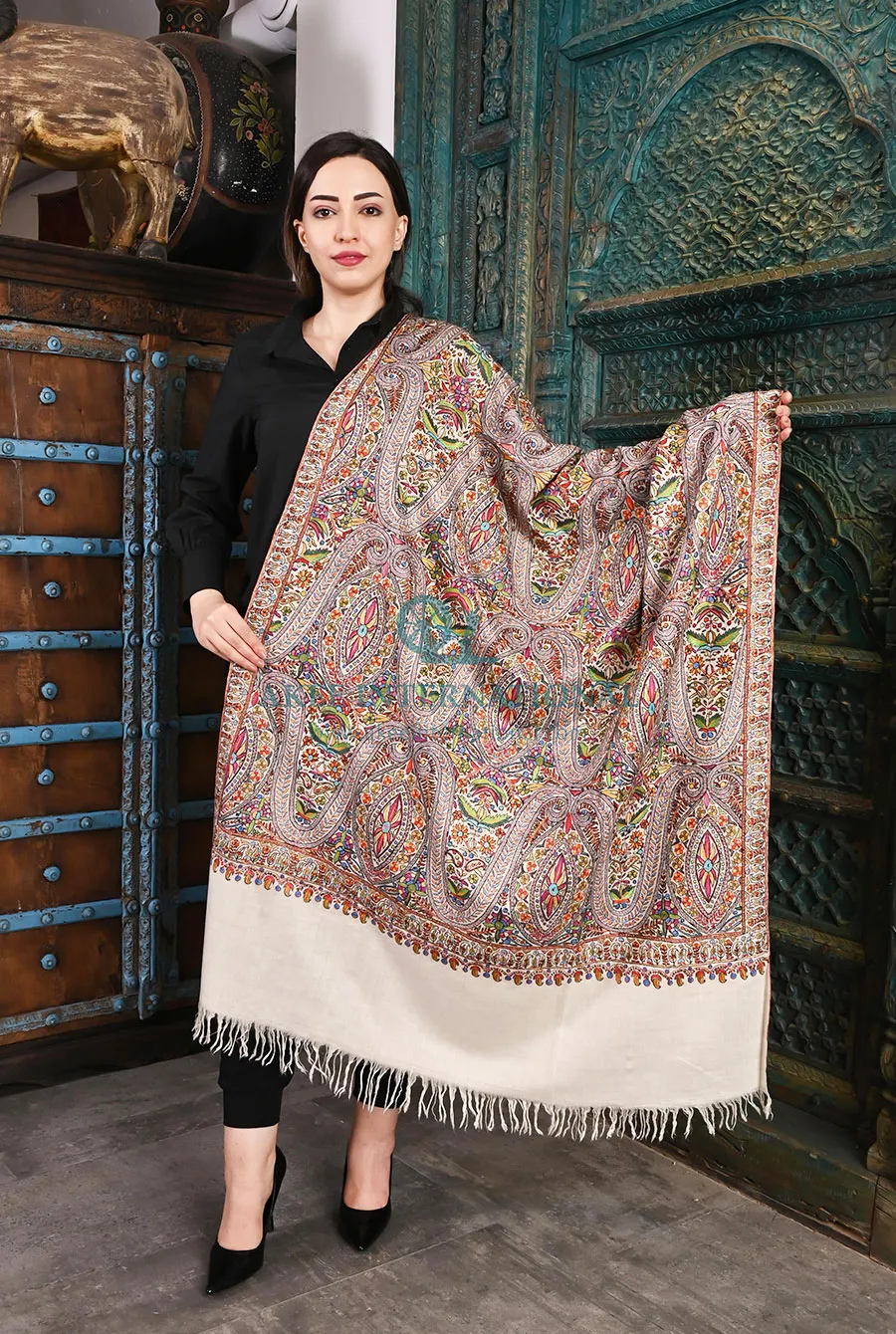
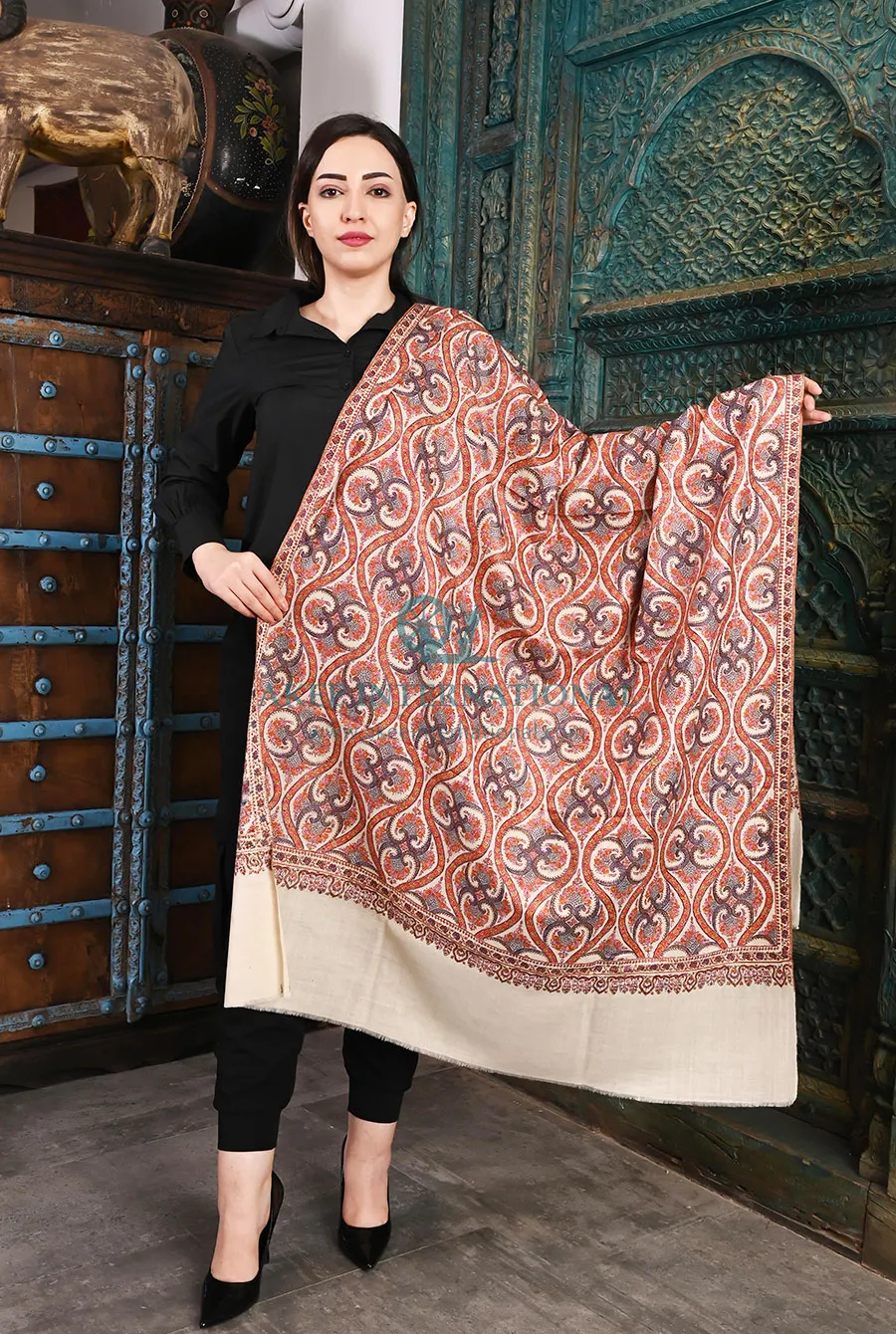
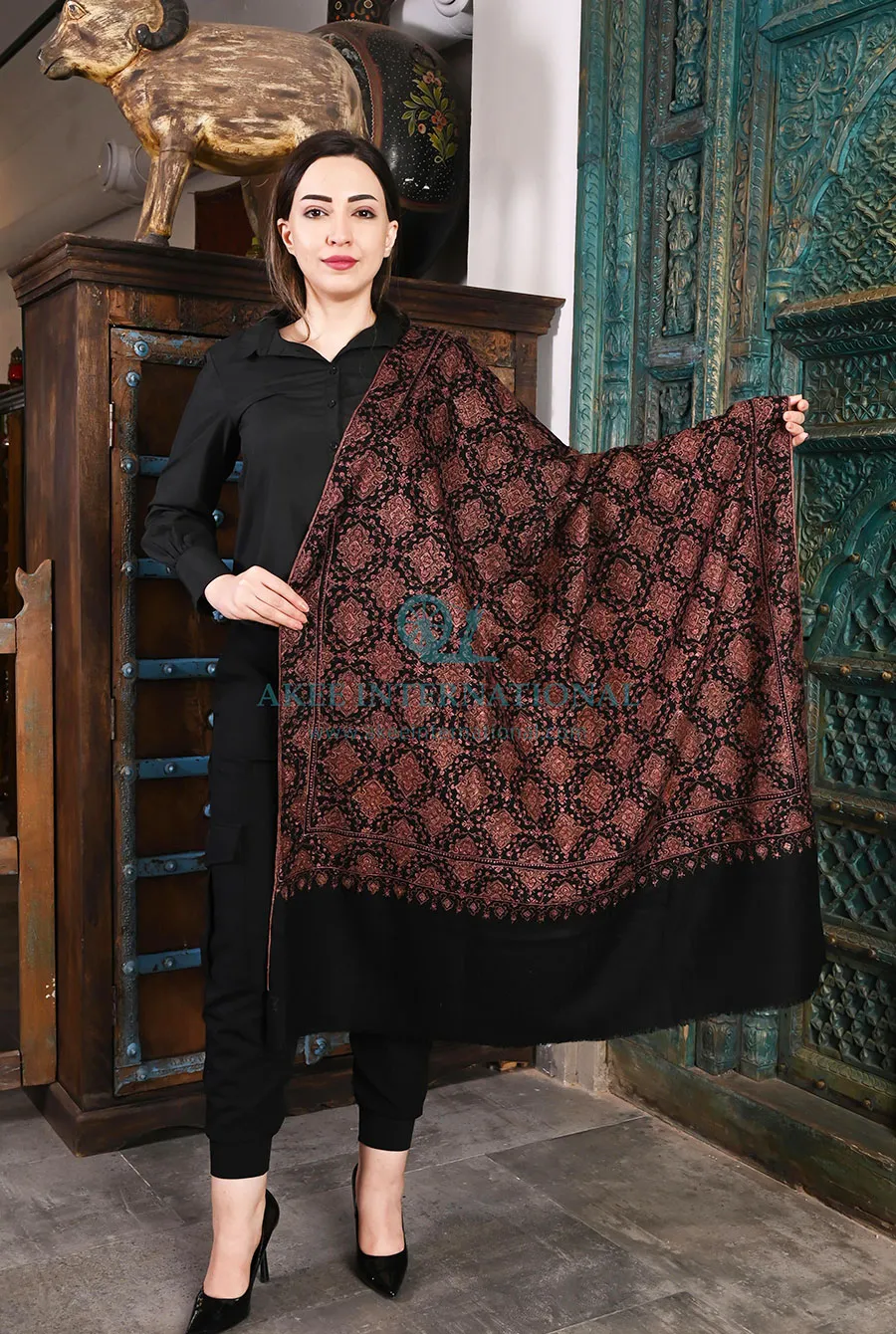
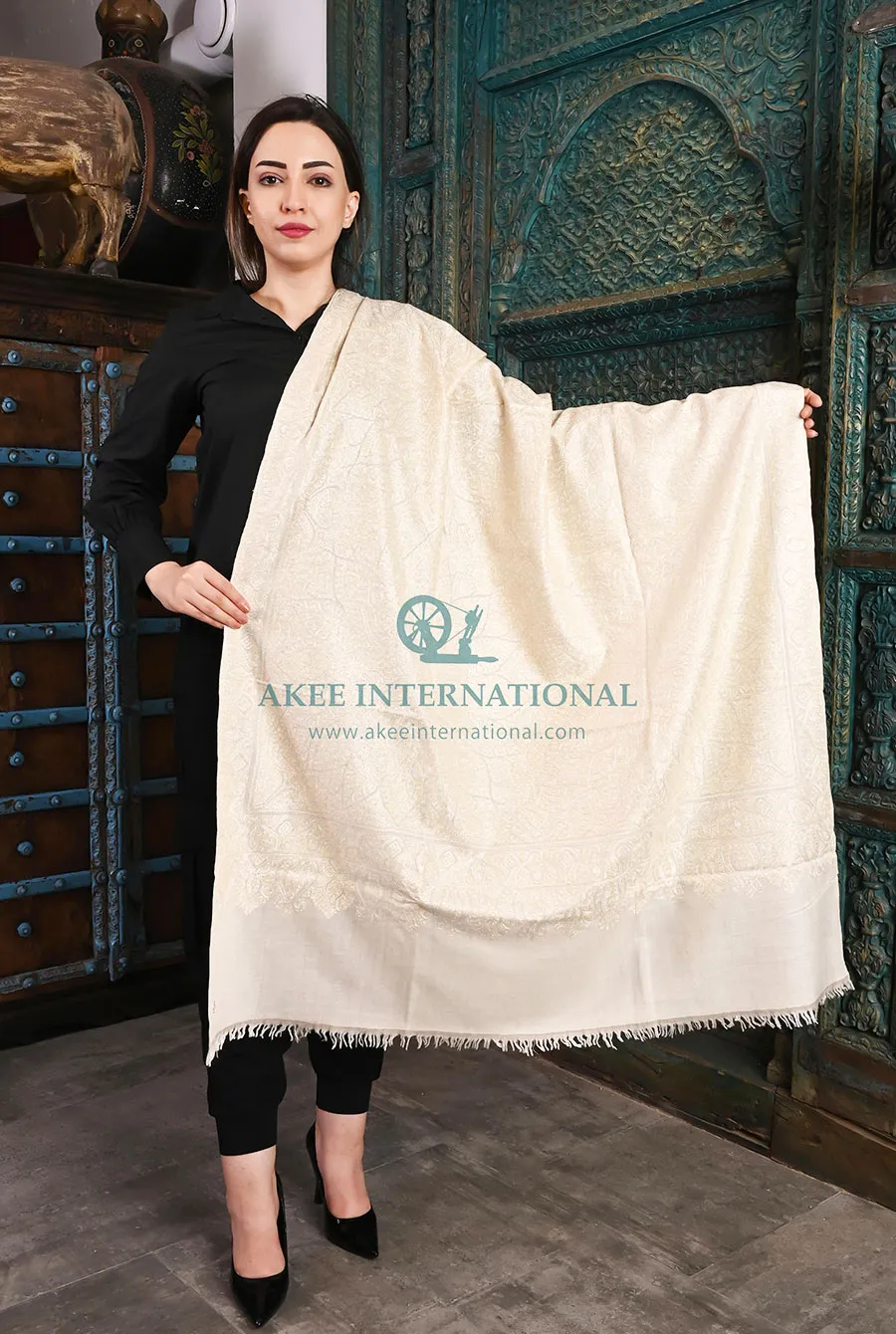
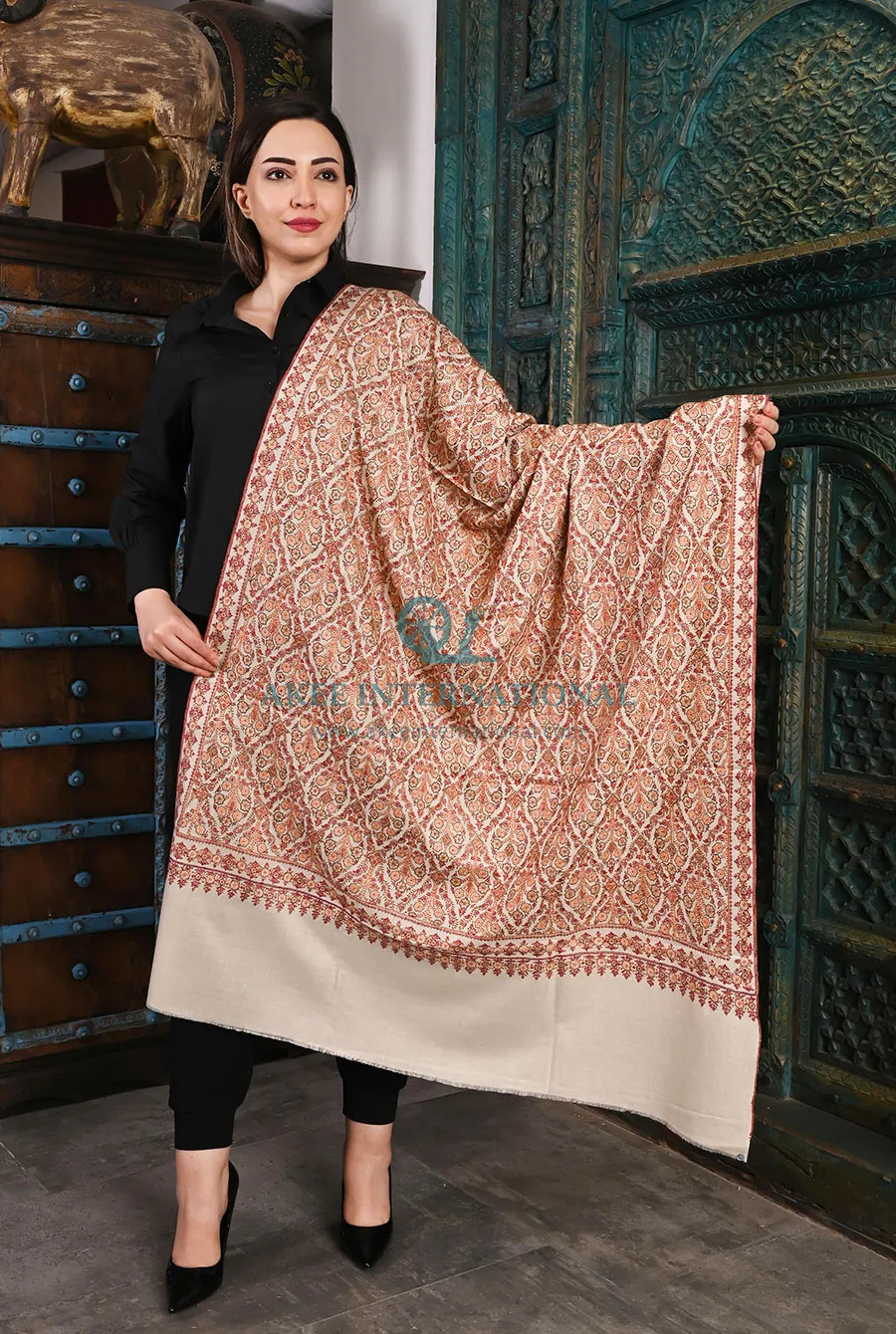
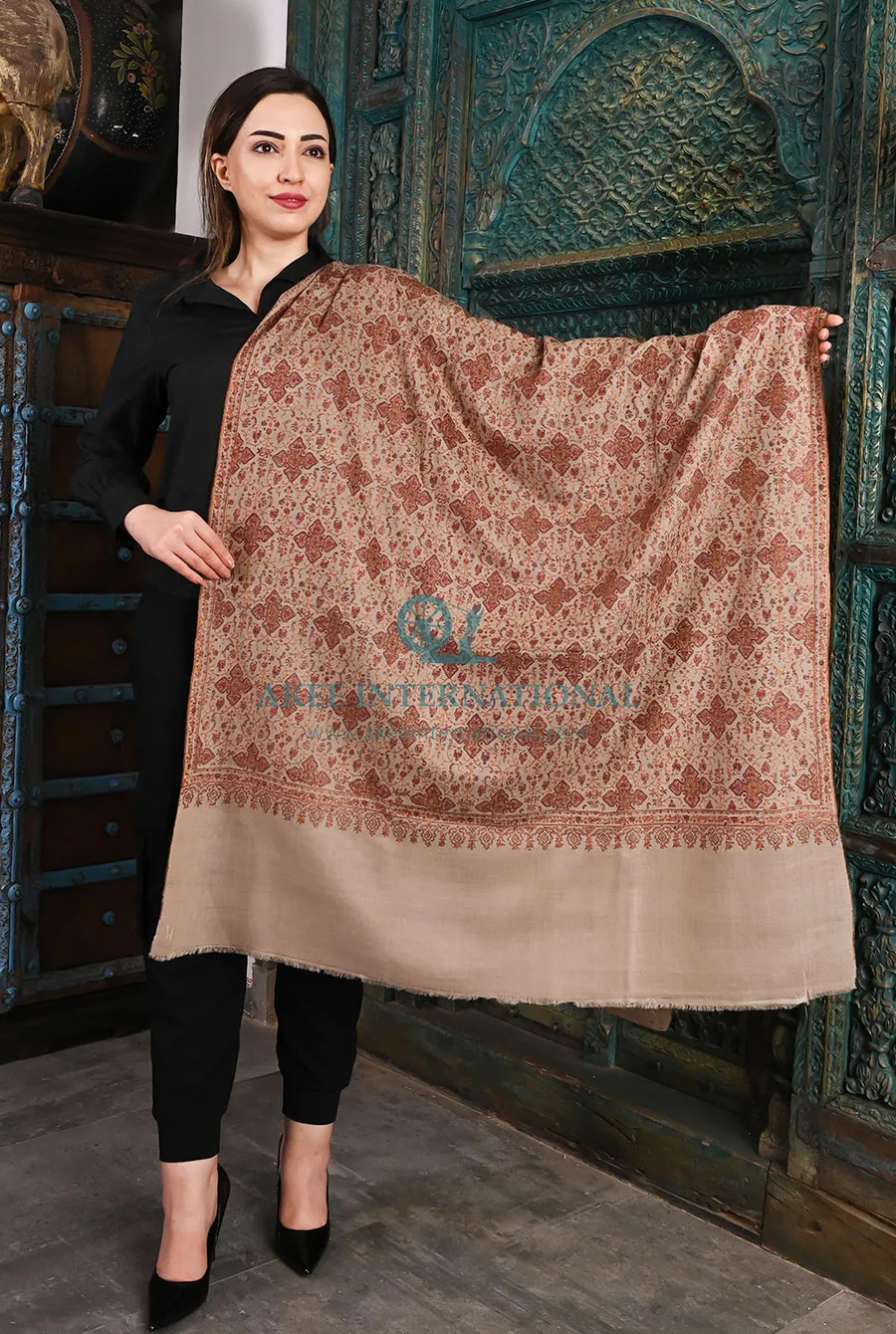
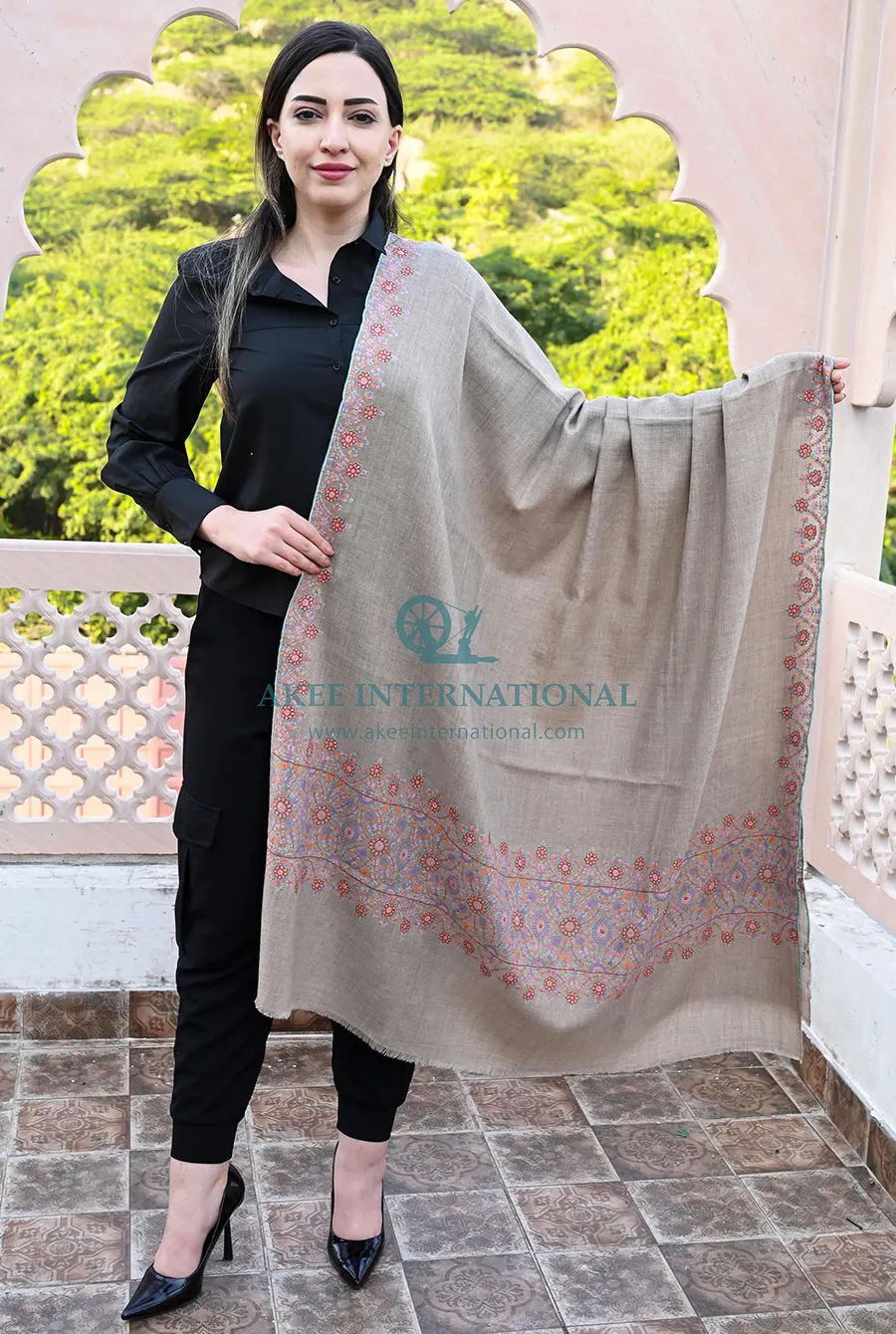
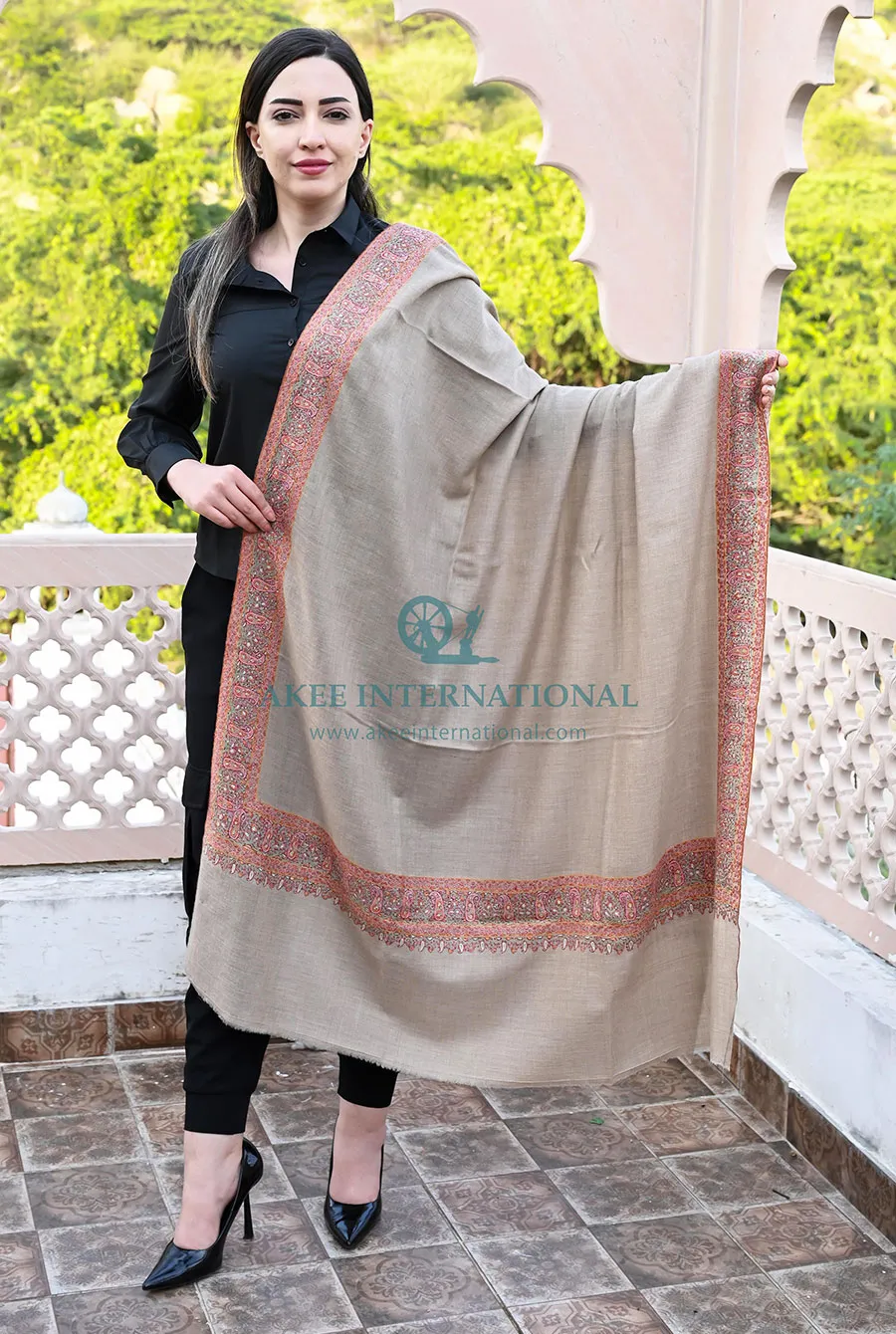
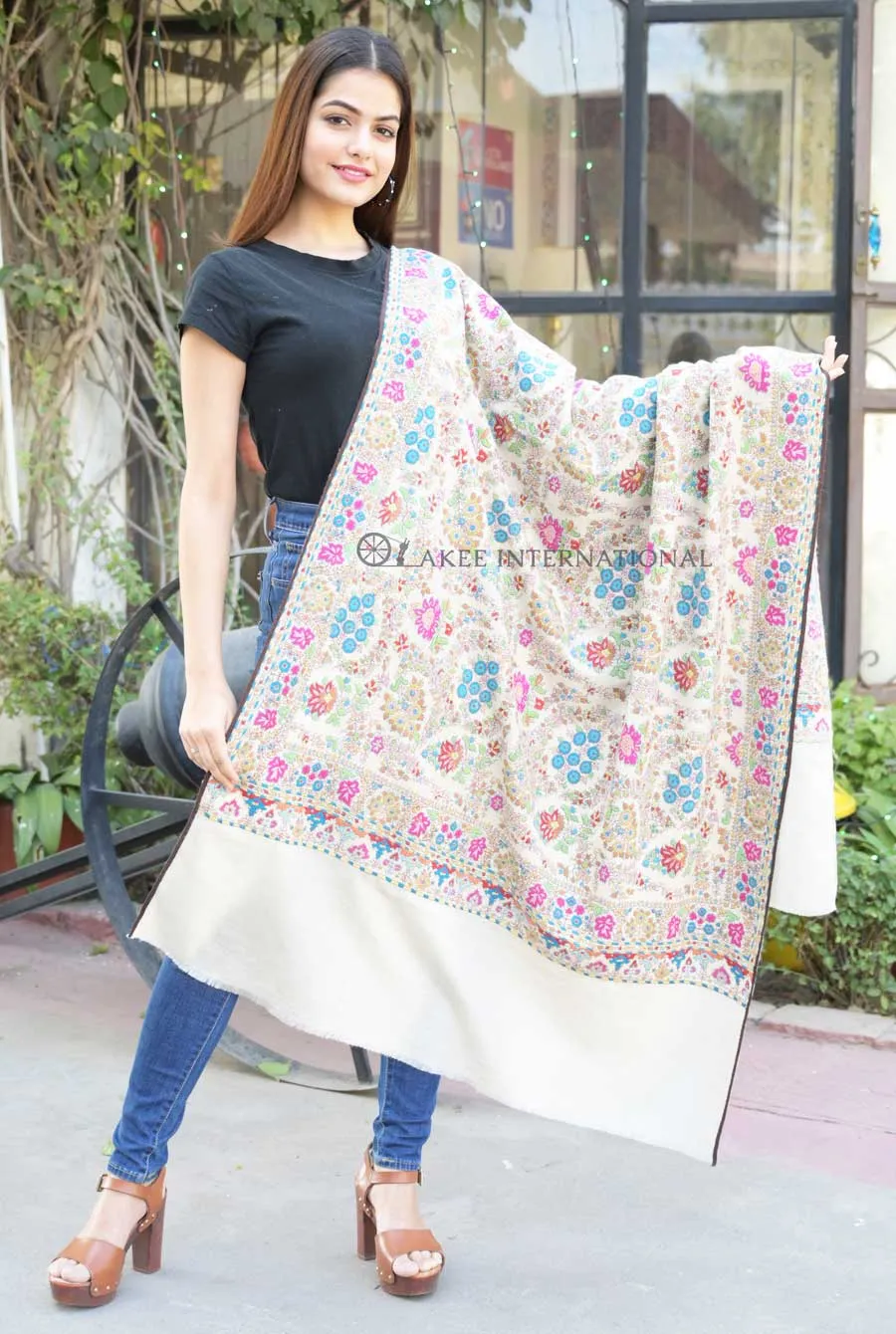
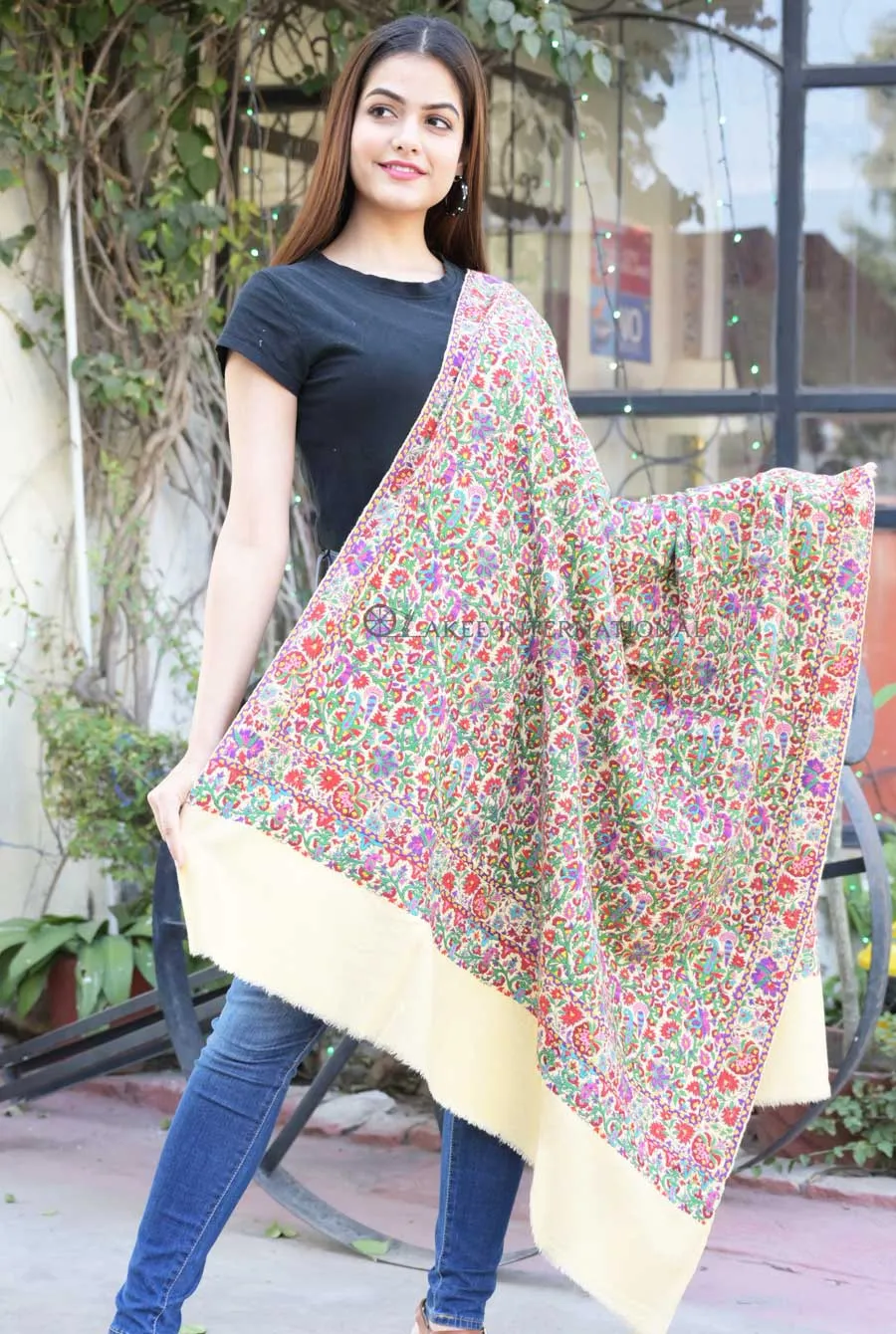
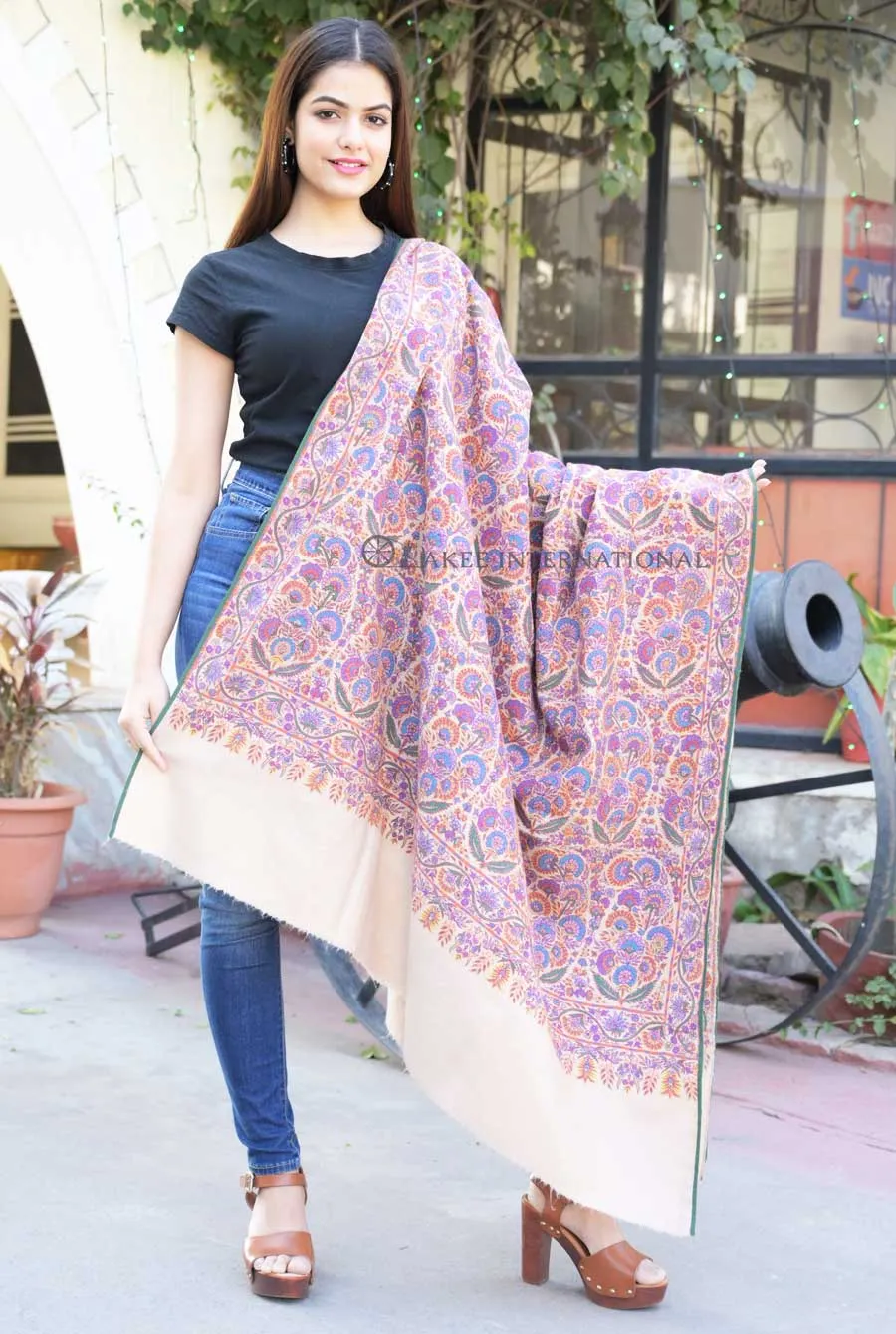
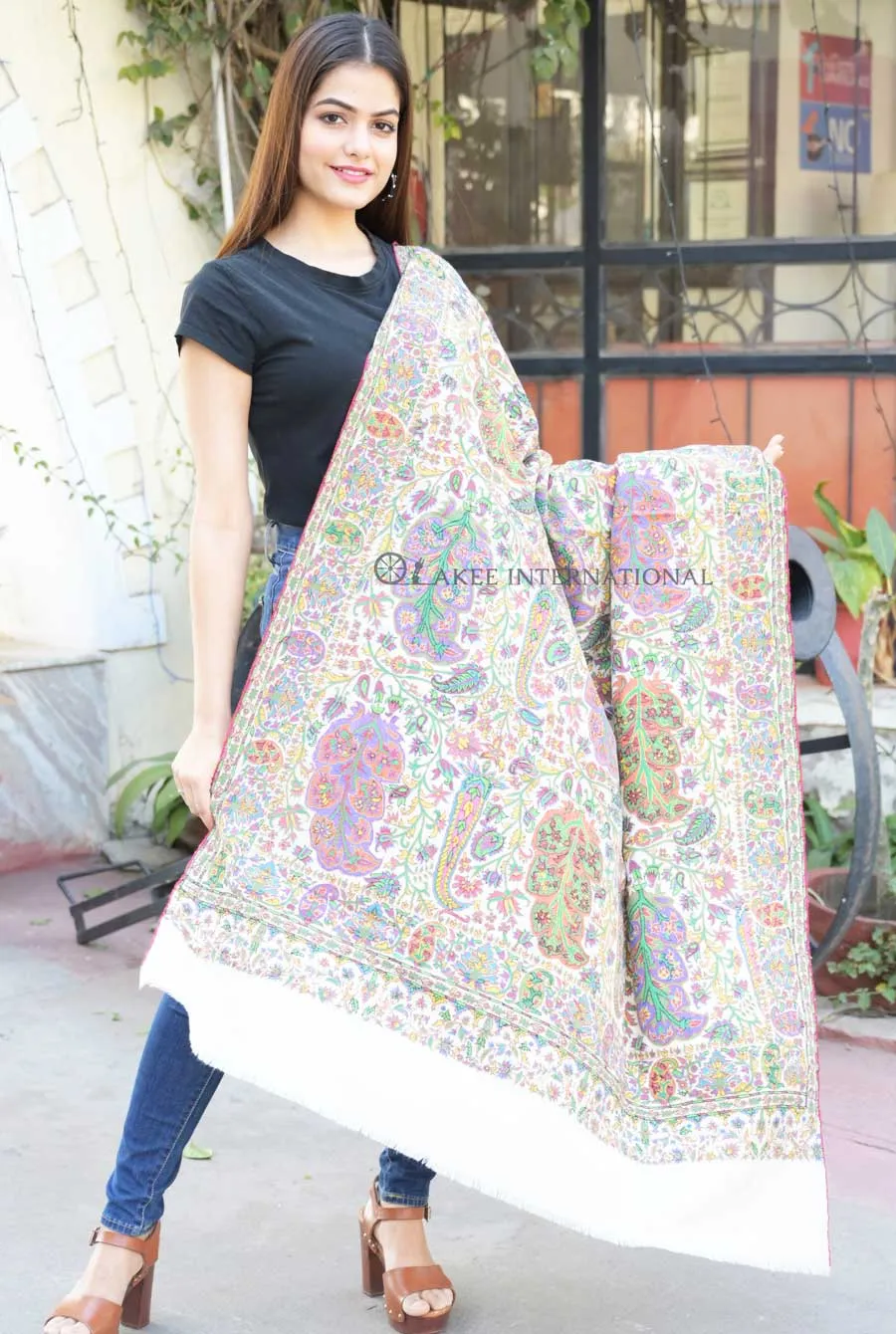
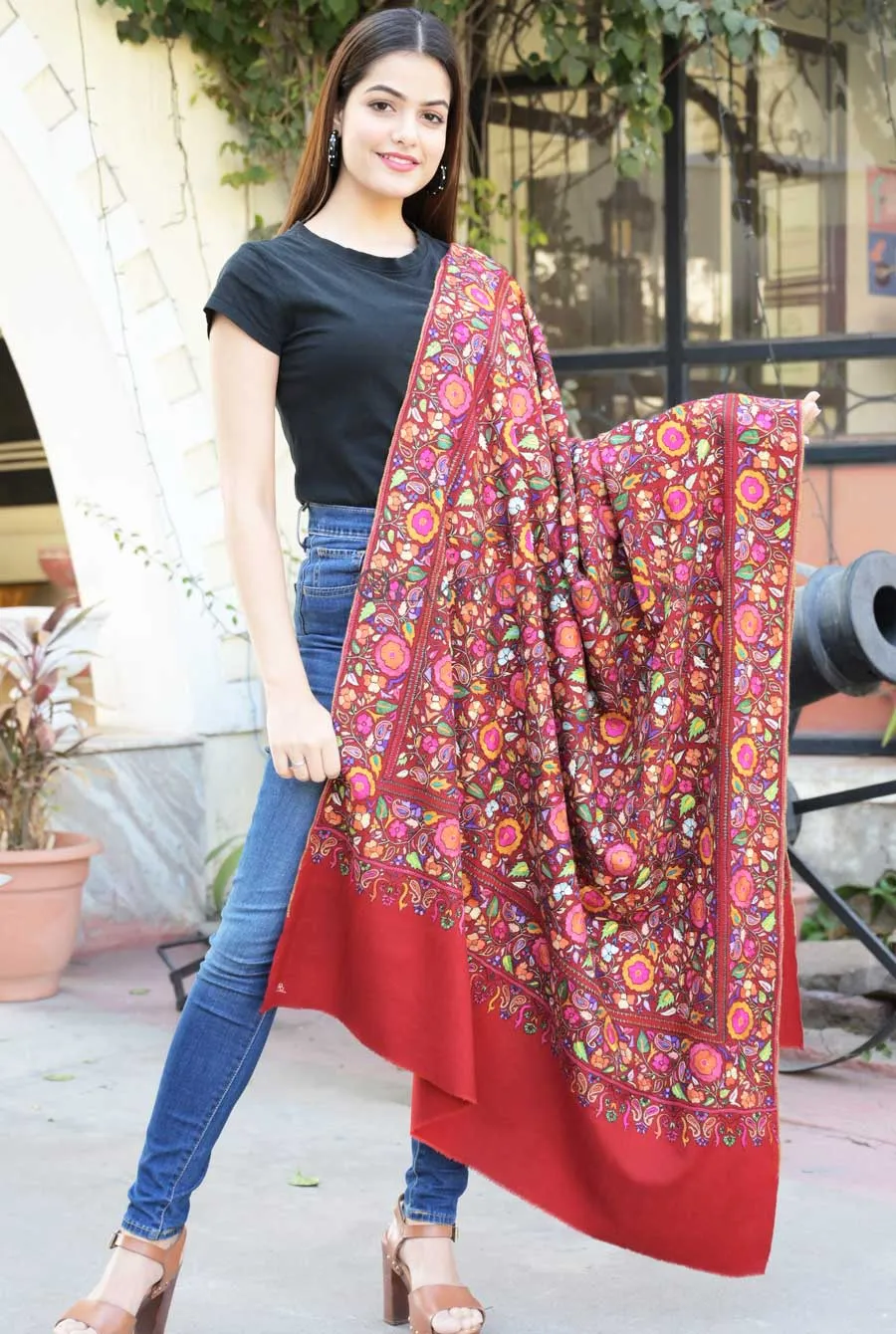
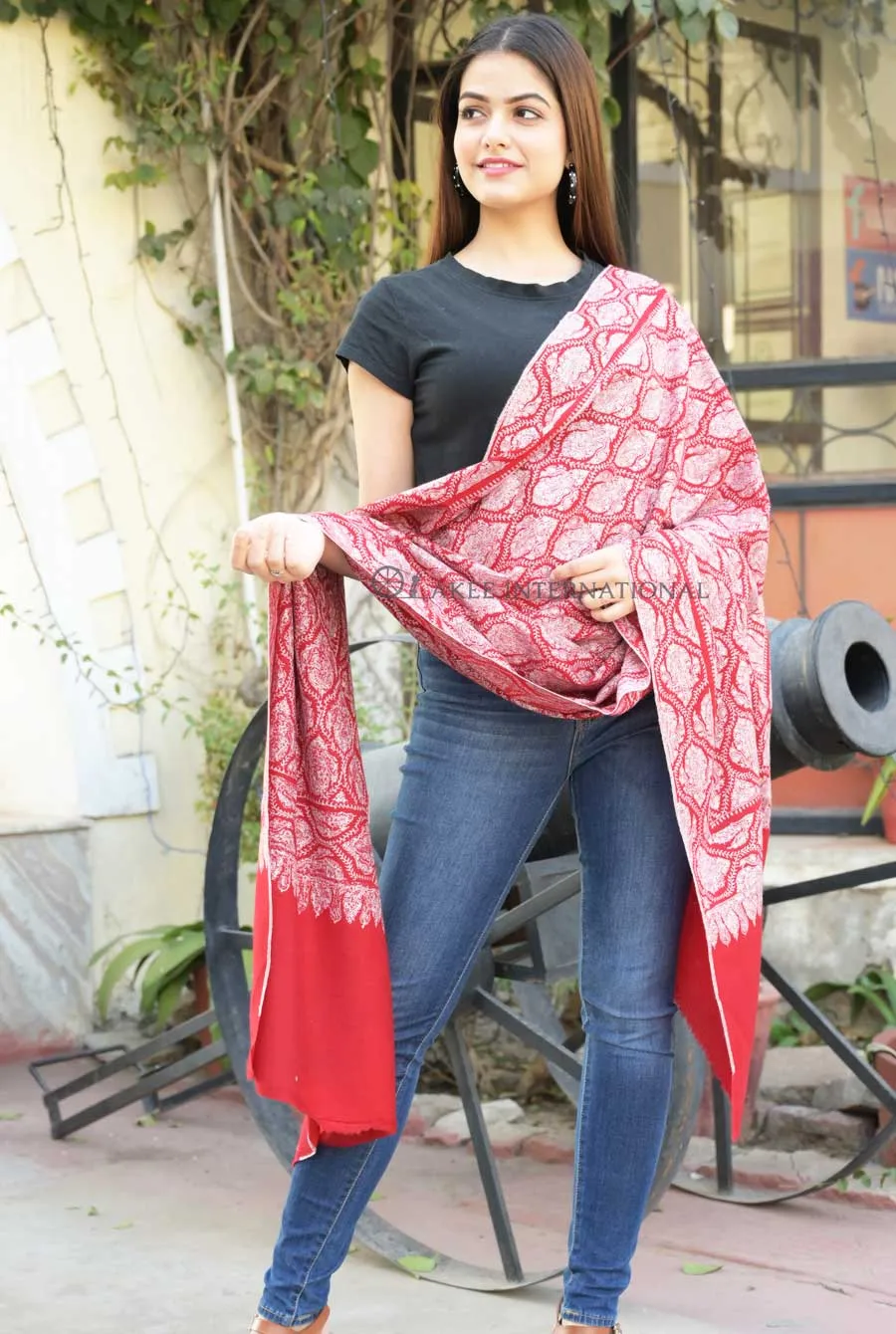
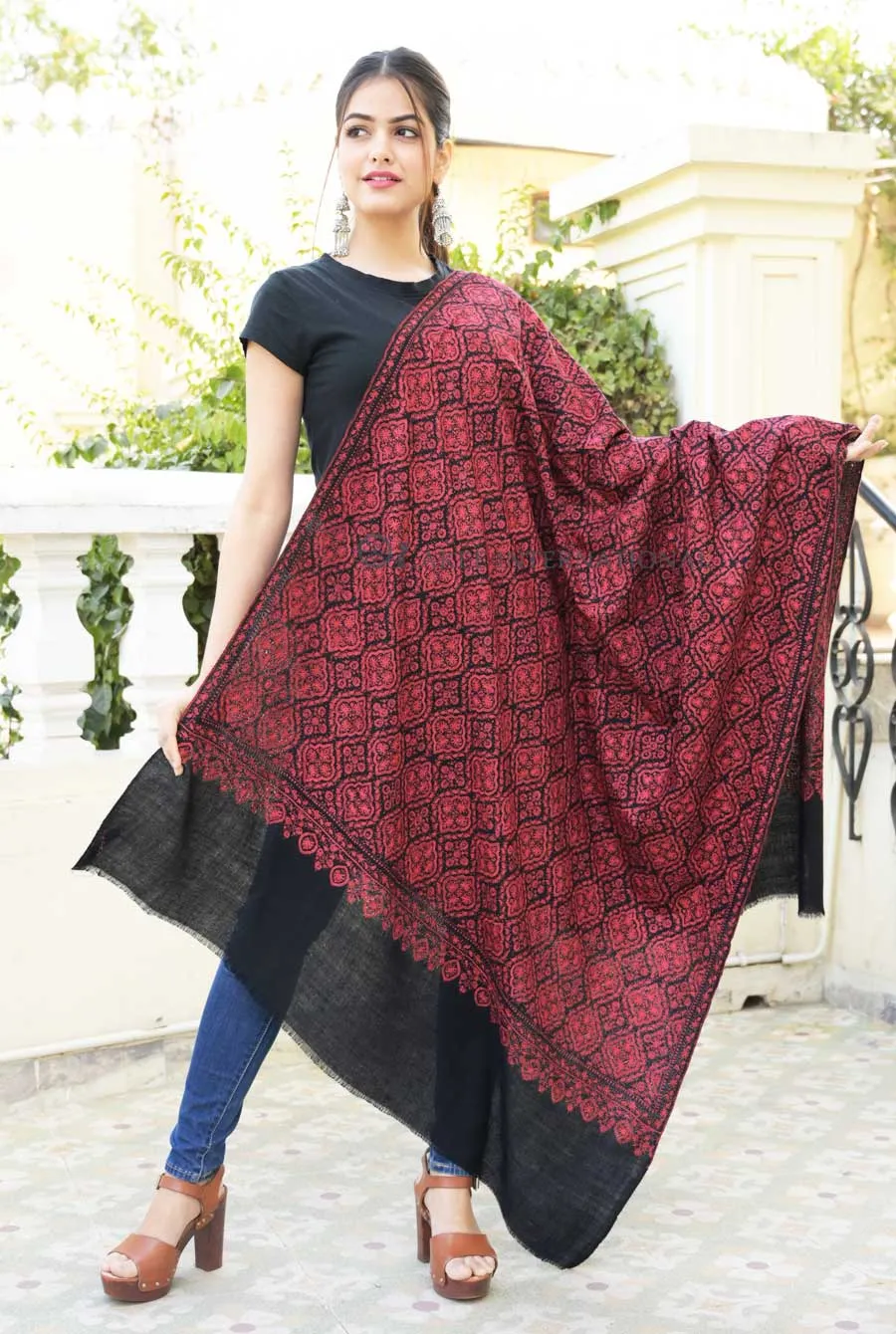
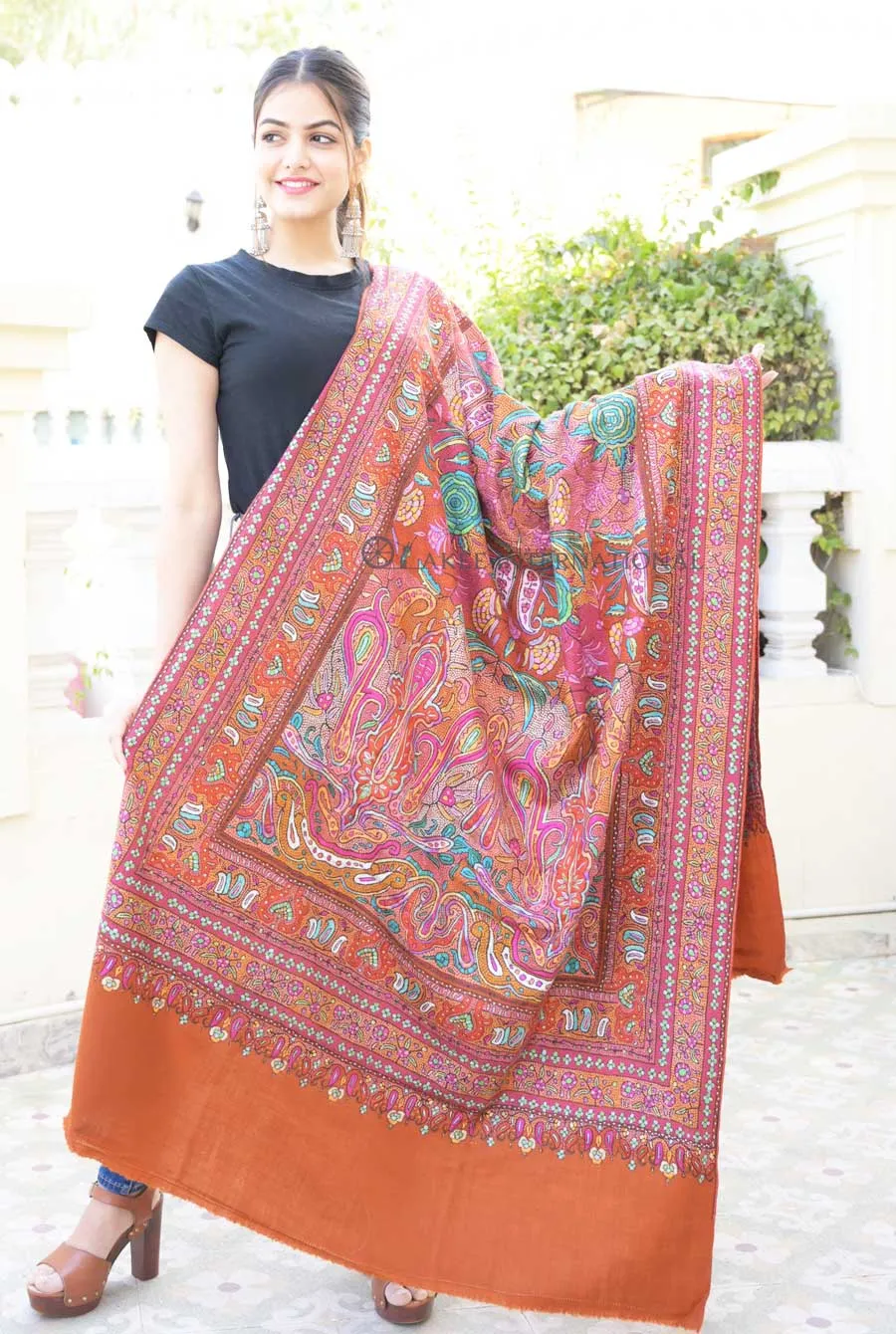
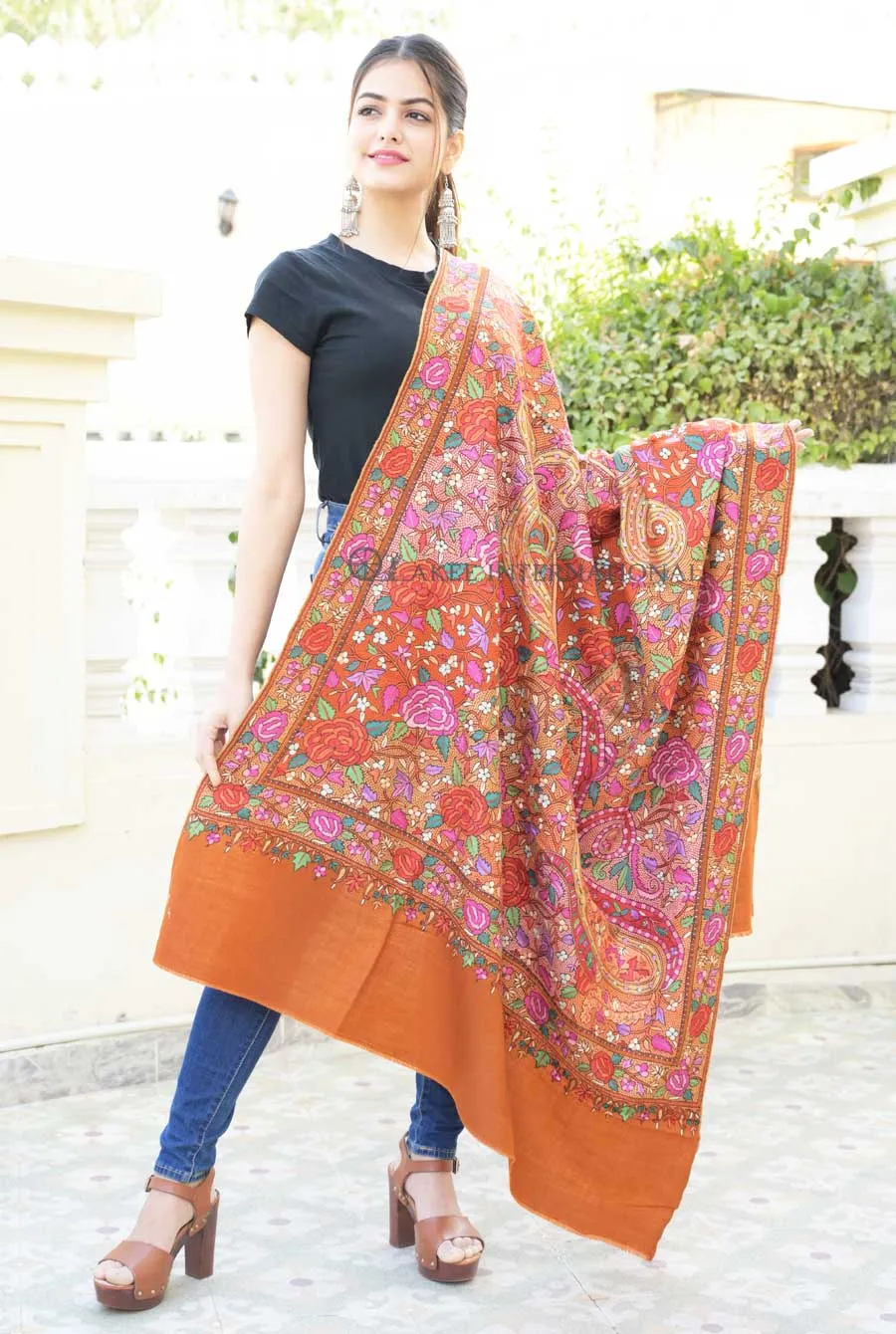
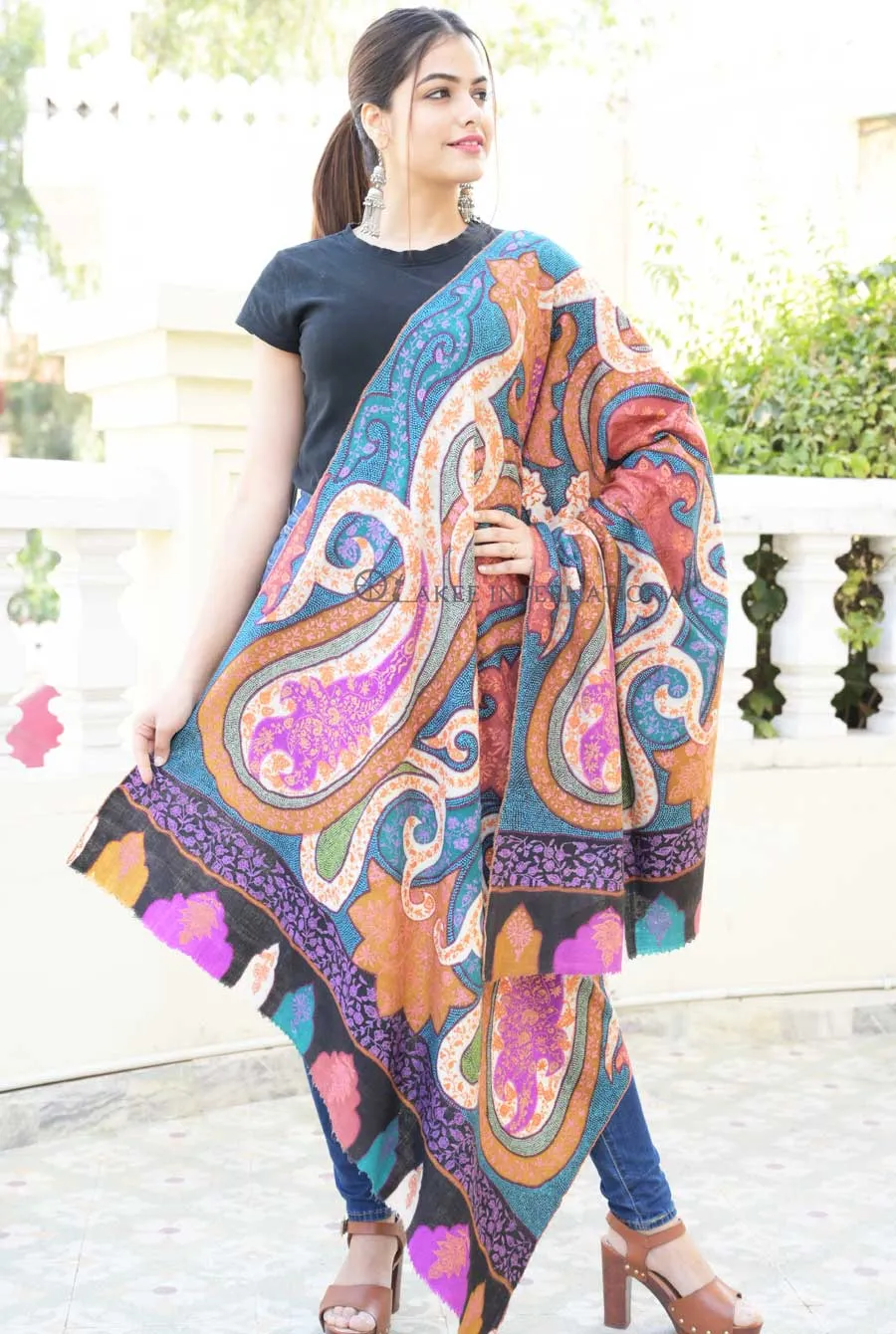
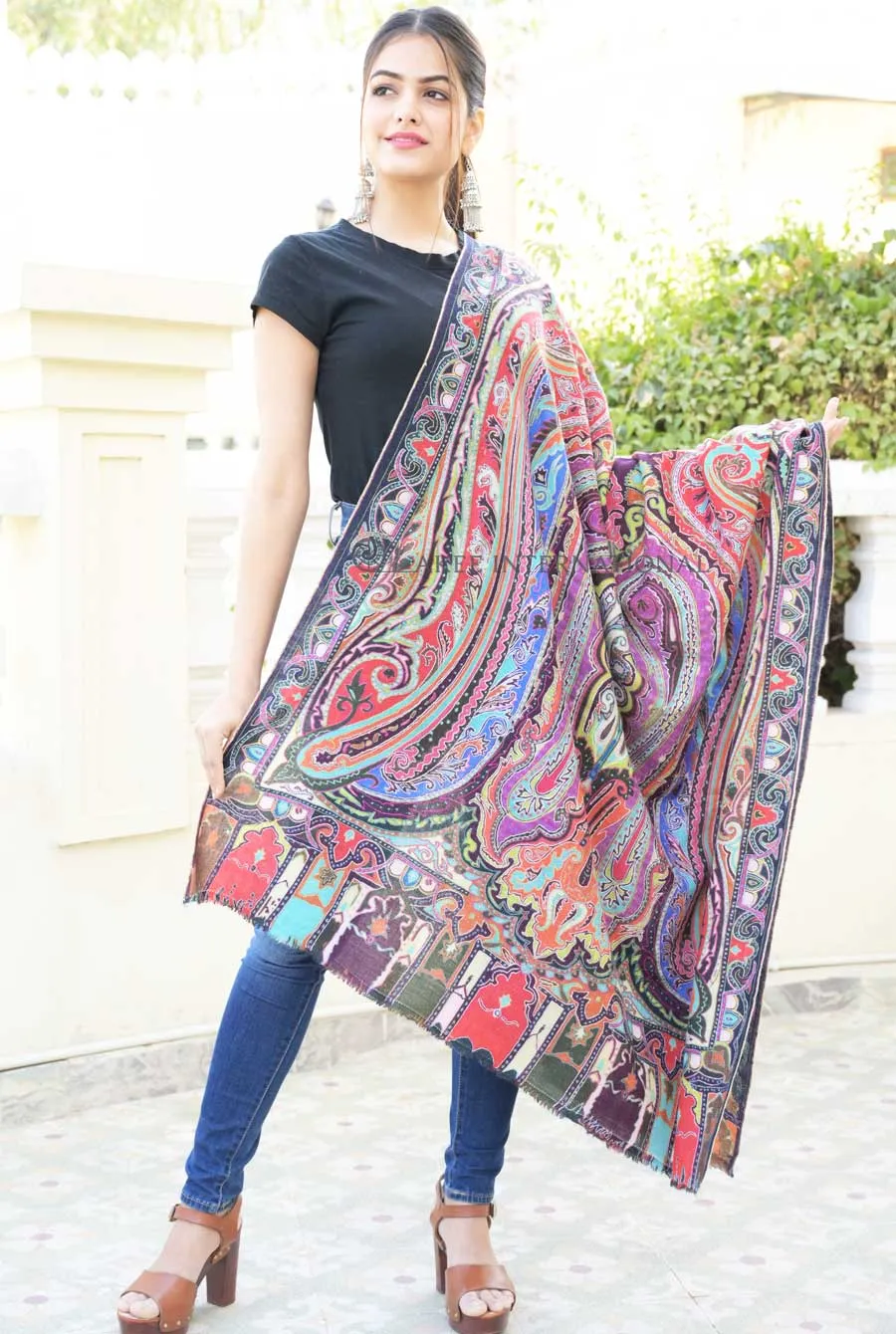
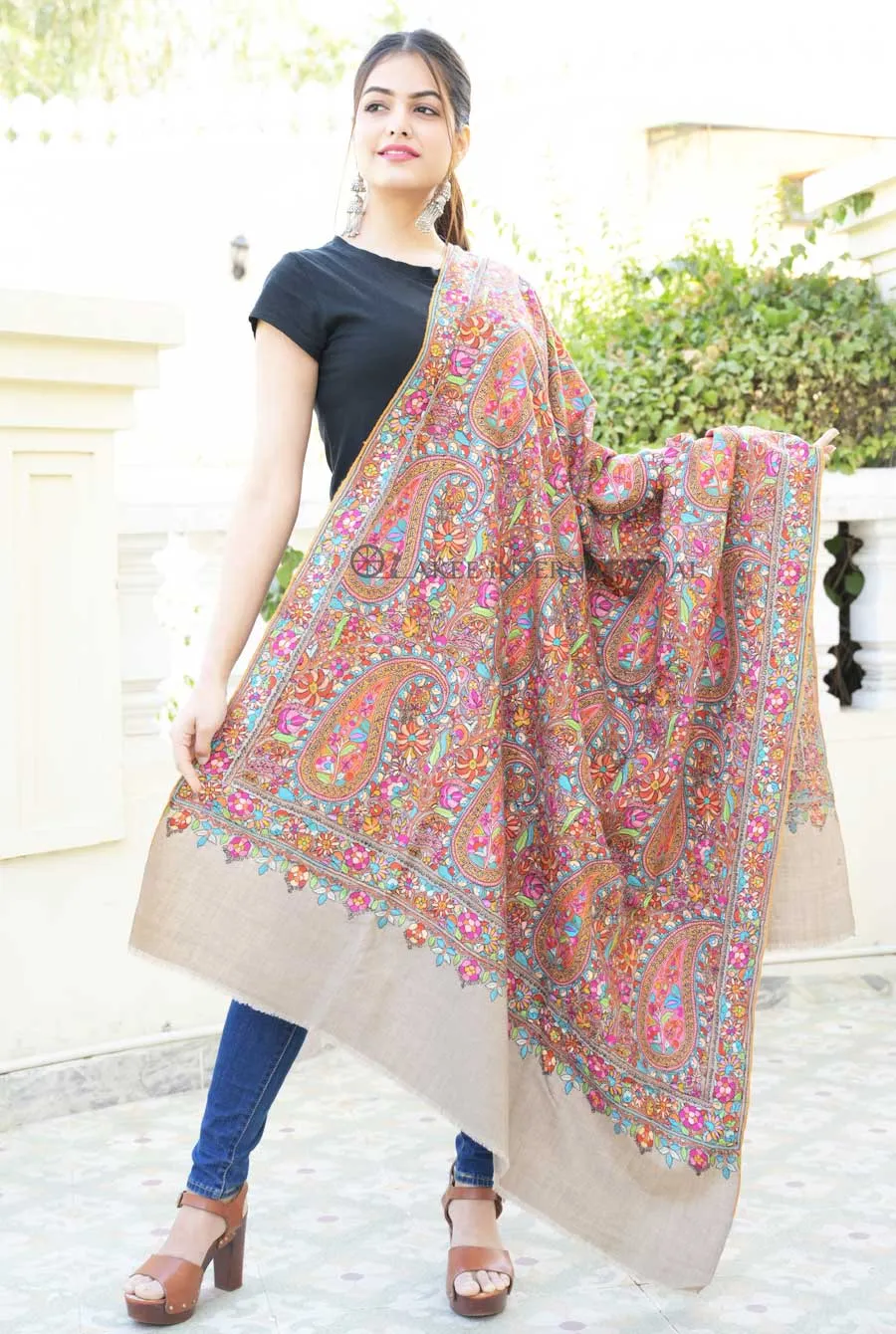
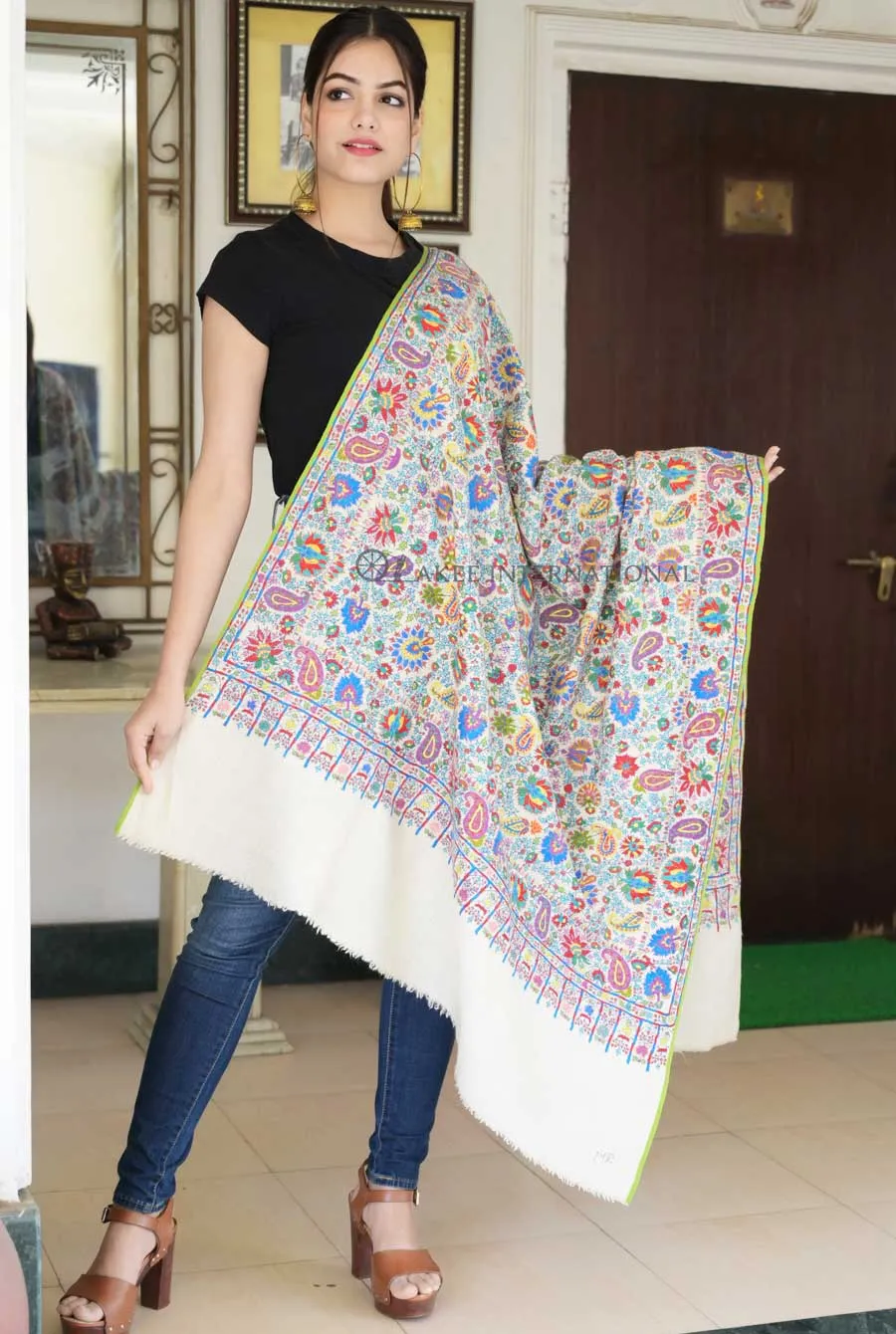
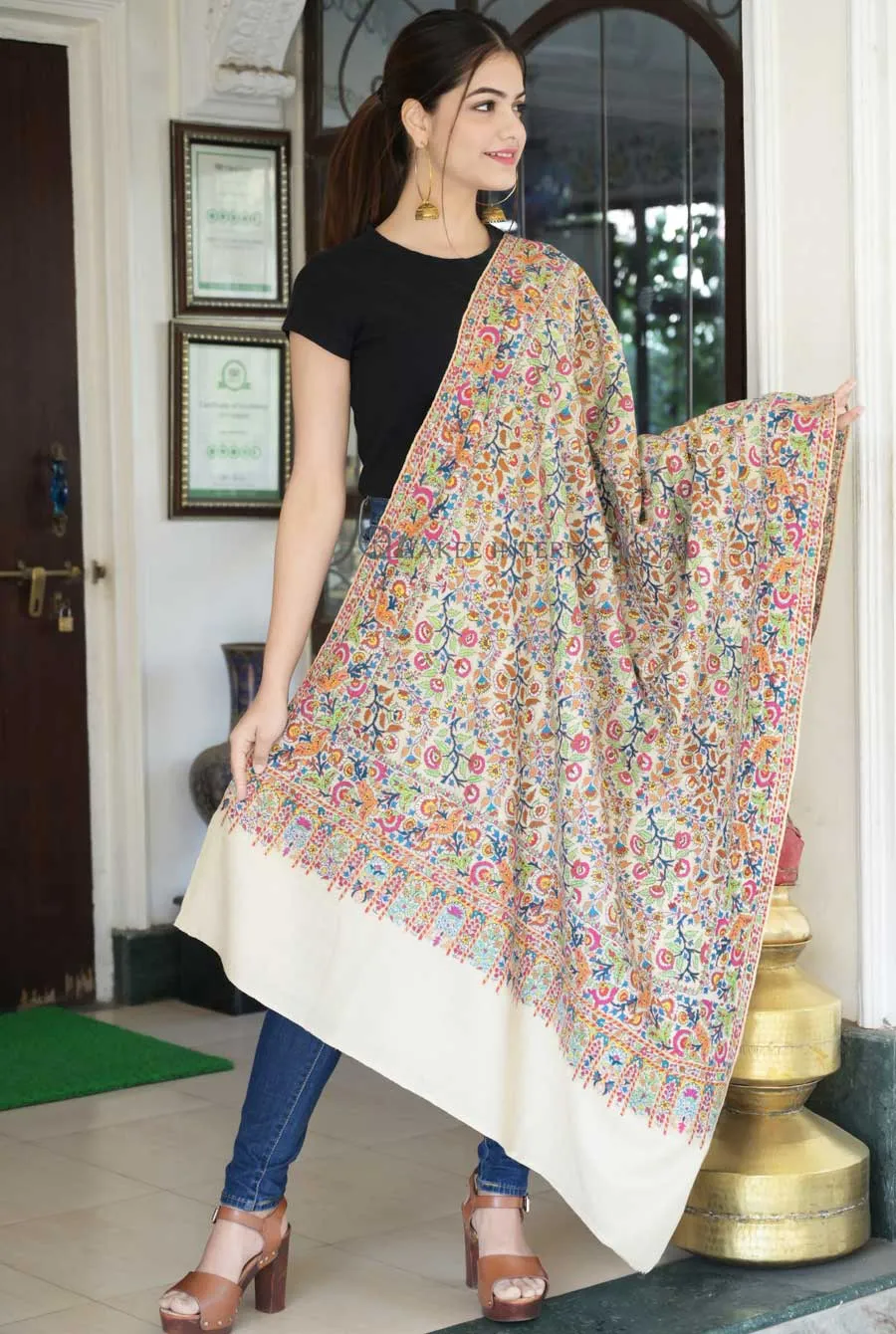
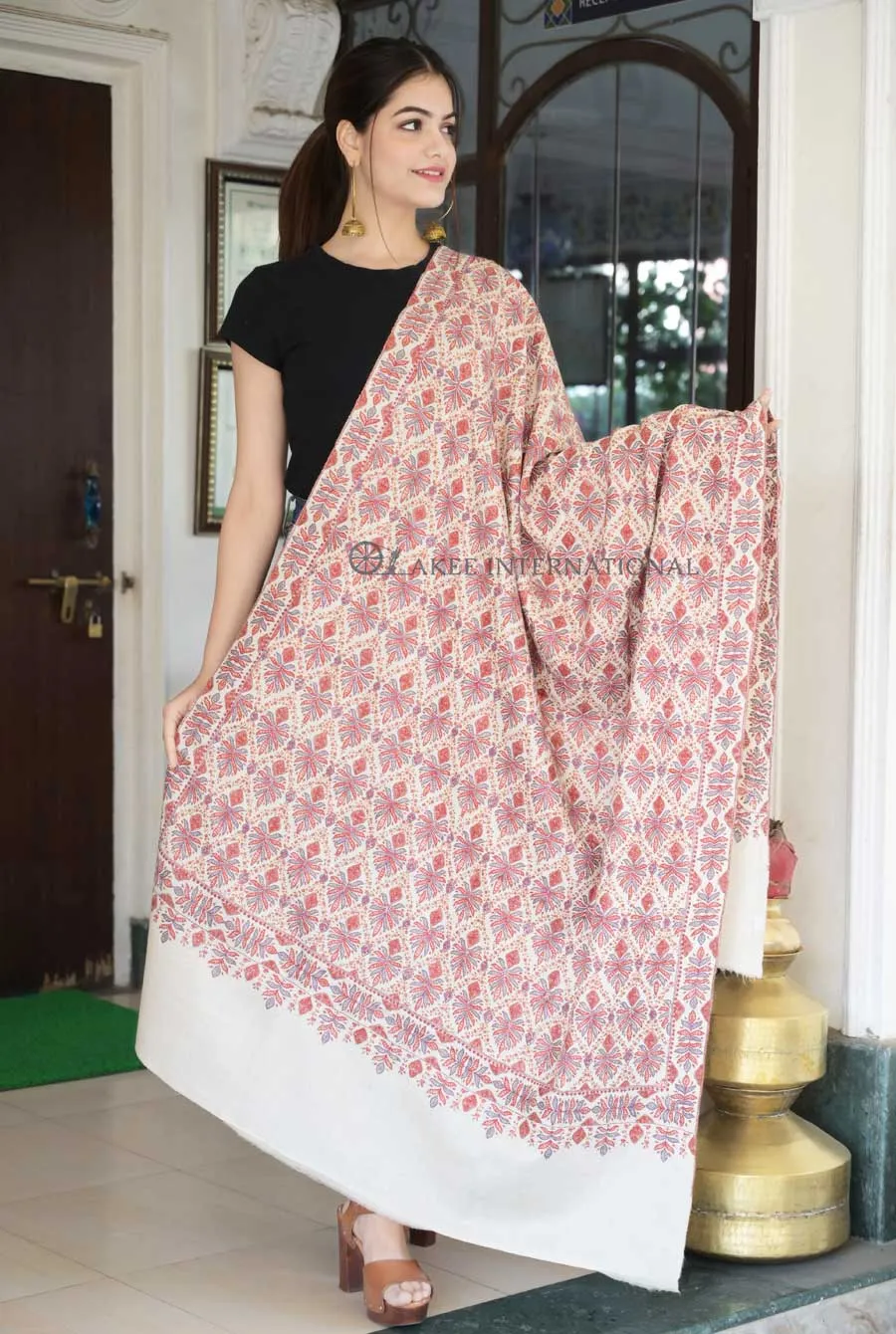
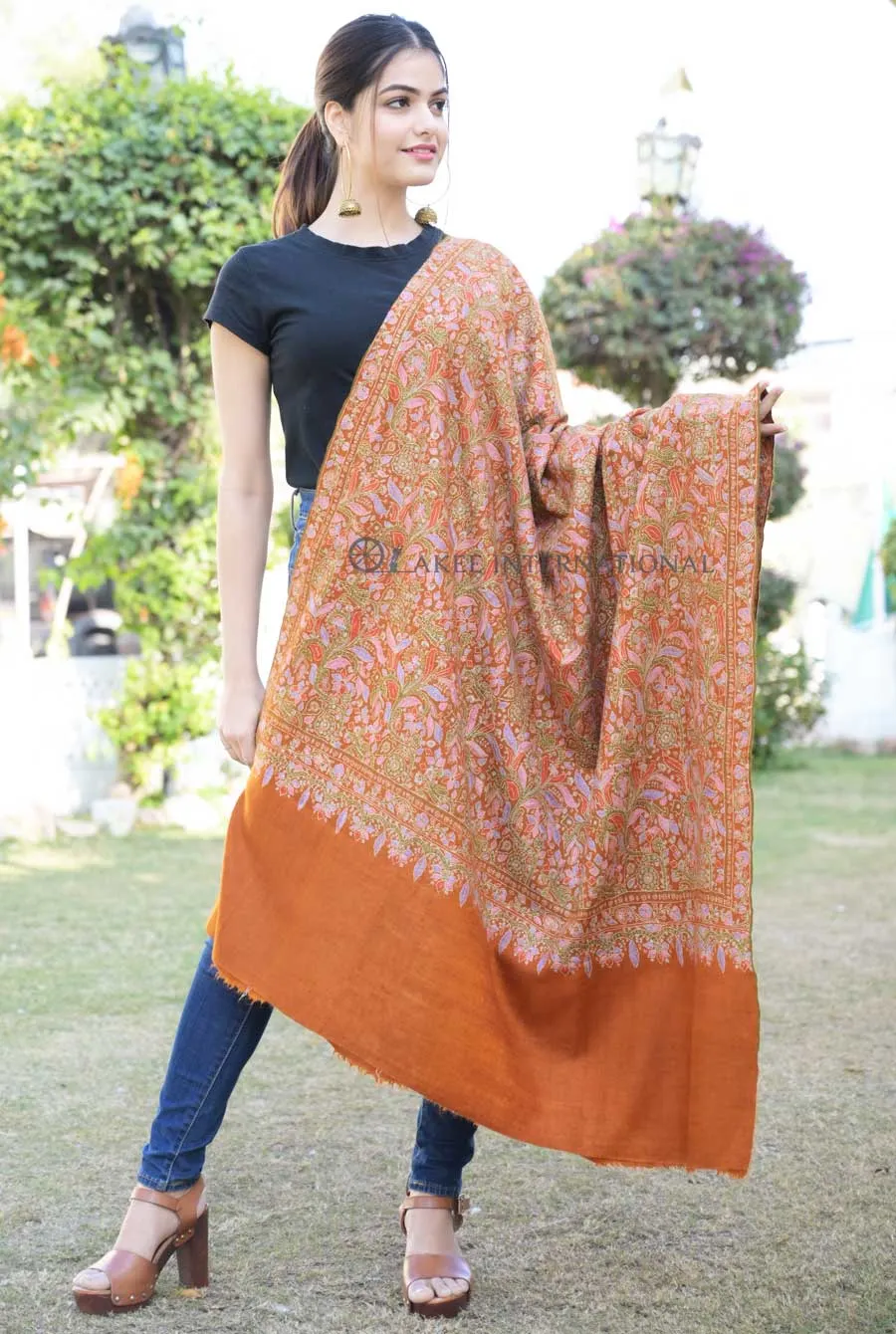
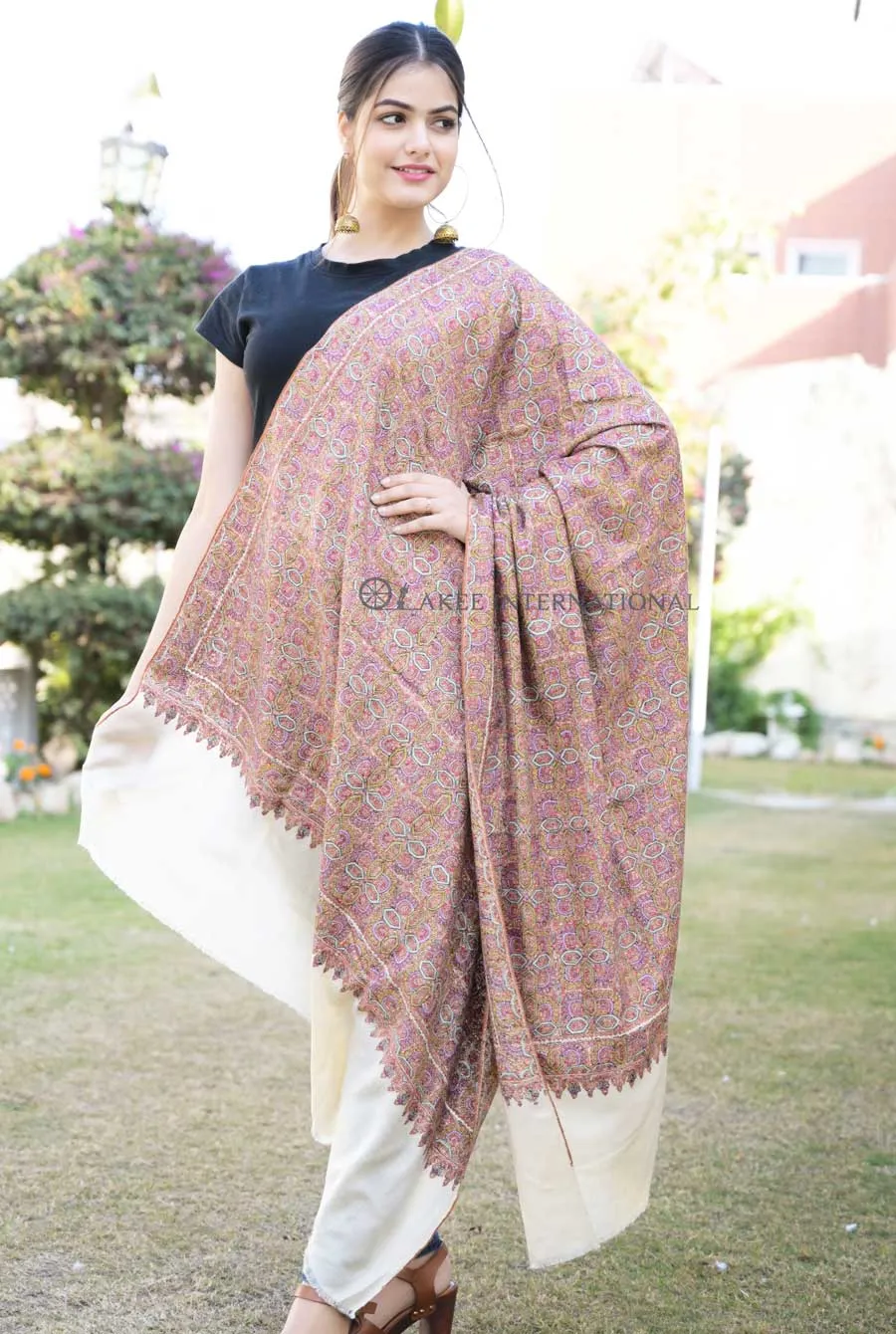
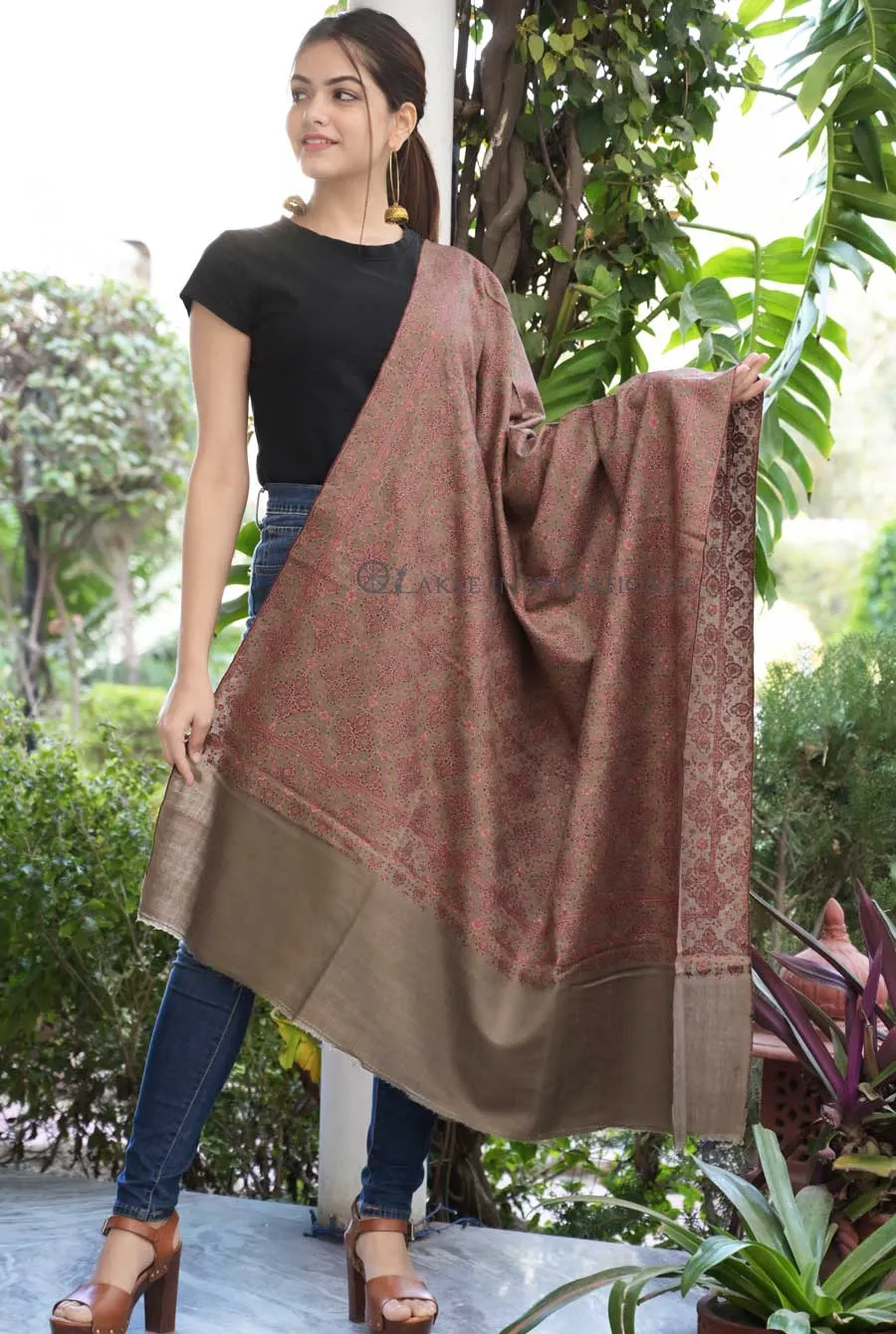
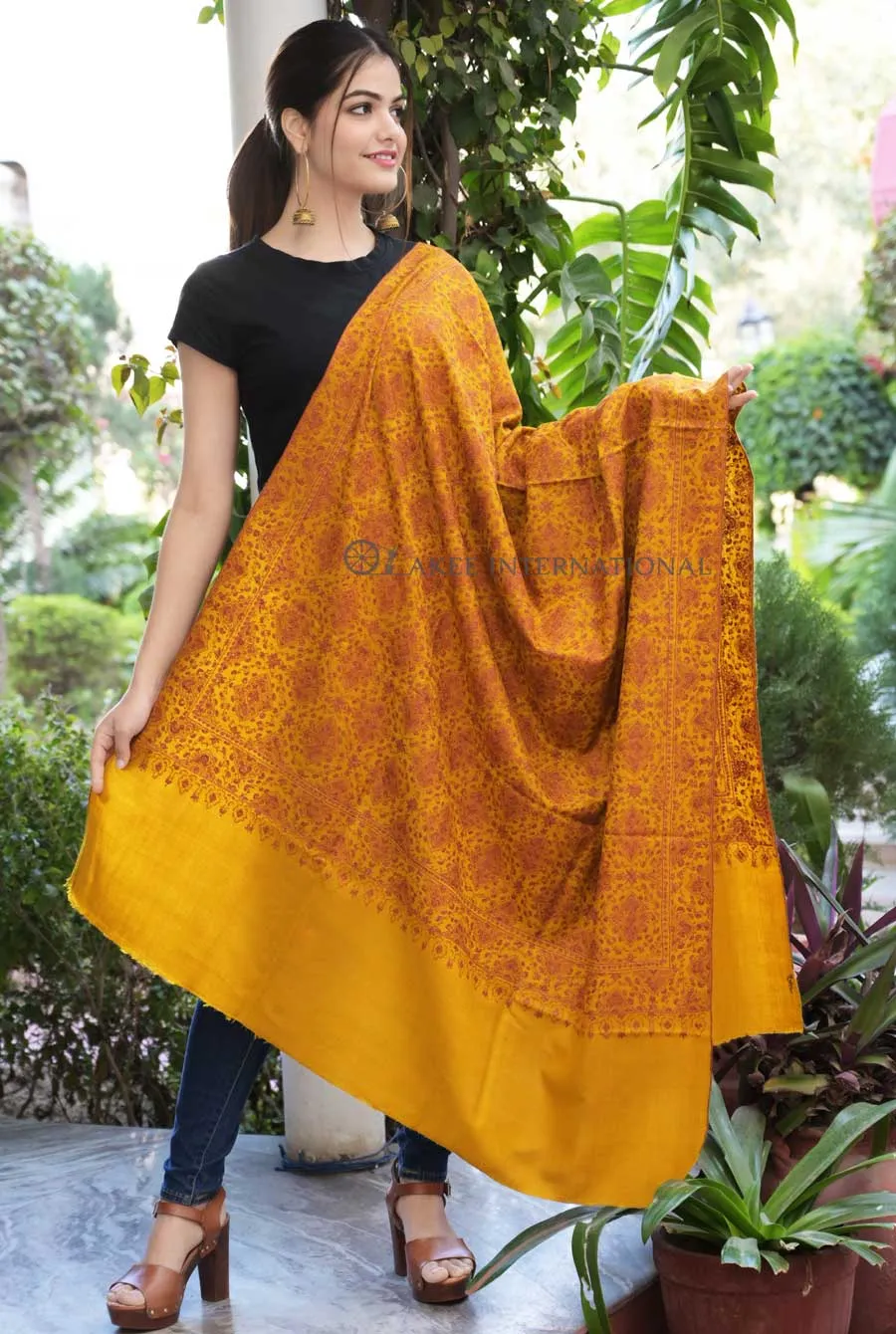
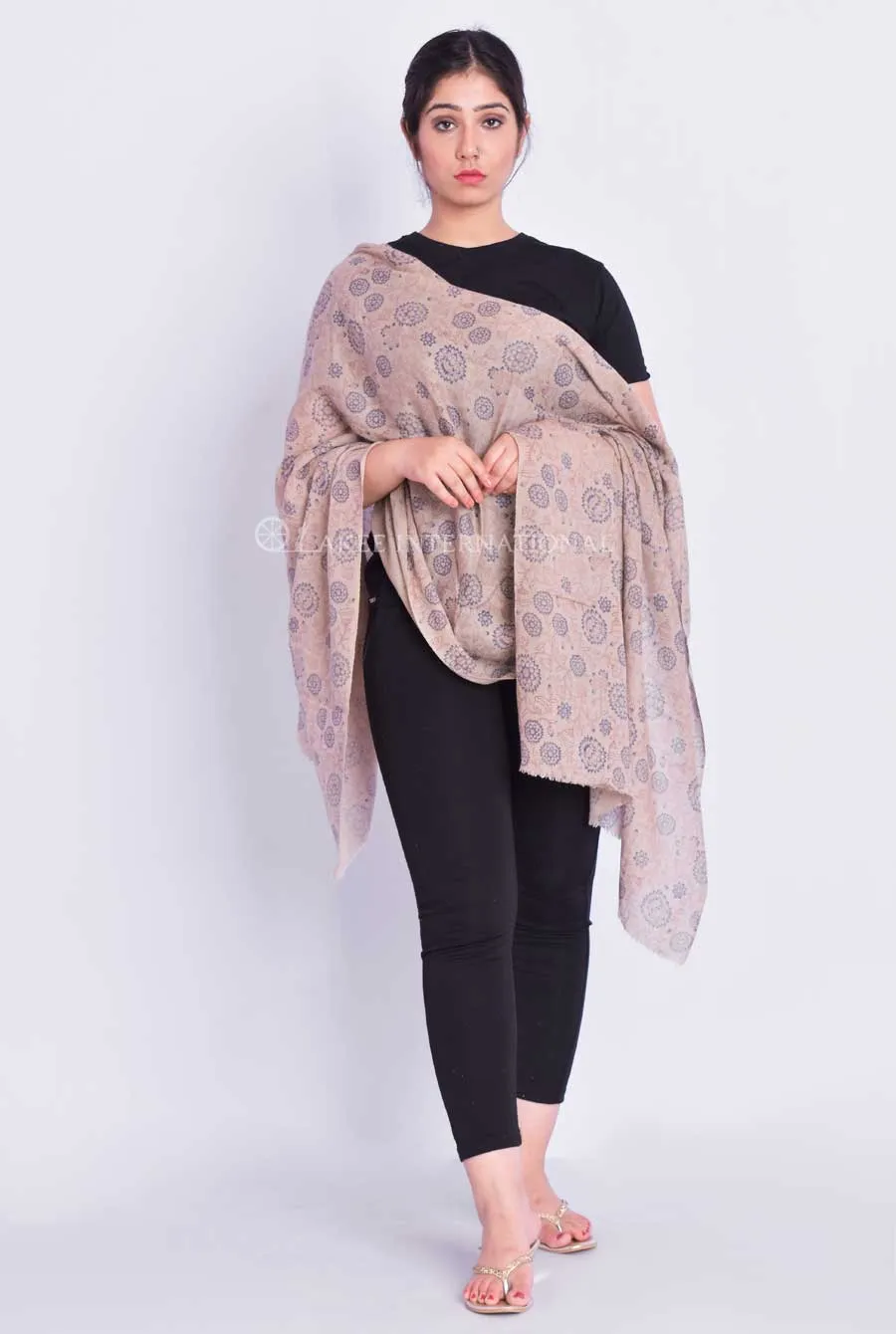
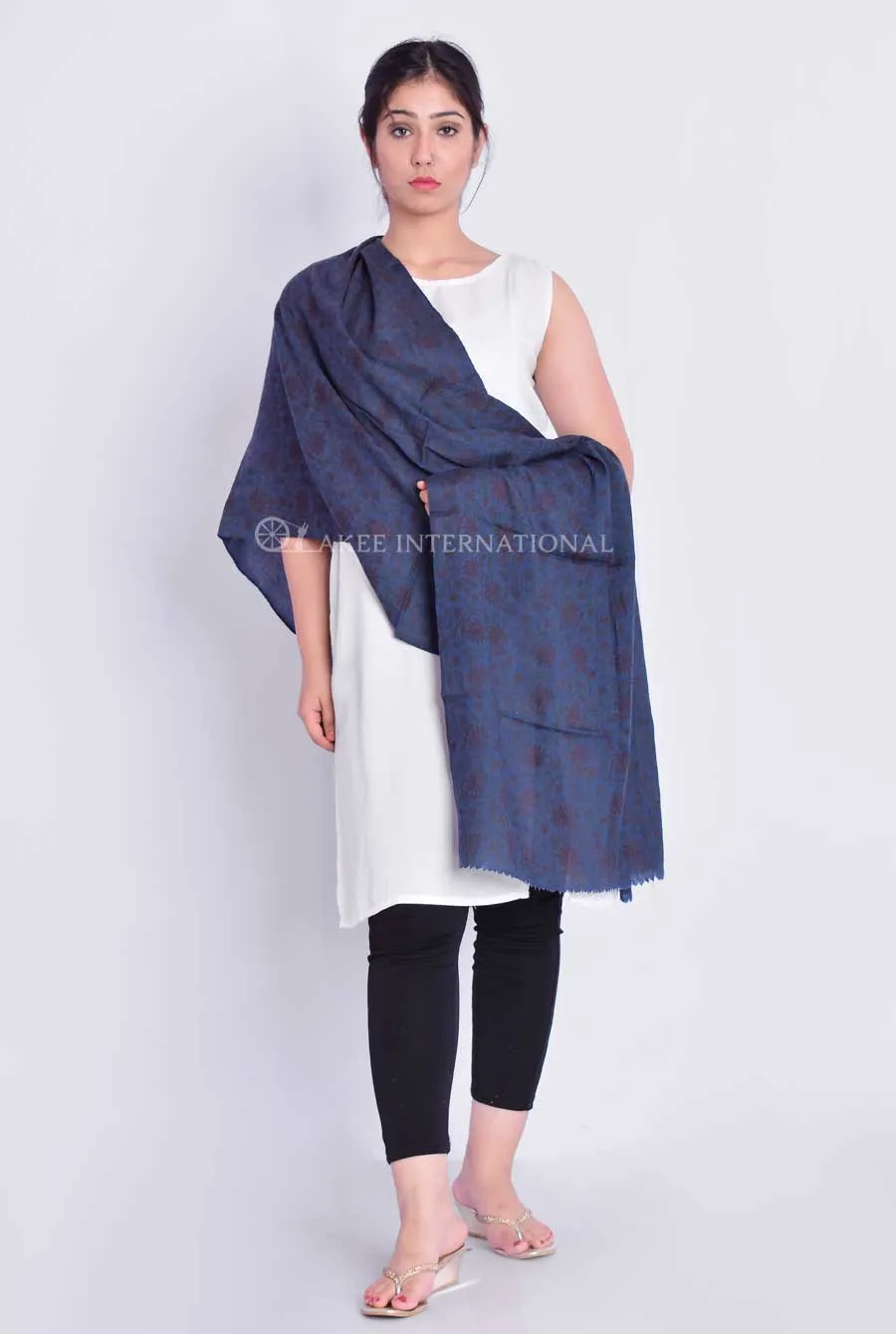
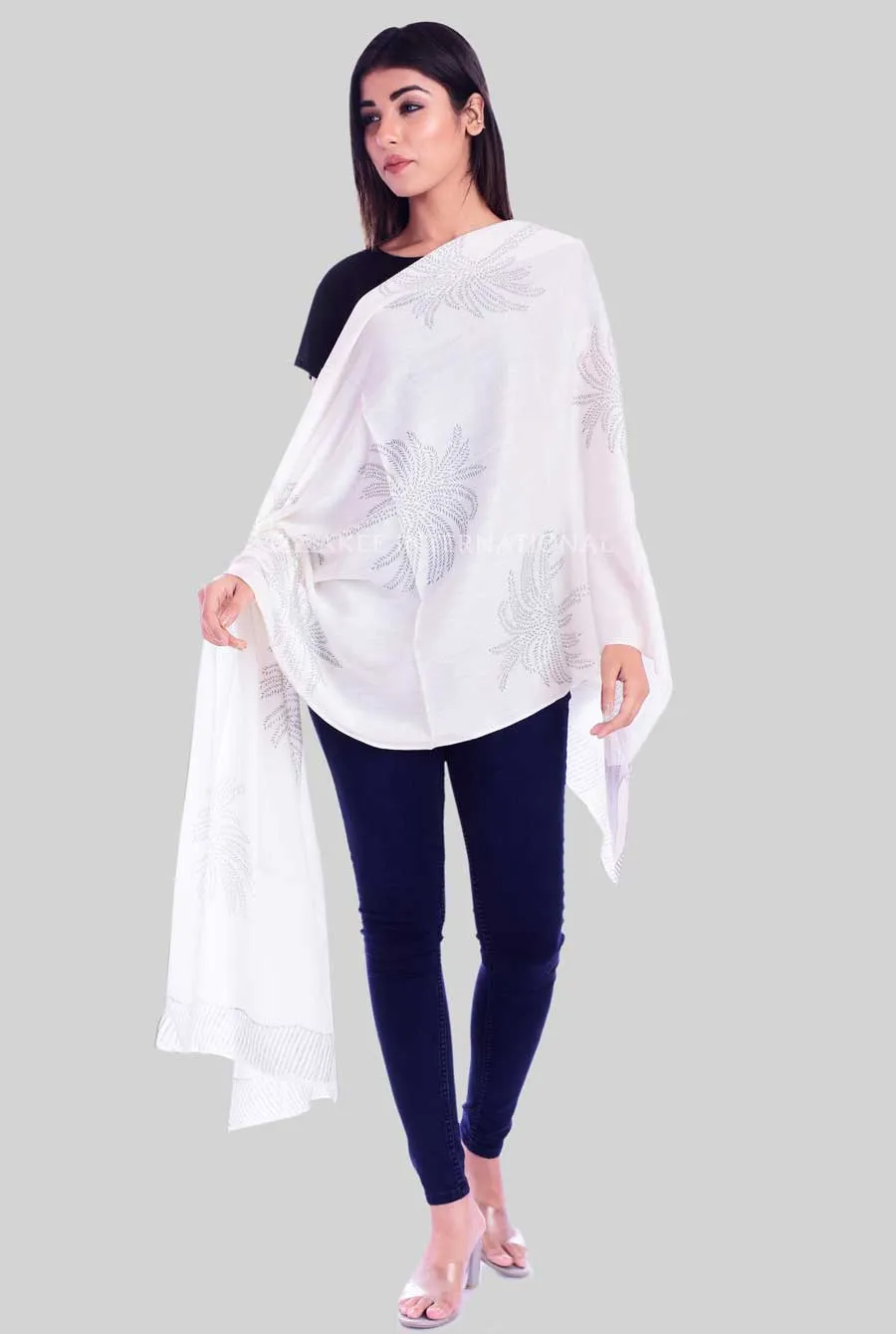
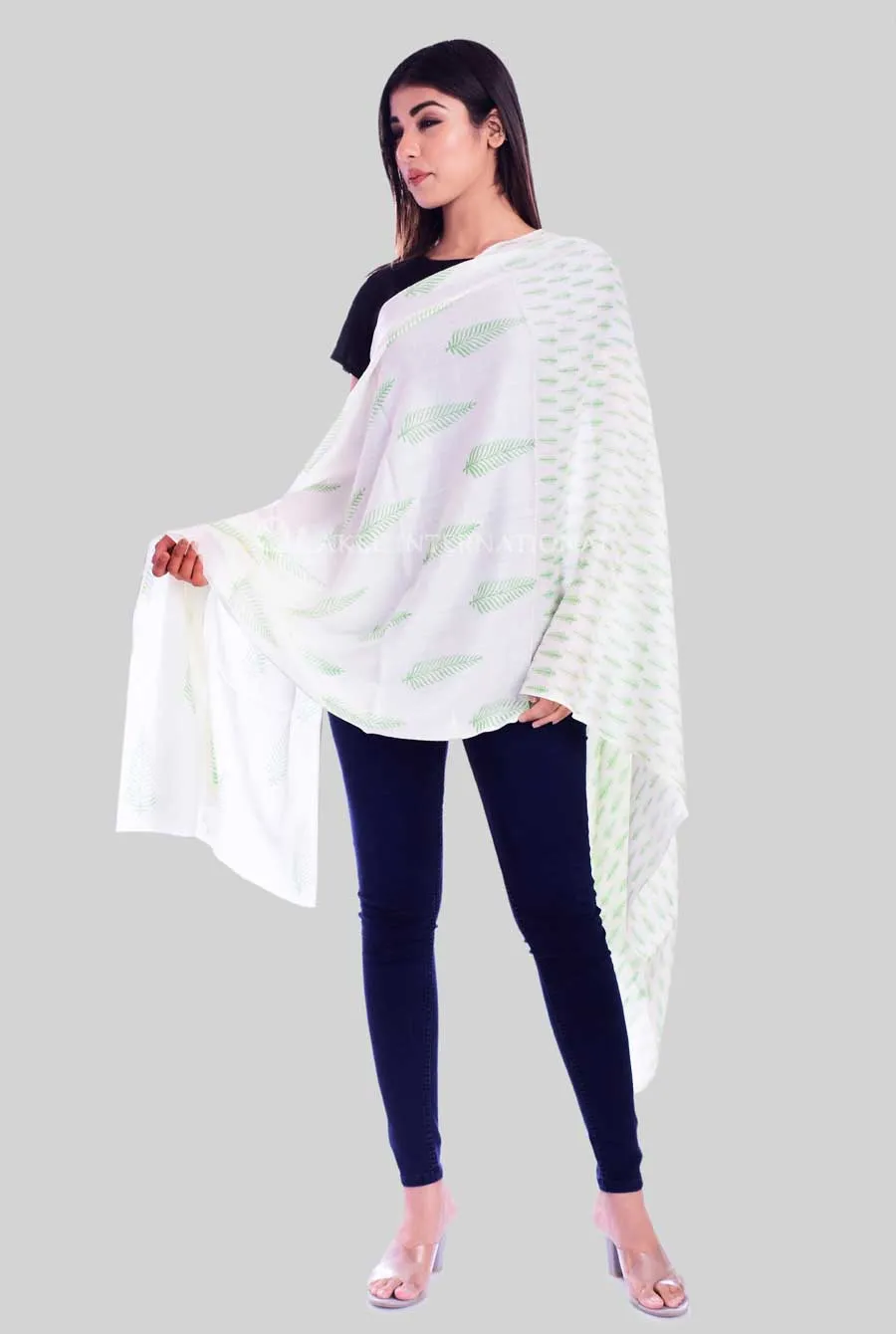
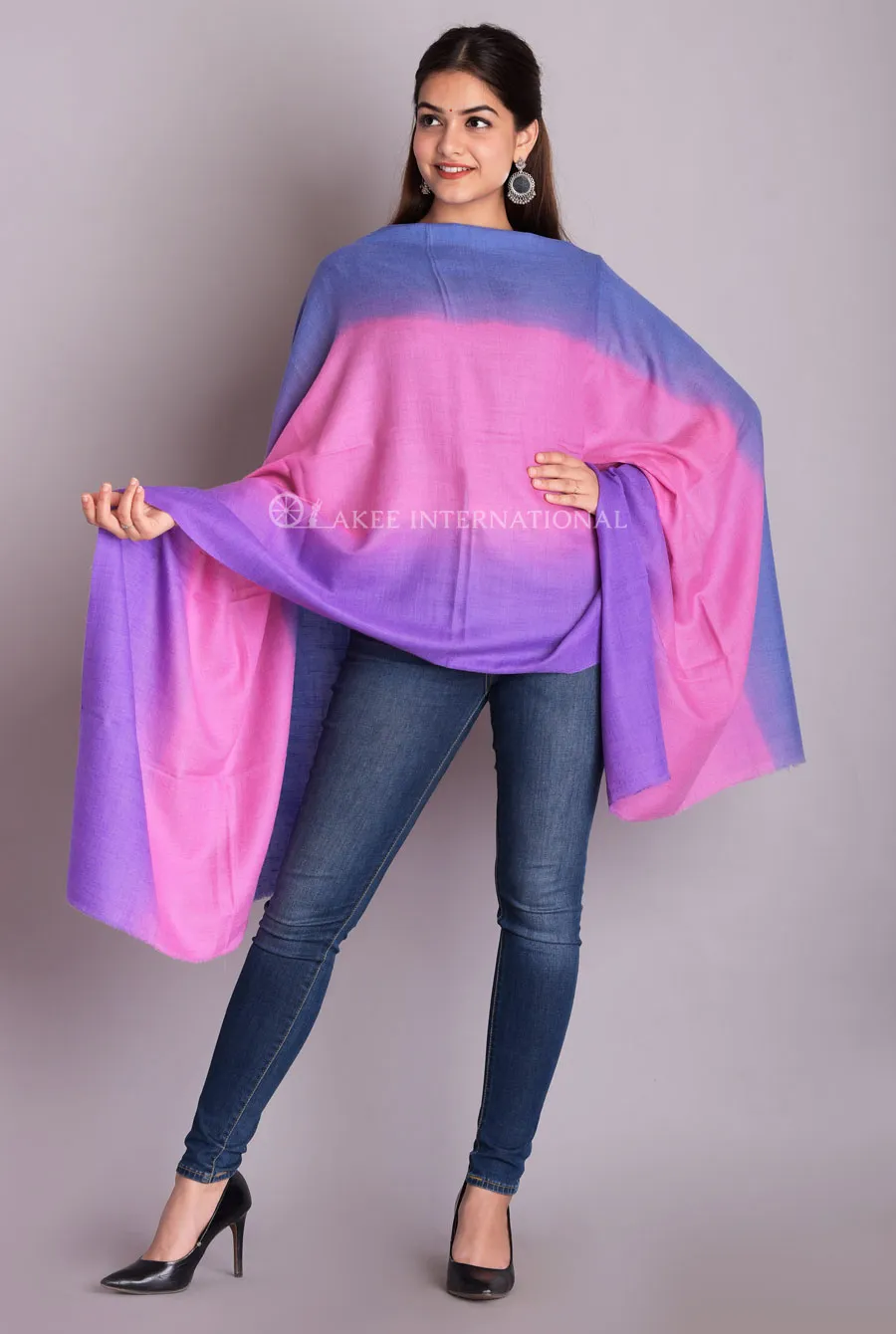
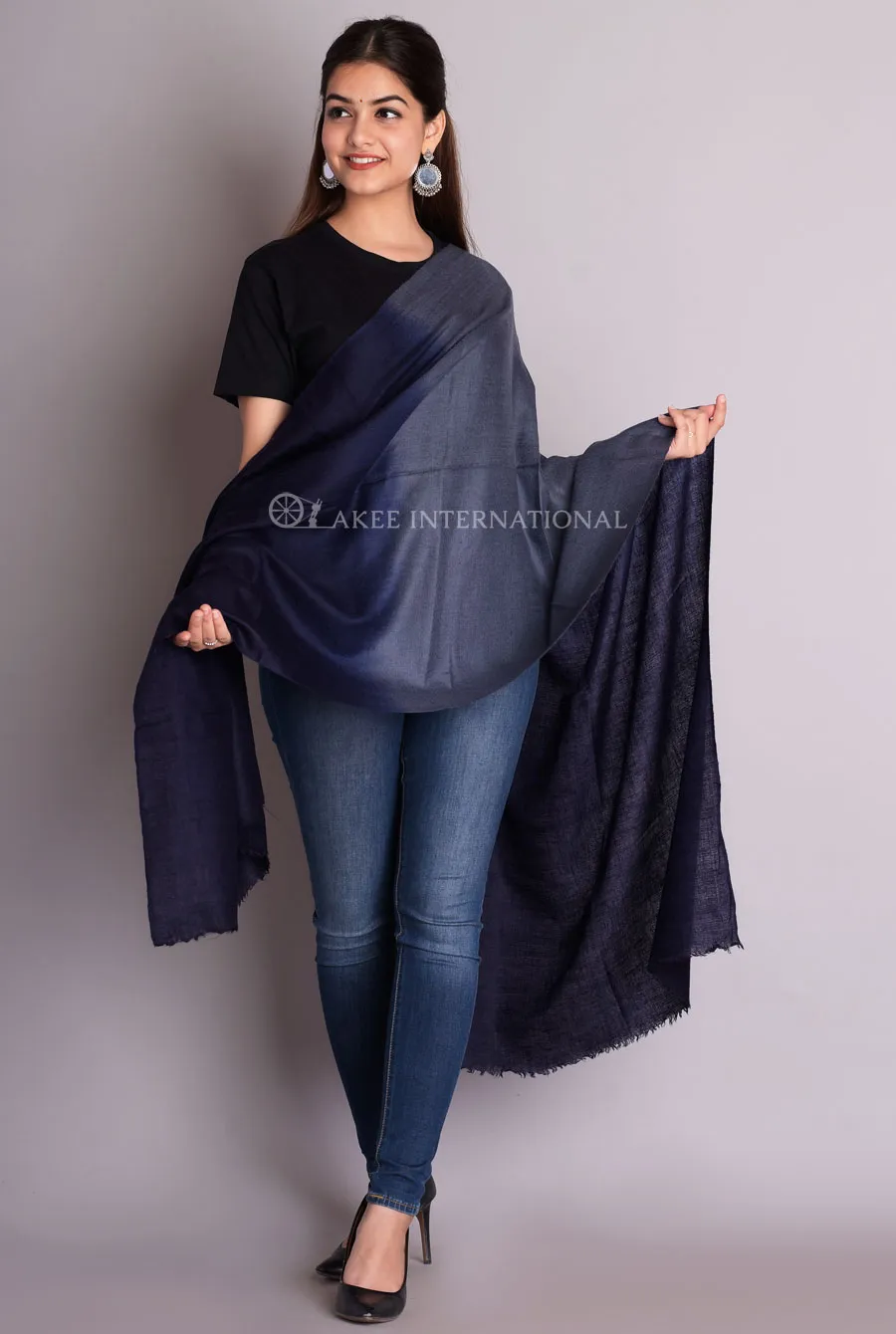
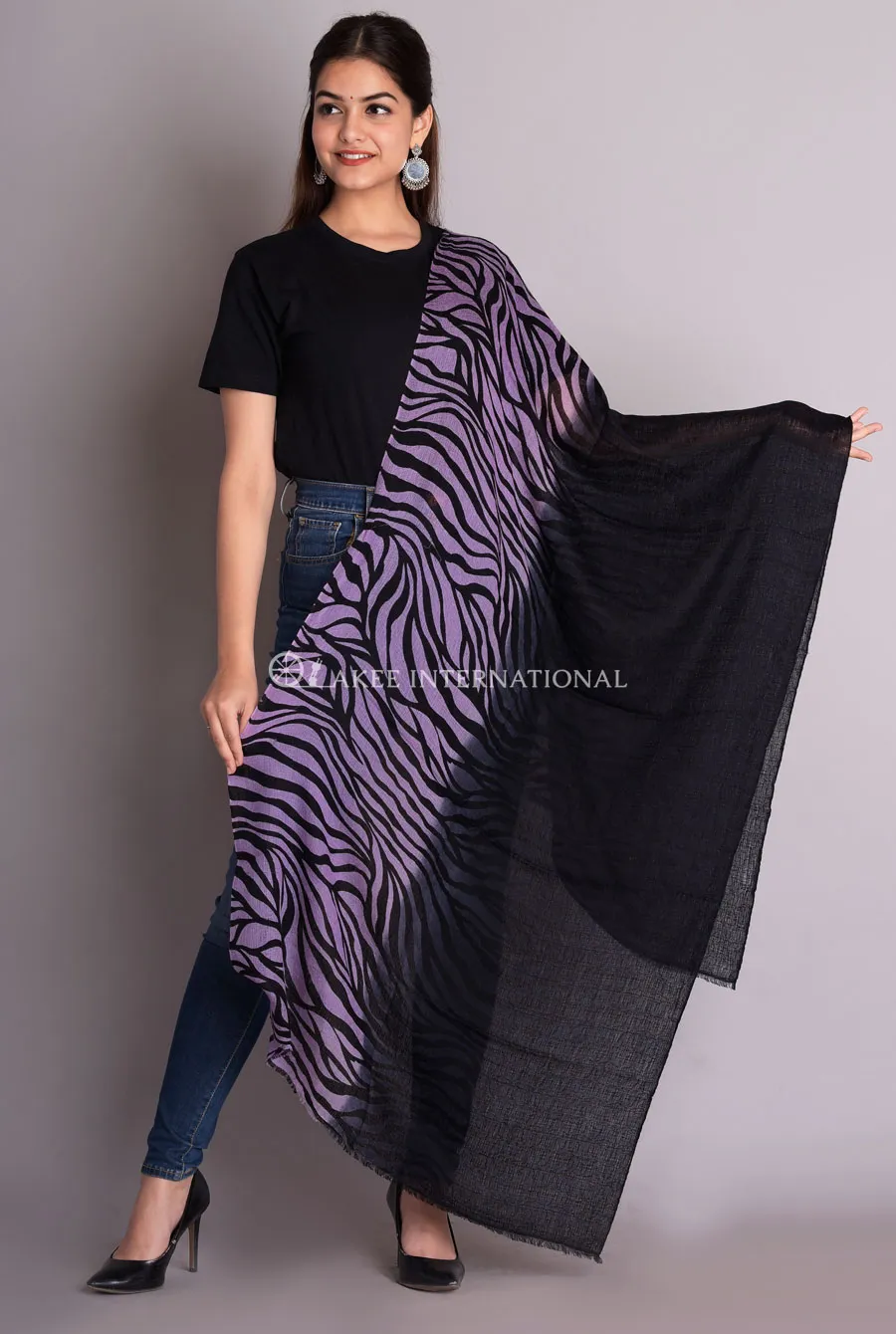
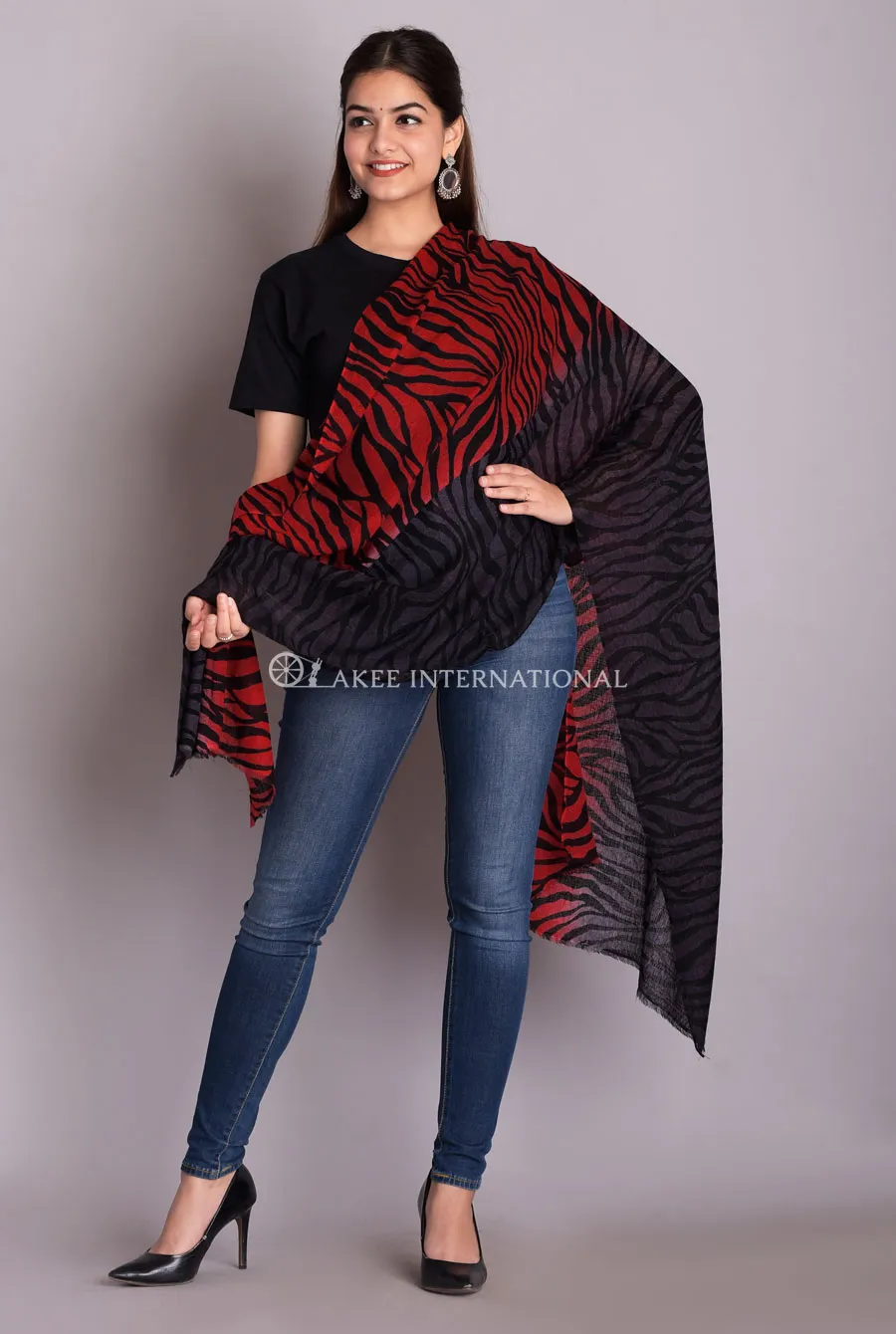
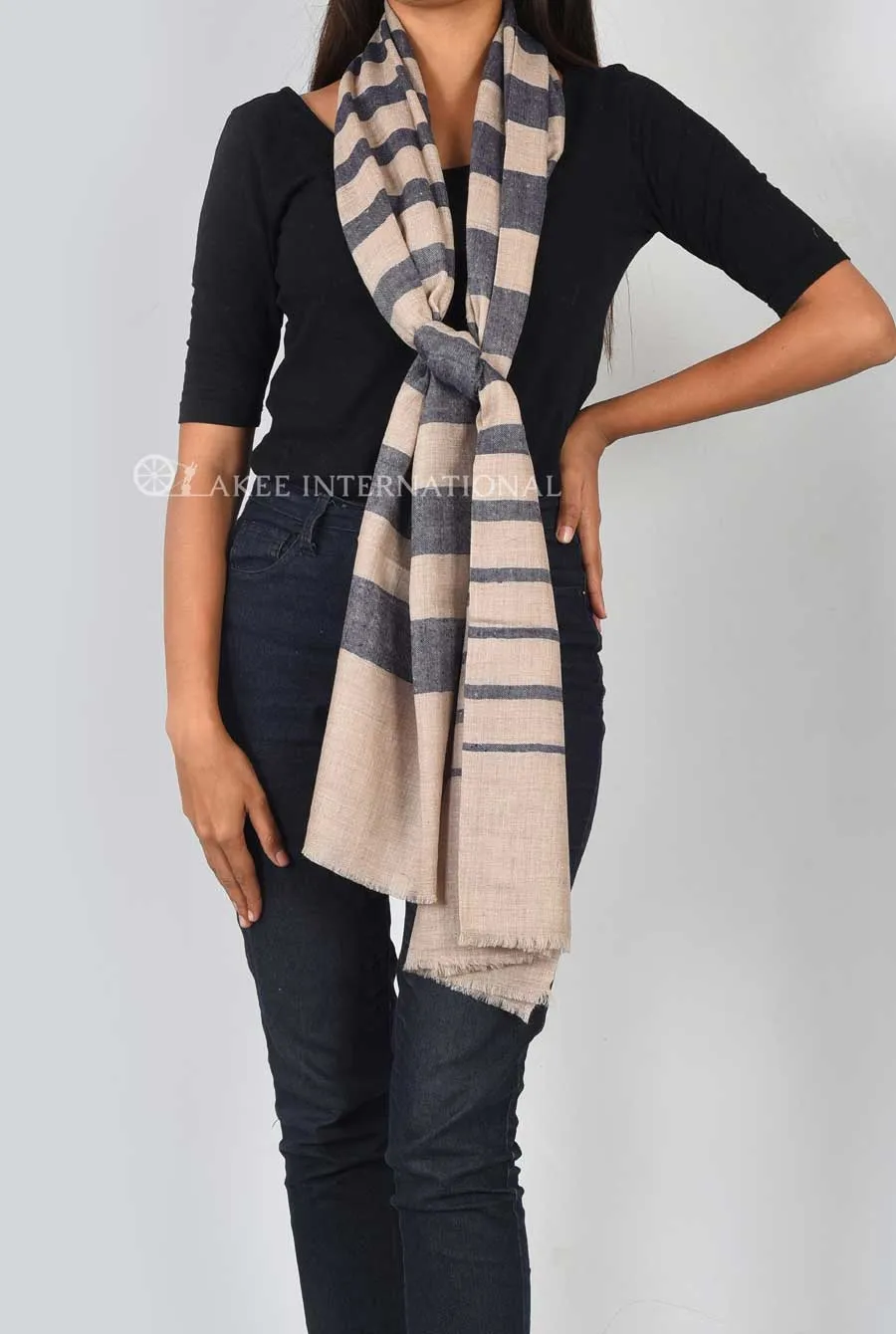
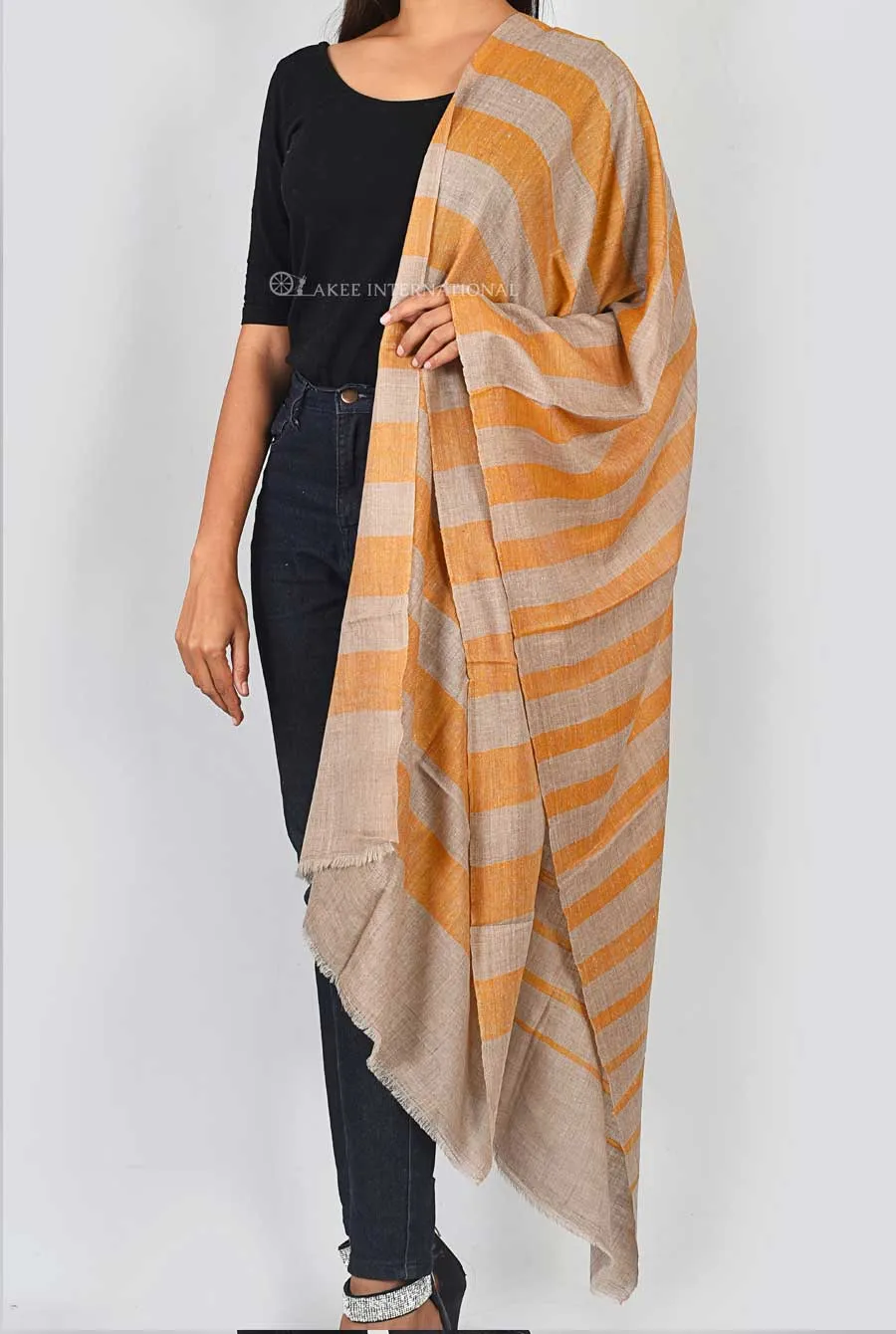
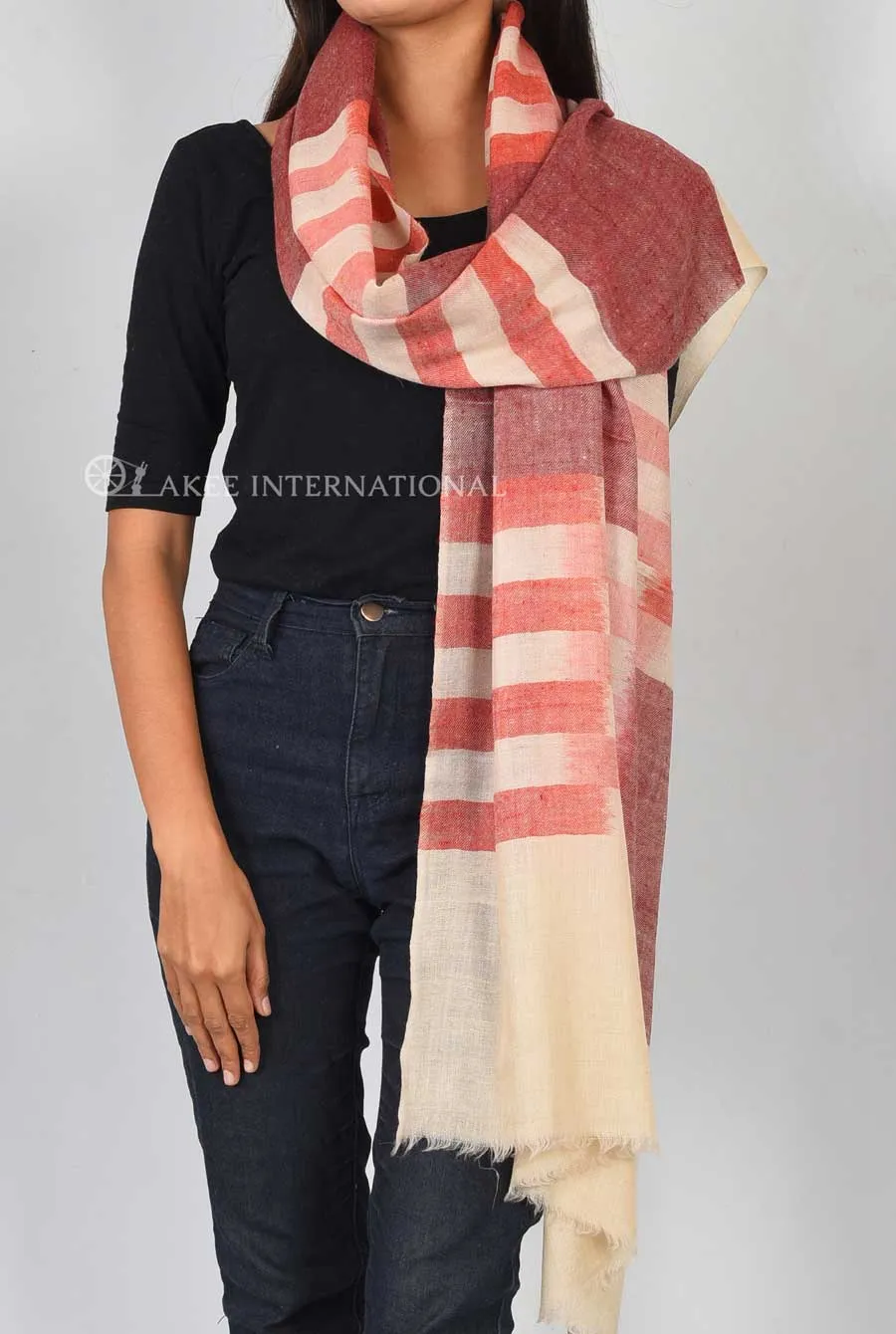
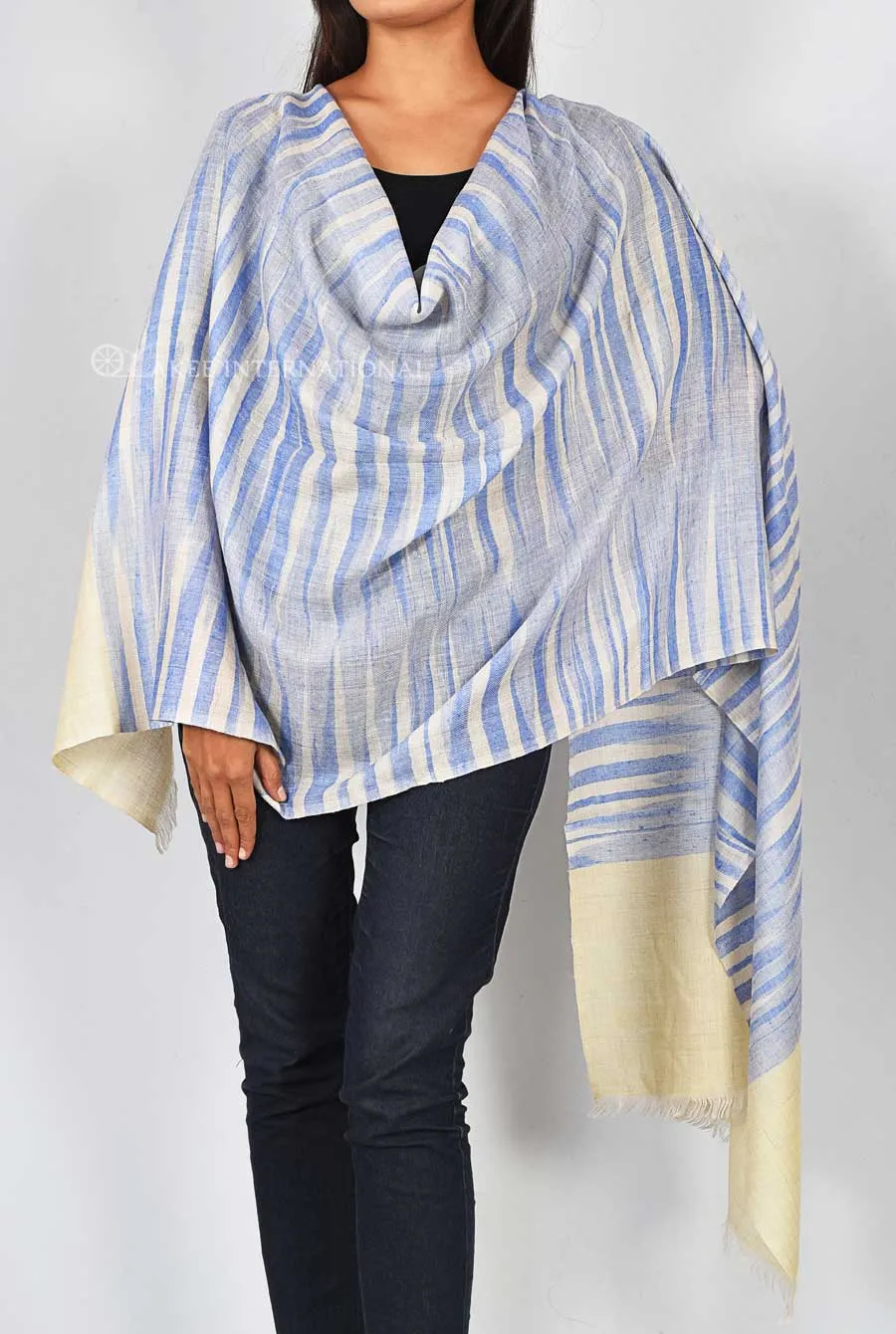
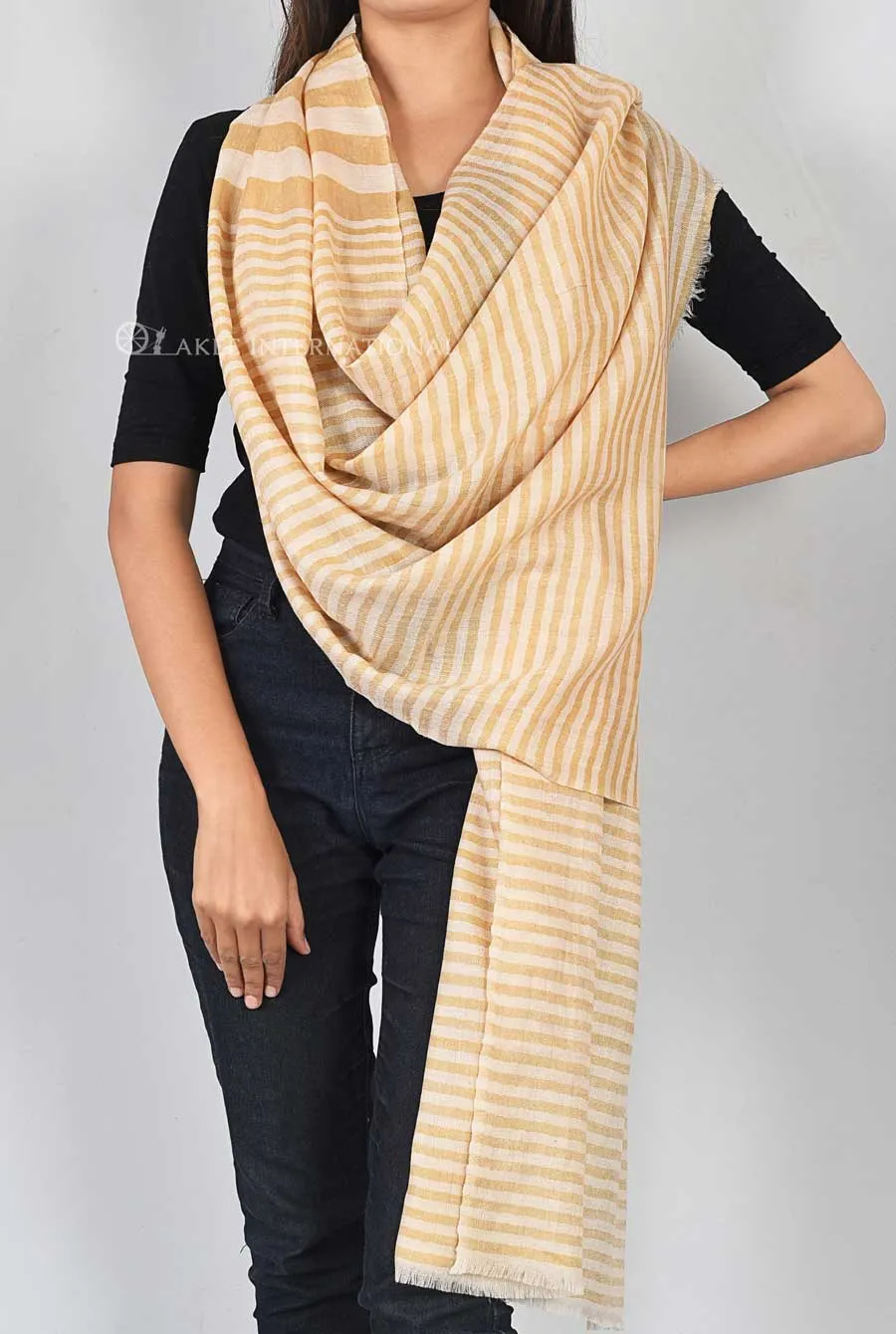
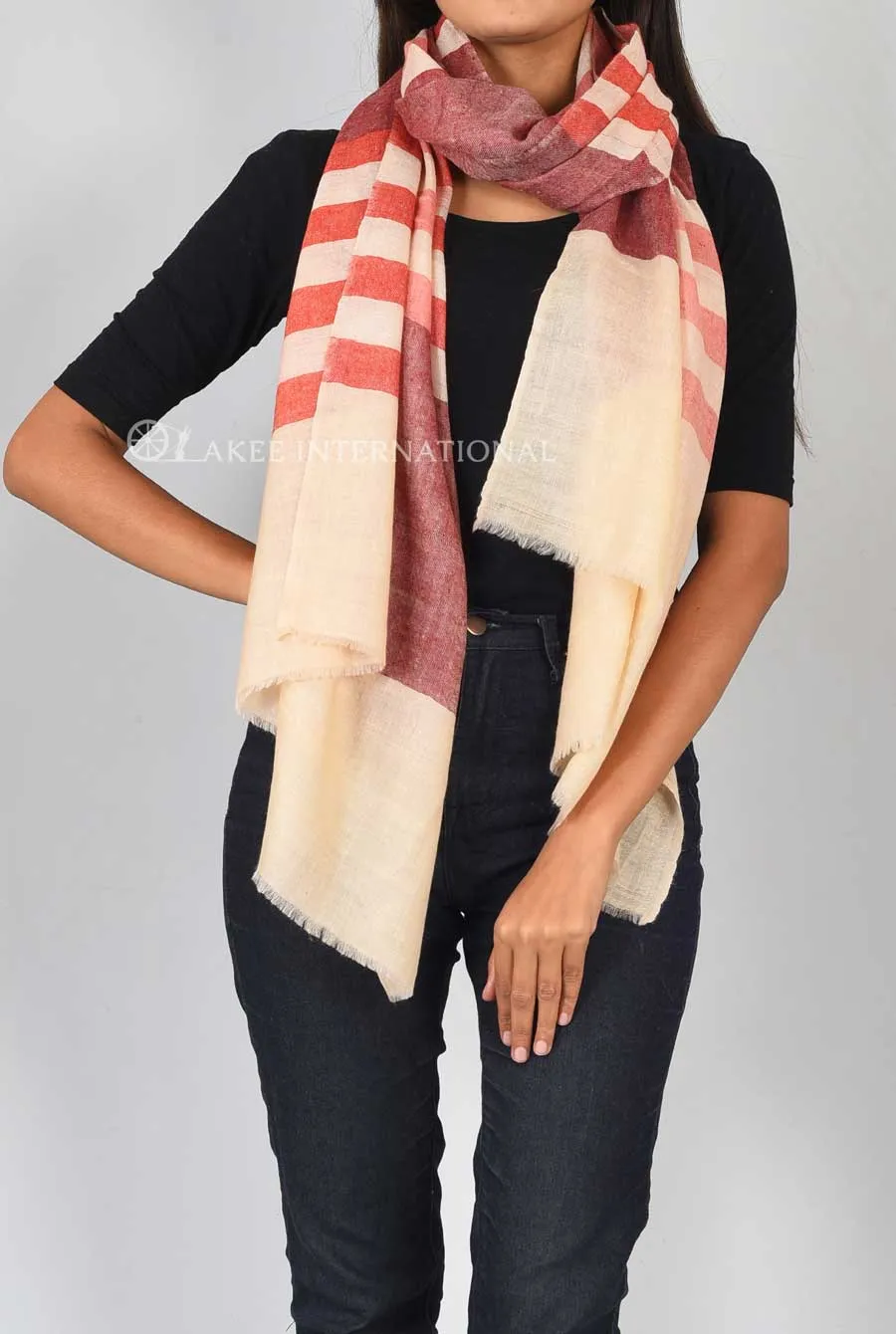
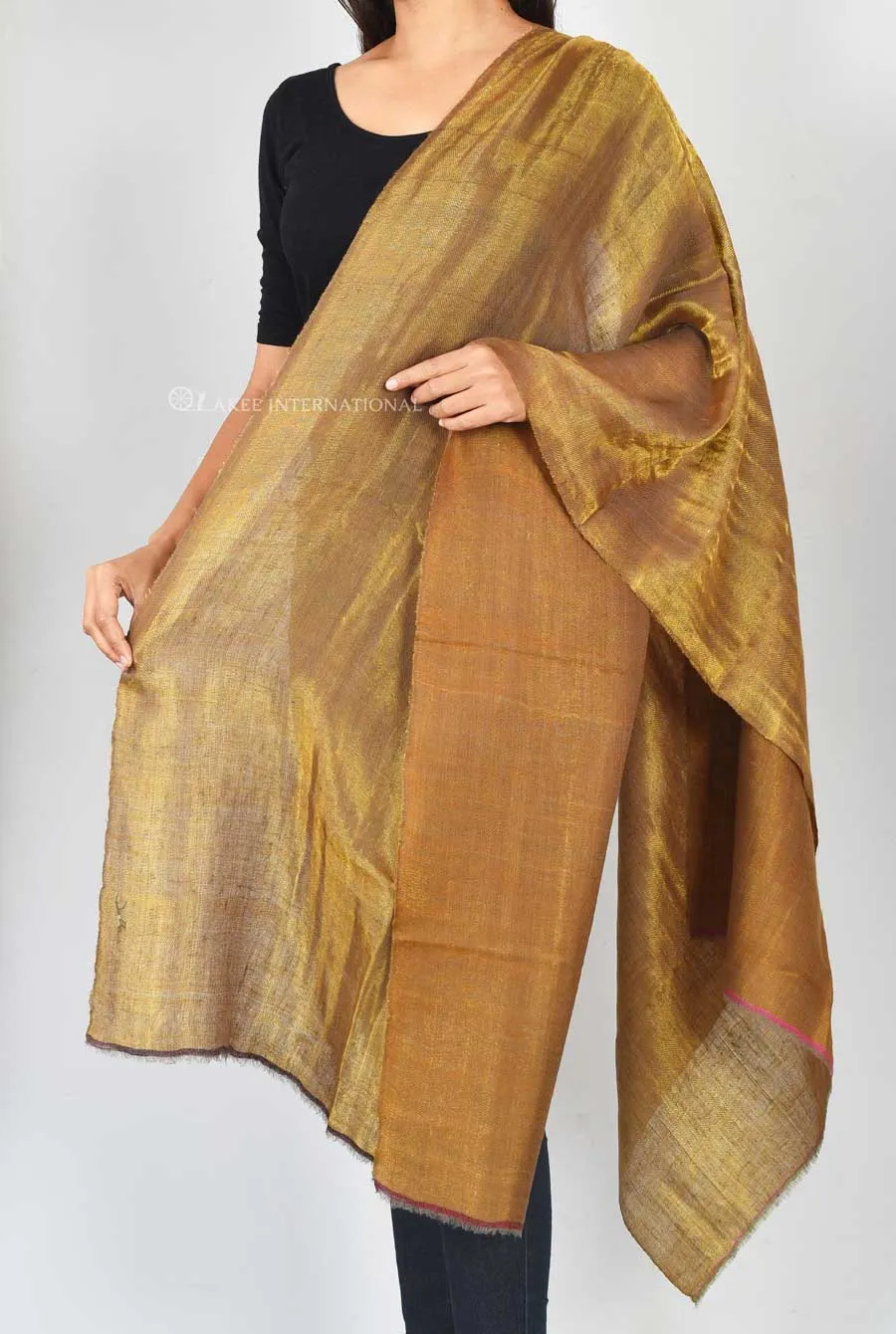
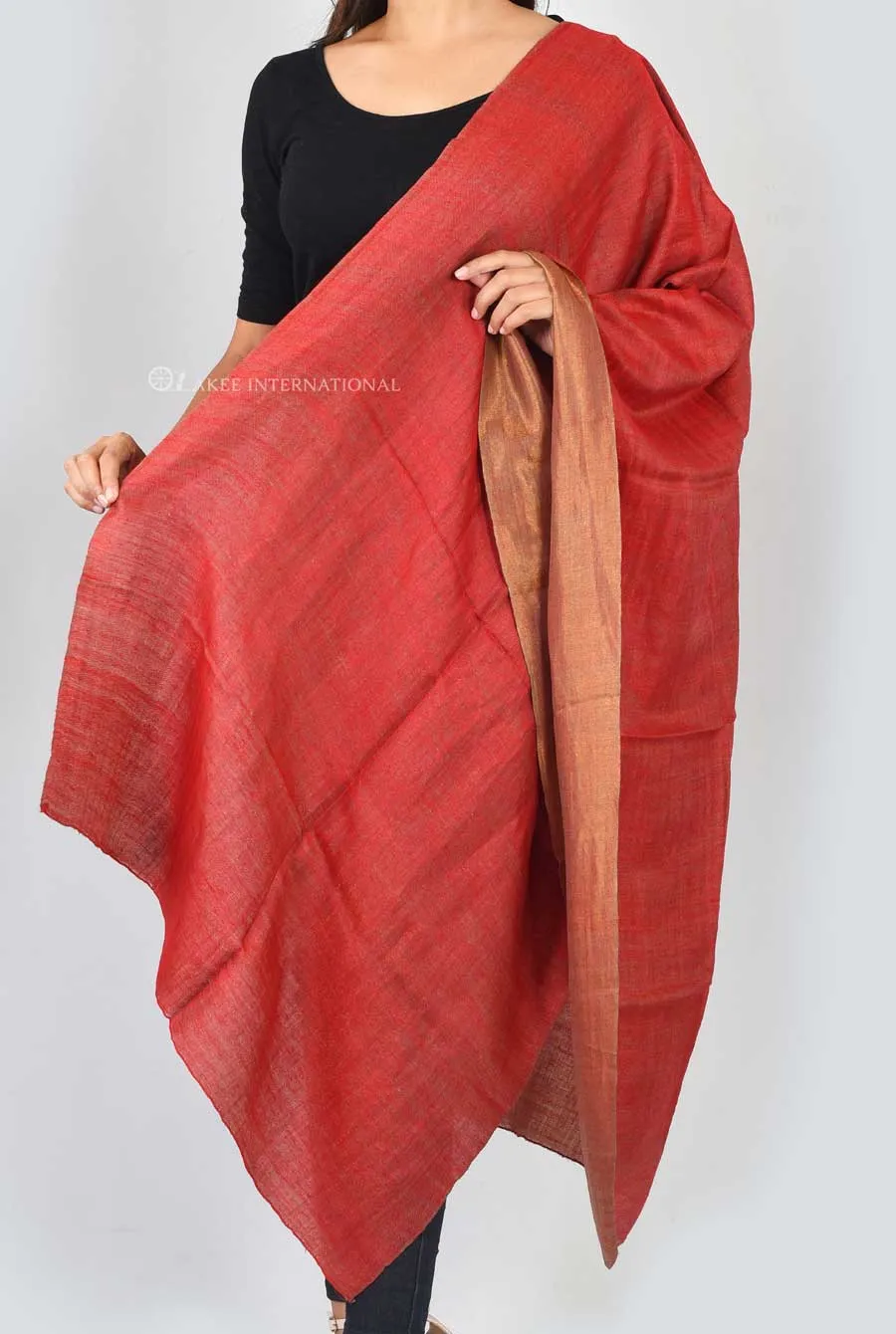
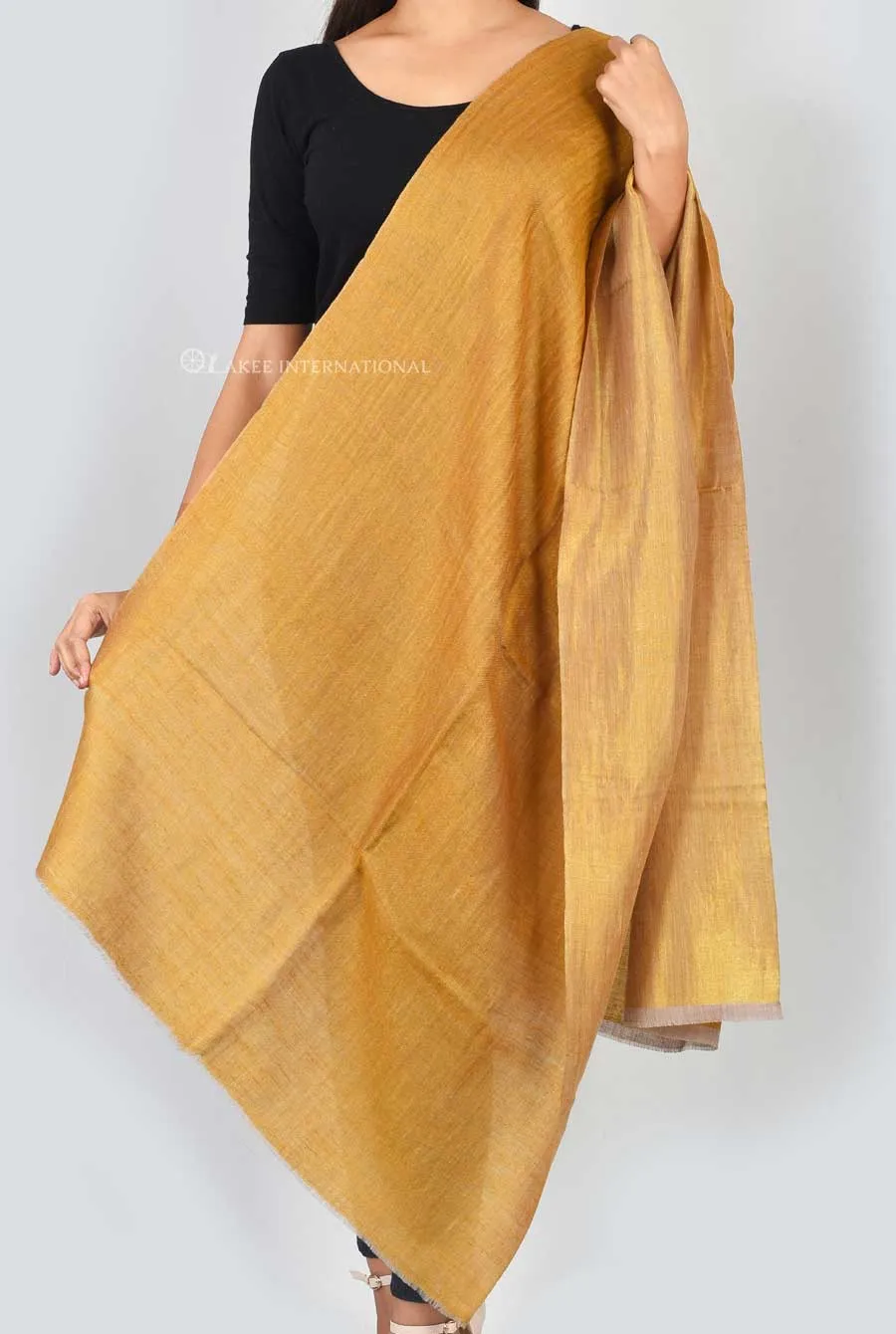
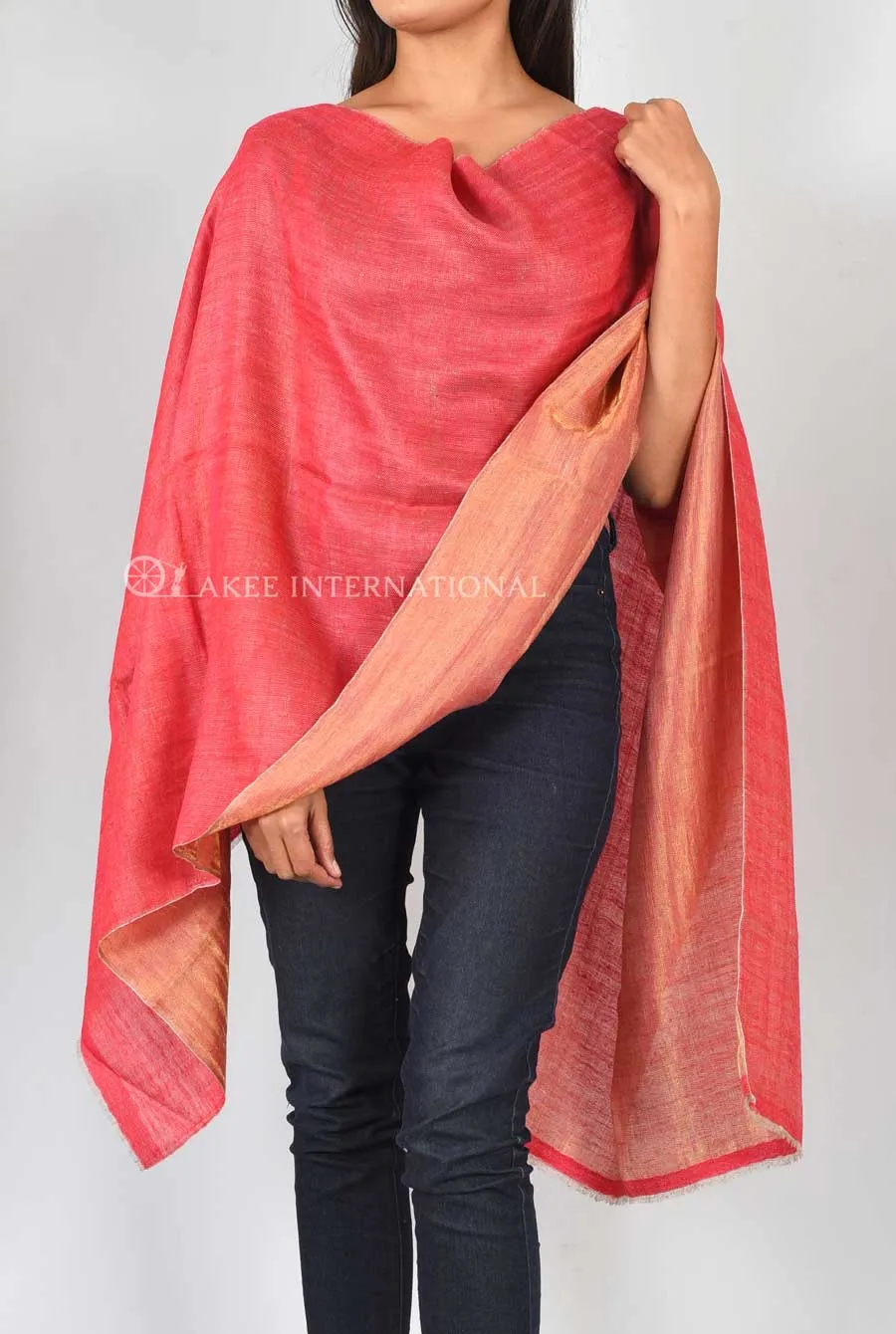
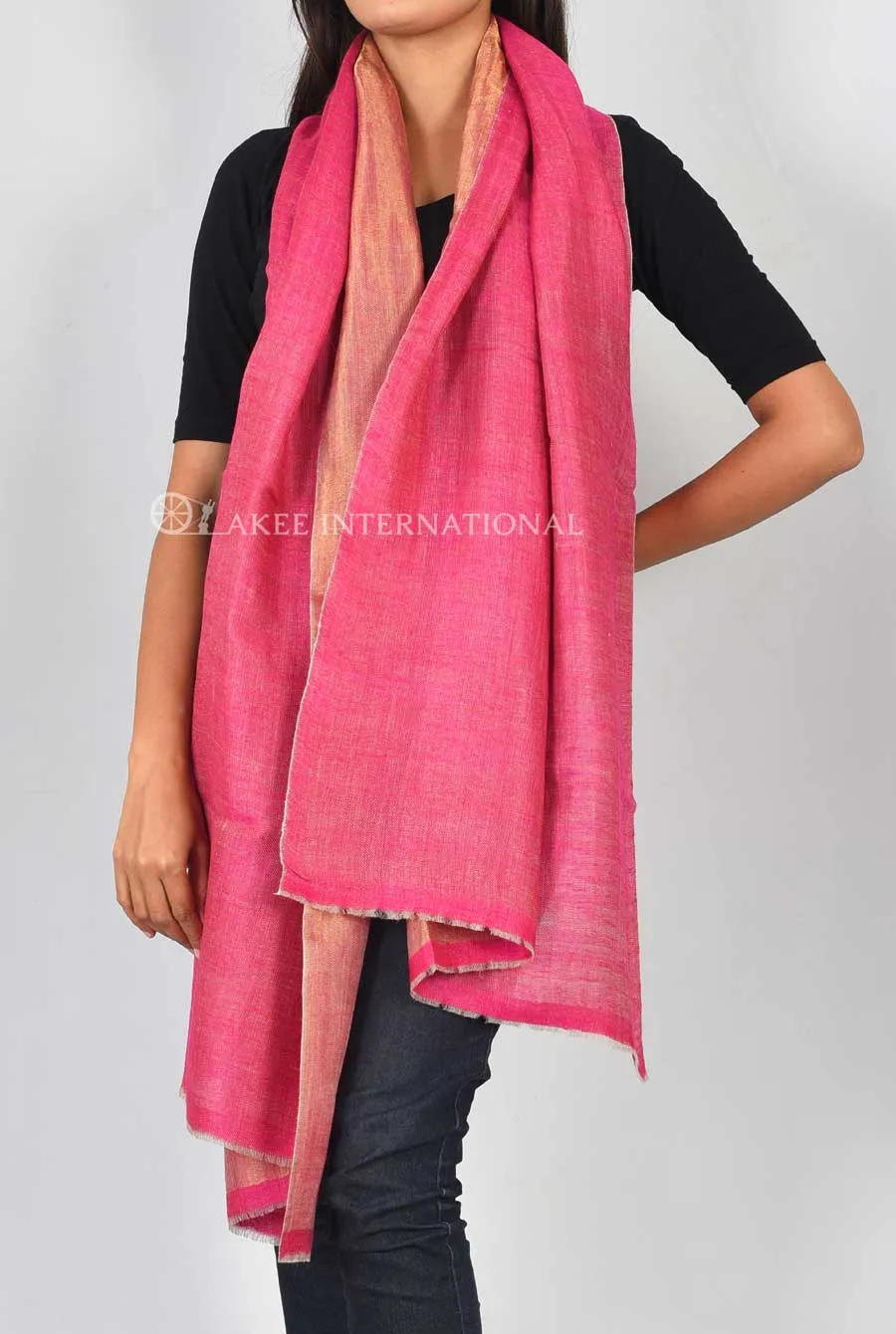
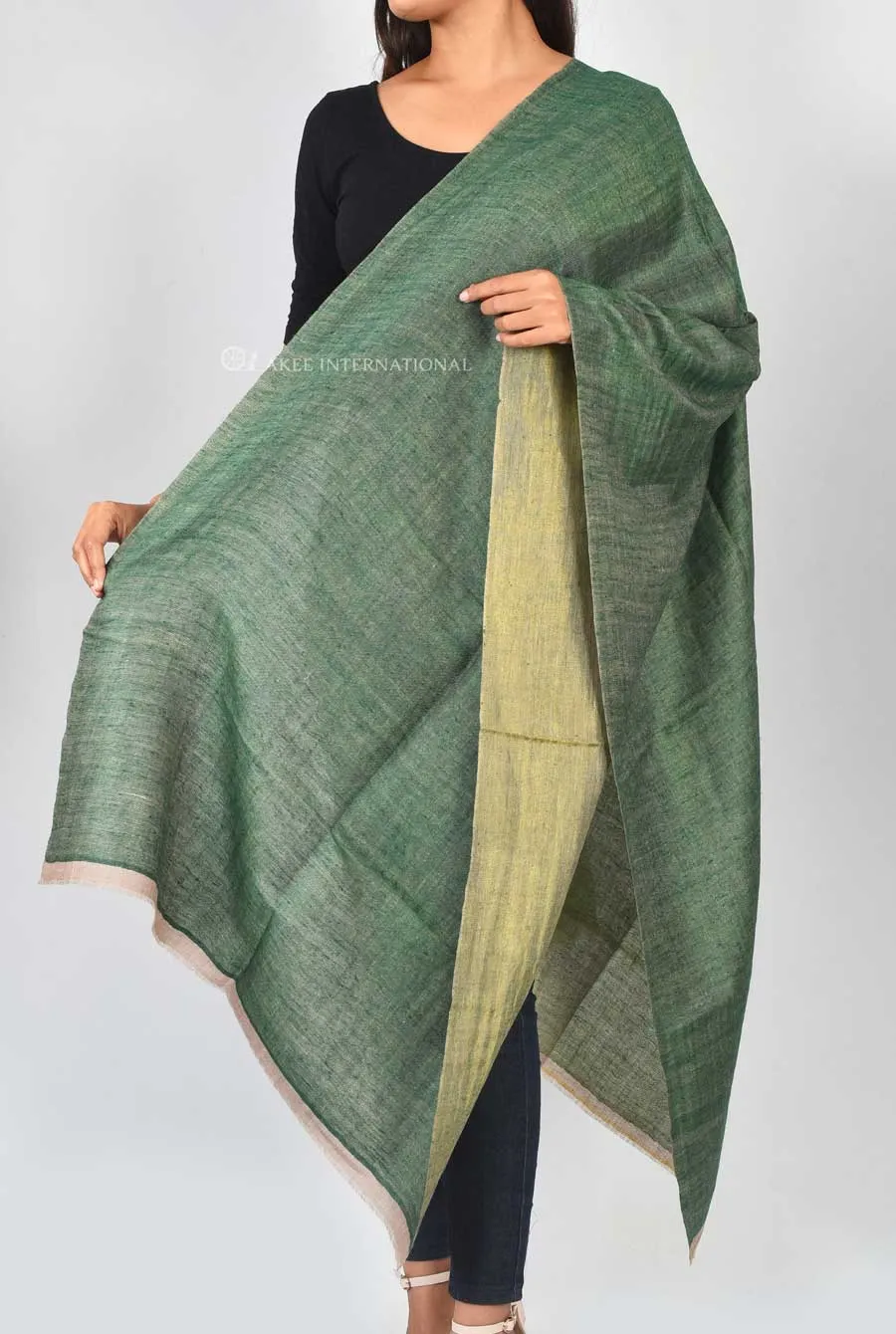
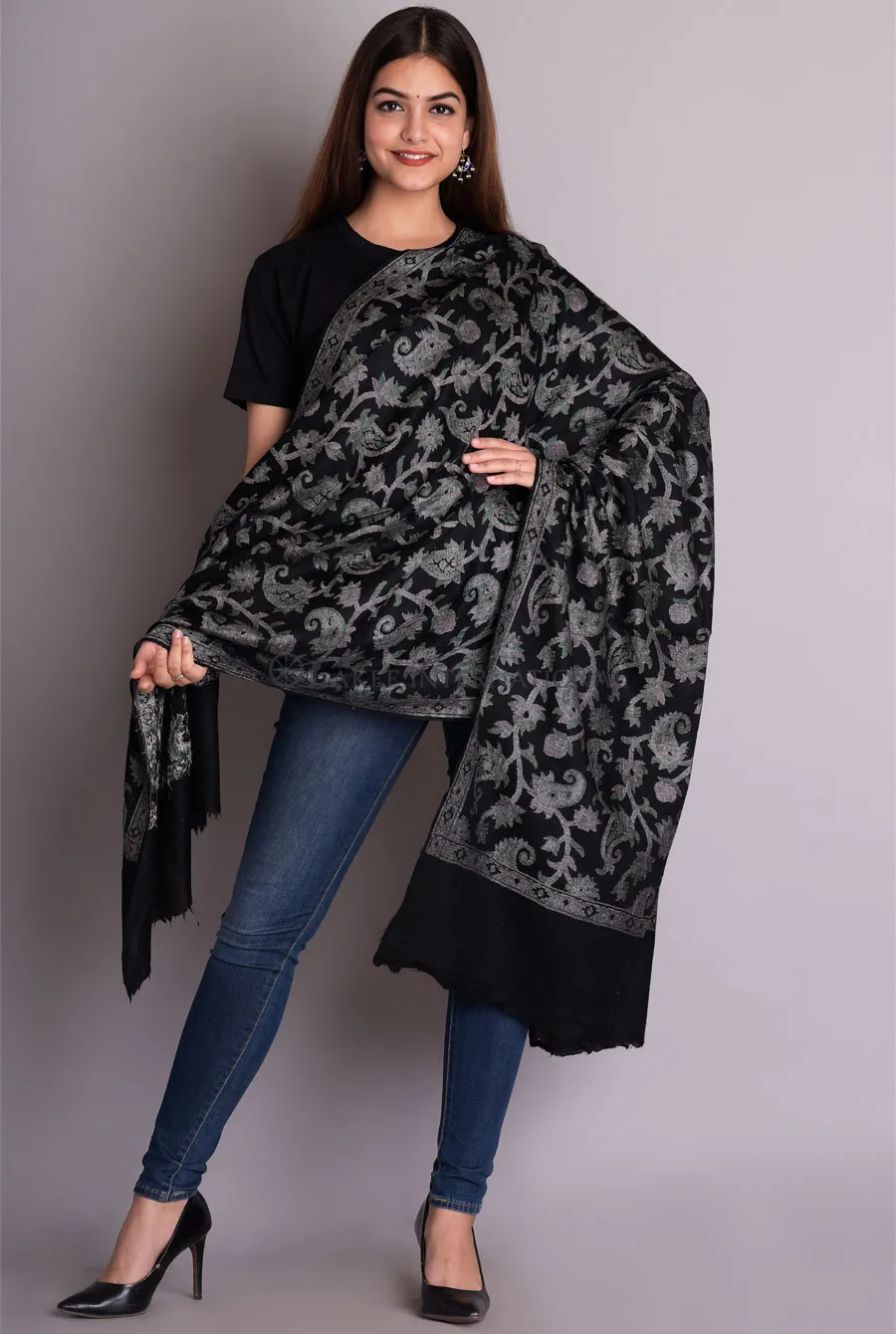
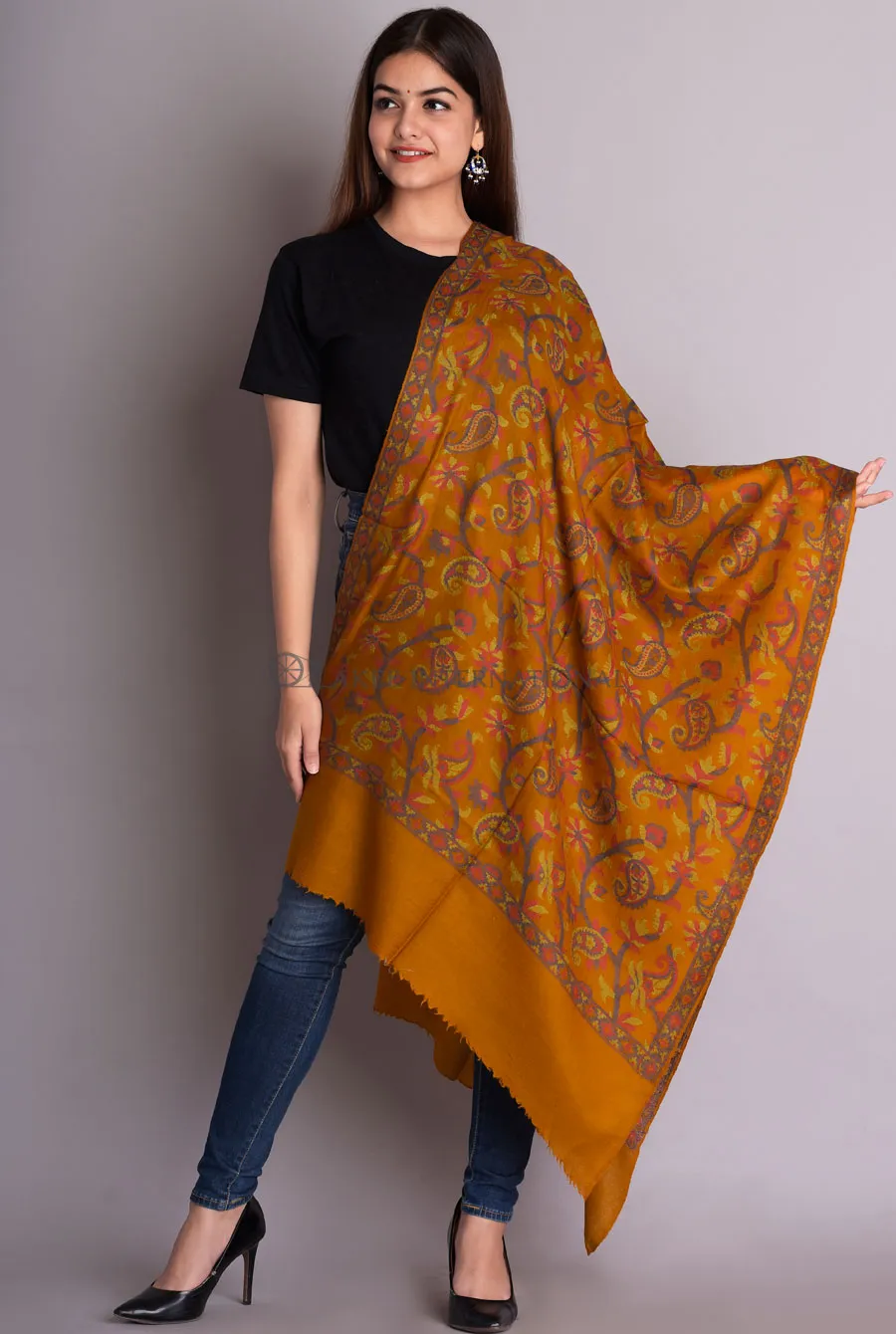
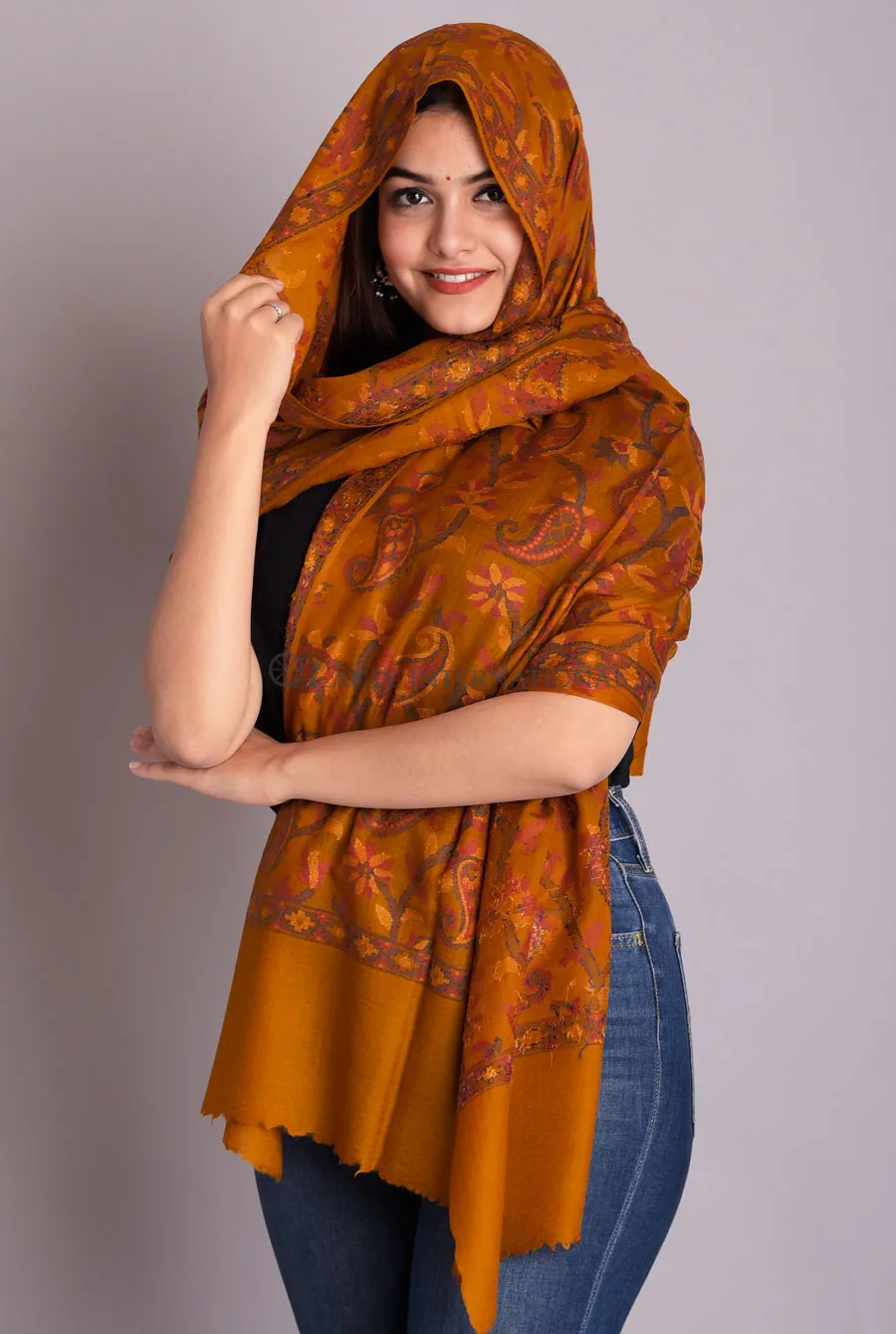
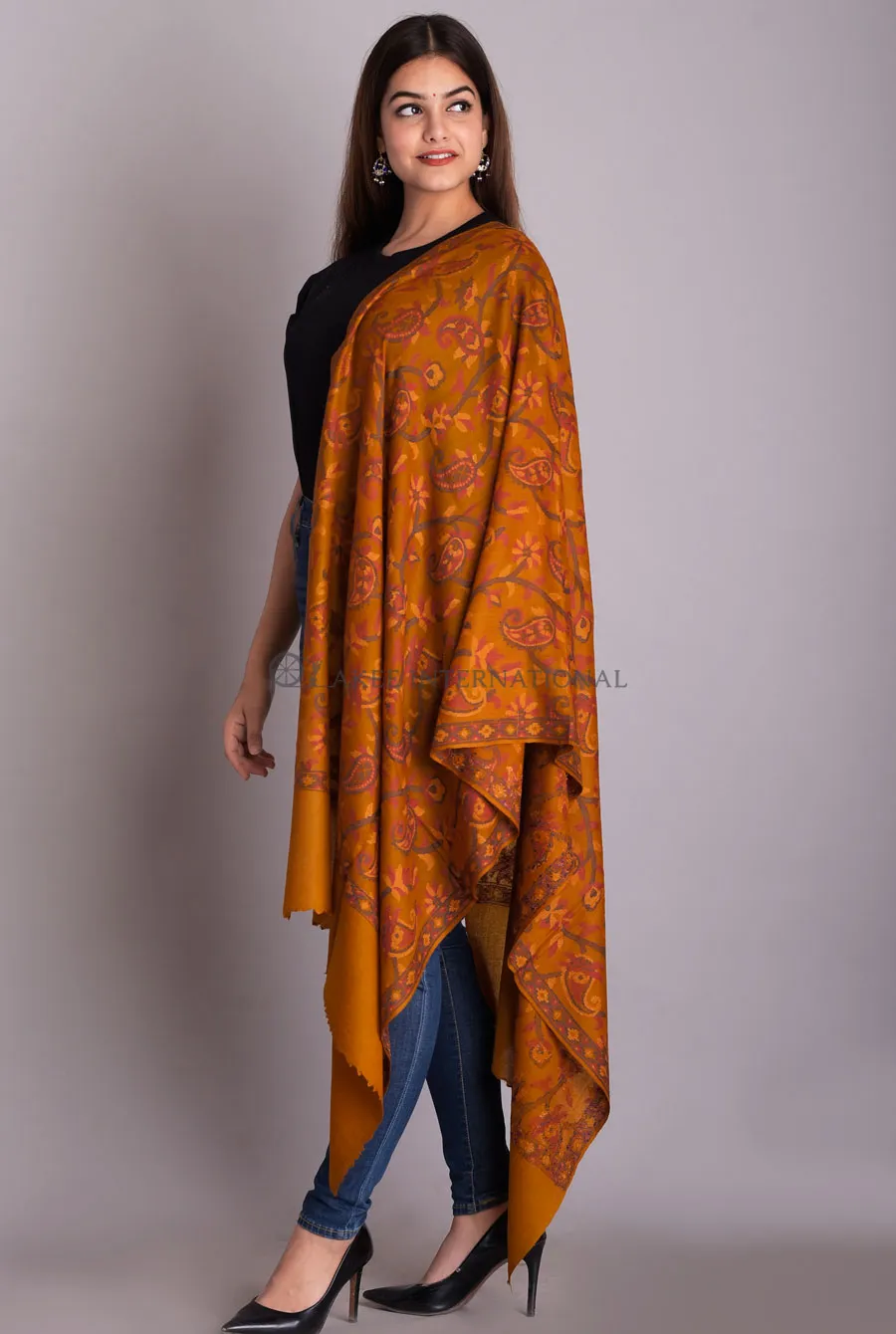
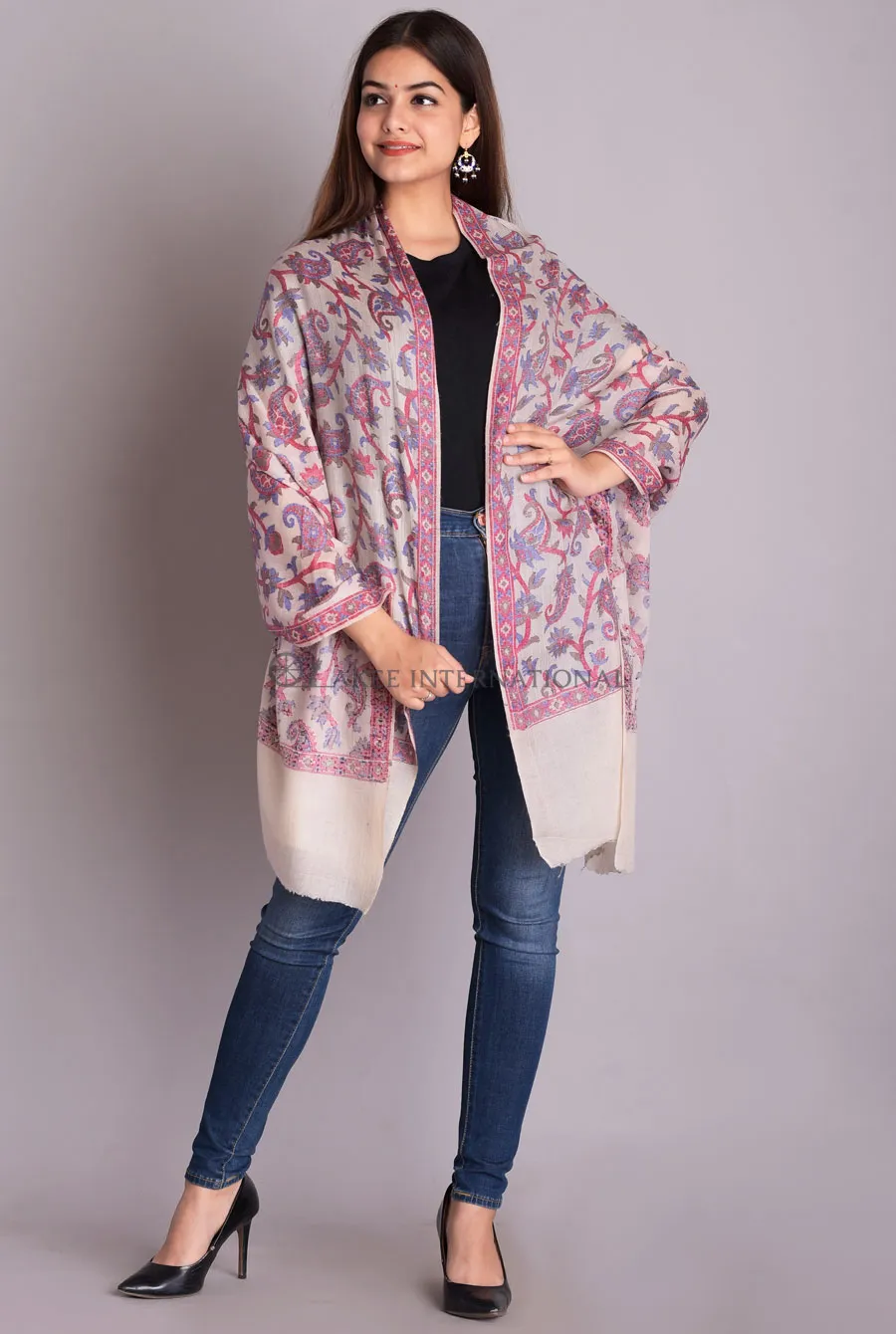
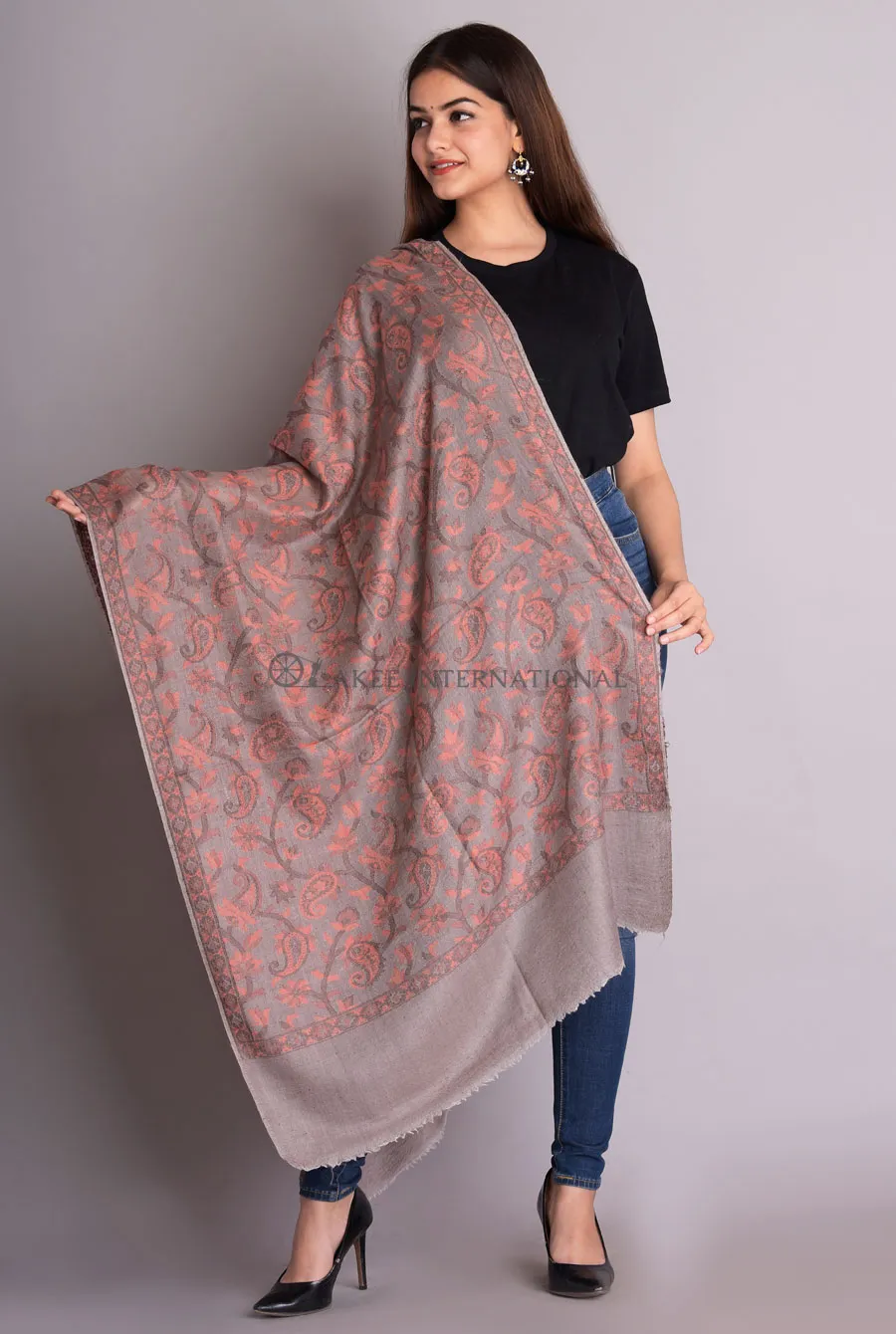
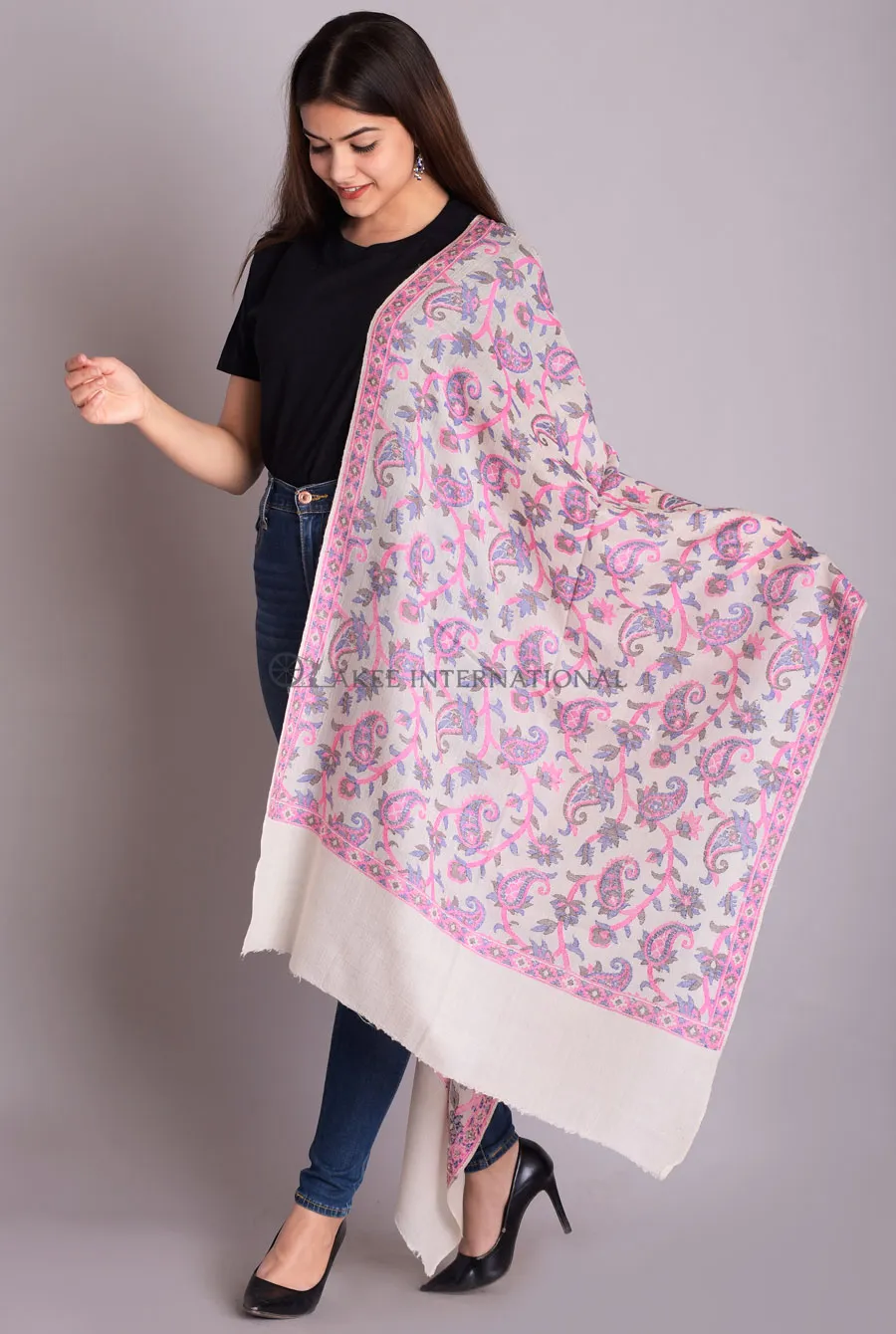
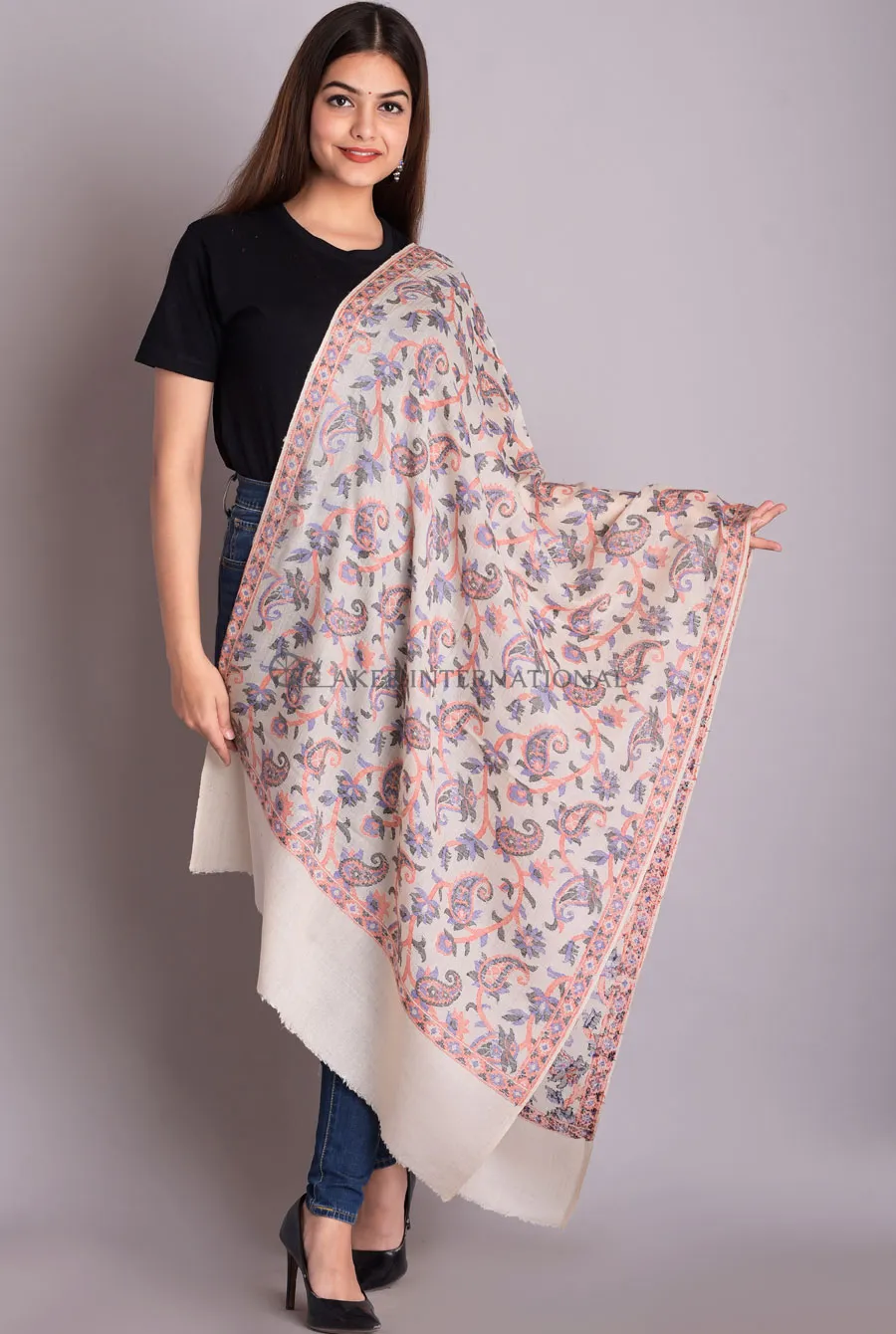
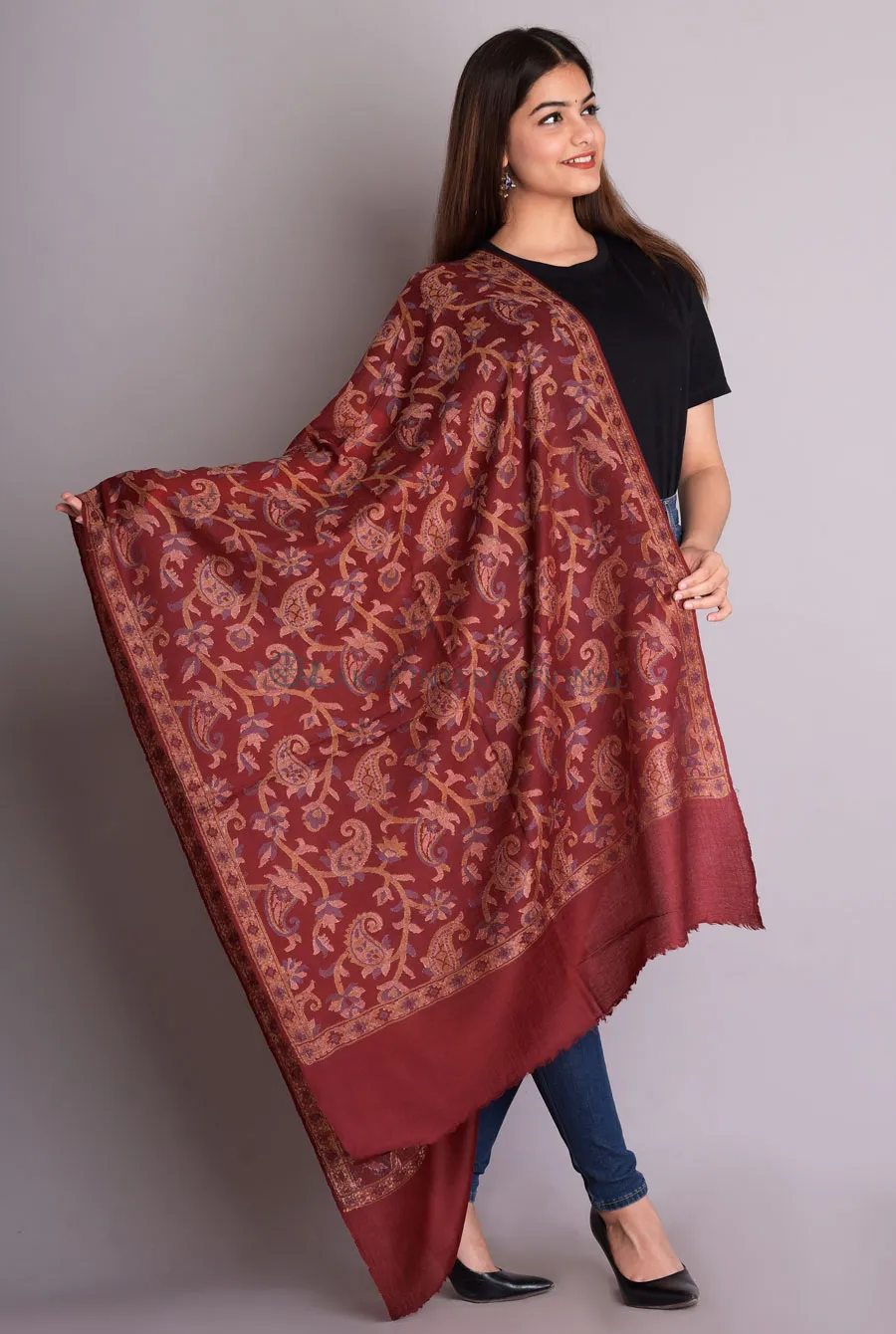
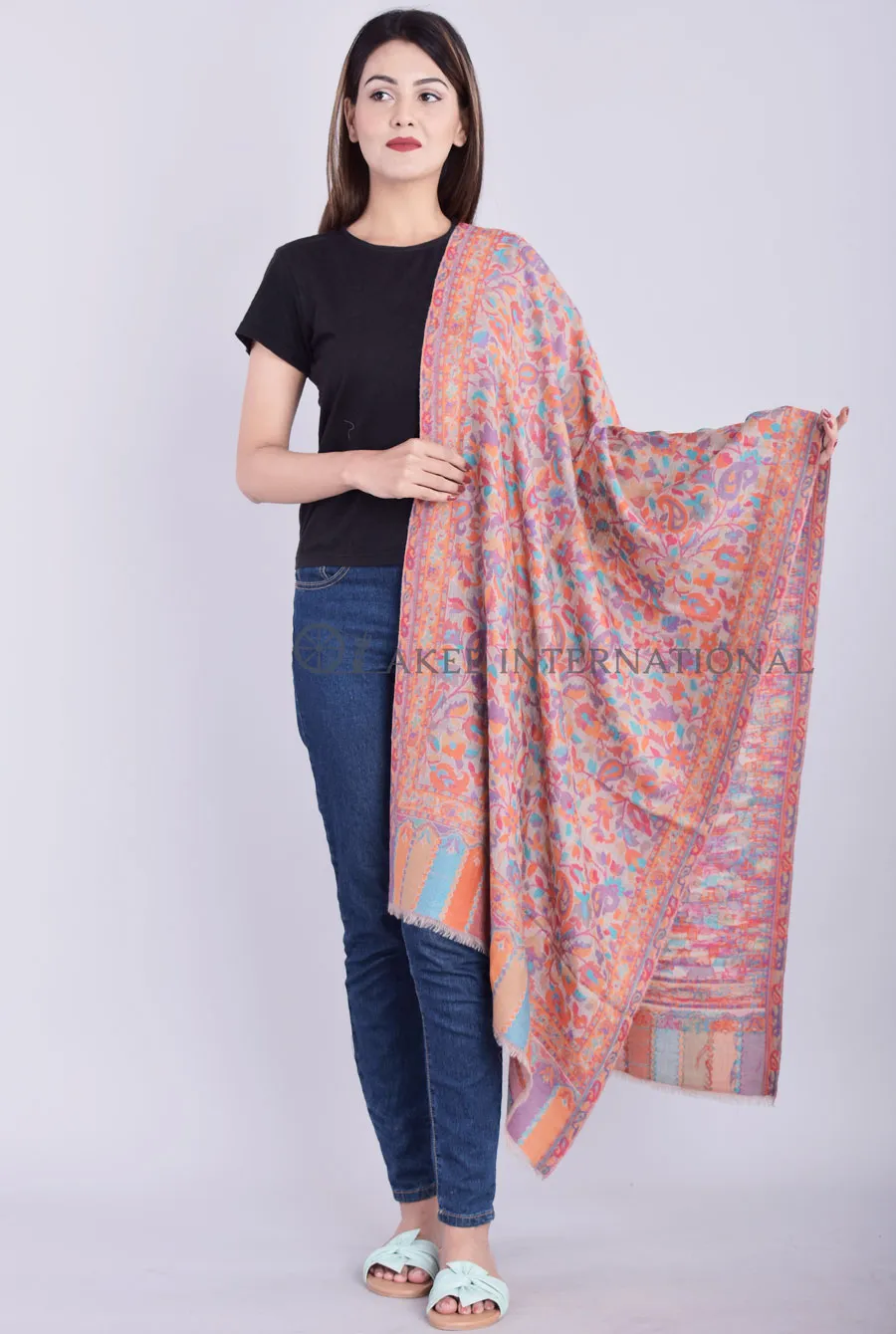
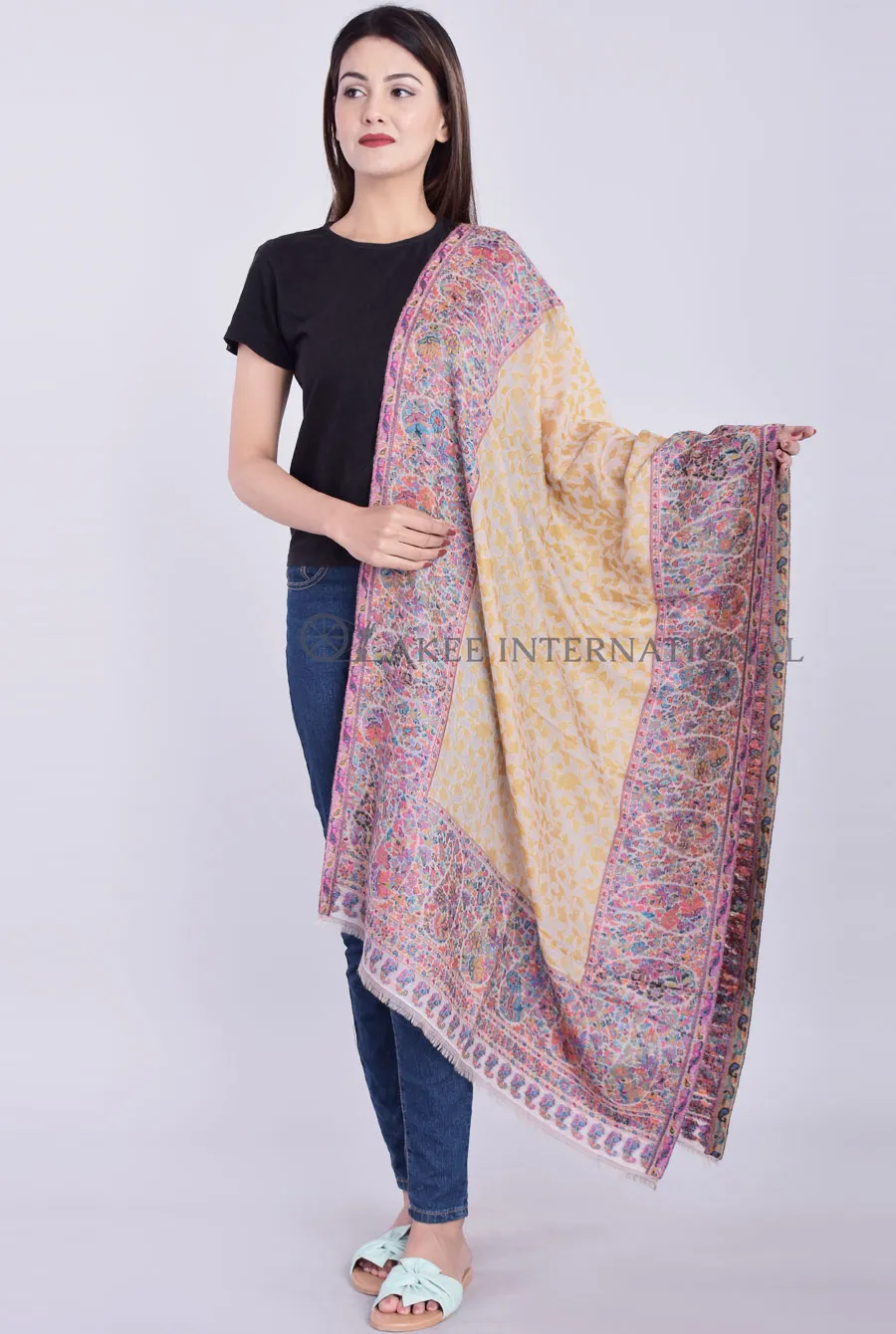
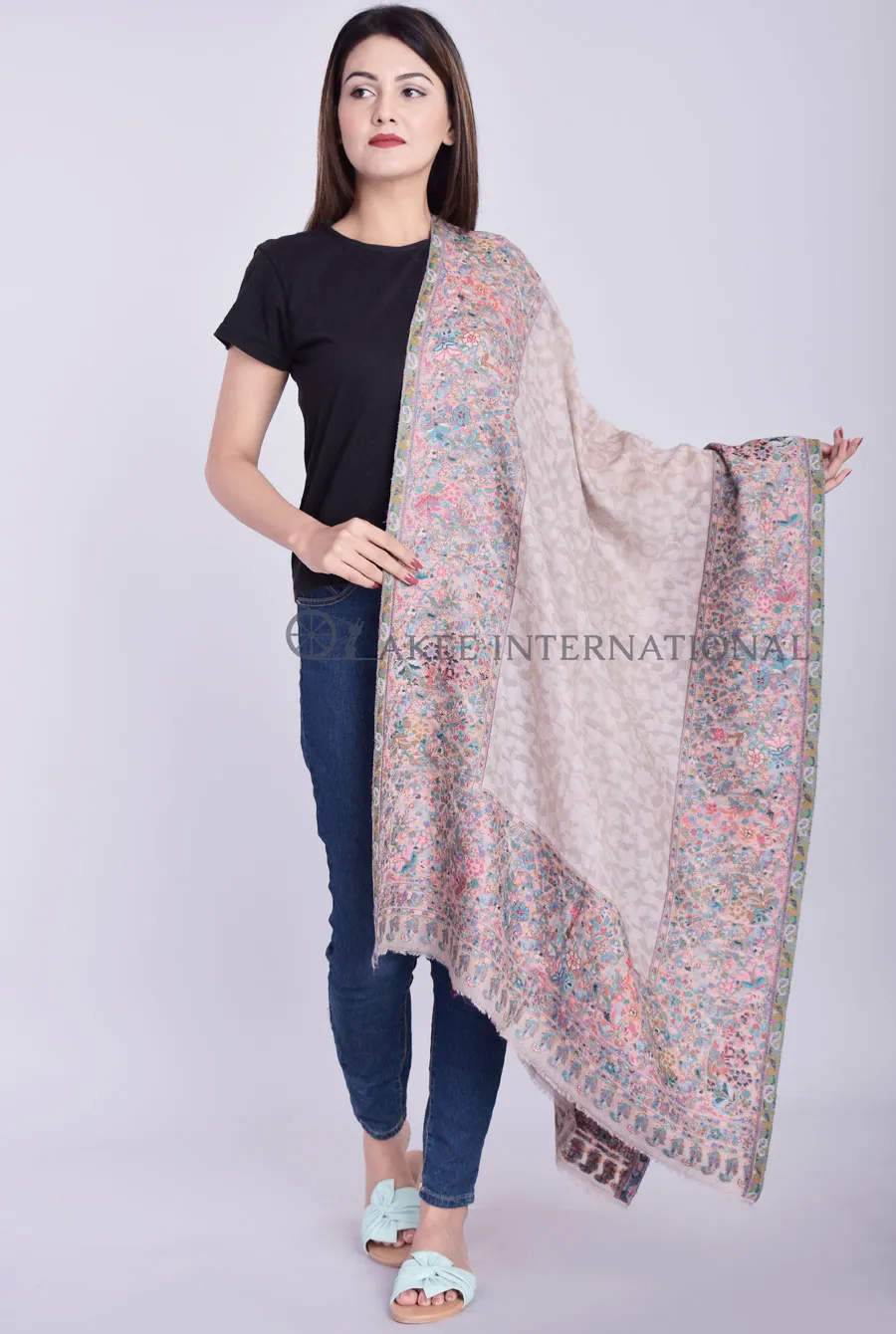
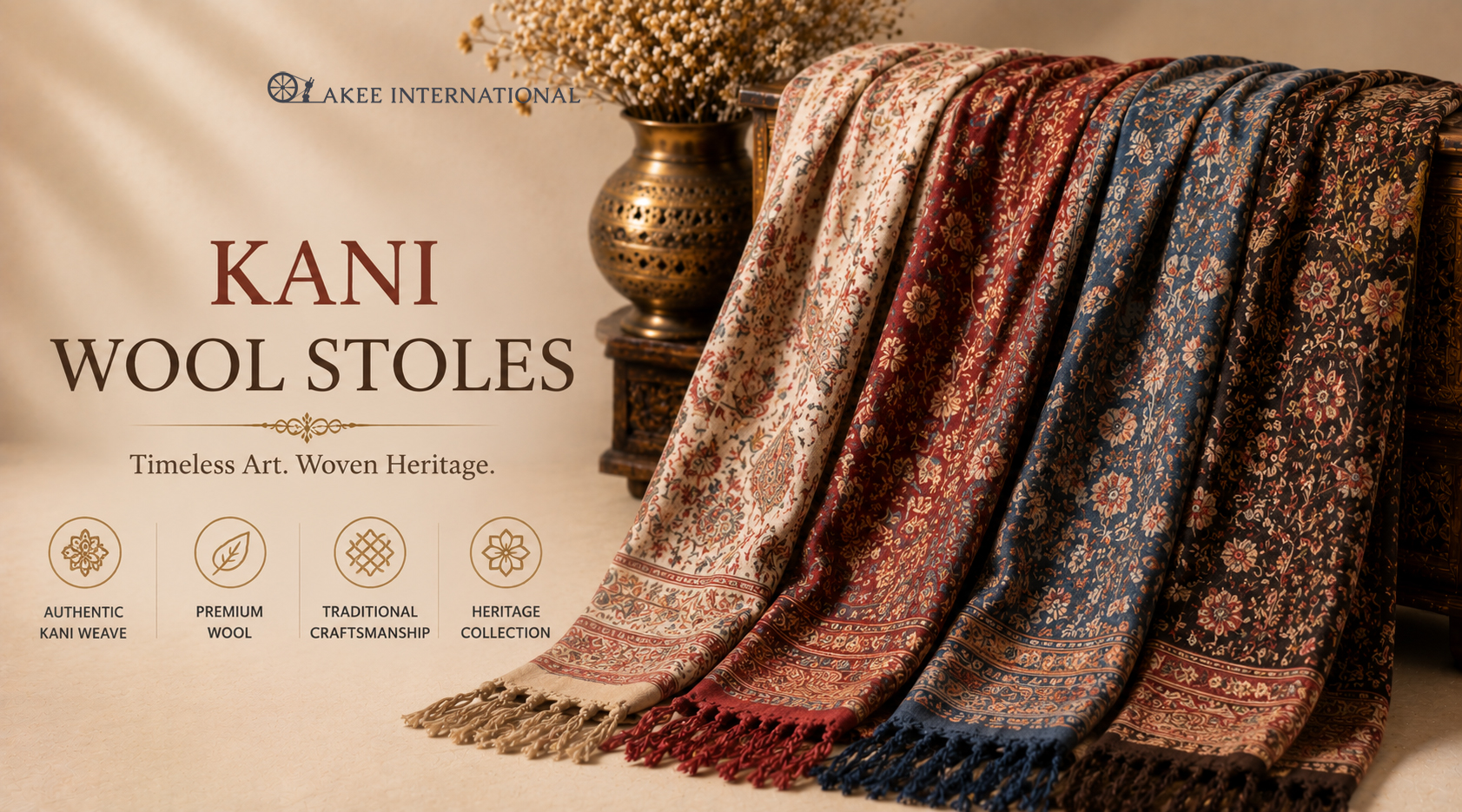
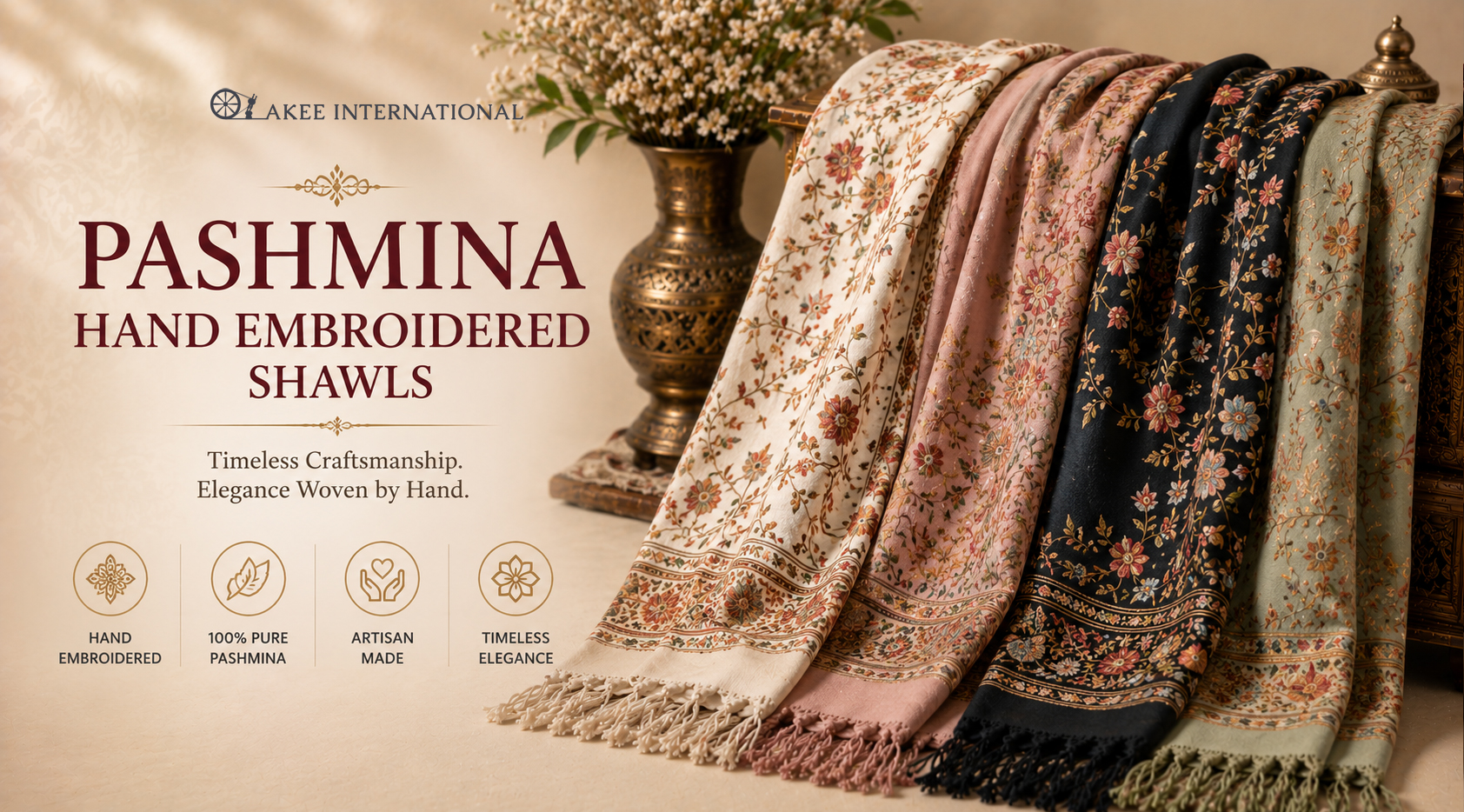
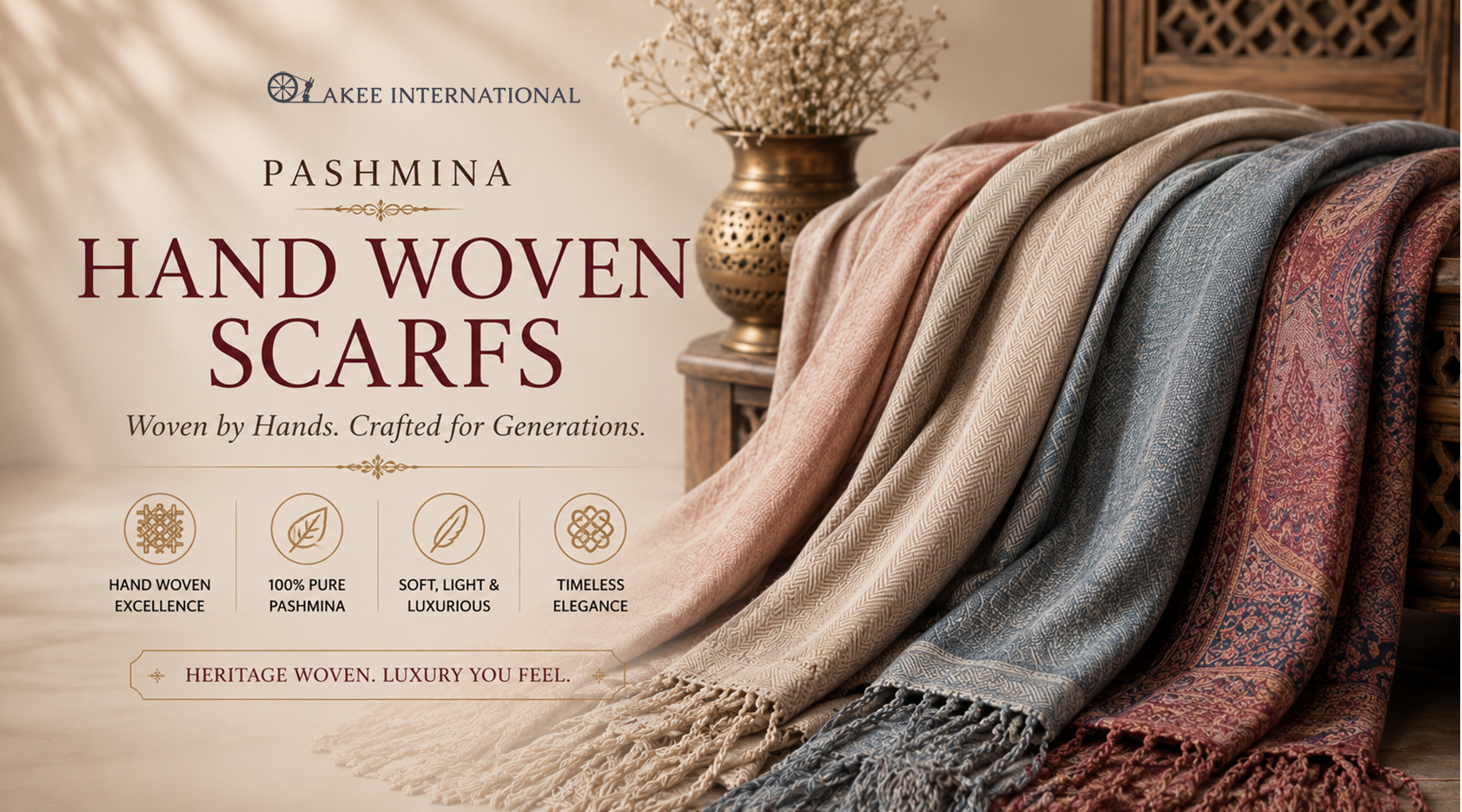
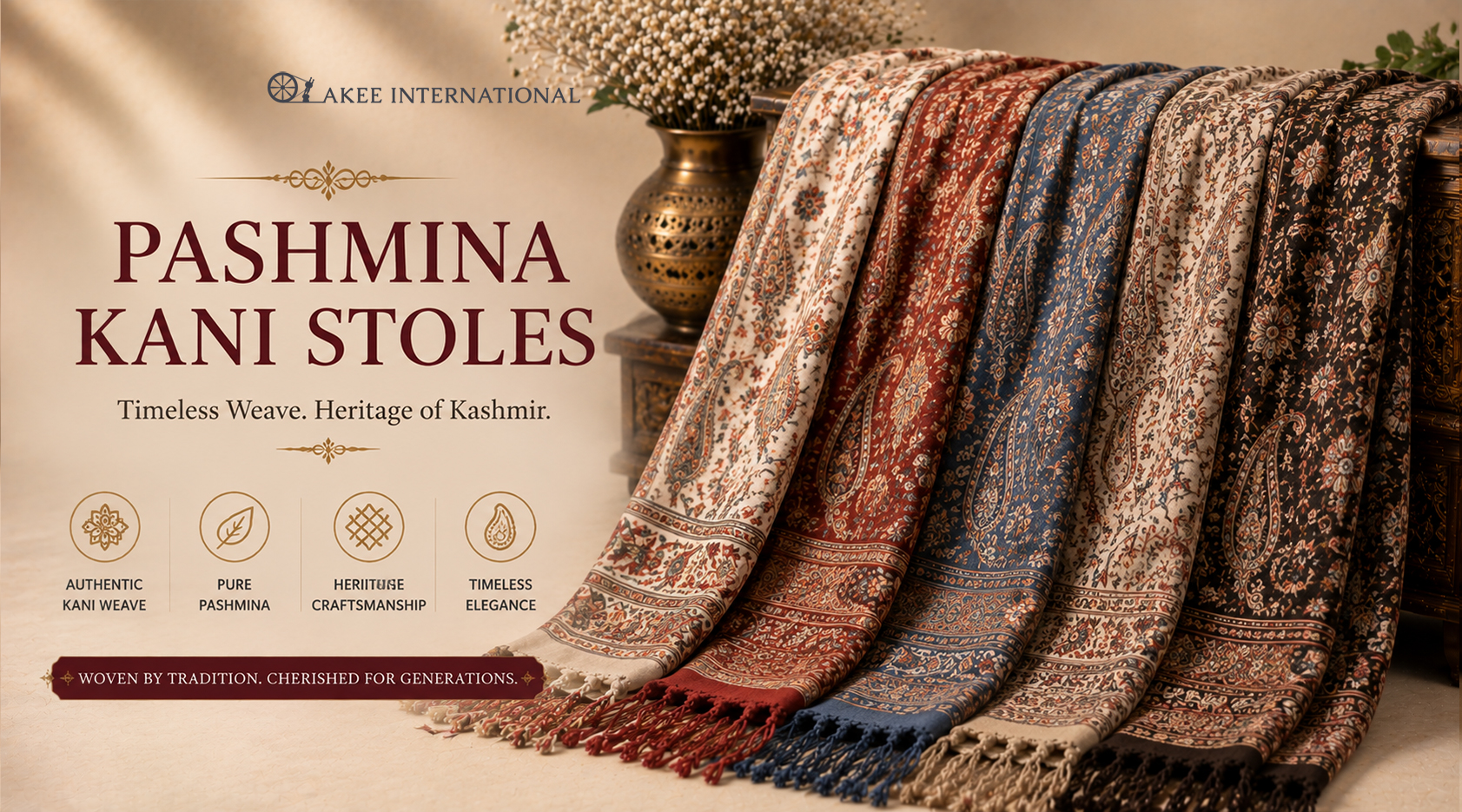
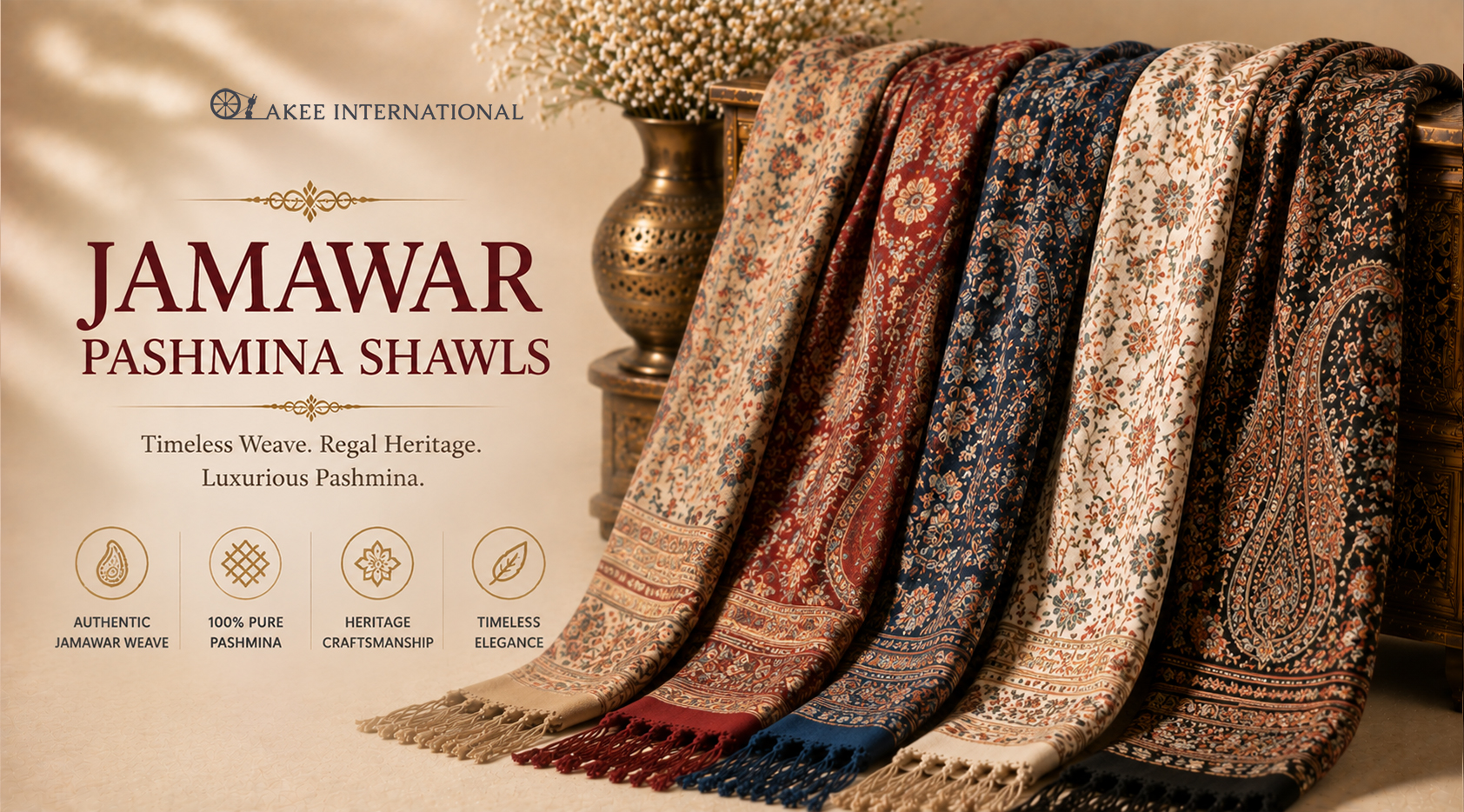
At Akee International, this collaboration spans multiple craft categories — plain hand-weaving, Jamawar pattern weaving, and Kani bobbin technique — each requiring different artisan specializations we've built relationships with over years, feeding into consolidated production and quality control at our Jaipur facility.
Why This Matters More at Scale
For a single custom piece, artisan relationship depth matters less. For wholesale or private label volume, it matters enormously — inconsistent artisan relationships produce inconsistent product, which shows up as quality variance across a bulk order.
A Fair Way to Compare Manufacturers
Ask any manufacturer claiming to be "the best" at working with Kashmir artisans exactly one follow-up question: describe your actual sourcing relationship, in specific terms. The quality of that answer tells you more than any homepage claim.
Ask them to describe the relationship specifically — direct or through middlemen, and for how long.
Yes, it typically leads to more accurate sourcing and quality judgment than a purely transactional buying relationship.
Reputable manufacturers evaluate weave tension, stitch consistency, and finishing before accepting a piece into their catalogue.
Yes, multiple trading layers typically reduce the artisan's share of the final price.
Plain hand-weaving, Jamawar pattern weaving, and Kani bobbin technique, among others.
Yes, inconsistent artisan relationships tend to produce visible quality variance at scale.
Yes, built over years across multiple craft specializations.
Please contact our team — we're happy to discuss sourcing specifics.
It can support more sustainable, ethical pricing rather than relying on middleman markups.
Contact us via WhatsApp or our website with your specific requirements.
"Read what our clients say about their experience with Akee International's luxurious Pashmina shawls and impeccable service."

Nai Mata Mandir Road, Thathar Road, Delhi By Pass, Amer, Jaipur 302028, Rajasthan India
Get directions Call Now Whatsapp 4.9 based on 269 reviews
Rating: 4.6/5 | 85 Reviews

Rating: 4.9/5 | 269 Reviews

TrustScore: 4.9 | 100 Reviews