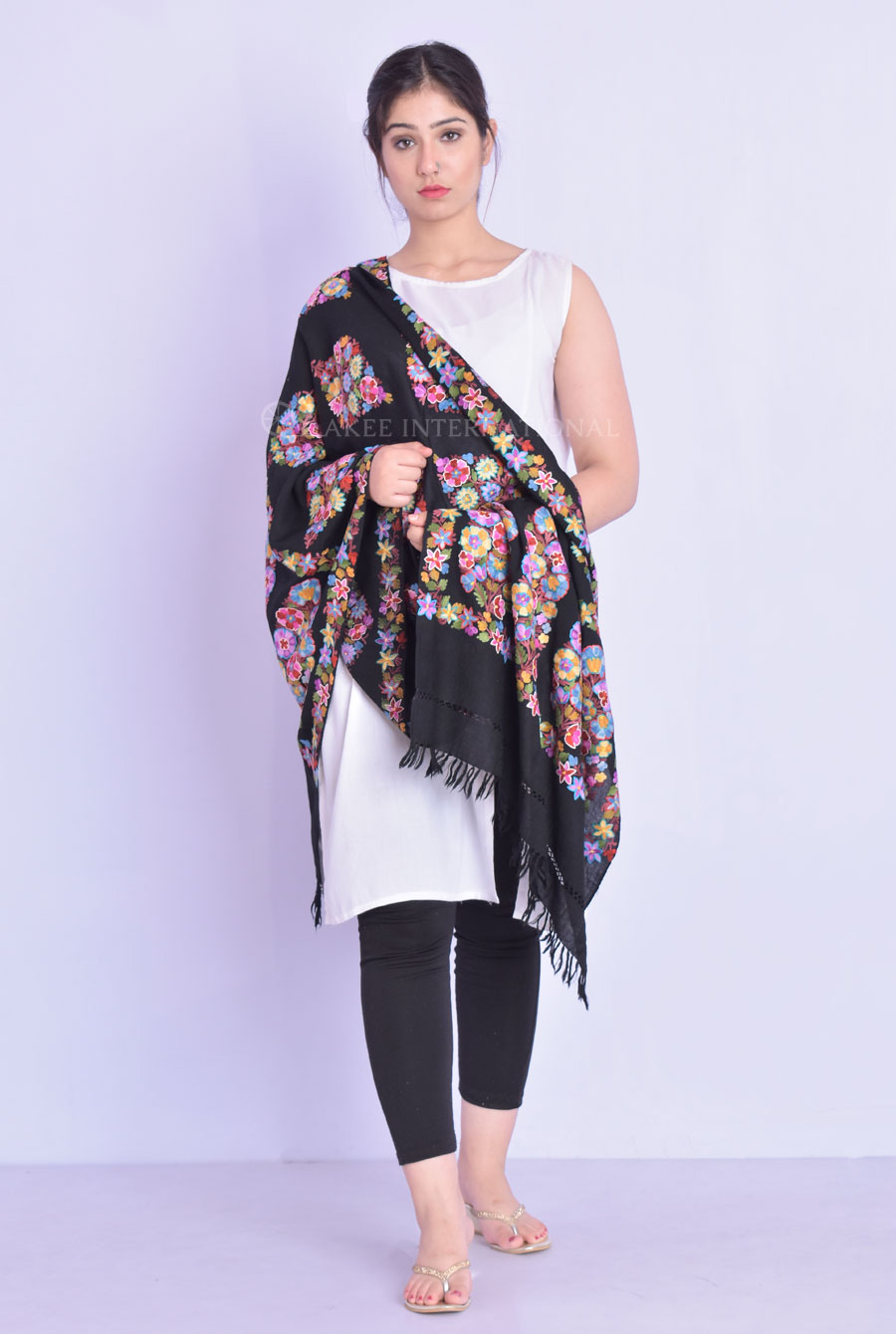
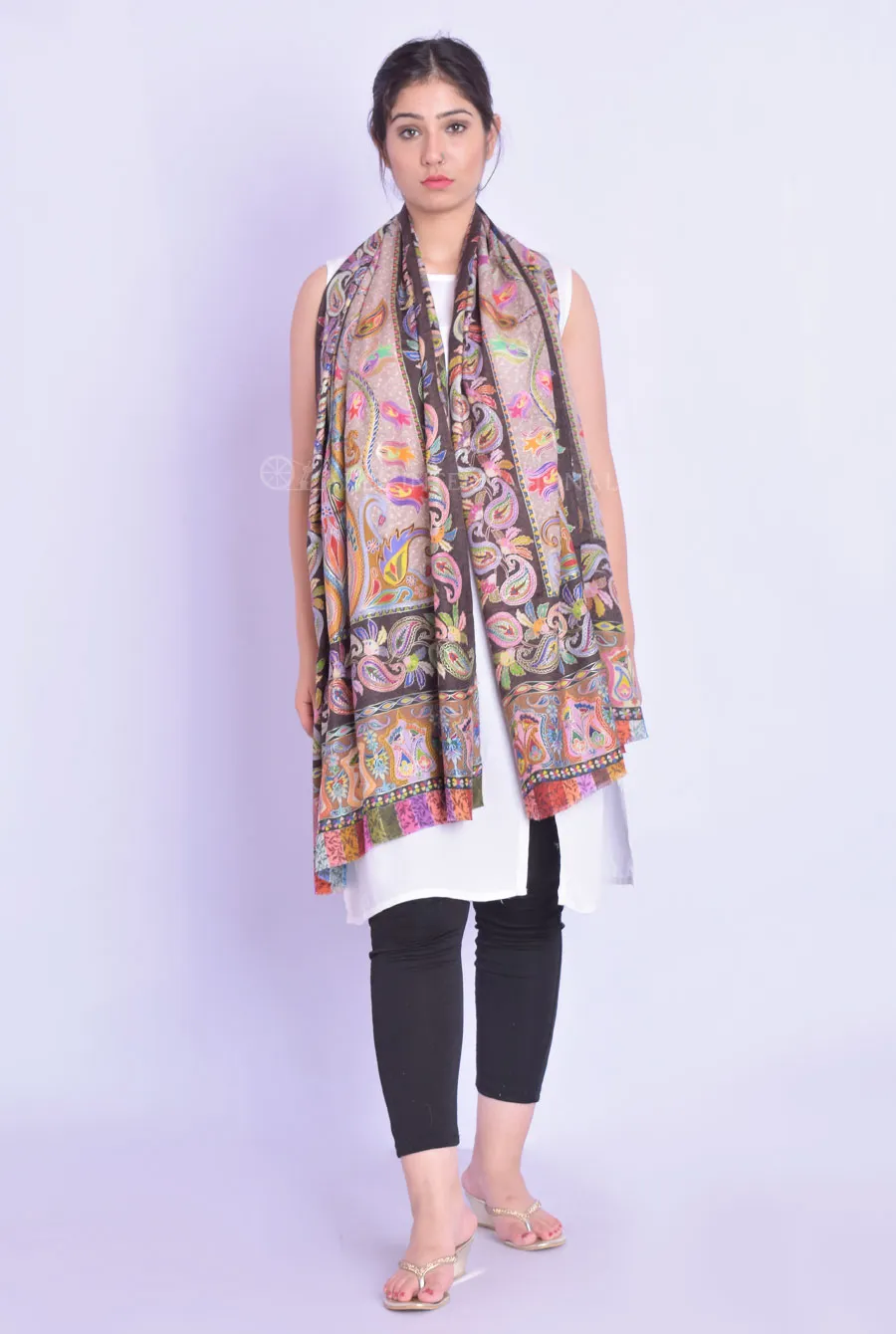
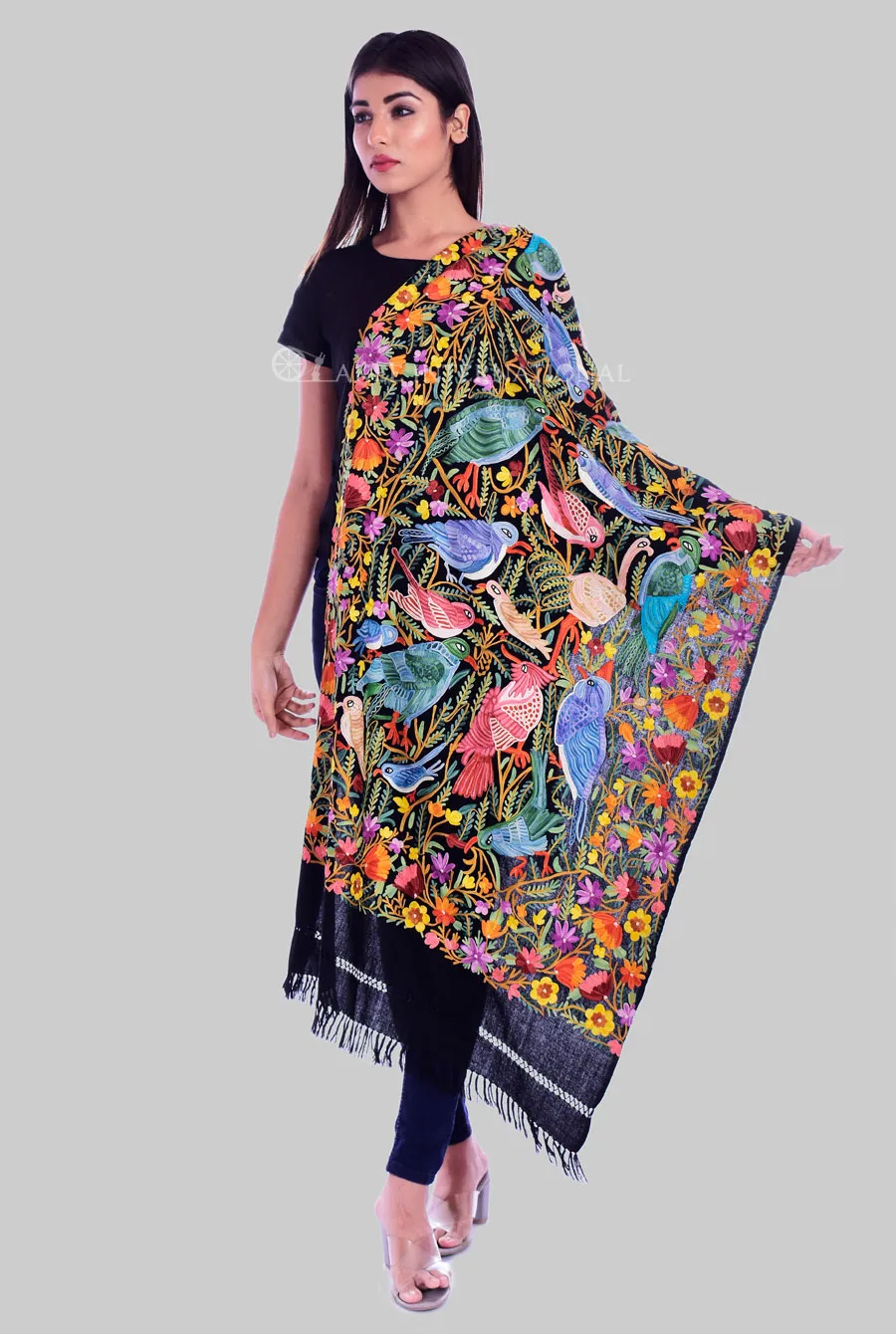
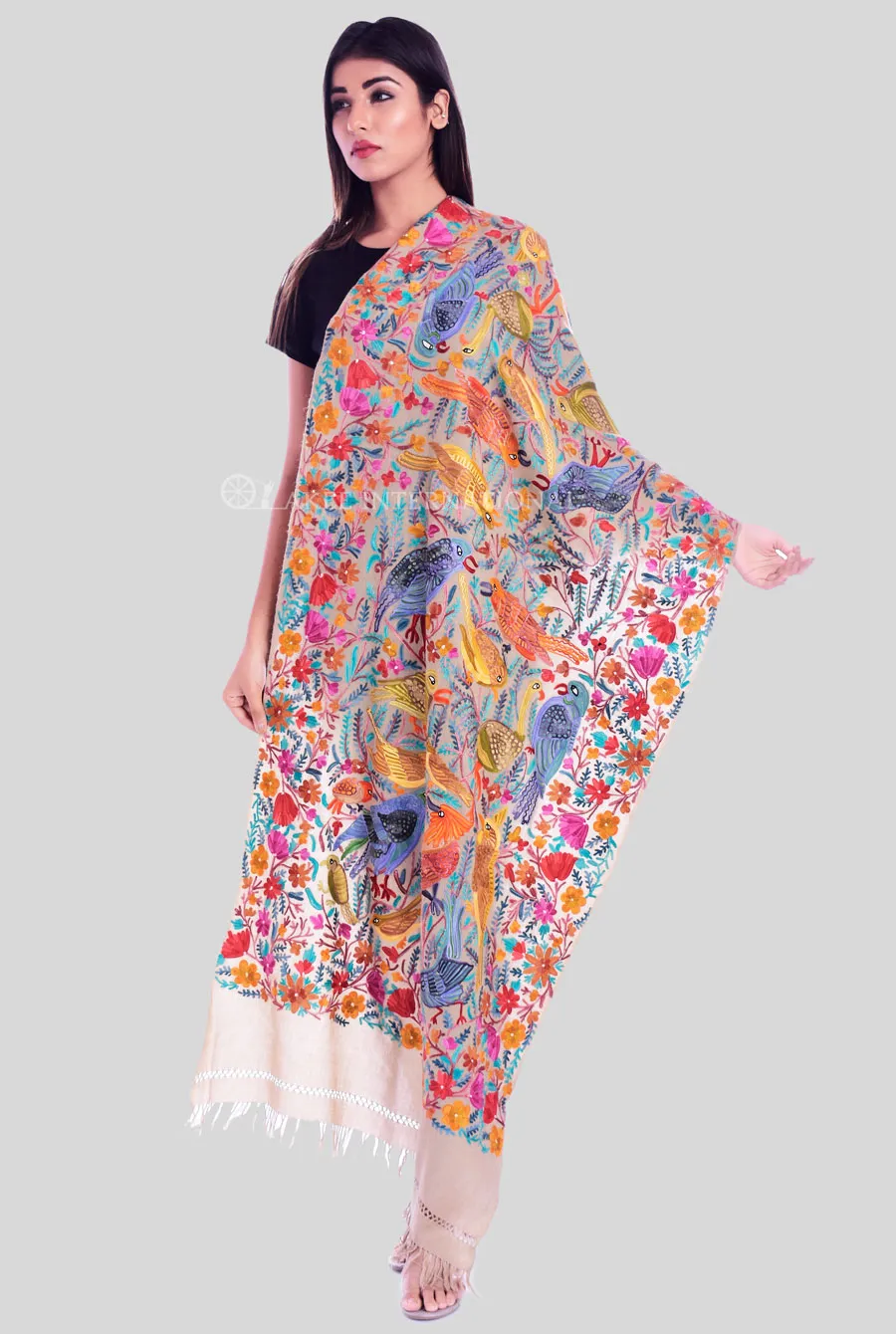
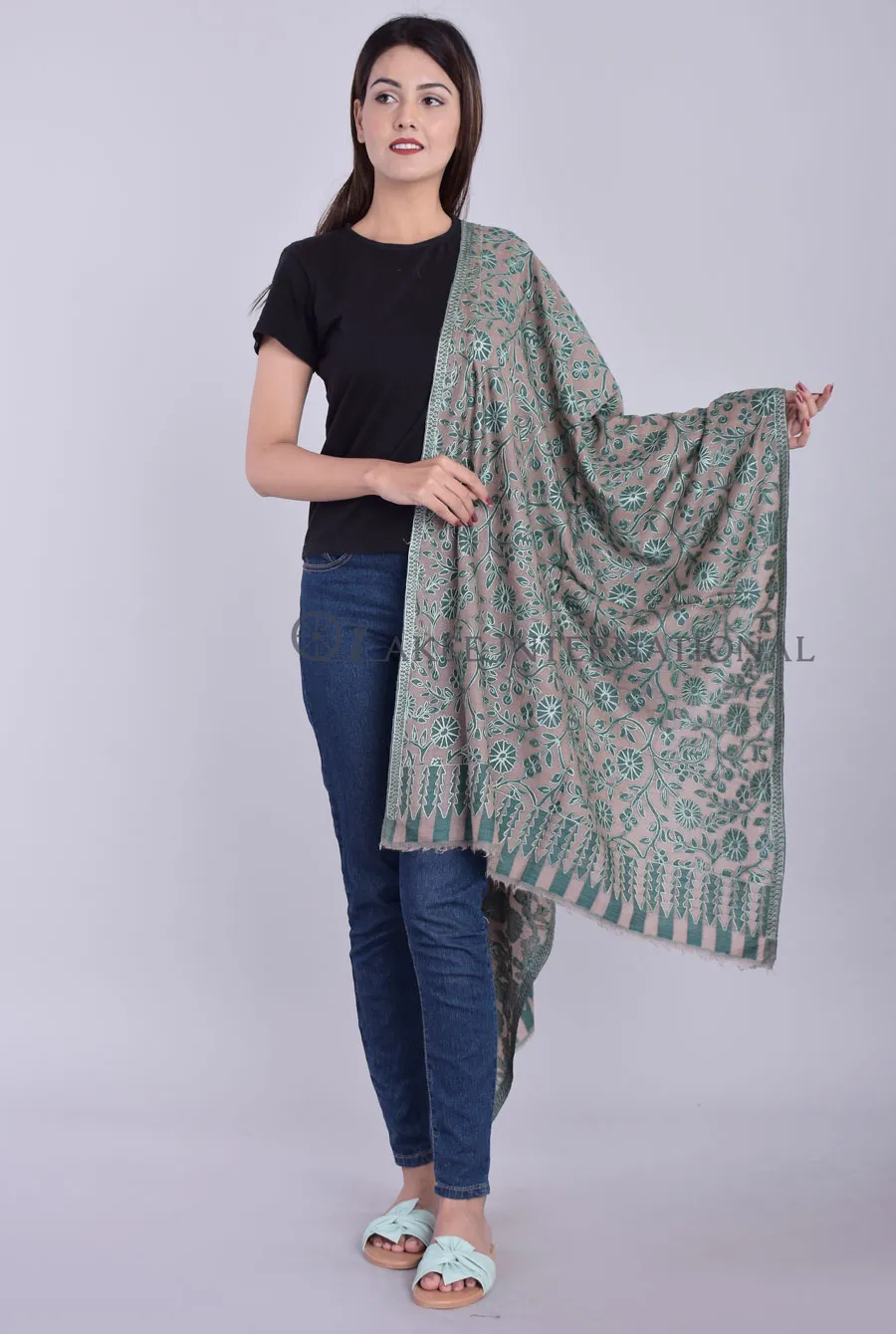
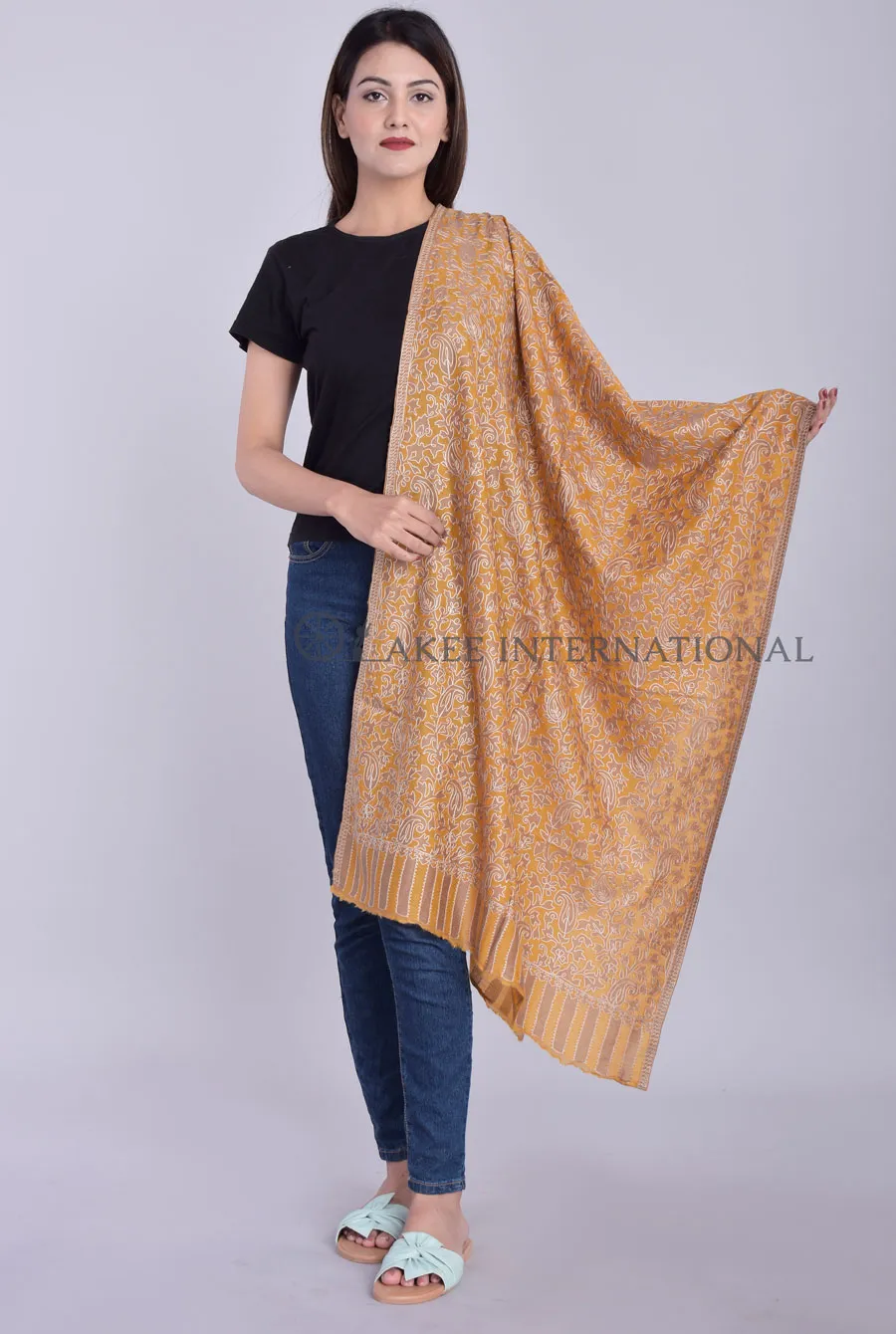
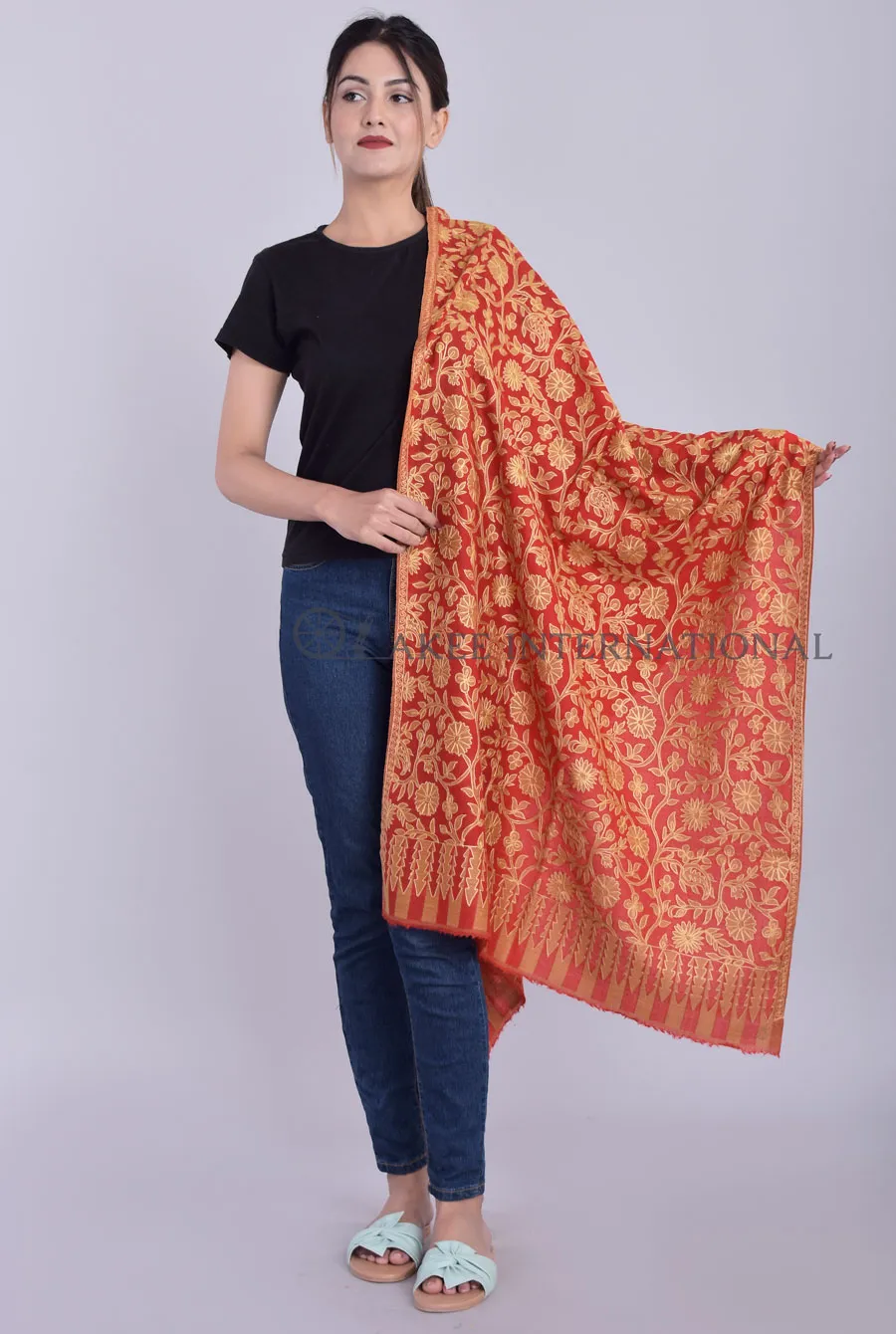
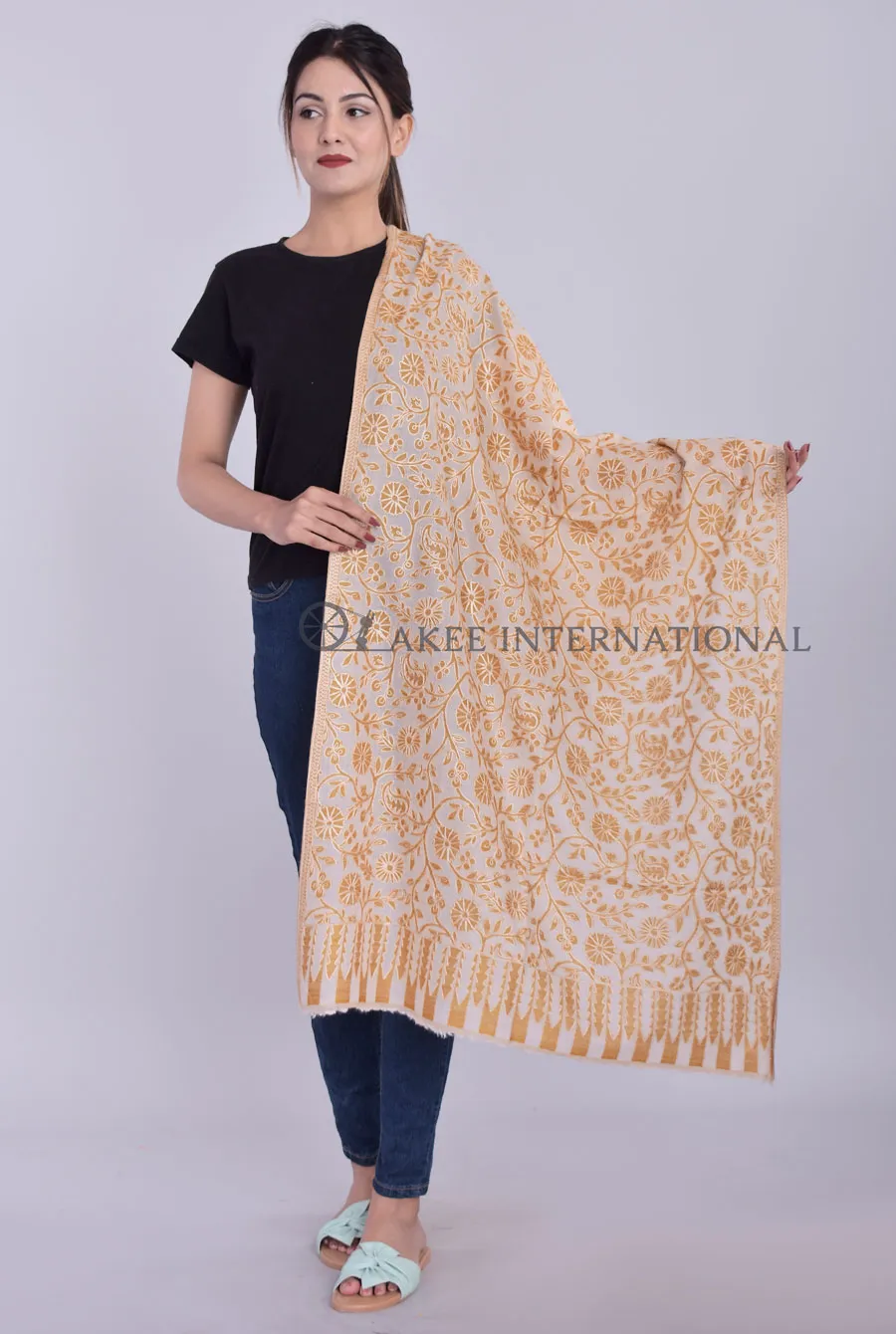
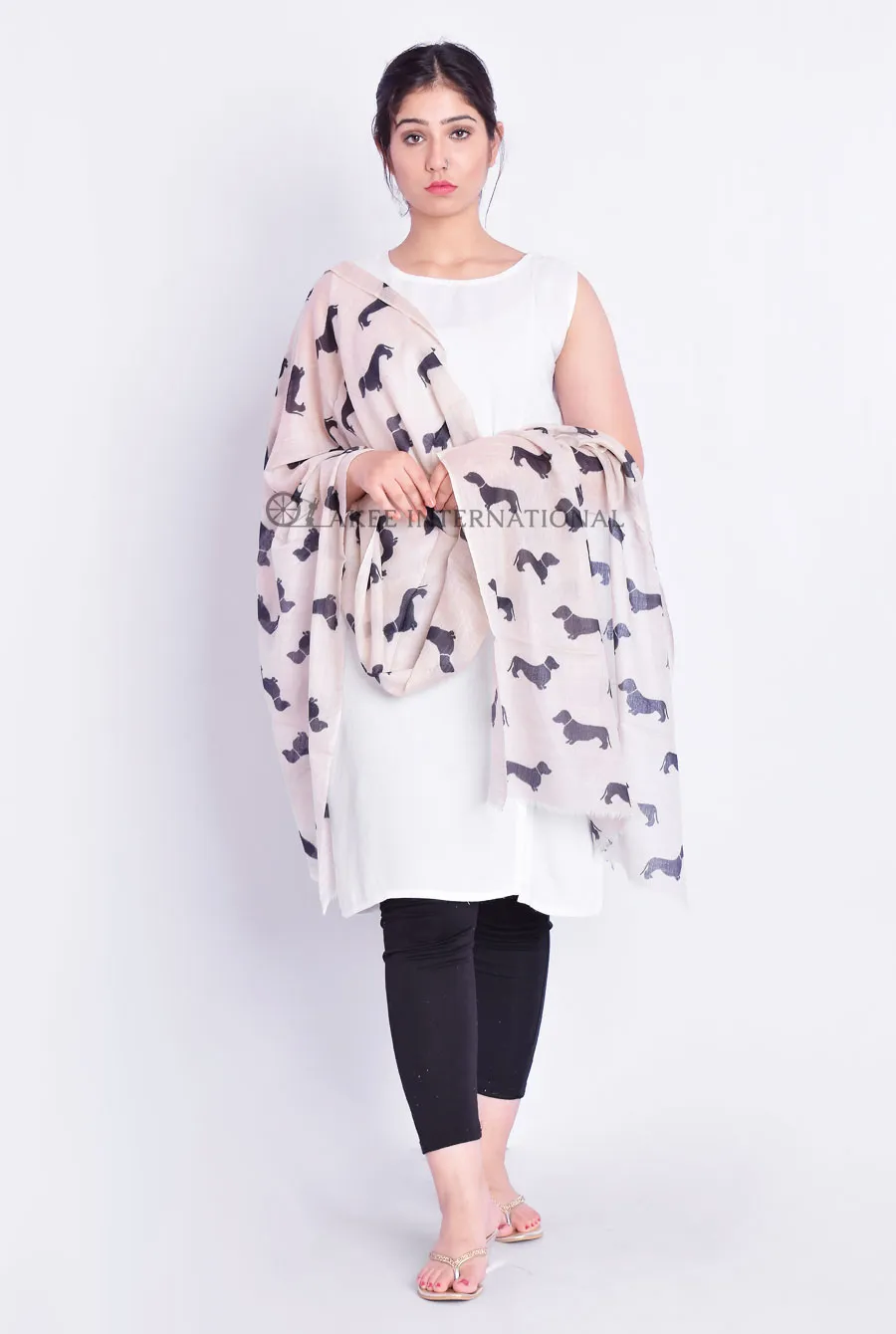
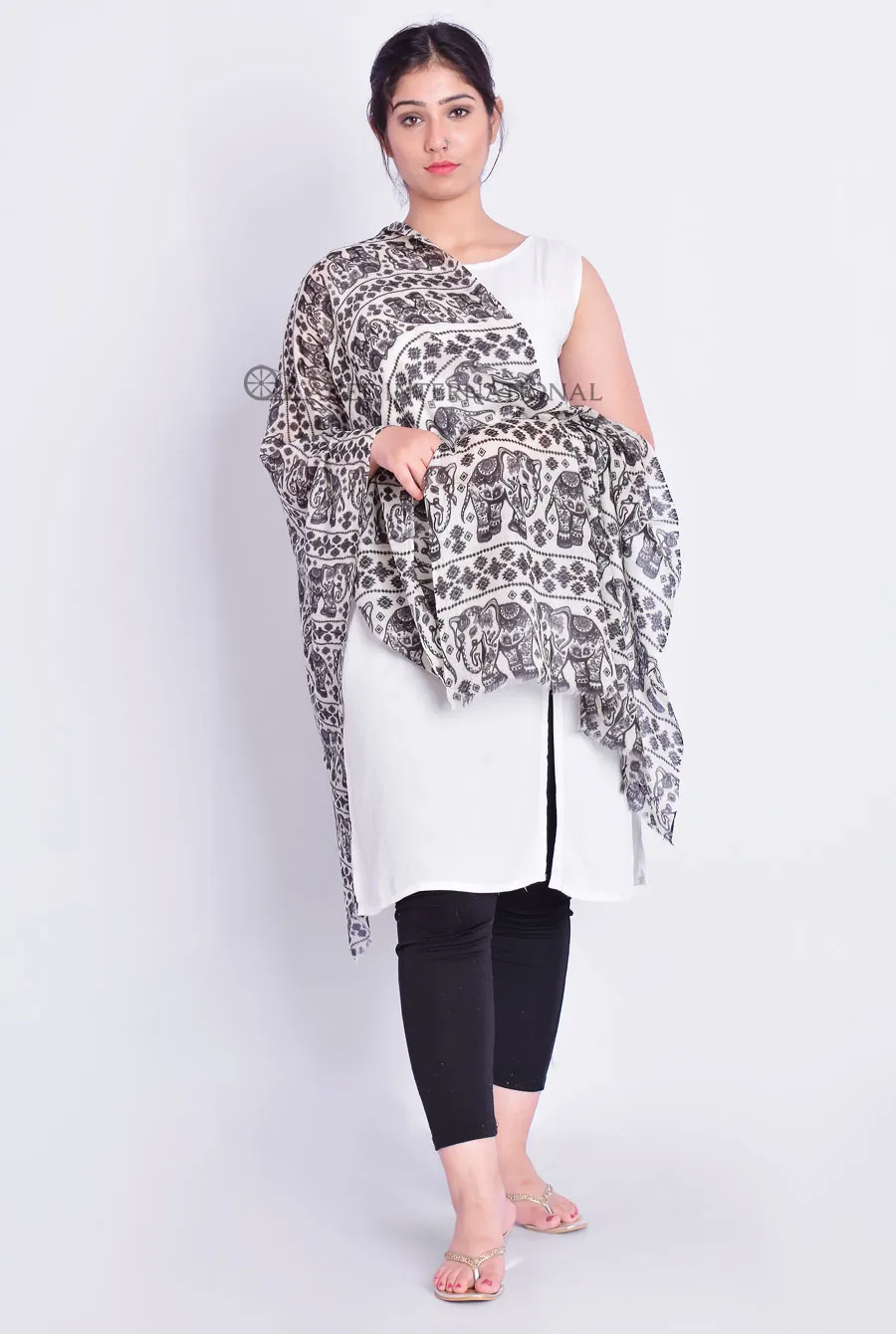
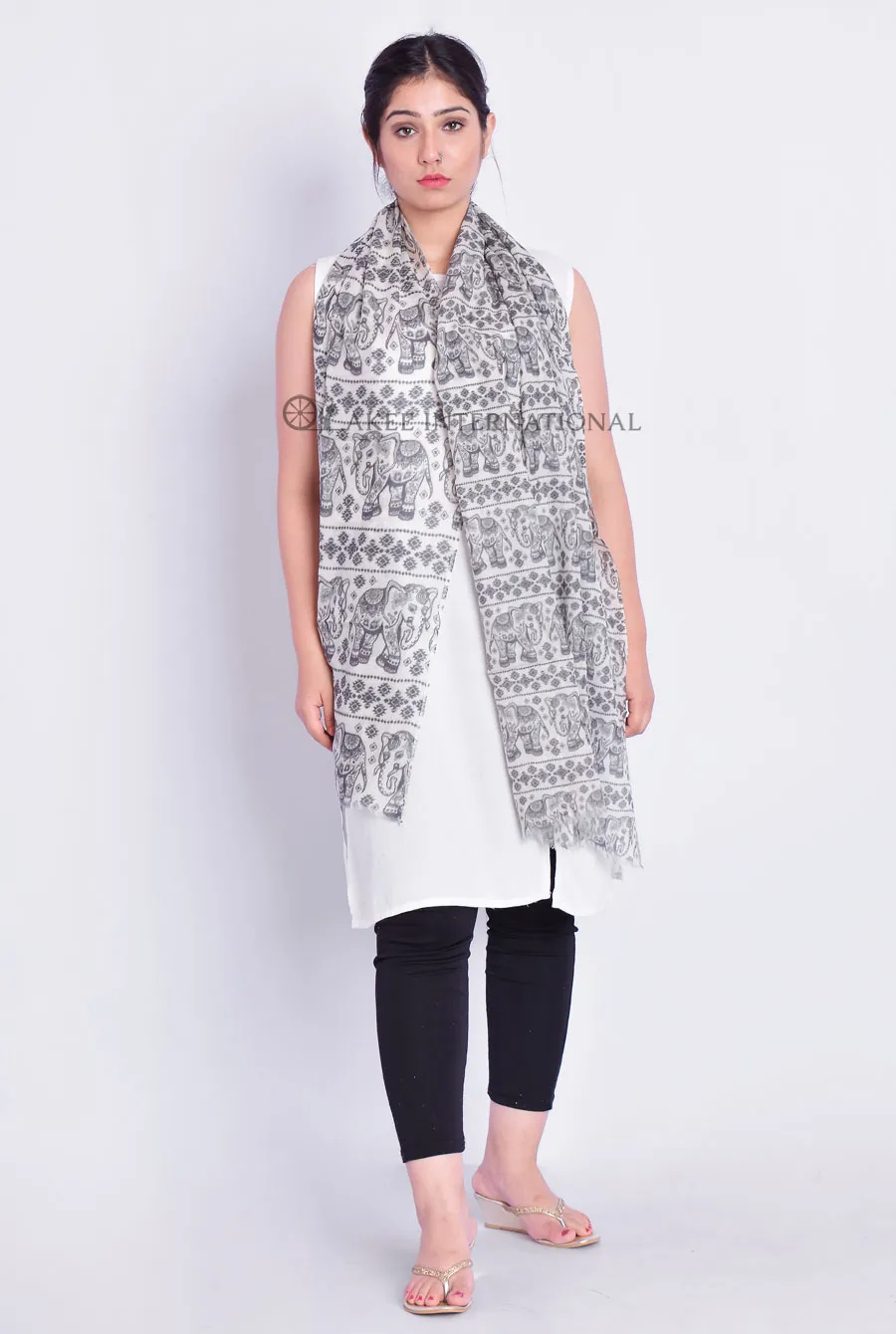
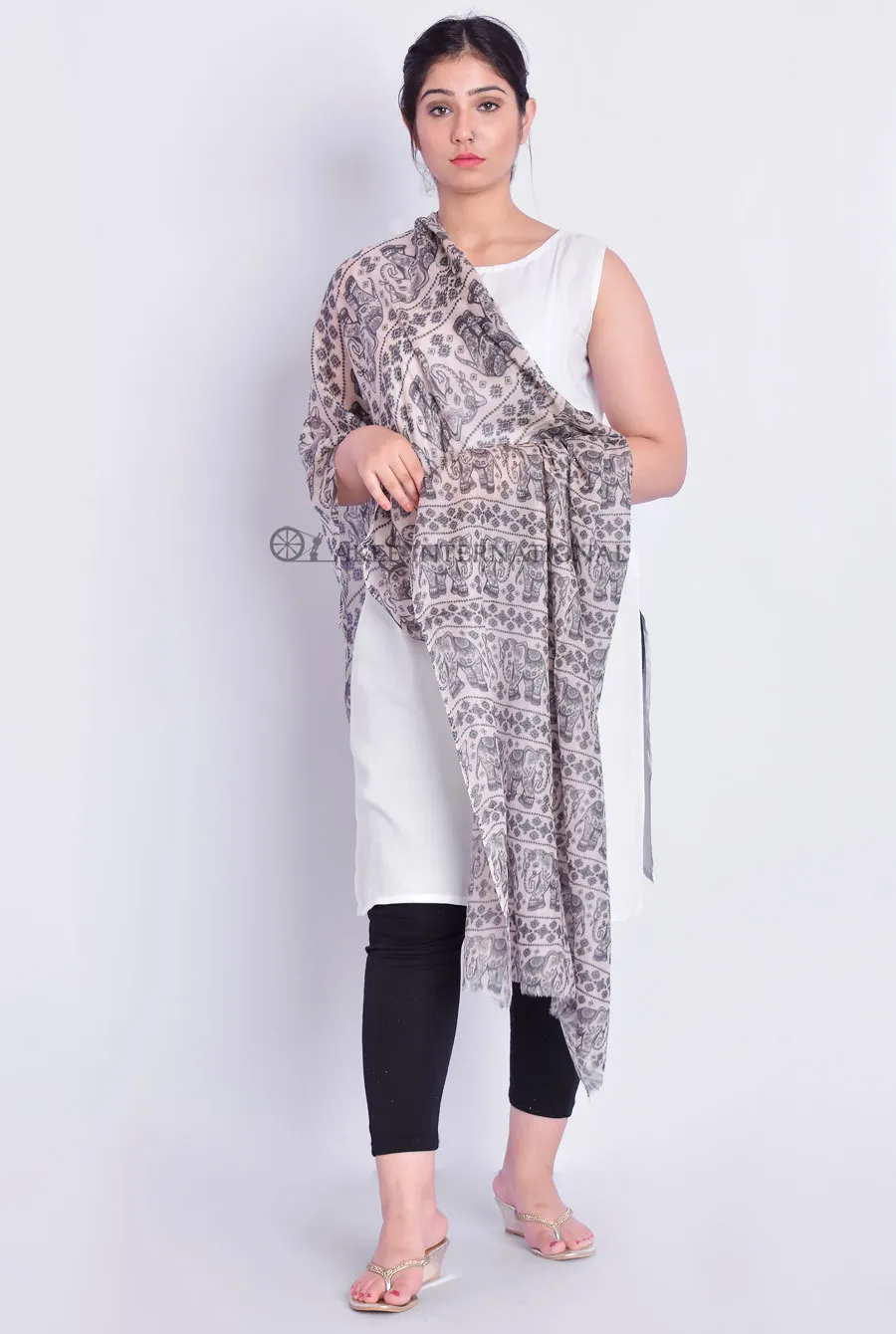
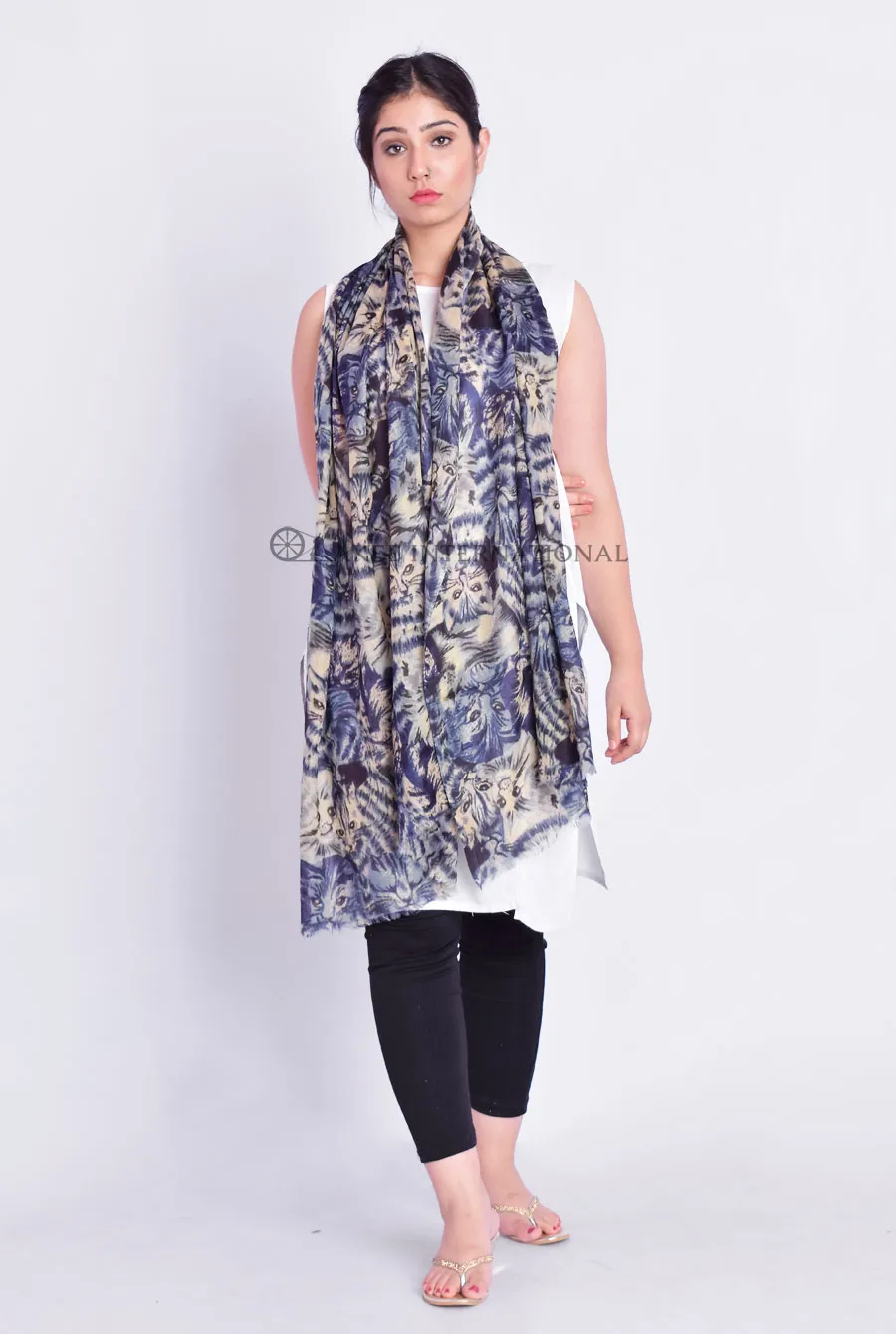
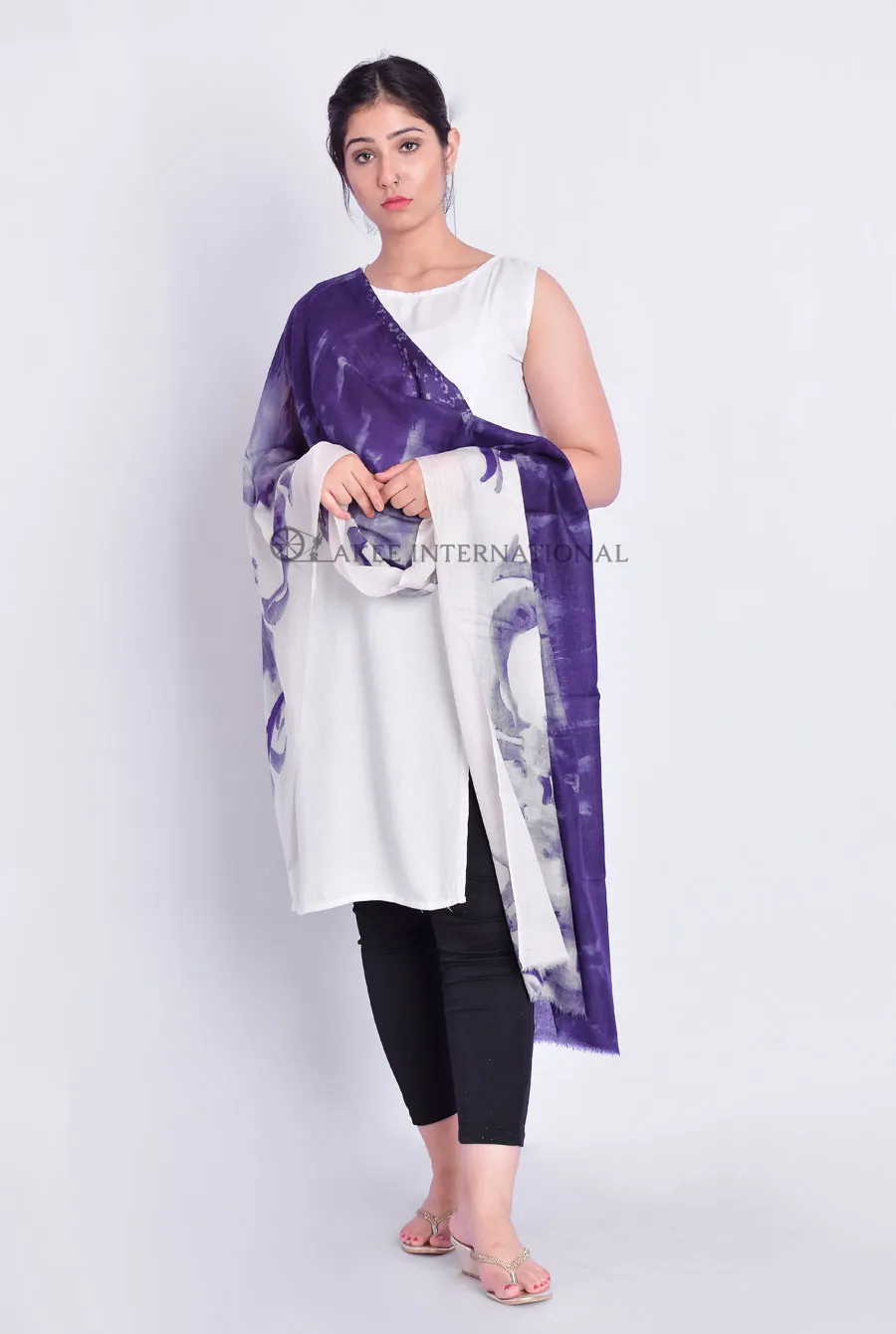
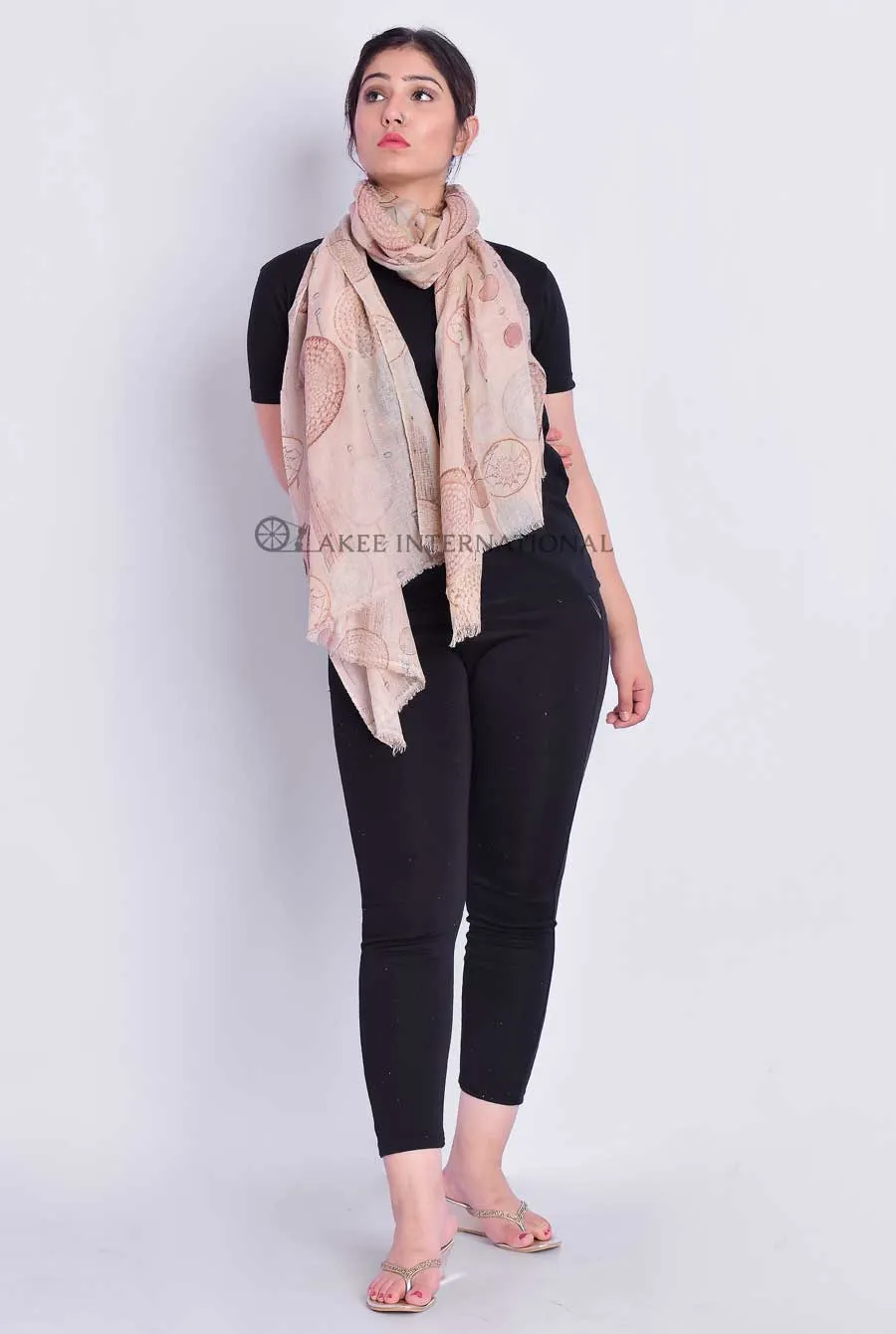
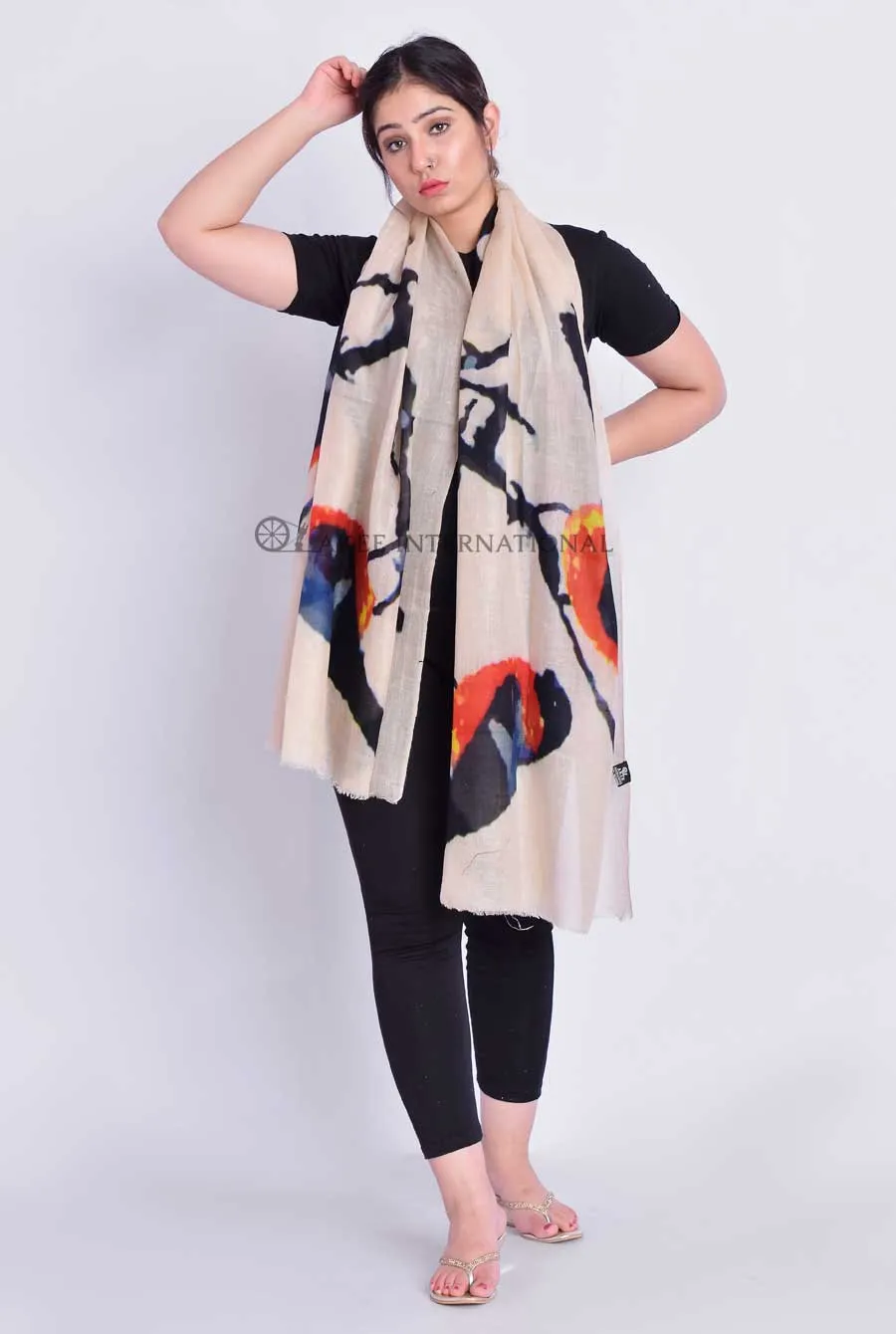
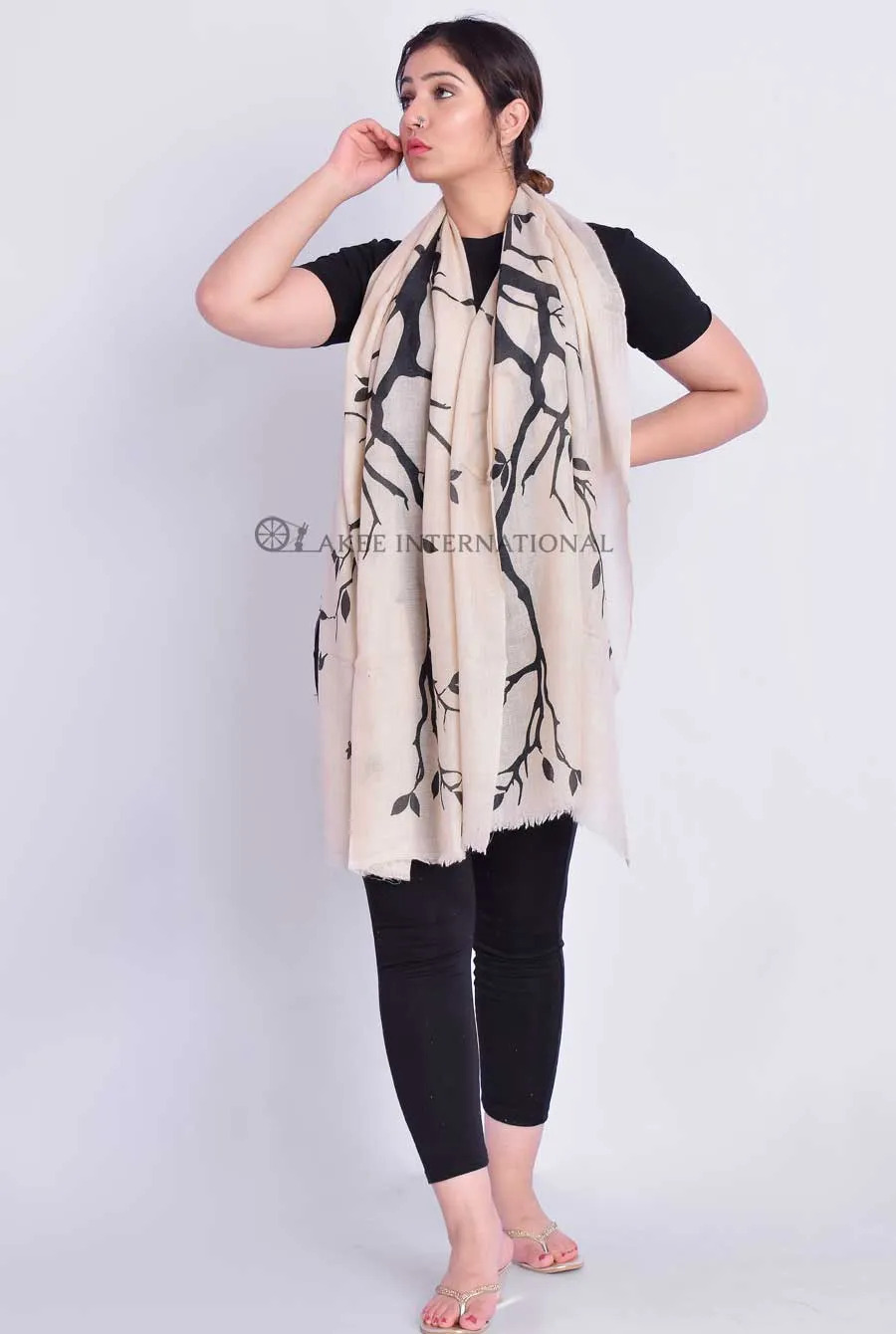
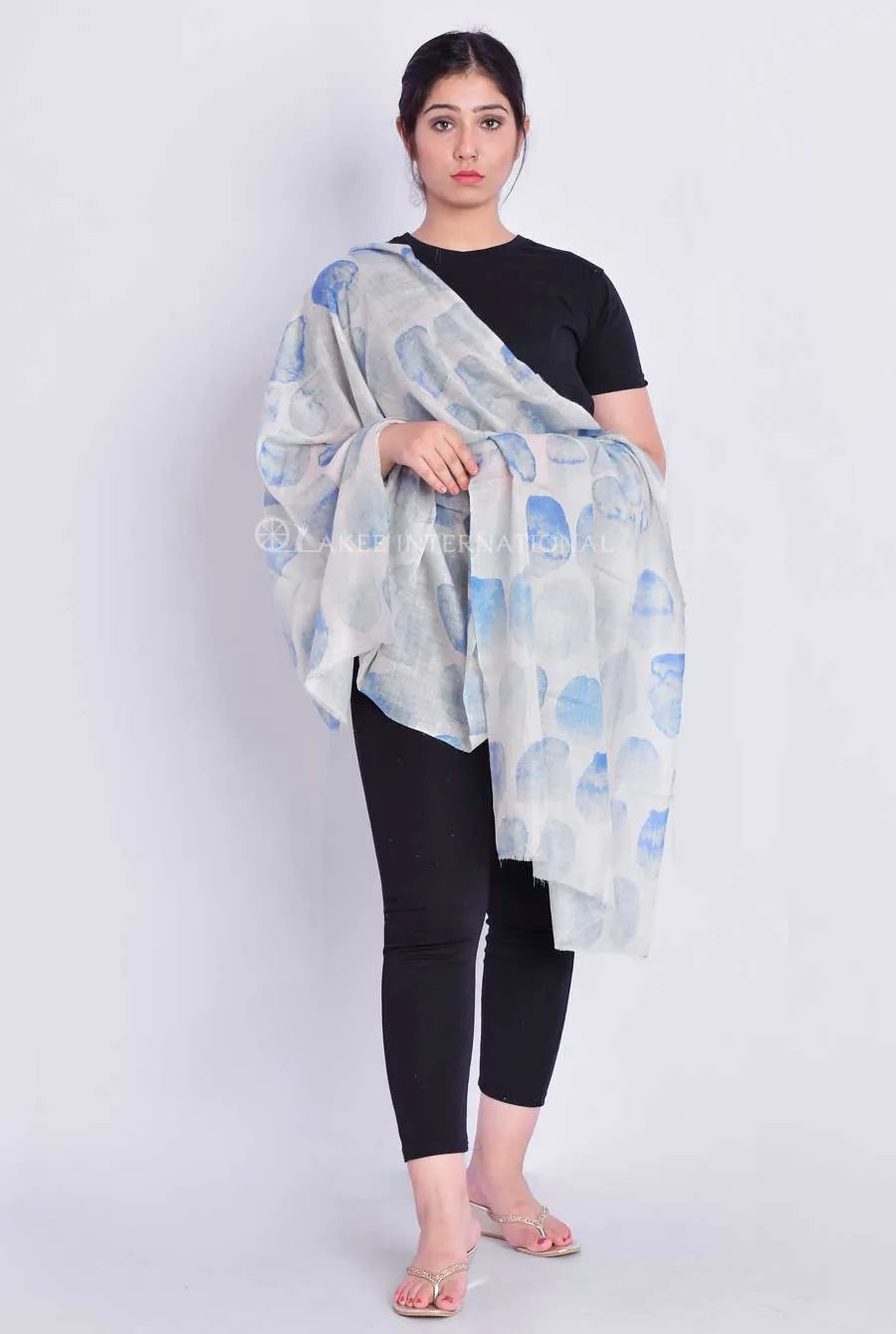
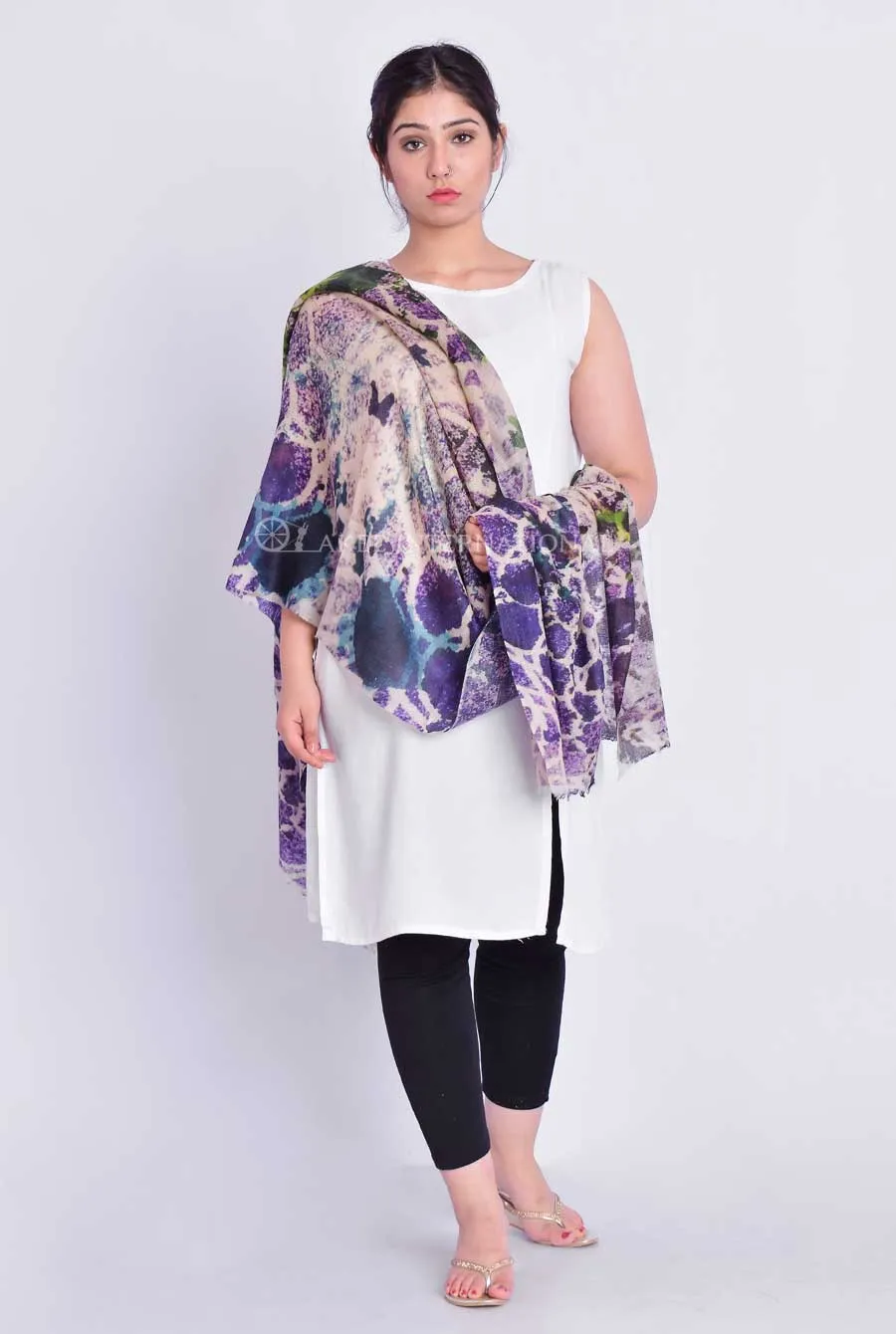
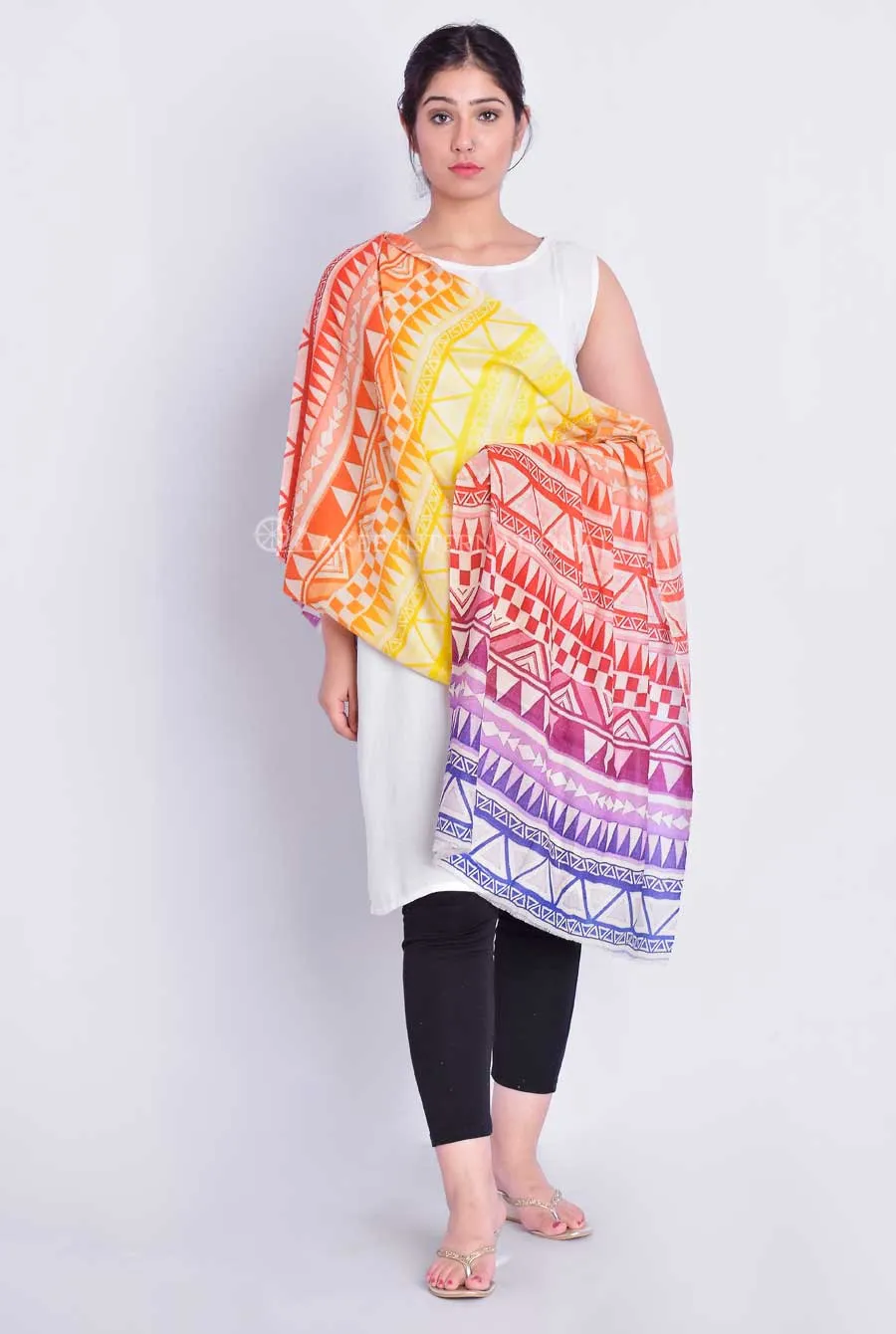
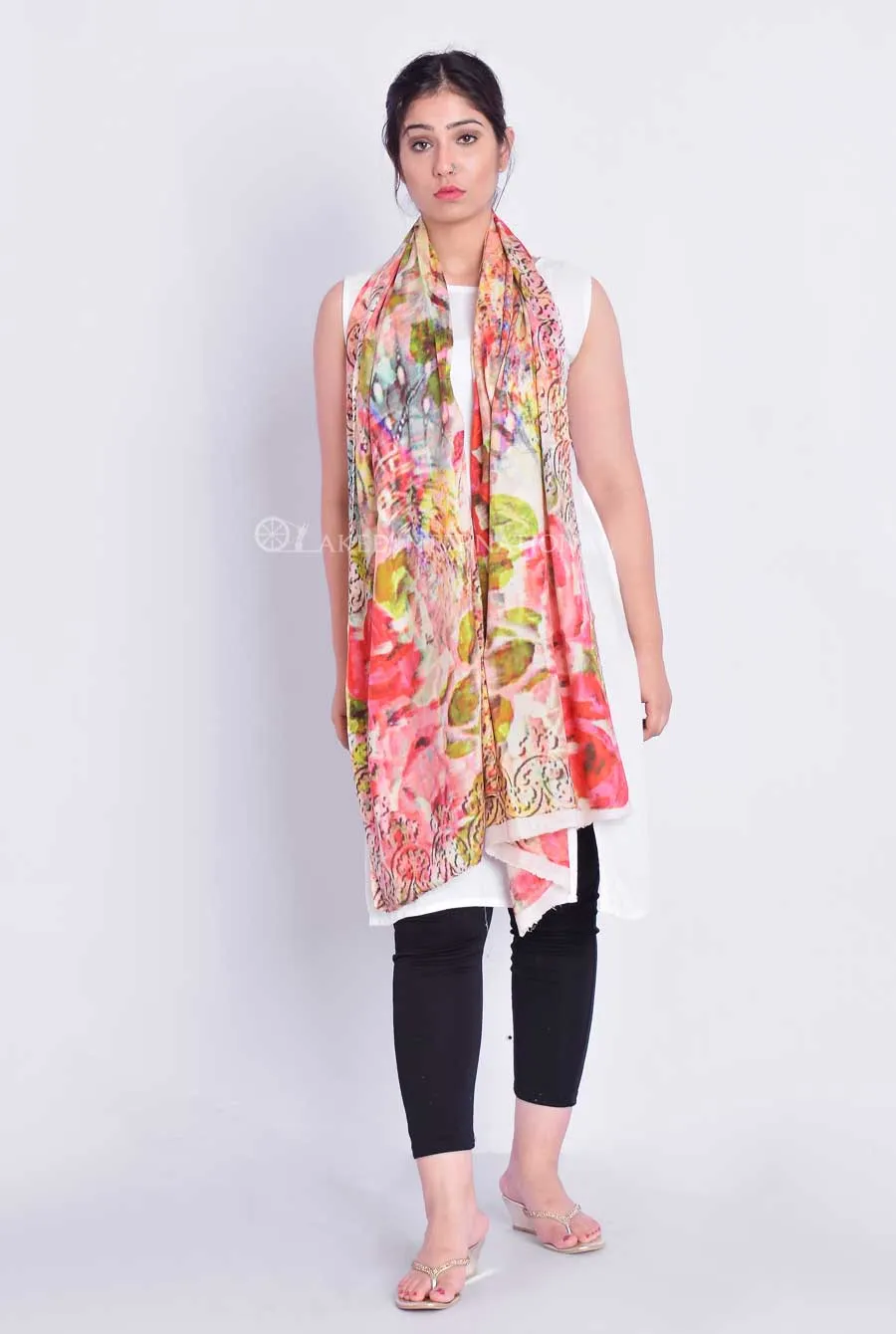
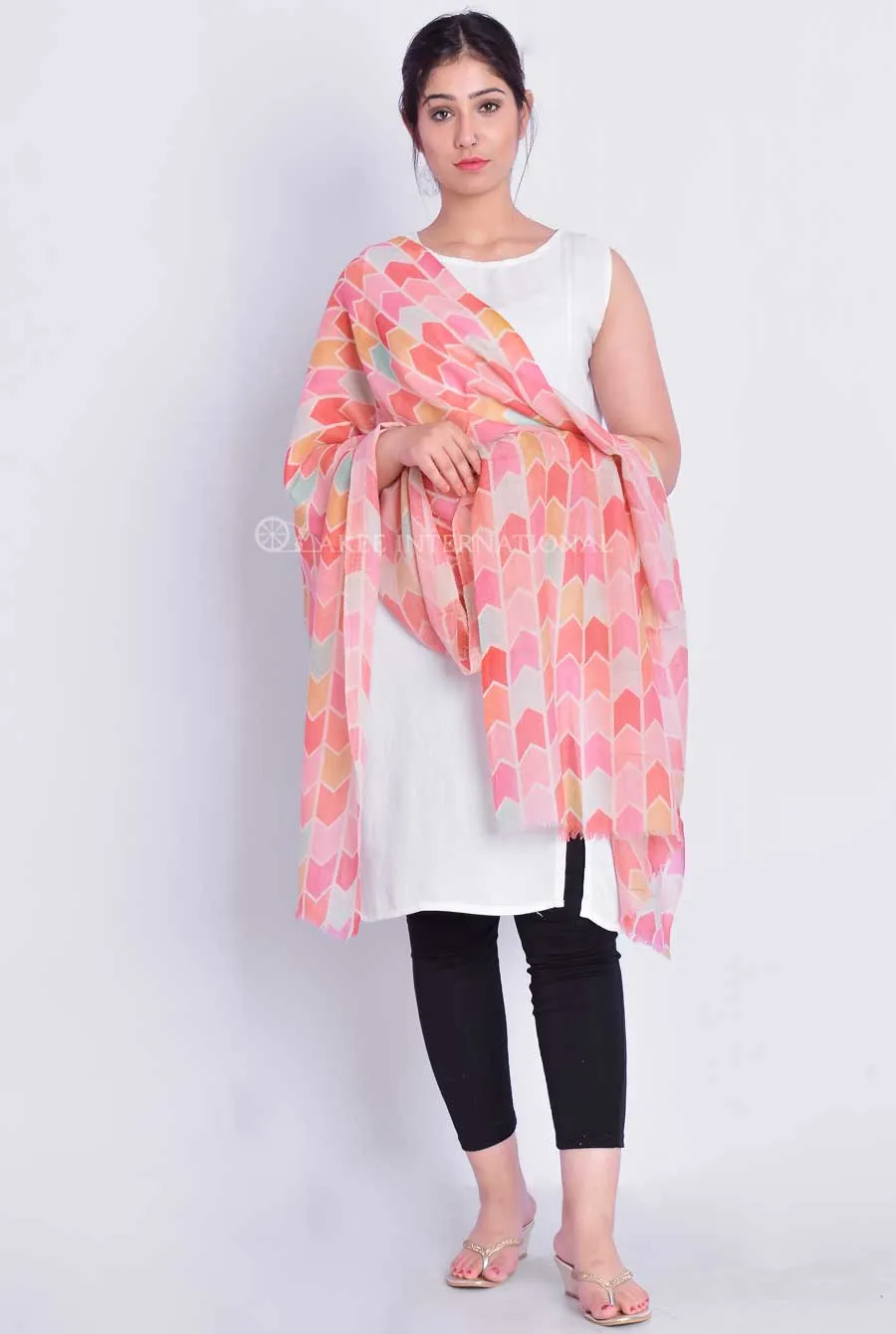
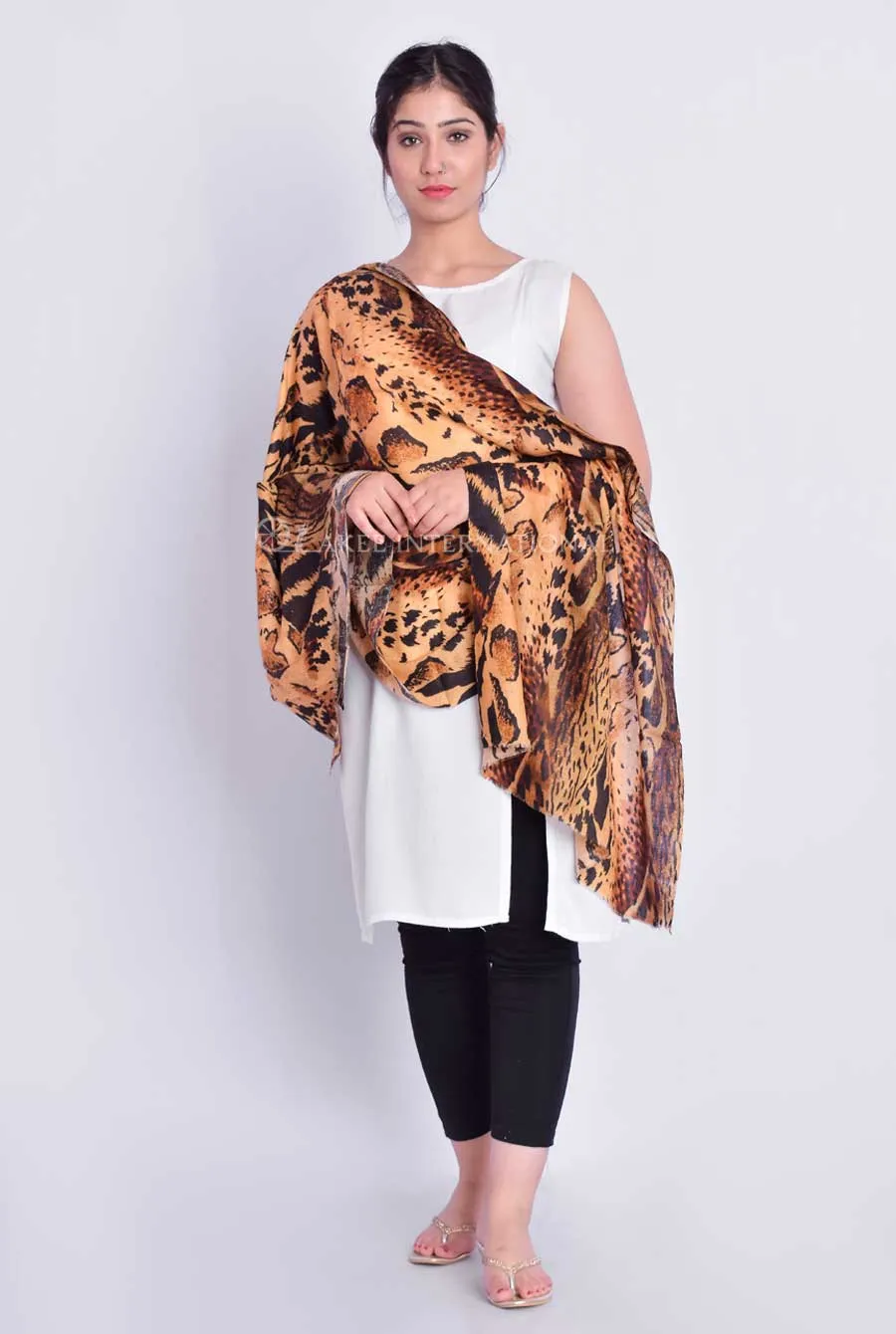
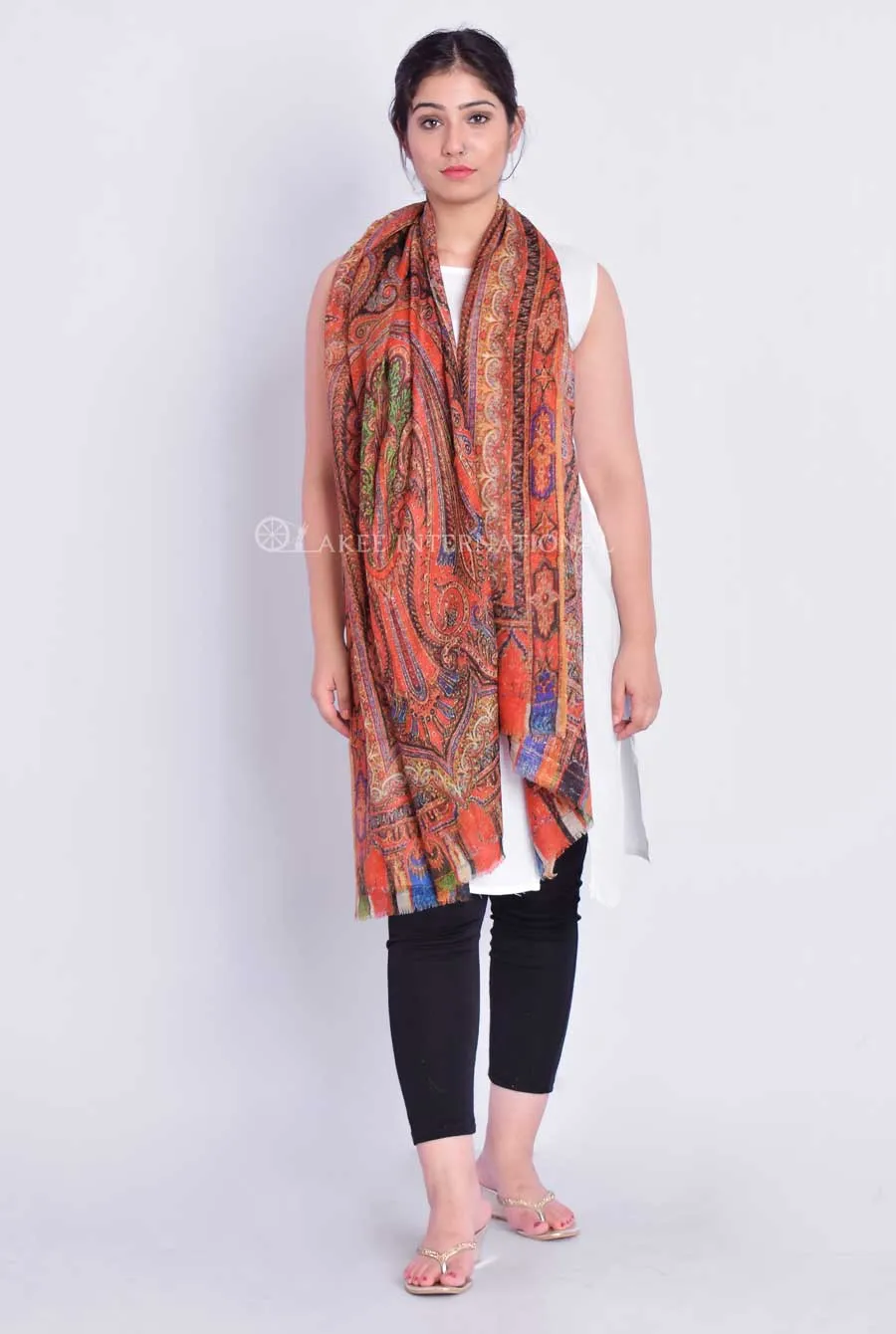
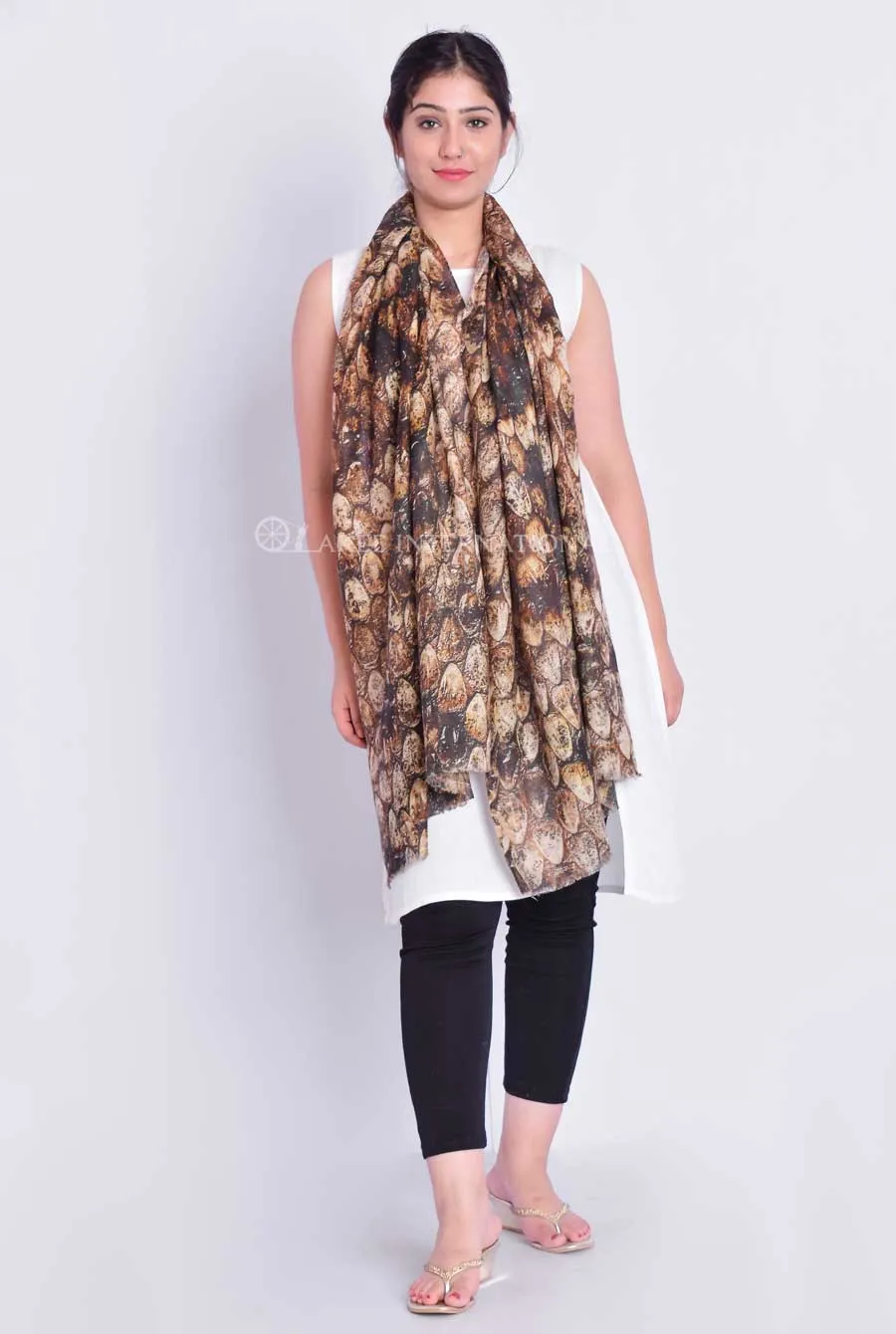
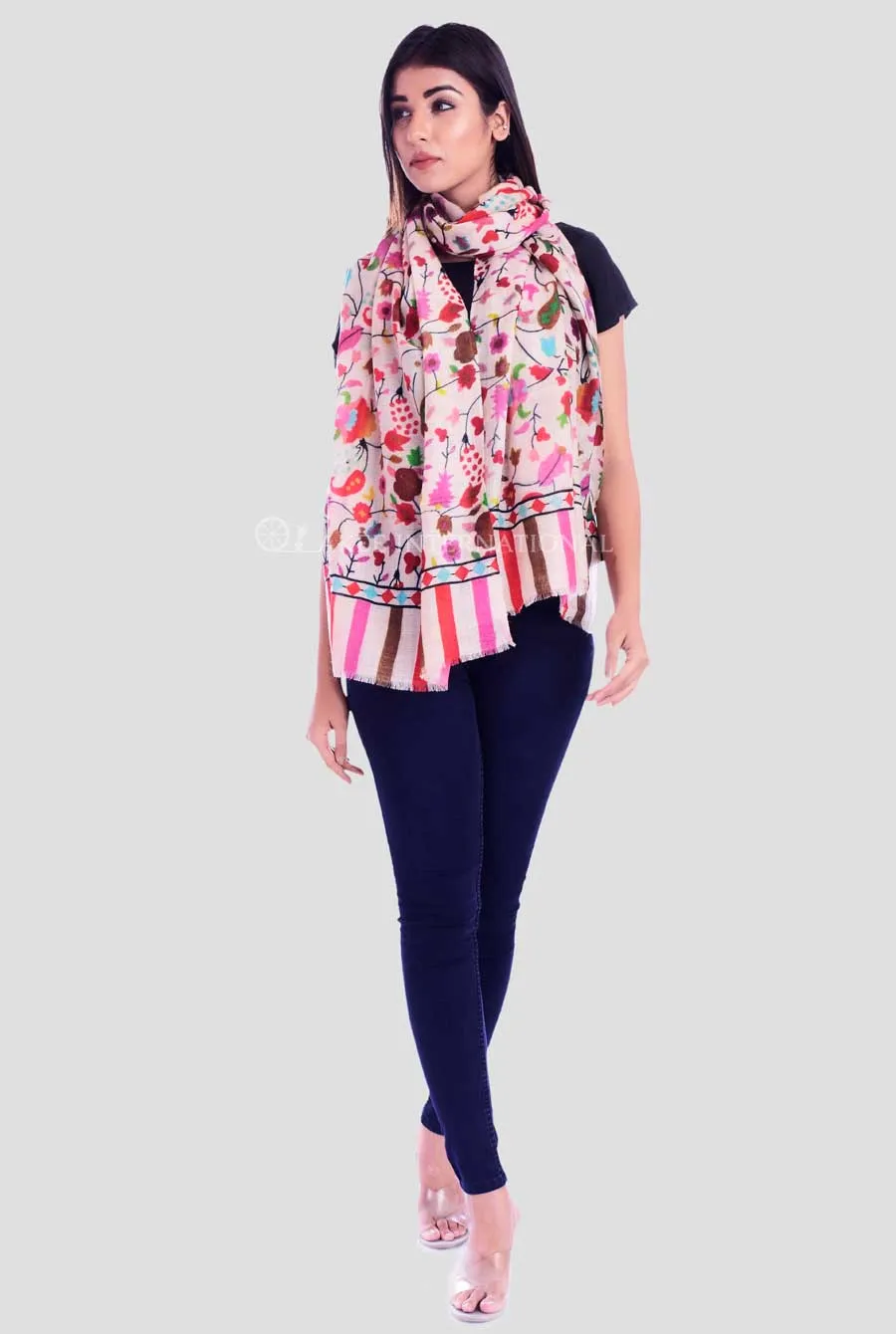
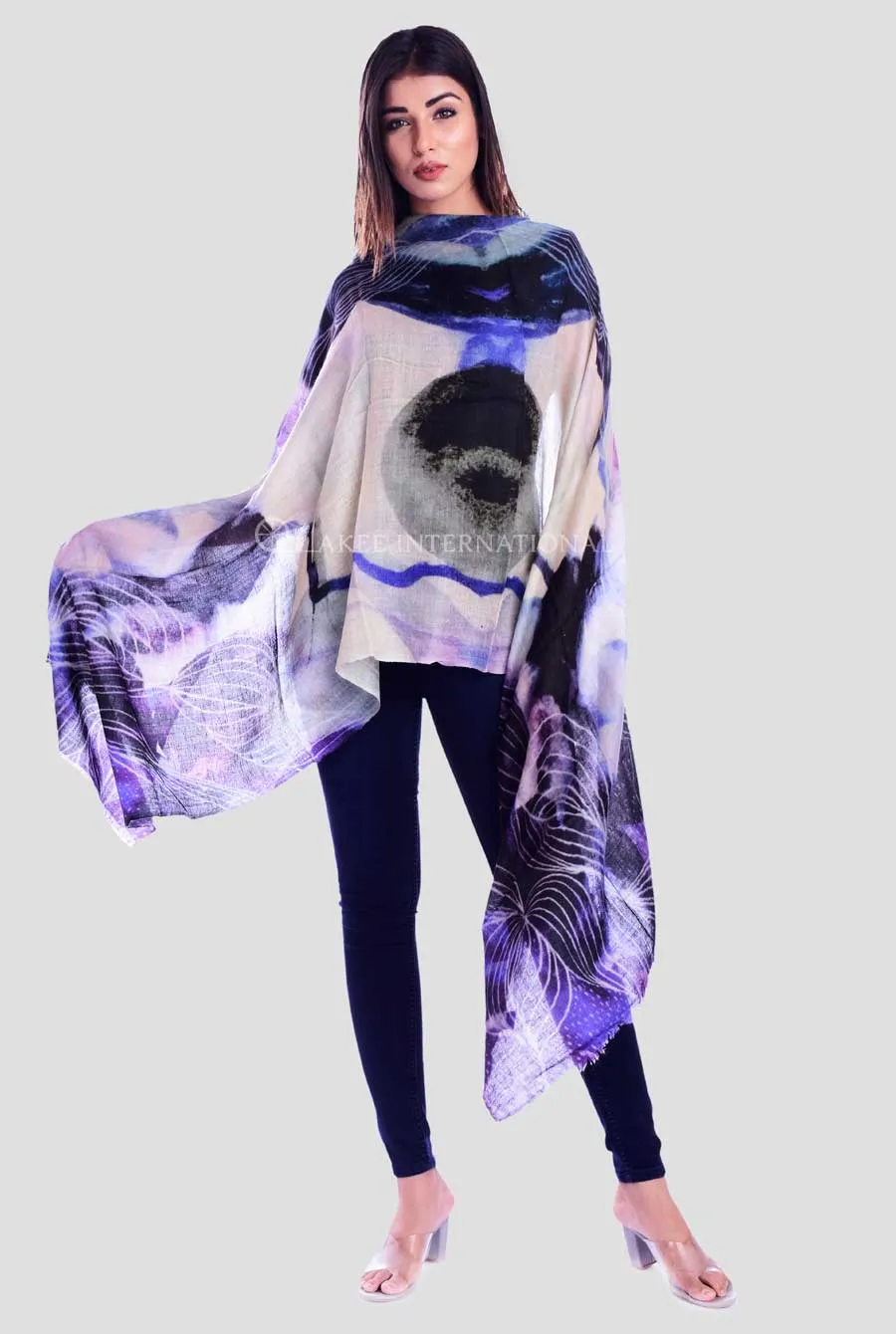
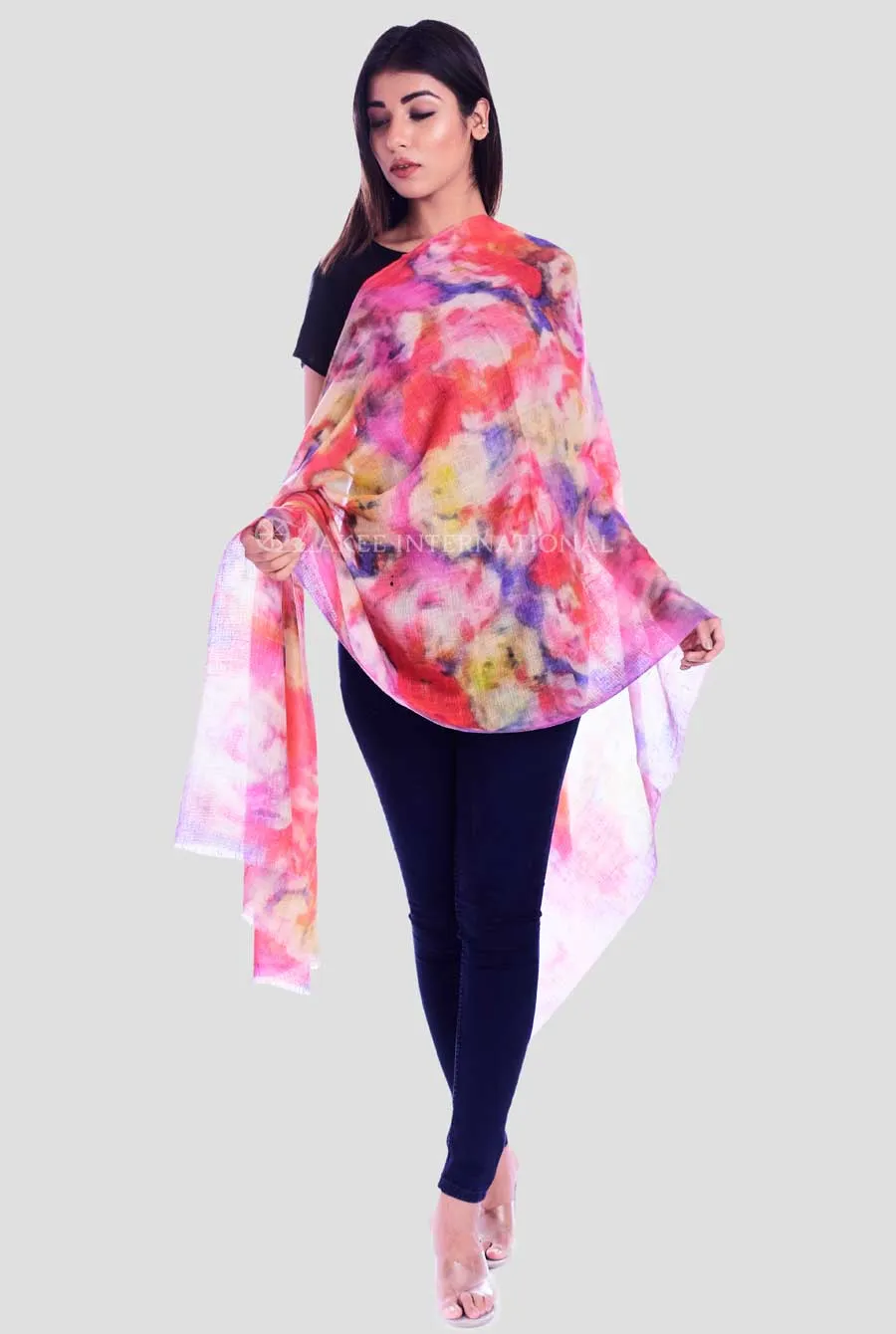
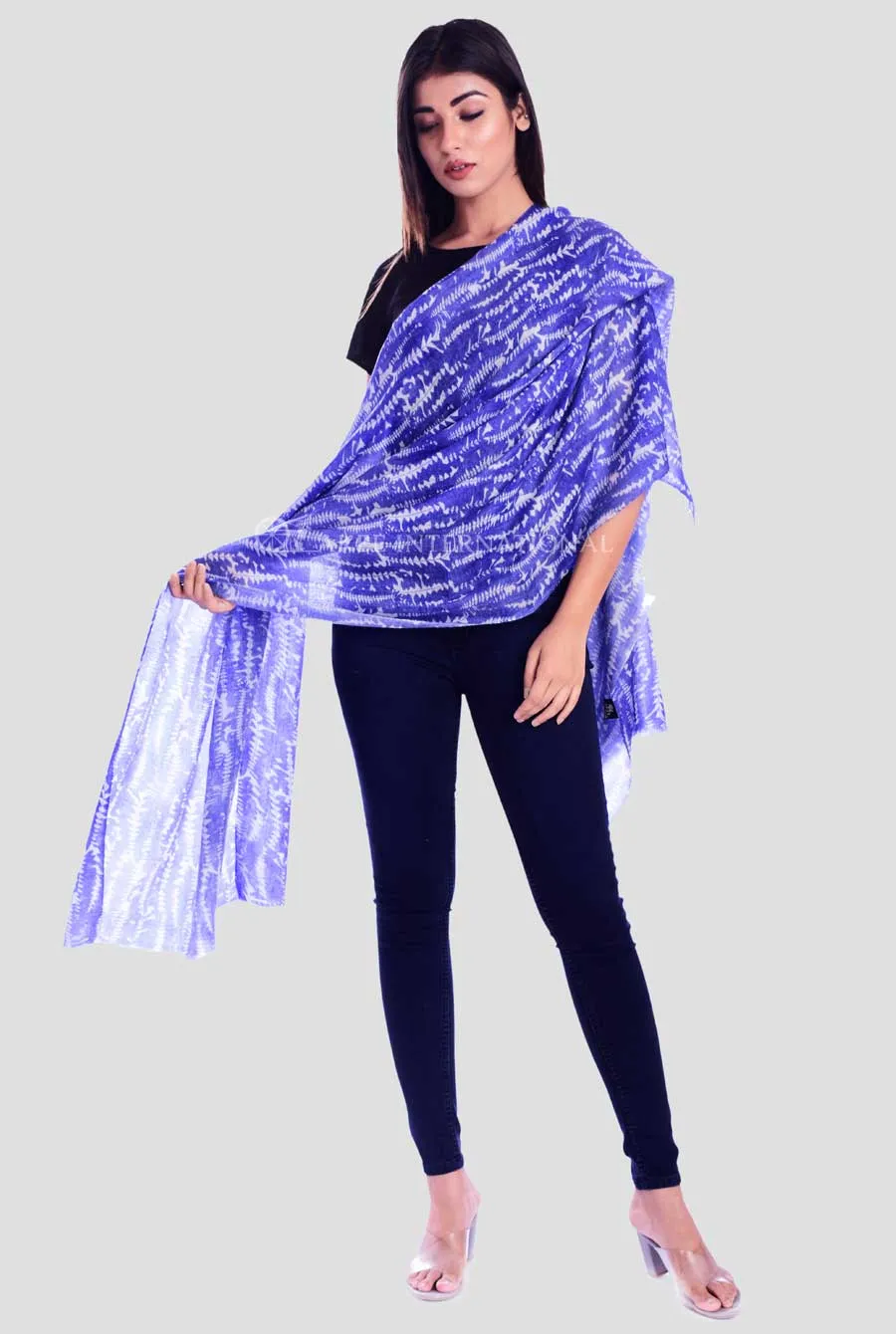
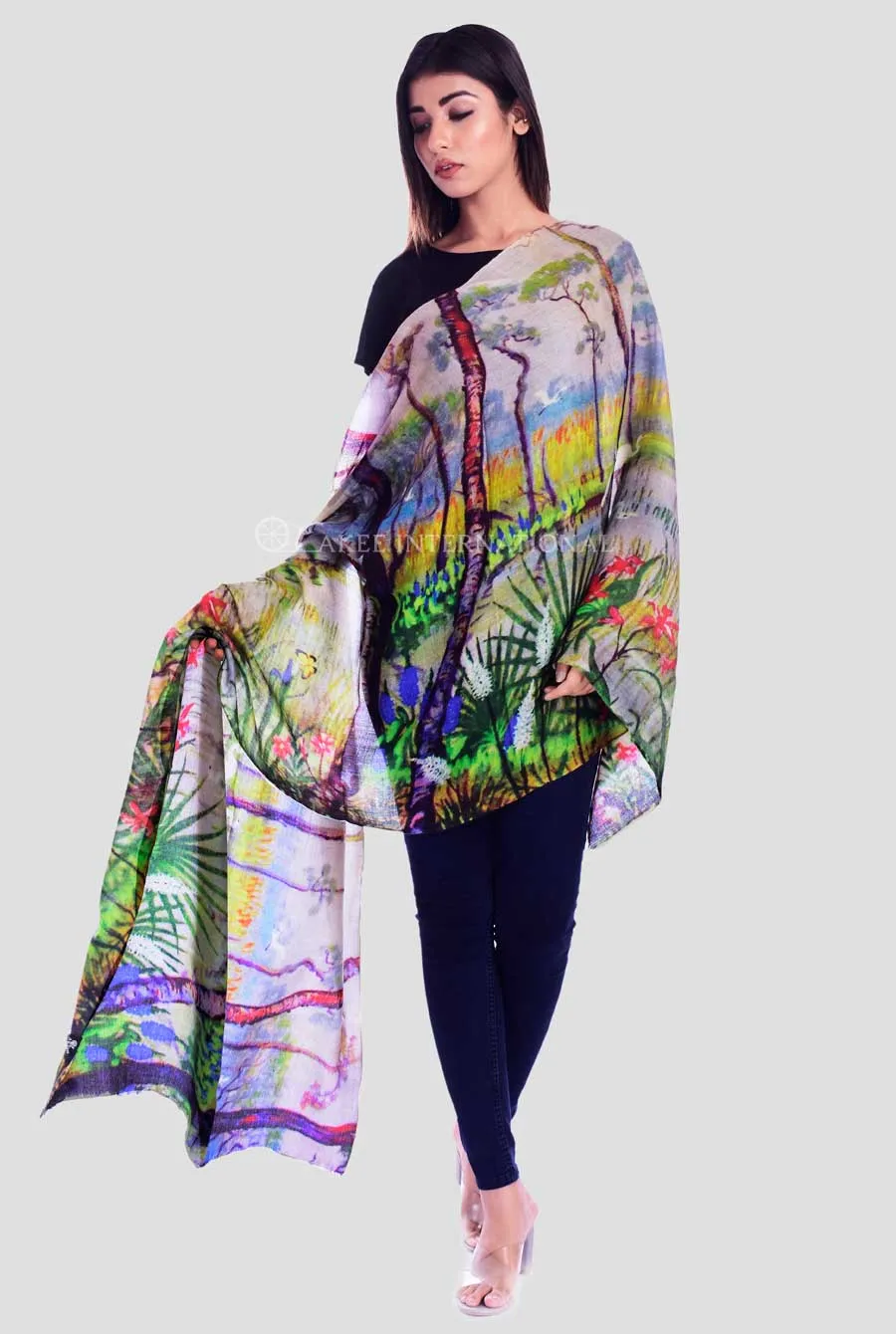
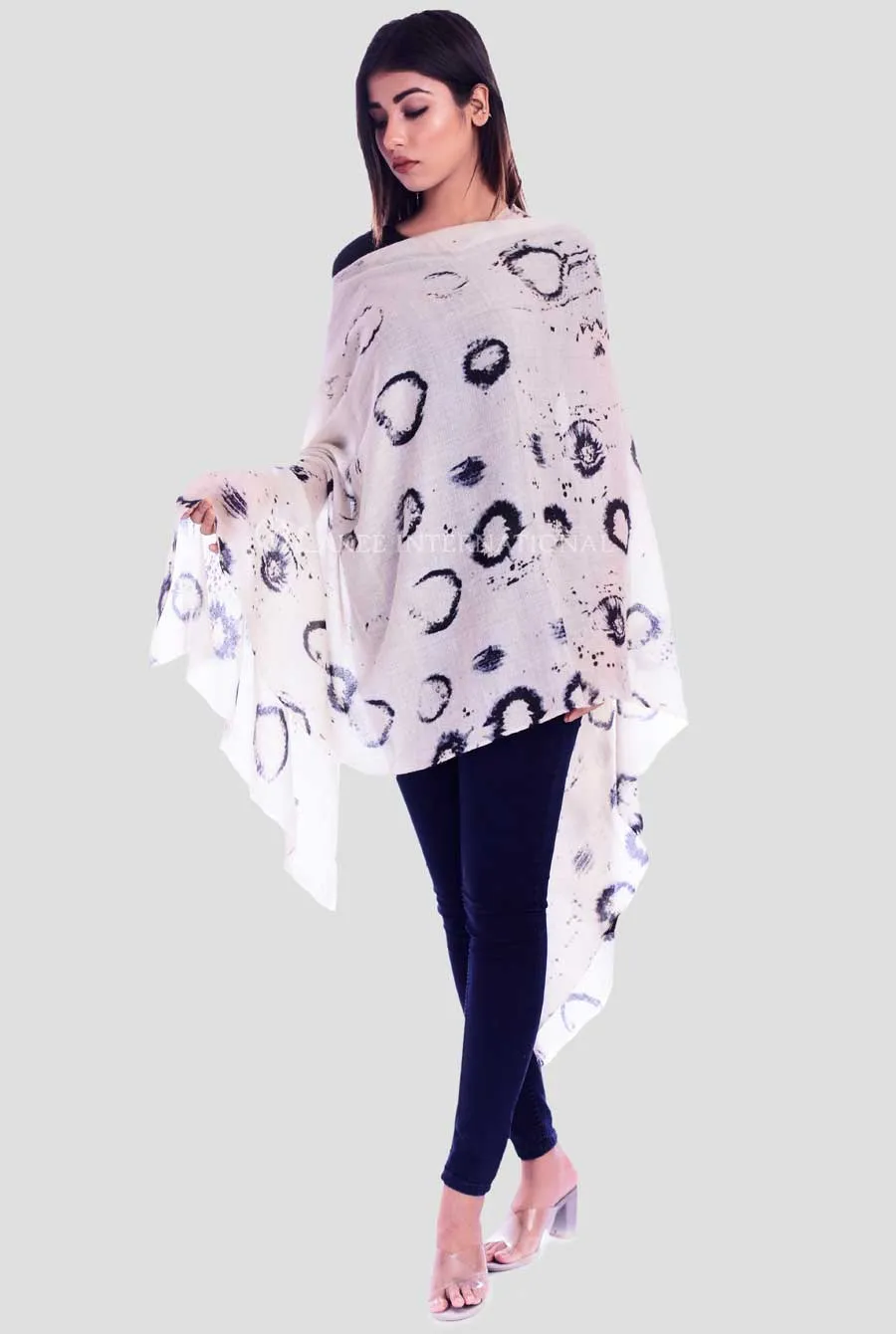
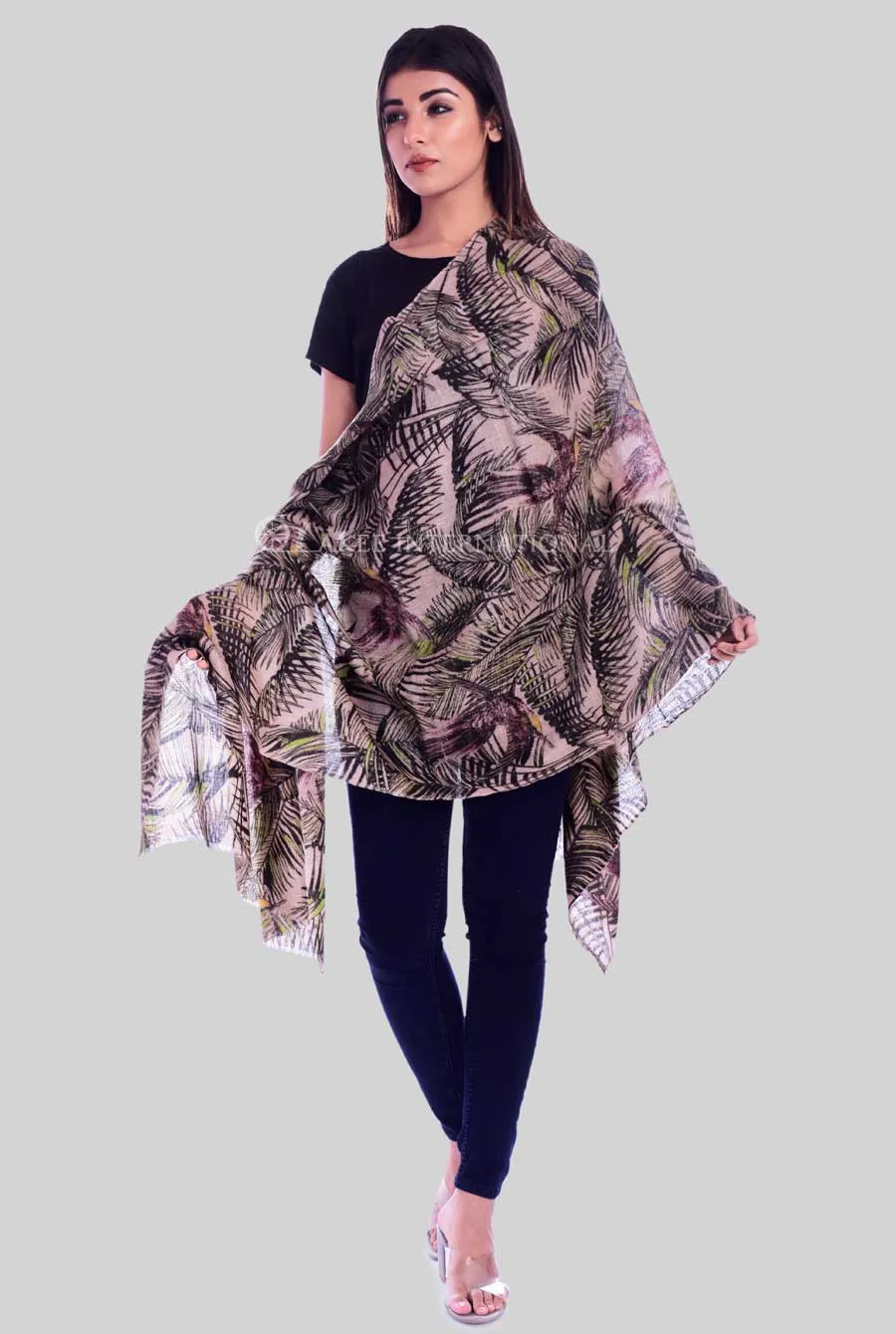
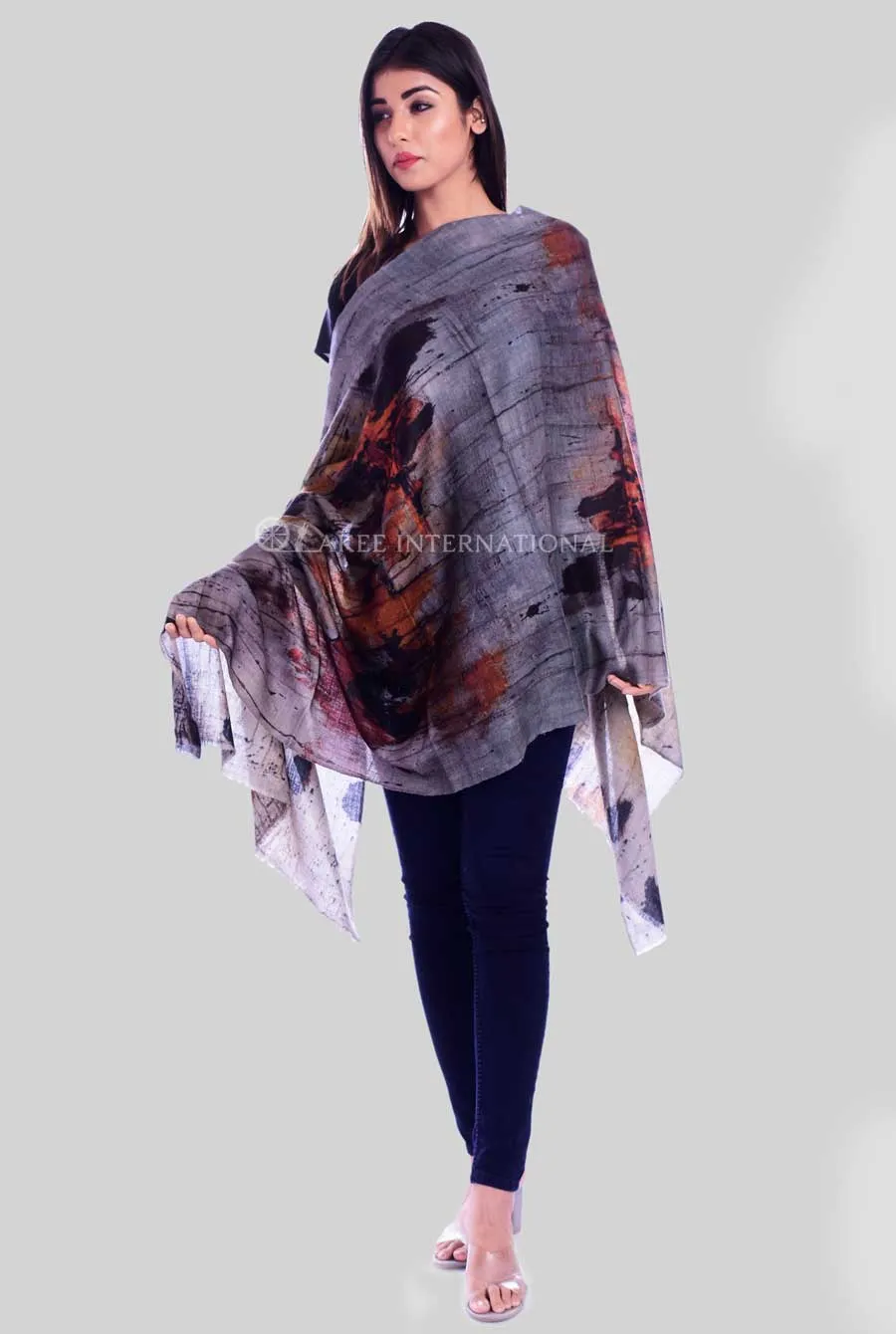
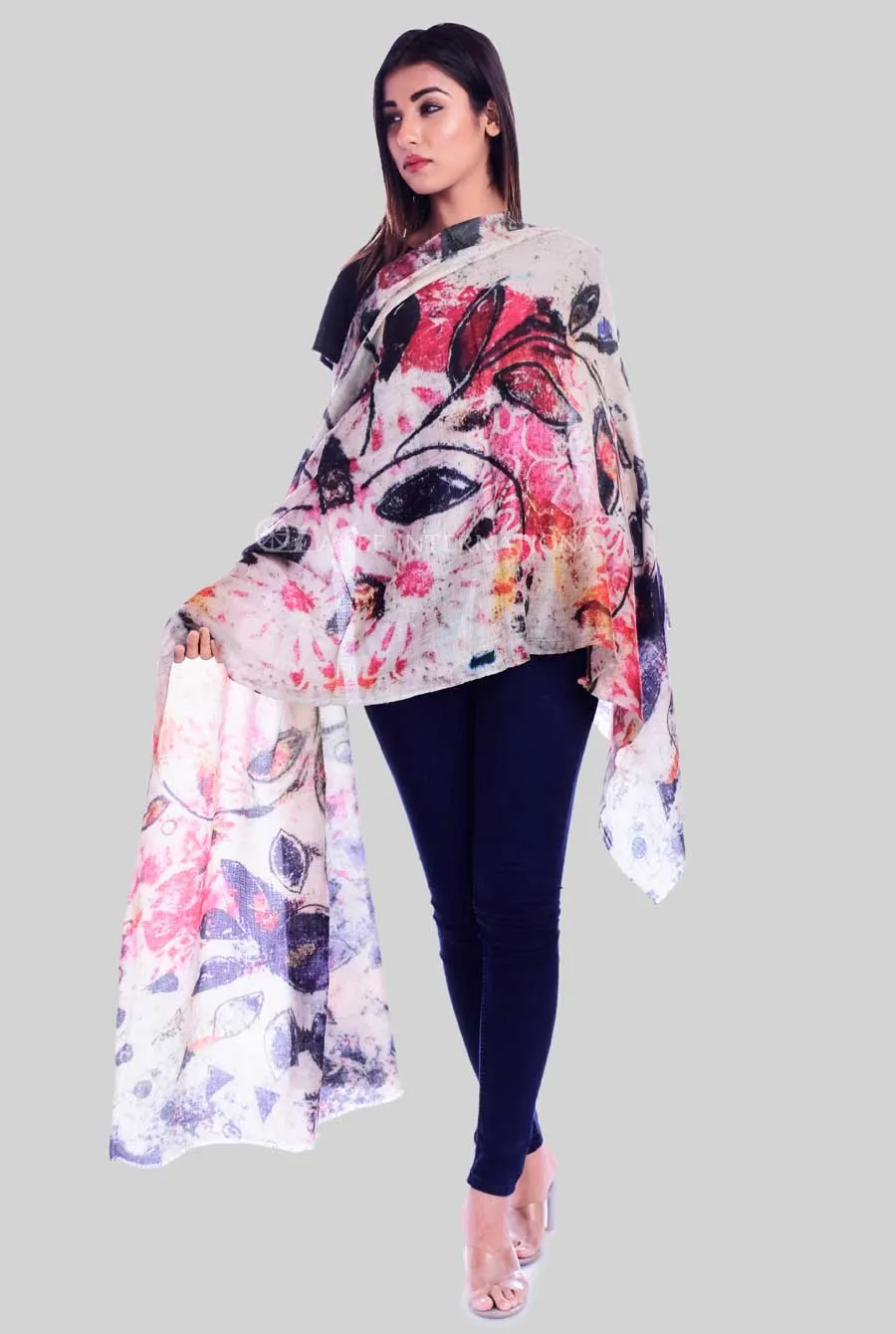
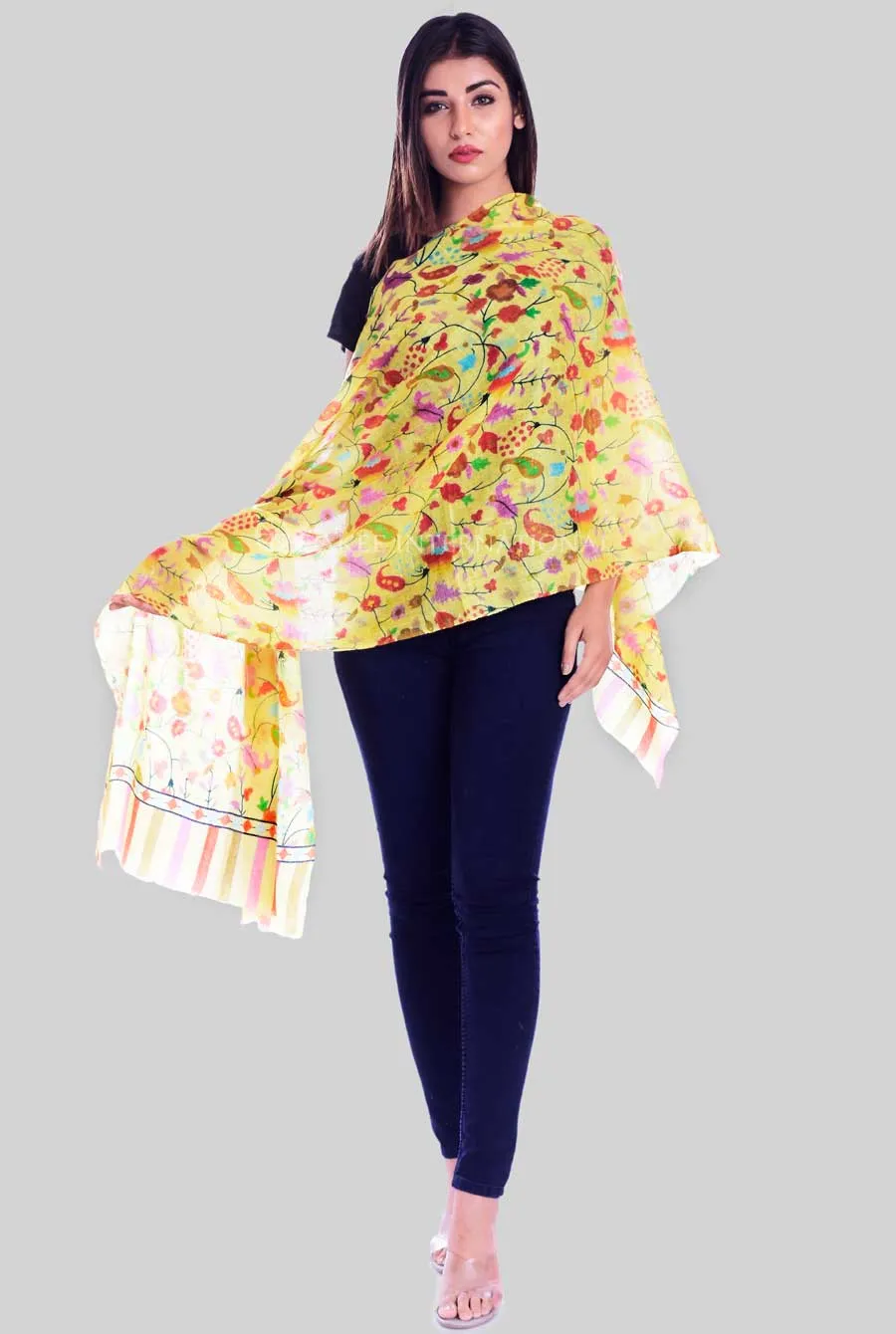
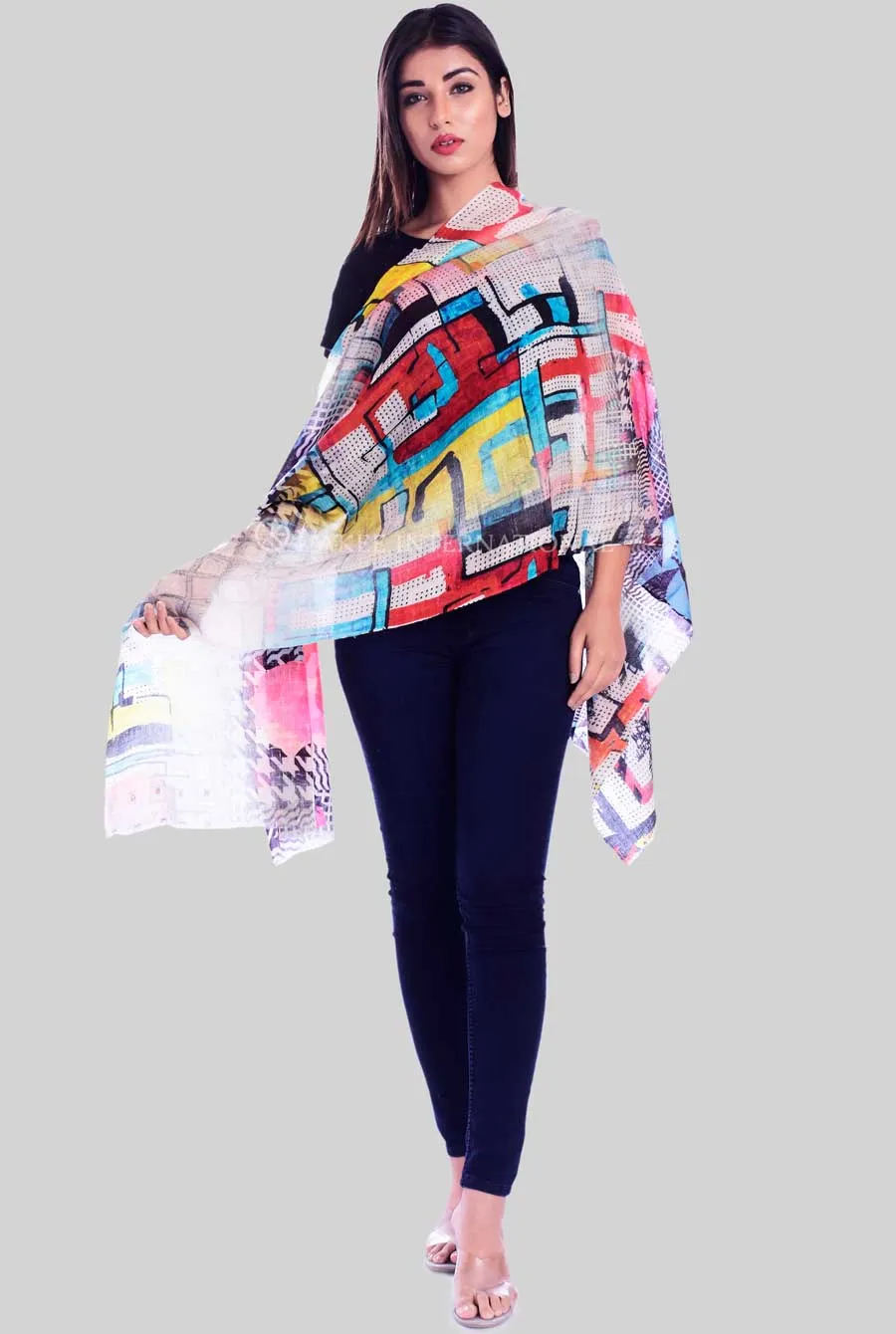
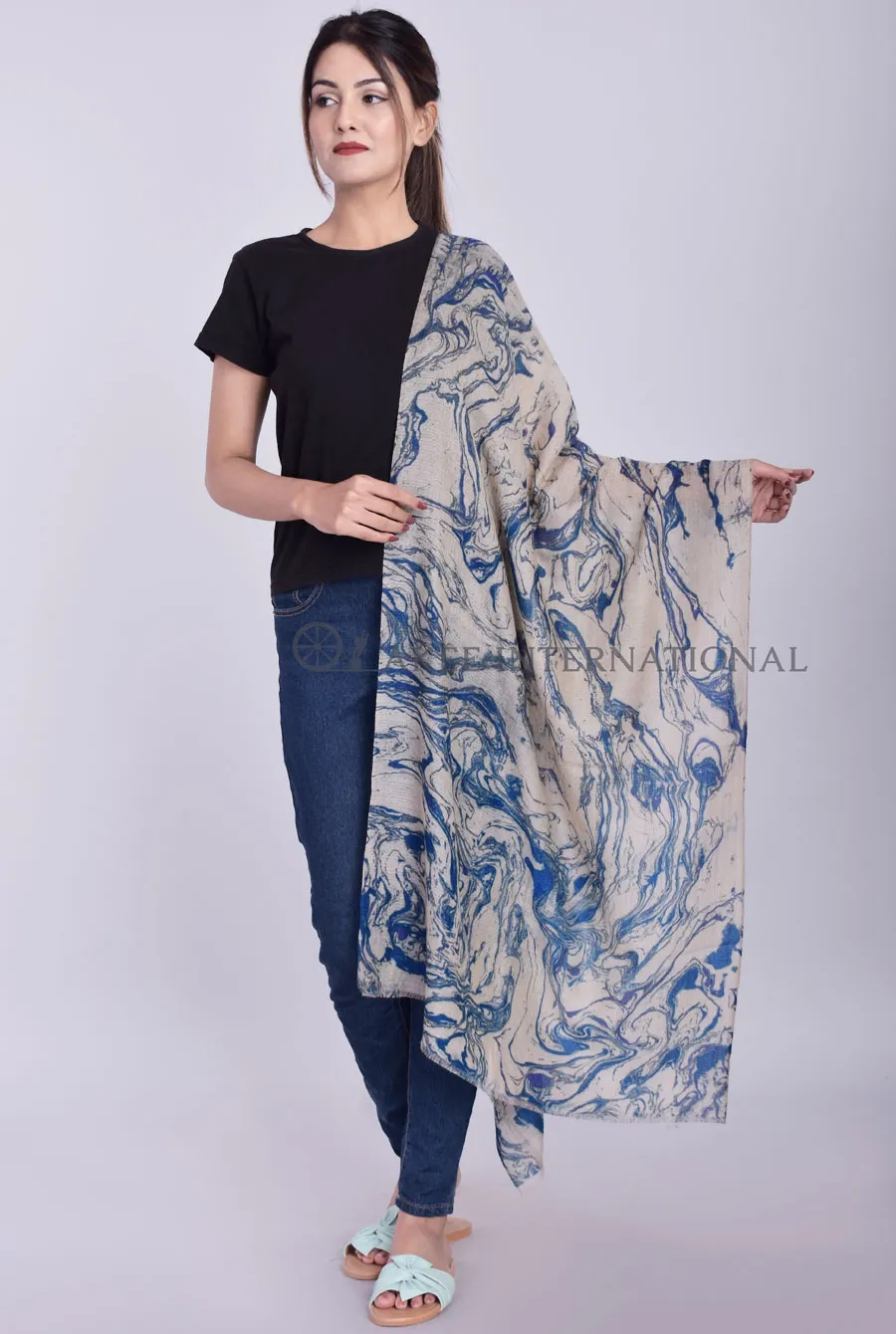
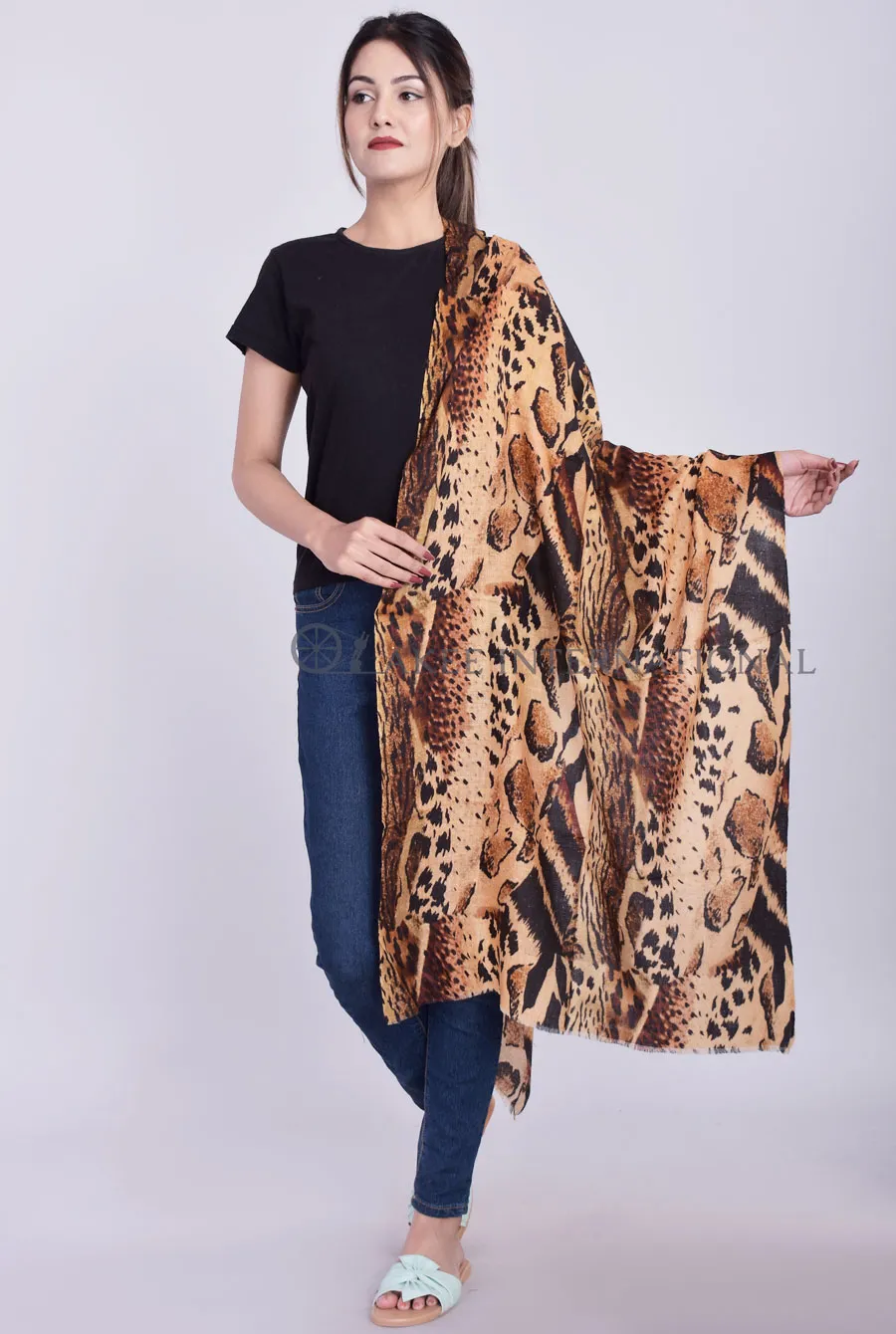
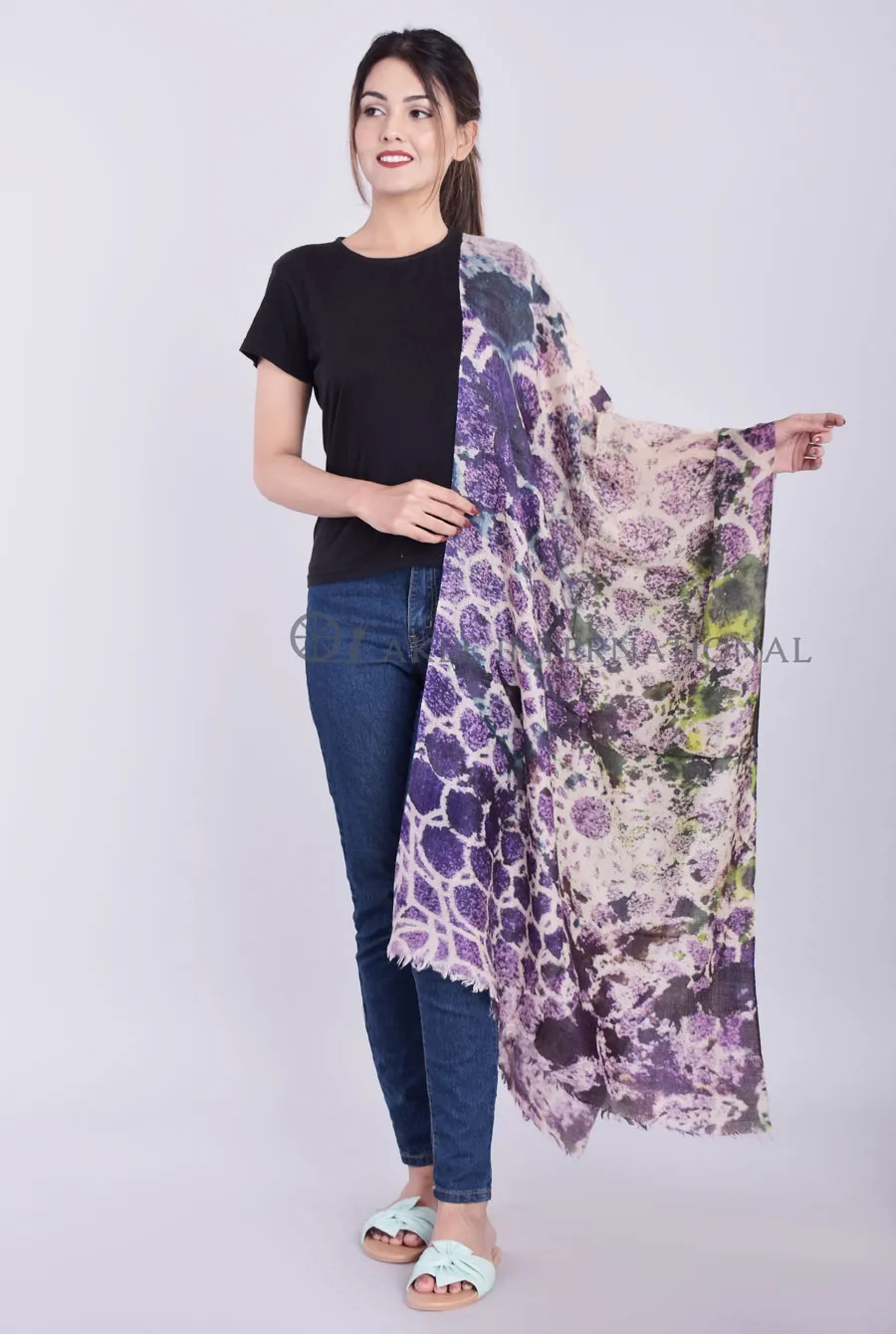
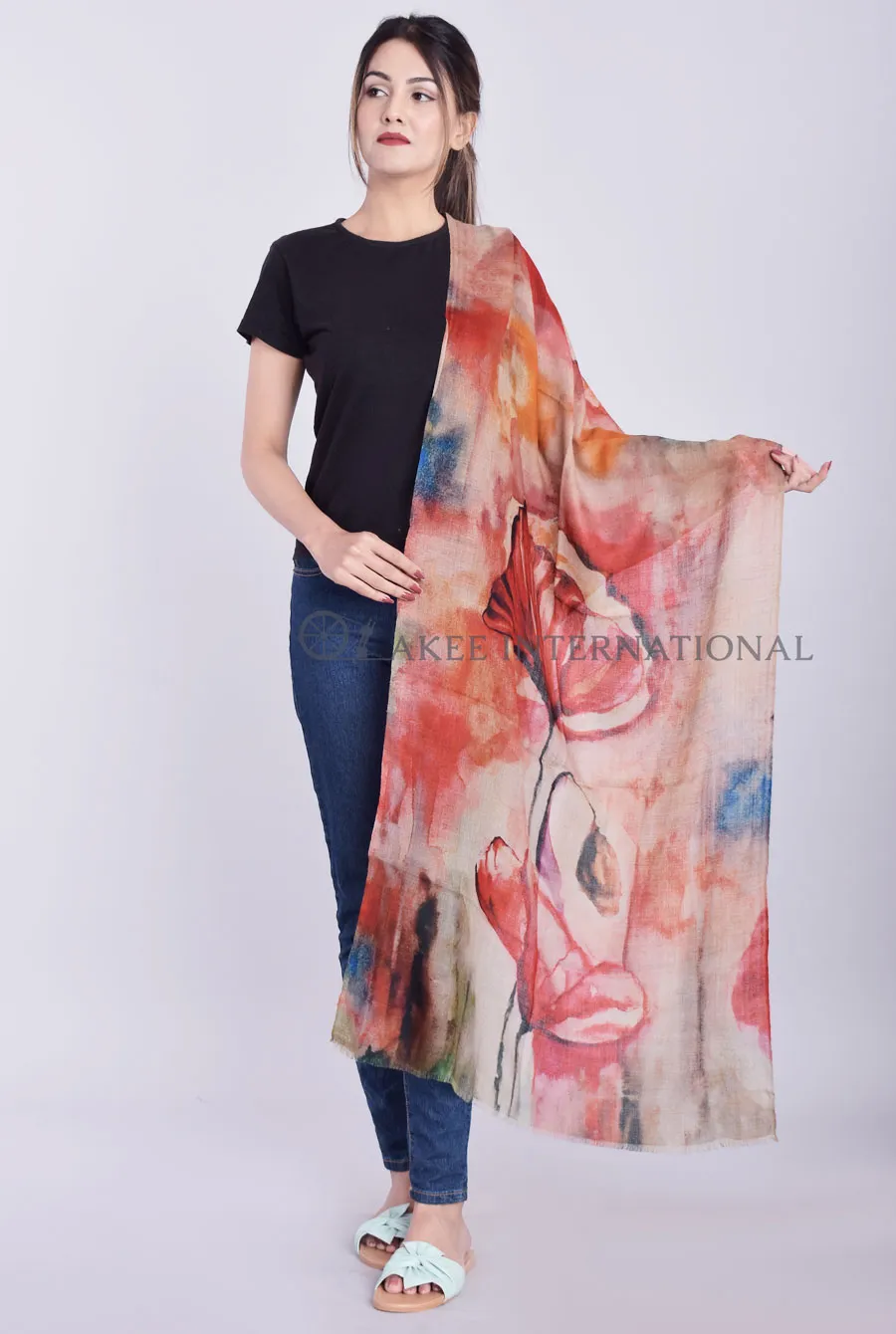
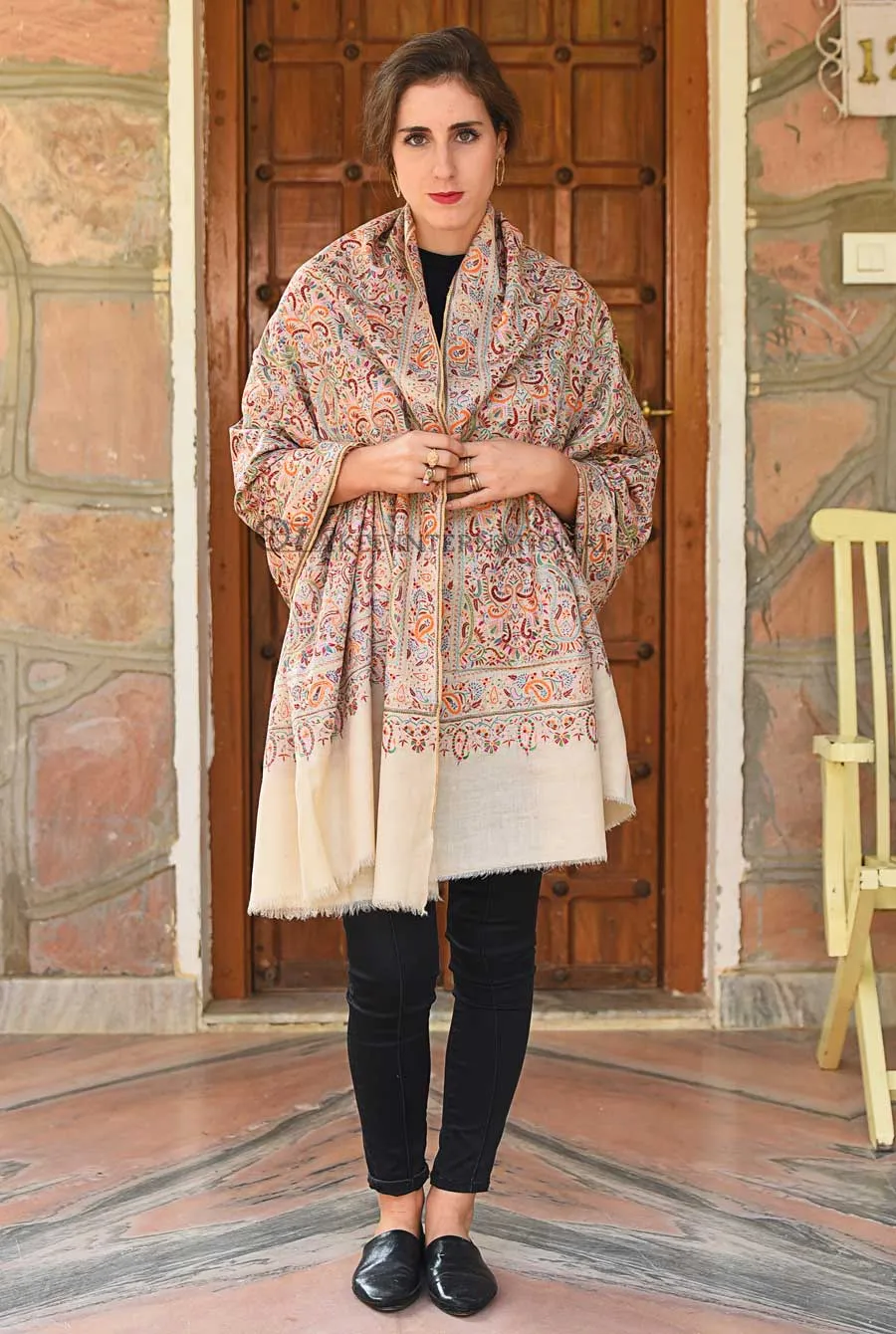
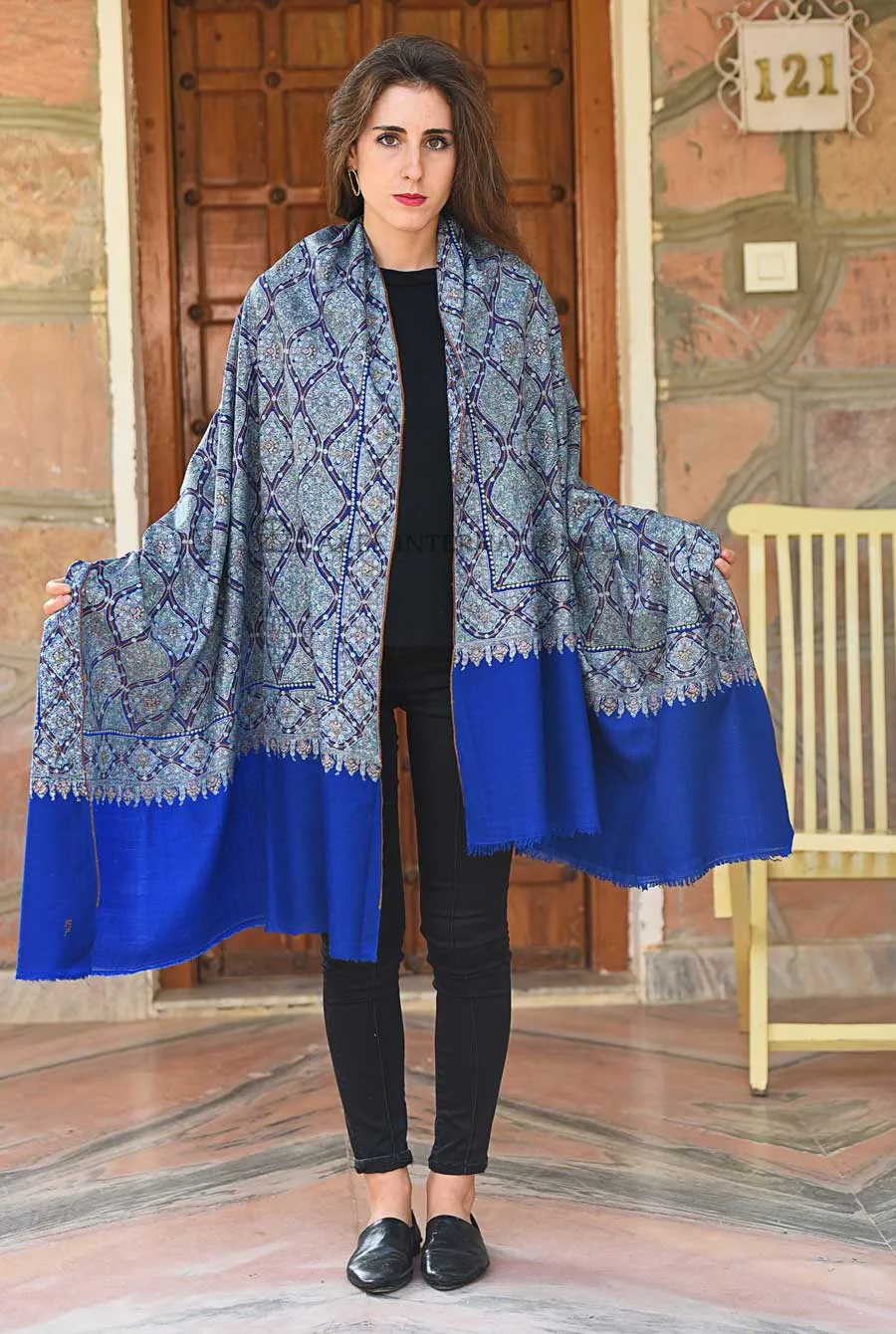
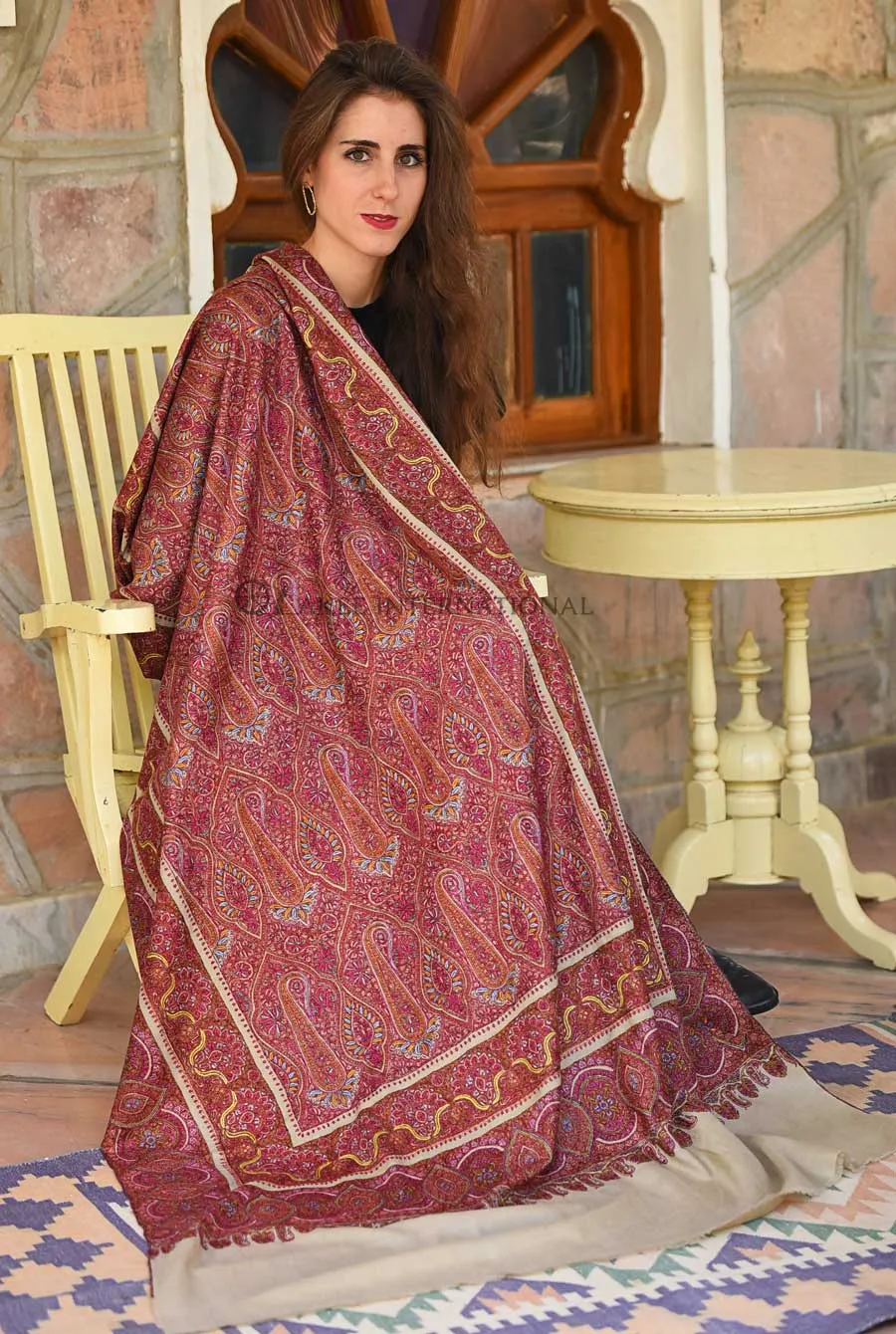
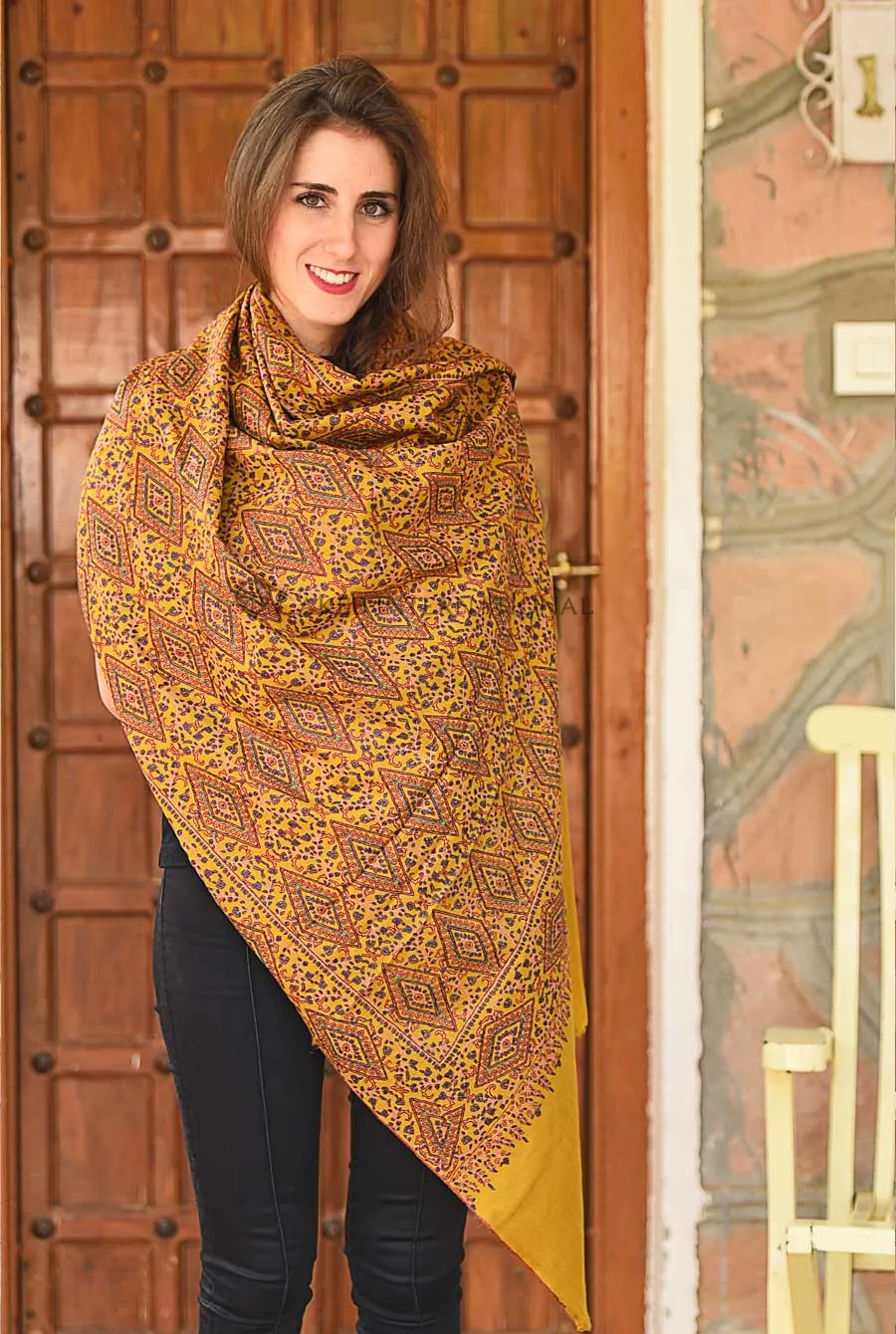
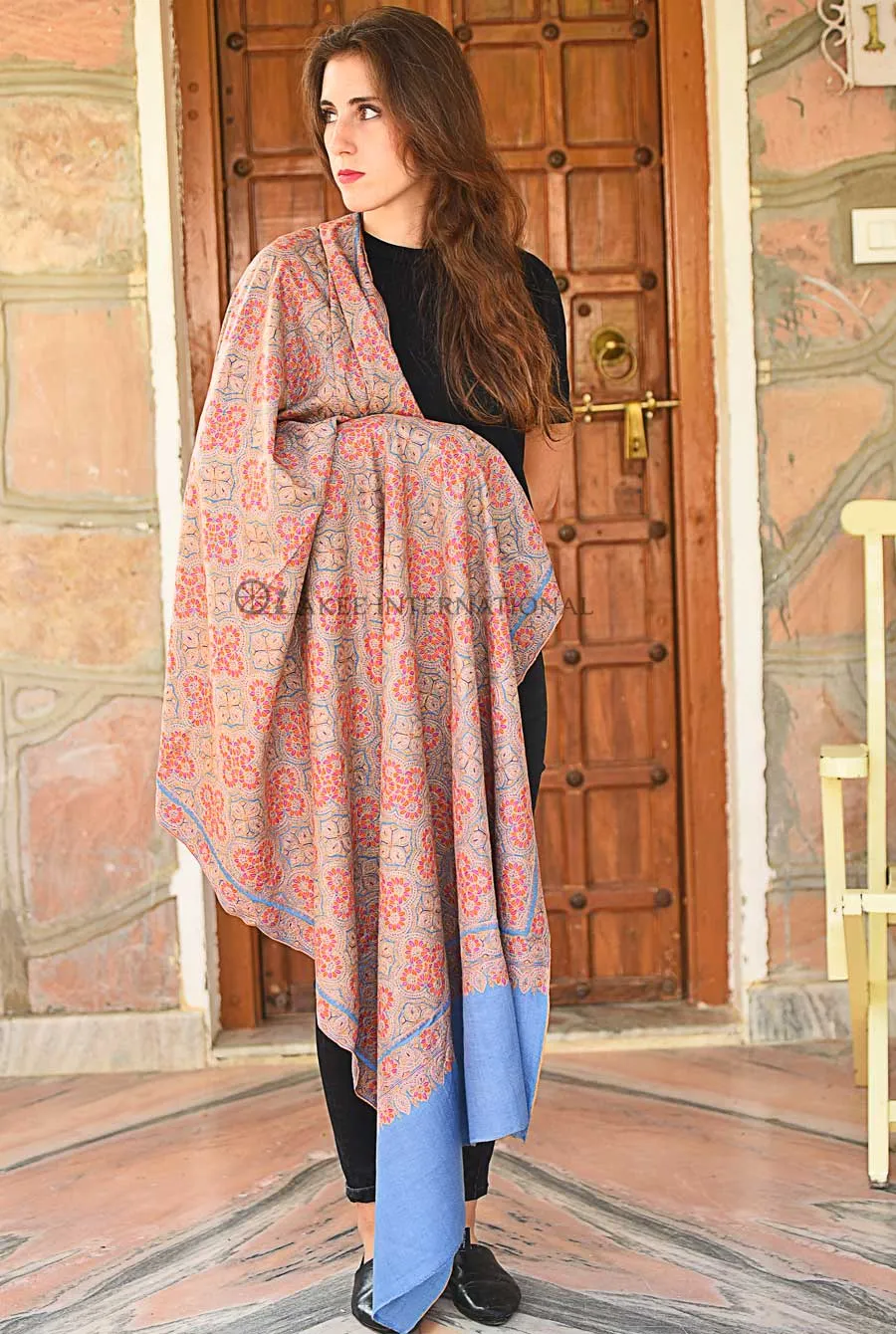
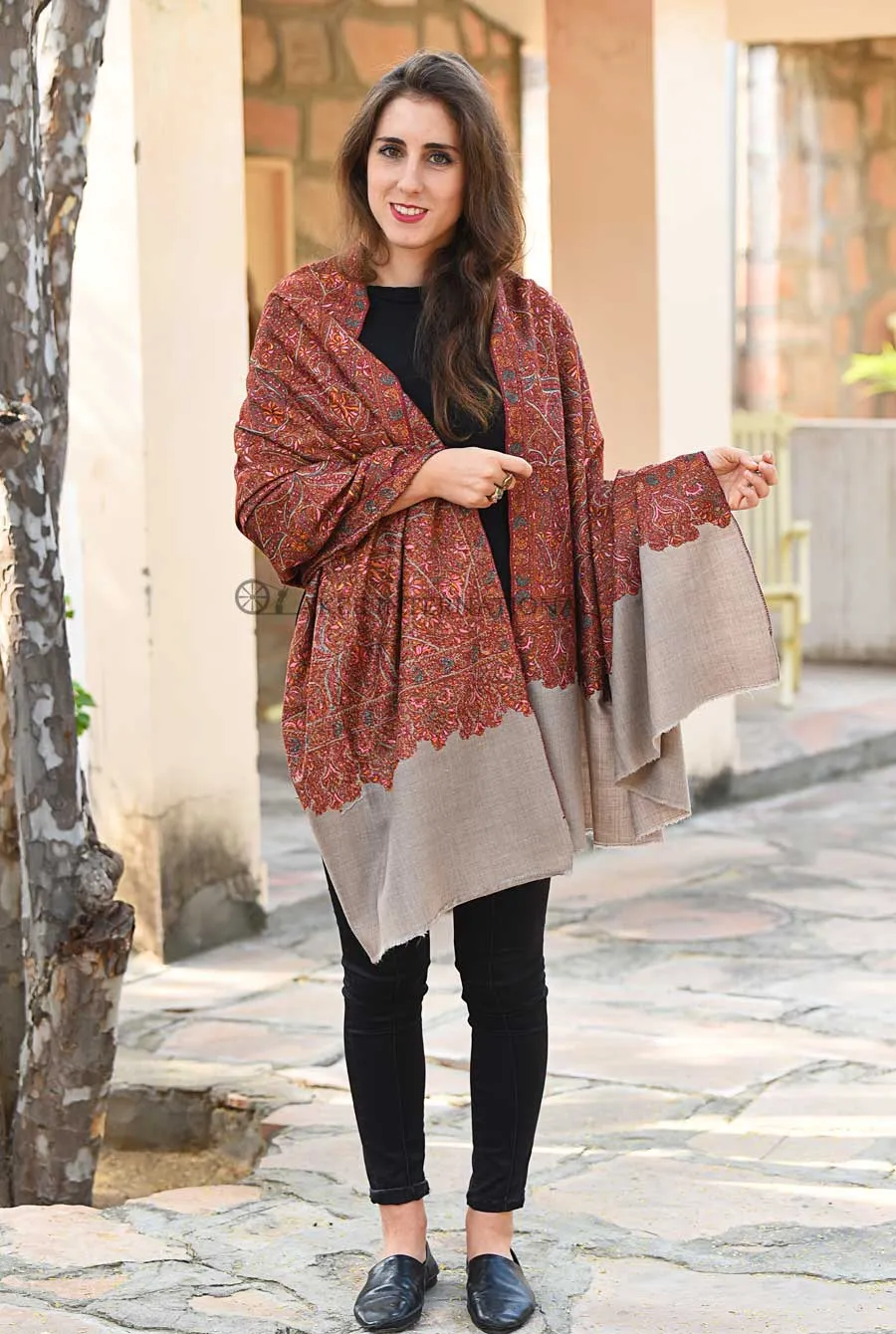
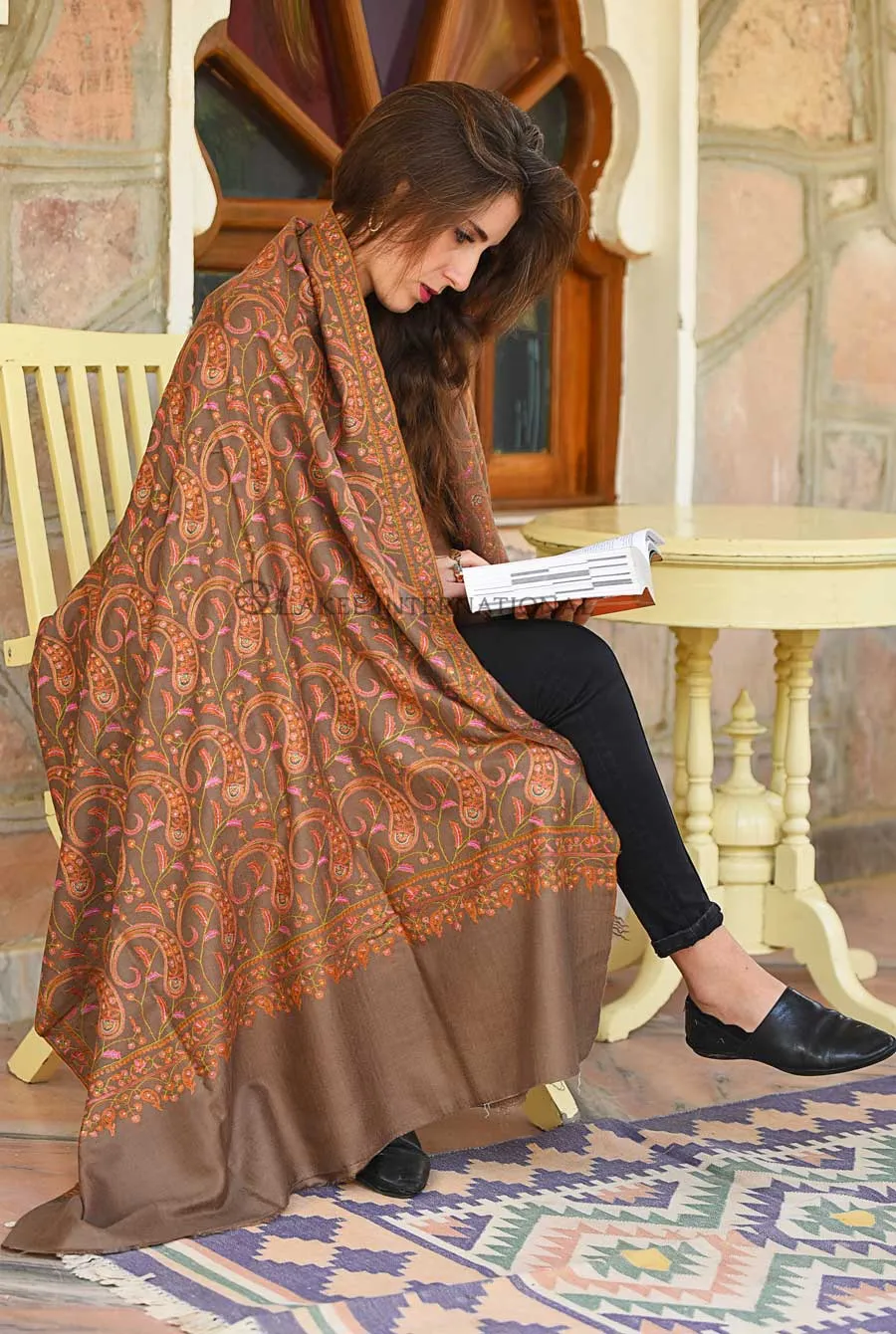
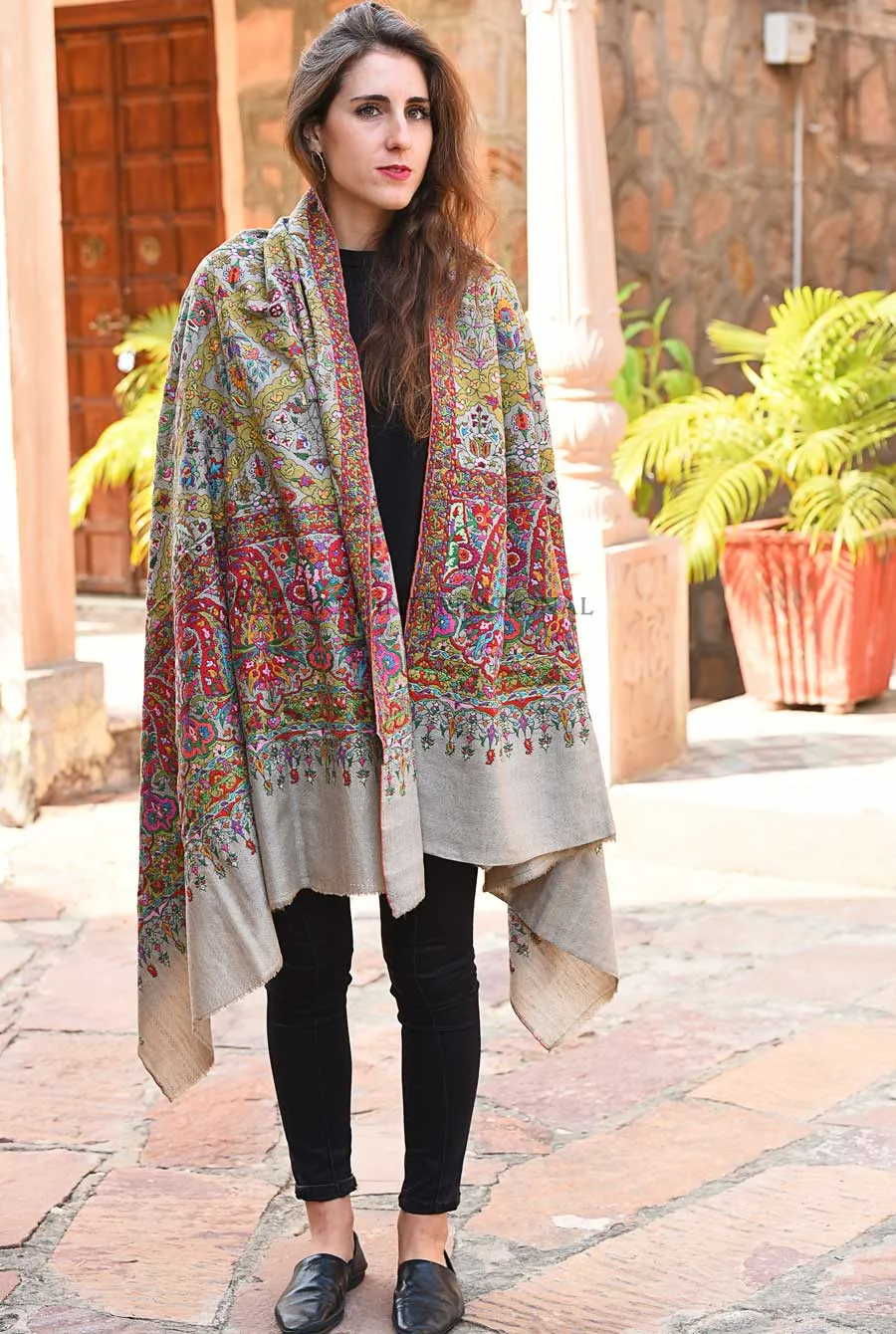
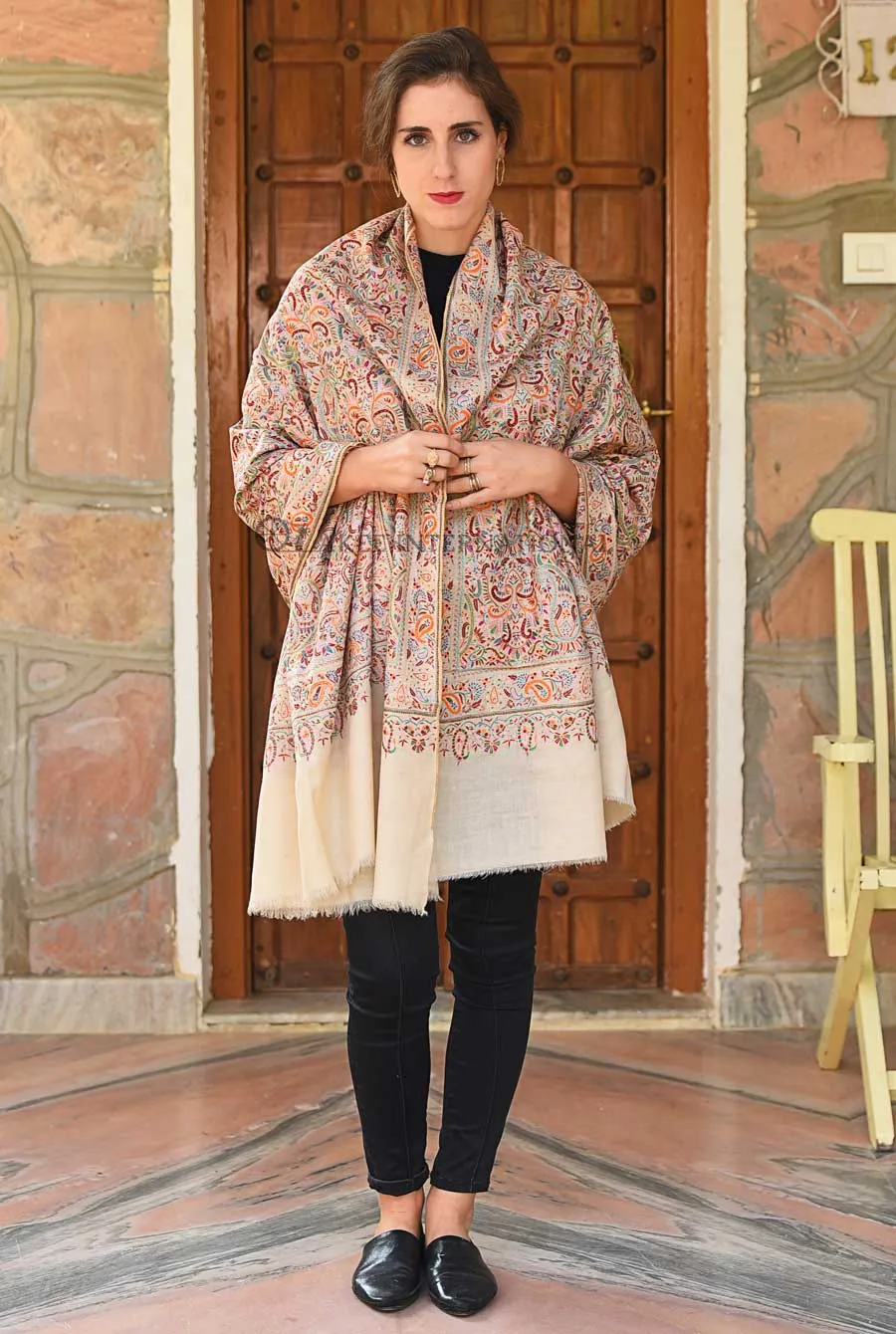
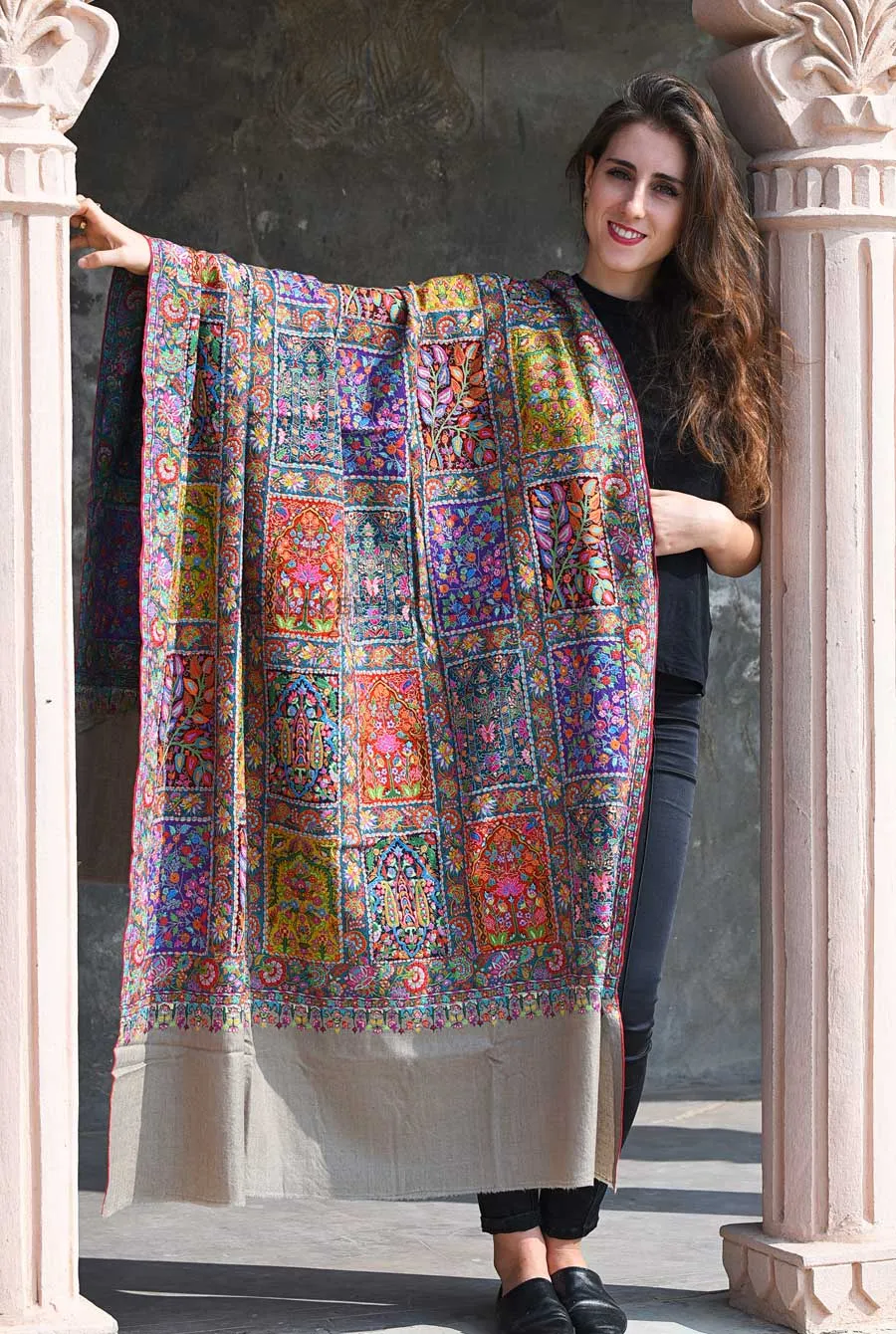
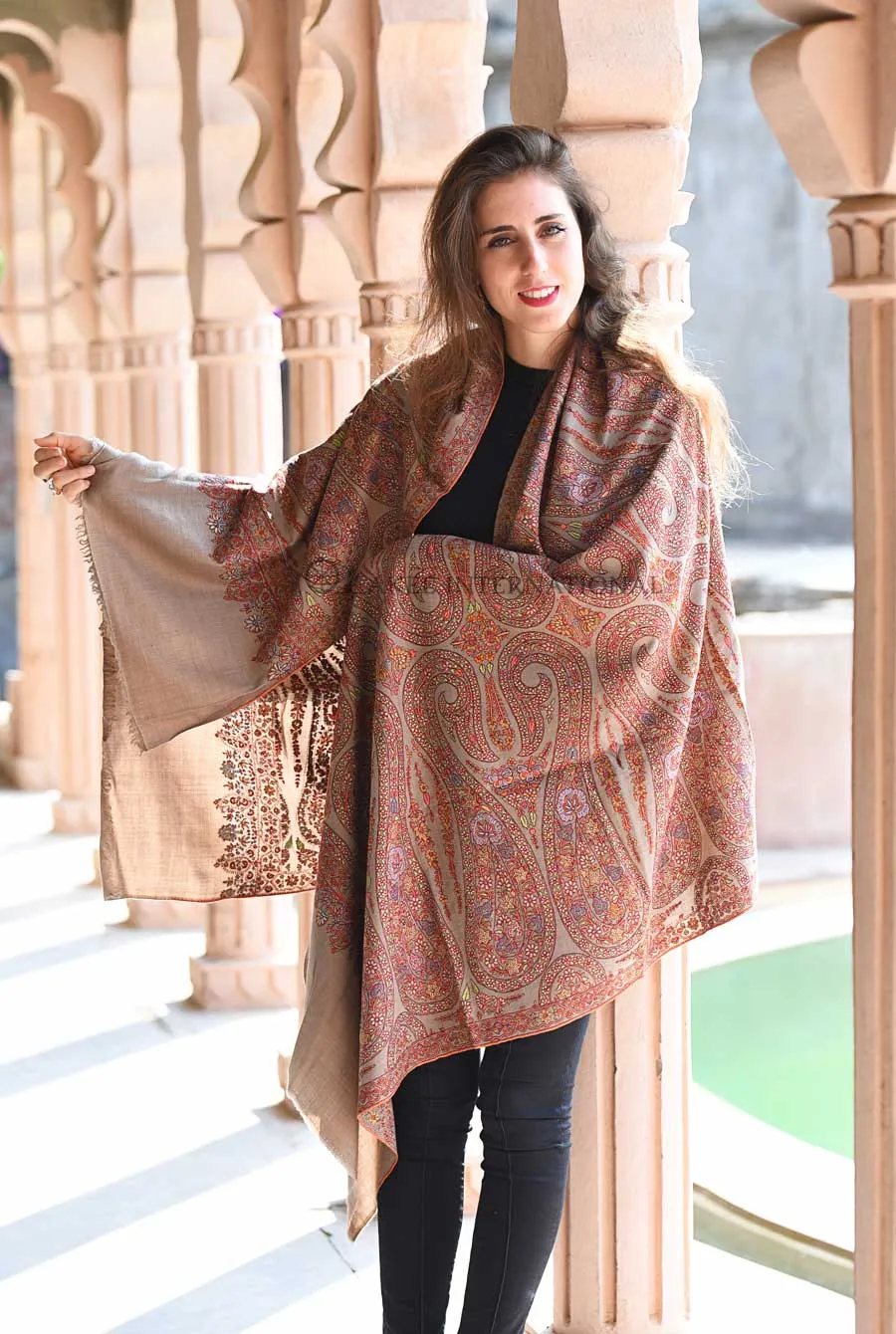
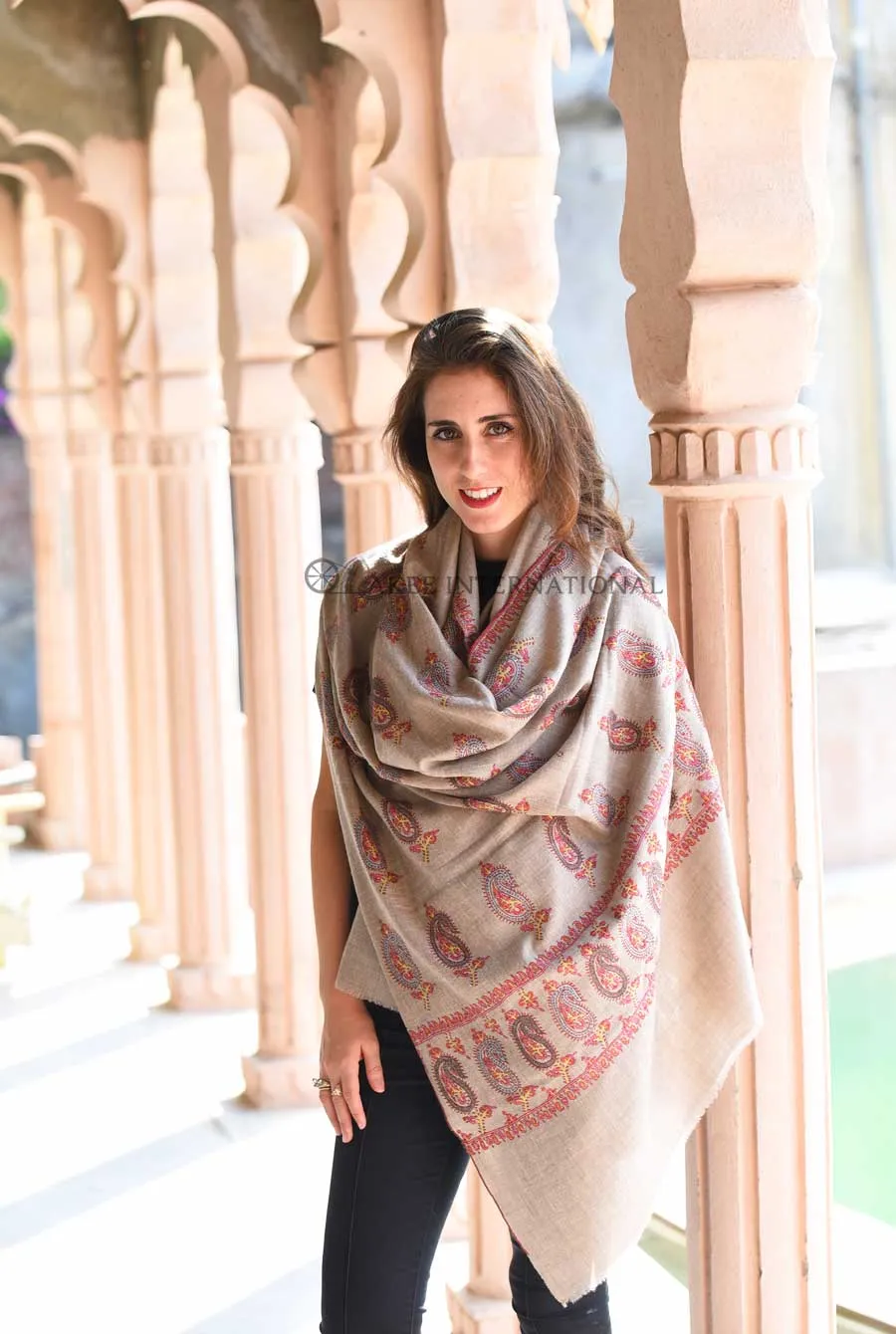
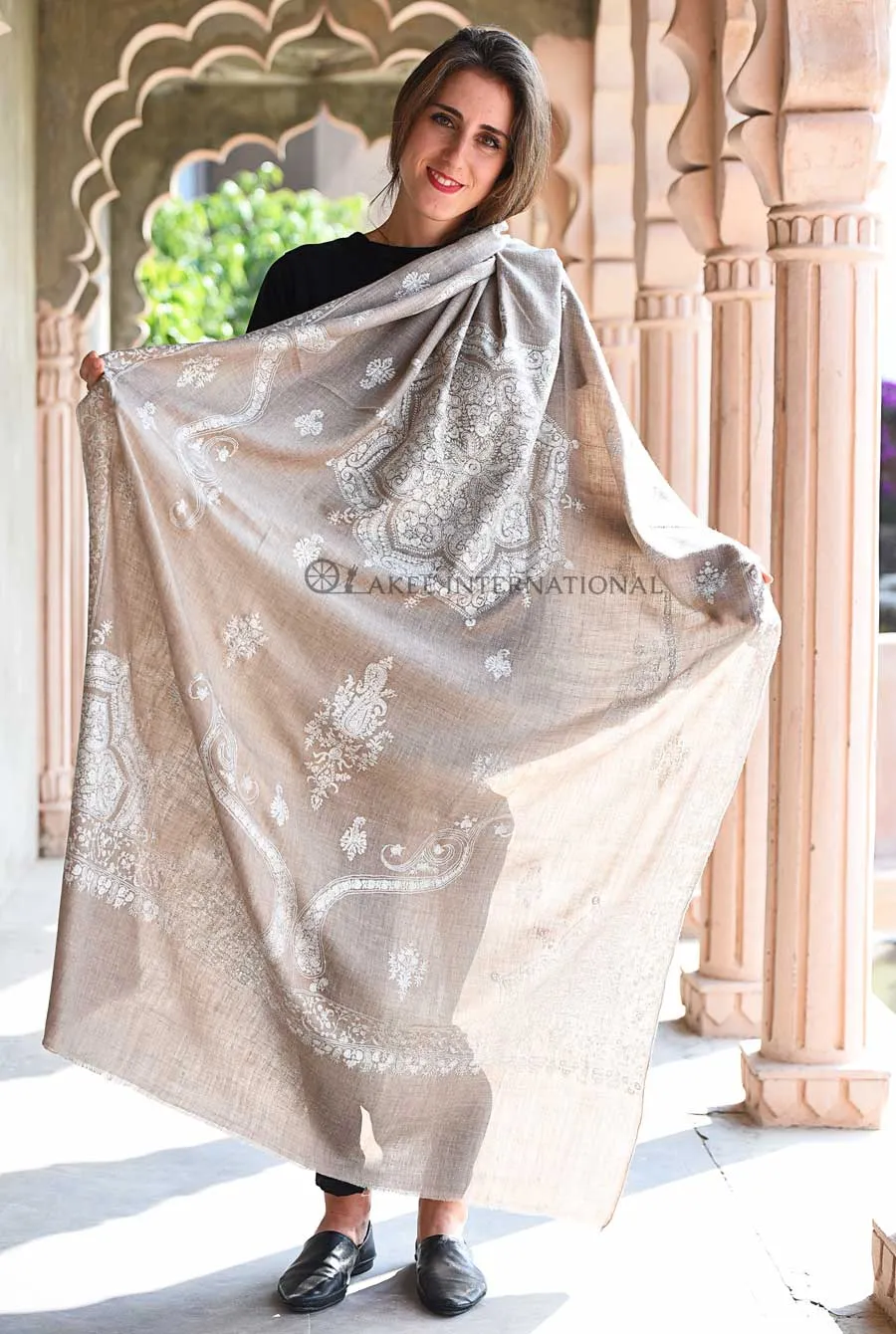
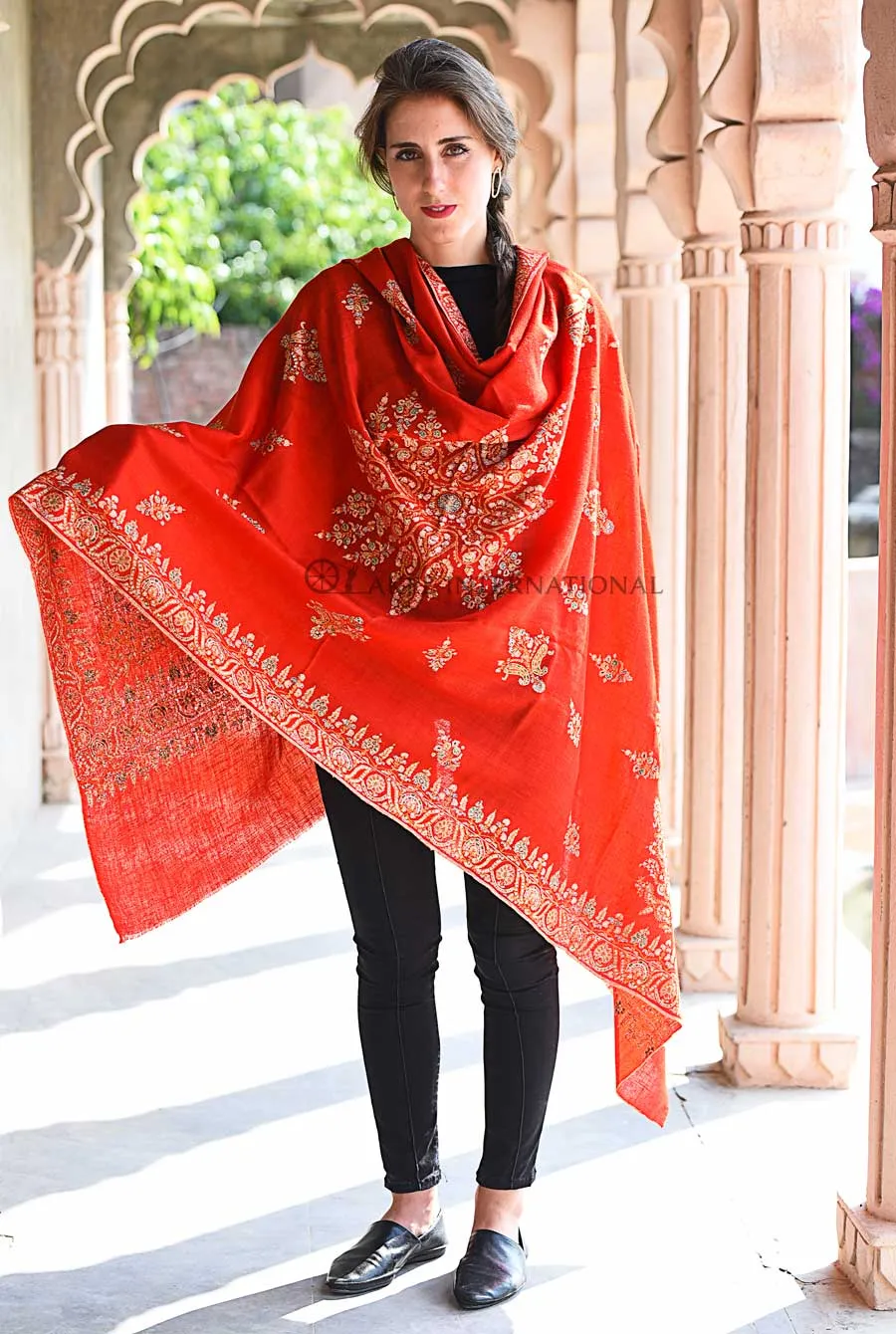
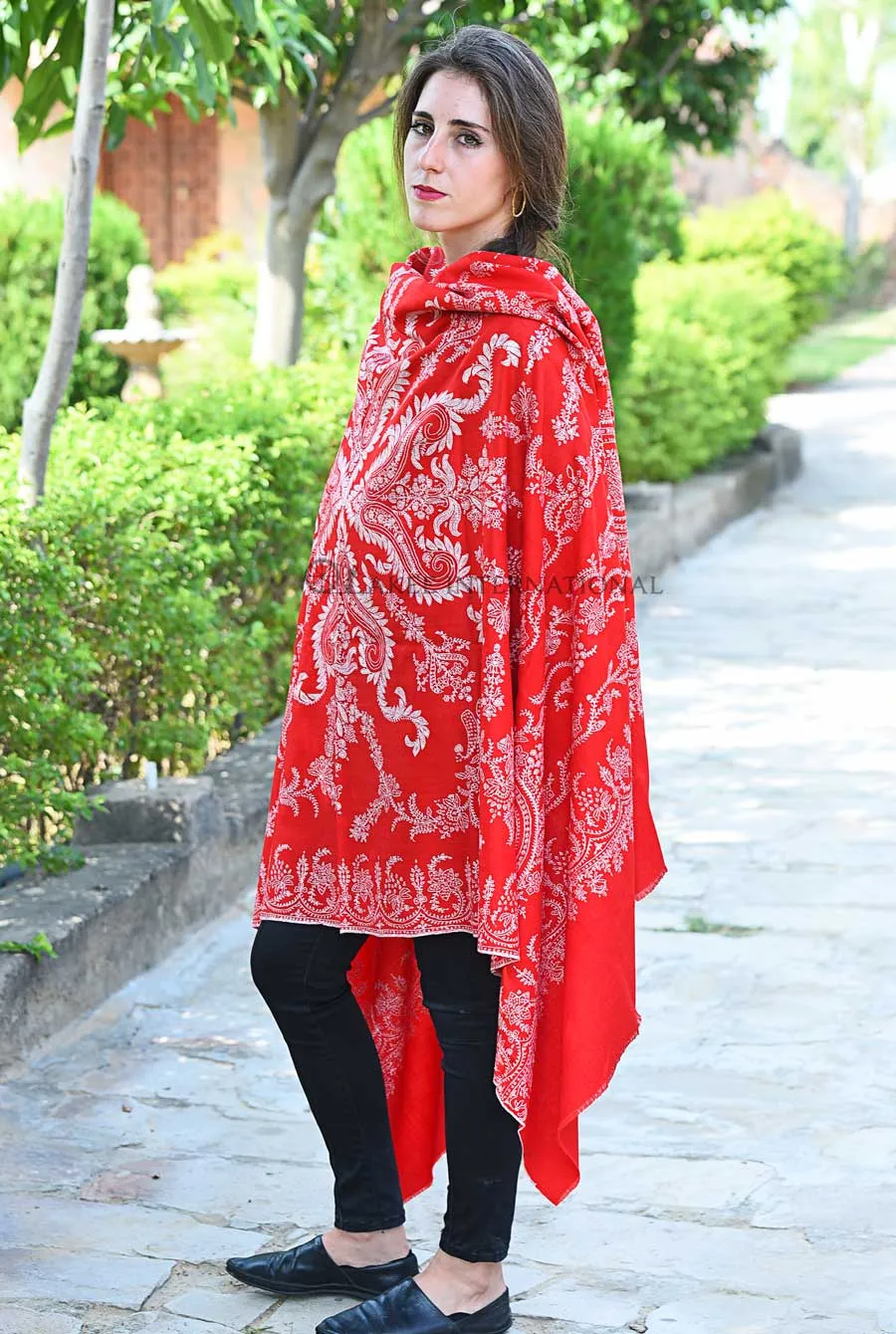
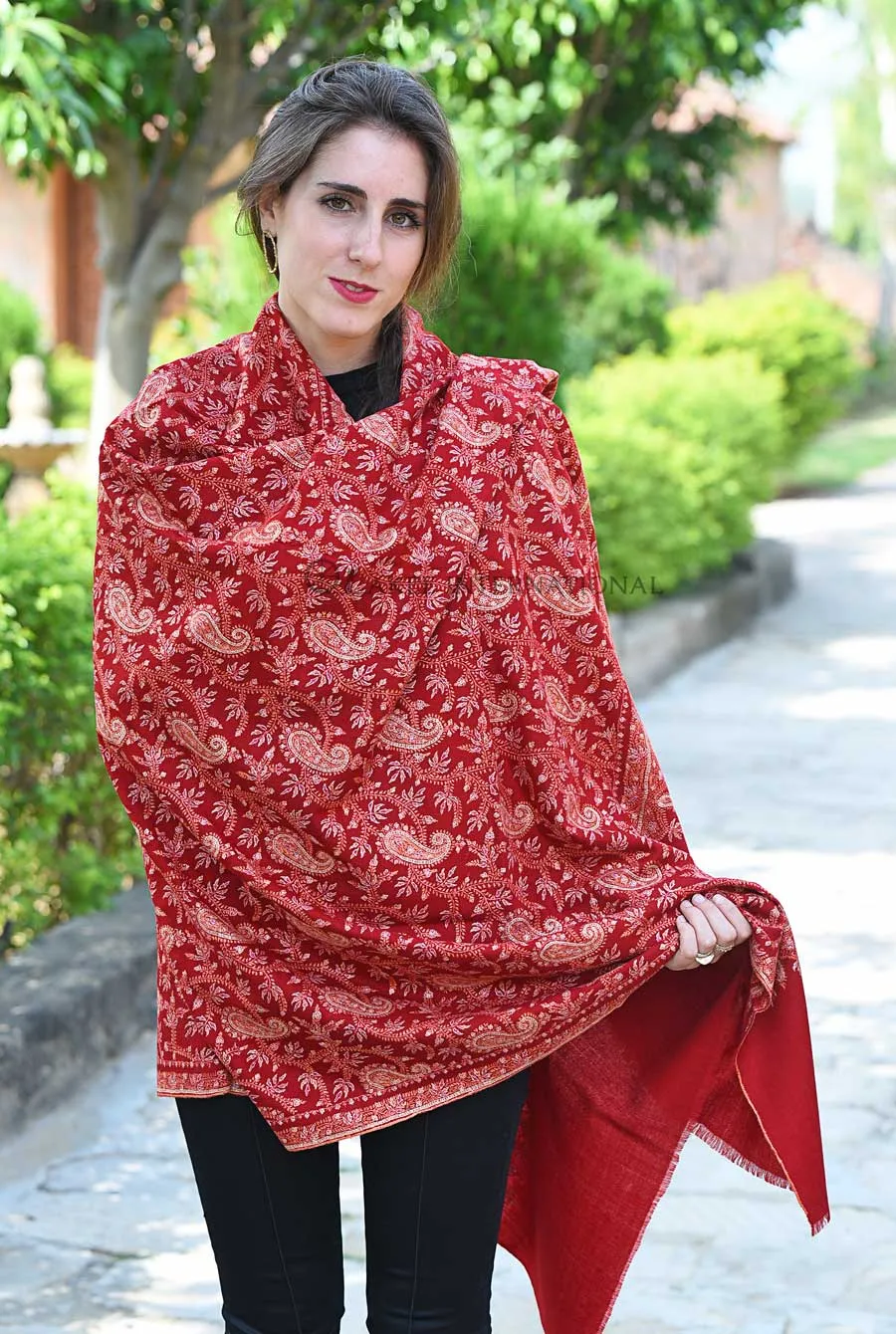
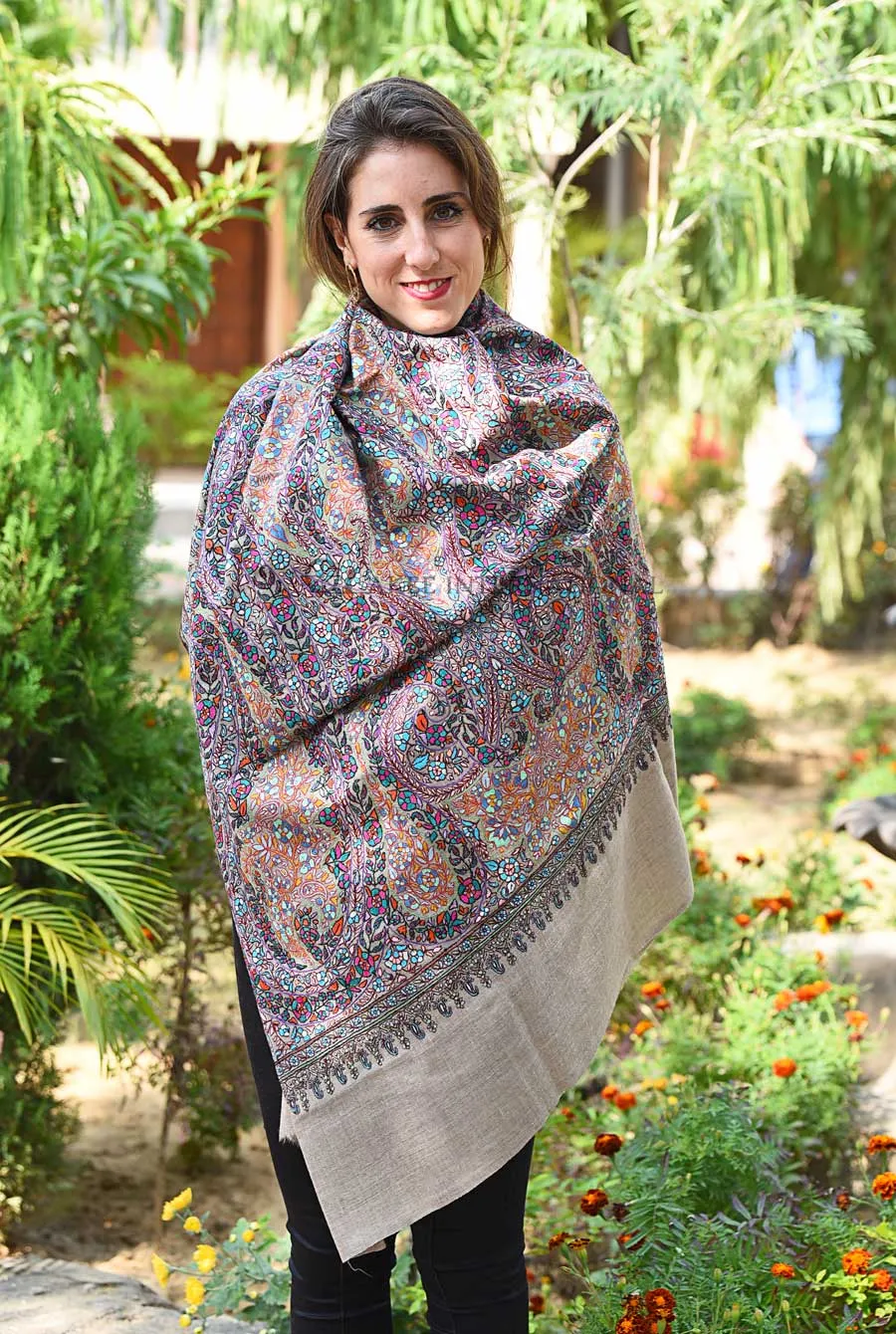
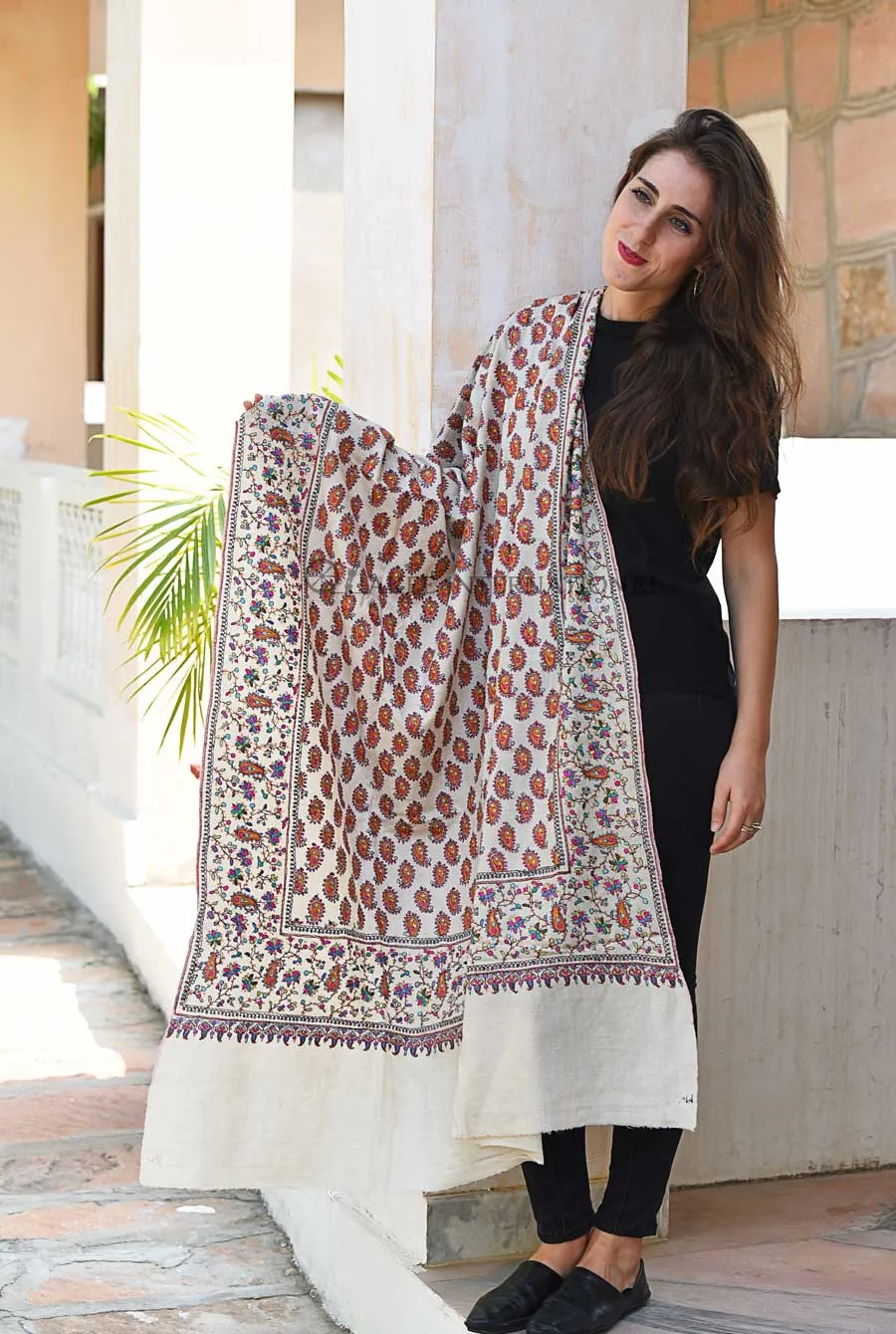
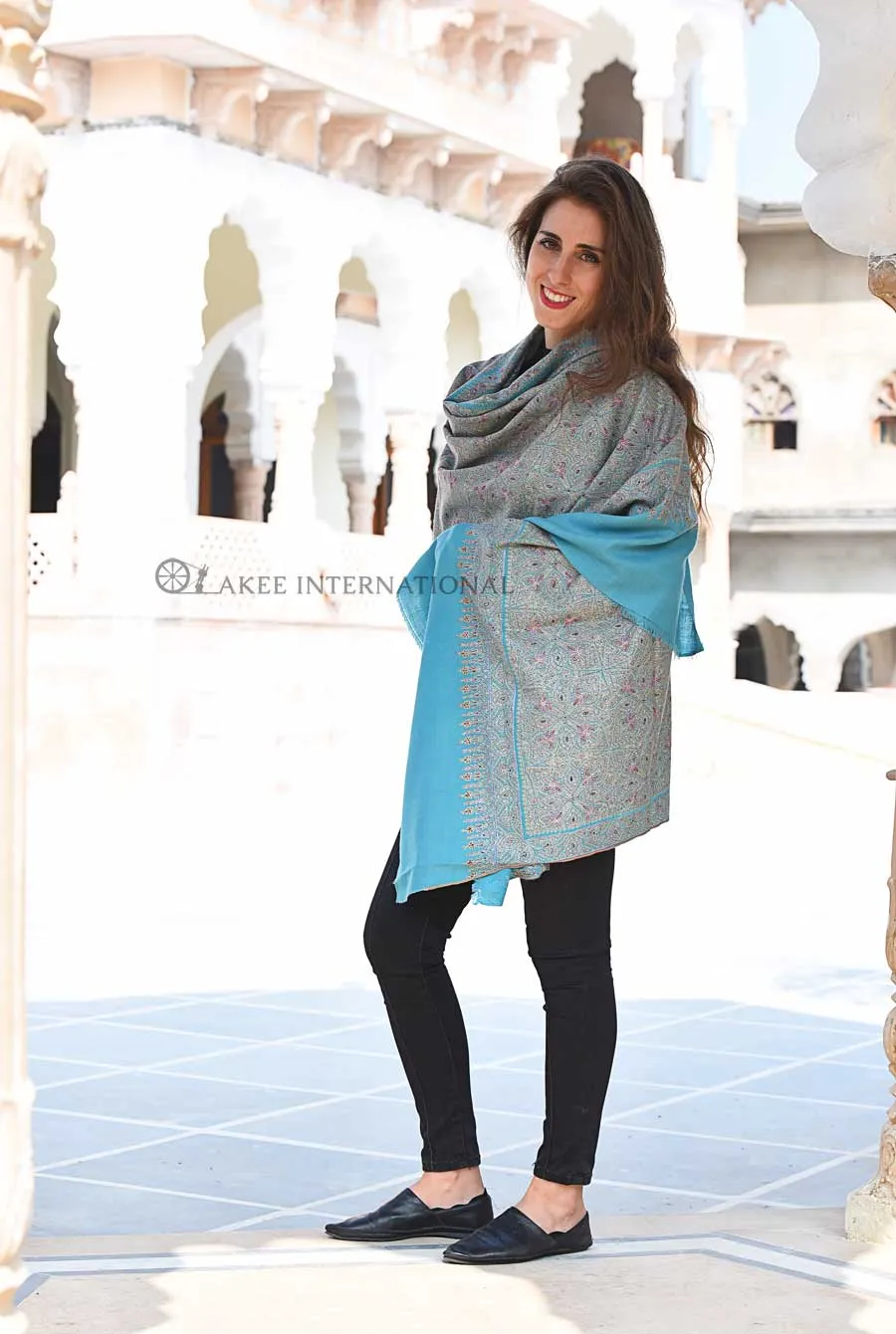
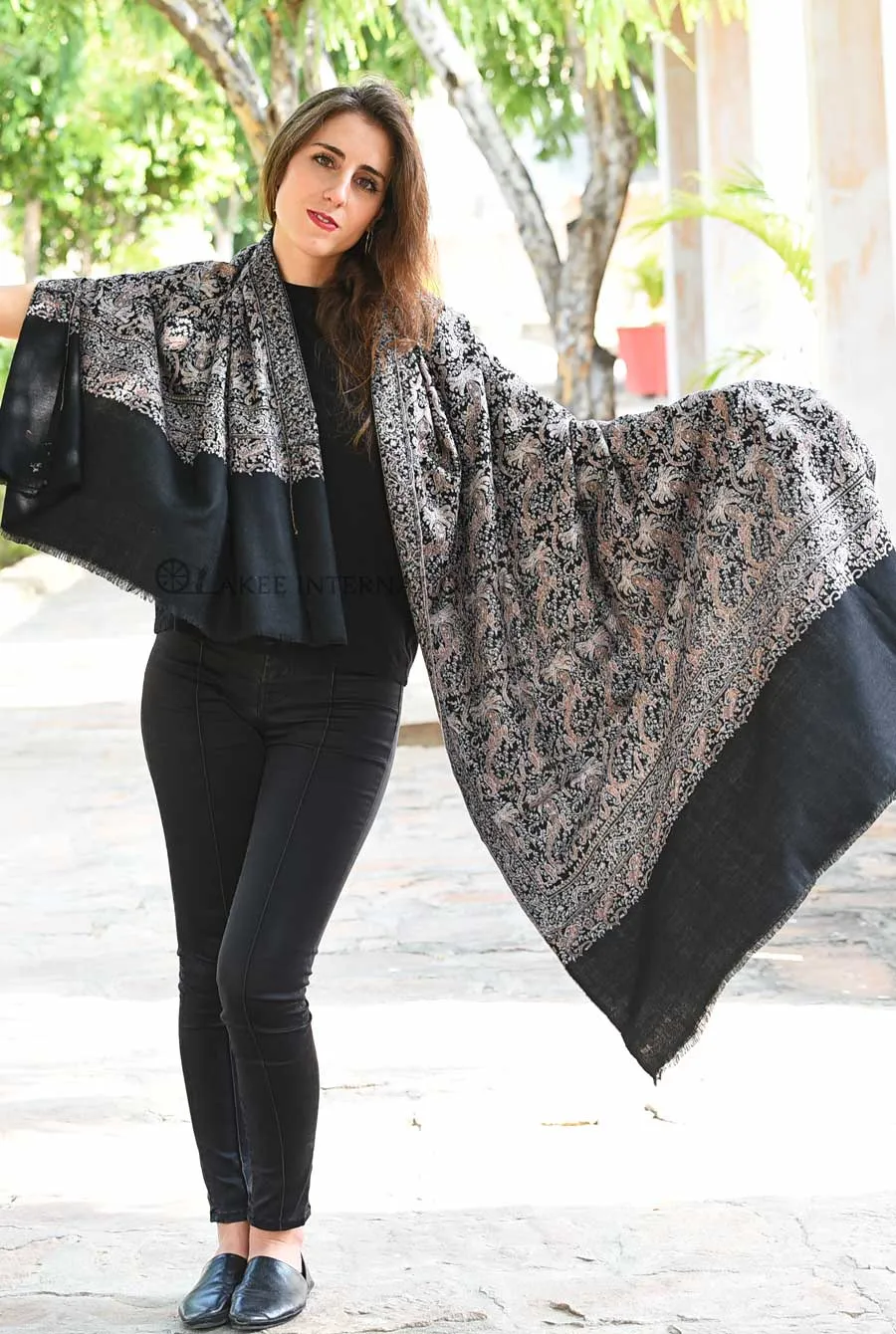
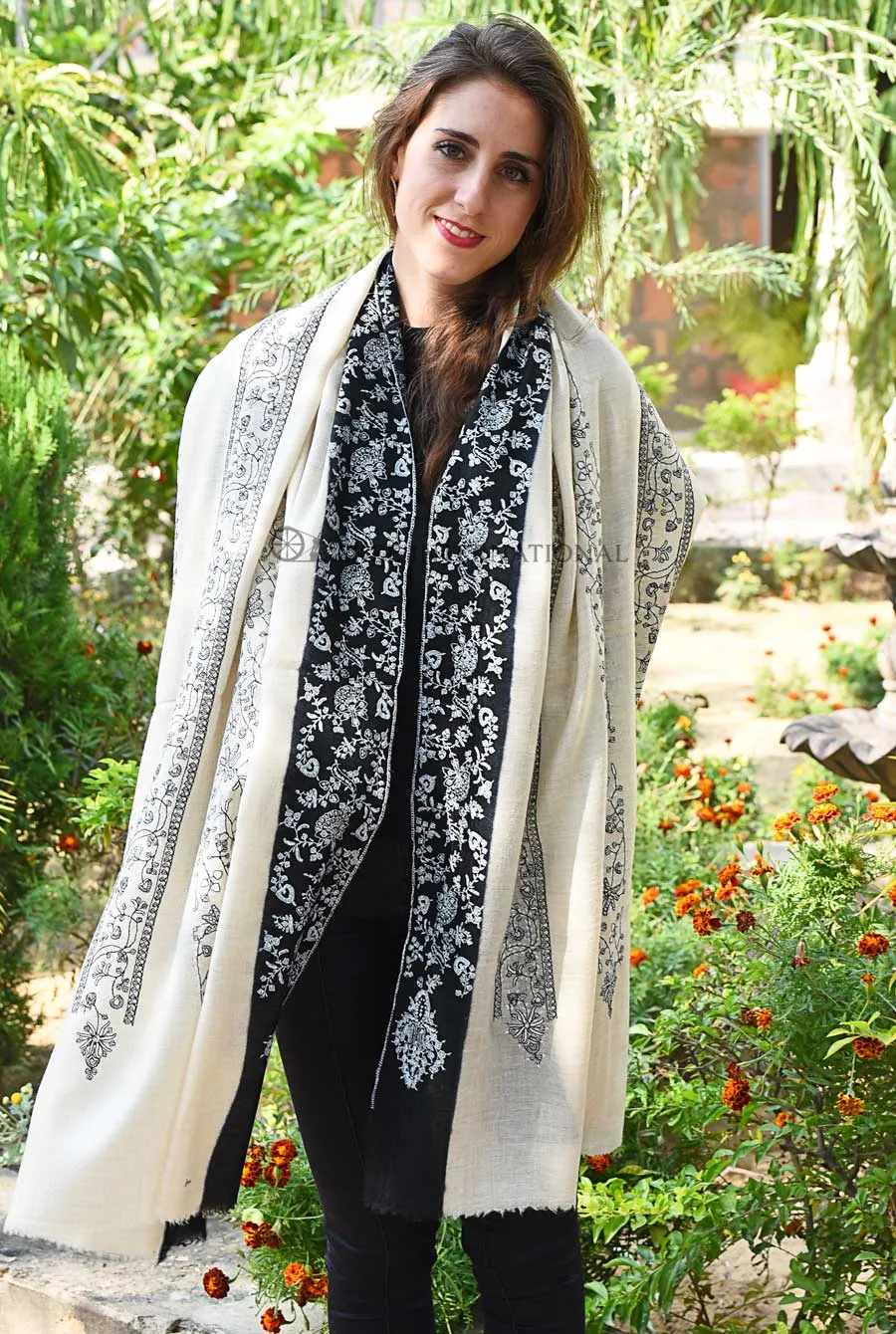
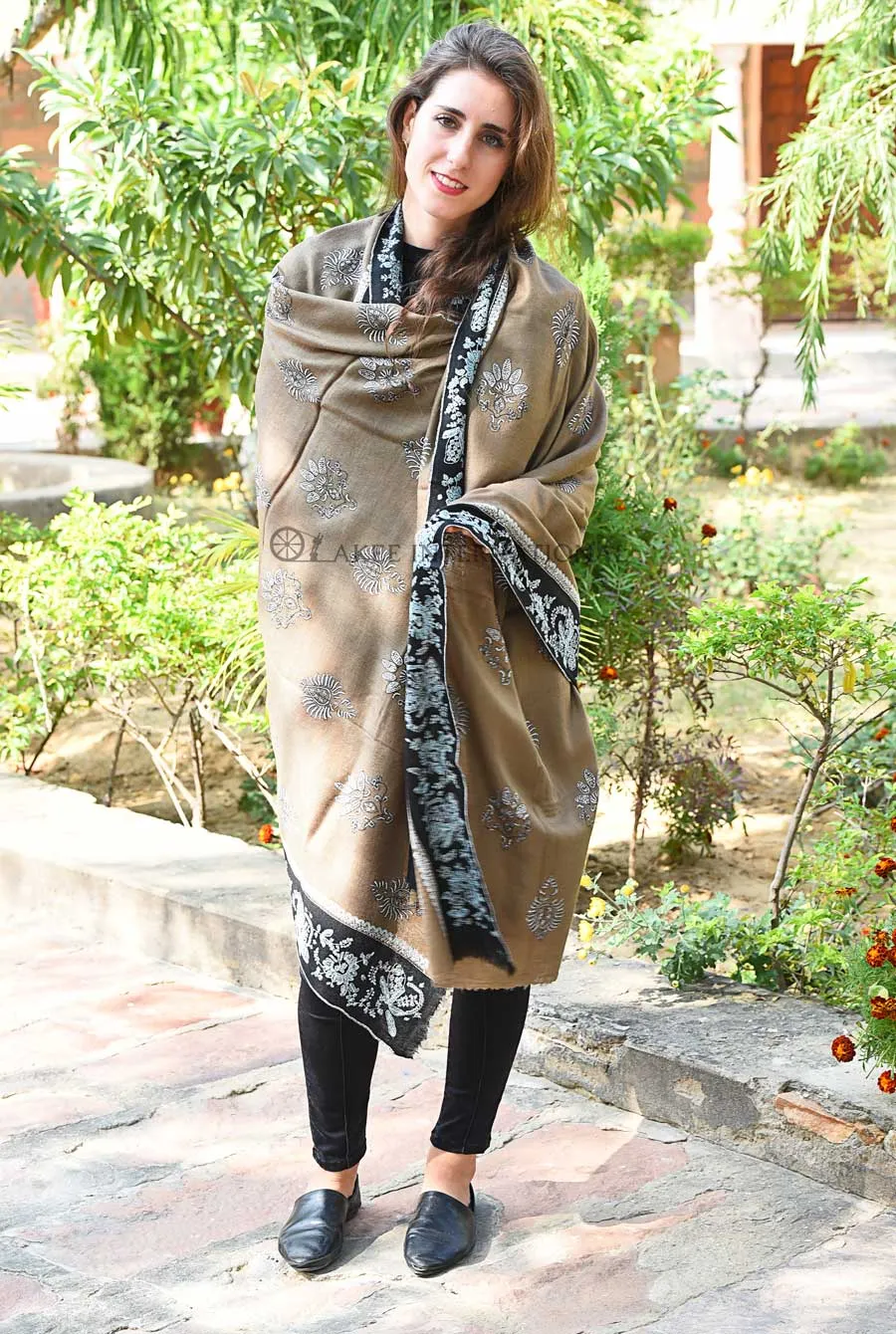
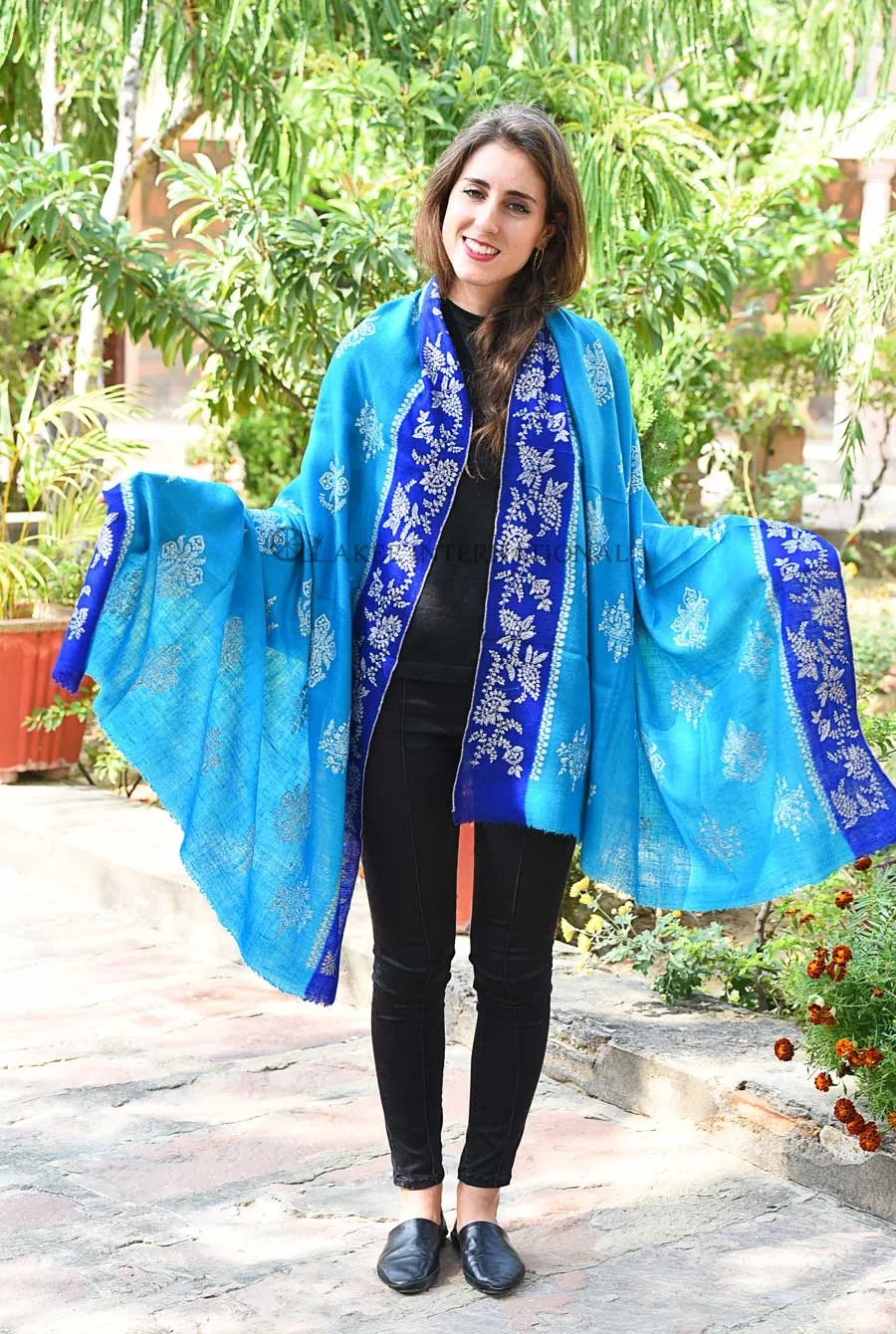
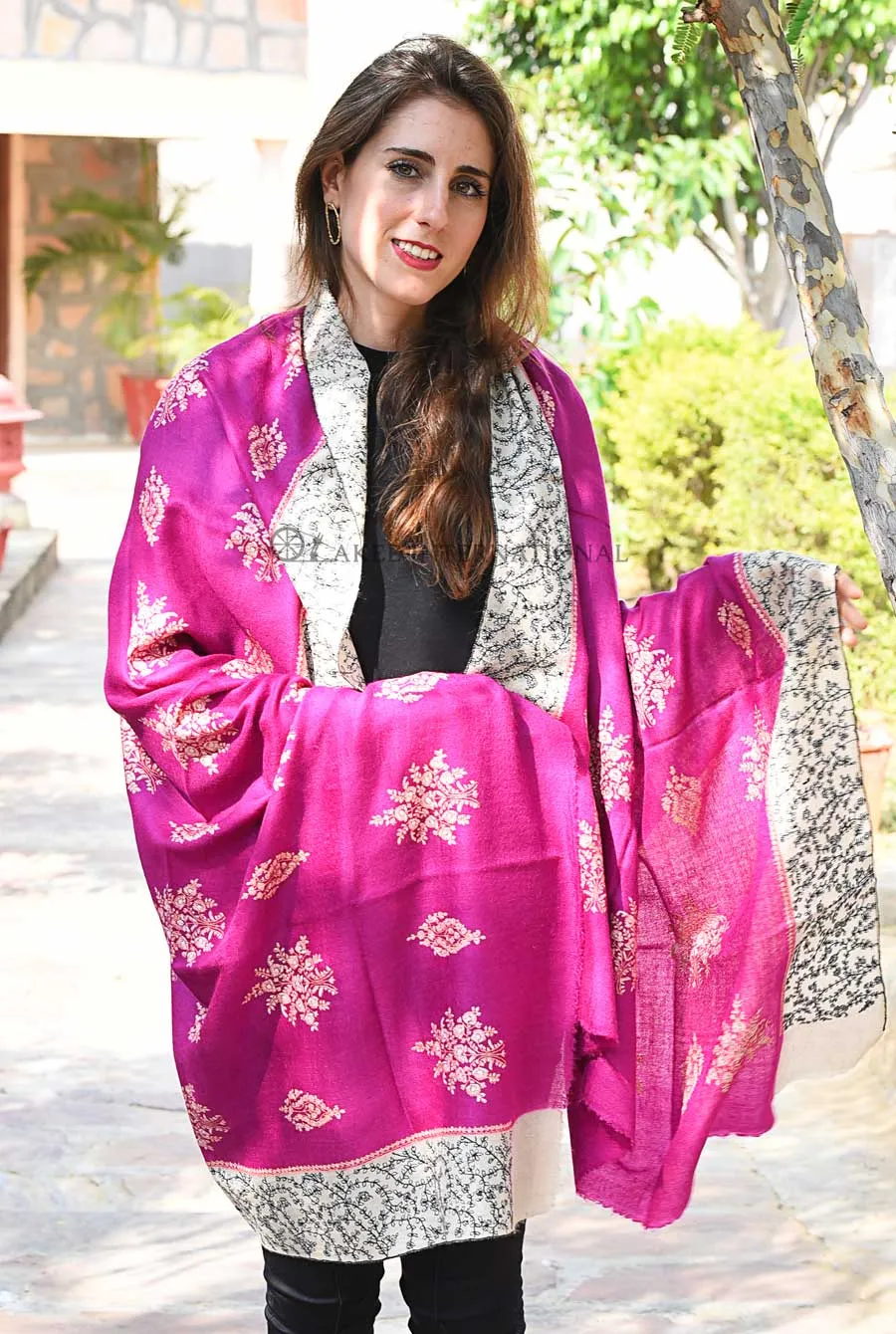
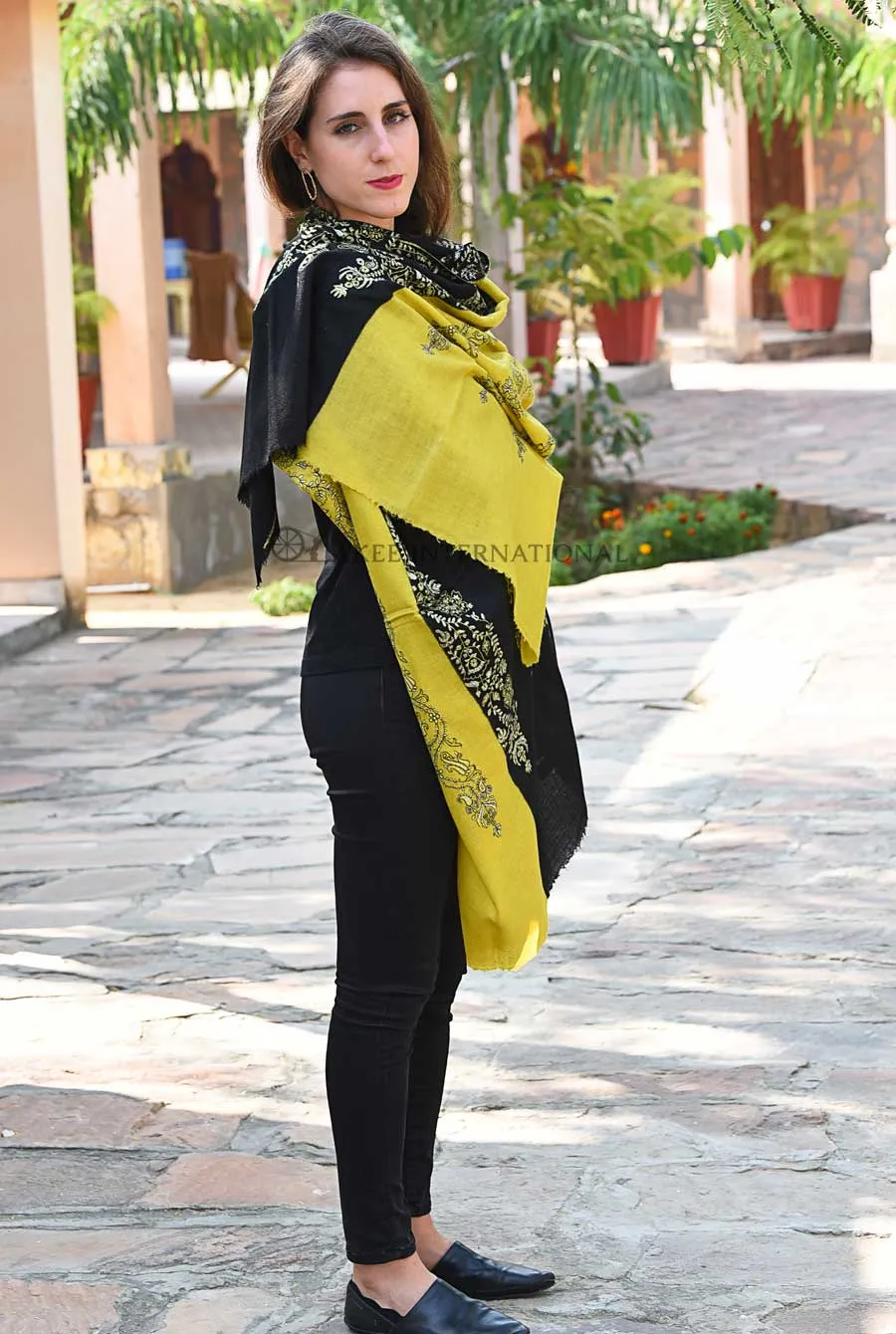
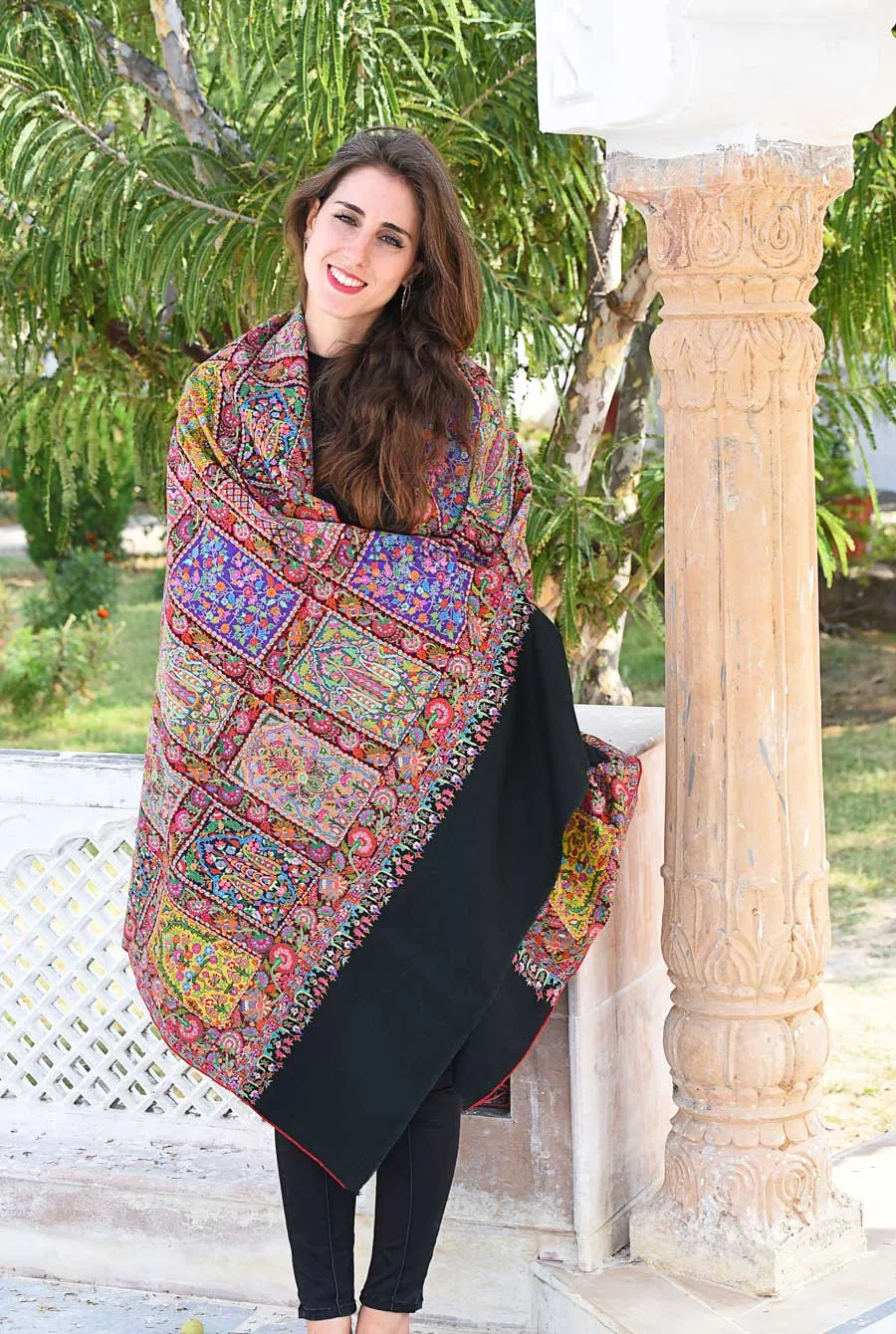
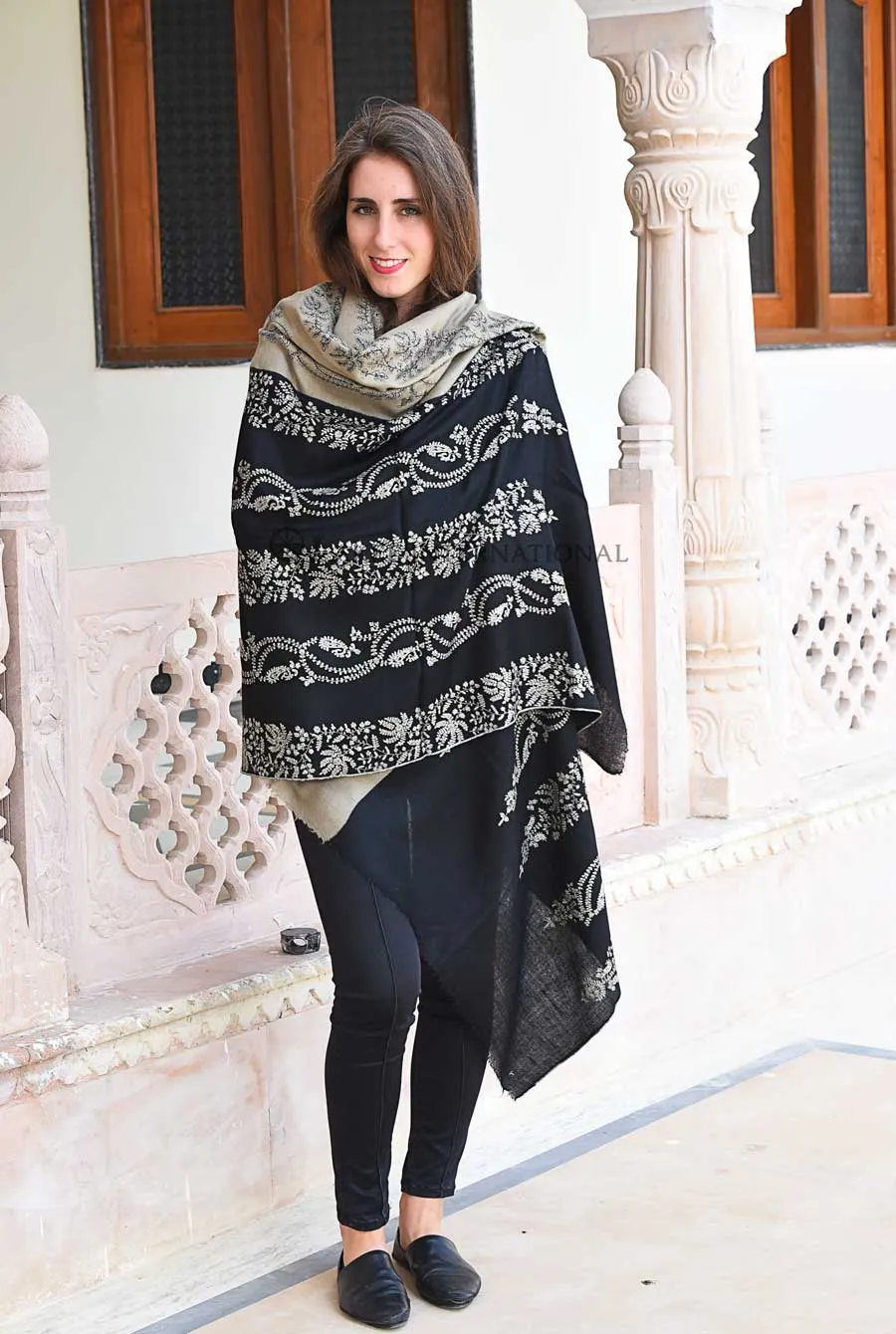
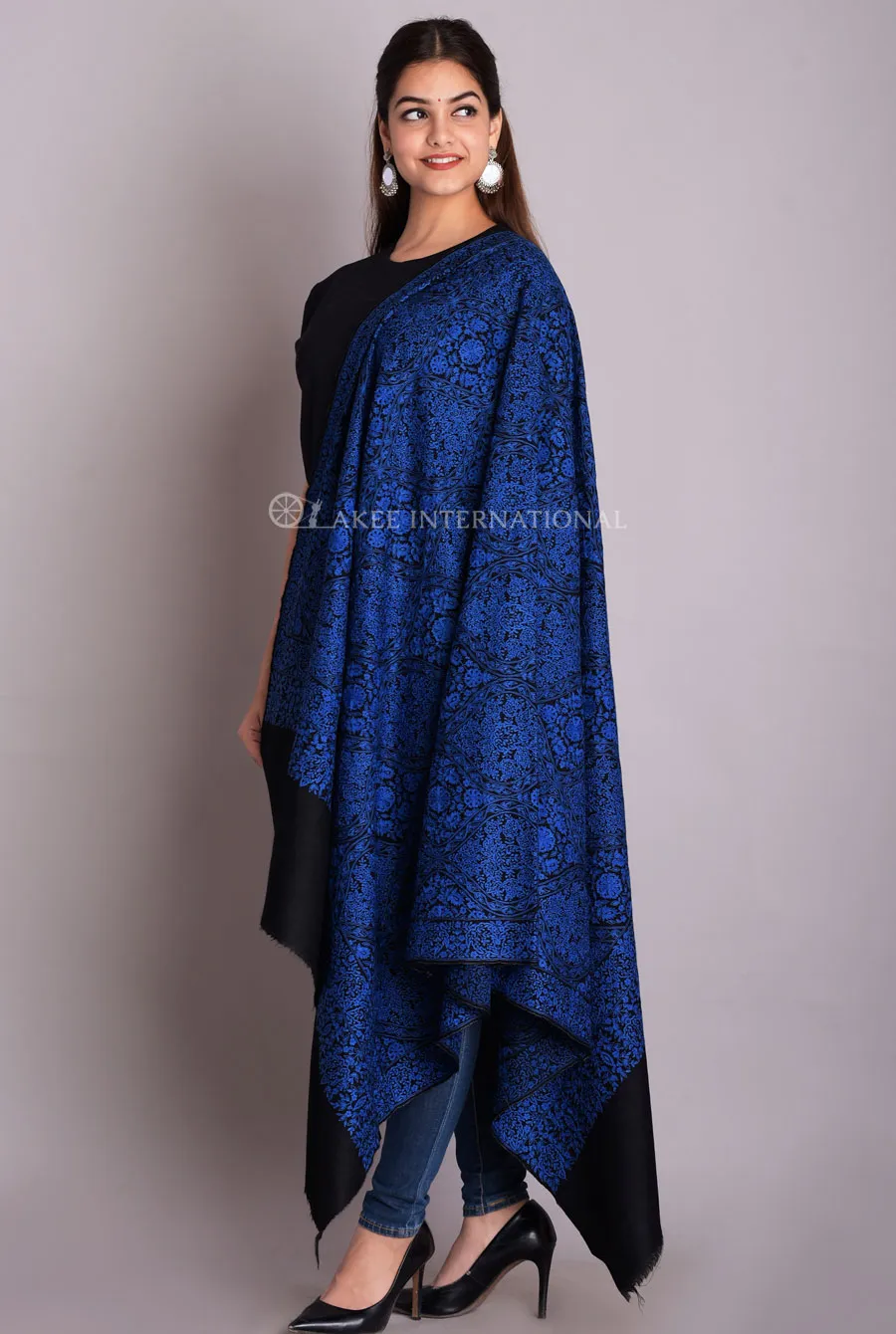
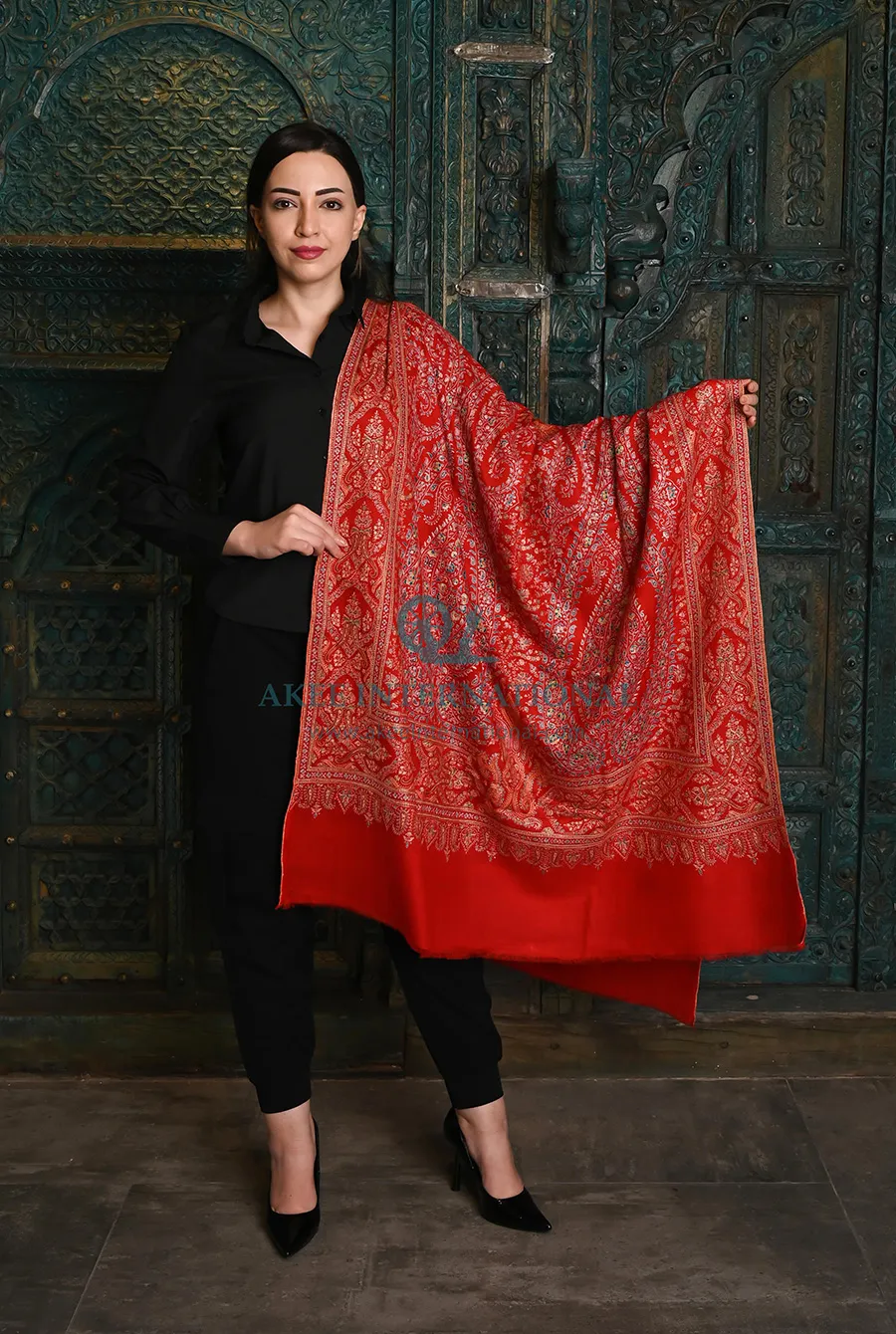
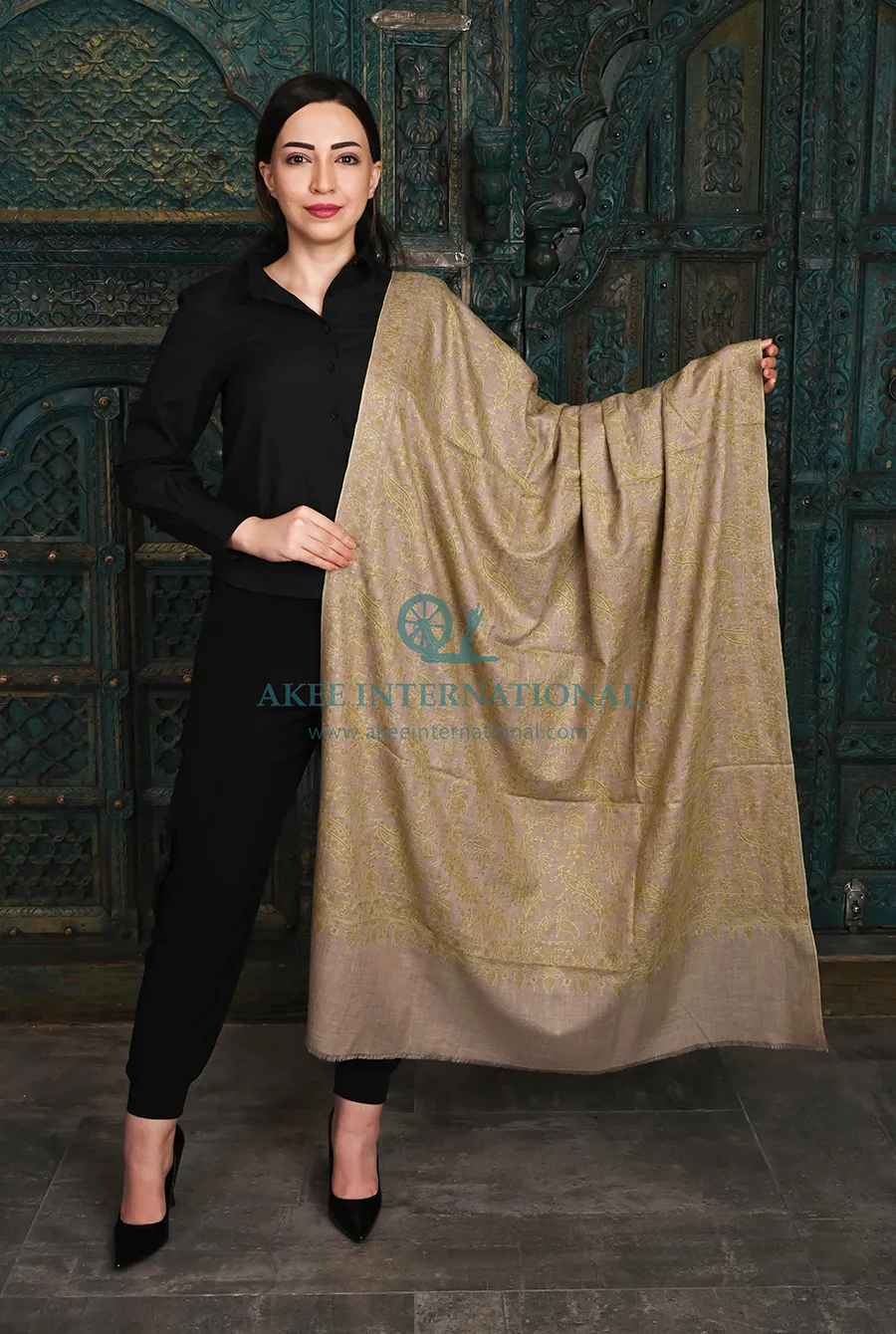
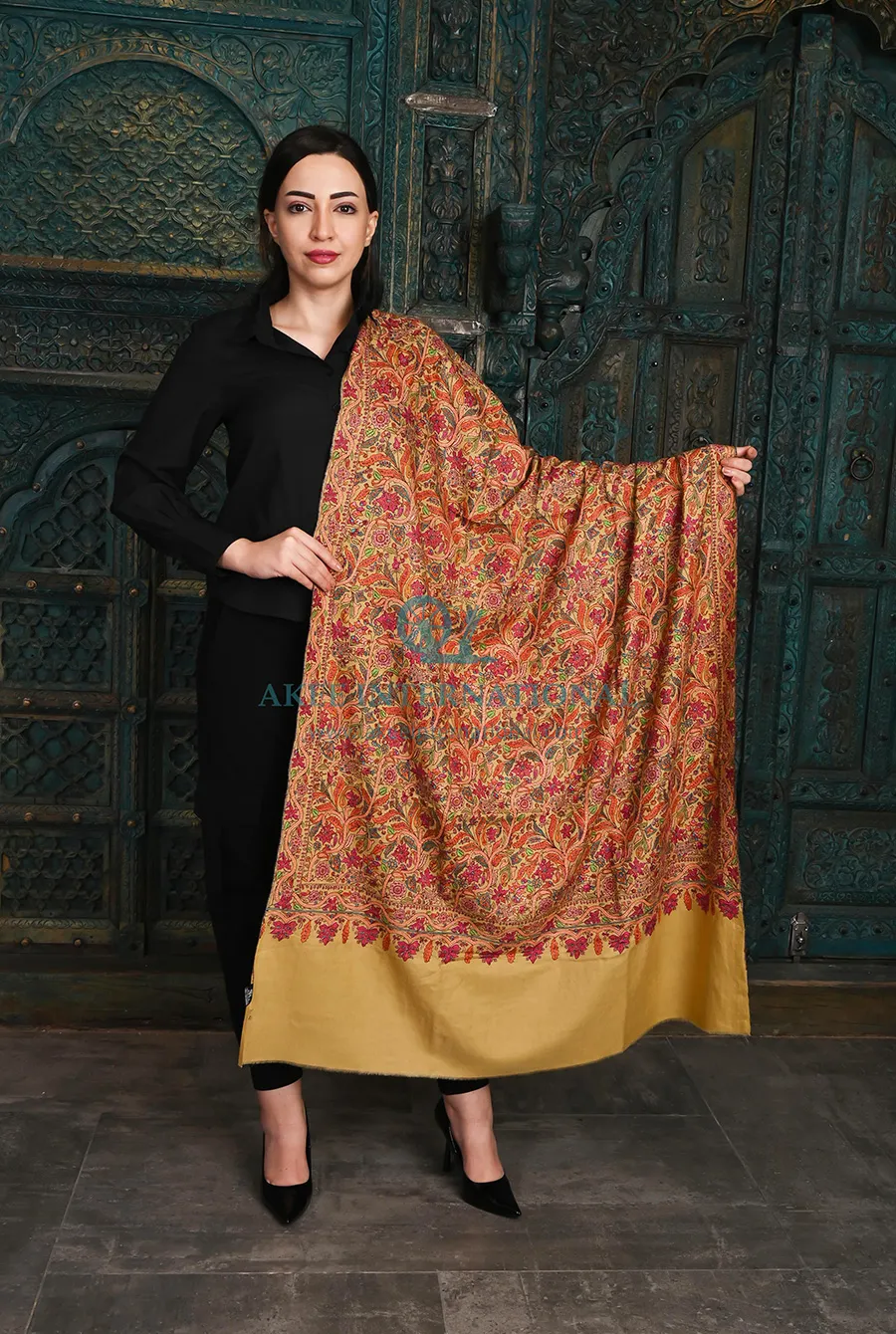
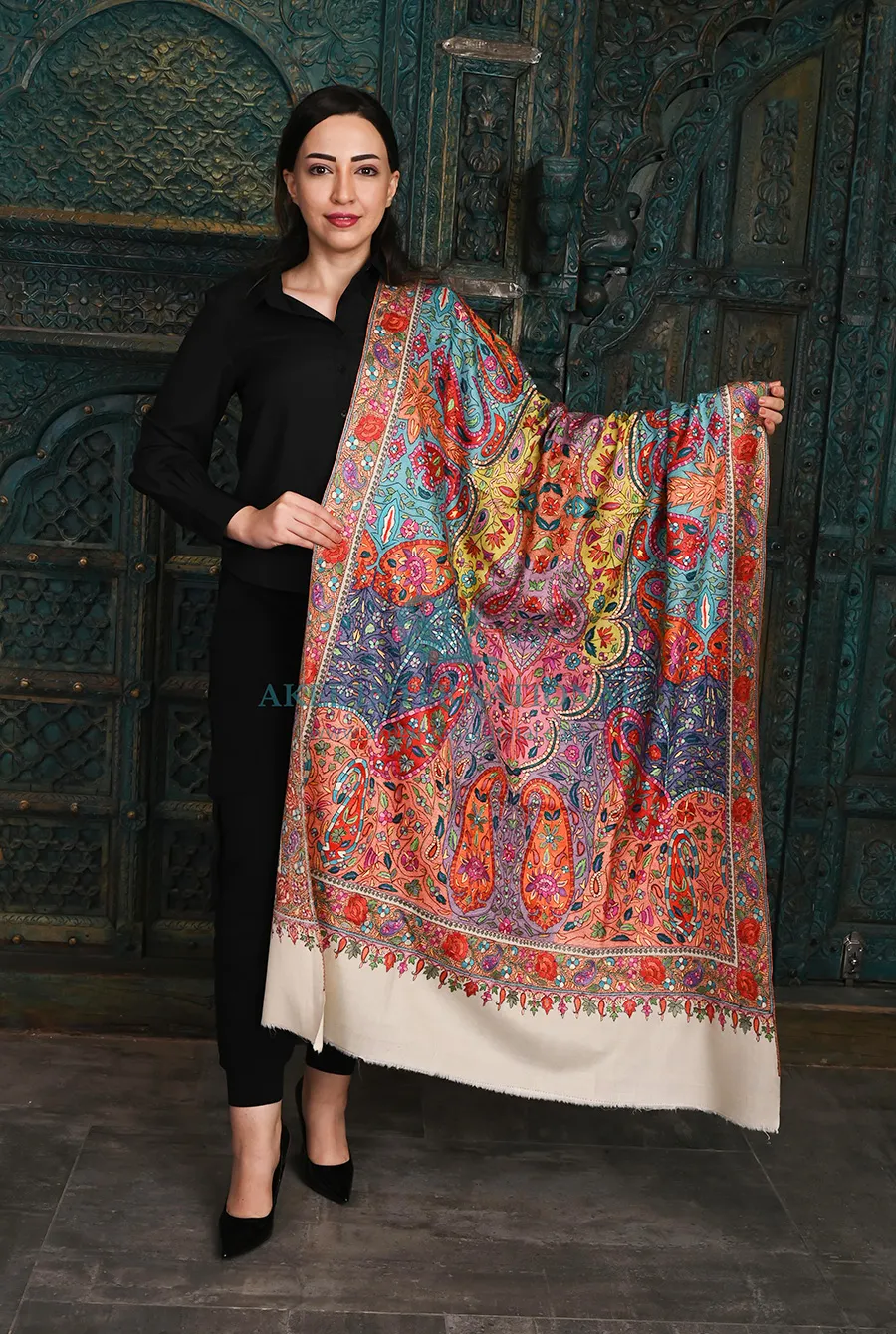
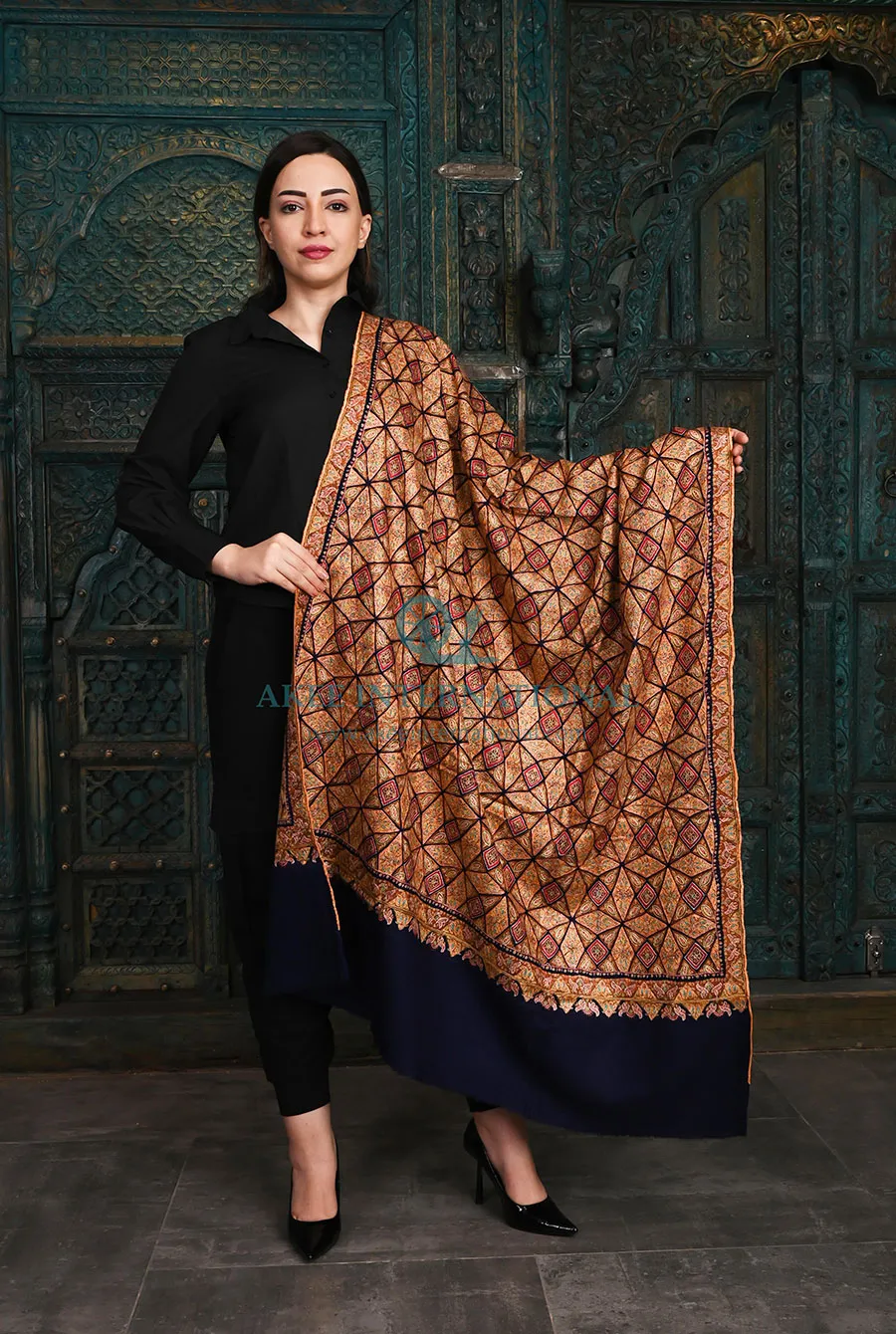
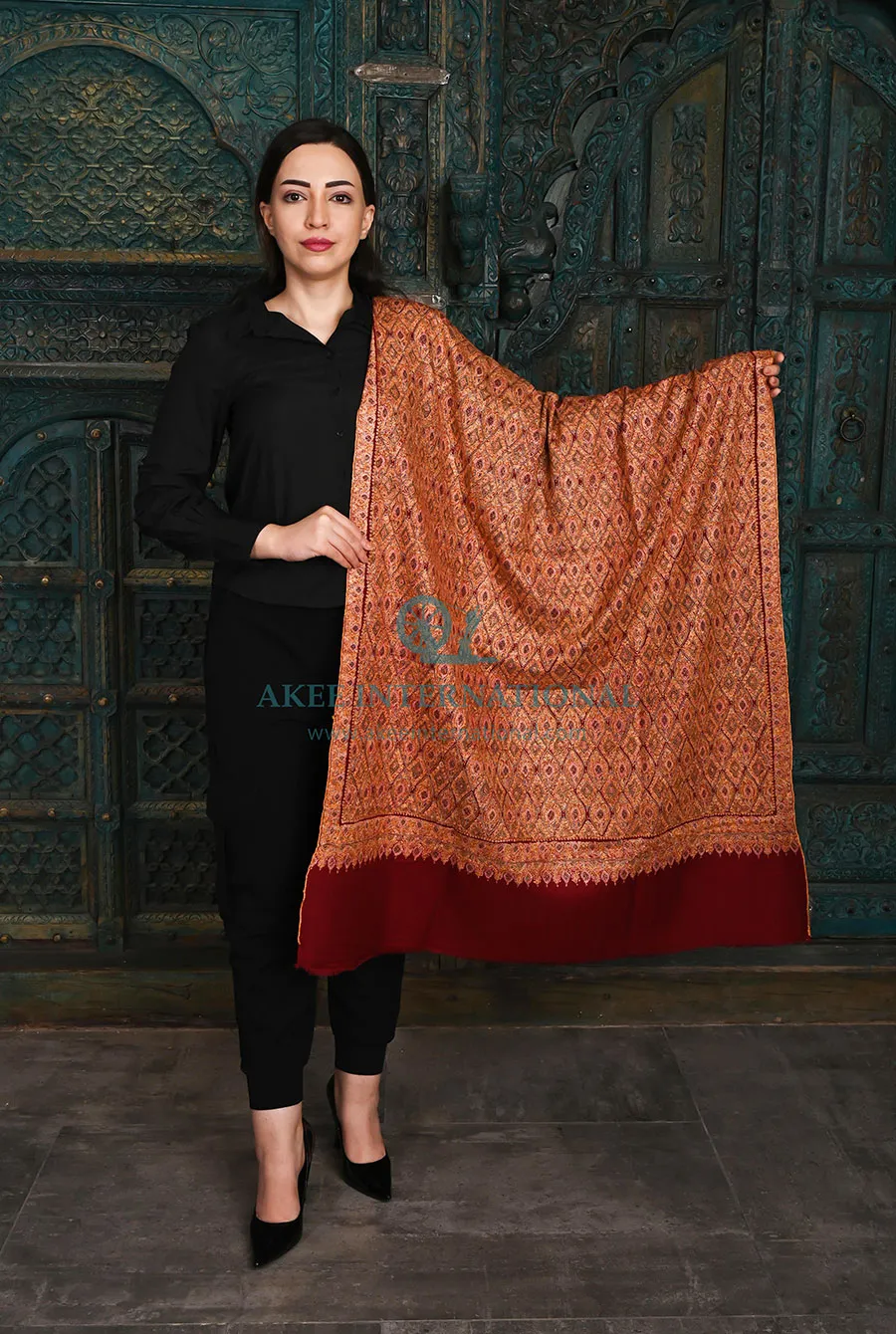
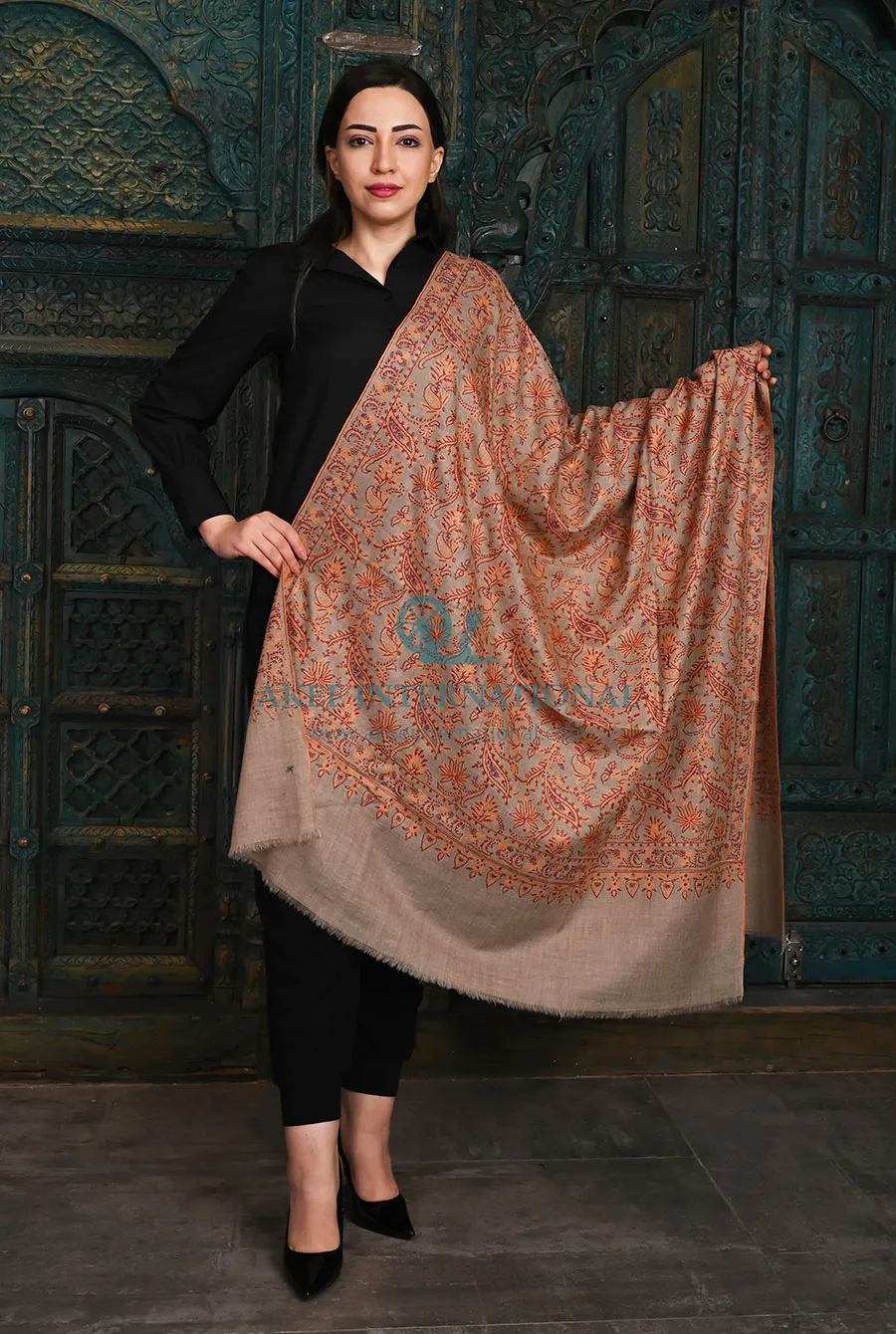
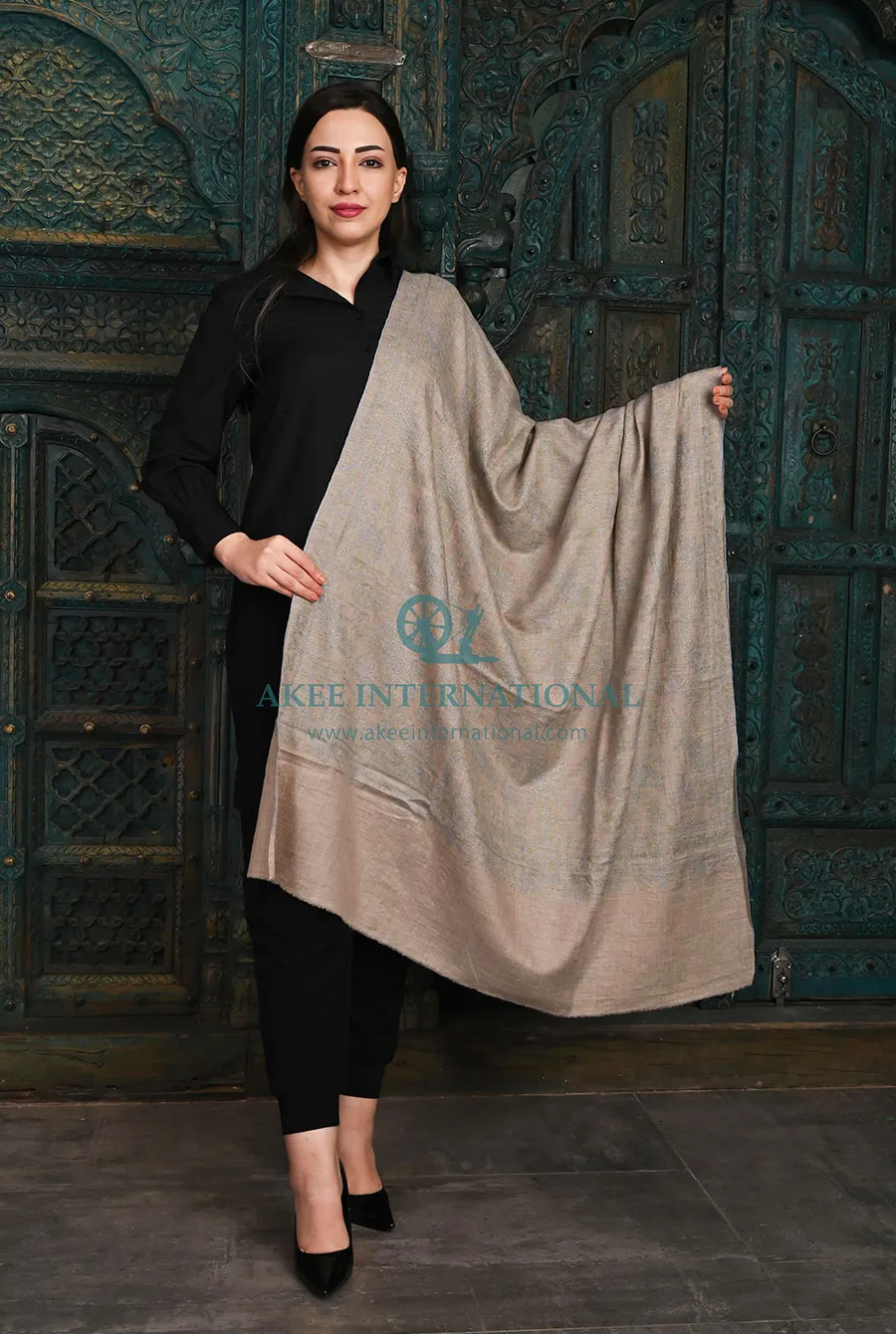
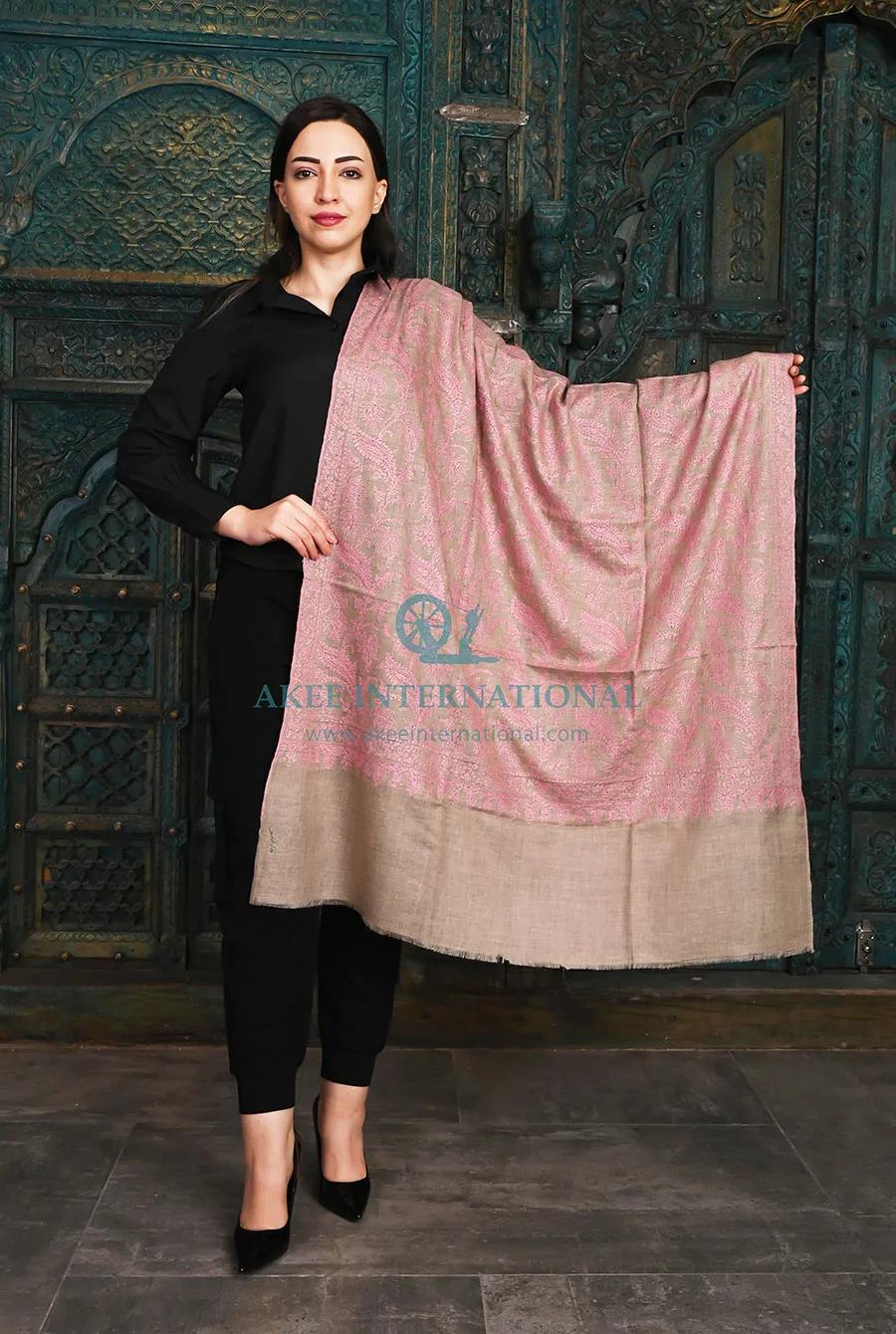
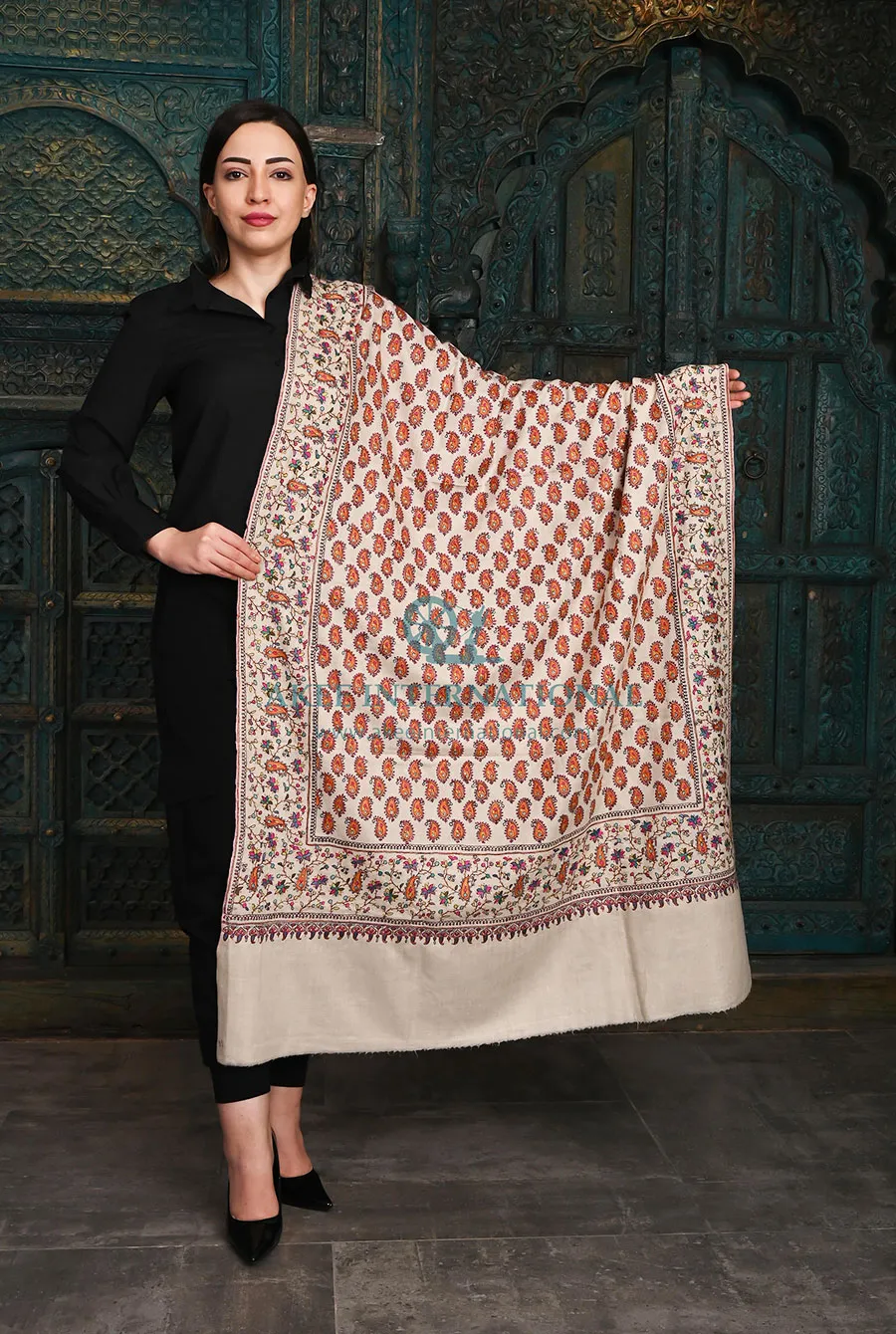
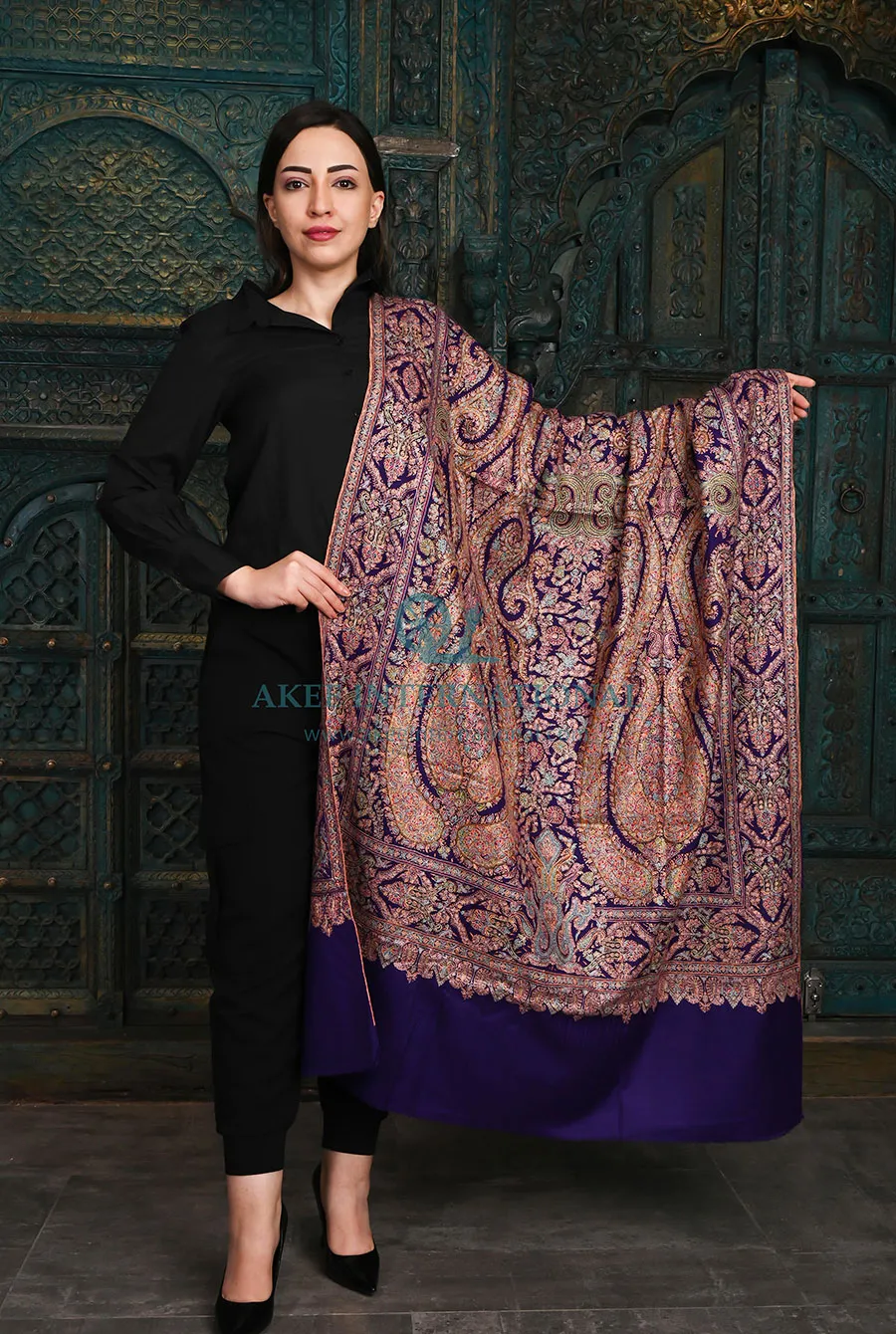
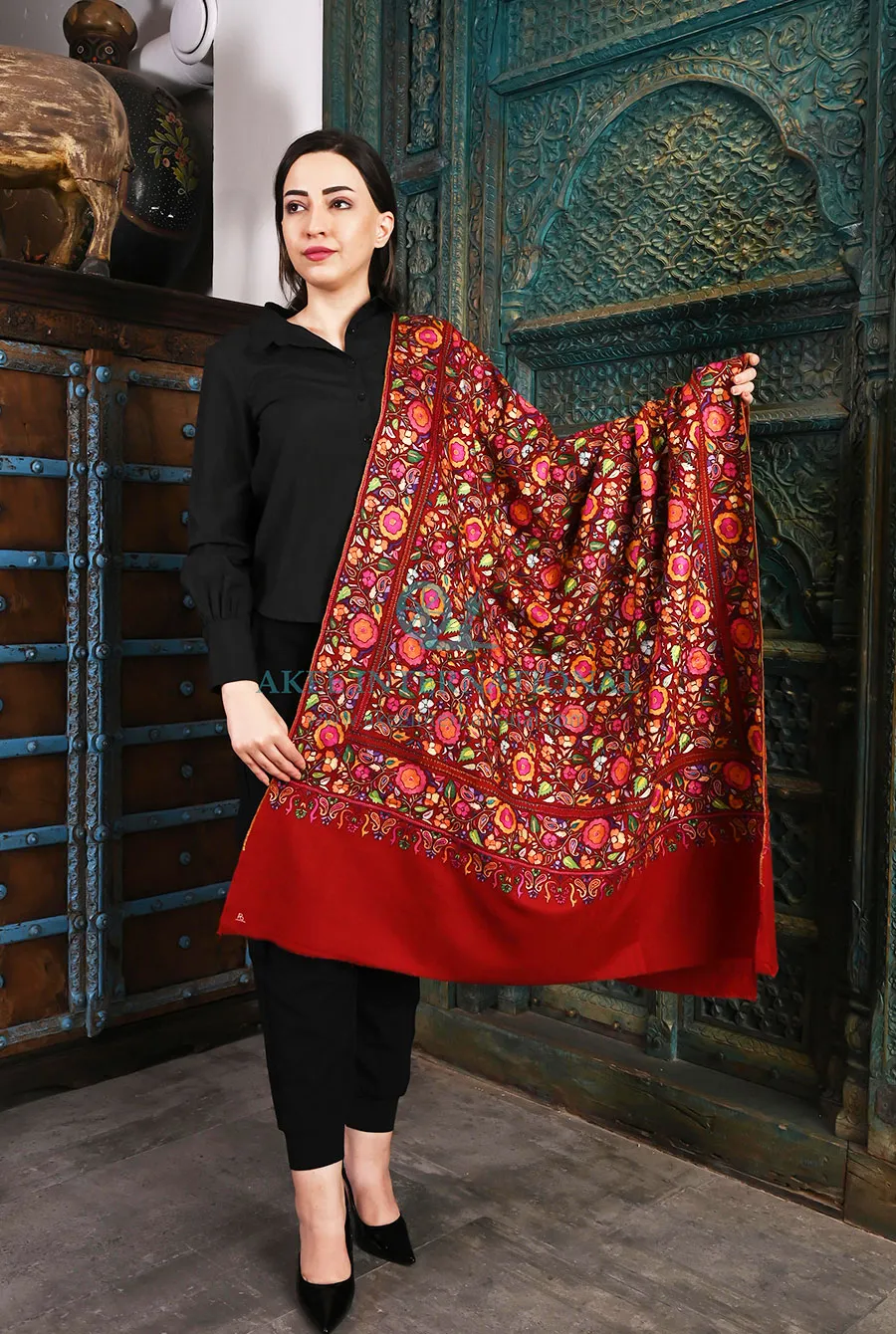
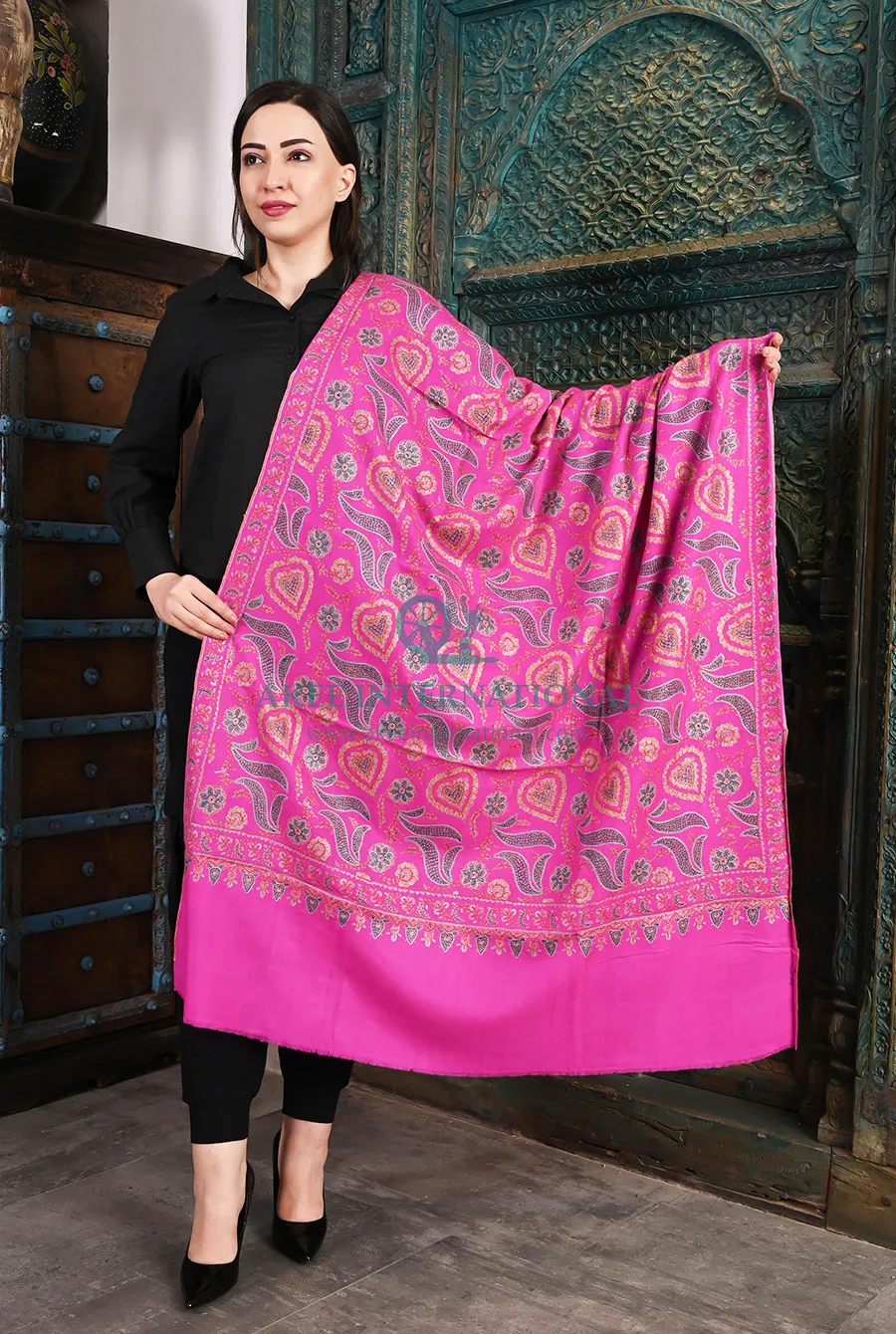
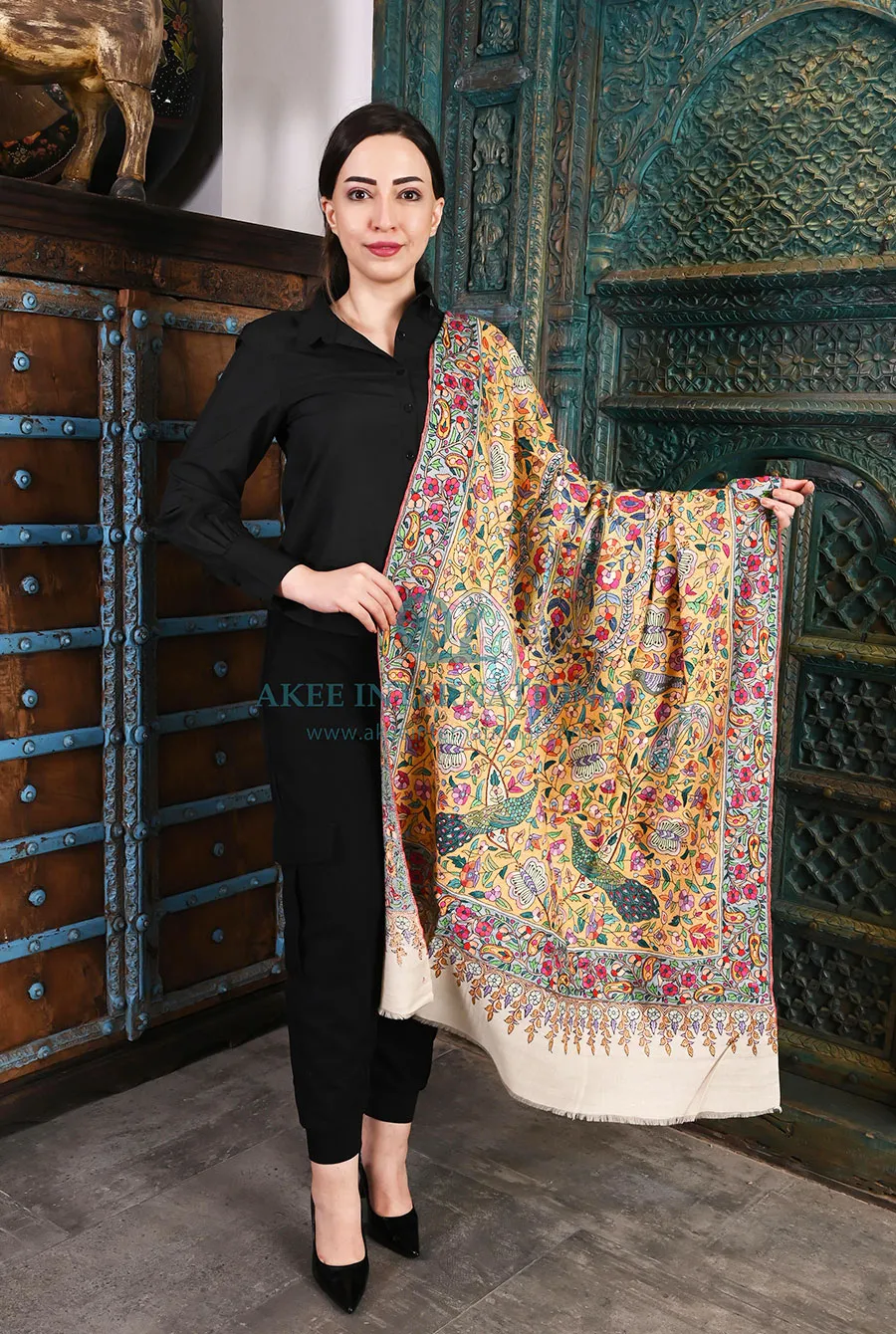
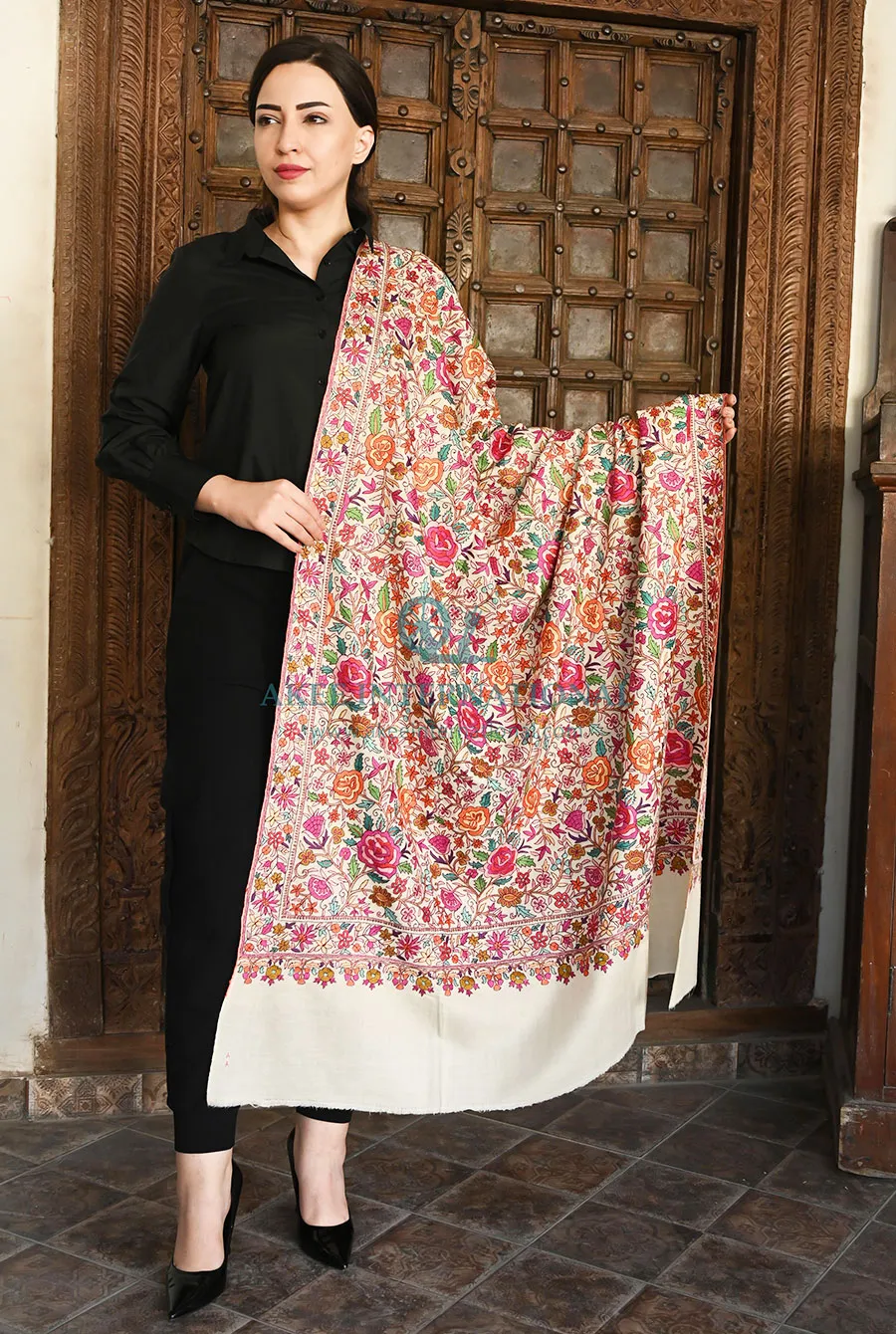
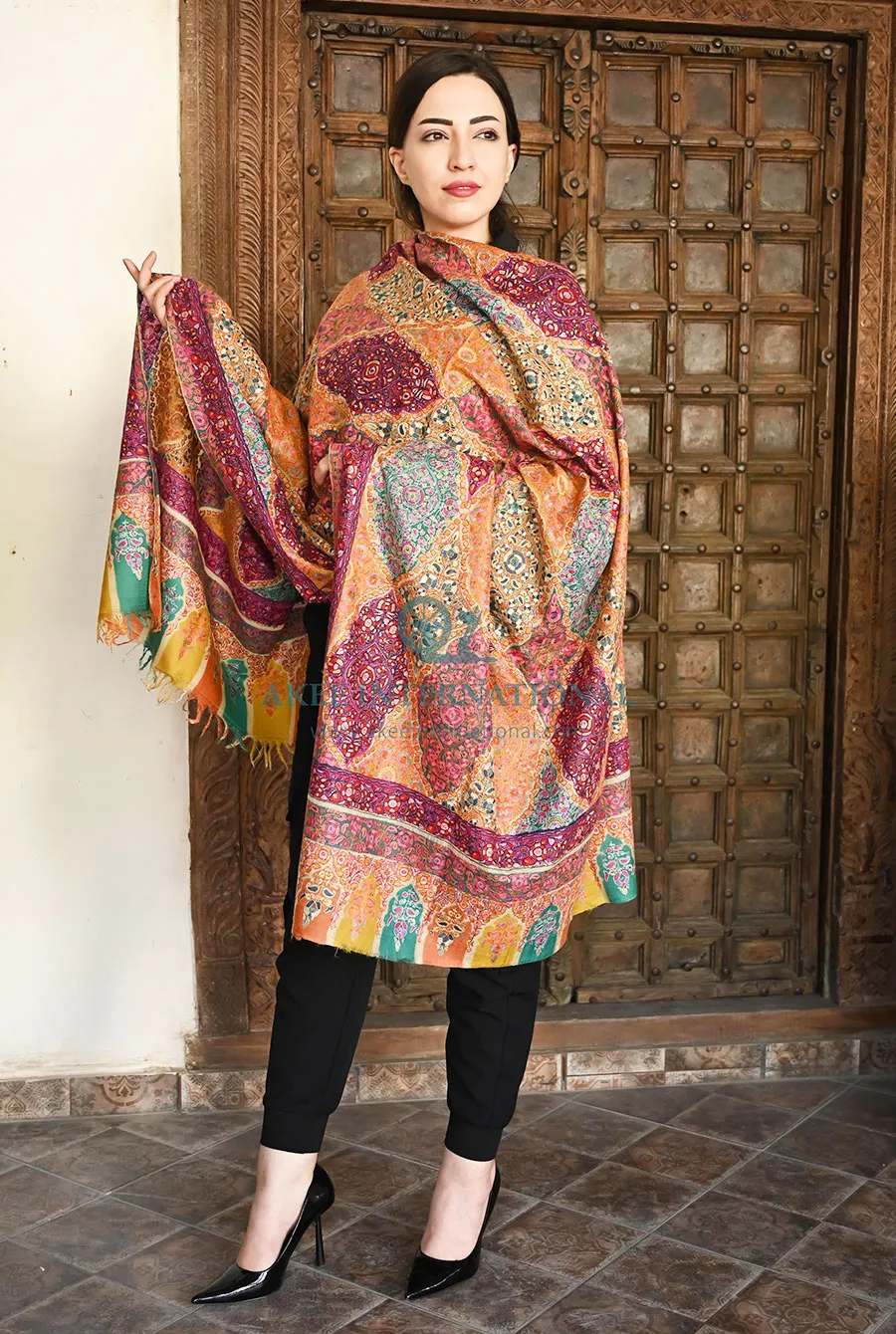
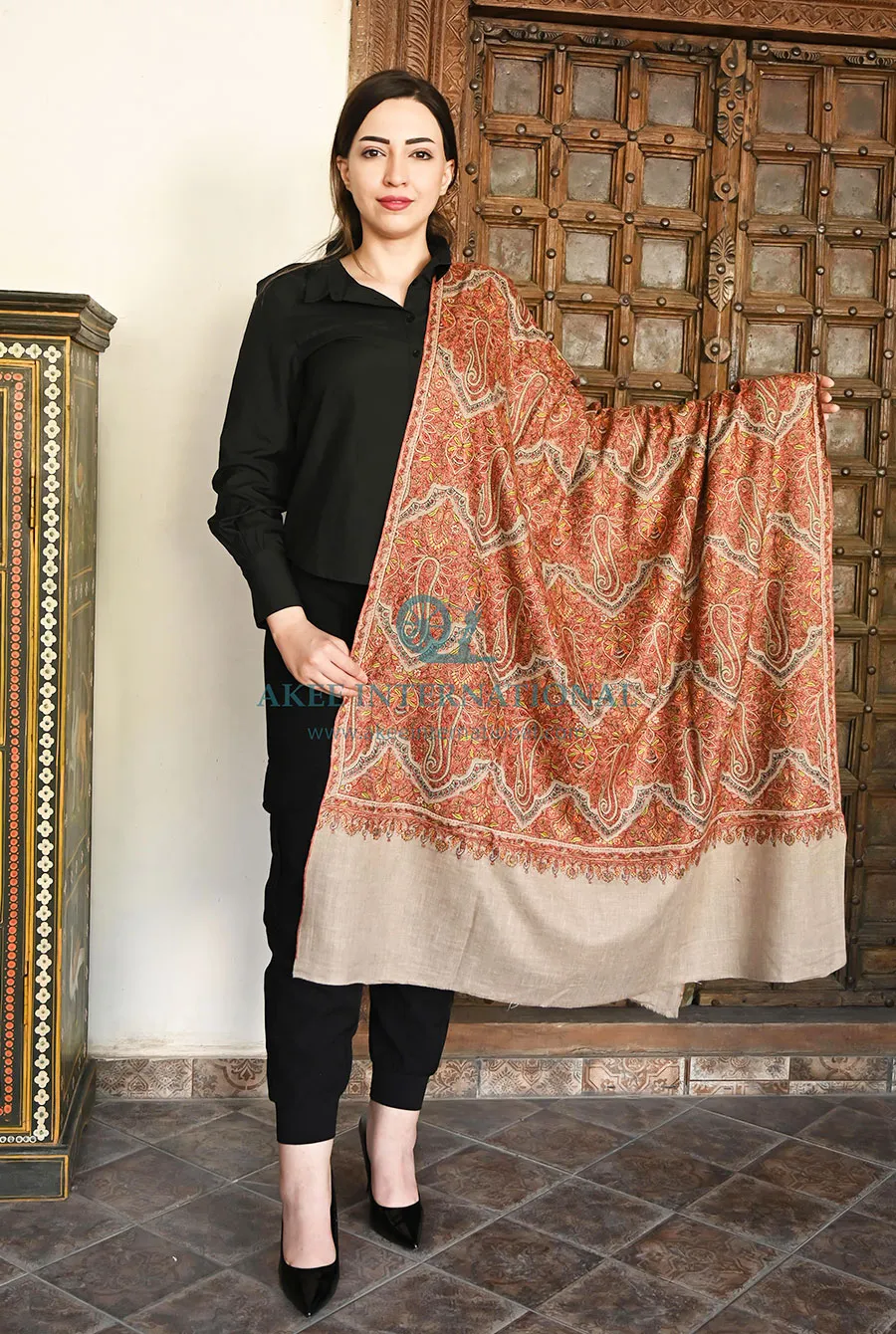
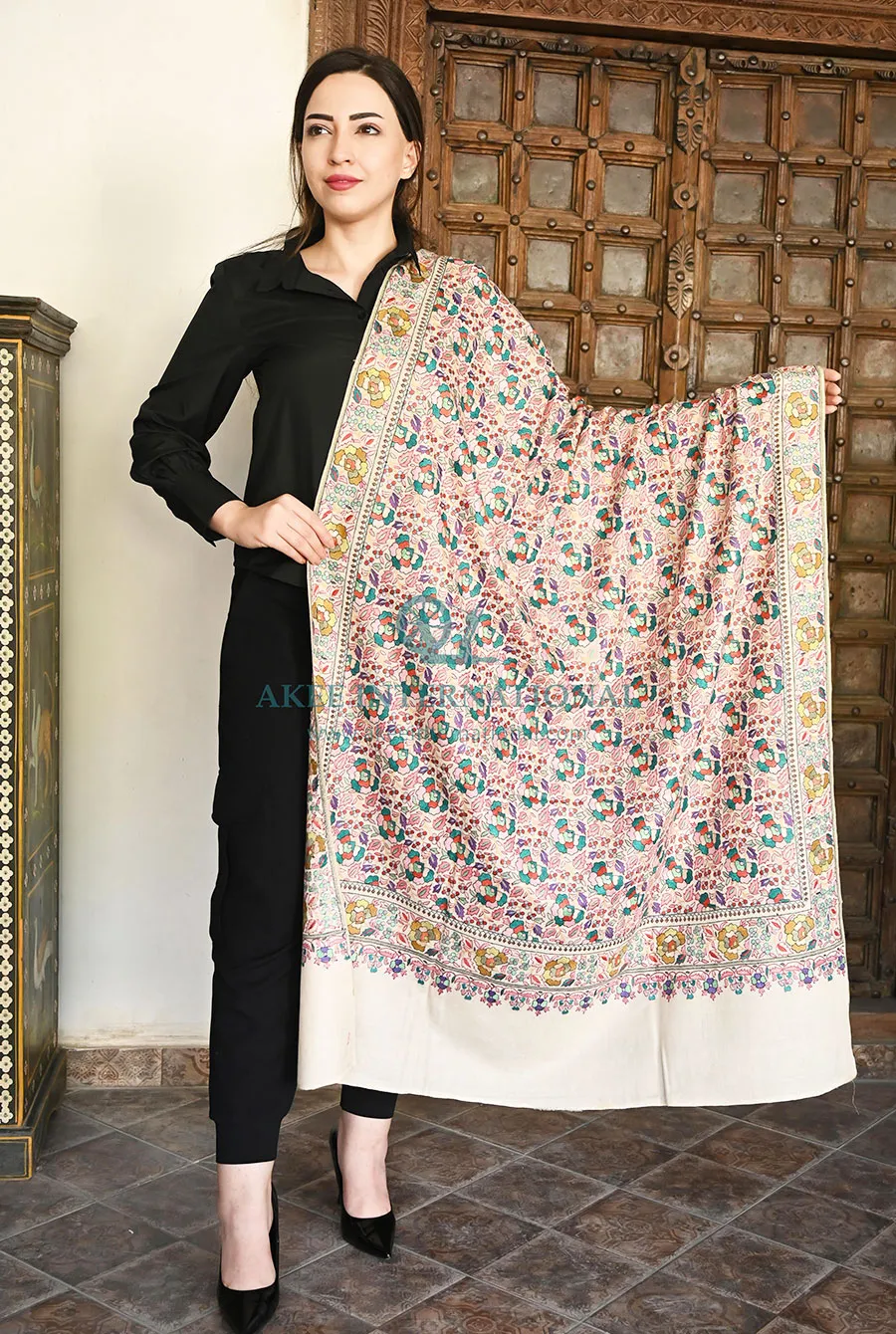
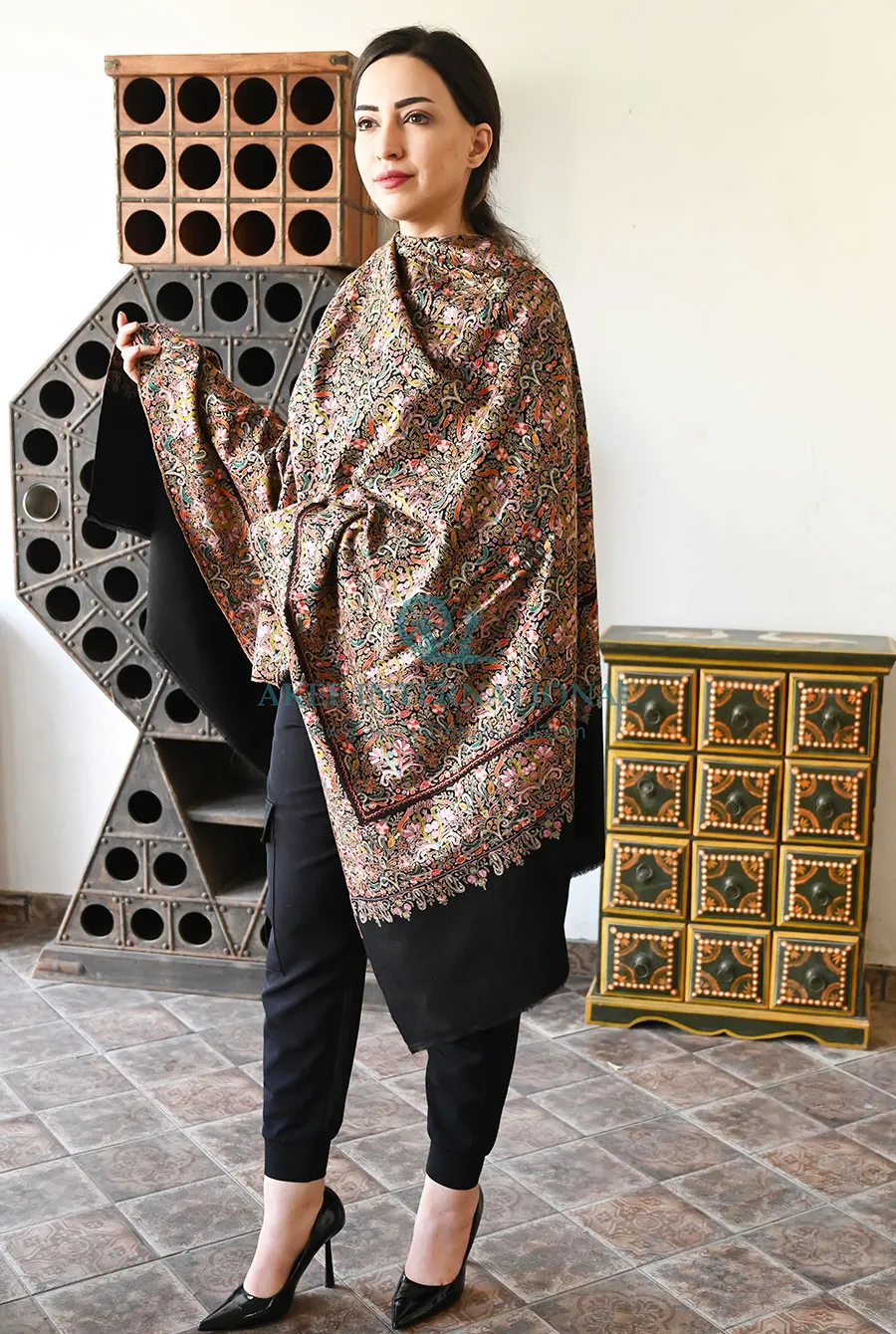
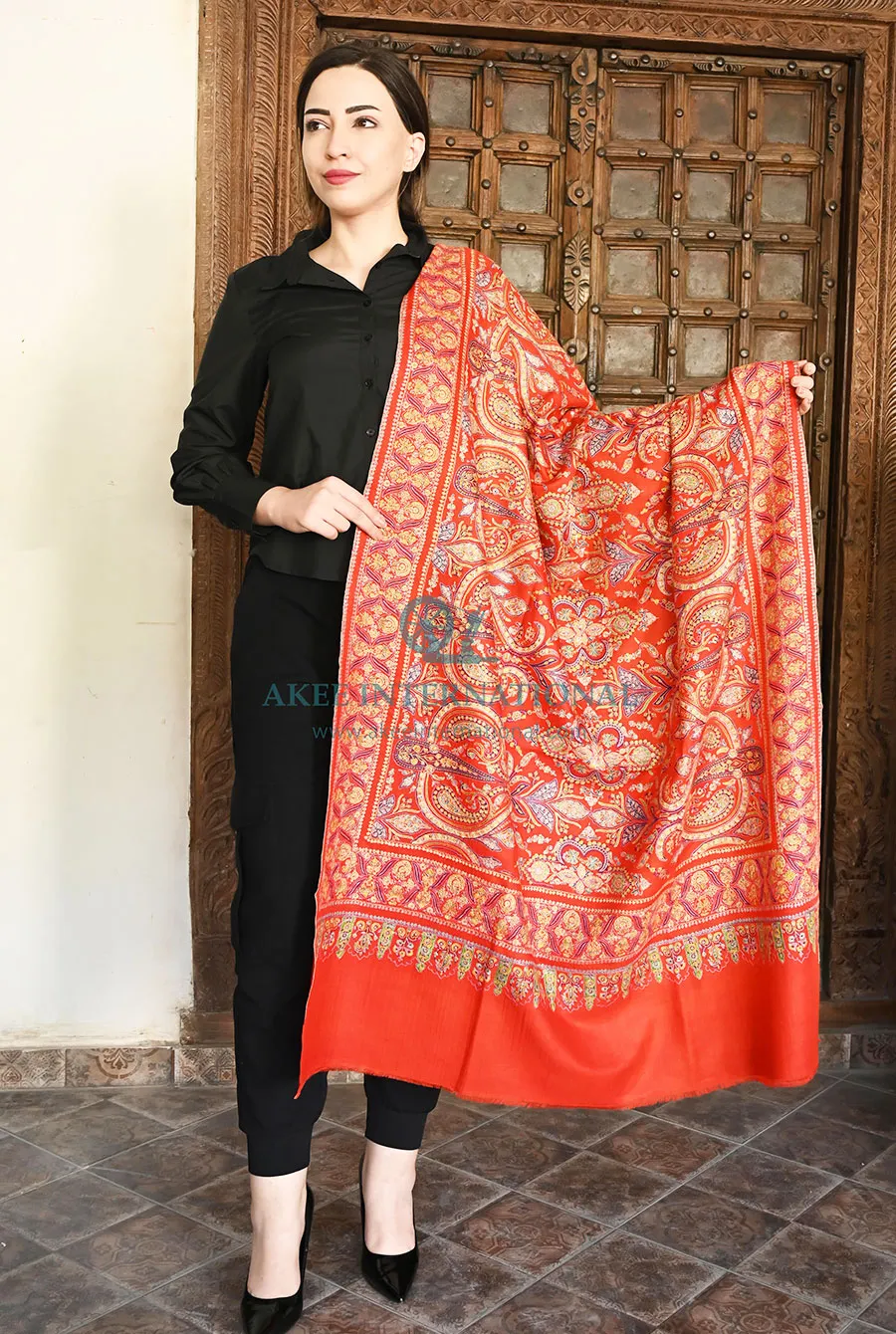
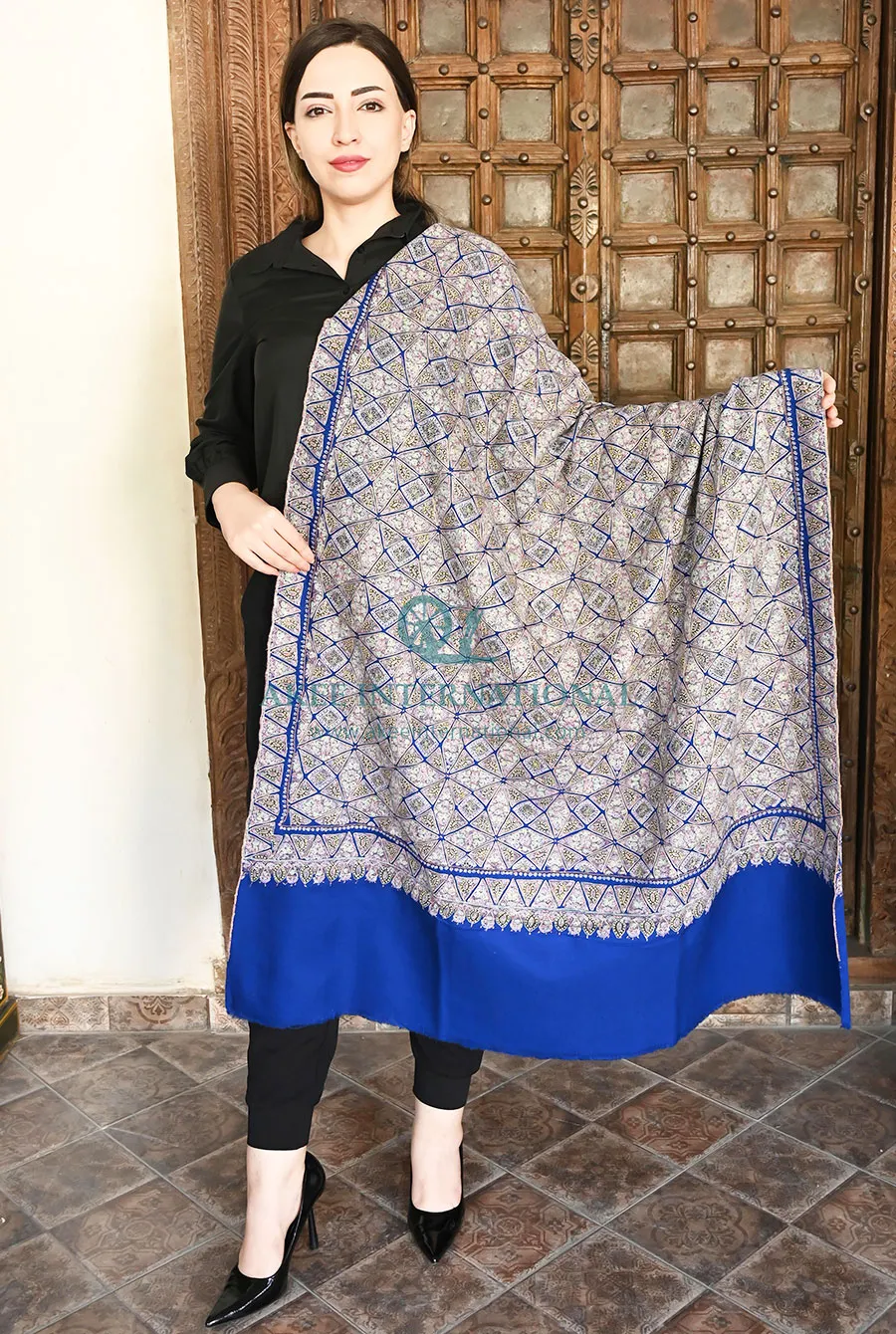
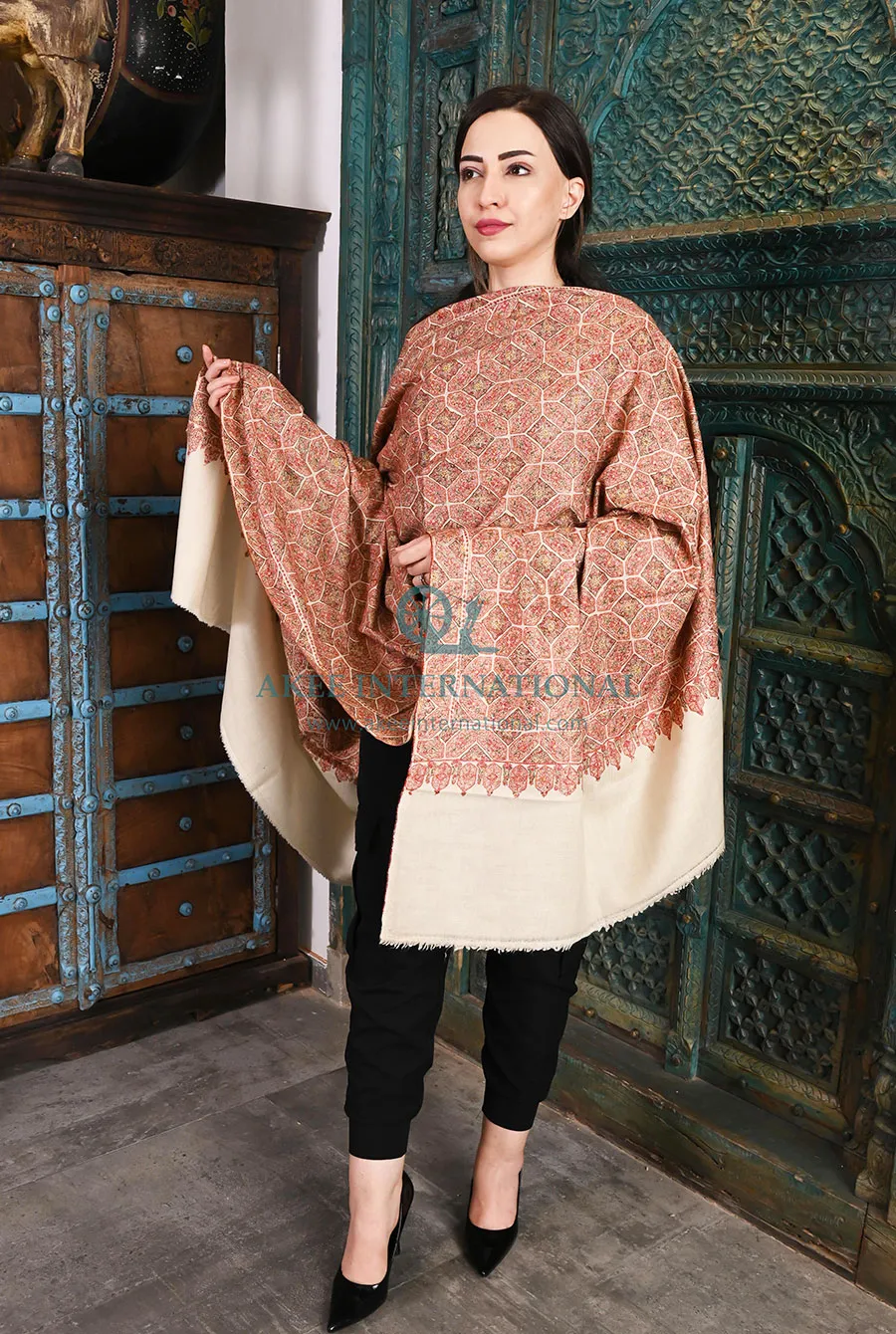
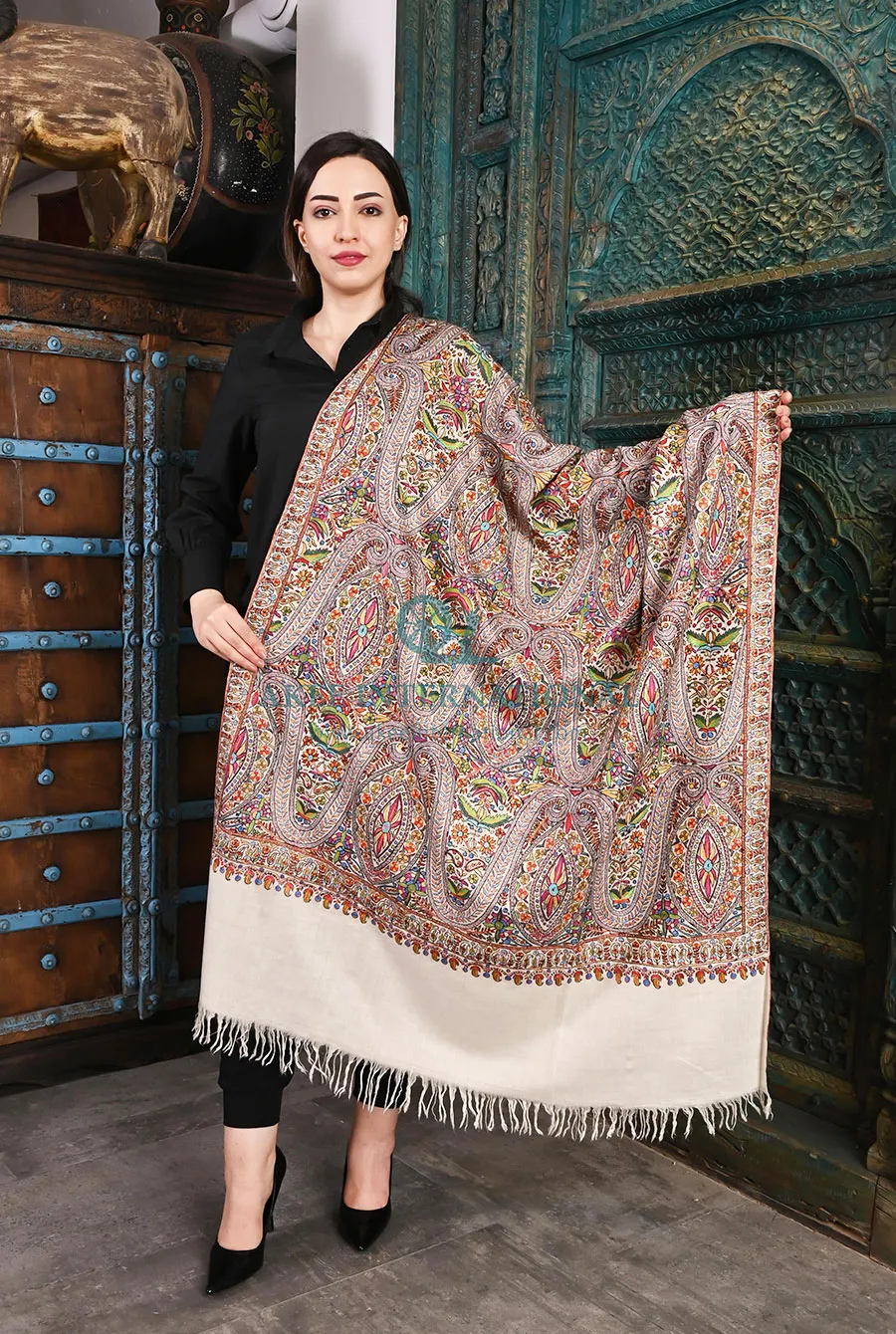
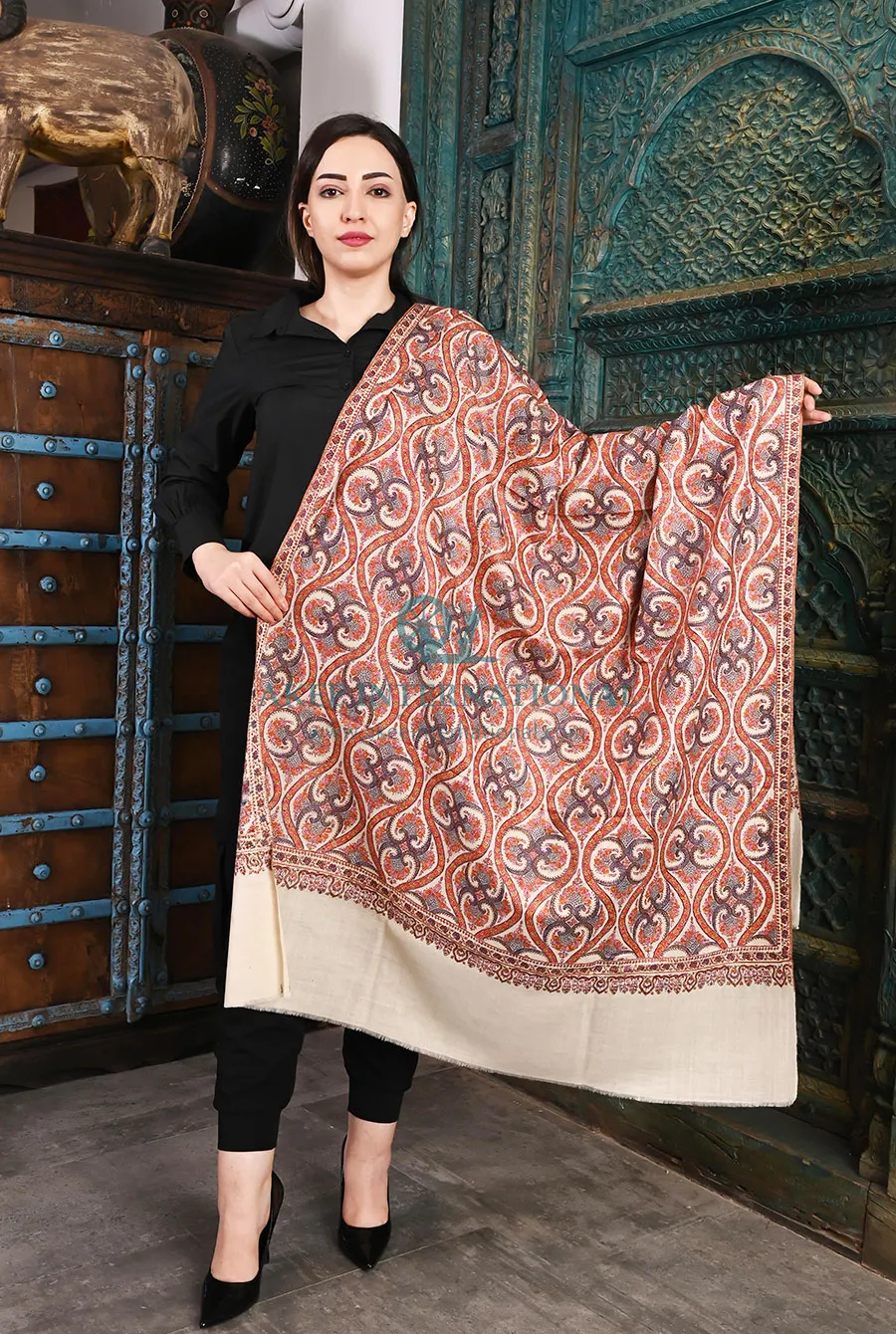
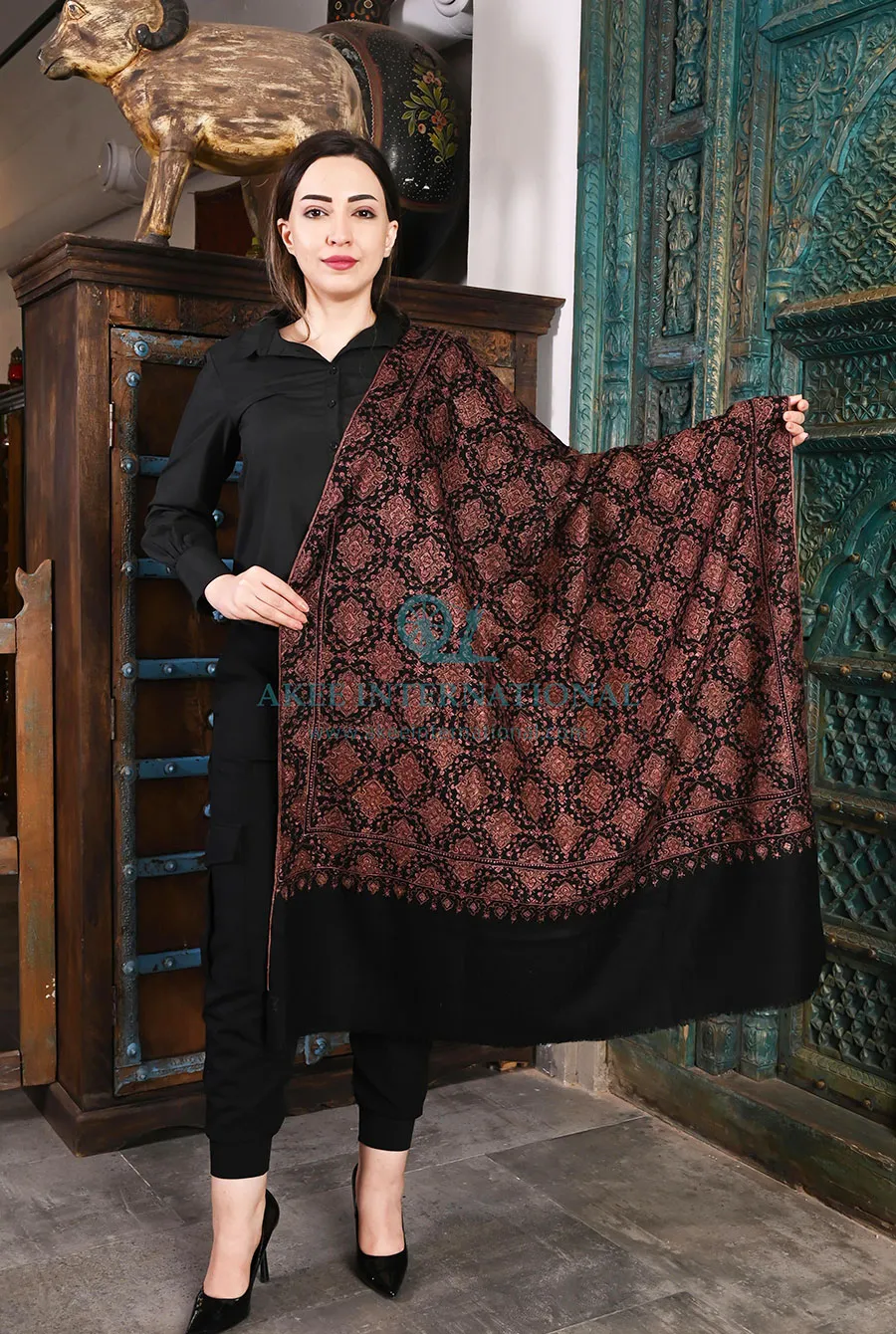
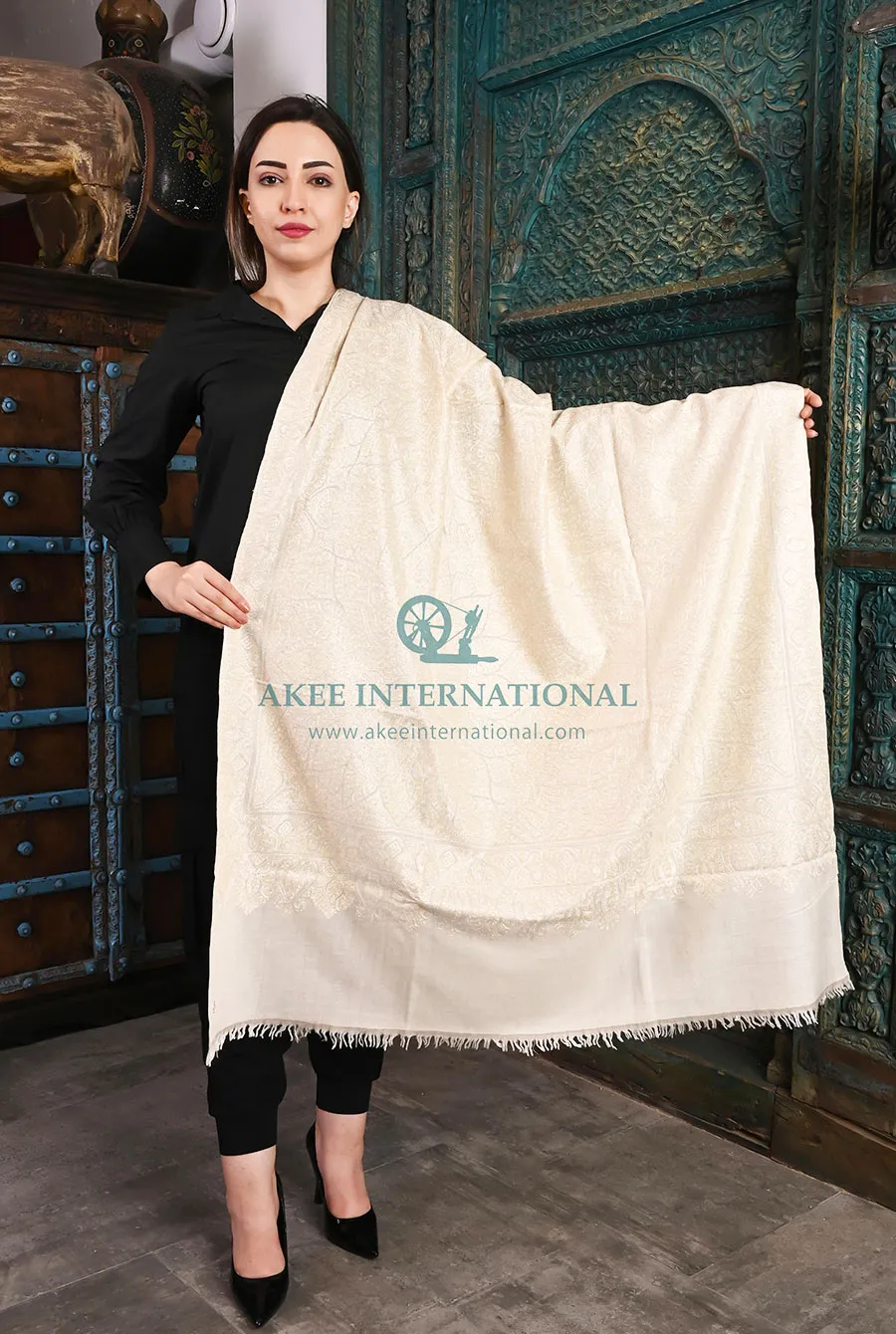
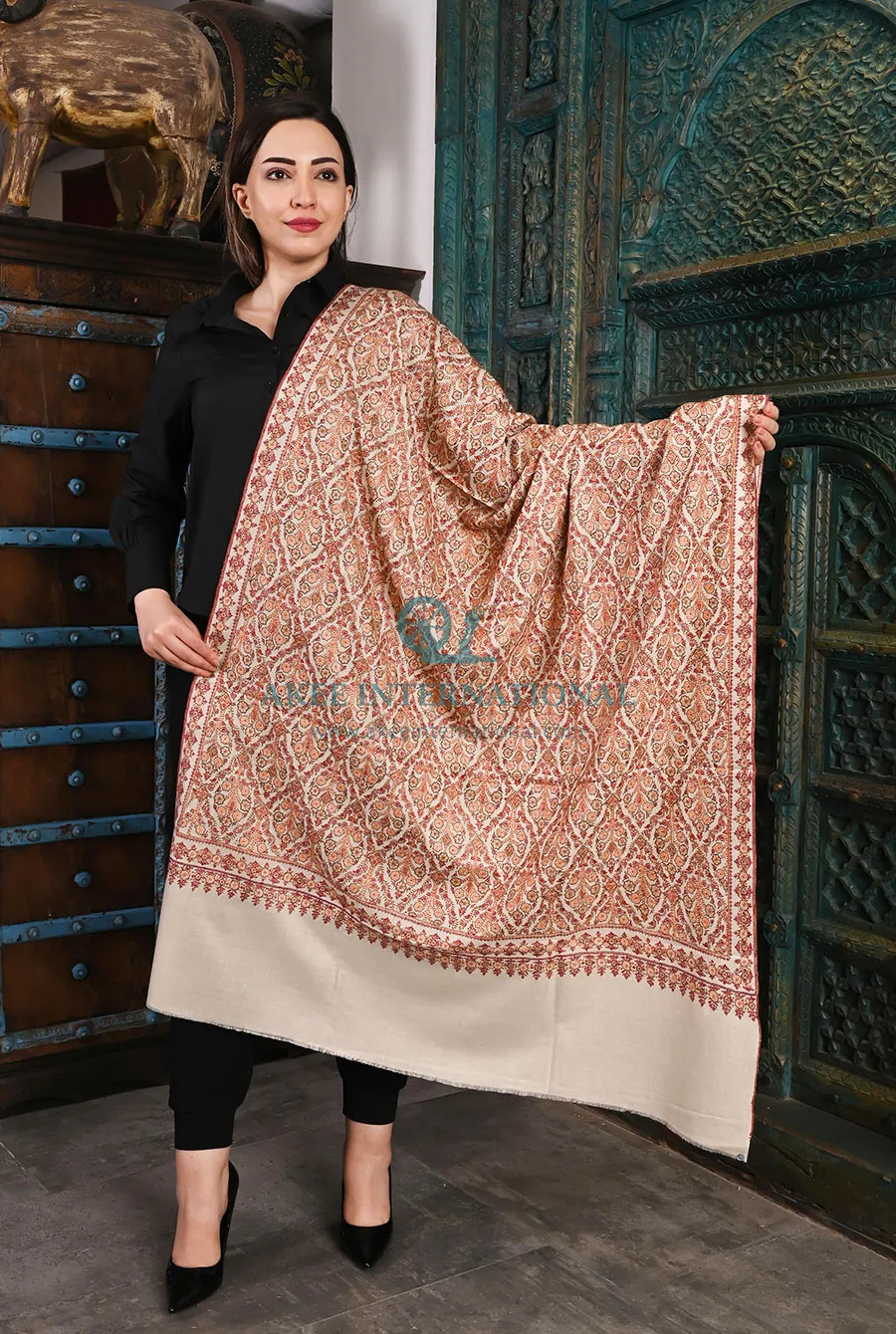
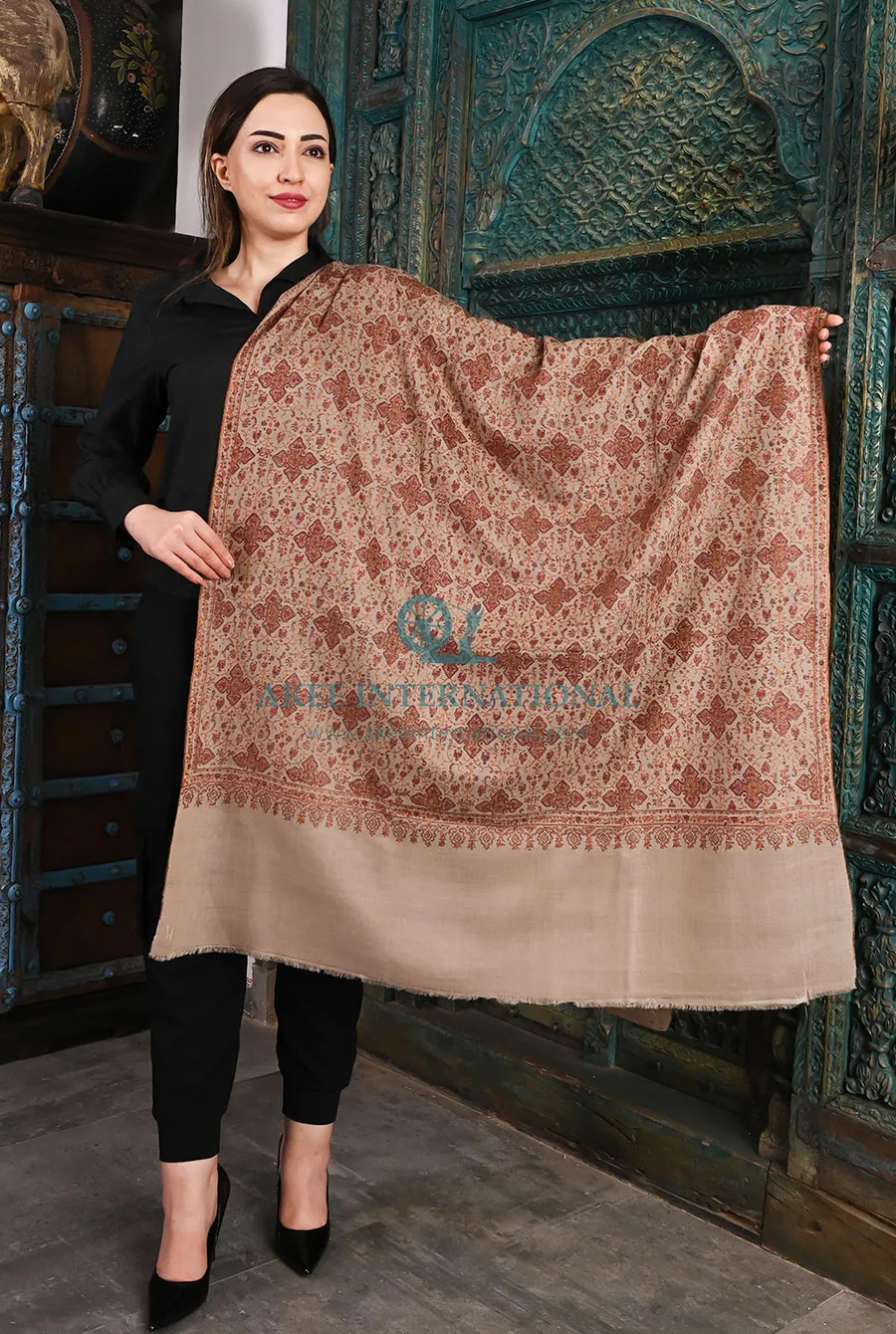
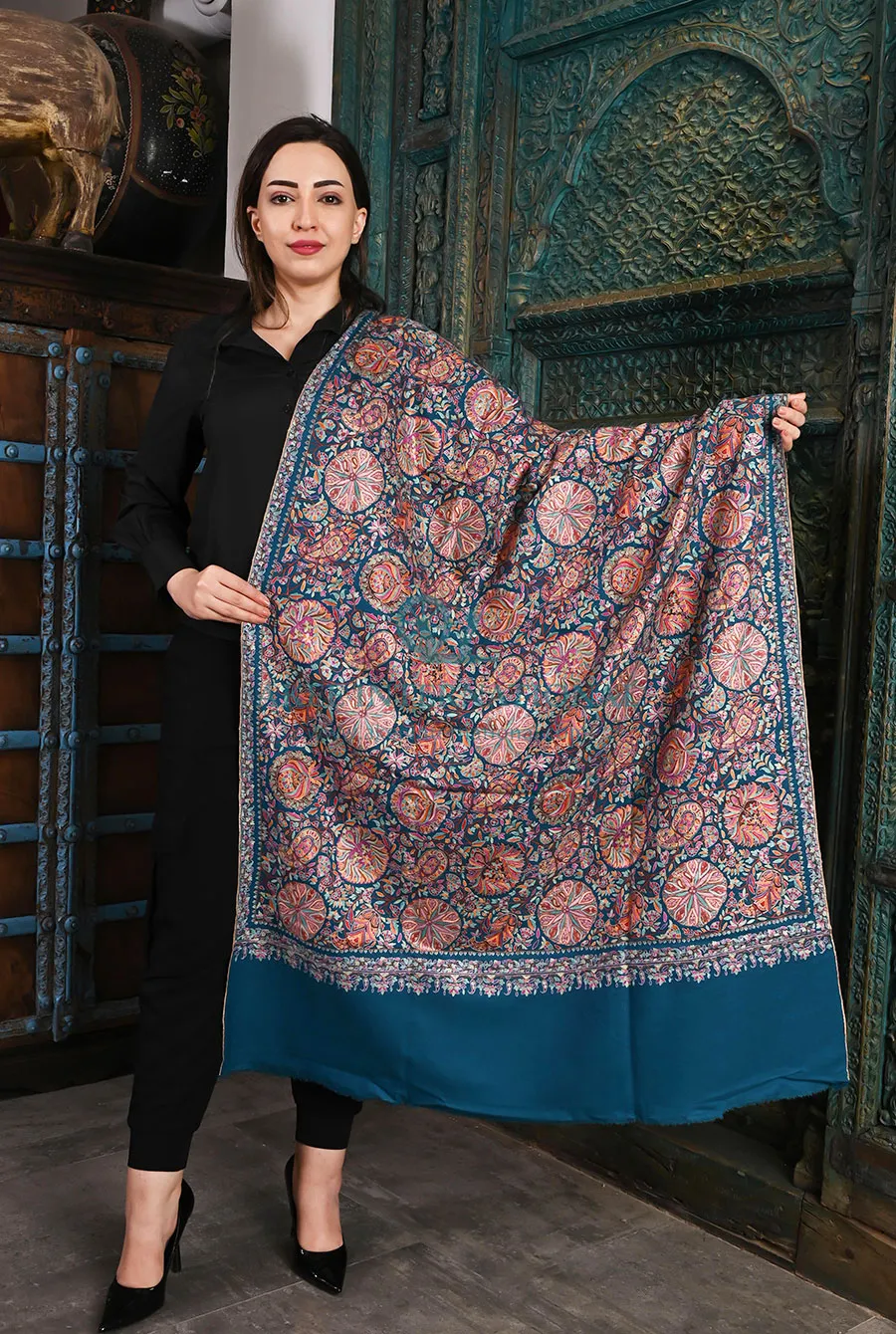
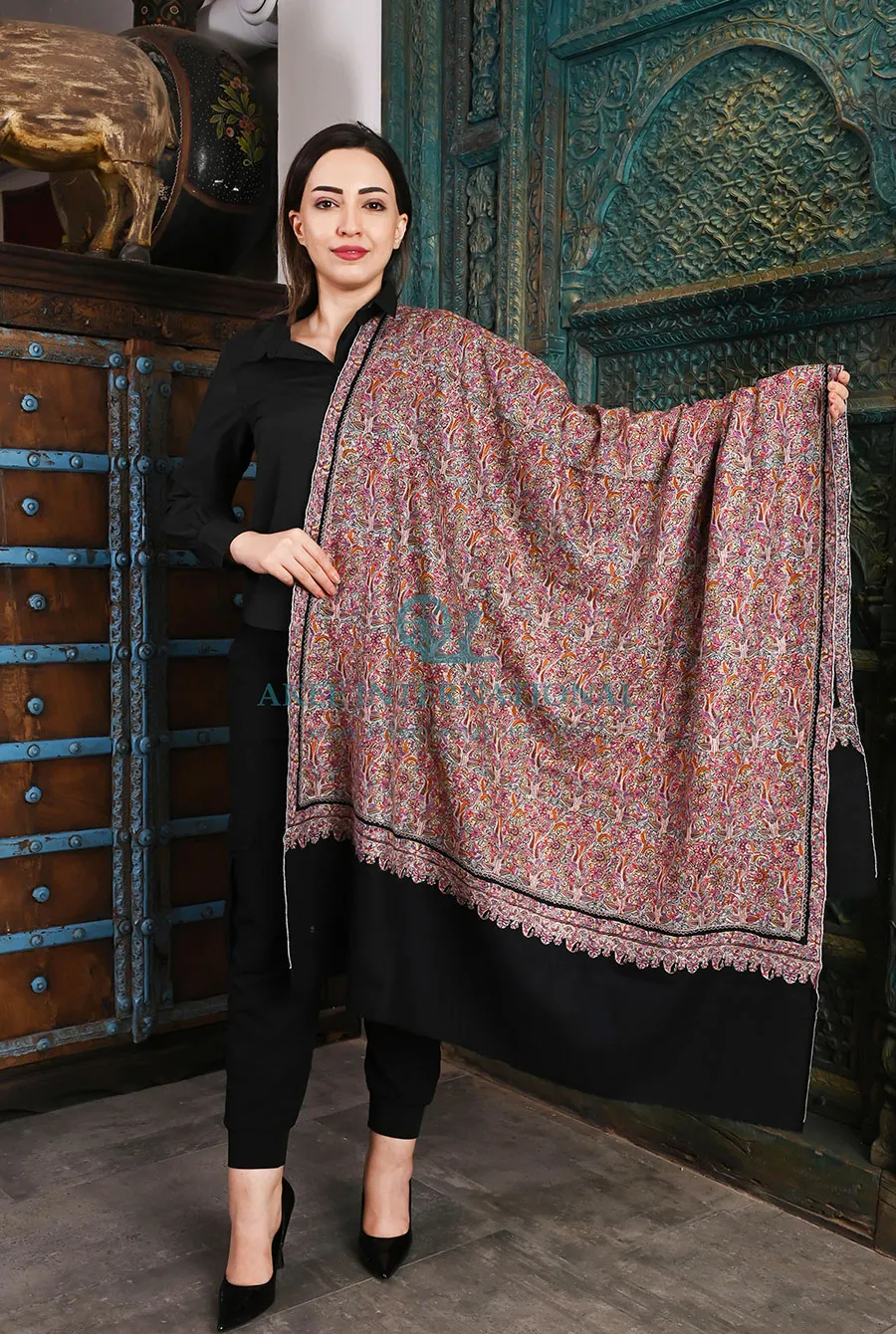
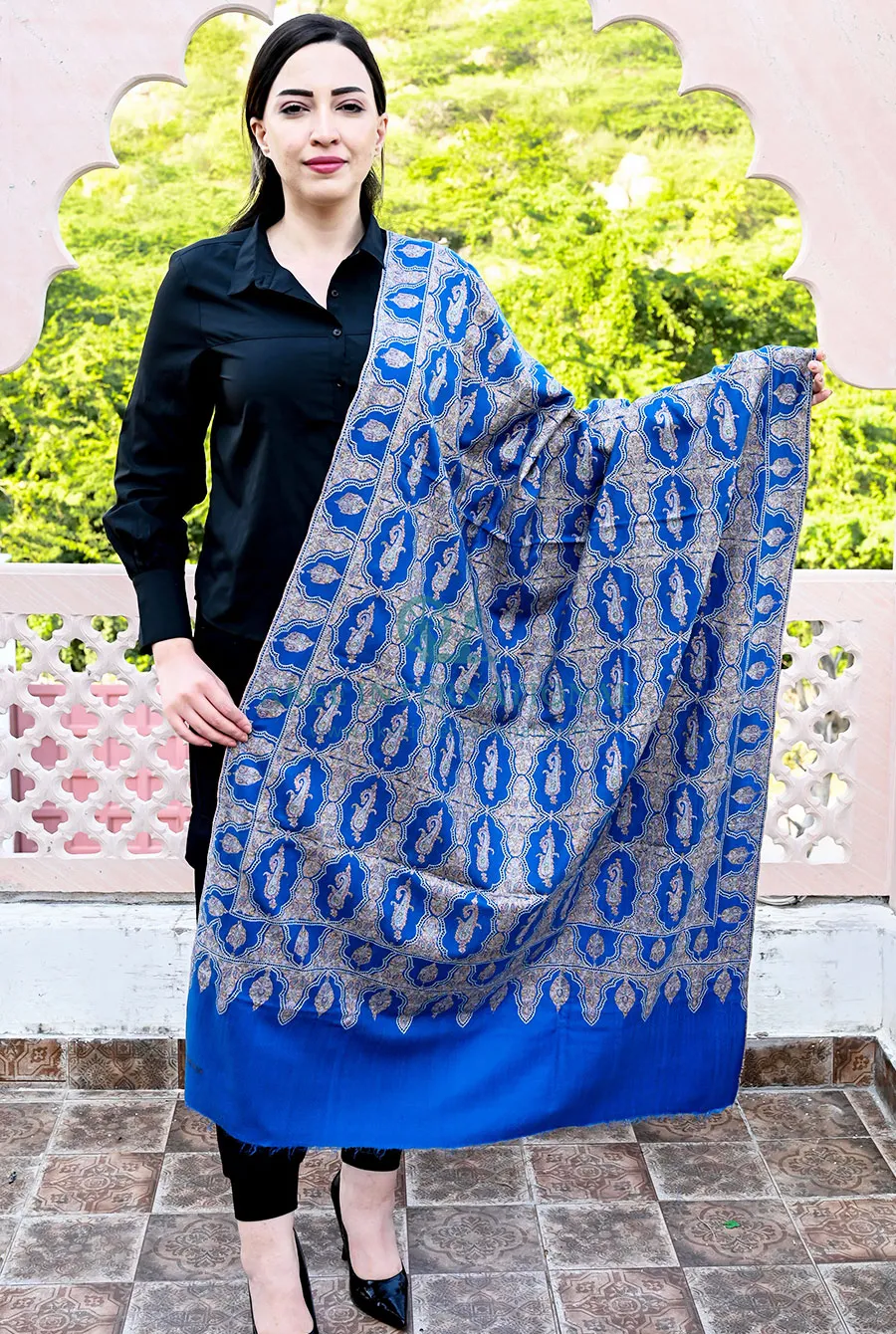
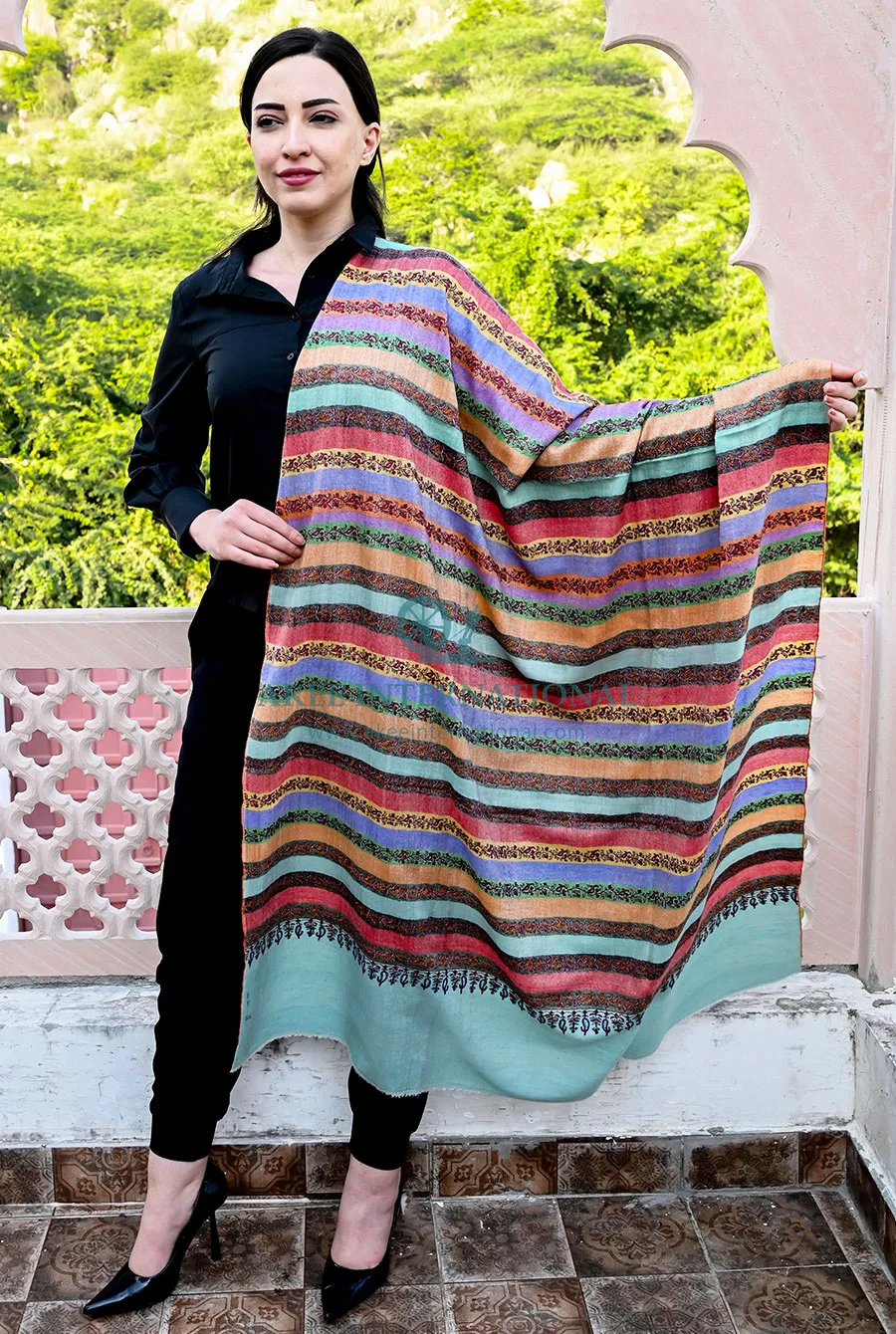
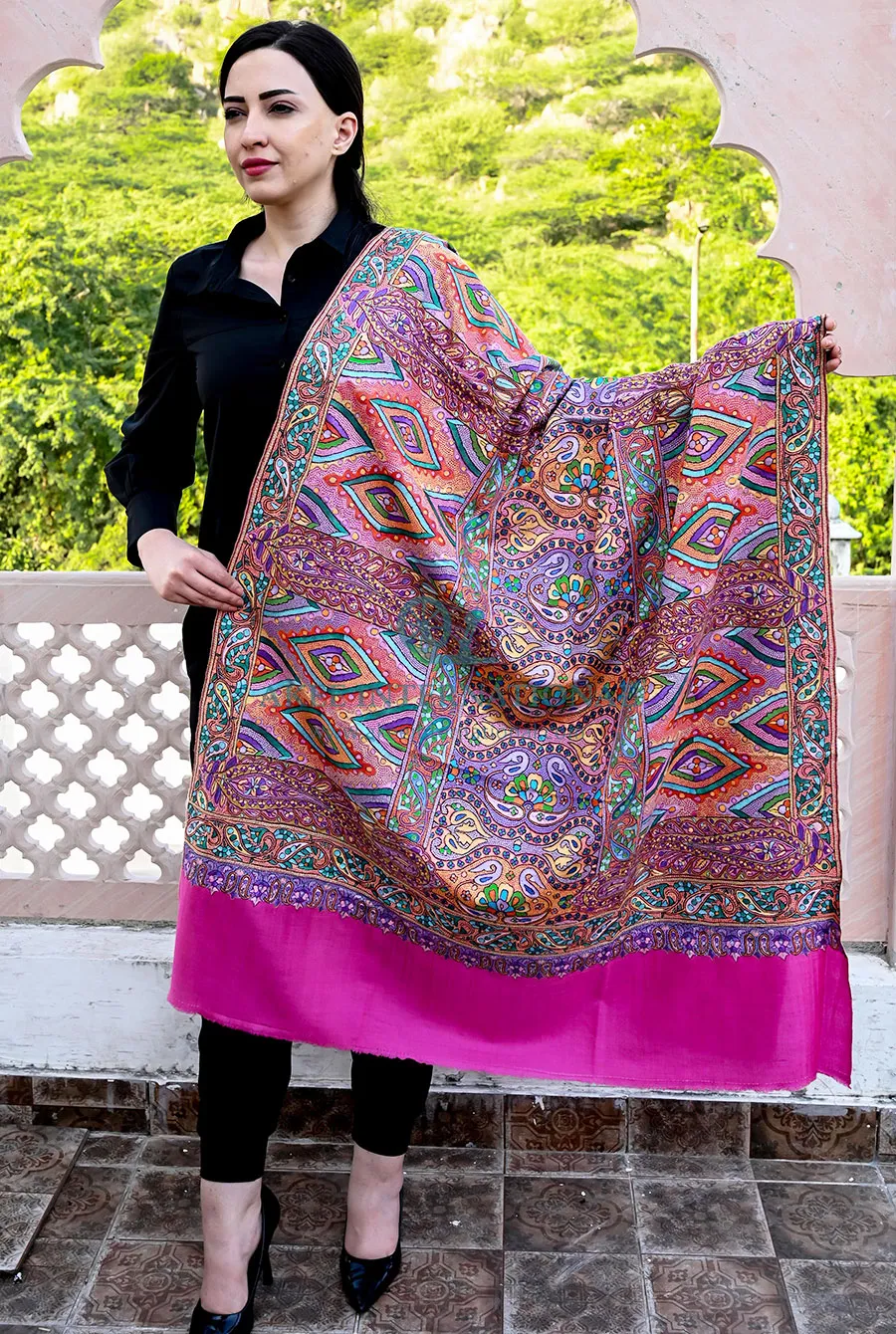
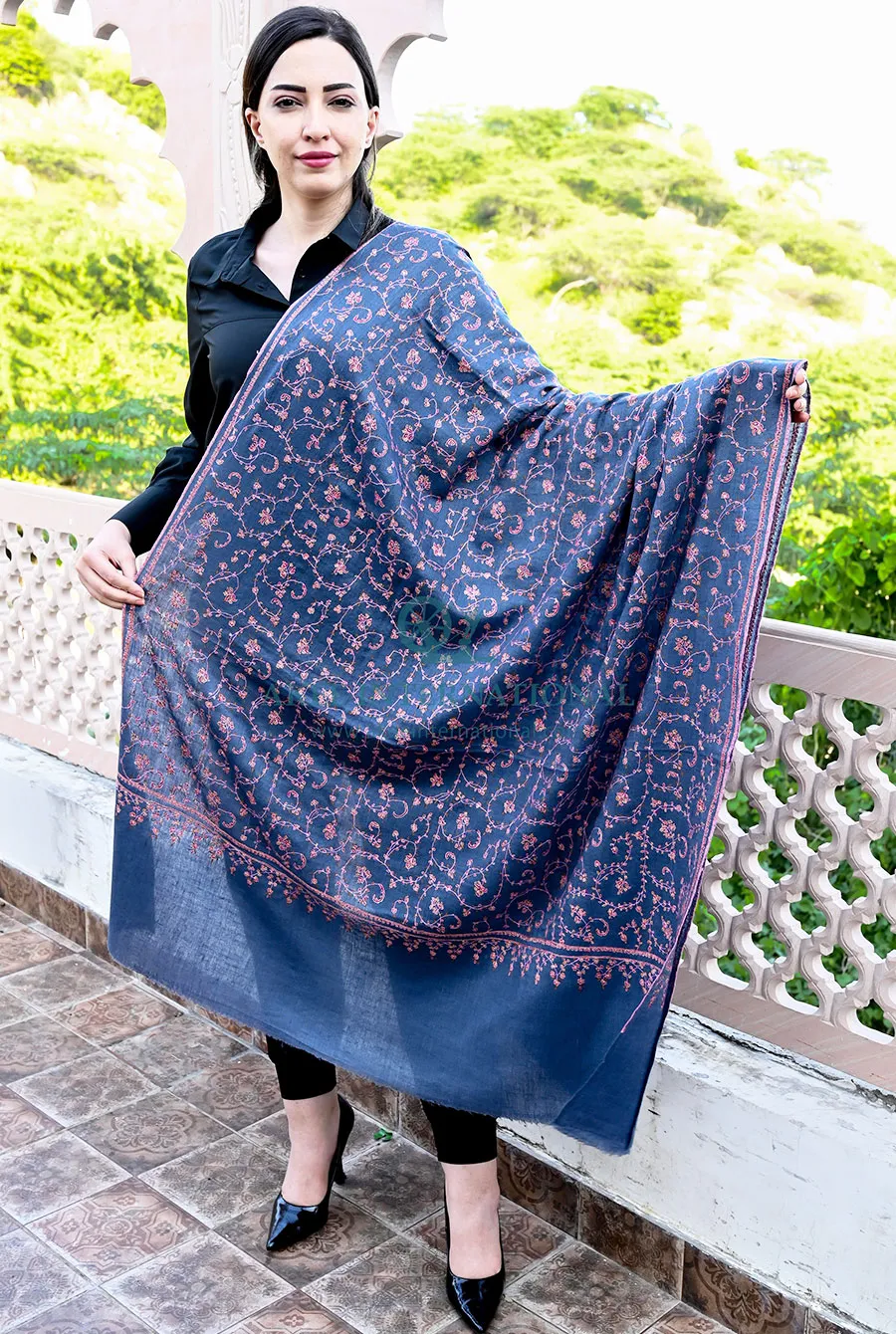
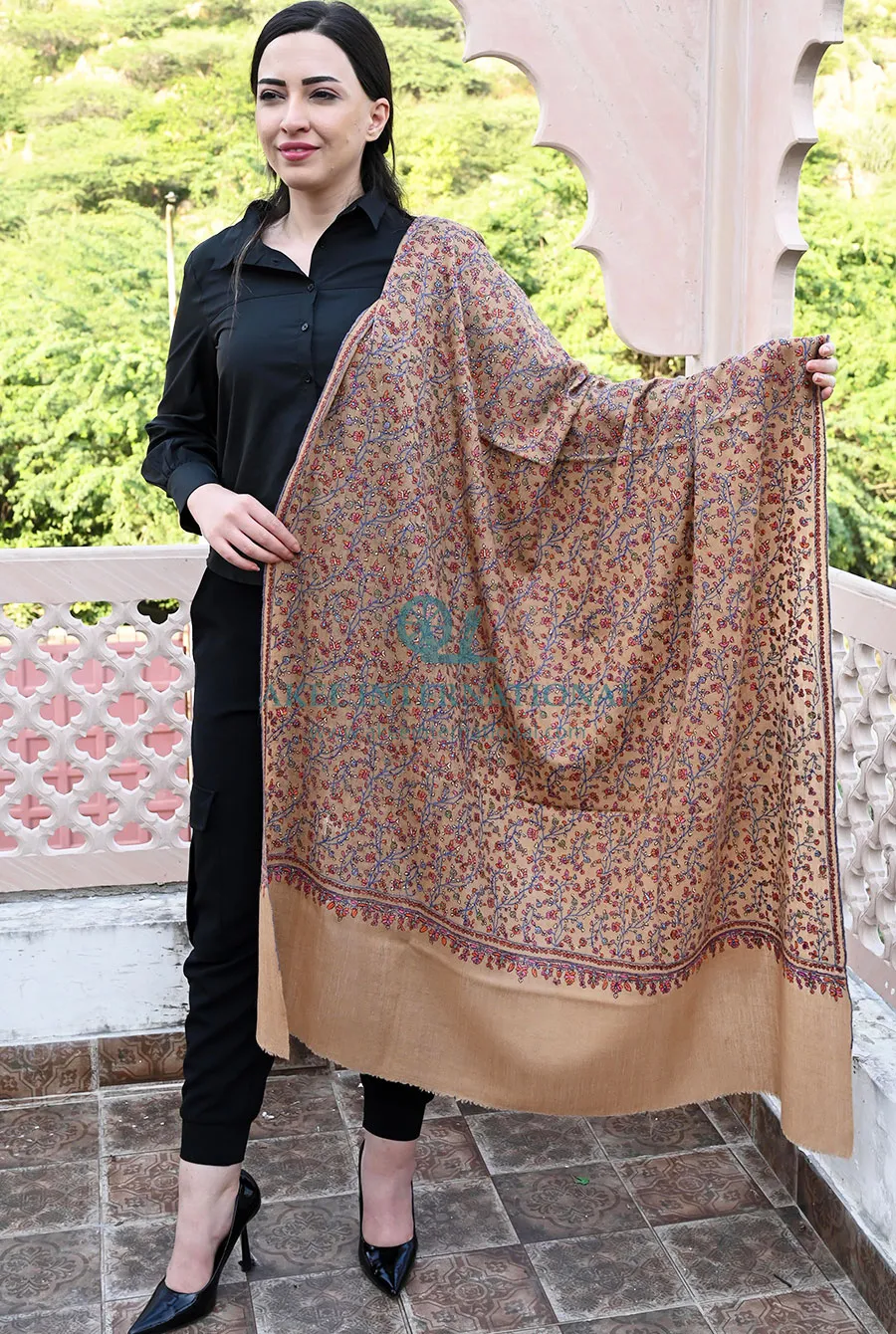
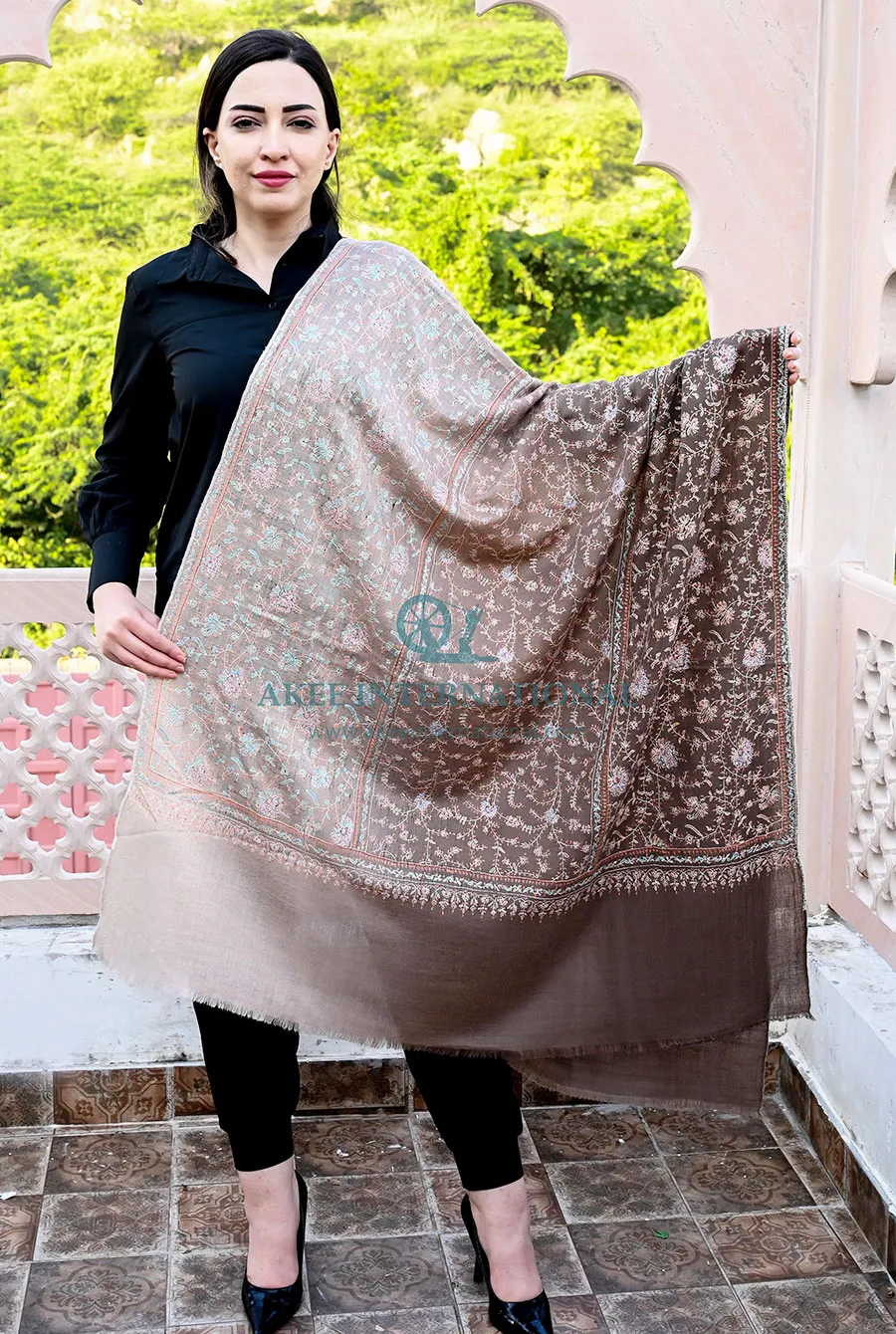
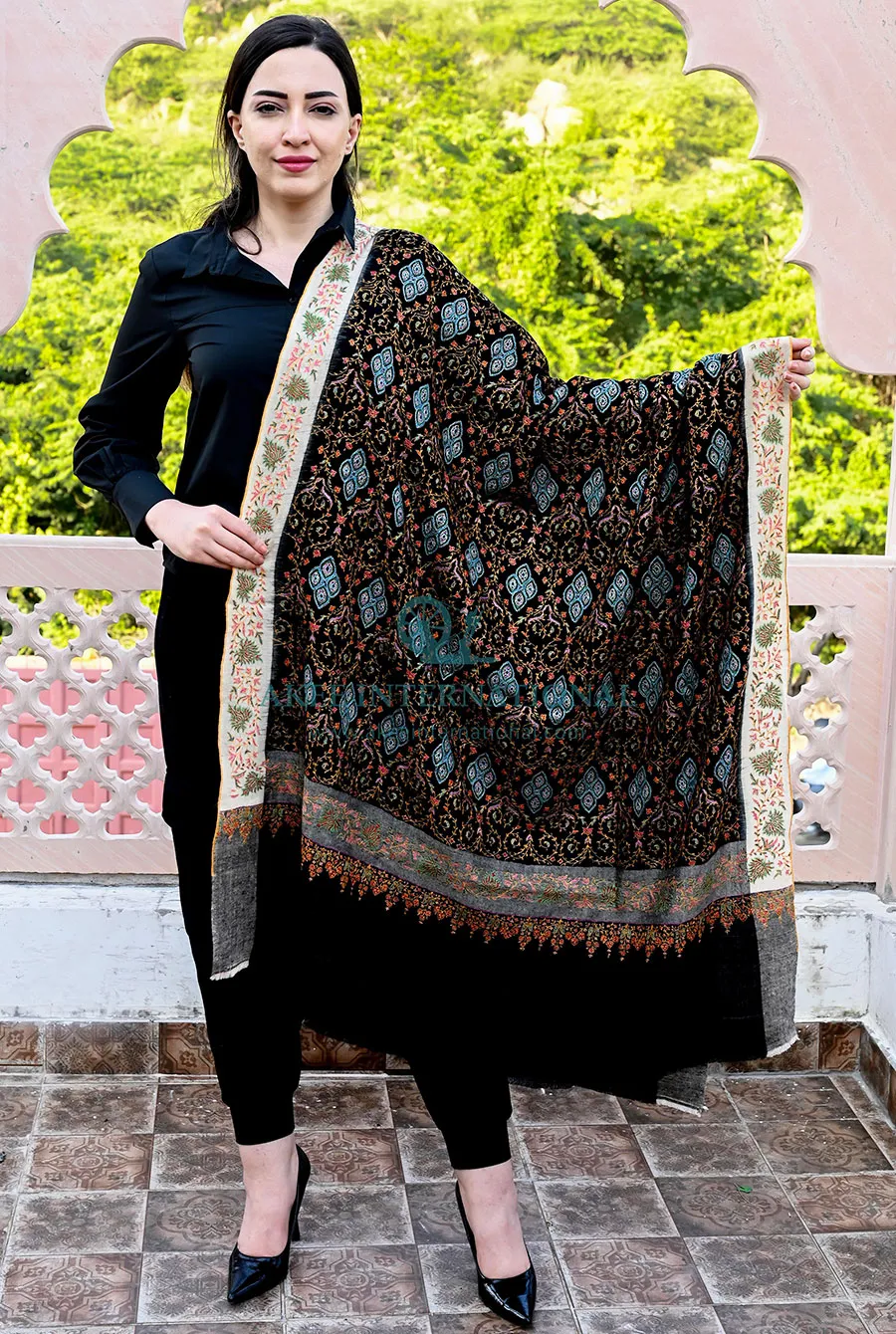
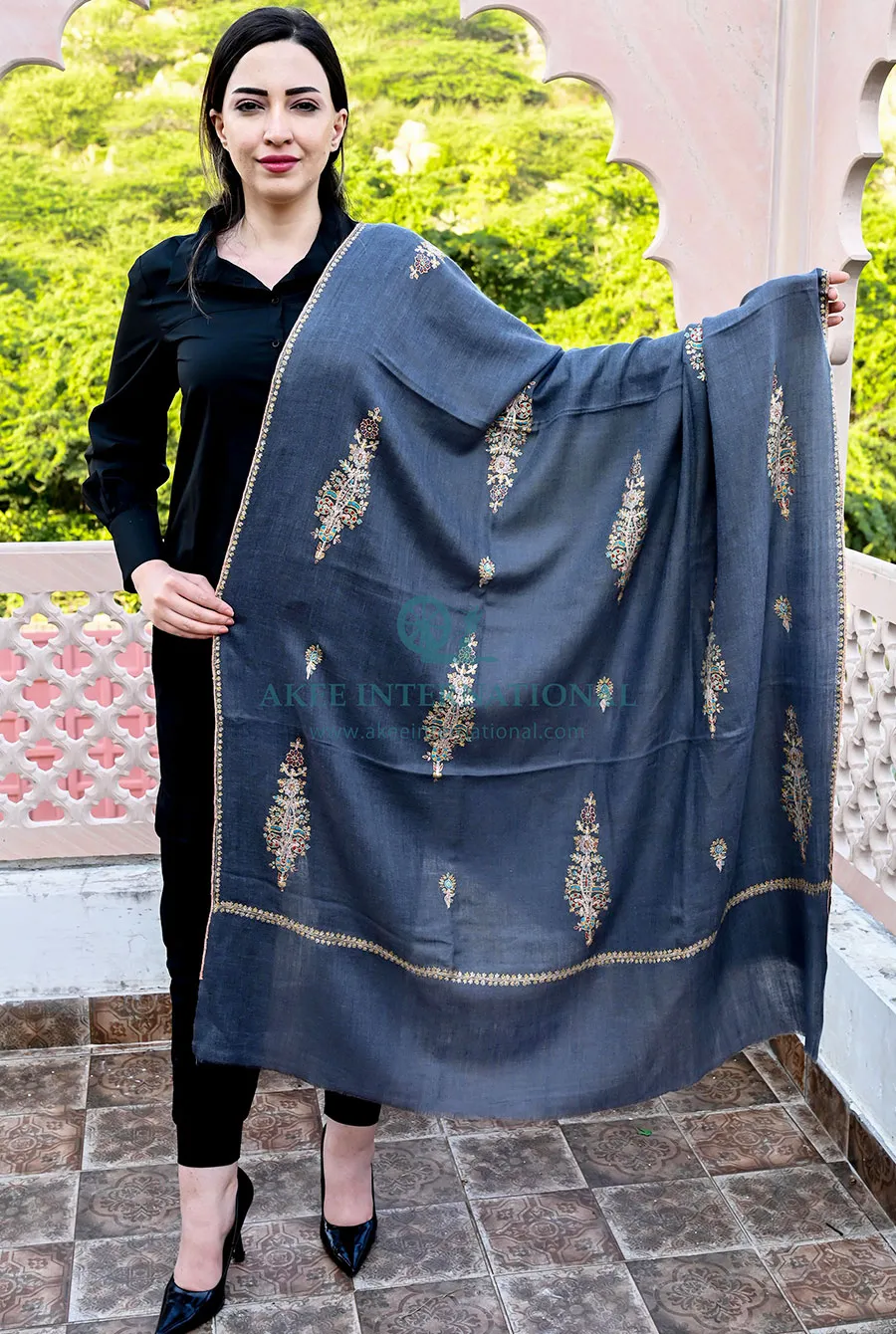
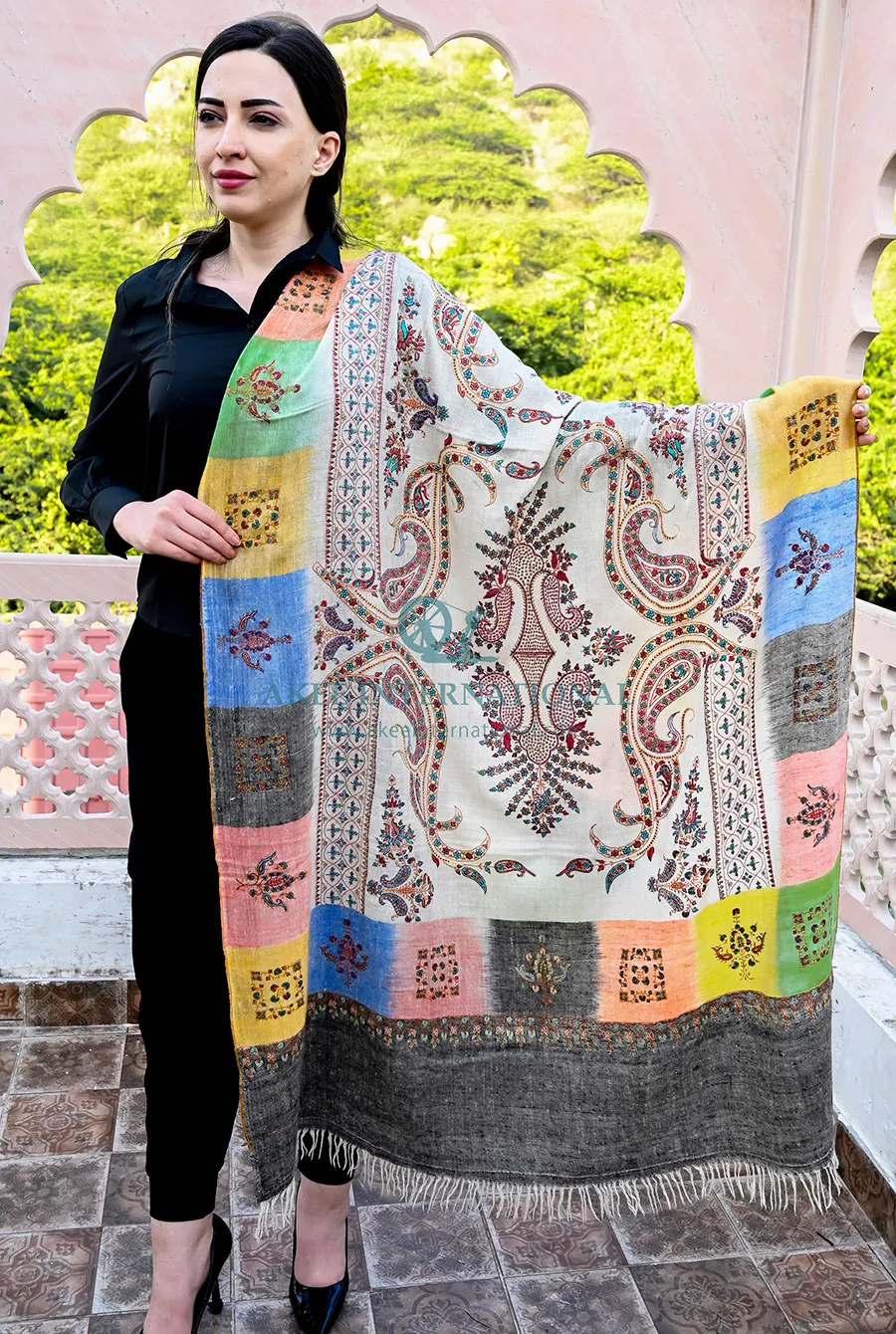
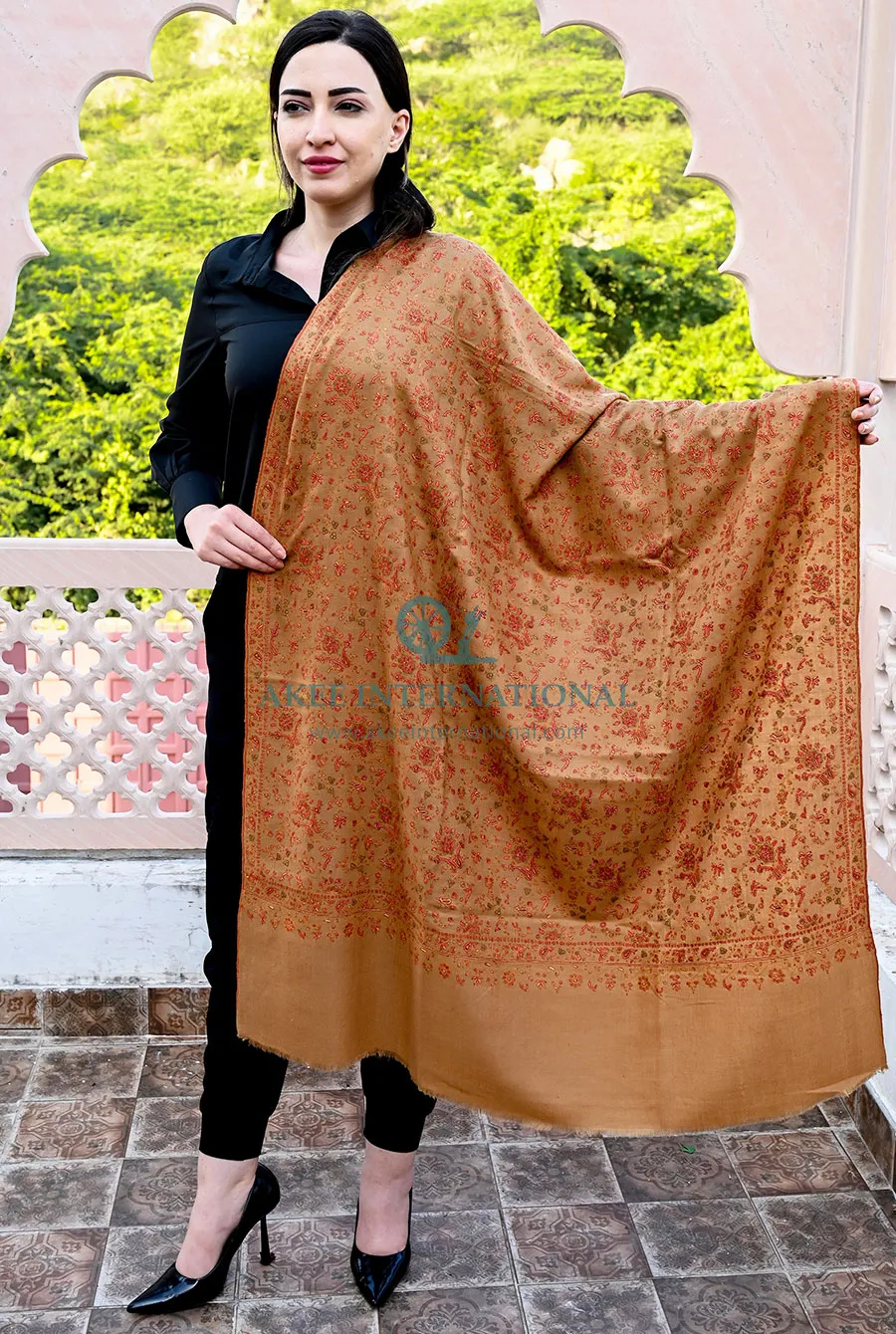
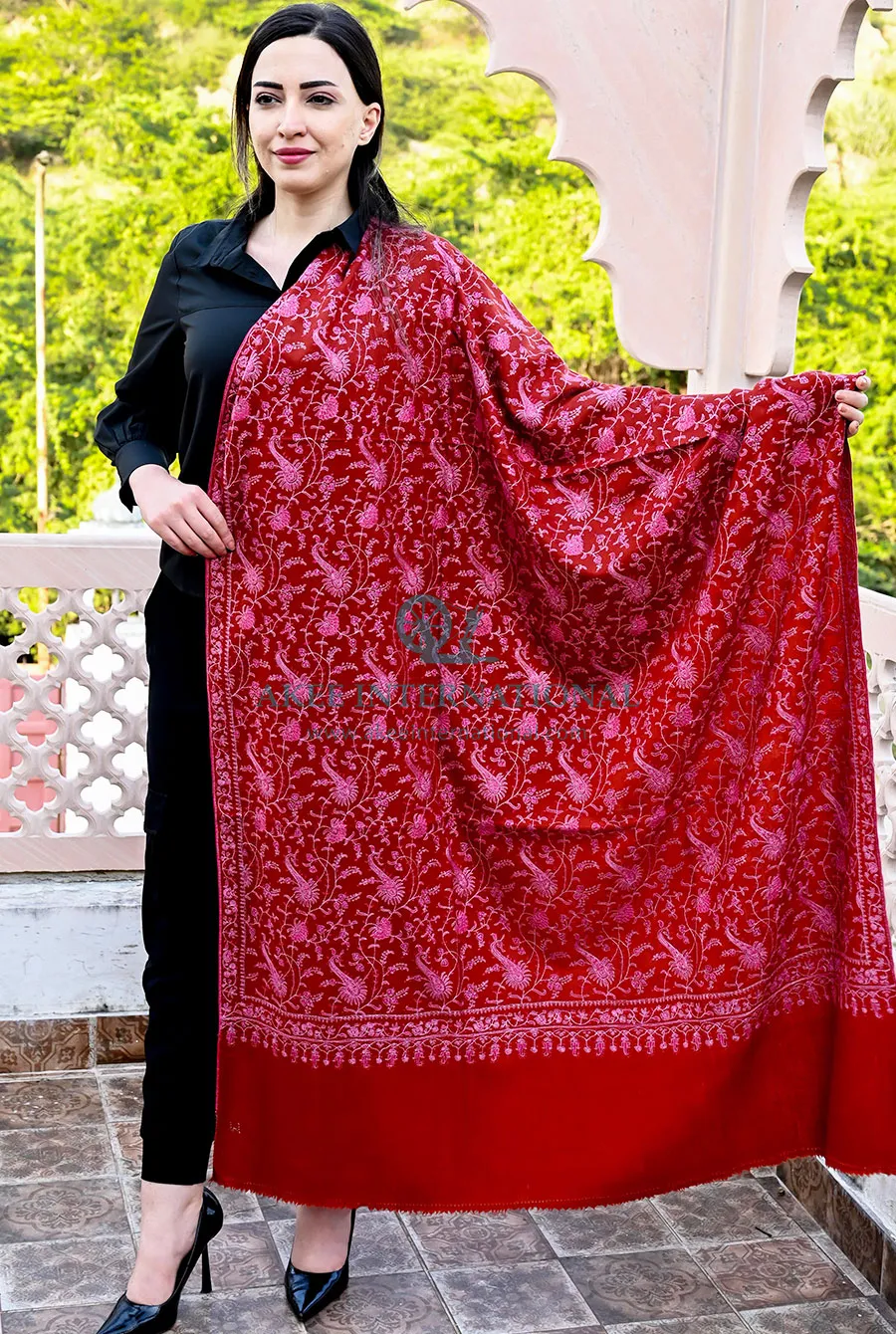
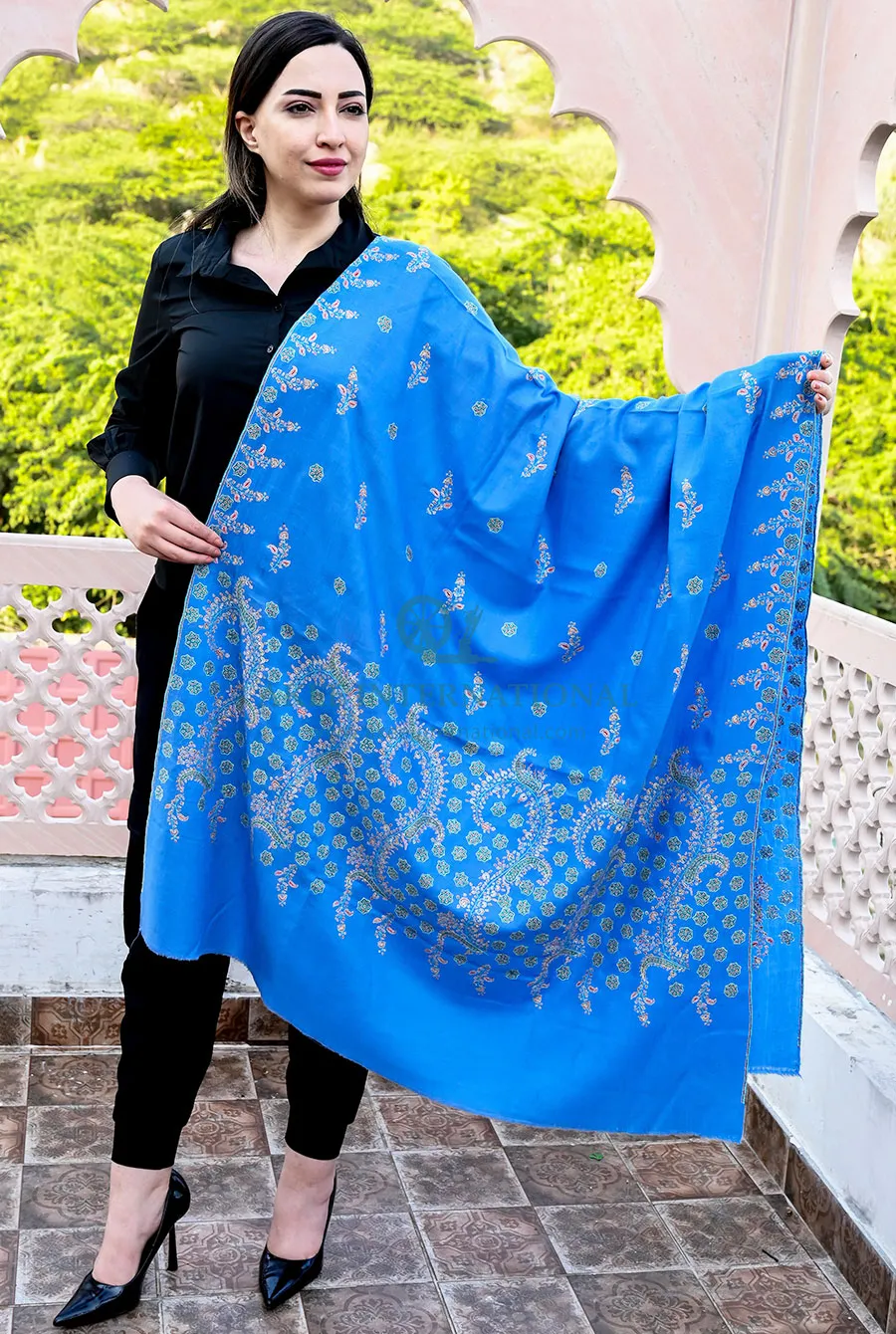
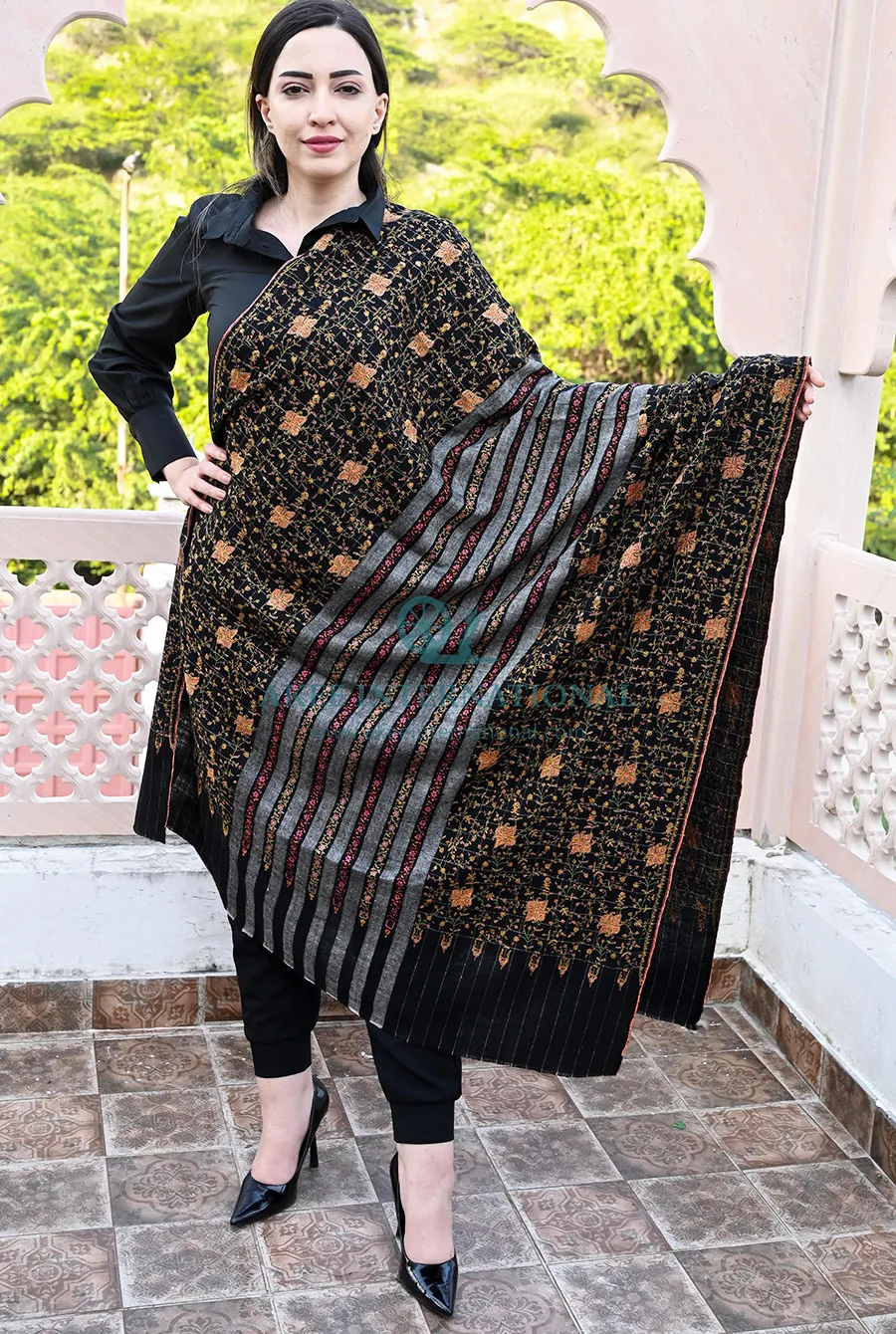
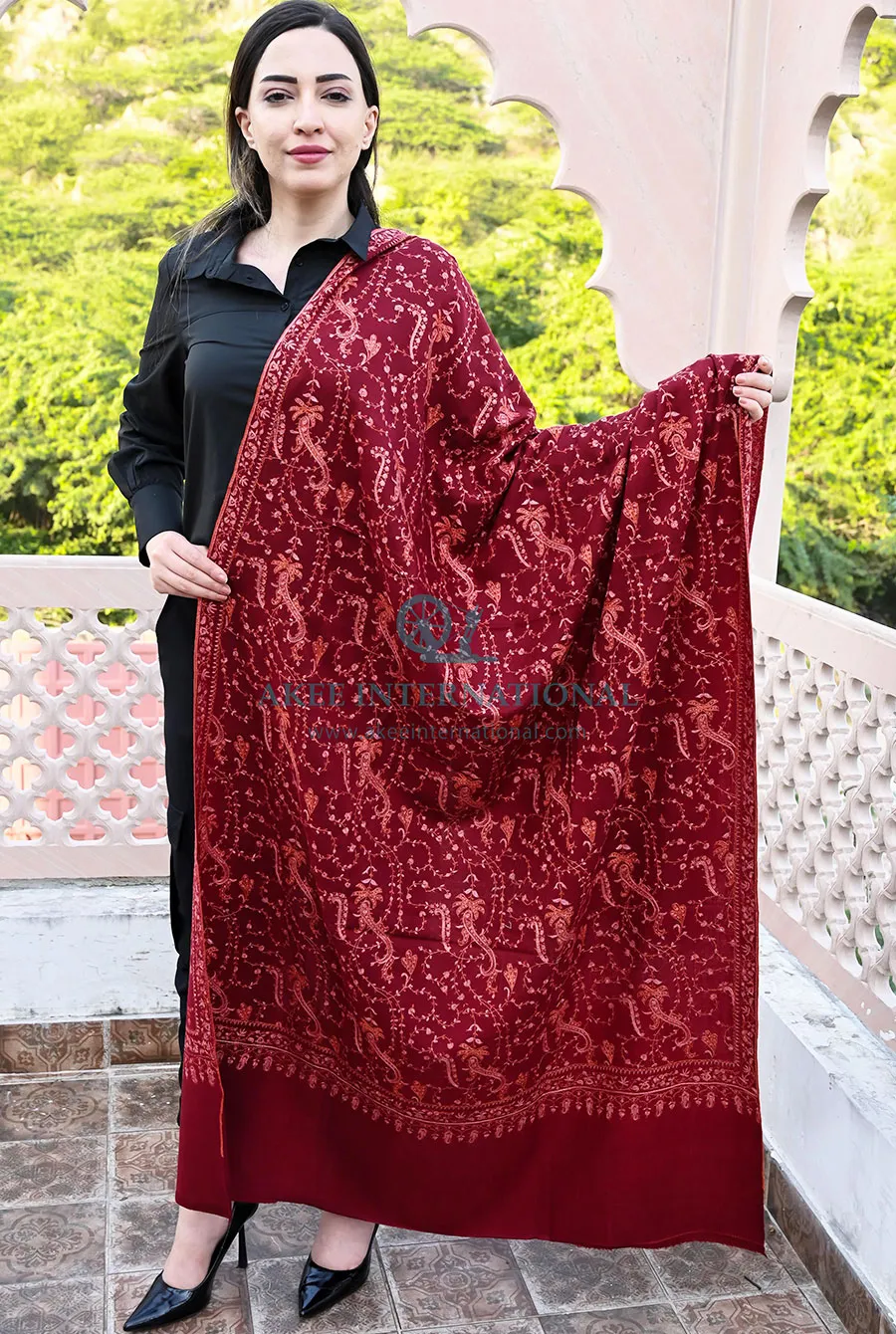
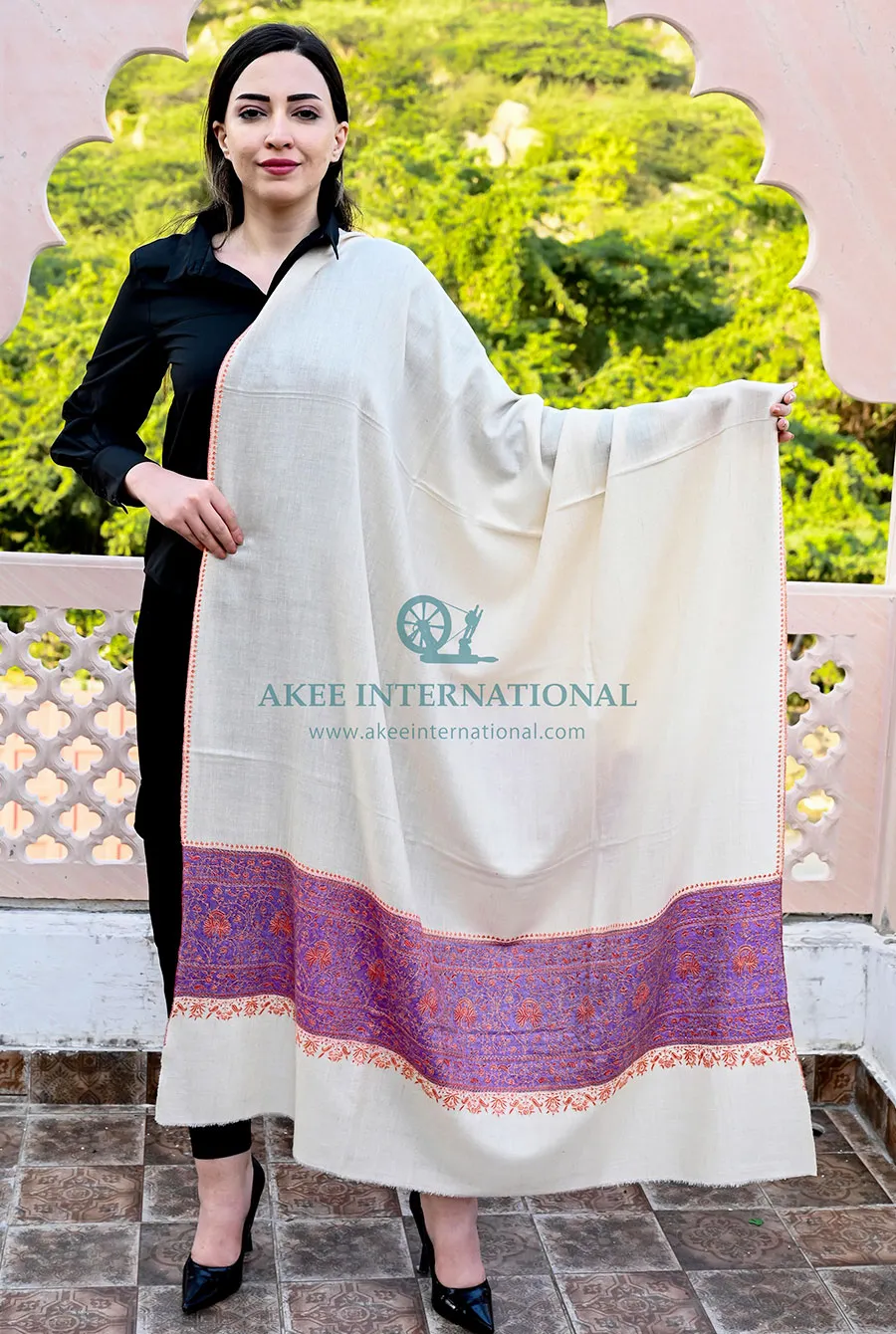
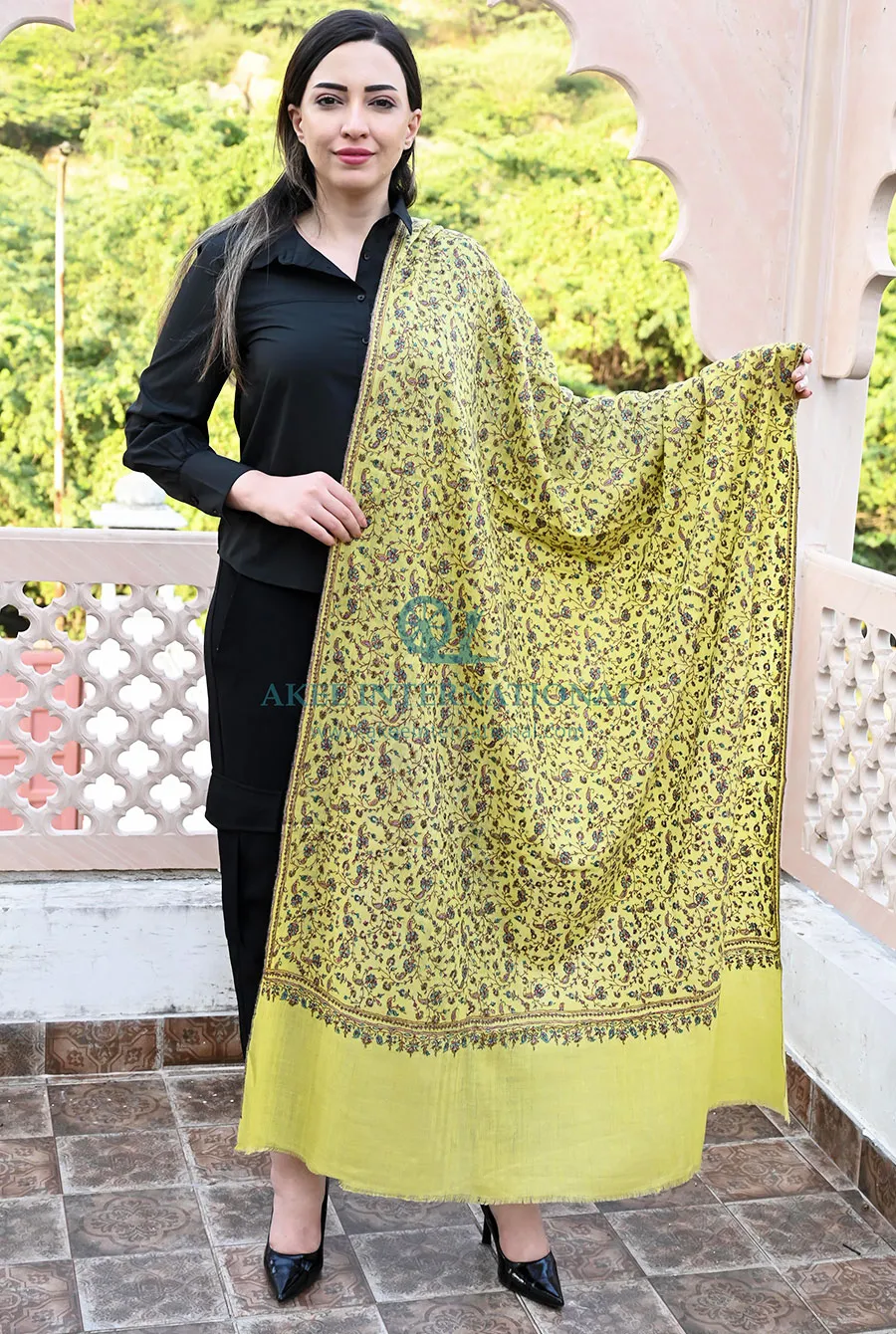
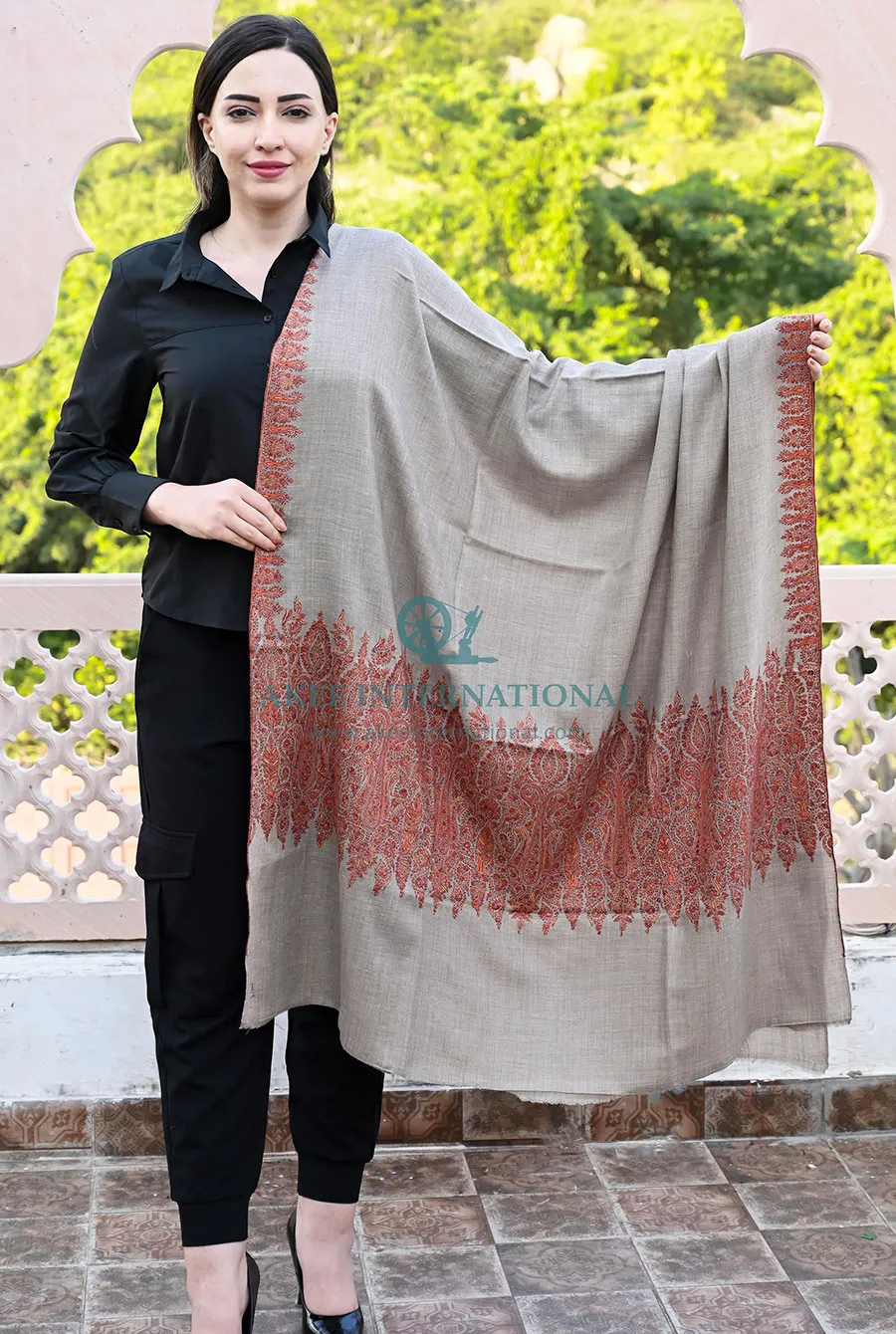
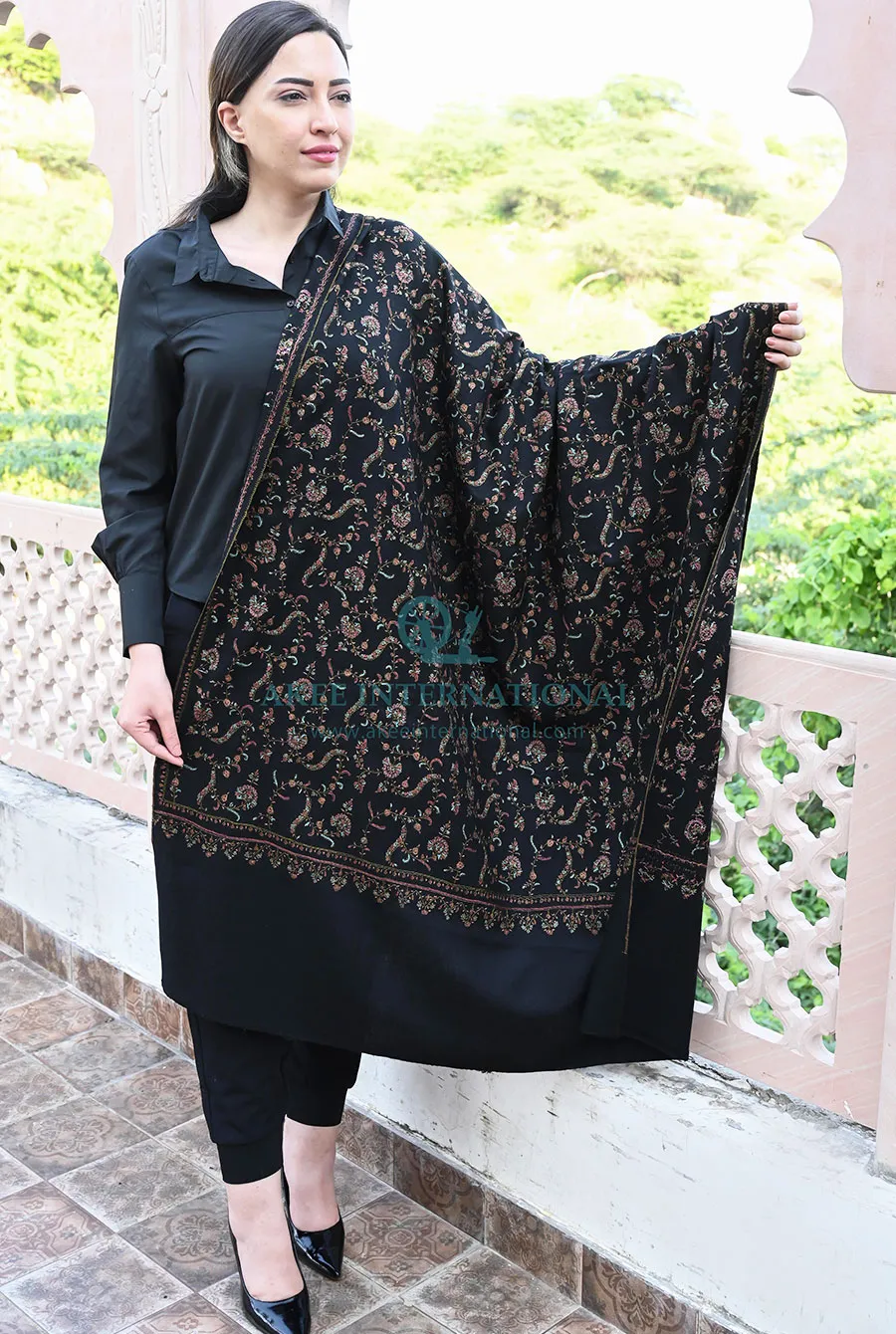
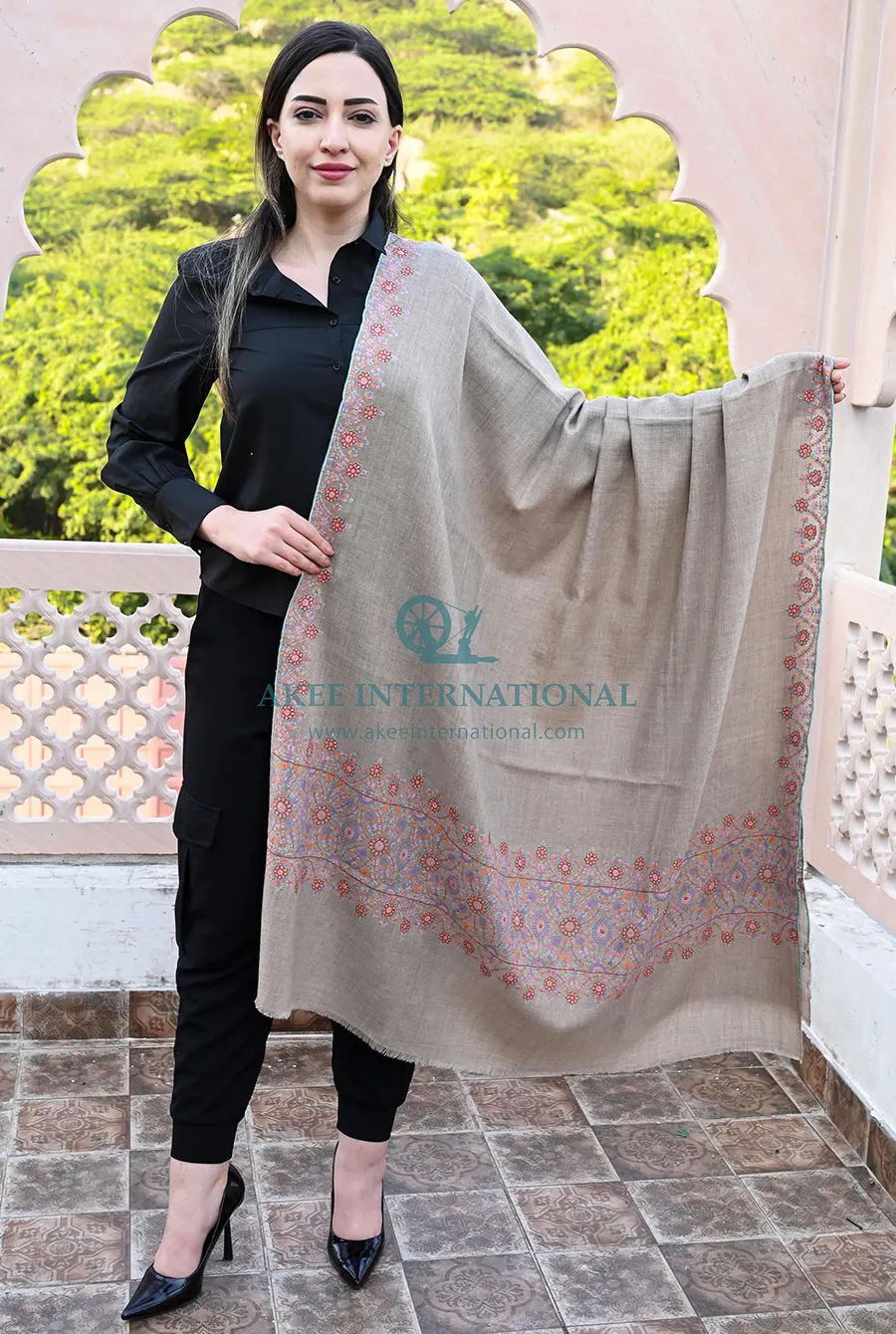
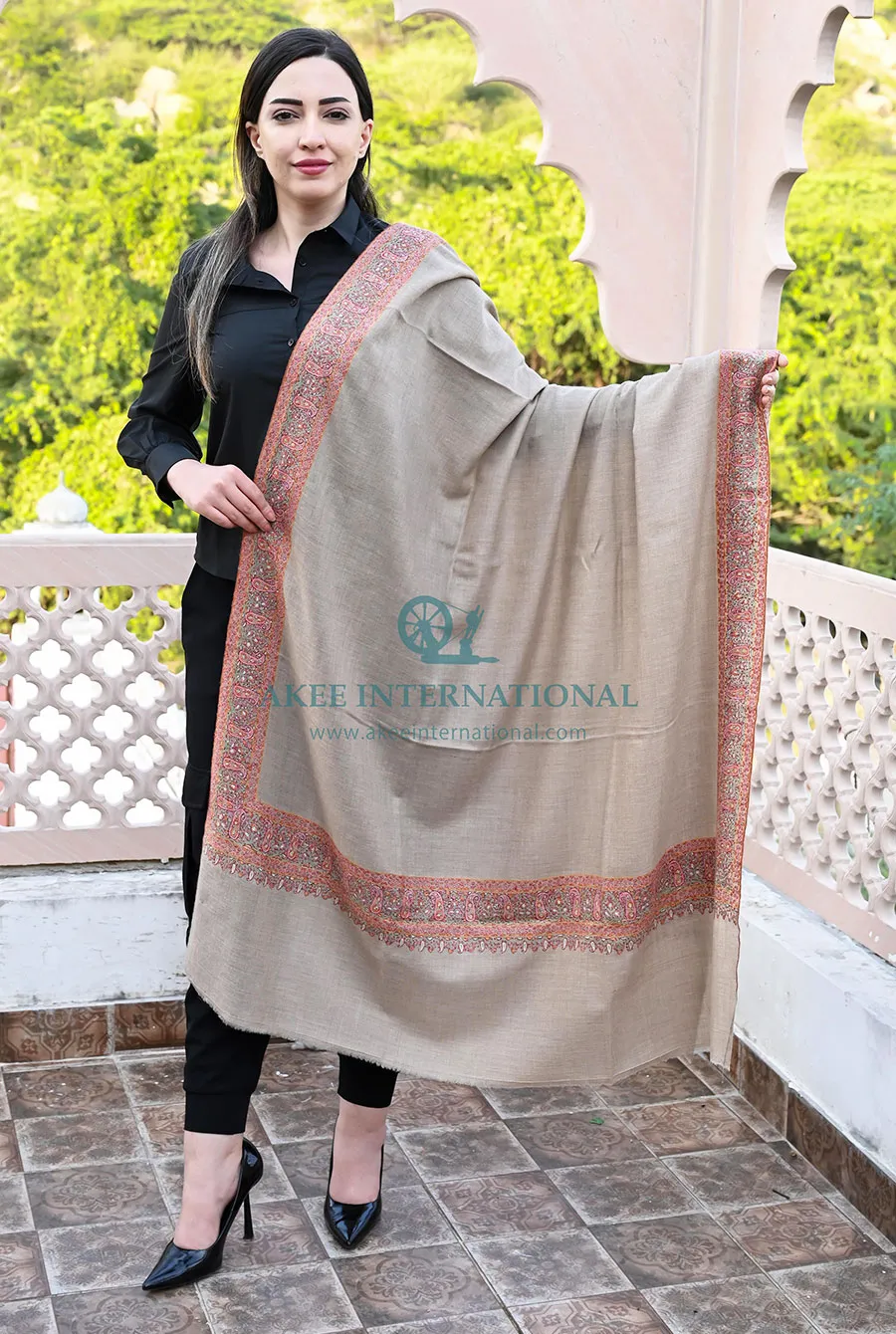
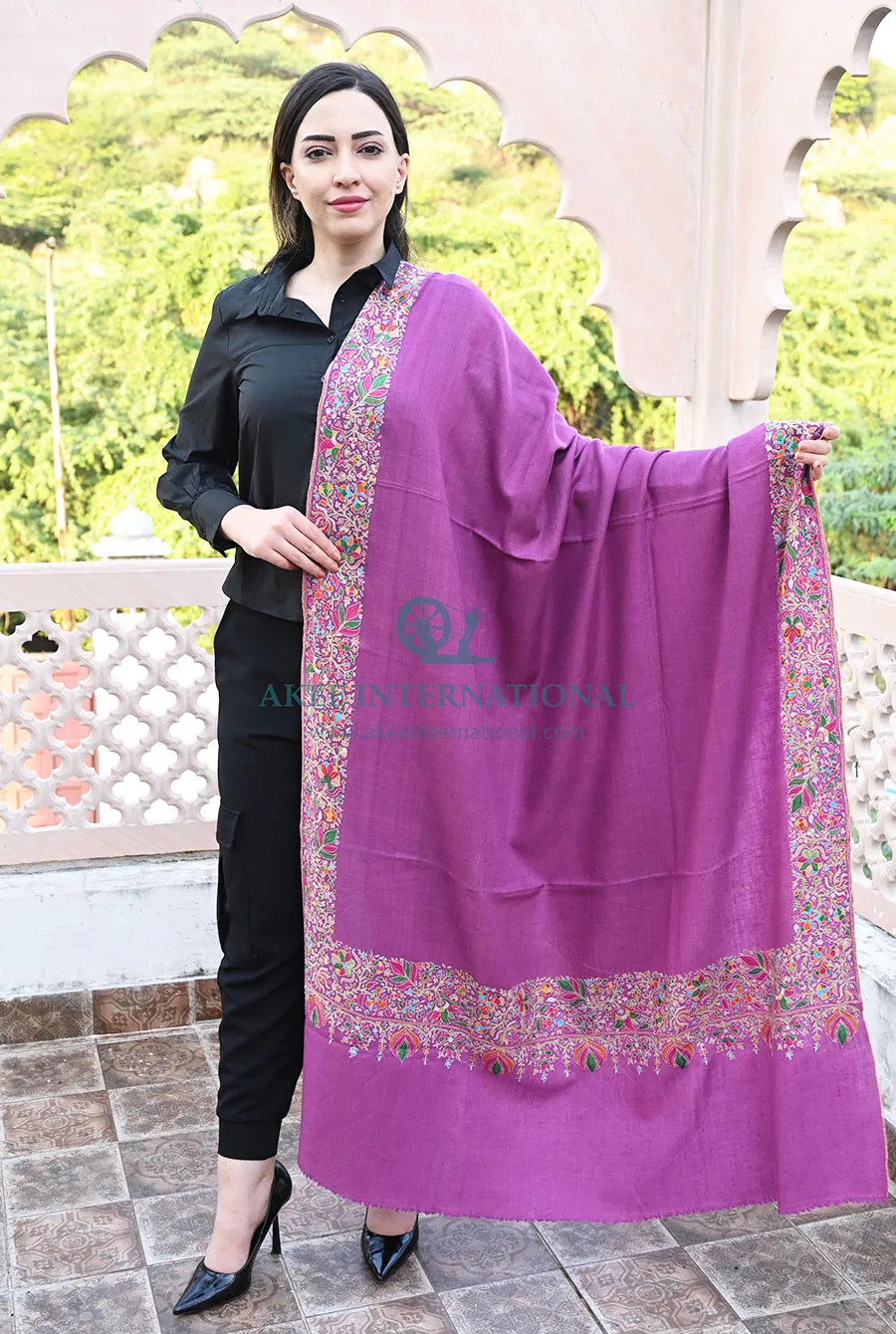
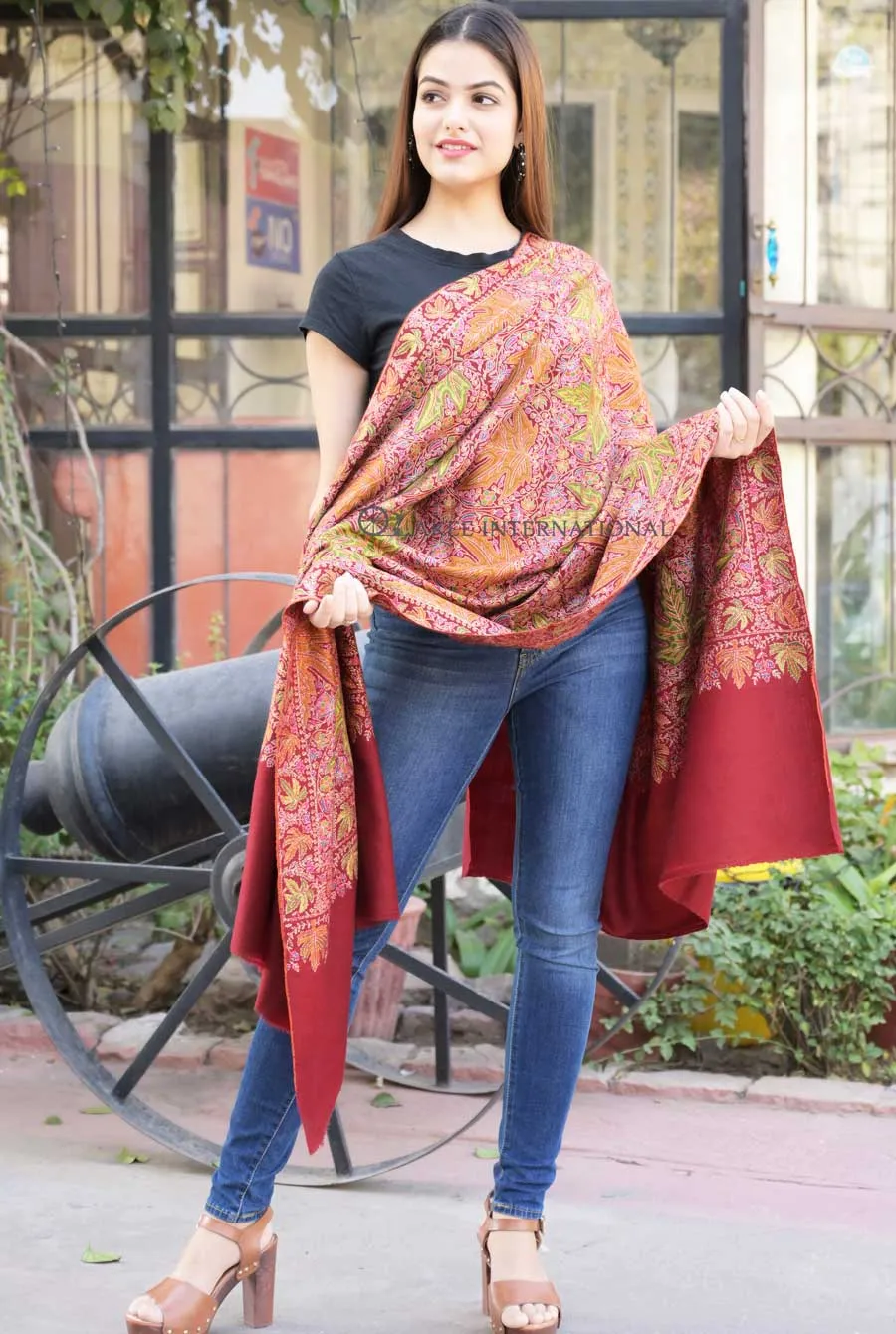
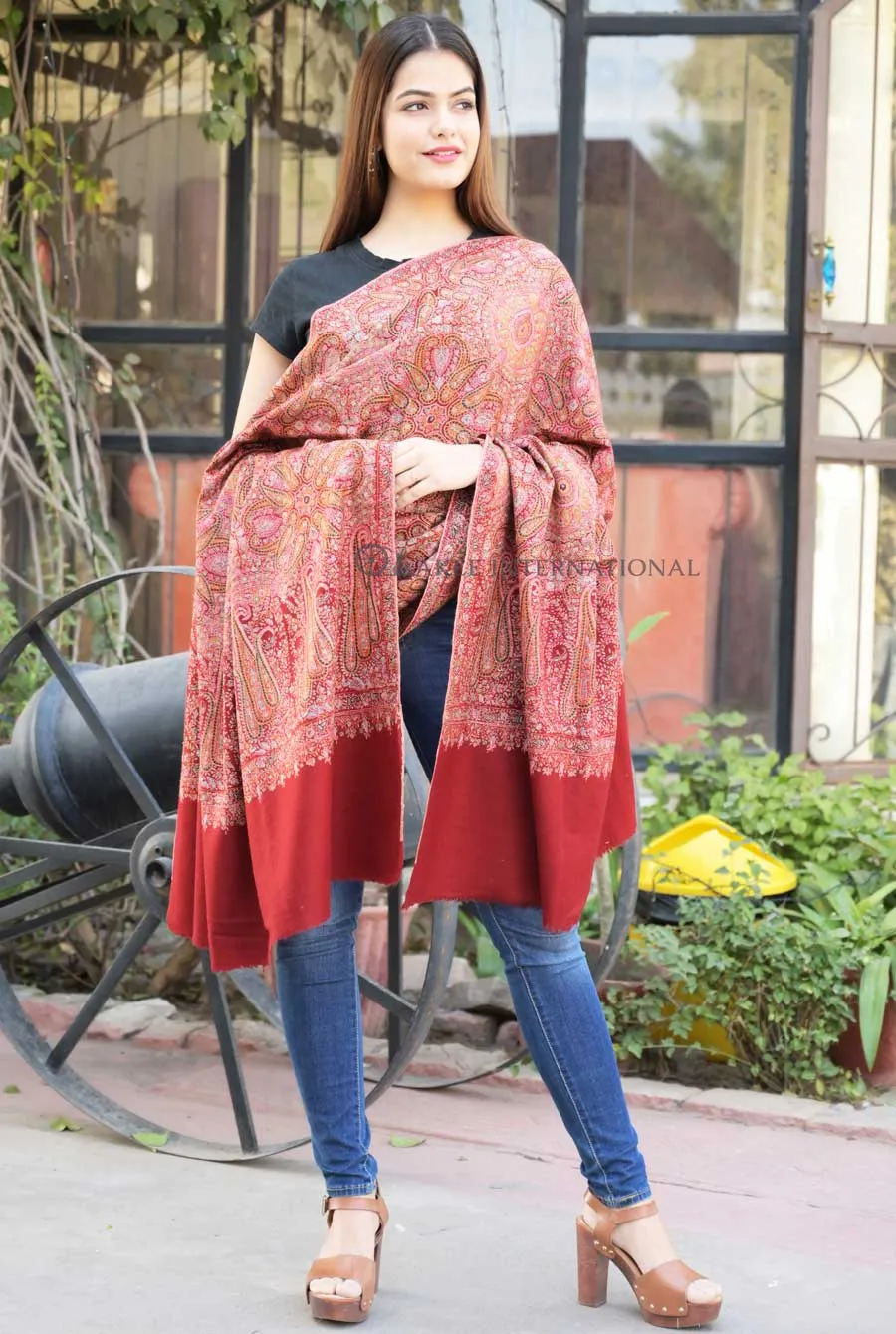
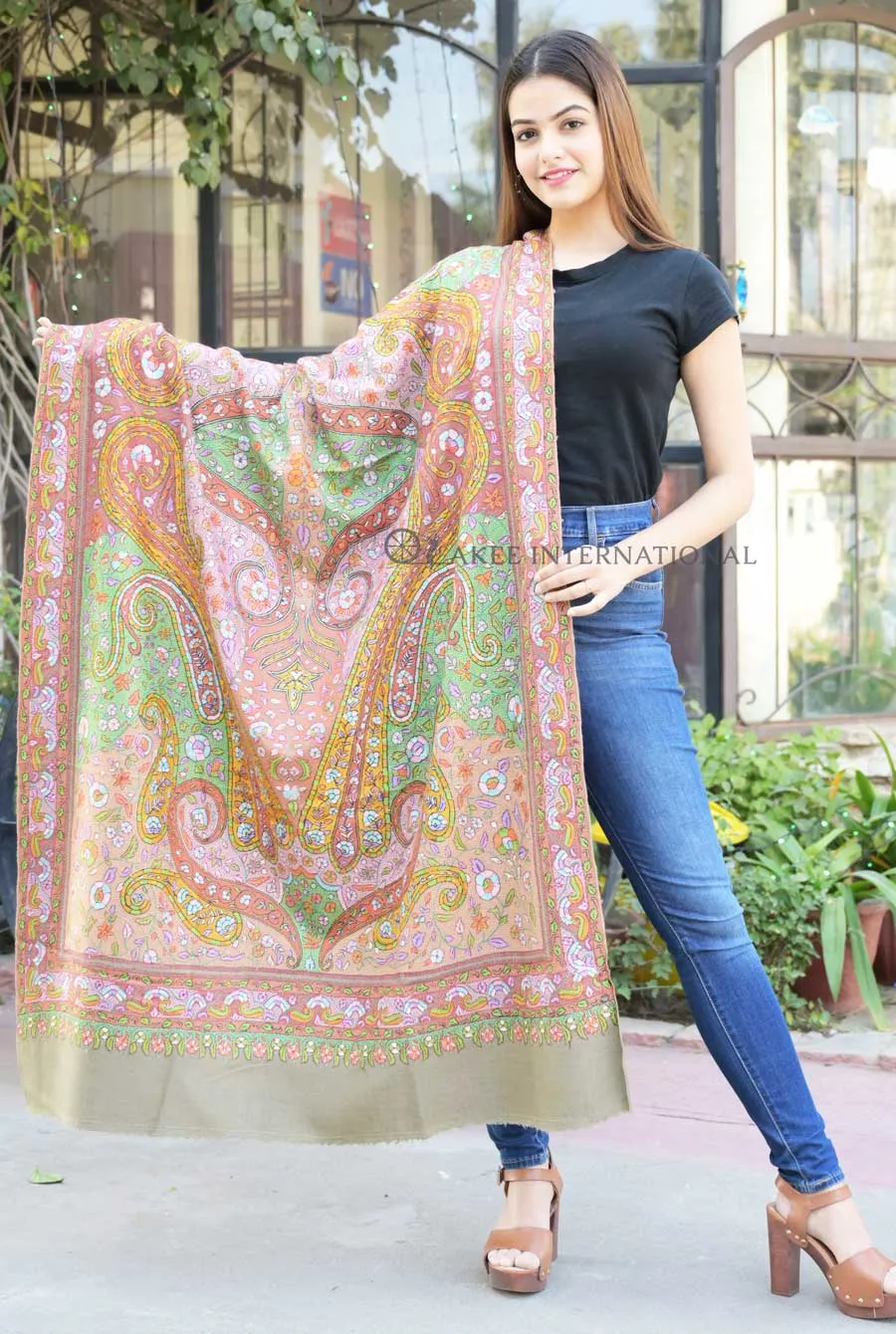
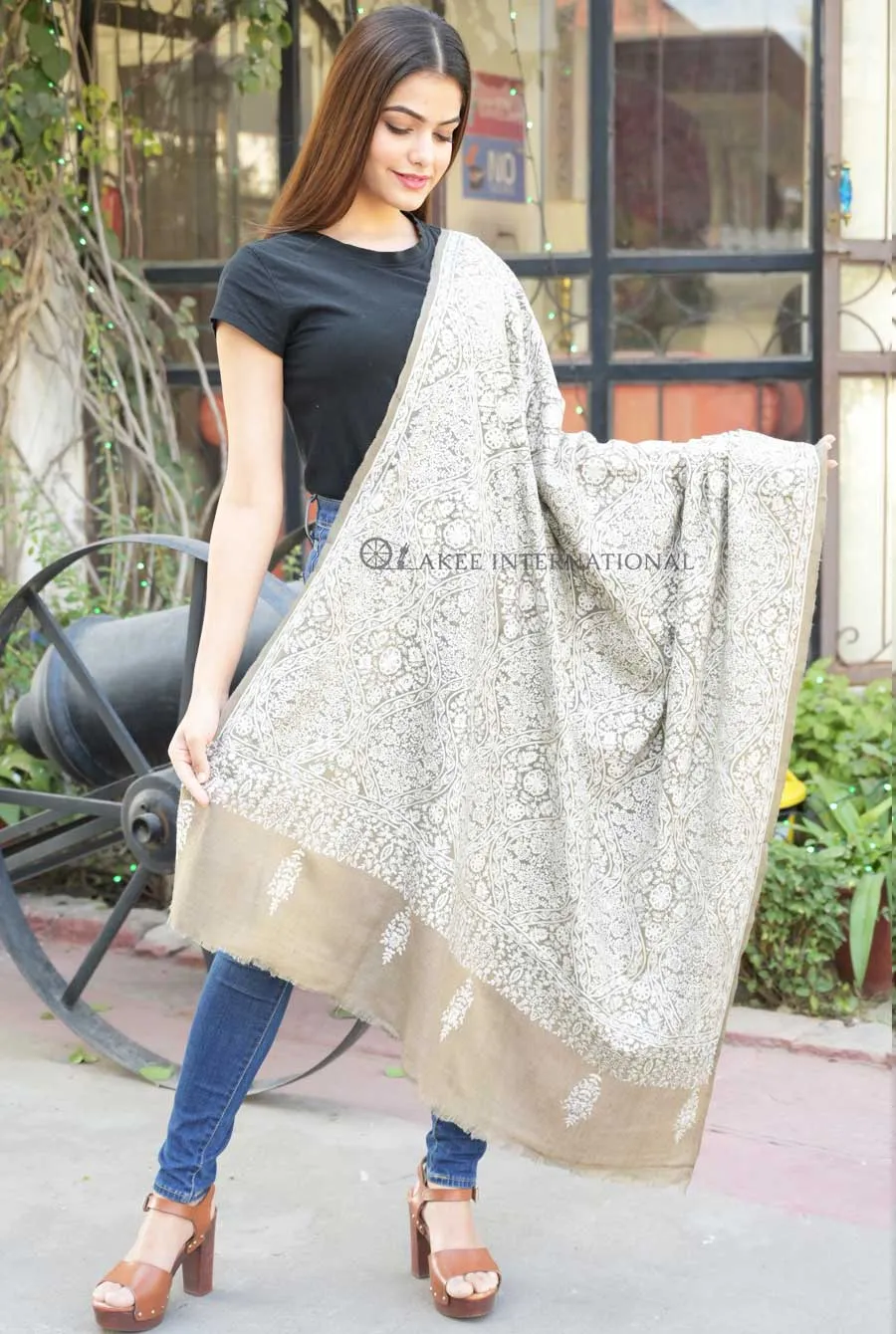
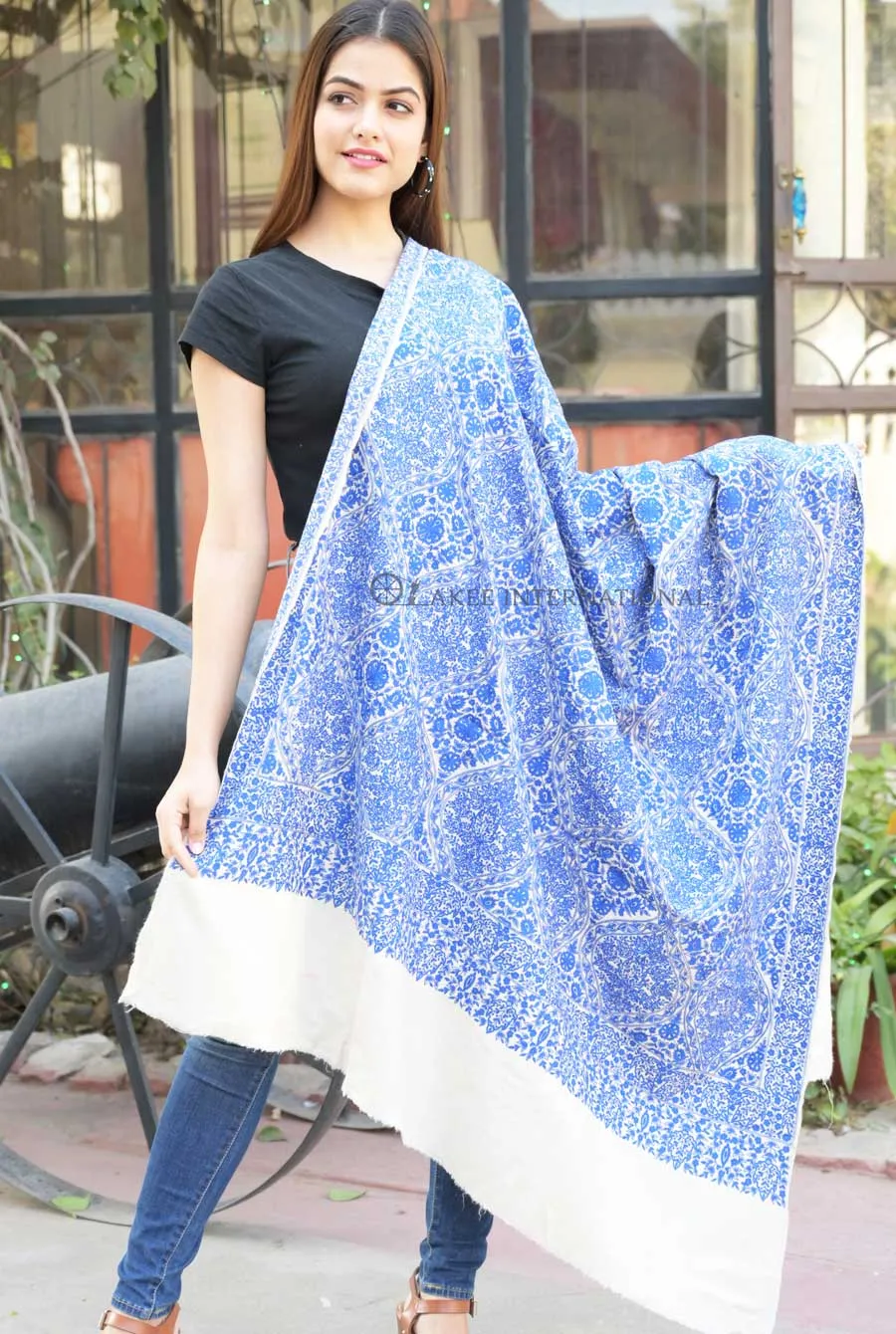
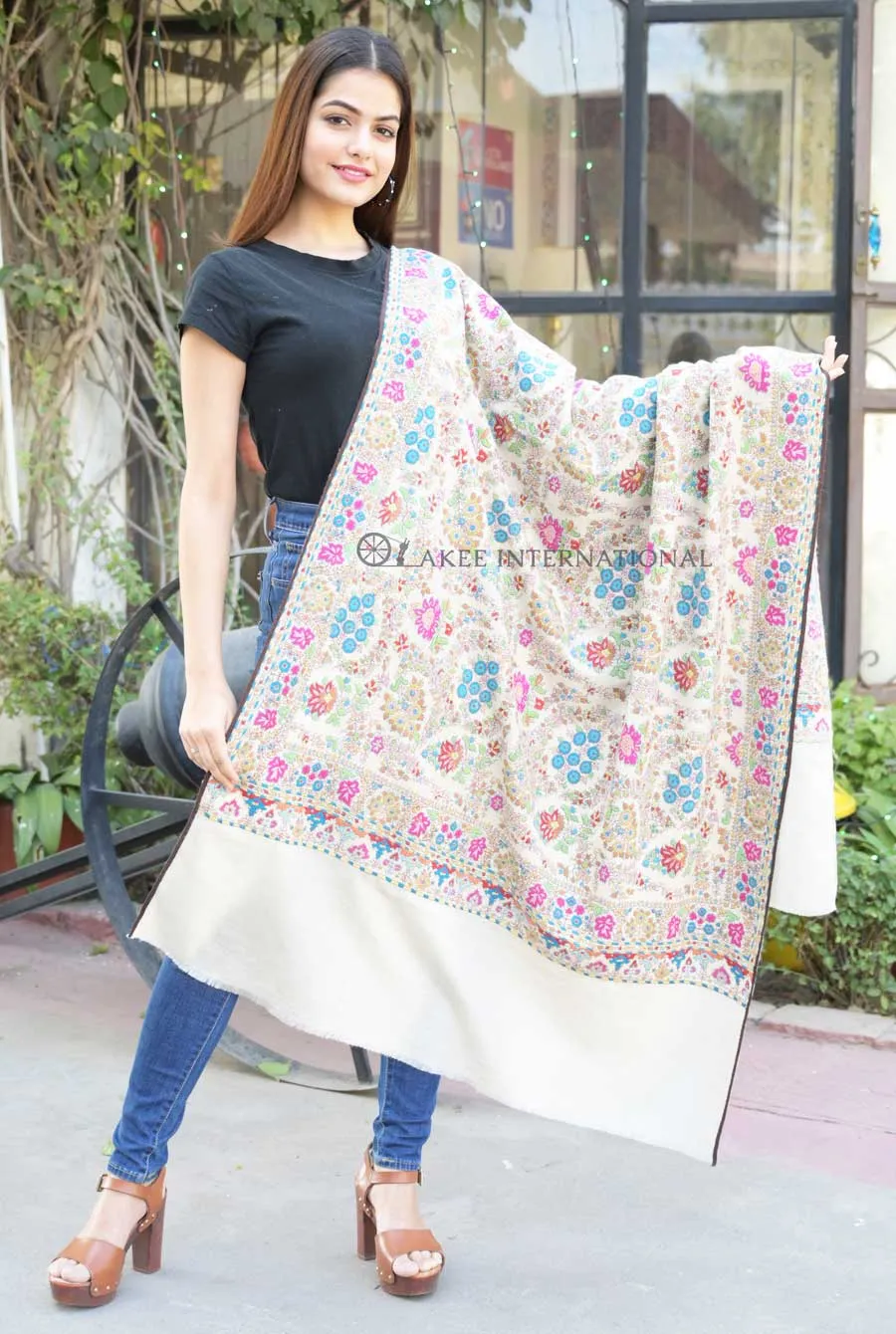
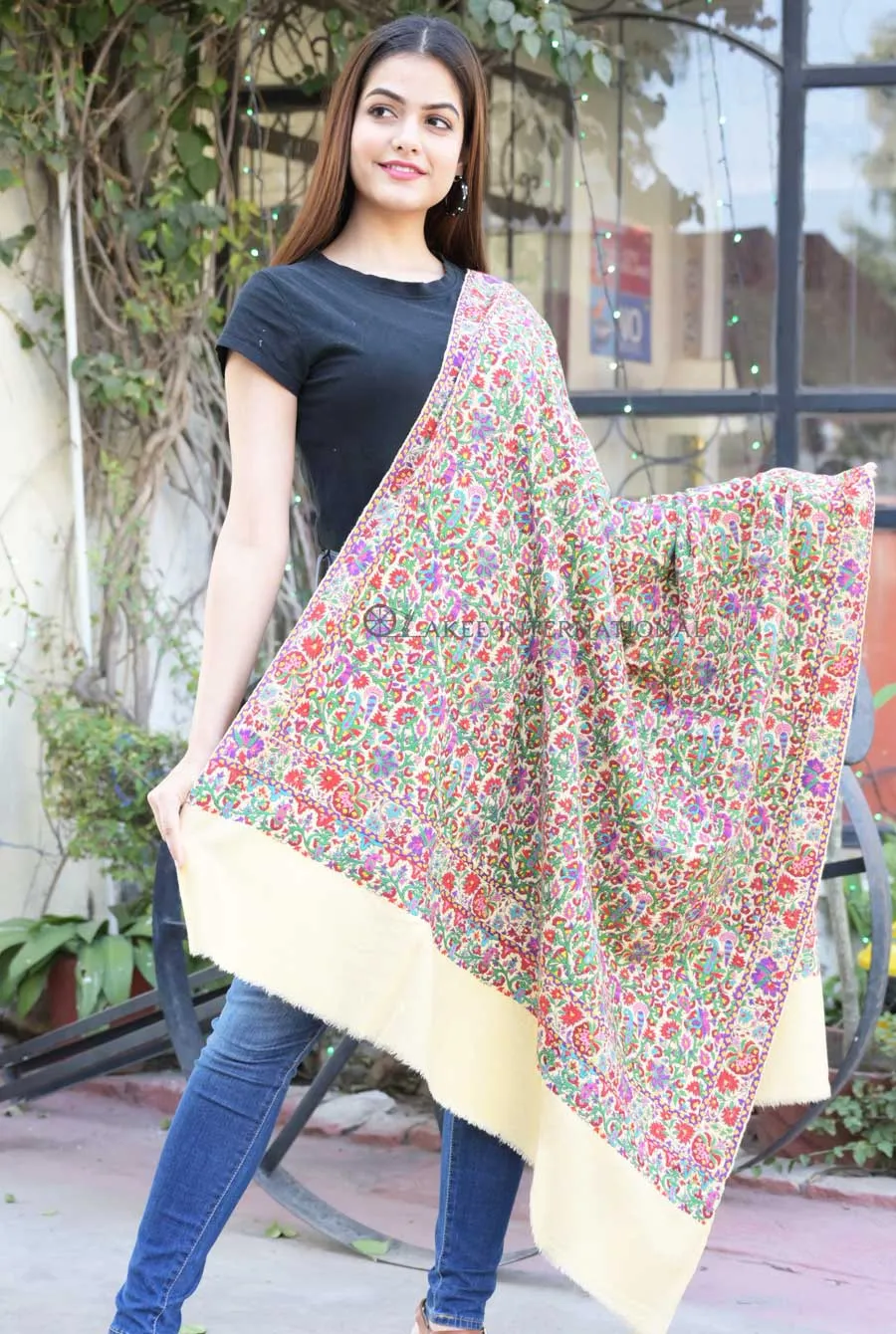
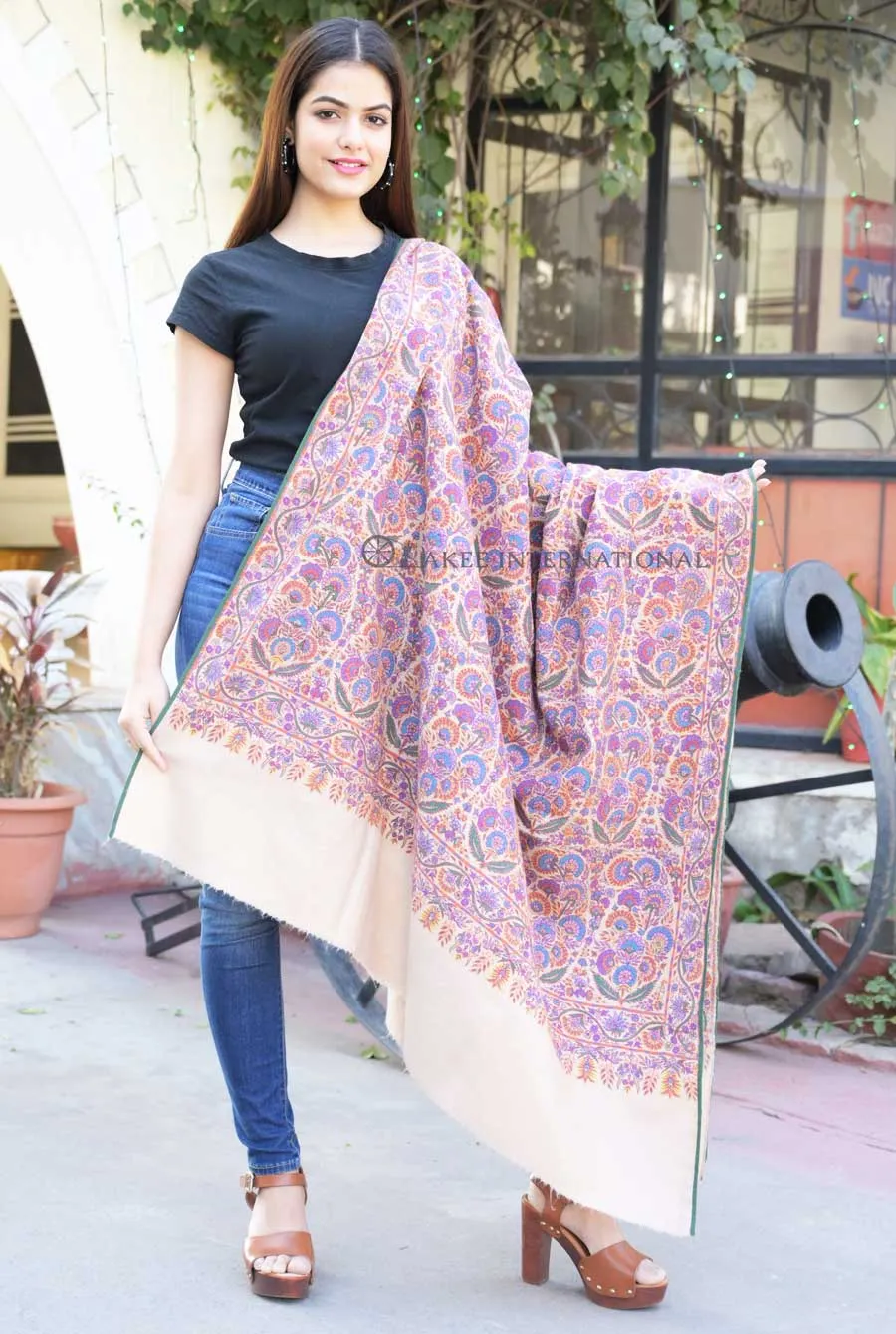
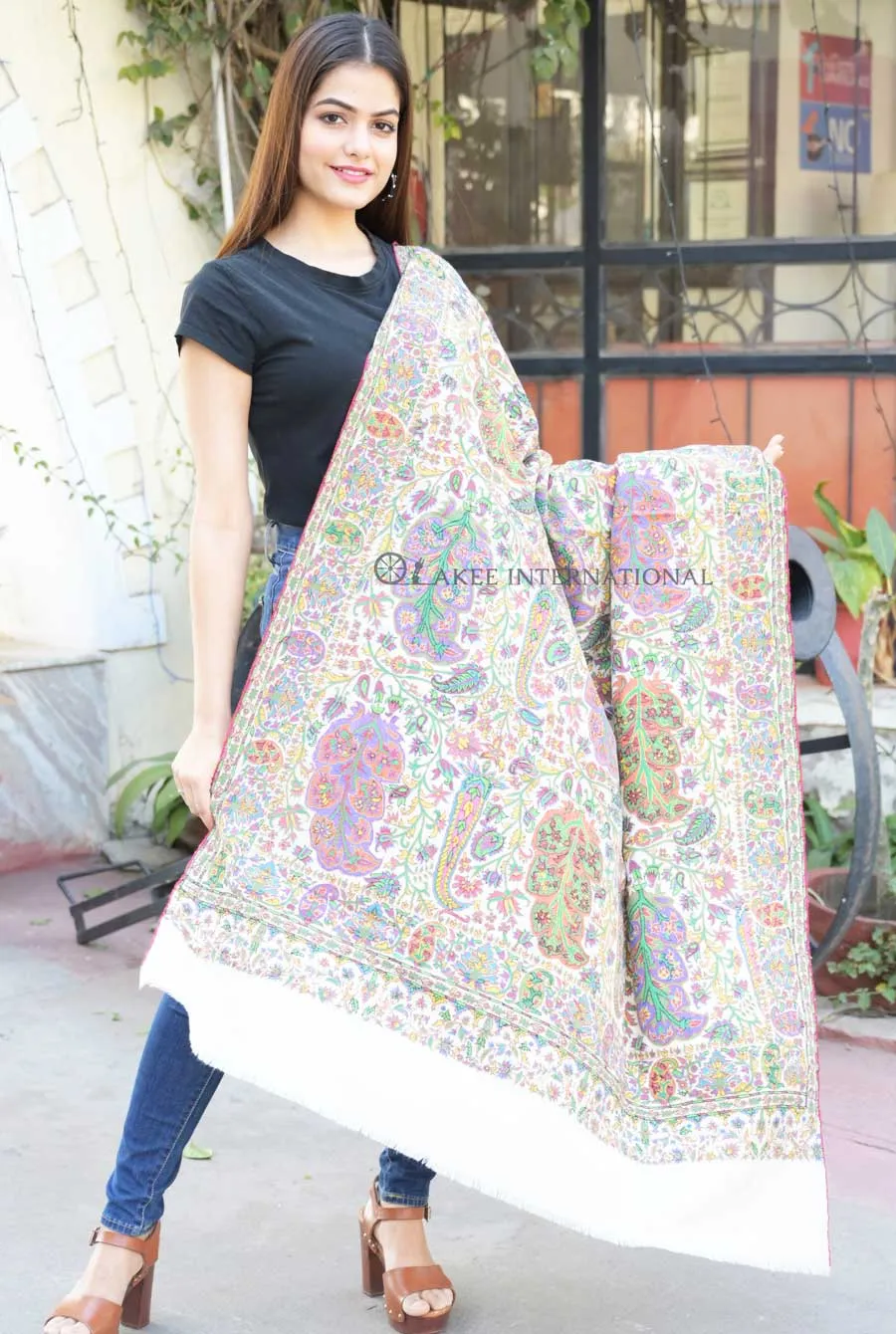
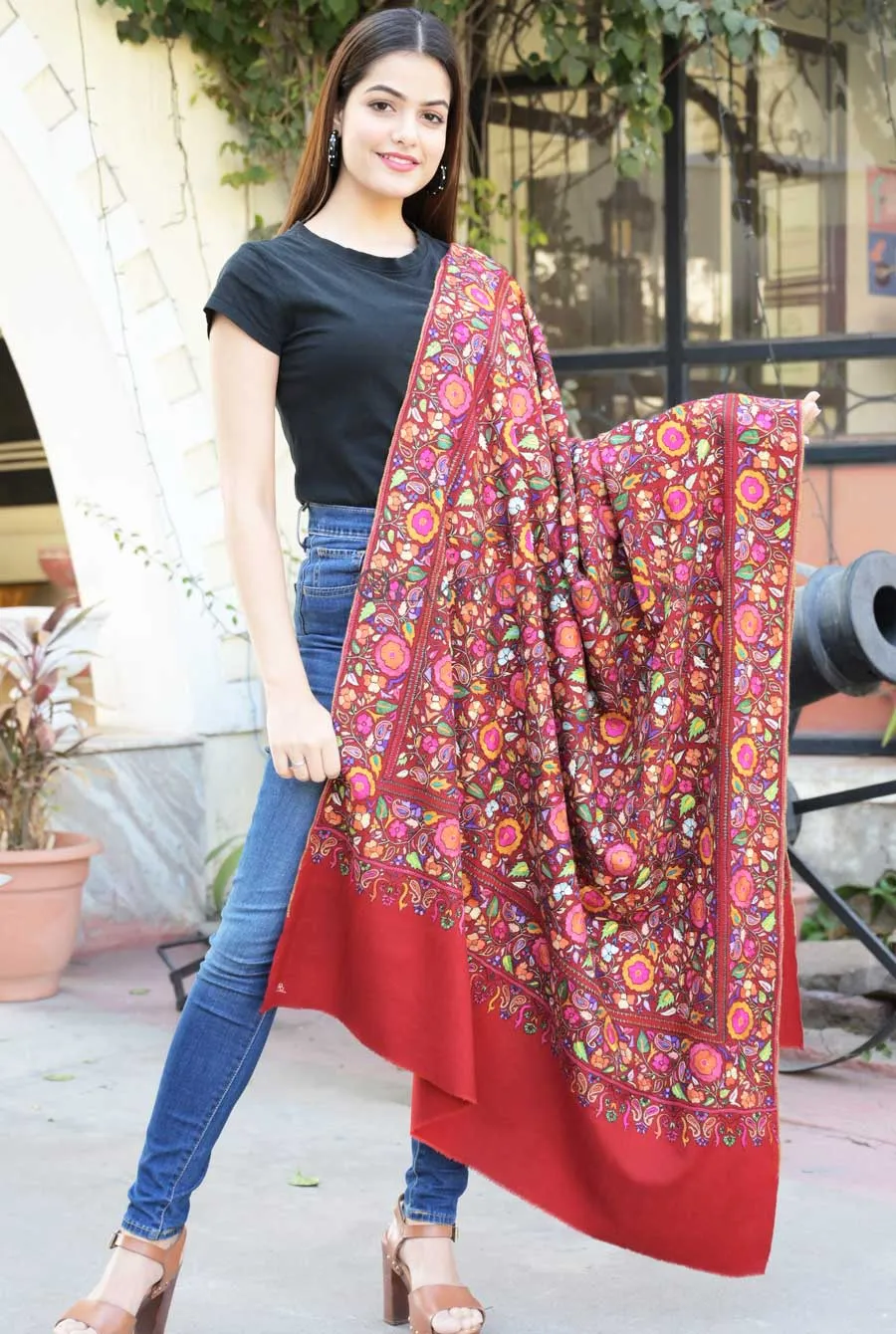
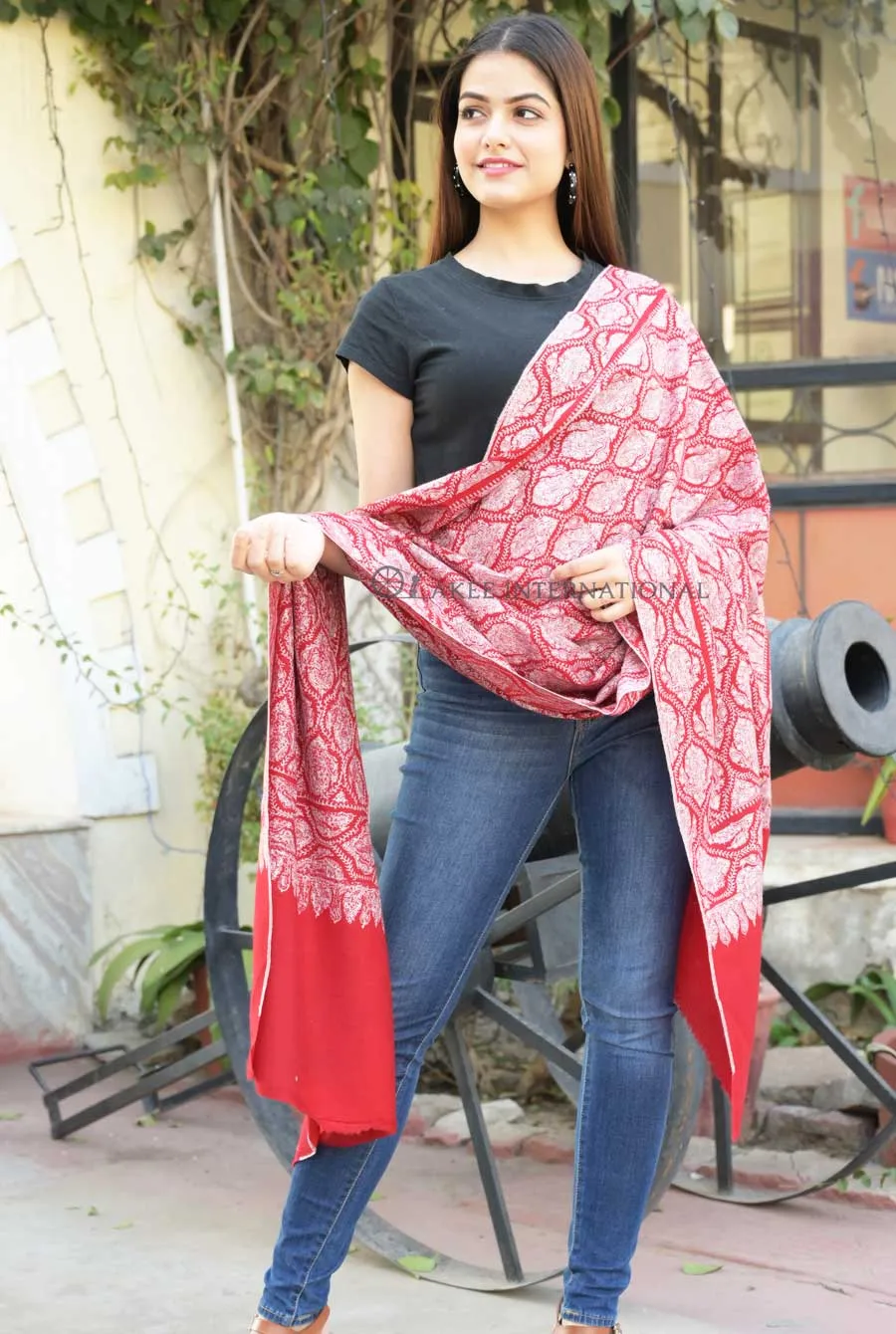
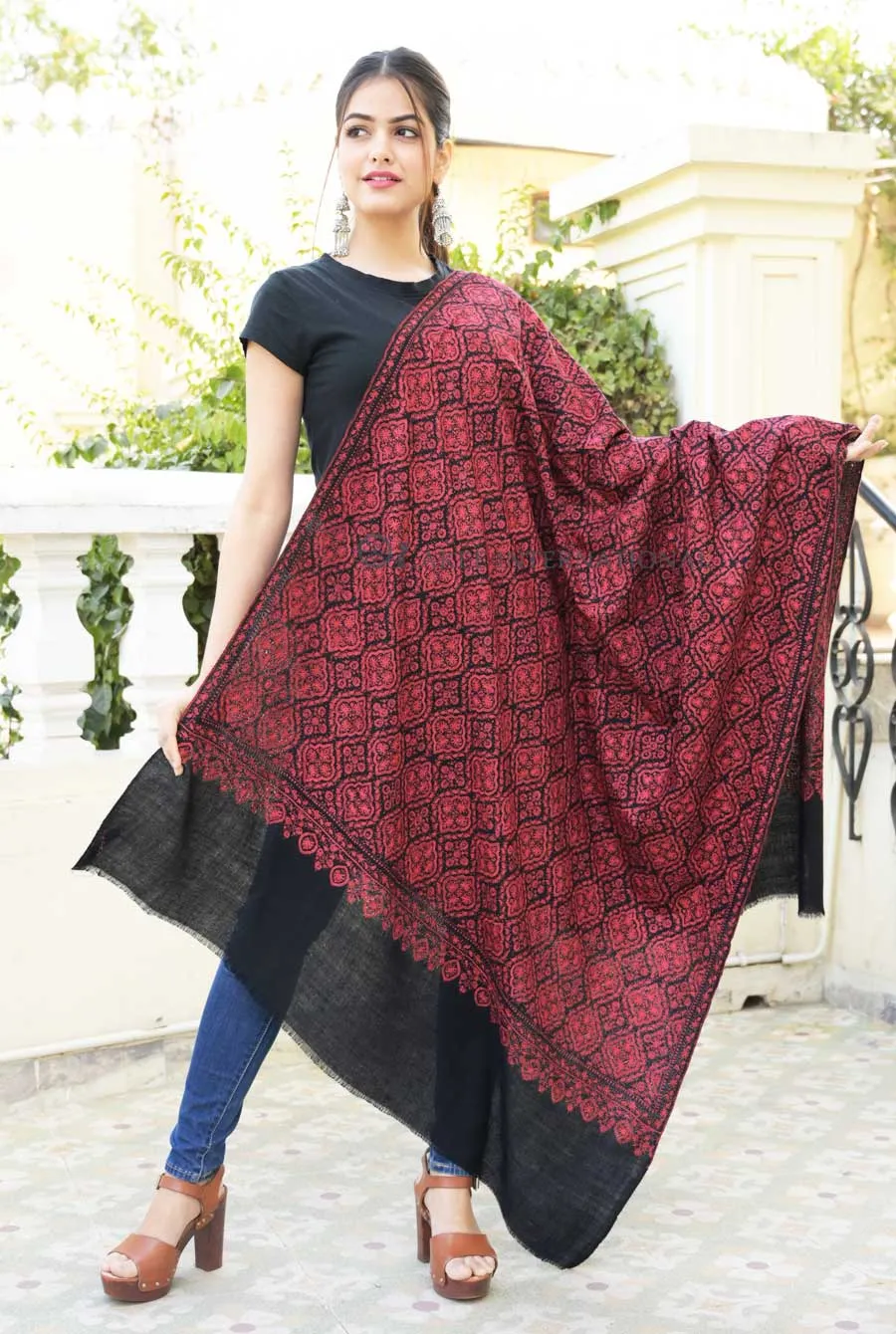
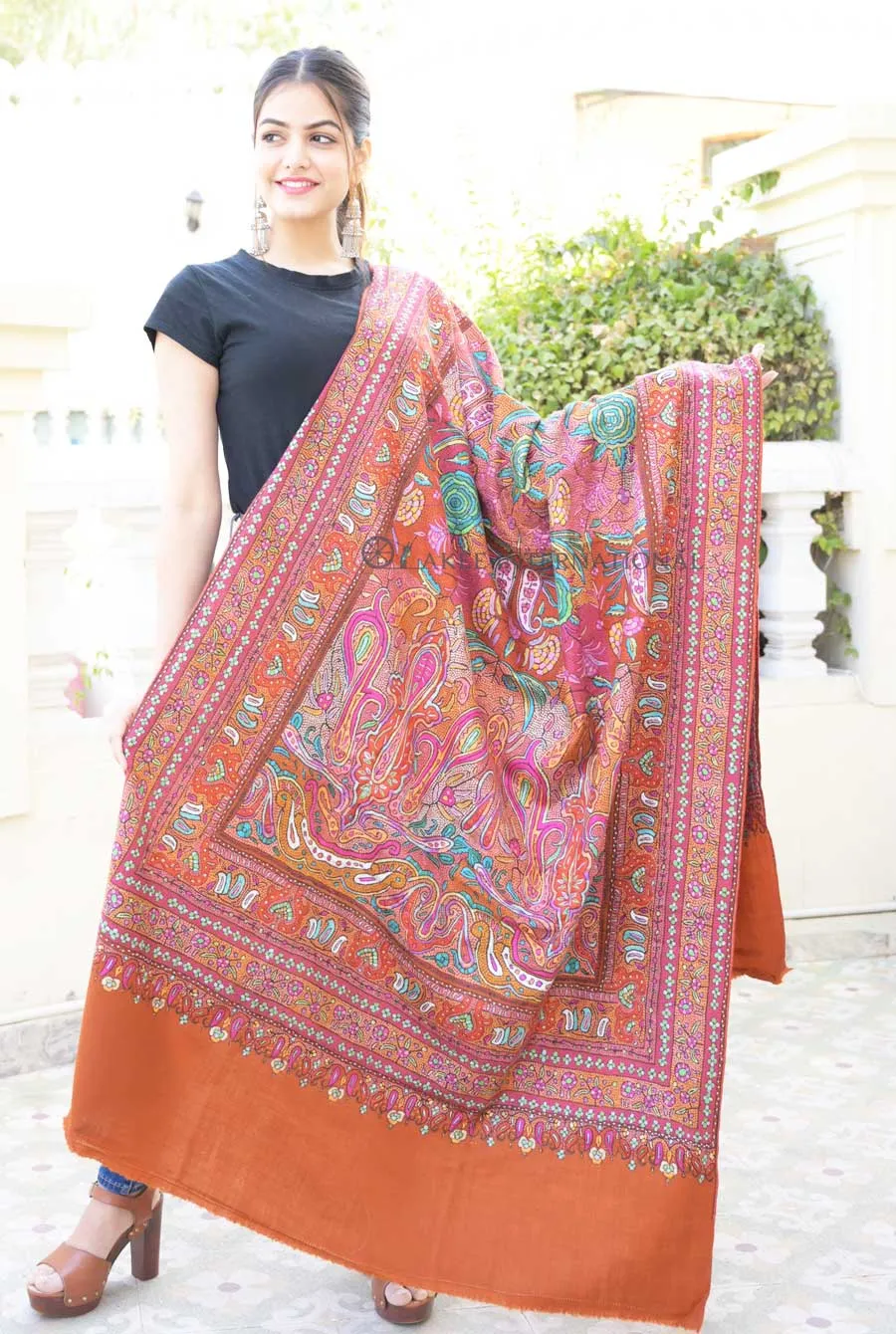
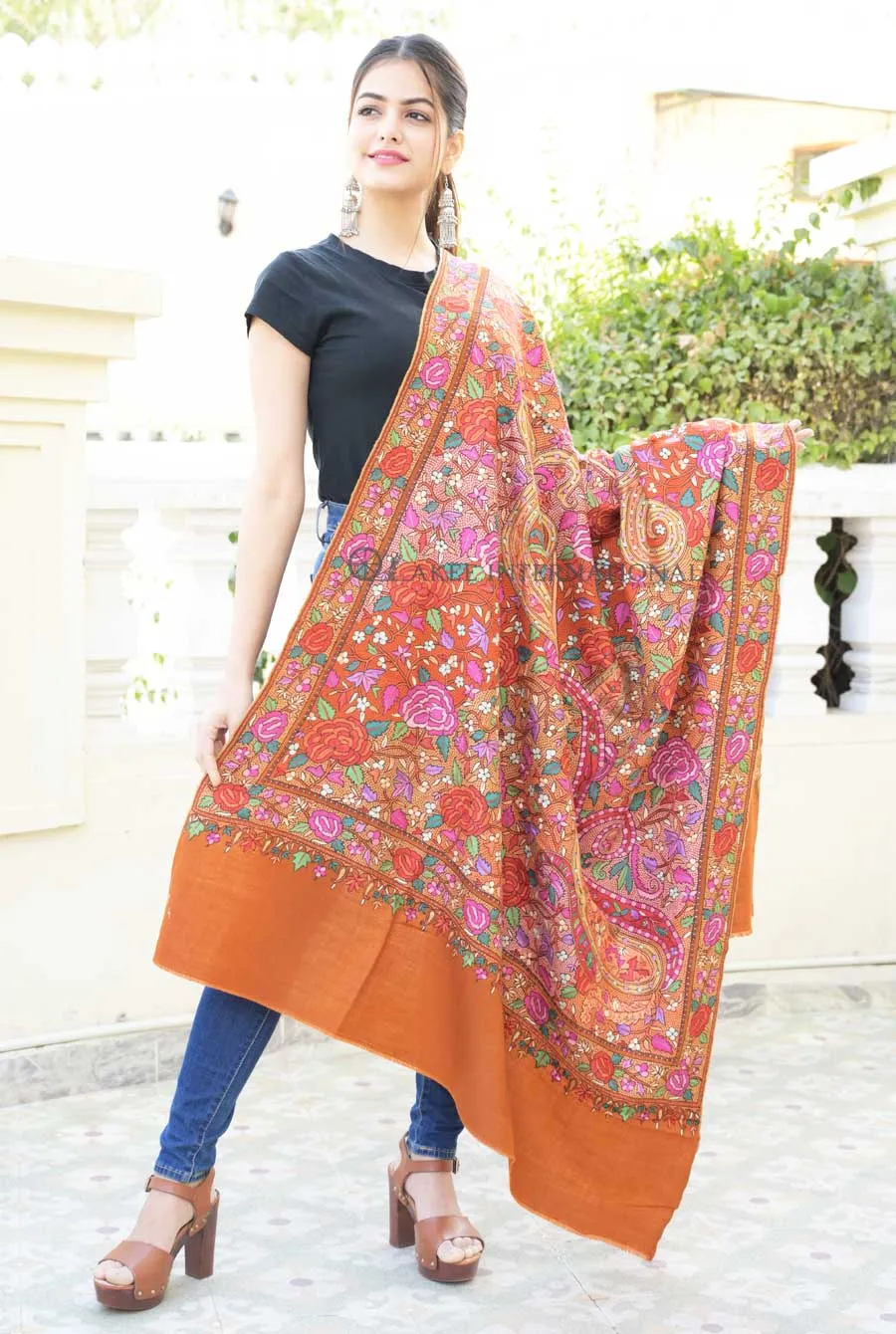
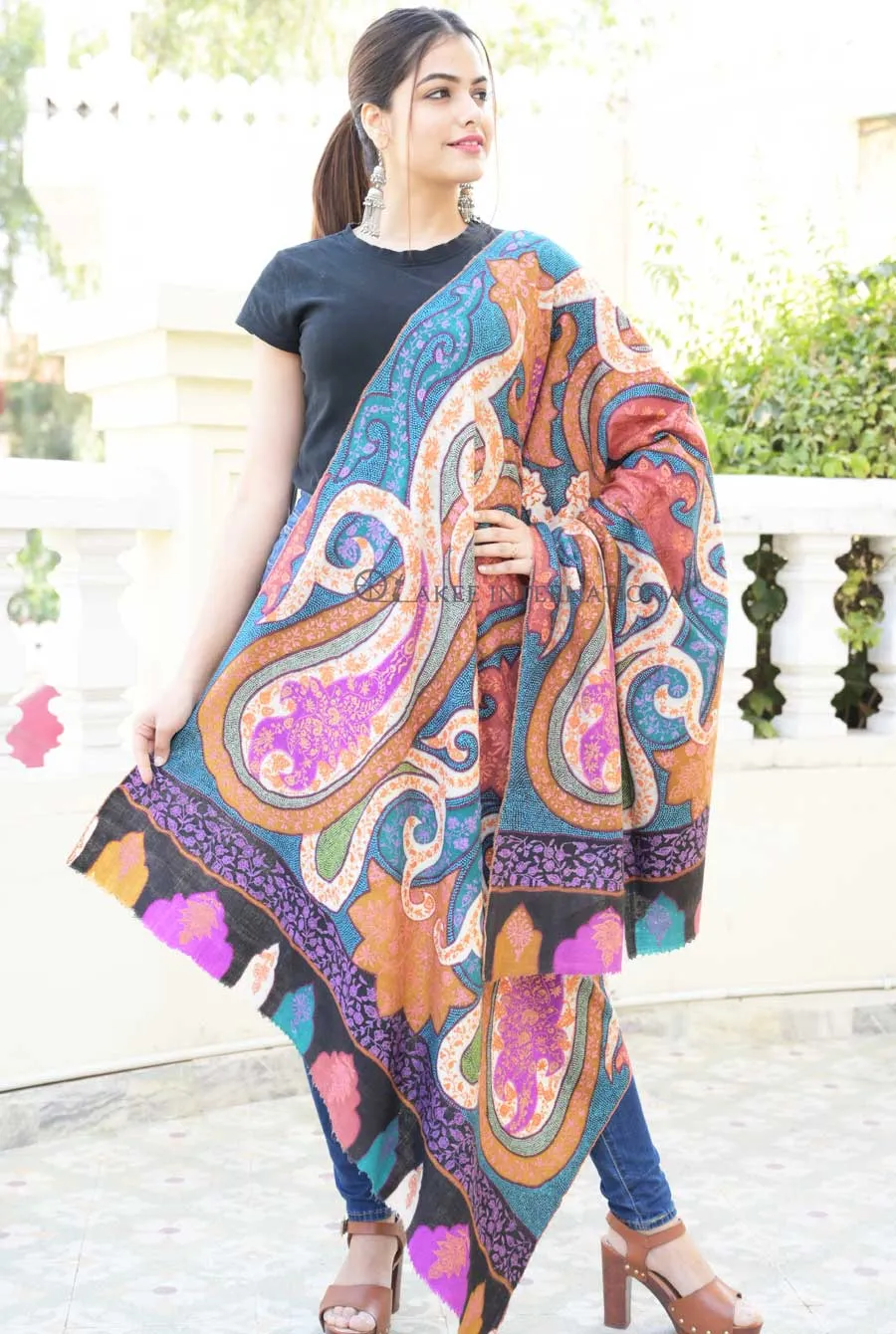
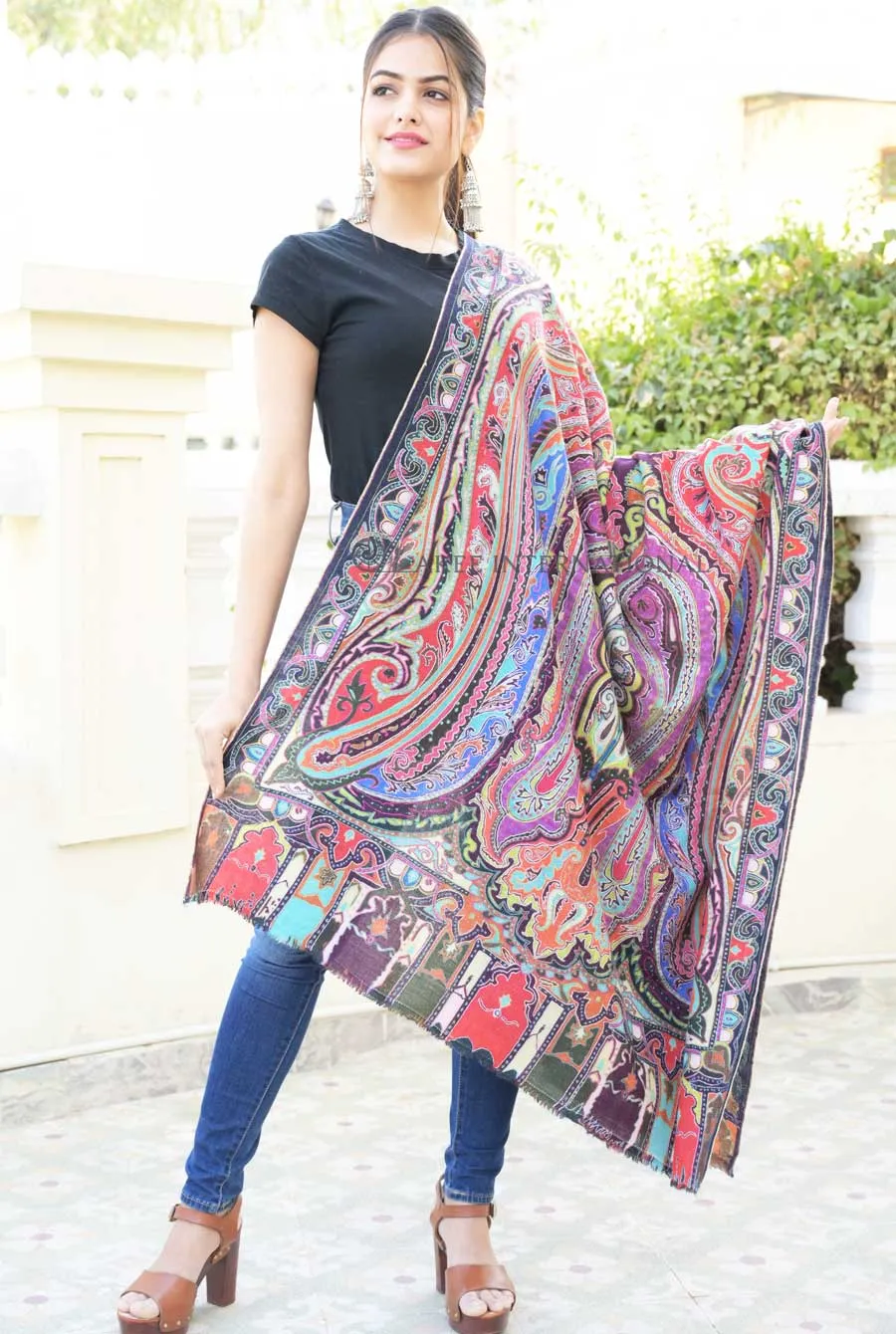
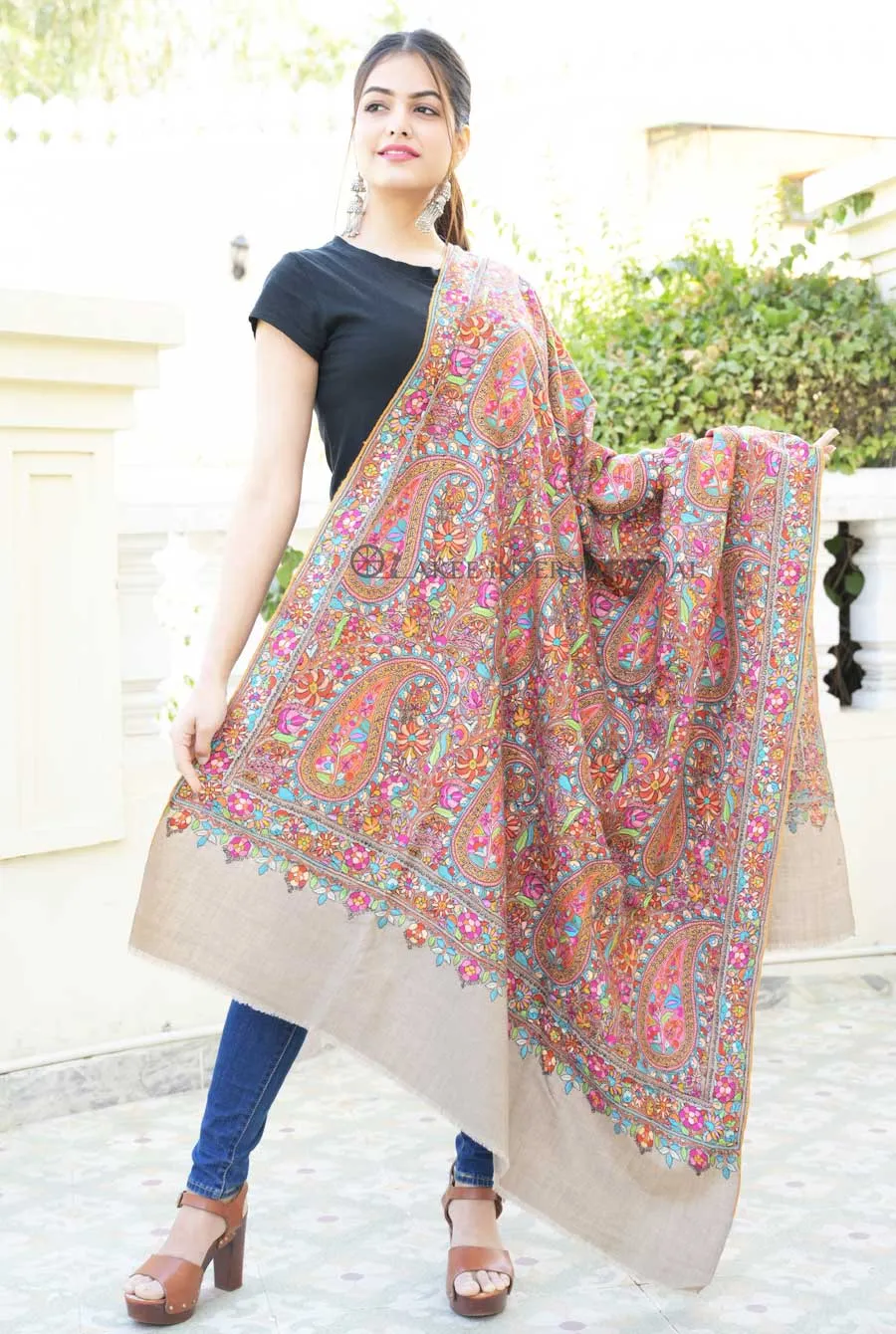
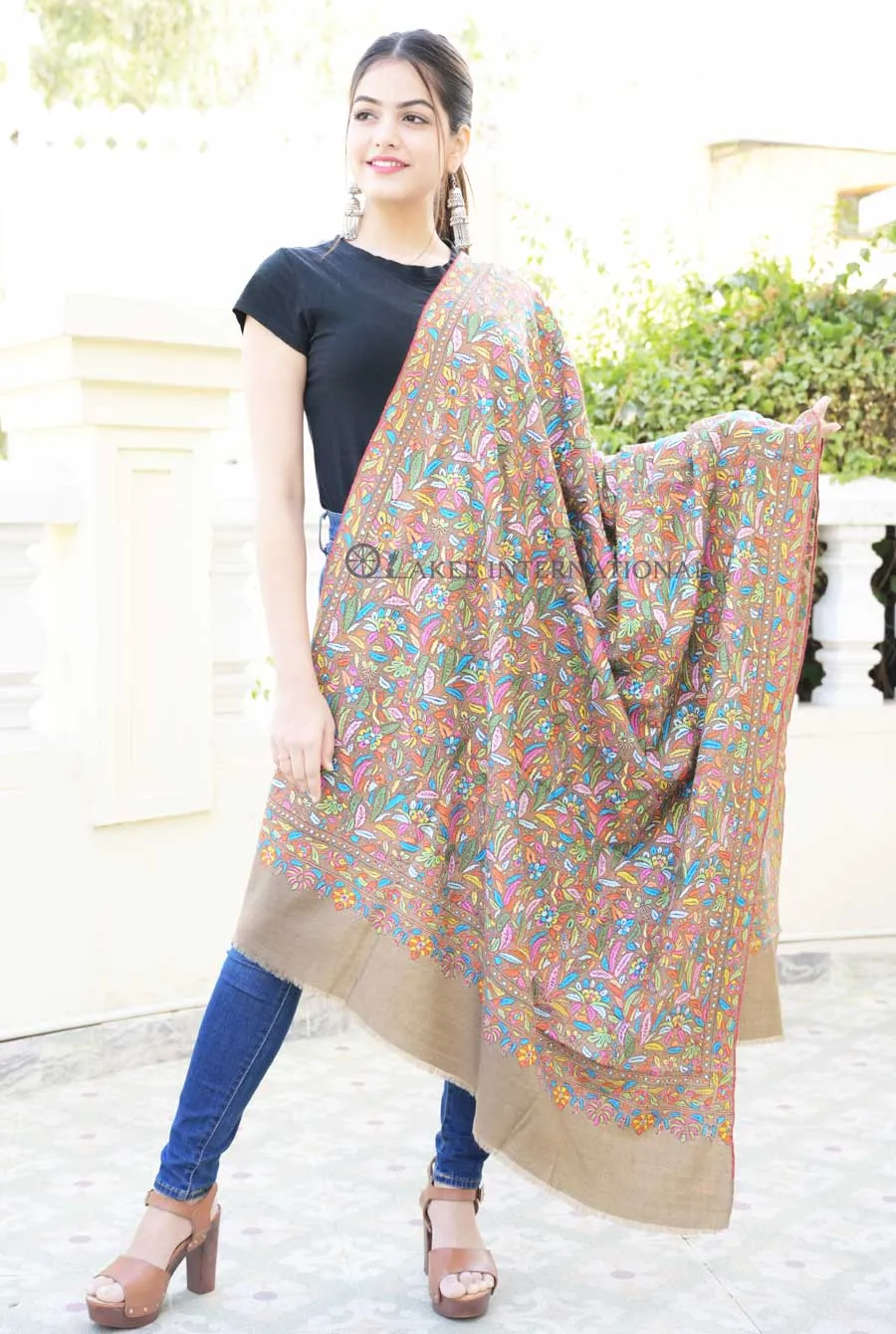
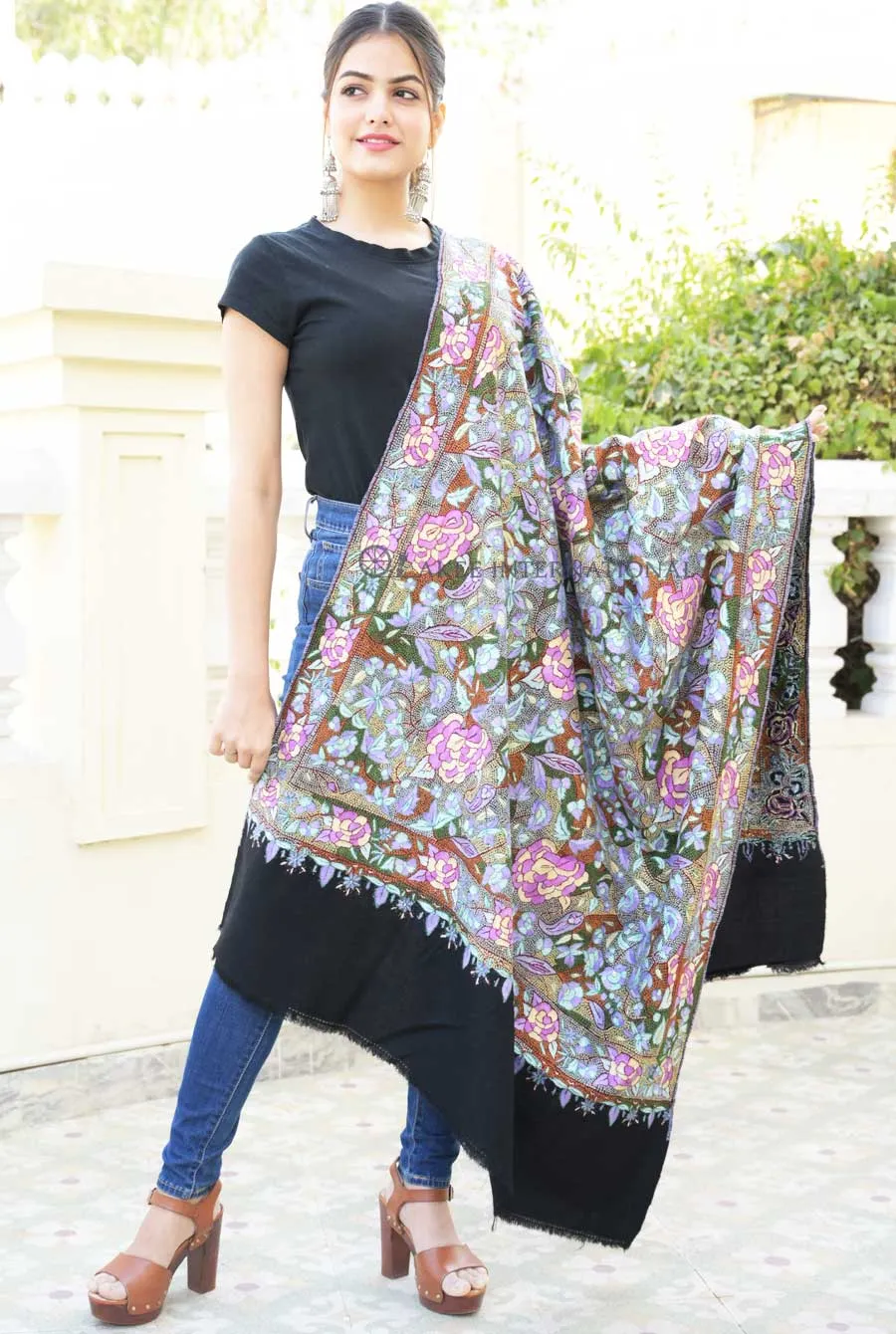
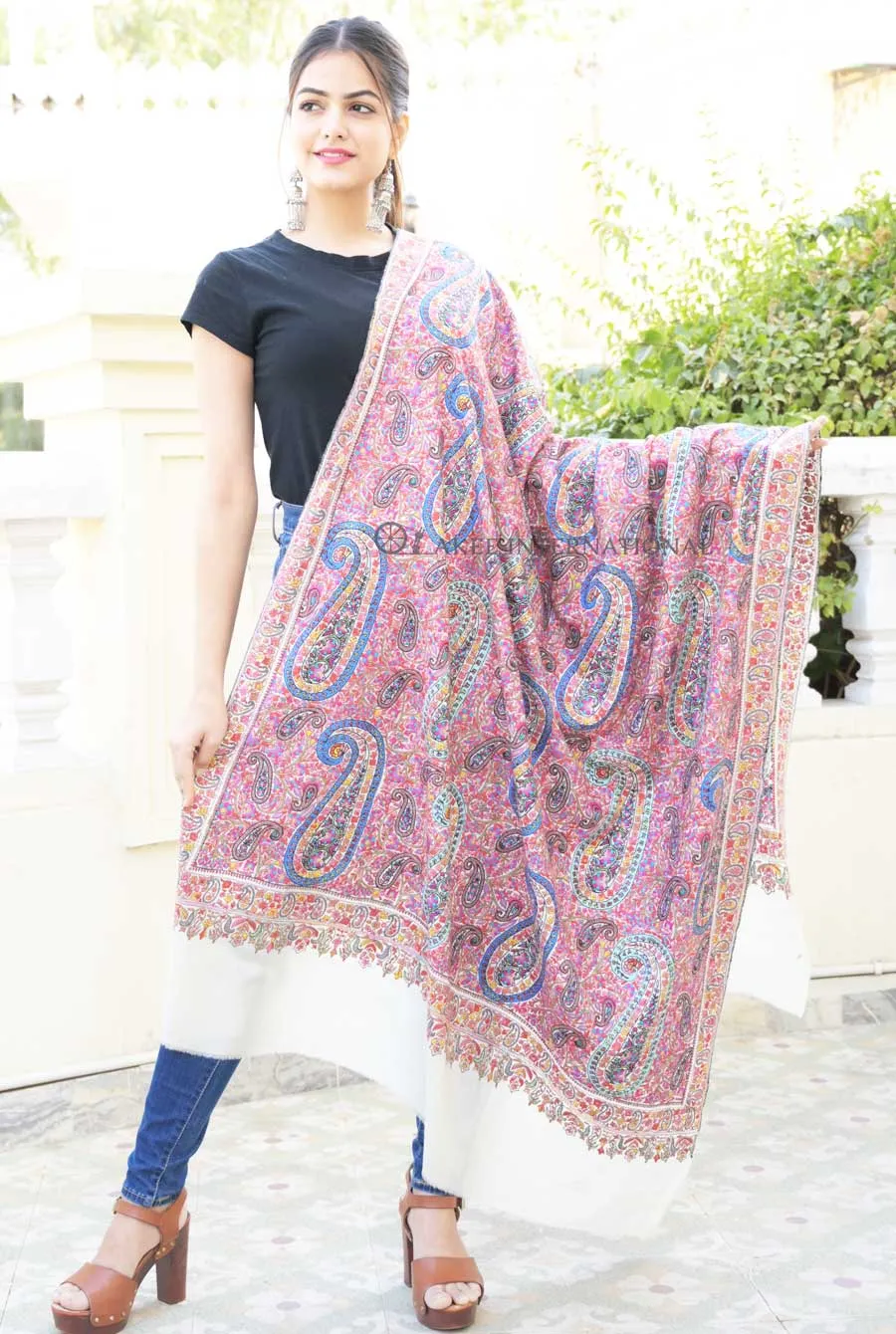
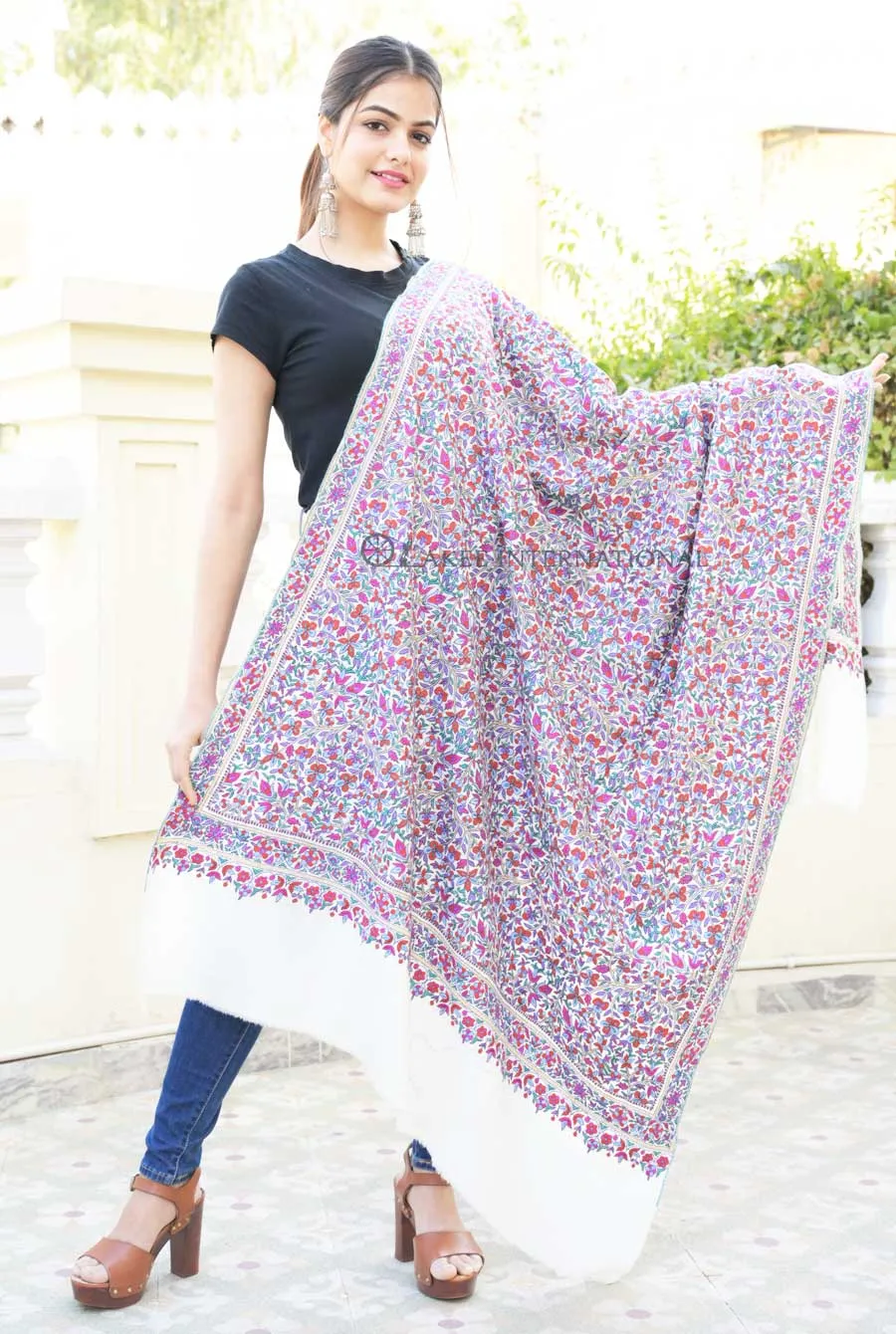
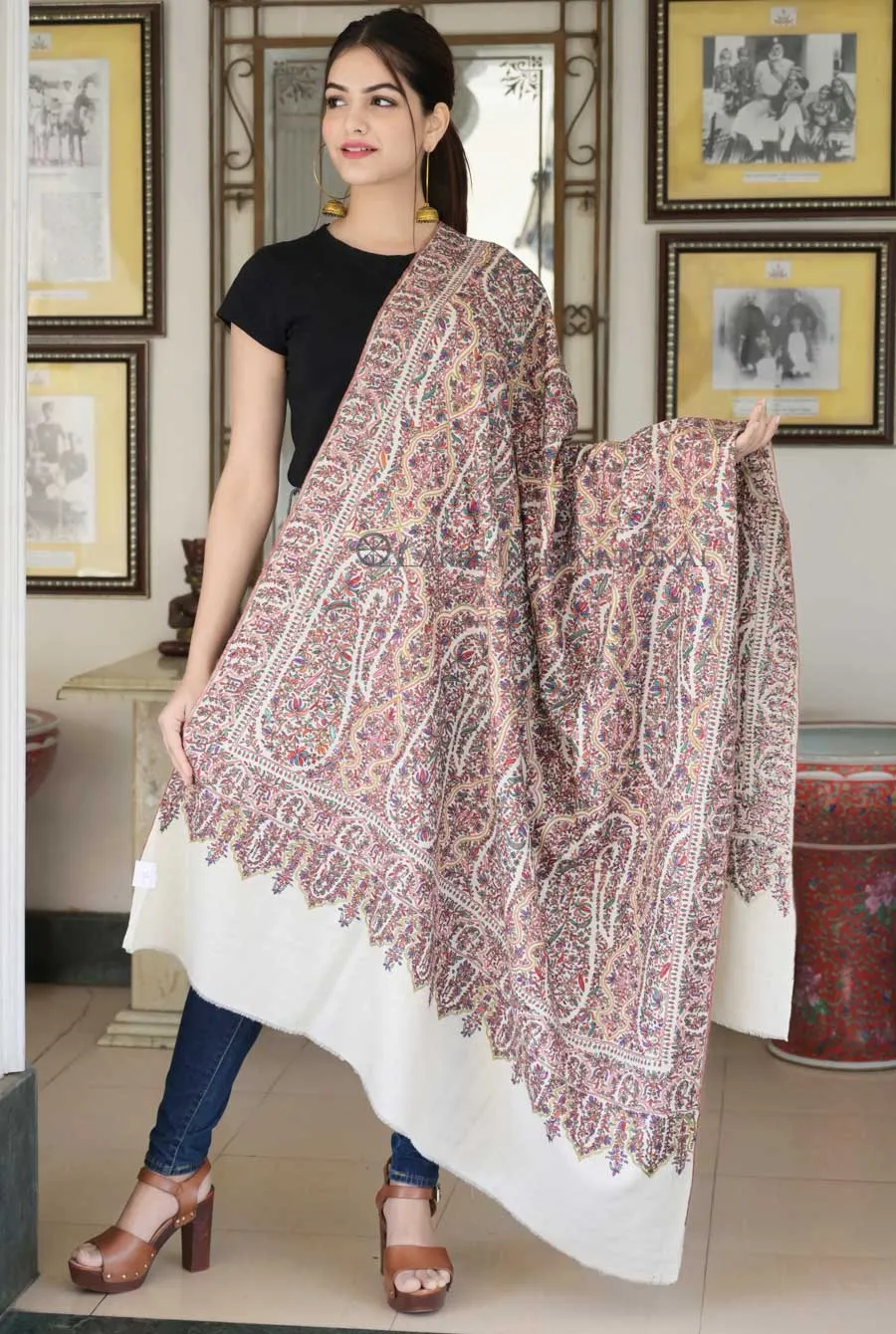
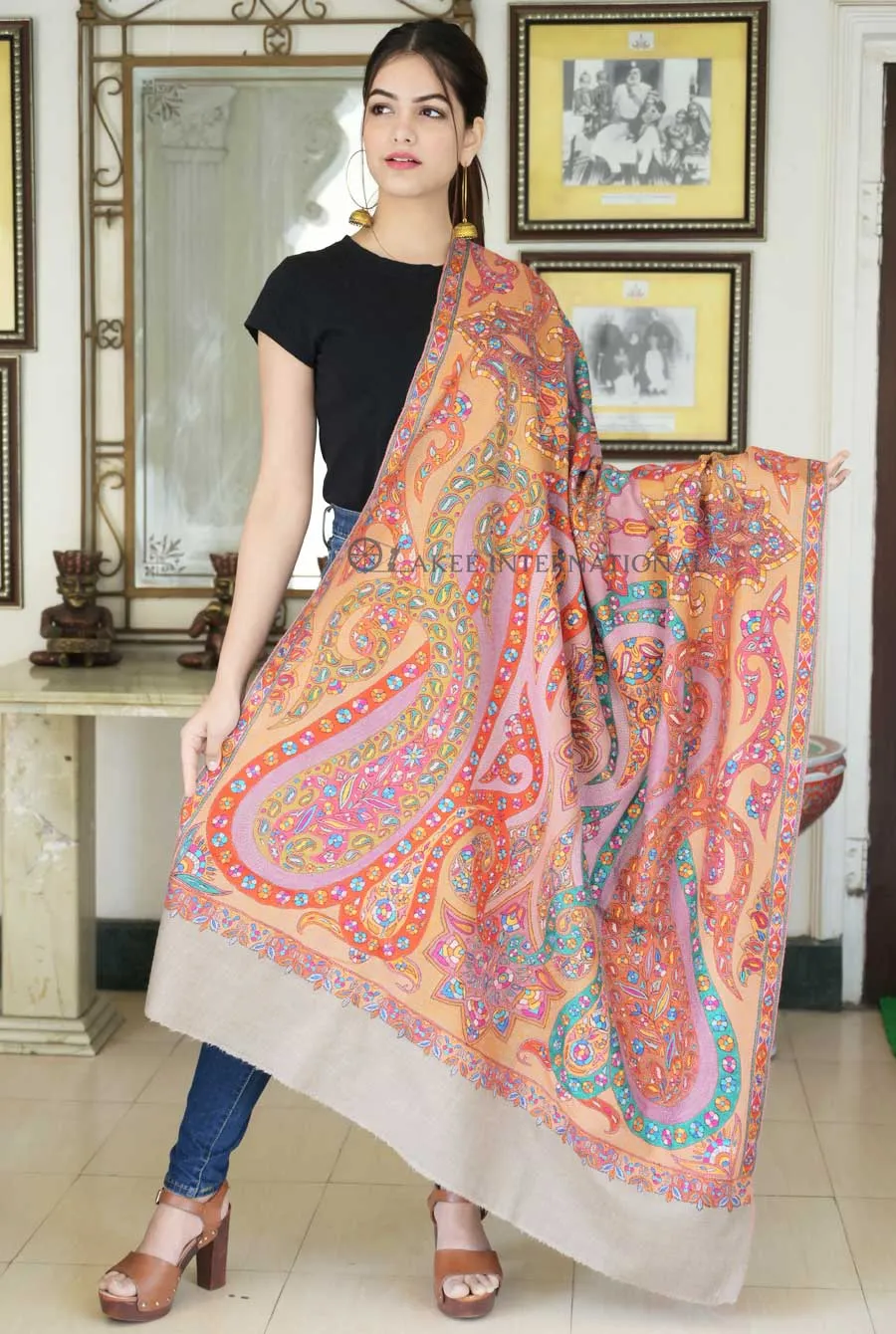
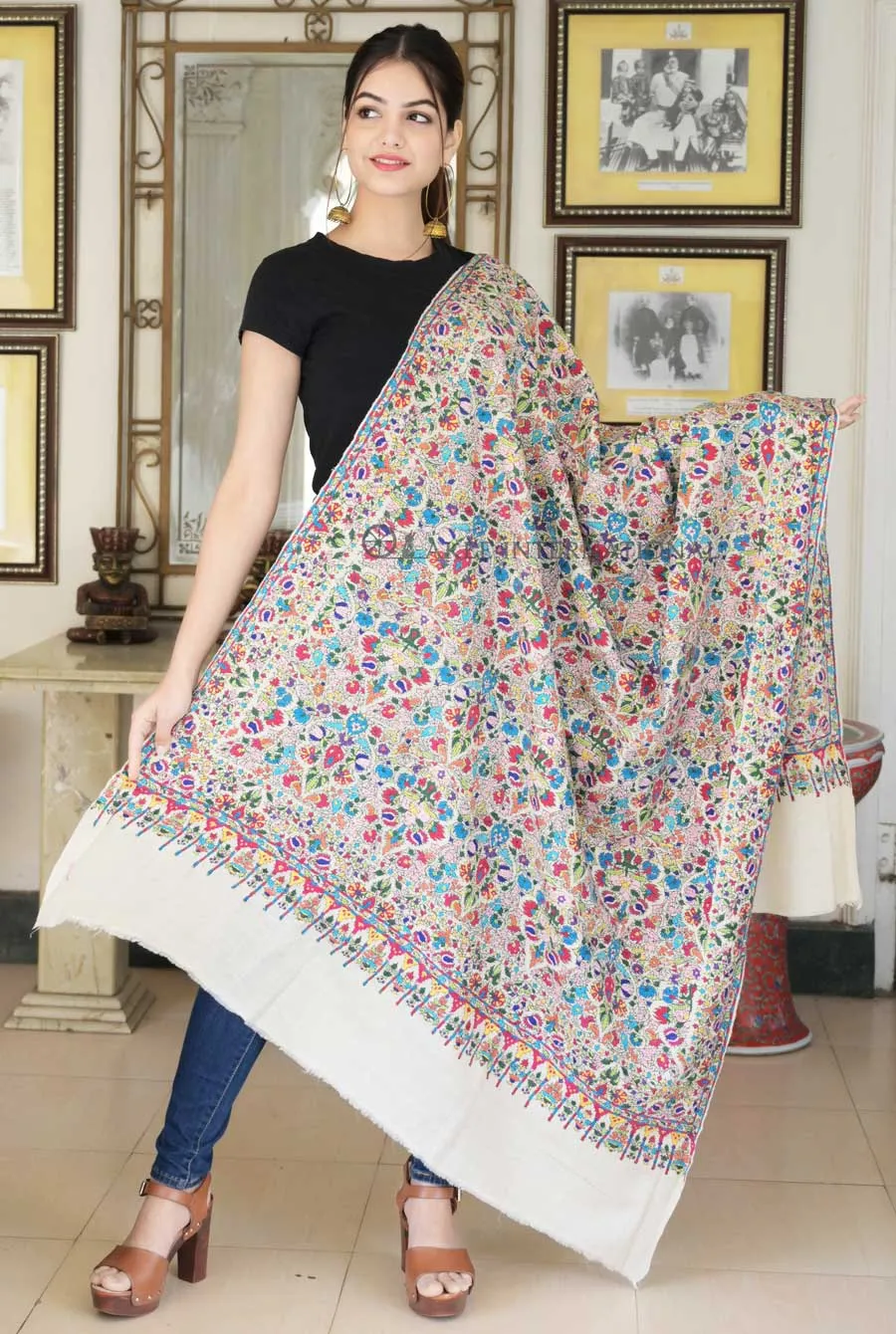
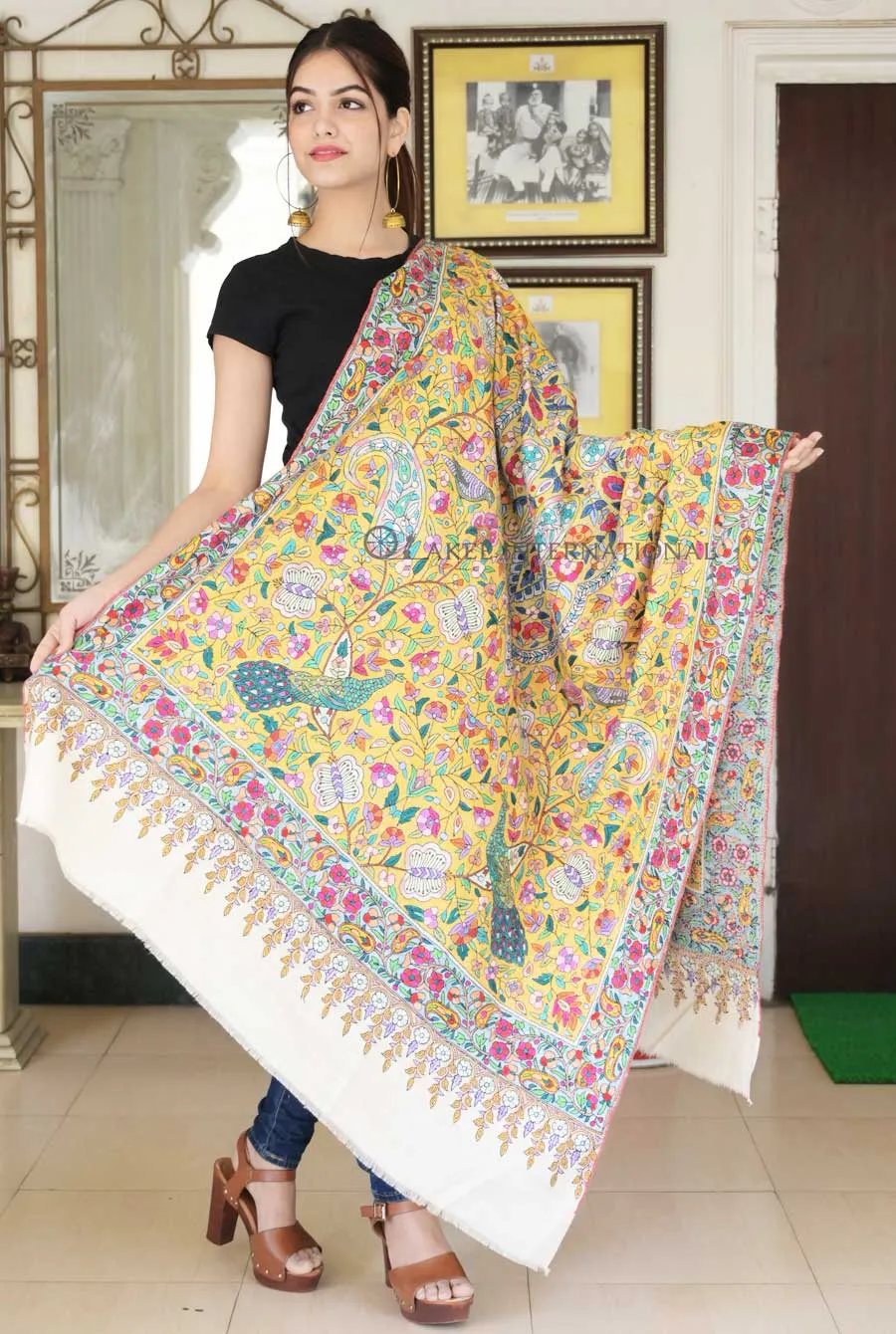
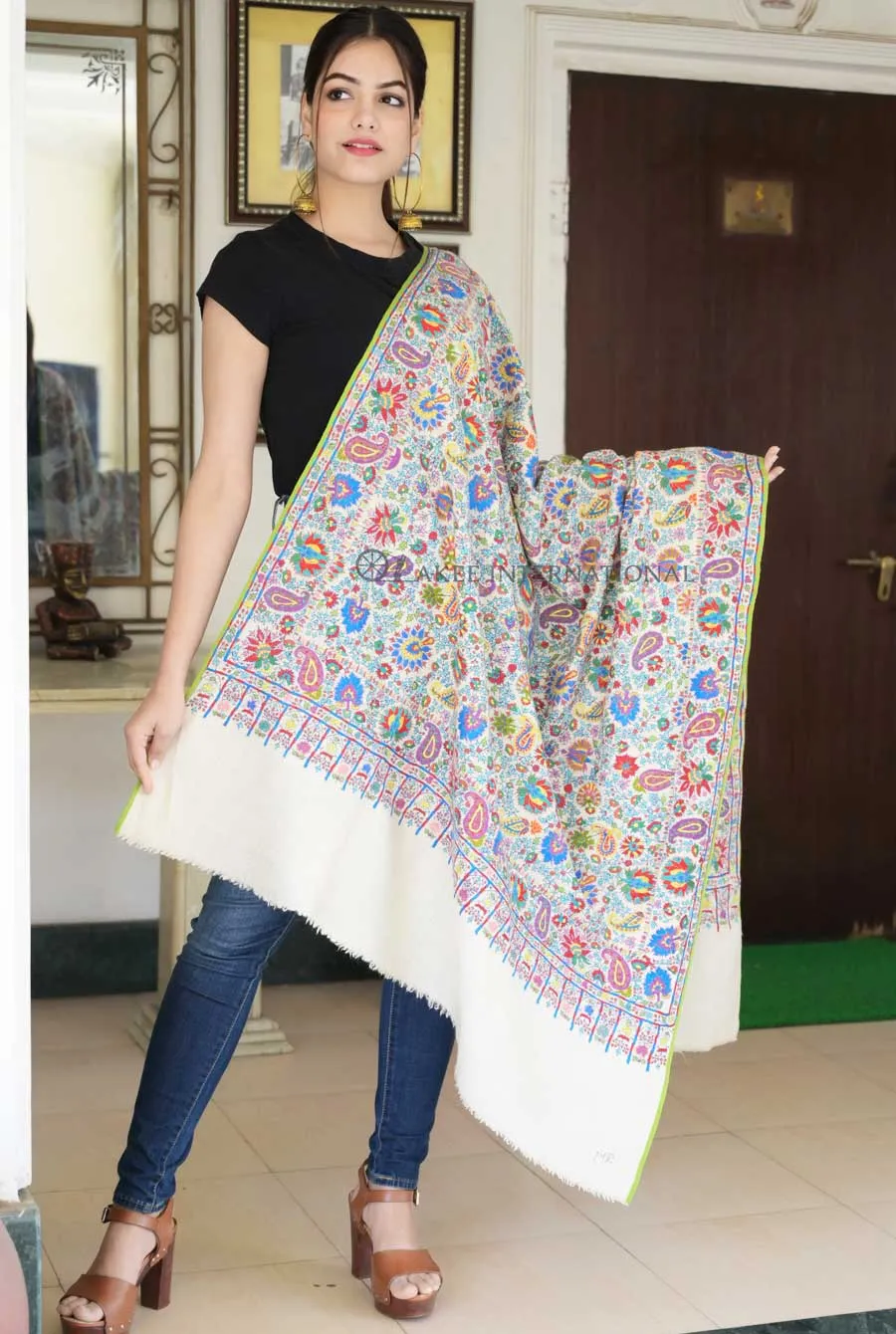
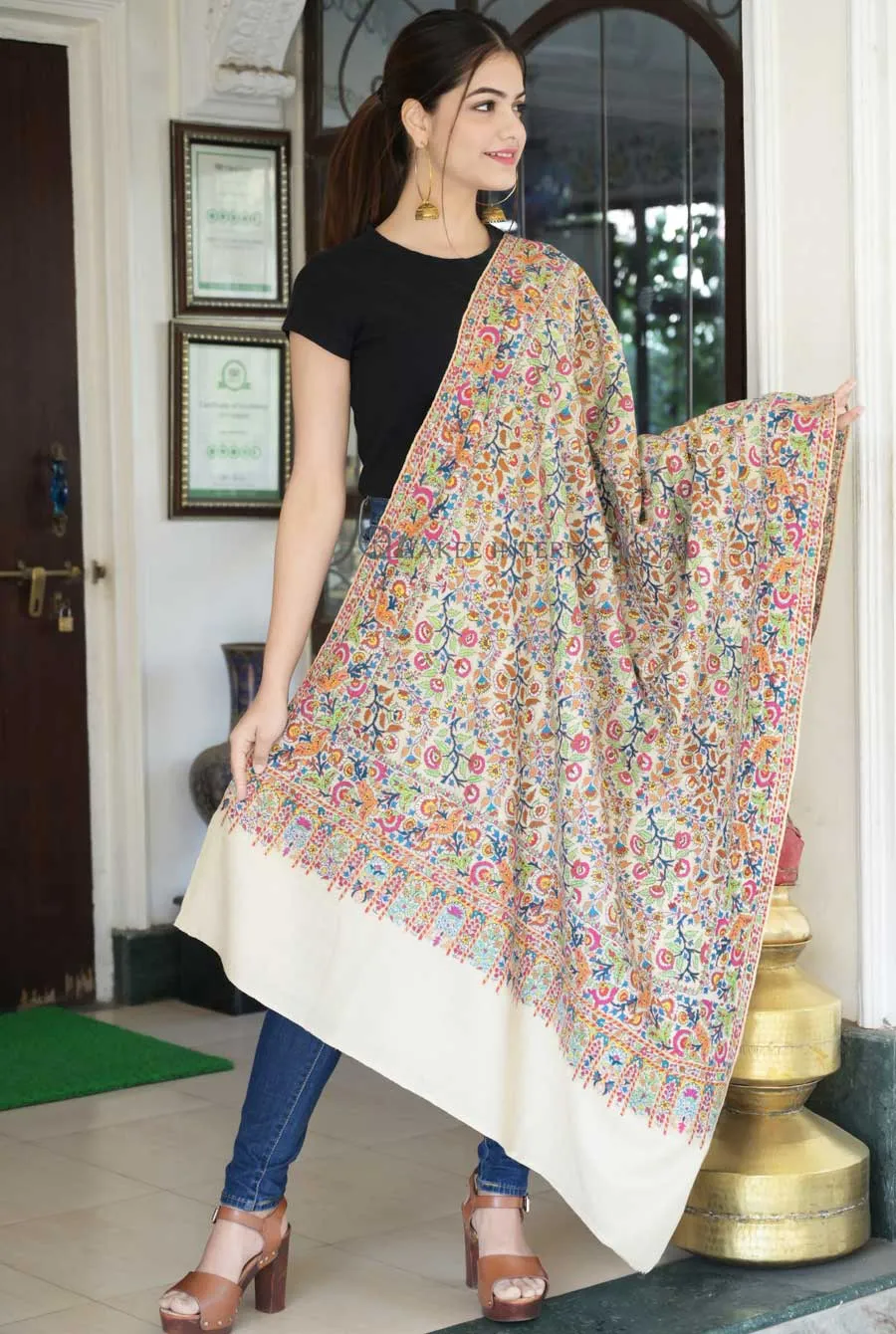
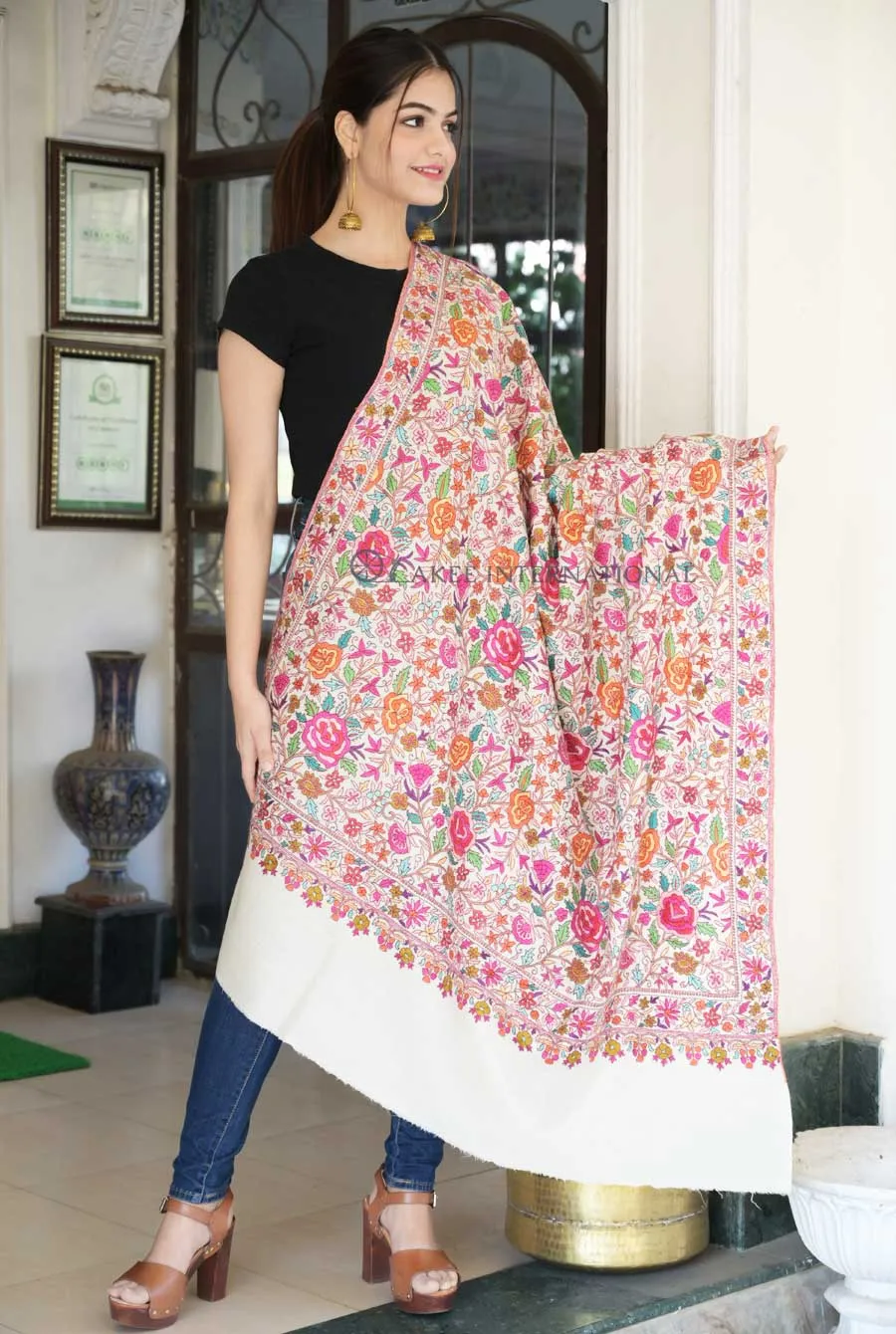
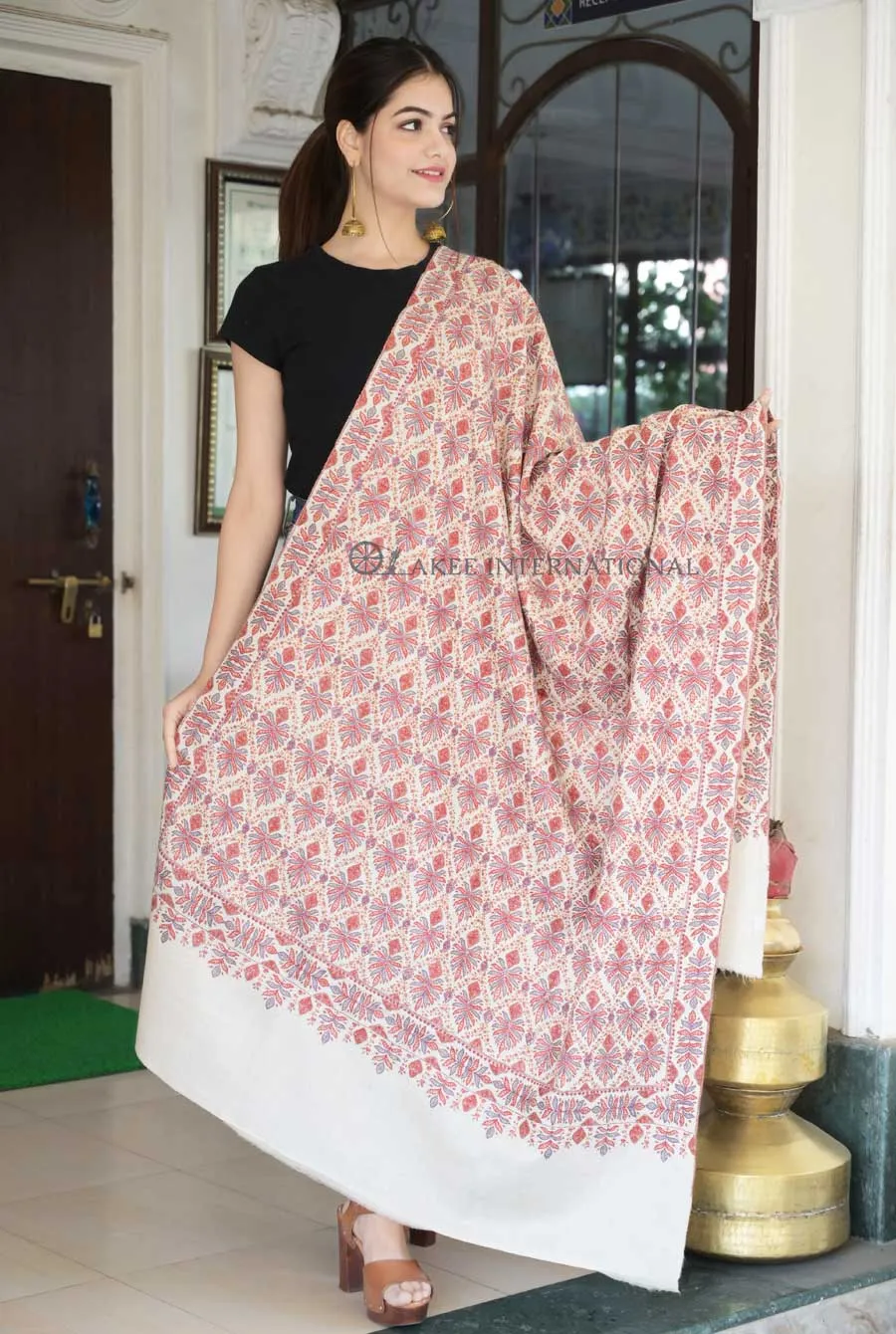
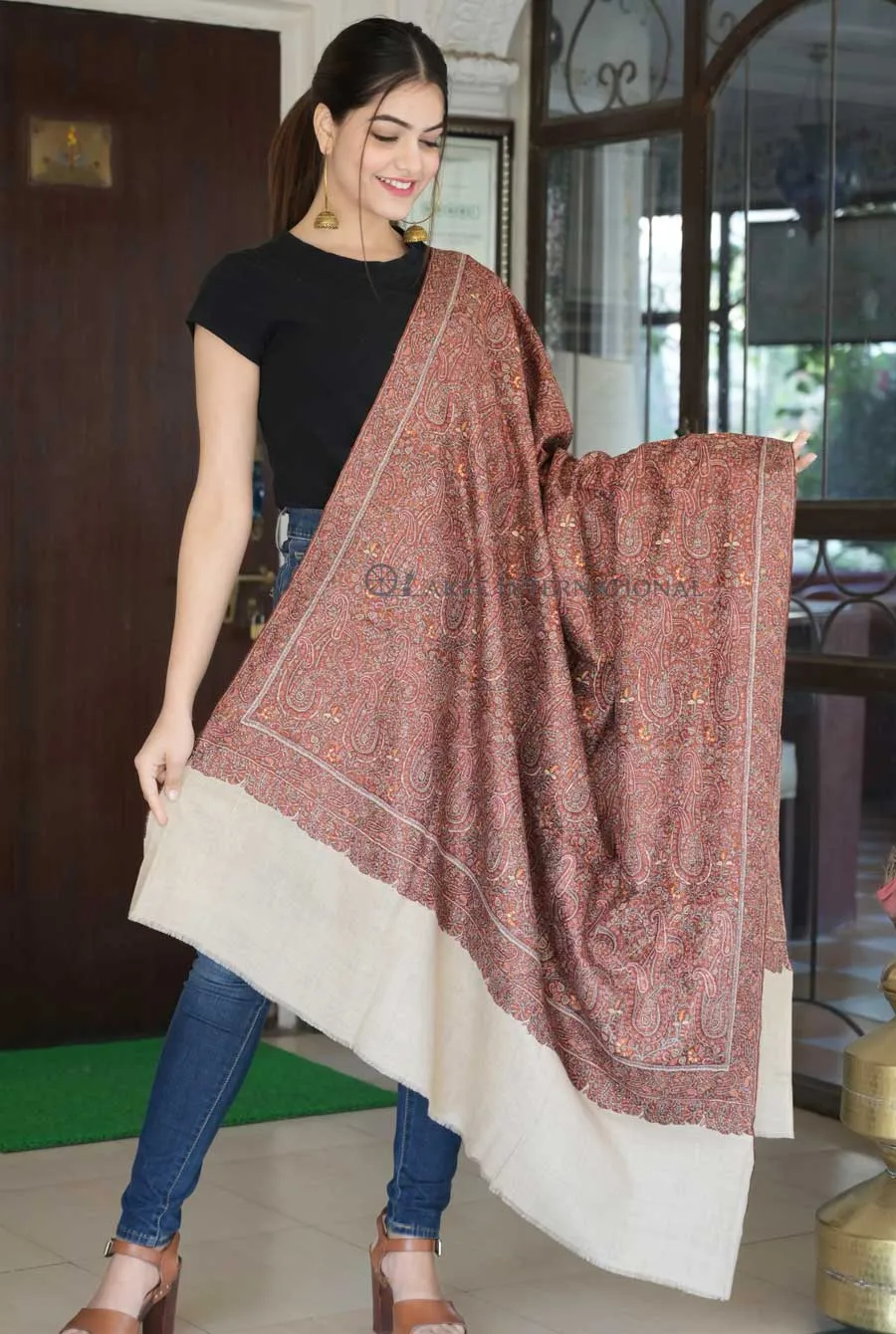
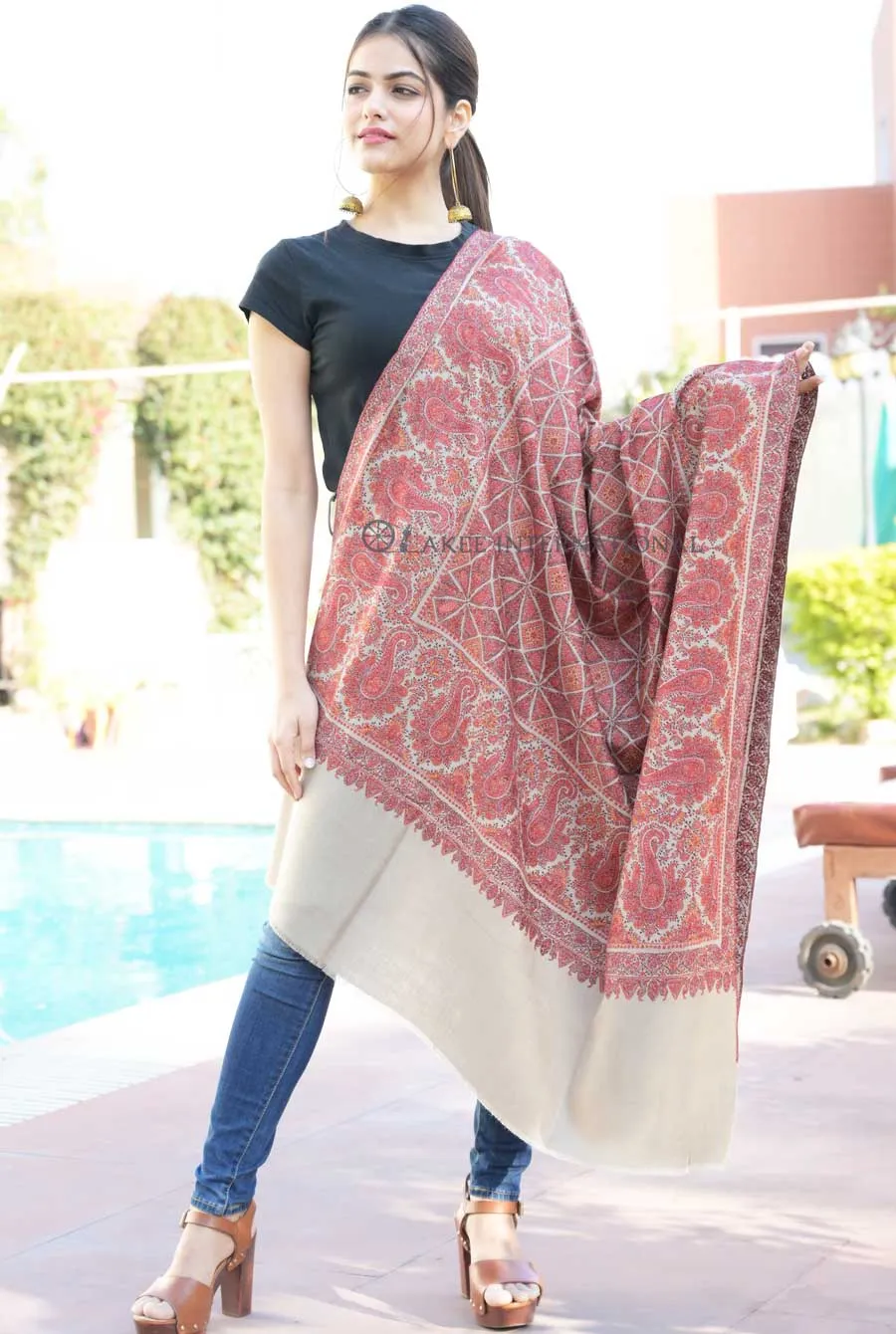
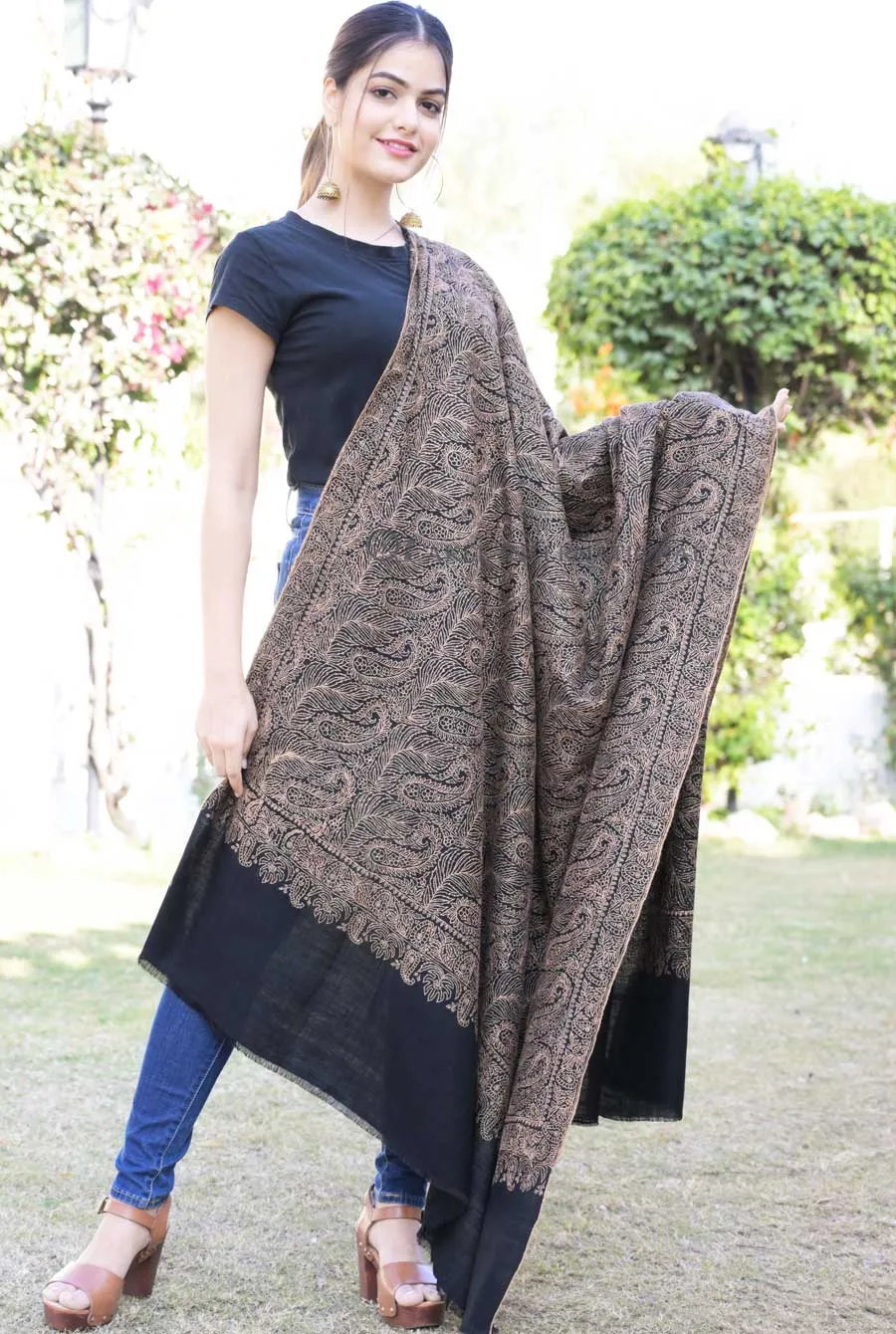
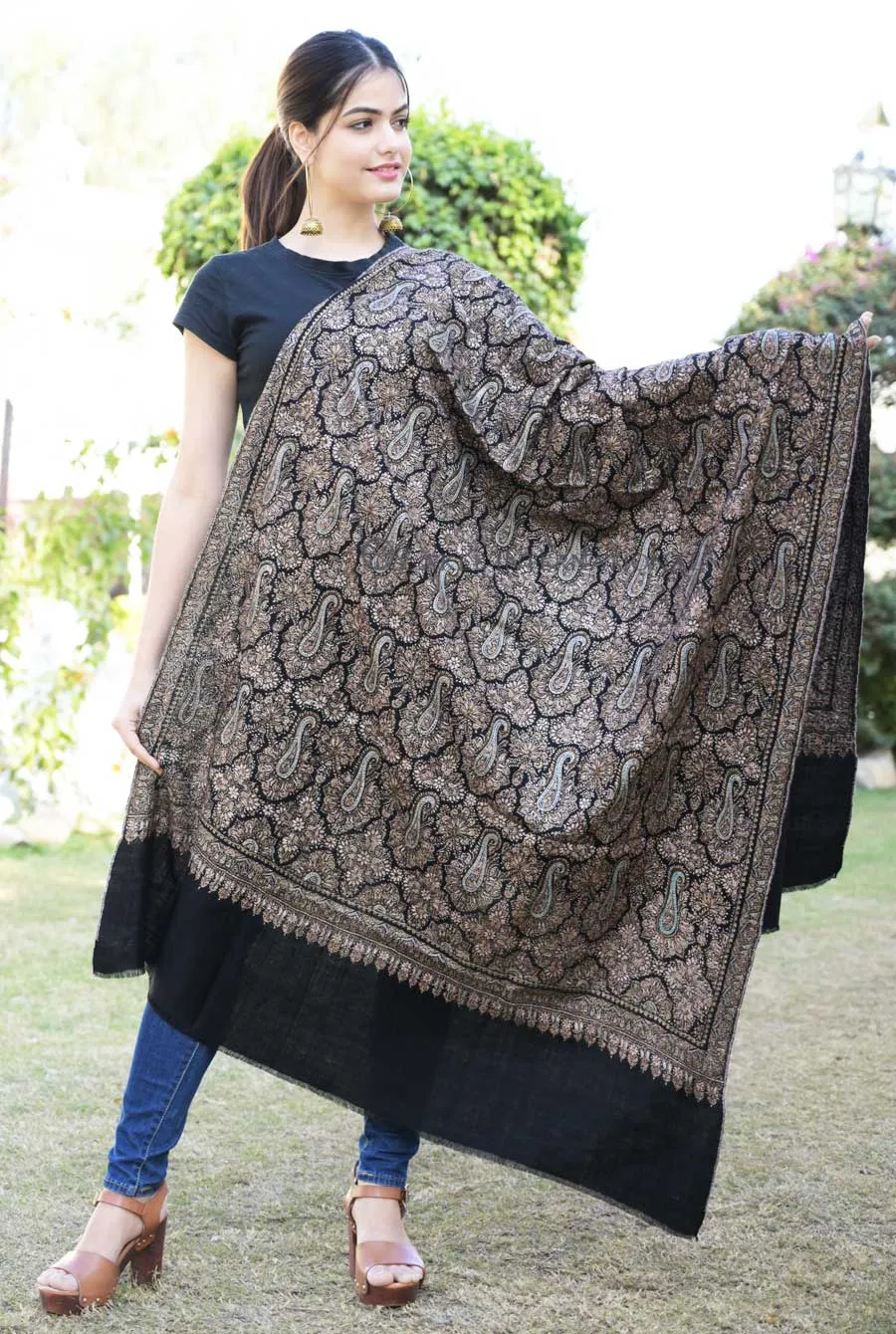
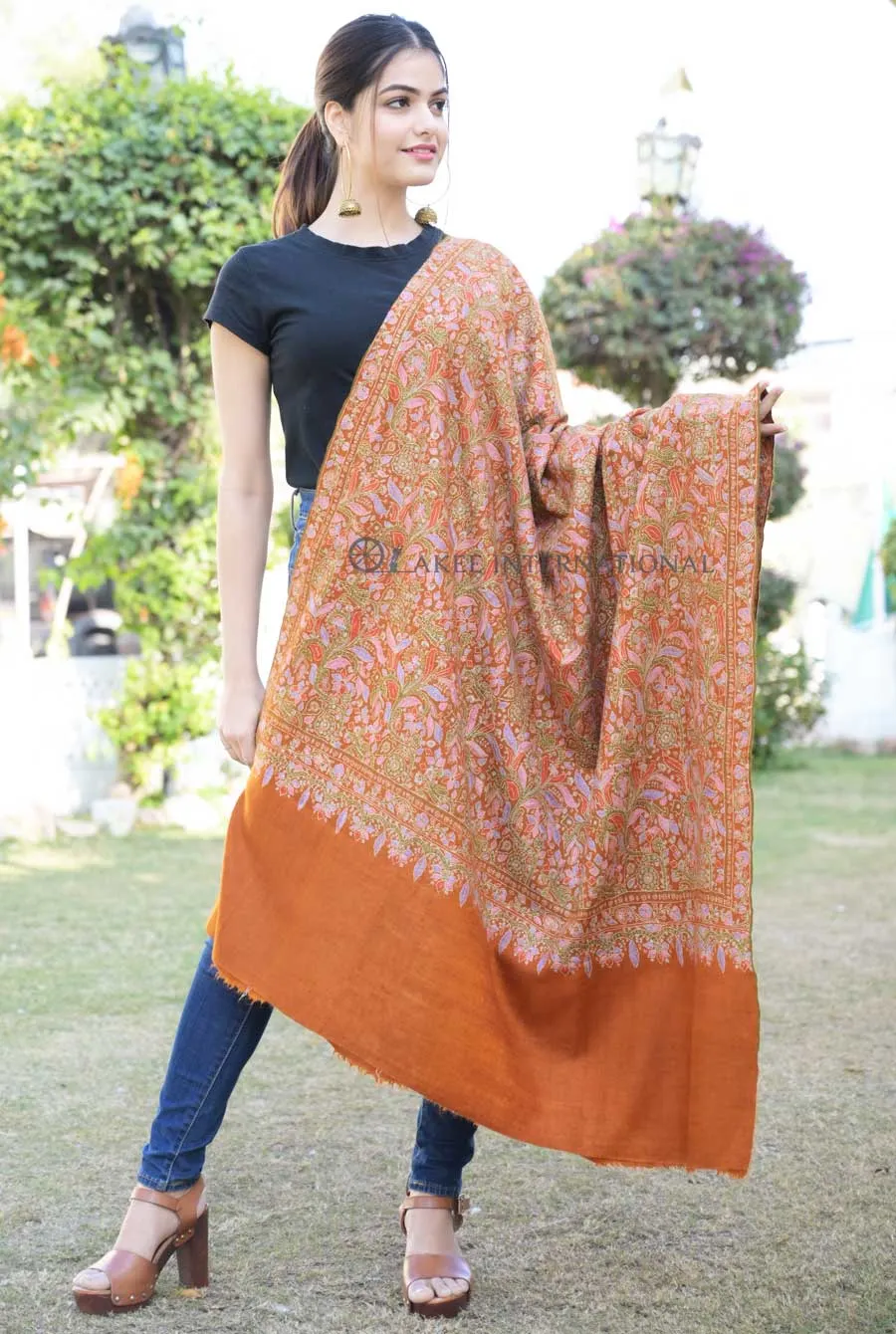
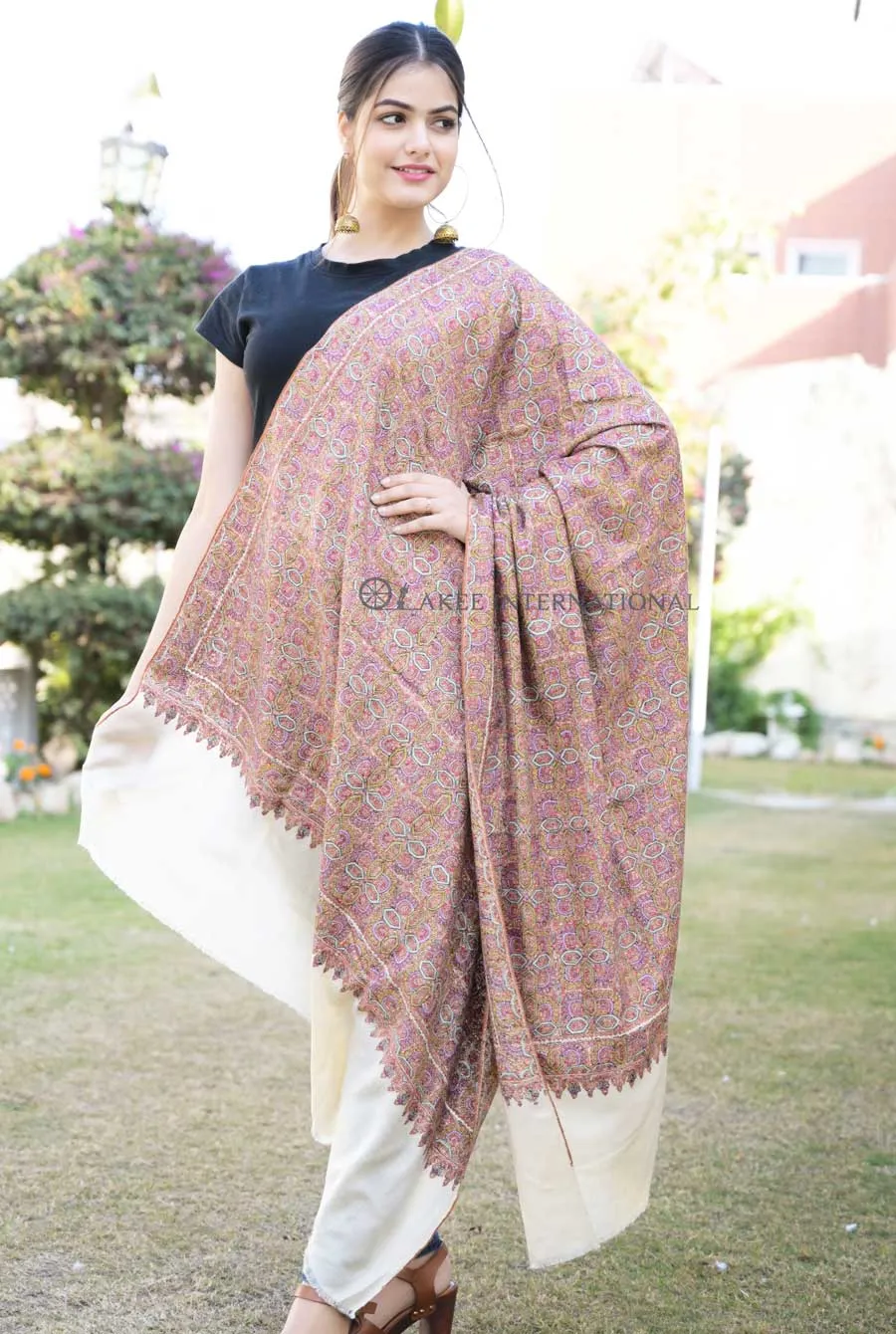
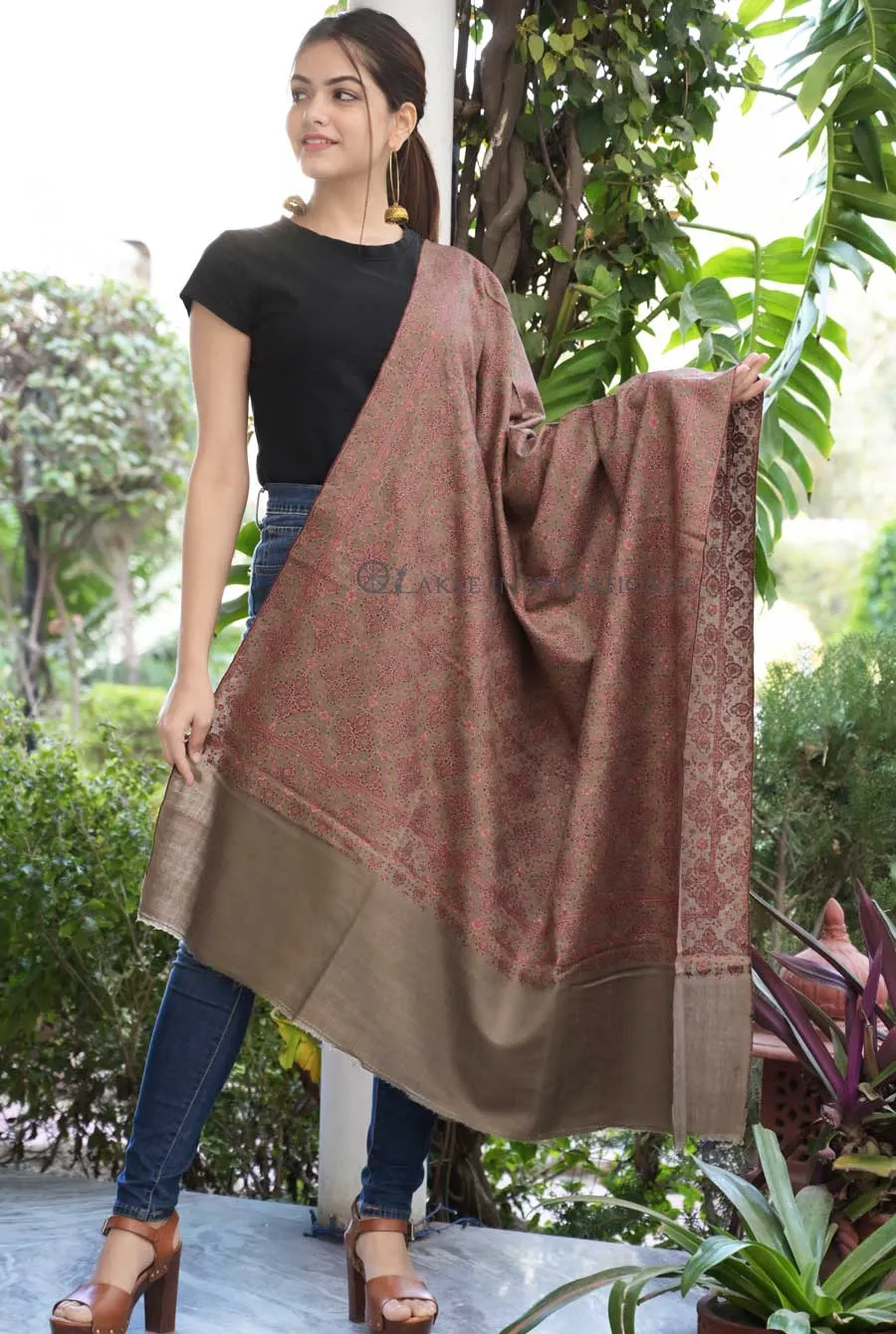
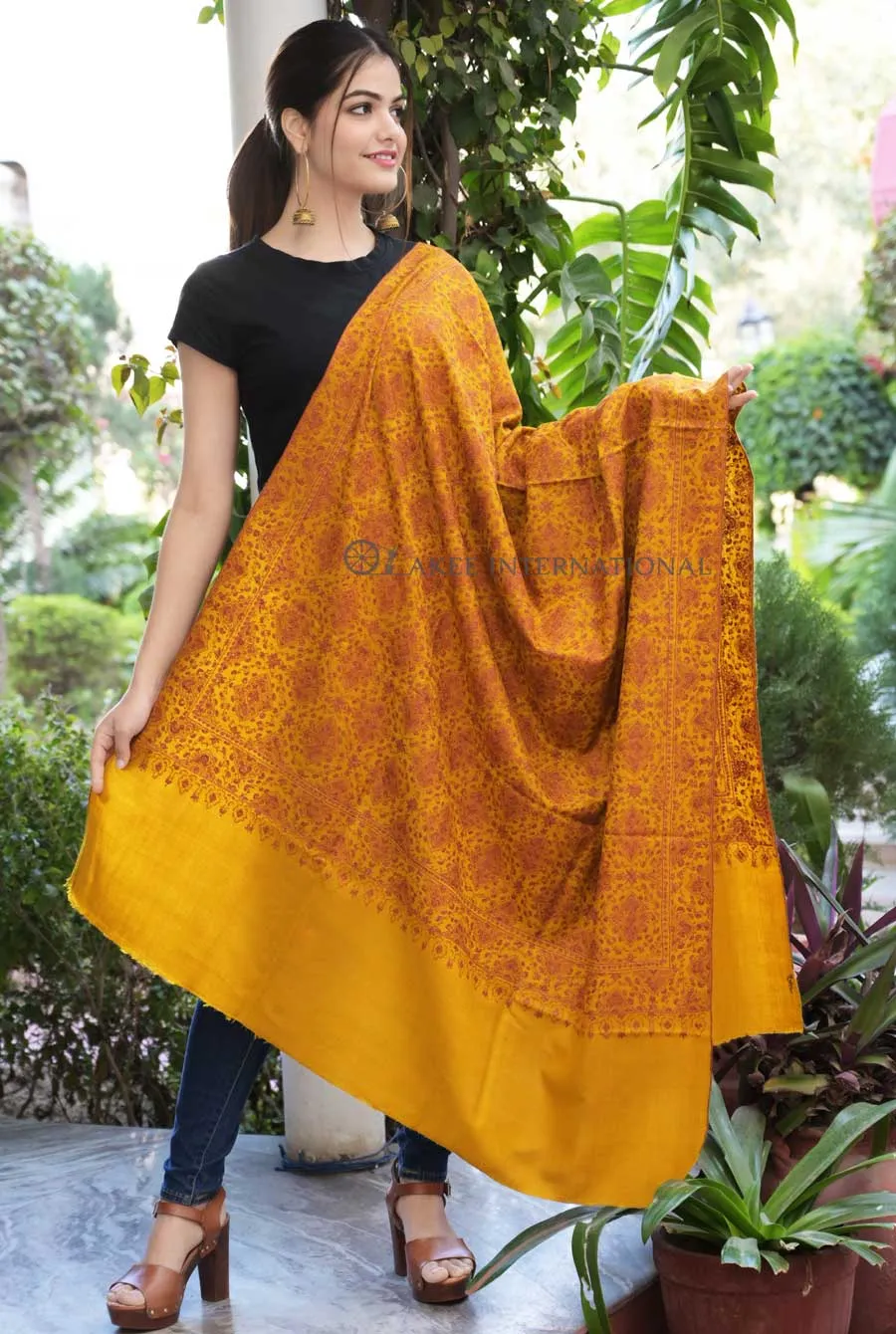
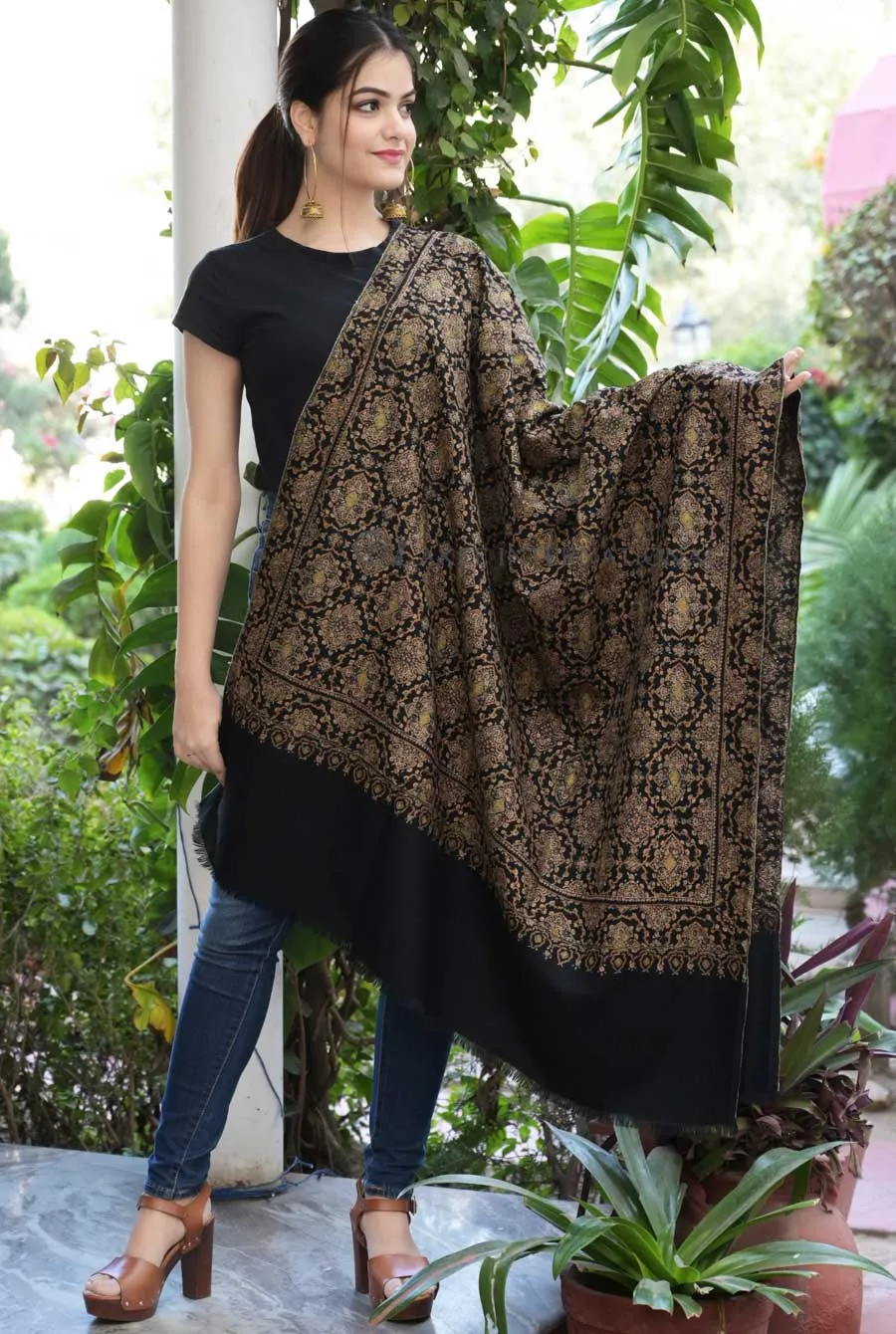
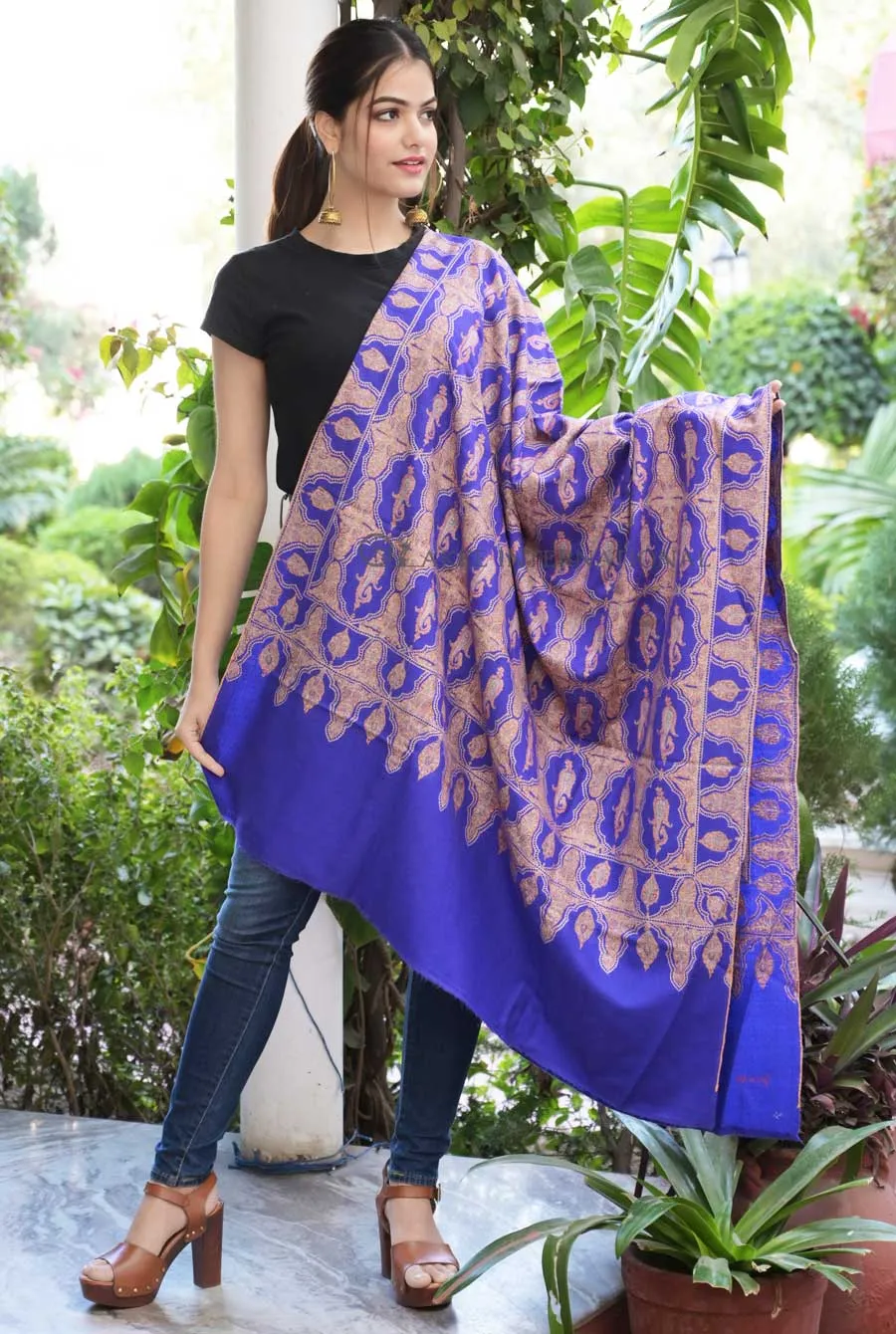
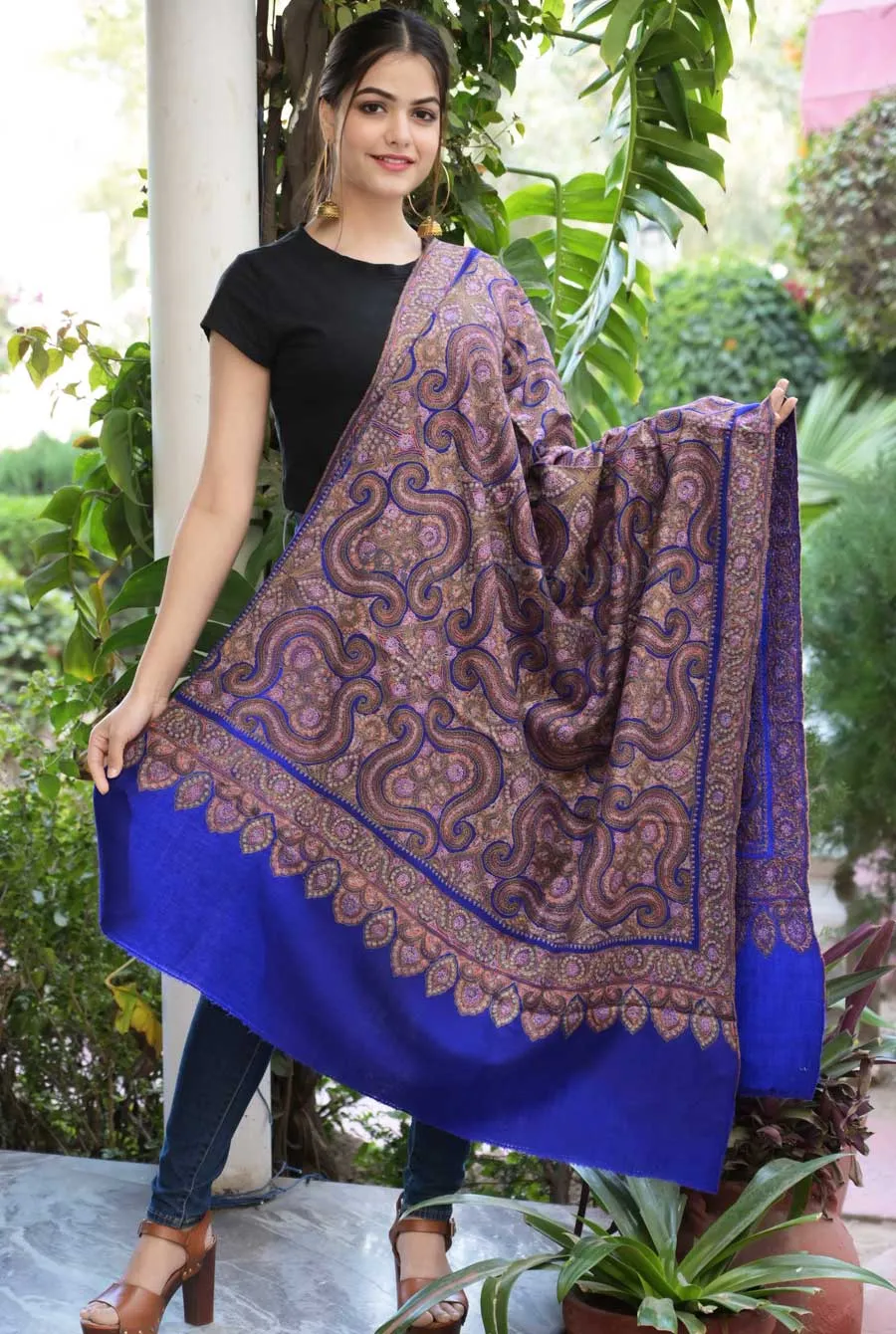
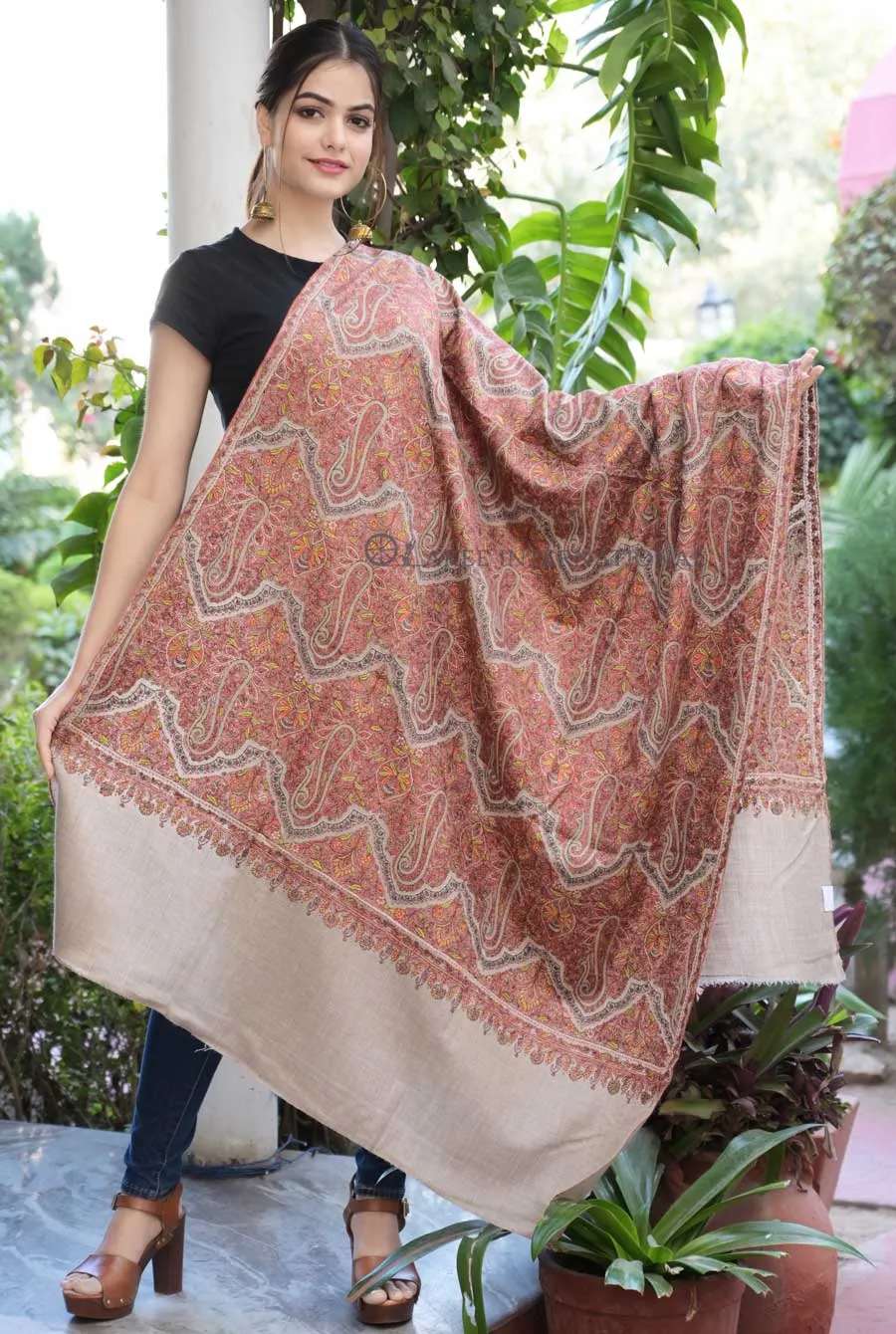
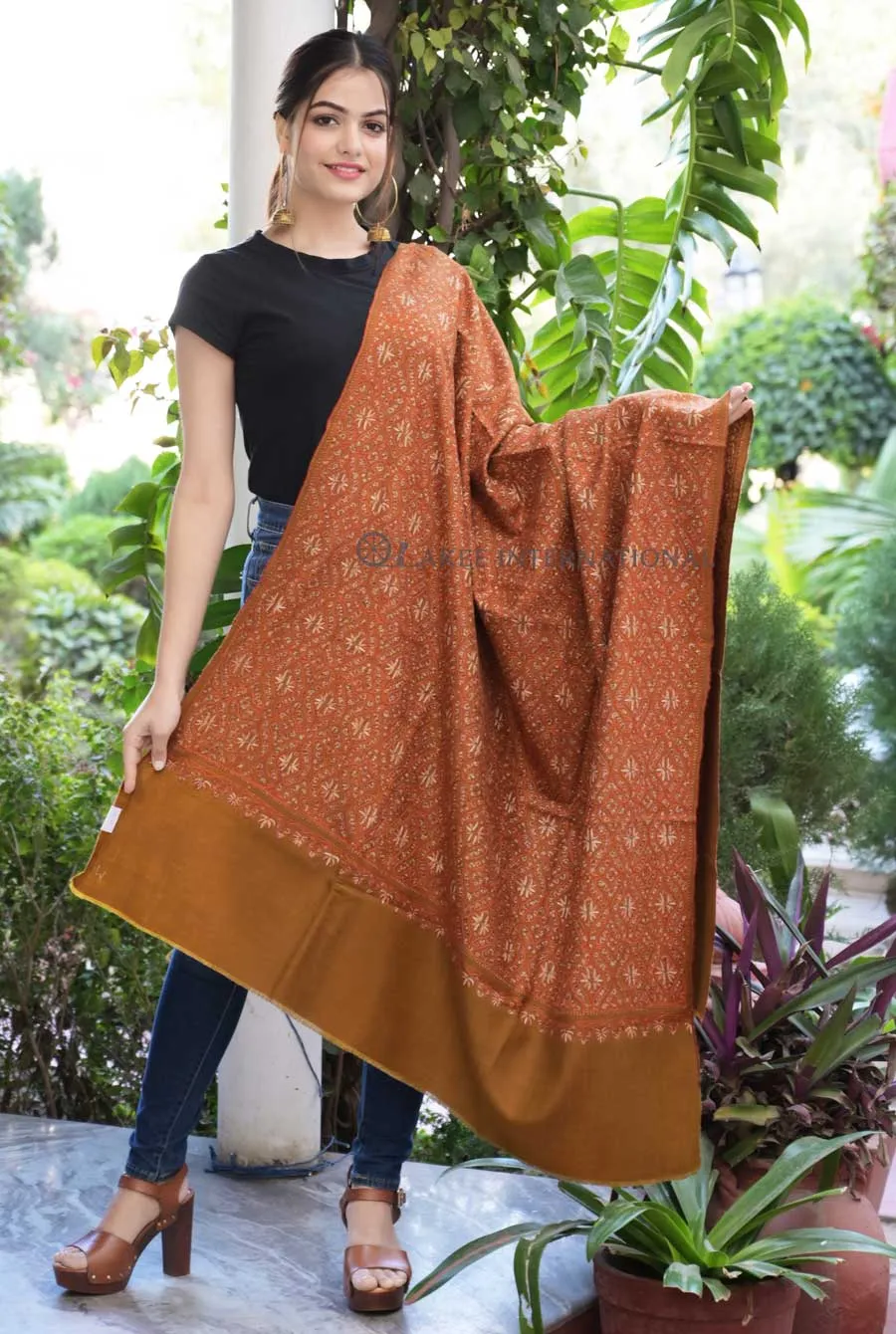
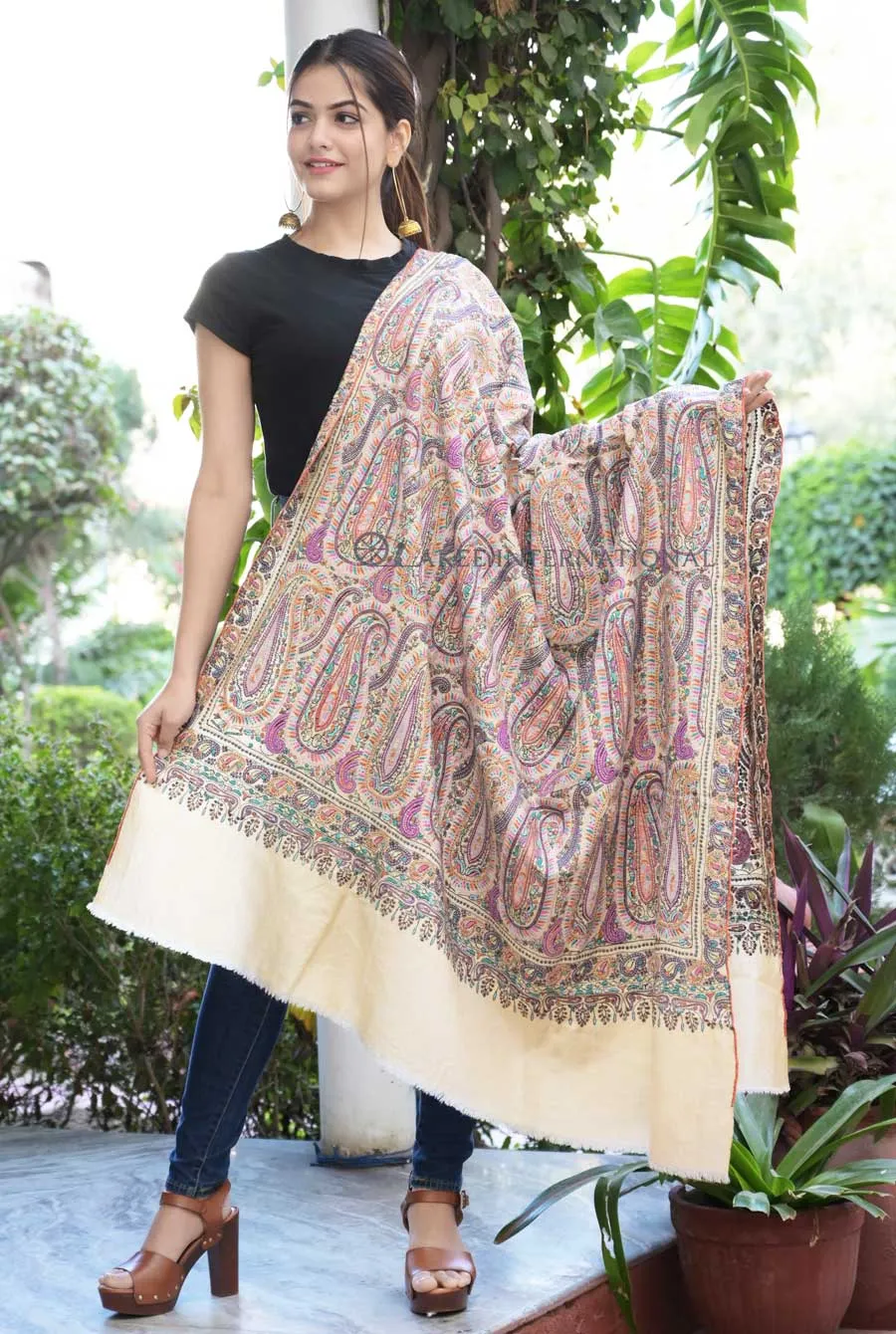
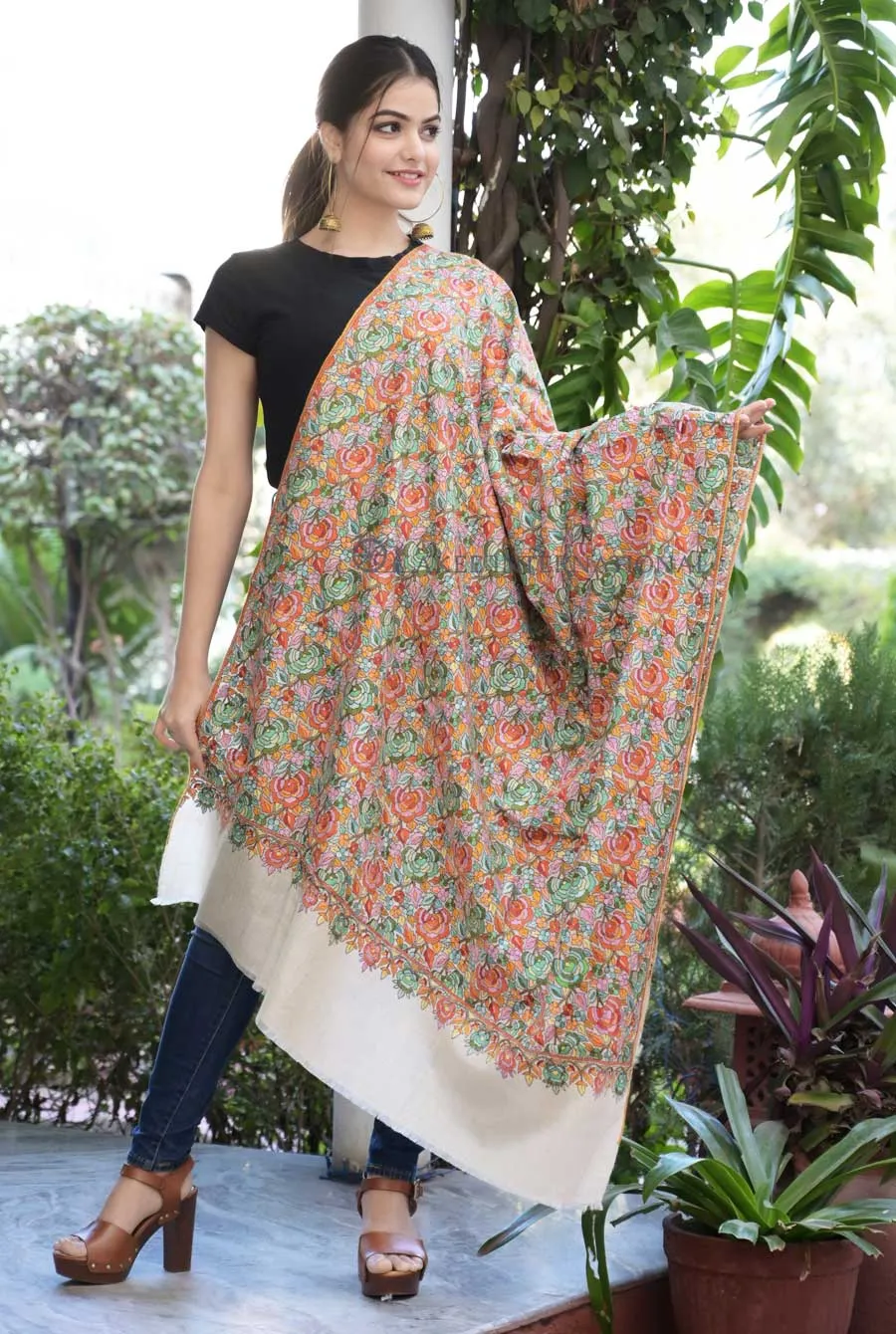
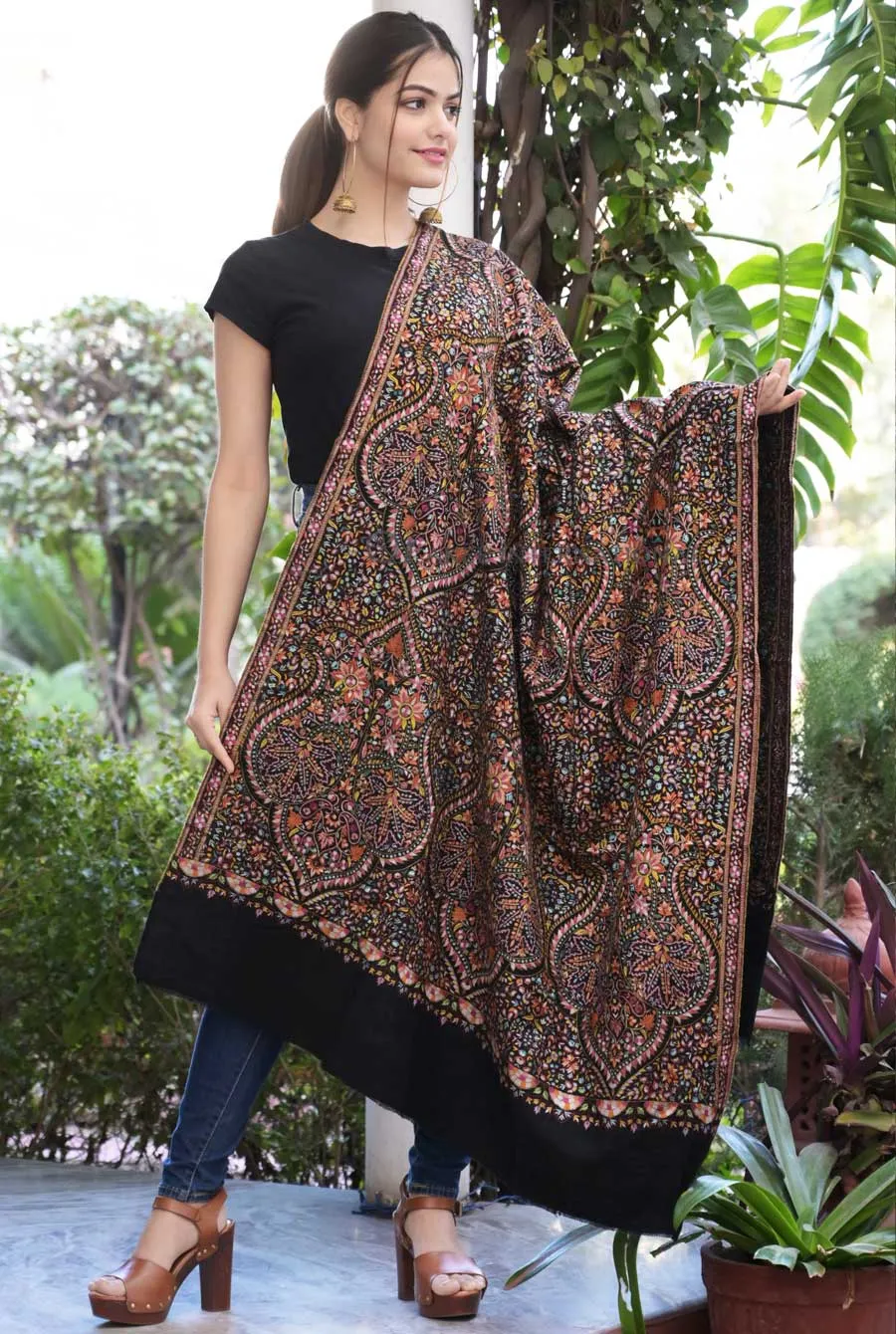
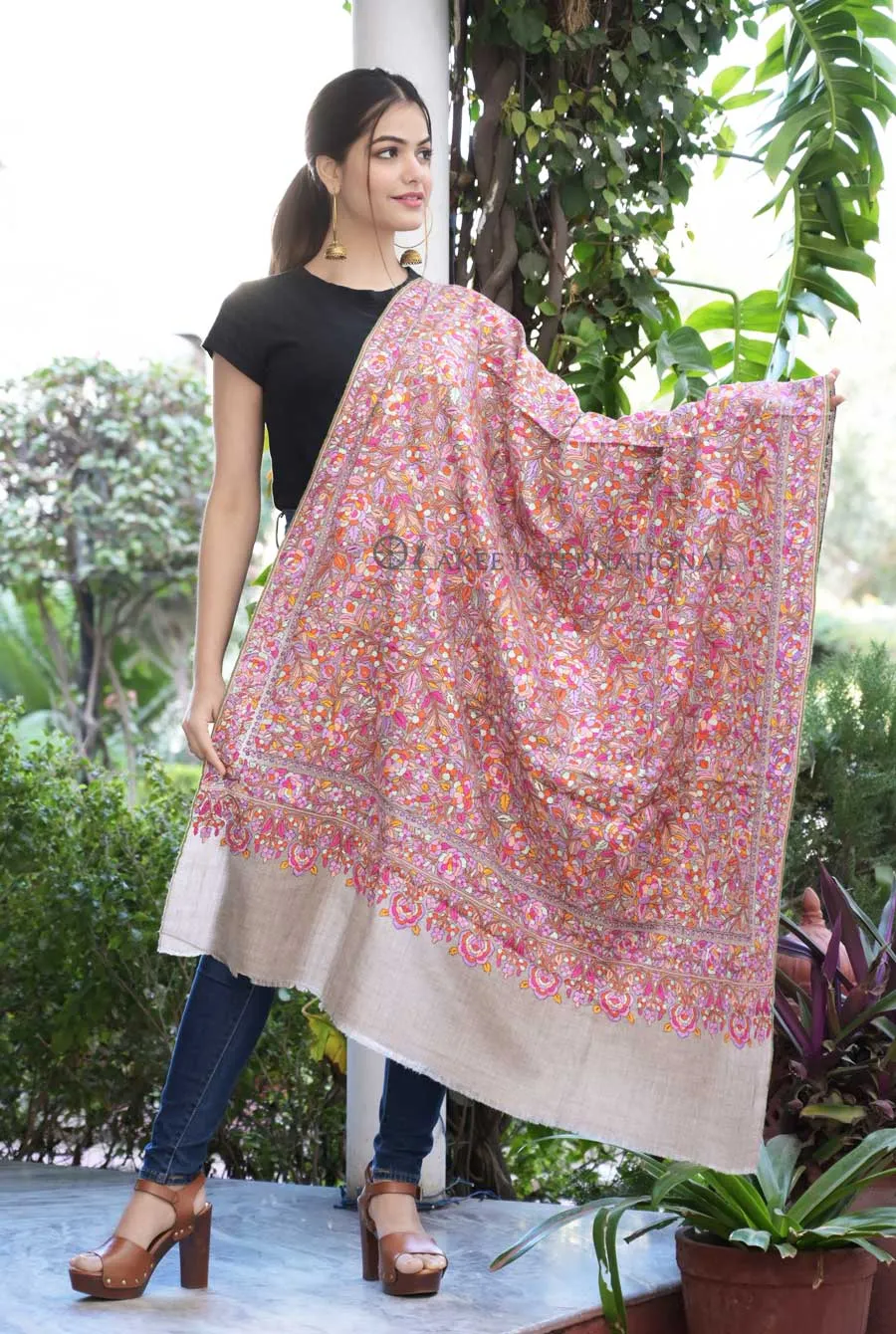
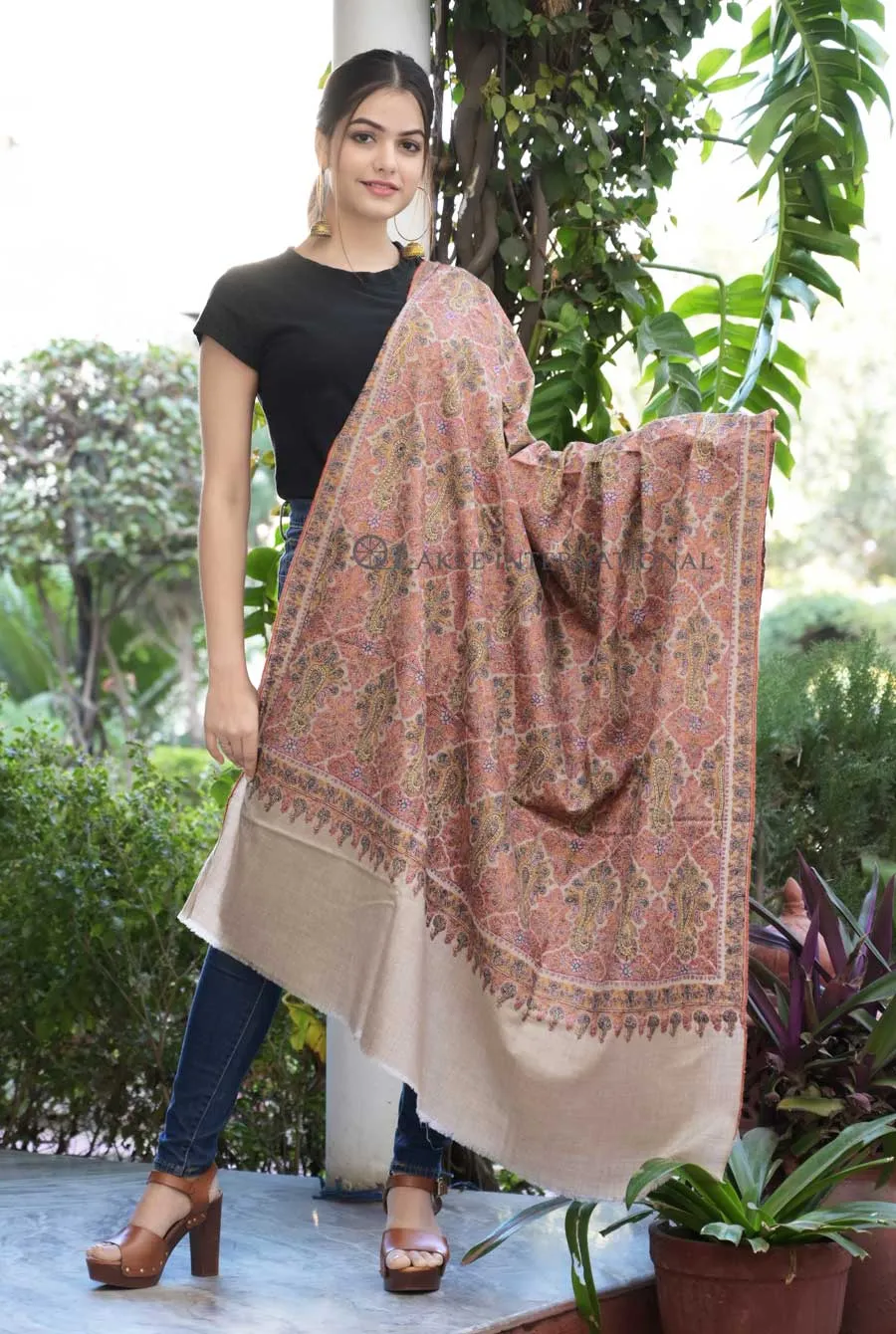
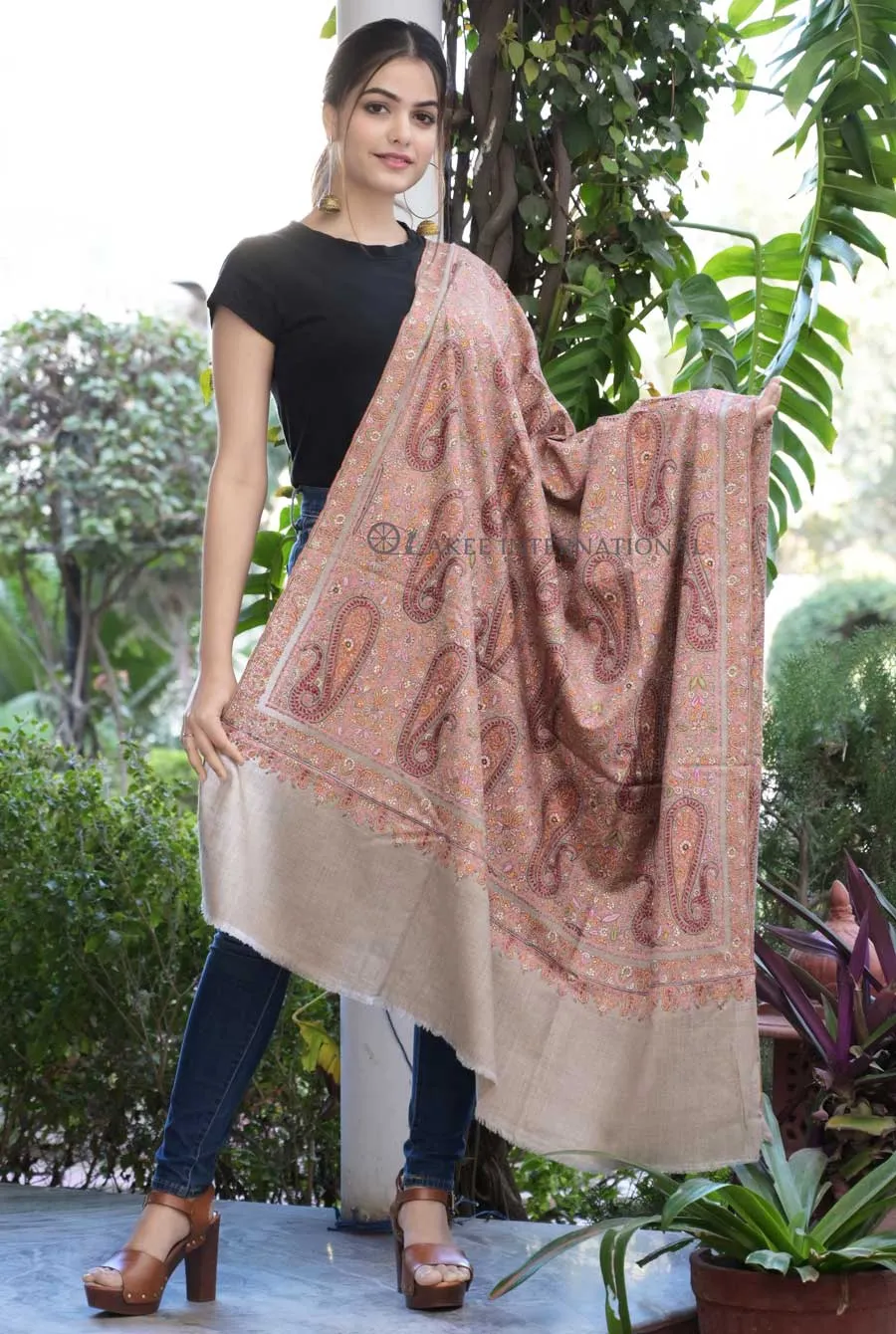
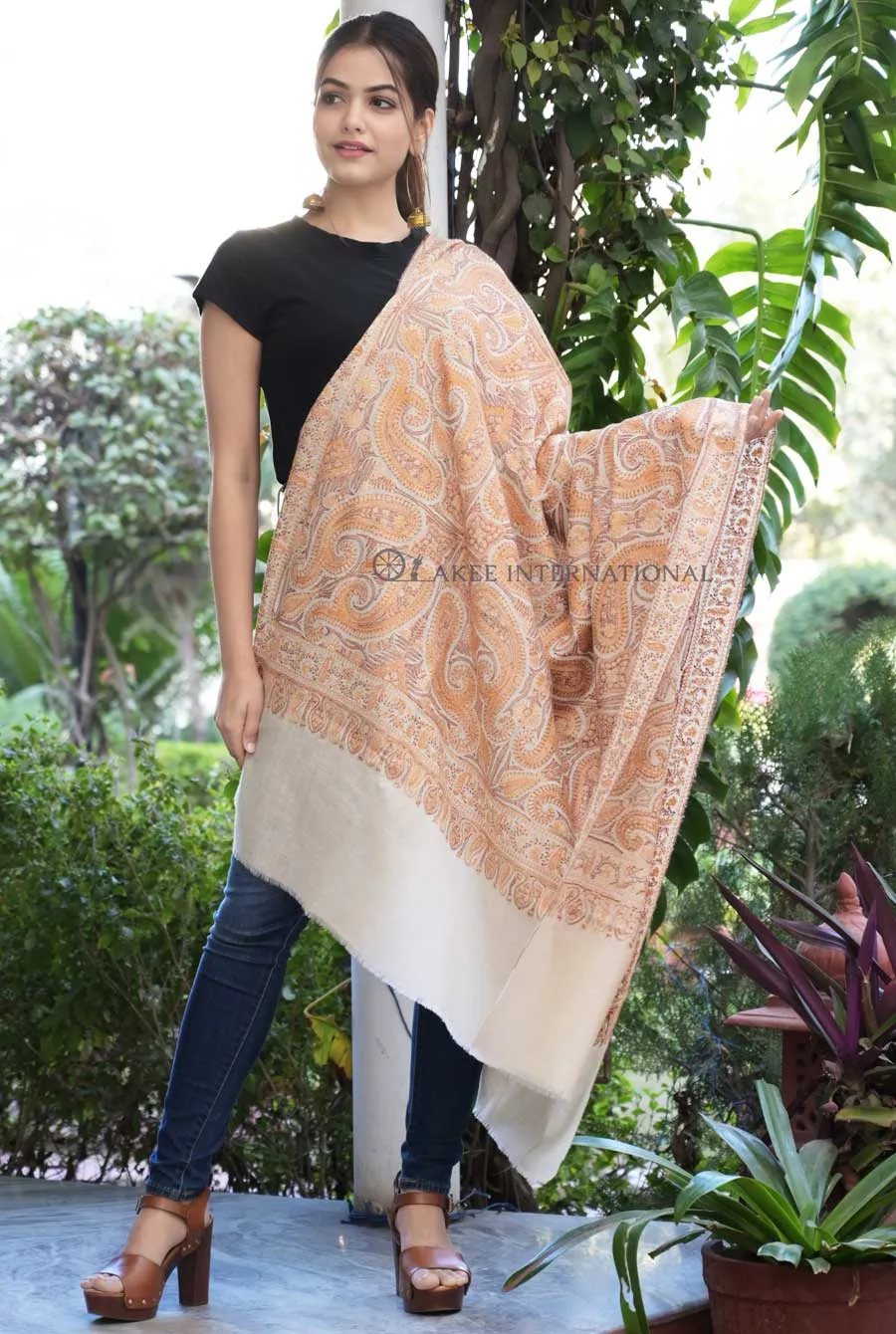
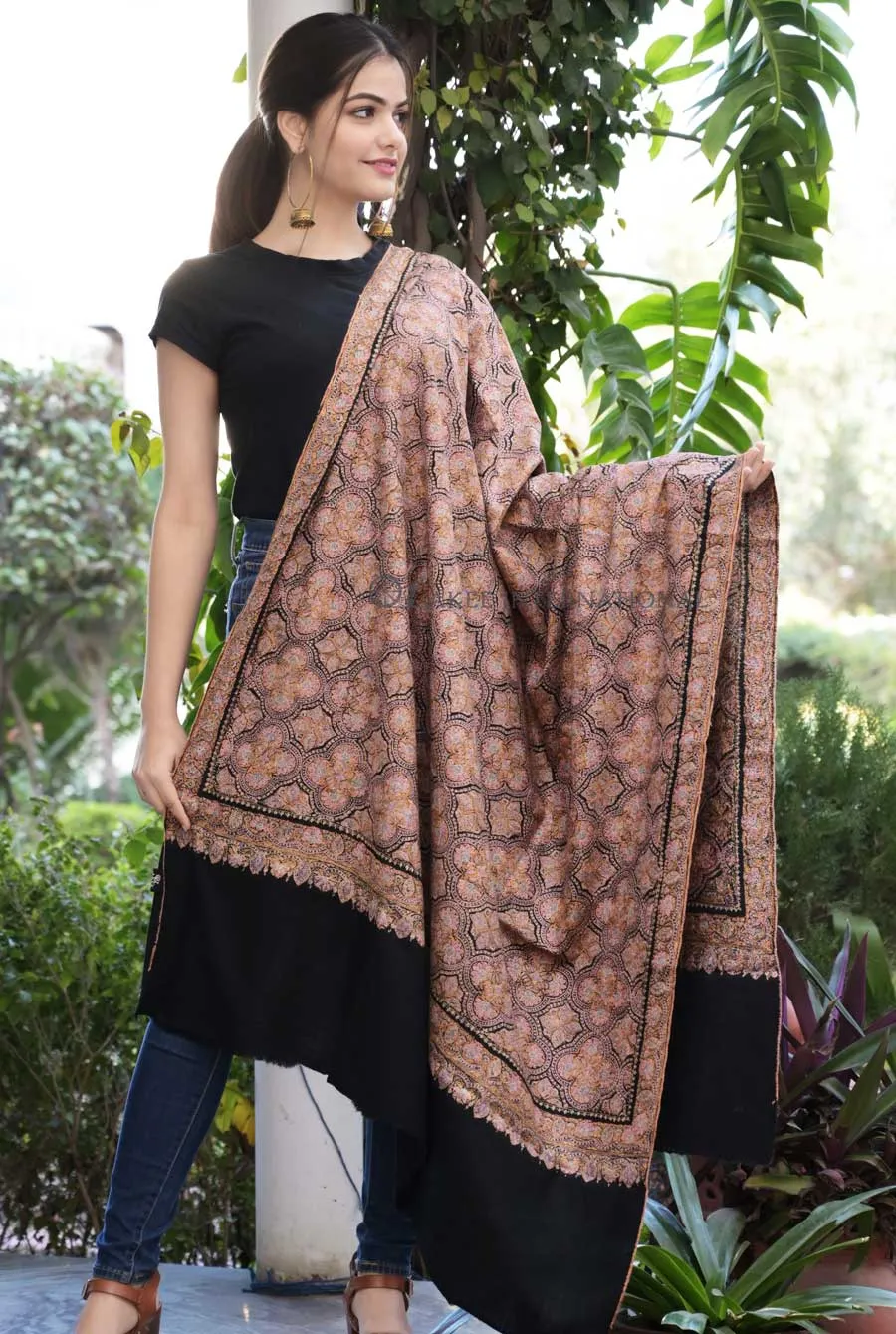
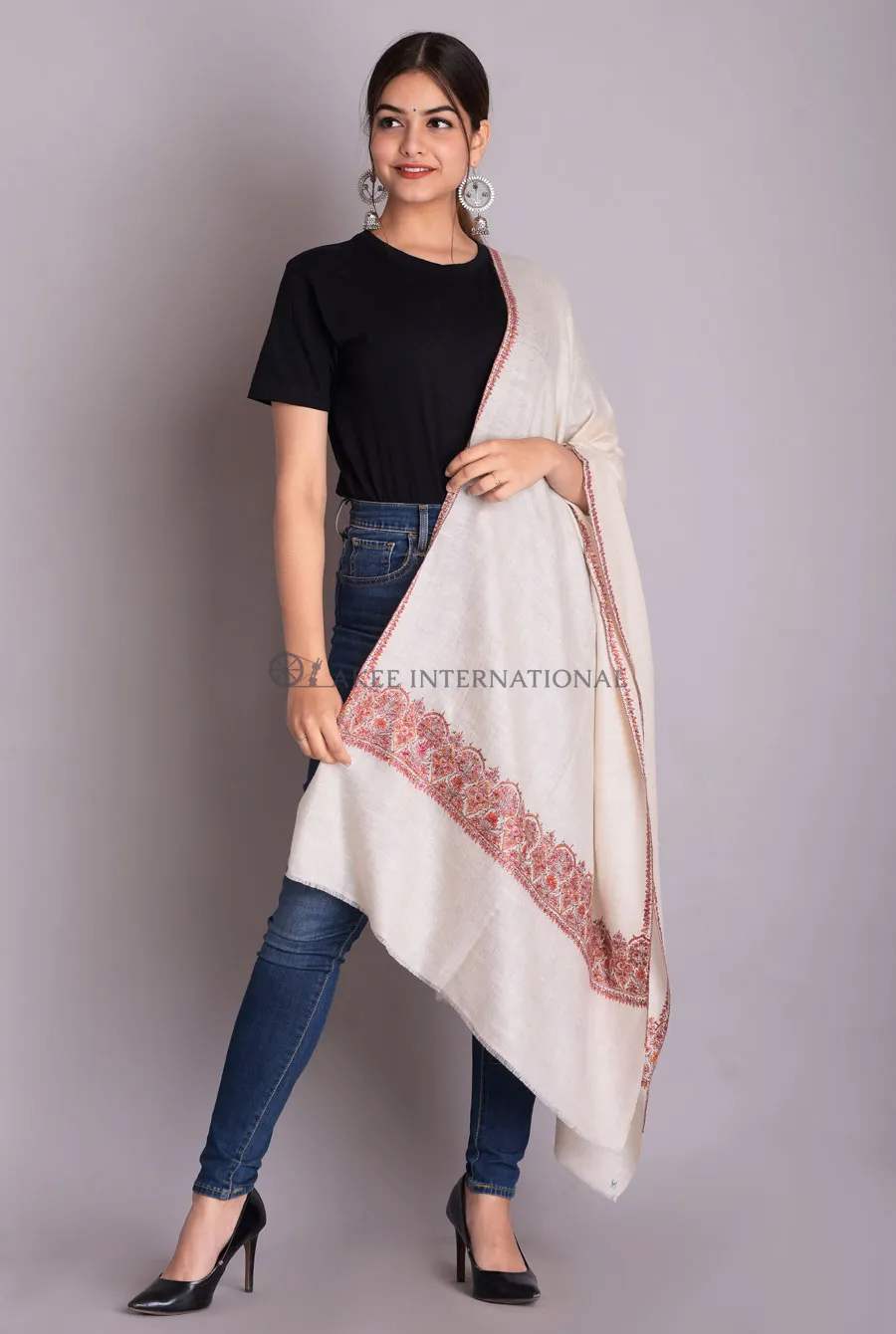
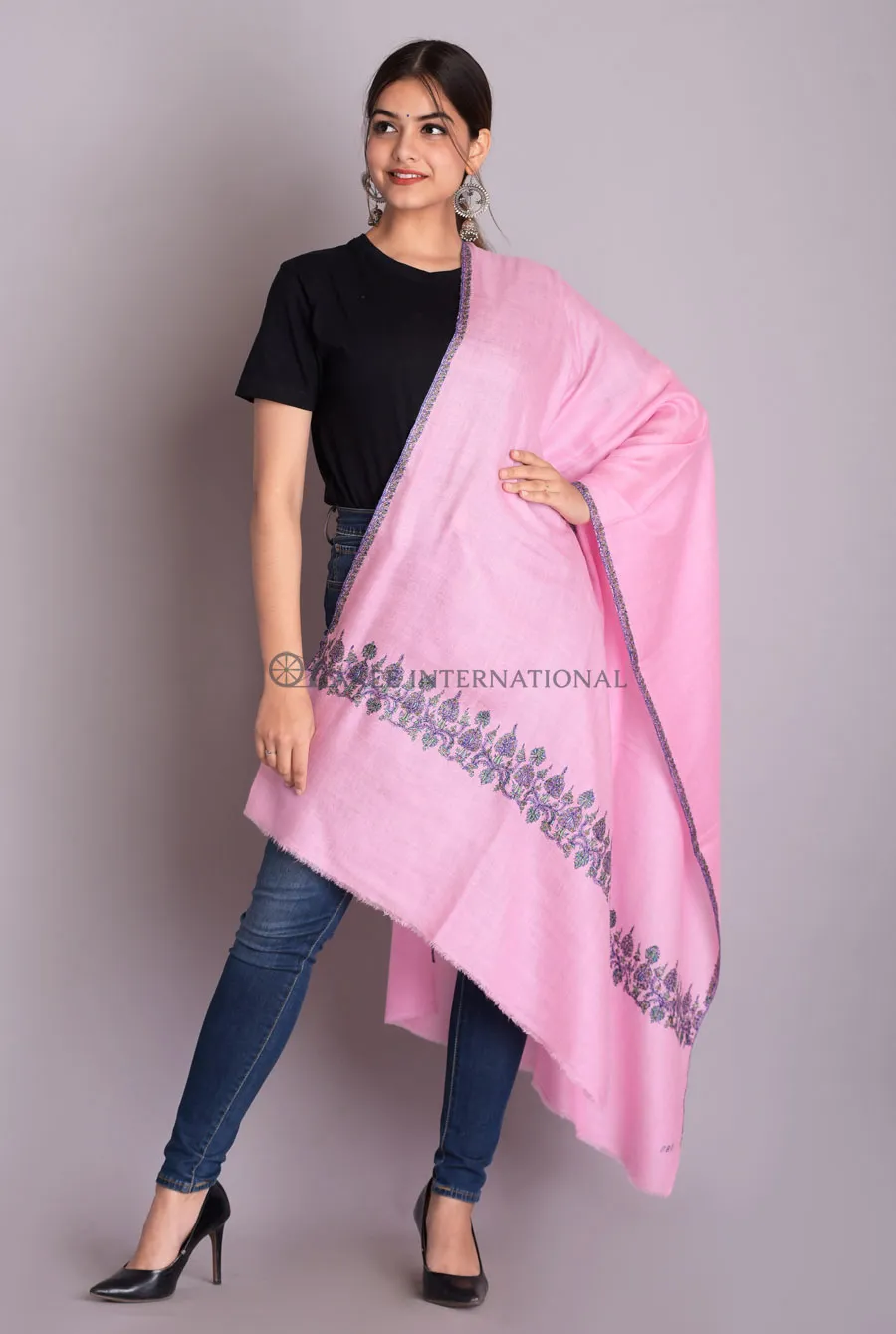
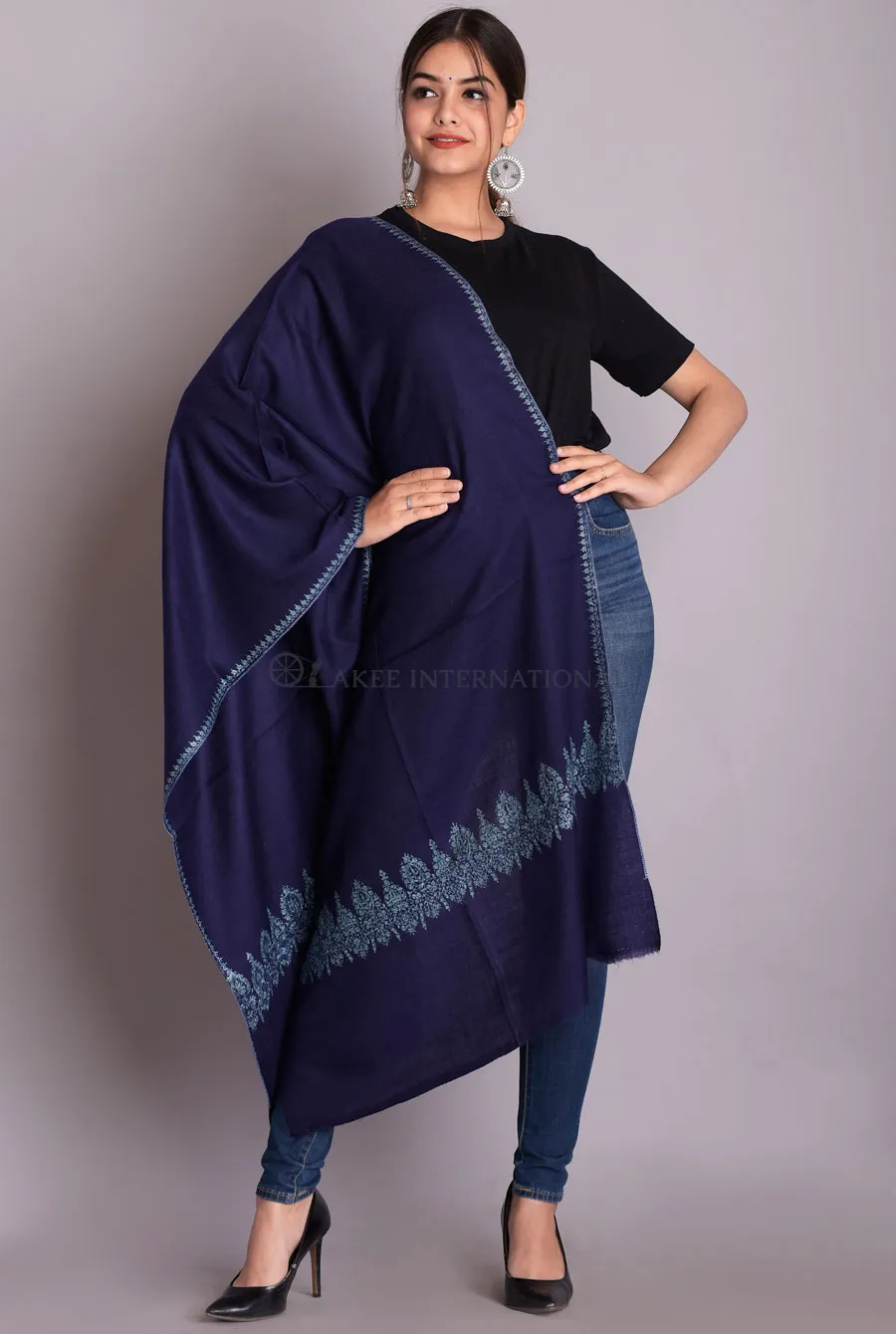
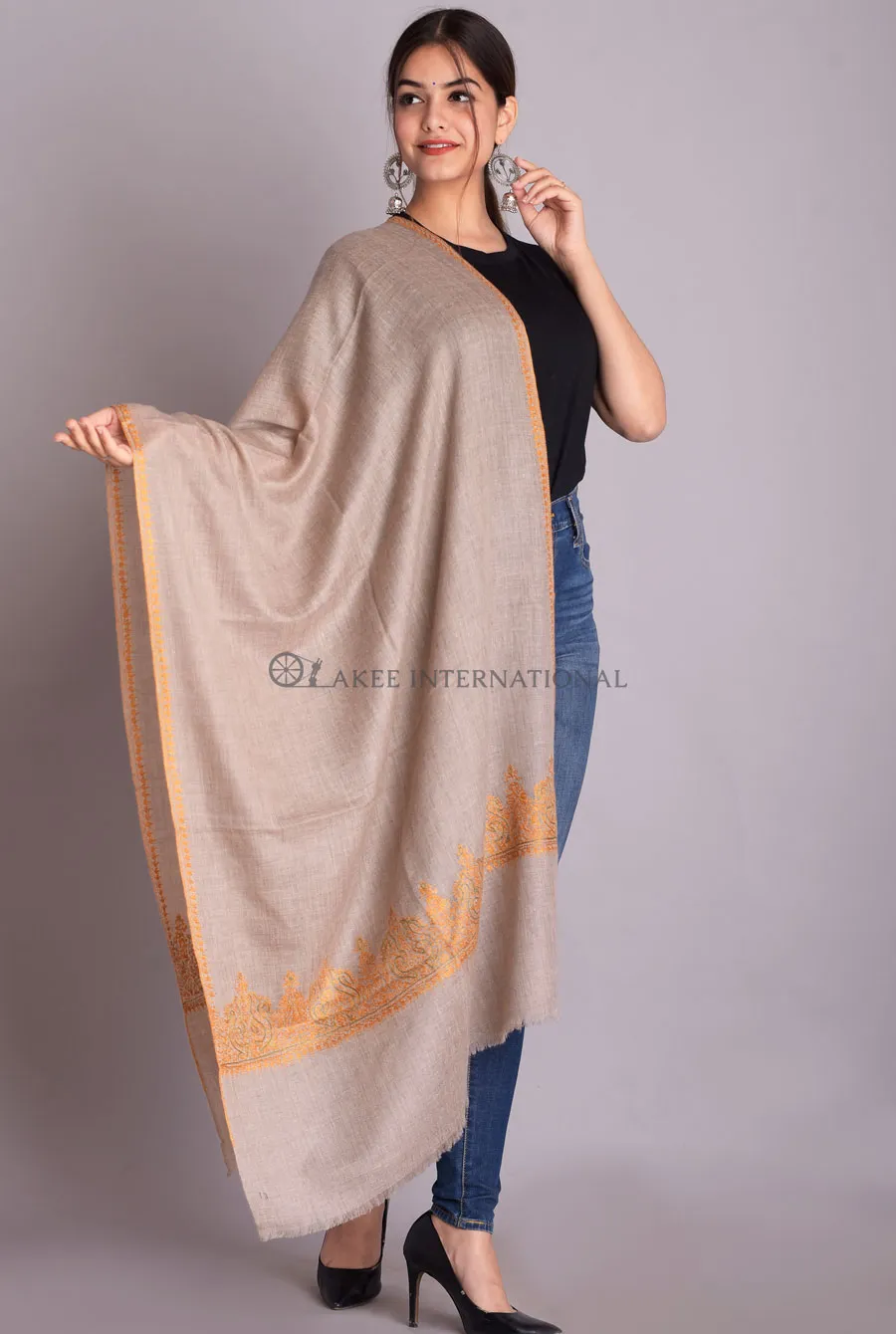
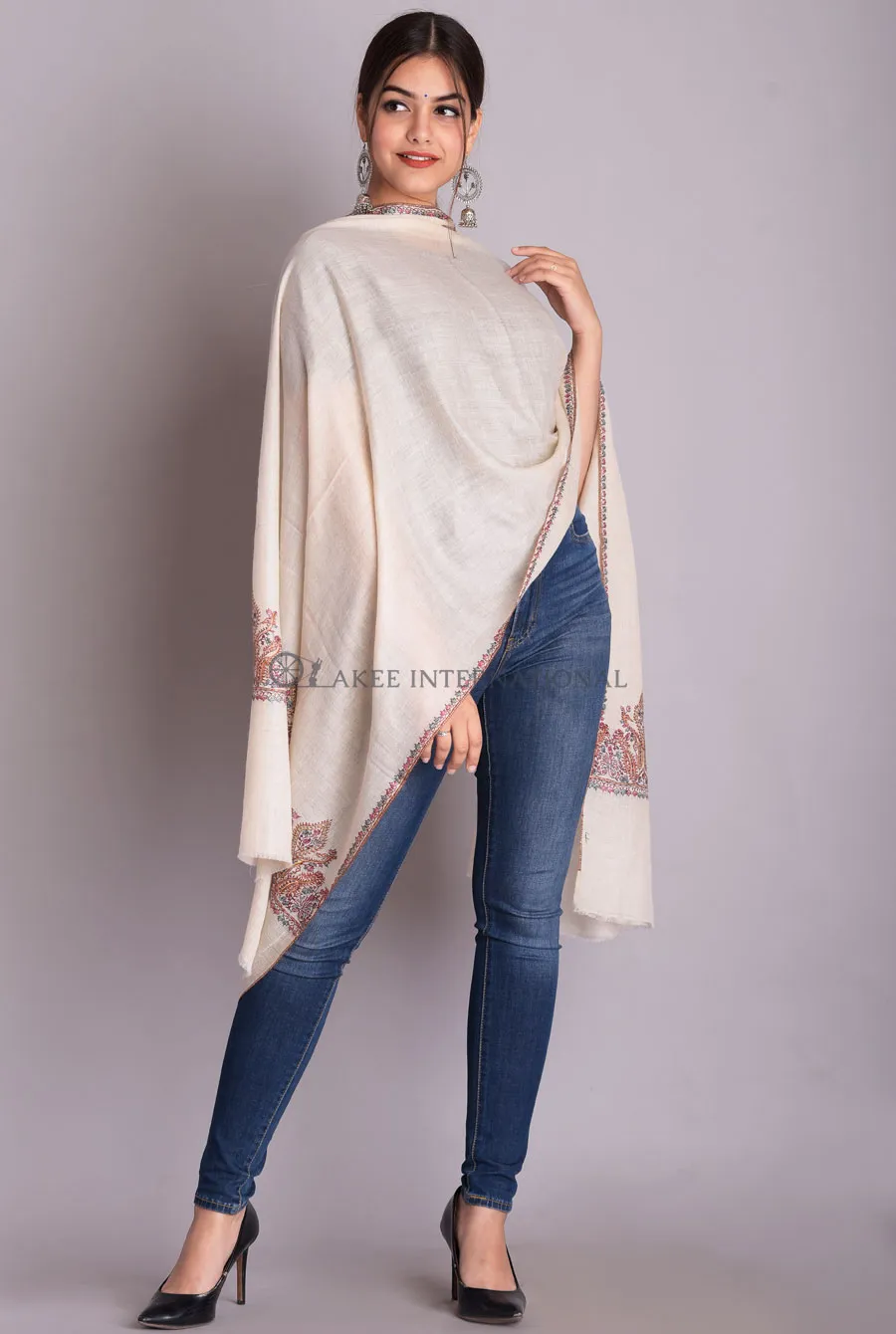
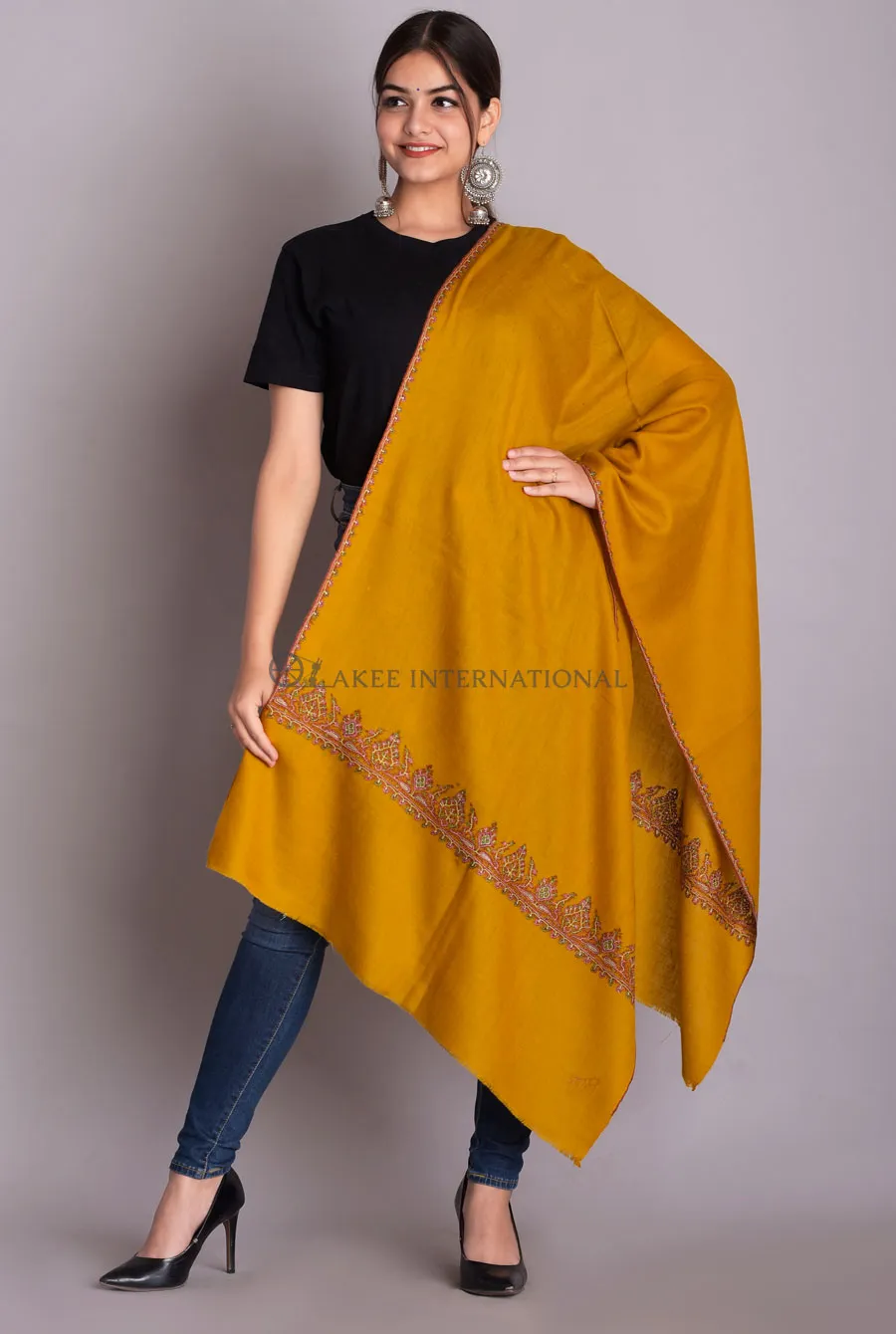
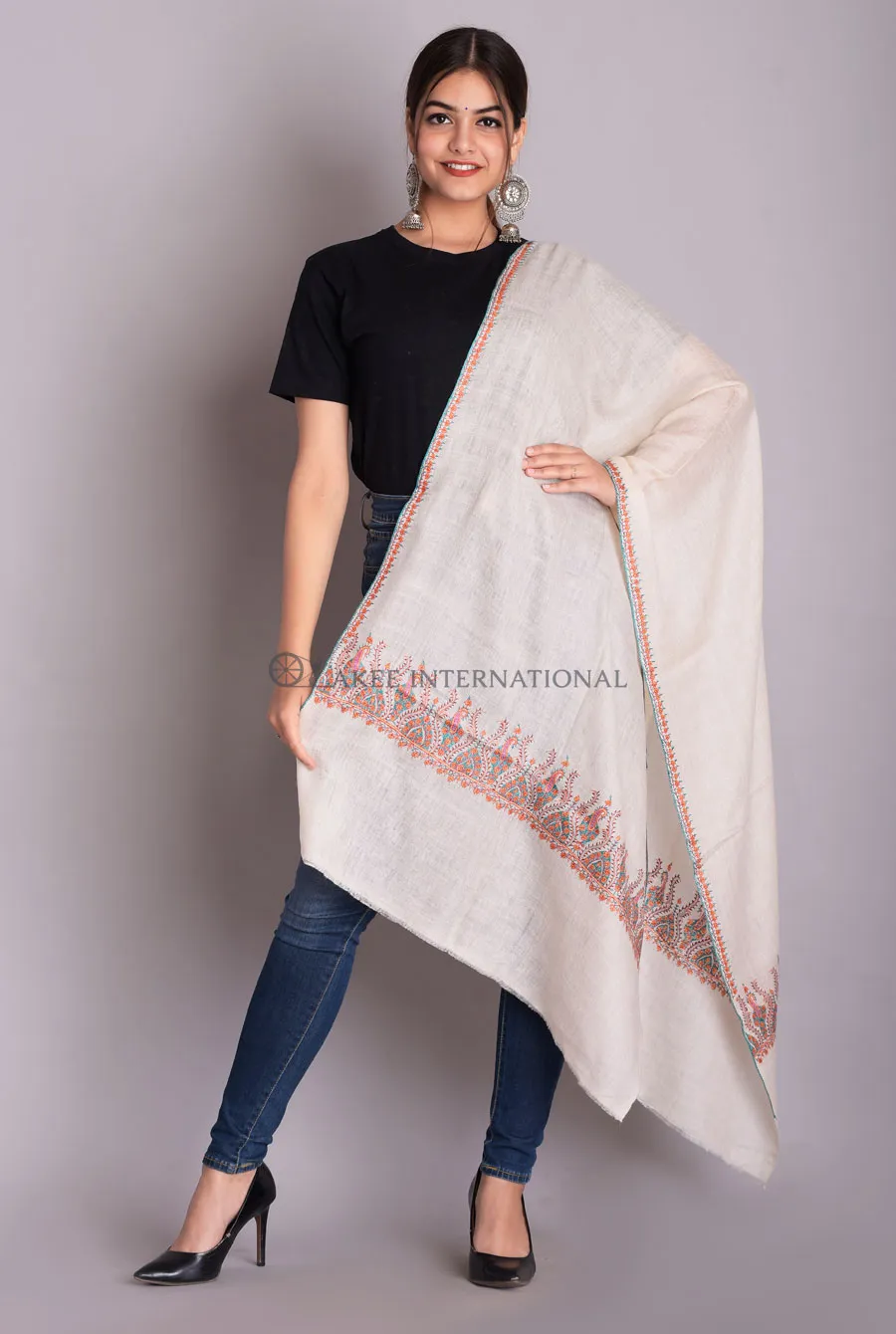
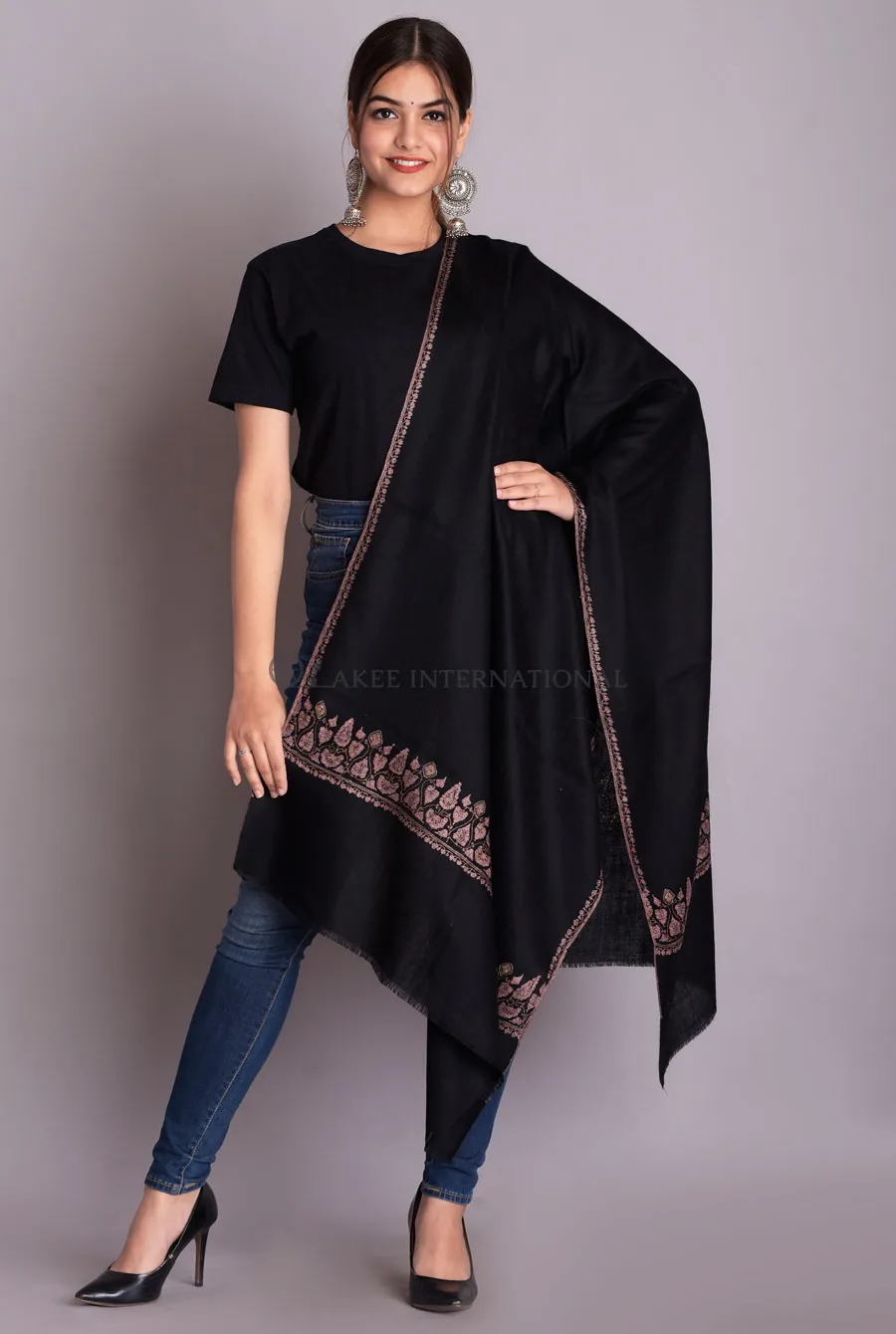
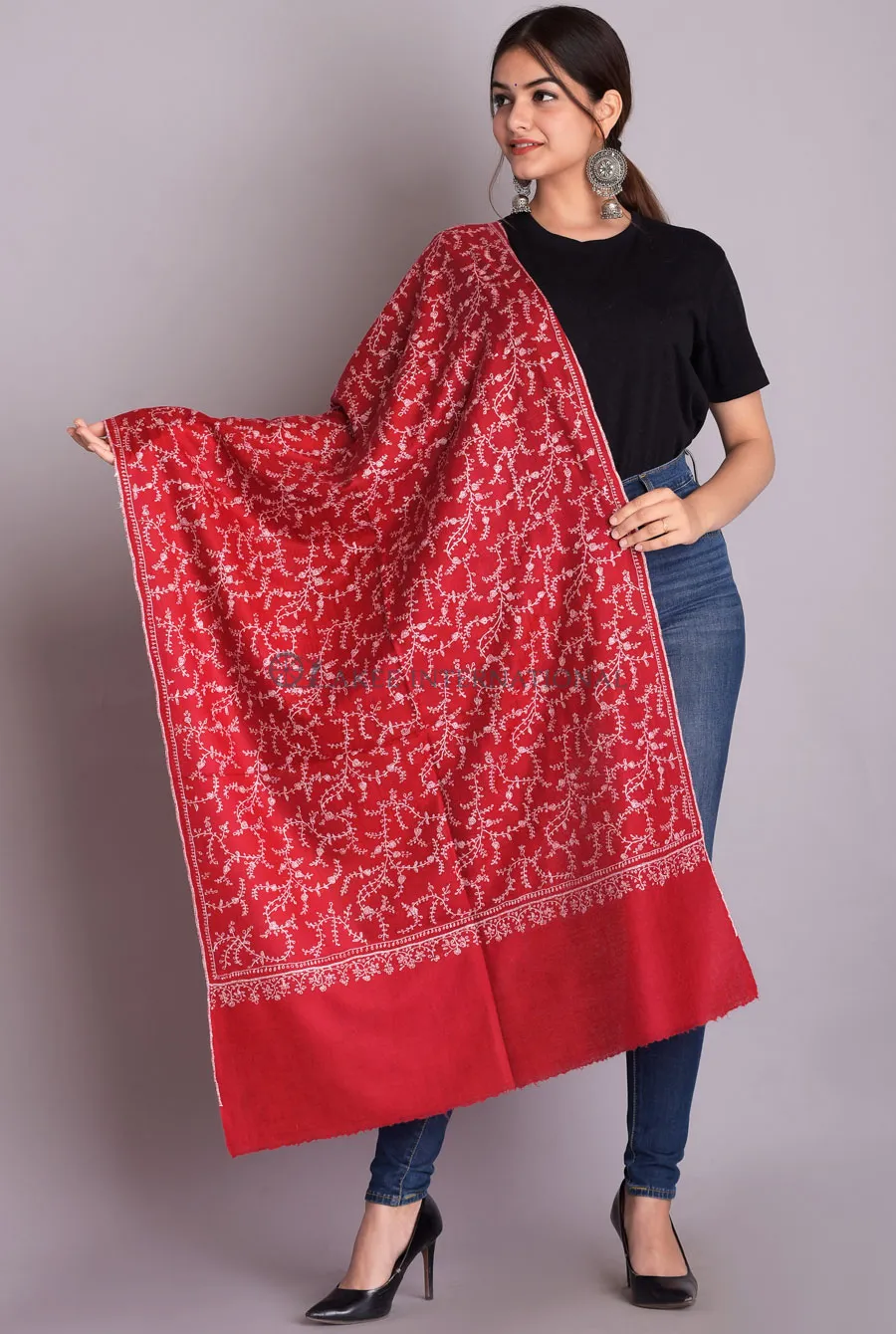
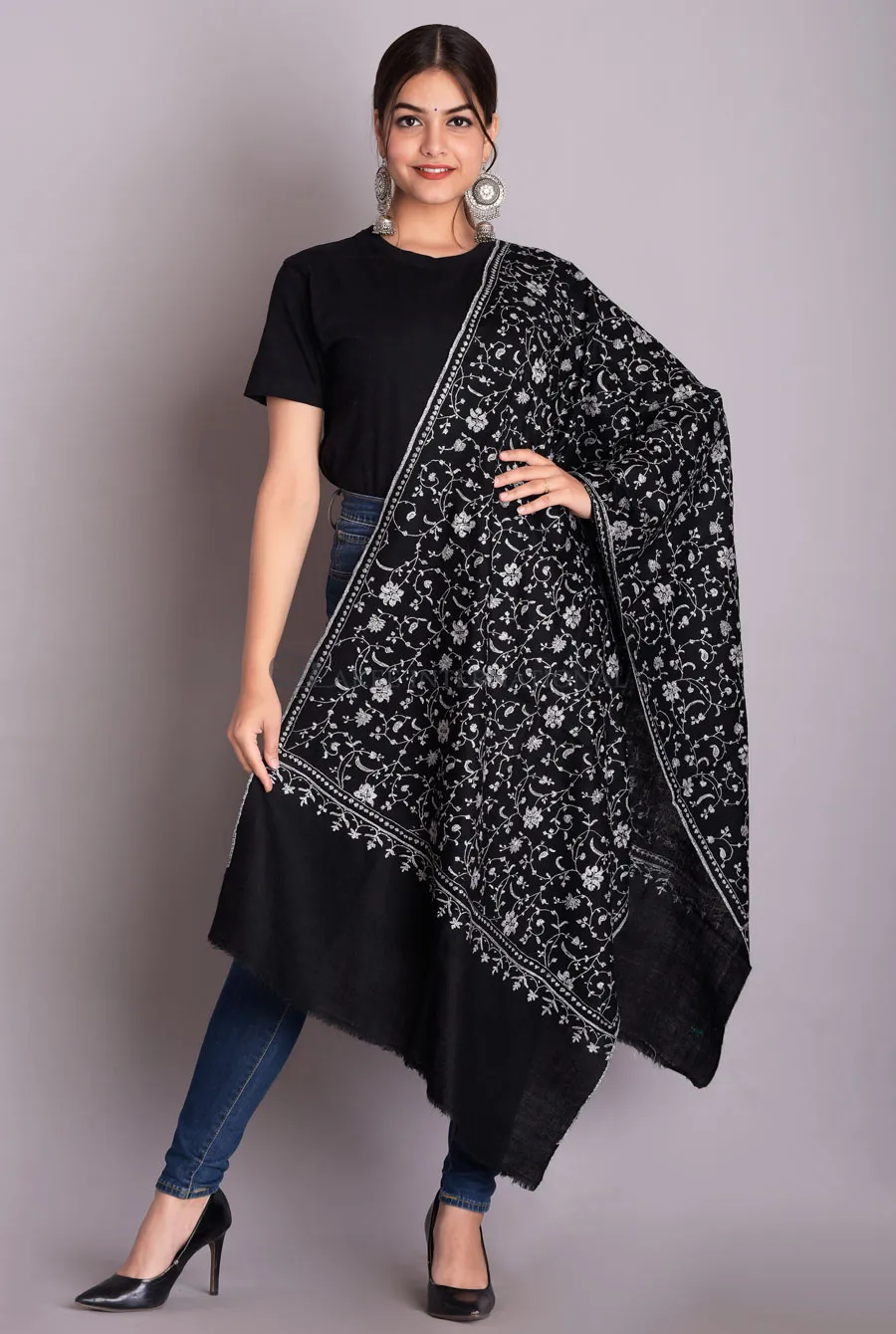
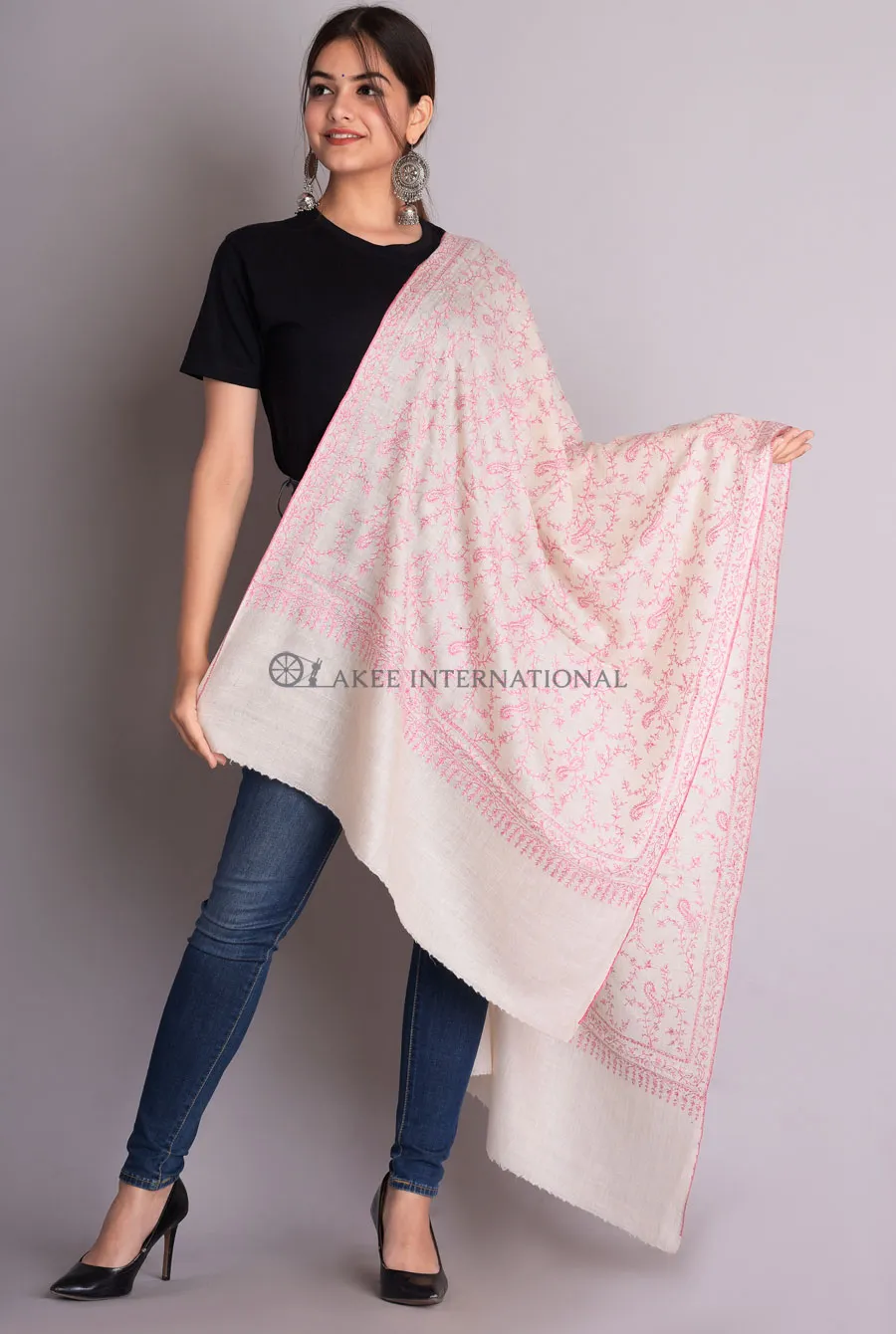
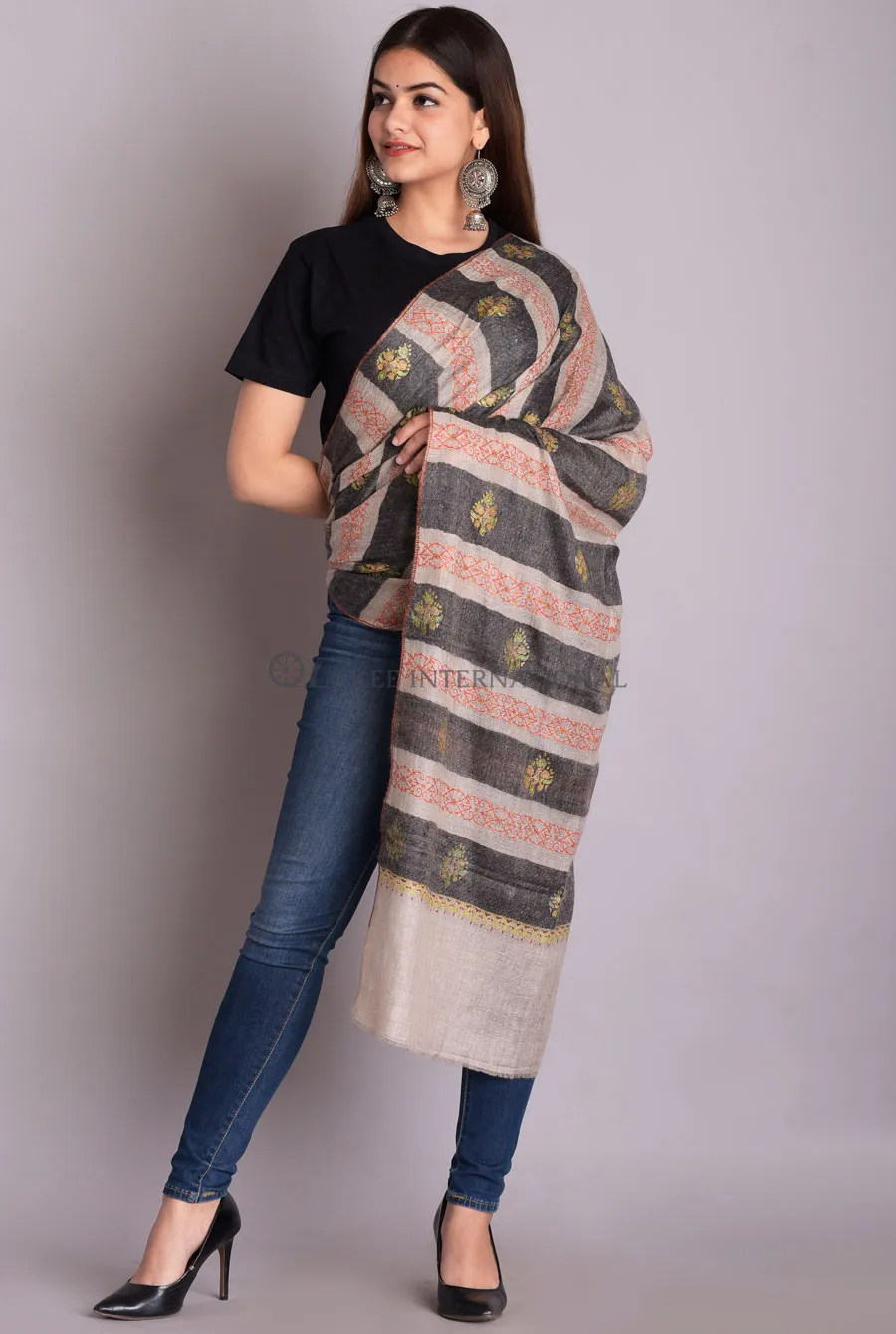
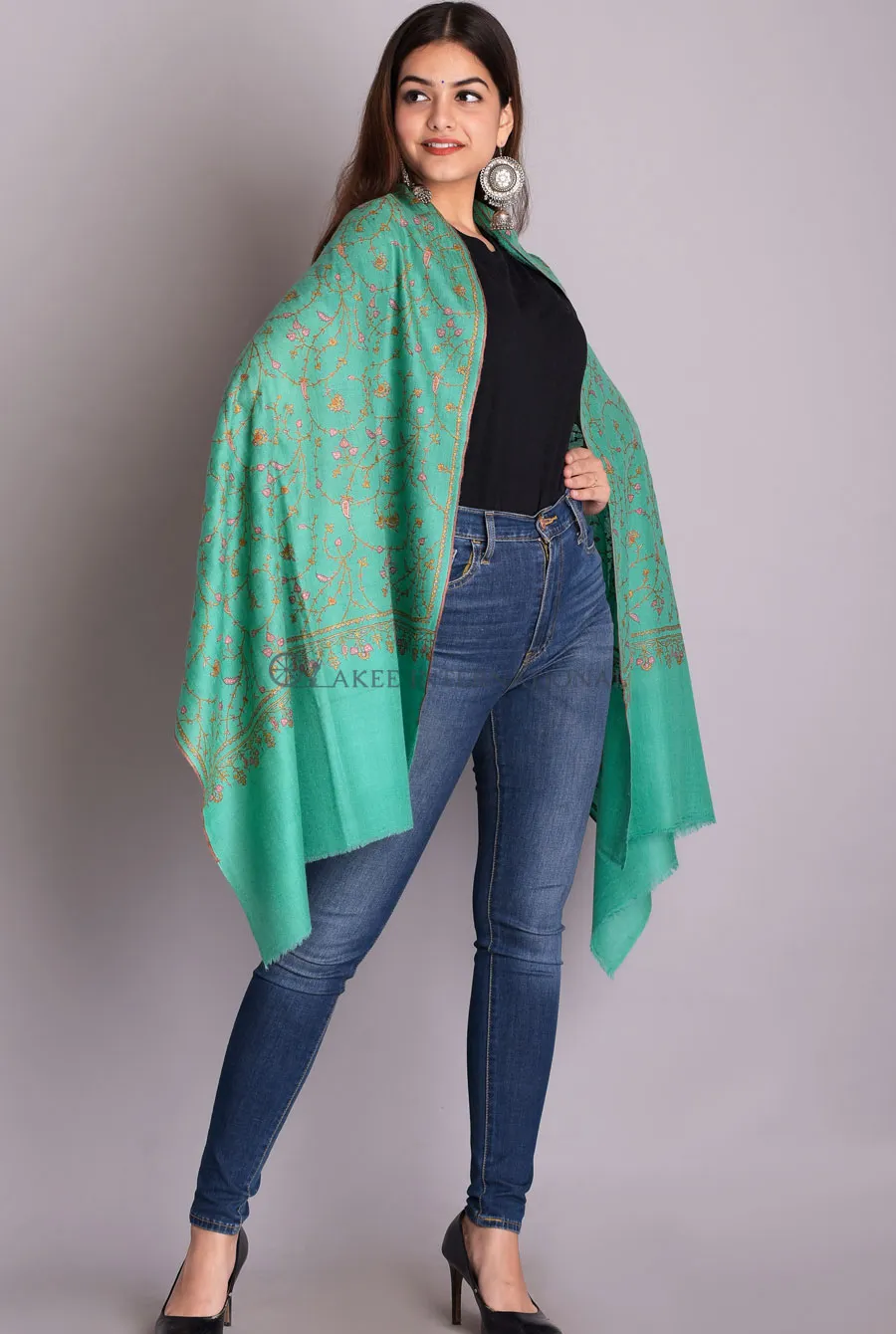
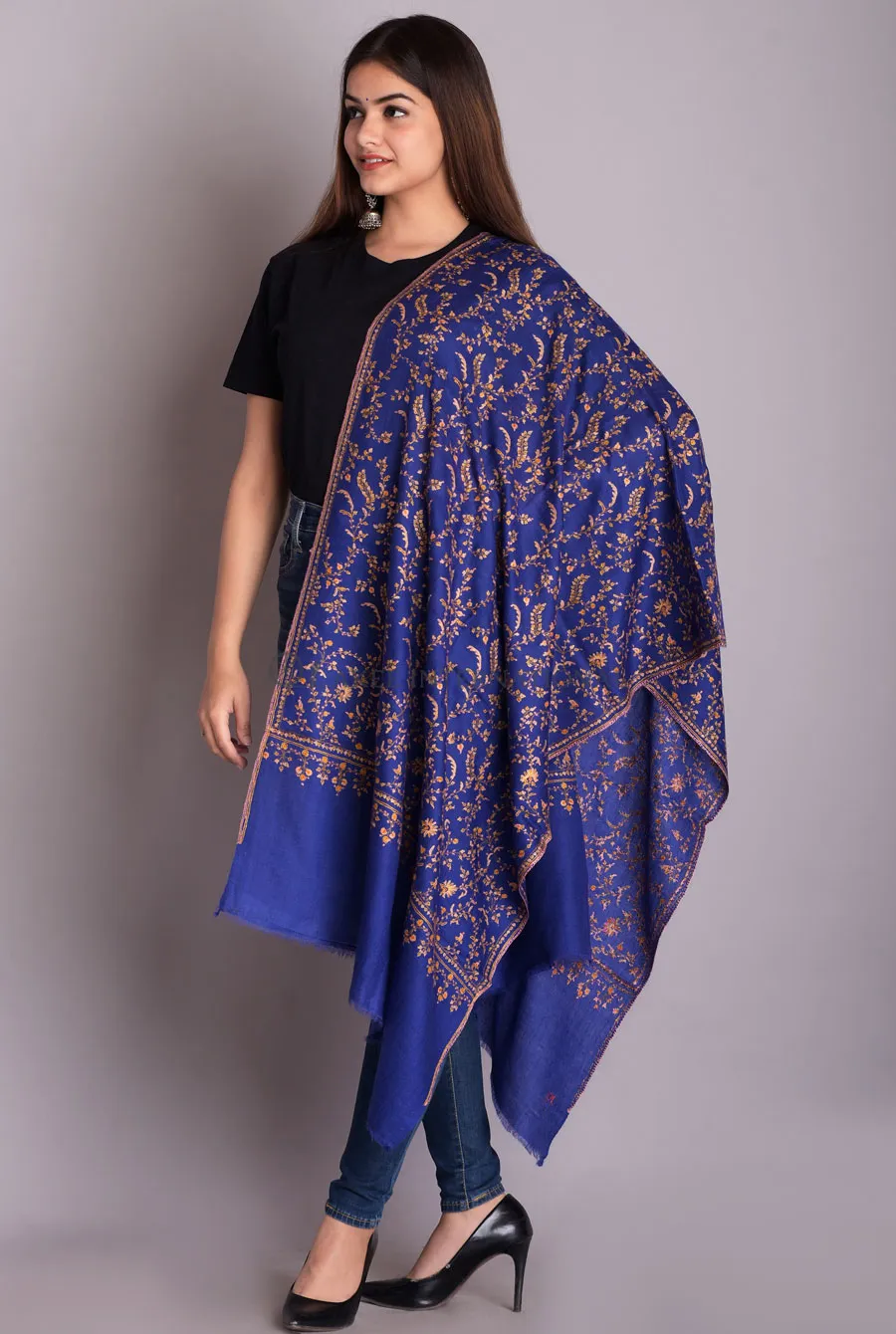
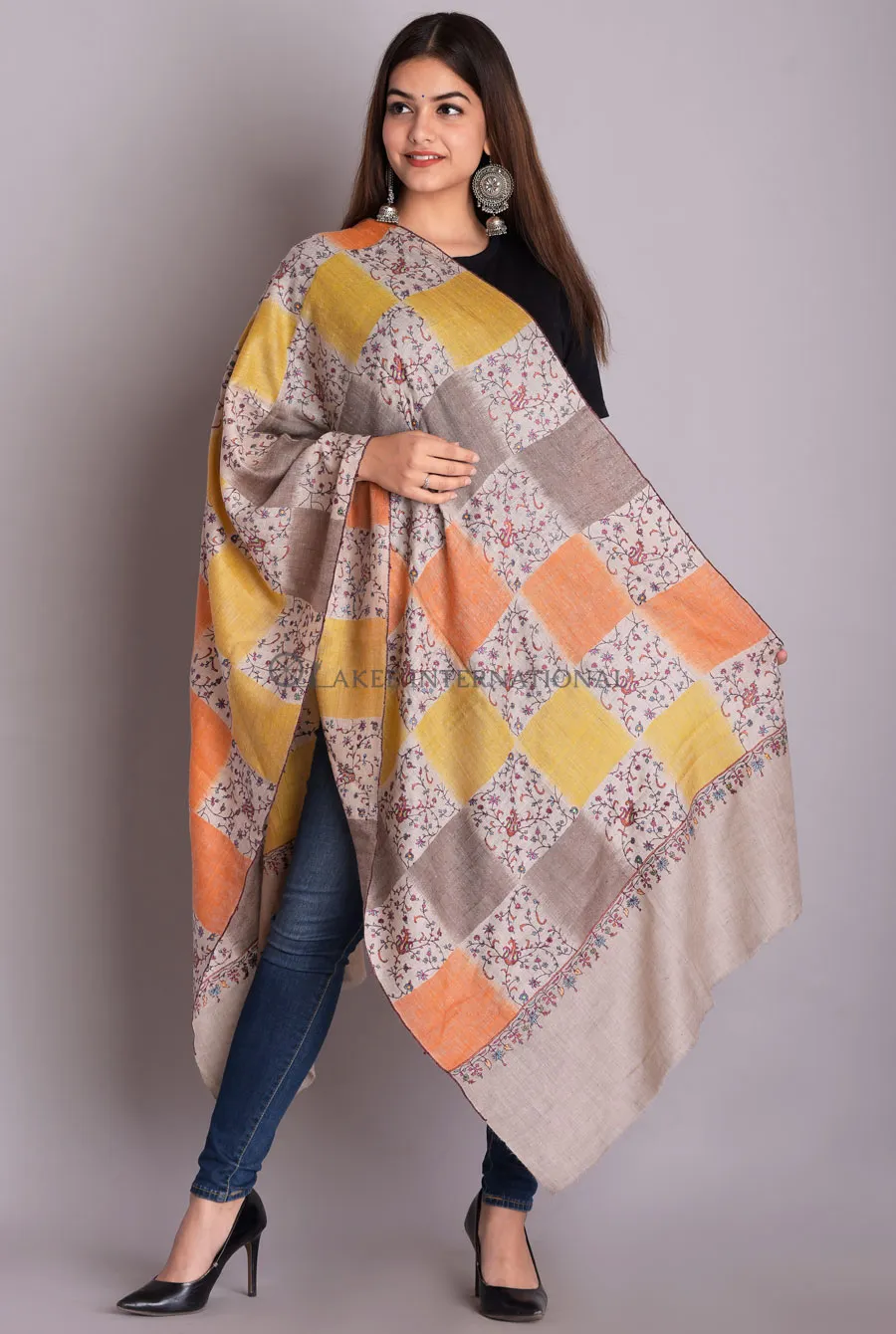
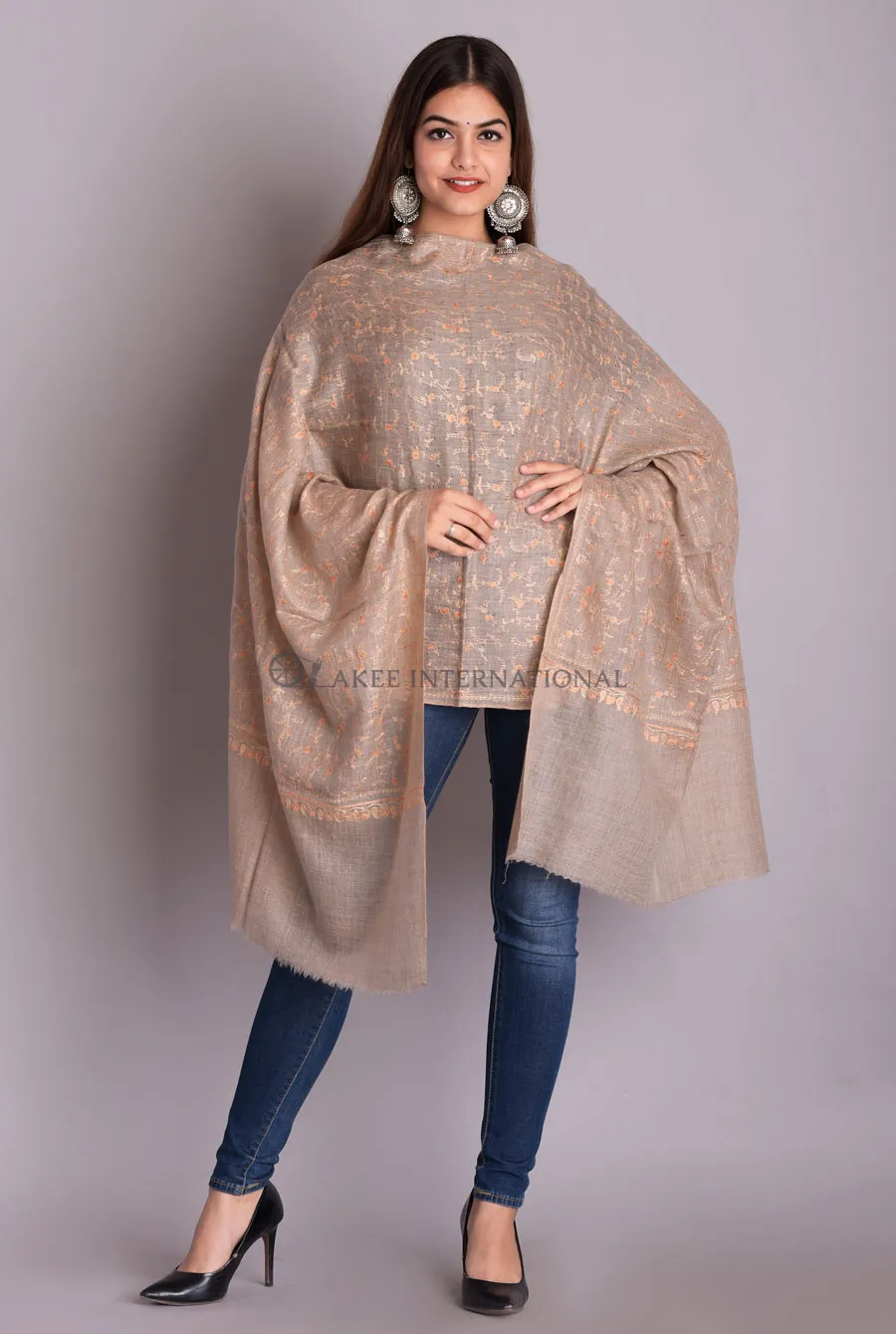
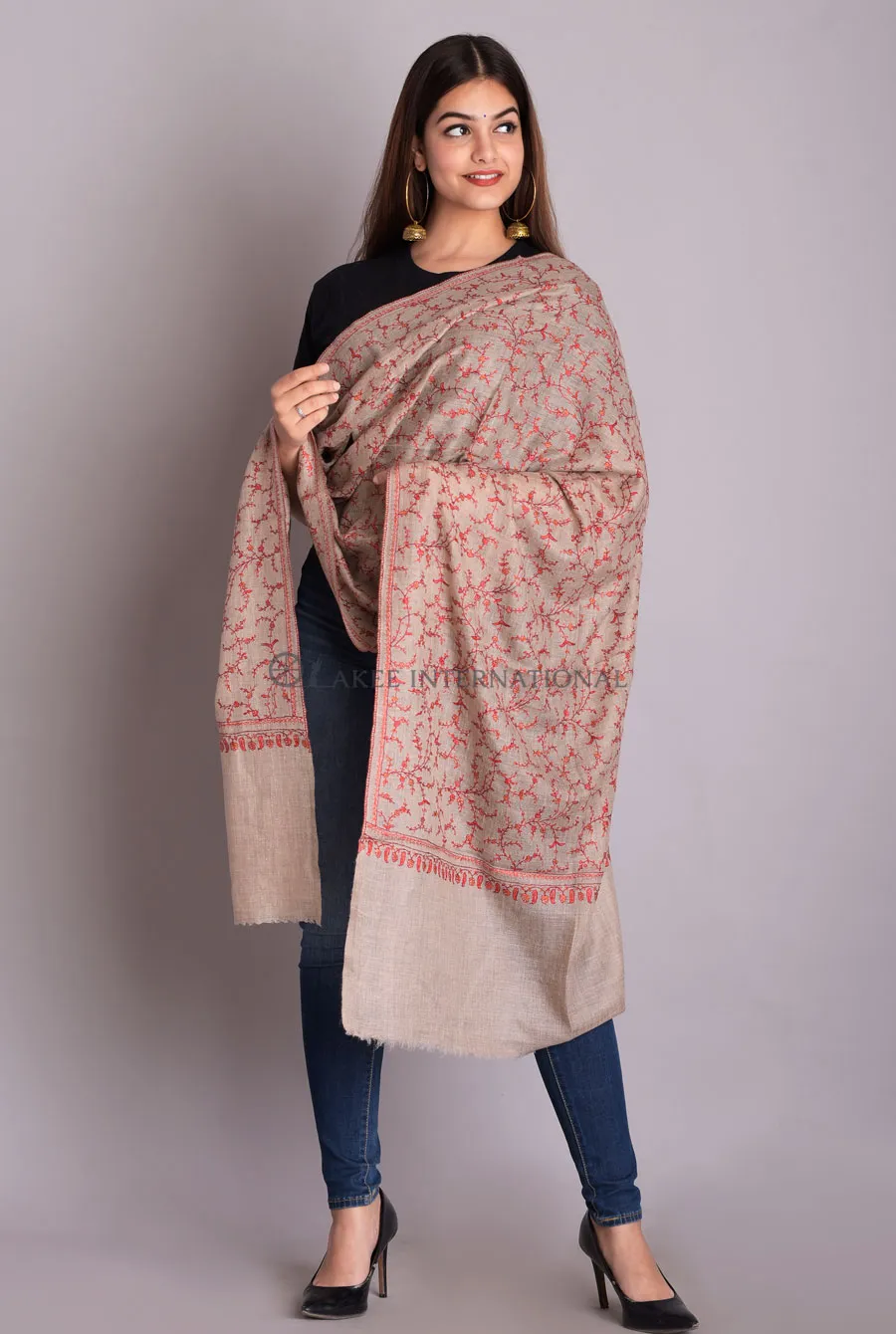
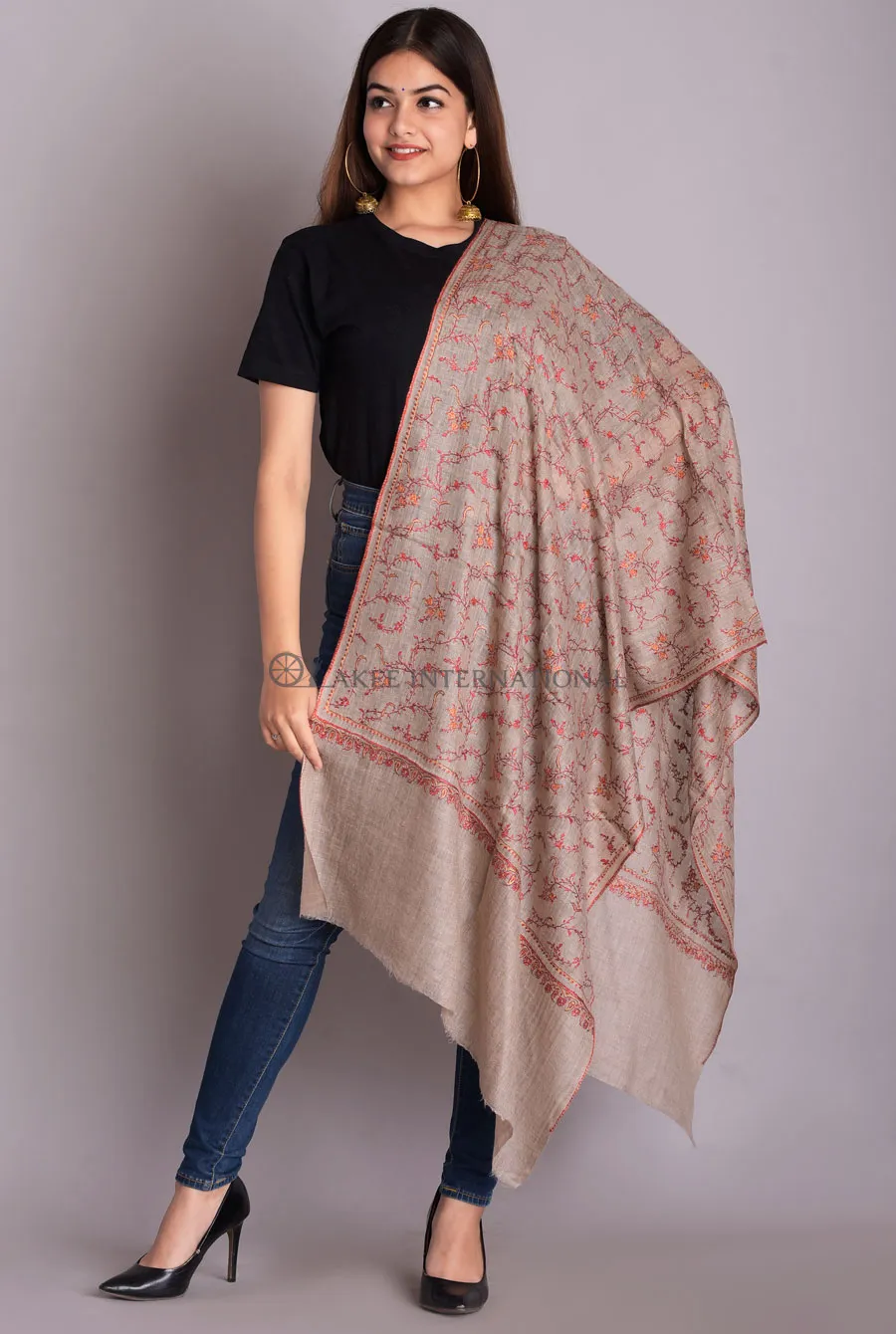
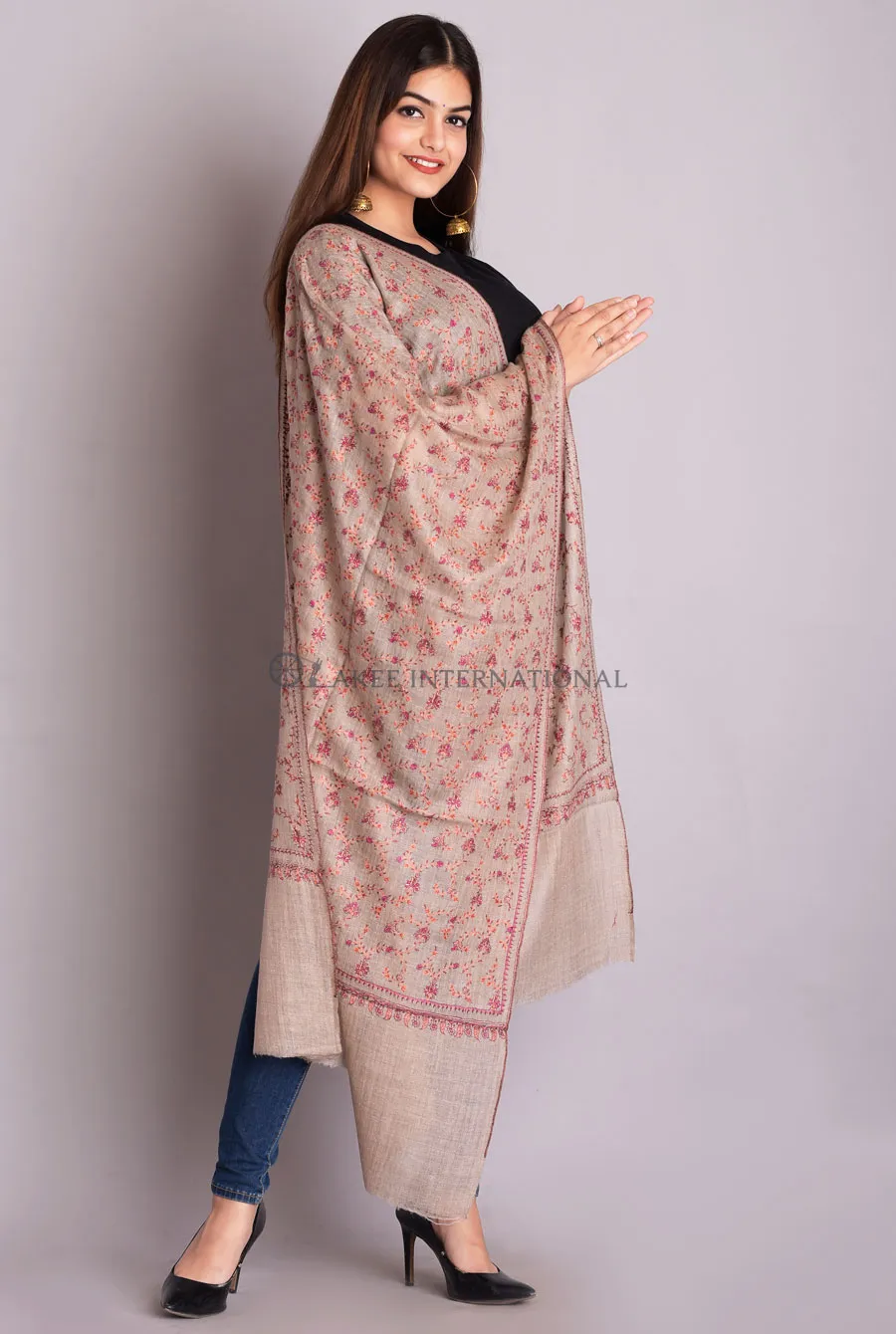
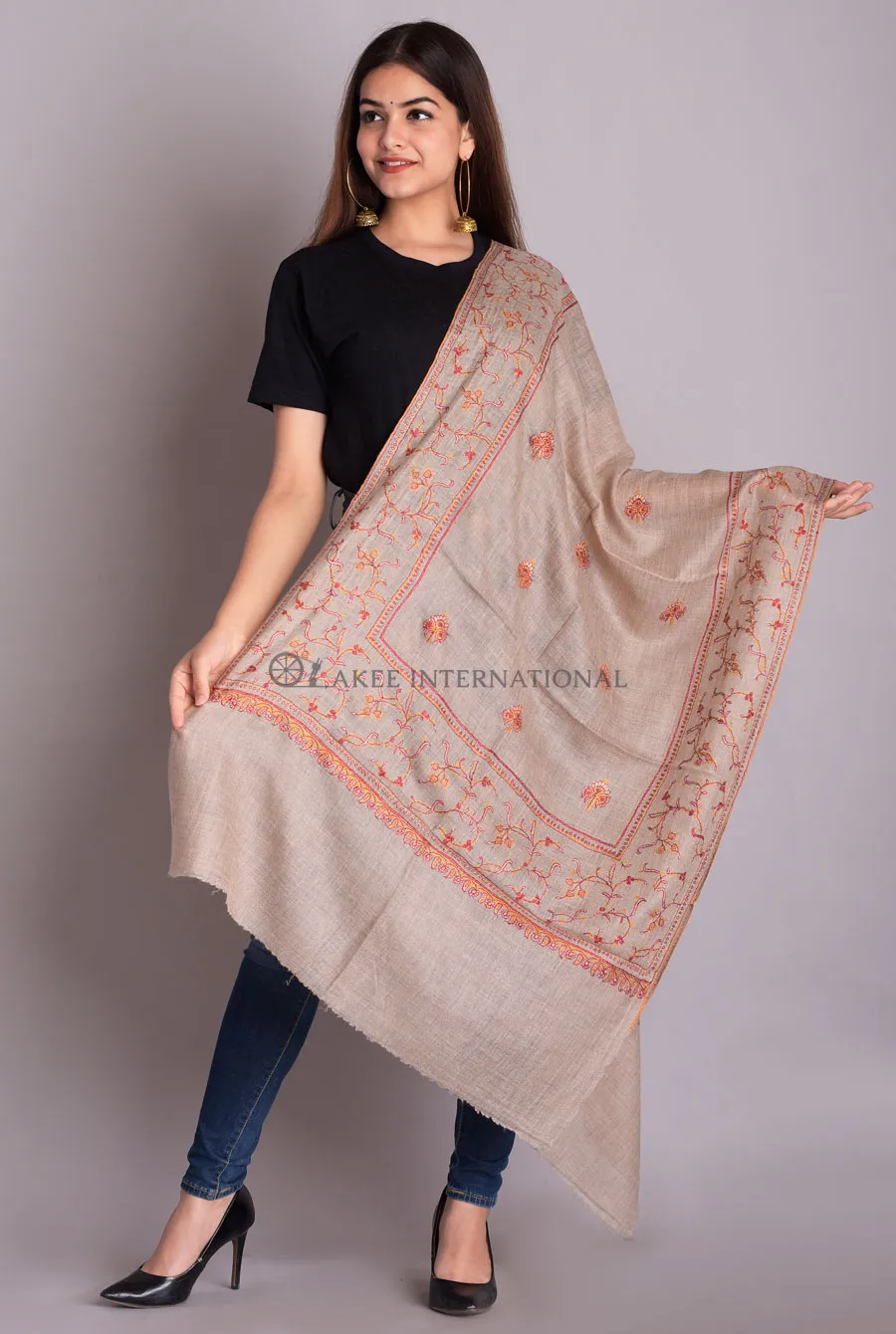
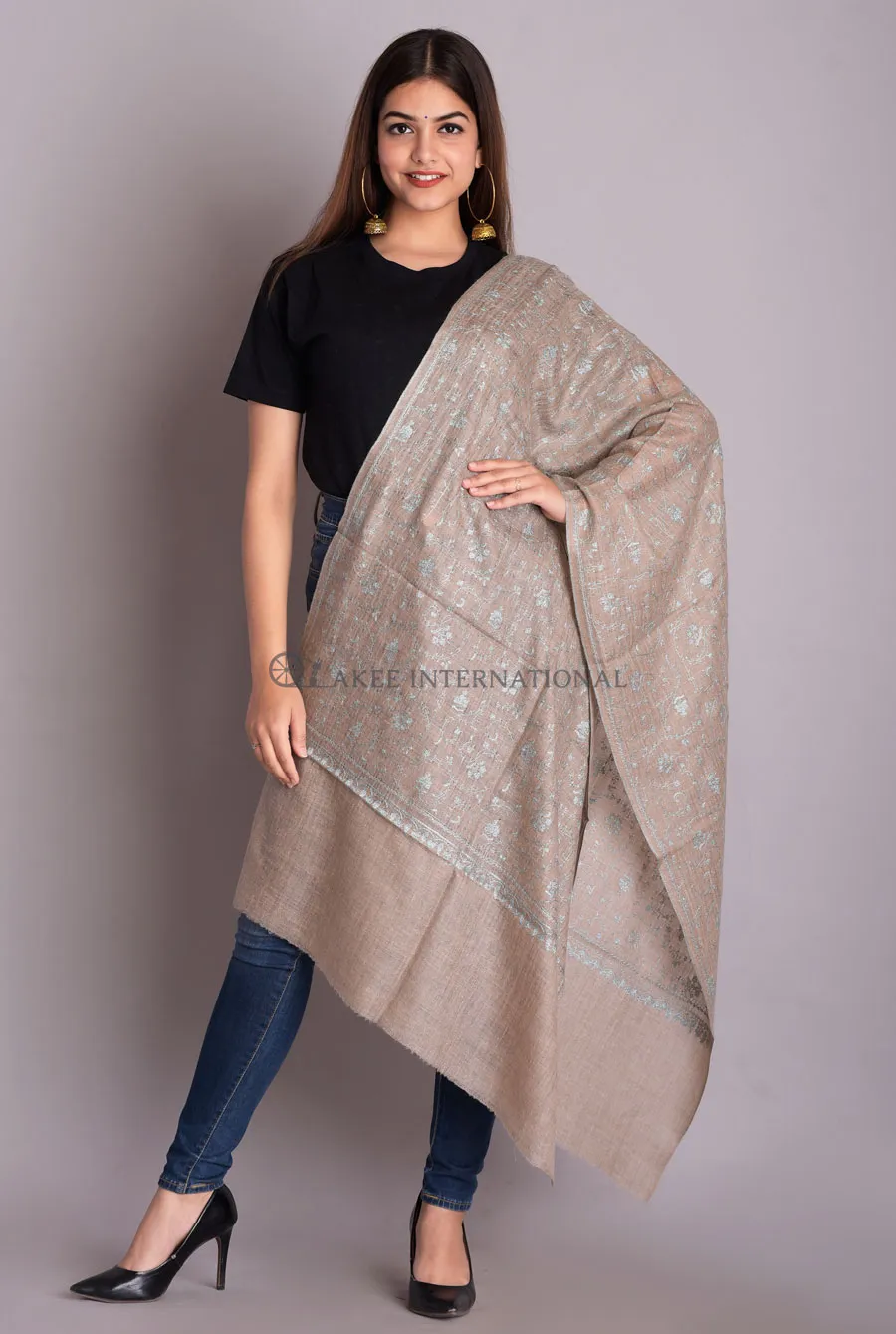
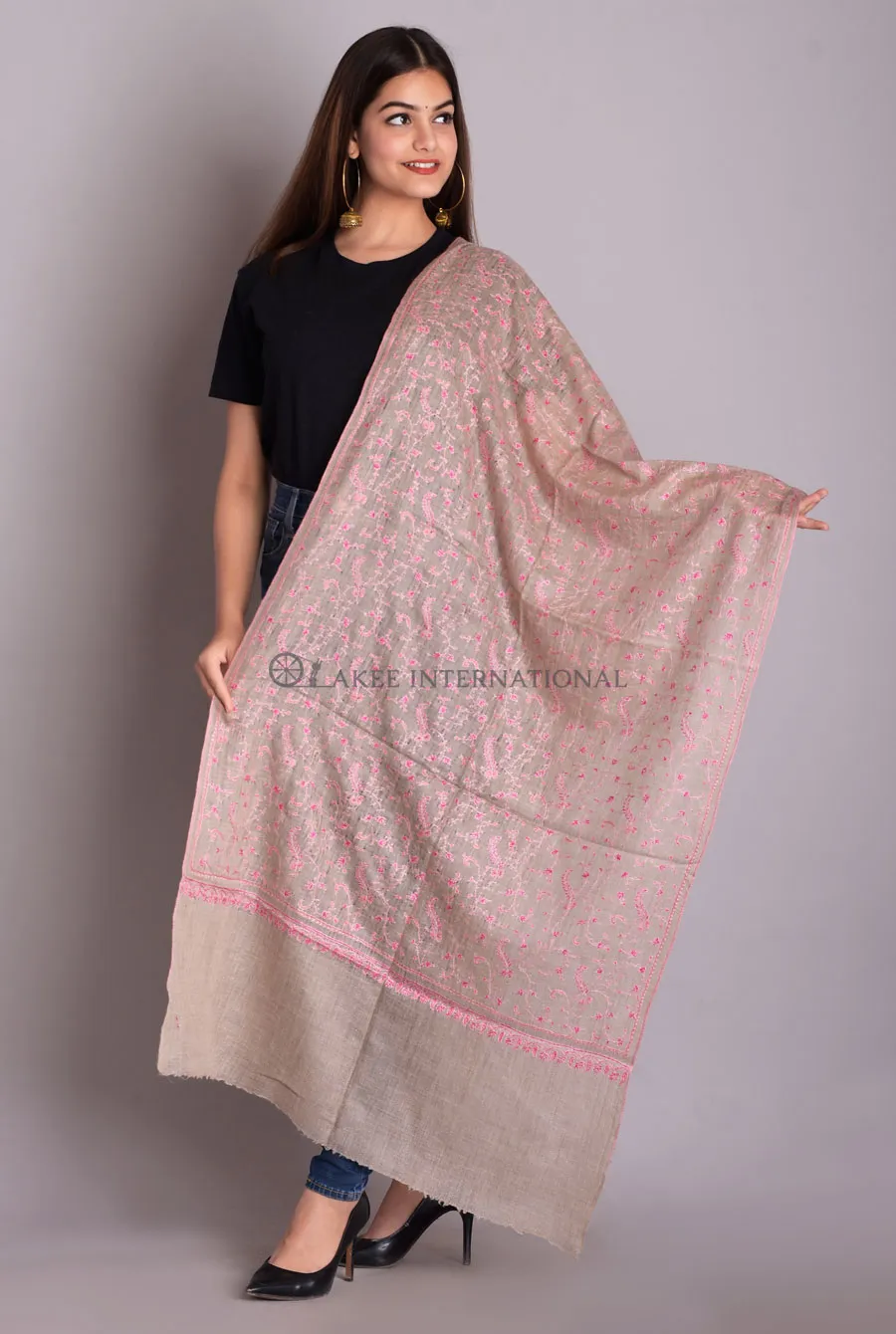
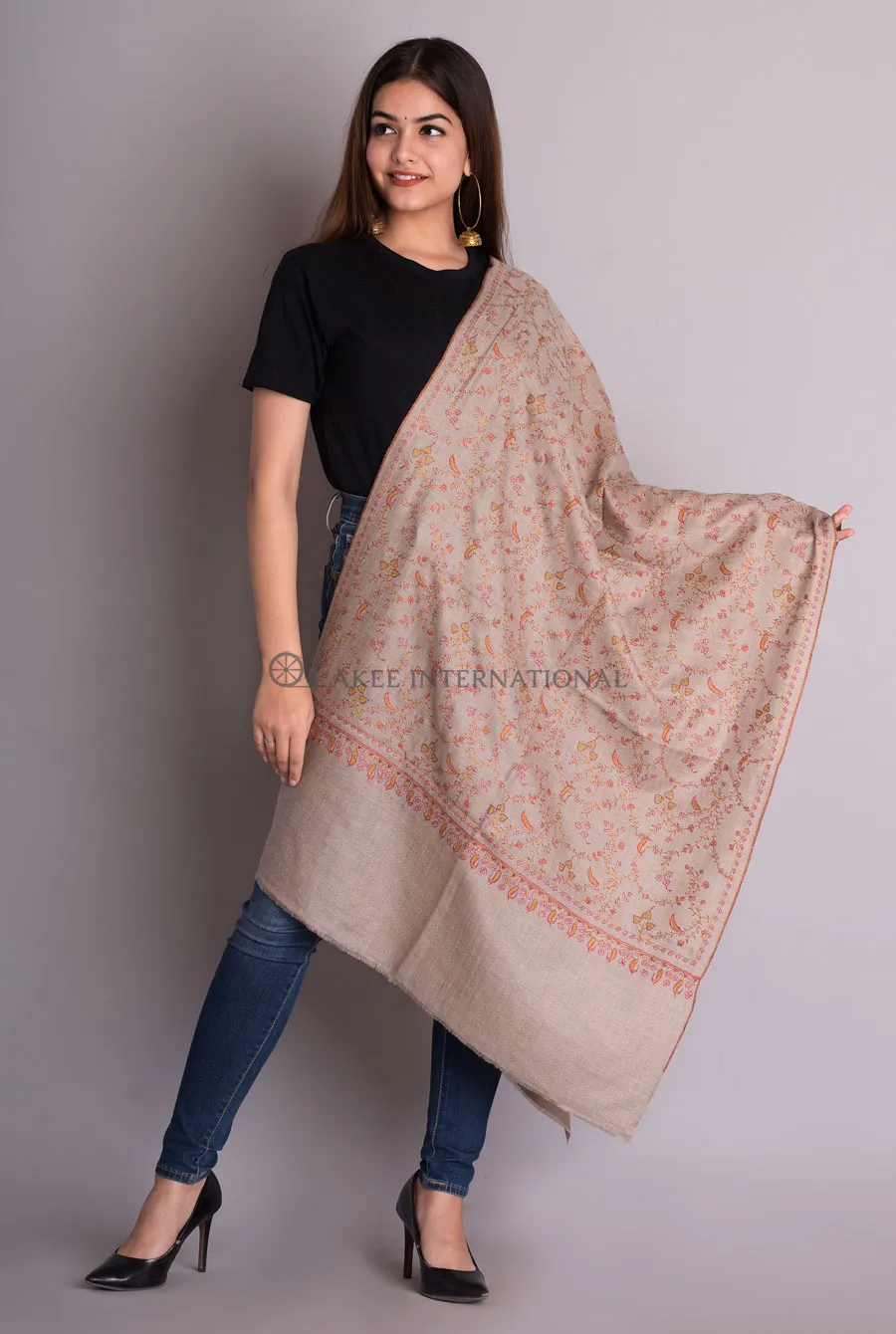
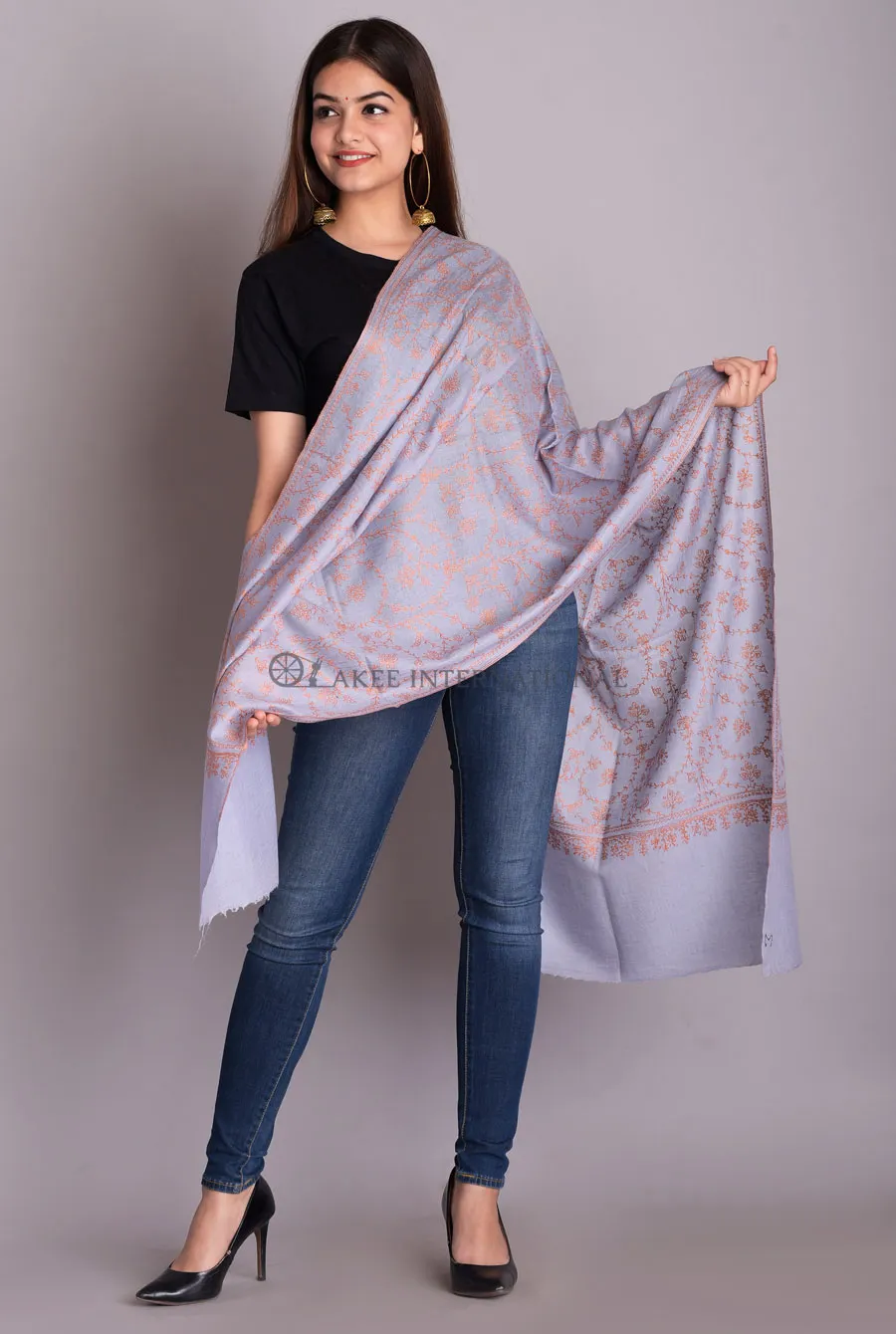
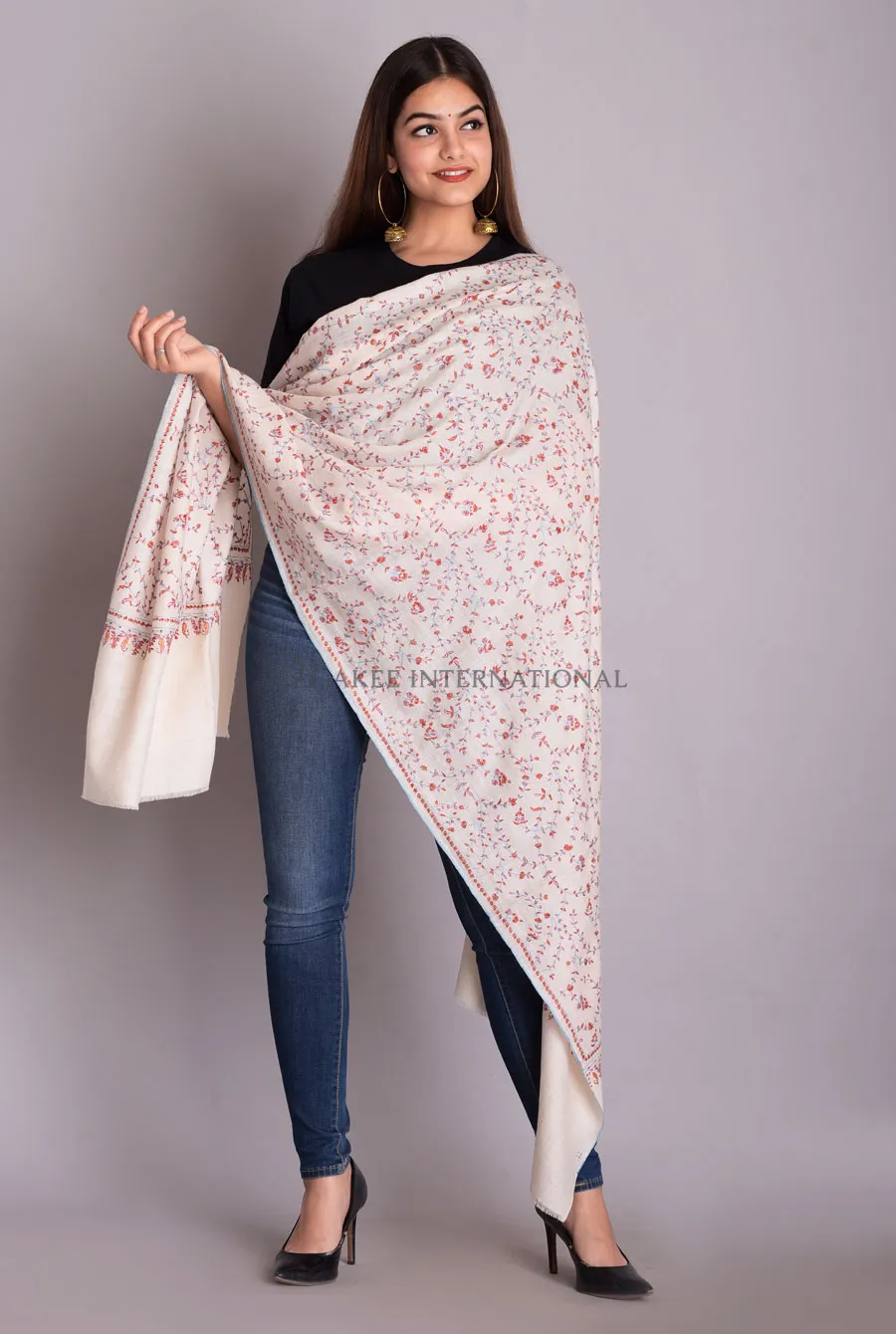
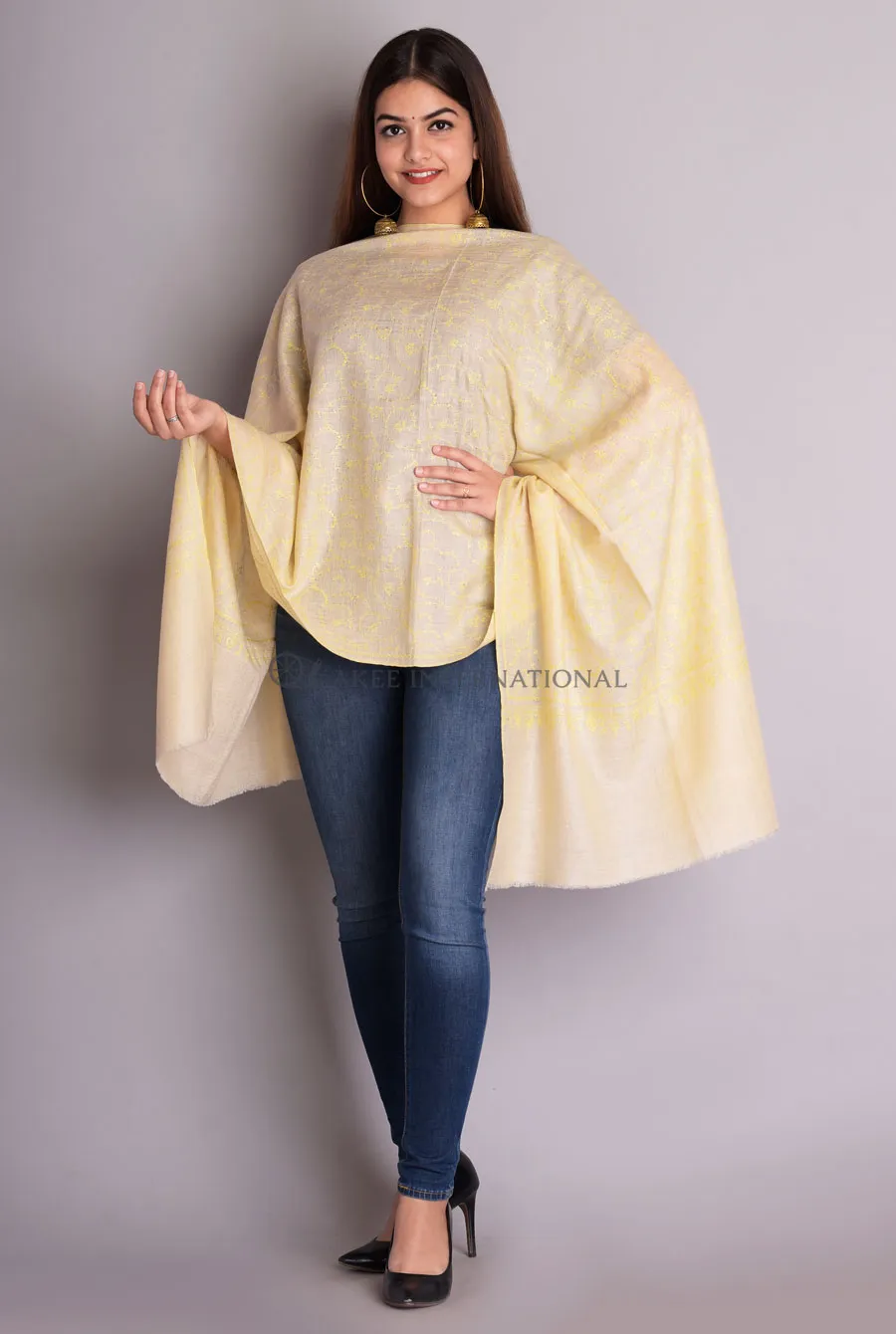
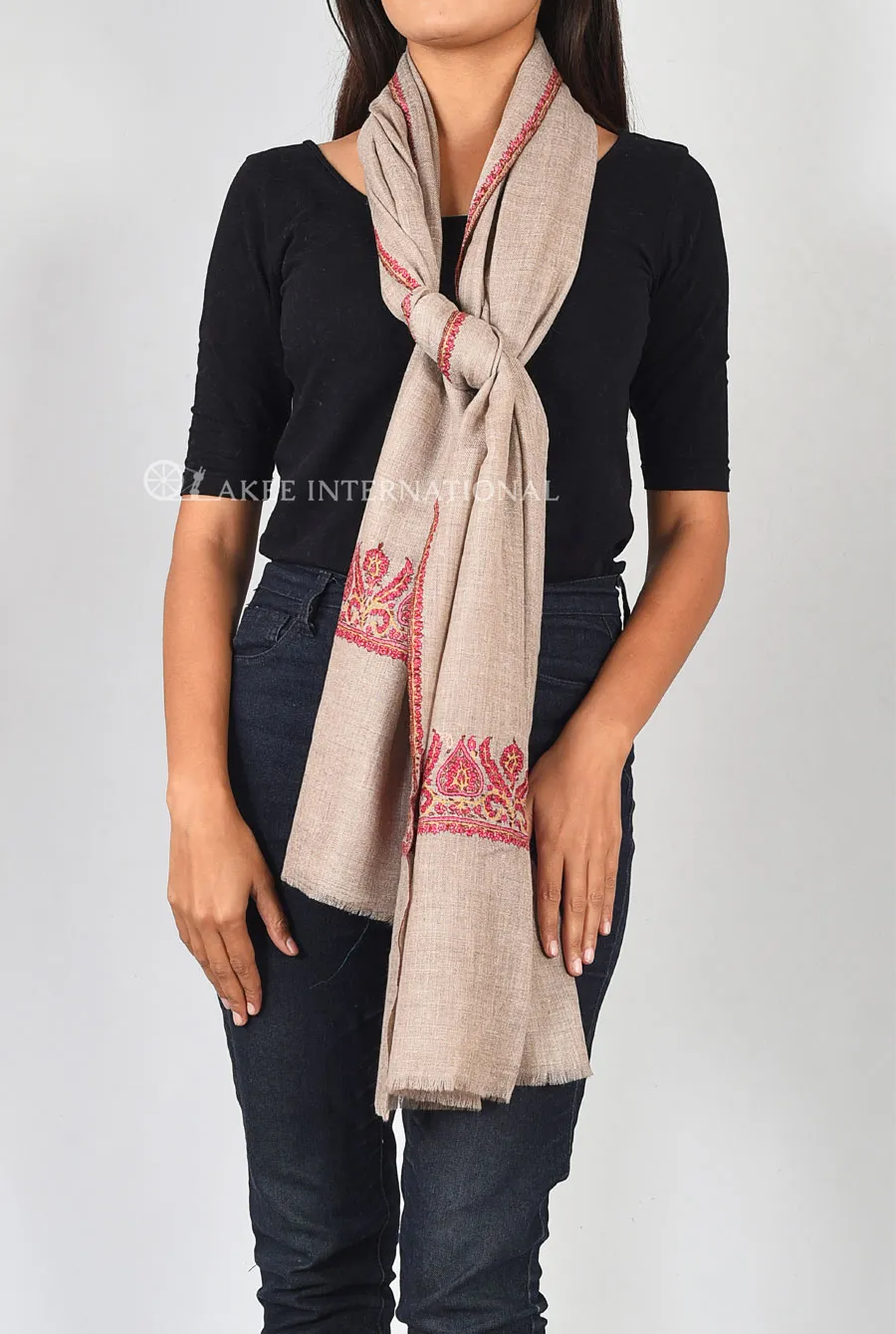
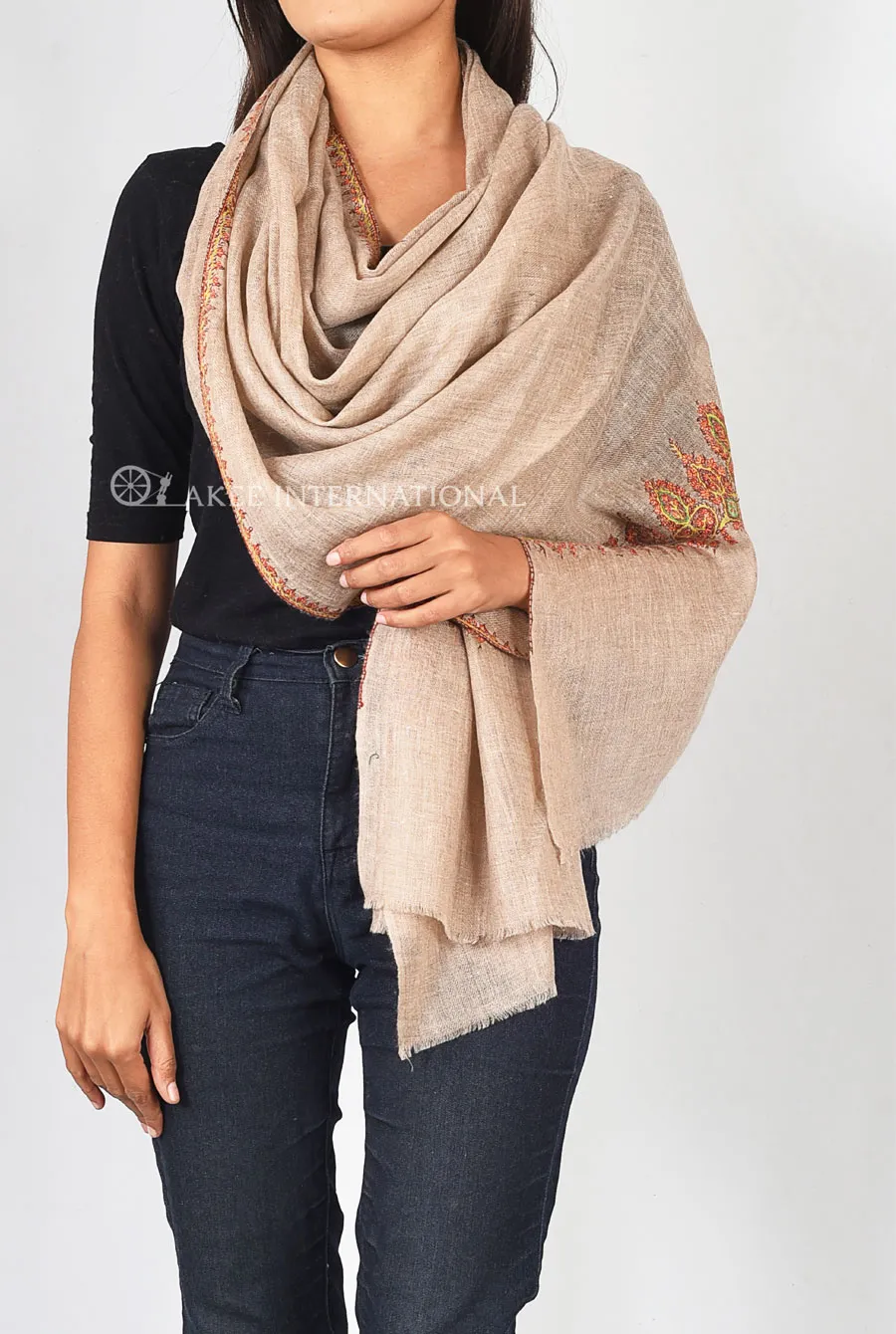
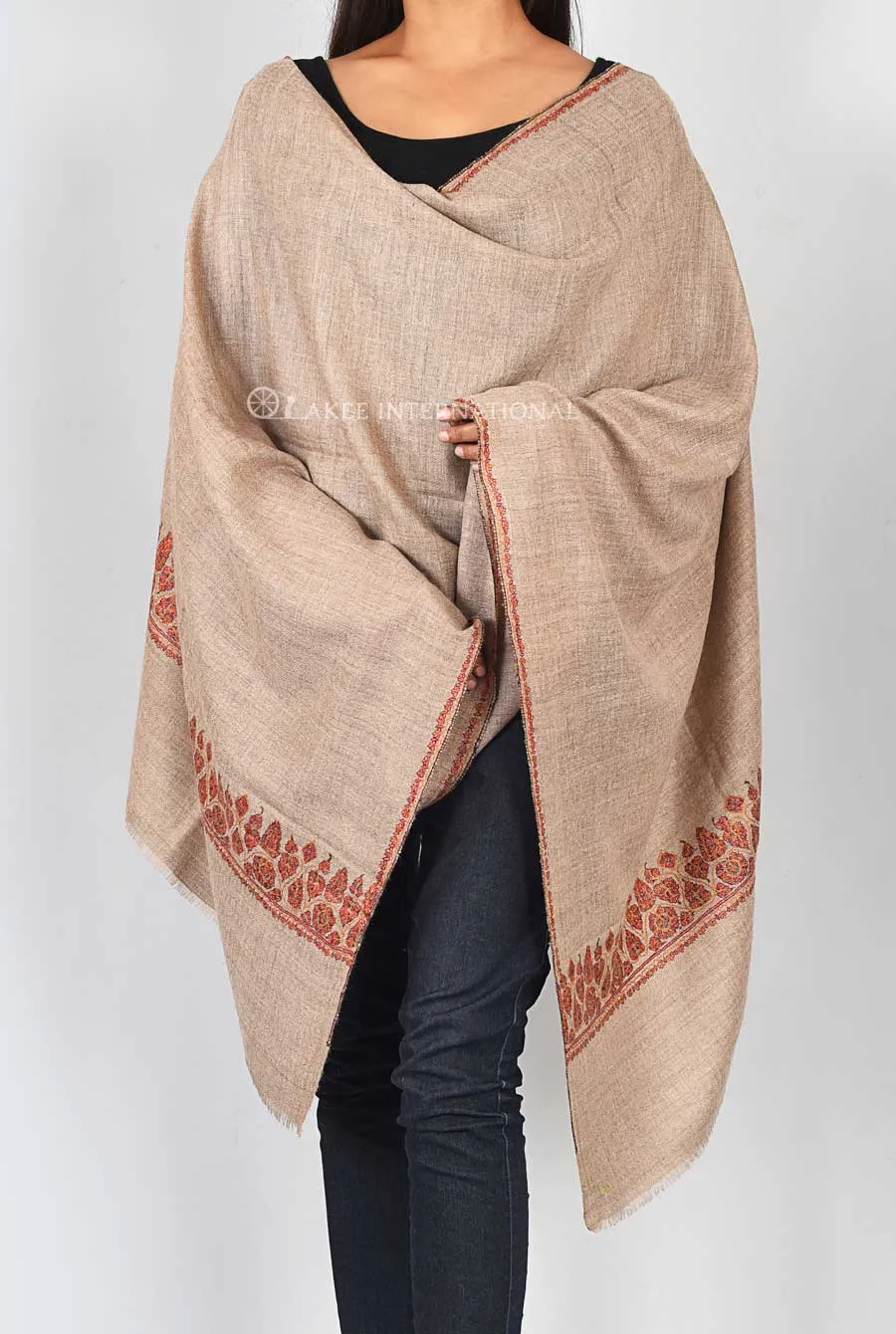
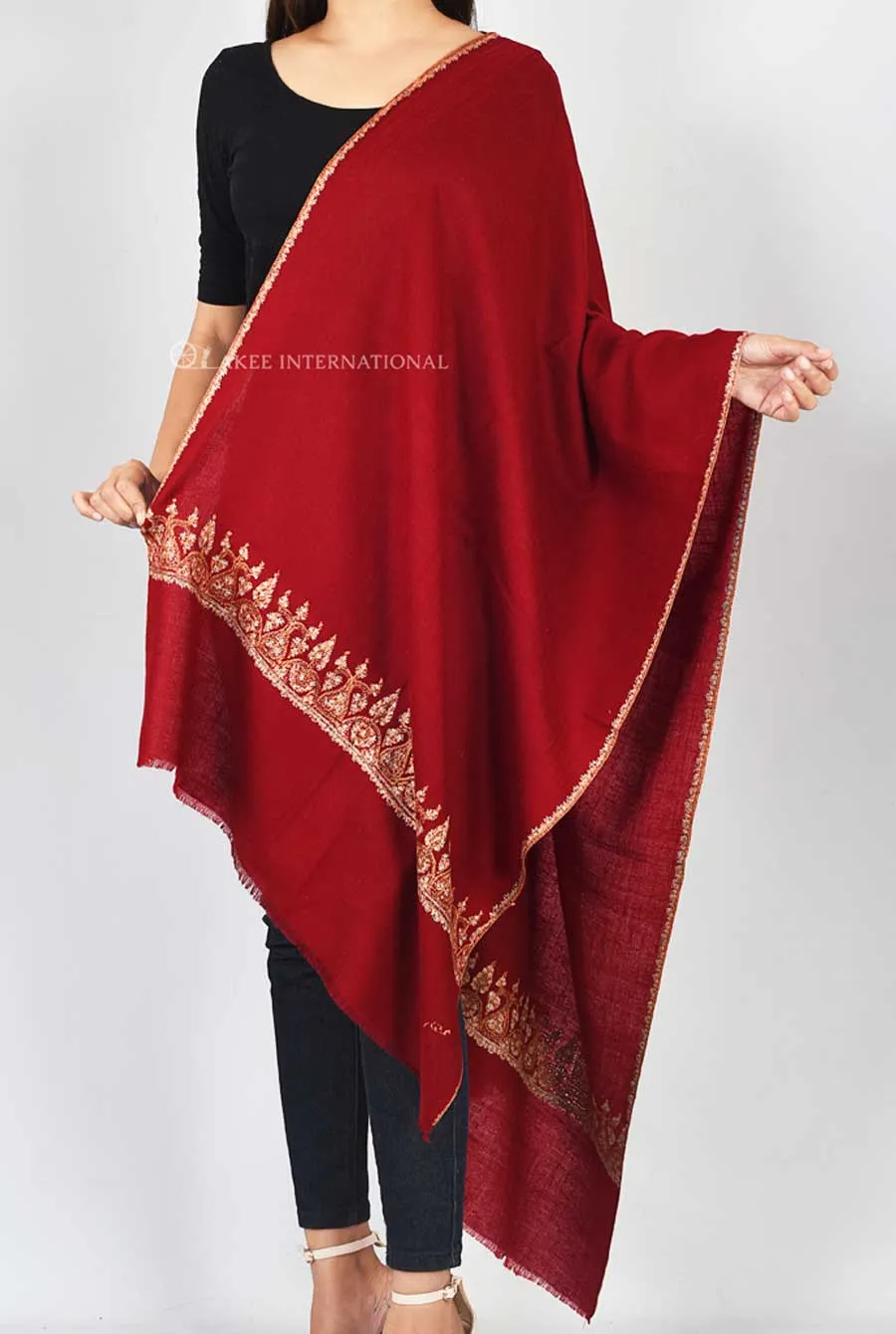
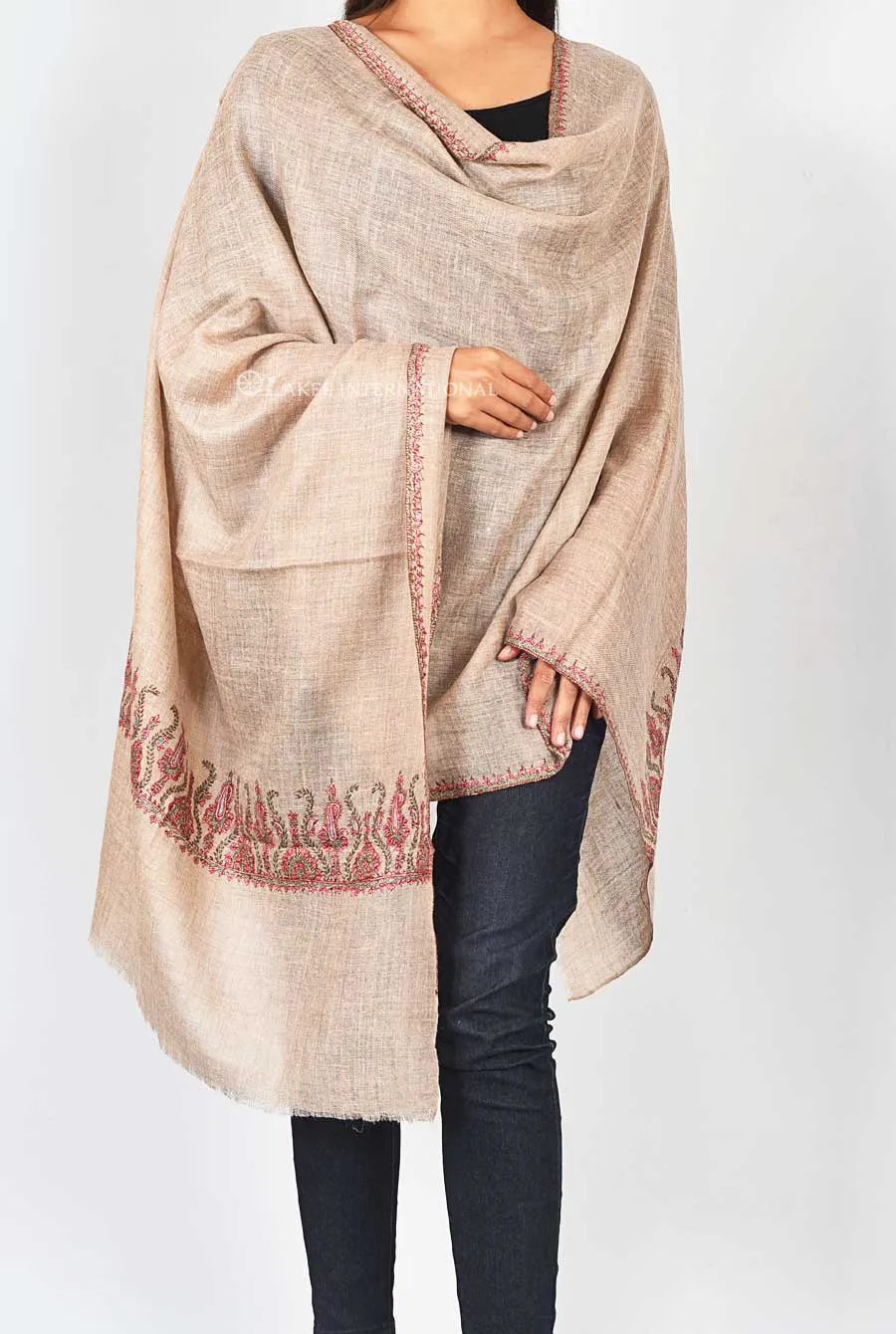
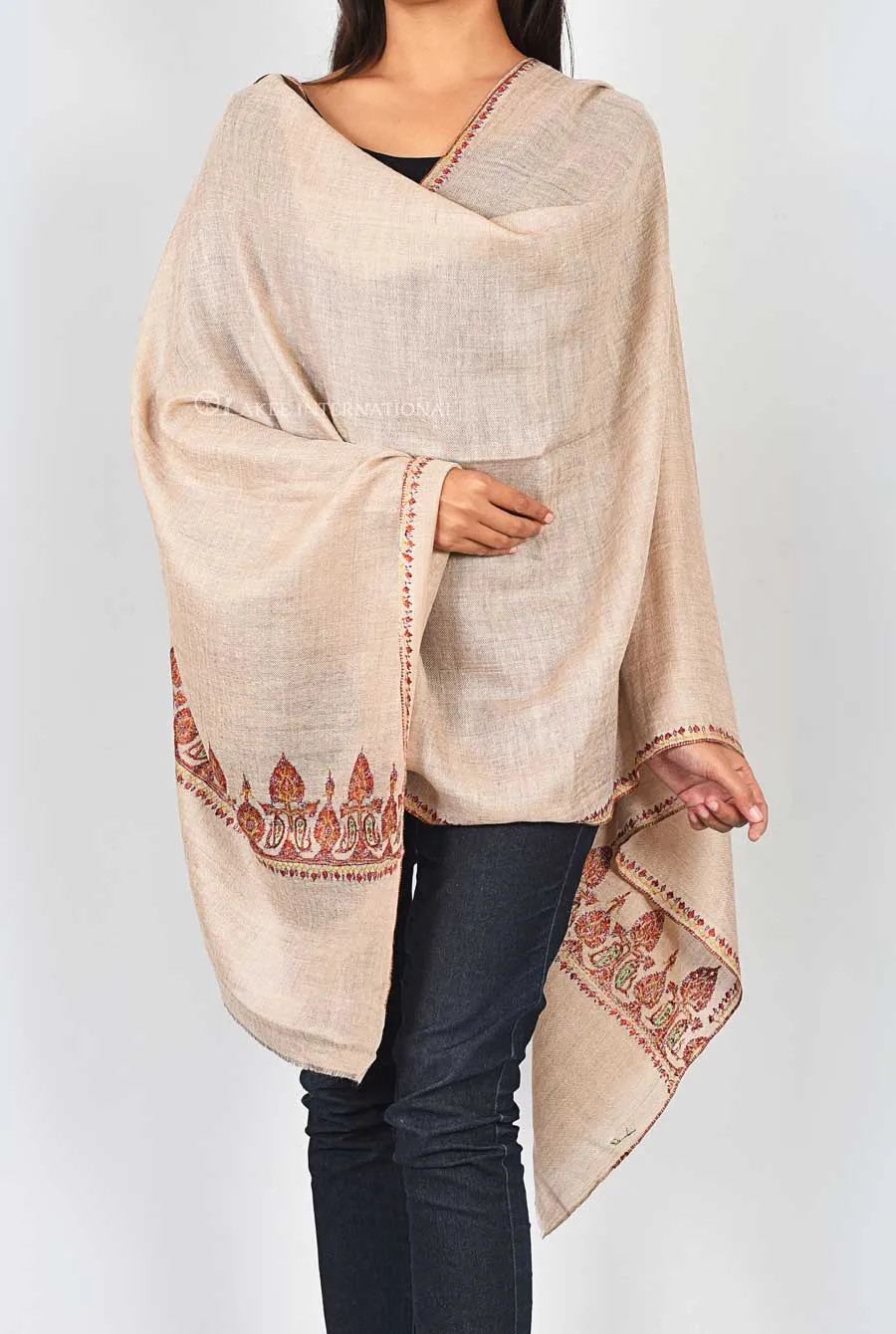
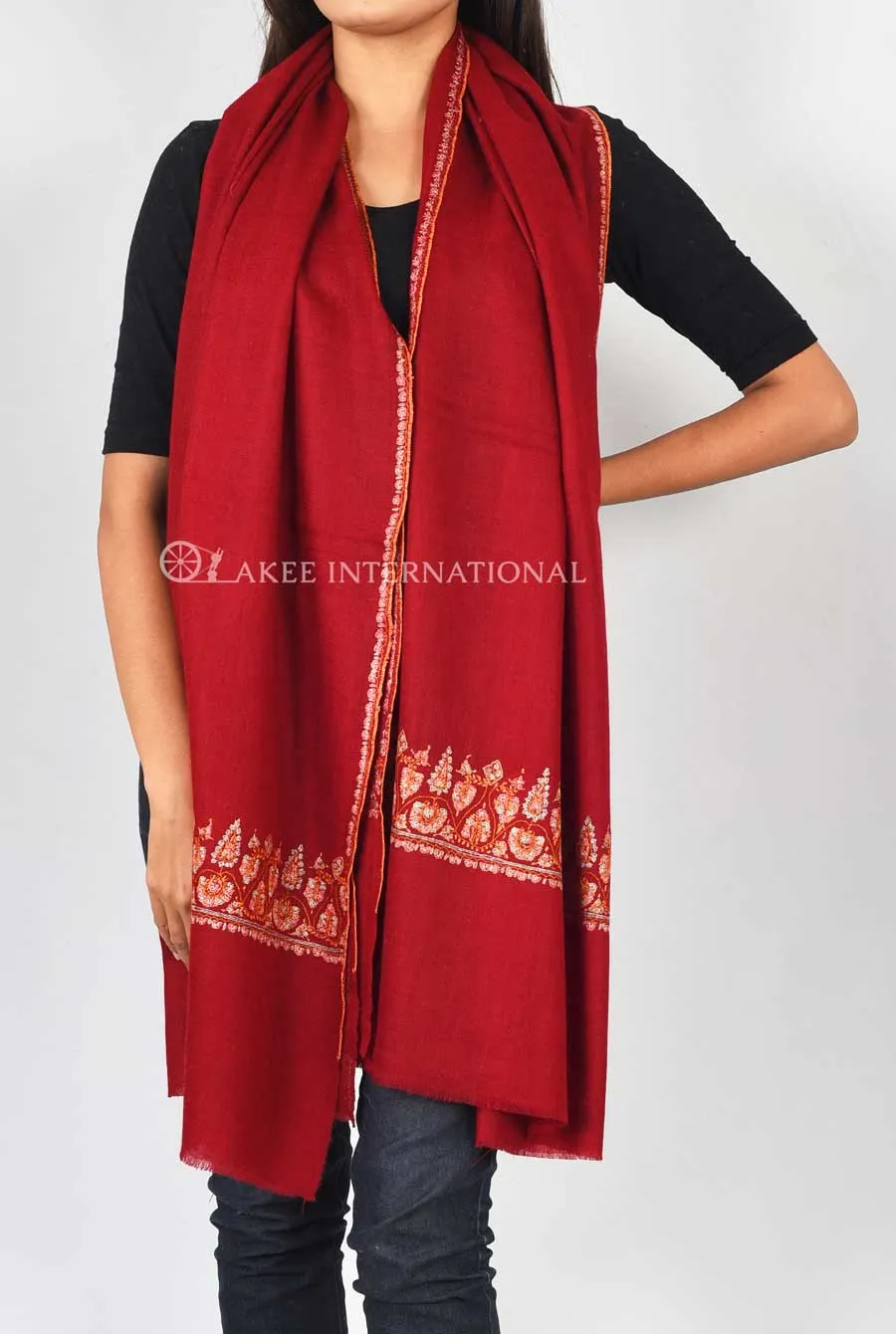
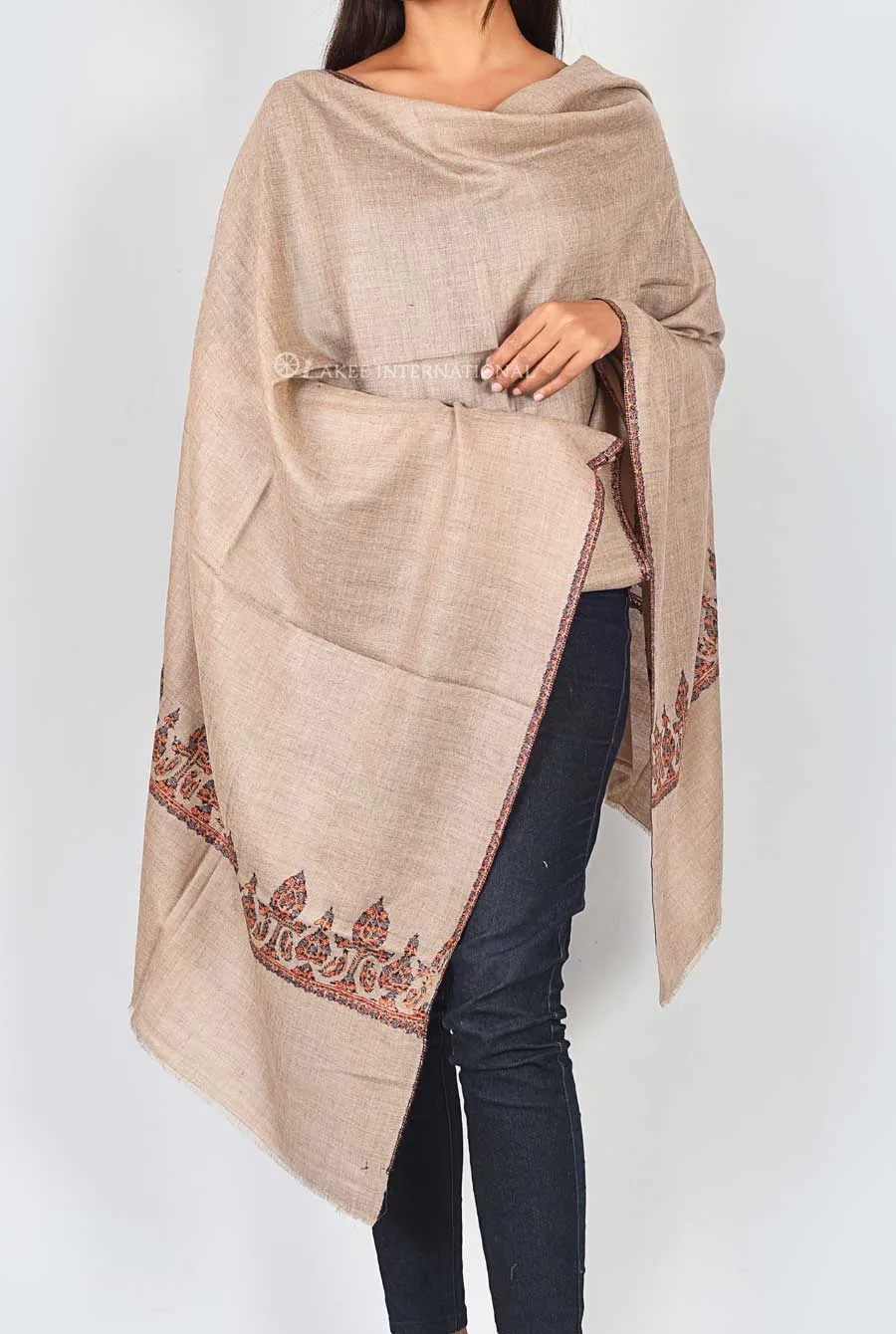
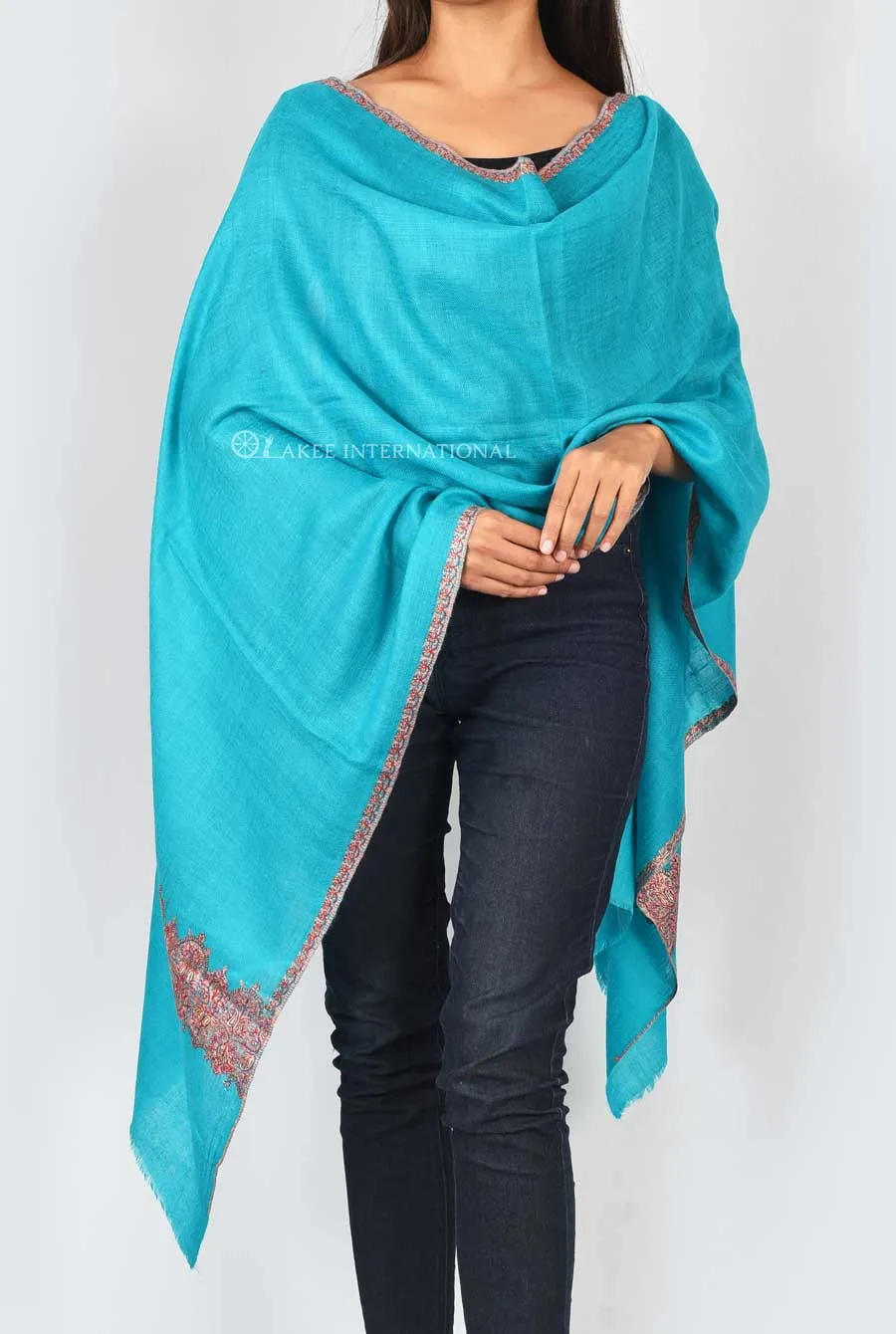
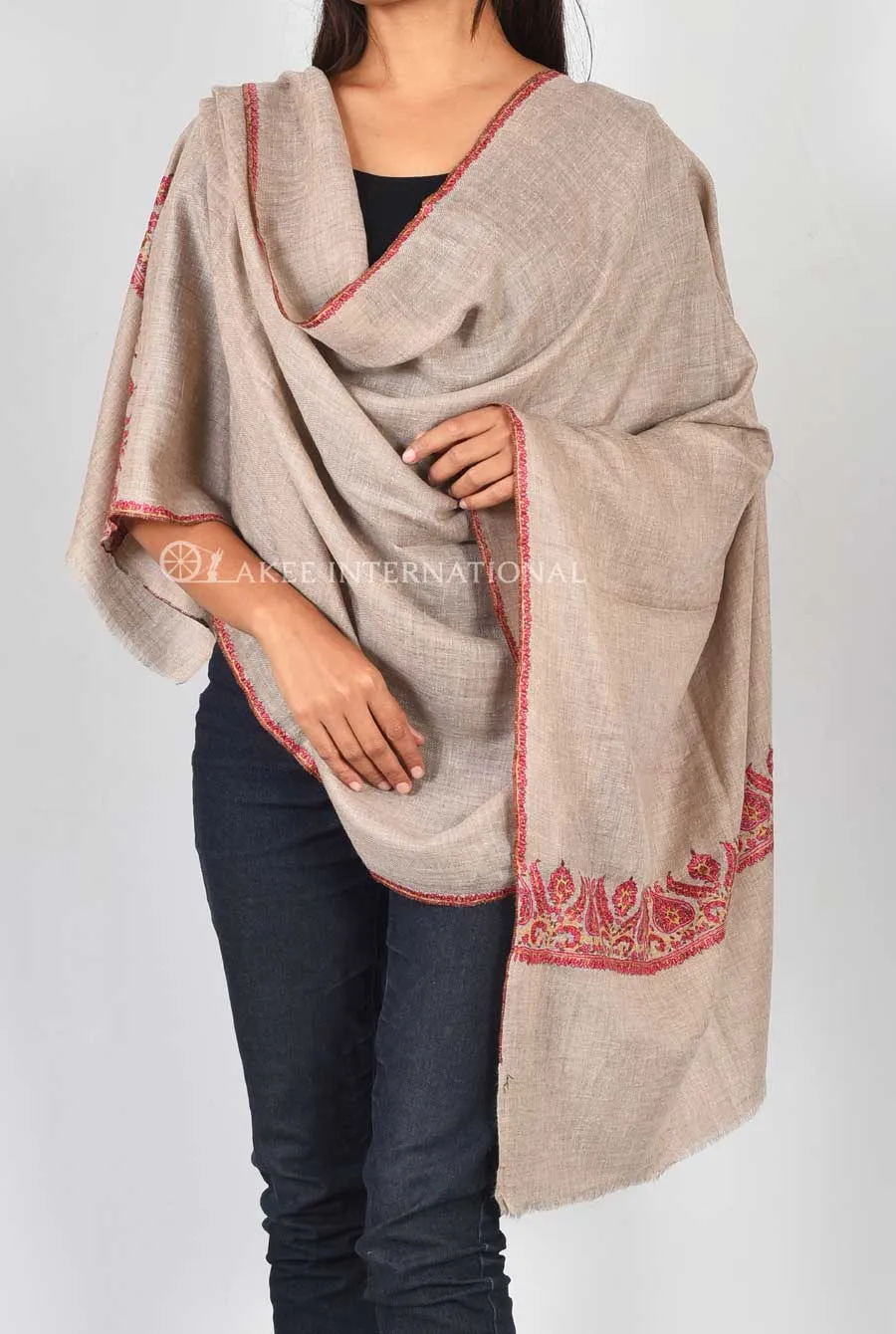
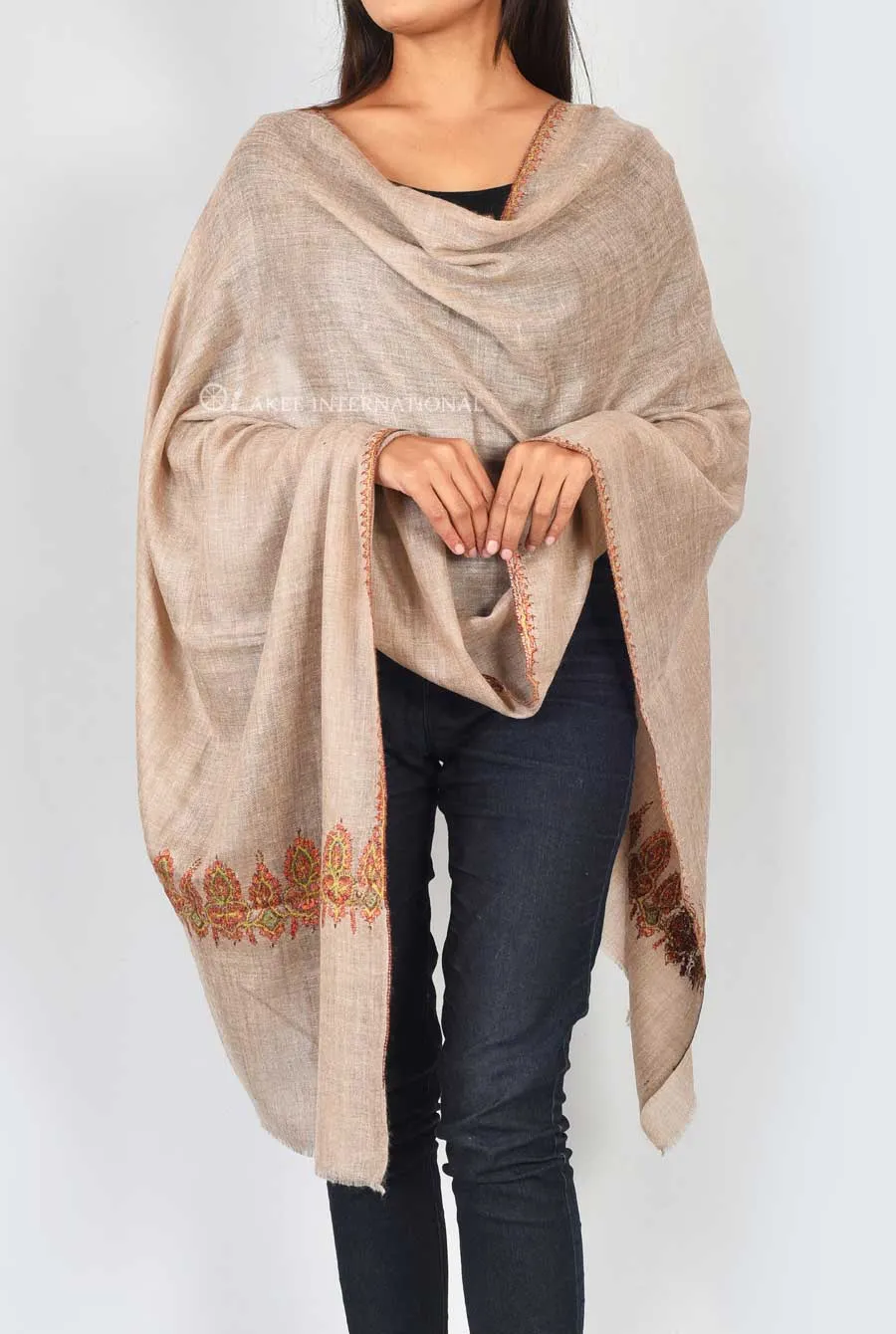
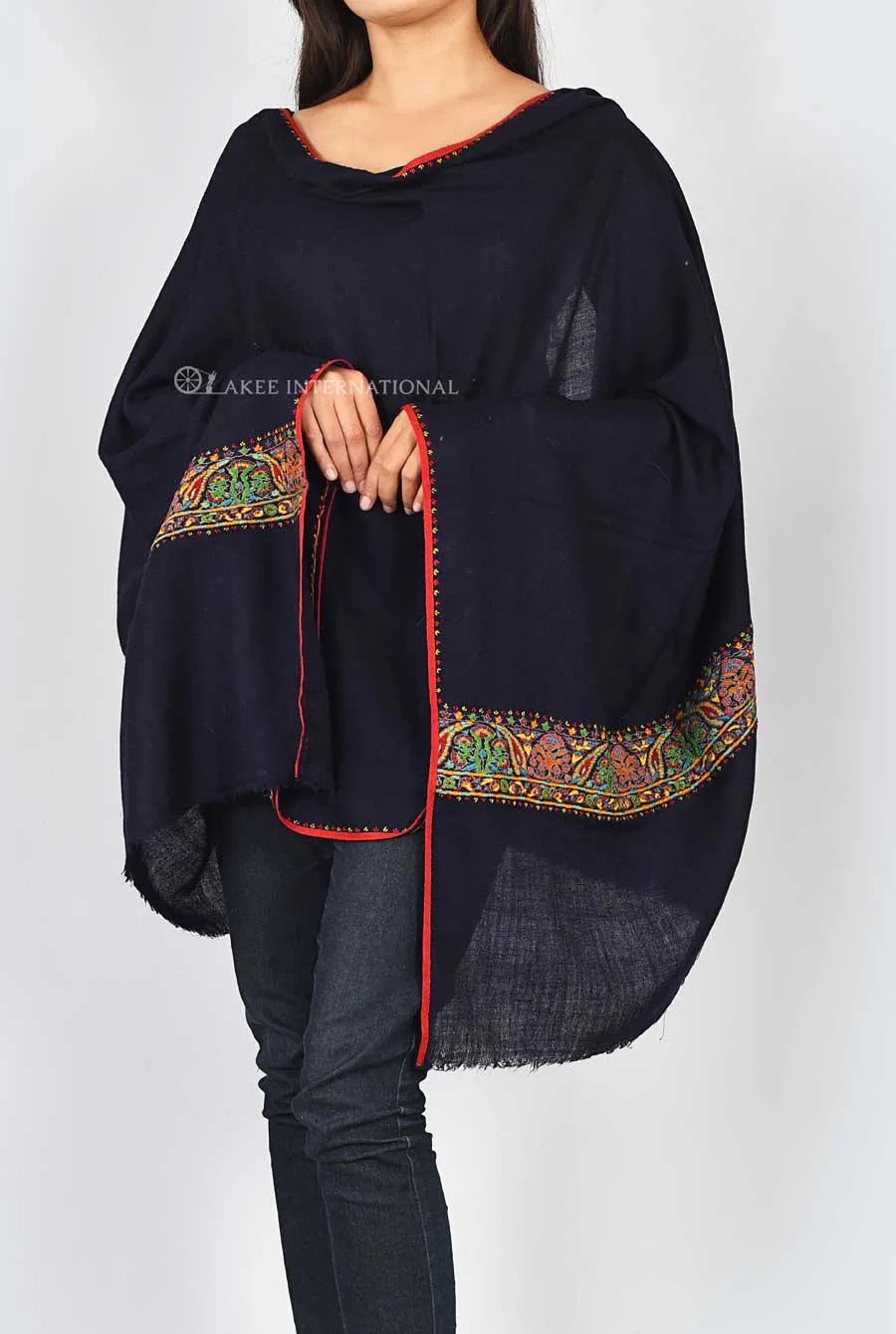
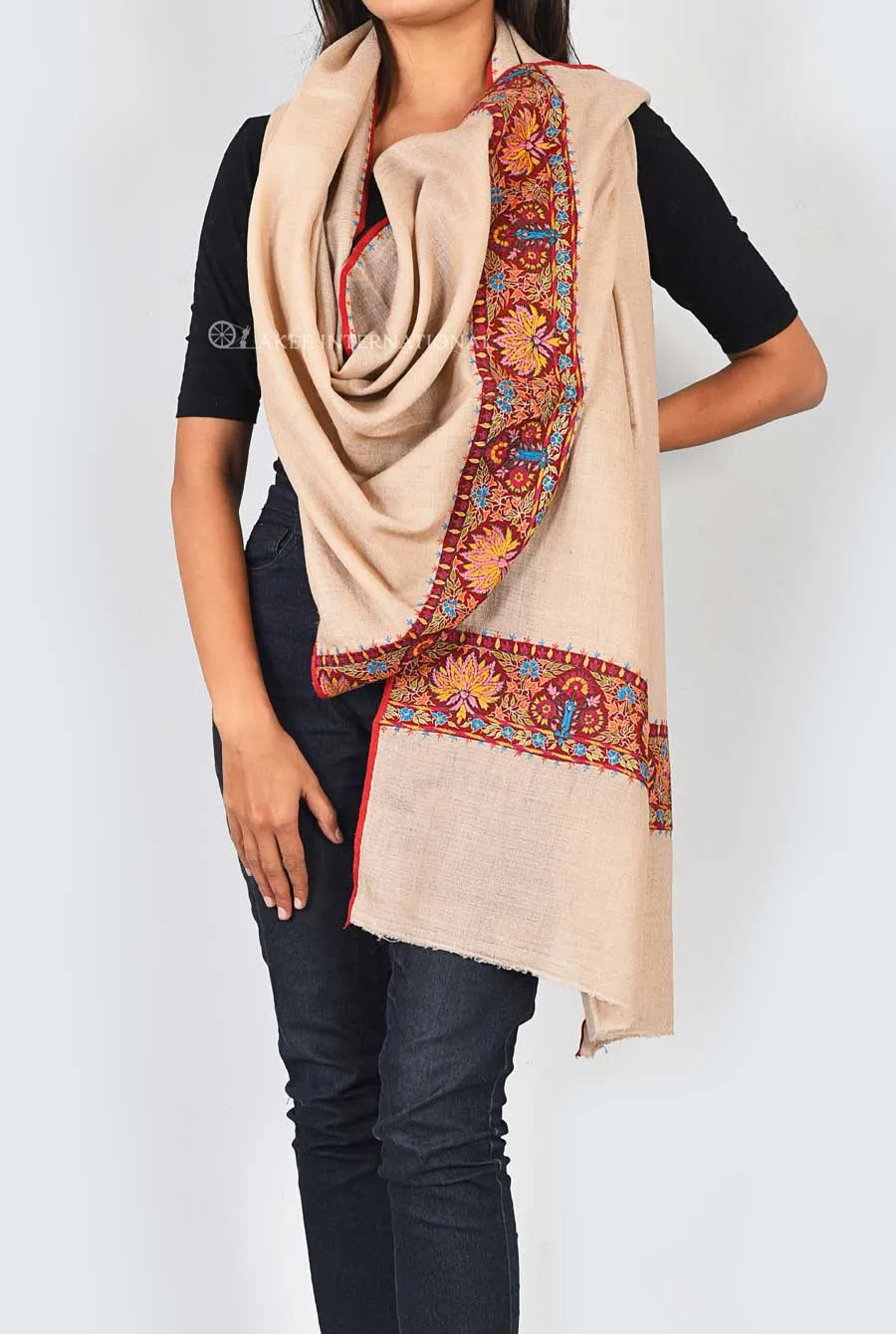
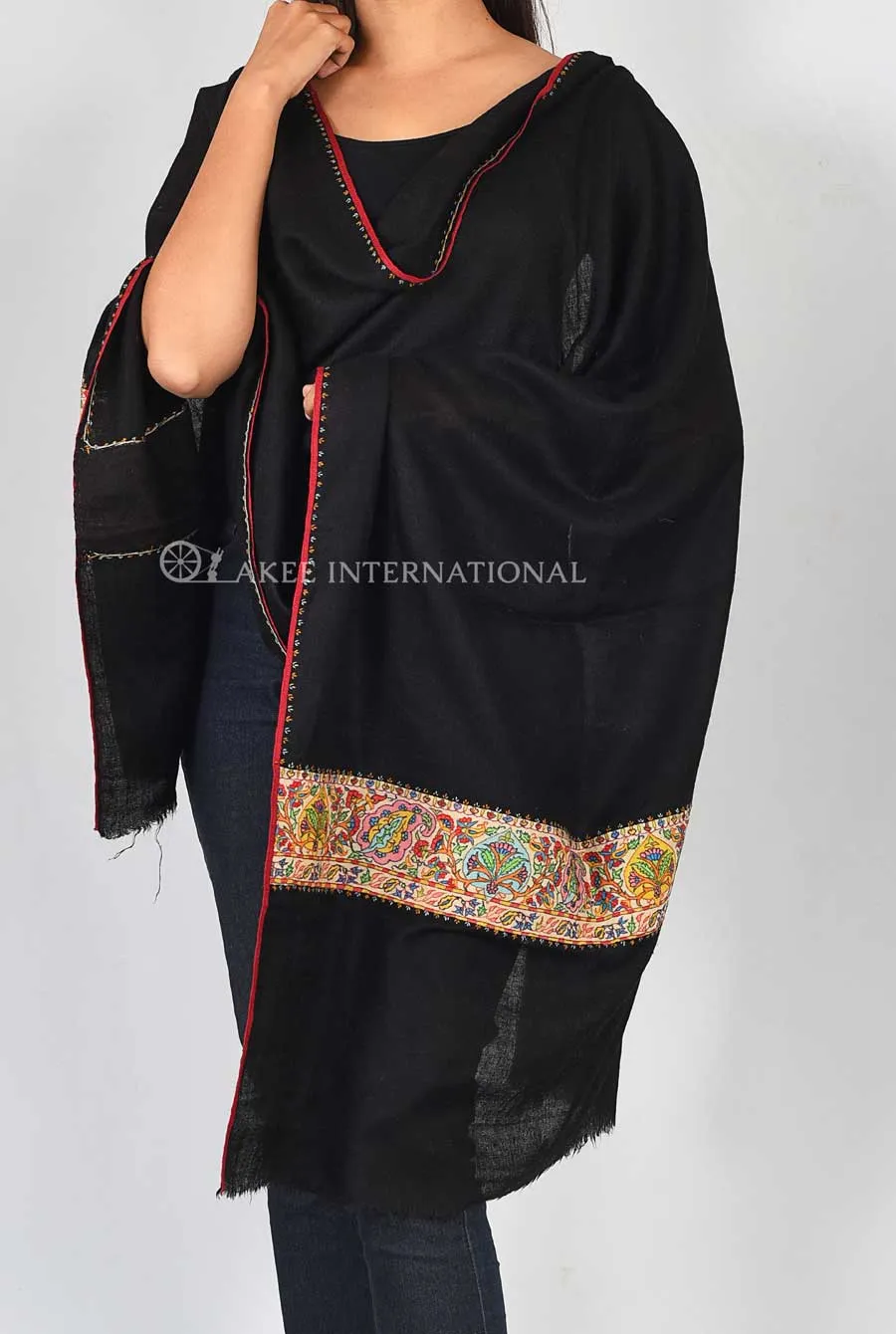
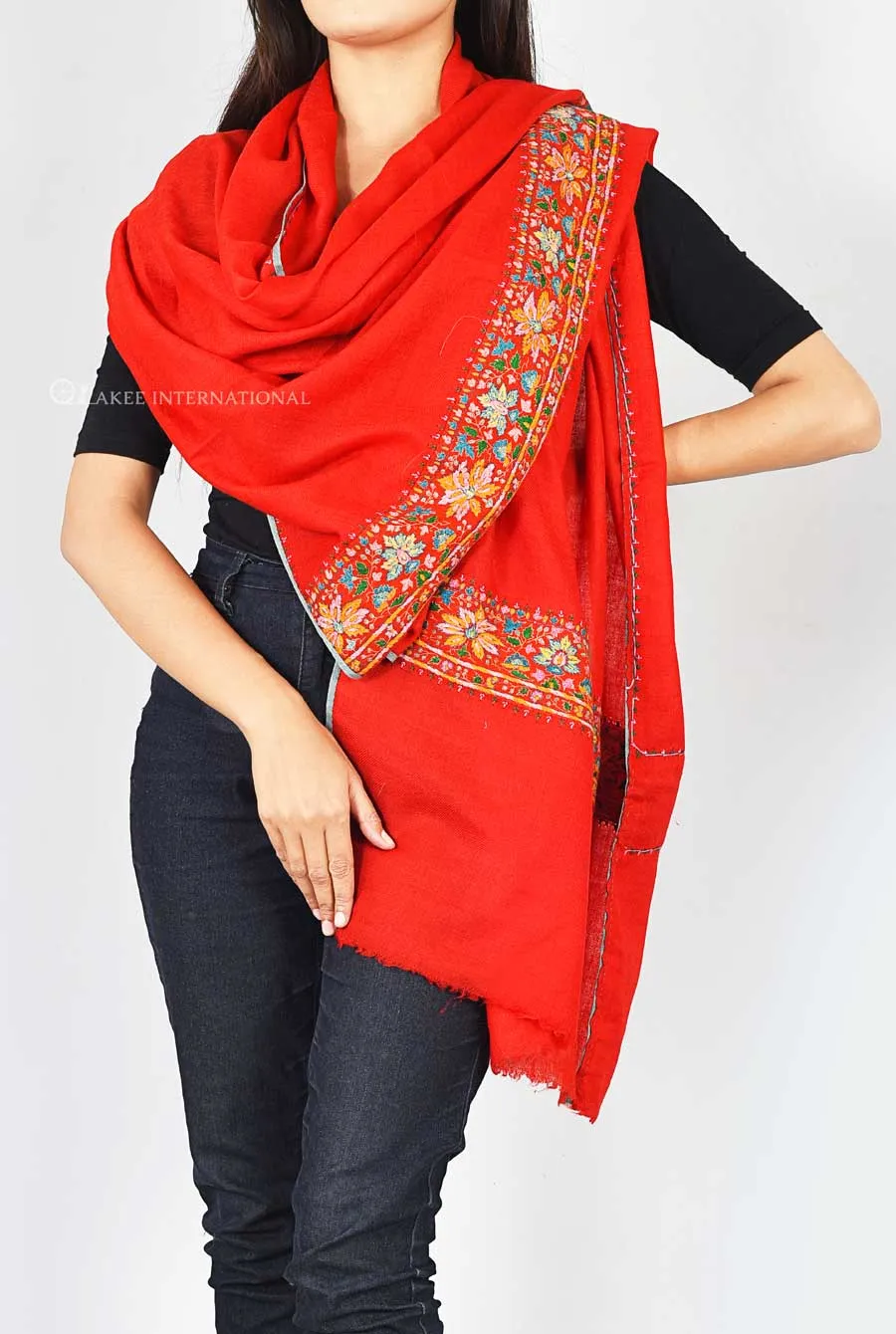
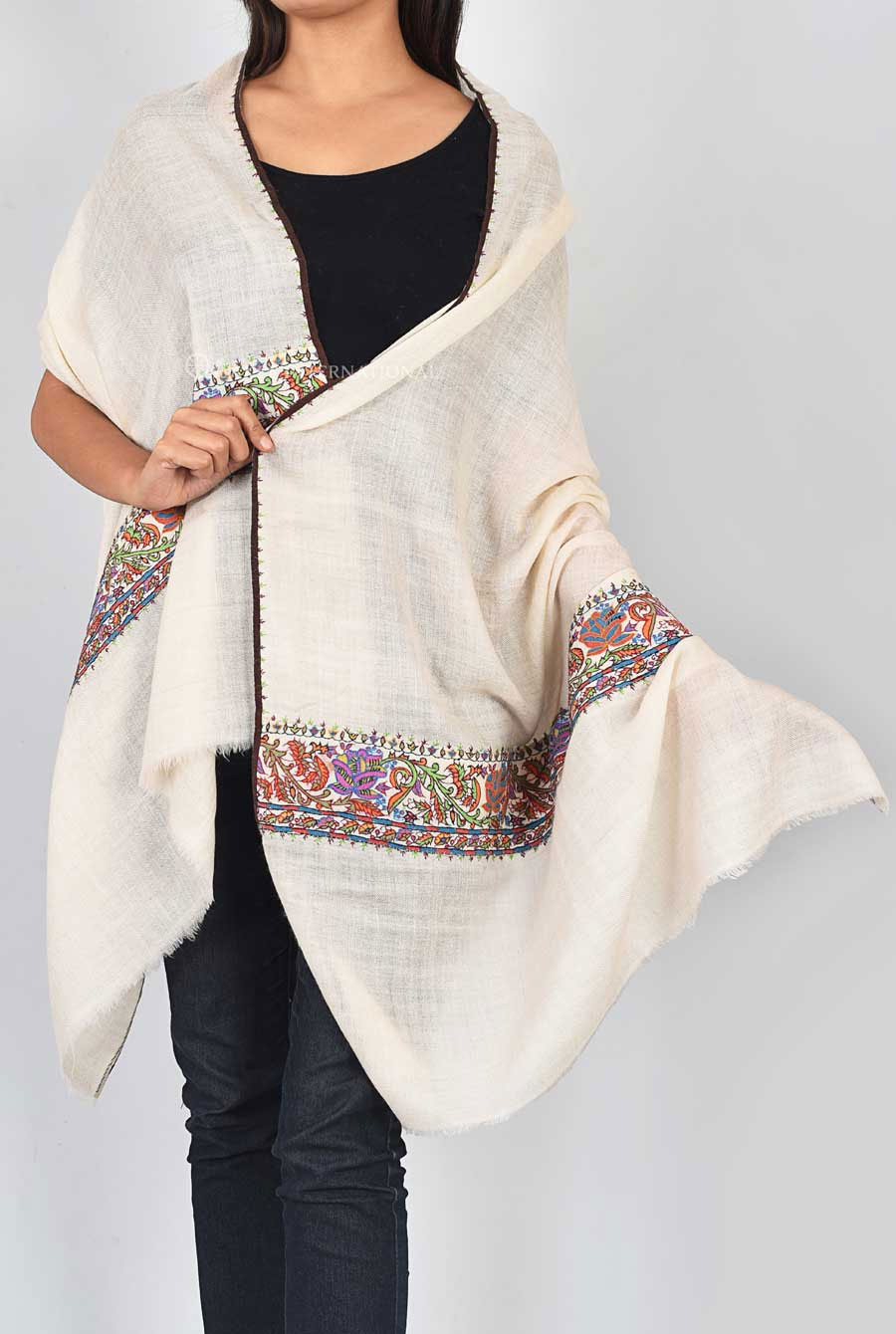
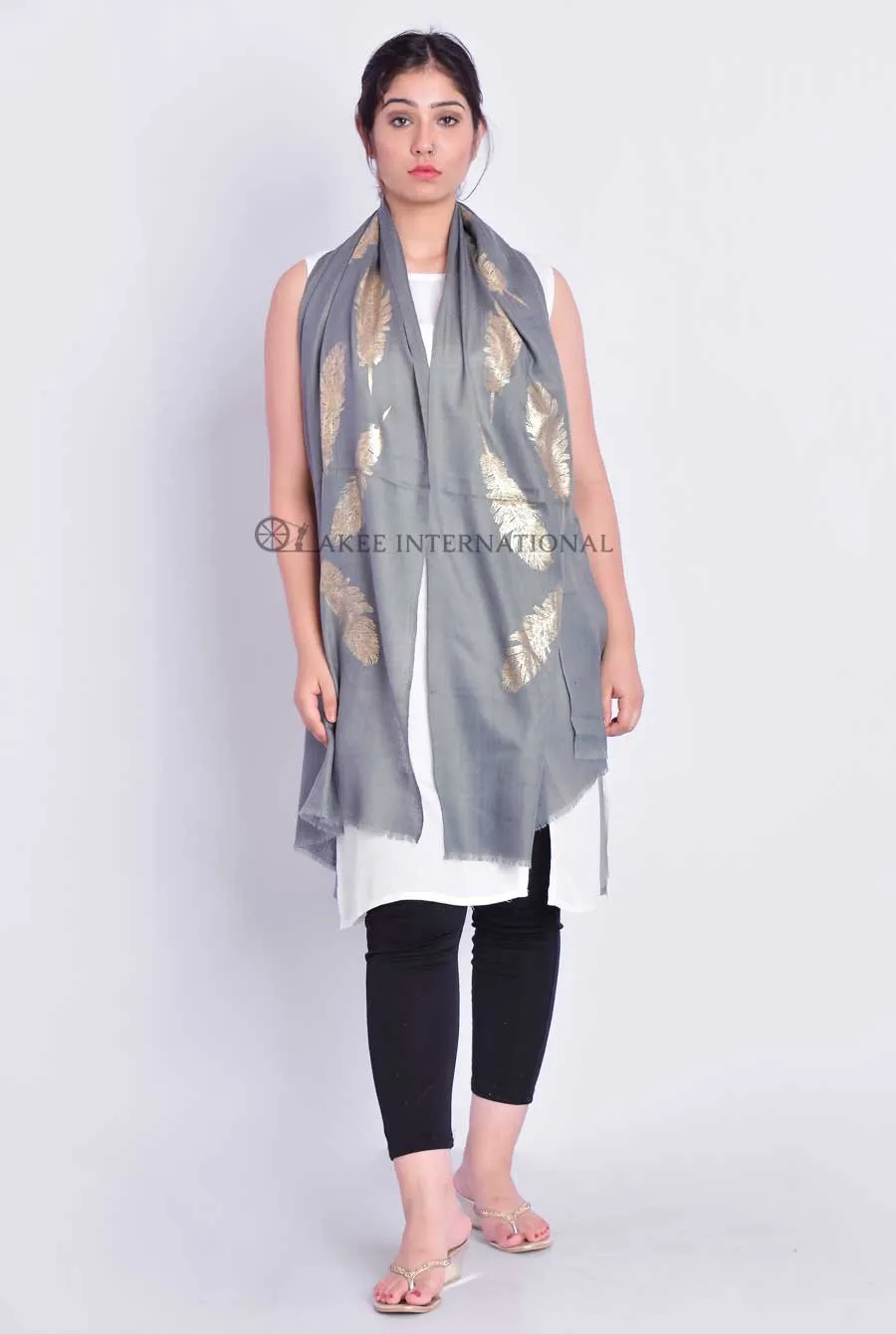
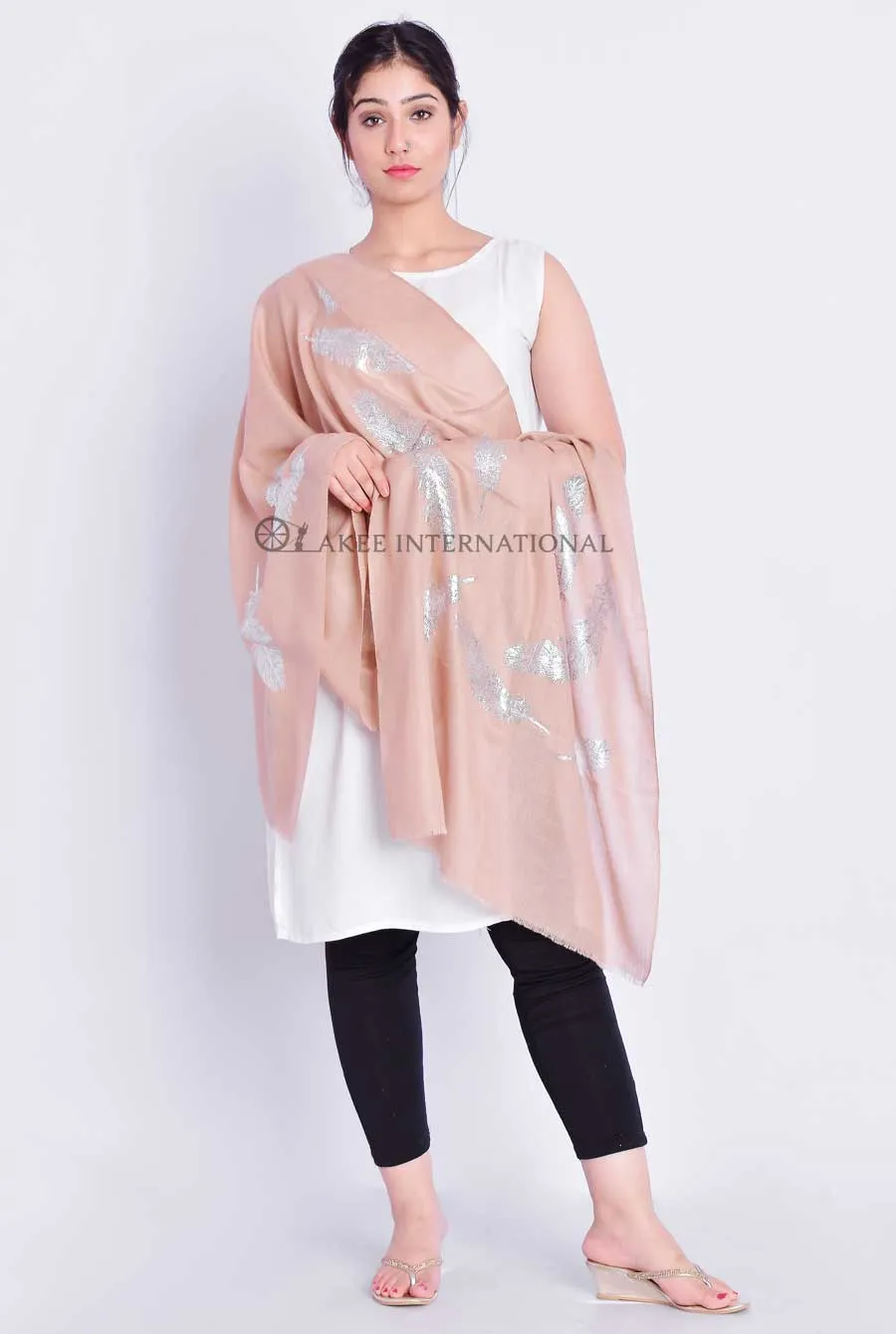
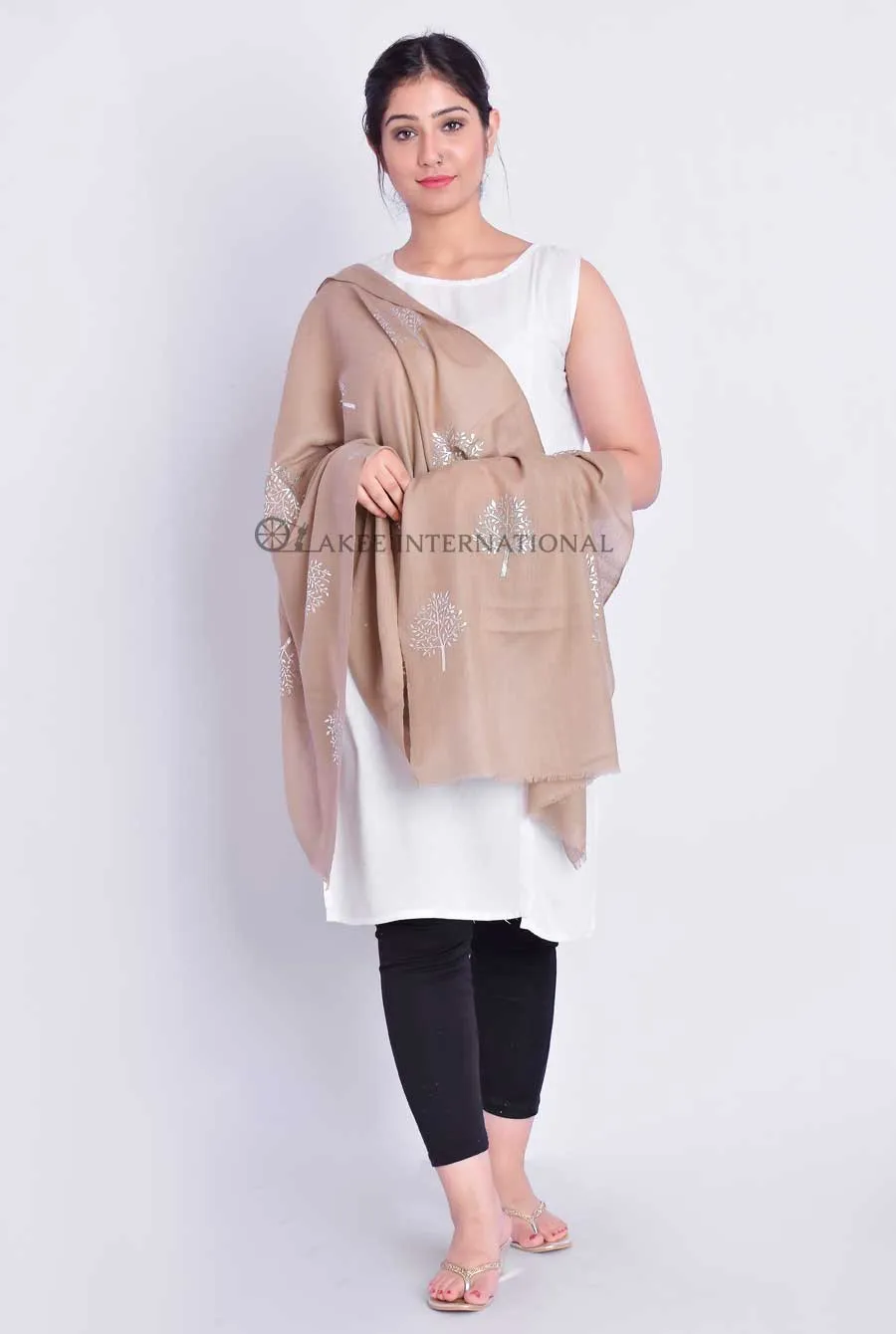
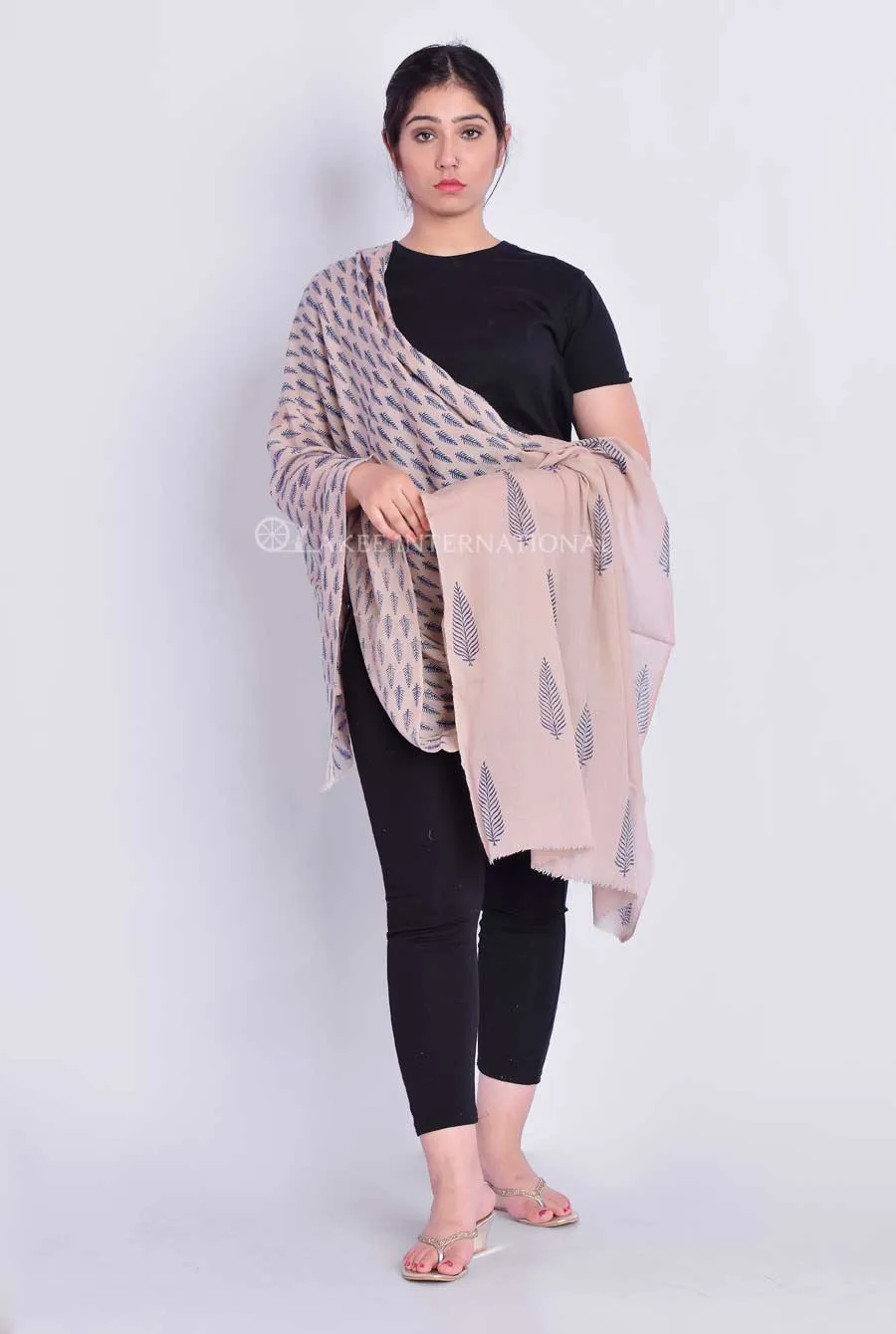
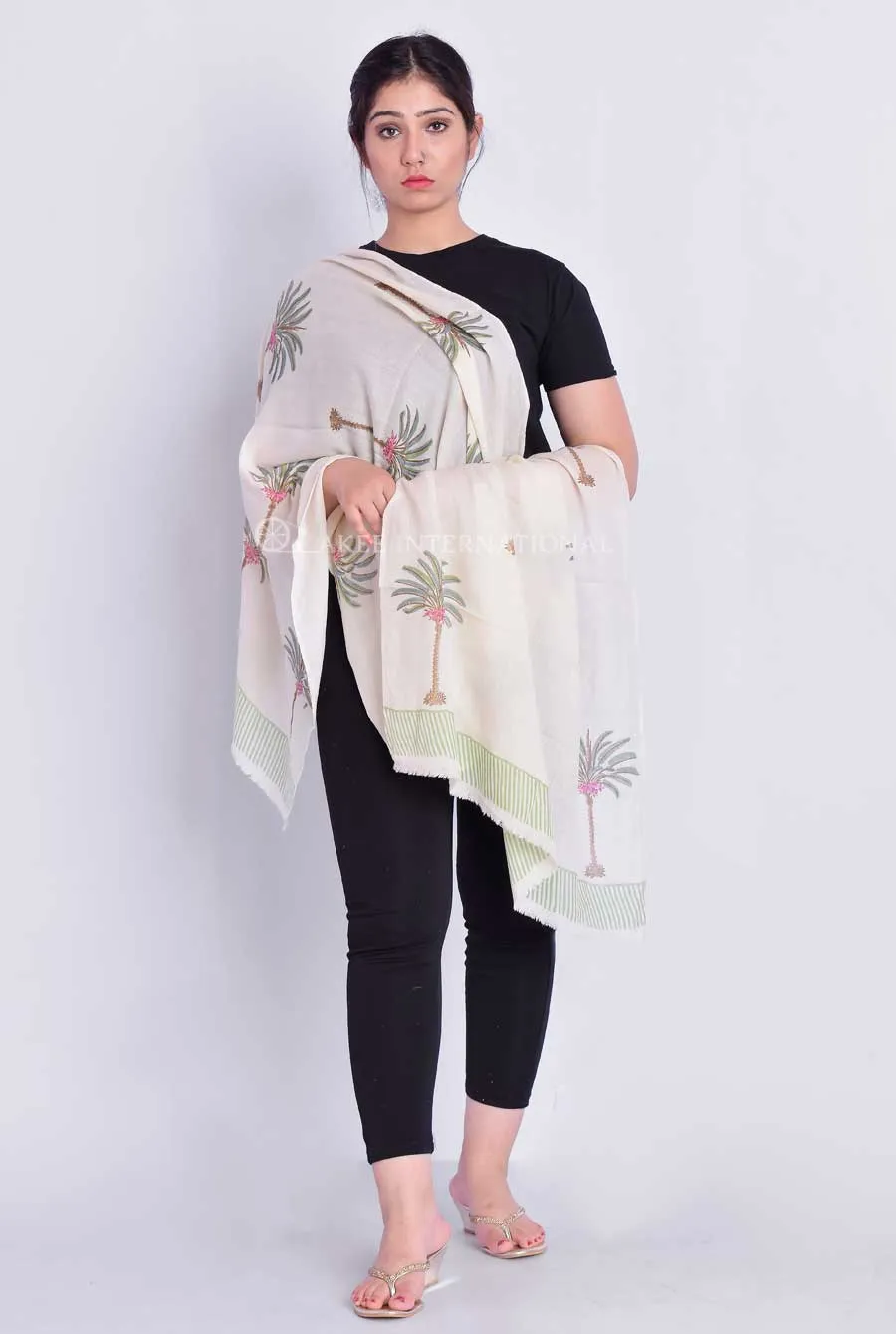
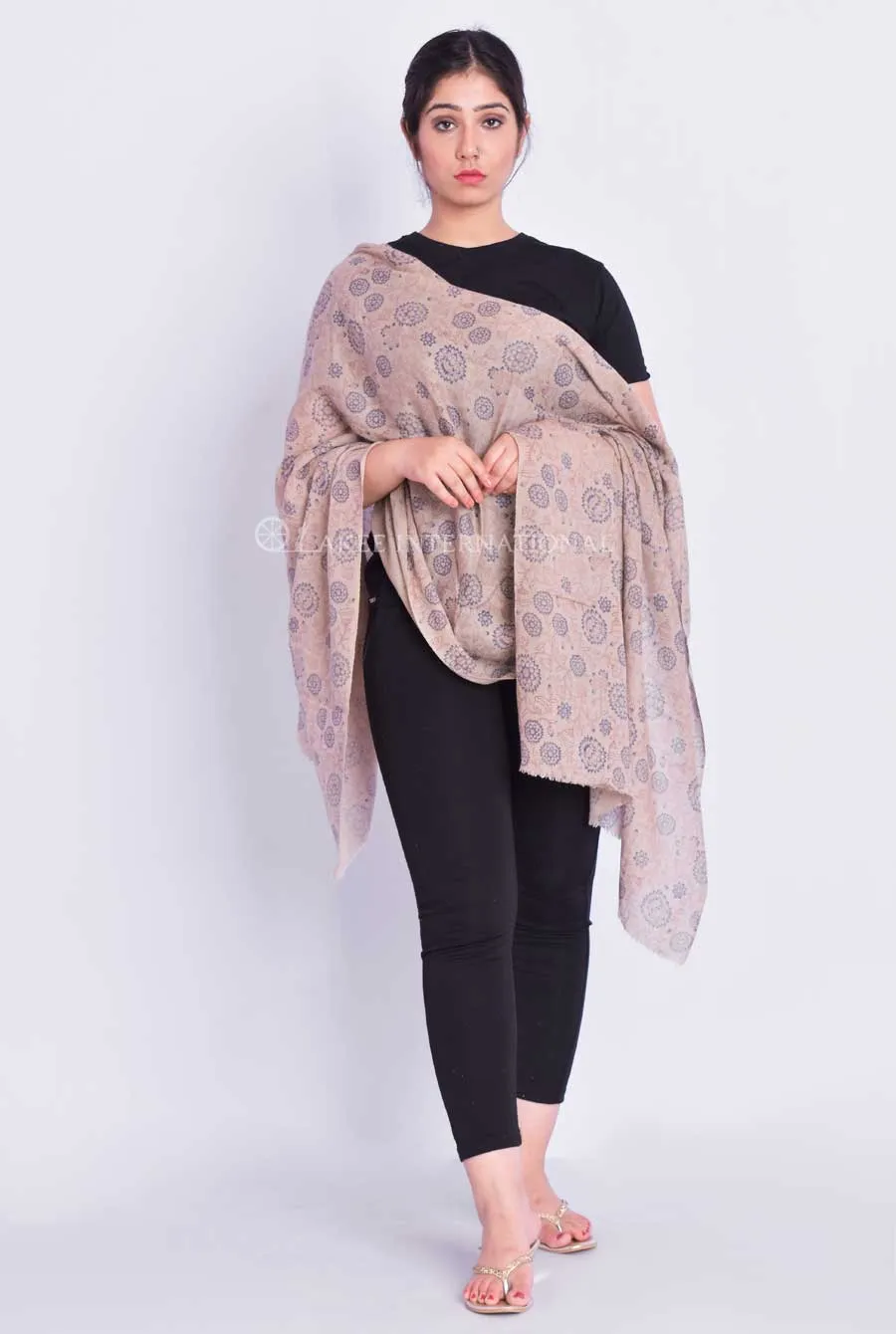
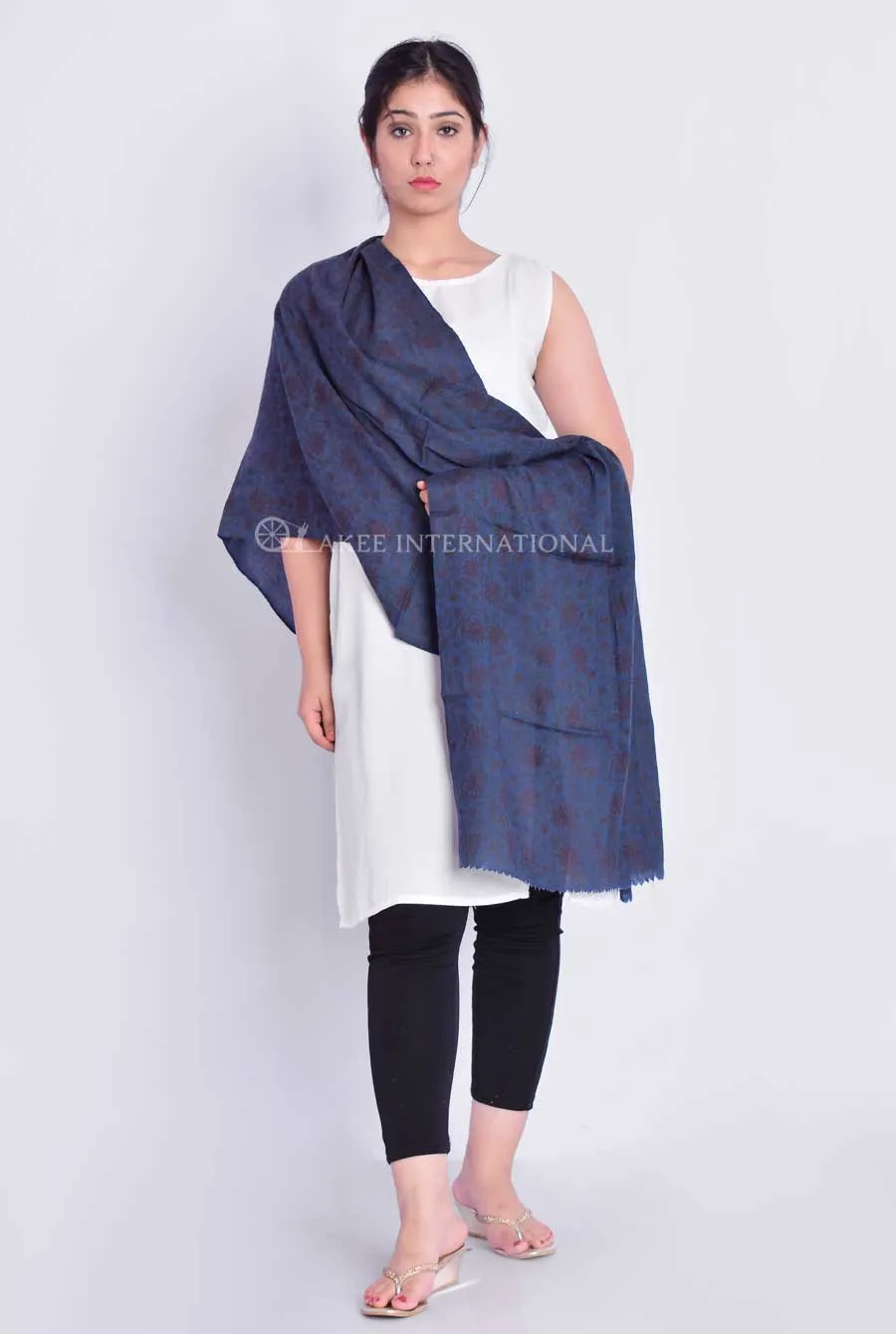
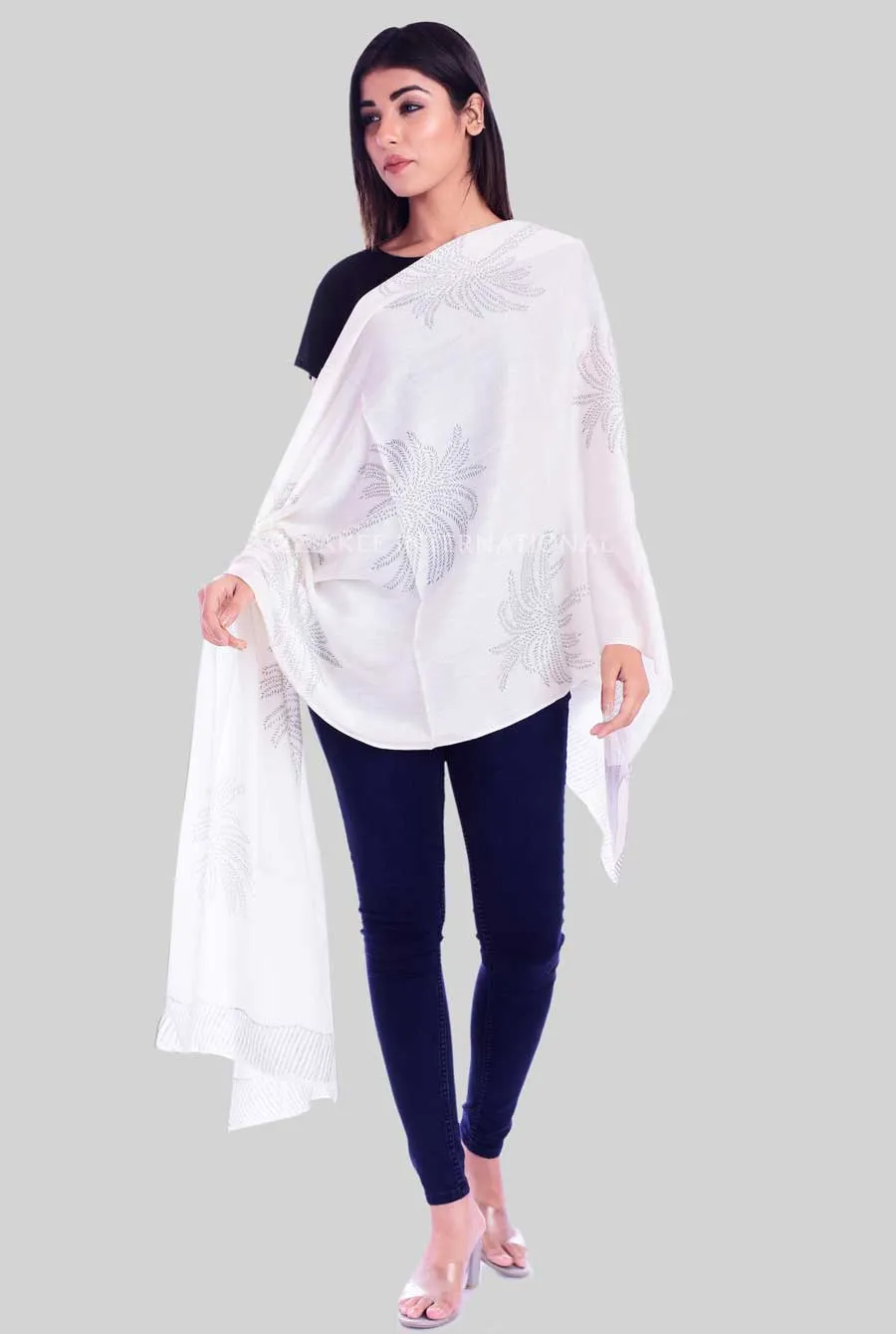
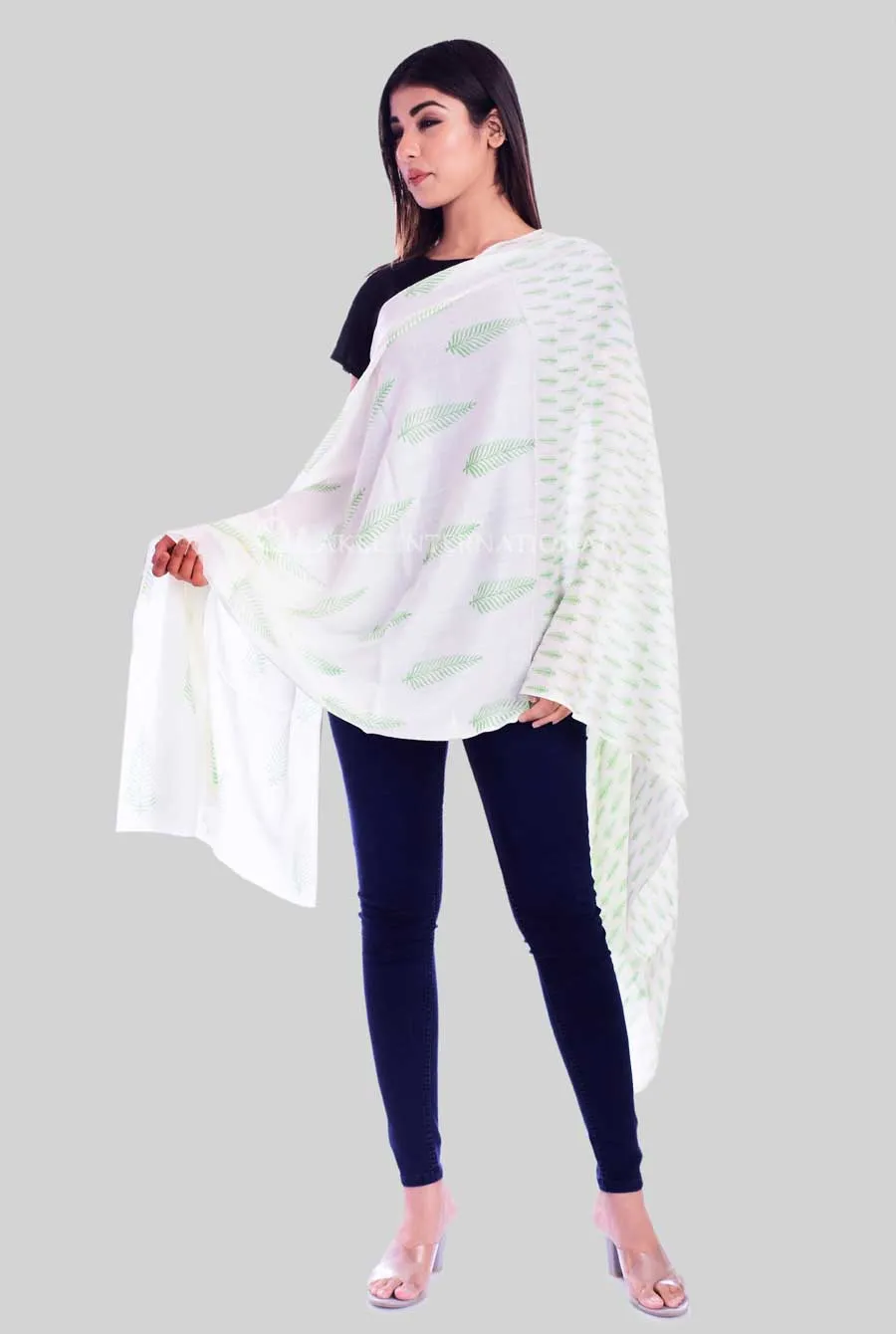
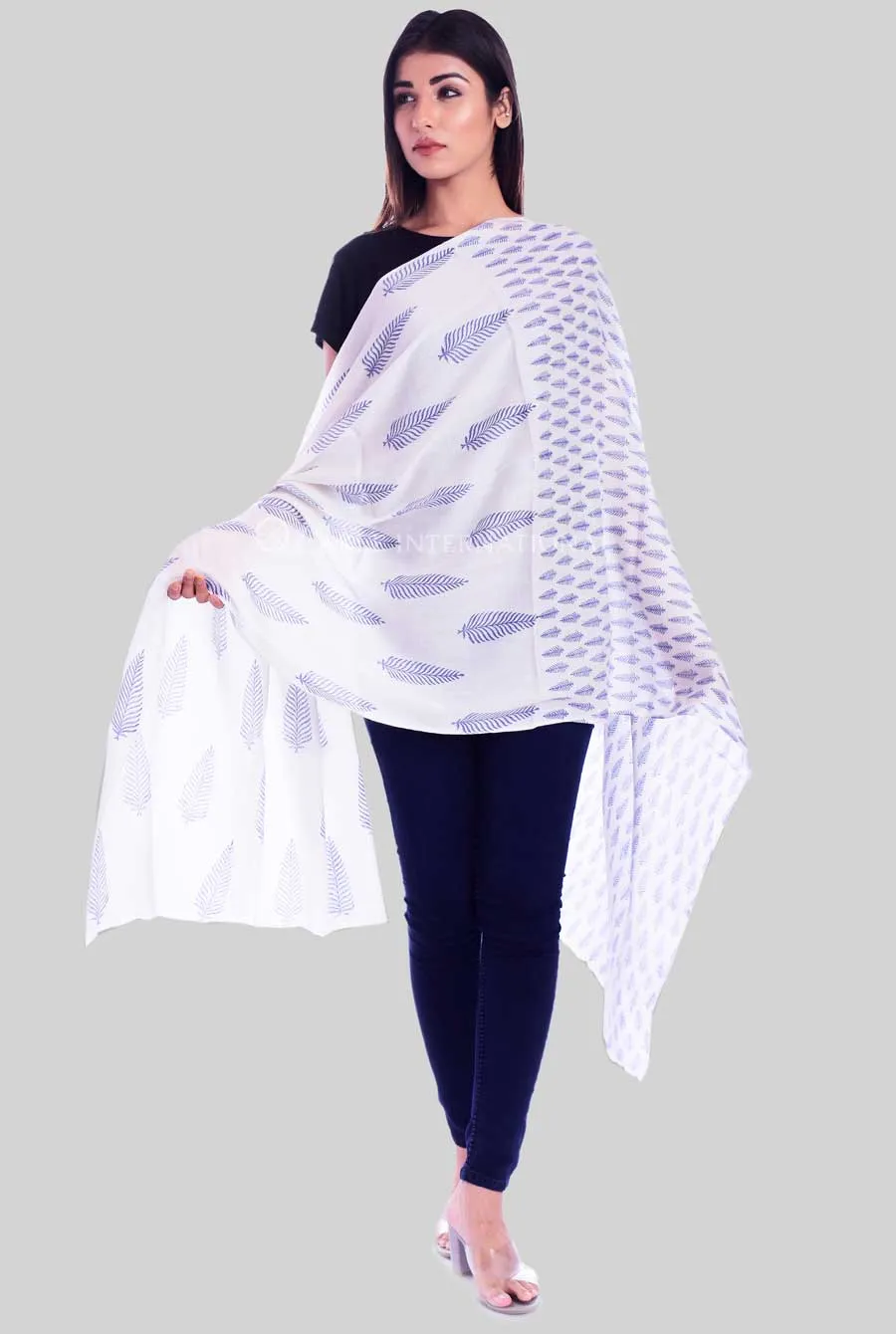
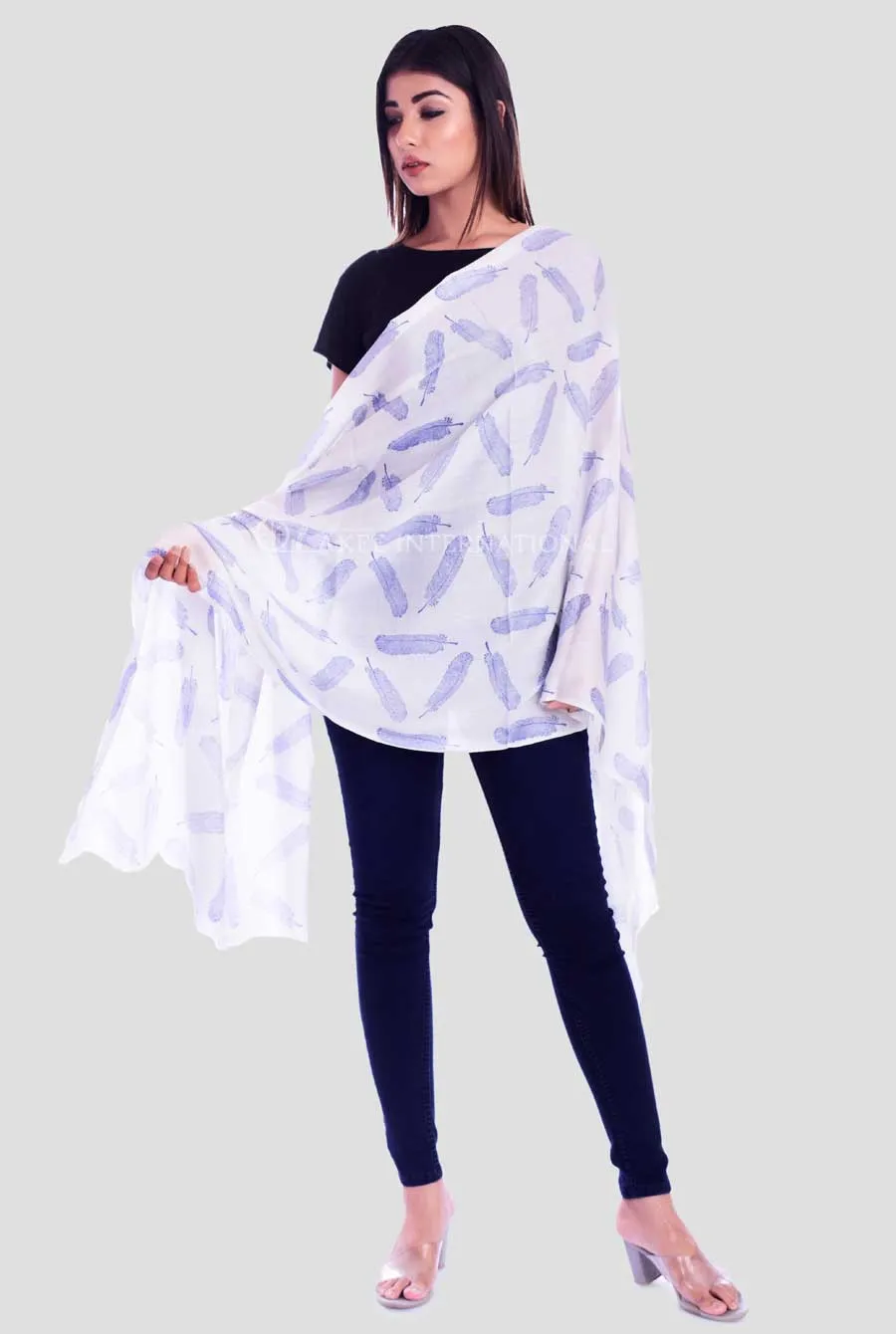
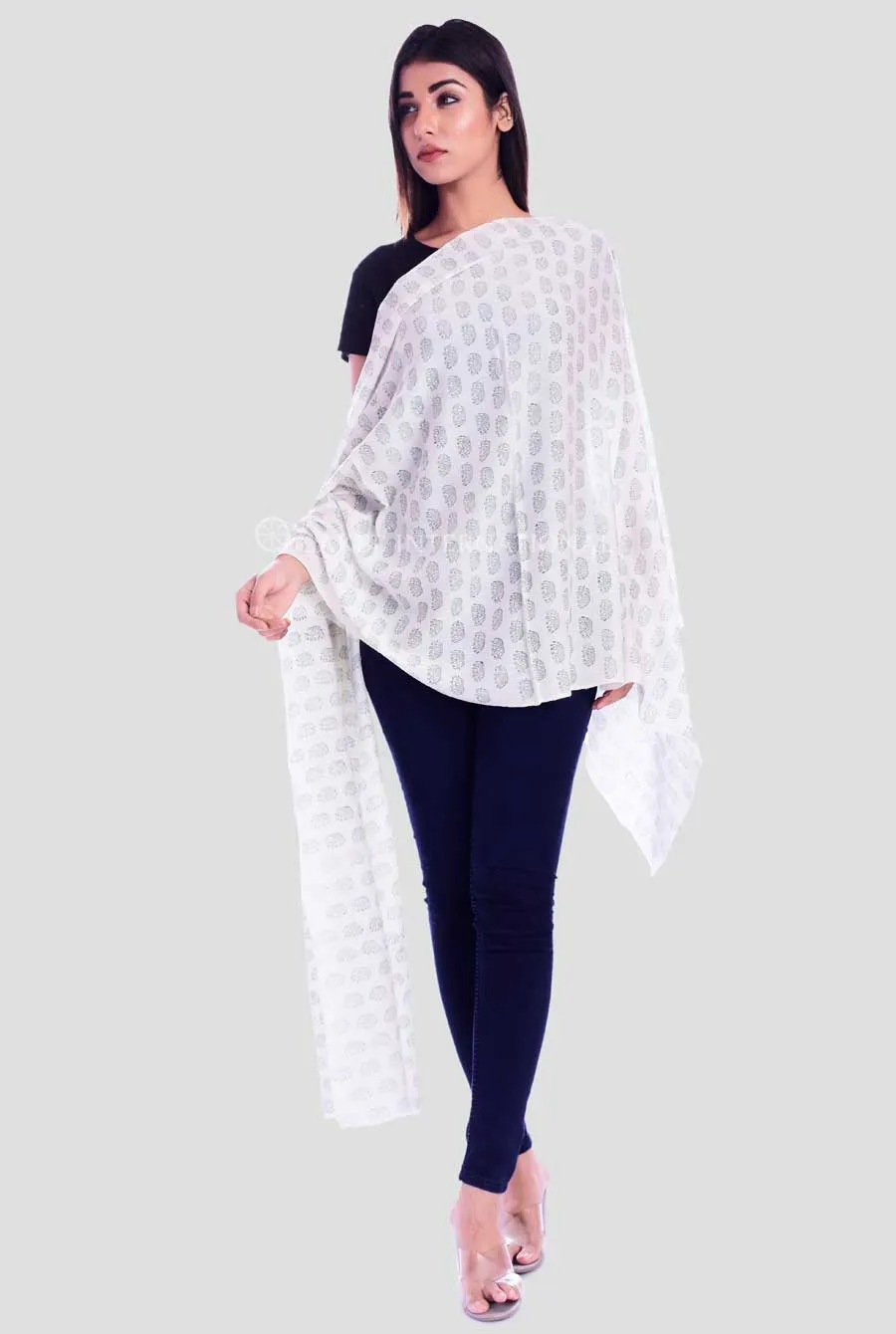
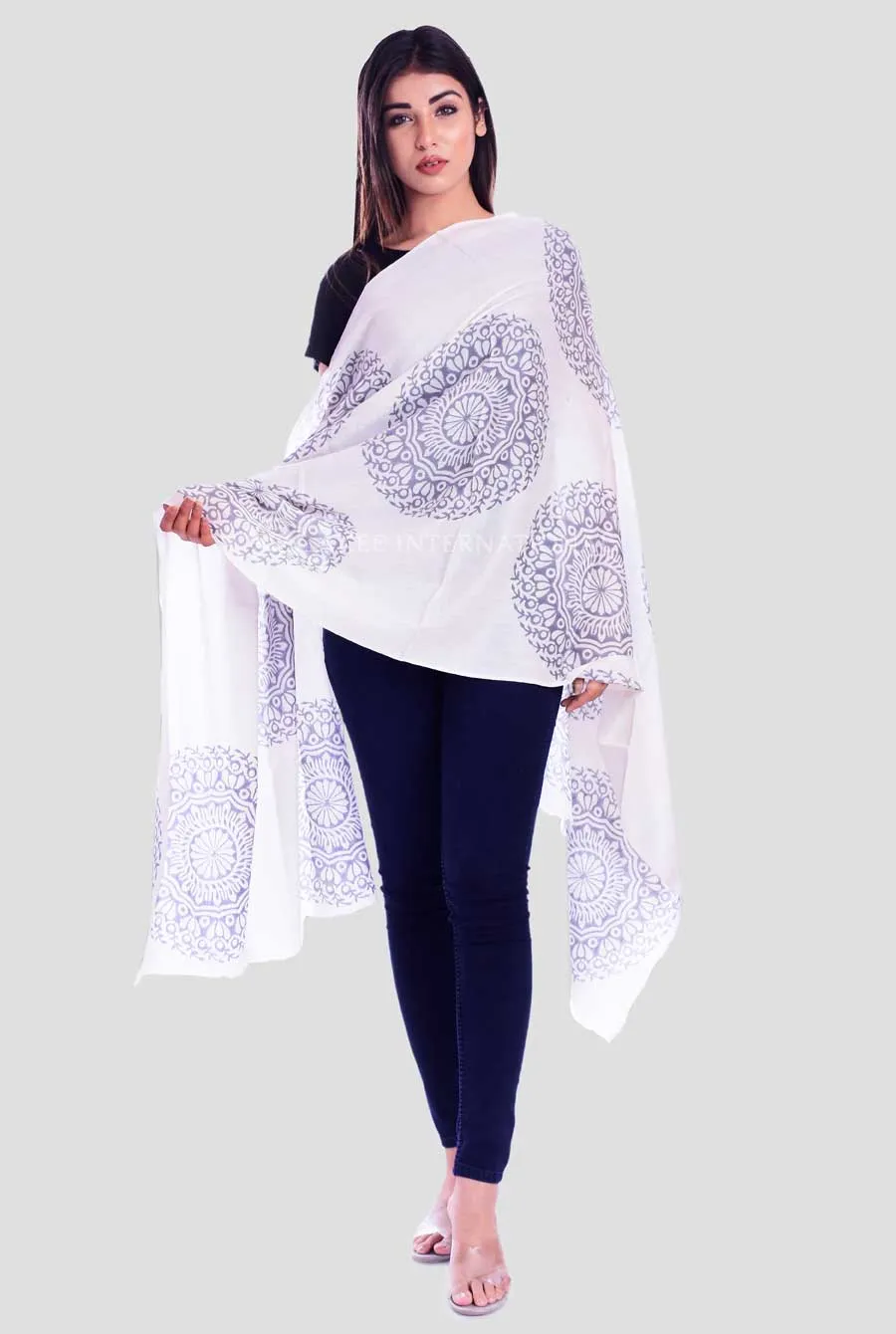
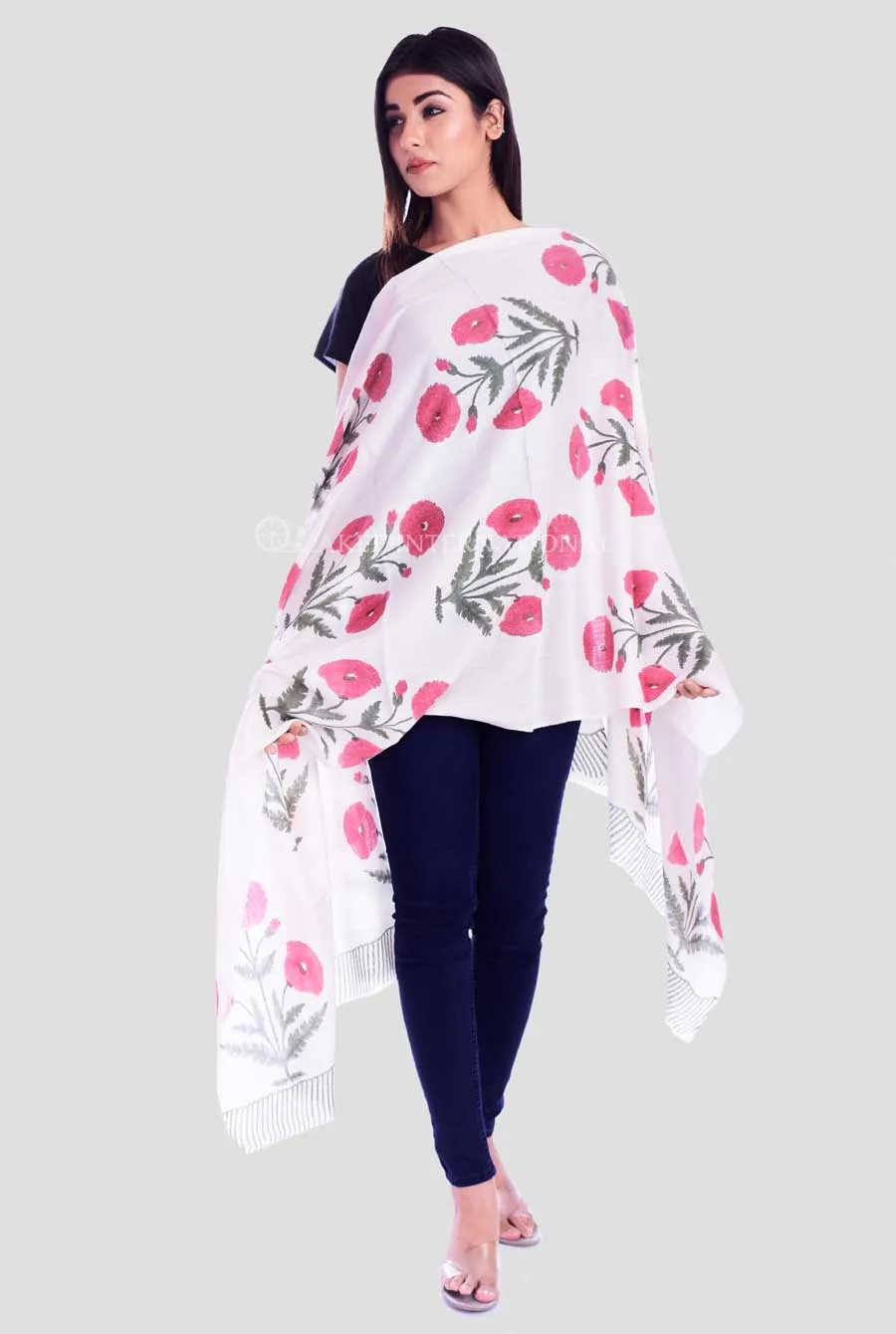
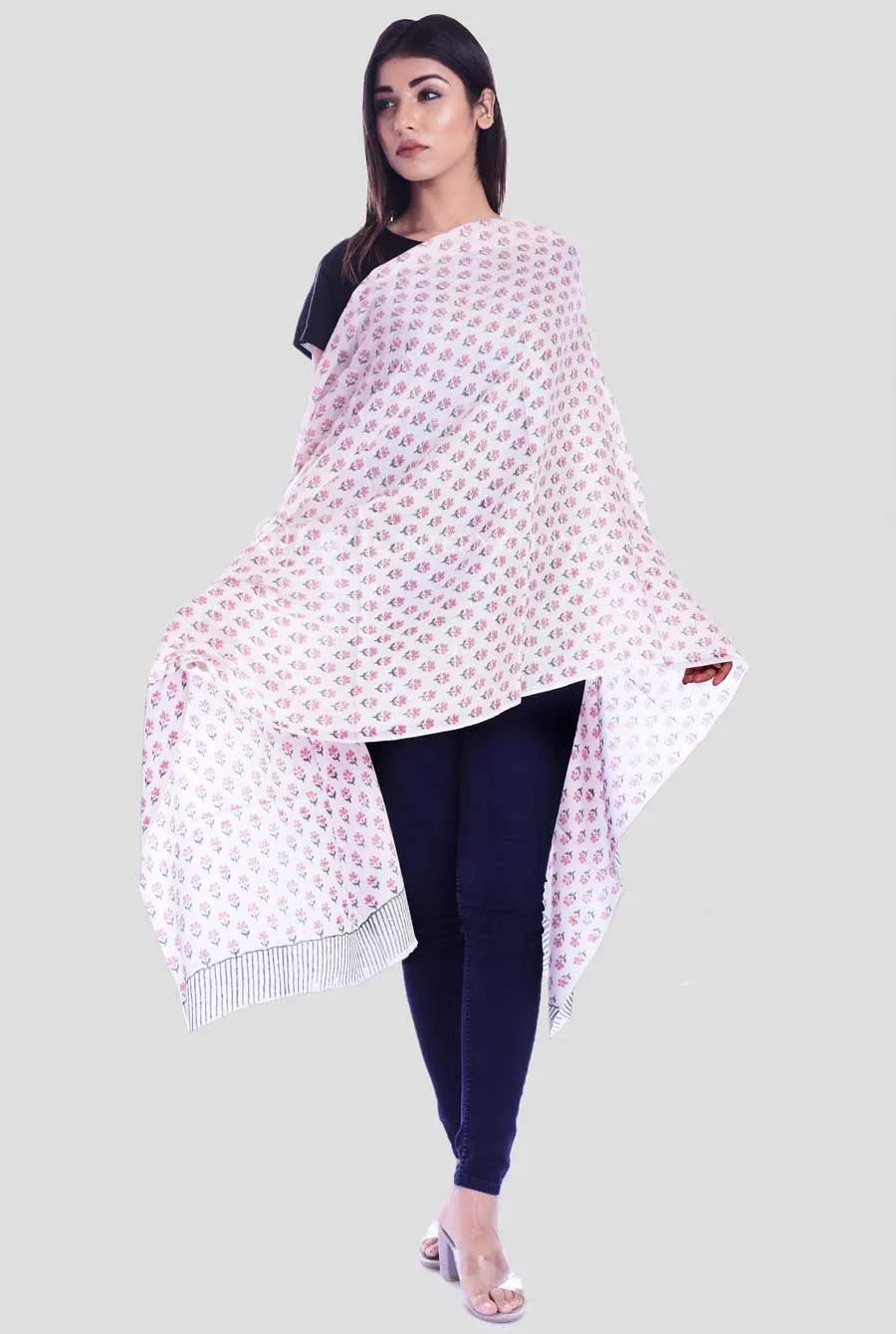
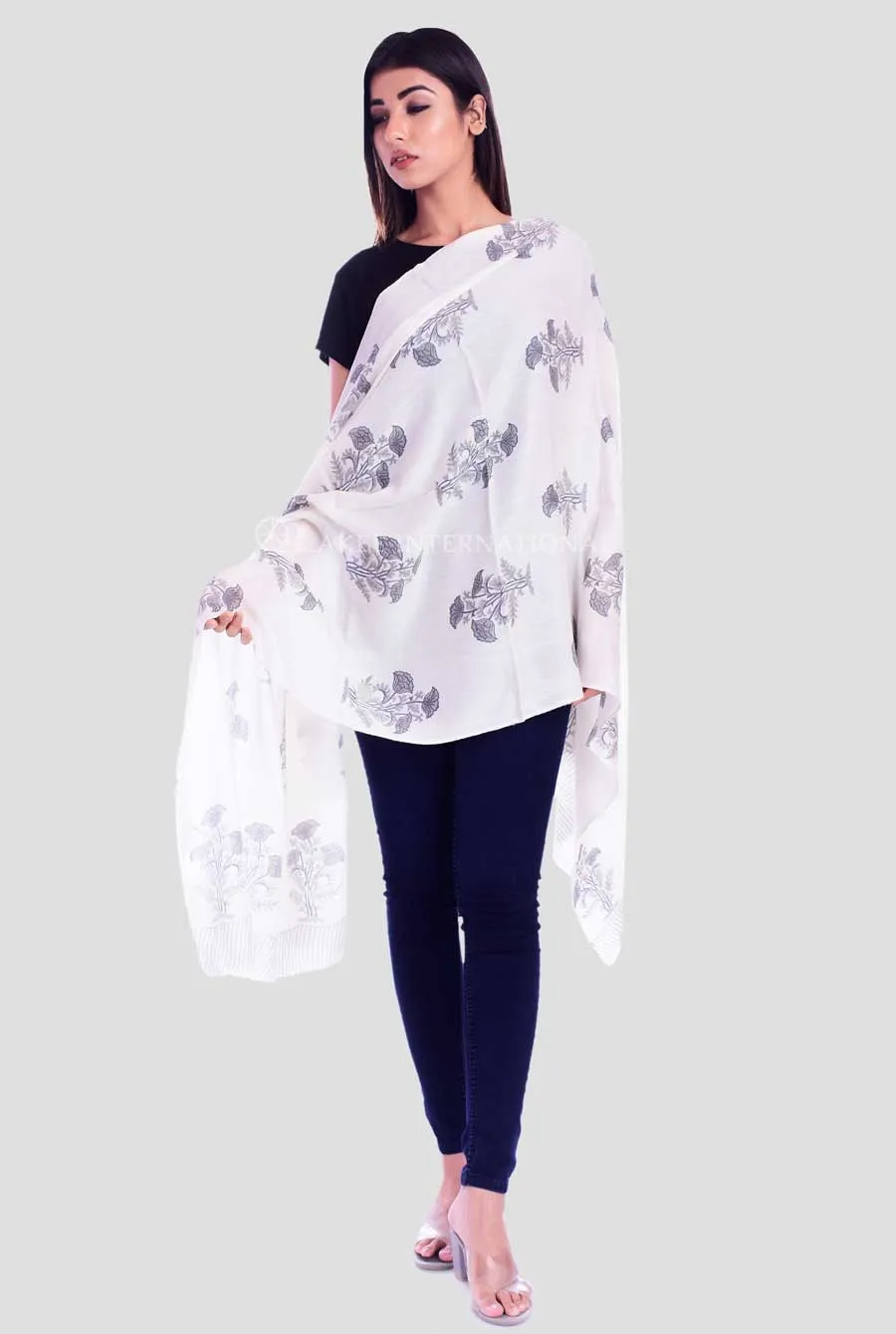
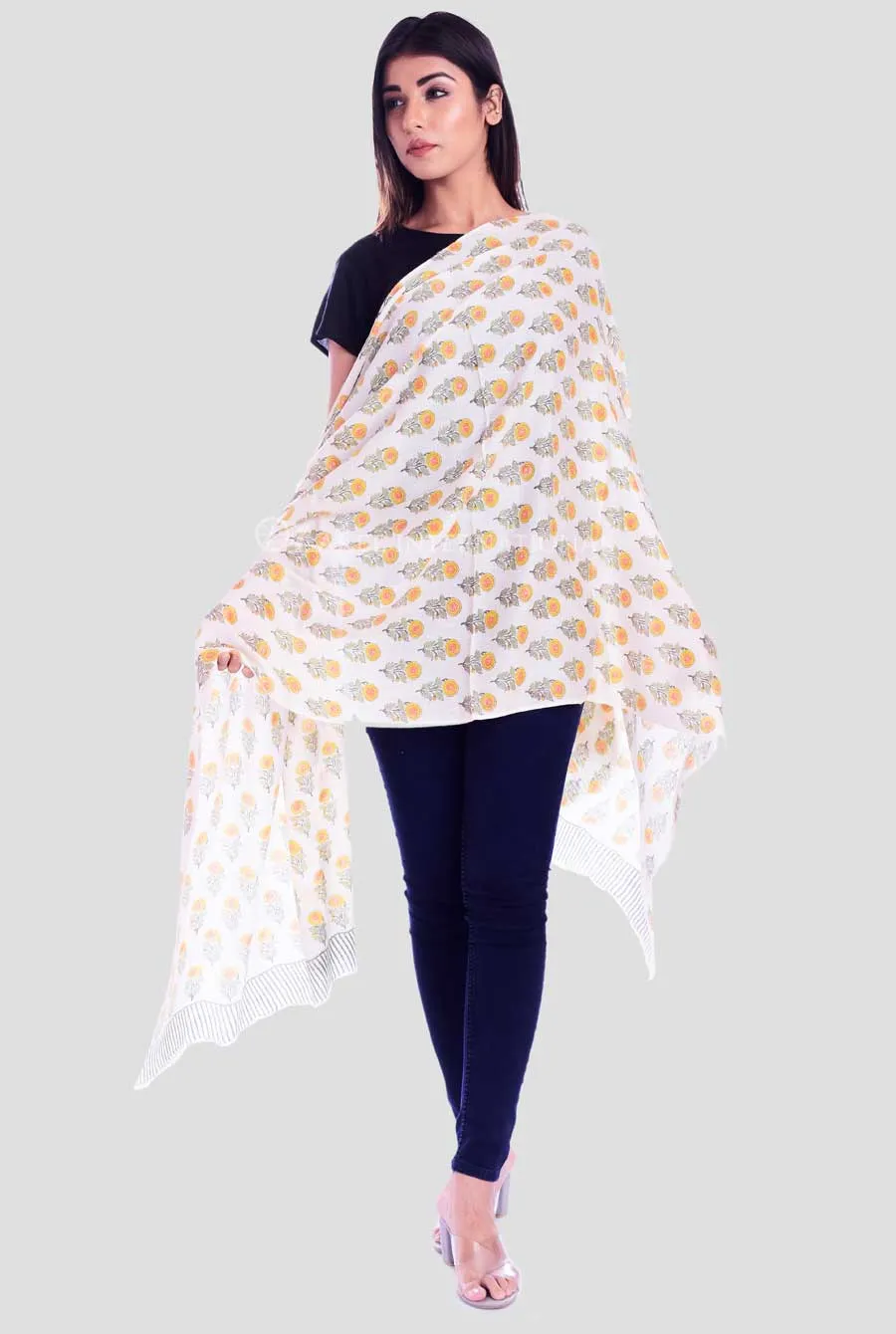
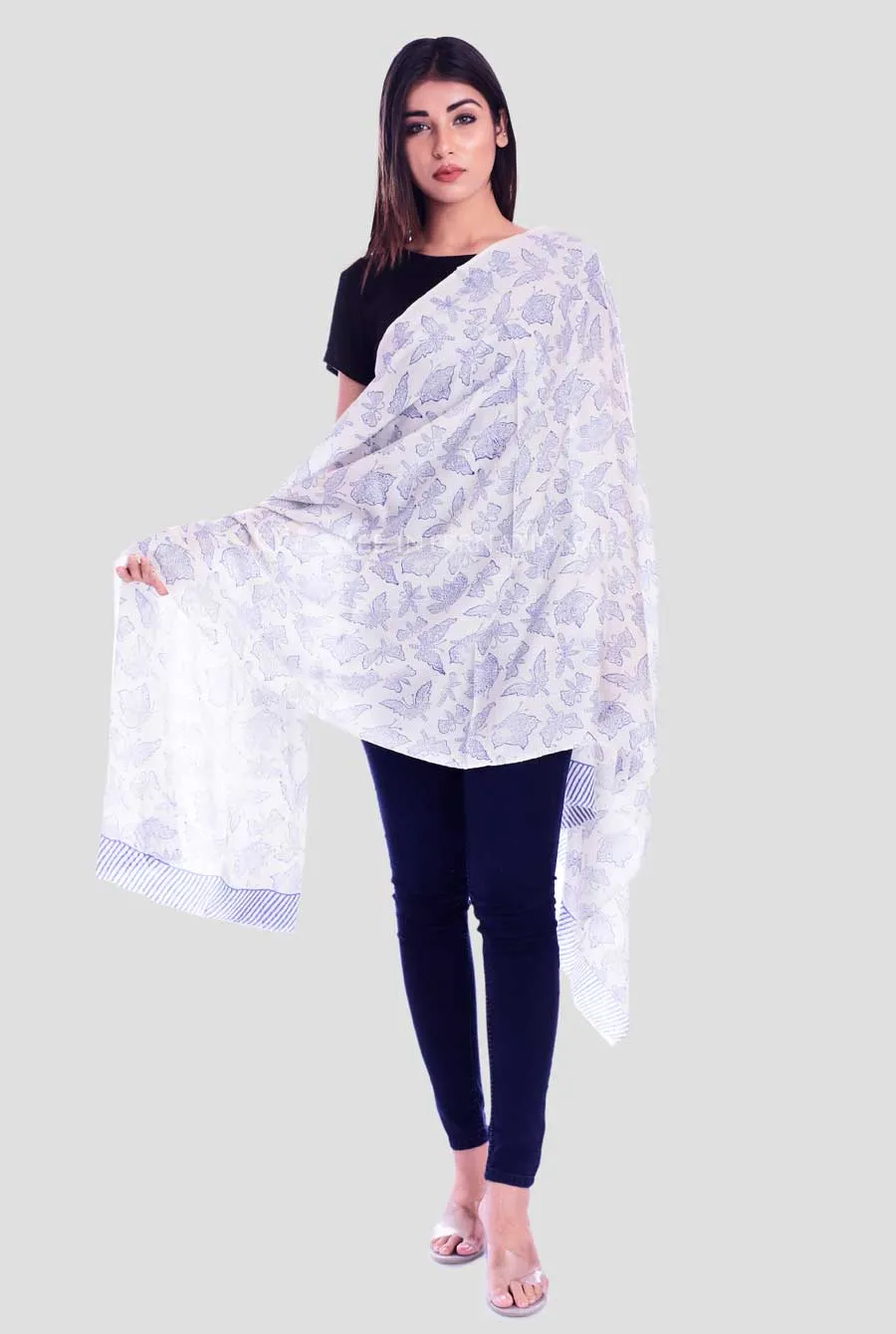
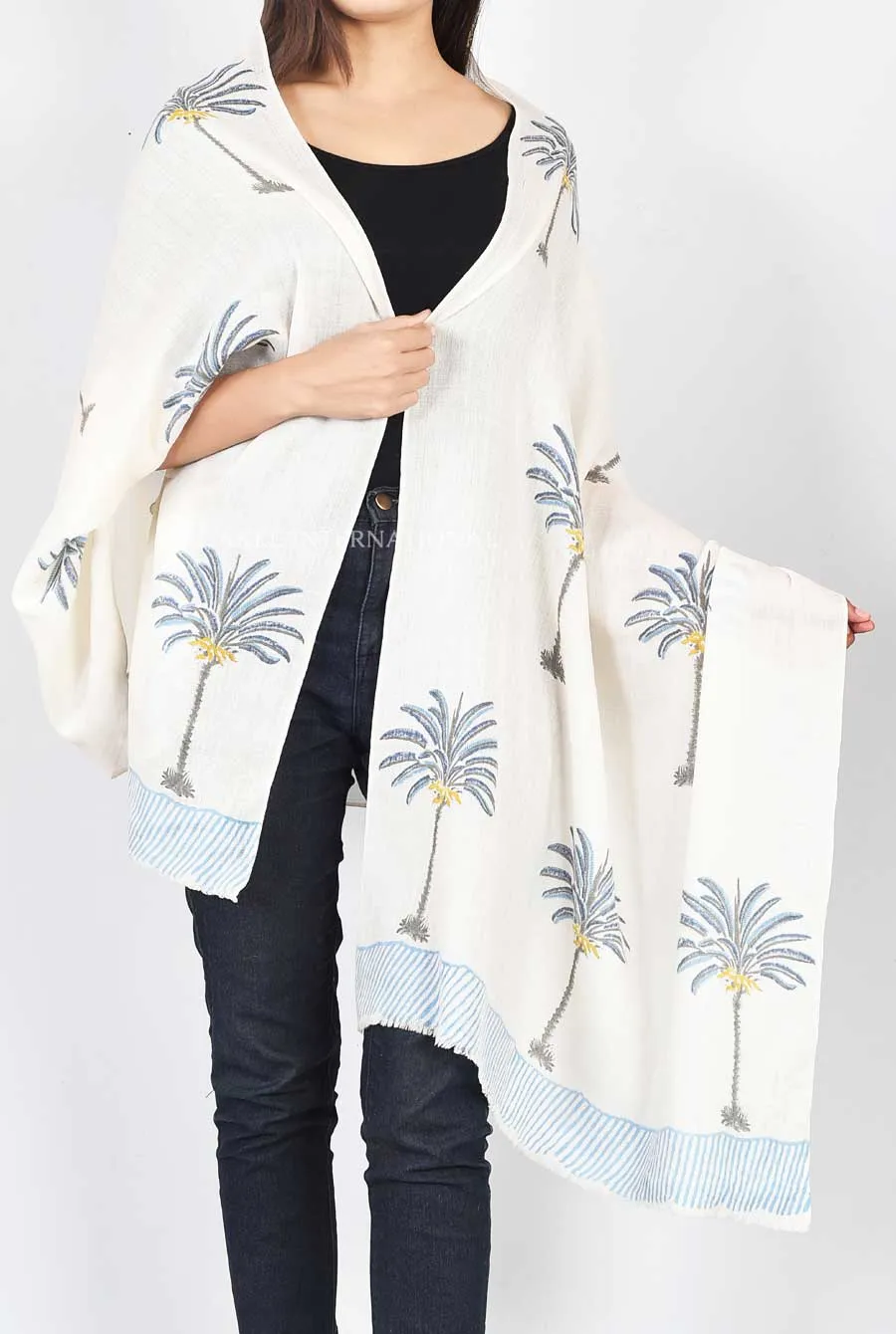
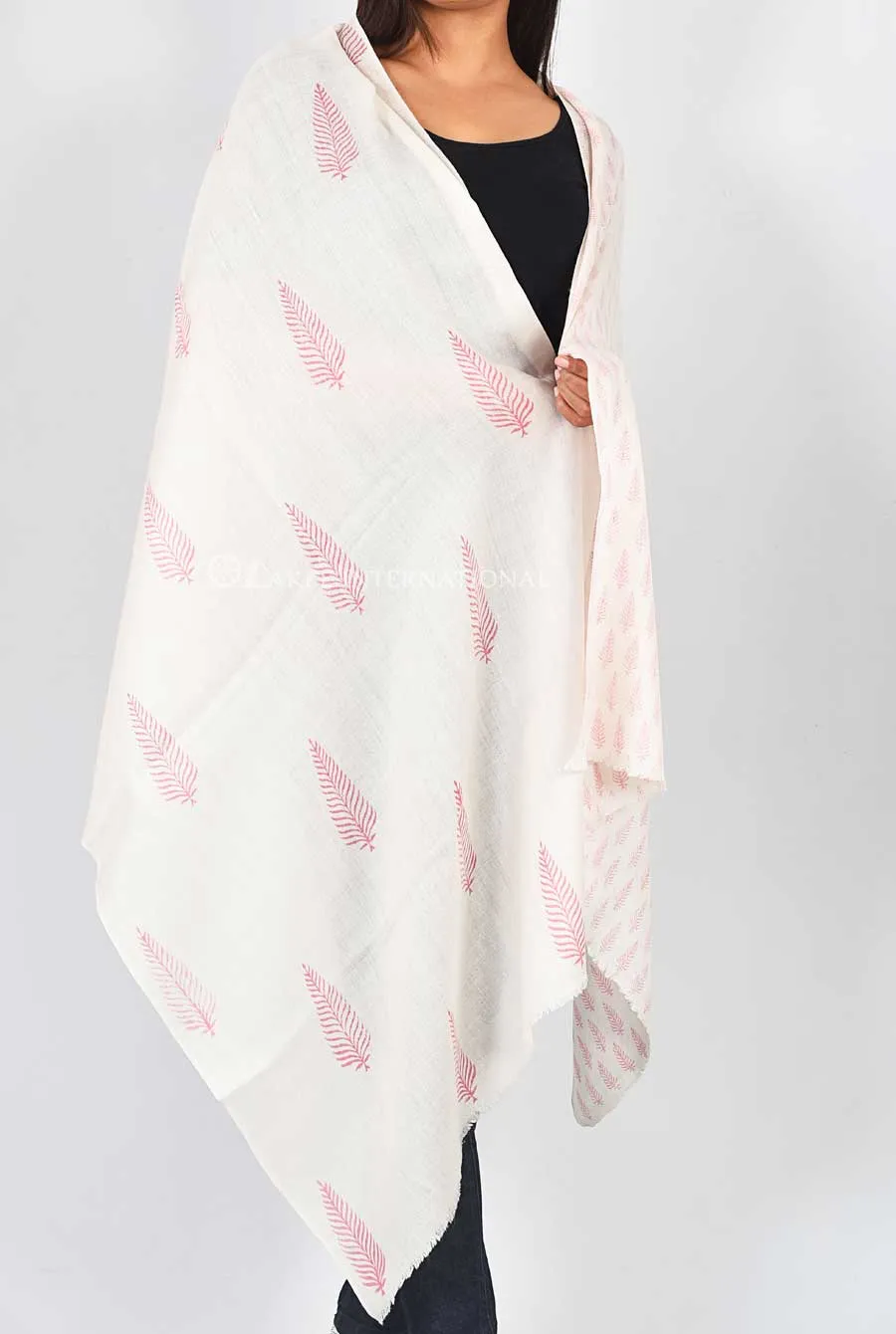
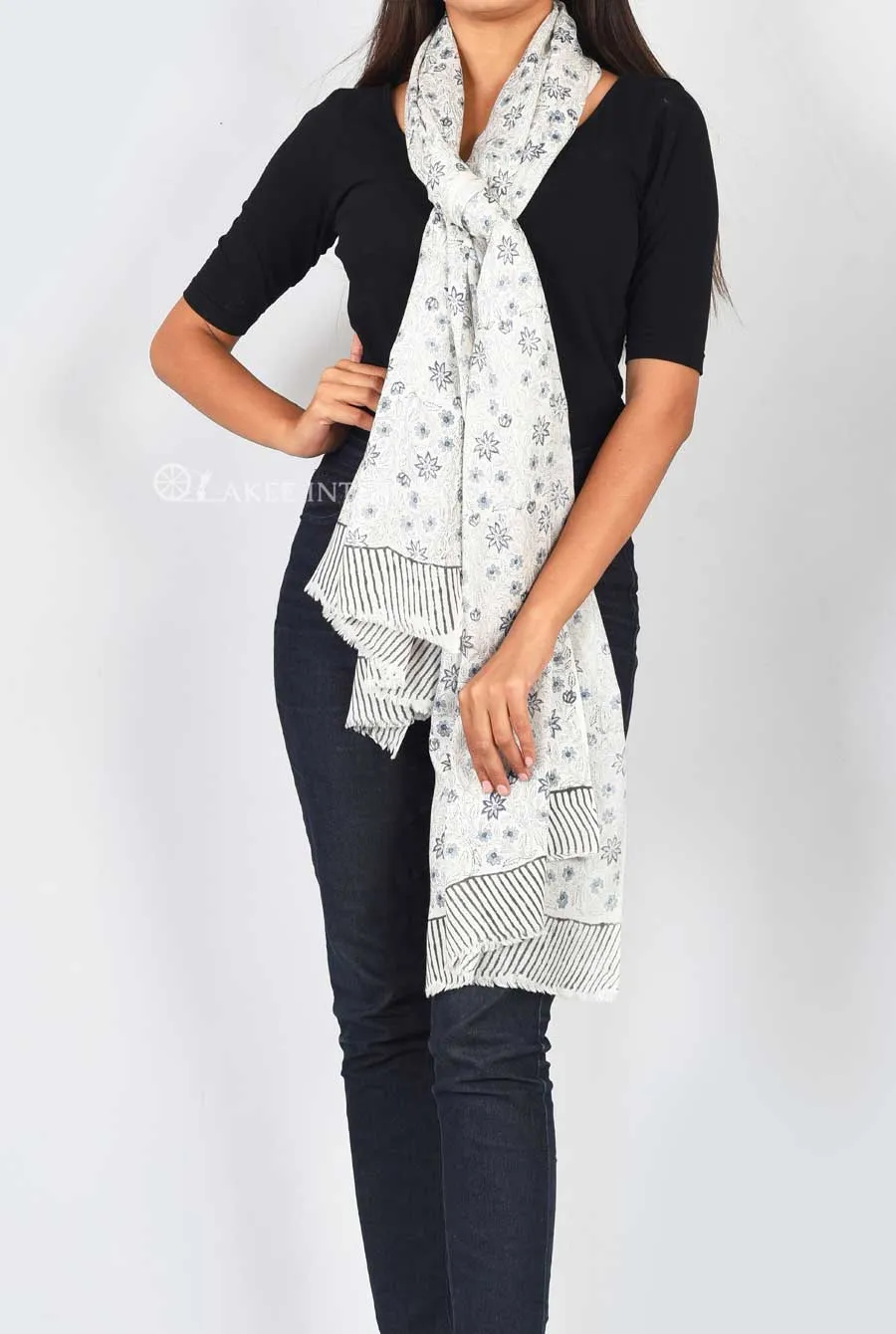
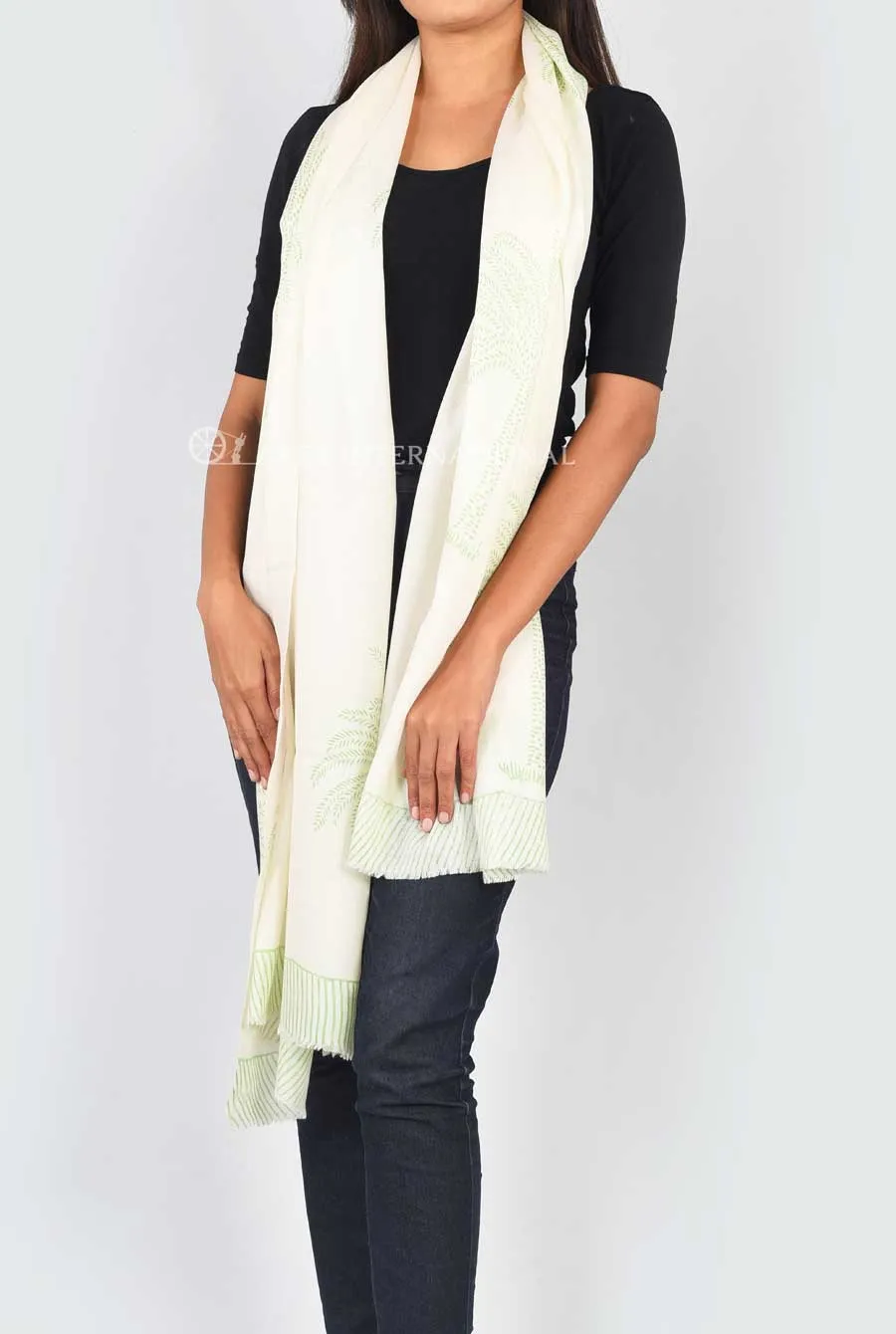
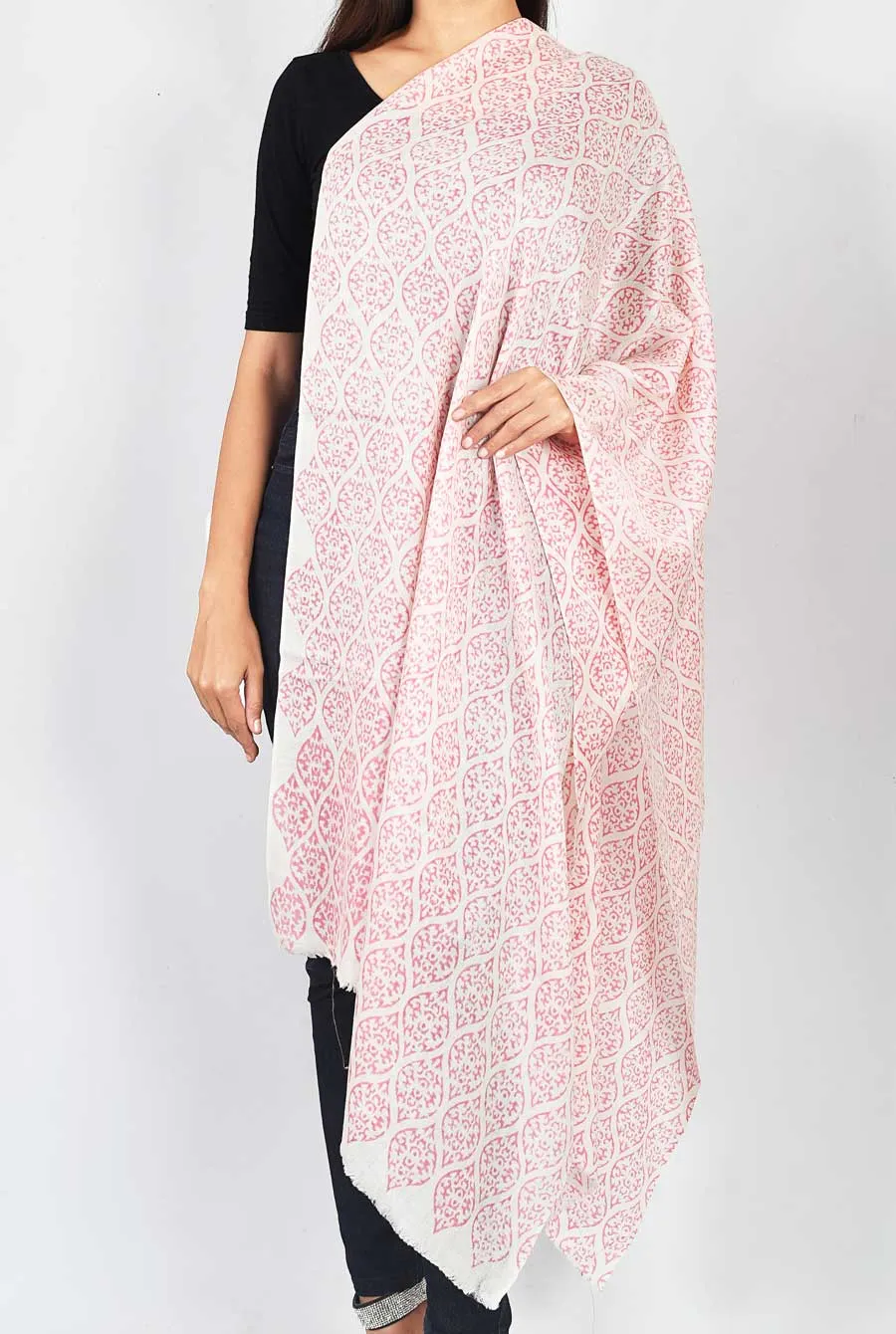
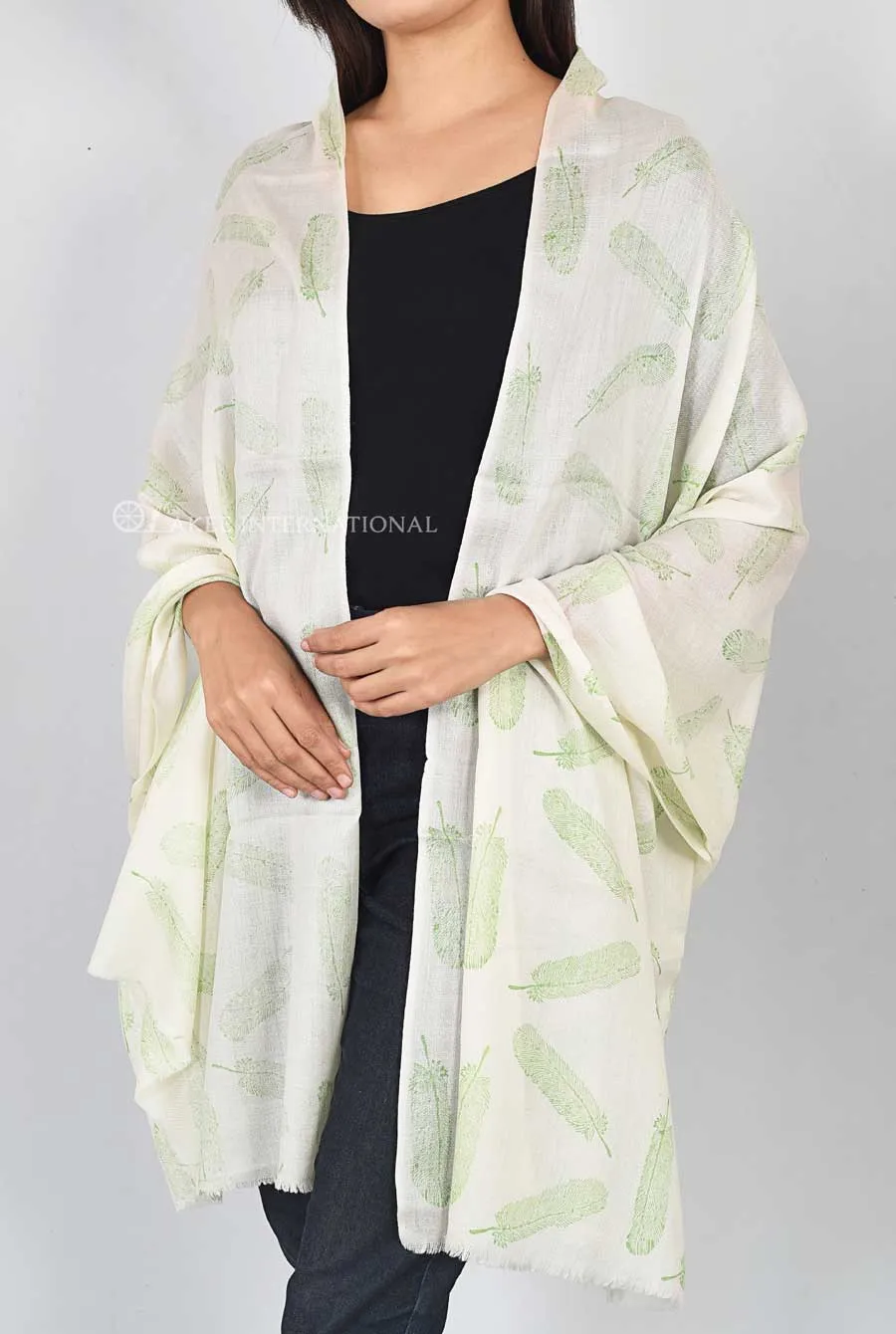
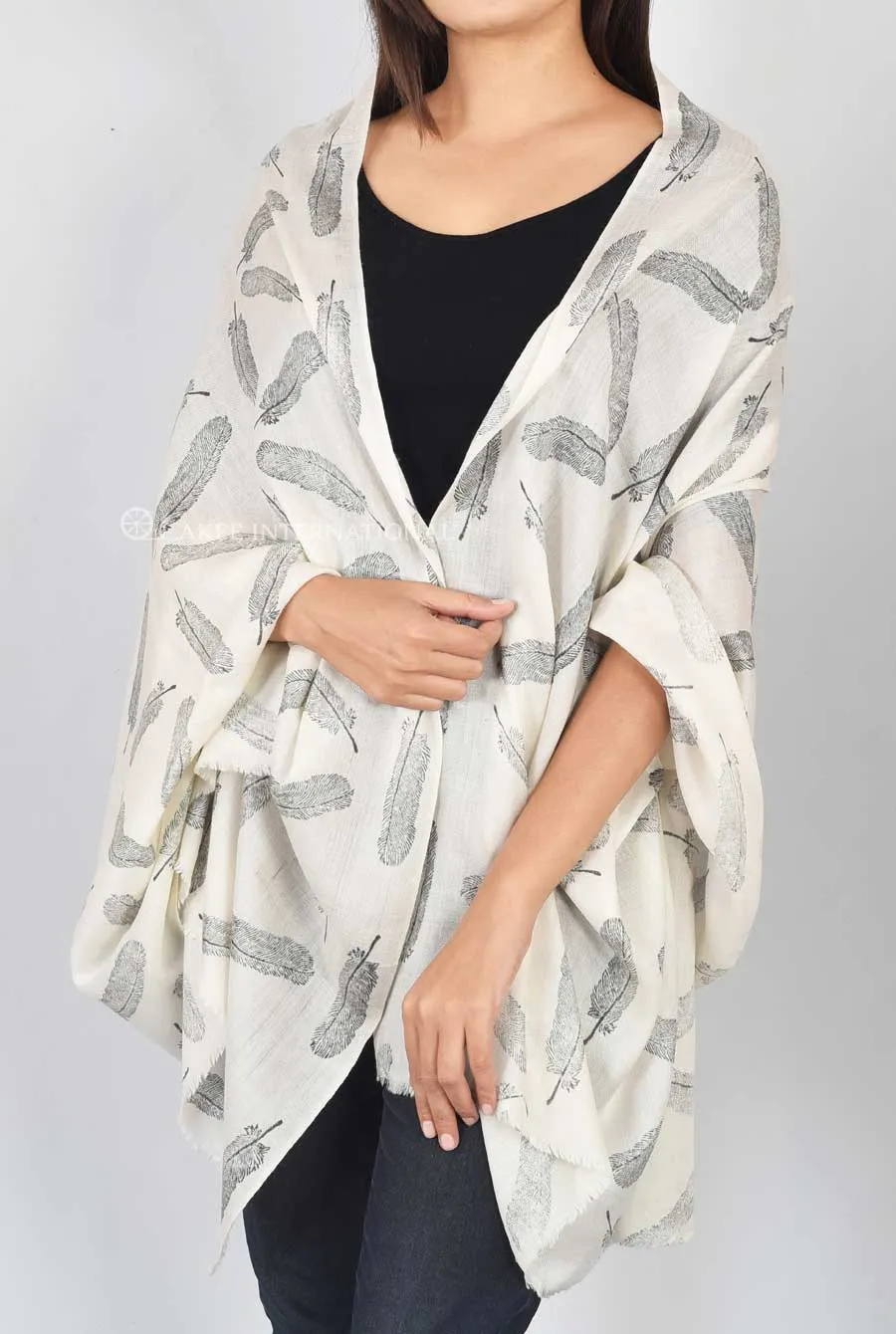
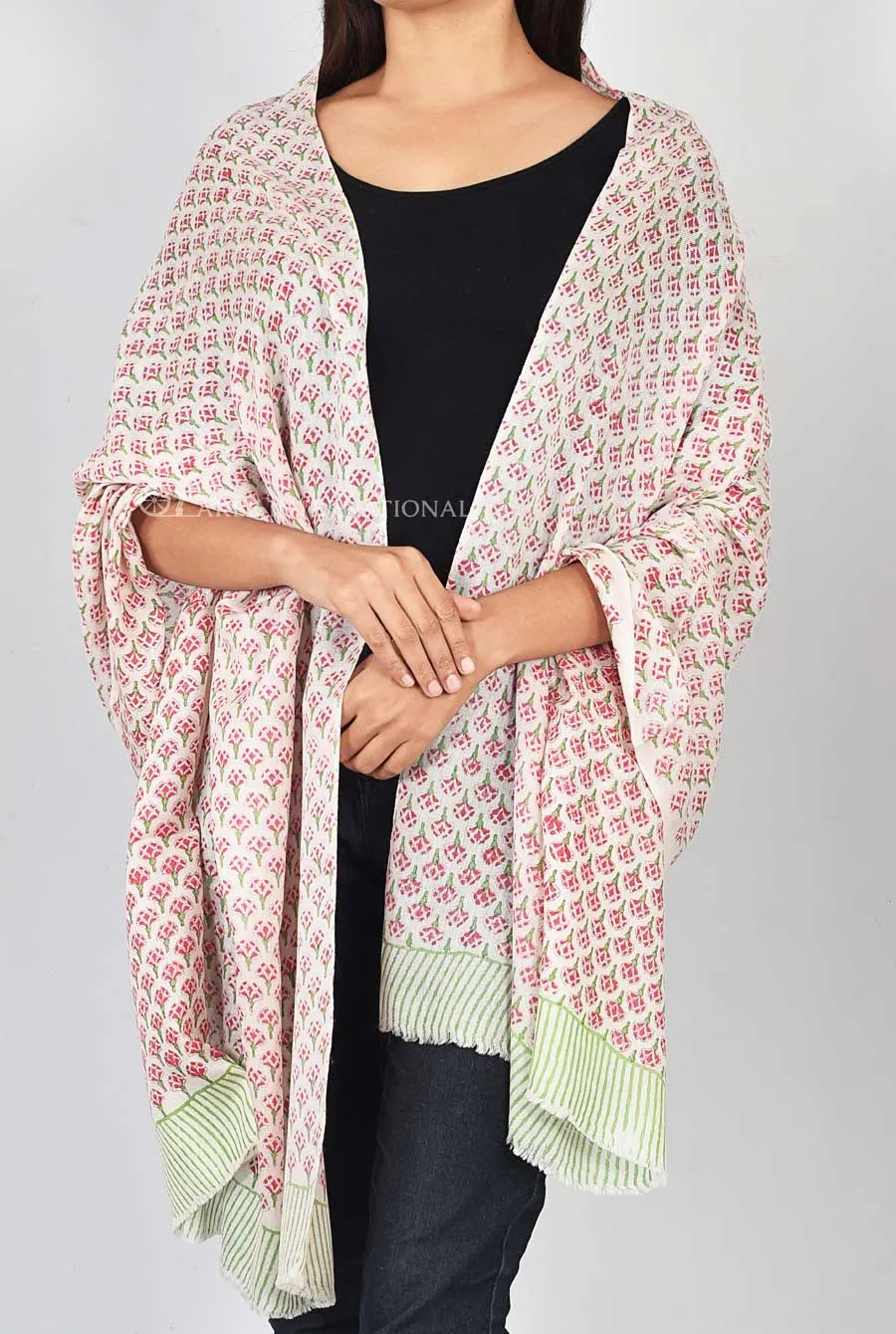
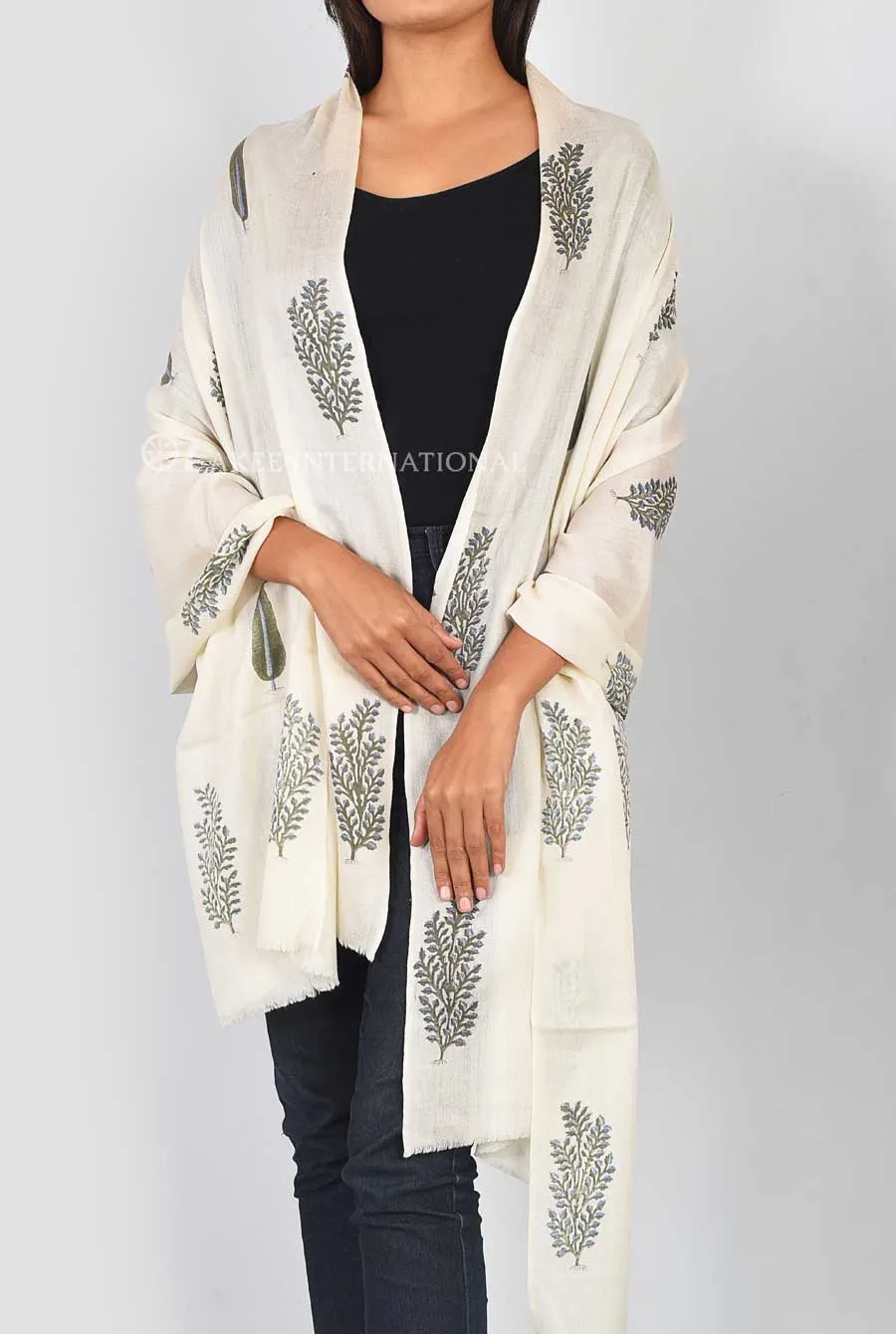
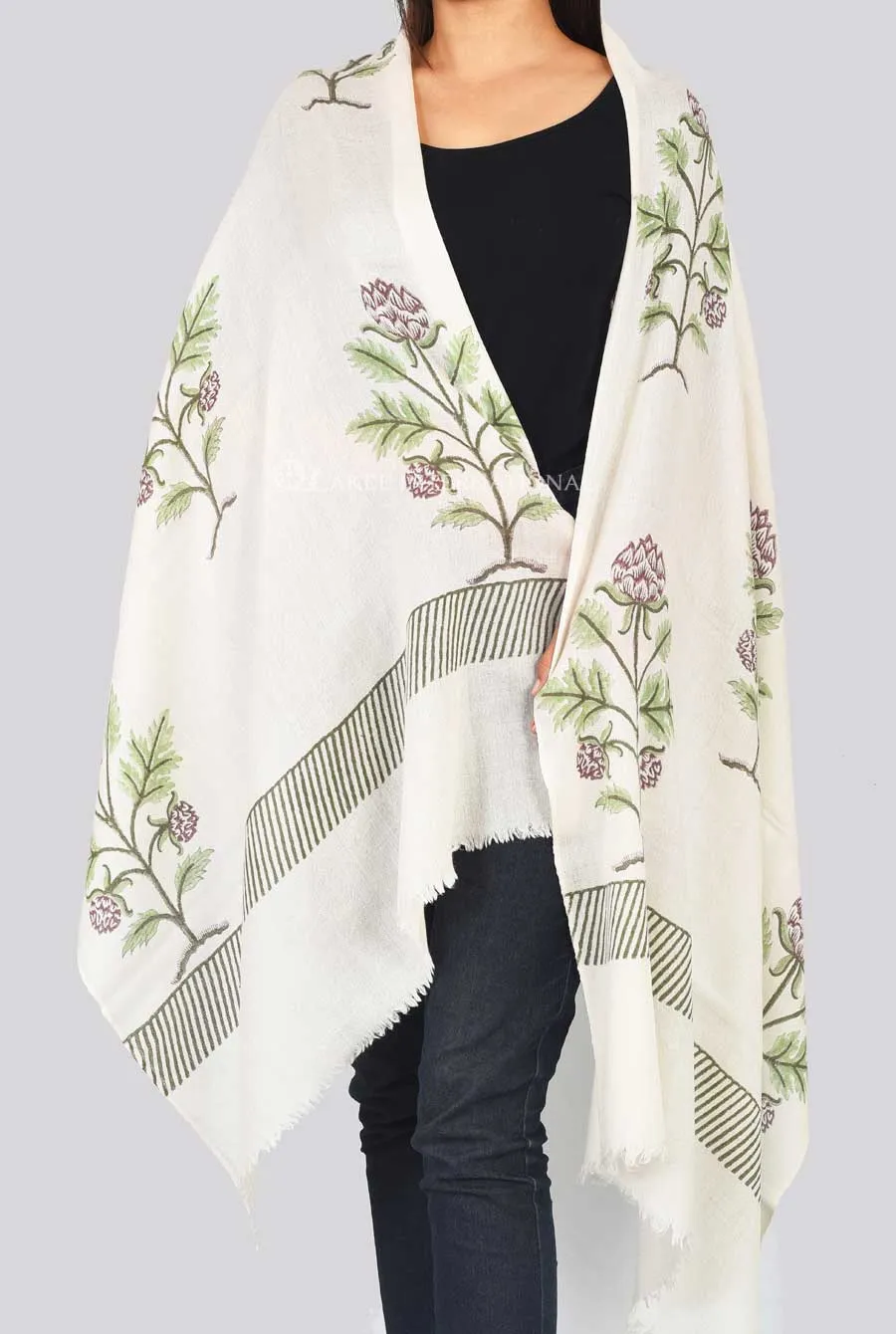
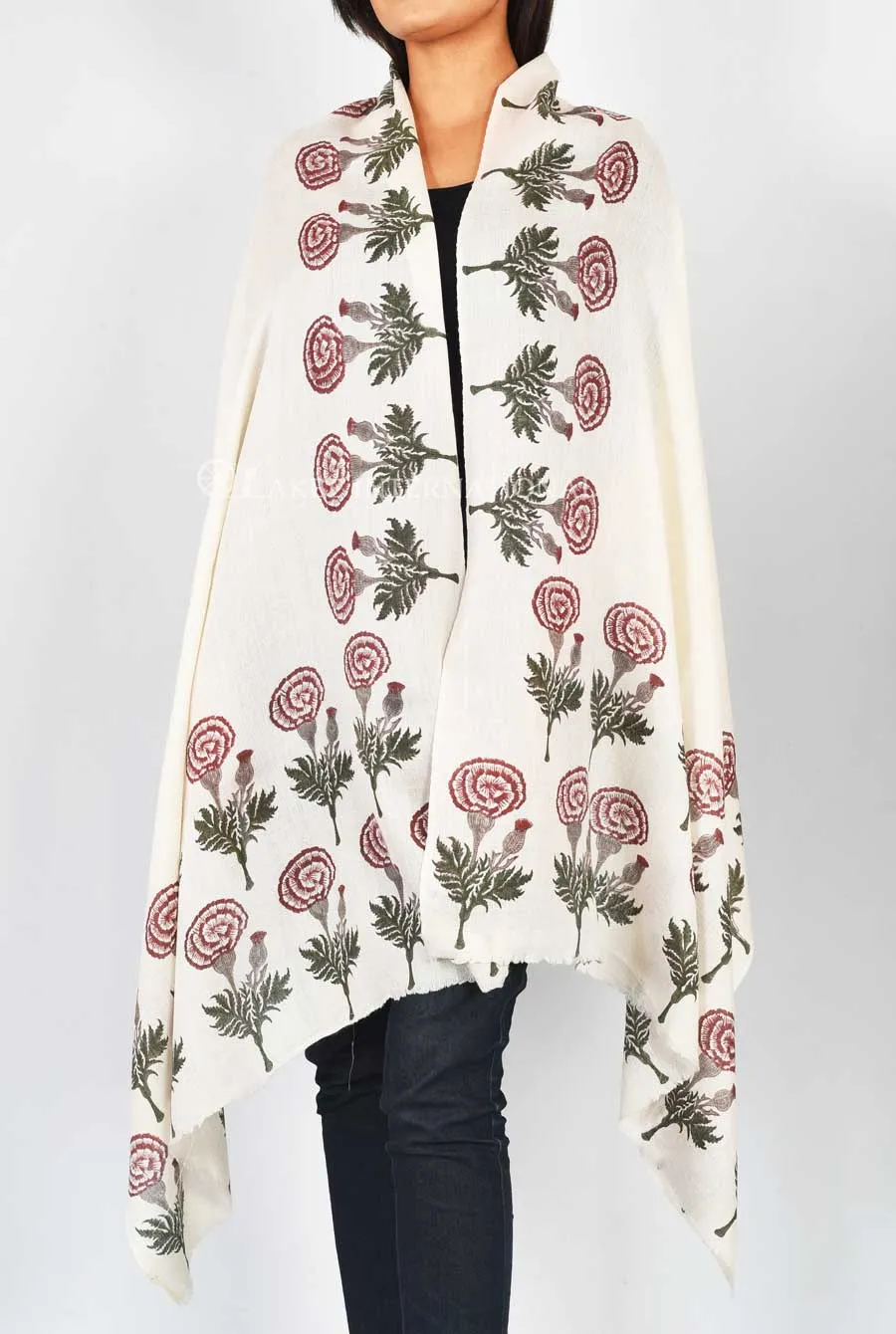
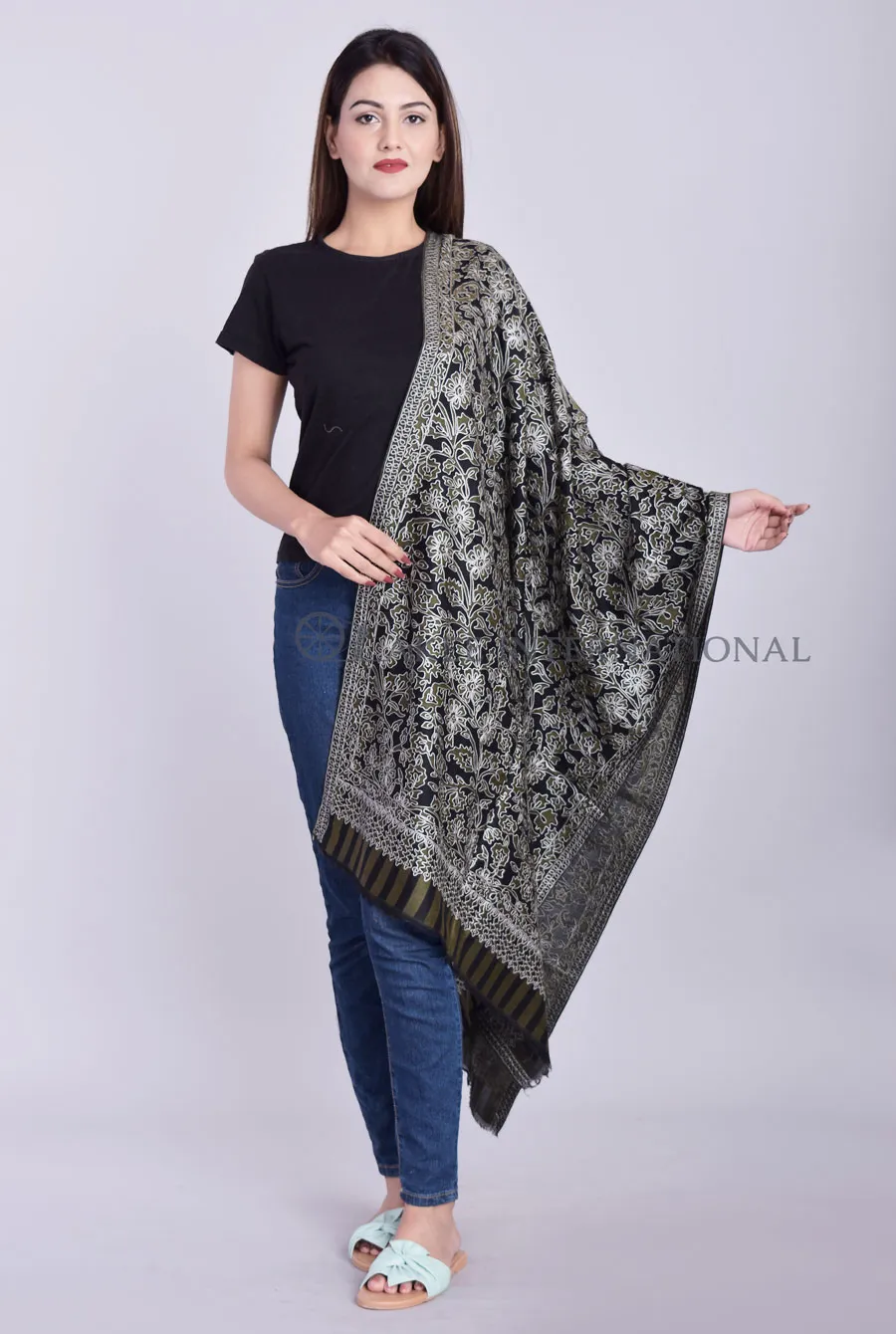
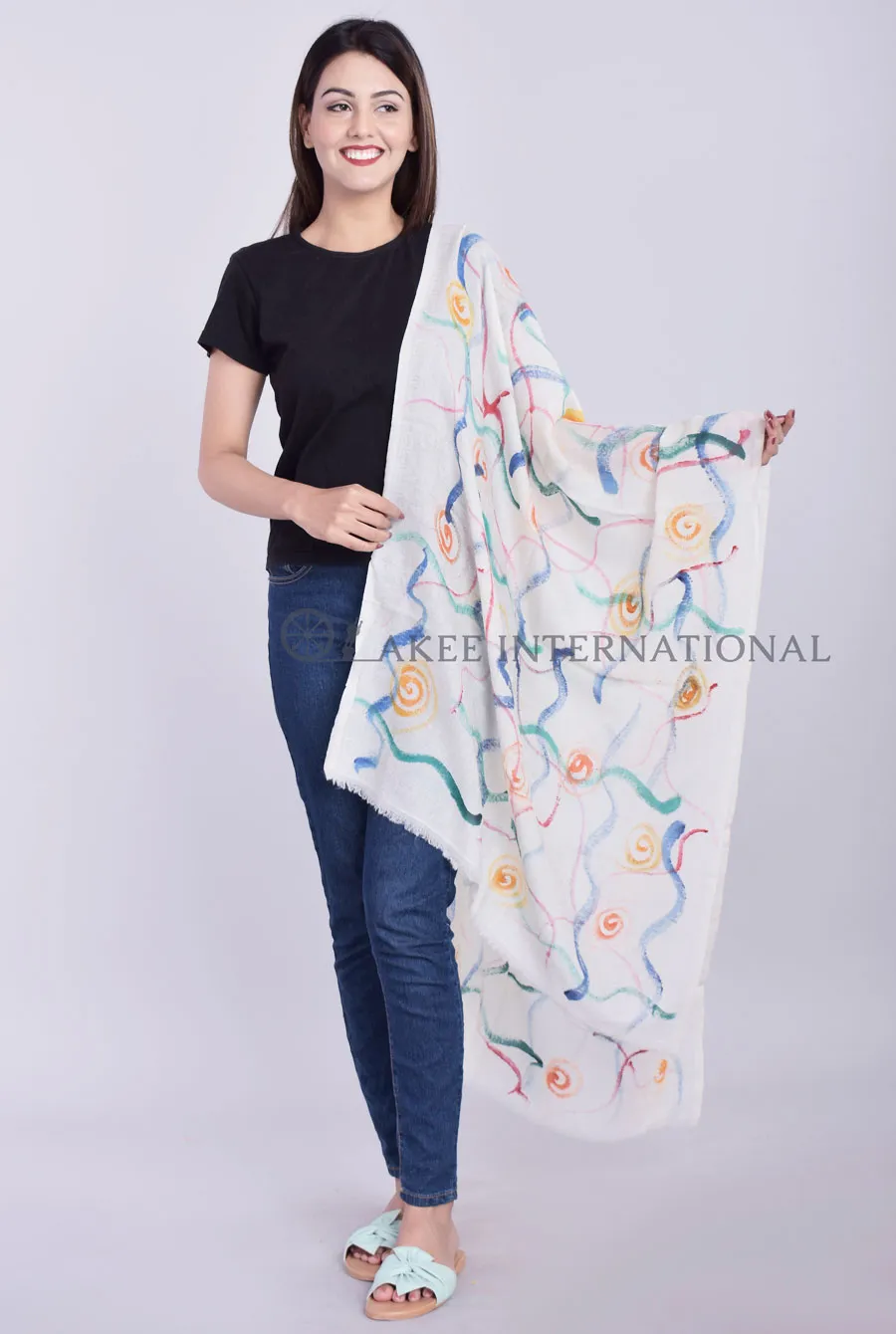
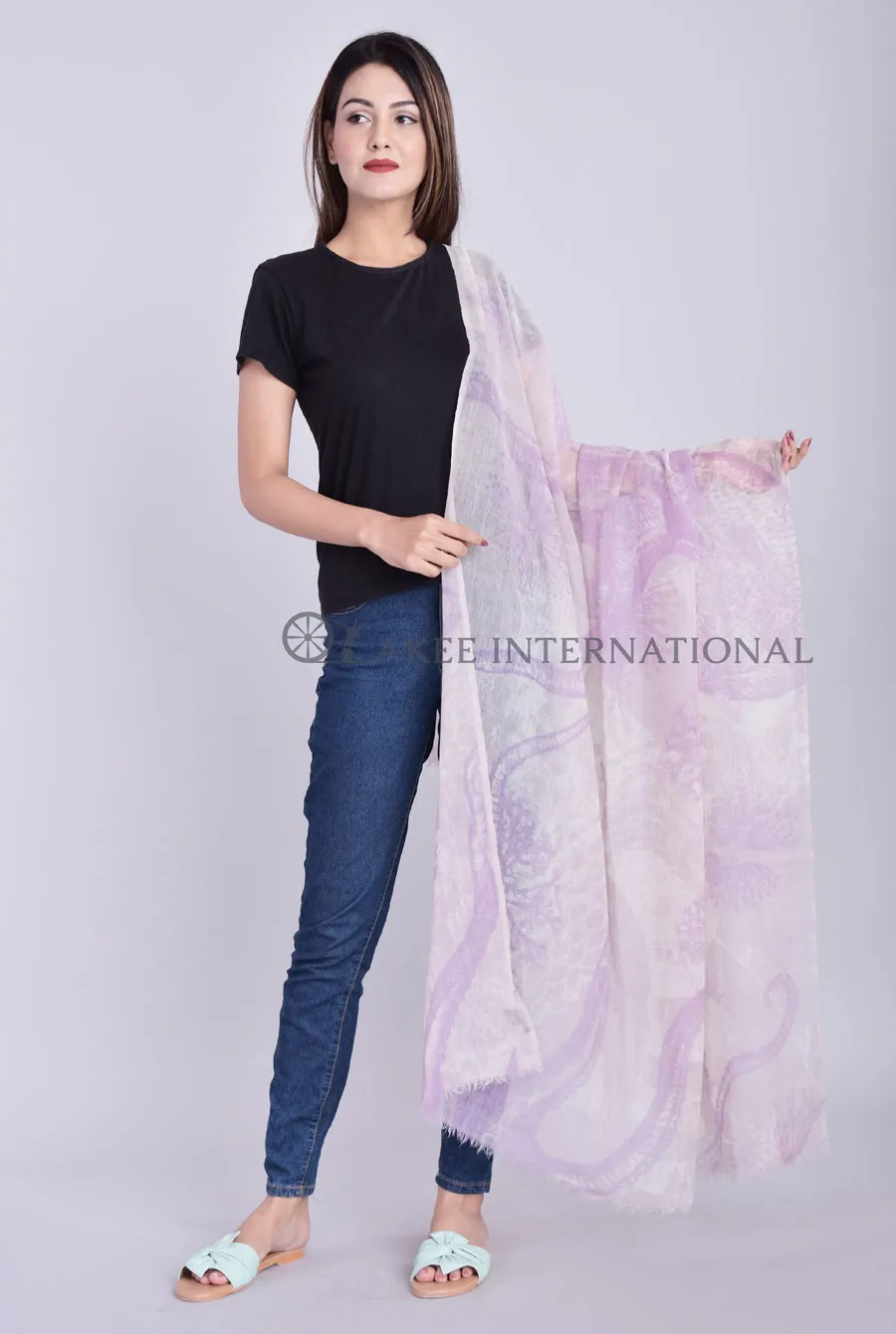
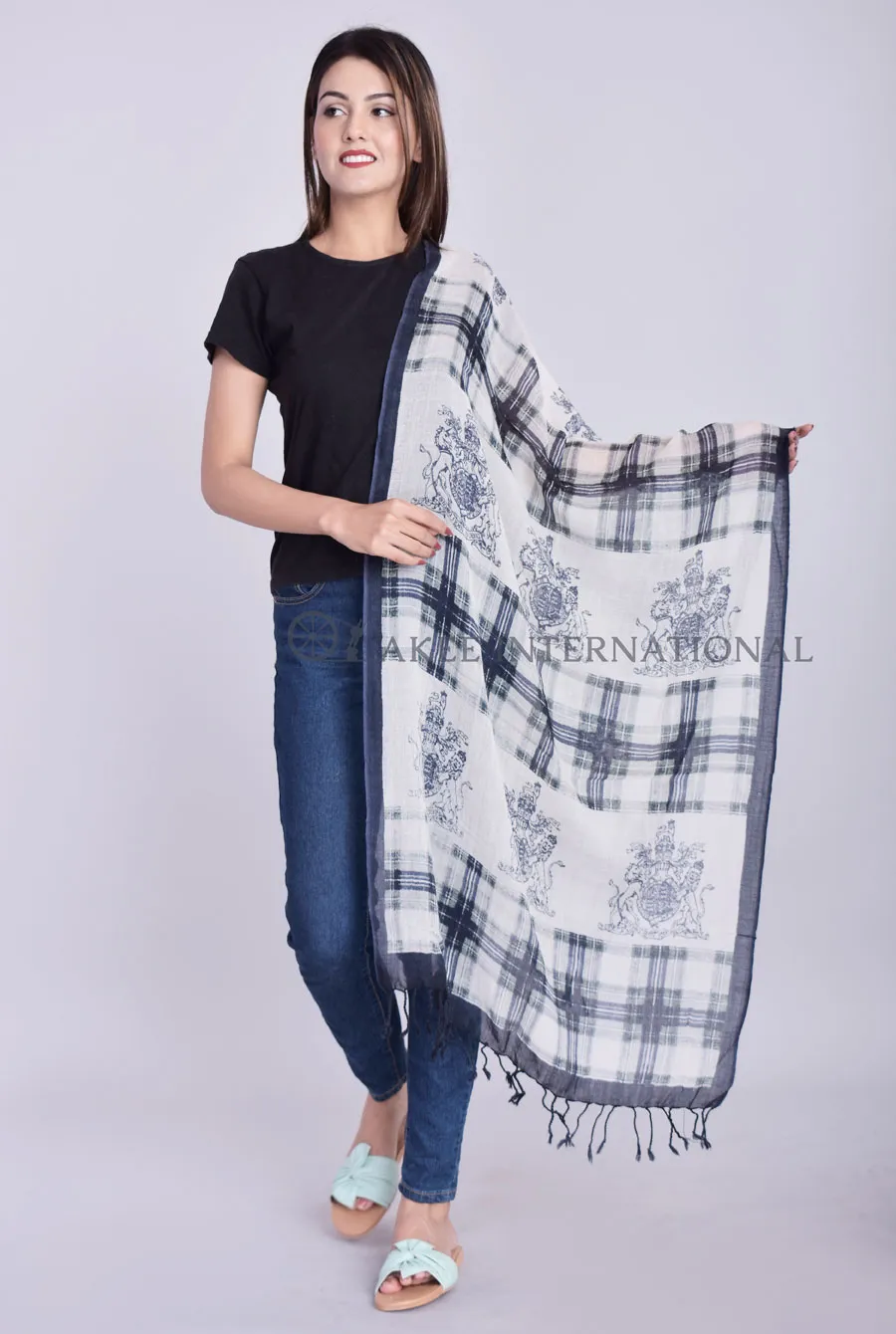
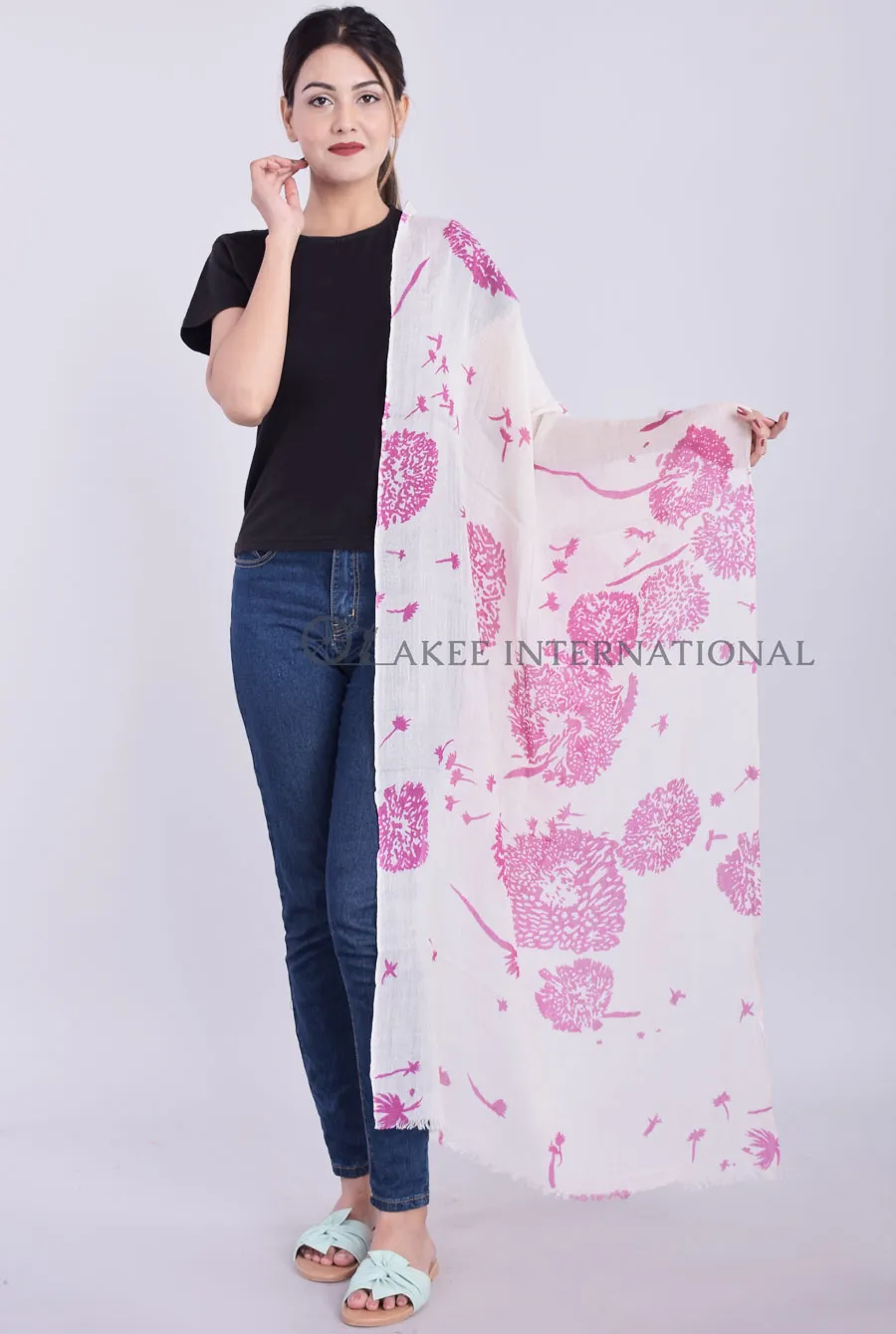
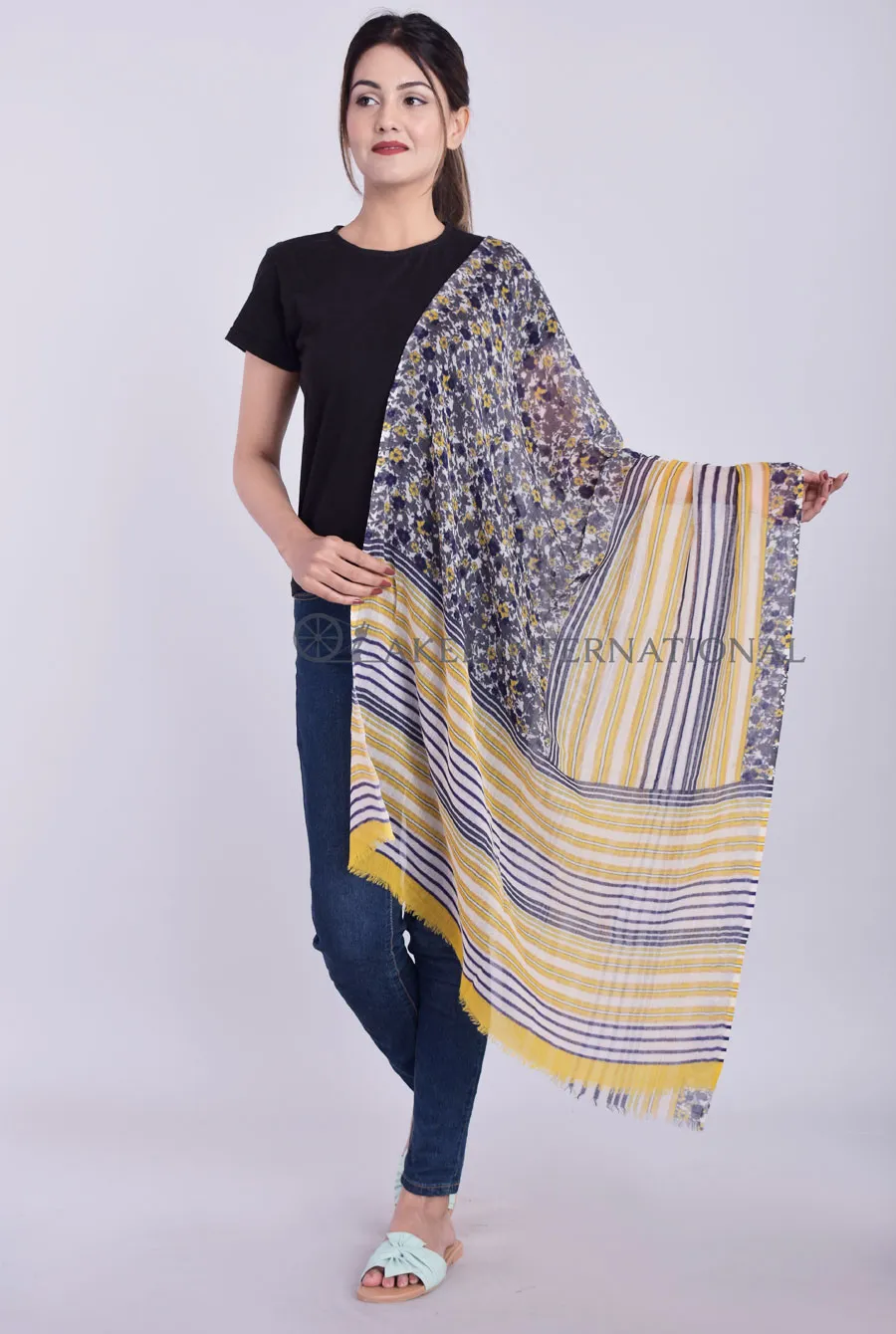
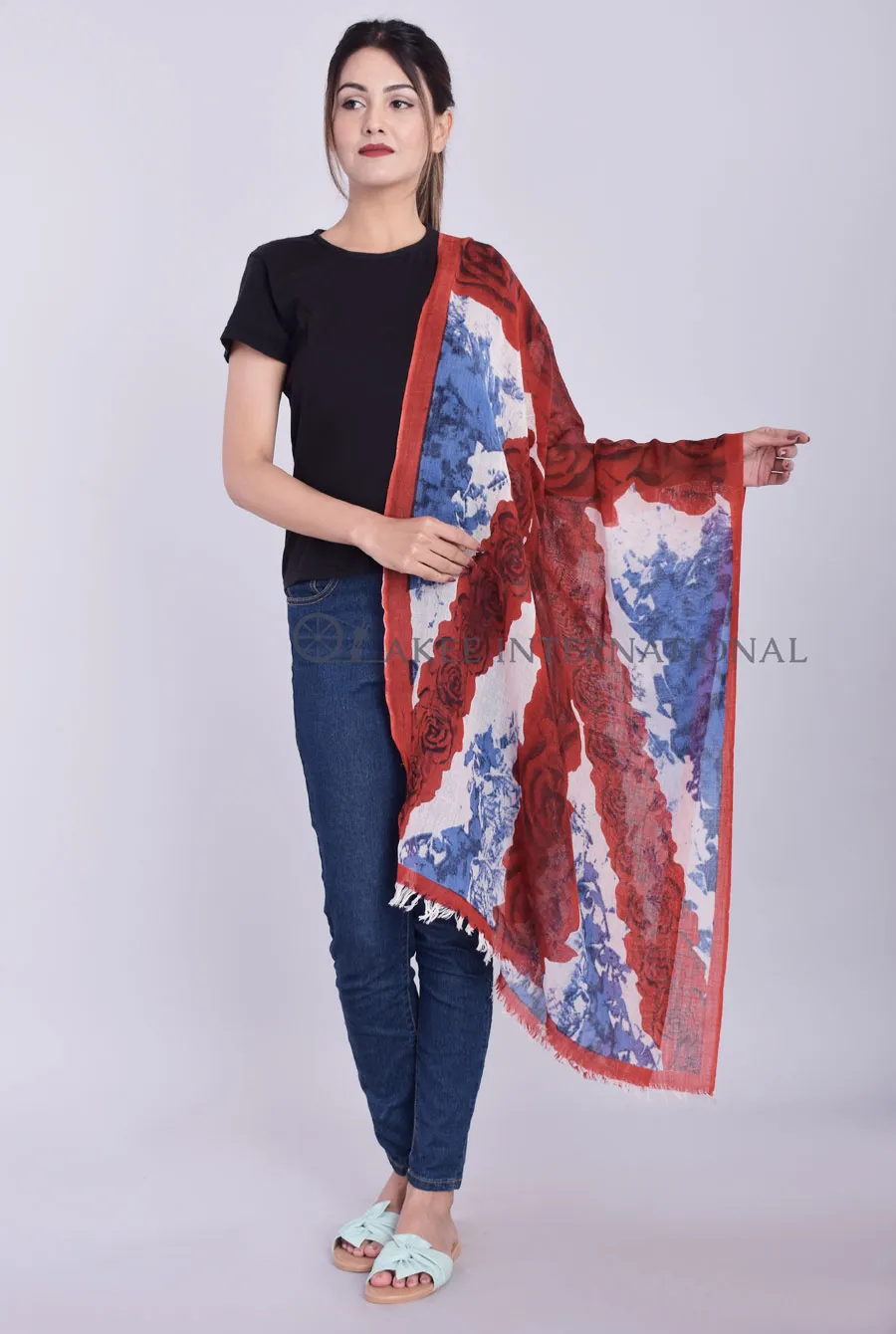
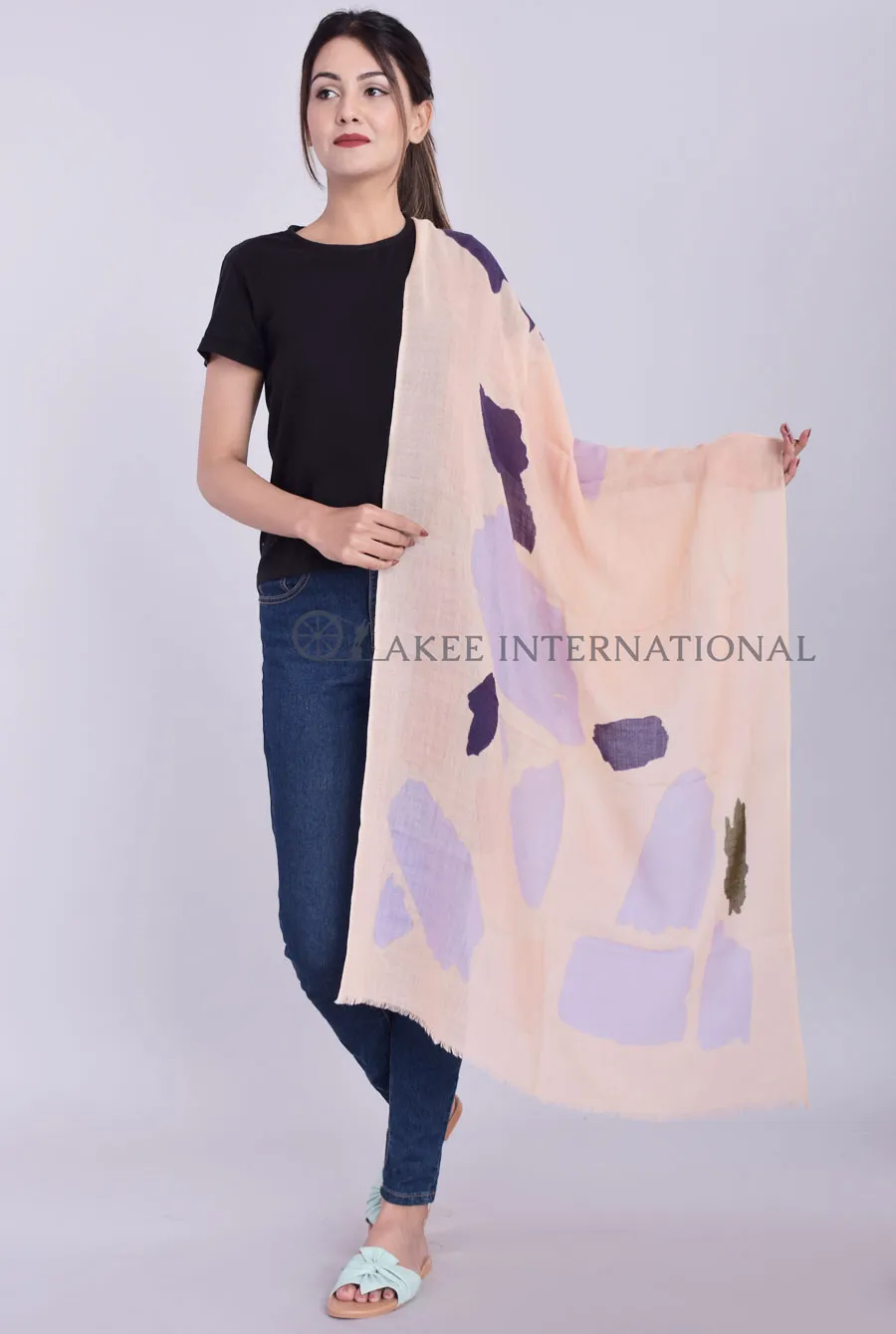
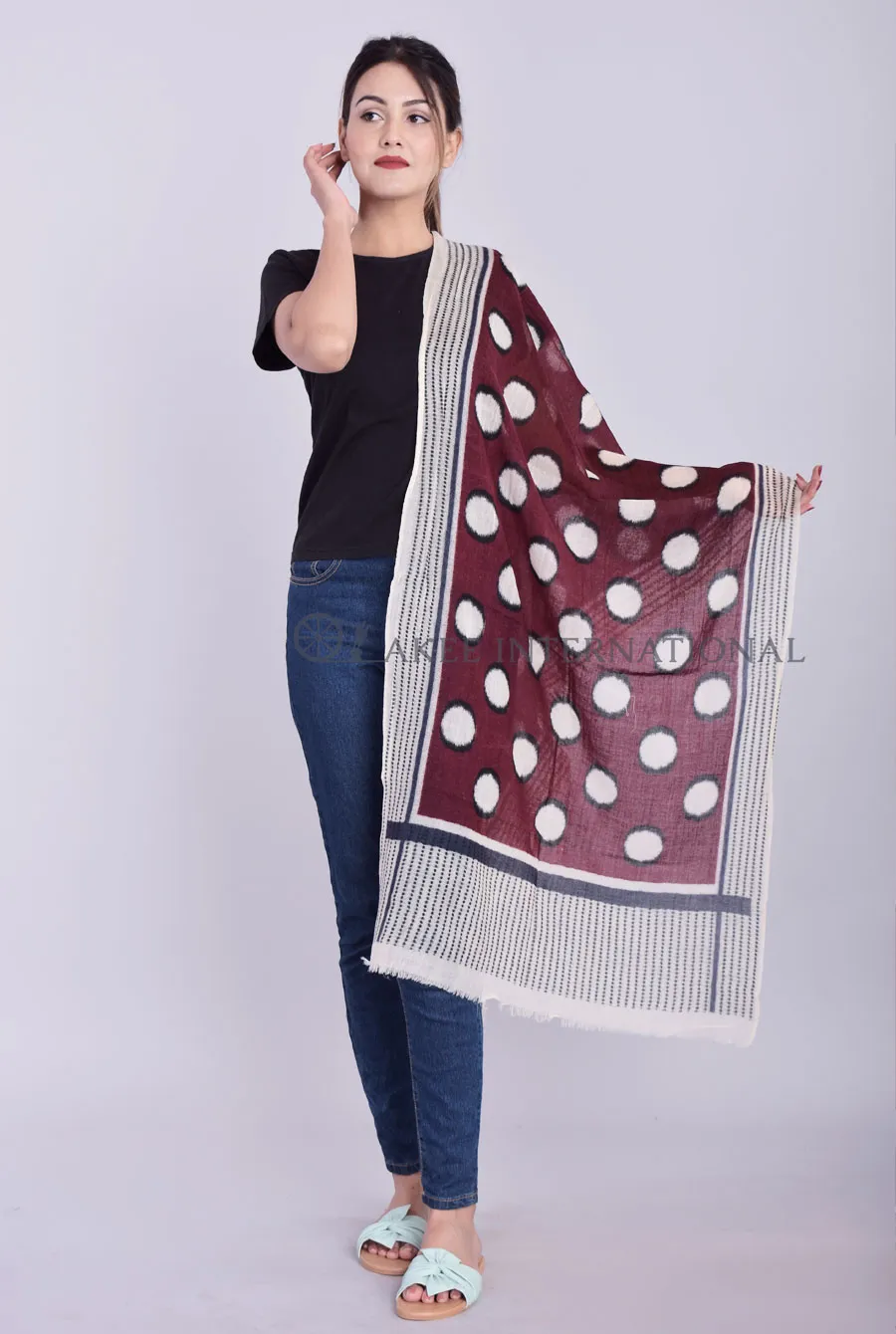
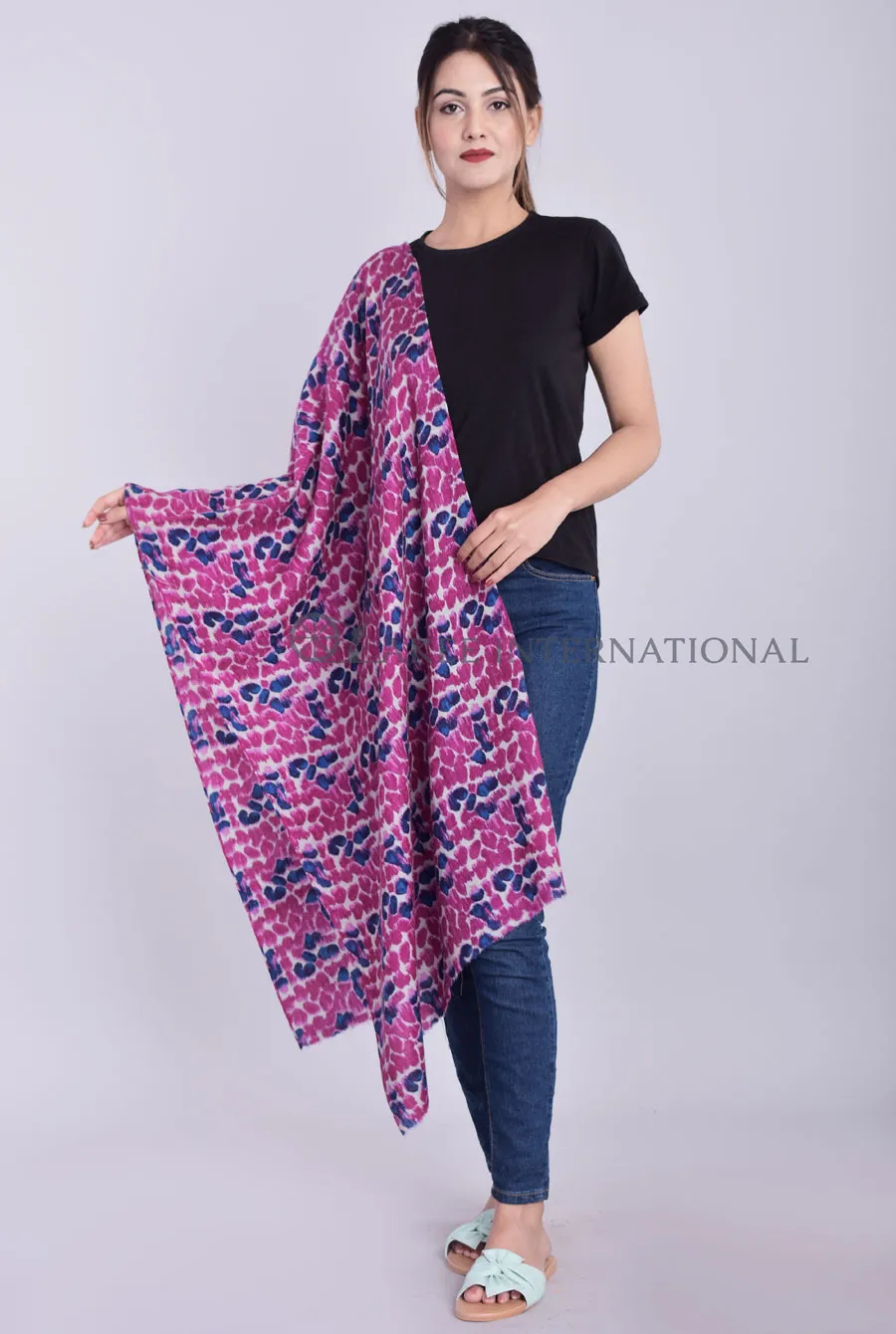
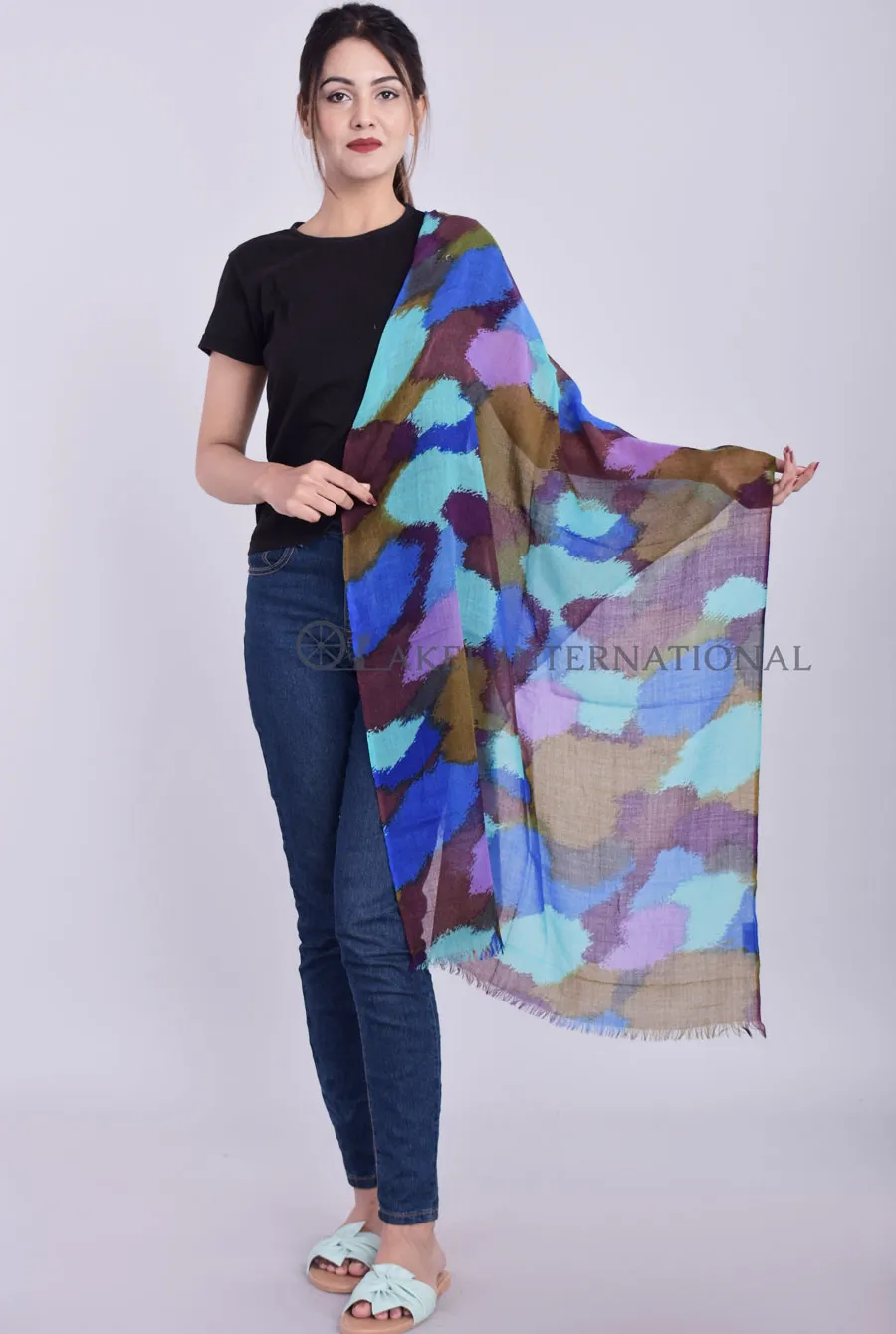
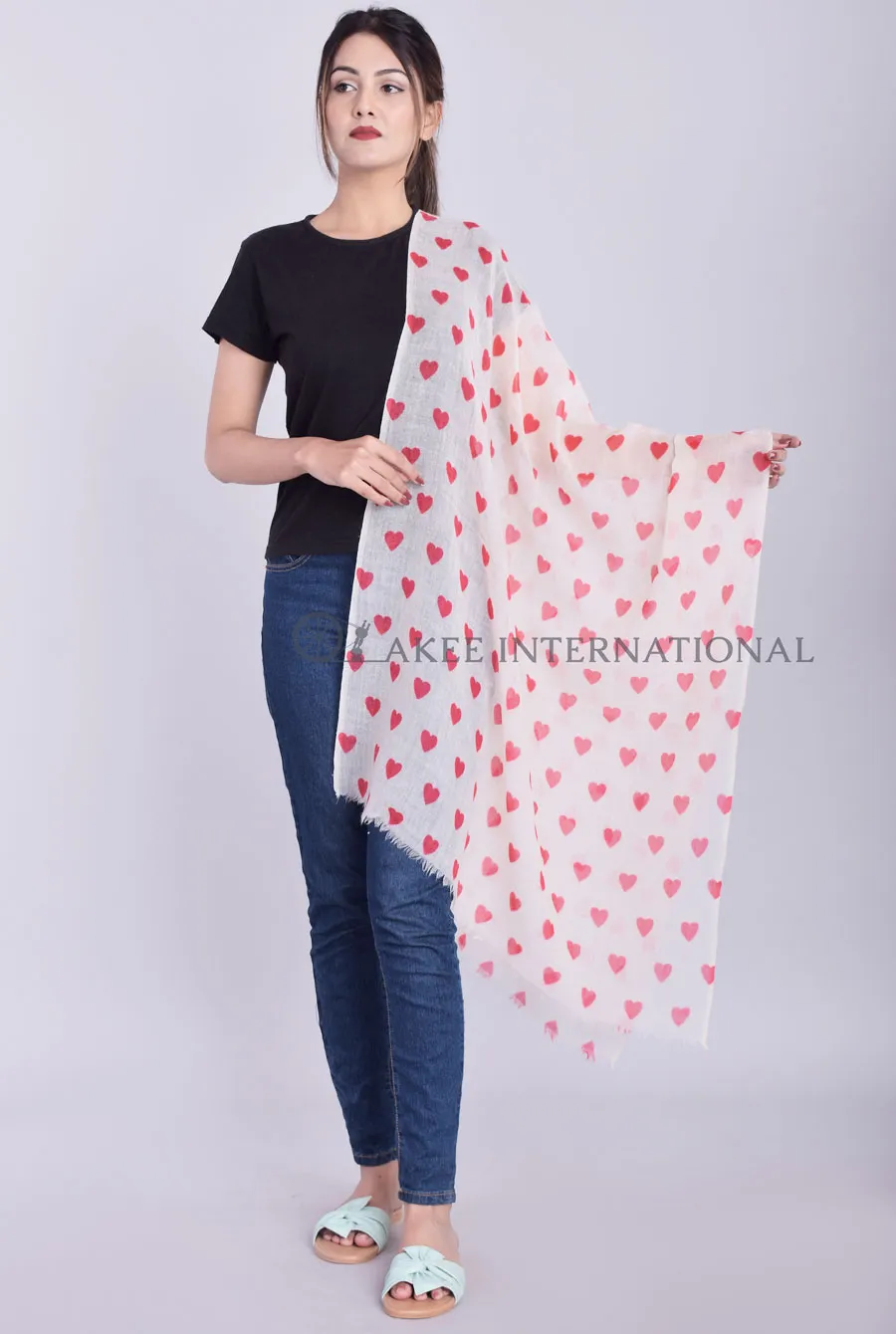
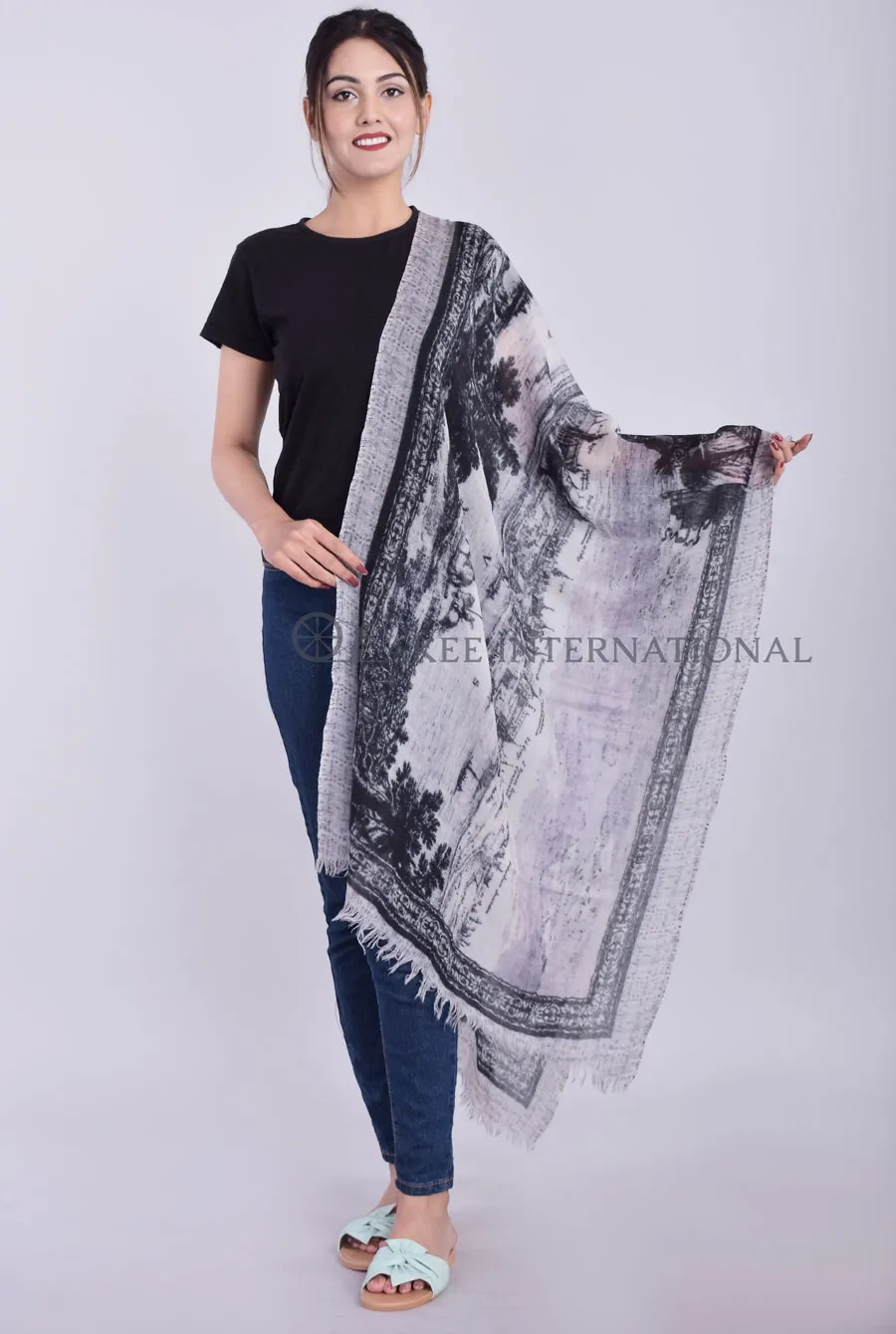
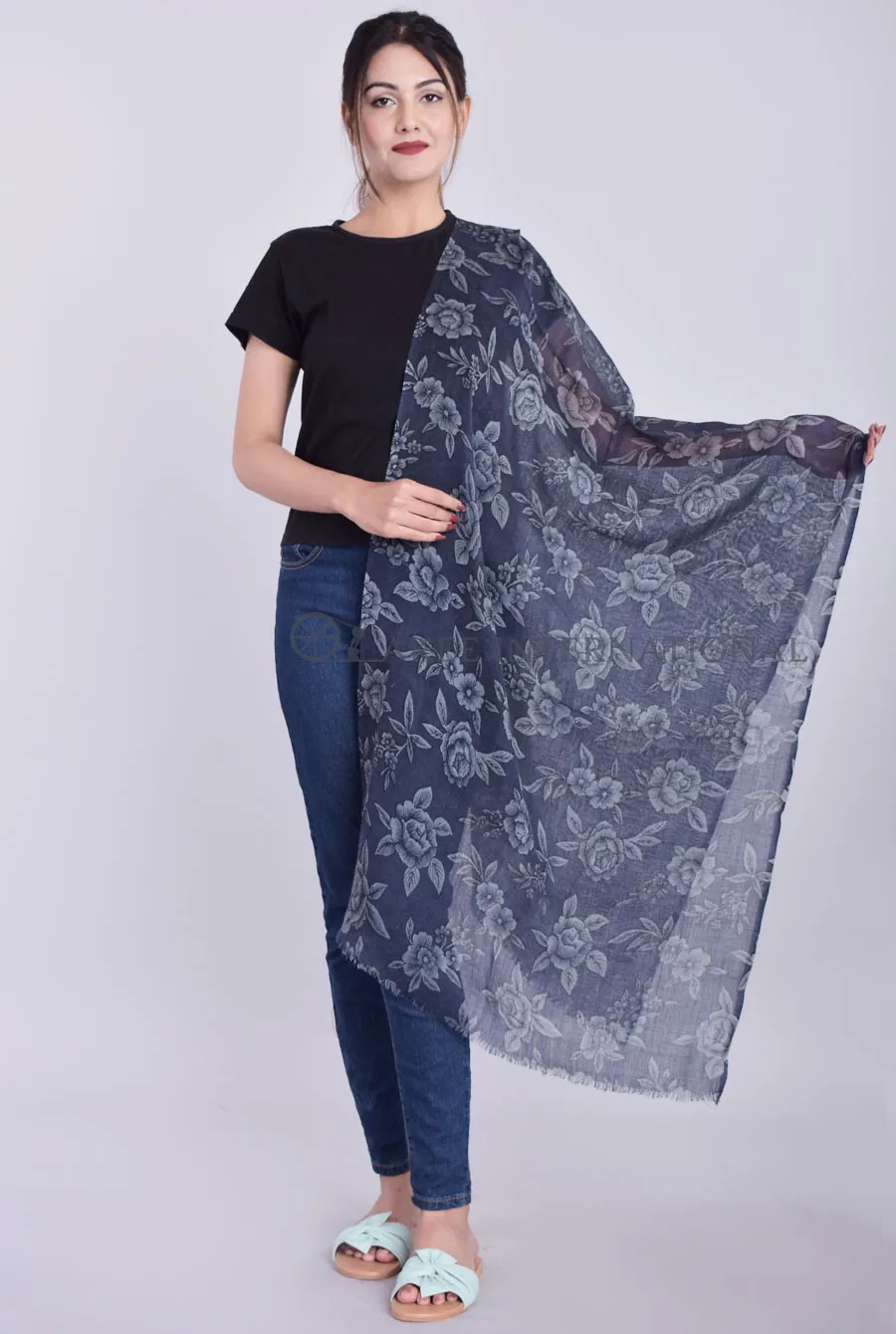
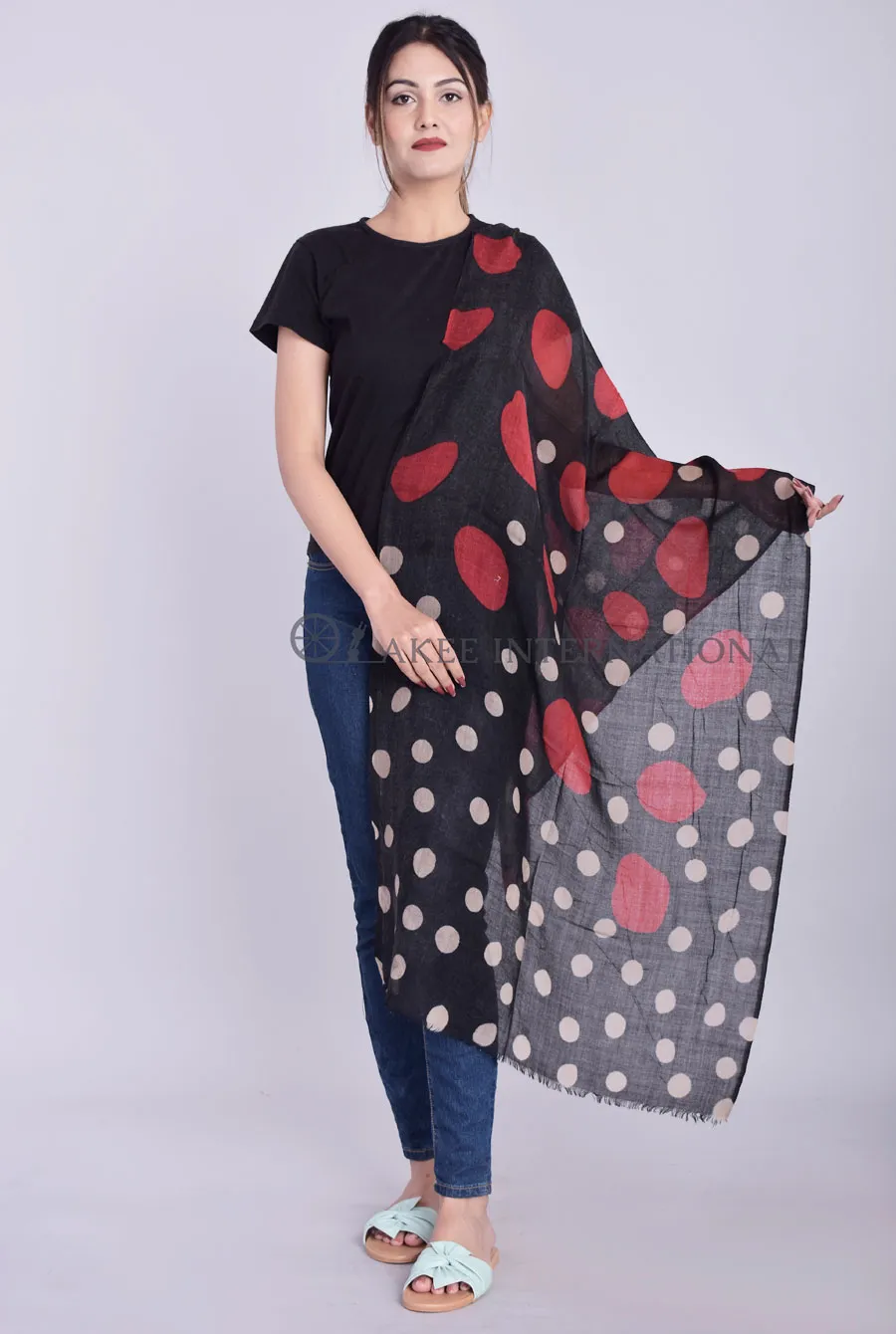
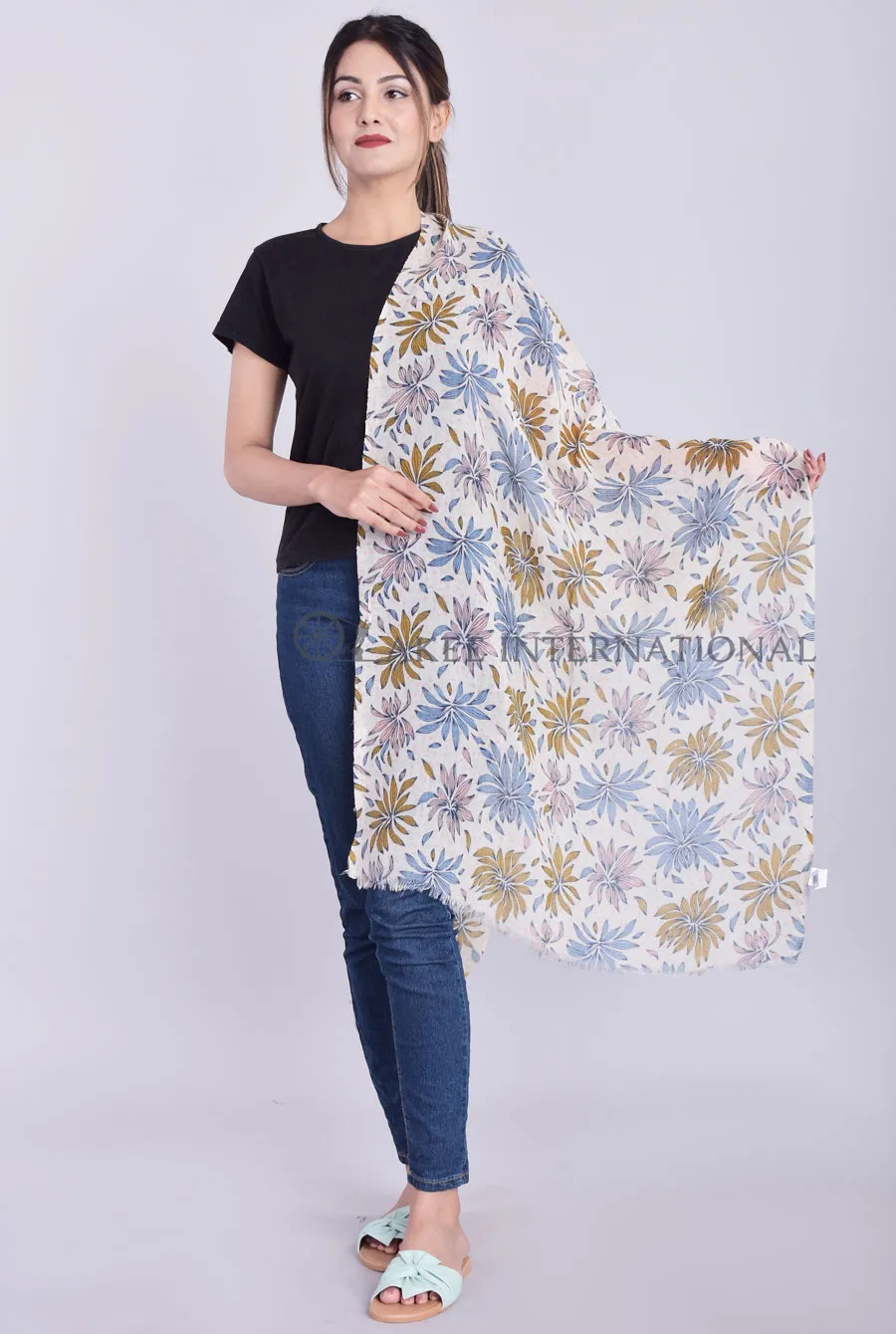
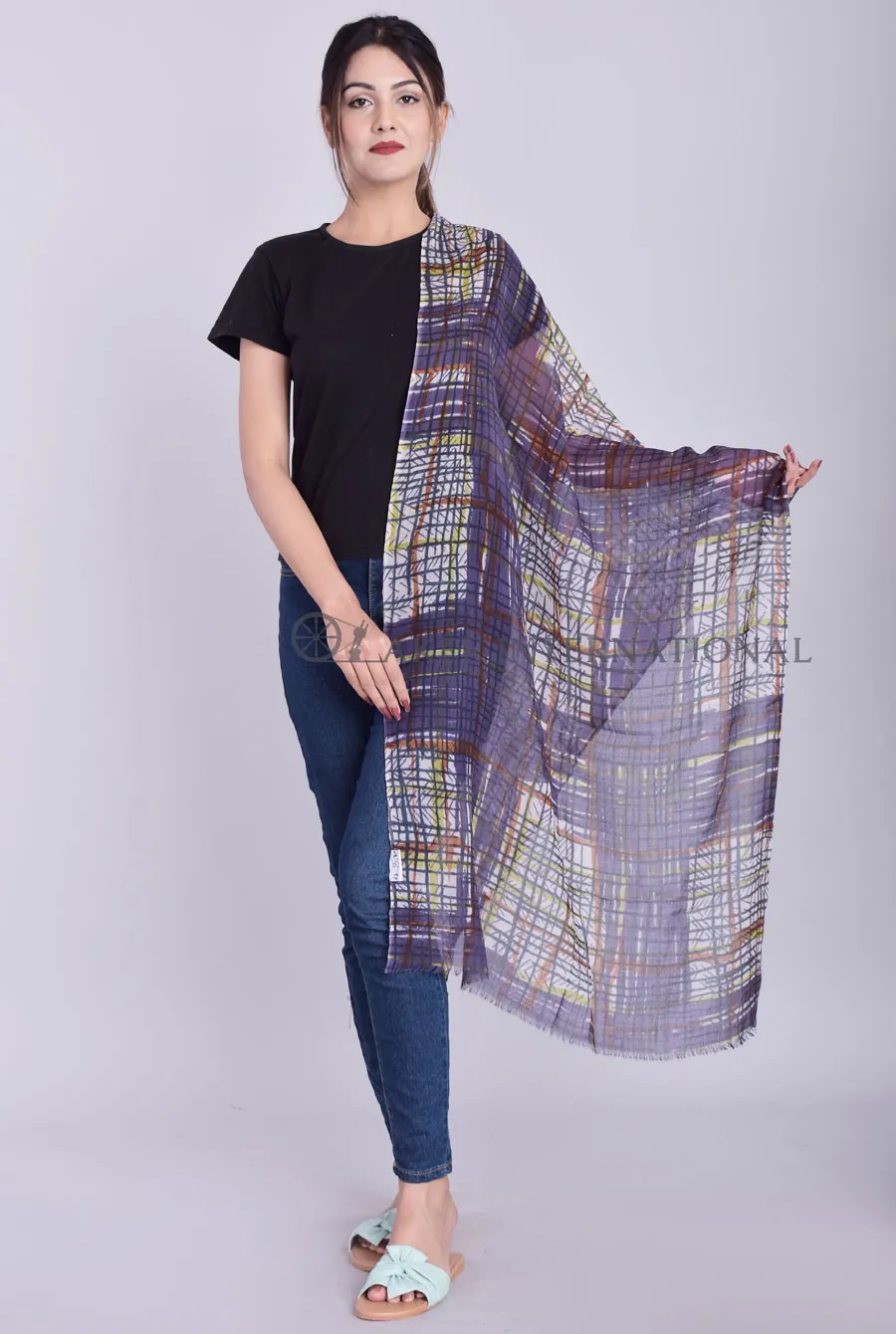
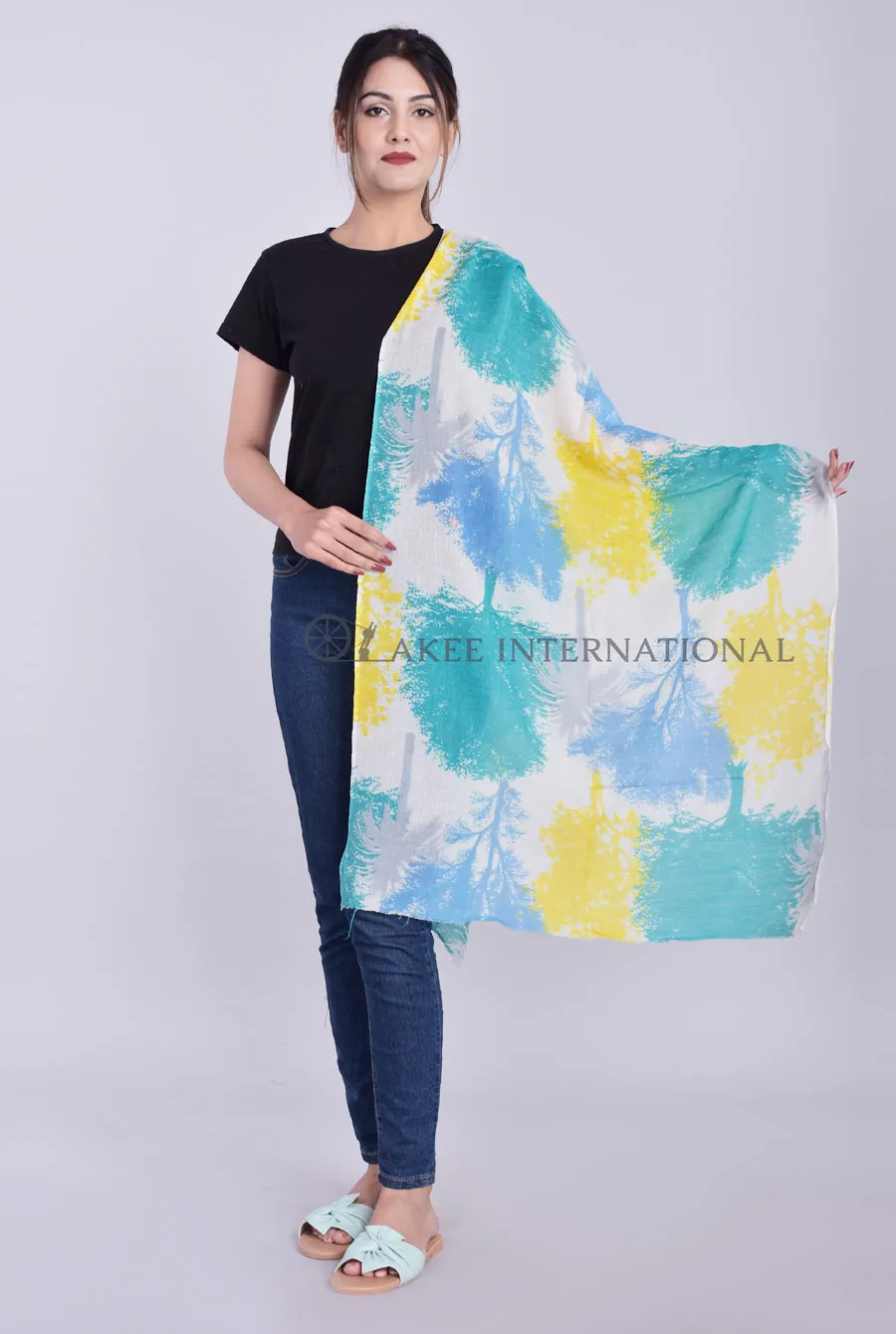
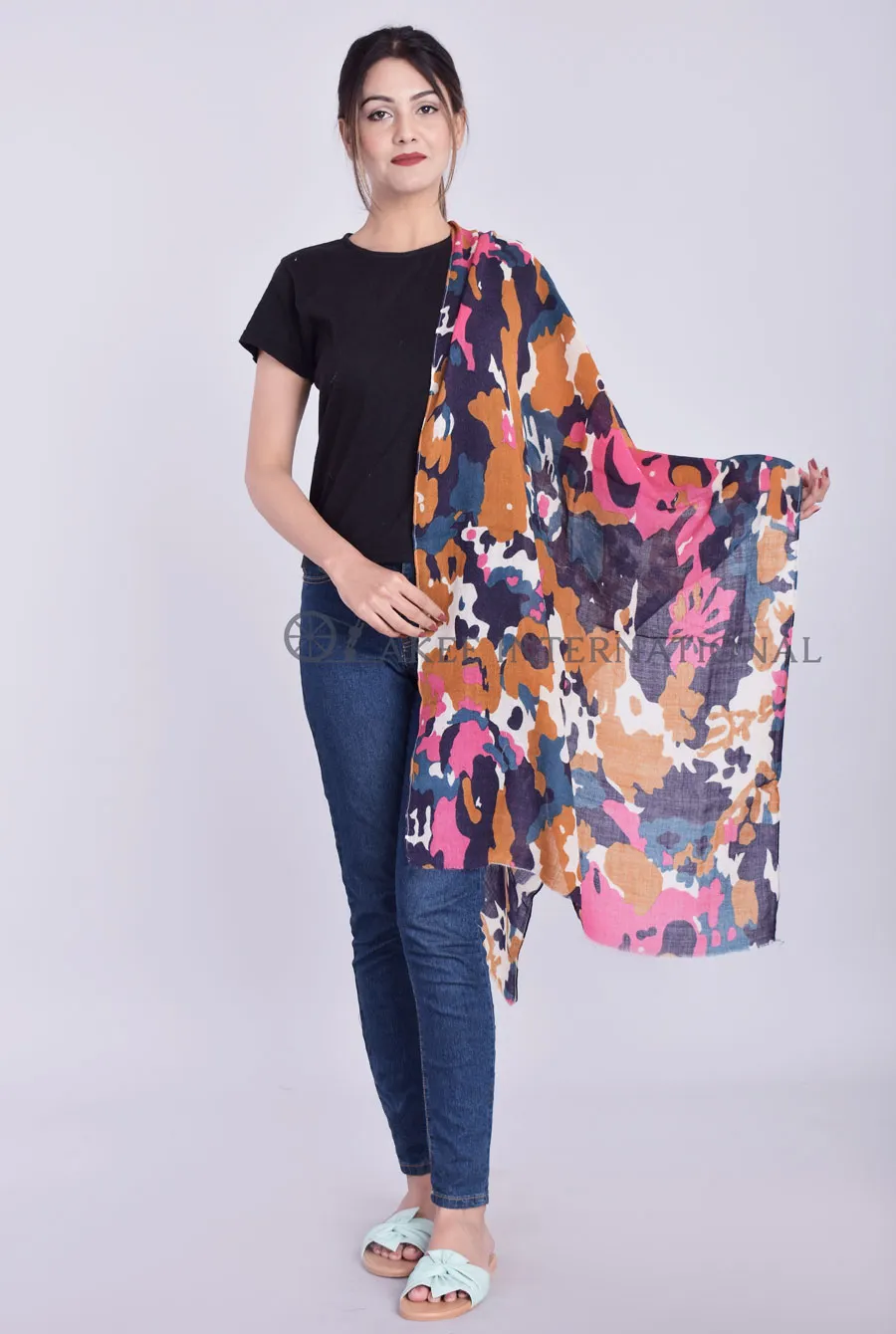
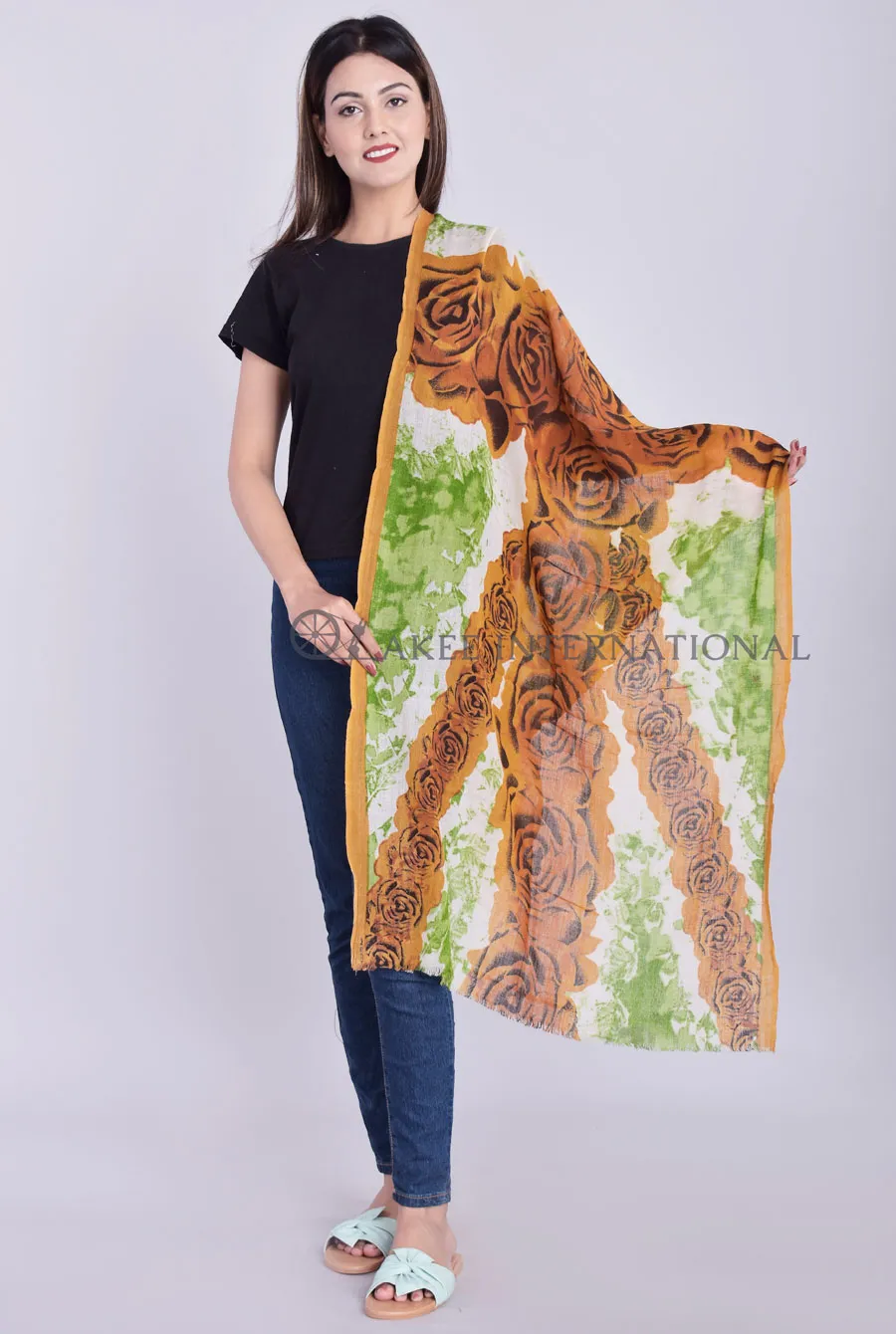
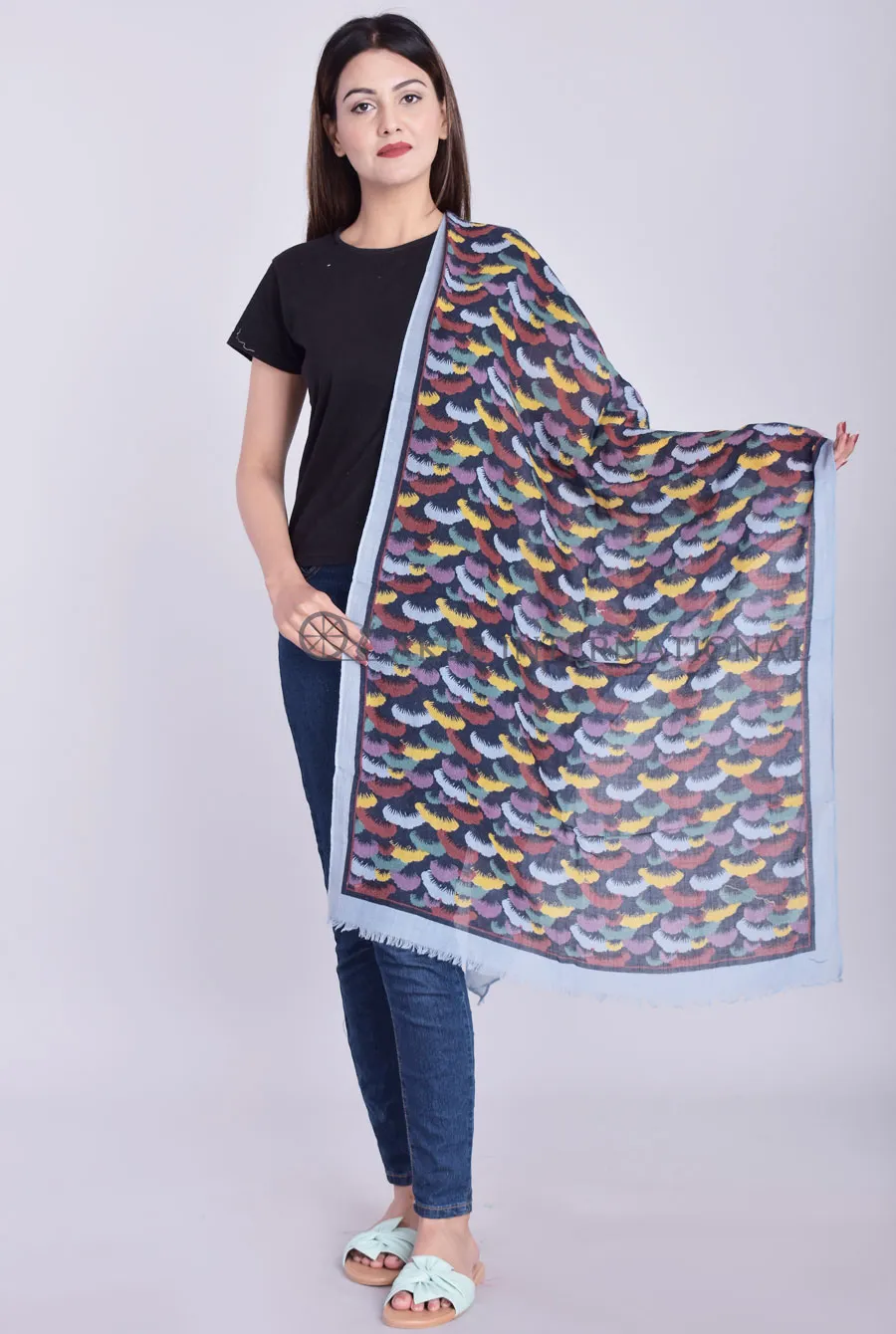
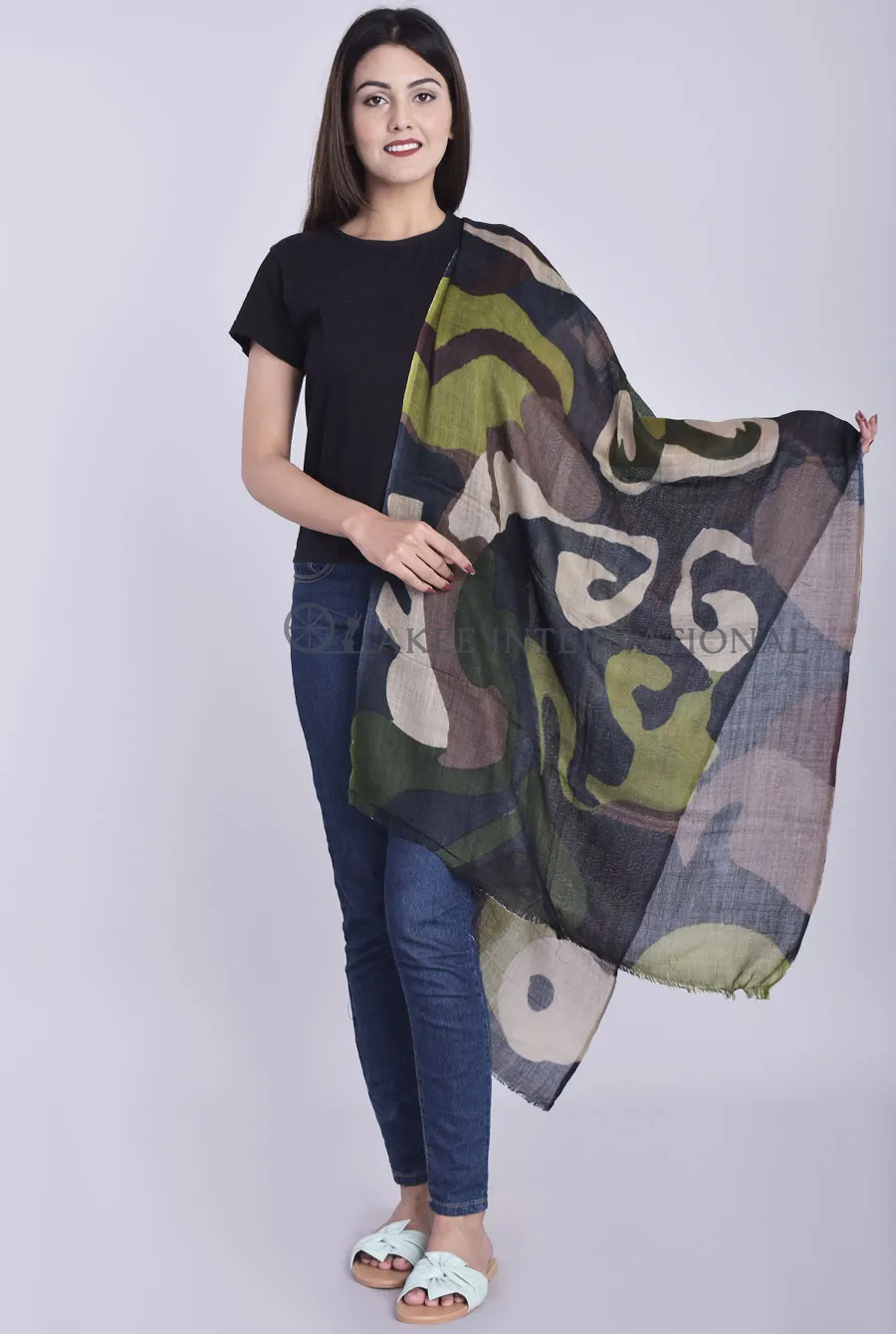
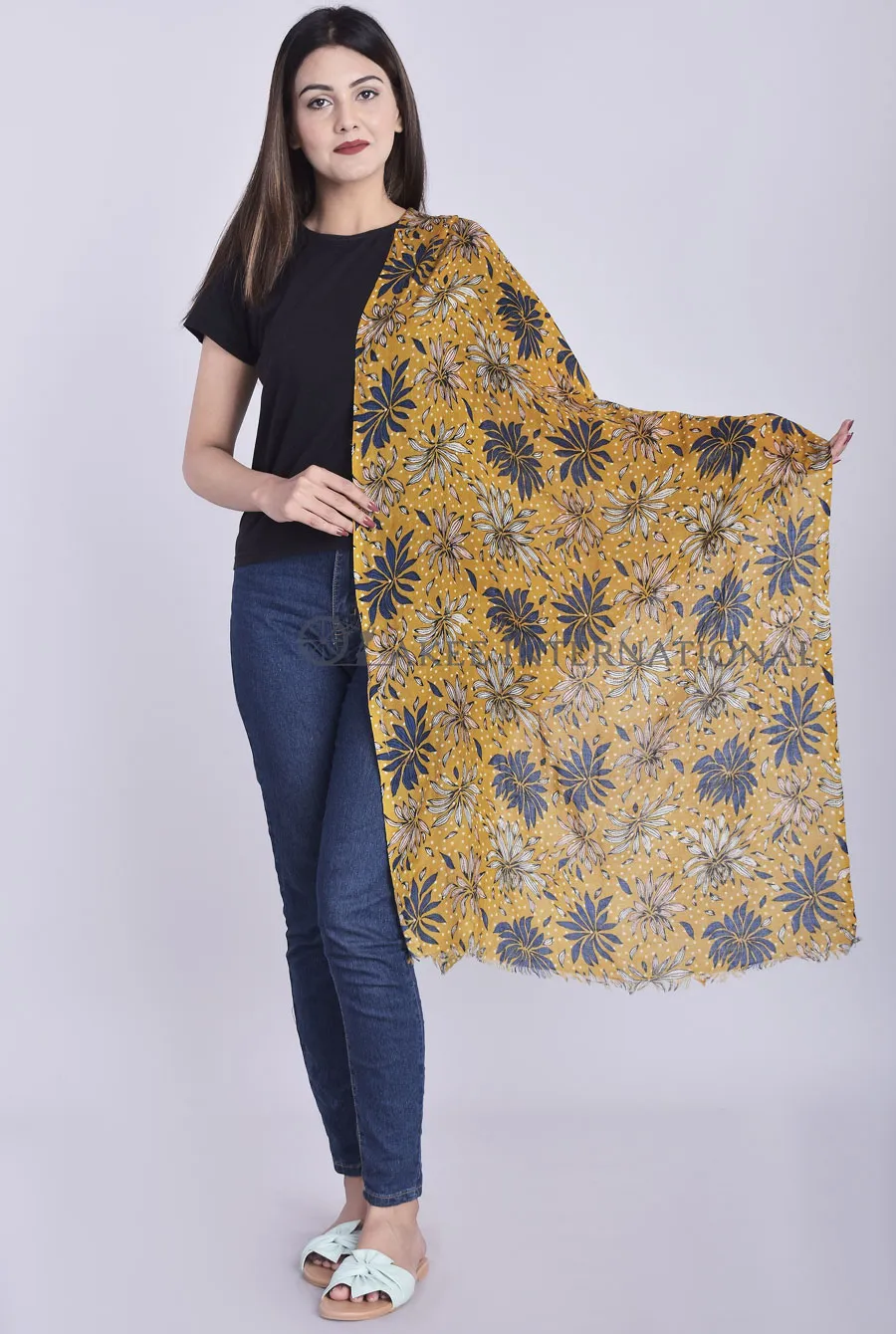
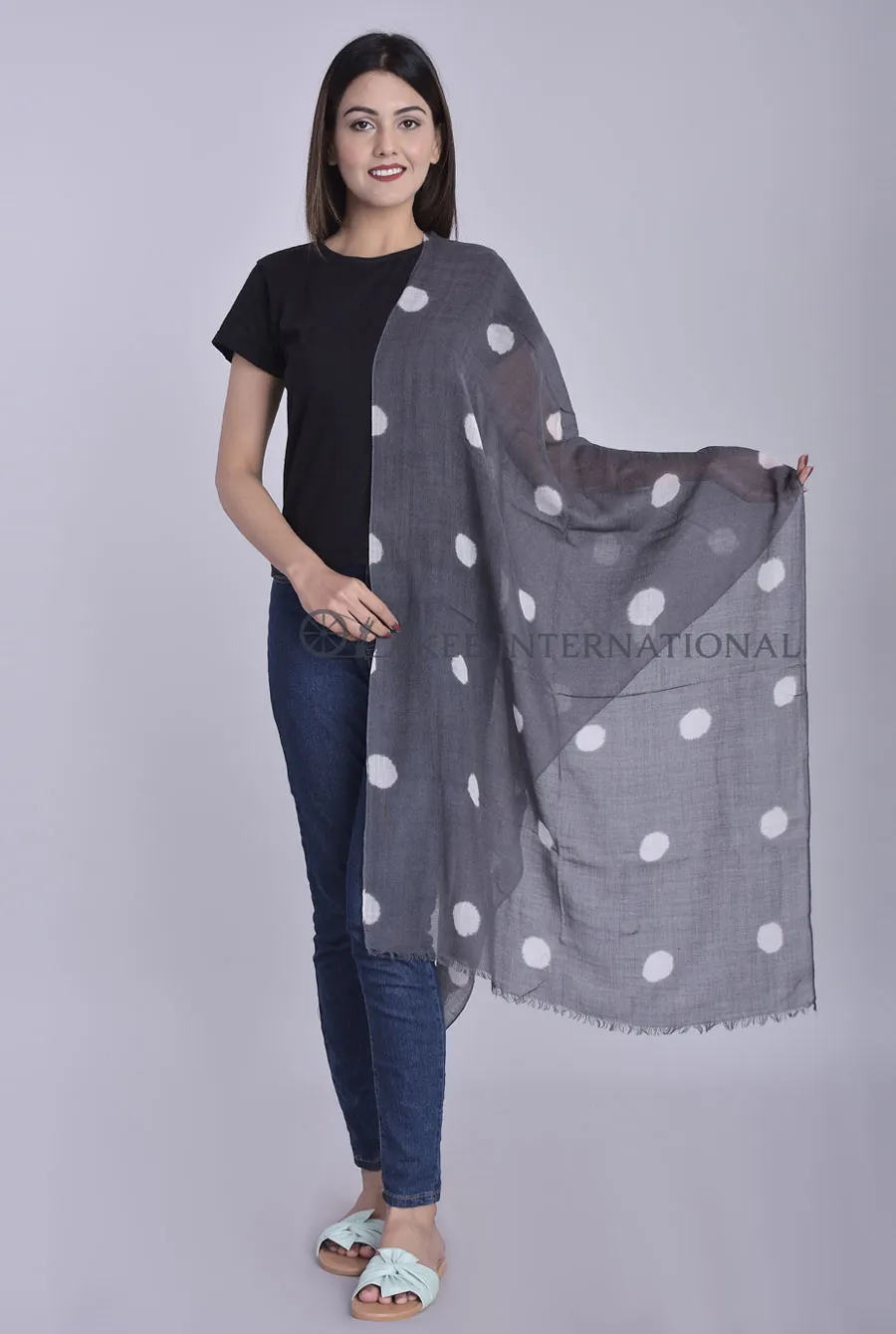
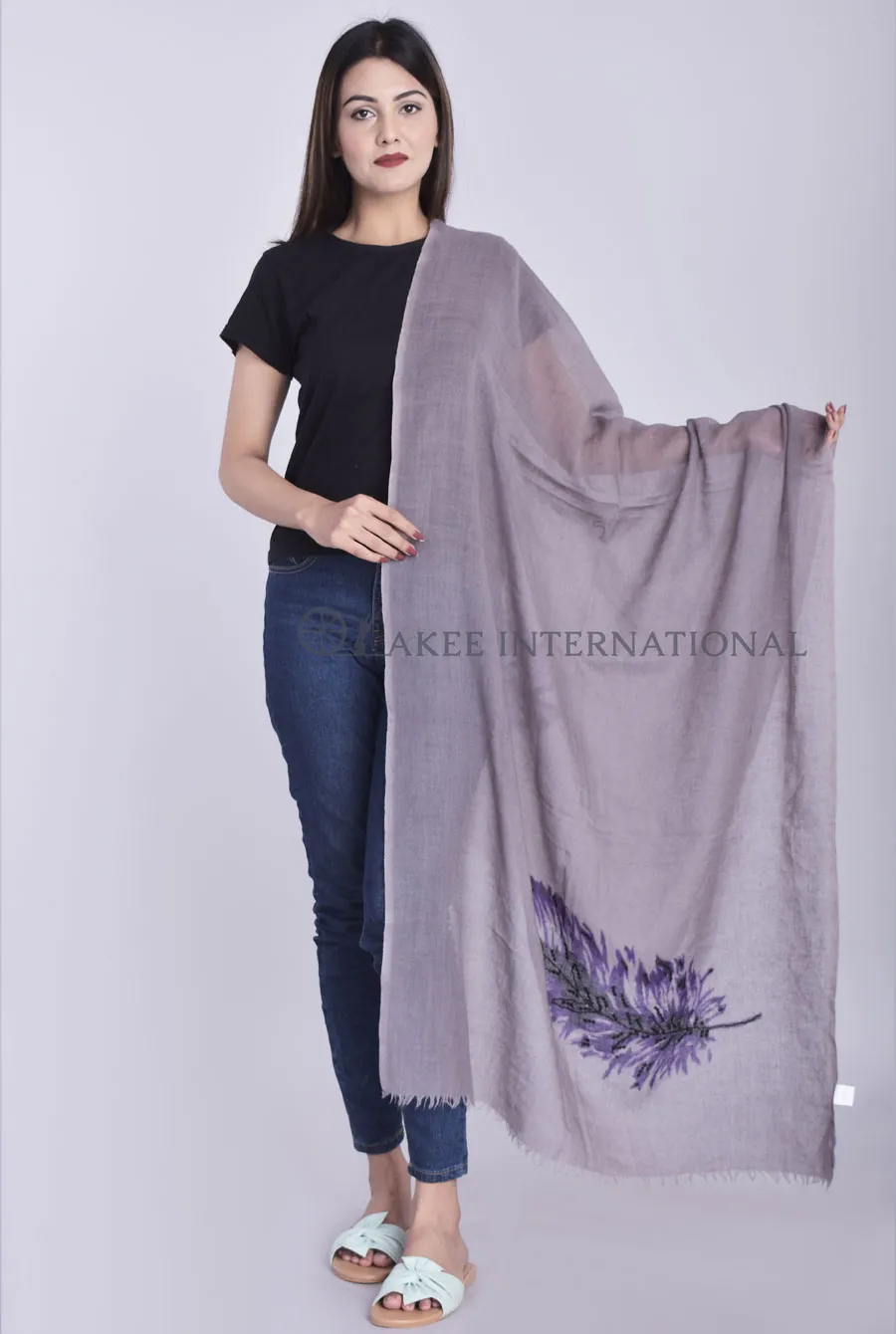
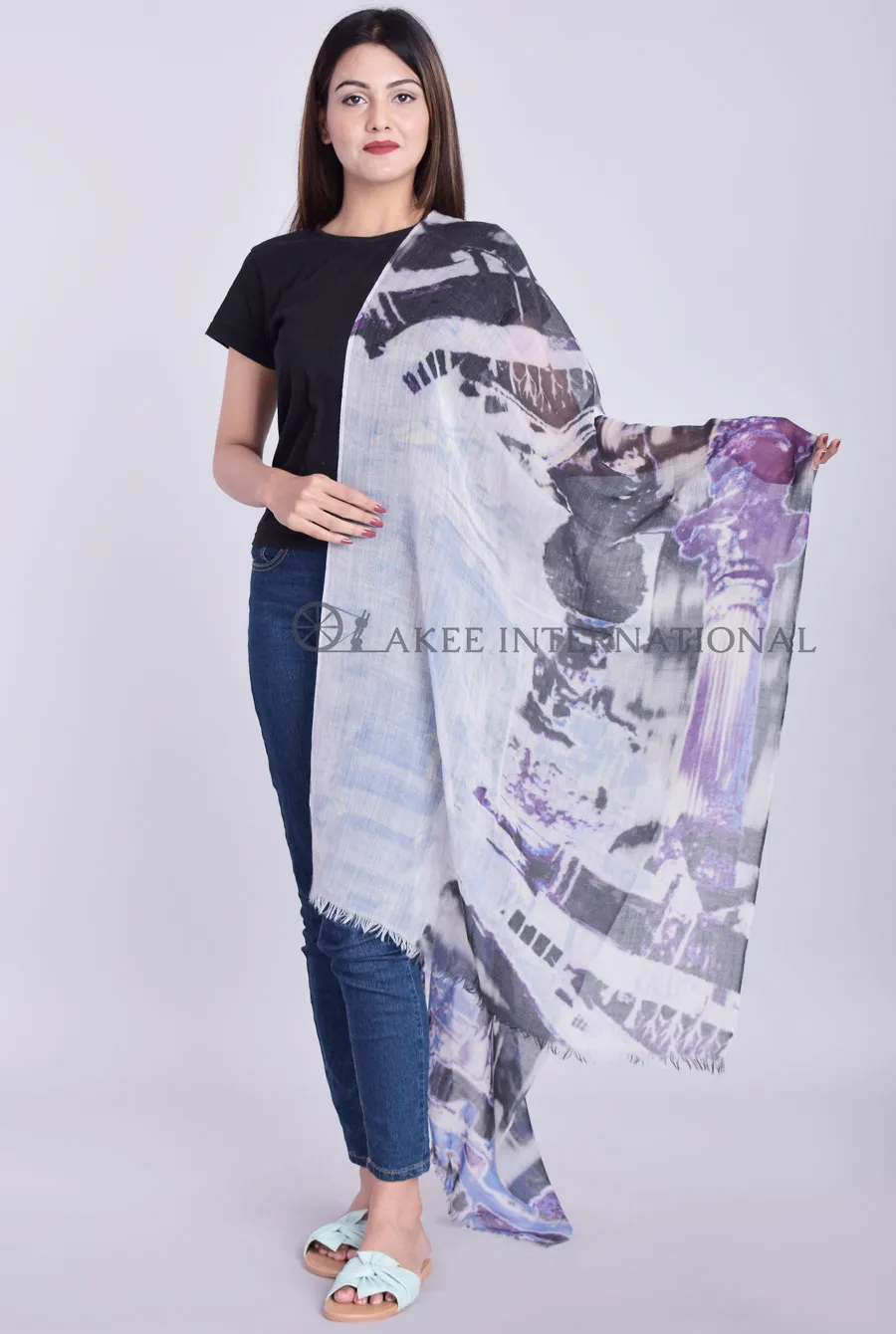
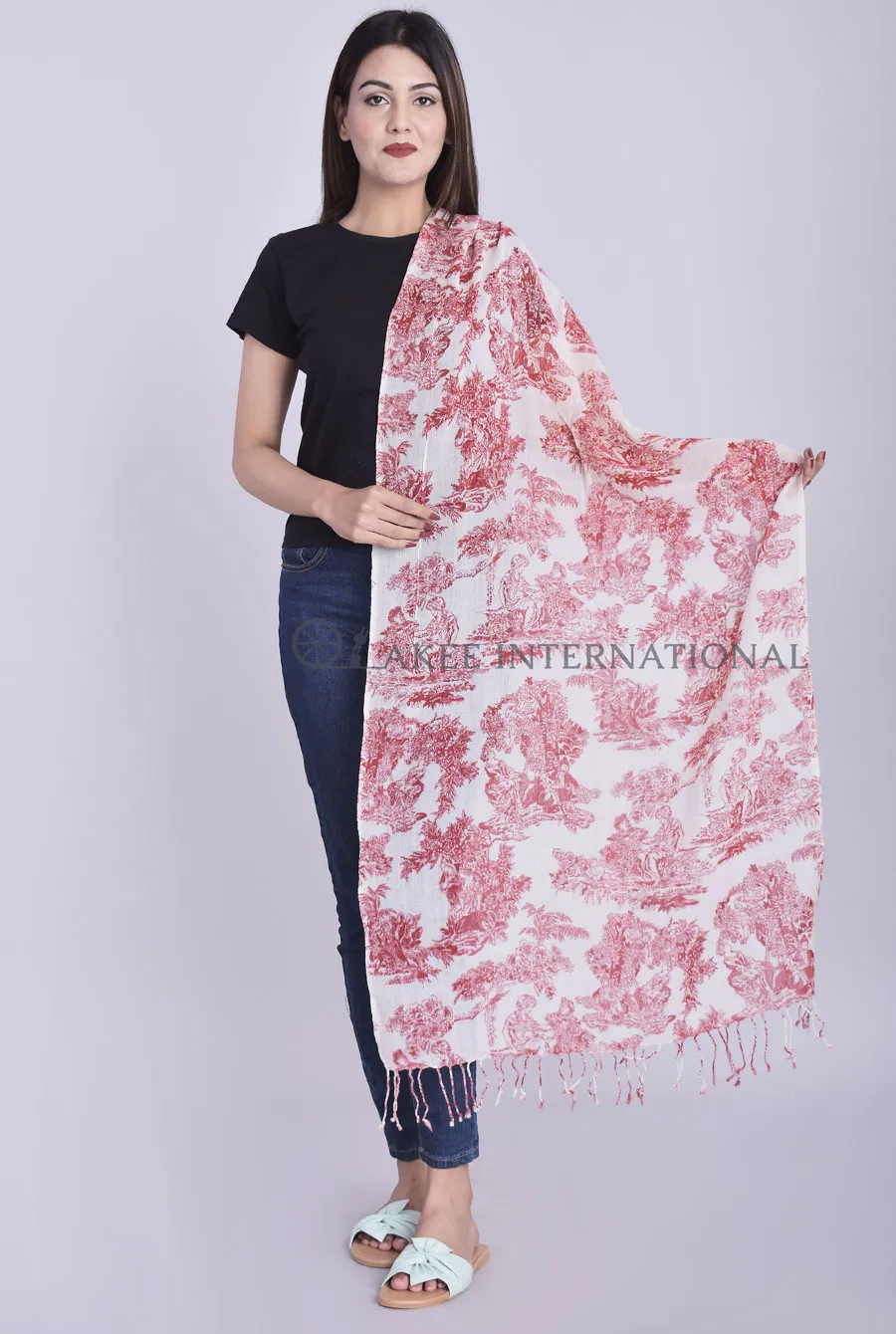
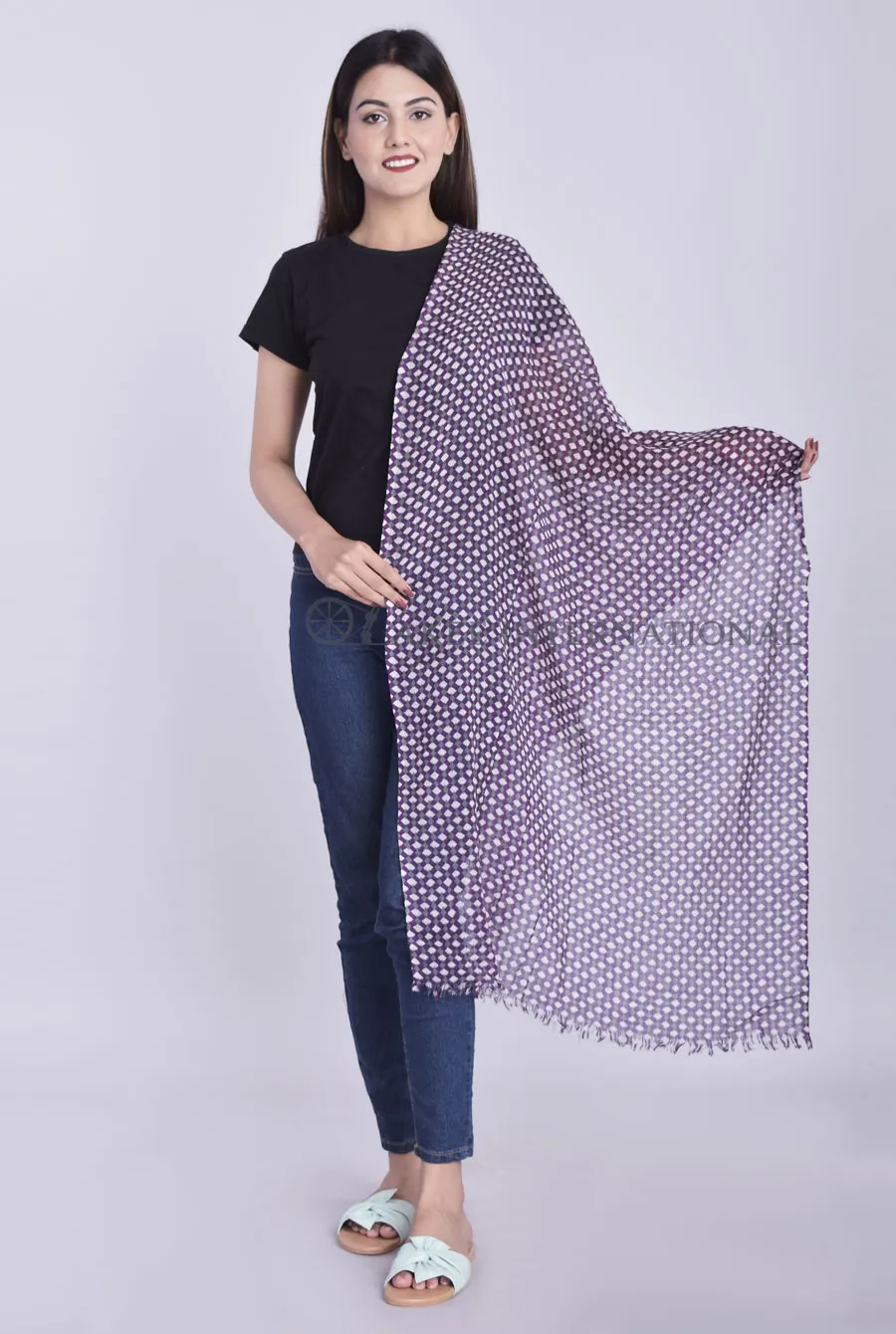
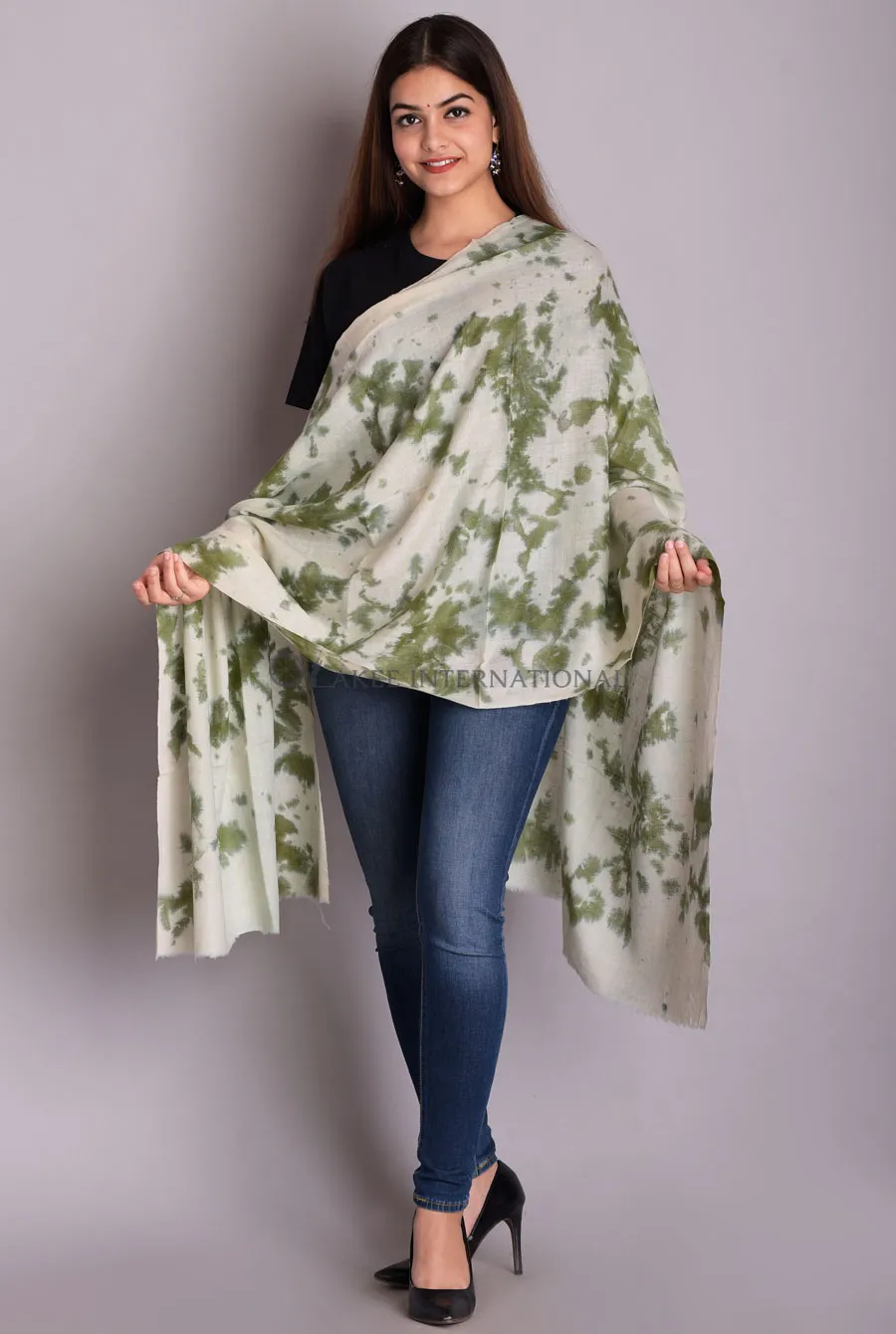
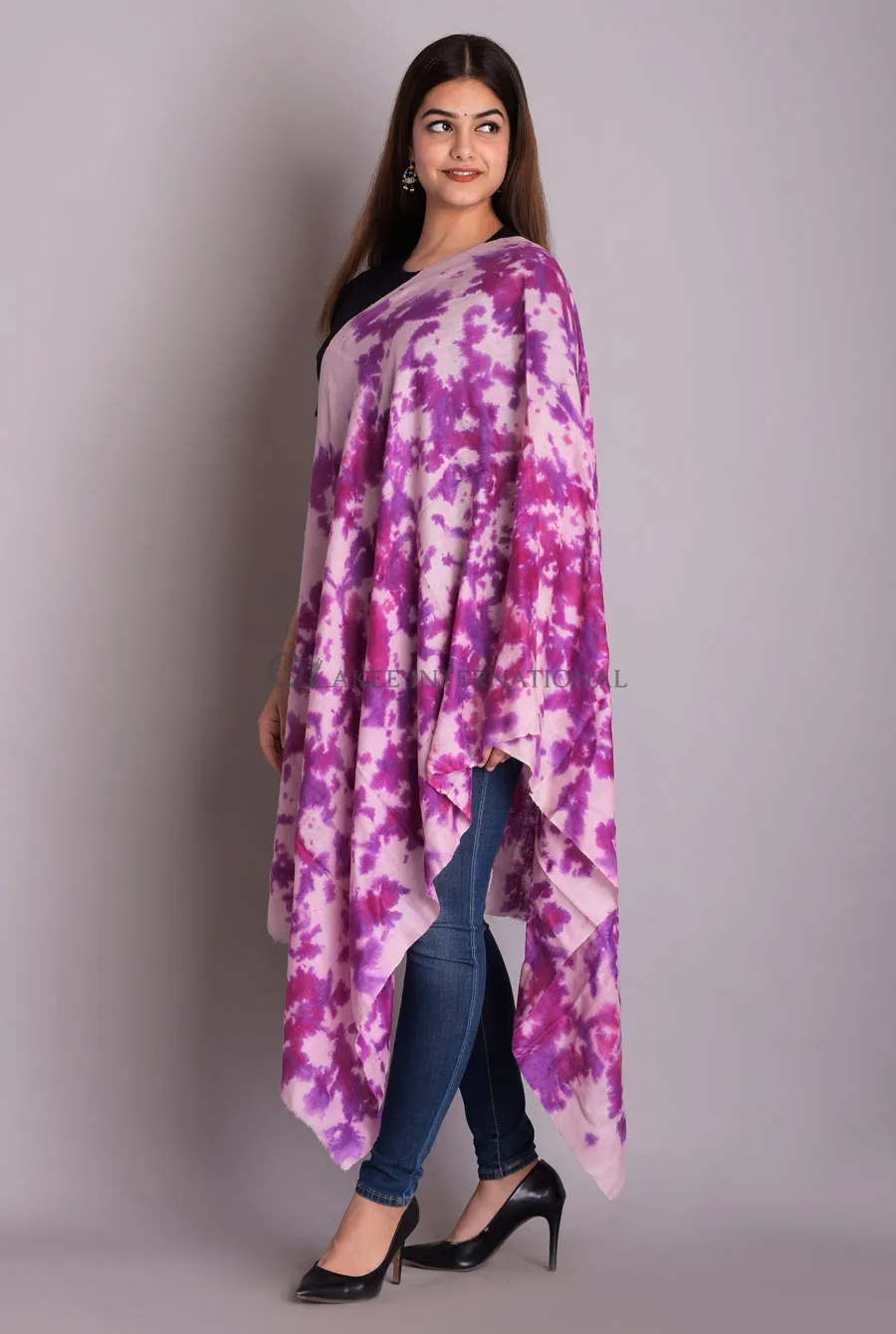
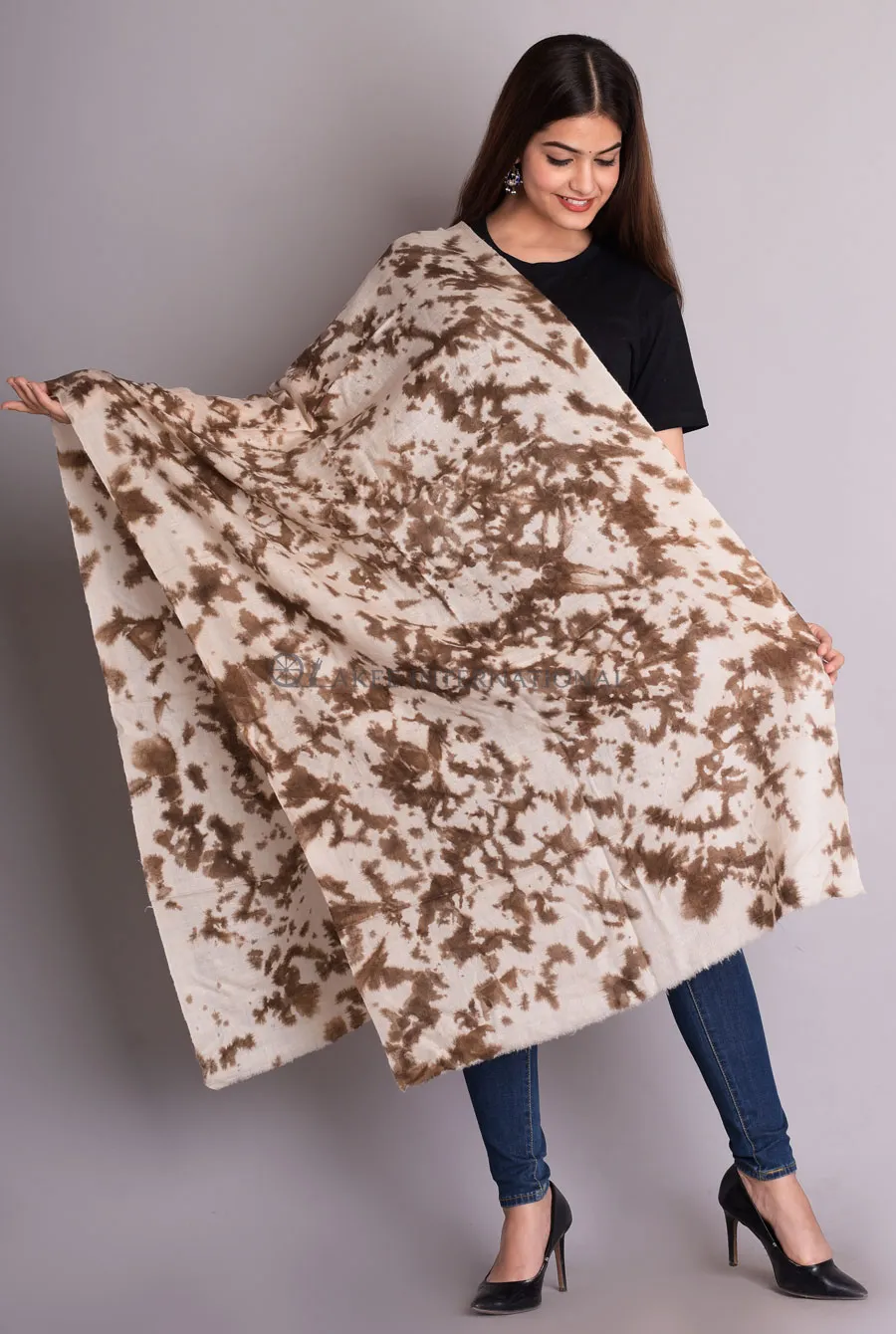
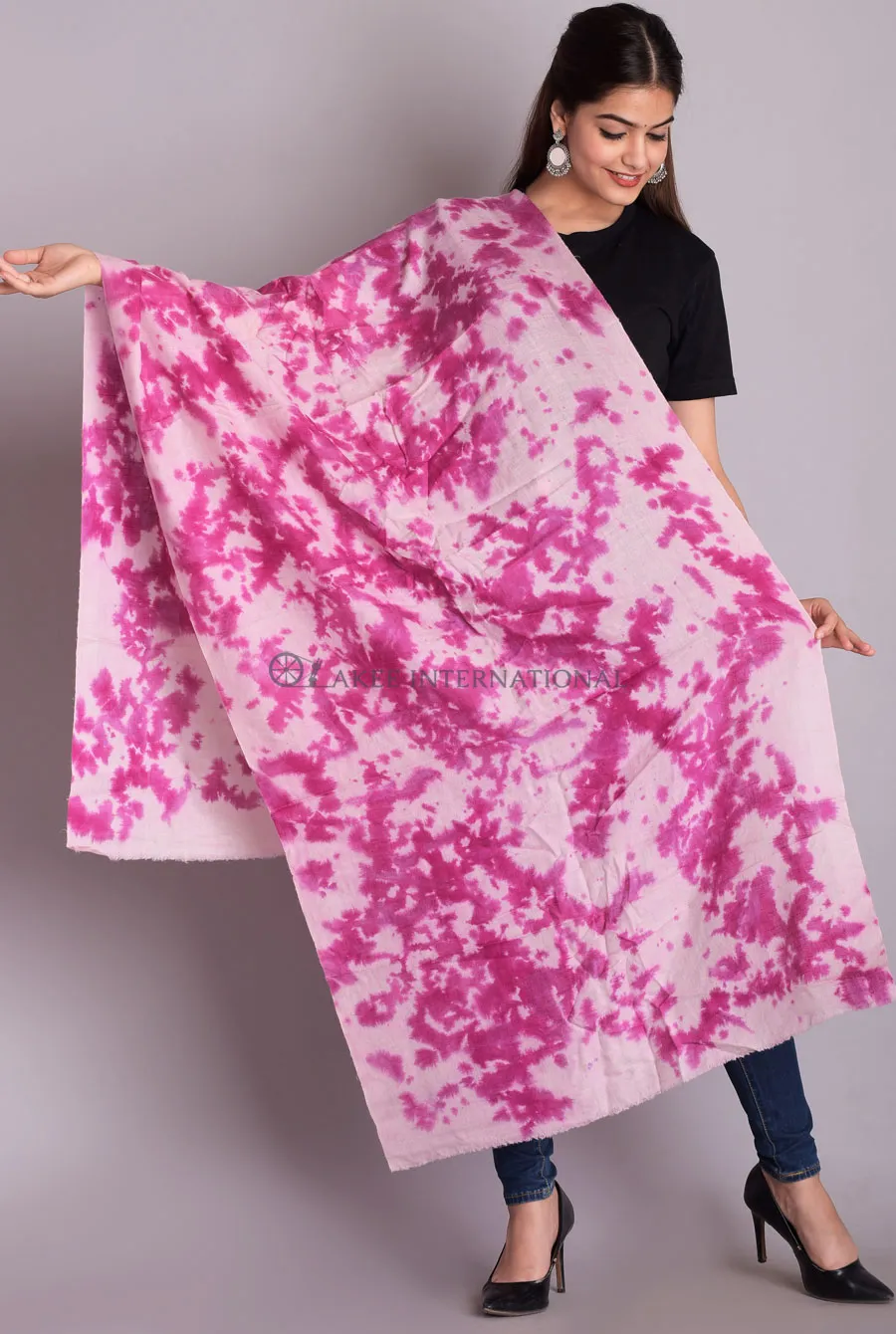
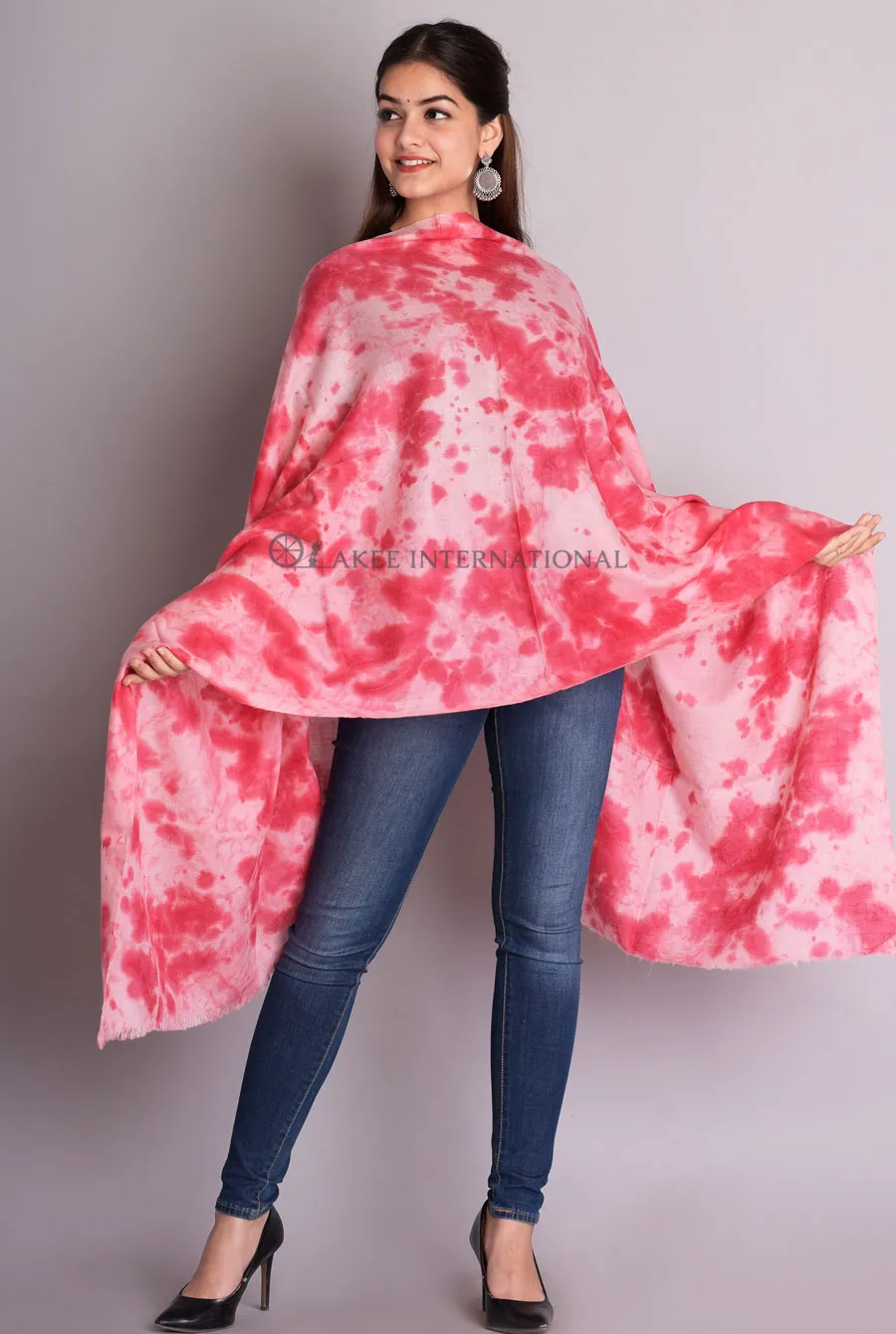
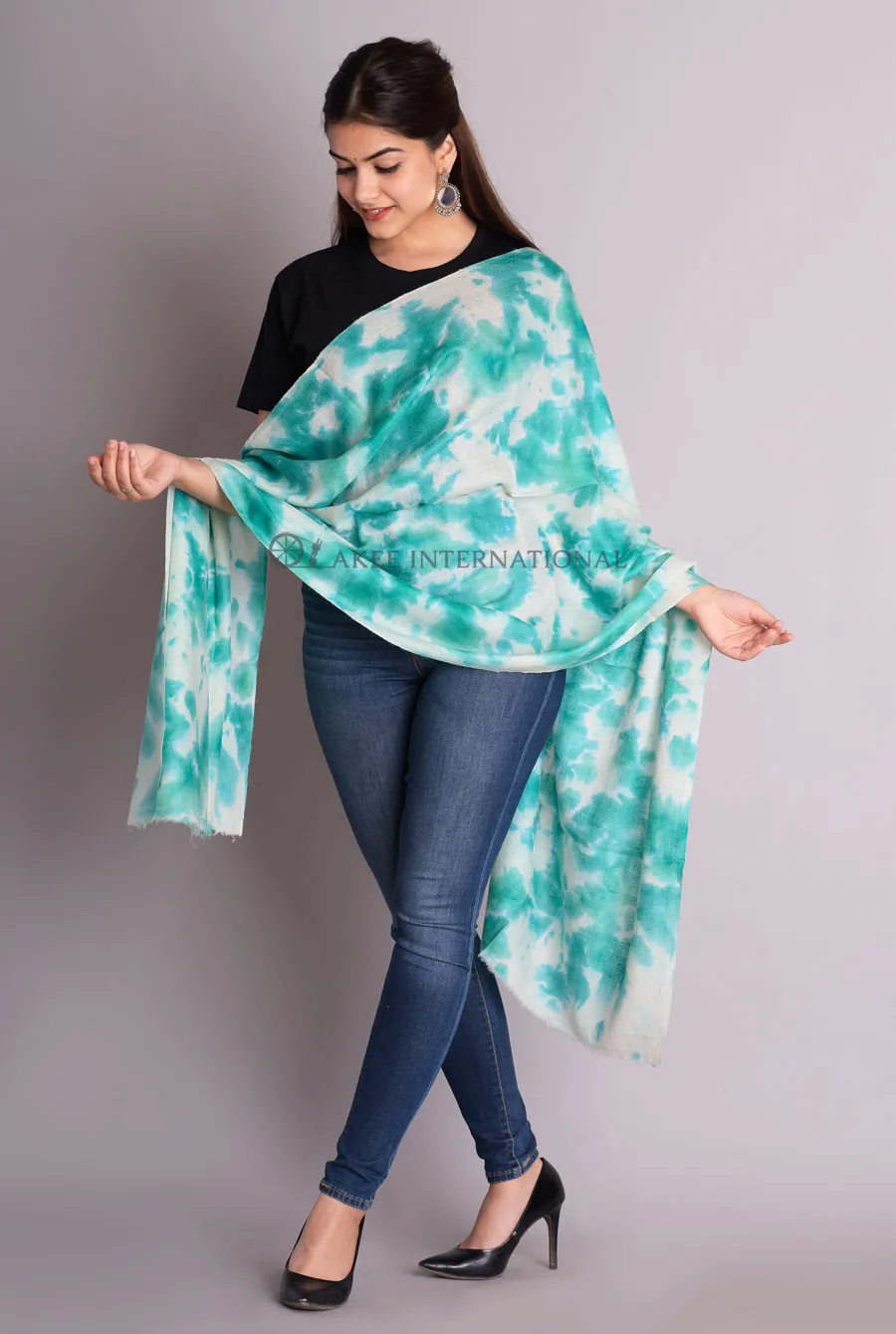
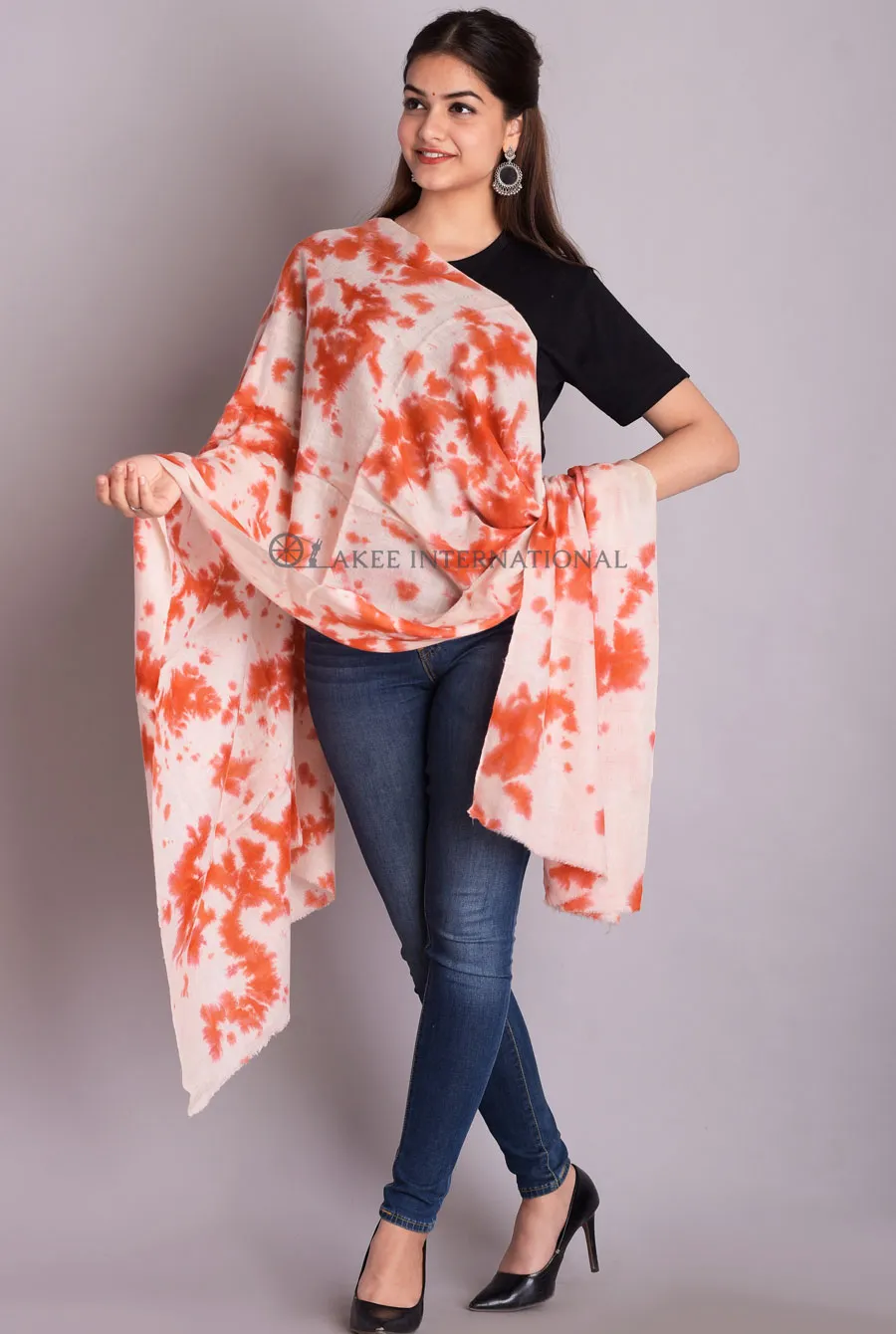
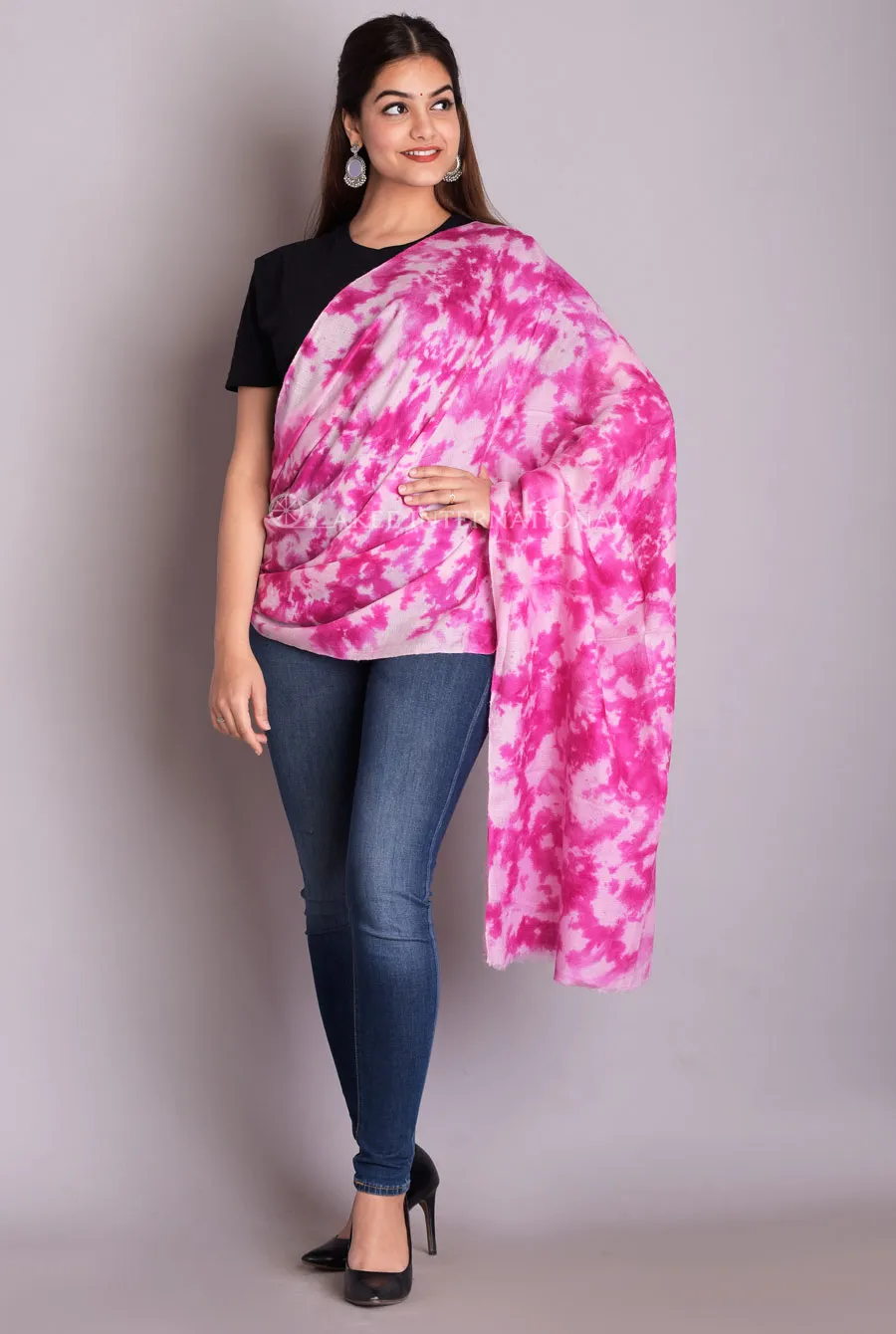
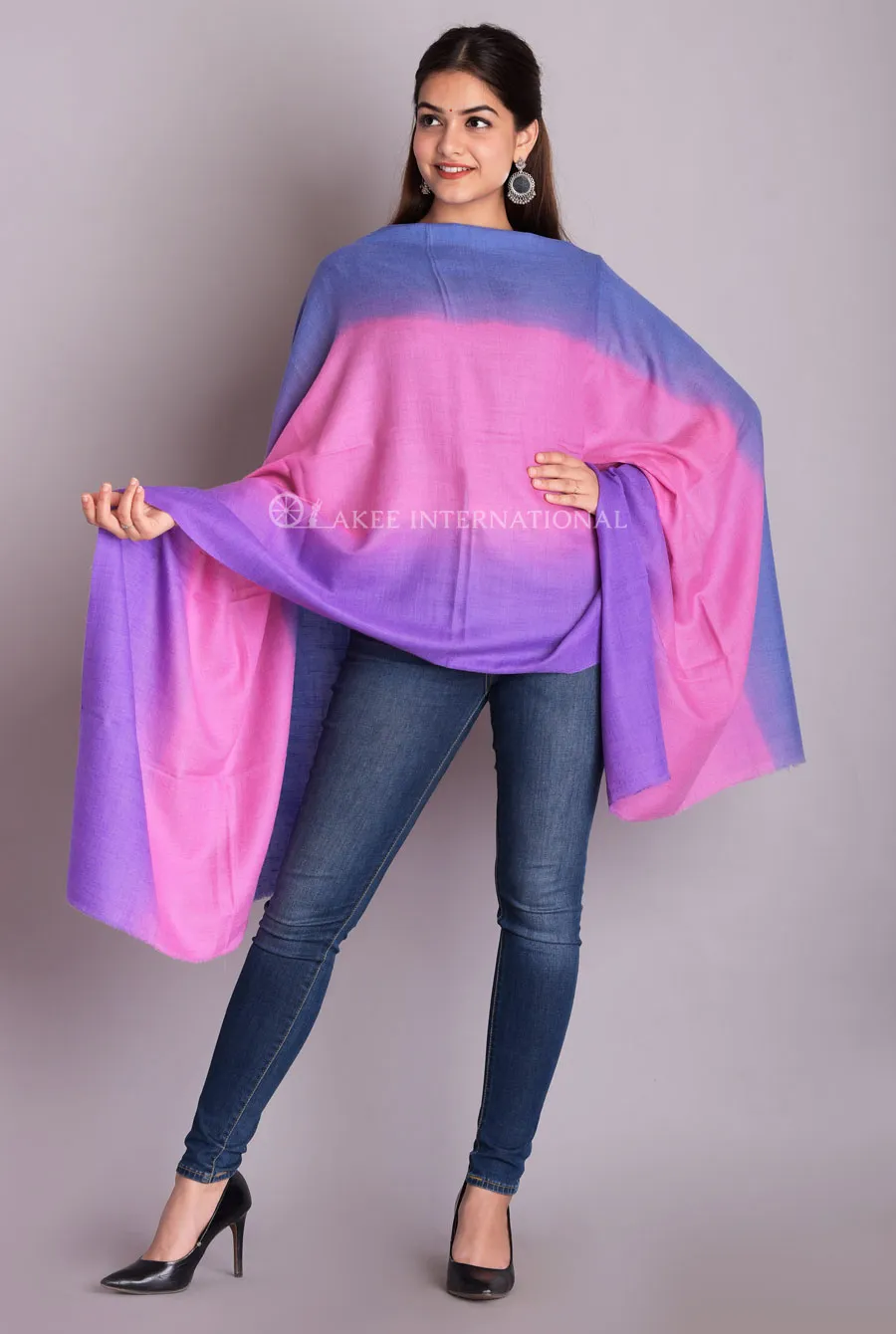
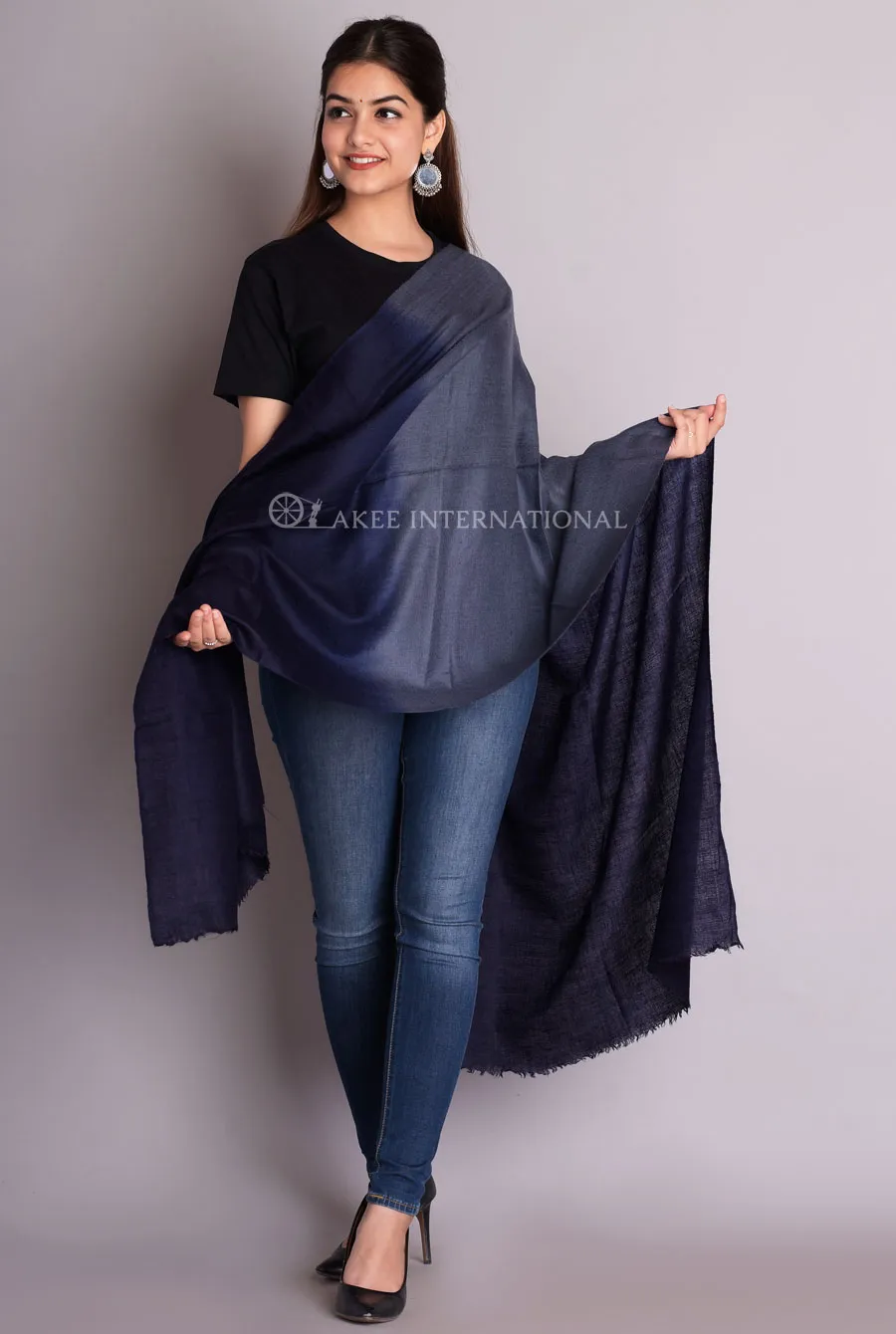
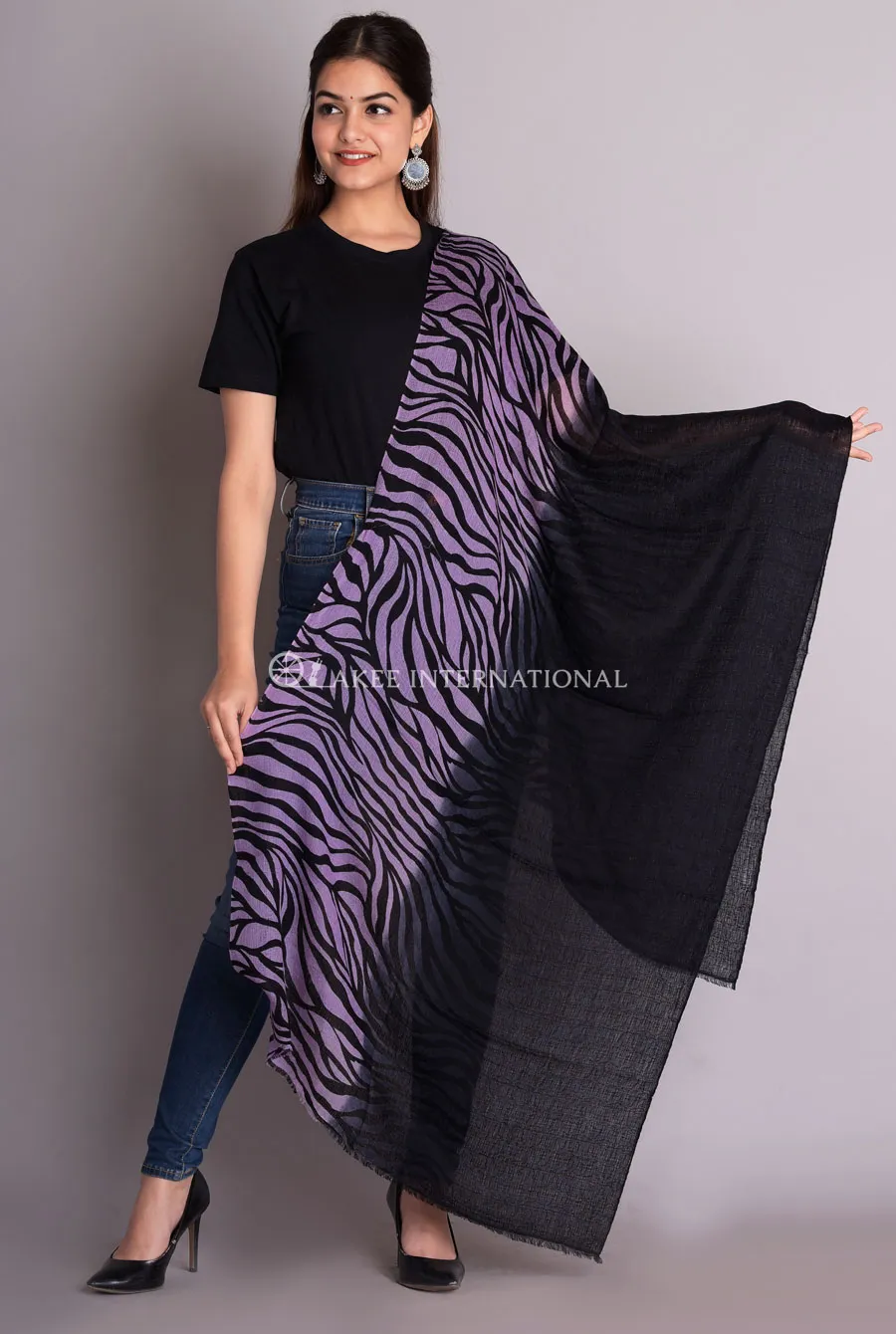
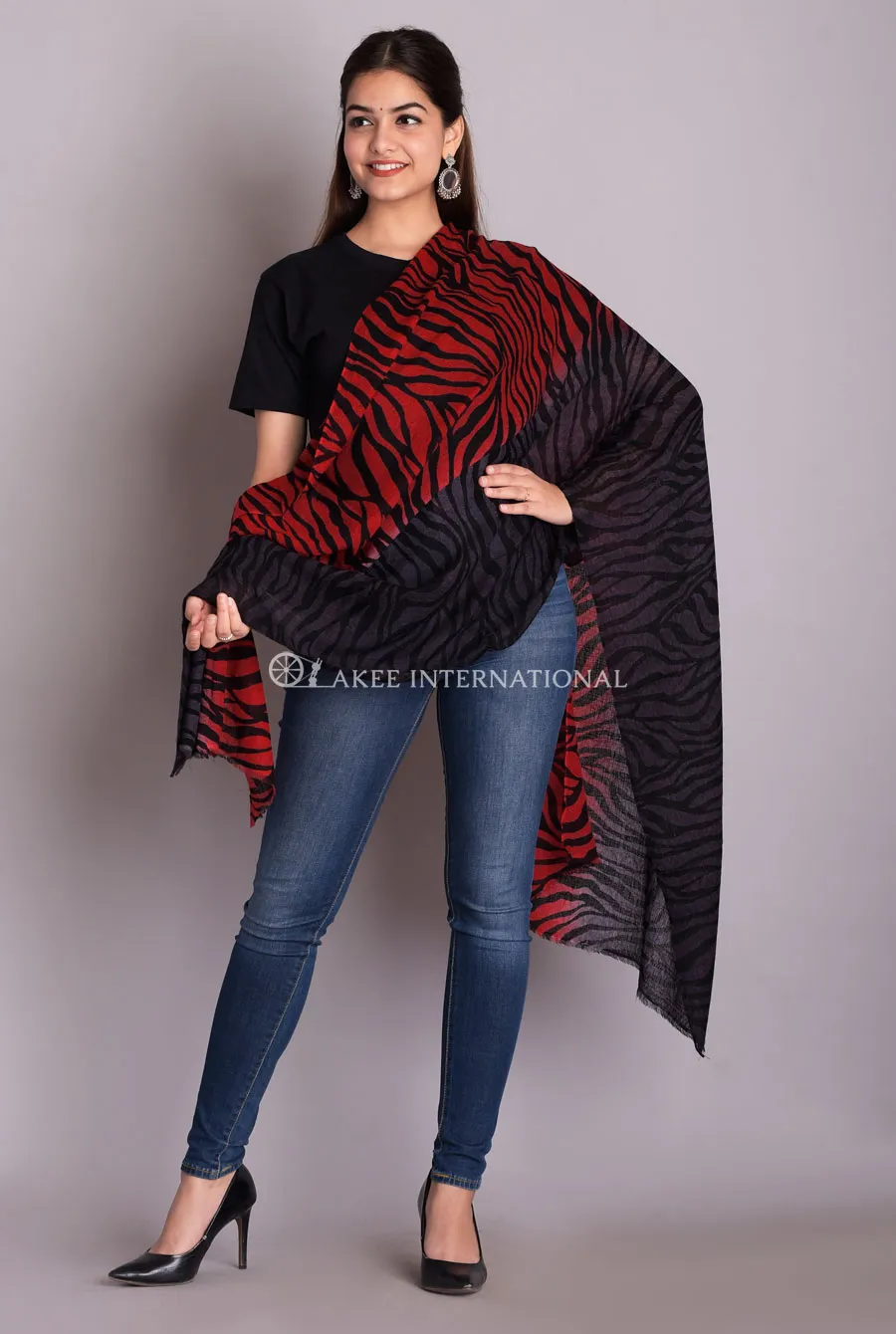
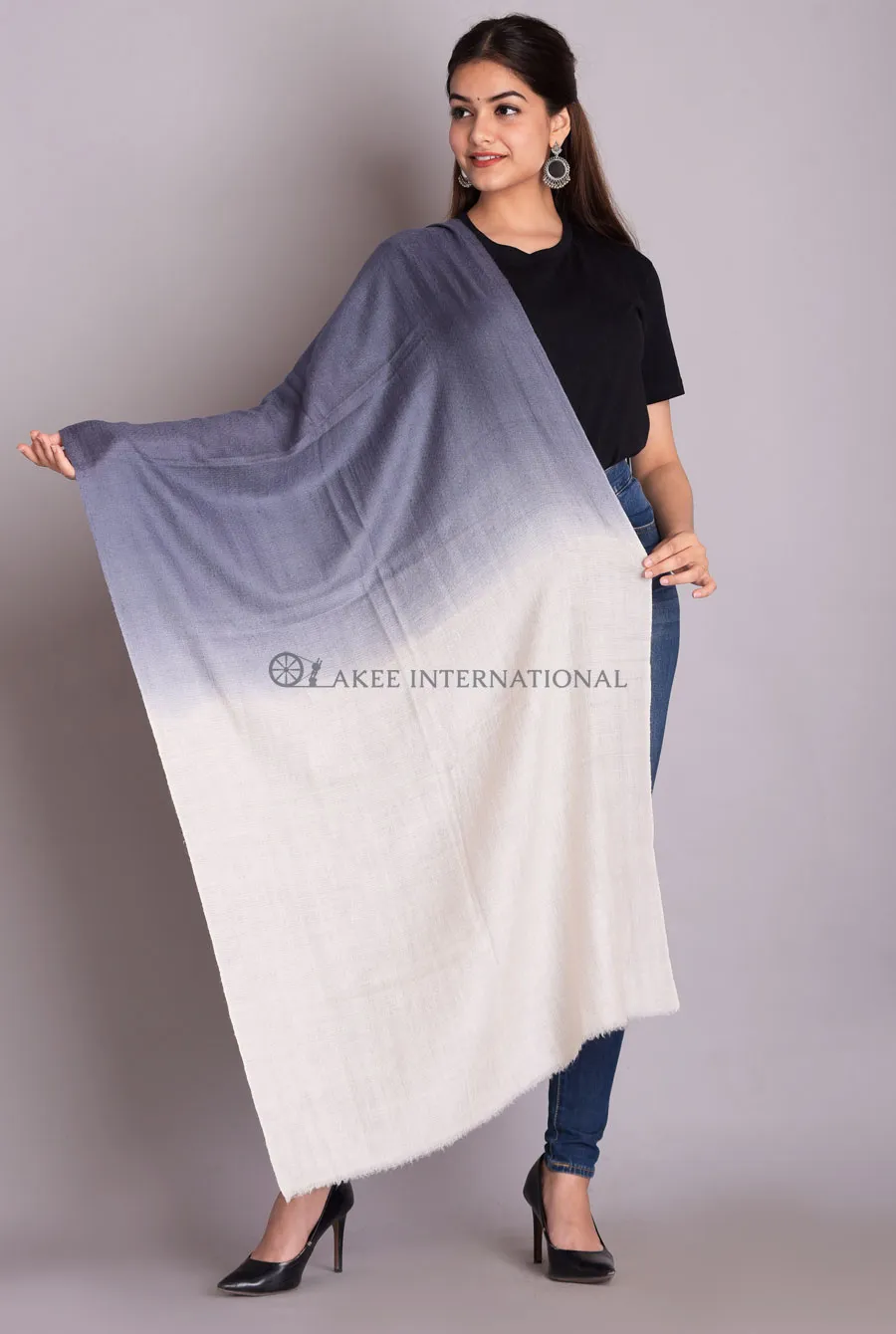
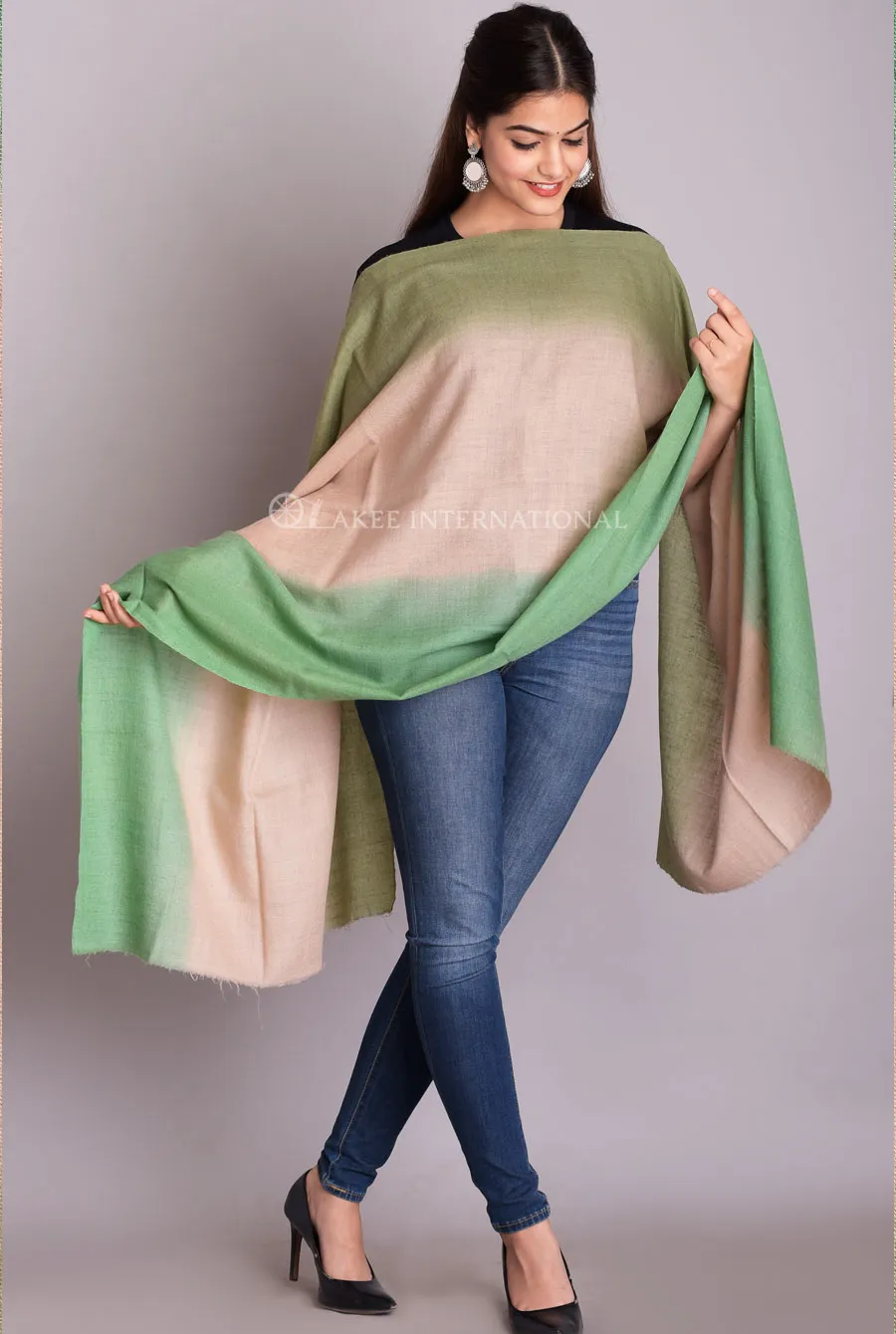
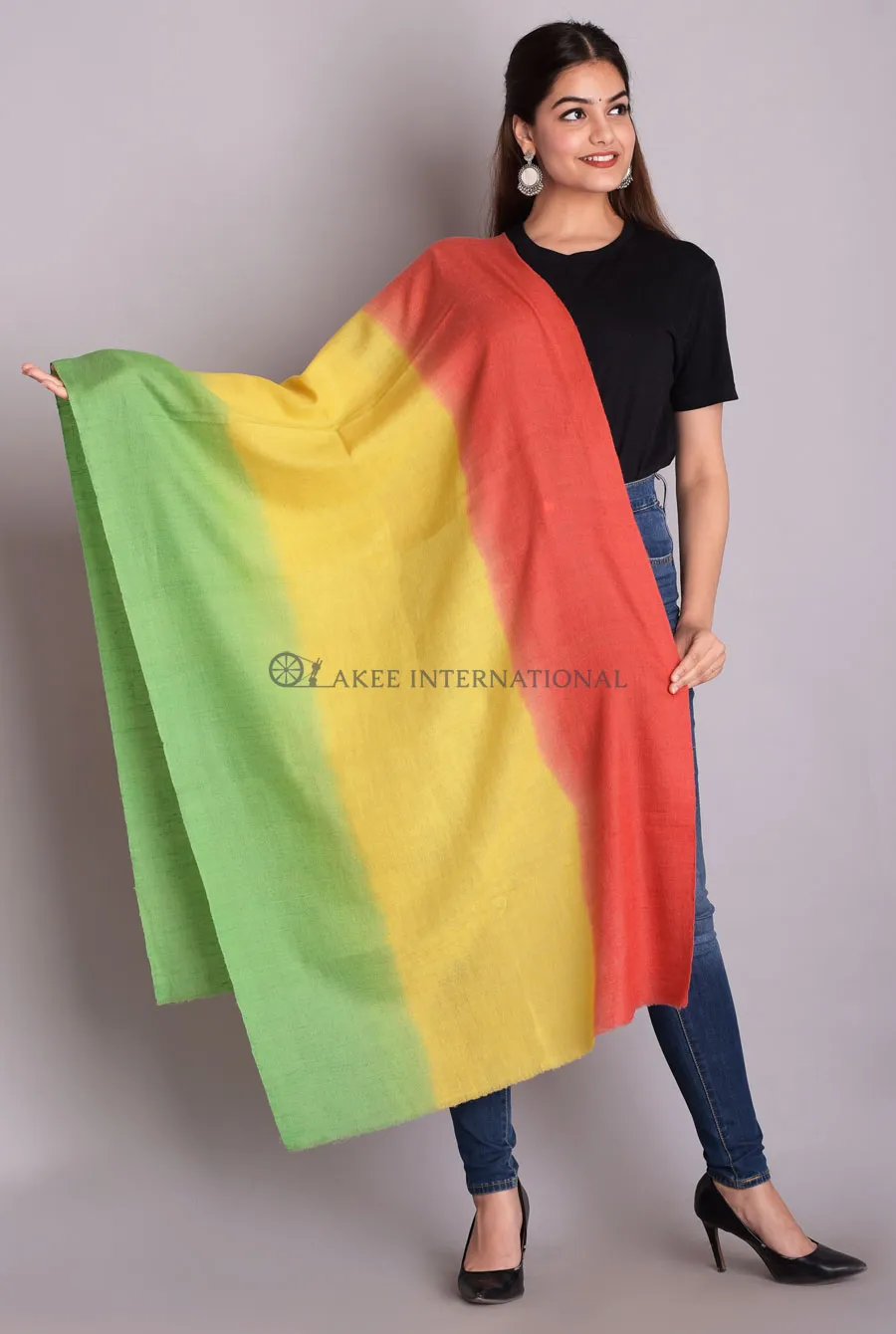
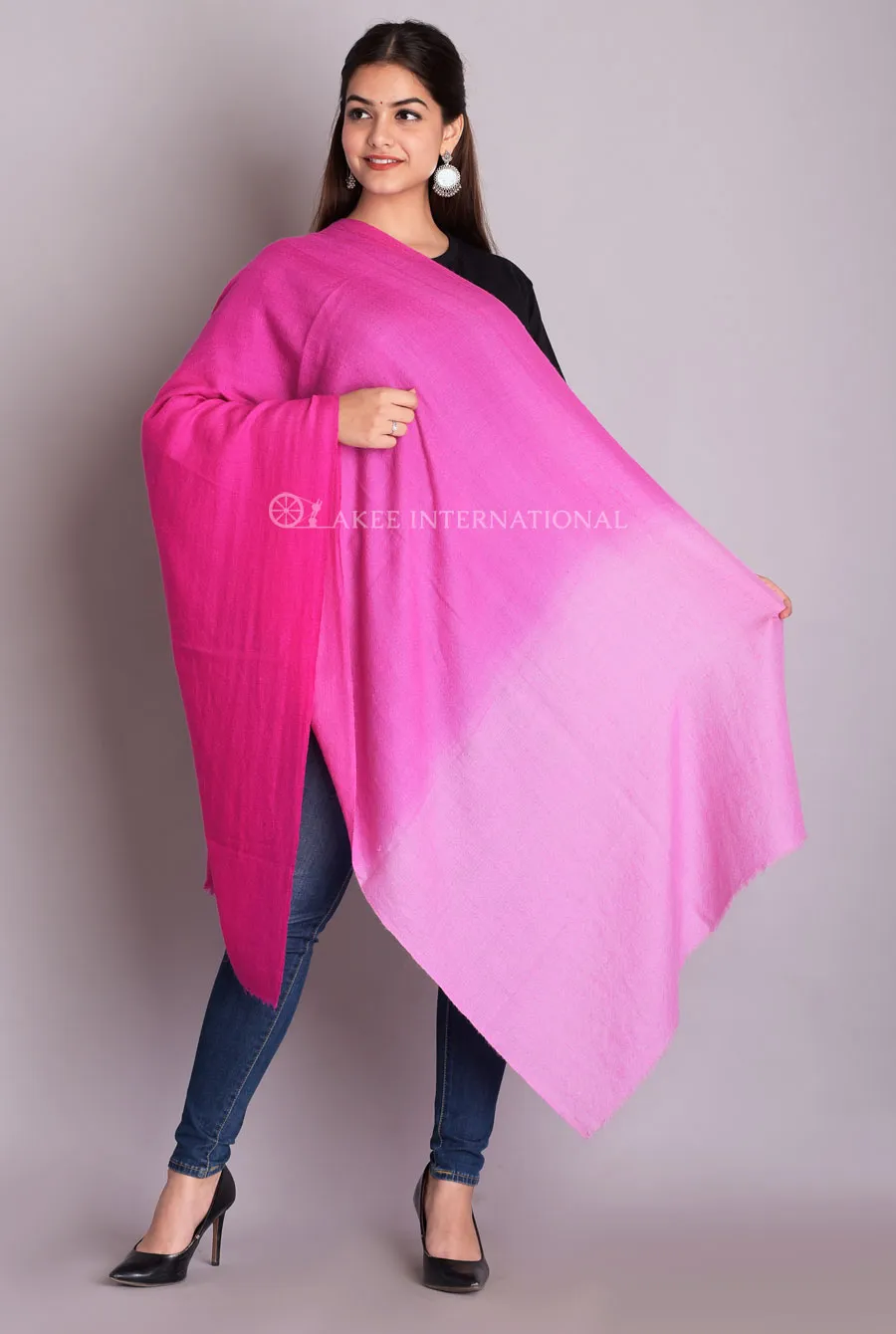
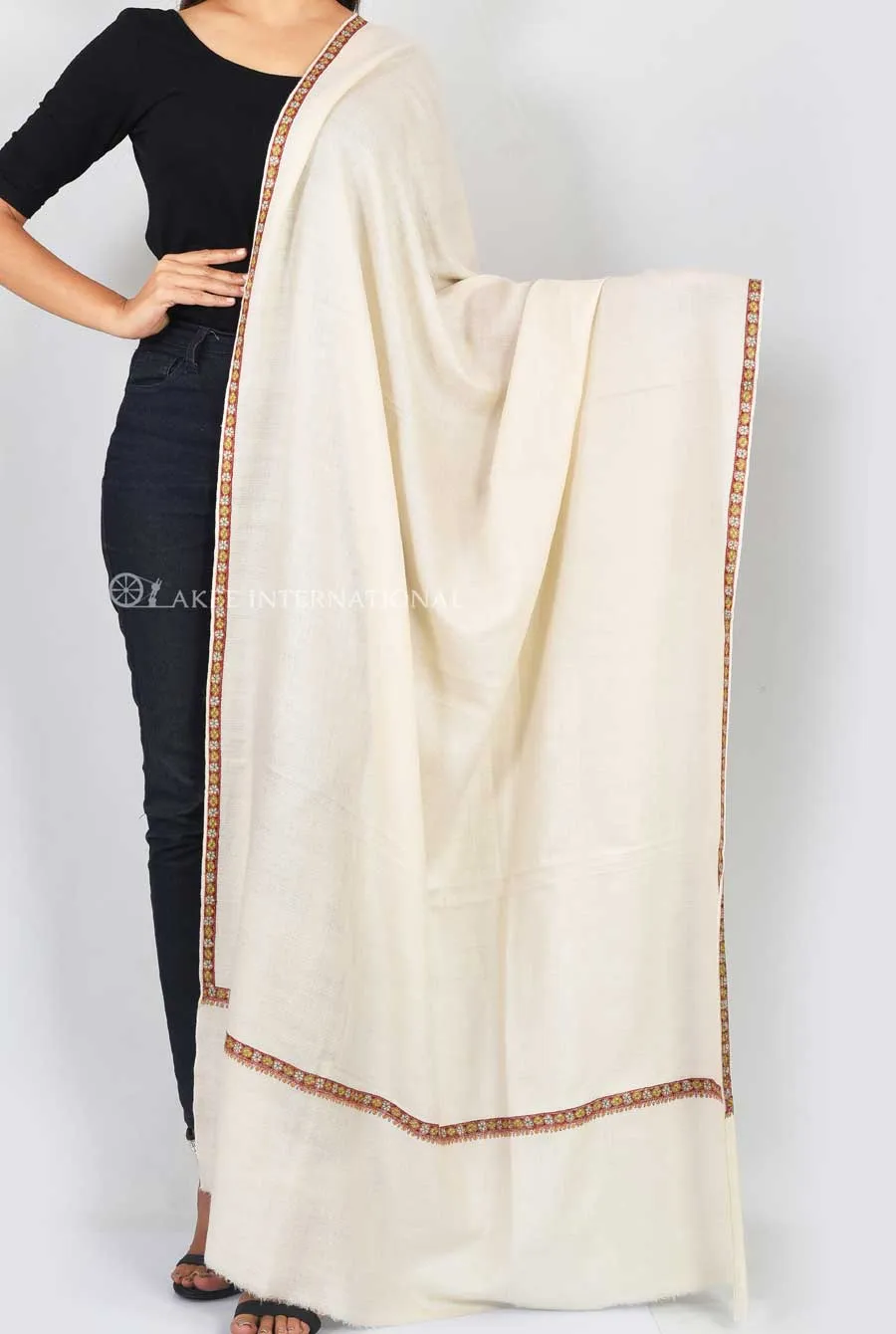
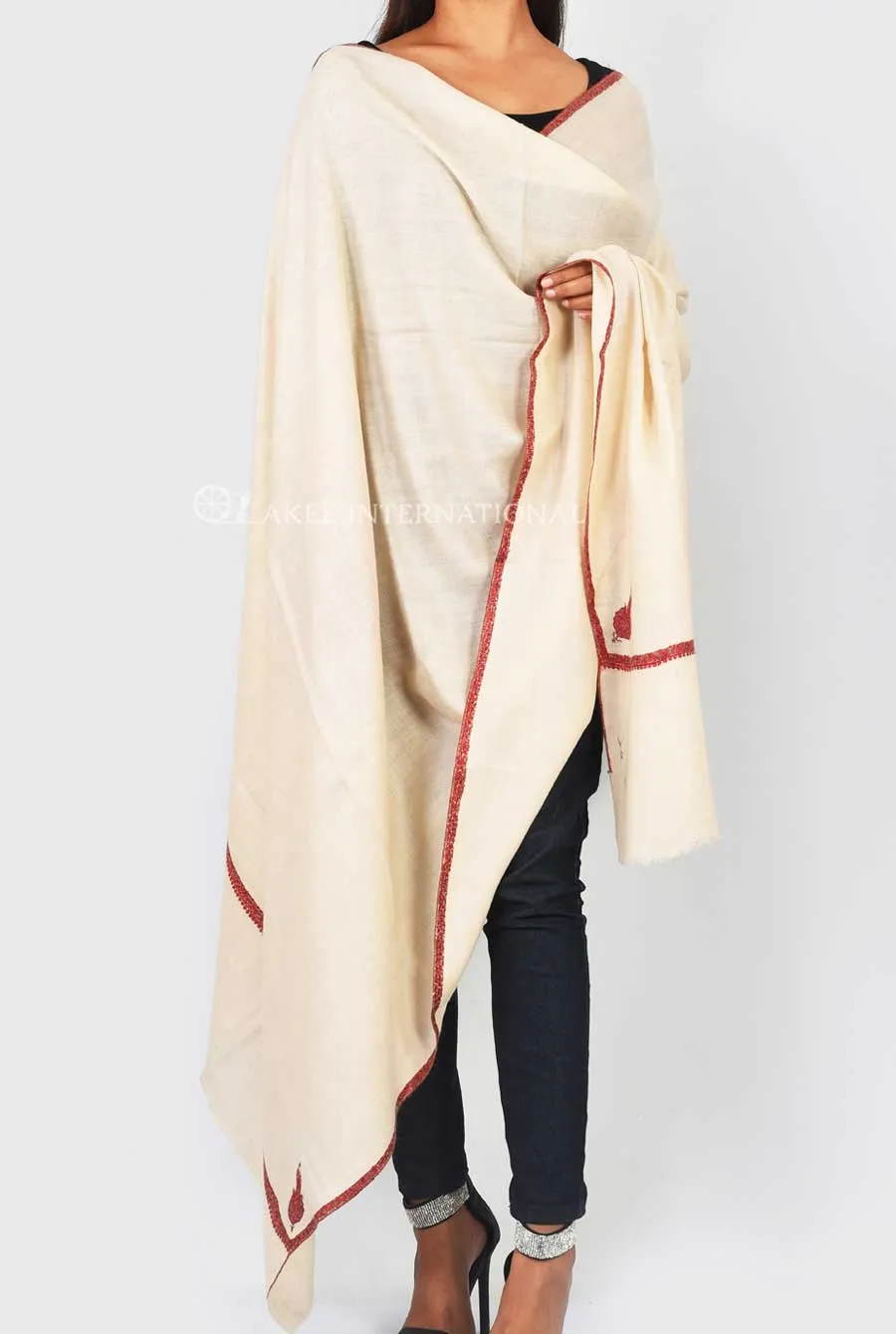
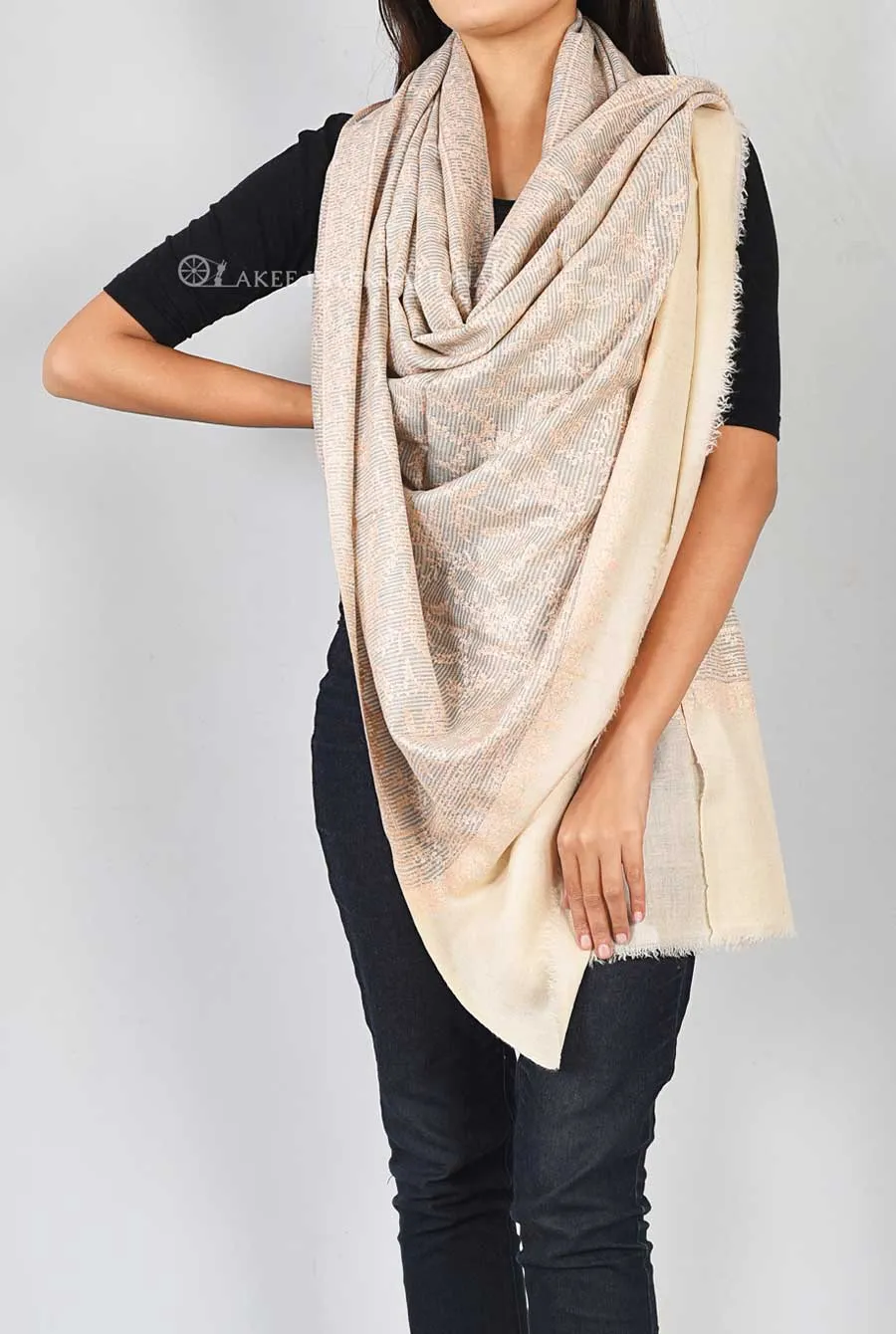
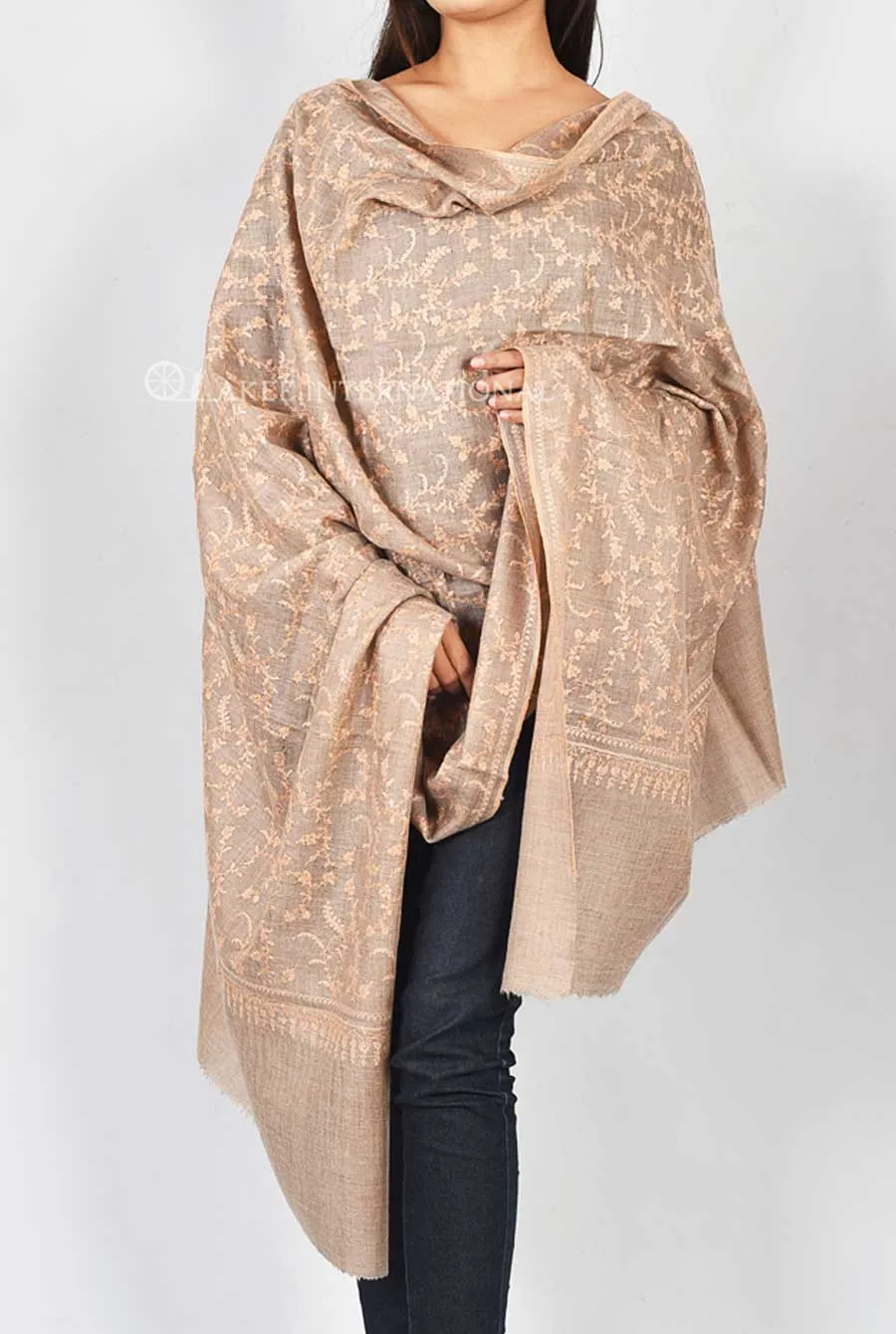
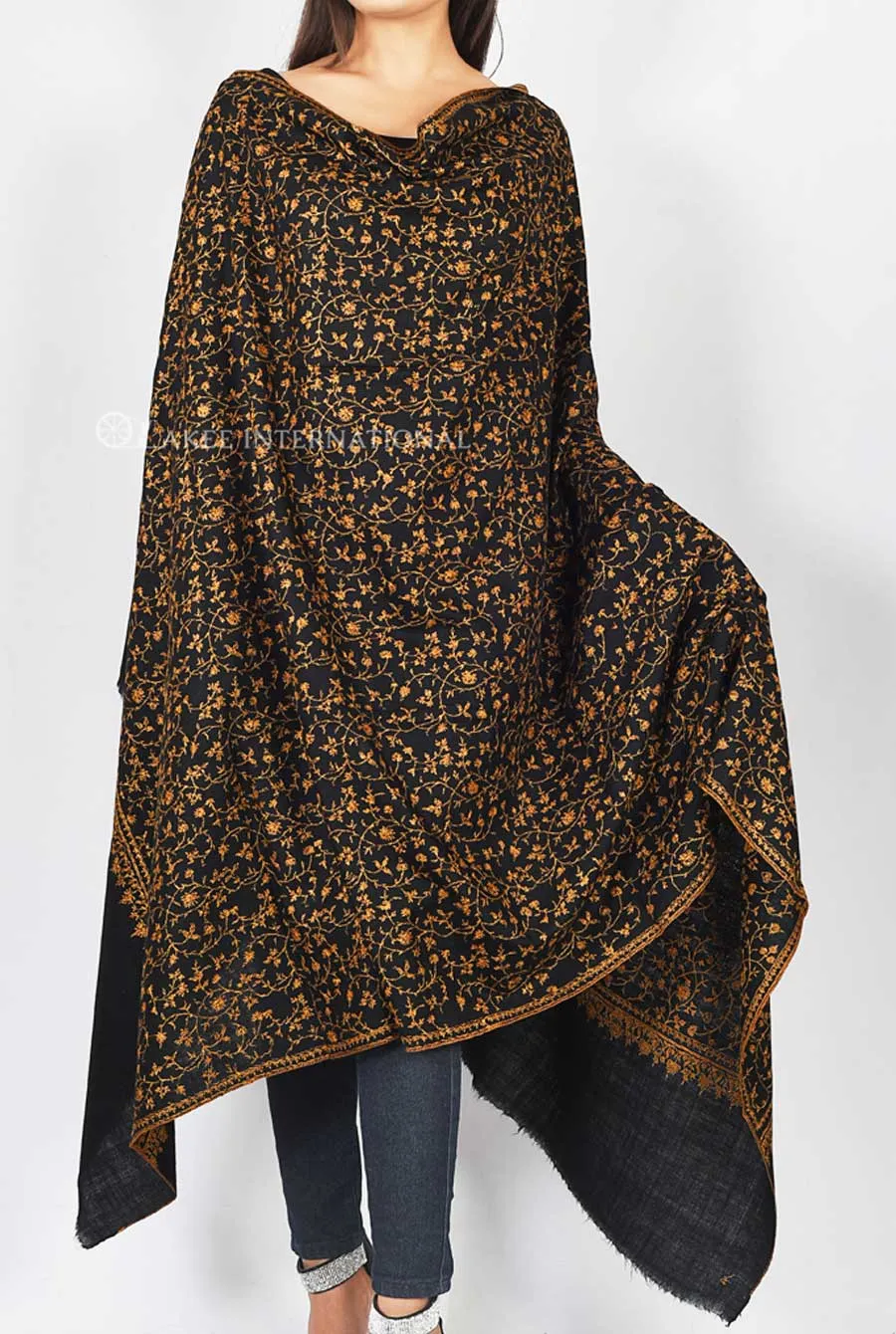
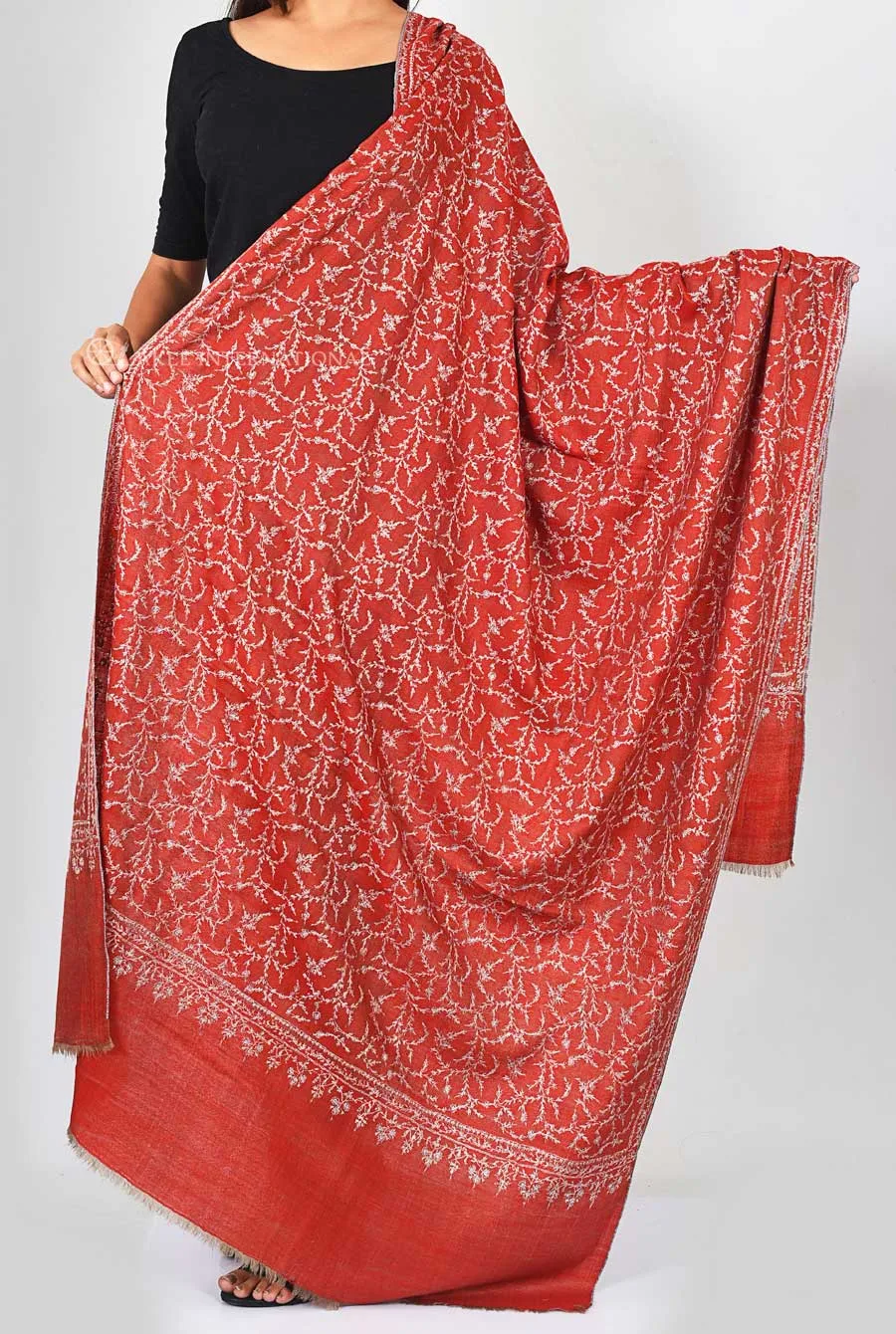
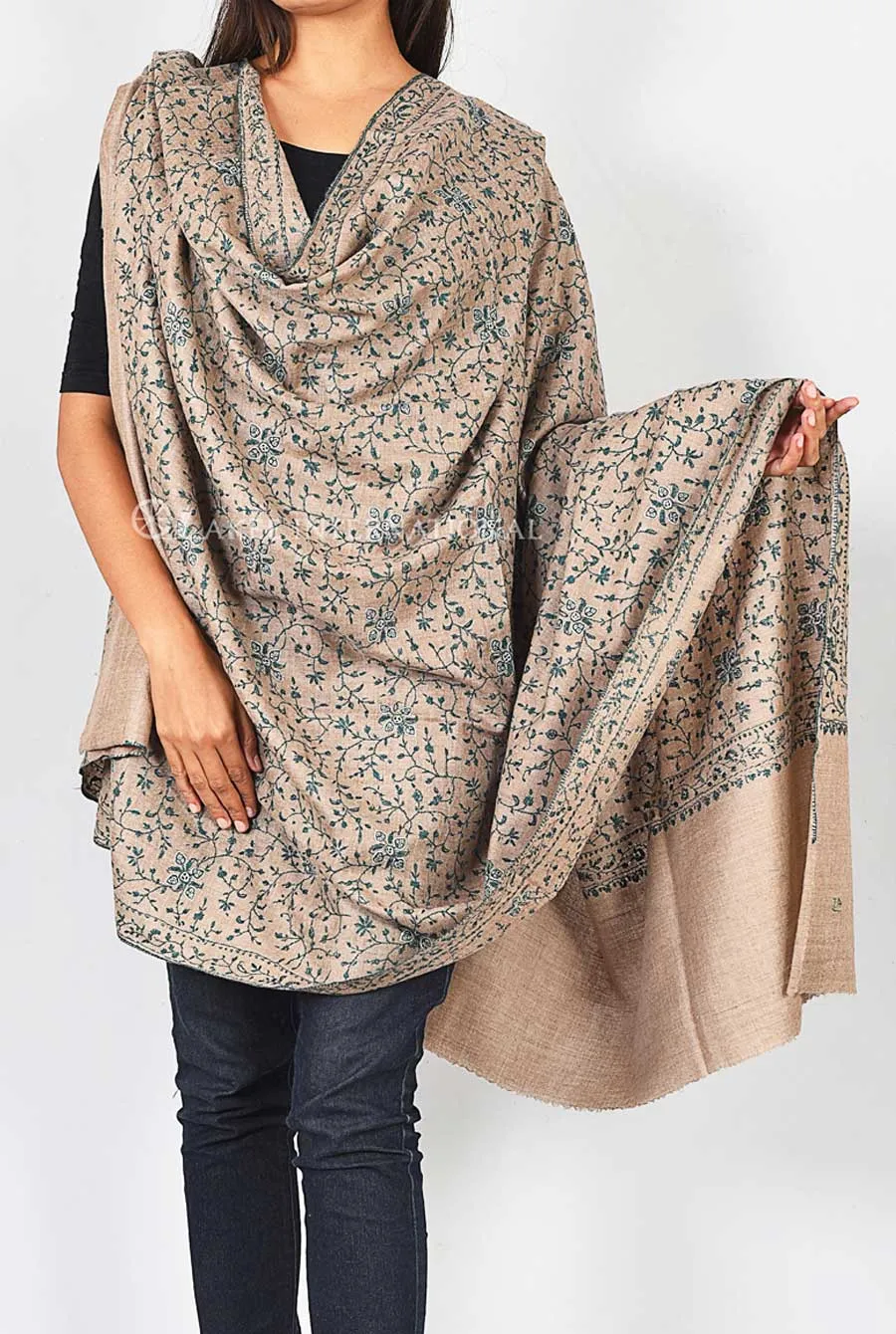
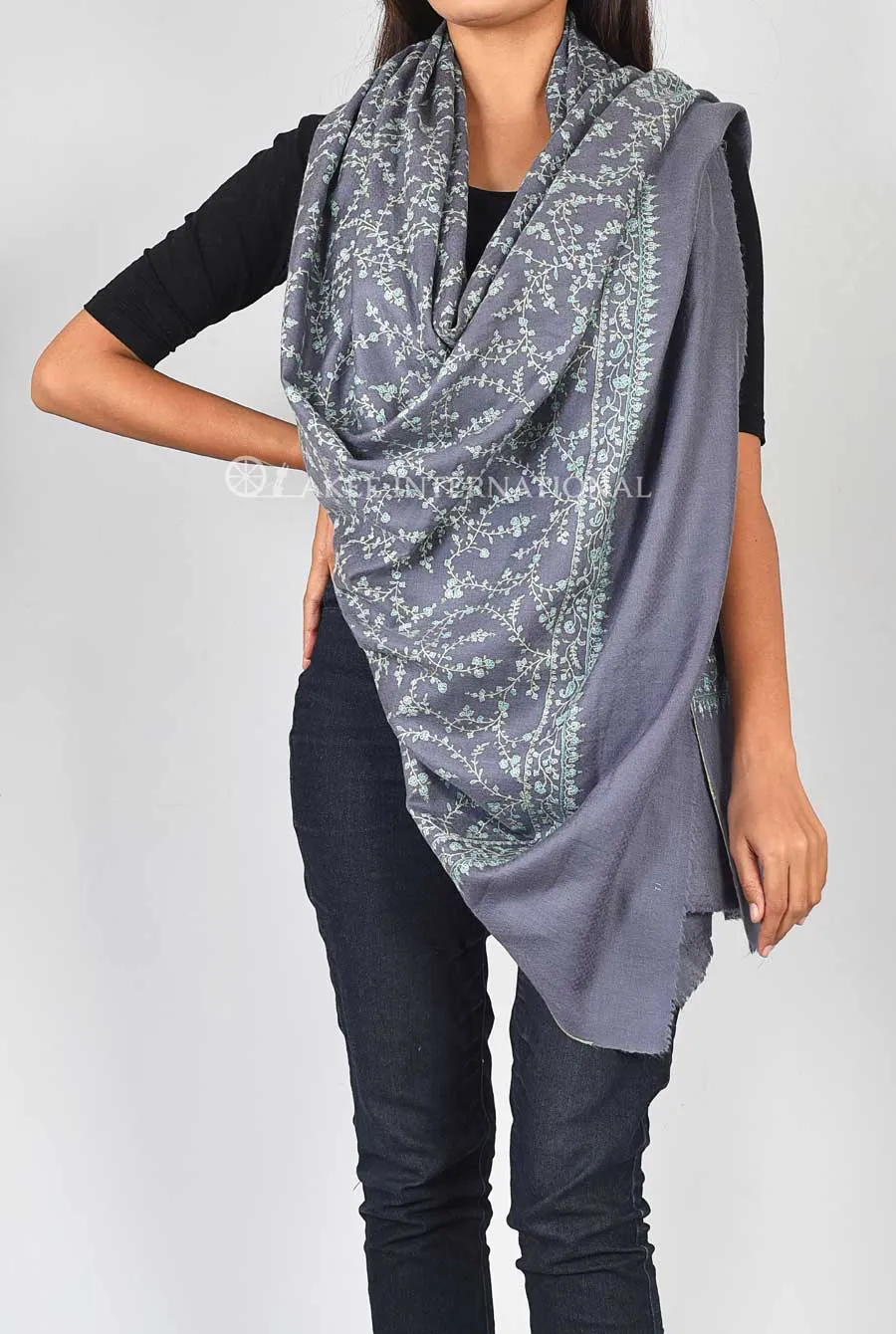
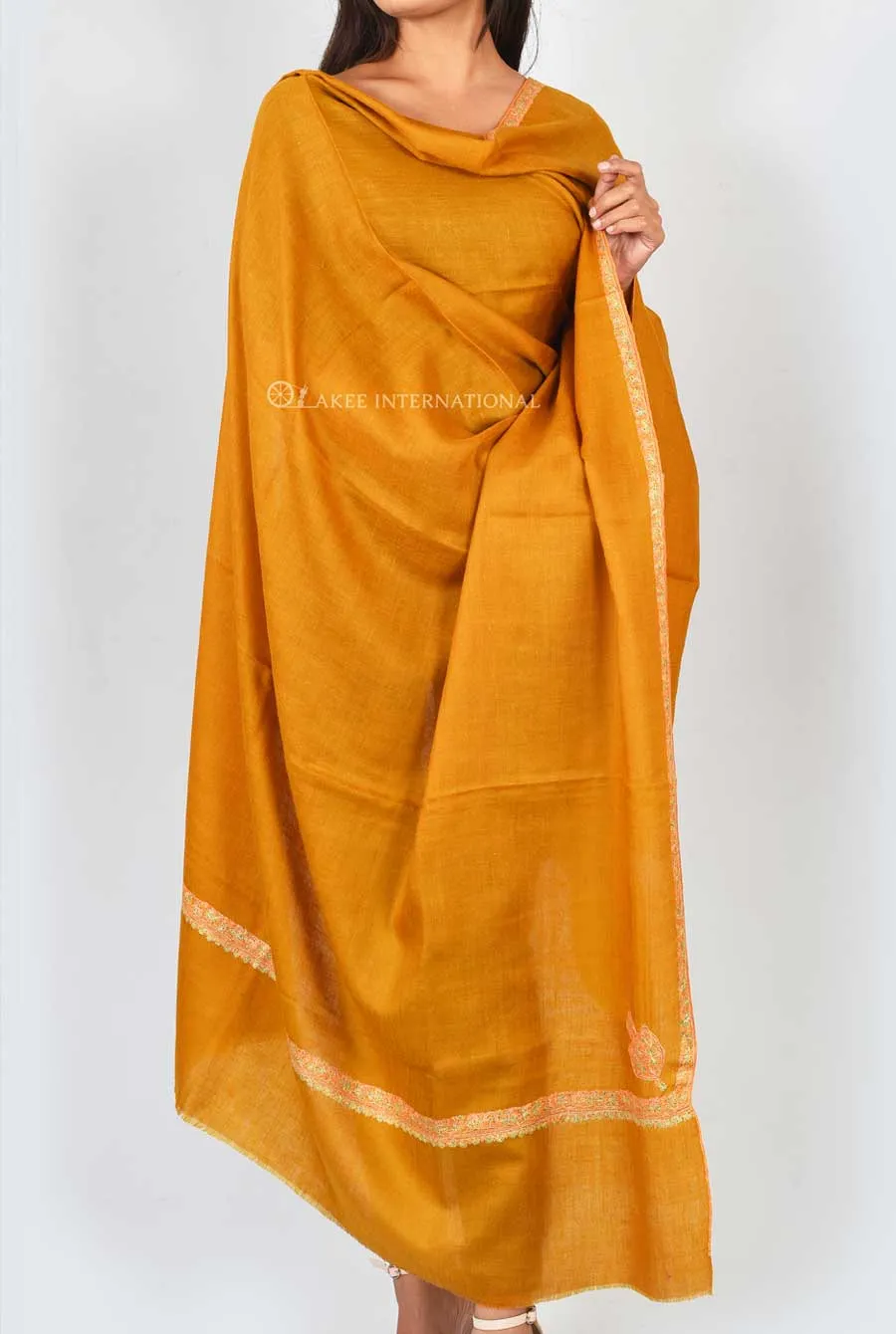
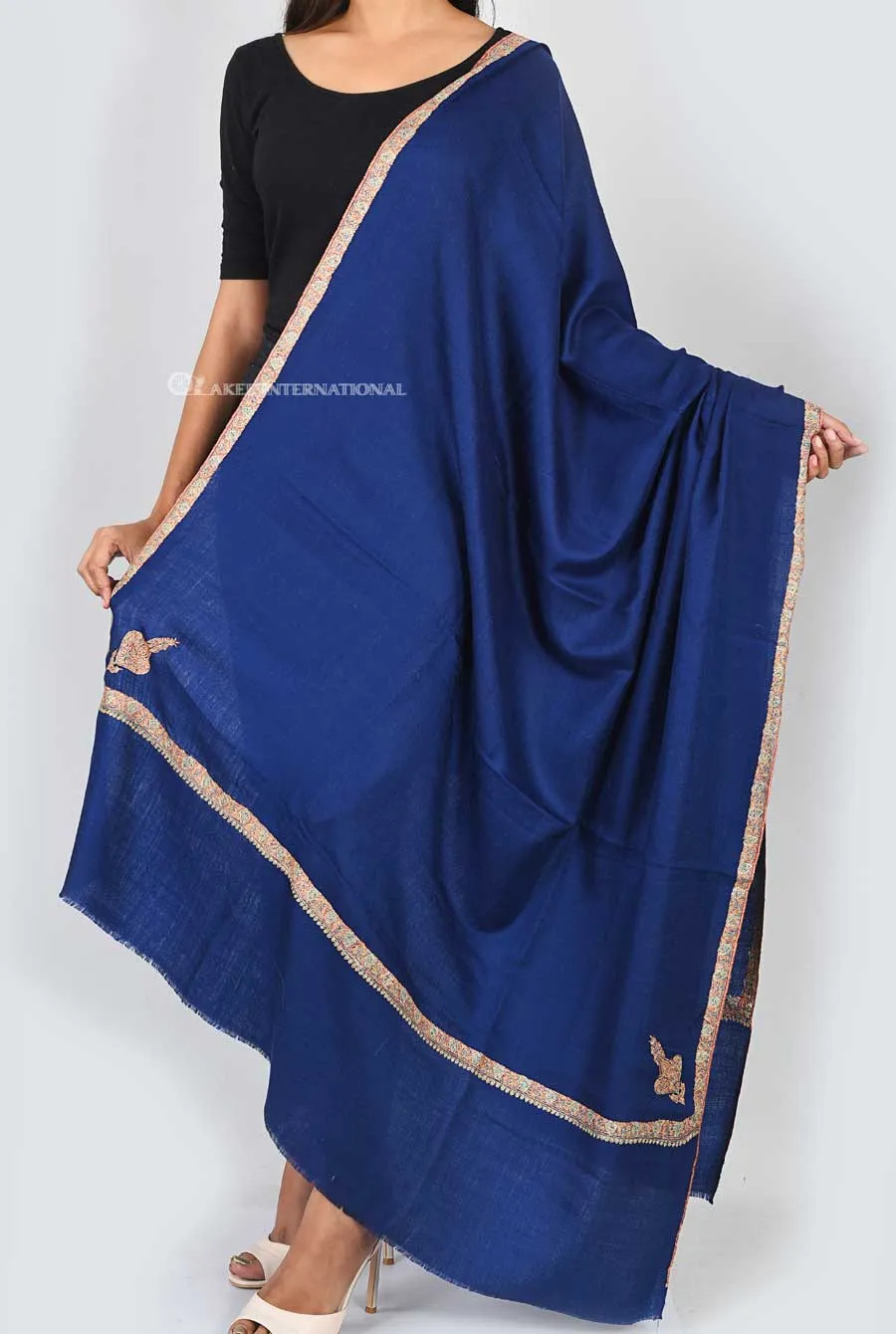
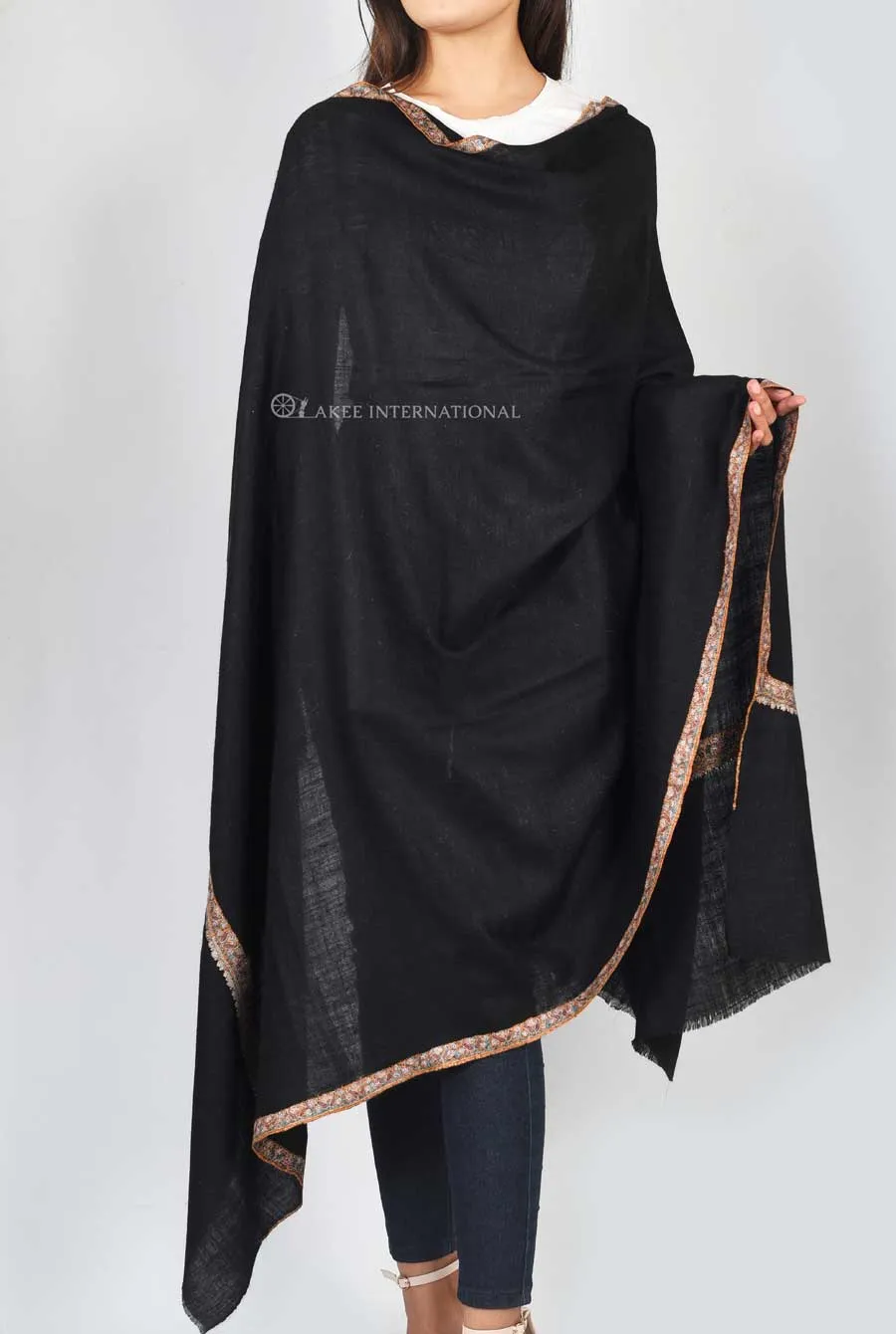
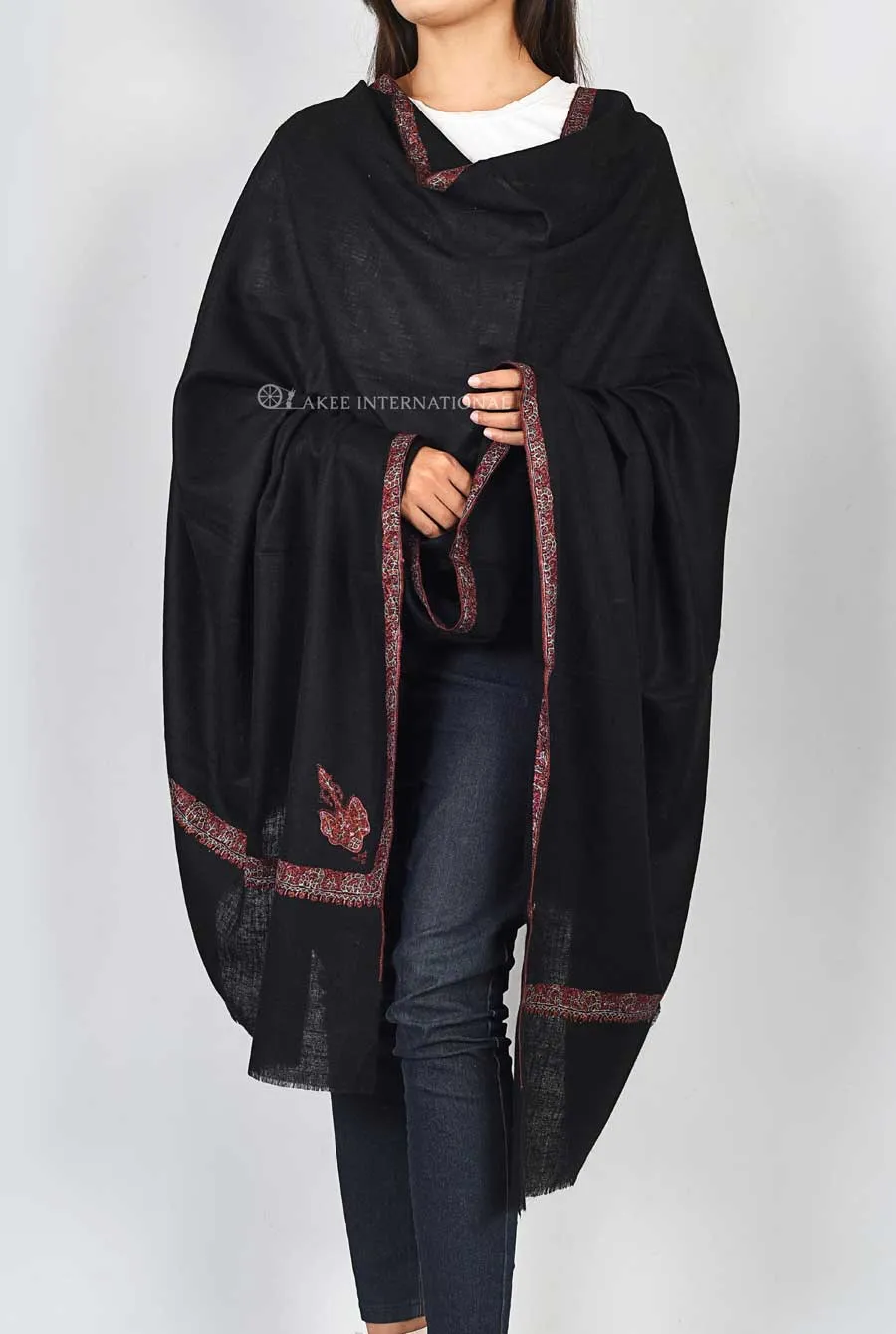
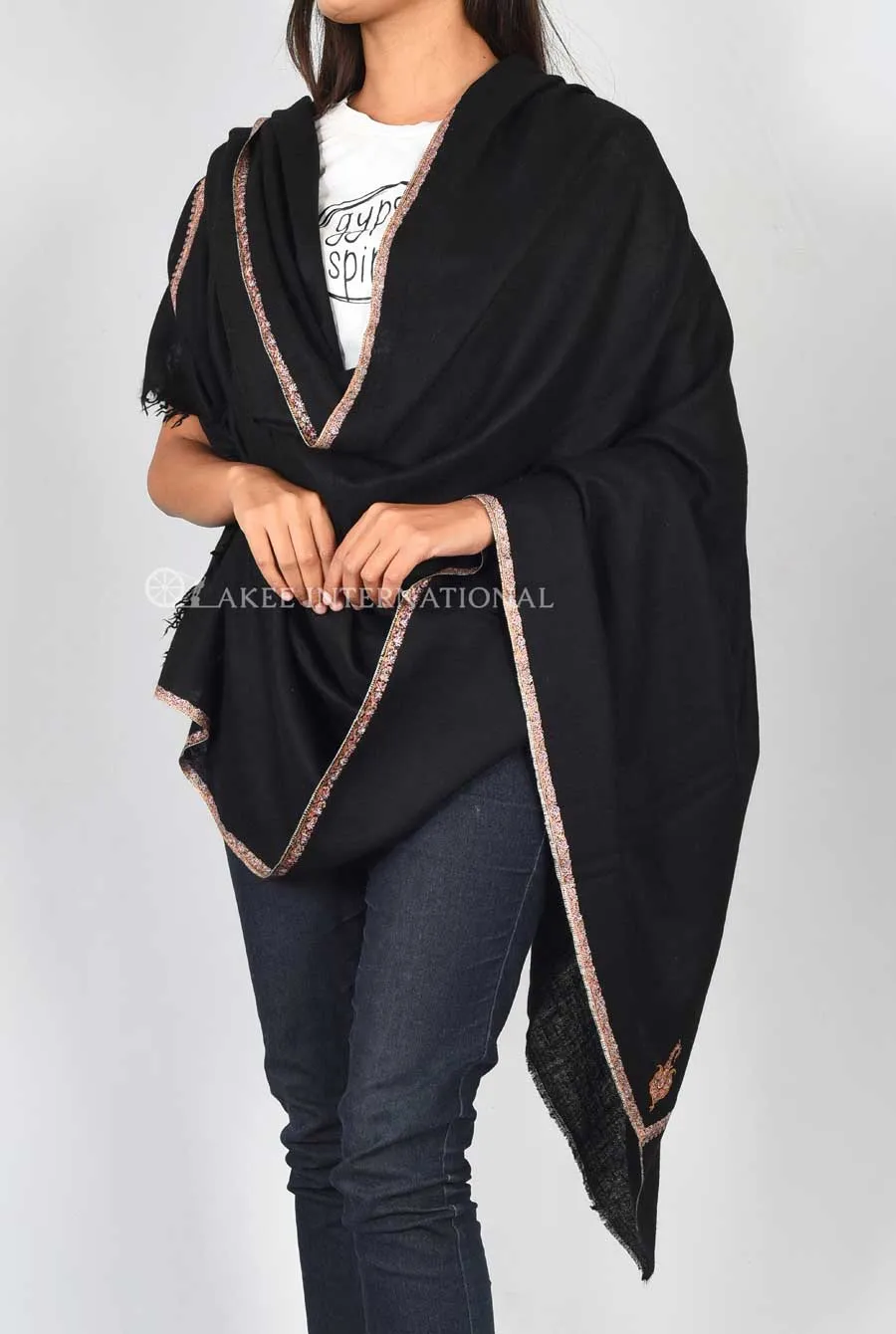
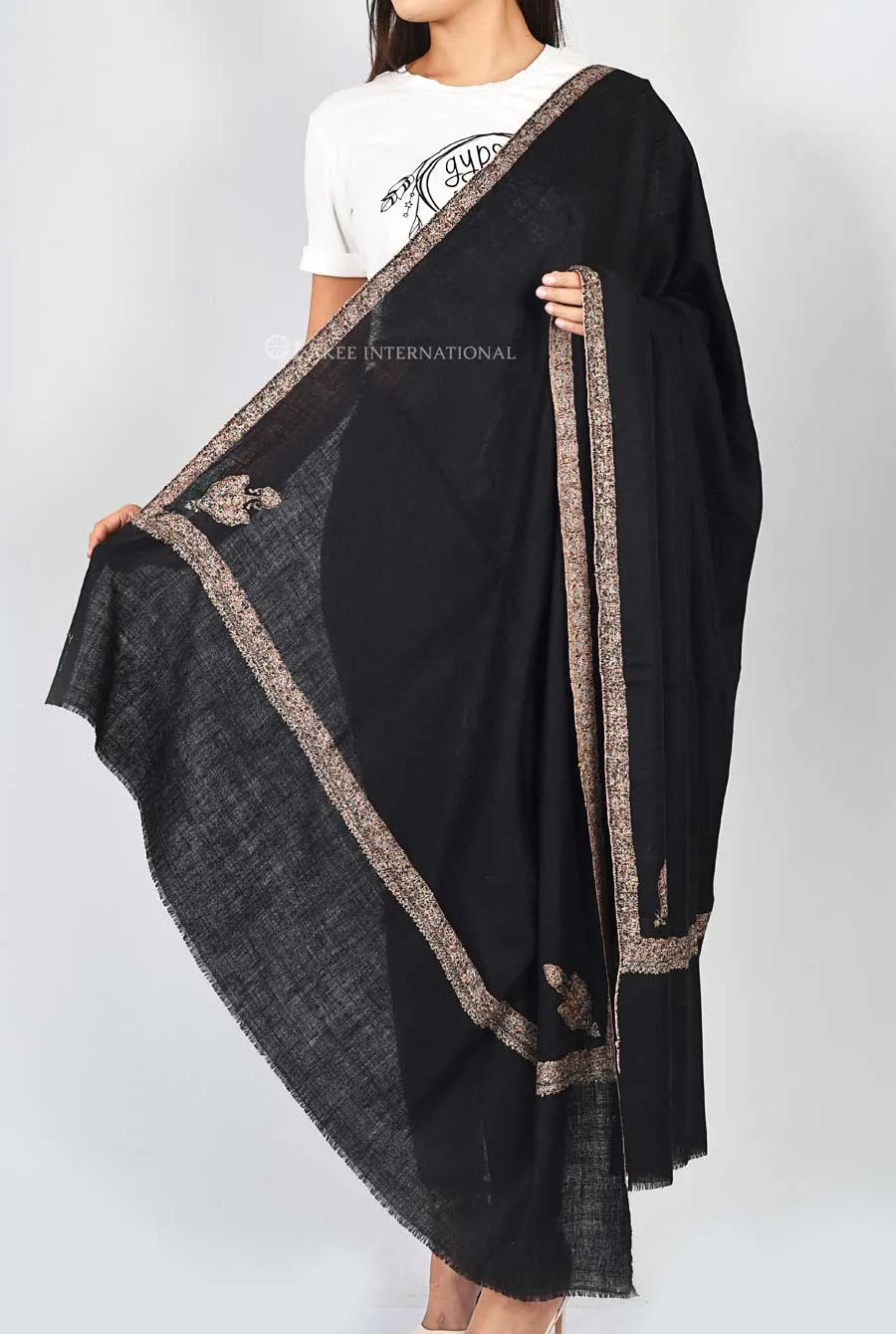
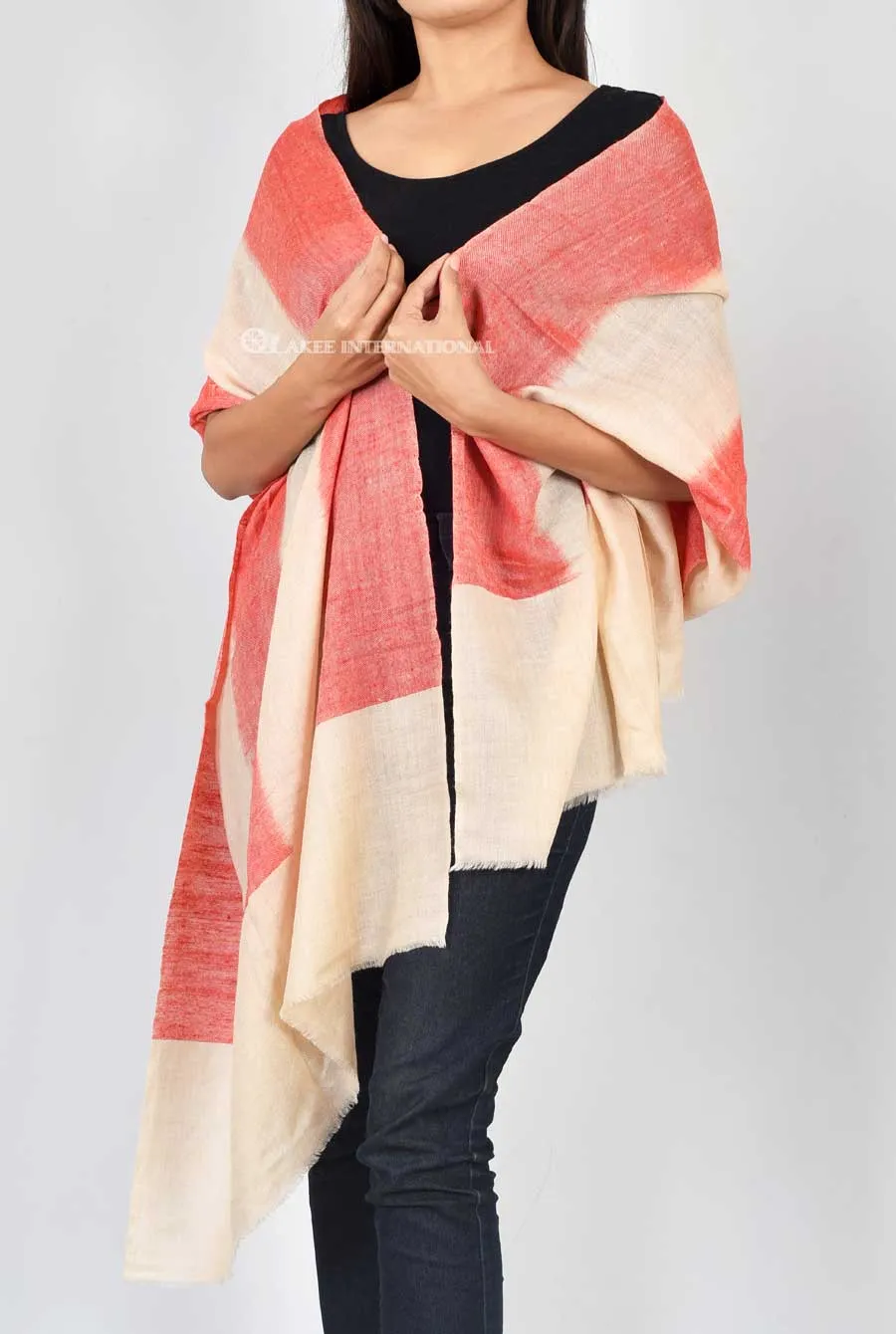
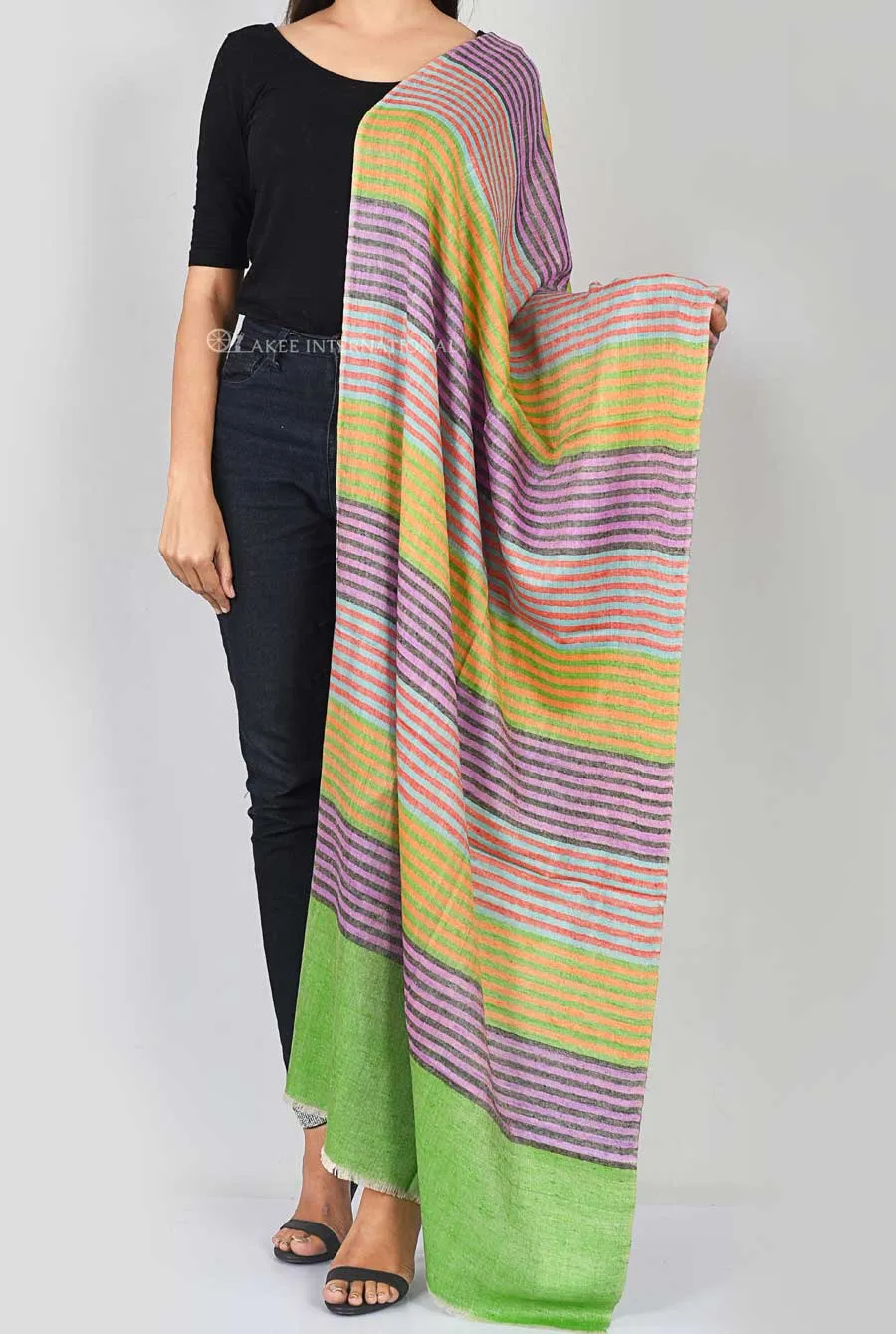
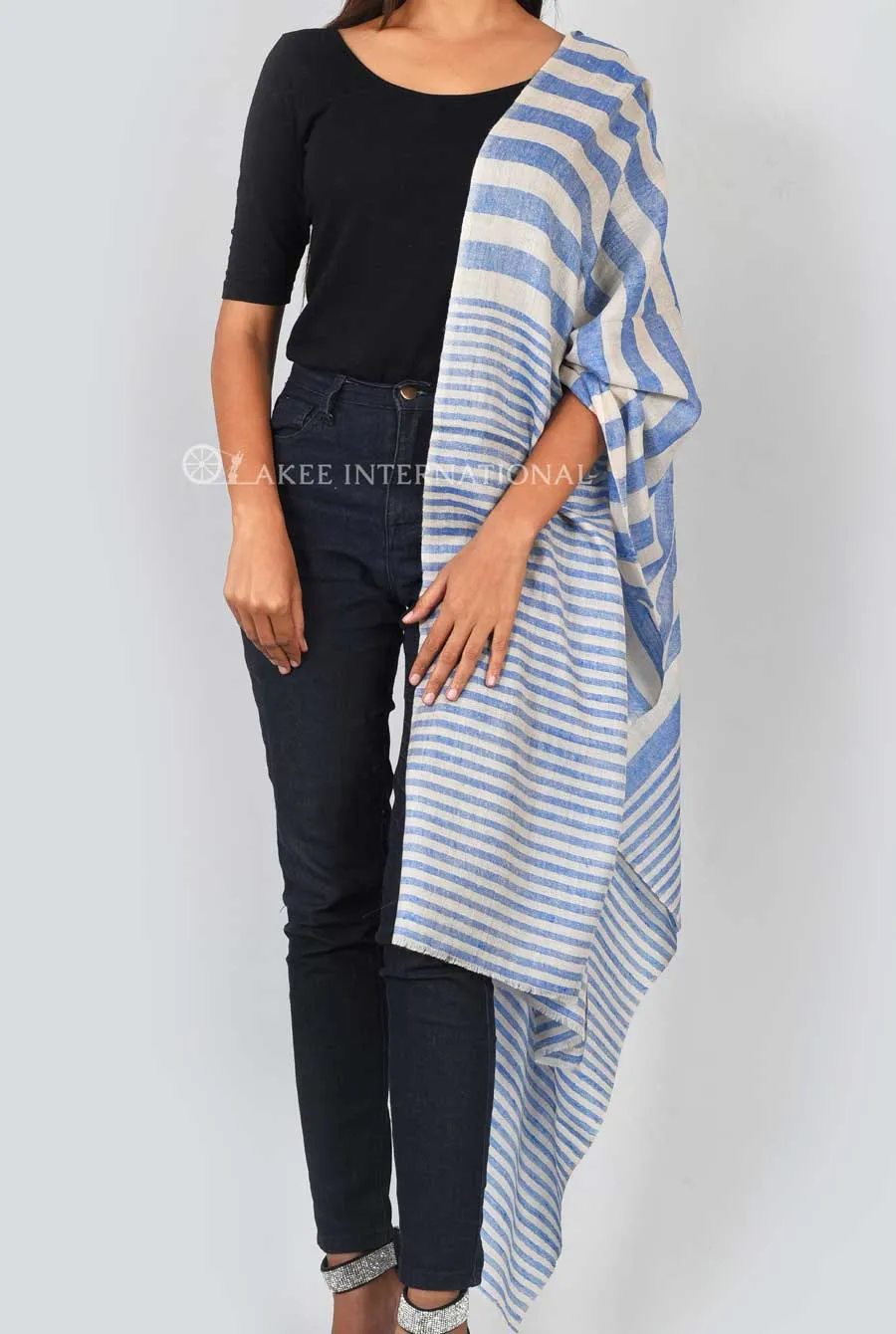
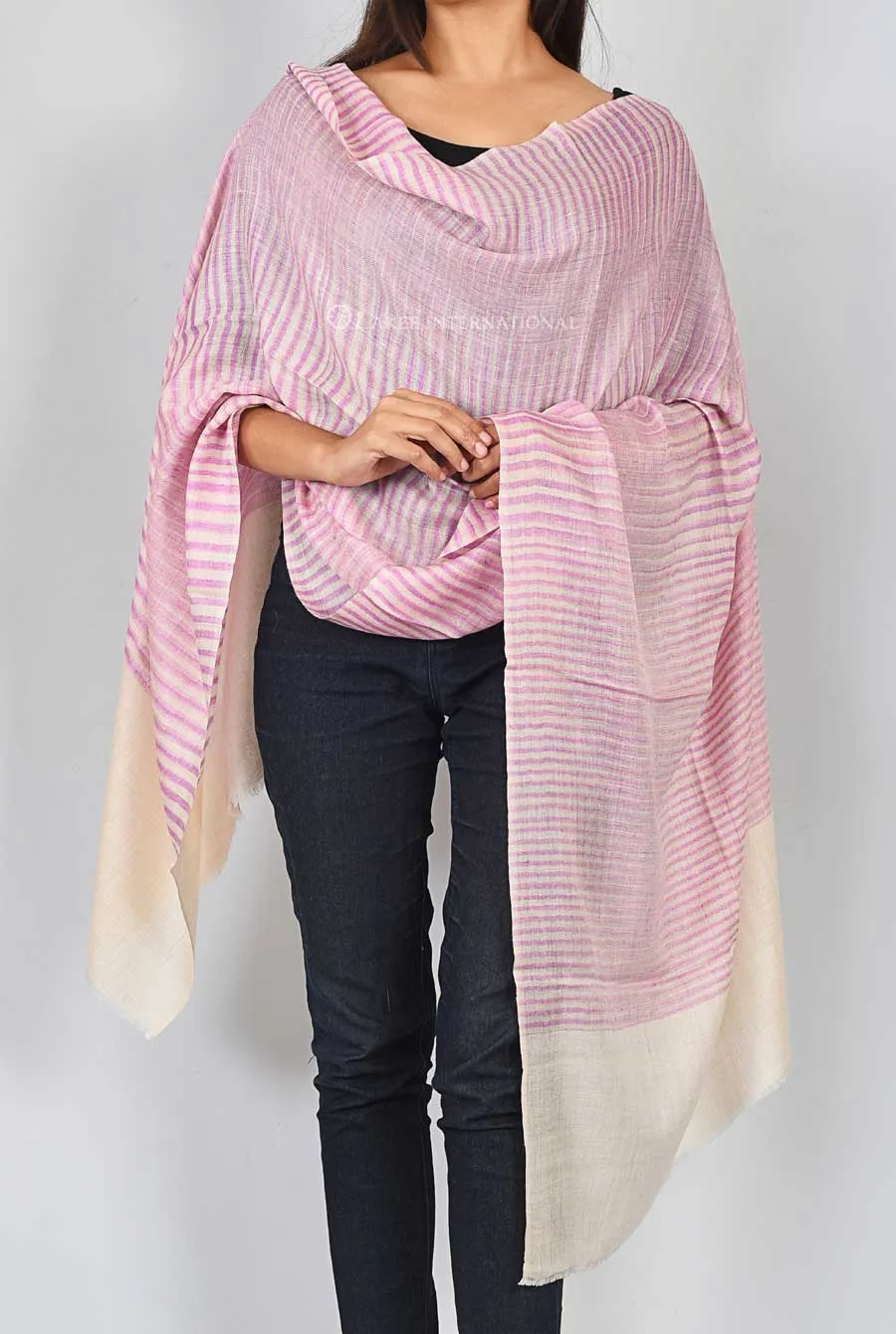
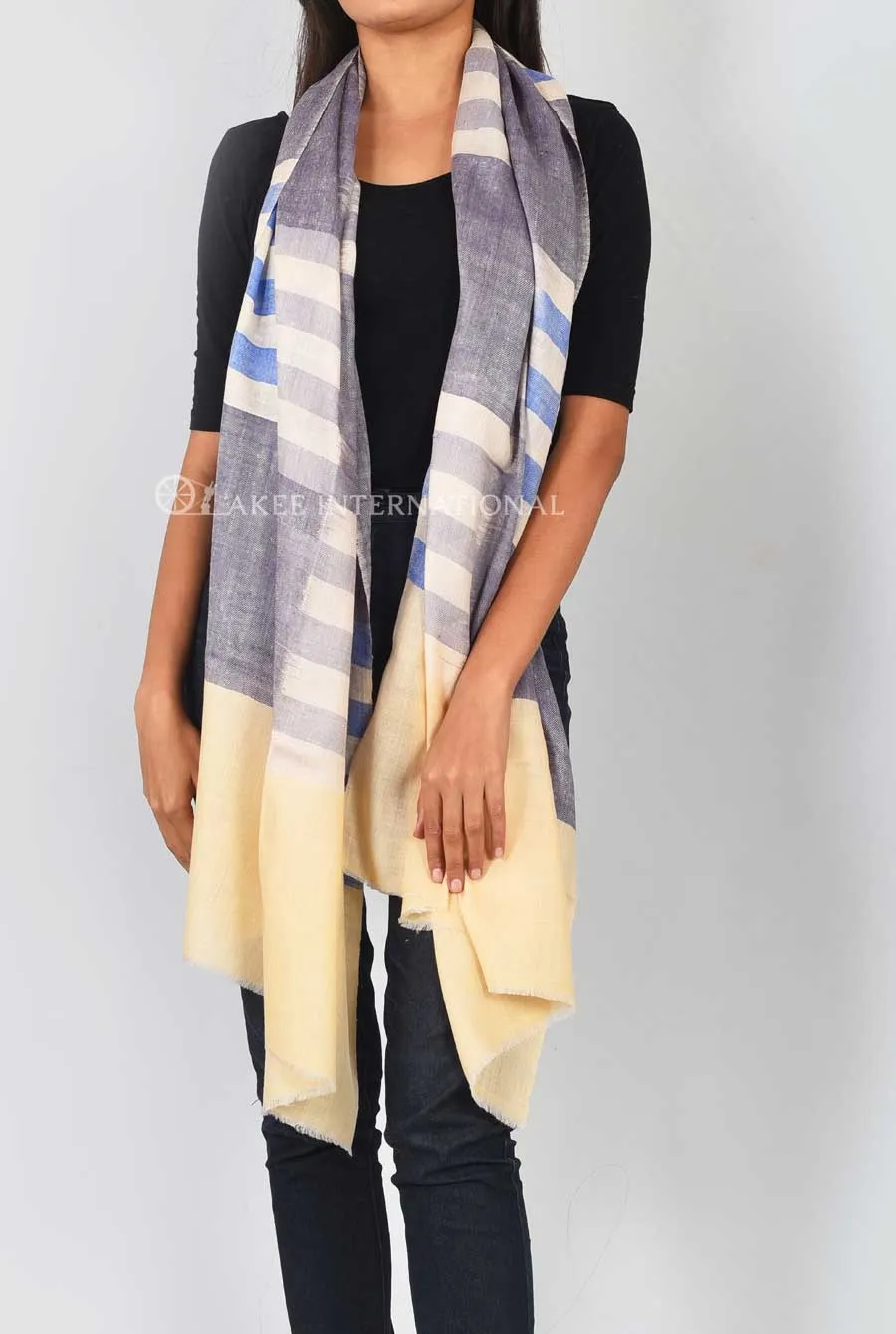
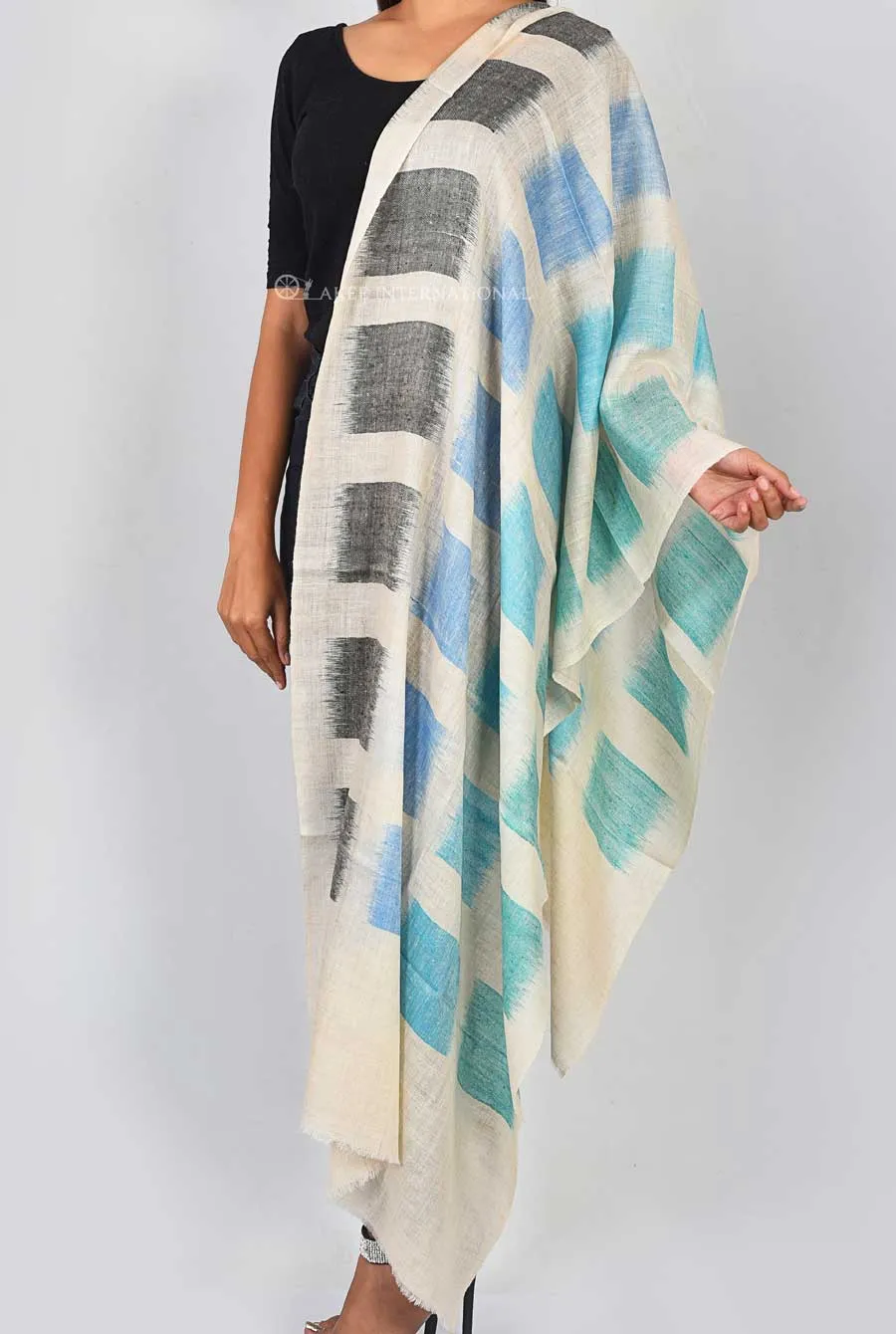
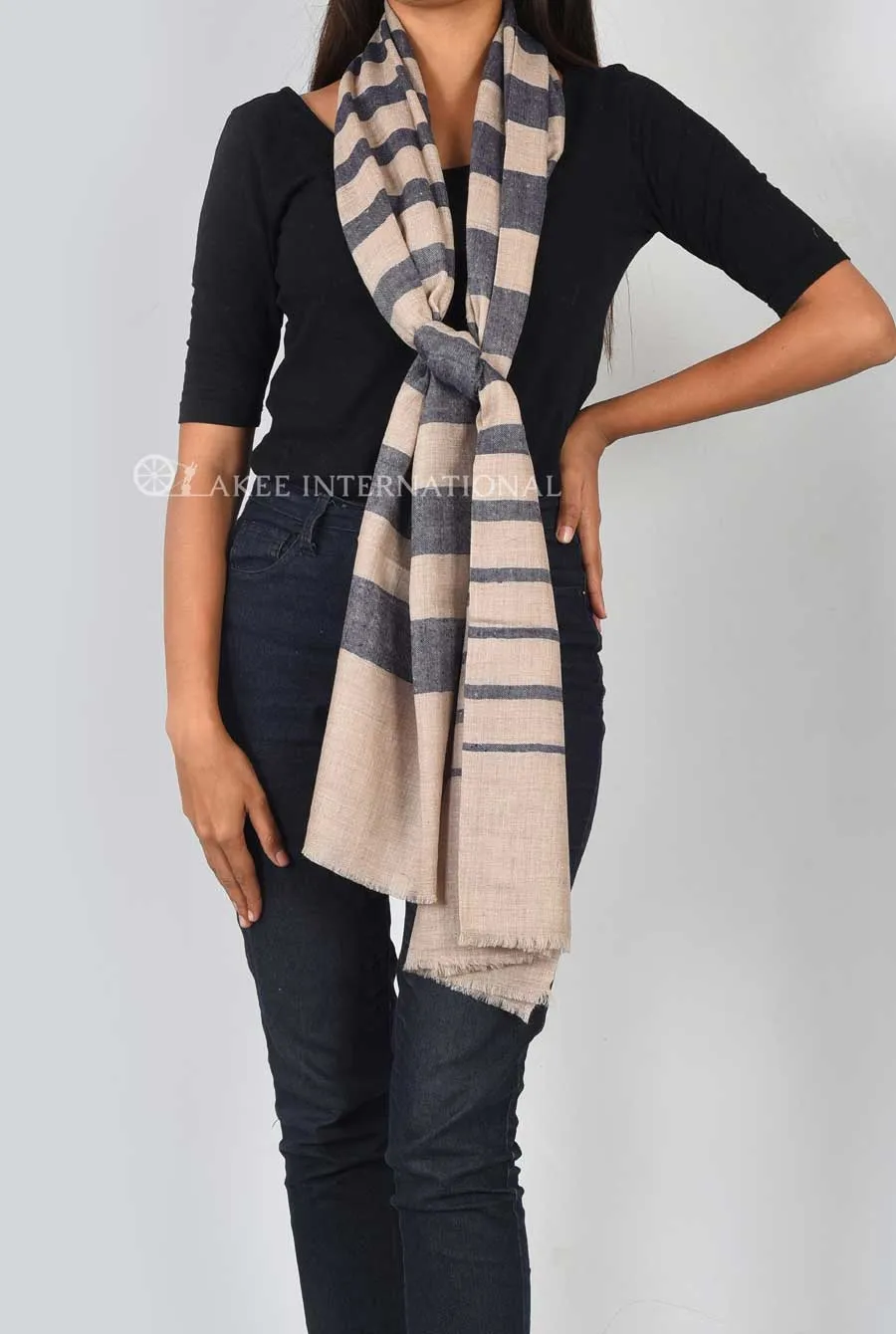
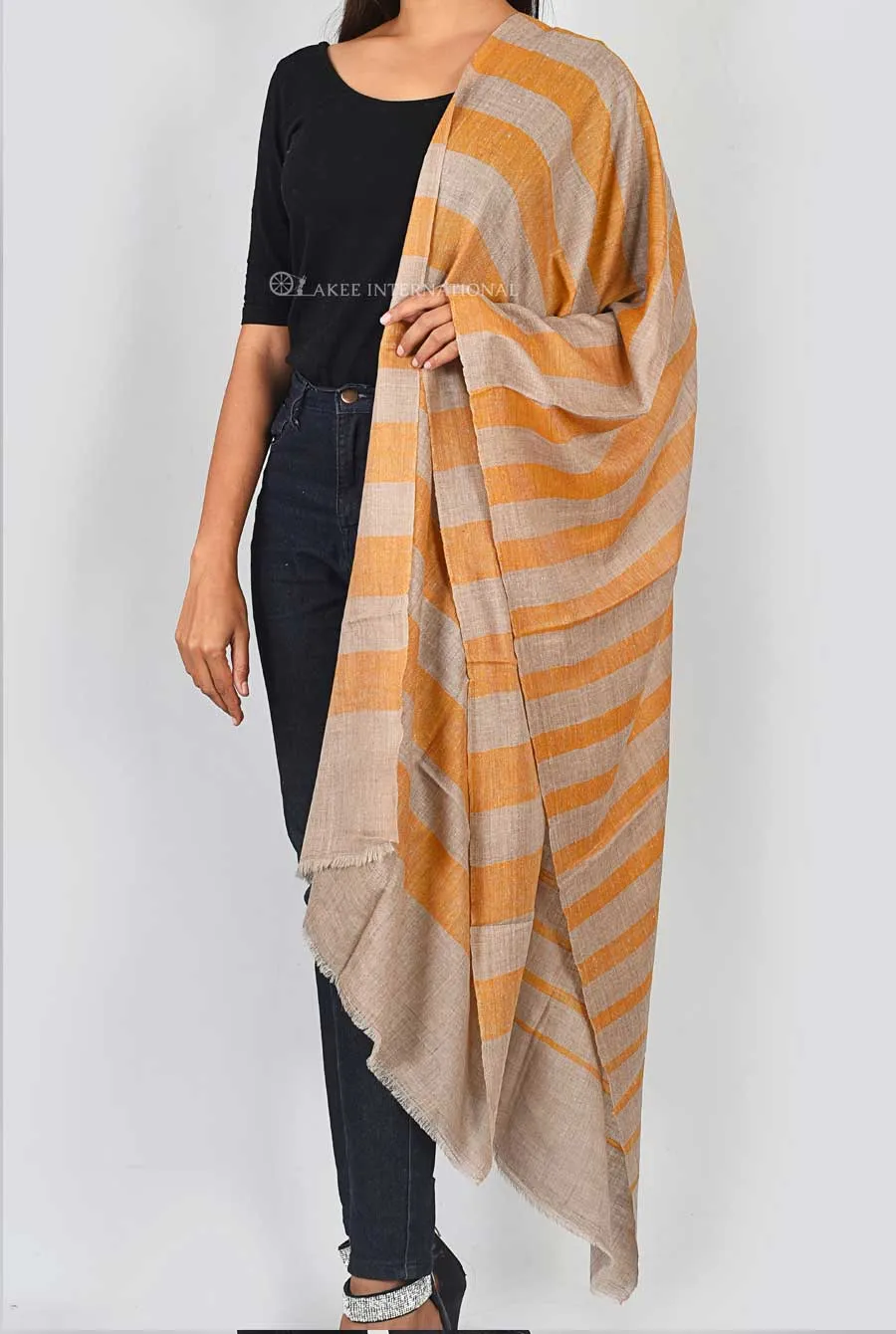
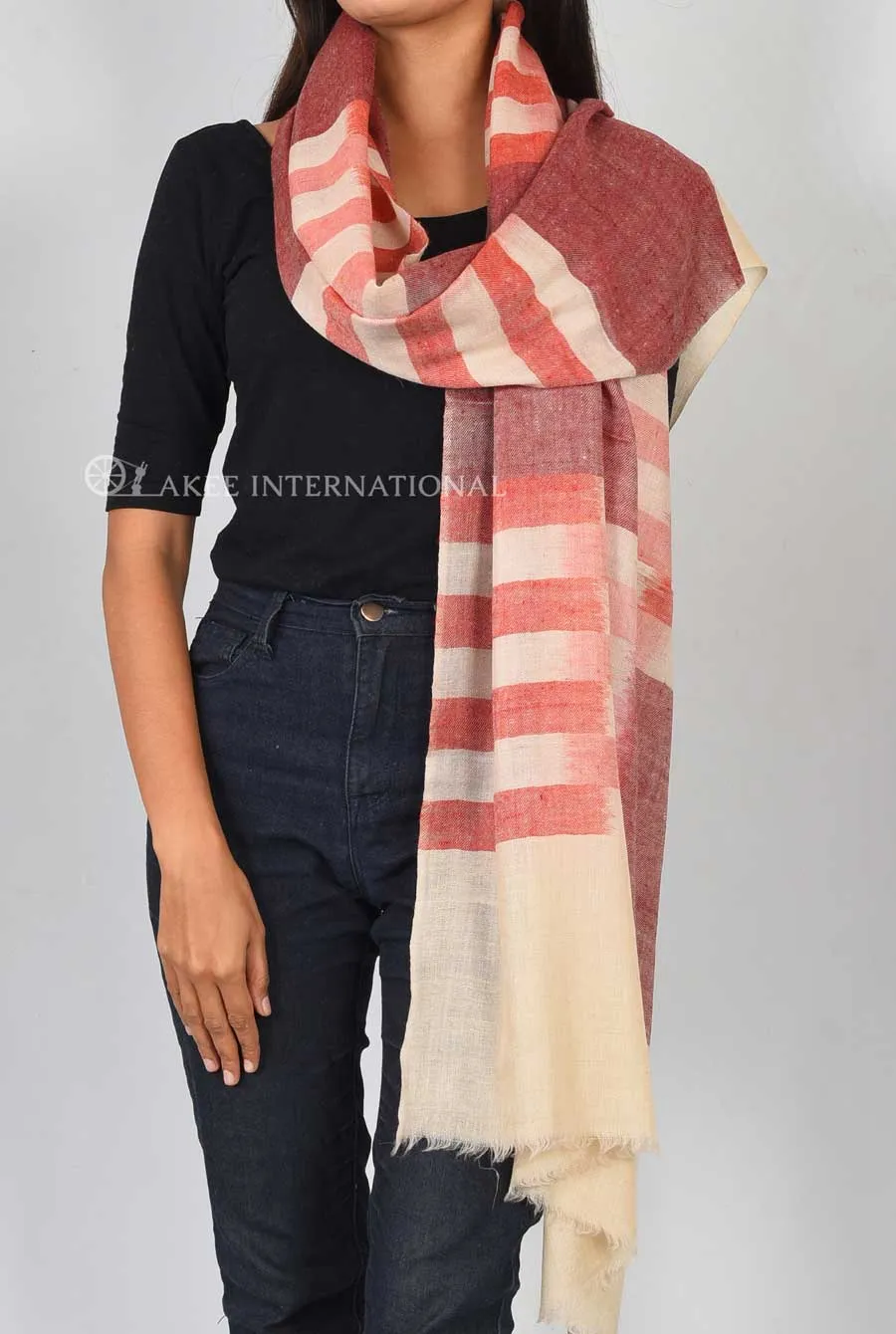
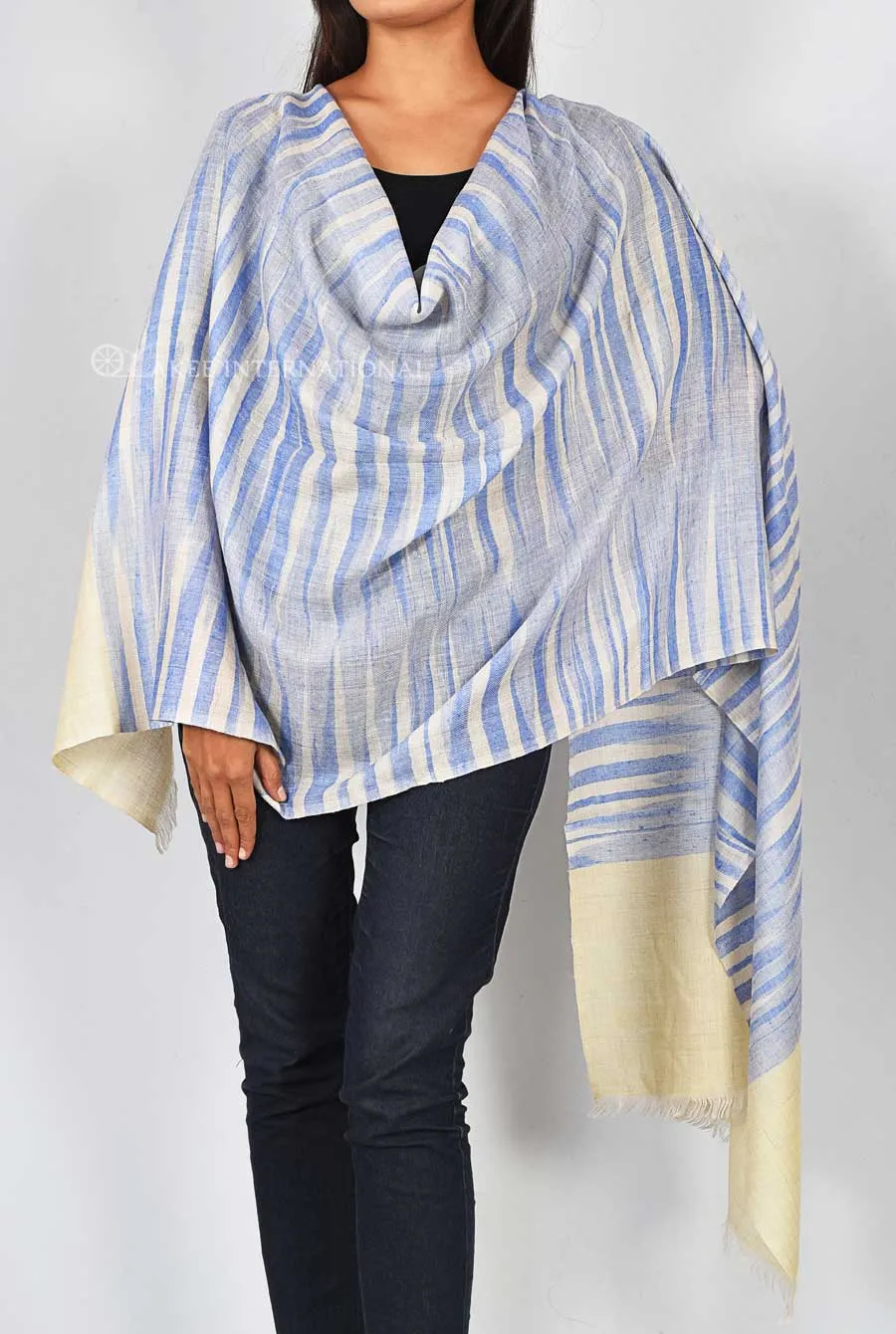
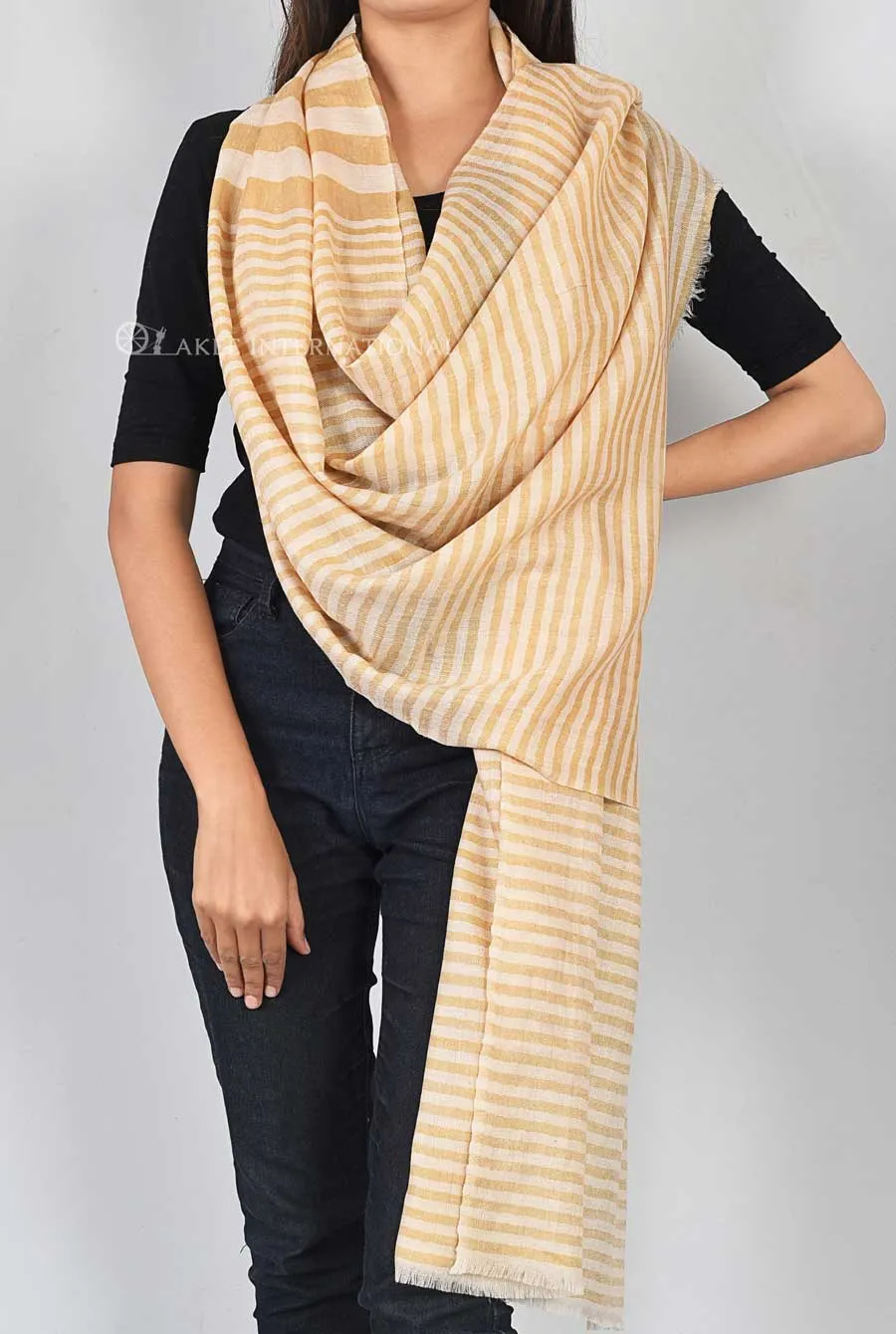
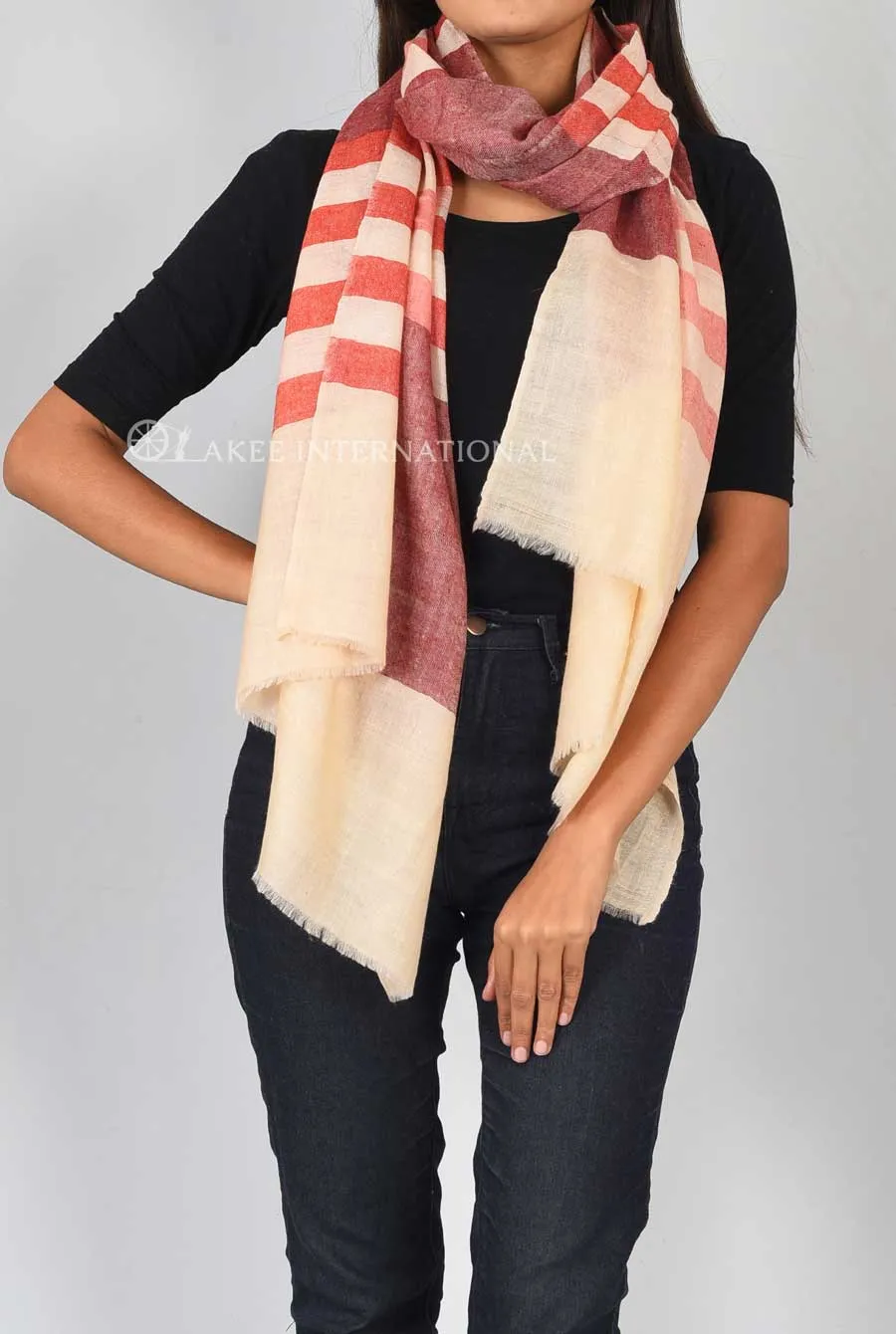
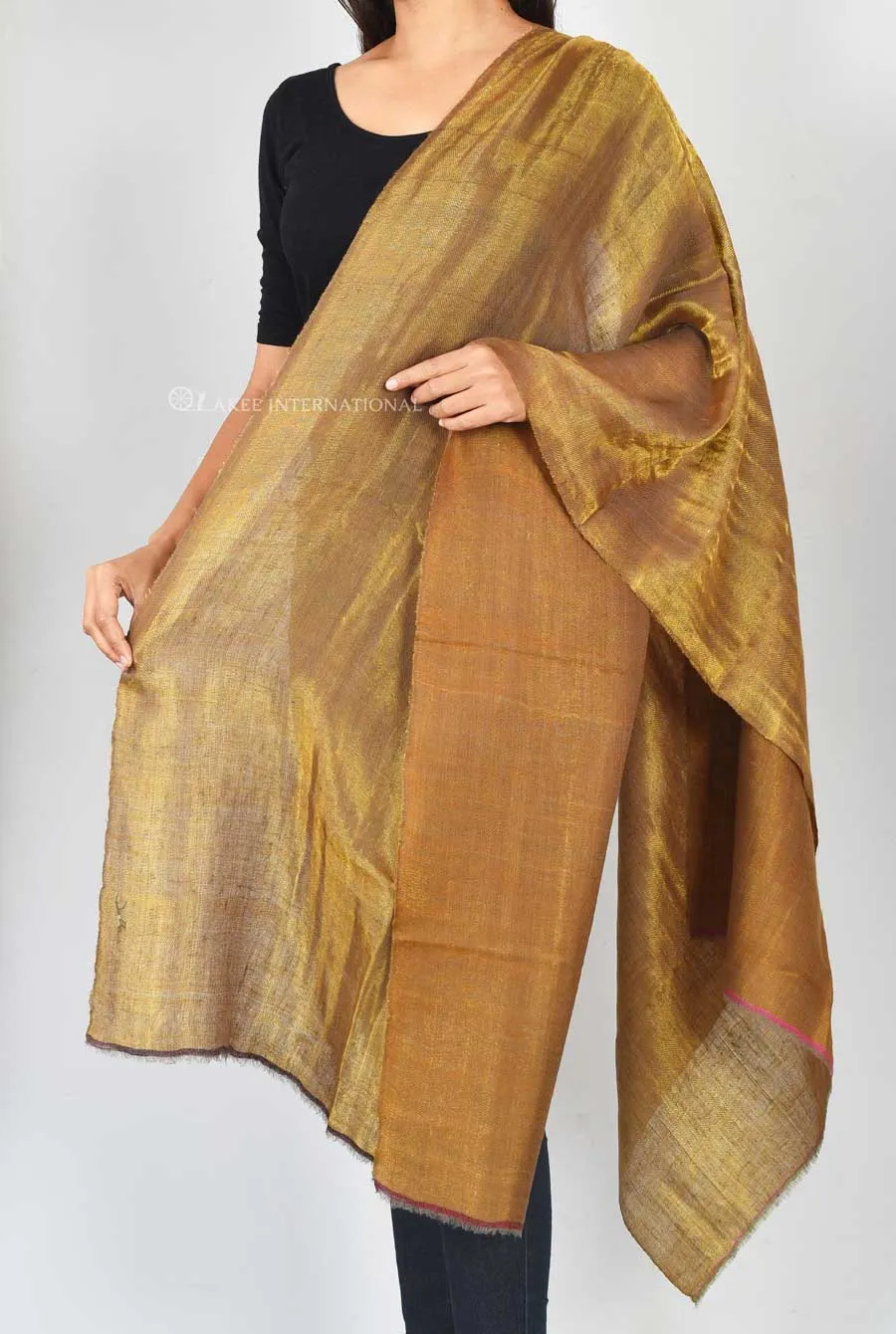
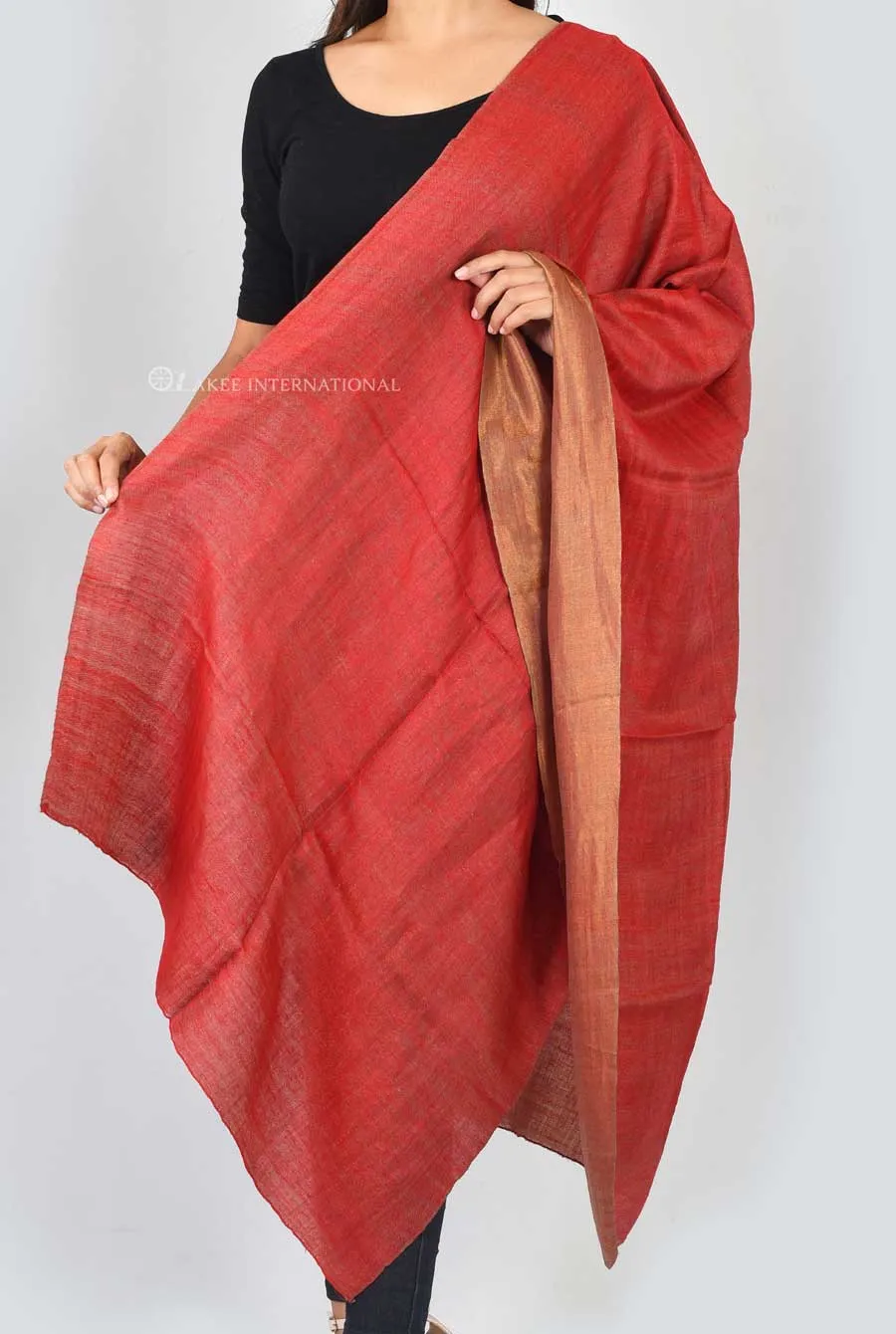
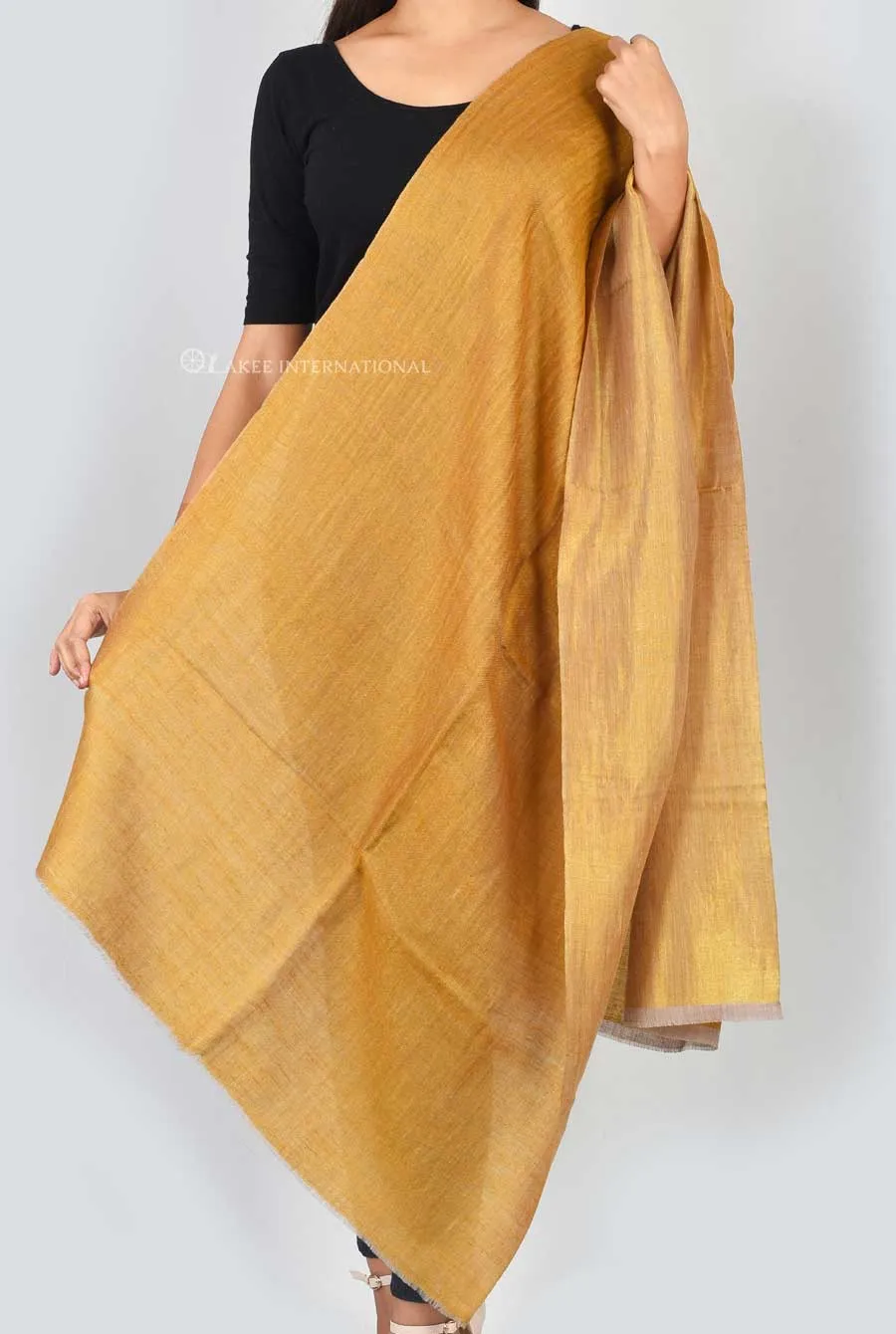
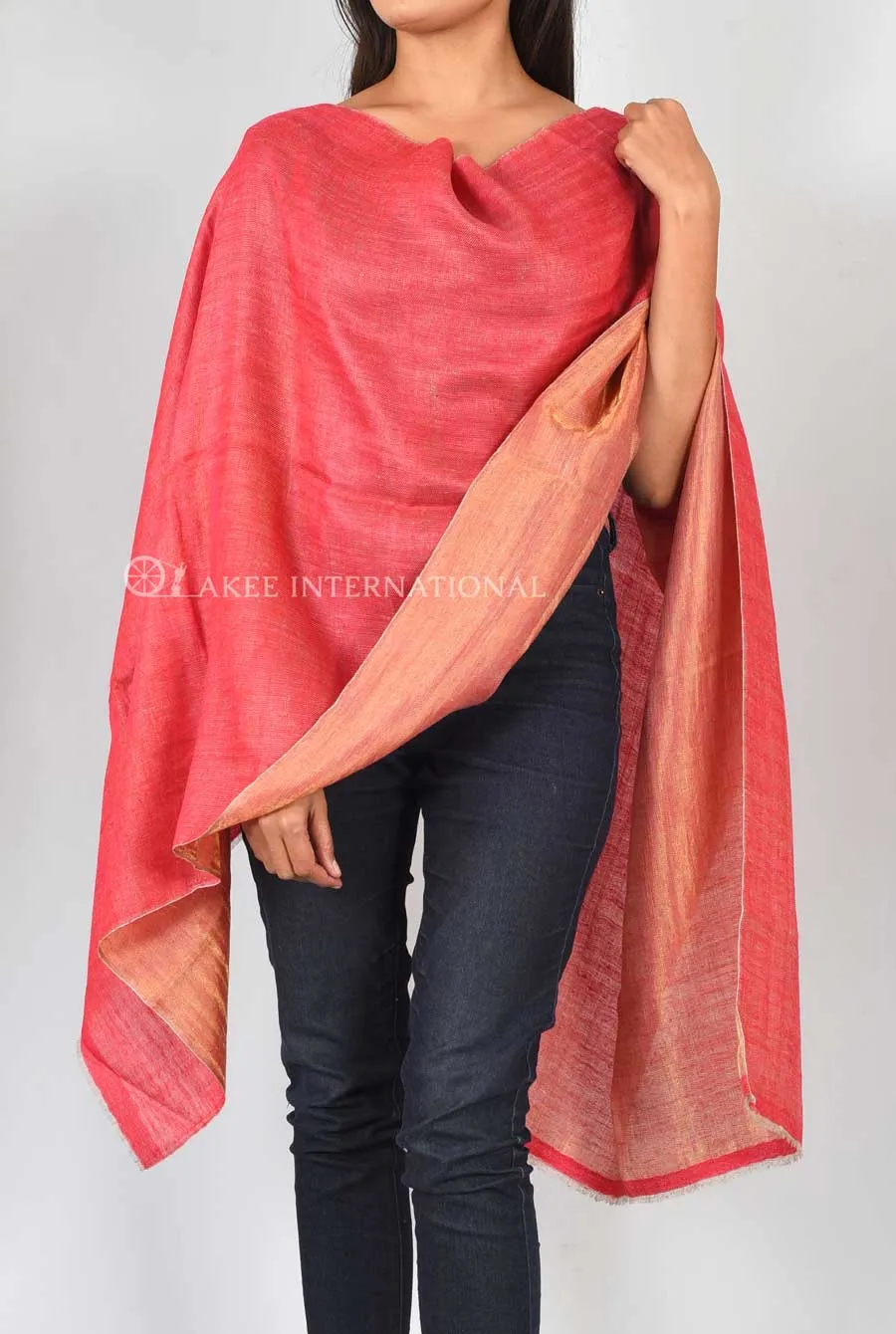
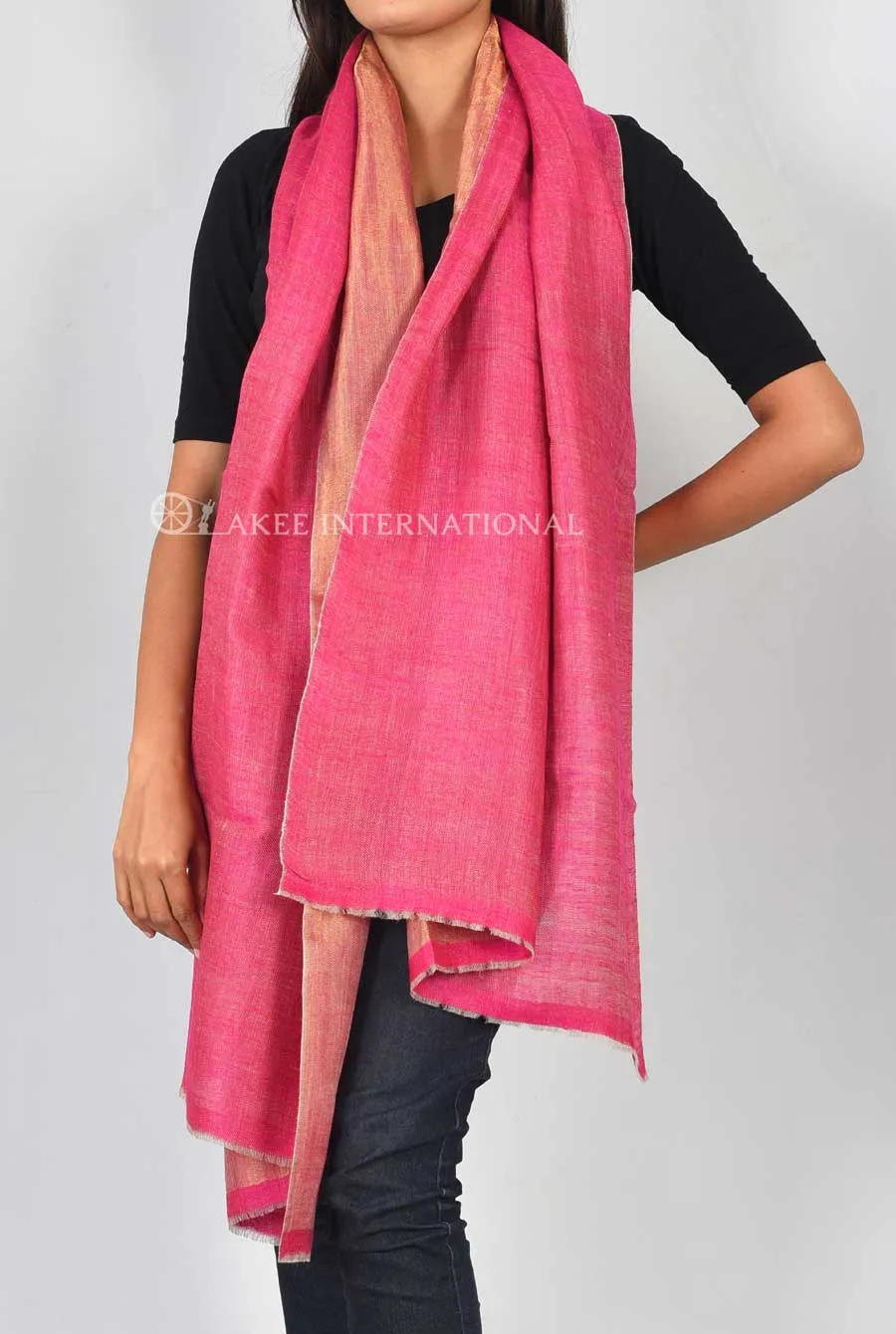
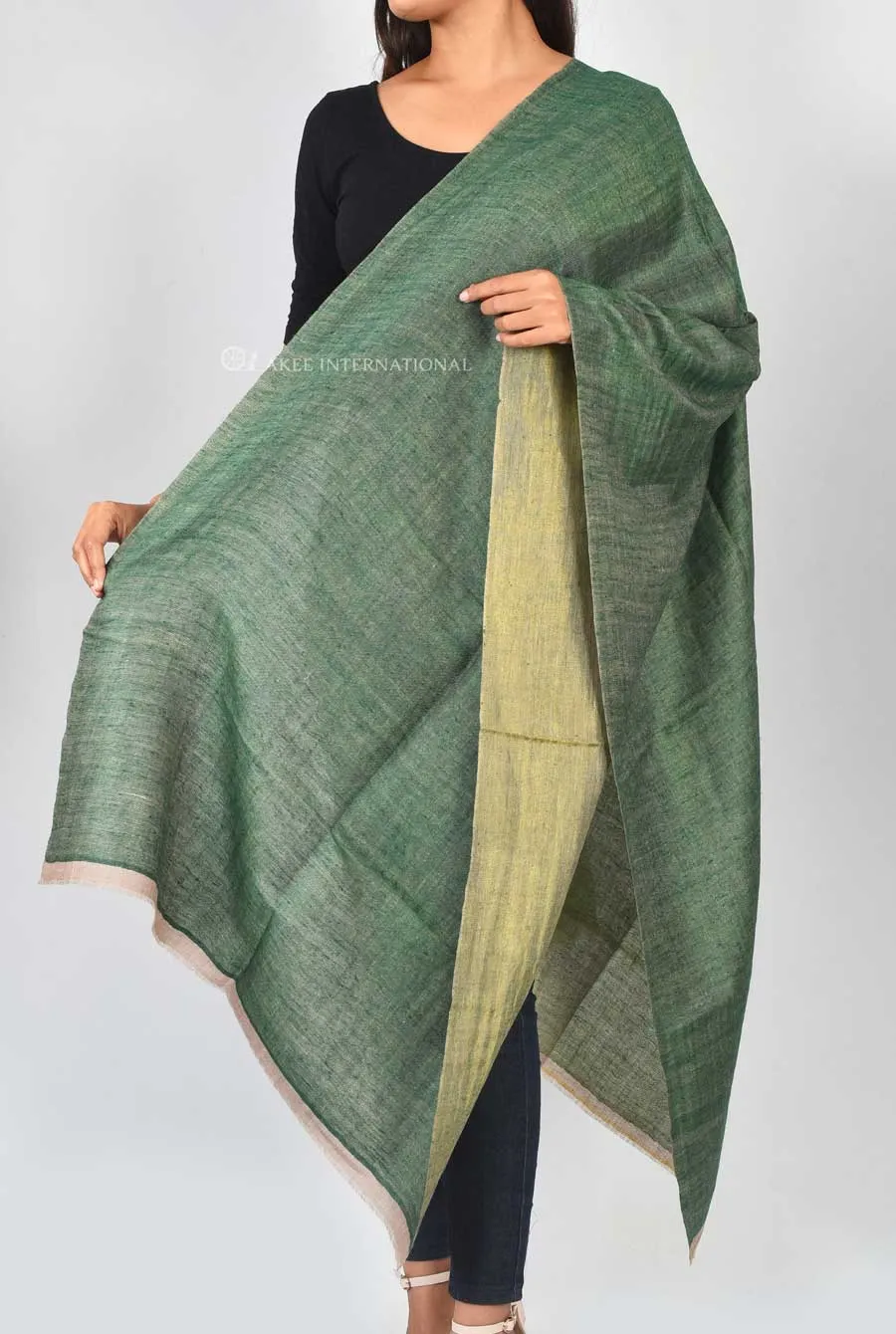
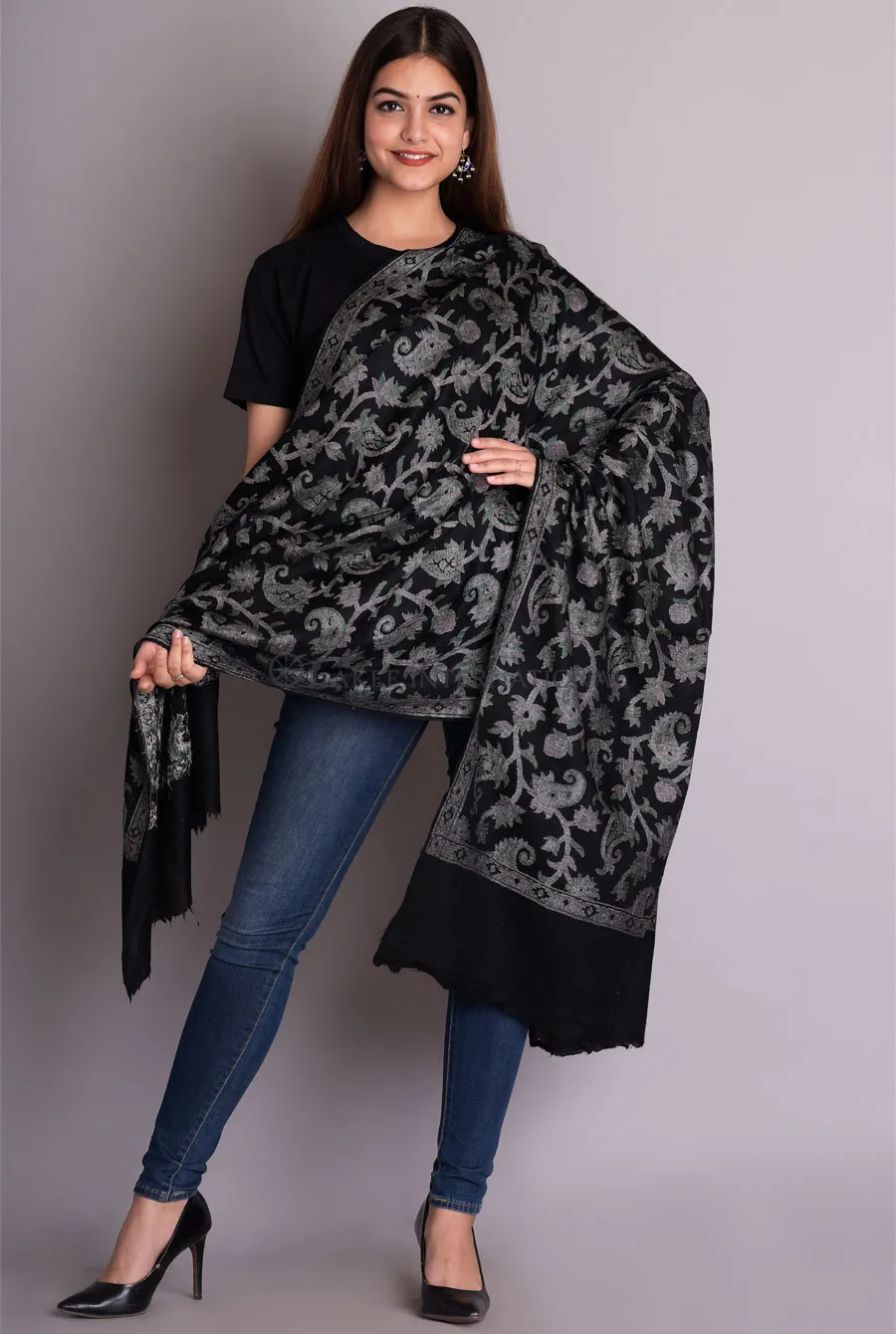
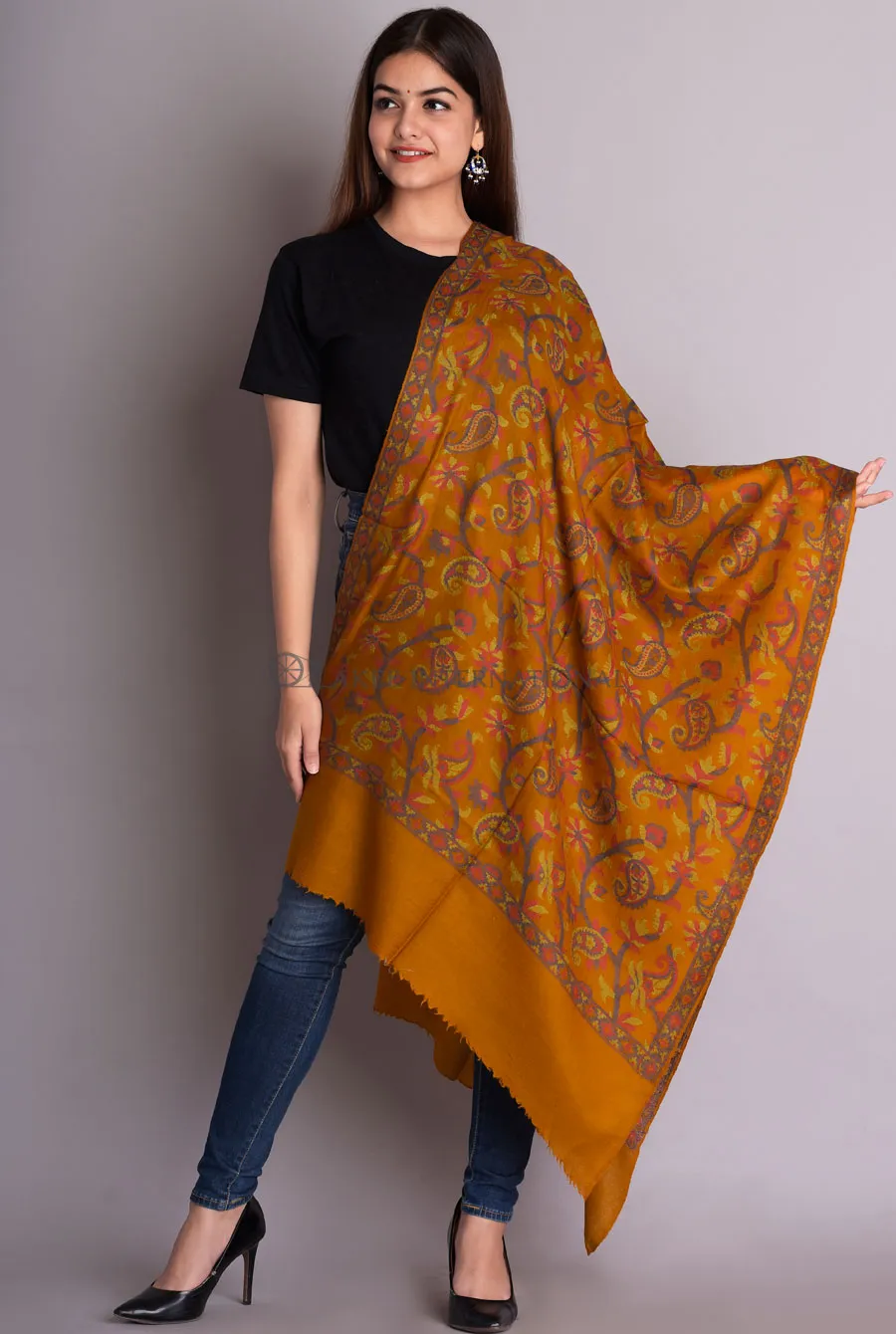
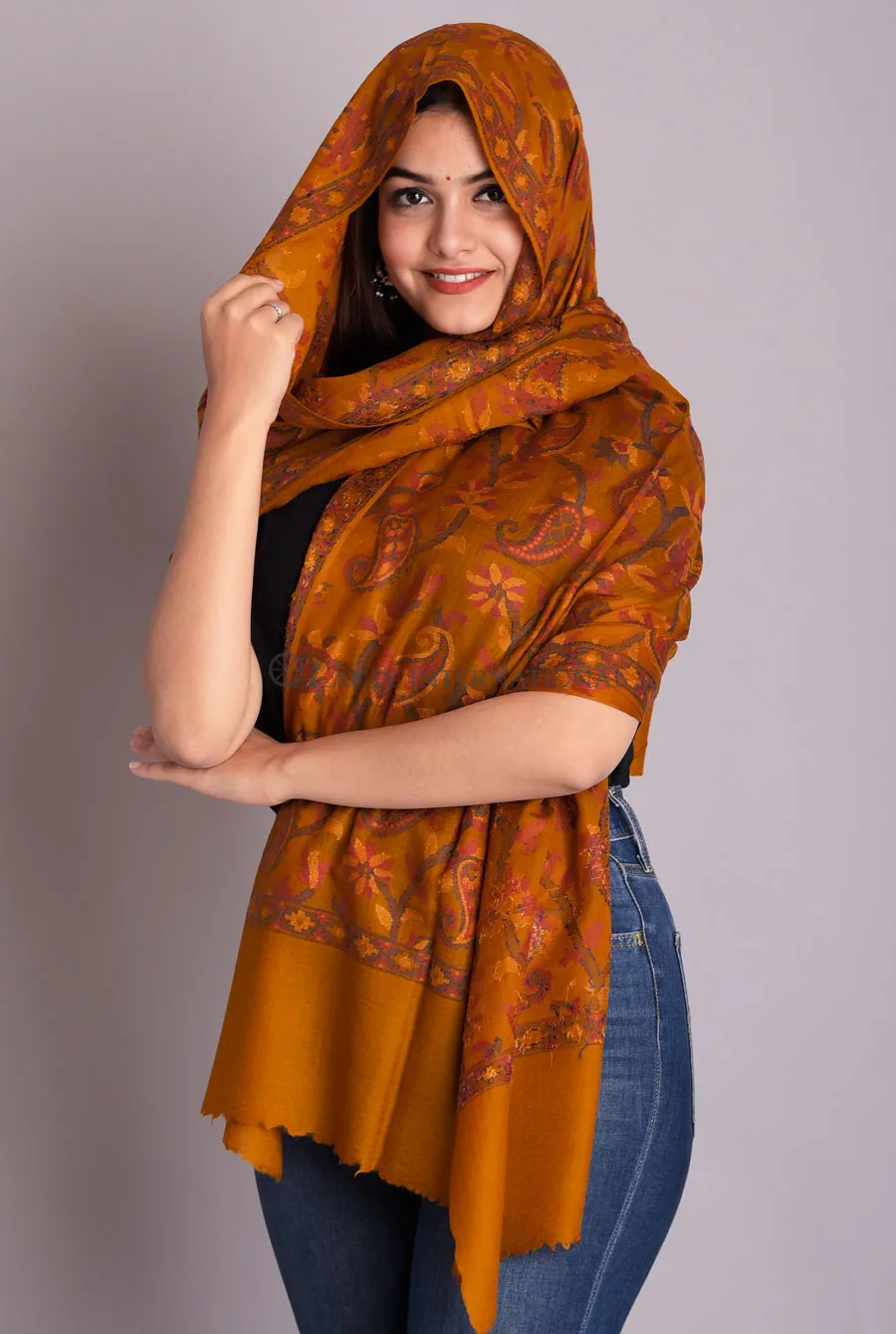
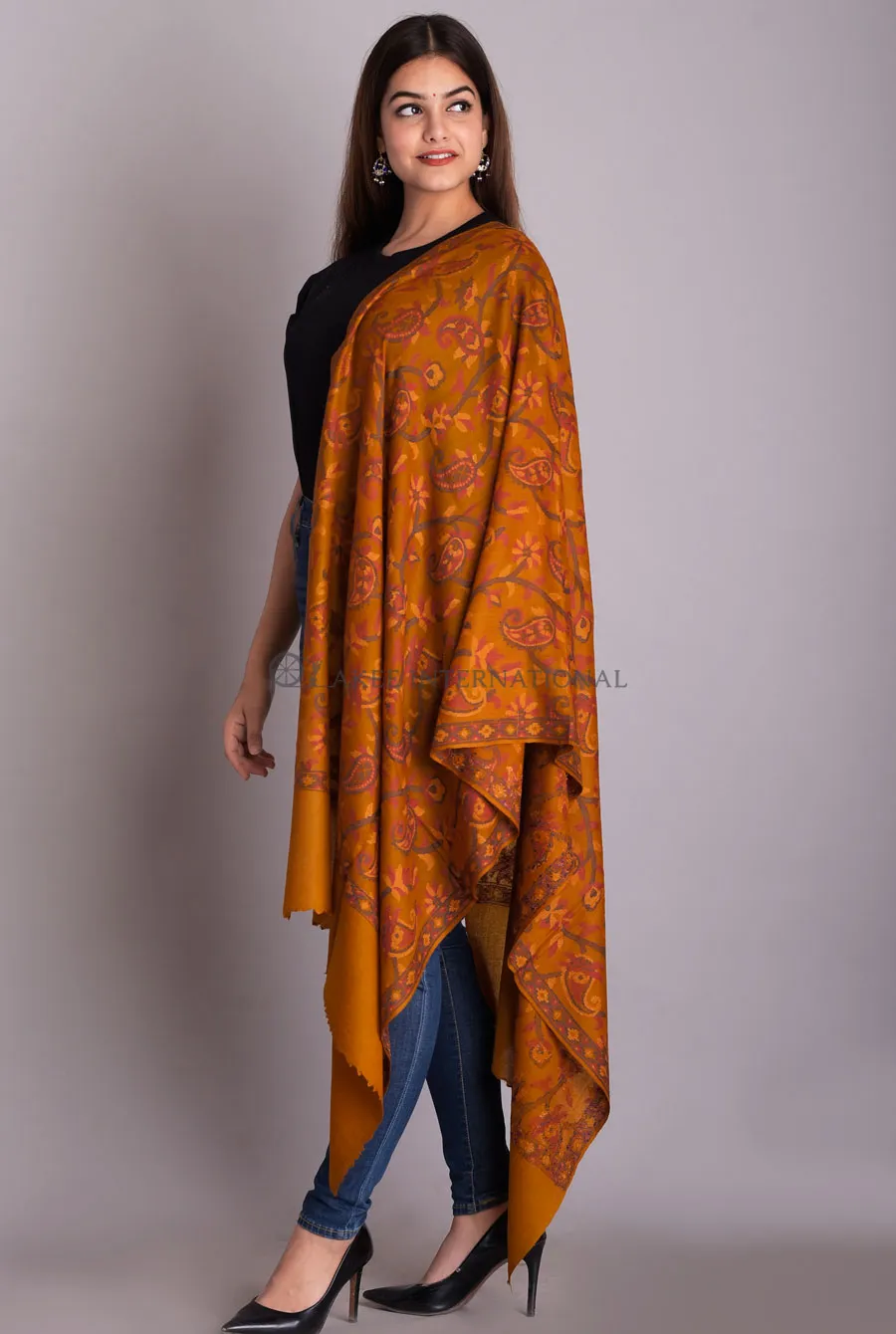
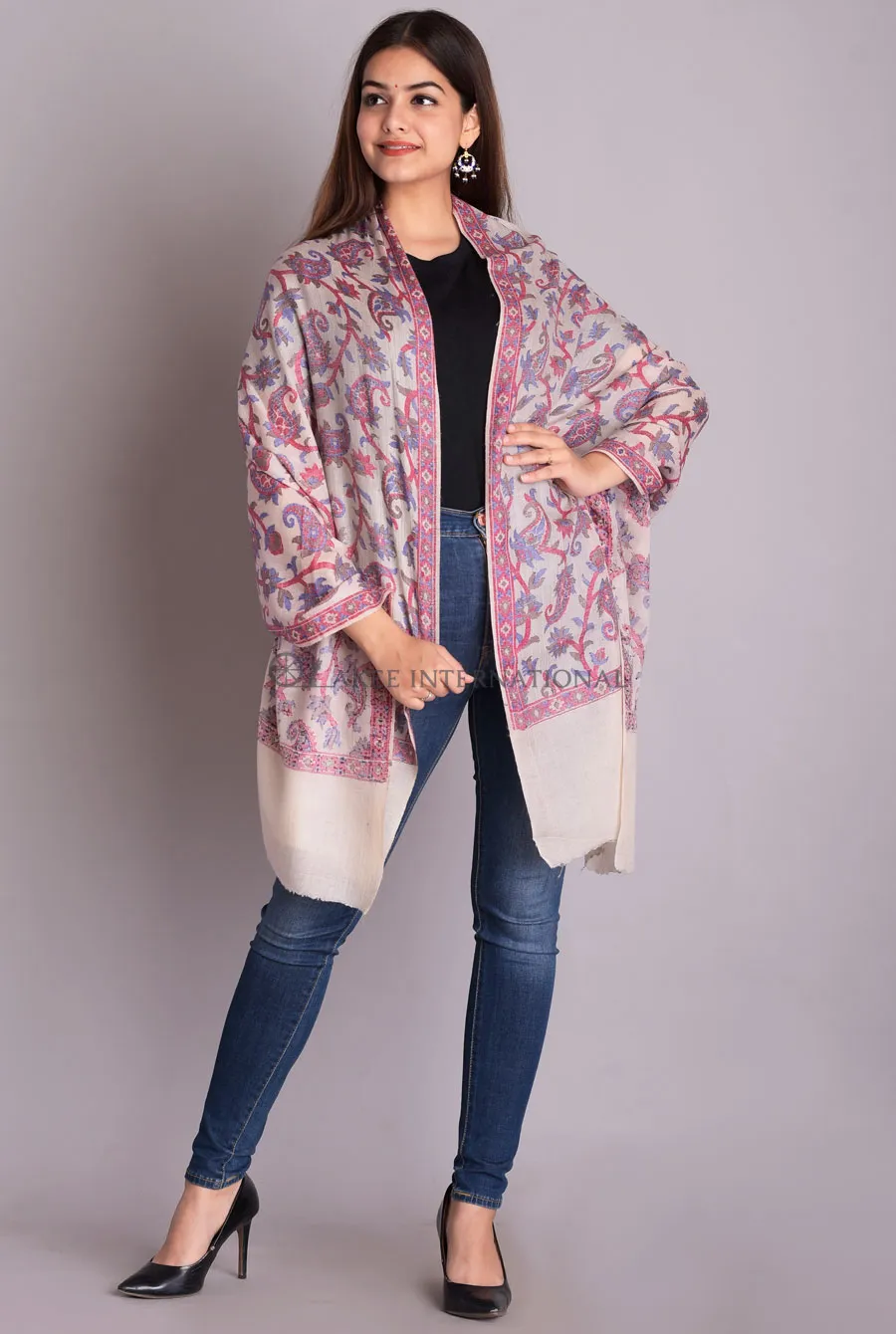
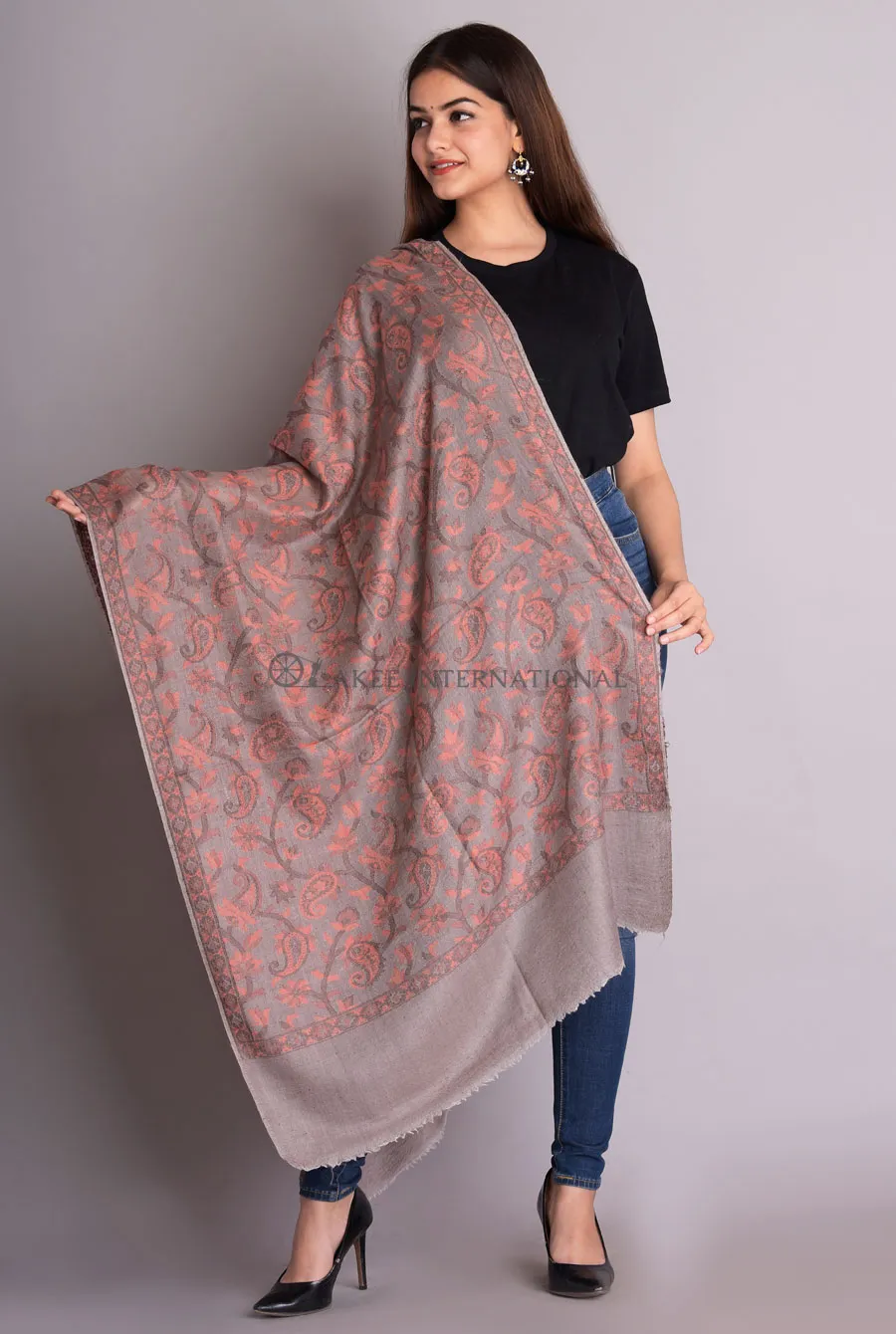
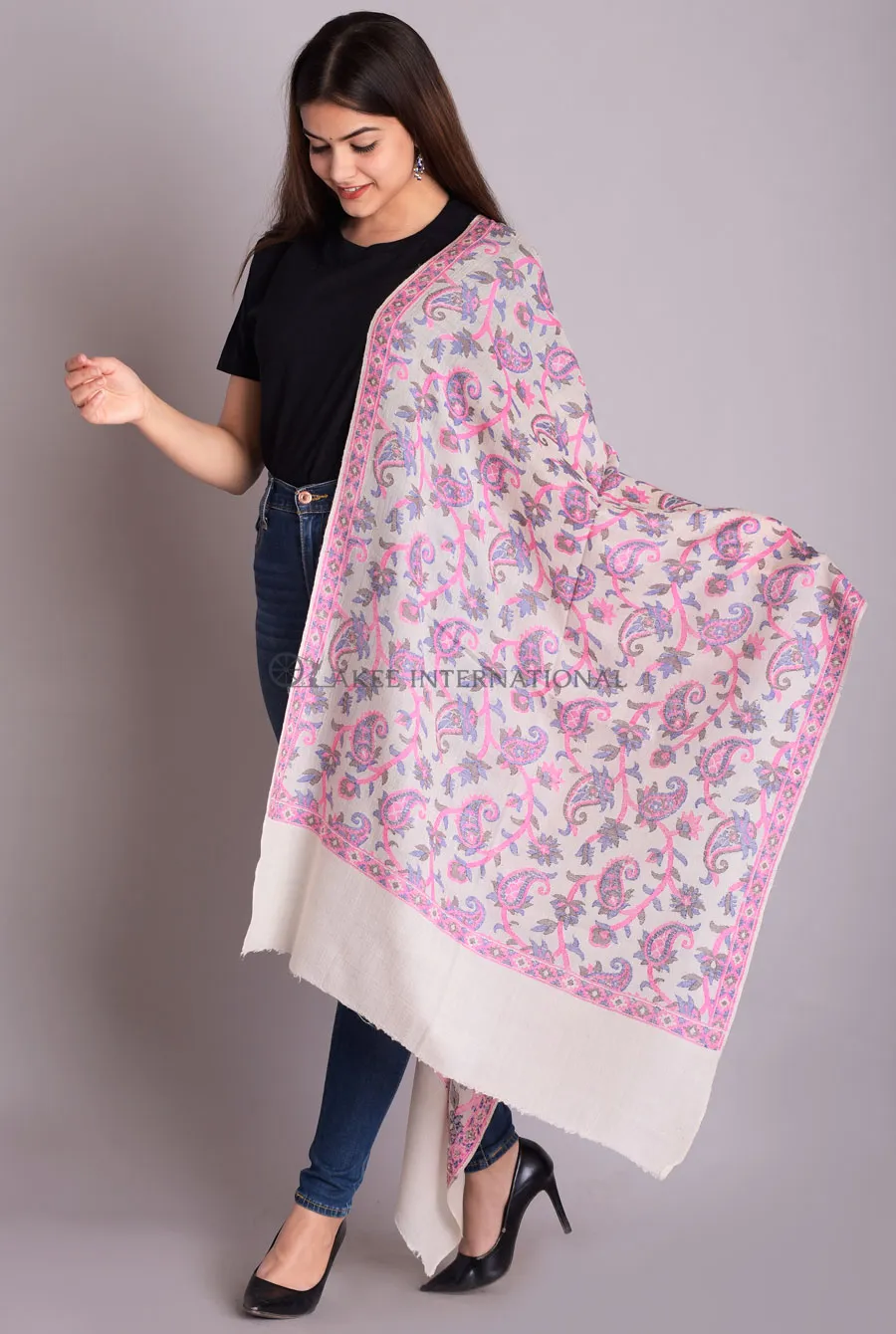
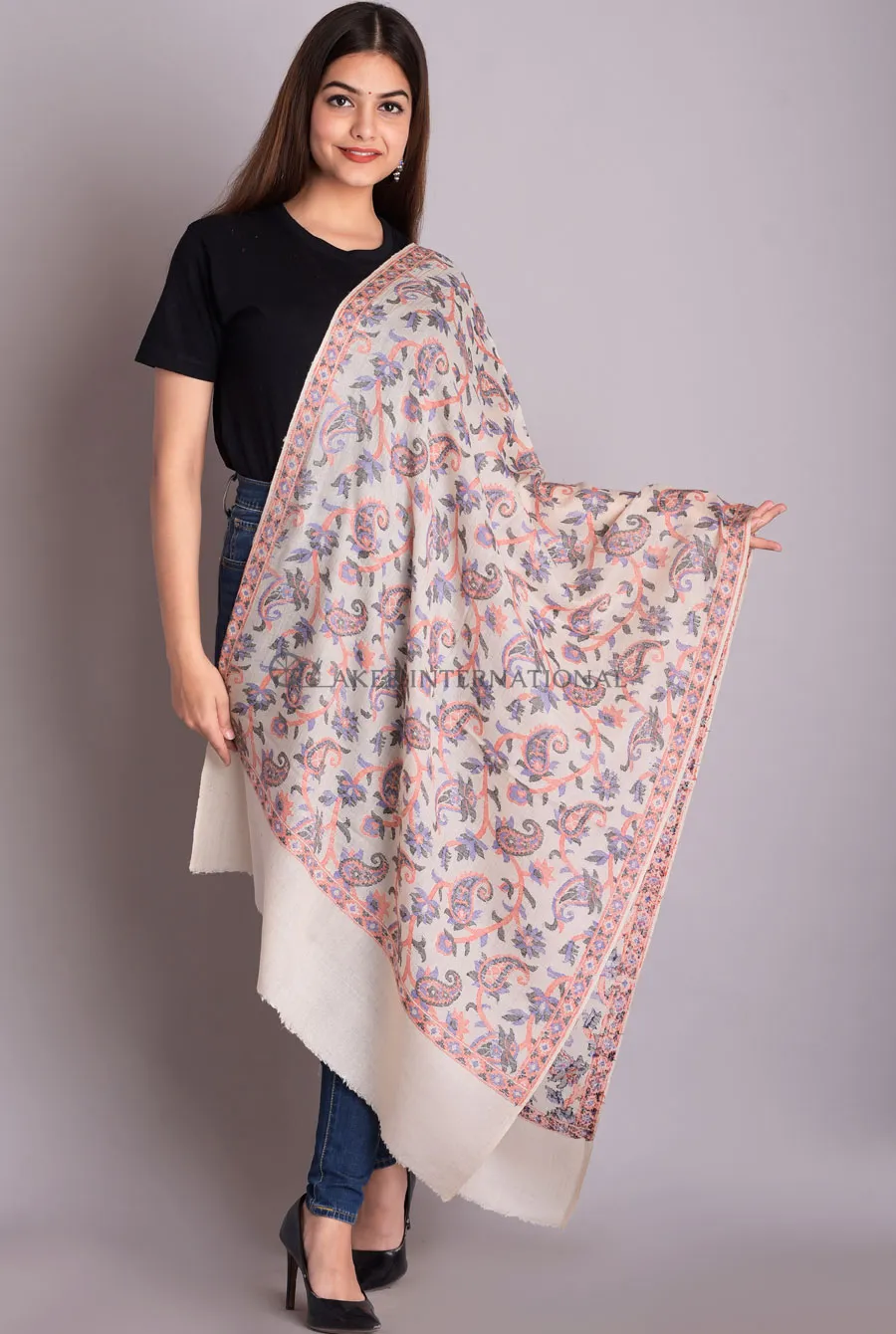
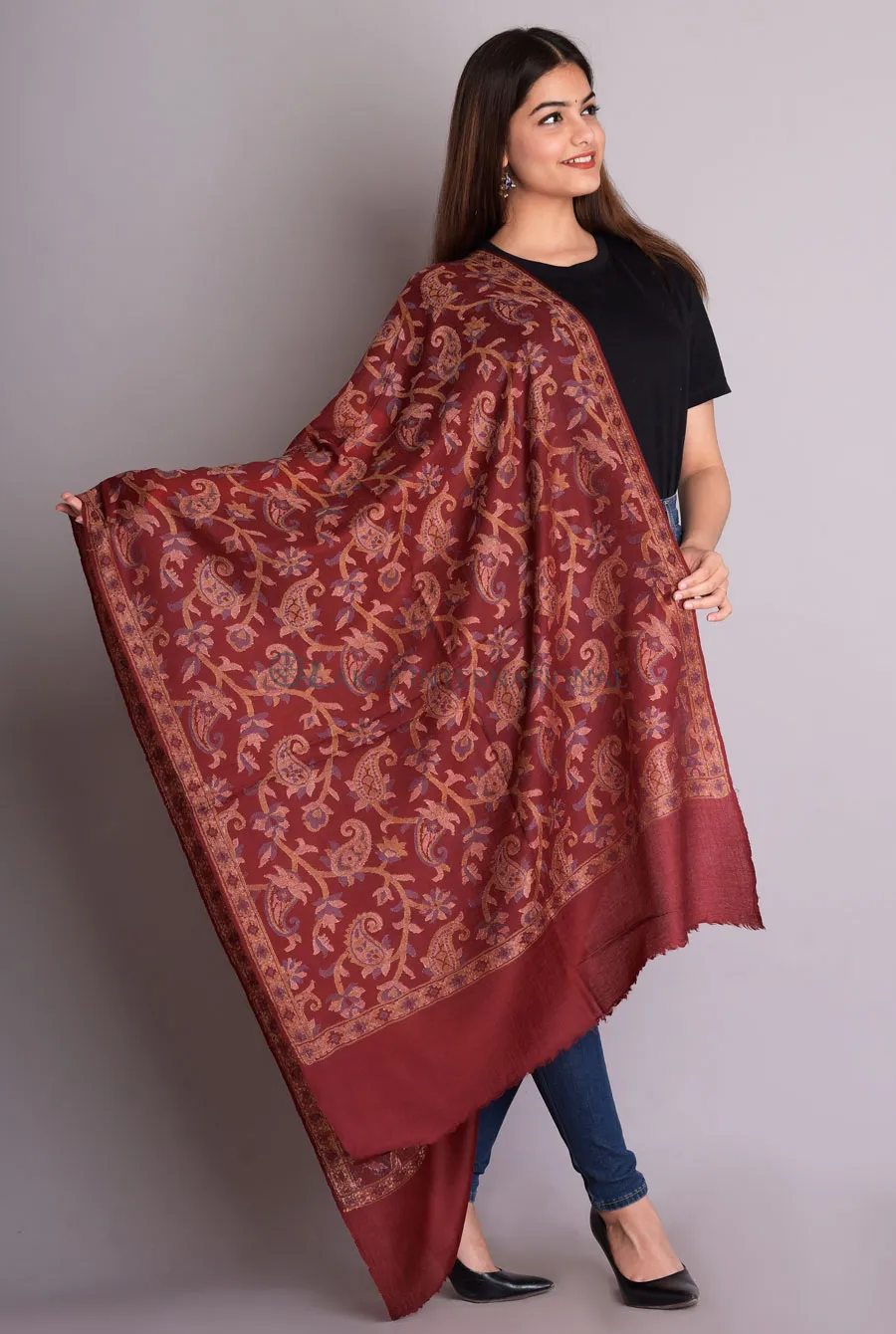
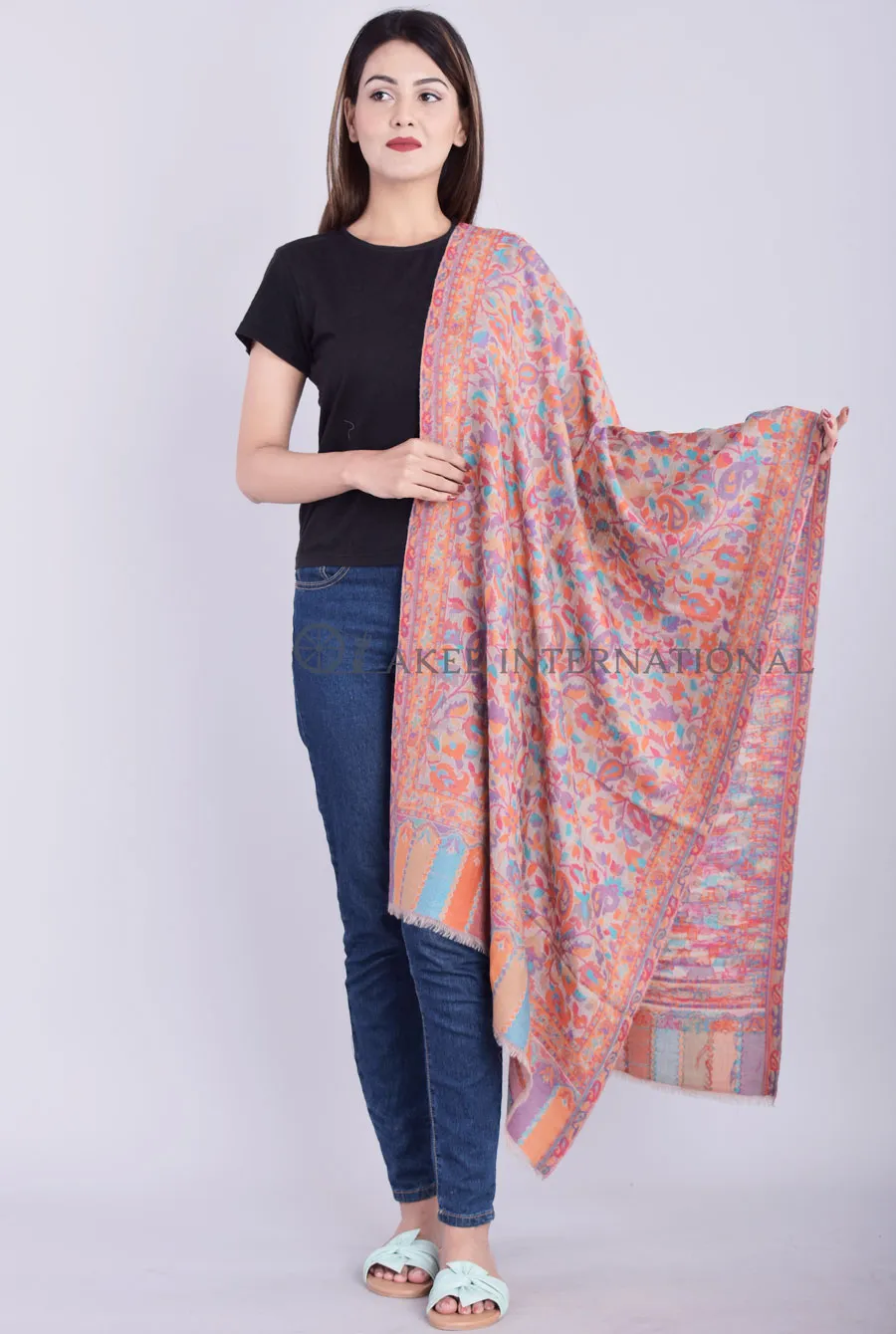
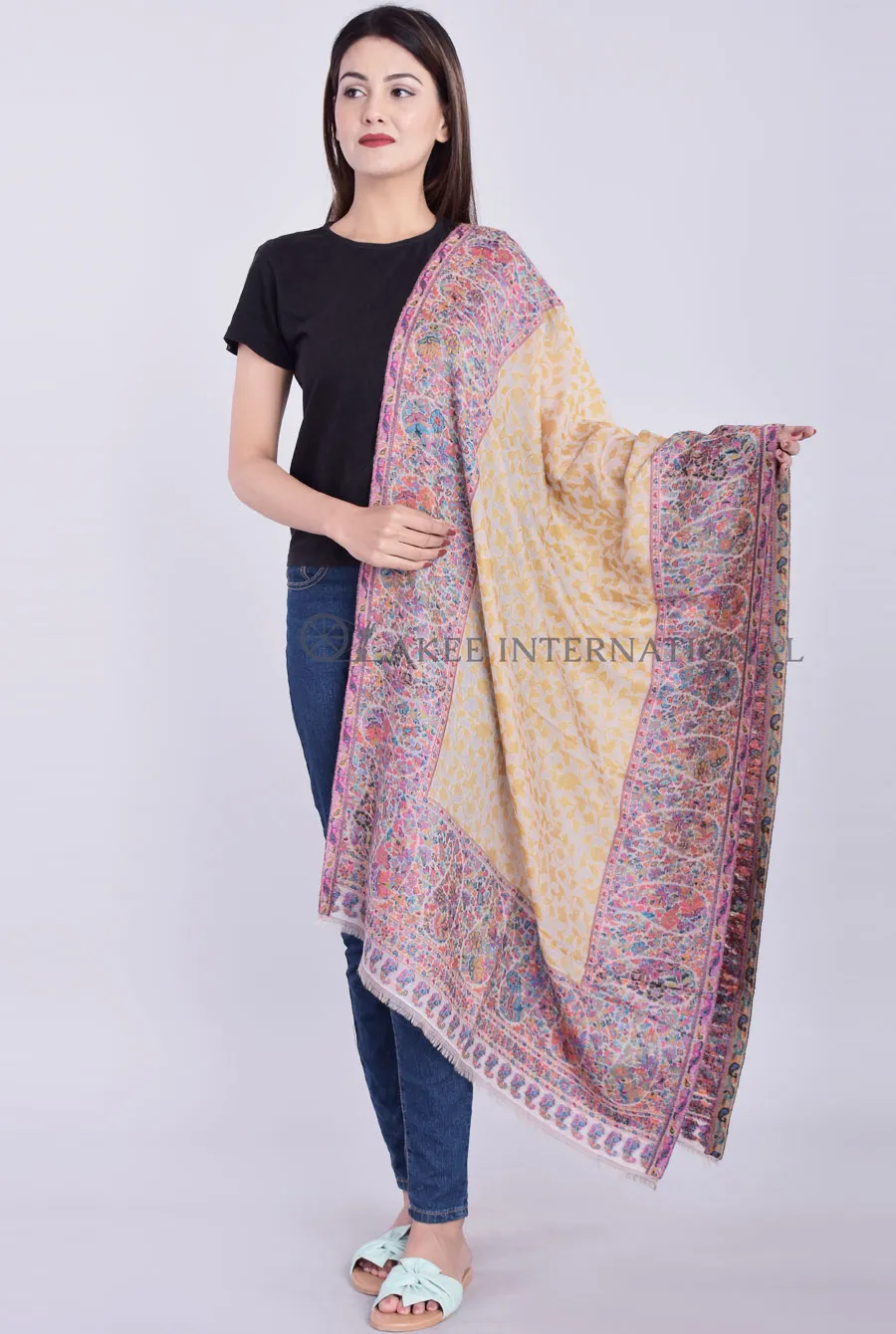
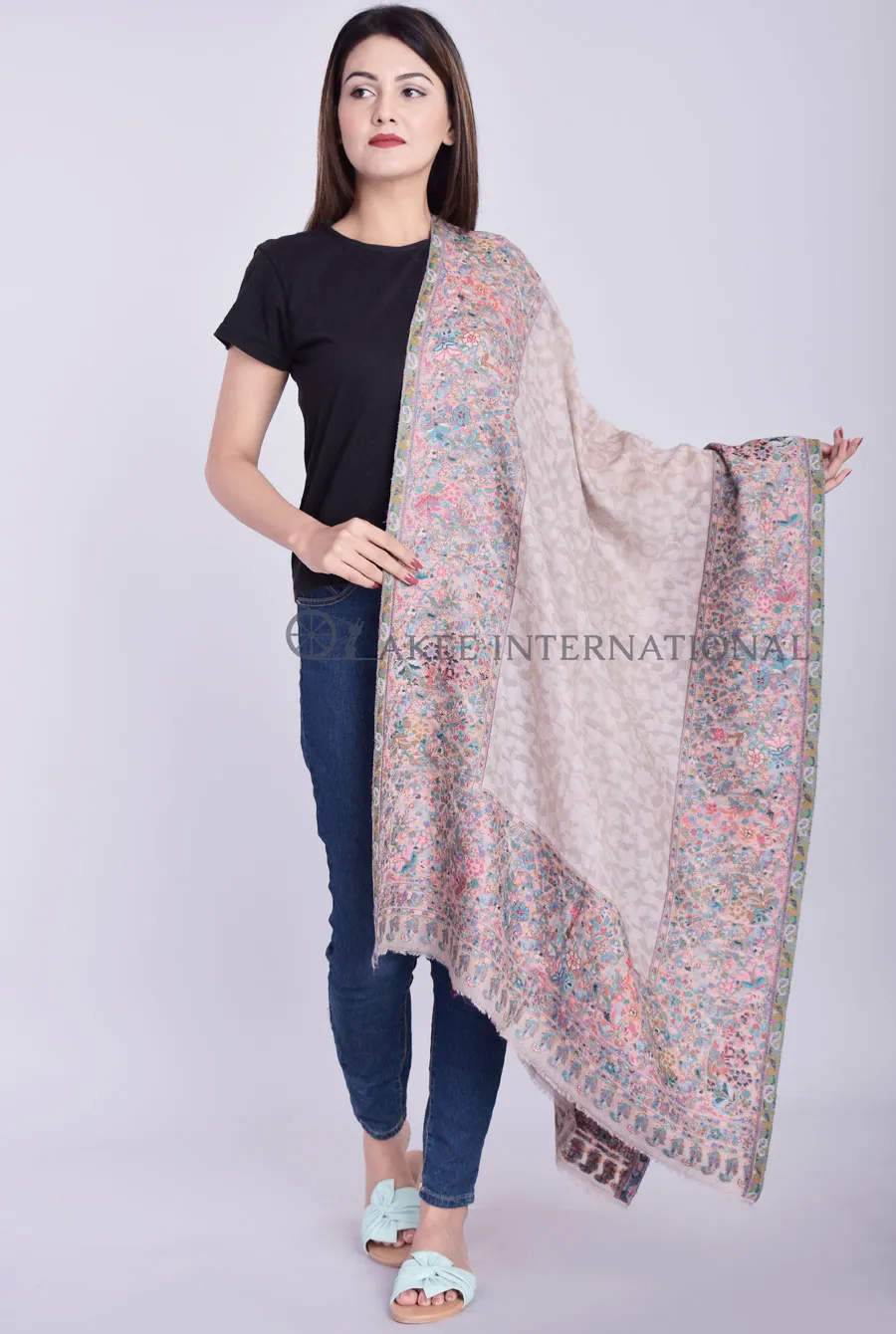
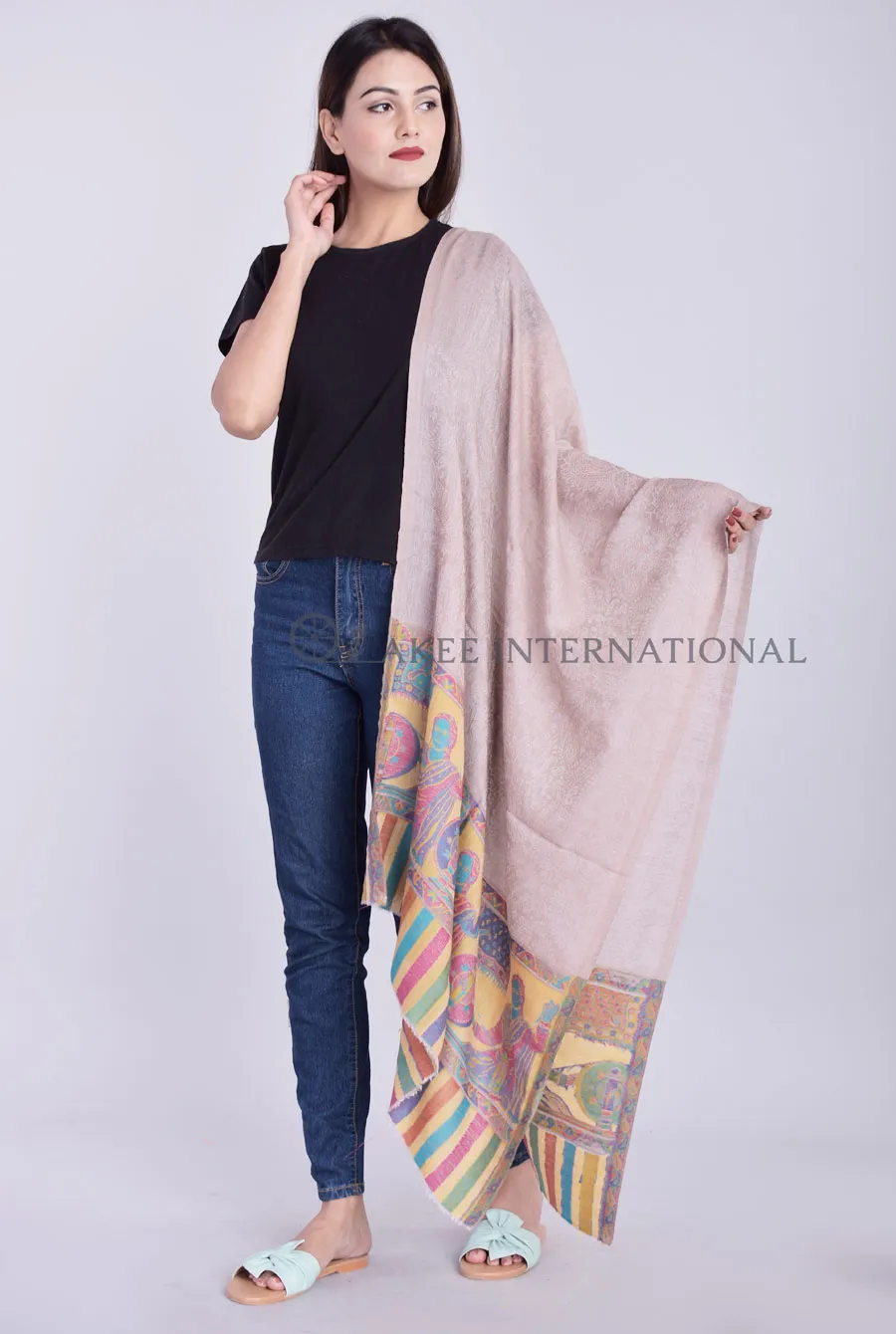
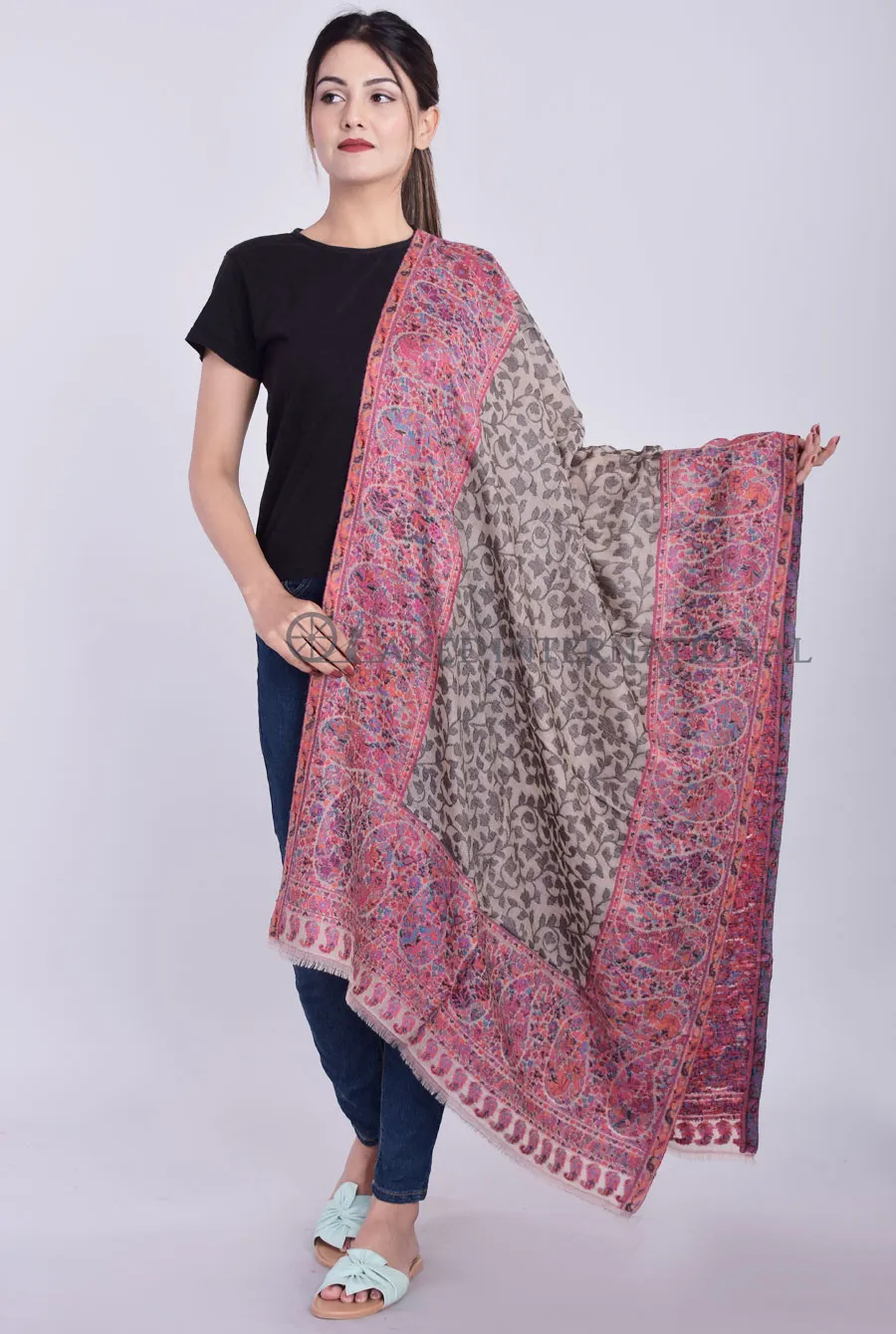
"Artisan-made" is one of the most overused phrases in the pashmina trade, applied loosely to everything from fully hand-crafted pieces to items with a single hand-finished detail on an otherwise machine-produced base. If you're specifically hunting for a supplier whose shawls involve genuine Kashmir artisan labour, the phrase alone won't tell you much — here's what will.
Separate the Marketing Word from the Actual Process
A supplier can call a shawl "artisan-made" if literally any step involved a human hand — even hand-finishing a machine-woven edge. What you actually want to know is which stages were done by Kashmir-trained artisans specifically: spinning, weaving, embroidery, or some combination. Ask suppliers to break this down rather than accepting the label.
Kashmir Artisan Skill in Our Own Supply Chain
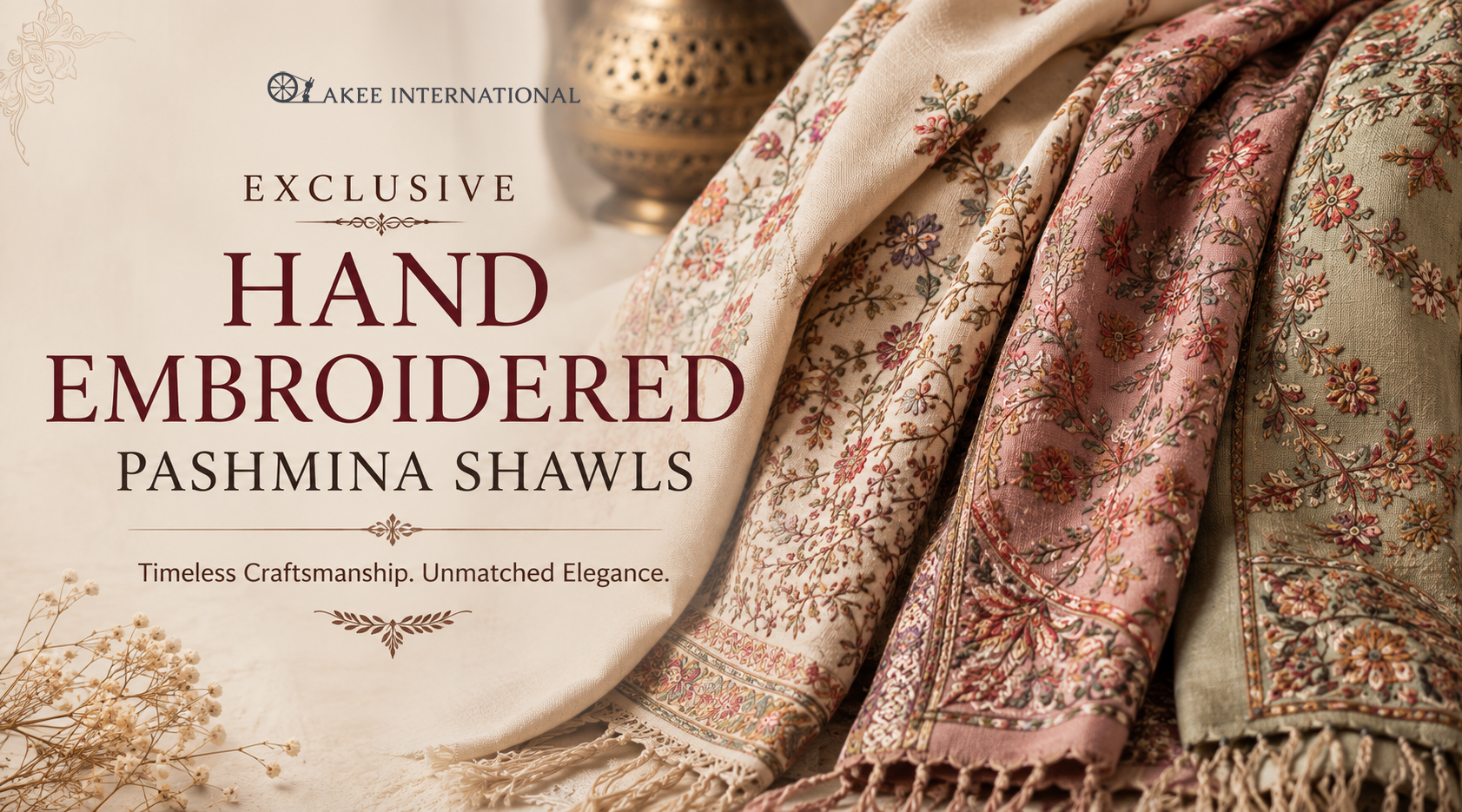
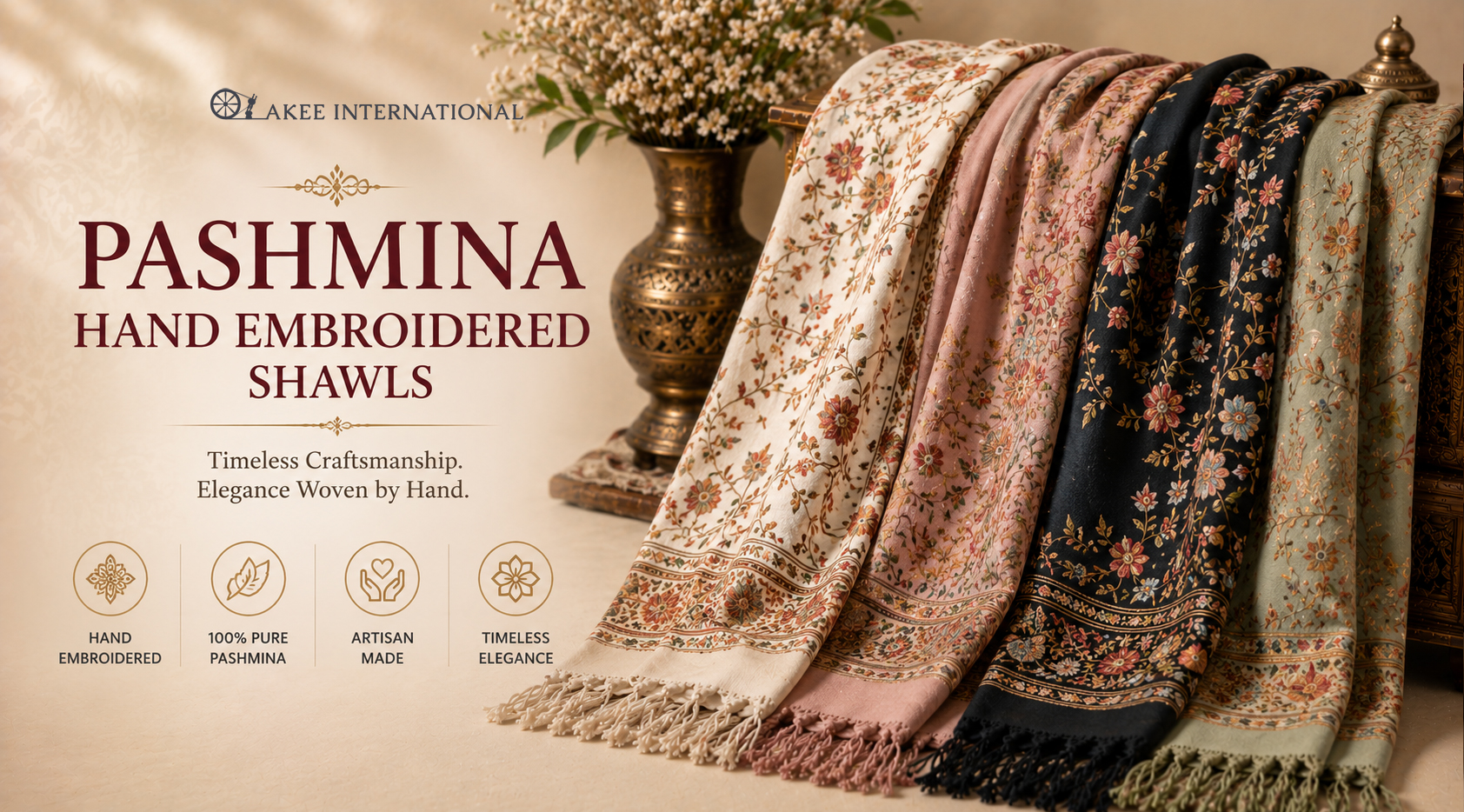
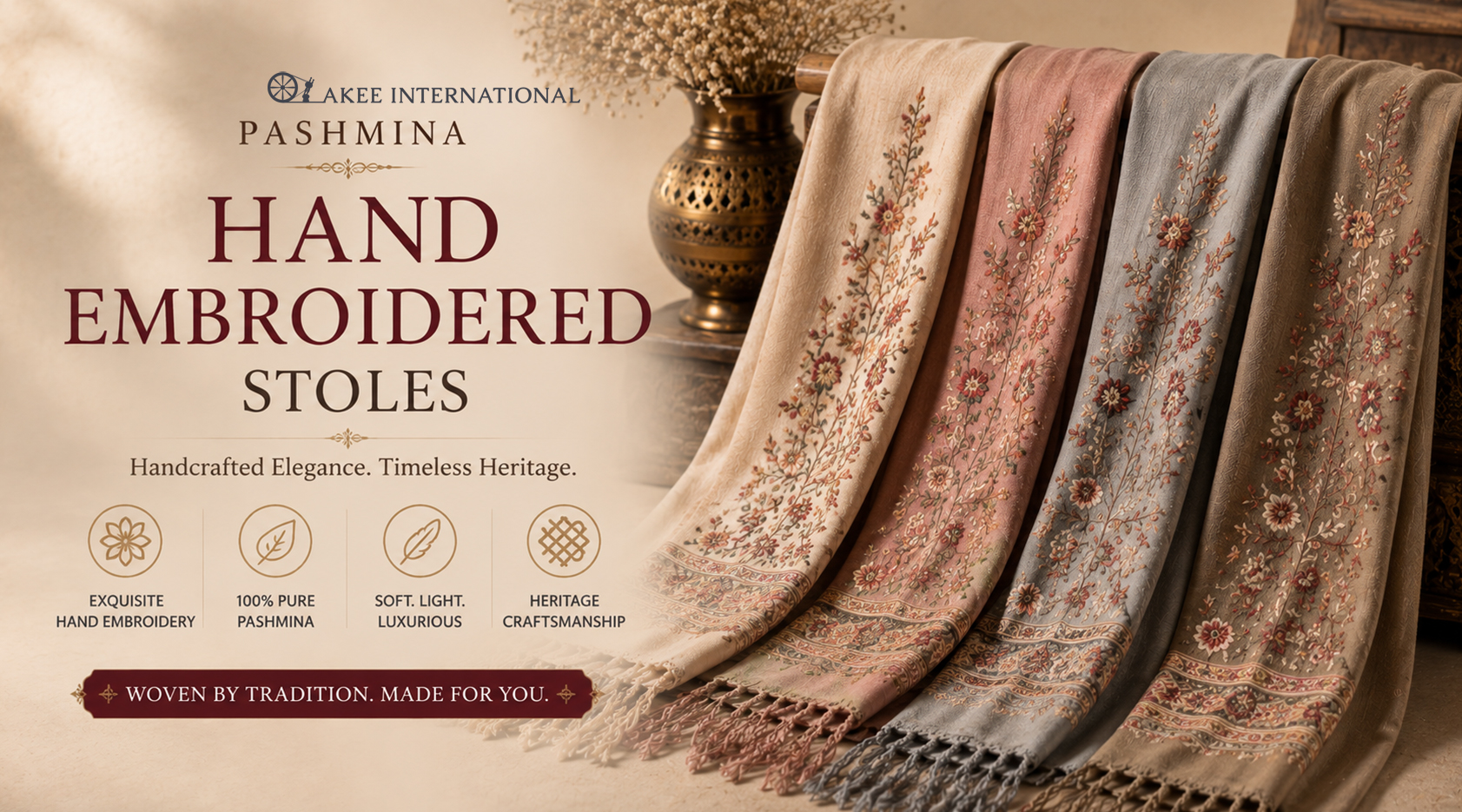
At Akee International, techniques like Sozni needlework and Ari chain-stitch embroidery are executed by artisans trained within Kashmiri craft traditions, whether that training happened in Srinagar directly or through the broader Kashmiri artisan diaspora now working across allied production centres including our Jaipur facility.
Why Artisan Origin Matters for Value
Two visually similar shawls can differ enormously in actual craftsmanship depth. A piece where a Kashmir-trained artisan spent weeks on Jamawar-style weaving carries fundamentally different value than one where a generic embroiderer added surface decoration to a machine-loomed base. Suppliers should be able to explain which category their product falls into.
A Practical Test Before You Order
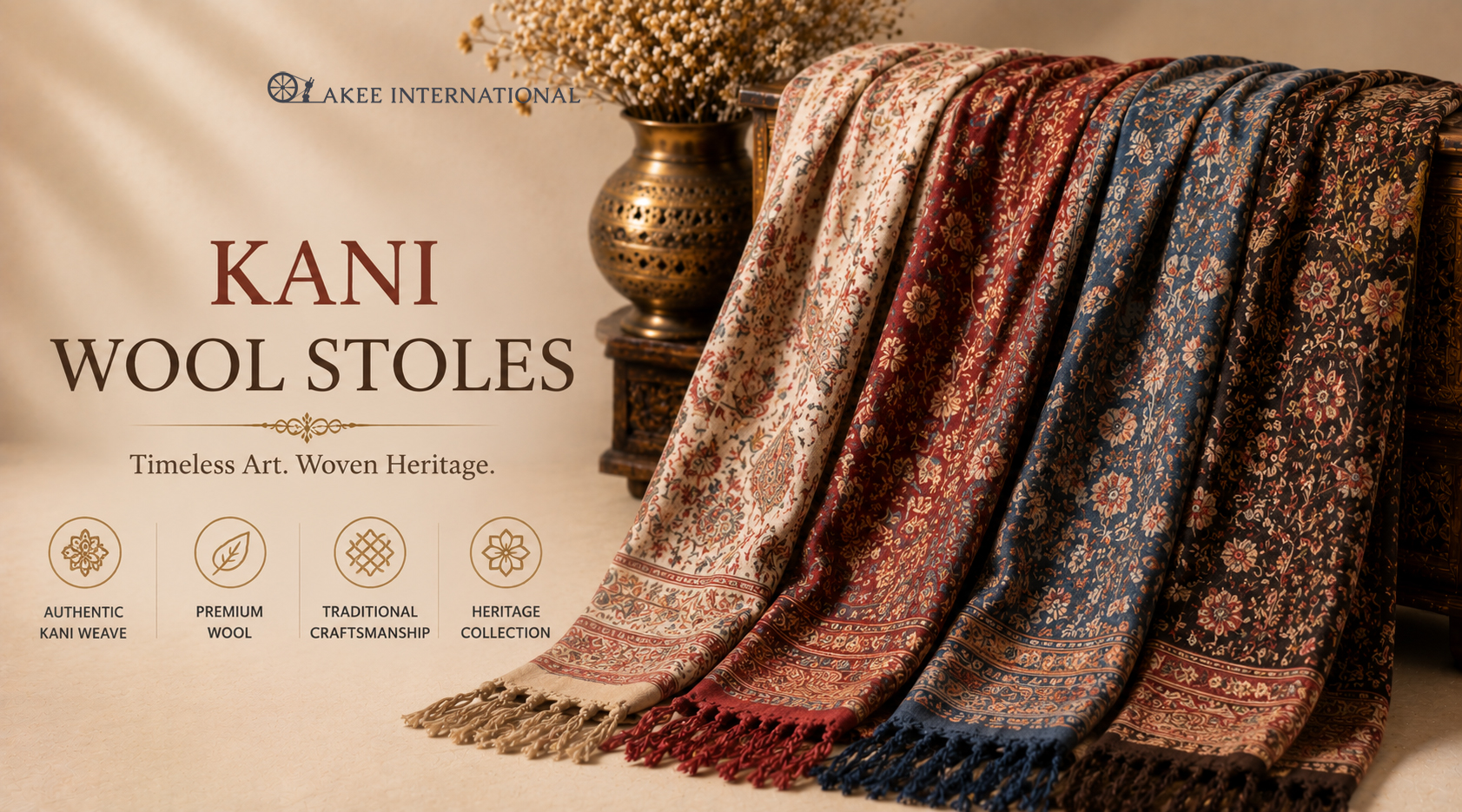
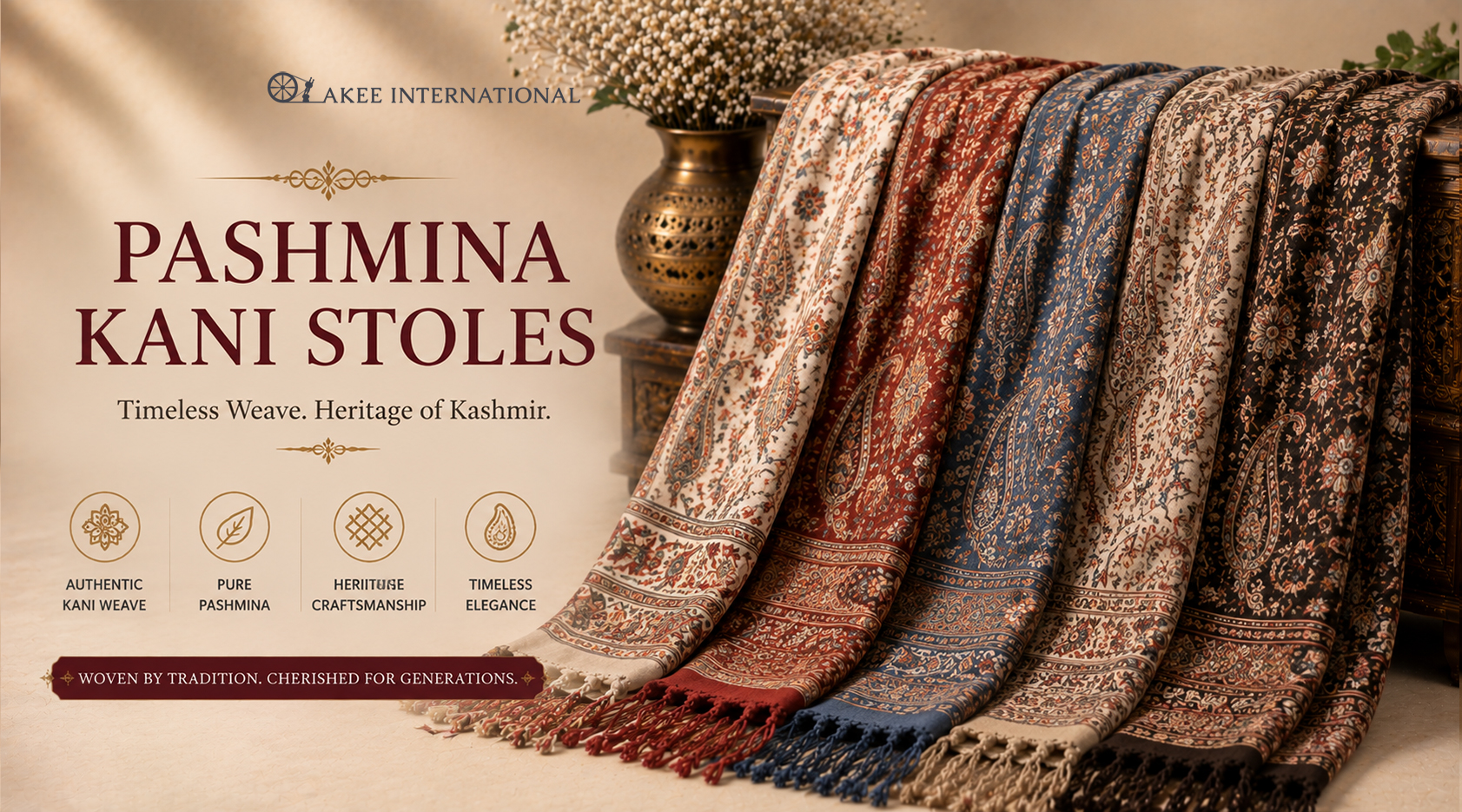
Request close-up photos of the weave or embroidery, and ask the supplier to explain the specific technique name and its Kashmiri origin. Genuine suppliers answer this specifically — Sozni, Ari, Kani, Jamawar — rather than gesturing vaguely at "traditional craftsmanship."
For Boutique and Retail Buyers
If you're stocking a retail collection under wholesale terms, this distinction matters even more, since your own customers will eventually ask you the same questions we're describing here. Being able to answer them confidently — because your supplier gave you real answers — protects your retail reputation.
Where Our Supply Chain Sits in This Framework
We source Changthangi wool and specific artisan techniques through Kashmir's established craft networks, then complete weaving, finishing, and quality control at our Jaipur facility — a structure we're transparent about rather than implying a Srinagar-based workshop that doesn't exist.
At minimum, the core techniques — spinning, weaving, or embroidery — should be executed by artisans trained in Kashmiri methods.
Yes, which is why the phrase alone isn't a reliable authenticity signal — ask for specifics.
Yes, techniques like Sozni and Ari work are rooted in Kashmiri craft tradition.
Not exclusively — Kashmiri artisan skill also exists in diaspora networks working across allied production centres.
Ask for specific technique names and close-up photos, and request the supplier explain the craft's Kashmiri origin.
Yes, since retail buyers need to answer these same questions from their own customers.
Yes, genuine full artisan involvement typically costs significantly more.
Yes, our team can provide detailed information for wholesale and bulk buyers.
Jaipur, with wool and technique sourced through Kashmir's artisan networks.
Contact our team with specific questions about technique and sourcing before placing your order.
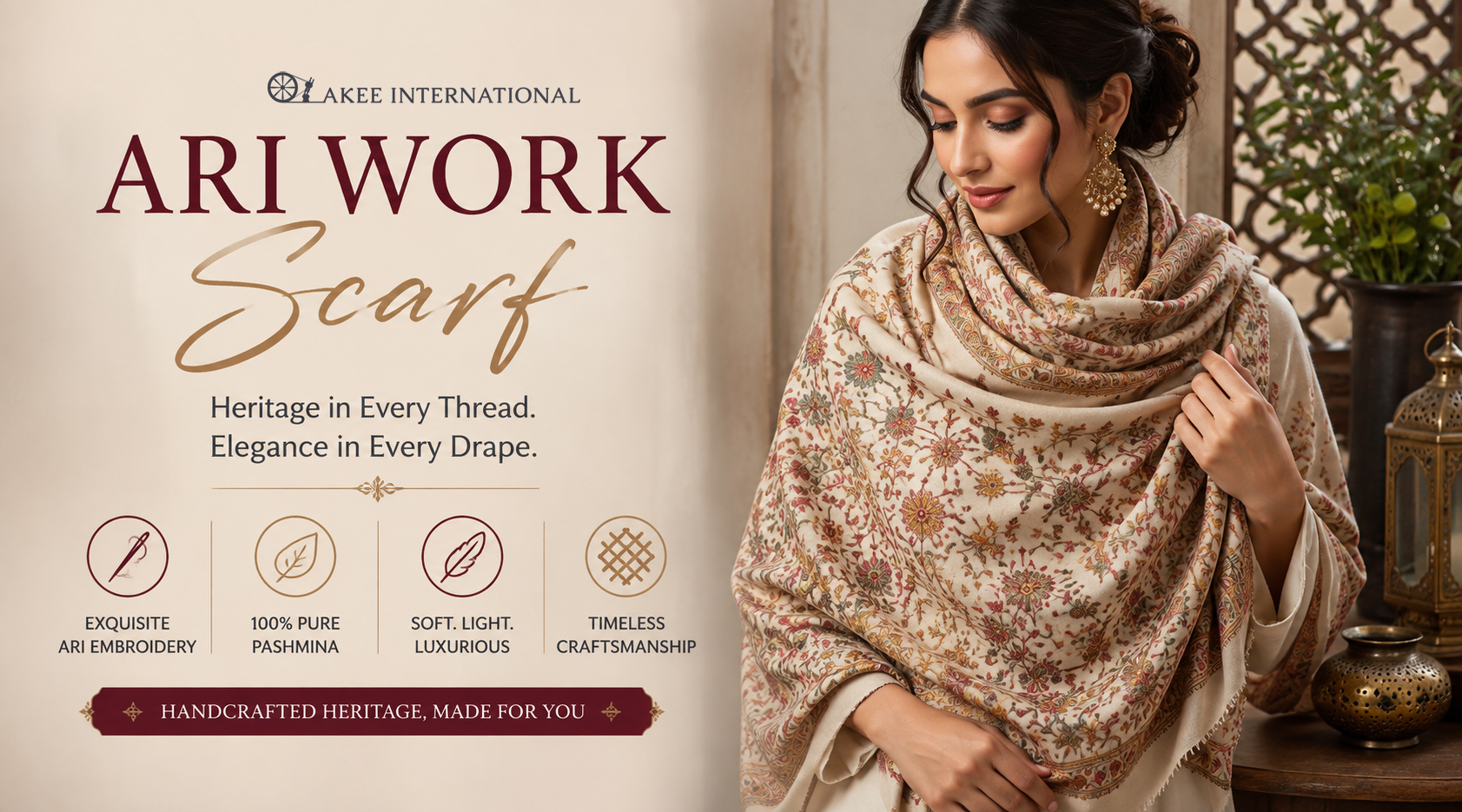
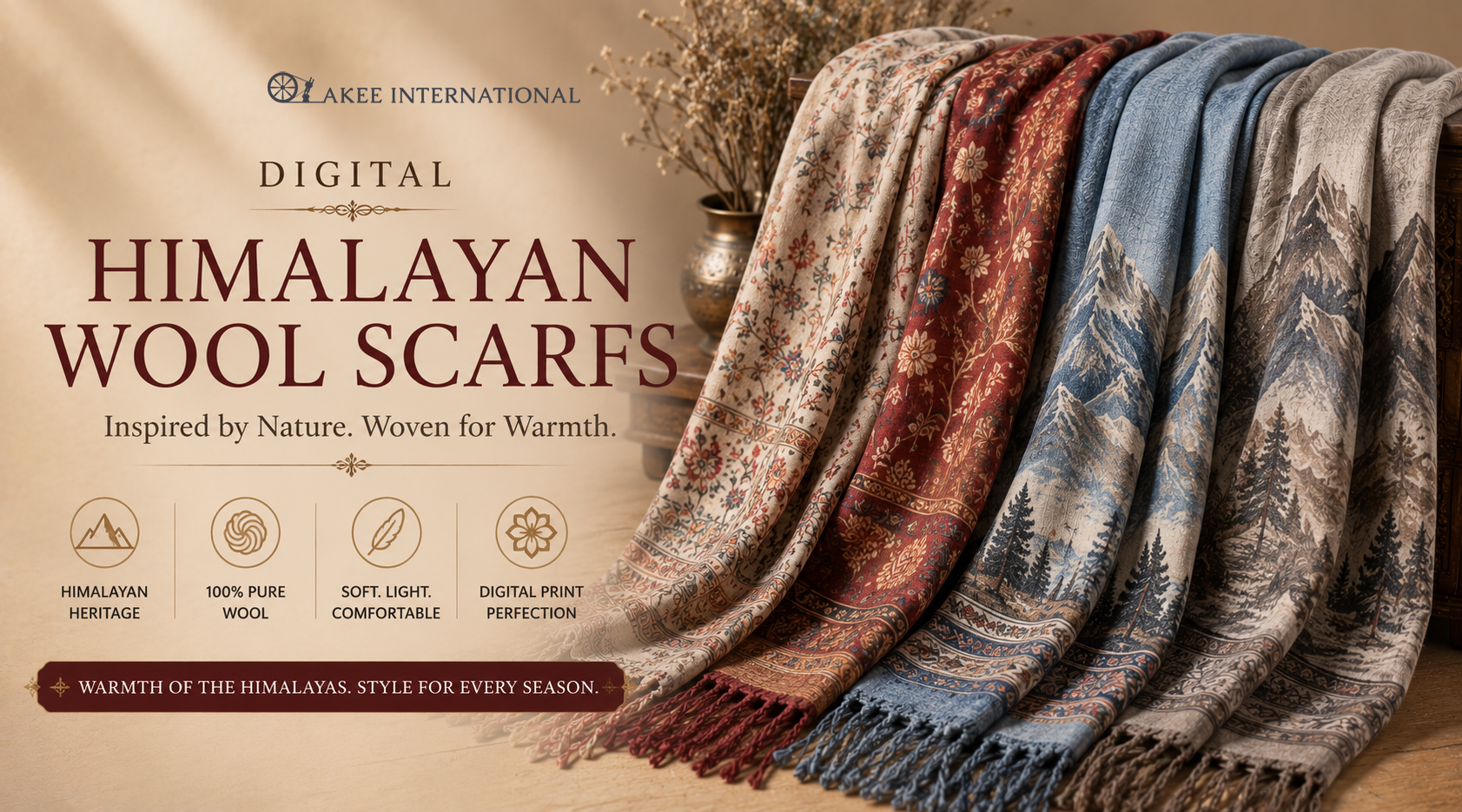
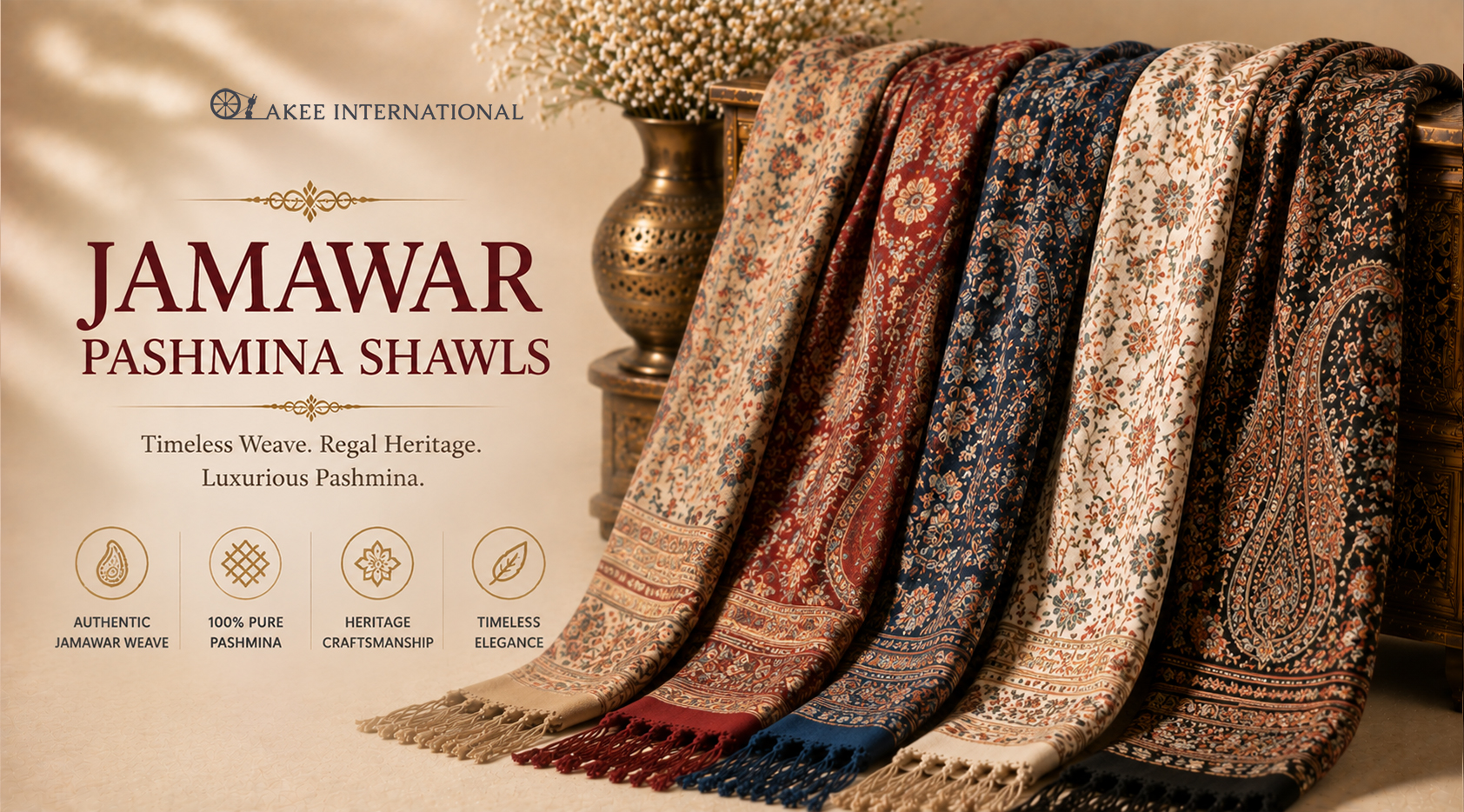
"Read what our clients say about their experience with Akee International's luxurious Pashmina shawls and impeccable service."

Nai Mata Mandir Road, Thathar Road, Delhi By Pass, Amer, Jaipur 302028, Rajasthan India
Get directions Call Now Whatsapp 4.9 based on 269 reviews
Rating: 4.6/5 | 85 Reviews

Rating: 4.9/5 | 269 Reviews

TrustScore: 4.9 | 100 Reviews