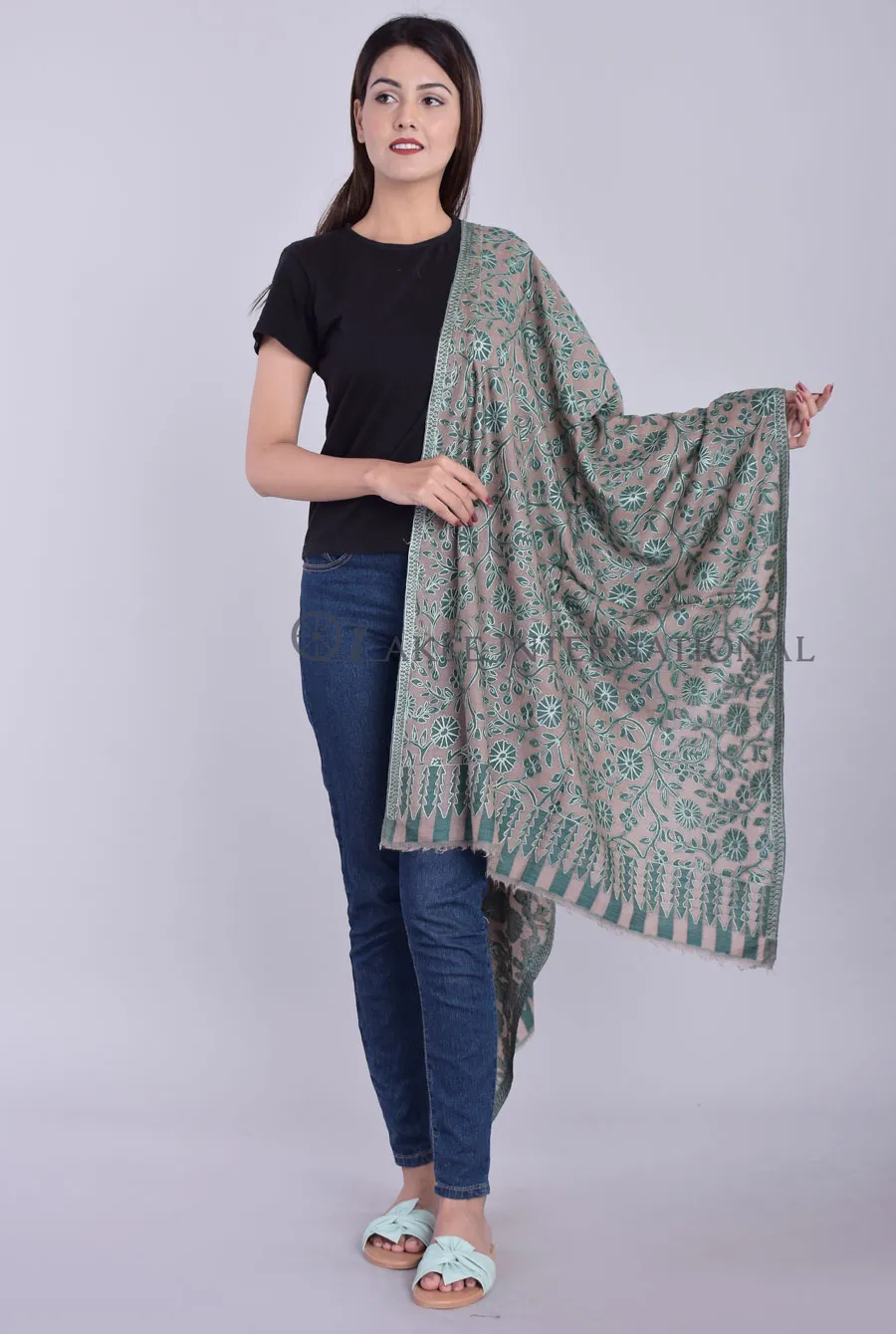
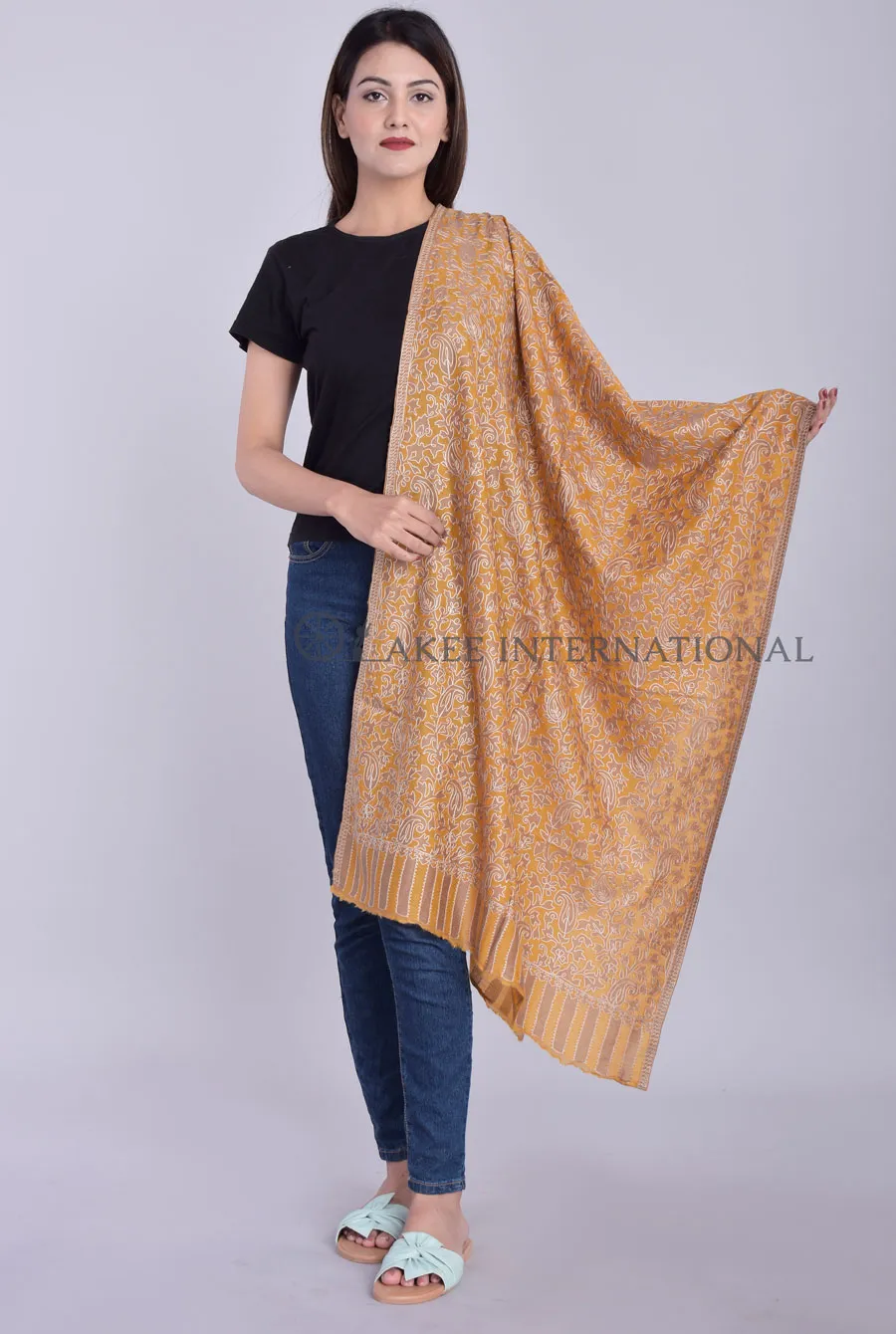
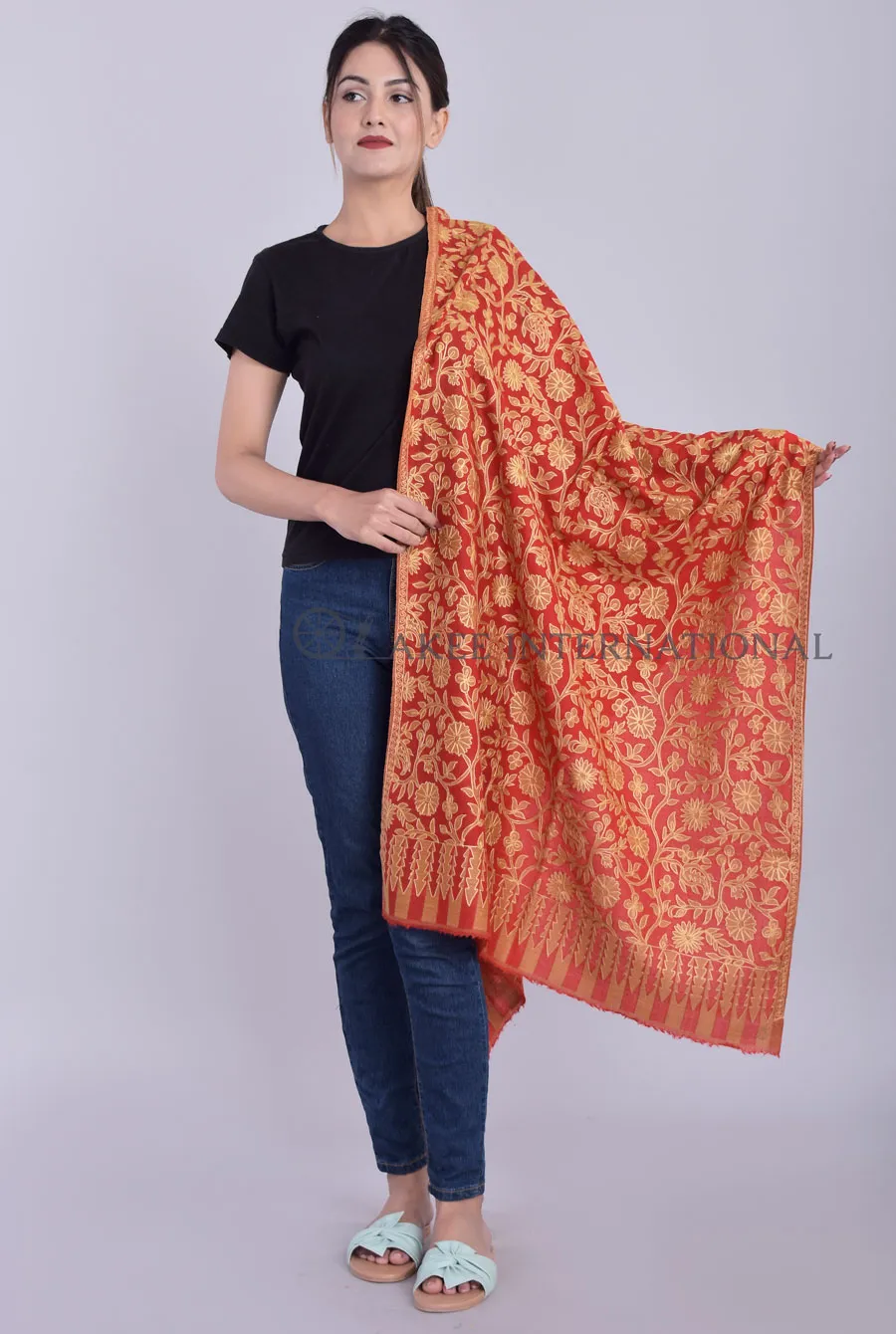
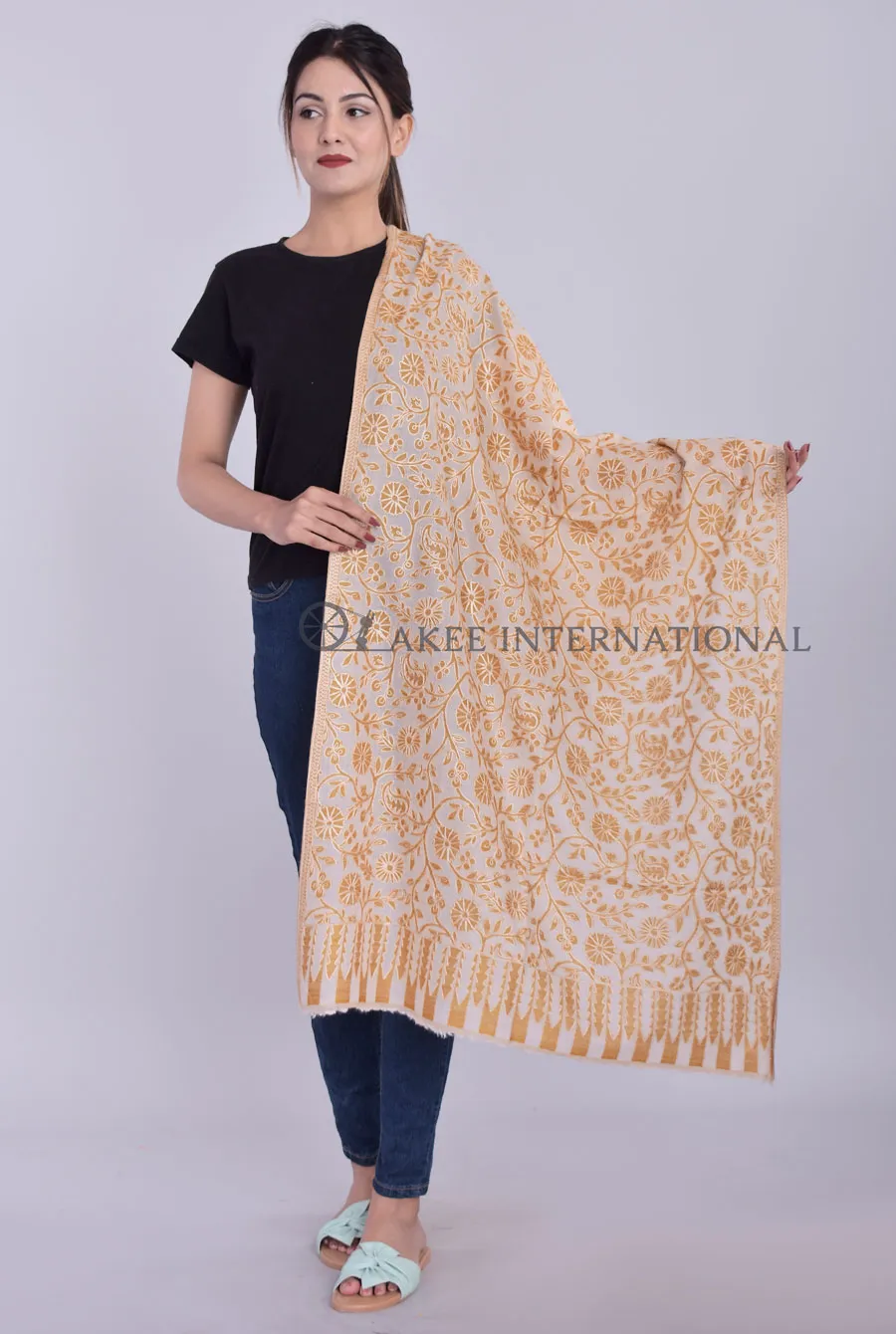
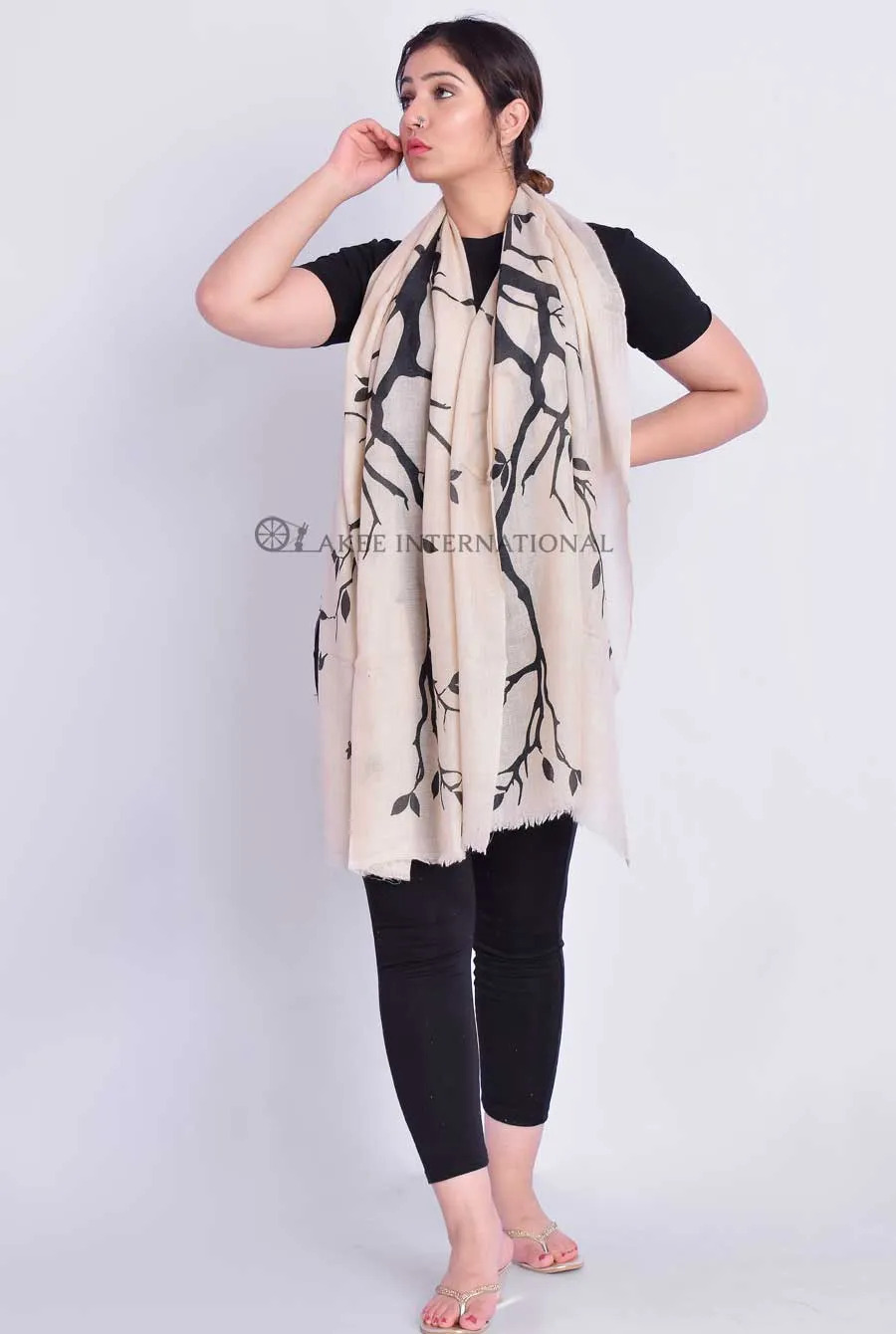
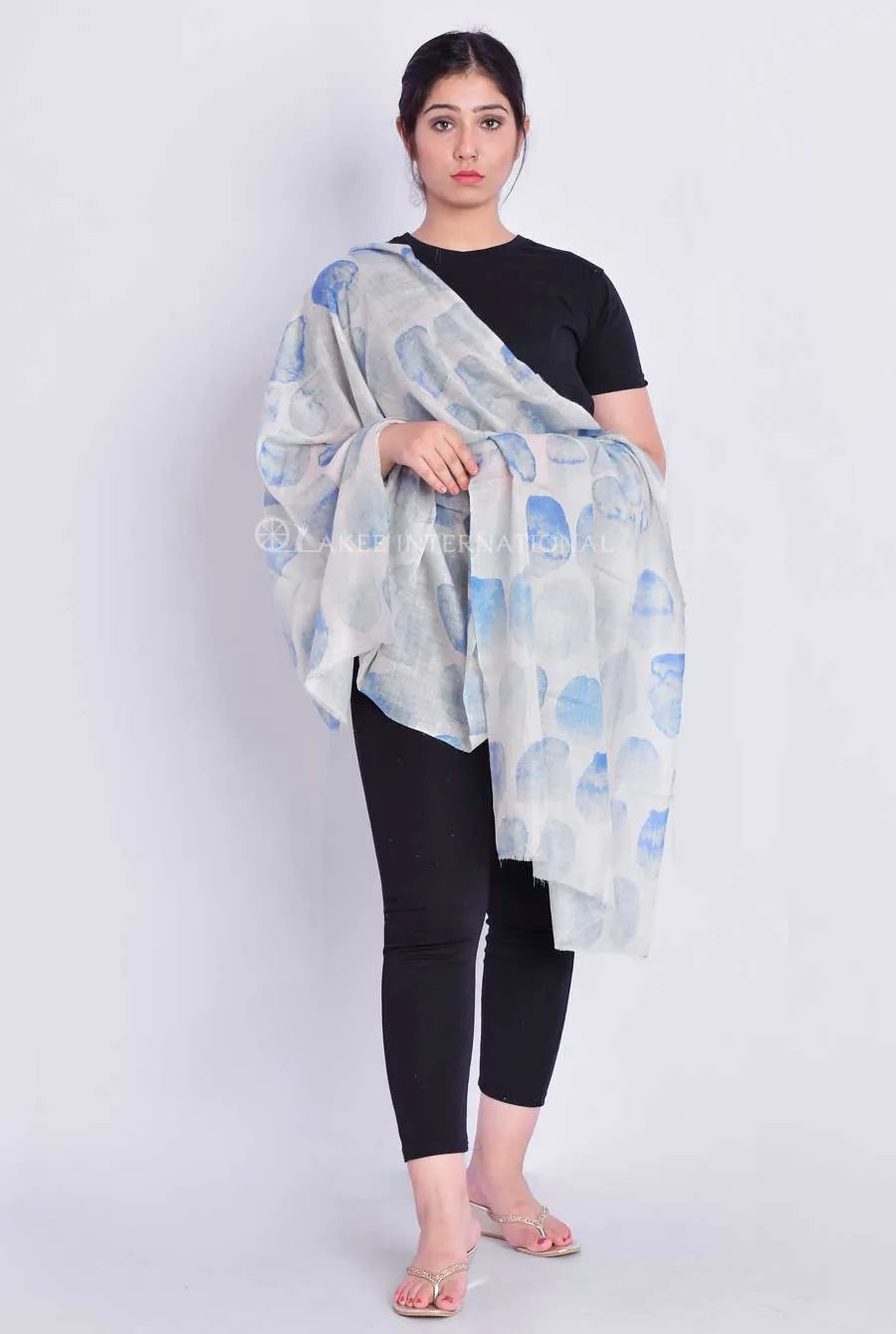
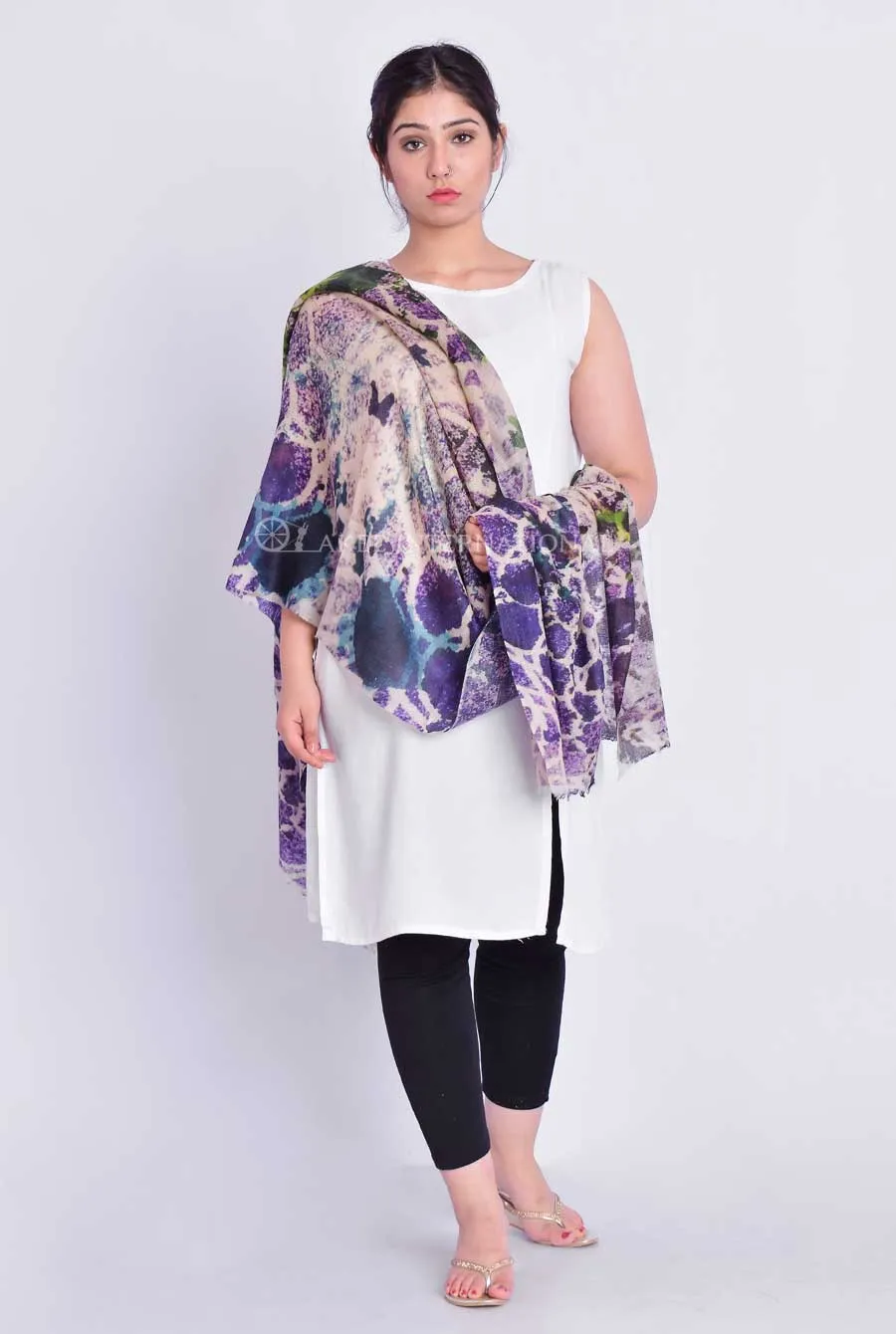
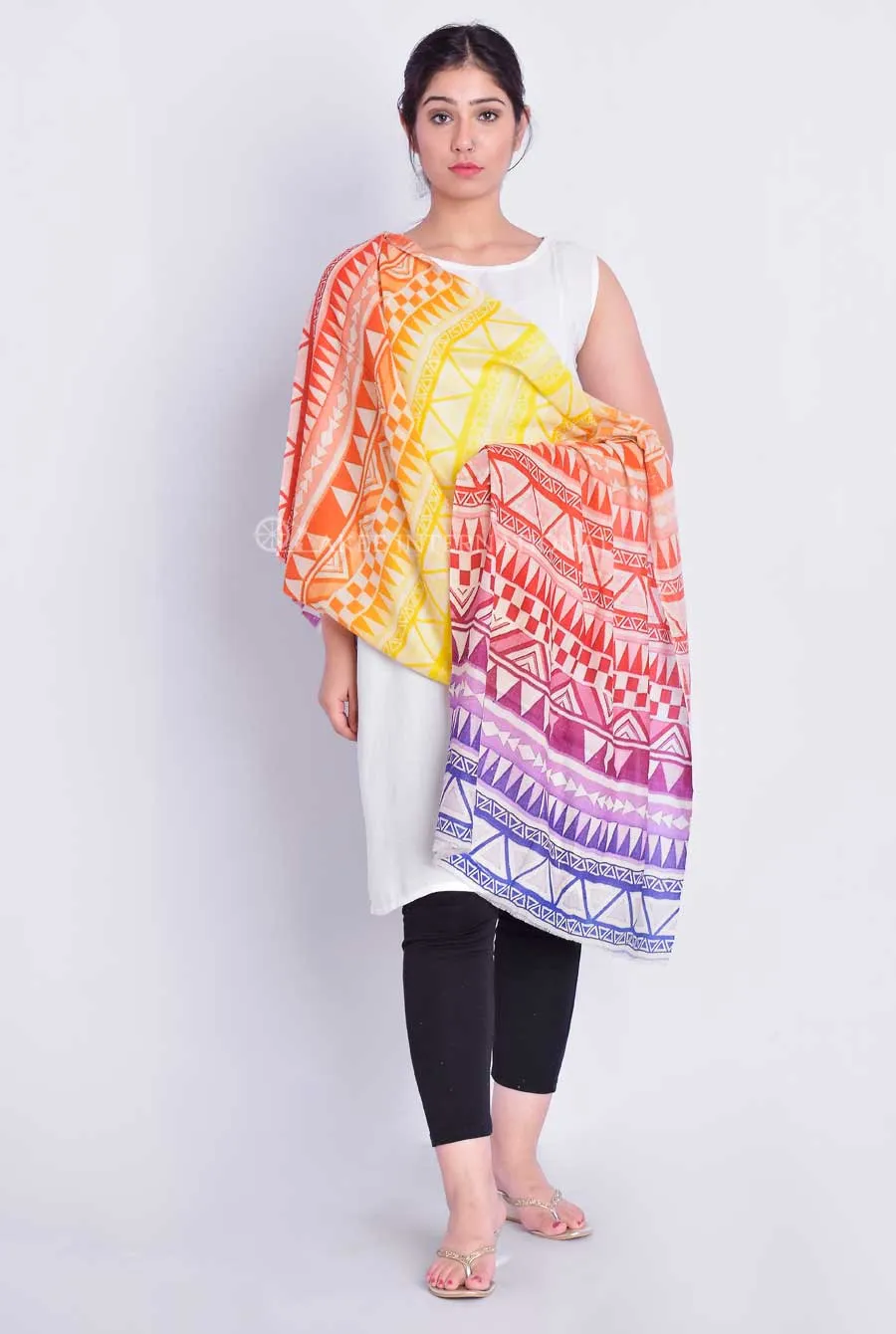
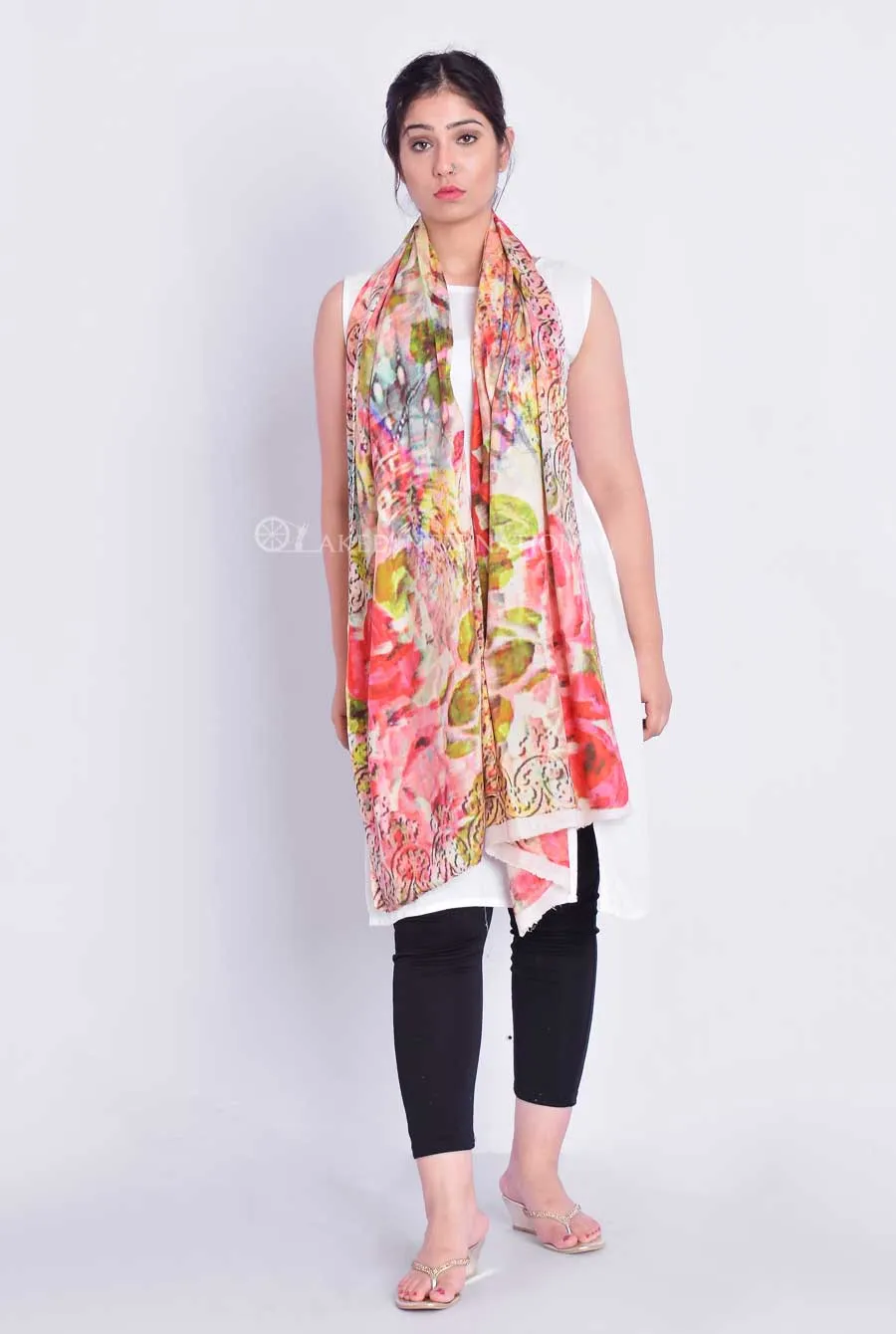
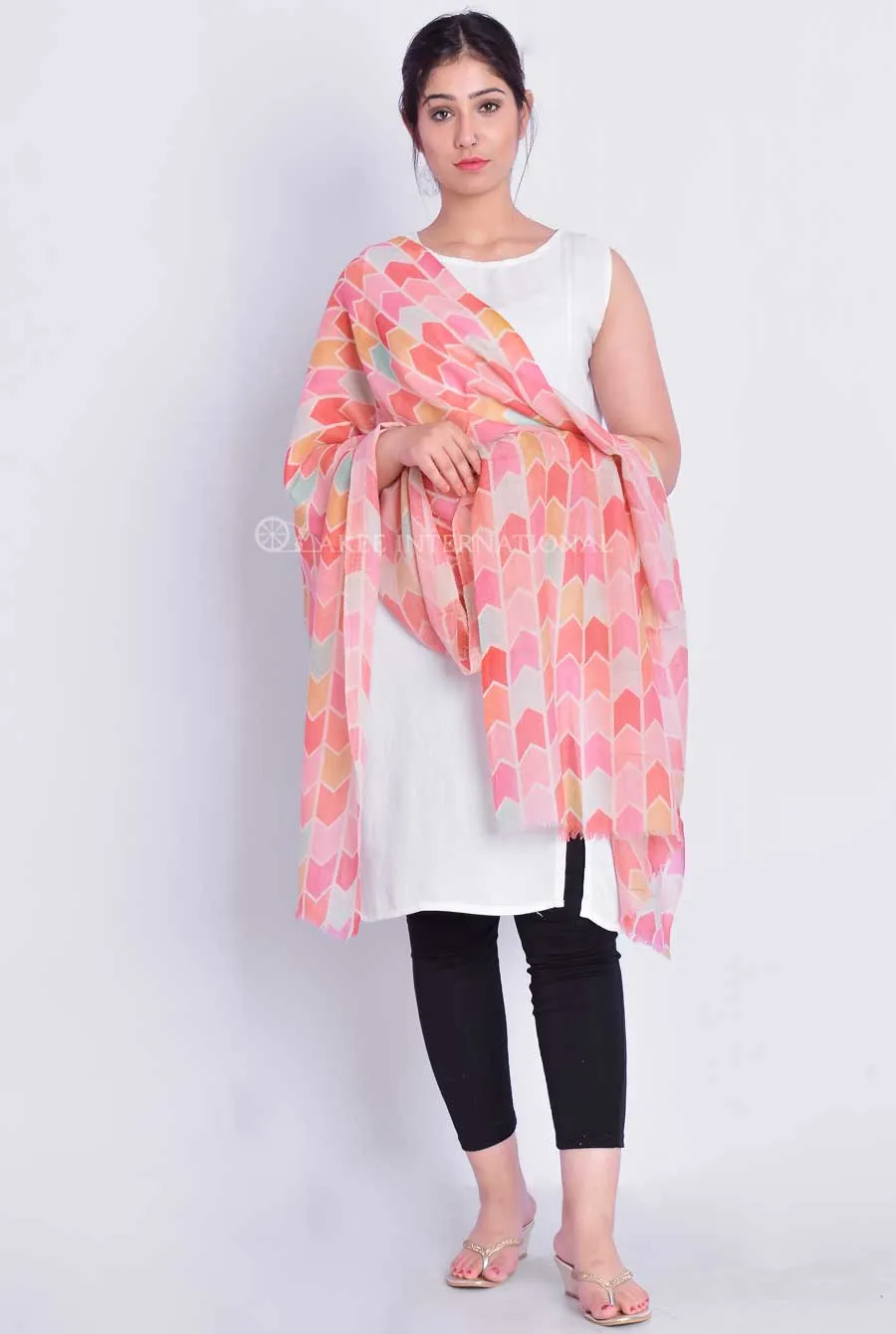
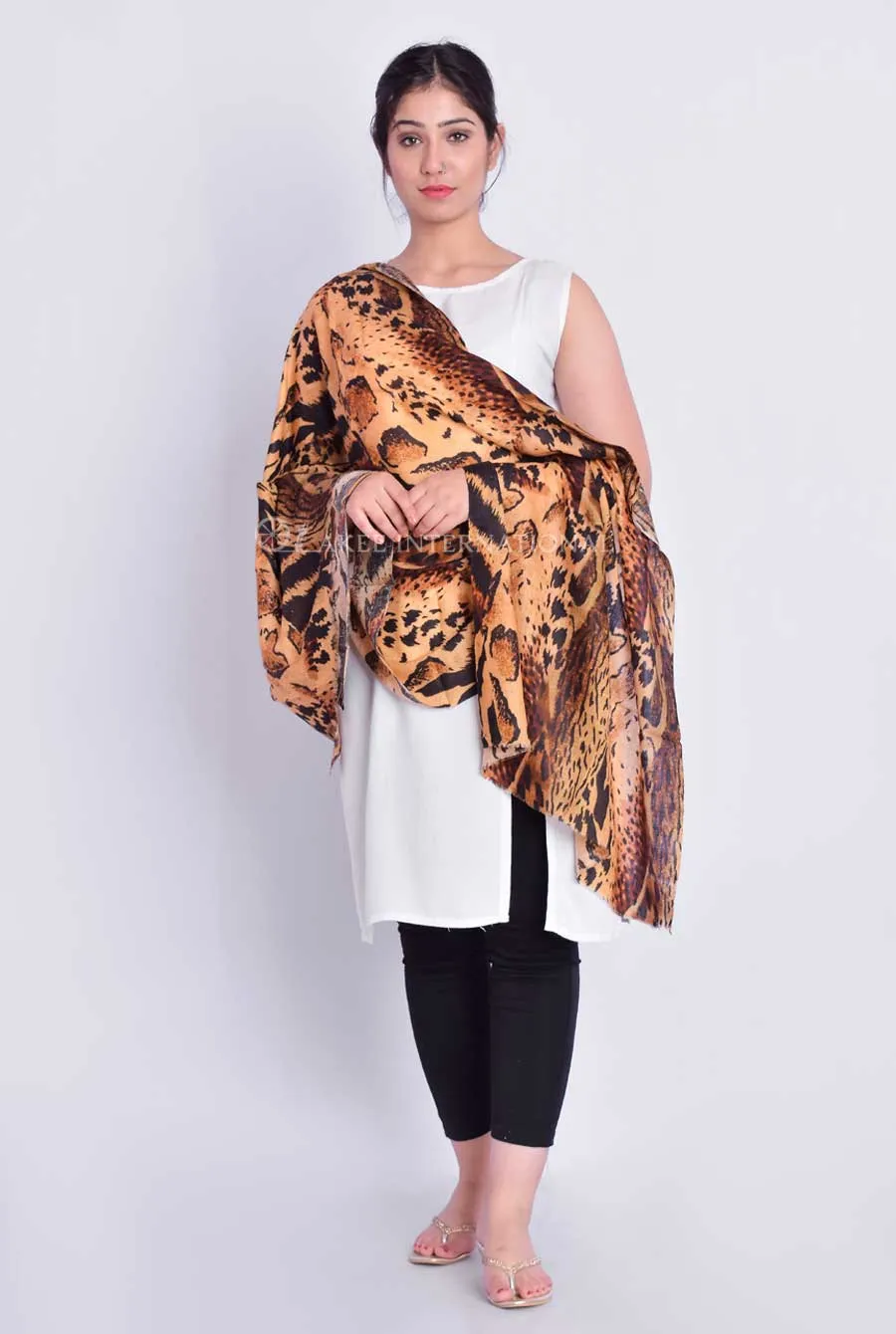
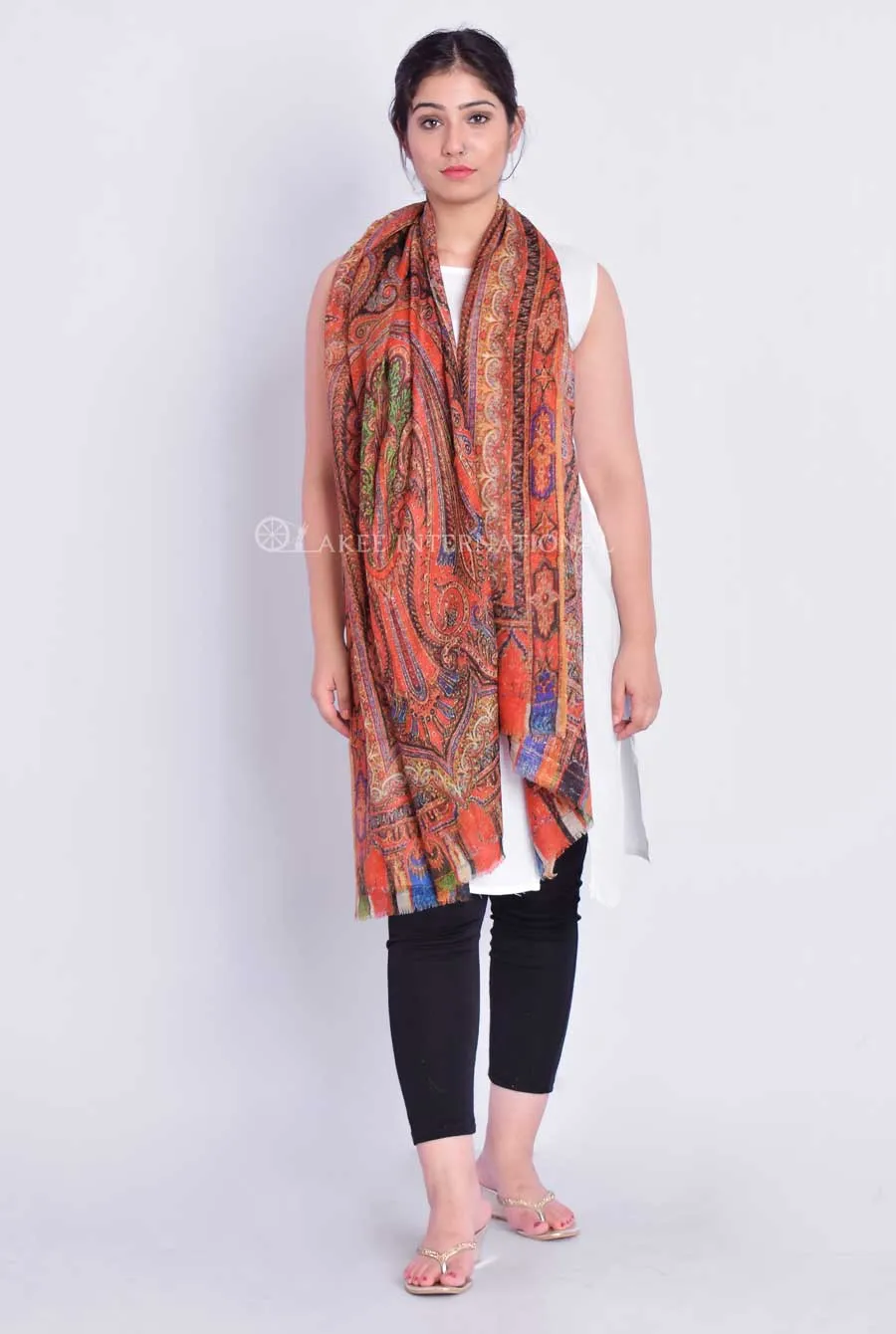
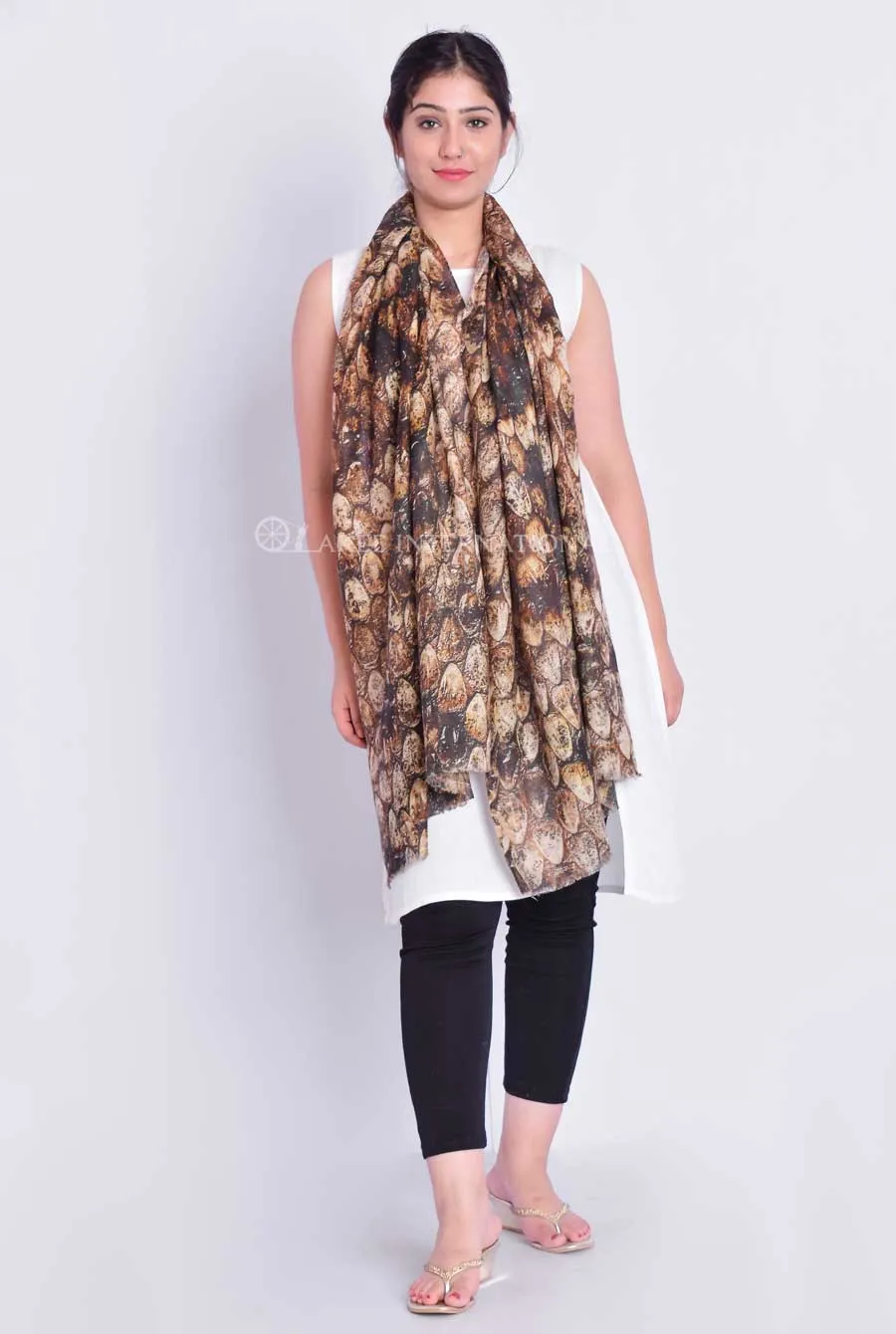
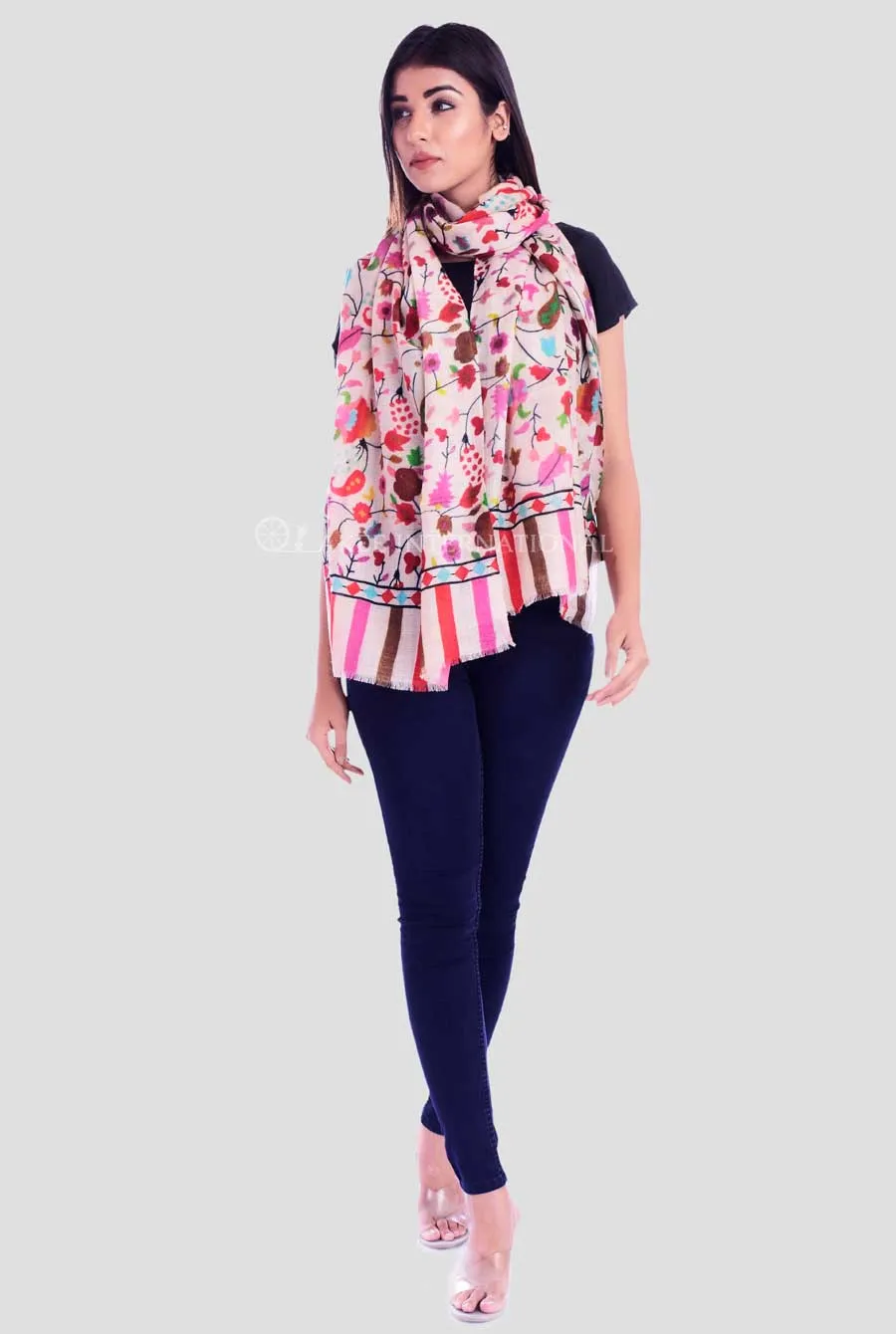
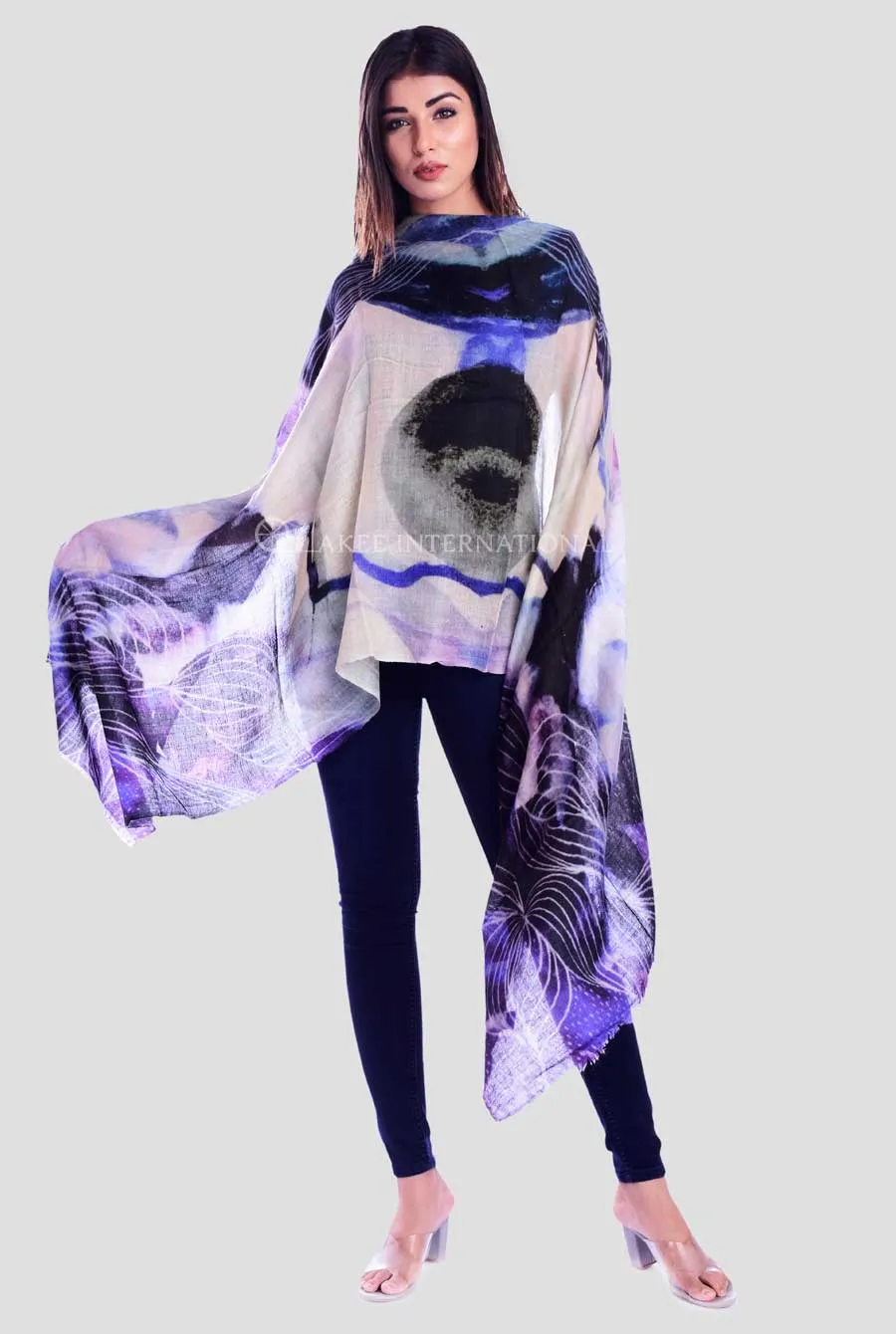
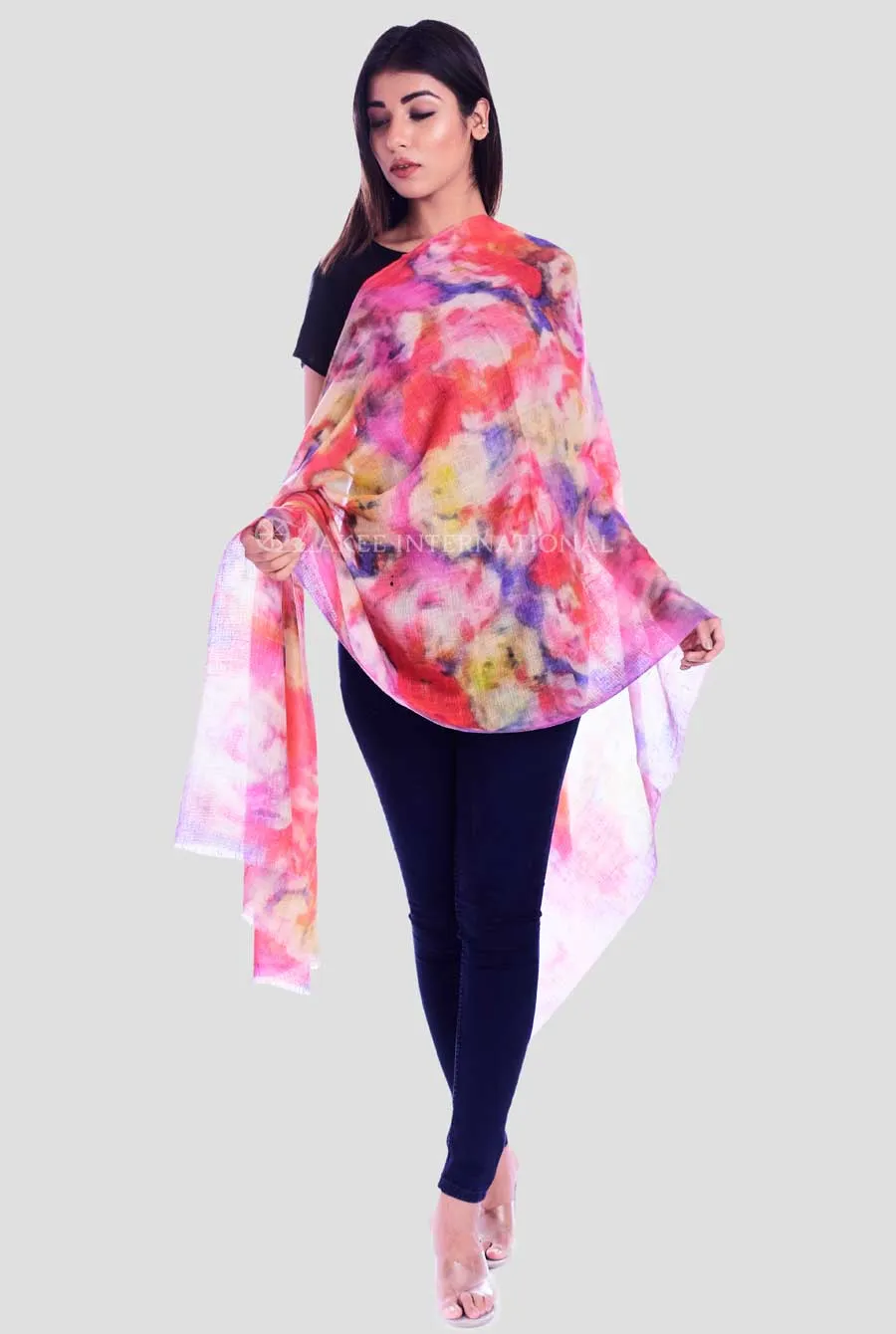
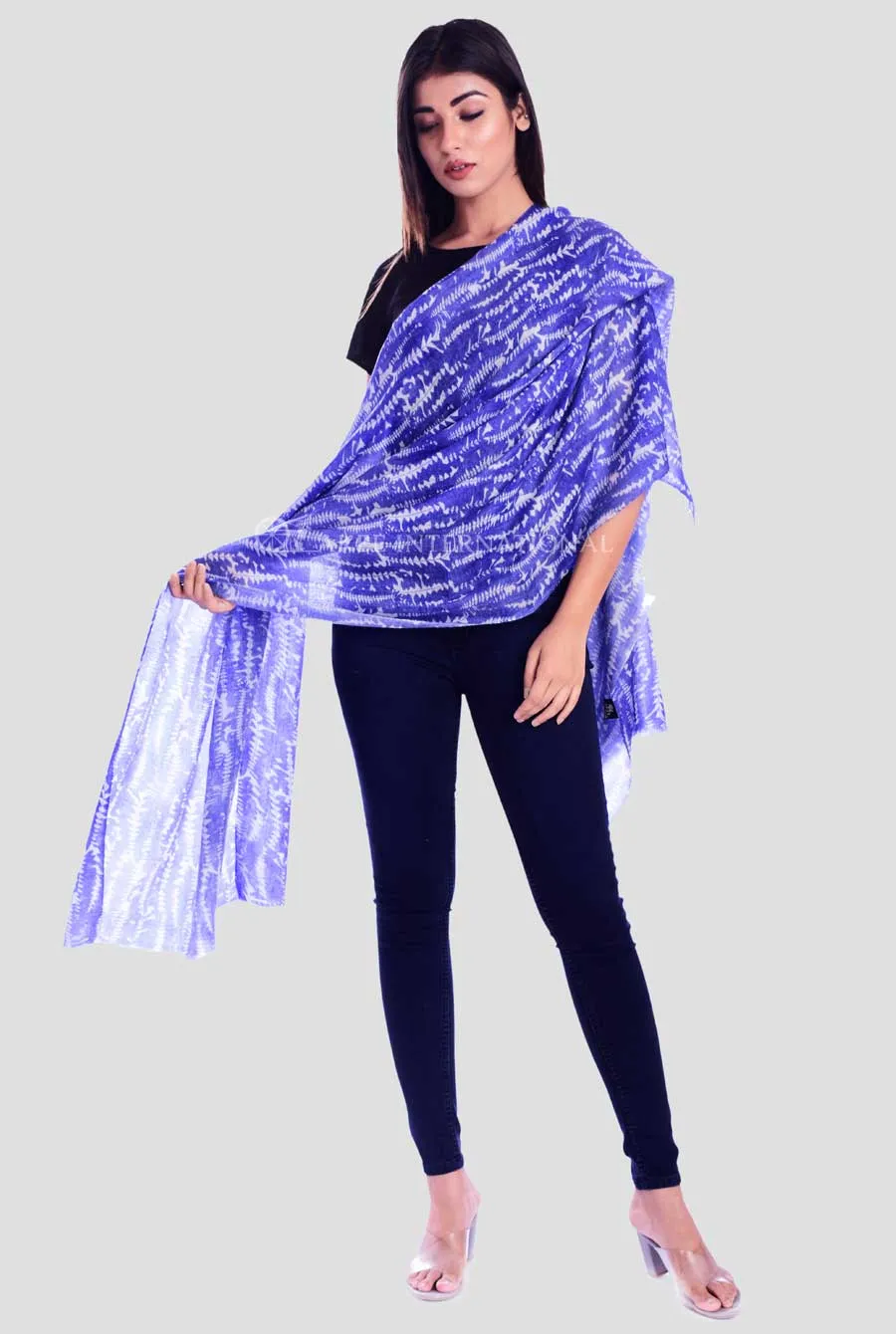
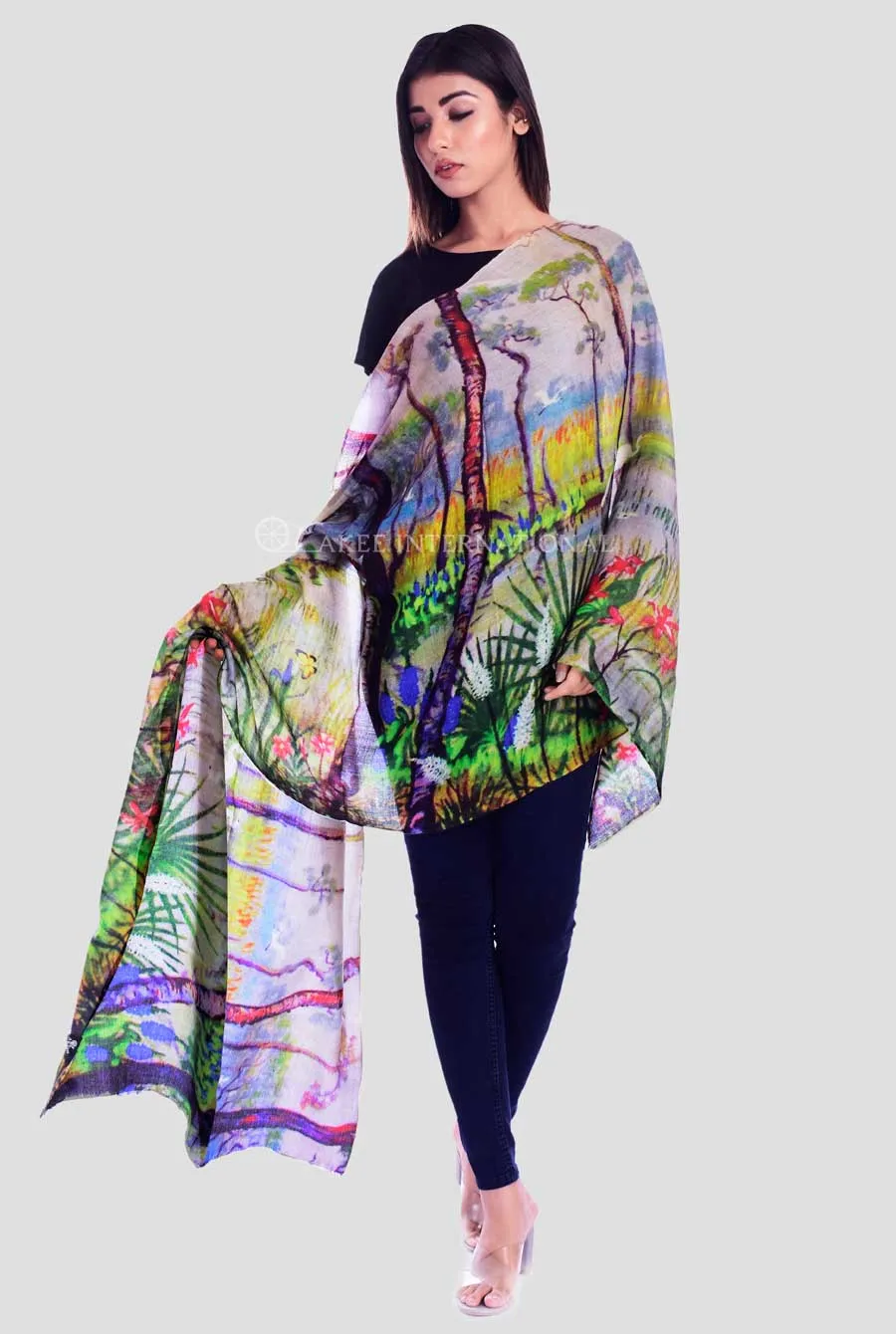
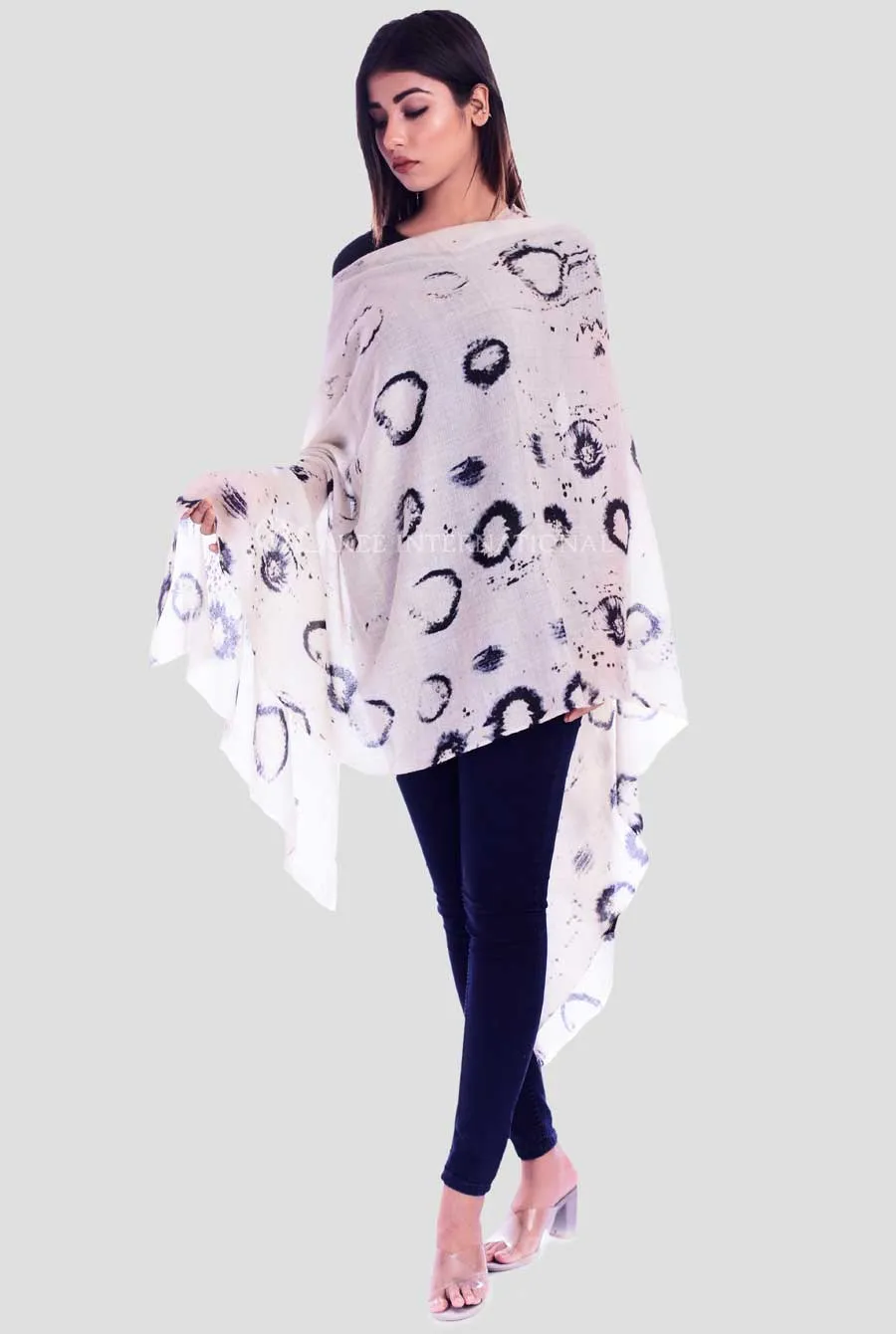
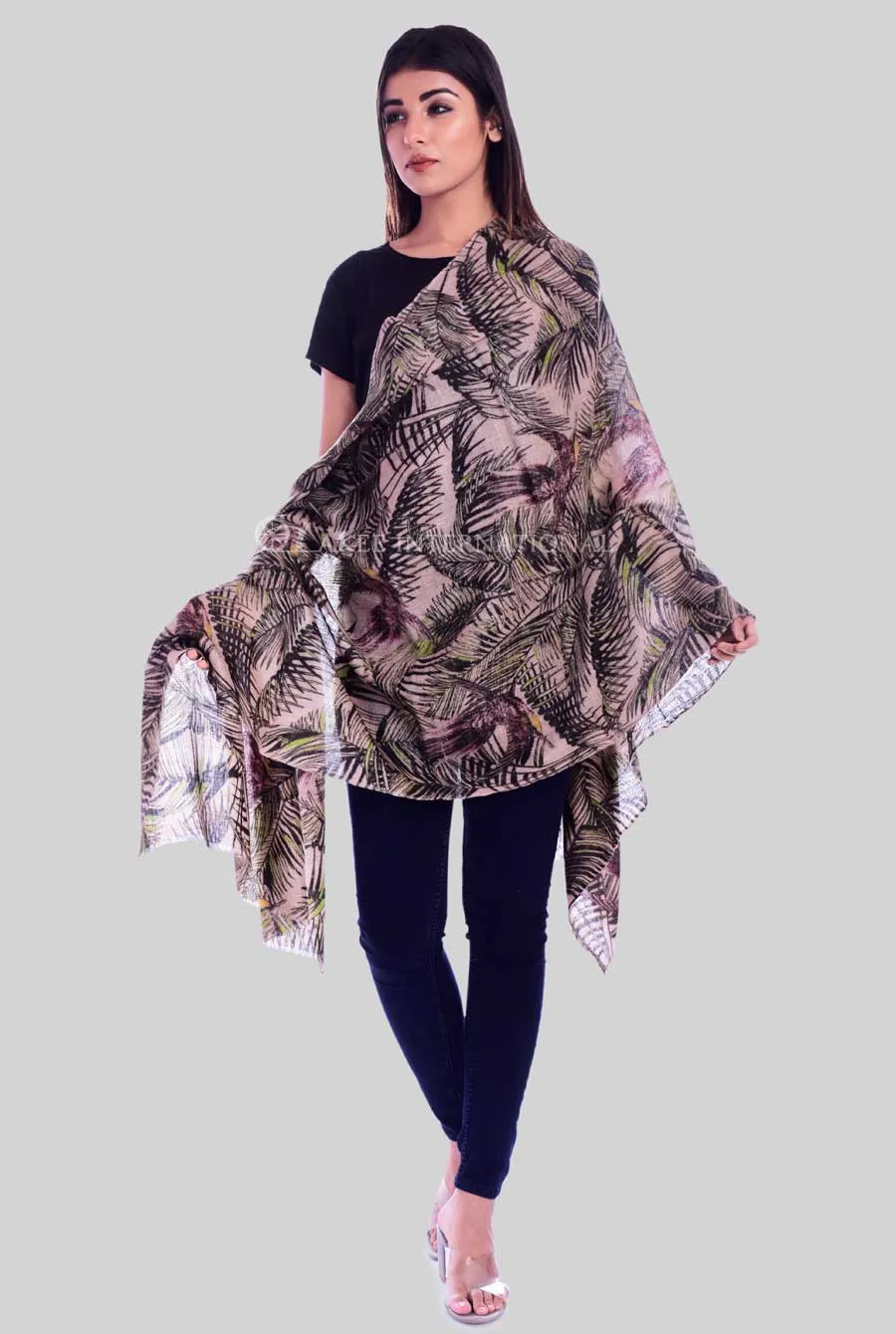
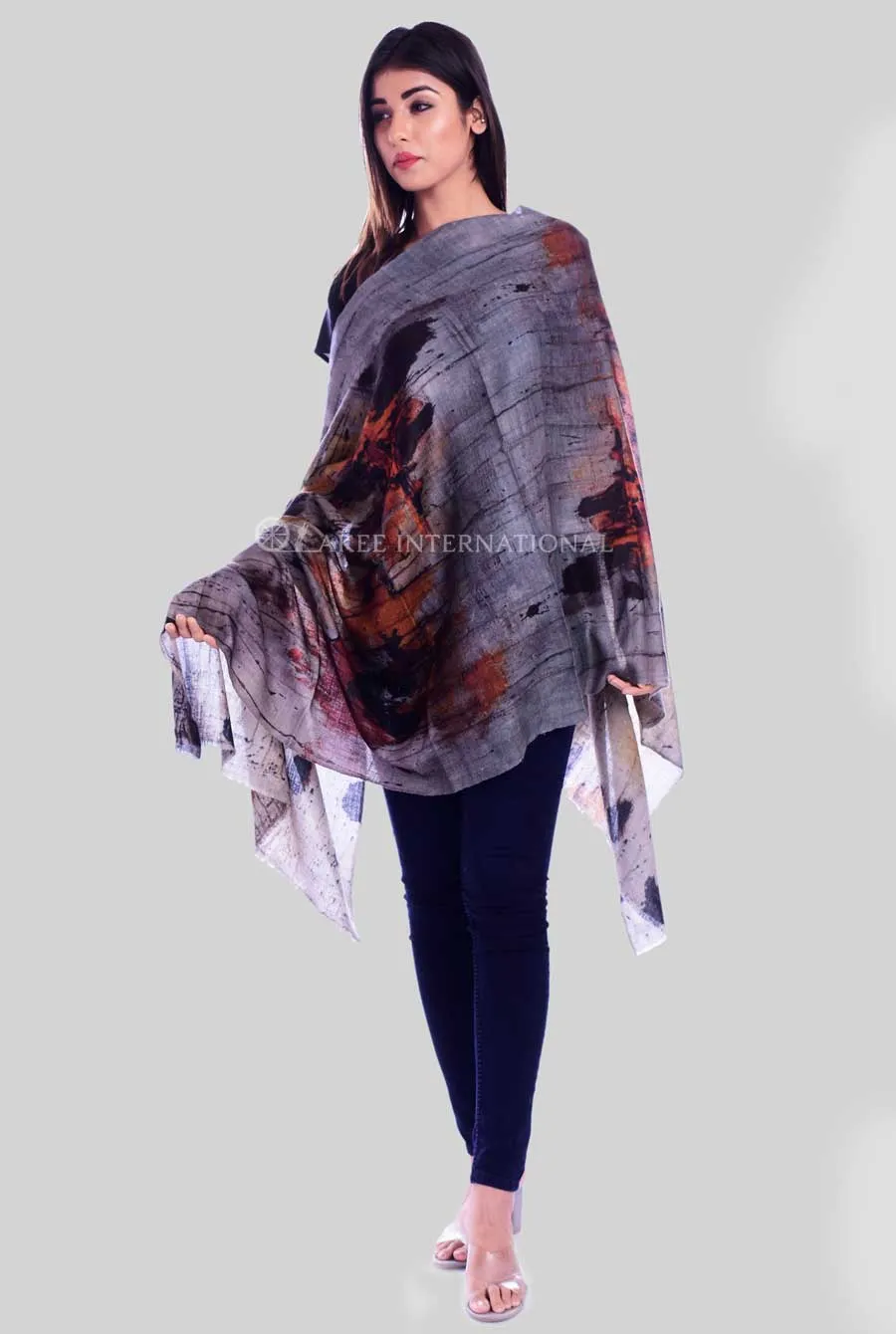
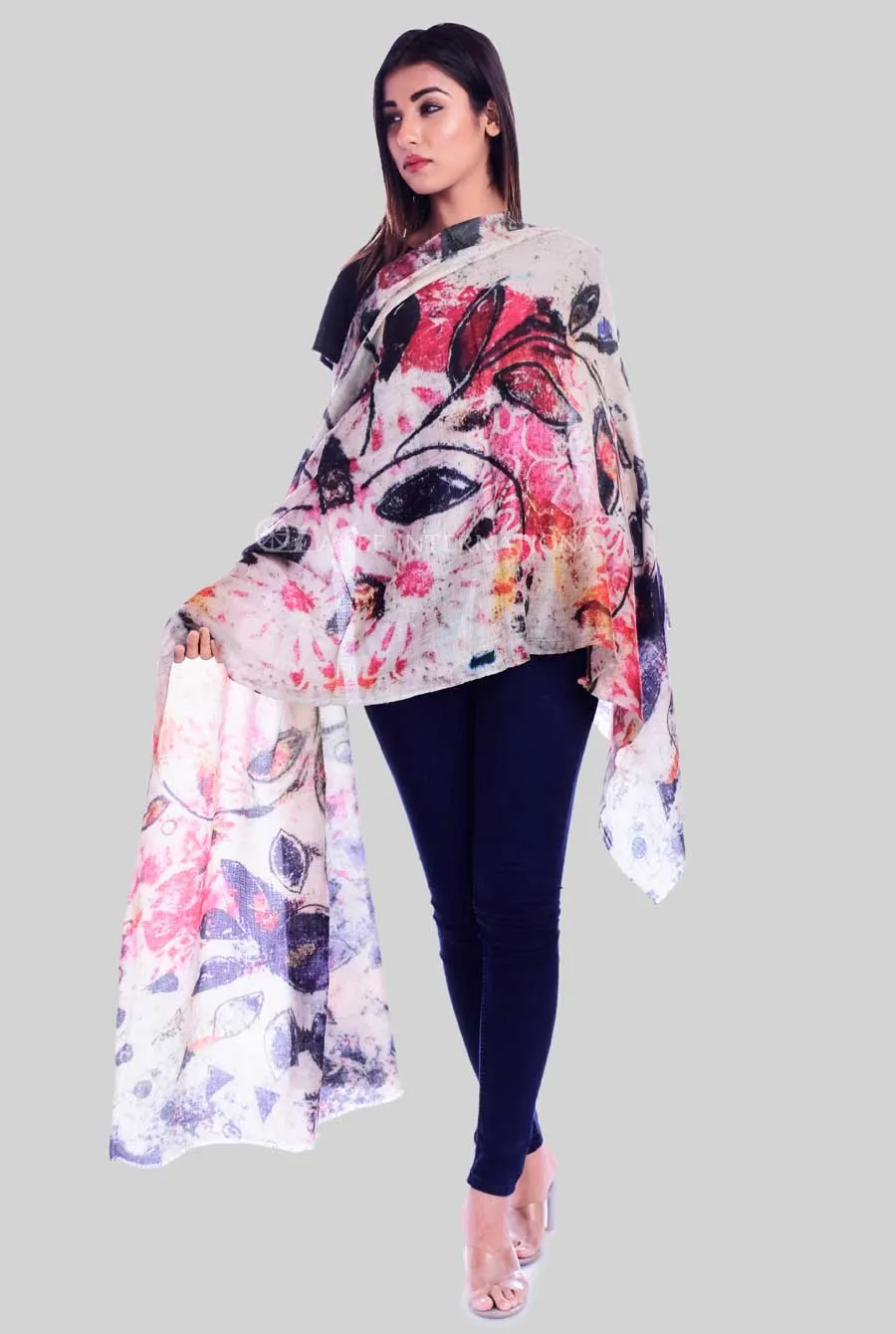
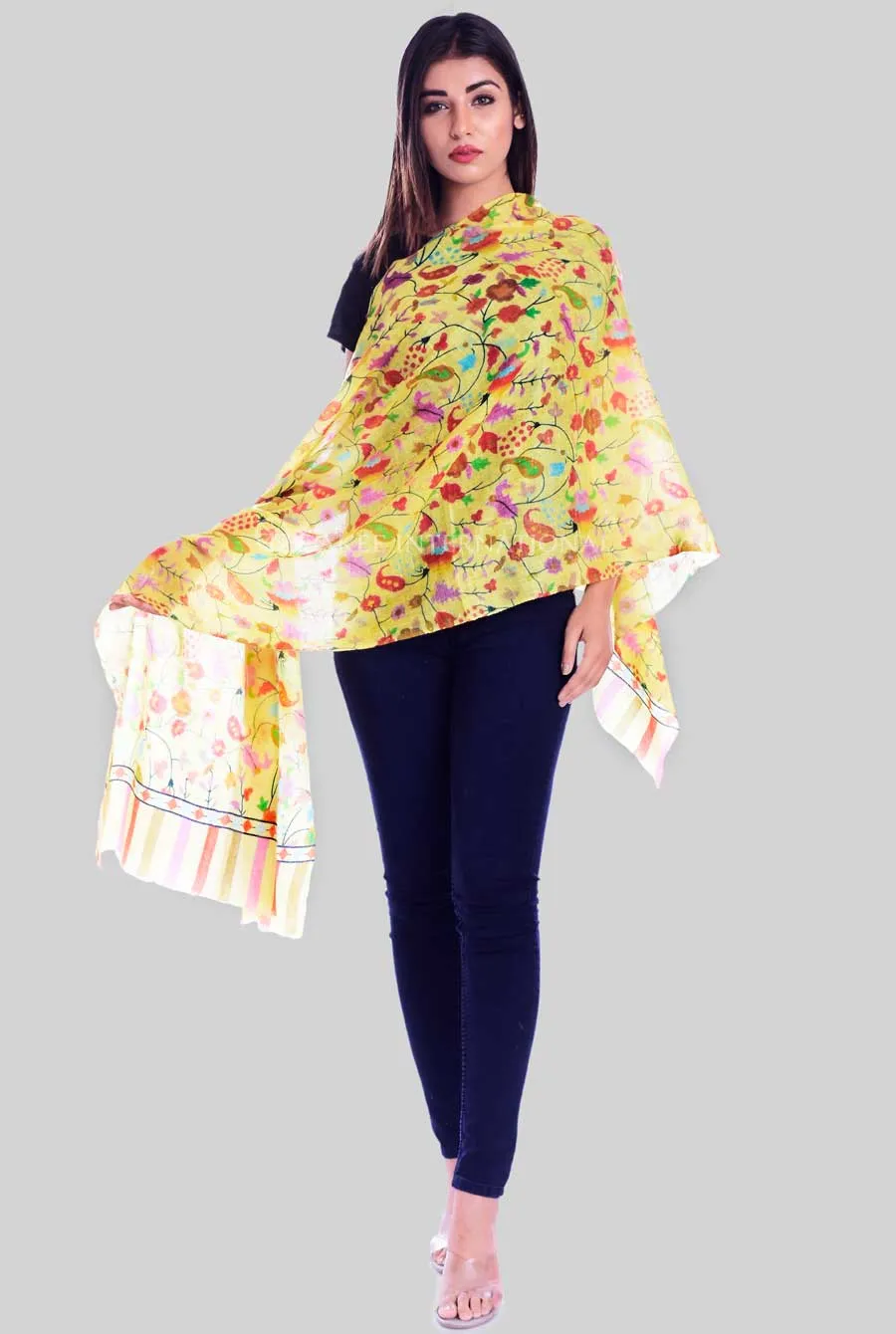
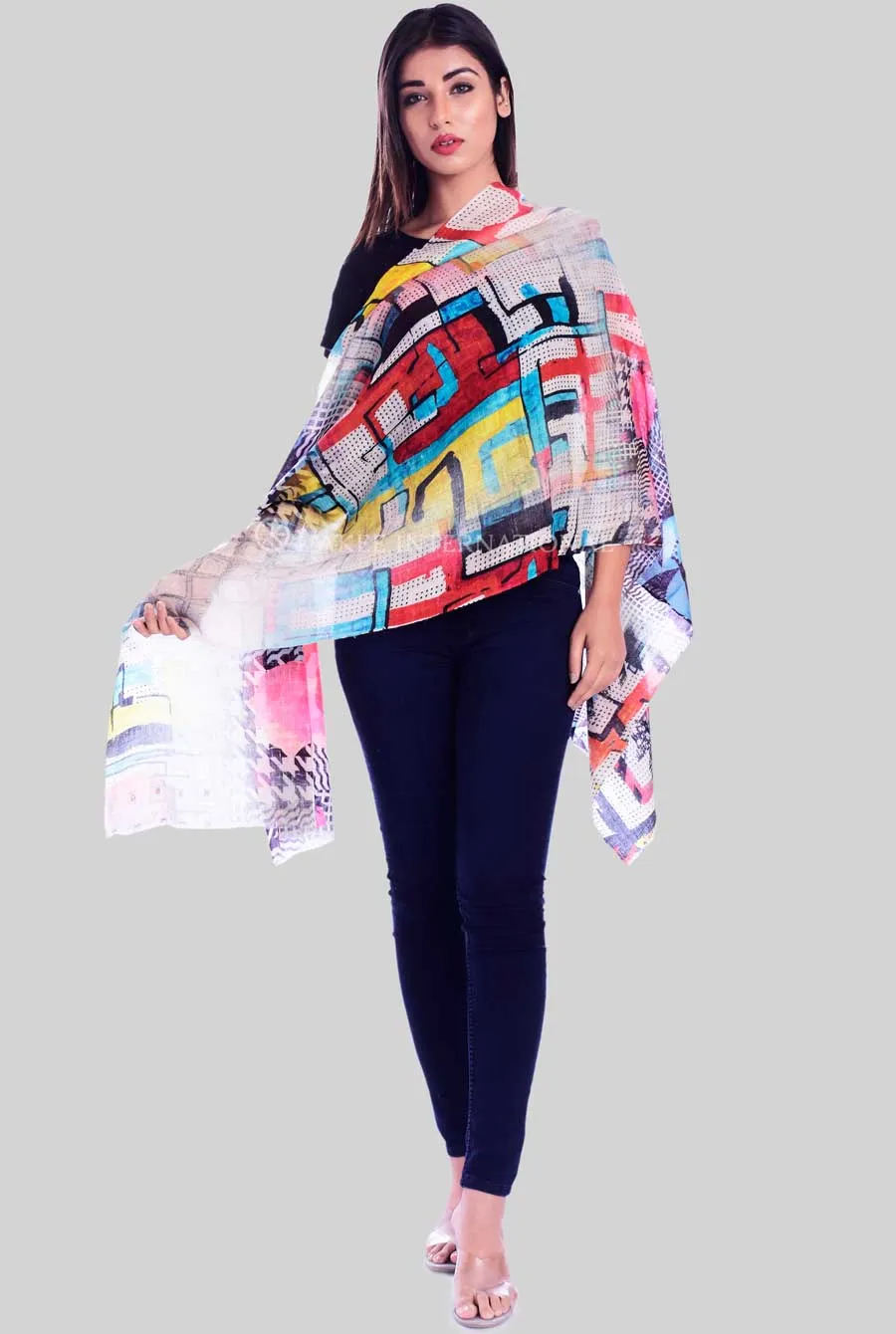
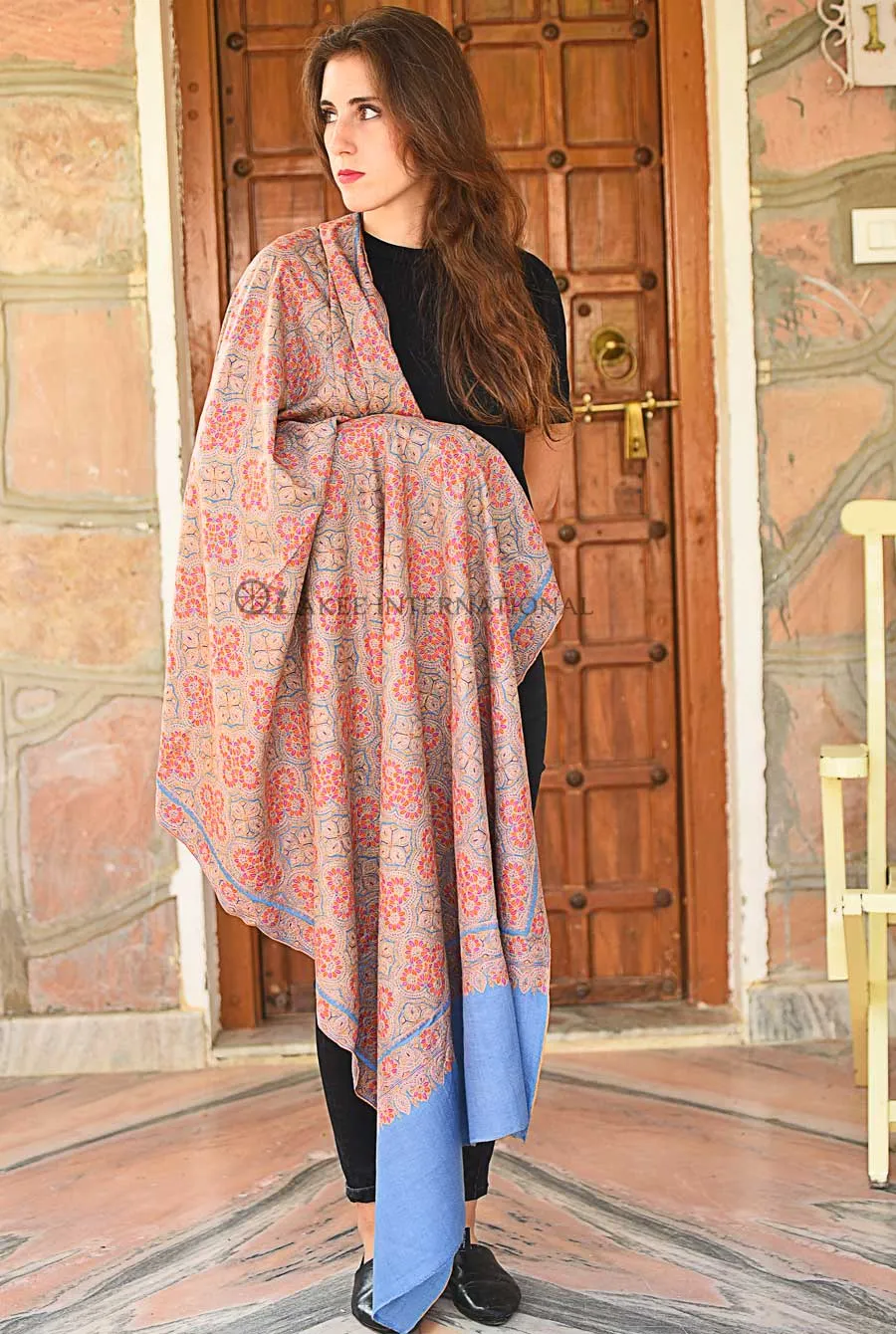
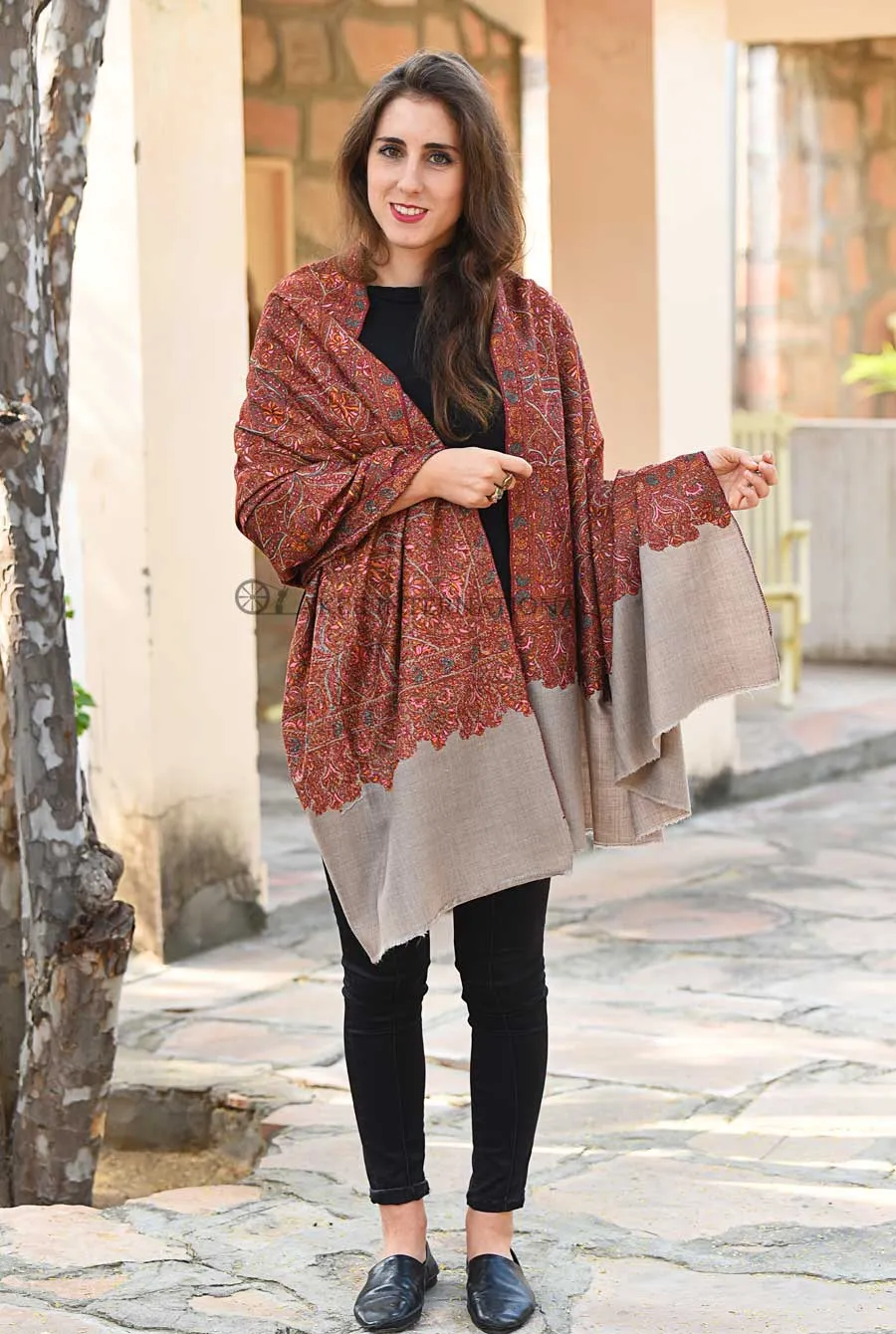
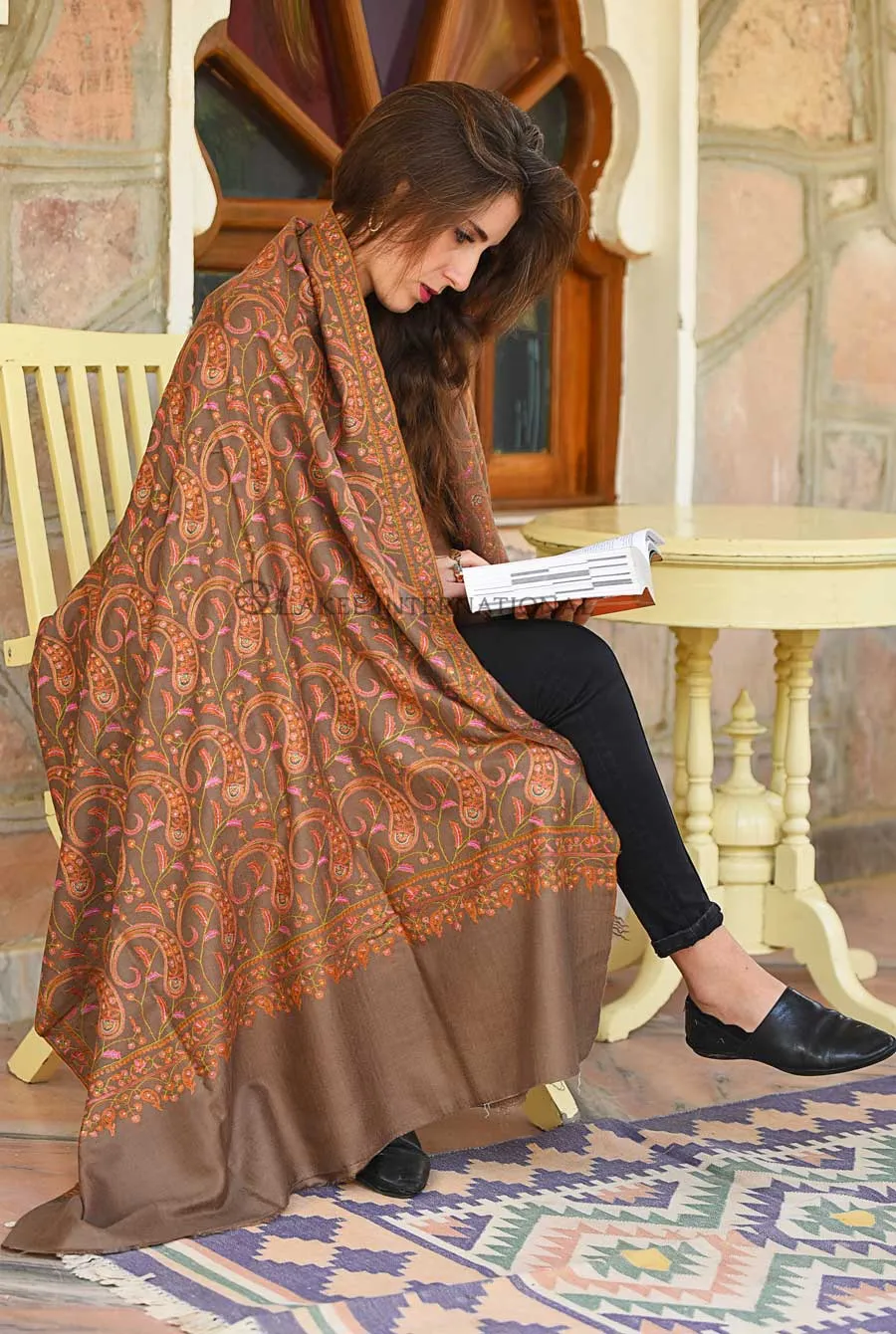
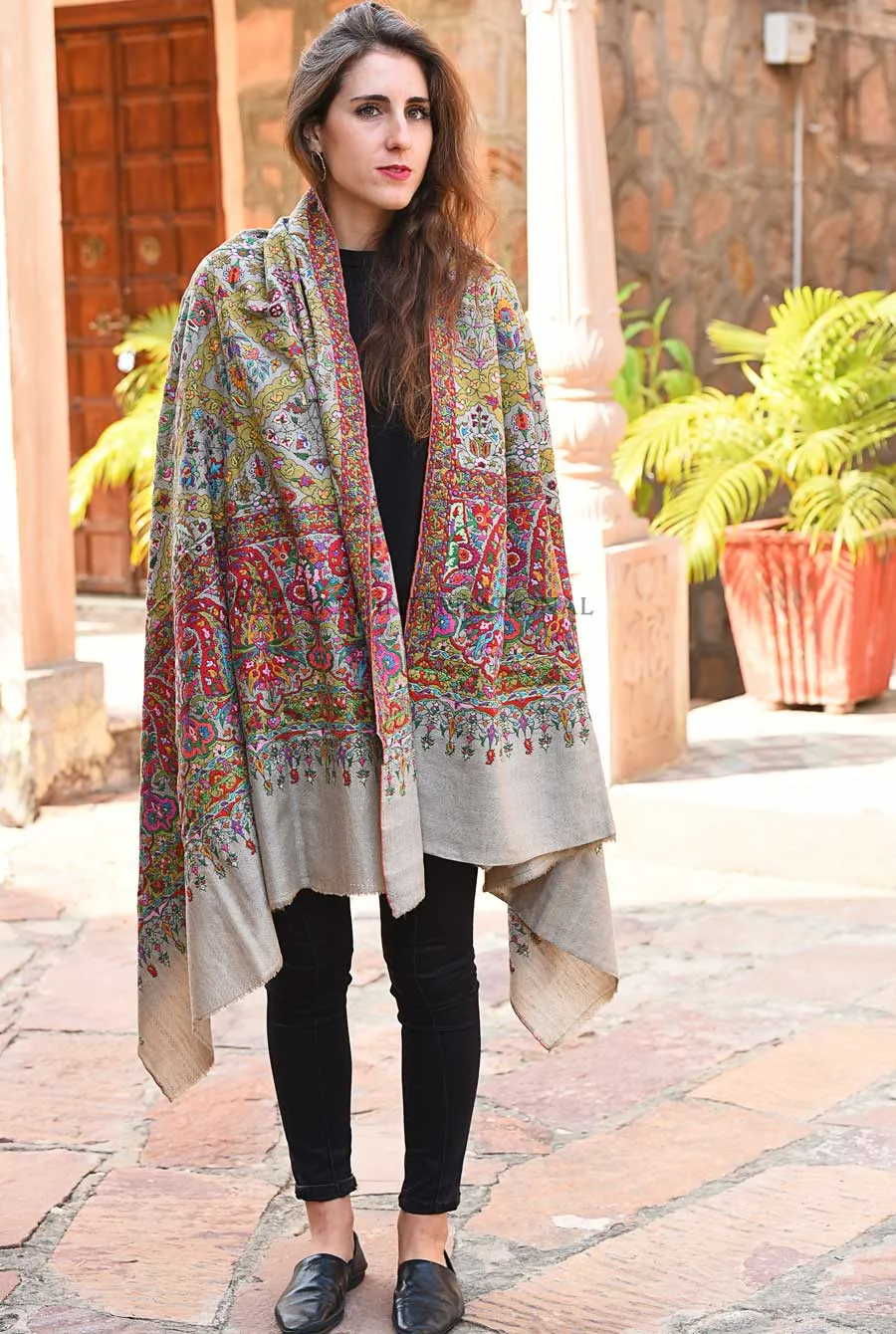
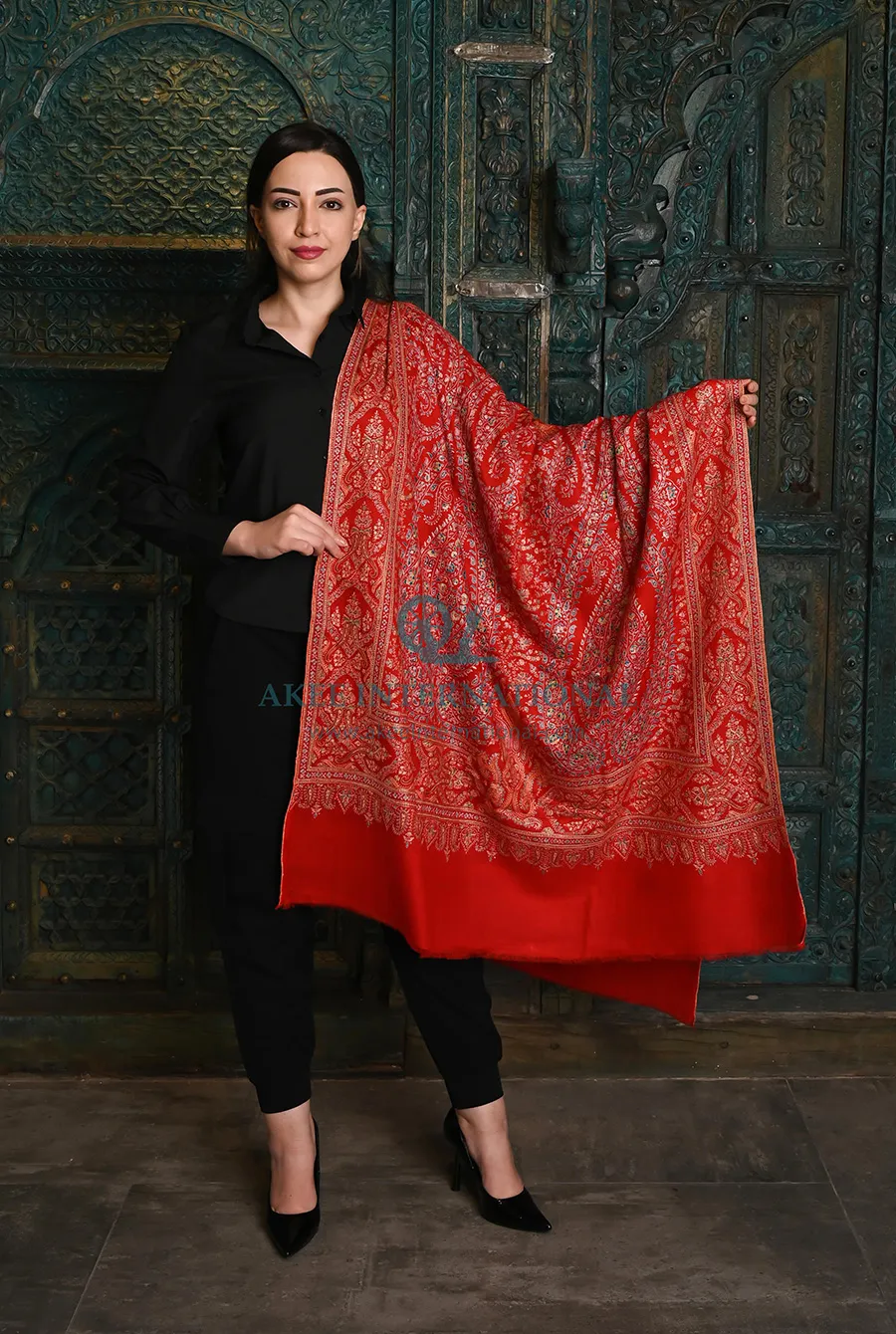
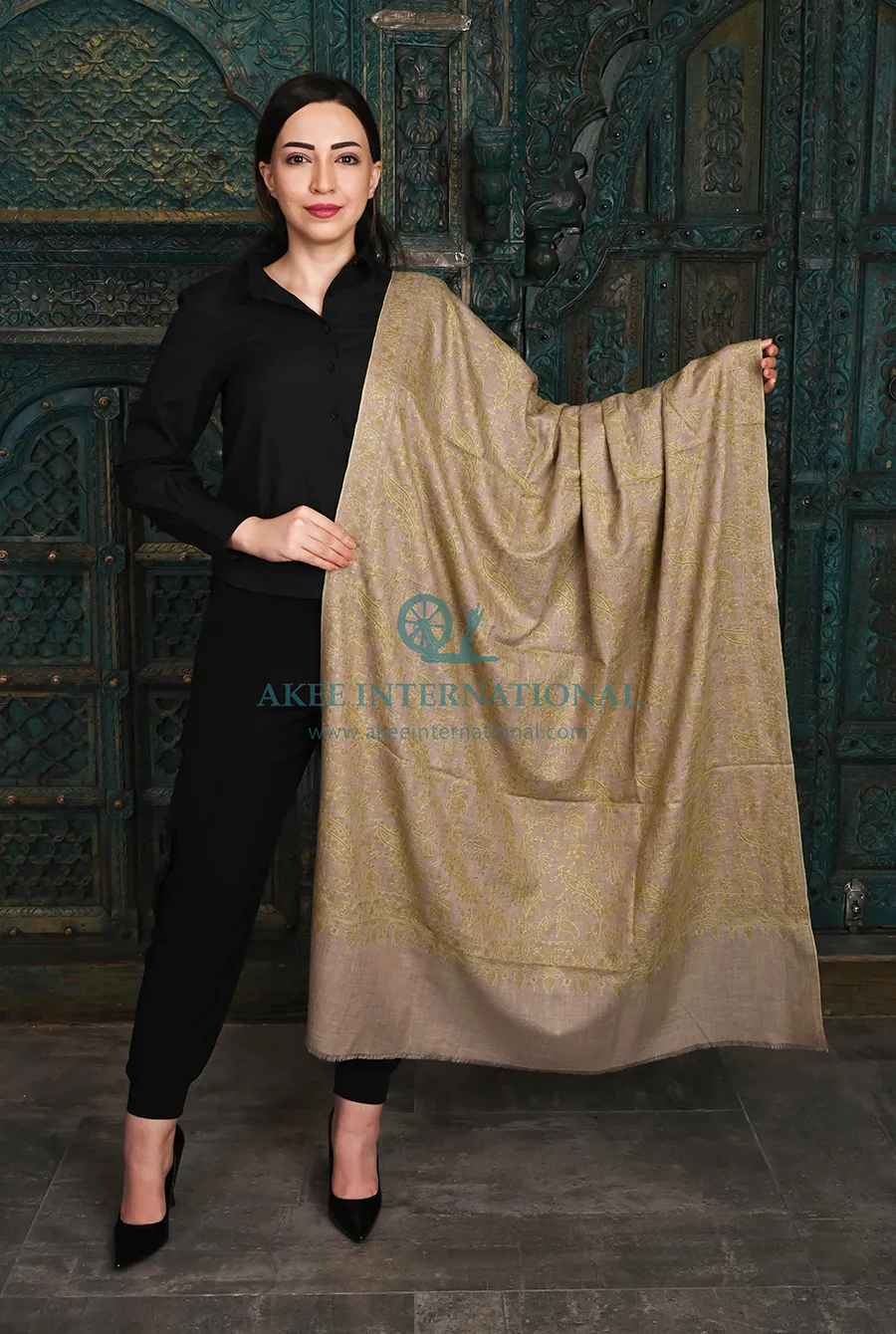
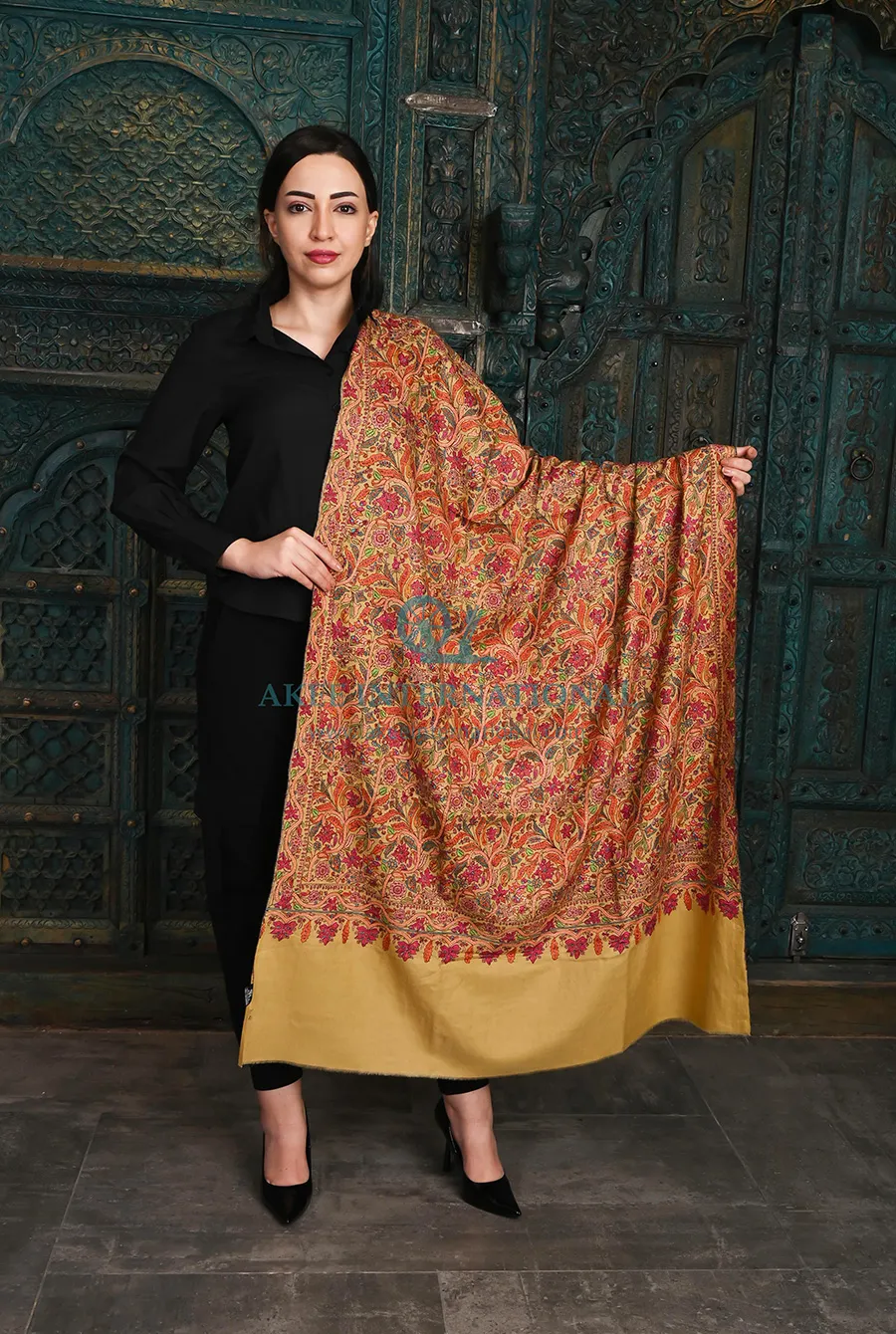
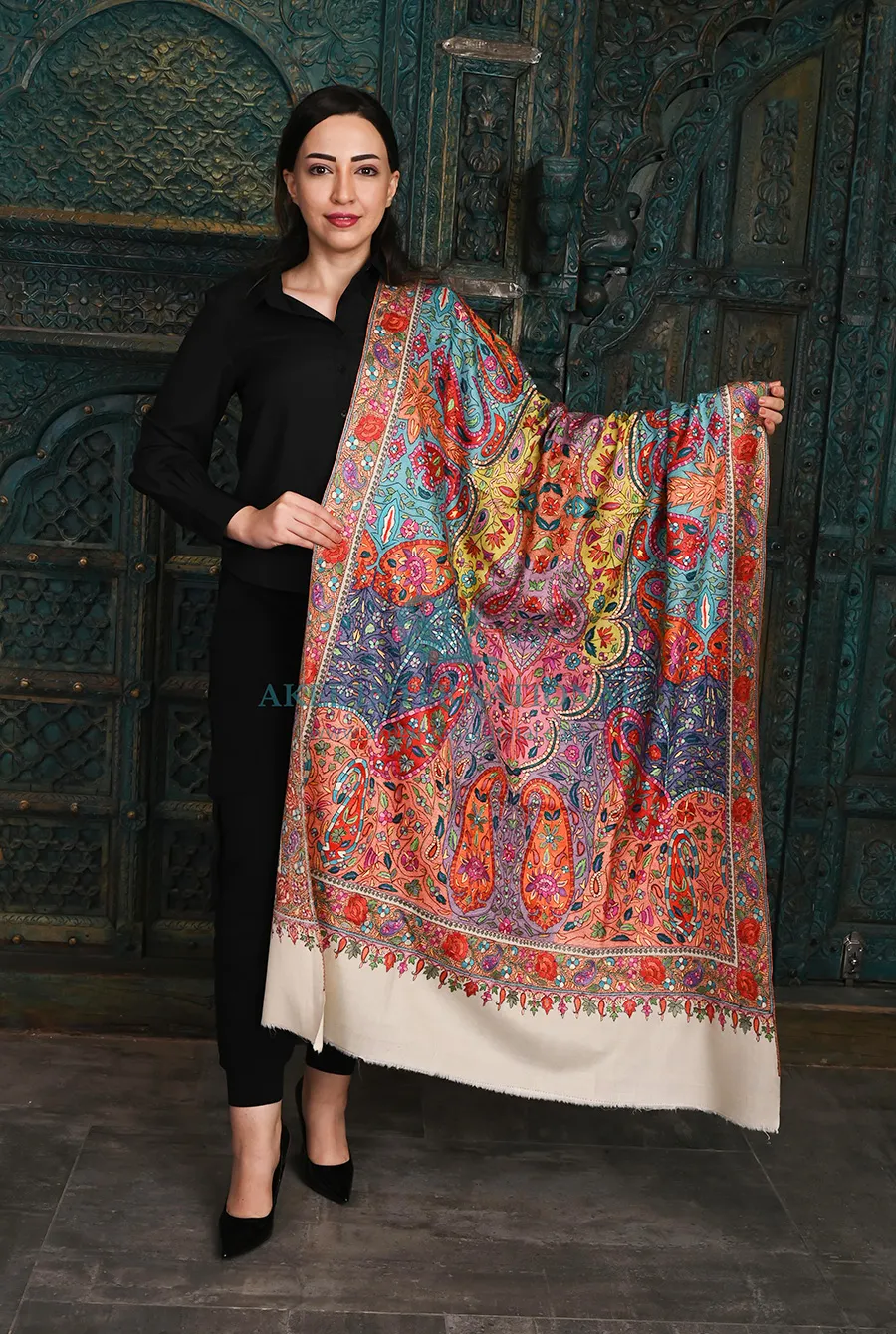
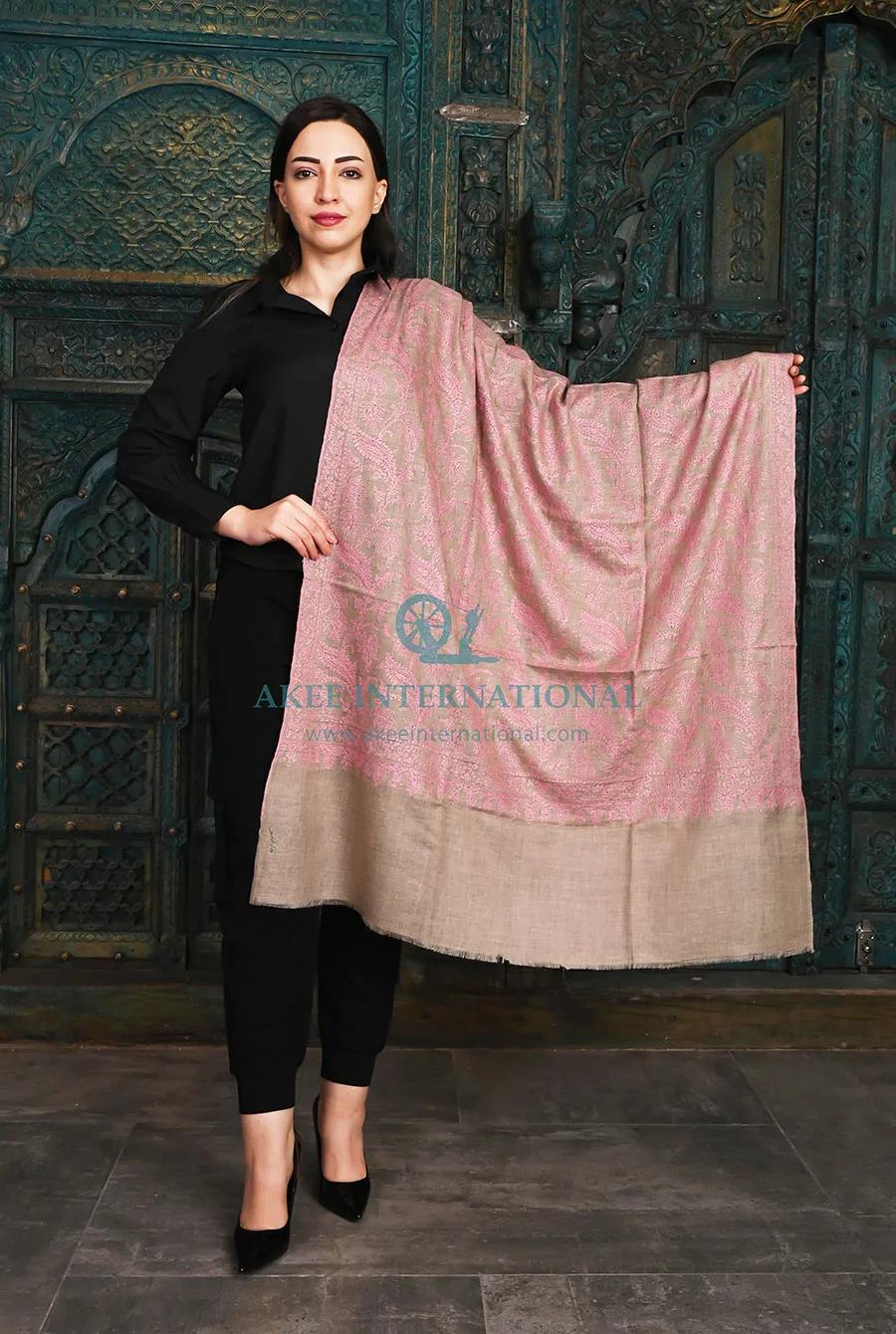
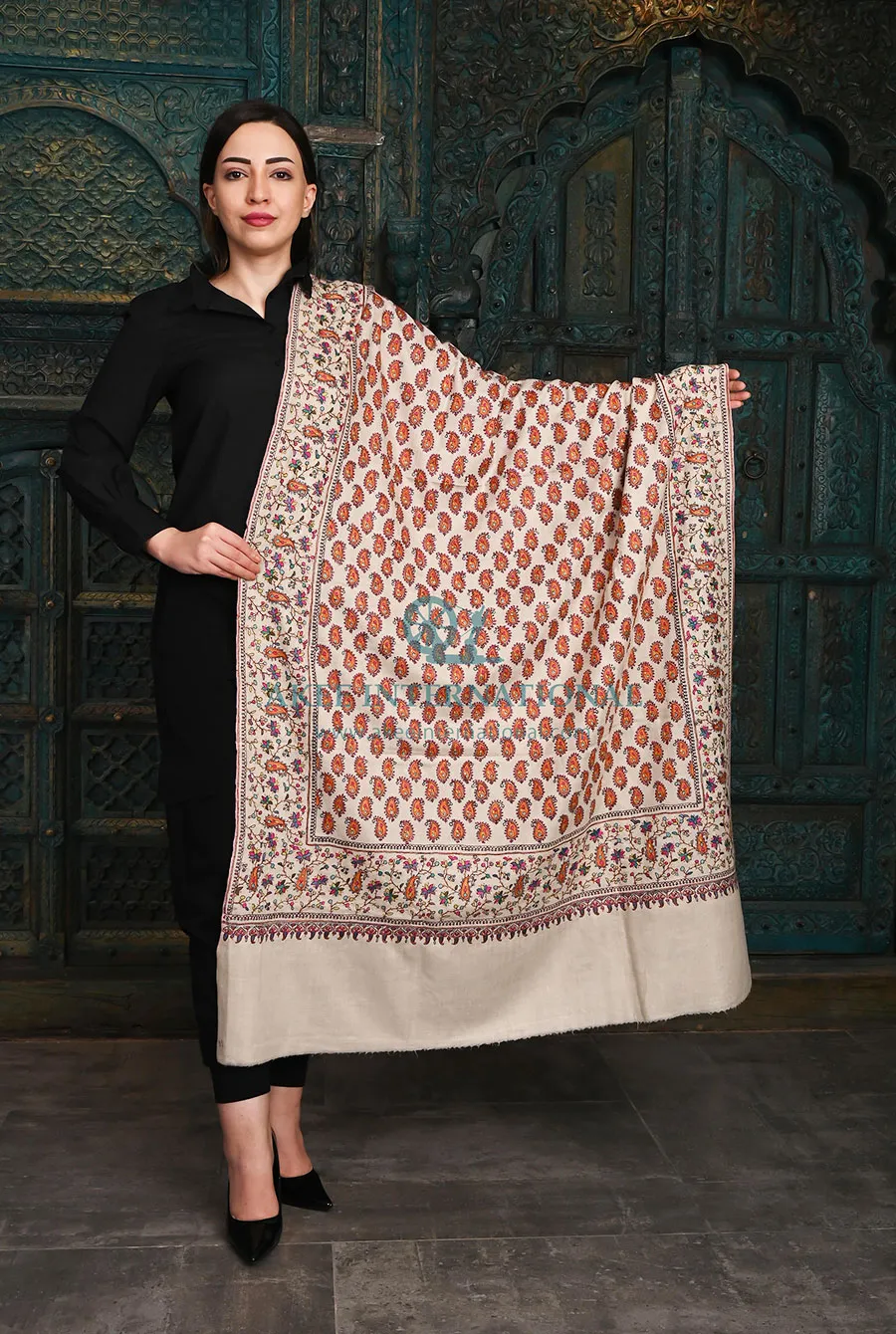
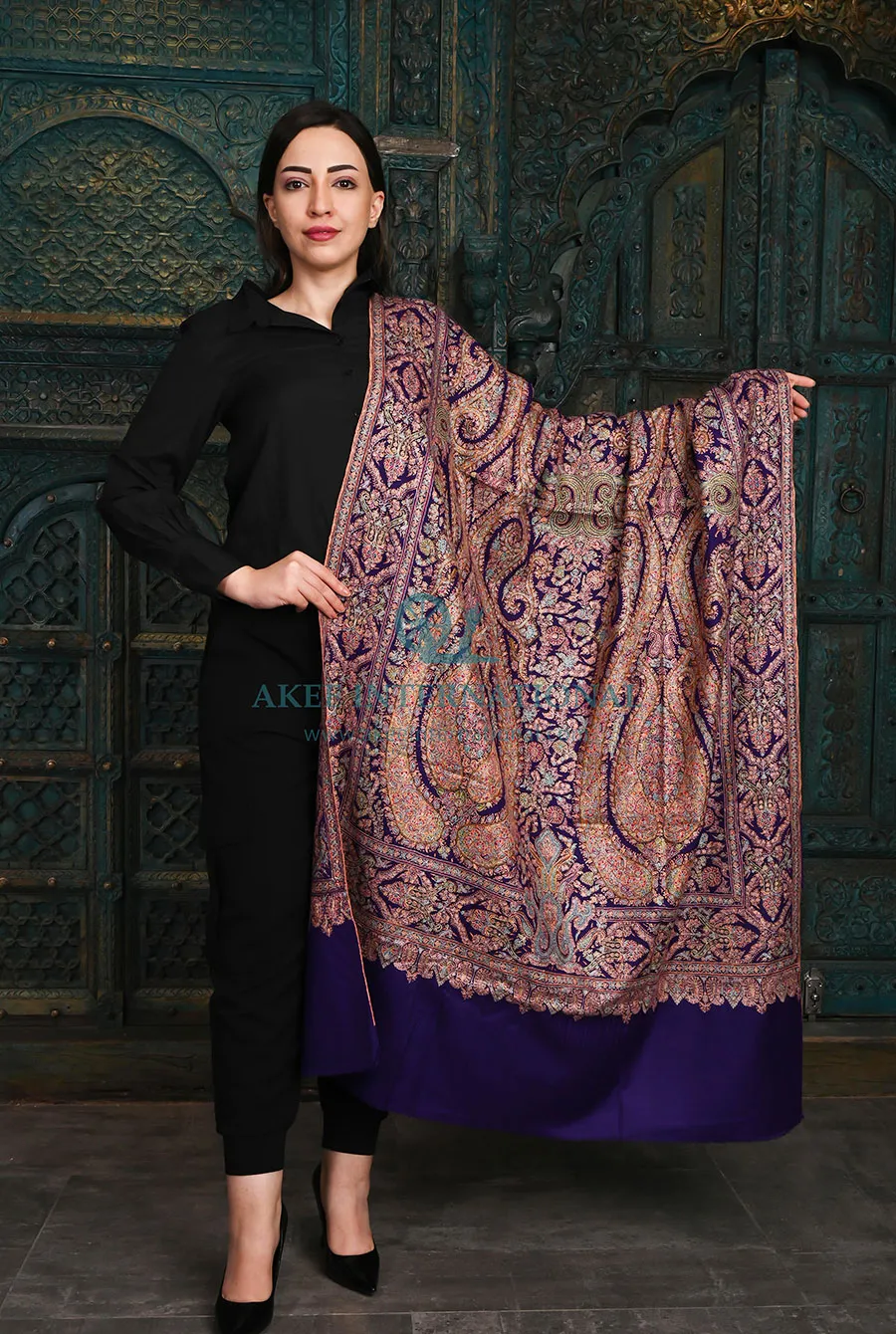
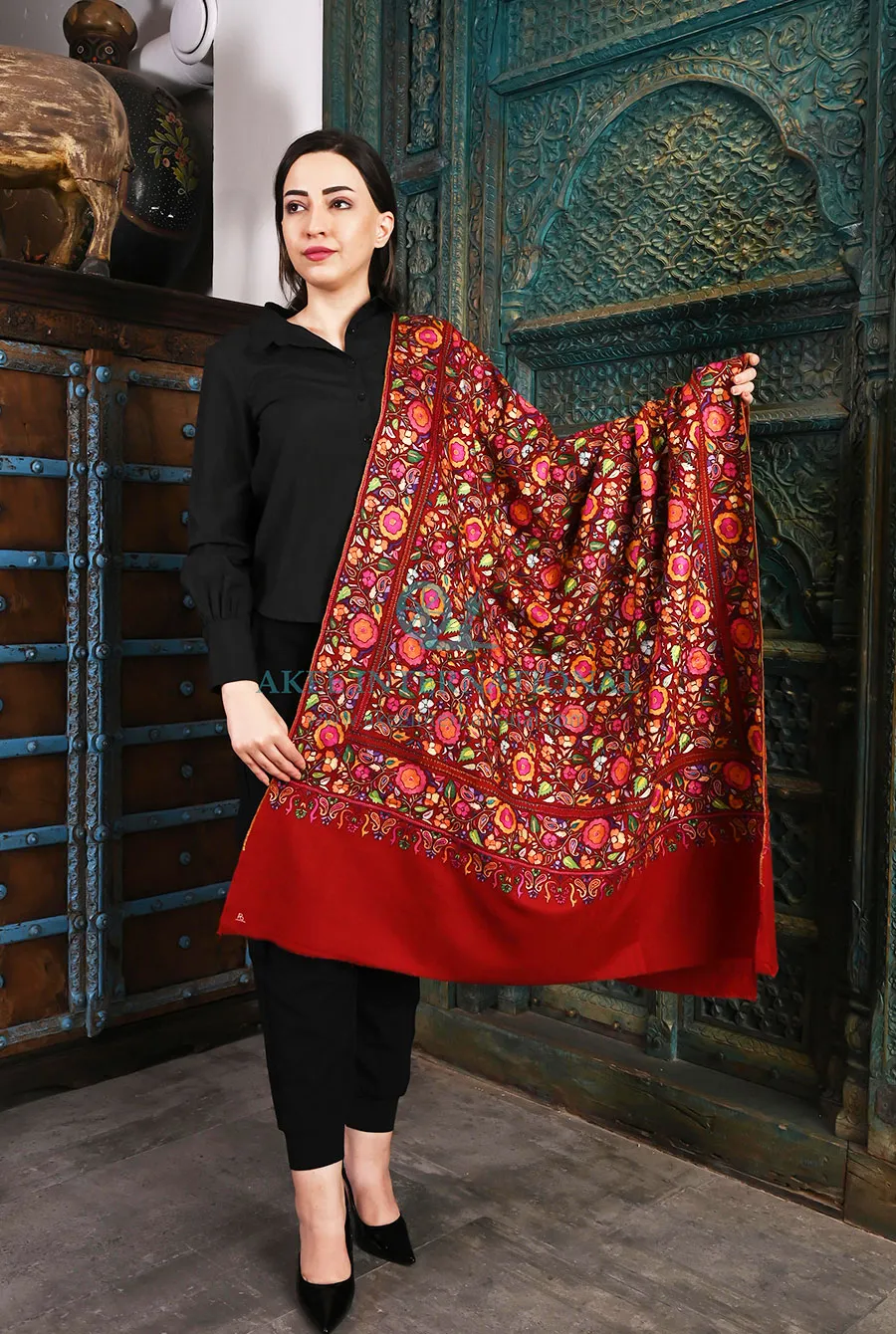
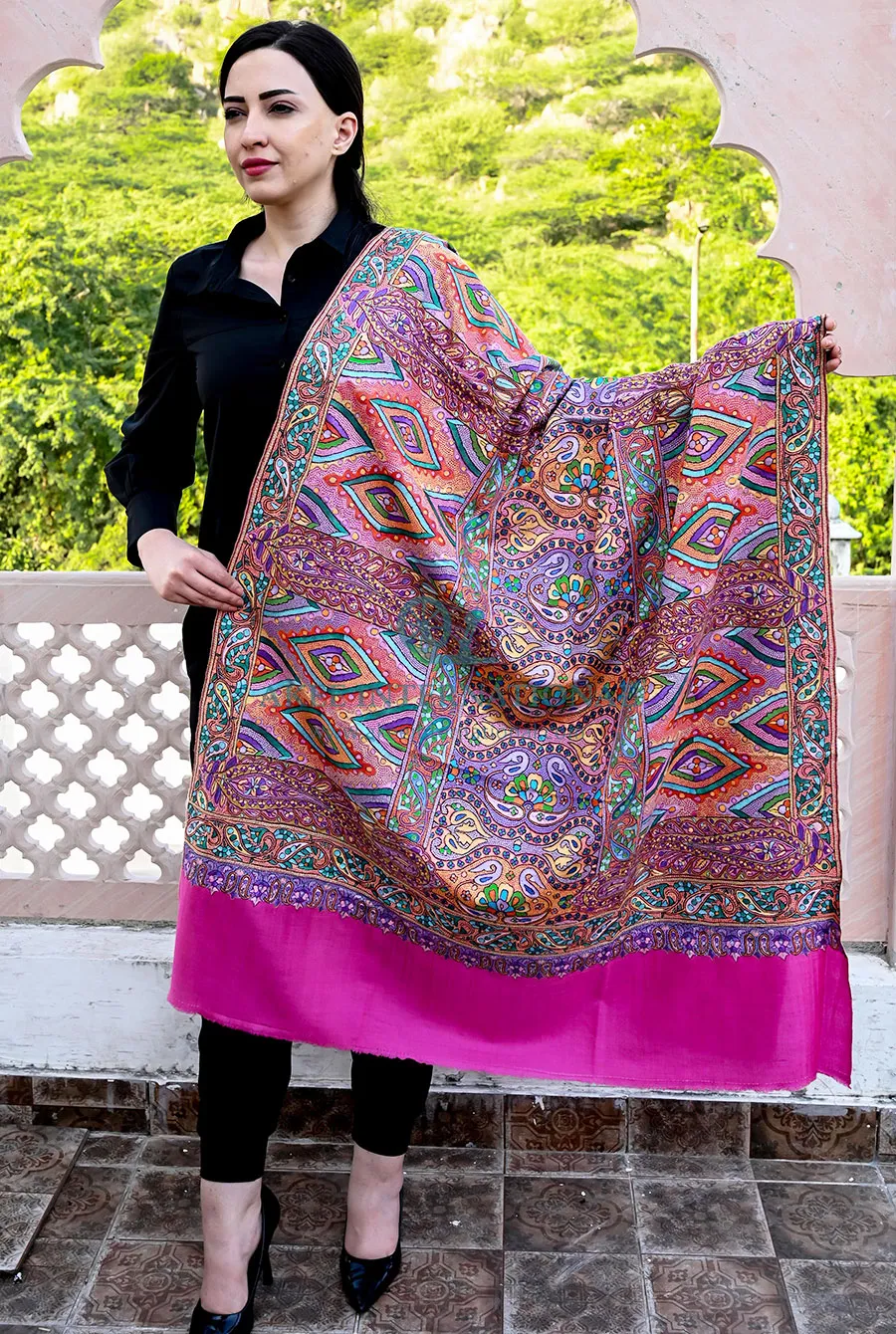
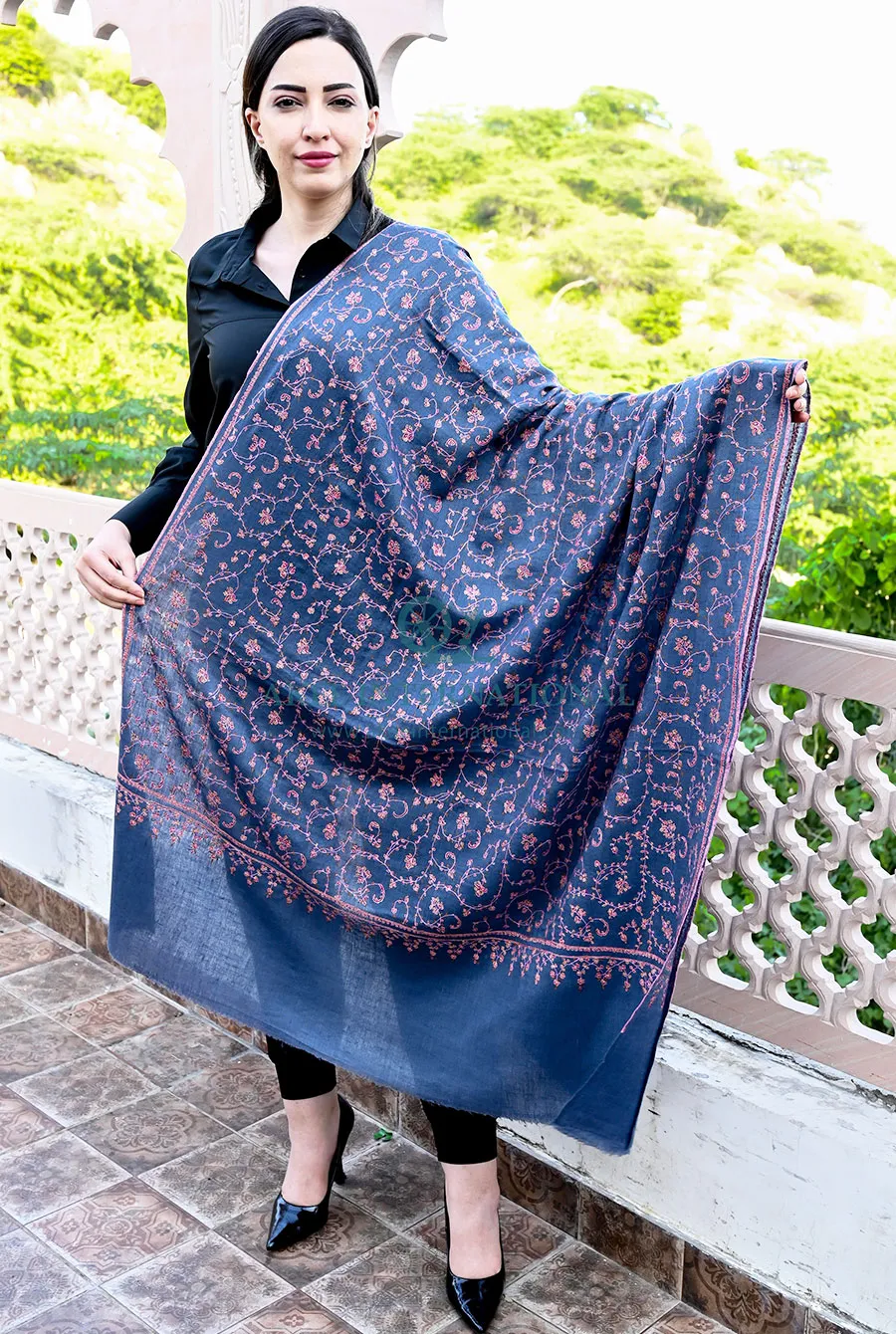
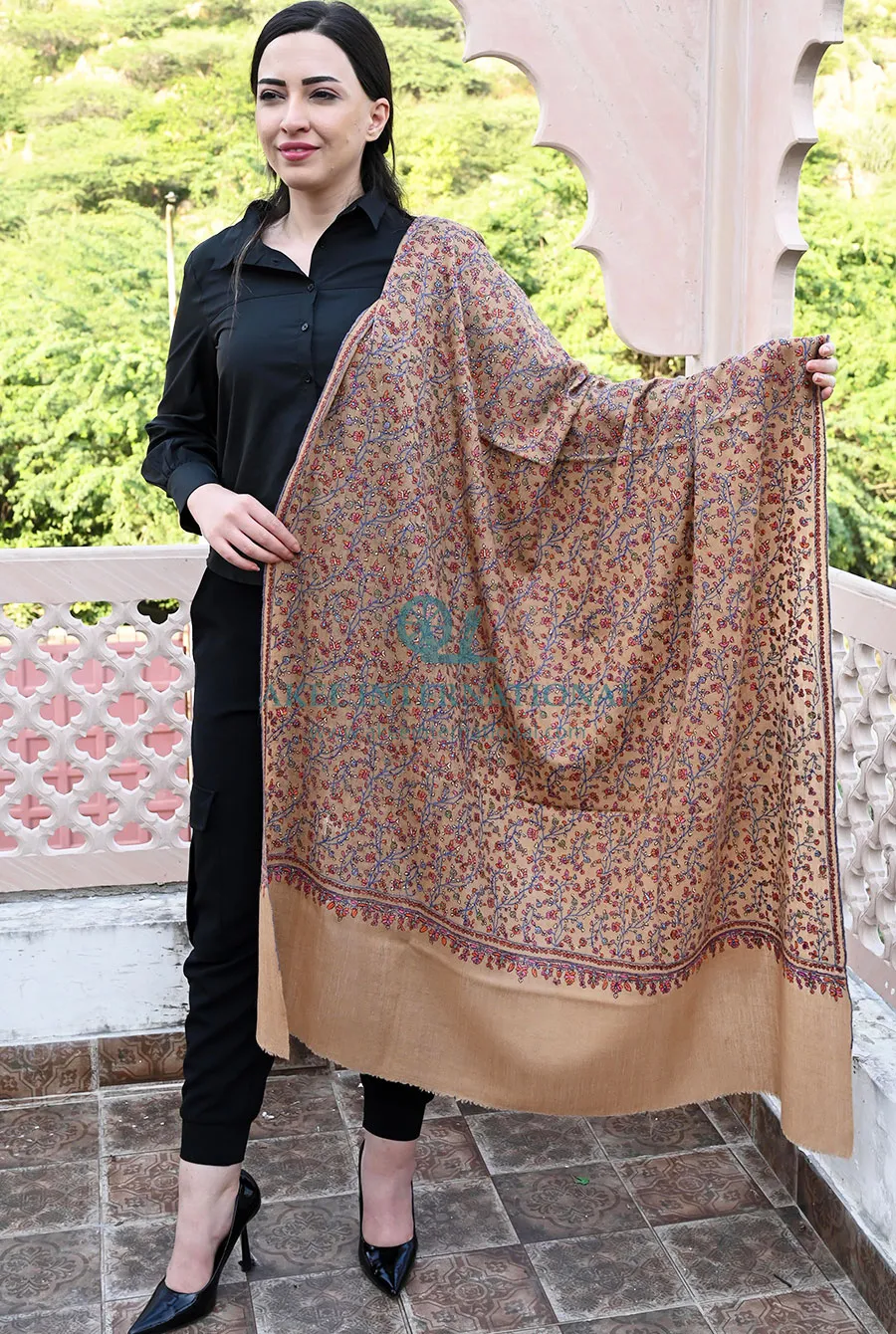
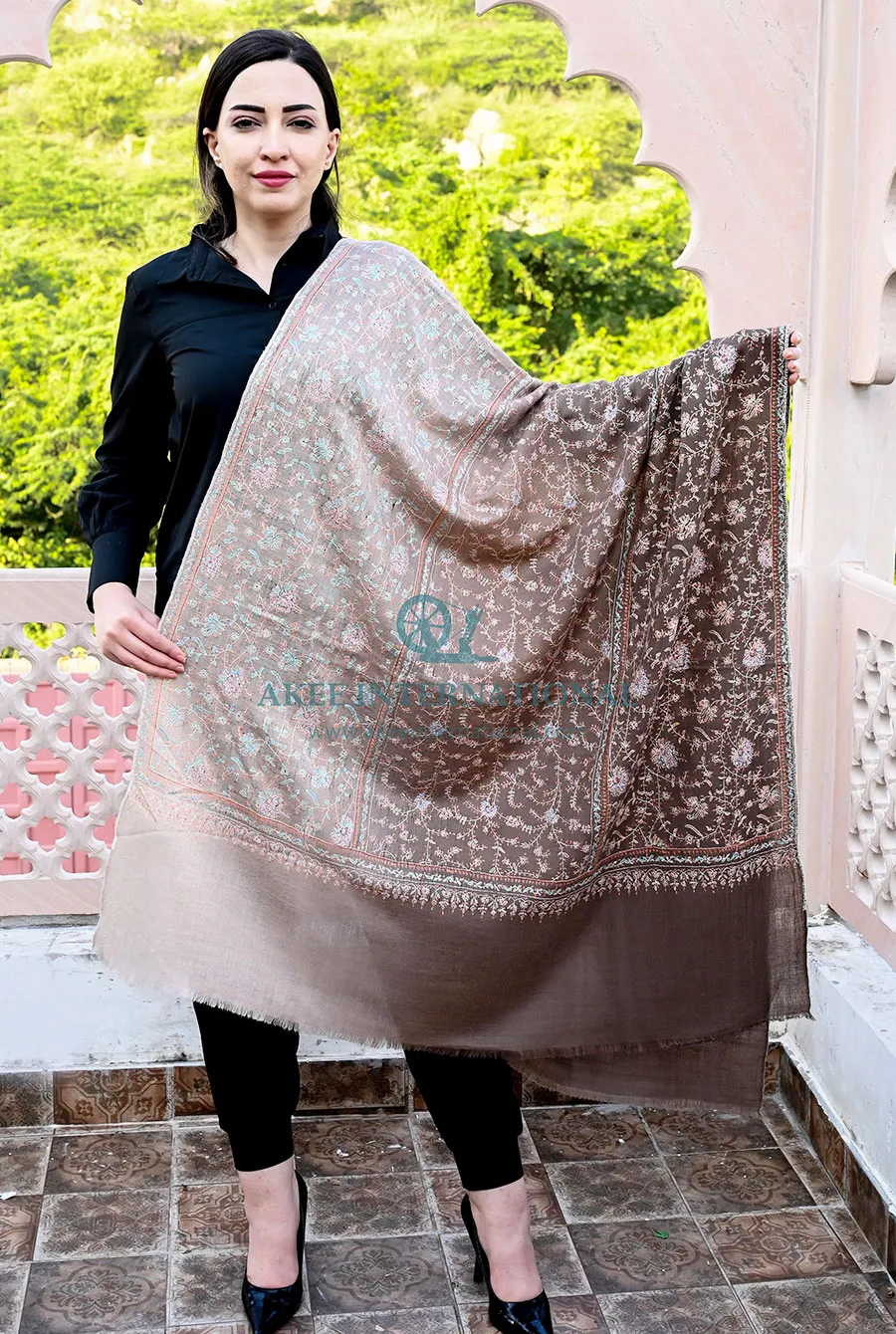
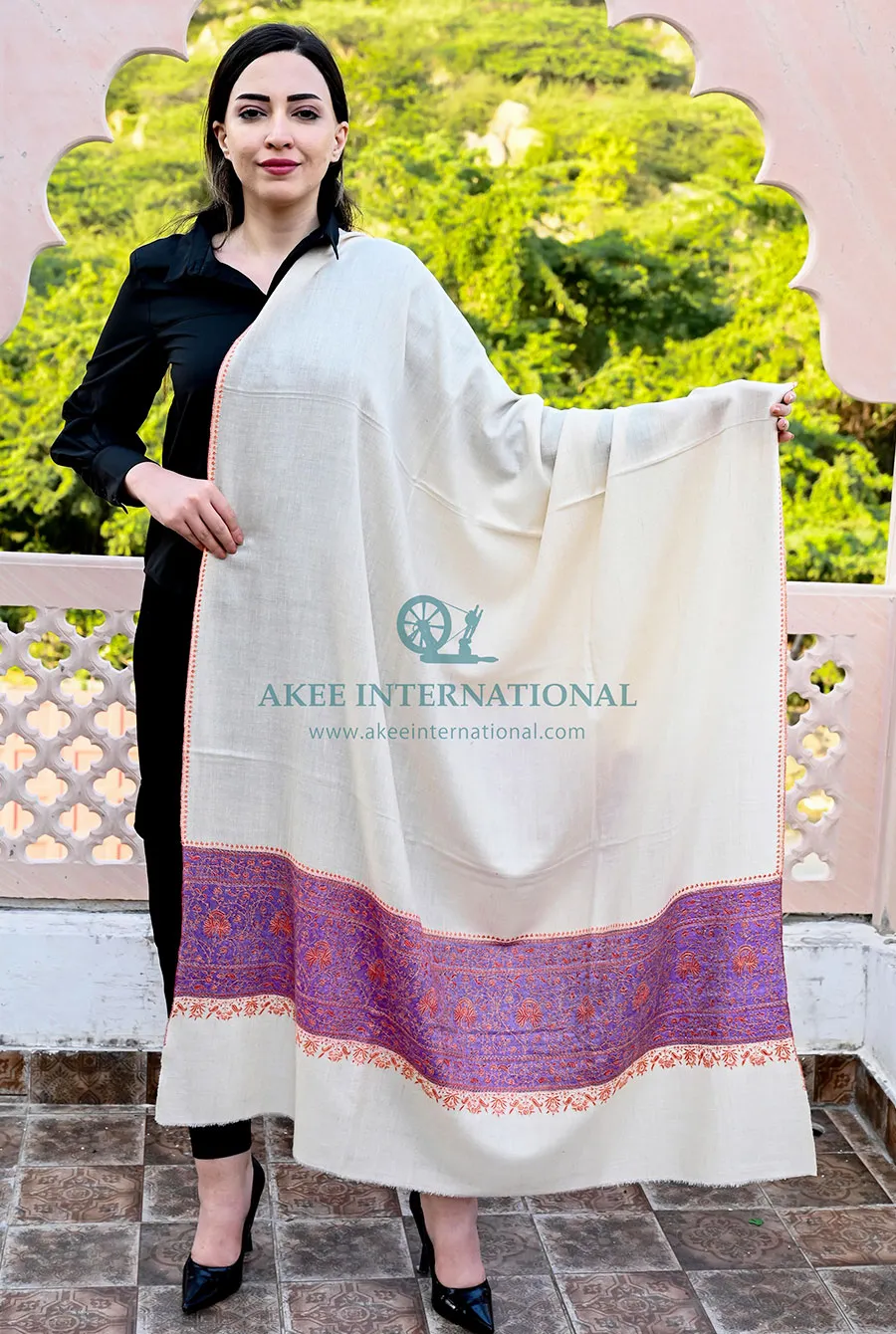
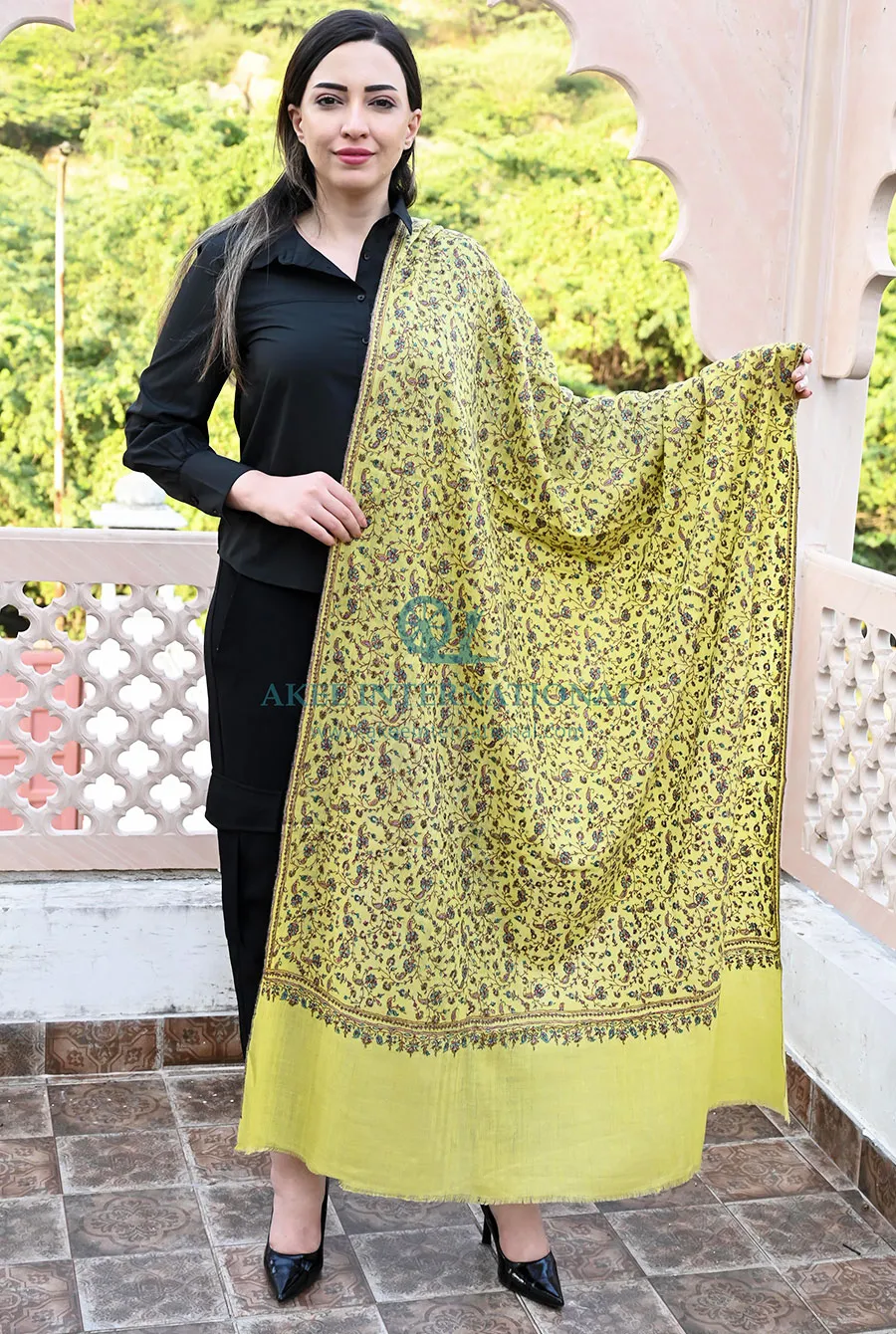
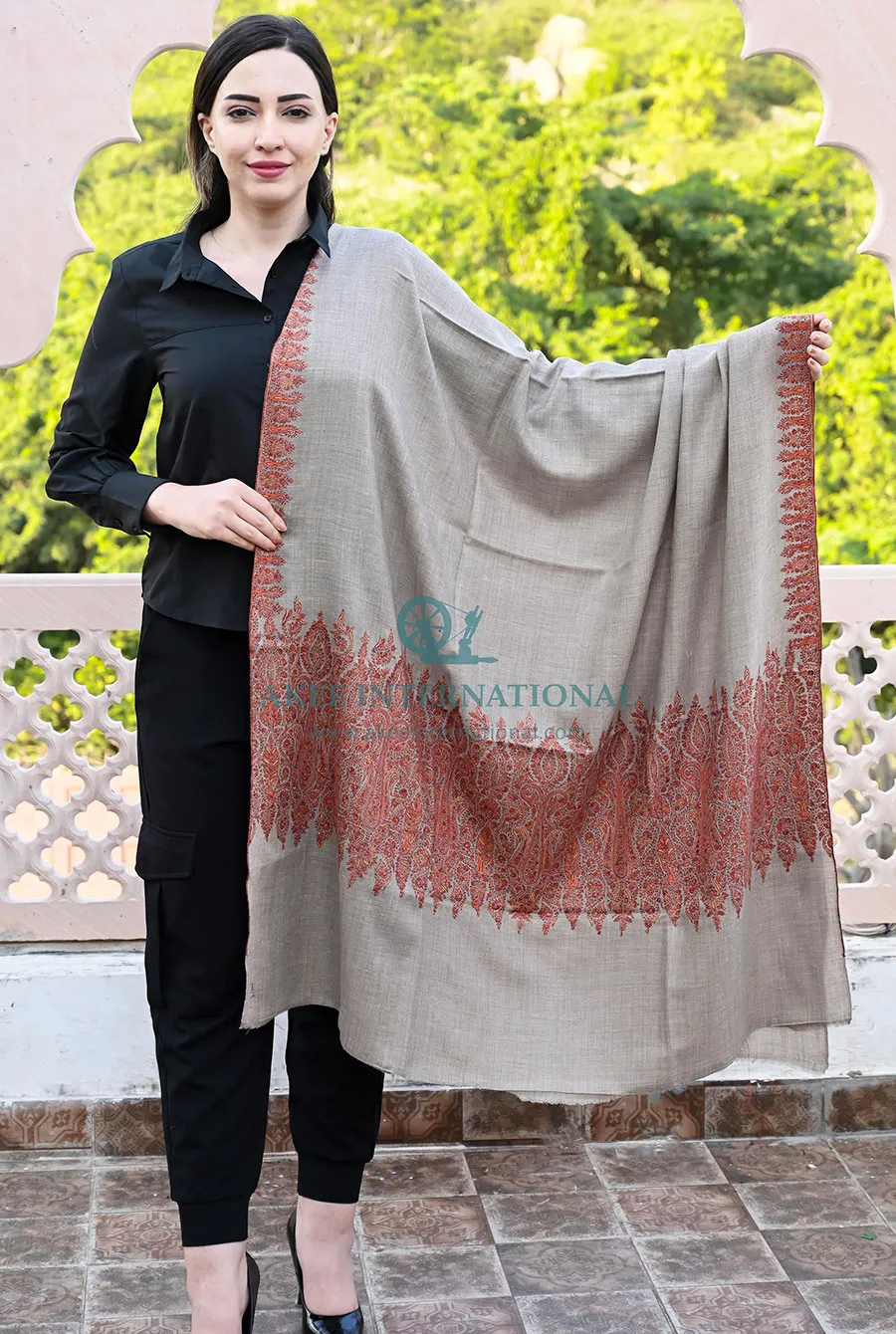
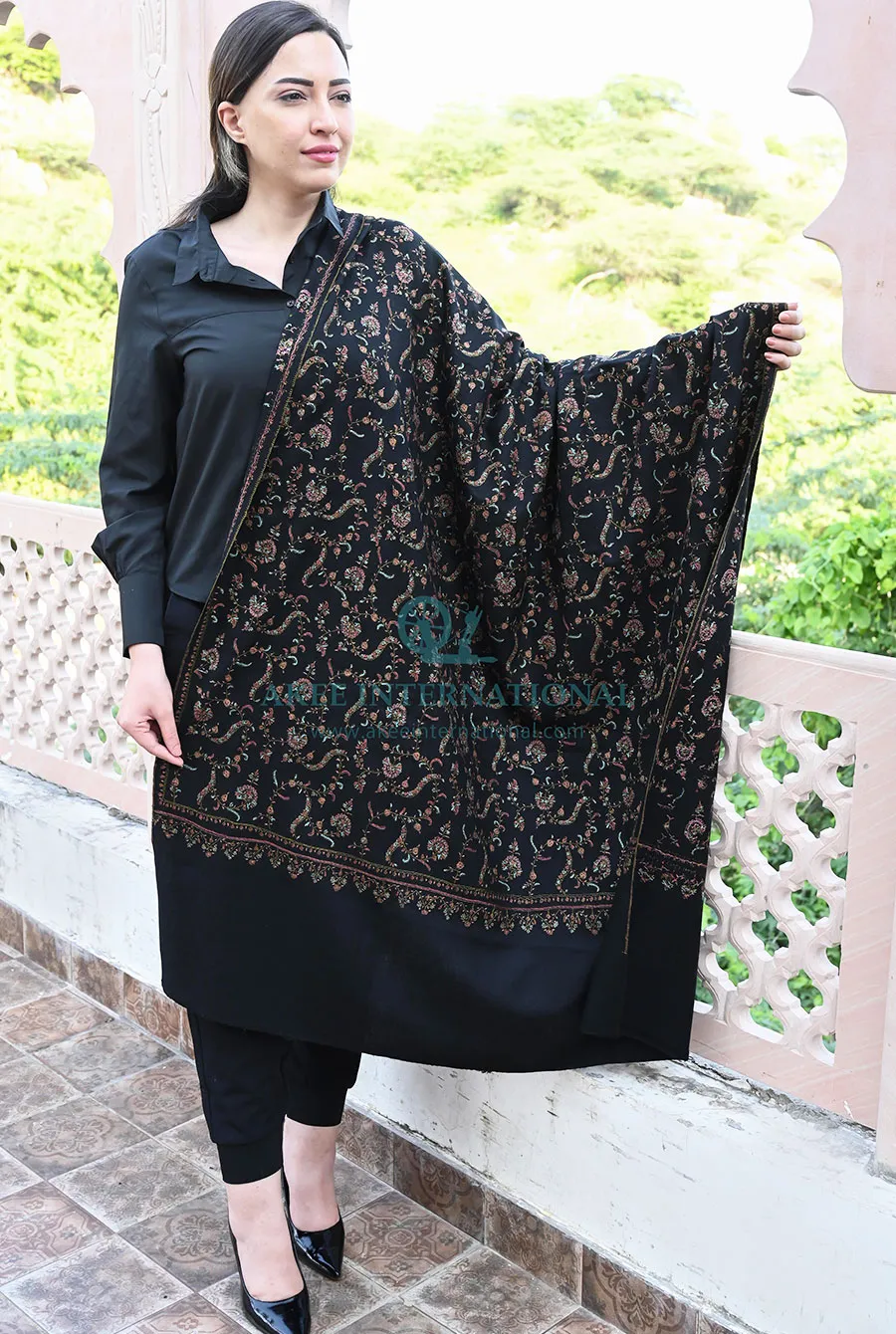
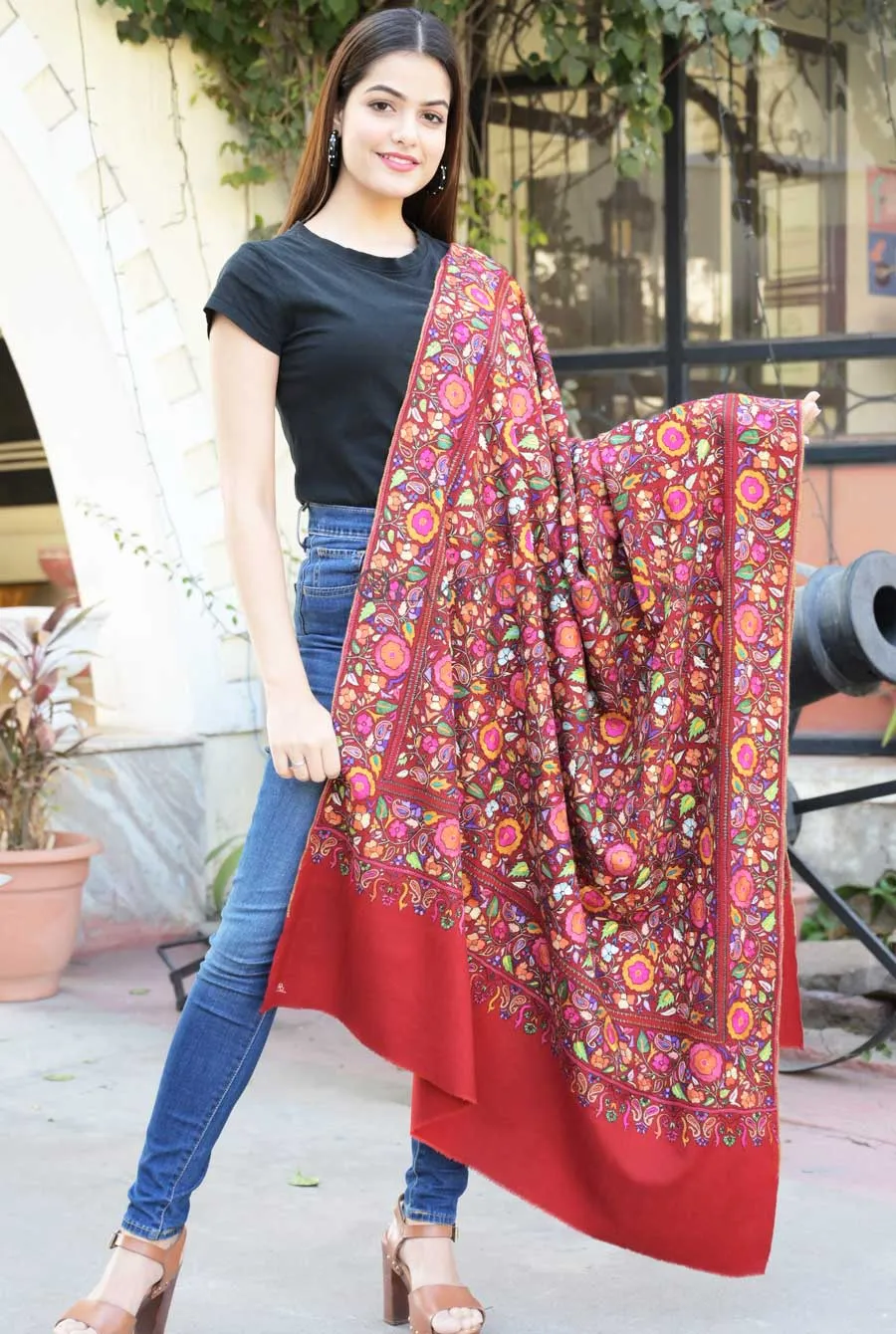
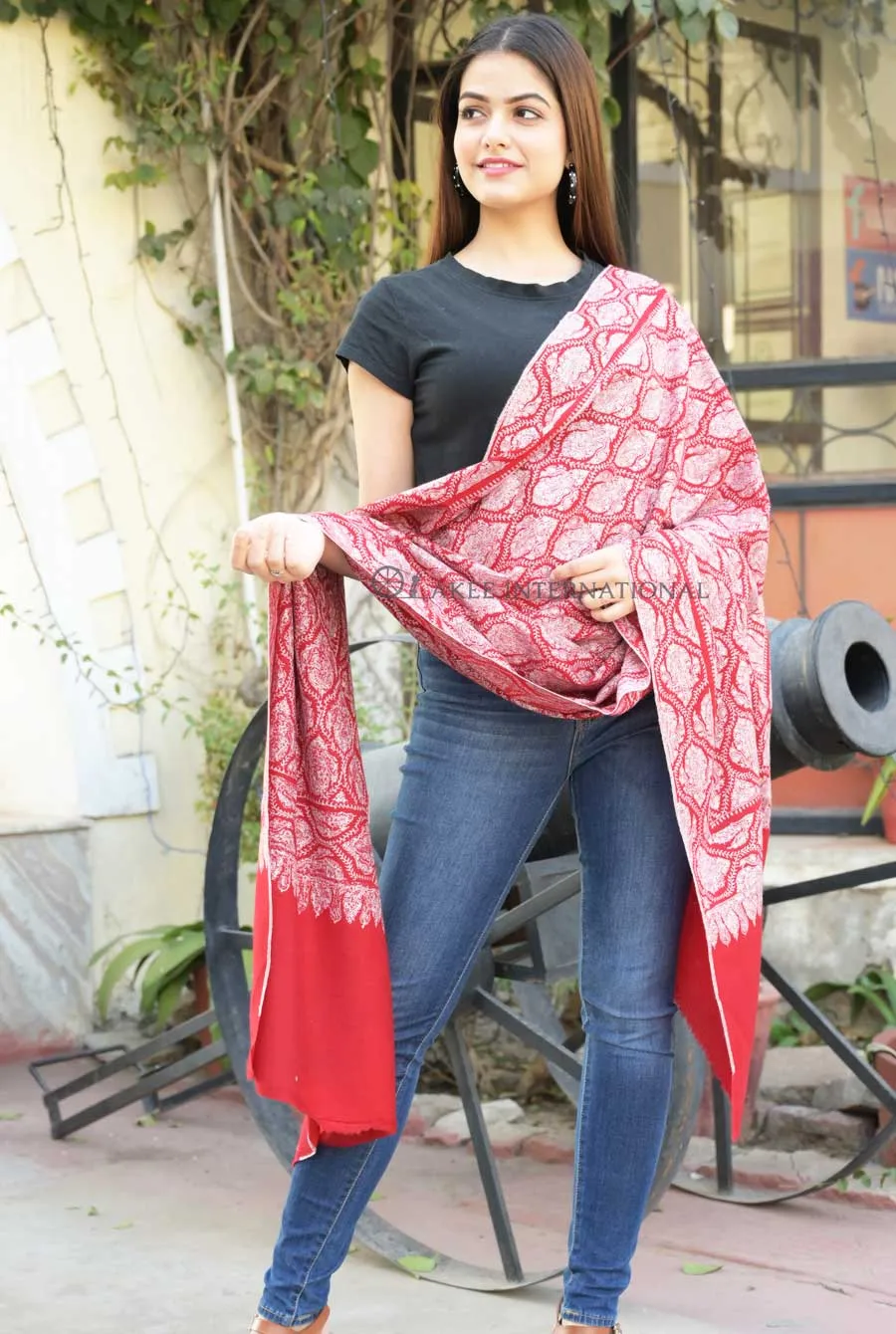
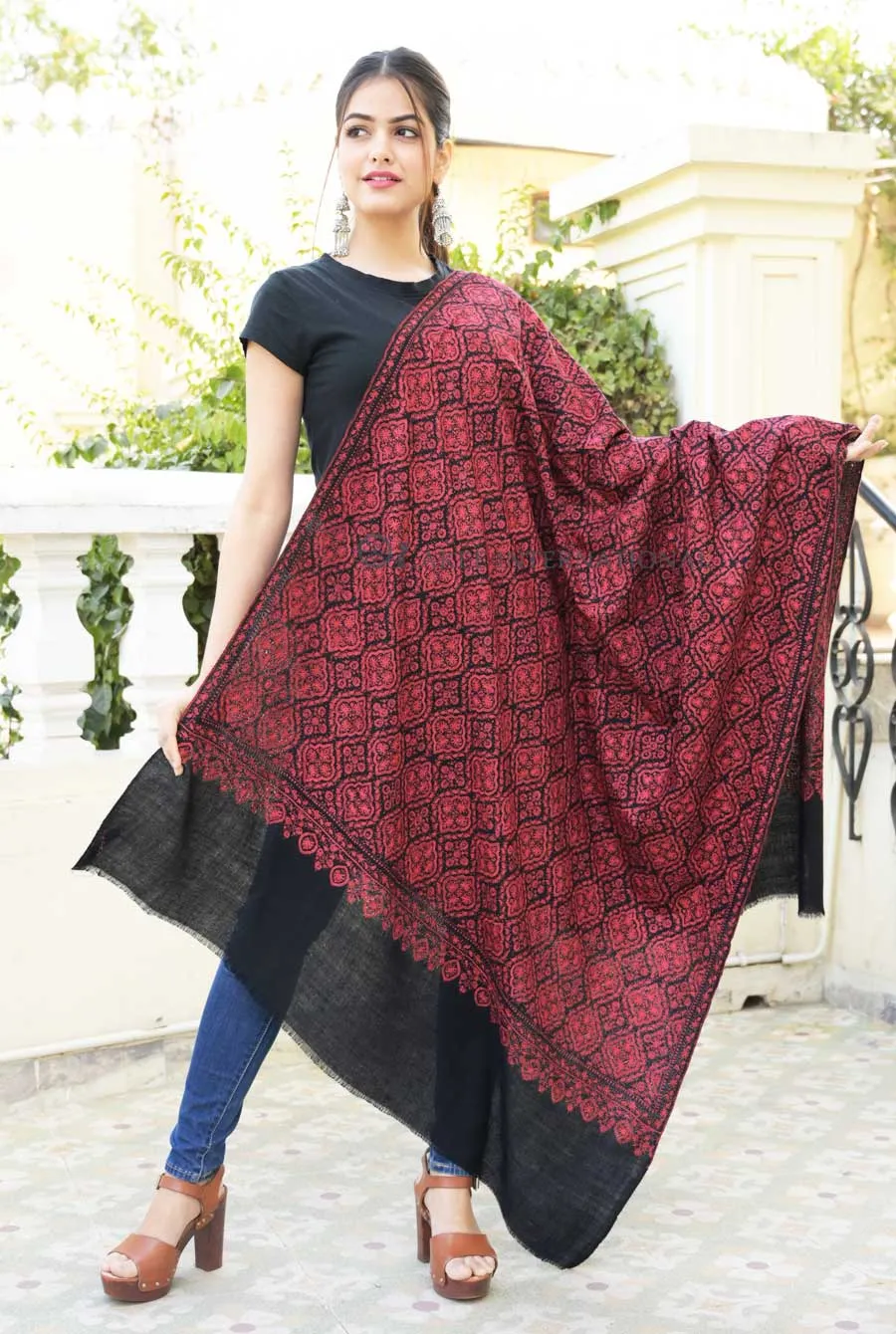
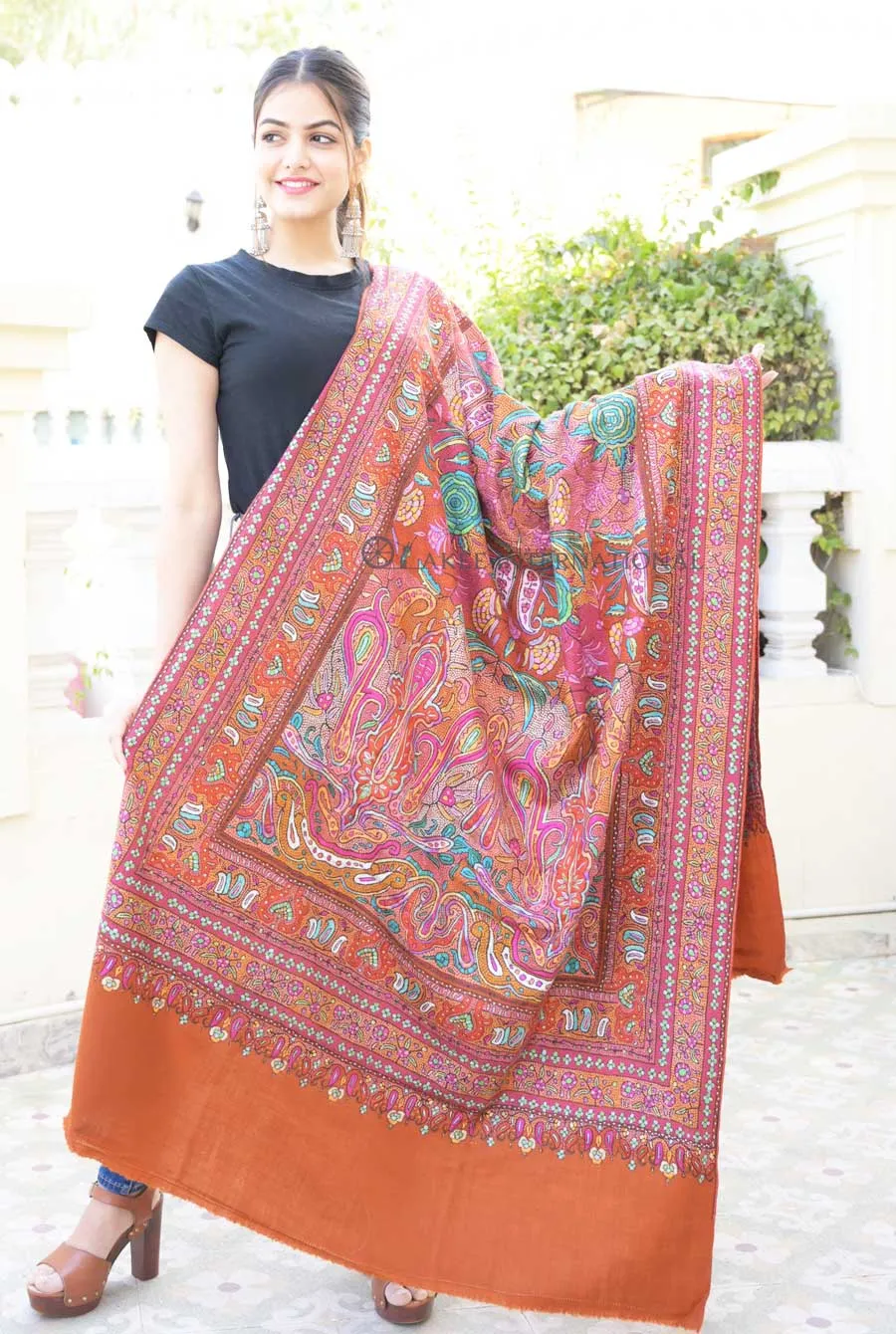
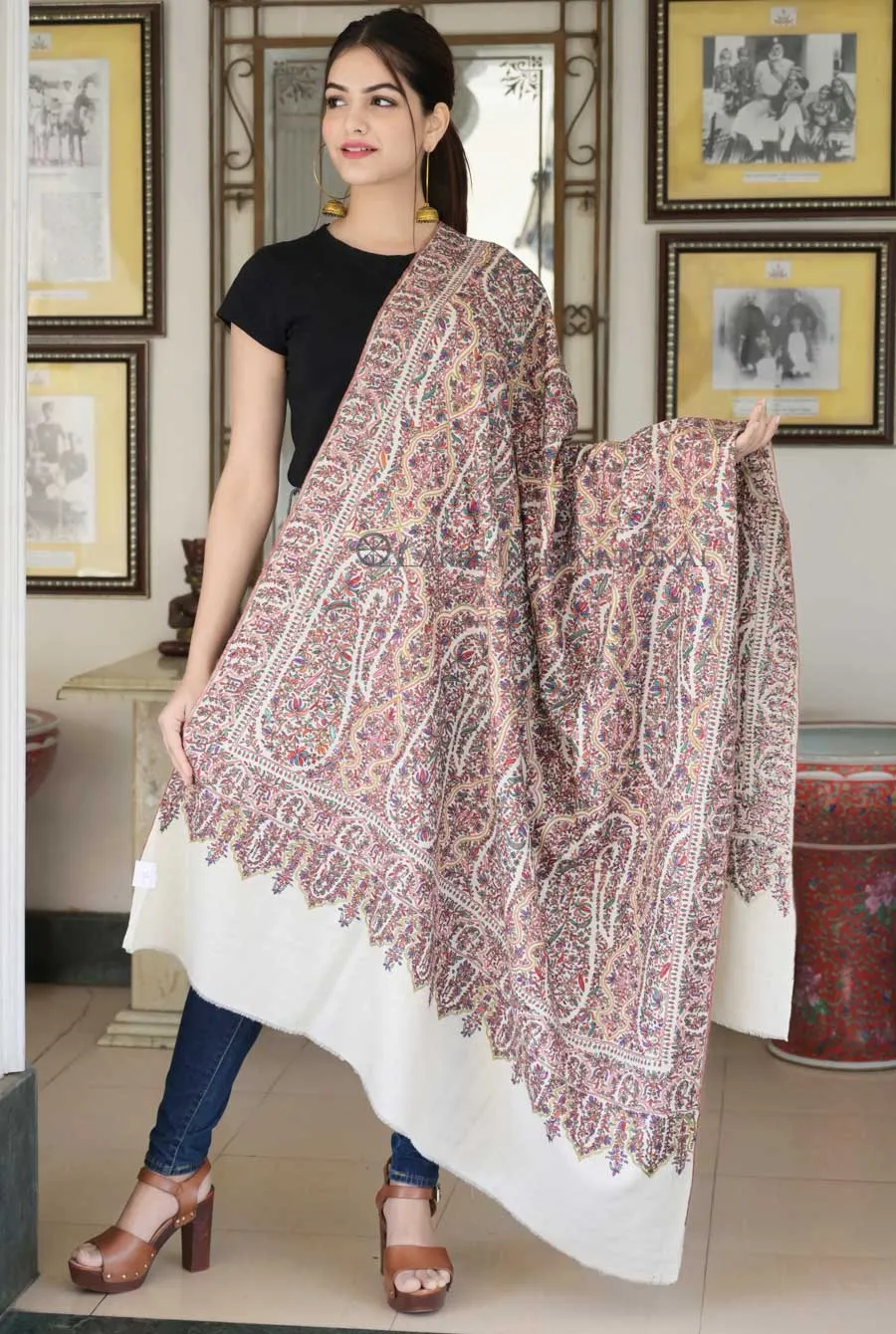
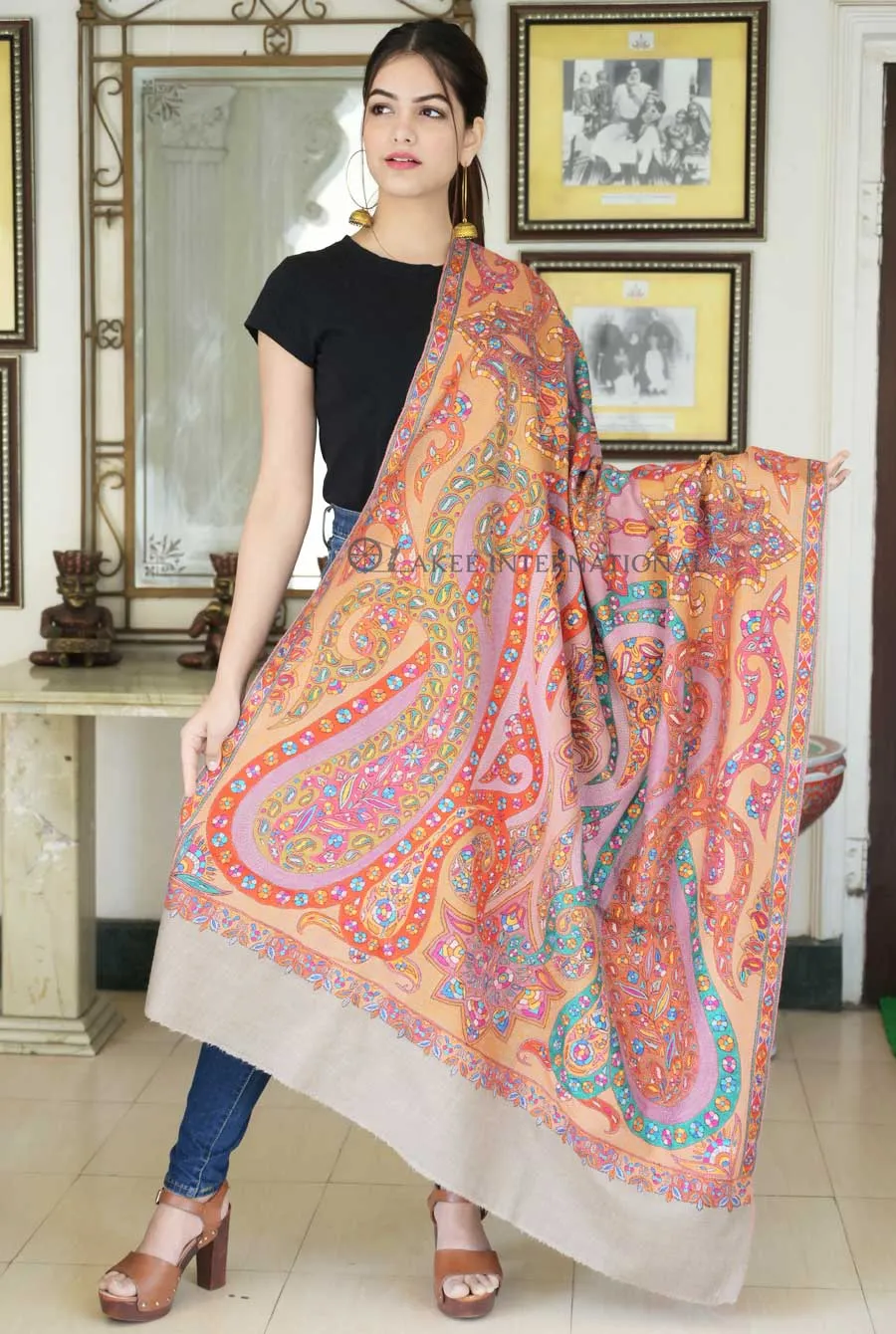
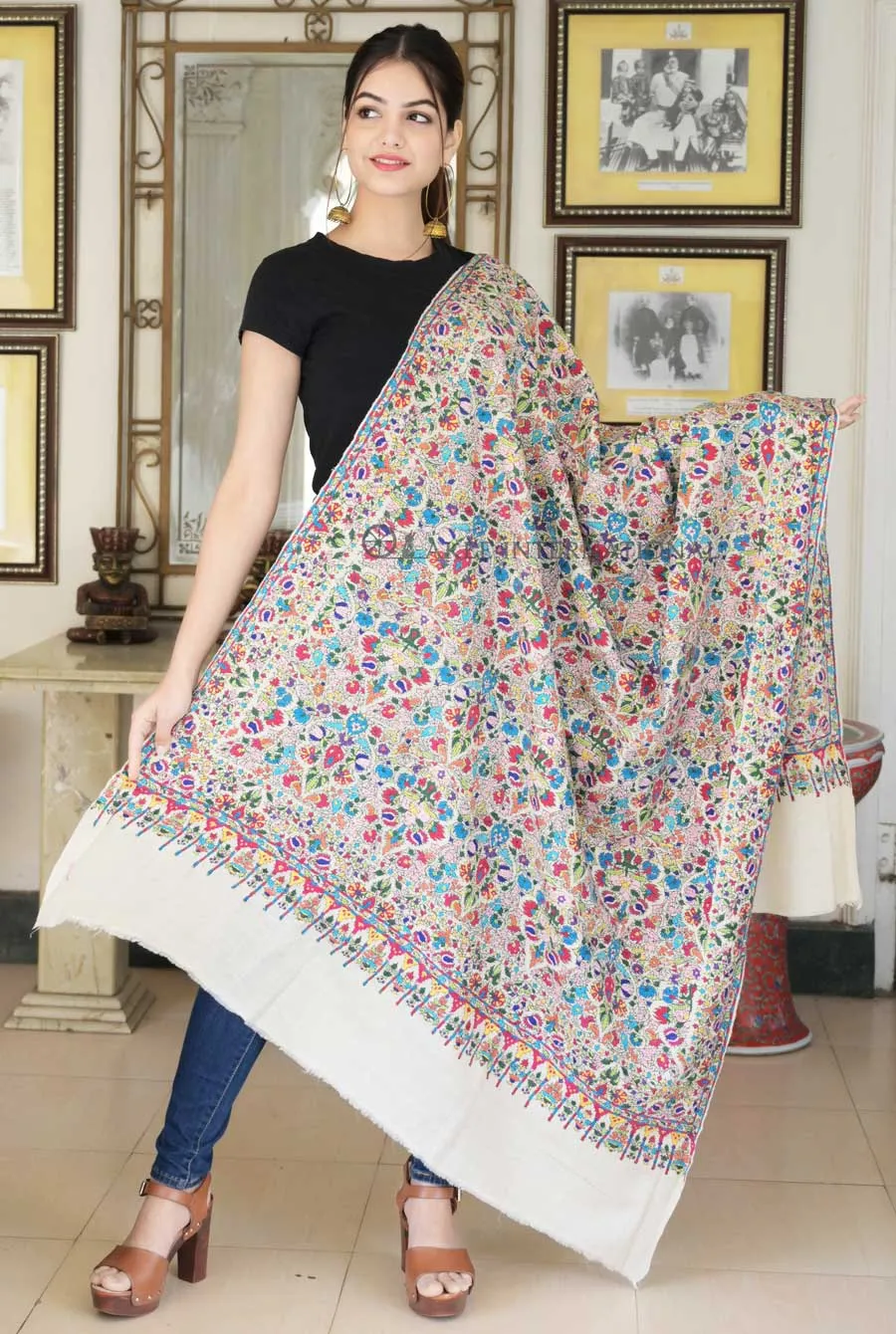
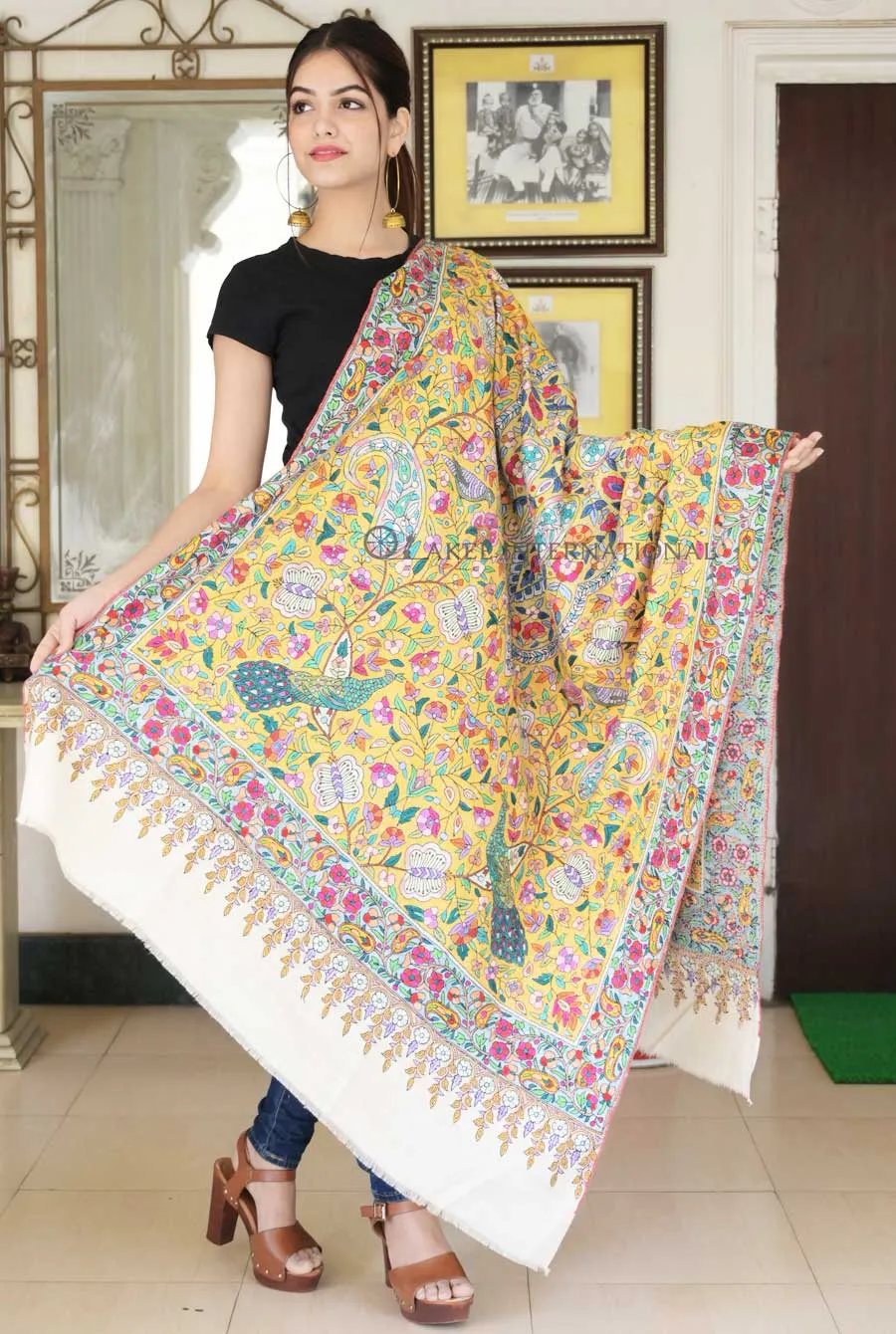
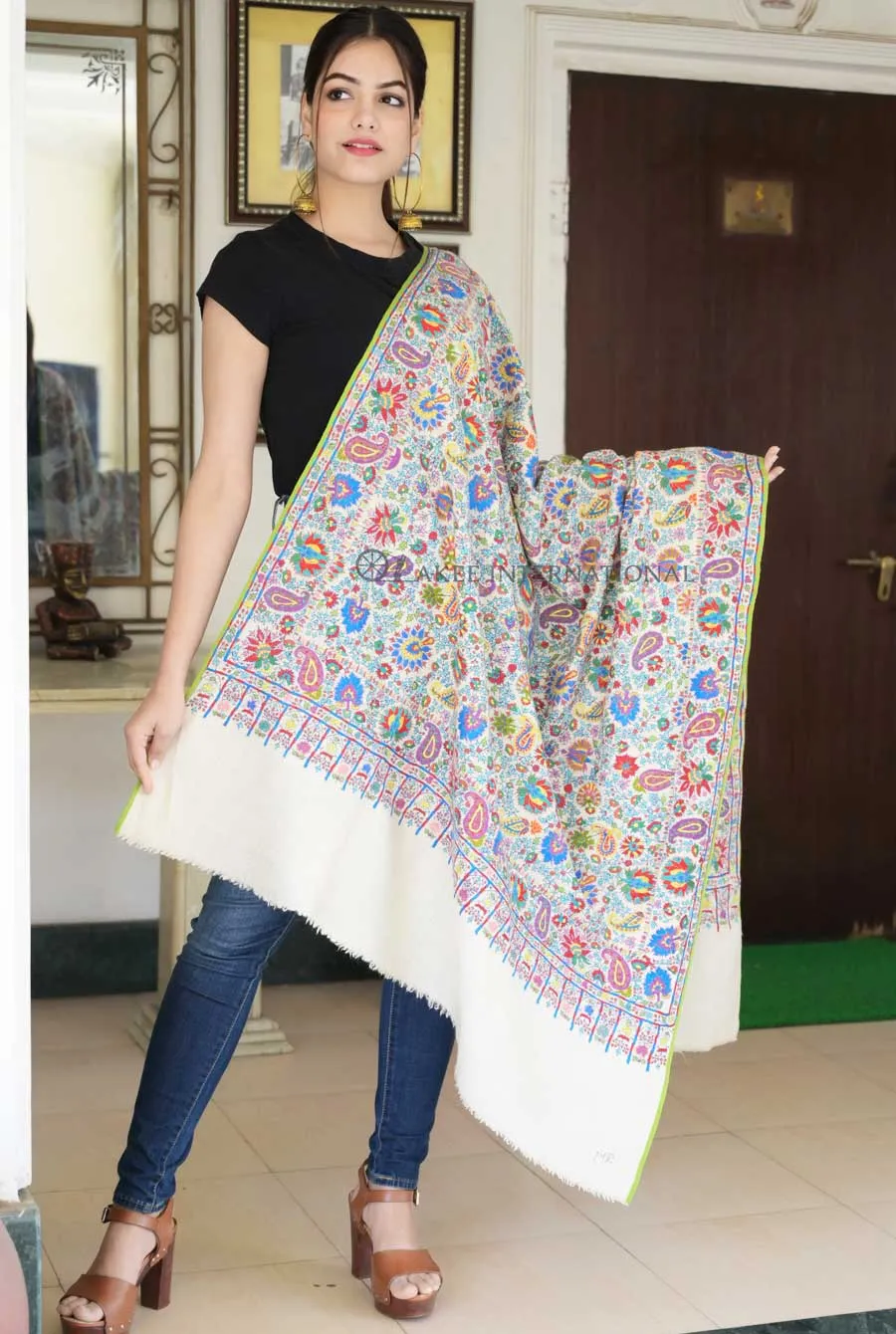
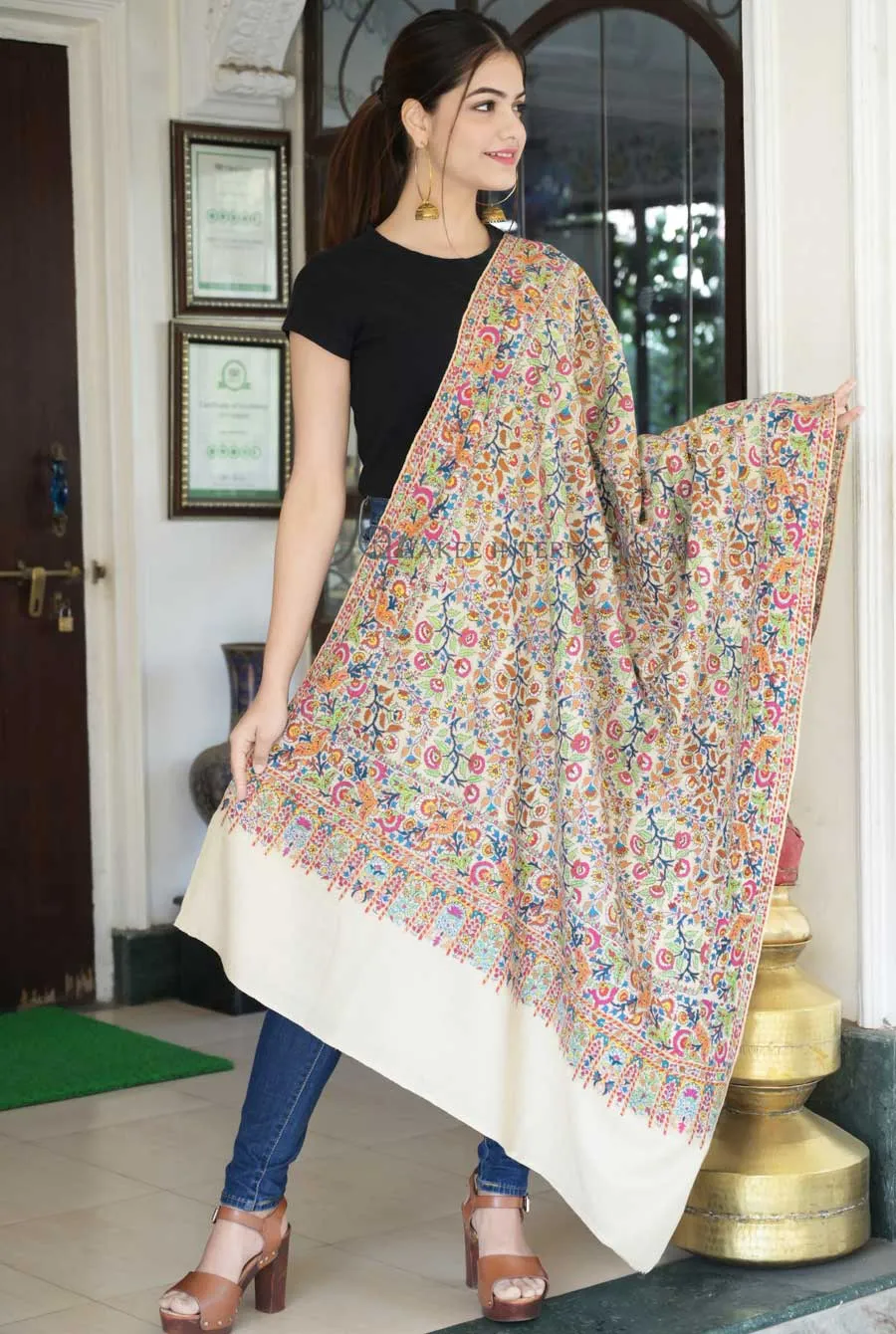
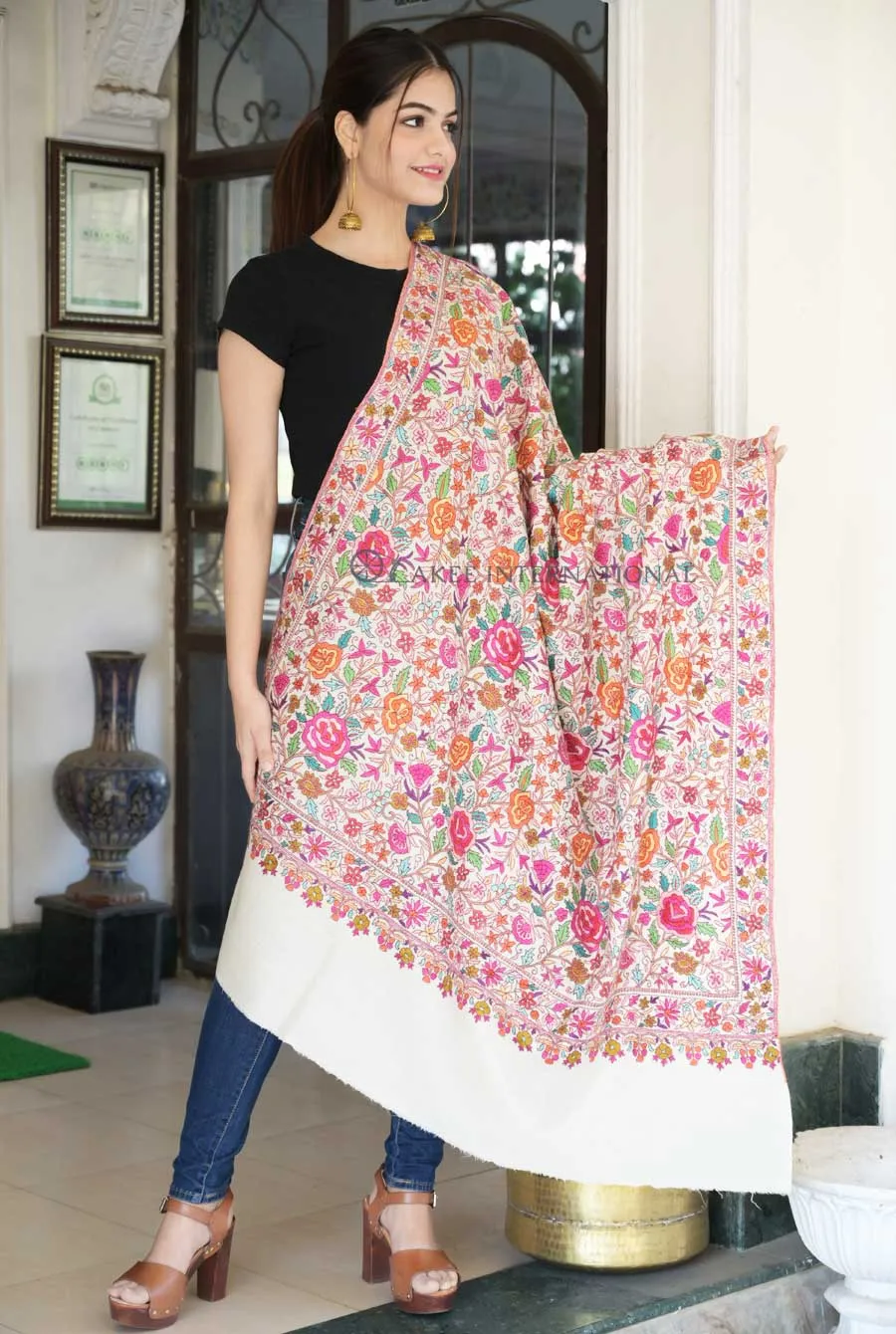
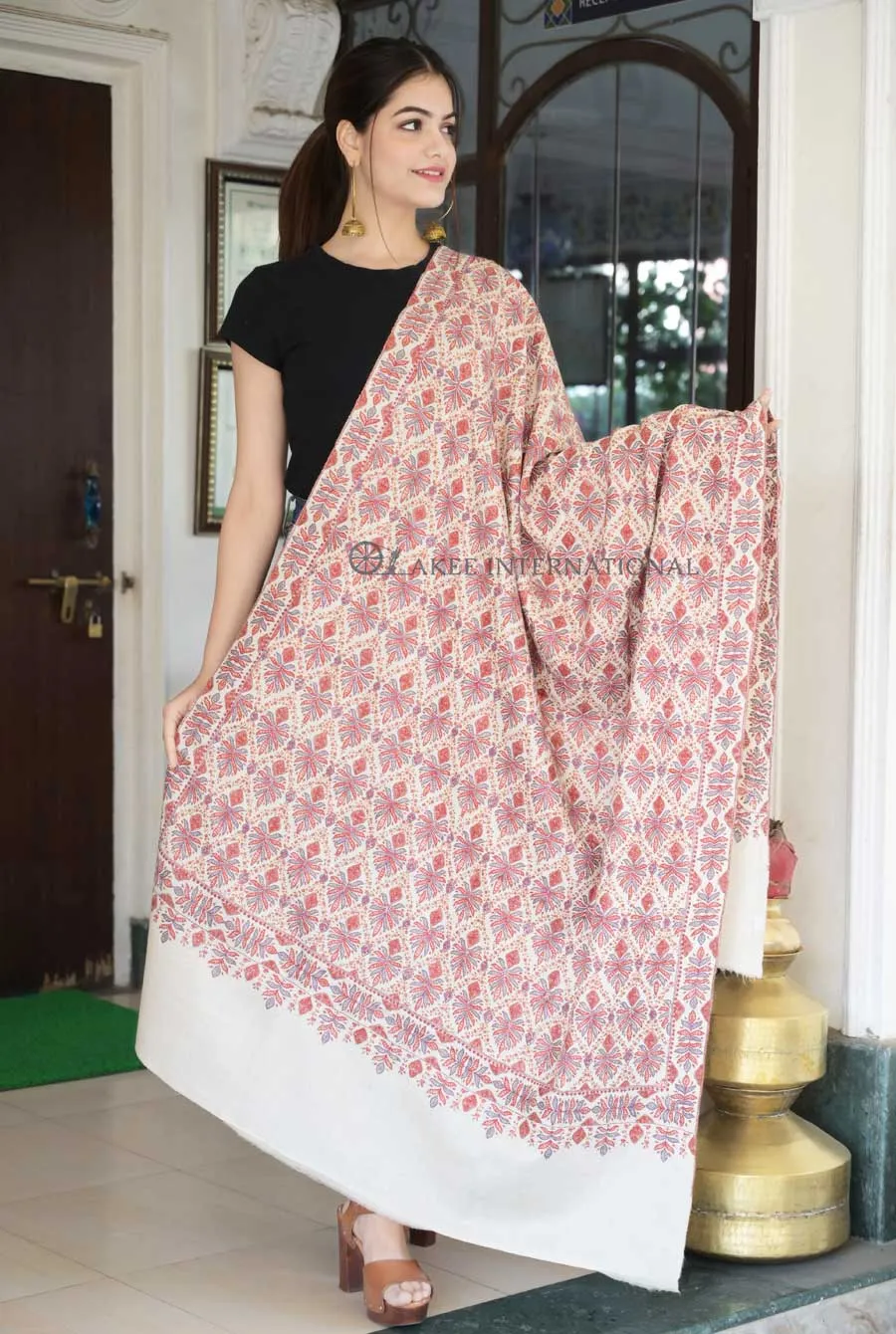
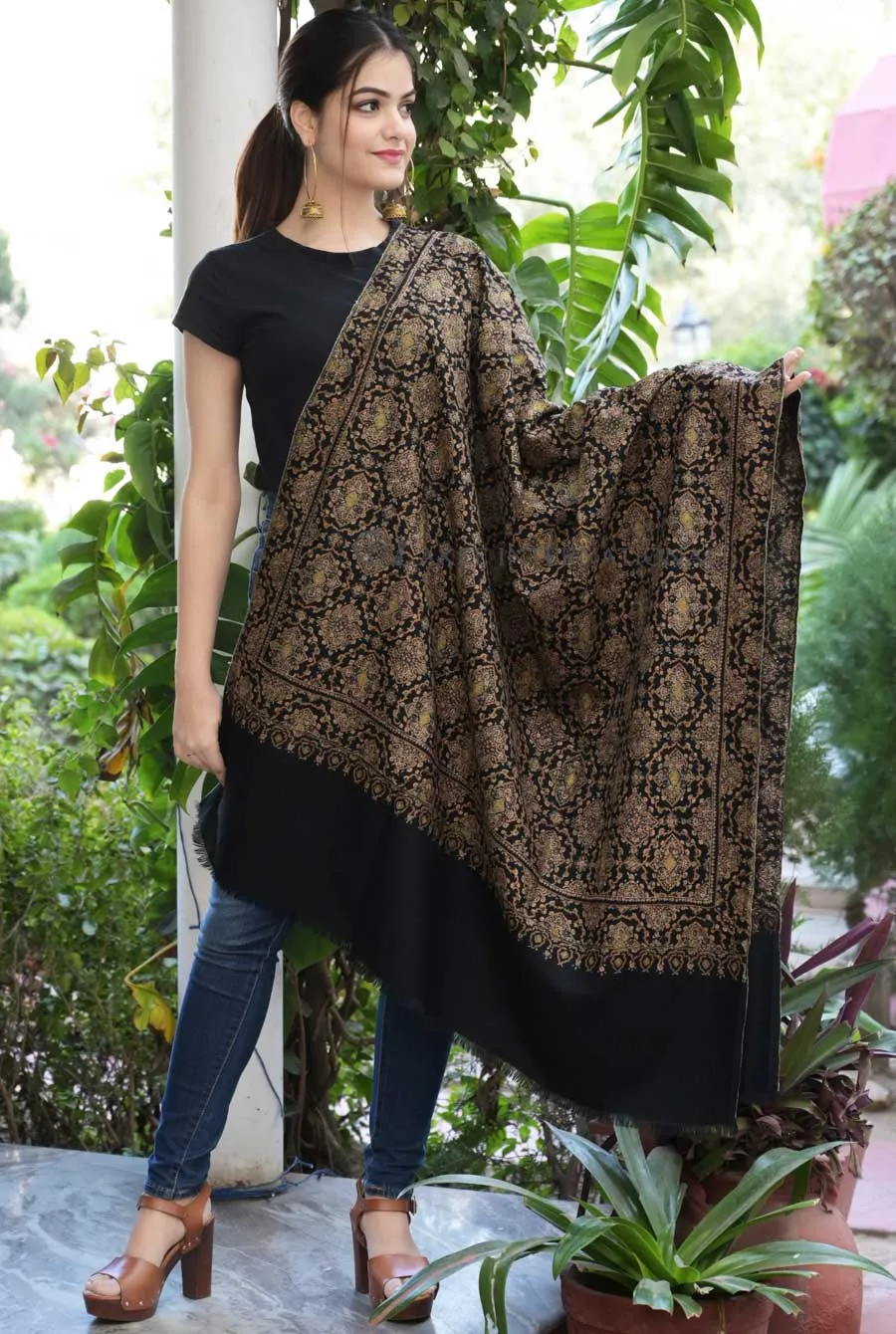
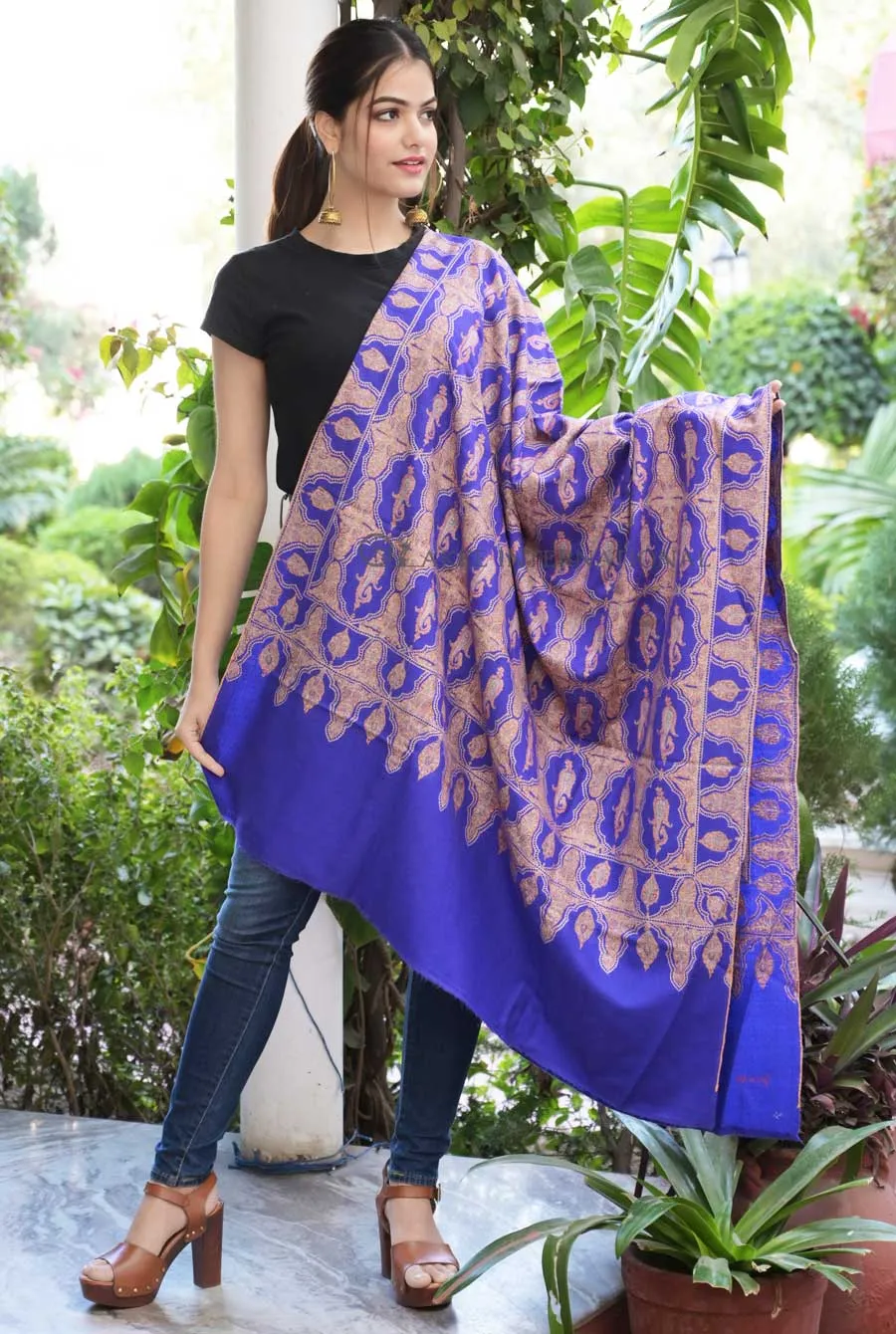
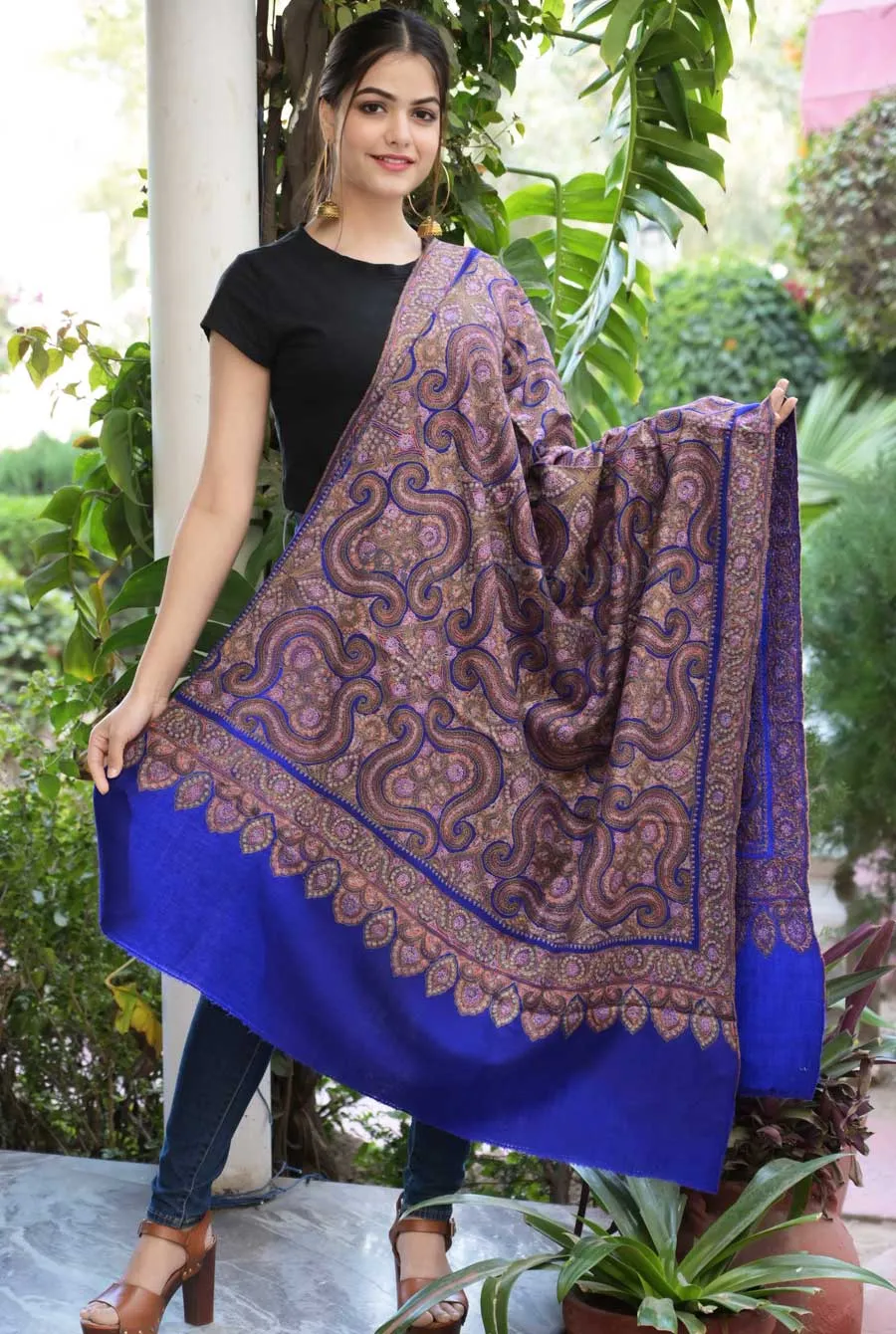
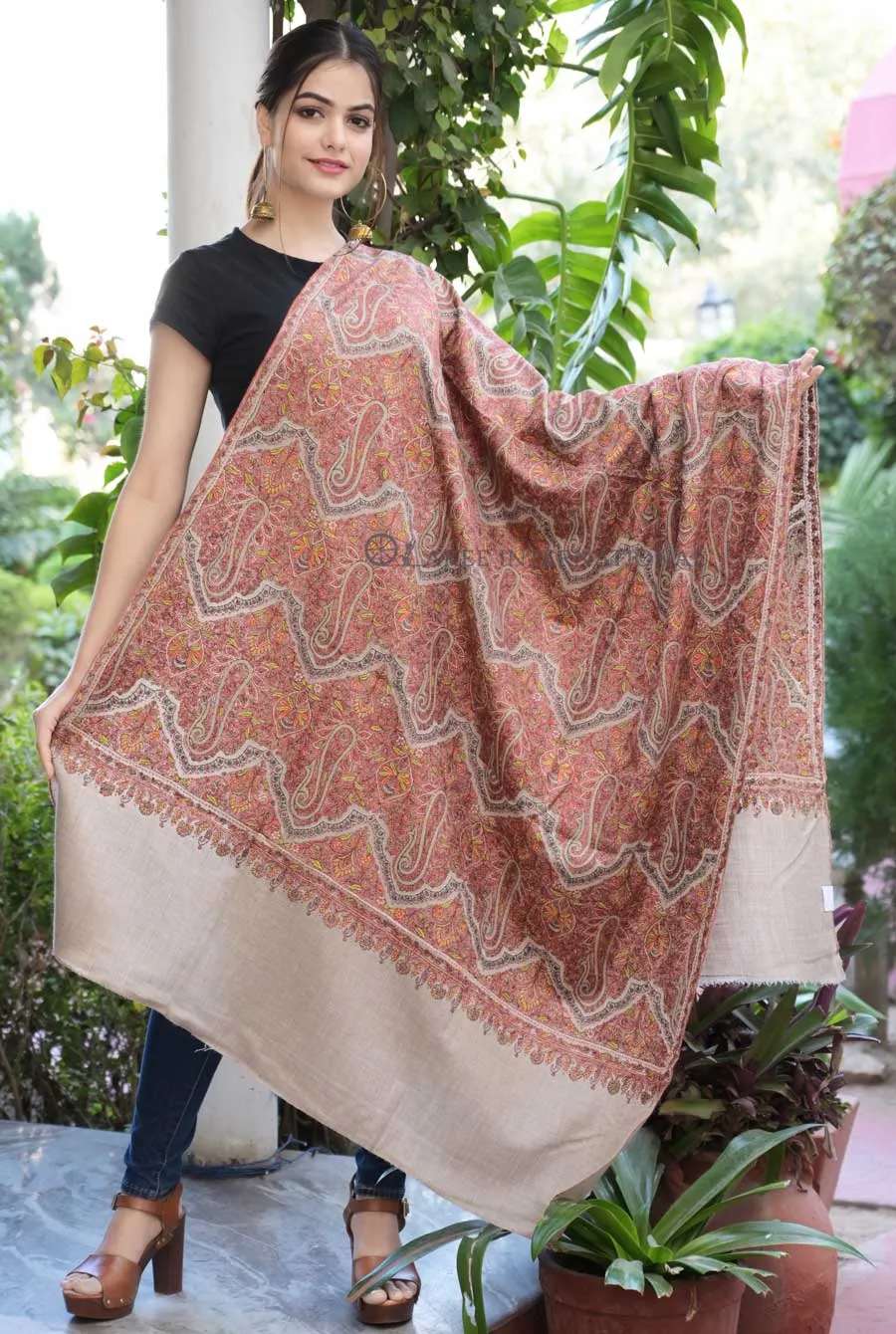
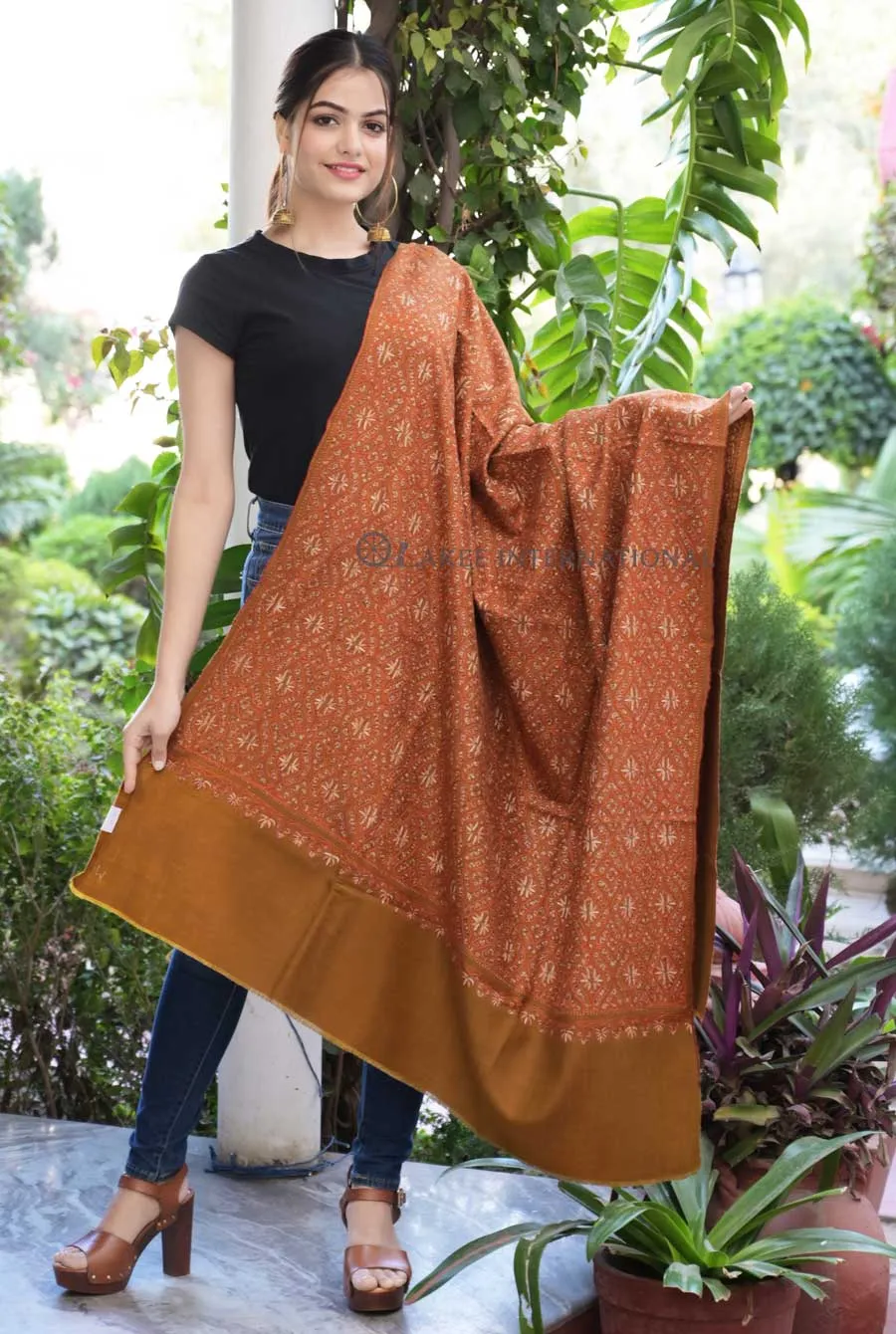
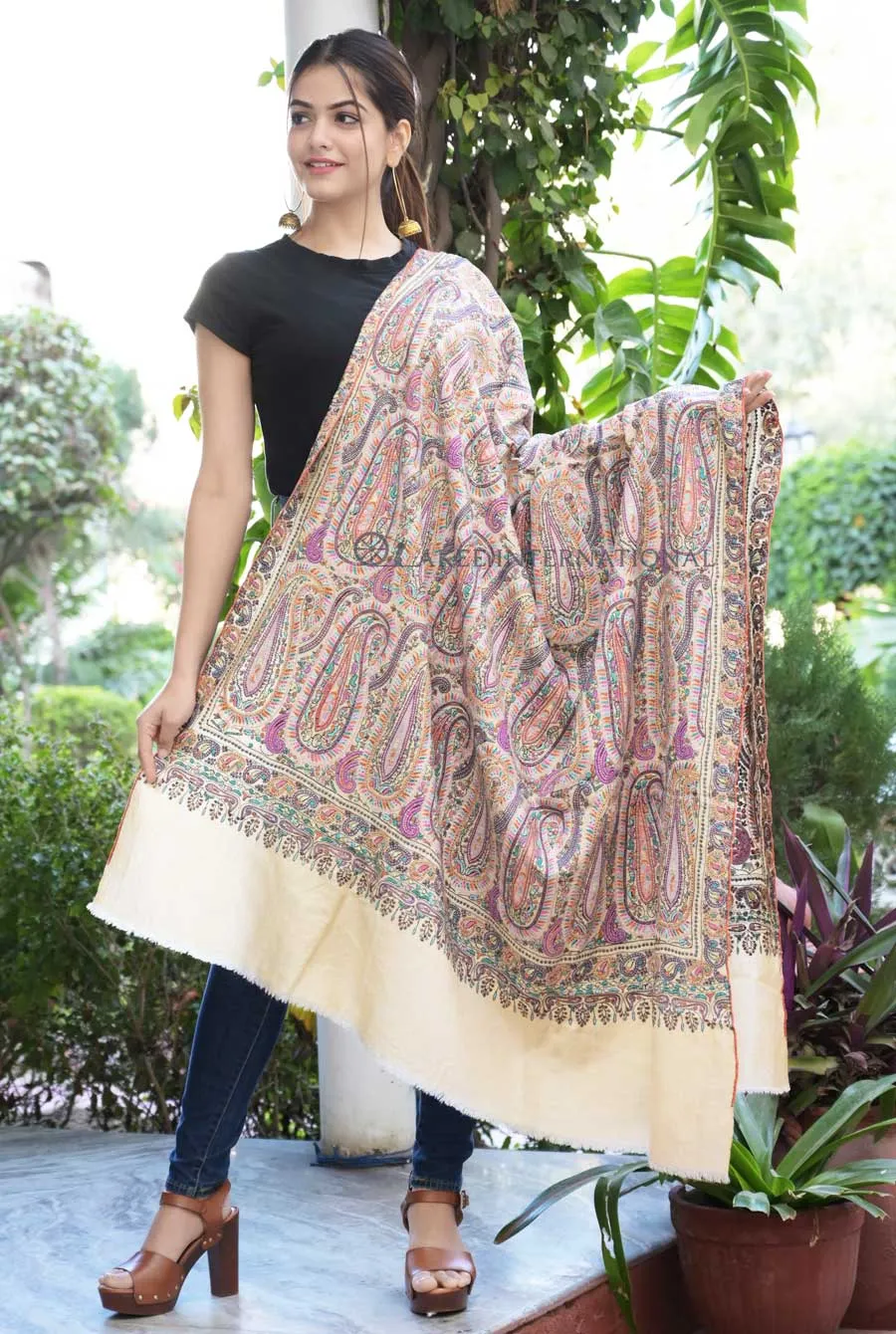
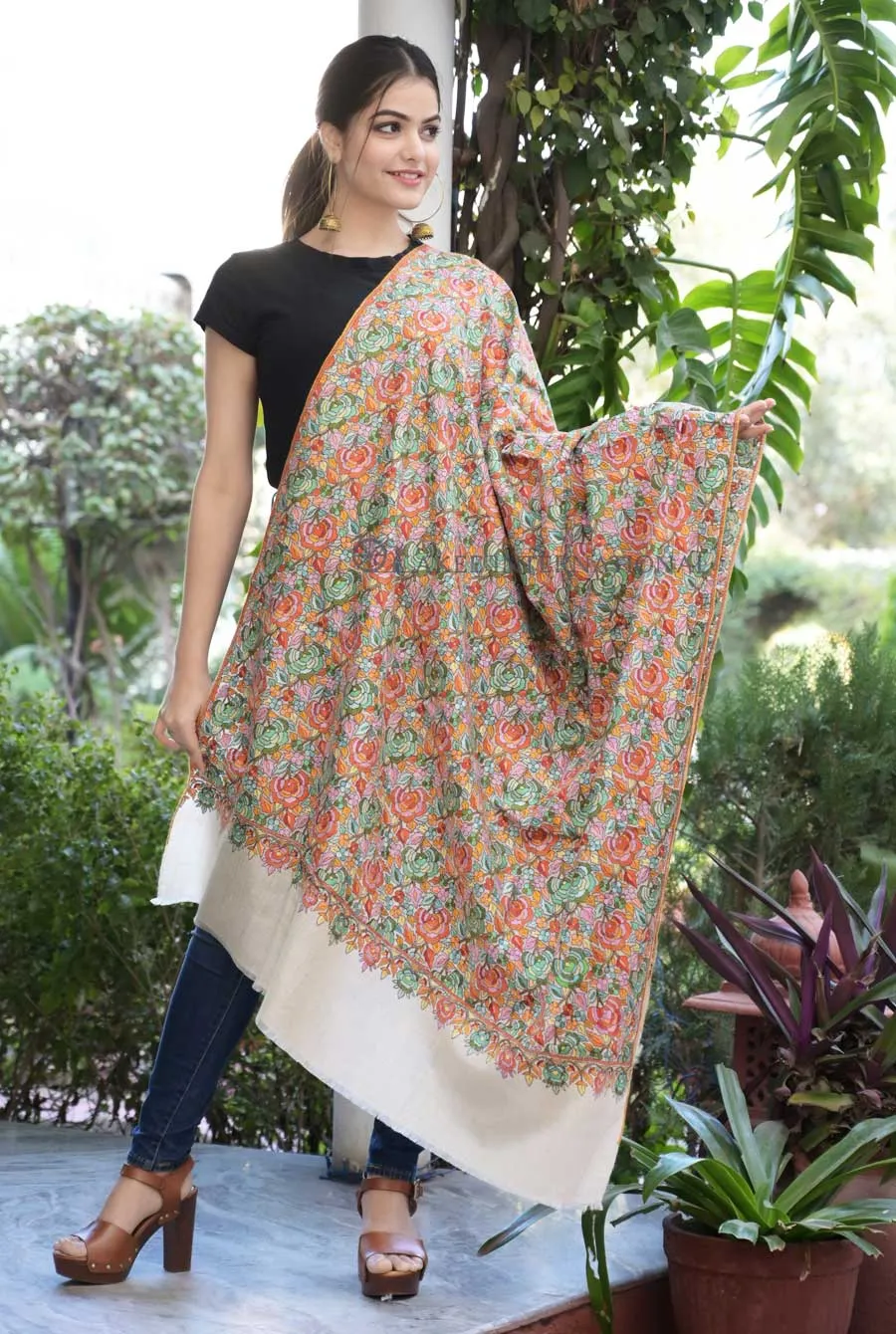
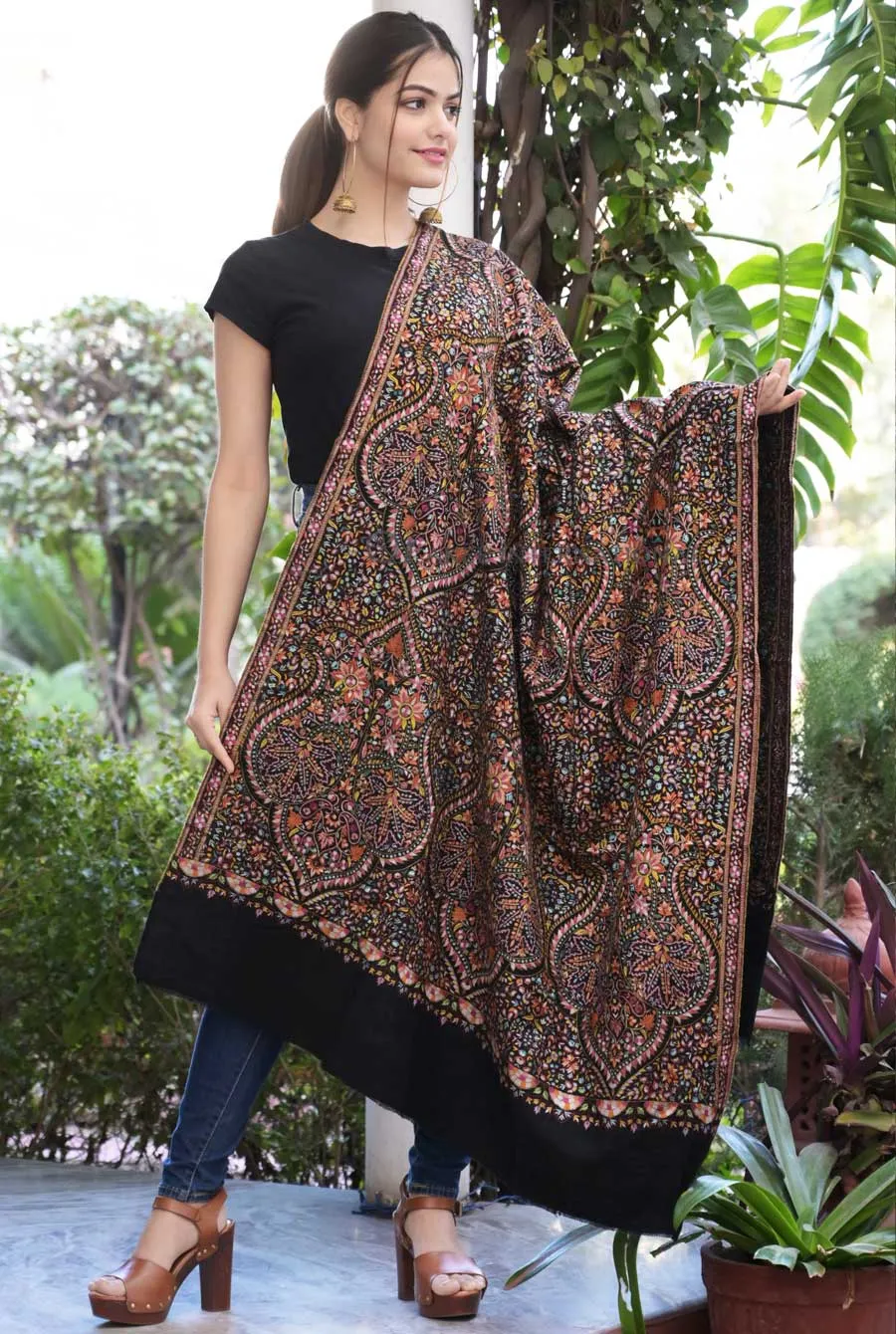
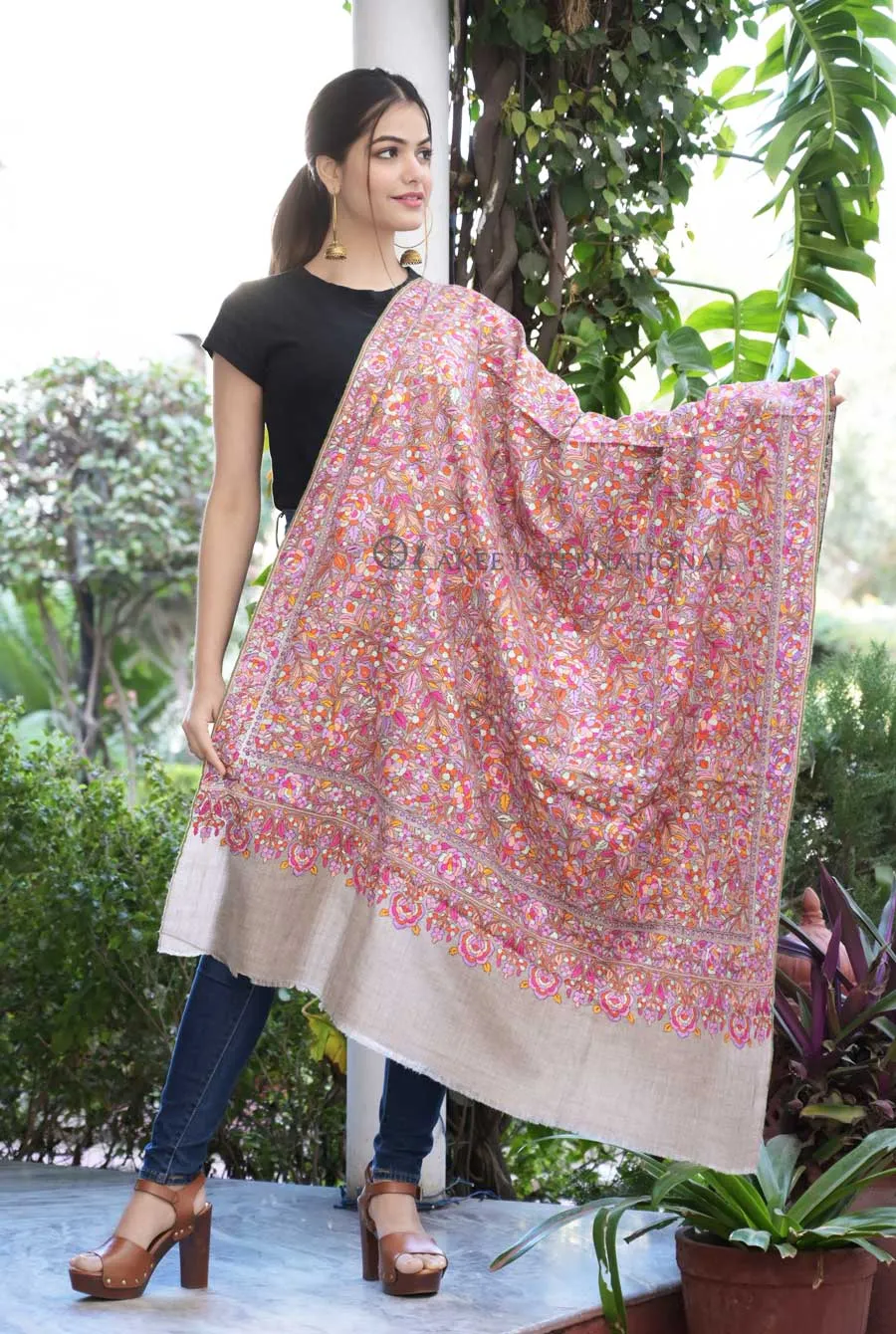
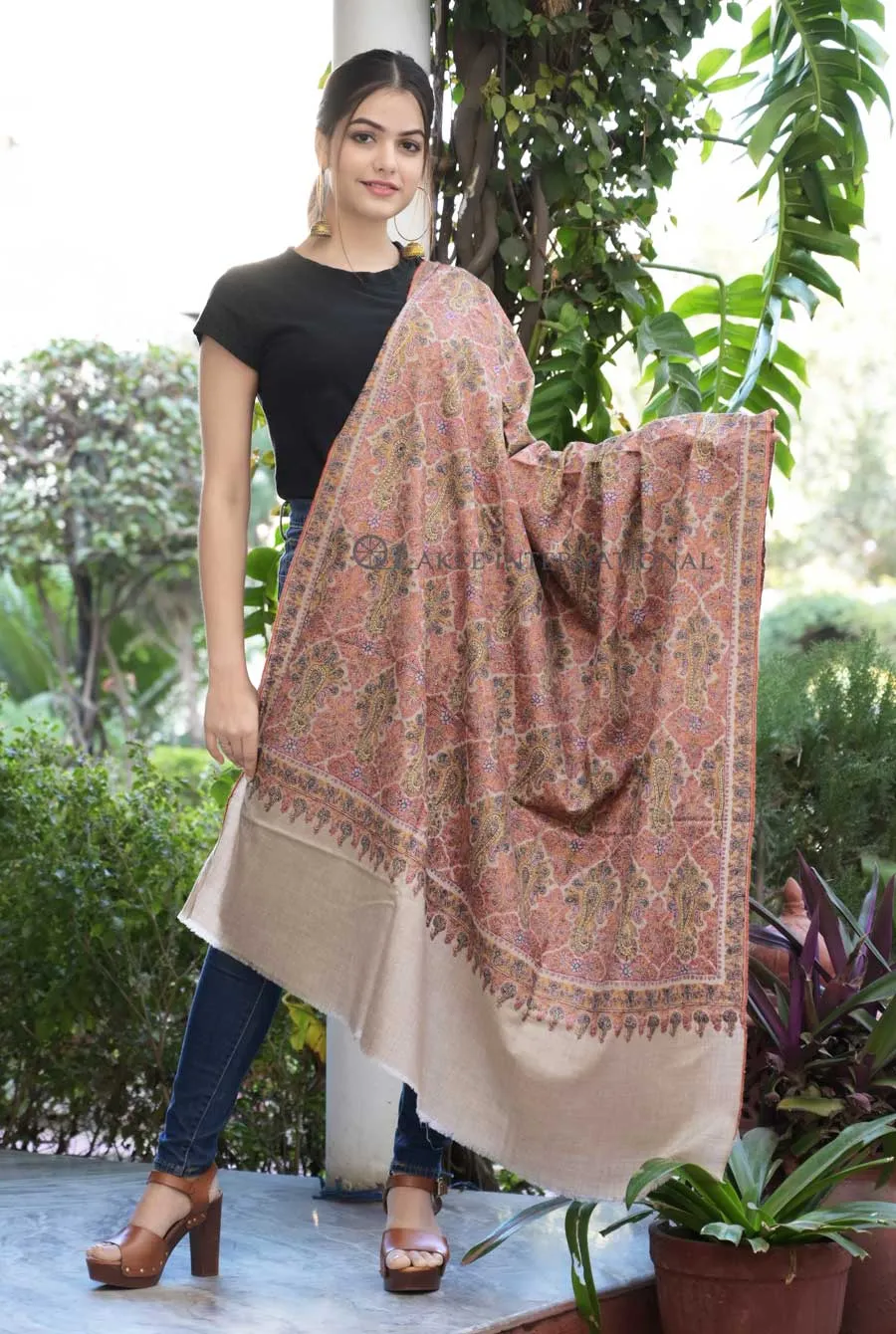
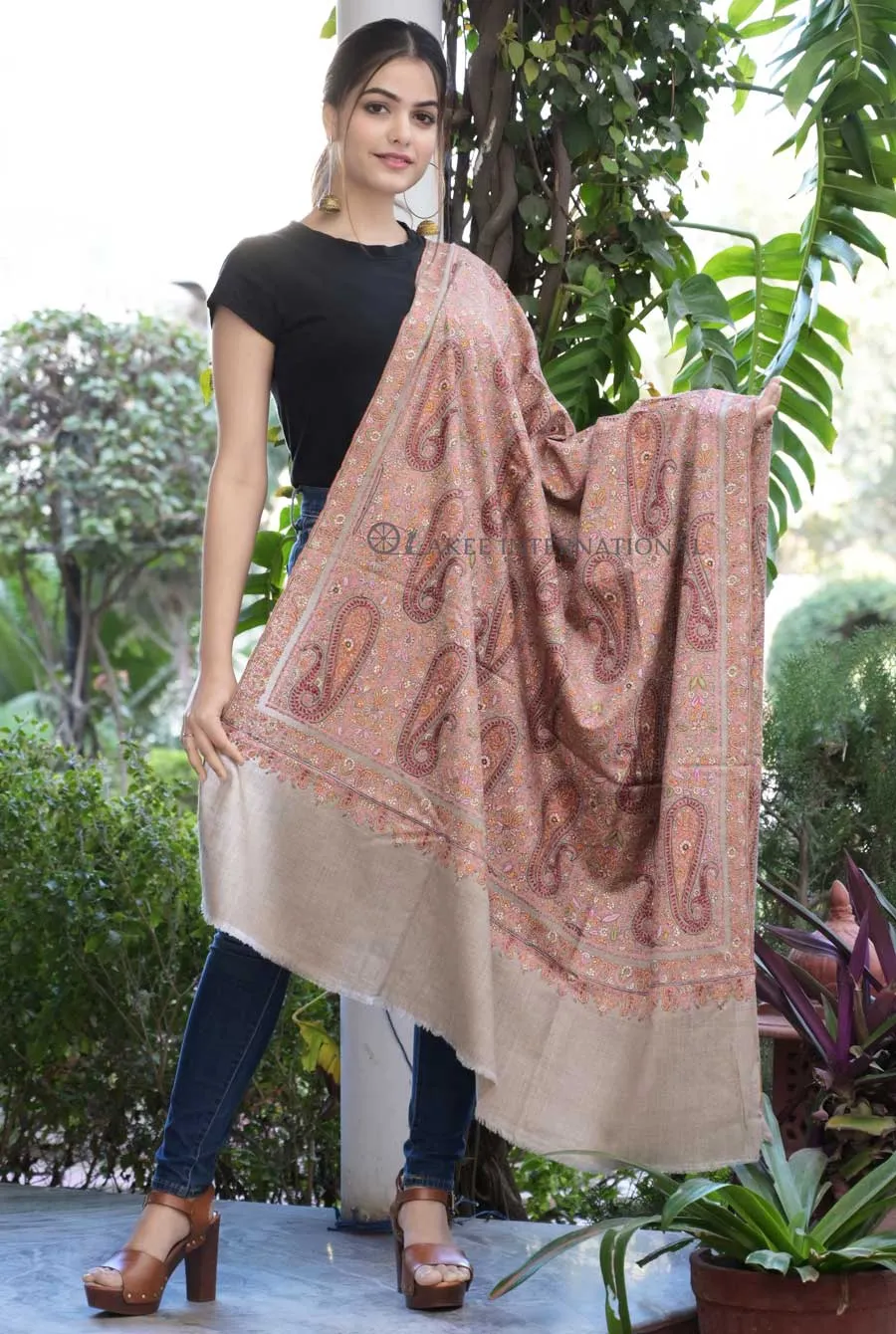
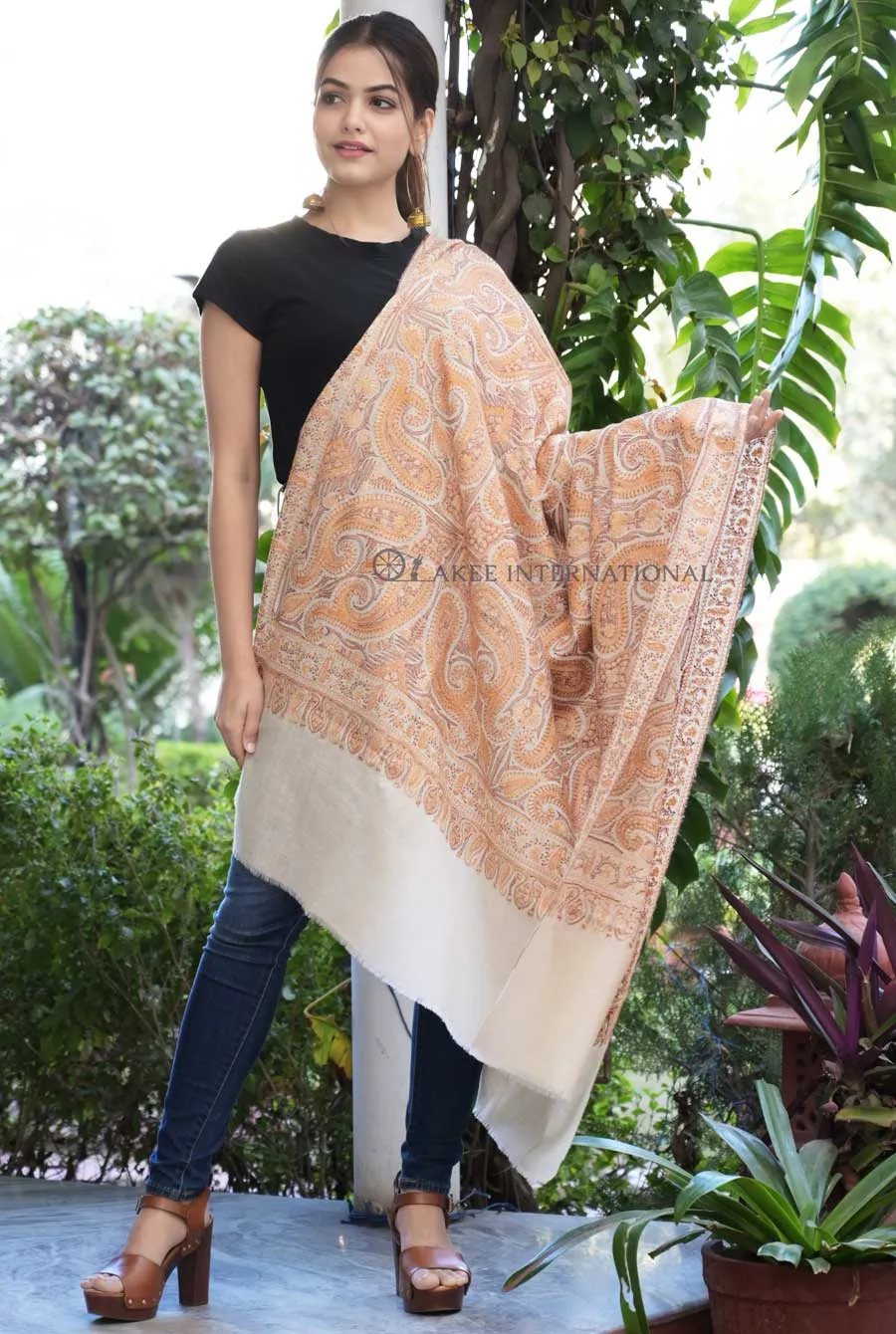
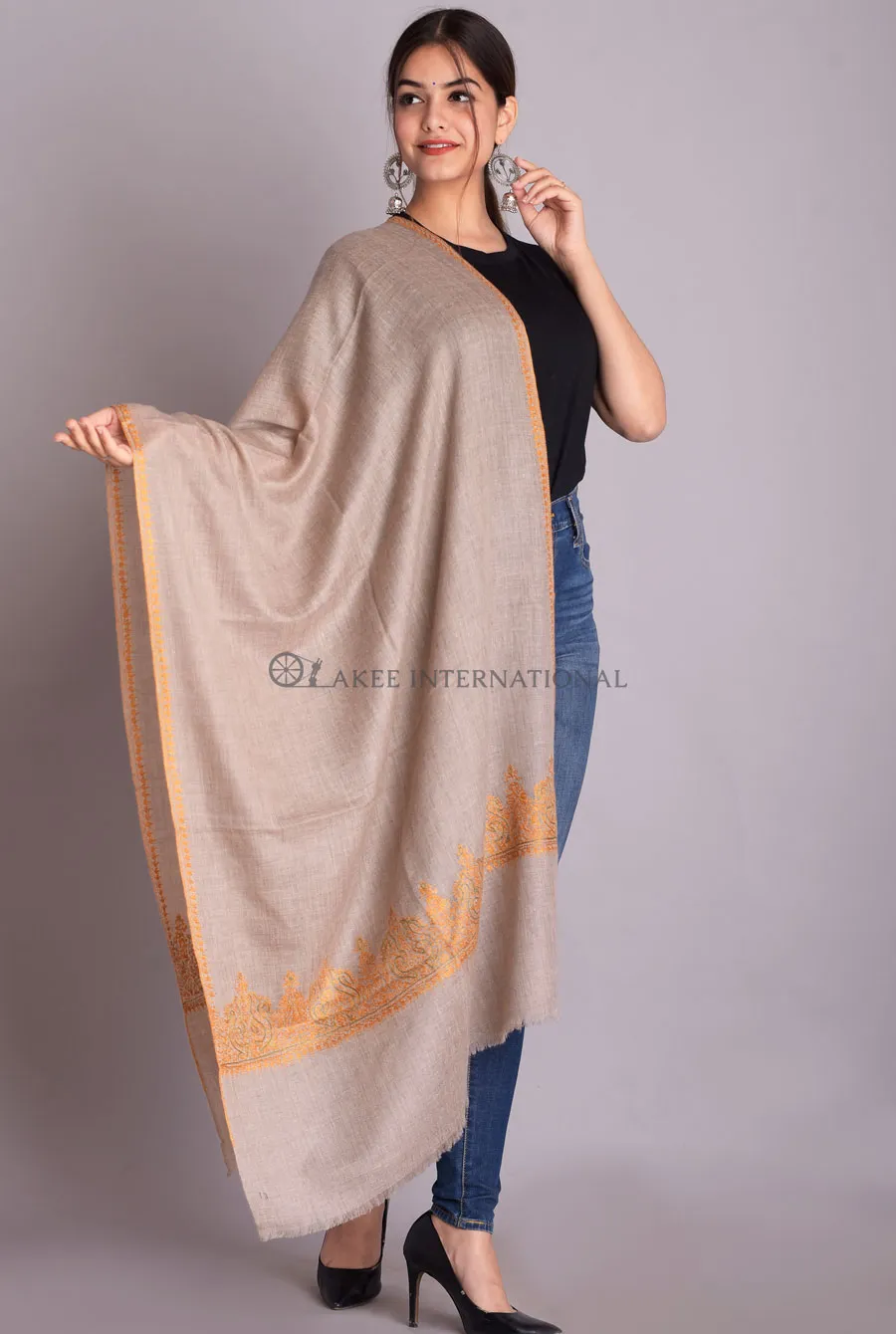
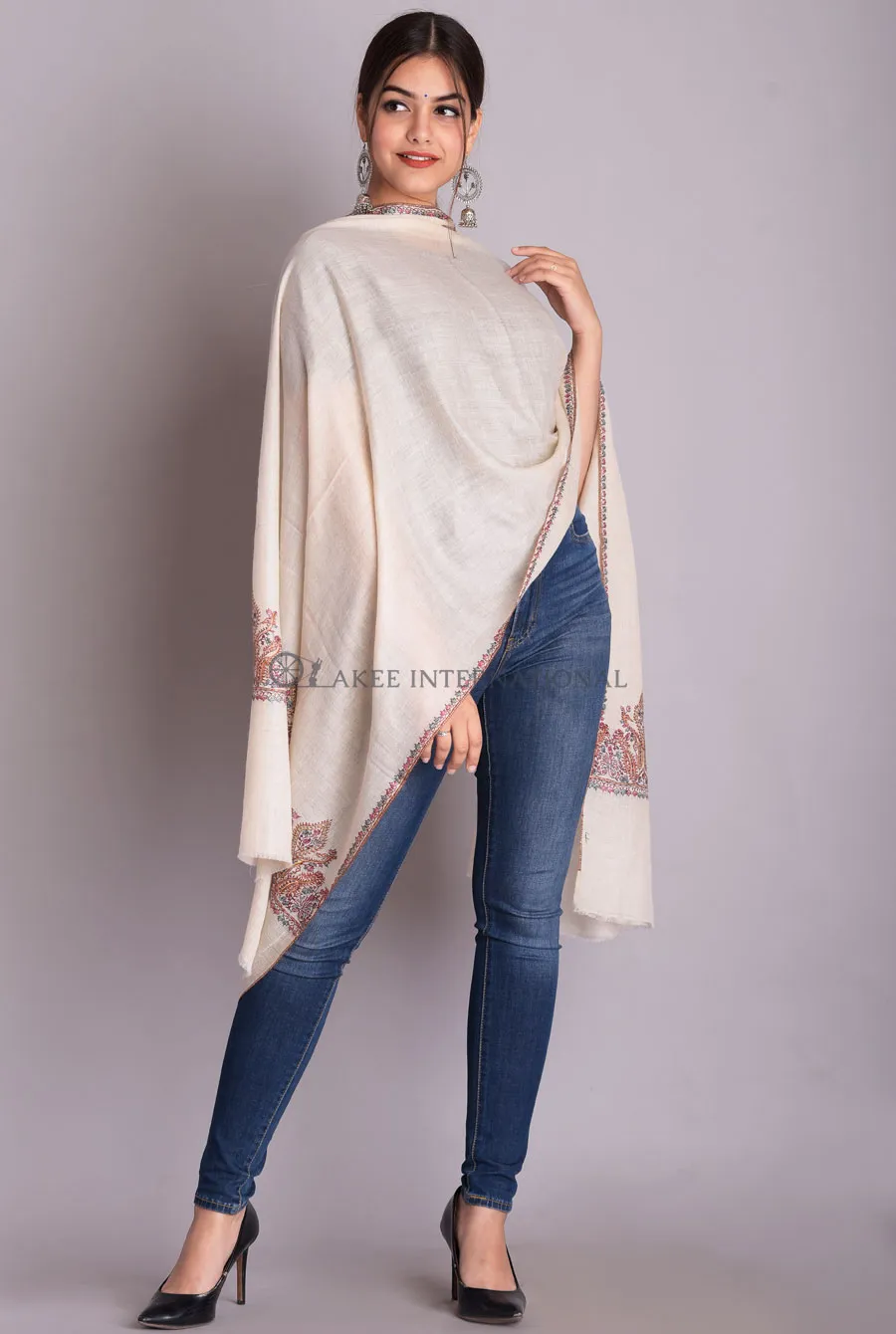
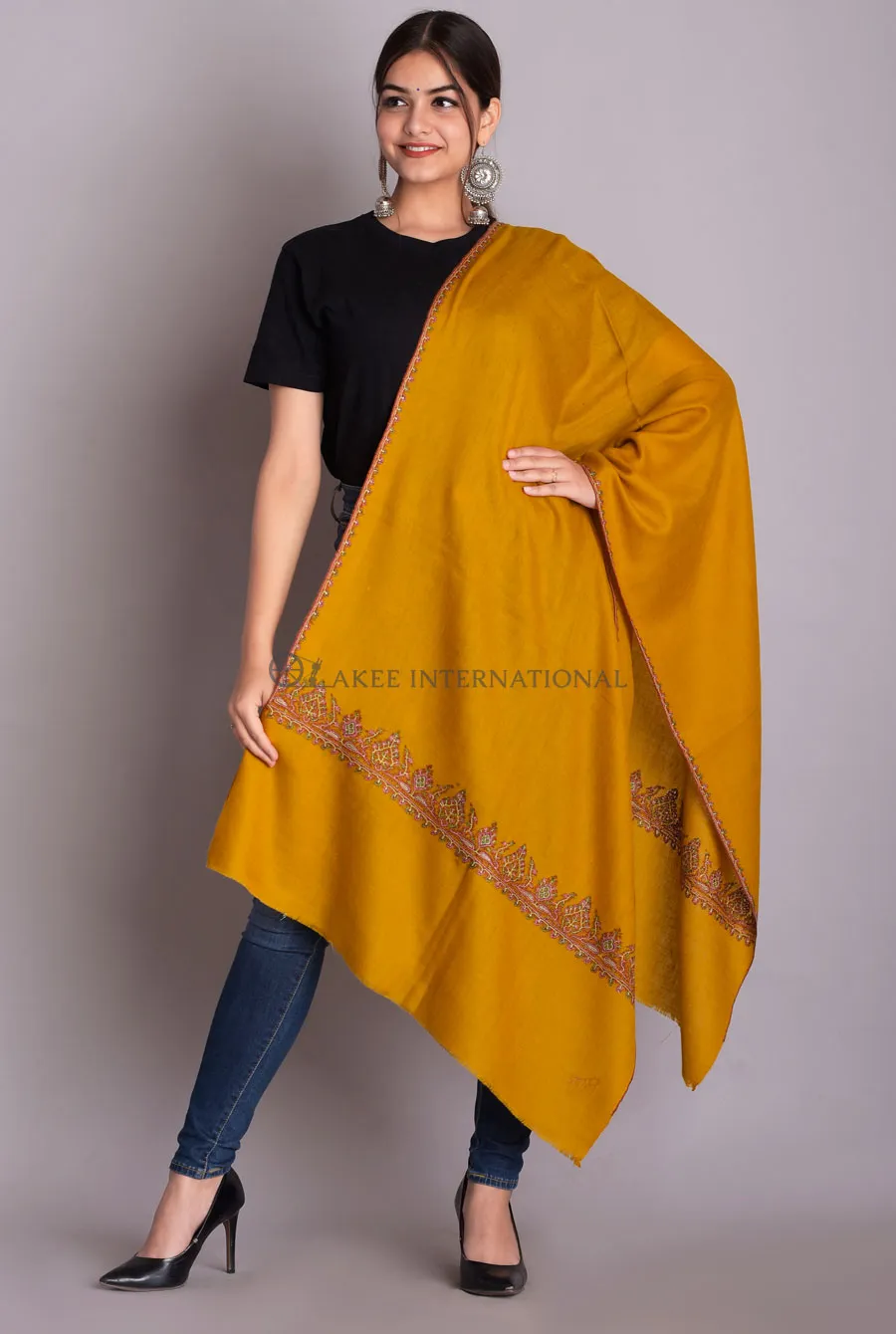
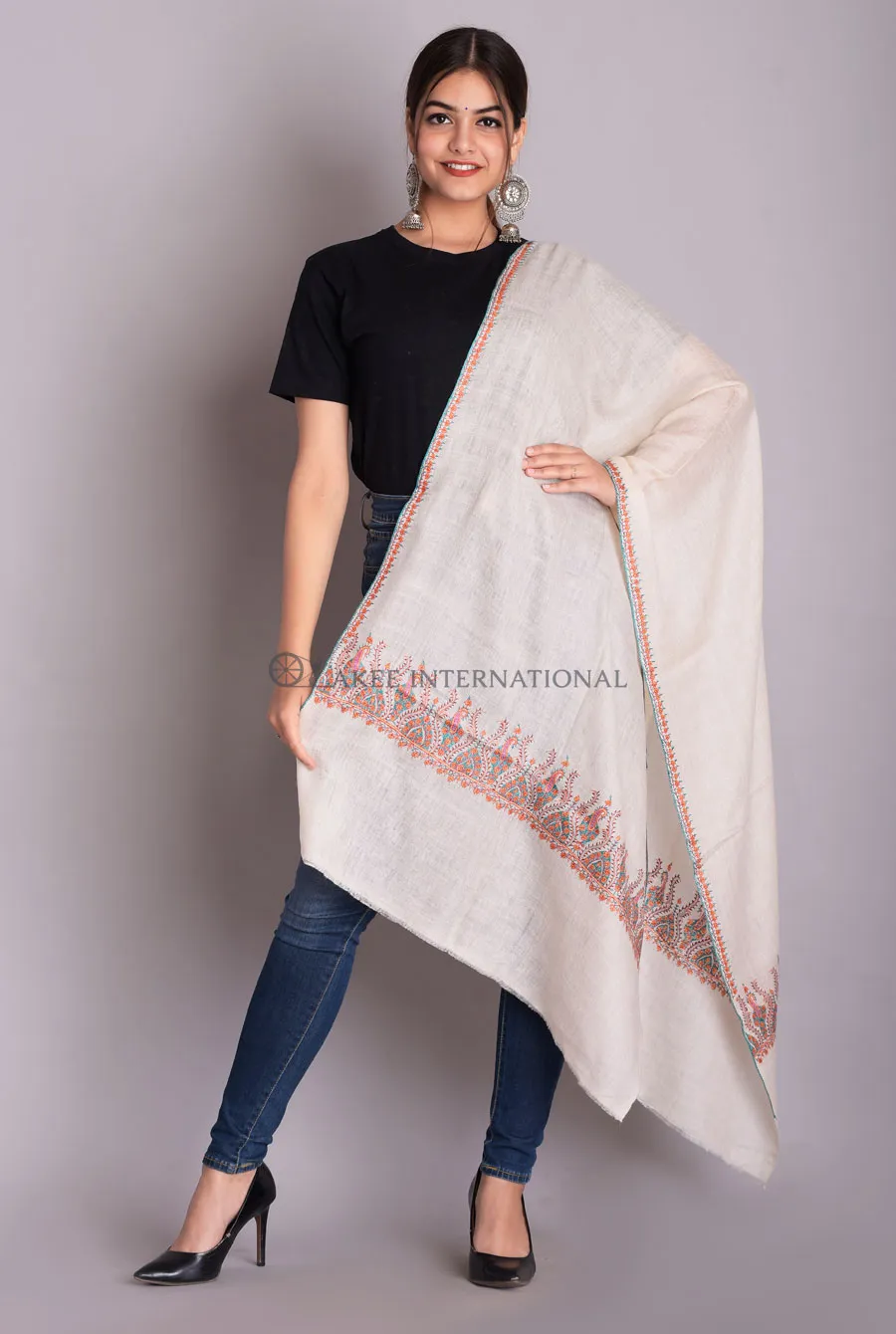
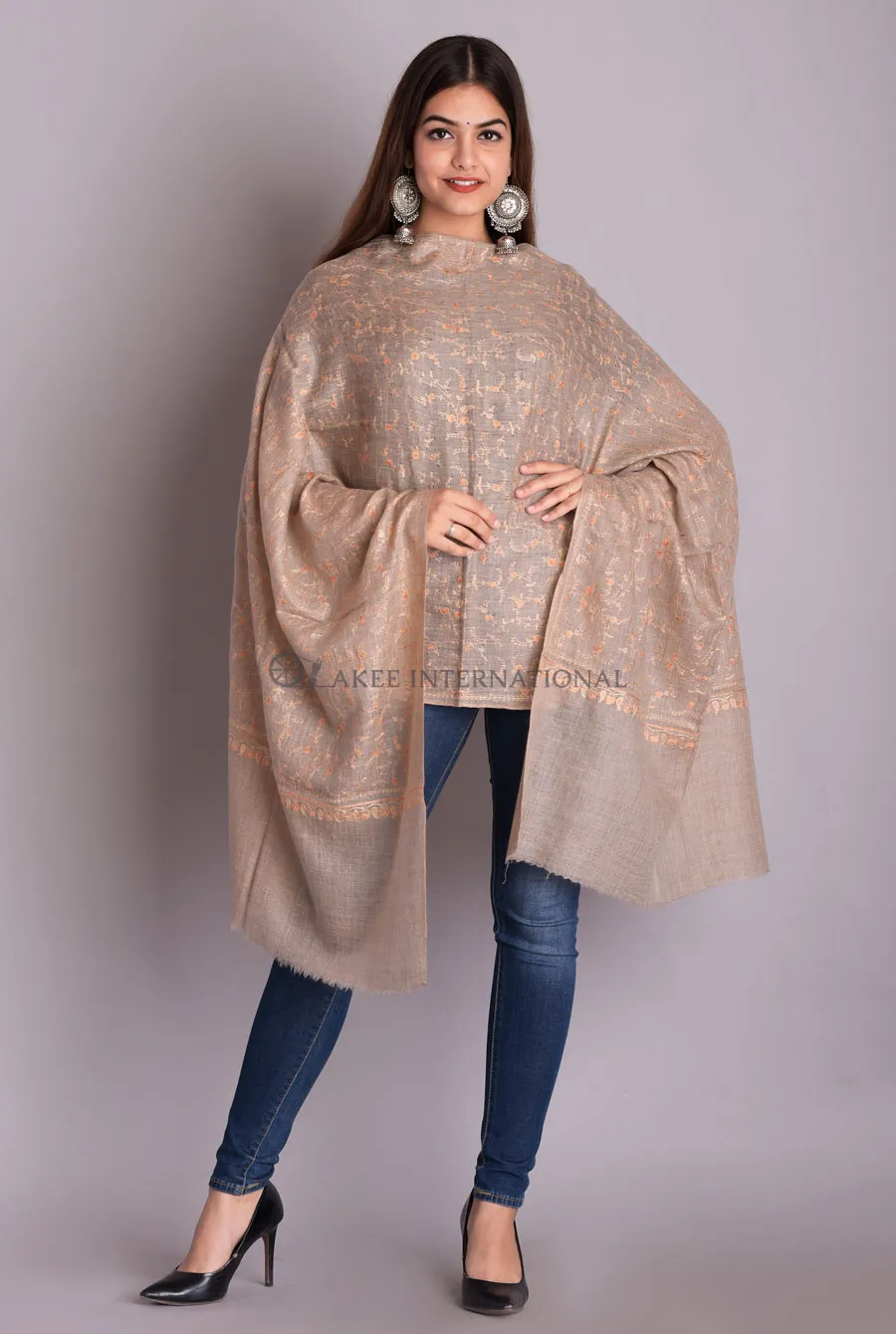
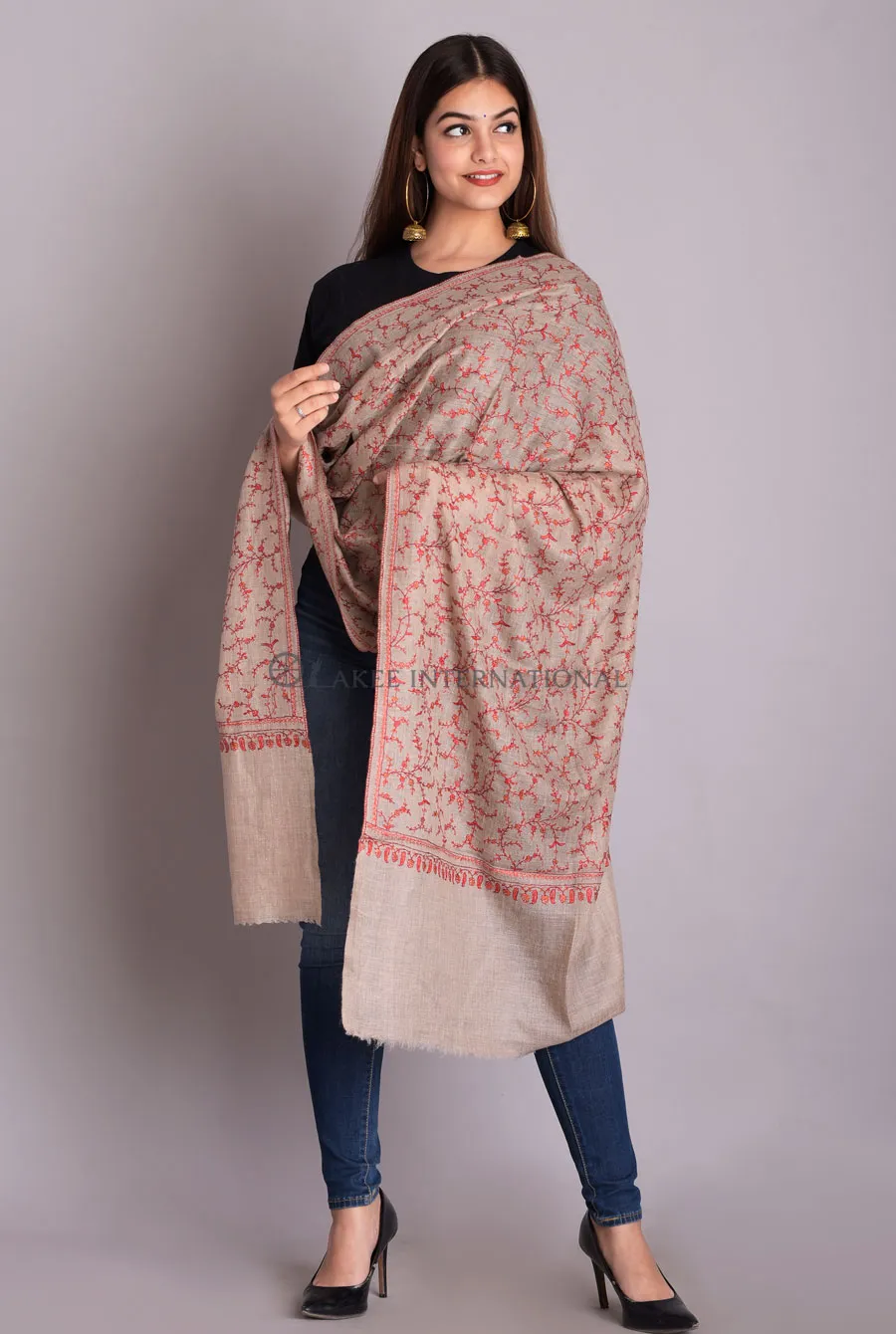
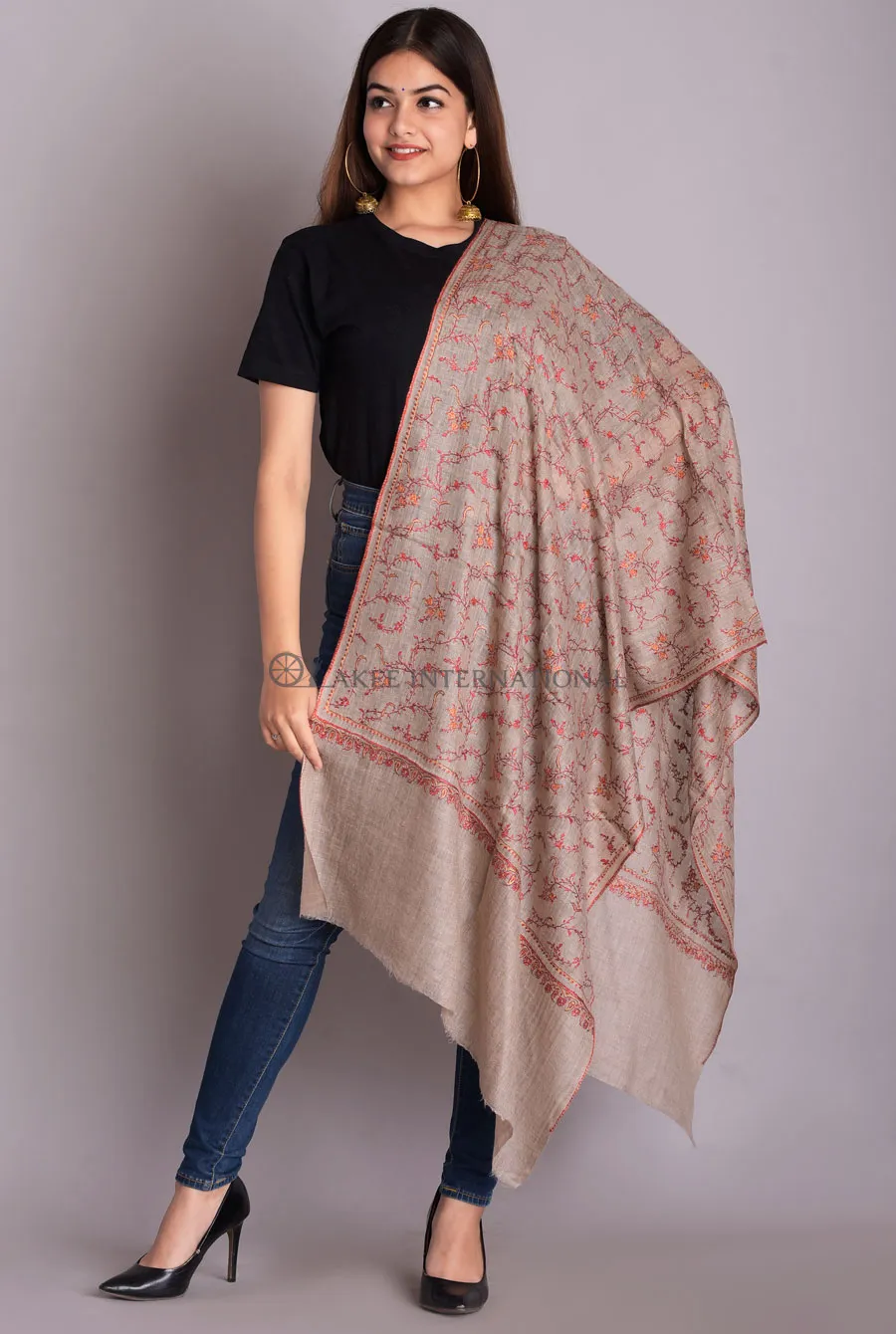
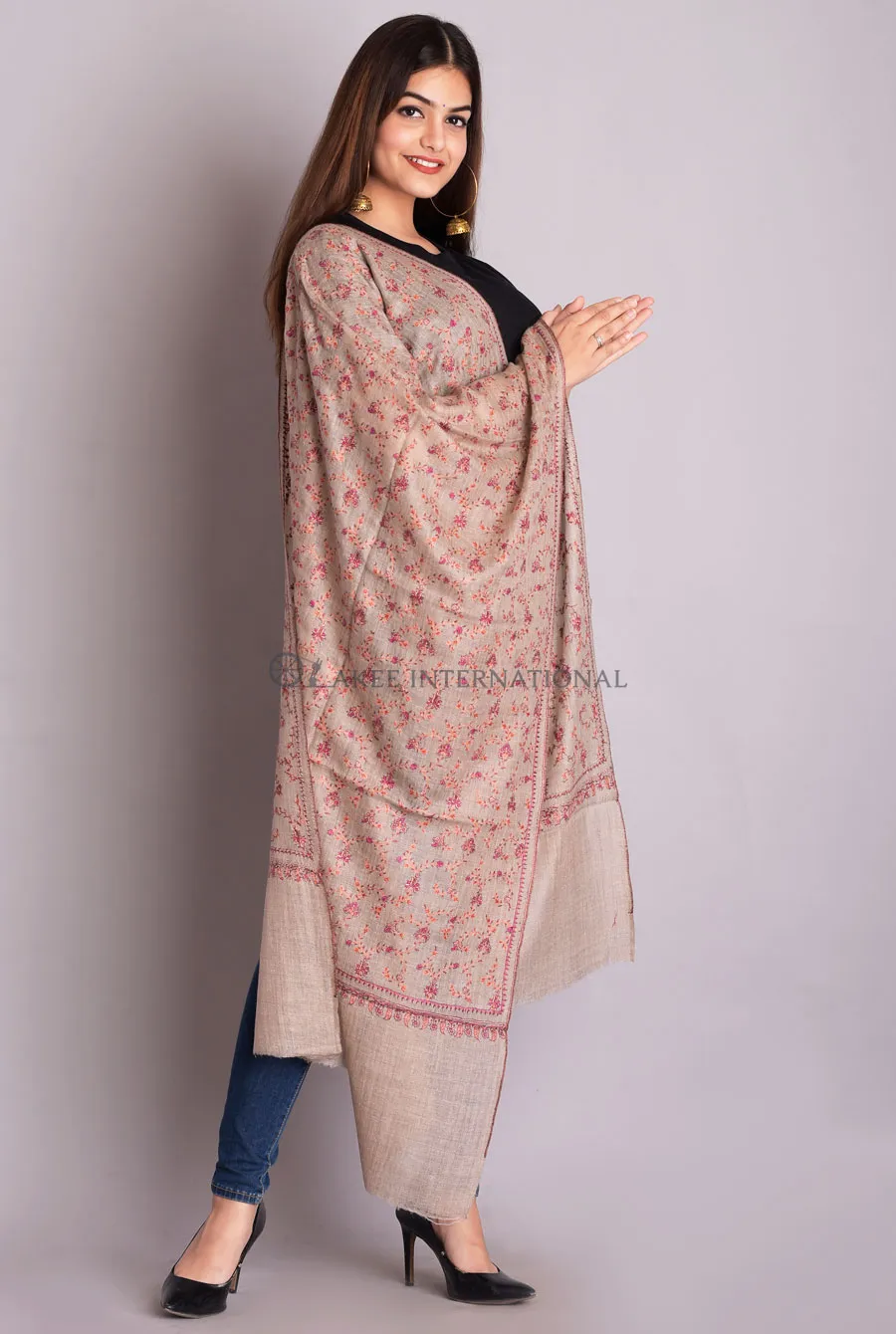
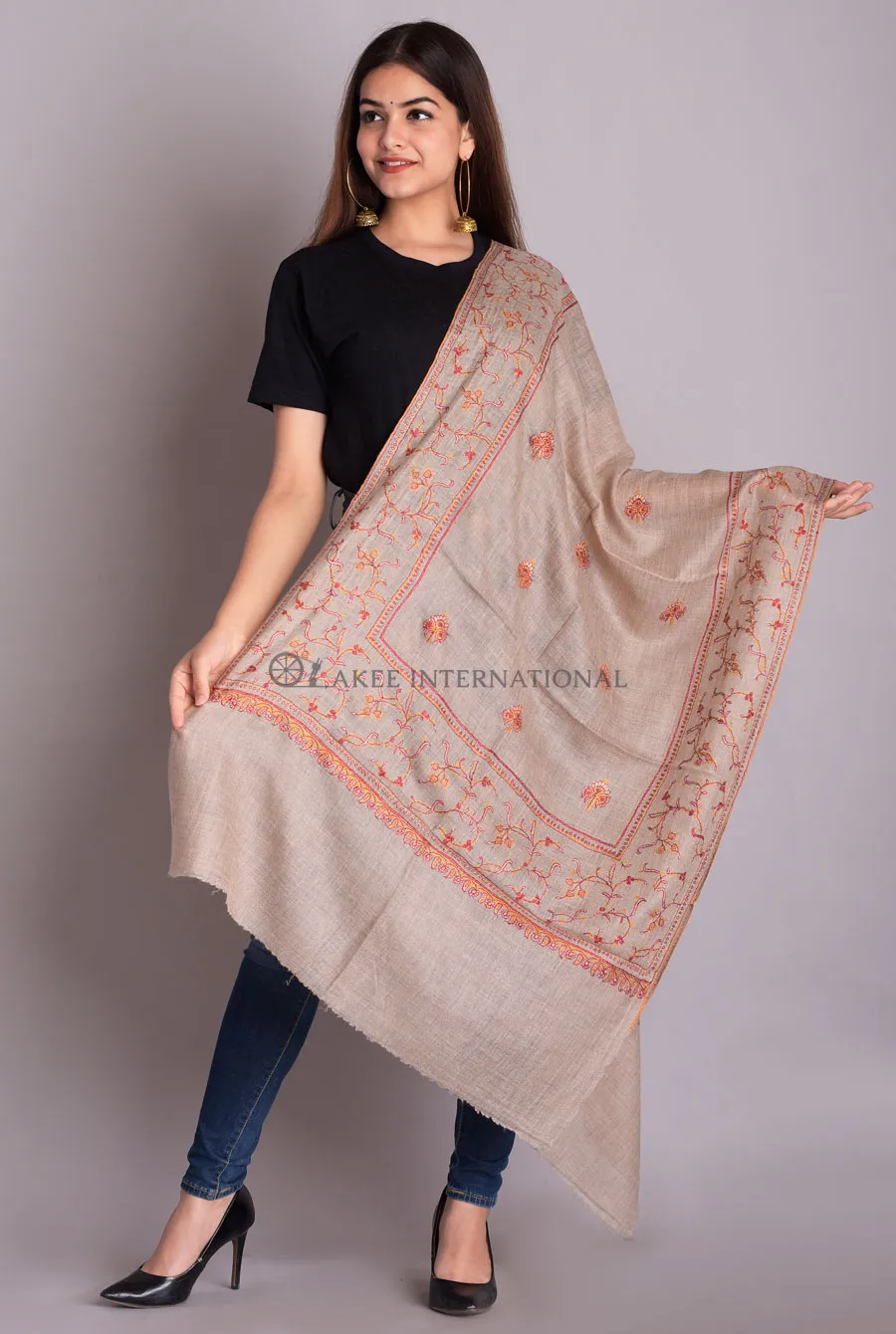
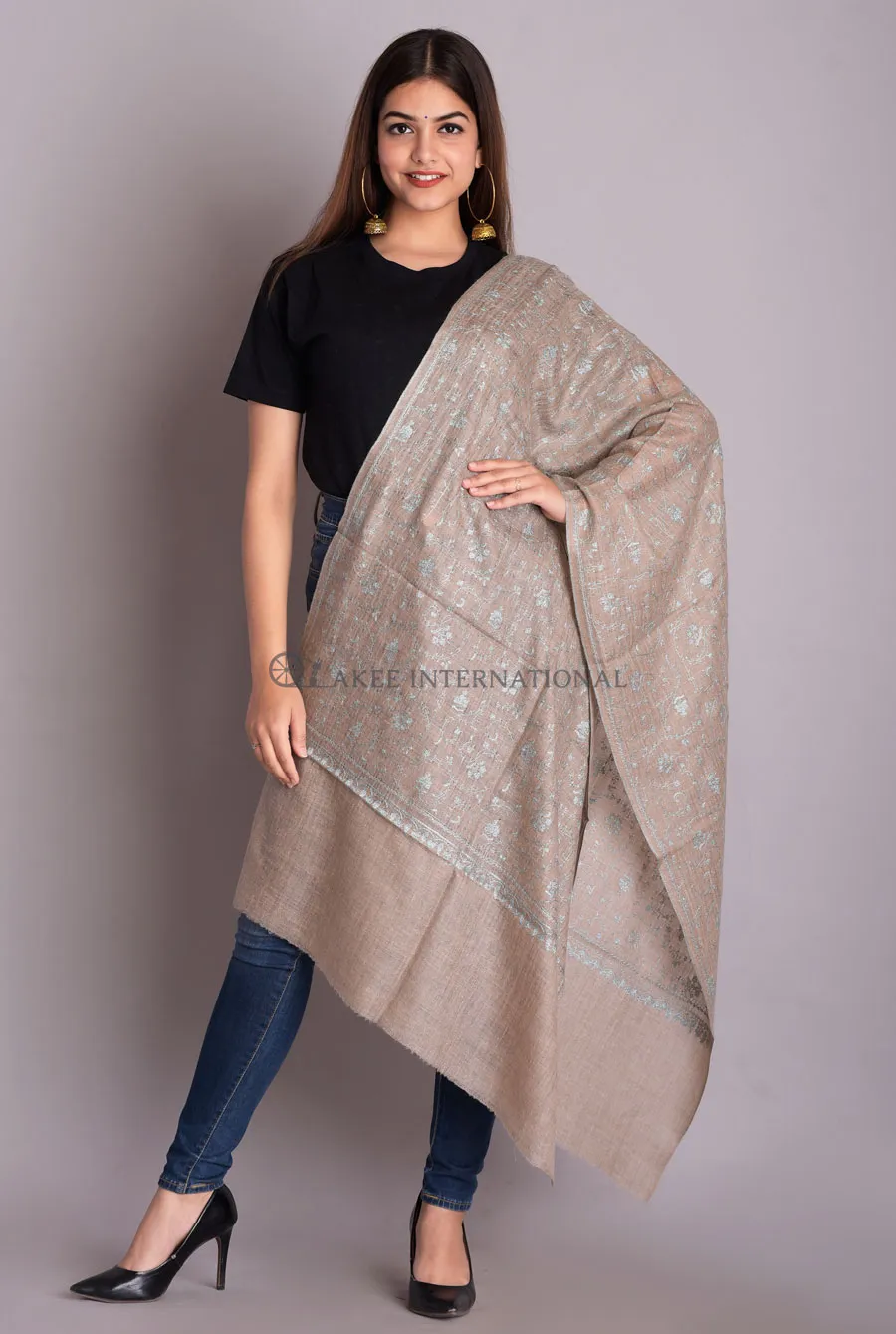
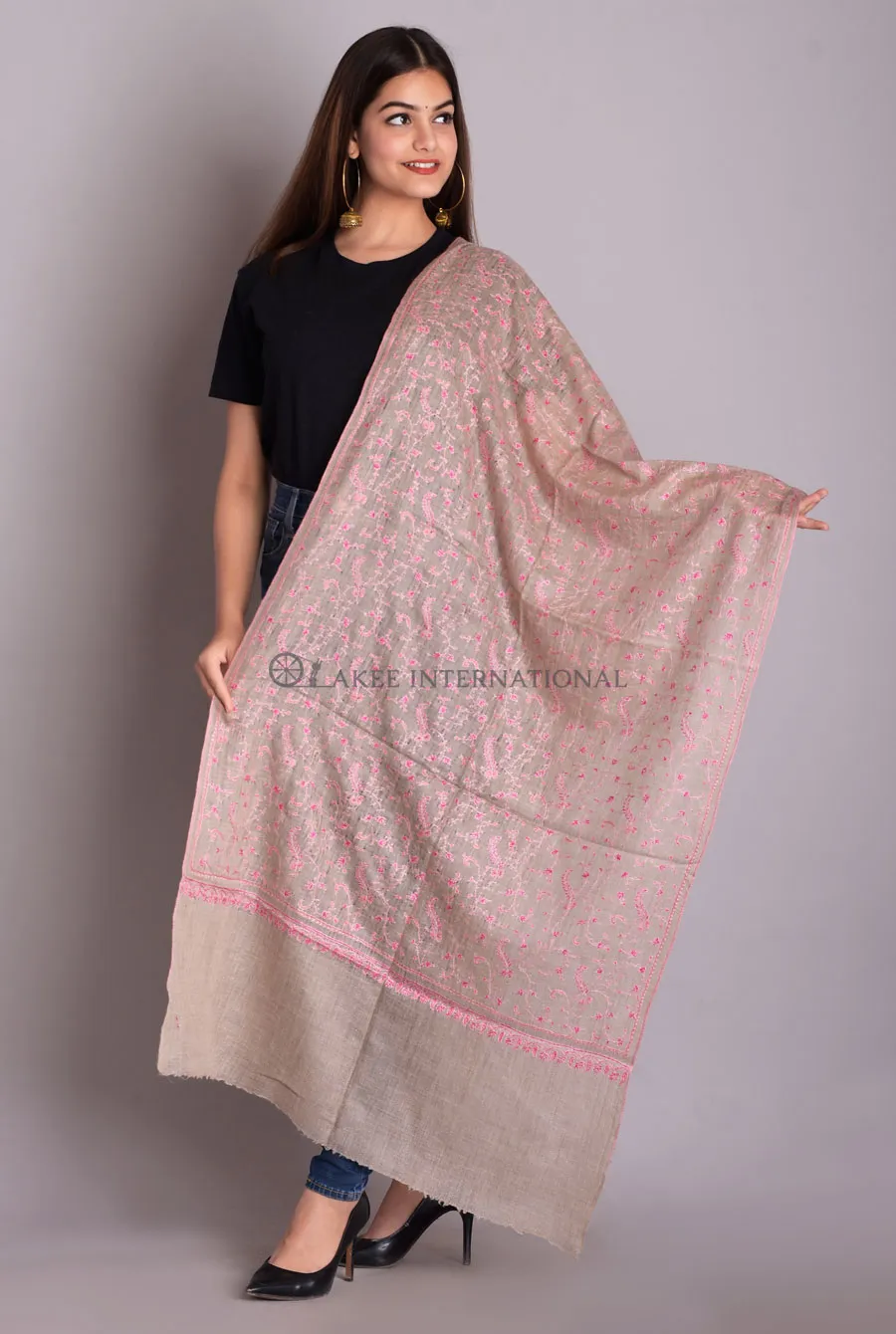
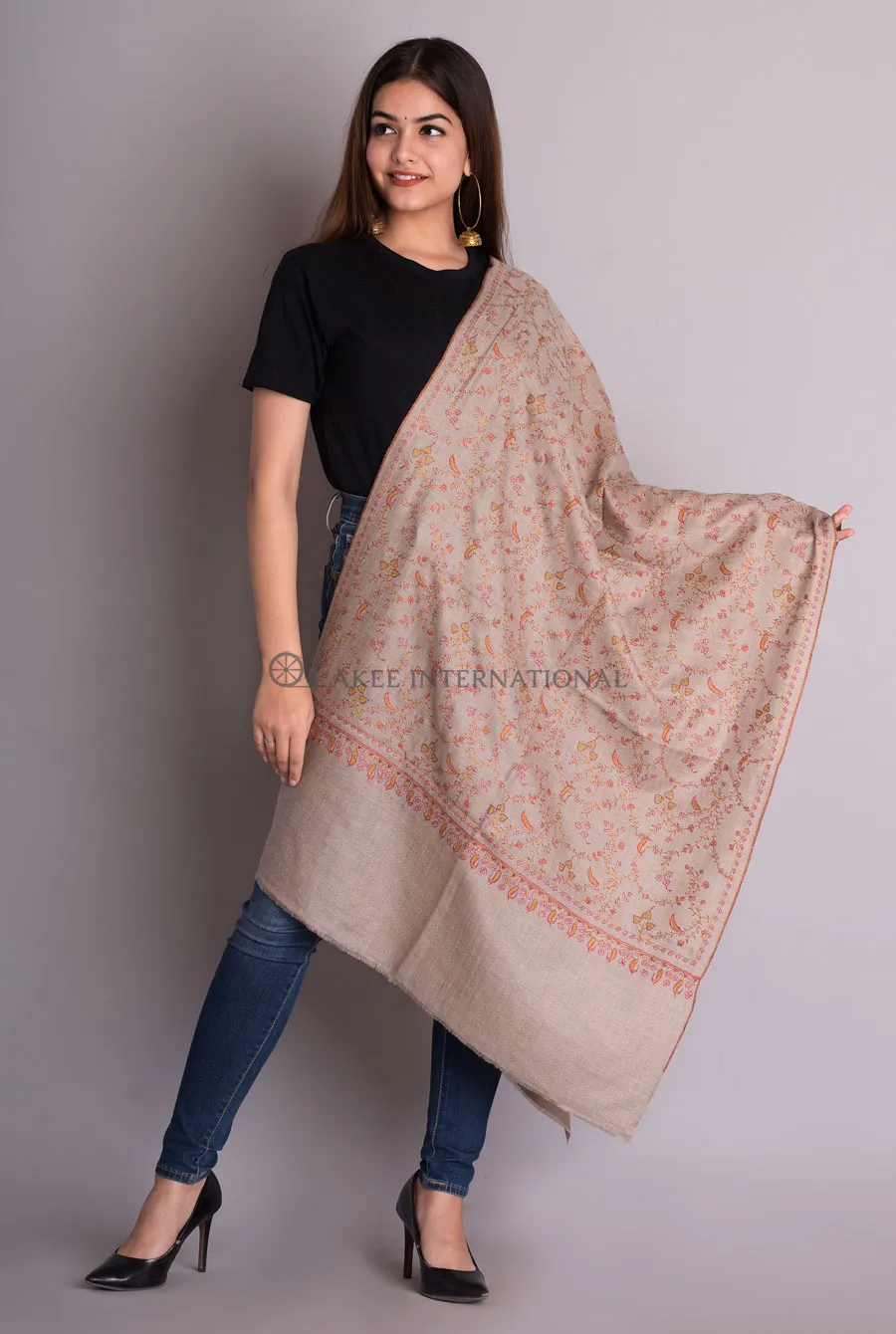
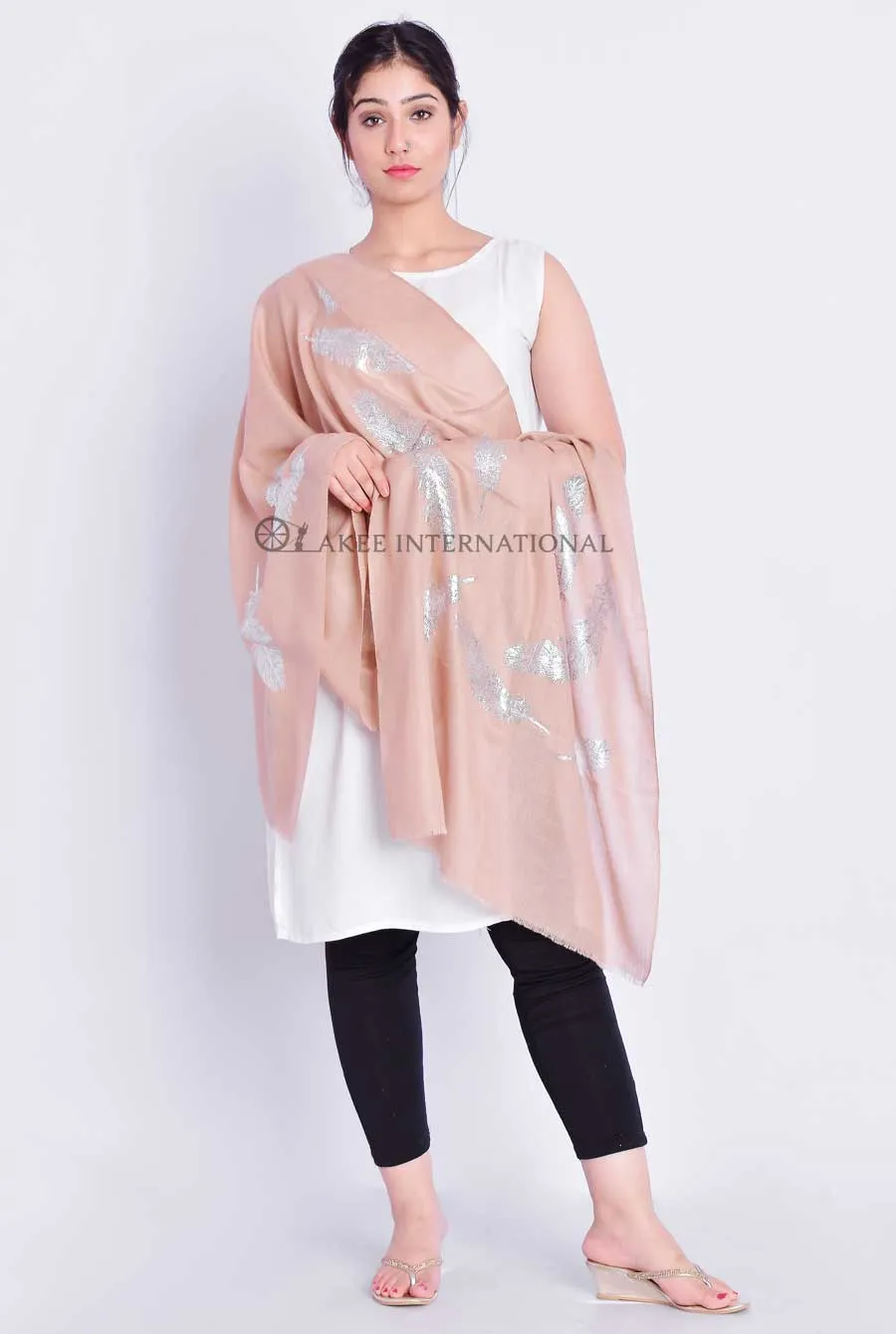
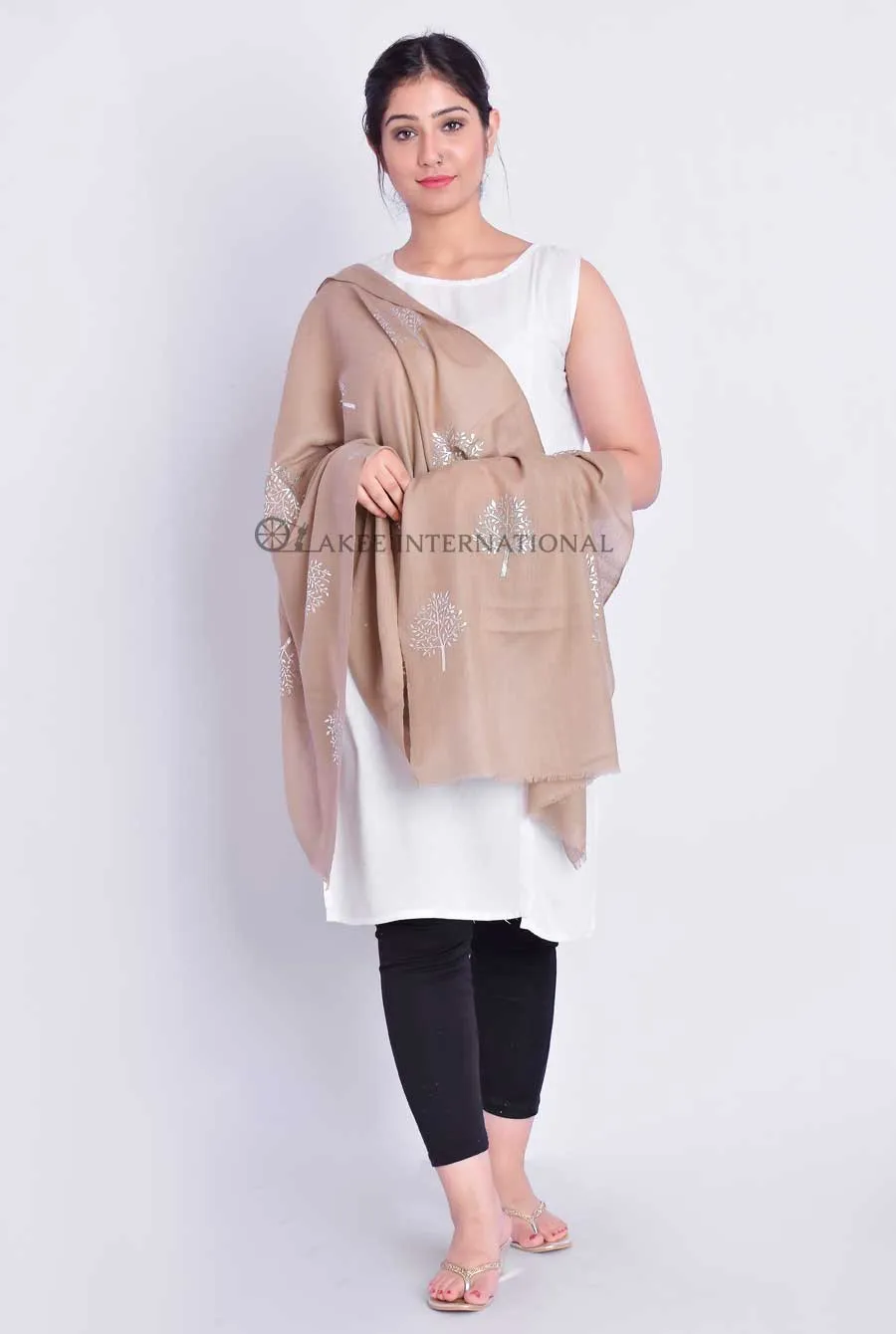
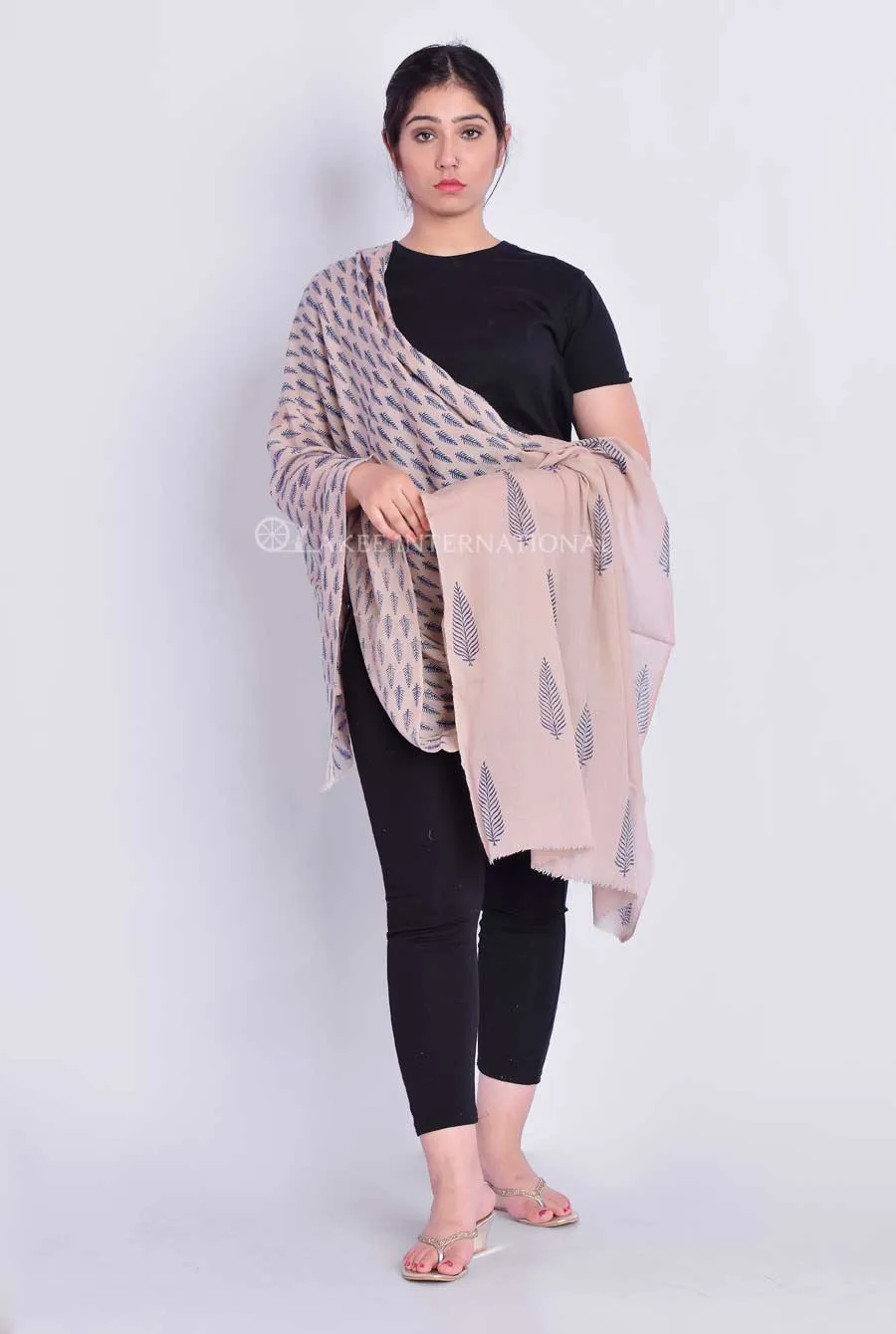
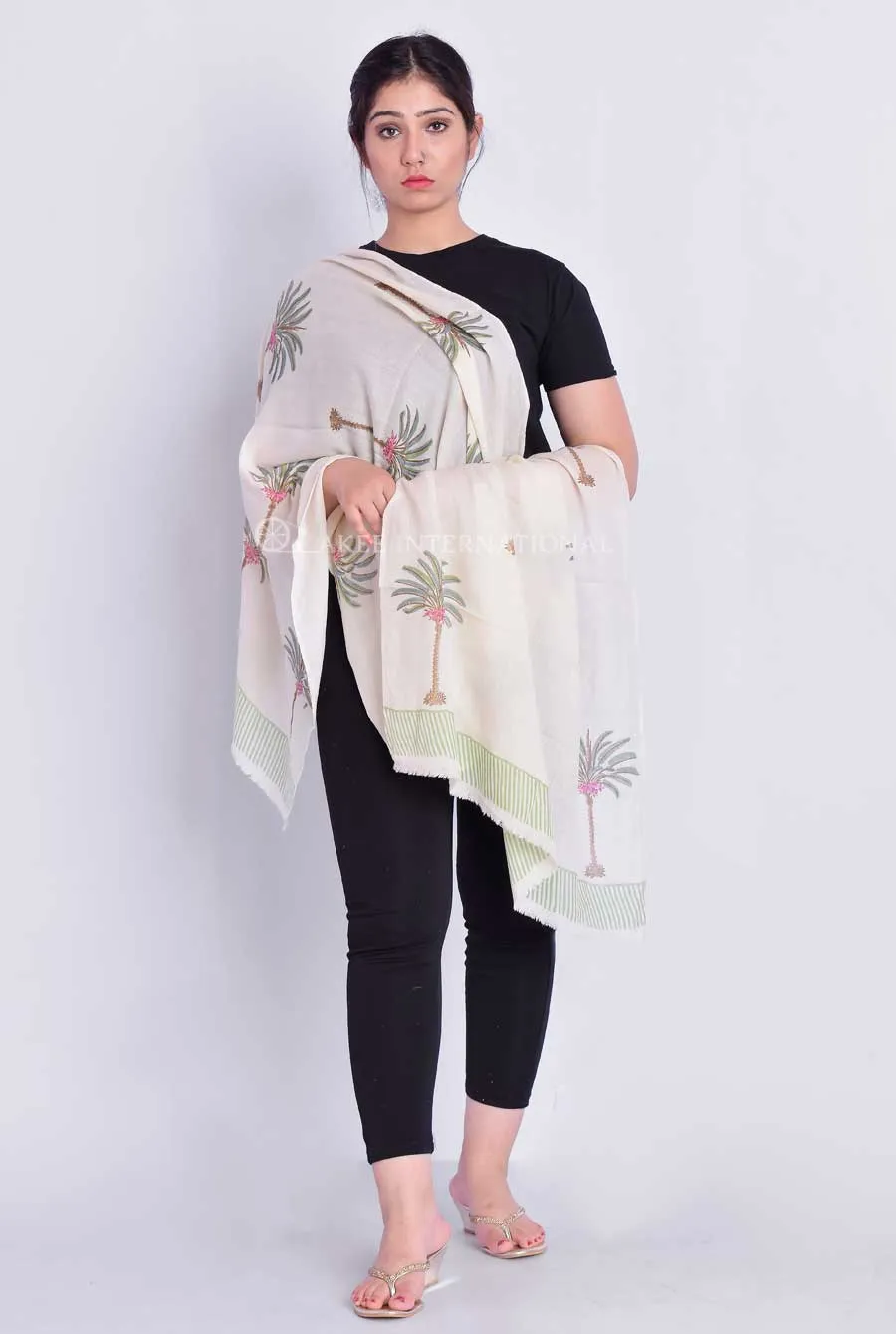
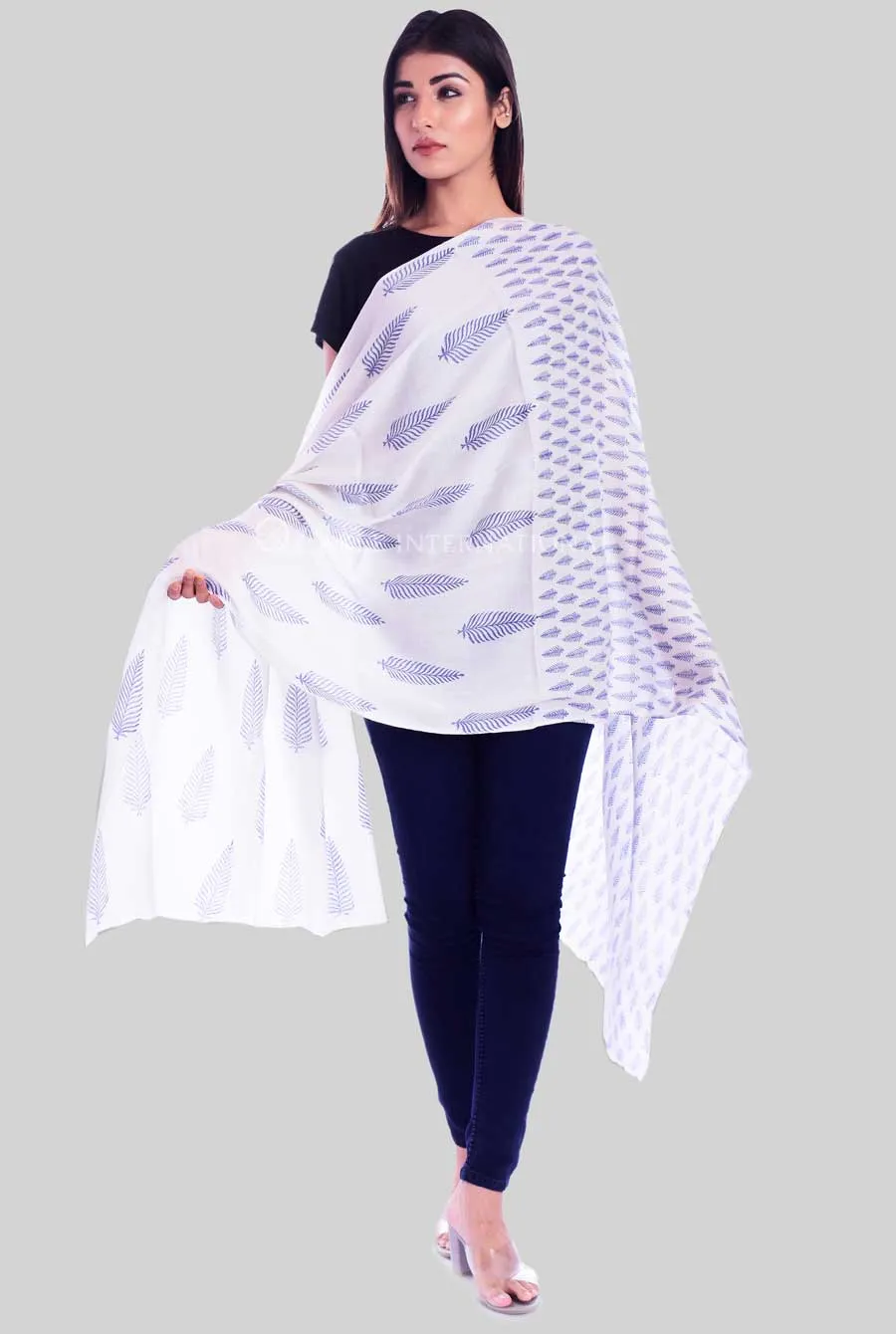
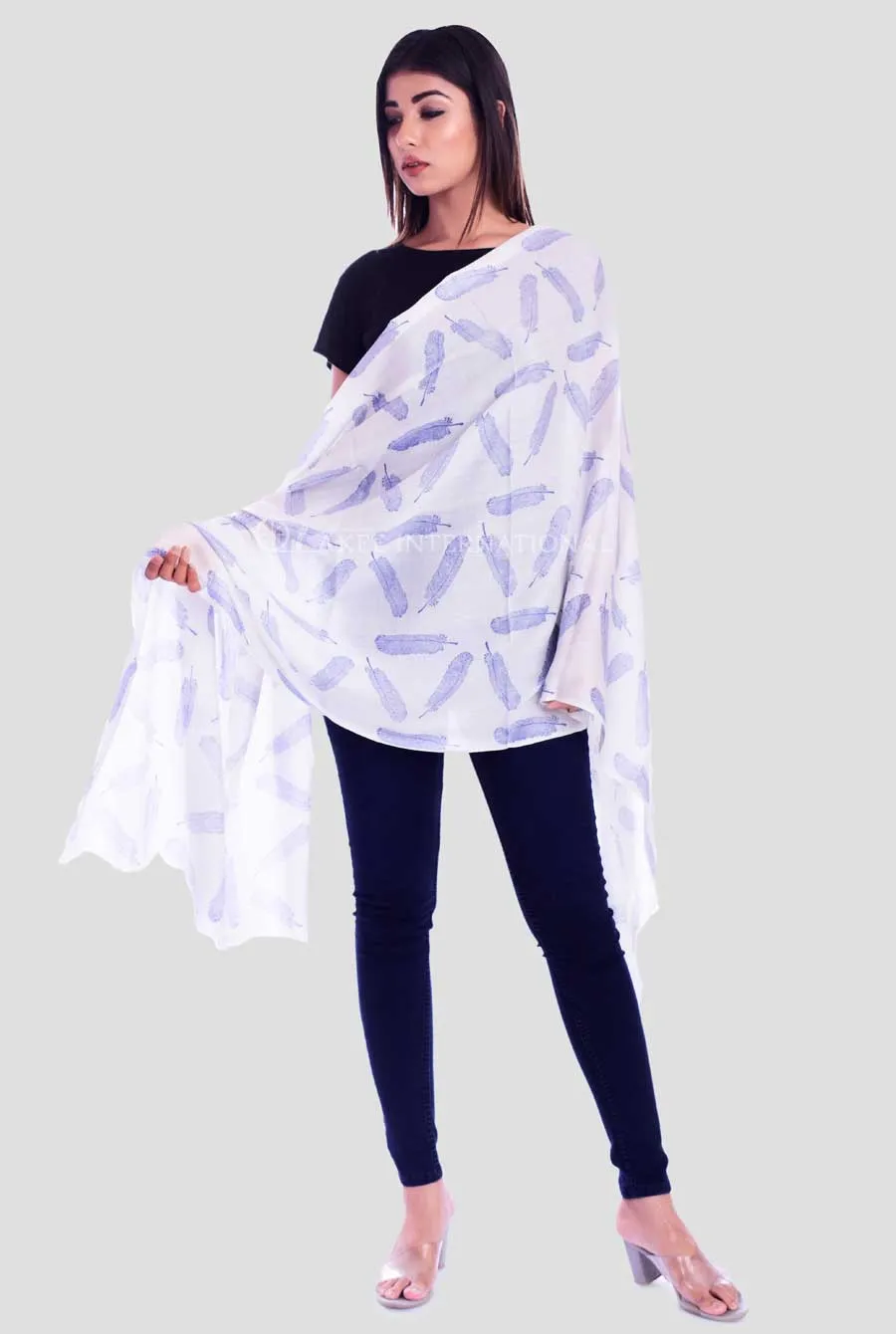
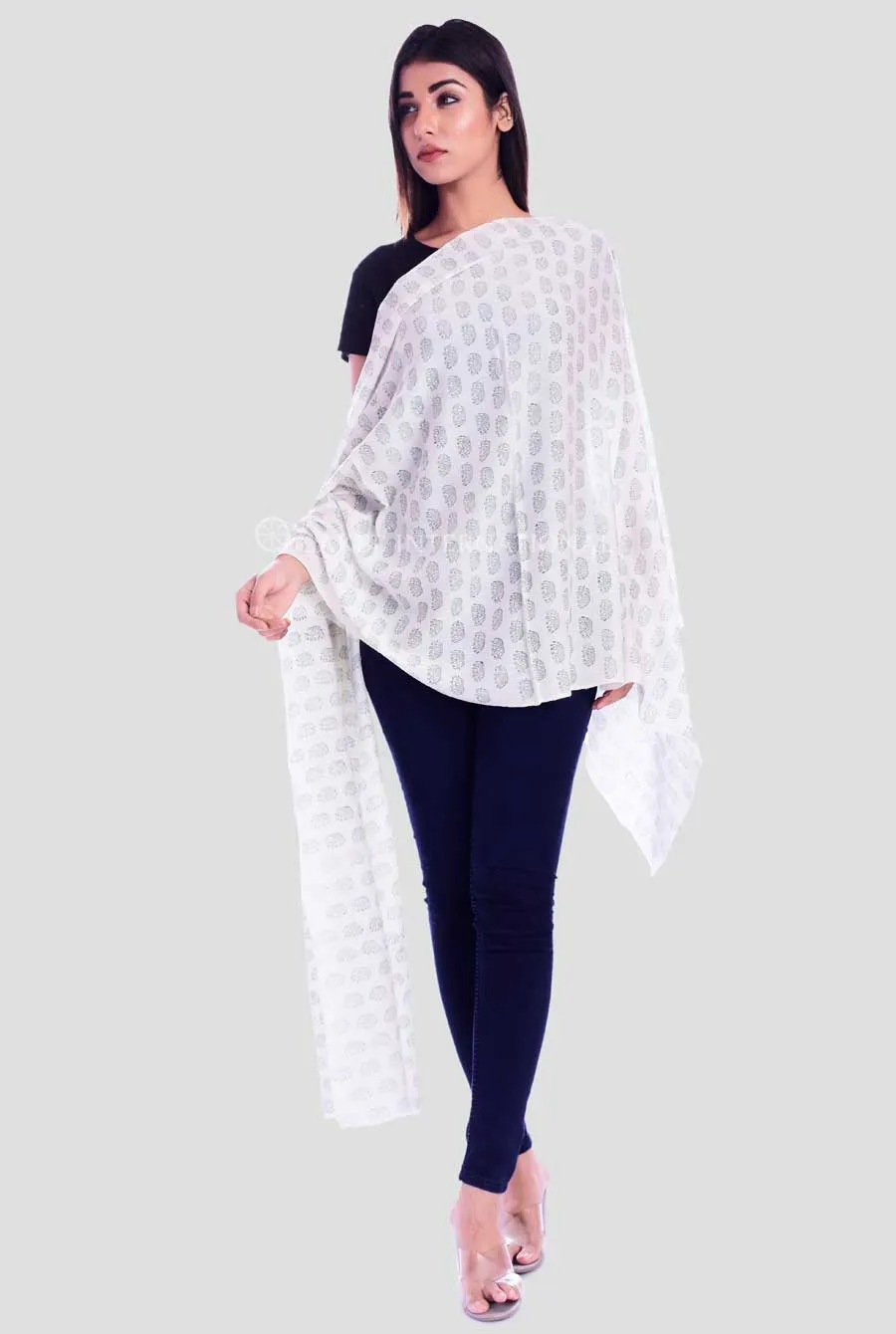
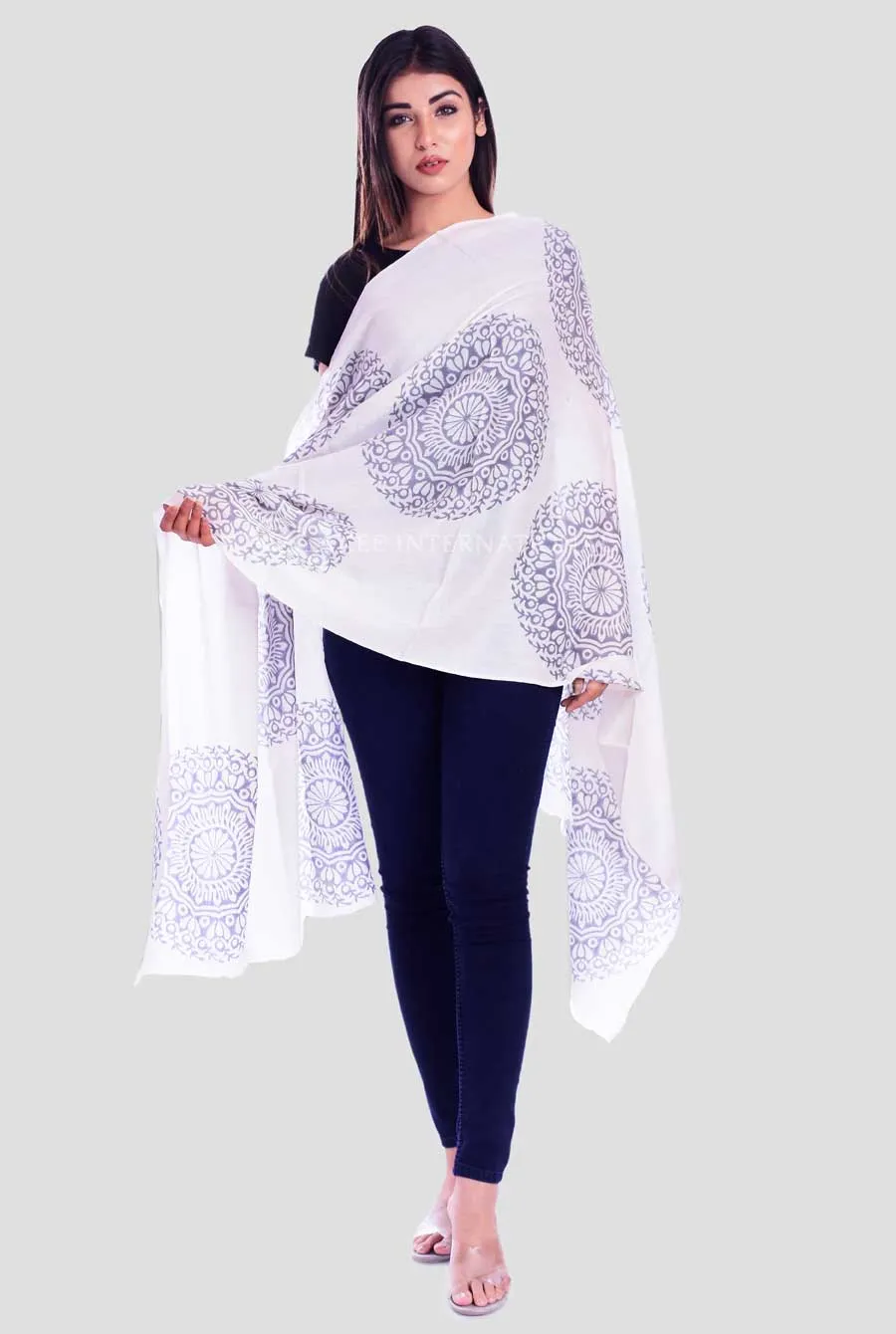
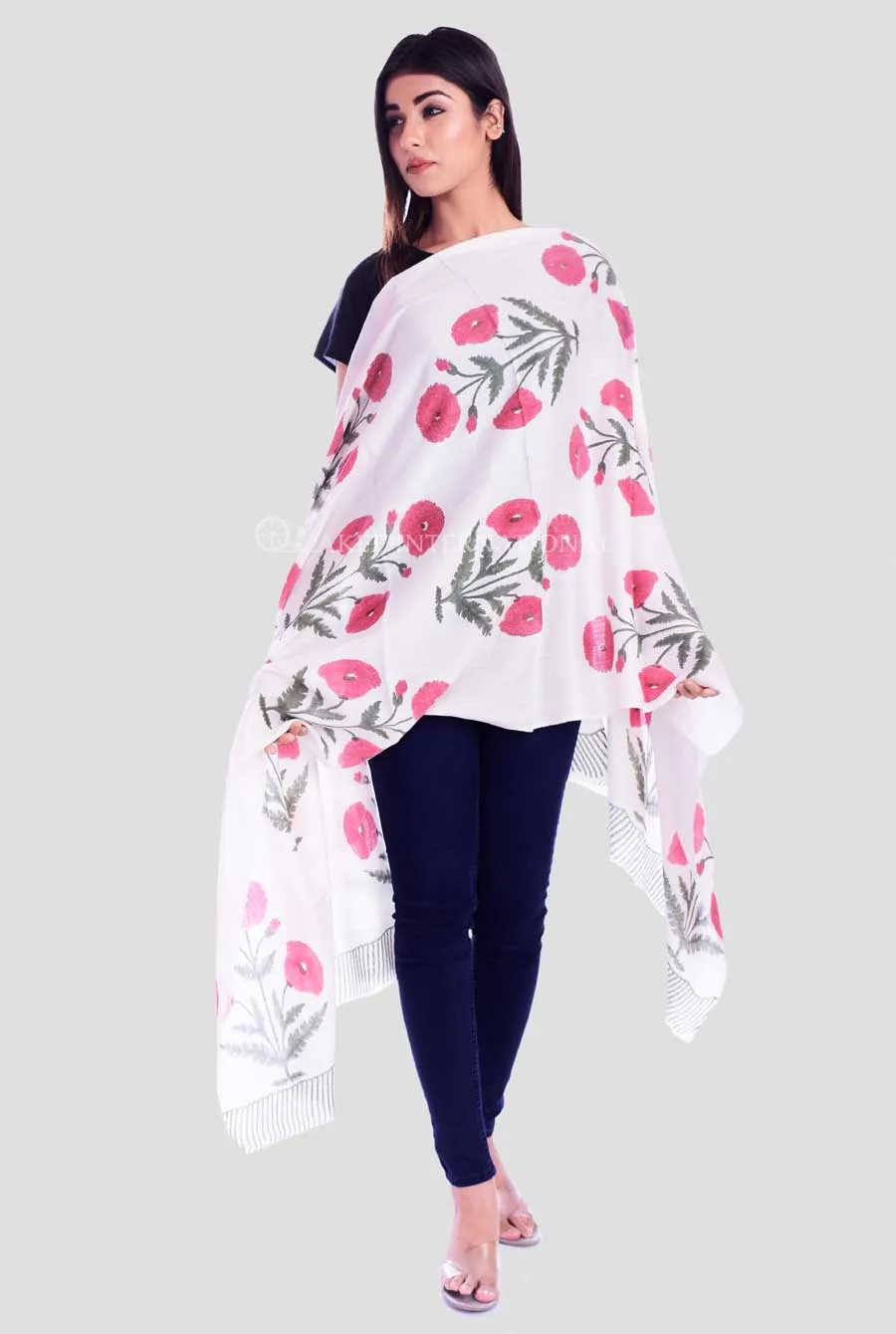
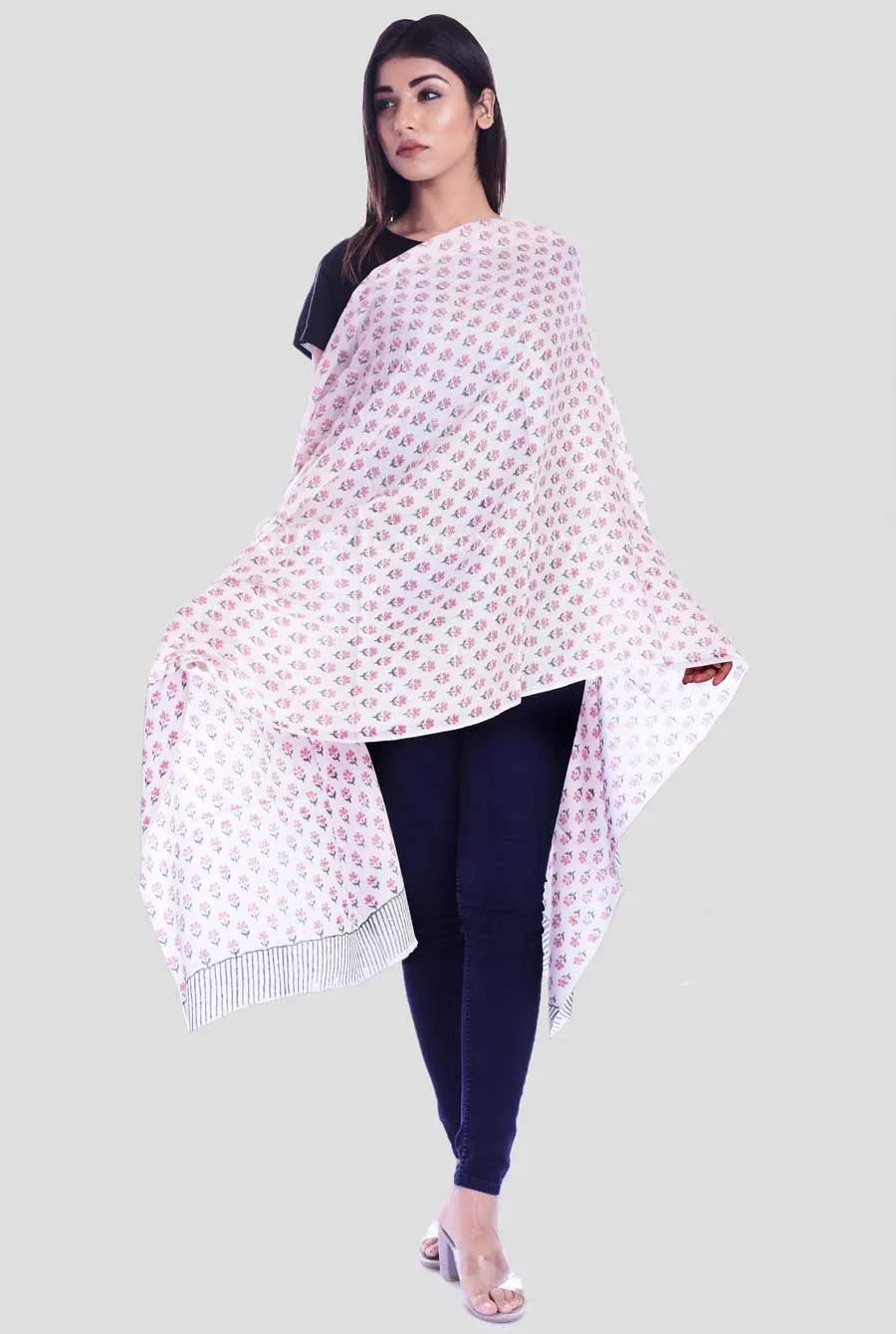
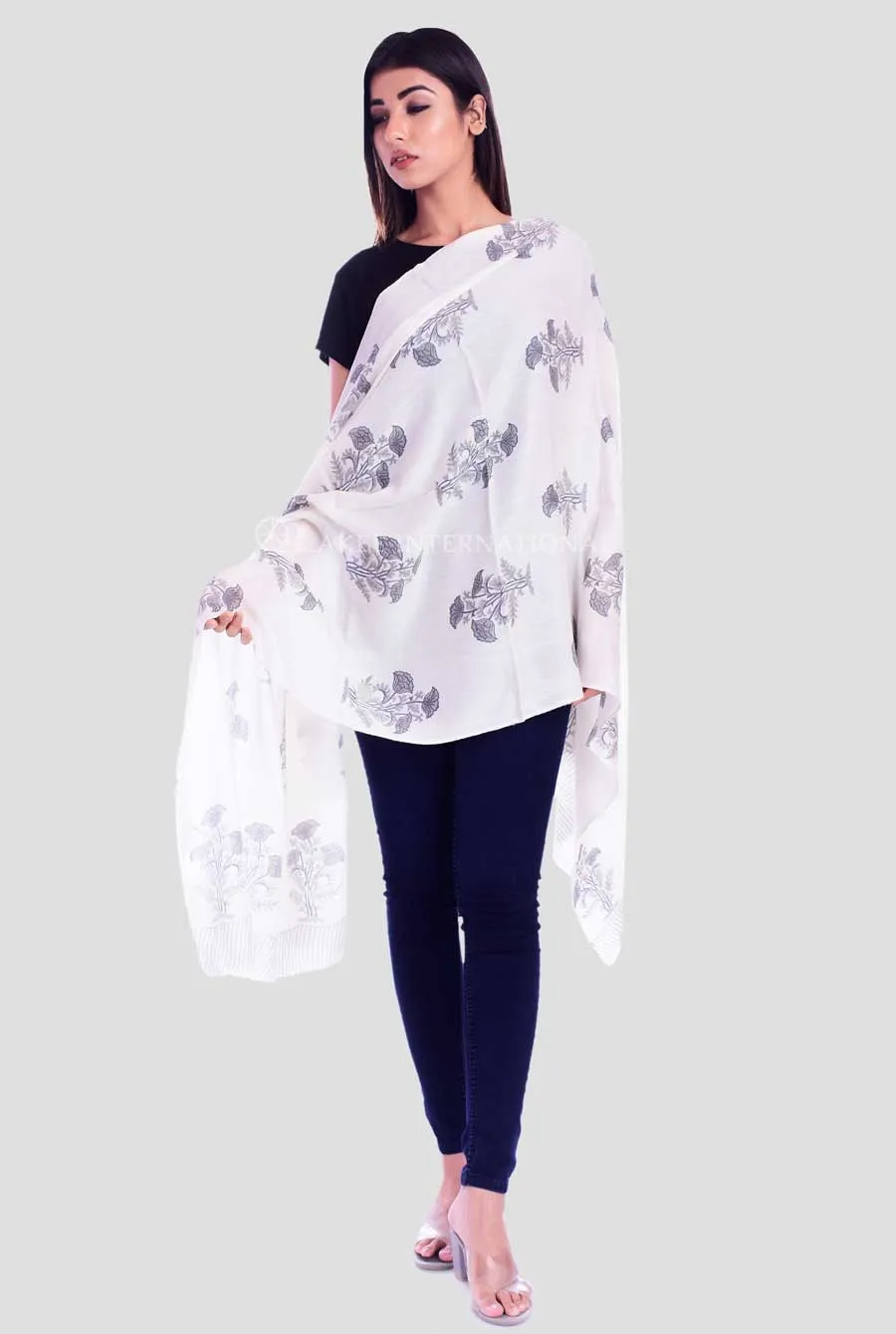
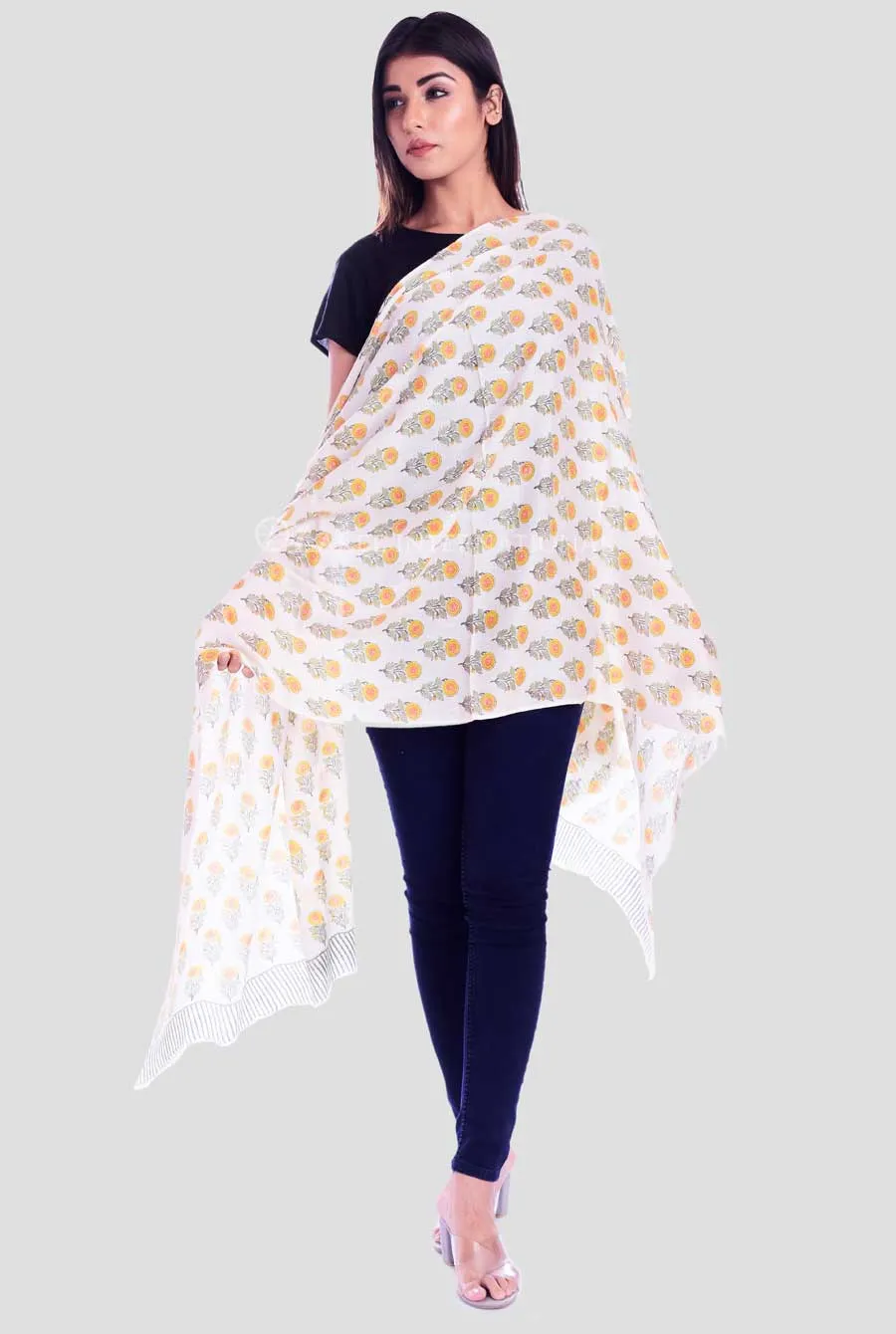
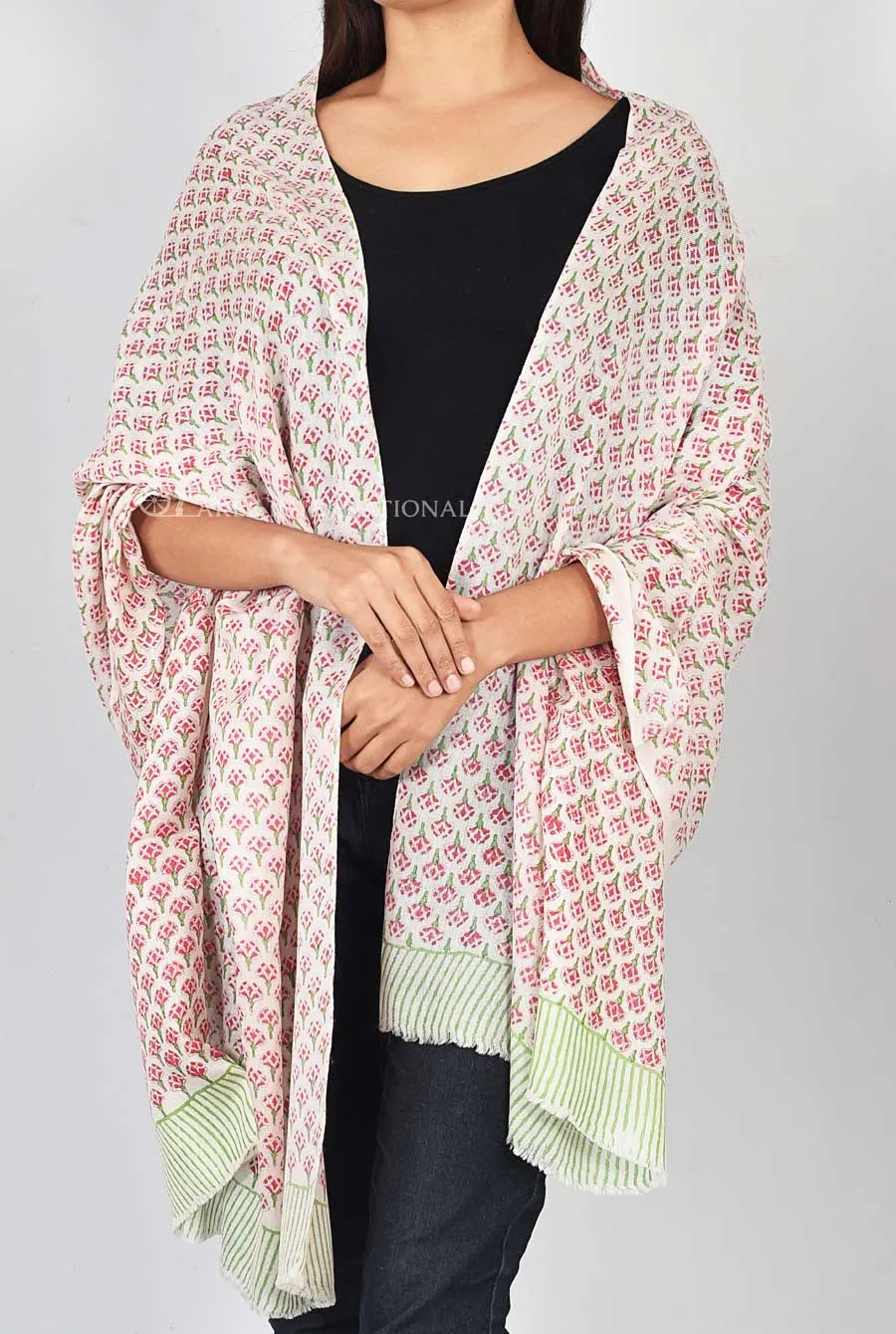
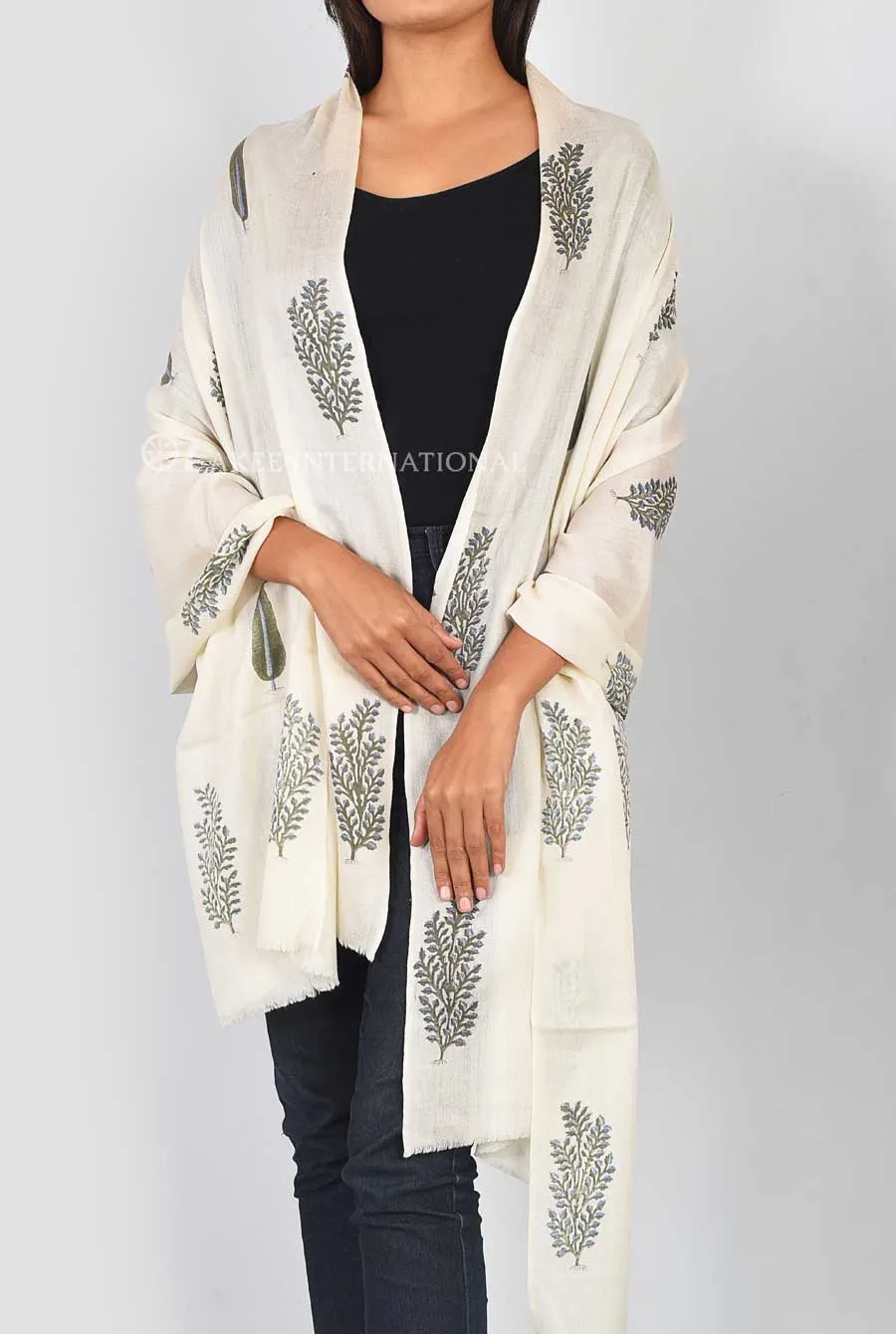
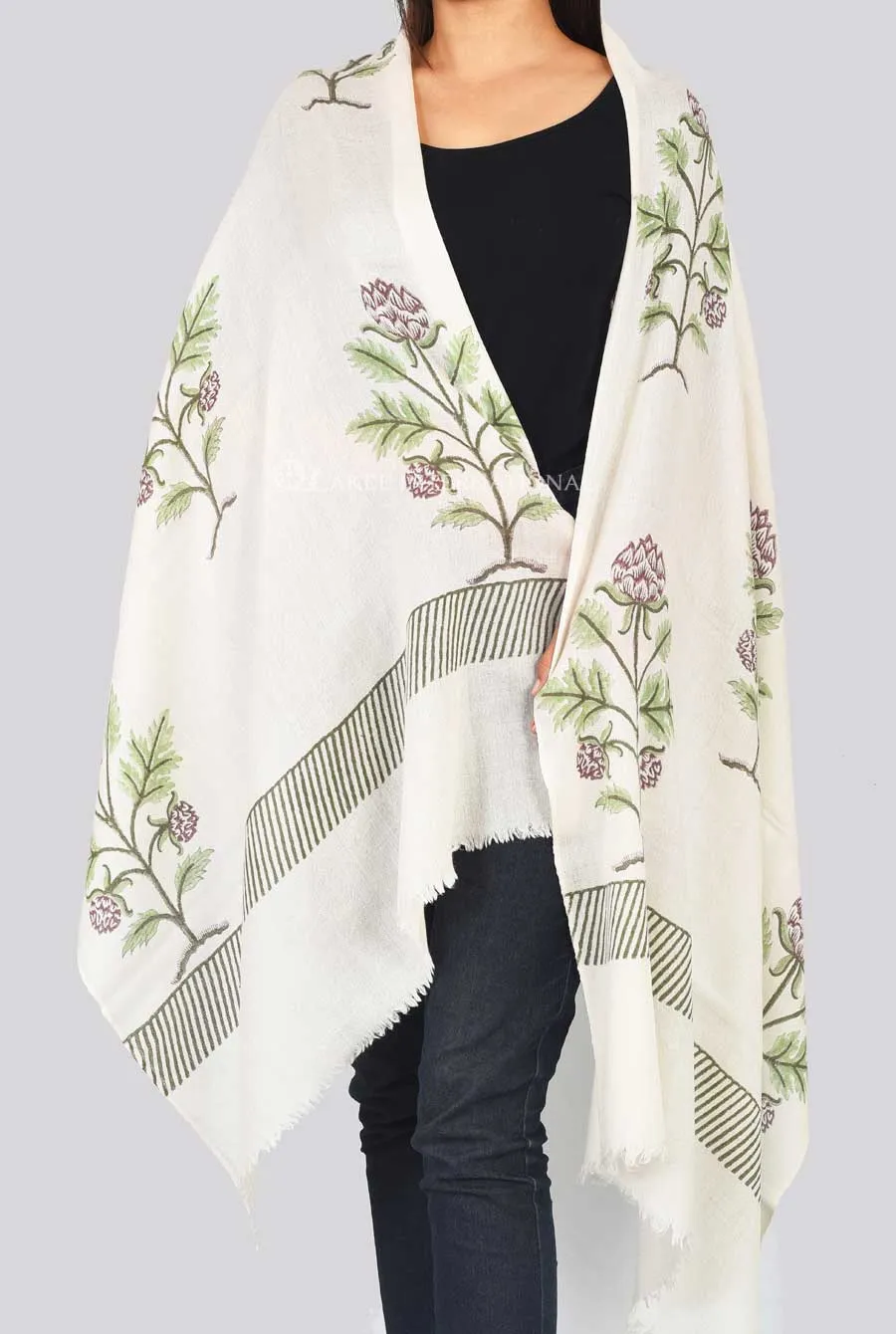
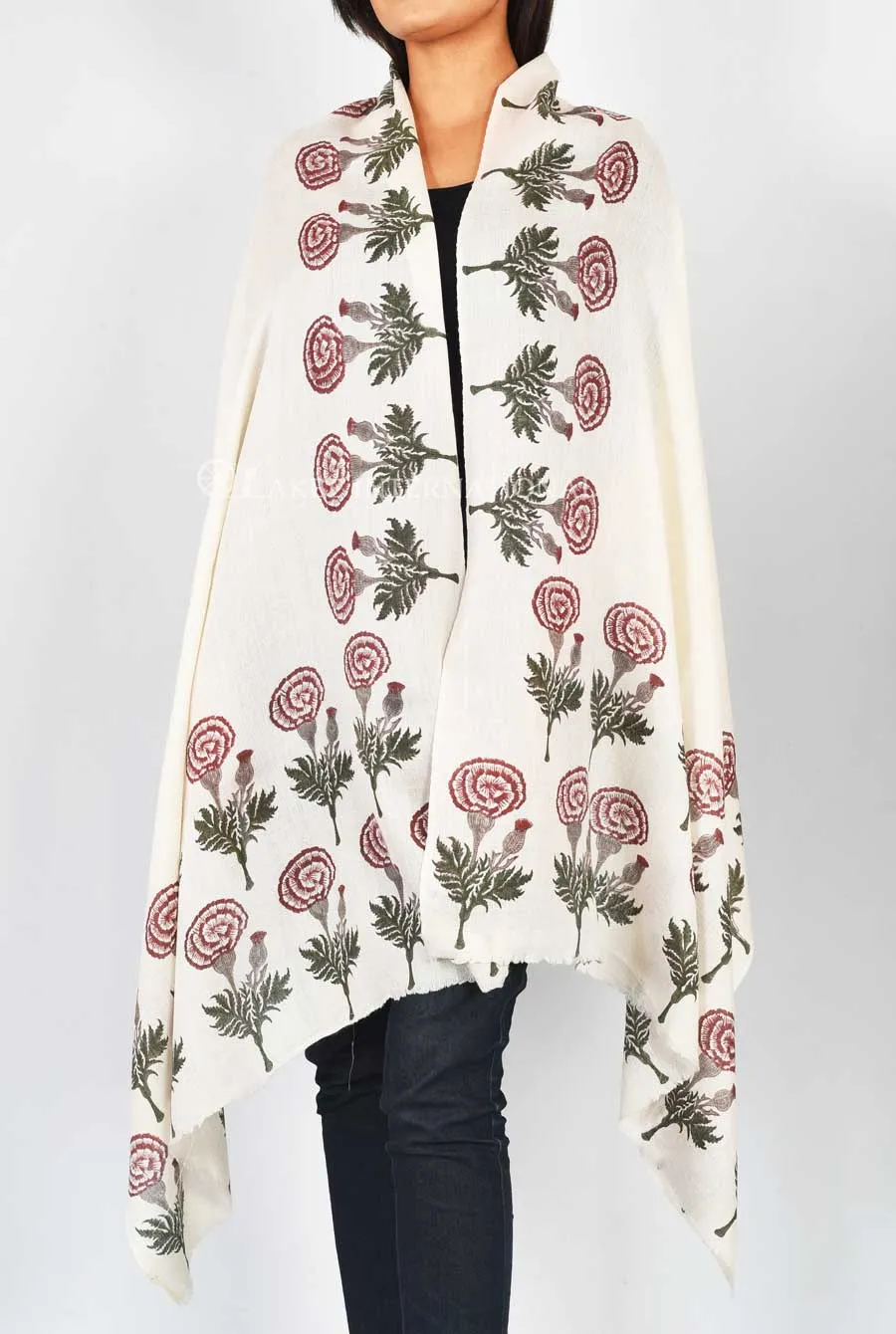
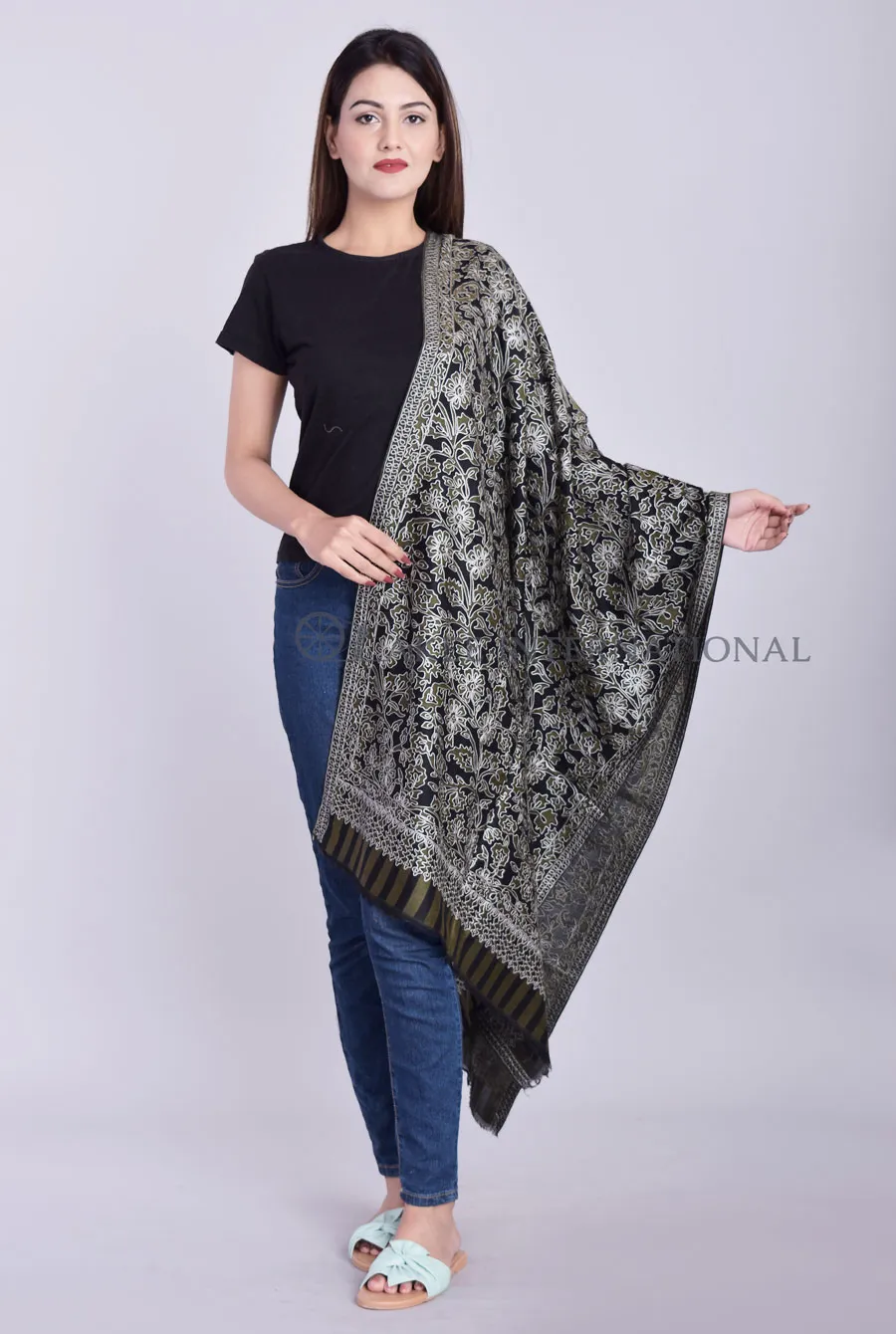
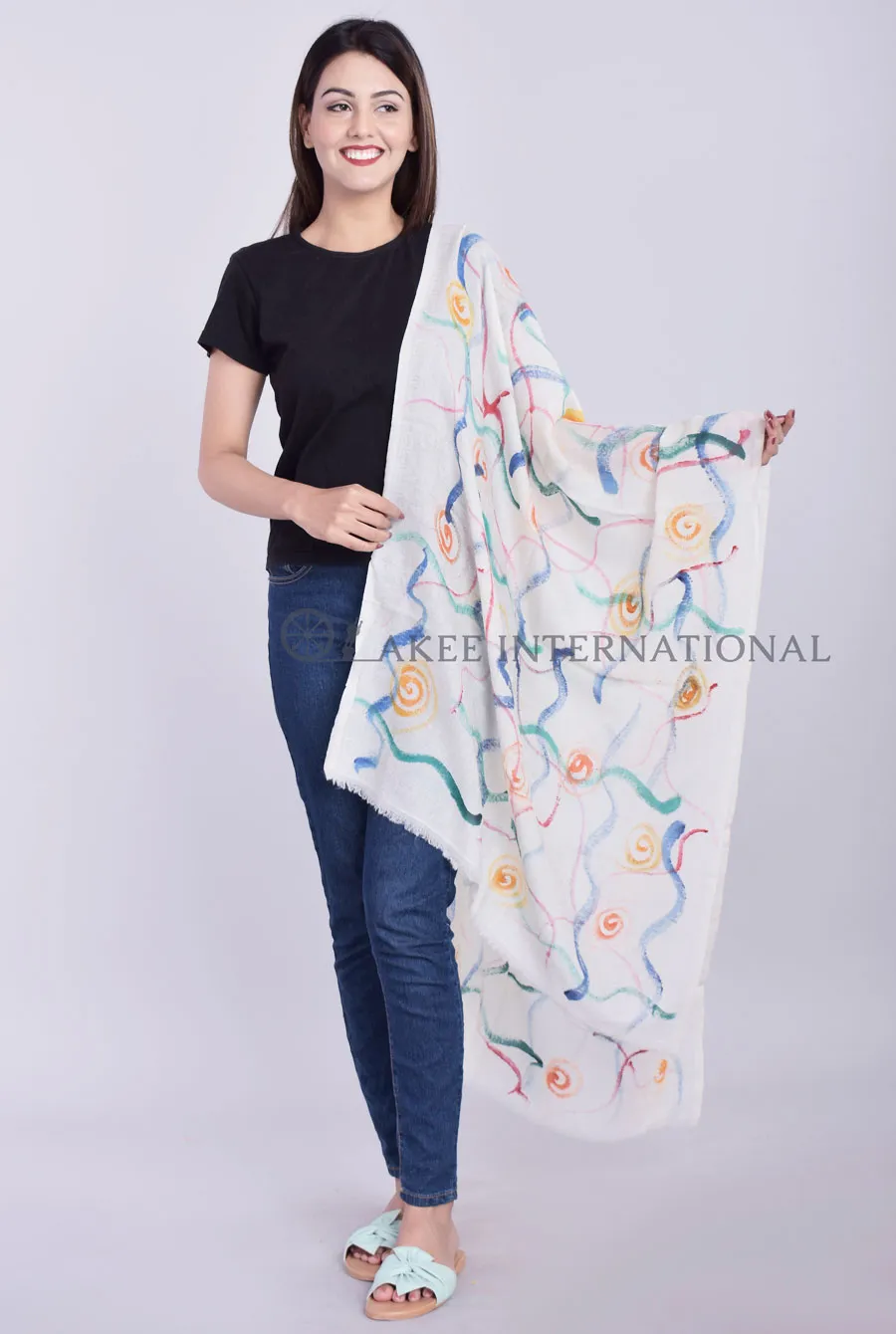
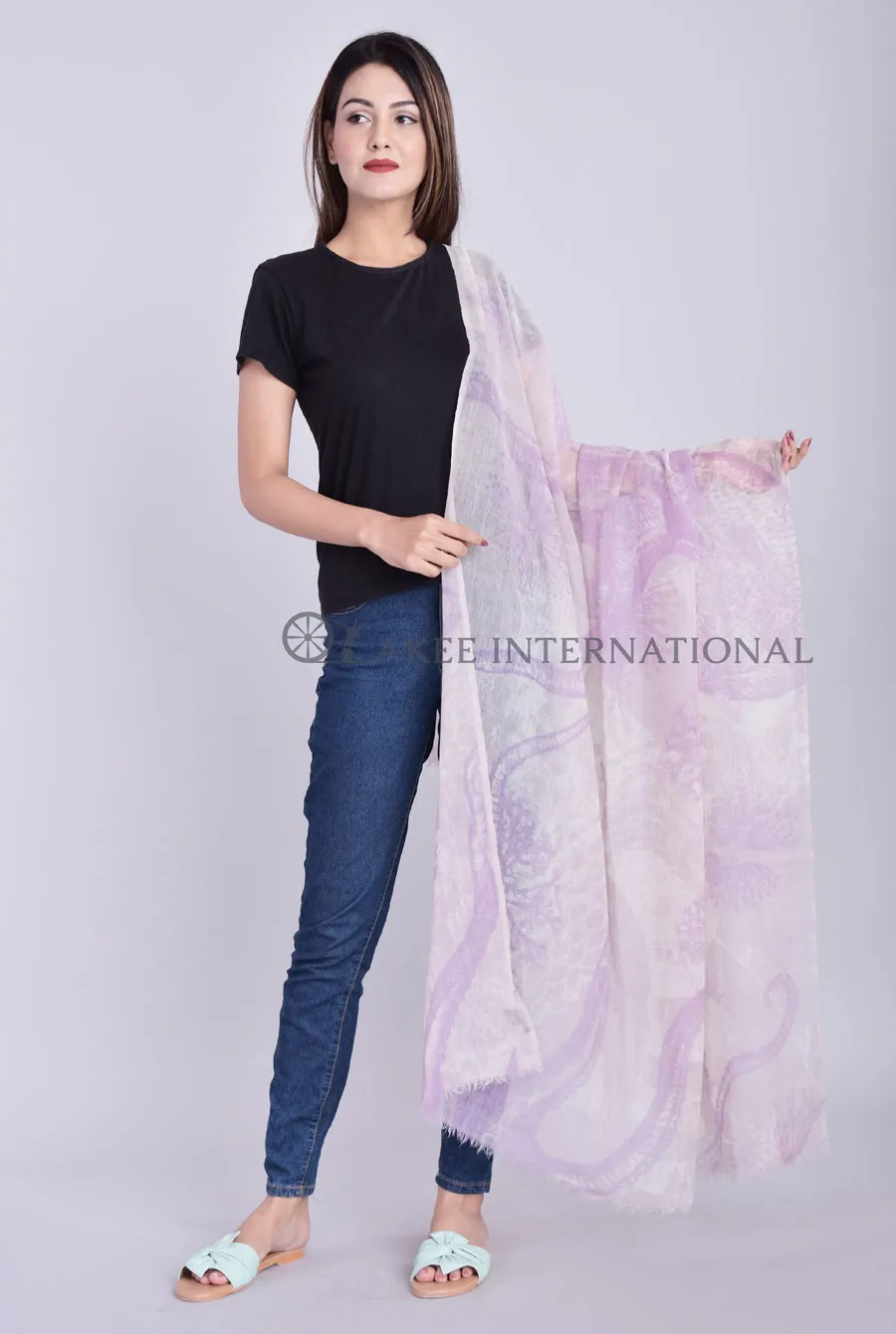
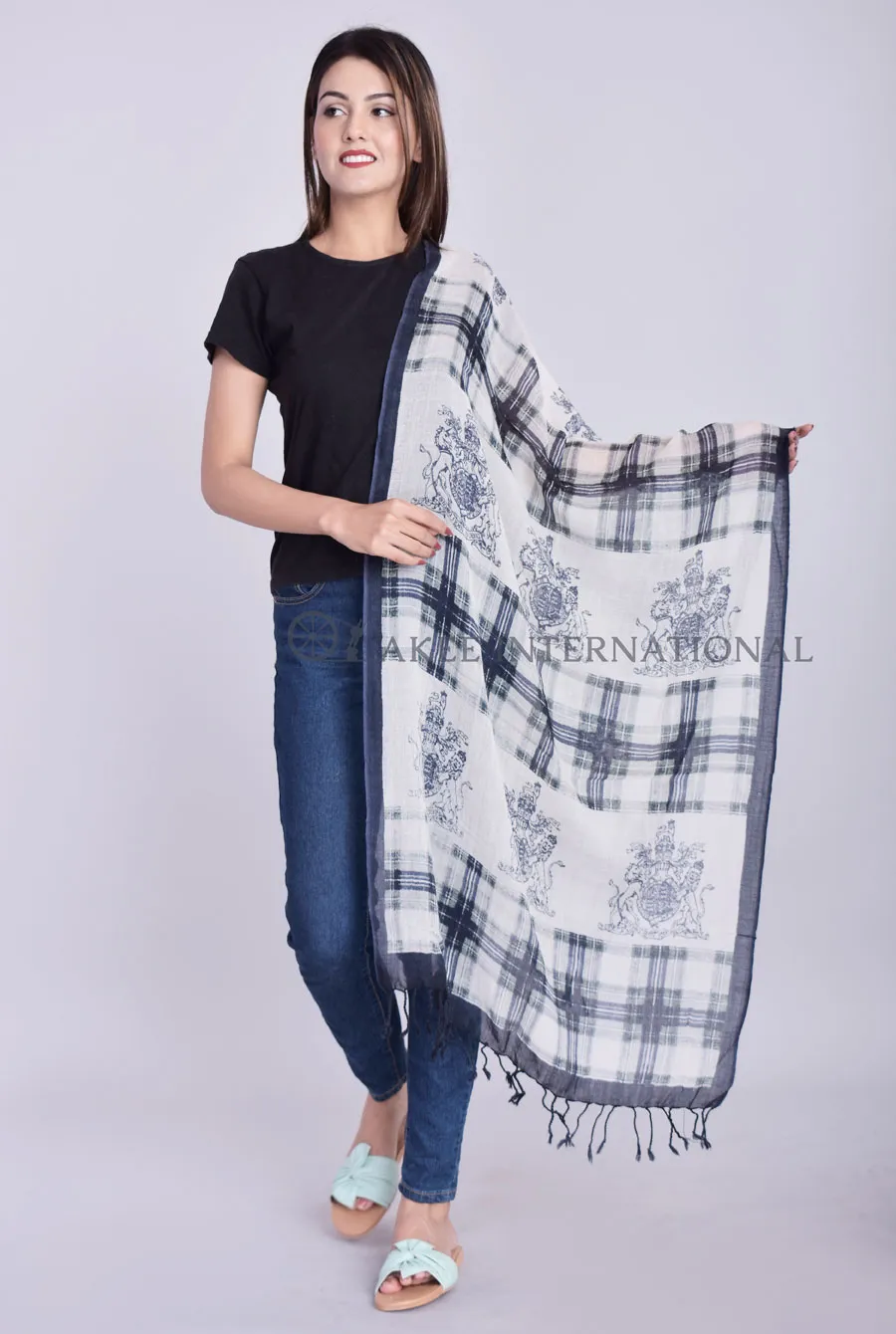
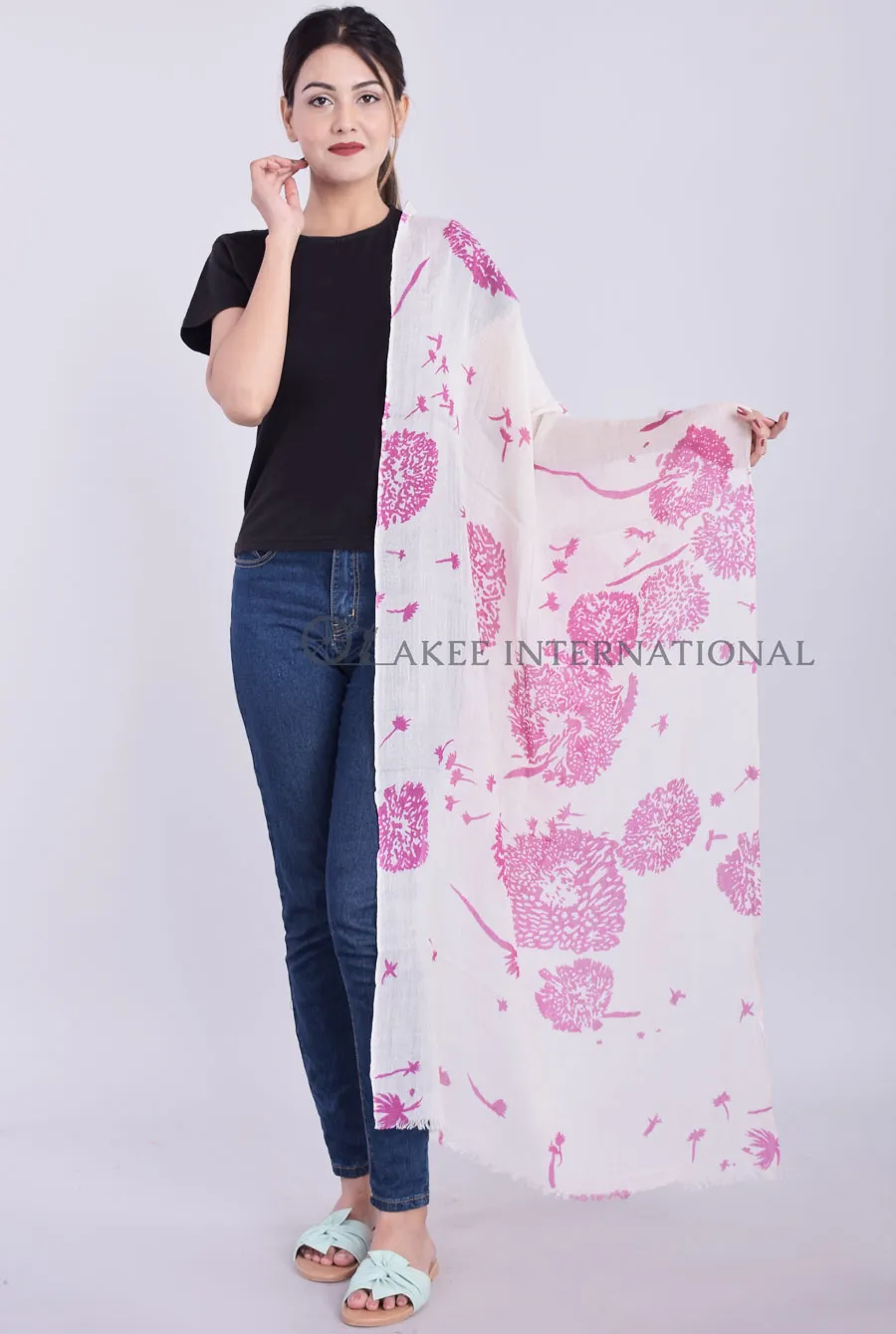
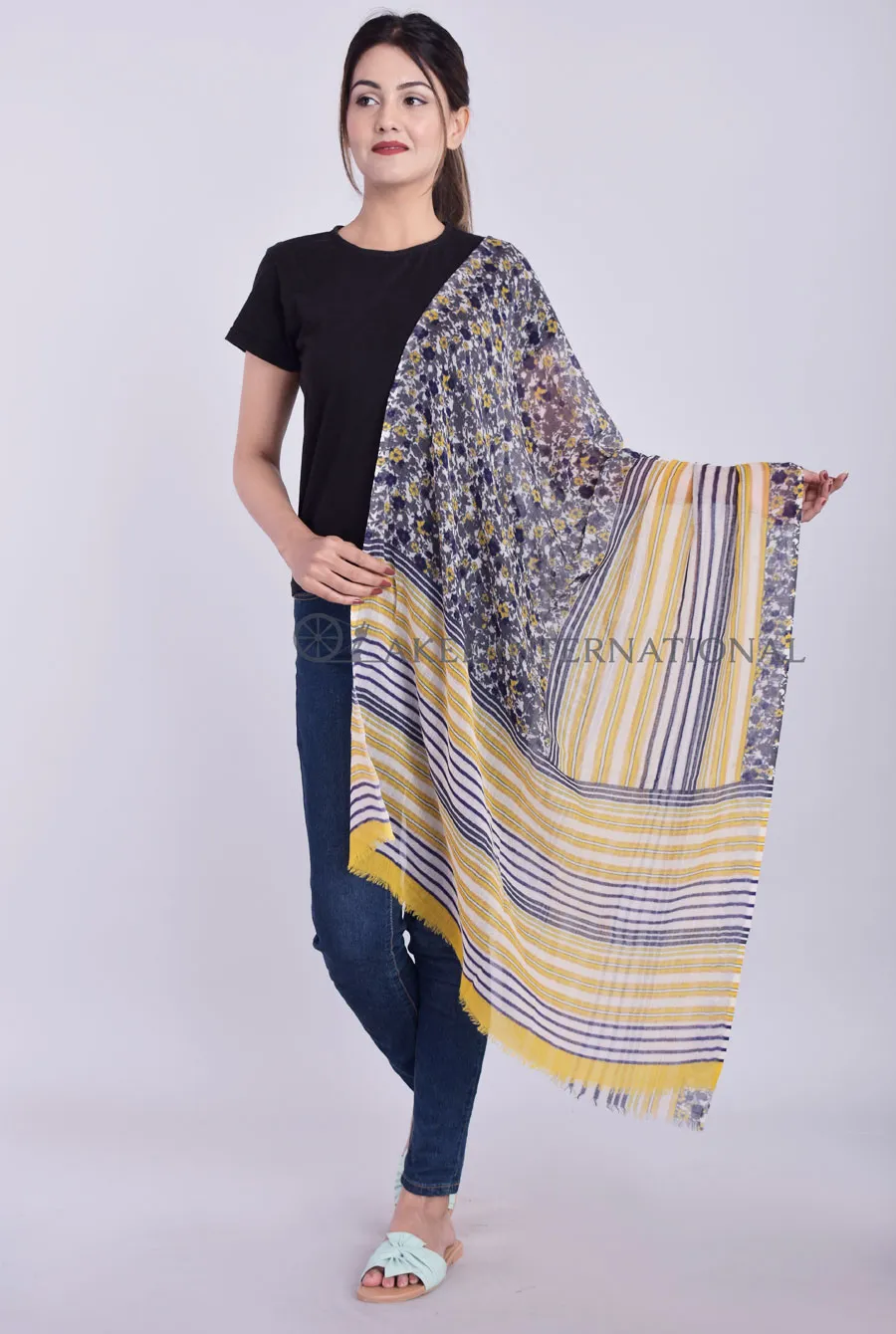
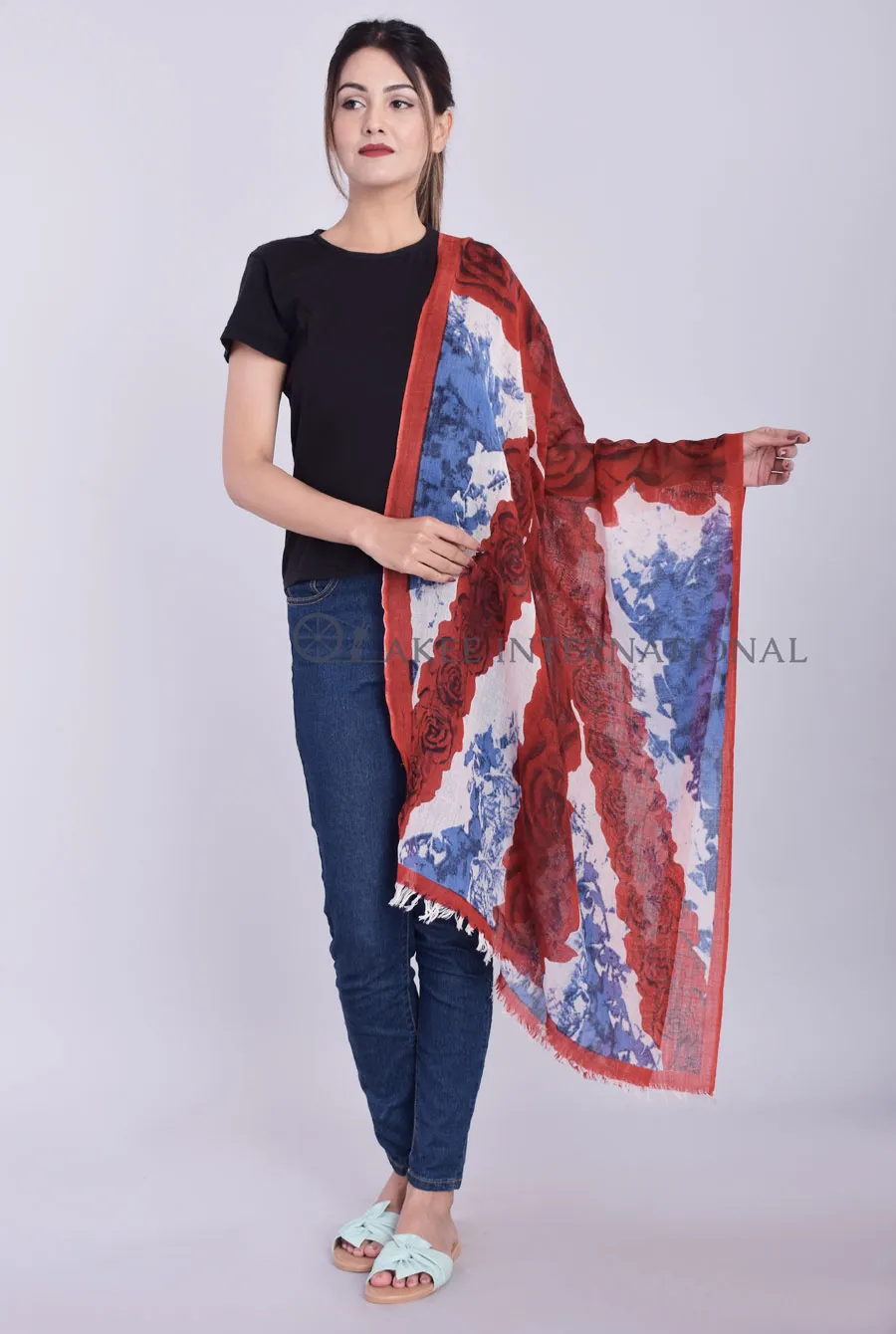
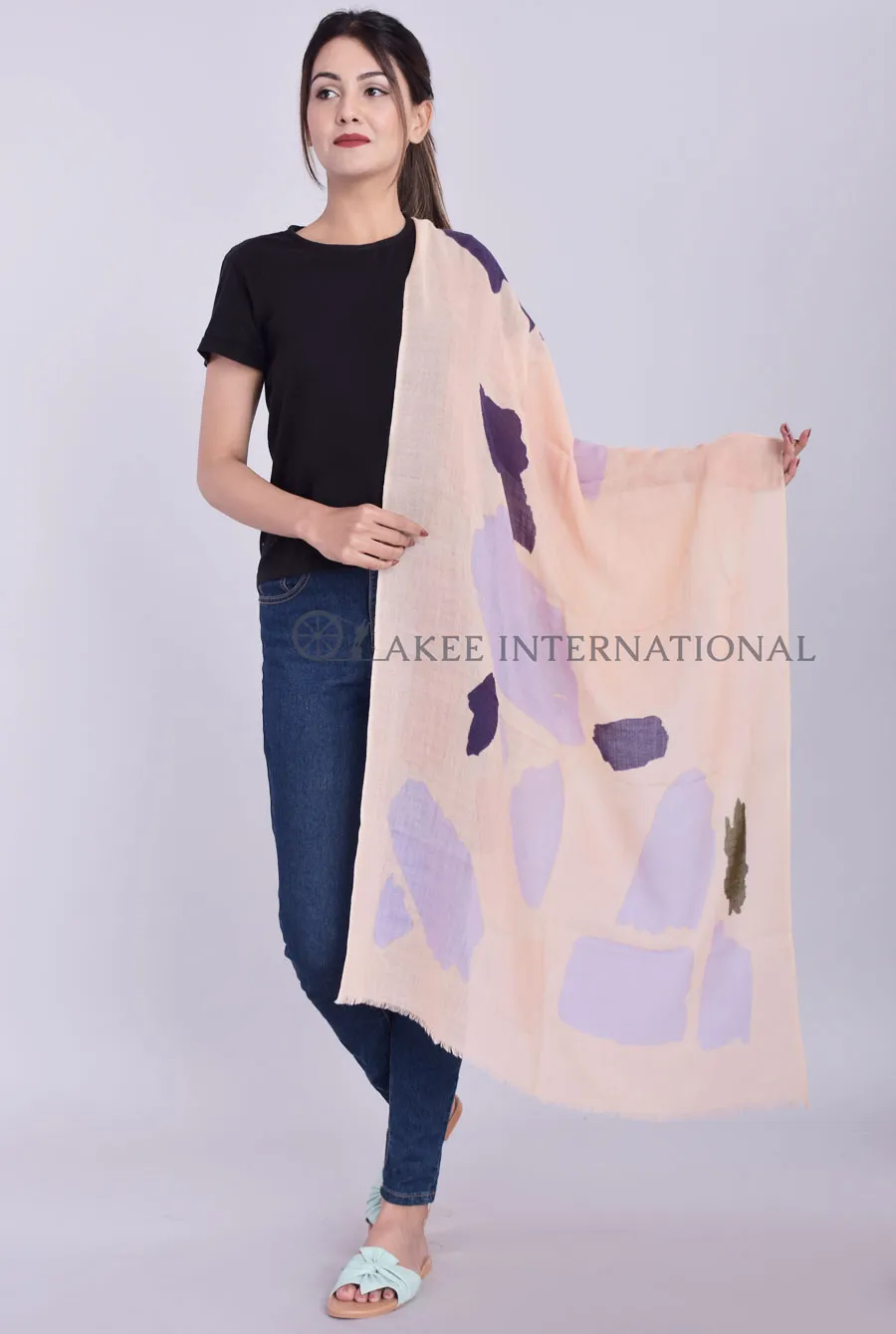
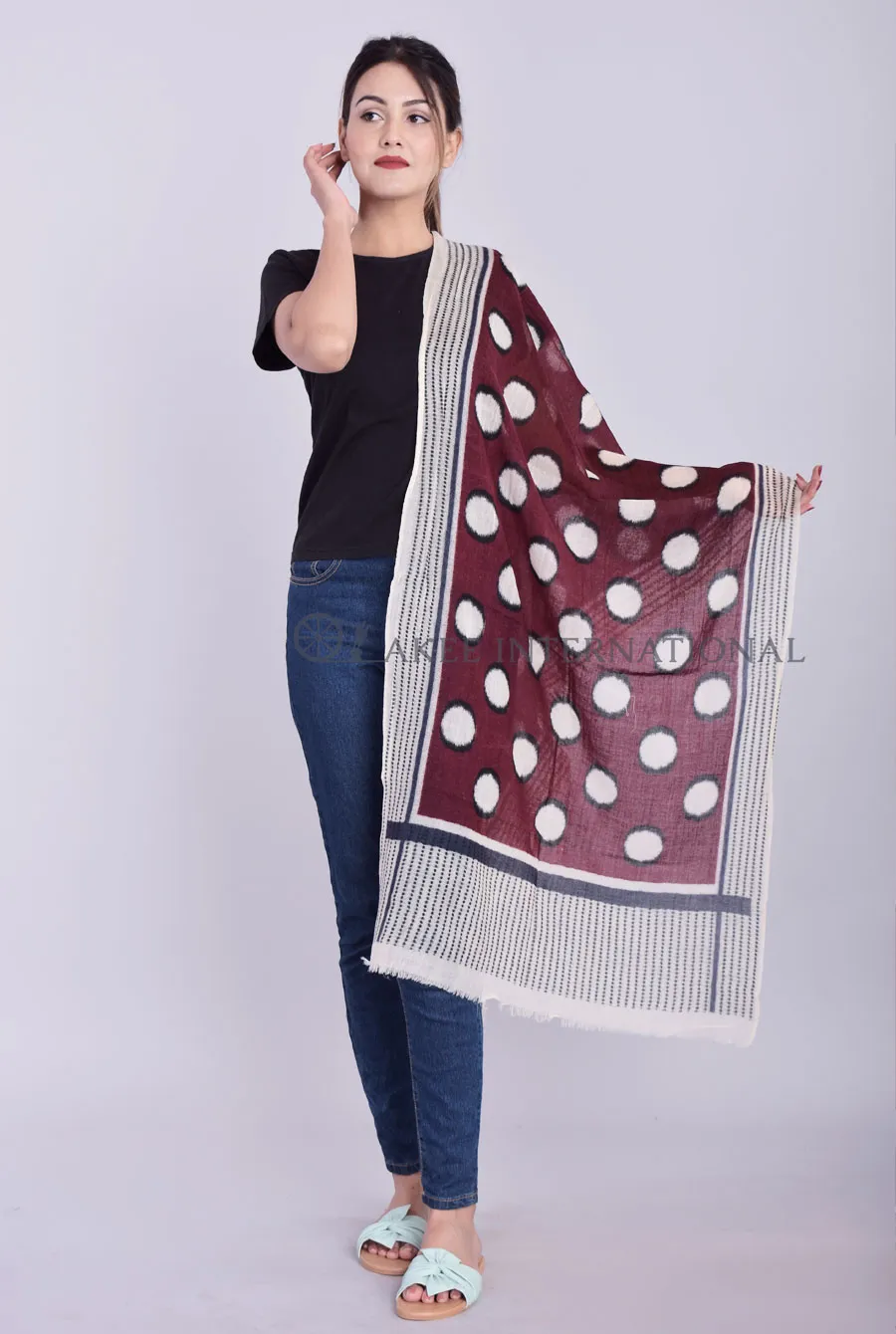
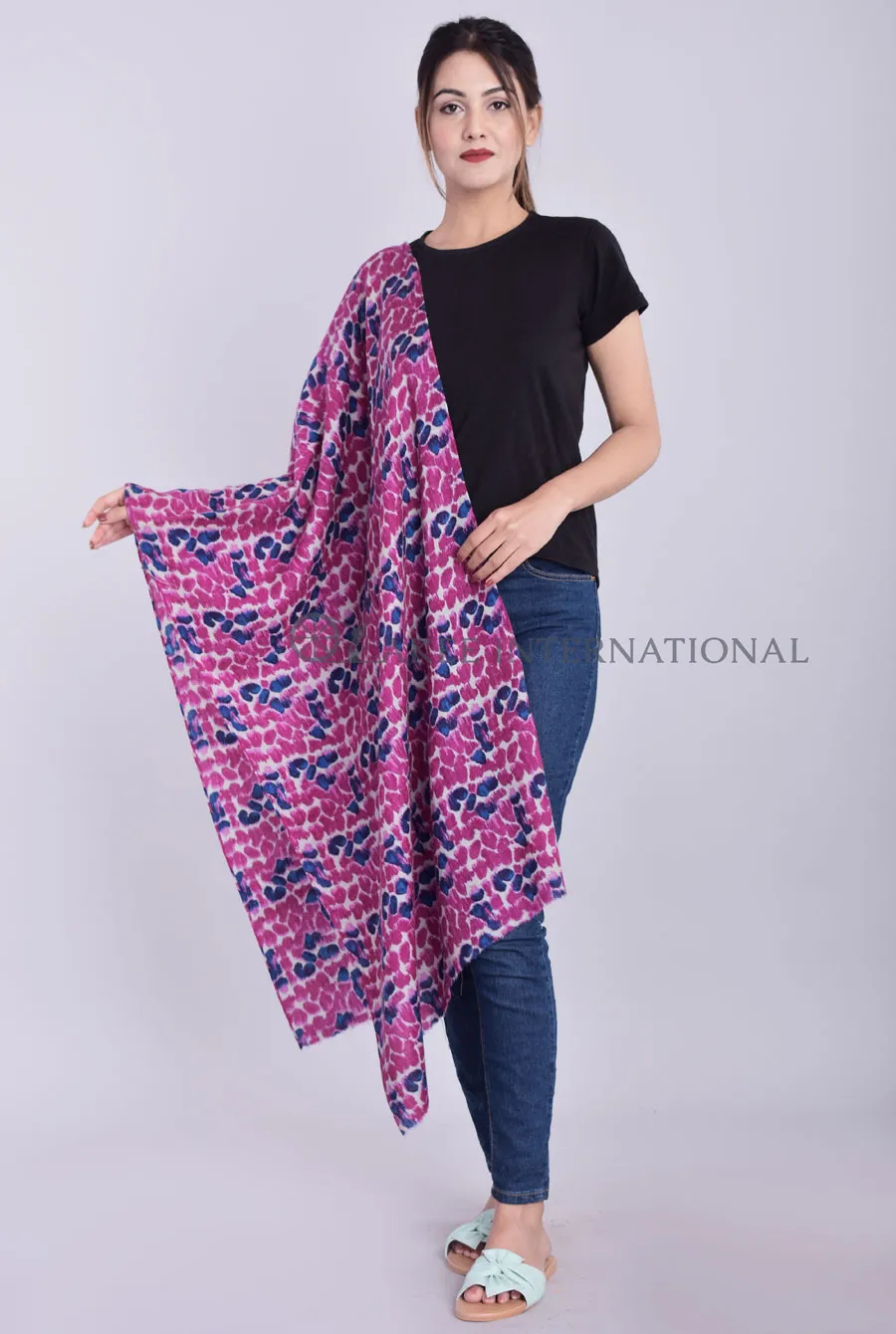
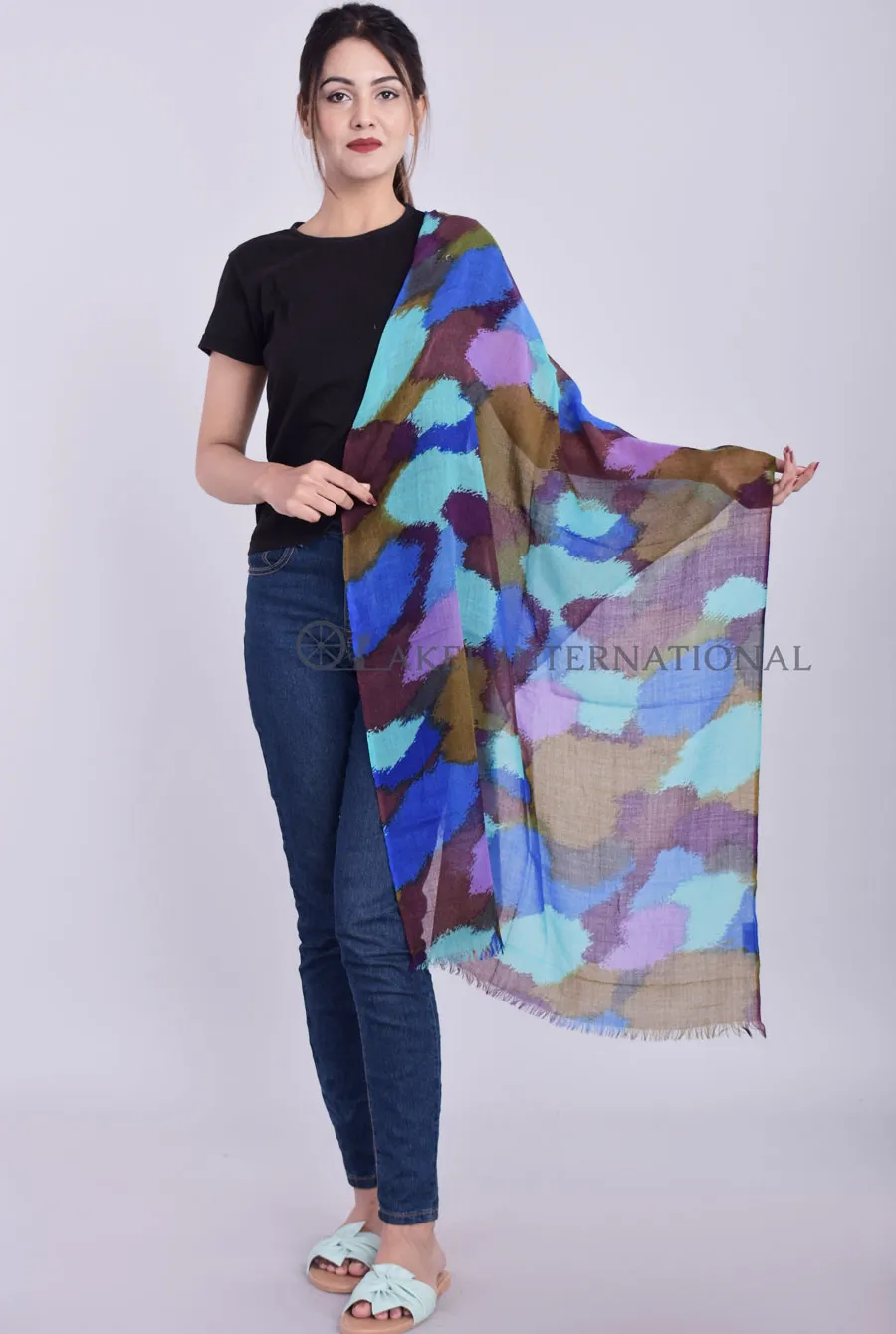
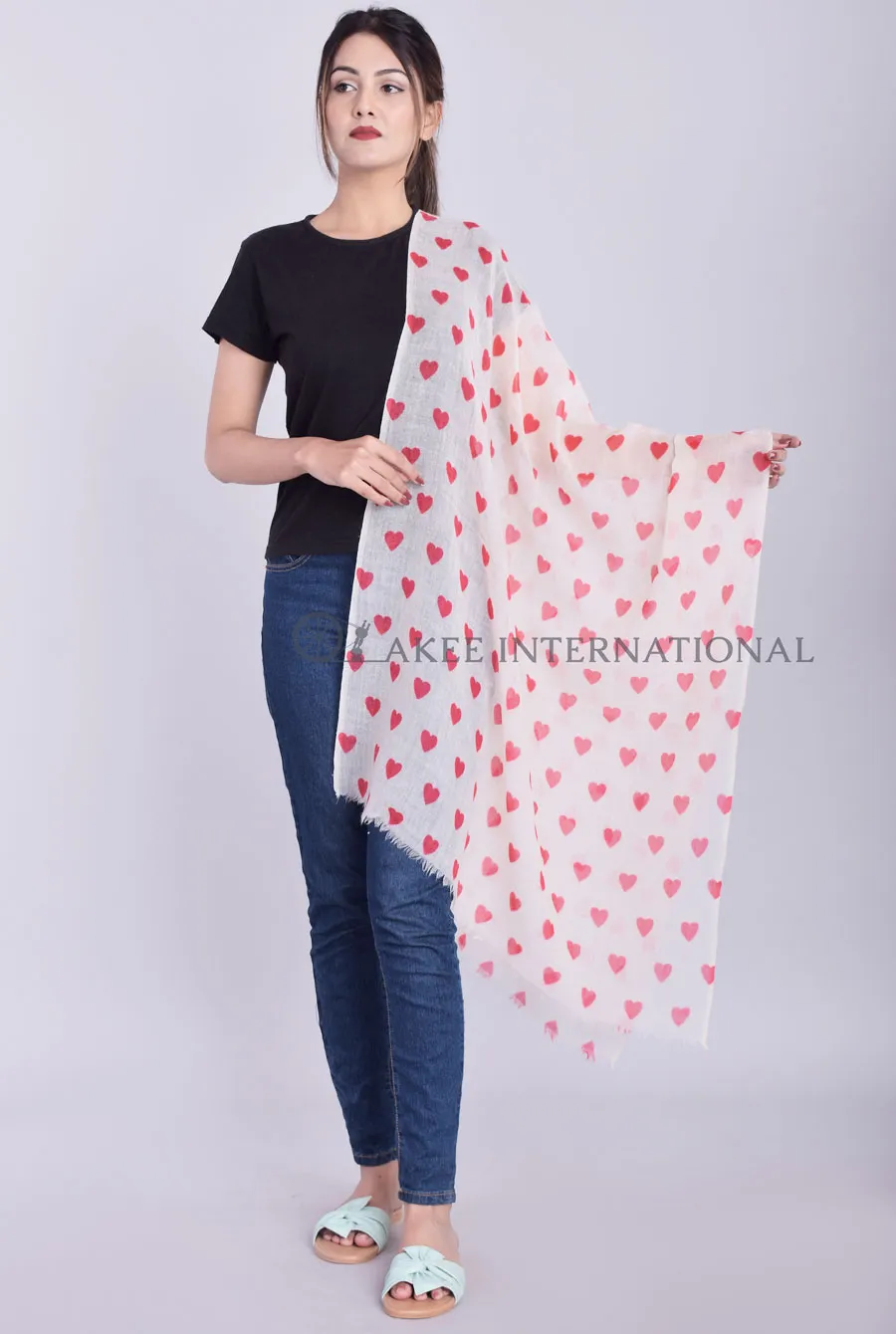
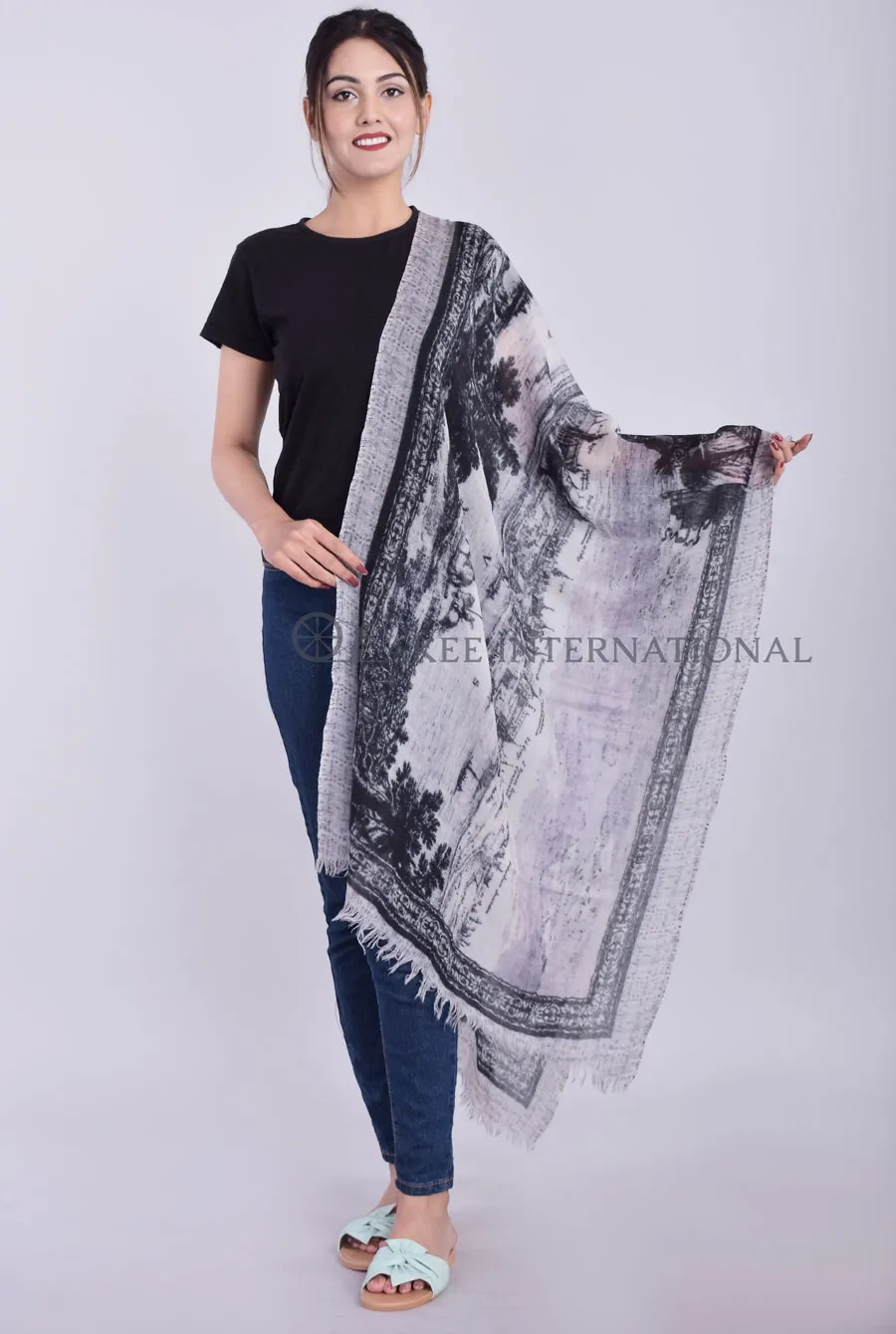
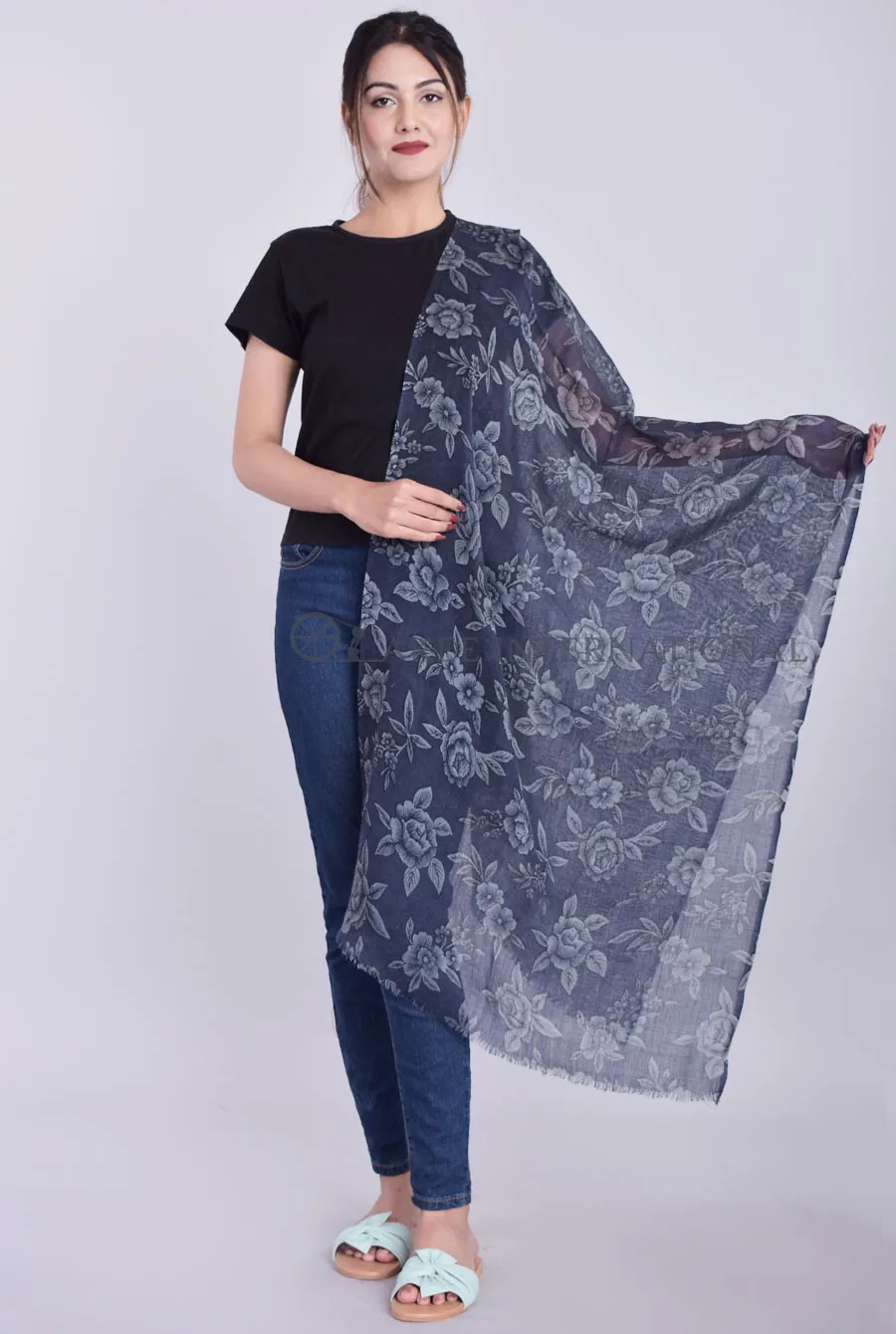
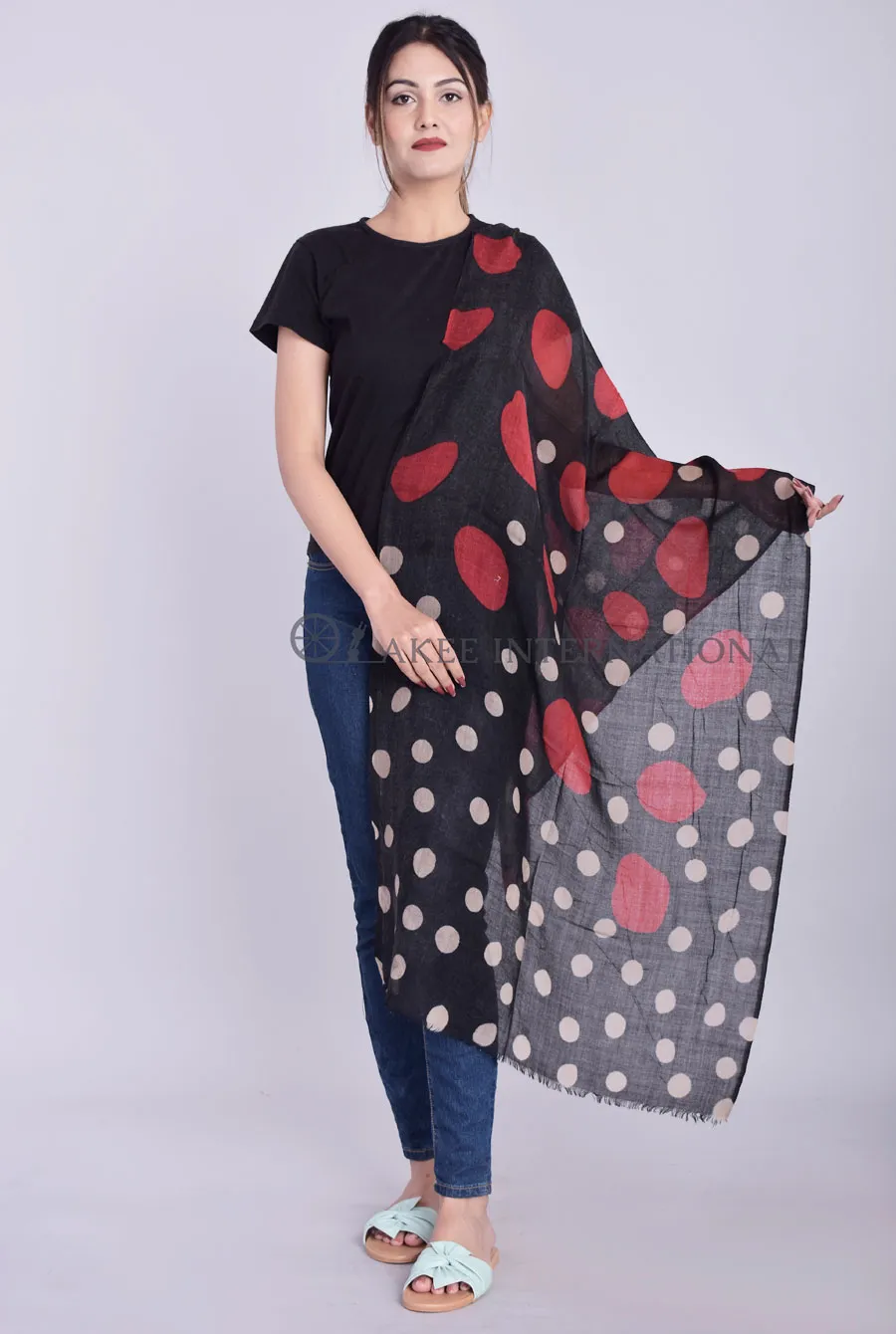
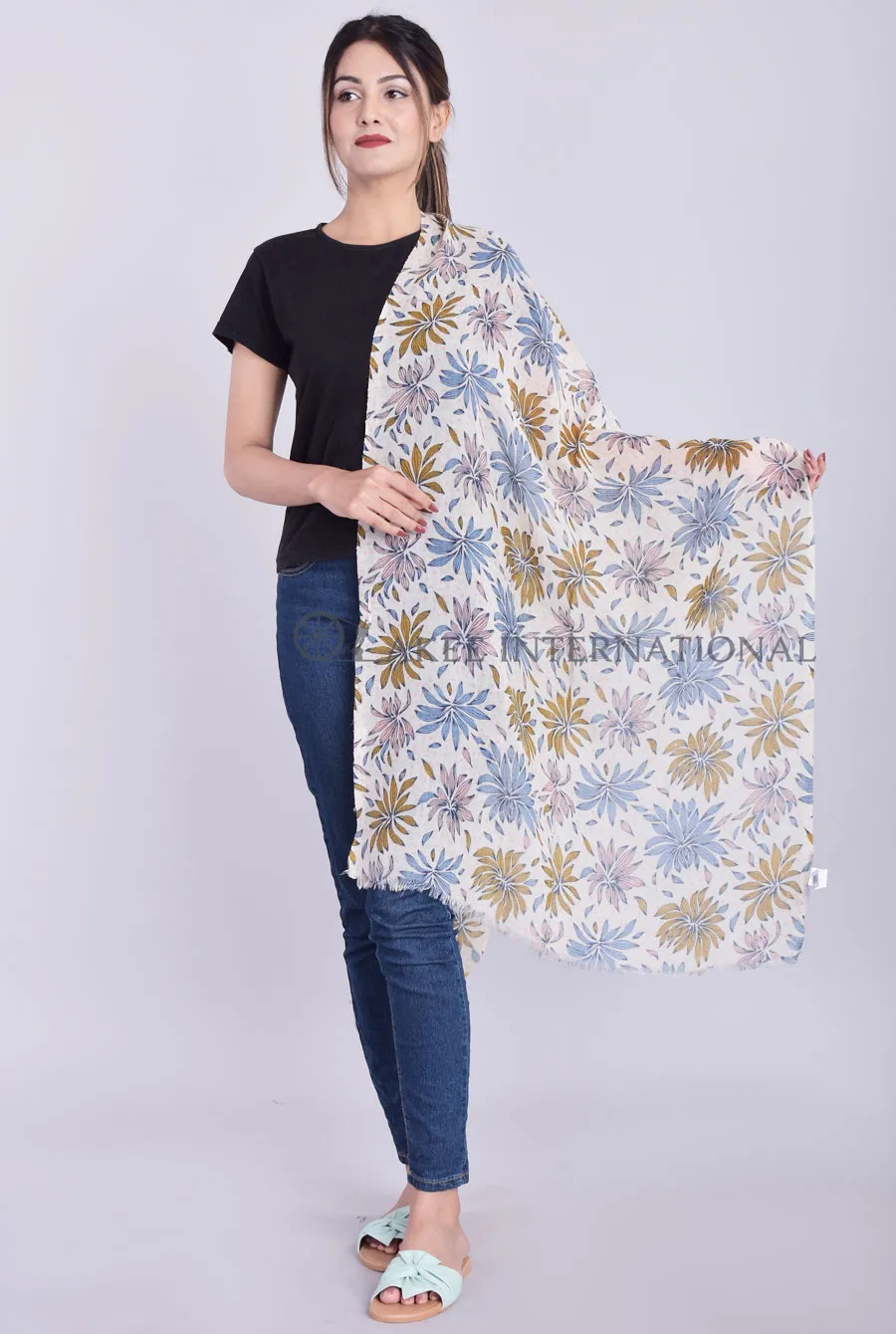
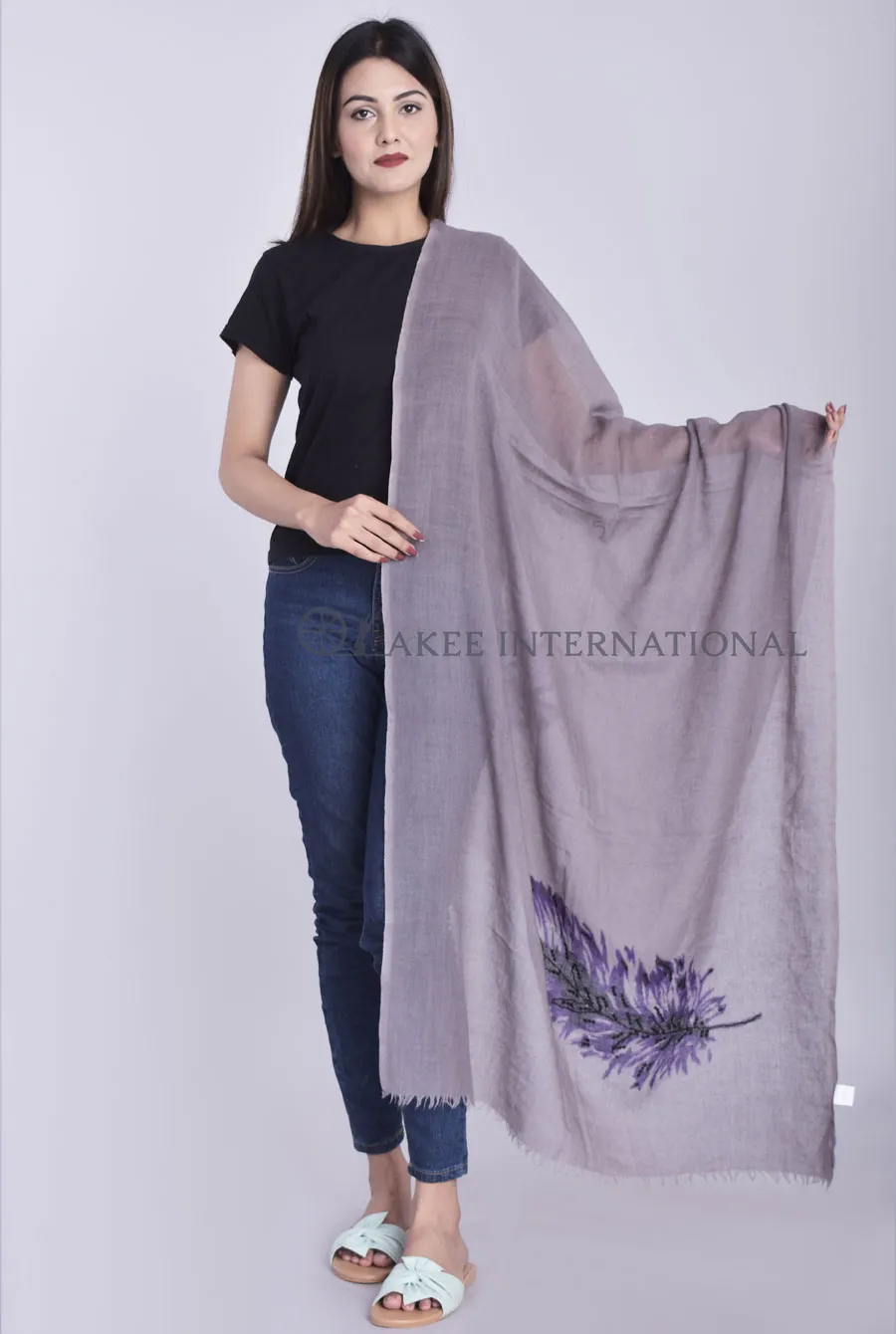
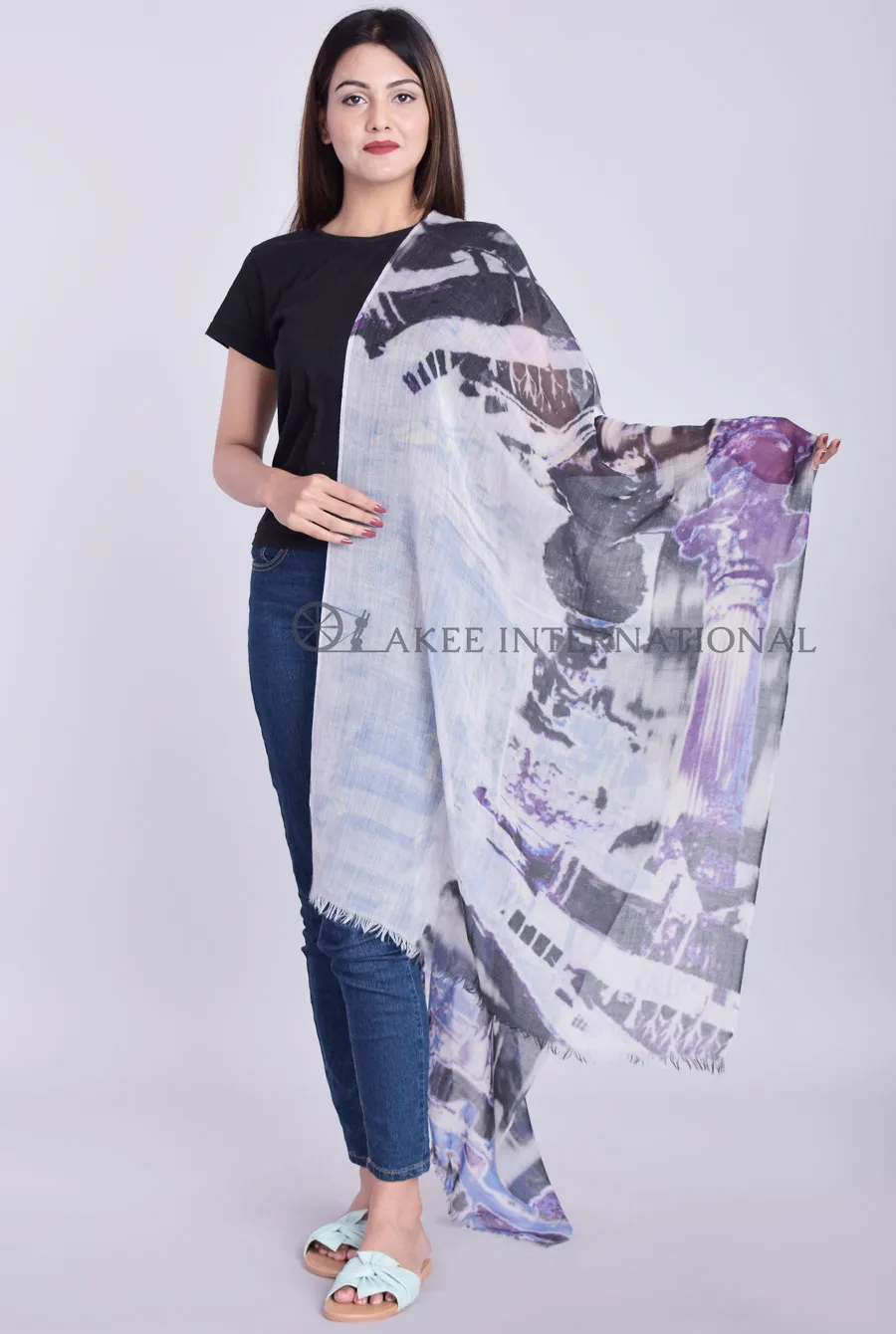
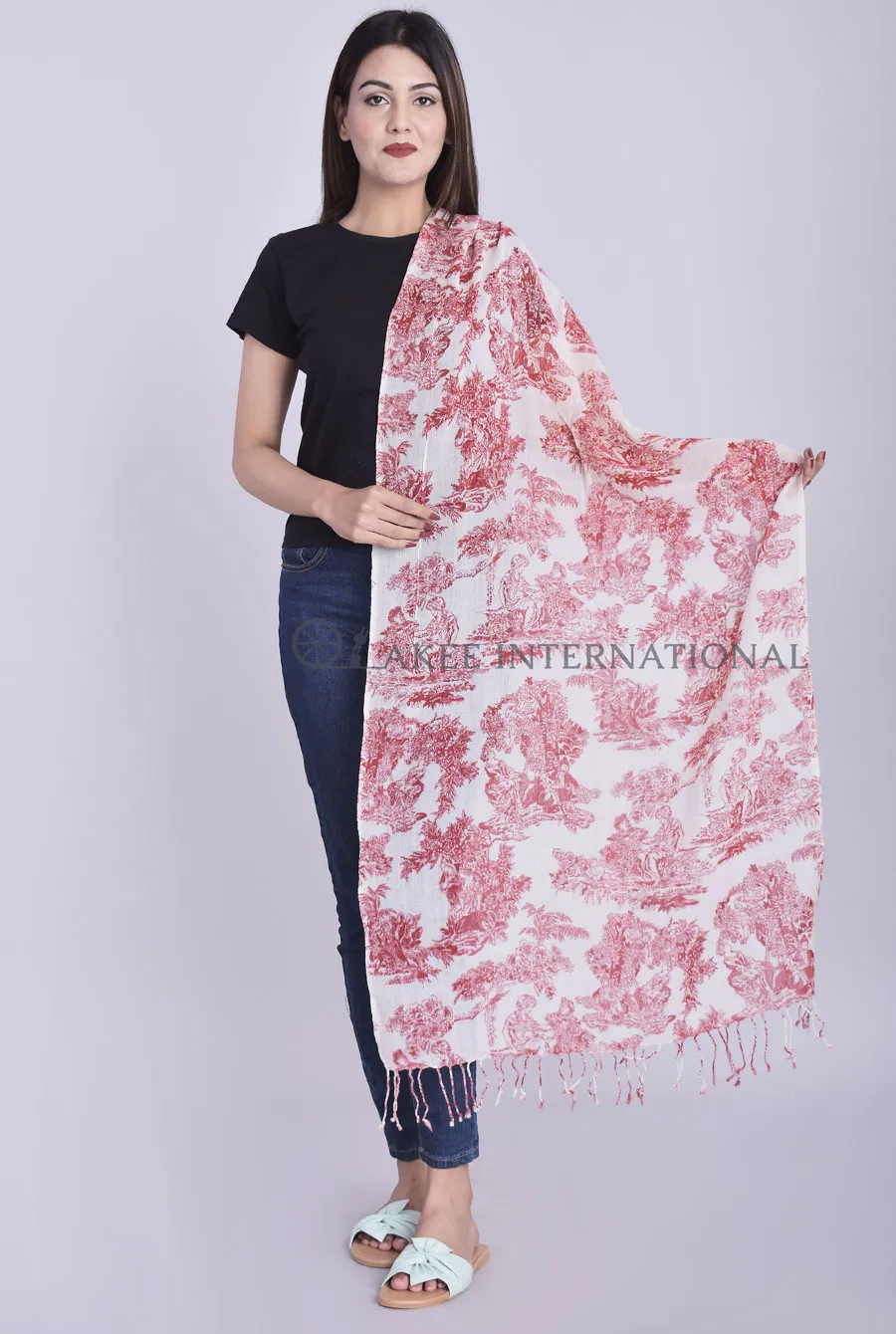
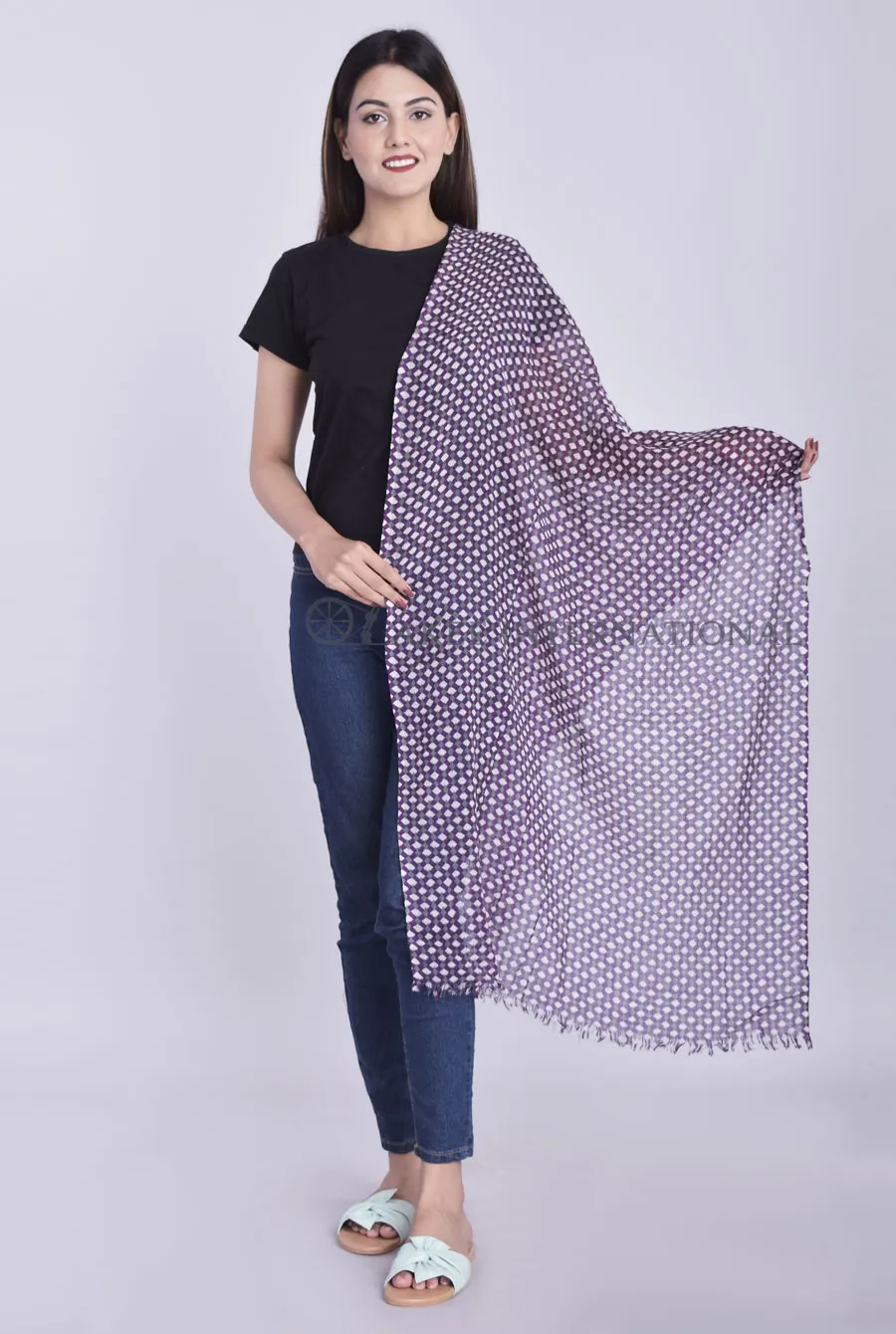
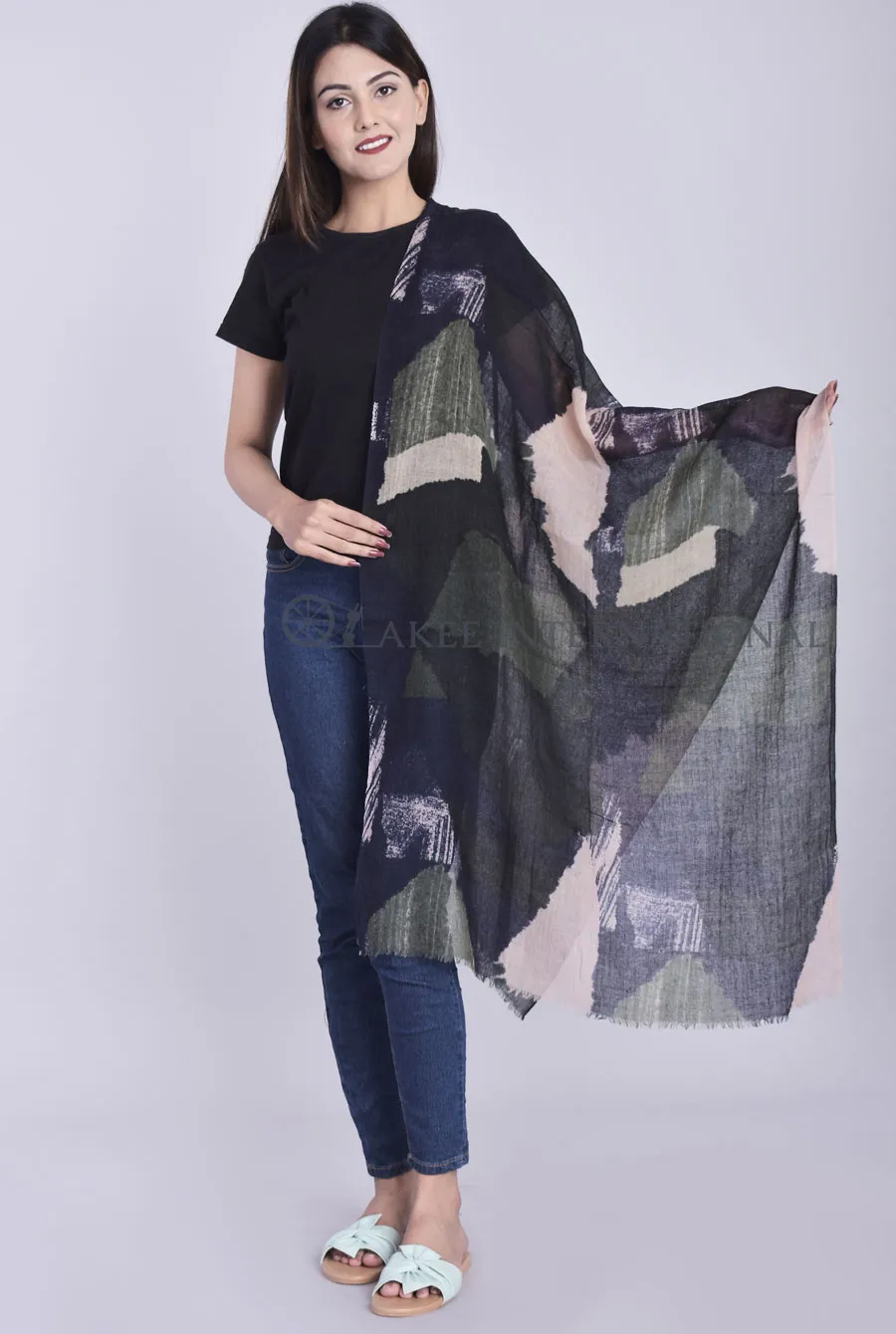
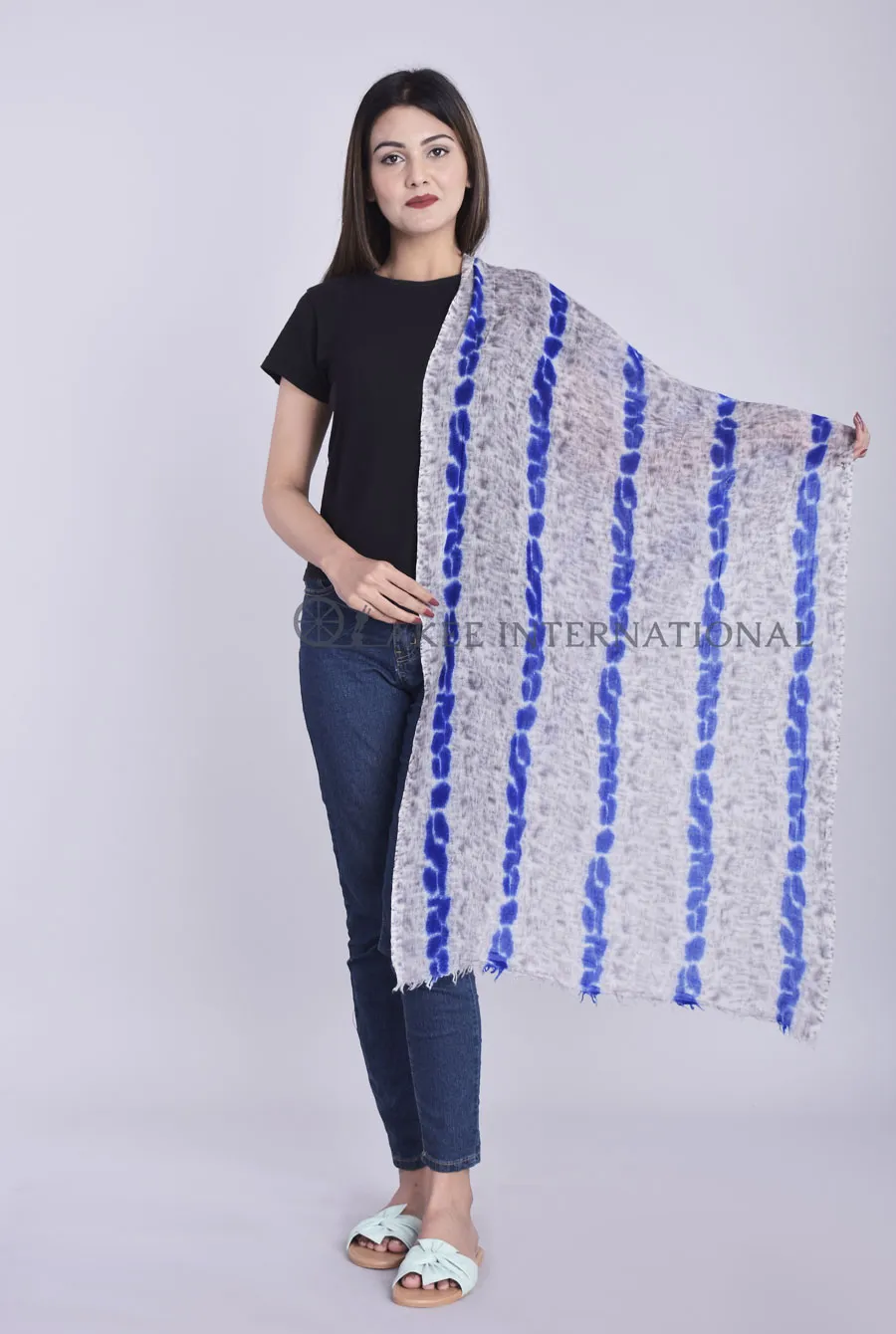
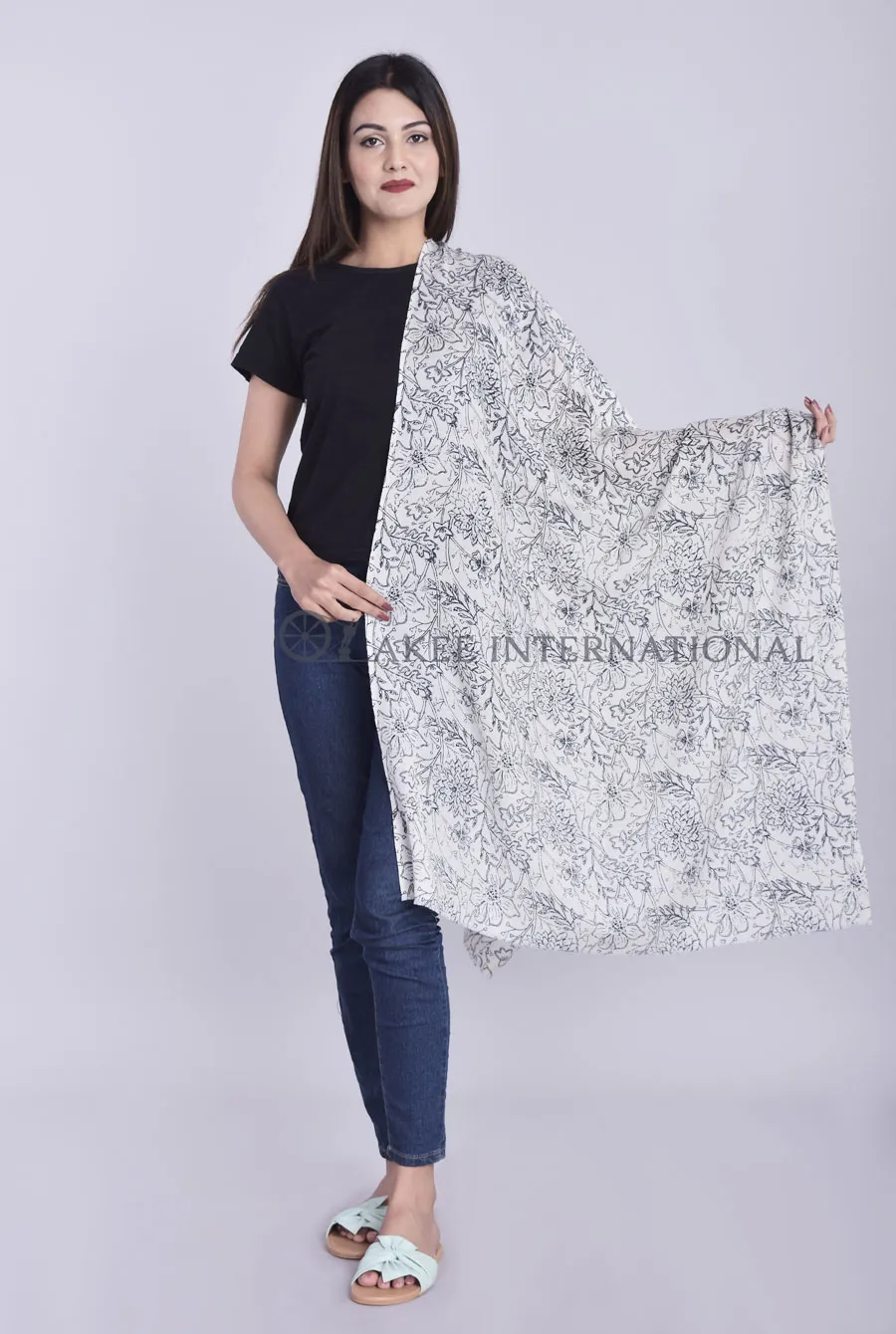
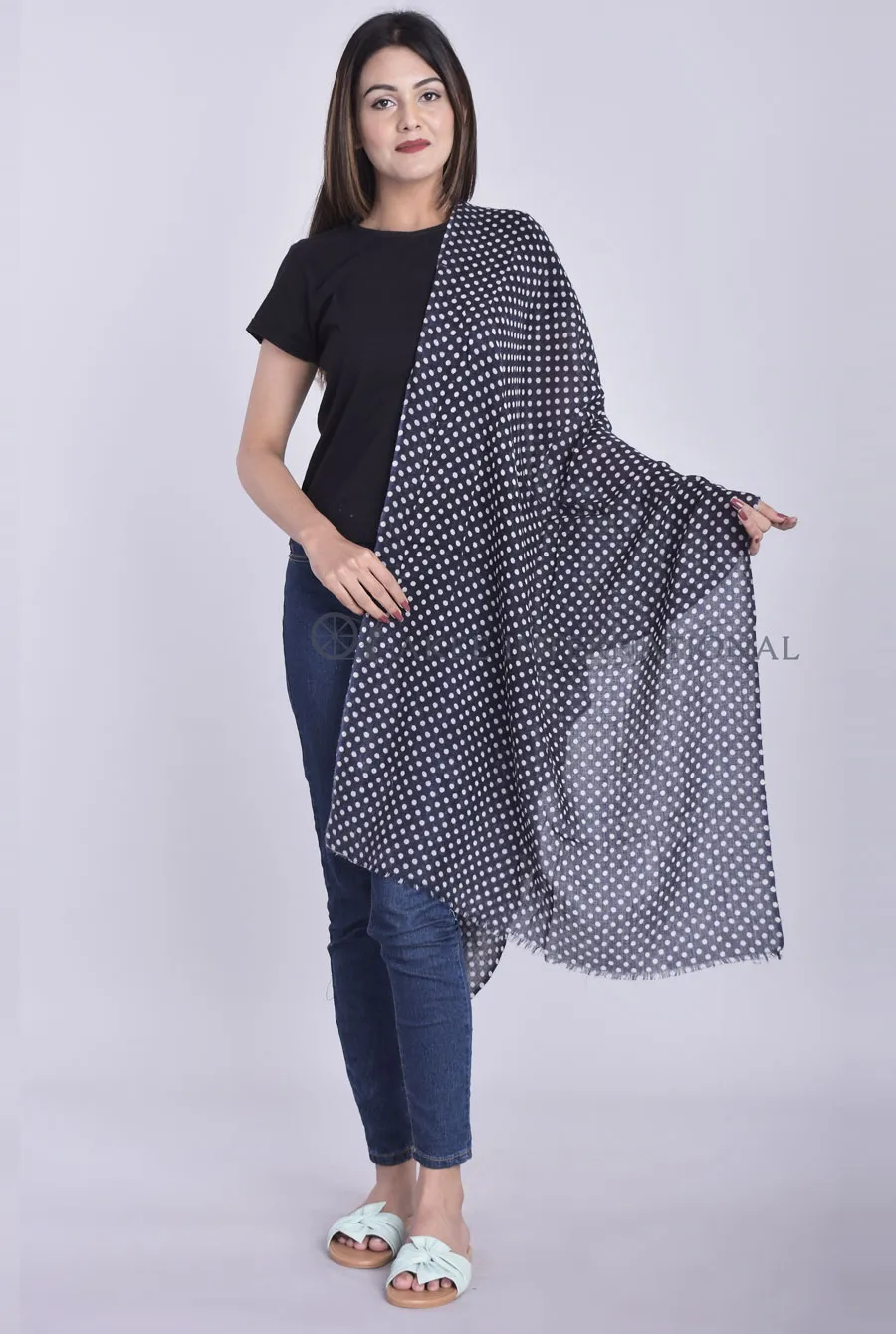
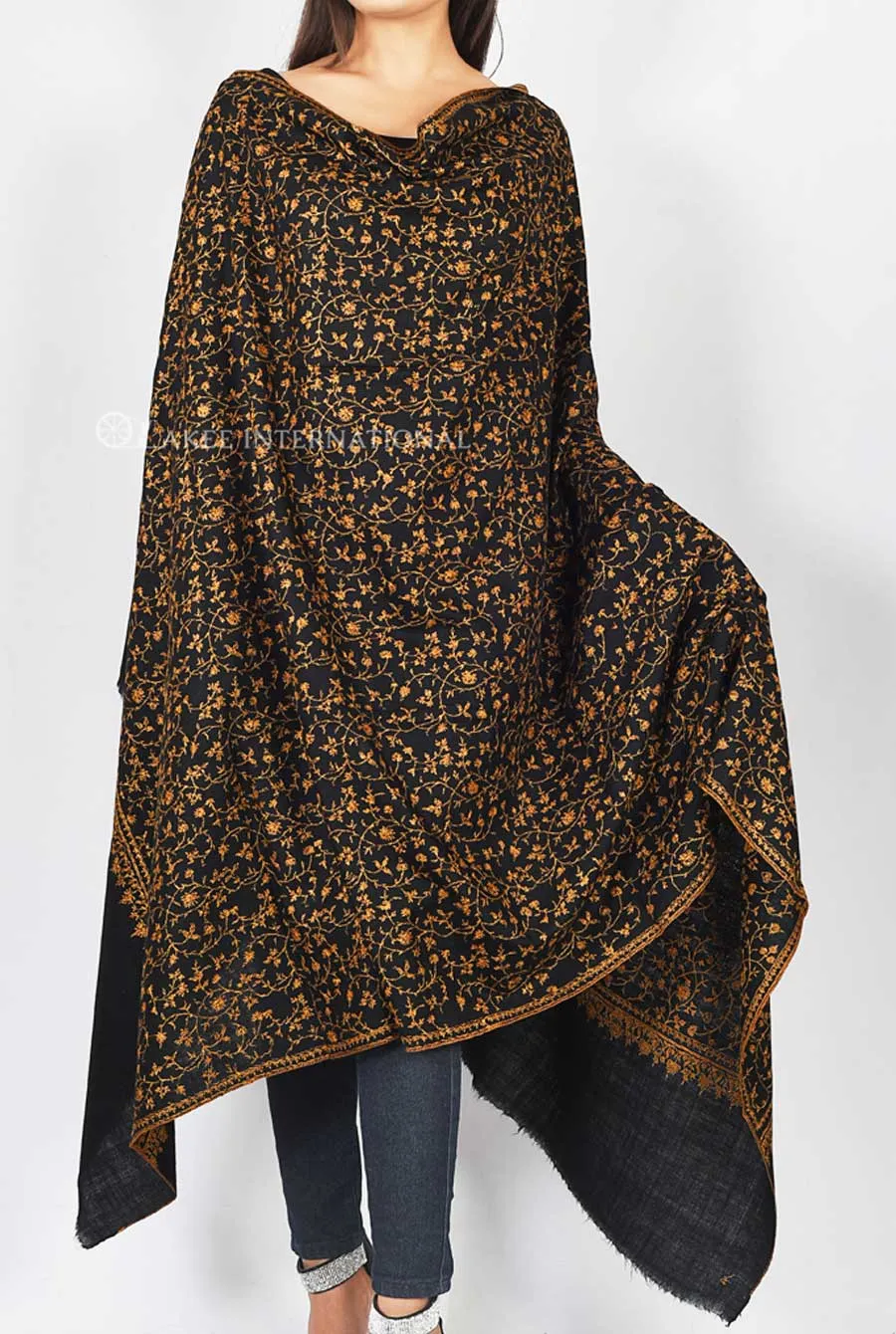
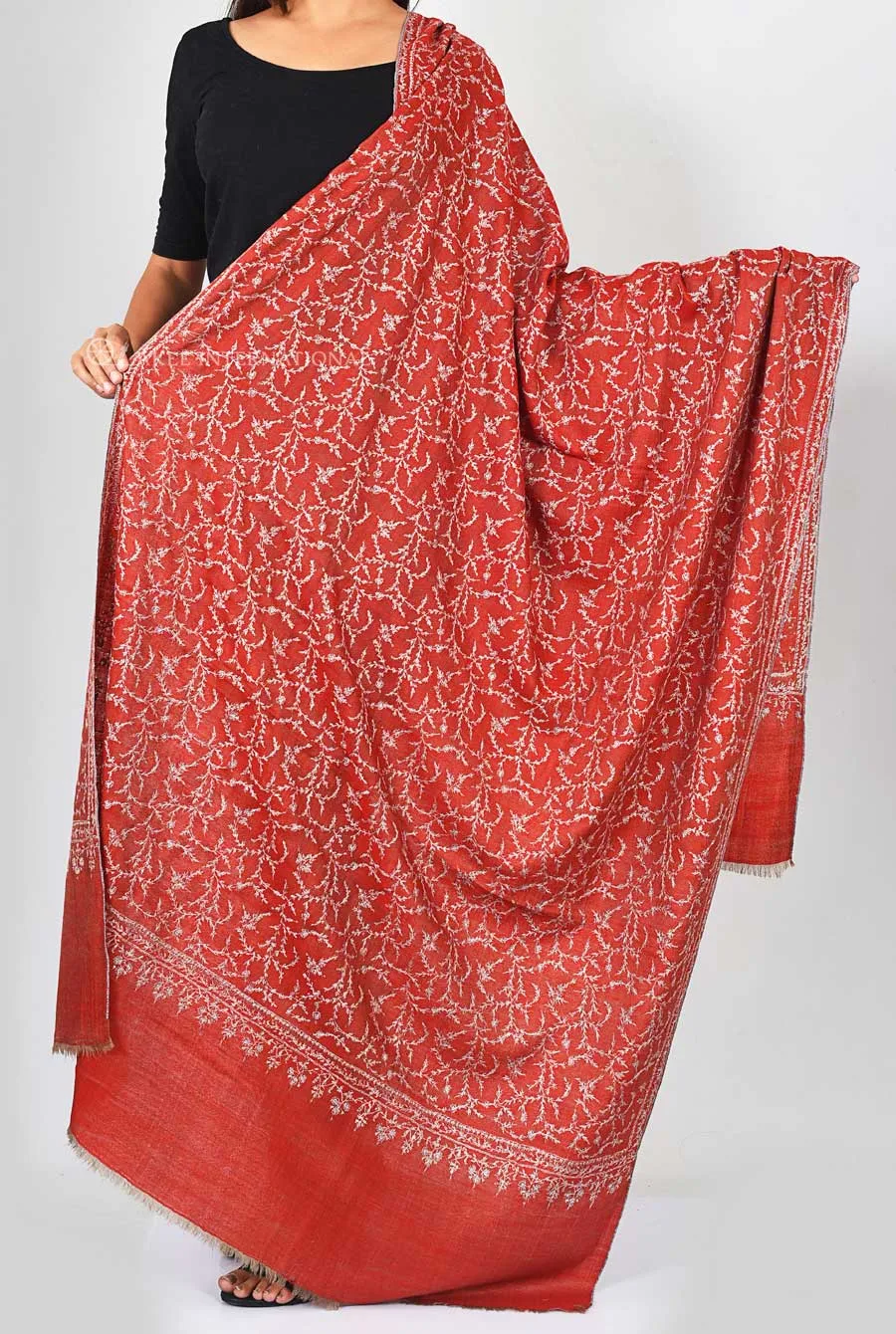
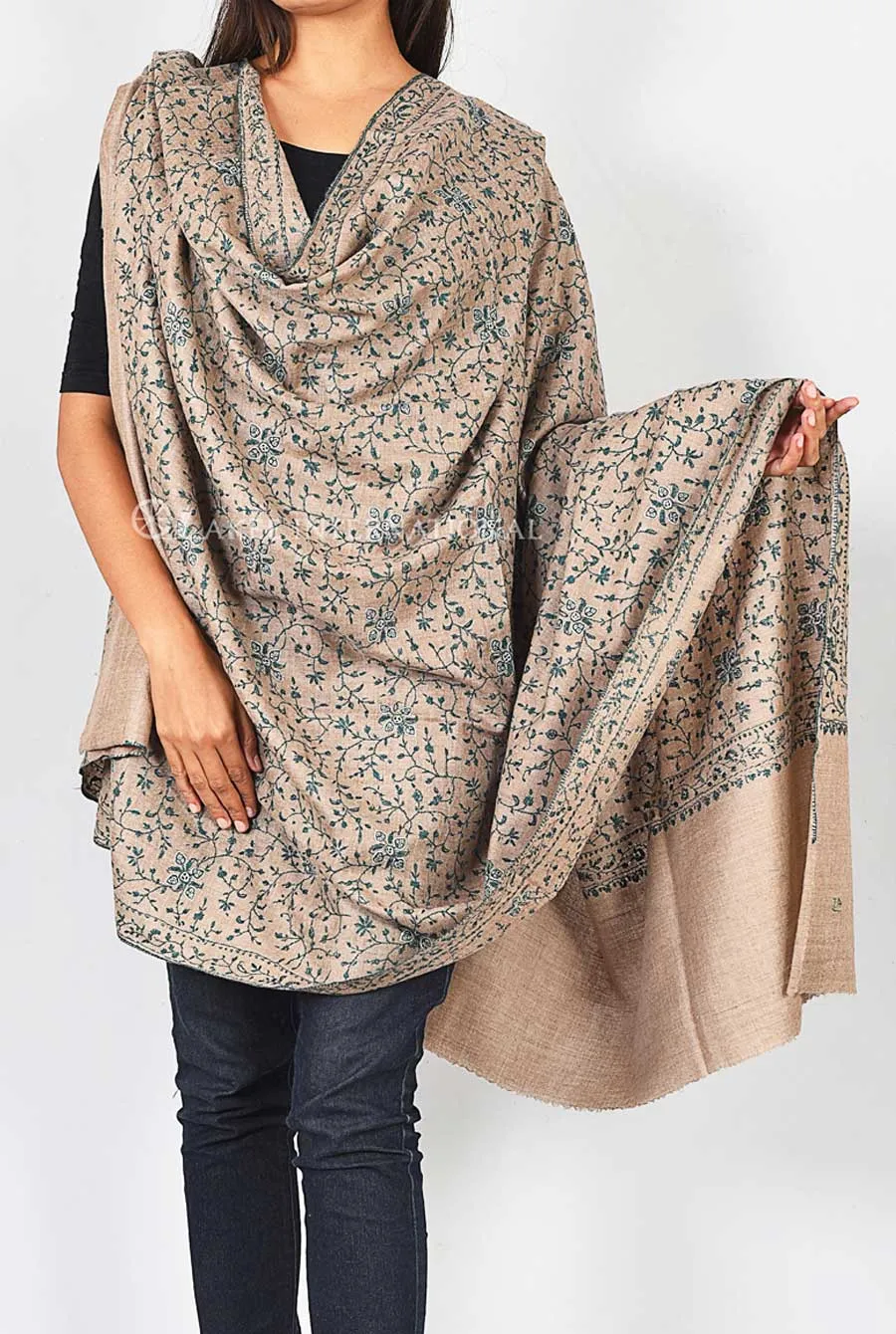
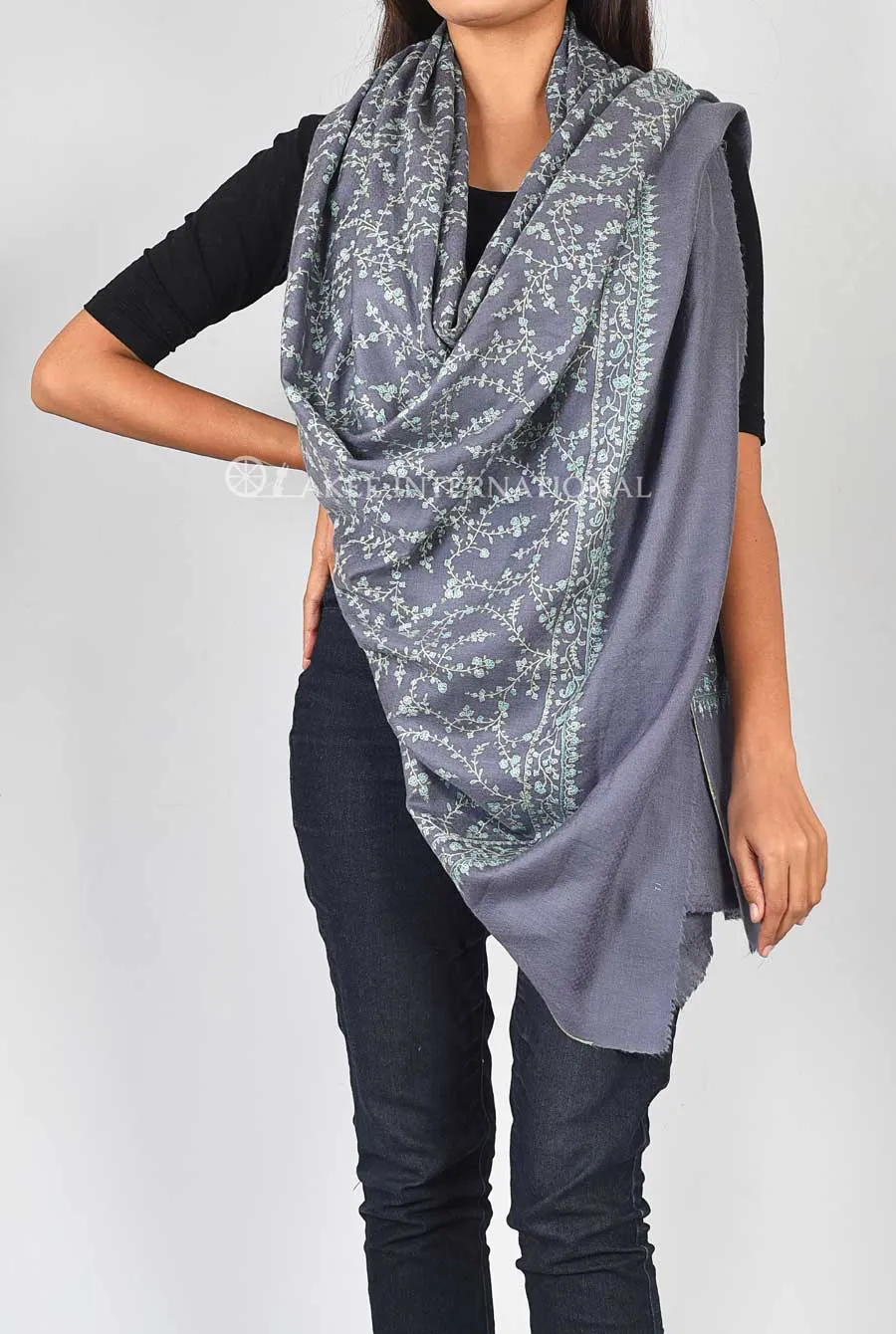
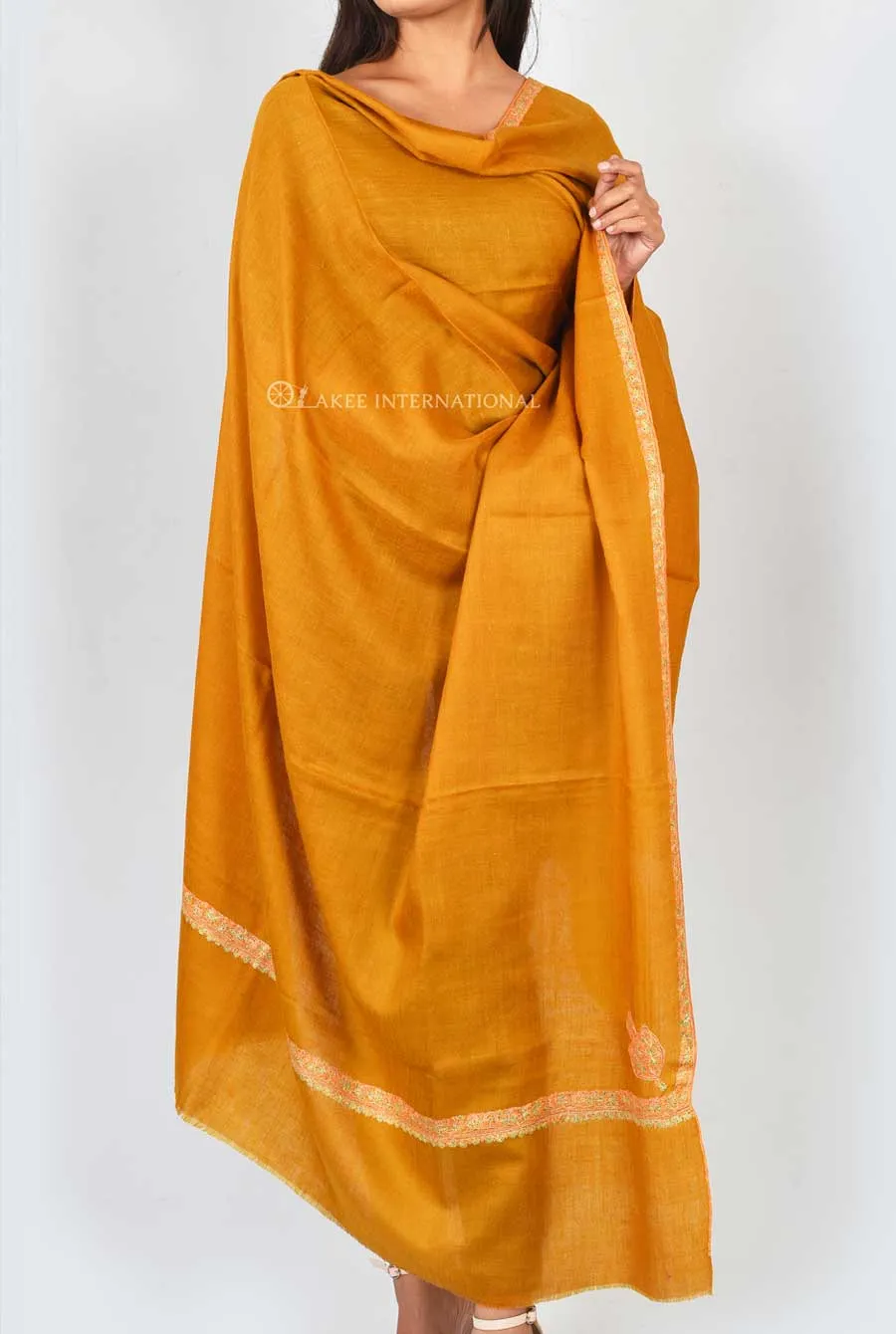
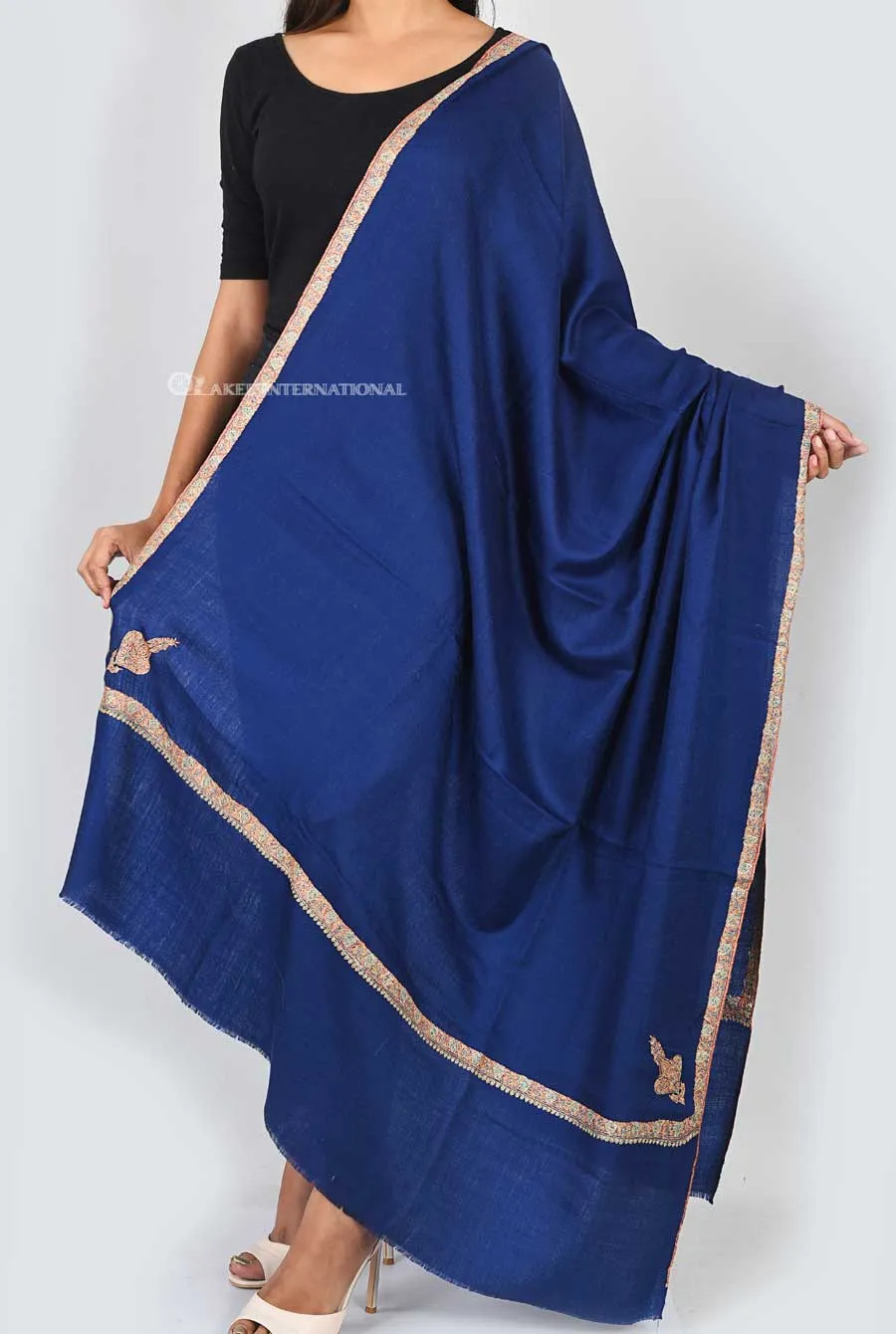
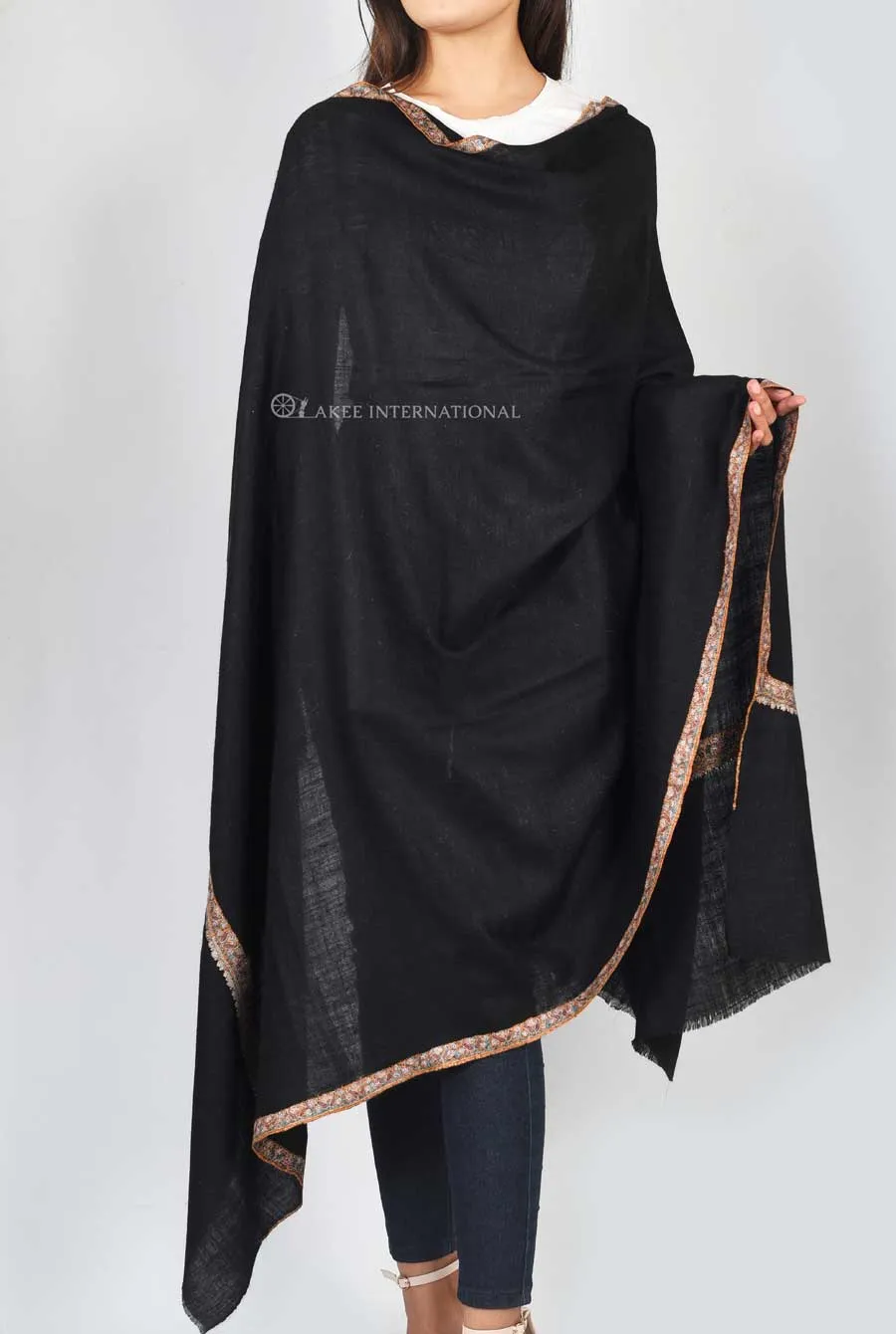
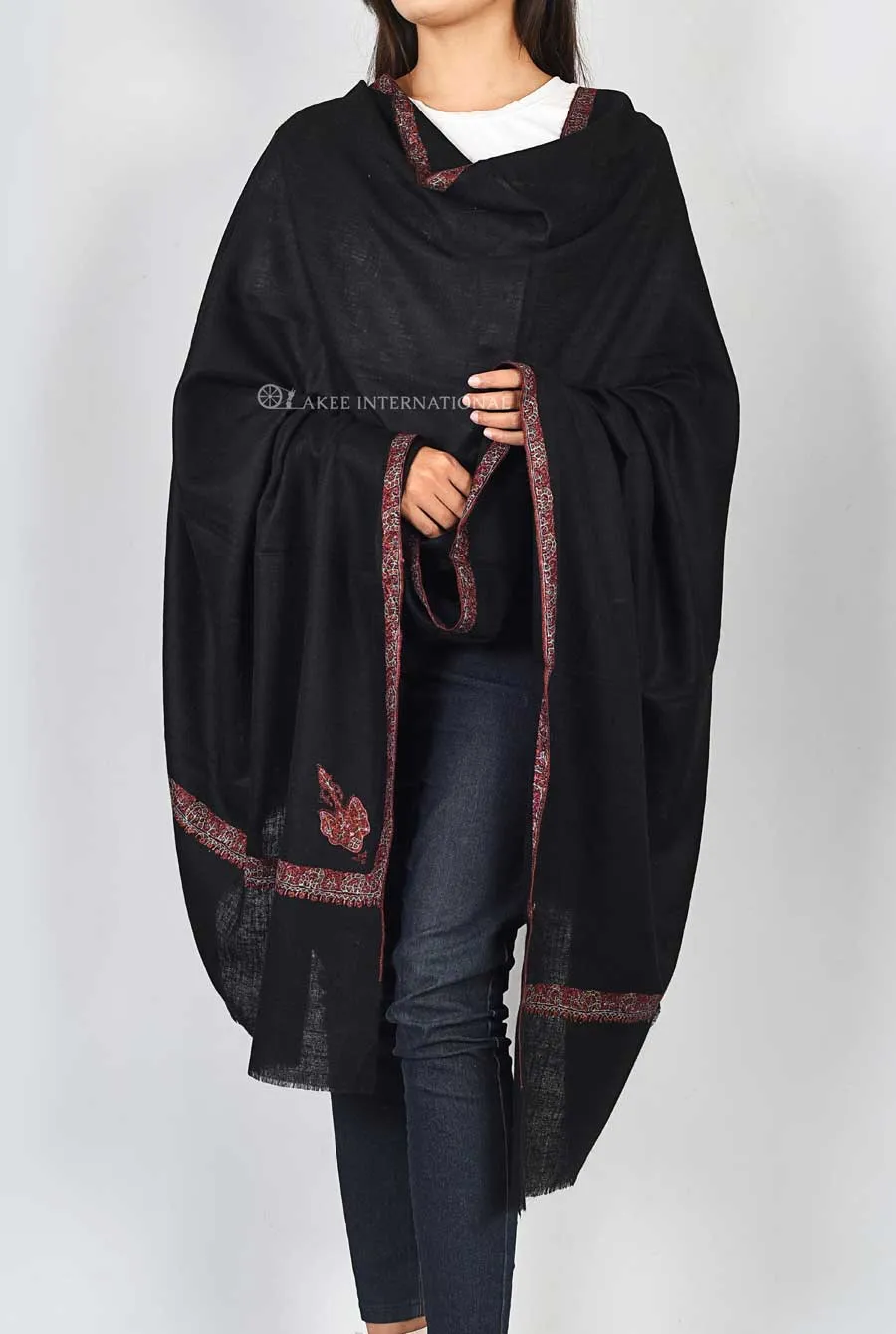
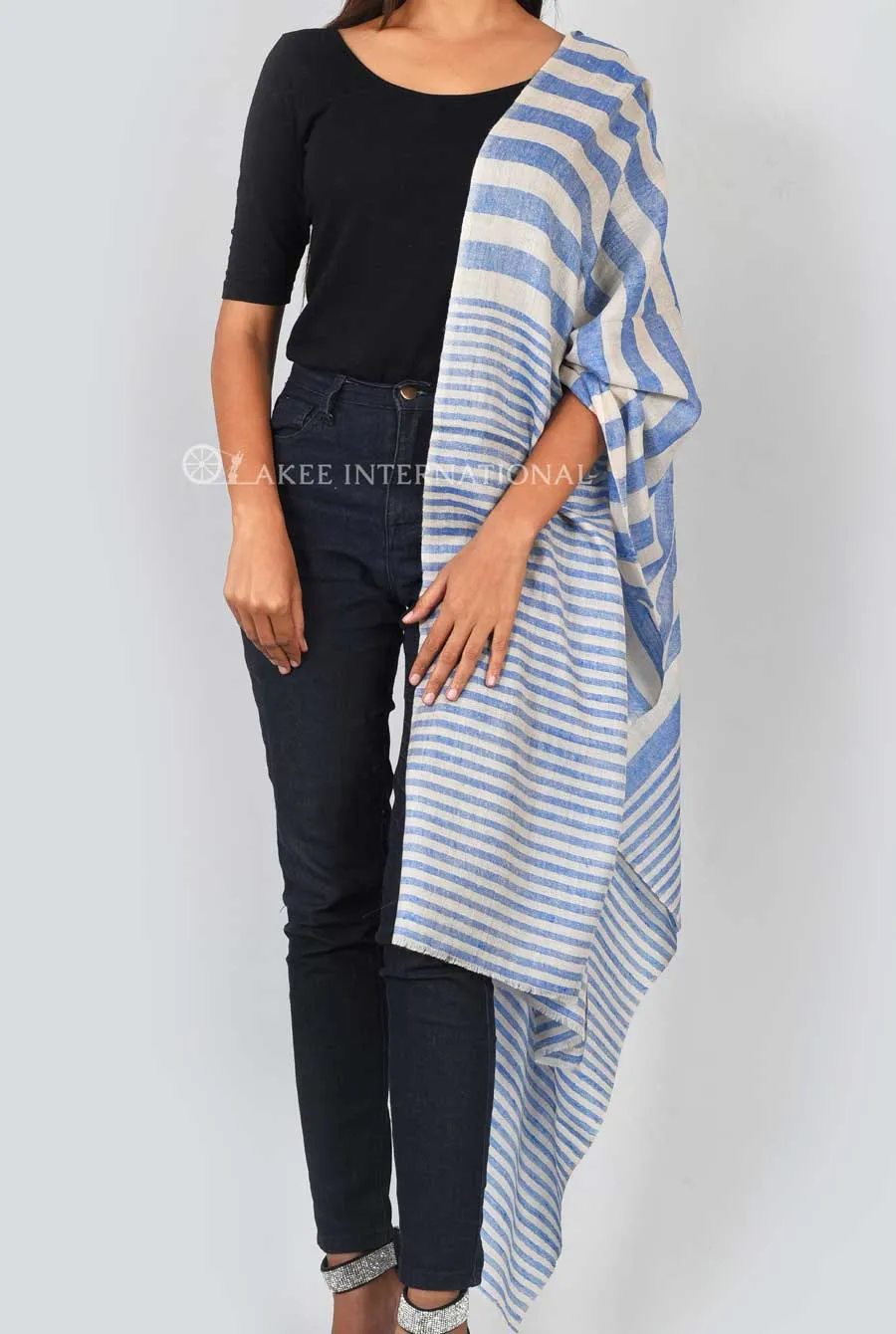
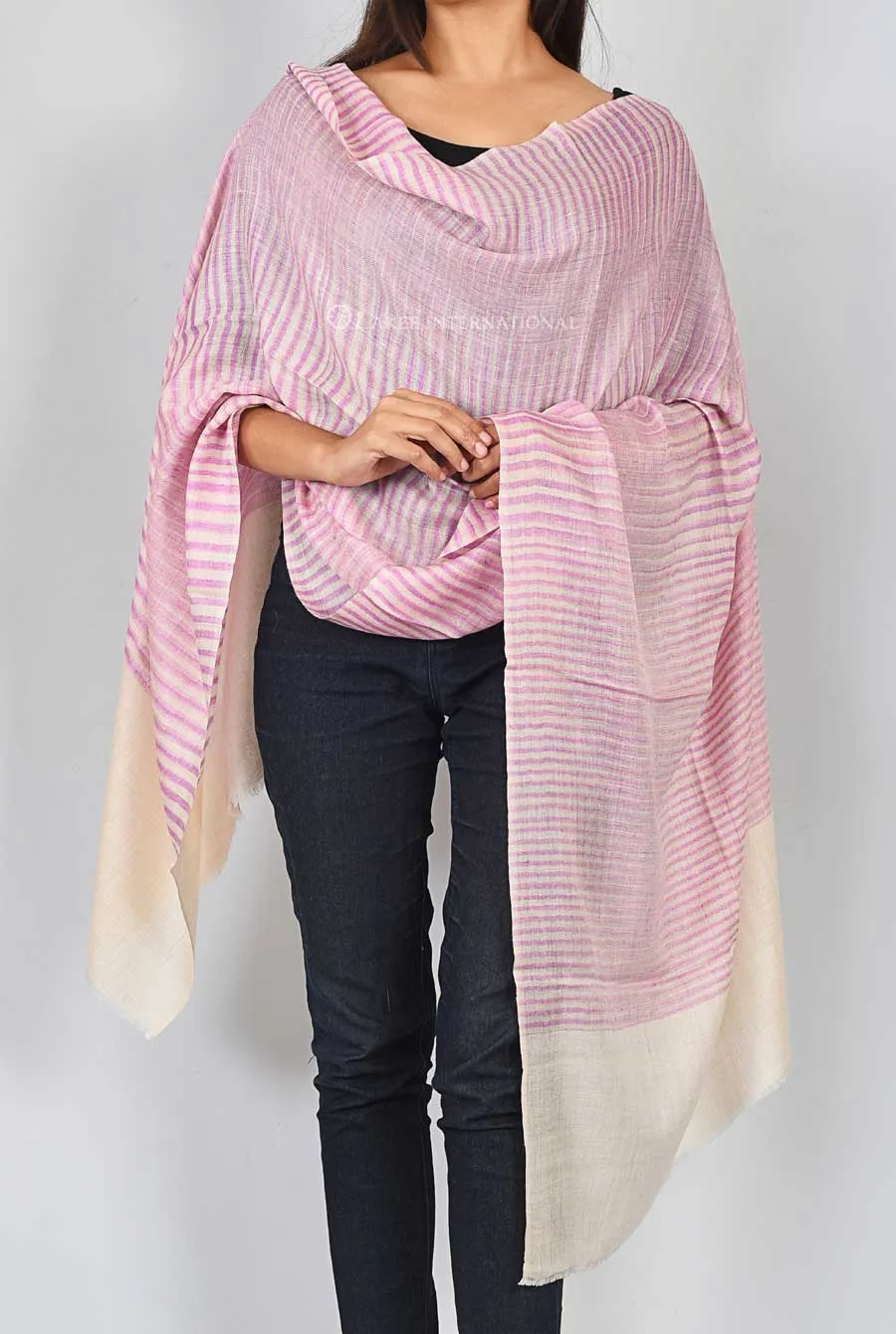
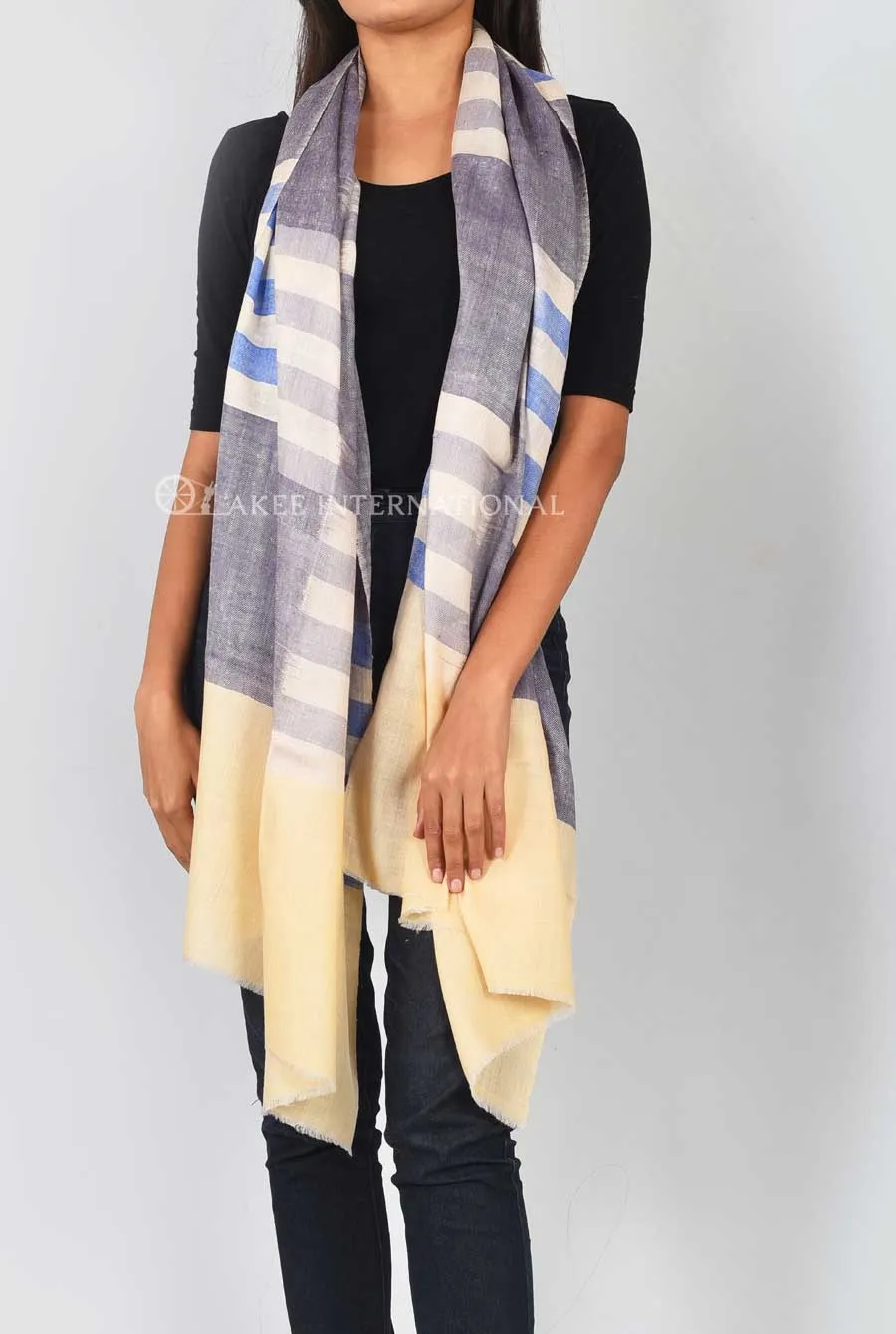
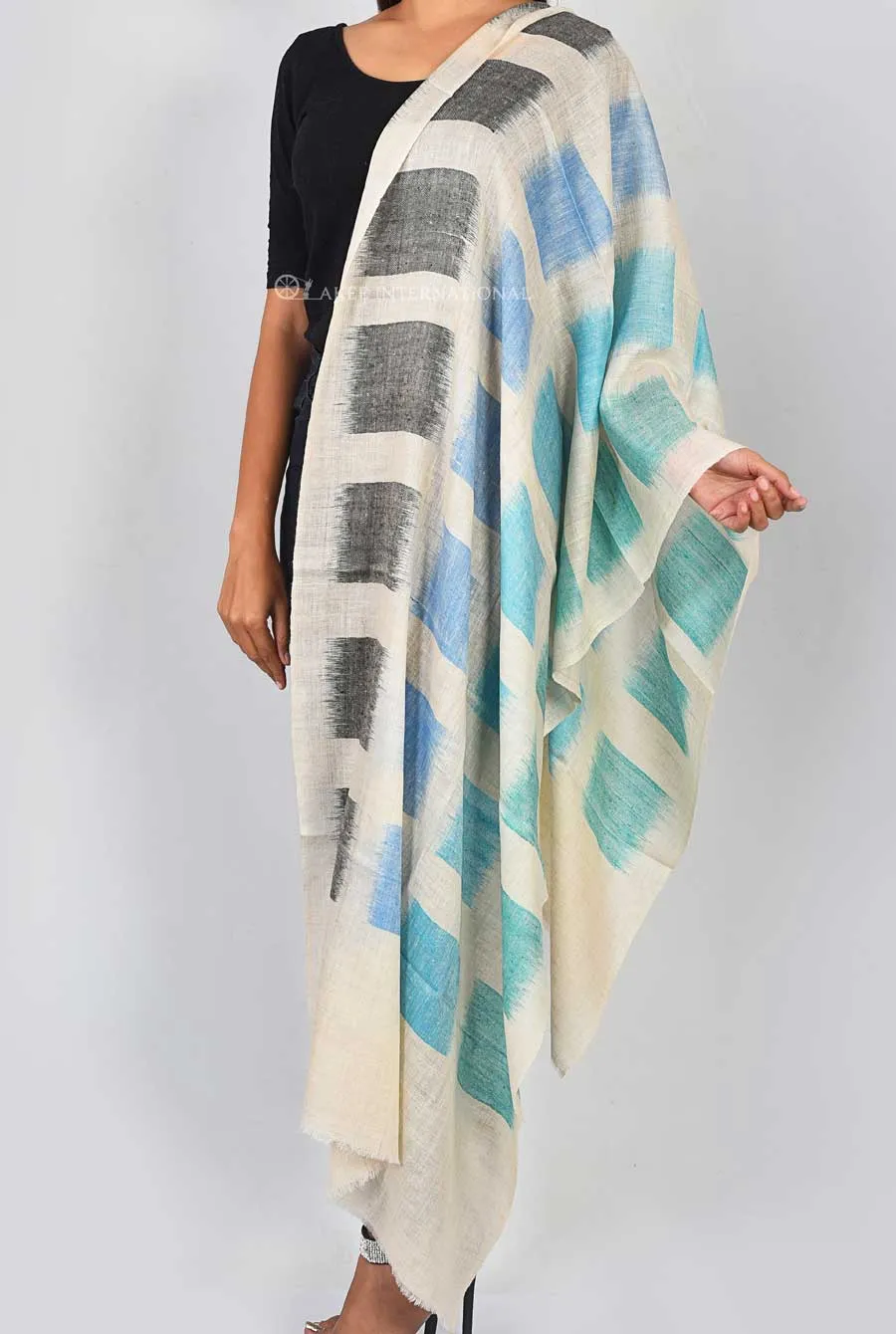
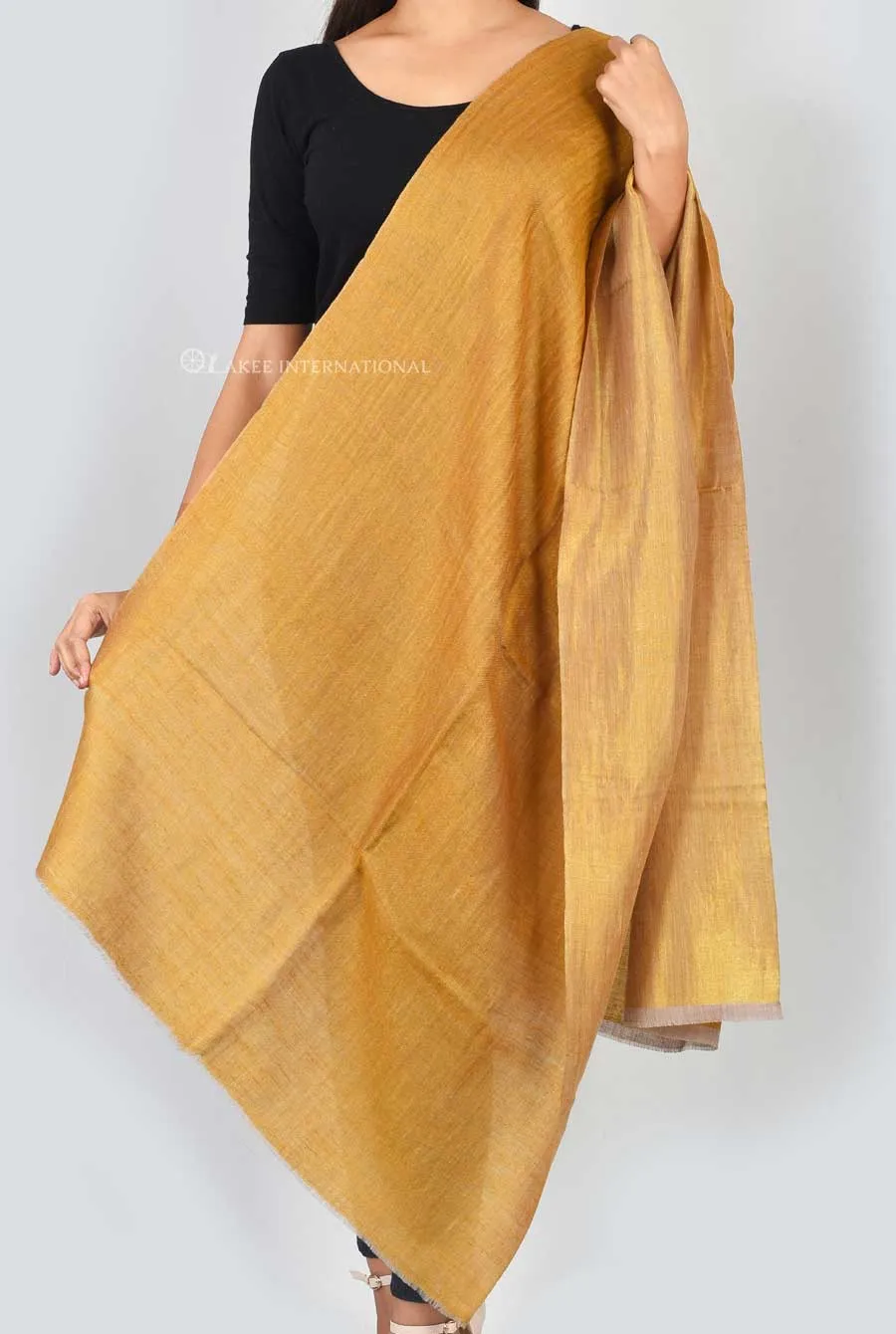
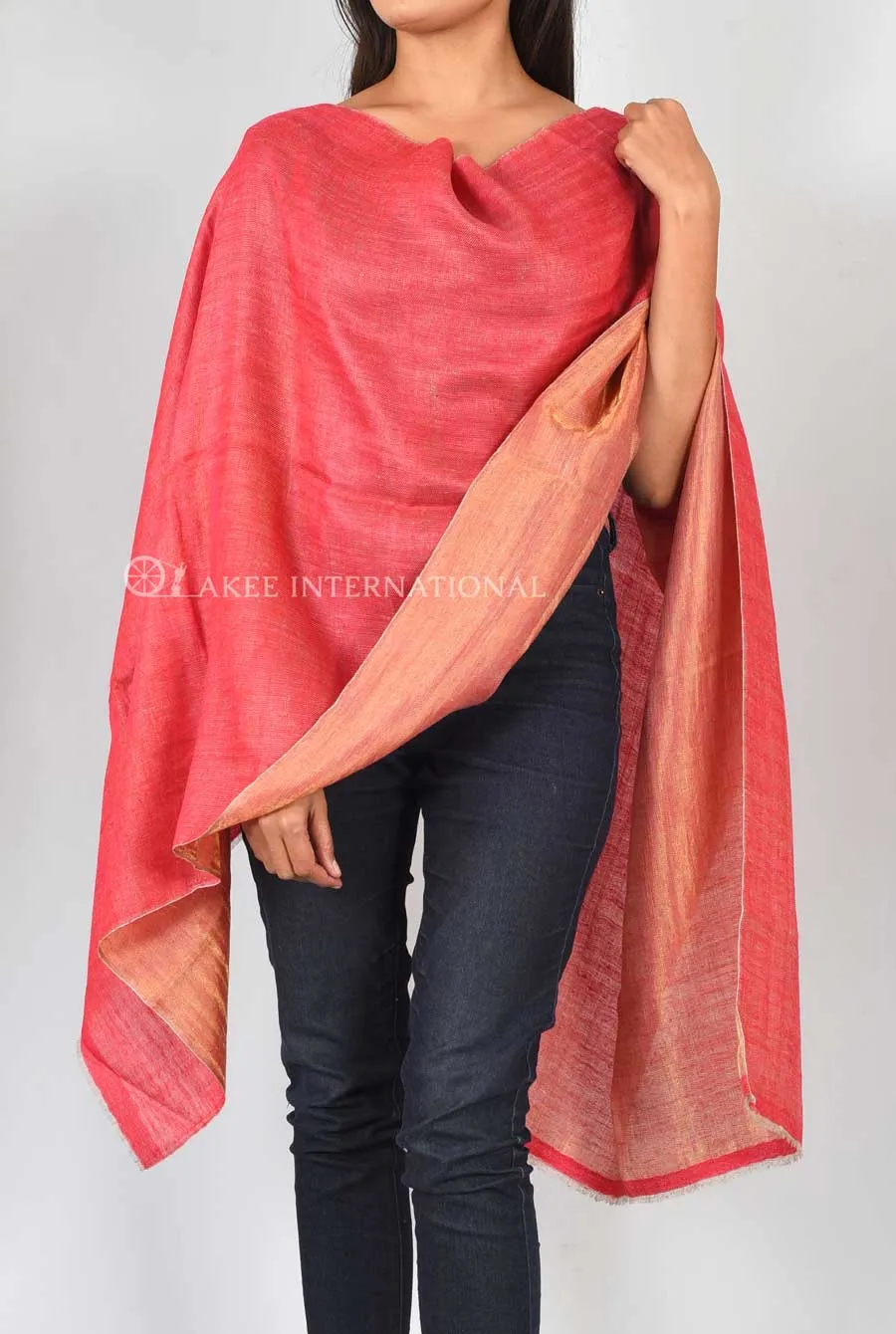
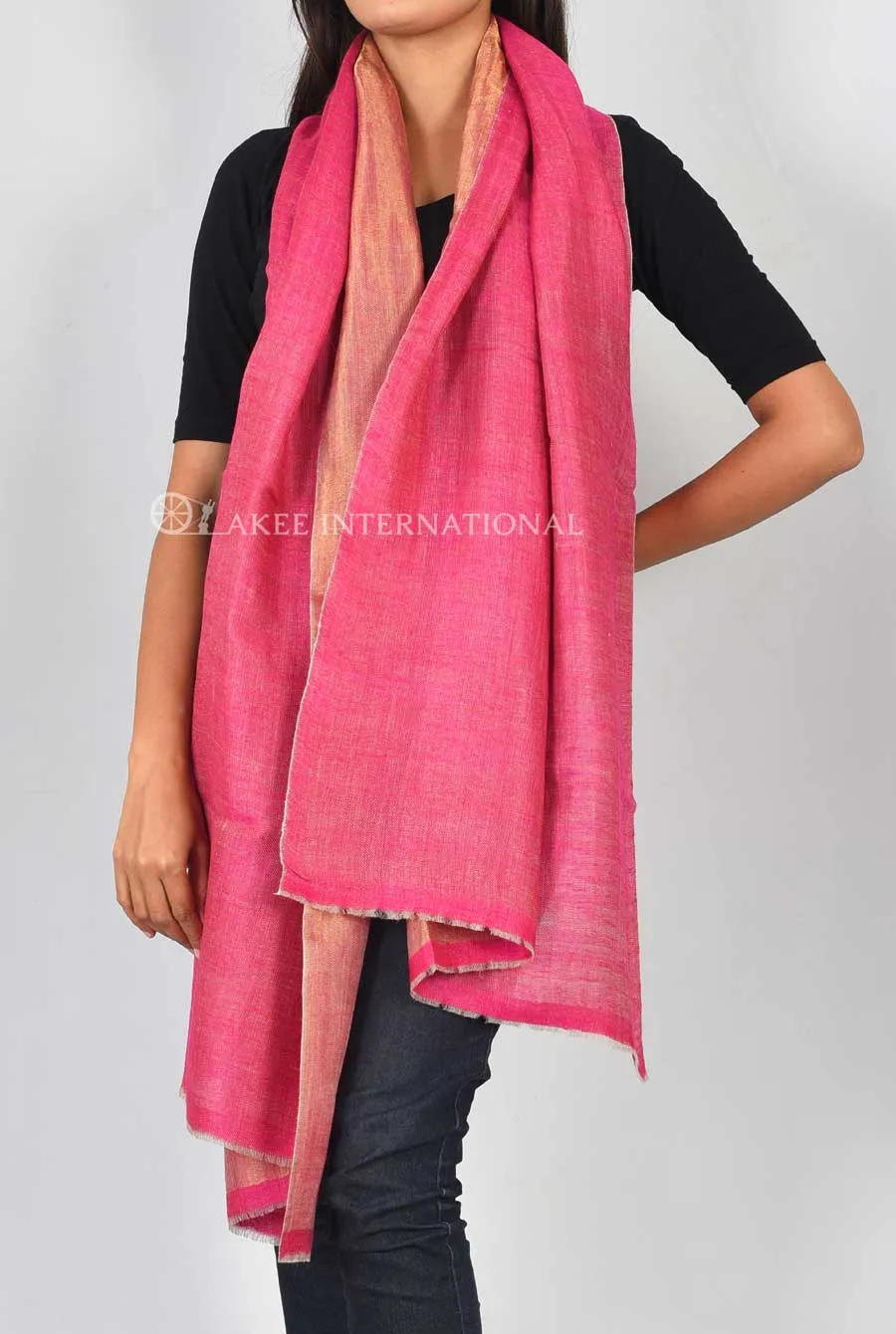
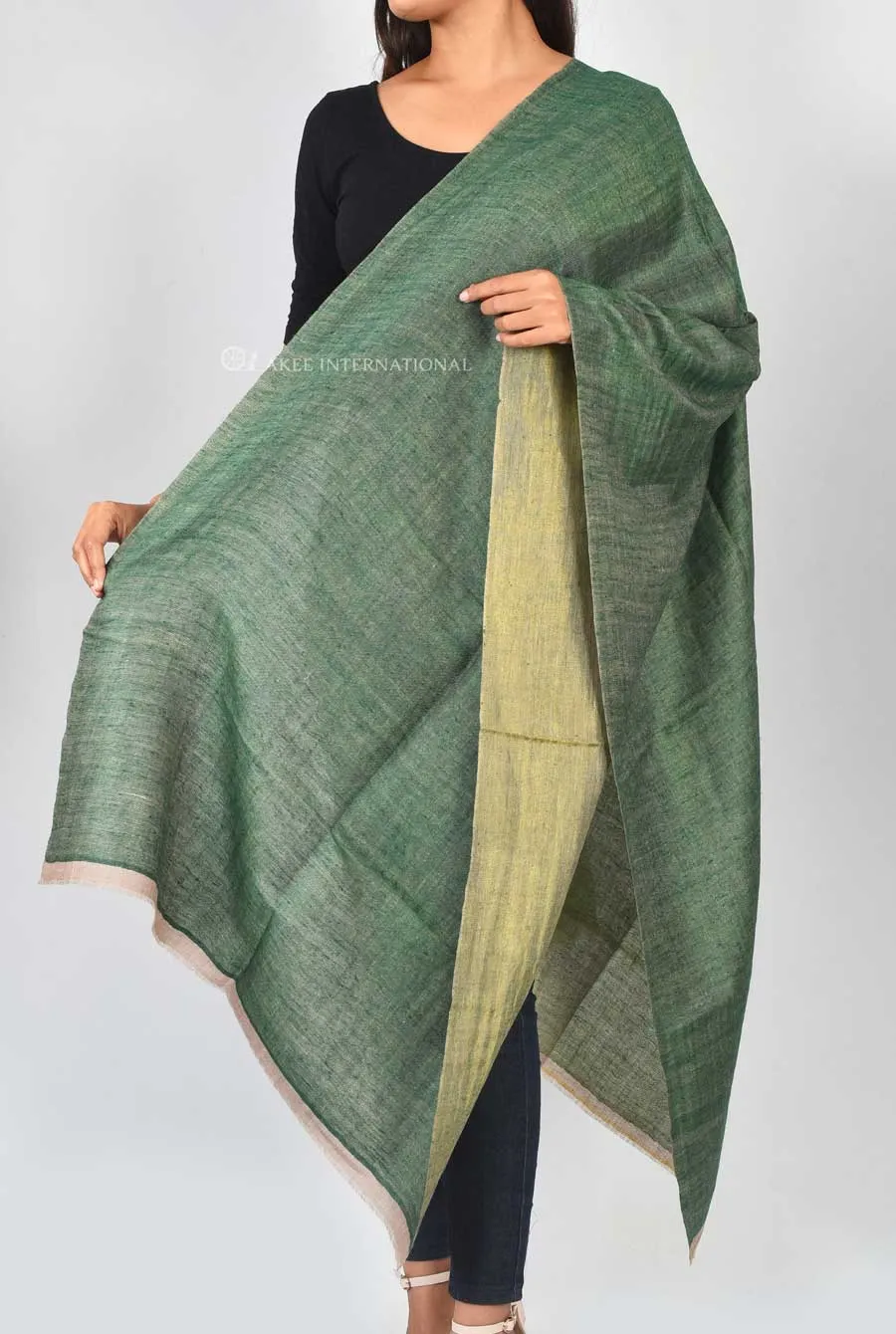
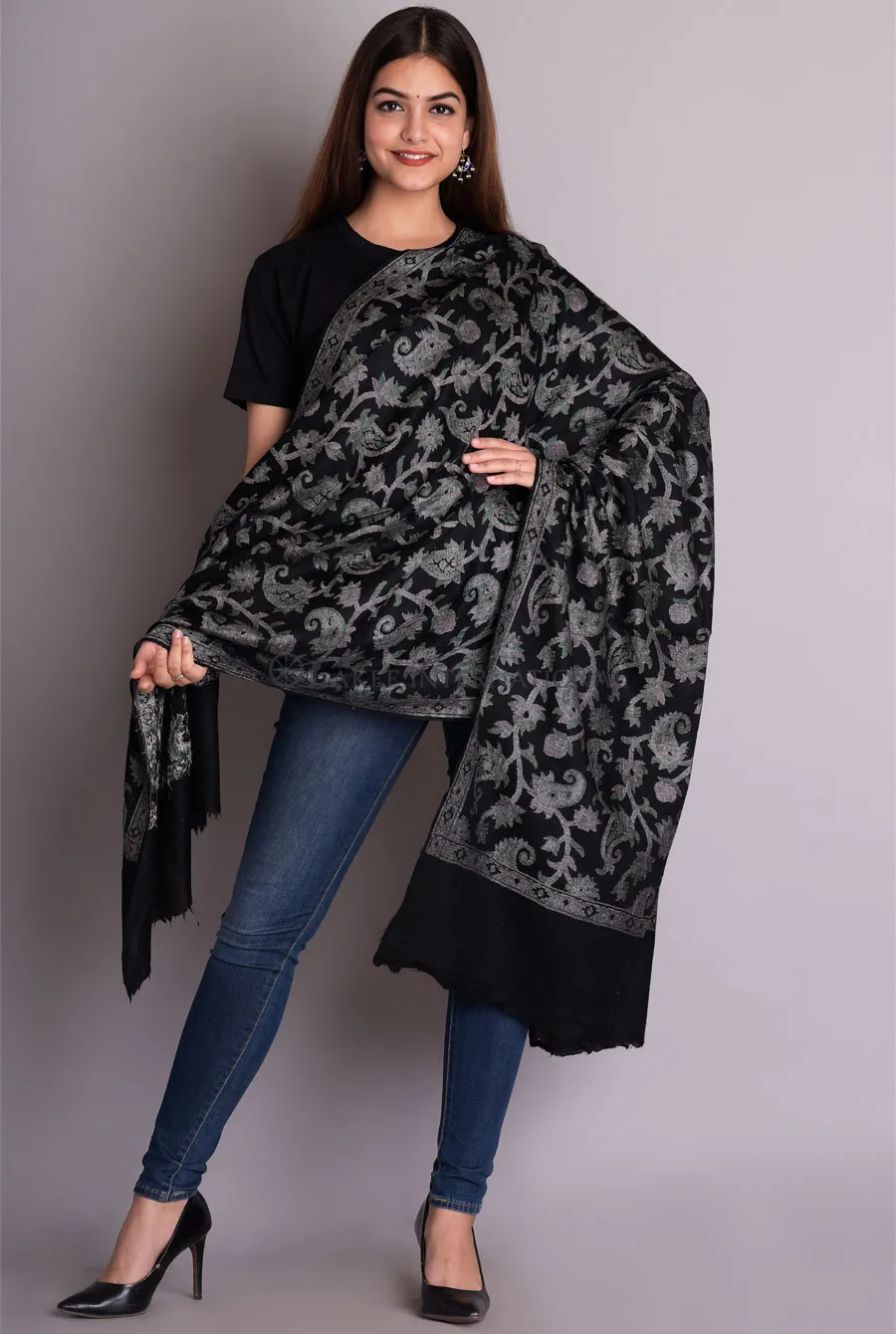
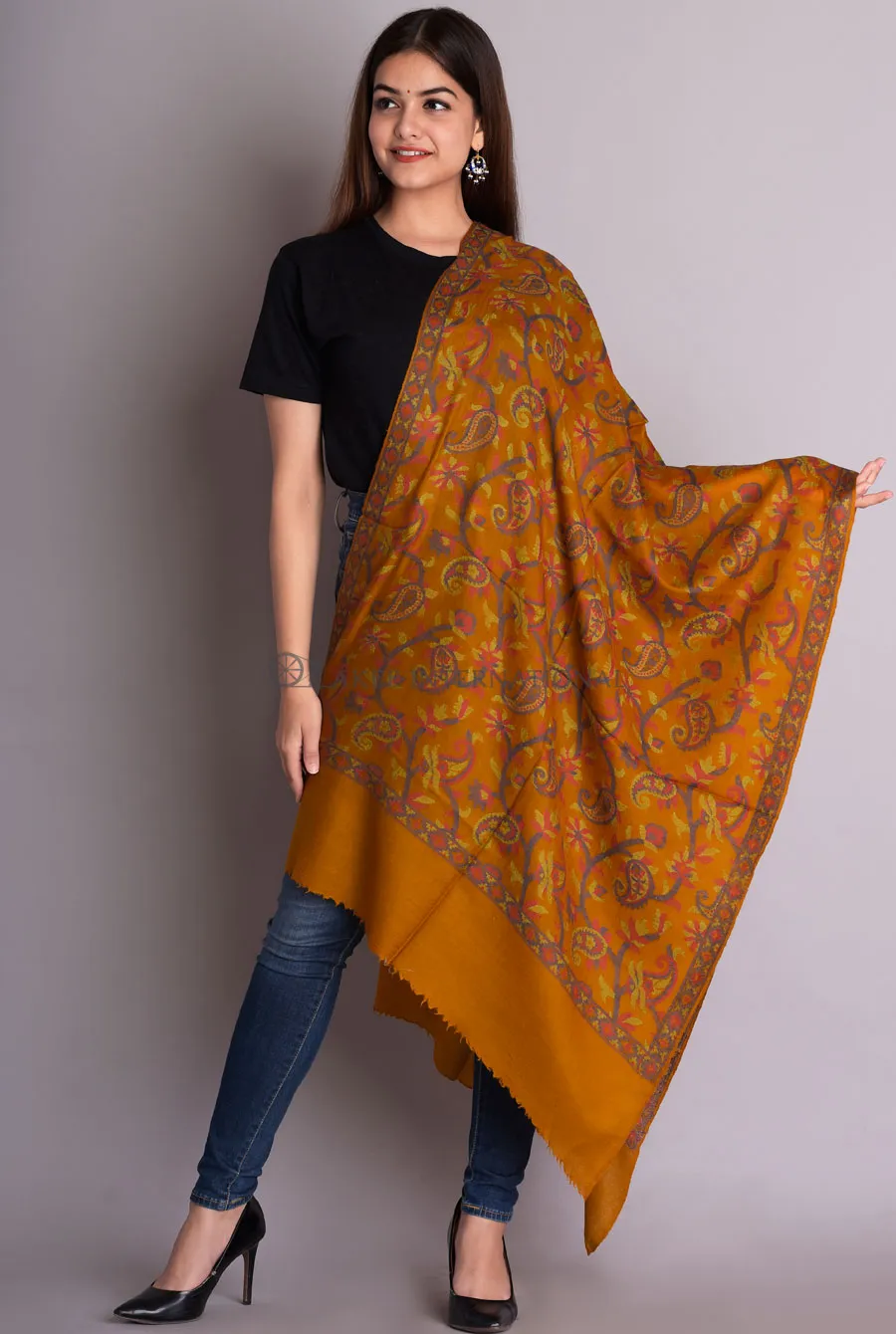
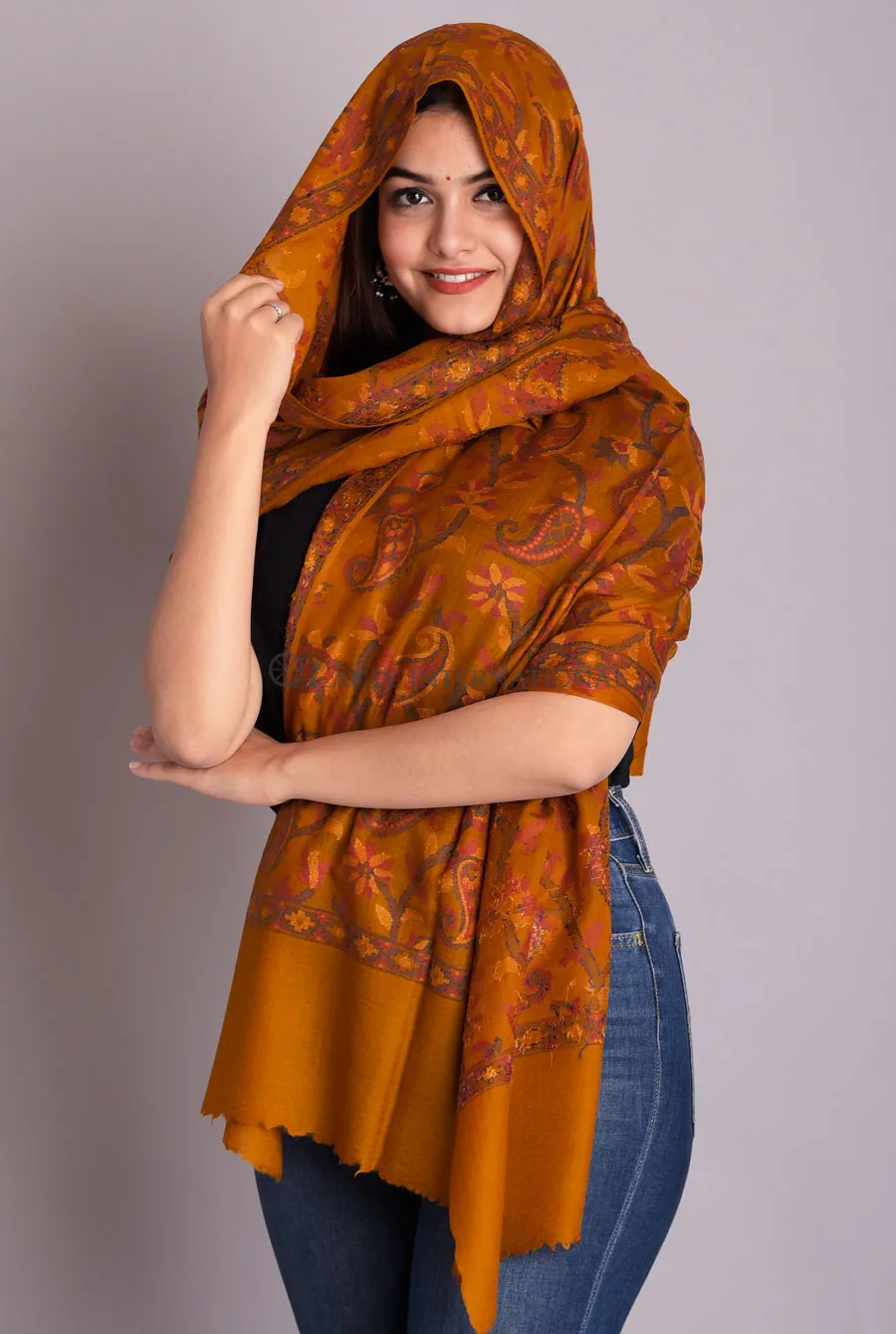
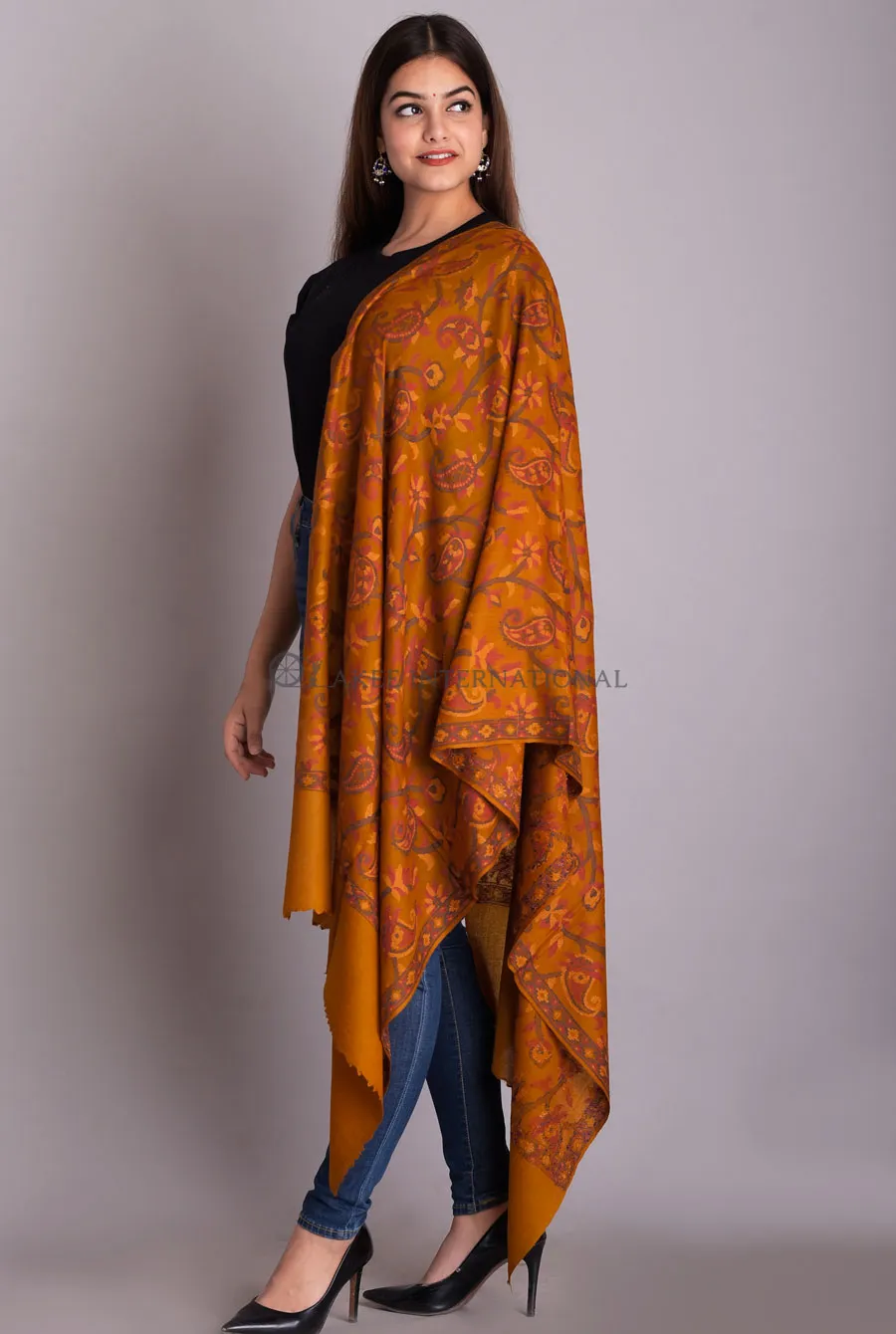
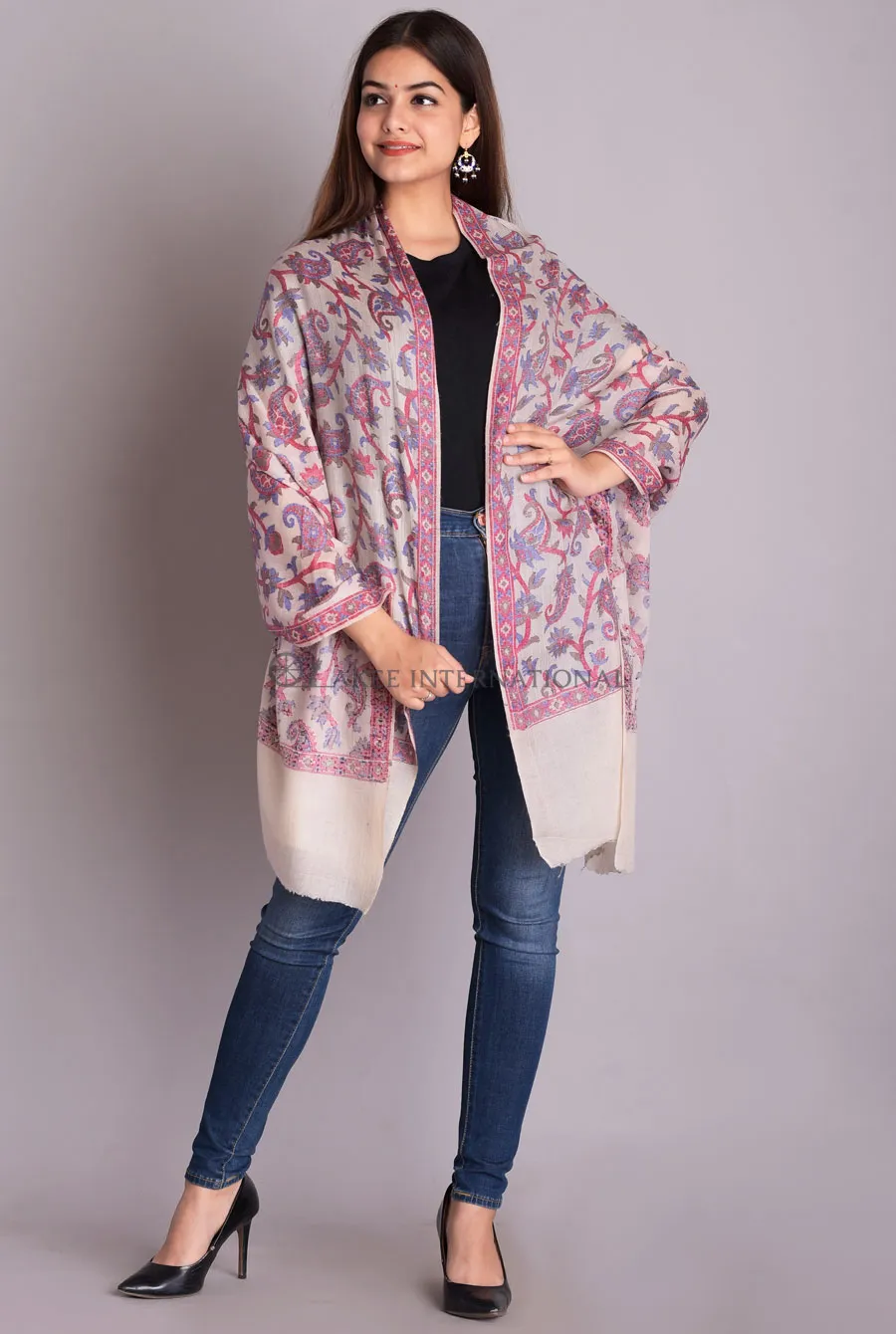
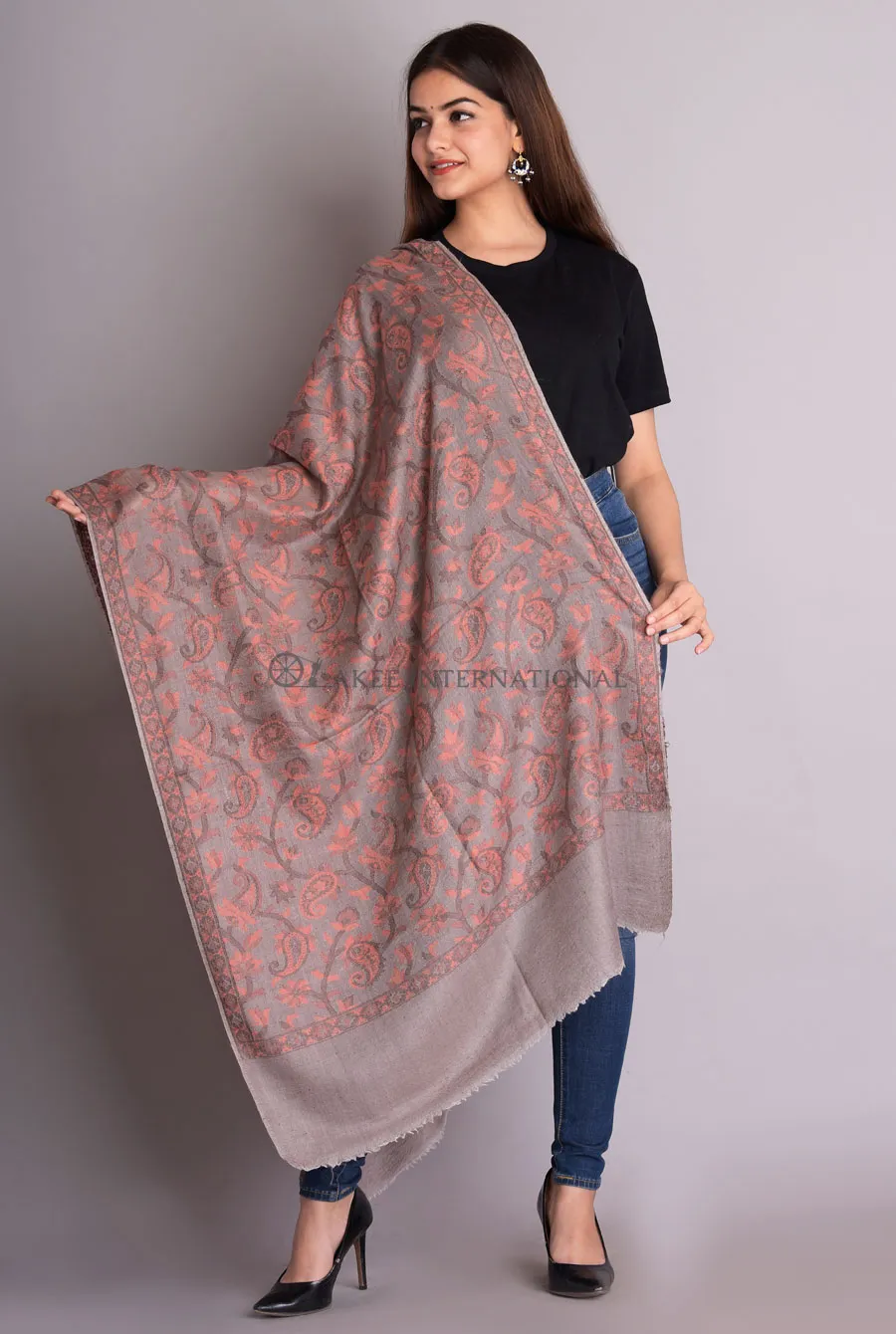
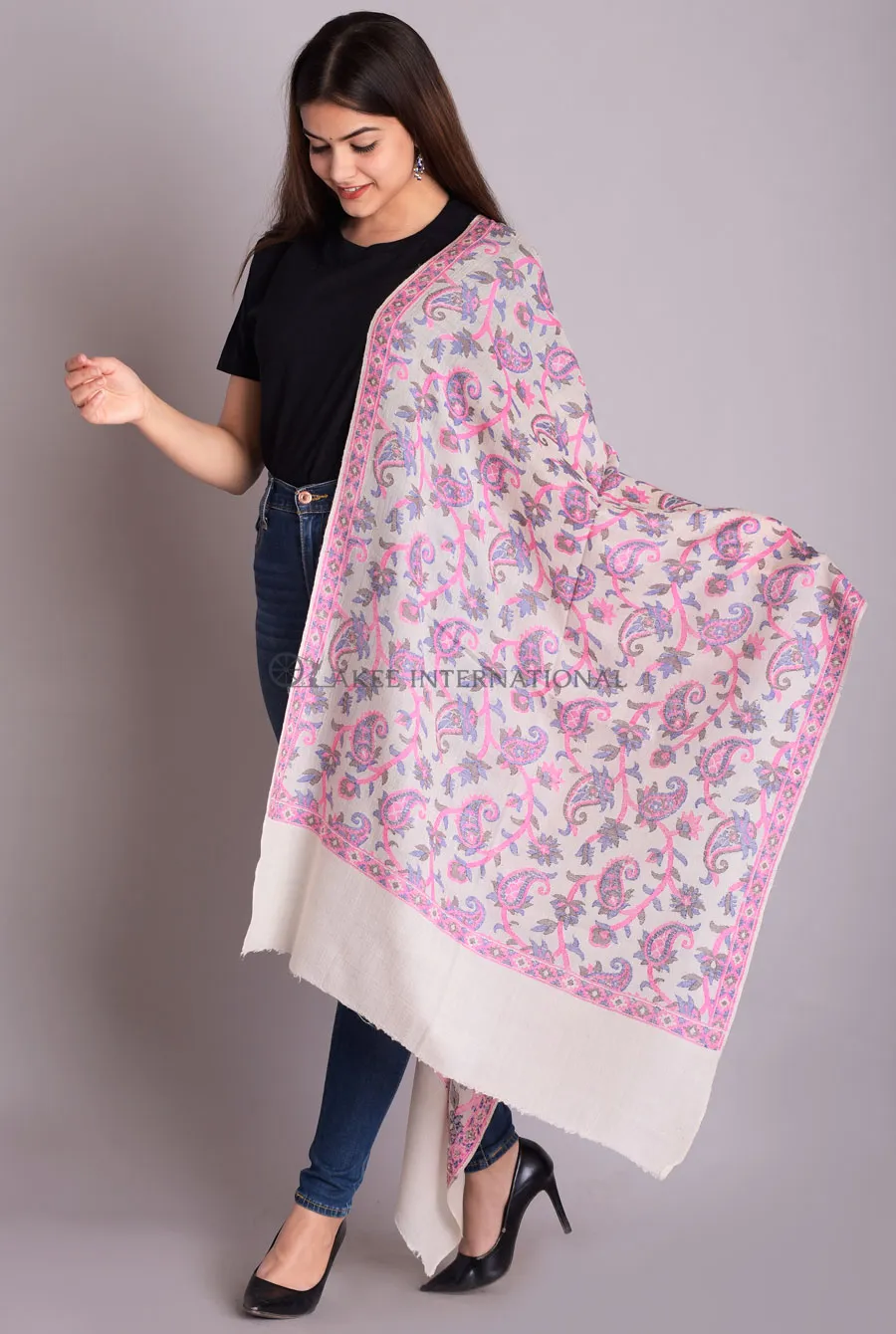
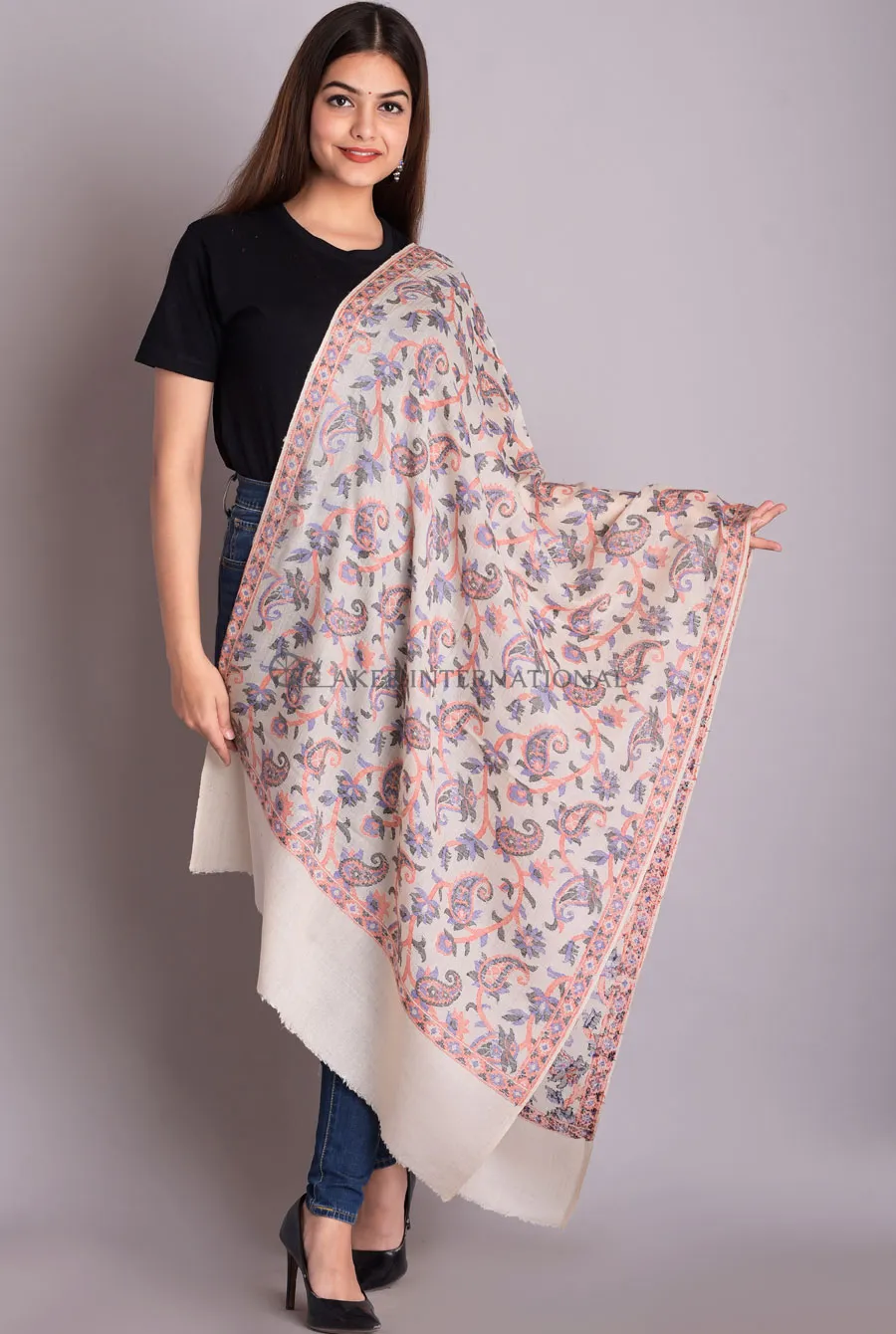
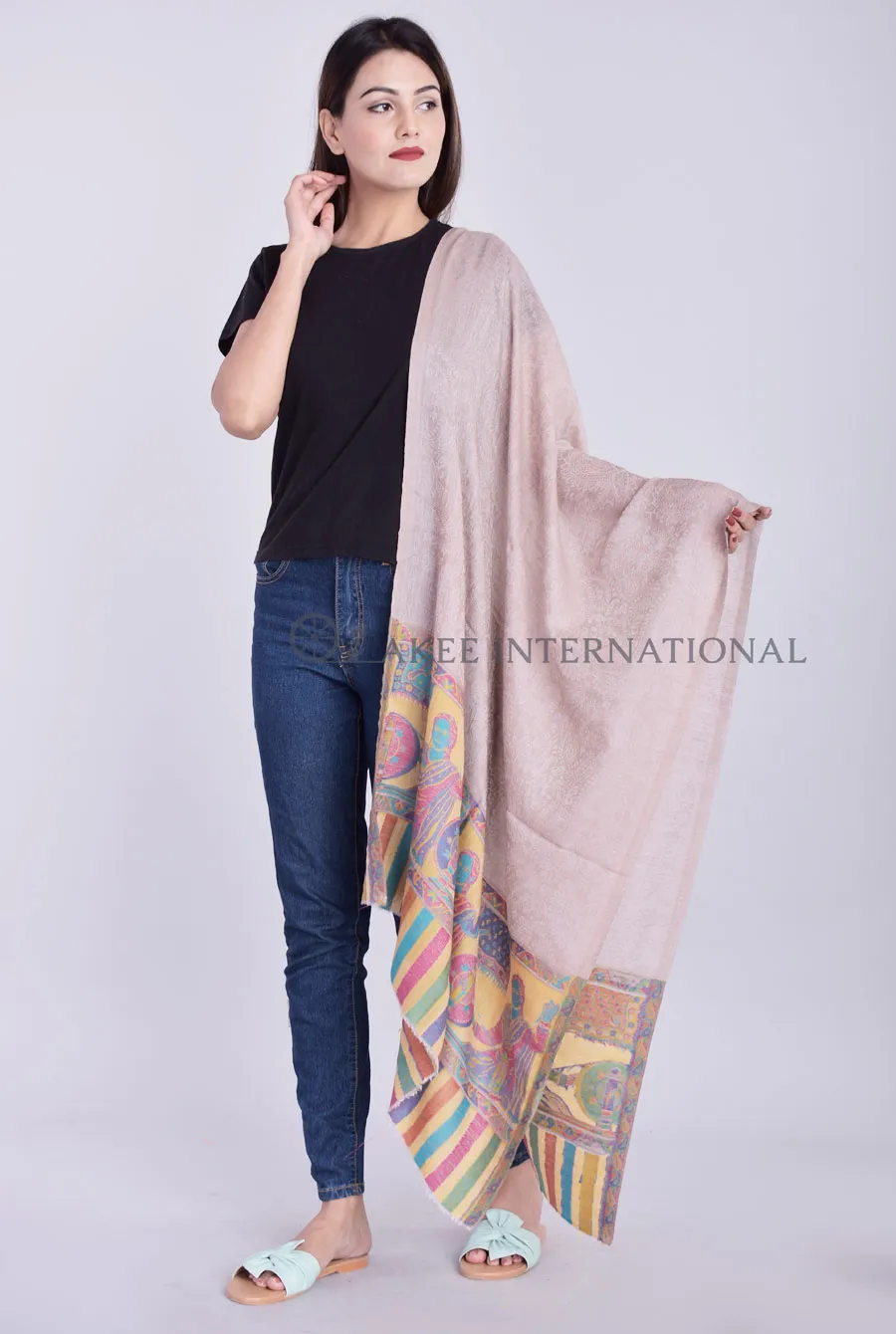
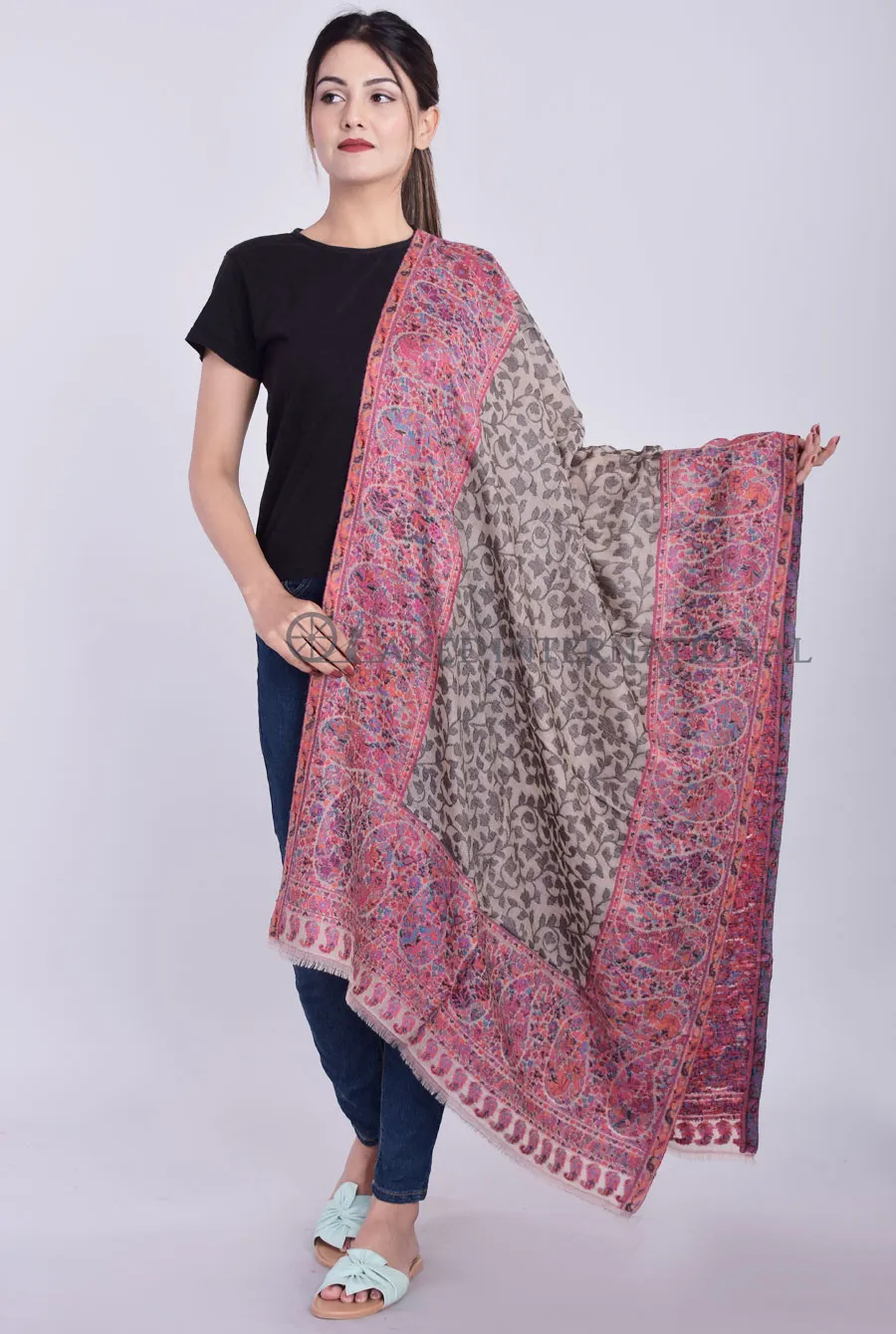
The phrase "Srinagar artisan-crafted" shows up constantly in pashmina marketing, usually without any explanation of what specifically happened in Srinagar versus what happened elsewhere. Since this phrase is doing a lot of persuasive work with very little definition, it's worth breaking down properly.
What Genuinely Originates in Srinagar
For most manufacturers working with authentic Kashmir supply chains — including ours — what's actually rooted in Srinagar and the wider Kashmir region is the raw wool trade infrastructure and the specialized artisan skill for techniques like Sozni embroidery and Kani weaving. These are genuinely regional crafts, taught and practiced within Kashmiri artisan families for generations.
What Typically Happens Elsewhere
Final weaving consolidation, quality control, packaging, and export documentation, for most manufacturers of meaningful scale, happen at a separate production facility — in our case, Jaipur. This isn't a compromise; it's simply how most manufacturers structure operations once they move beyond small-batch, single-location production.
Why the Distinction Deserves Honesty
A shawl can be genuinely "Srinagar artisan-crafted" in the sense that matters — the skill and technique are authentically Kashmiri — without every stage physically occurring within Srinagar city limits. Manufacturers who blur this distinction aren't necessarily lying about authenticity, but they're often overstating their own physical footprint.
How This Plays Out in Our Own Catalogue
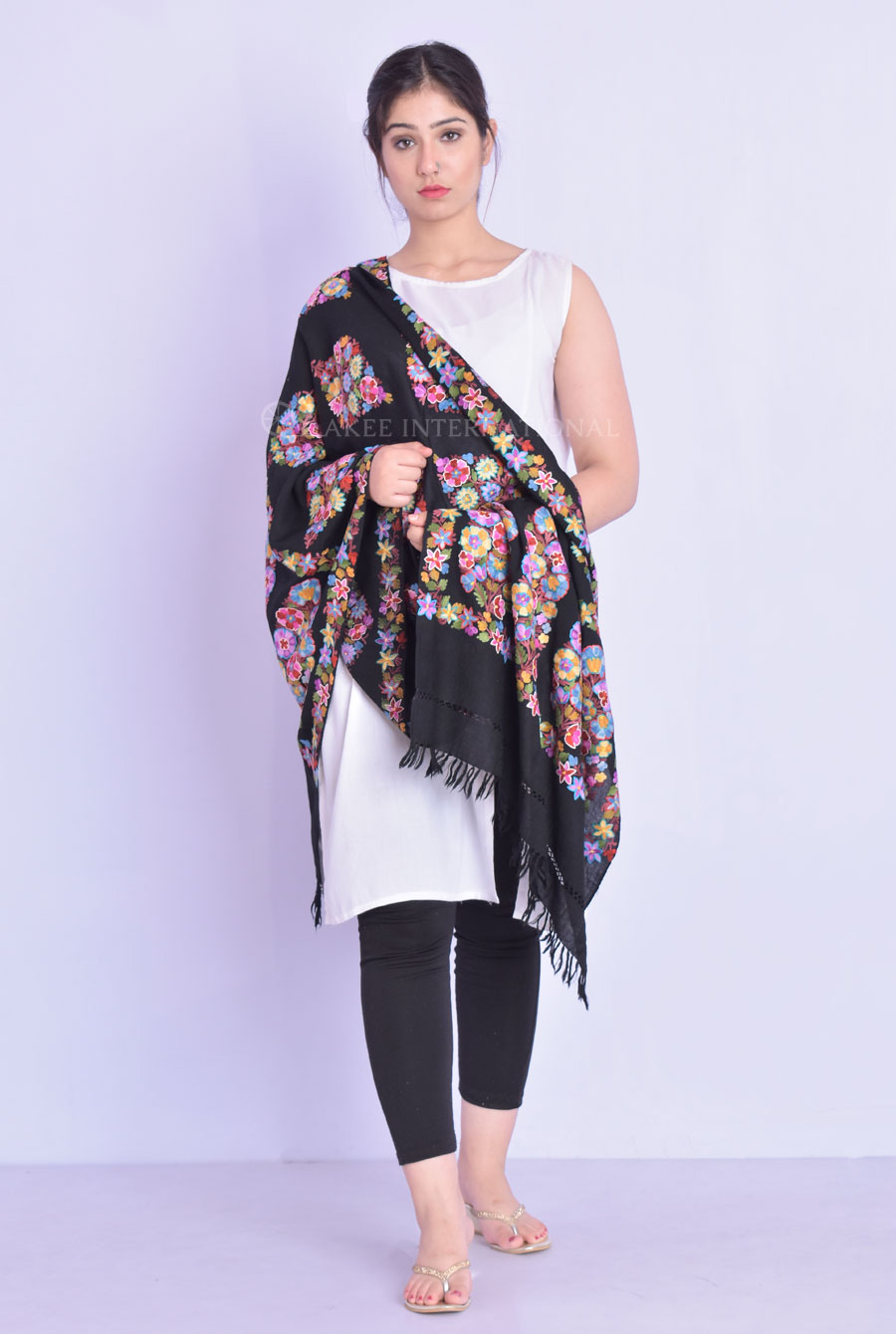
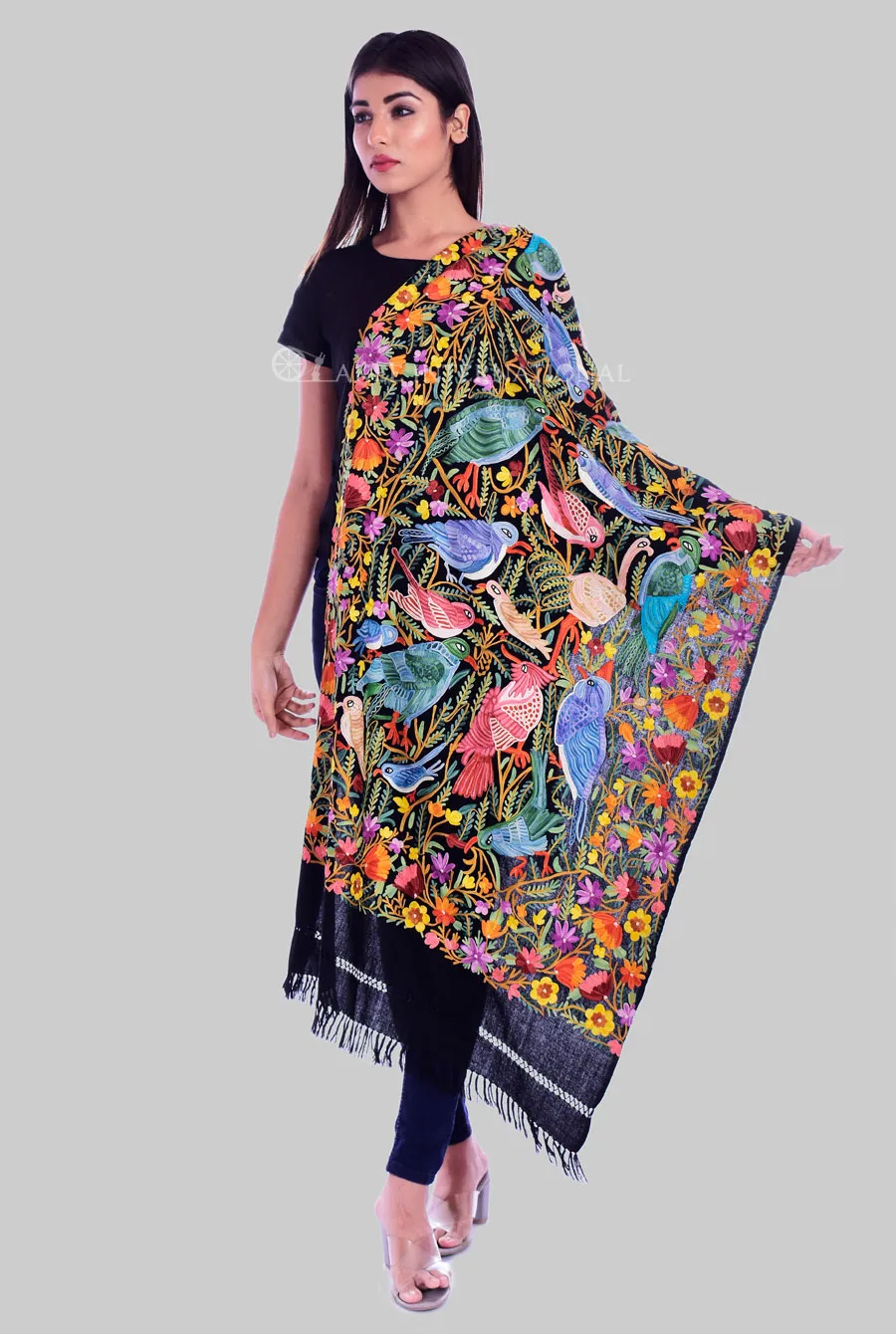
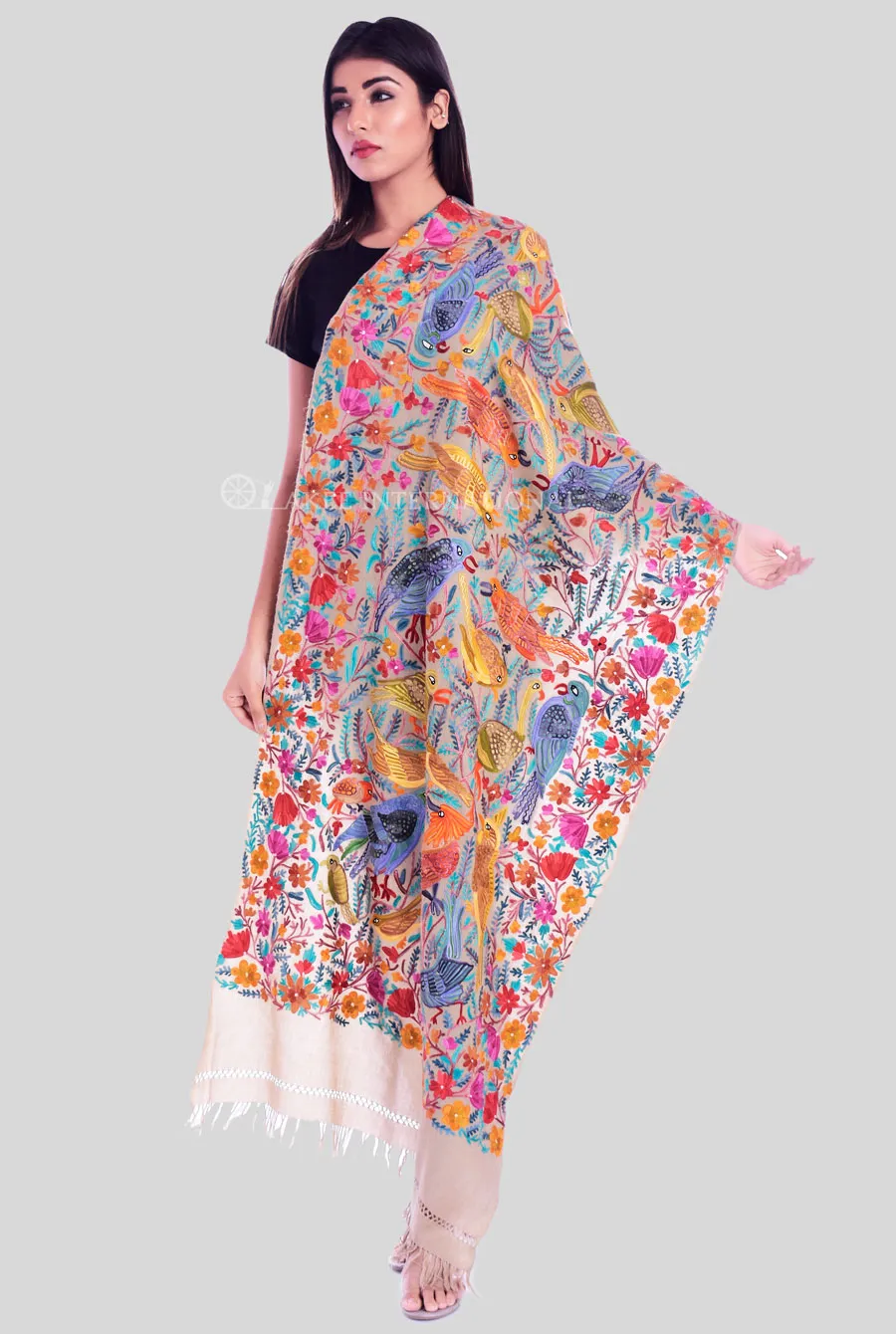
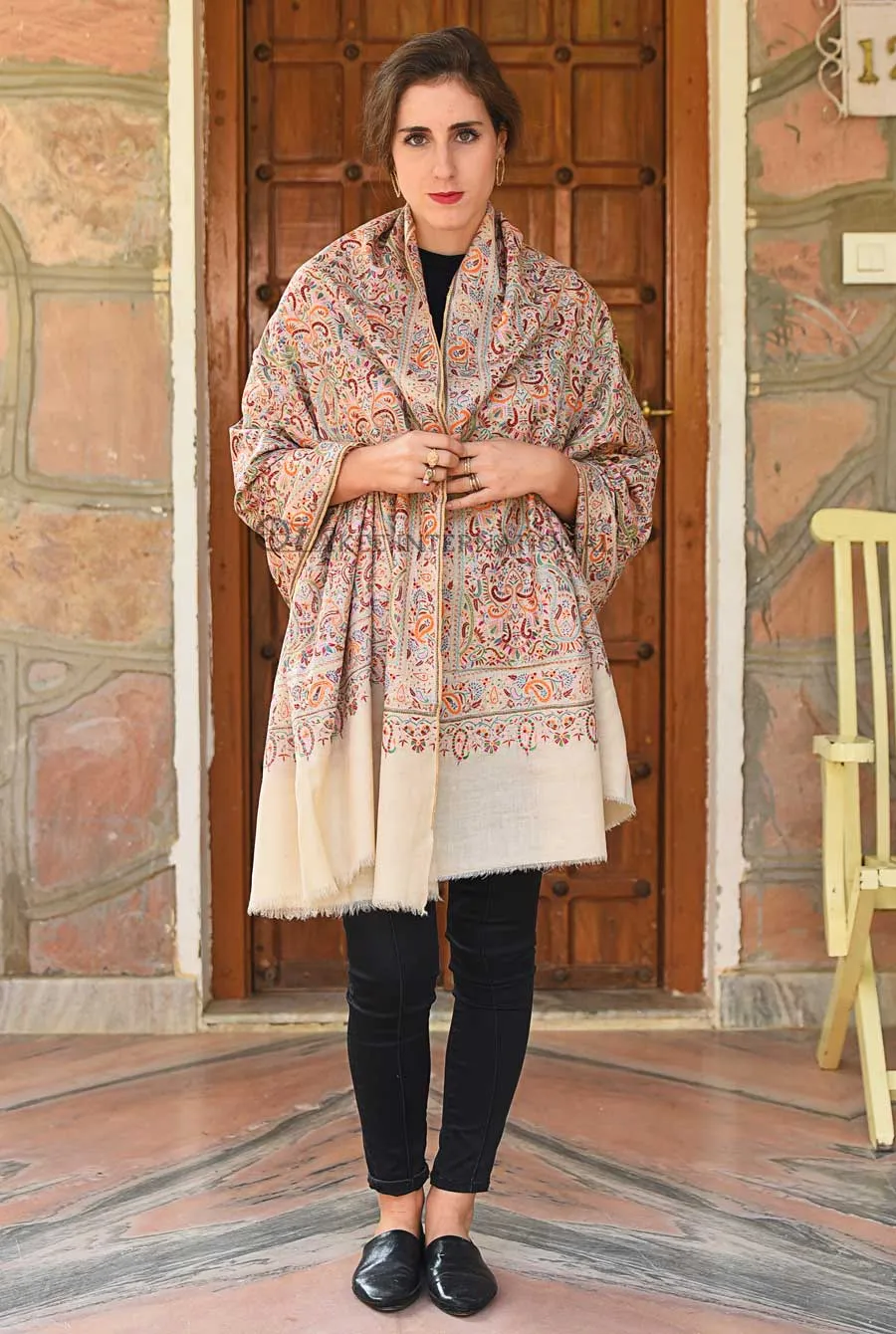
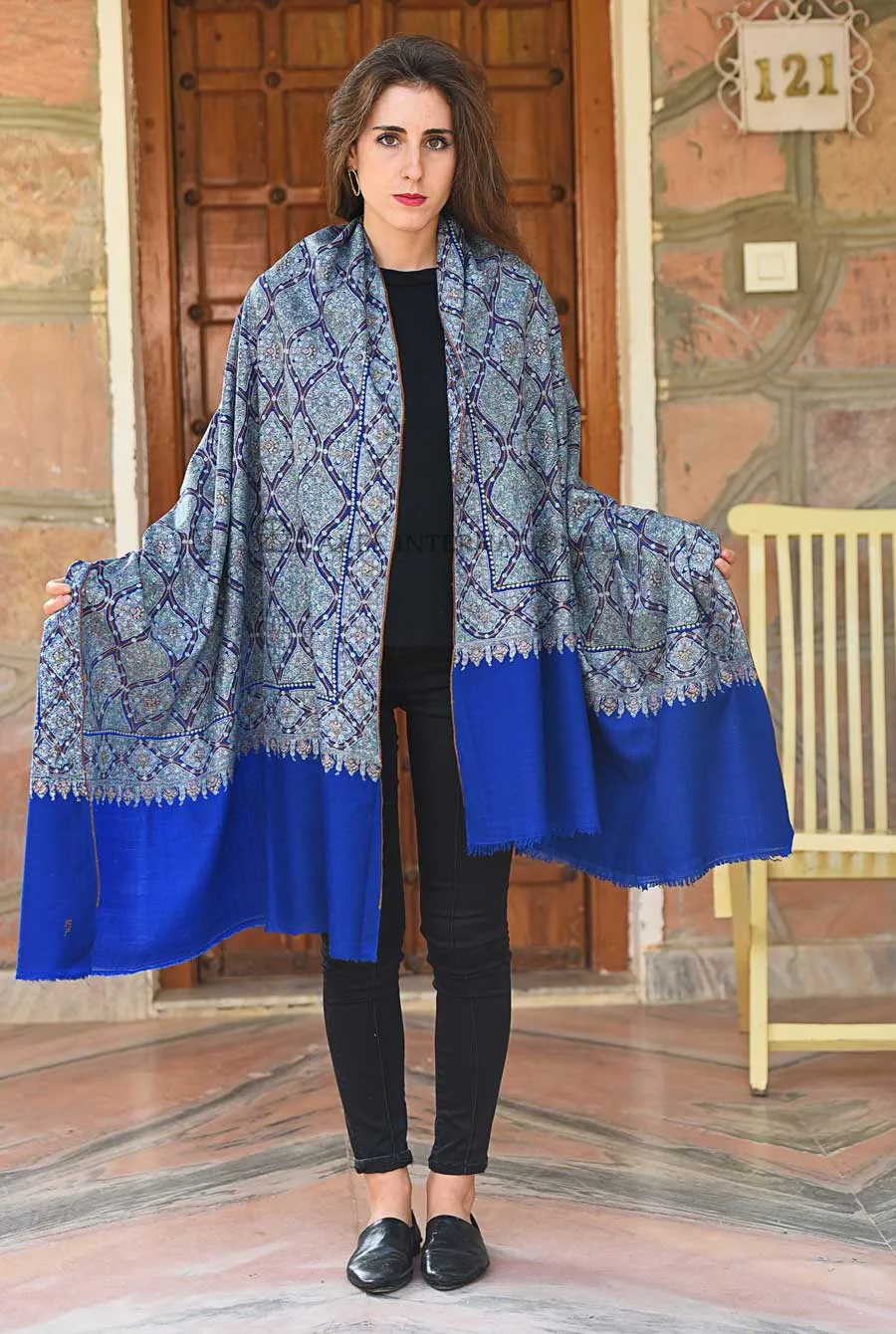
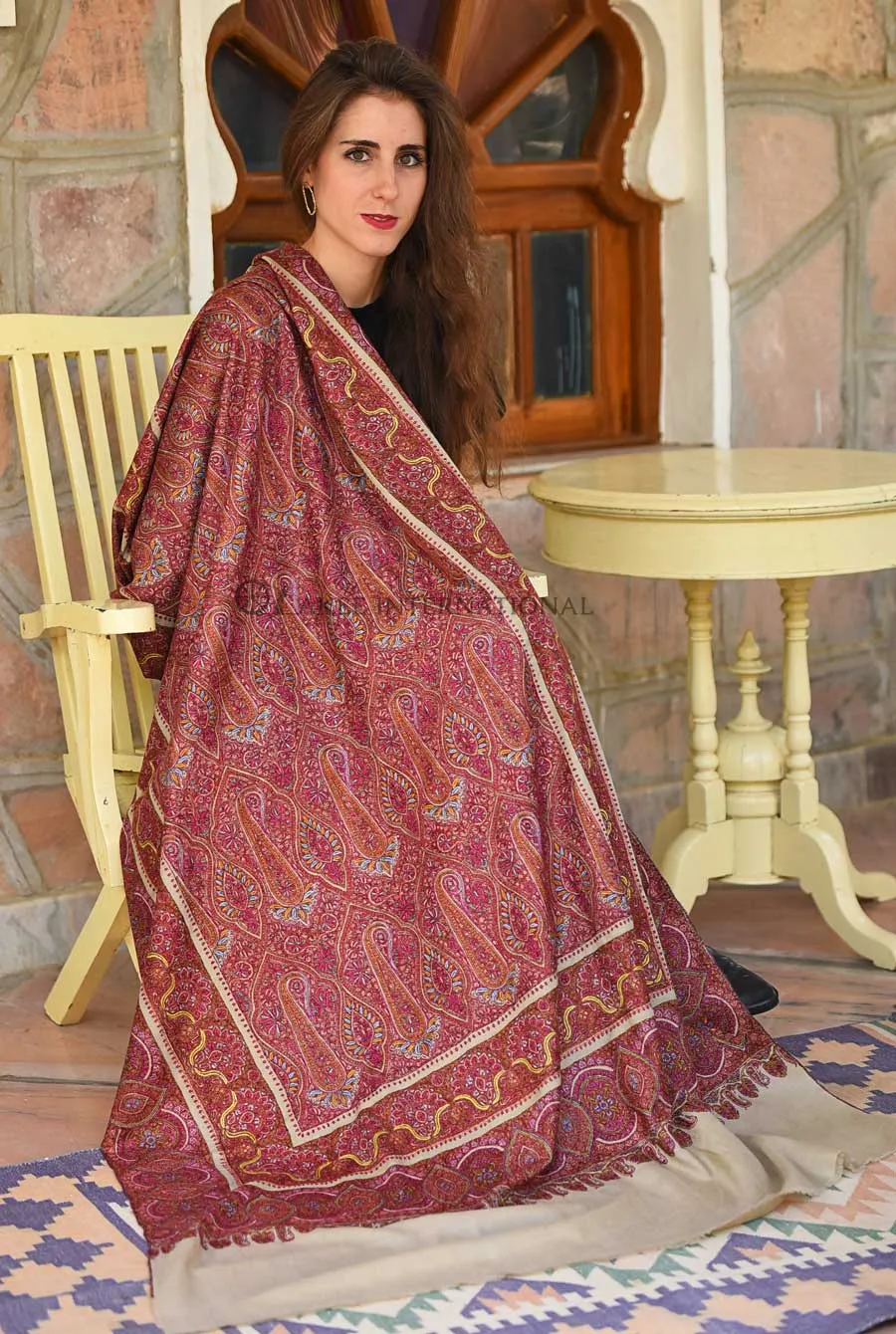
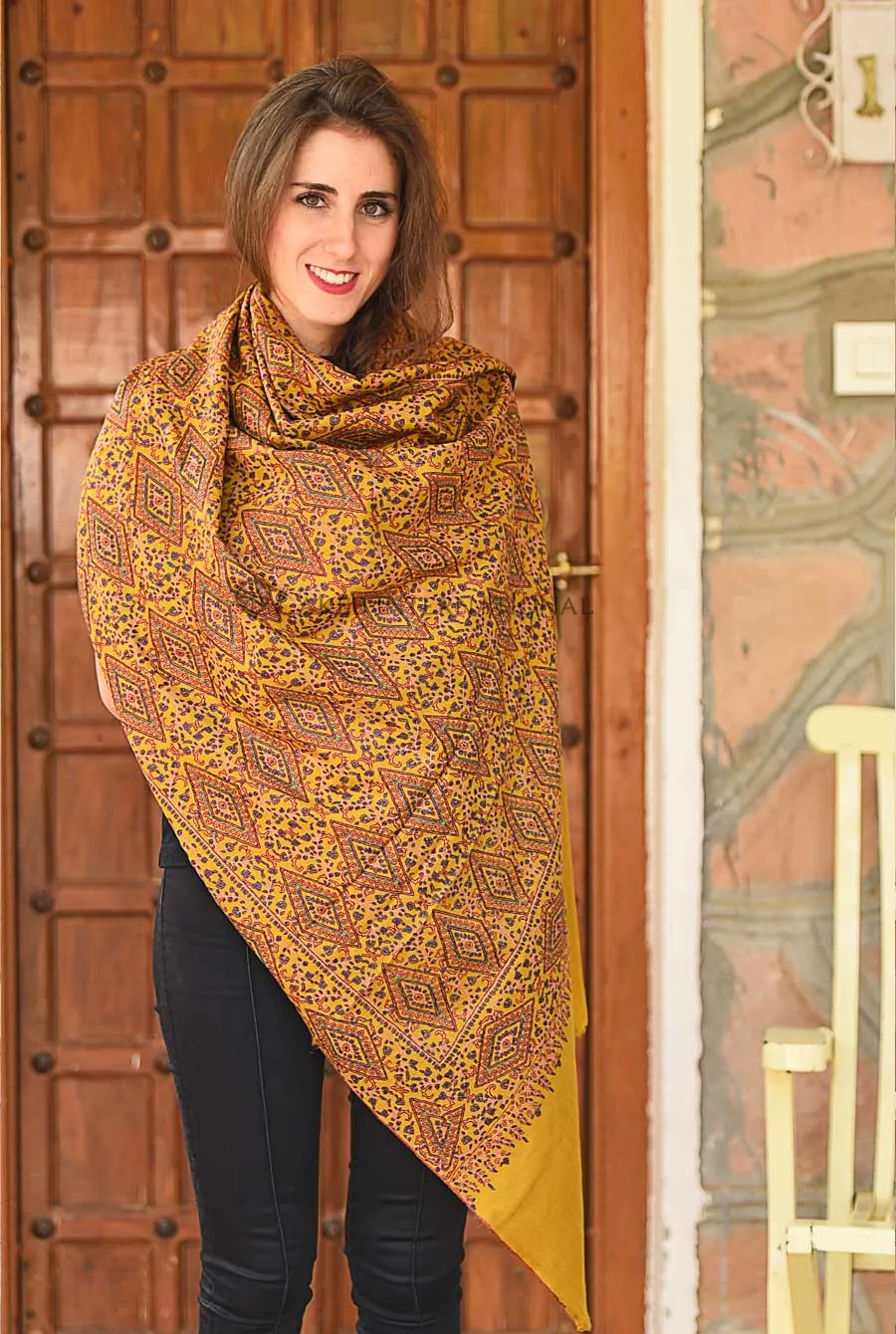
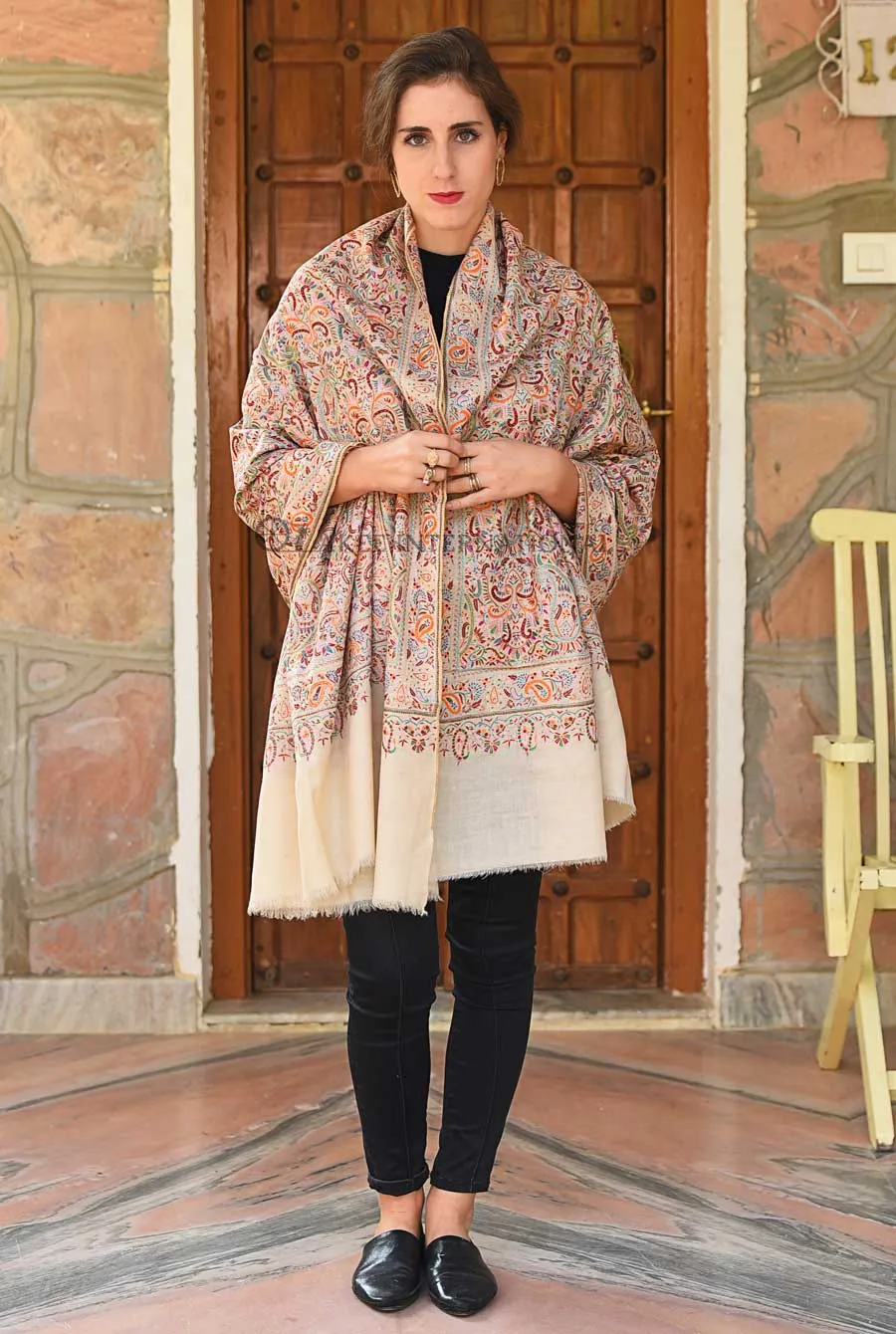
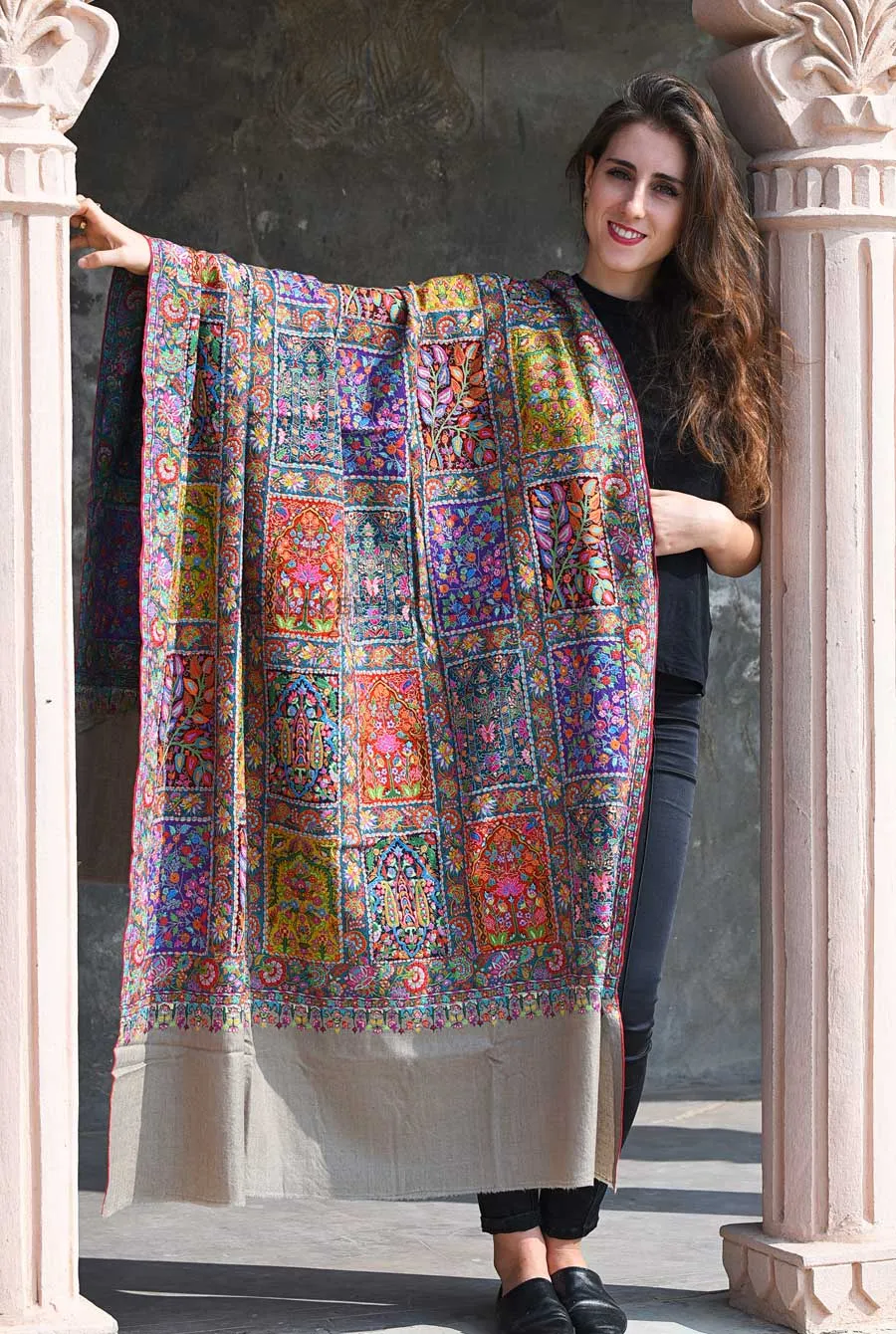
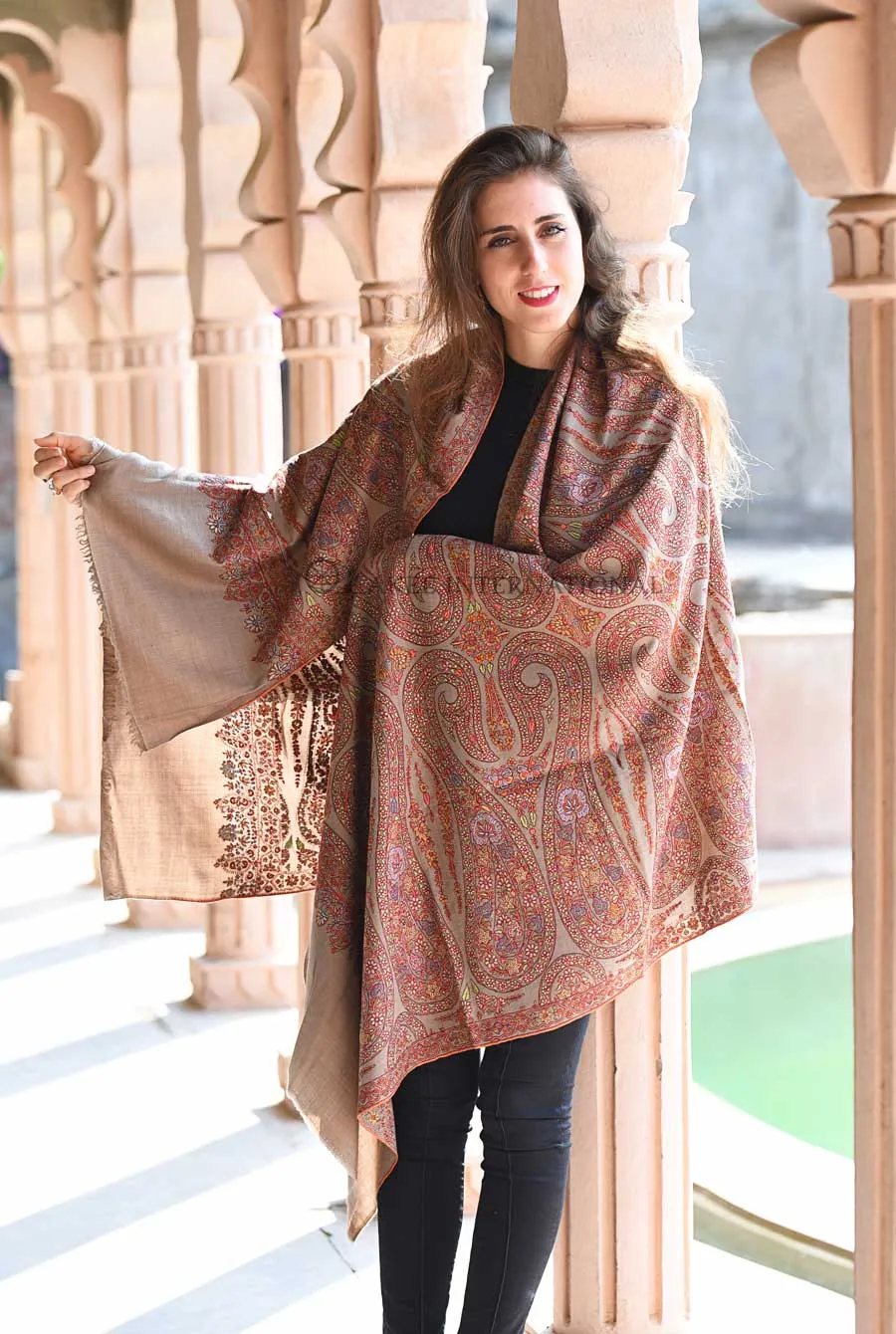
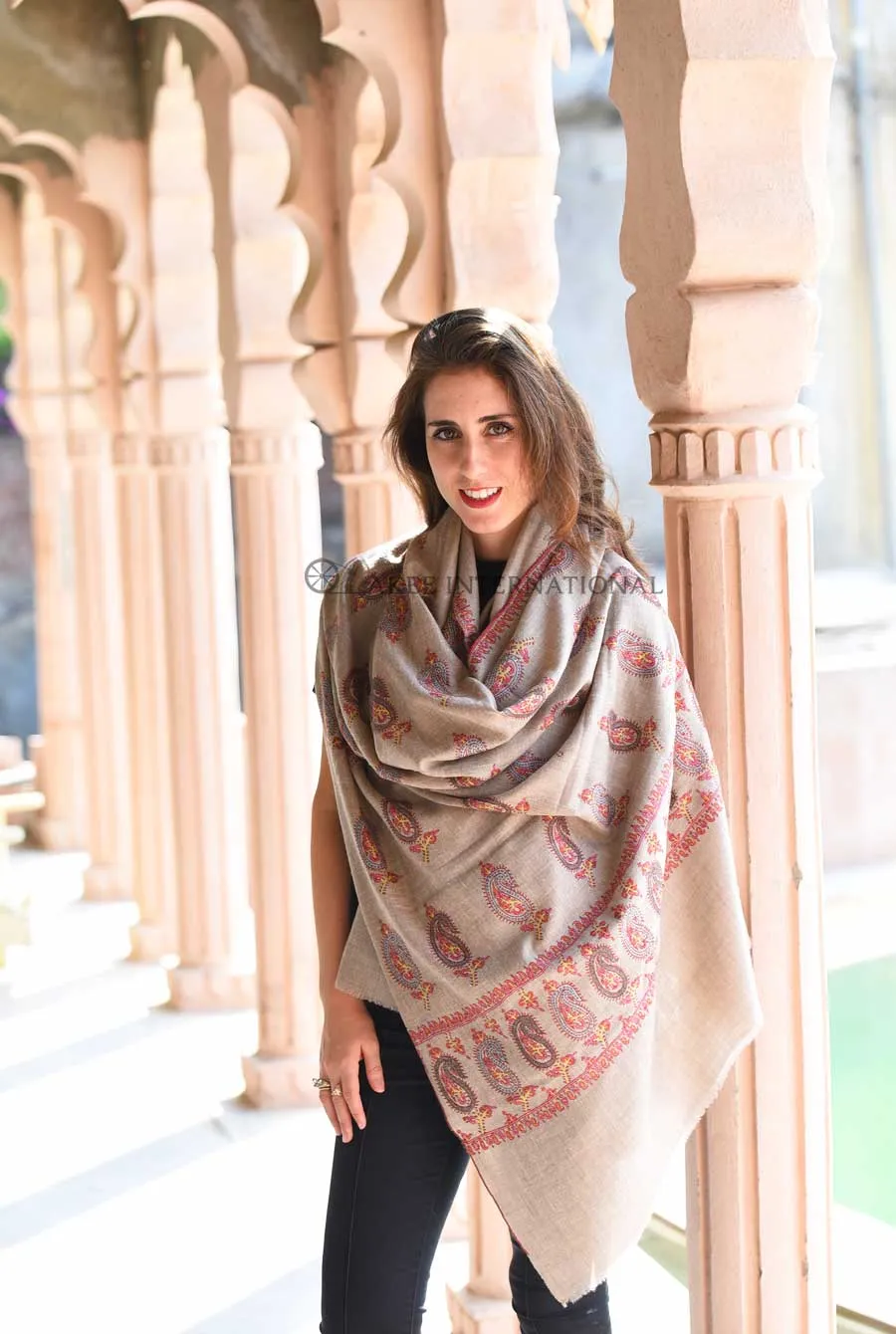
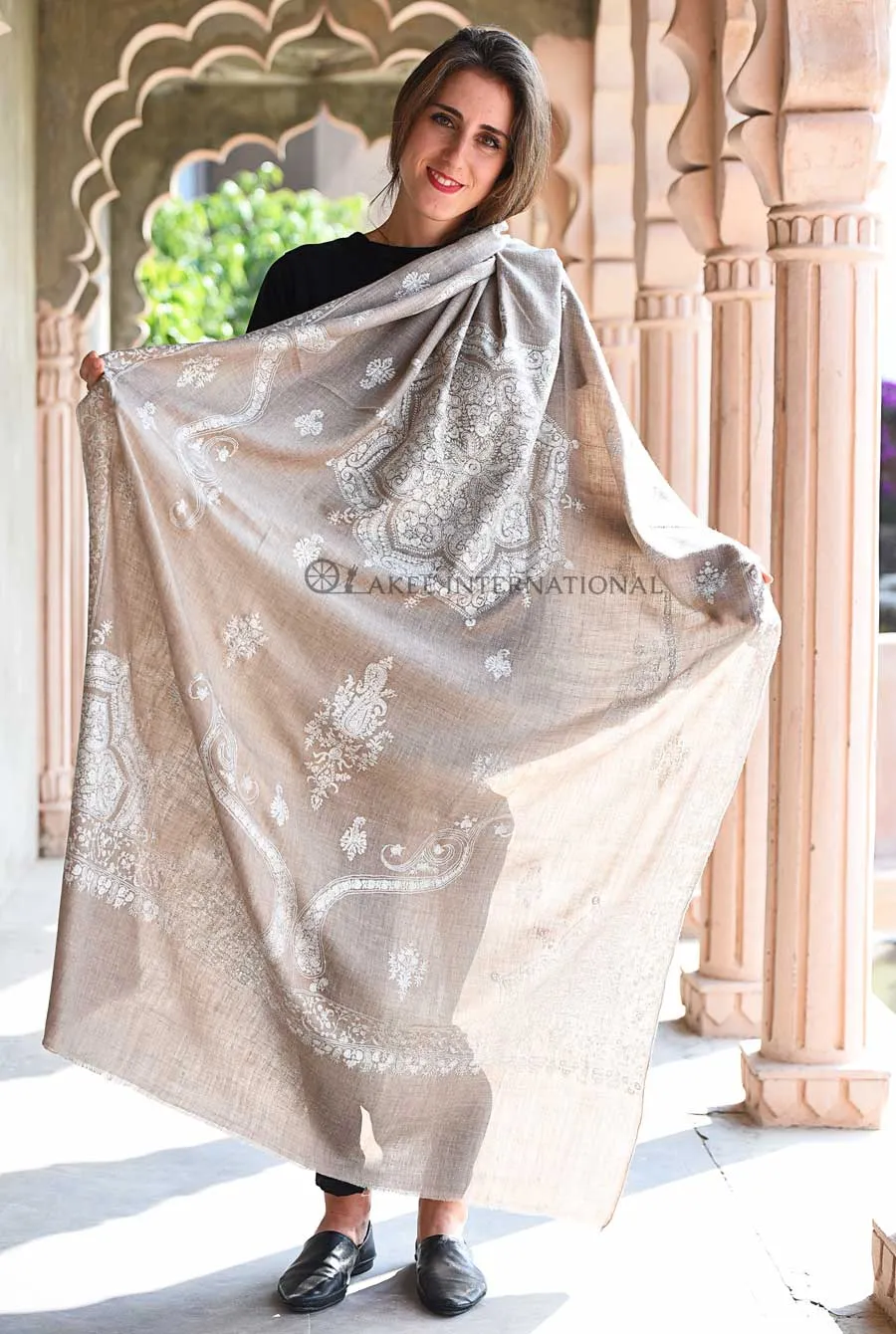
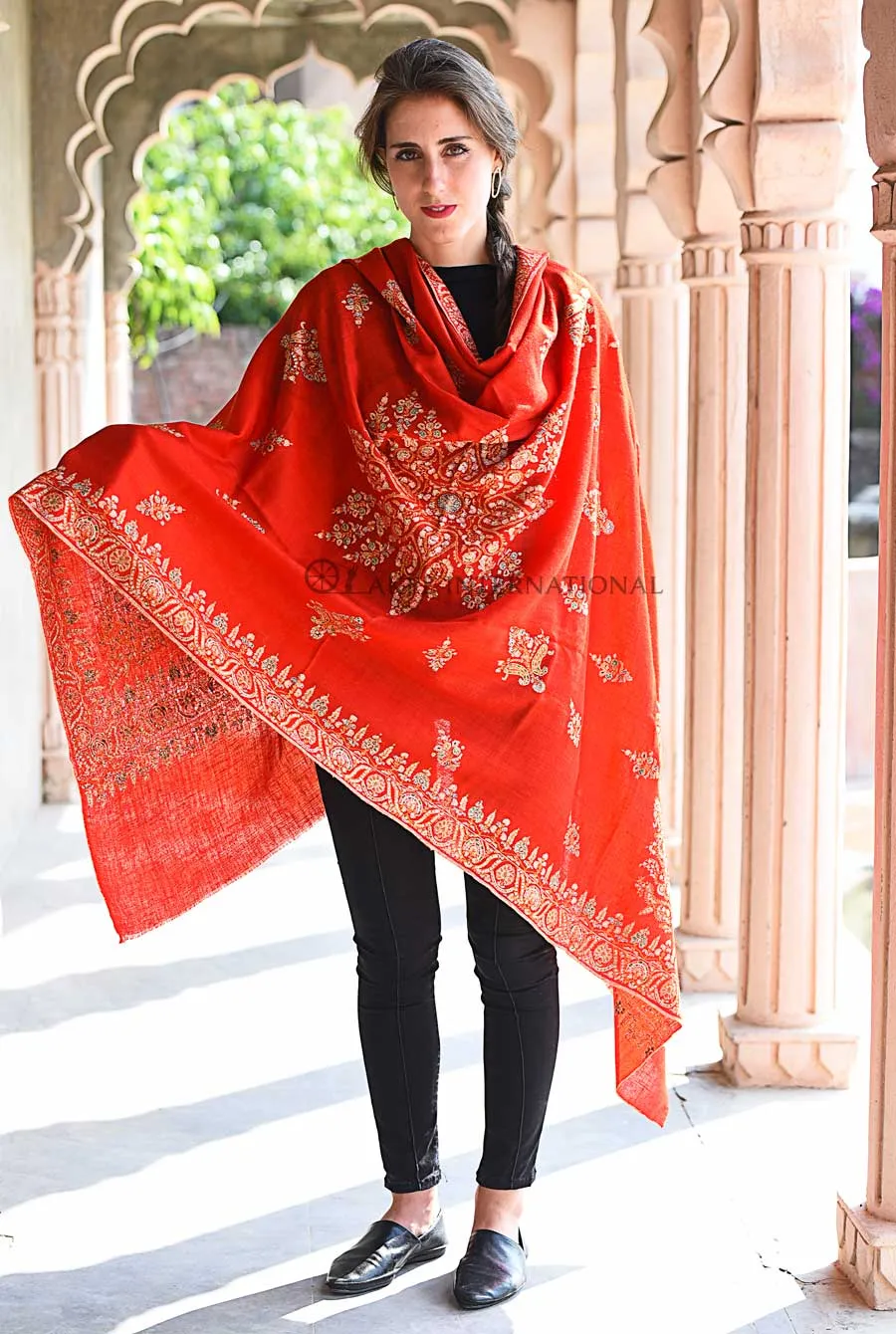
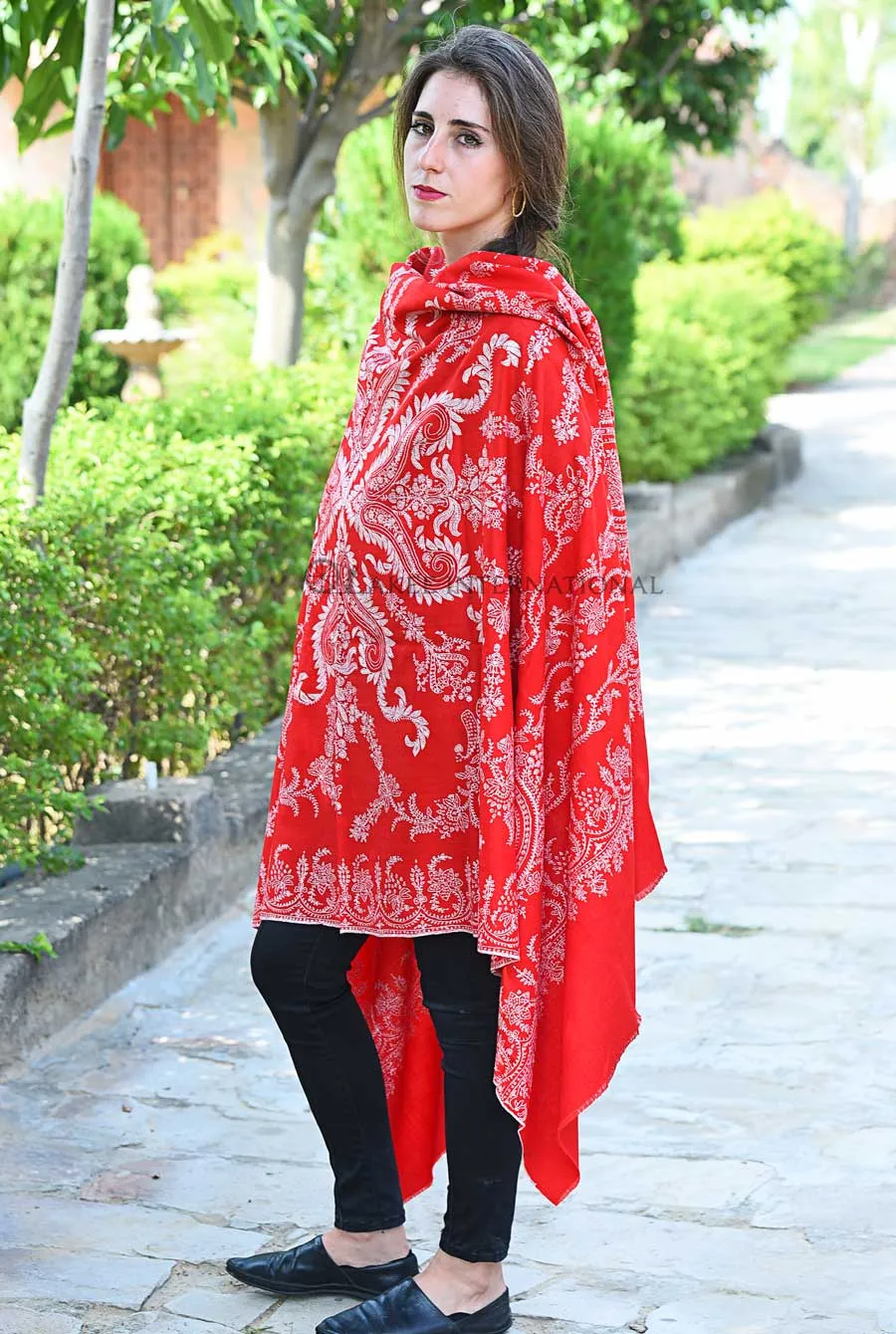
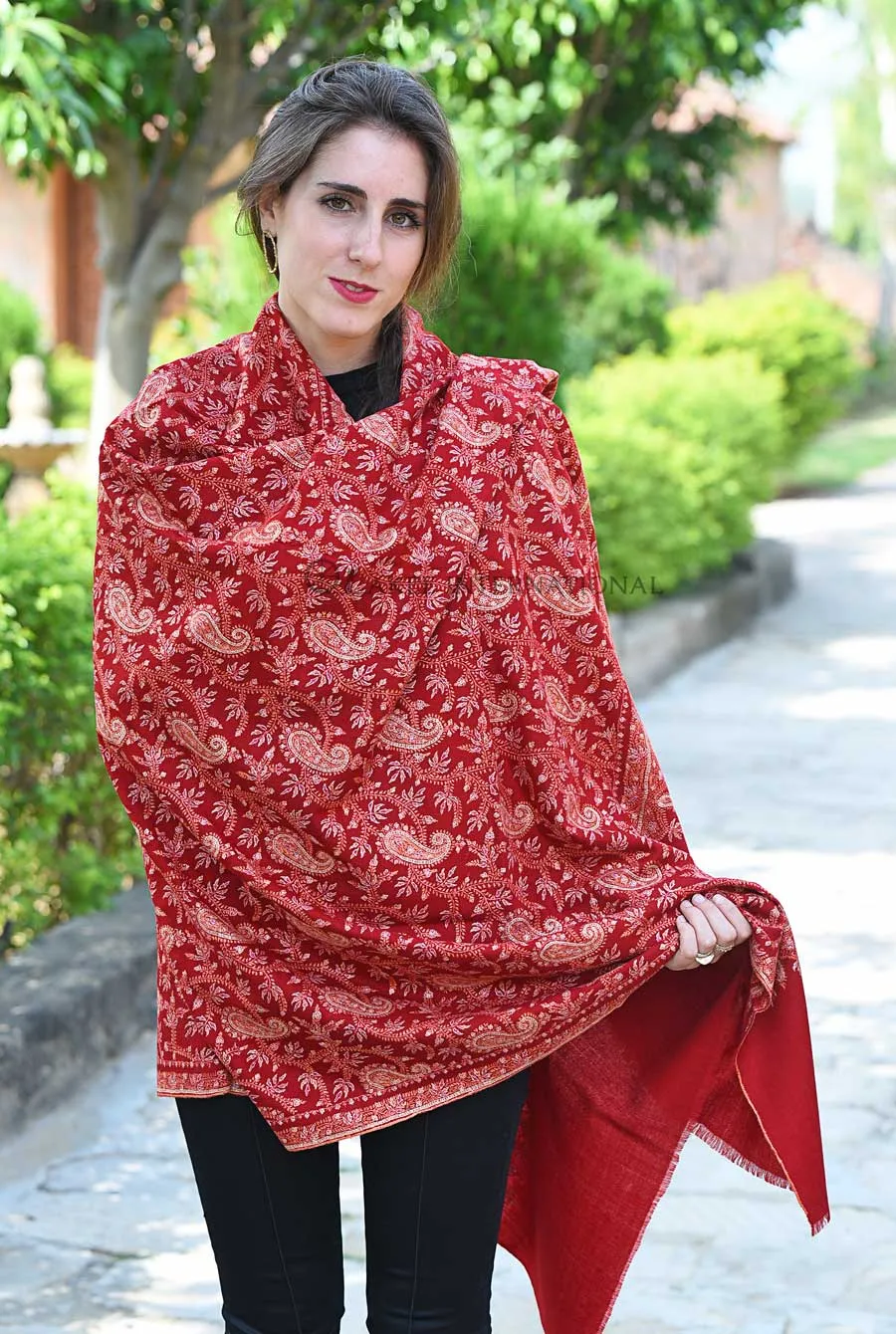
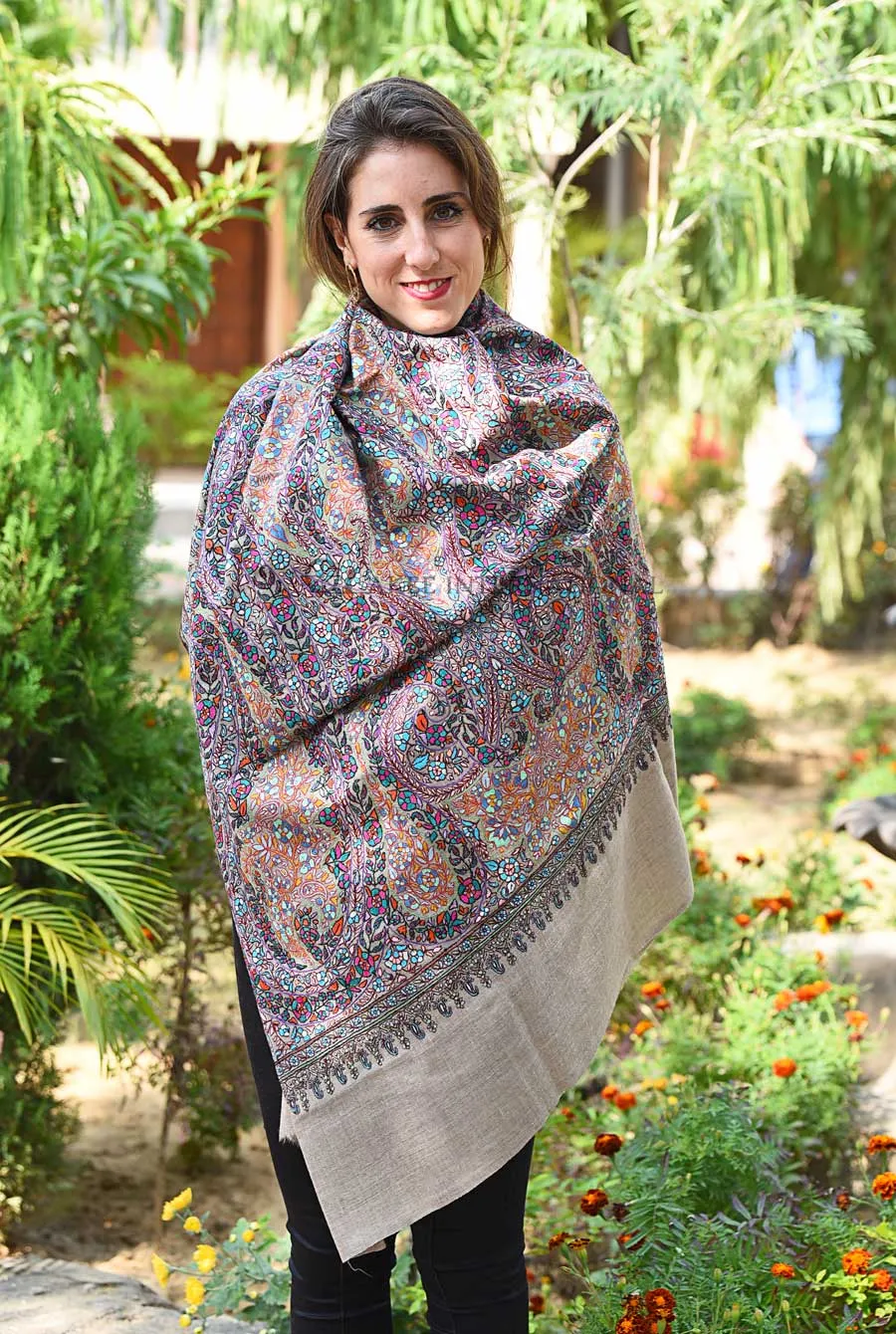
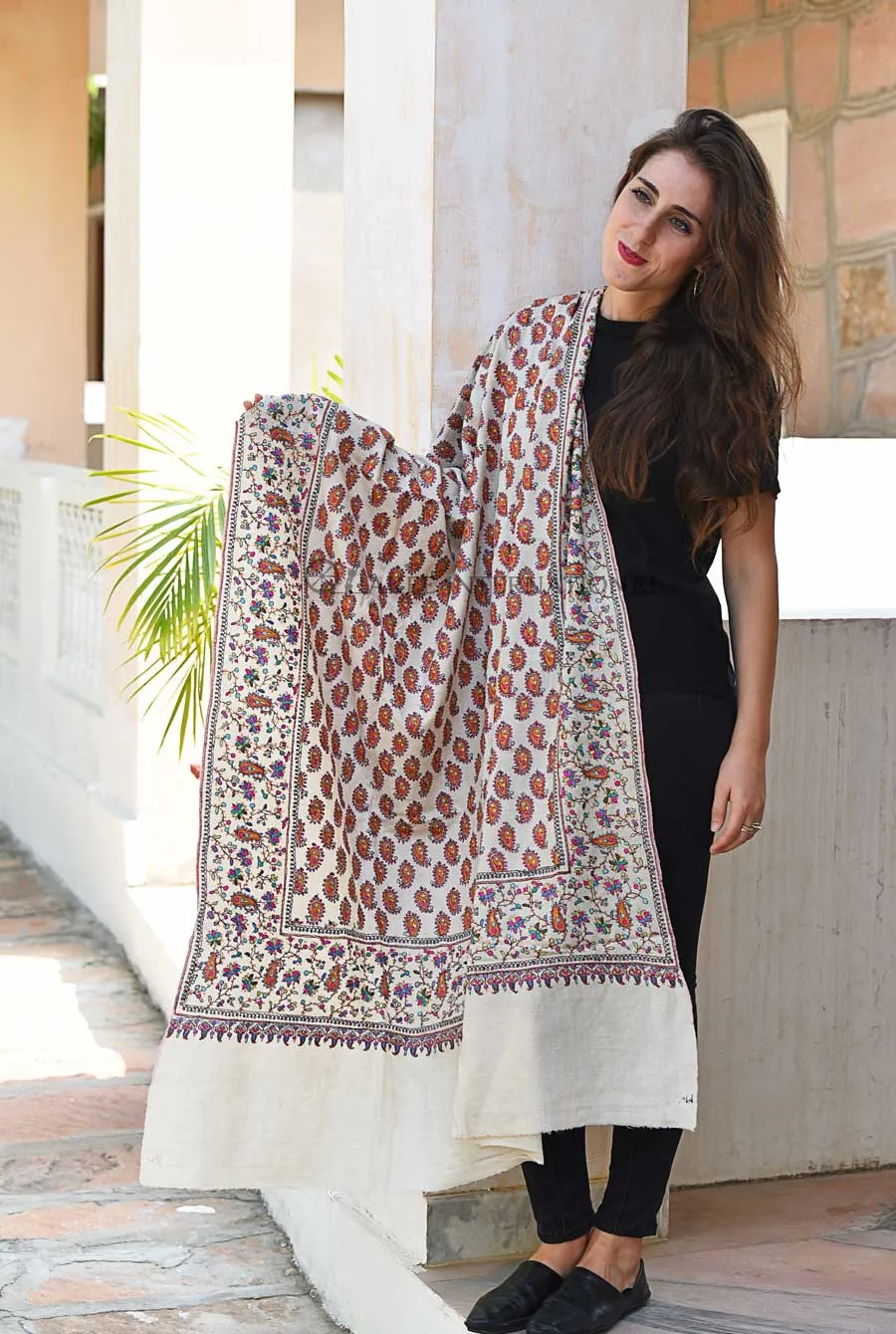
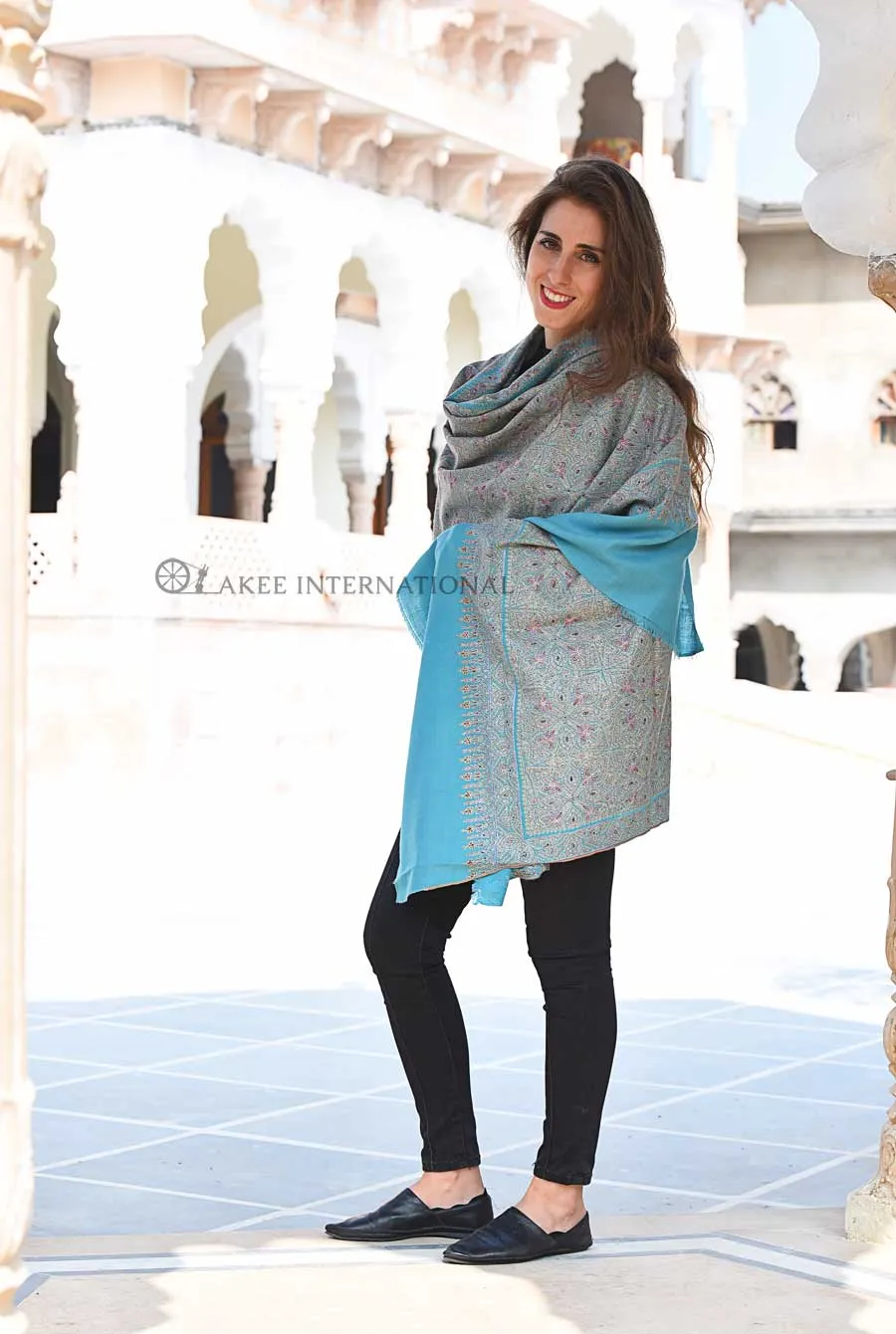
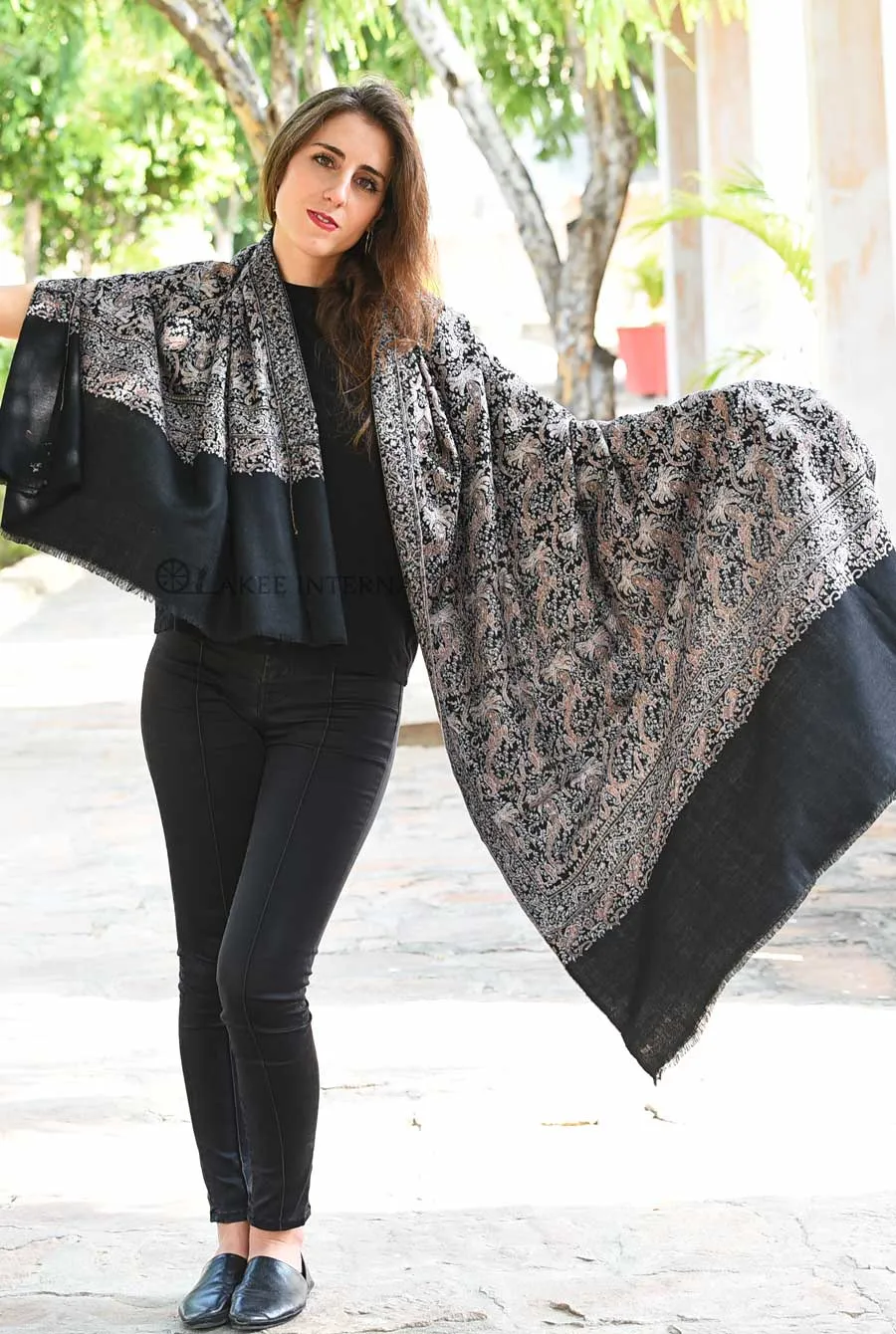
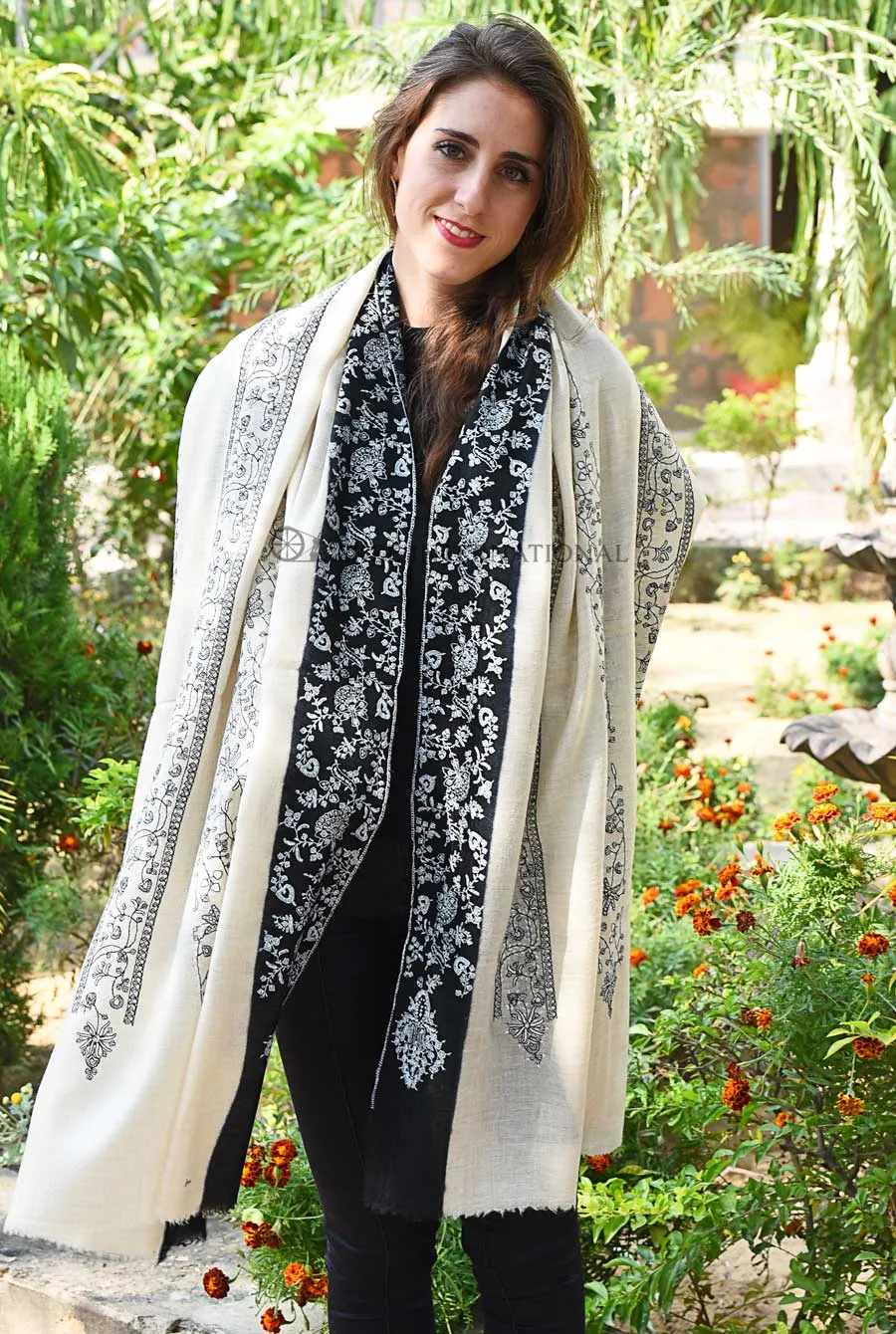
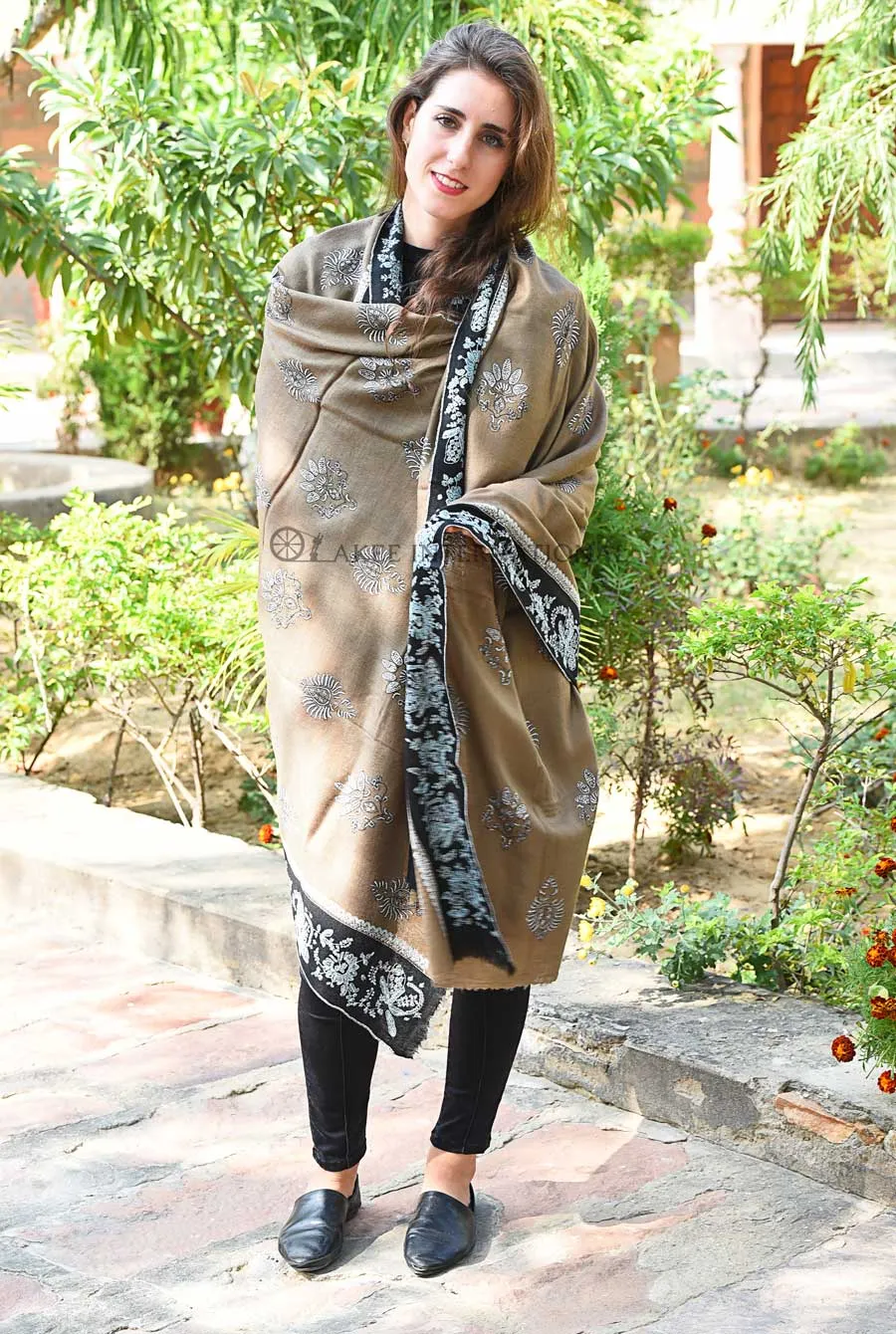
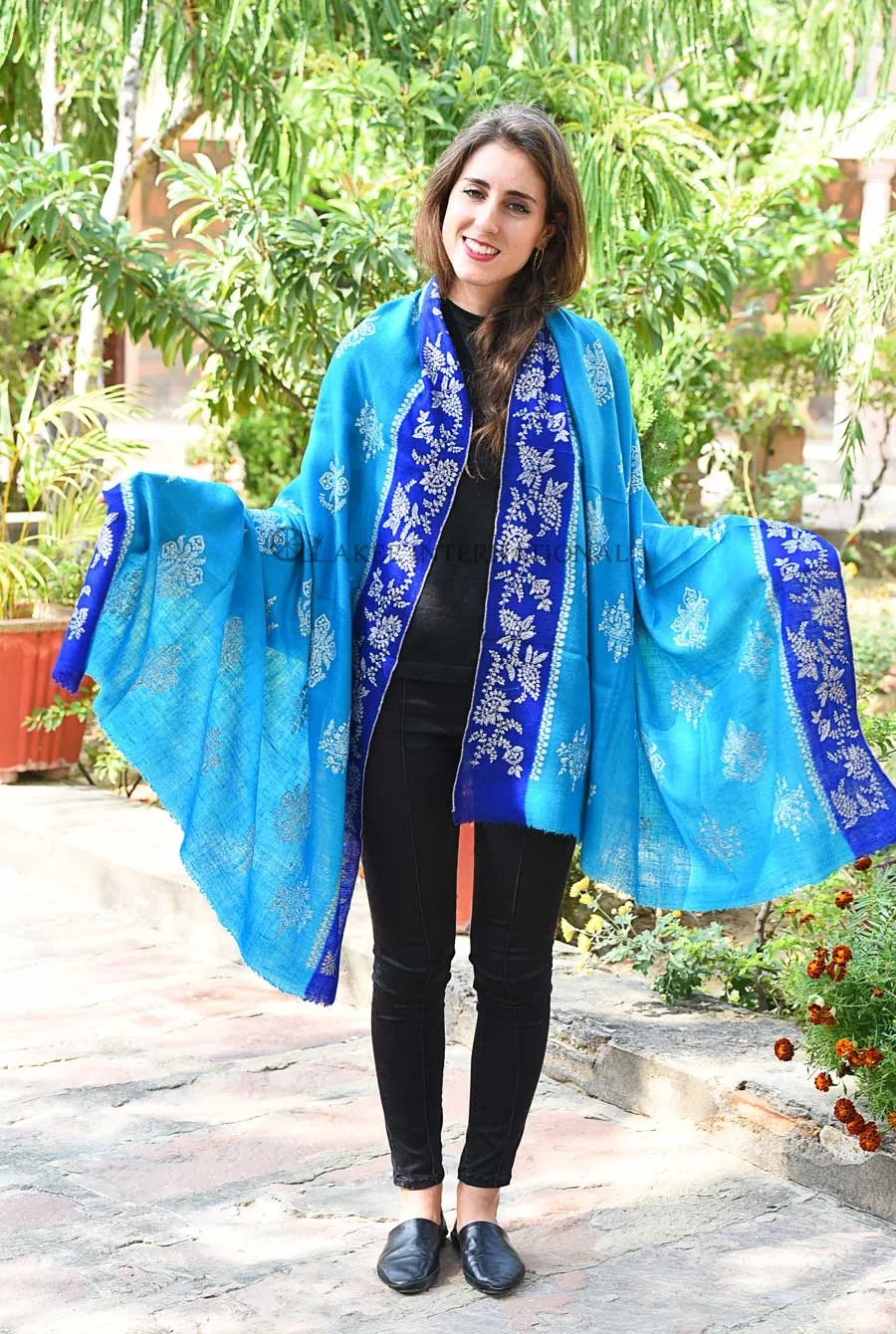
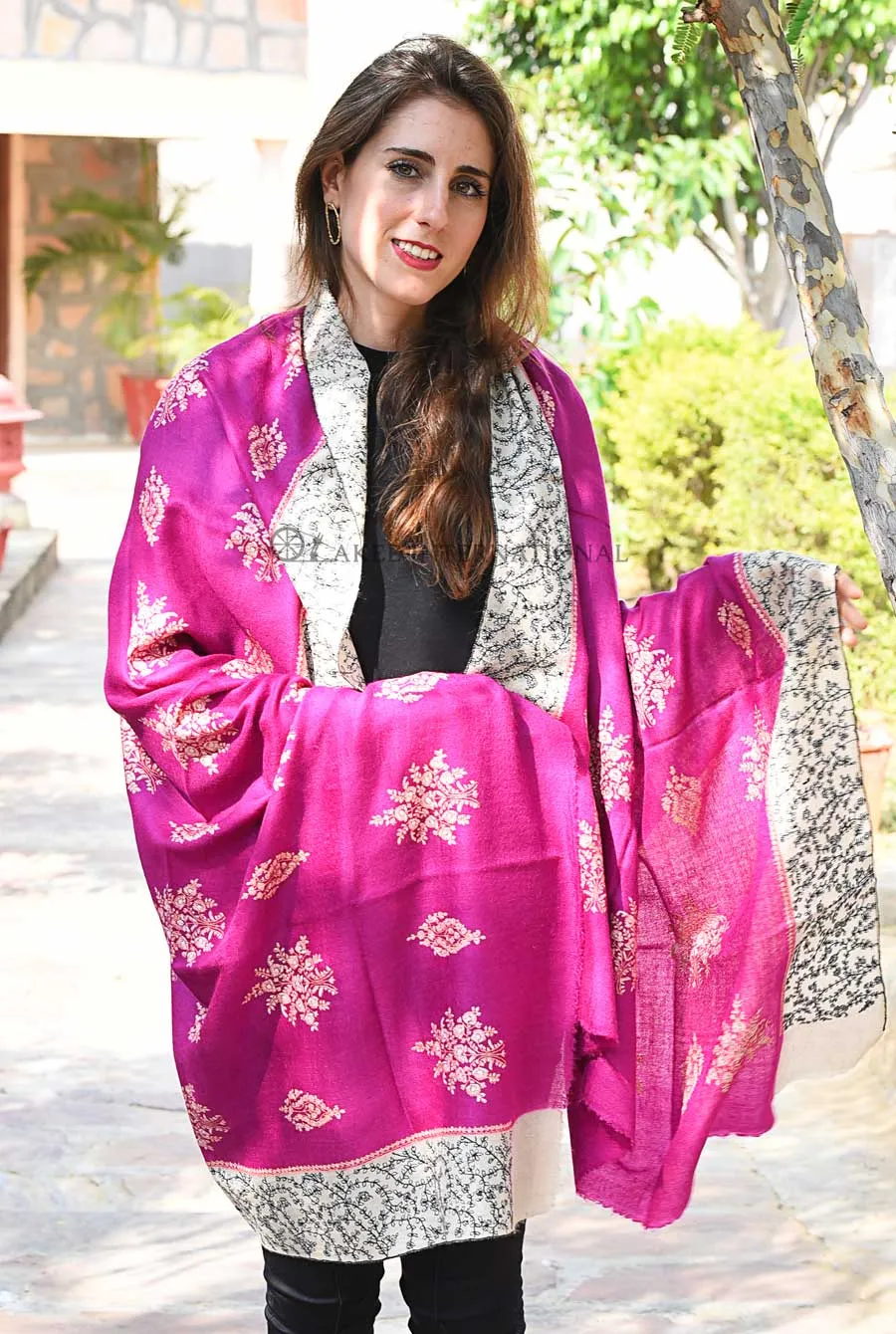
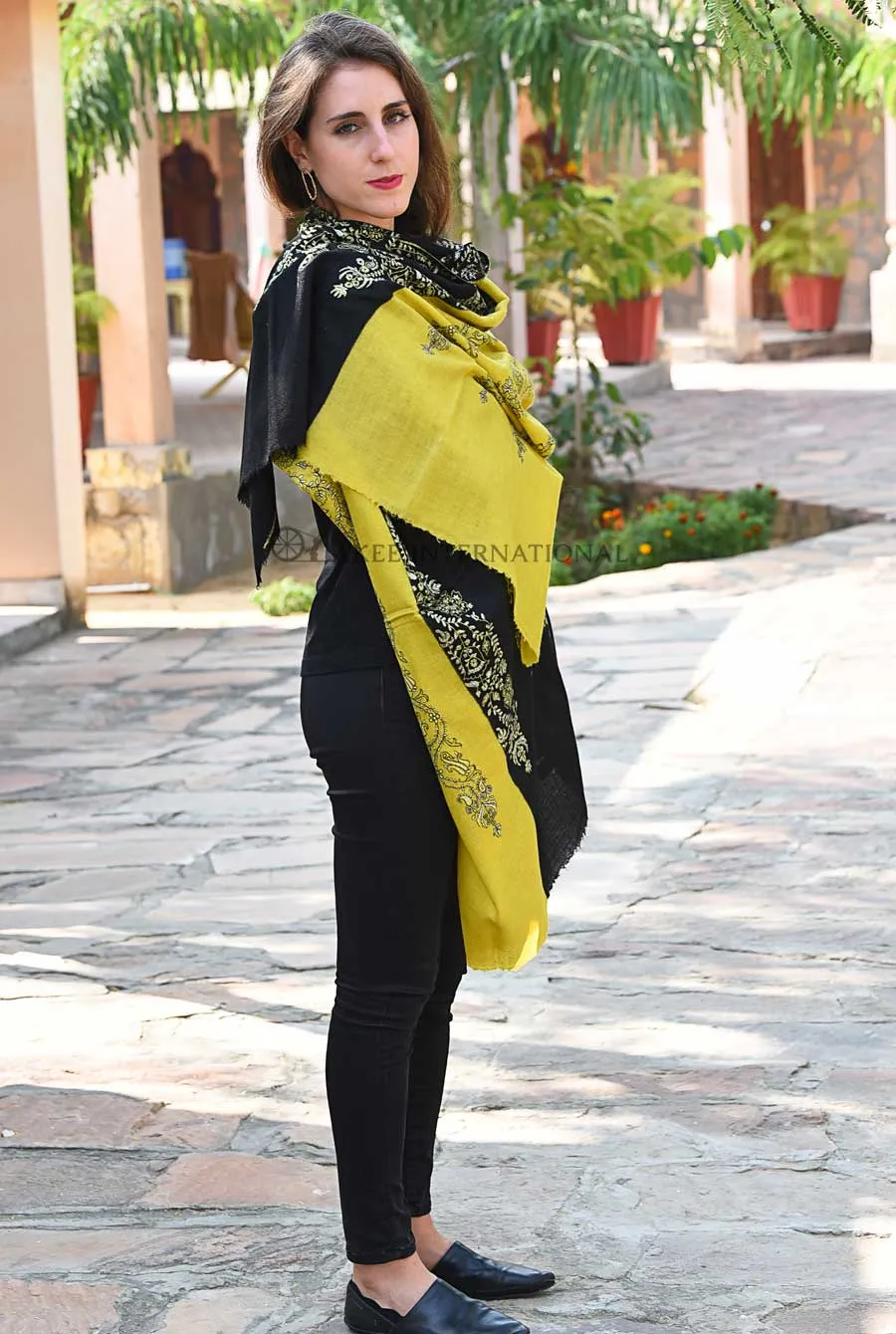
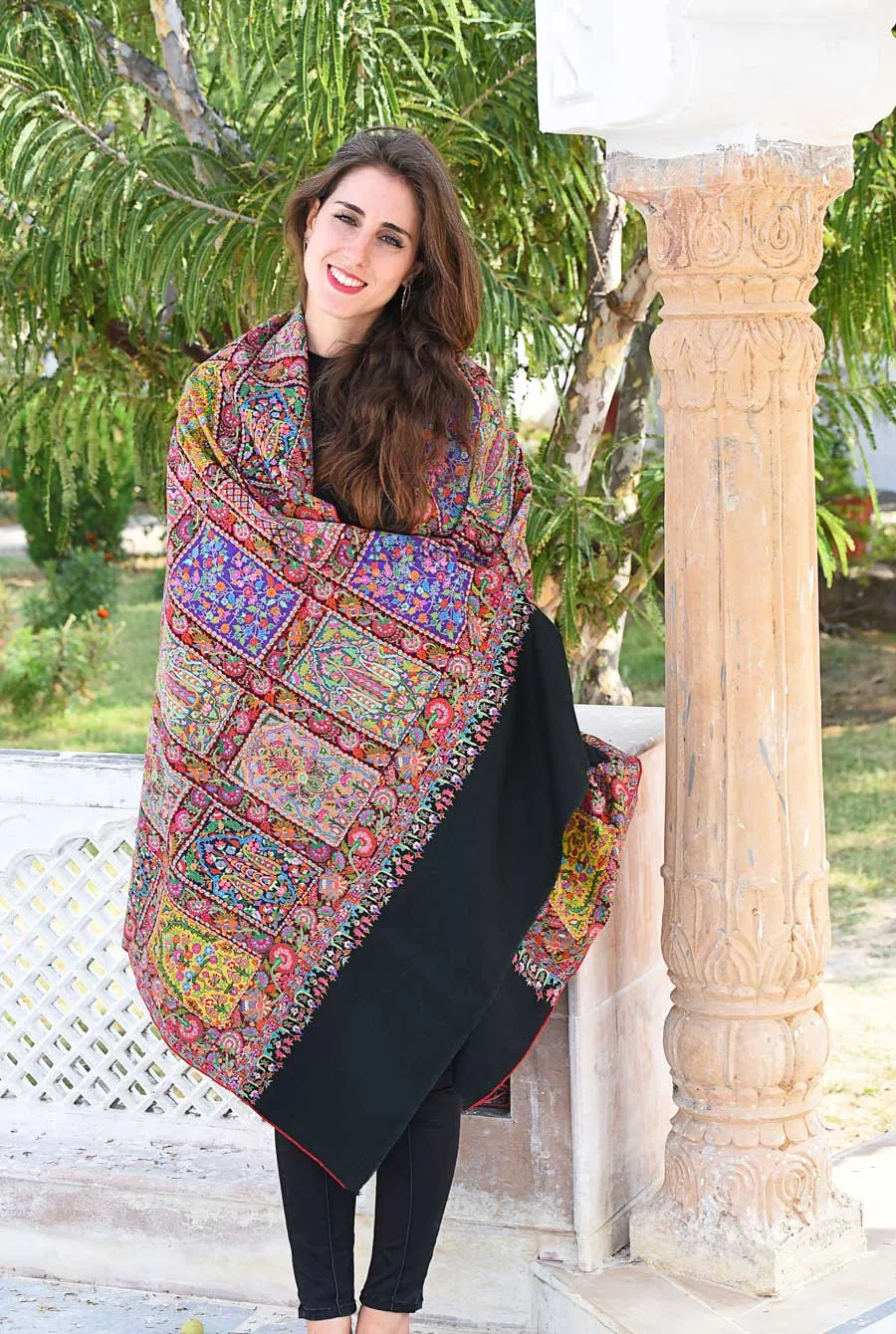
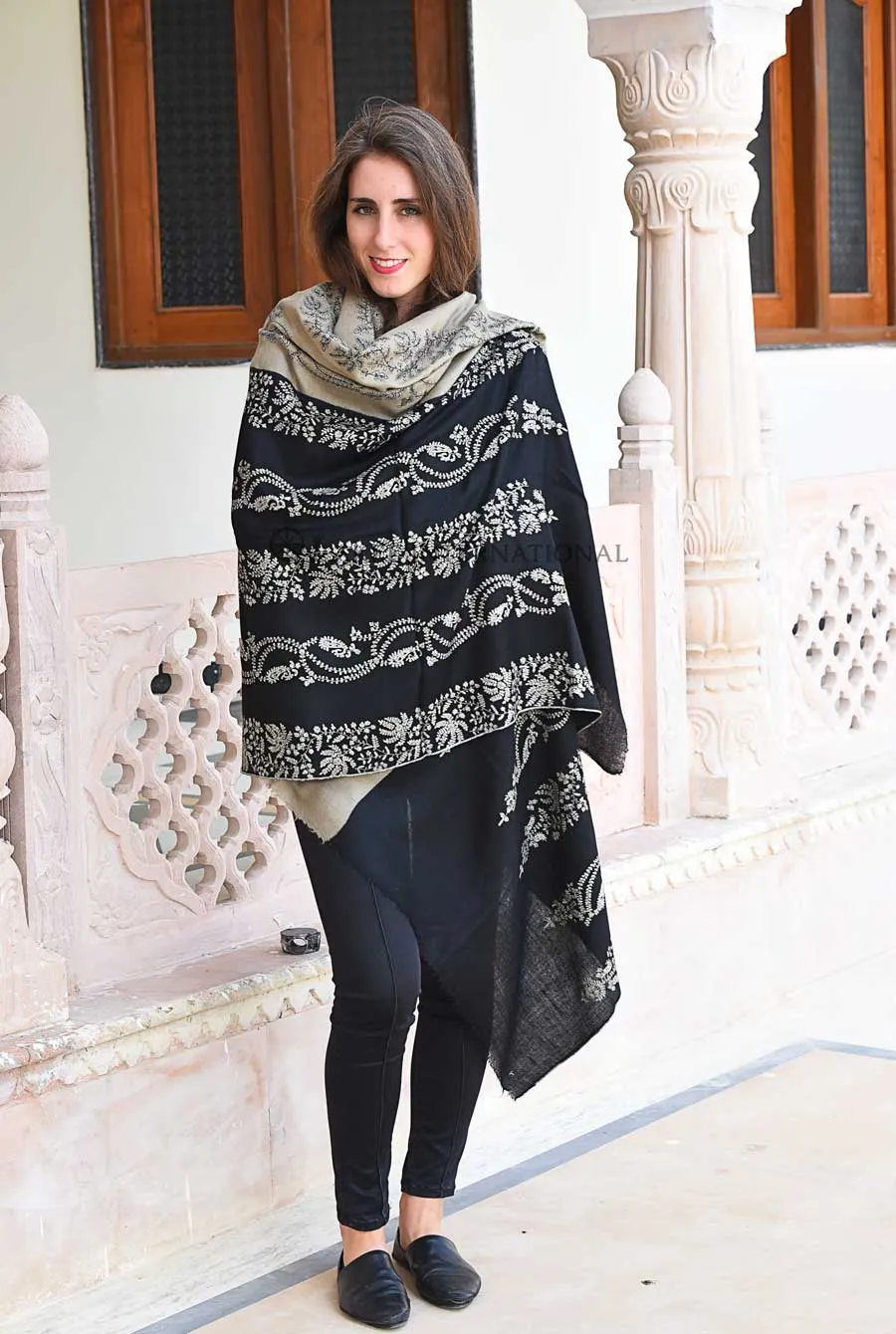
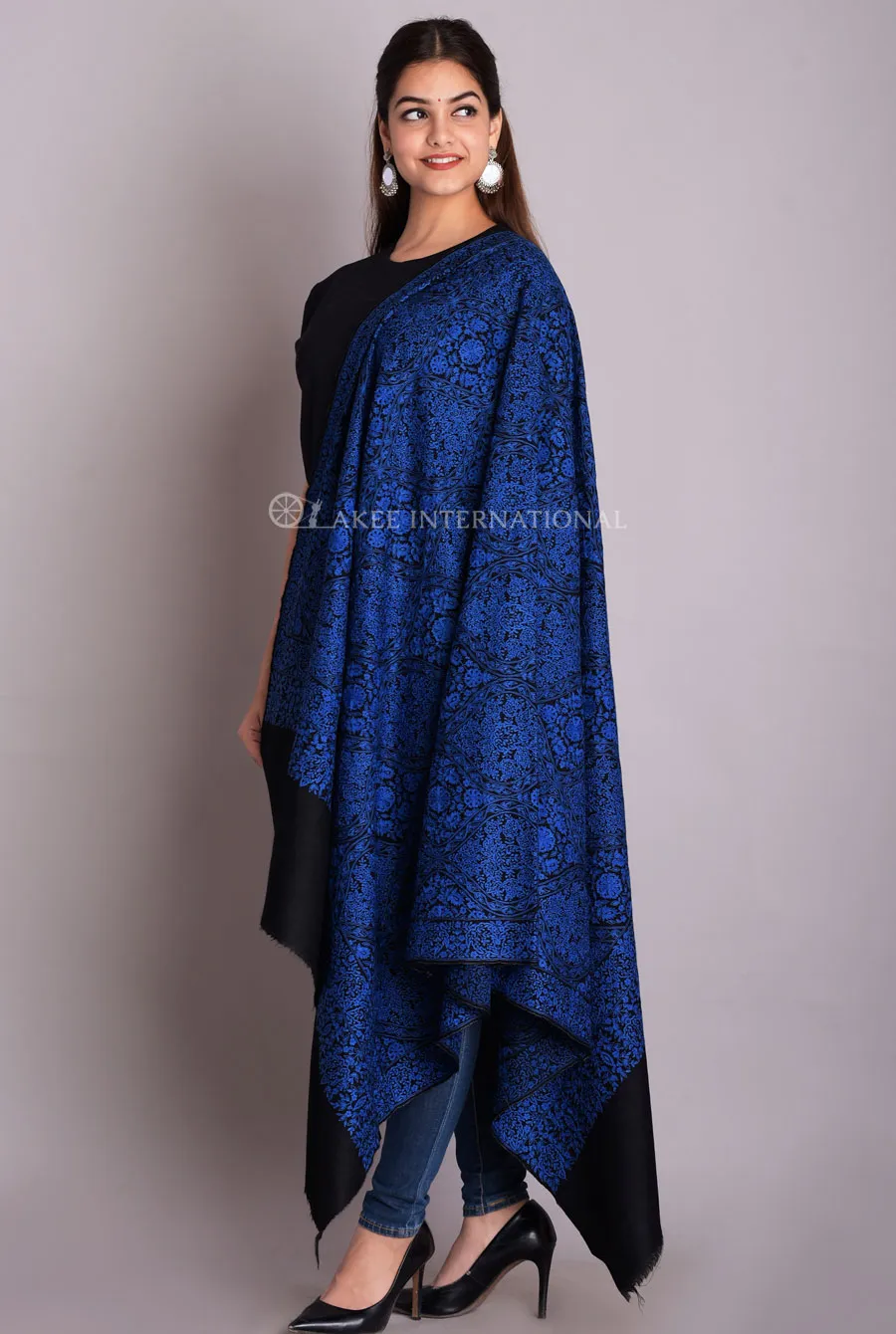
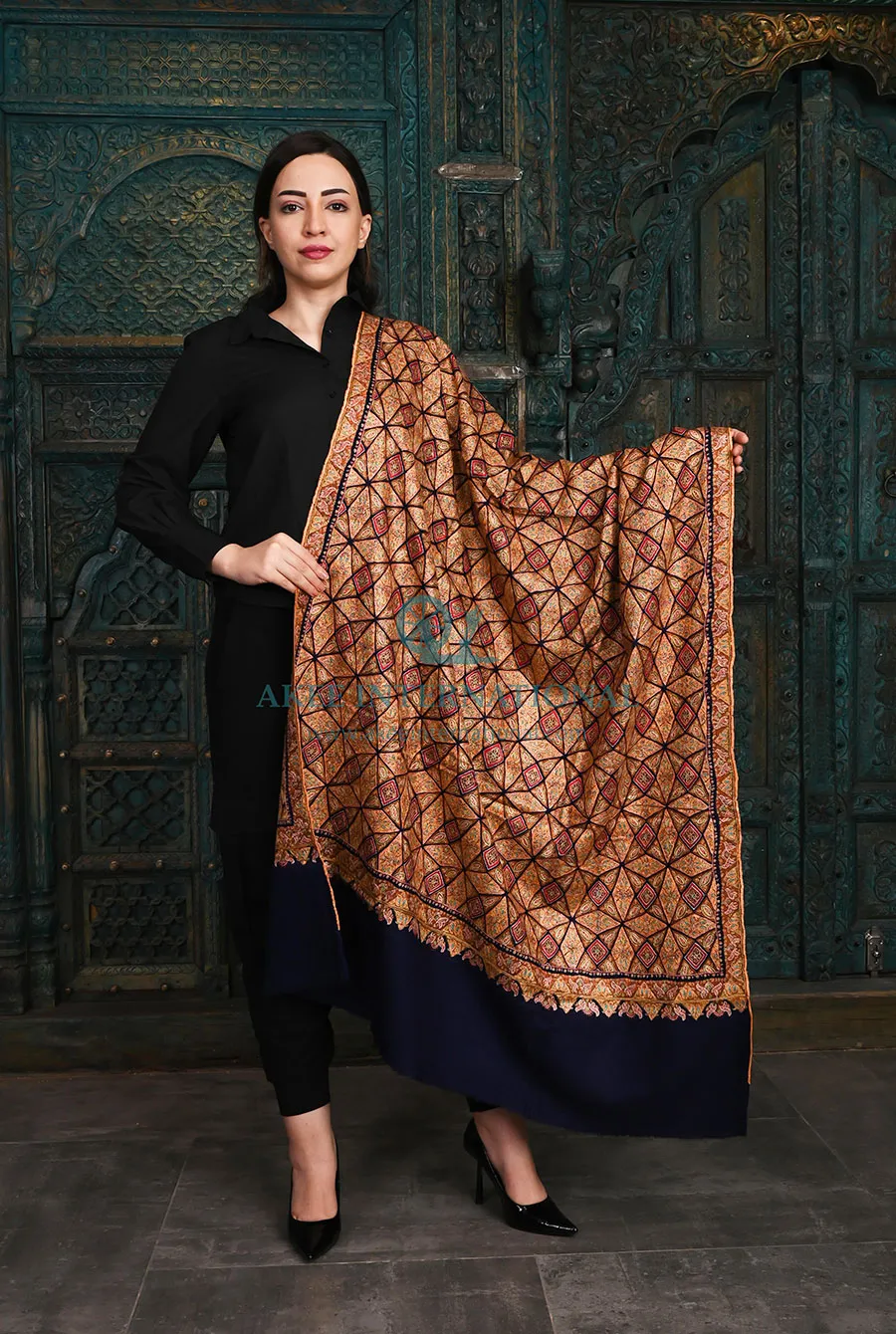
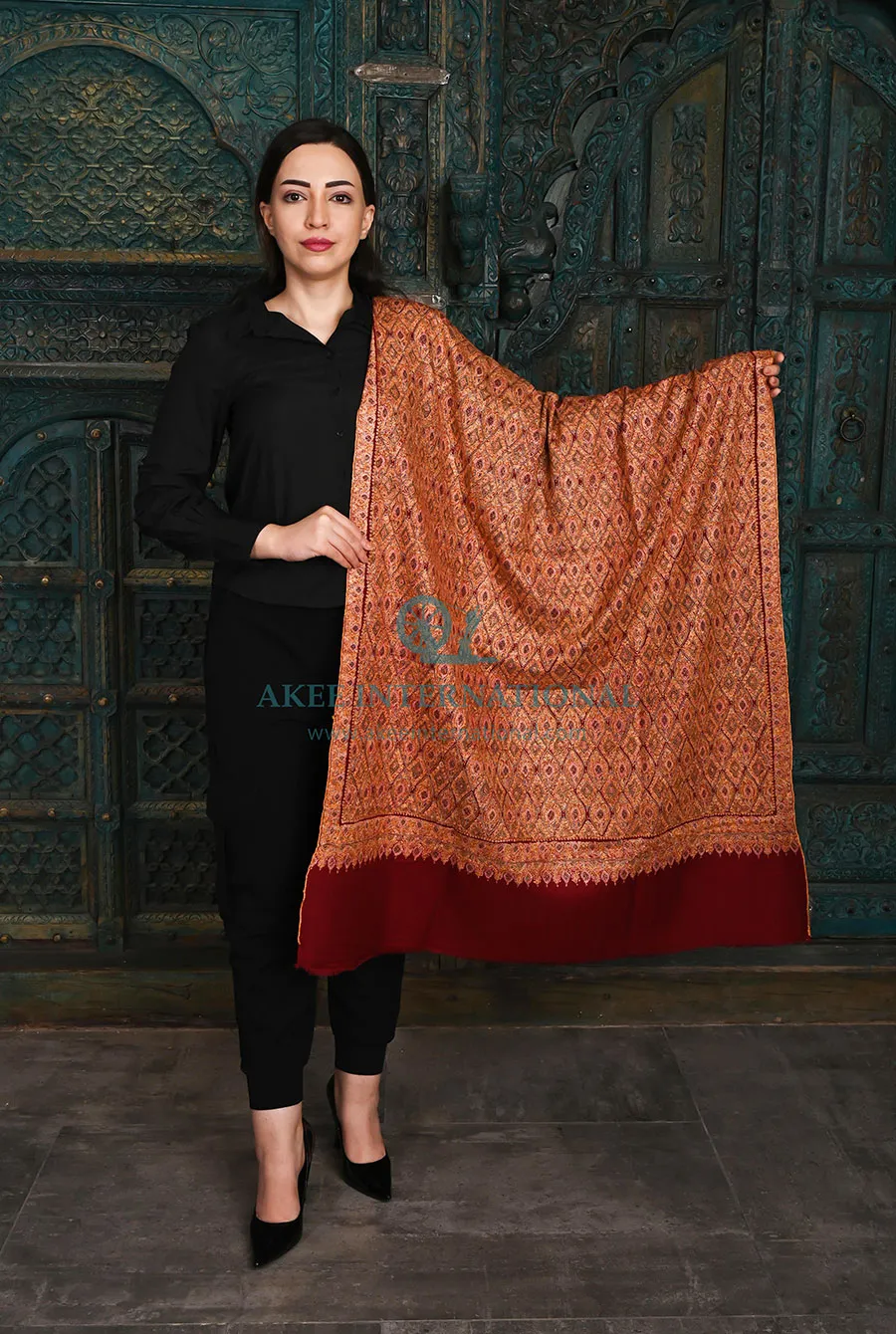
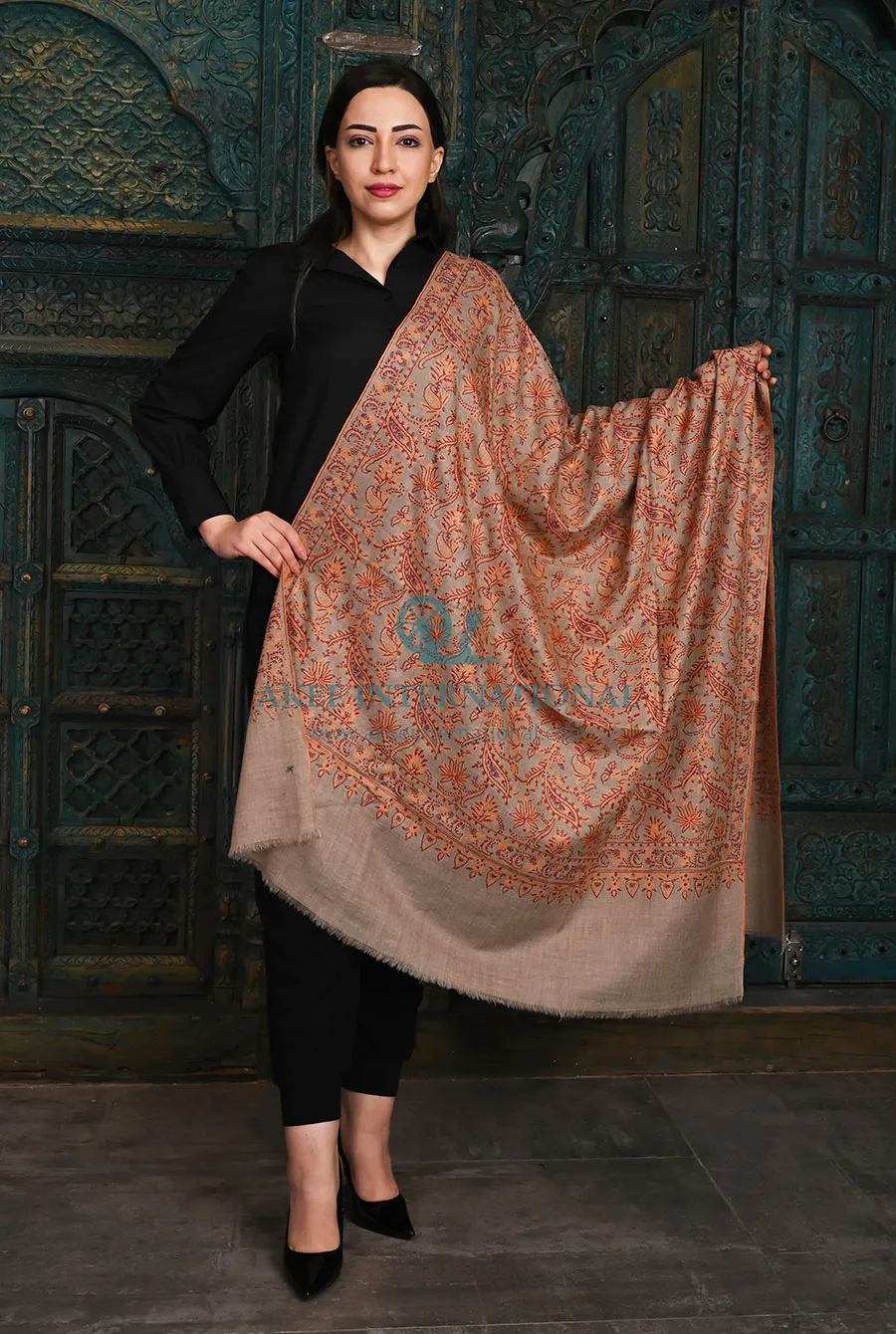
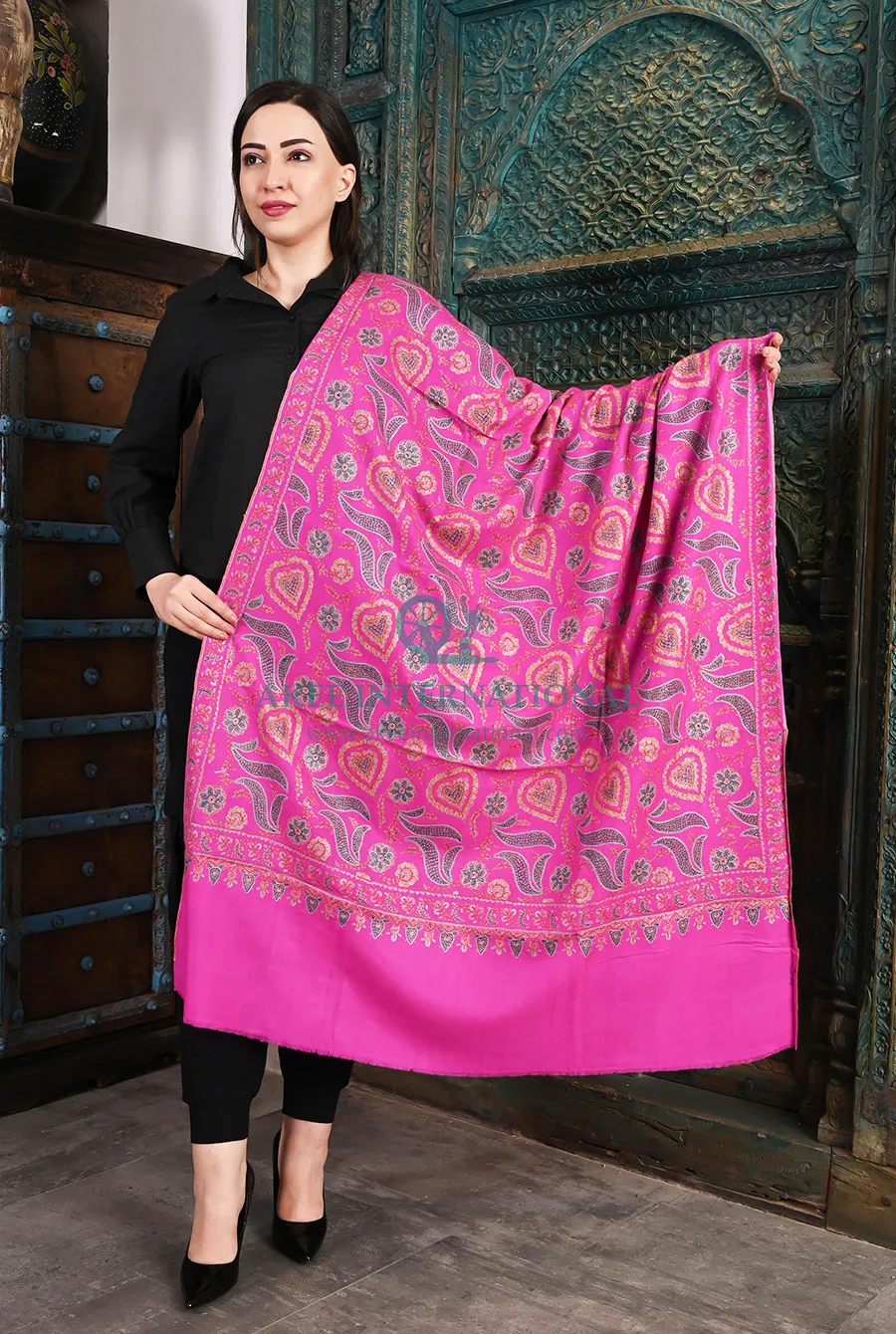
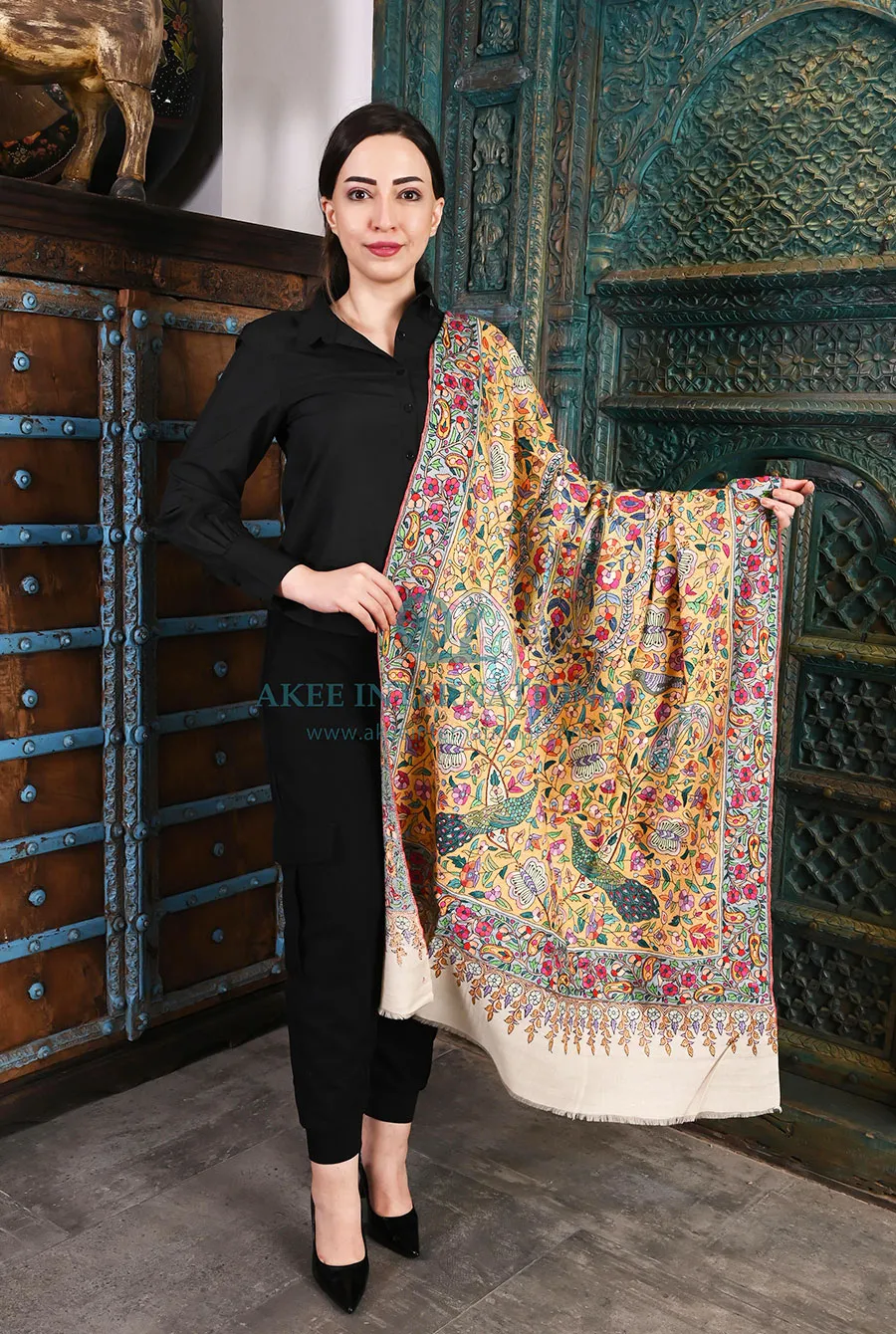
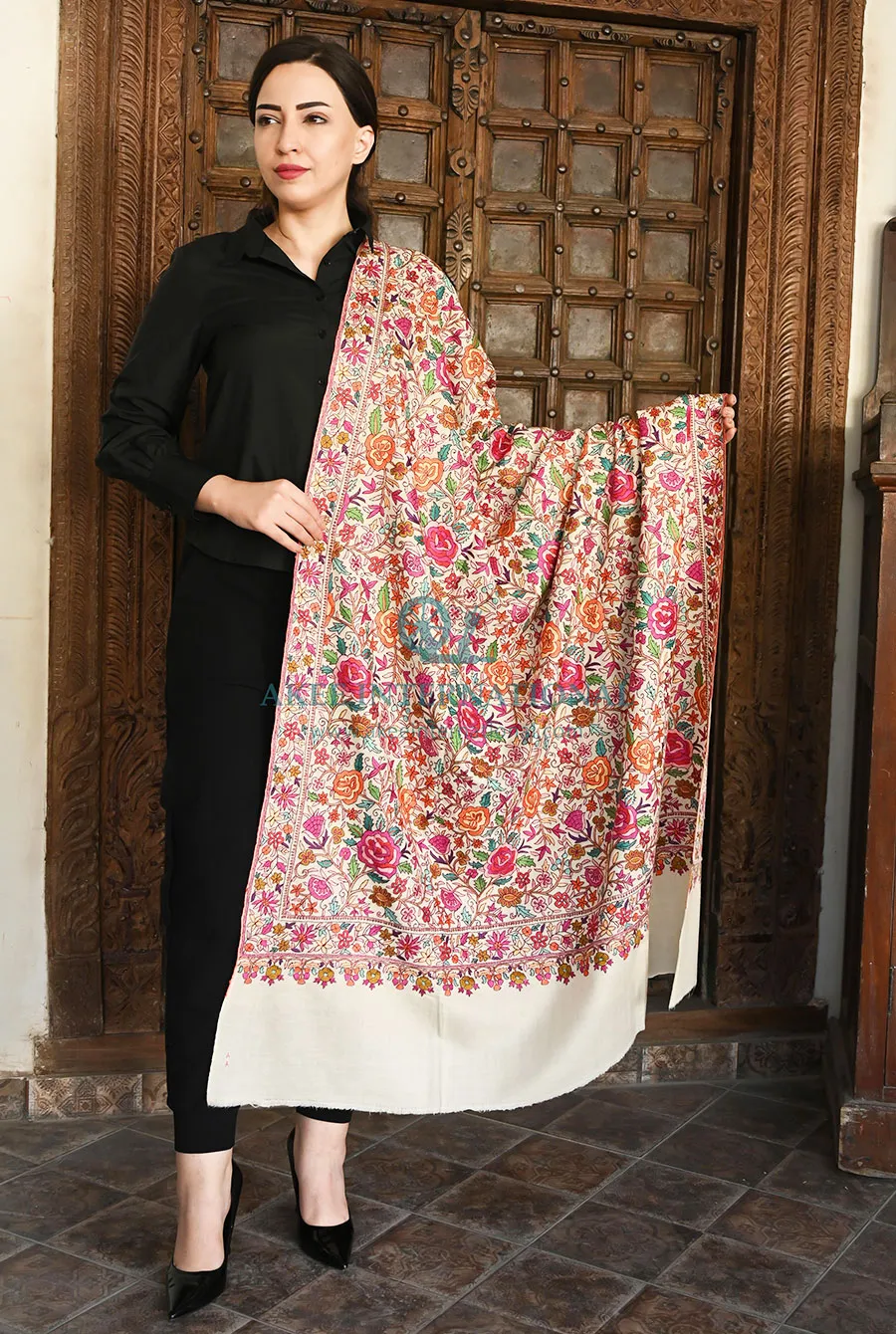
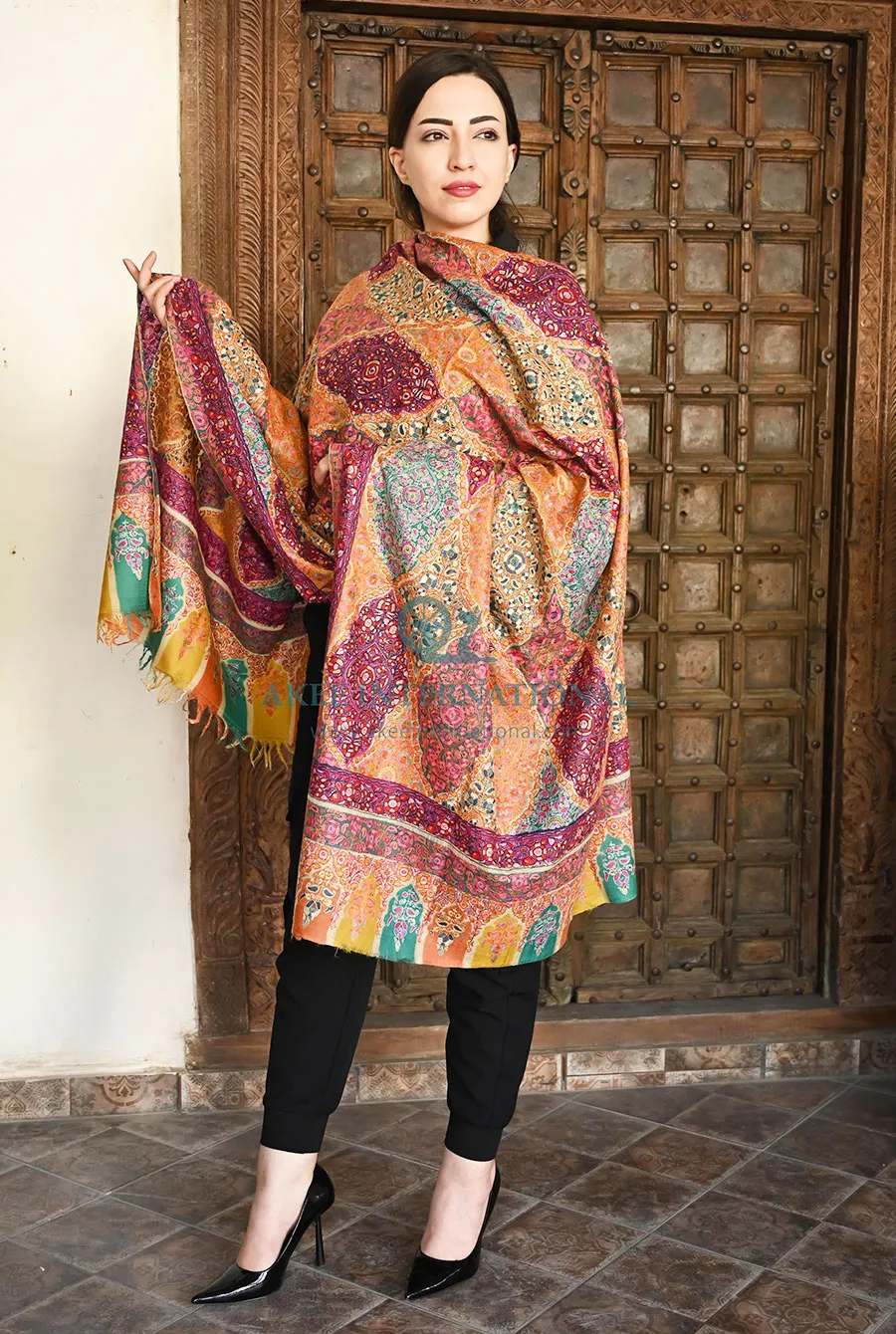
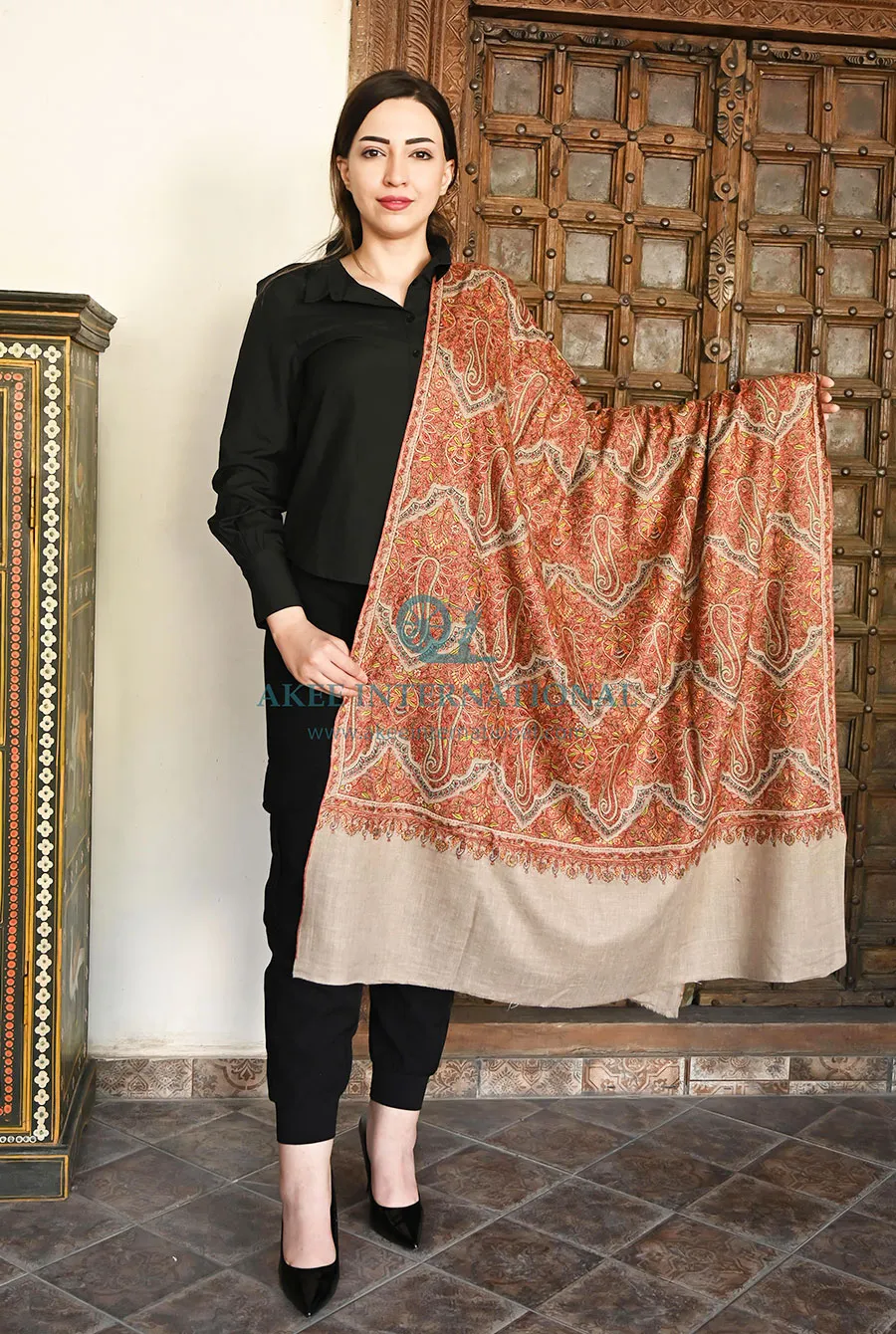
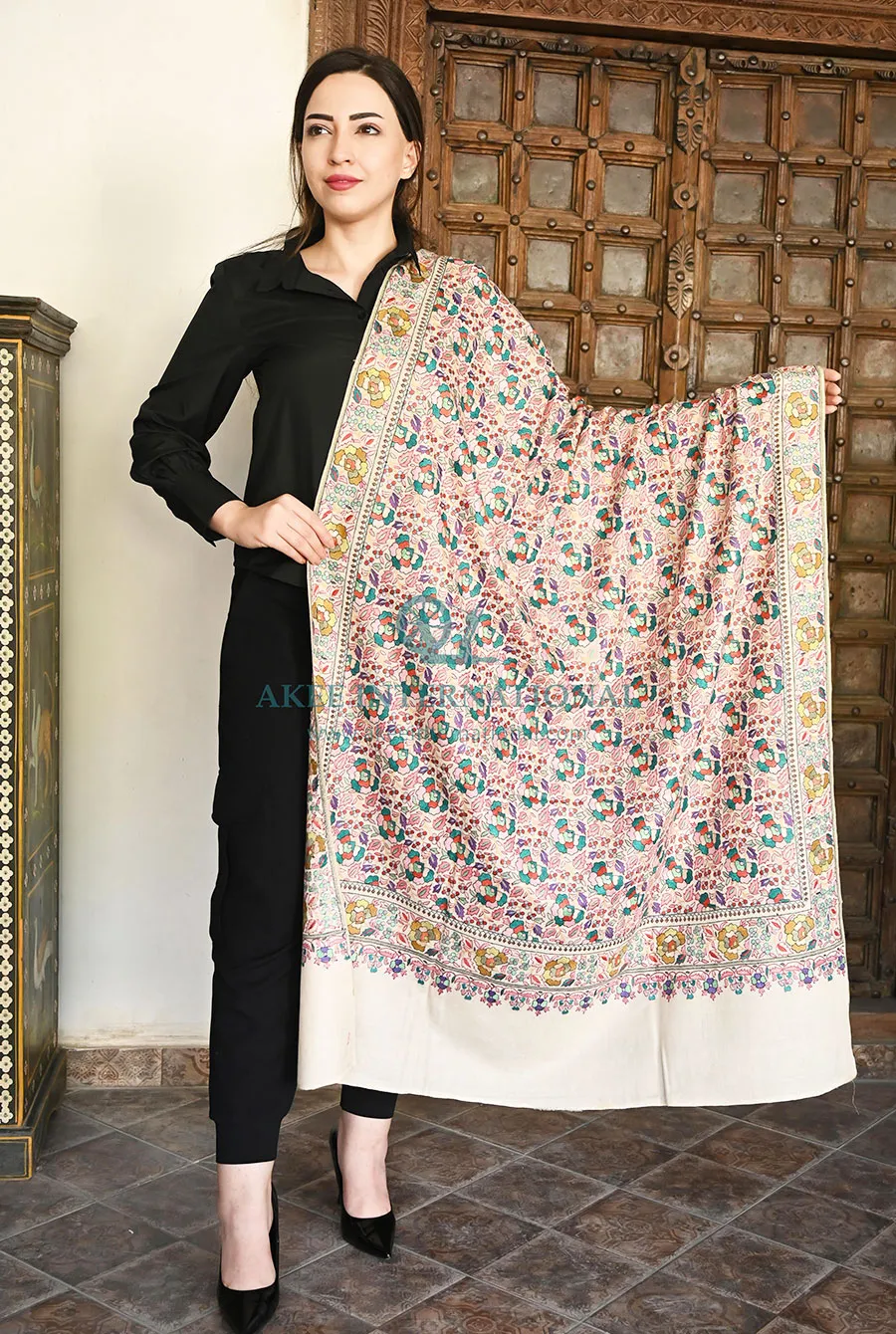
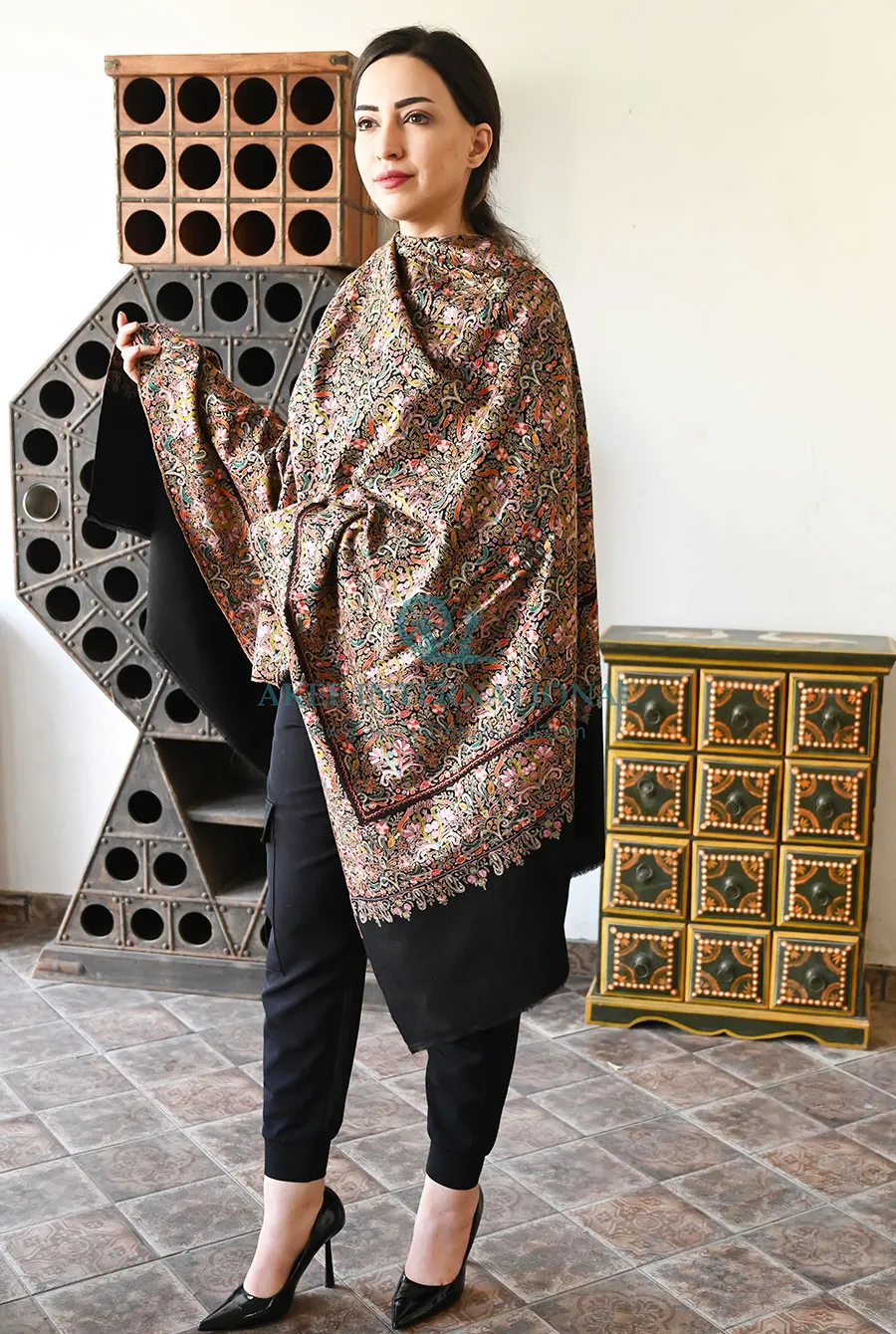
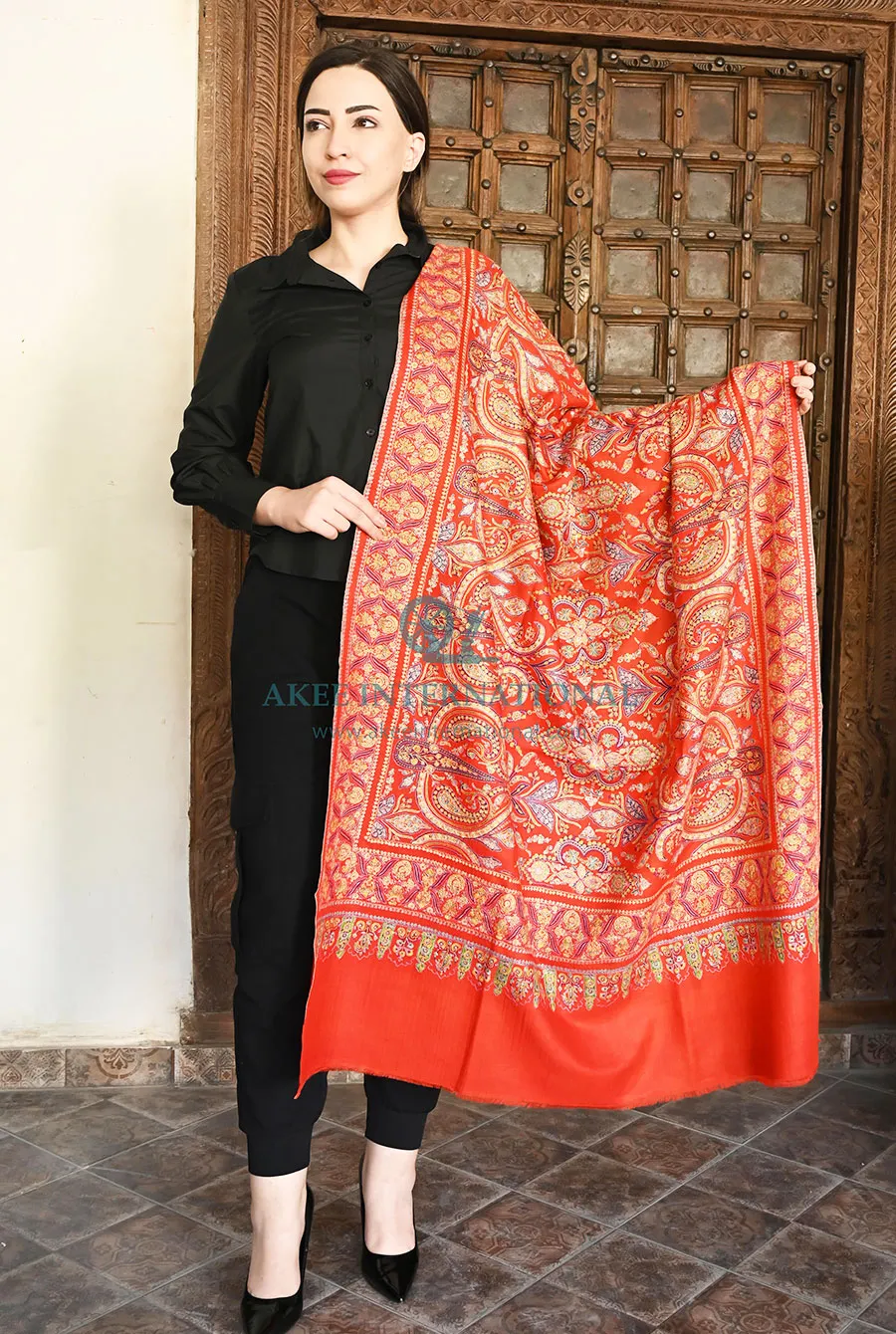
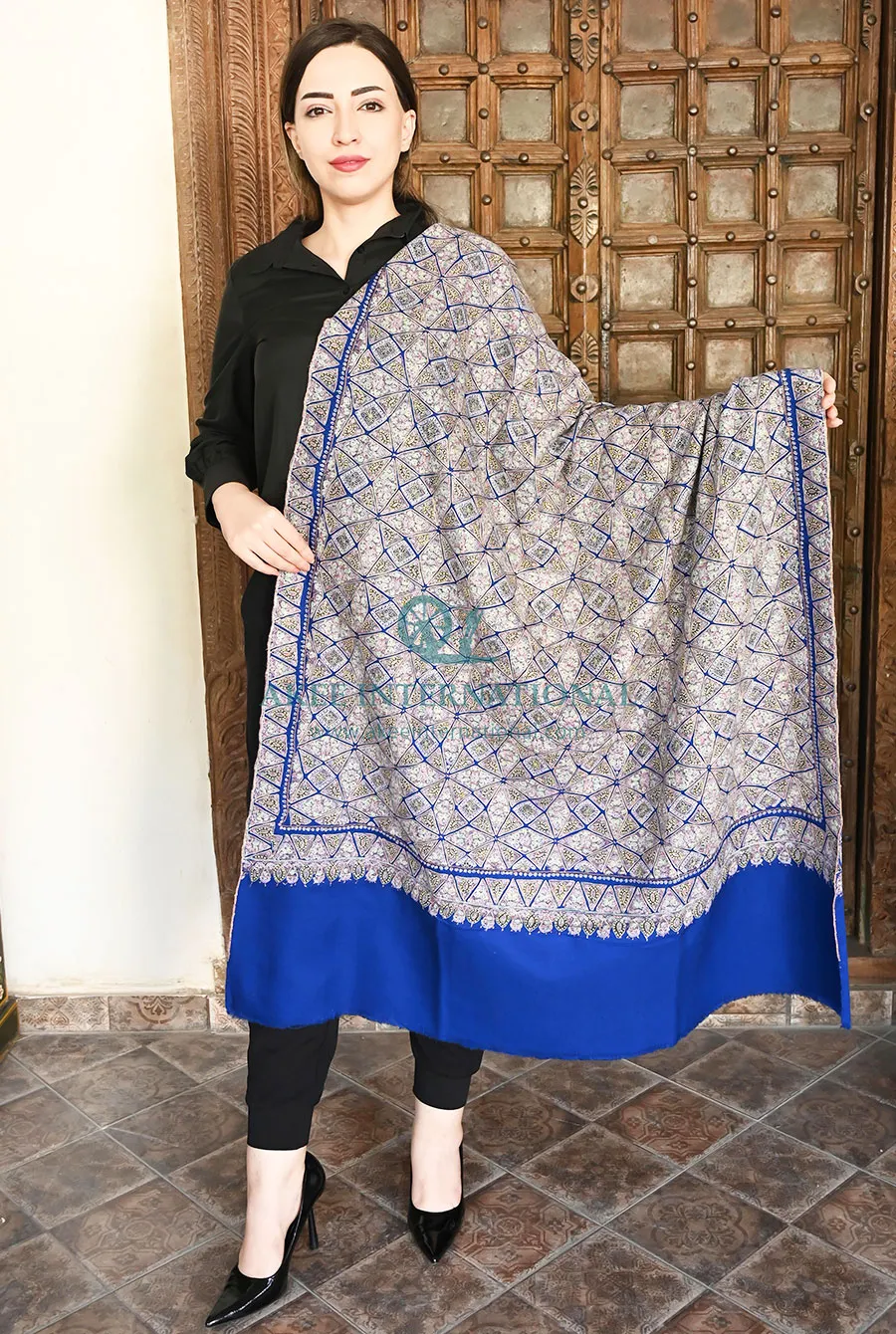
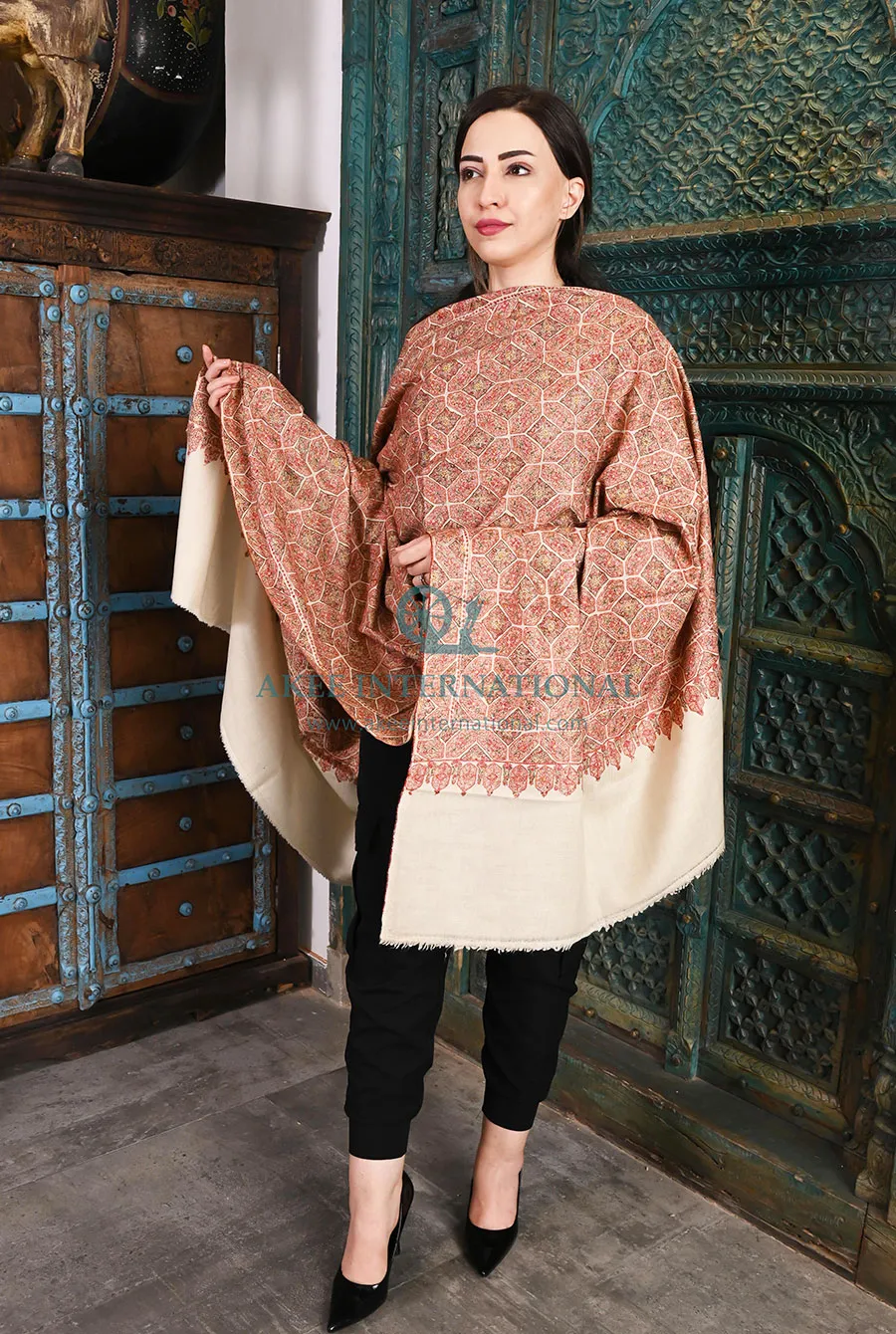
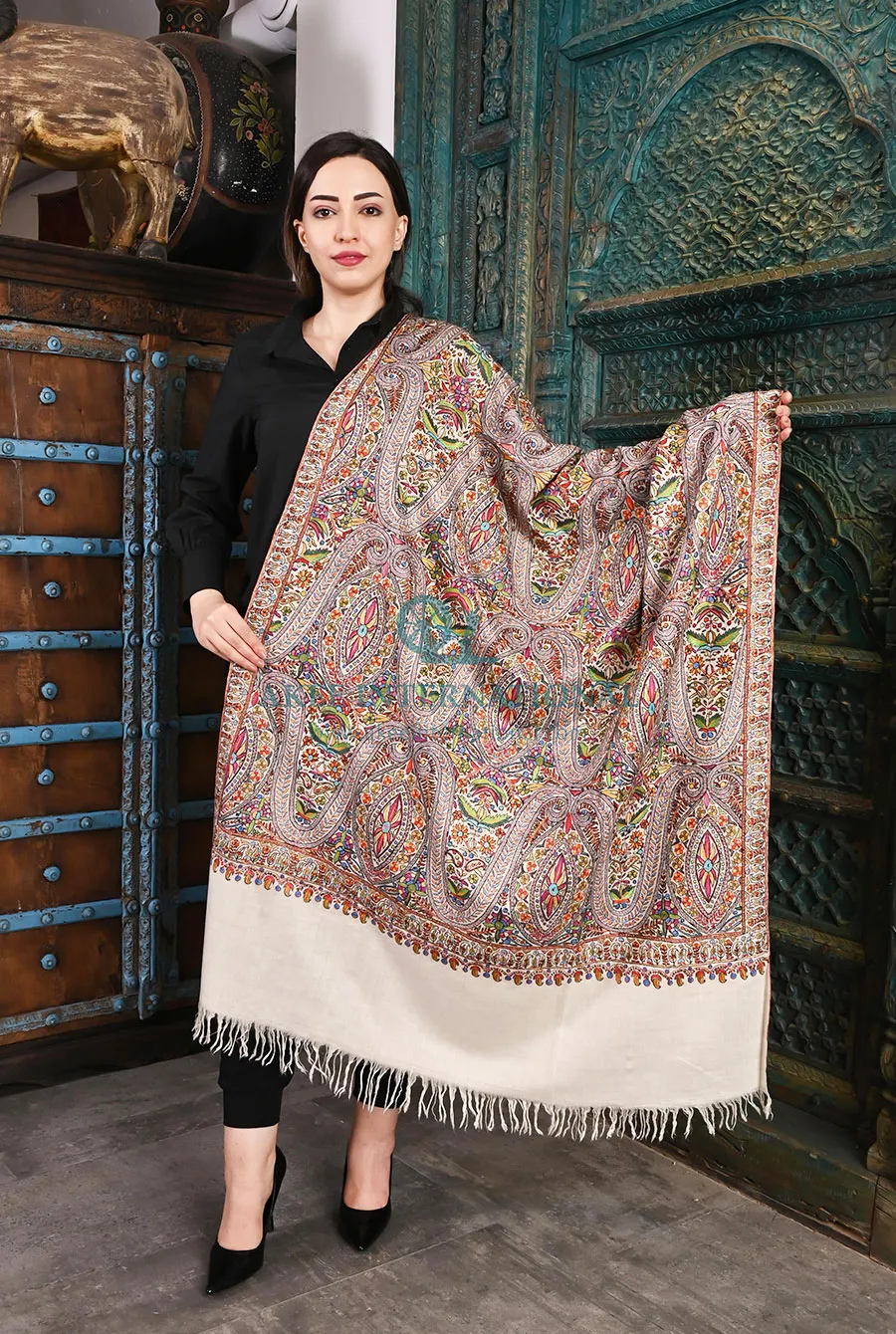
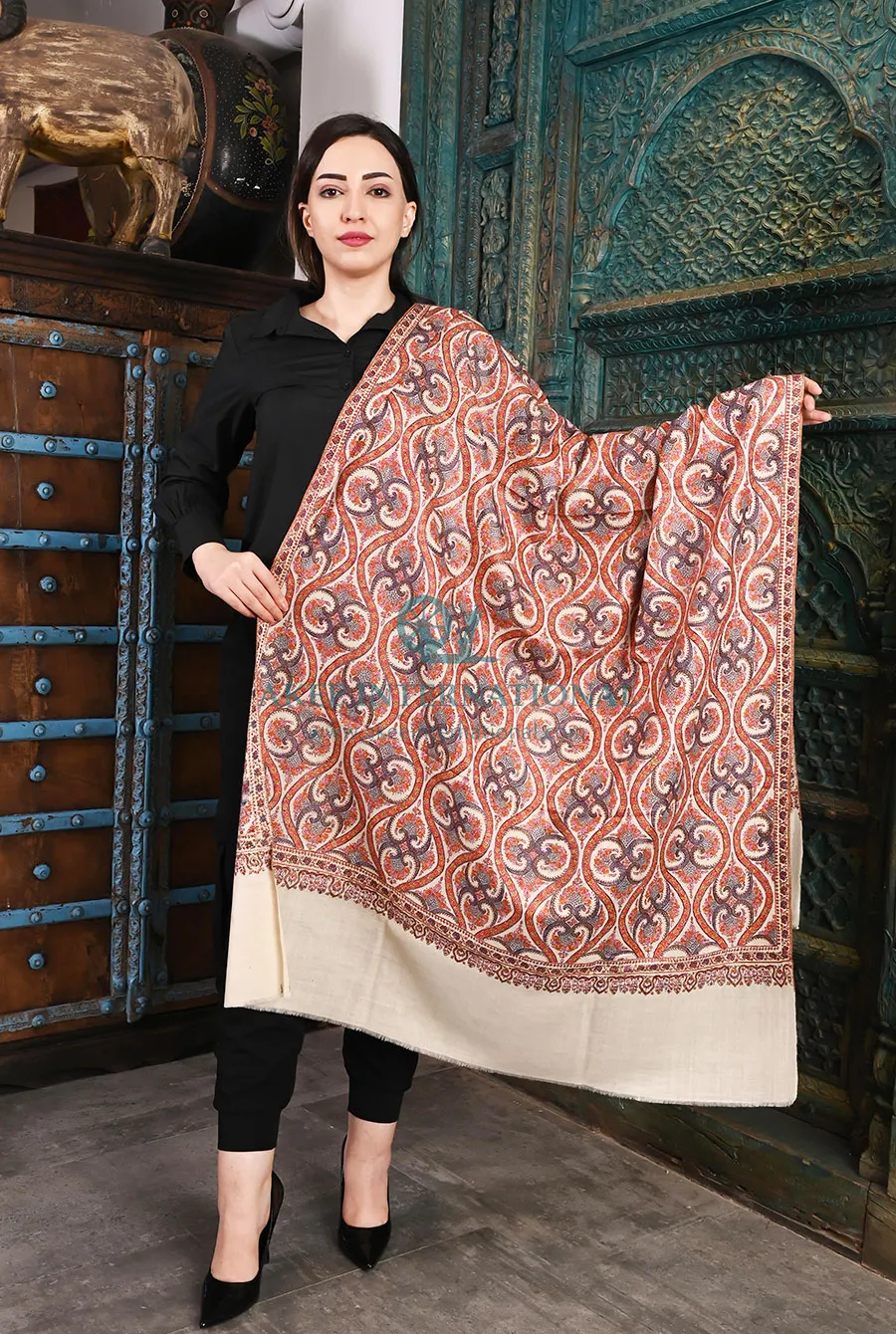
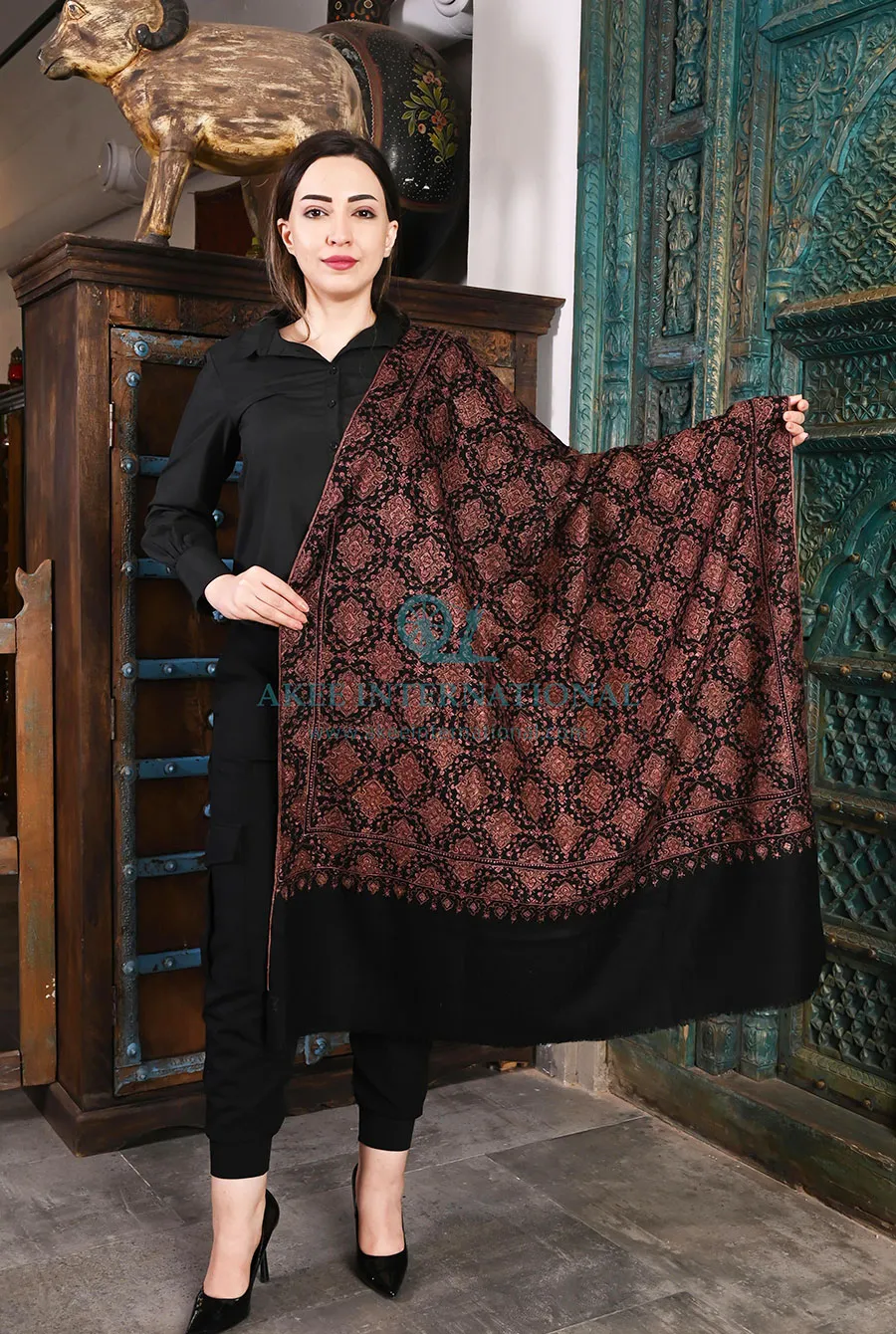
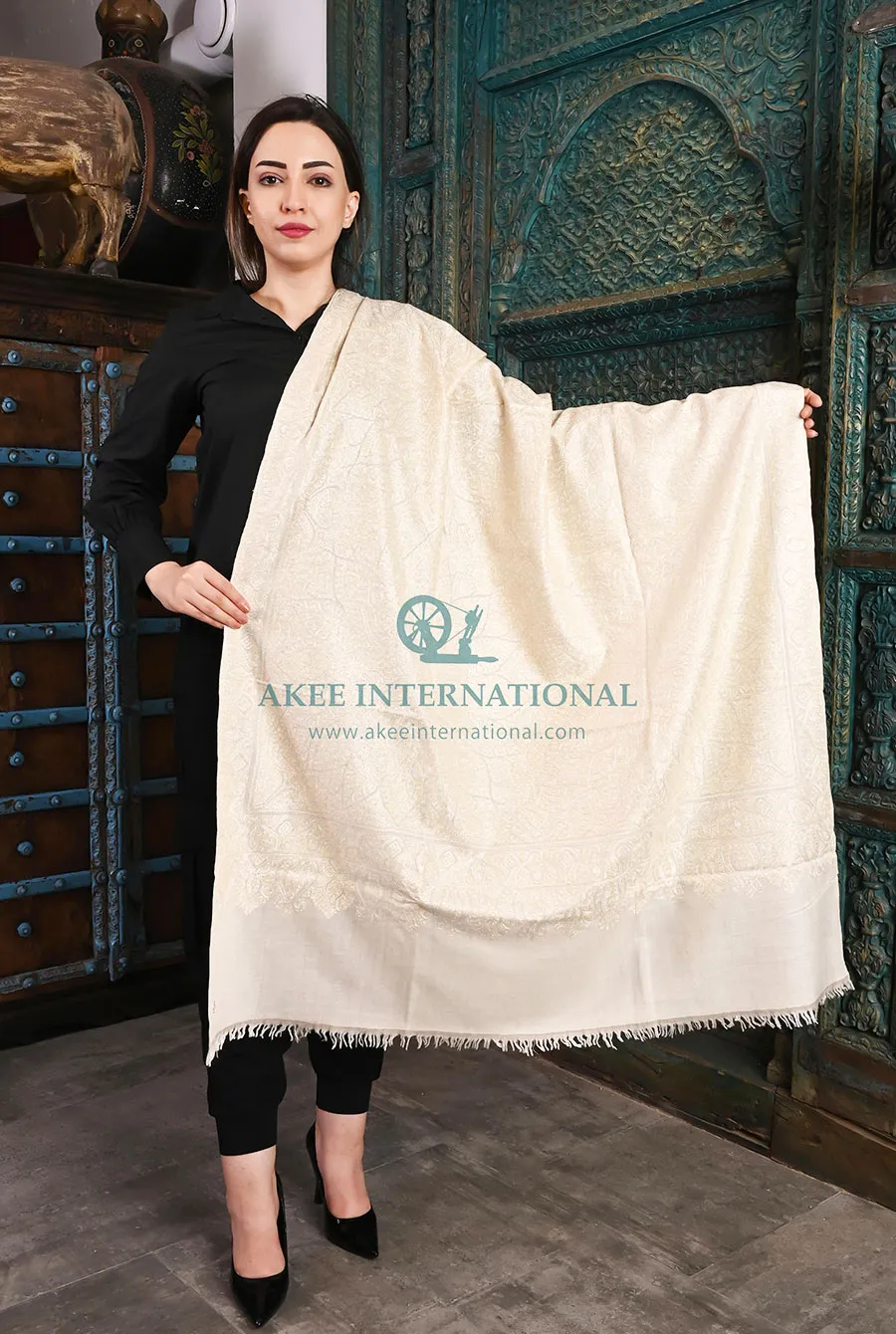
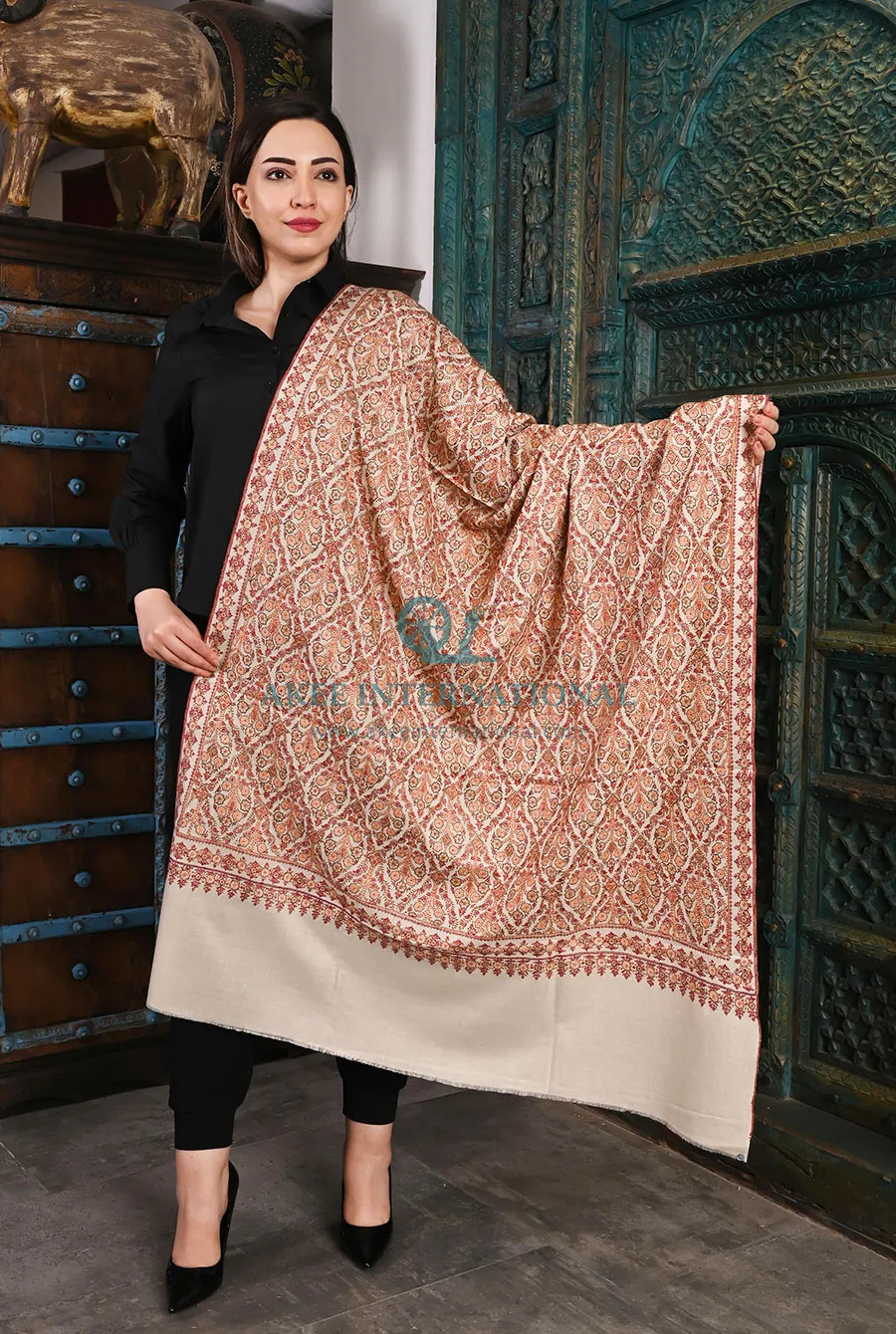
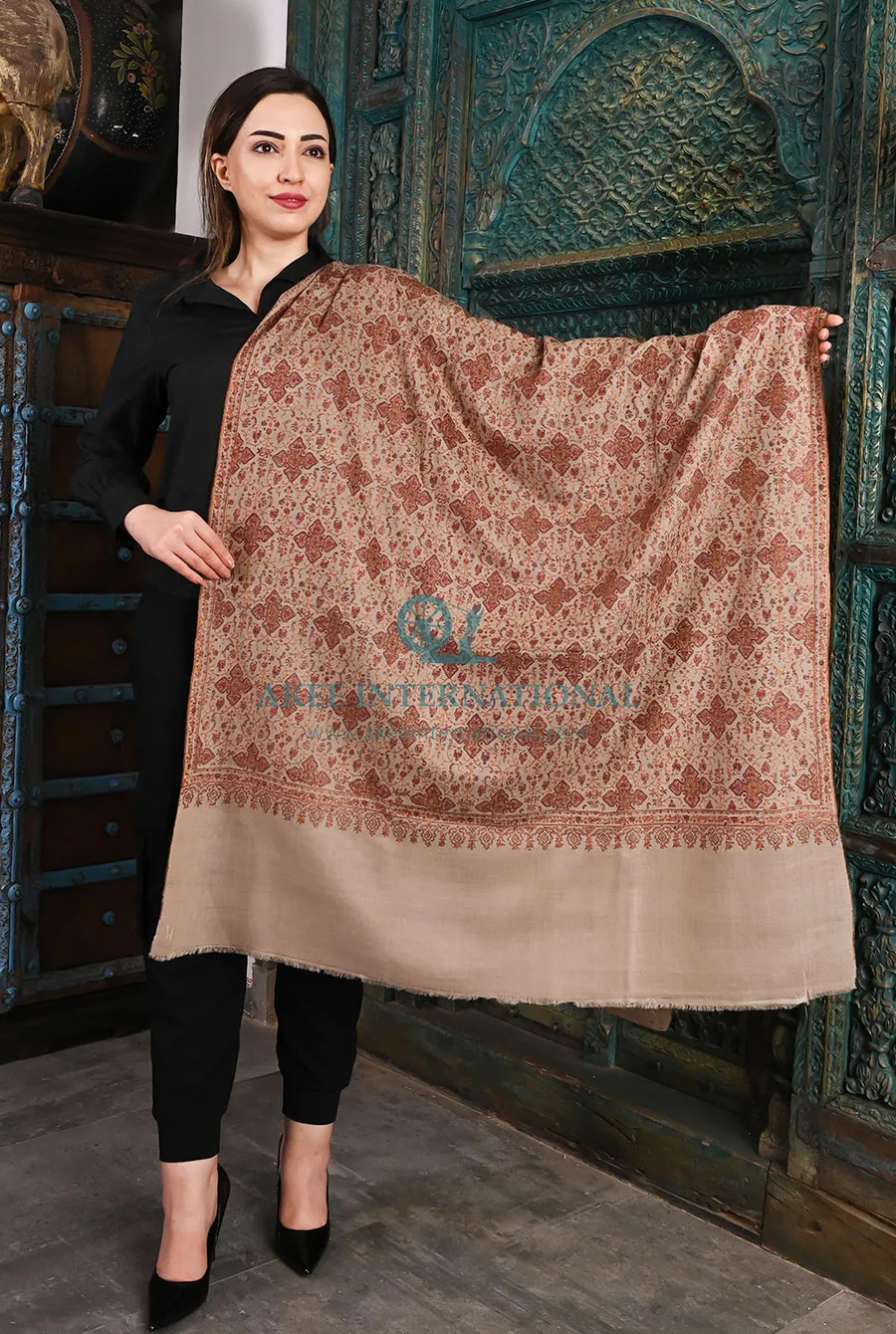
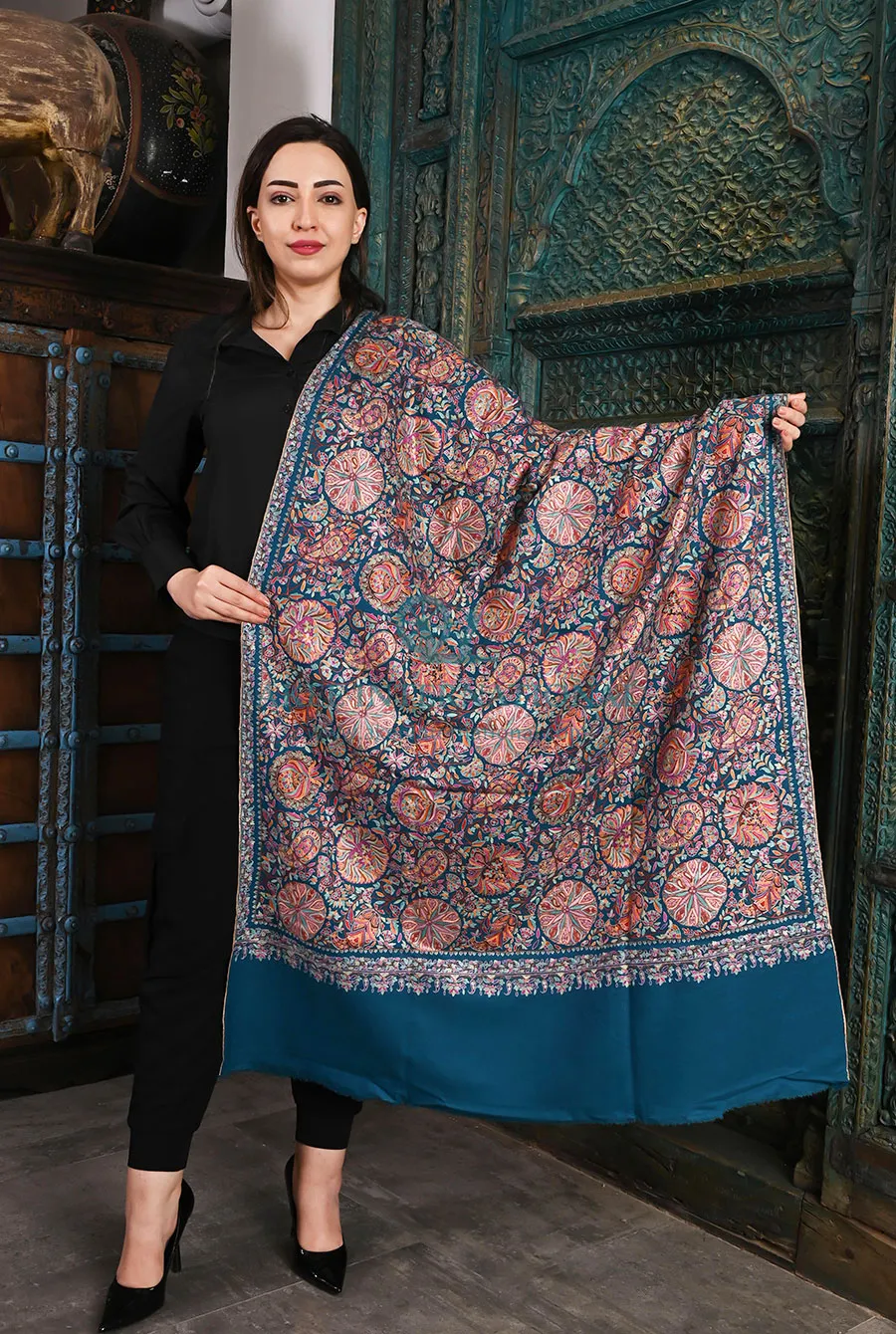
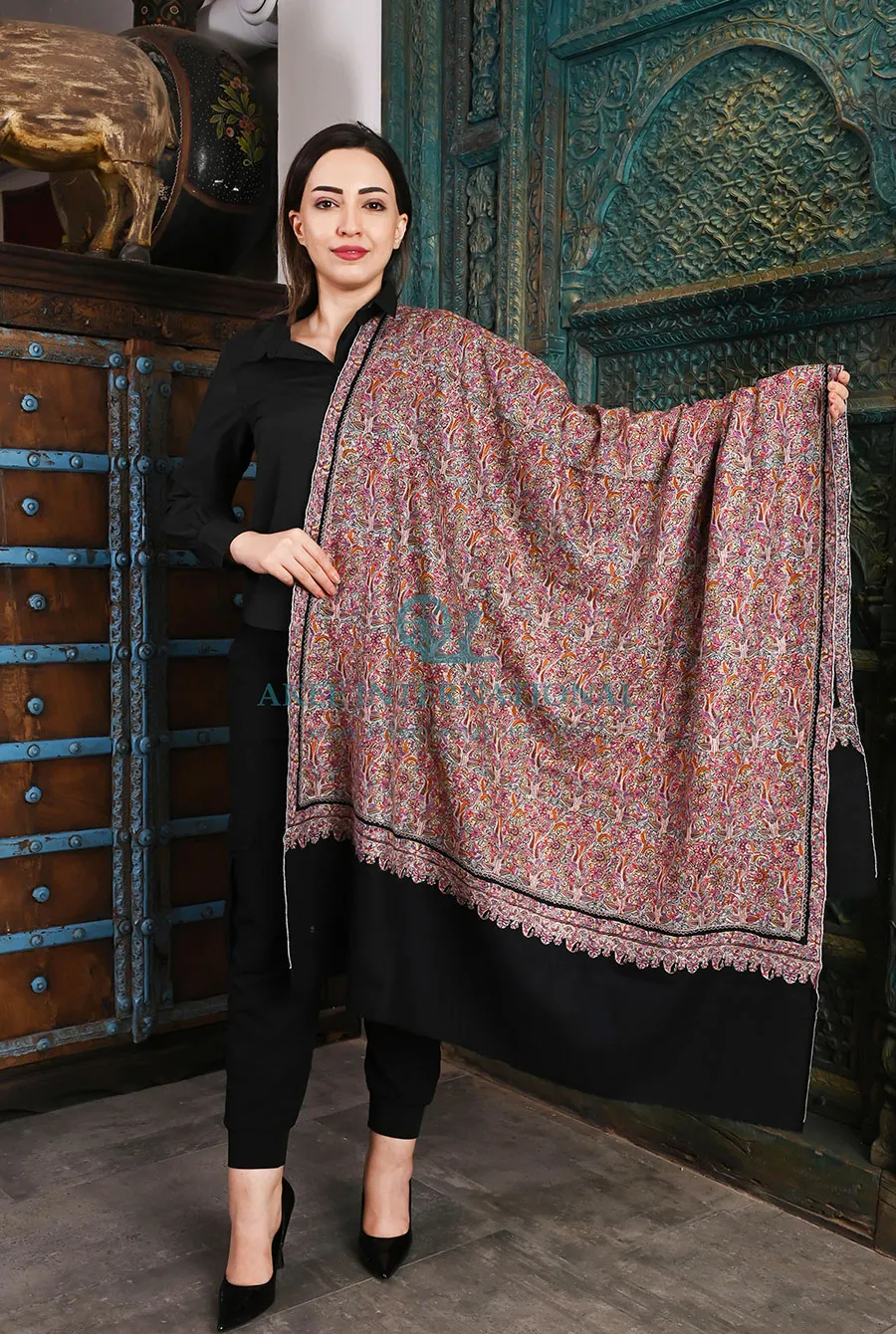
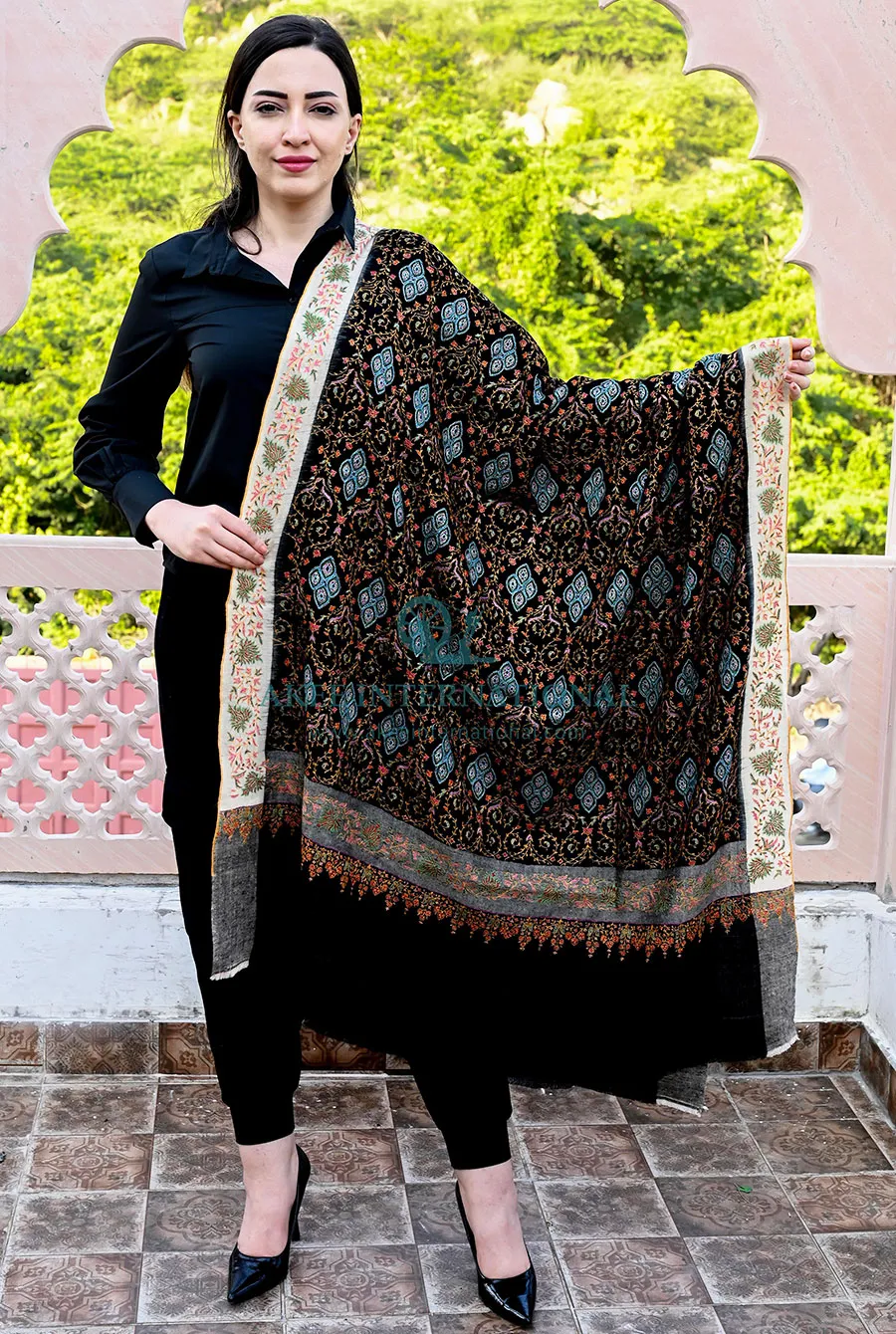
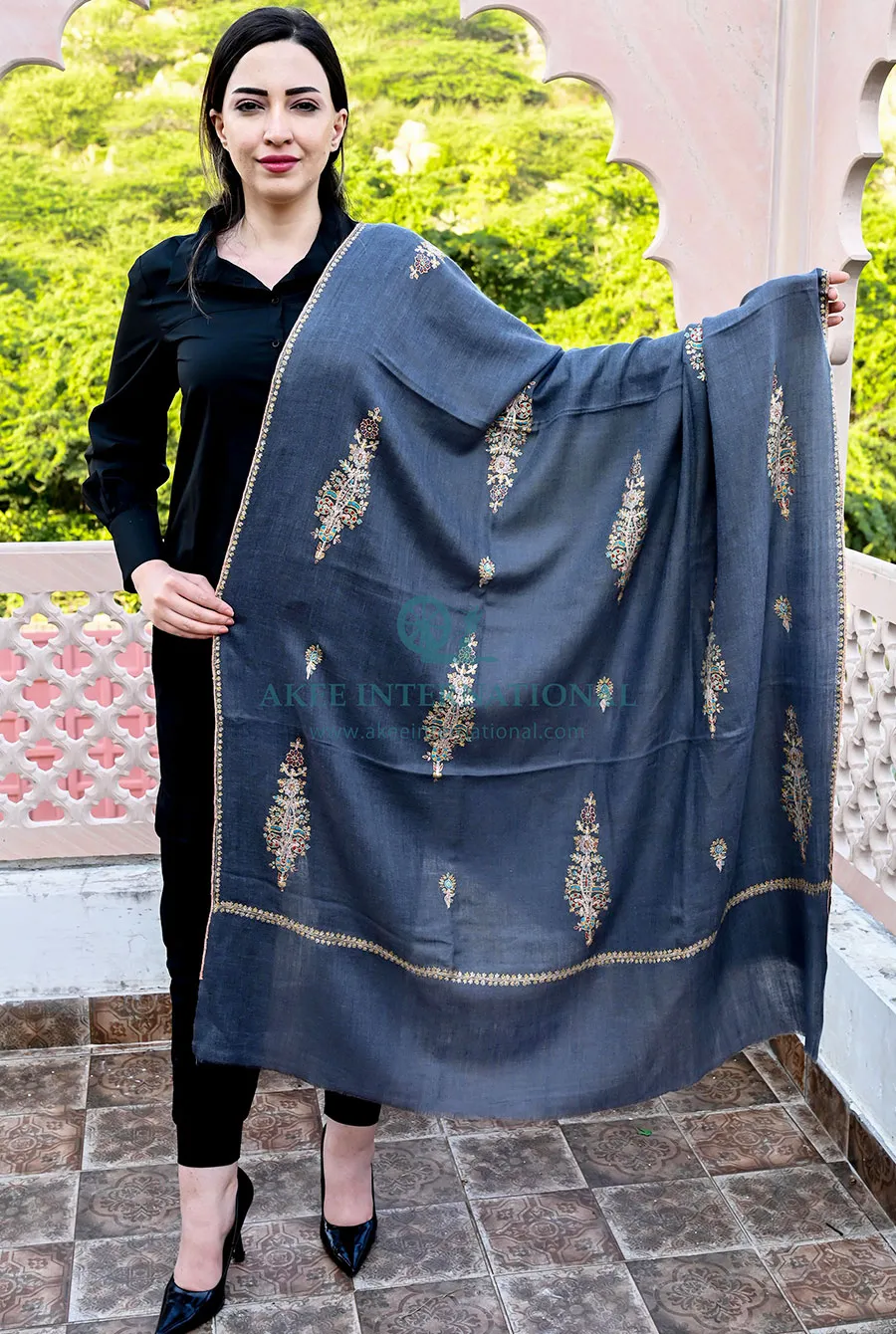
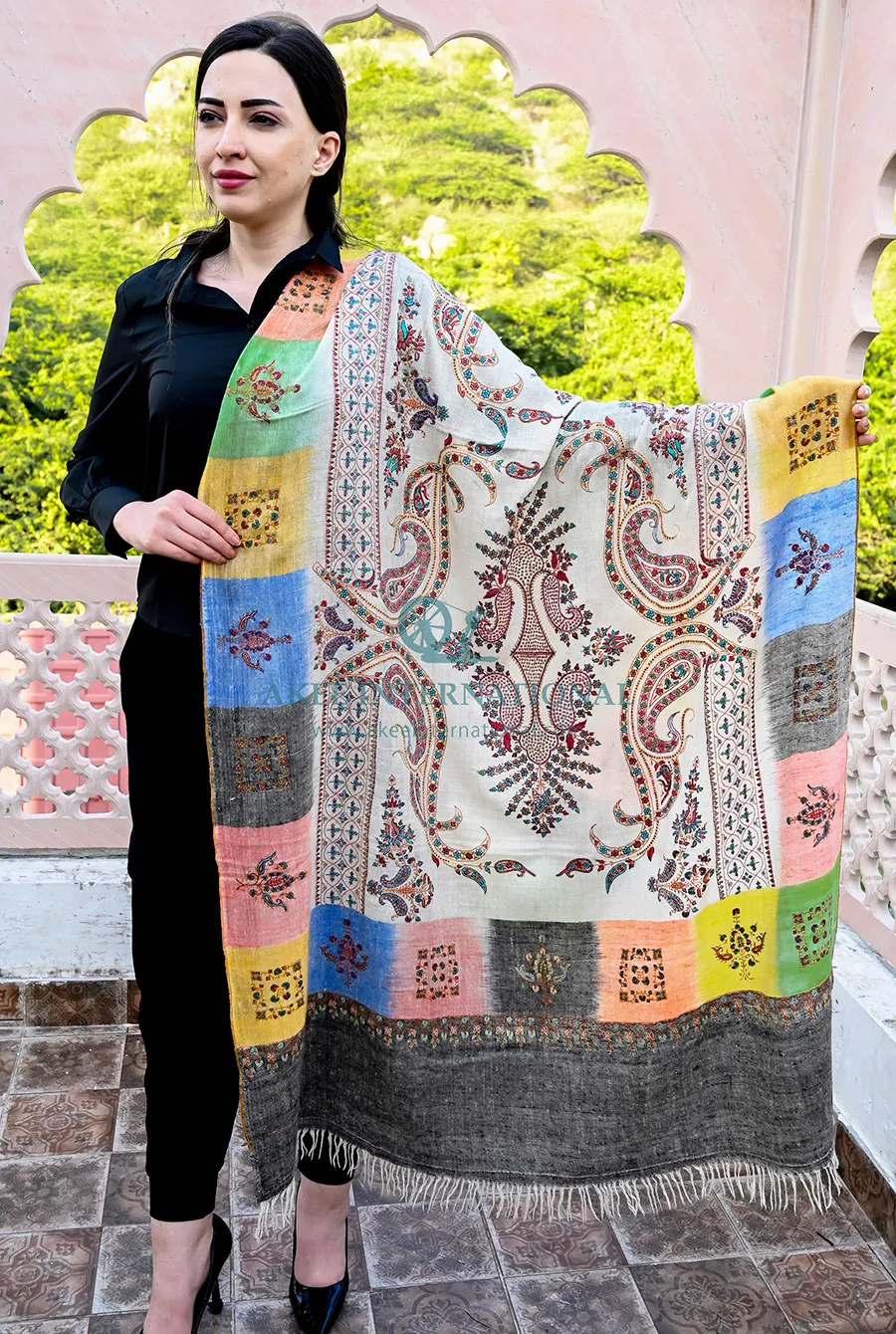
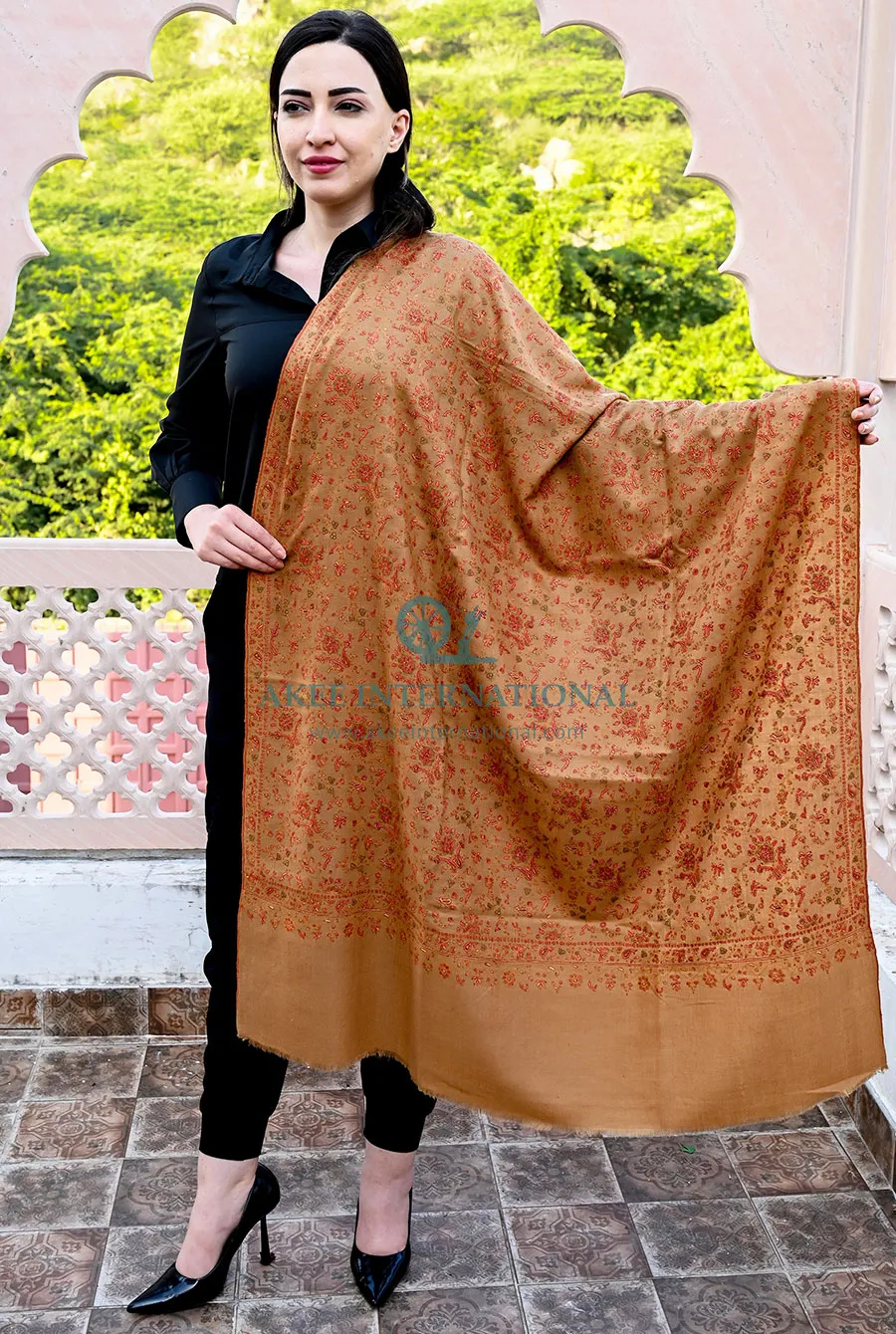
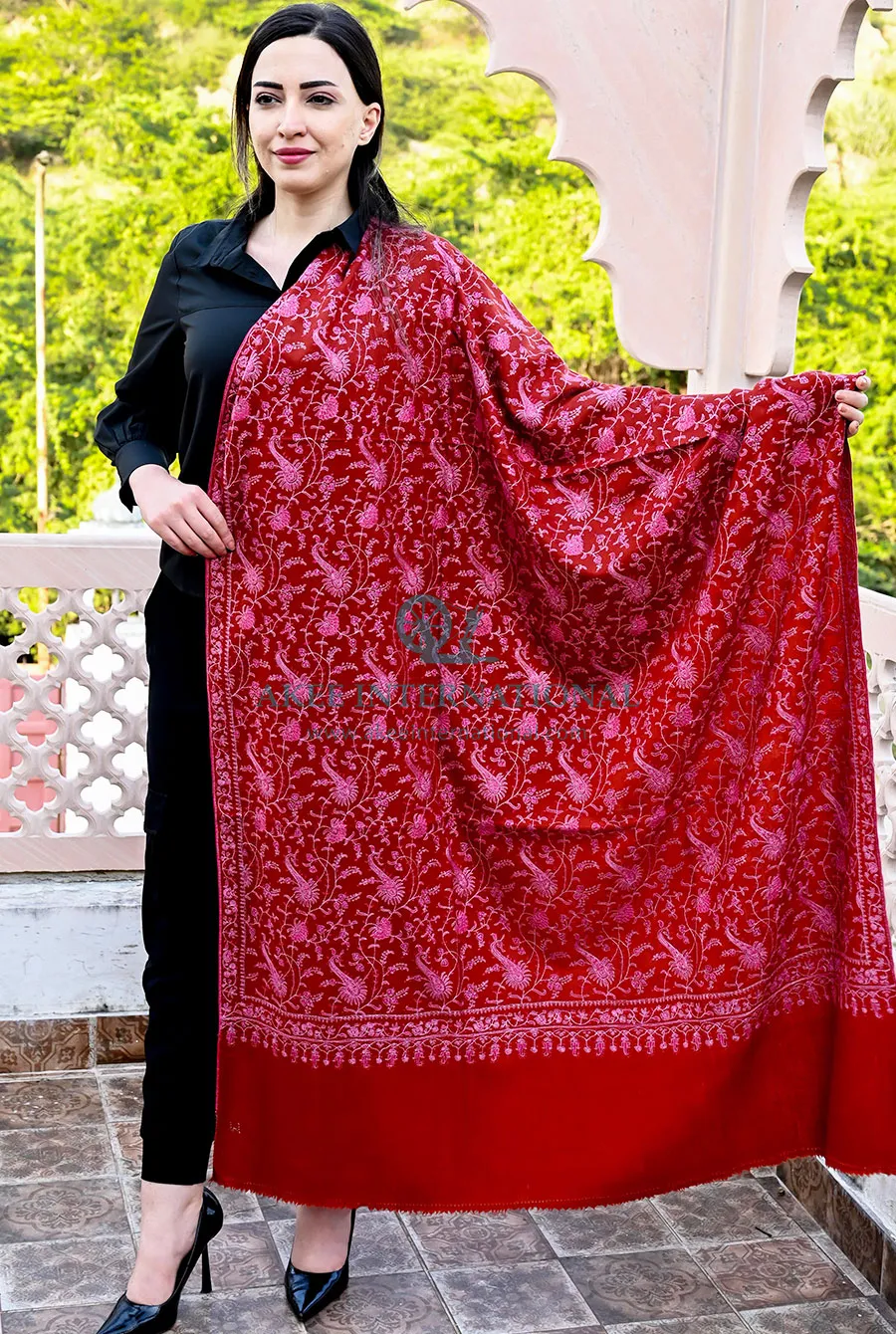
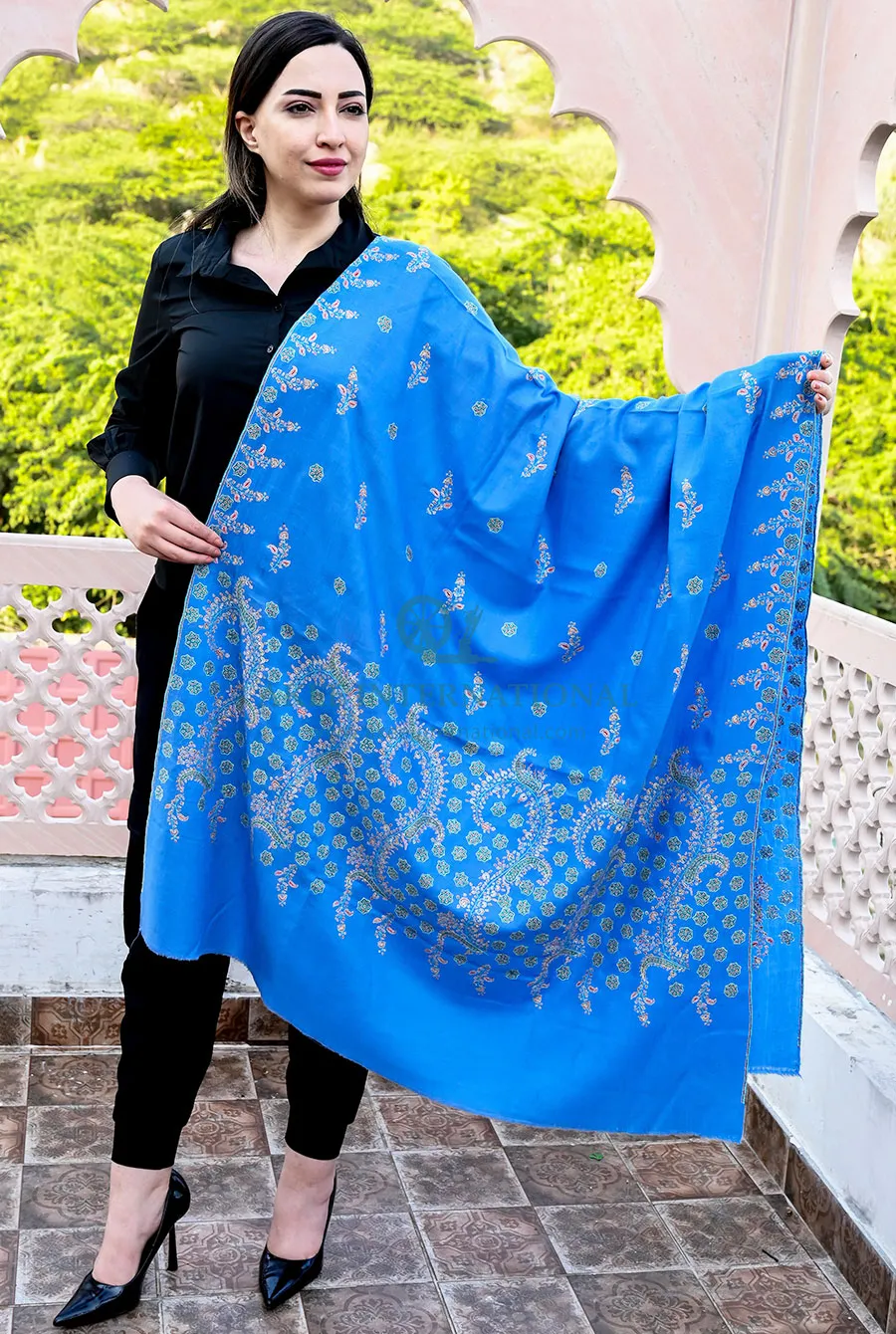
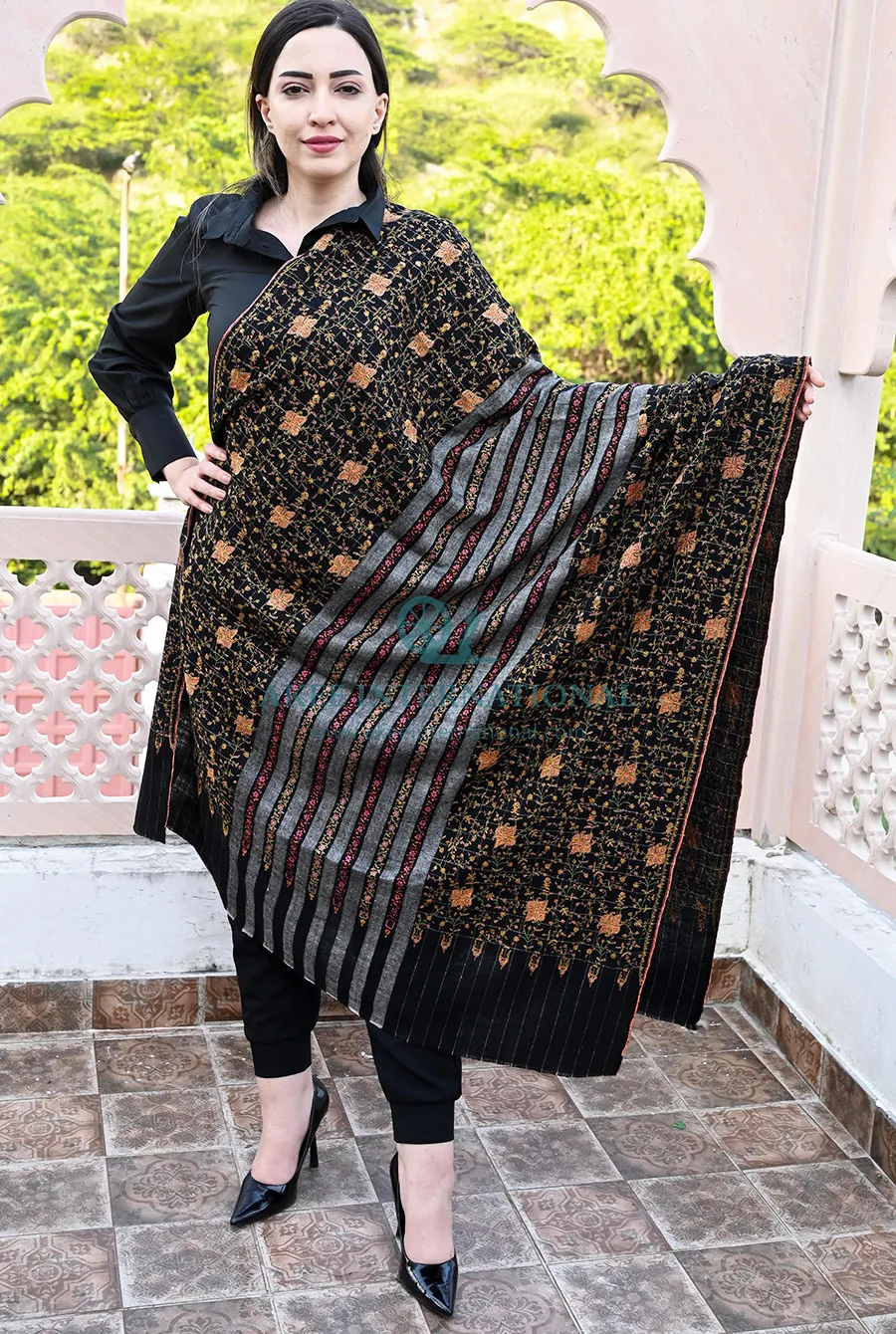
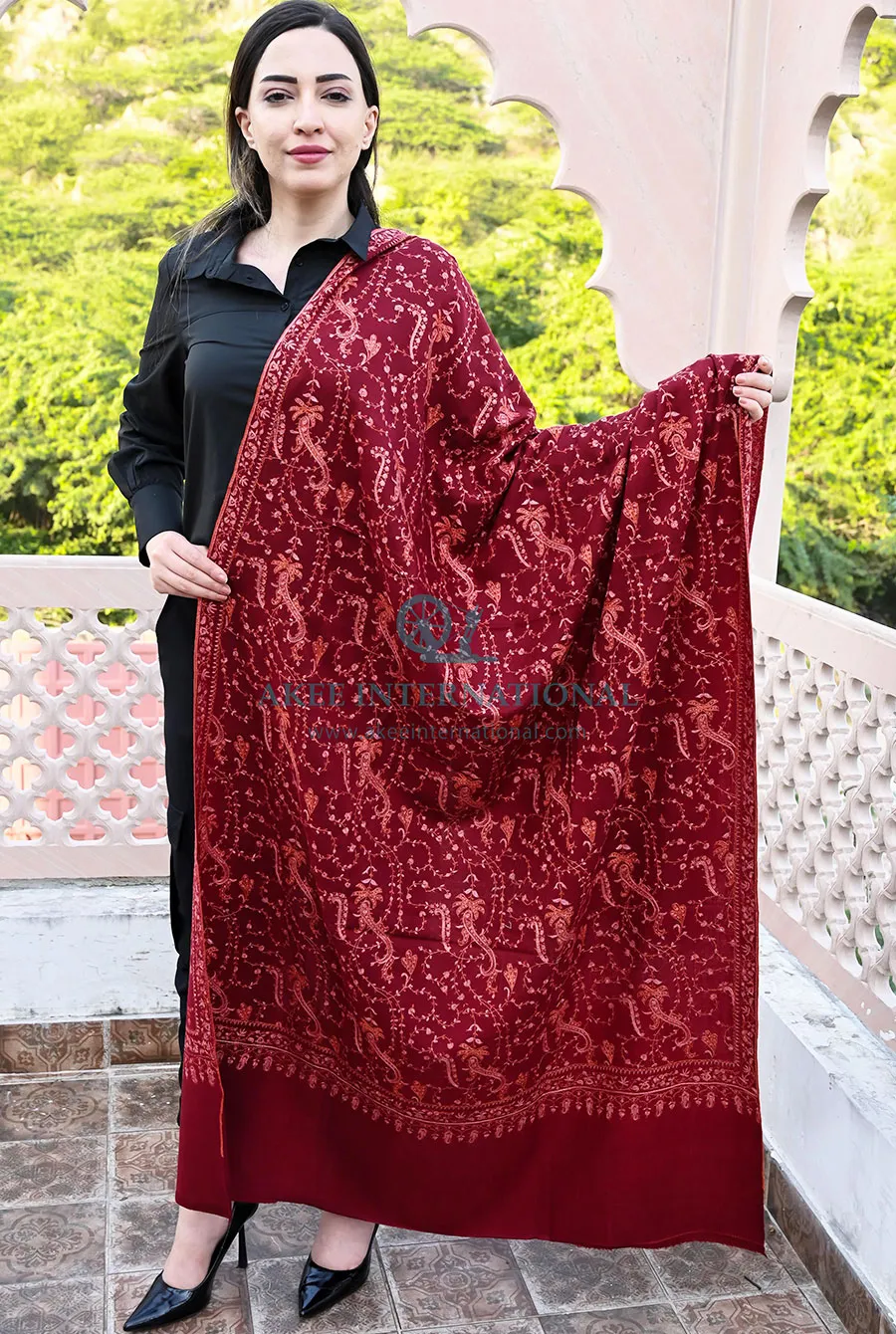
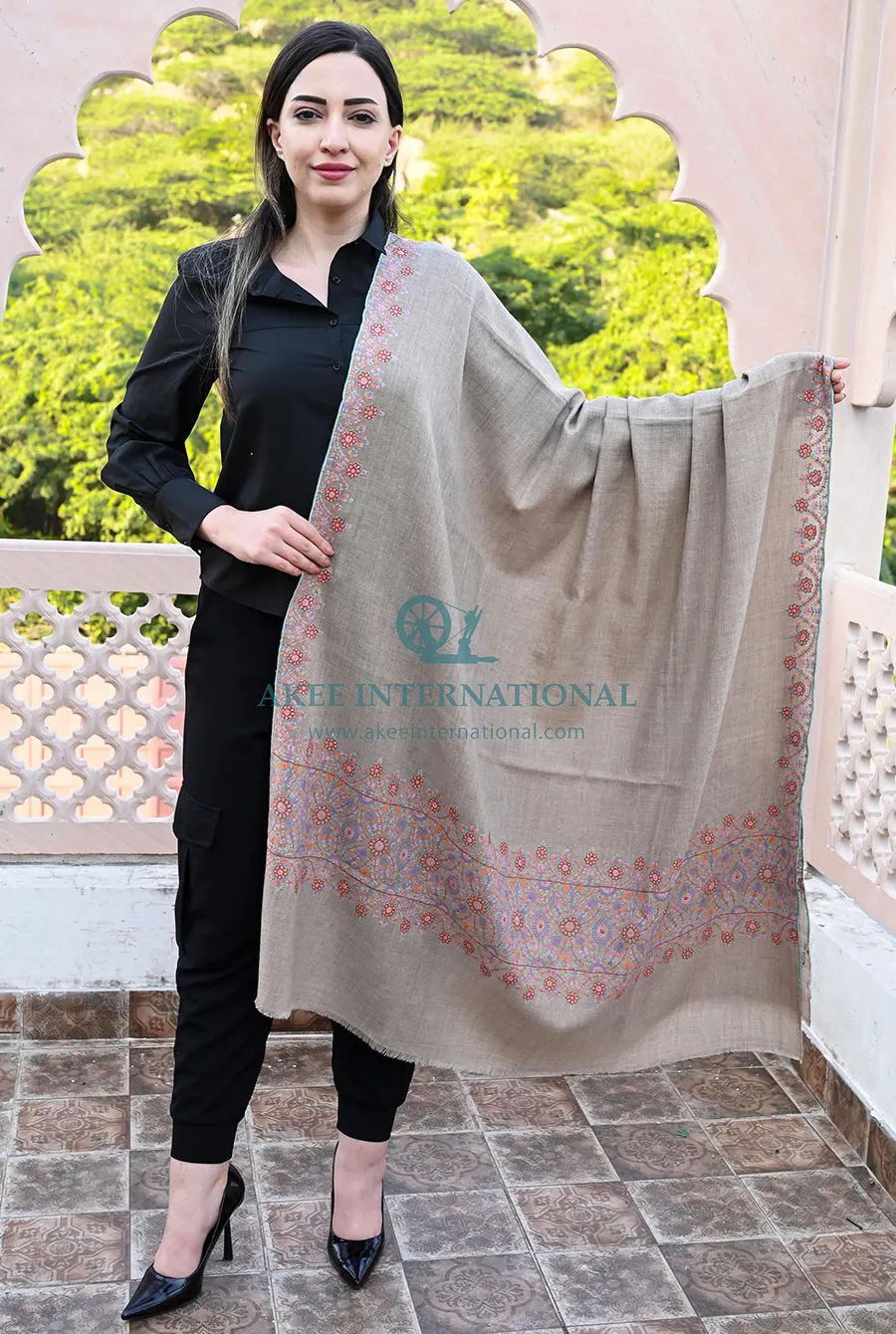
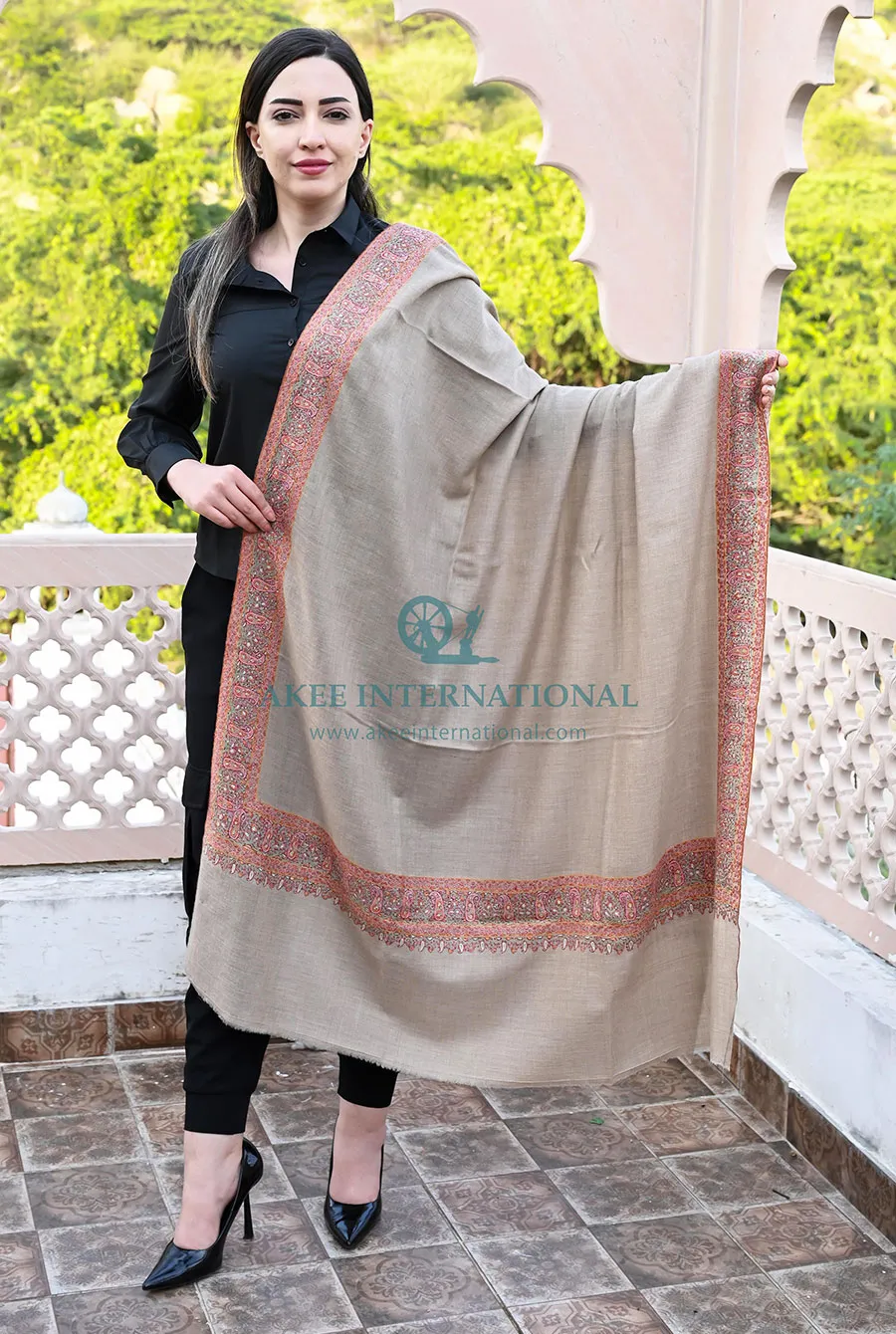
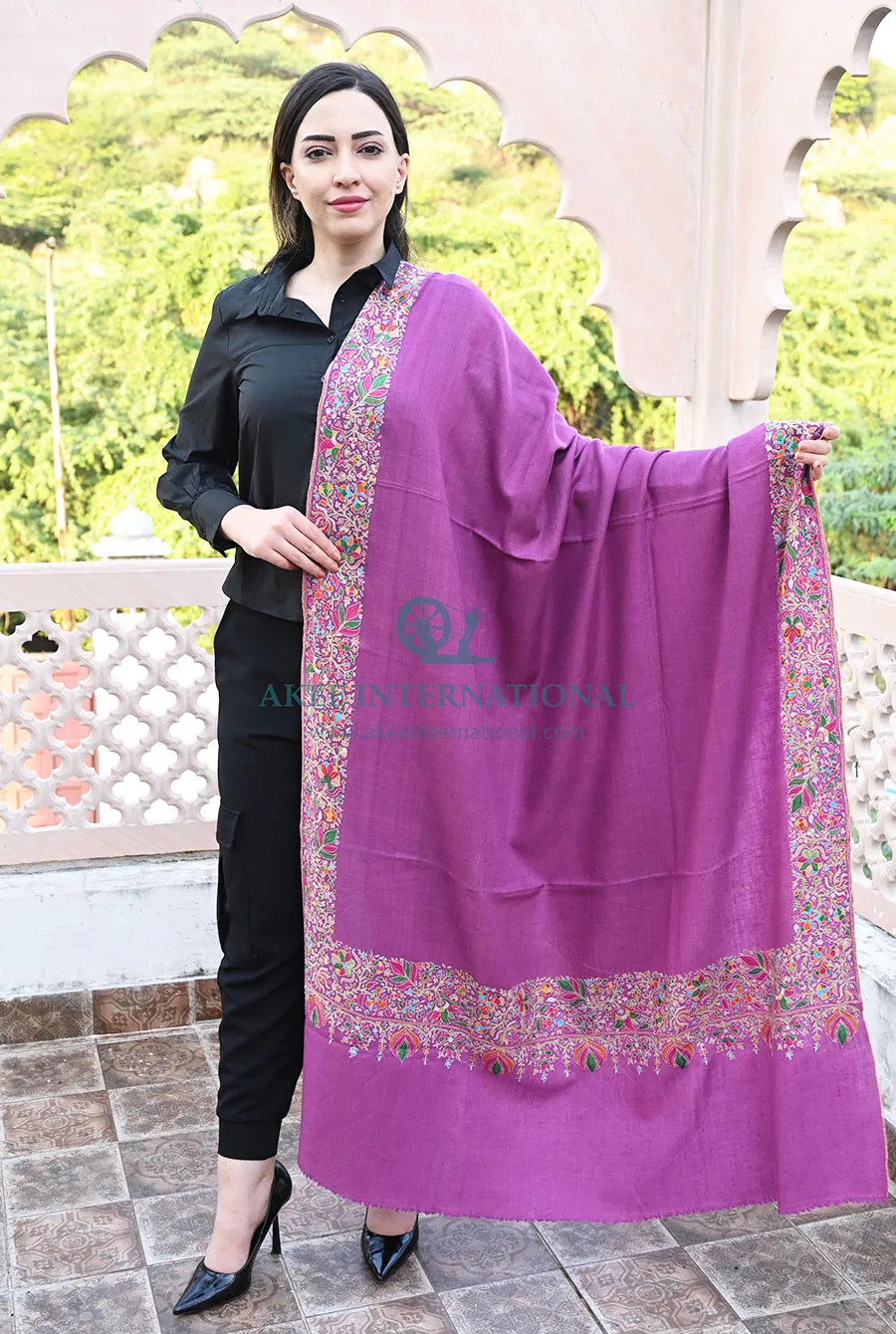
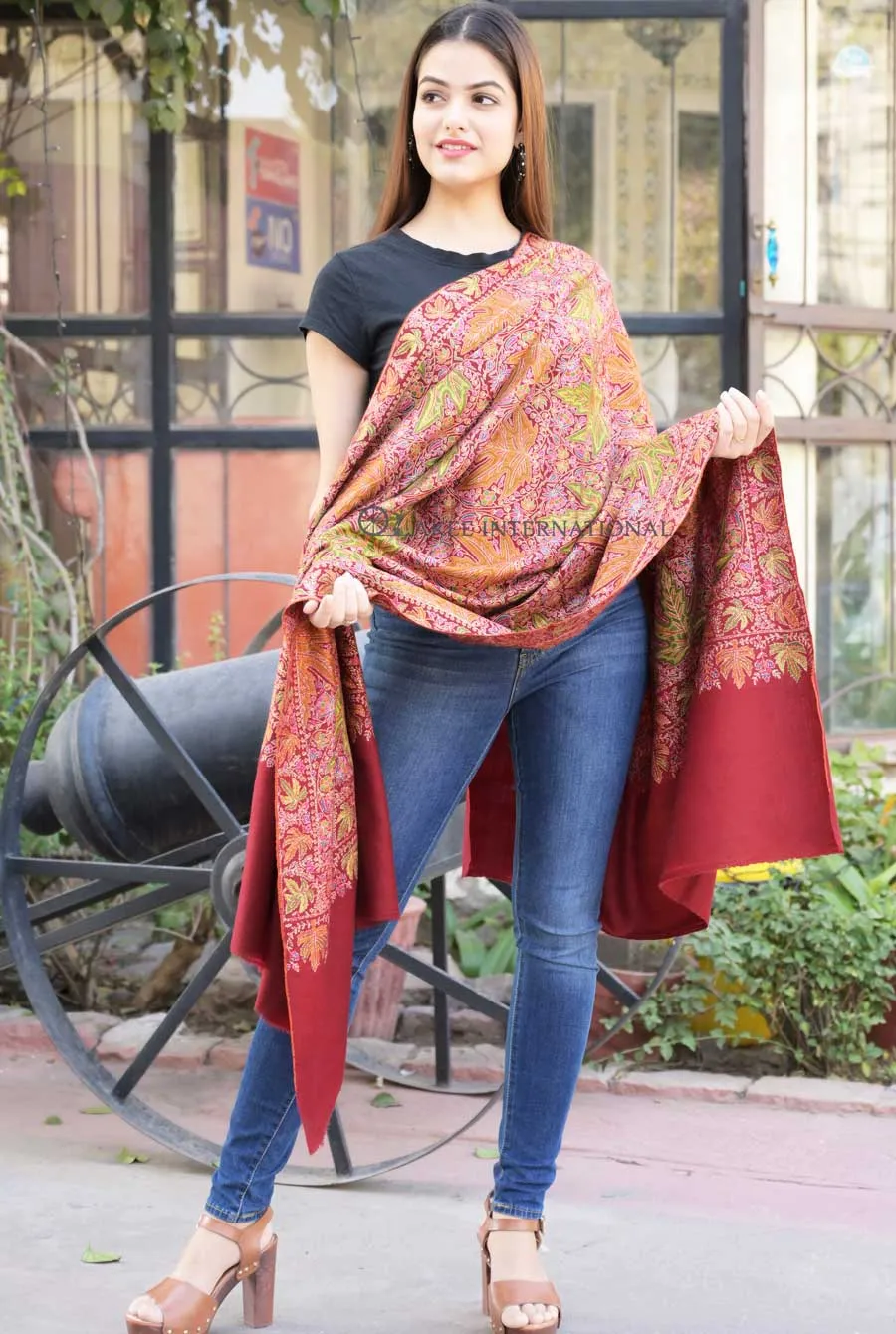
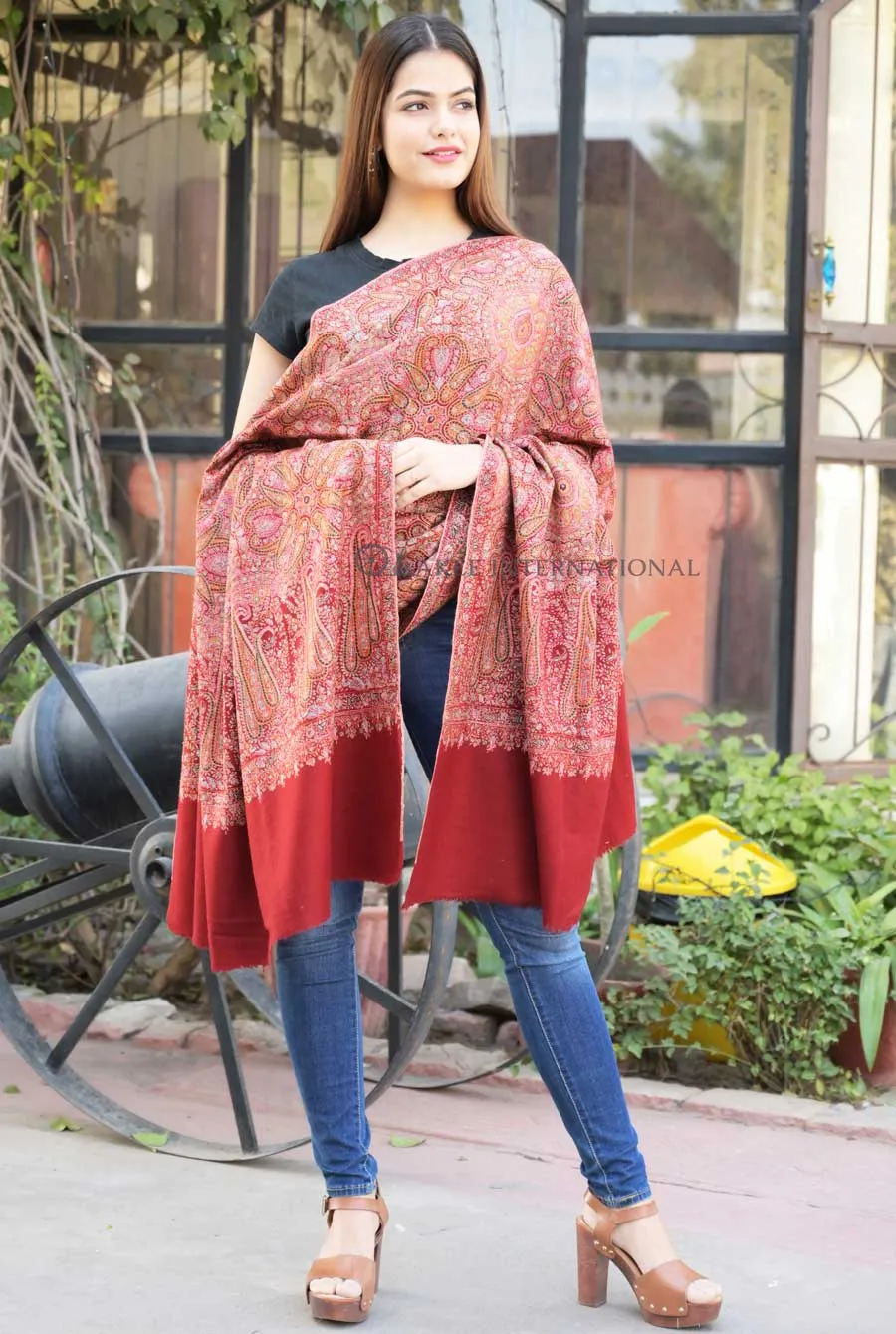
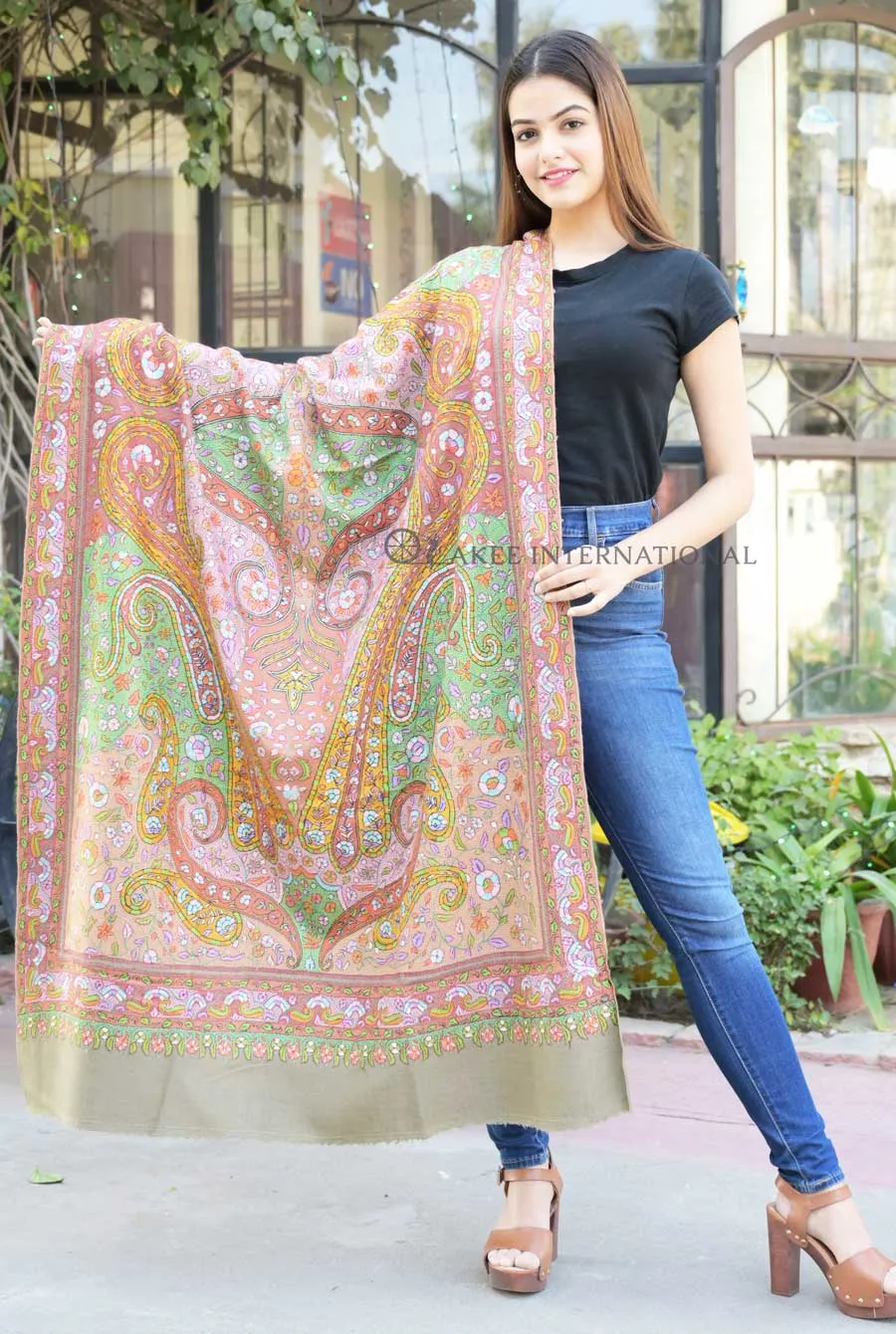
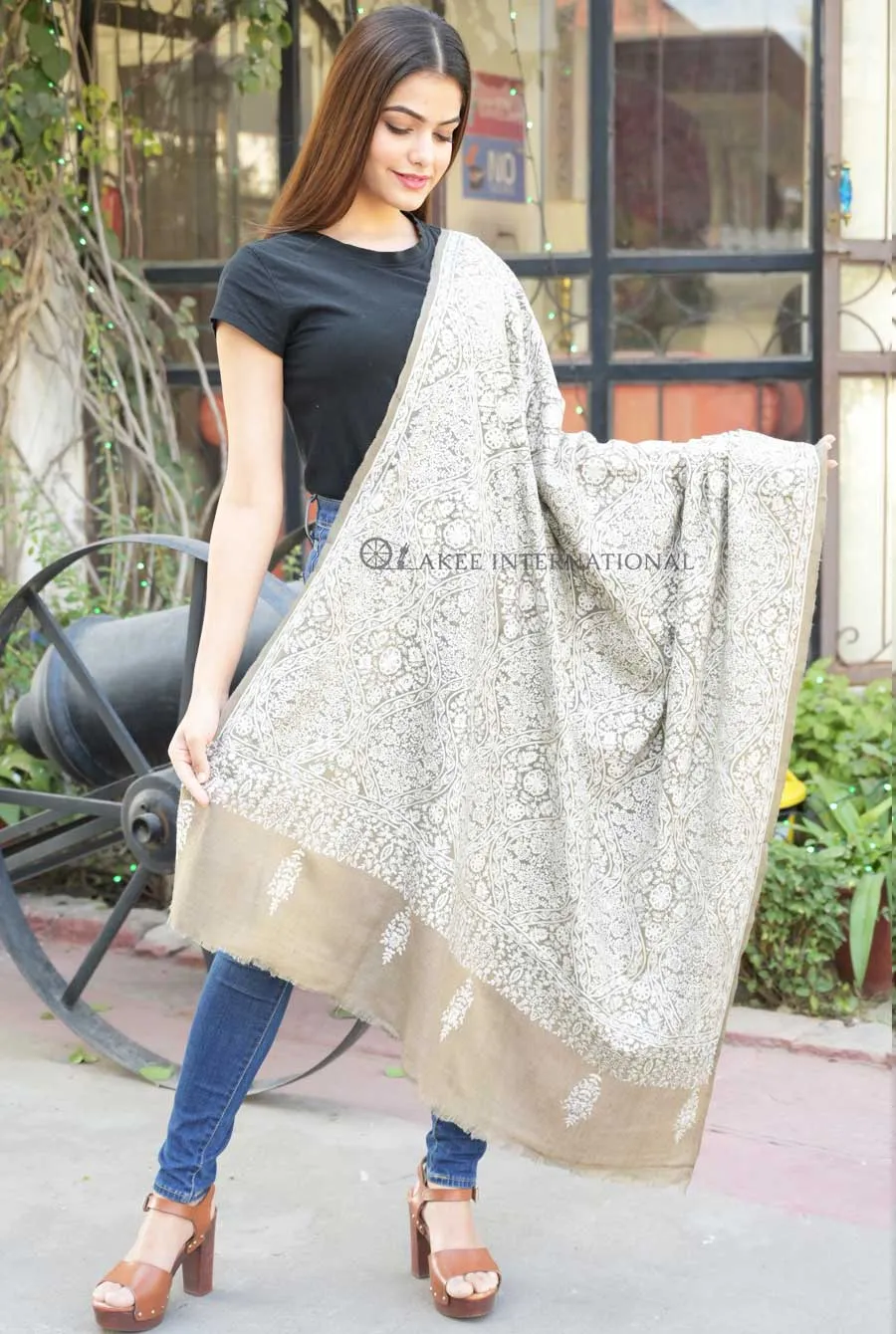
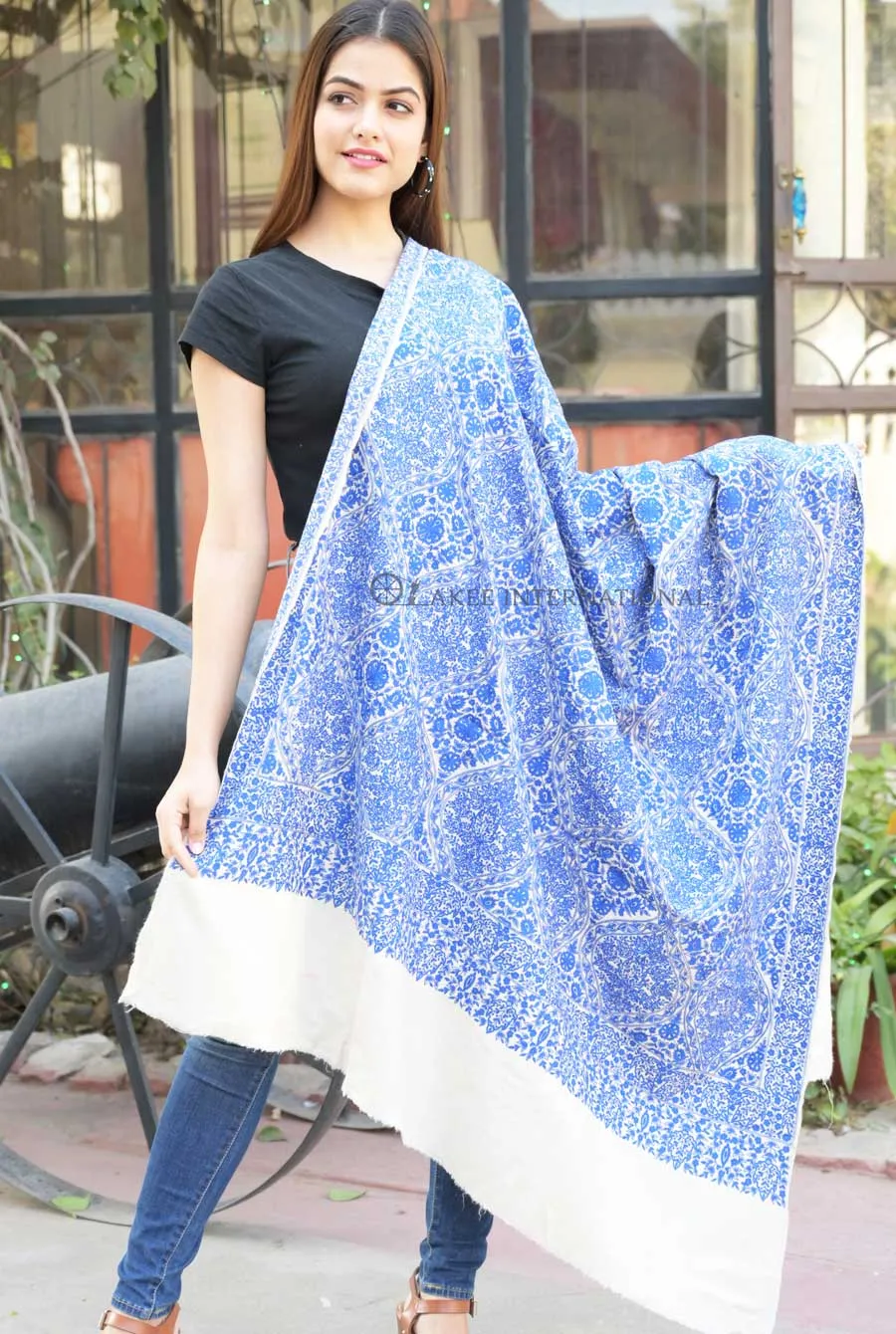
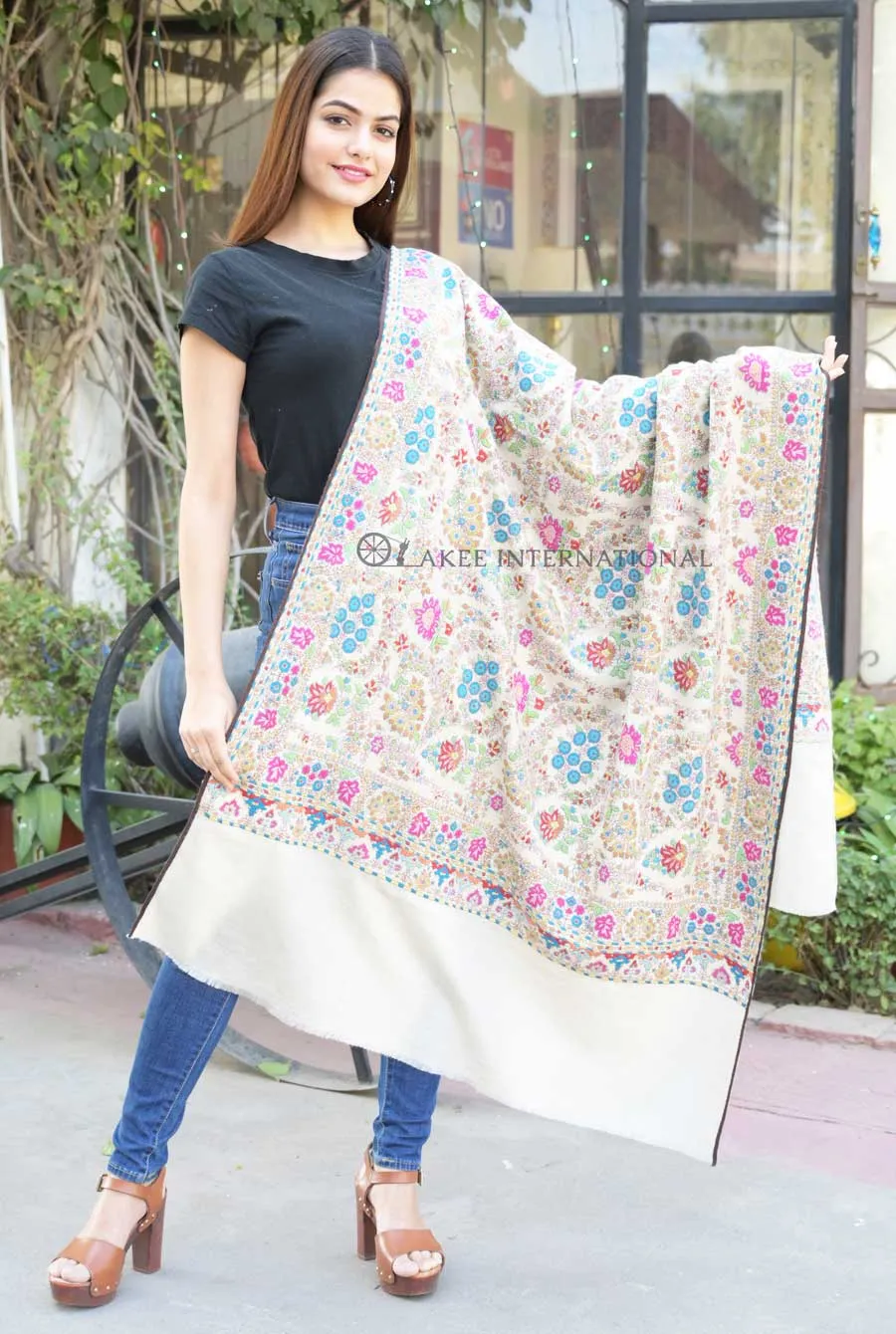
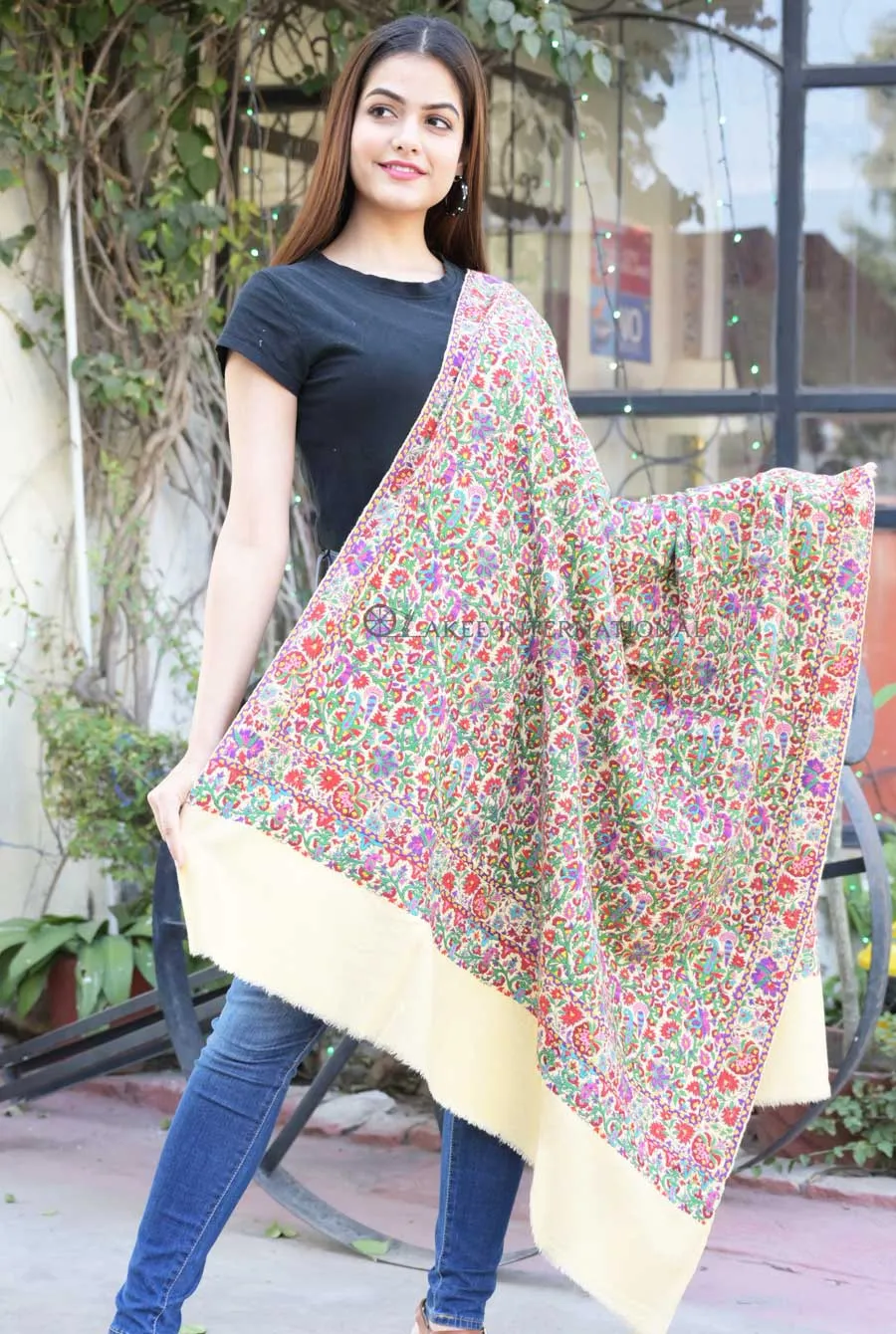
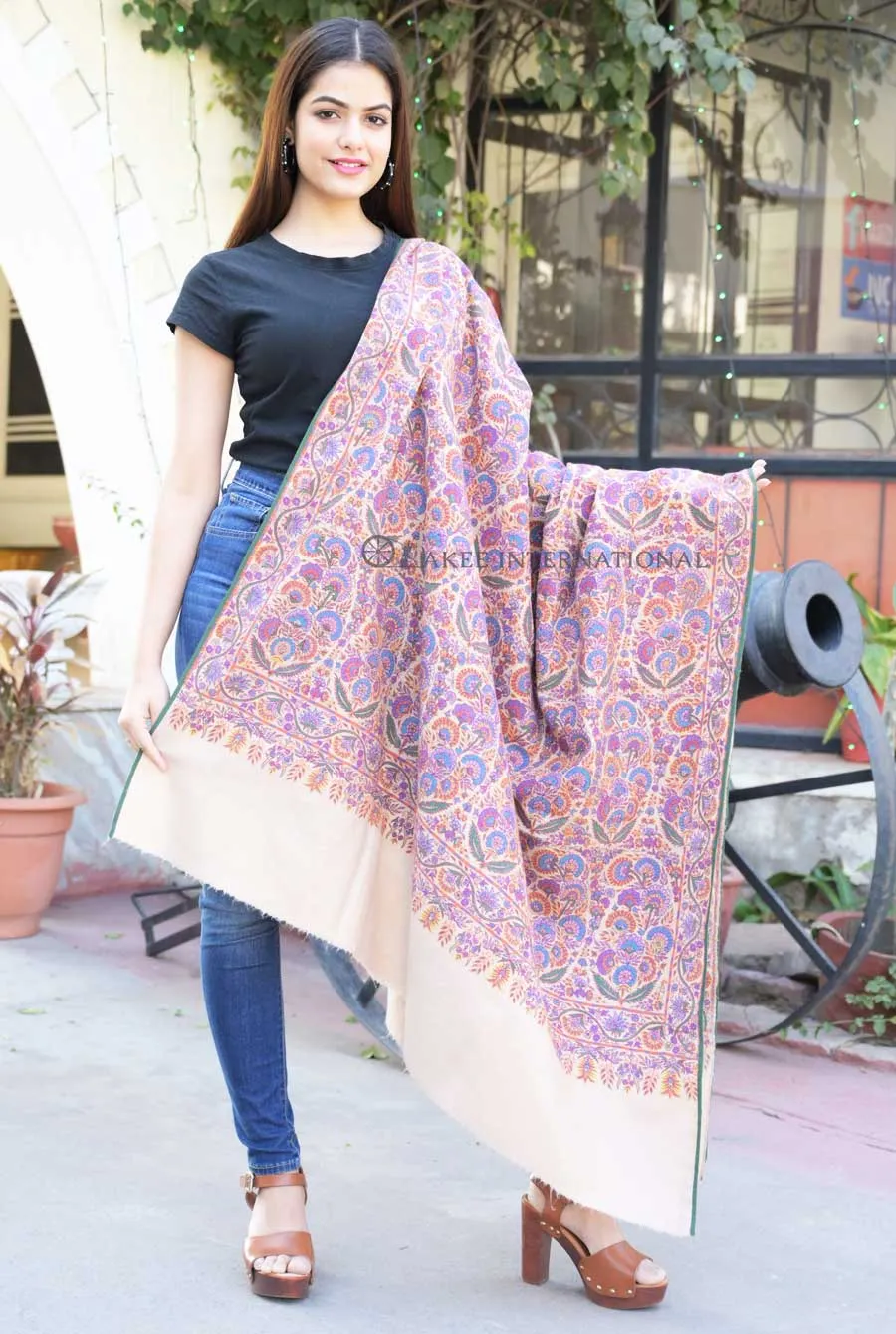
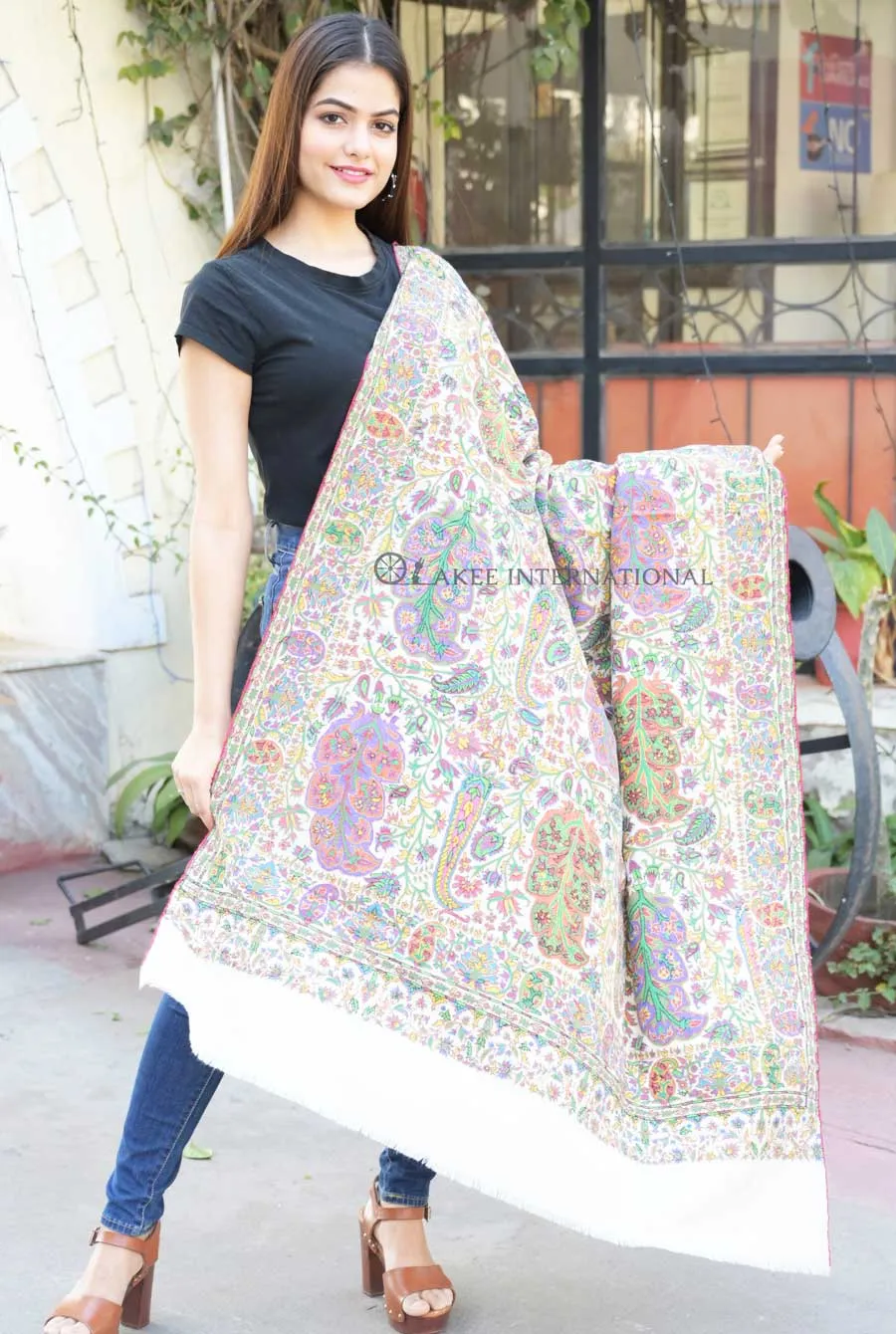
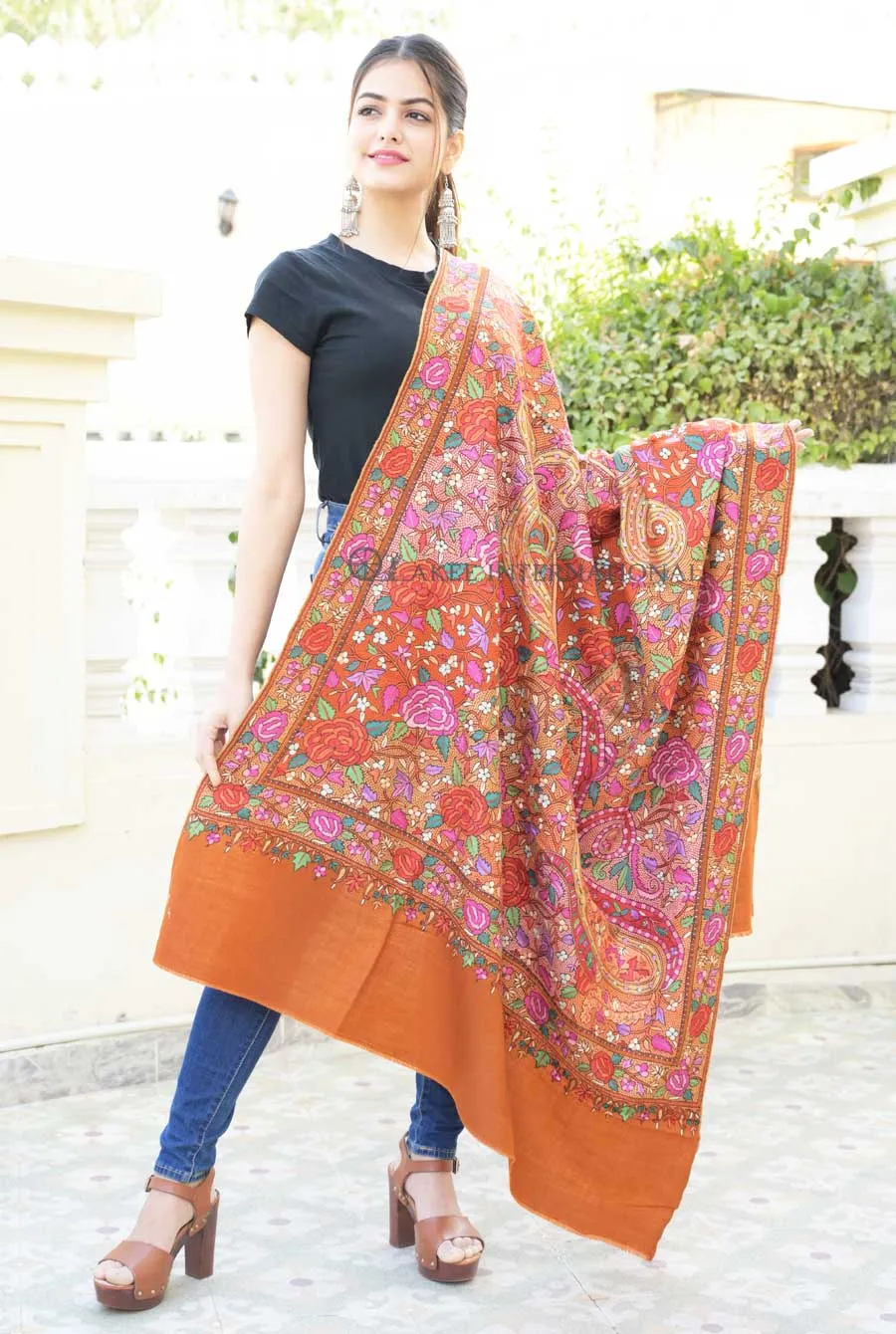
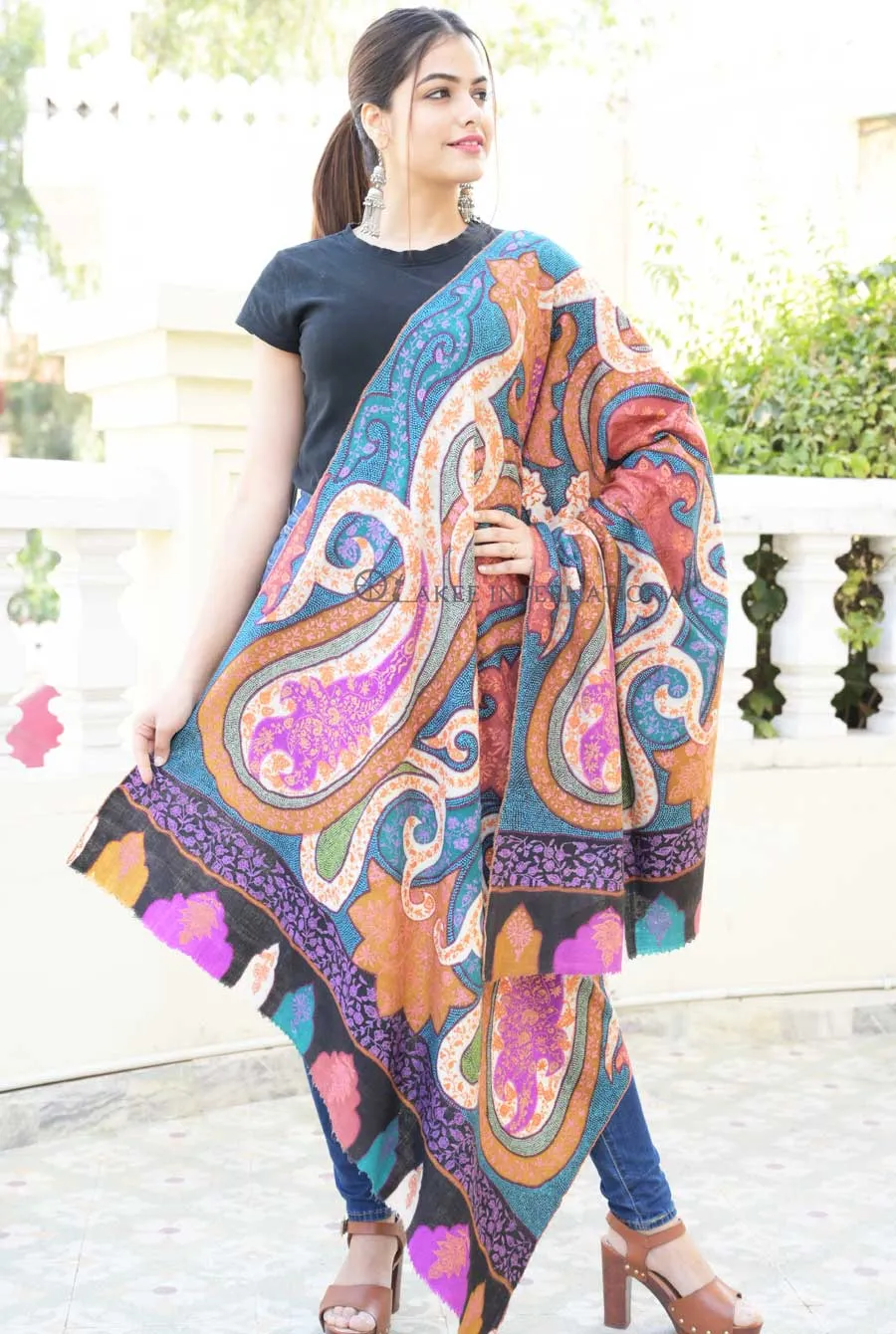
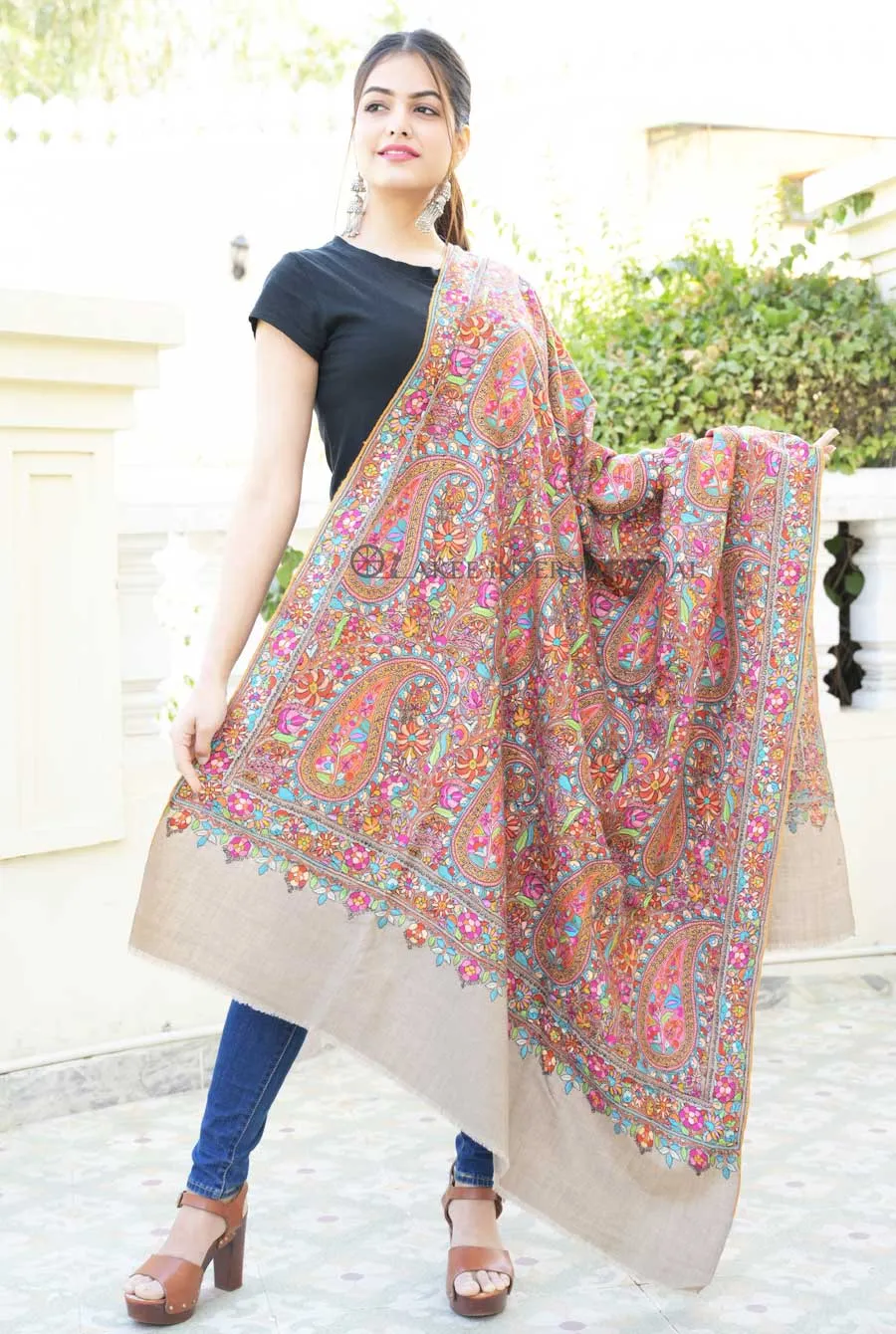
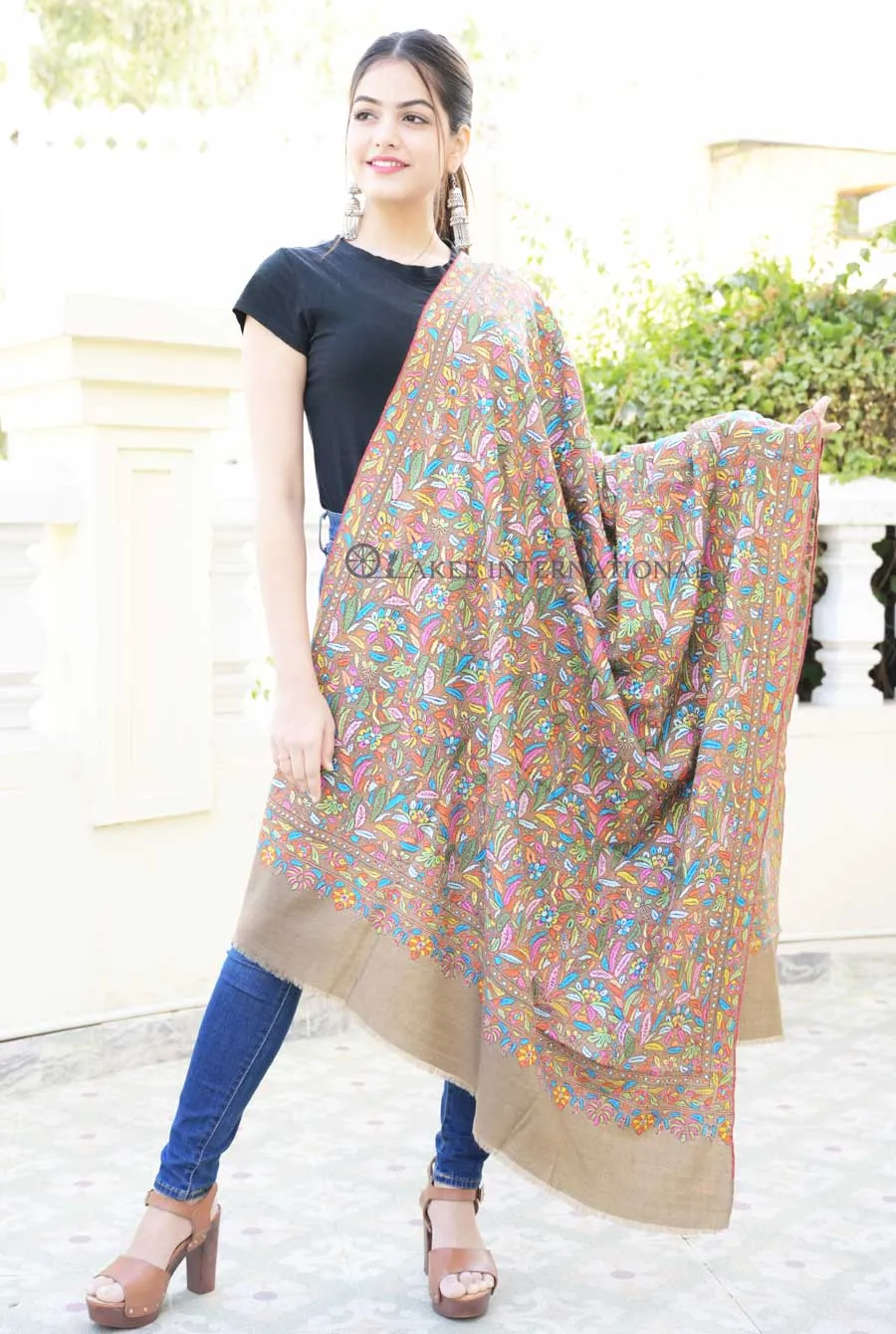
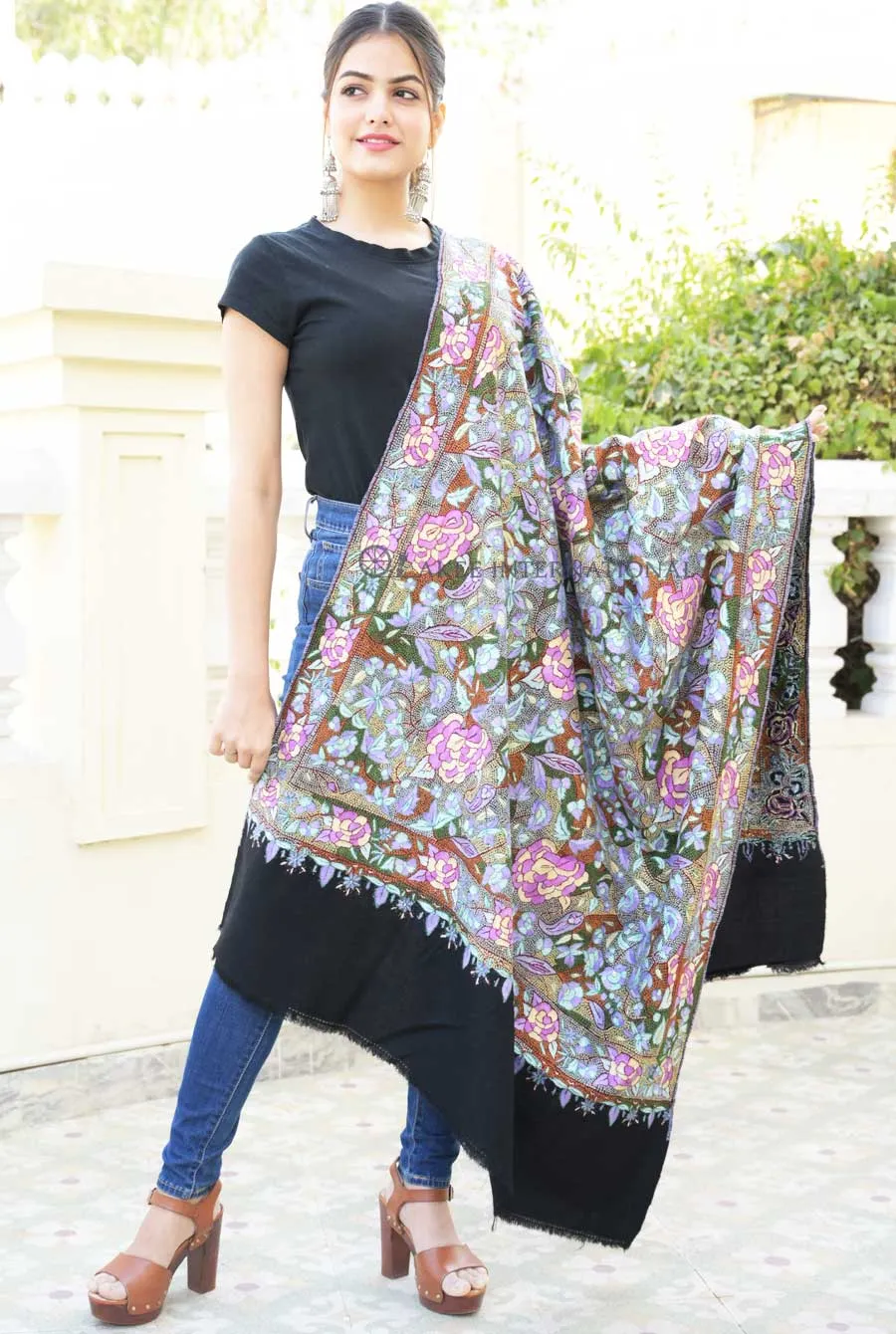
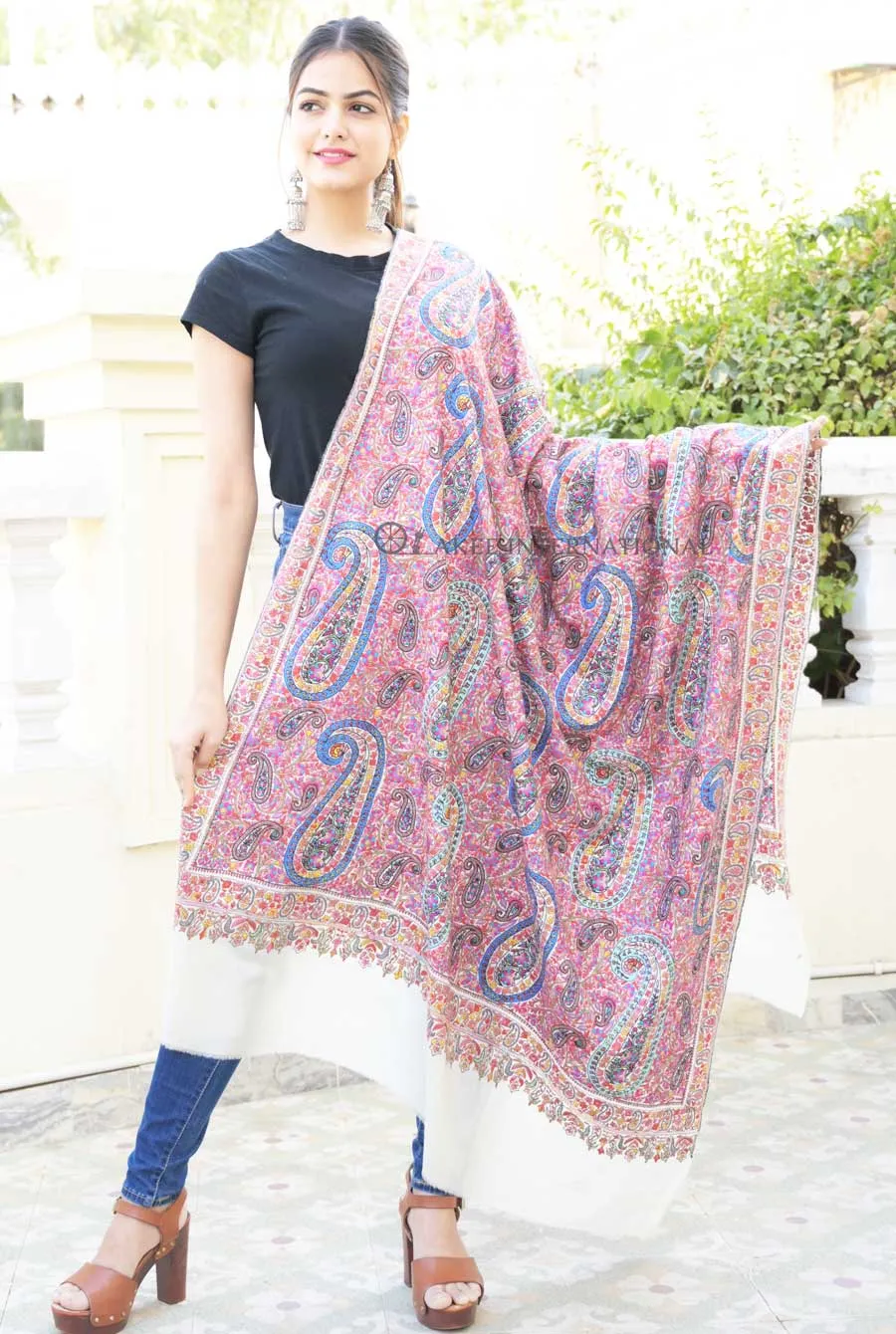
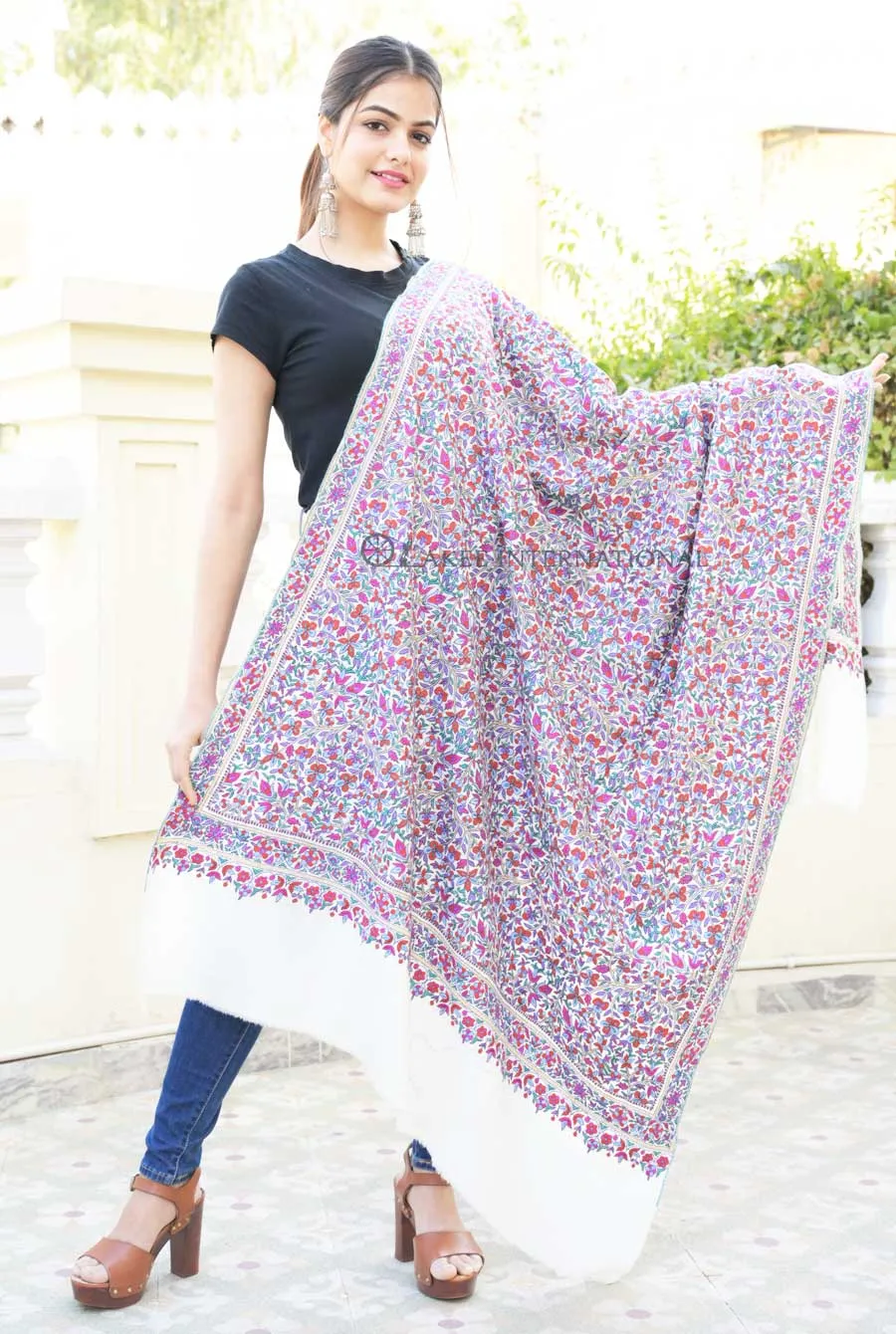
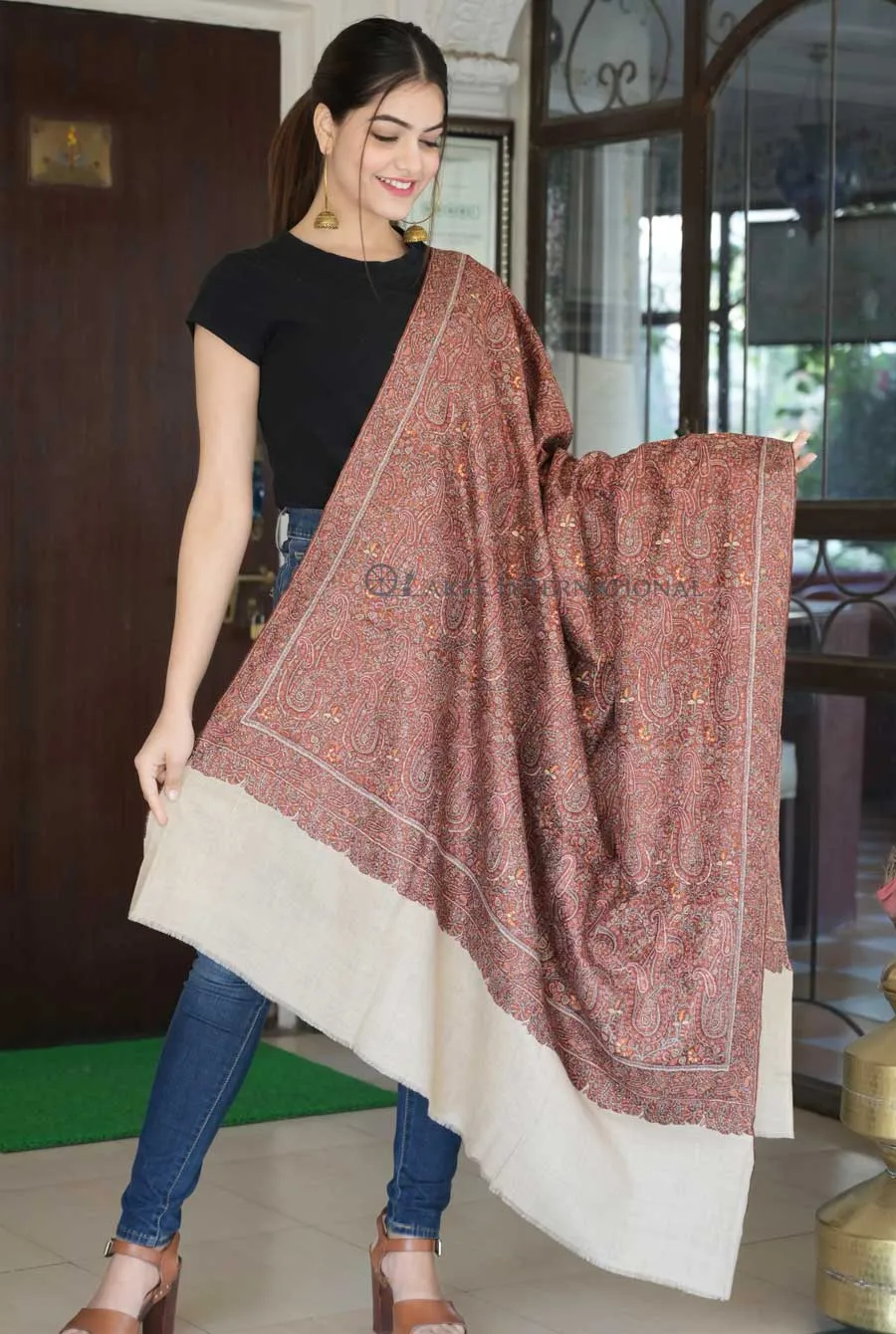
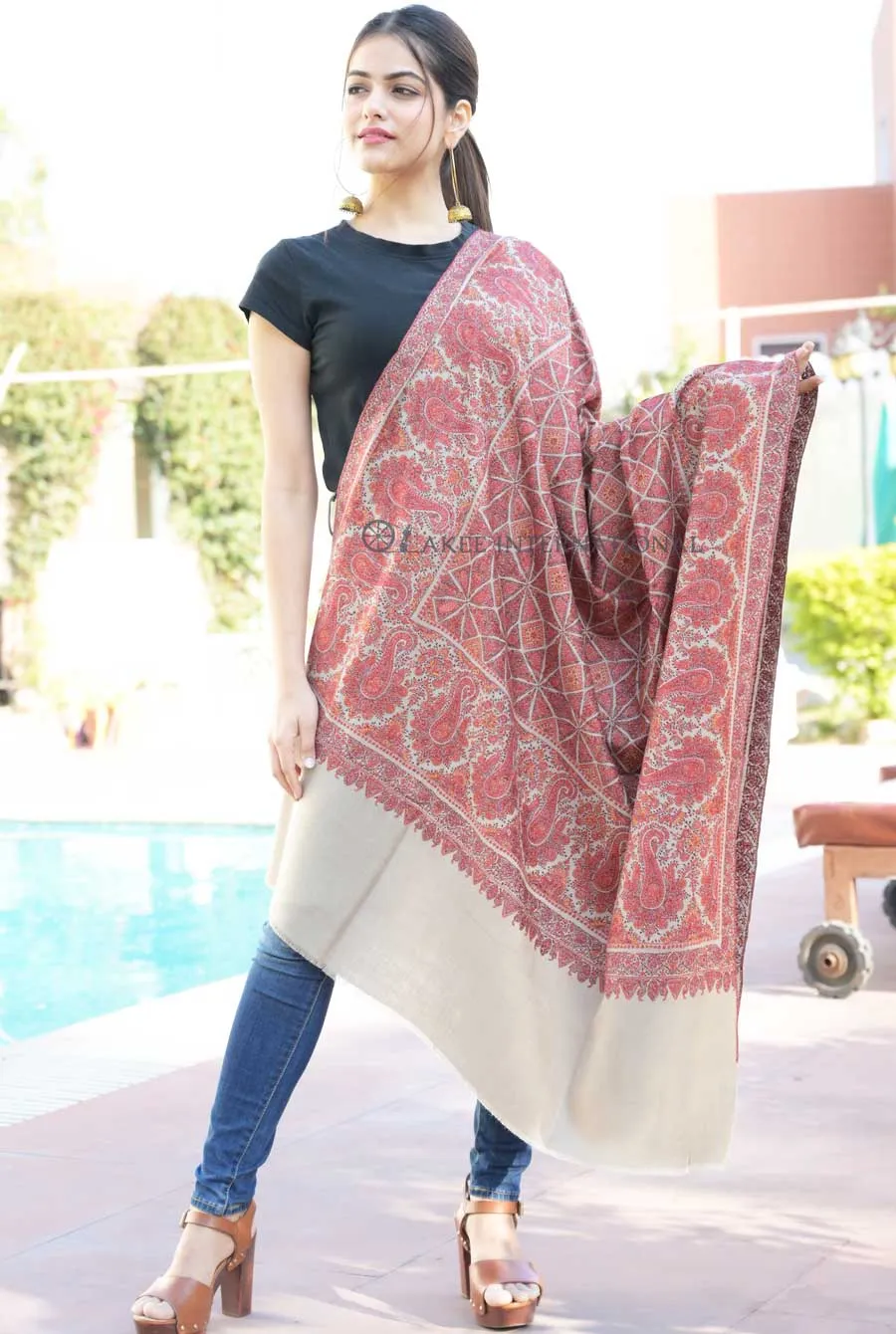
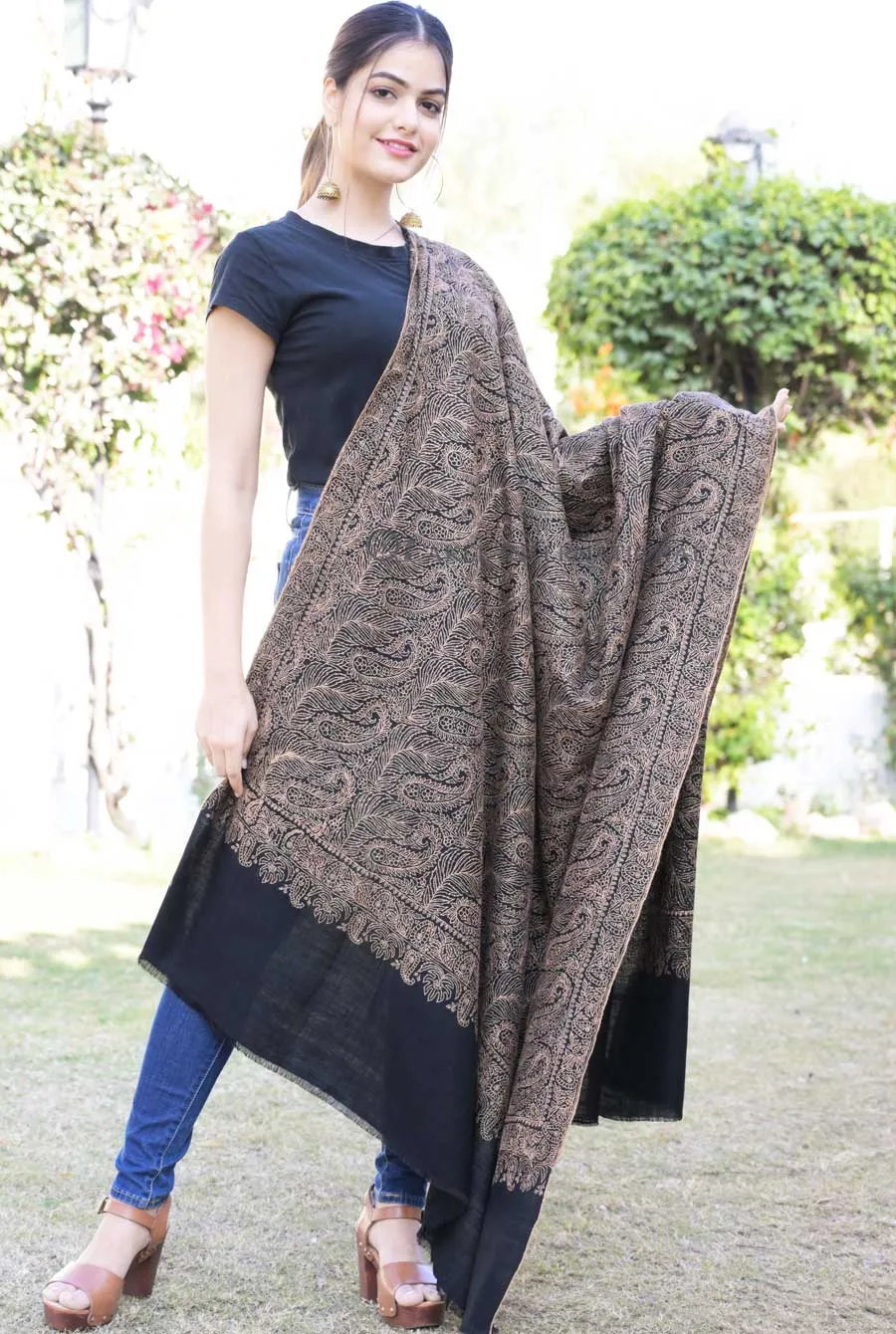
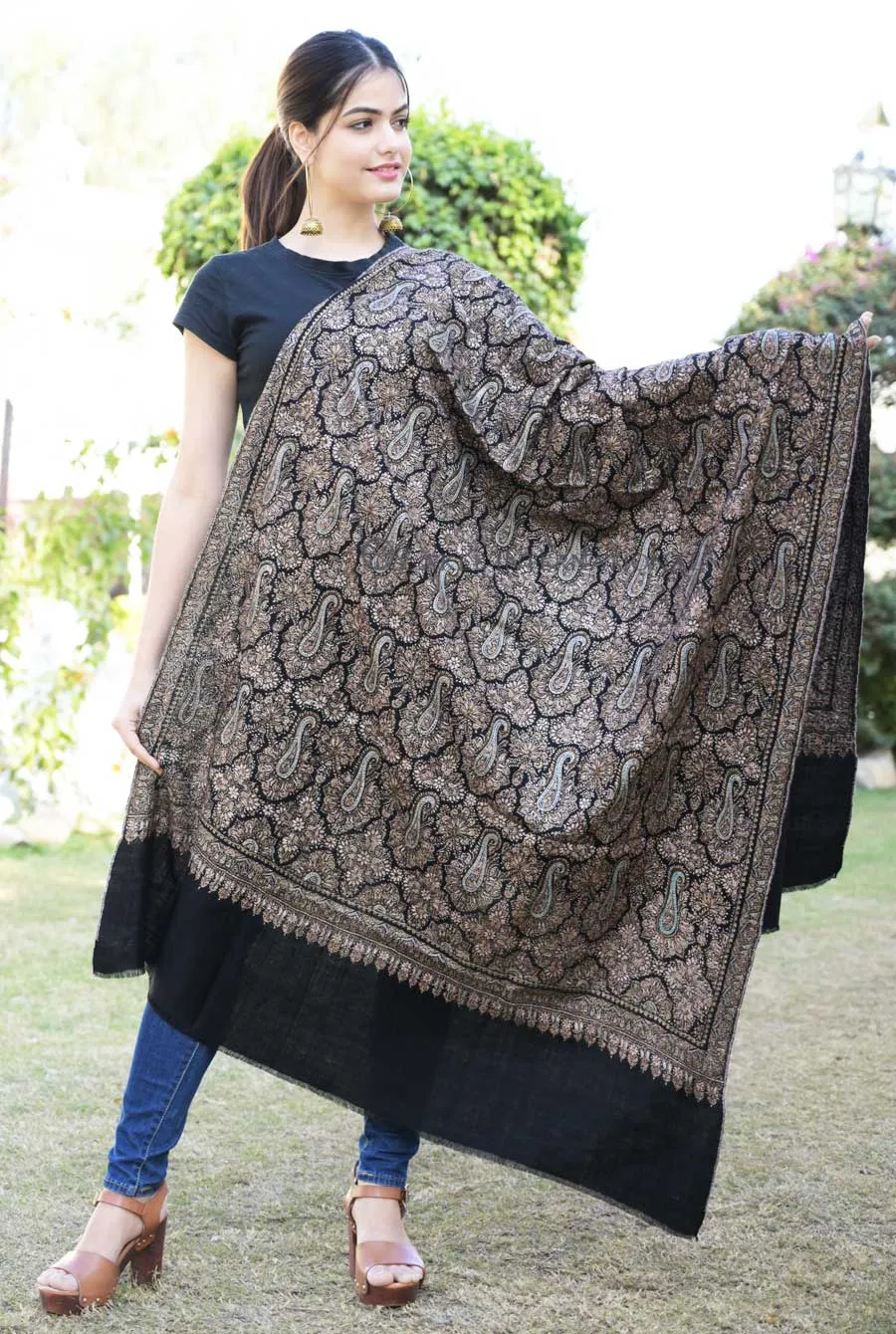
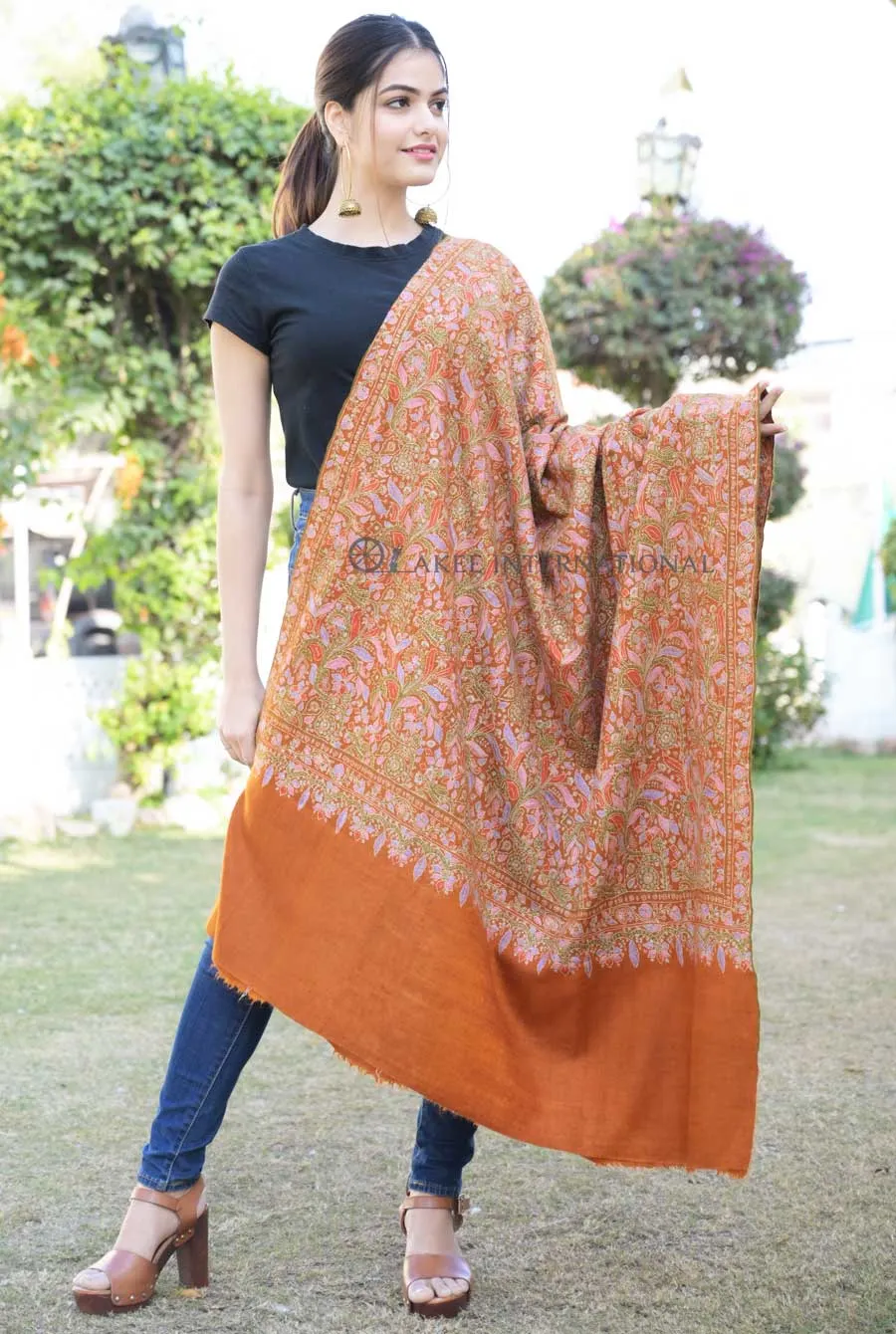
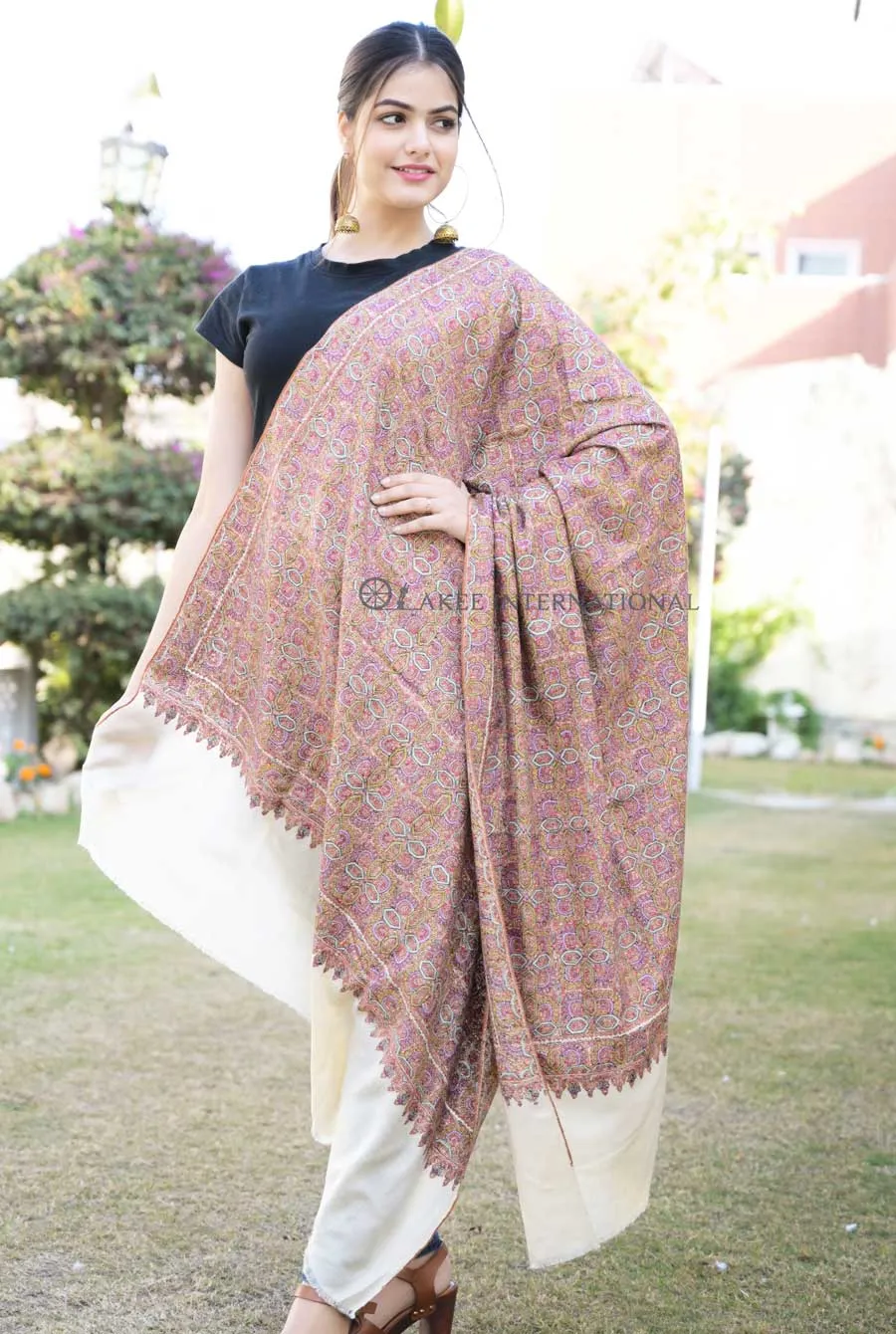
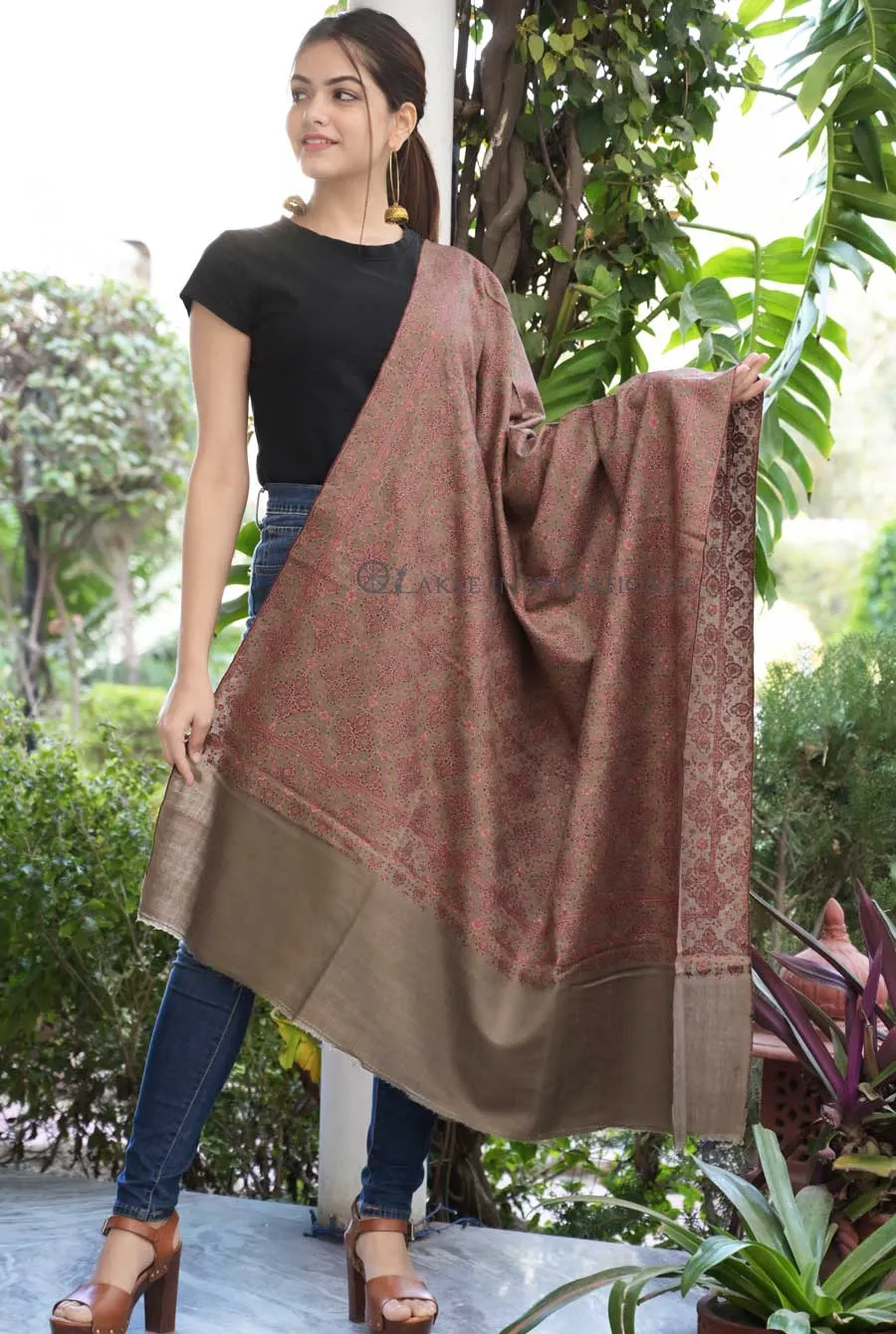
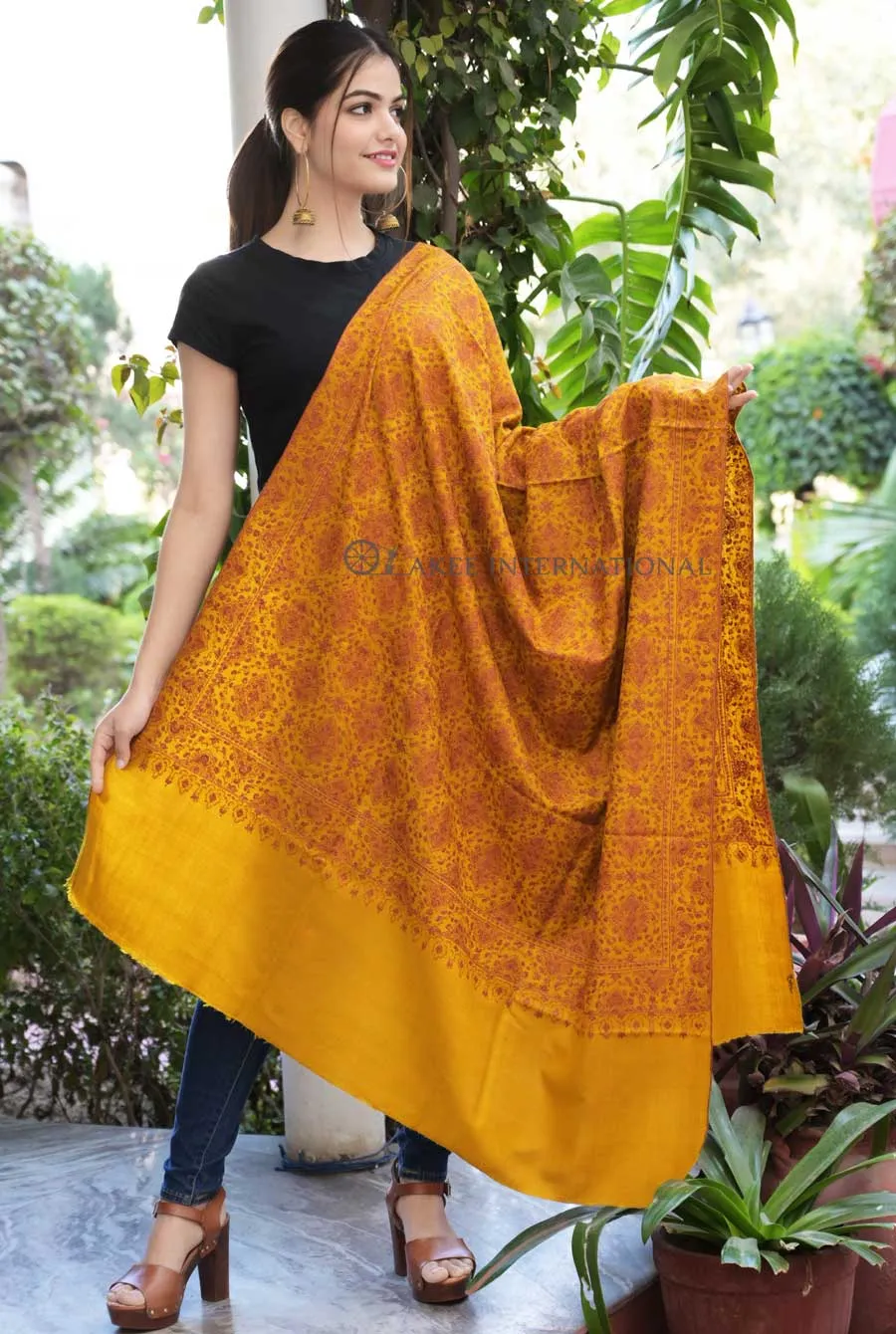
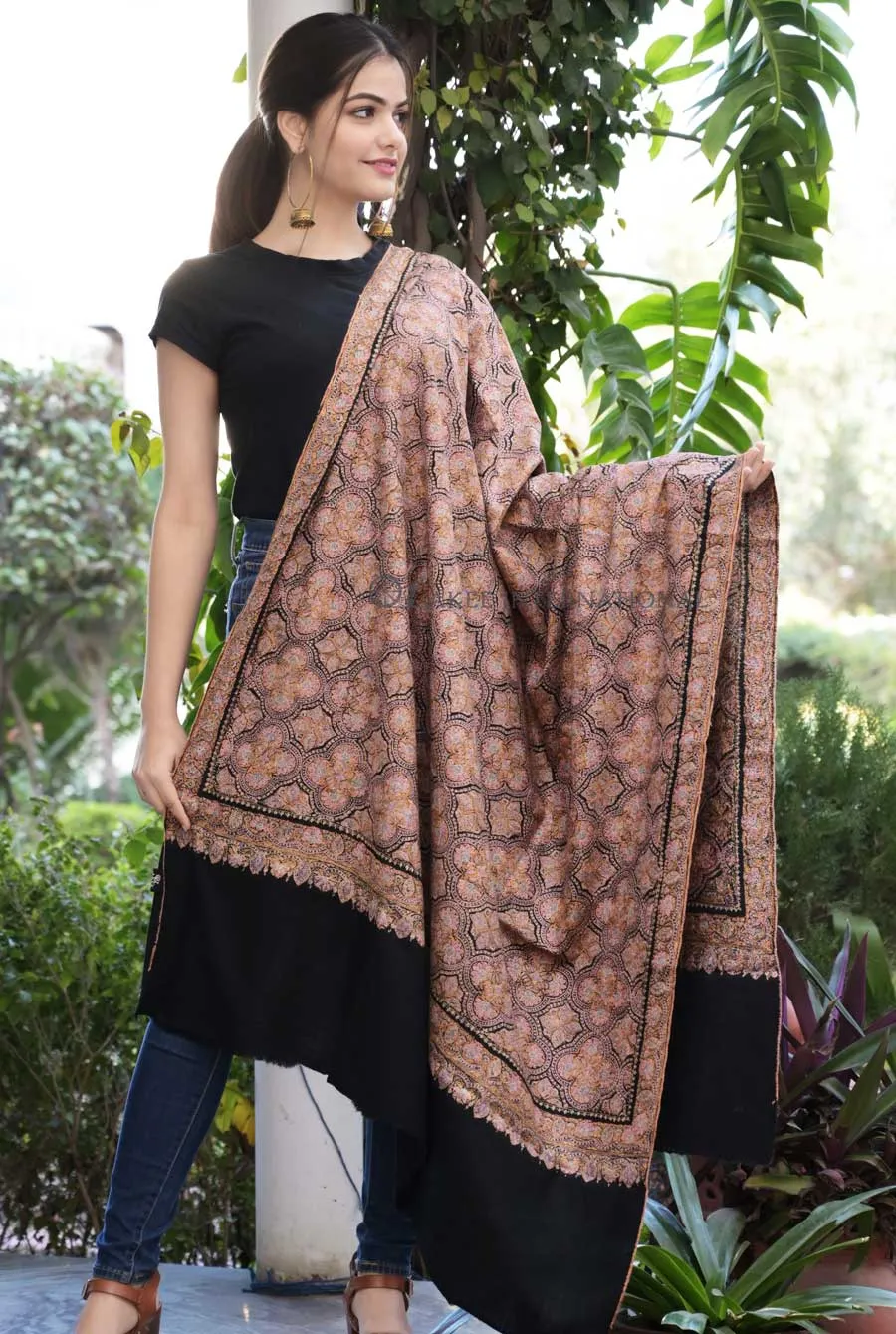
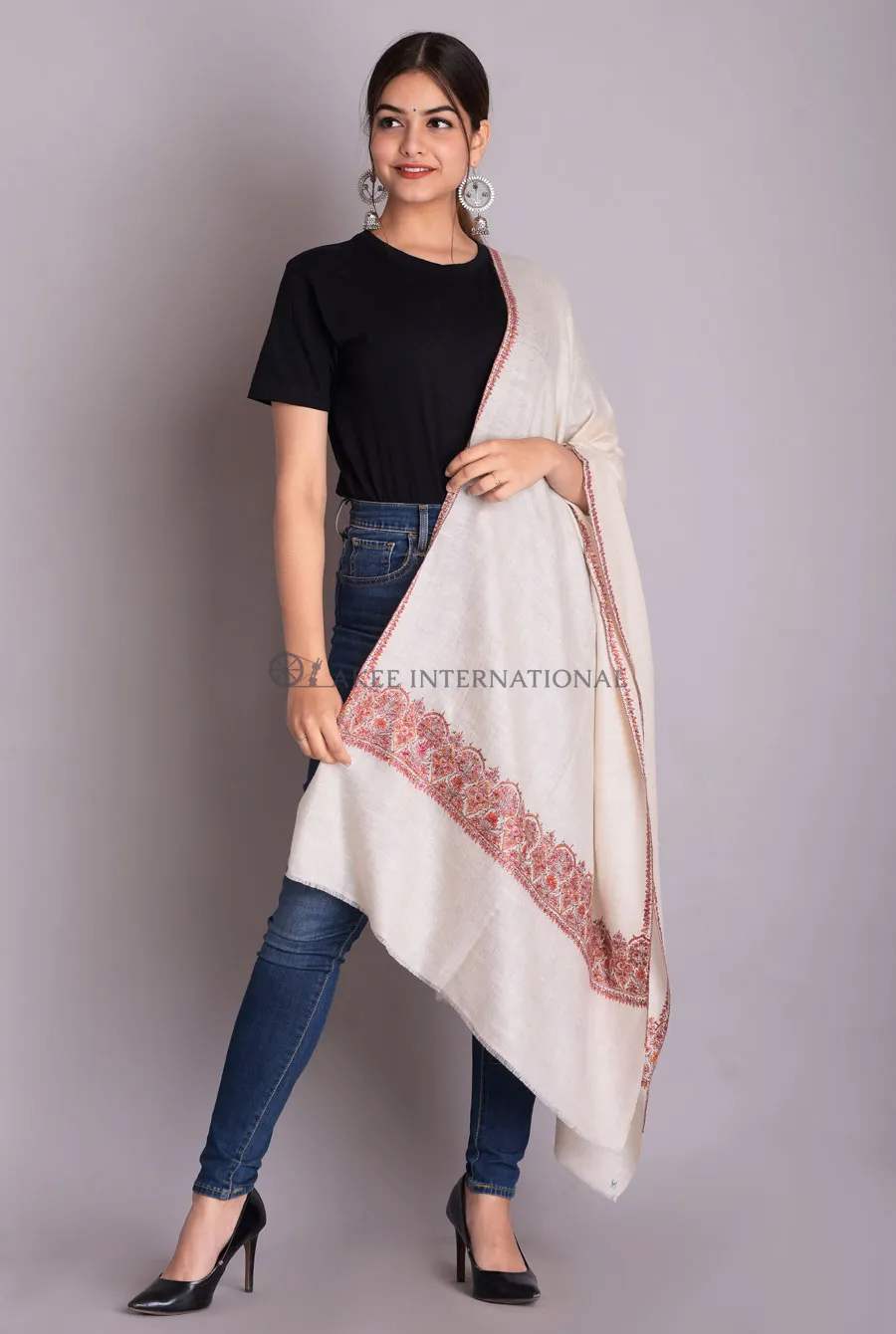
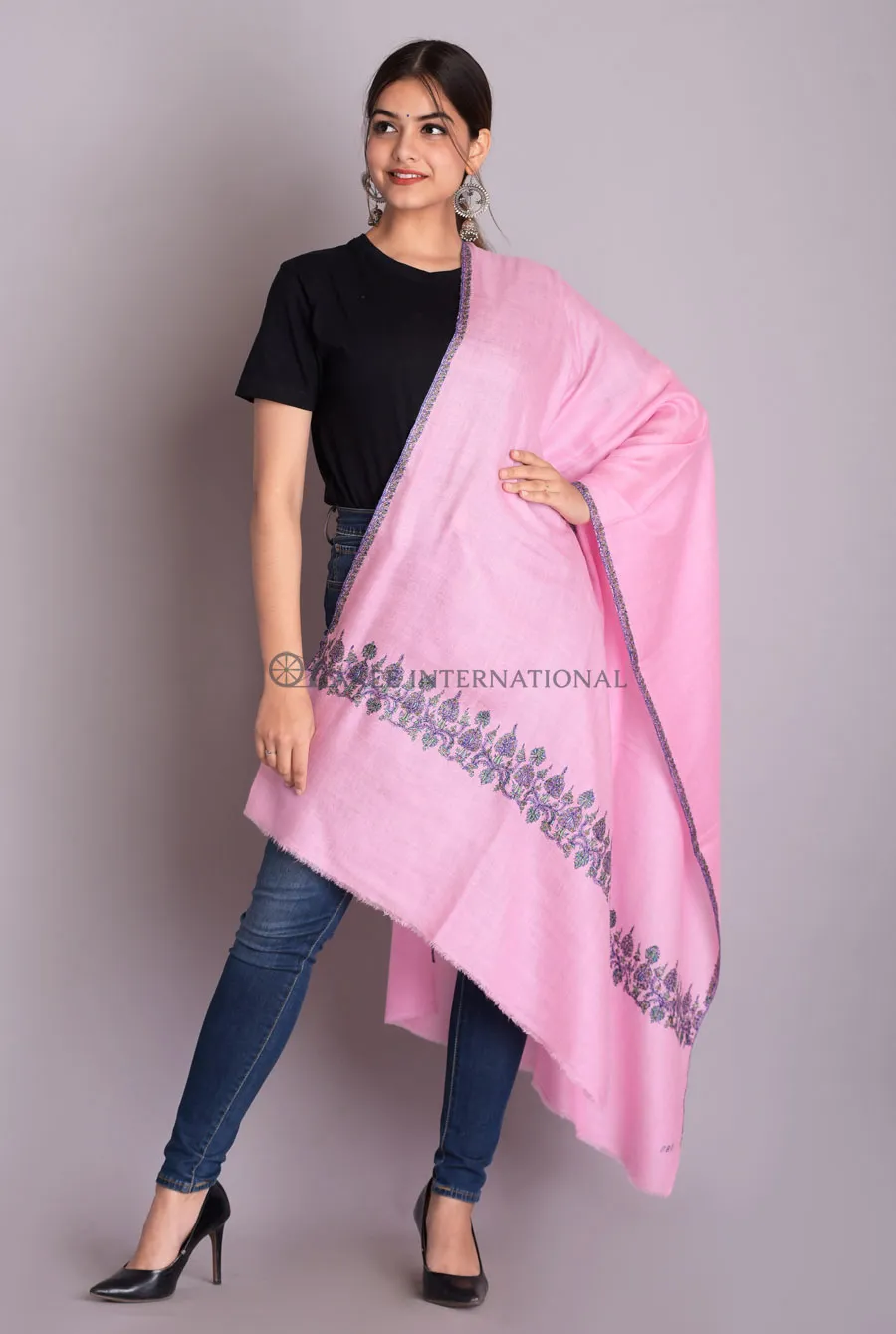
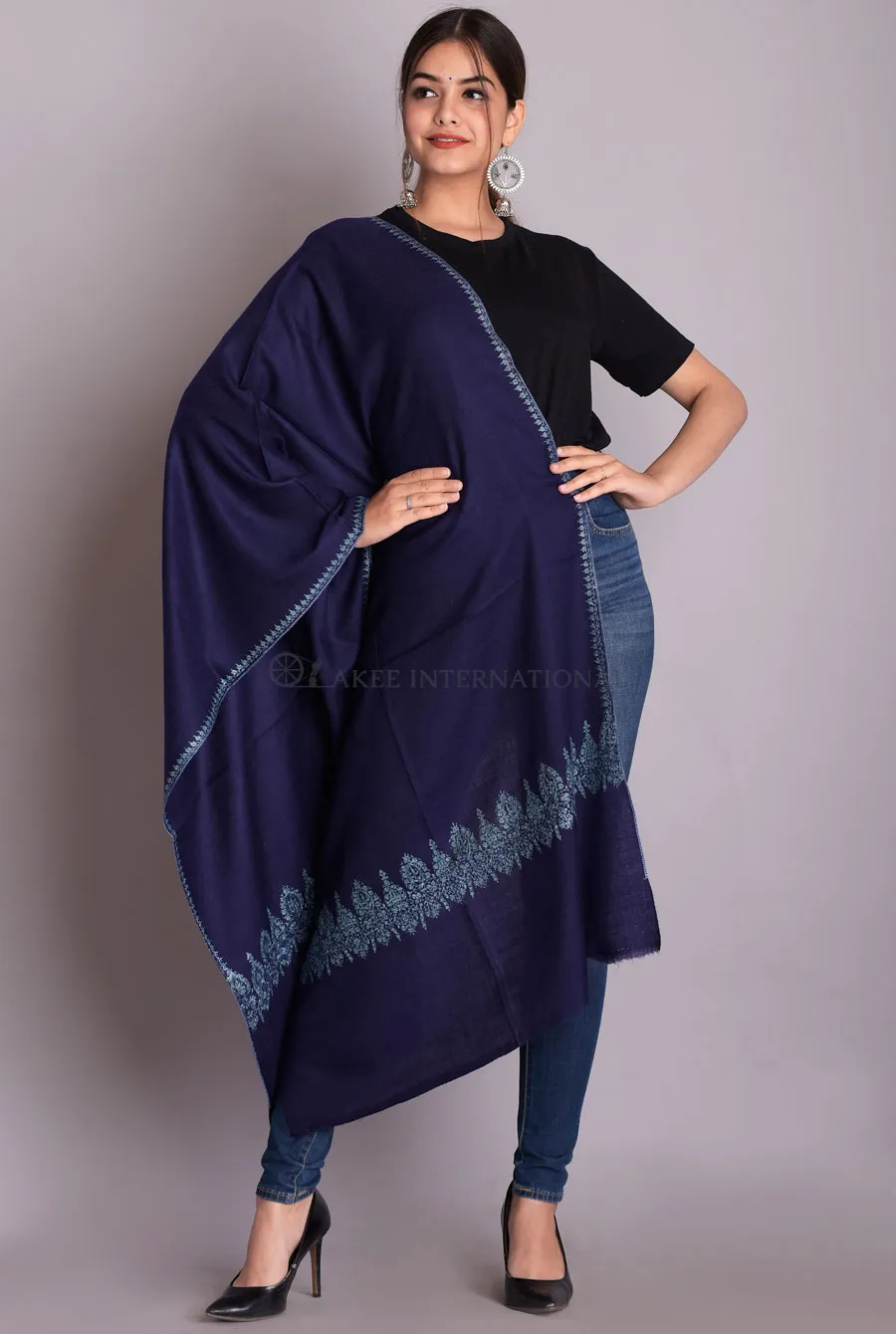
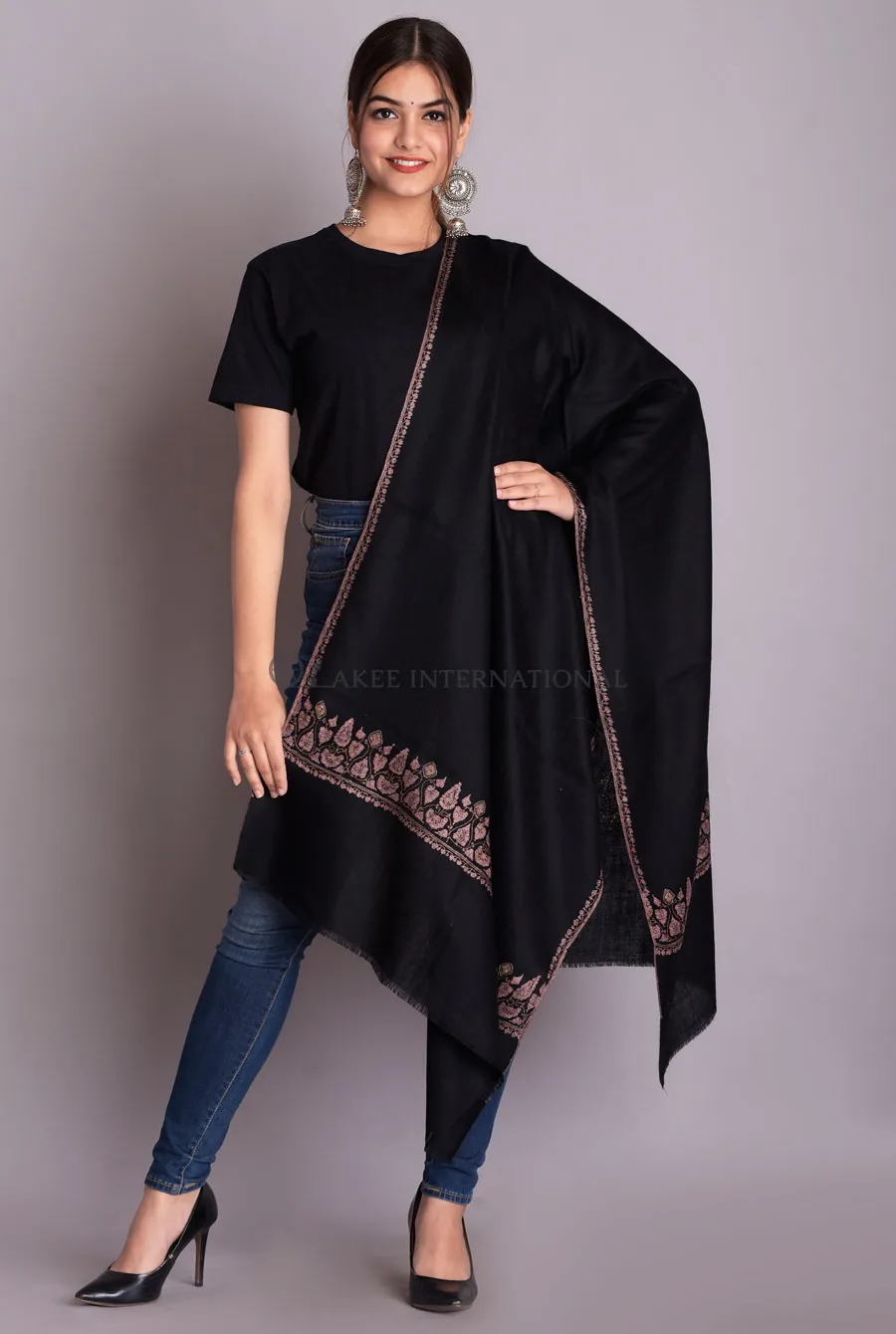
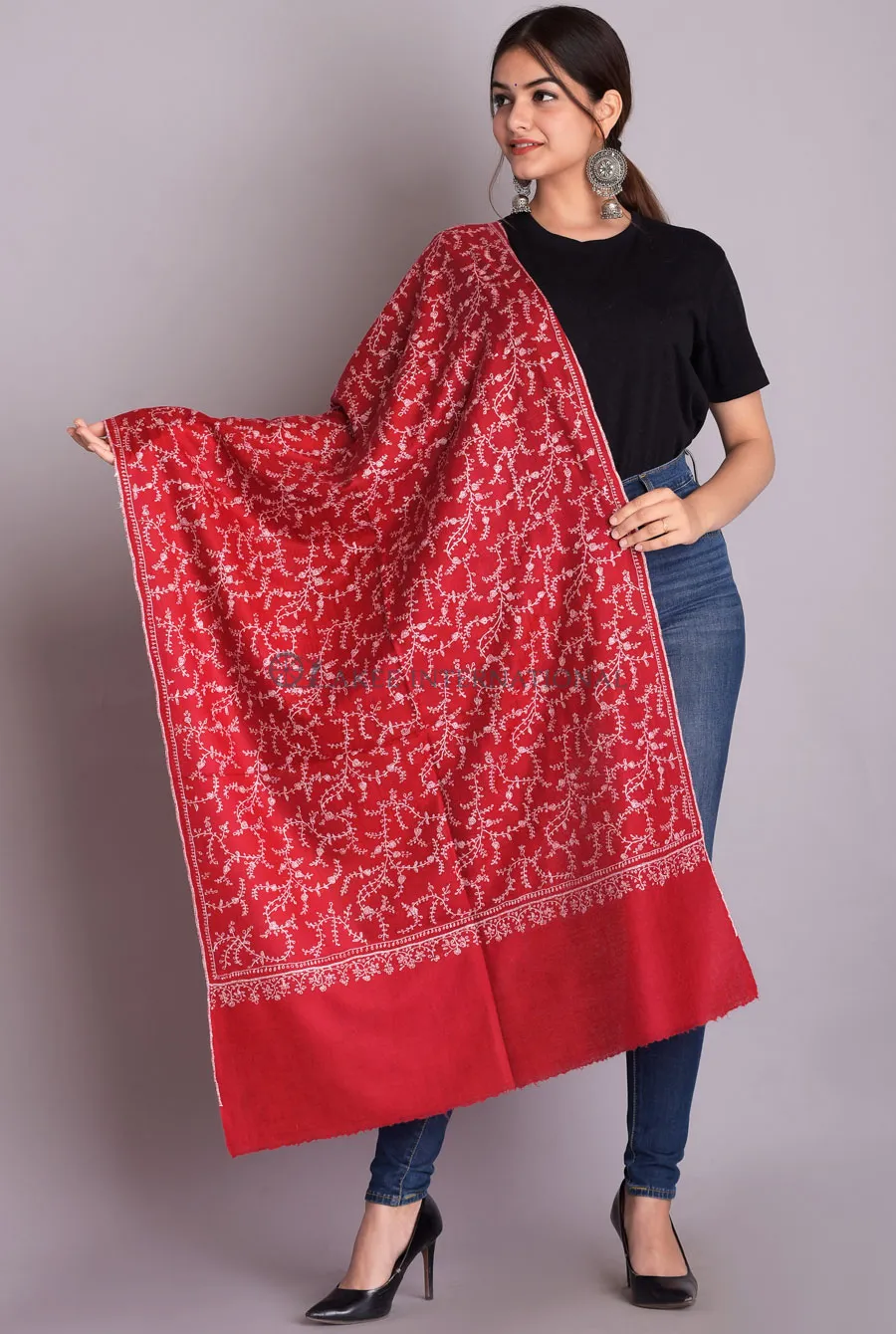
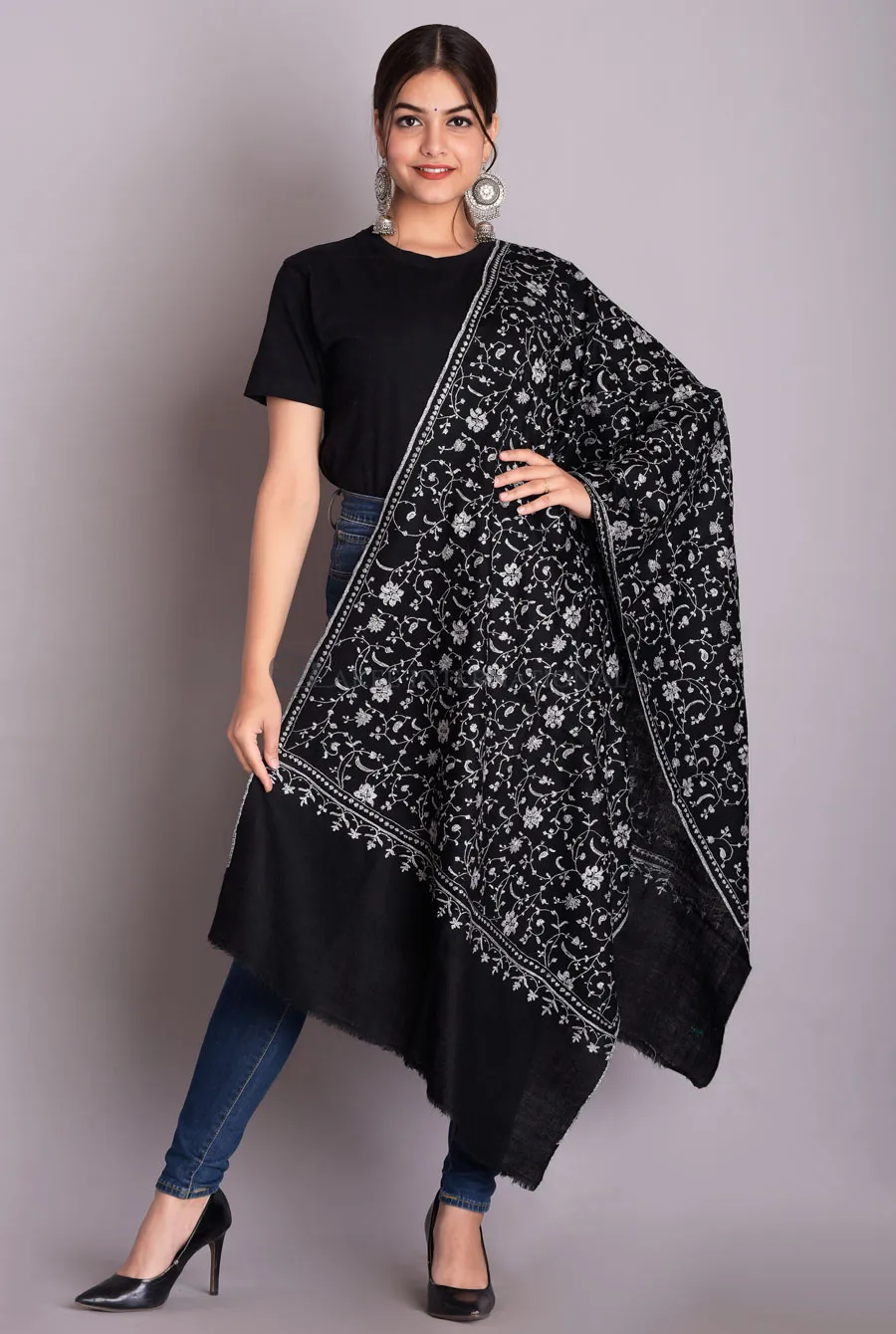
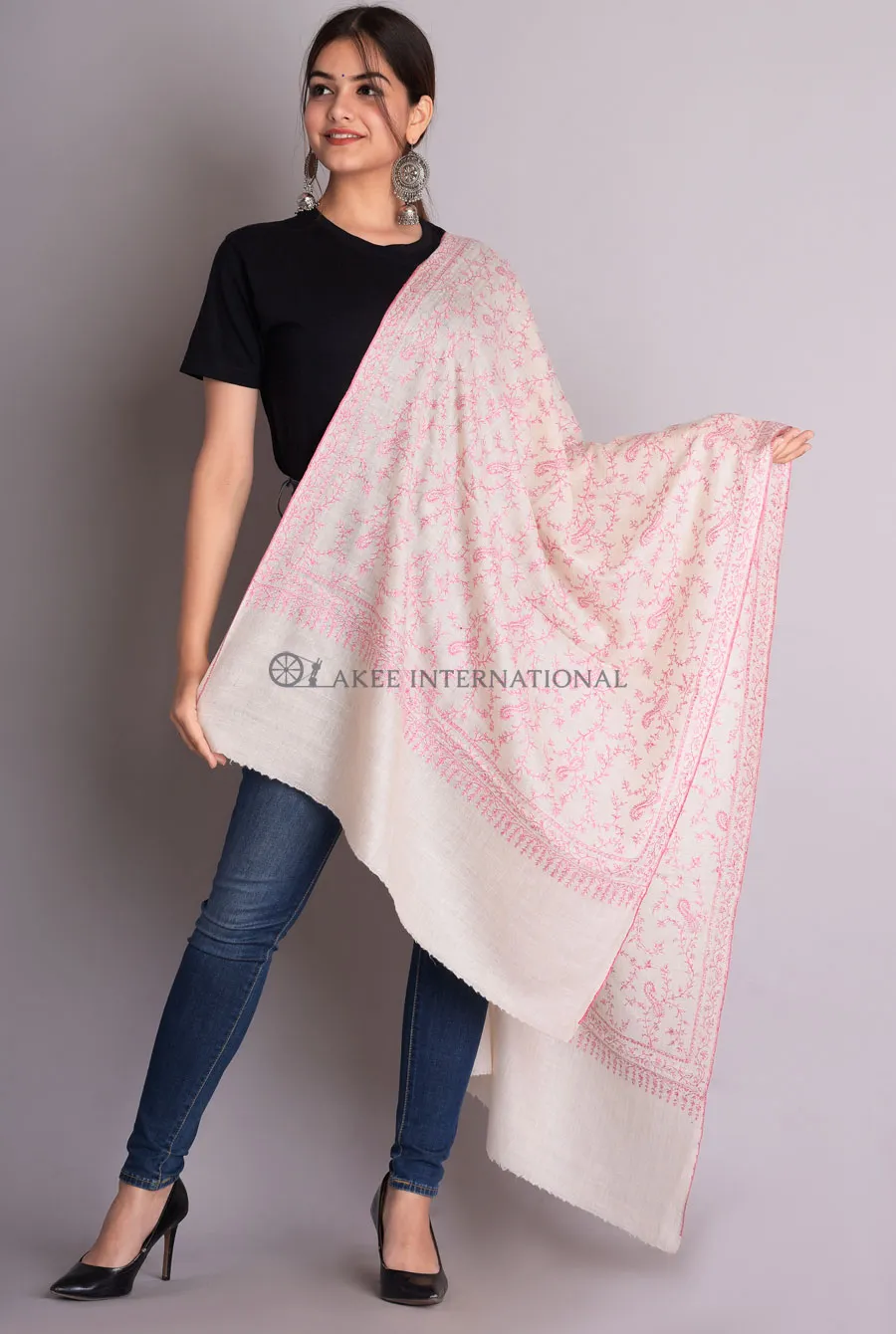
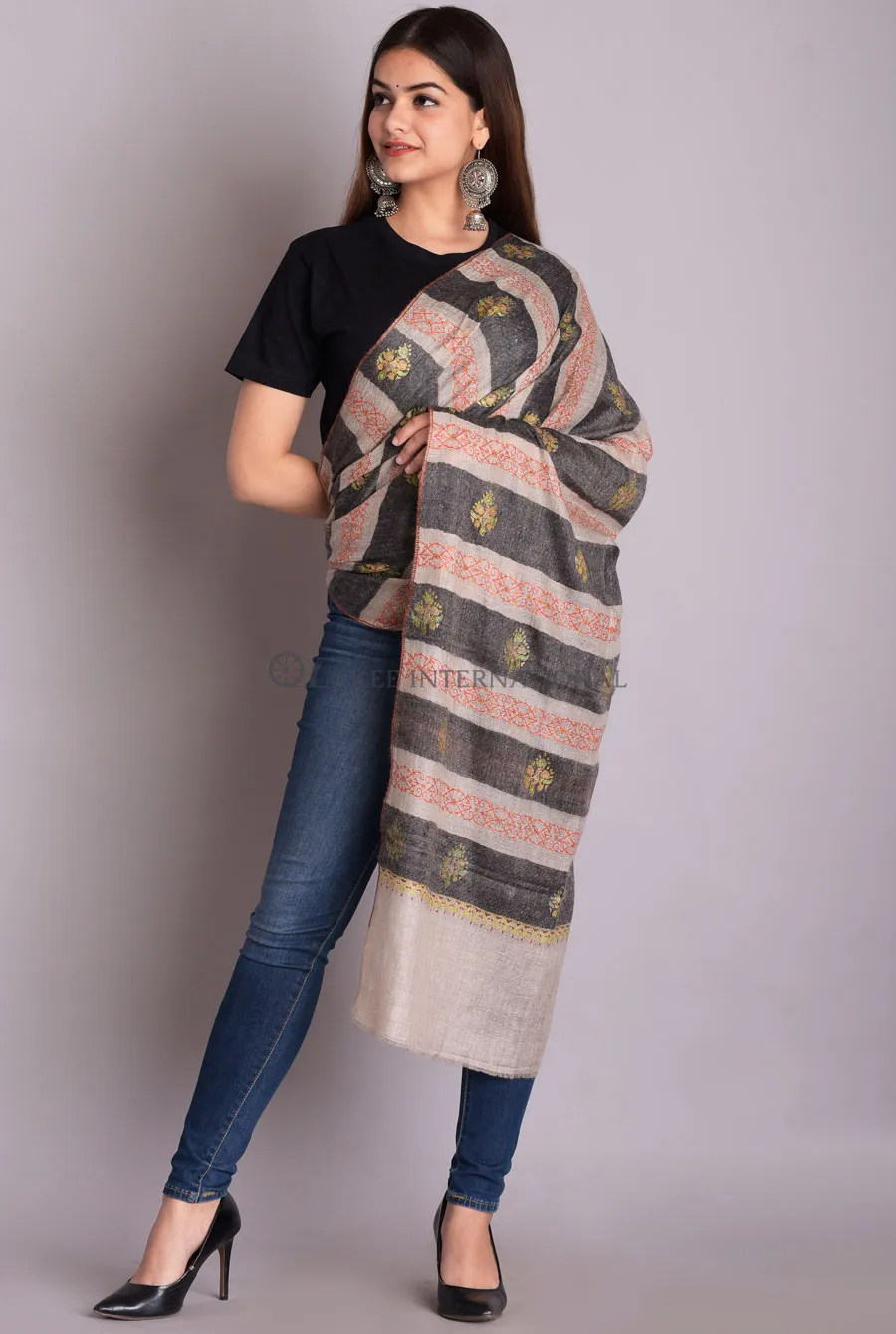
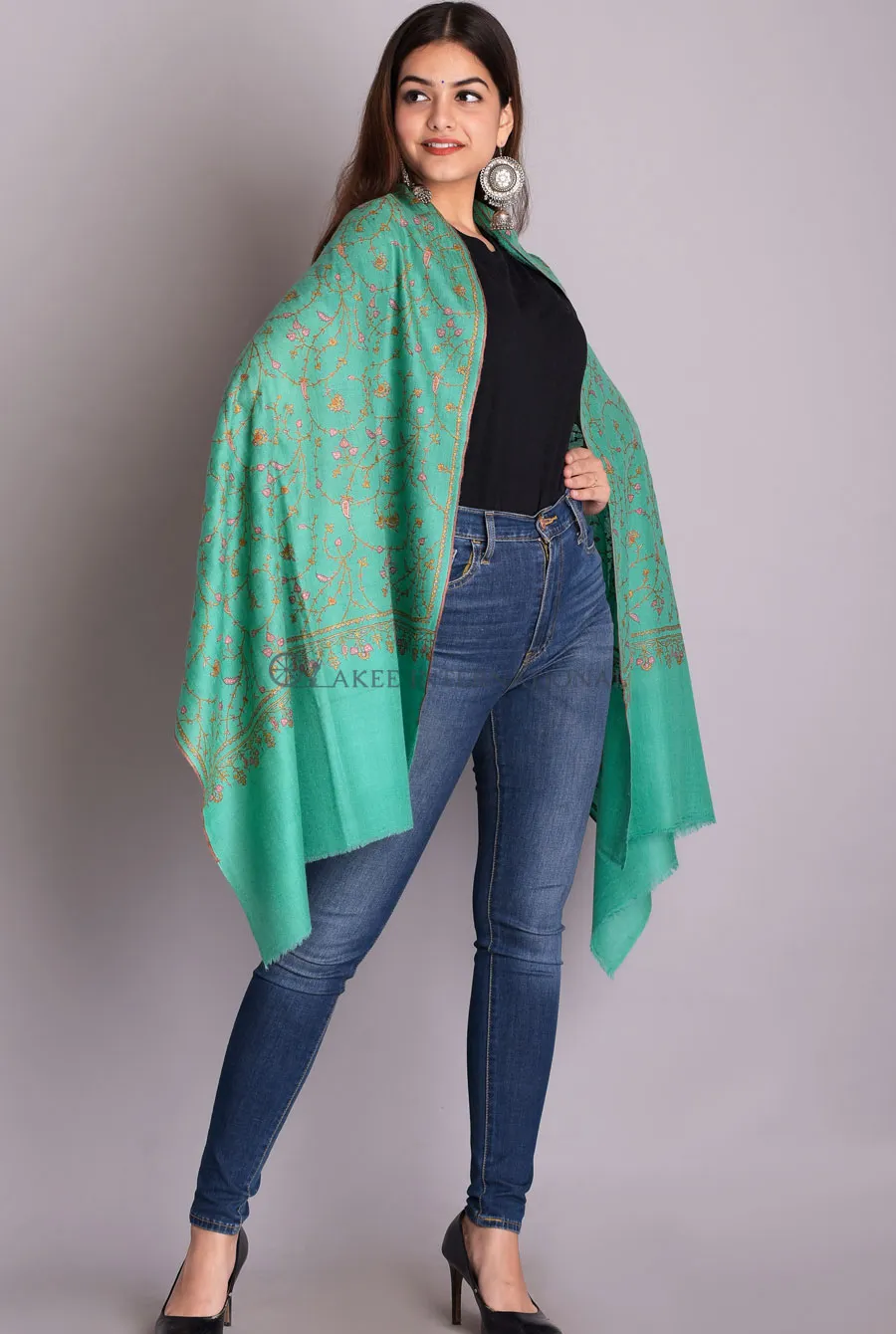
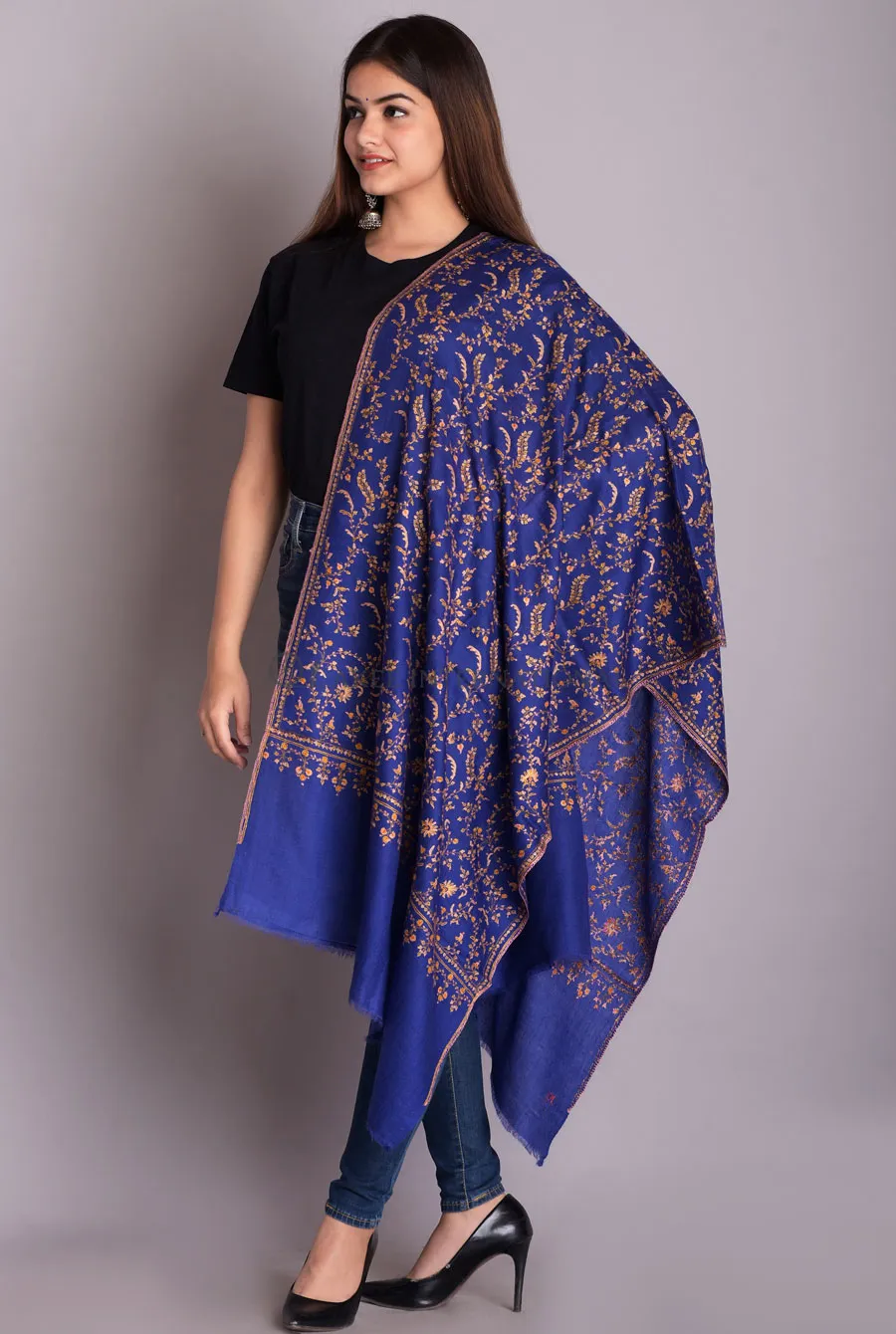
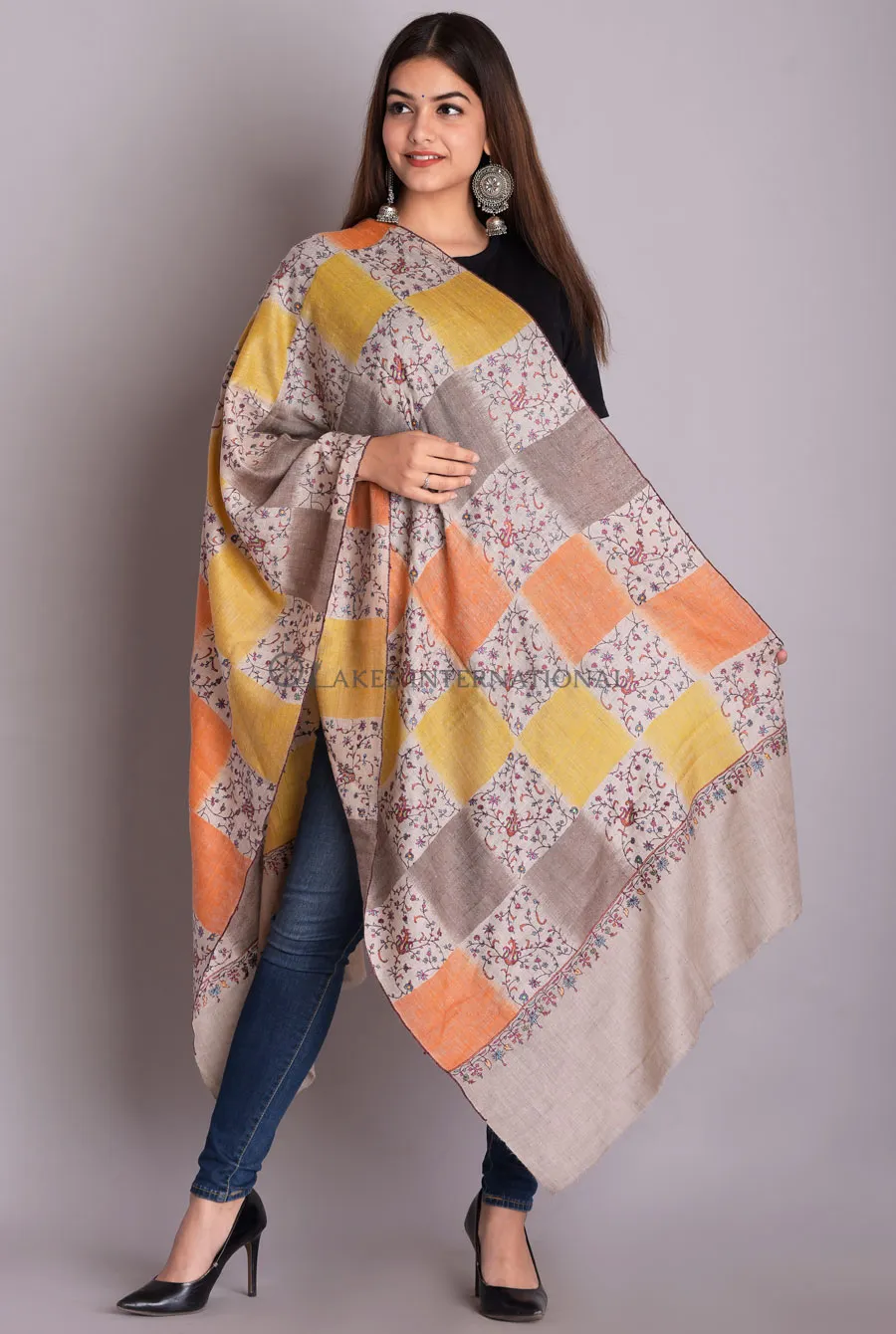
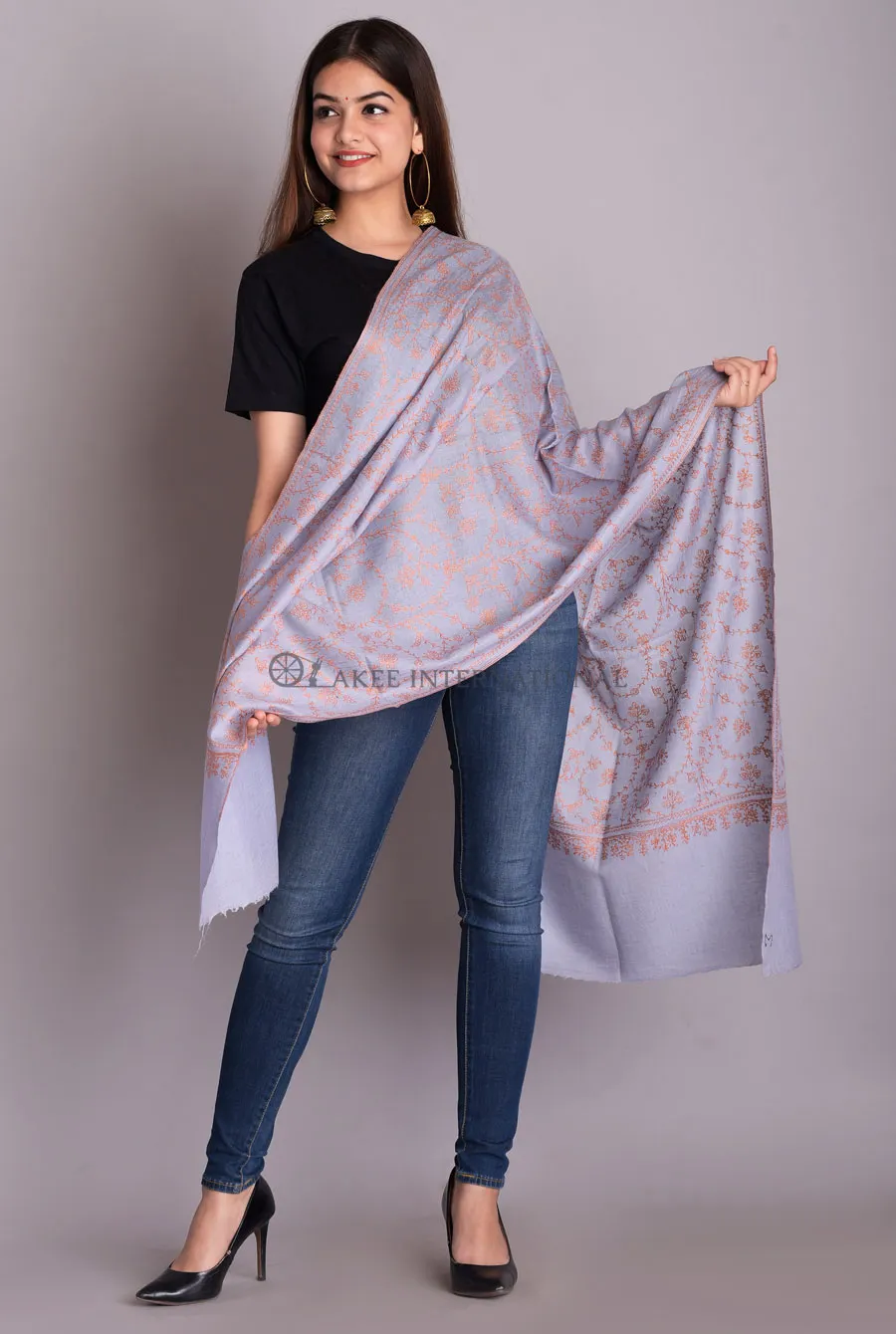
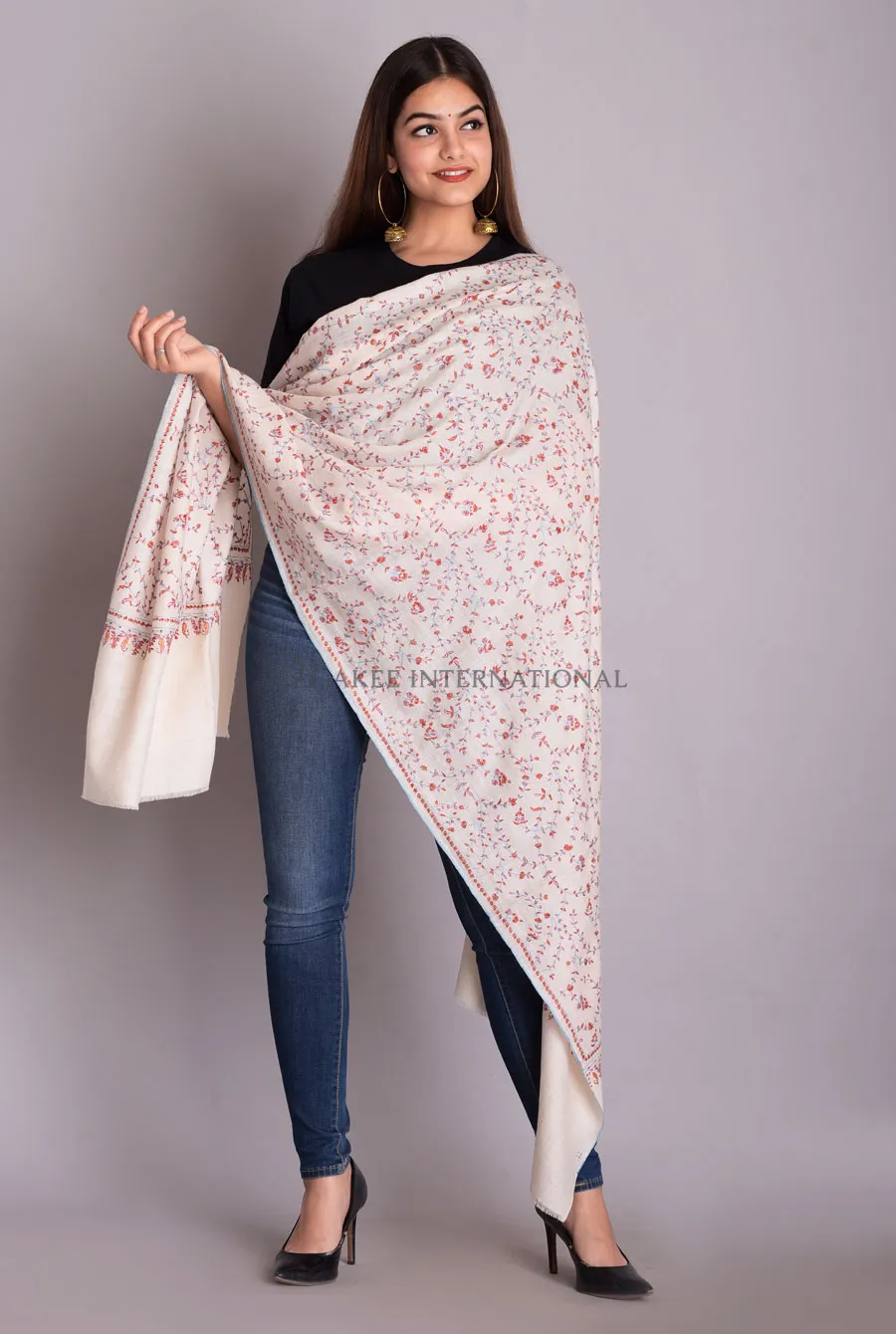
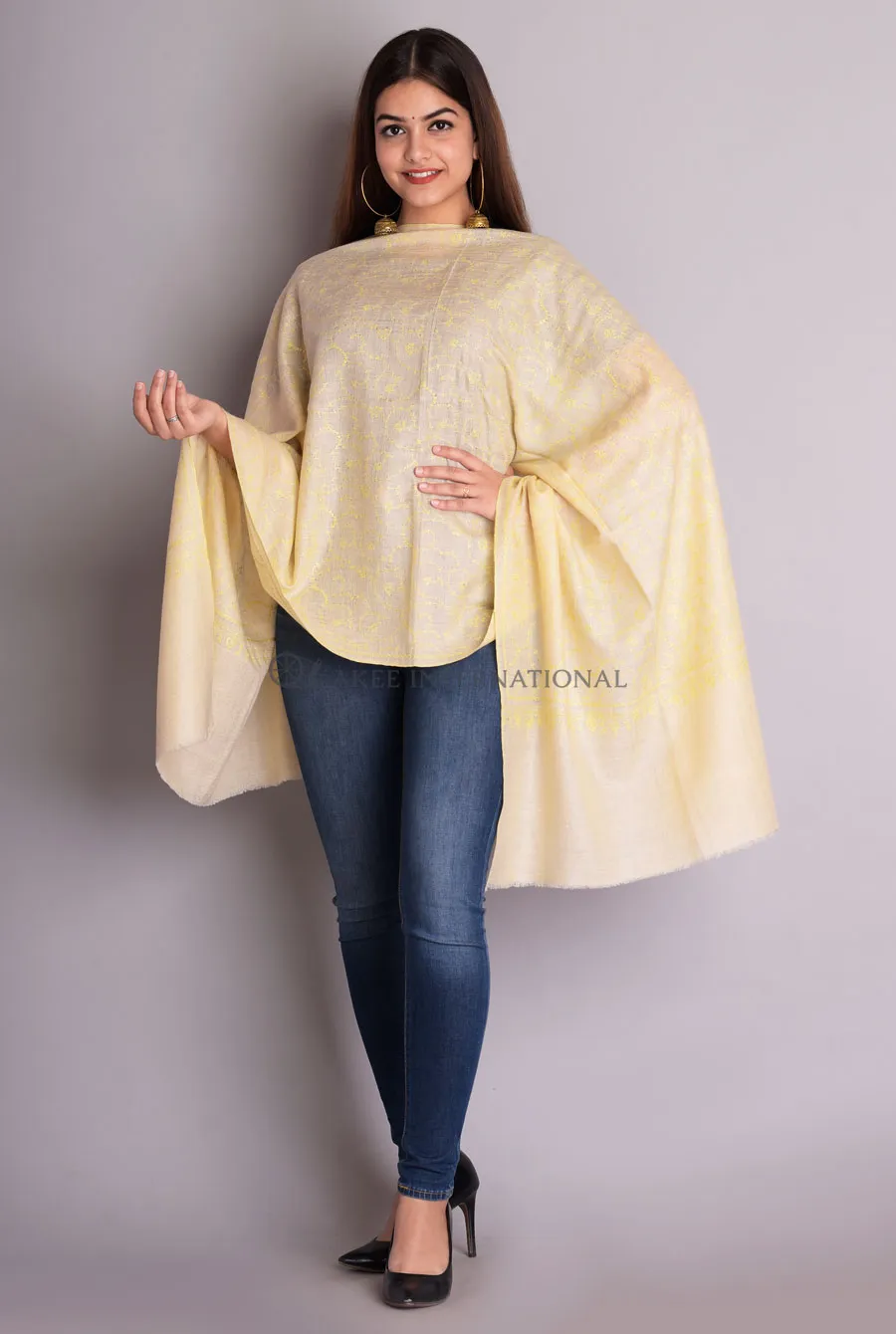
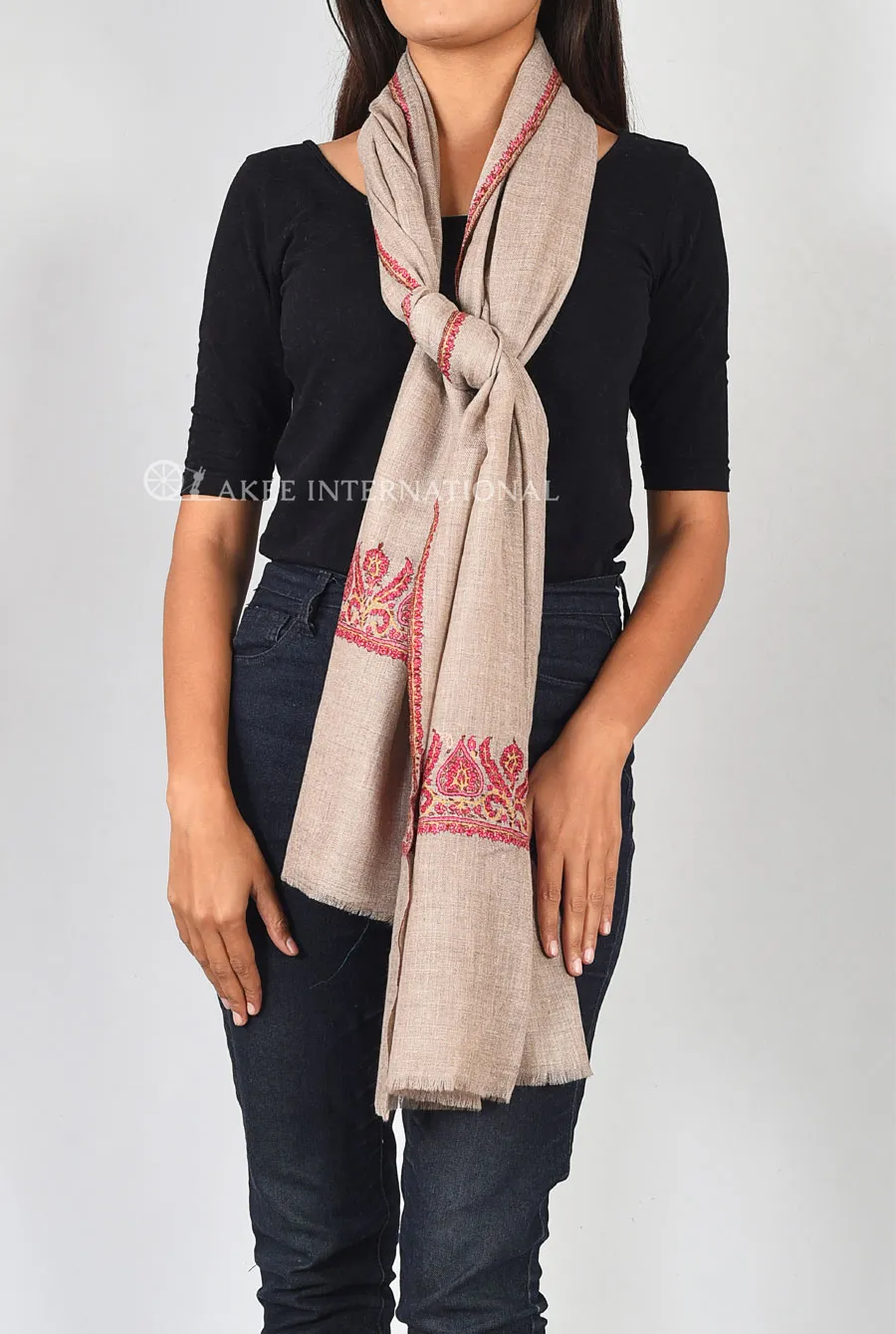
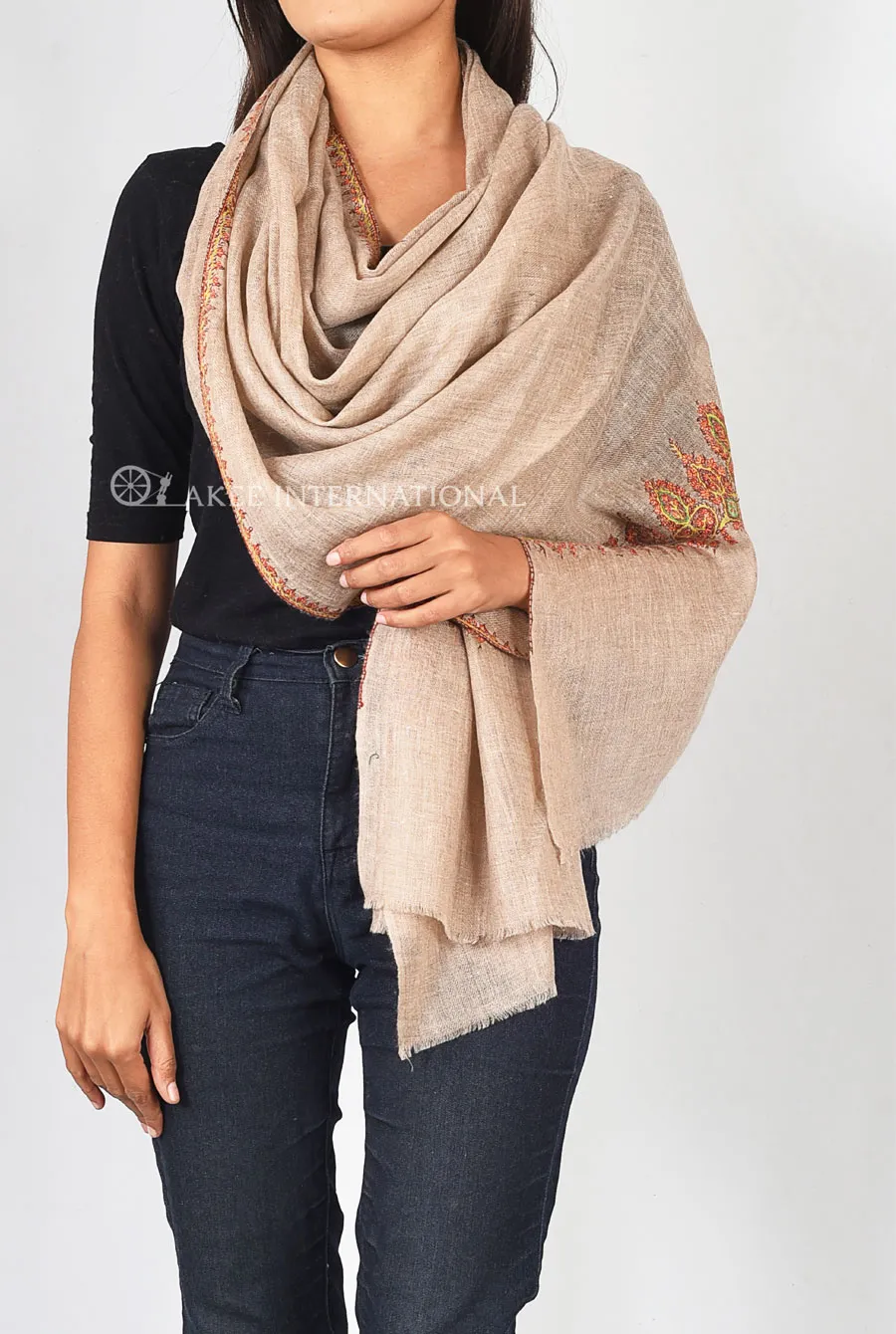
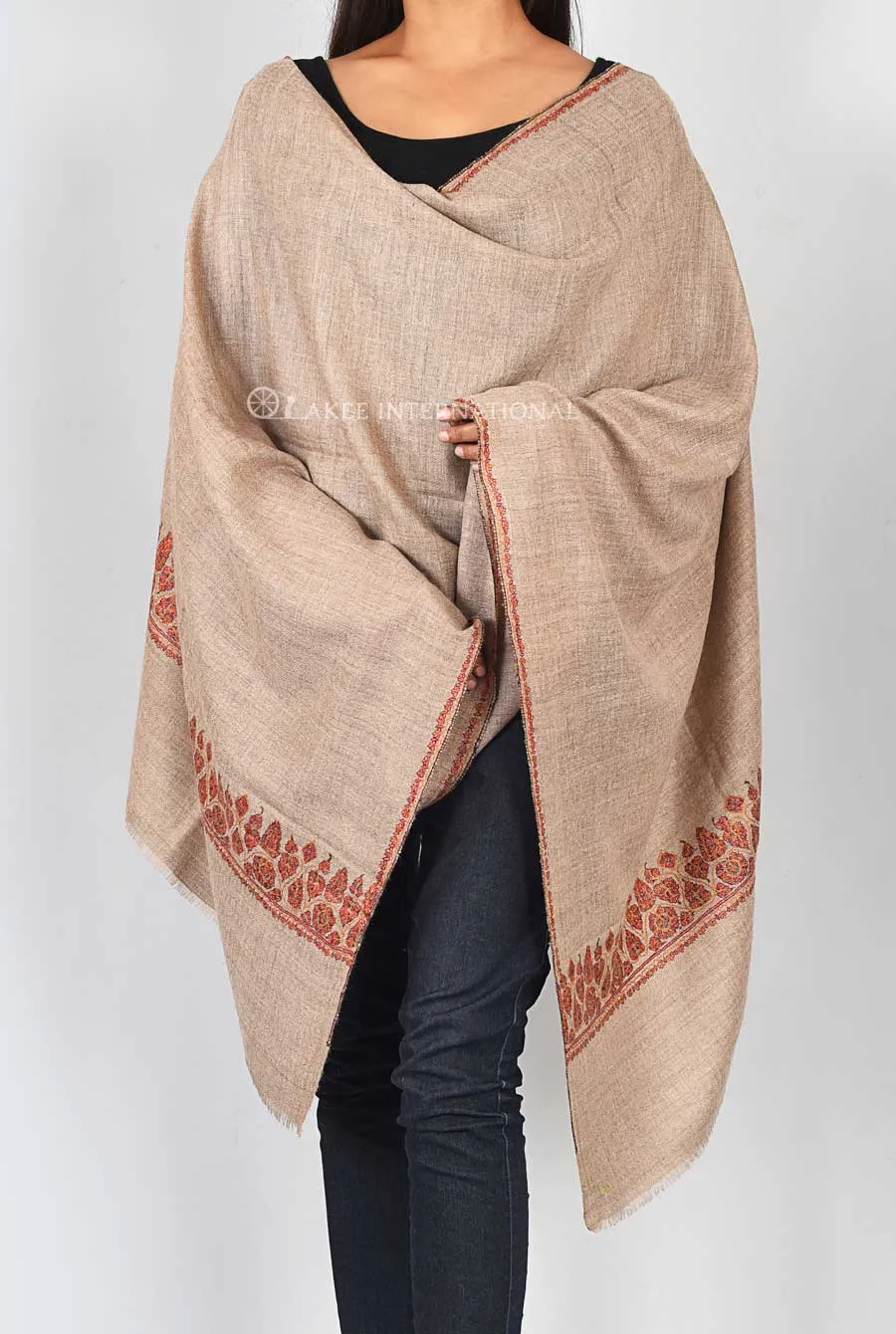
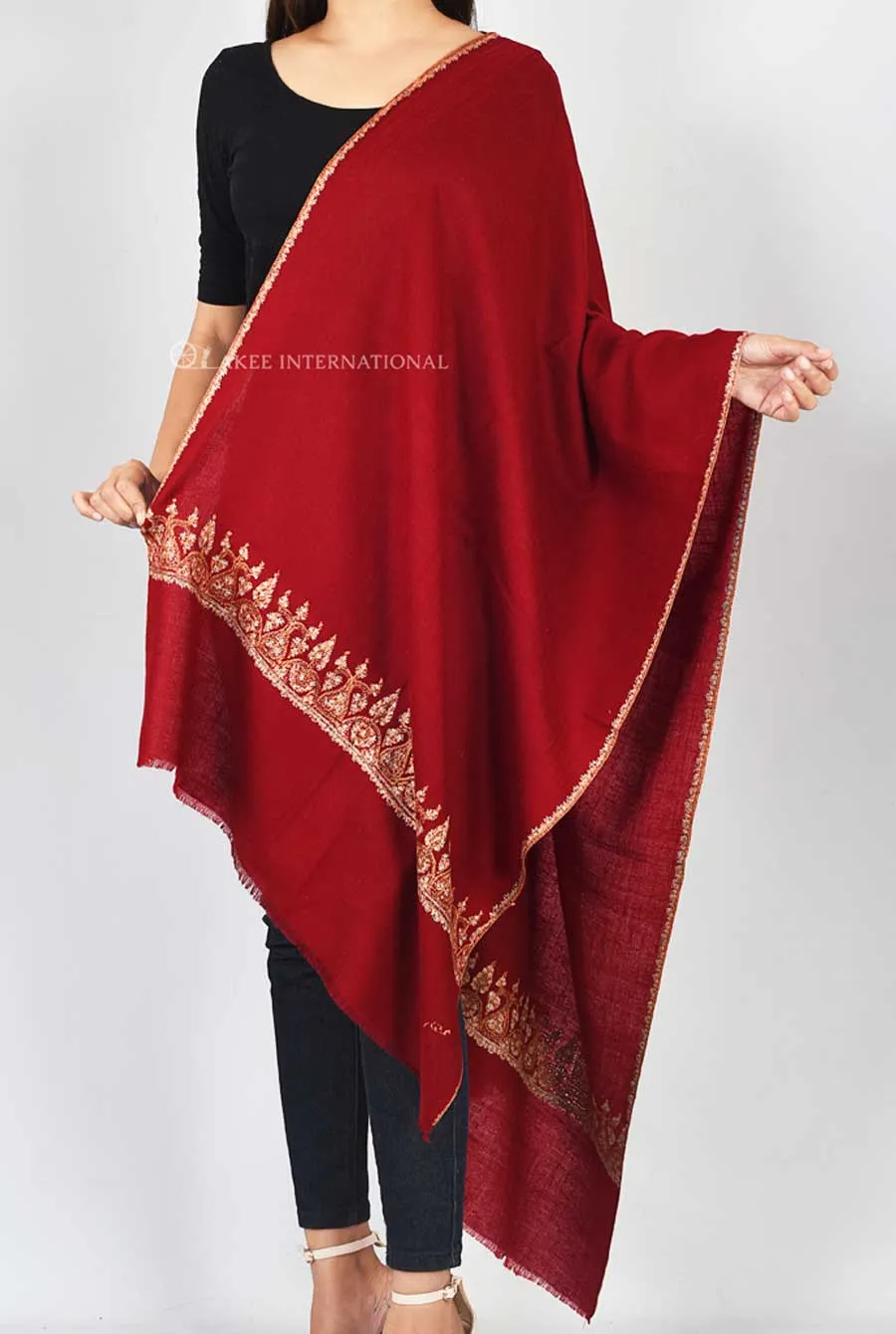
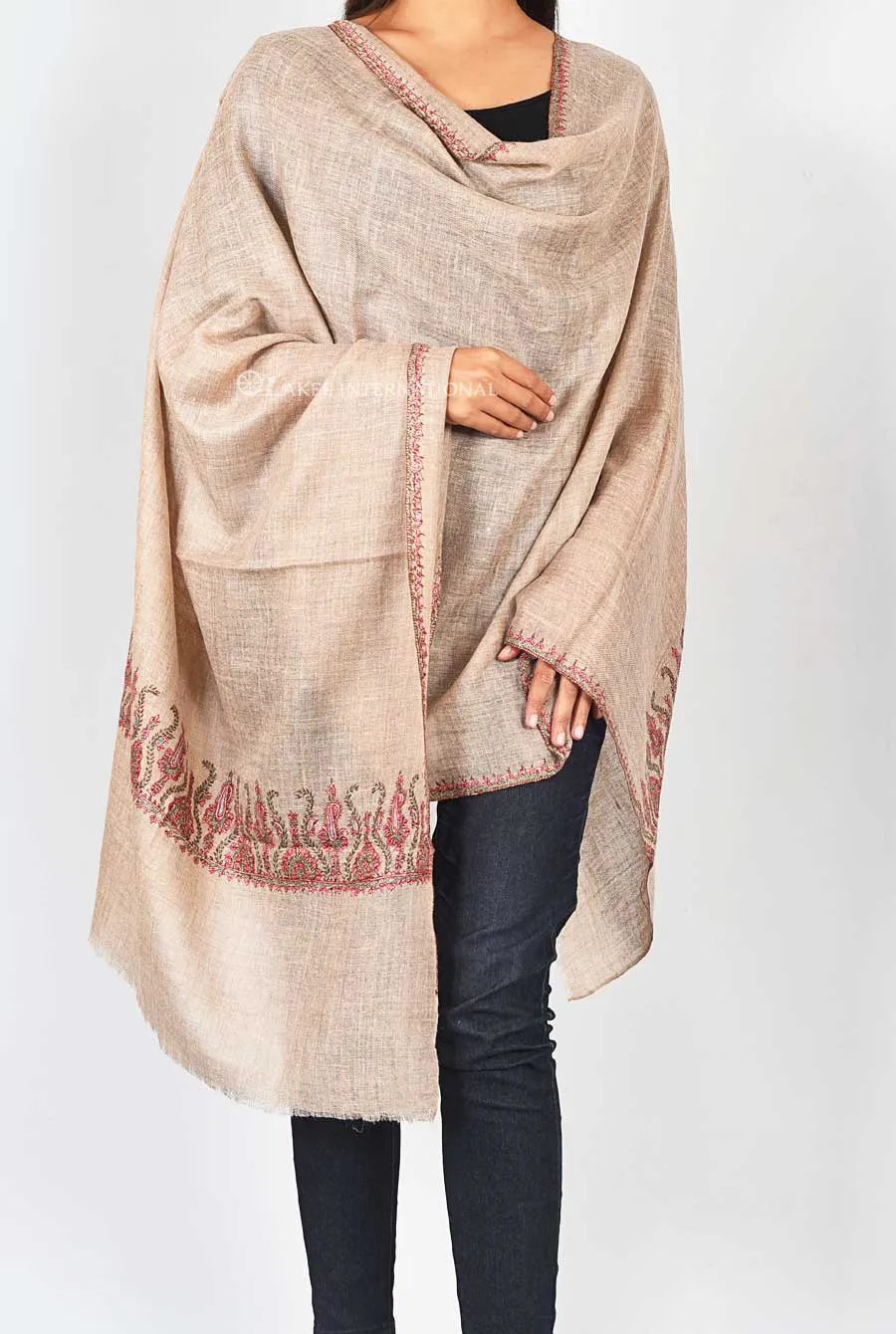
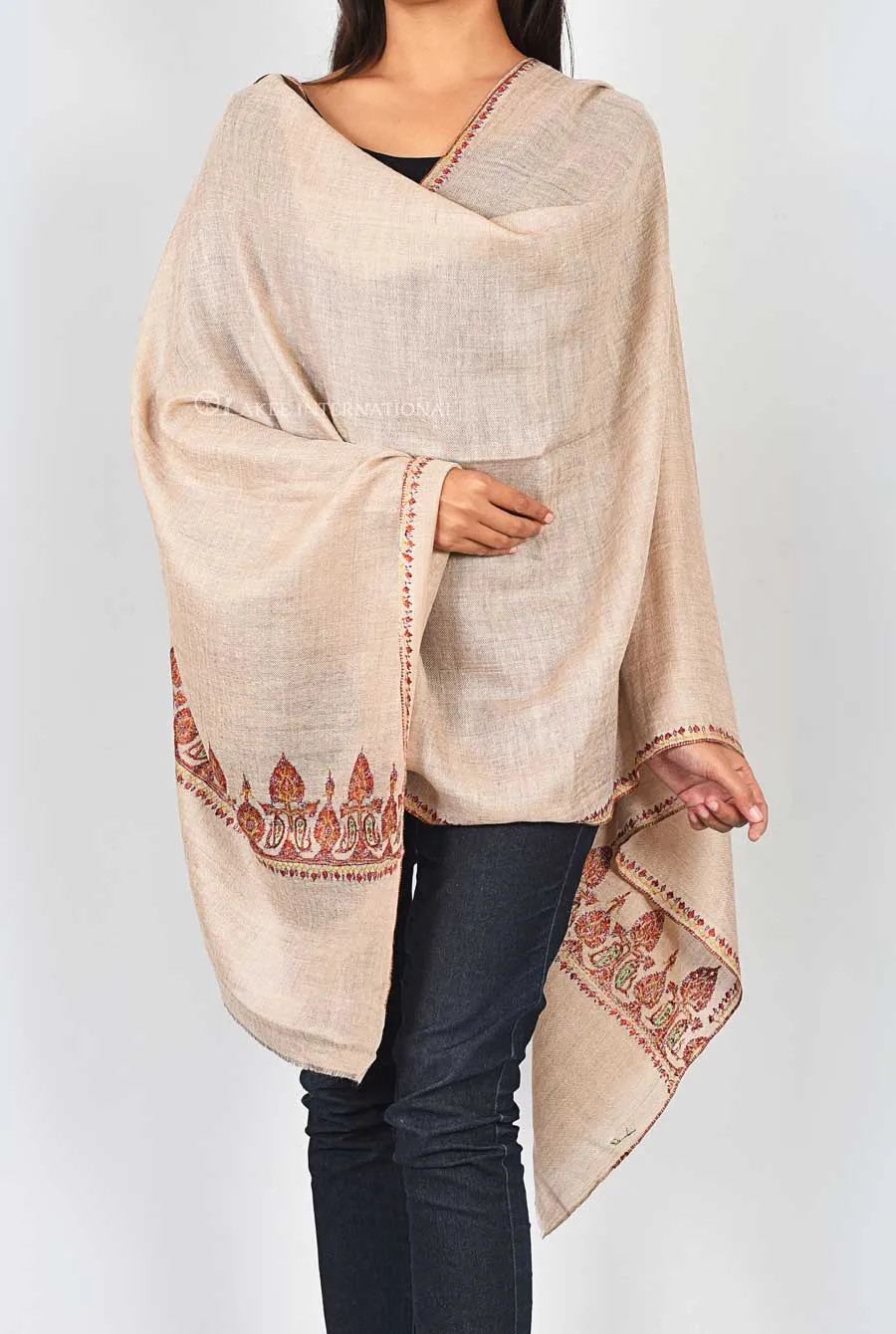
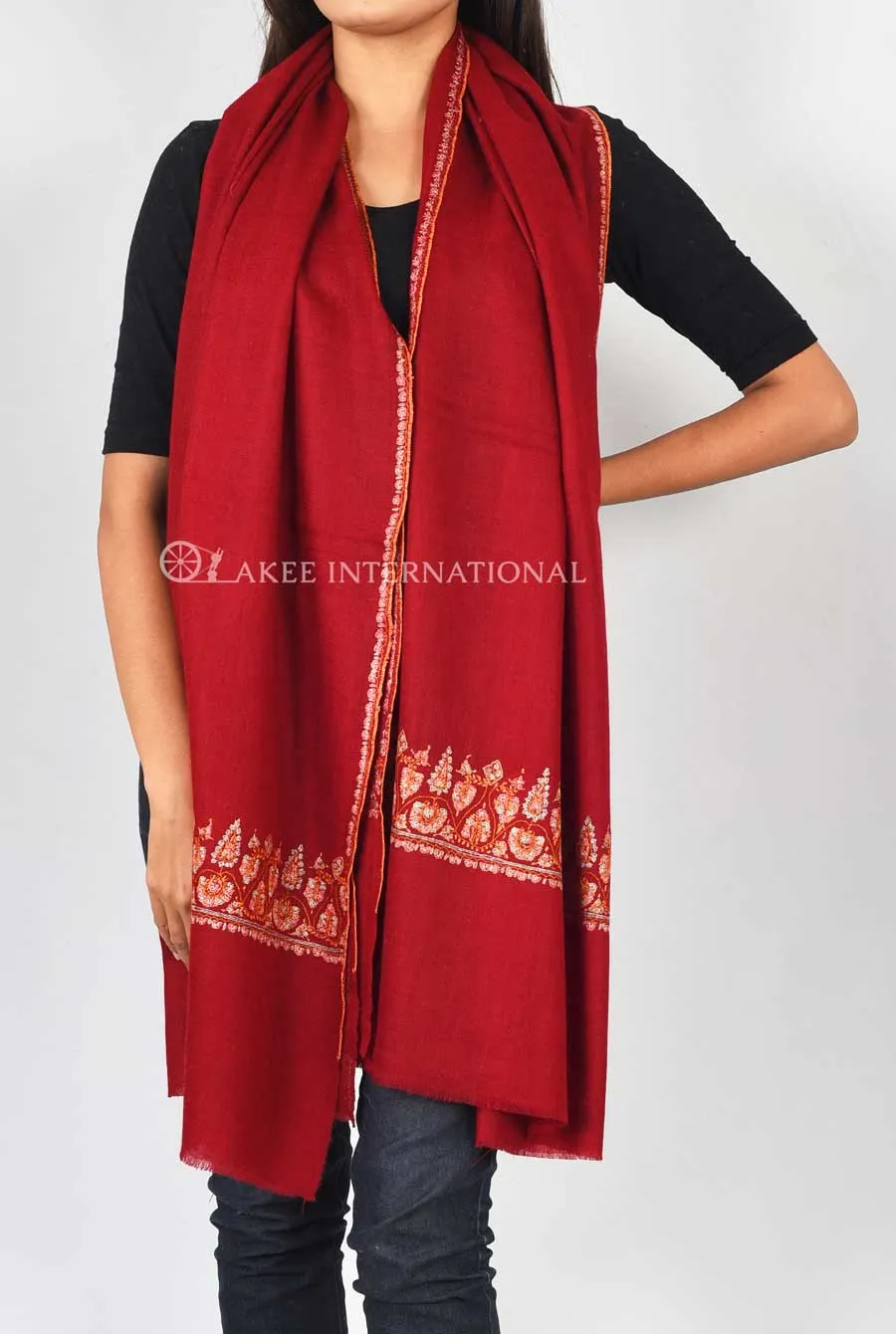
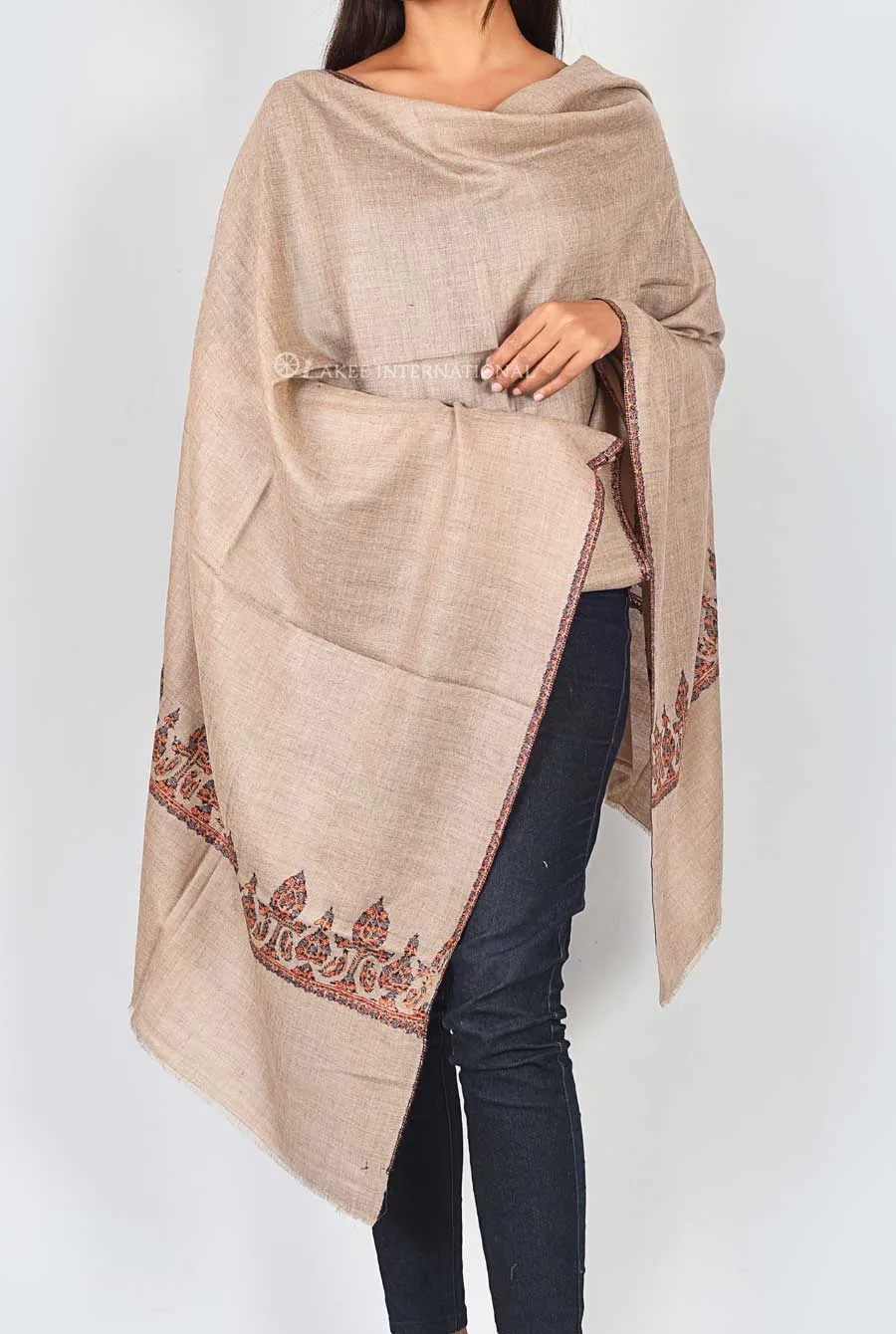
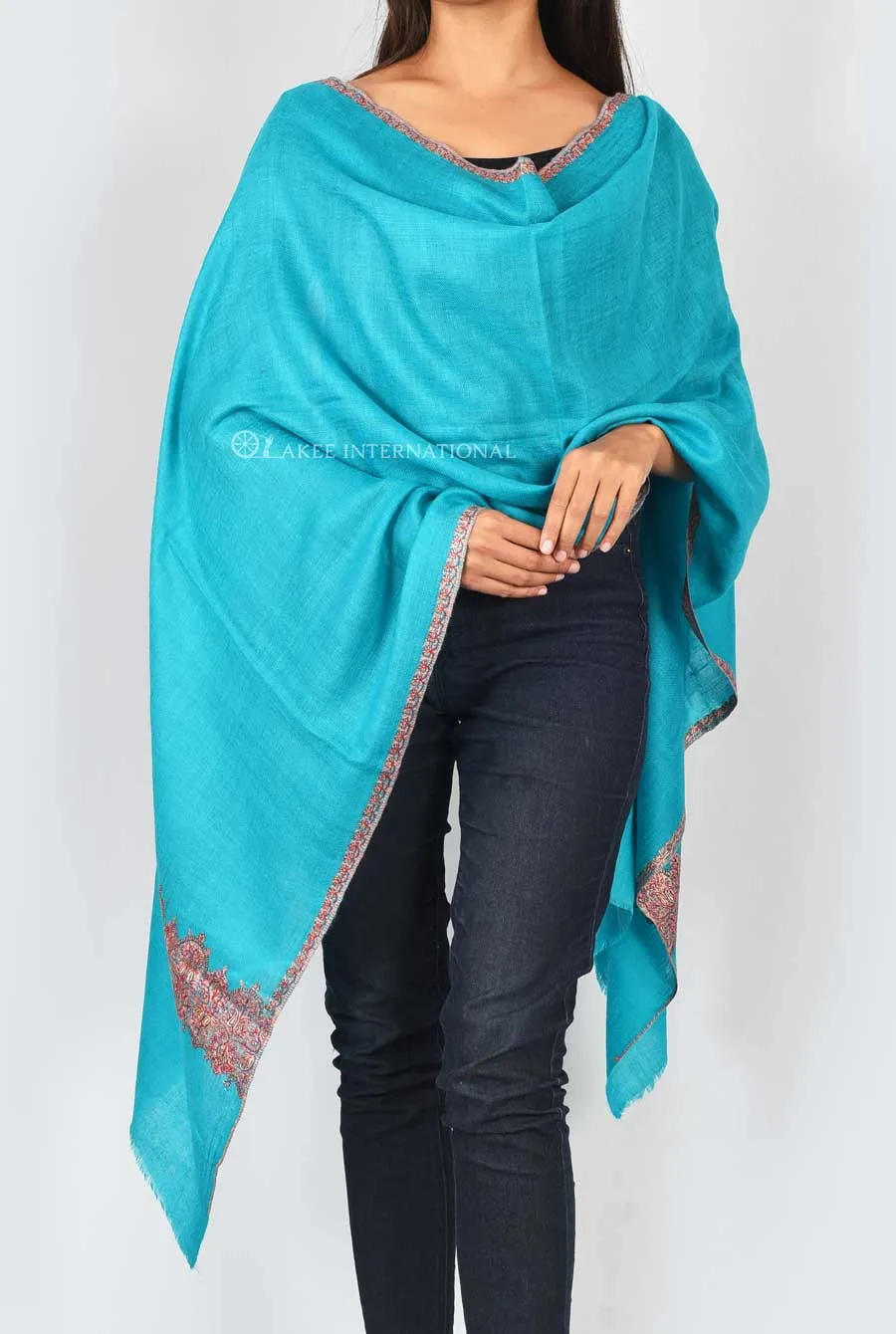
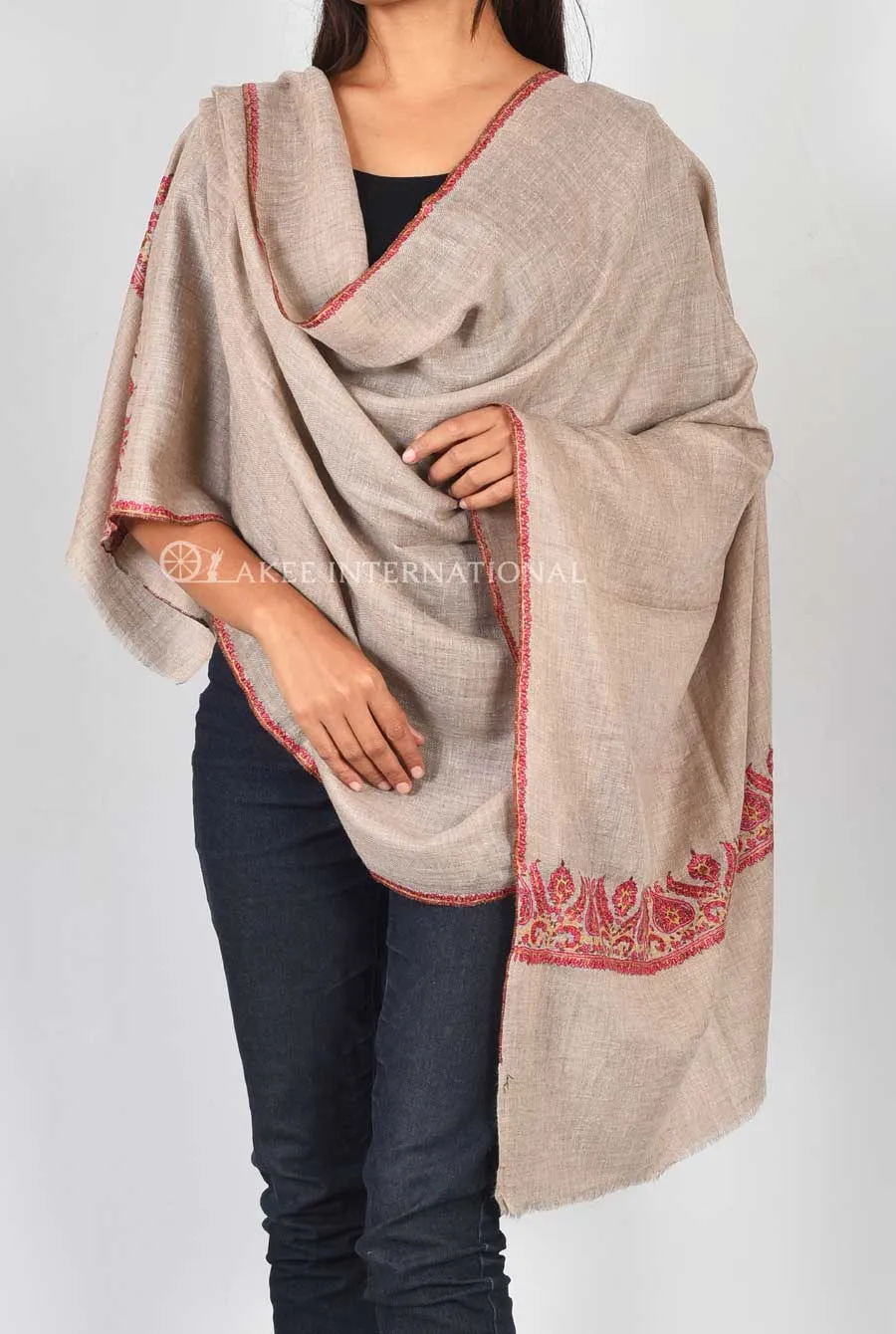
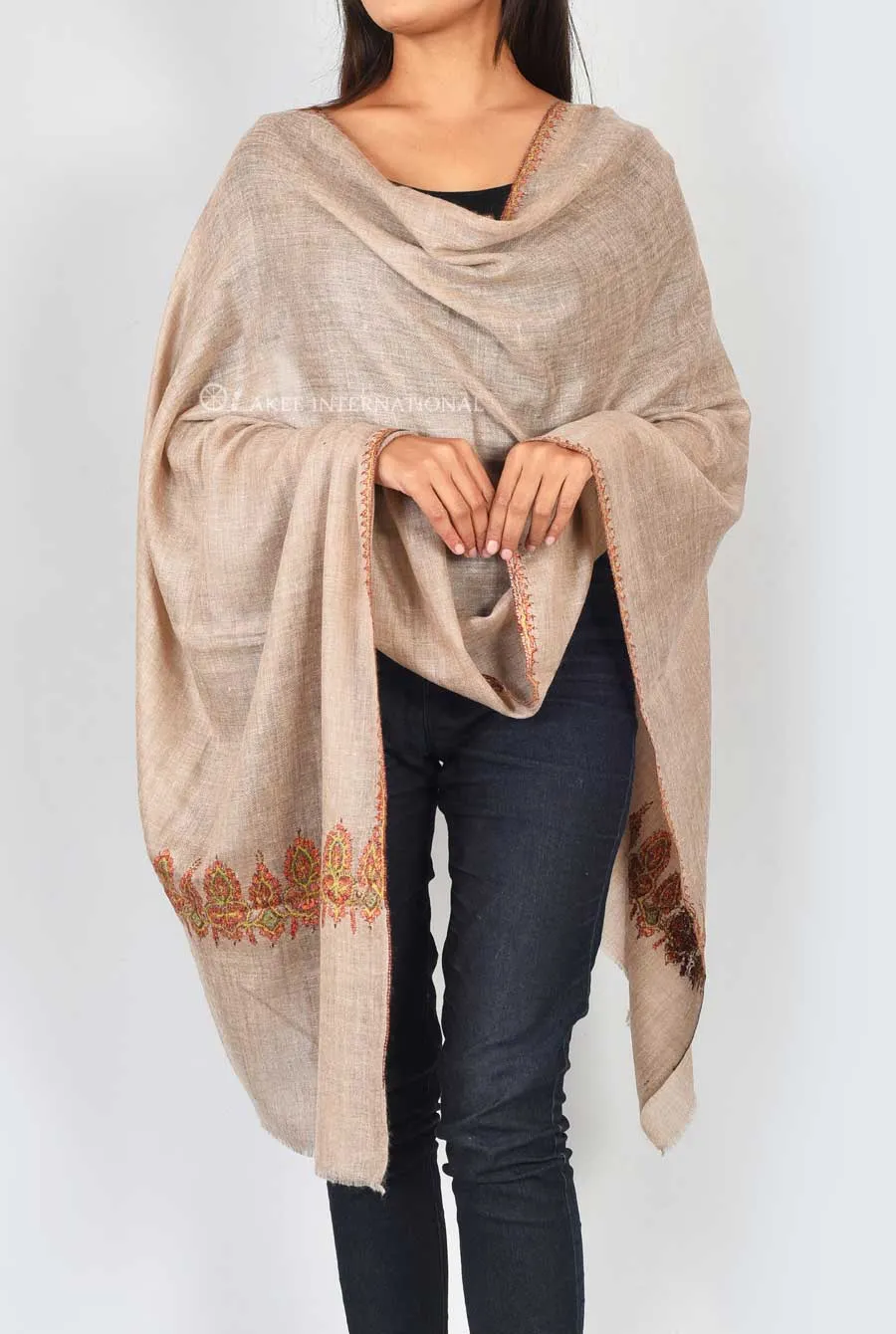
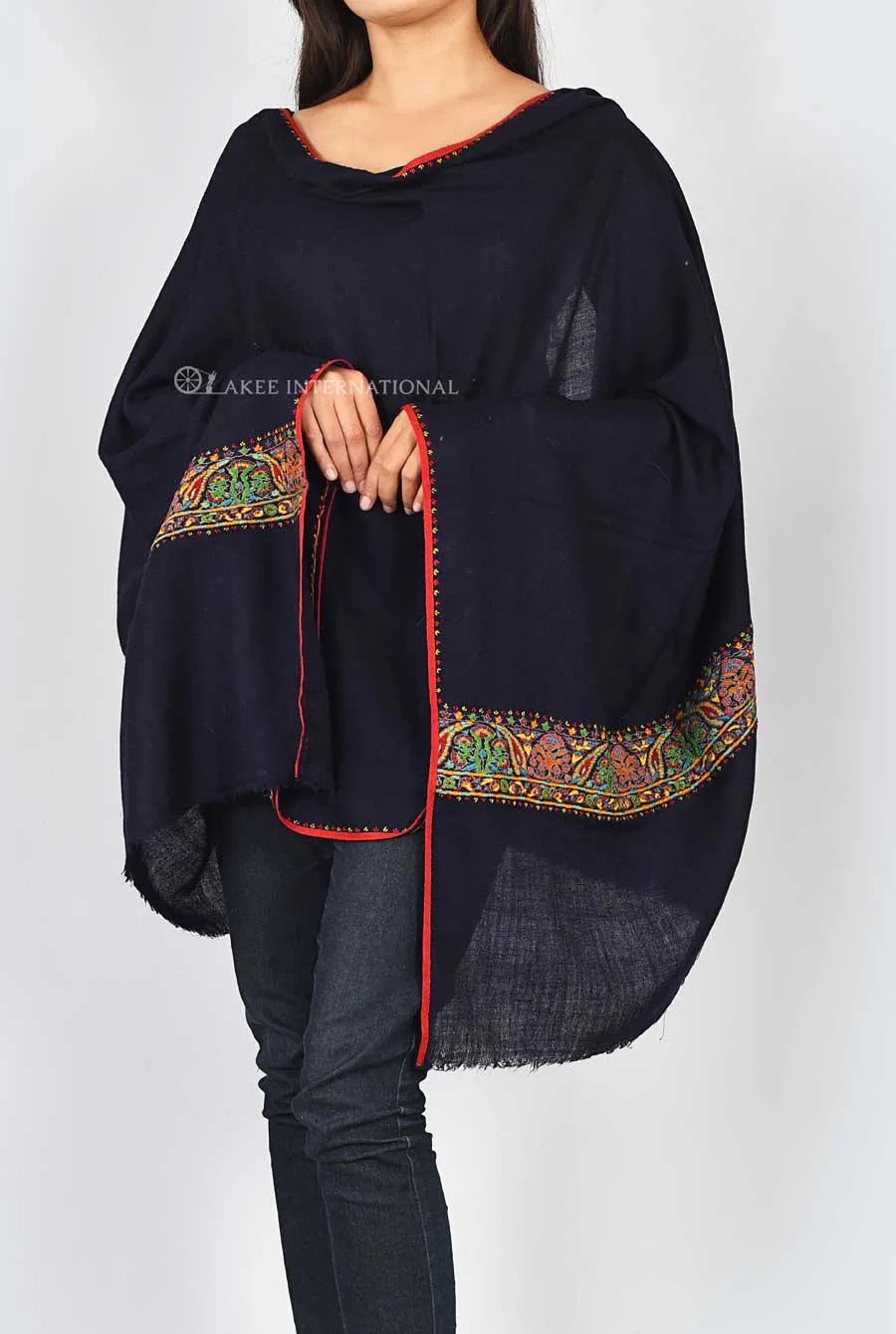
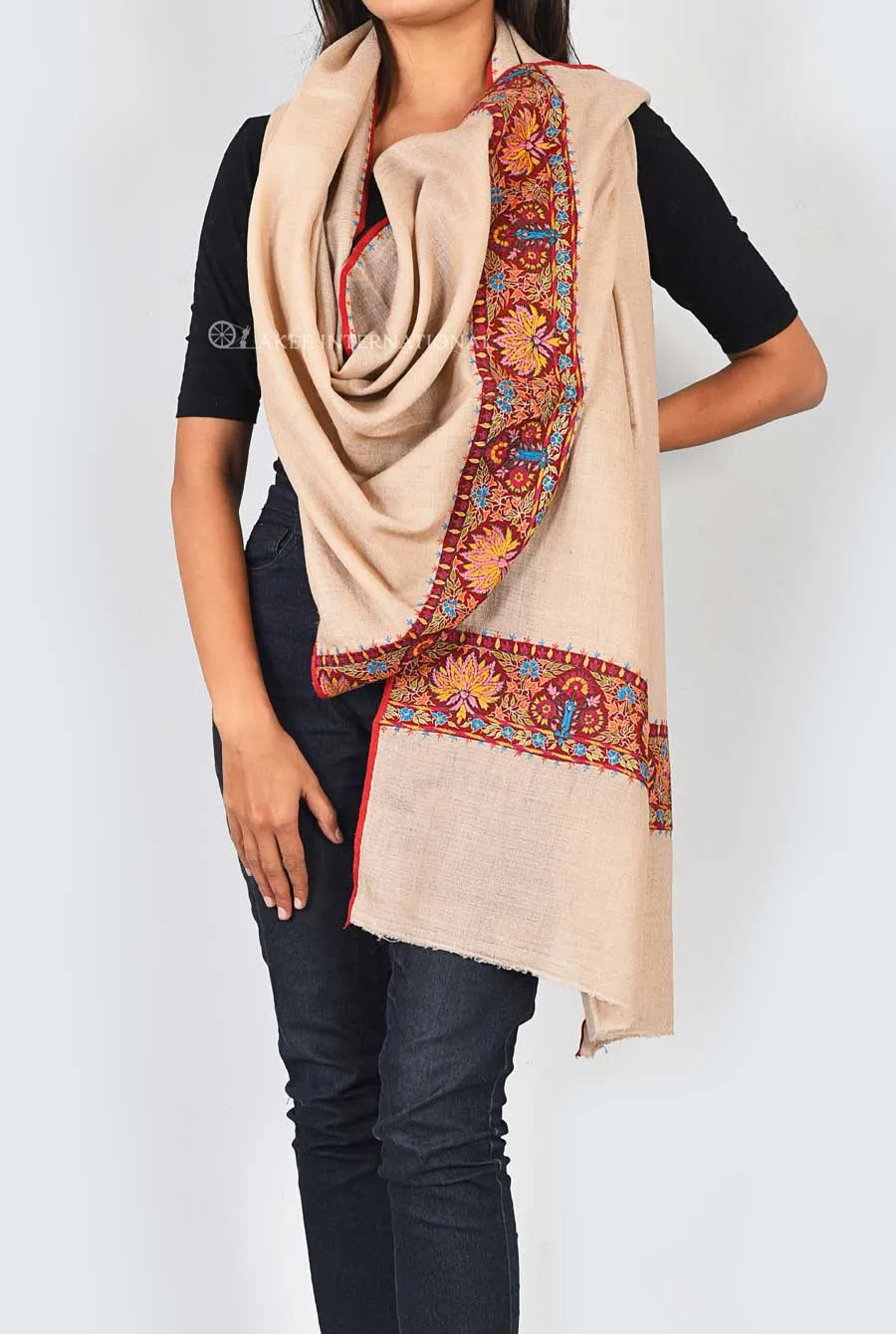
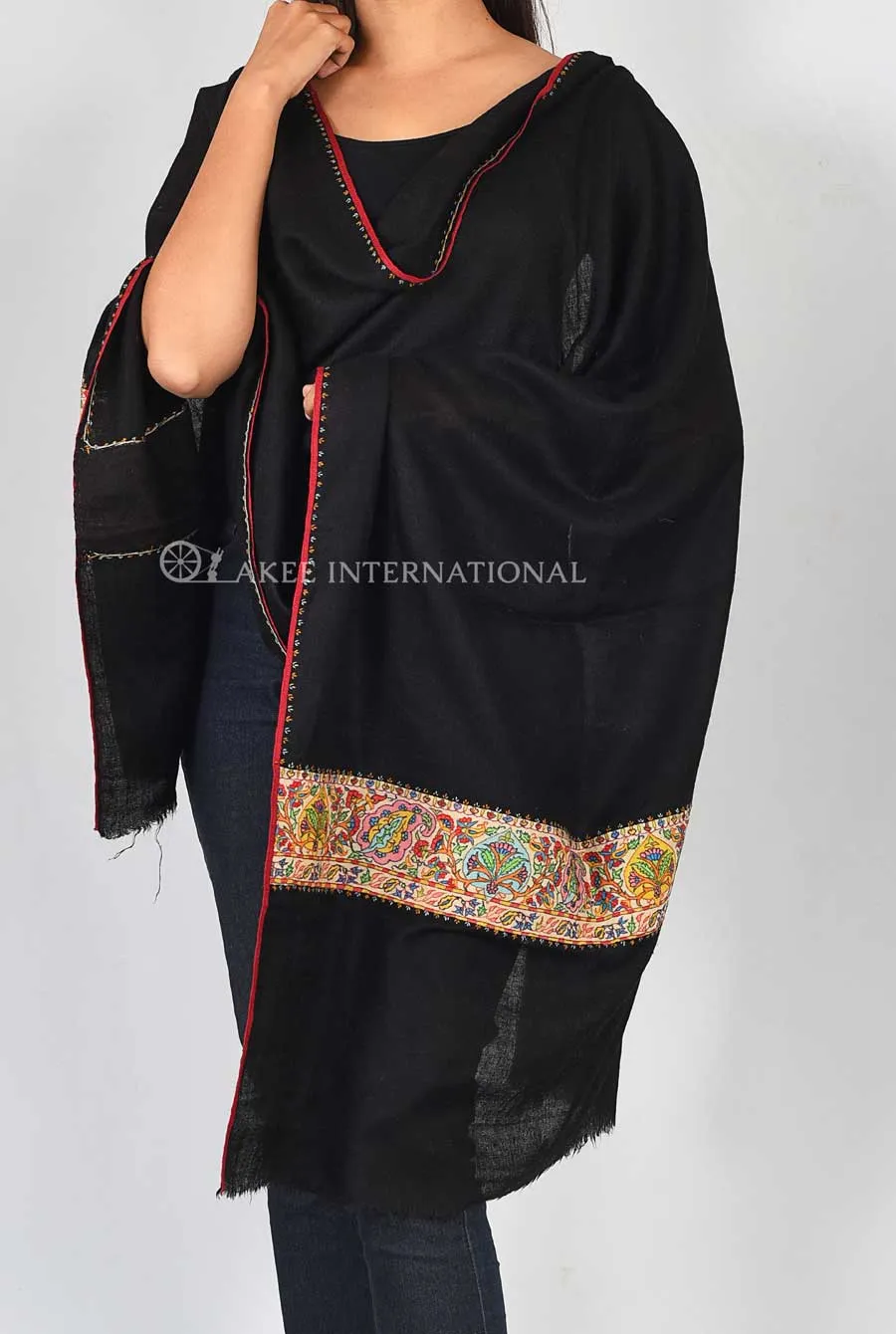
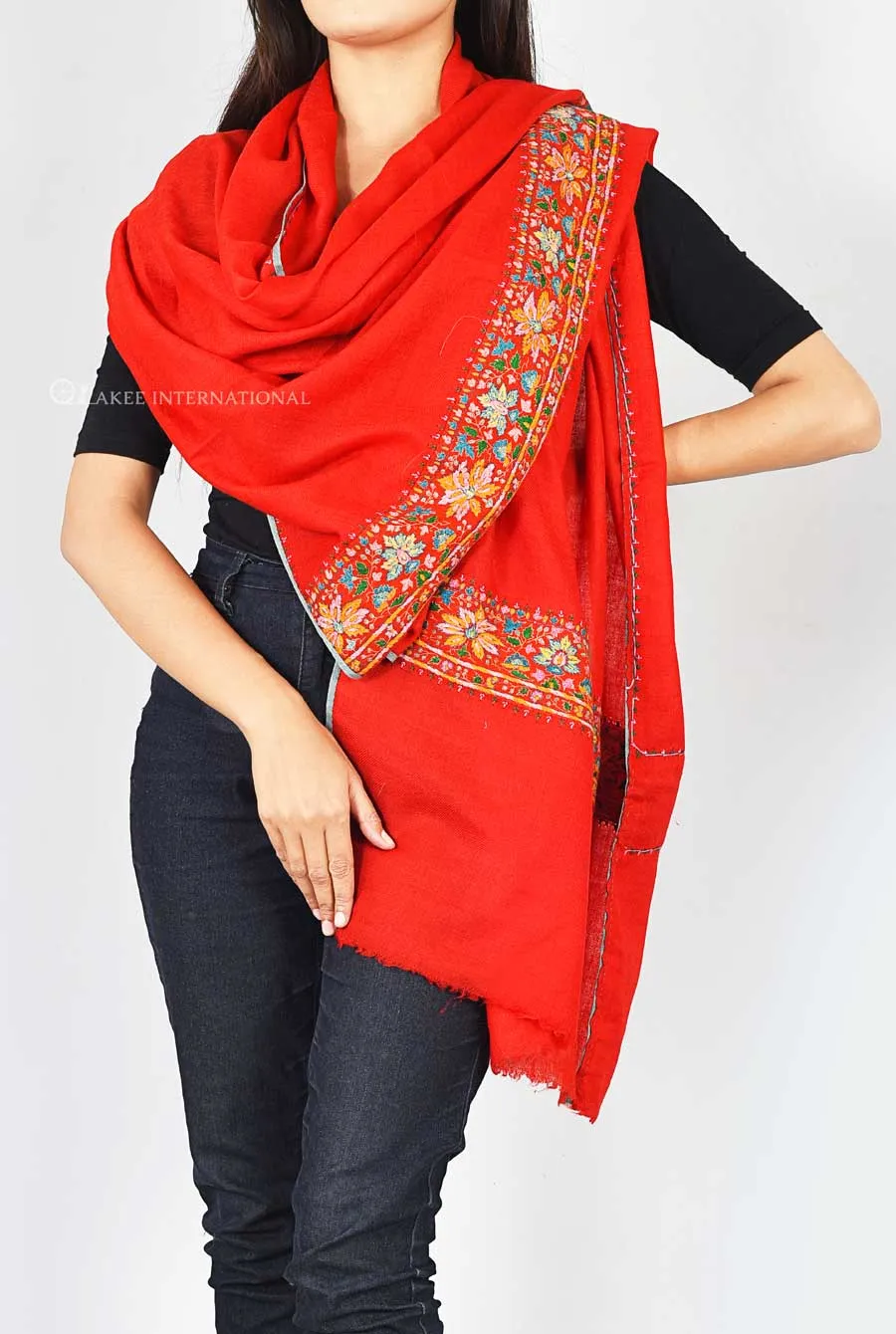
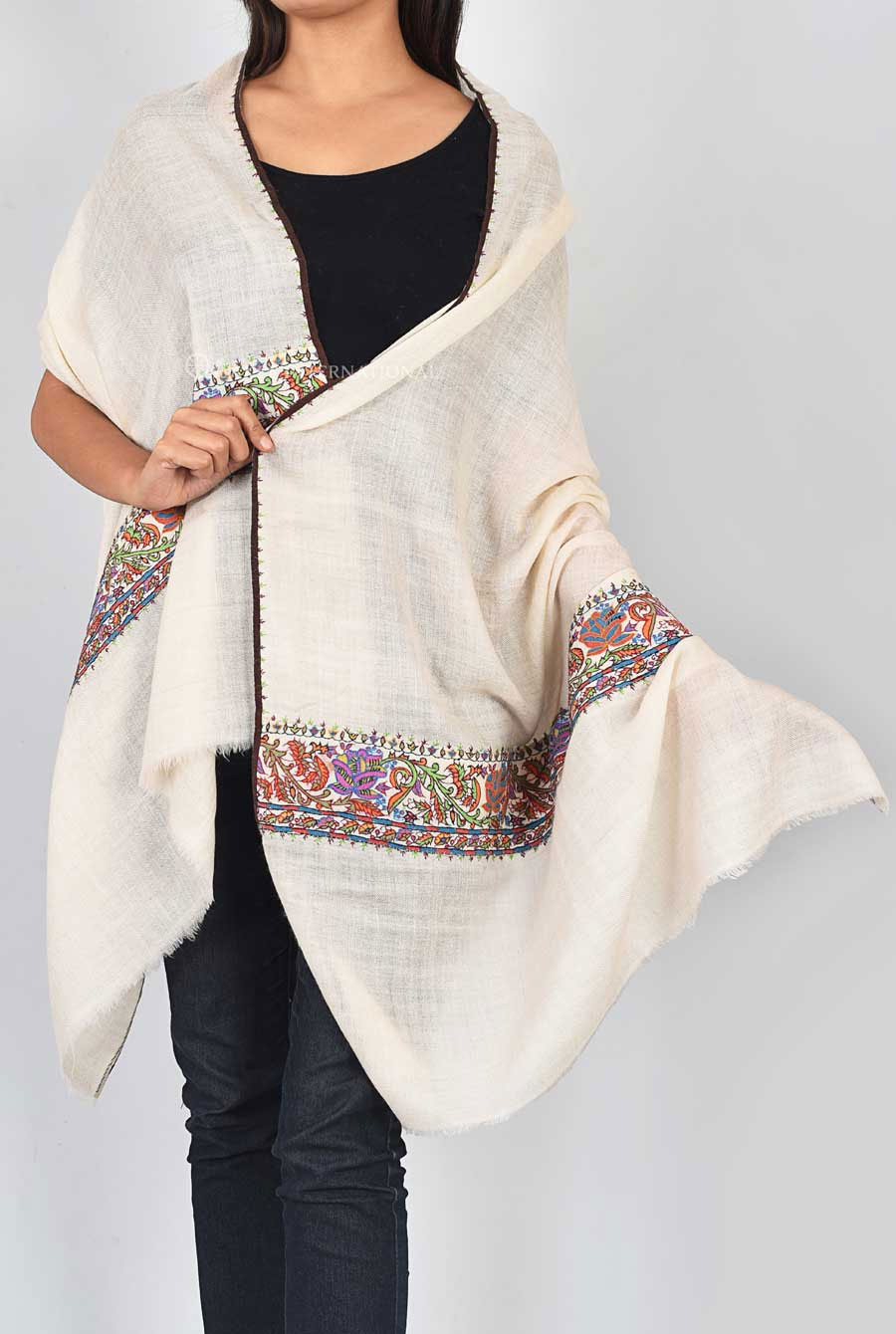
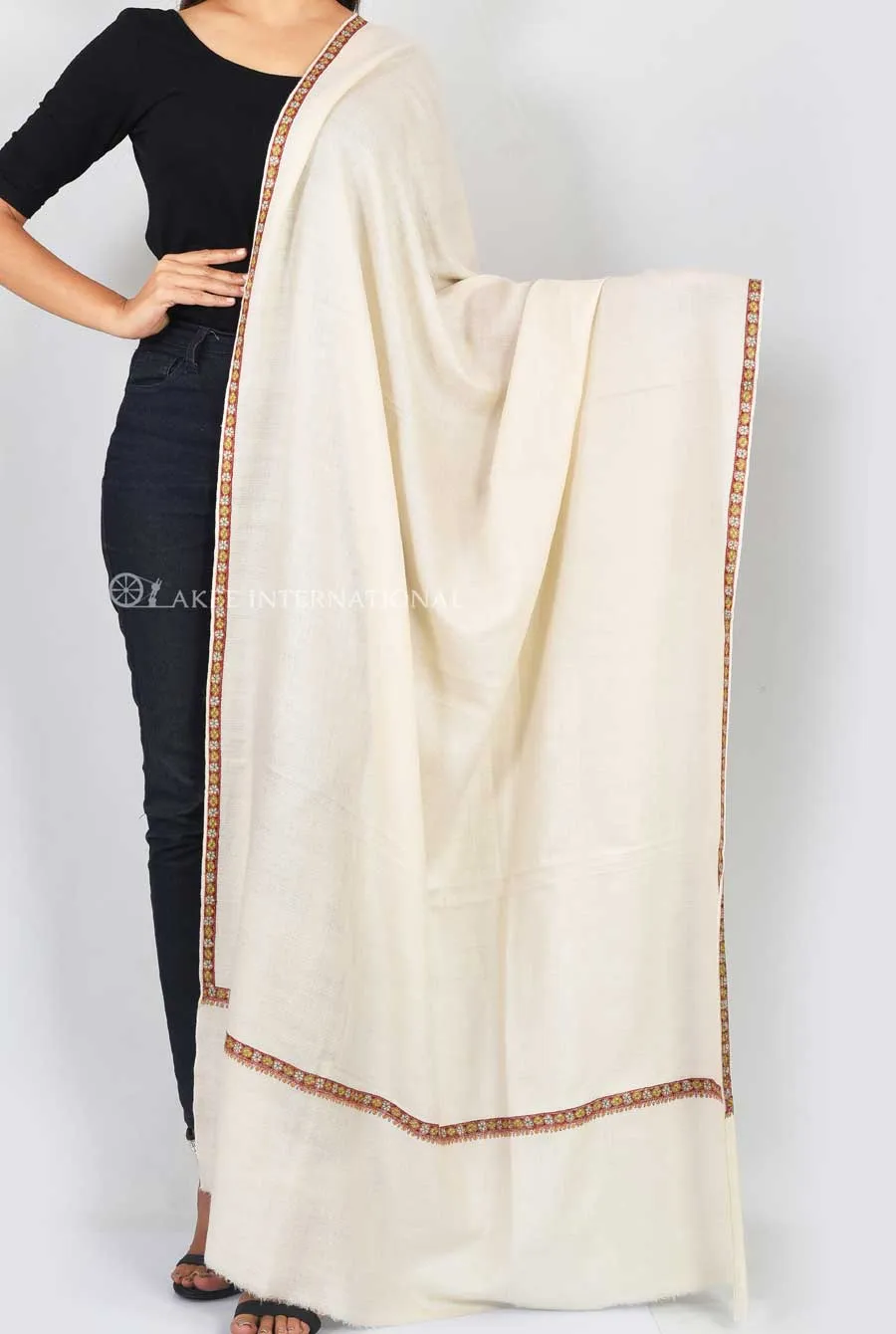
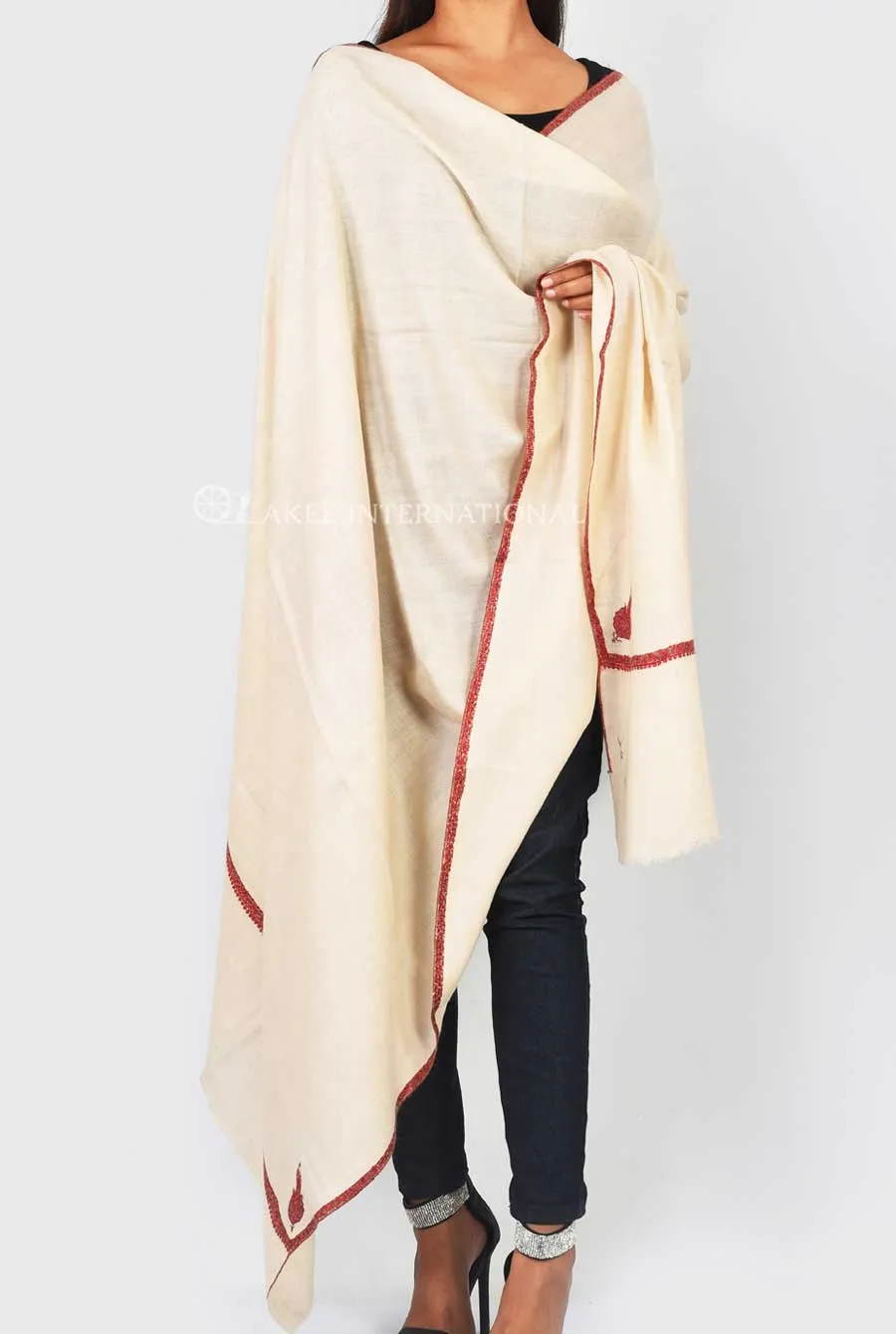
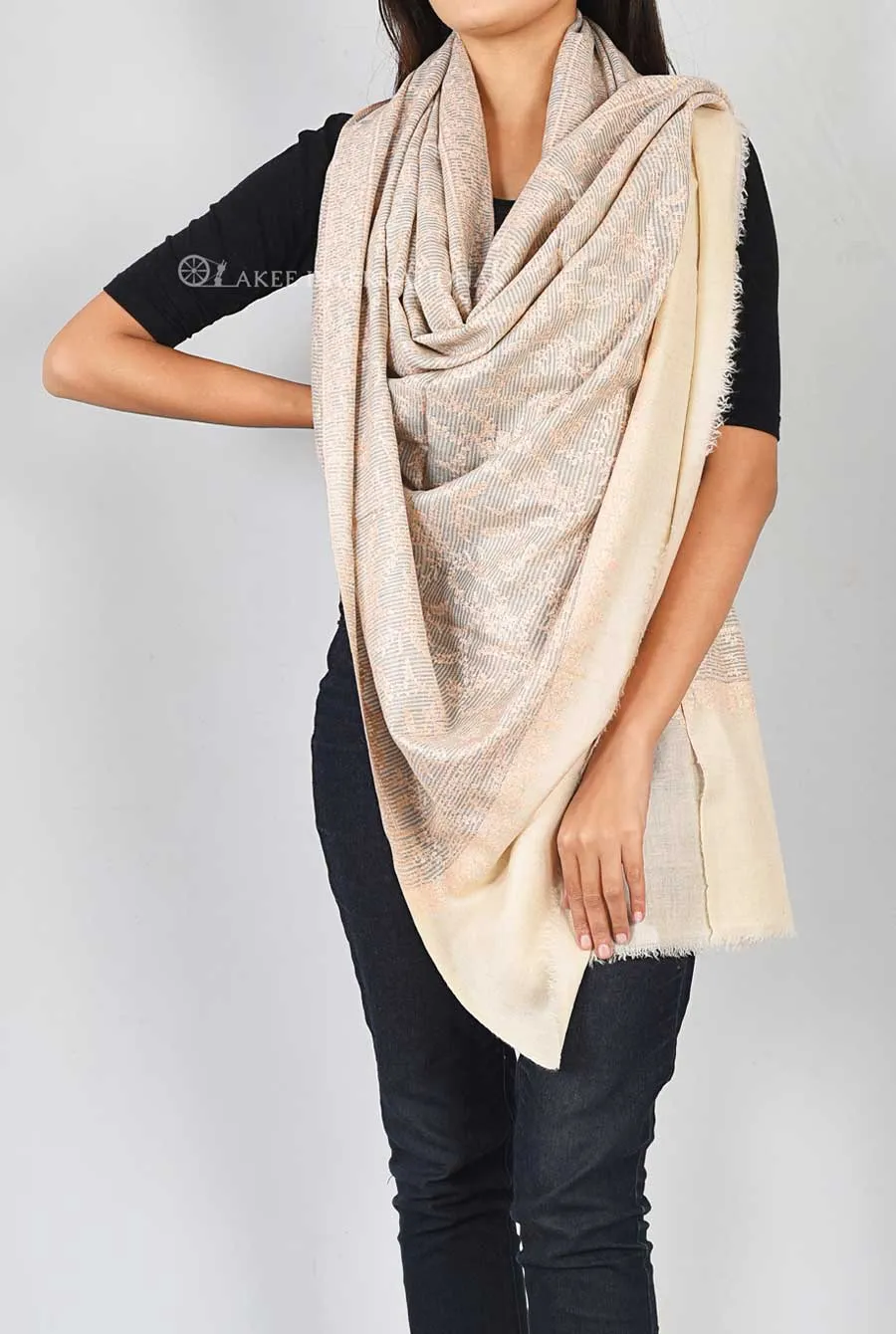
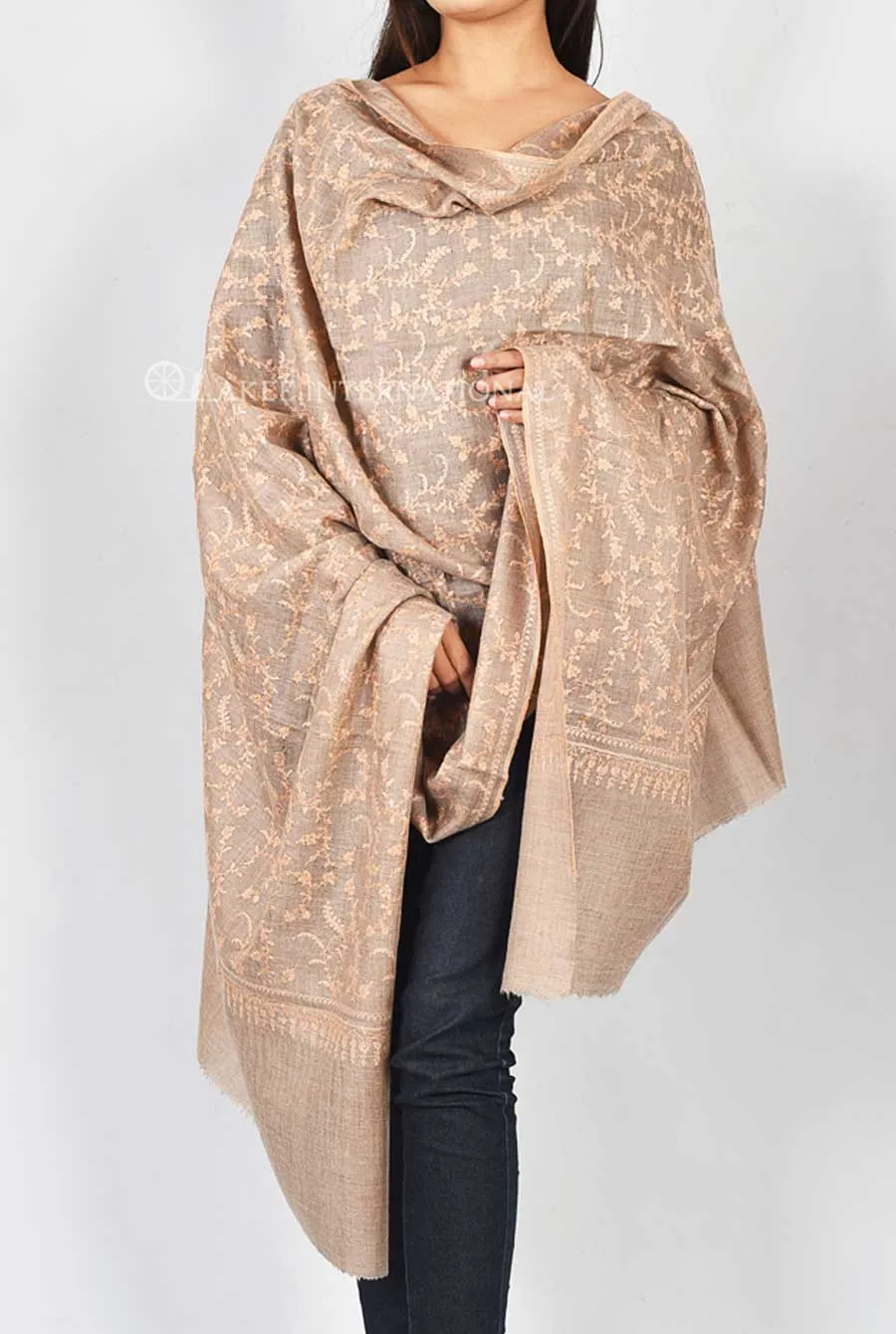
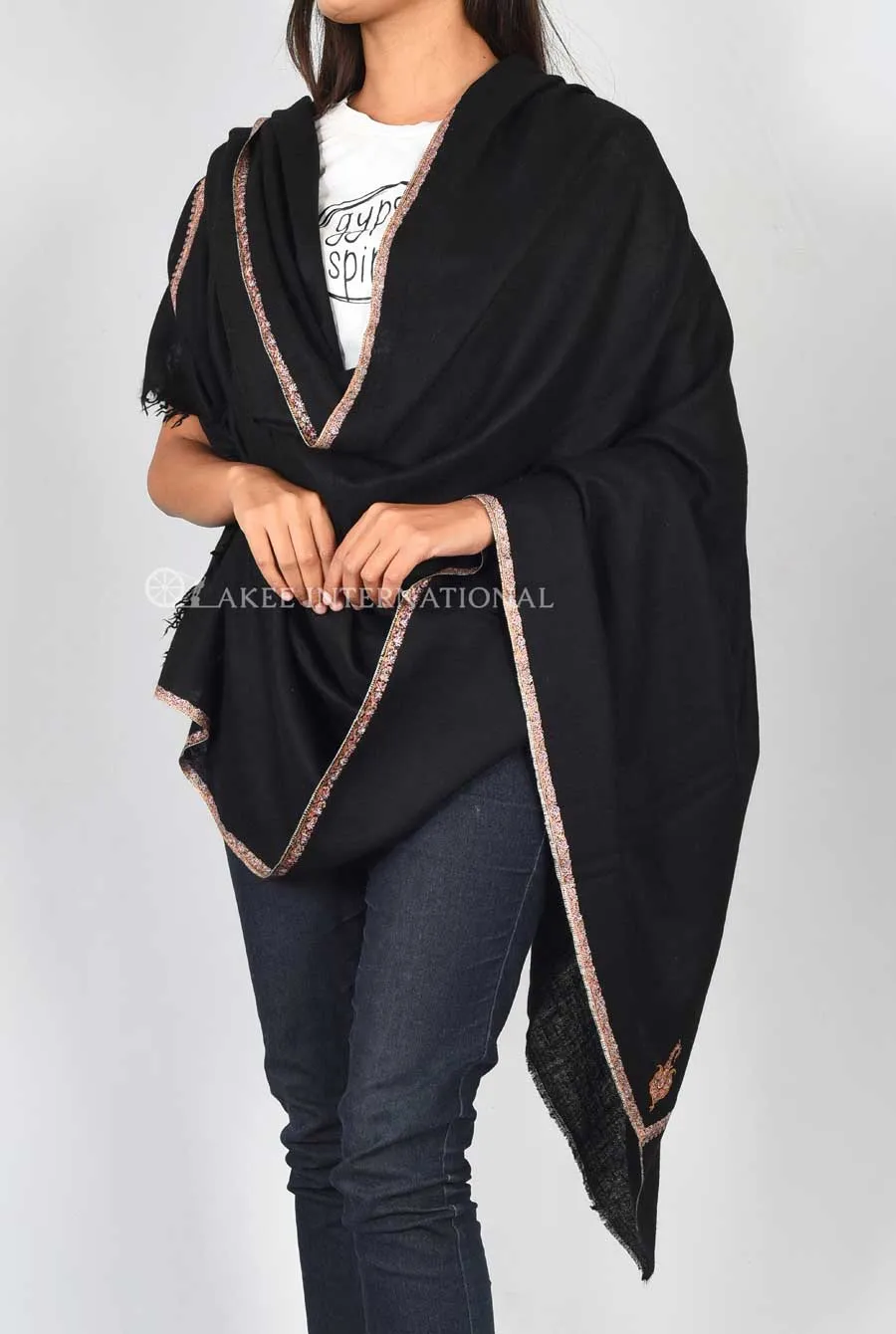
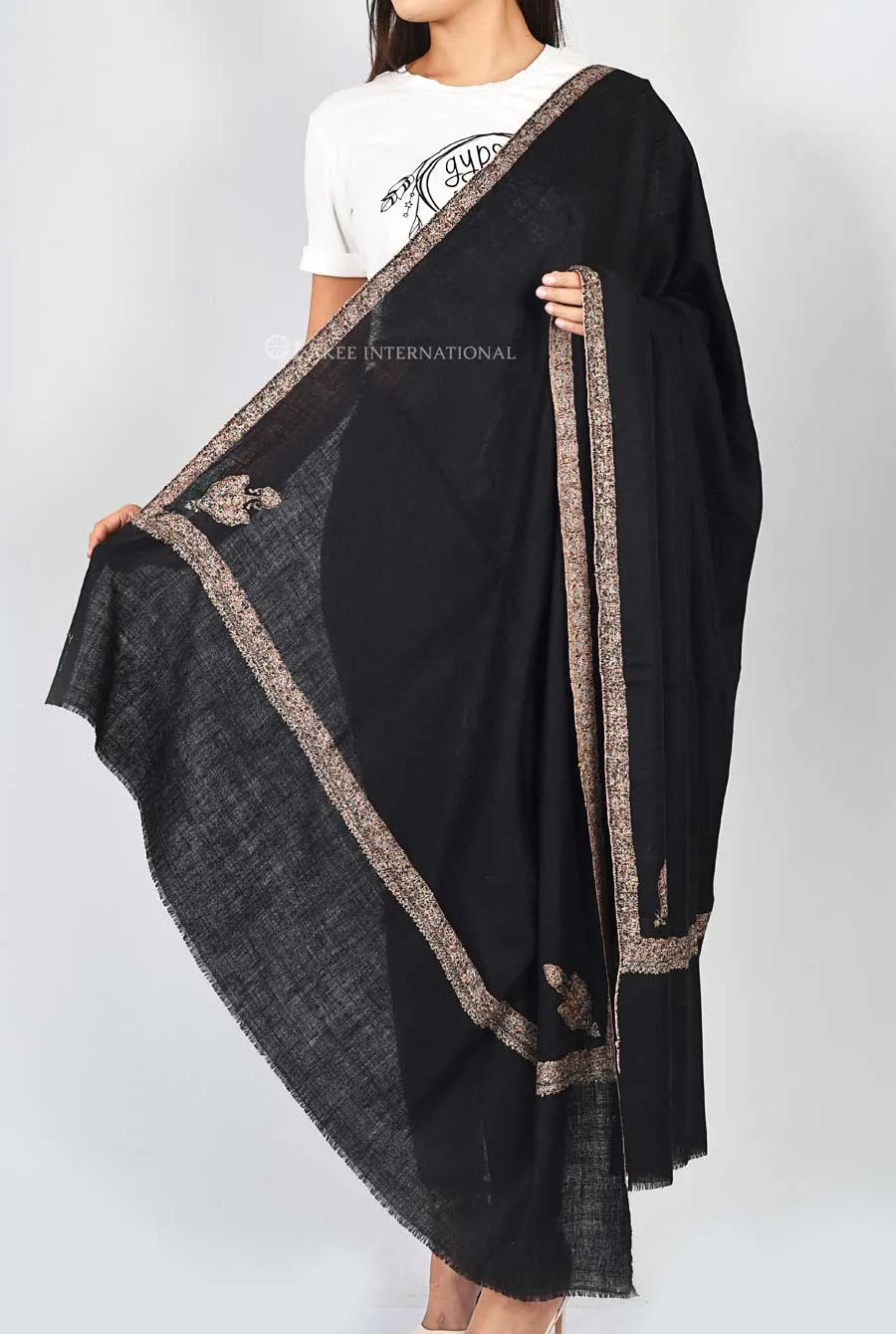
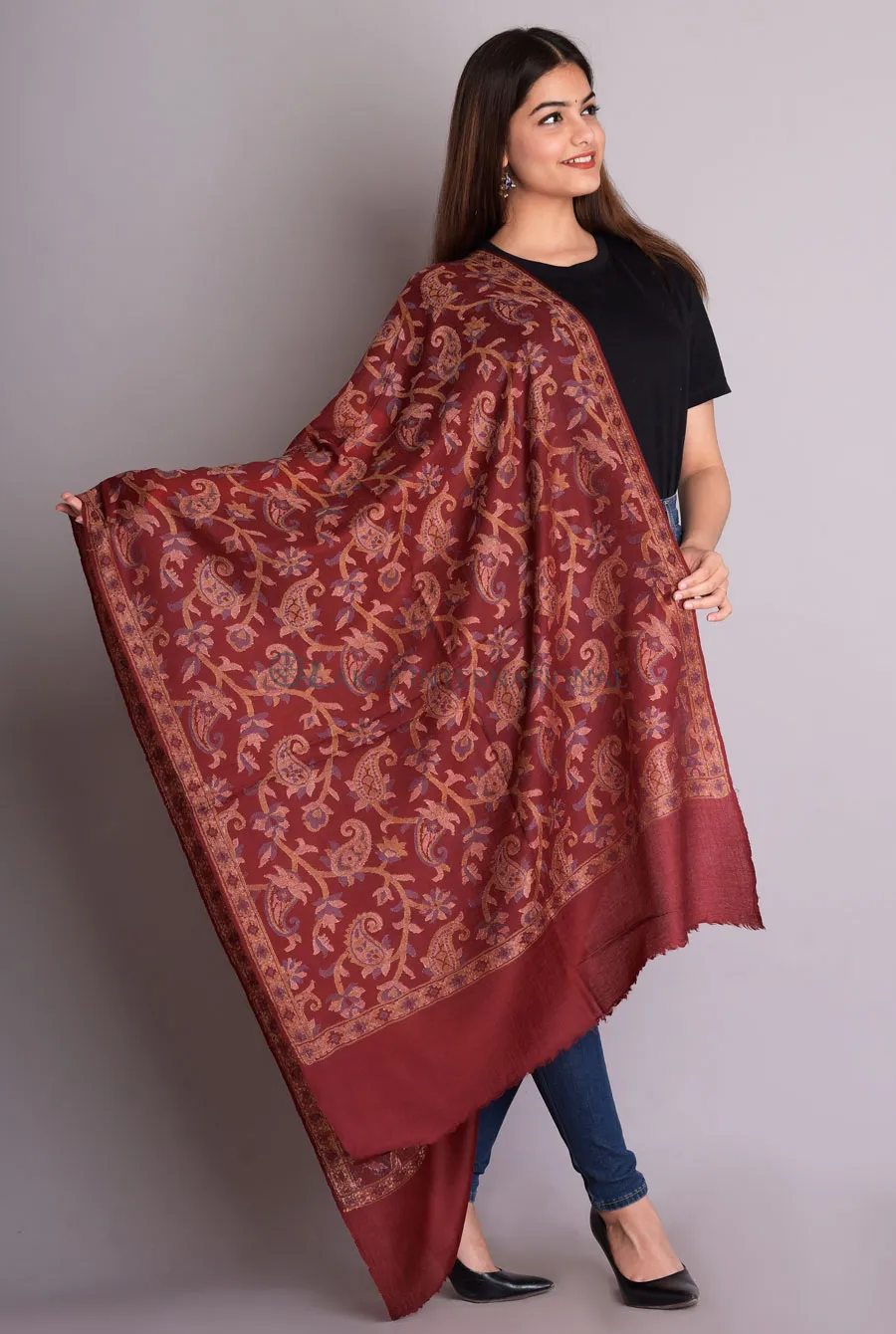
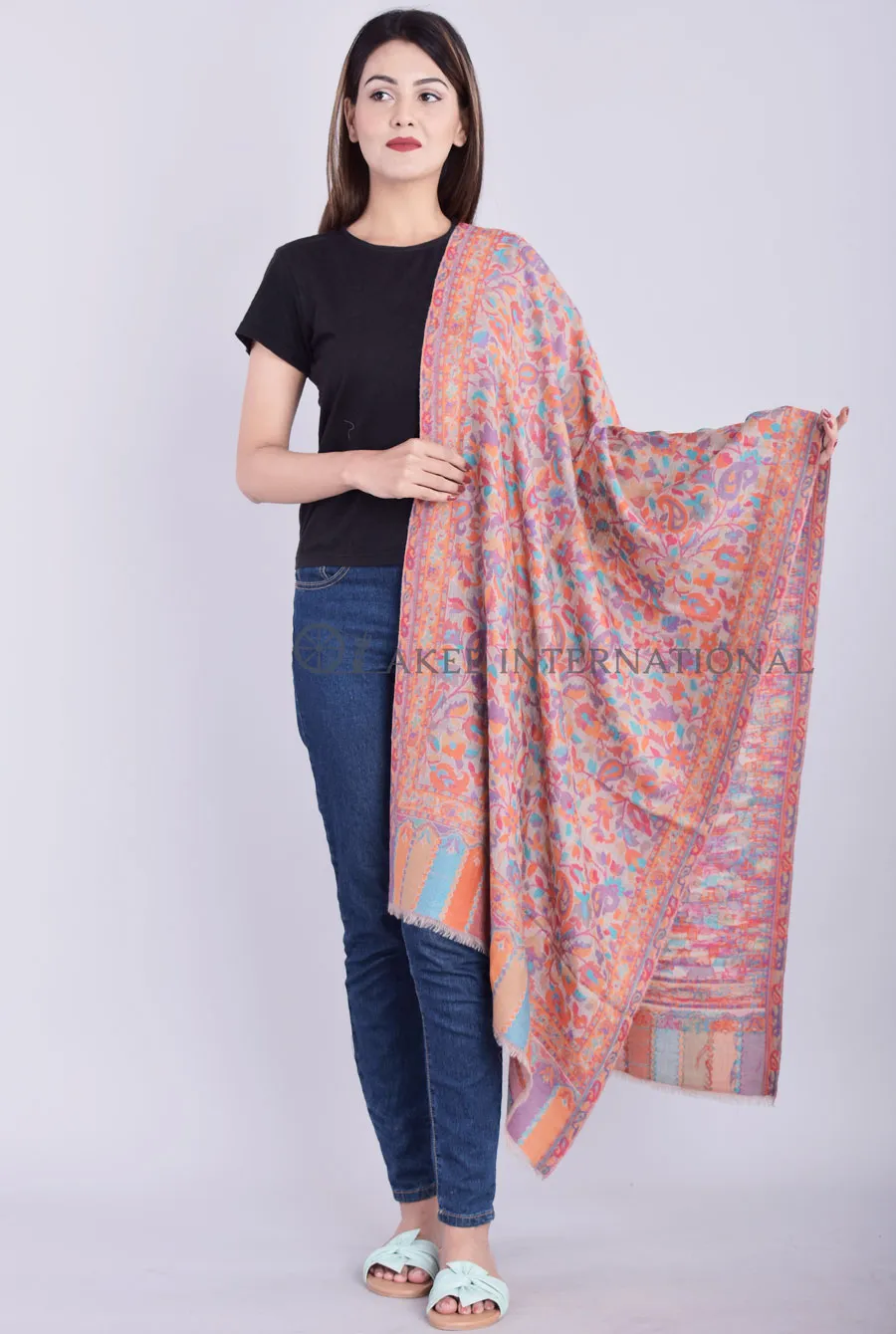
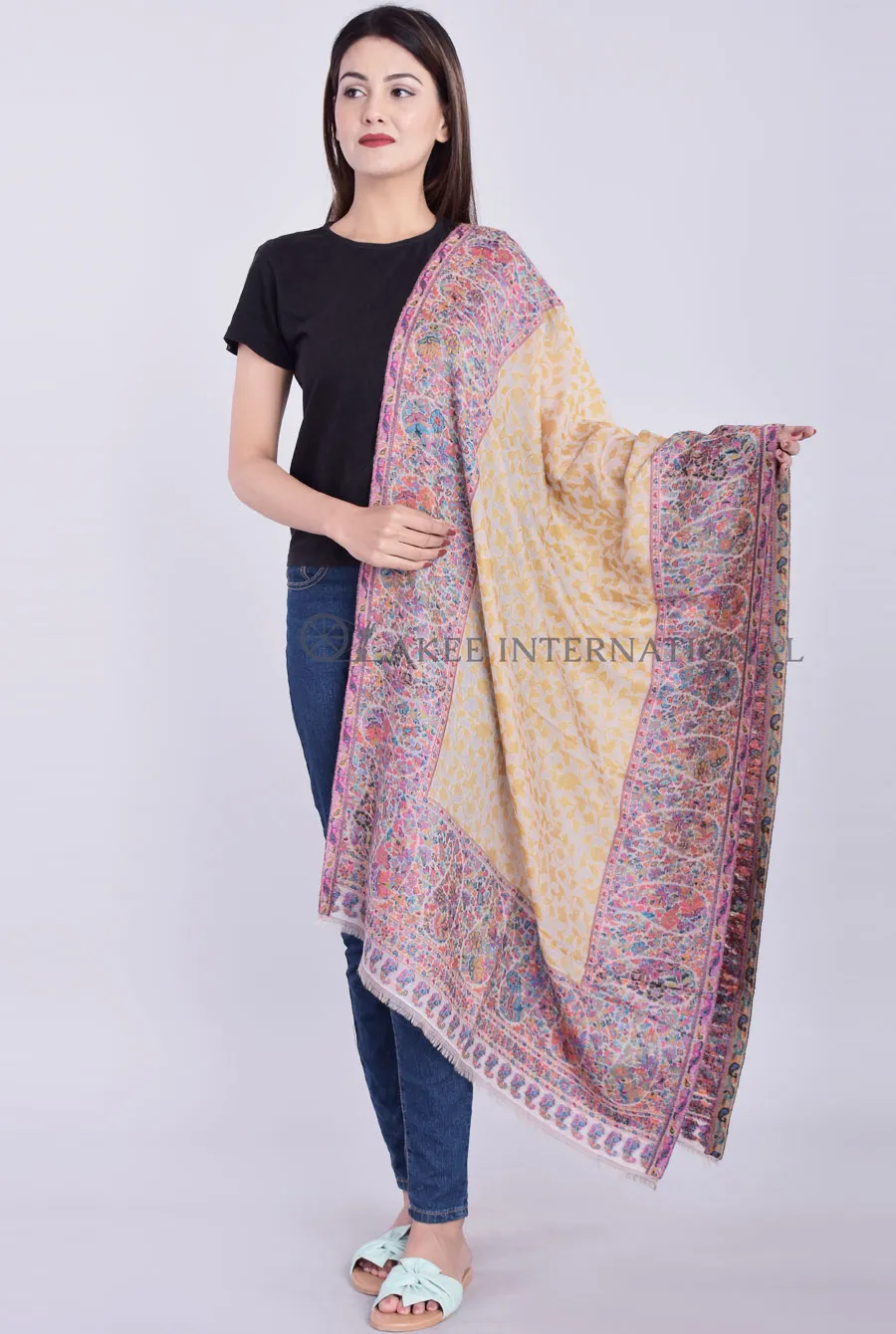
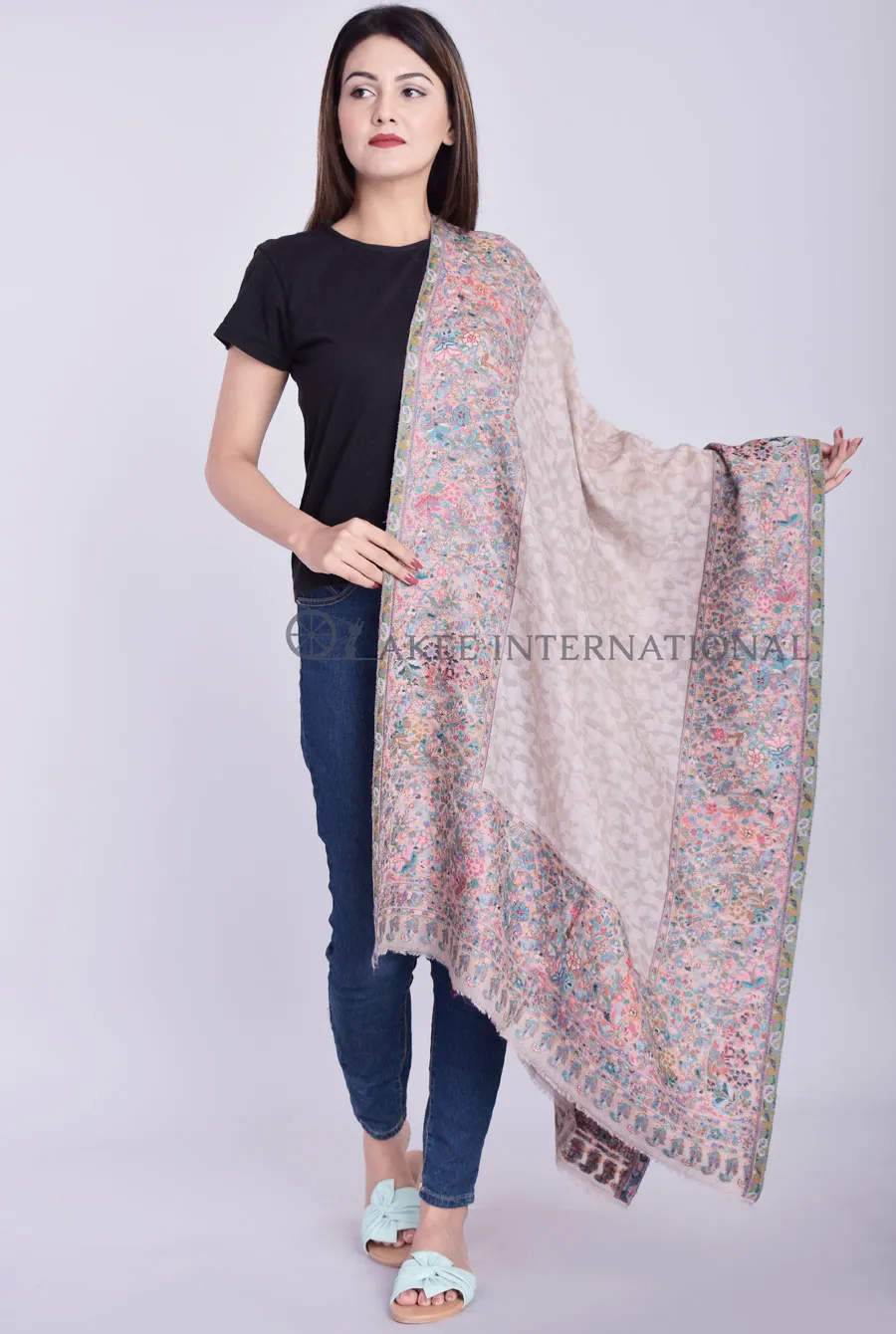
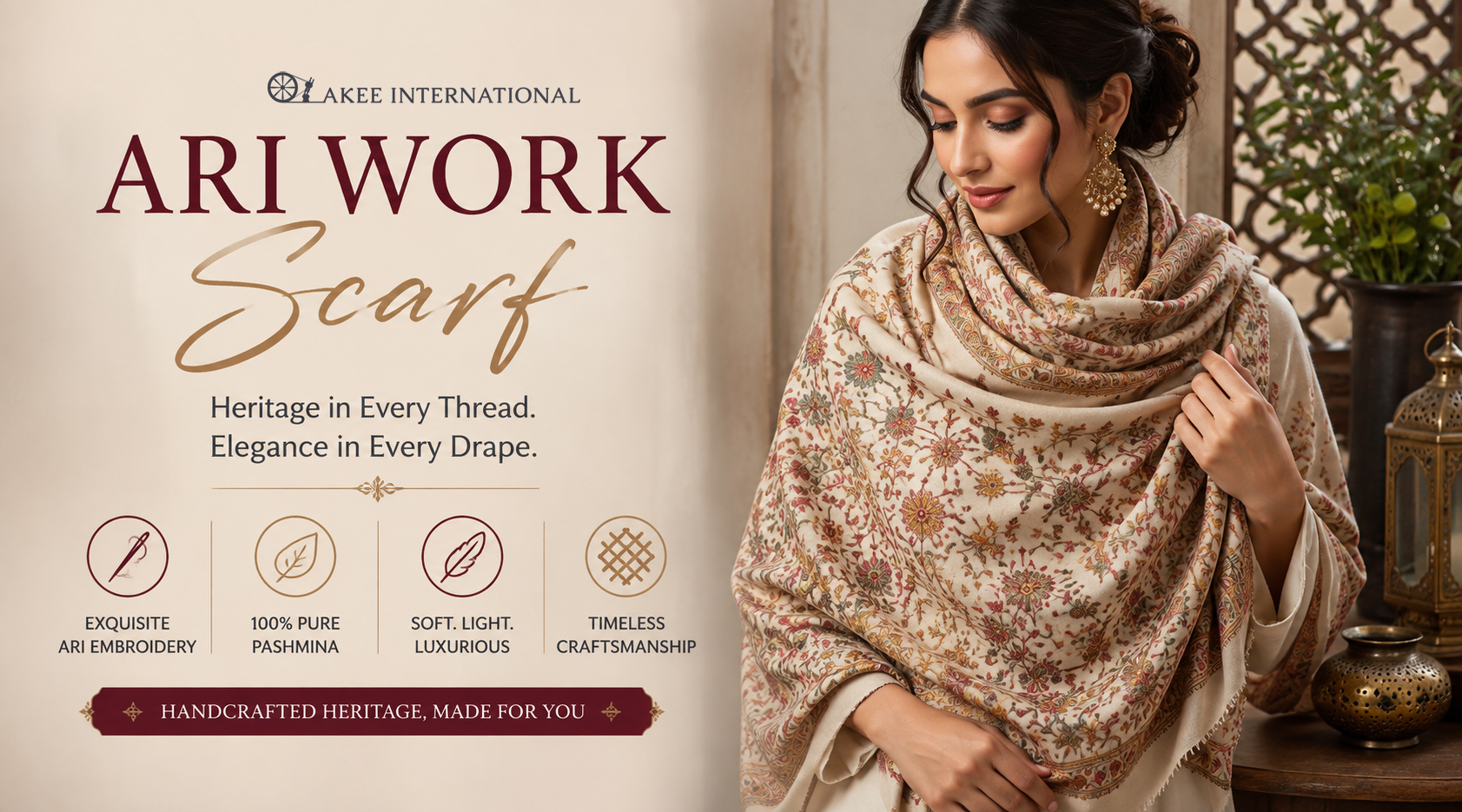
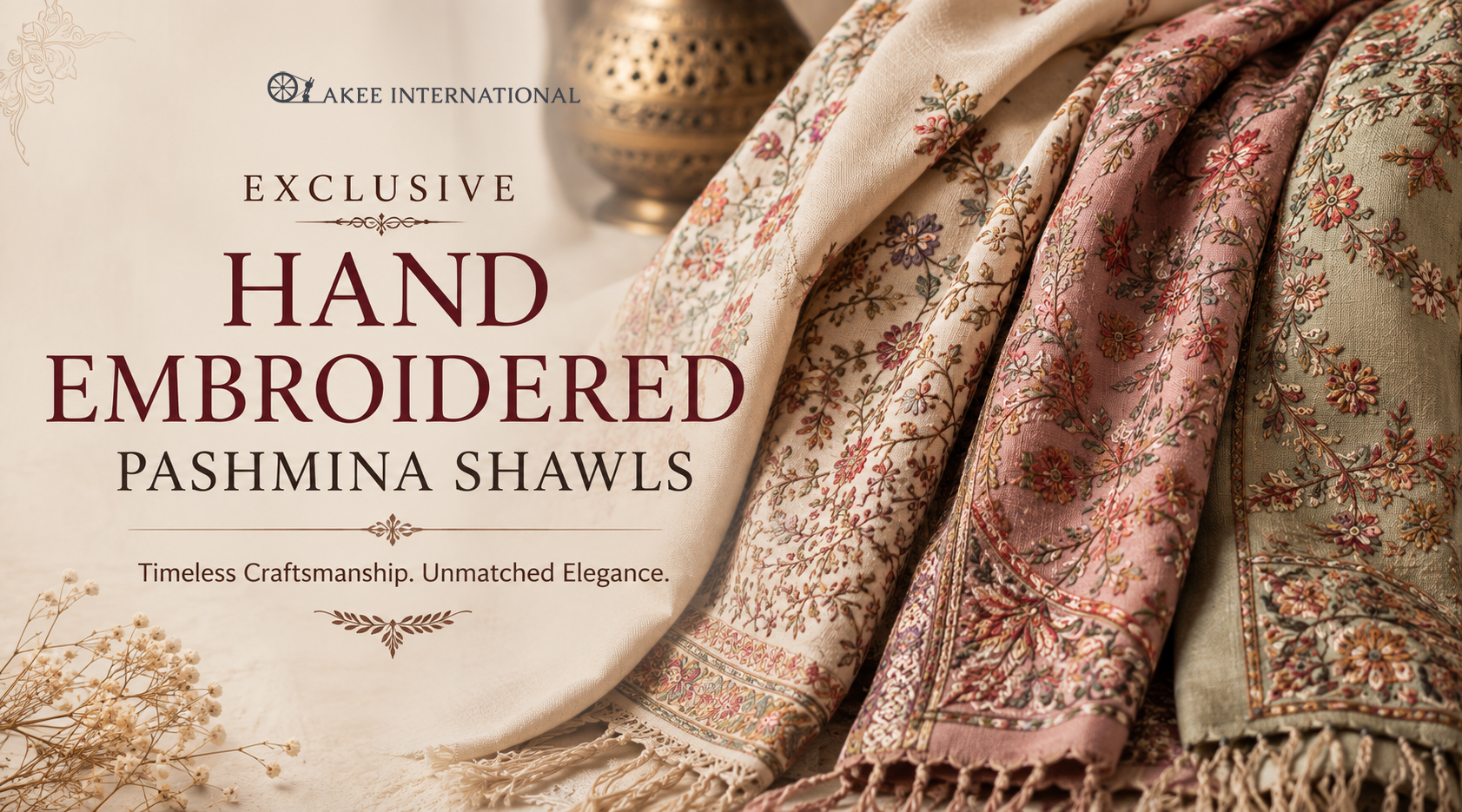
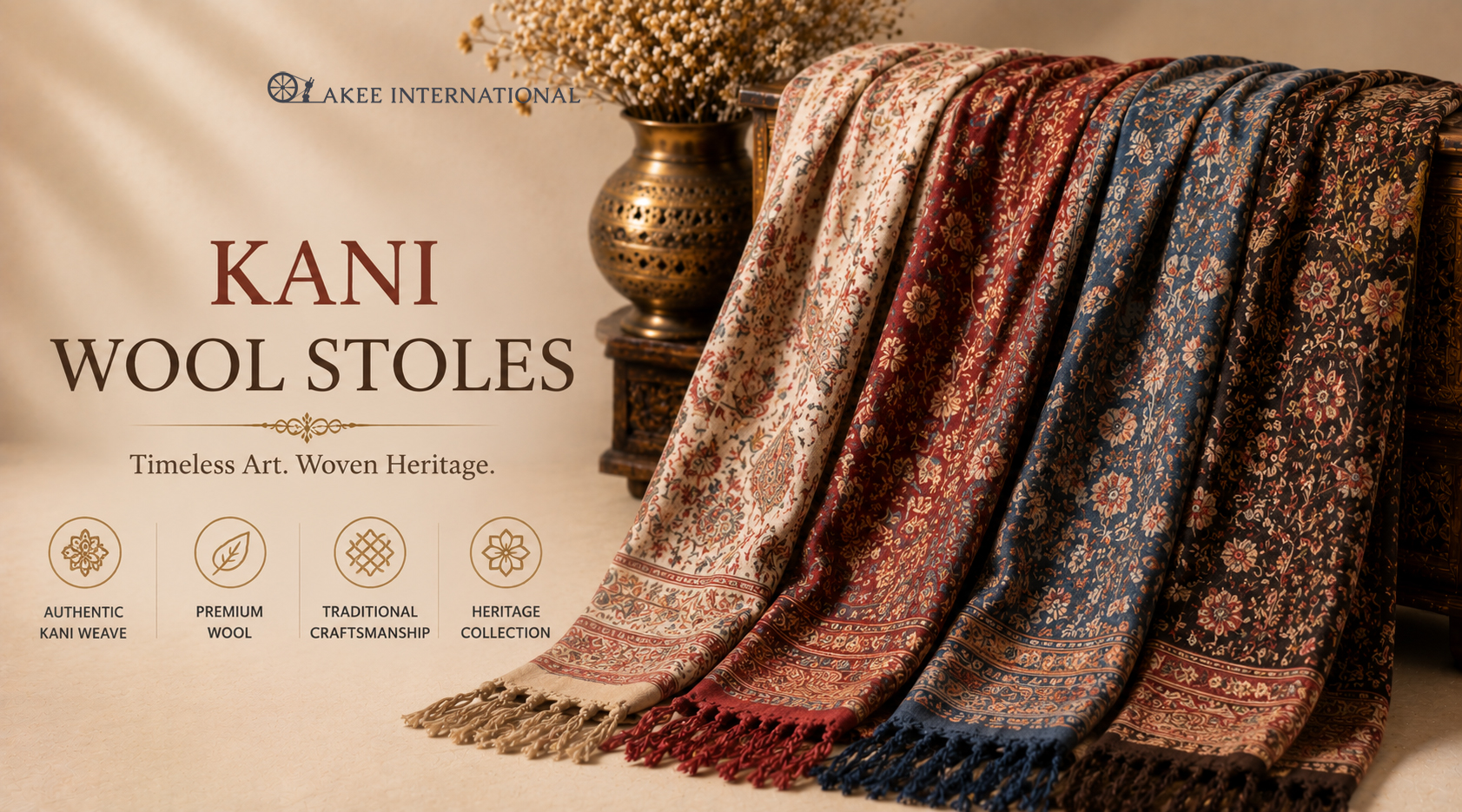
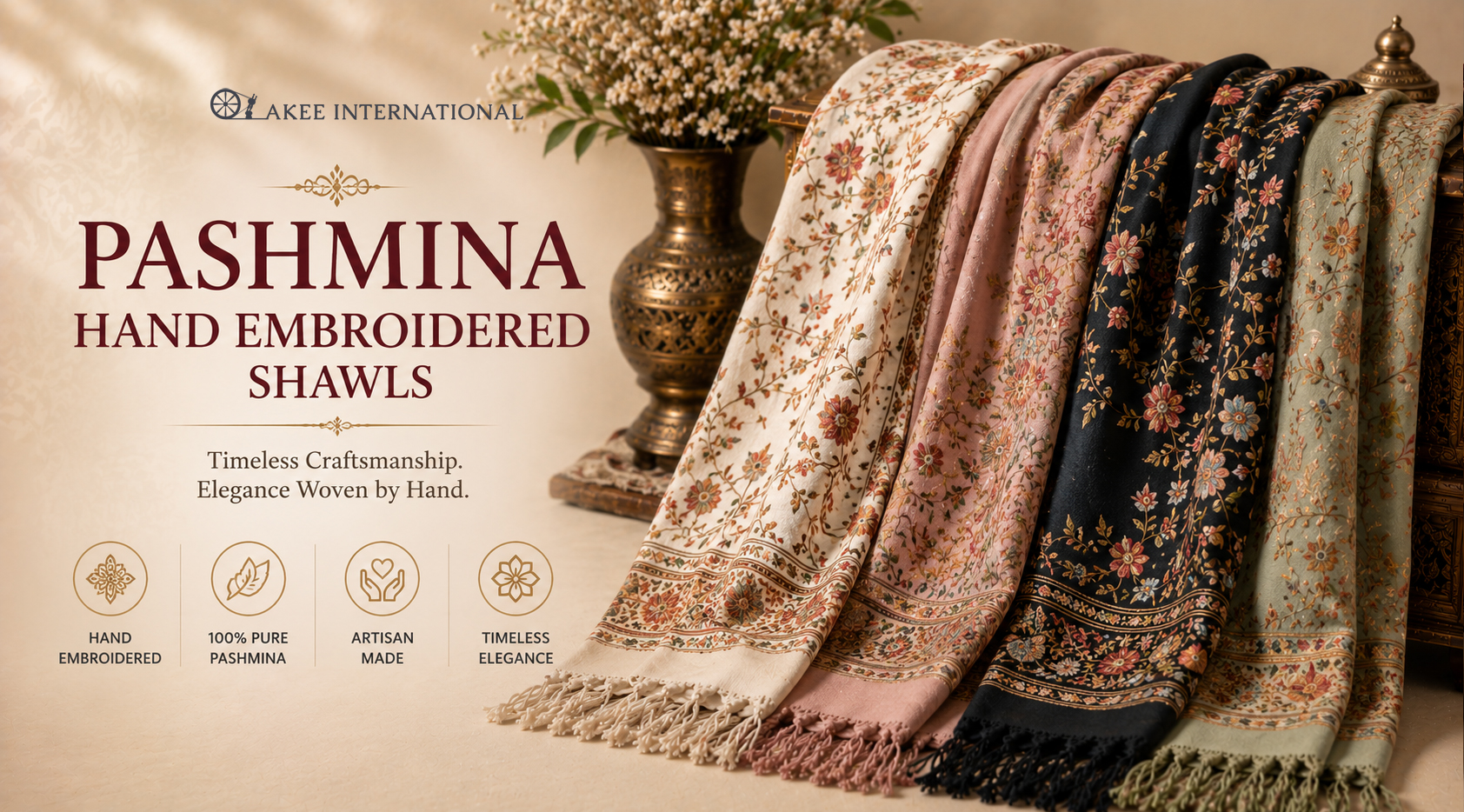
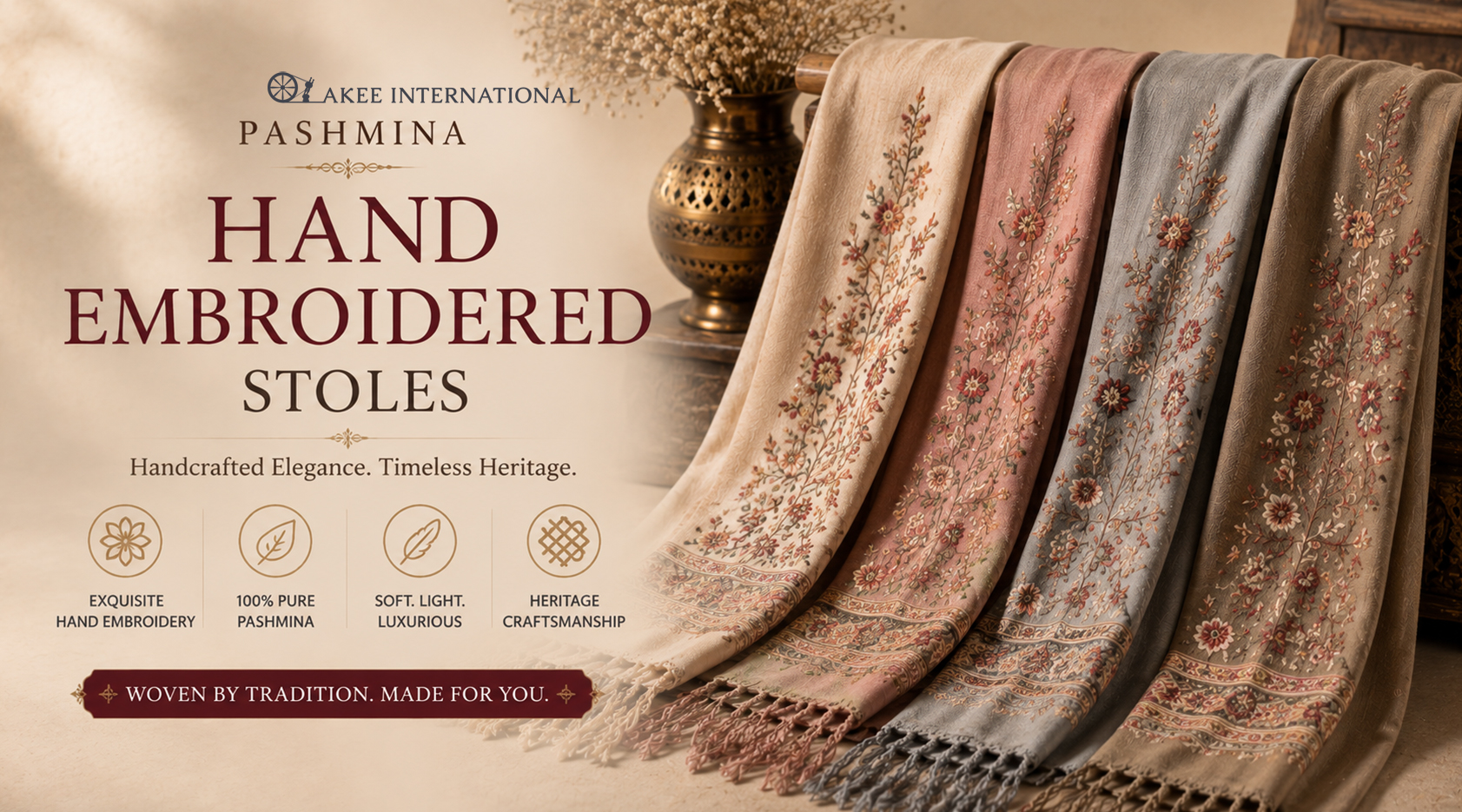
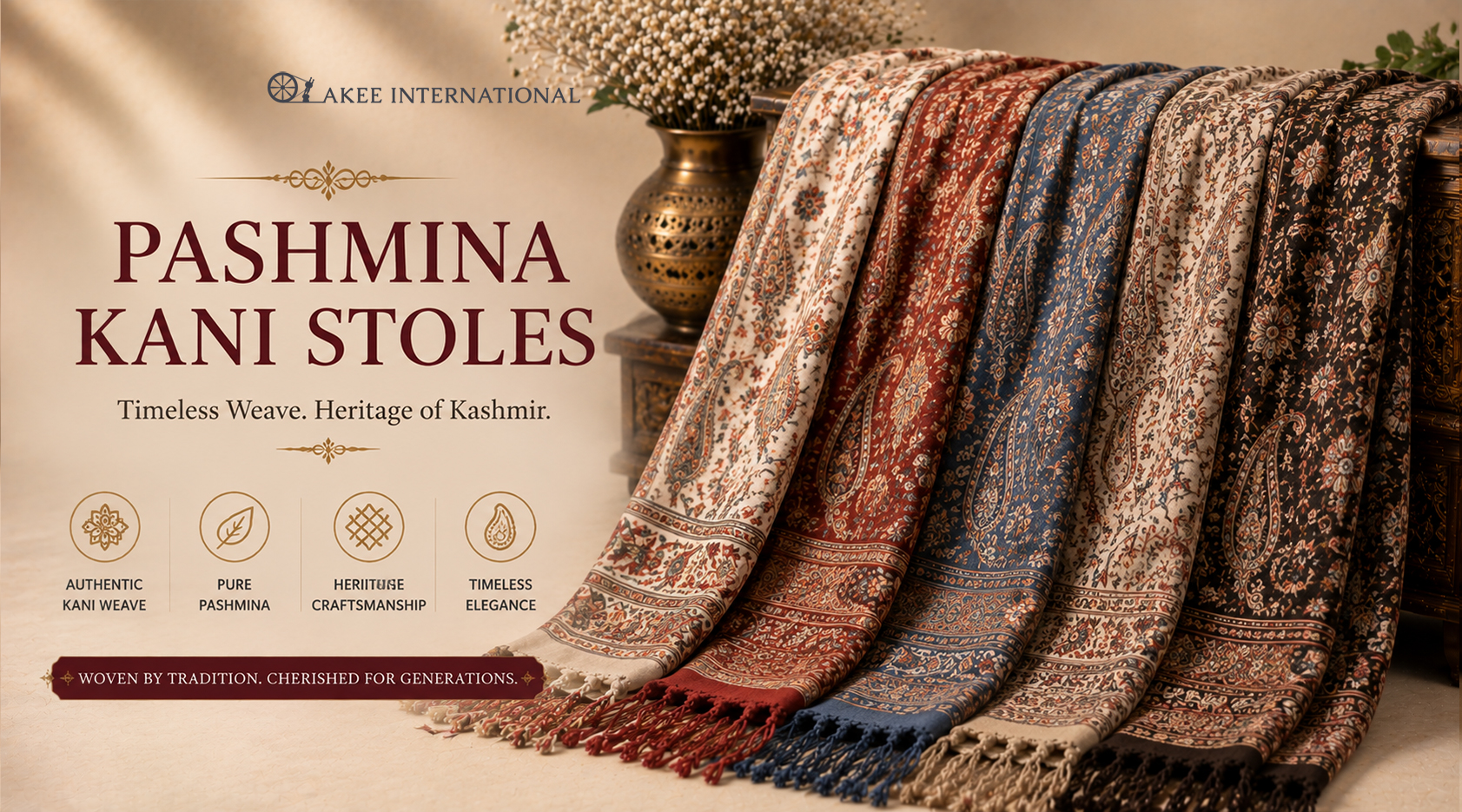
Pieces featuring Sozni needlework, Ari chain-stitch work, or Kani weaving in our range draw on artisan skill rooted in Kashmiri, Srinagar-linked craft traditions — with final assembly, quality checks, and finishing completed at our own facility.
A Test for Any "Srinagar Artisan-Crafted" Claim
Ask the specific question: which stage of production happened in Srinagar, and which happened elsewhere? A manufacturer confident in their sourcing should answer this without hesitation. Vagueness here is usually a sign the phrase is doing more marketing work than factual work.
For Buyers Who Specifically Want Kashmir-Skill Provenance
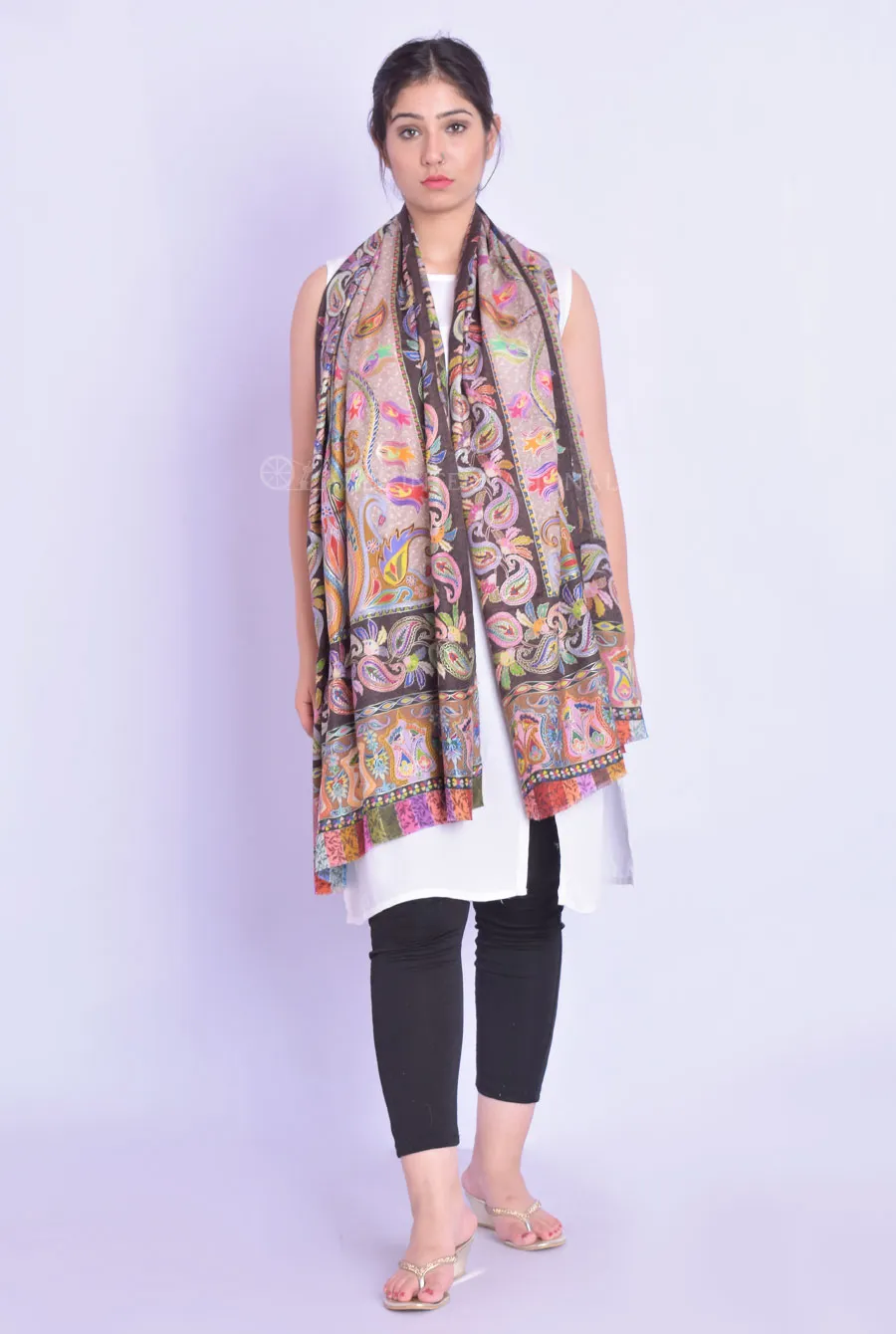
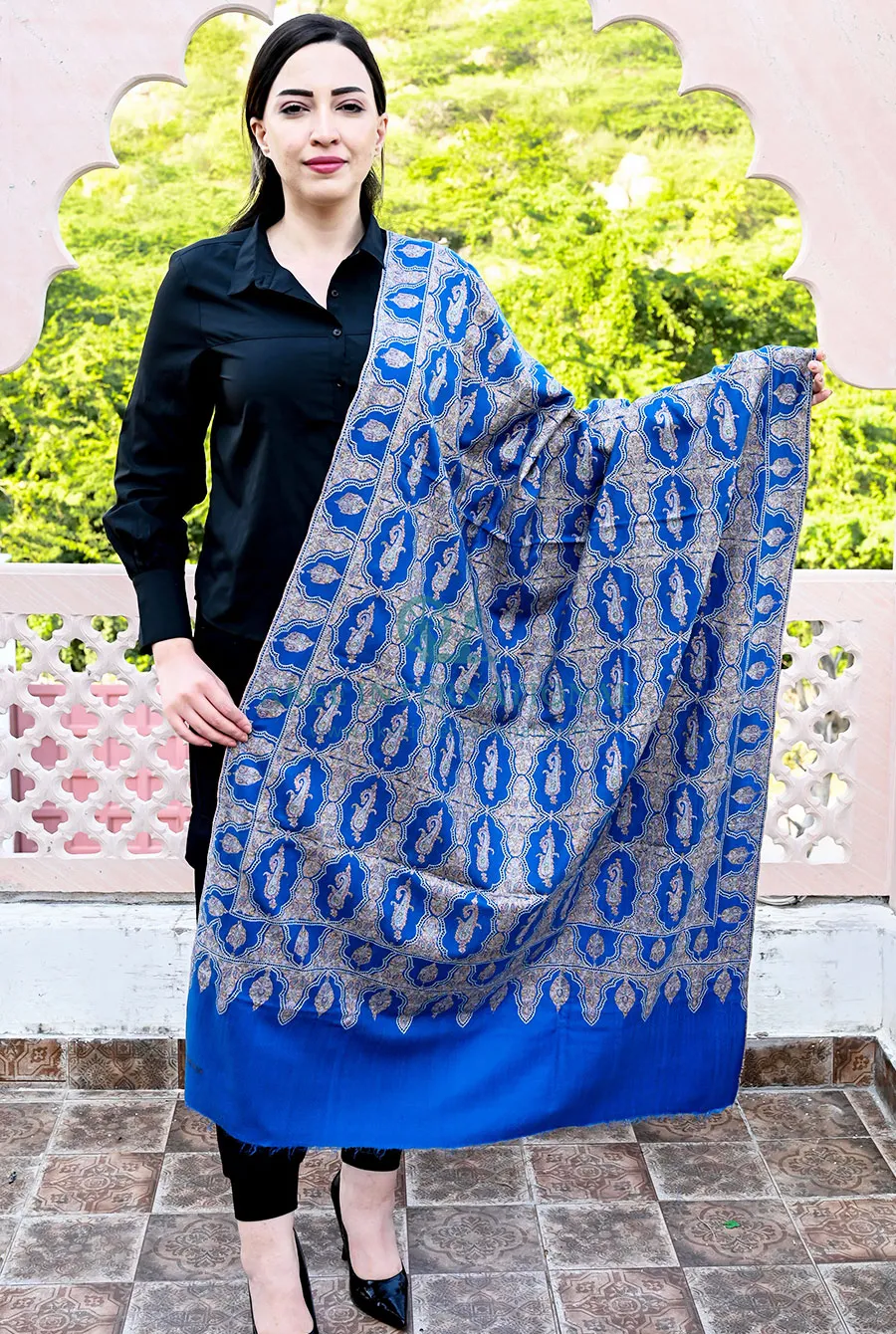
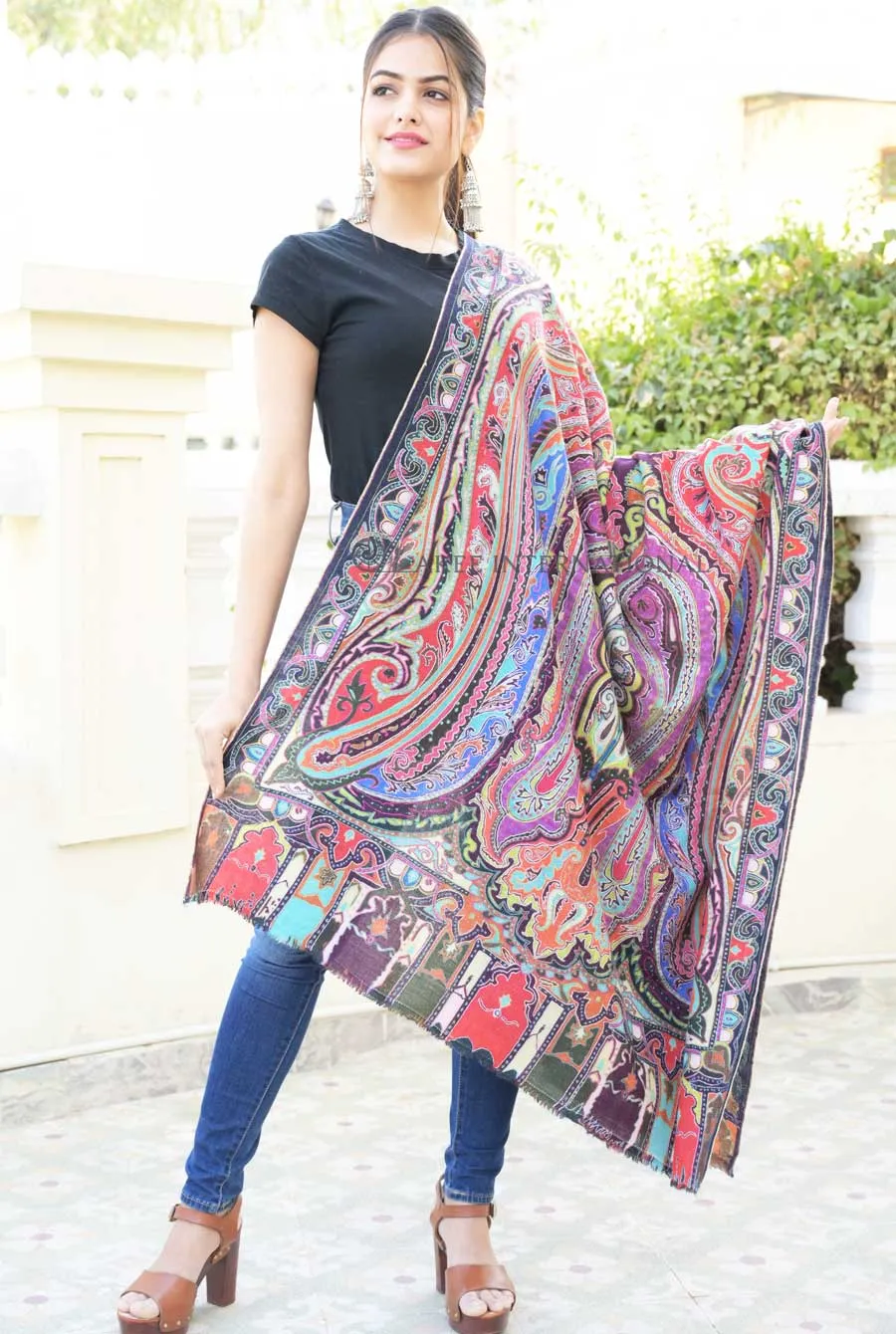
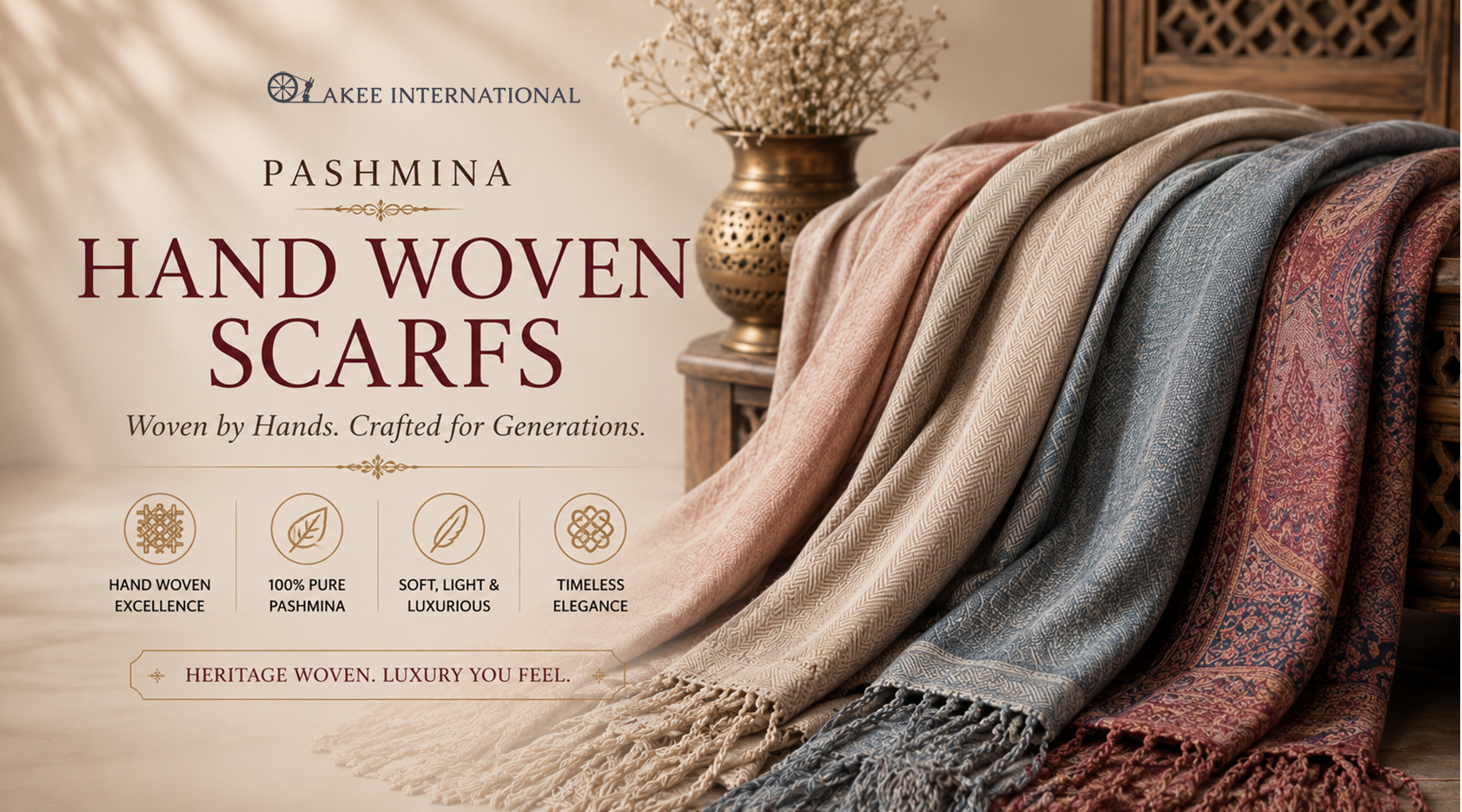
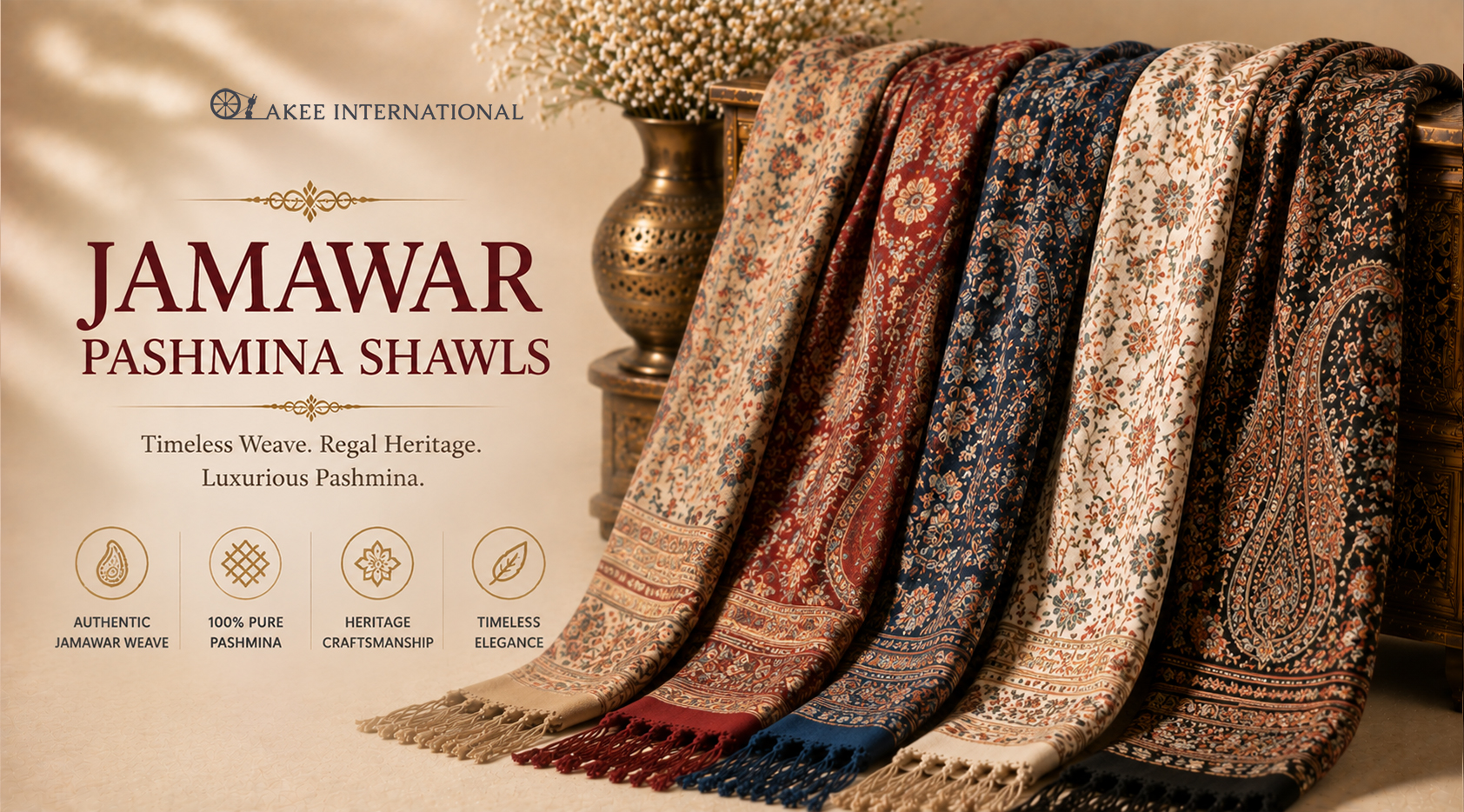
If your priority is genuinely Kashmiri technique — rather than a specific city of final assembly — our catalogue, including Jamawar and hand-embroidered pieces, reflects exactly the kind of provenance you're likely looking for.
Not necessarily — it typically means the wool and key technique originate there, while final production may happen elsewhere.
Raw wool sourcing and specialized techniques like Sozni embroidery and Kani weaving trace back to Kashmir.
At our Jaipur facility, where we complete weaving consolidation, quality control, and finishing.
No, as long as it's disclosed clearly — which is exactly what we aim to do.
Ask them to specify exactly which production stage happened where.
No, authenticity depends on genuine wool and technique, not the city where final assembly occurs.
Sozni, Ari work, Jamawar, and Kani weaving all draw on Kashmiri artisan tradition.
Yes, our team can walk you through sourcing and production specifics.
Yes, though rarely explained as directly as we've done here.
Browse our embroidered and woven collections, or contact our team for guidance.
"Read what our clients say about their experience with Akee International's luxurious Pashmina shawls and impeccable service."

Nai Mata Mandir Road, Thathar Road, Delhi By Pass, Amer, Jaipur 302028, Rajasthan India
Get directions Call Now Whatsapp 4.9 based on 269 reviews
Rating: 4.6/5 | 85 Reviews

Rating: 4.9/5 | 269 Reviews

TrustScore: 4.9 | 100 Reviews