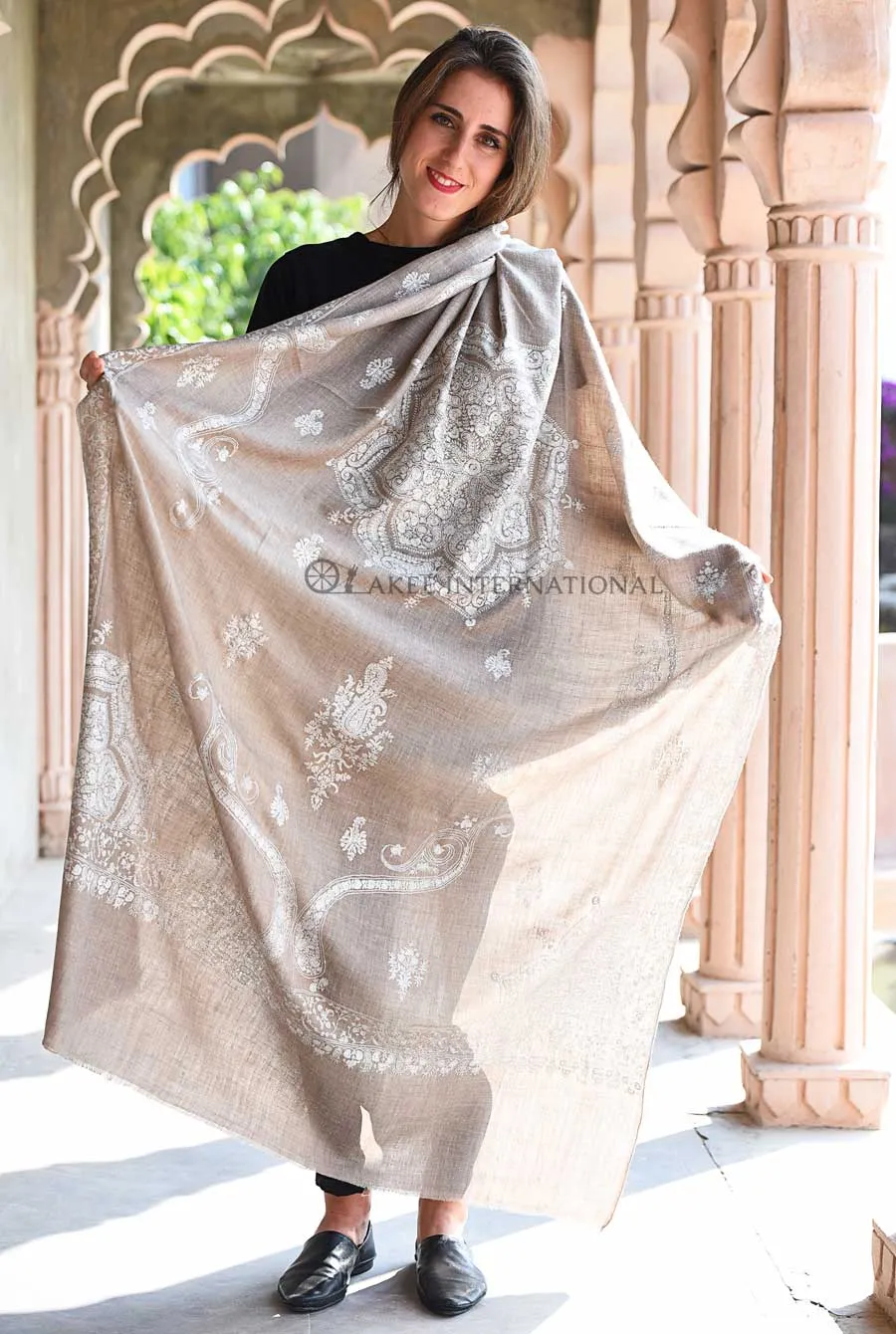
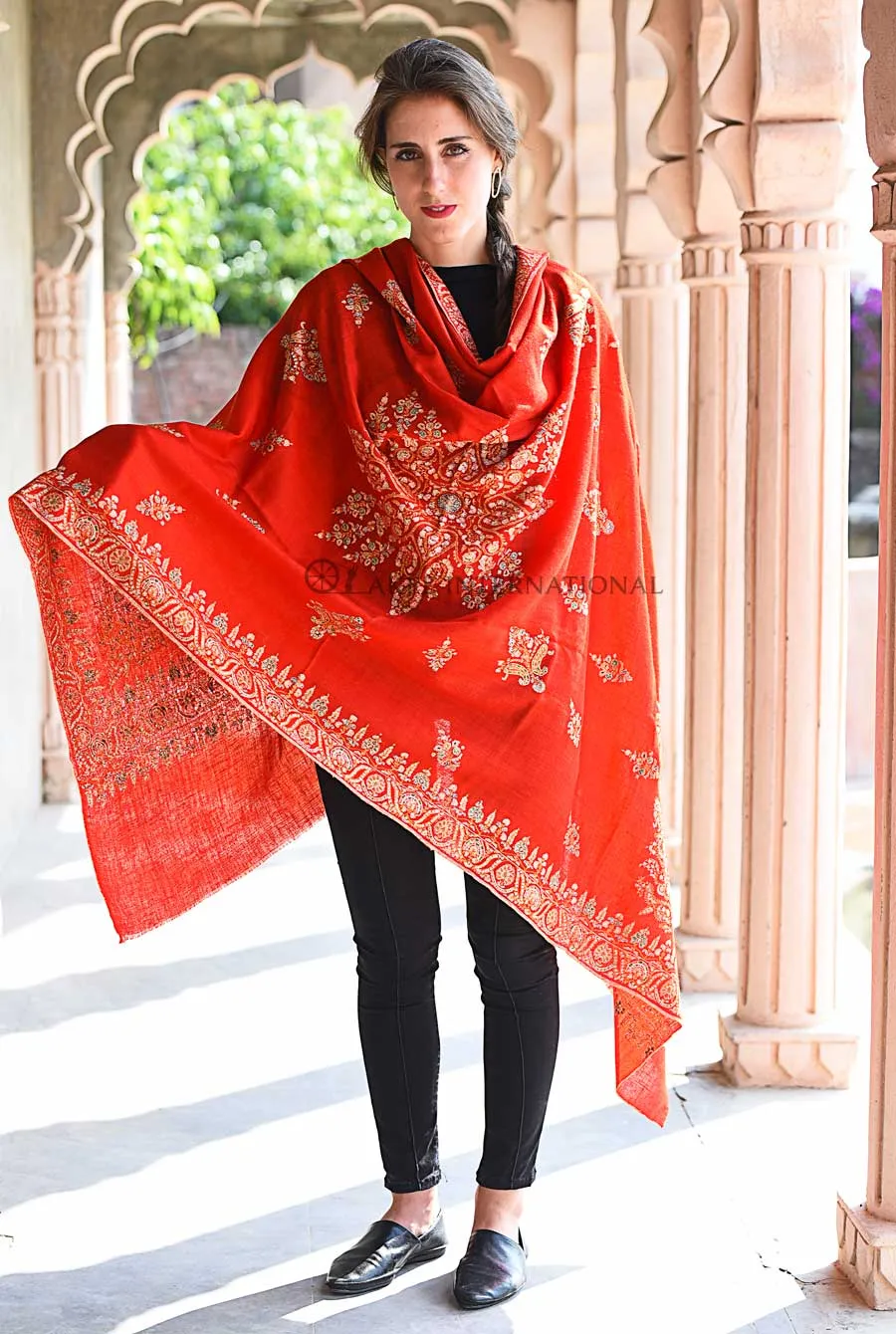
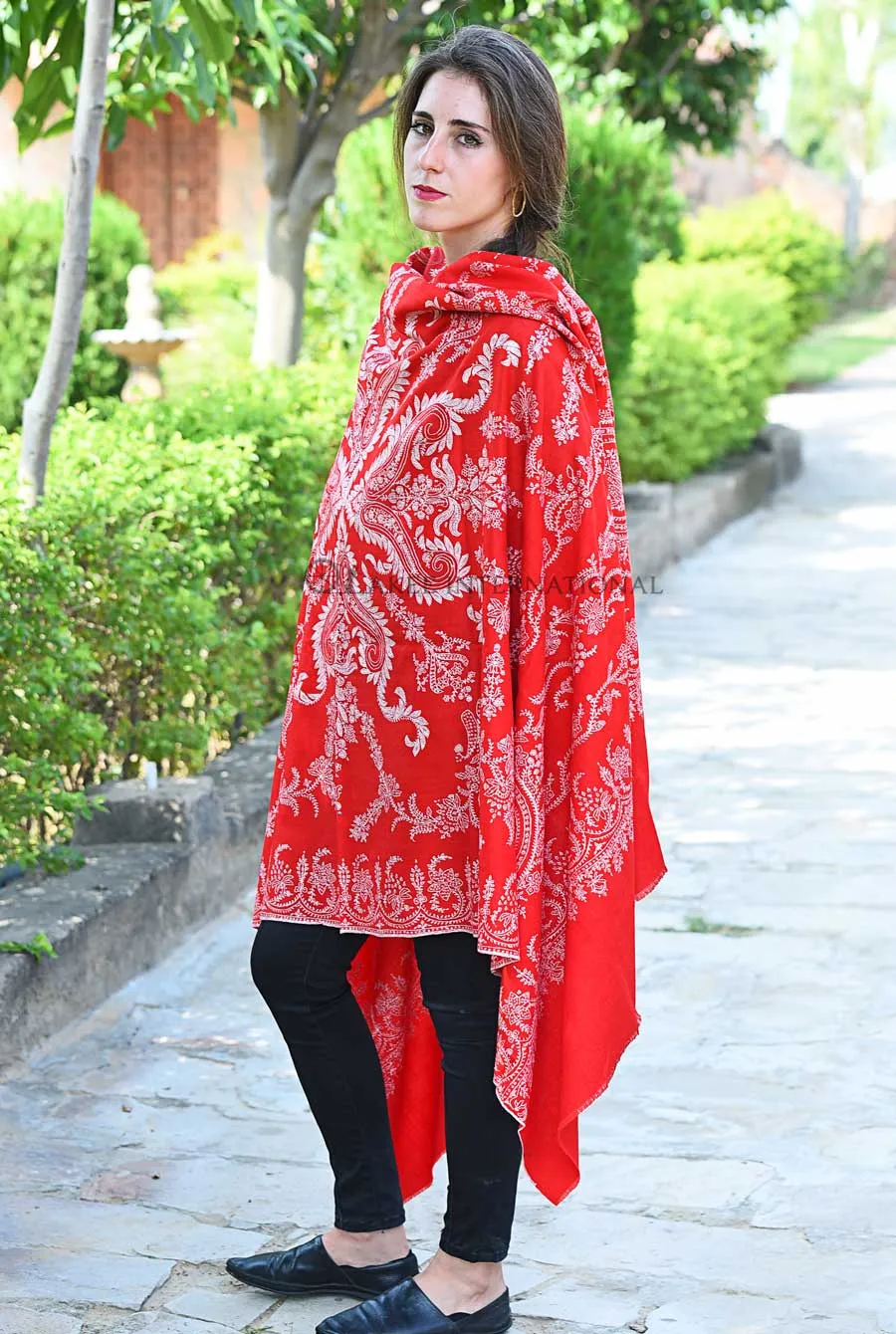
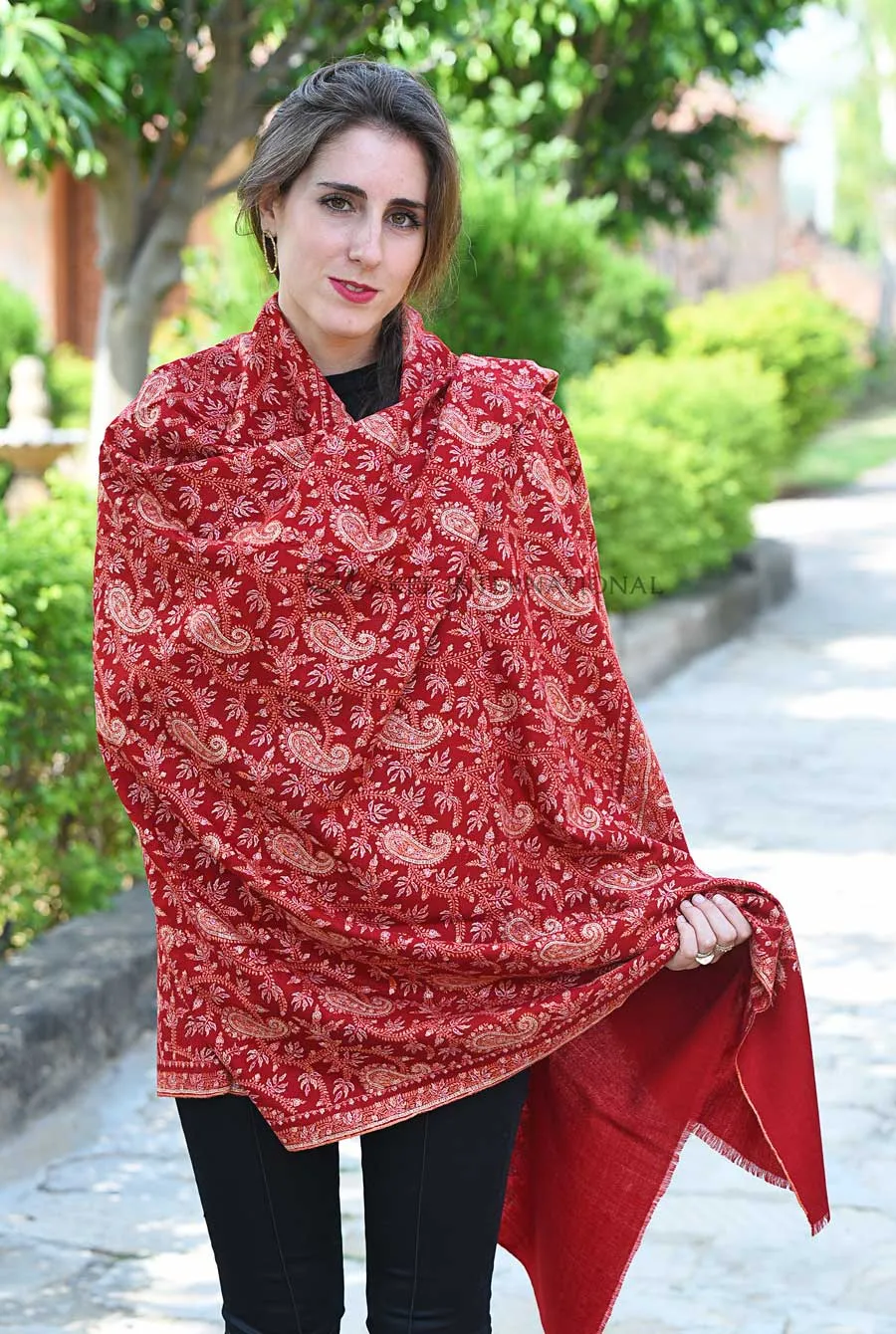
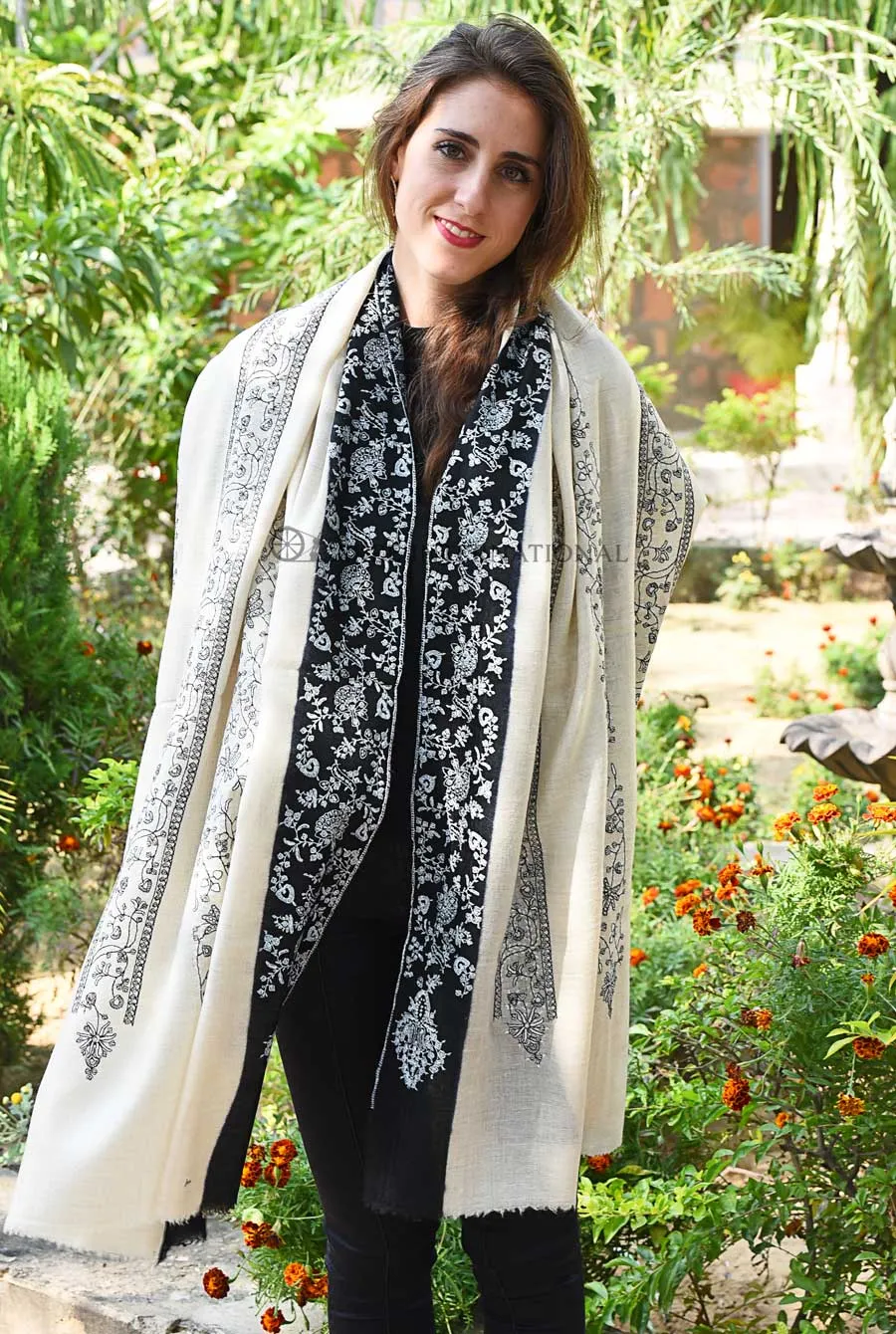
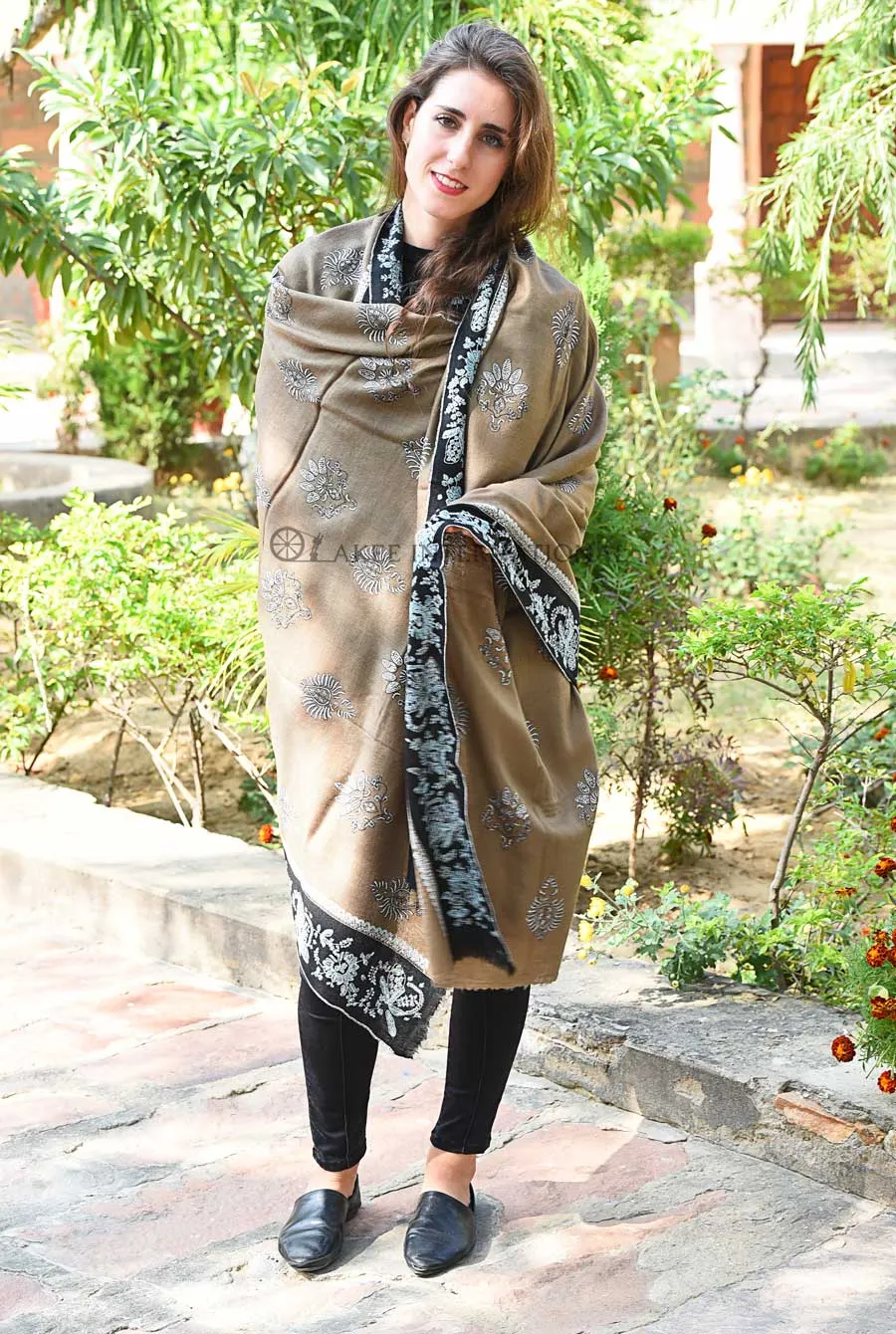
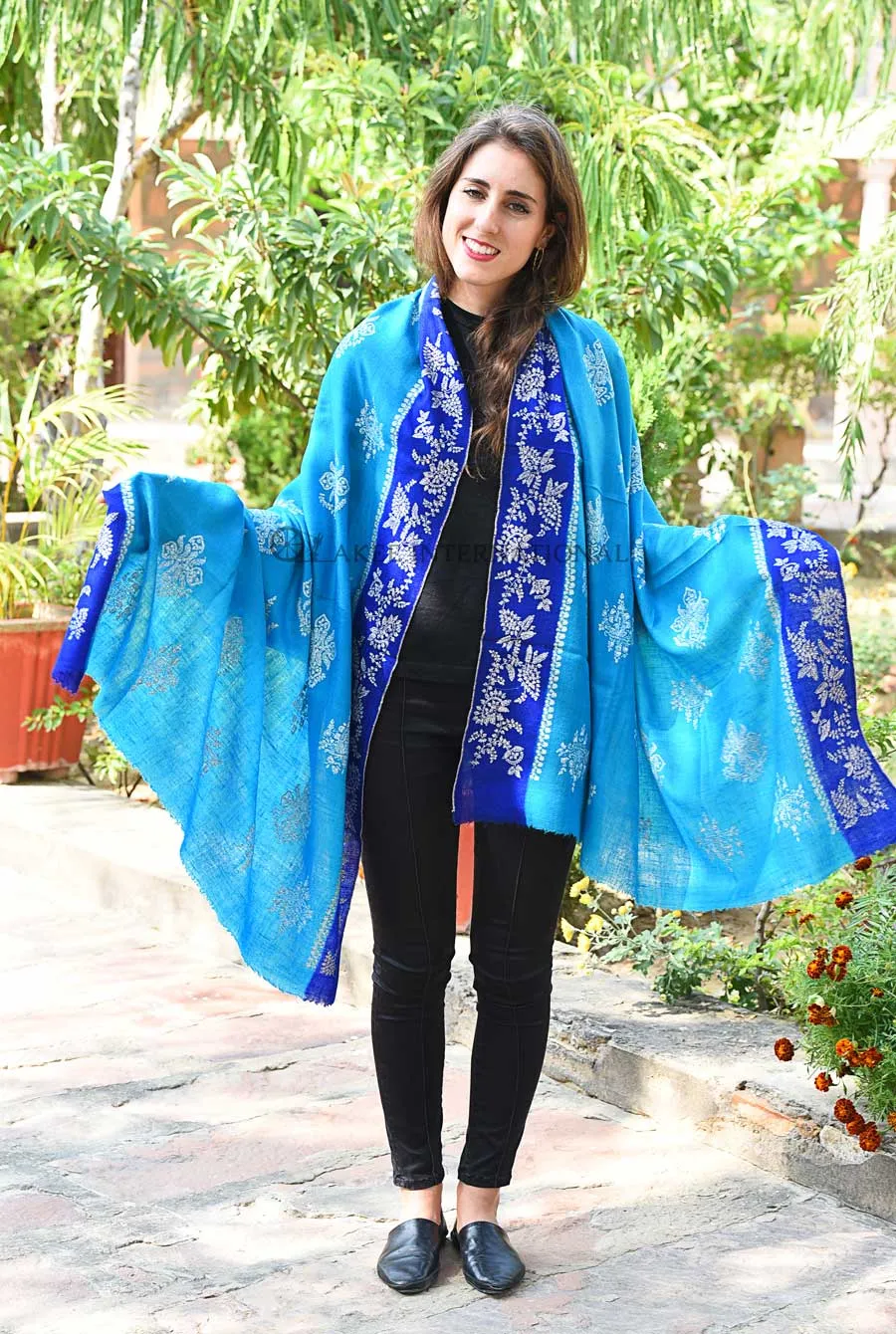
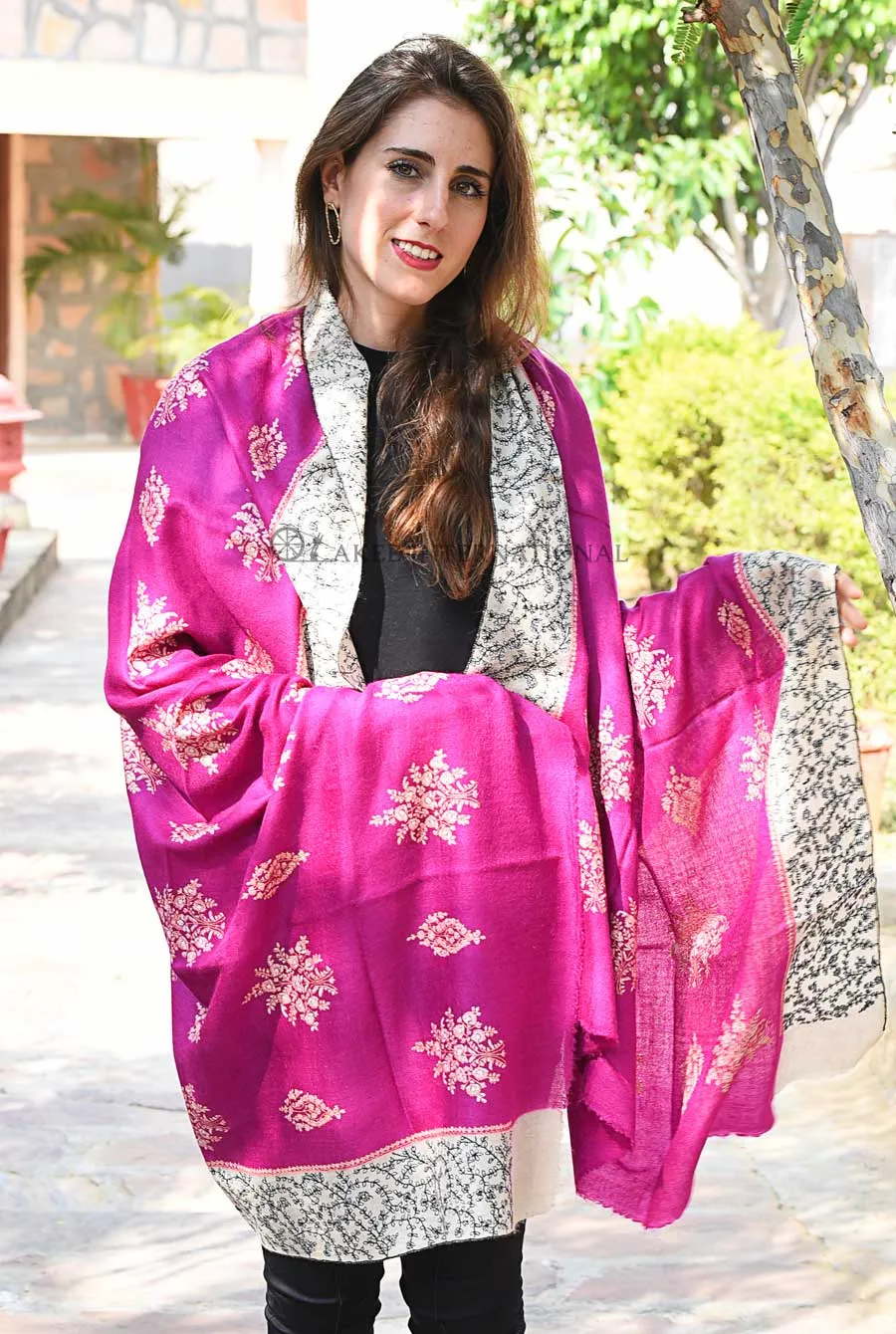
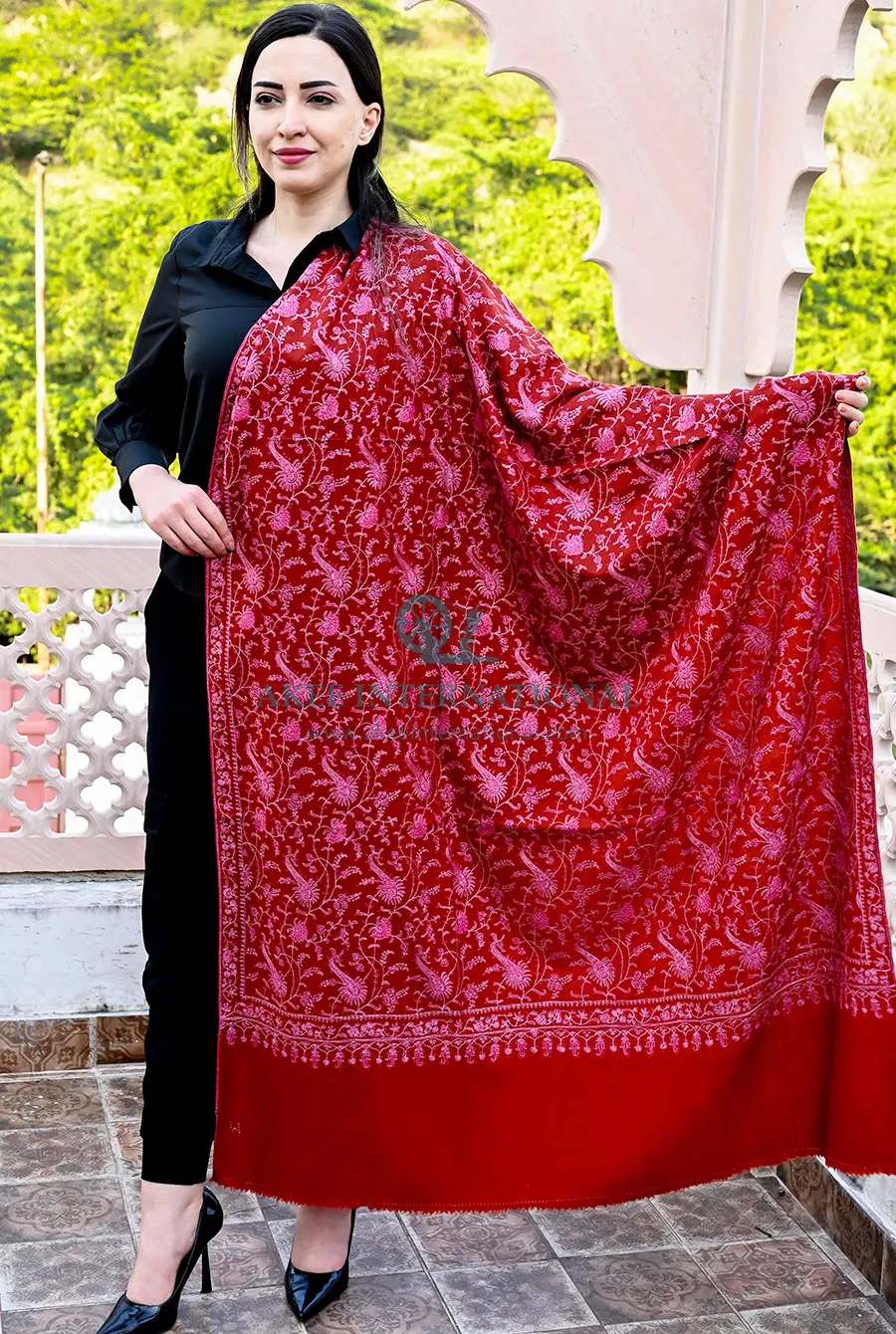
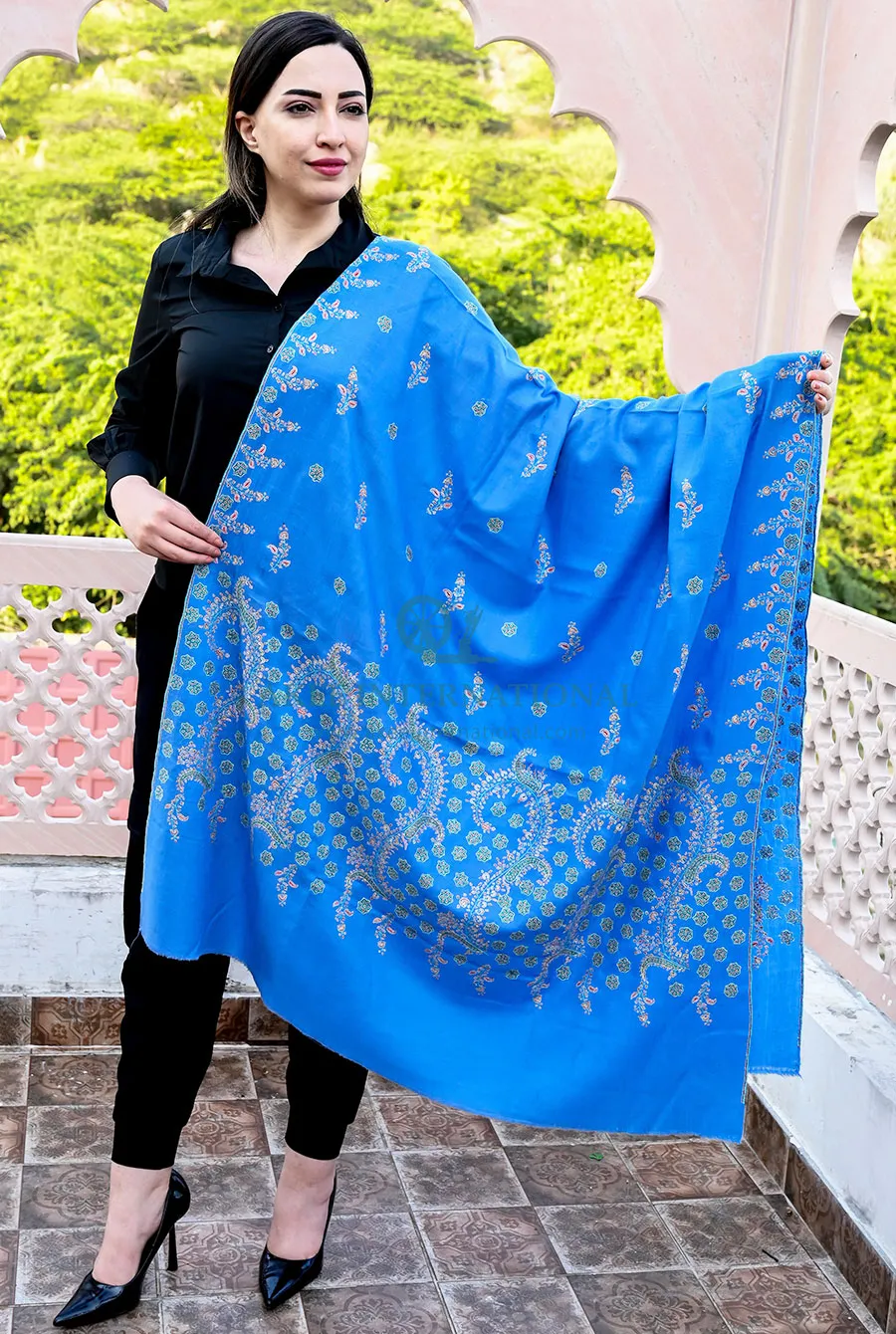
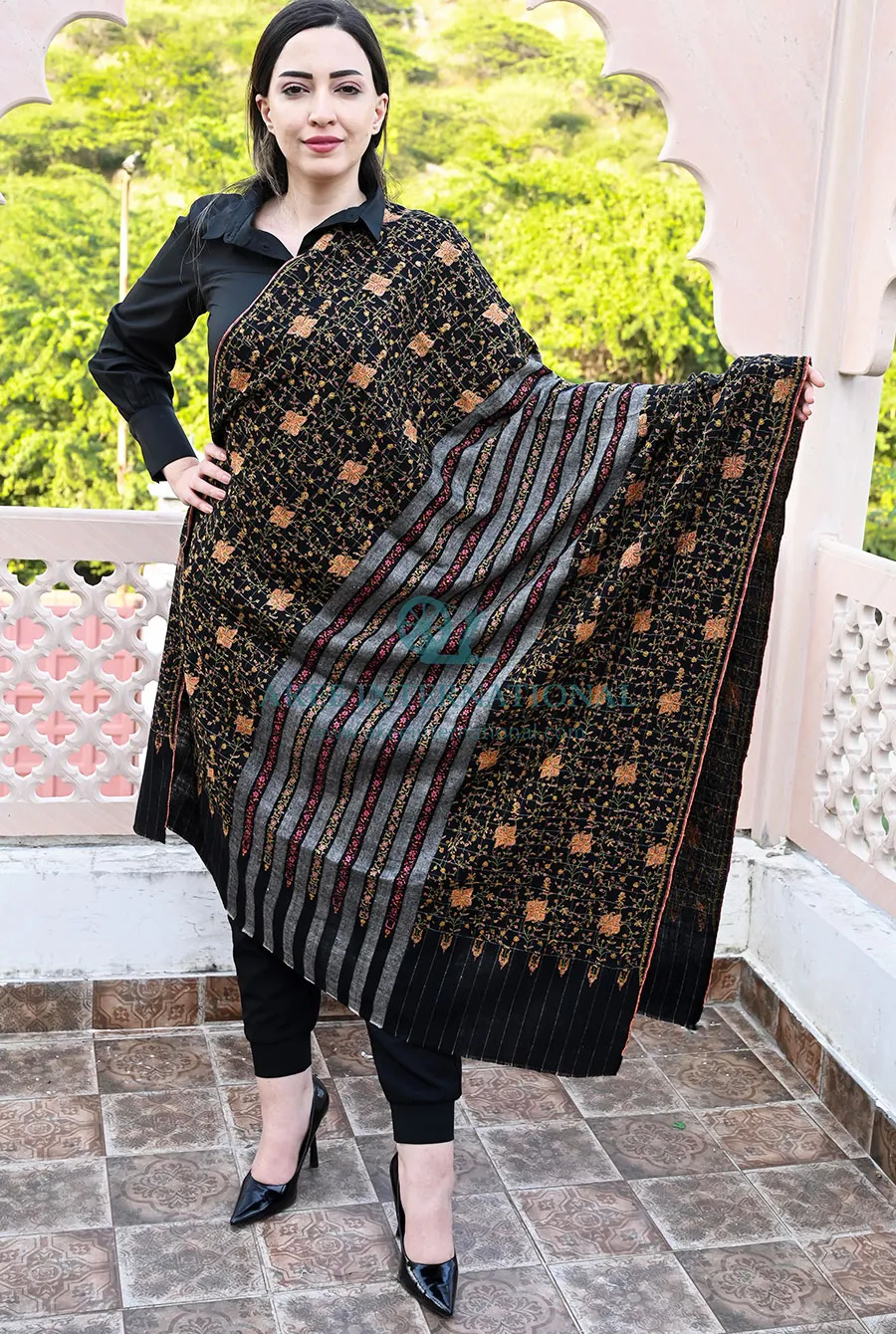
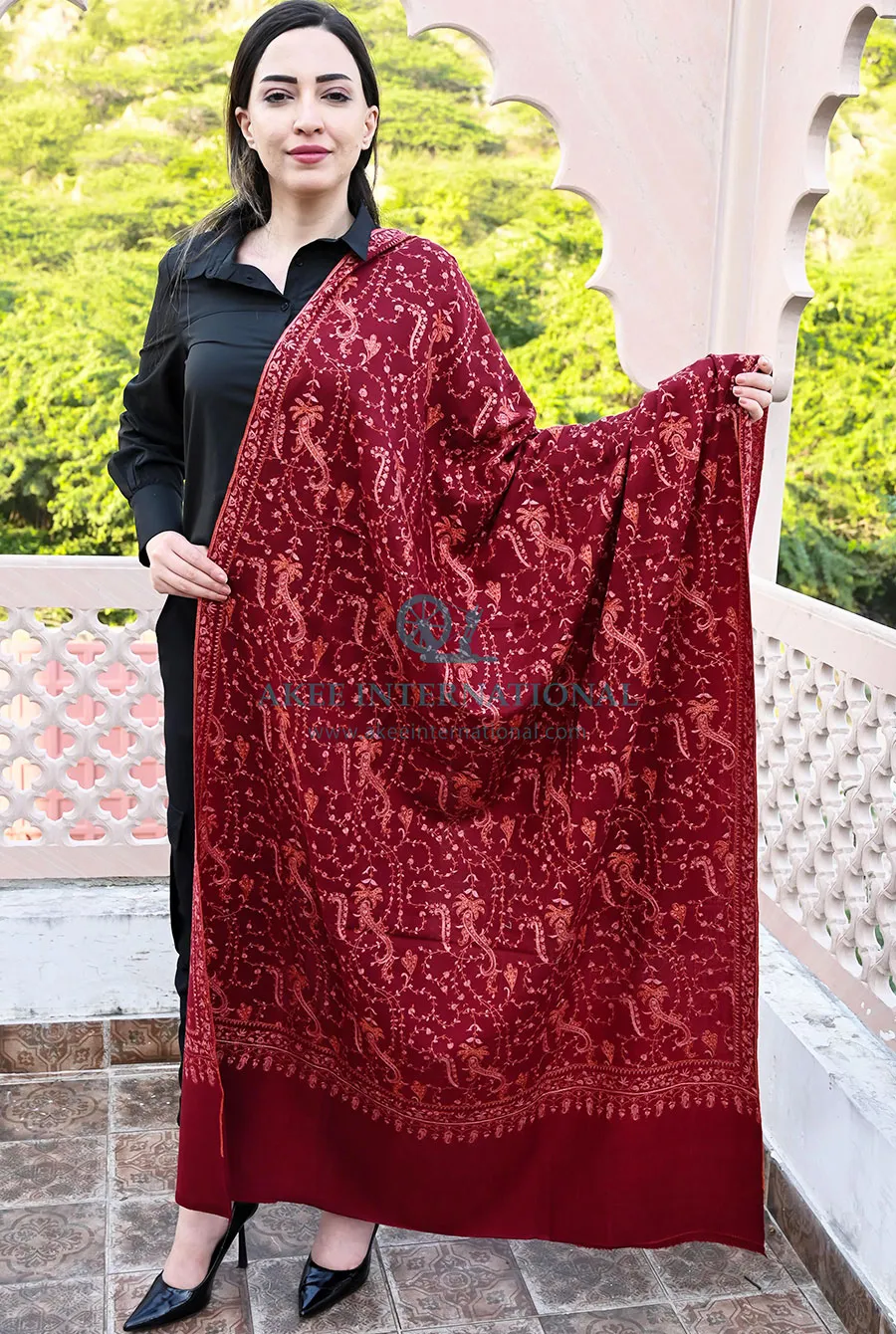
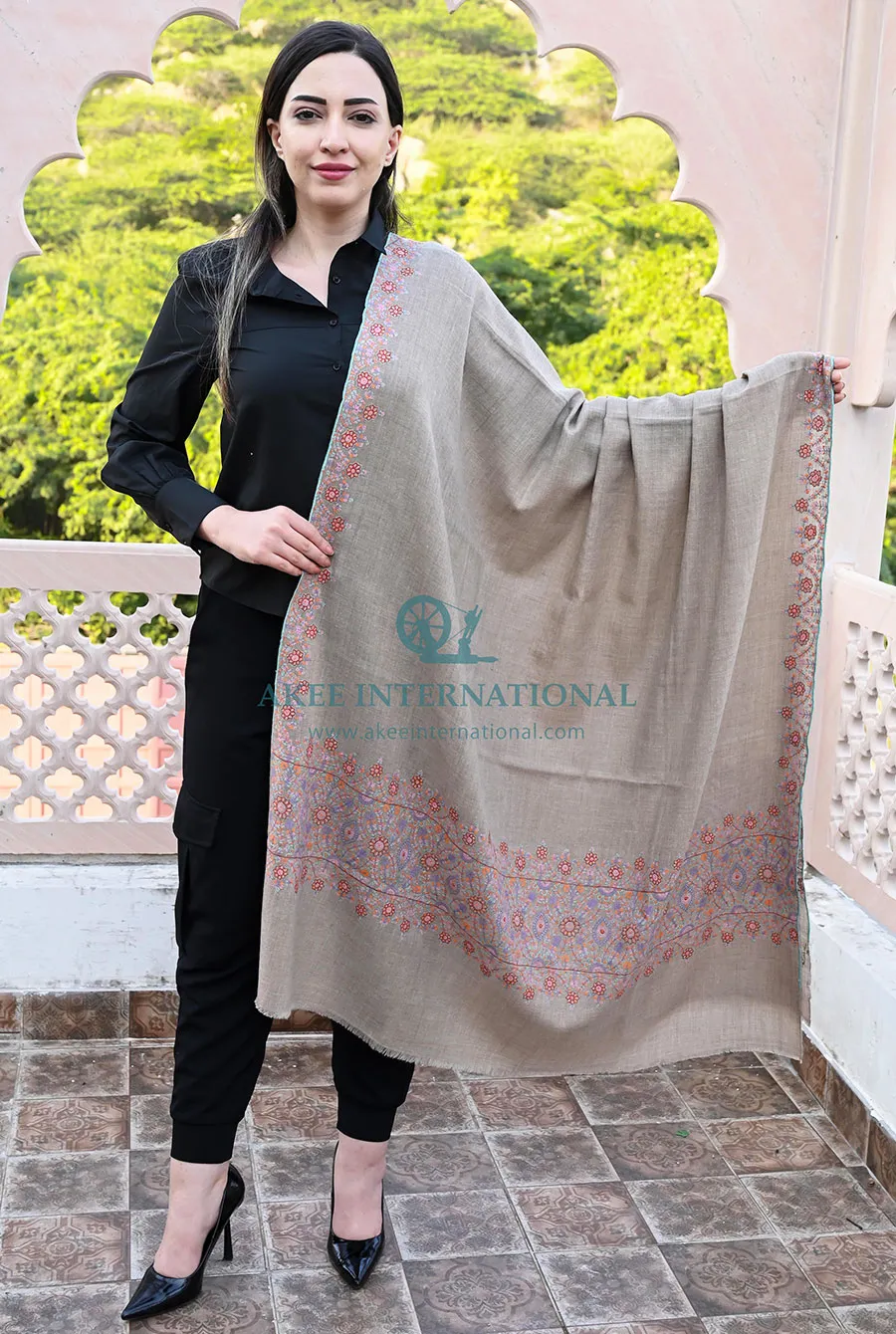
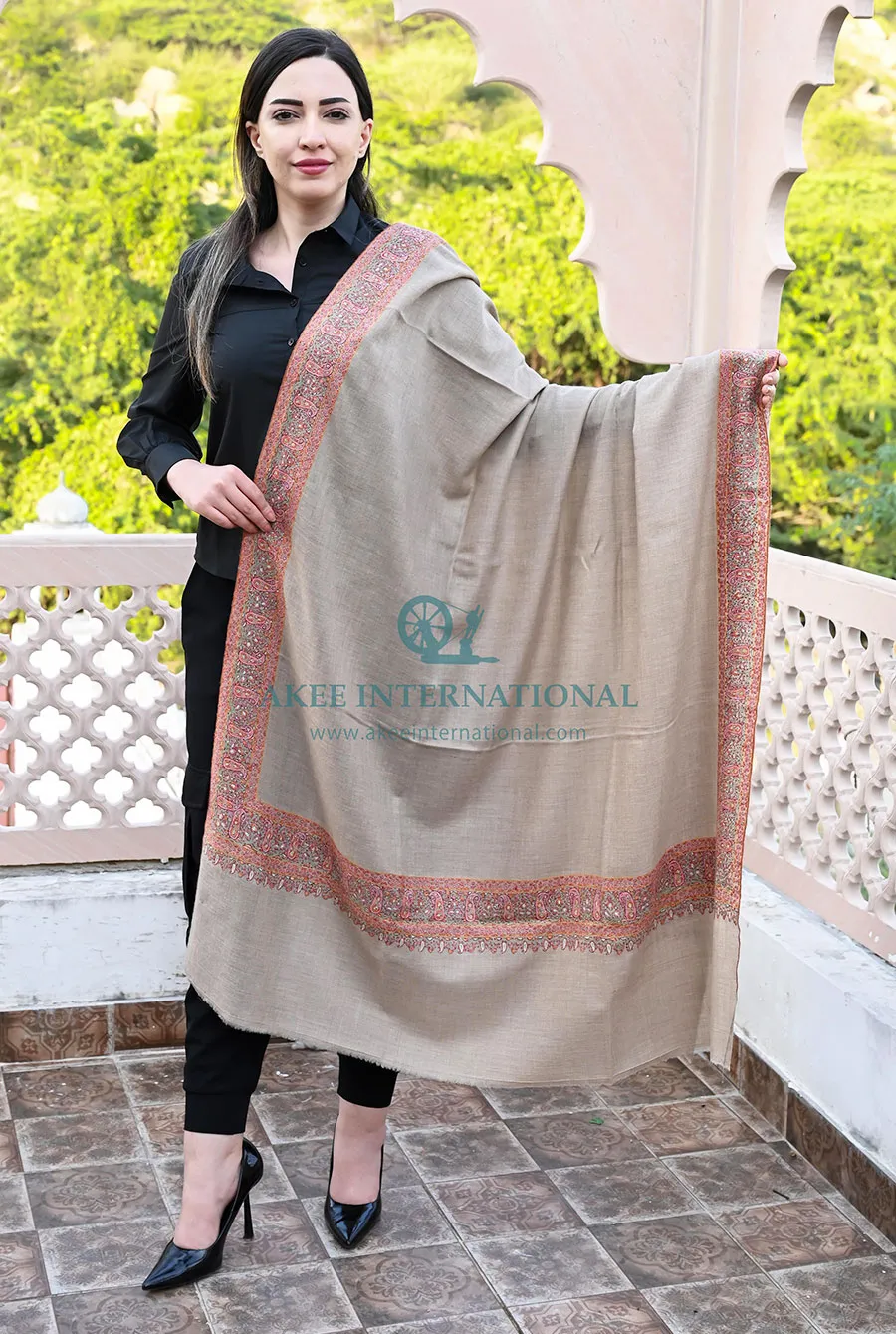
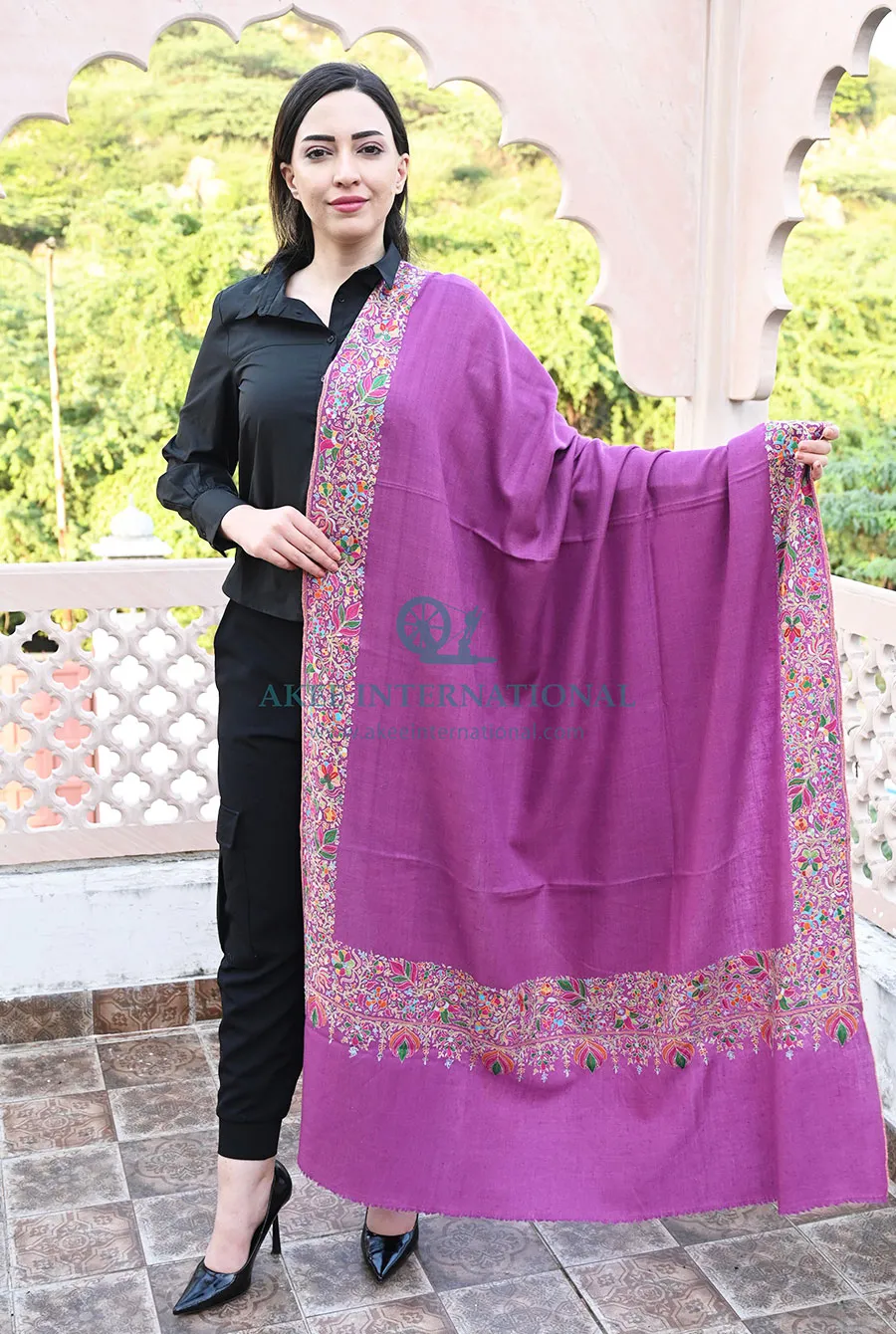
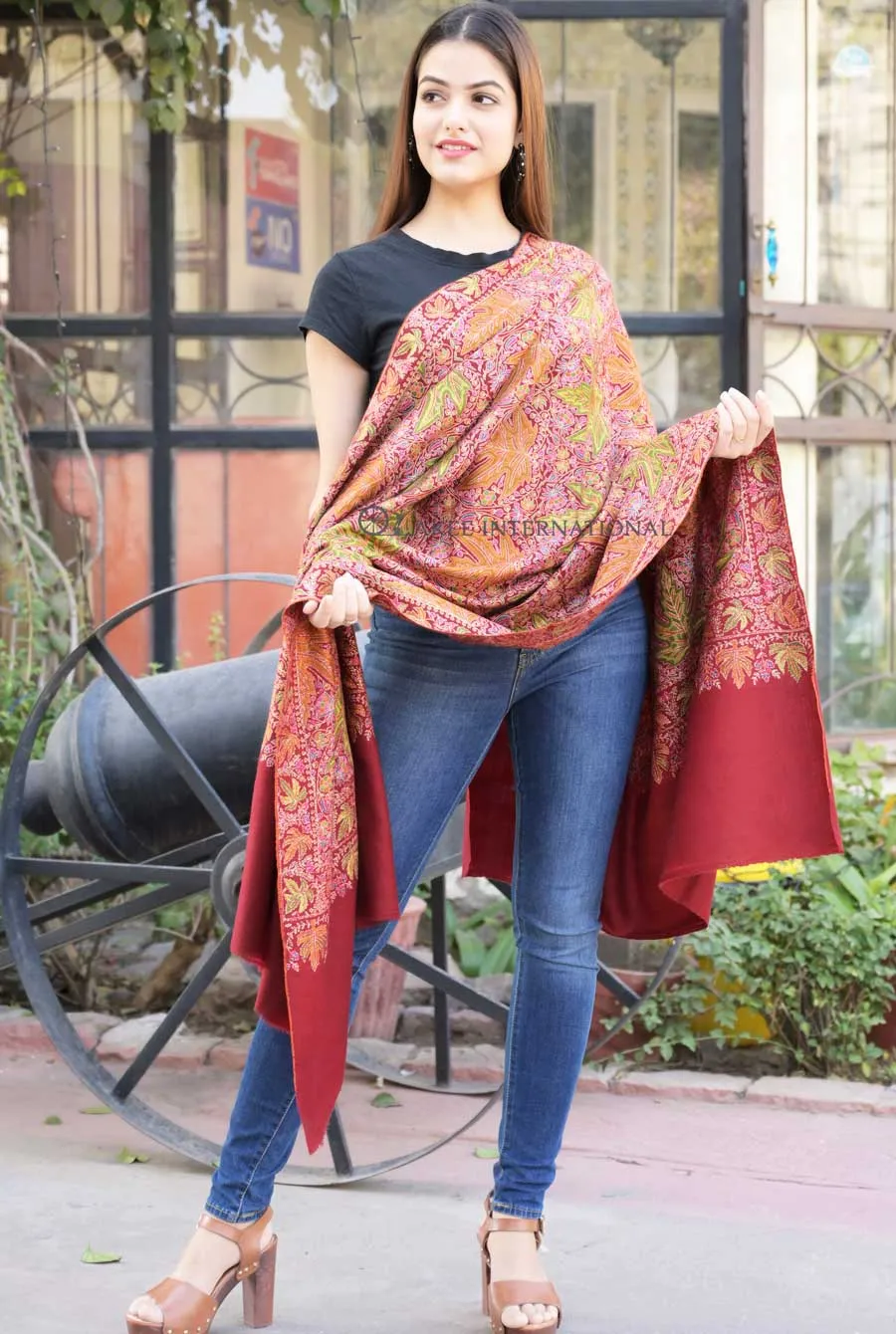
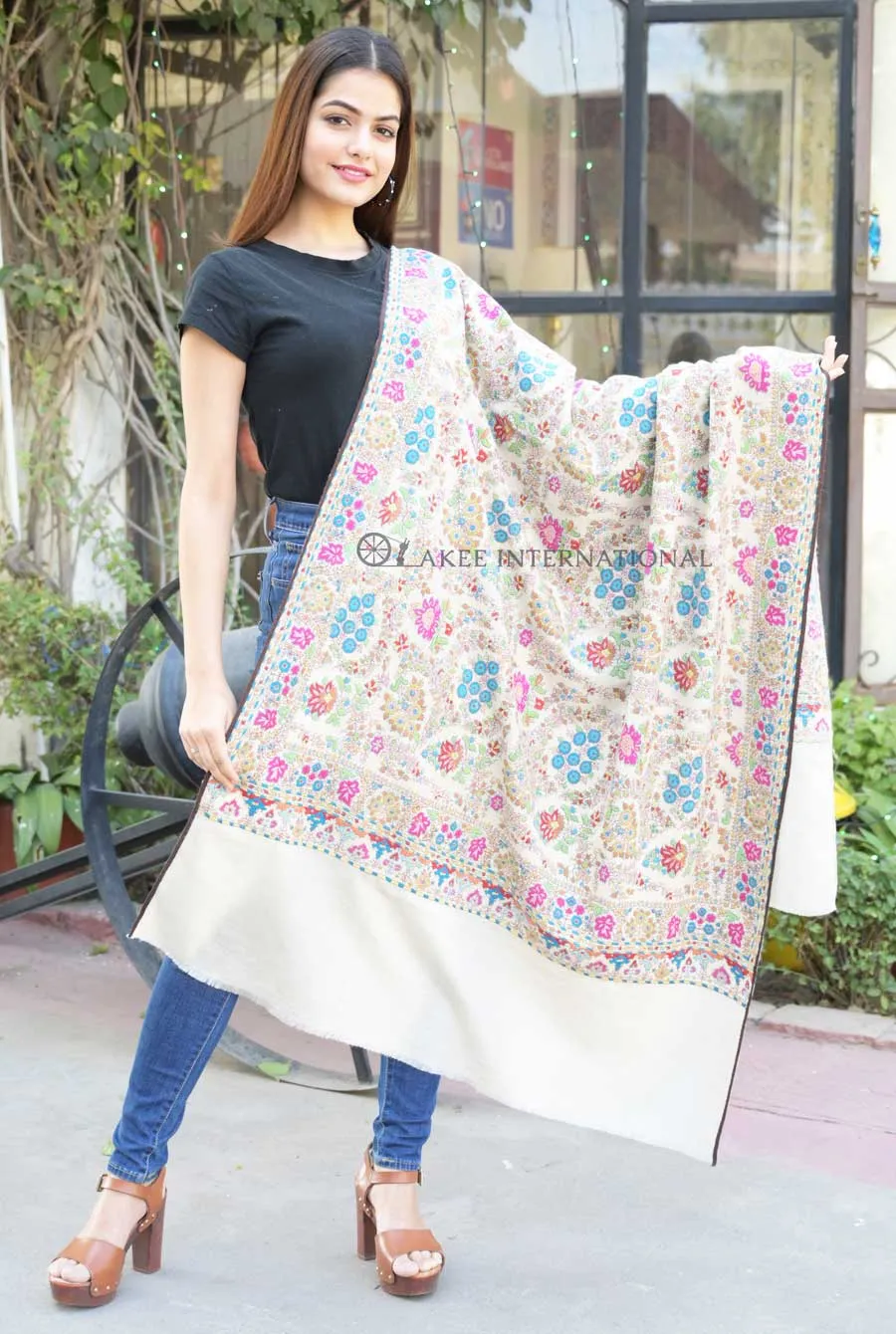
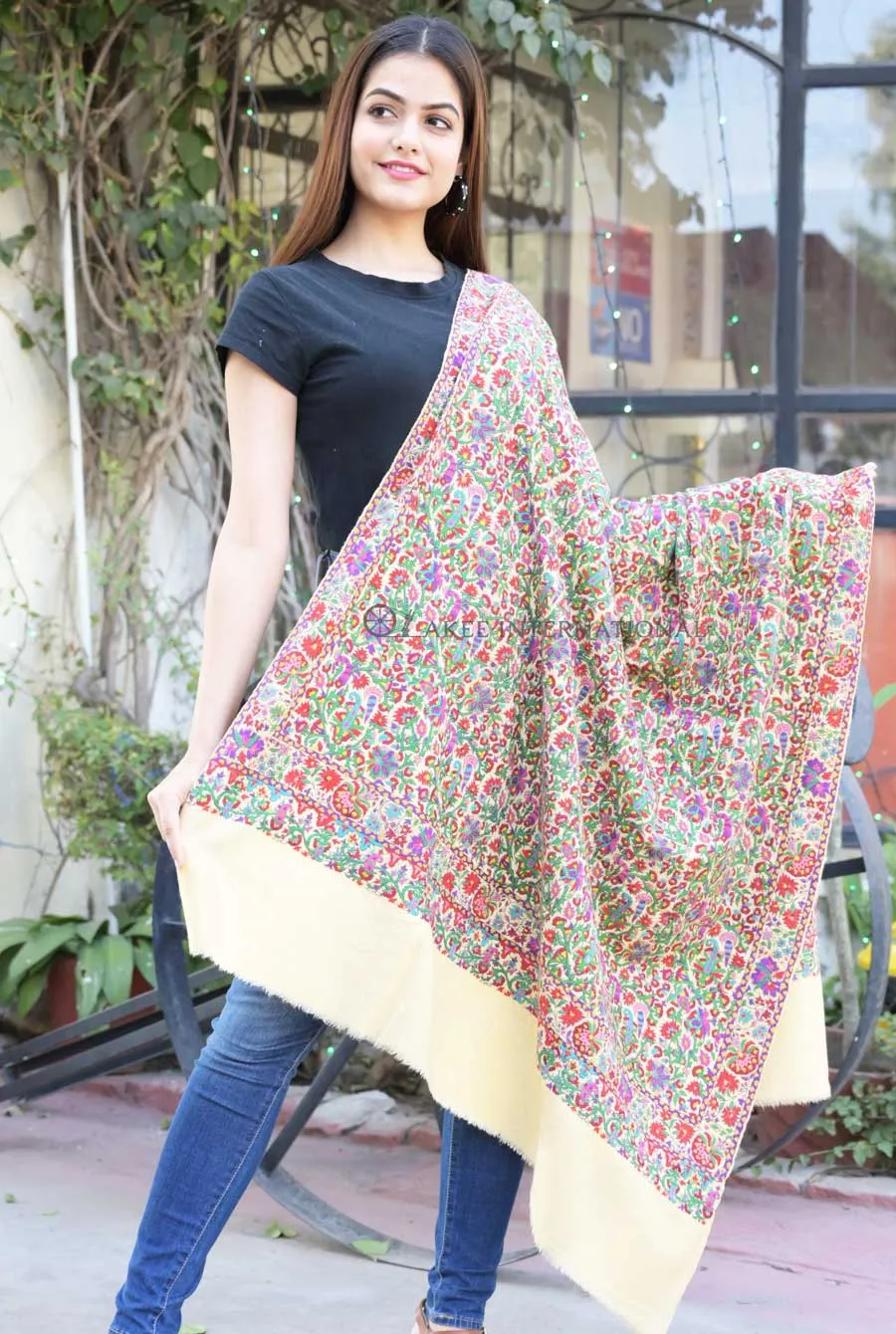
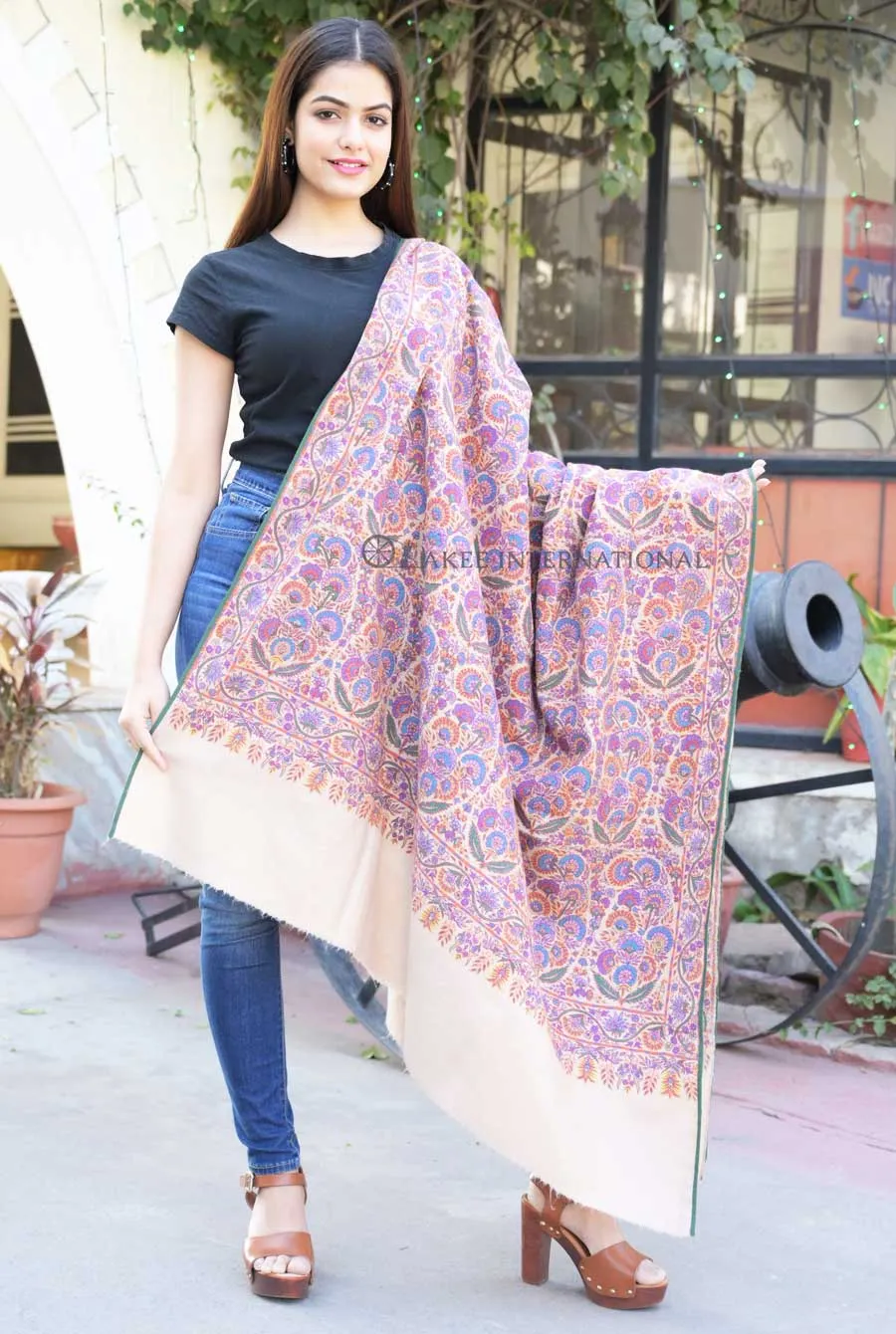
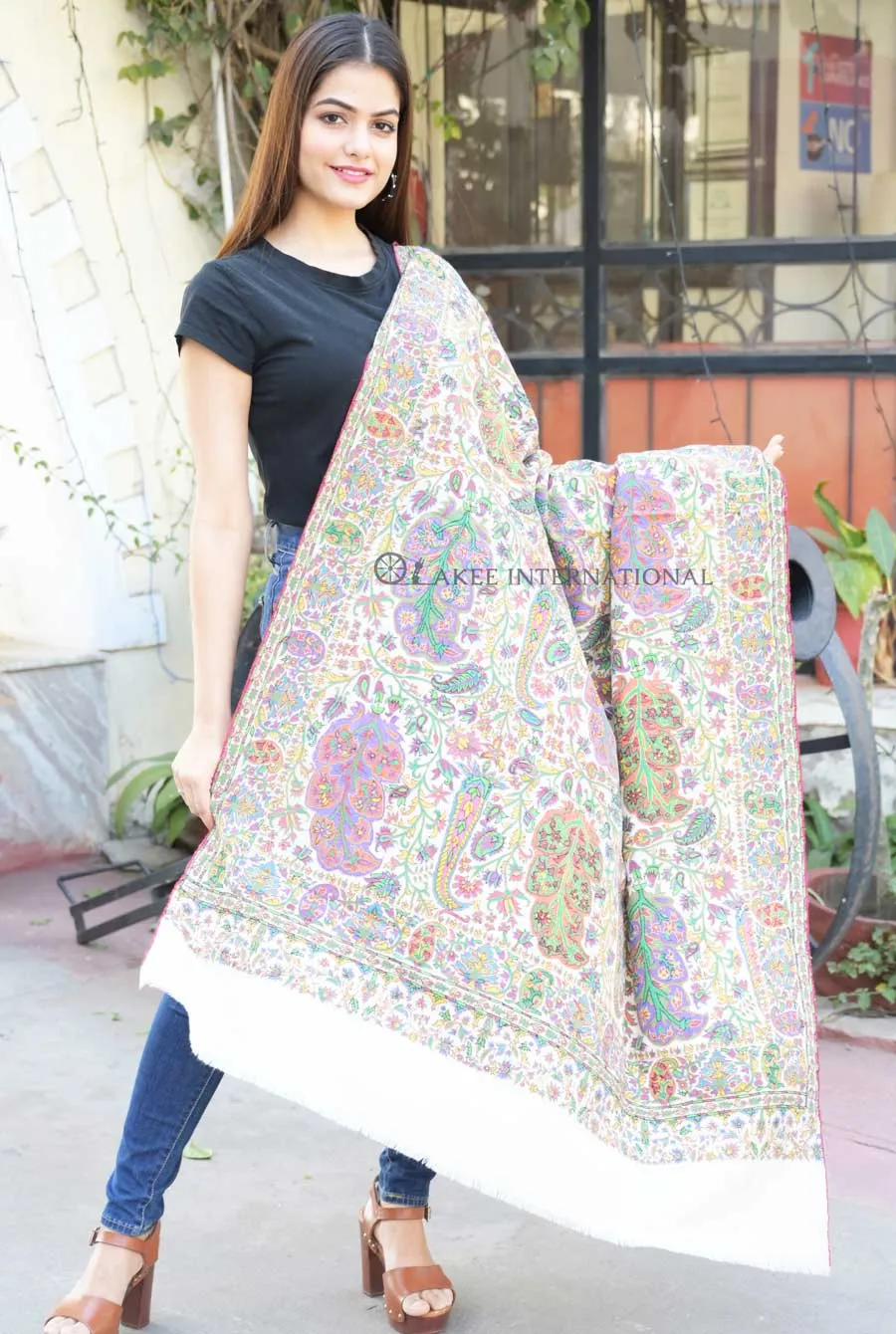
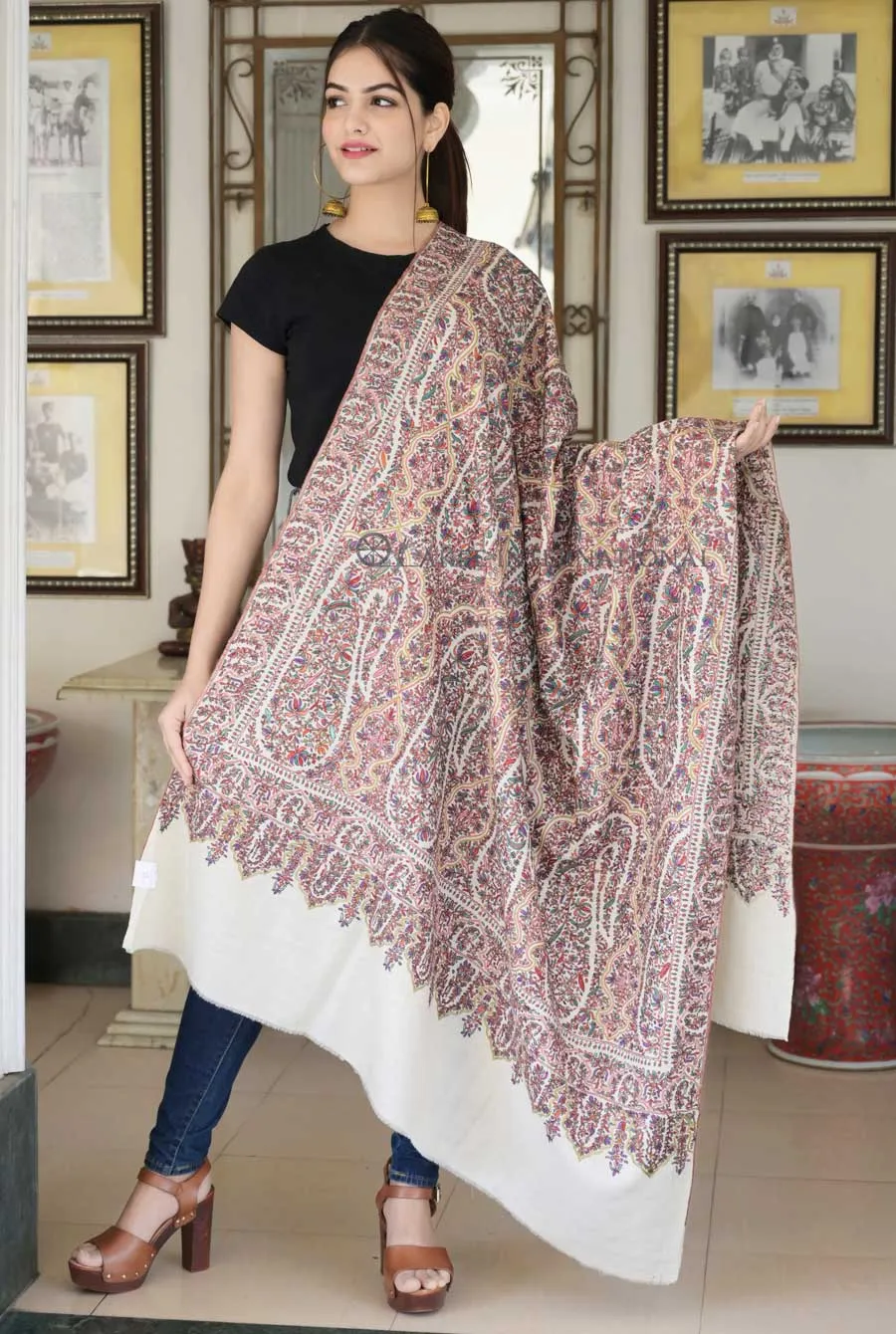
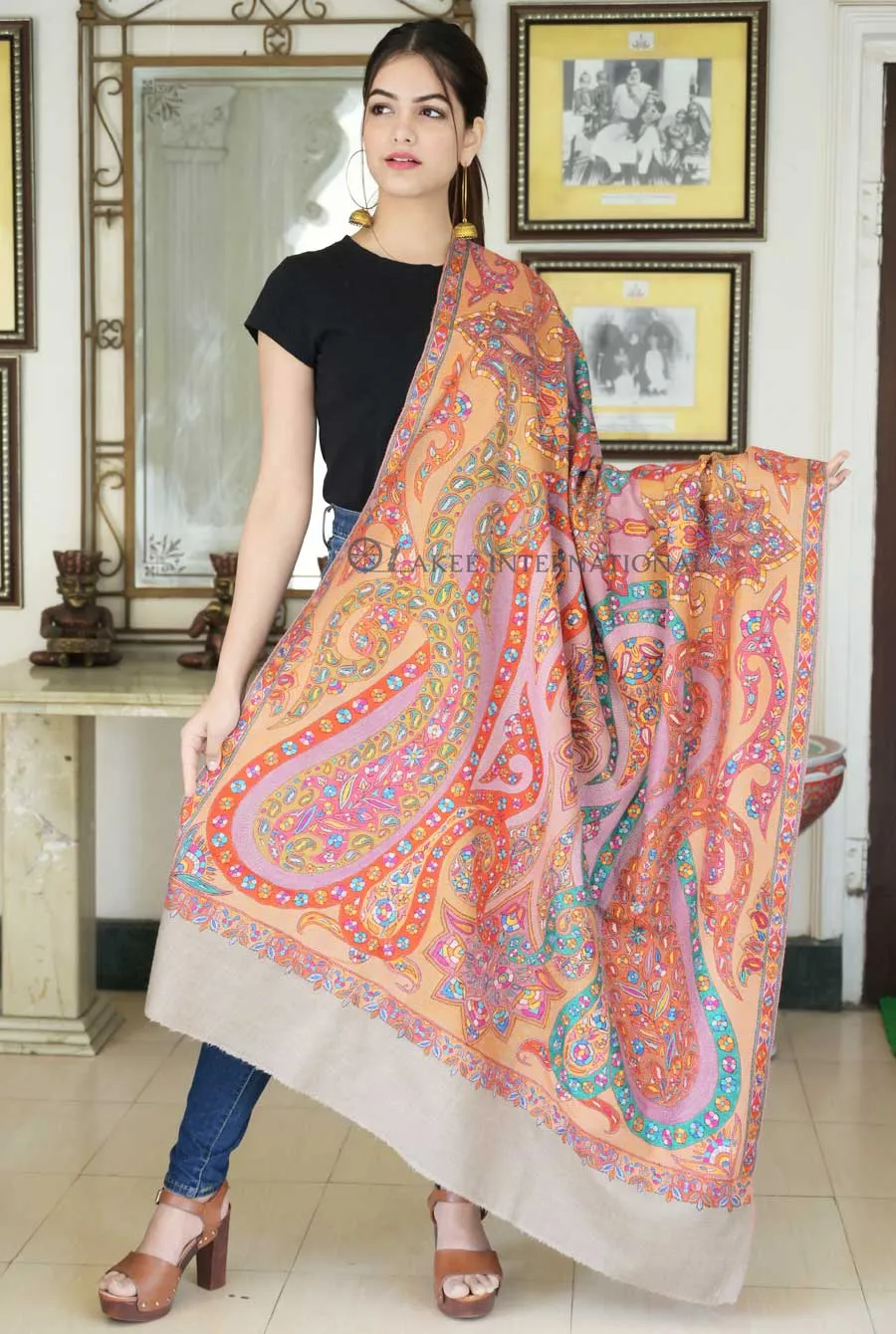
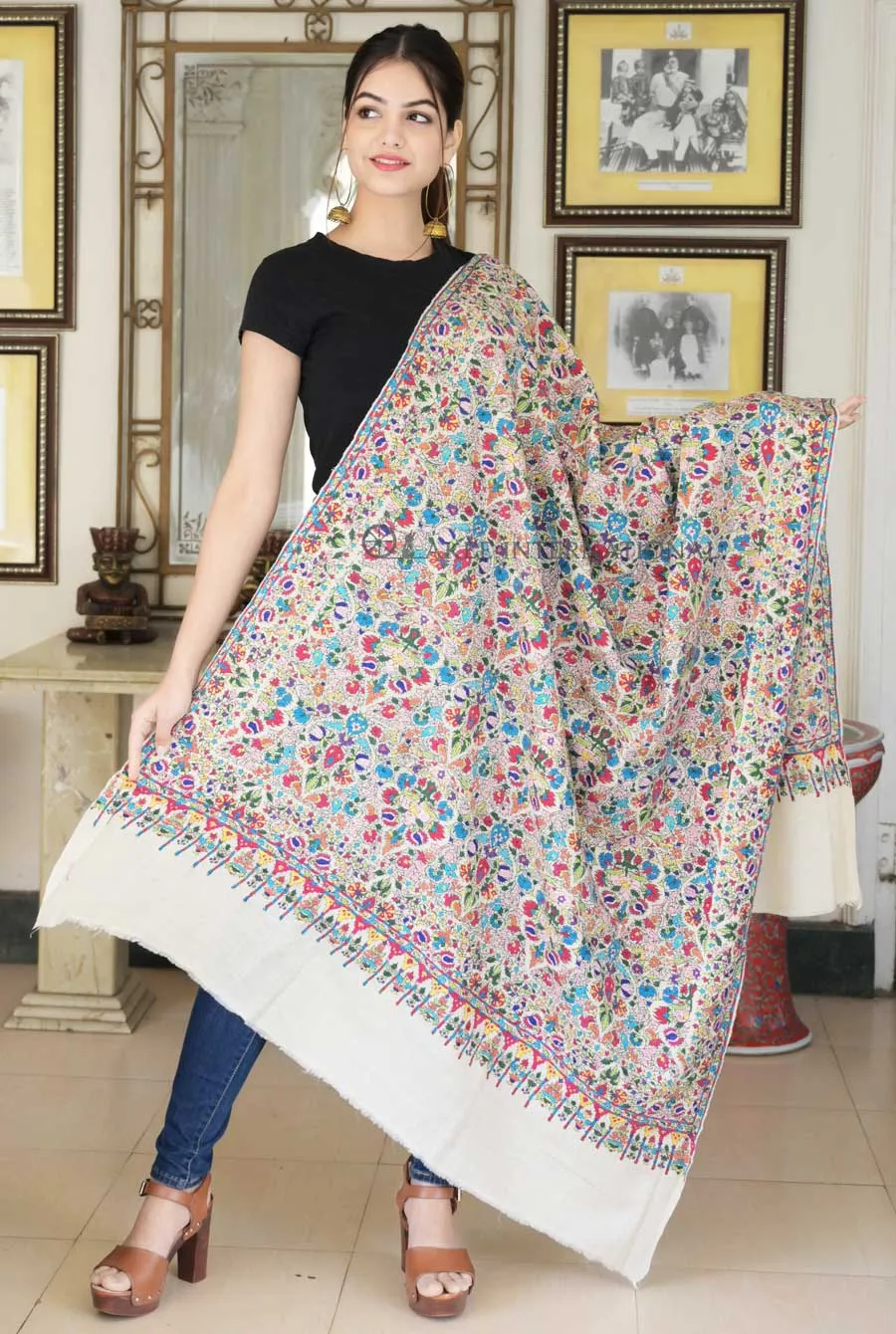
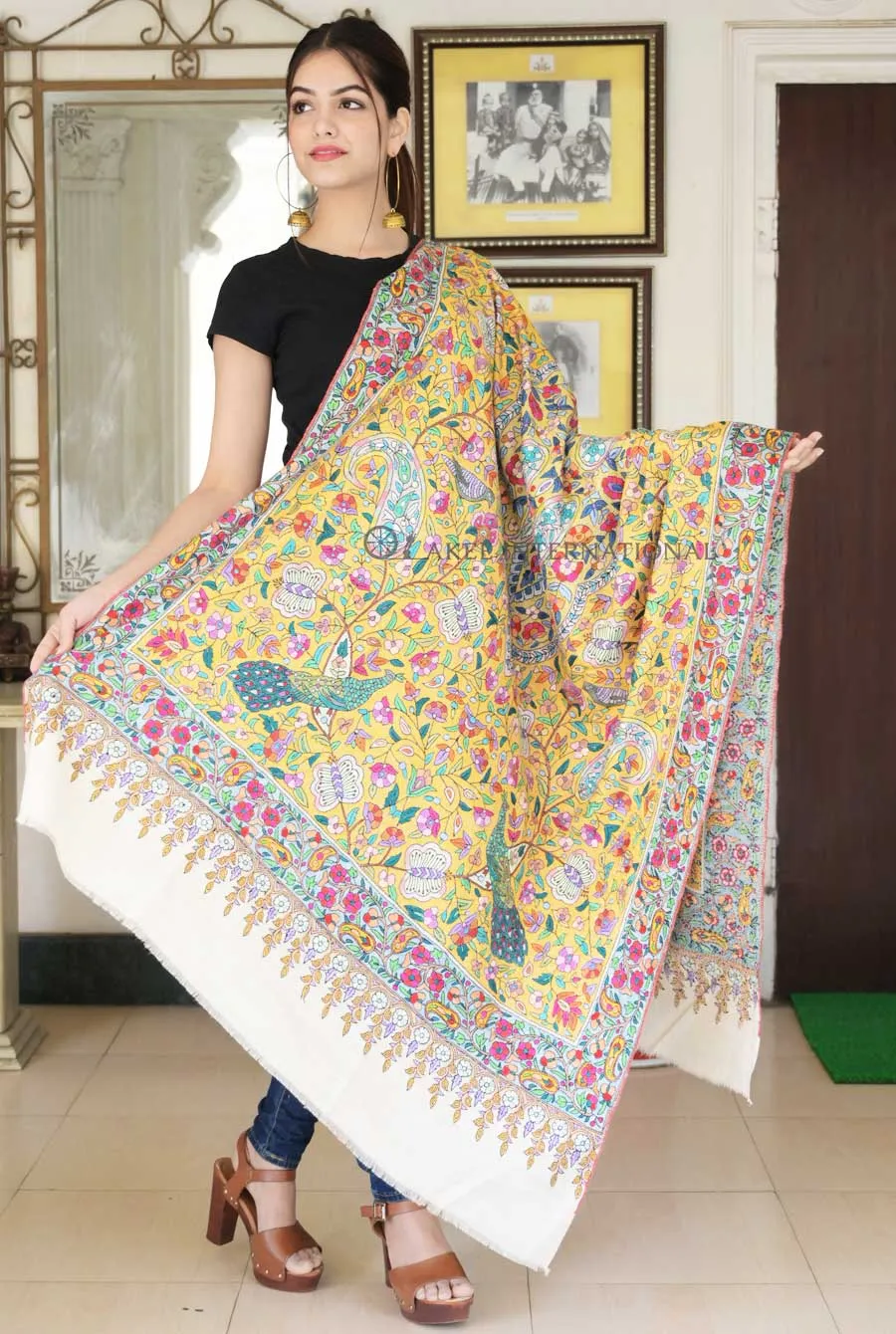
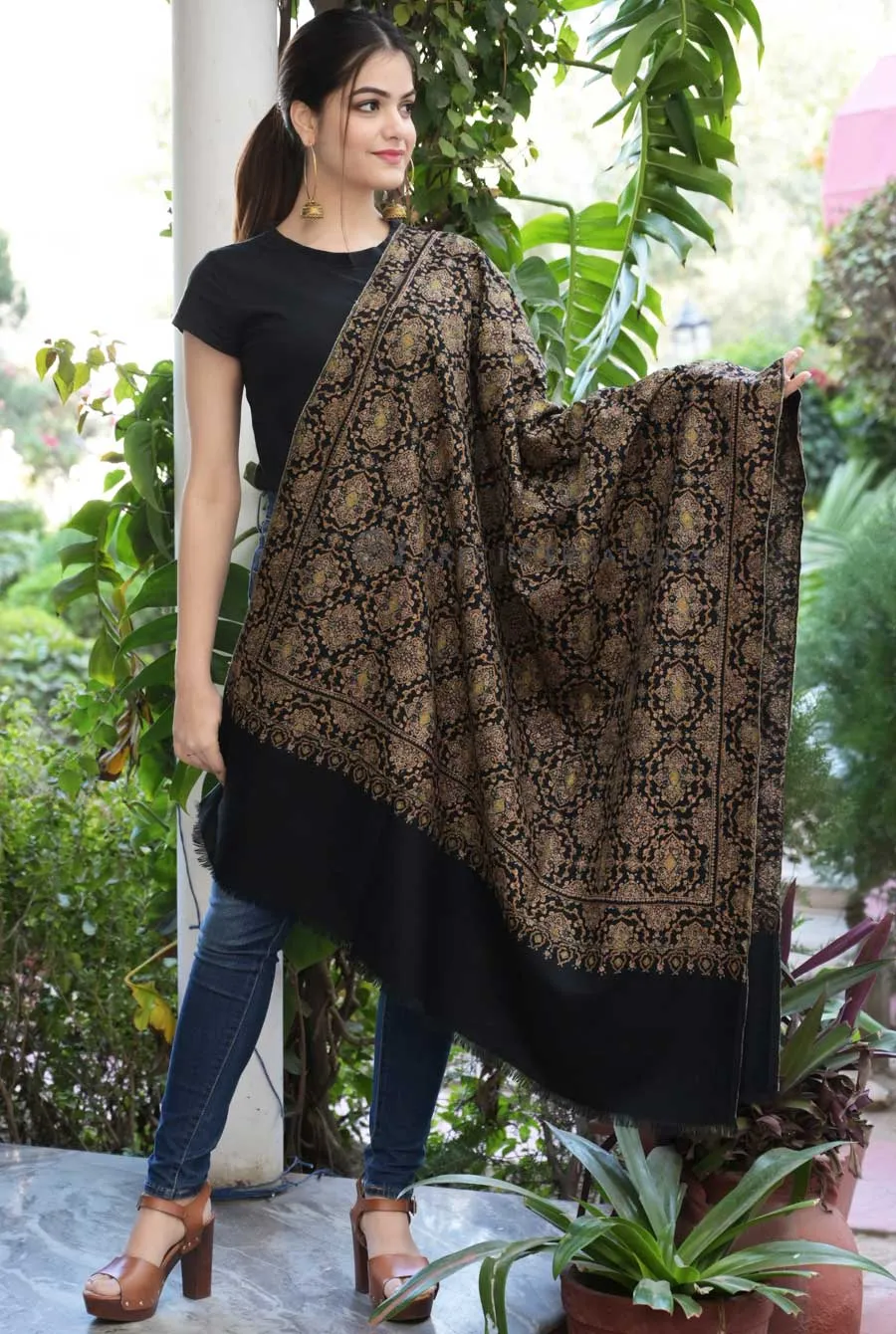
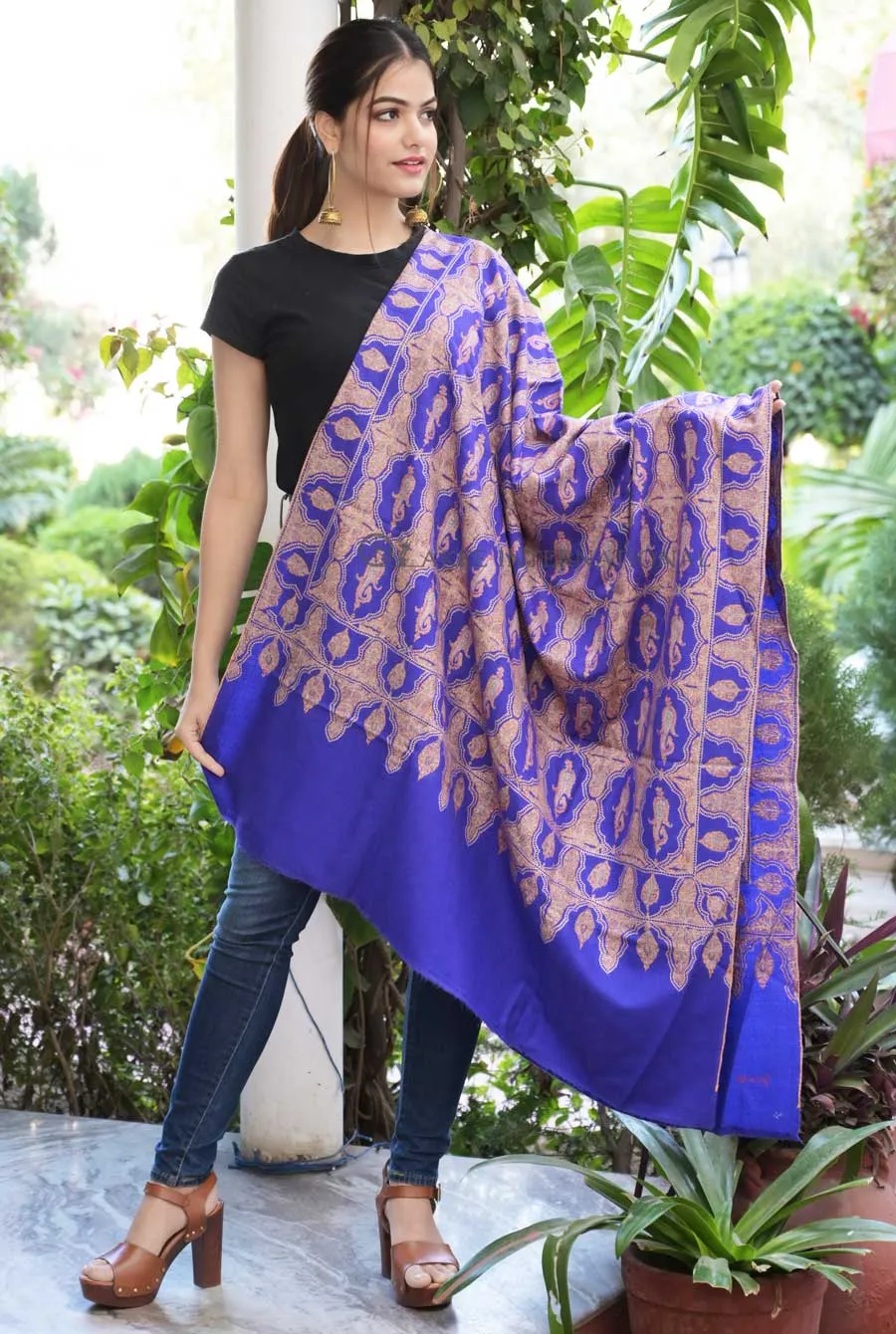
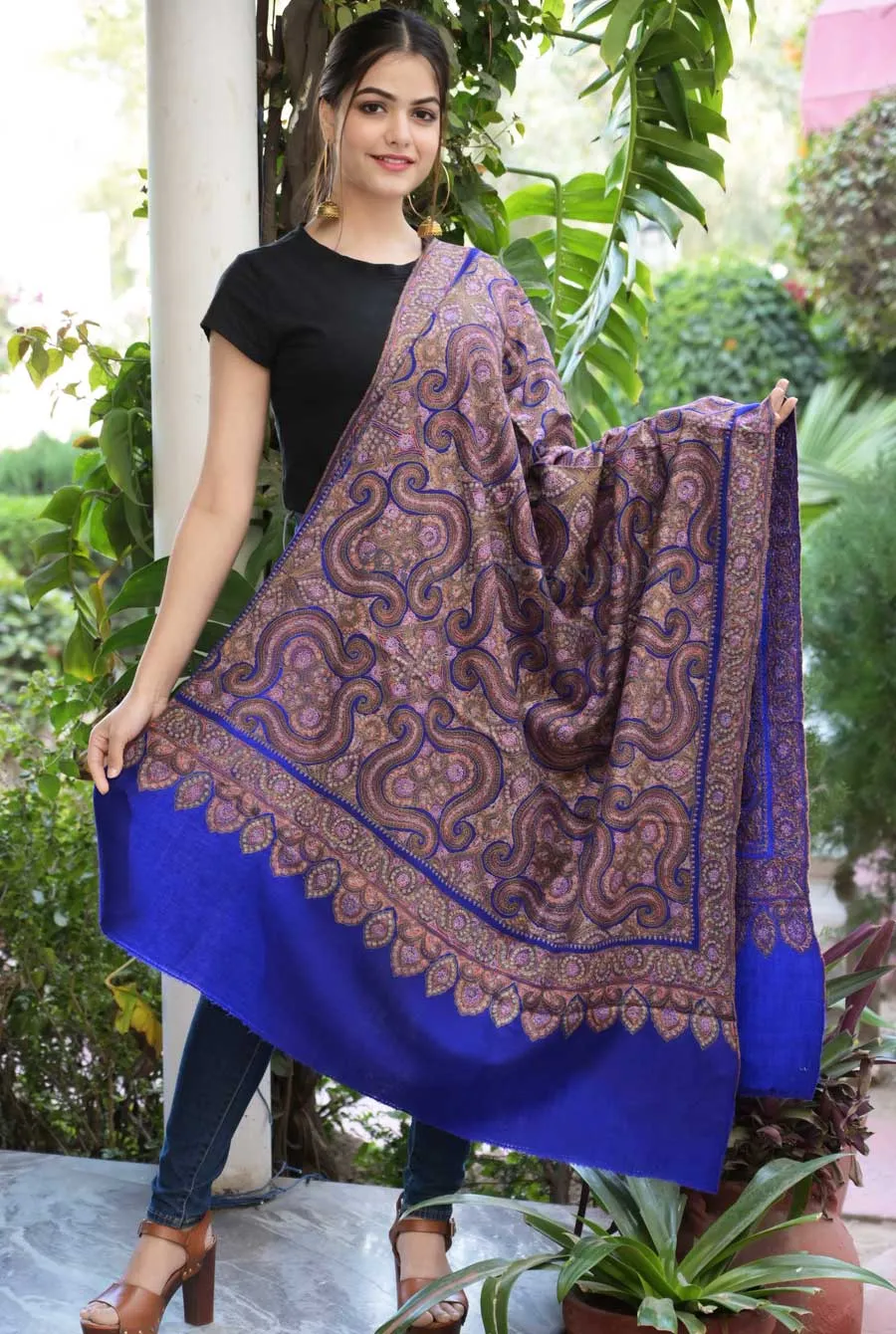
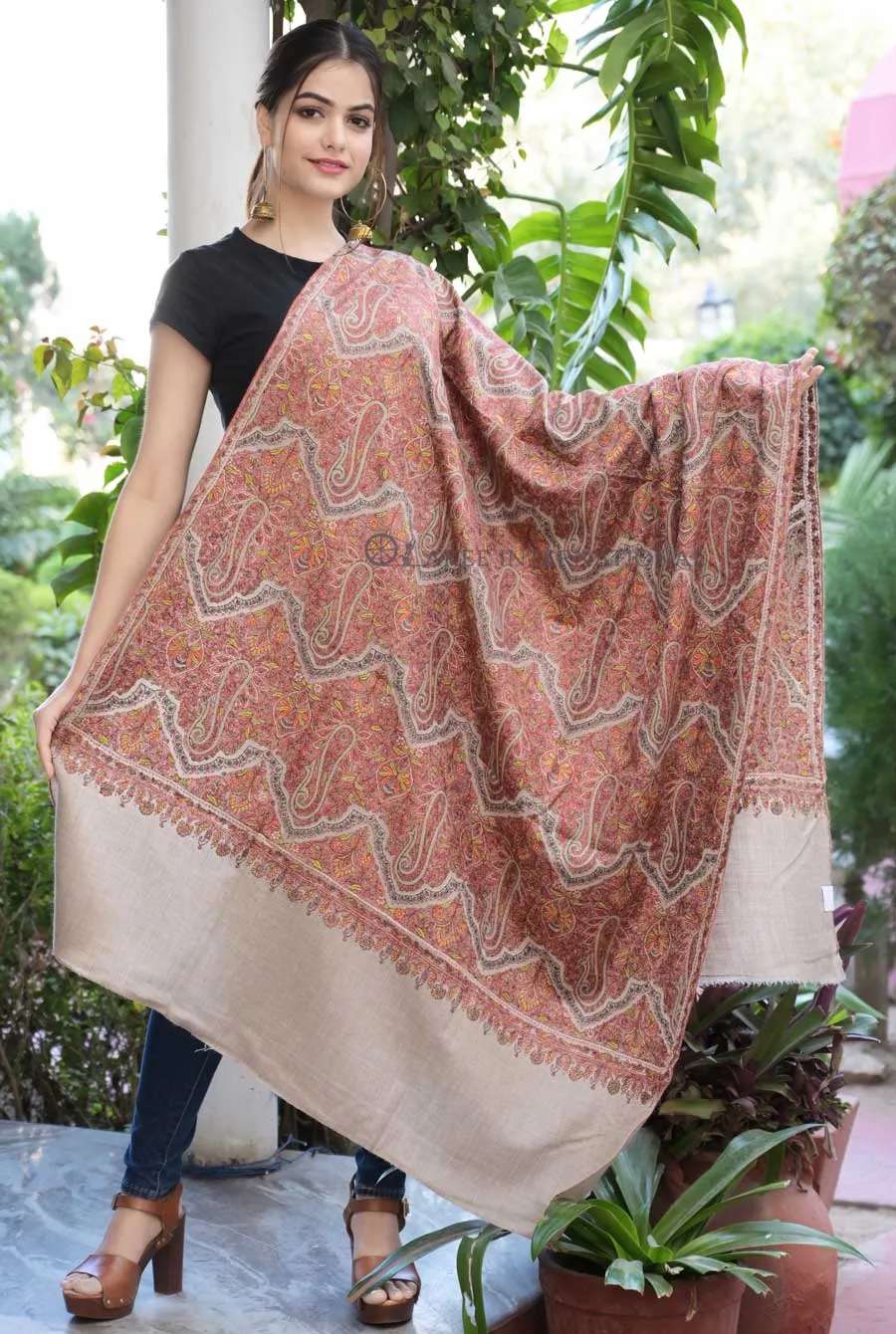
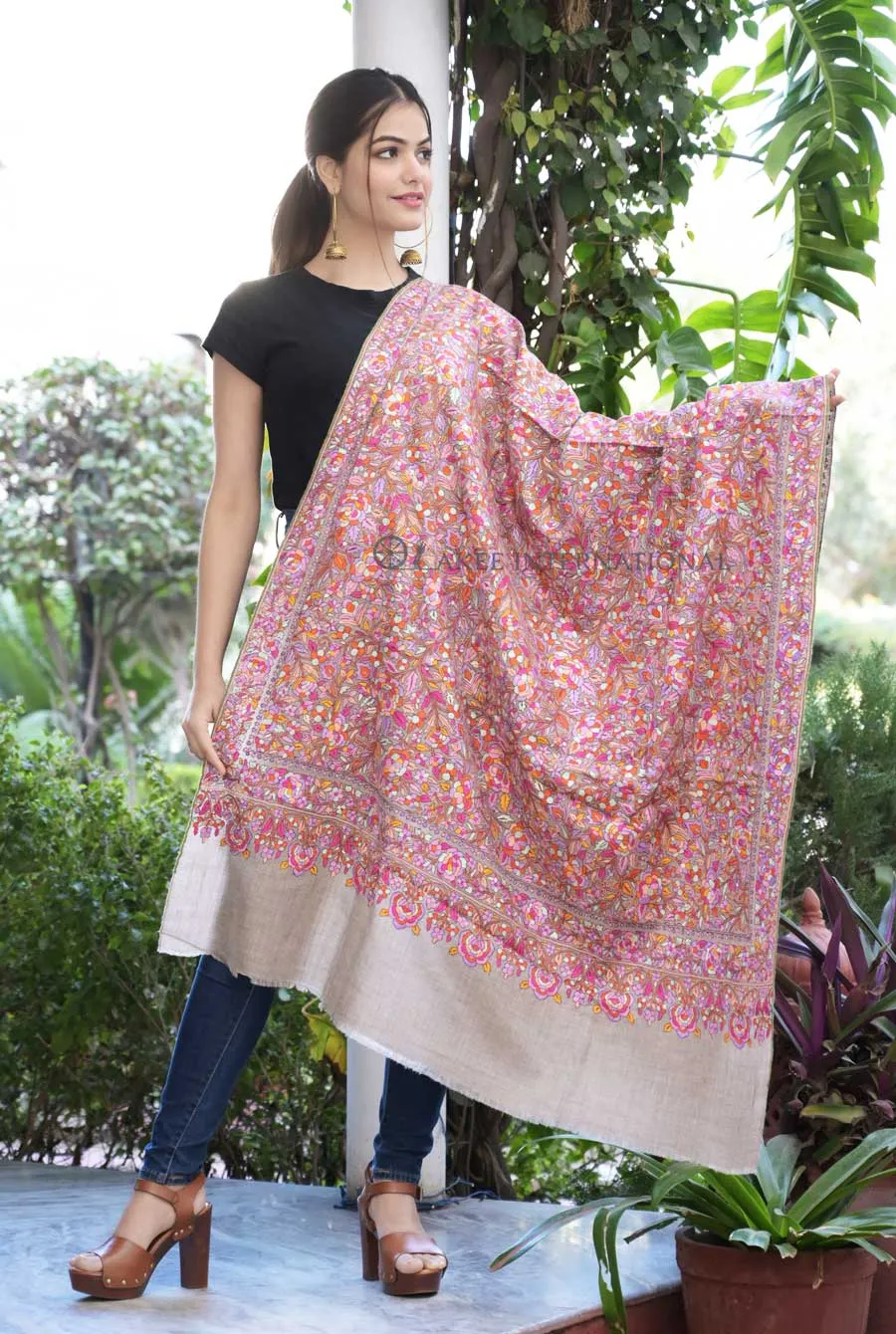
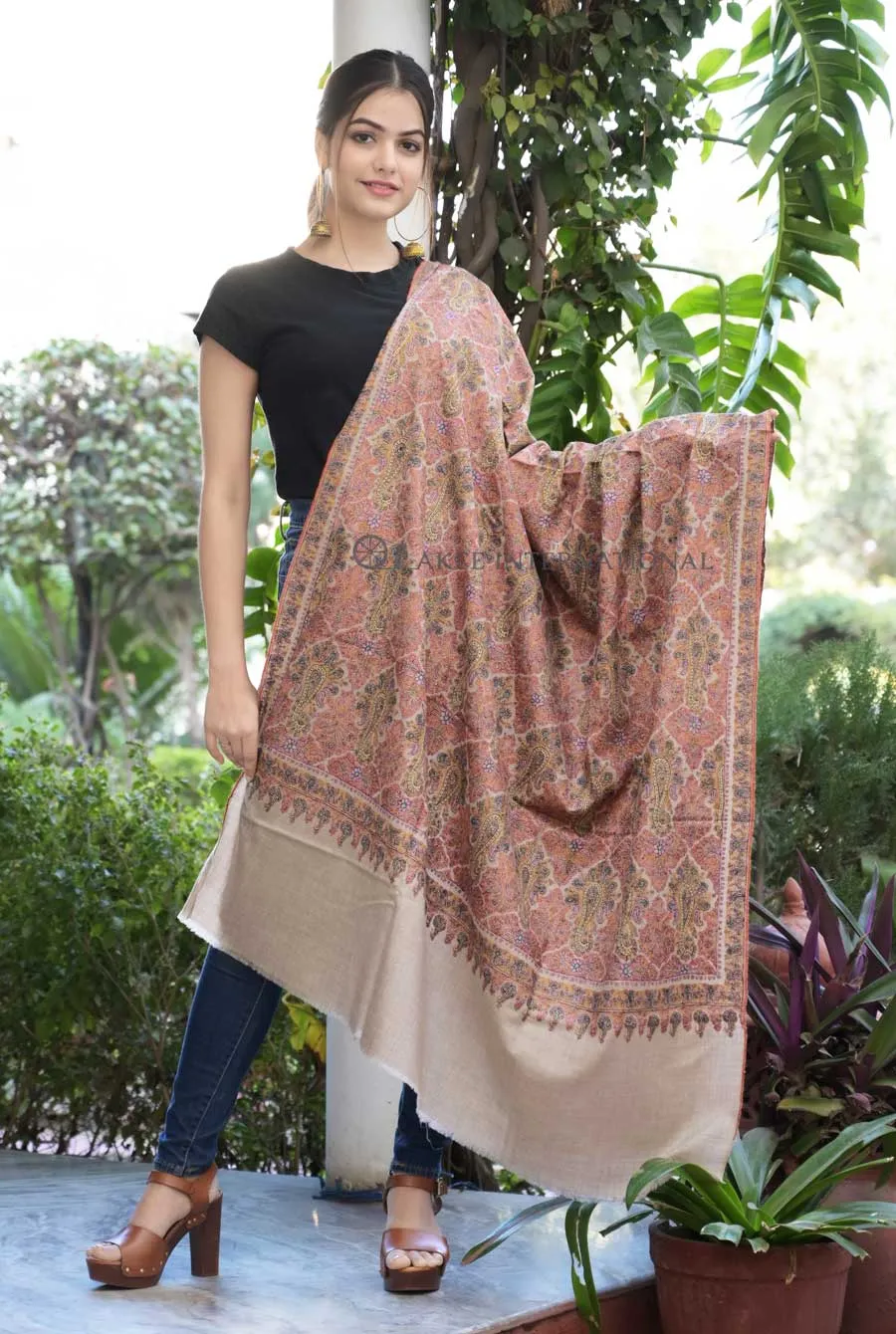
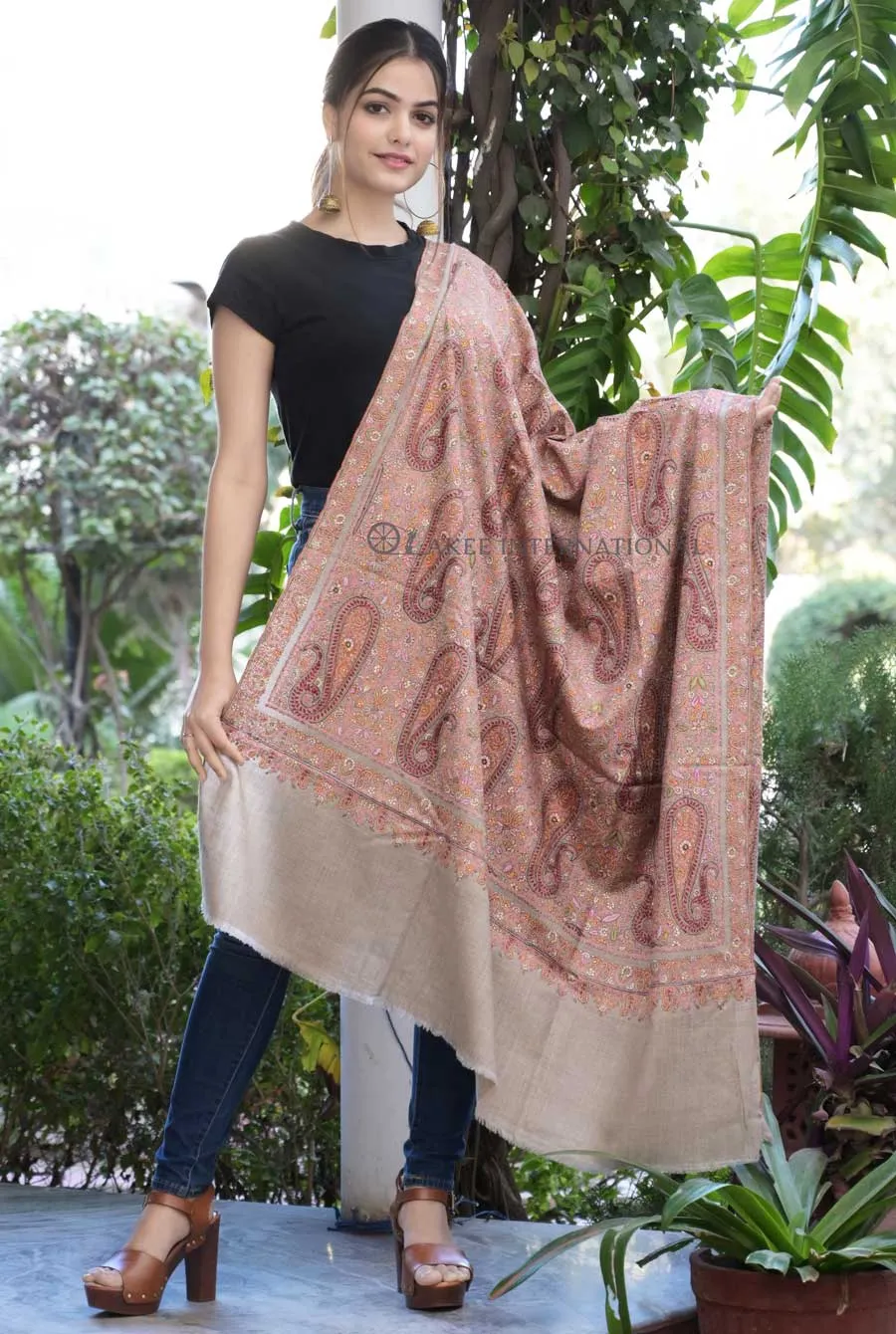
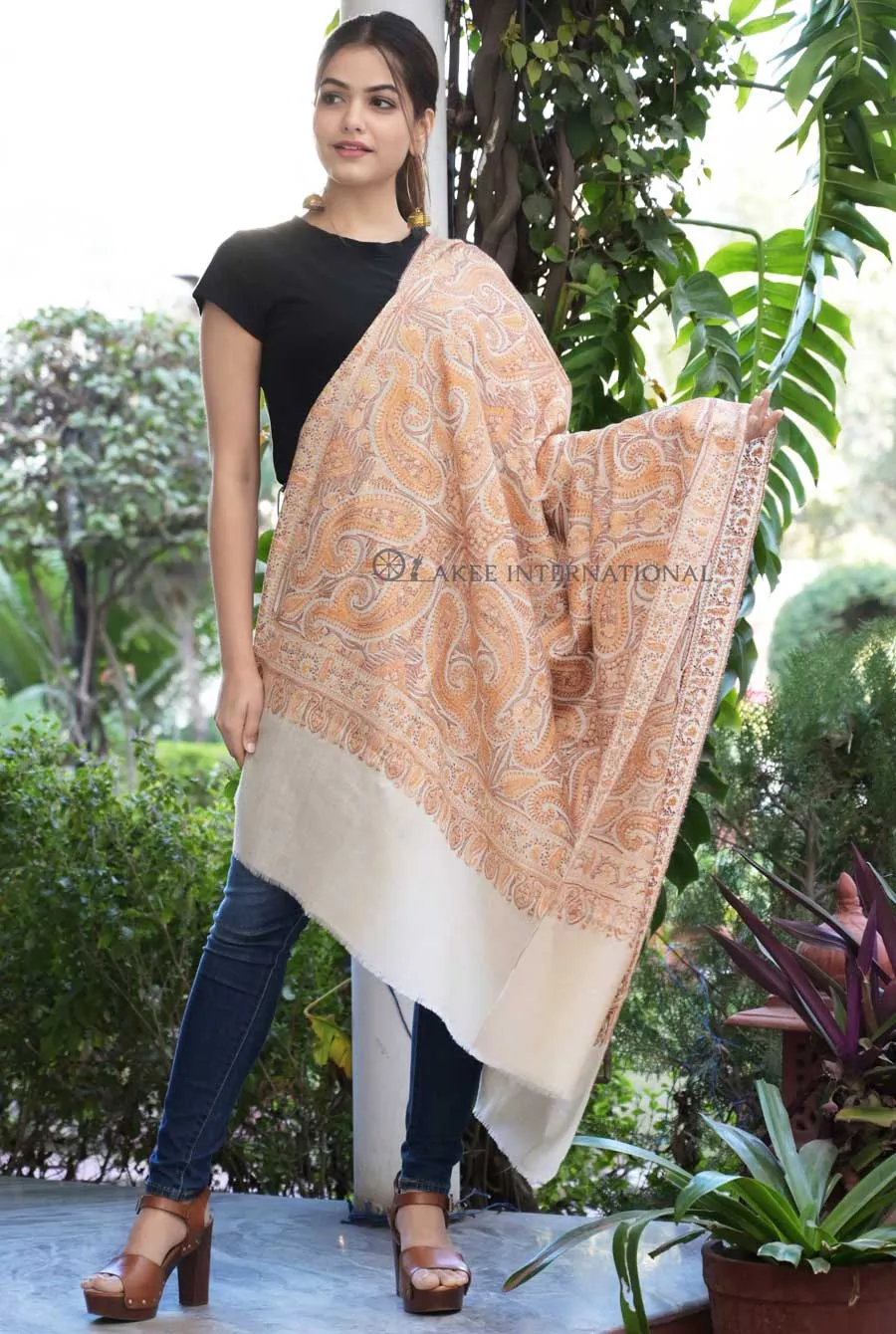
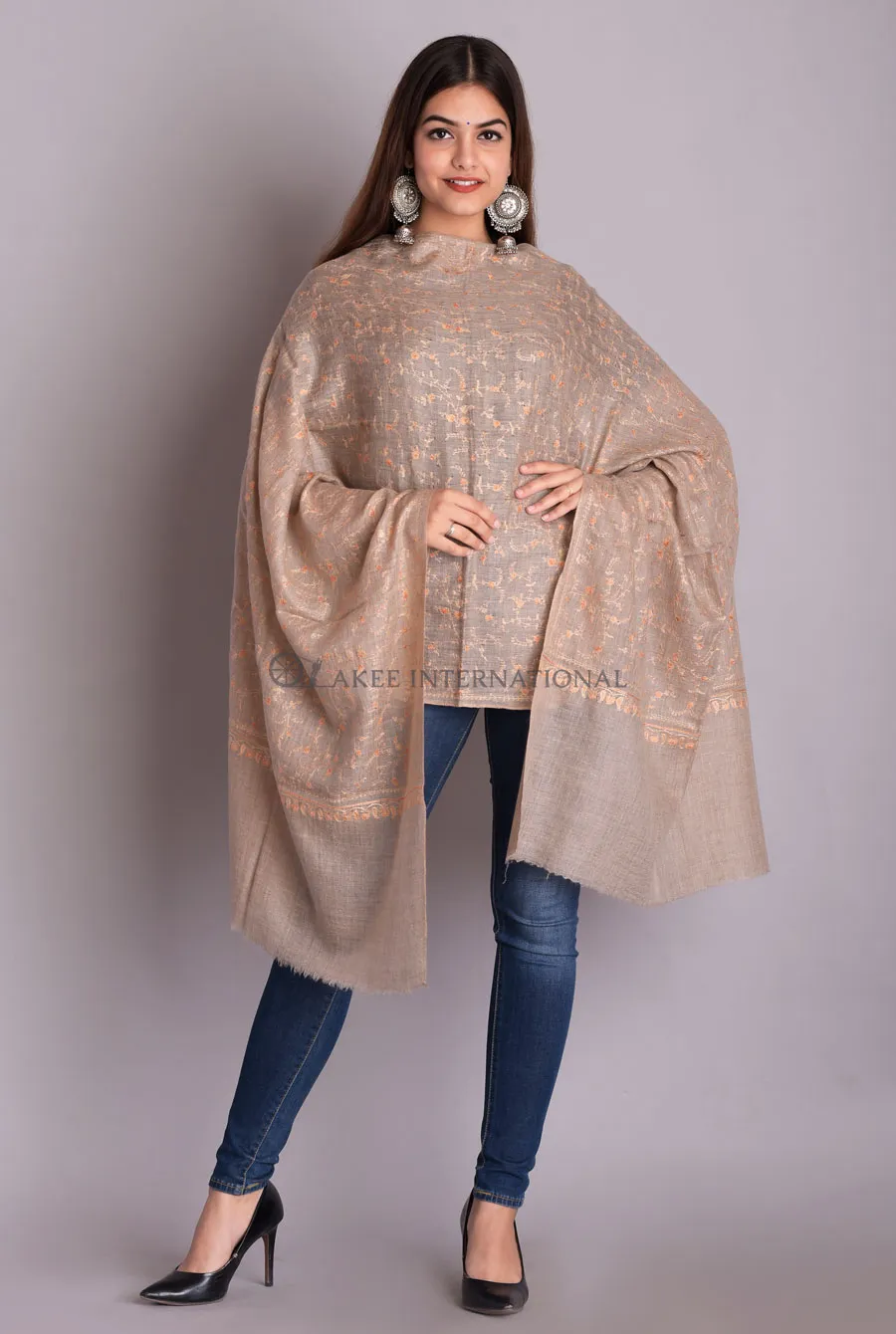
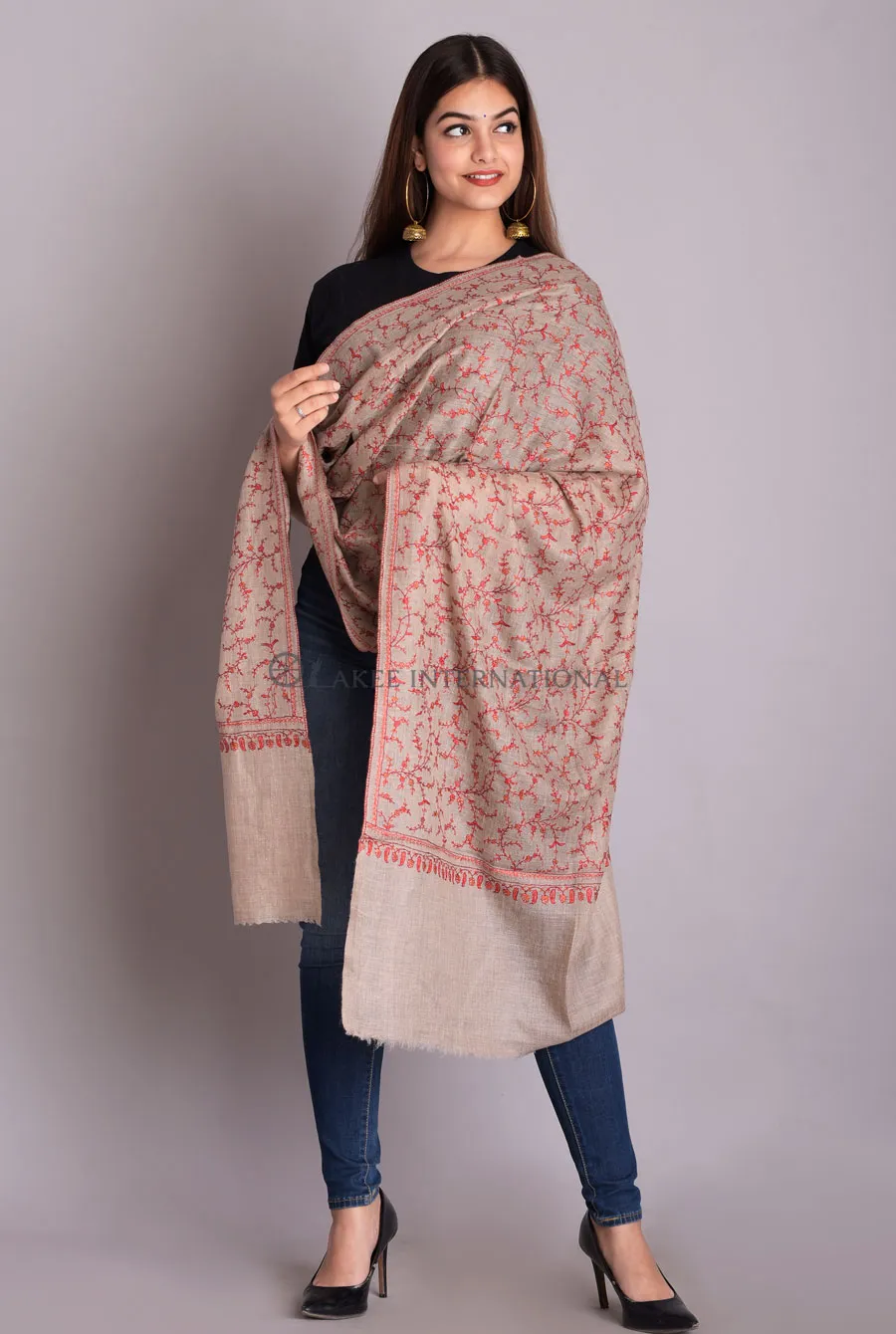
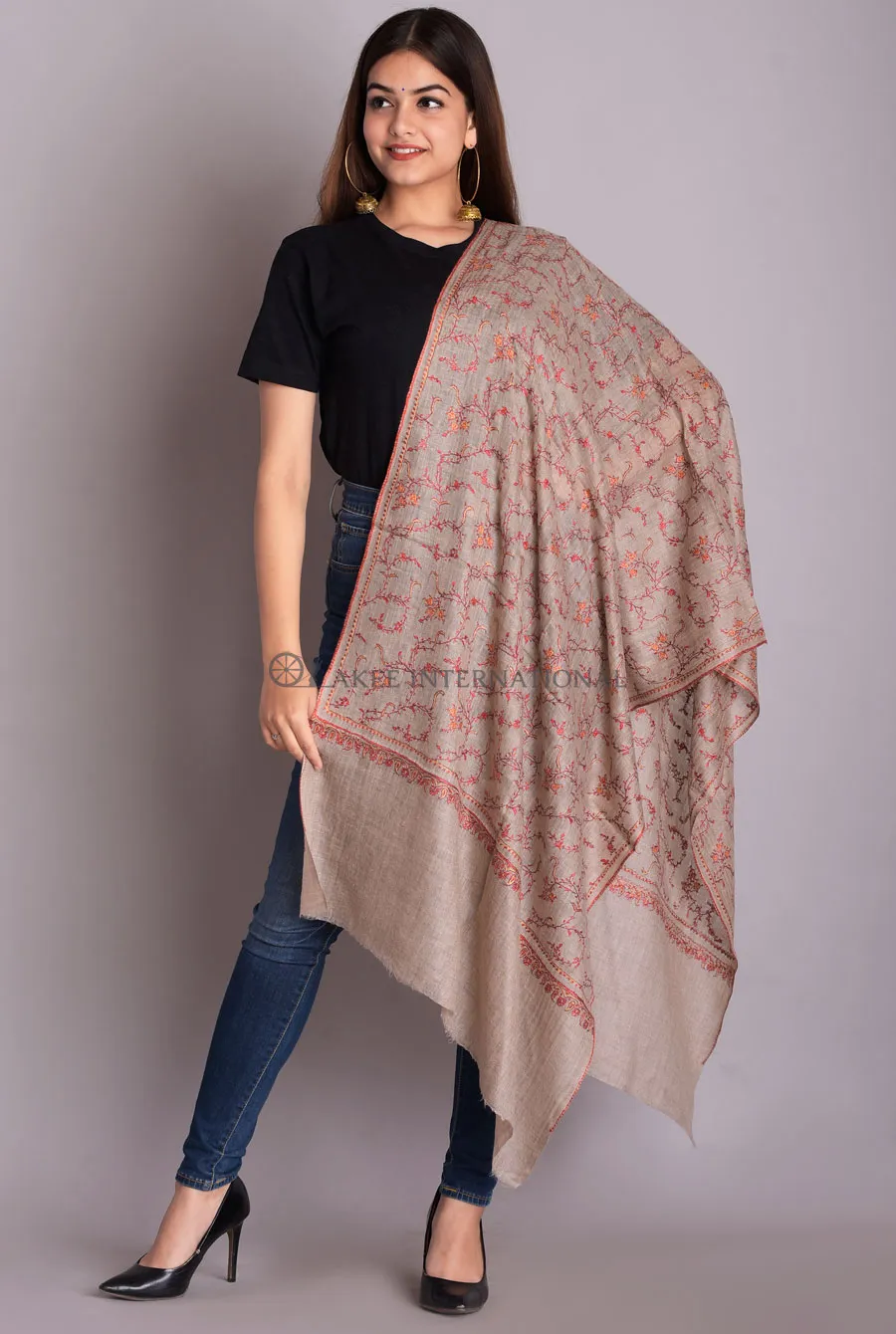
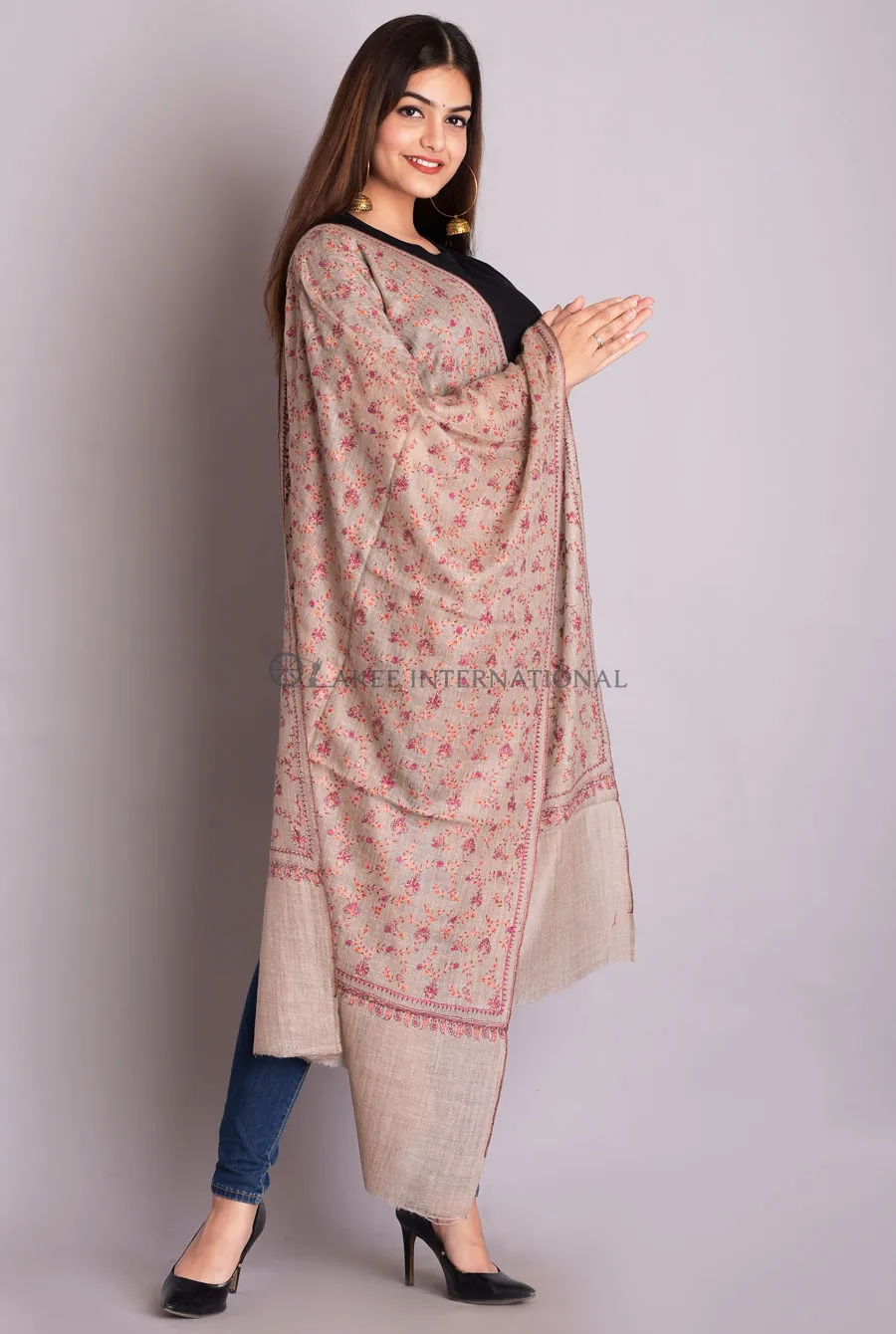
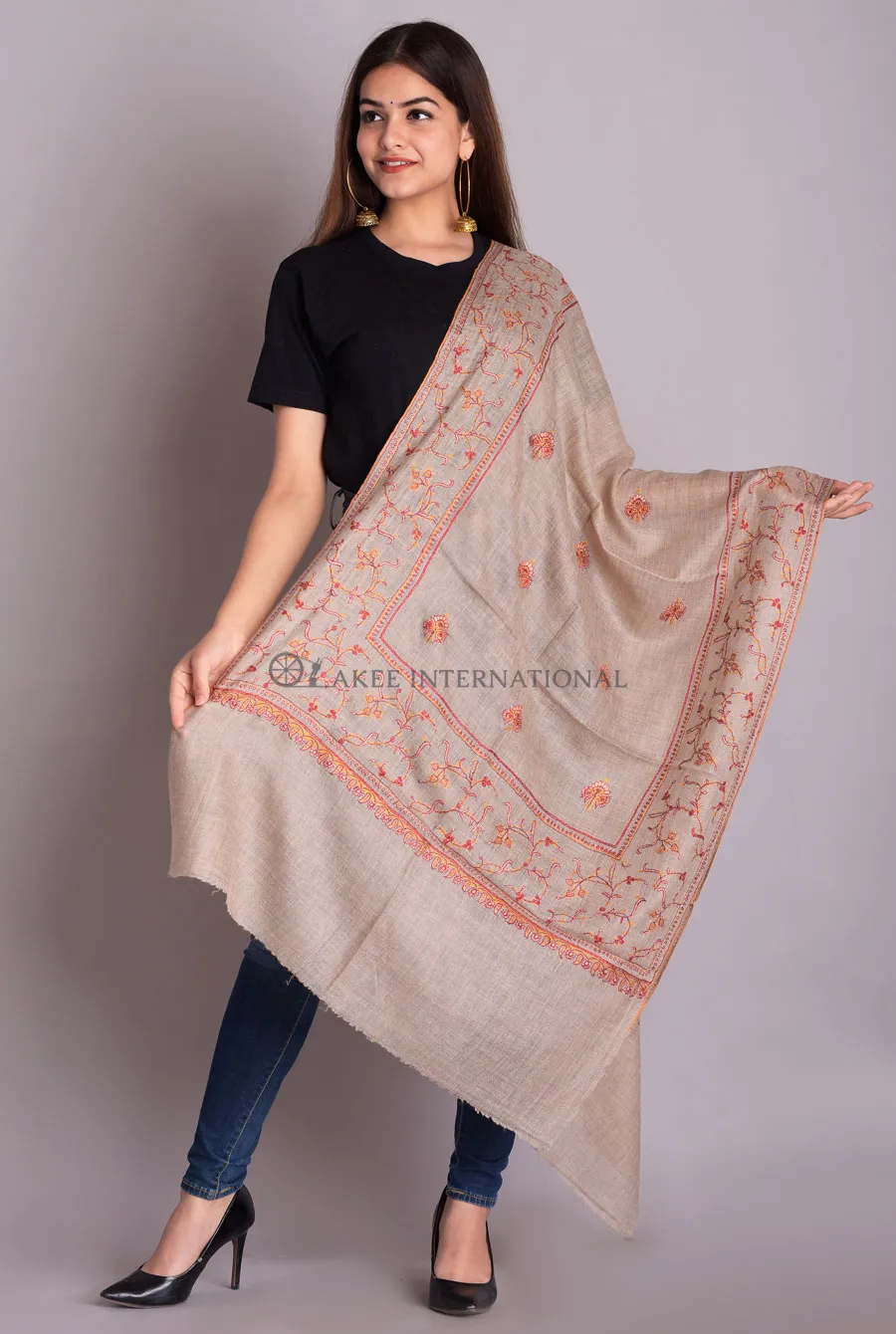
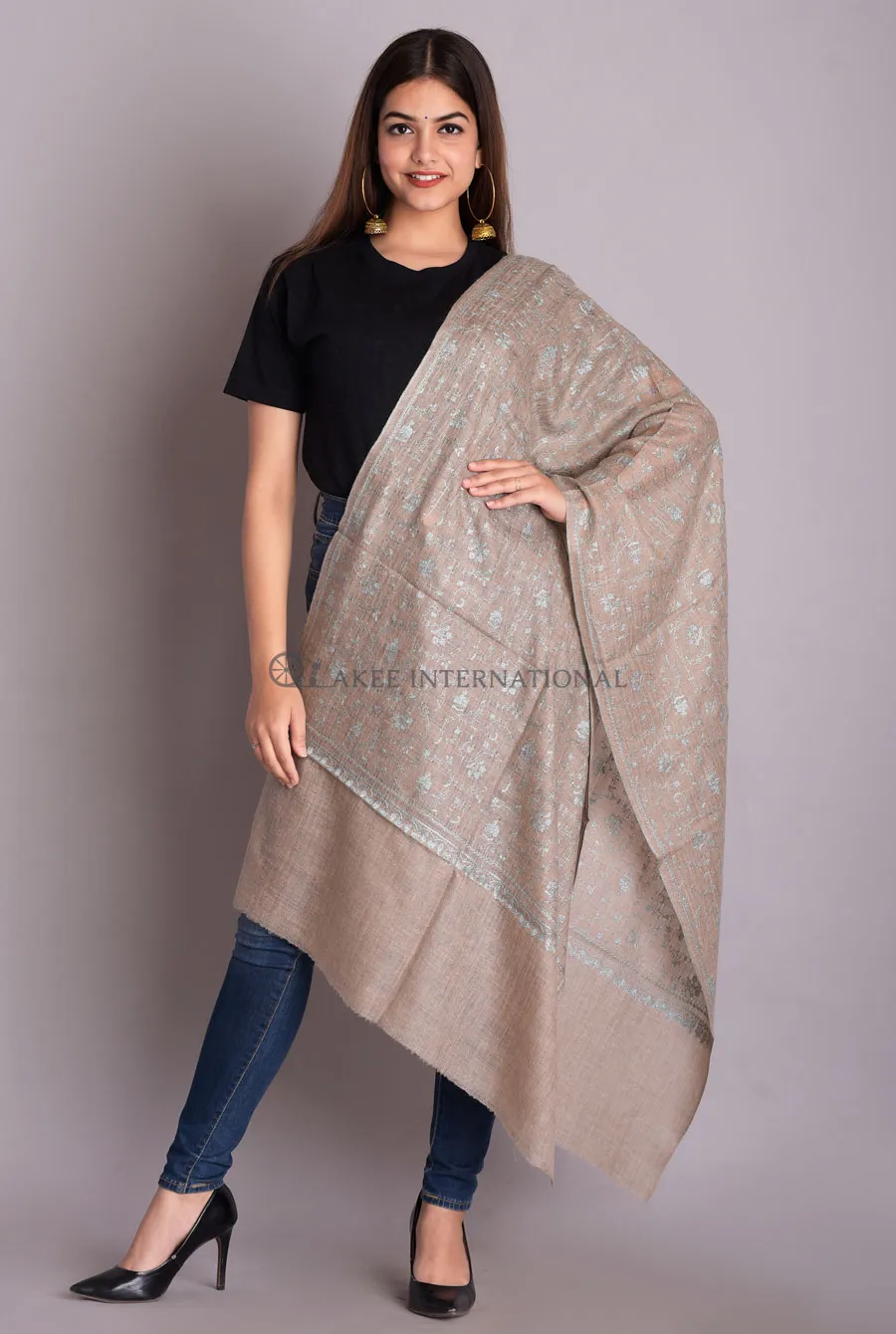
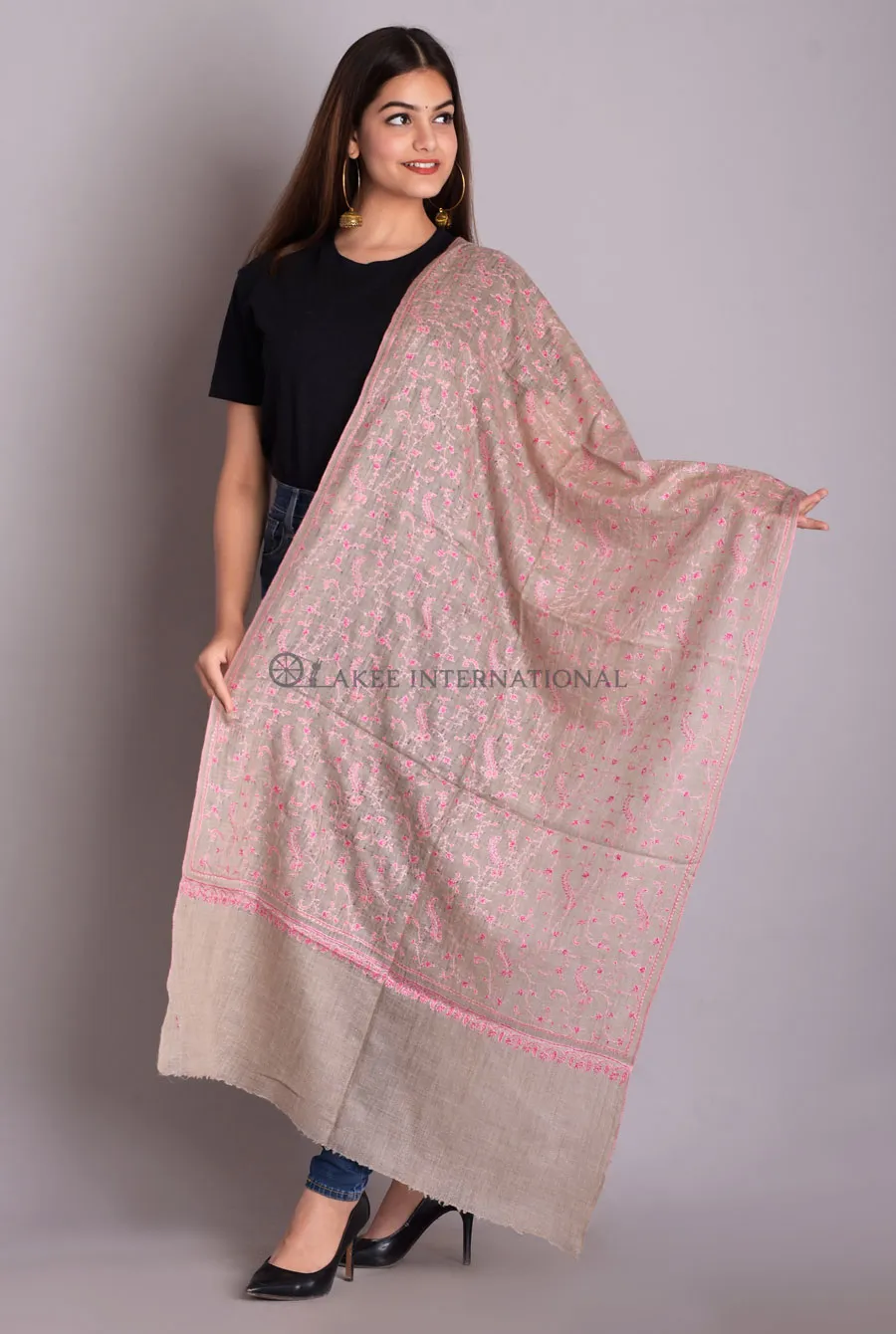
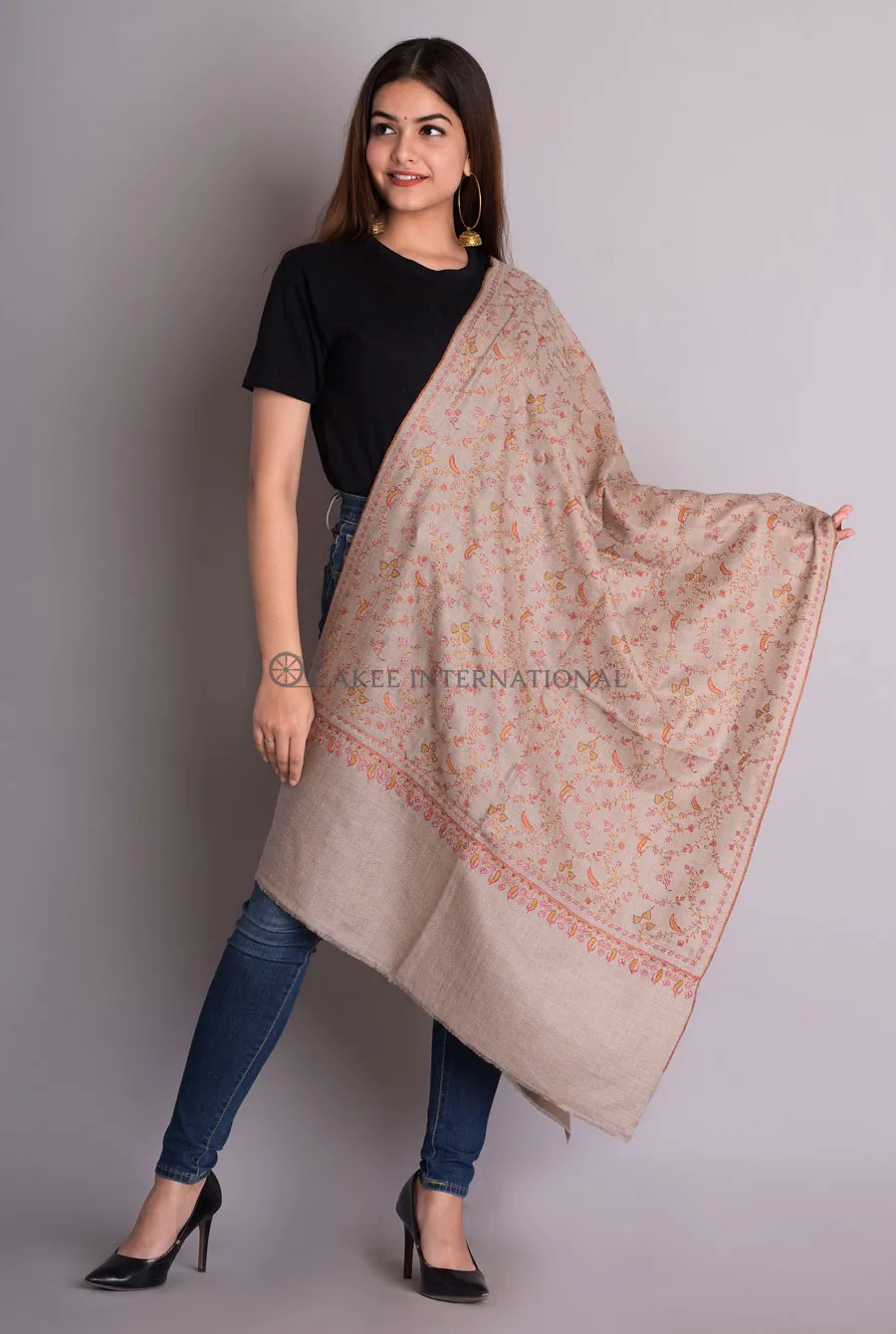
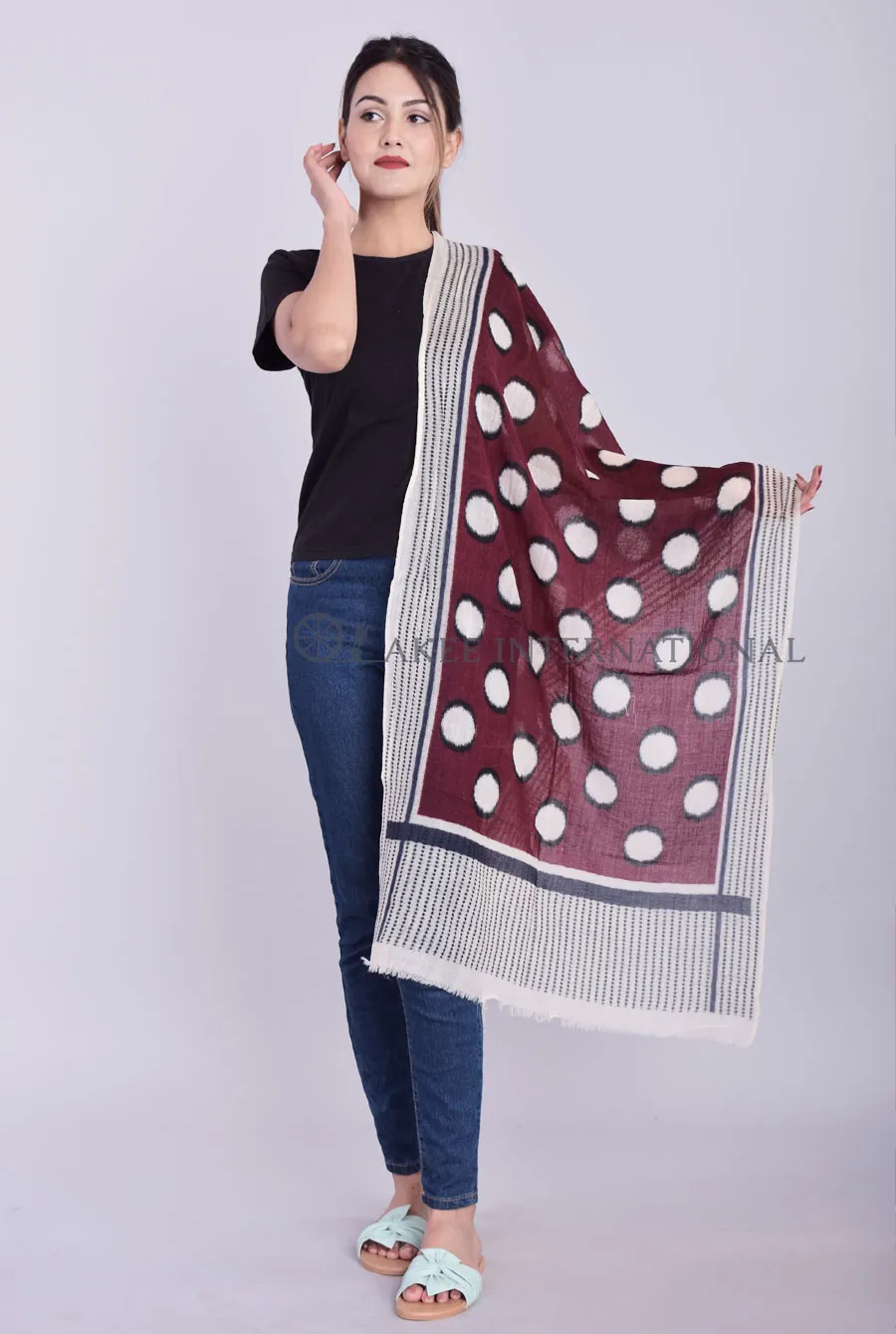
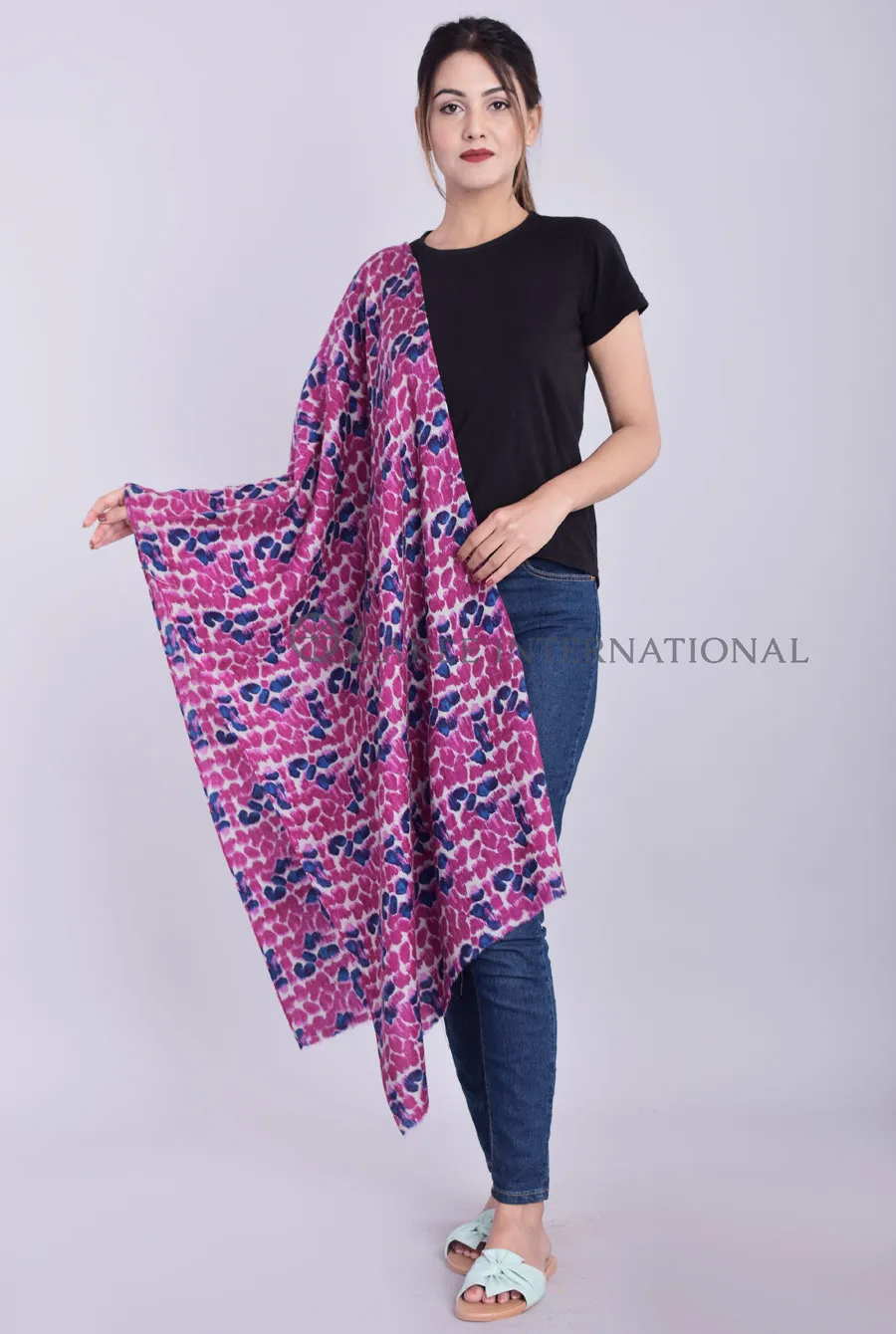
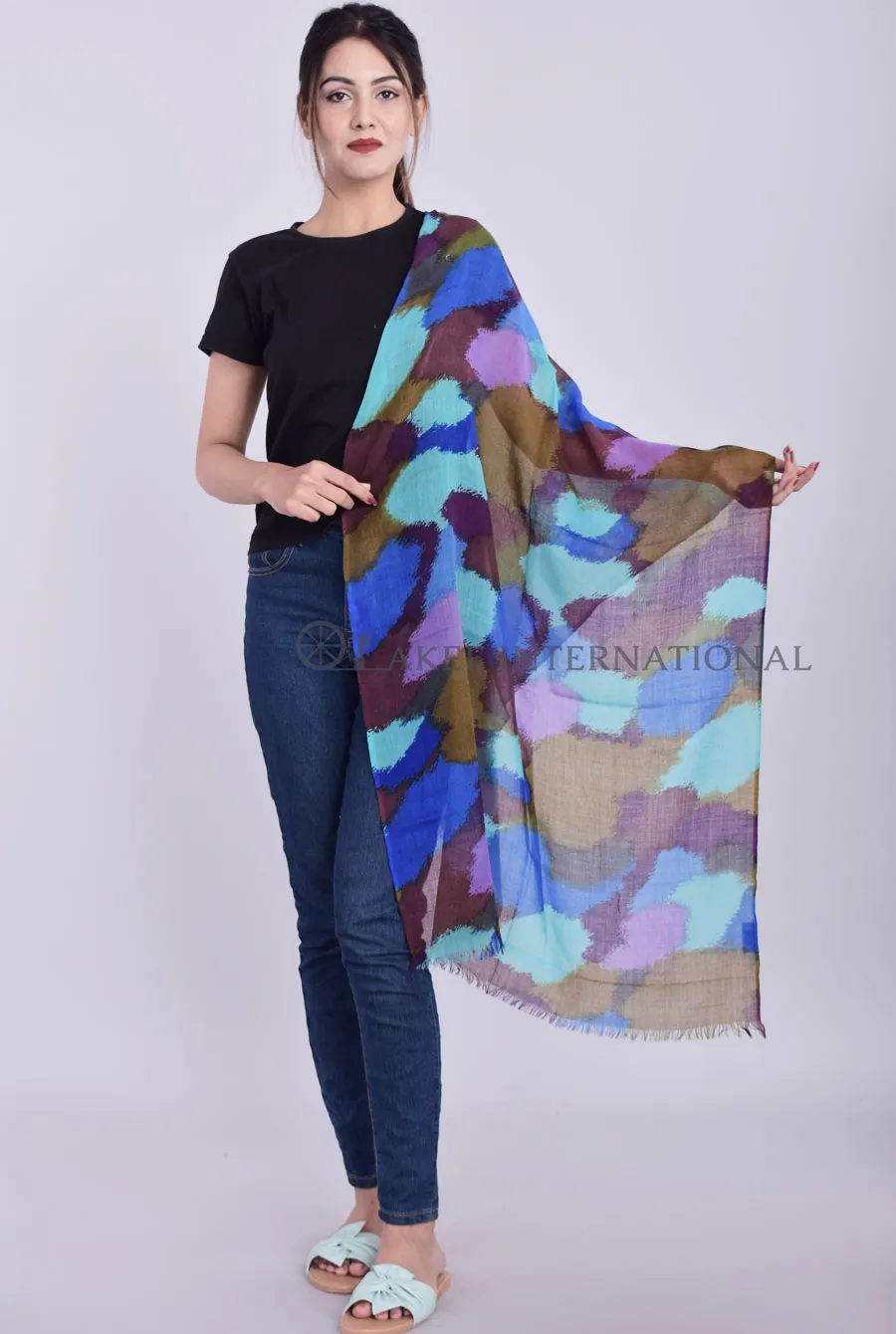
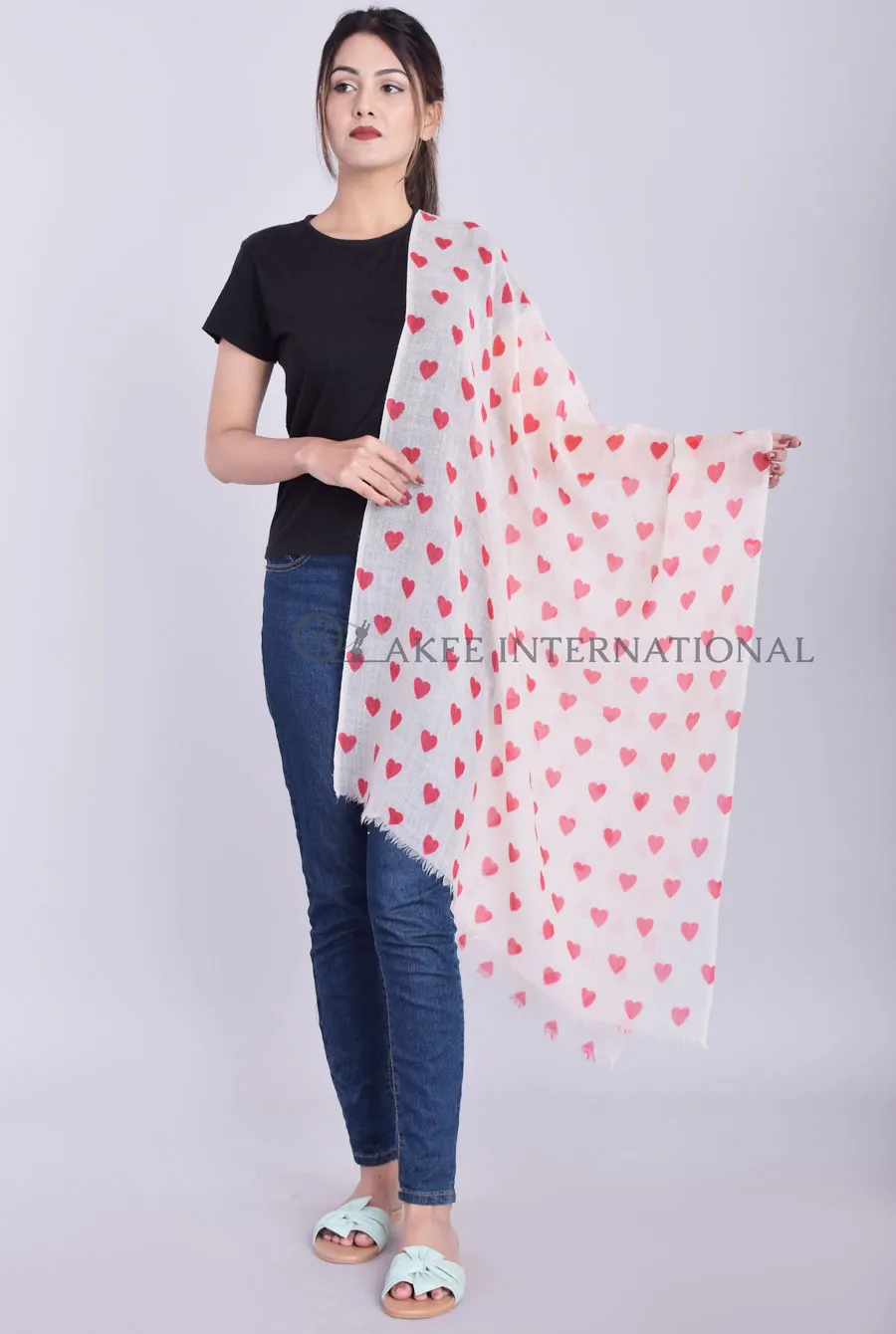
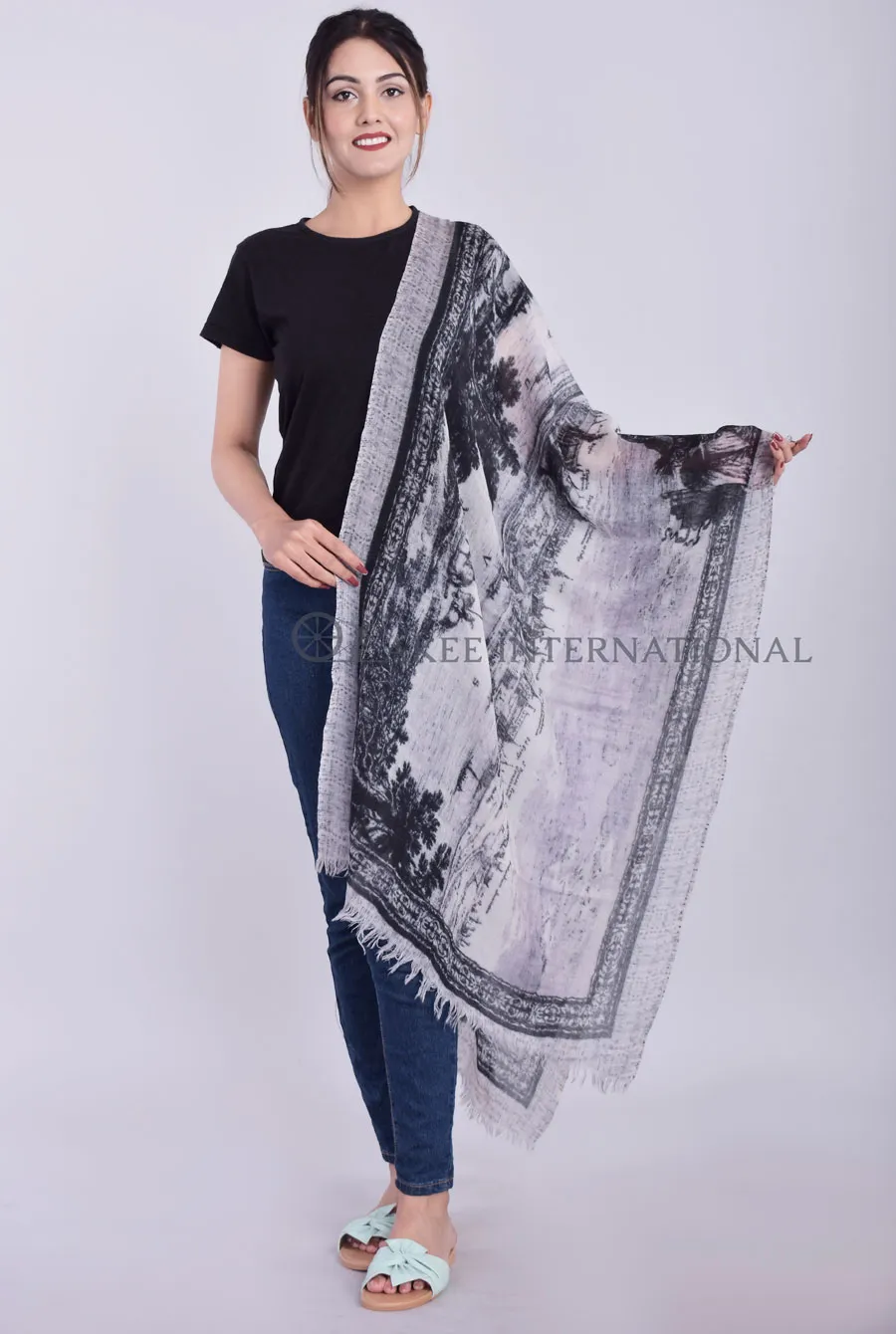
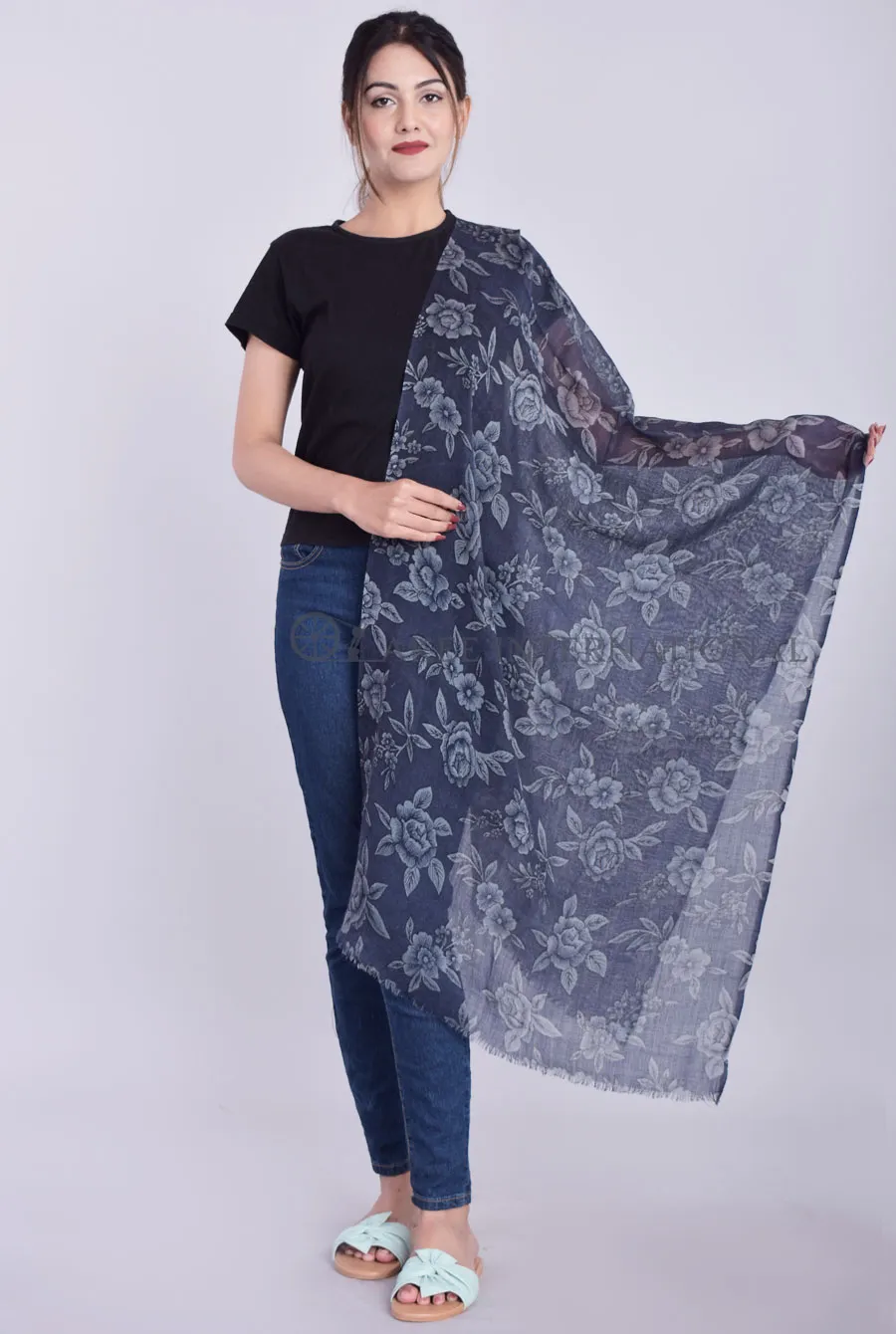
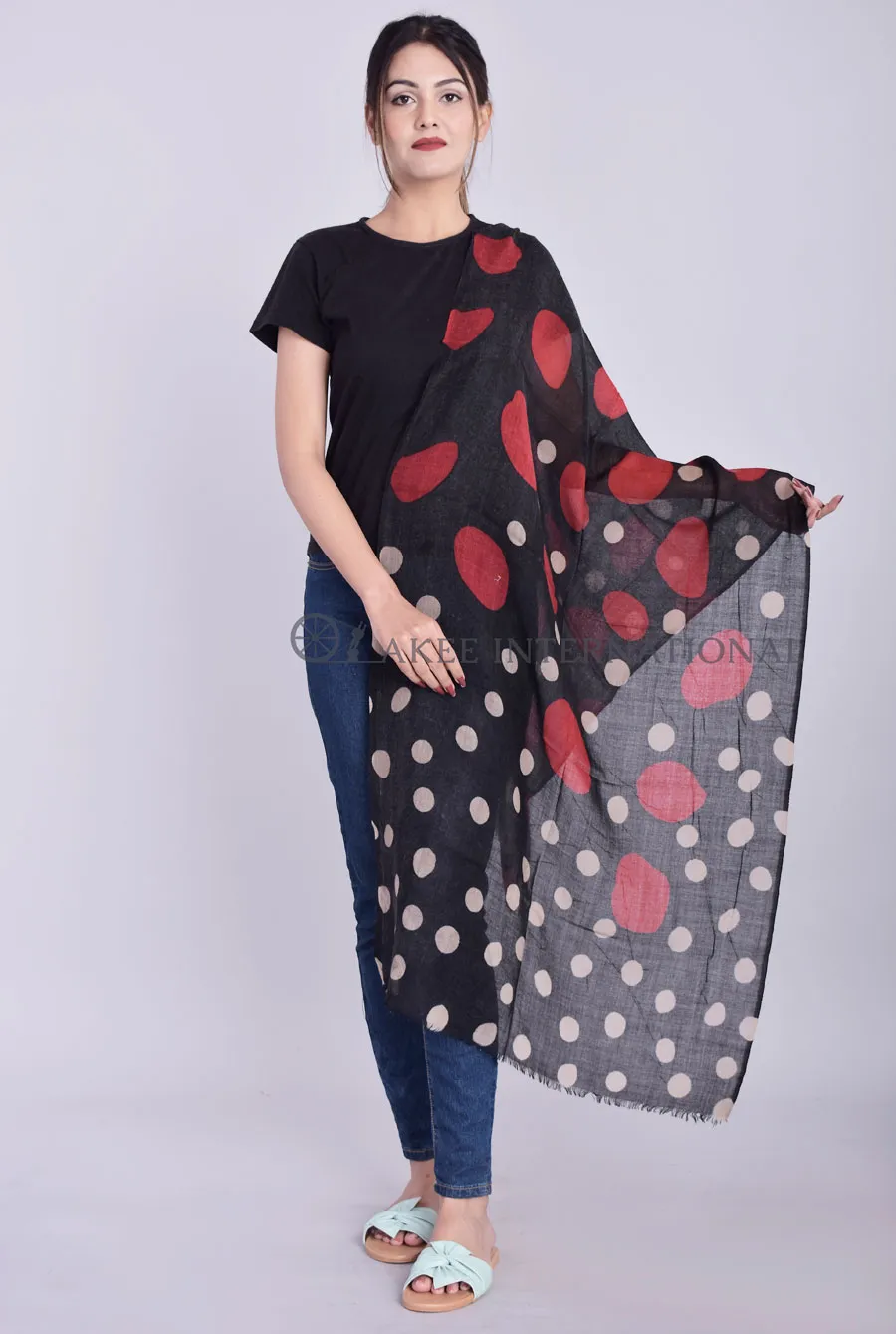
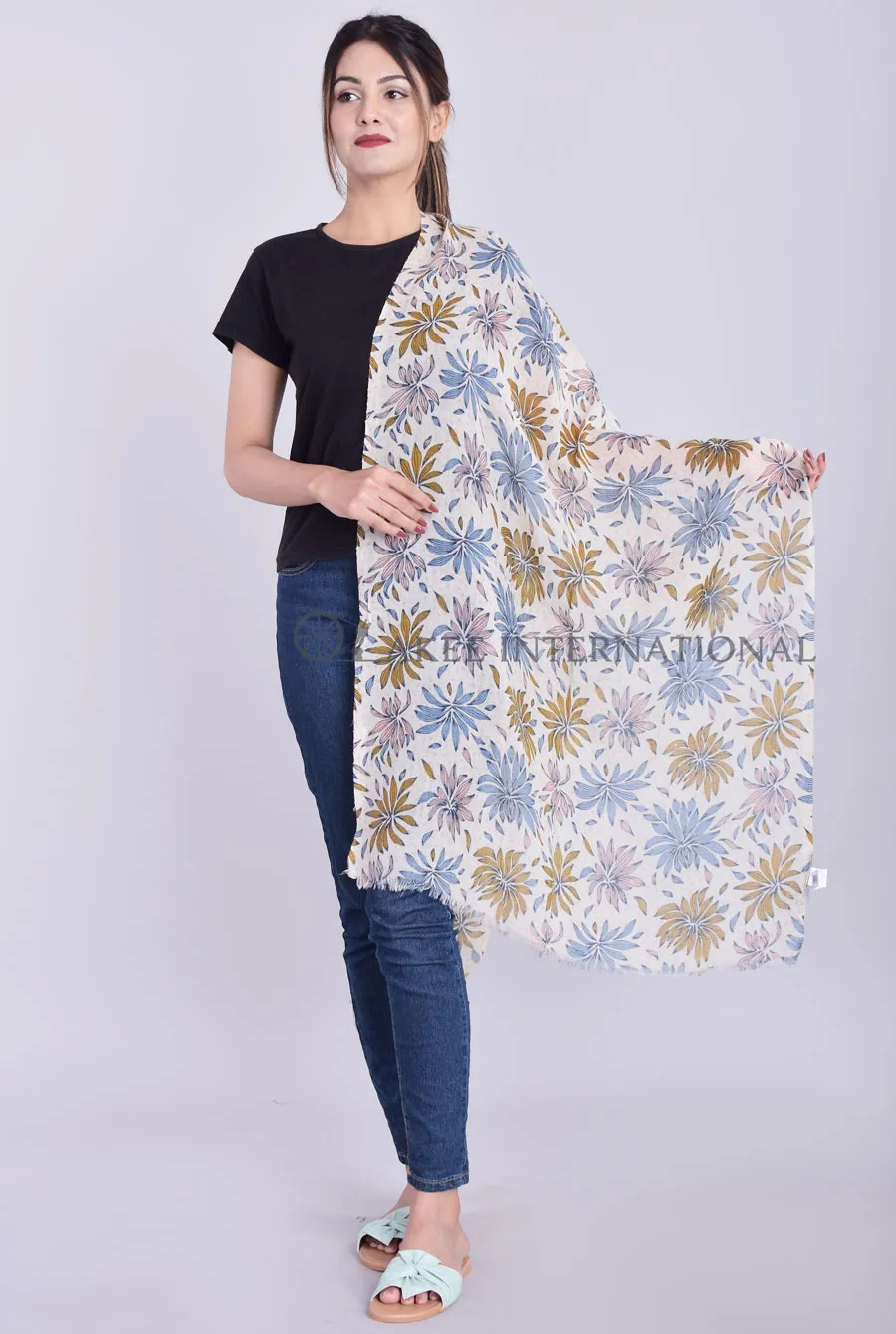
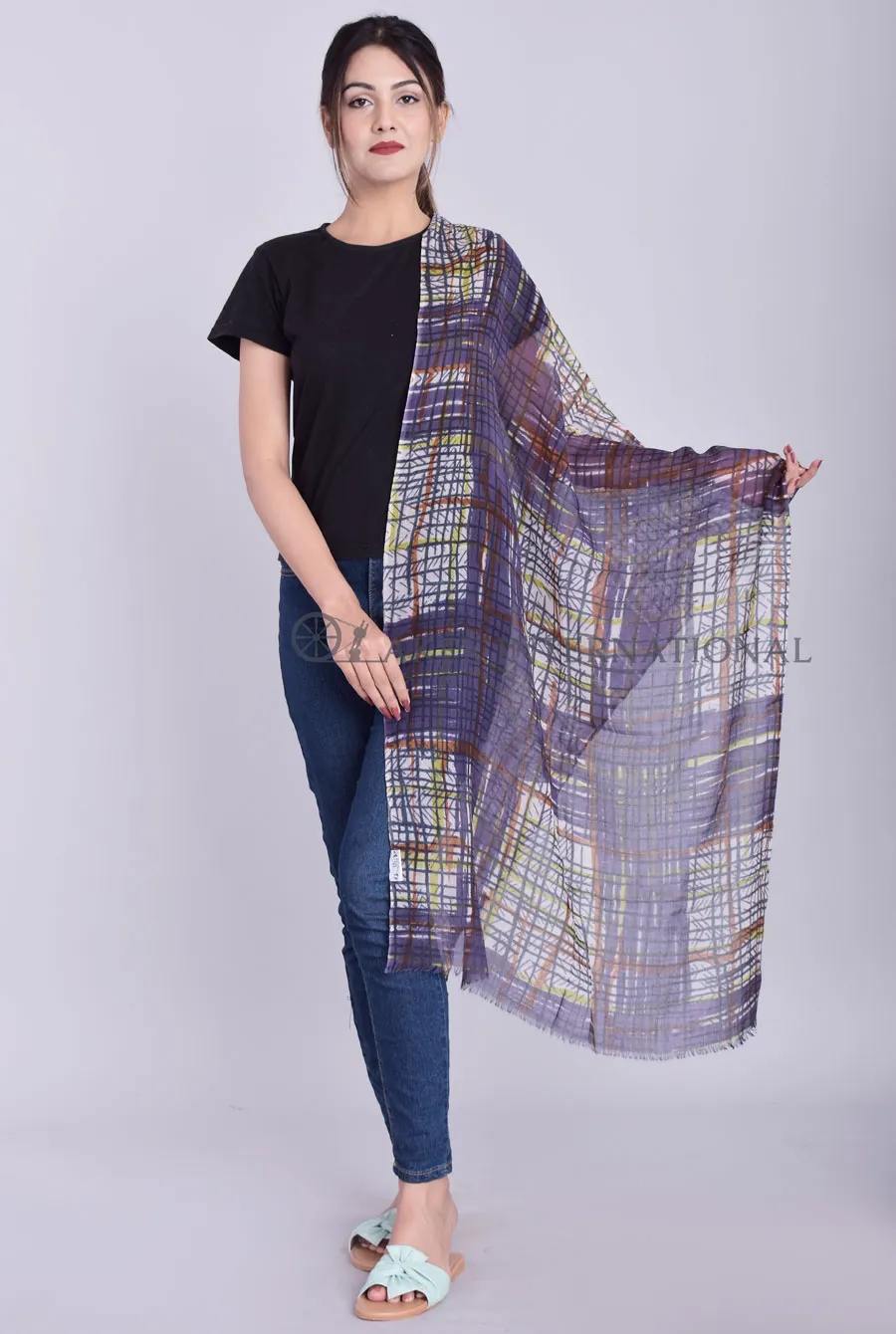
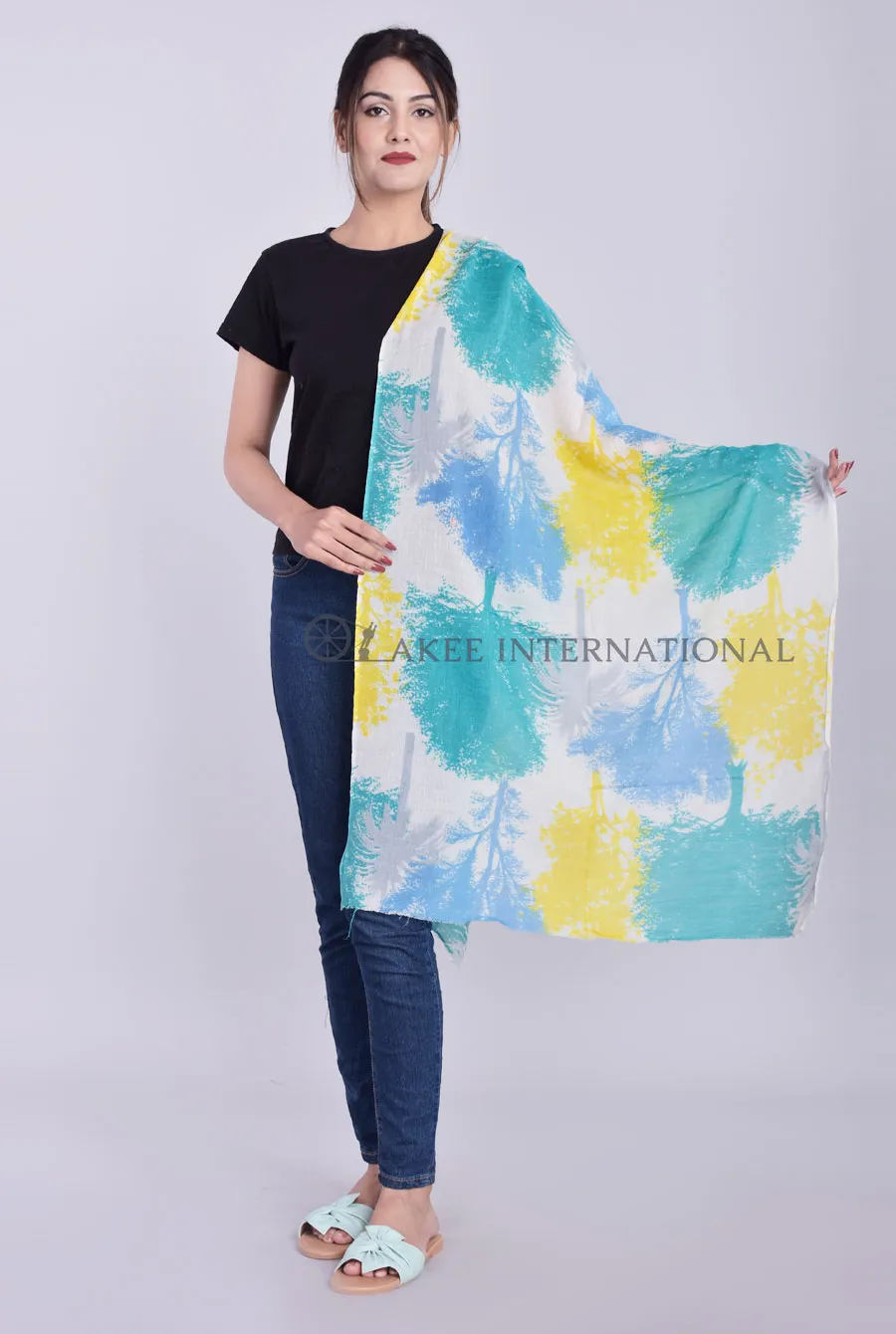
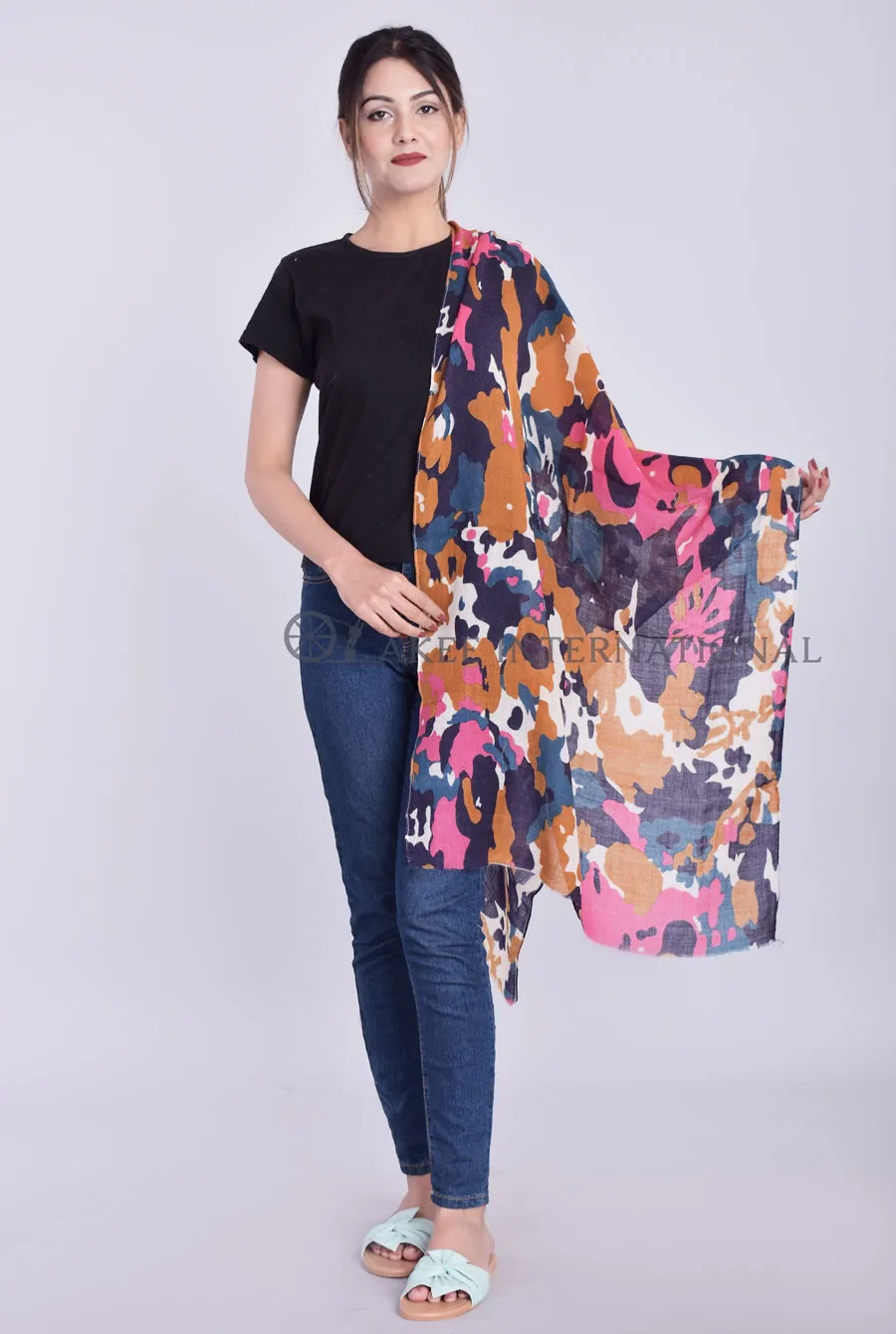
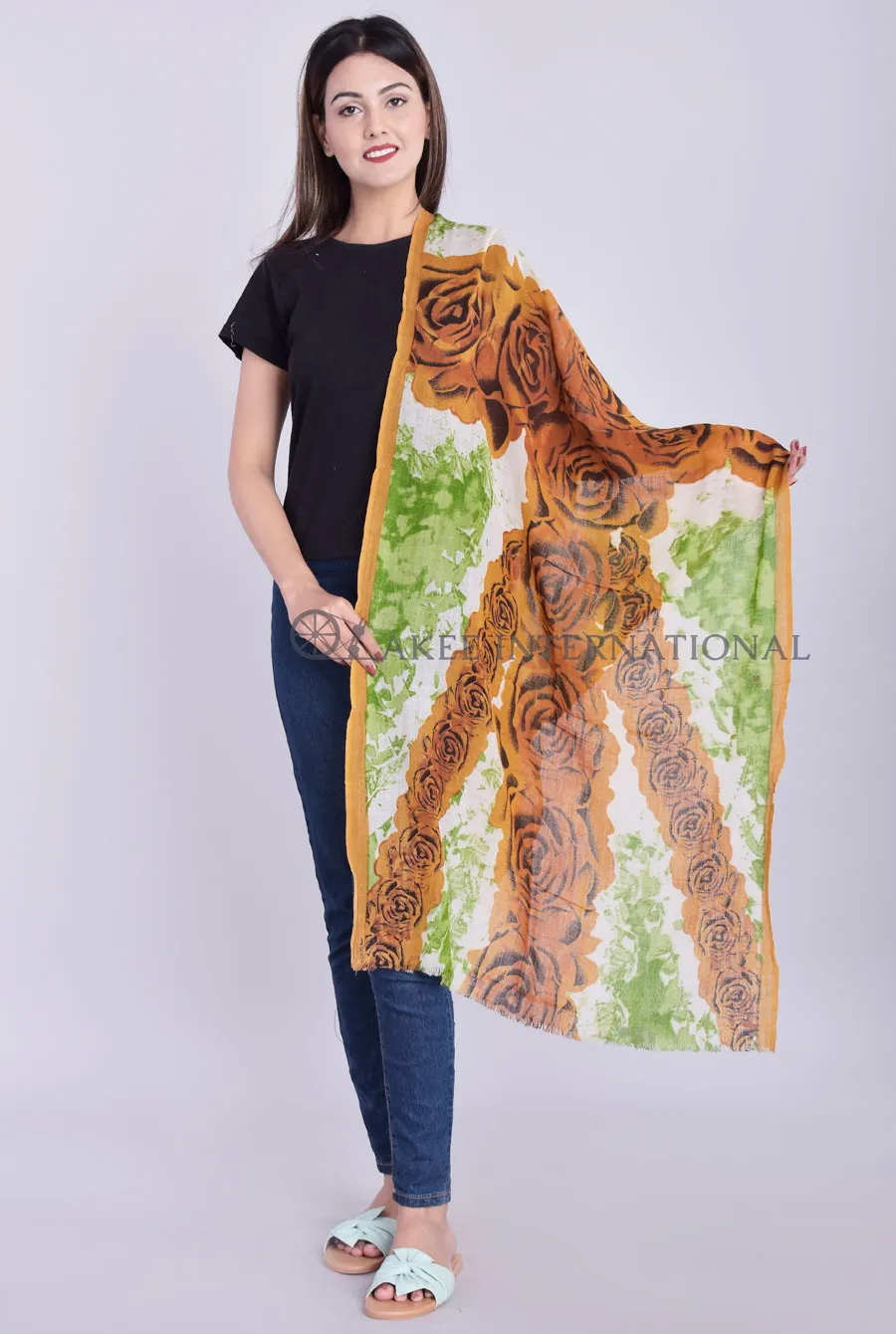
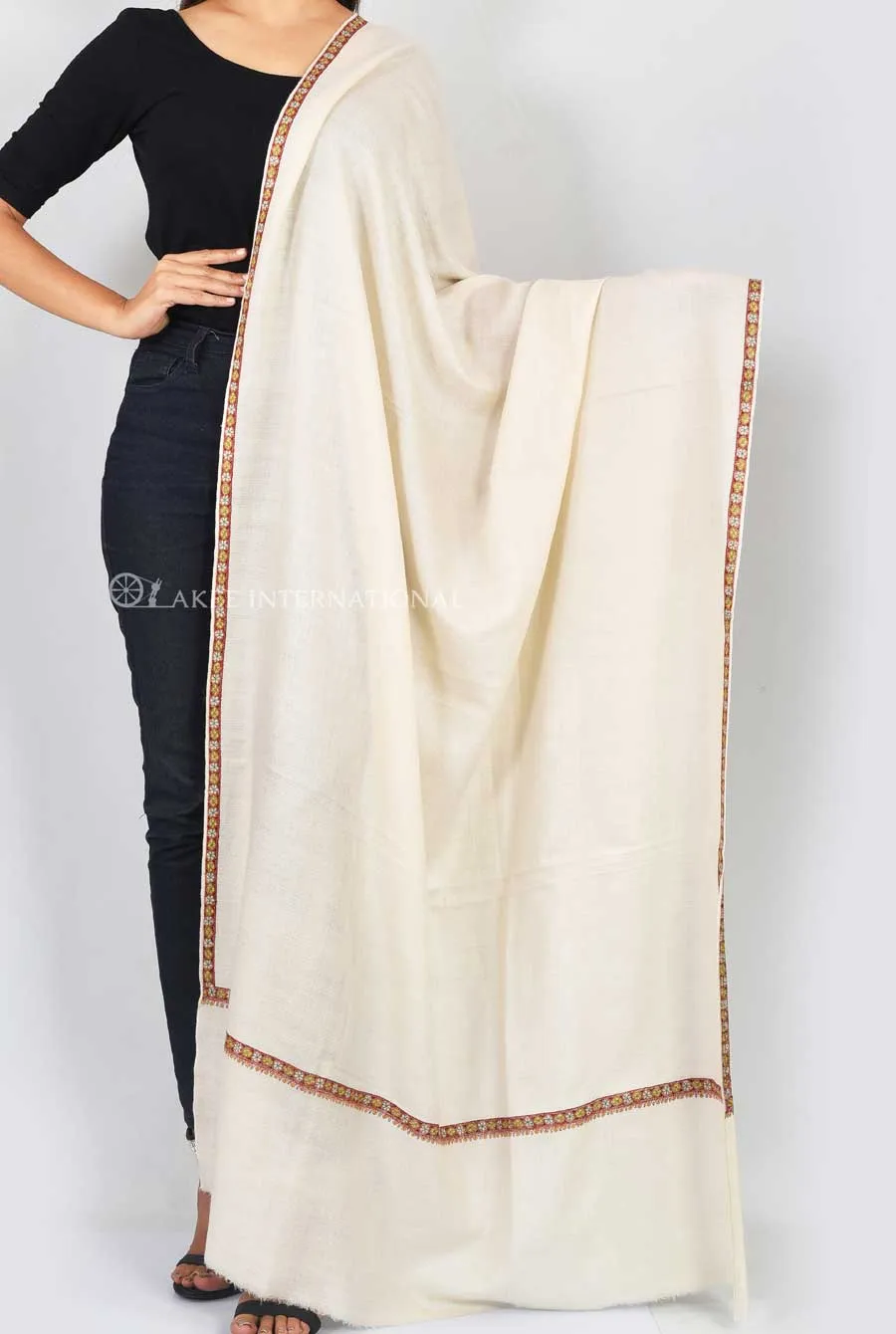
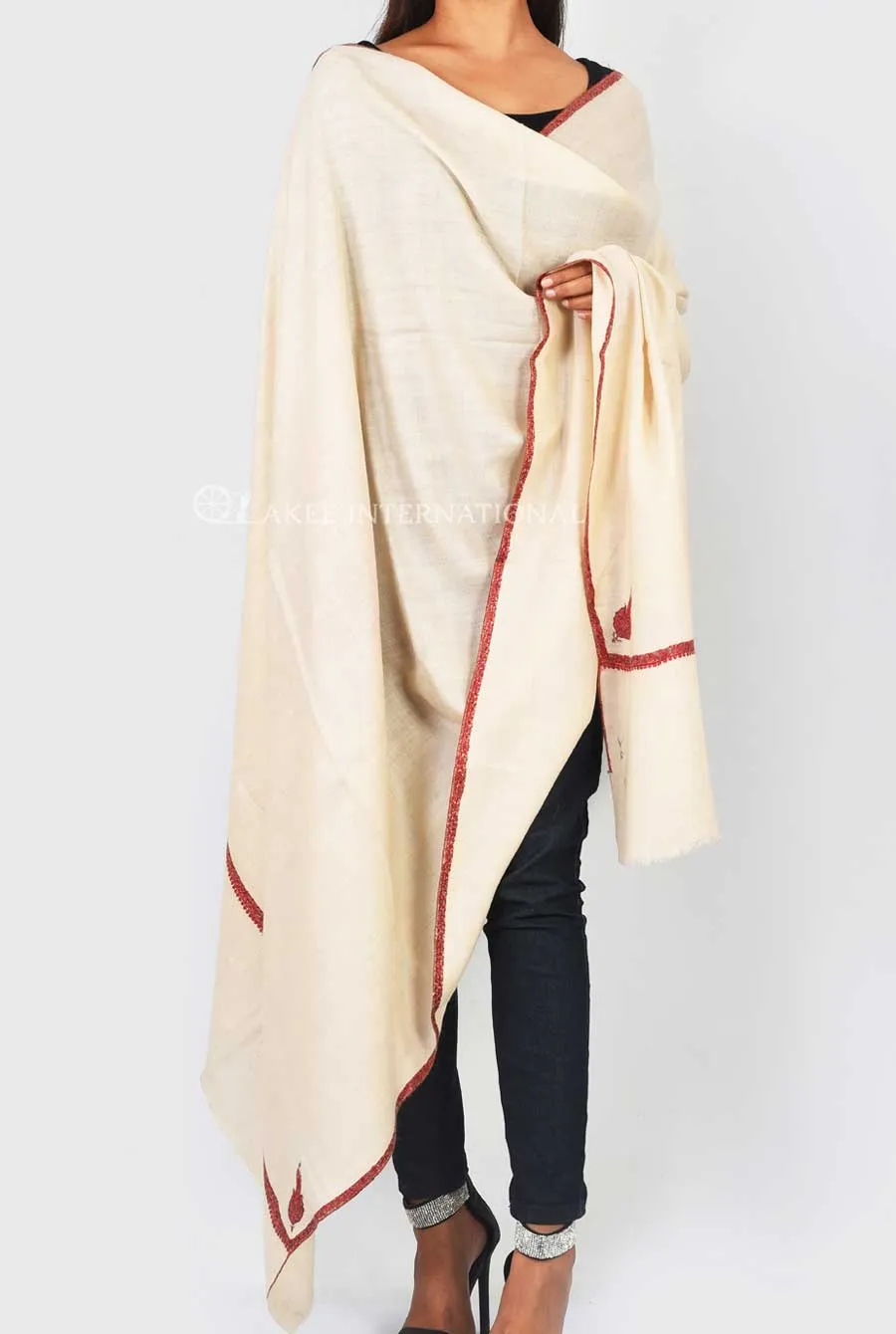
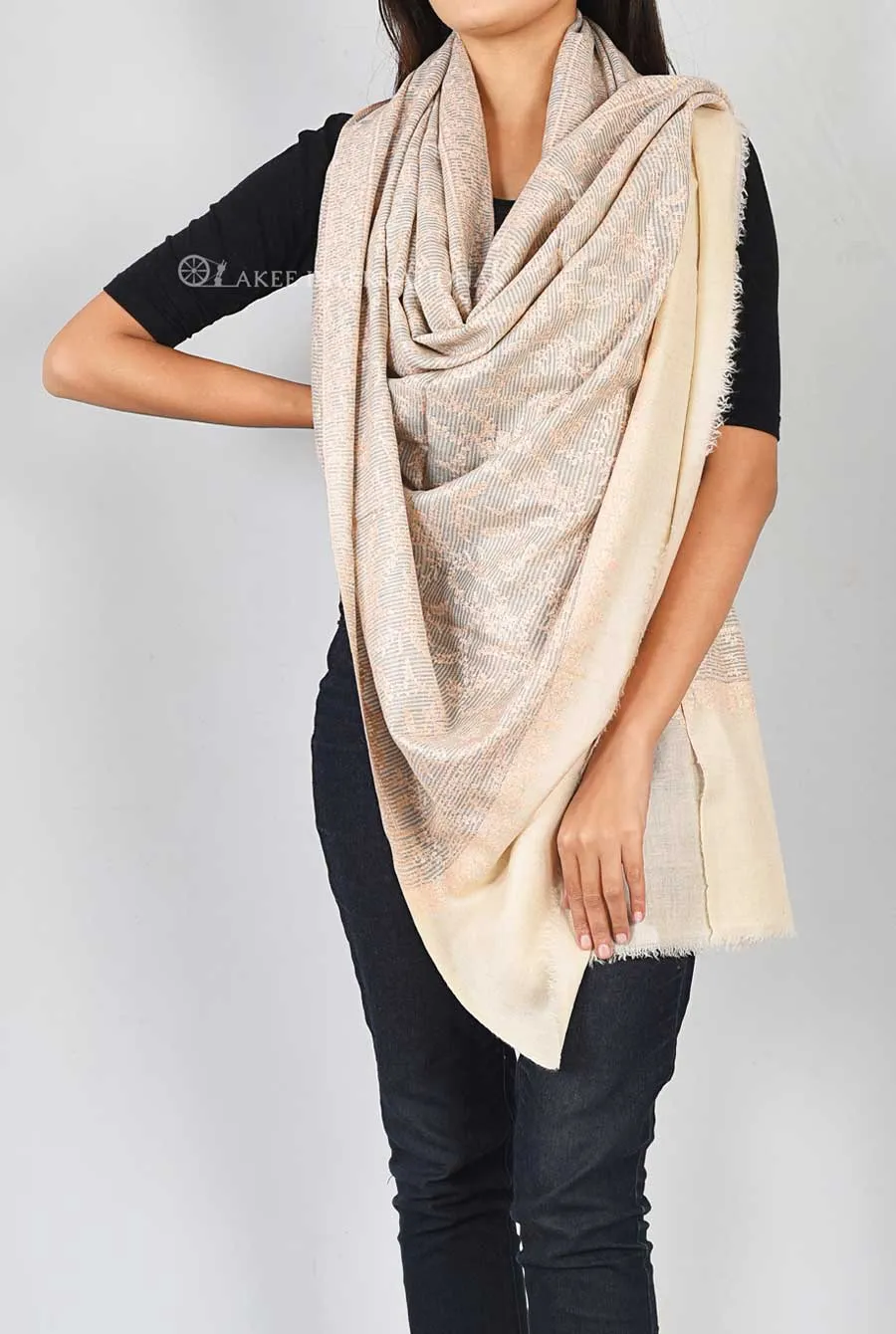
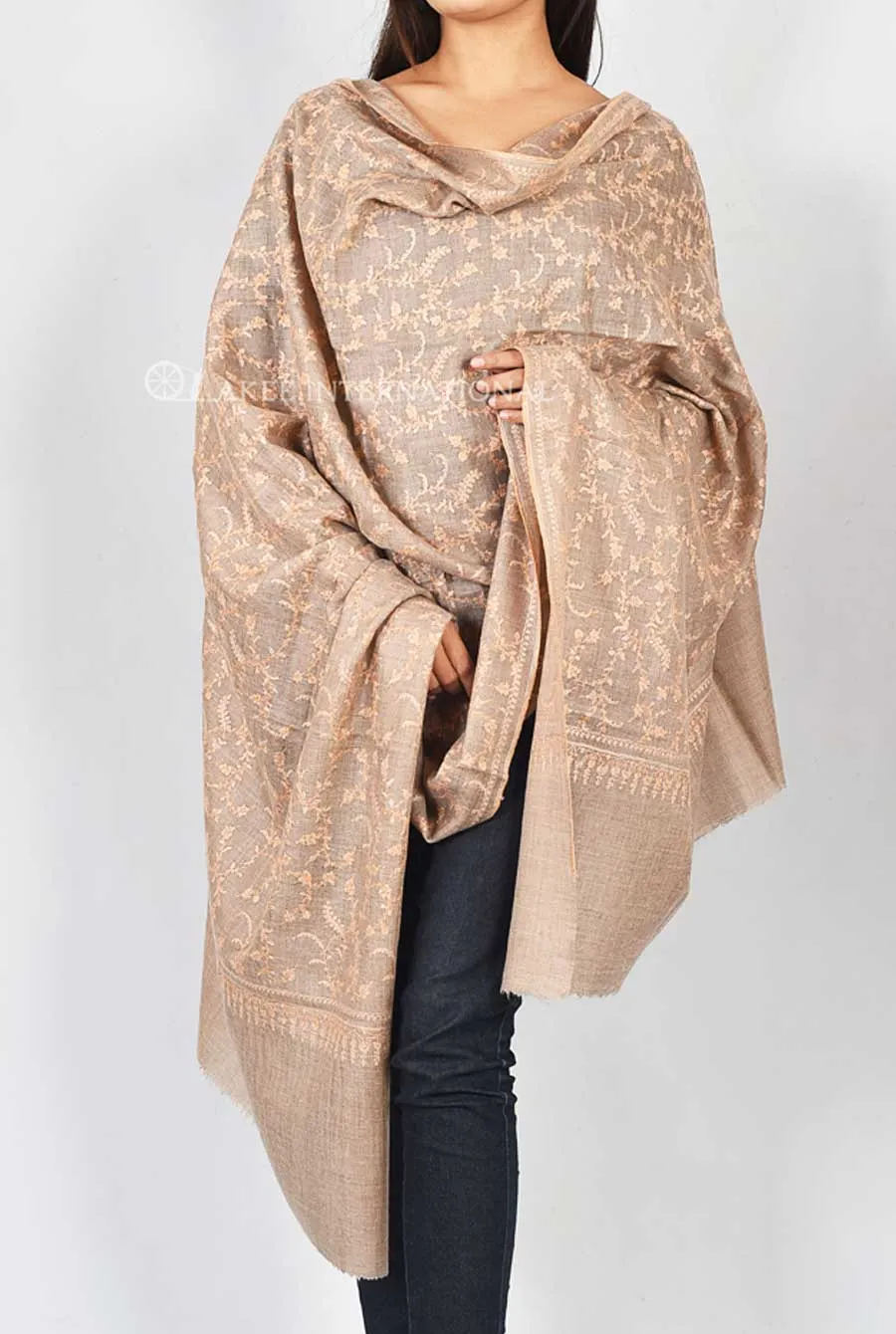
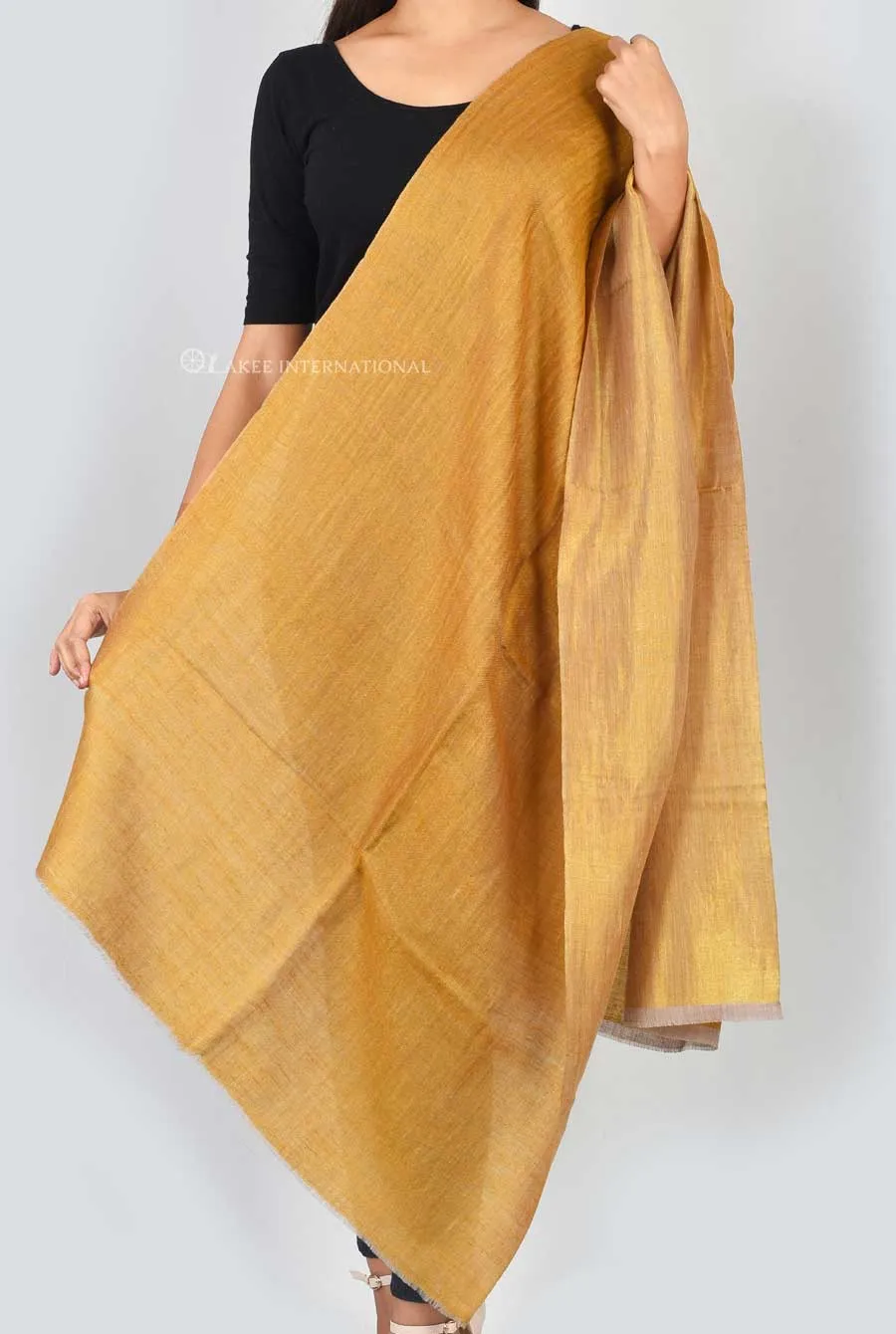
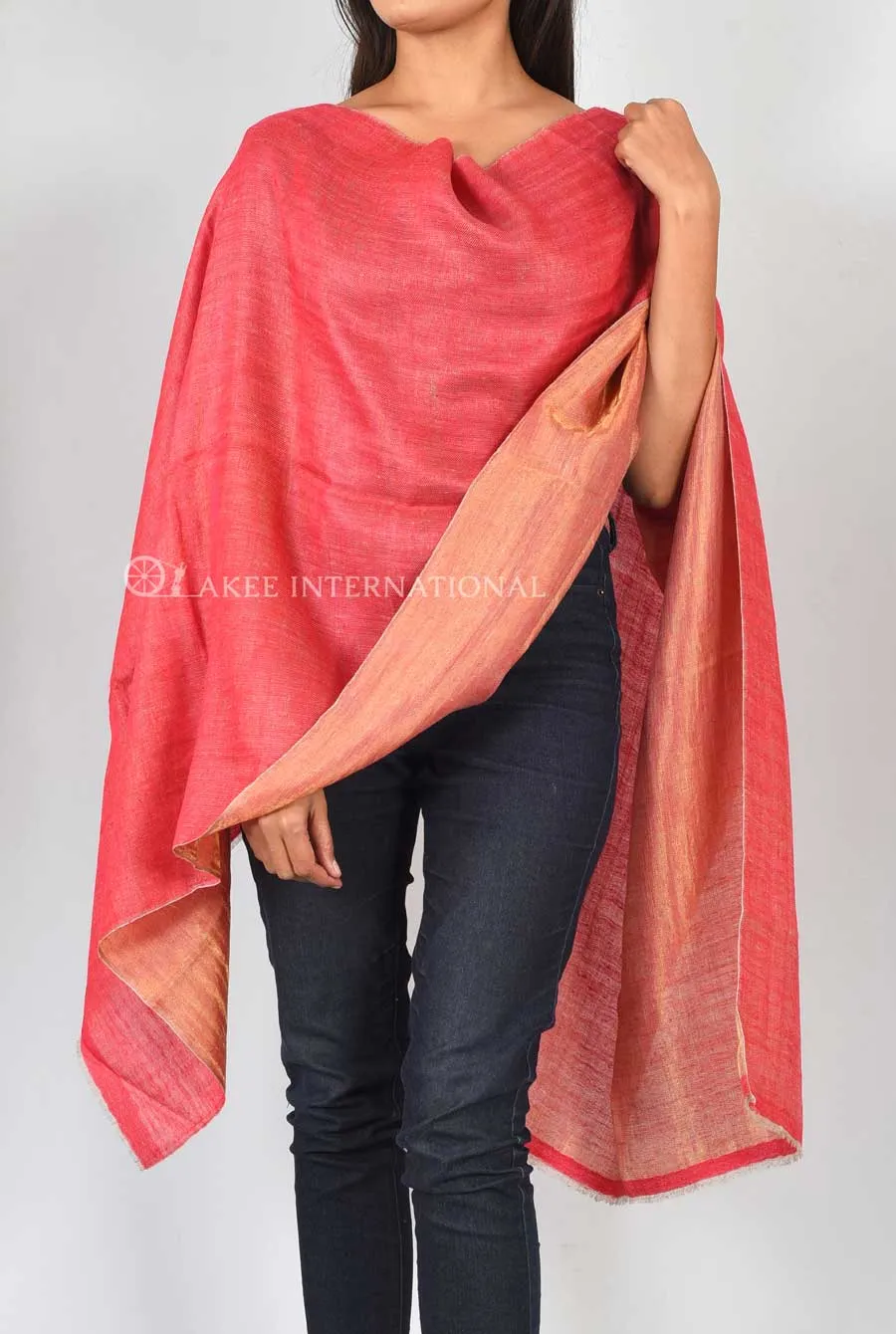
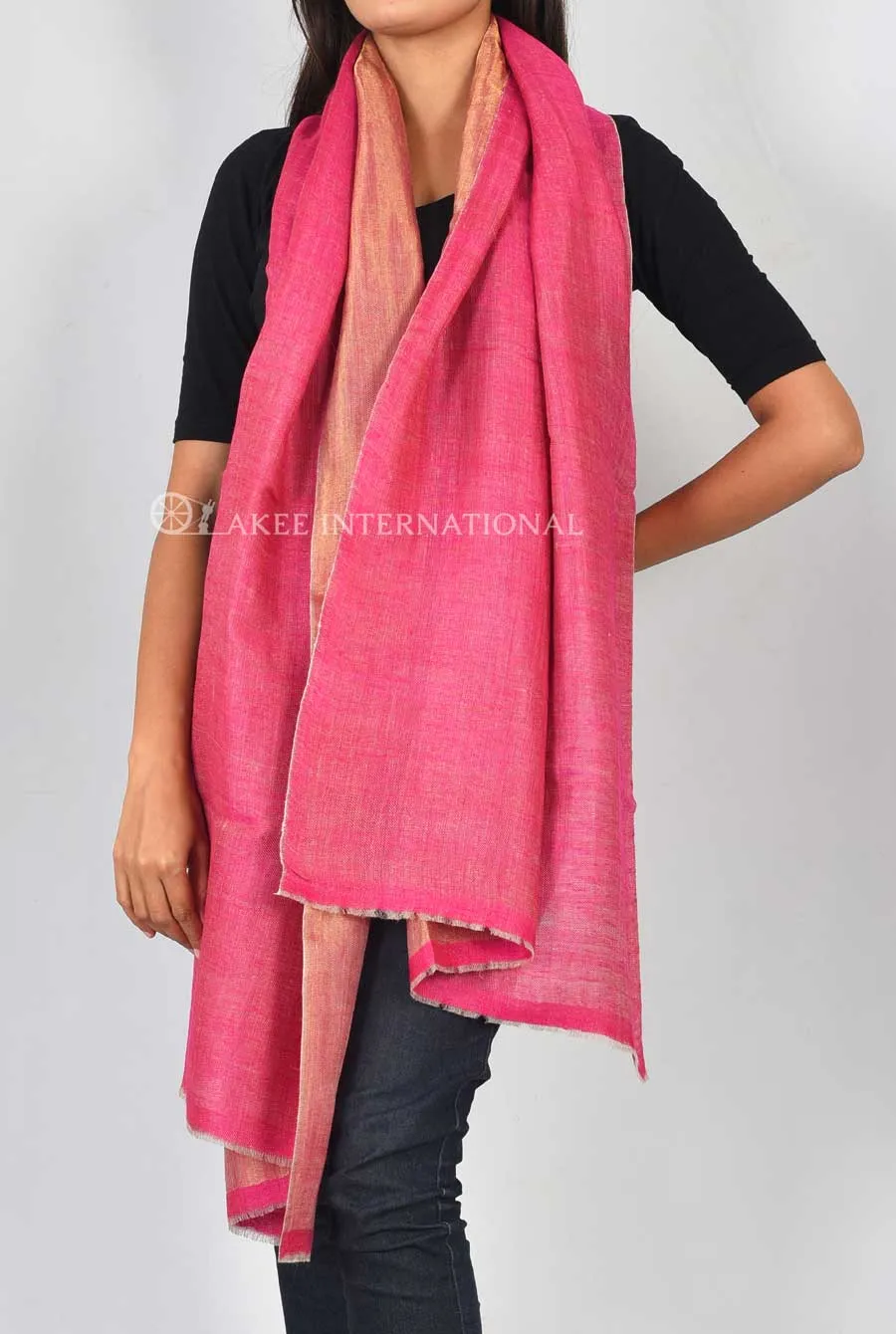
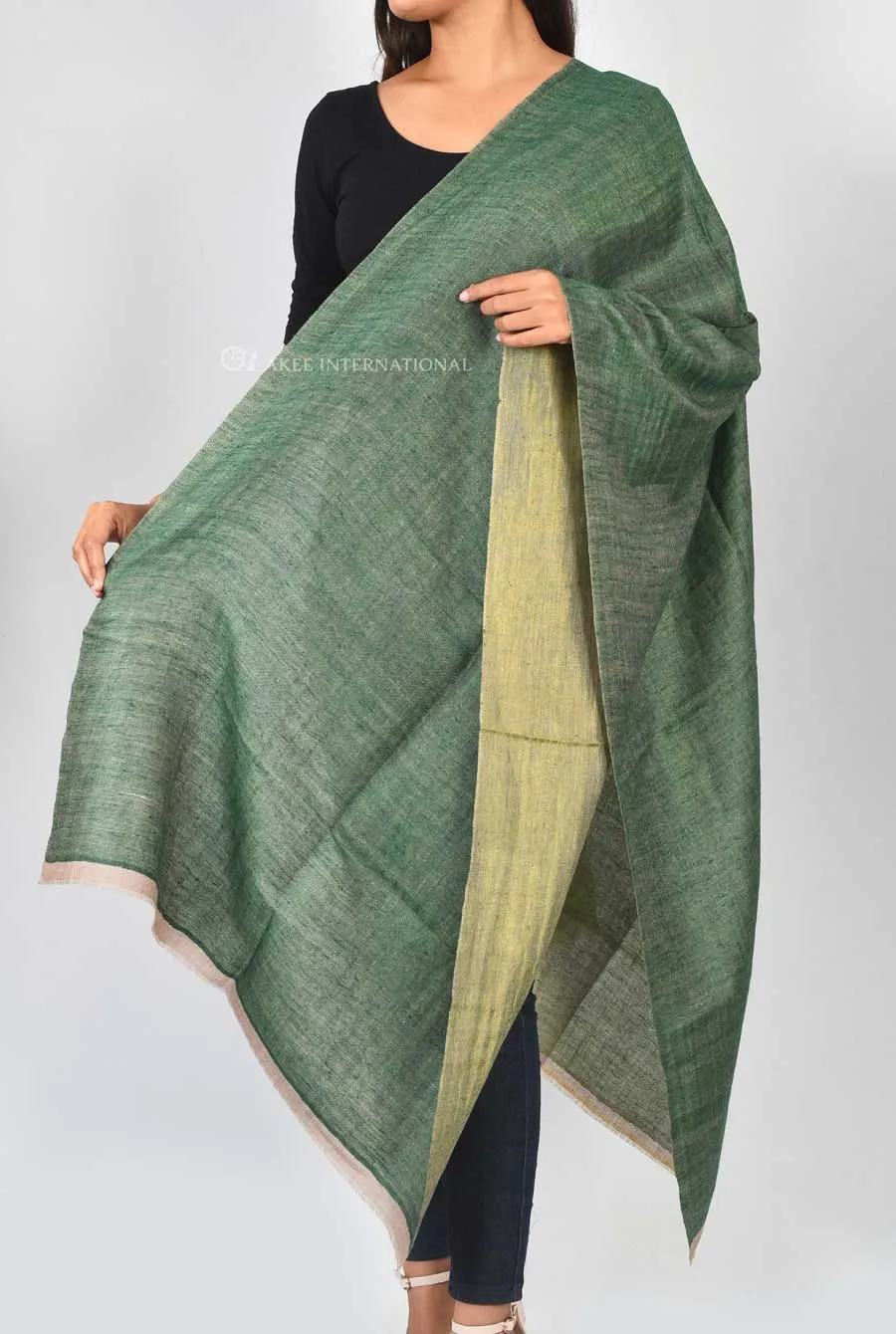
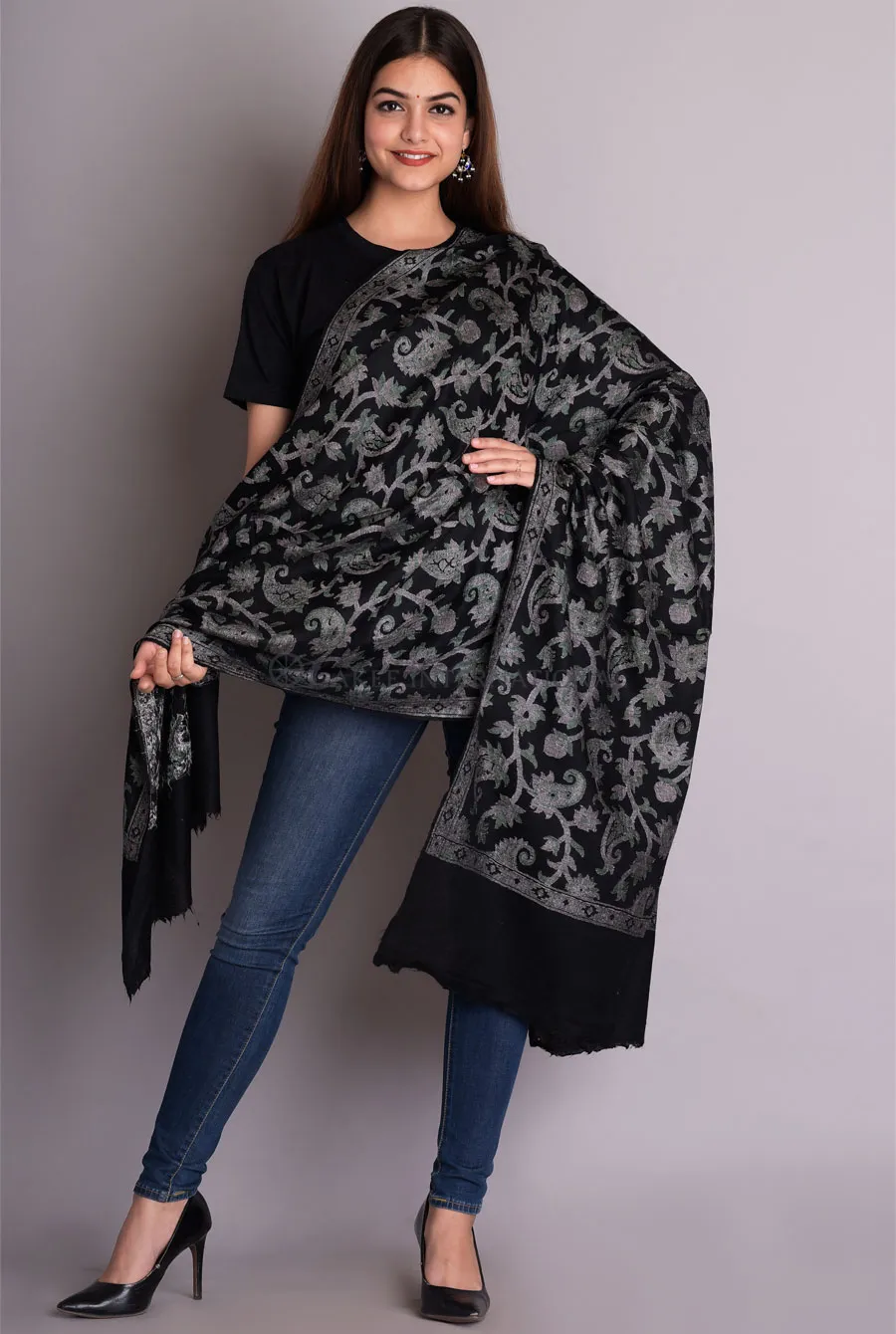
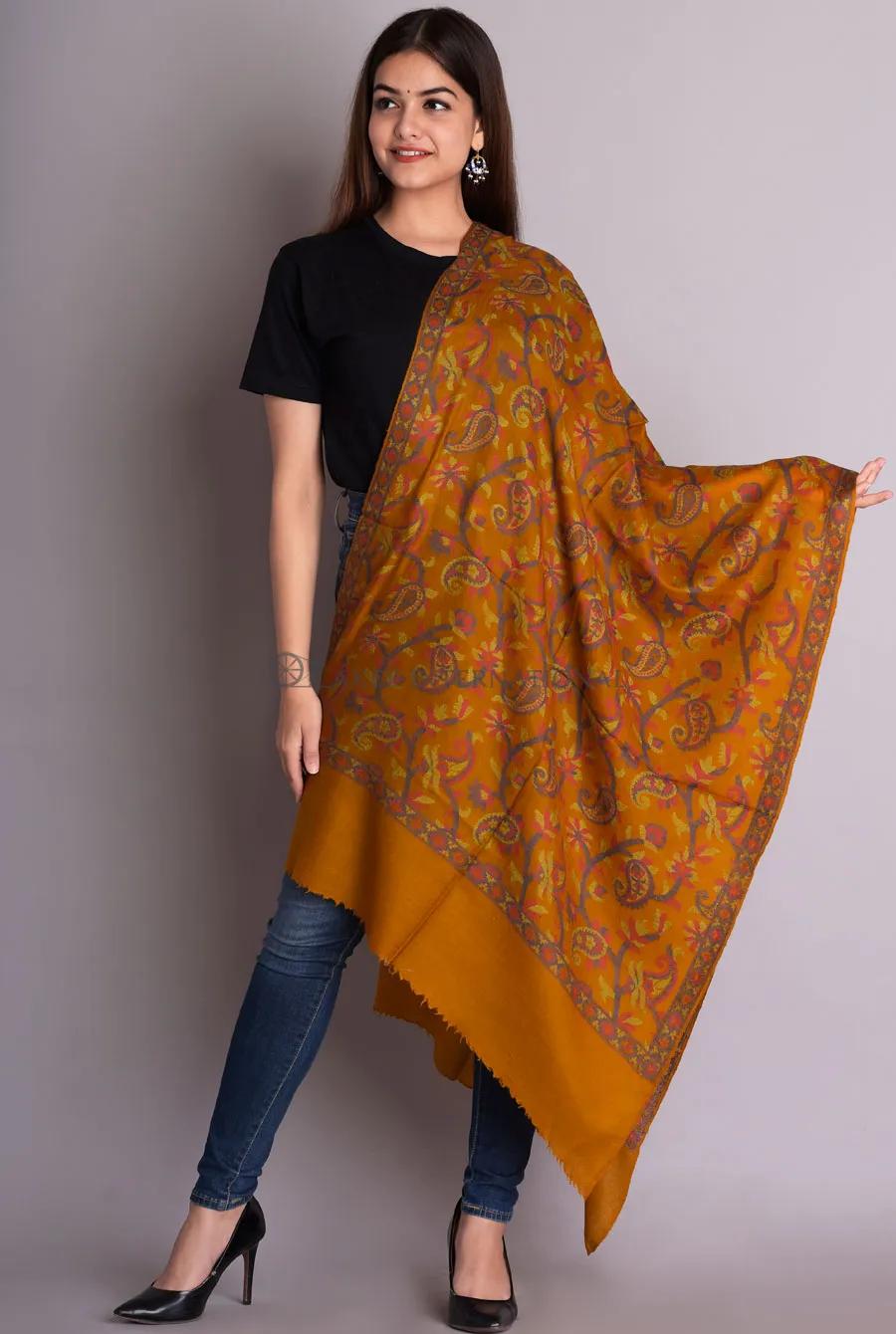
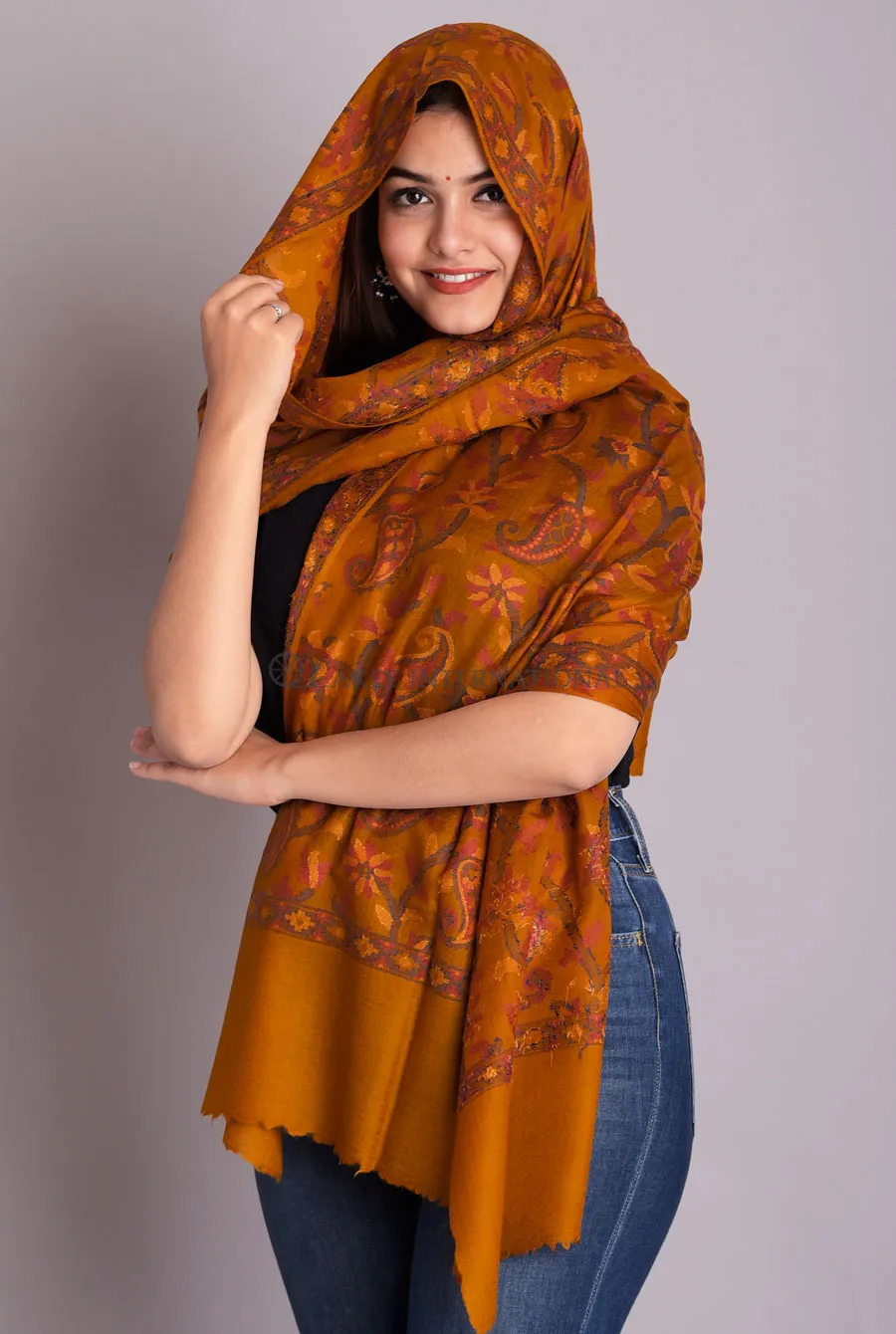
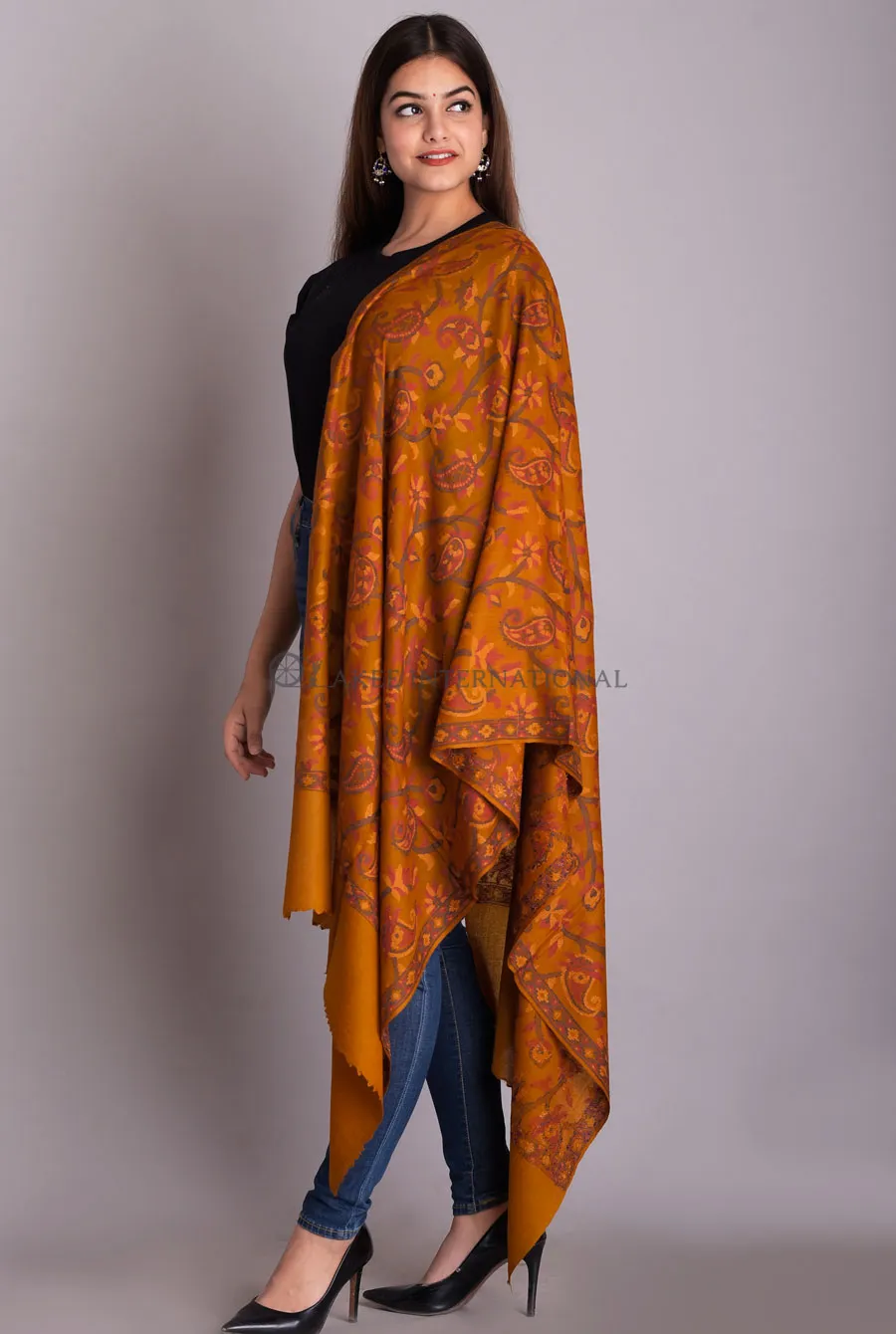
Find Your Perfect Premium Pashmina Shawl
Discover exquisite Pashmina shawls, beautifully crafted with Kashmir’s timeless heritage and artistry.

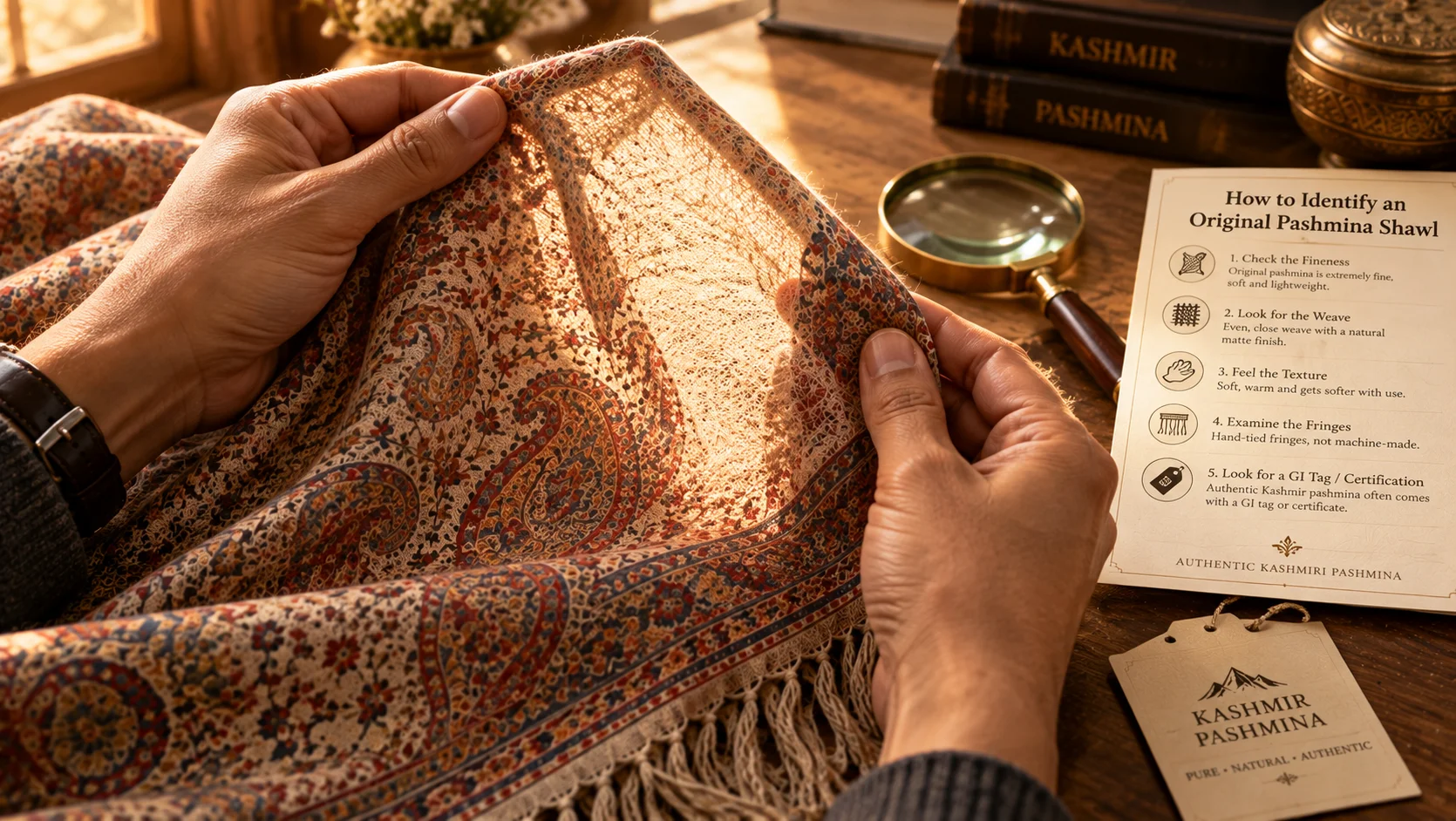
Given how widely the pashmina name gets used across products that don't actually meet the genuine standard, learning how to identify an original pashmina shawl is a genuinely useful skill for any buyer serious about the category. A handful of practical checks — covering feel, appearance, weight, and seller transparency — can help distinguish authentic Changthangi pashmina from synthetic or blended imitations sold under similar marketing language. Akee International's own products are built to pass every one of these authenticity checks, and understanding them helps buyers verify quality both here and elsewhere.
Genuine pashmina has an exceptionally soft, almost weightless feel that's difficult to replicate with synthetic fibres or lower-grade wool blends. Running the fabric gently between your fingers, it should feel smooth and soft without any scratchiness, and notably lighter in weight than its size might suggest. Synthetic imitations often feel slightly slippery or have a more uniform, almost plastic-like texture compared to the subtle natural irregularity of genuine hand-spun pashmina.
A traditional, though not entirely definitive, method for checking pashmina authenticity involves passing a shawl through a ring — genuine, fine pashmina is often light and fine enough to pass through a standard-sized ring given its exceptional thinness relative to its size. While this test can offer a helpful indication, buyers should note it isn't a perfect verification method on its own, since some pashmina-silk blends or lower-density weaves might also pass through a ring without being 100% pure pashmina.
For a more definitive fibre check, a small burn test on a loose thread (only appropriate for a piece you already own, not for testing before purchase) can help distinguish natural fibre from synthetic material. Genuine wool, including pashmina, burns slowly, smells like burning hair, and leaves a soft, crumbly ash. Synthetic fibres typically melt rather than burn cleanly, often producing a plastic-like smell and a hard, bead-like residue rather than soft ash.
Examining the fabric closely for weave consistency offers another authenticity clue. Genuine hand-woven pashmina typically shows subtle, natural irregularities in the weave — a mark of hand-craftsmanship rather than mechanical precision. A weave that appears too perfectly uniform, especially at a suspiciously low price point, may indicate machine production using a lower-quality or blended fibre rather than genuine hand-spun pashmina.
One of pashmina's most distinctive qualities is its exceptional warmth relative to its lightweight structure. Genuine pashmina should feel noticeably warmer when worn than its light weight might suggest, a quality that's difficult for synthetic alternatives to replicate convincingly. If a shawl feels heavy or bulky for its apparent thinness, this can indicate a lower-quality wool blend rather than fine, genuine pashmina fibre.
Beyond physical examination, a seller's willingness to answer specific questions directly offers a strong indication of authenticity. Ask specifically whether the piece is 100% pashmina or contains any blend, where the wool is sourced from, and whether the piece is hand-spun and hand-woven or machine-produced. A seller confident in genuine sourcing should answer these questions readily and specifically, rather than deflecting with vague reassurances about "Kashmiri craftsmanship" without further detail.
Genuine Kashmiri pashmina has been recognised with a Geographical Indication tag specifically to help distinguish authentic products from imitations sold under similar names. While not every genuine seller formally certifies each individual piece, awareness of this certification and a seller's willingness to discuss it can offer additional confidence when trying to identify an original pashmina shawl from a reputable, established source.
While an unusually low price is a reasonable red flag, buyers shouldn't assume a high price alone guarantees authenticity either, since some sellers deliberately price synthetic or blended imitations at a premium specifically to appear more credible to less experienced buyers. Combining price assessment with the physical and questioning-based checks covered above gives a far more reliable picture than relying on price as a standalone indicator of whether a piece genuinely qualifies as an original pashmina shawl.
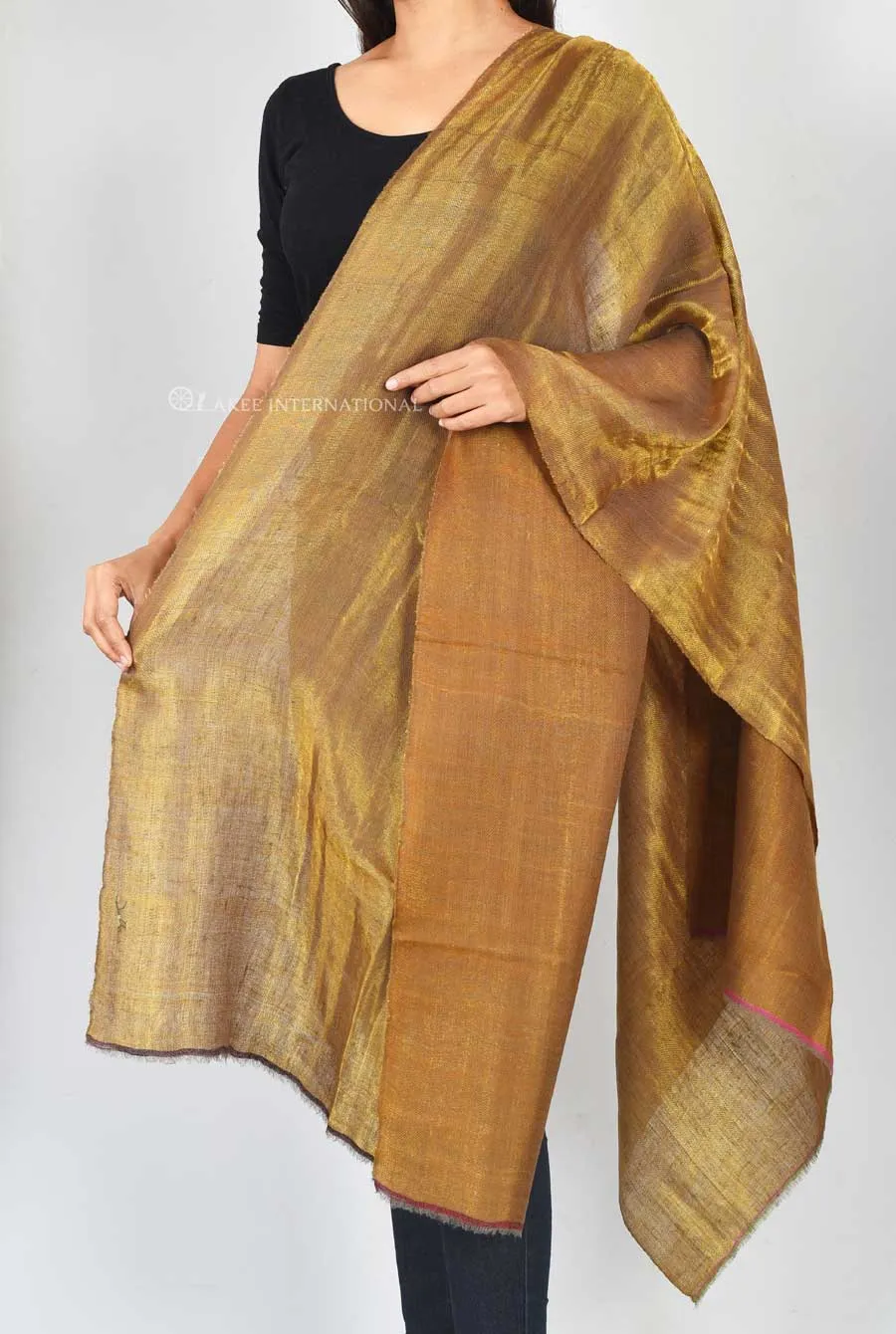
Genuine pashmina typically shows a subtle, natural sheen that shifts gently depending on the angle of light, without appearing overly shiny or plastic-like under any lighting condition. Examining a shawl under both natural daylight and indoor lighting can help reveal this characteristic natural lustre, which differs meaningfully from the more uniform, sometimes artificial-looking shine common to synthetic fibres marketed as pashmina. This visual check works particularly well alongside the feel test, since authentic pashmina's appearance and texture together create a distinctive combination that's difficult for lower-quality imitations to fully replicate.
When possible, comparing a piece you're considering purchasing against a shawl you already know to be genuine offers one of the most reliable authenticity checks available. Differences in weight, softness, warmth, and sheen become considerably more apparent through direct comparison than when examining a single piece in isolation. Buyers without an existing genuine piece for comparison can request samples from a trusted, established seller specifically to build this kind of reference point before making a larger purchase decision elsewhere.
Ultimately, one of the most reliable ways to identify an original pashmina shawl is sourcing from an established business with a verifiable track record, rather than relying entirely on individual authenticity tests for every purchase. Akee International's over three decades of operation, direct artisan employment, and independently verifiable reviews offer this kind of established trust, reducing the burden on individual buyers to verify every authenticity marker themselves.
For help verifying the authenticity of a specific piece or questions about pashmina sourcing, contact the team through Contact Us or WhatsApp at +91-9772777770. The full product catalogue specifies genuine pashmina content across every listed piece.
Discover exquisite Pashmina shawls, beautifully crafted with Kashmir’s timeless heritage and artistry.
Discover exquisite Pashmina shawls, beautifully crafted with Kashmir’s timeless heritage and artistry.
No, it's a useful first filter but should be combined with other checks for a more confident assessment.
Yes, if done carefully with a single loose thread in a well-ventilated area, never on the main fabric.
It smells like burning hair and leaves a crumbly ash, unlike synthetic fibers which melt and smell like plastic.
Genuine pashmina is surprisingly light for its warmth; unusual heaviness suggests synthetic content or heavy blending.
Not definitively — for that level of precision, formal laboratory testing is needed.
It's reasonable to conclude it's likely not genuine hand-spun pashmina.
A confident, genuine seller should have no issue with reasonable pre-purchase verification requests.
Yes, genuine wool generates less static than synthetic fibers when rubbed together.
Kashmir's Craft Development Institute conducts formal fiber testing for authentic verification.
Yes, we welcome customers testing our products in-showroom before purchasing.
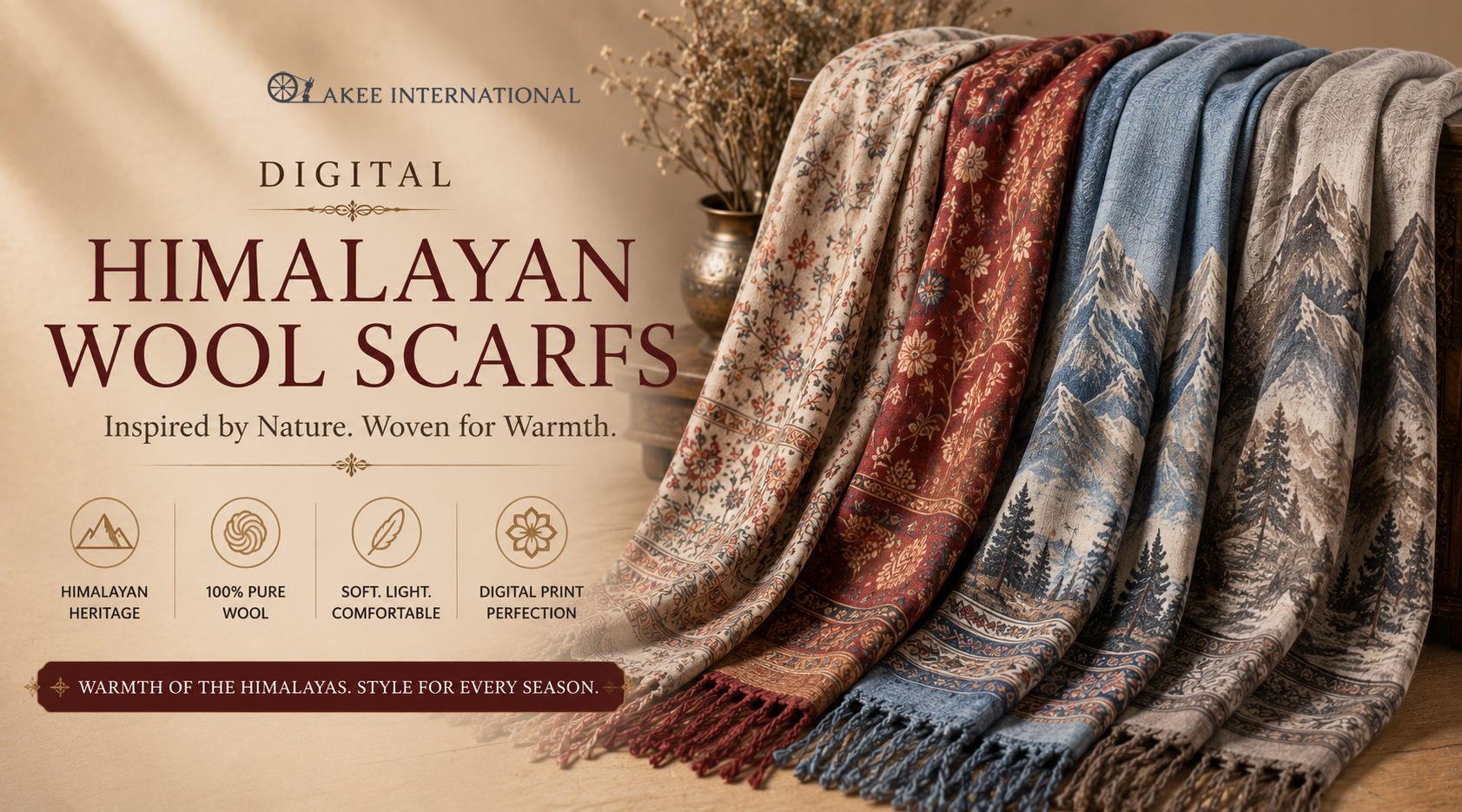
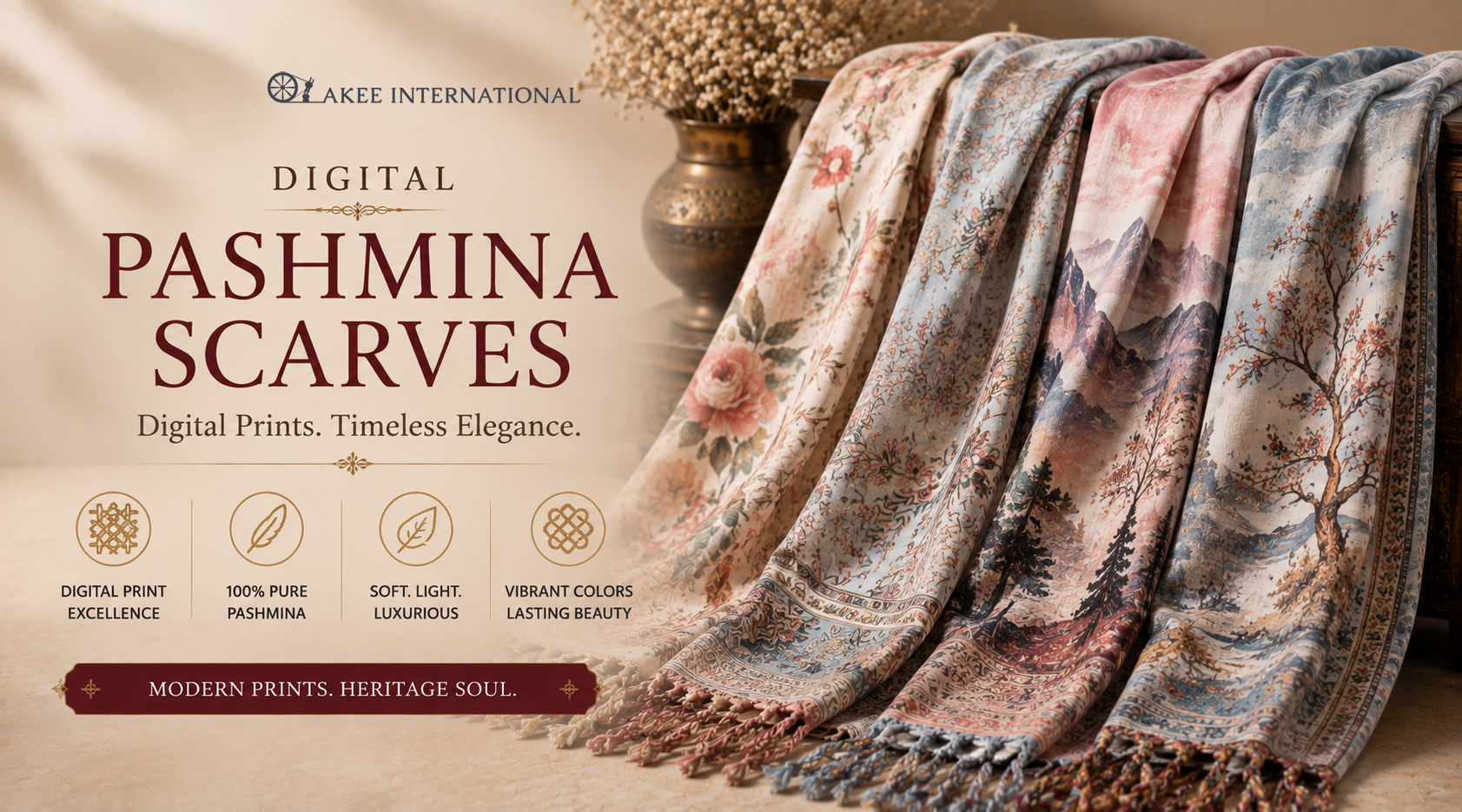
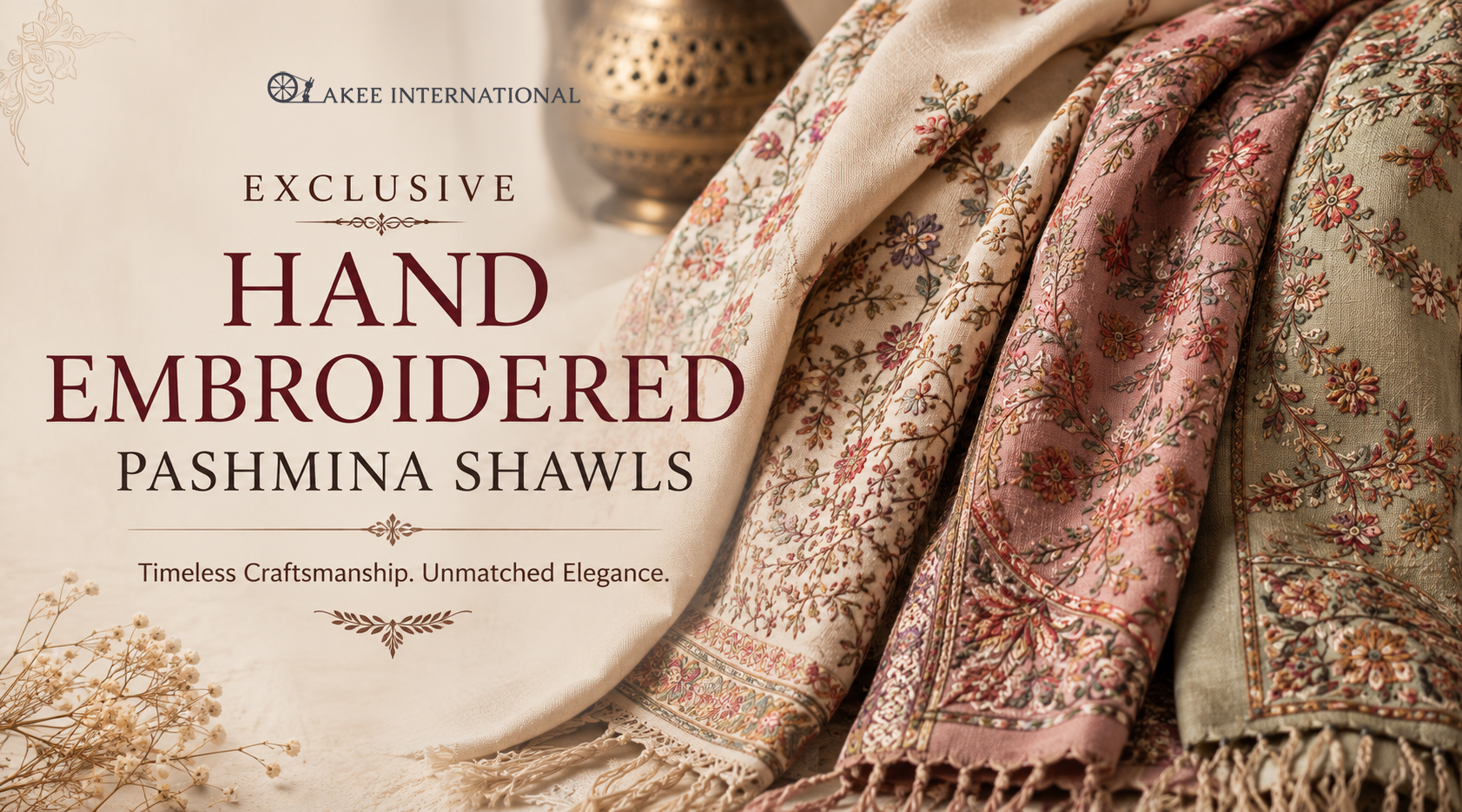
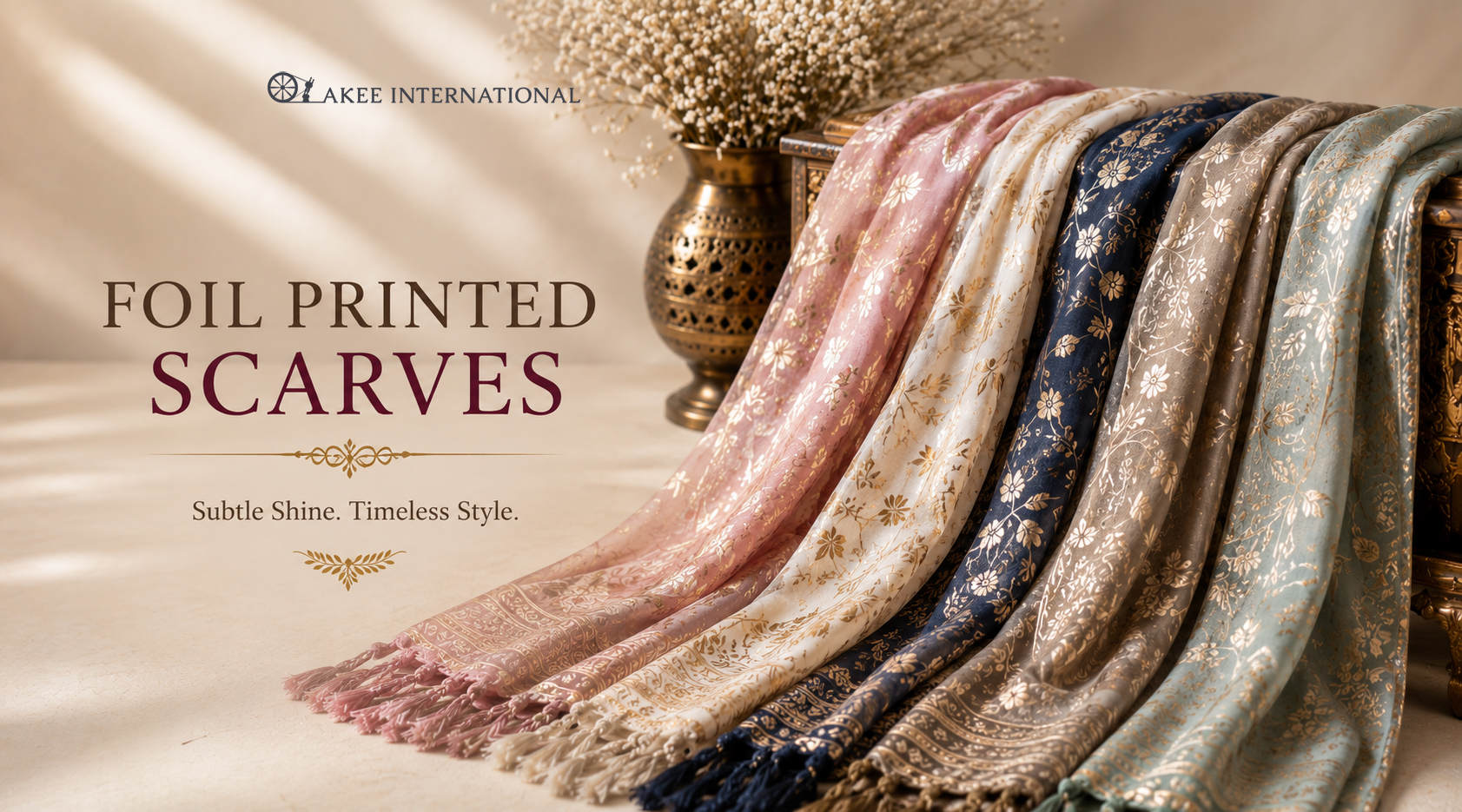
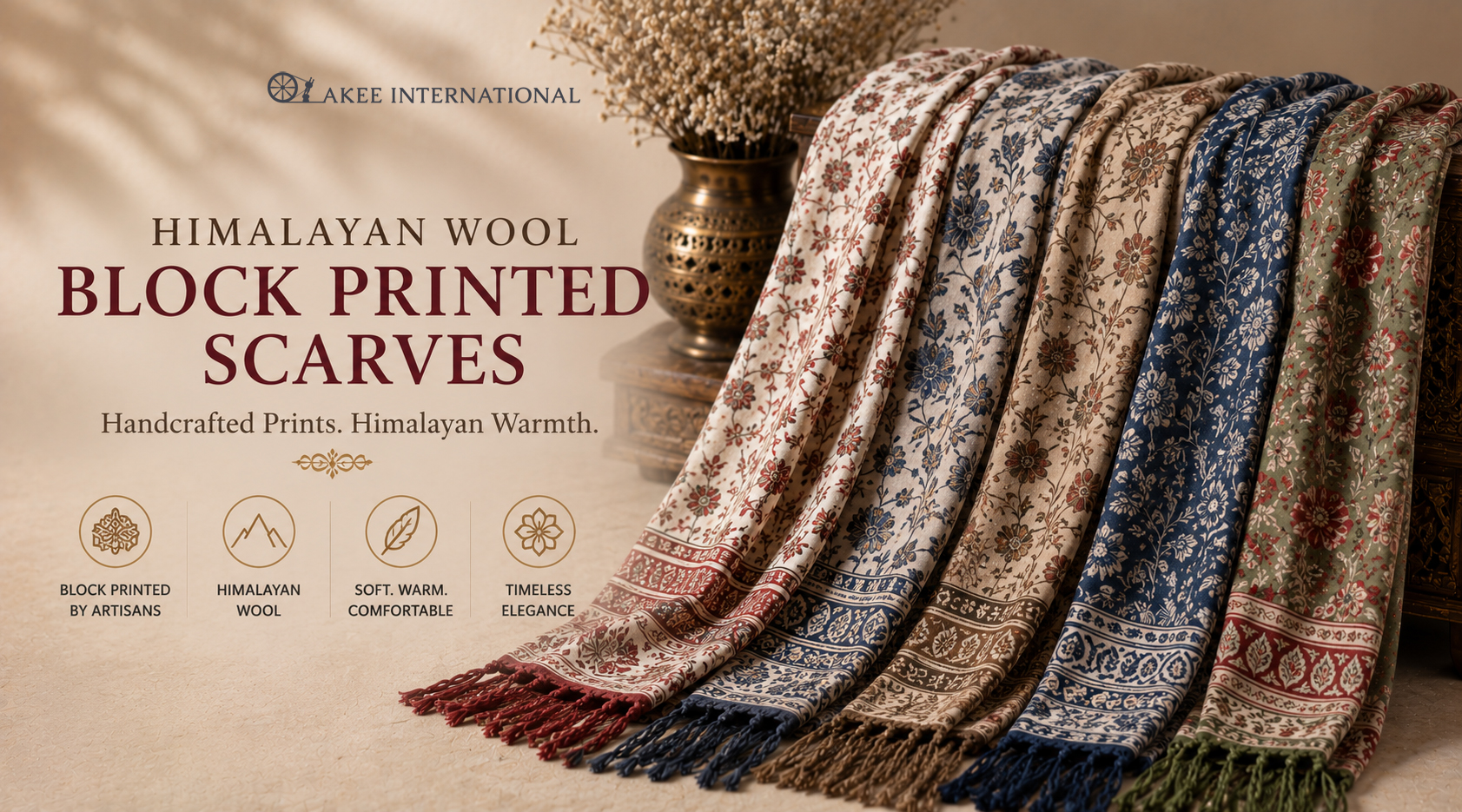
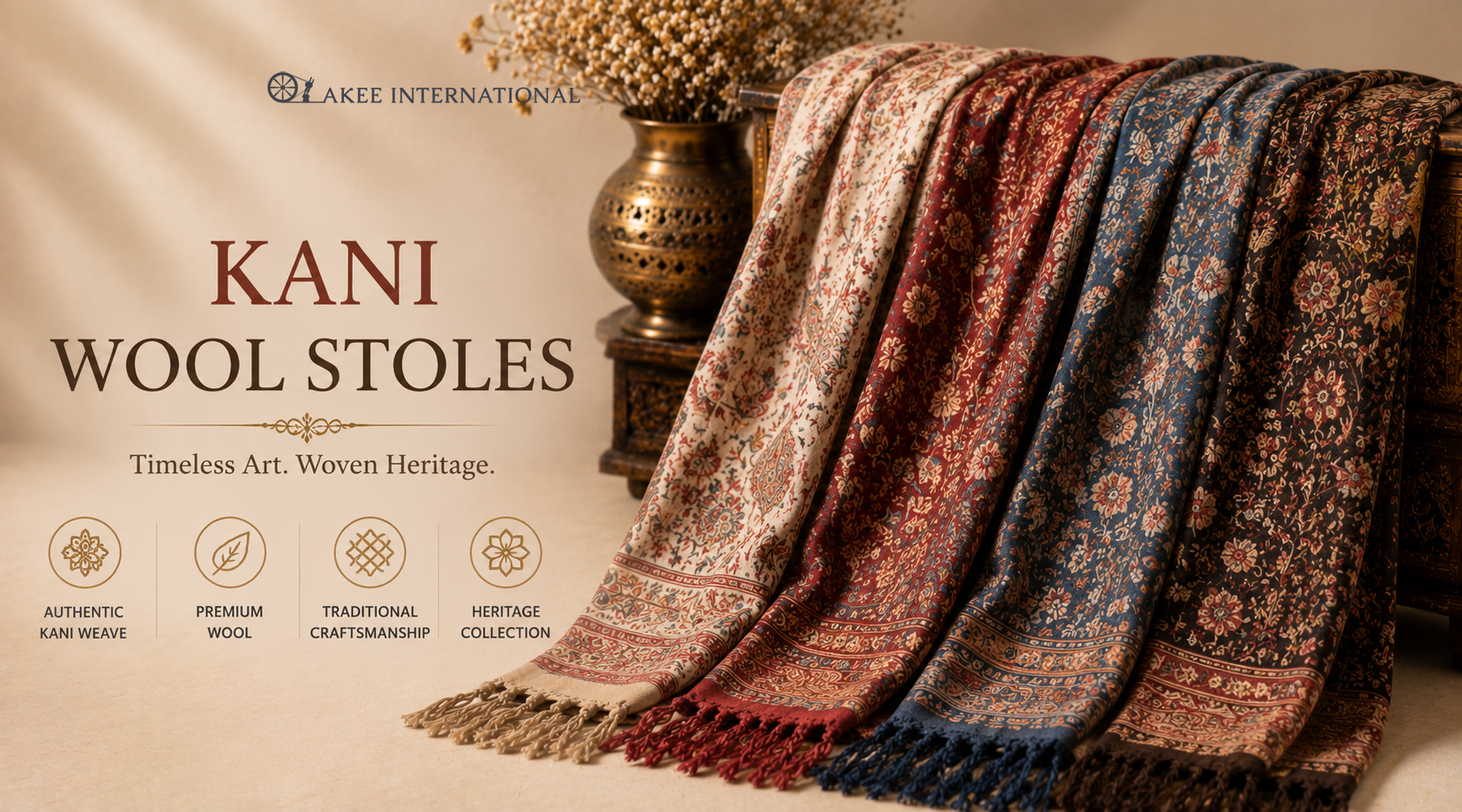
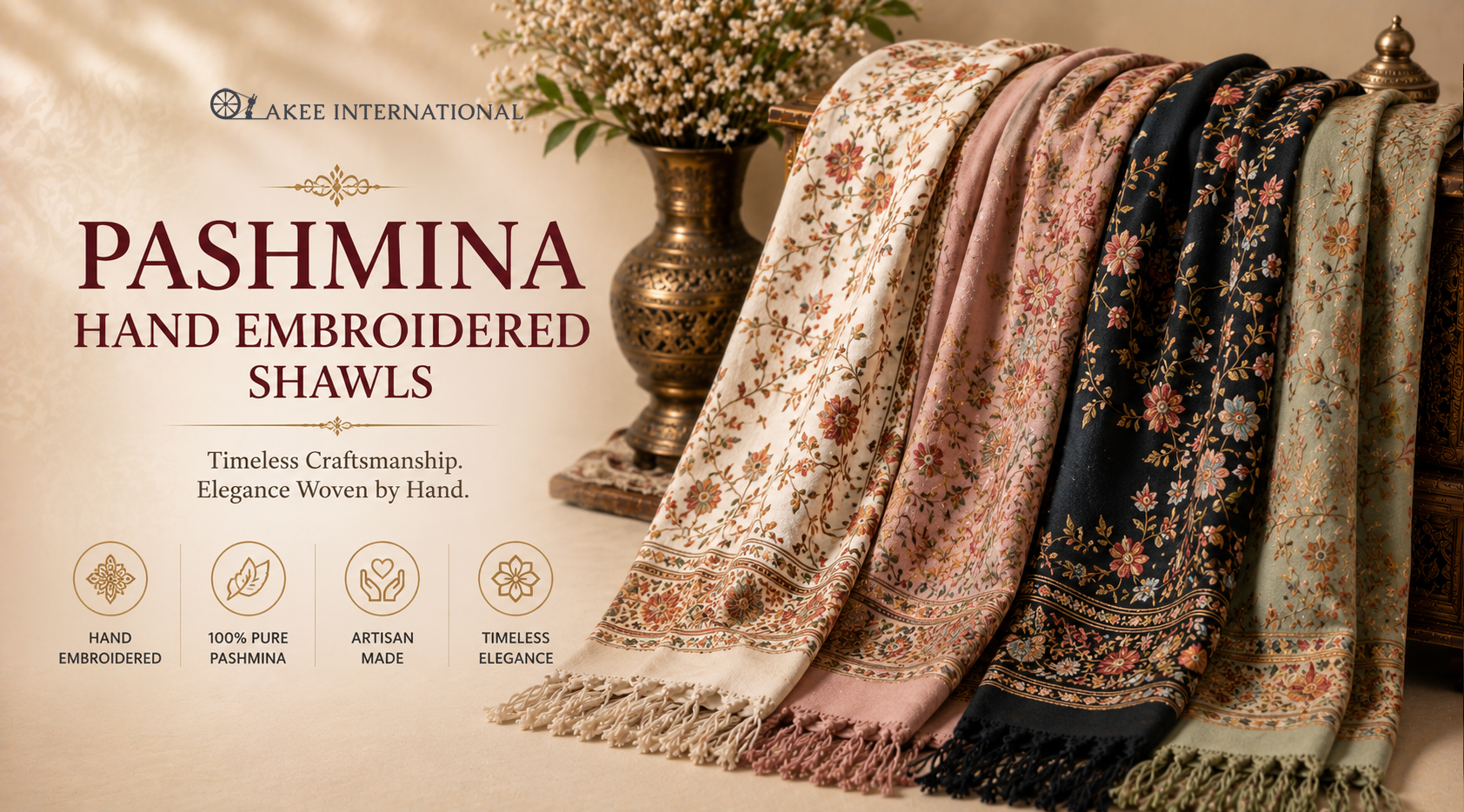
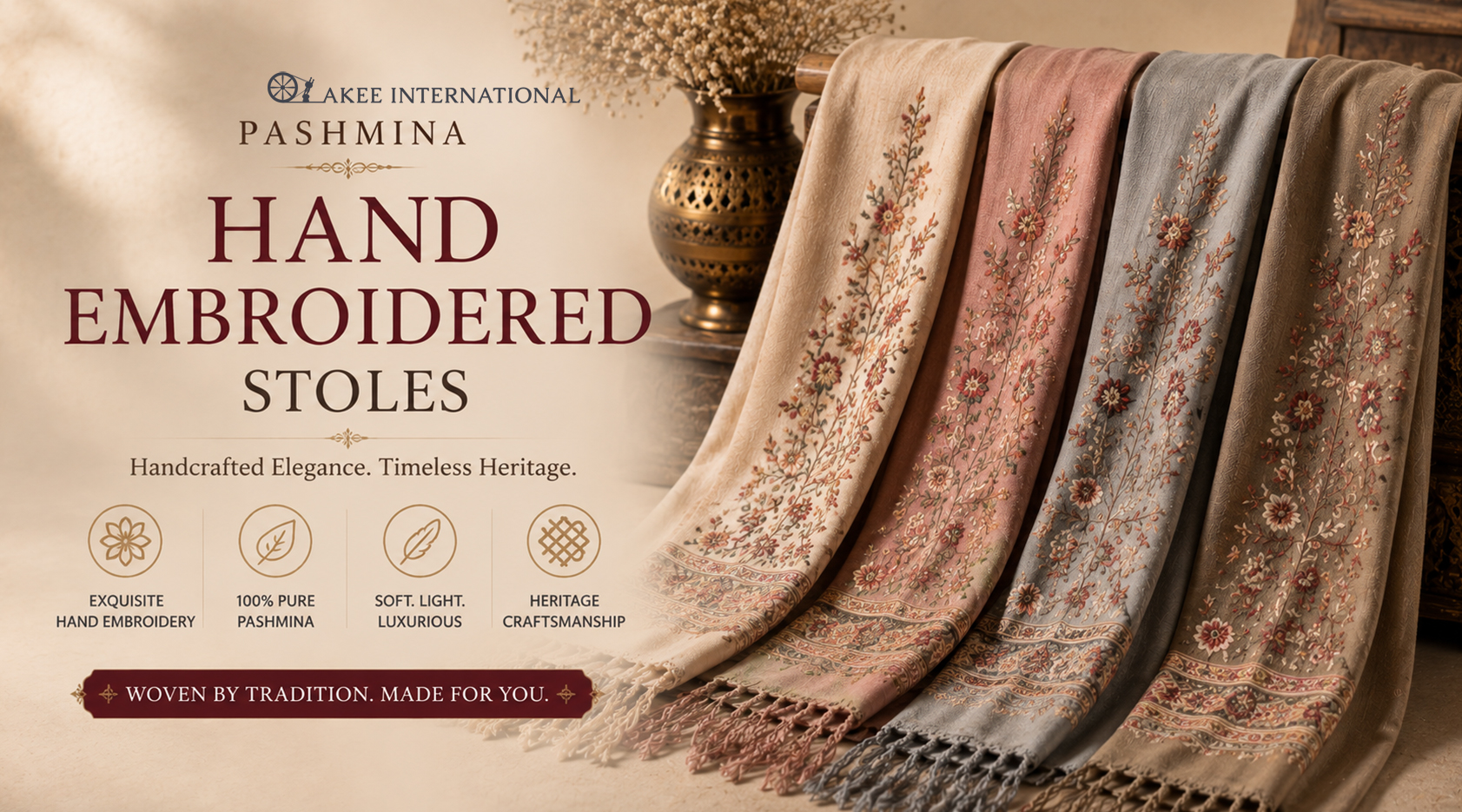
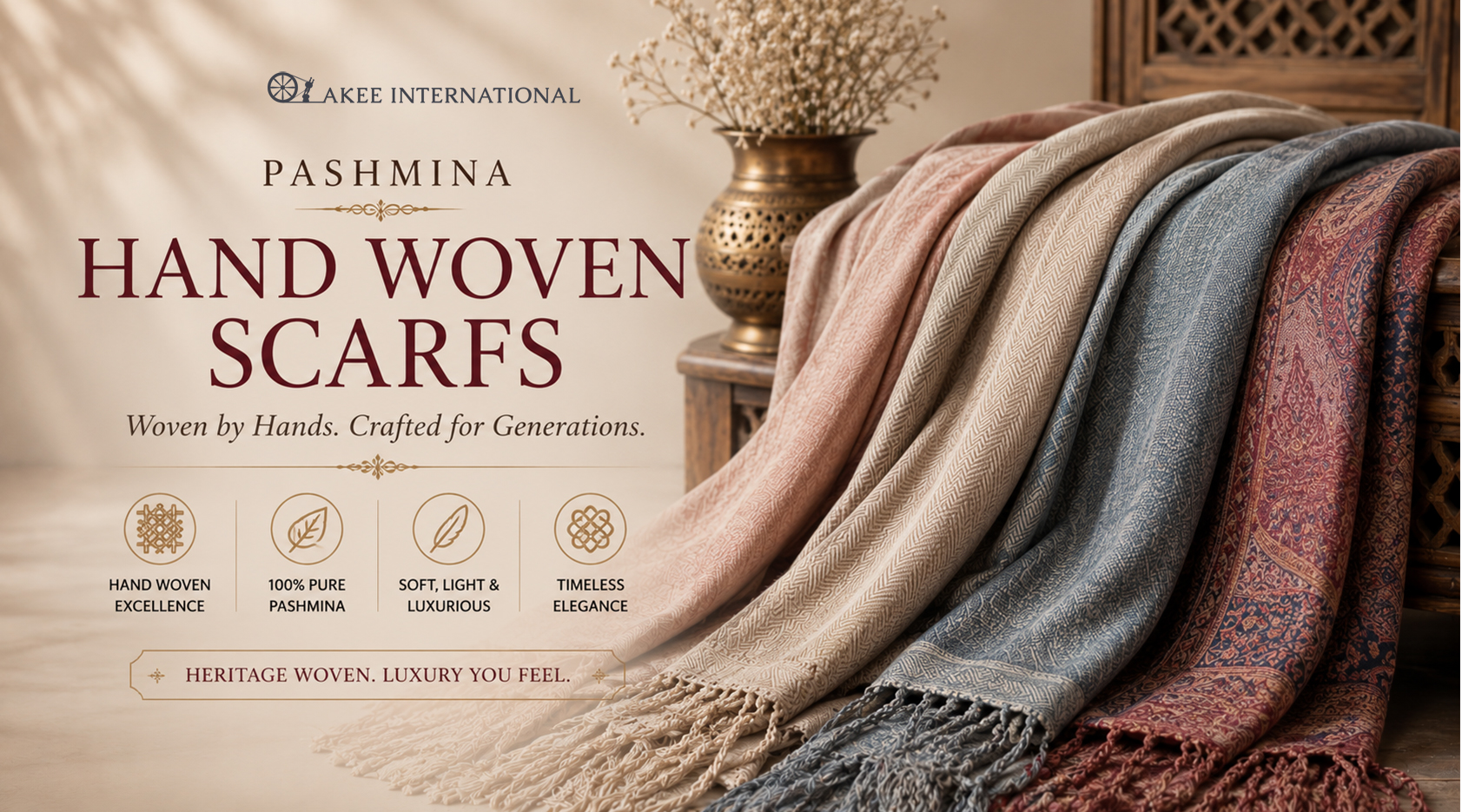
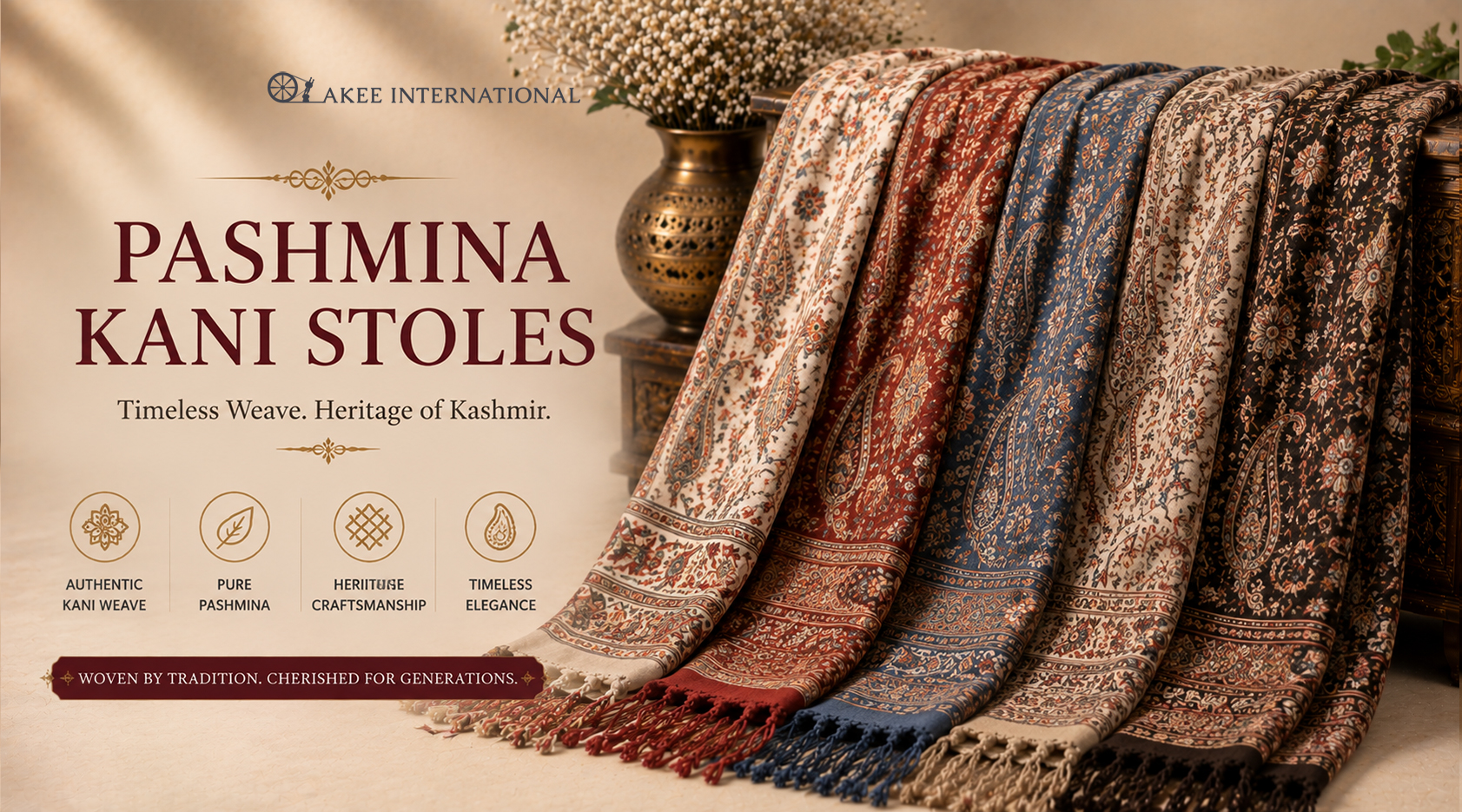
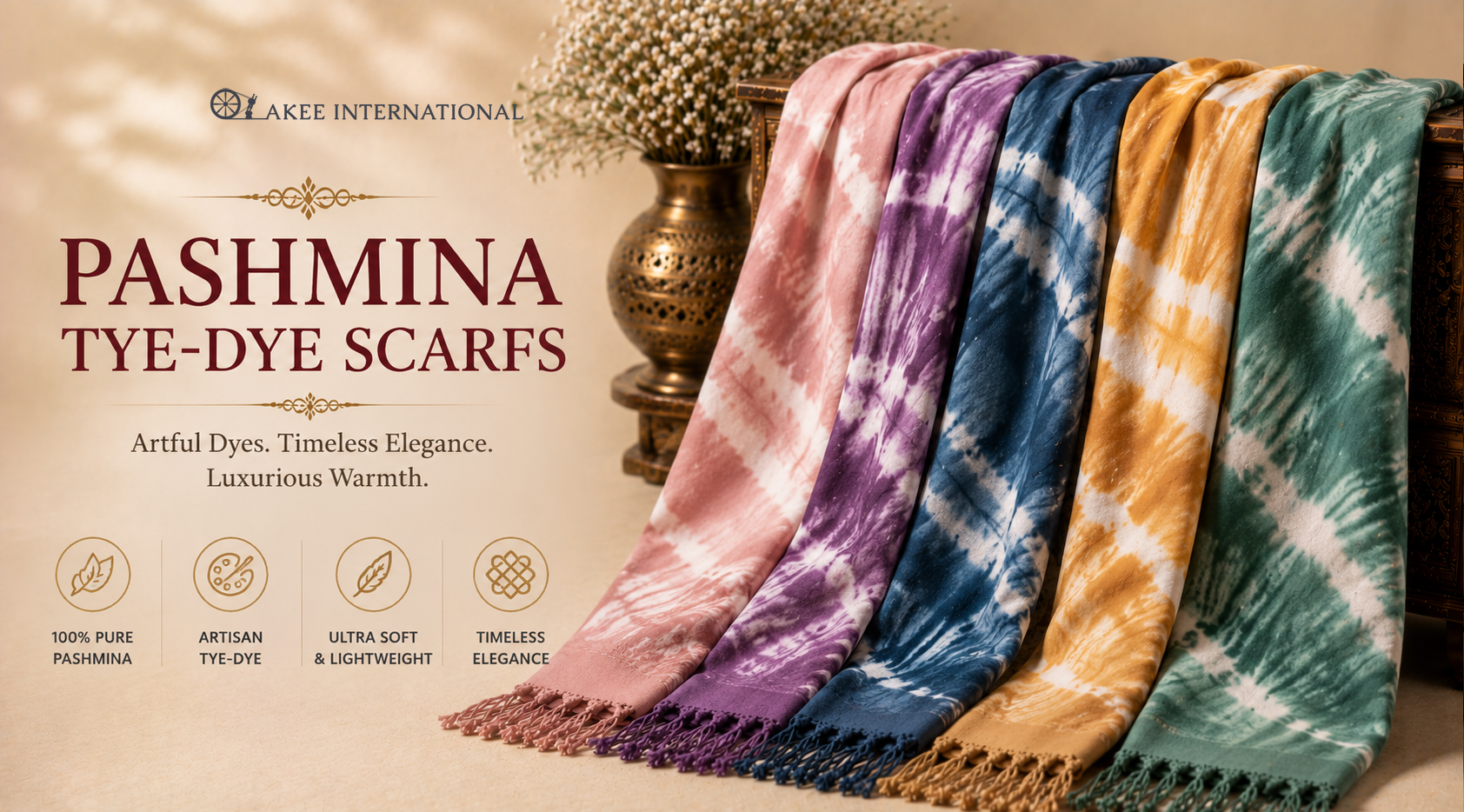
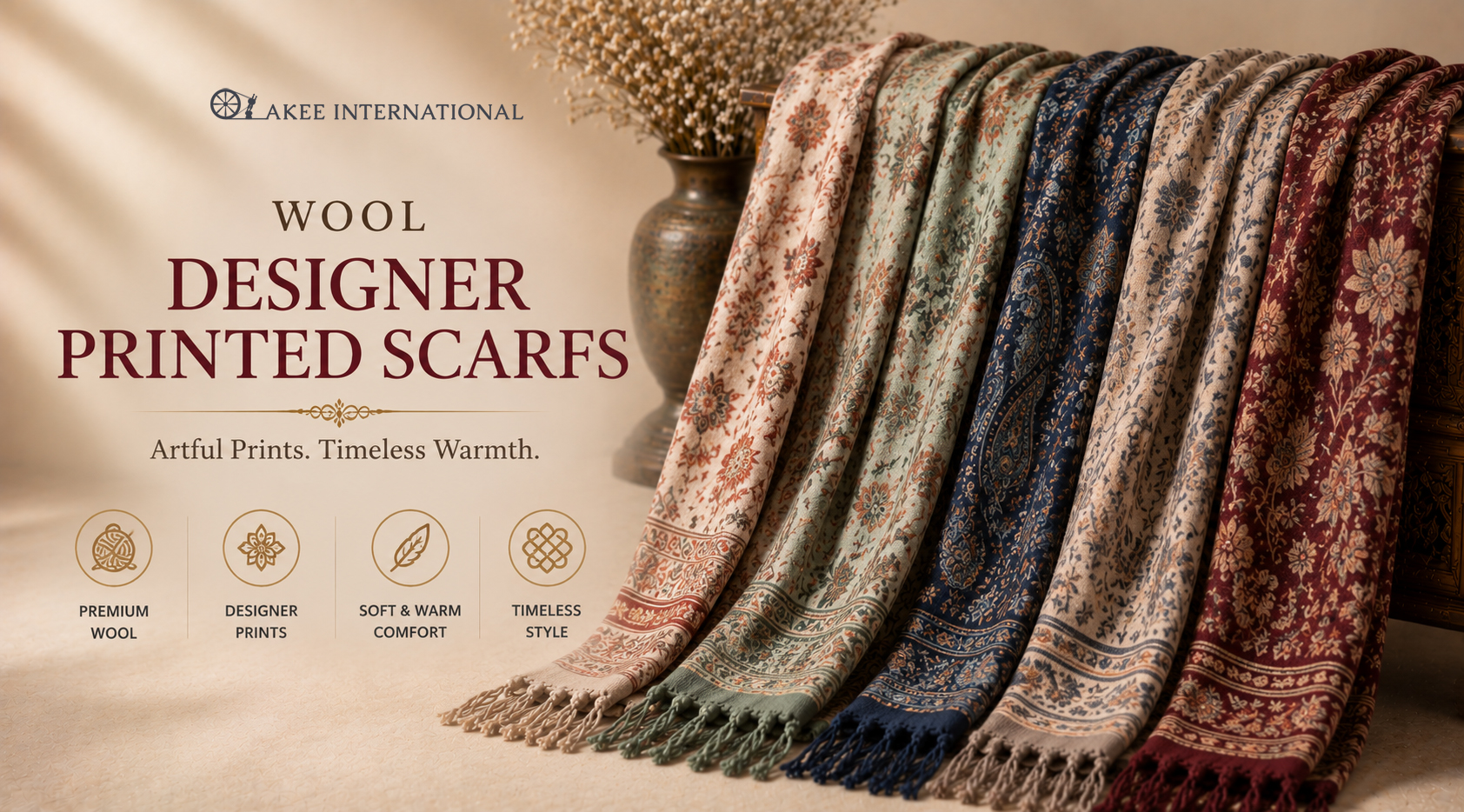
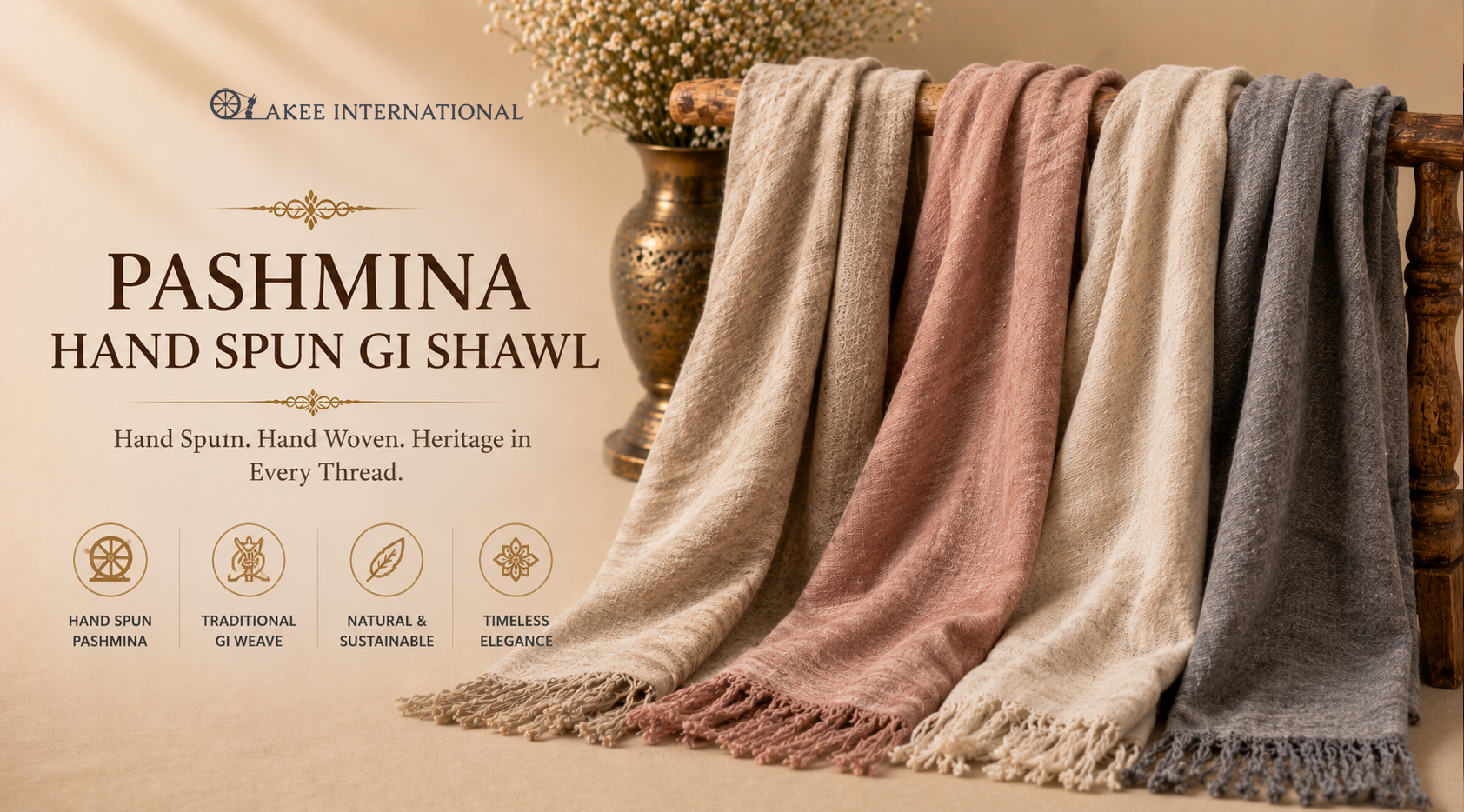
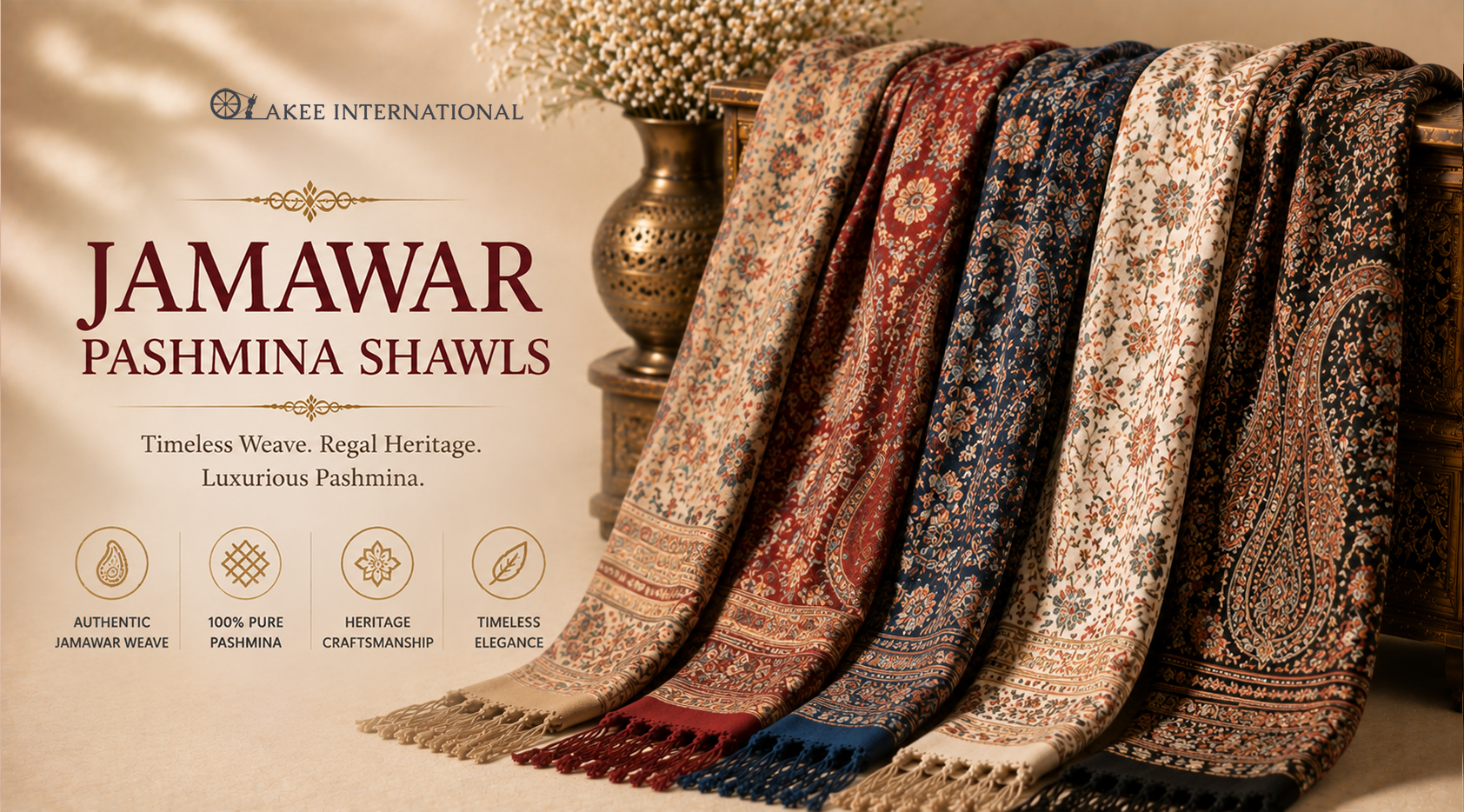
Discover exquisite Pashmina shawls, beautifully crafted with Kashmir’s timeless heritage and artistry.
"Read what our clients say about their experience with Akee International's luxurious Pashmina shawls and impeccable service."

Nai Mata Mandir Road, Thathar Road, Delhi By Pass, Amer, Jaipur 302028, Rajasthan India
Get directions Call Now Whatsapp 4.9 based on 269 reviews

Rating: 4.6/5 | 85 Reviews

Rating: 4.9/5 | 269 Reviews

TrustScore: 4.9 | 100 Reviews