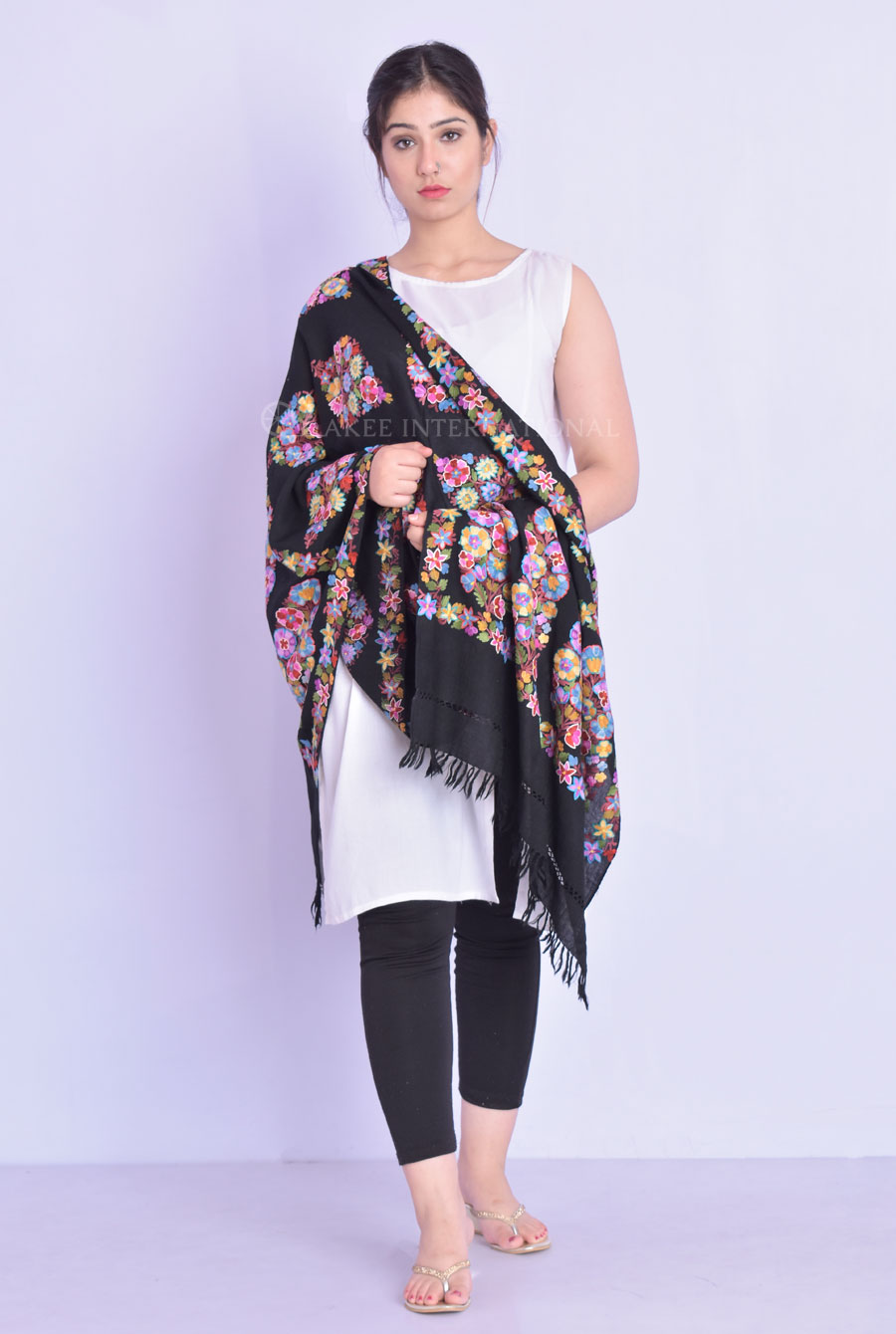
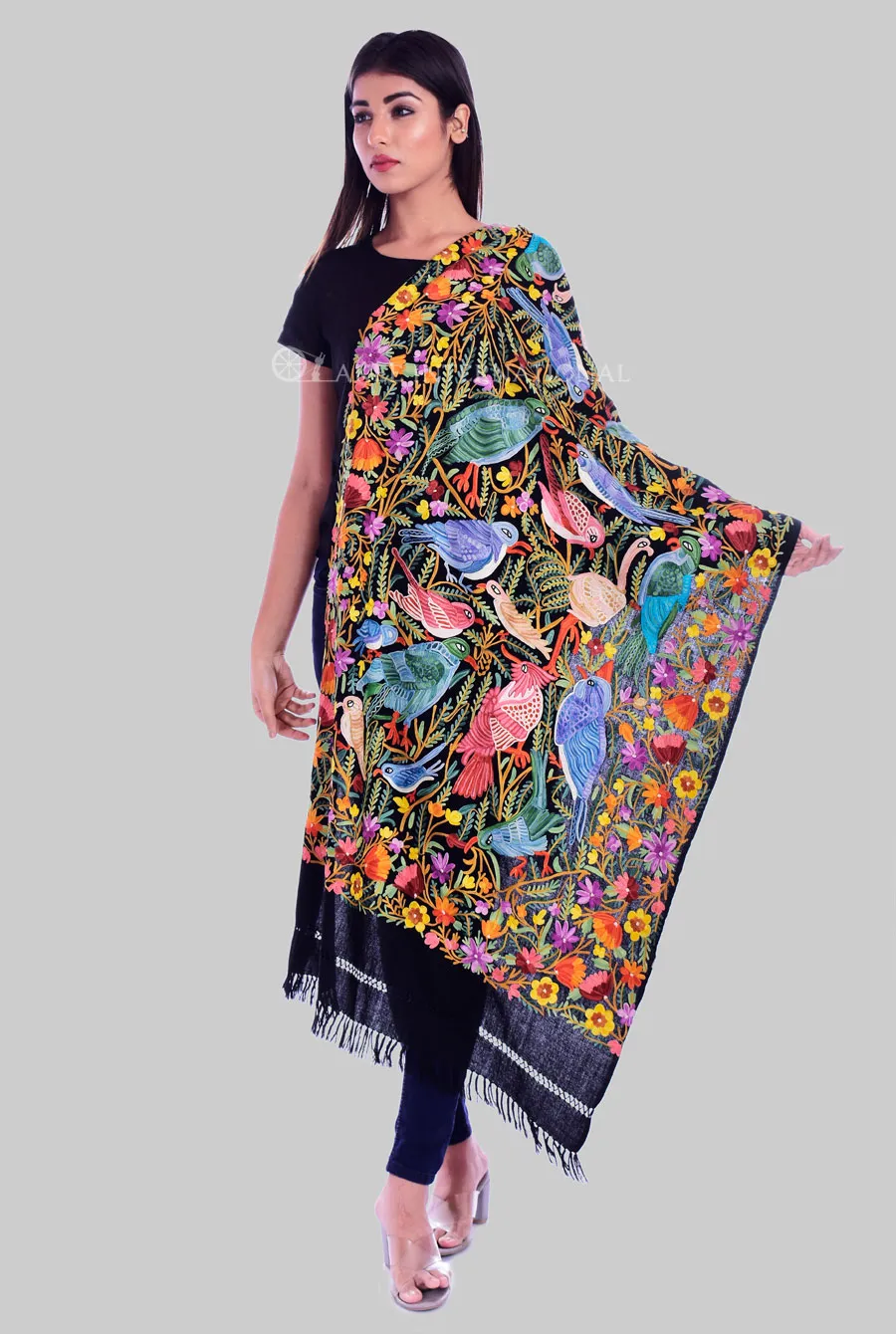
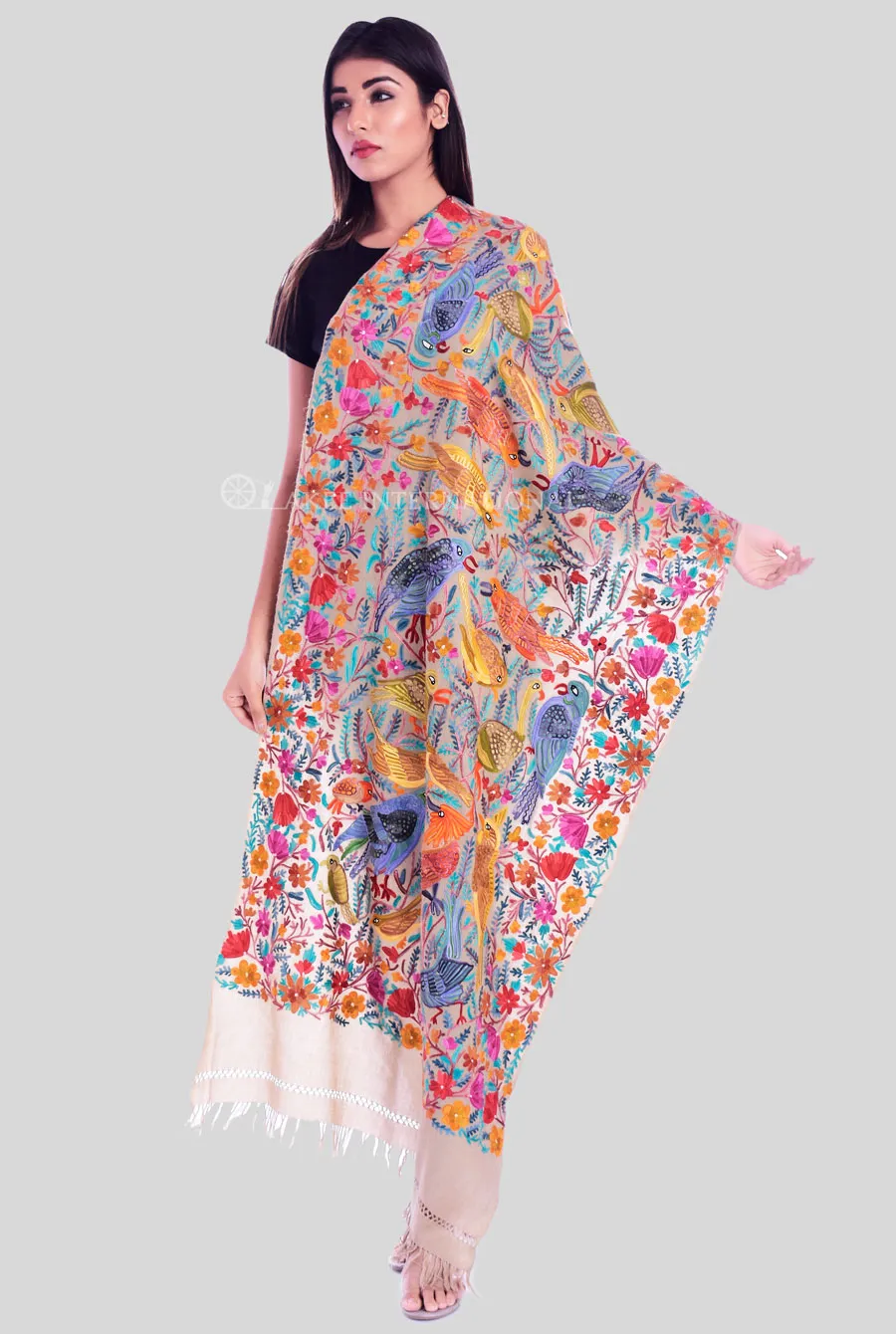
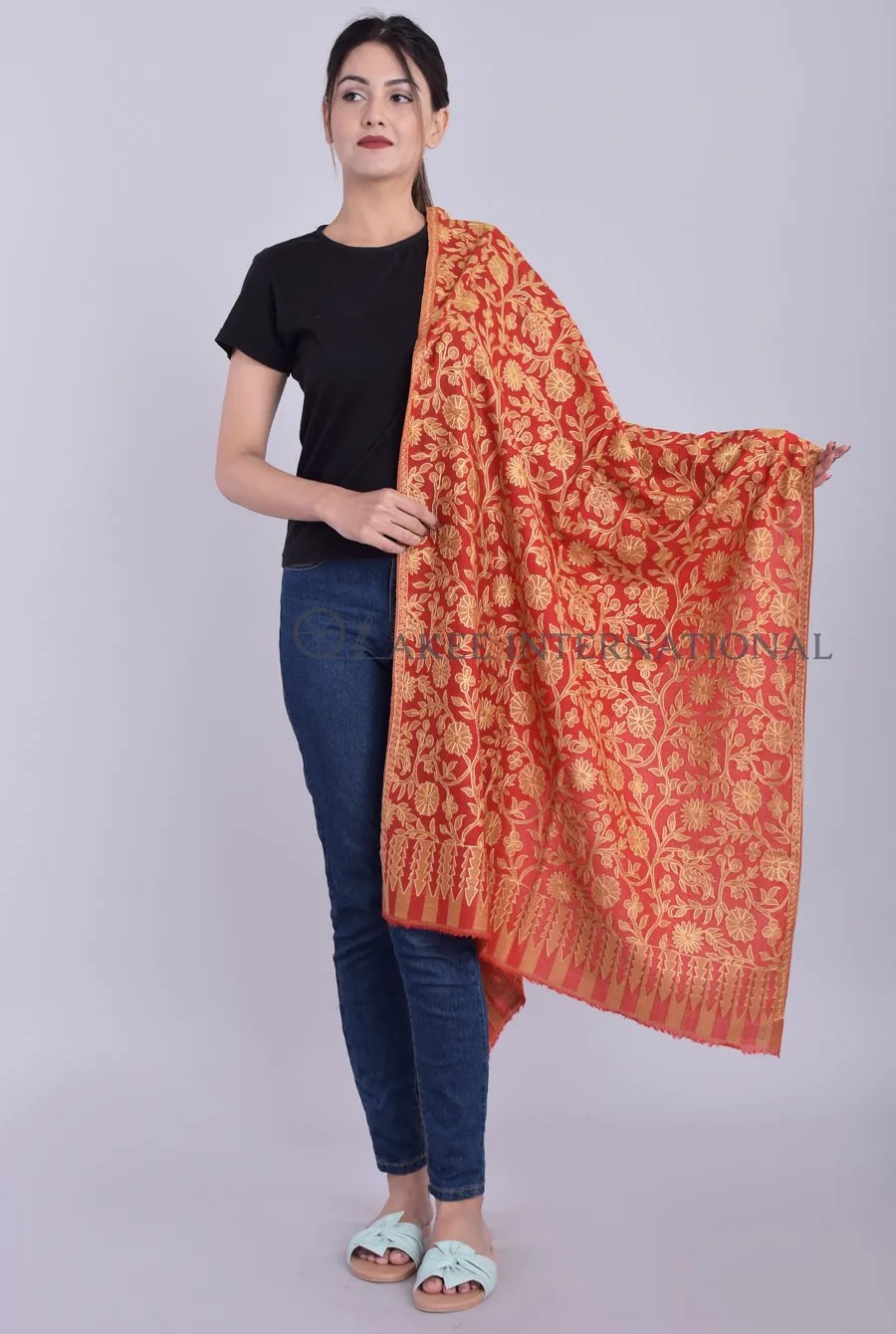
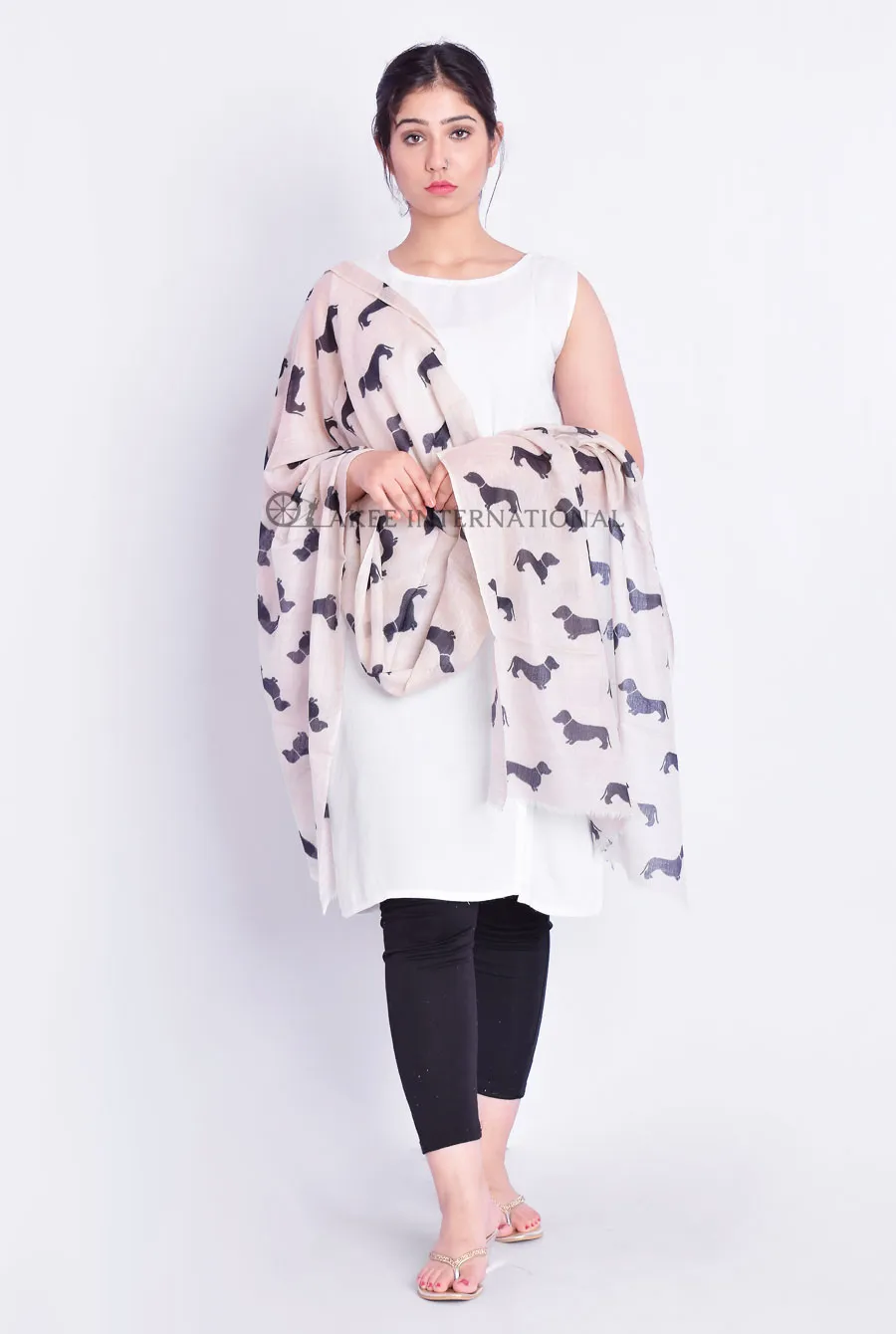
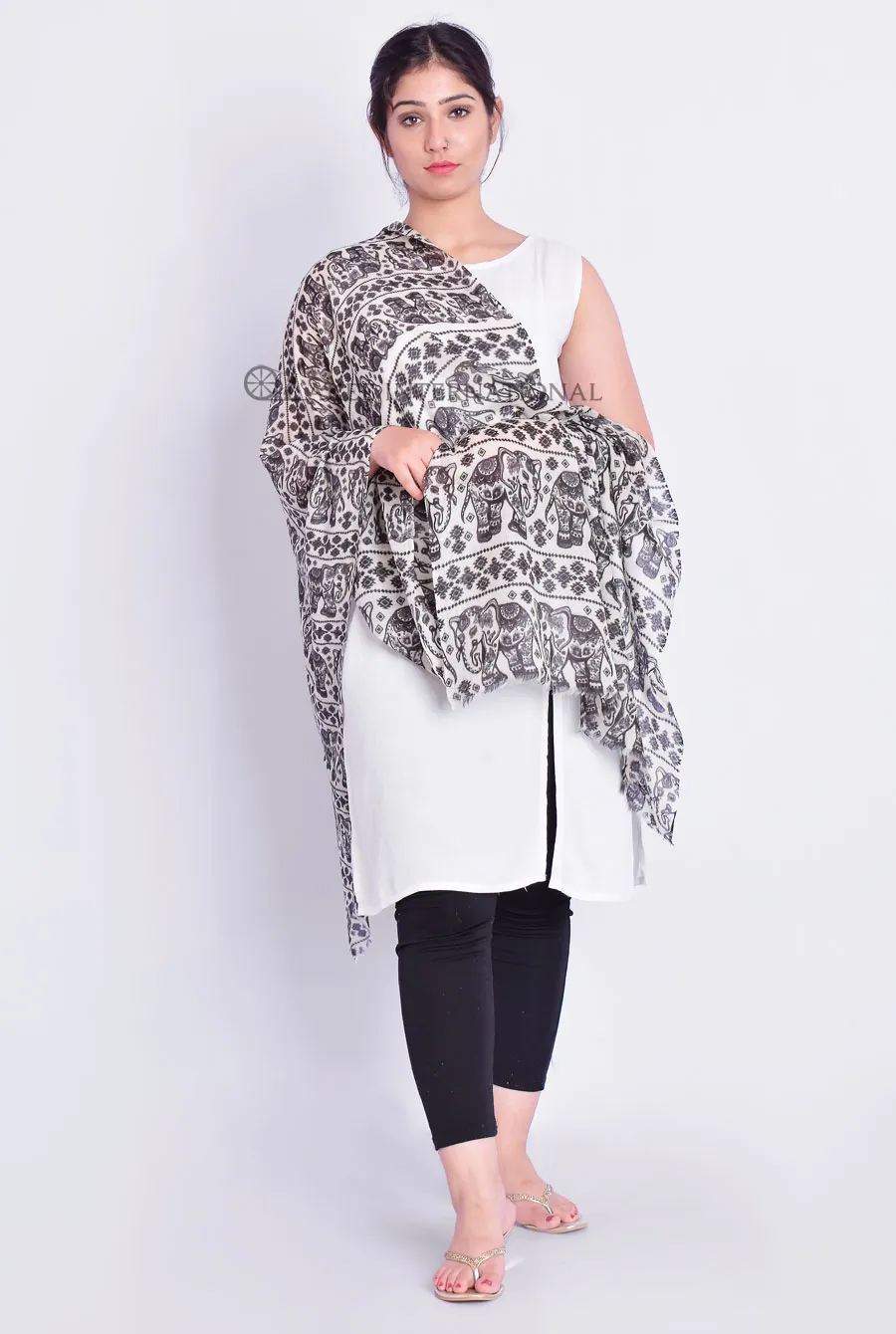
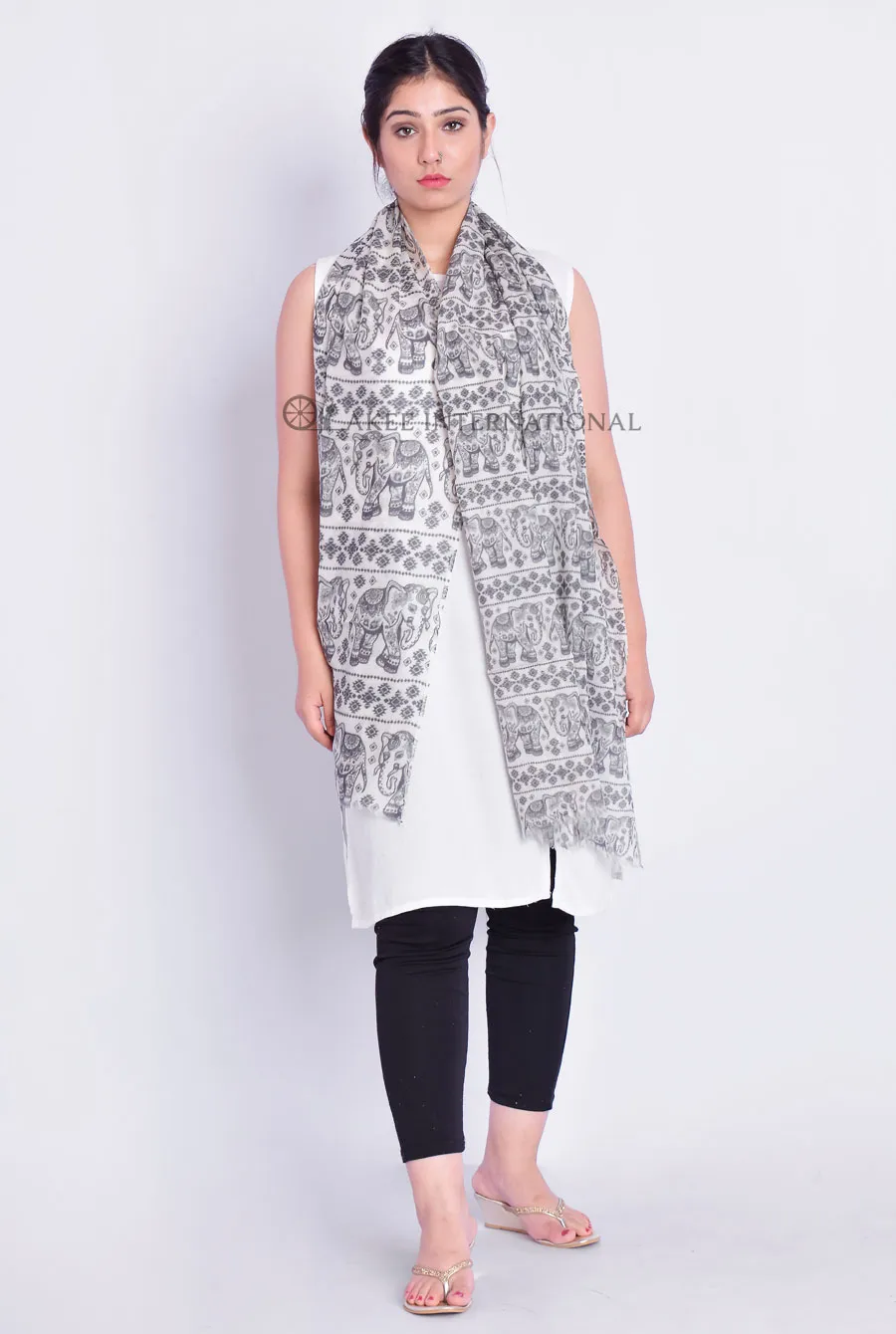
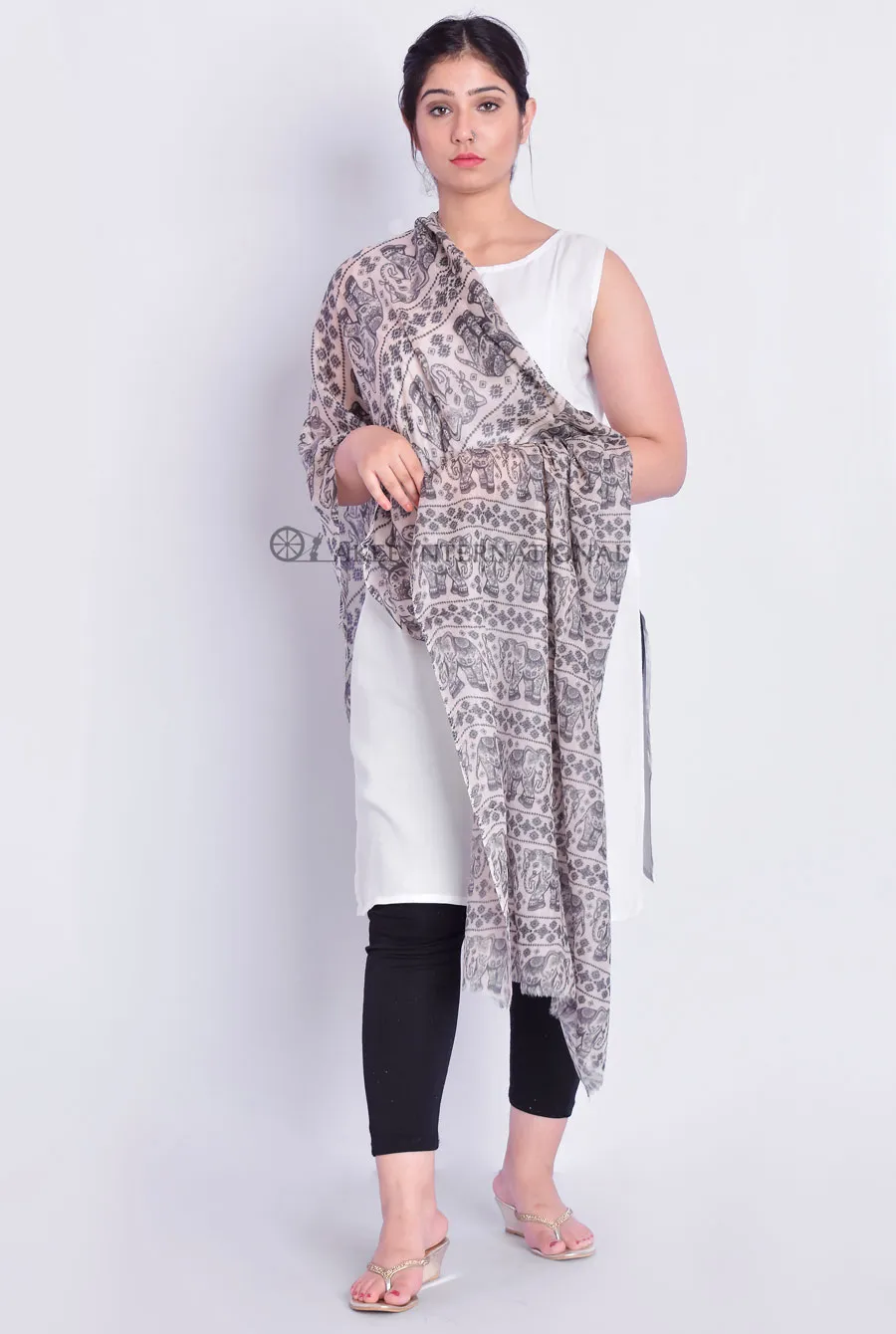
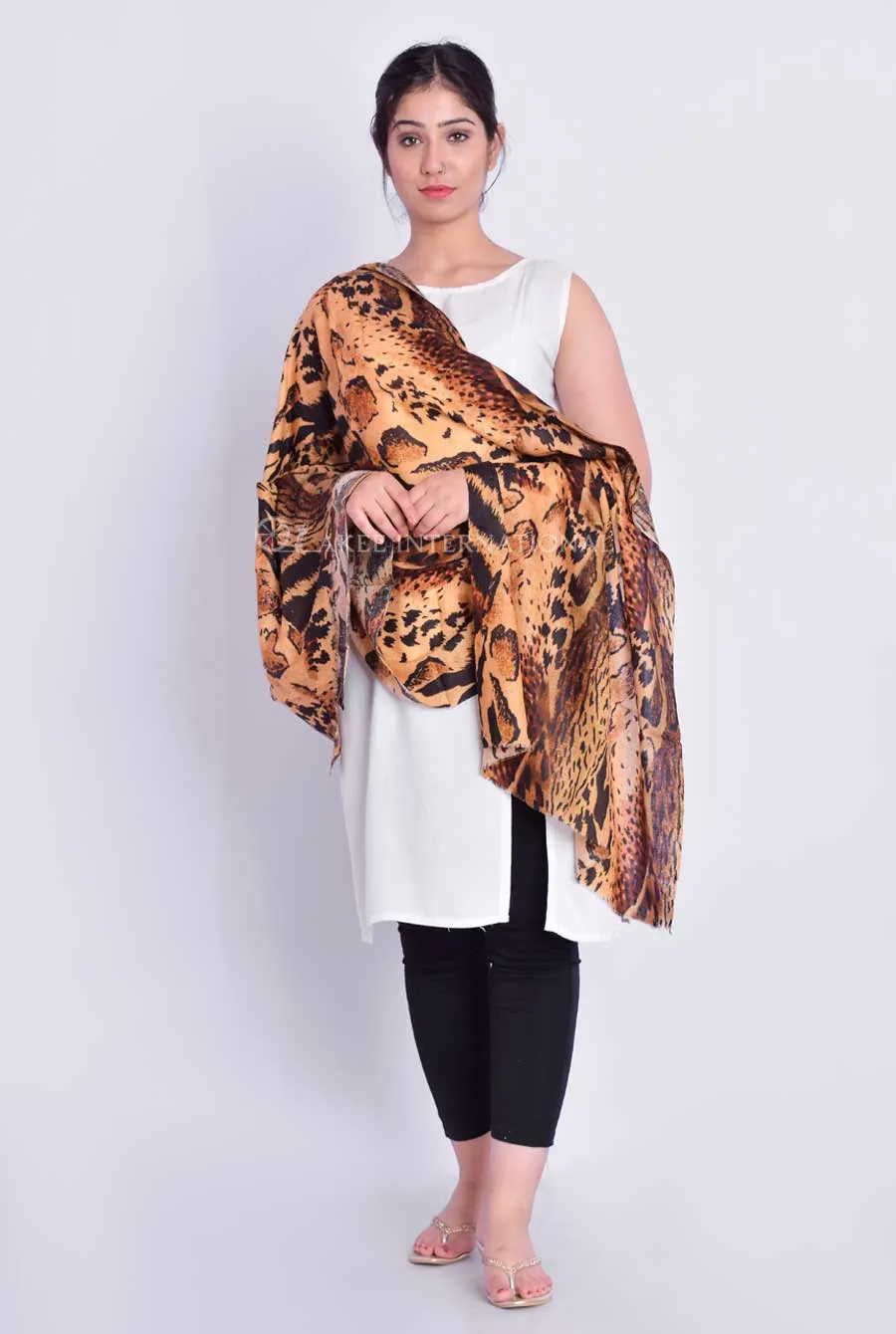
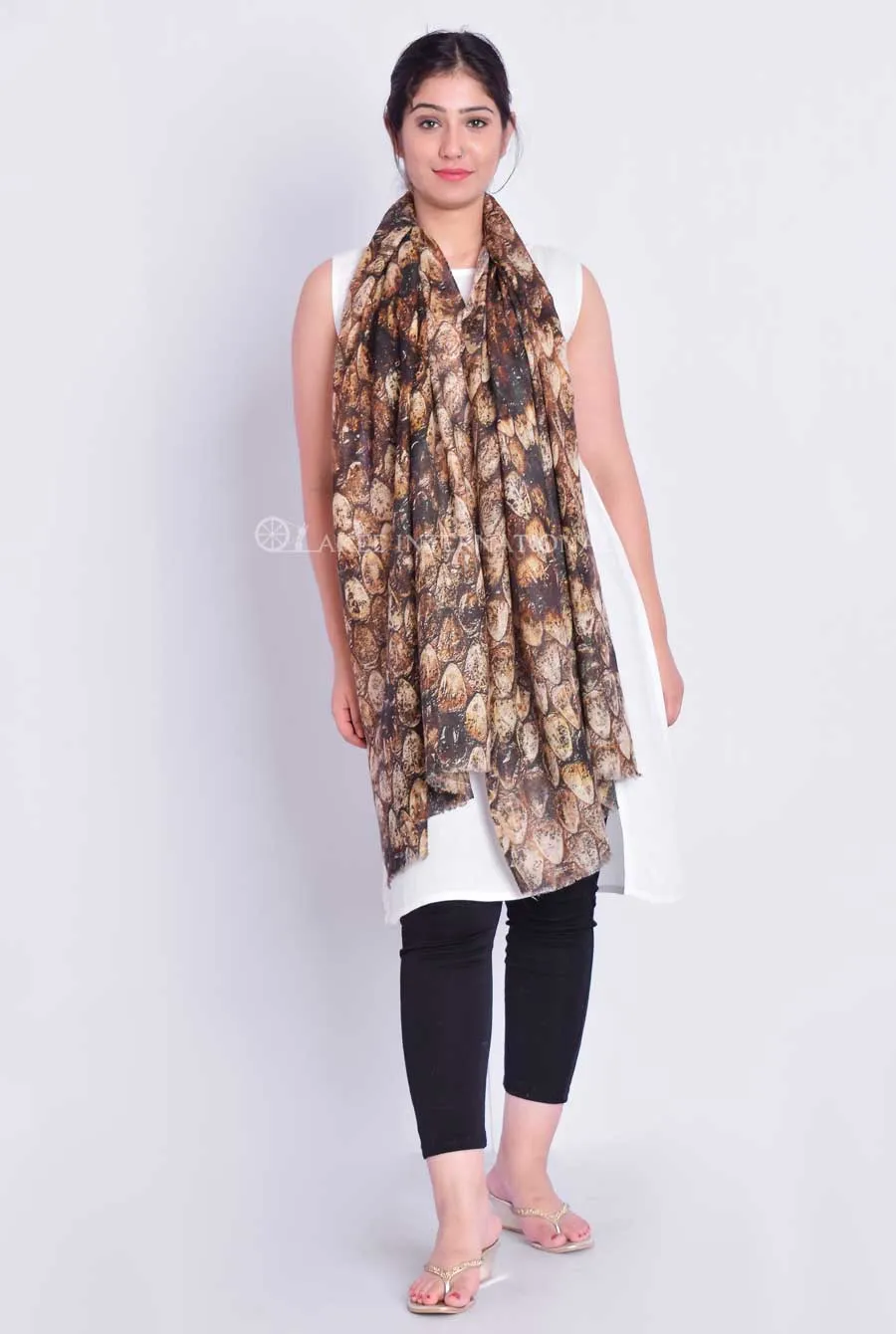
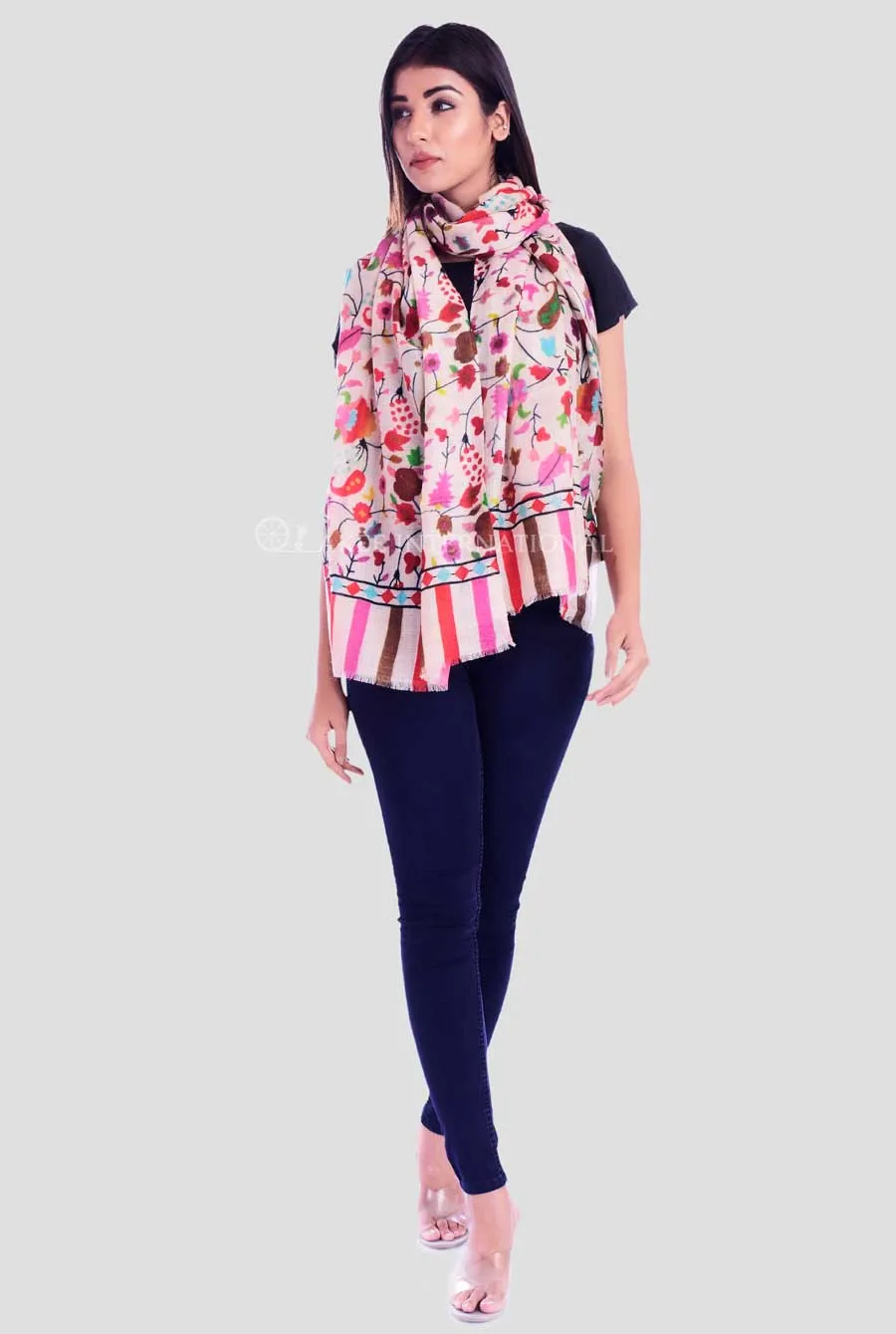
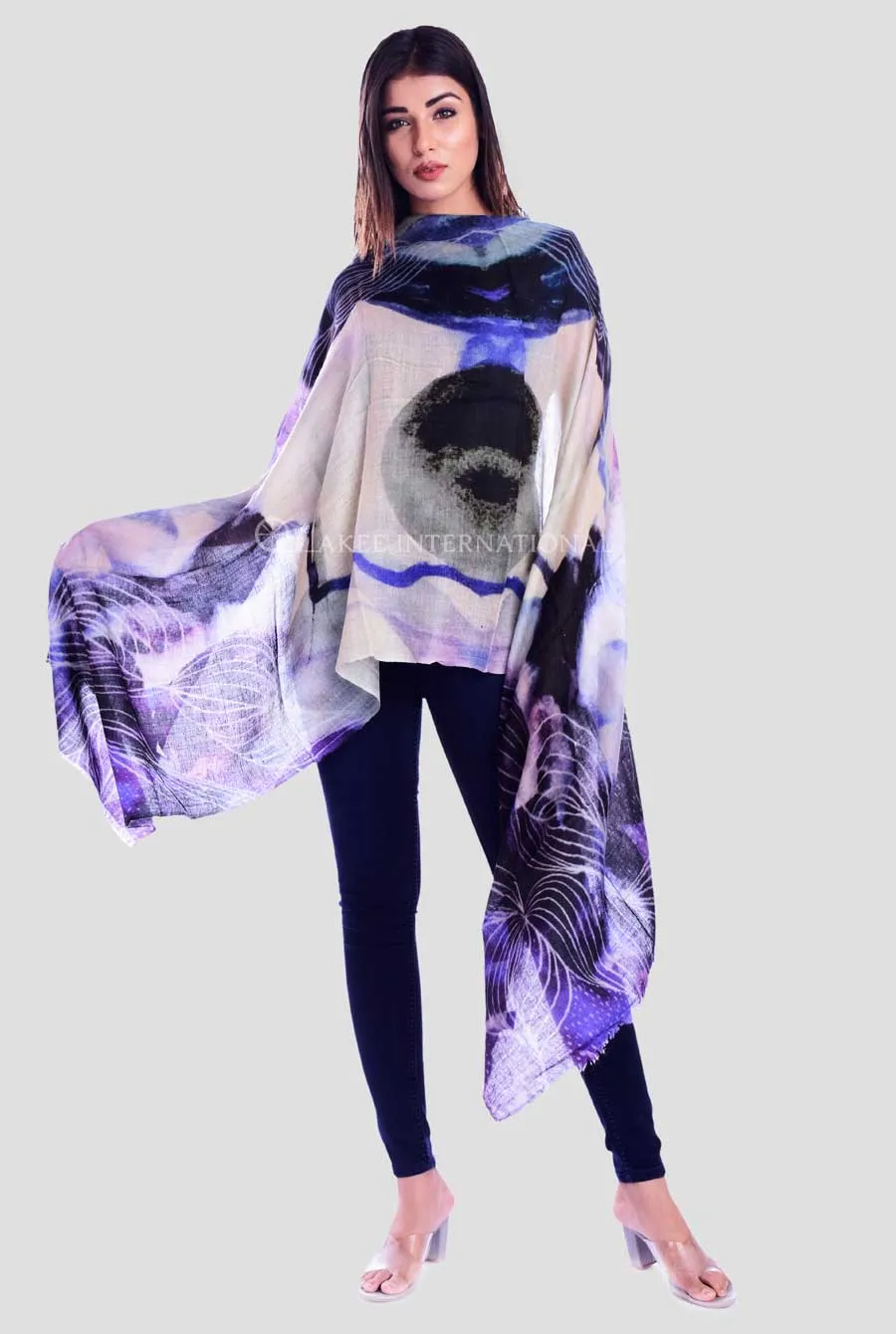
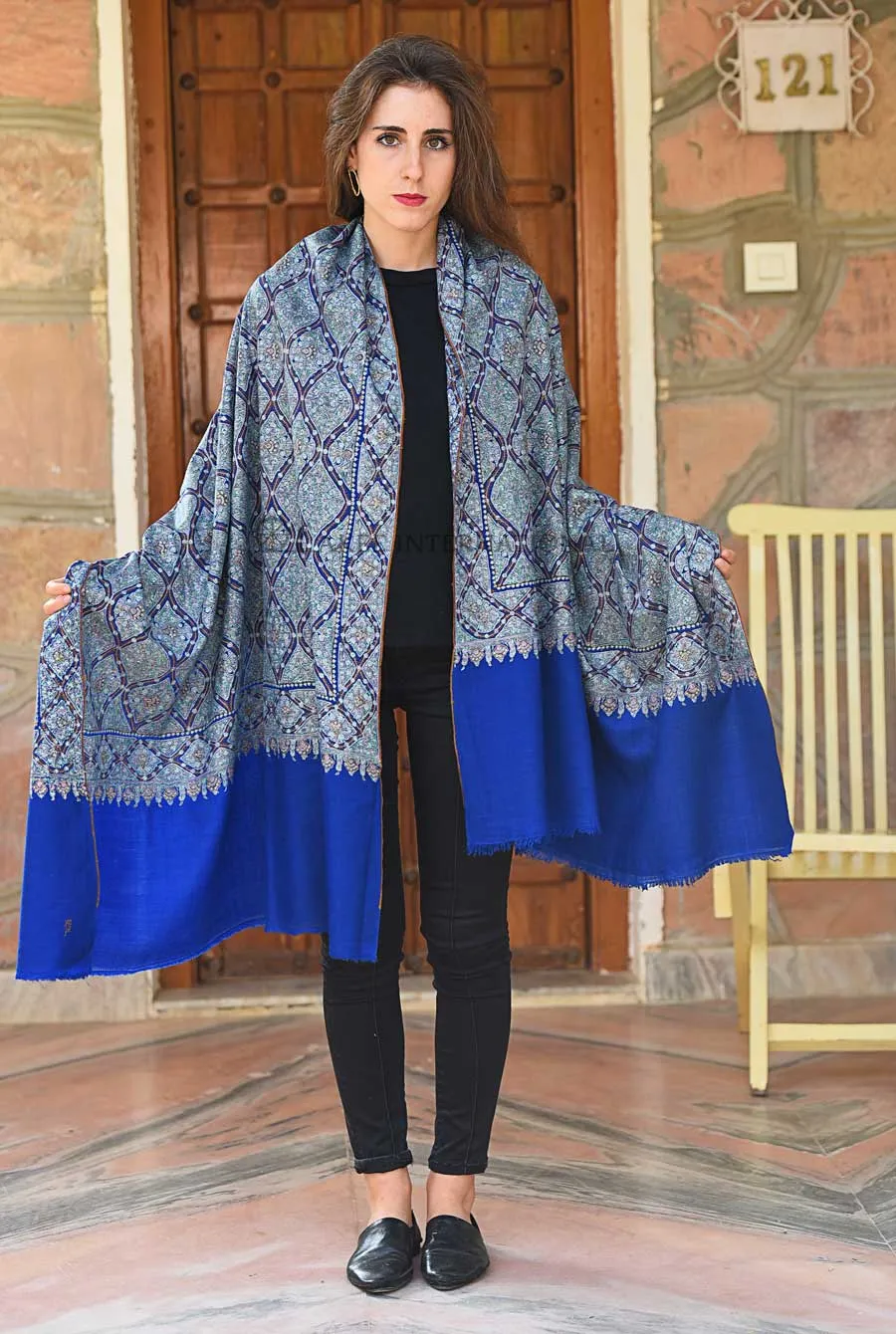
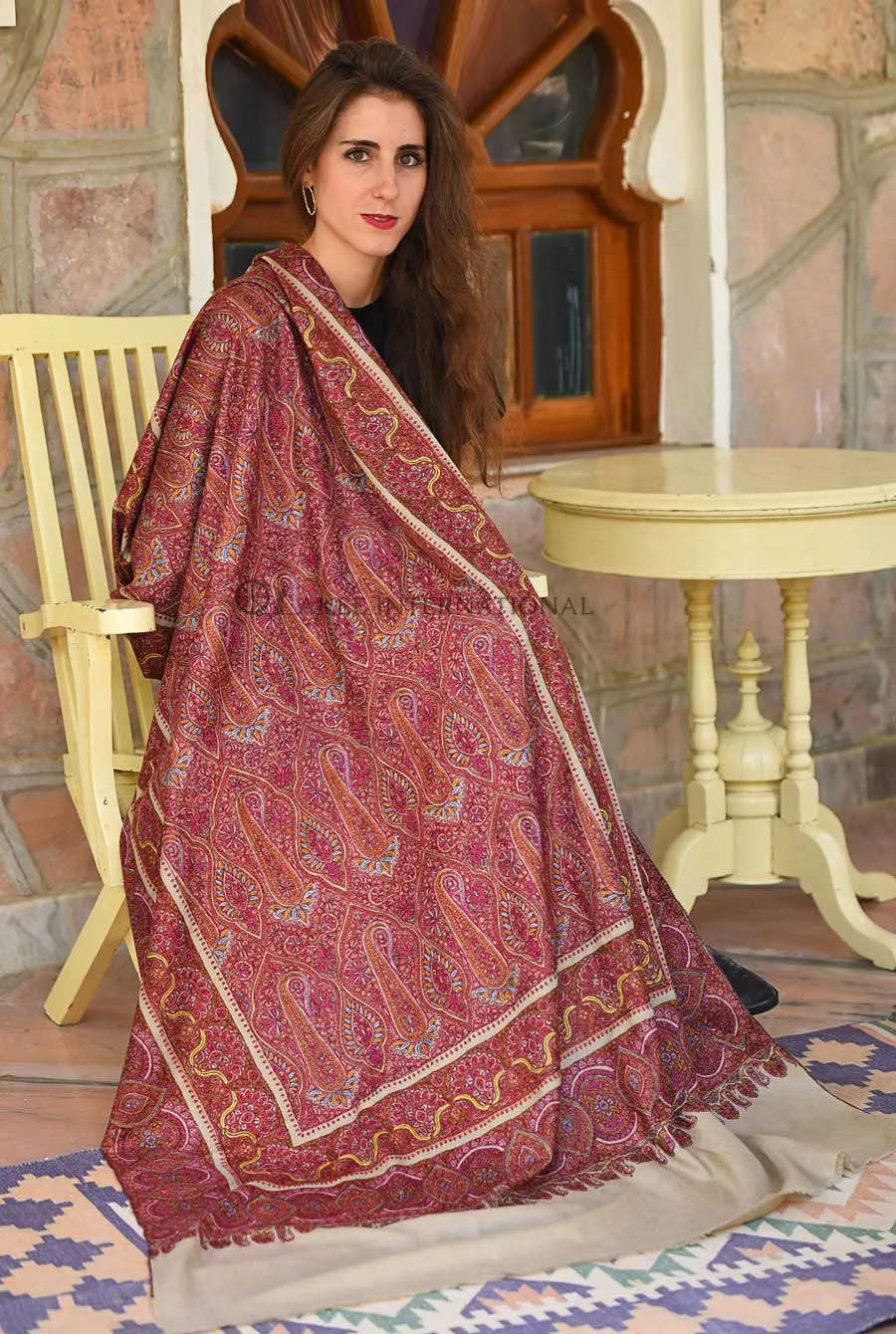
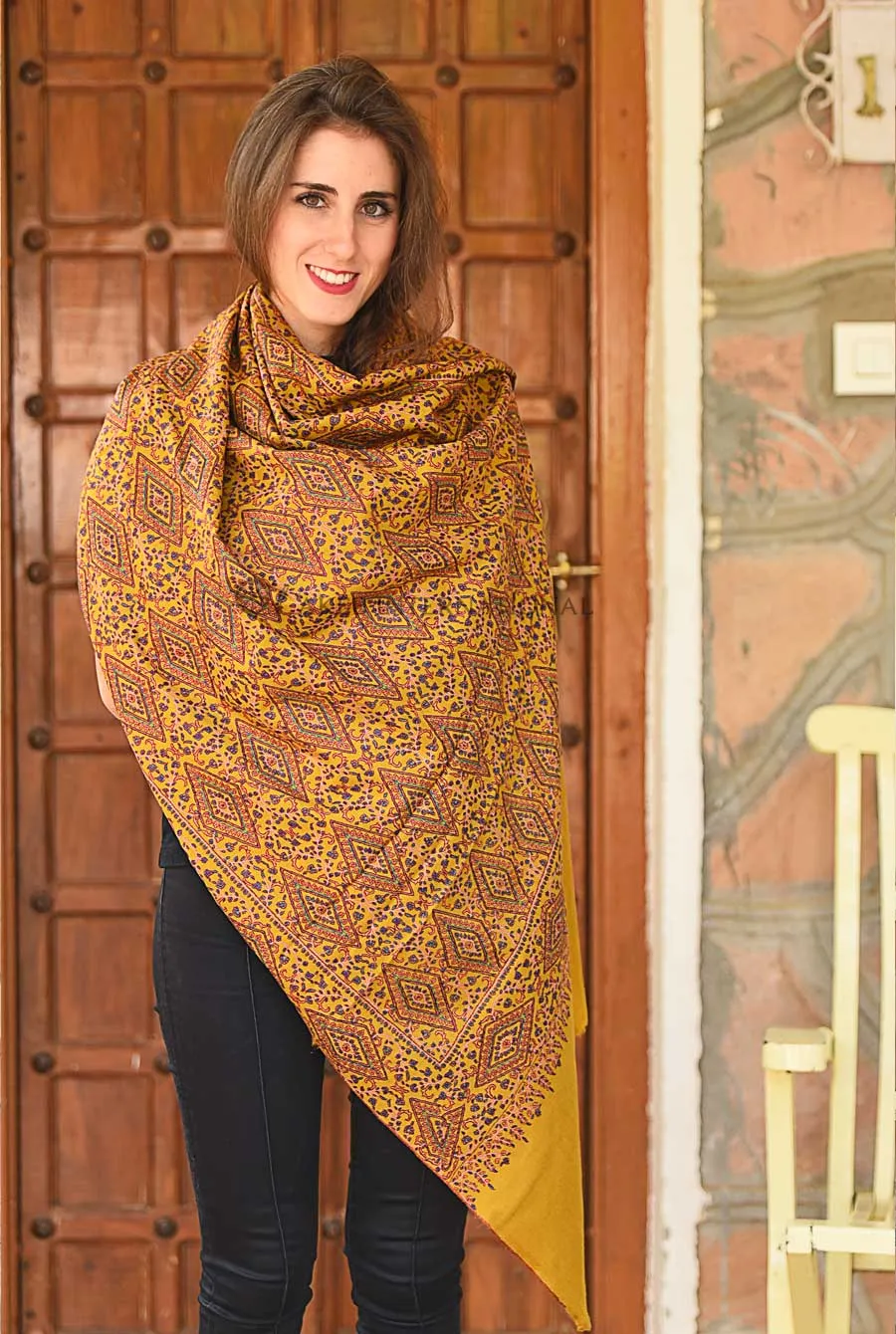
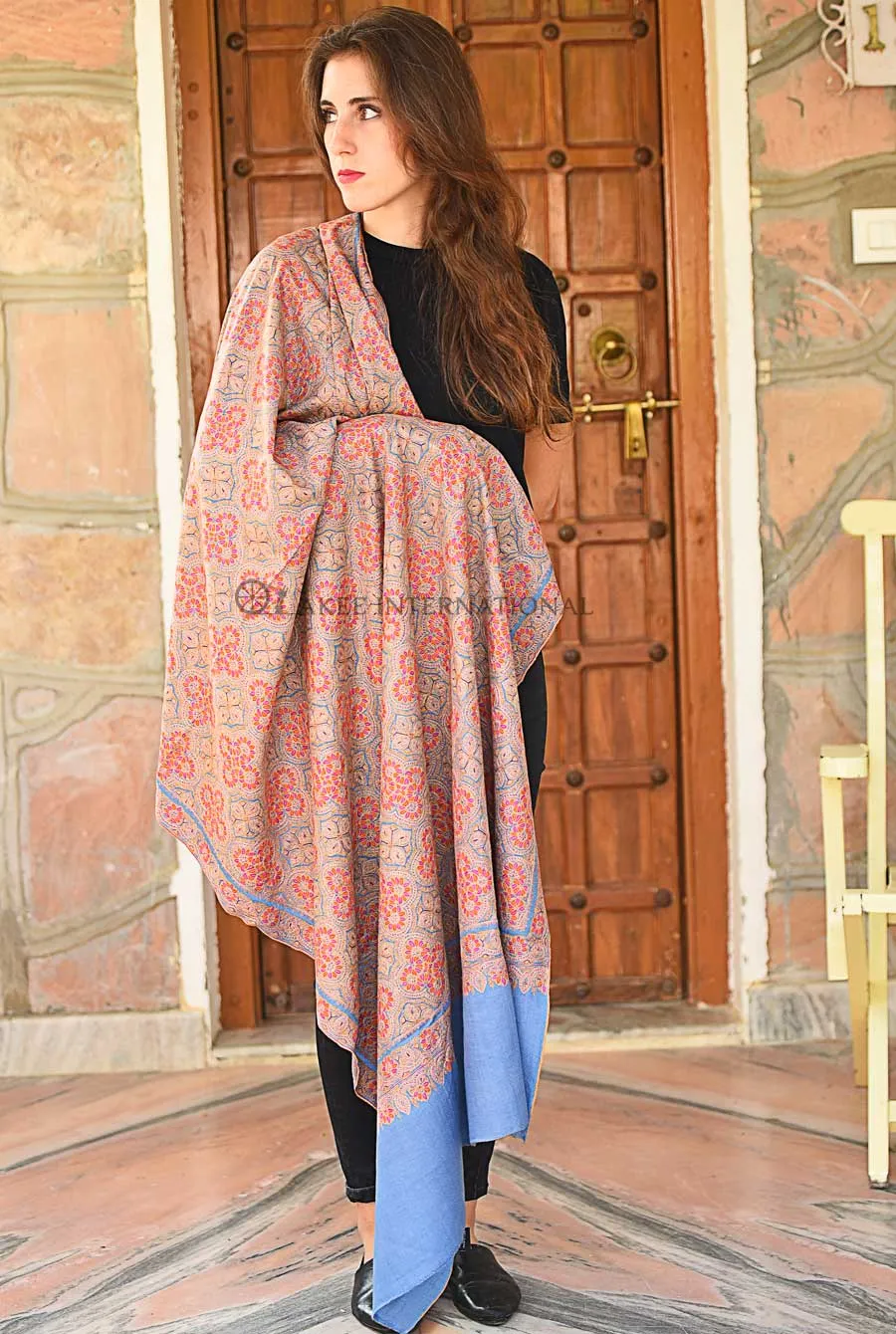
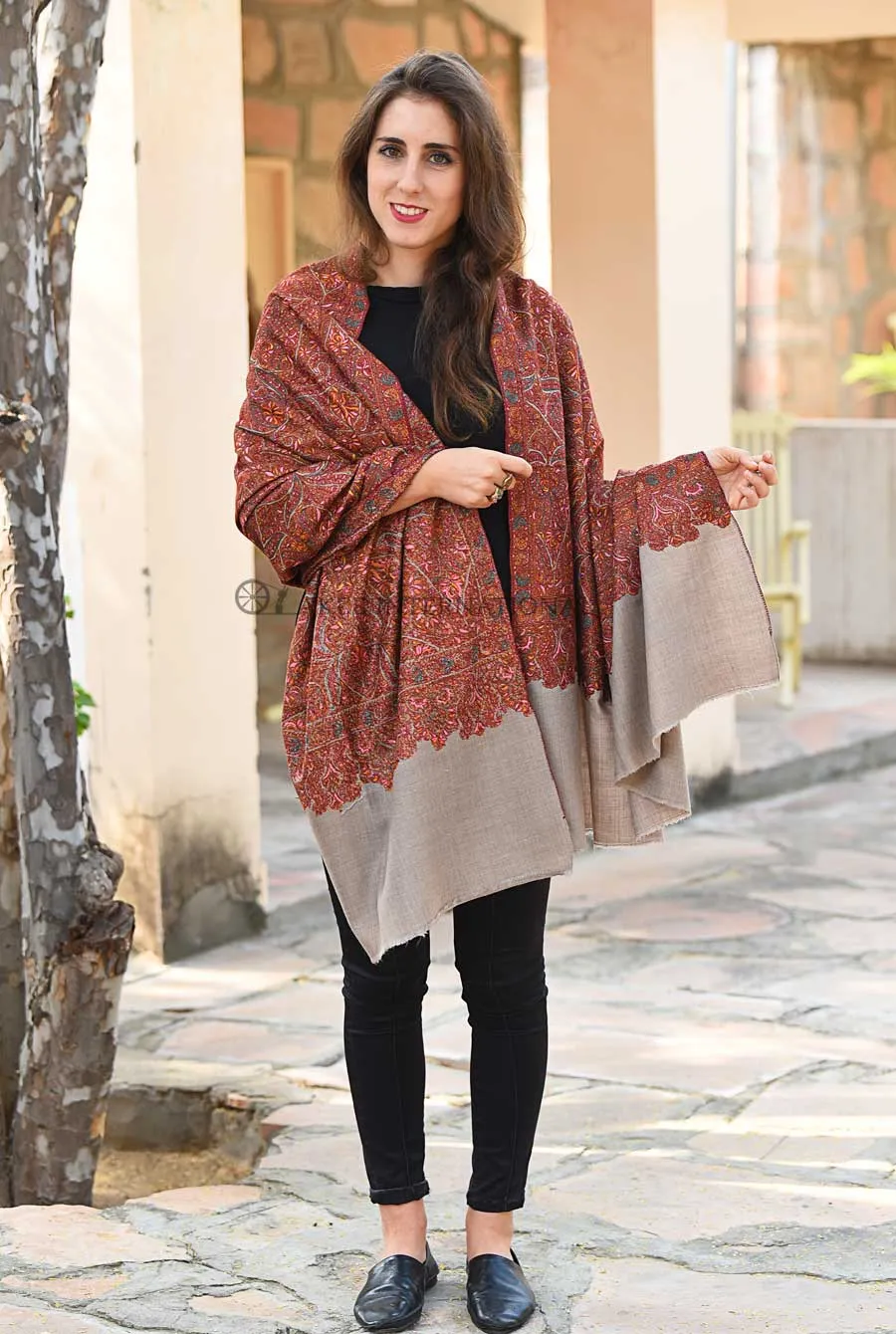
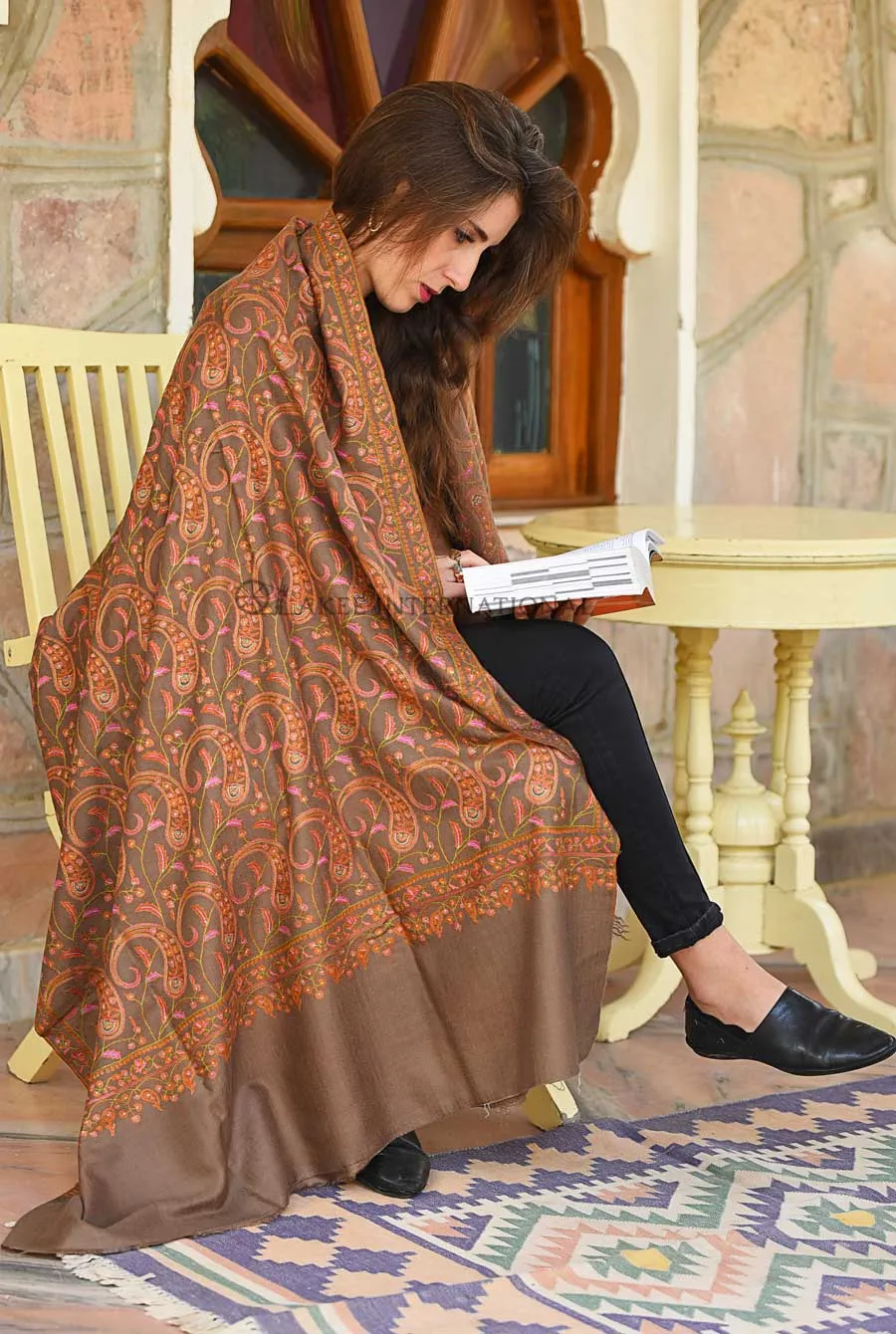
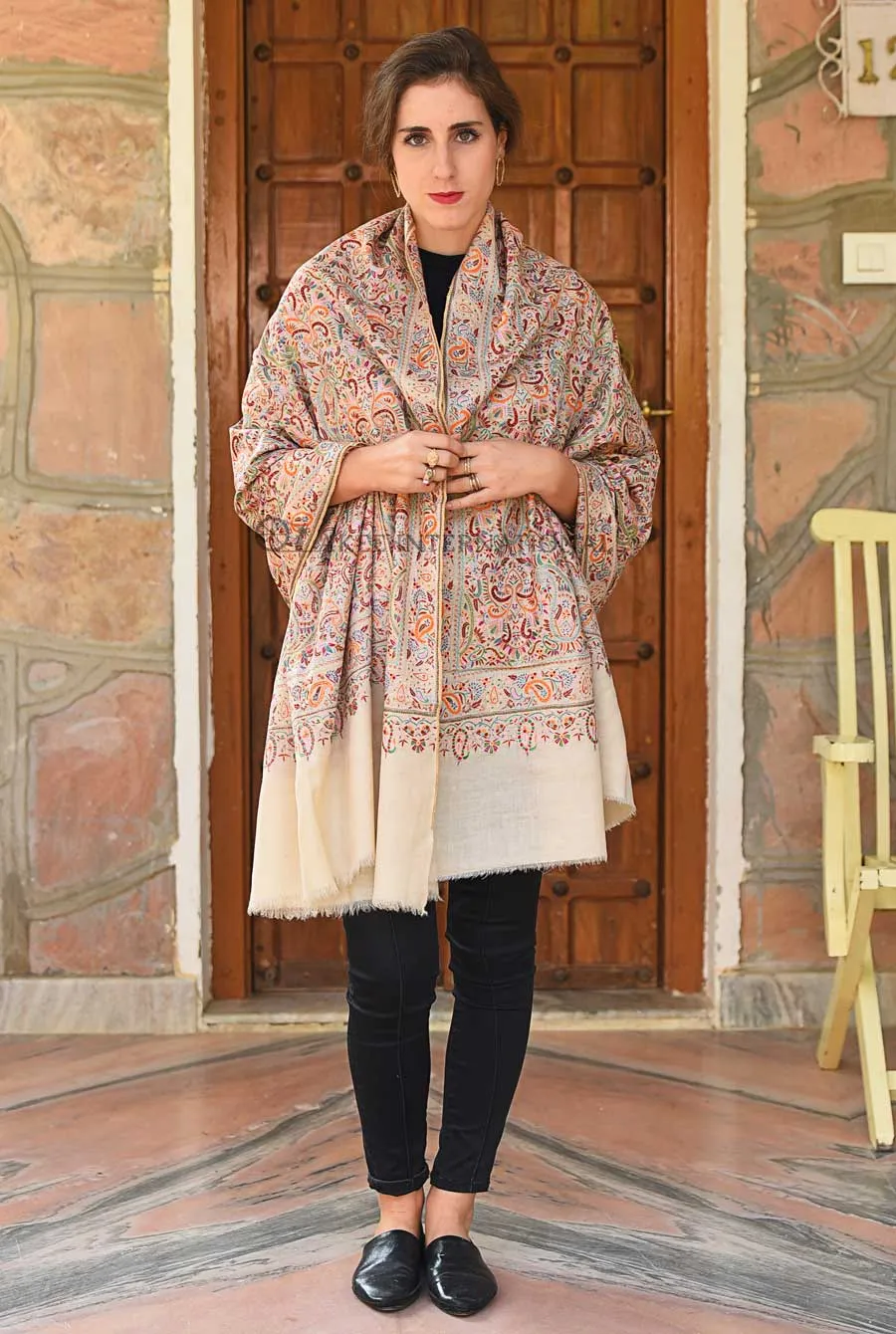
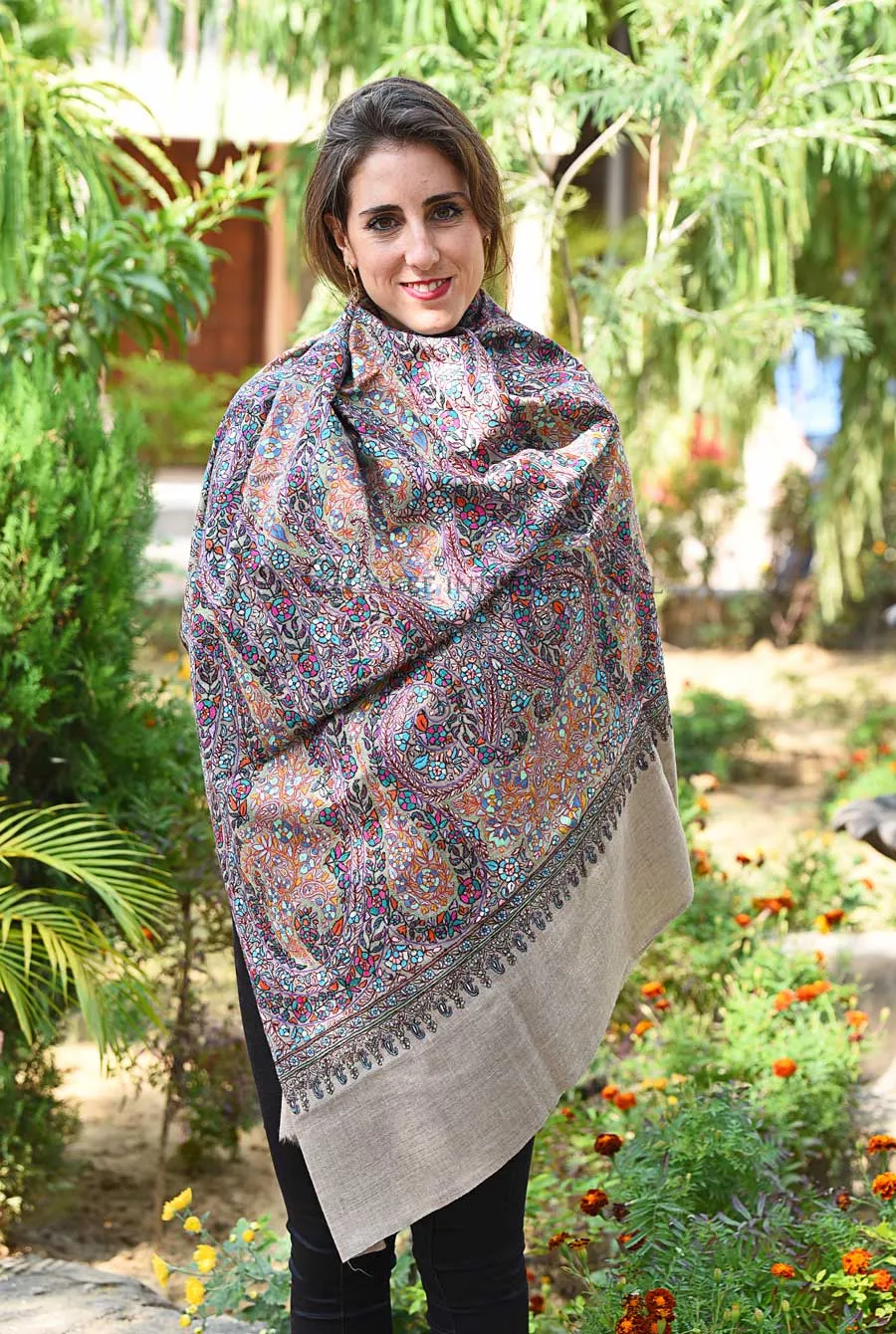
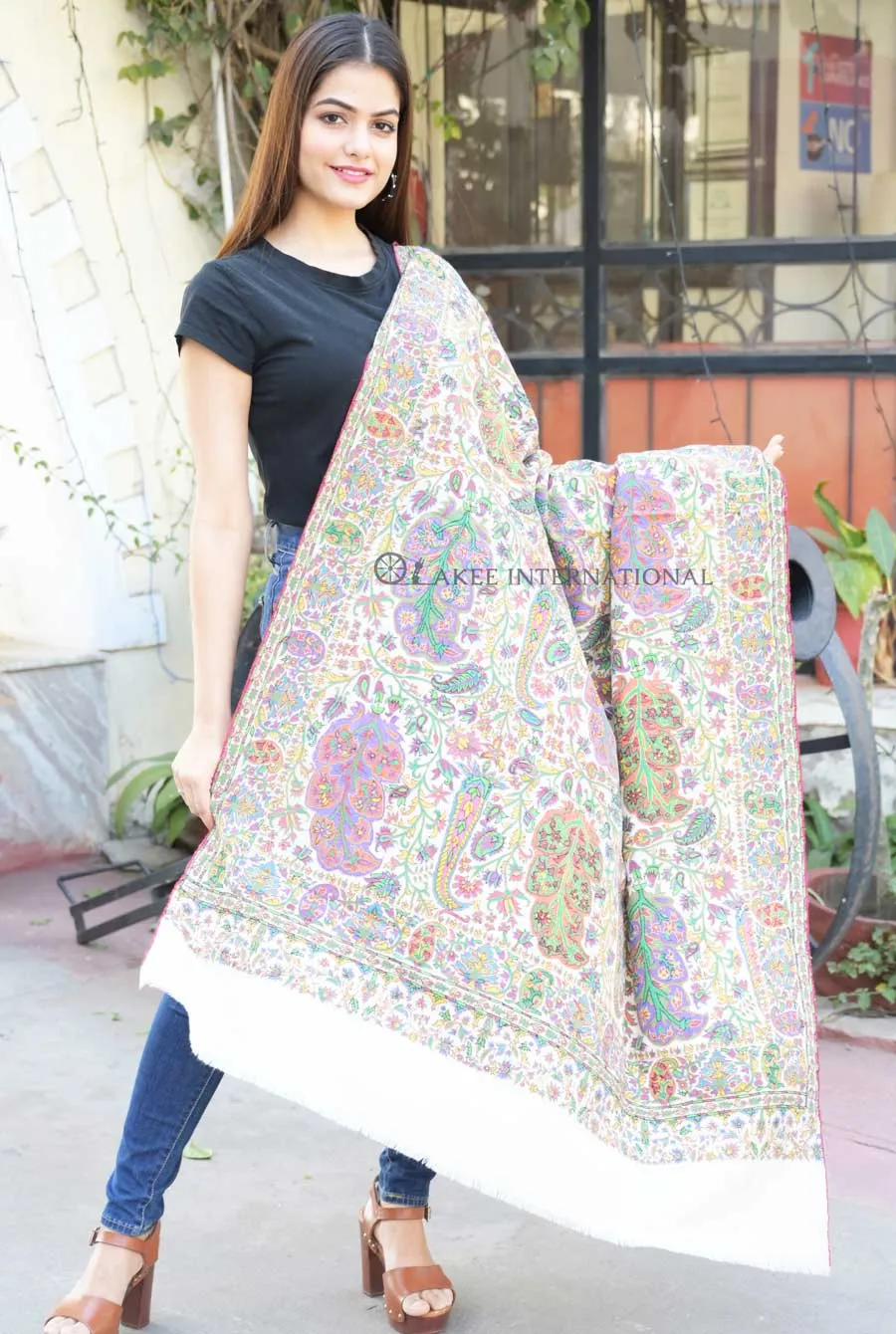
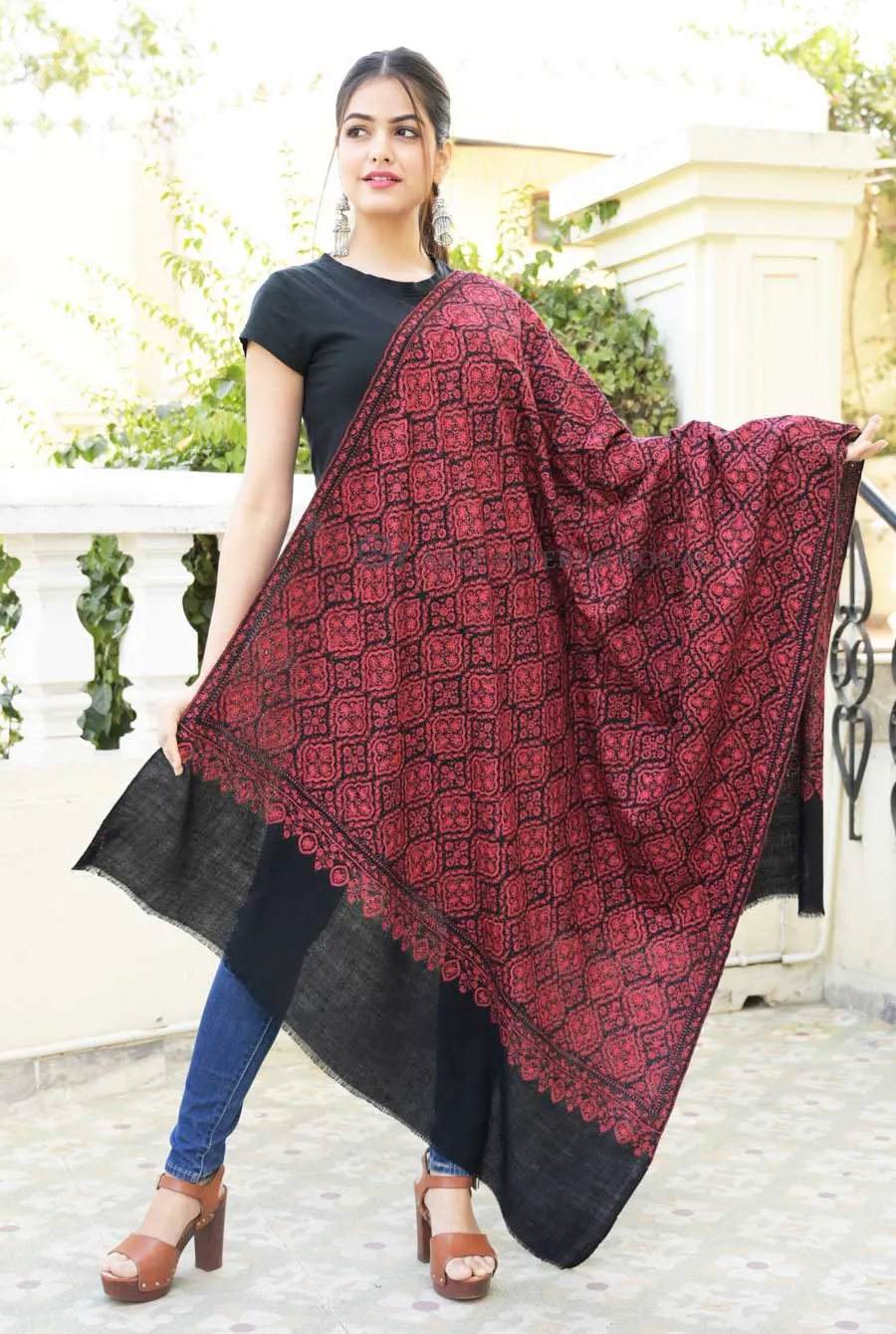
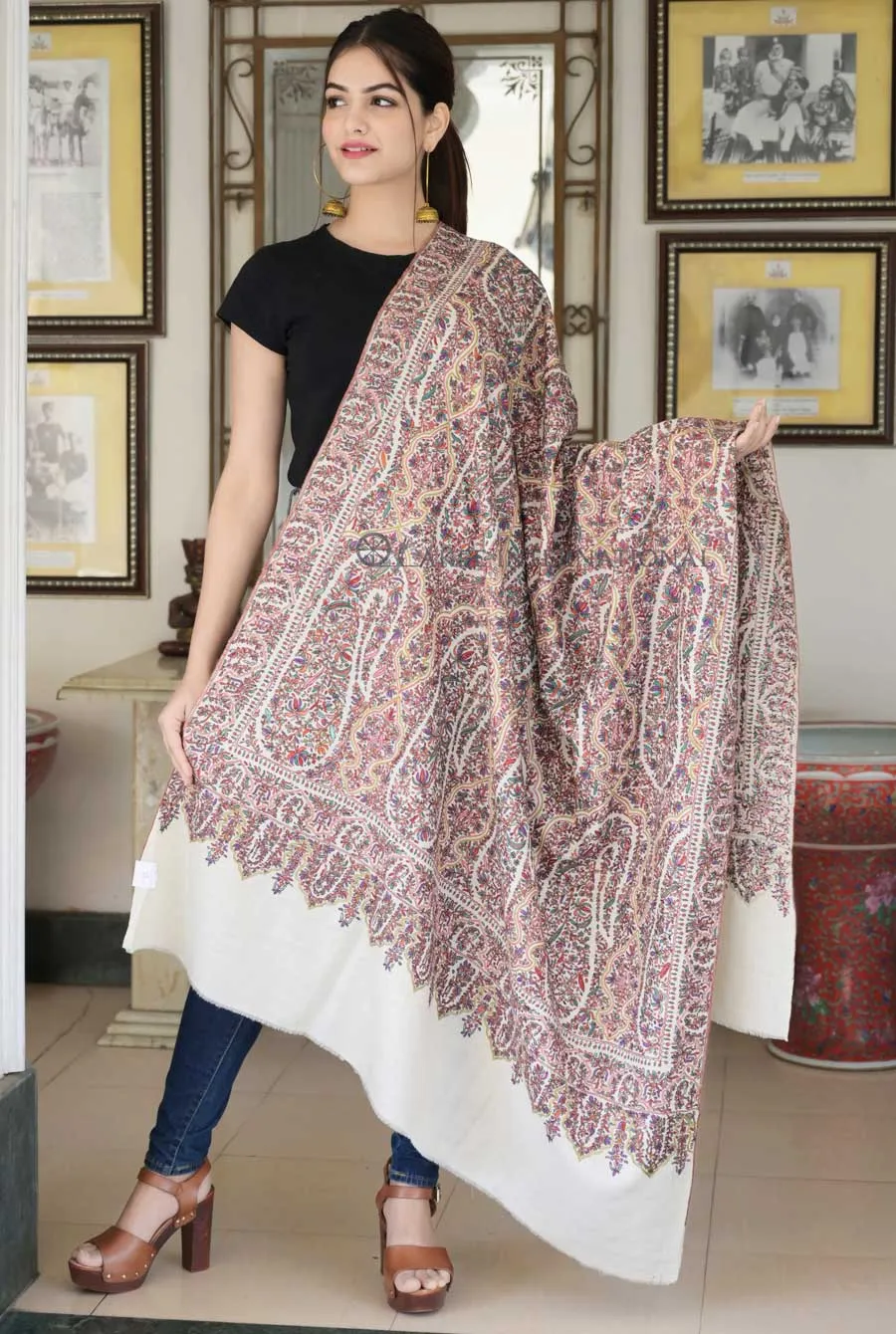
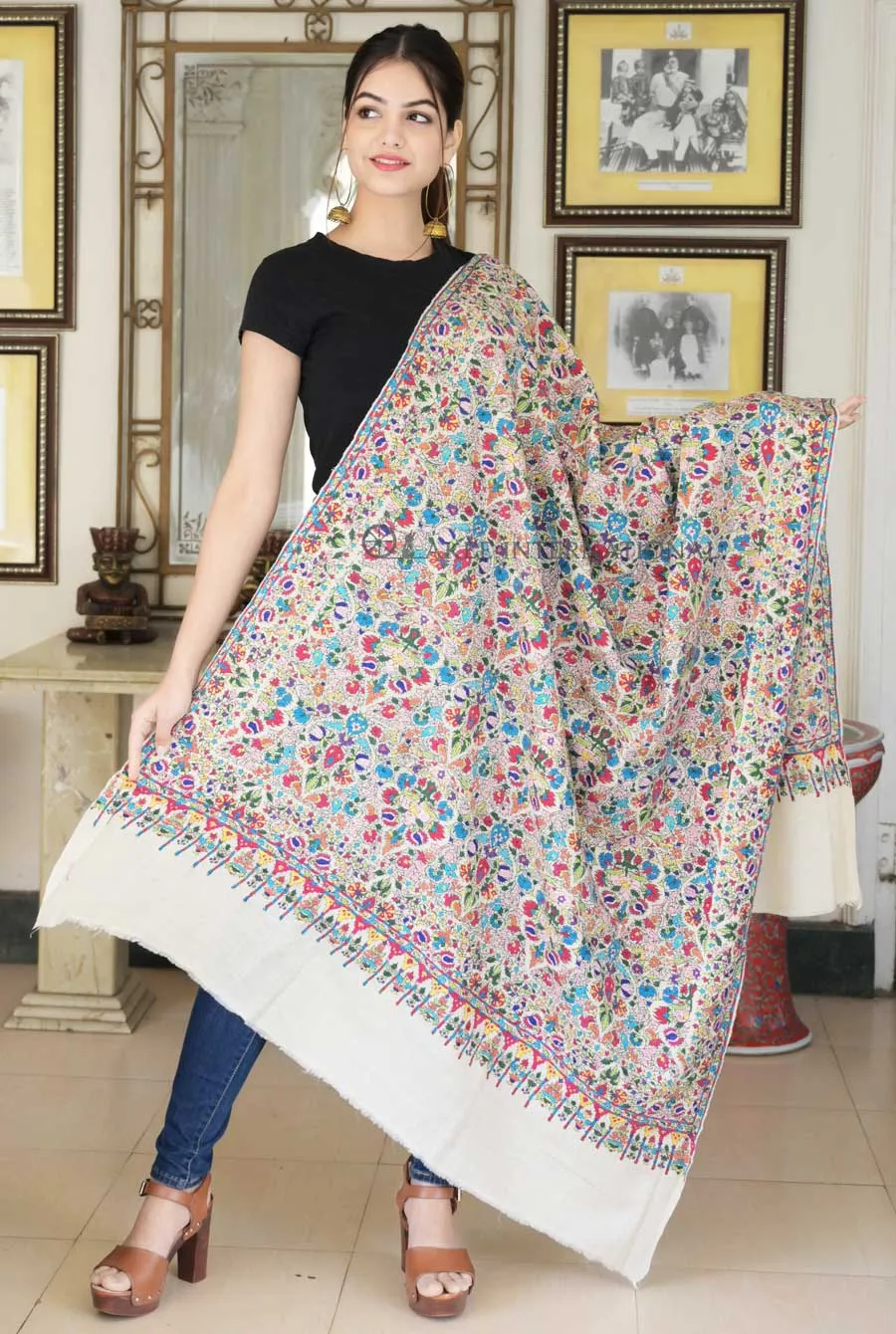
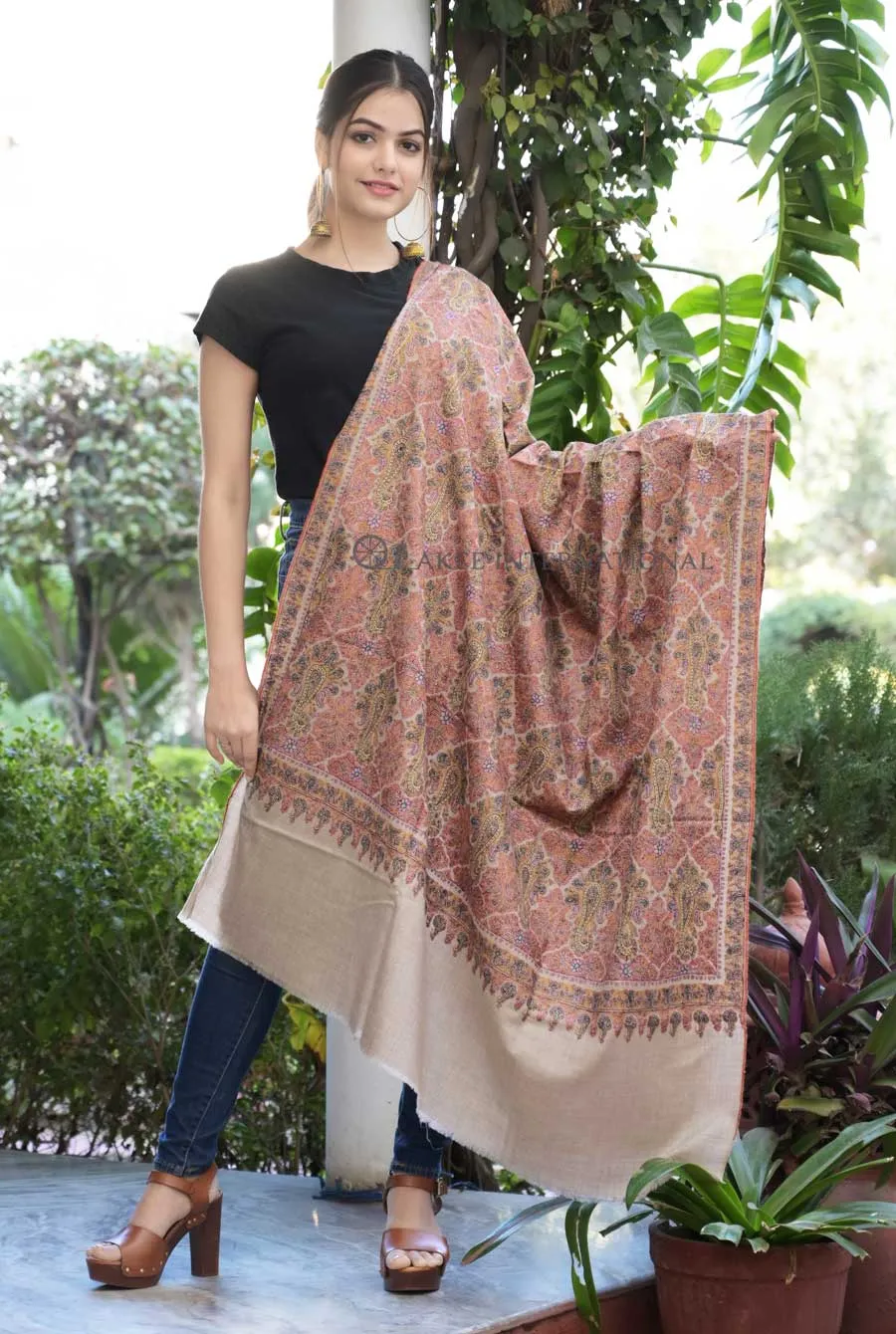
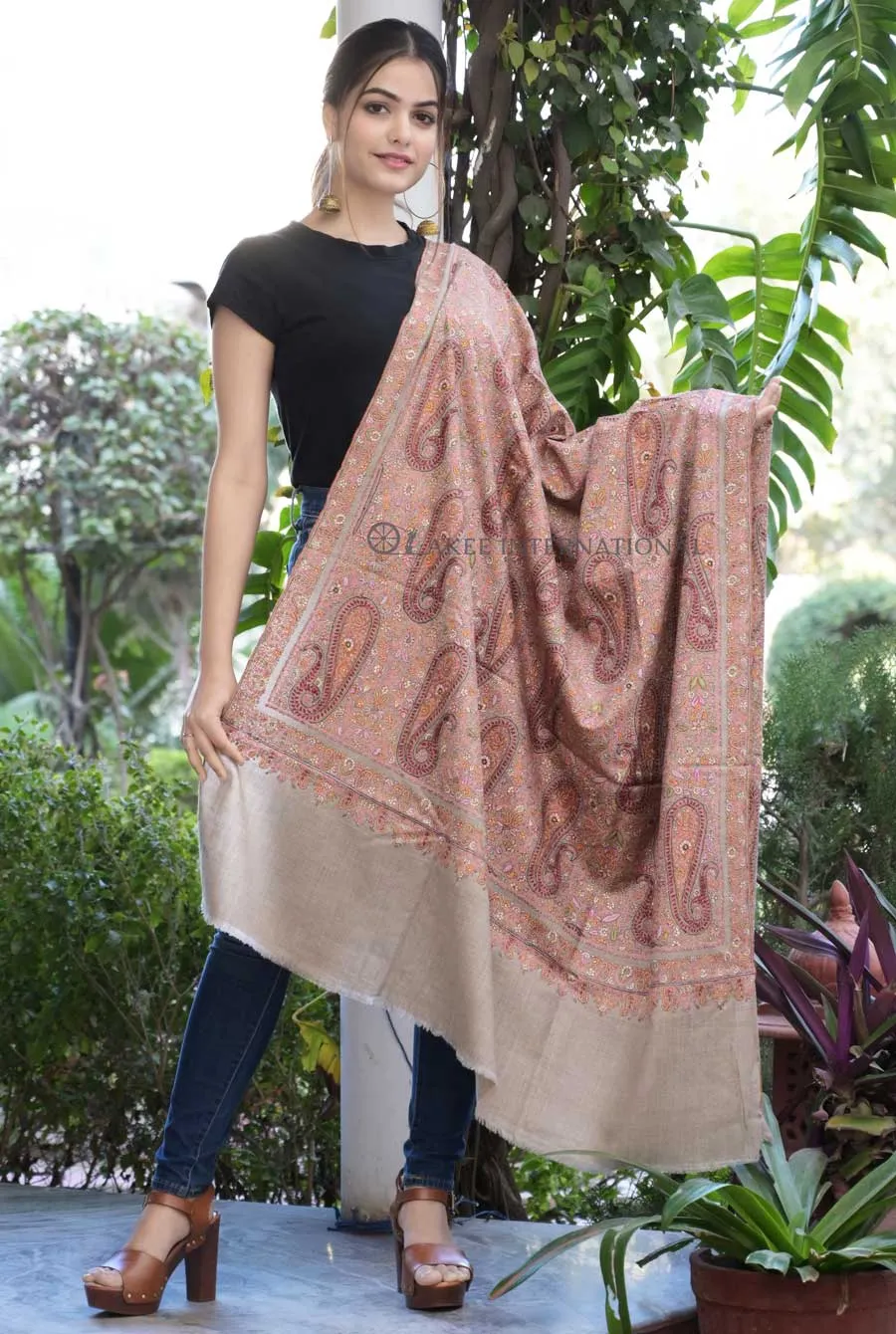
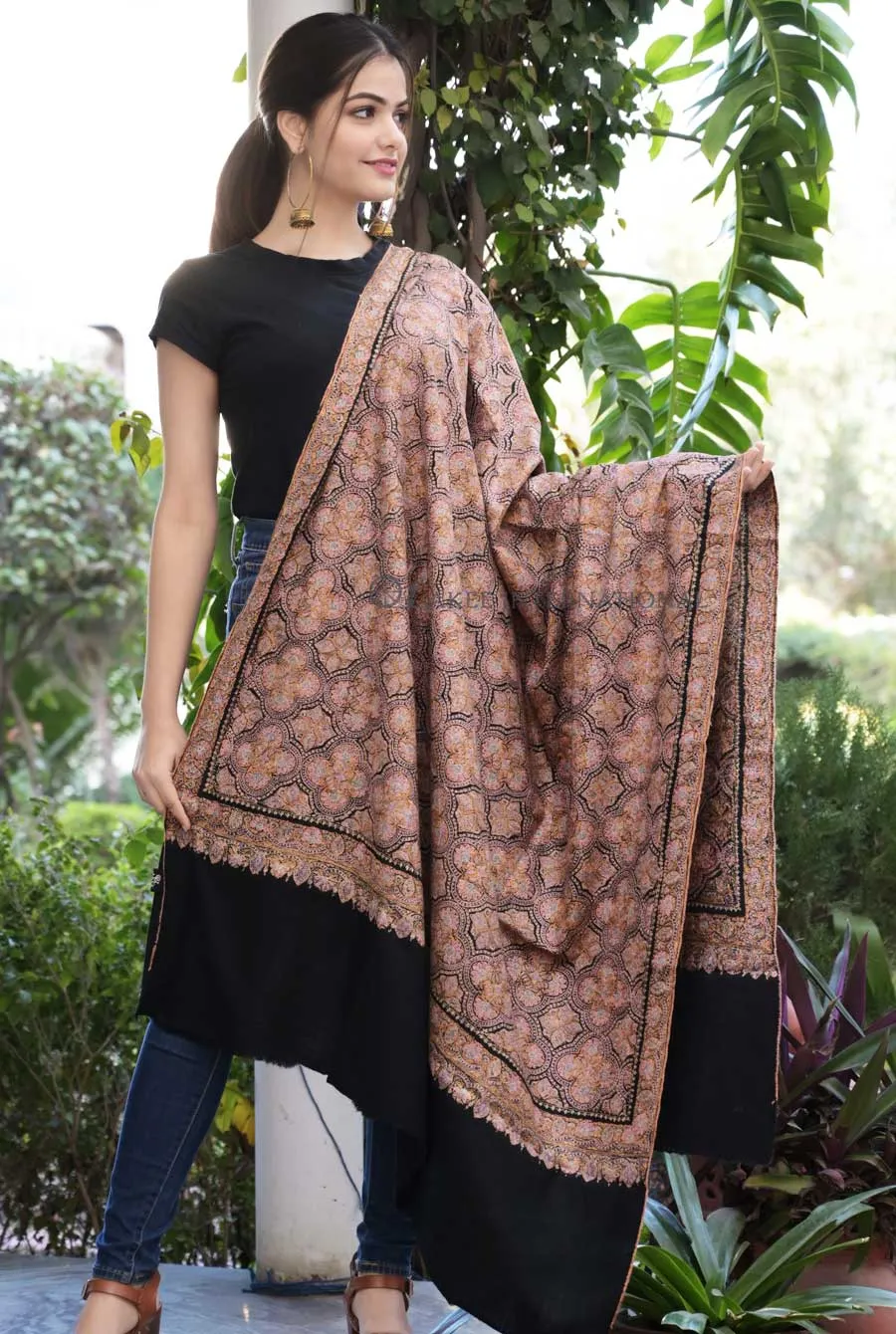
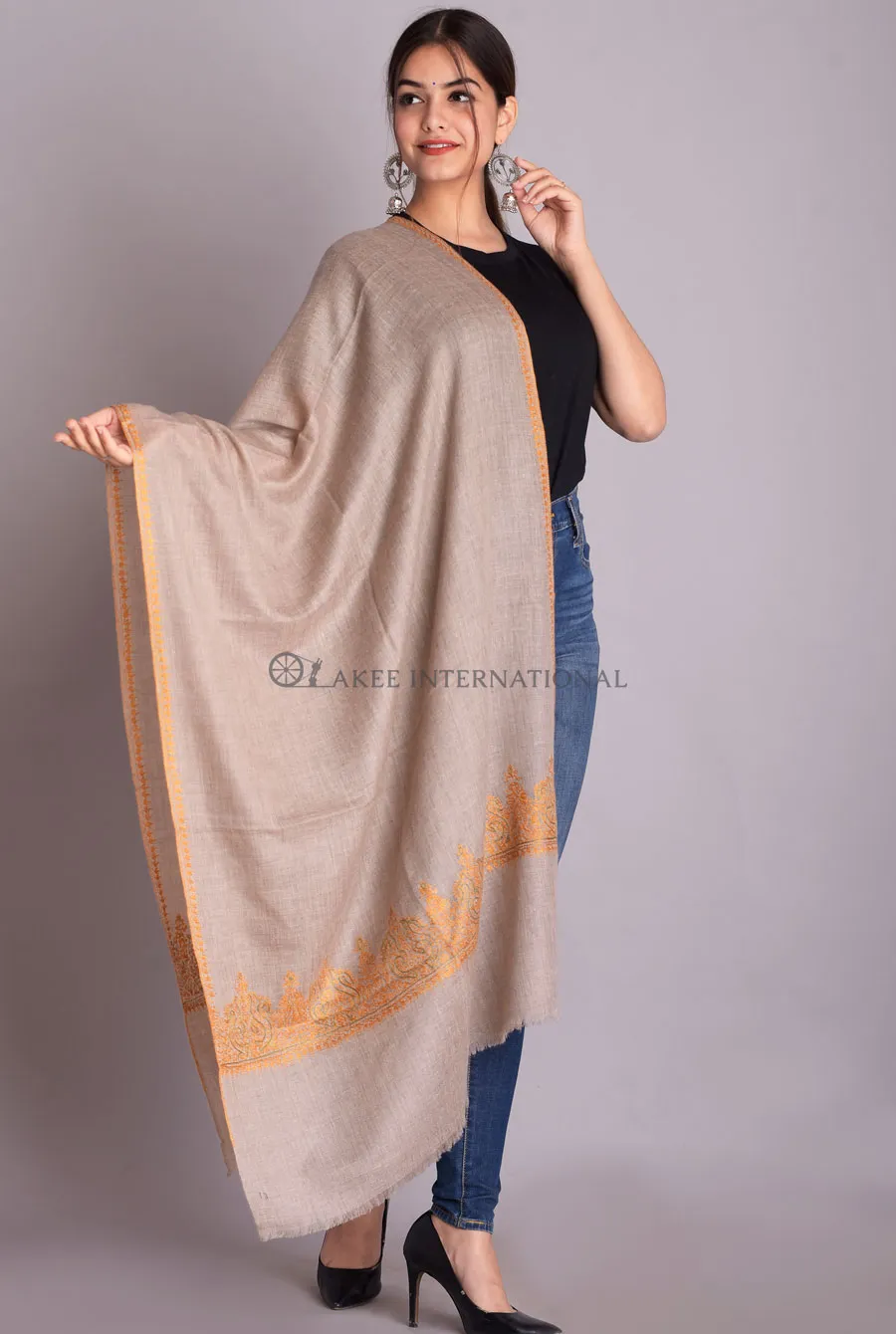
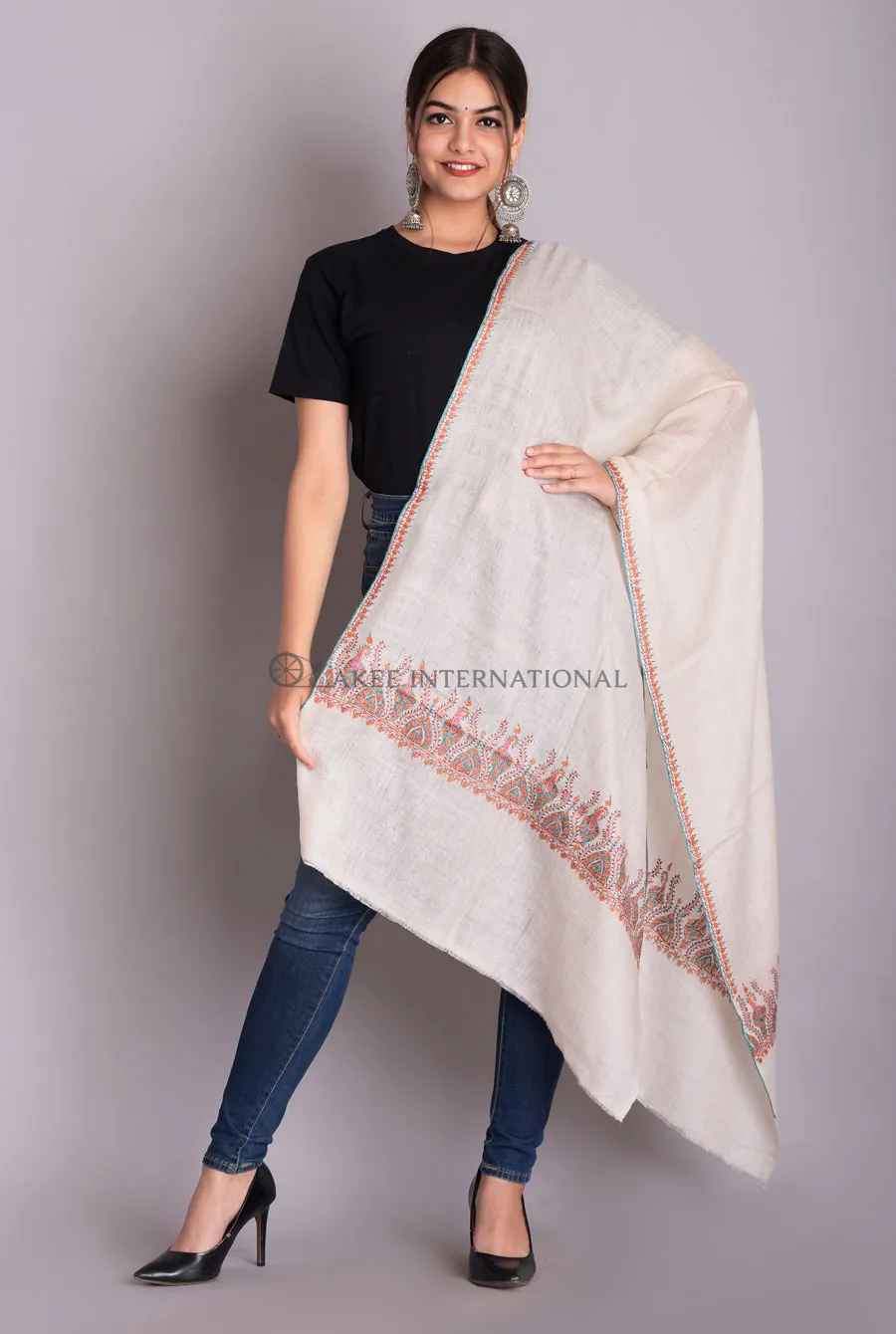
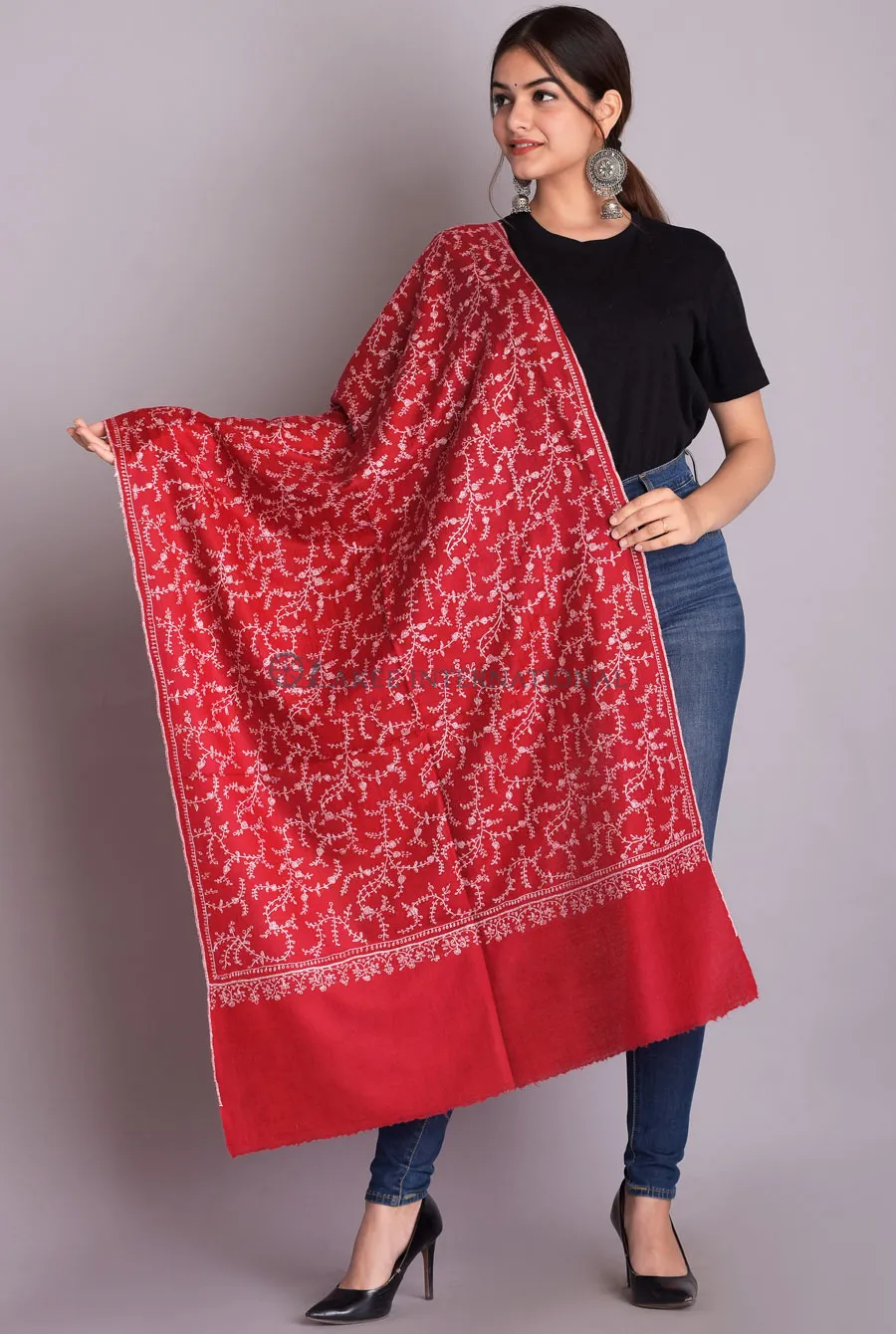
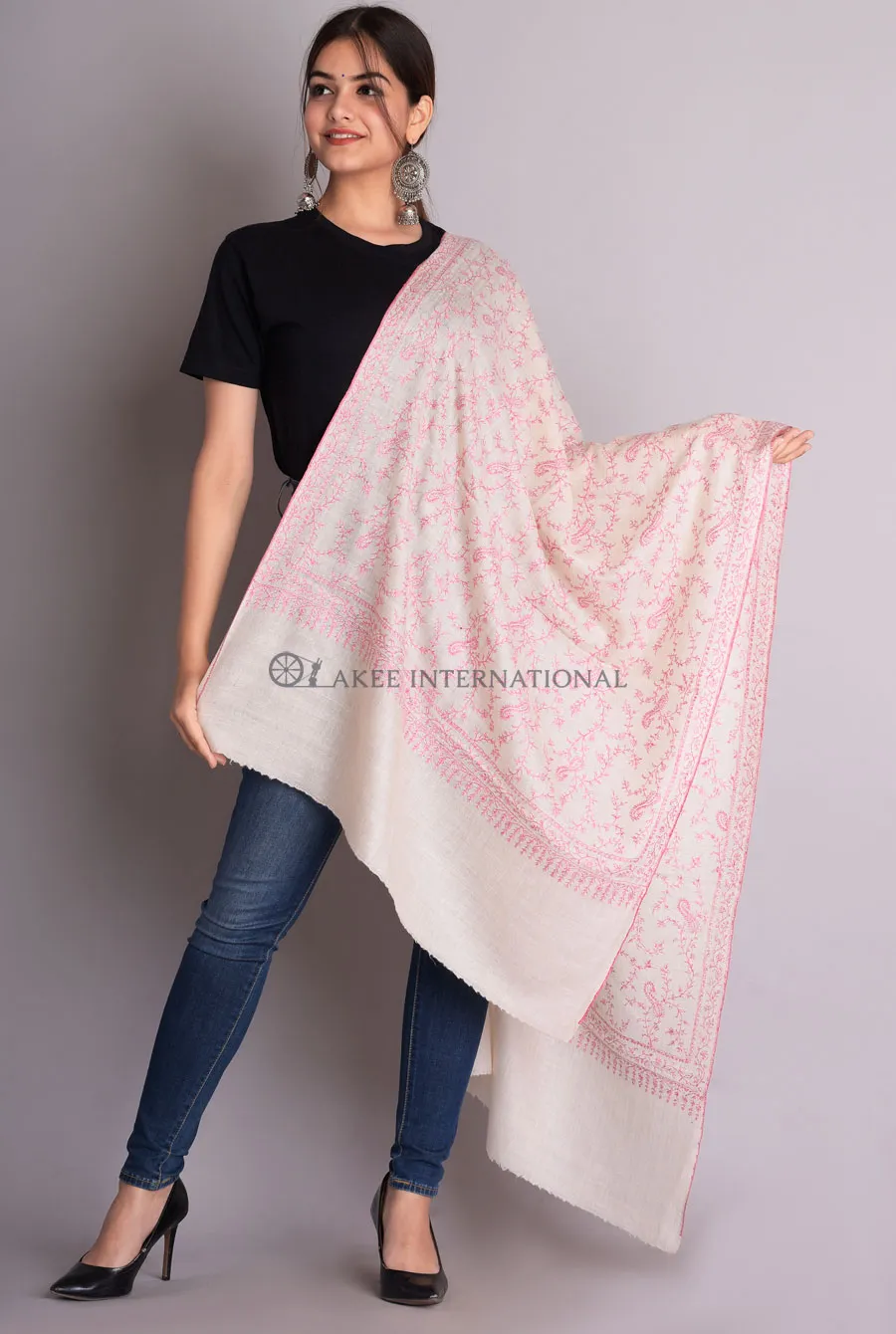
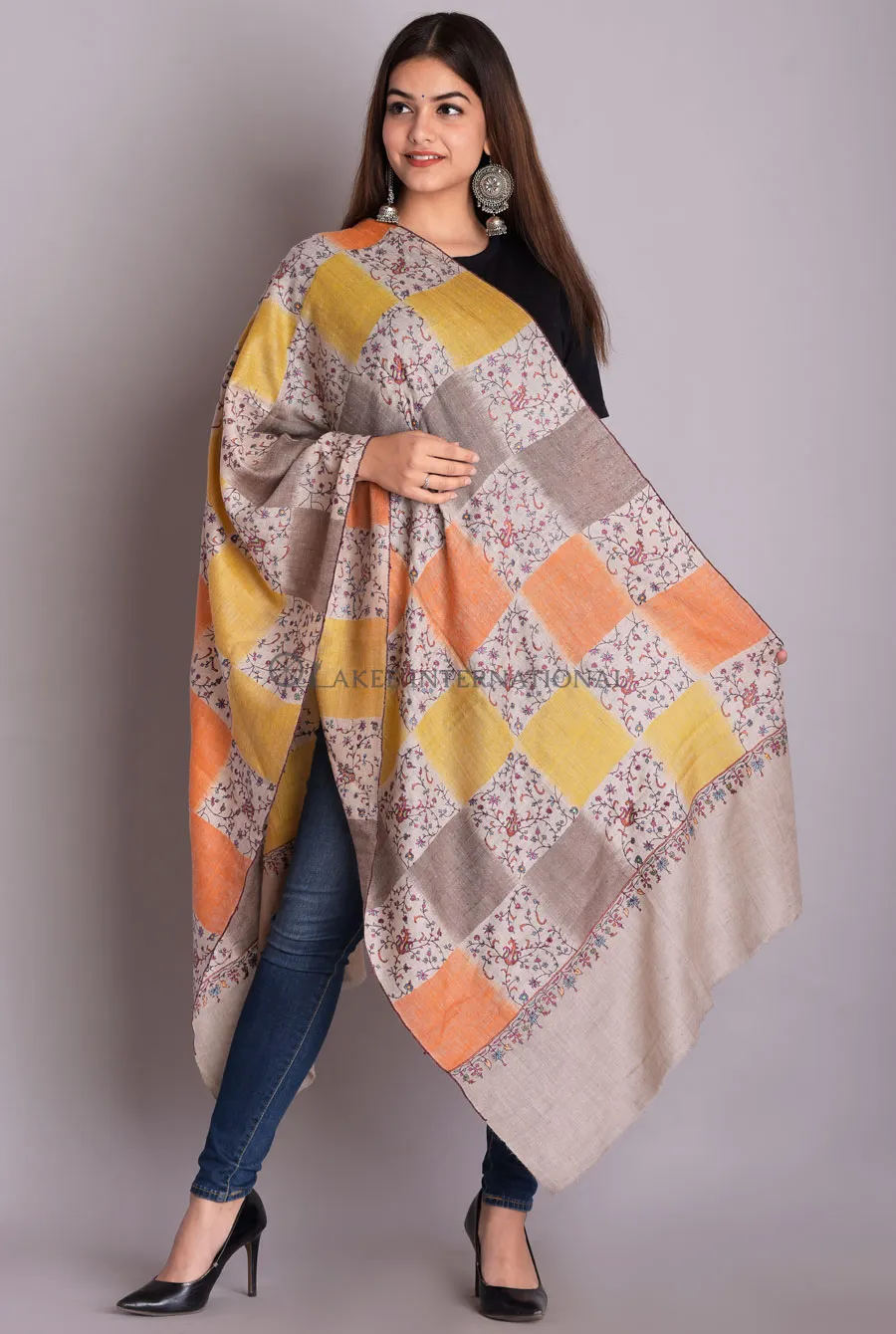
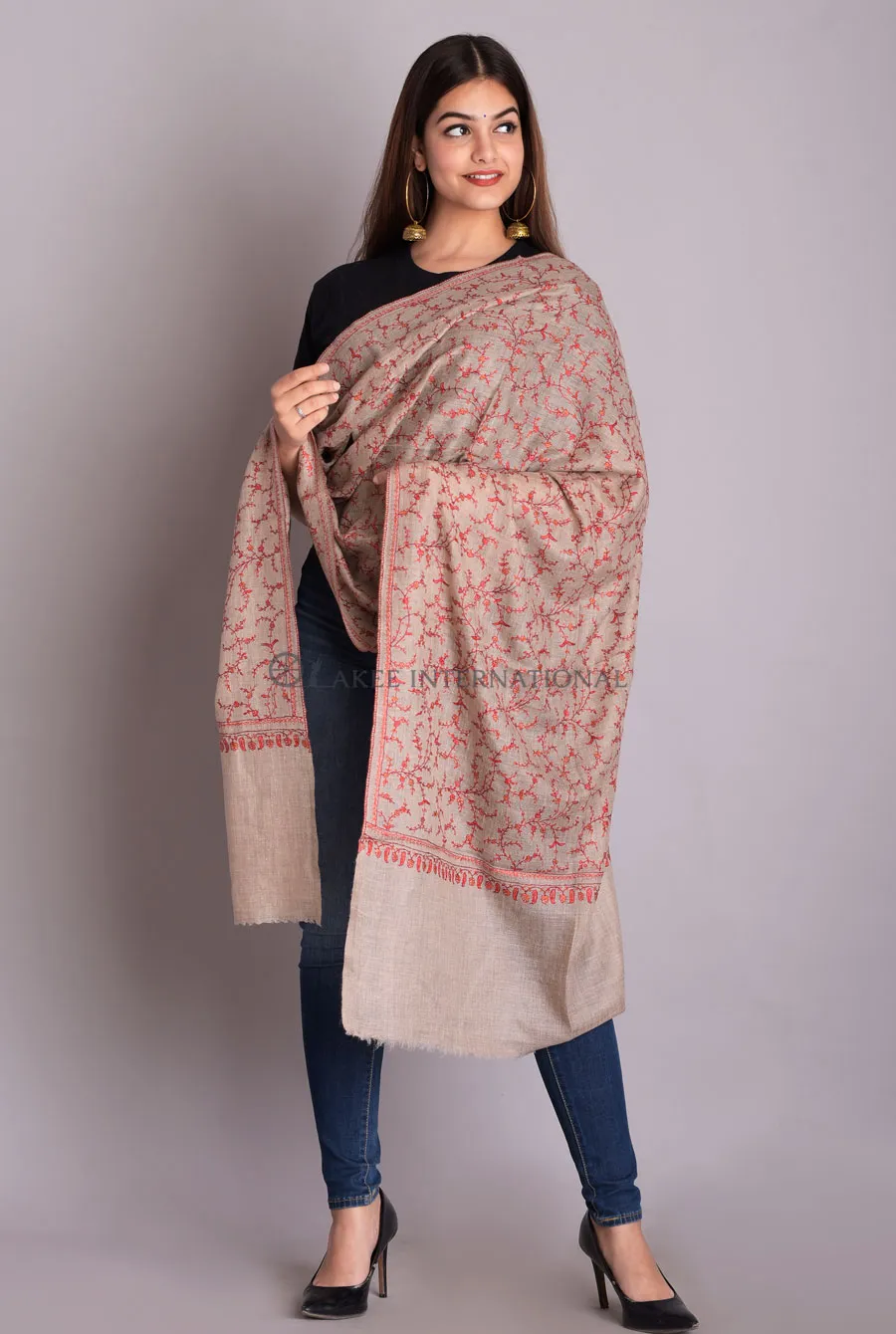
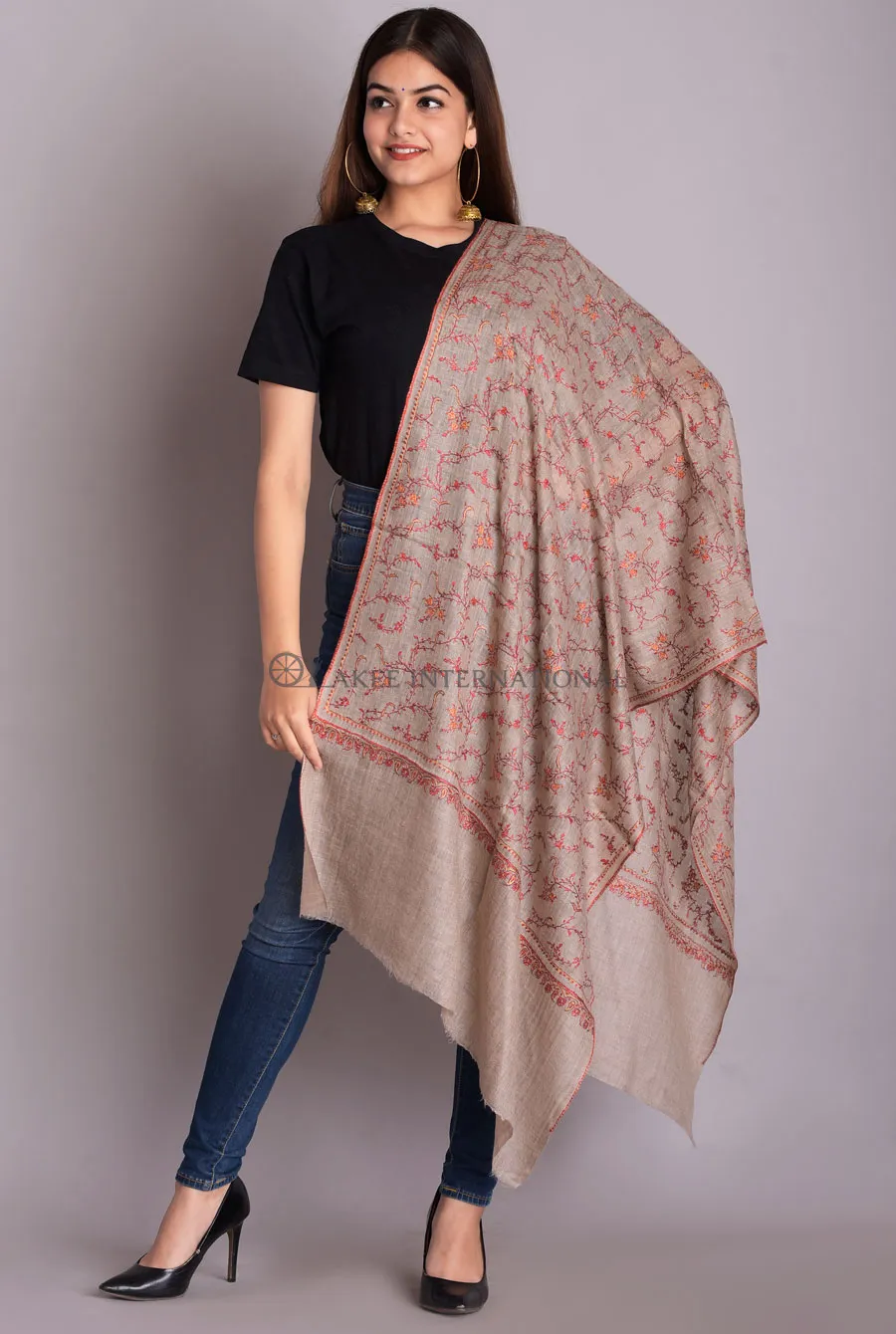
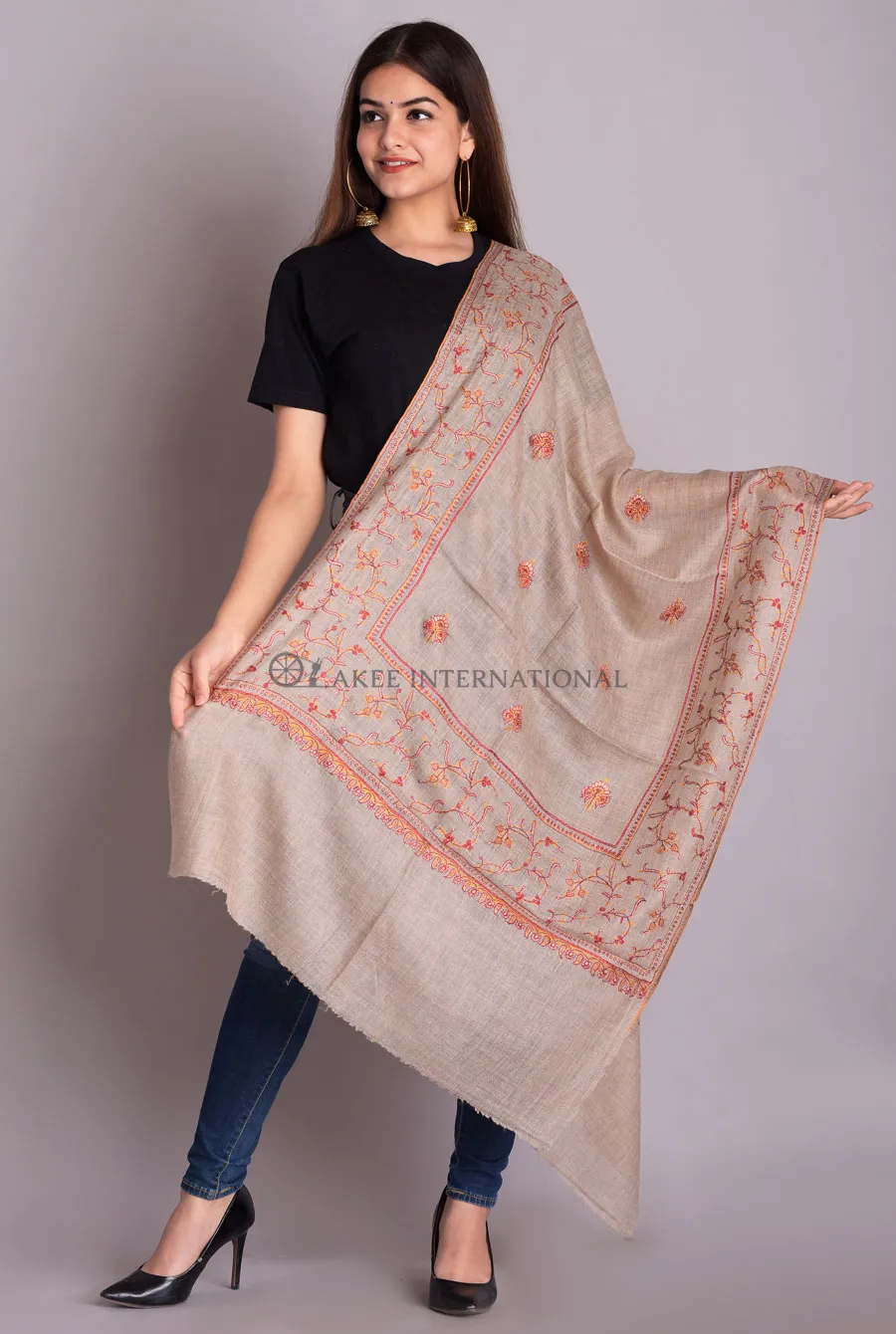
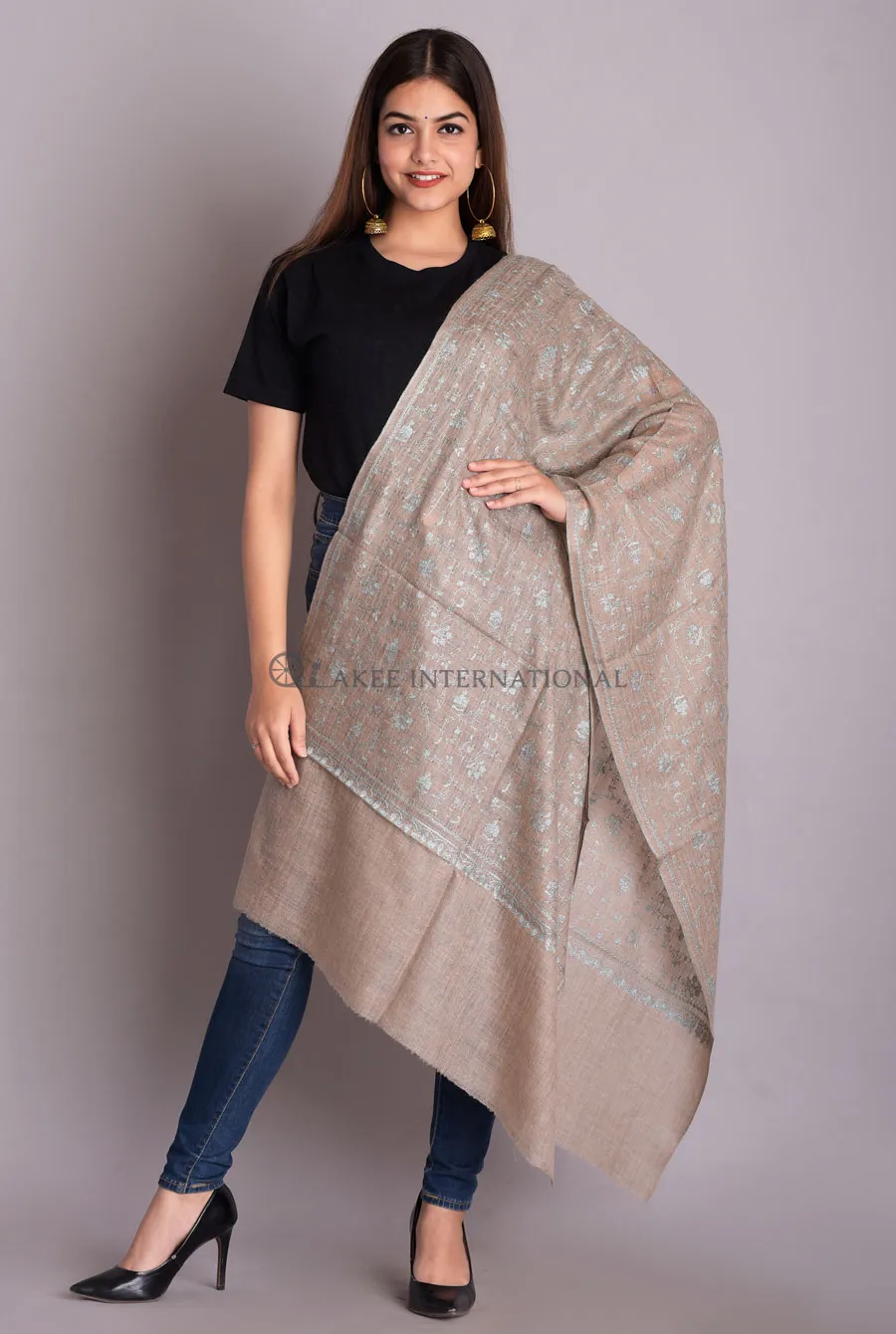
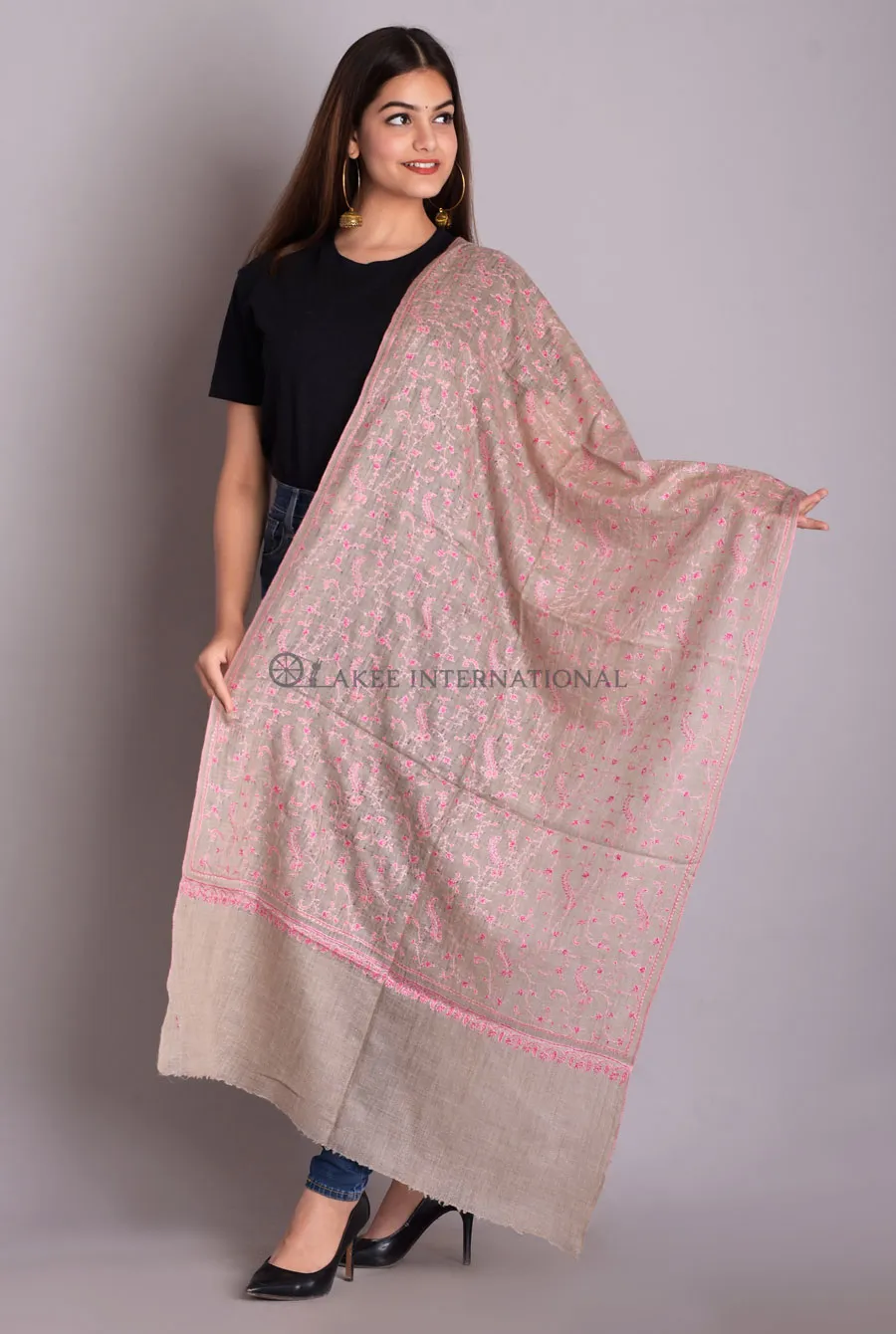
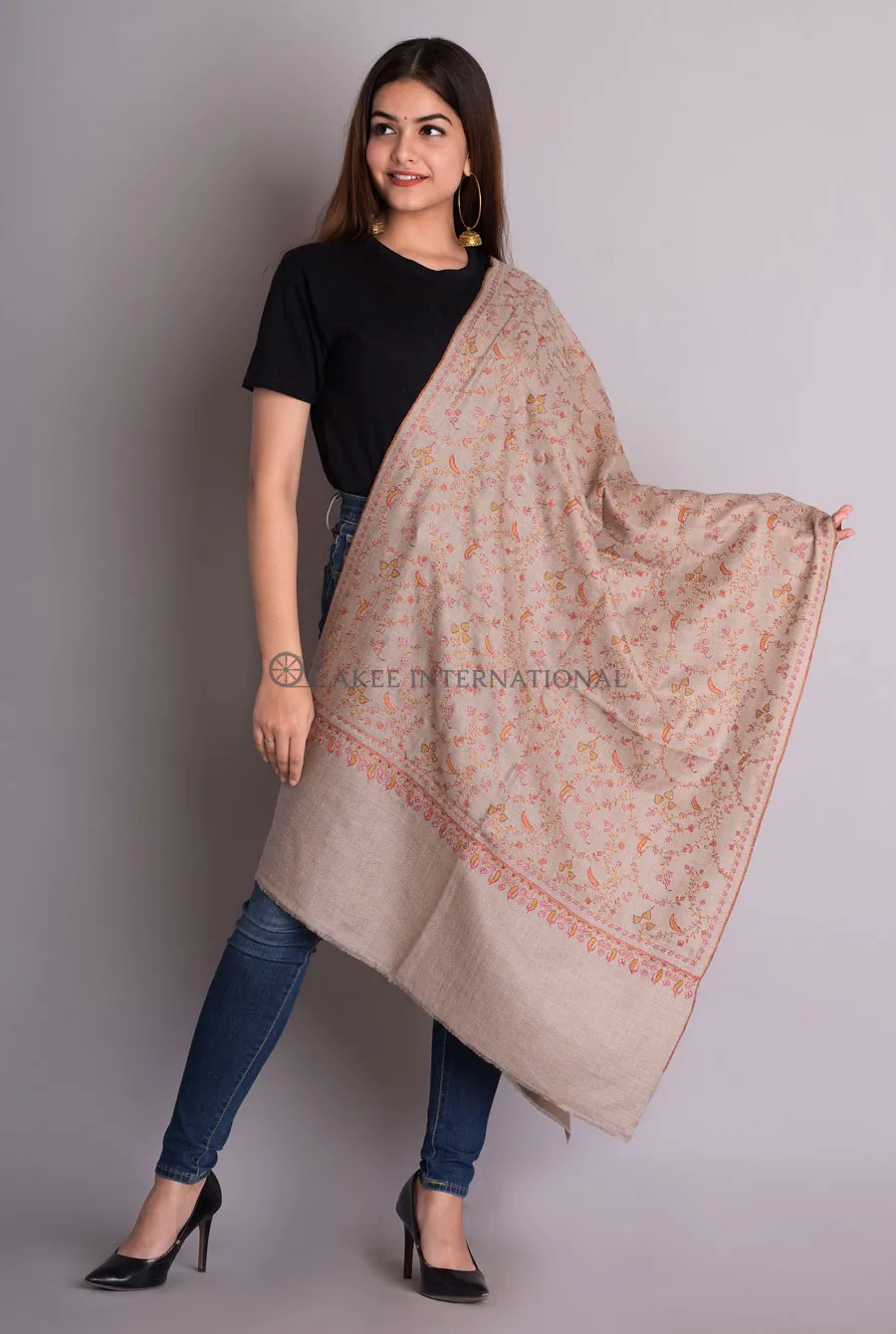
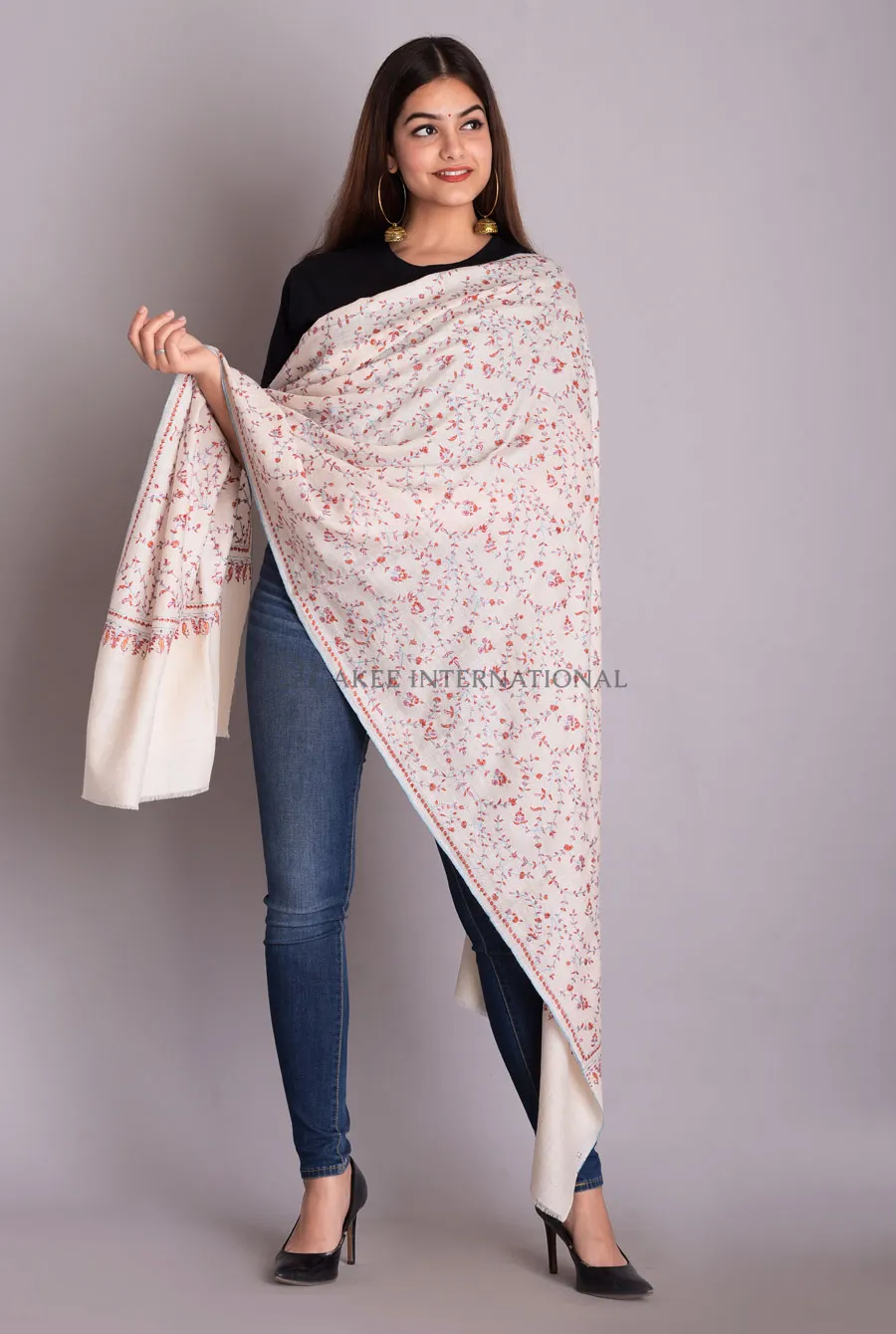
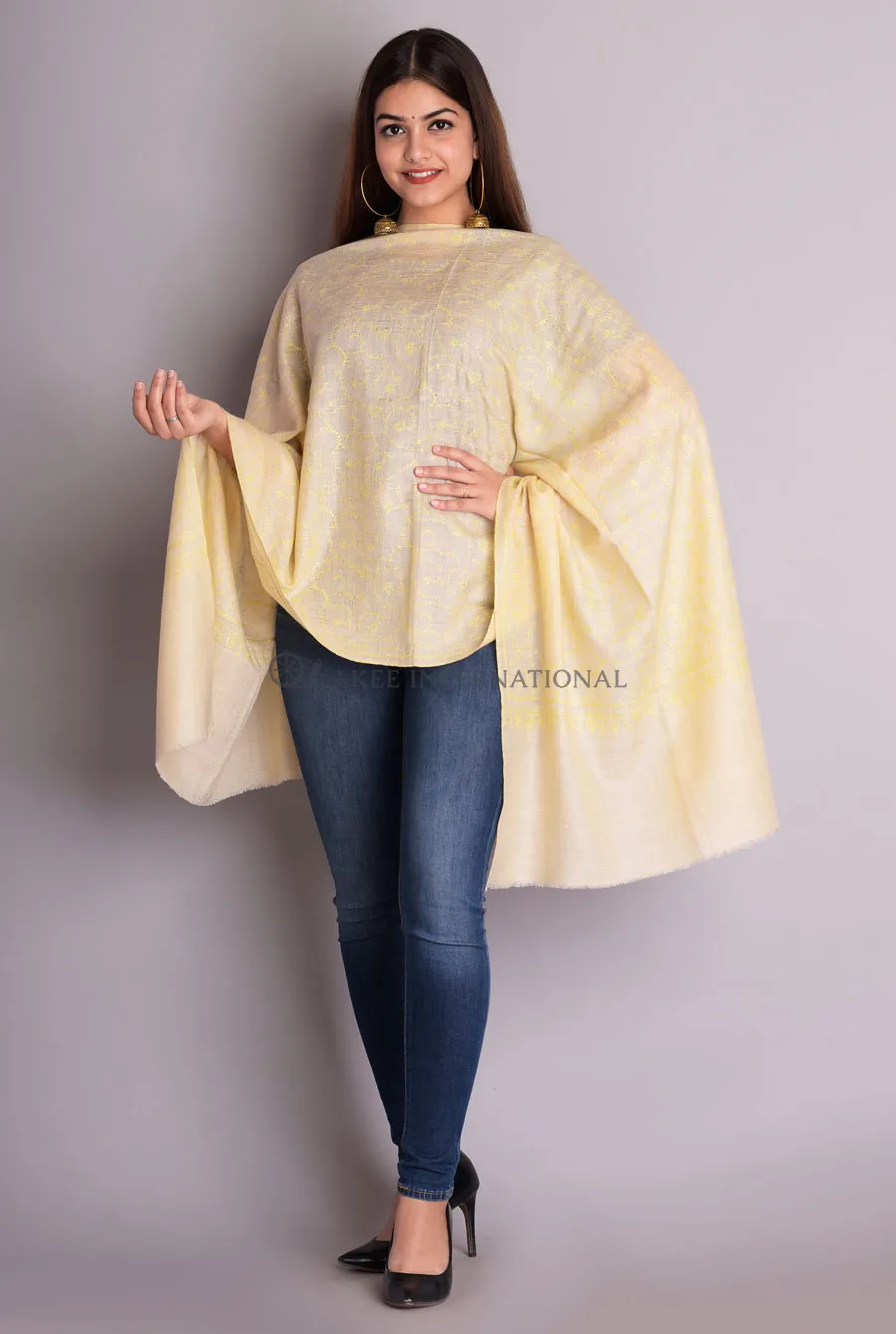
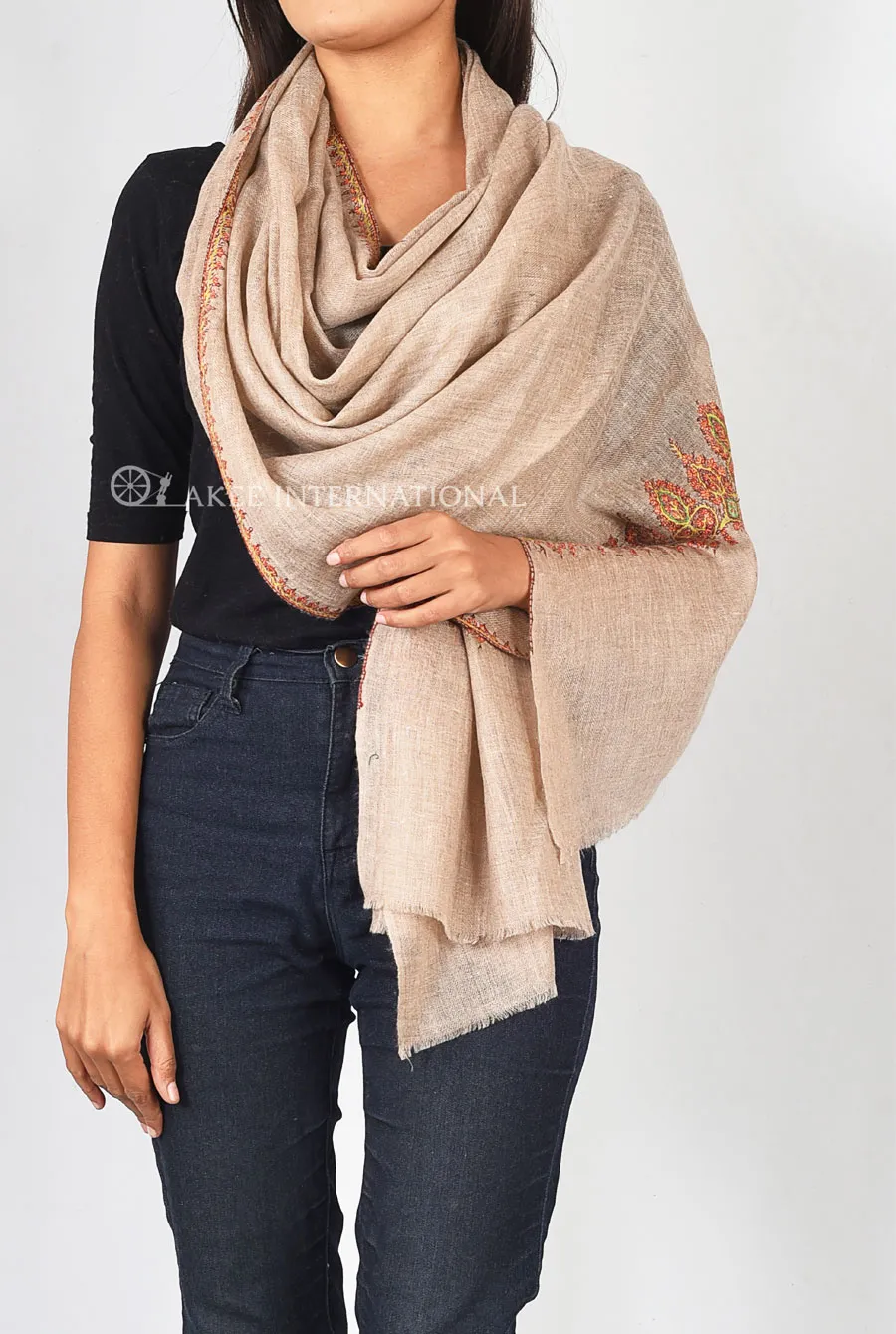
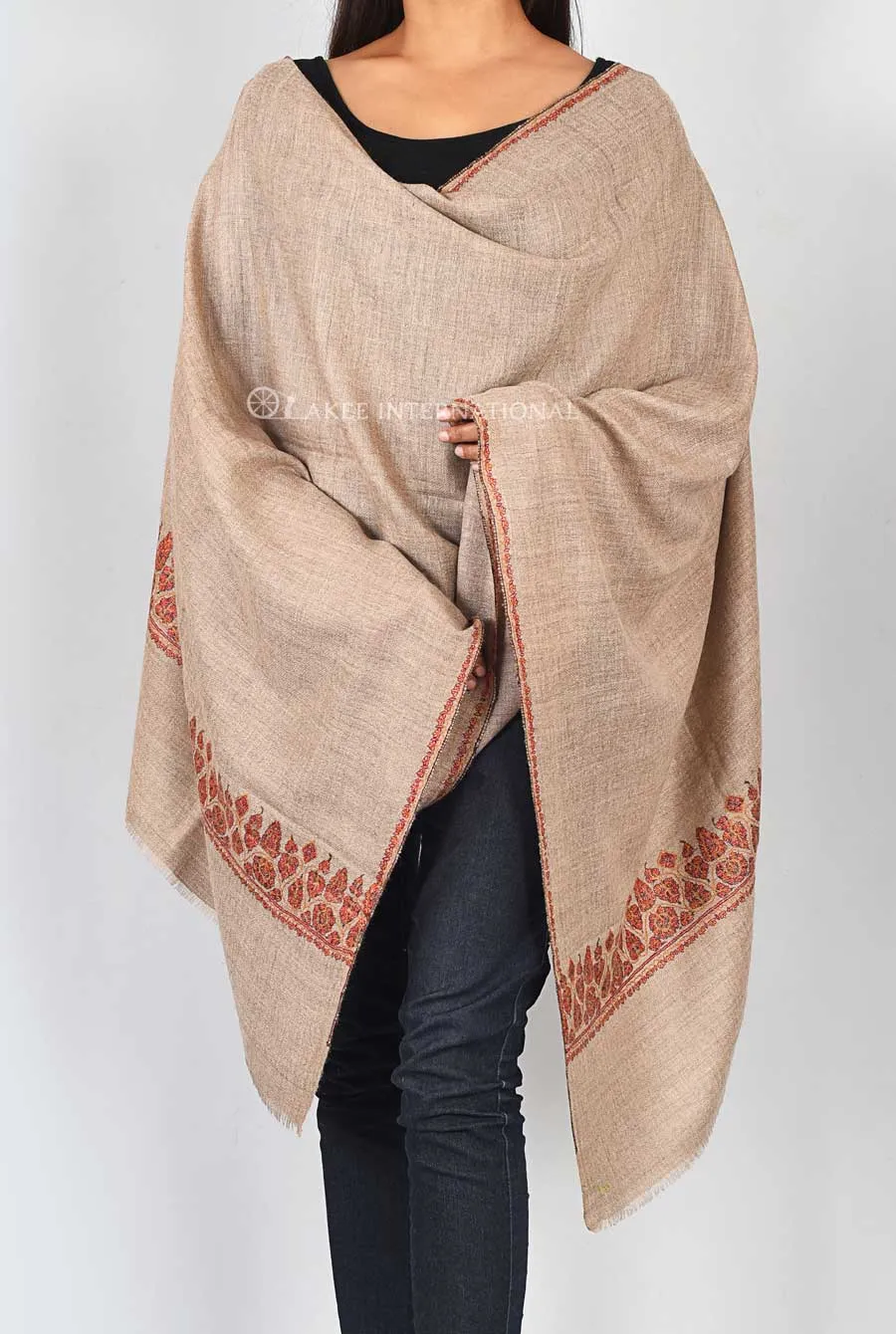
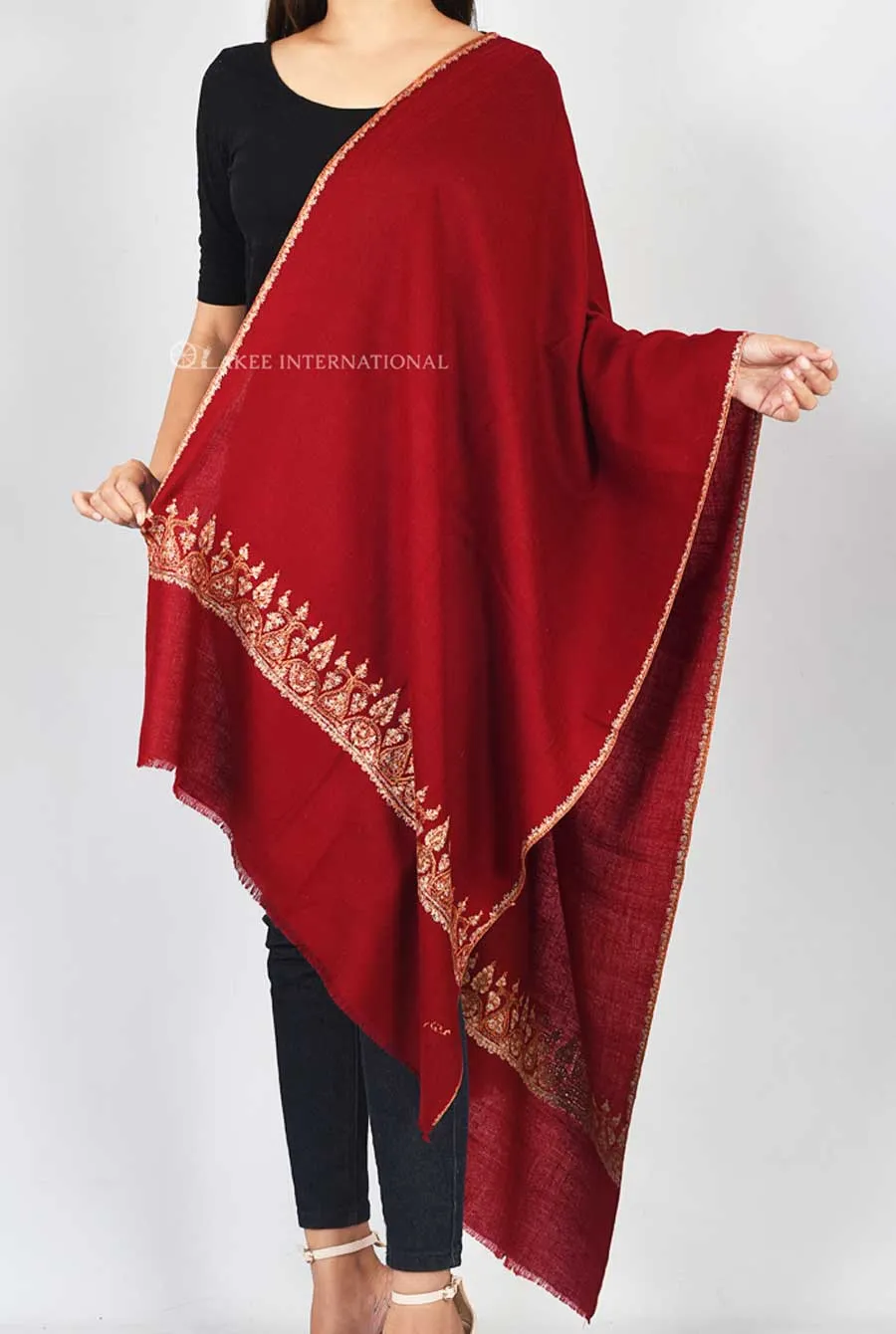
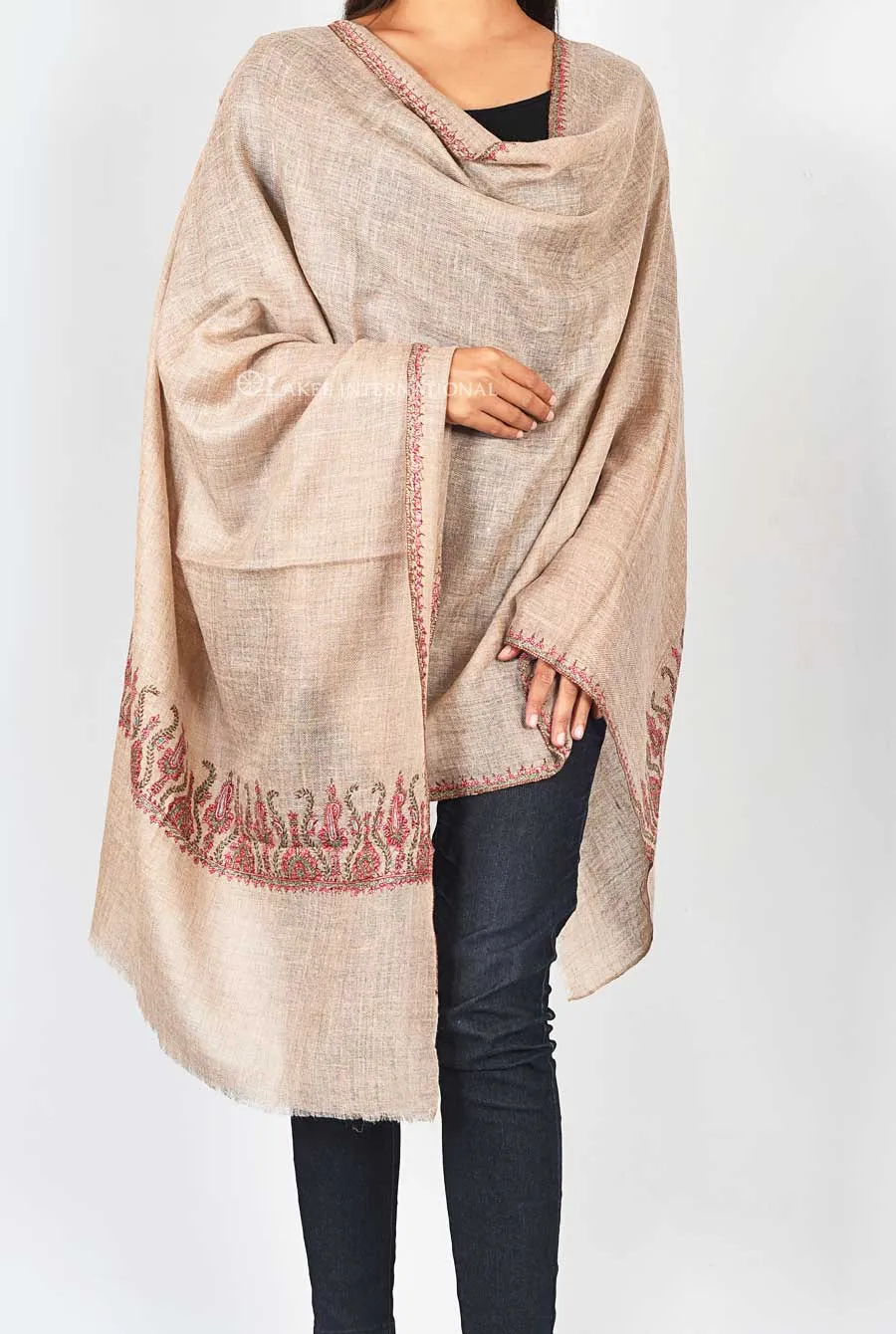
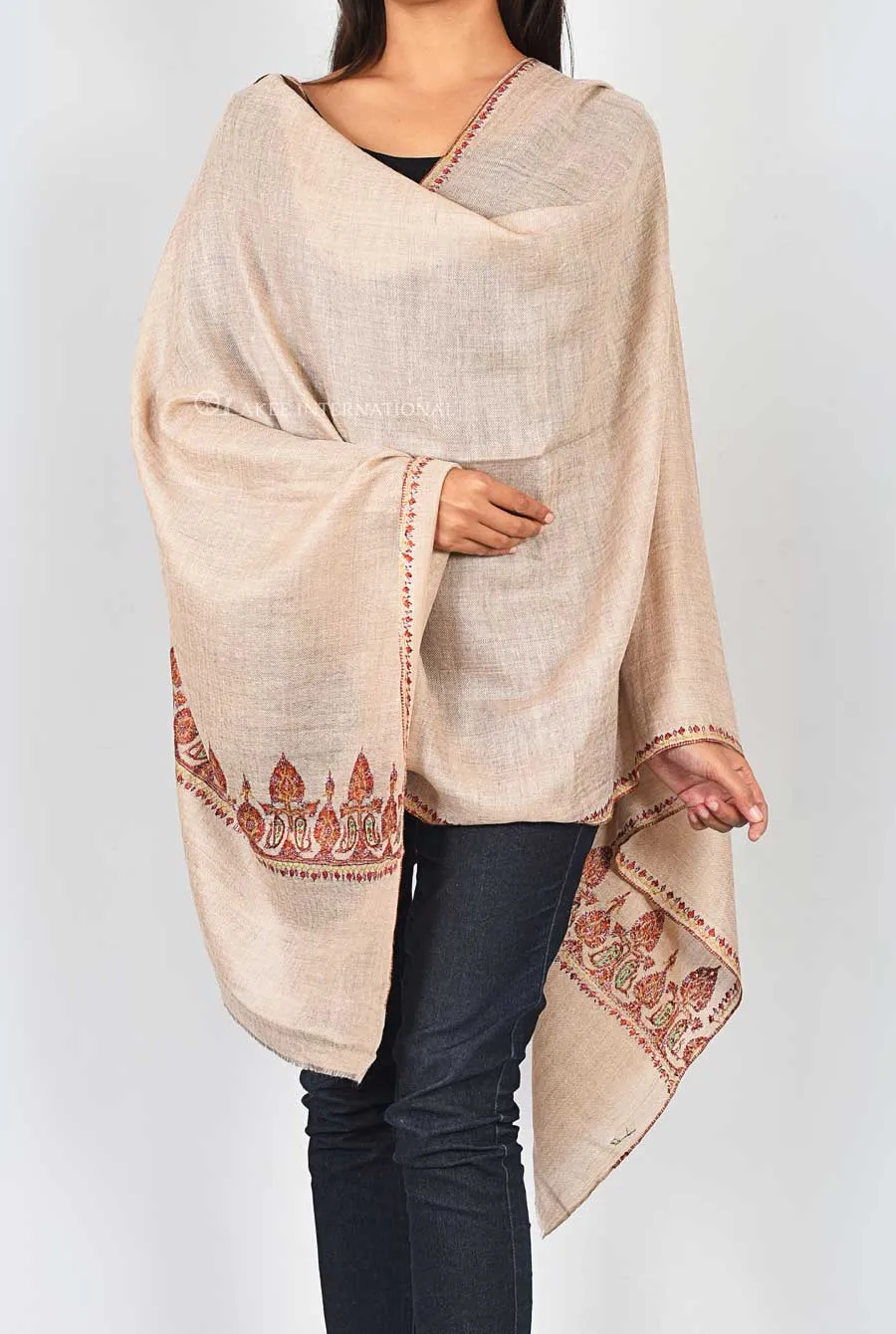
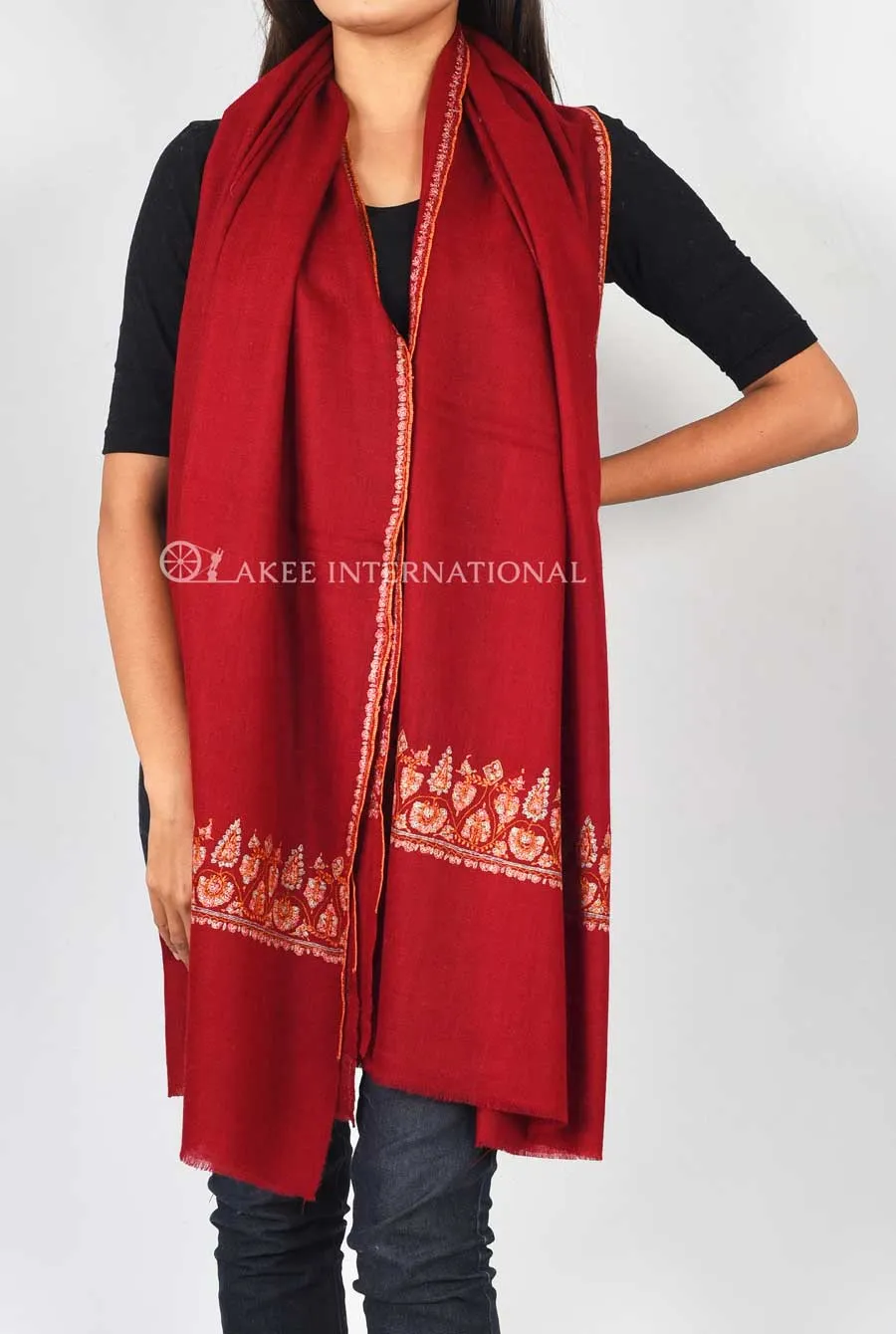
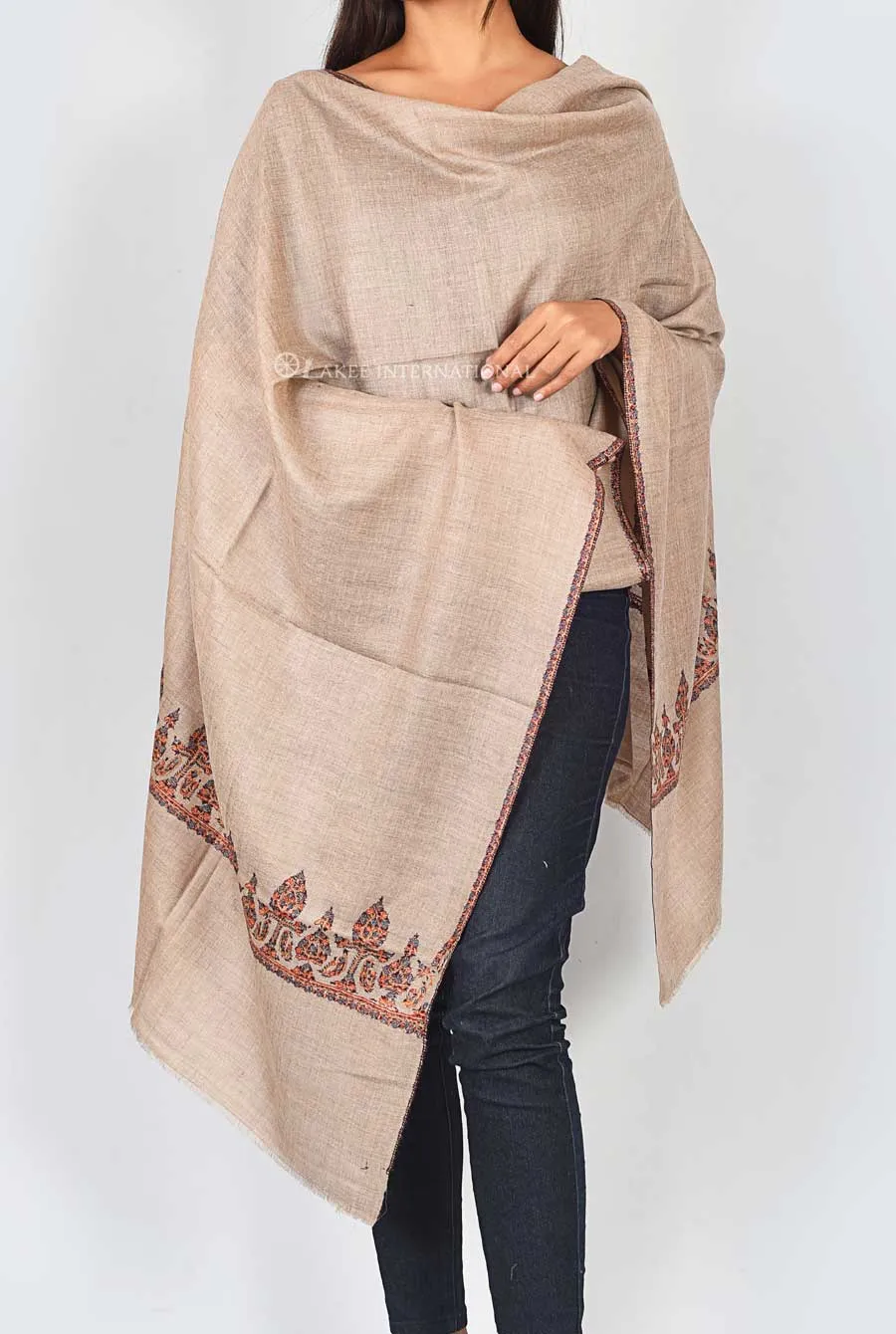
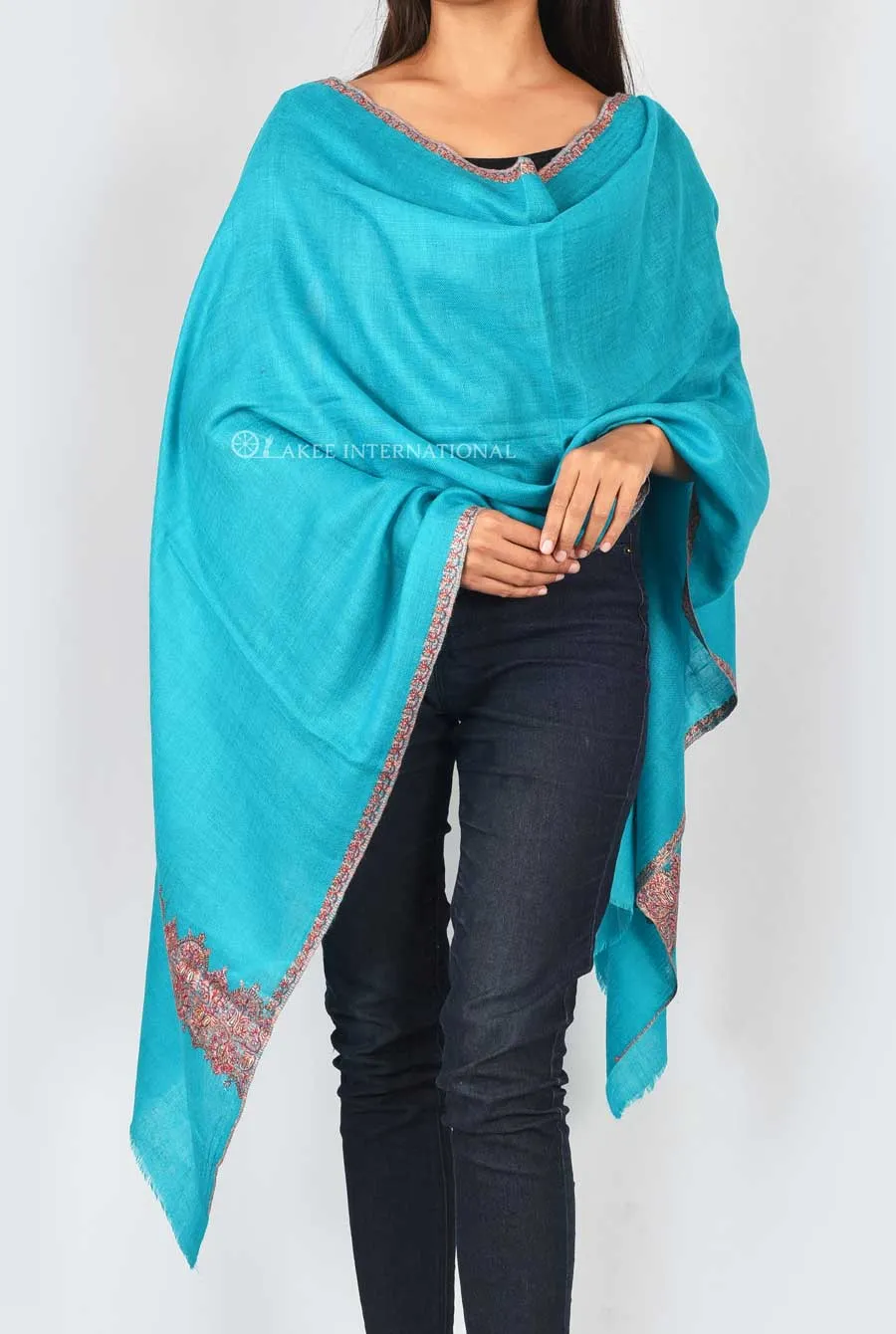
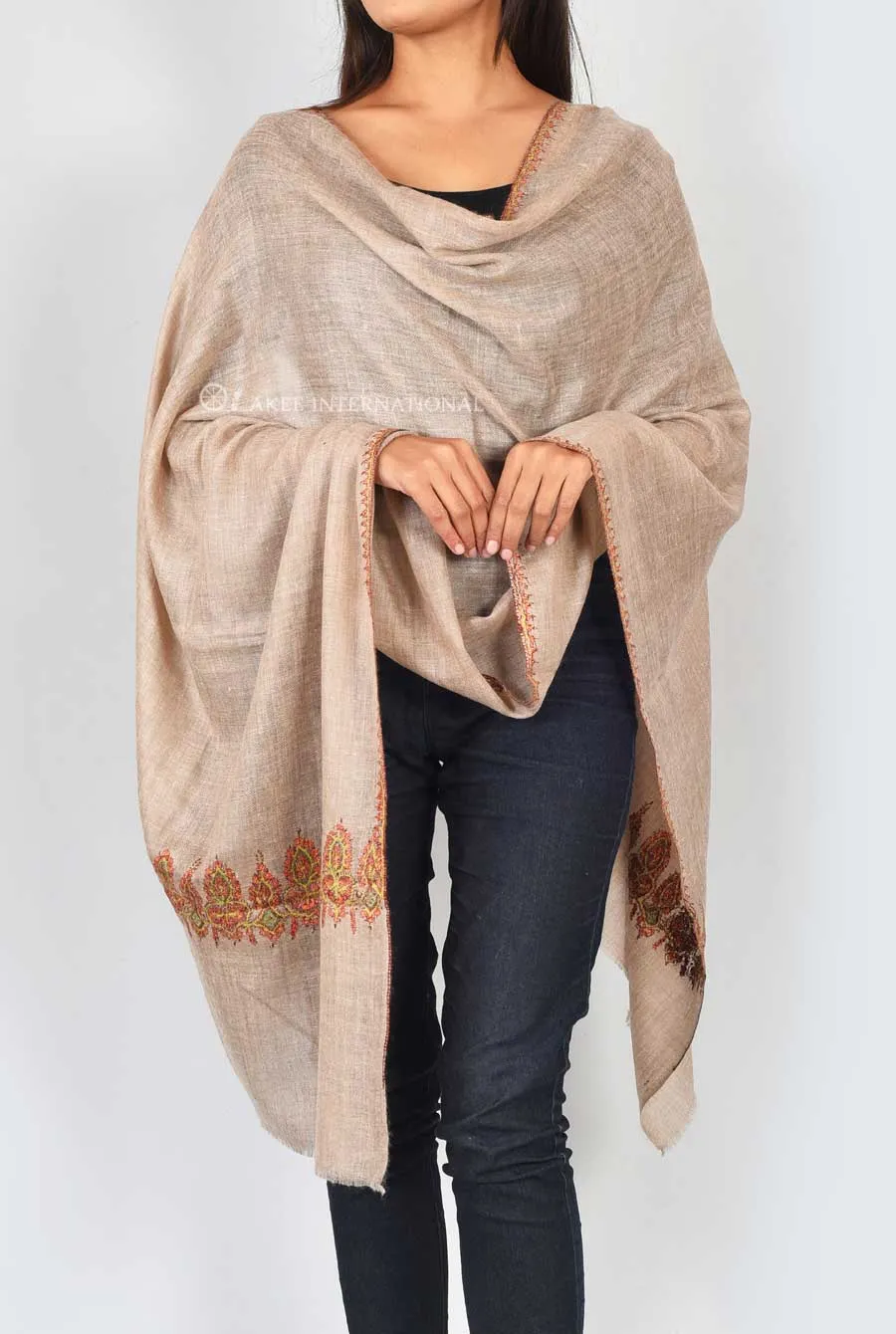
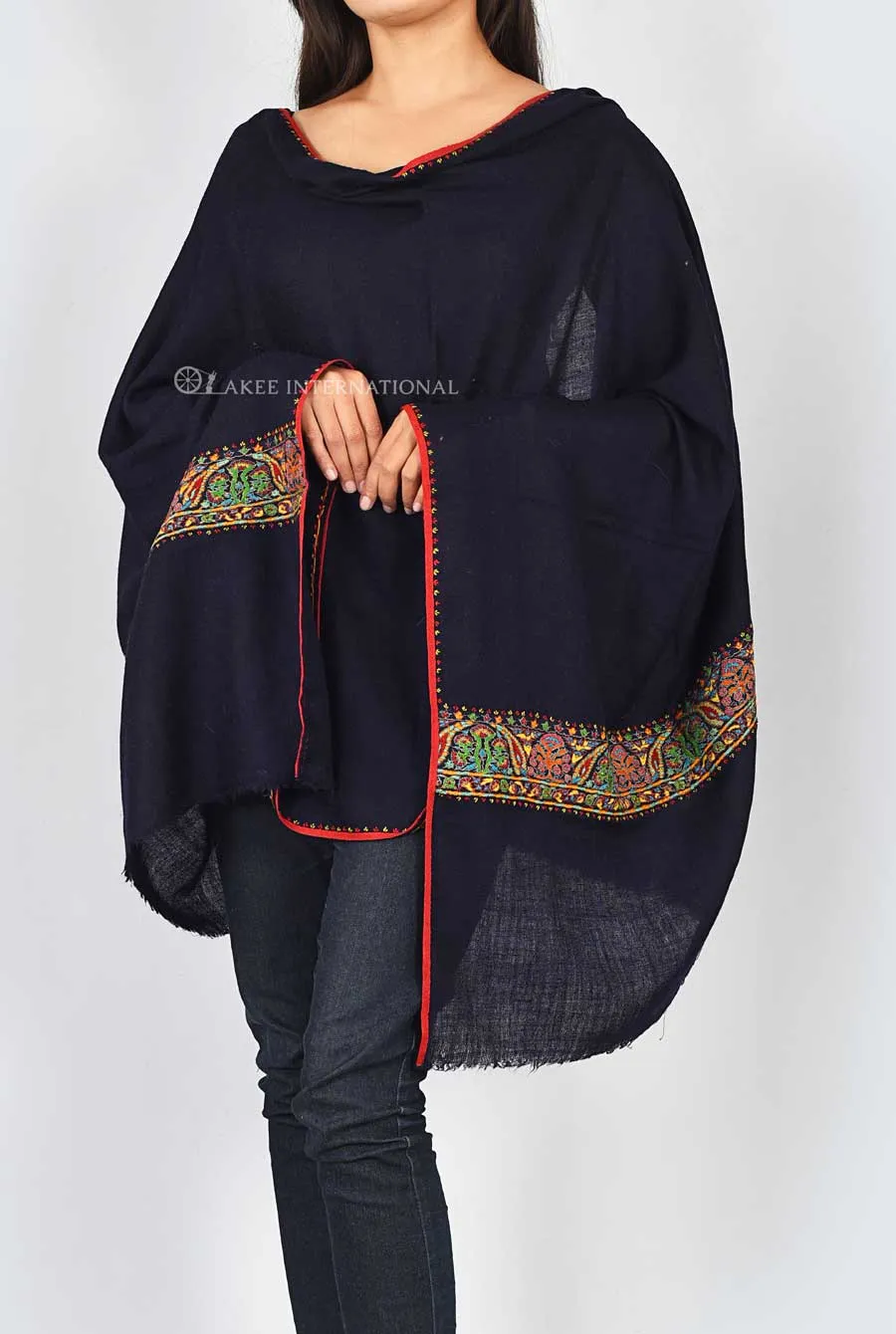
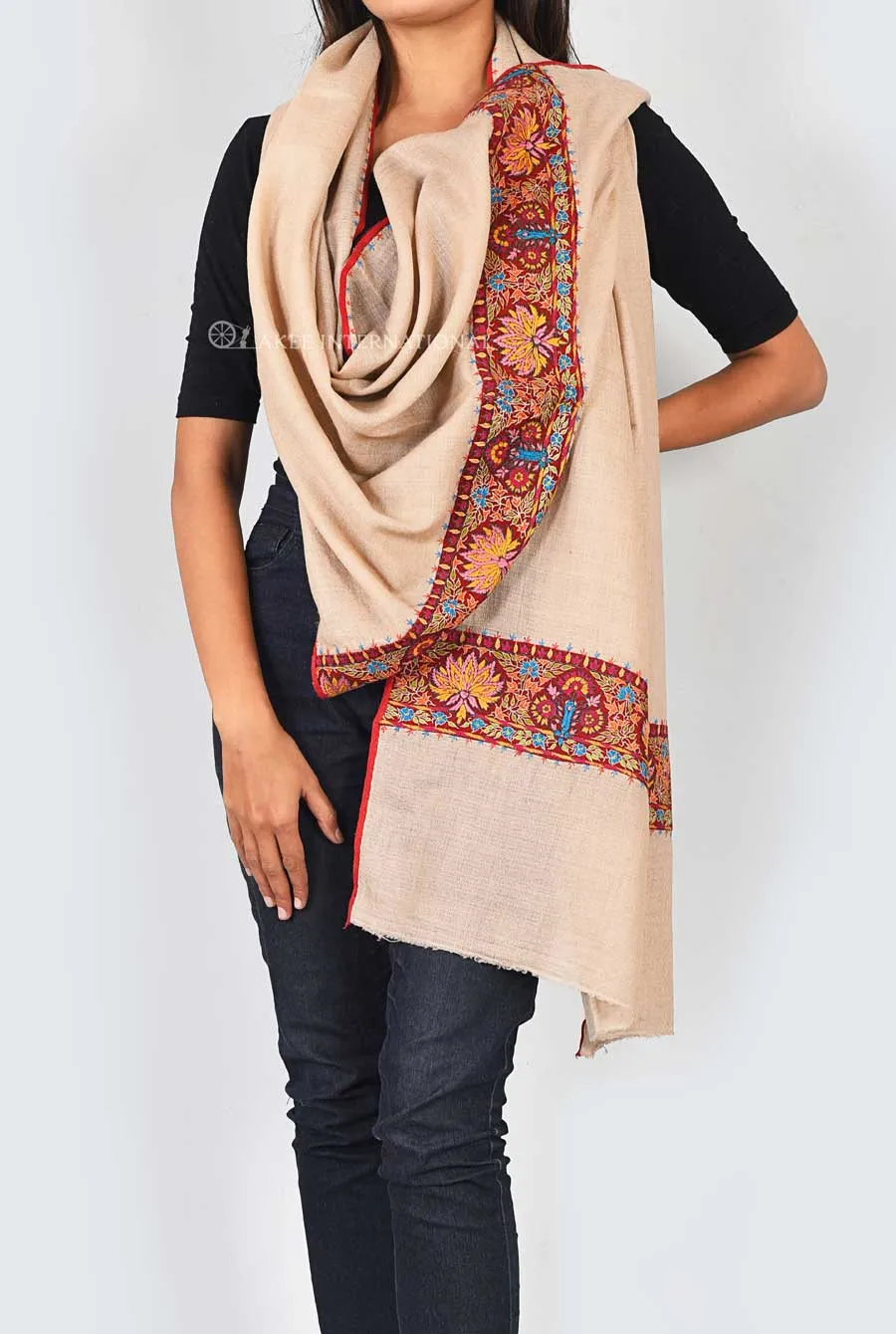
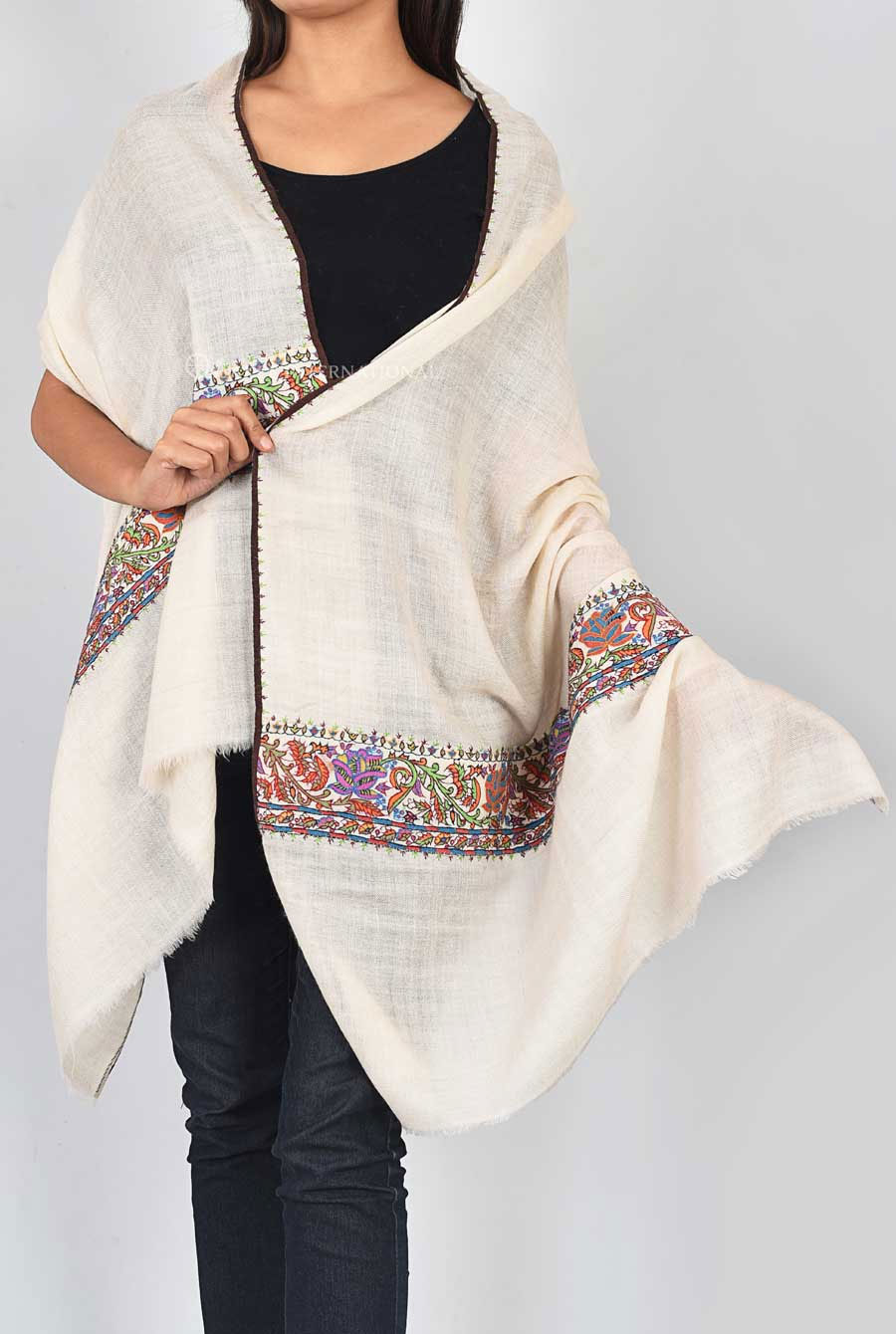
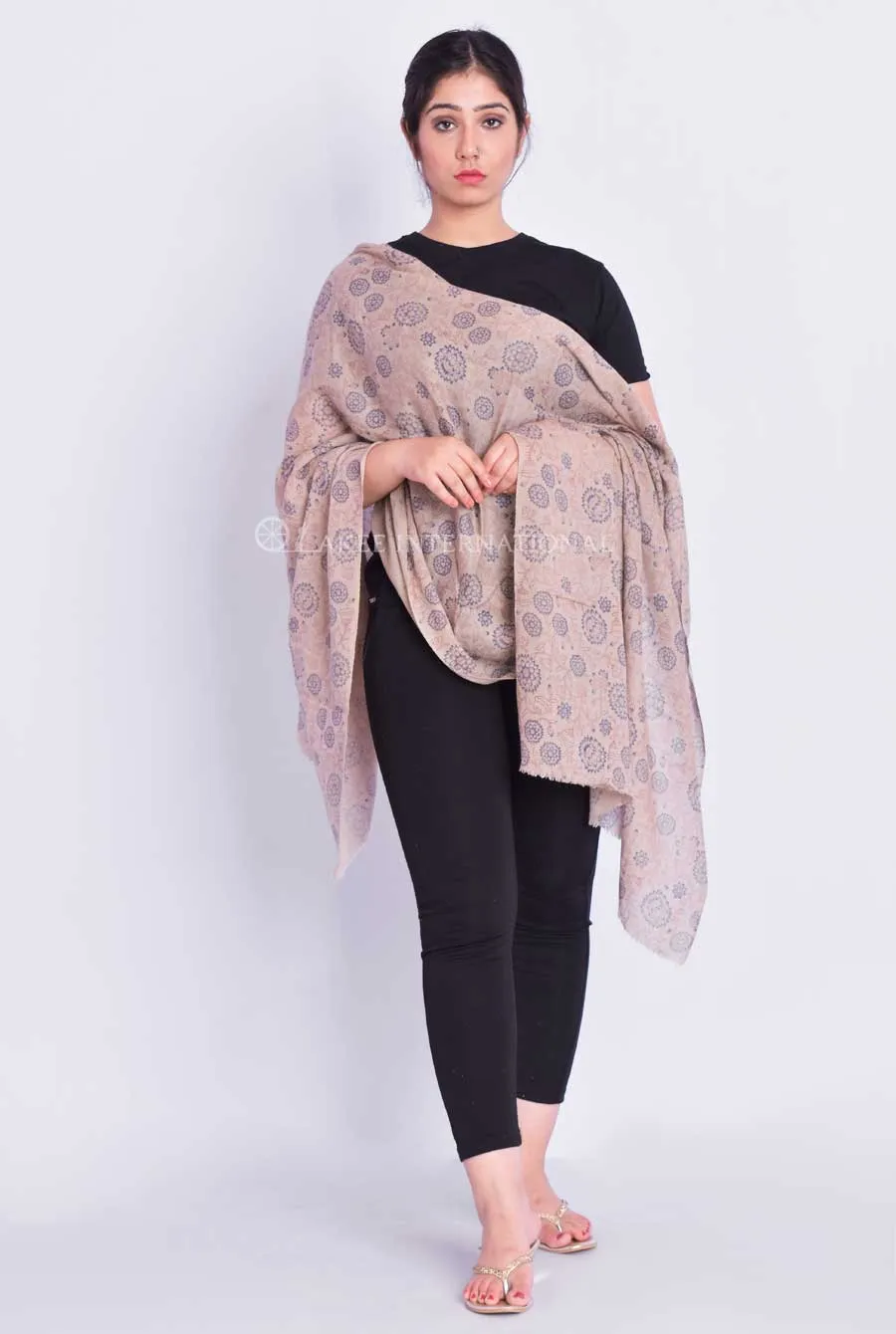
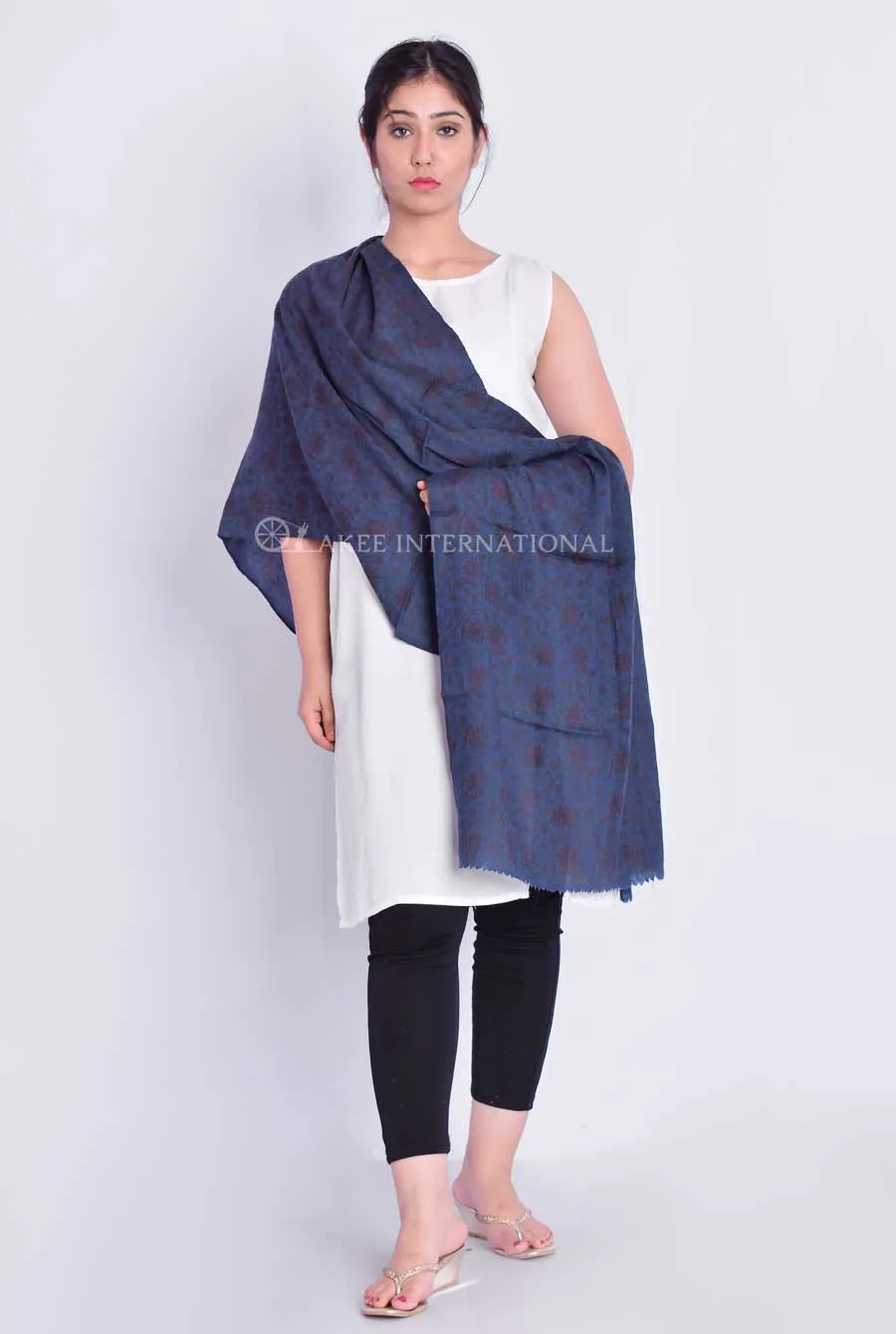
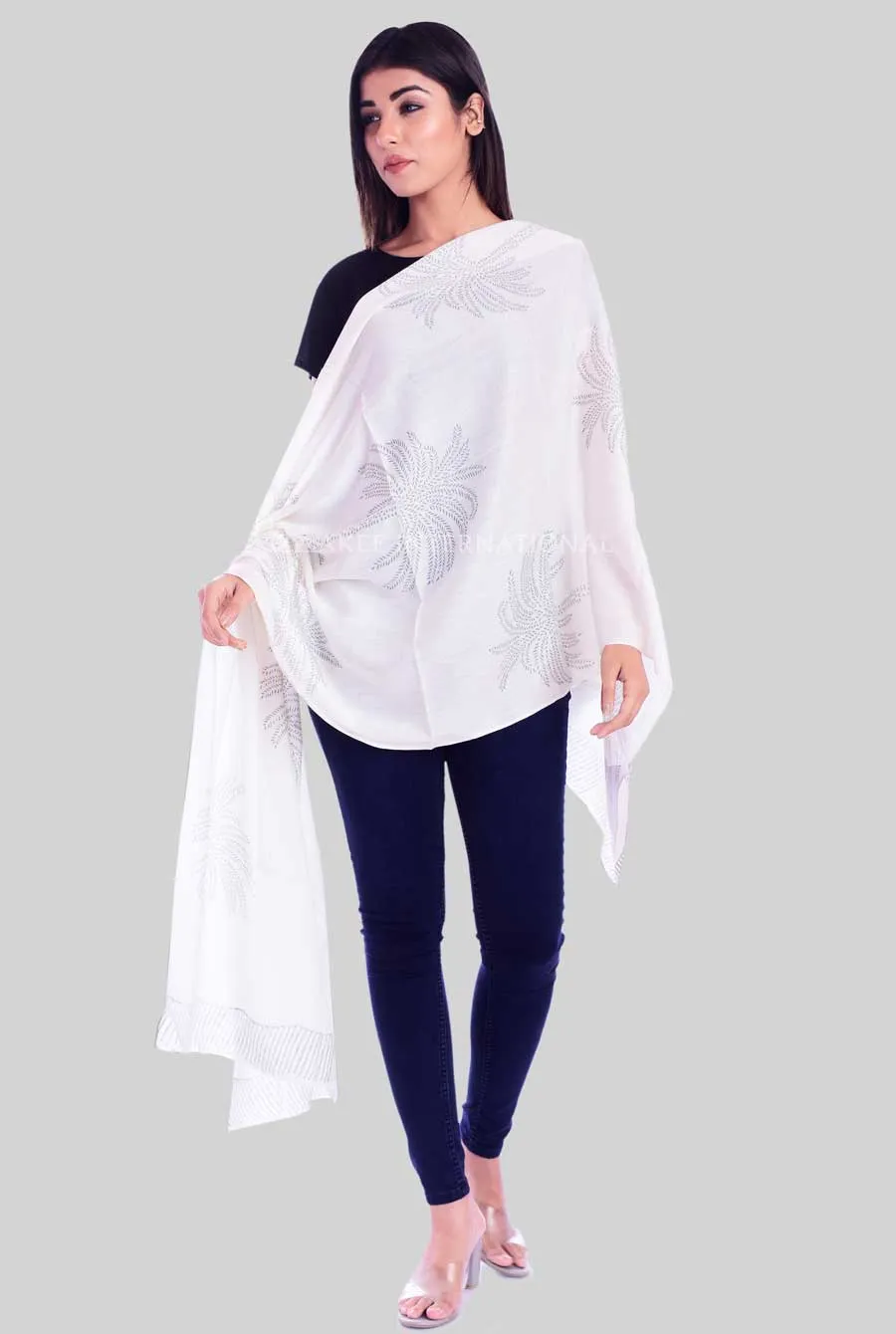
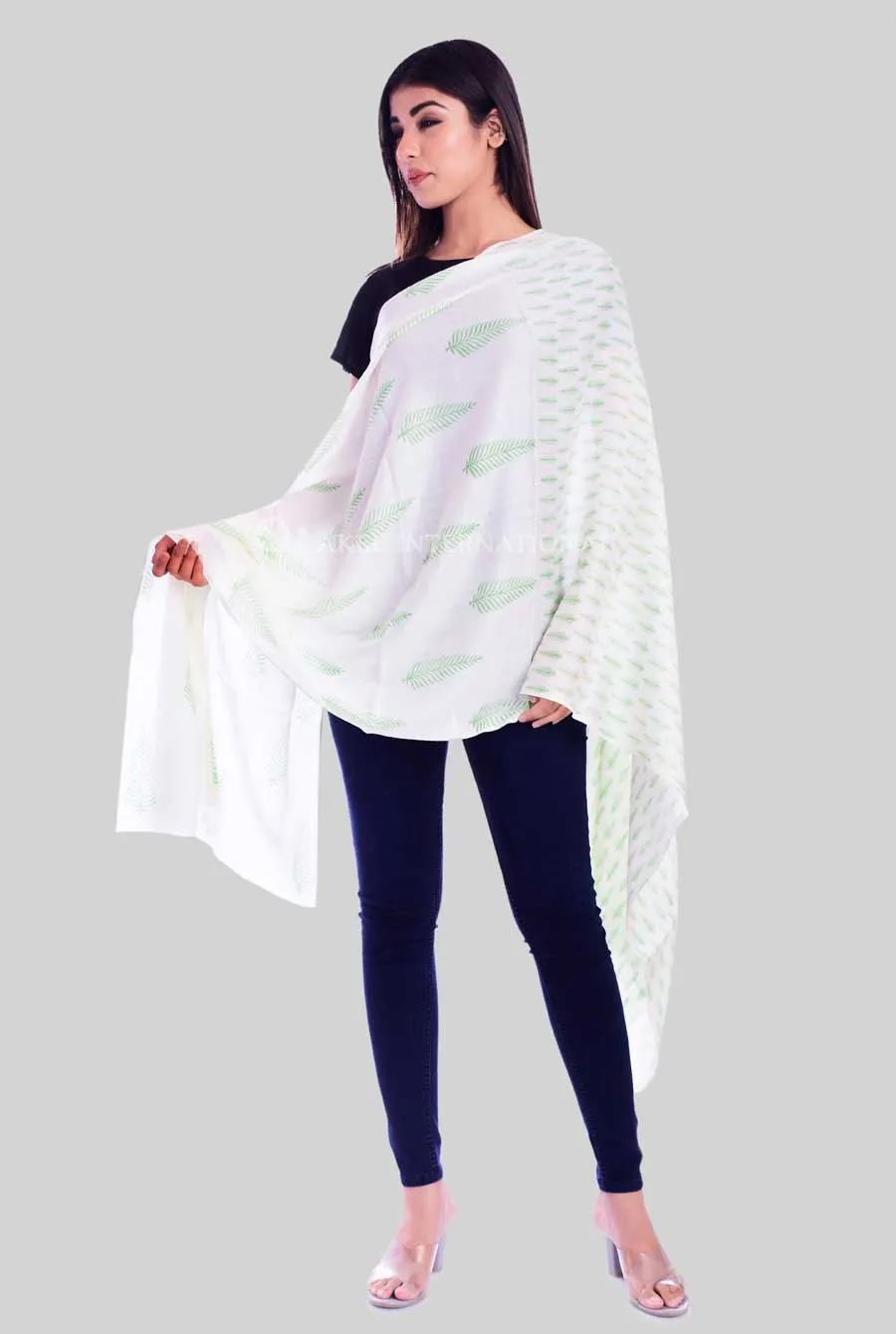
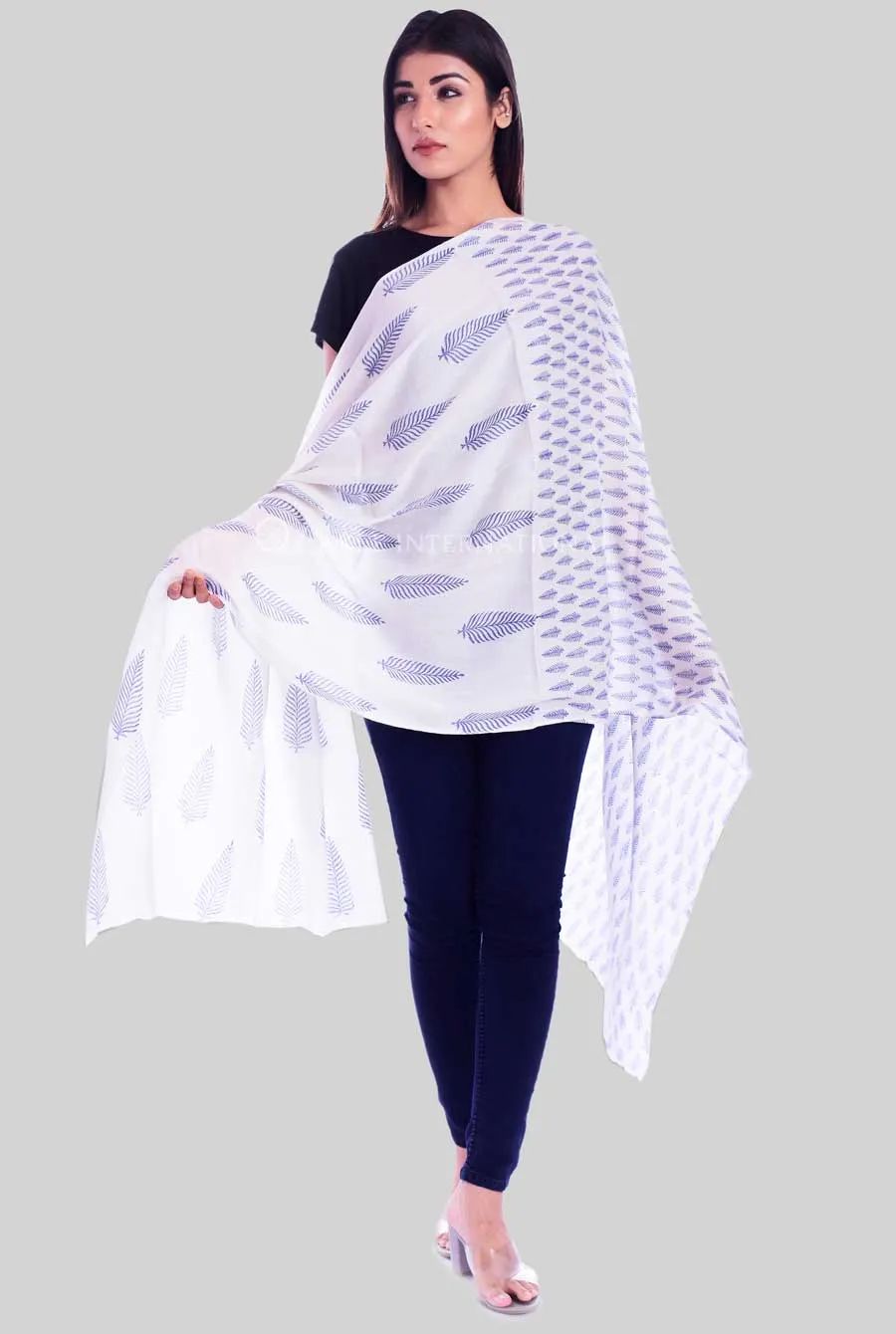
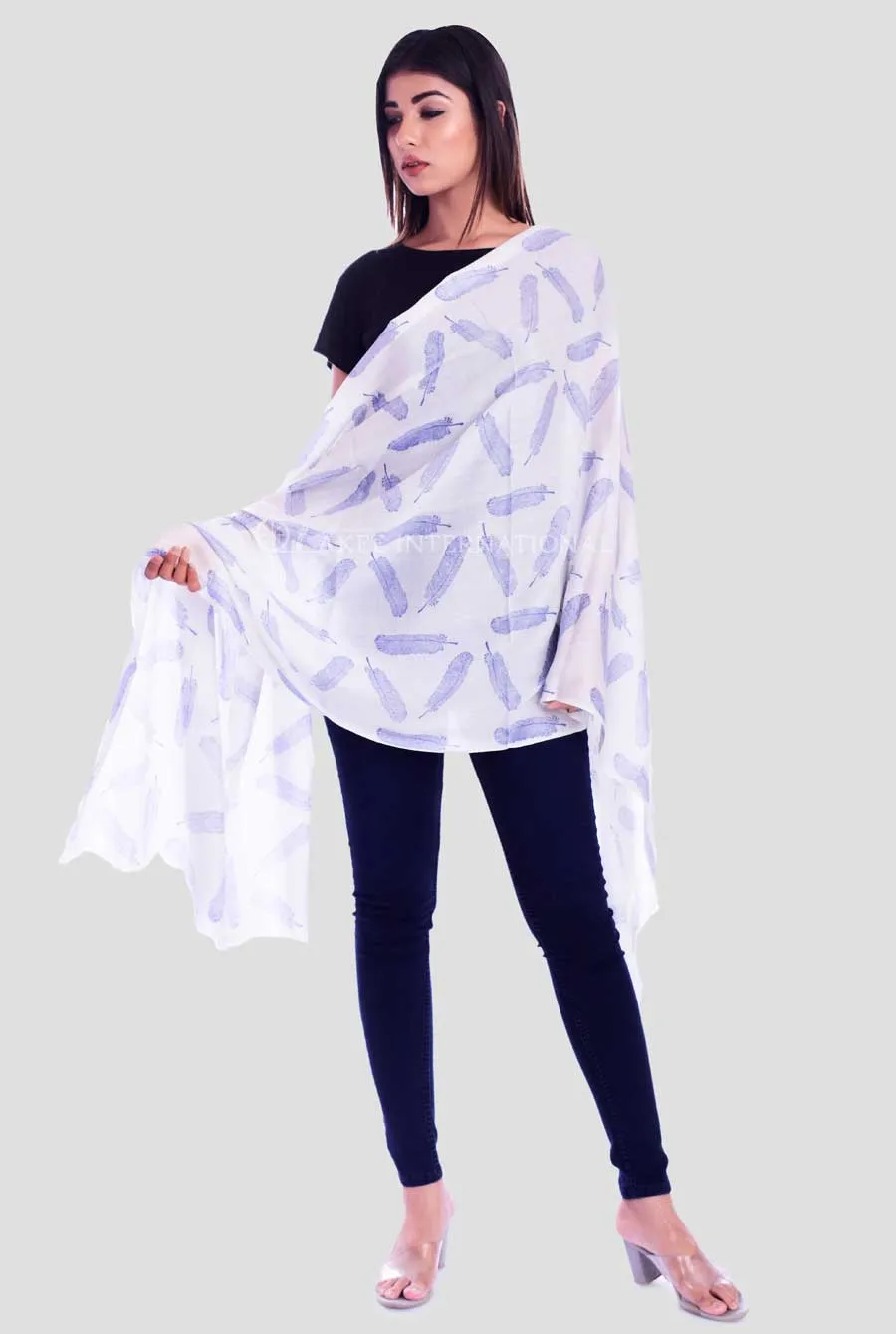
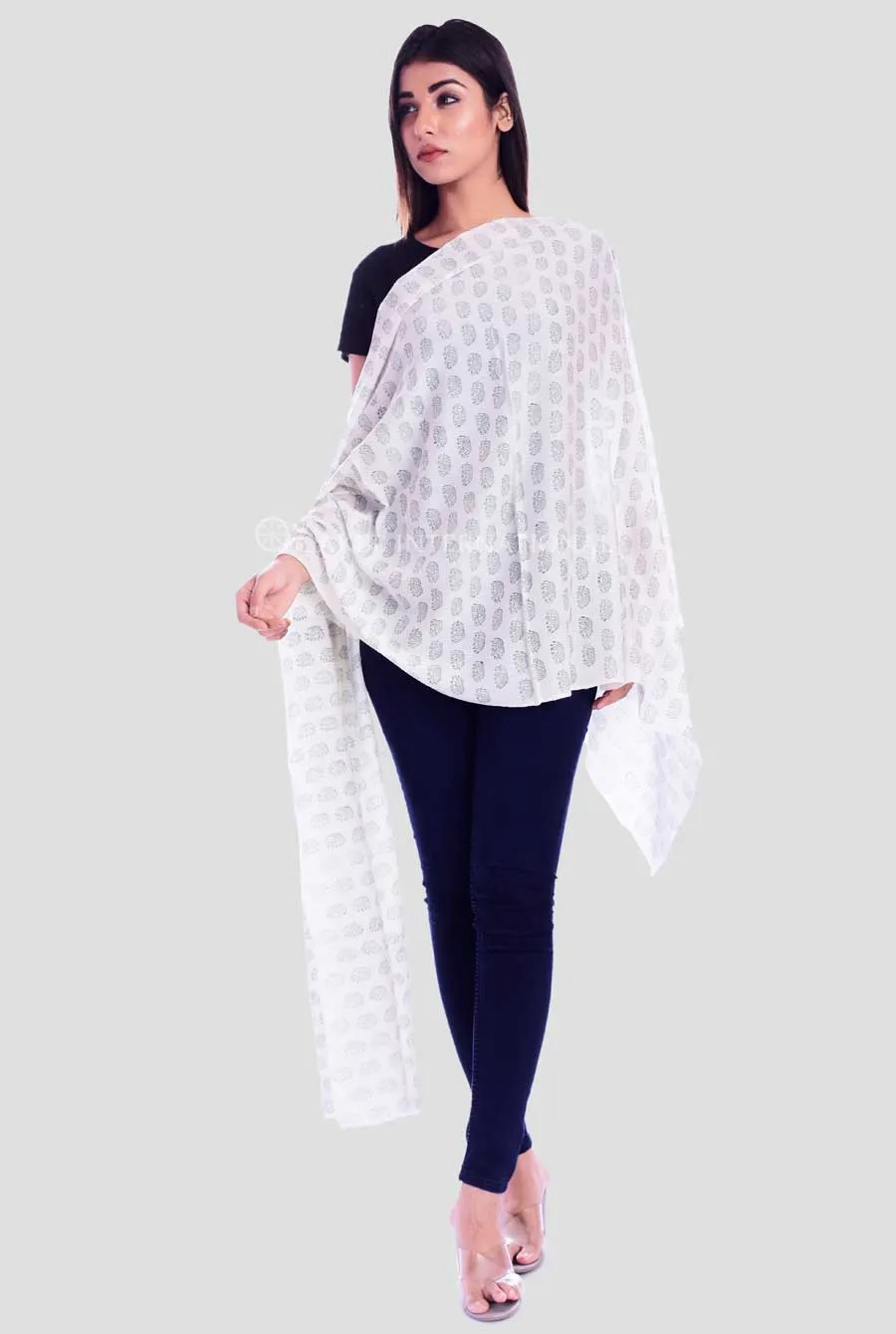
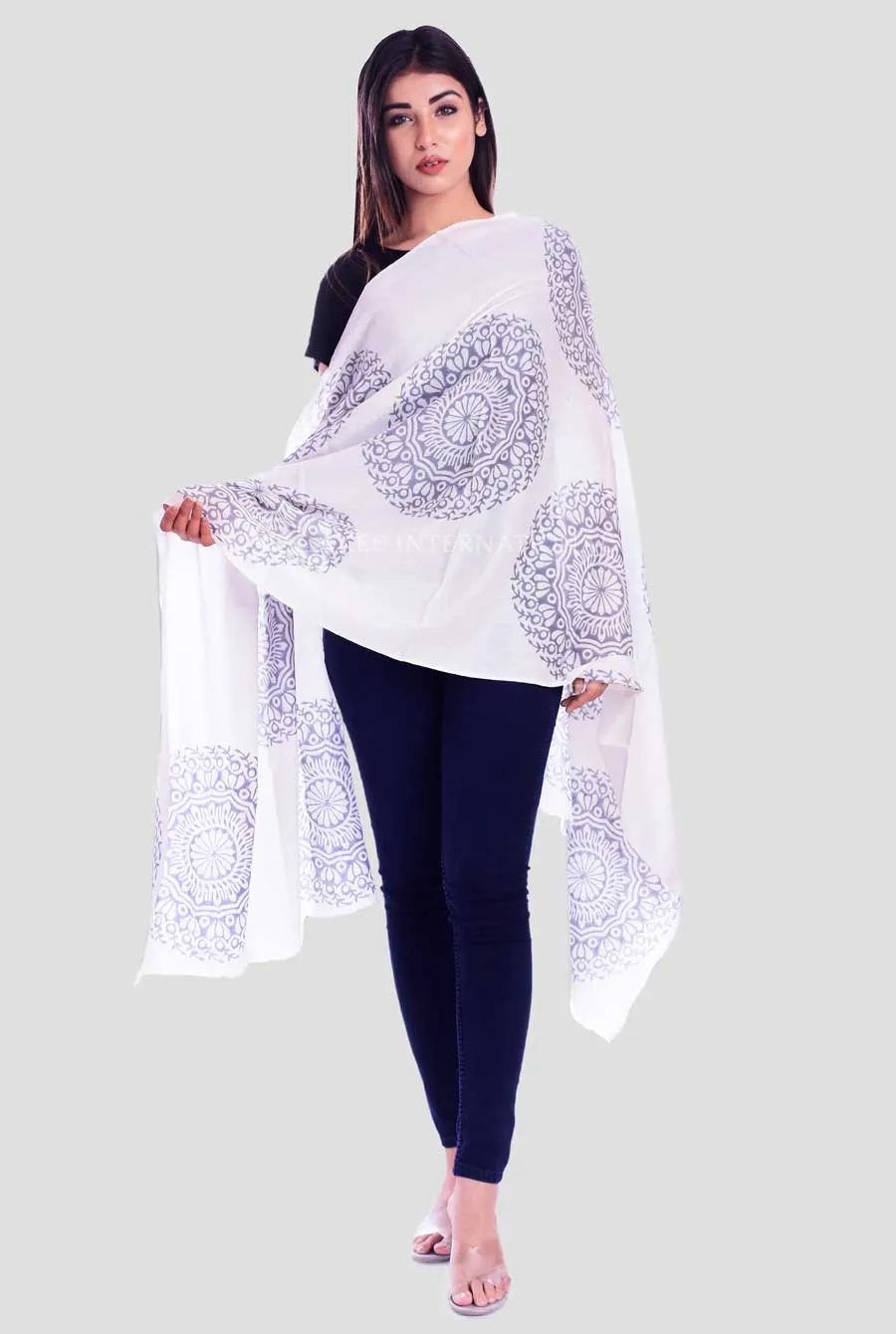
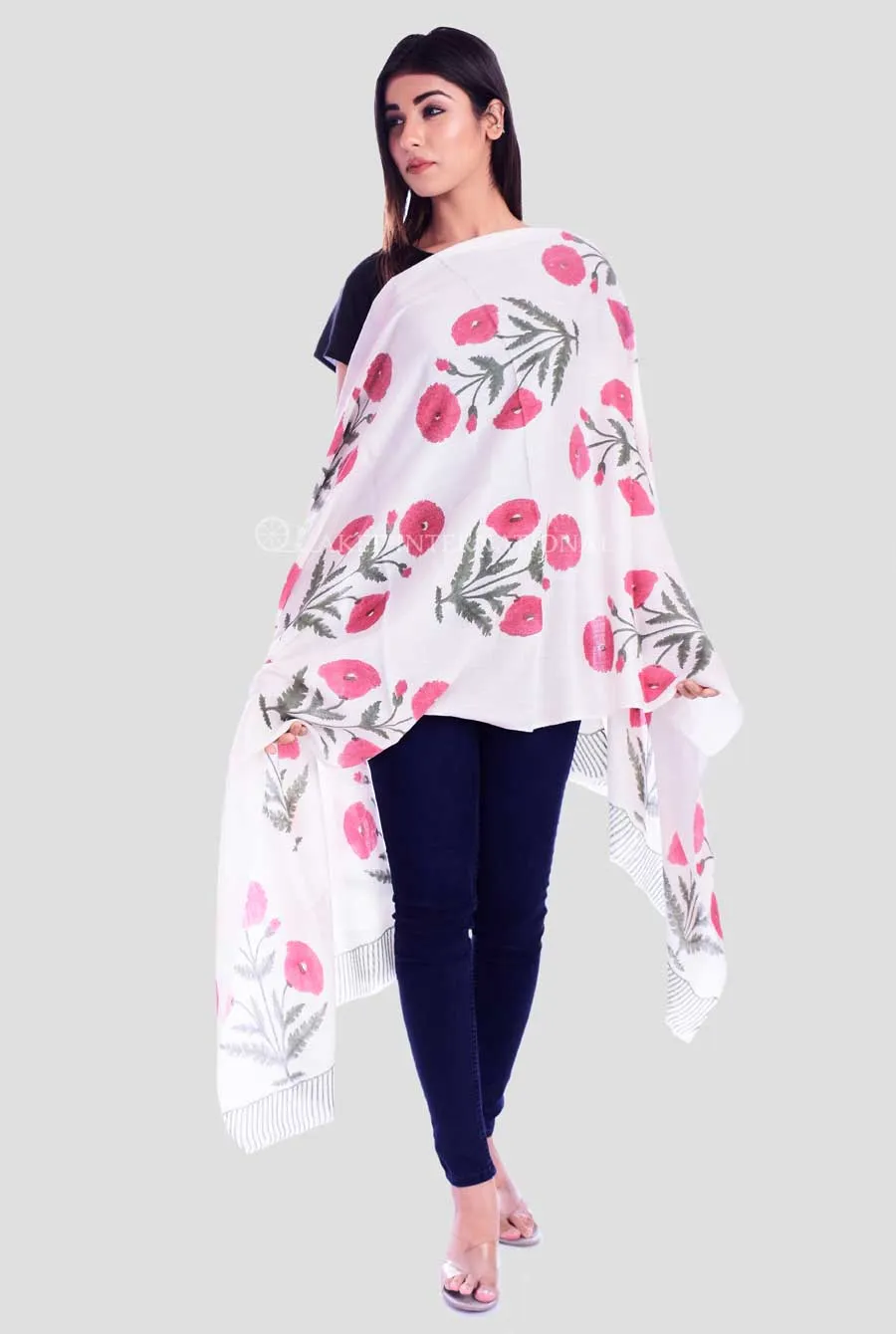
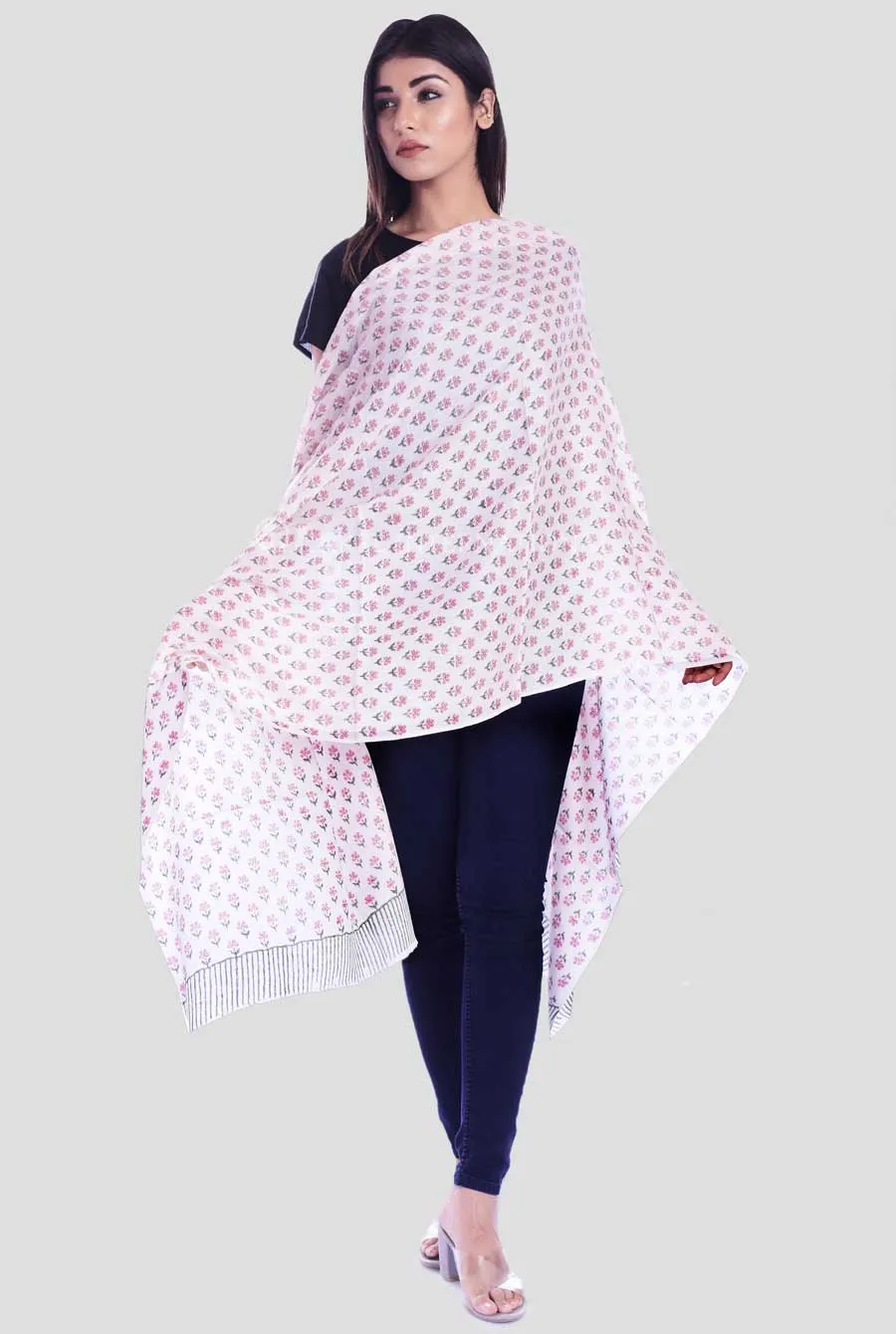
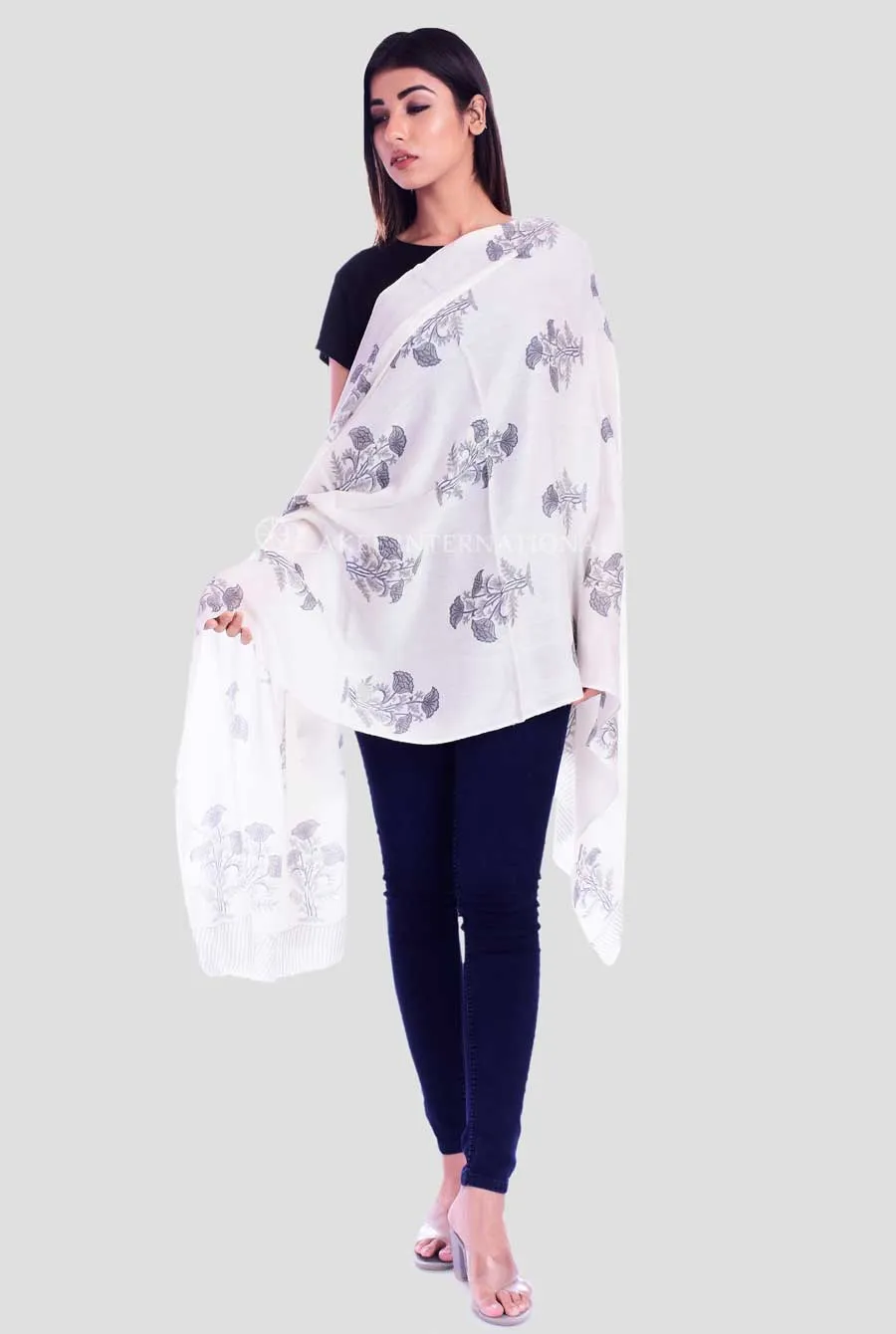
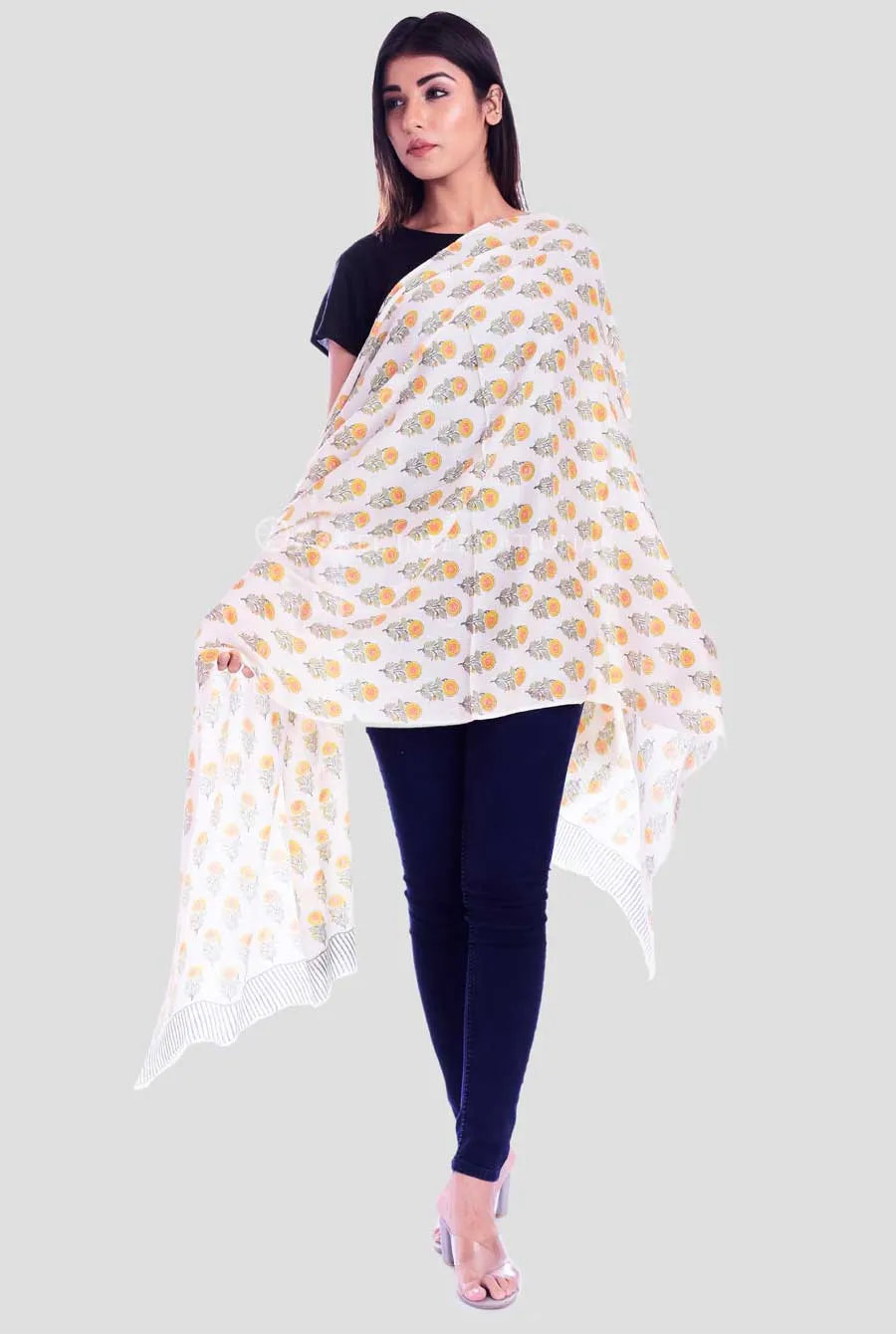
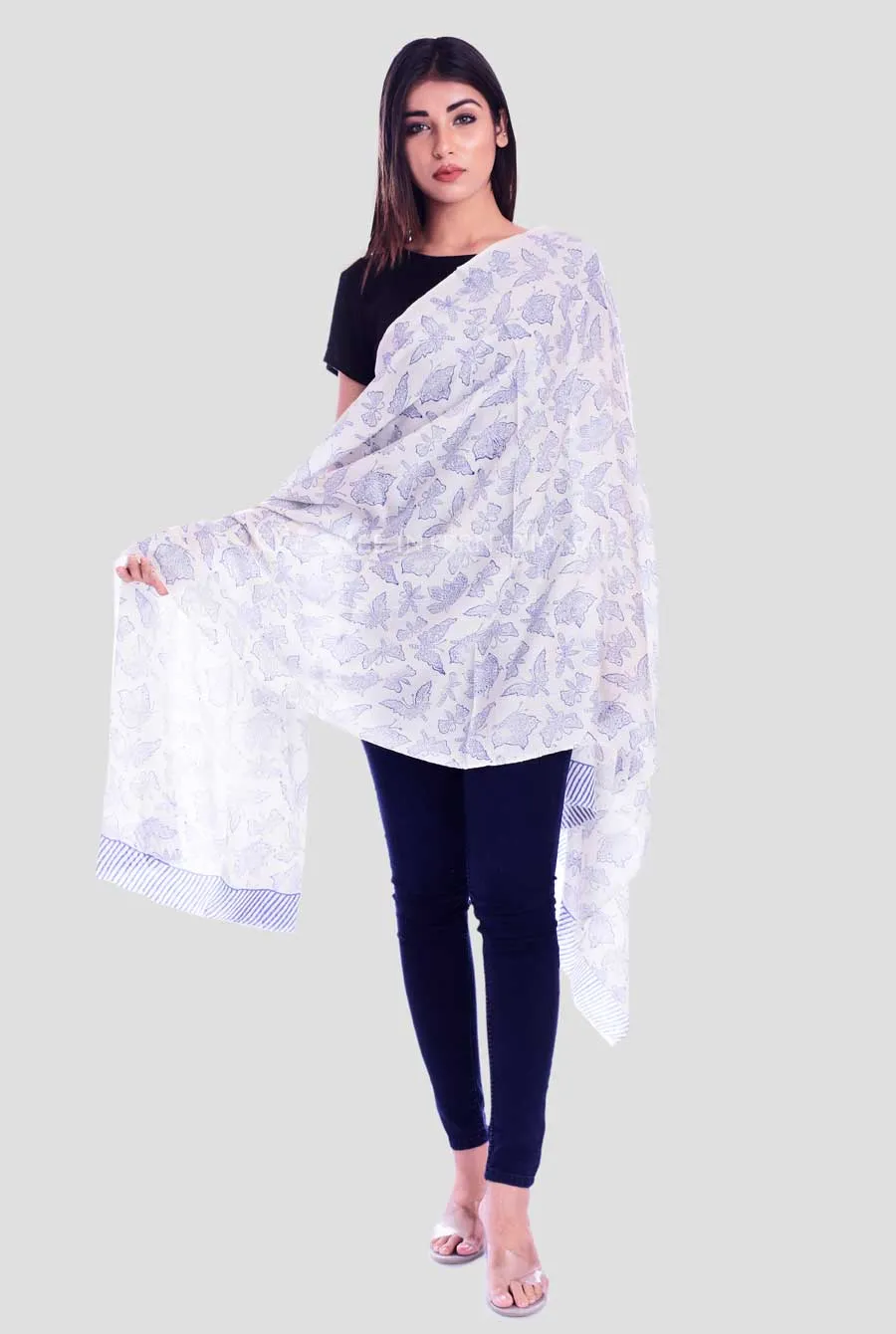
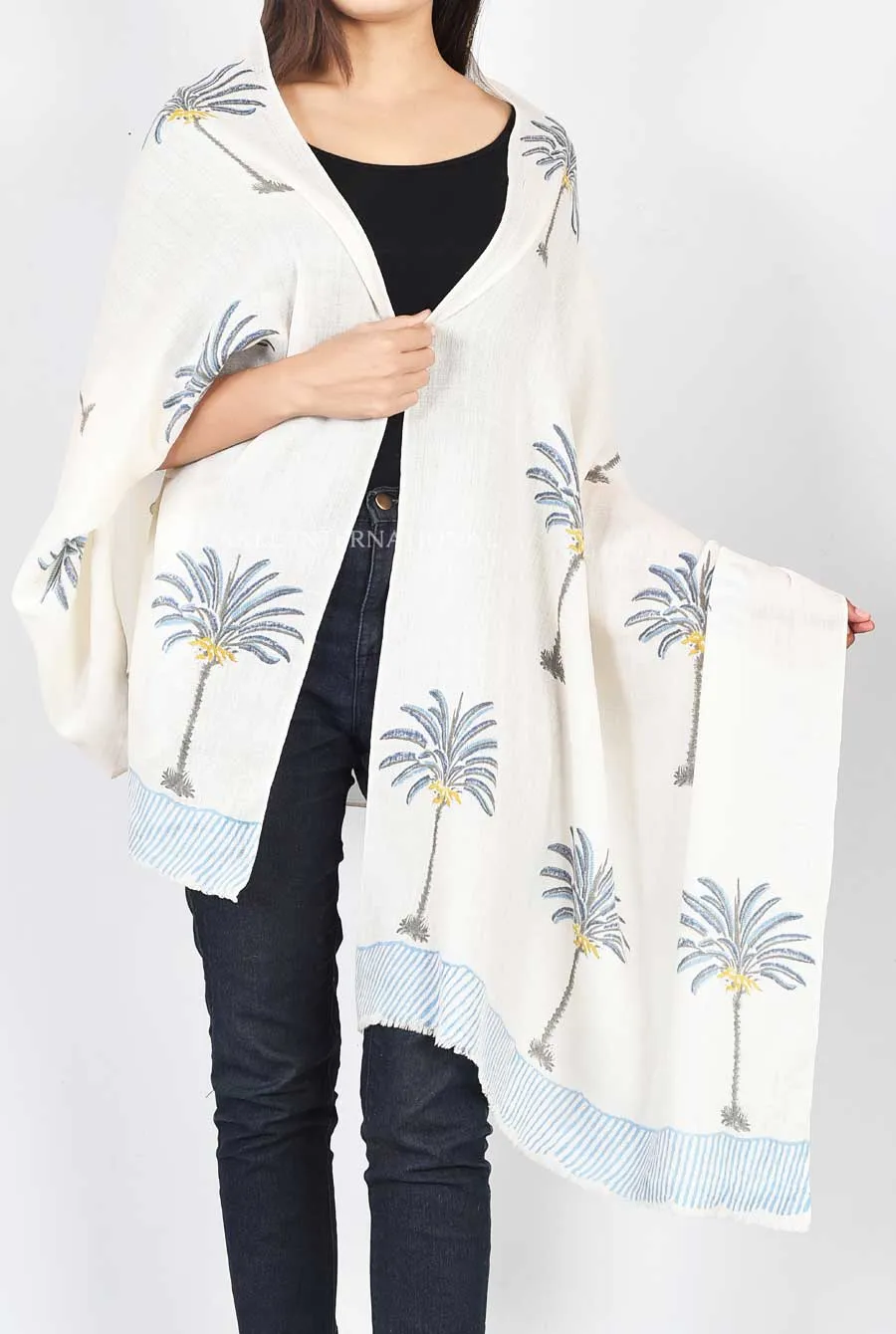
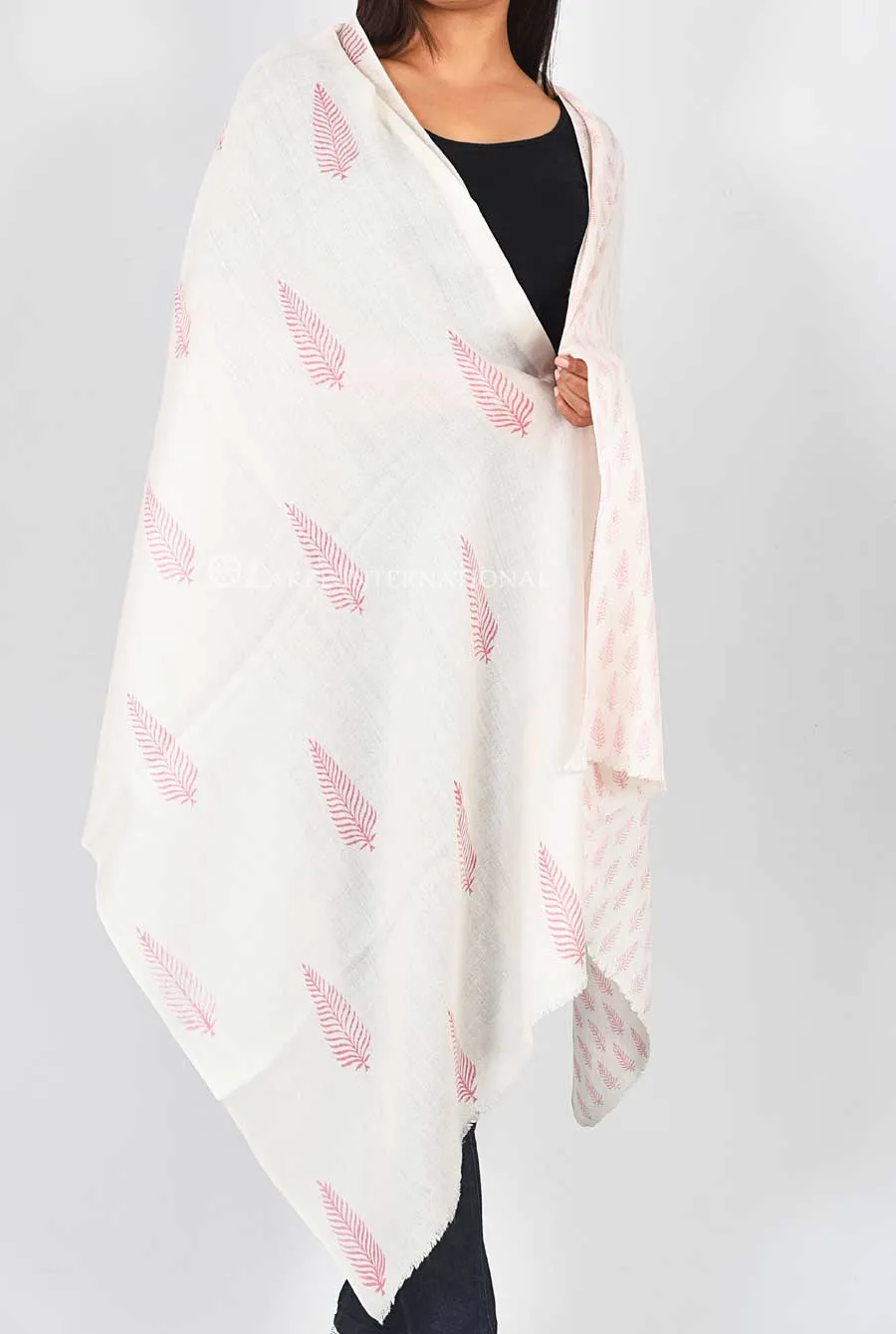
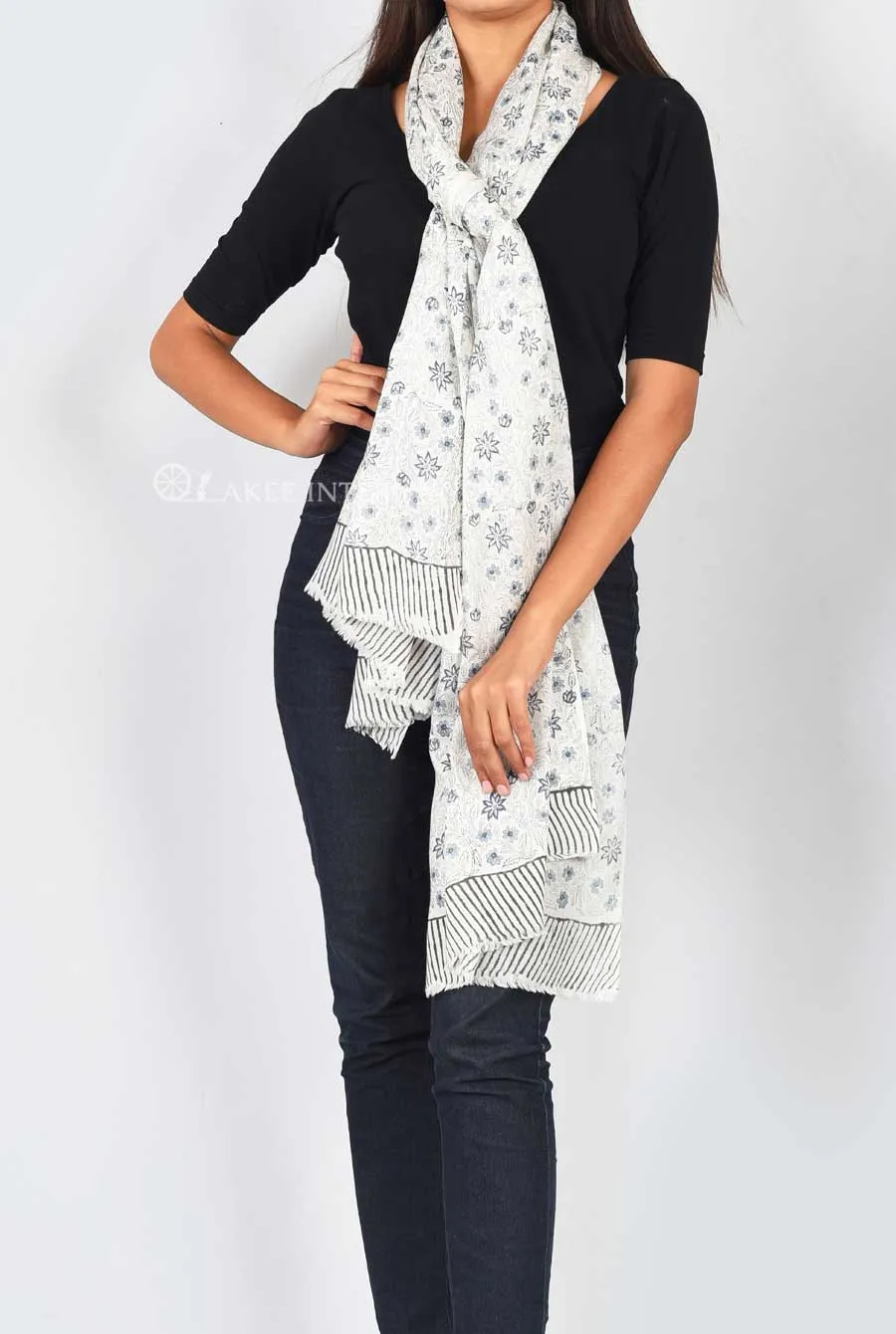
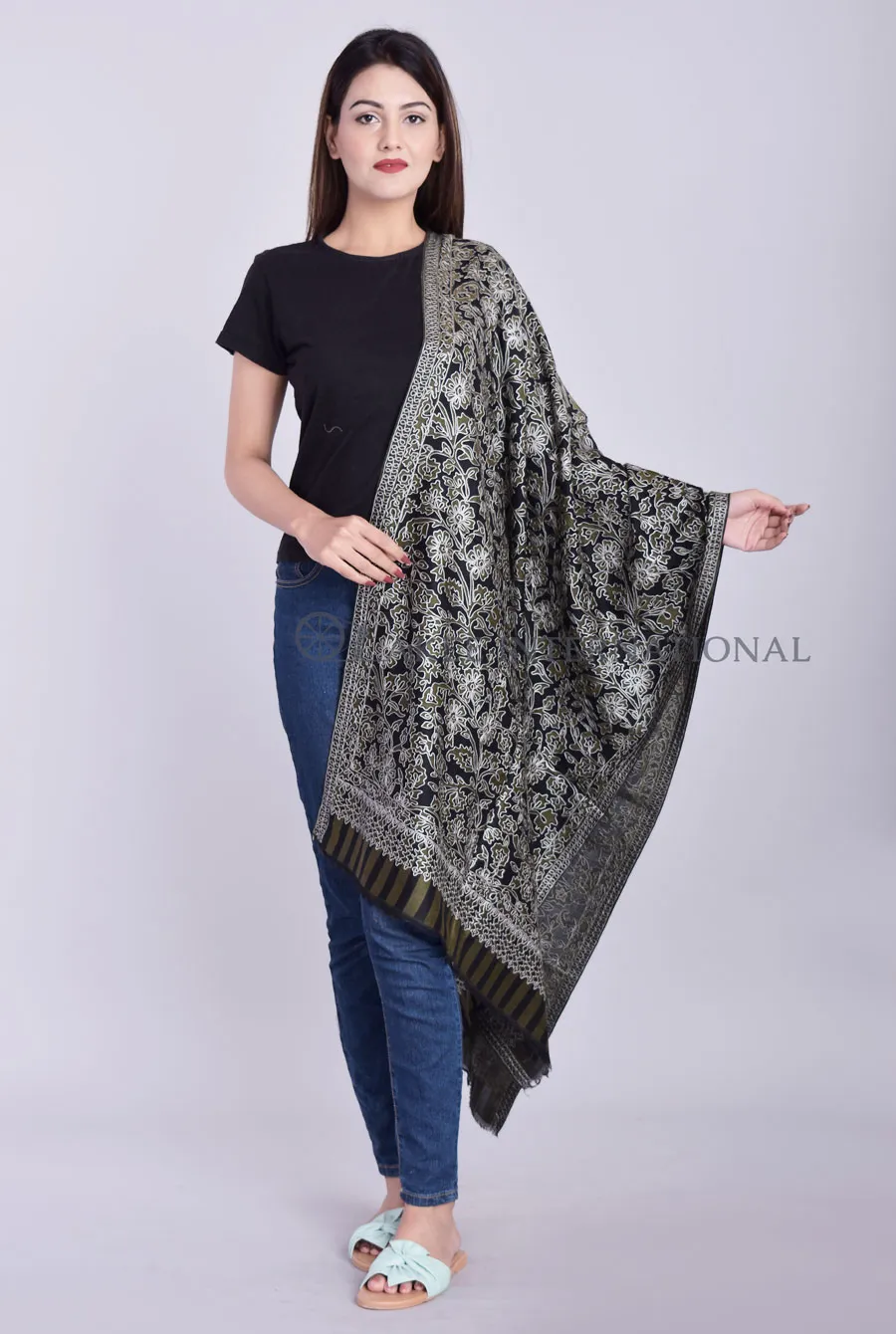
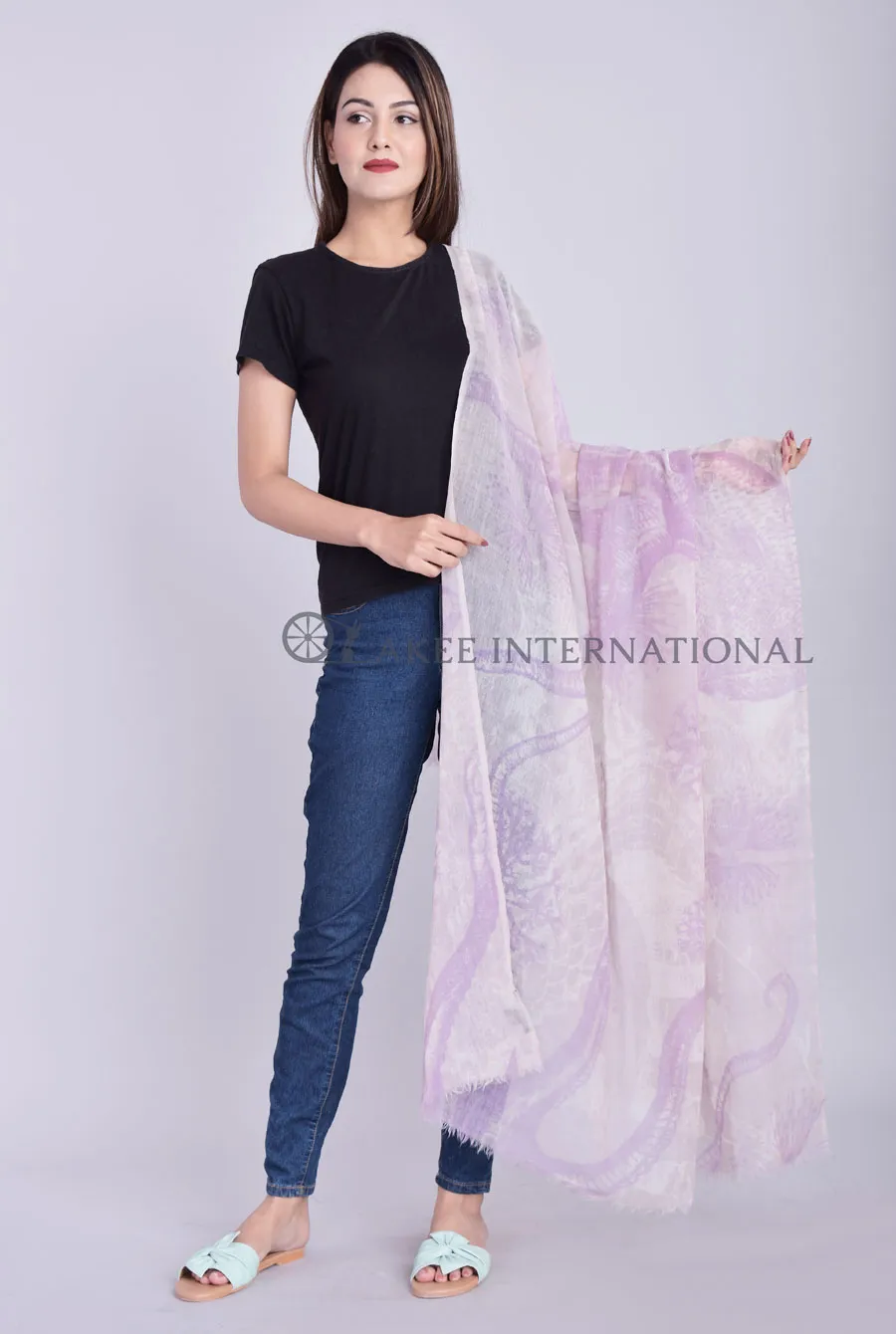
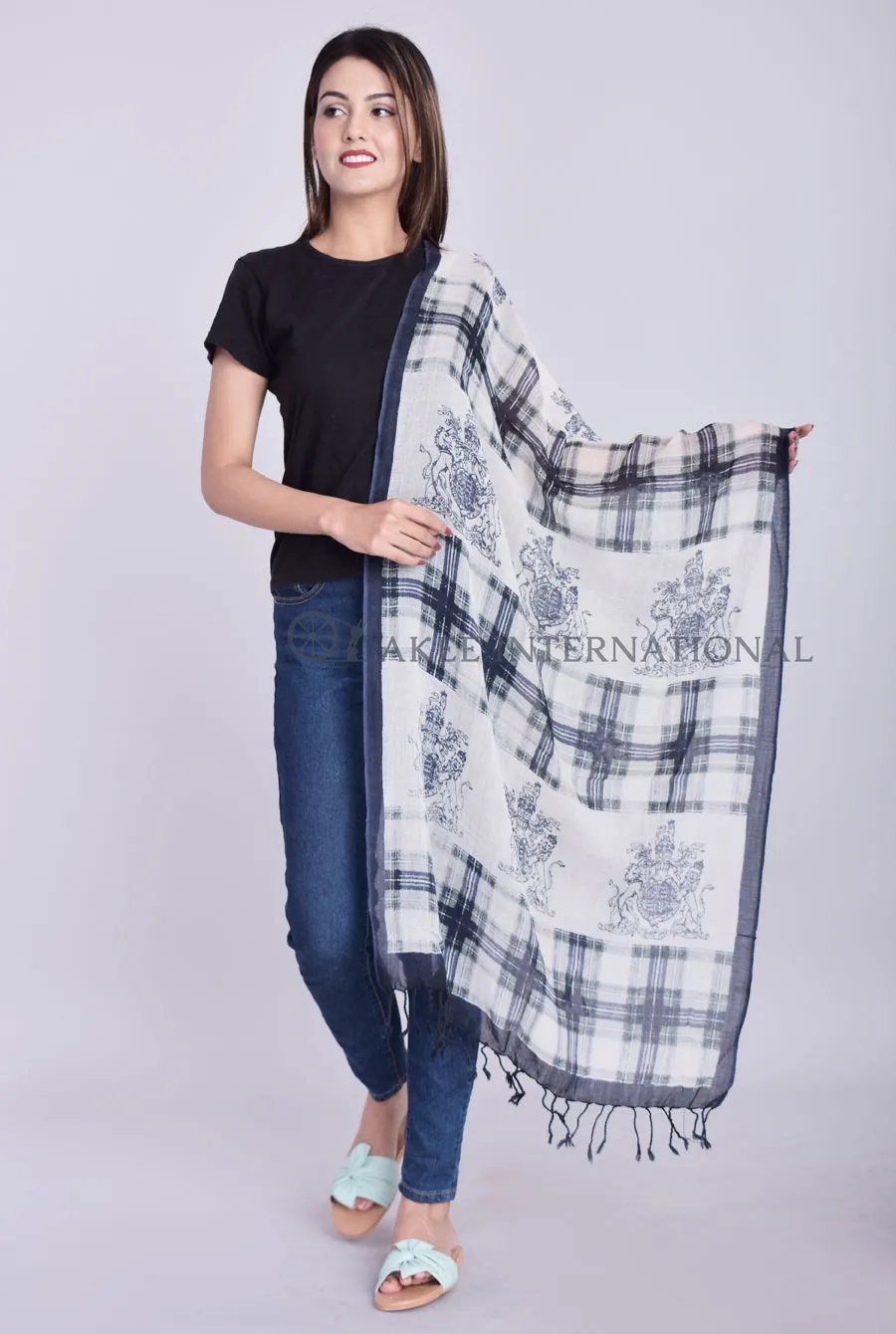
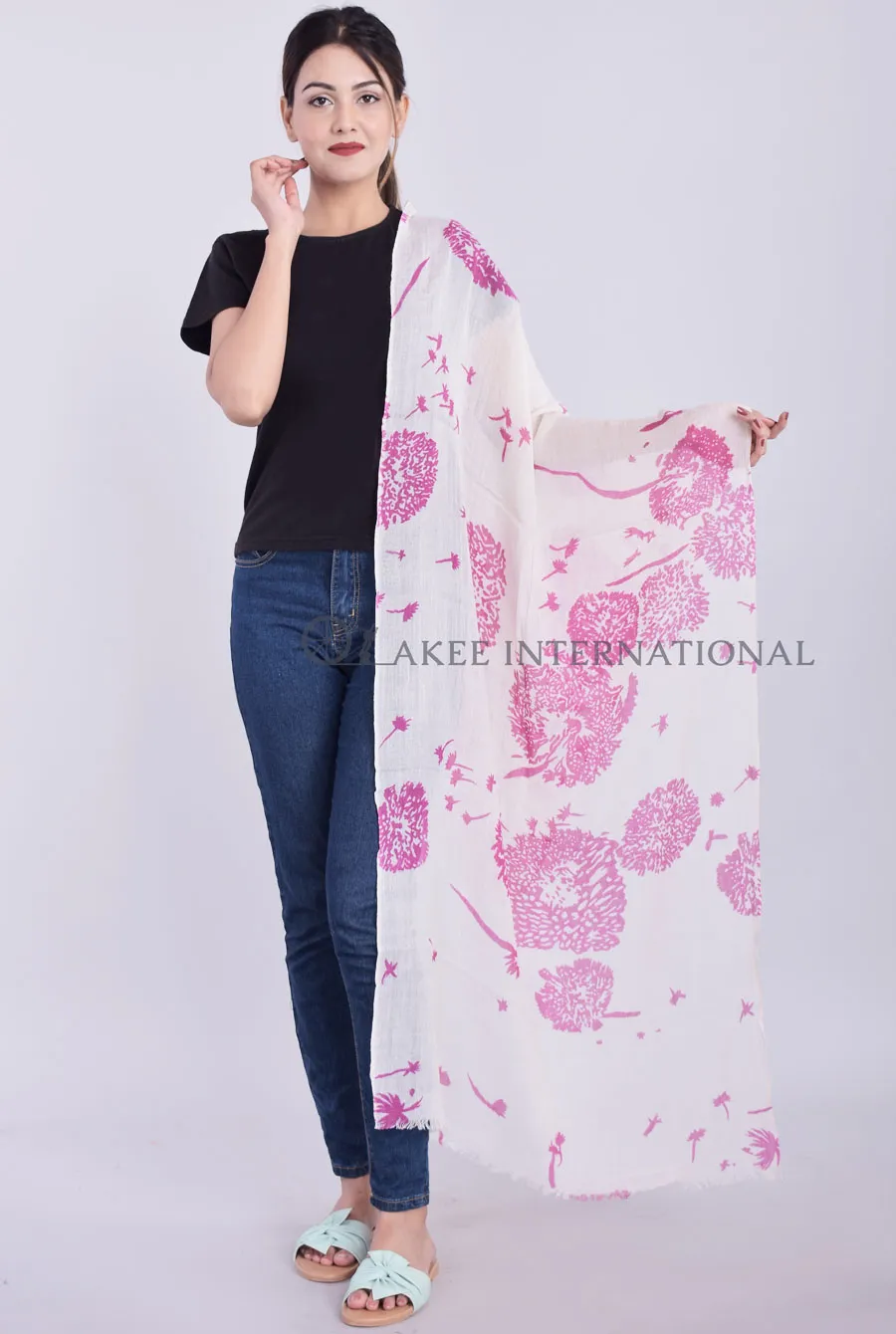
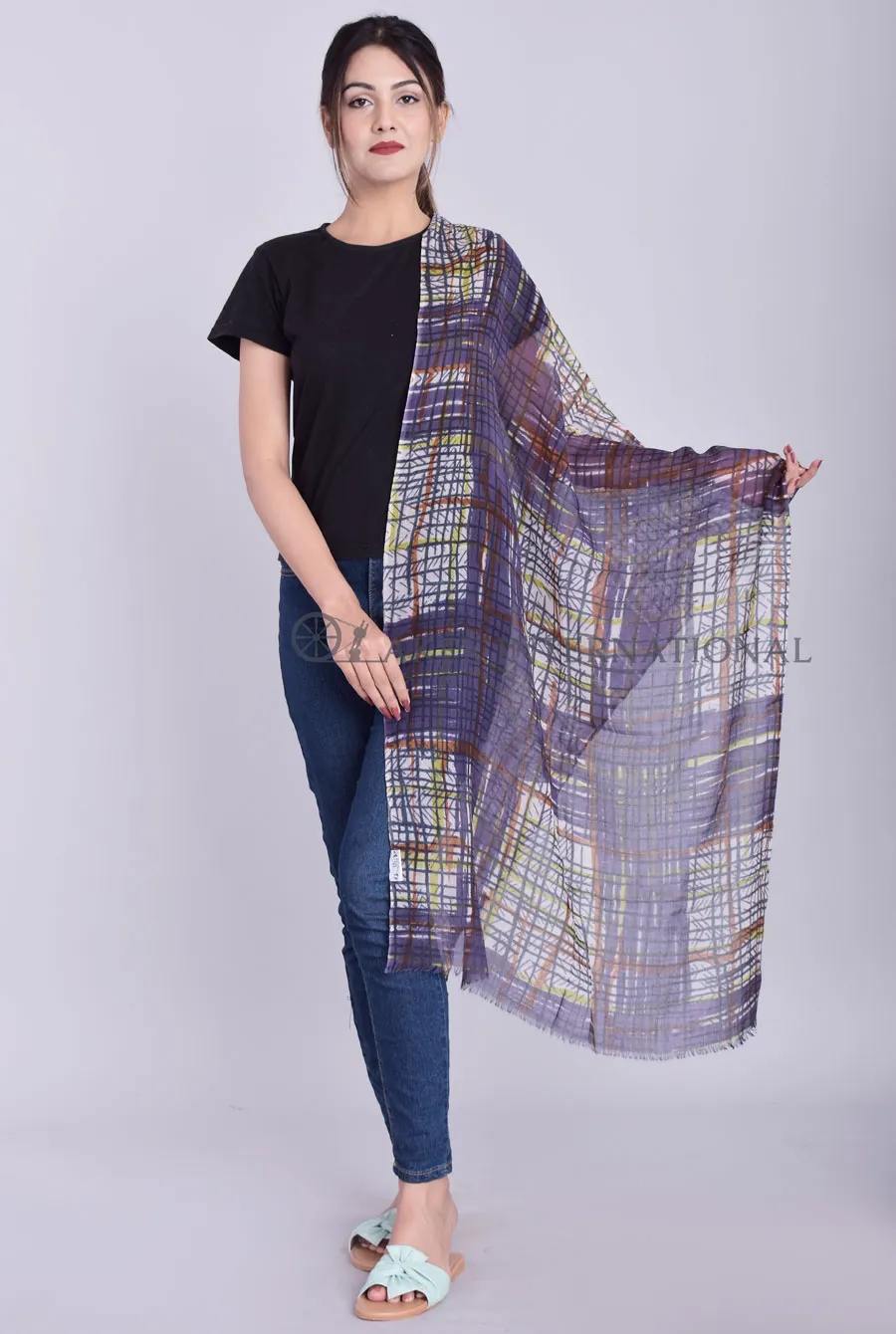
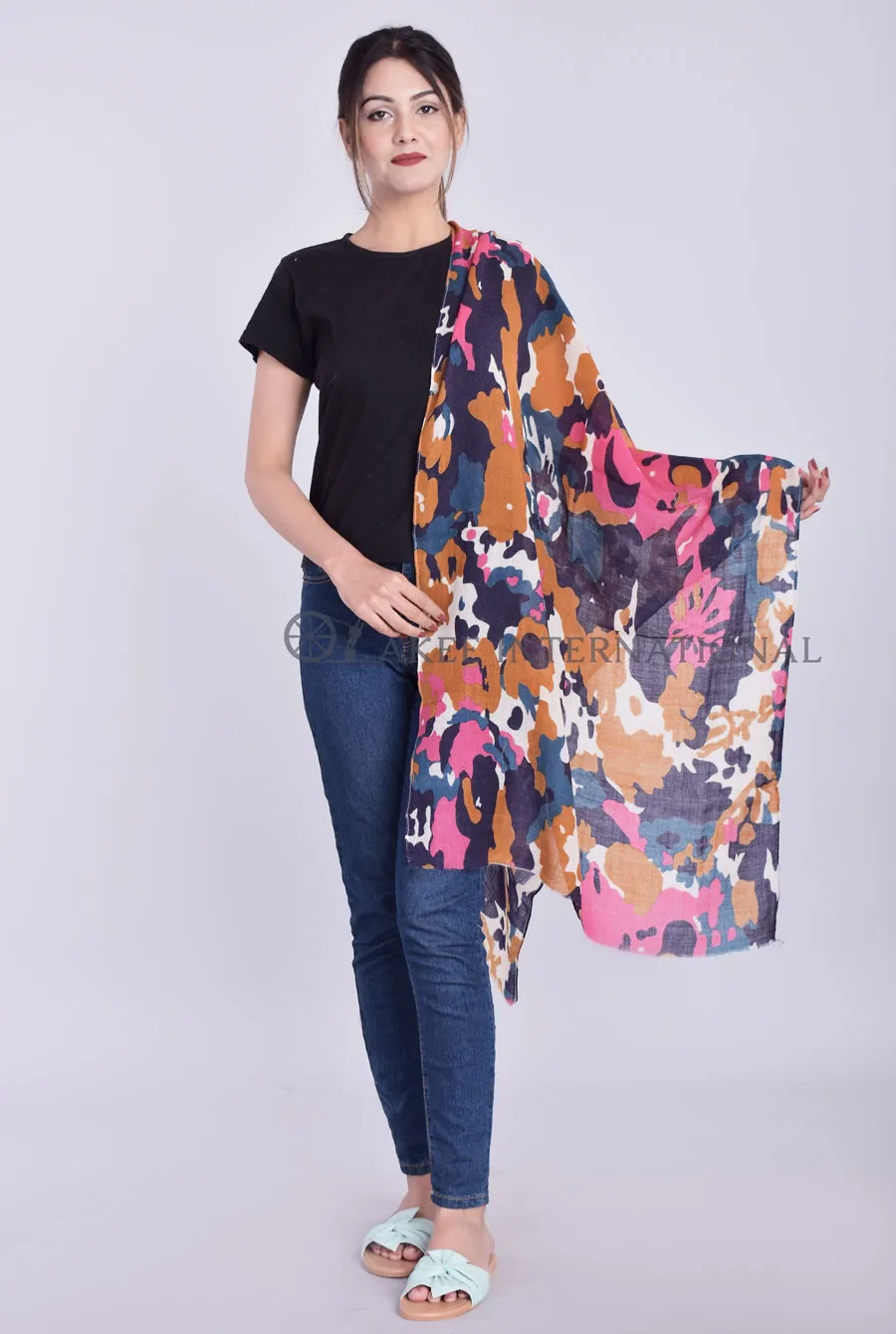
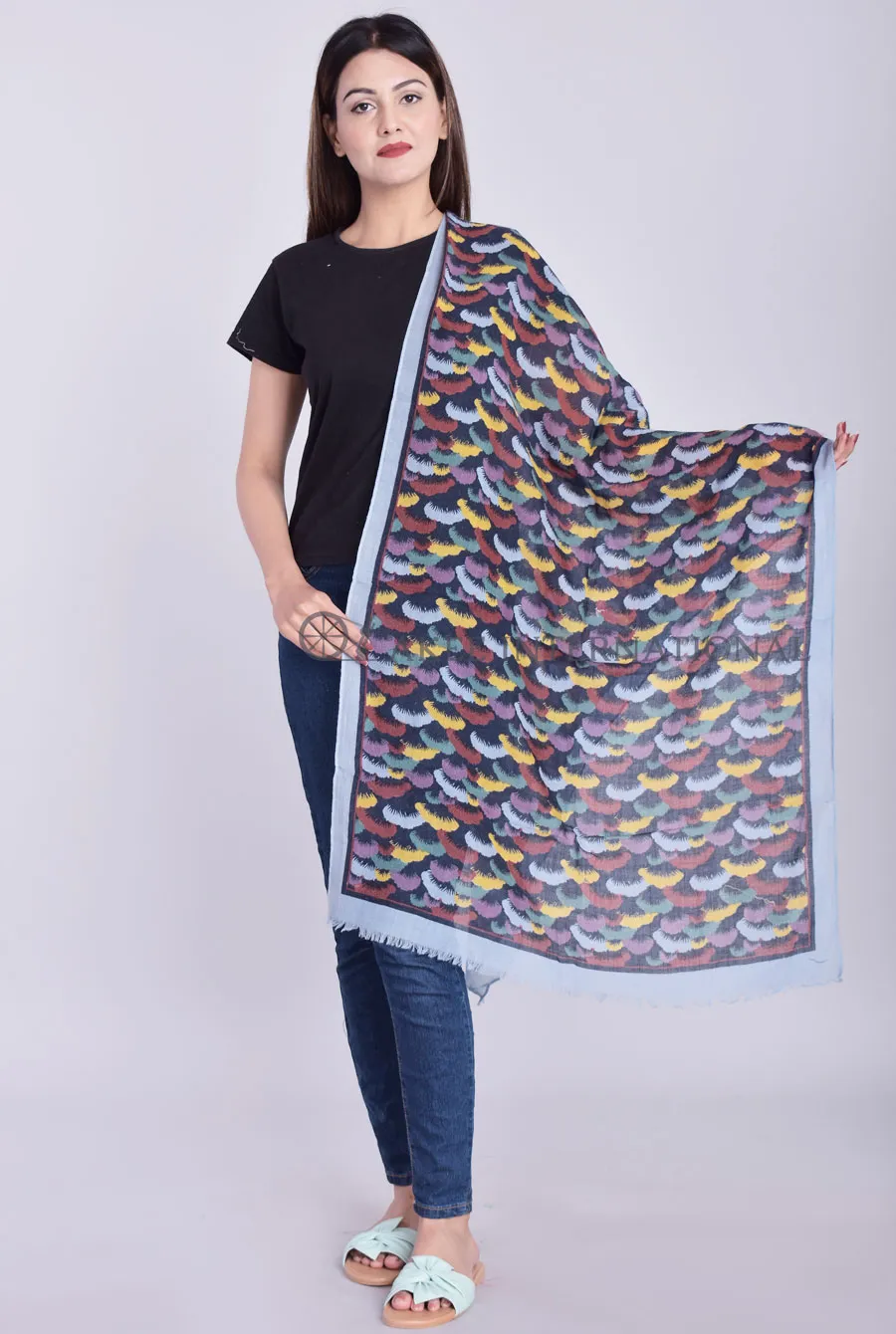
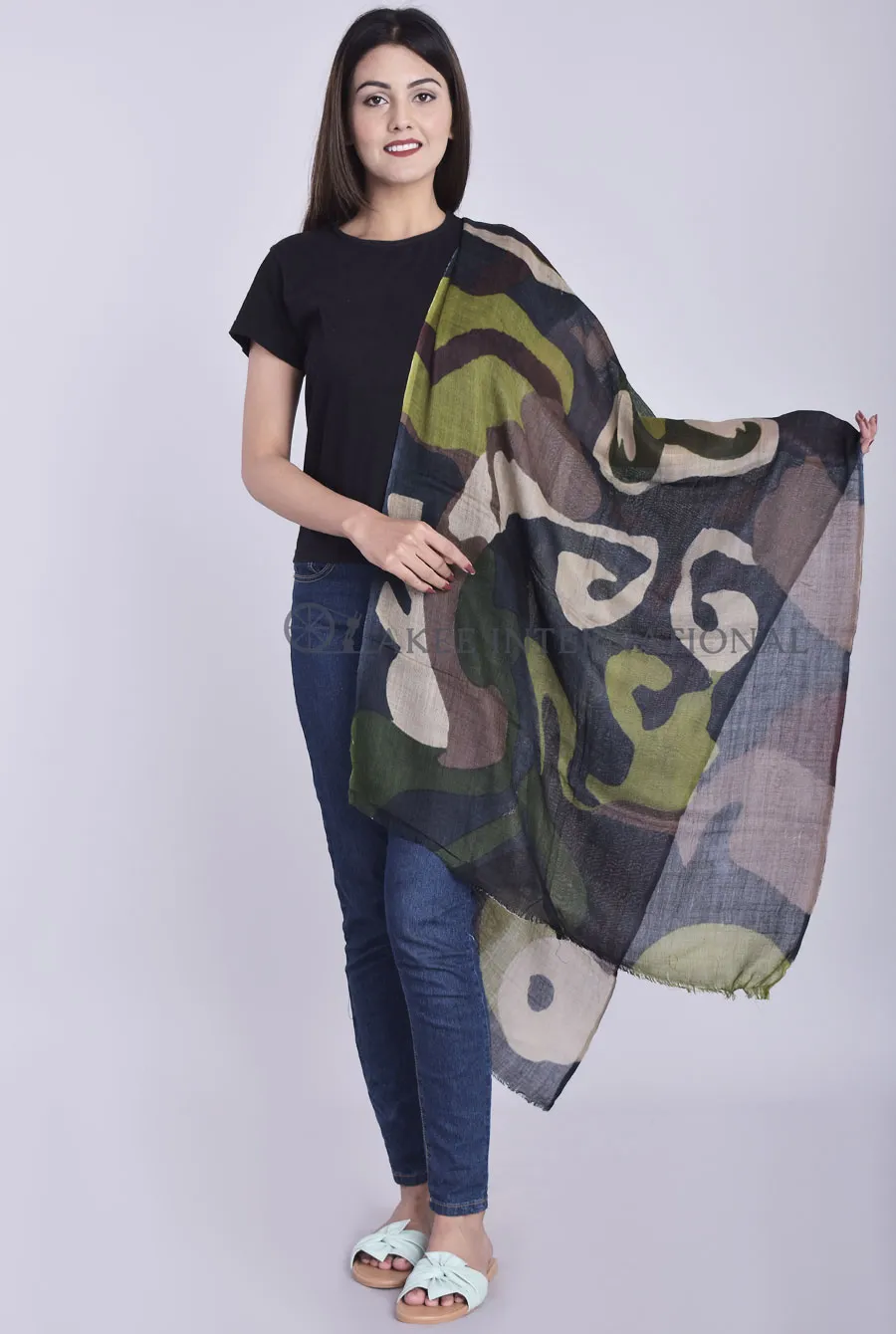
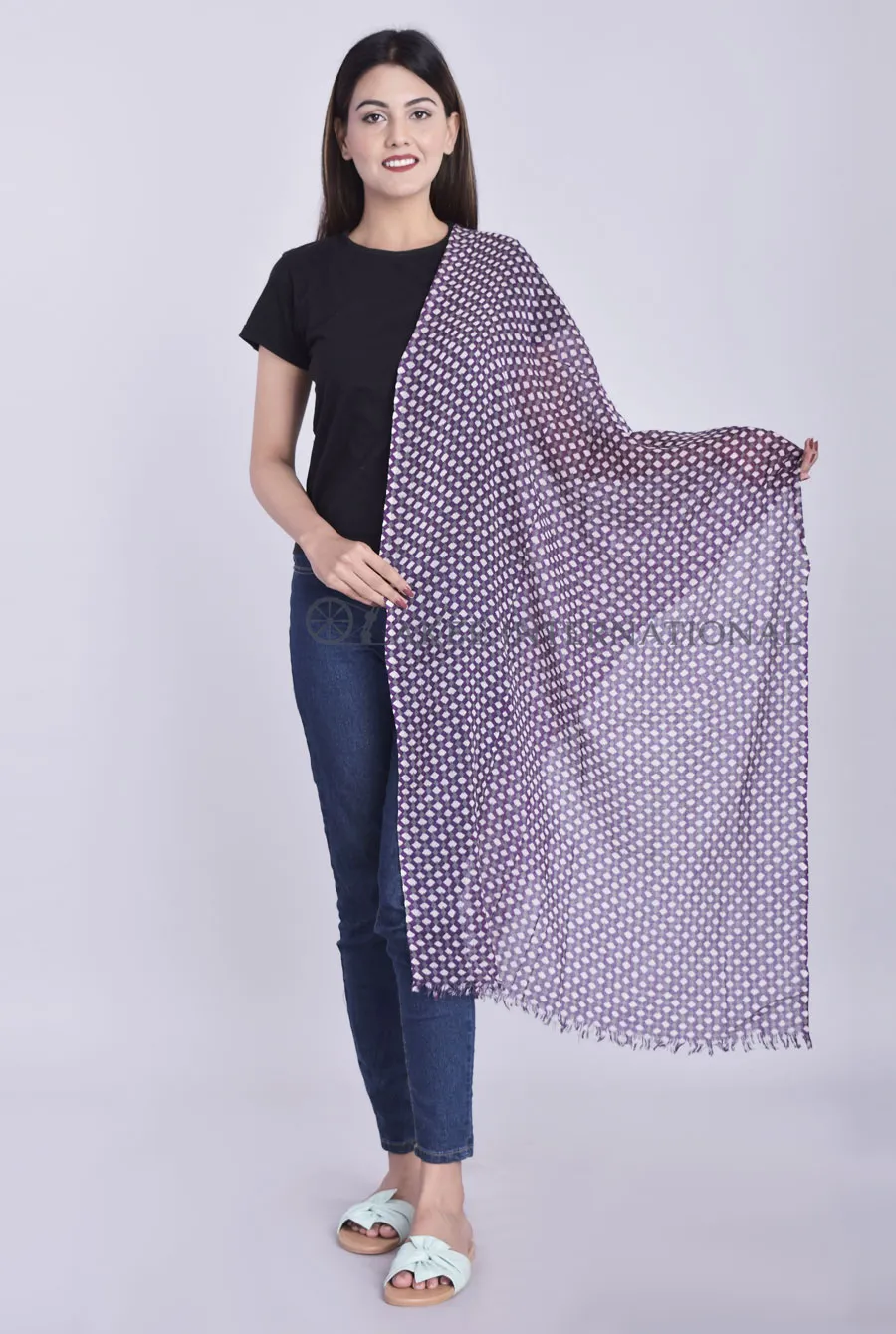
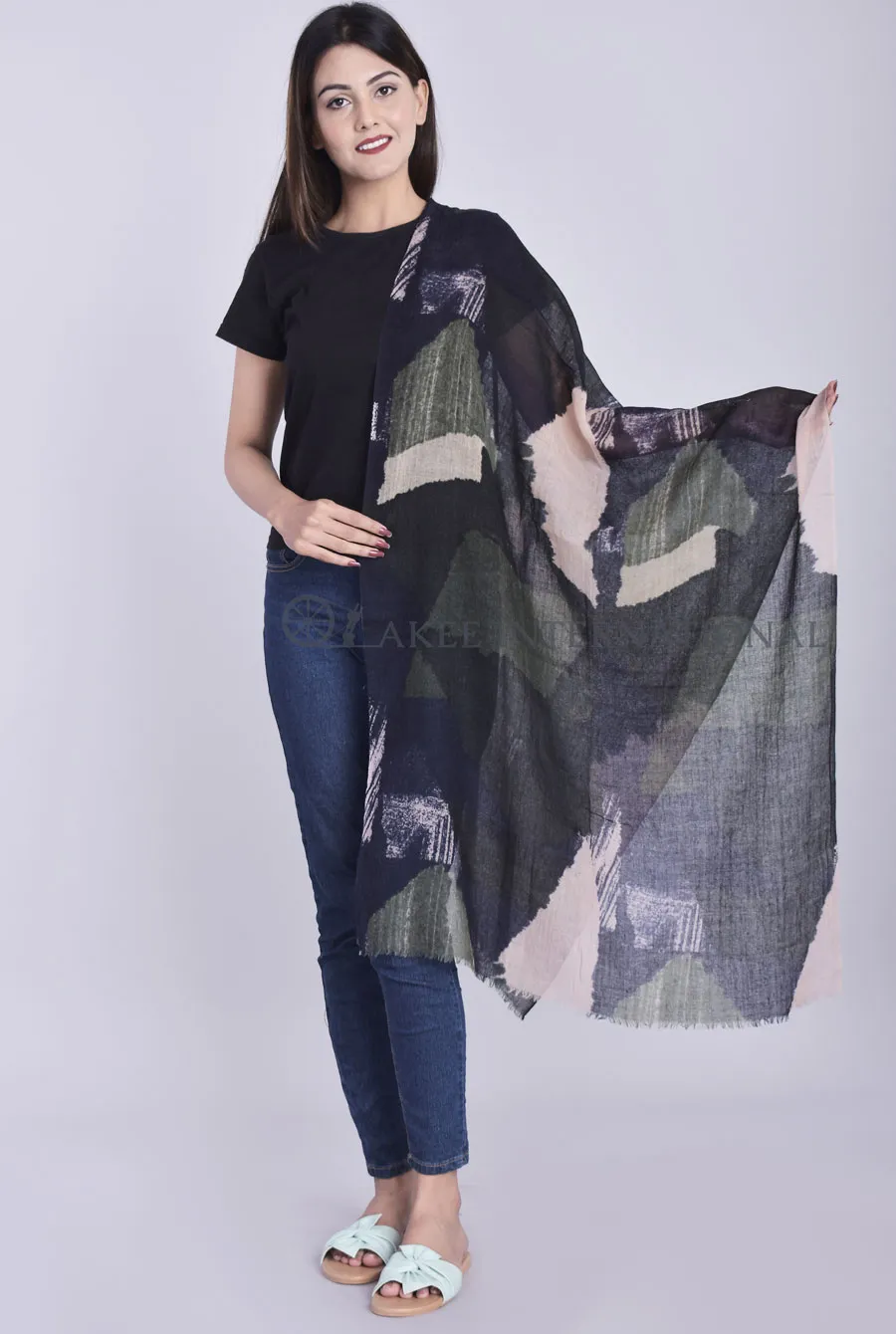
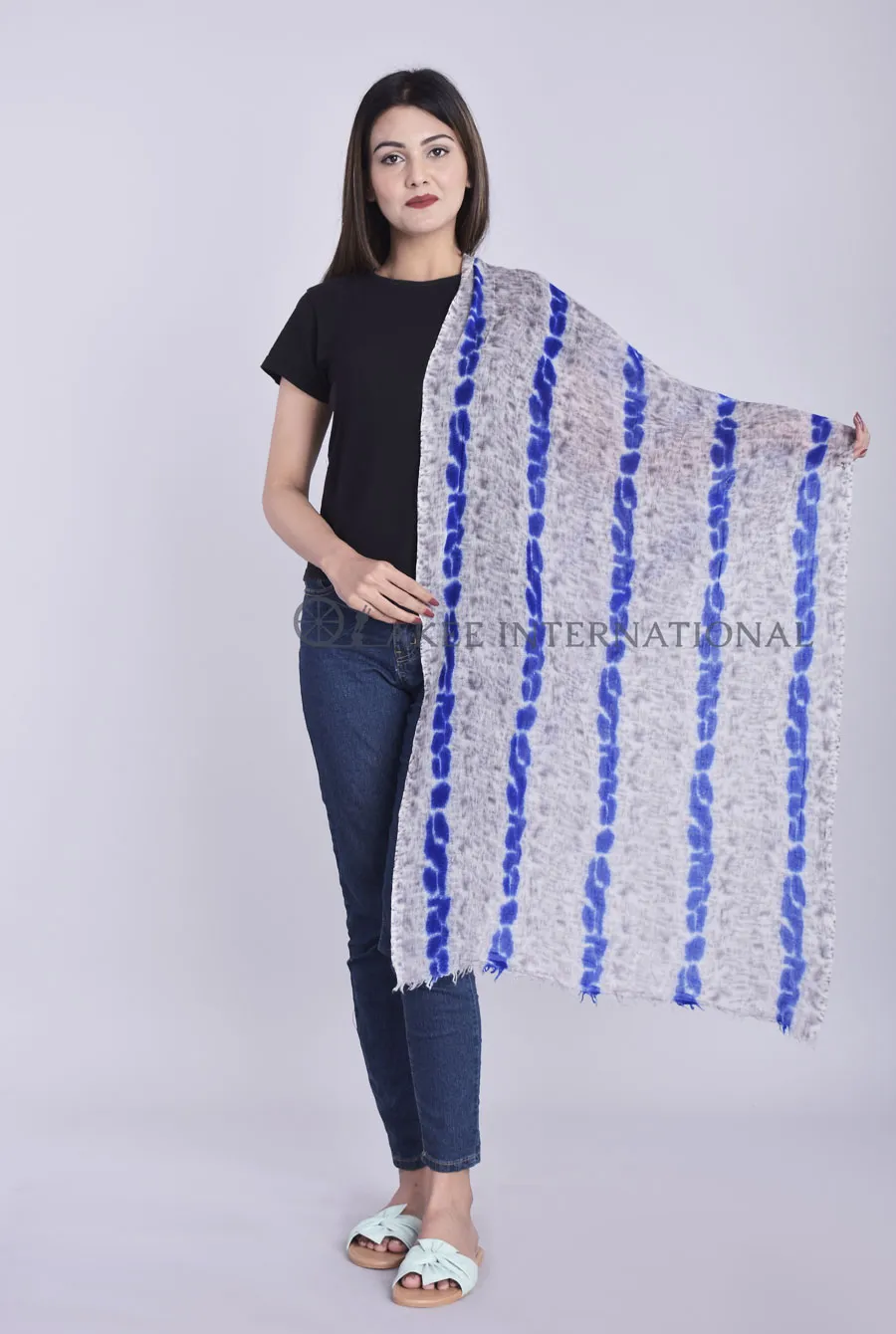
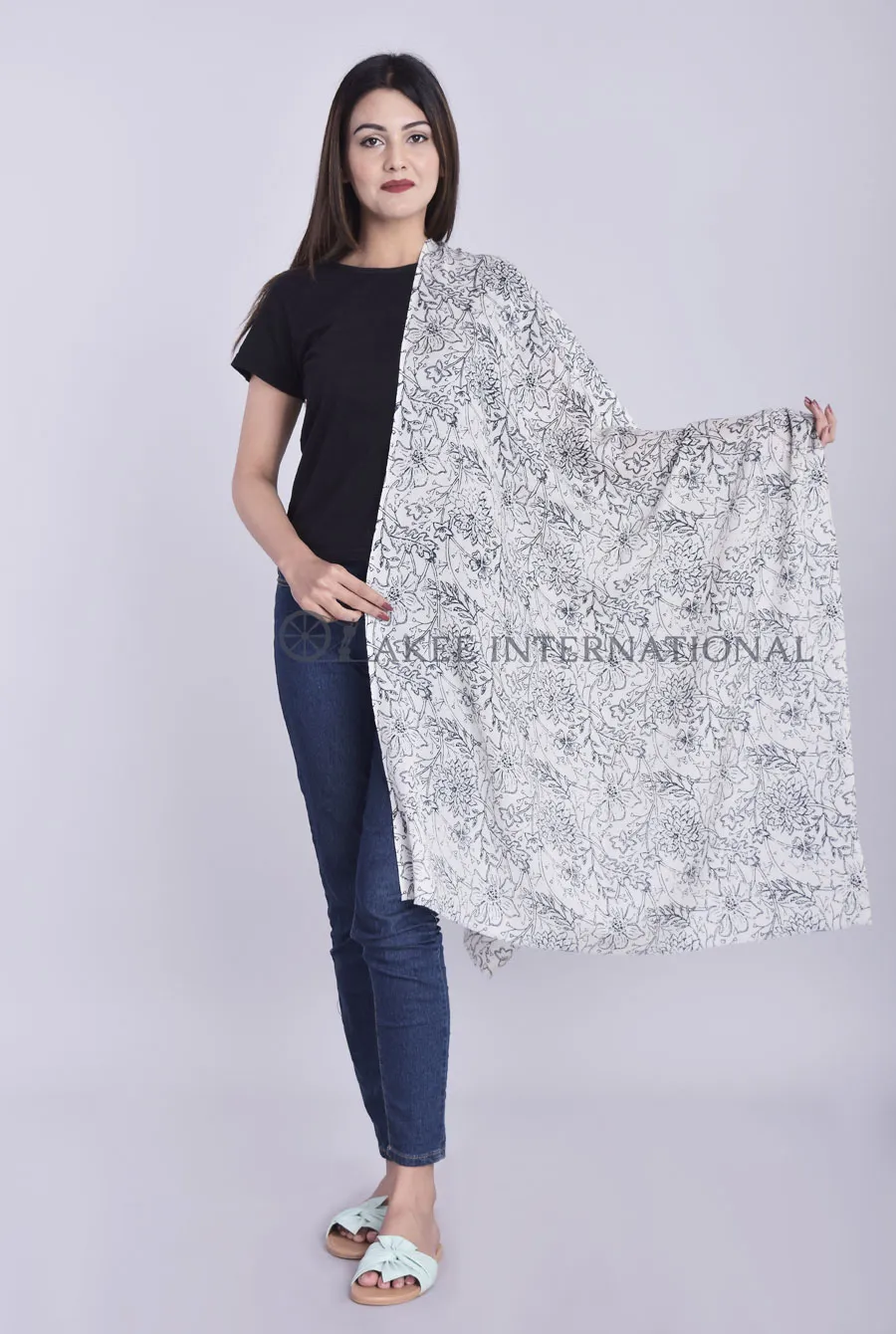
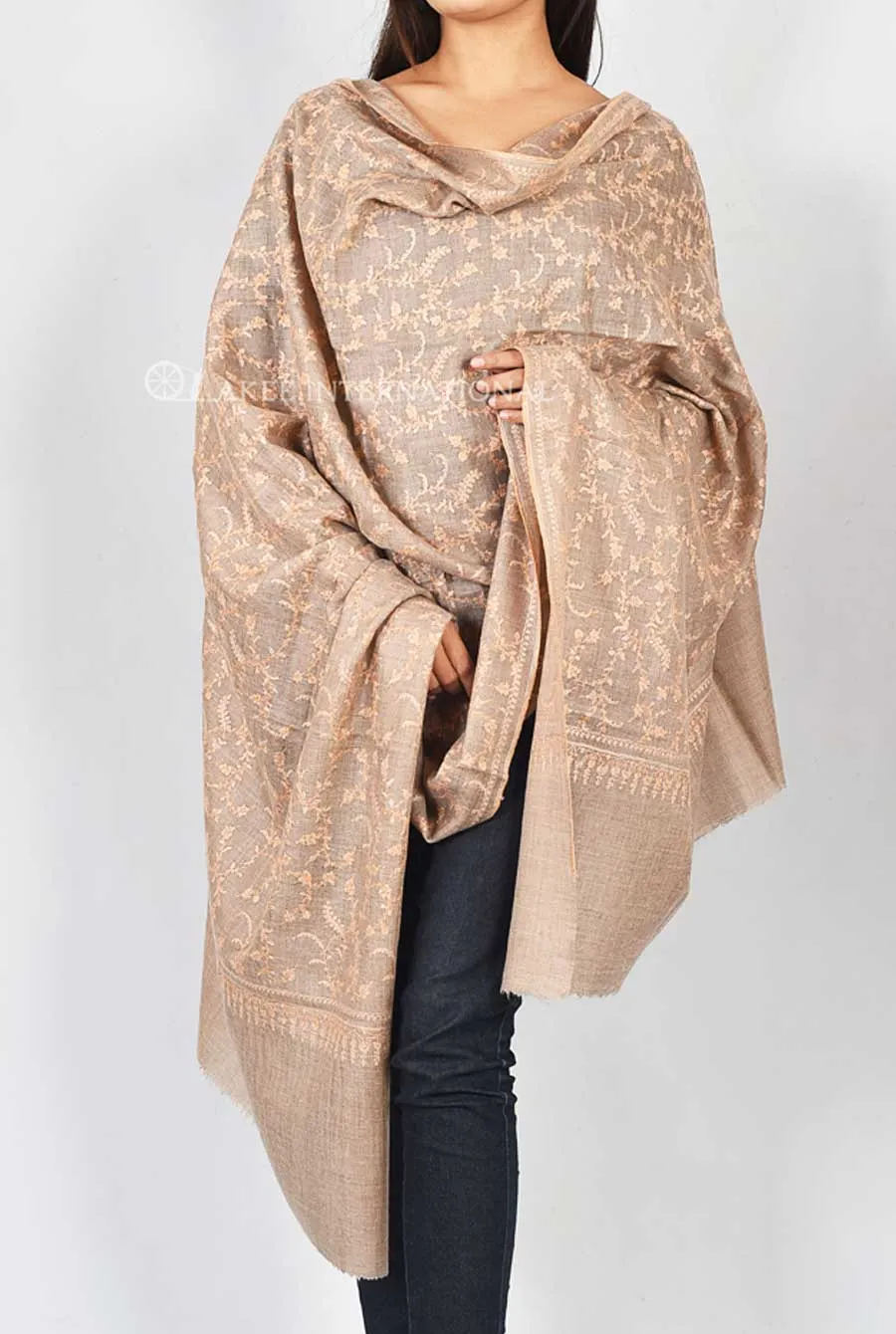
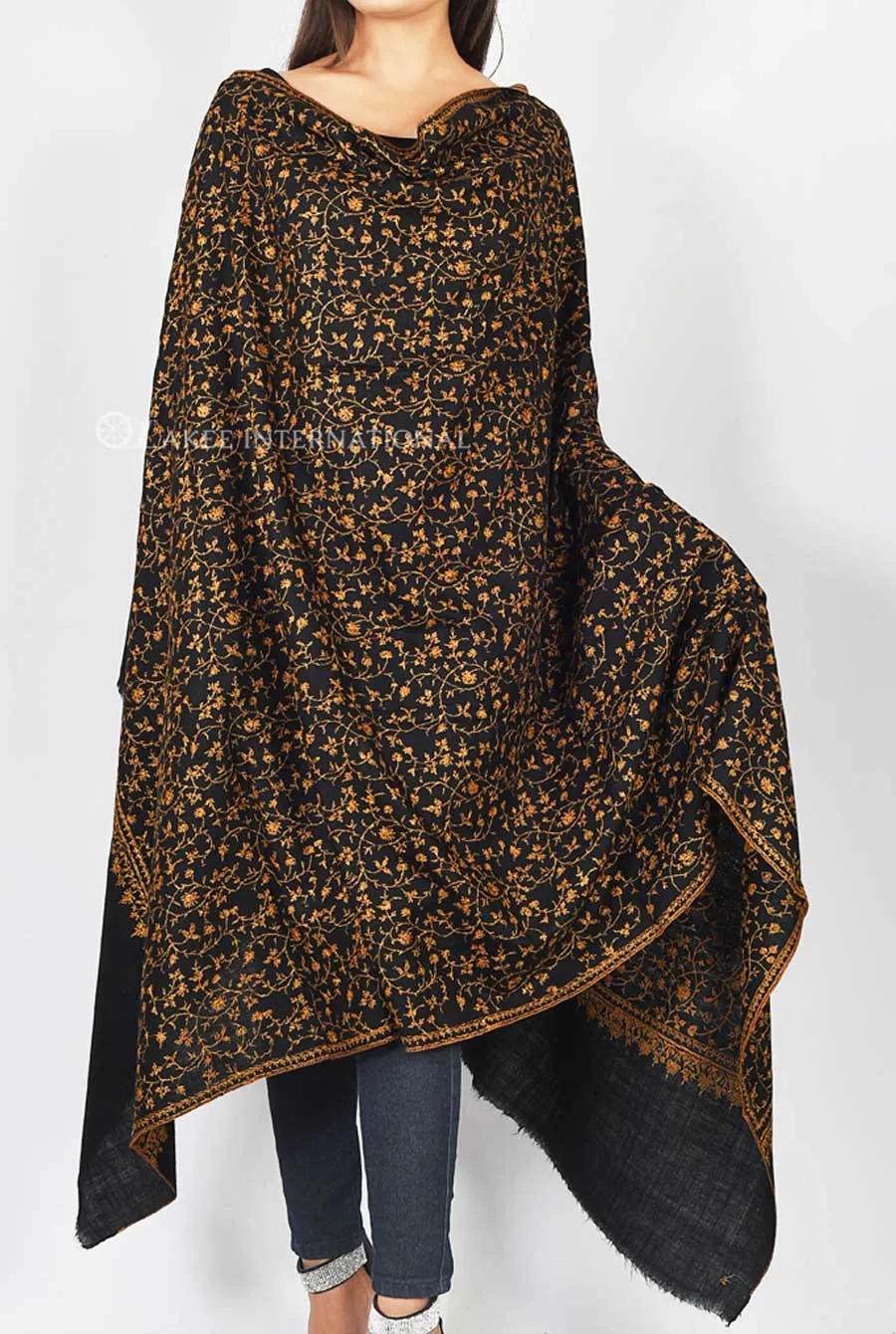
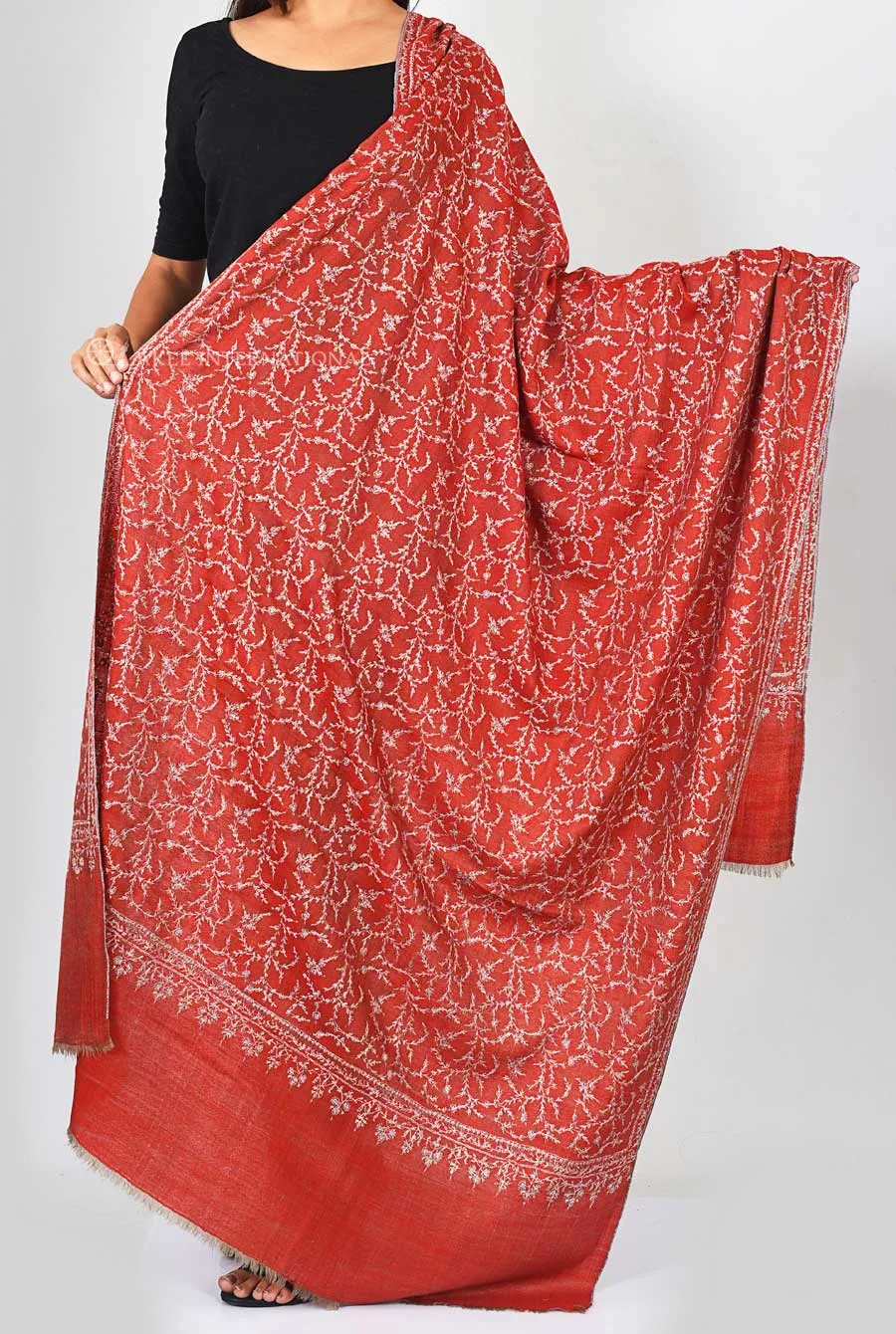
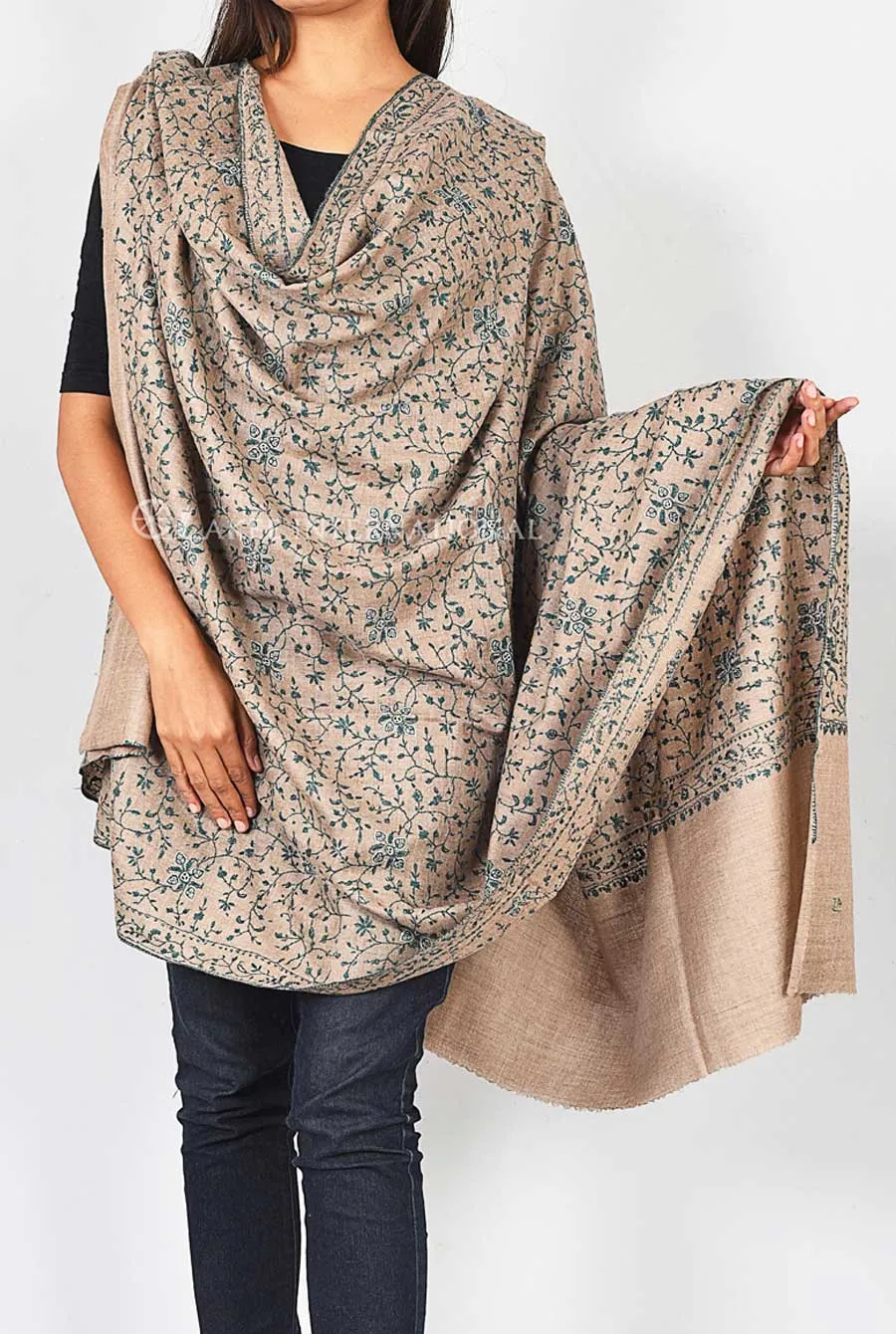
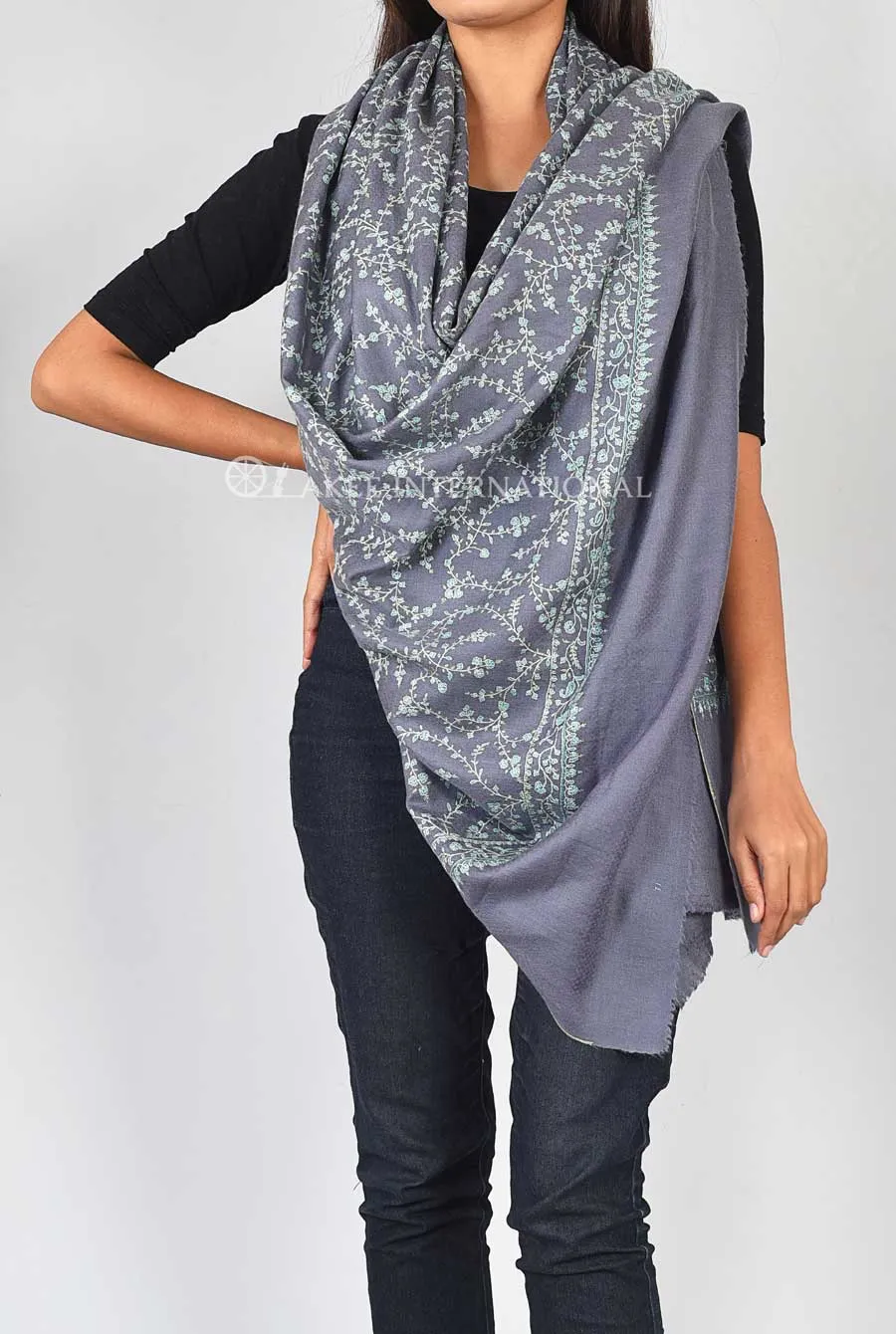
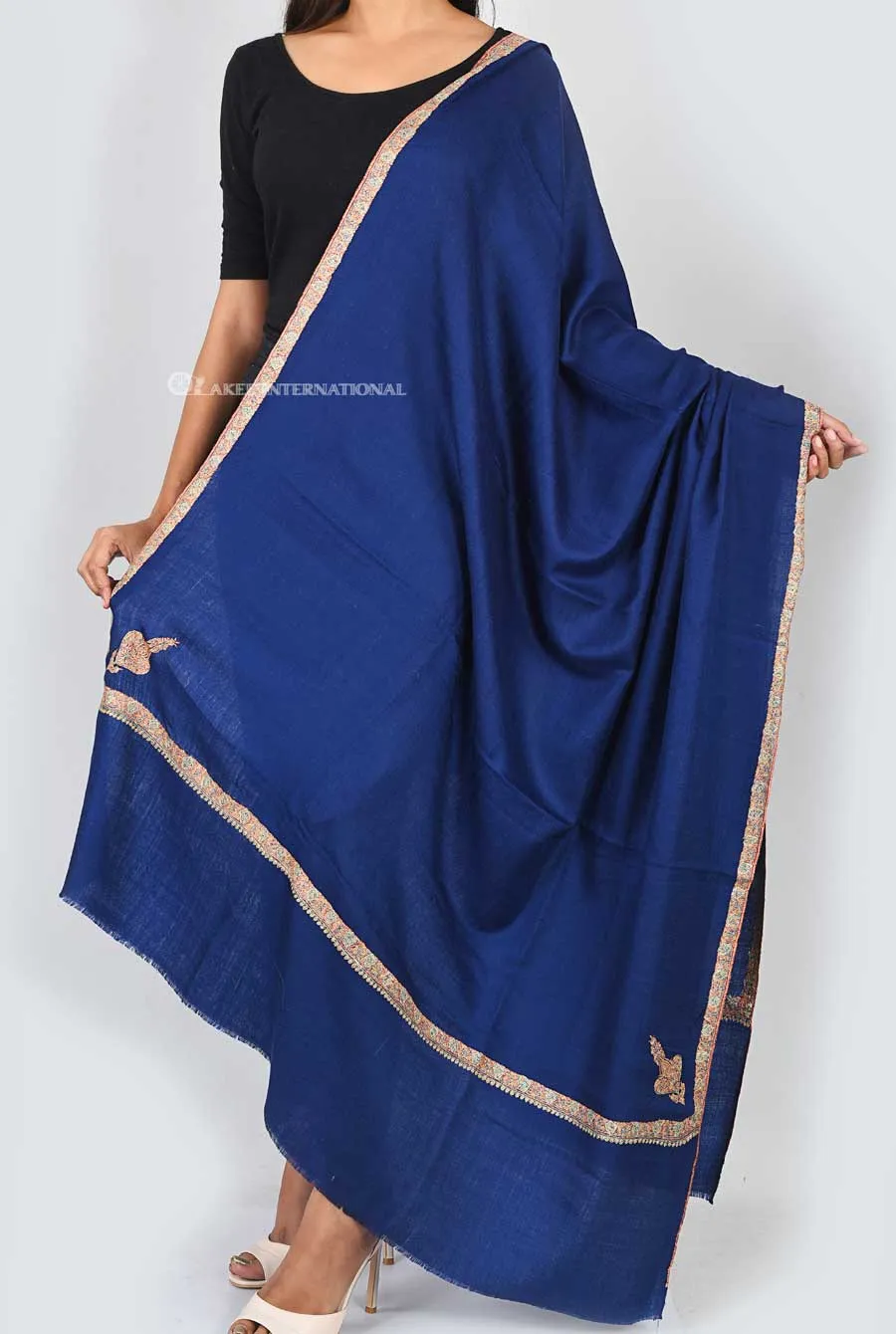
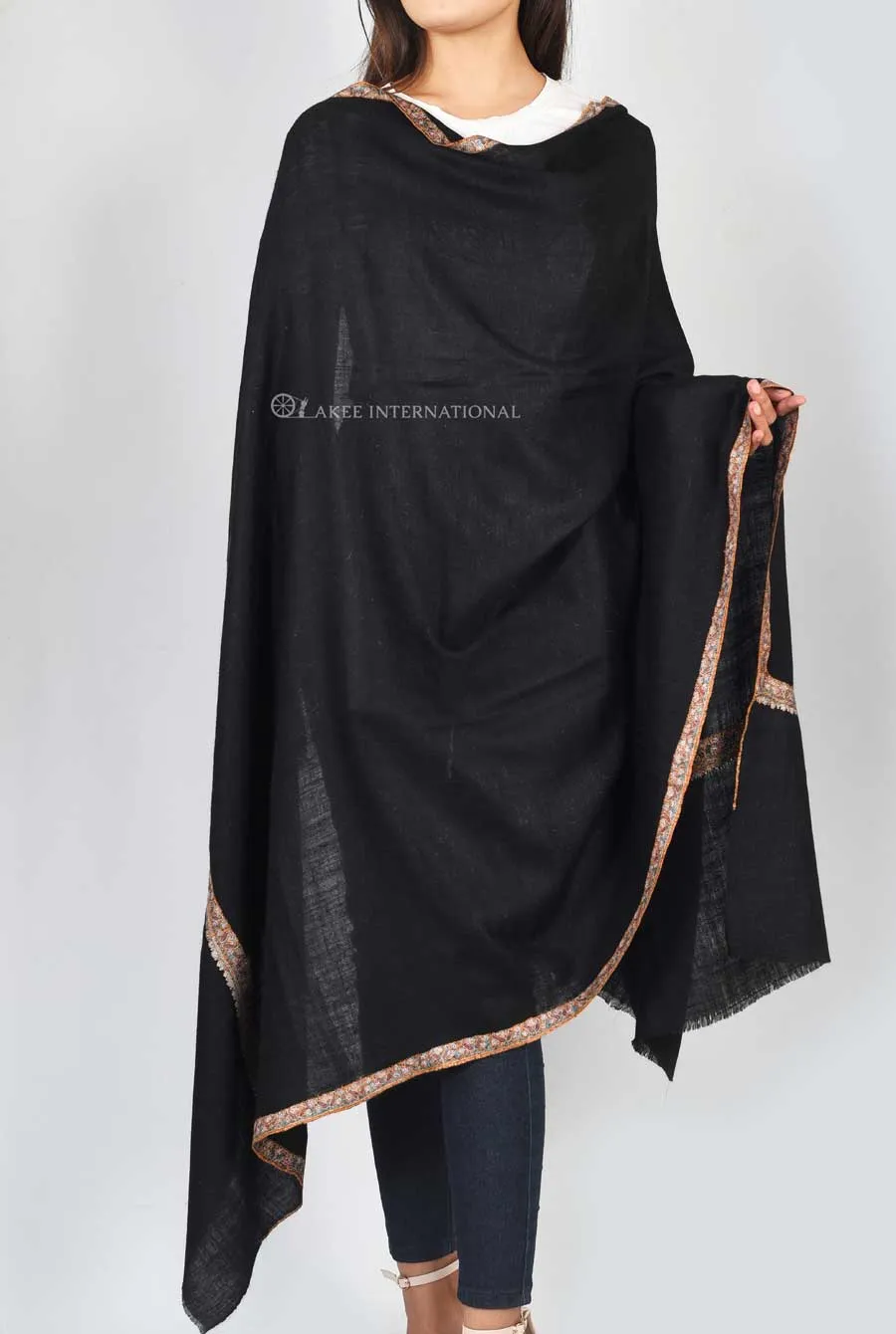
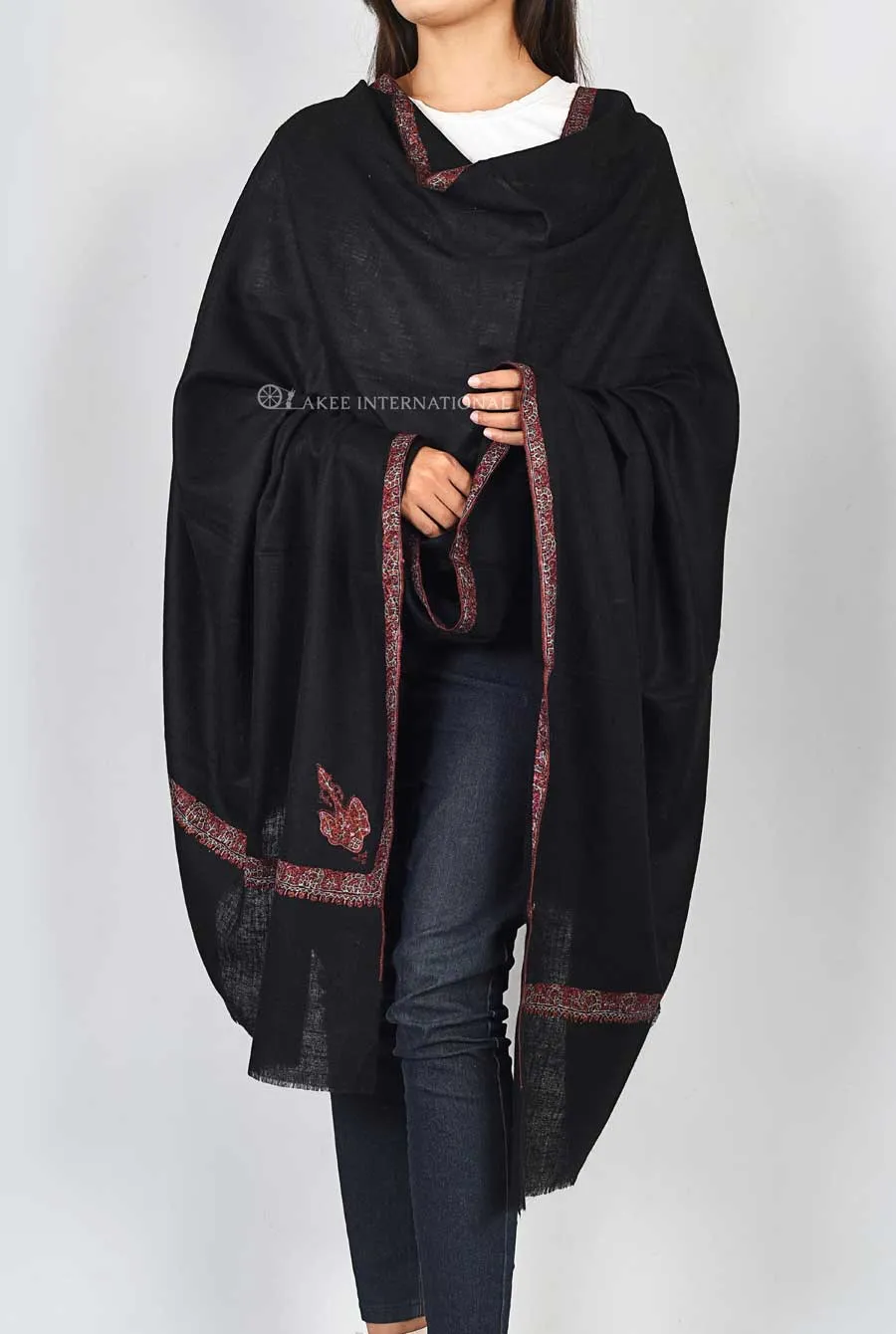
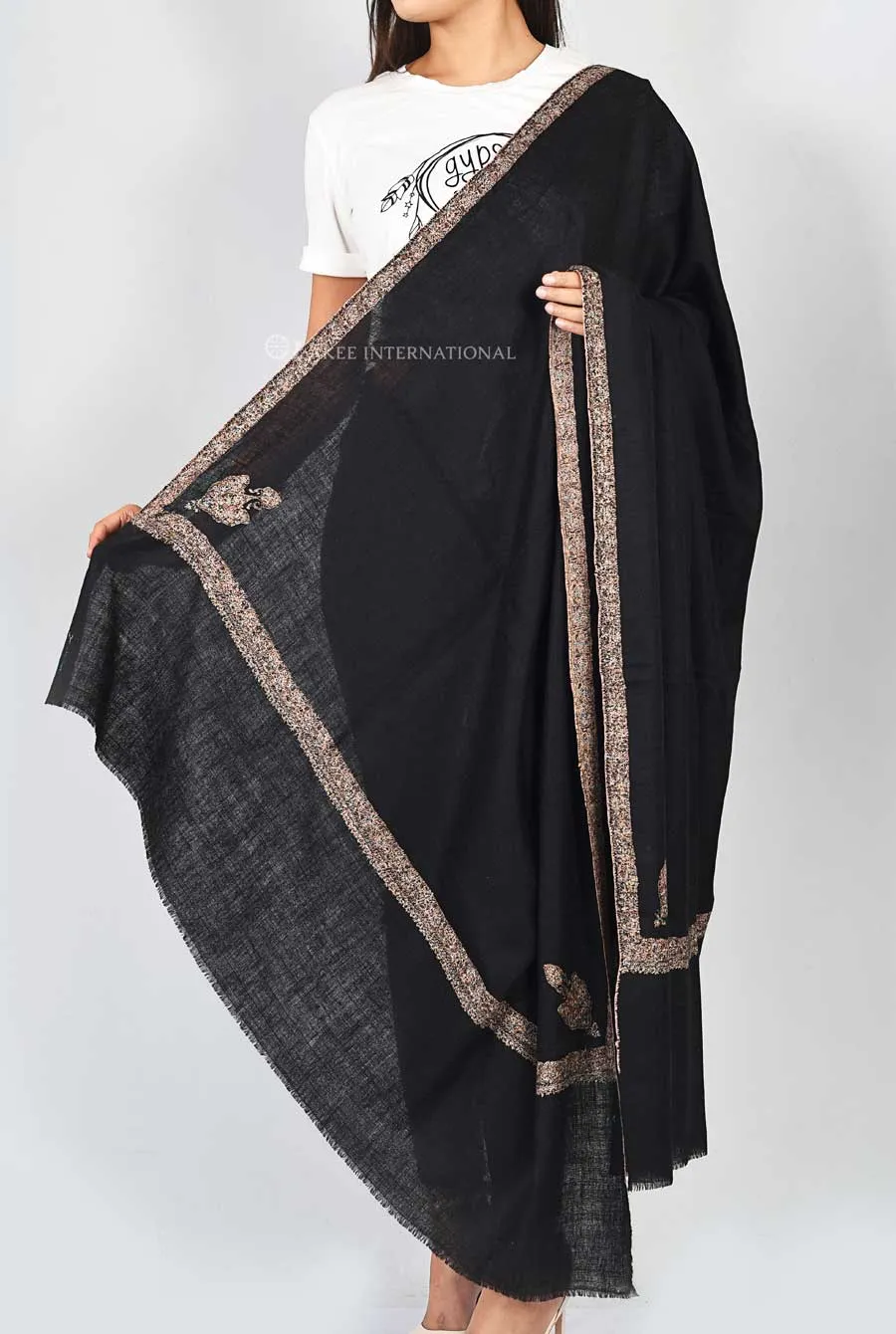
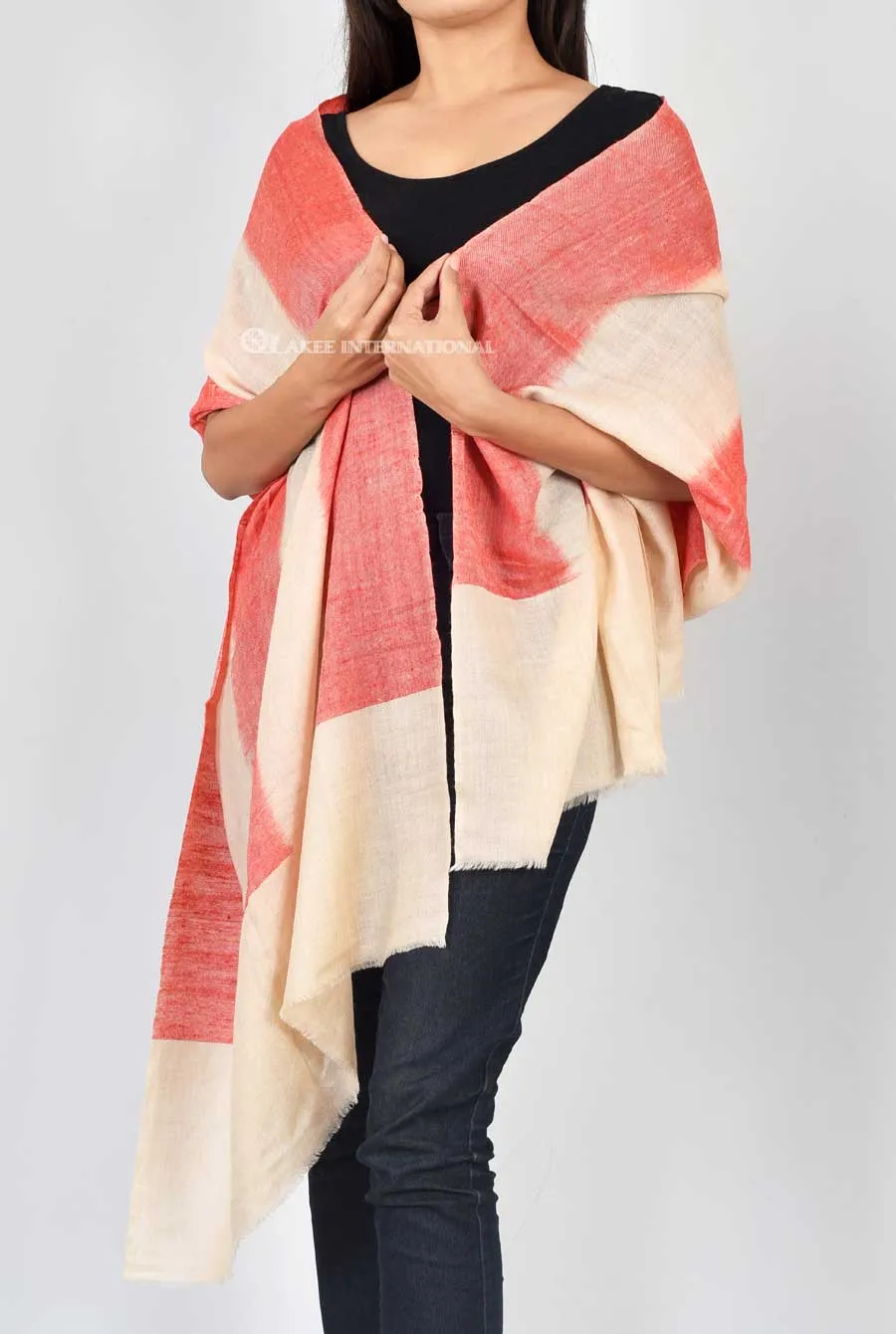
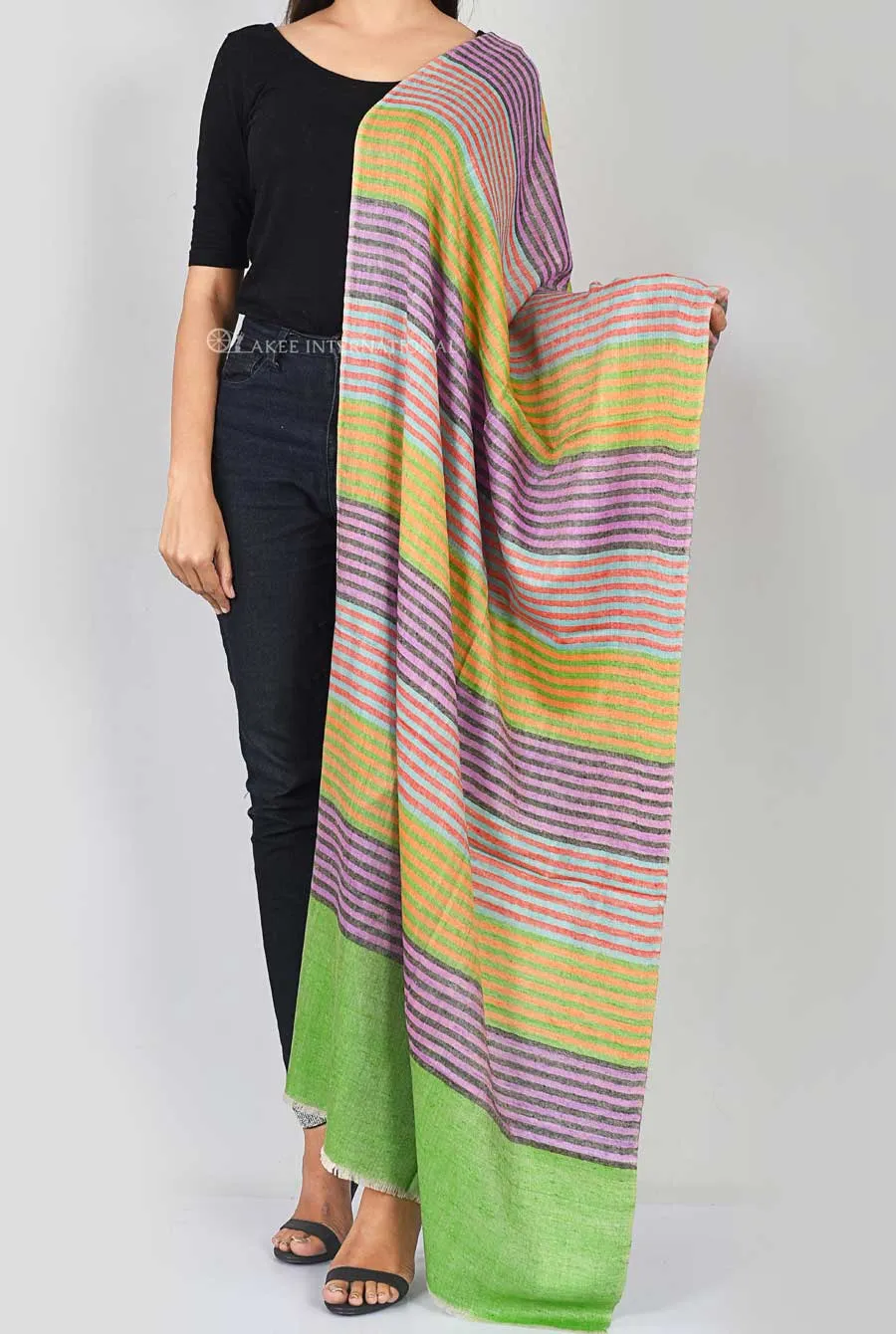
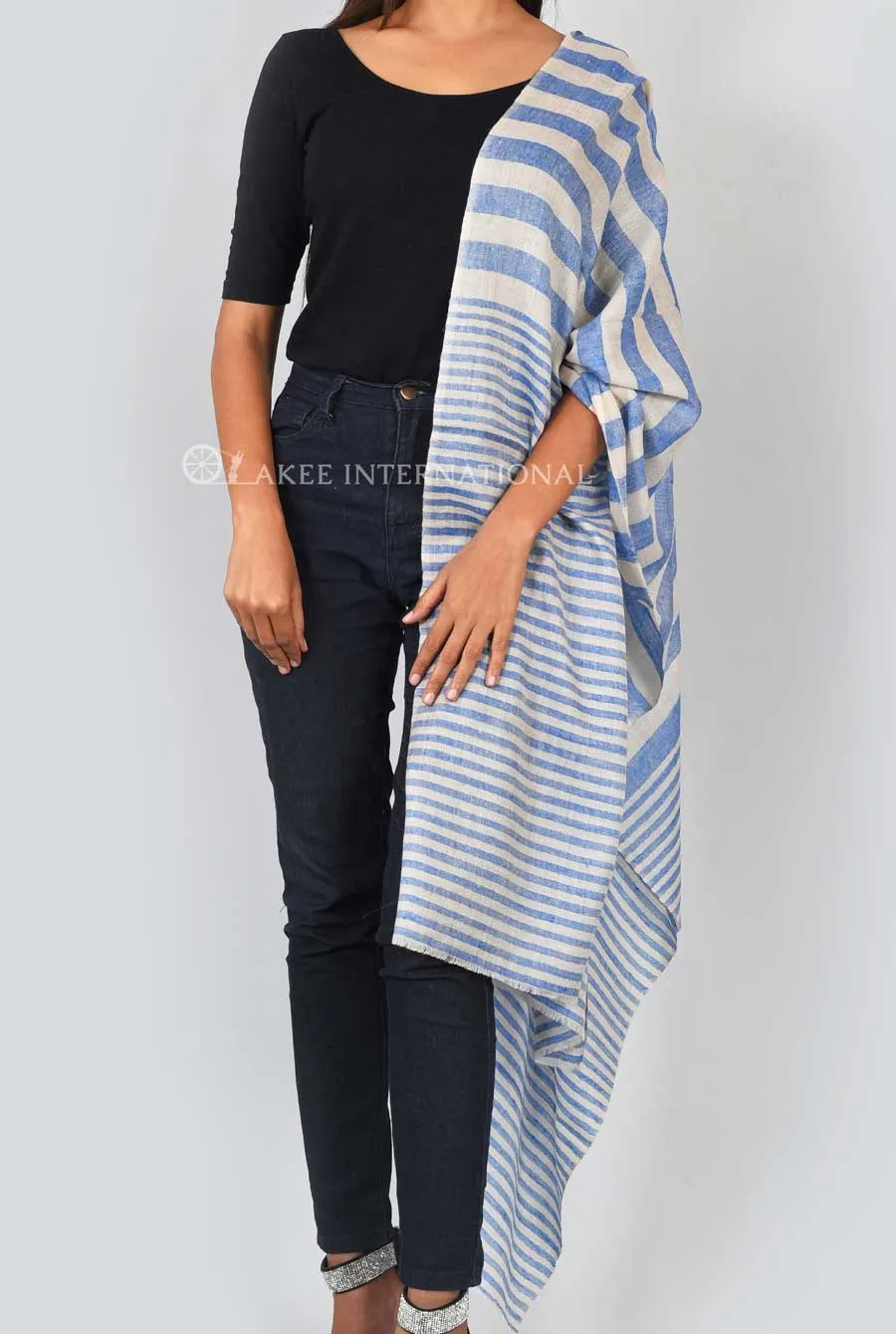
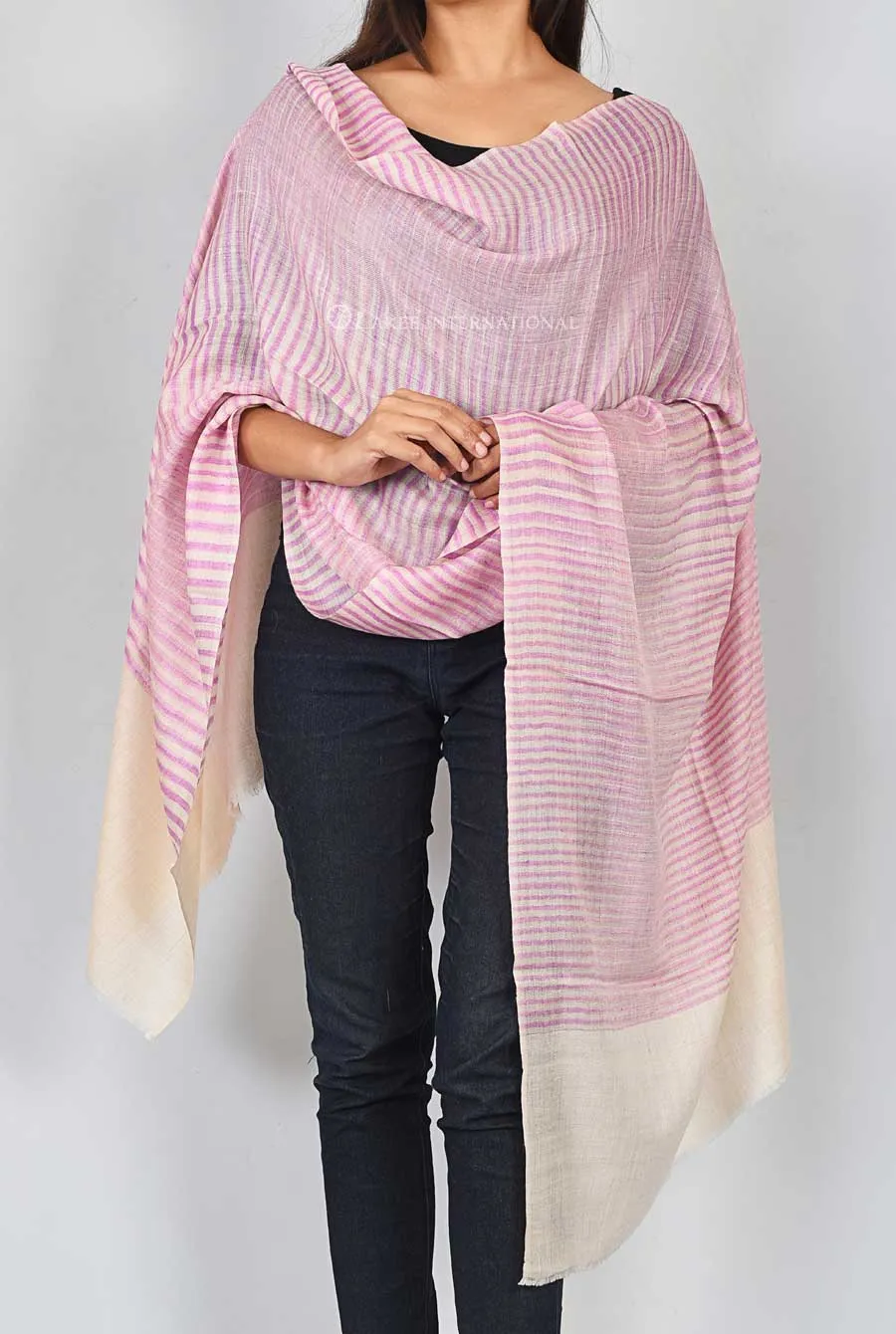
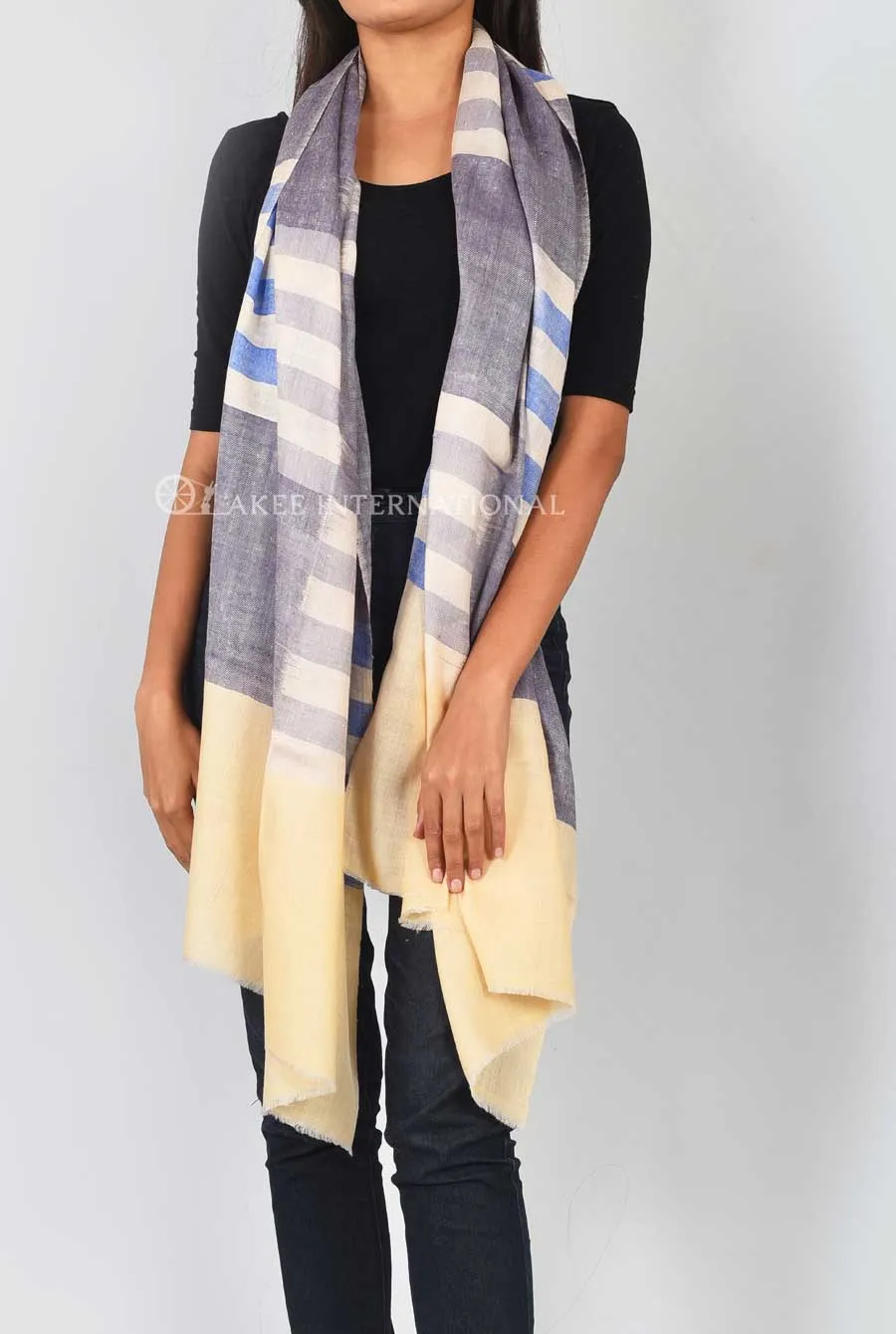
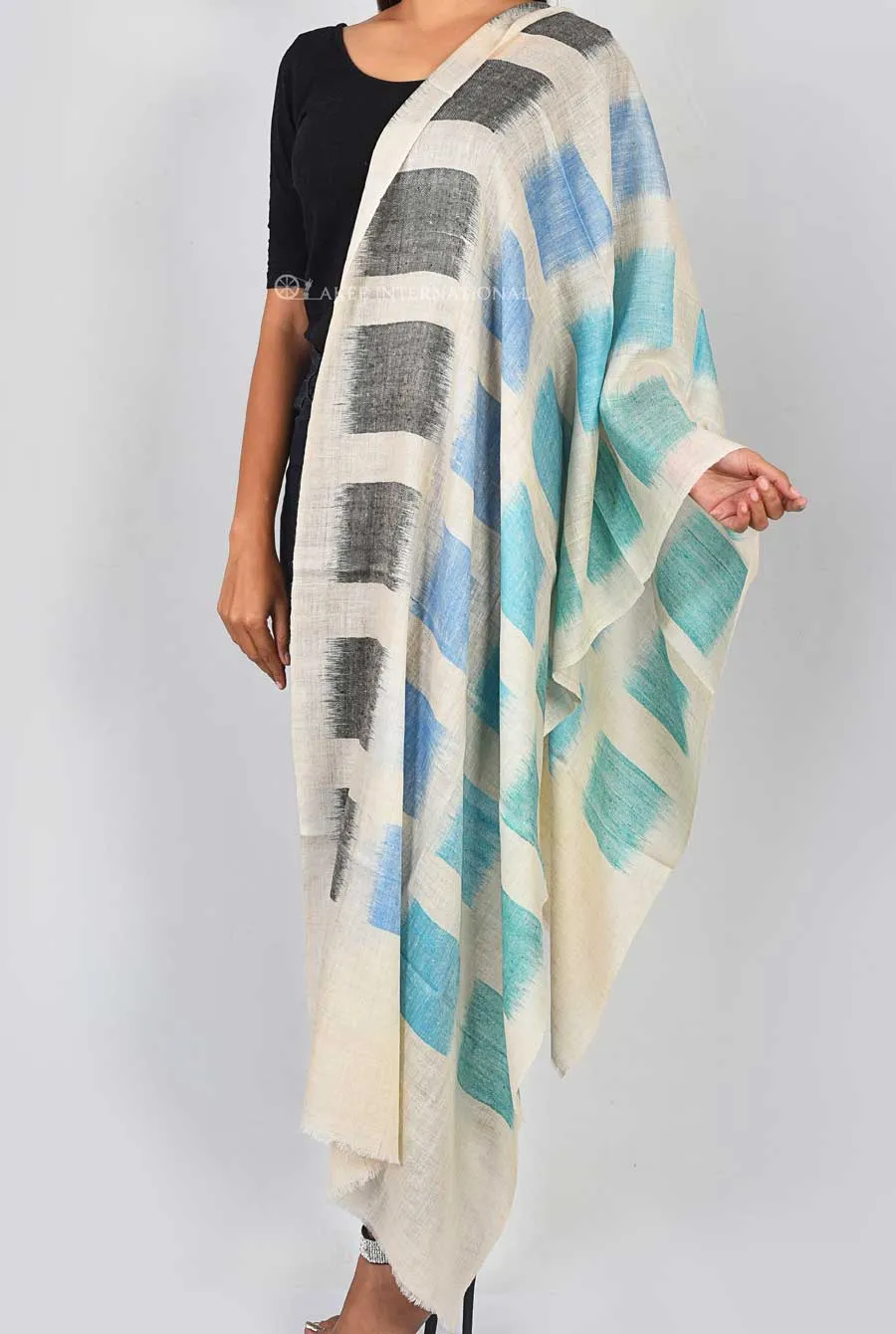
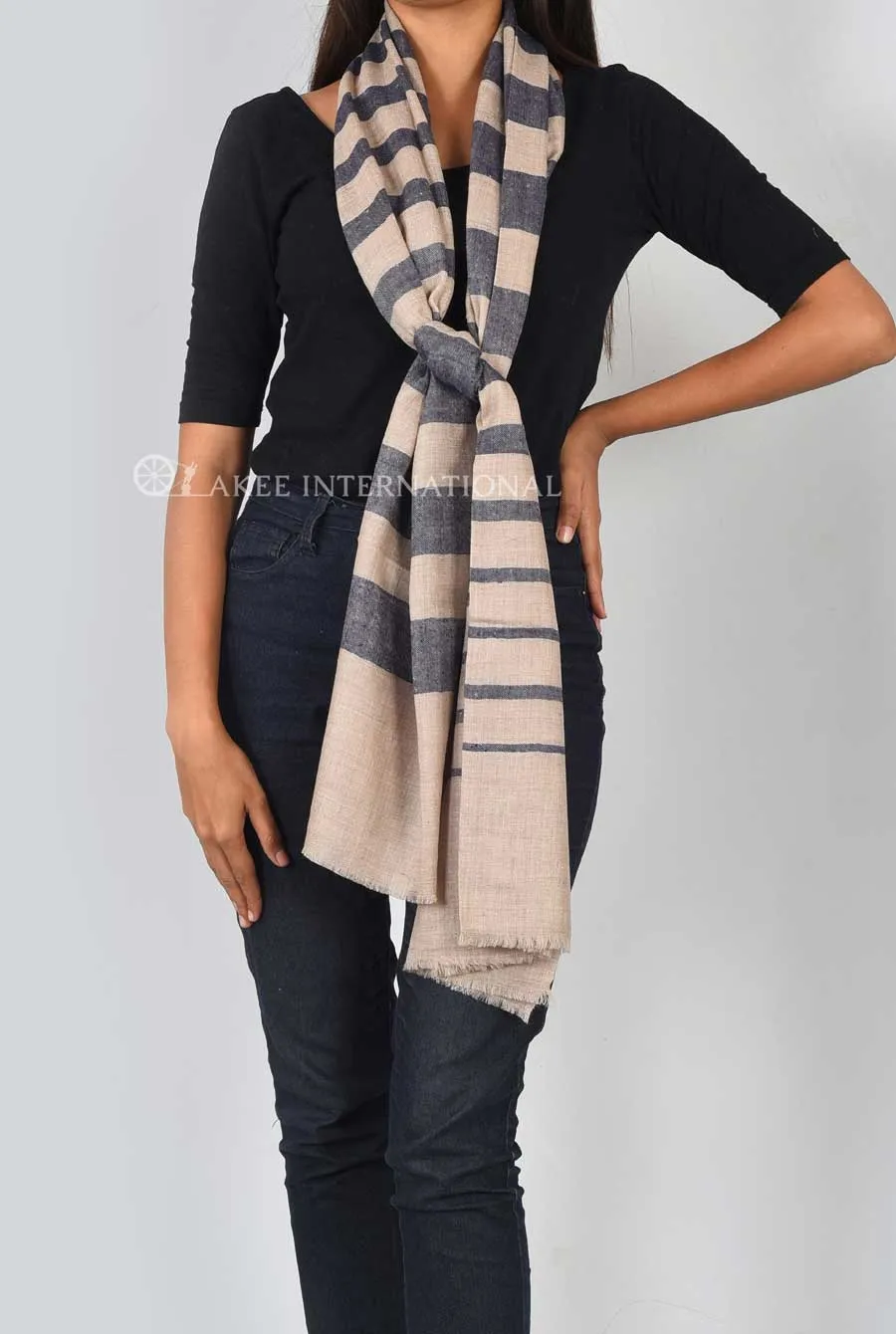
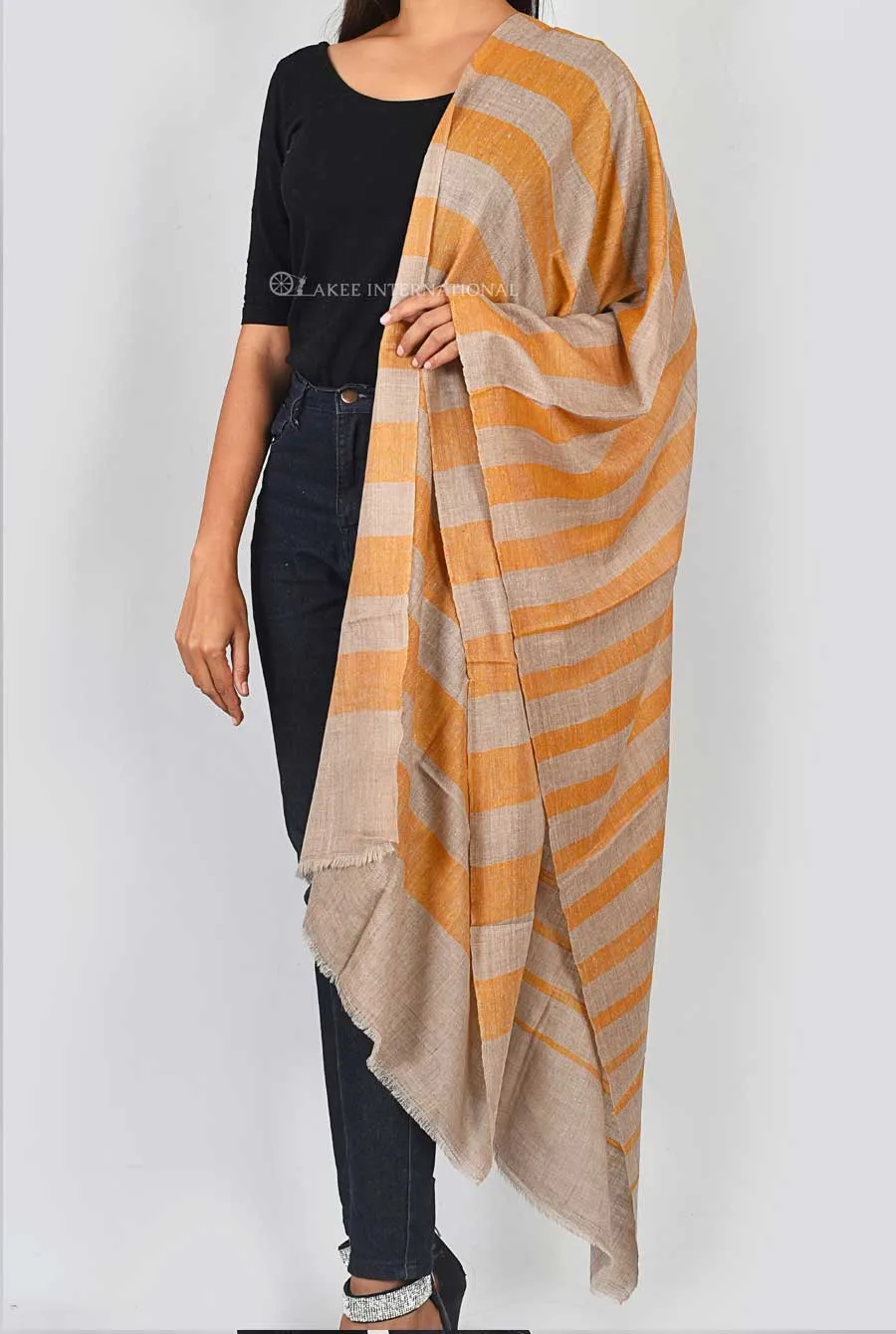
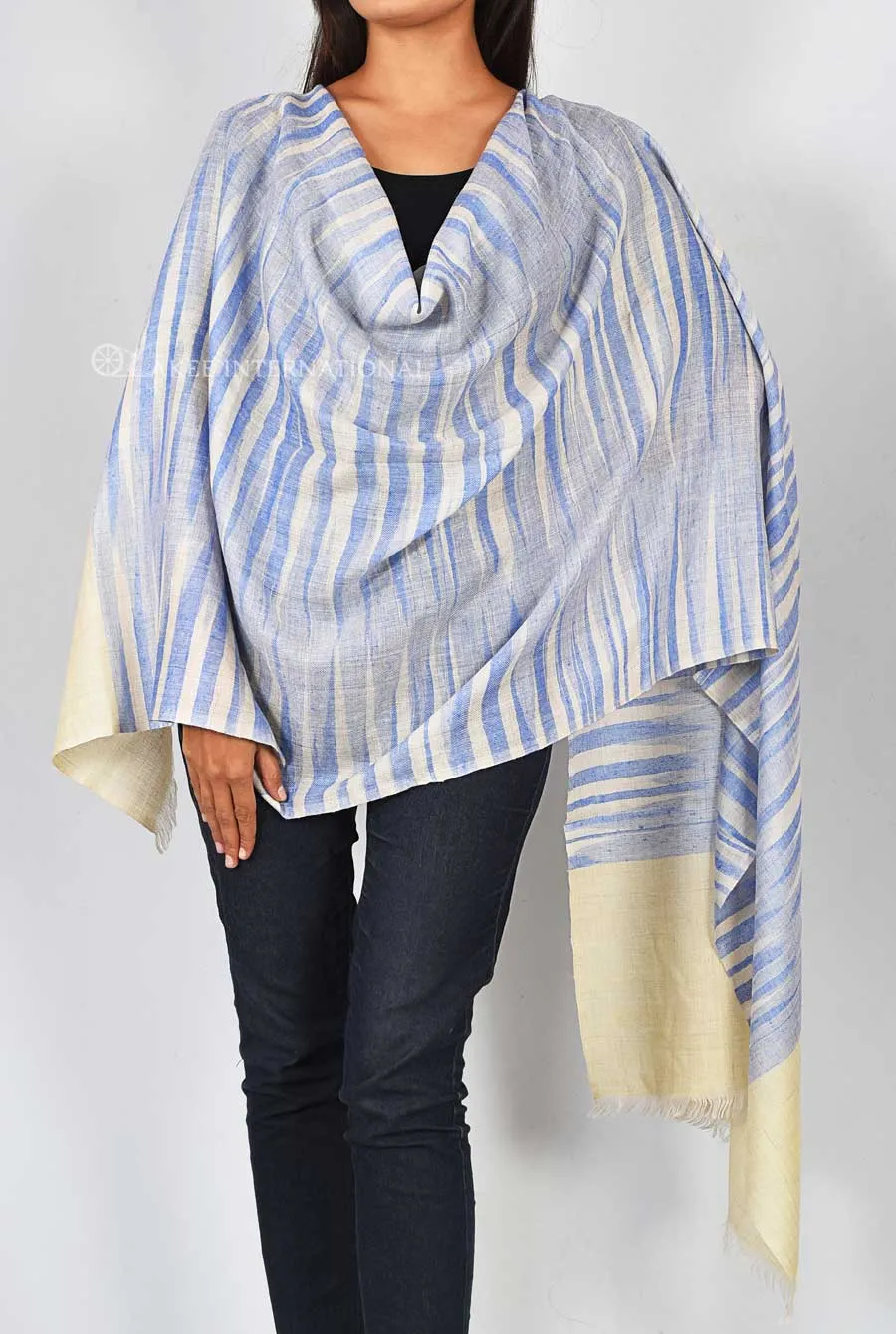
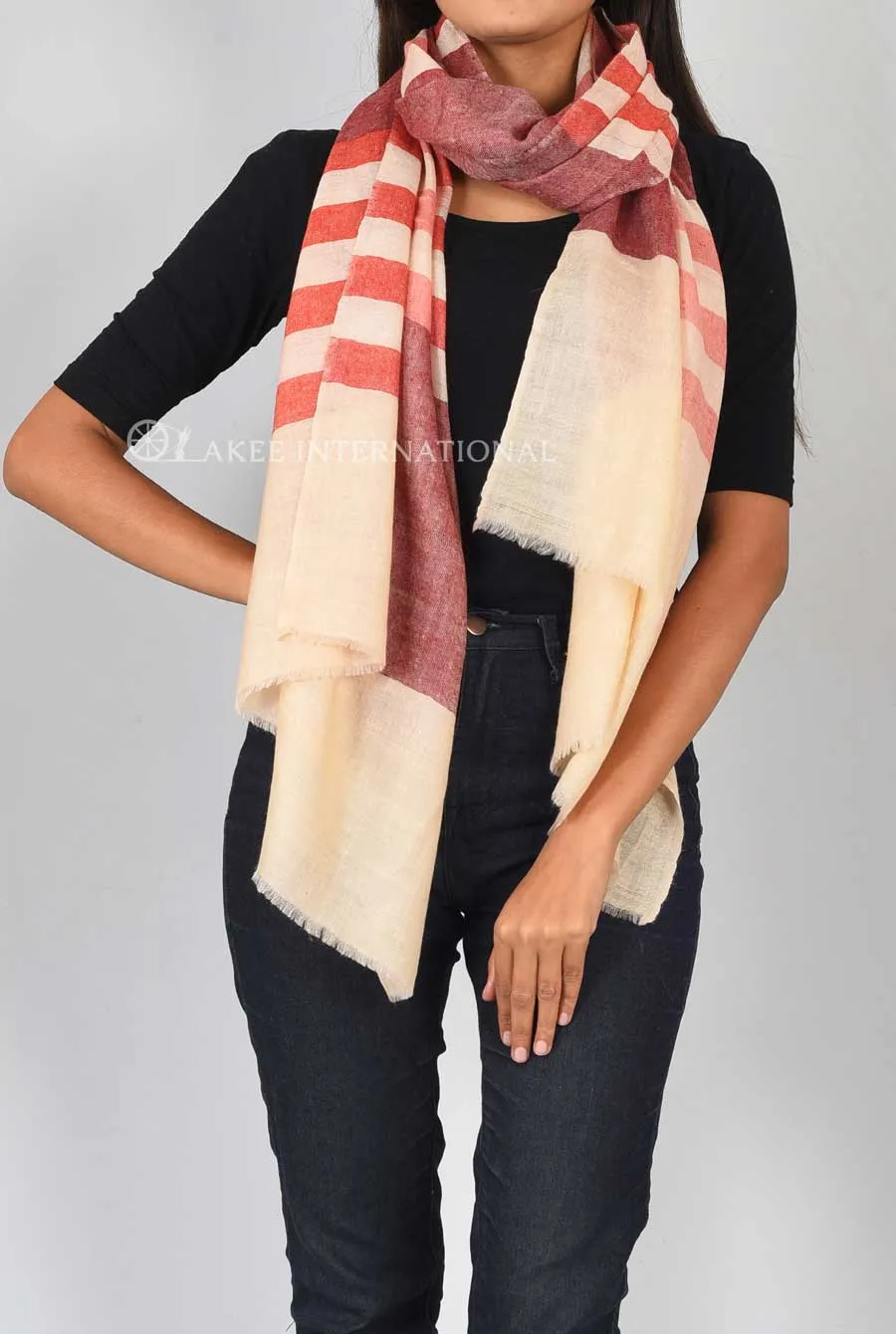
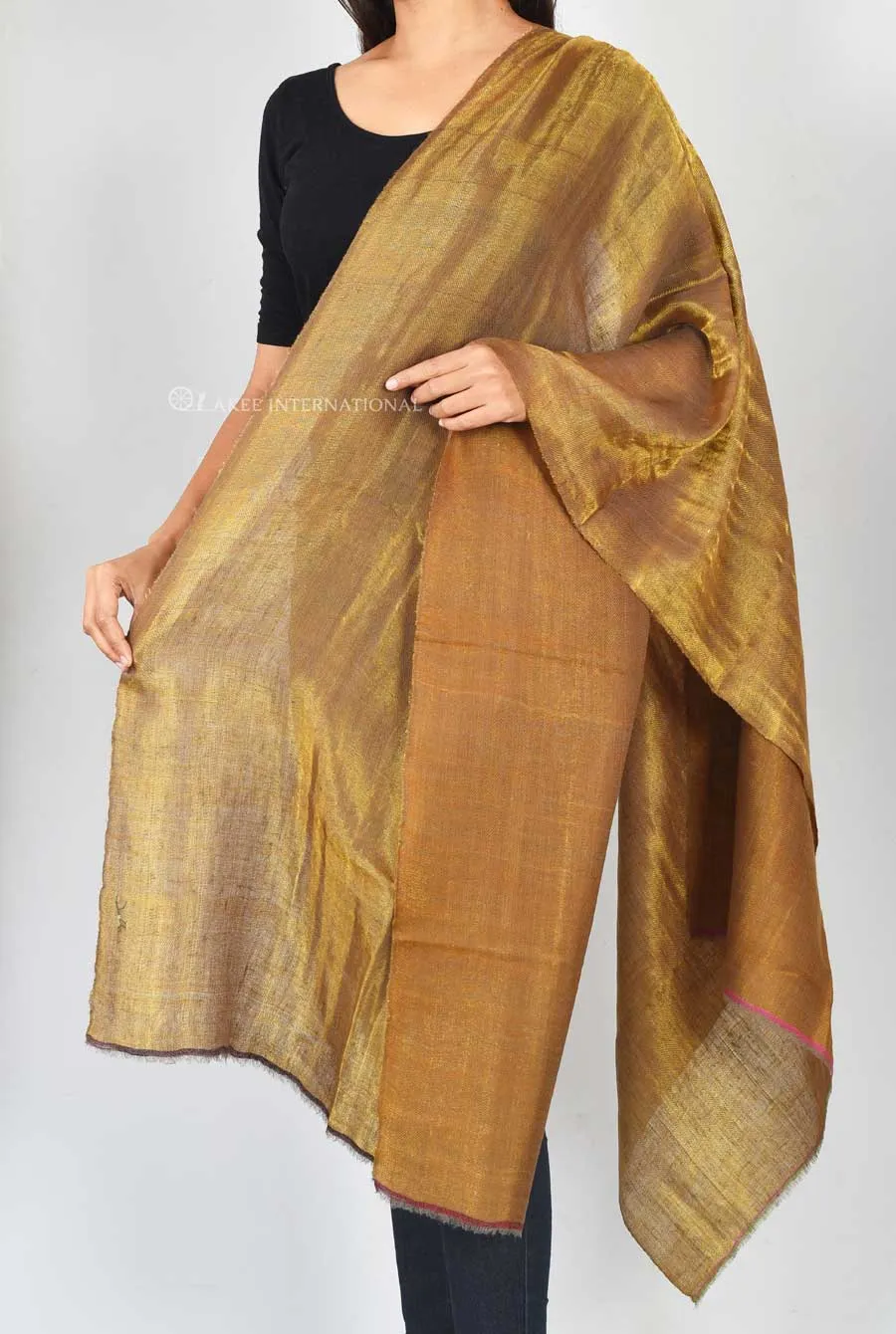
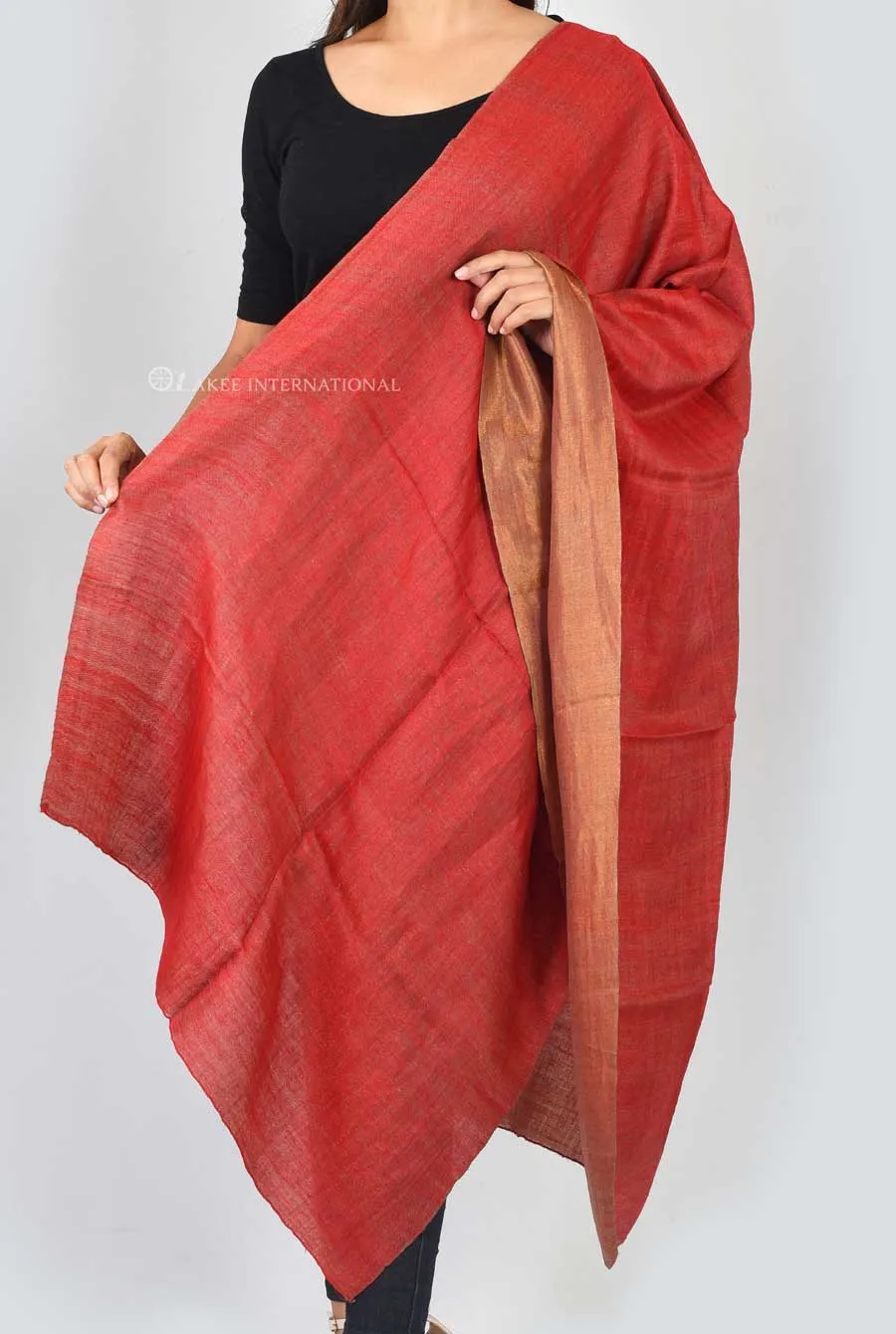
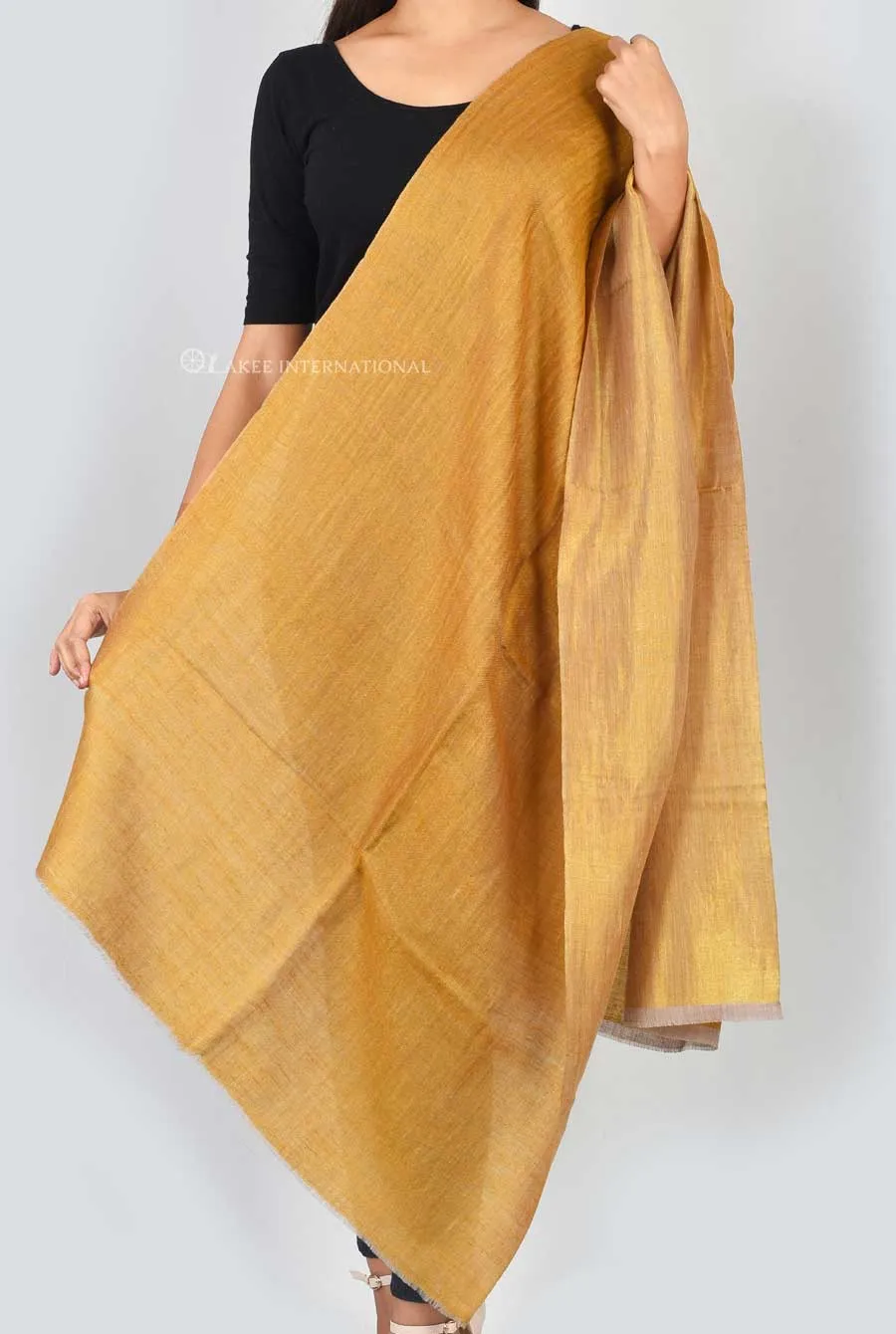
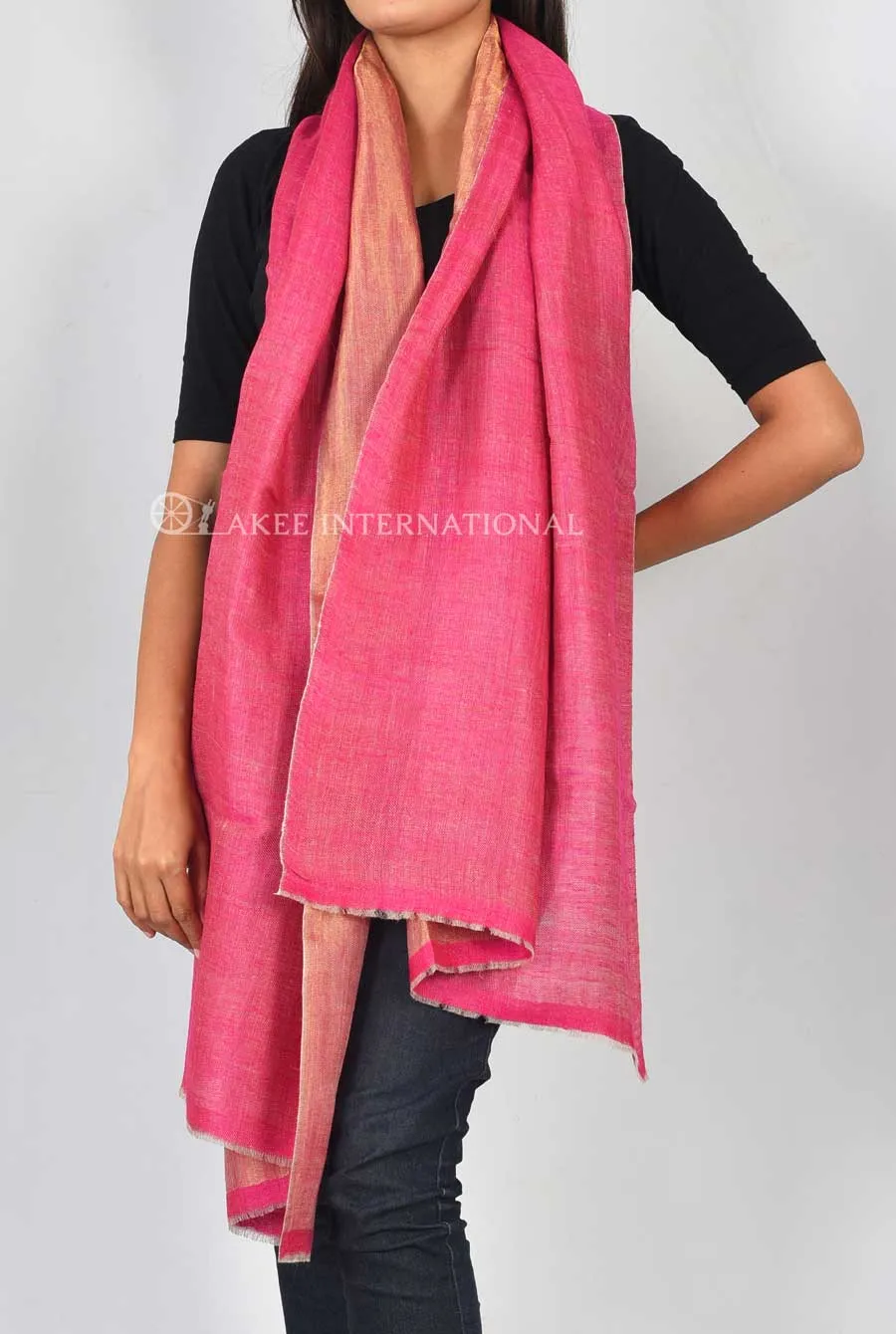
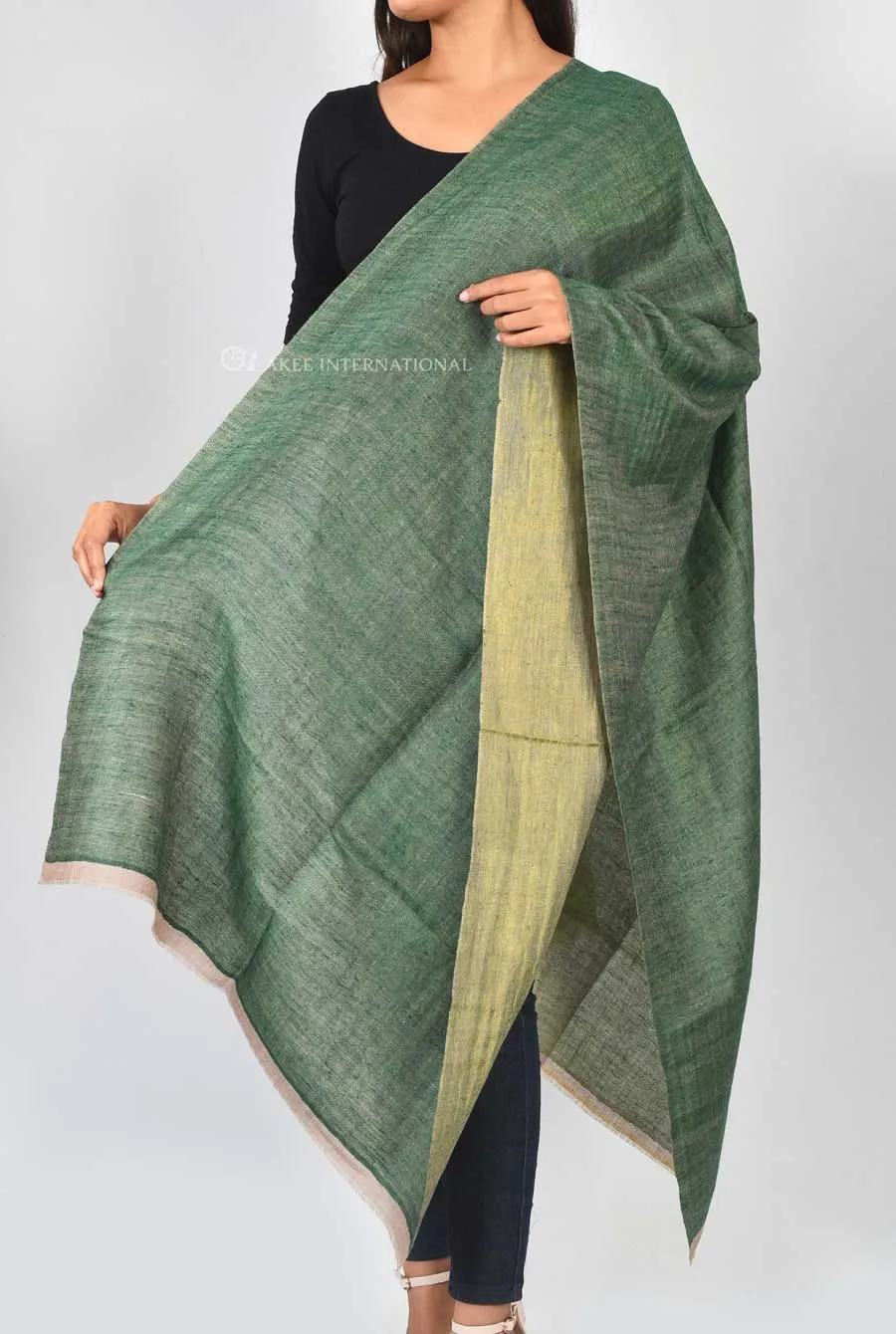
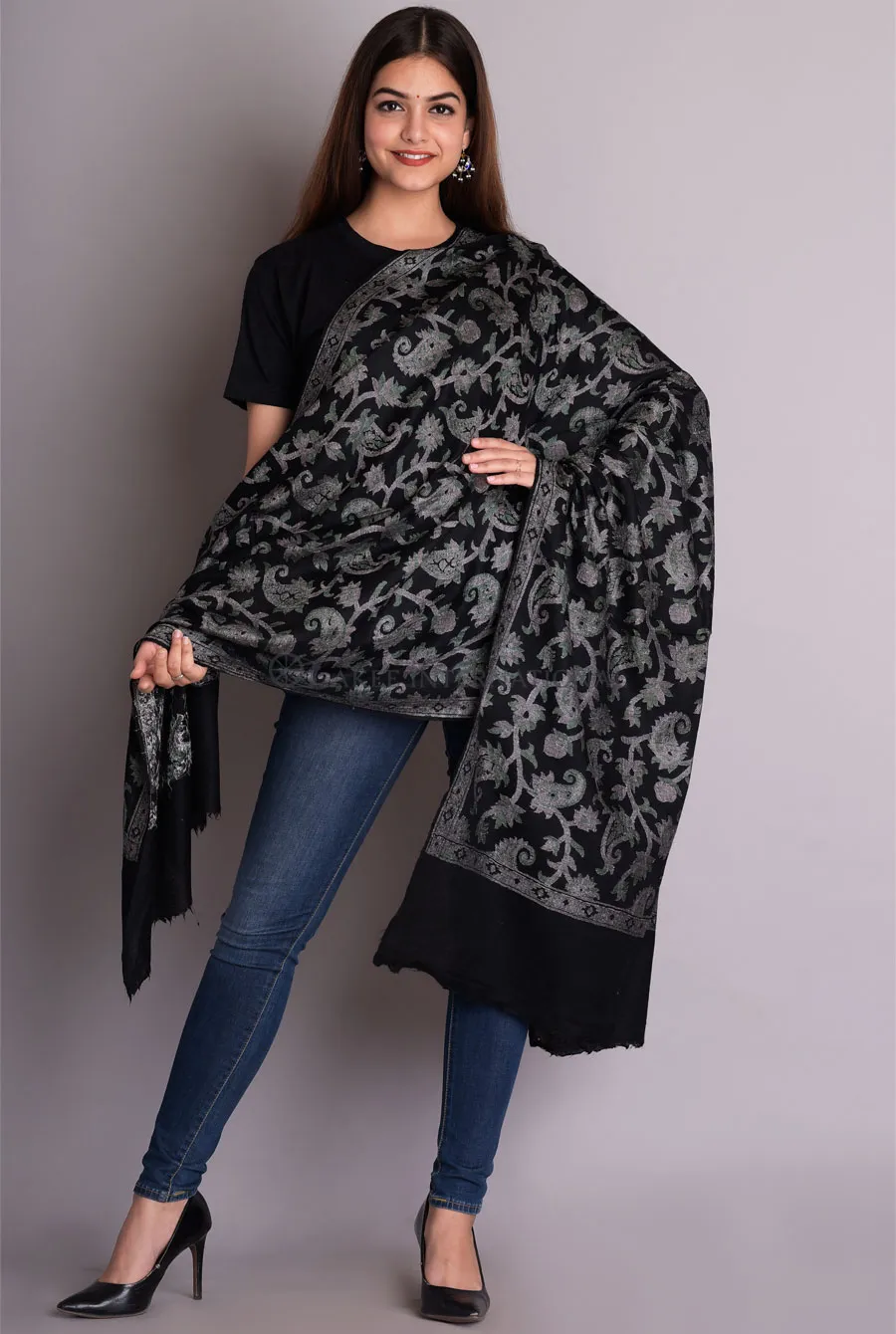
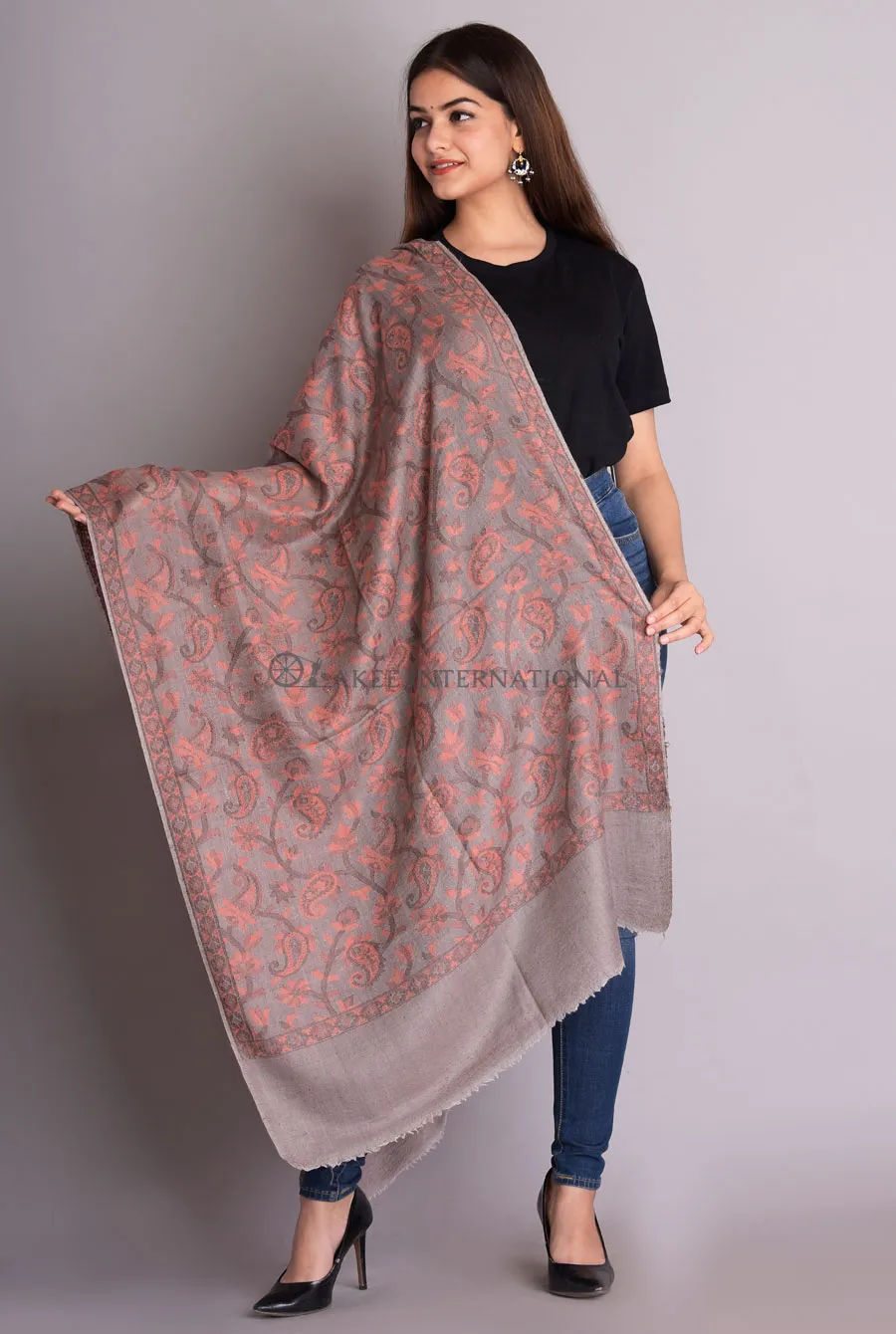
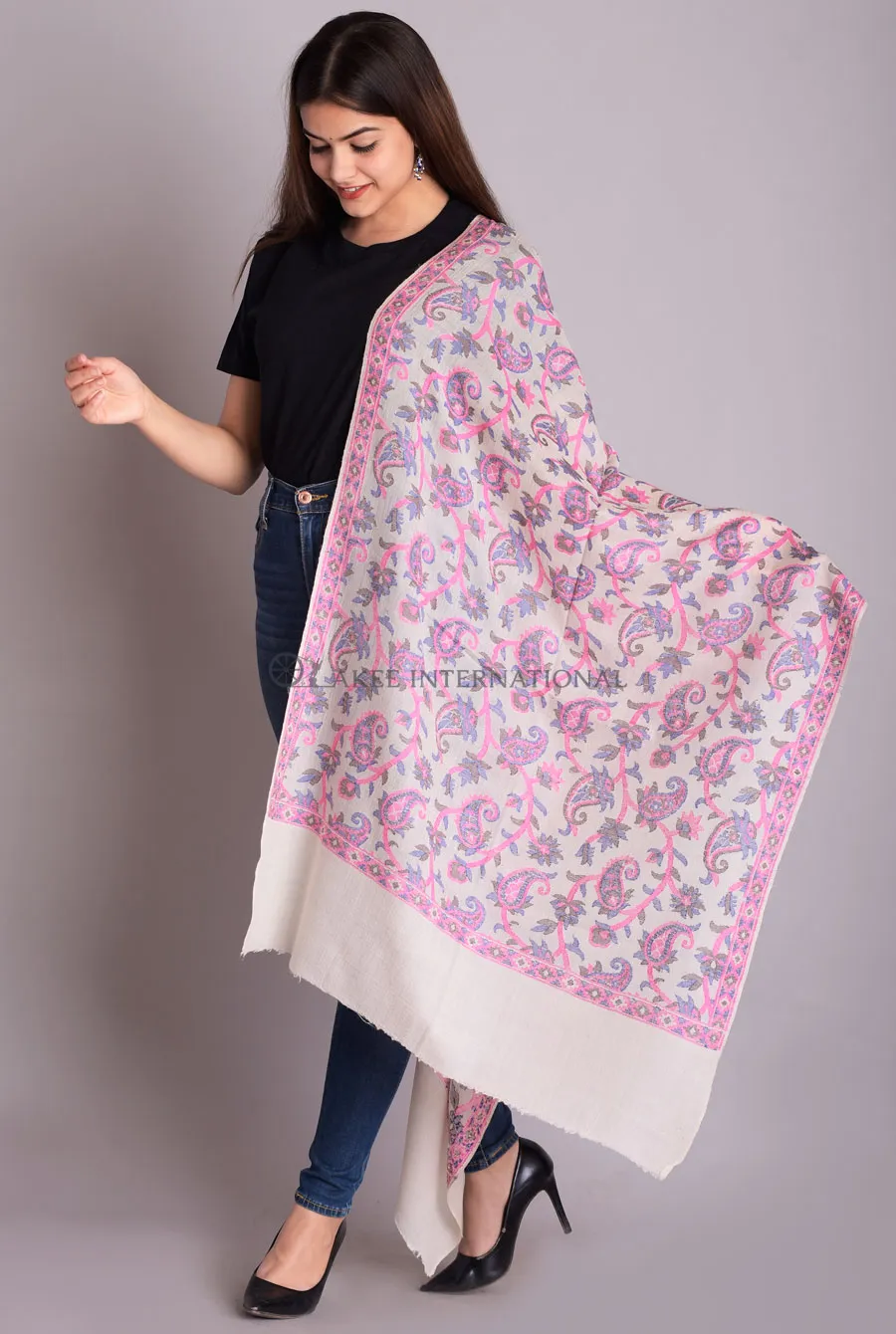
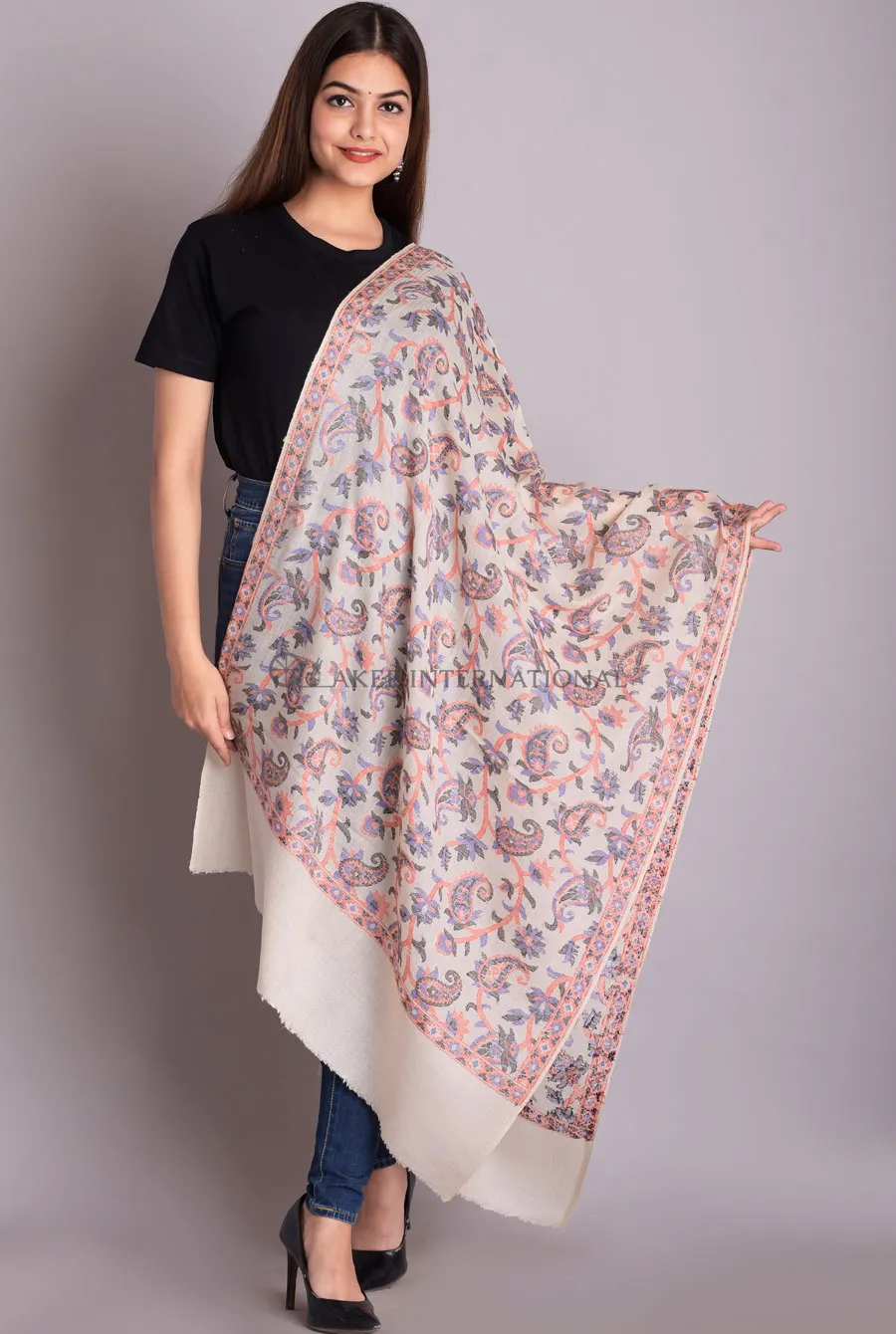
Find Your Perfect Premium Pashmina Shawl
Discover exquisite Pashmina shawls, beautifully crafted with Kashmir’s timeless heritage and artistry.

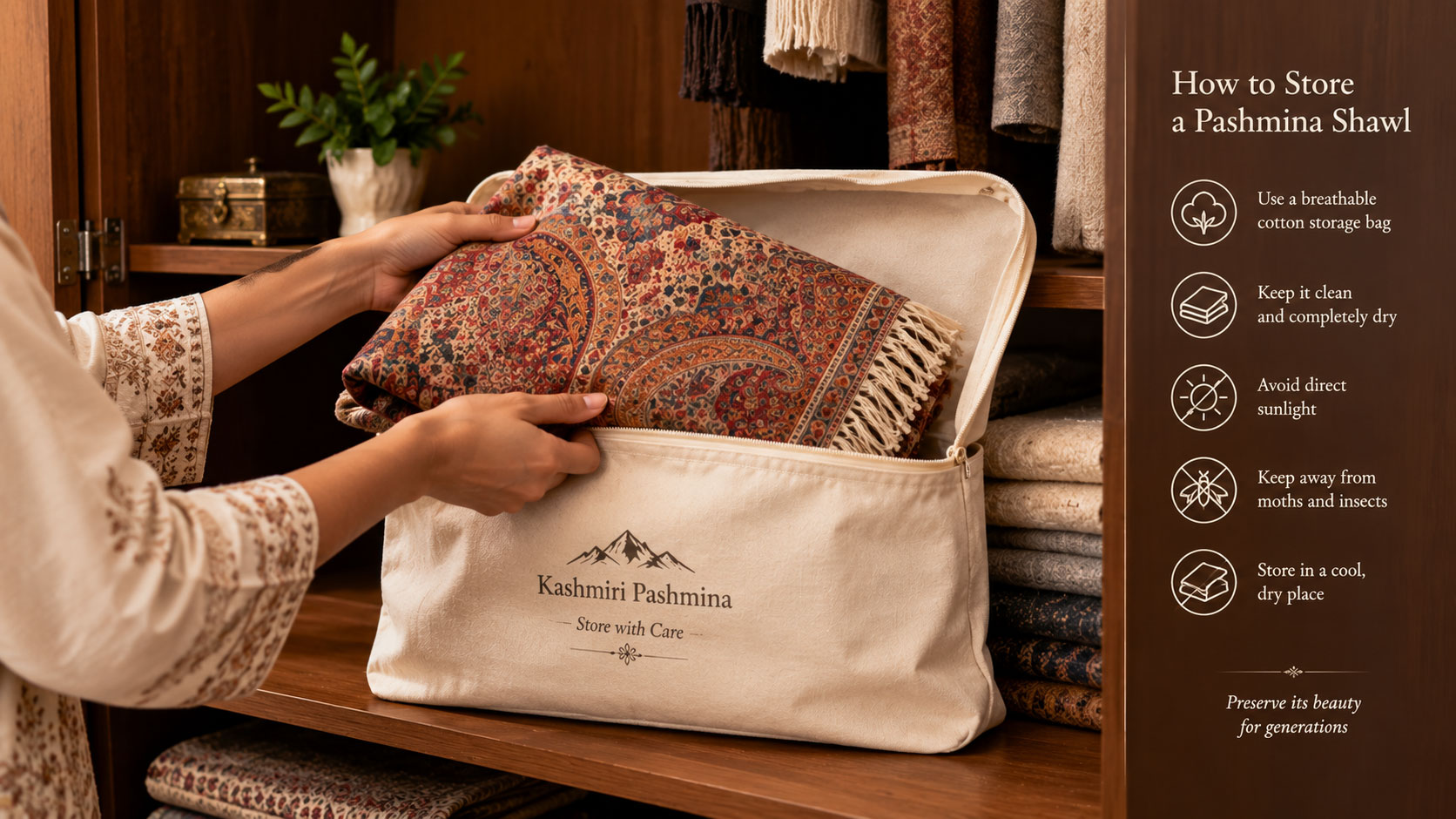
Learning how to store a pashmina shawl correctly between uses matters as much as proper washing for preserving a genuine piece's quality over years of ownership, particularly given how much time a pashmina piece typically spends in storage compared to active wear across a full year. Following the right storage approach protects against the most common causes of damage during these extended periods between uses.
Pashmina should always be folded for storage rather than hung on a hanger, since hanging can stretch and distort the fabric's shape over time due to the material's weight pulling against a single suspension point. Fold pieces gently along their natural lines, avoiding sharp, tight creases that could weaken the fibre at fold points over extended storage, and consider periodically refolding along slightly different lines during long-term storage to avoid permanent crease marks developing in the same spots repeatedly.
Breathable cotton or muslin storage bags offer better protection than sealed plastic containers, which can trap moisture and promote mildew growth in natural fibres over time. If using a drawer or storage box, ensure it's clean, dry, and free from materials that could transfer discolouration, such as certain types of coloured tissue paper or newspaper, which can stain fabric during extended contact.
Natural wool fibres like pashmina are attractive to moths and other fabric pests, making pest protection an essential storage consideration. Natural deterrents like cedar blocks, cedar balls, or lavender sachets placed near stored pieces help discourage pest activity without introducing the harsh chemical odours associated with traditional mothballs, which can be difficult to fully remove from delicate fibre once absorbed.
Store pashmina in a stable, moderate humidity environment, avoiding both excessively damp conditions that promote mildew and overly dry conditions that could make the fibre brittle over extended periods. A climate-controlled closet or storage area generally offers better long-term protection than an attic, basement, or other space with significant temperature and humidity fluctuation across seasons.
When storing multiple pashmina pieces together, avoid overcrowding, which can create pressure points and prevent proper air circulation around each individual piece. Separating pieces with acid-free tissue paper, particularly for embroidered or delicate items, helps prevent any potential colour transfer or friction damage between pieces stored in close contact with each other.
Check stored pashmina periodically, ideally every few months even during extended storage periods, airing pieces out briefly and inspecting for any signs of pest activity, moisture damage, or unexpected discolouration. Catching potential problems early through these periodic checks prevents minor issues from developing into more significant damage during long, unmonitored storage periods.
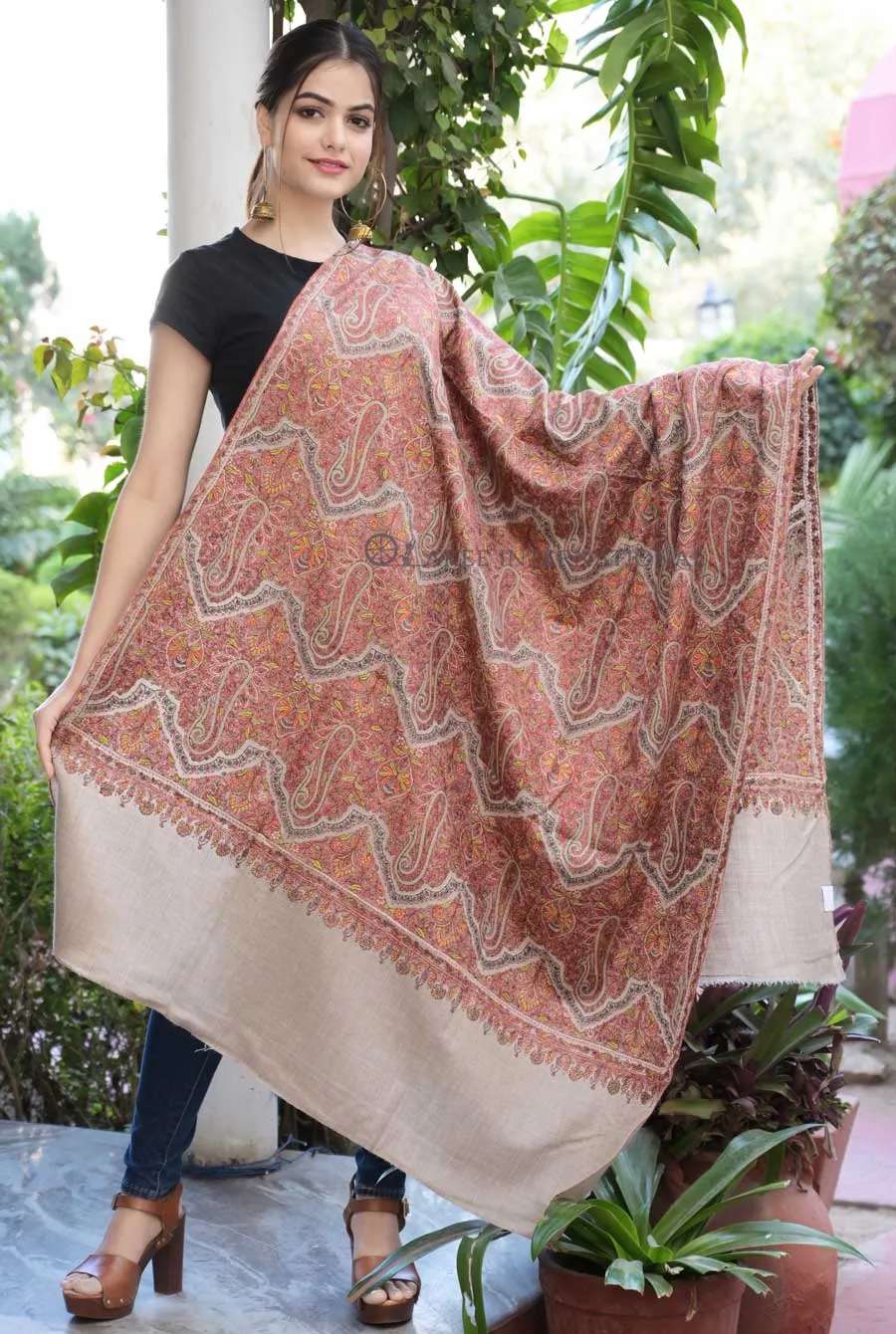
For particularly significant pieces — heirloom-quality embroidered shawls, rare Kani or Jamawar work, or pieces with specific sentimental value — some owners choose to invest in specialised archival-quality storage materials, such as acid-free tissue and museum-grade storage boxes typically used for preserving fine textiles and antiques. While this level of care isn't necessary for everyday pashmina pieces, it can be a worthwhile consideration for a genuinely exceptional piece intended to be preserved carefully for eventual passing down to future generations rather than regular, ongoing use.
Travelling with a pashmina piece requires some additional storage consideration beyond home storage practices. Rolling rather than folding tightly for travel can help reduce deep crease marks during transit, and packing the piece in a protective bag separate from items with rough textures, zippers, or buttons that could snag the delicate fibre during luggage handling helps prevent travel-related damage. Removing the piece from travel packing as soon as reasonably possible after arrival, rather than leaving it compressed in luggage for extended periods, also helps the fabric recover its natural shape and texture more quickly.
For specific storage guidance on a particular piece, contact the team through Contact Us or WhatsApp at +91-9772777770. The full product catalogue includes construction-specific care and storage guidance for each piece.
Discover exquisite Pashmina shawls, beautifully crafted with Kashmir’s timeless heritage and artistry.
Discover exquisite Pashmina shawls, beautifully crafted with Kashmir’s timeless heritage and artistry.
No, hanging can stretch the delicate fabric over time; folding and stacking is preferred.
Use breathable cotton bags rather than plastic covers, which trap humidity and can cause mildew.
Natural deterrents like cedar wood or lavender sachets offer effective protection without harsh chemicals.
Keep it in a cool, dark place away from direct sunlight to preserve color and fiber integrity.
Yes, ensure it's completely clean, since stains or oils can attract moths and pests.
Periodically airing out stored pieces helps maintain freshness, especially for items stored across an entire season.
Fold gently to avoid repeated creasing directly along embroidered areas.
Organize storage so pieces aren't tightly compressed, allowing natural fibers to breathe.
Stretching, musty odors, or small holes suggesting moth damage indicate storage adjustments are needed.
It protects your investment, ensuring the shawl remains beautiful and functional for years or even generations.

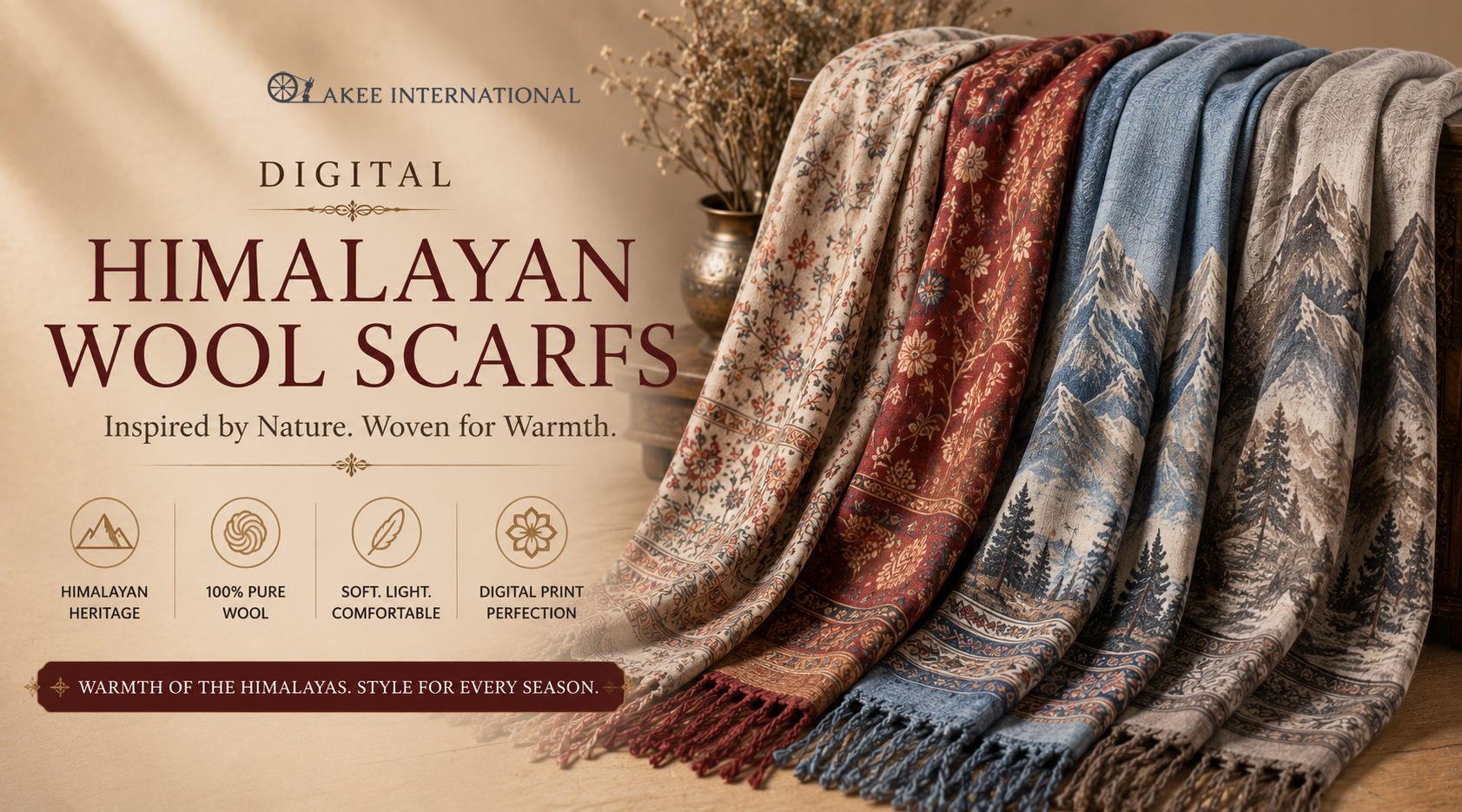
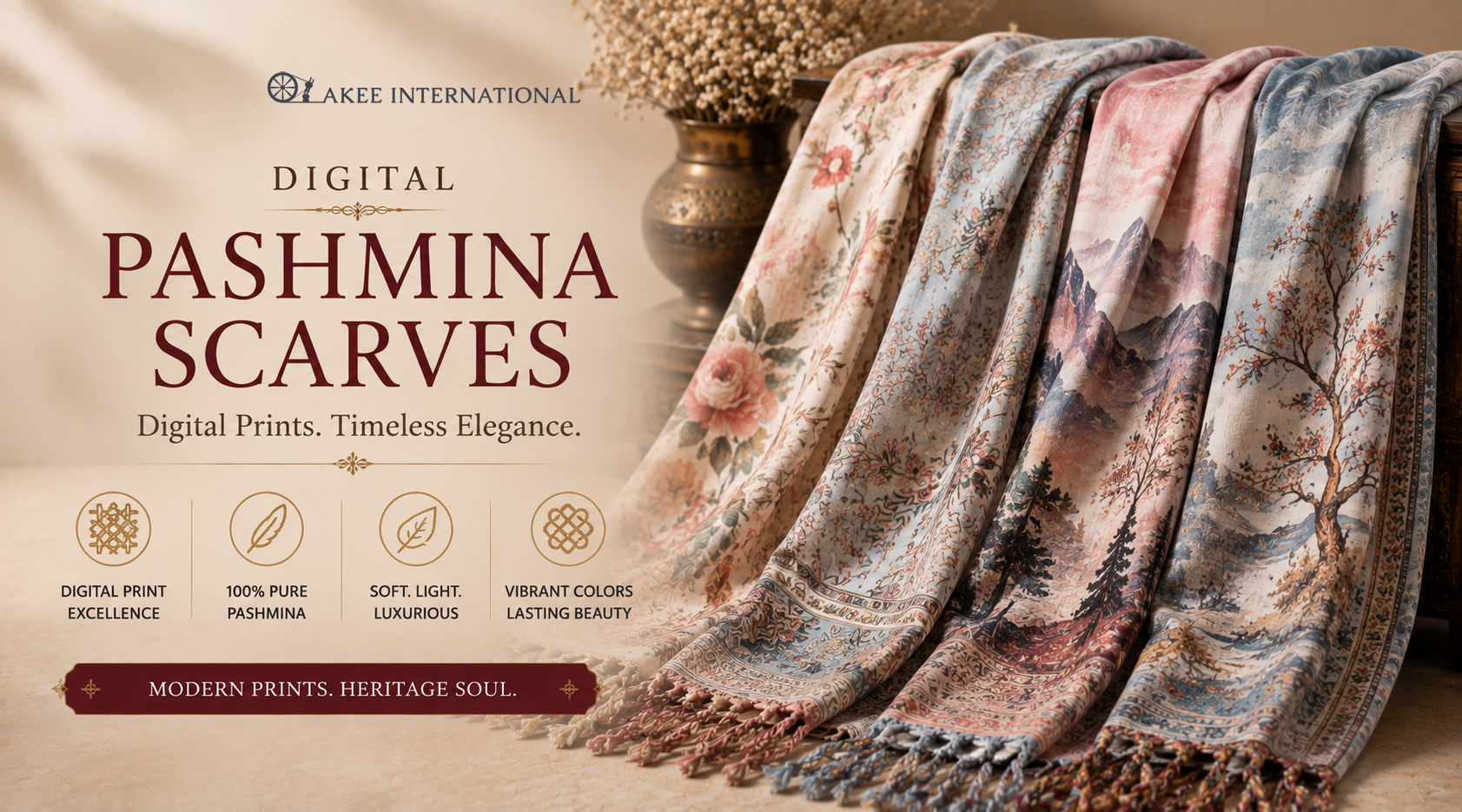
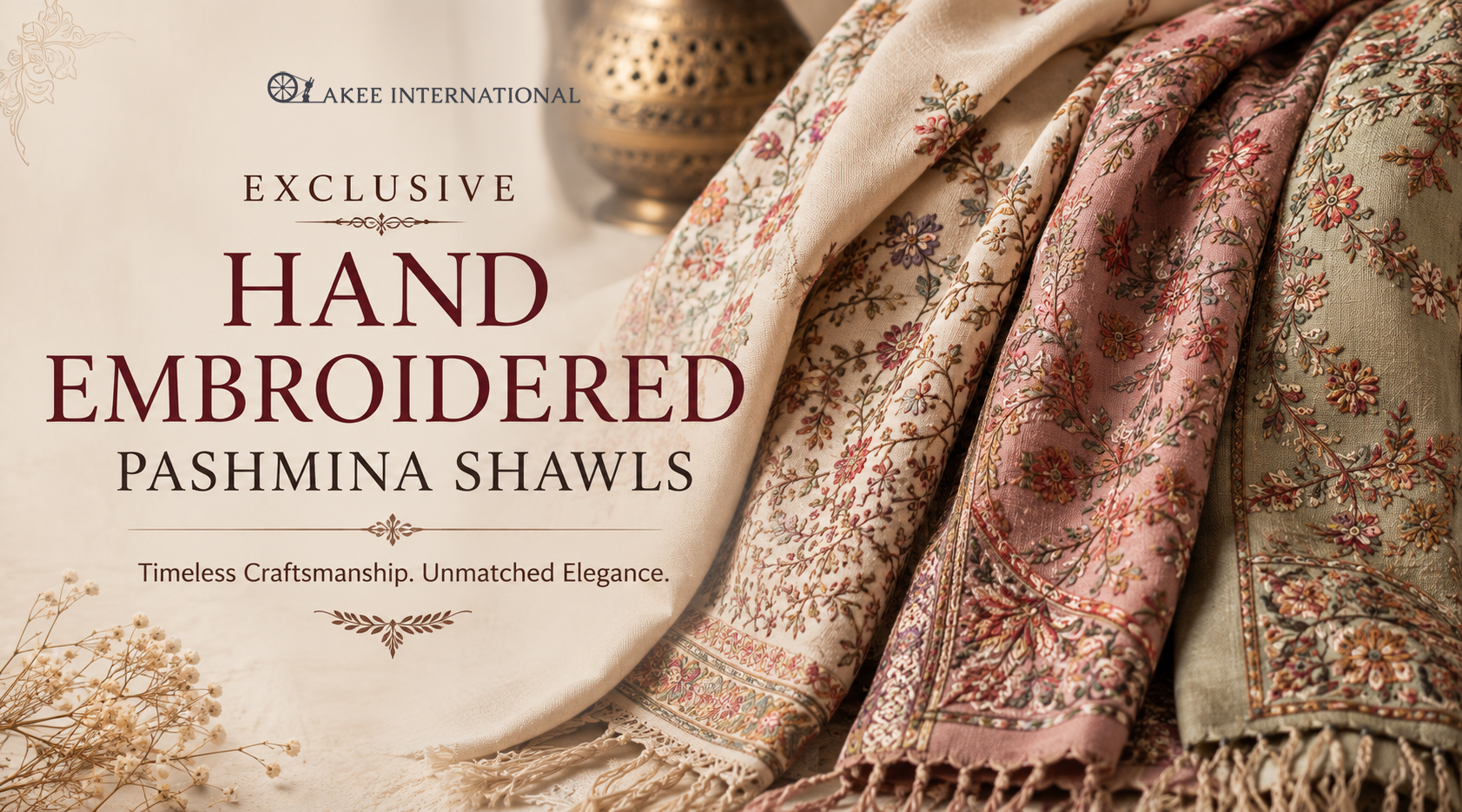
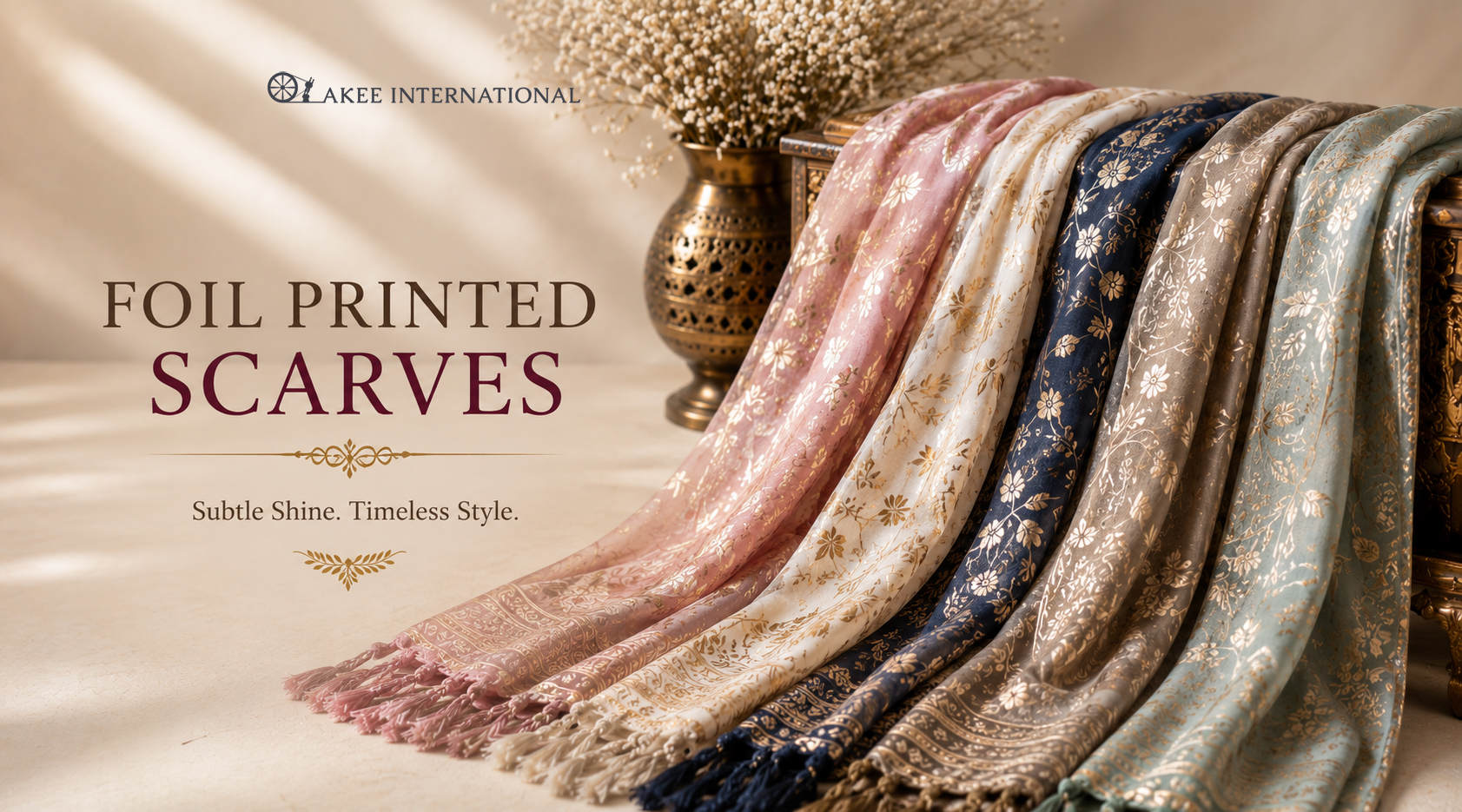
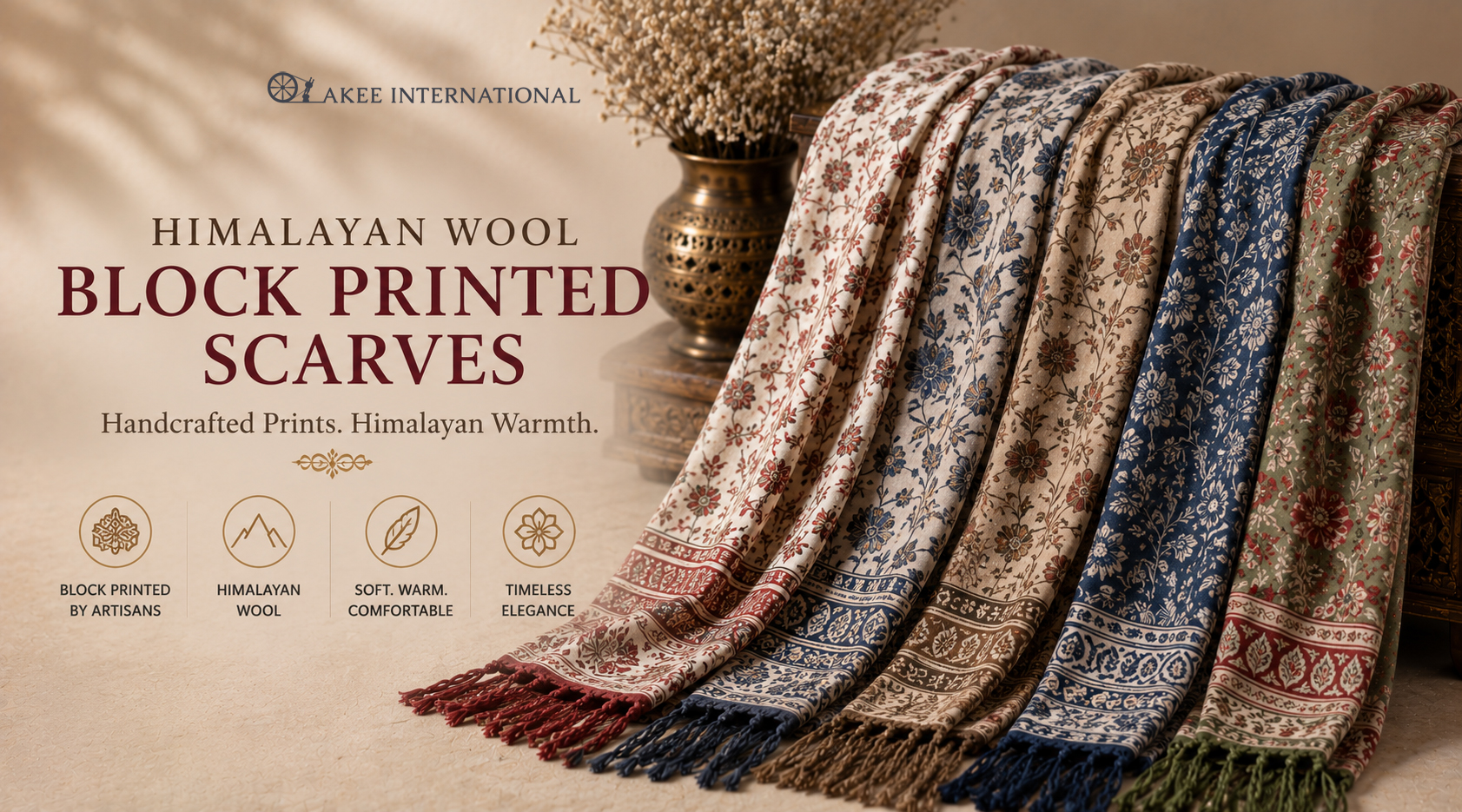
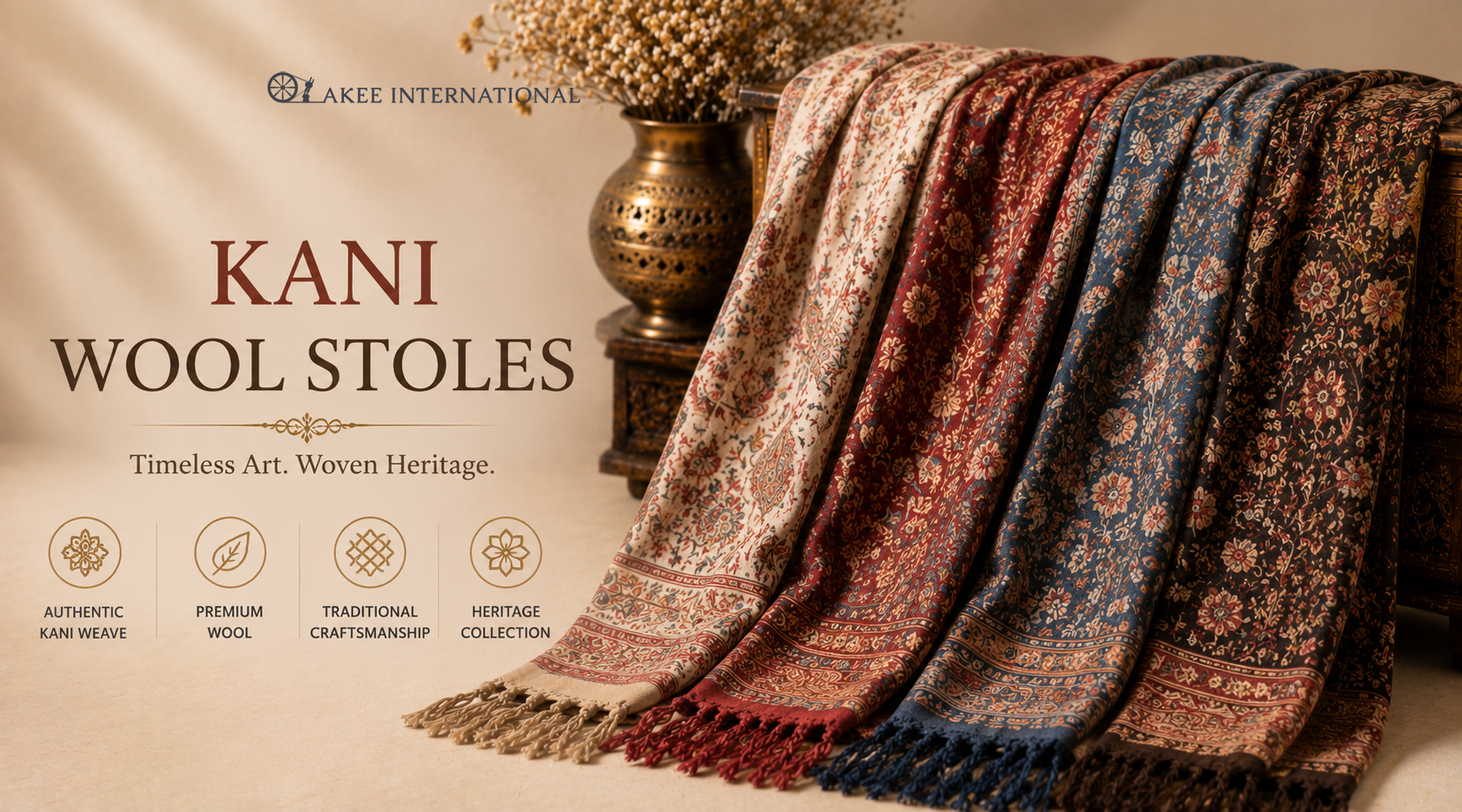
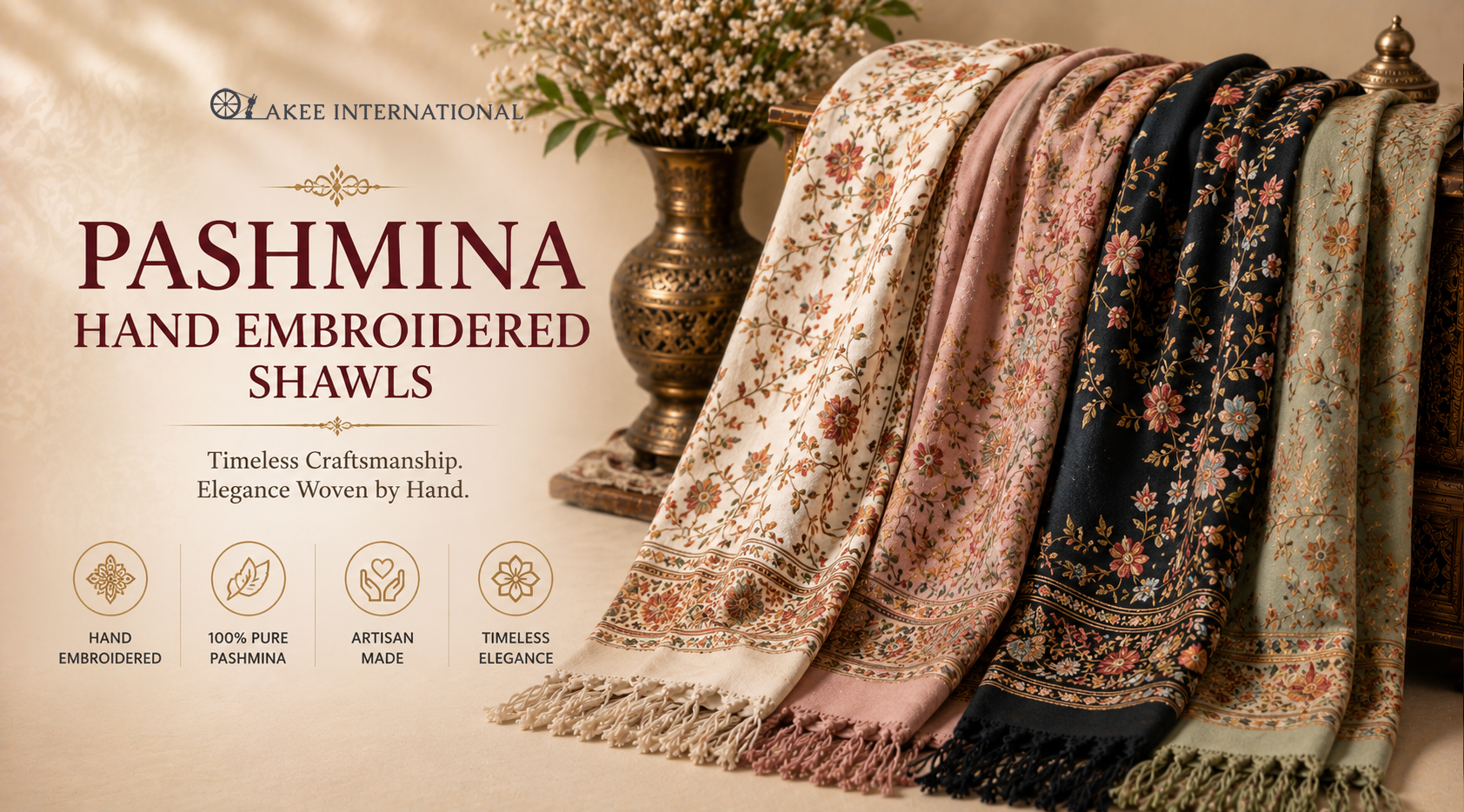
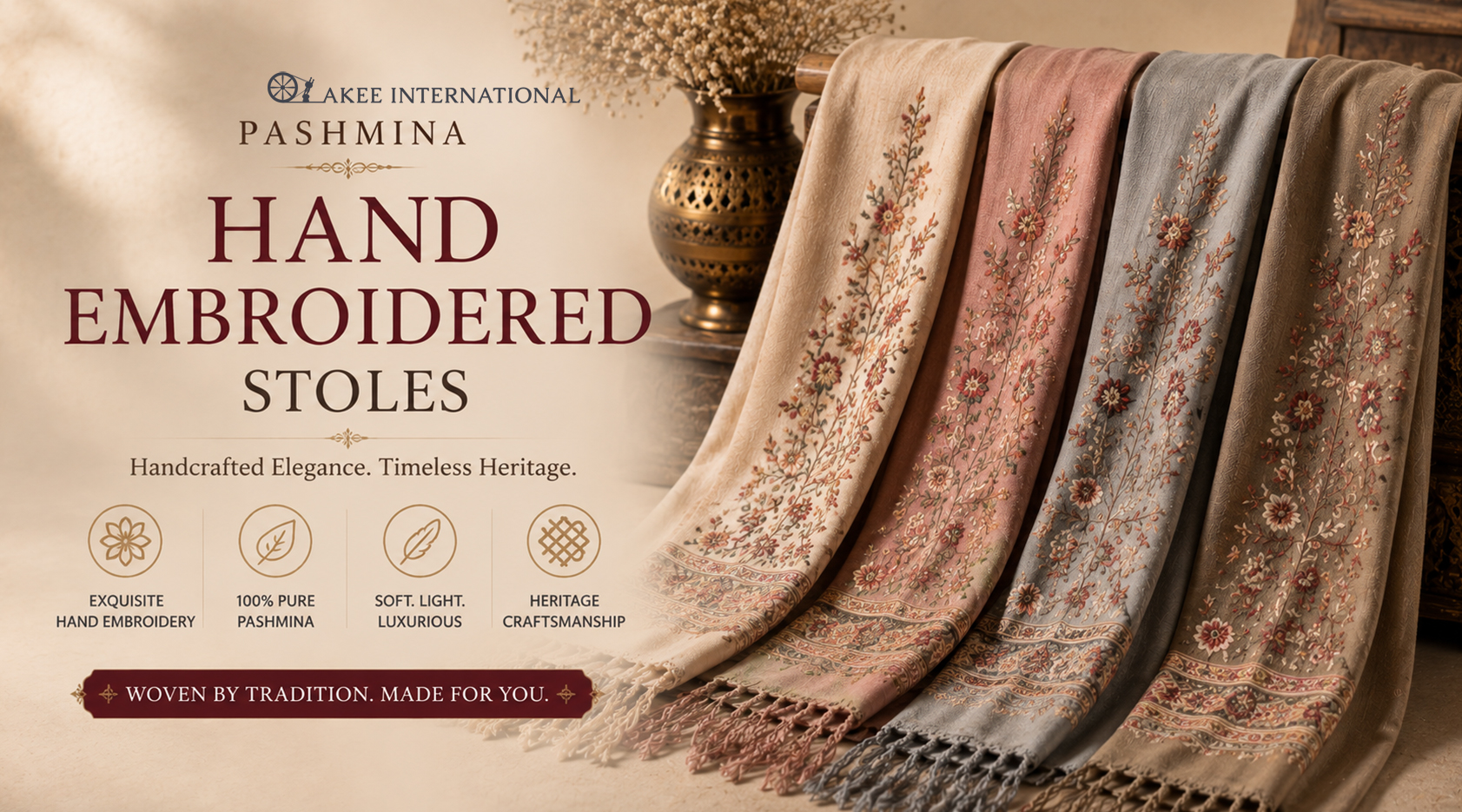
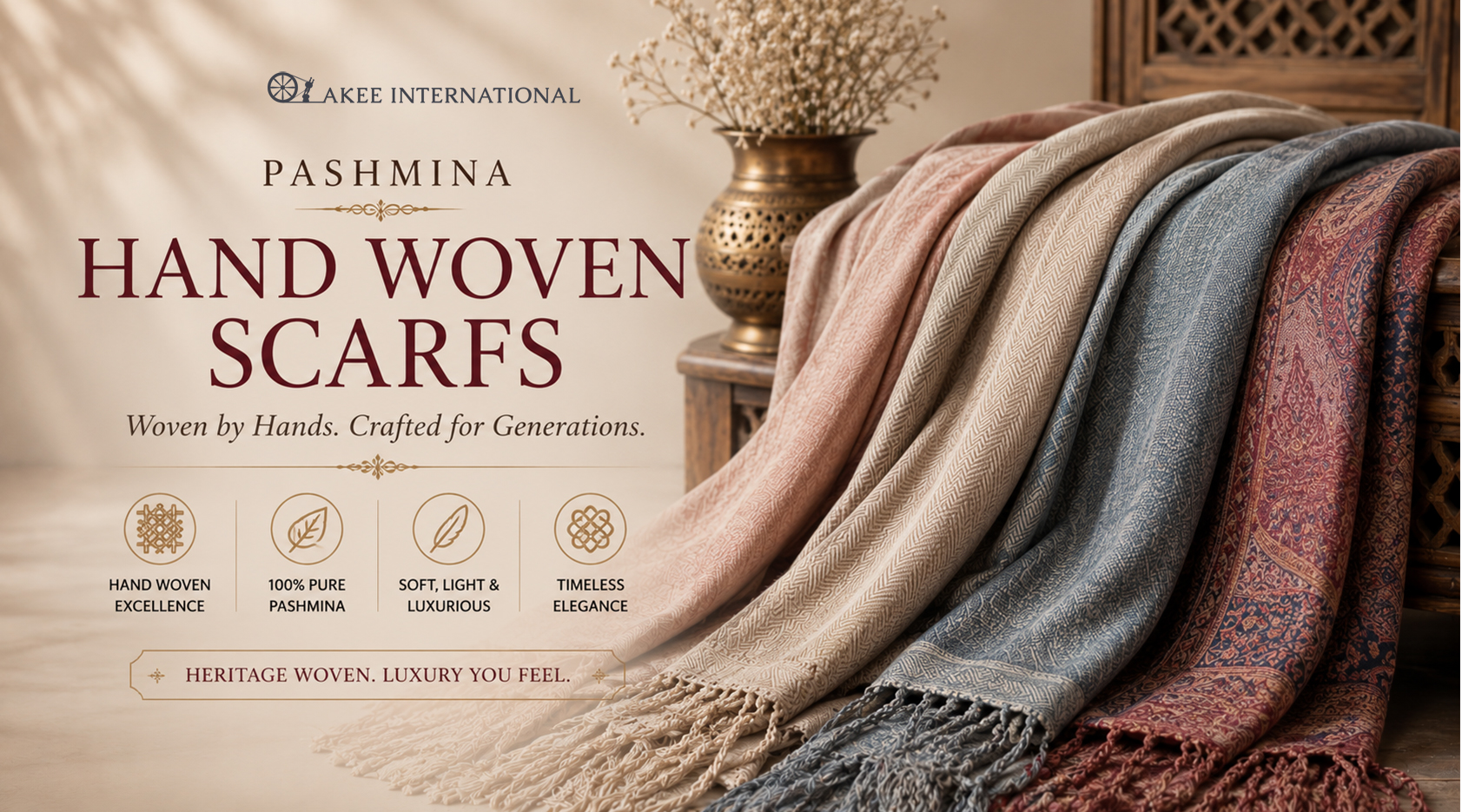
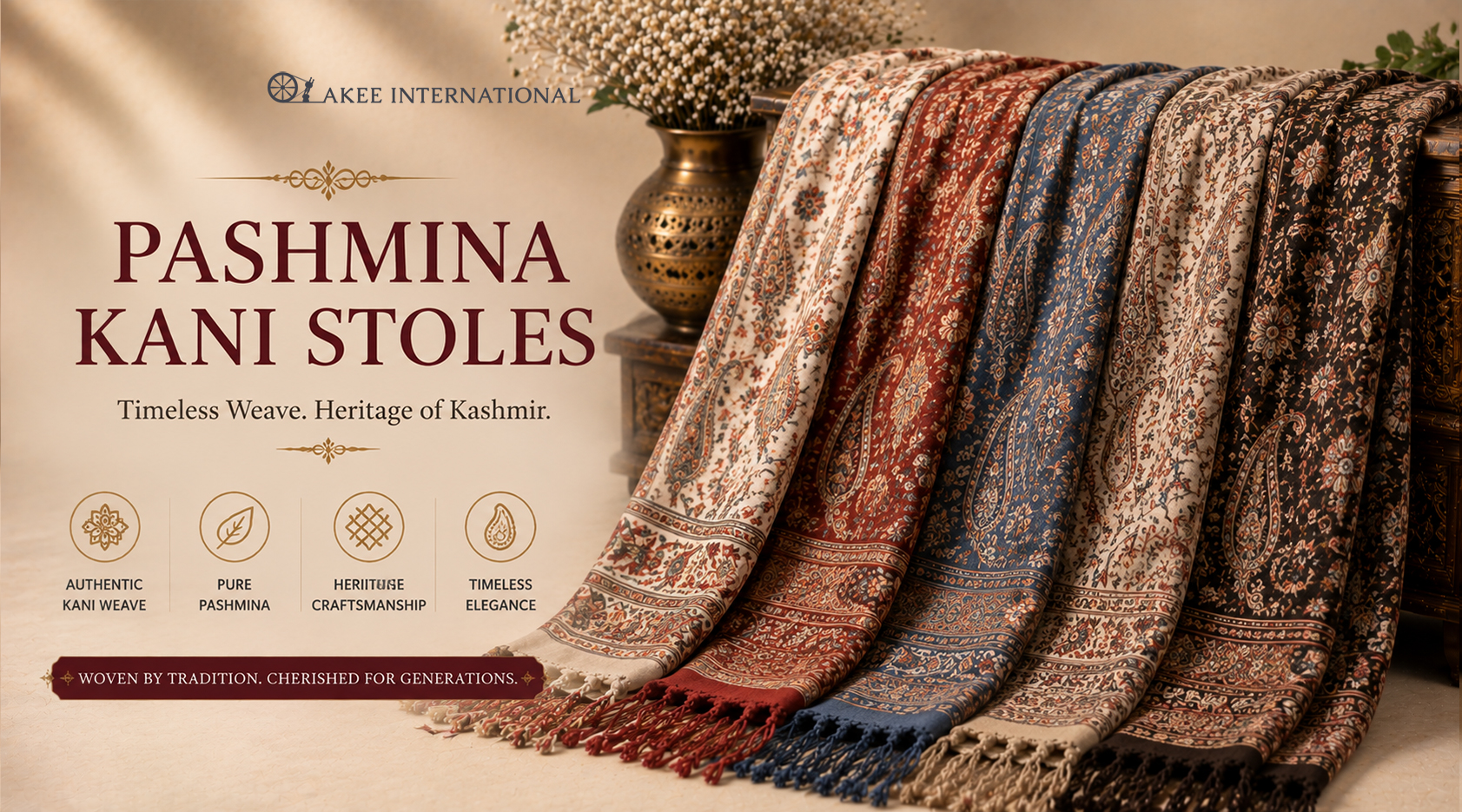
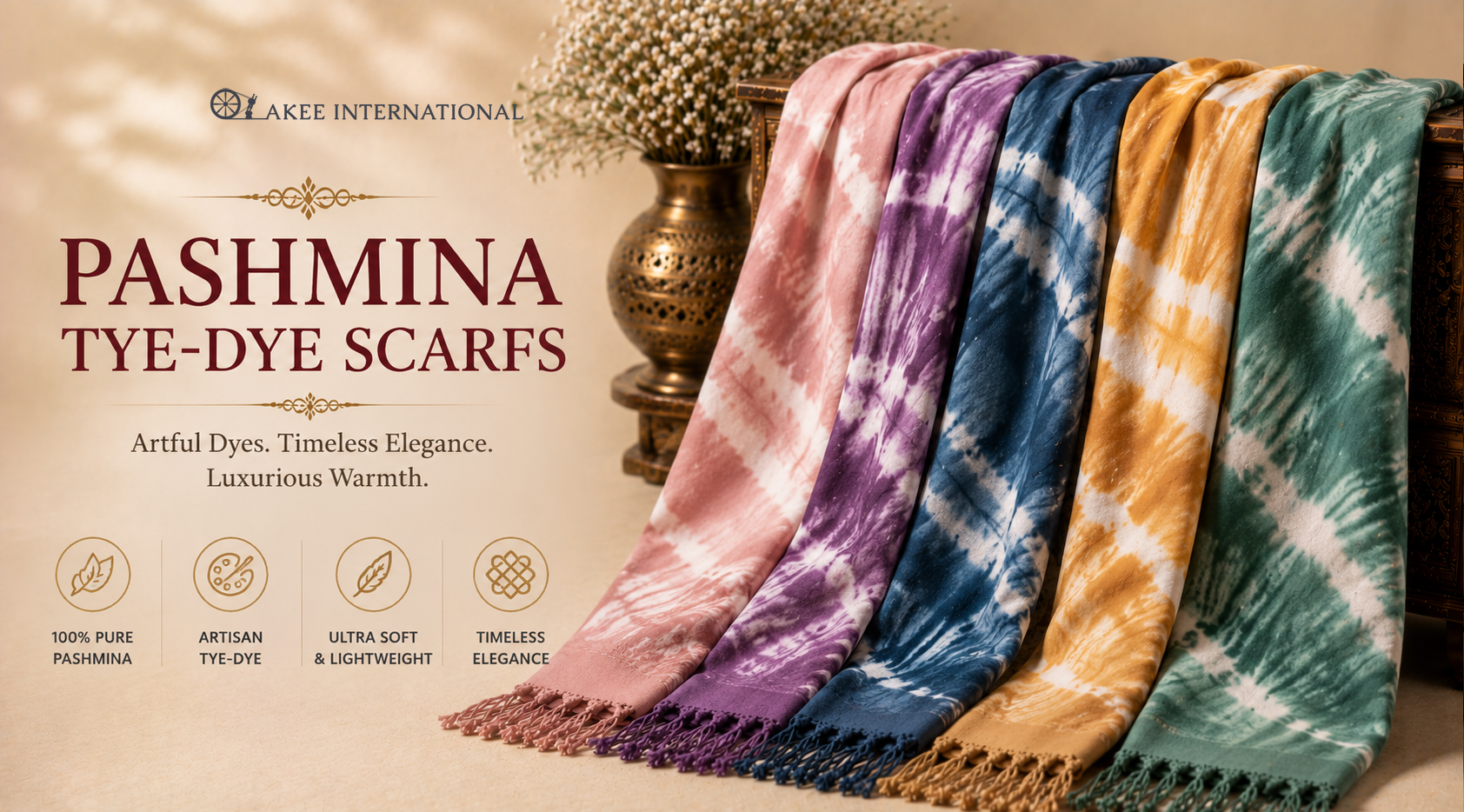
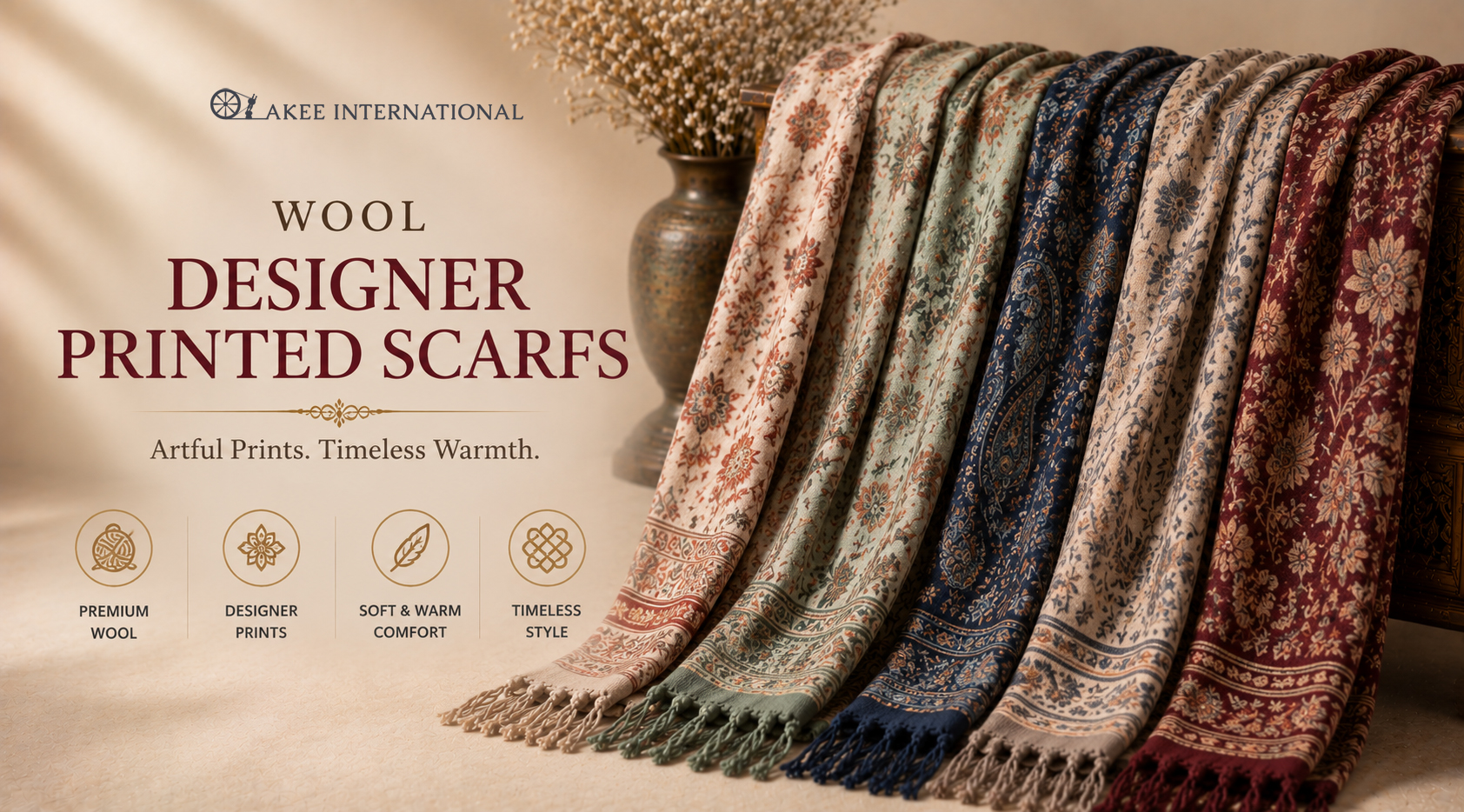
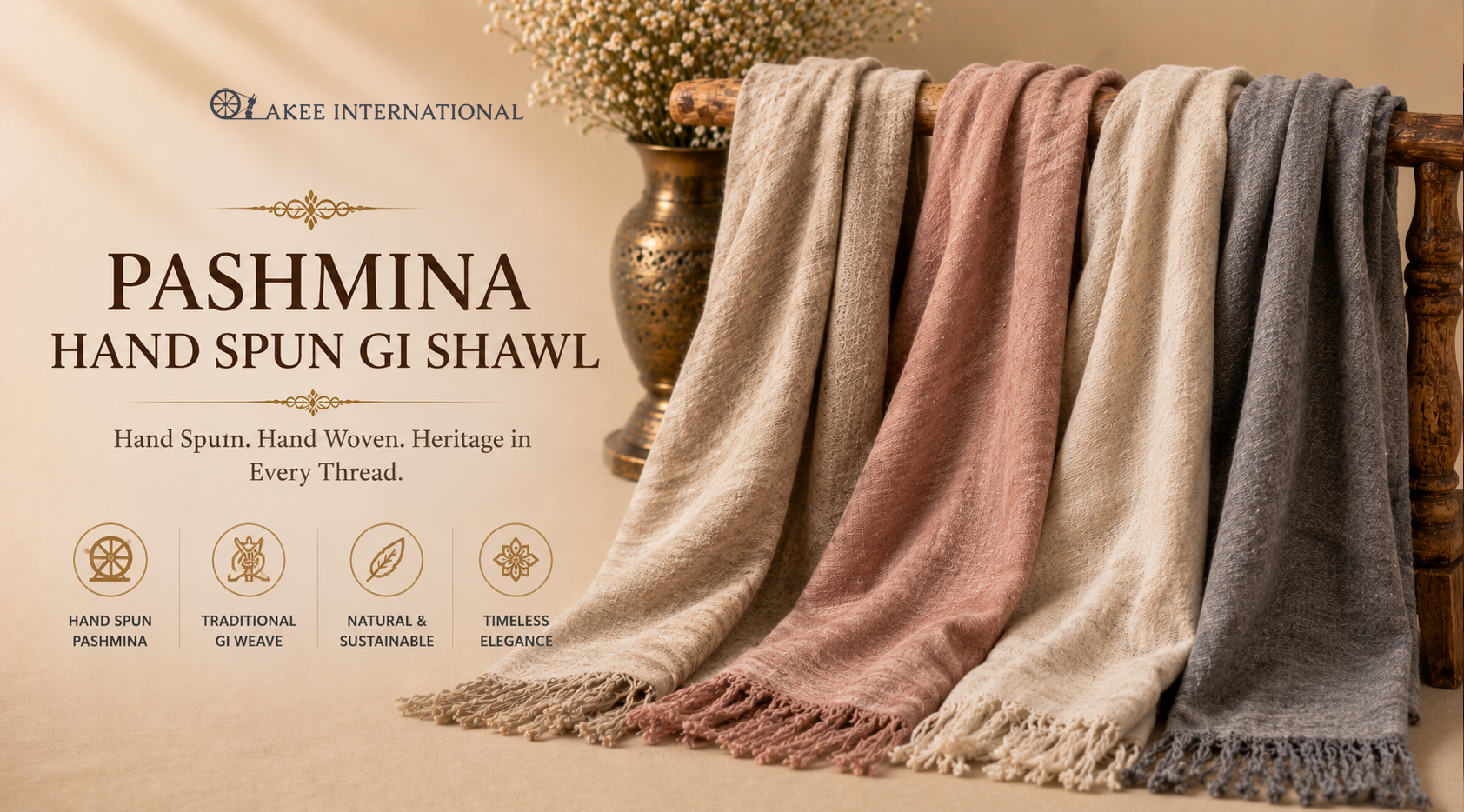
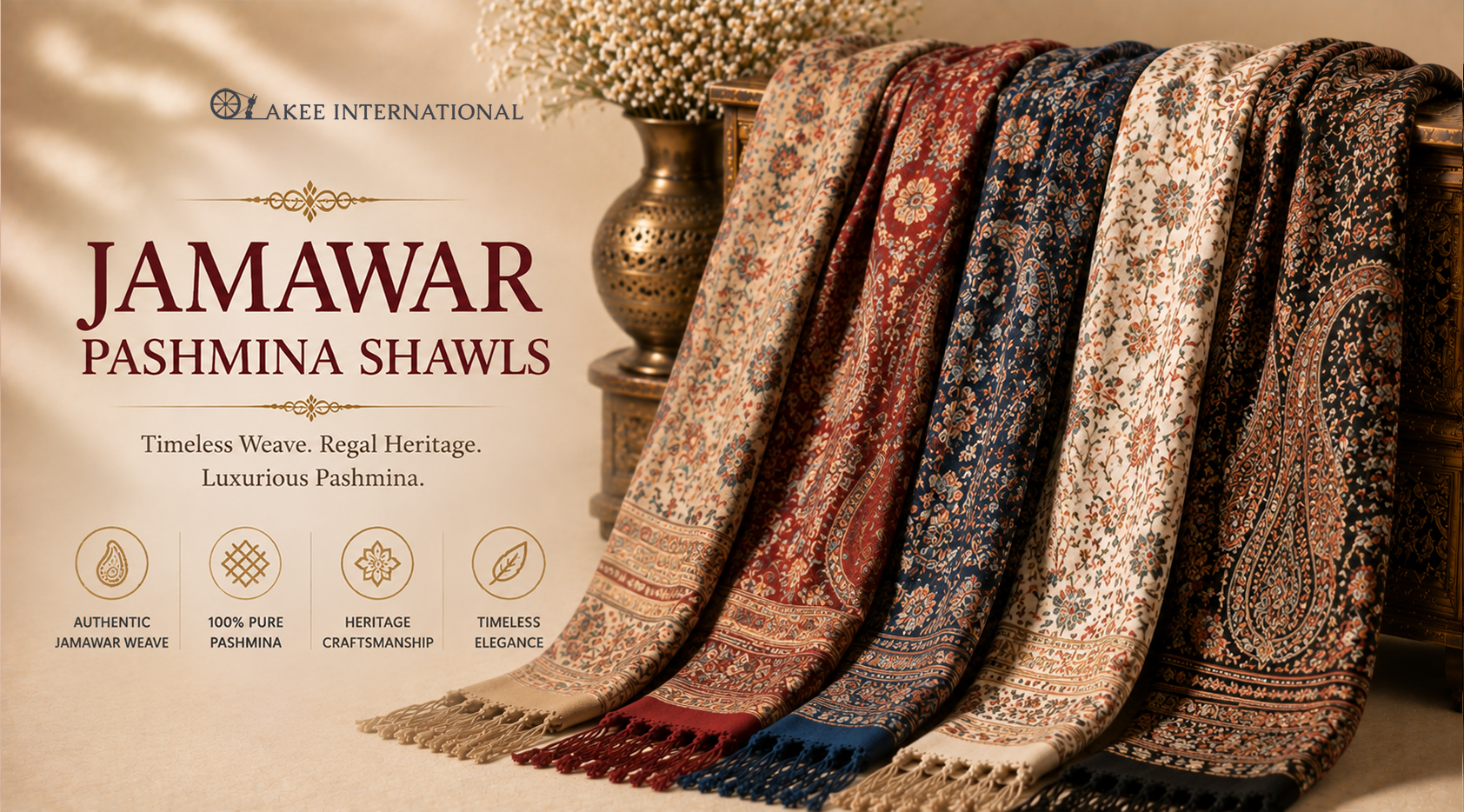
Discover exquisite Pashmina shawls, beautifully crafted with Kashmir’s timeless heritage and artistry.
"Read what our clients say about their experience with Akee International's luxurious Pashmina shawls and impeccable service."

Nai Mata Mandir Road, Thathar Road, Delhi By Pass, Amer, Jaipur 302028, Rajasthan India
Get directions Call Now Whatsapp 4.9 based on 269 reviews

Rating: 4.6/5 | 85 Reviews

Rating: 4.9/5 | 269 Reviews

TrustScore: 4.9 | 100 Reviews