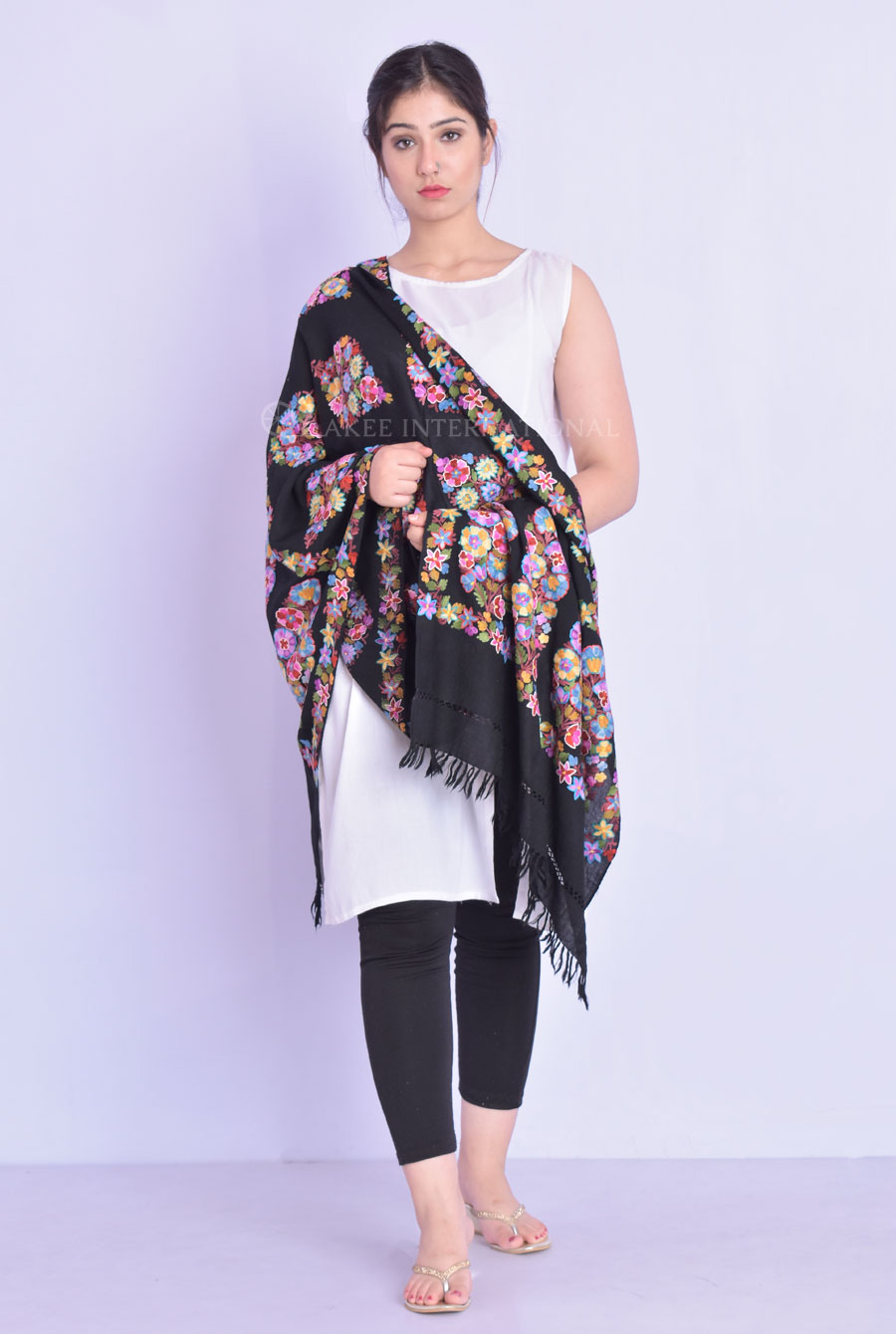
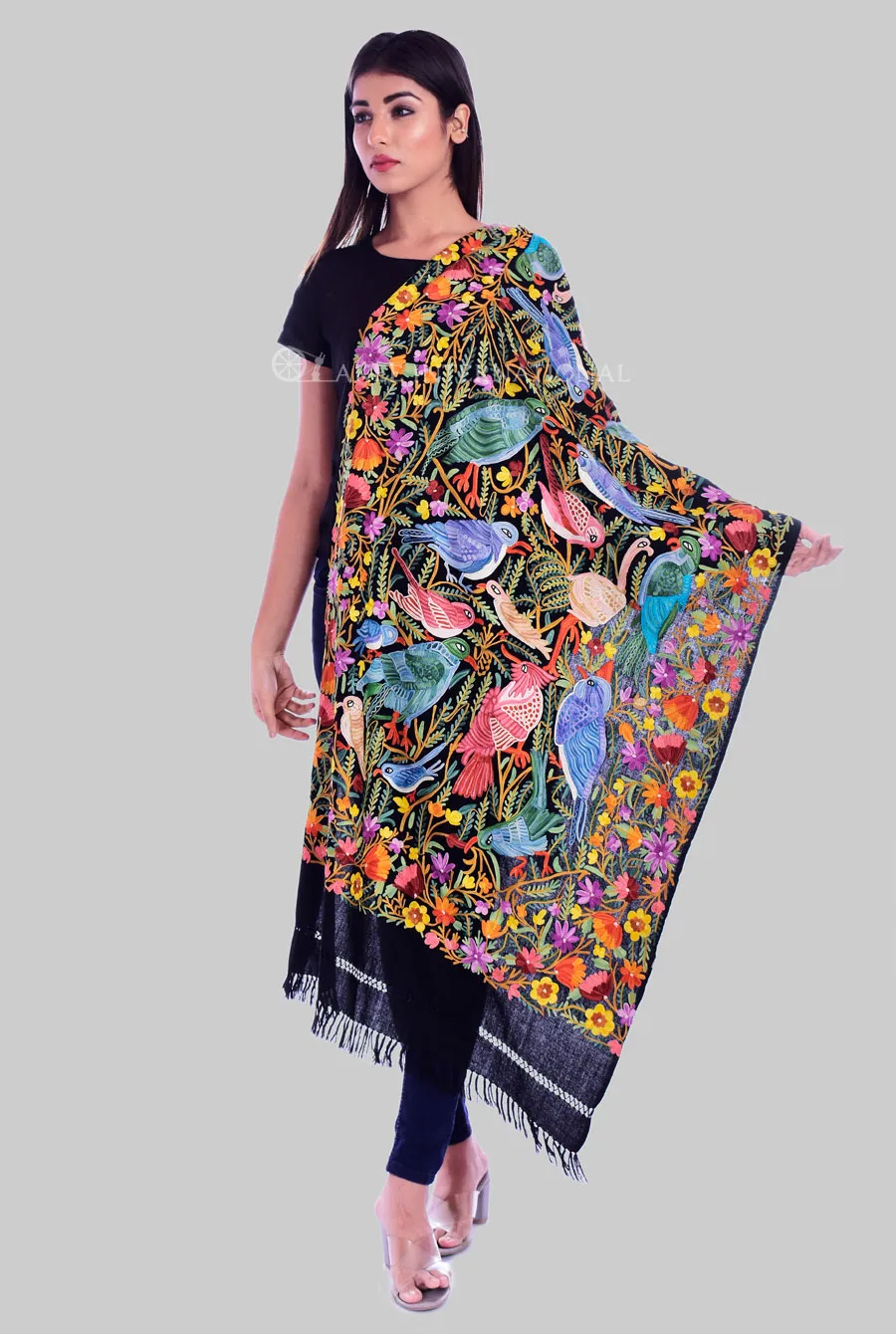
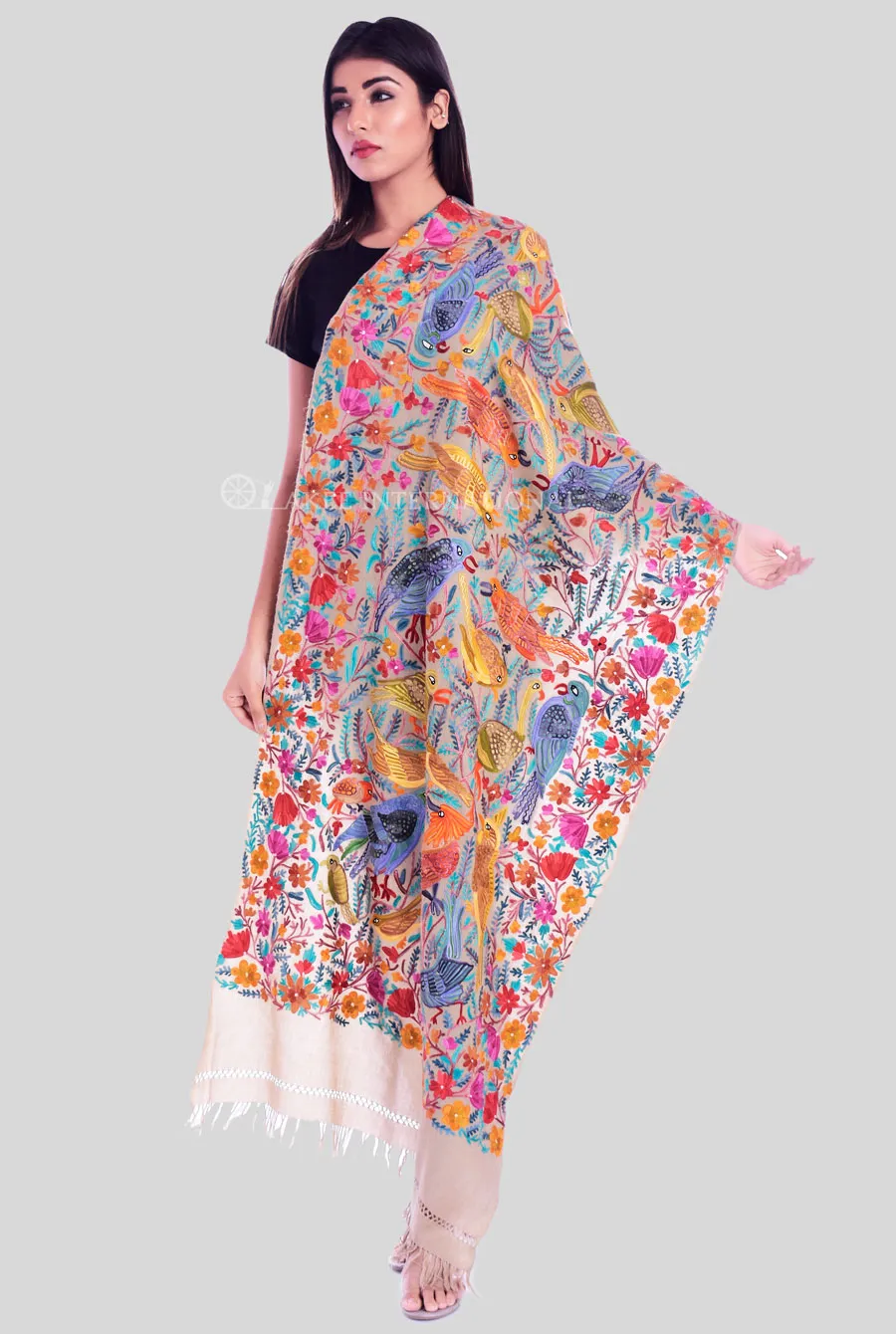
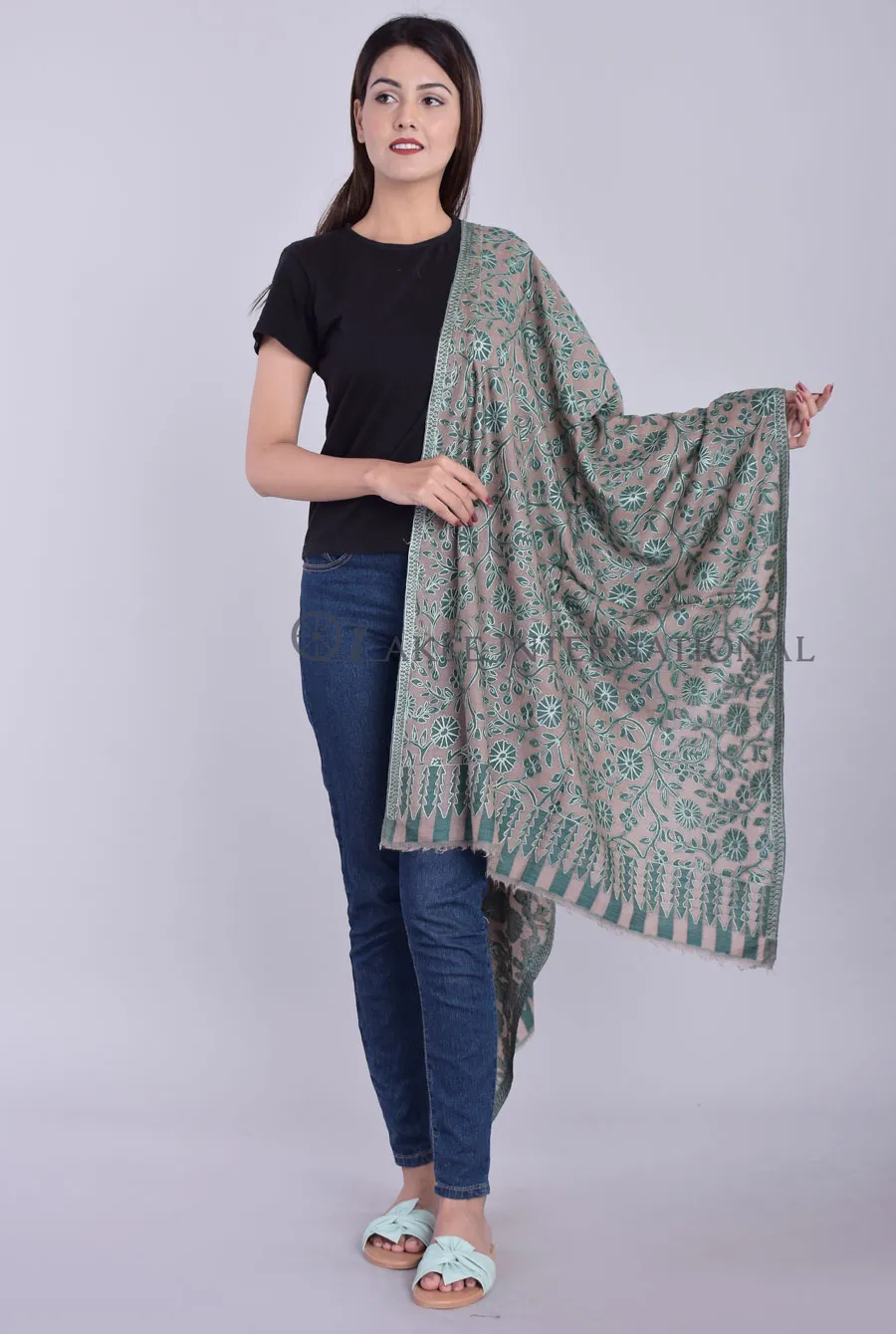
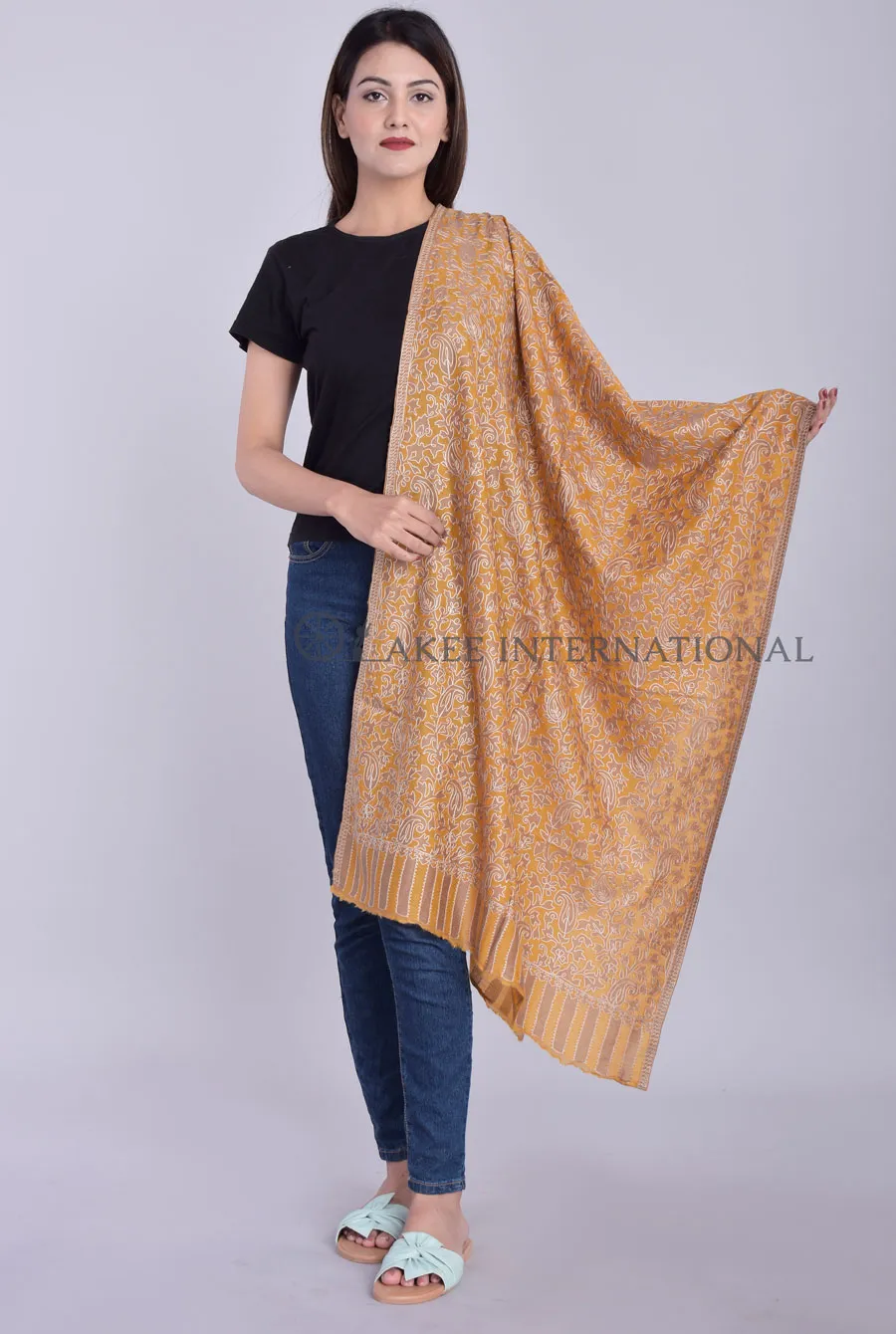
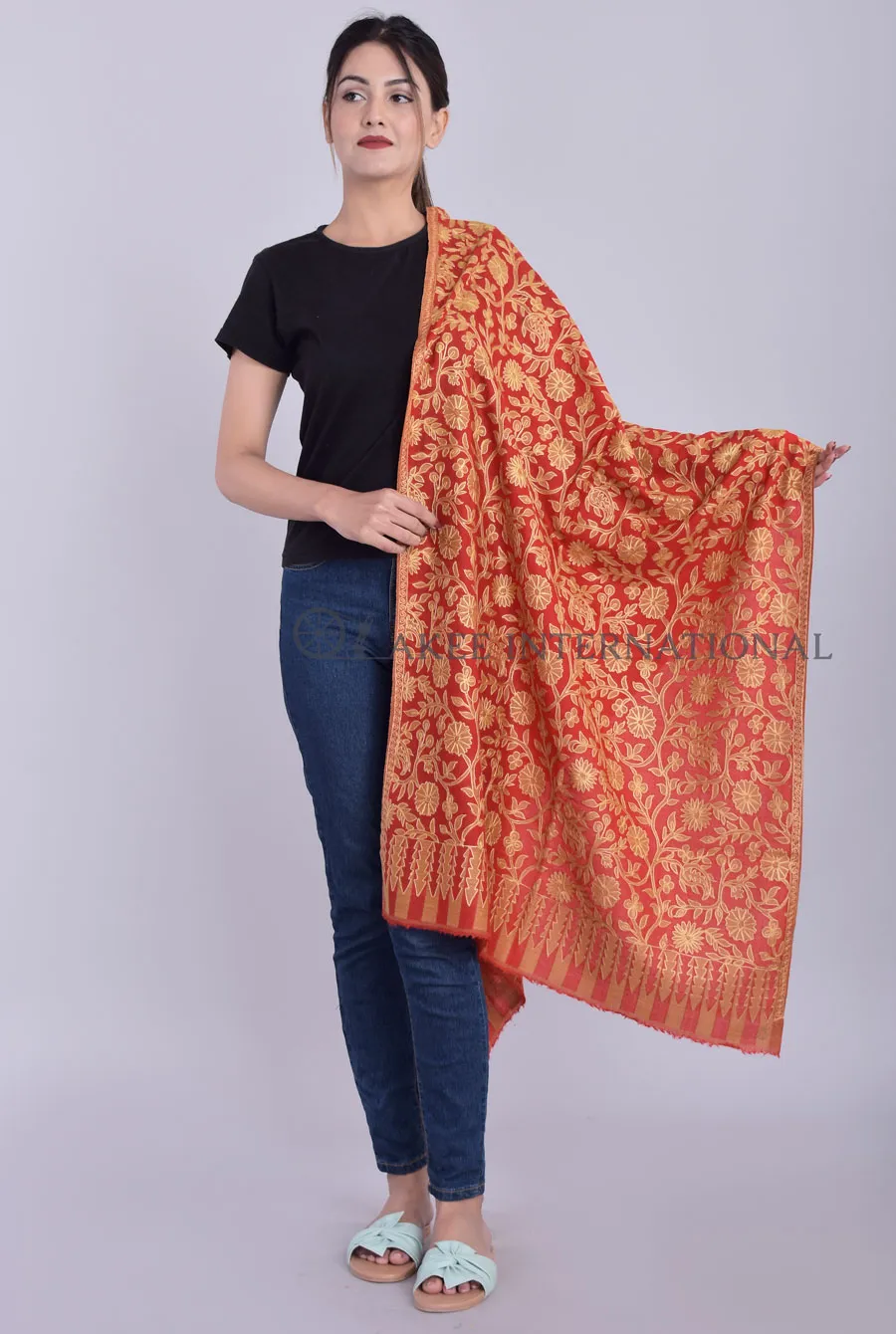
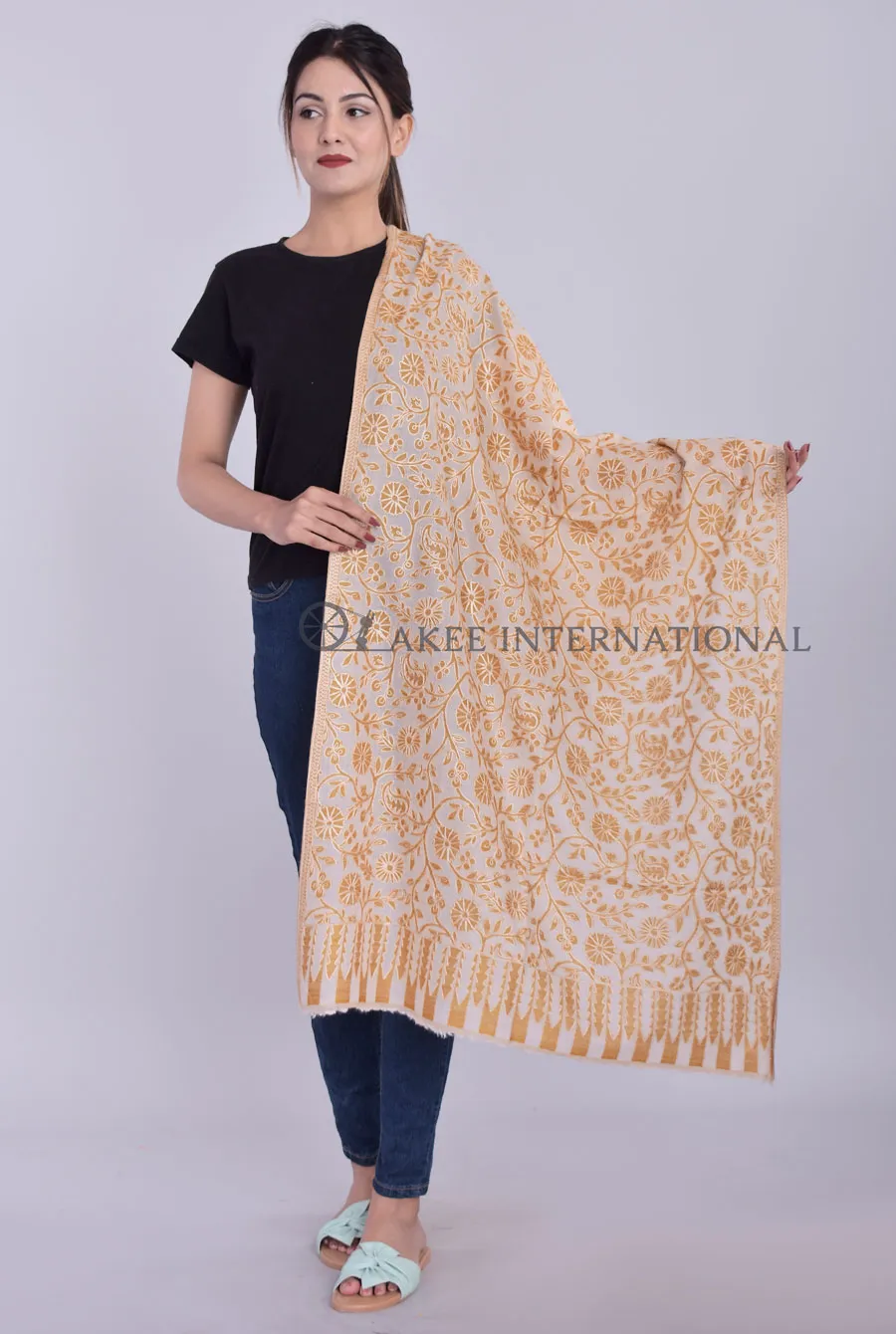
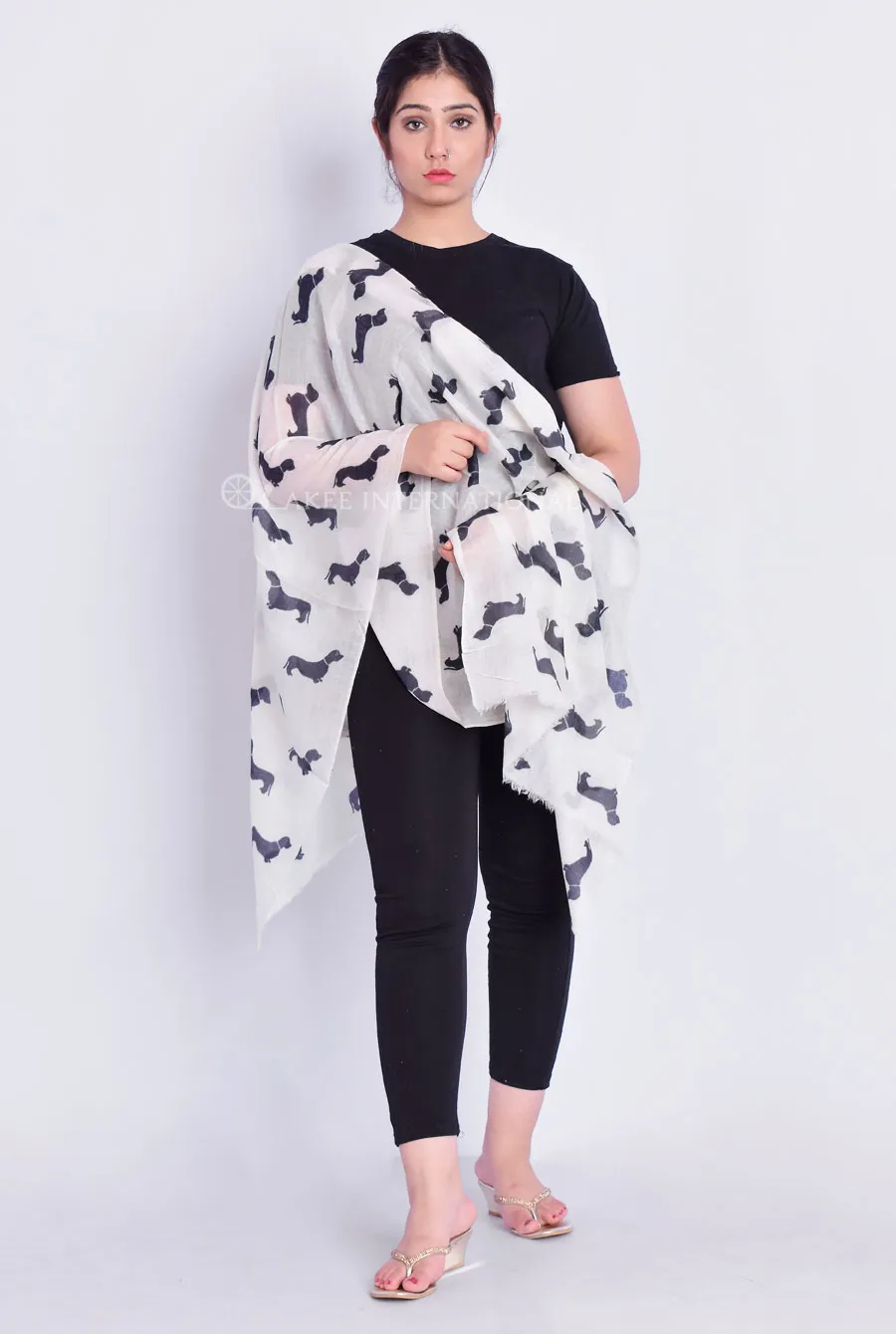
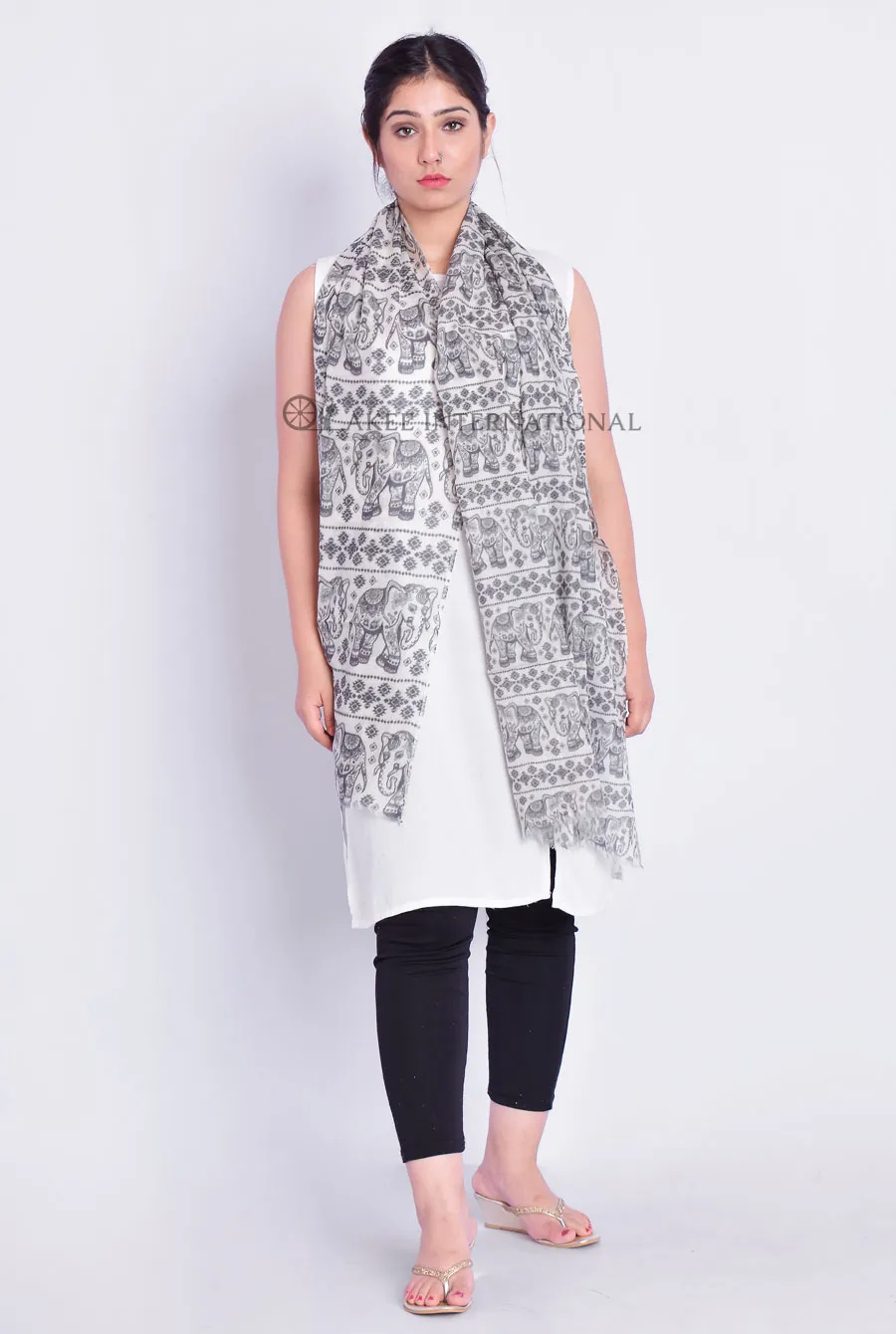
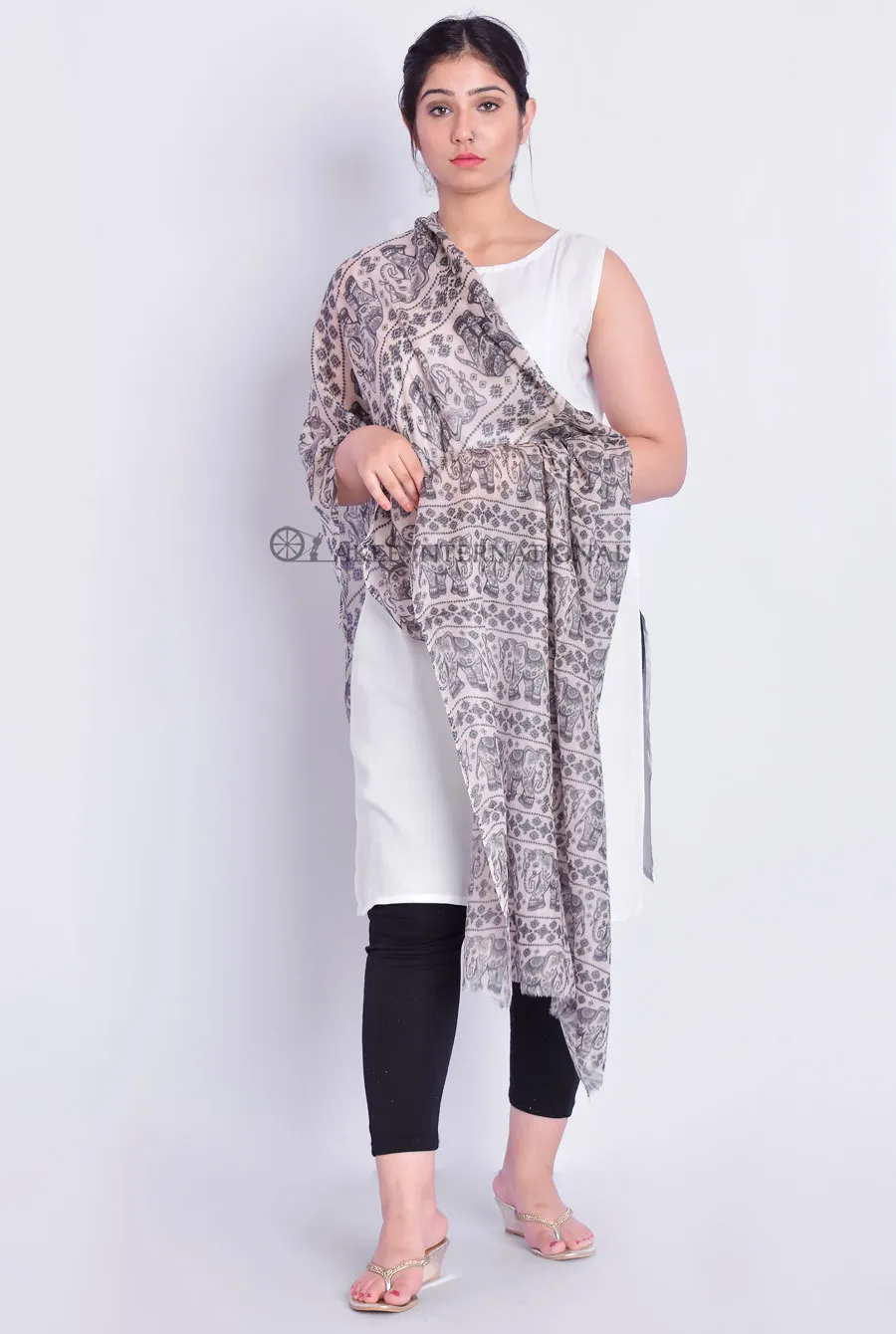
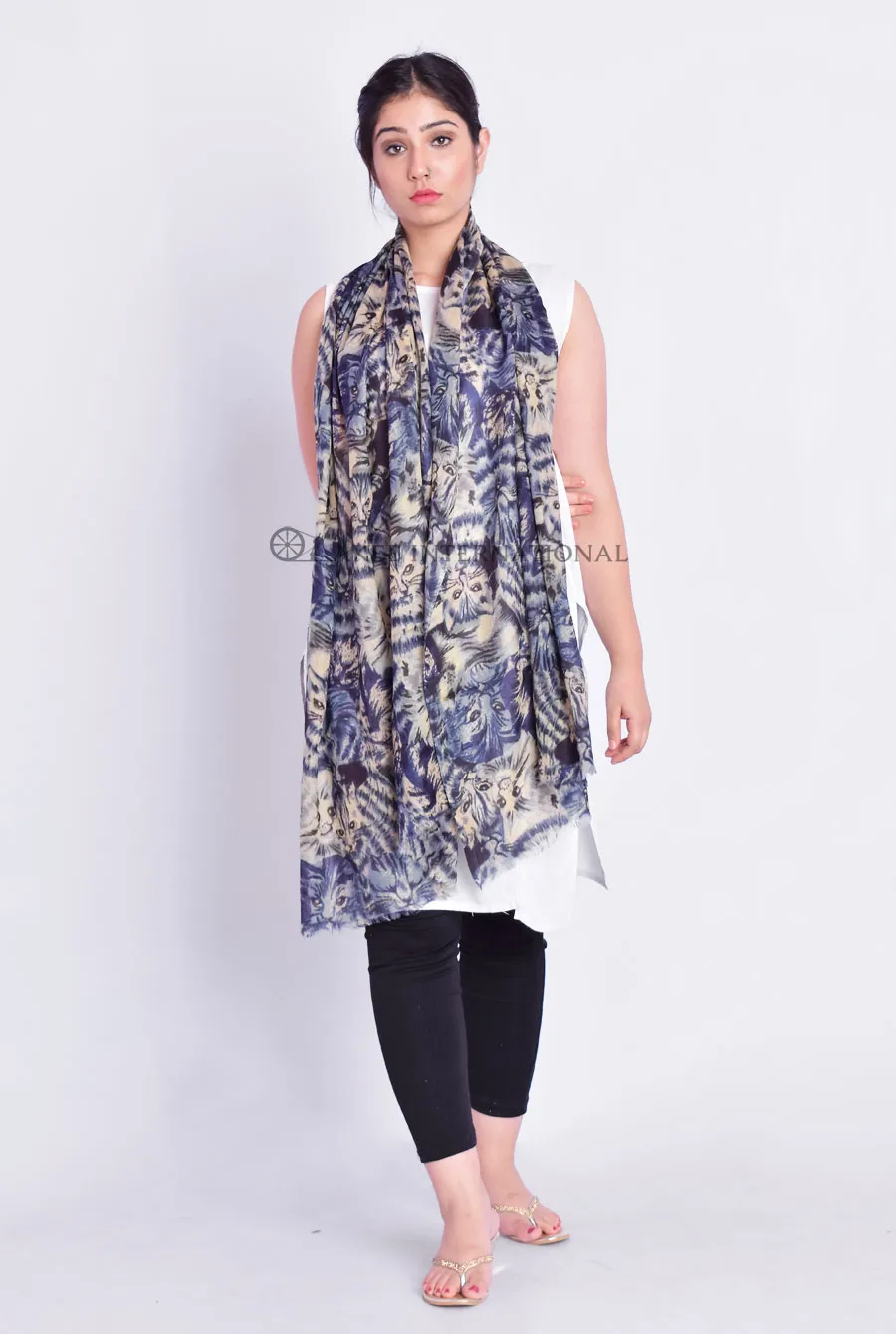
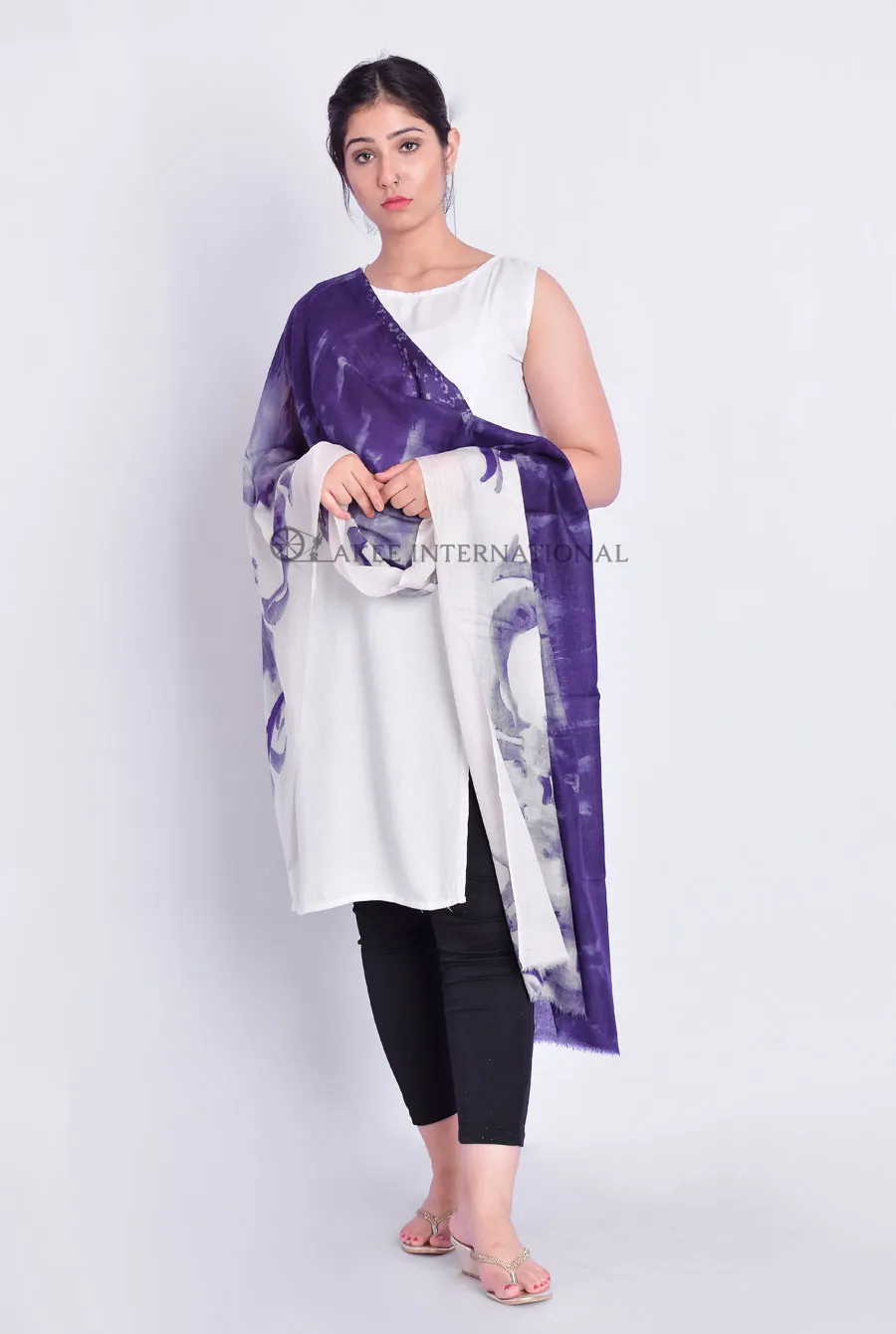
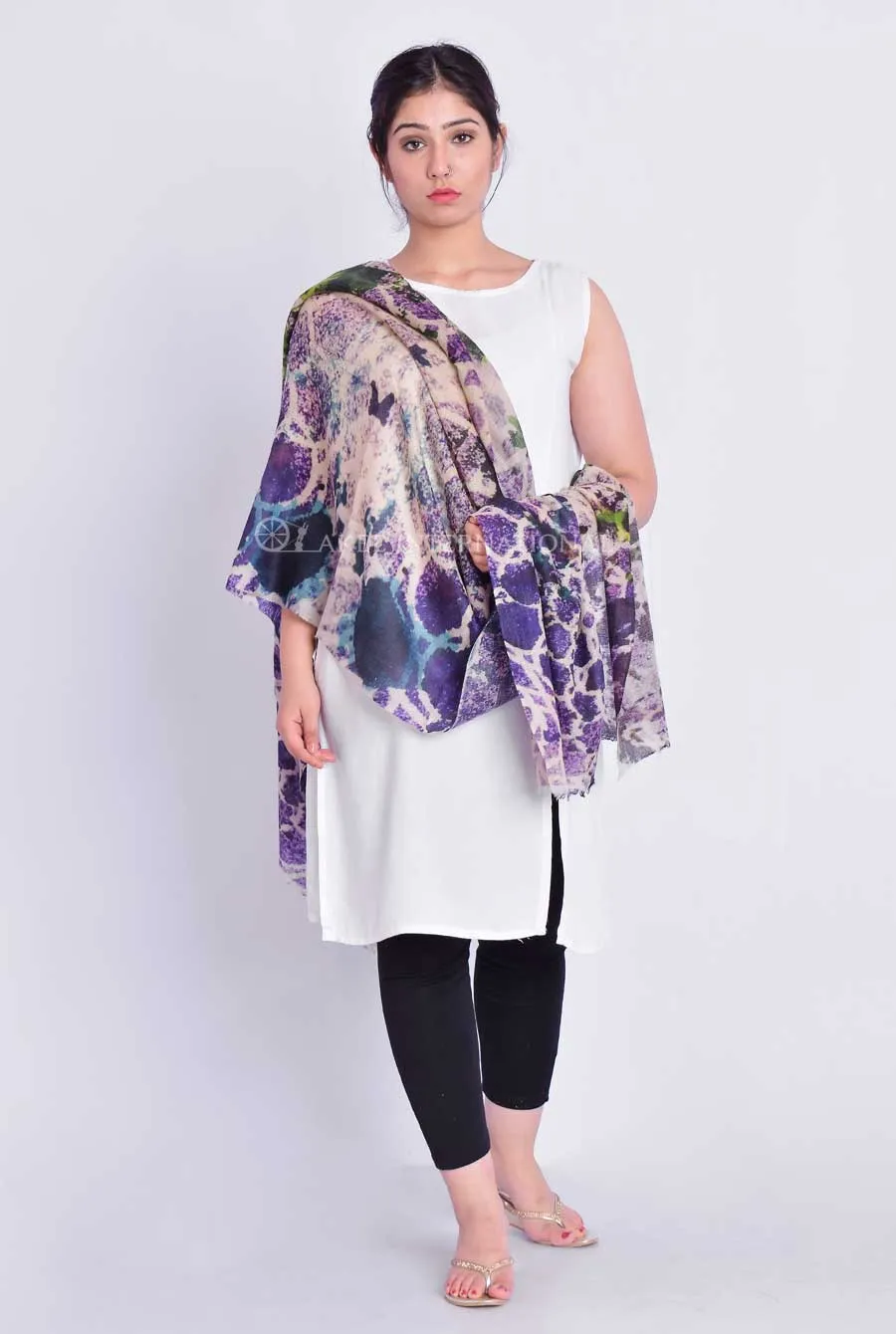
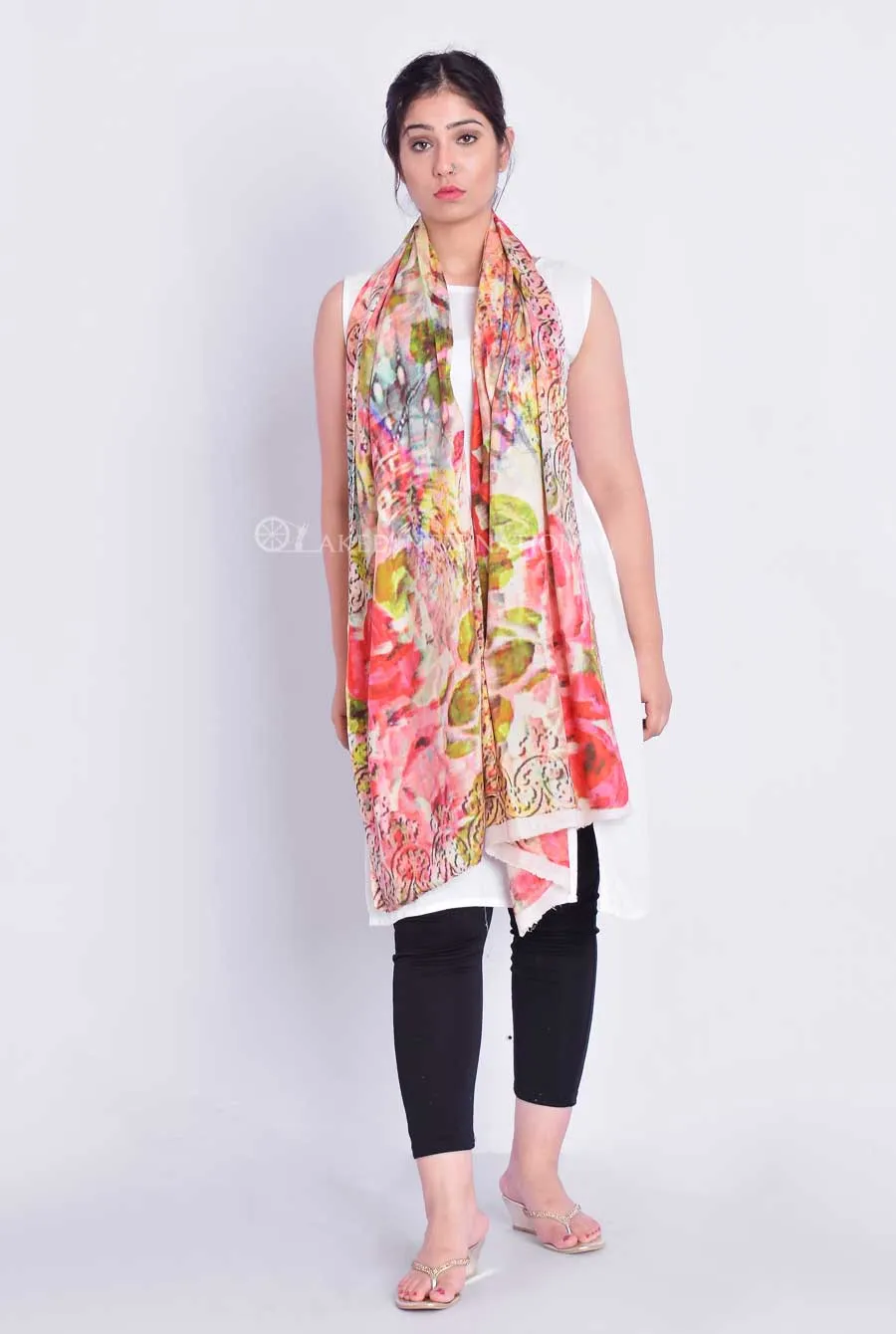
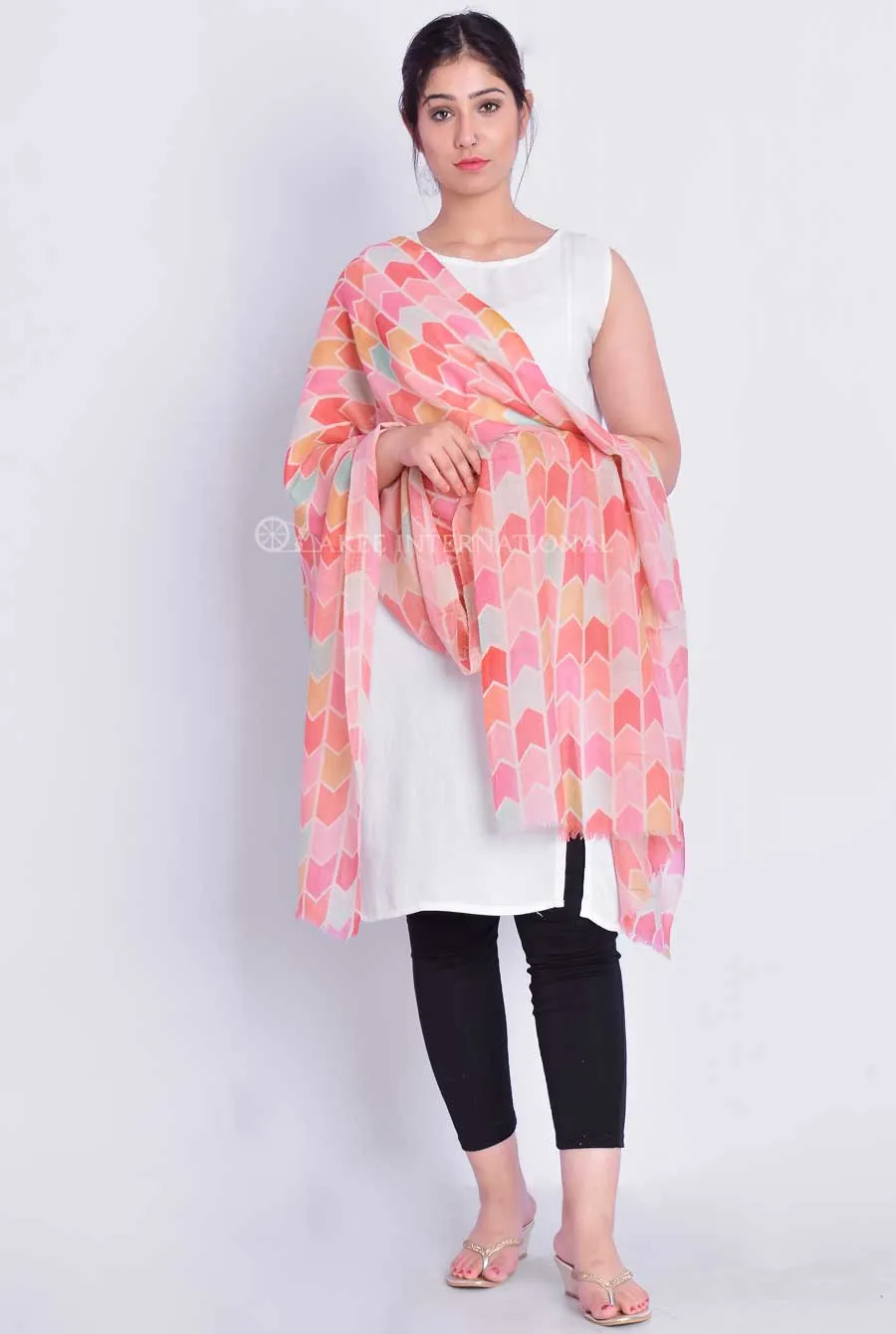
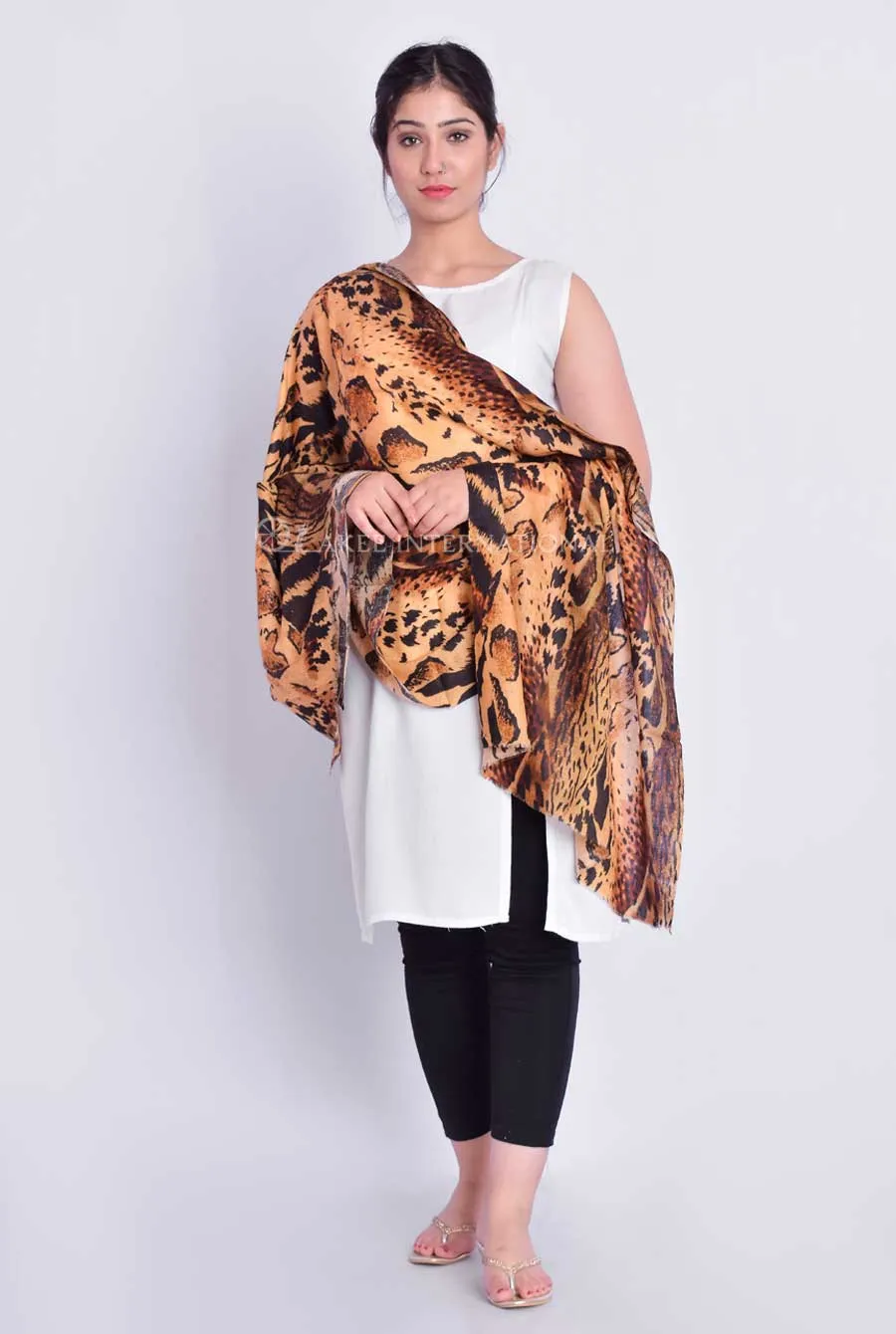
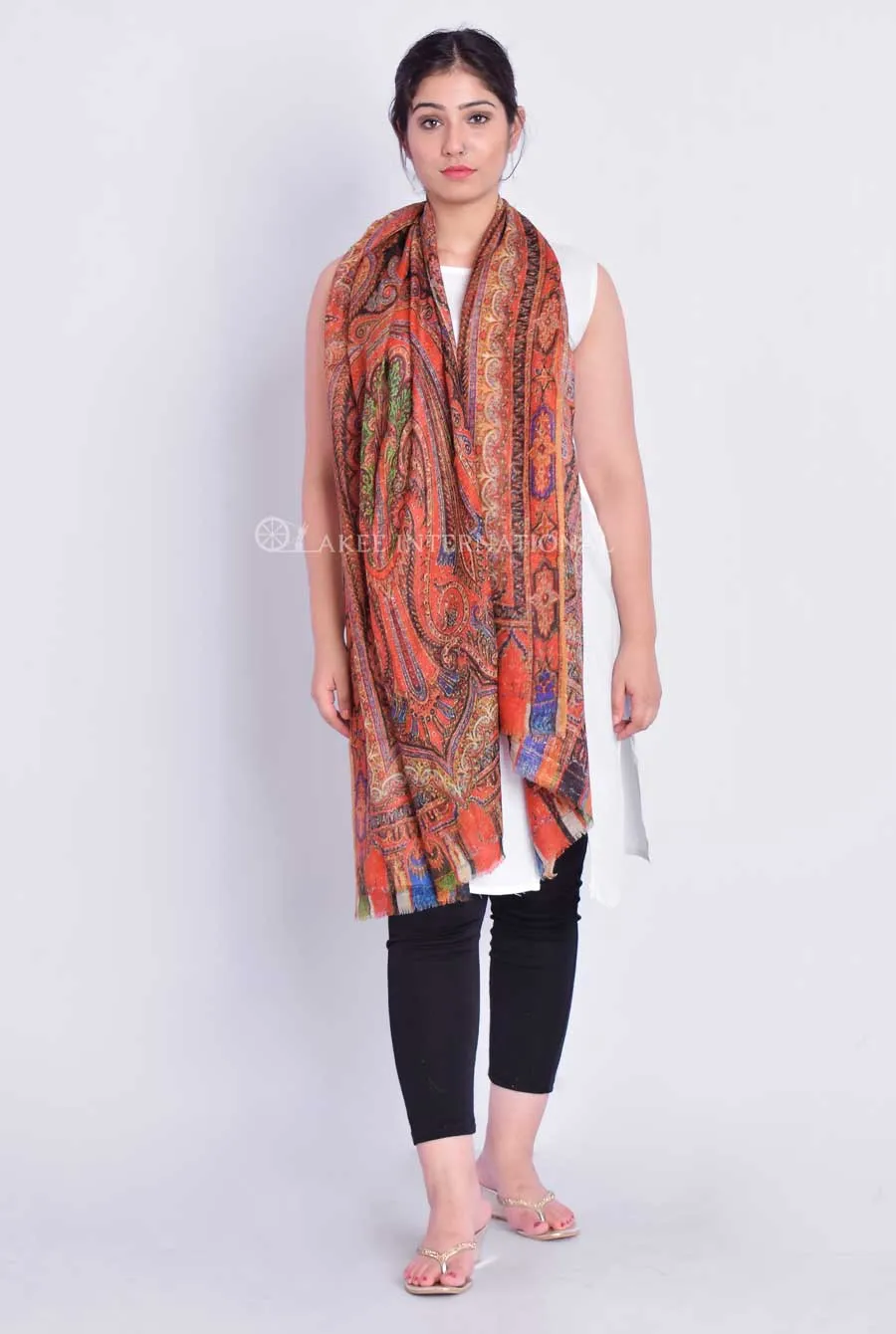
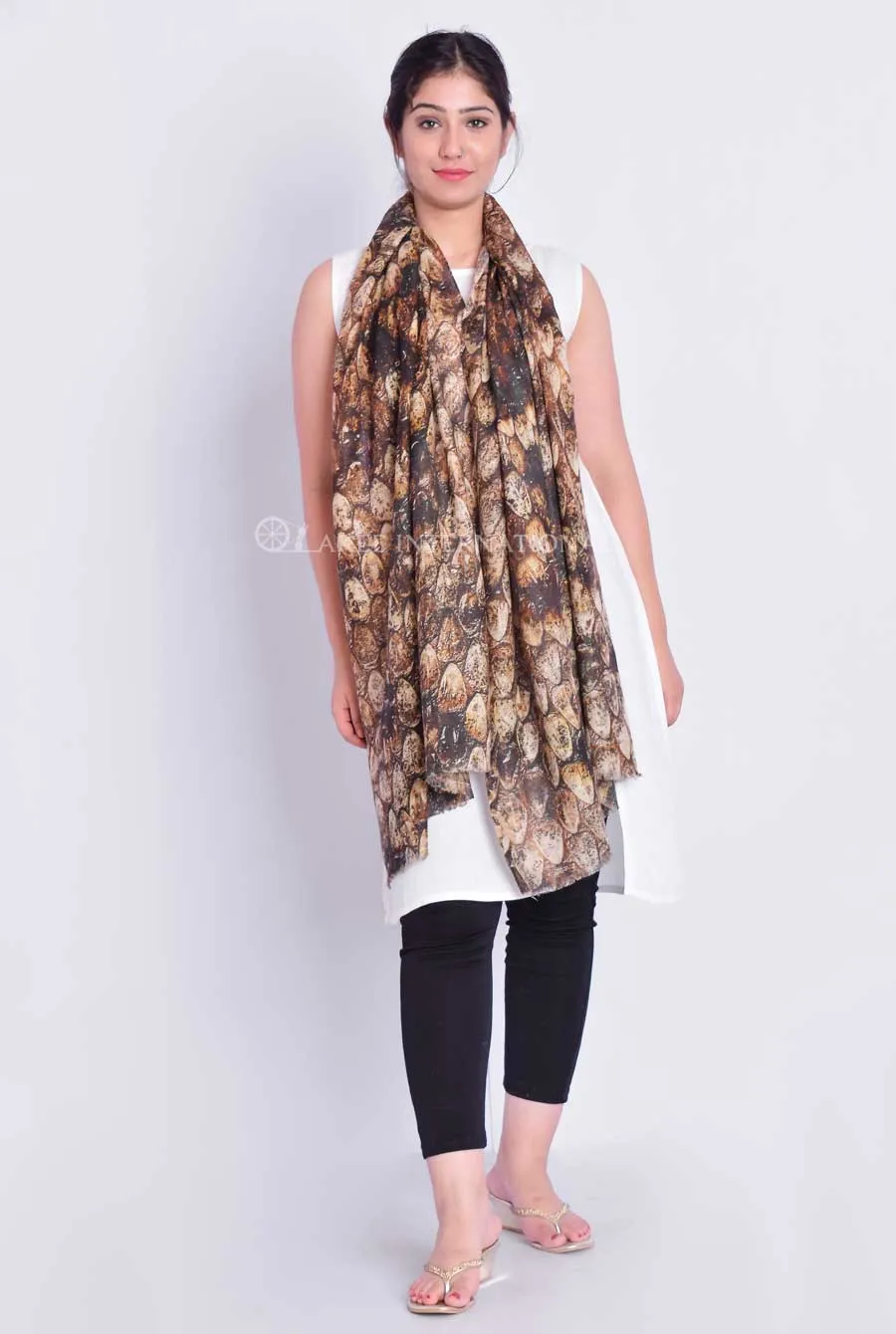
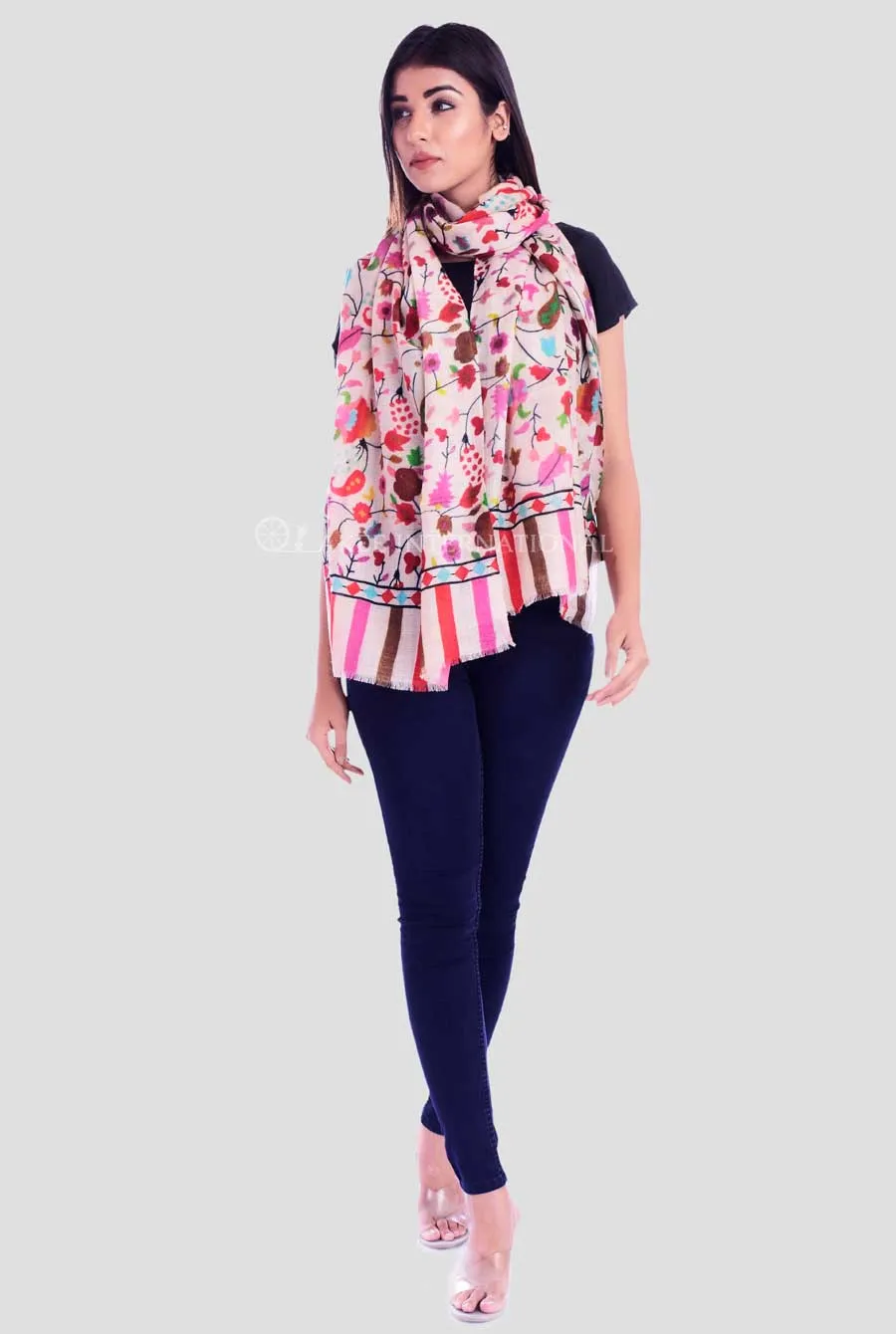
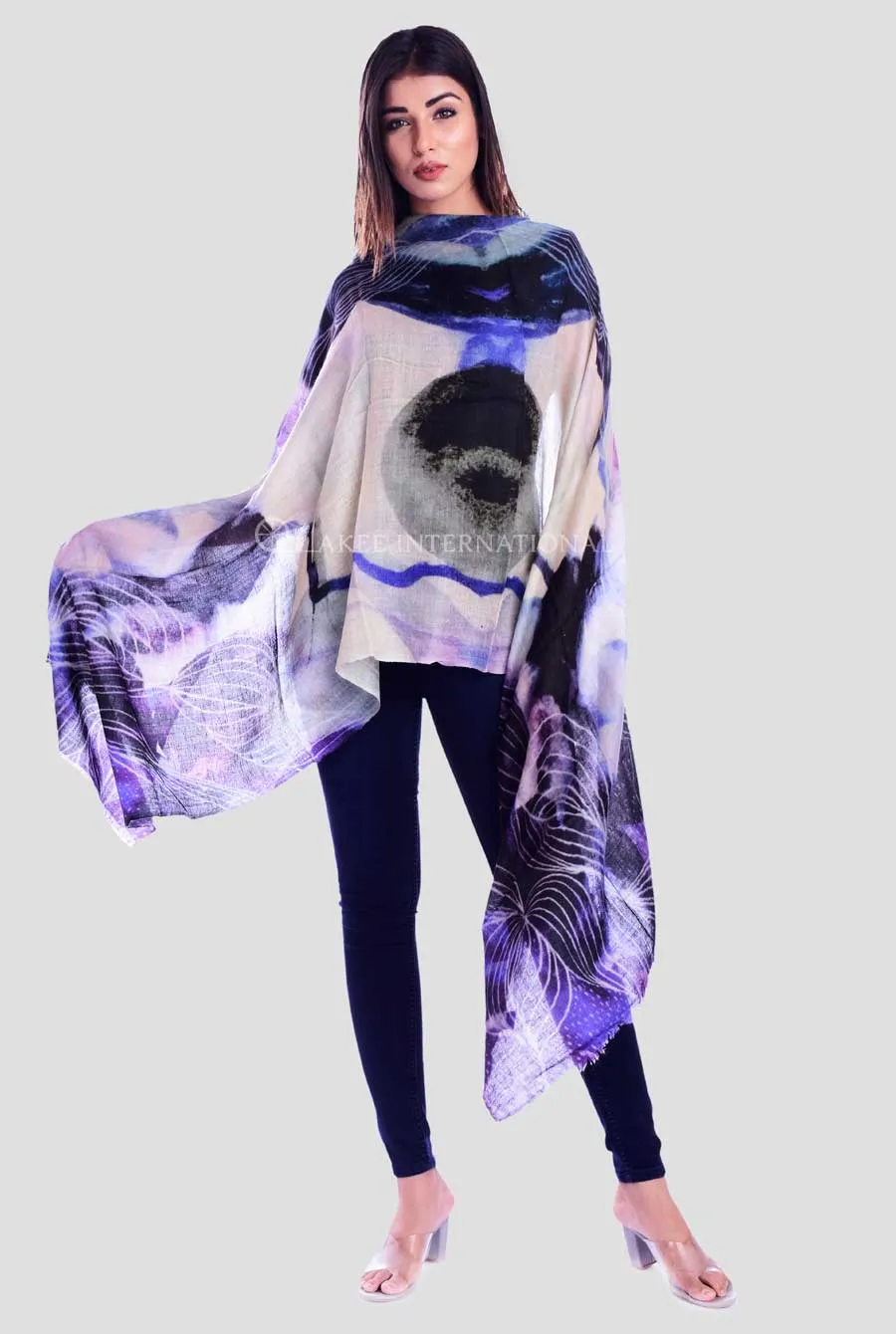
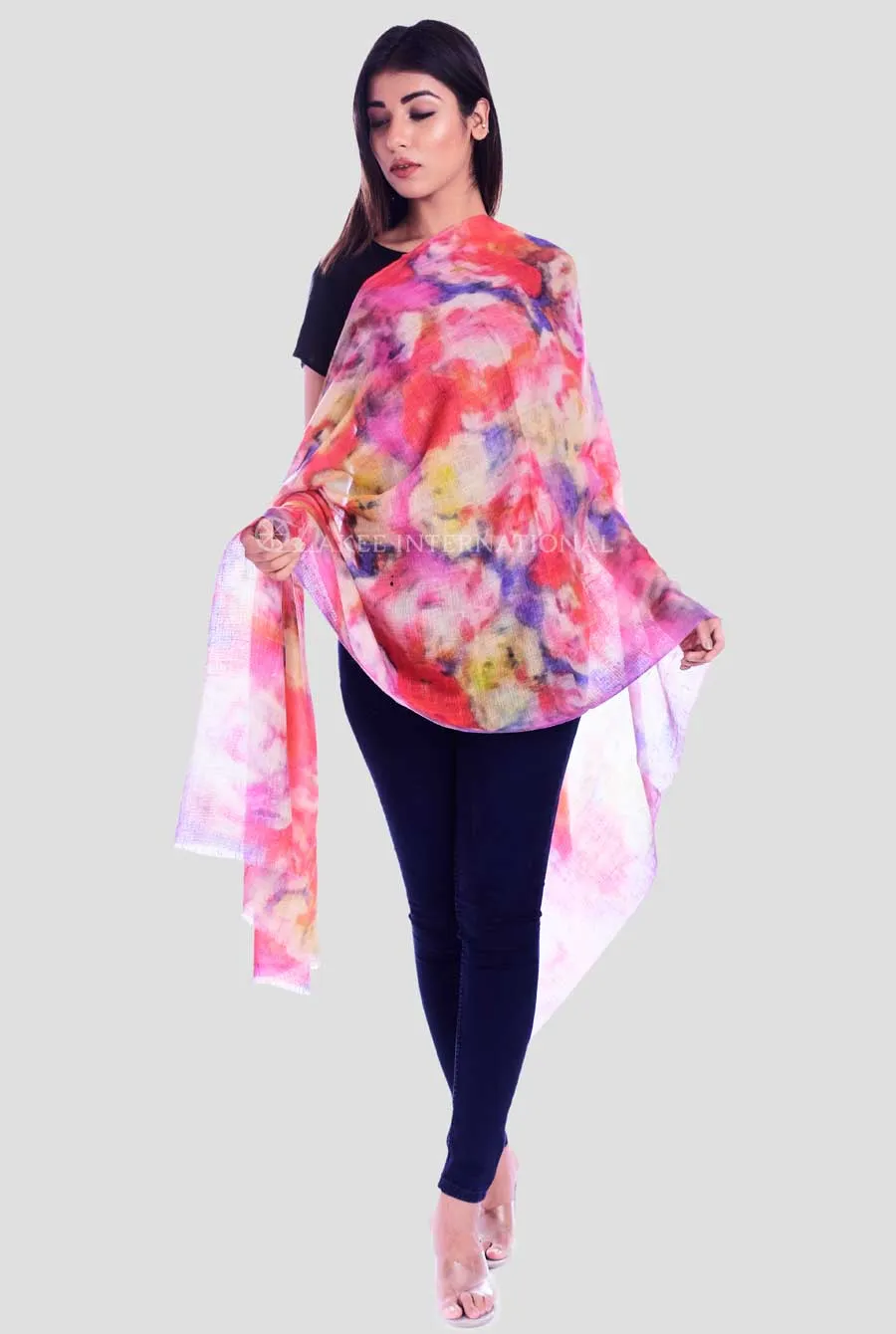
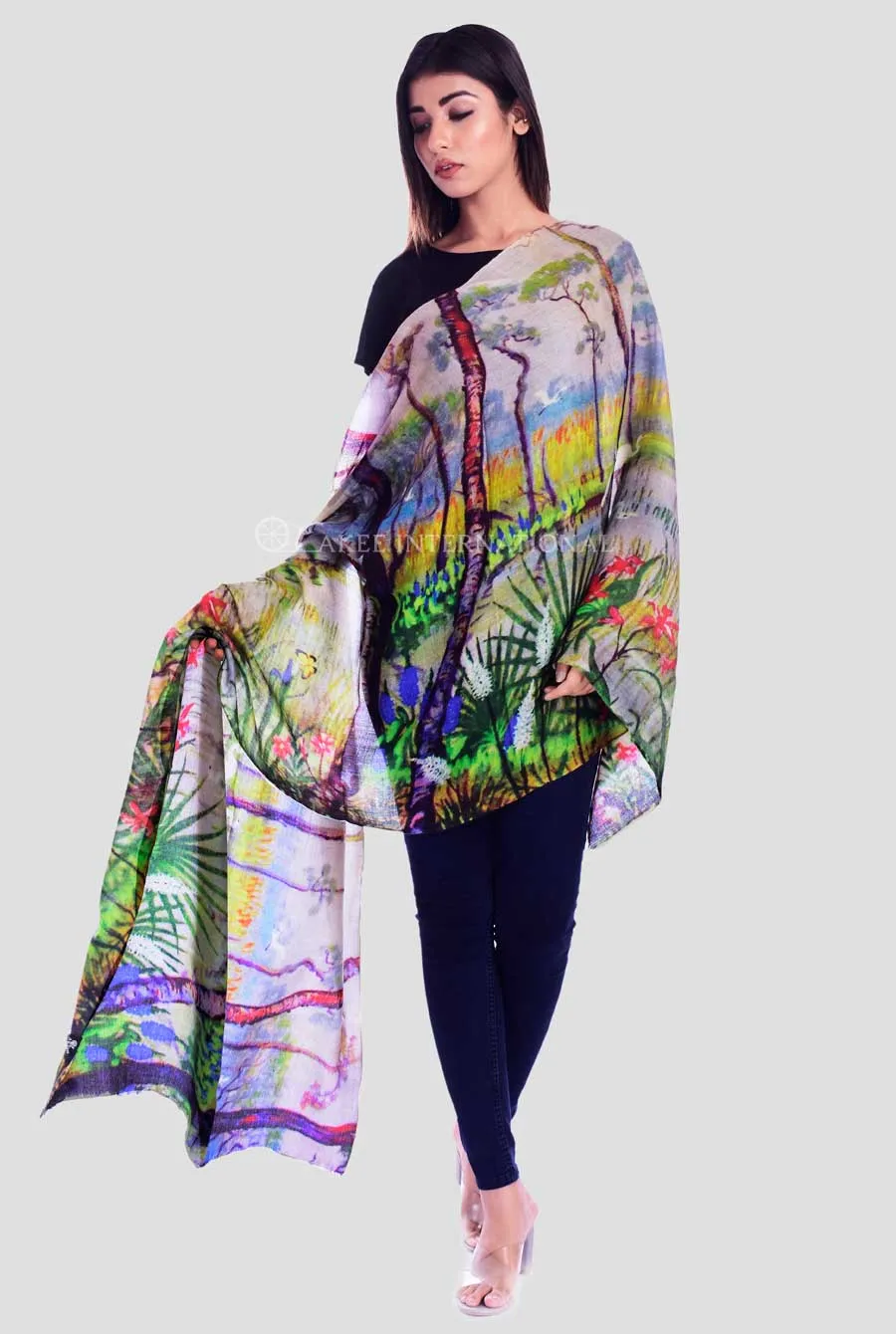
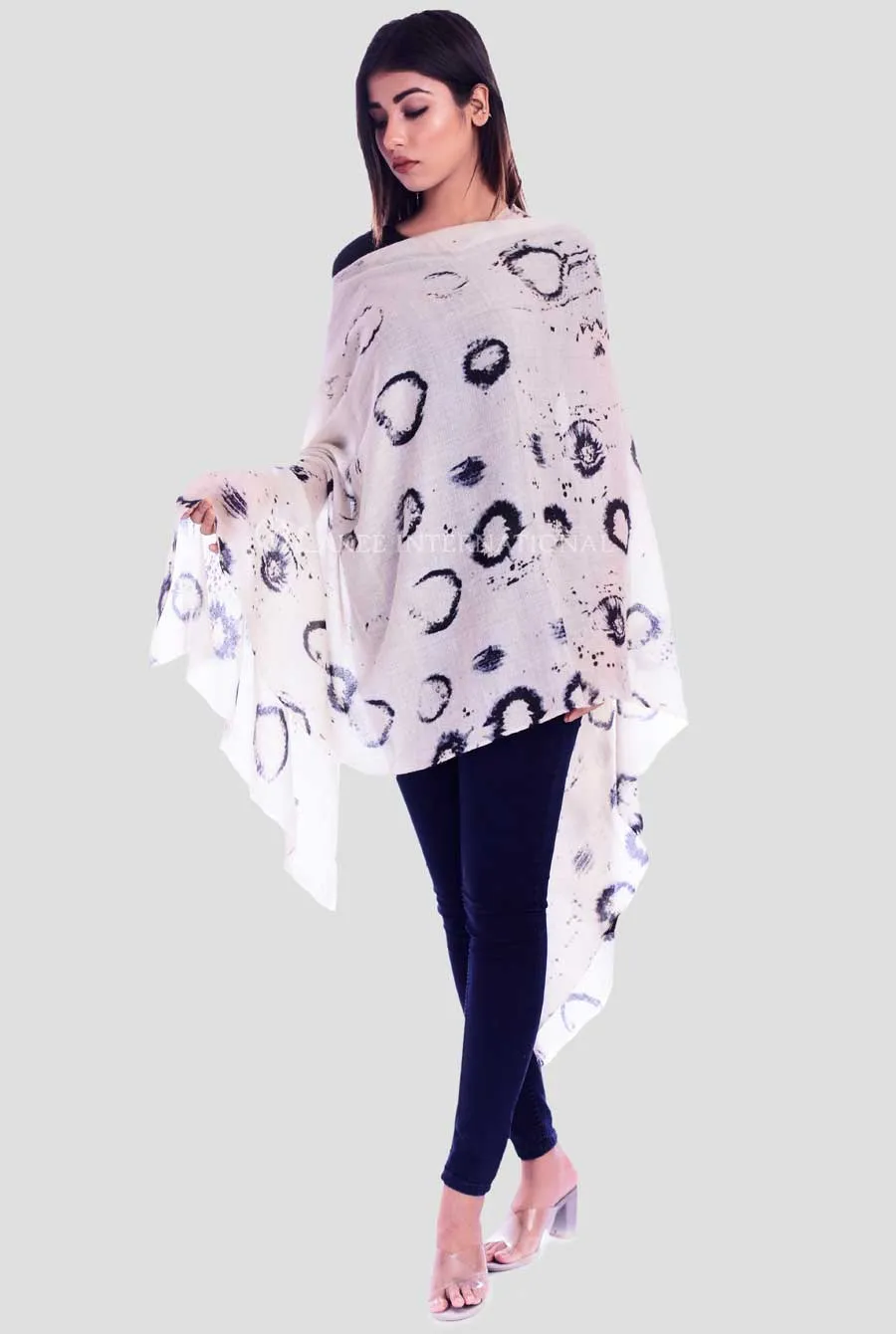
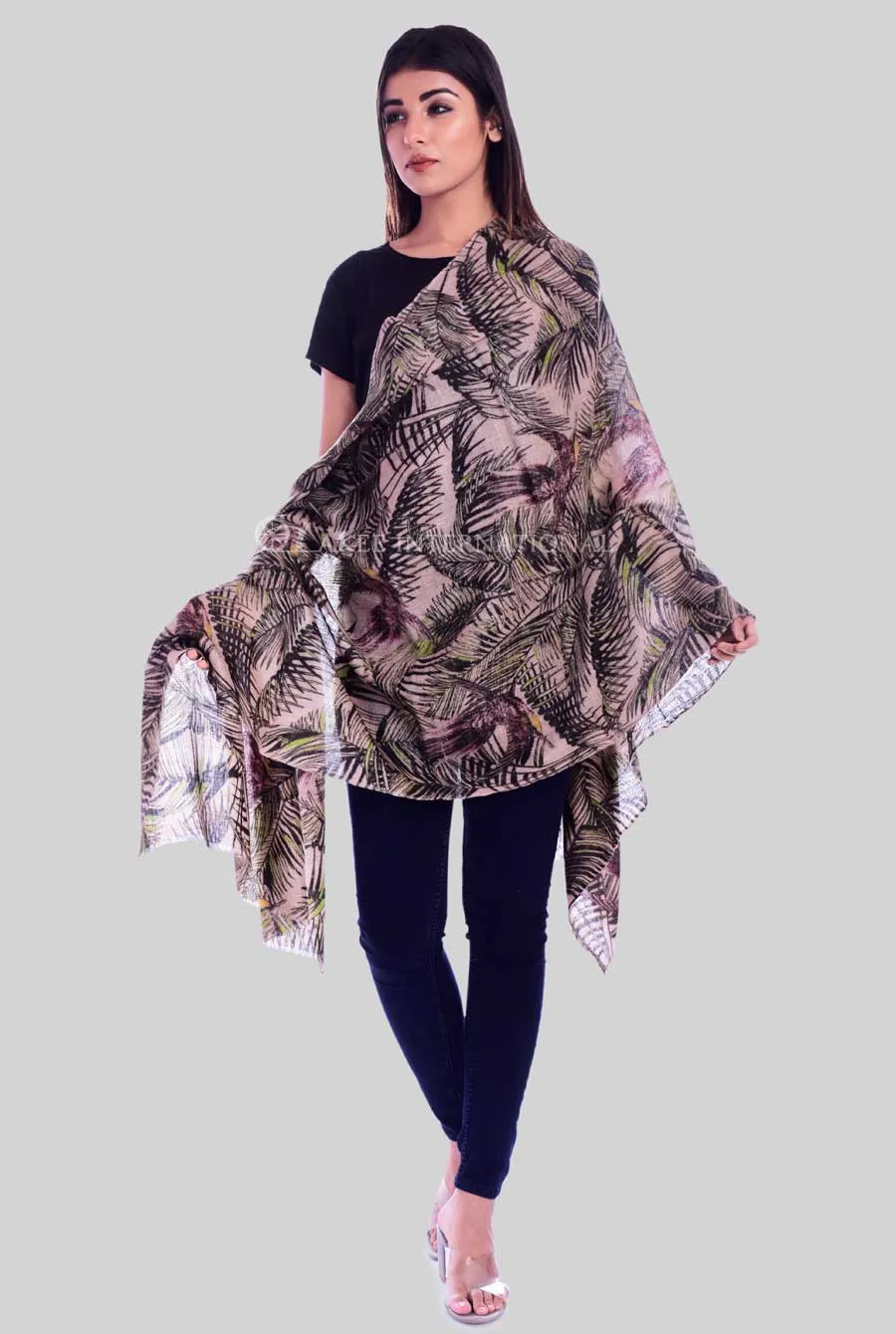
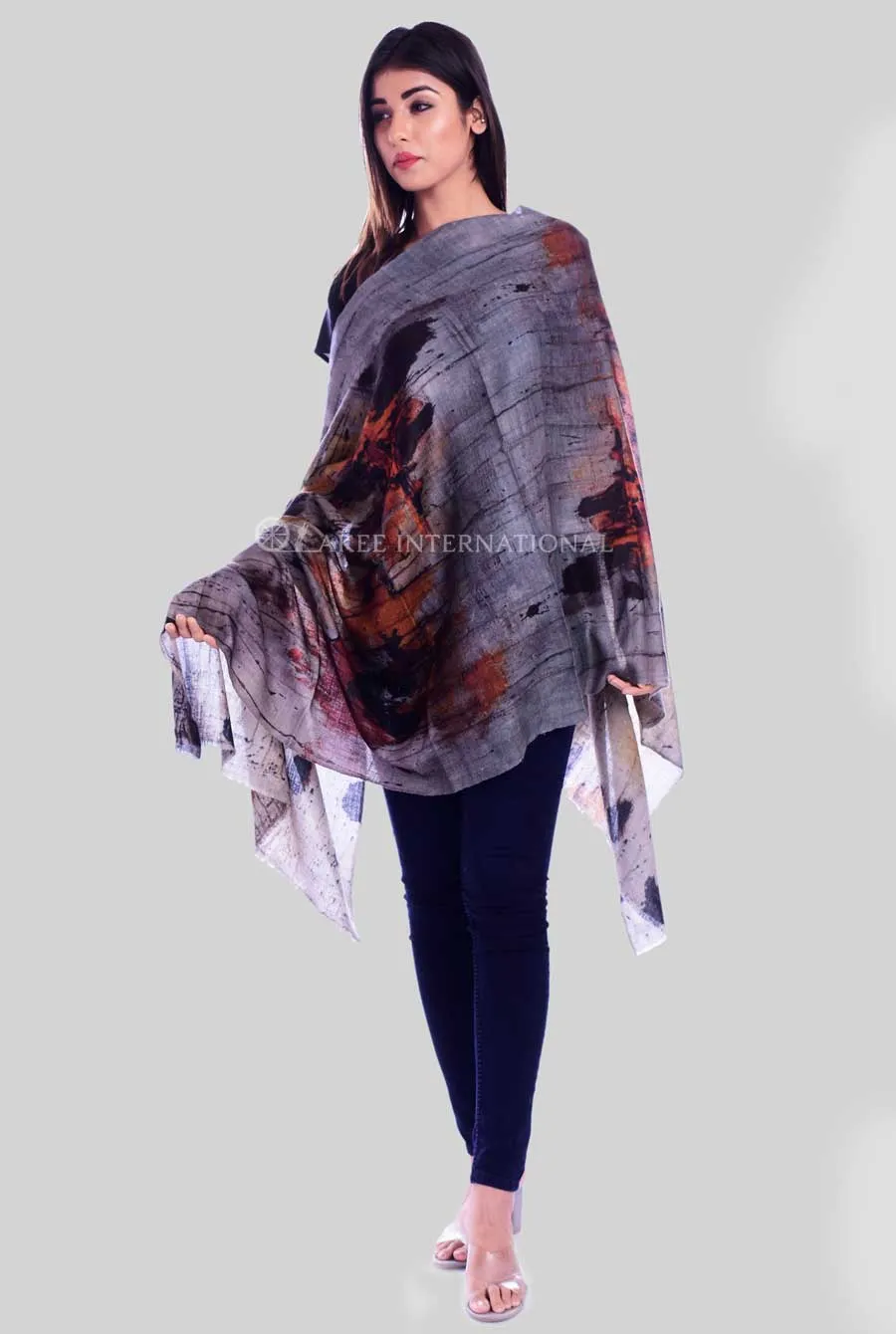
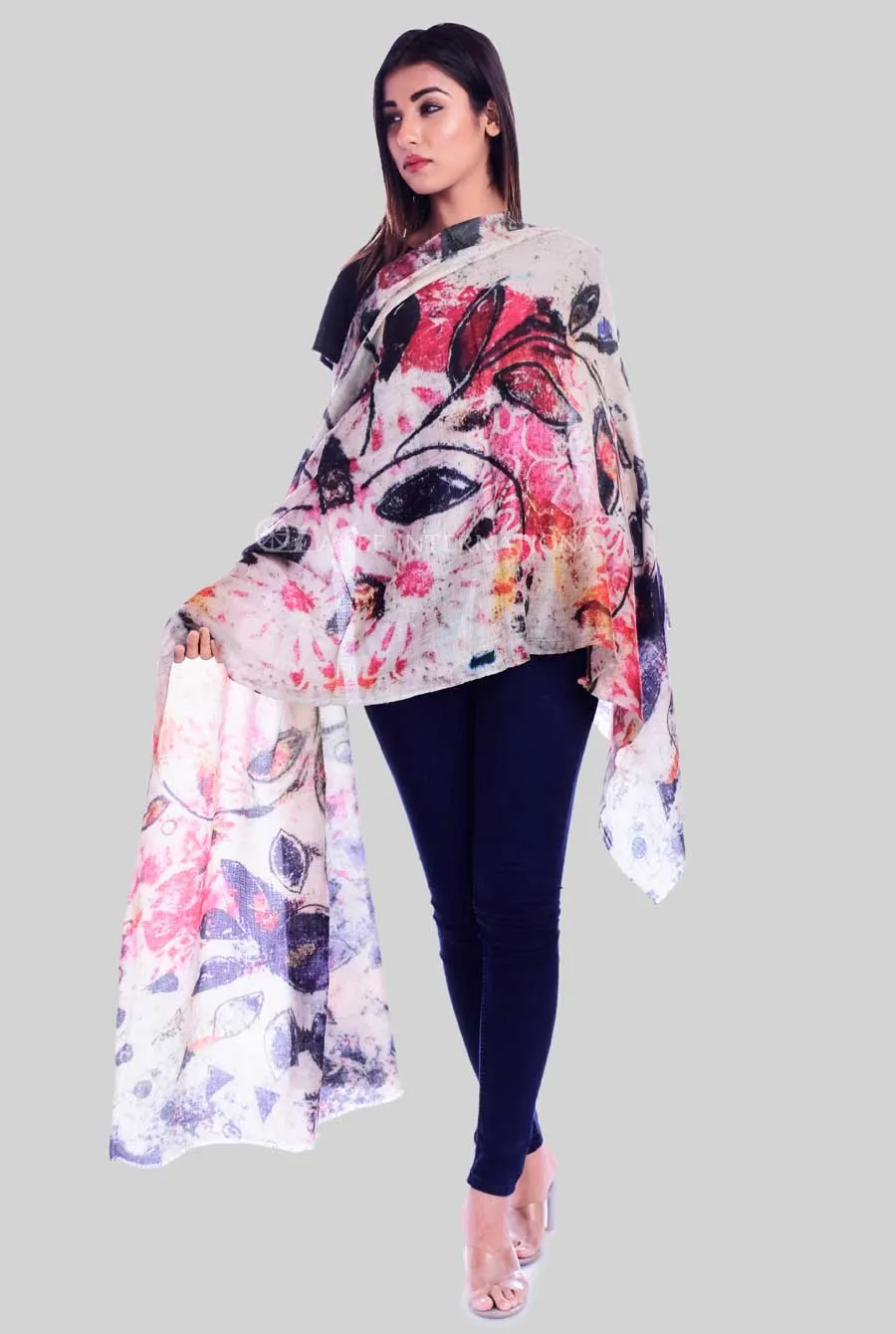
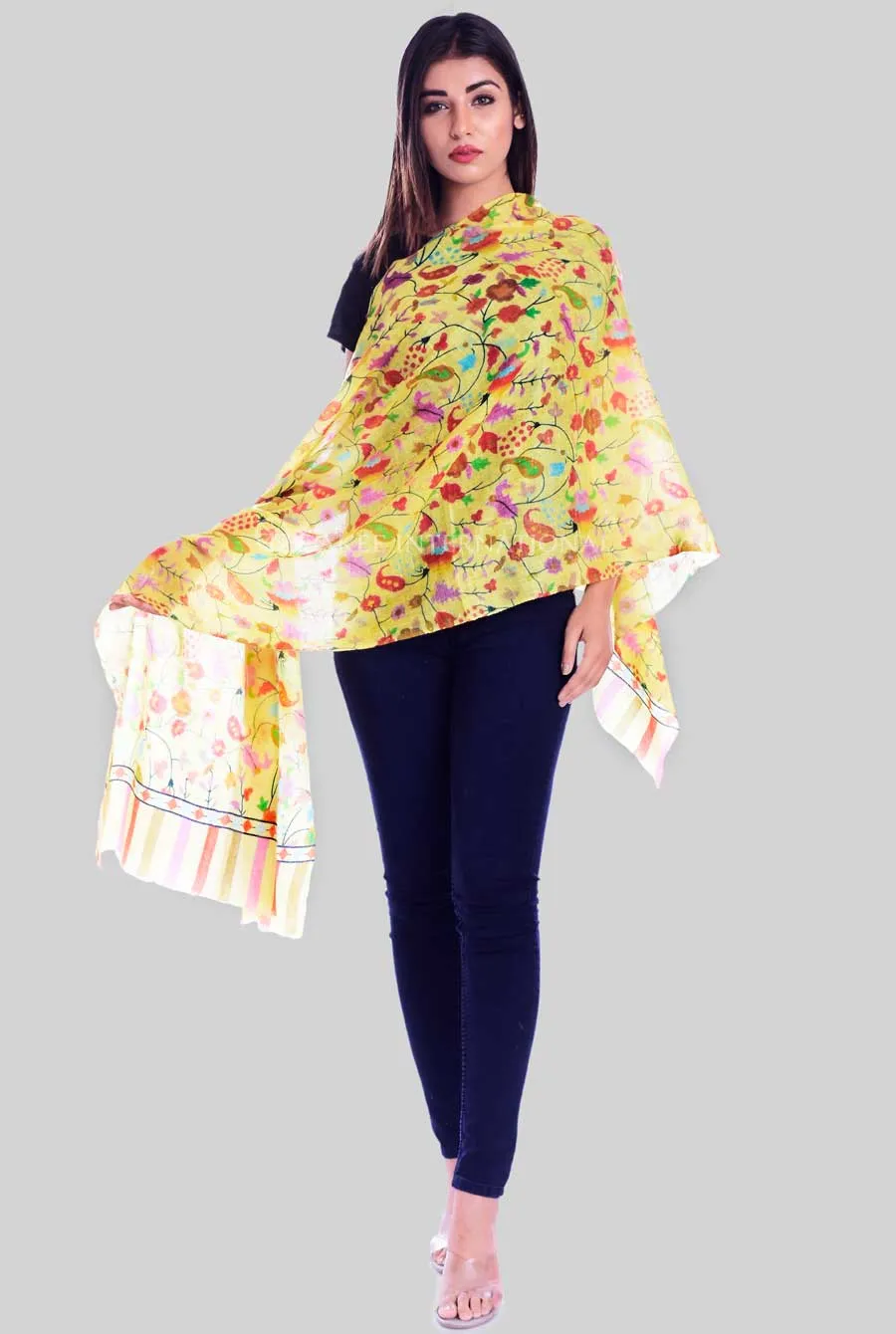
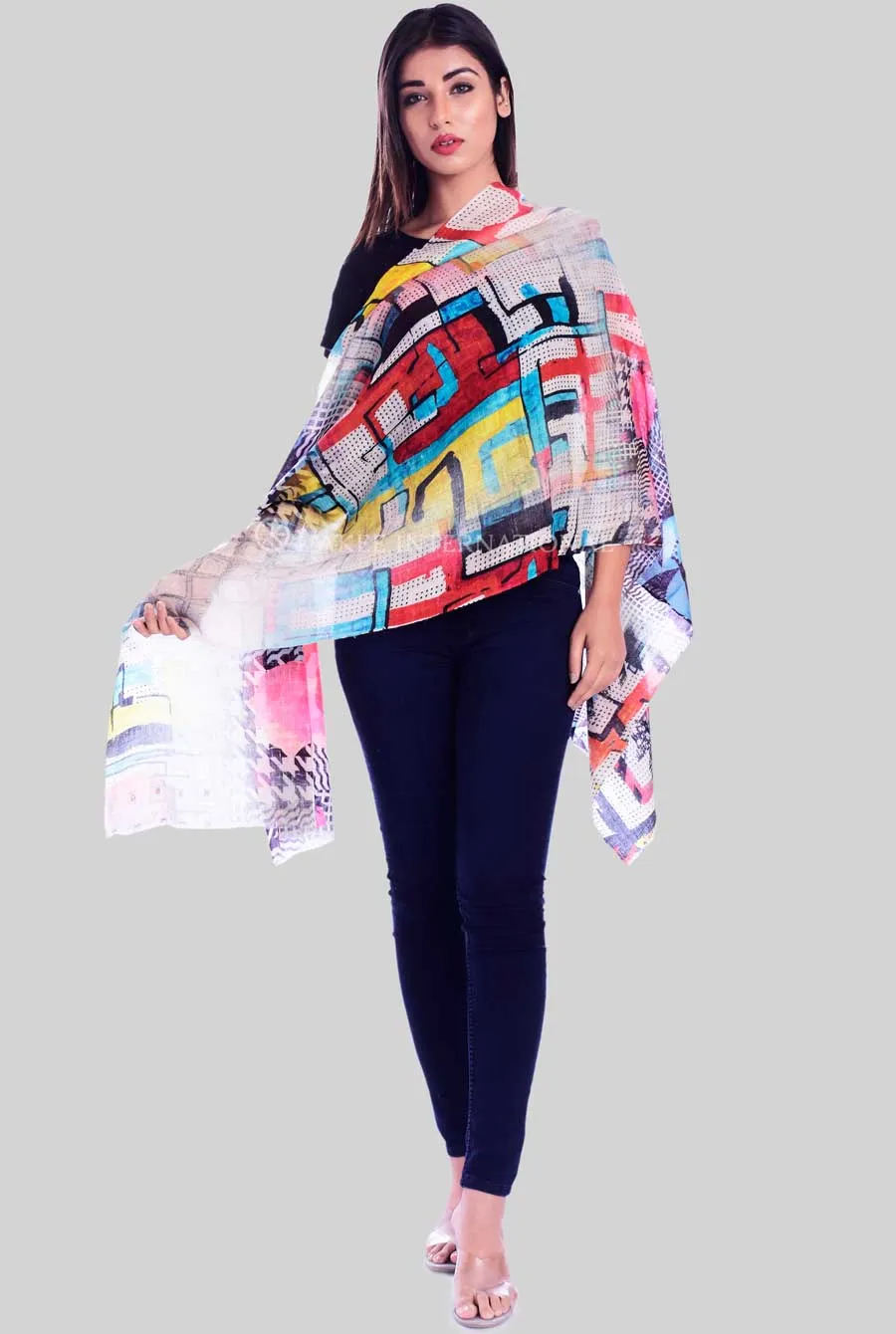
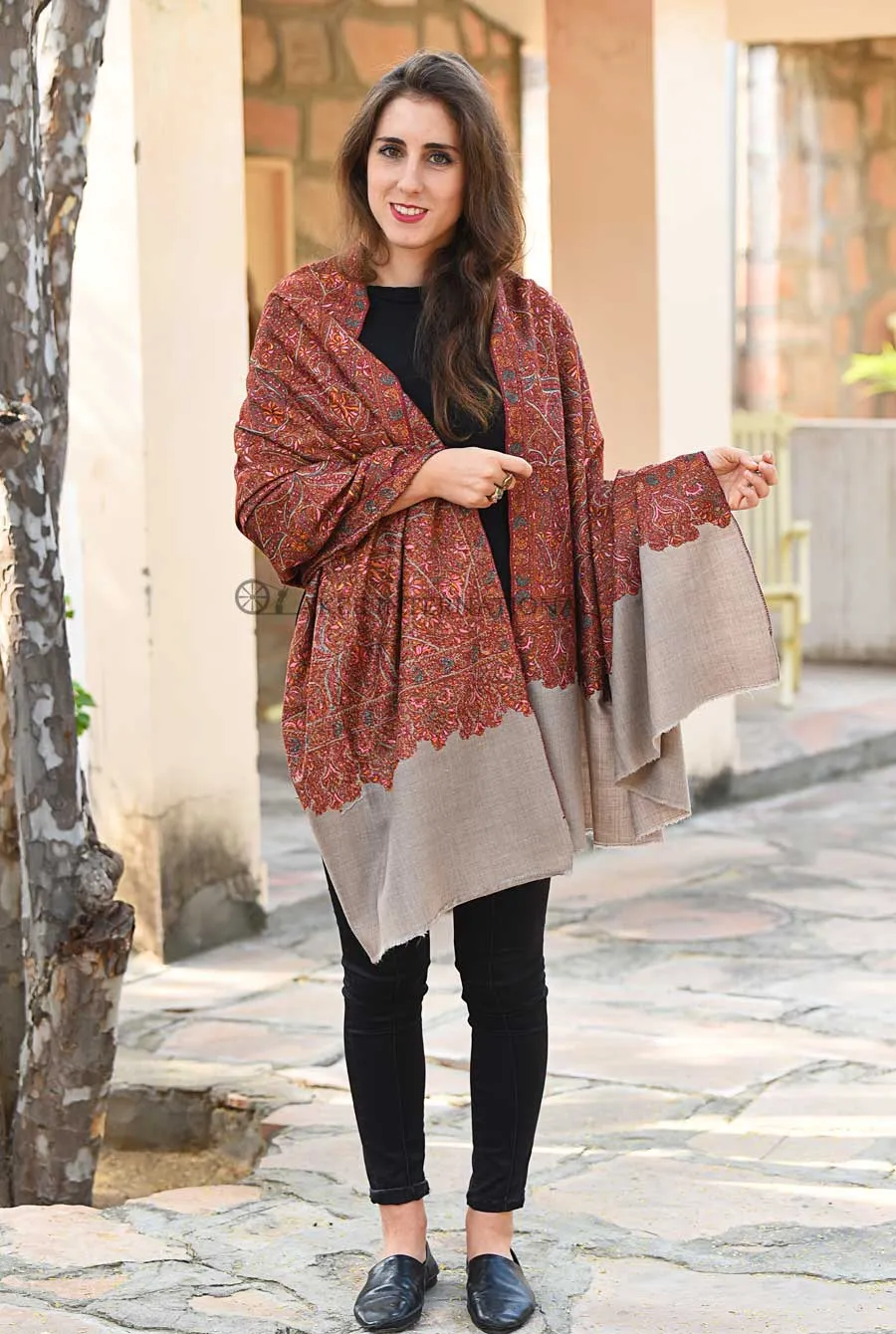
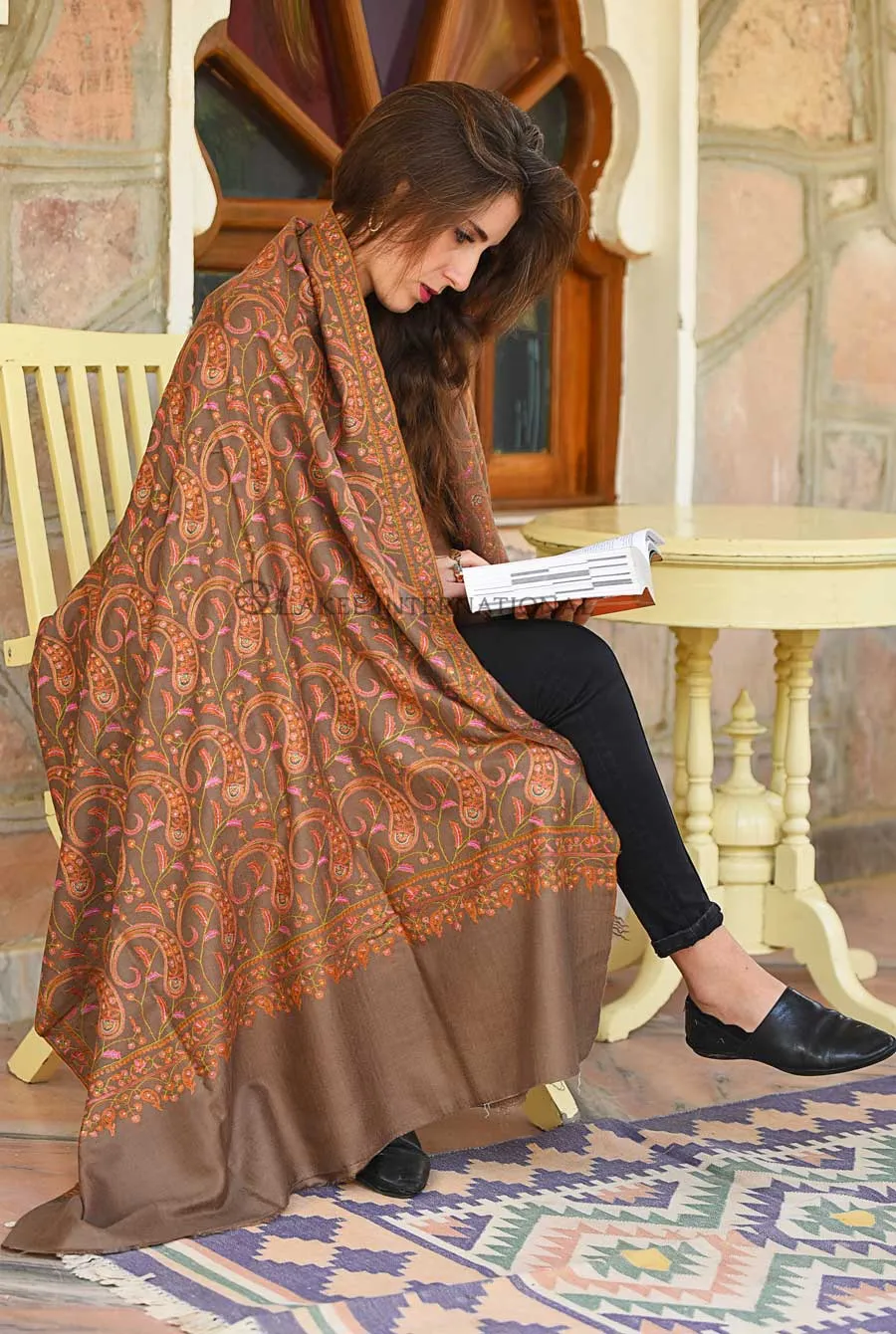
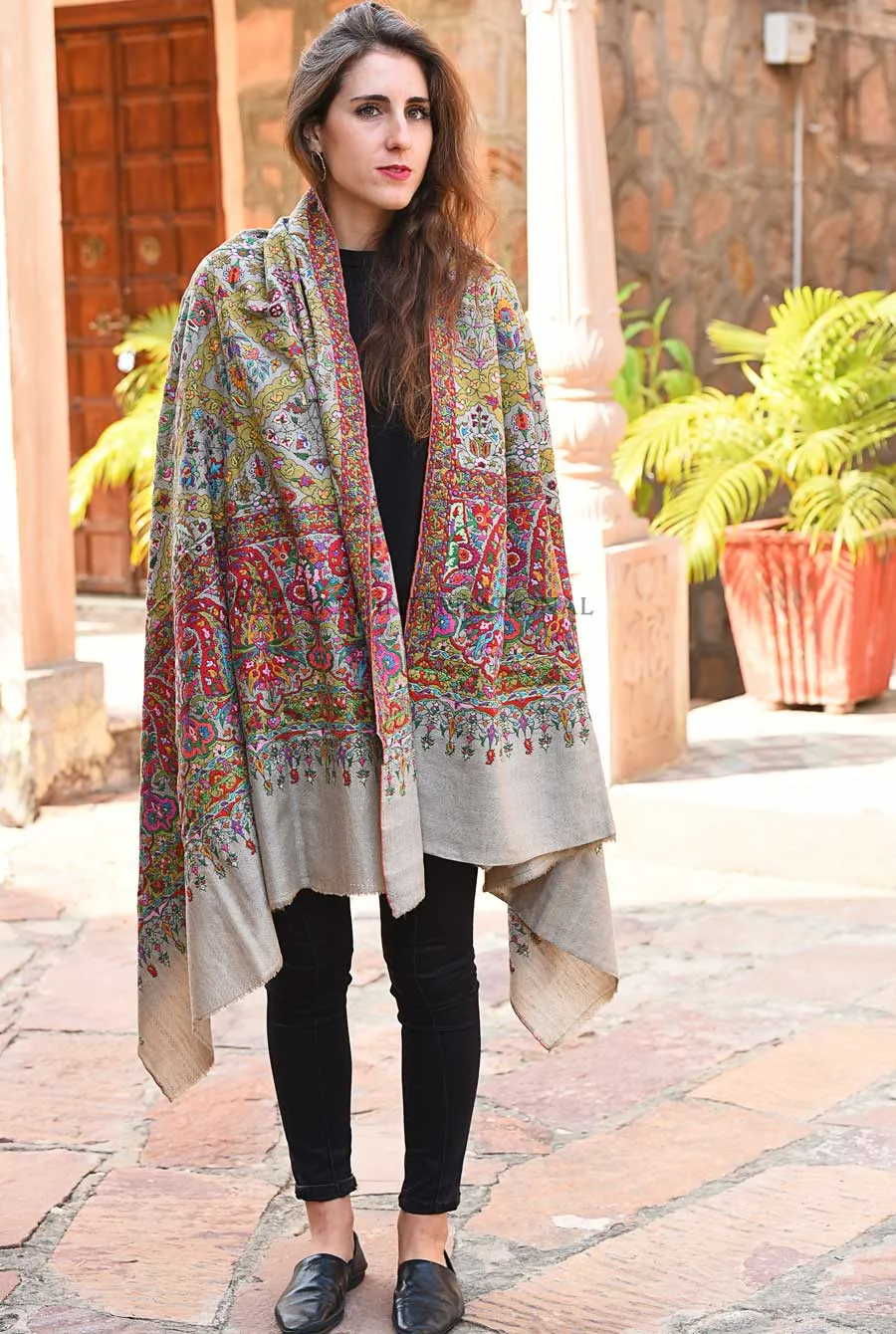
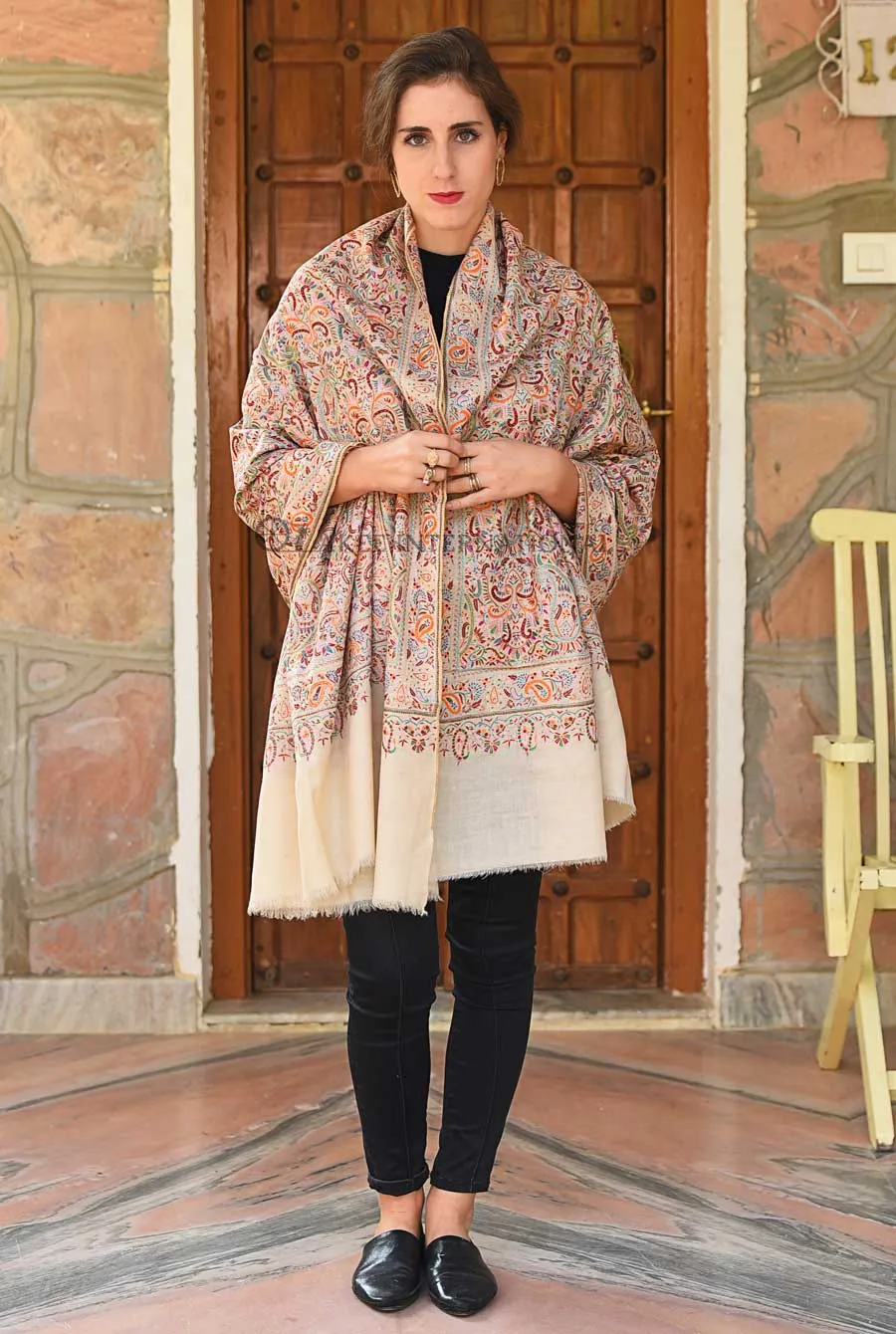
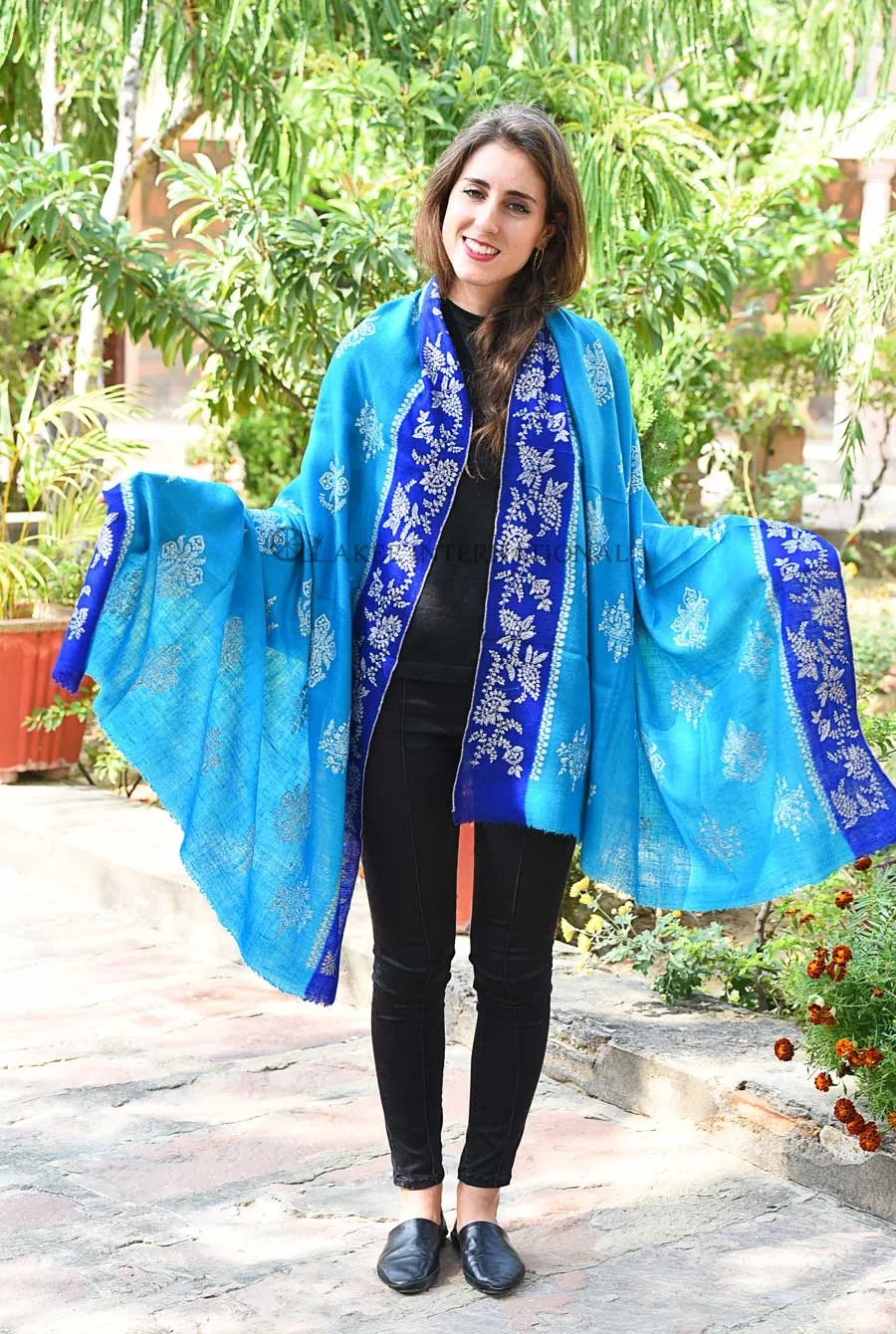
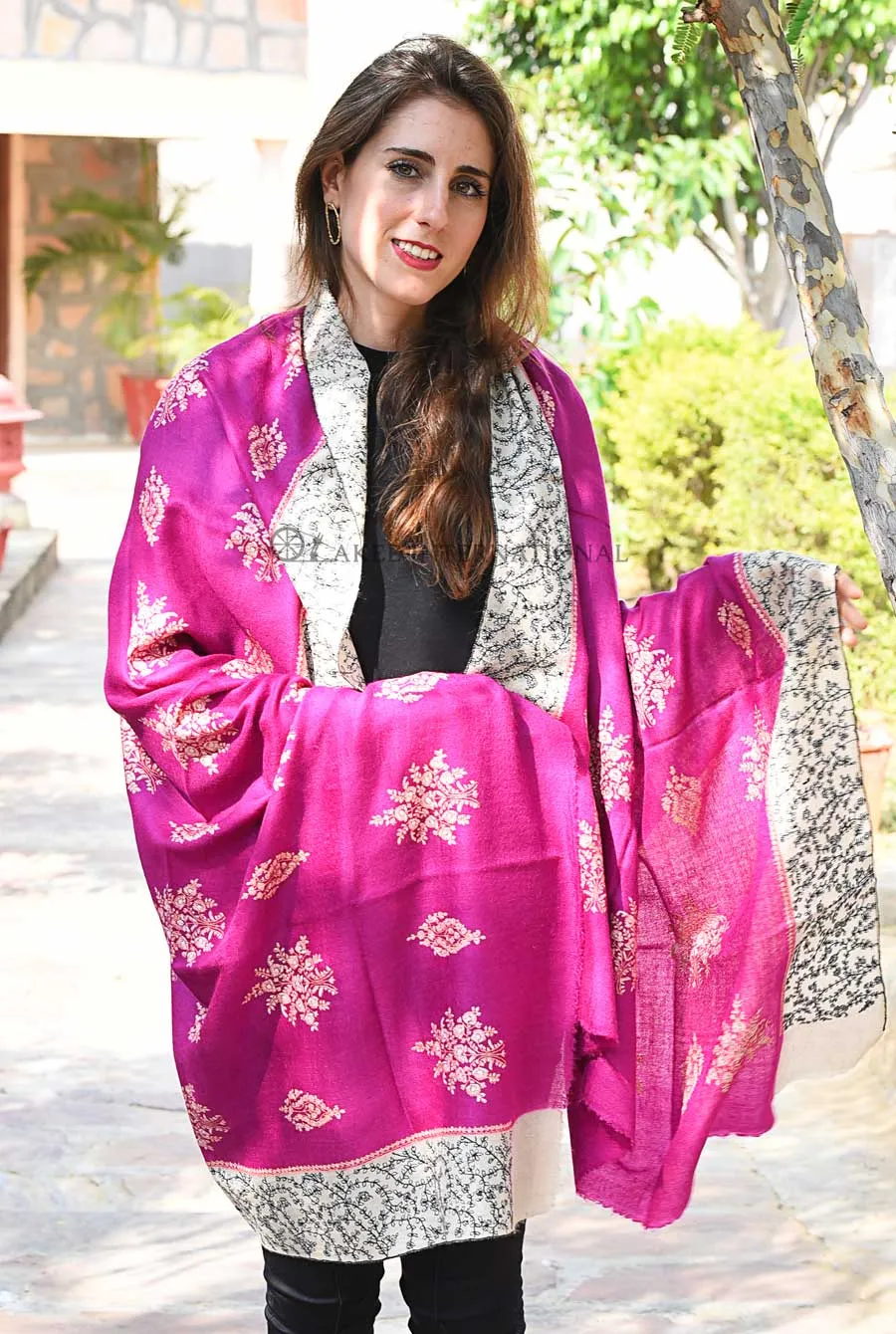
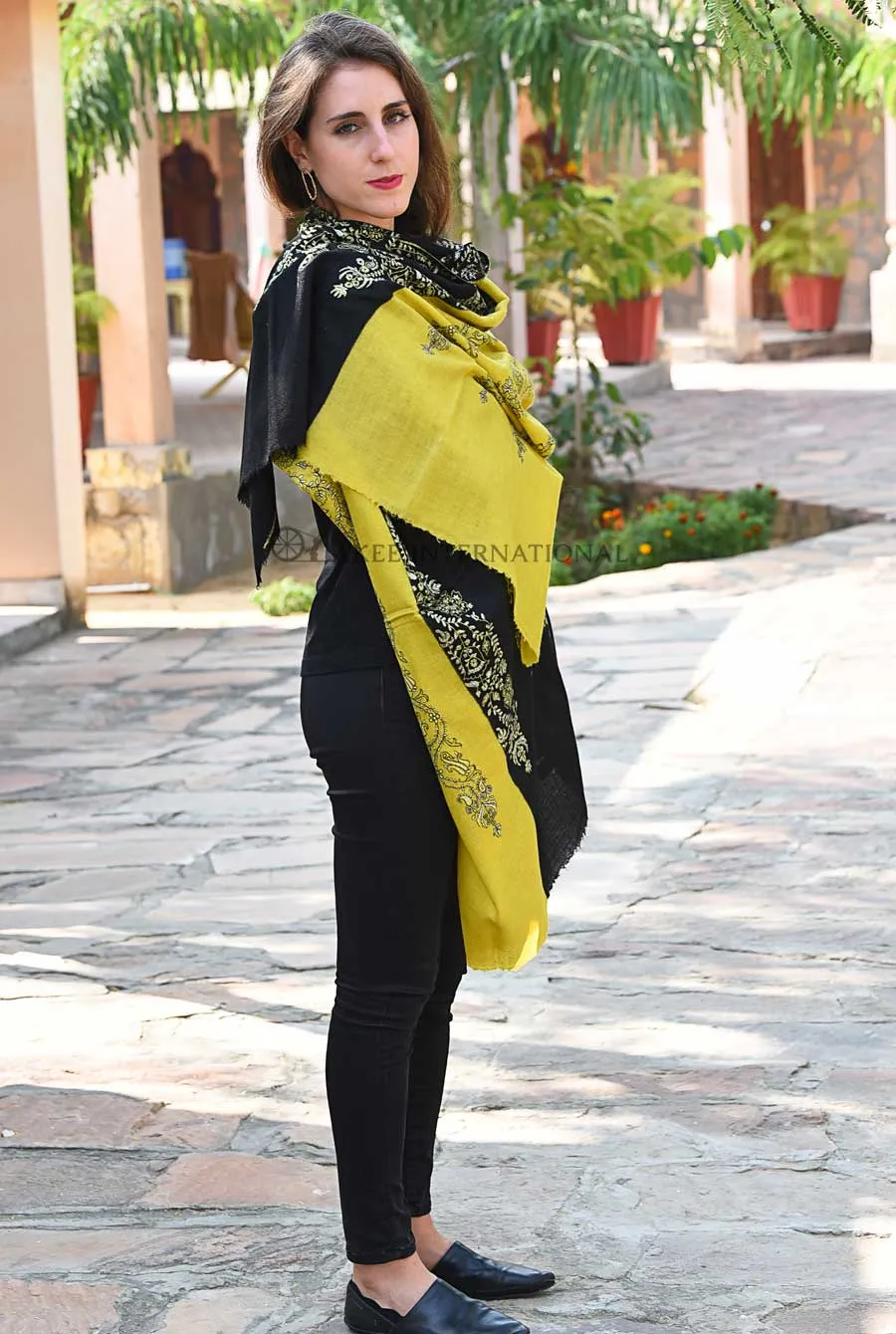
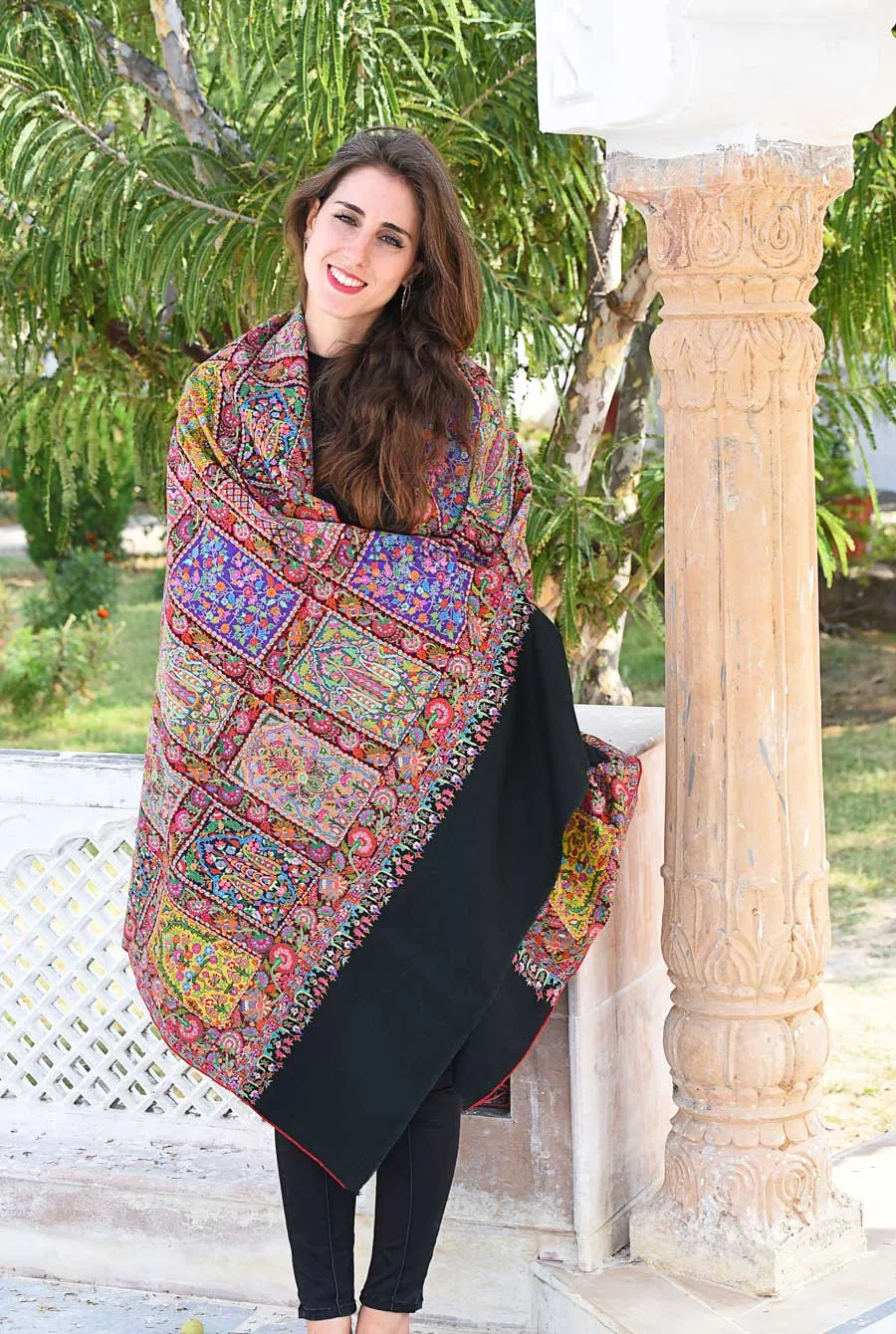
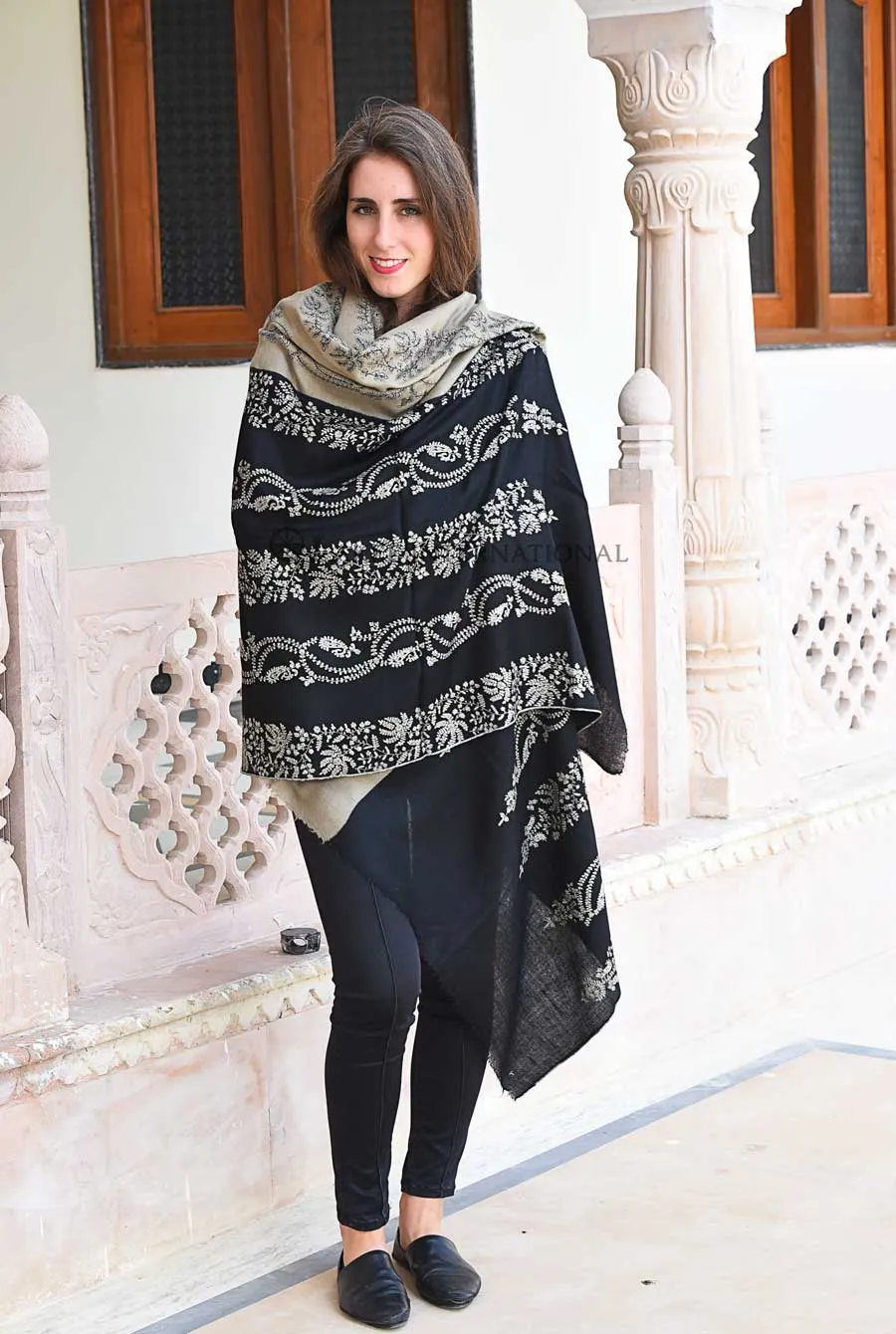
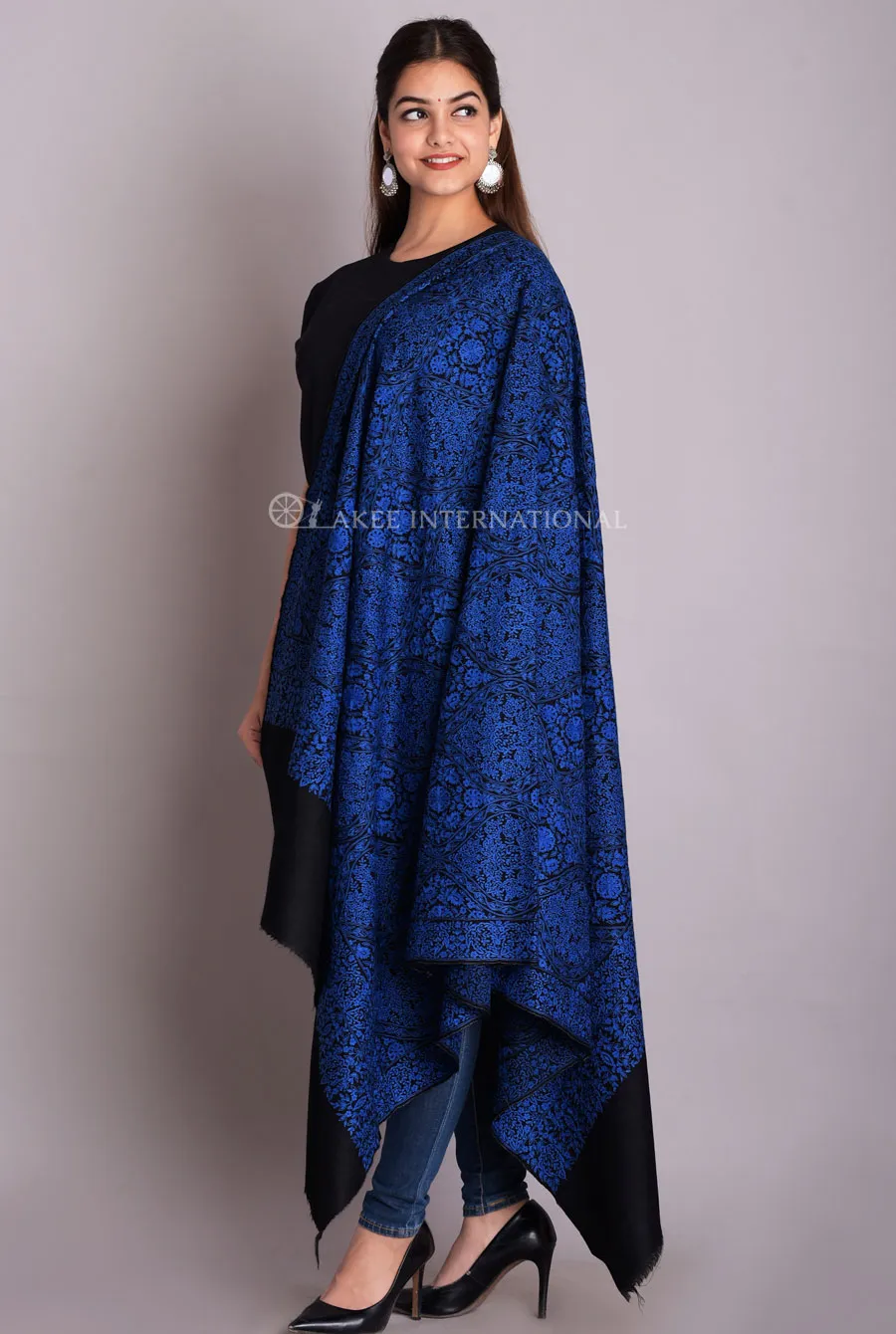
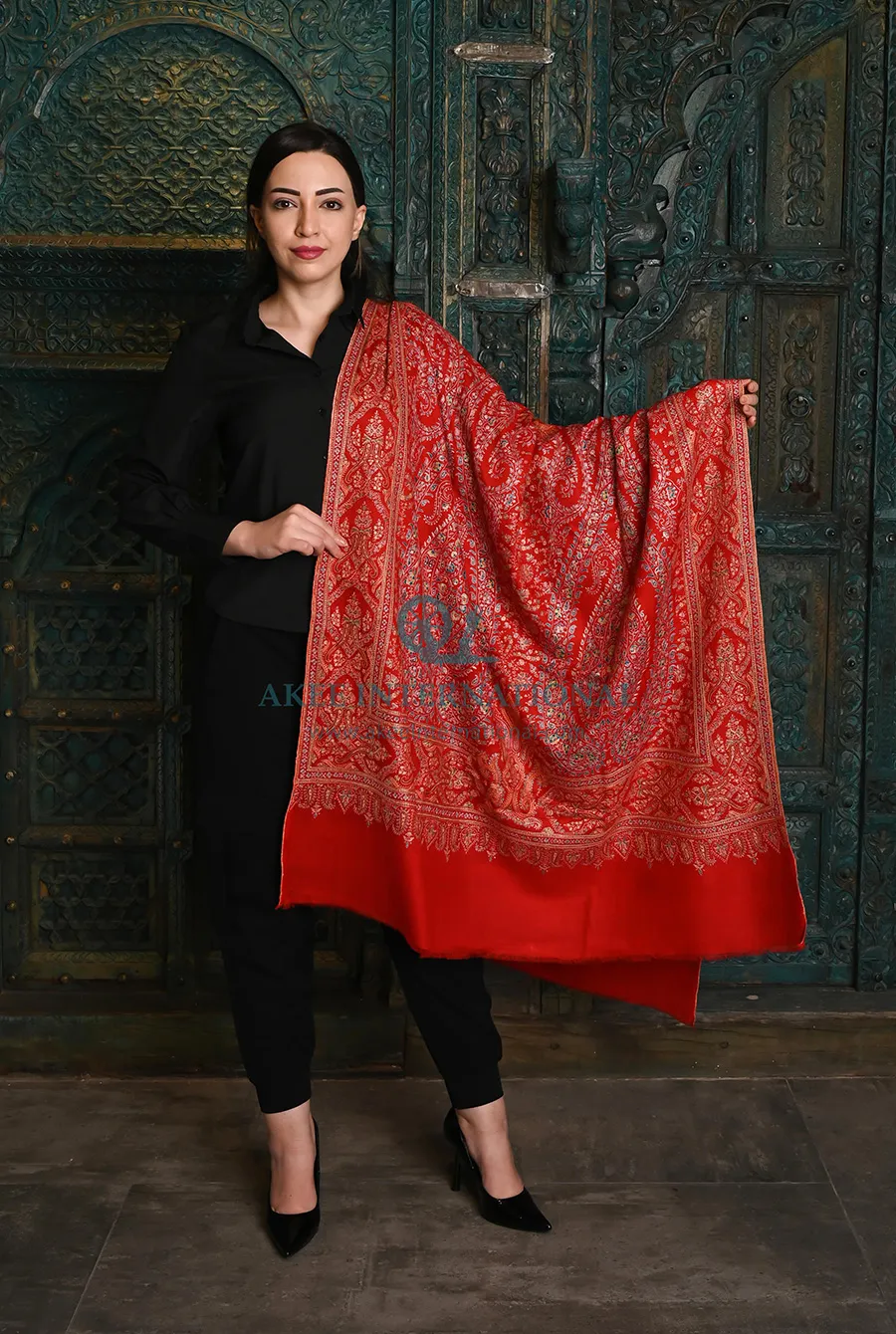
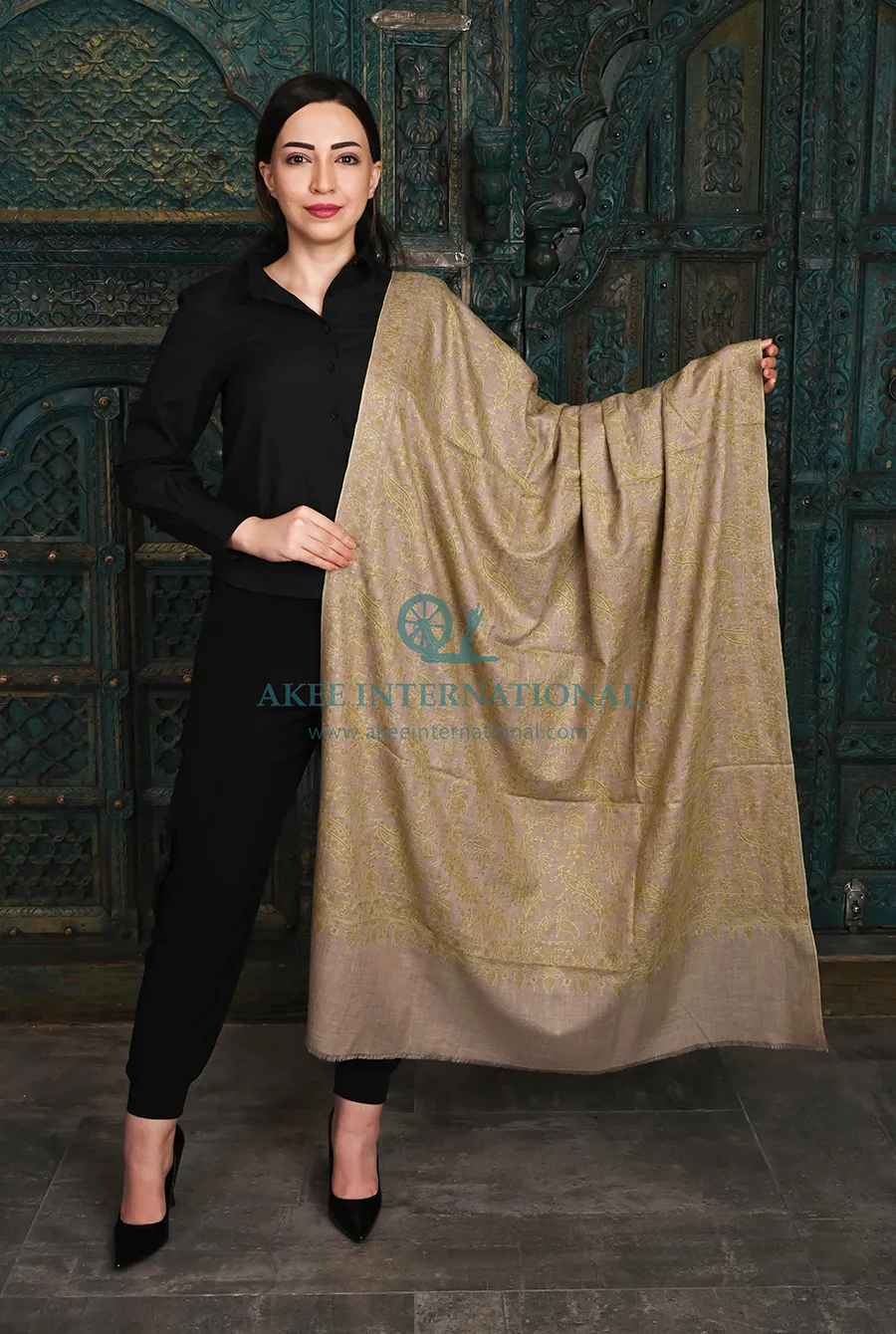
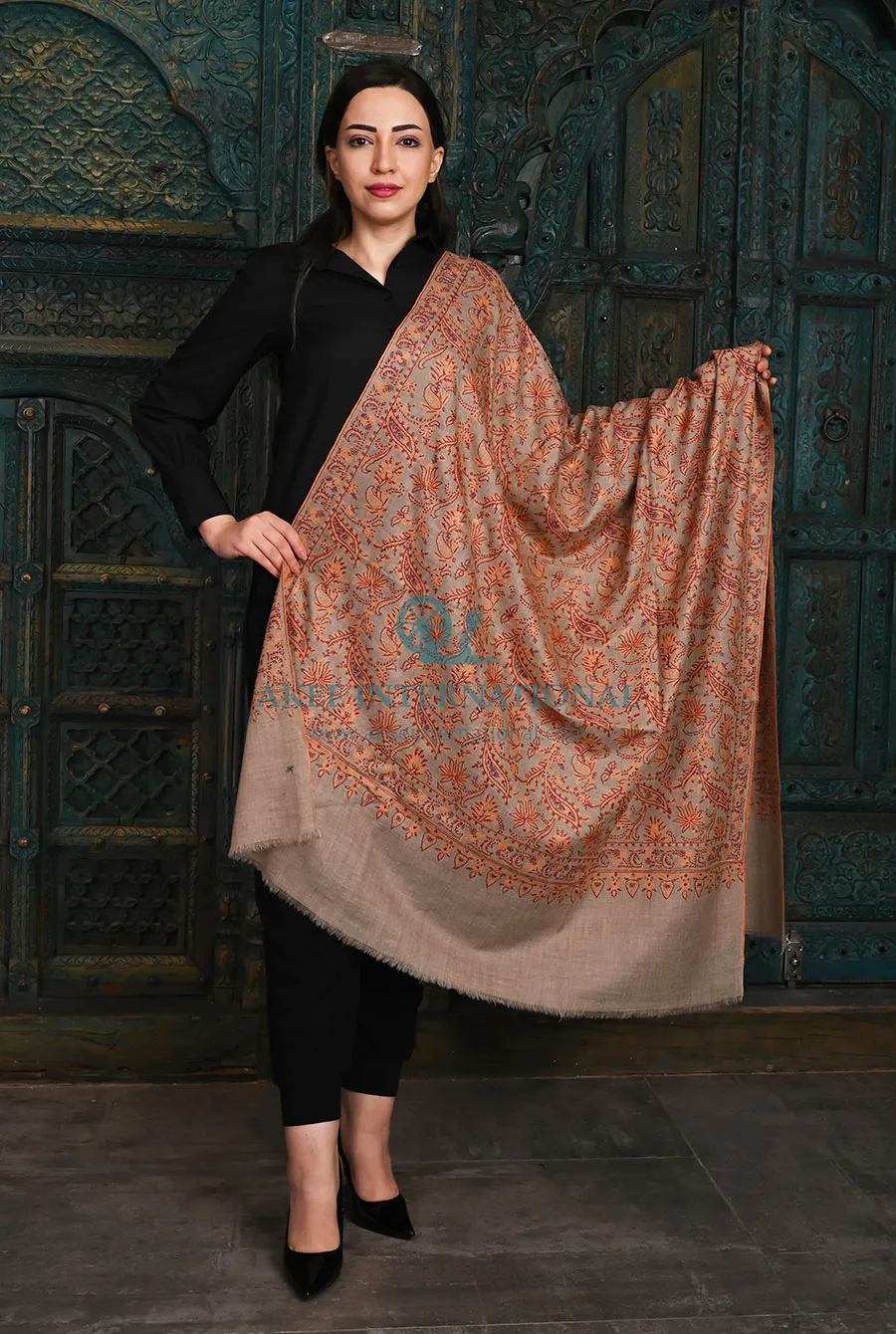
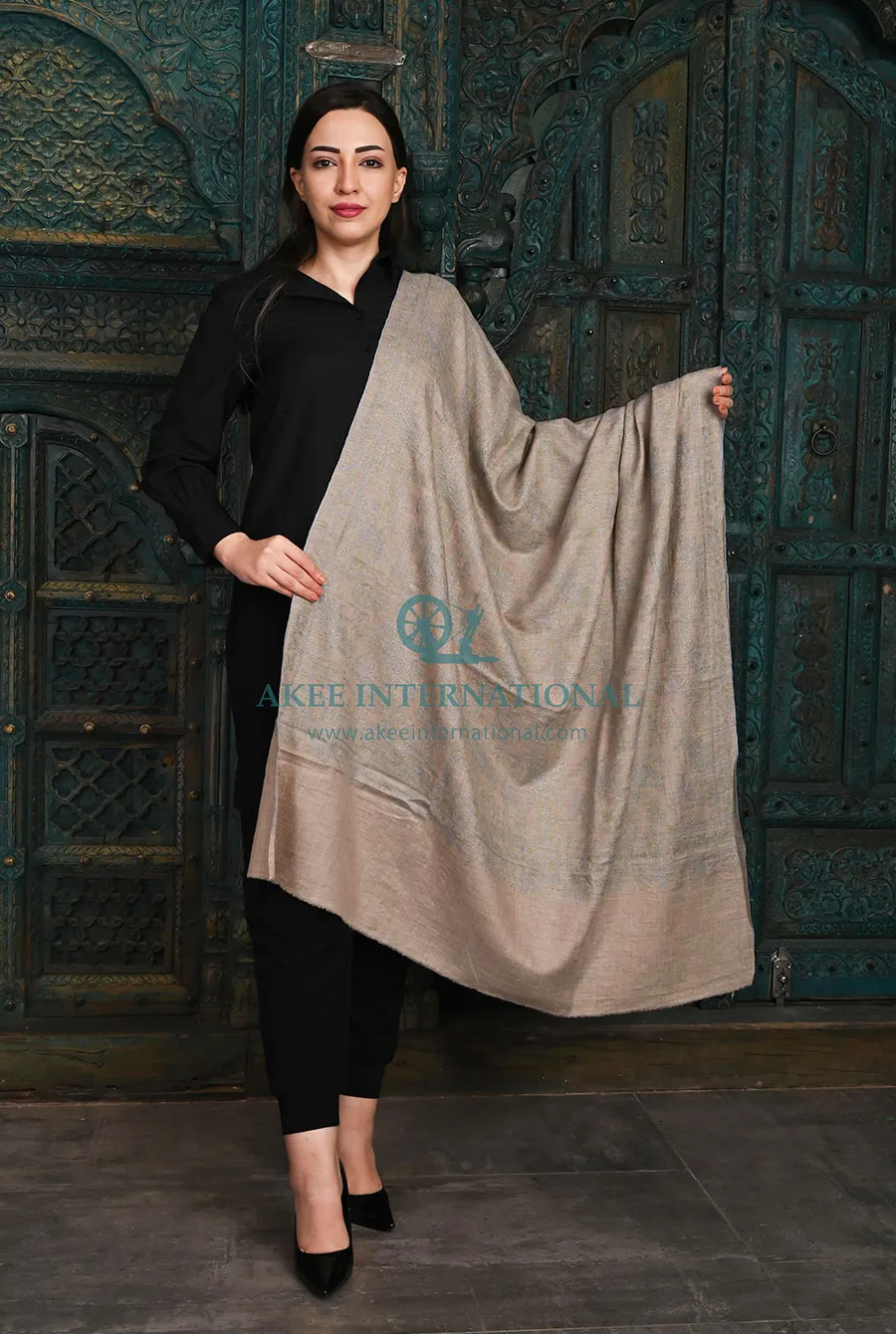
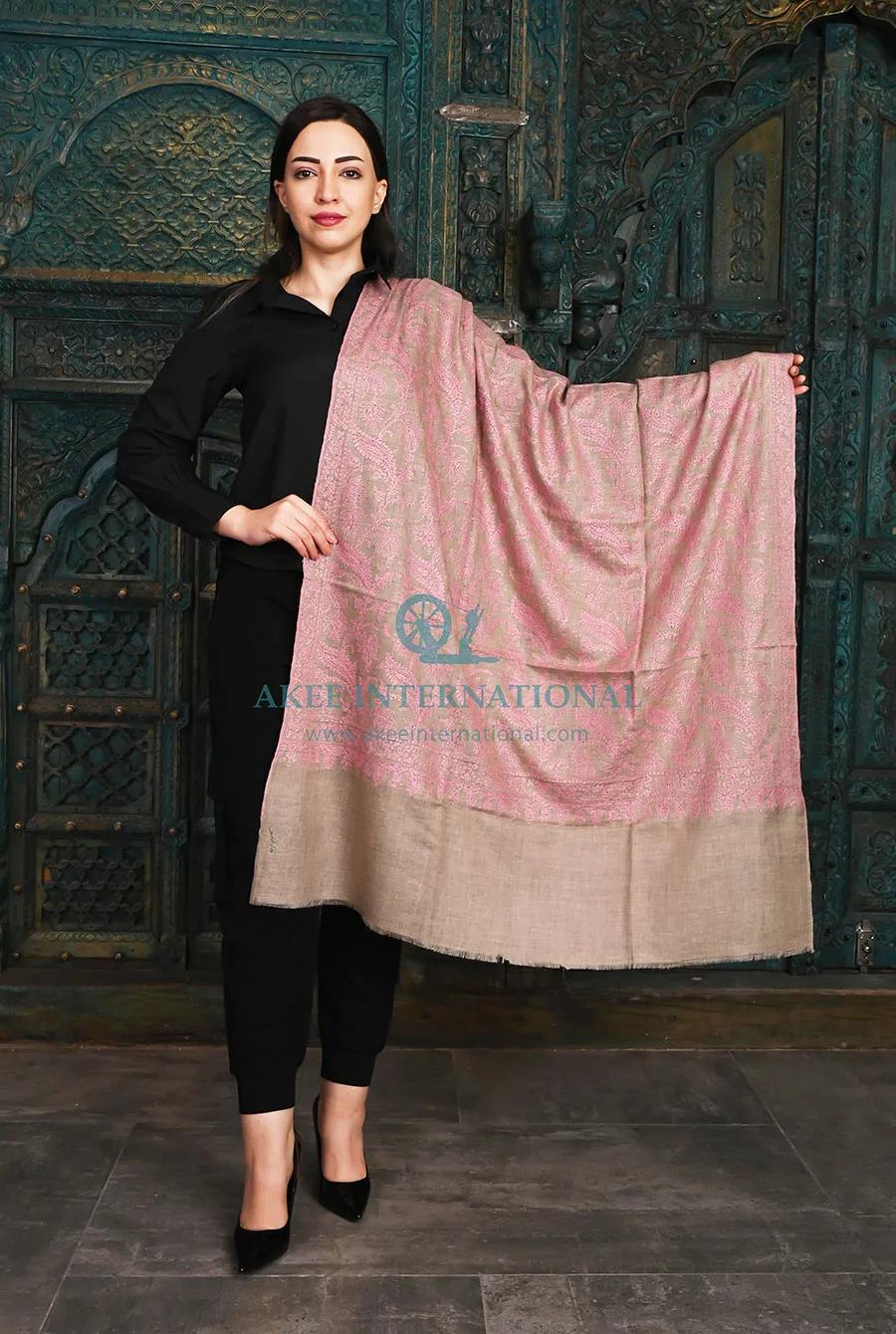
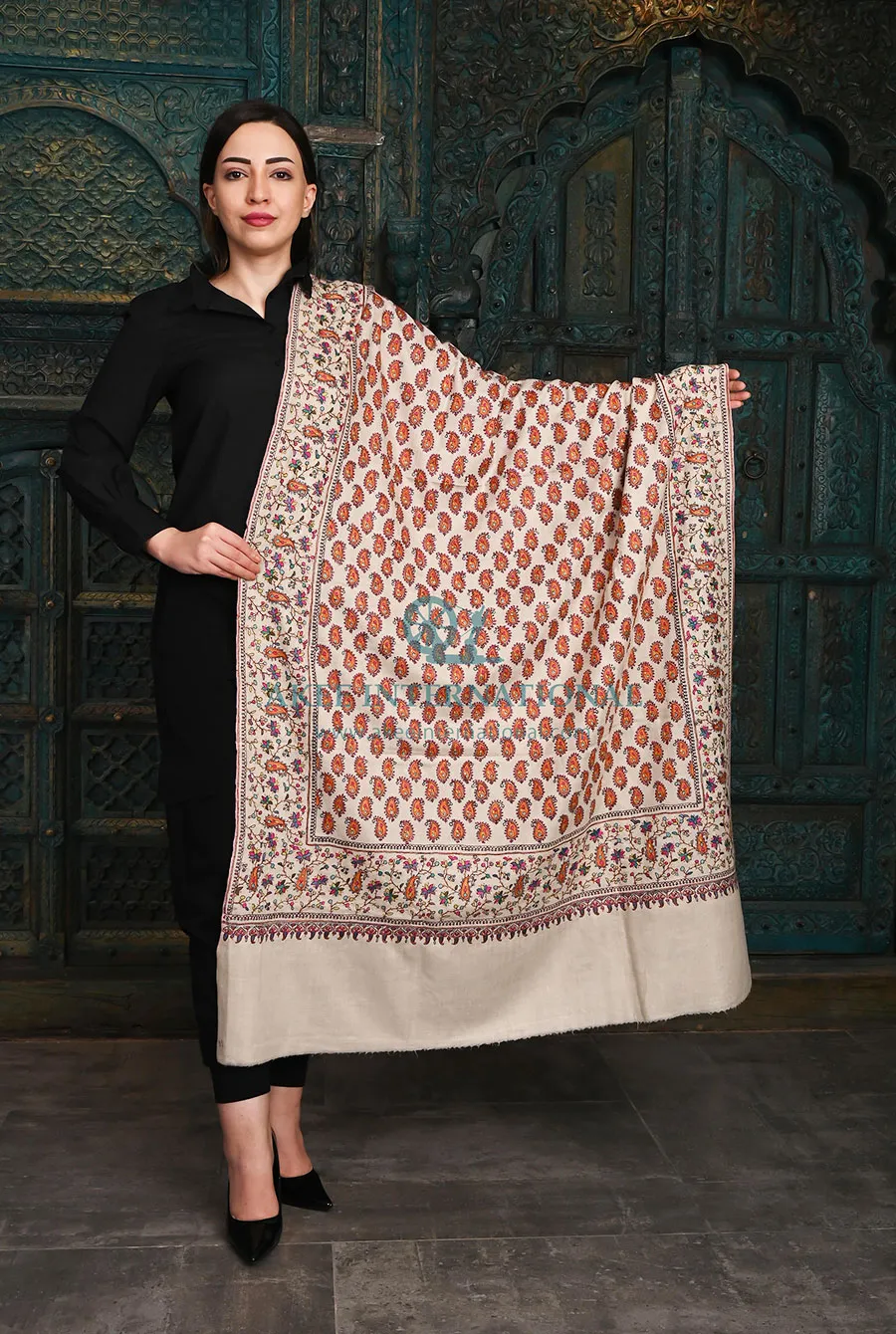
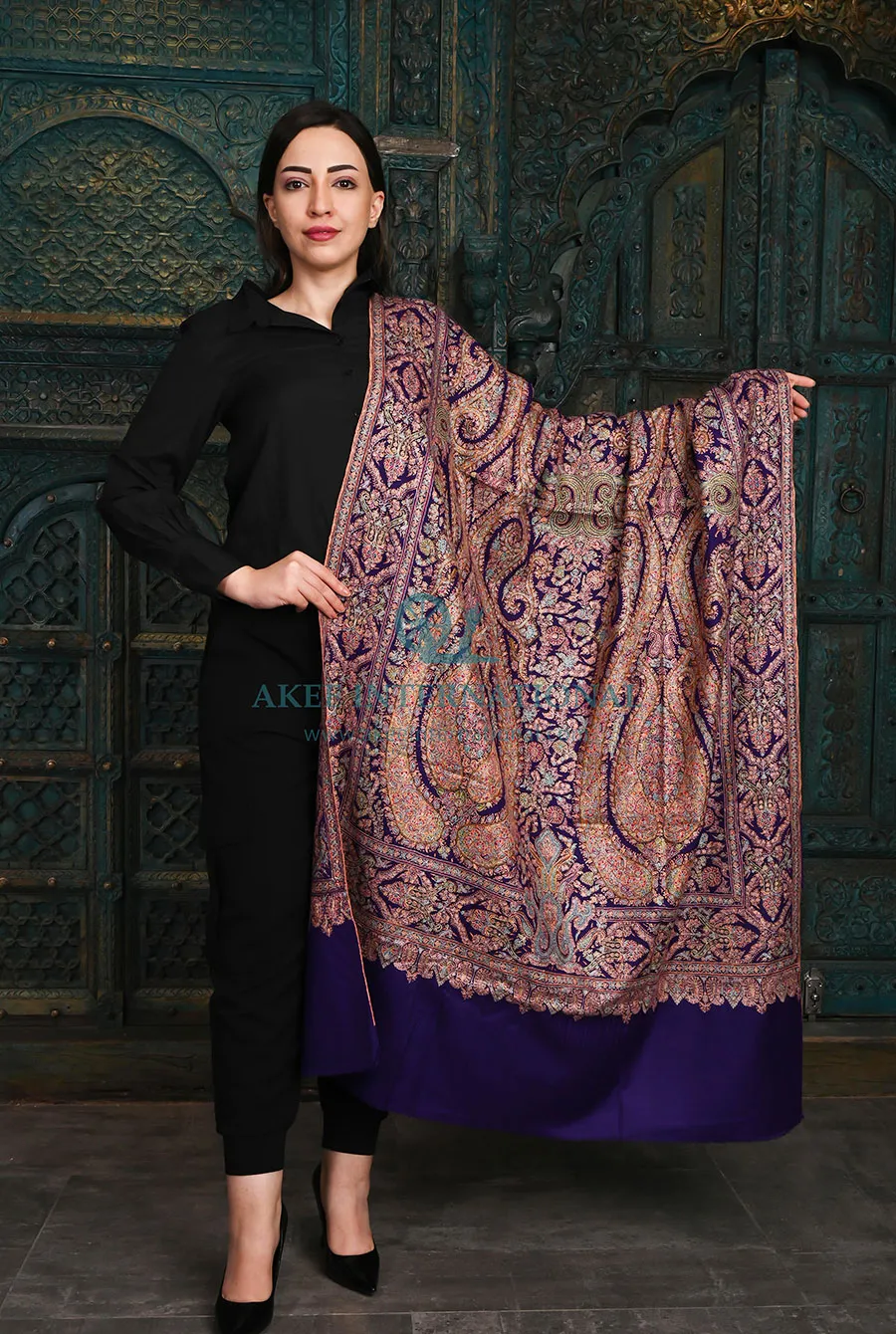
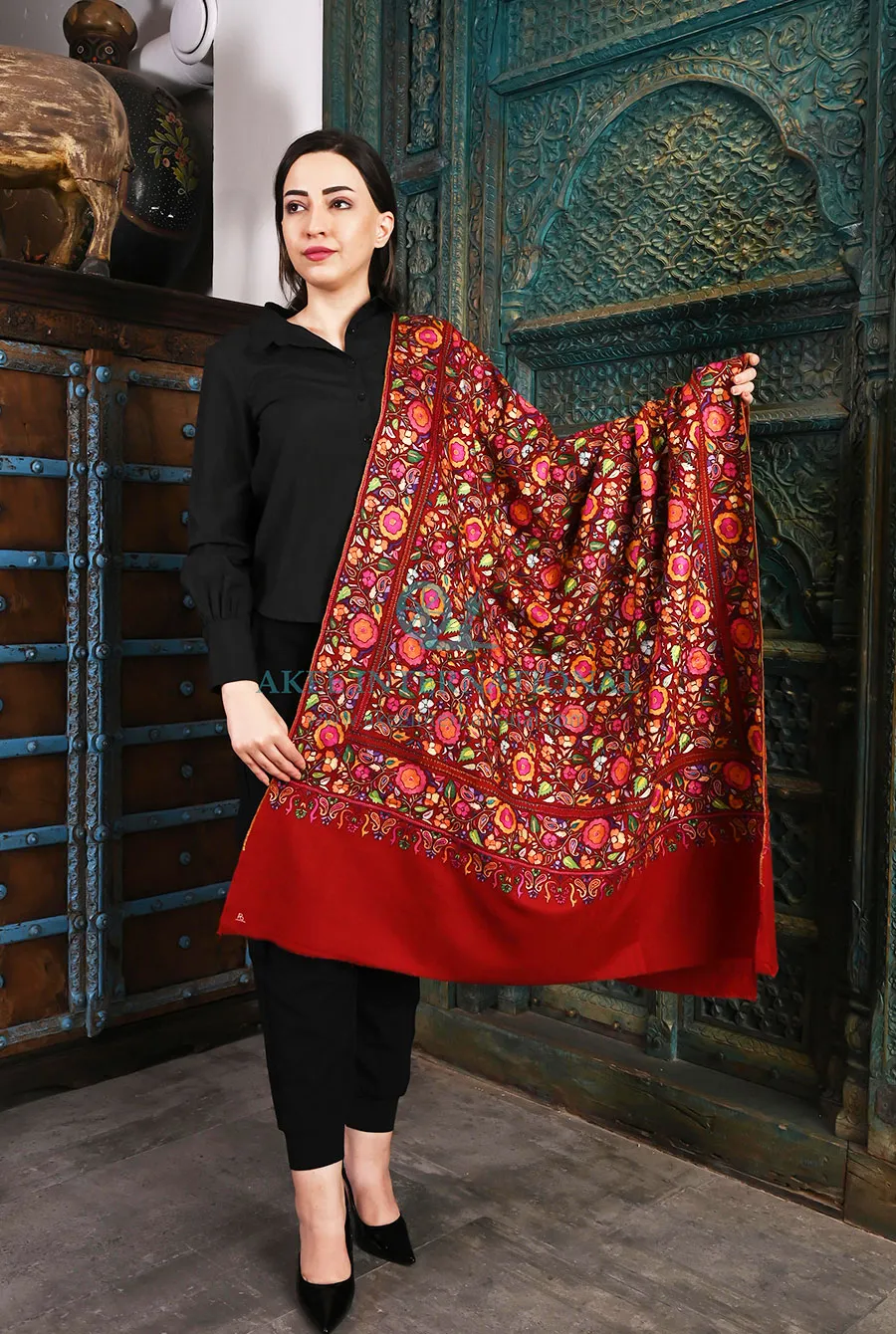
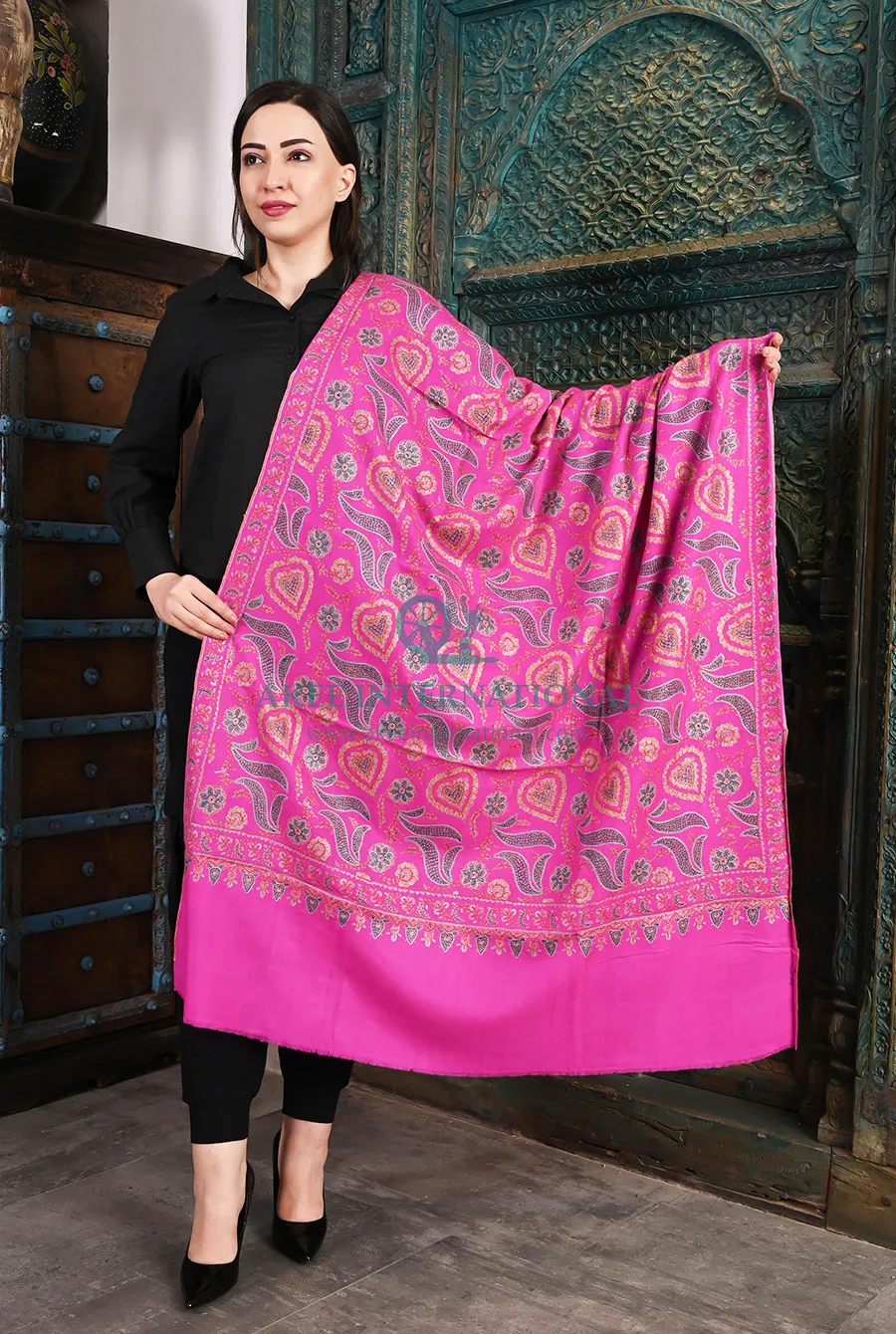
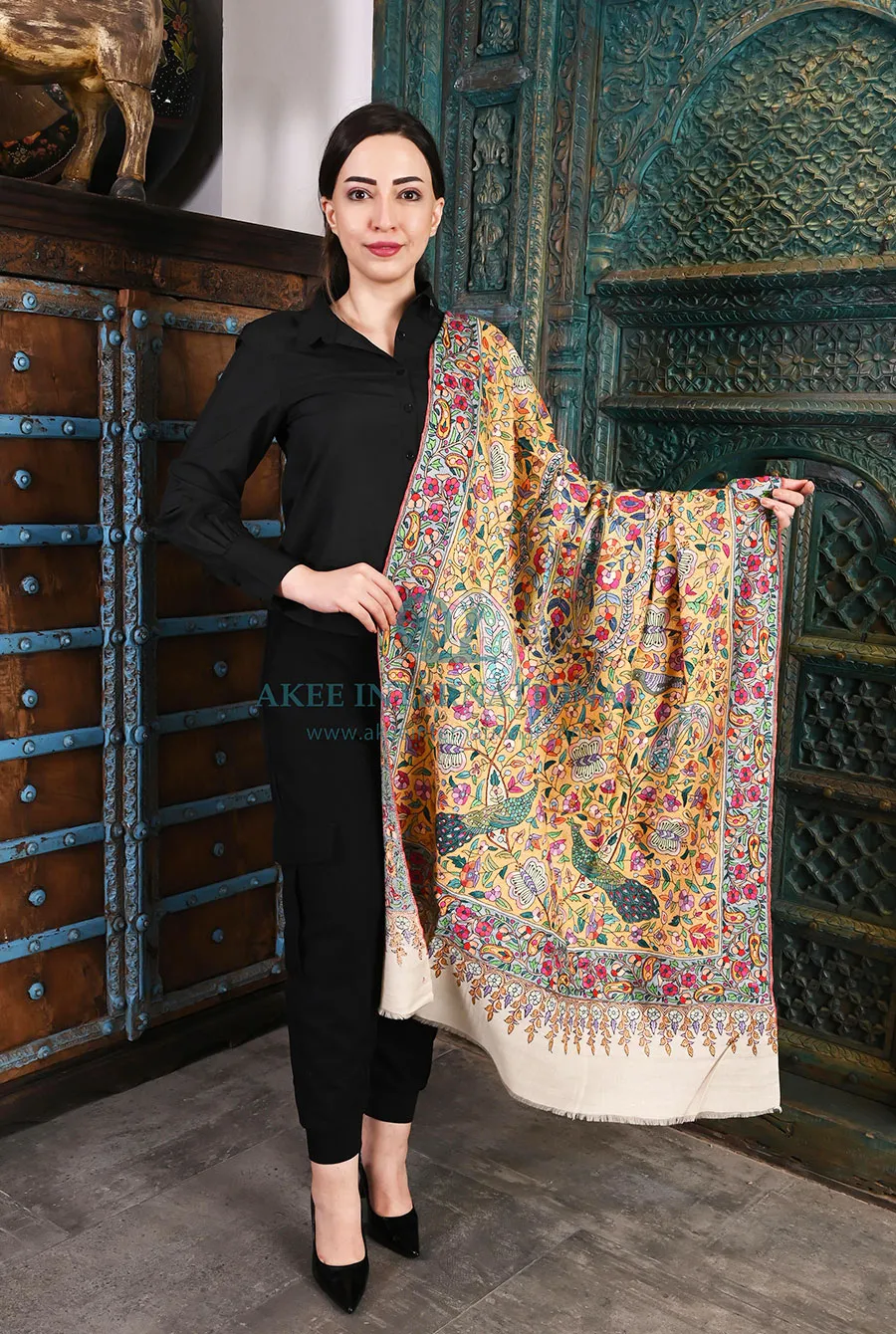
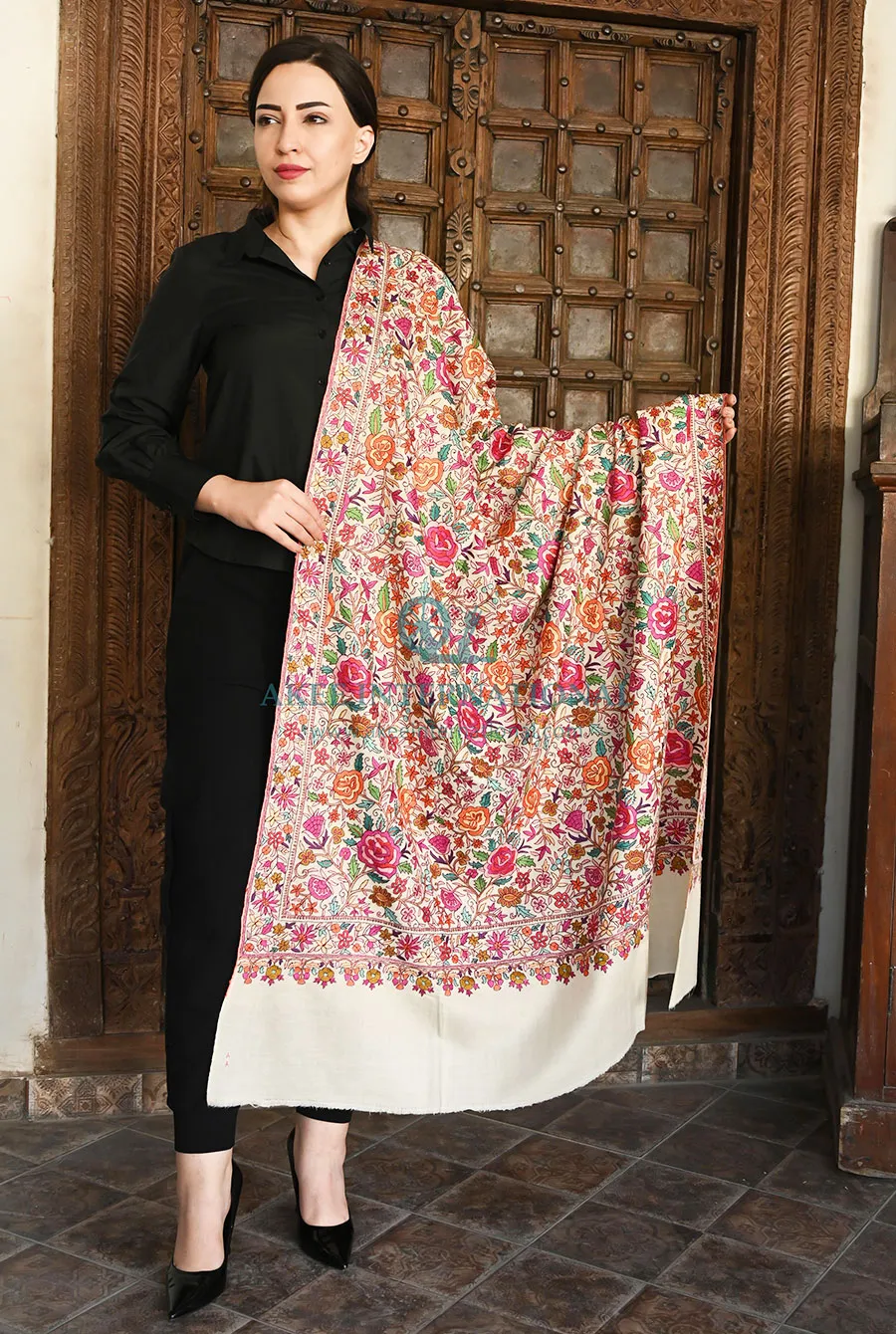
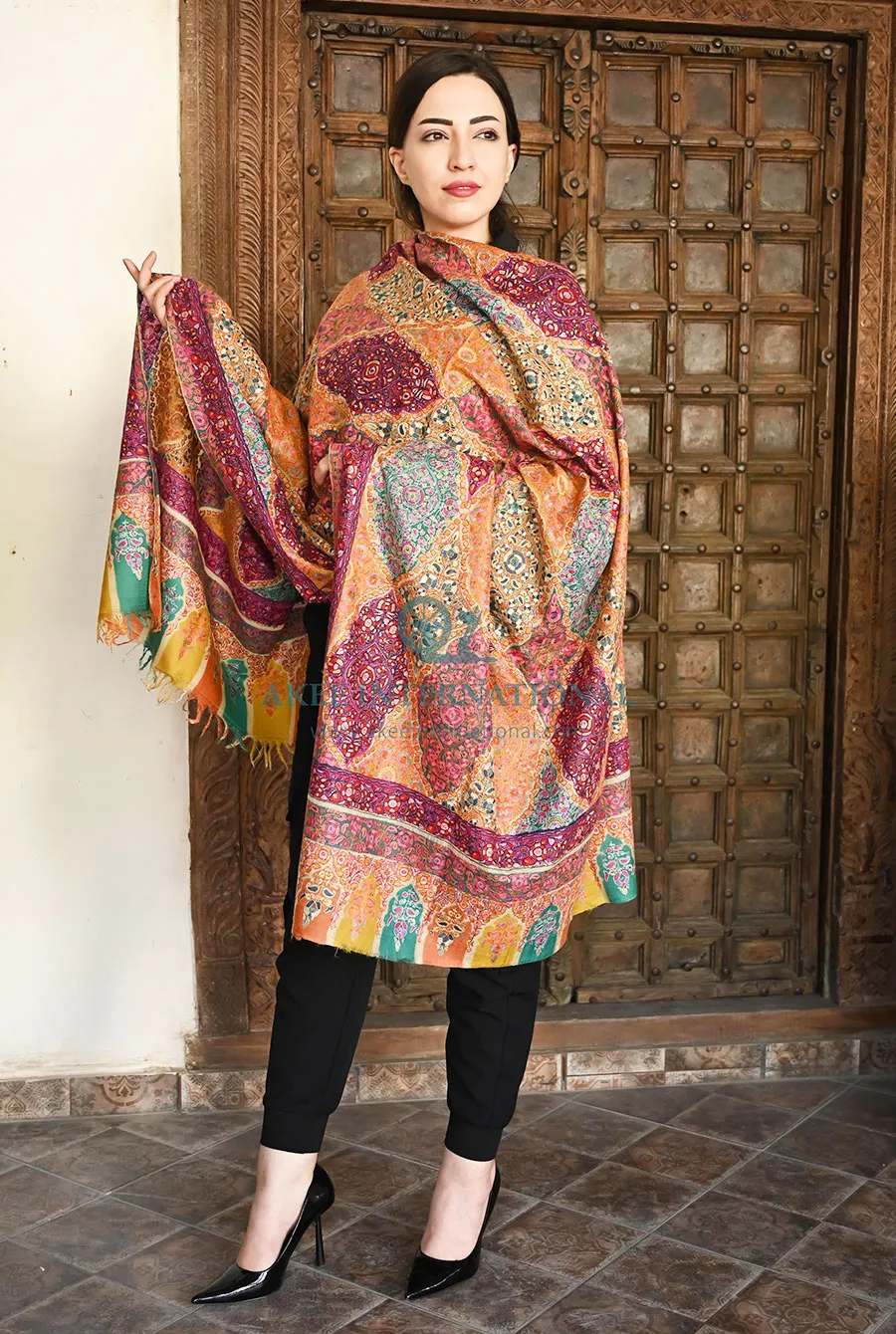
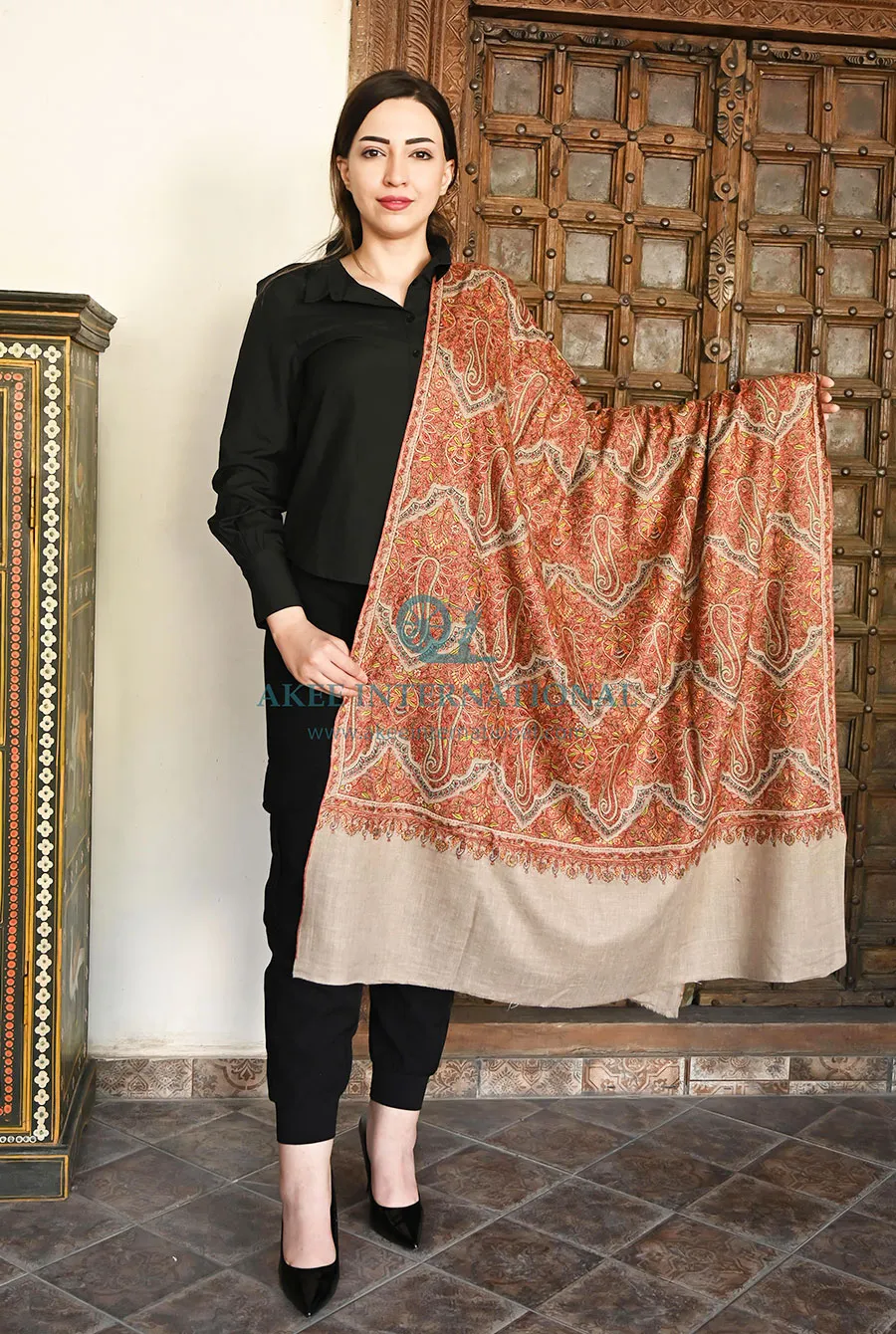
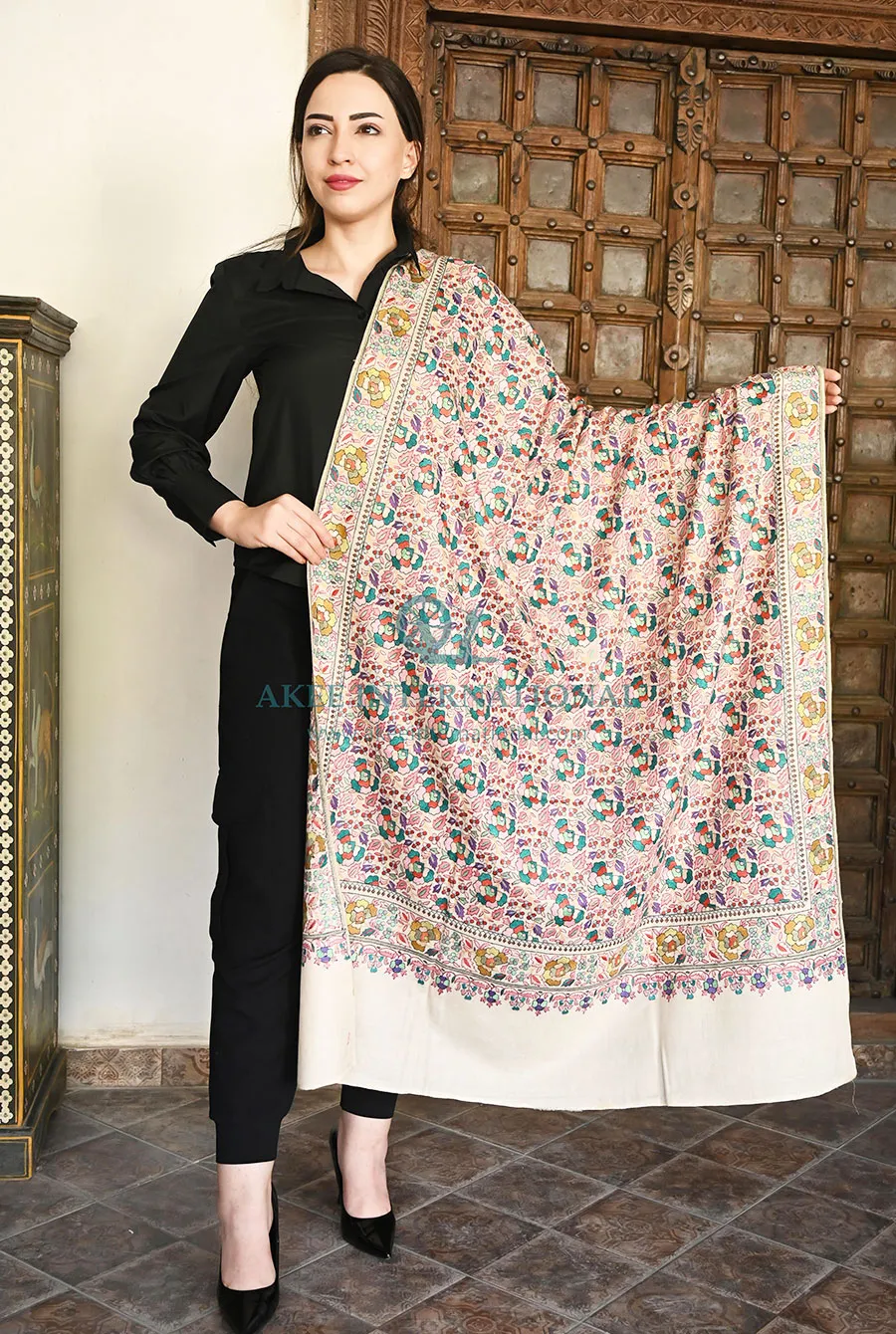
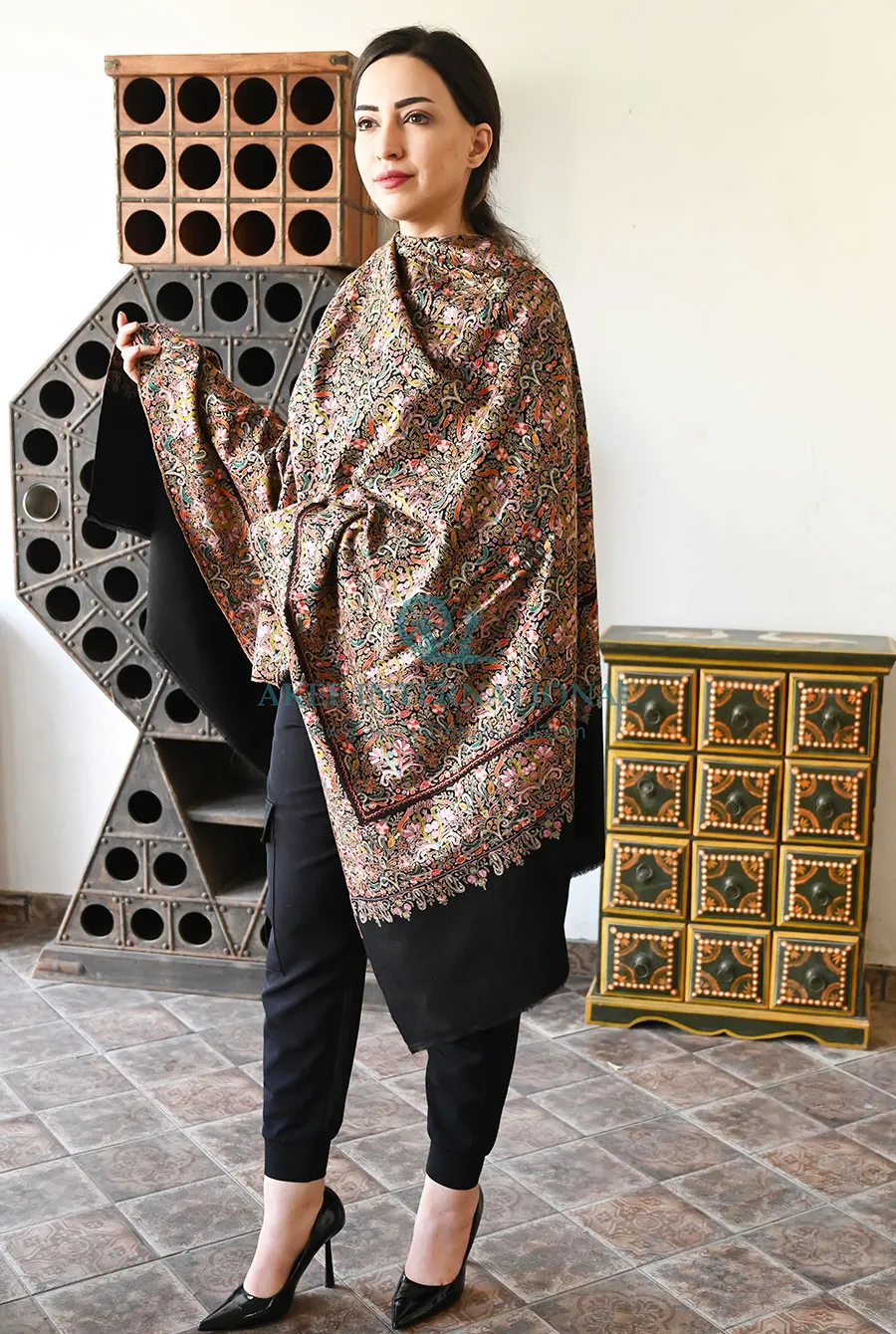
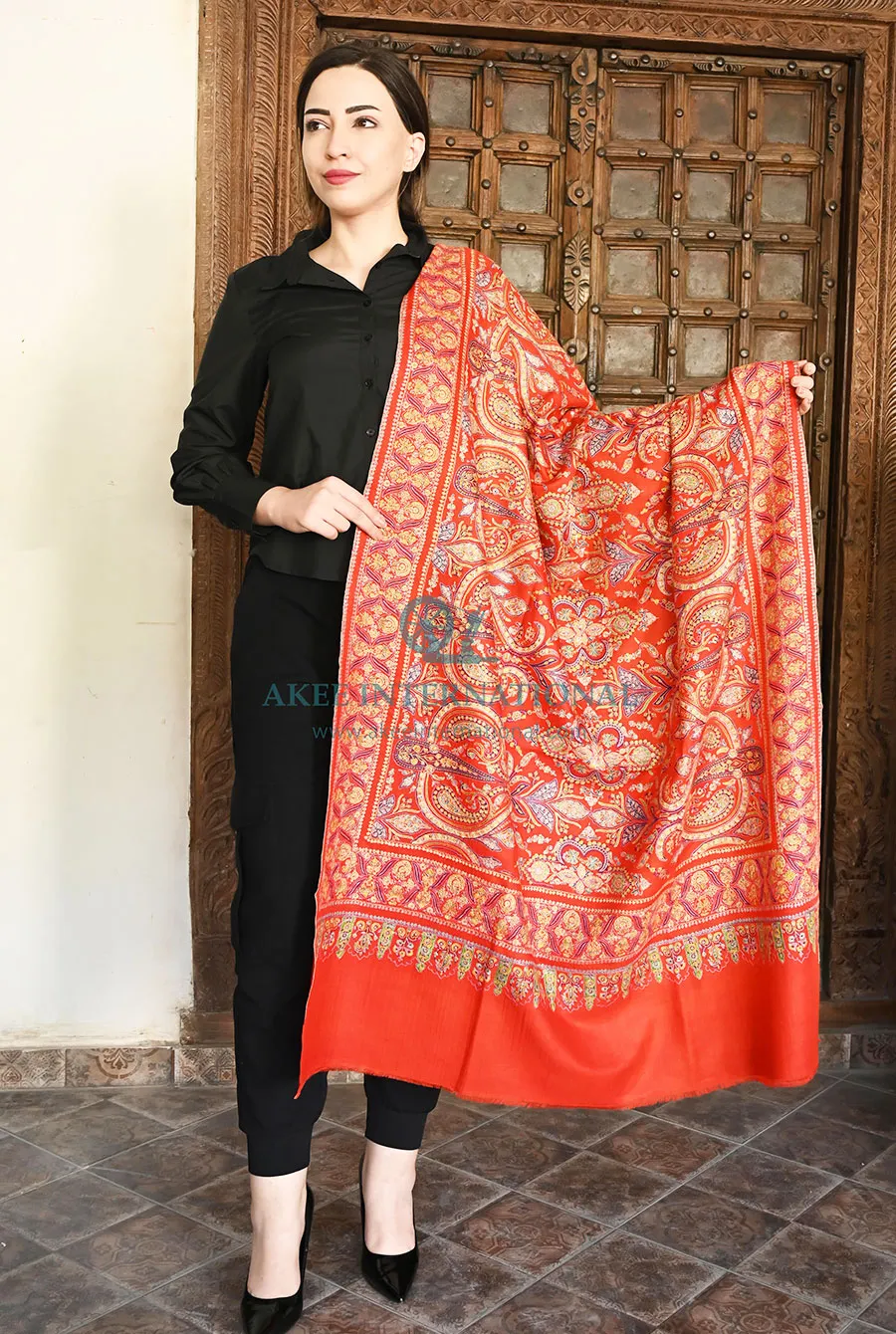
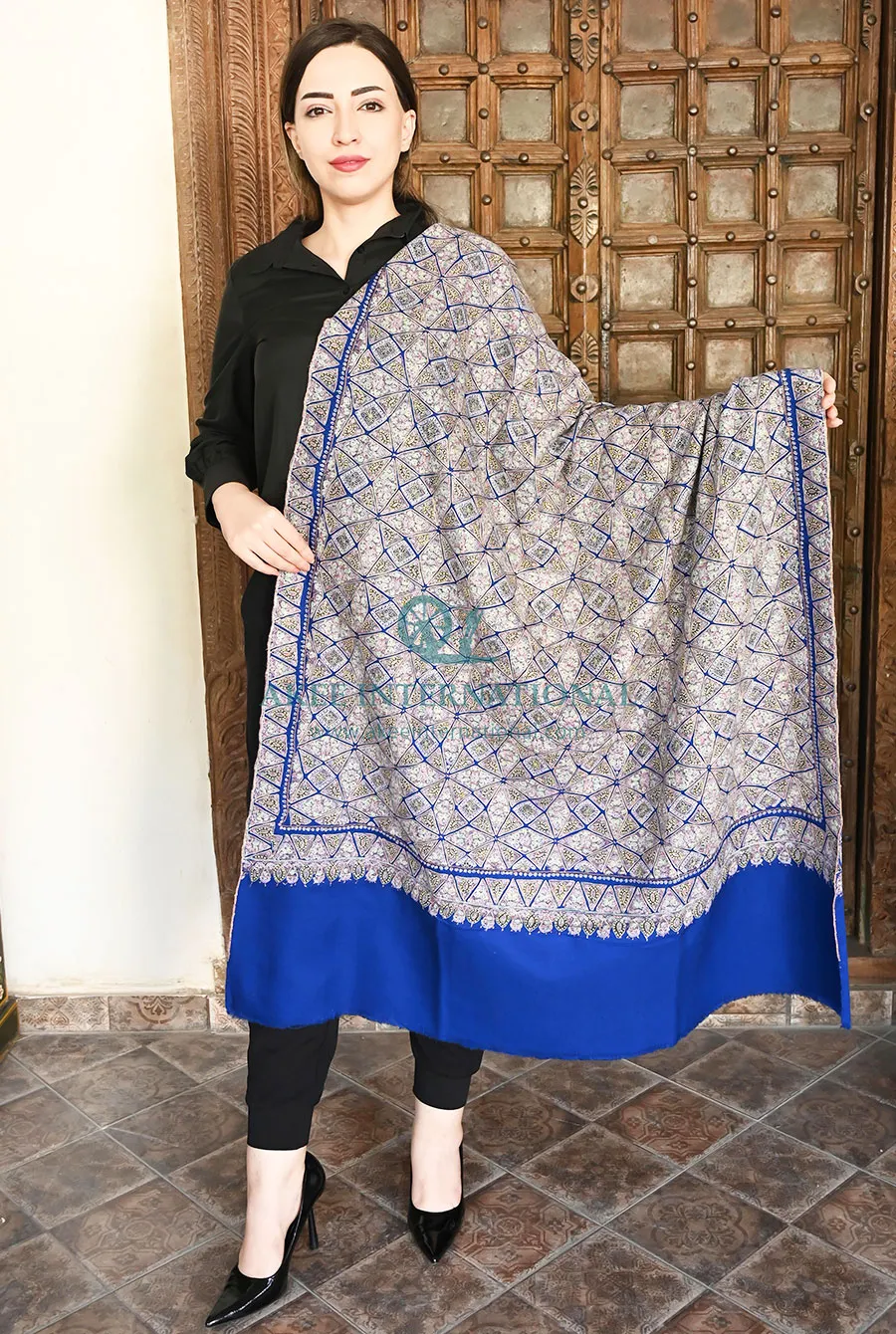
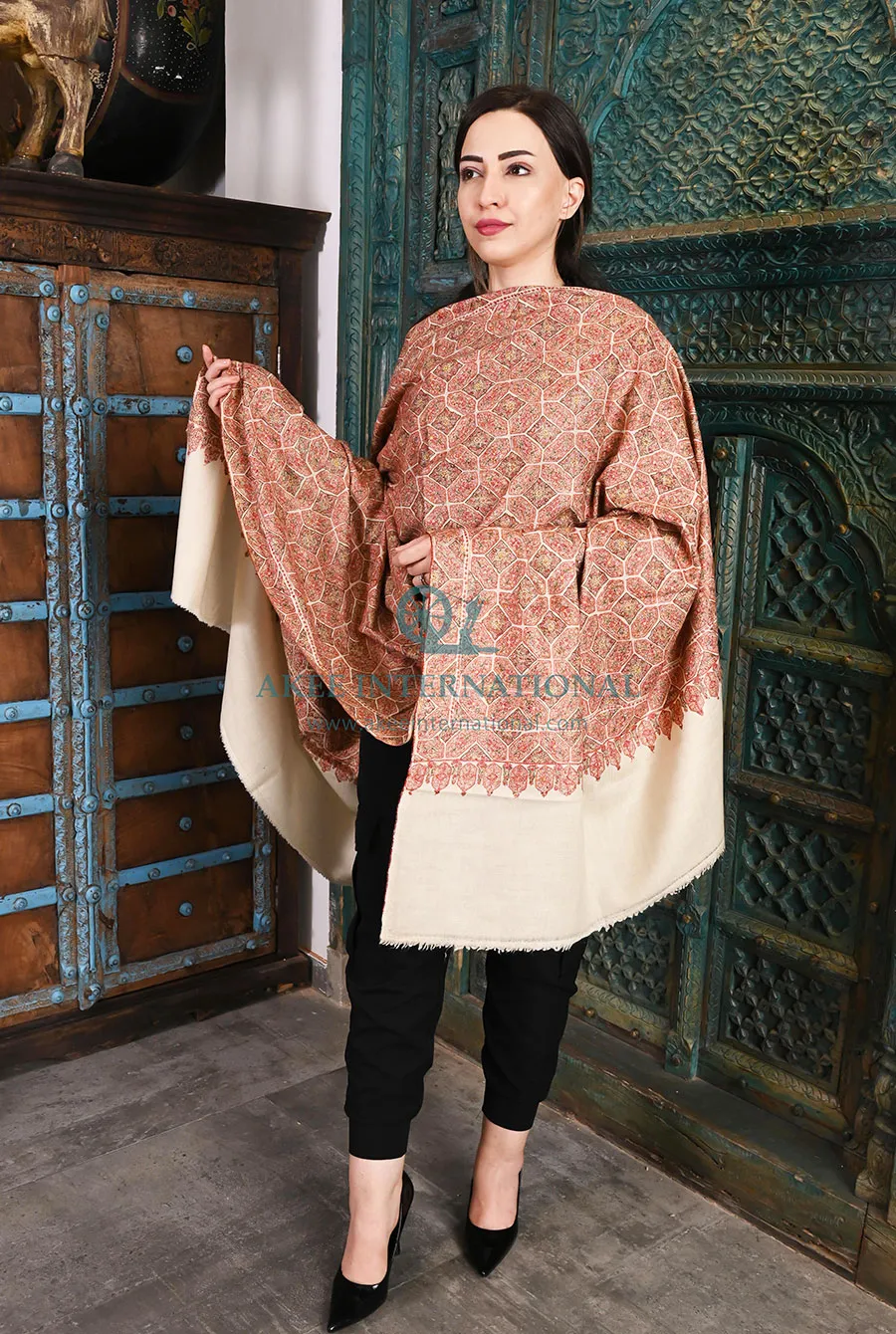
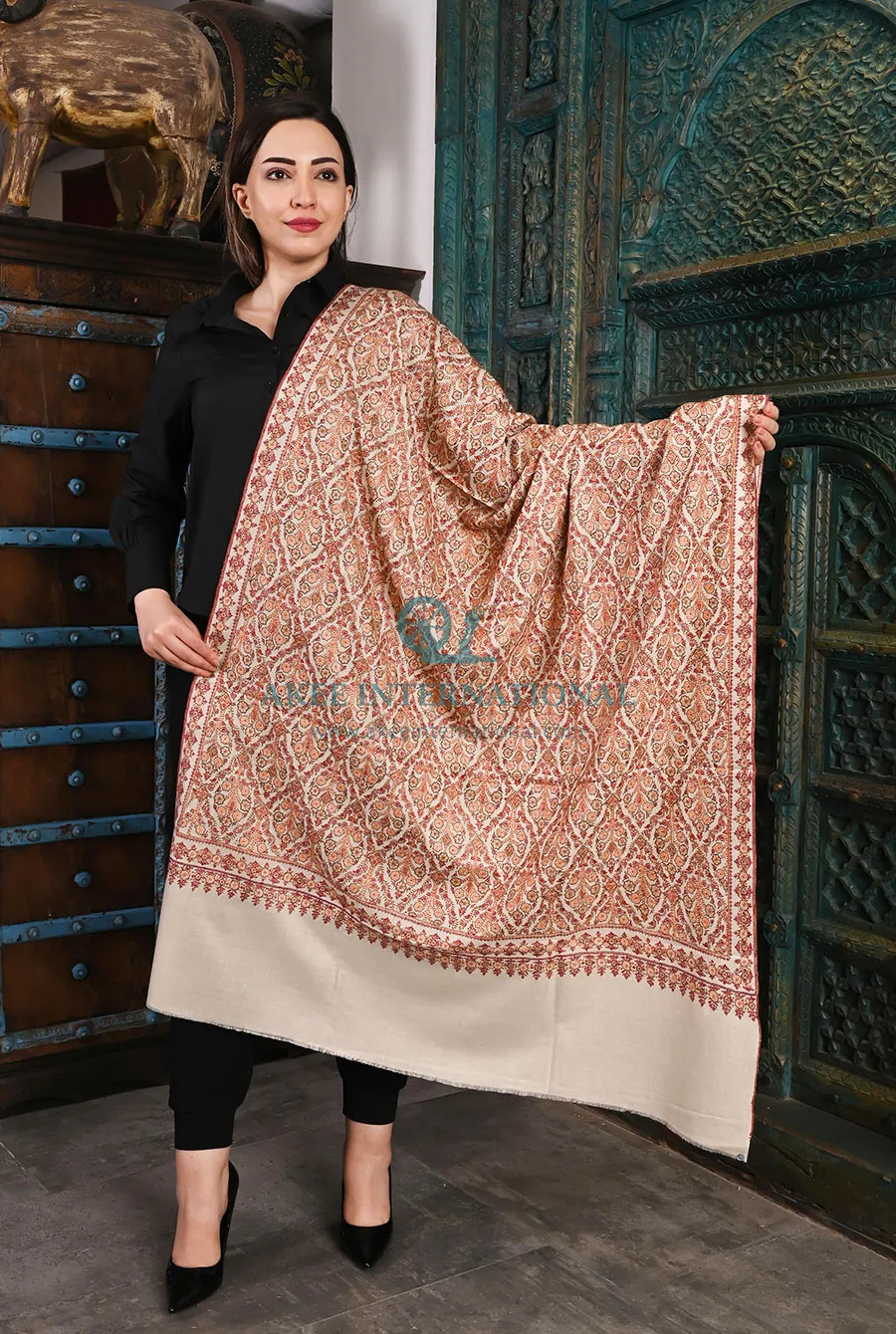
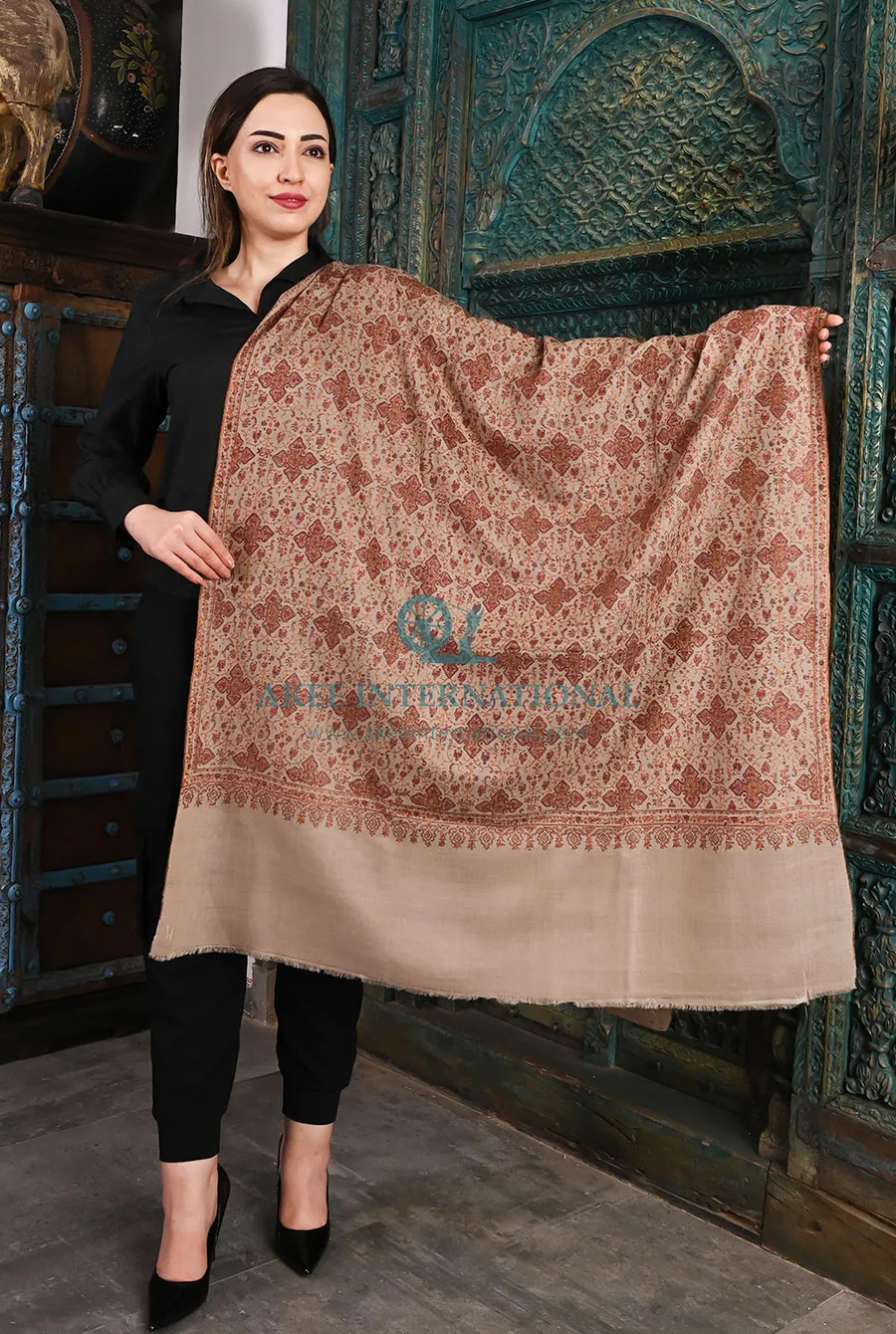
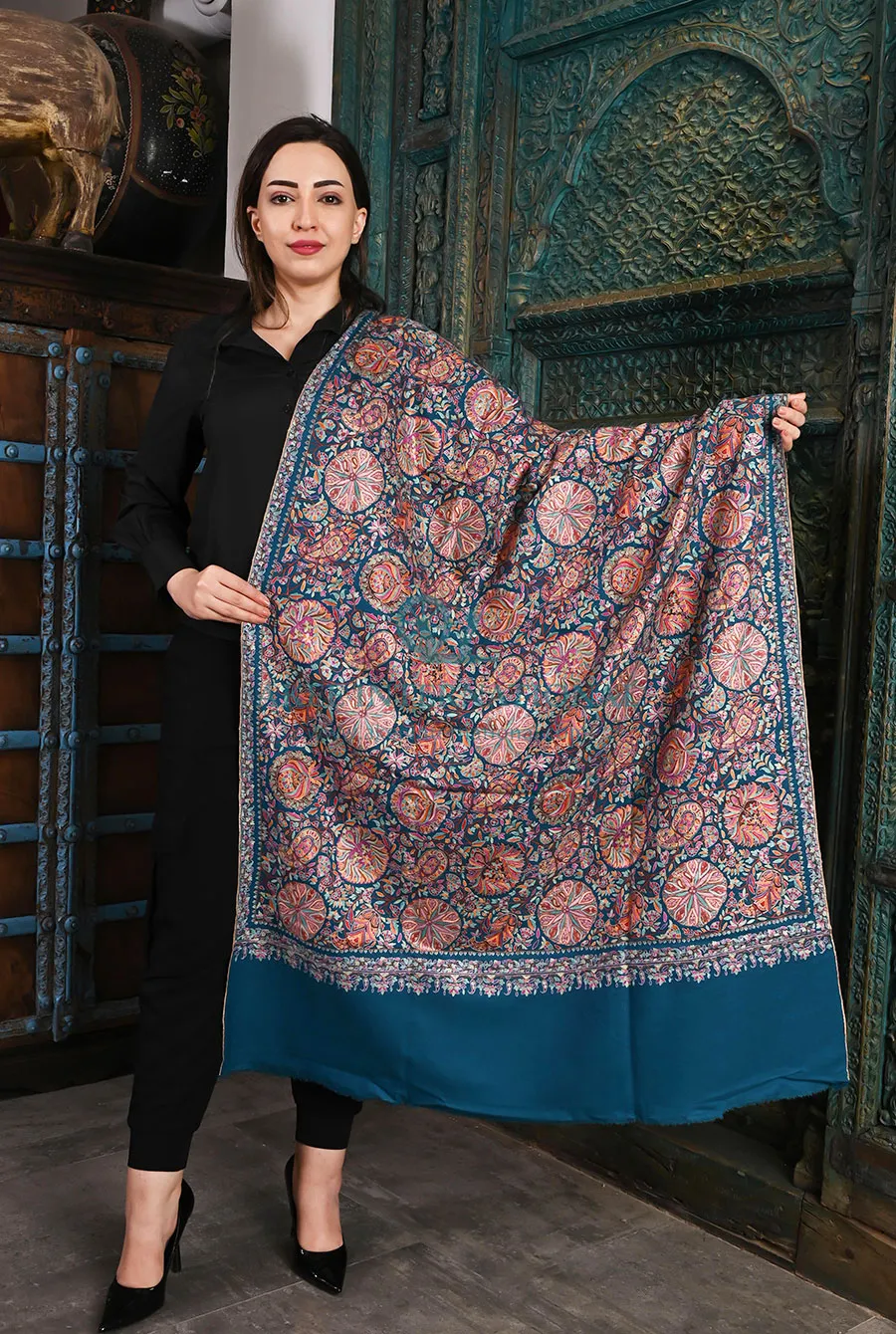
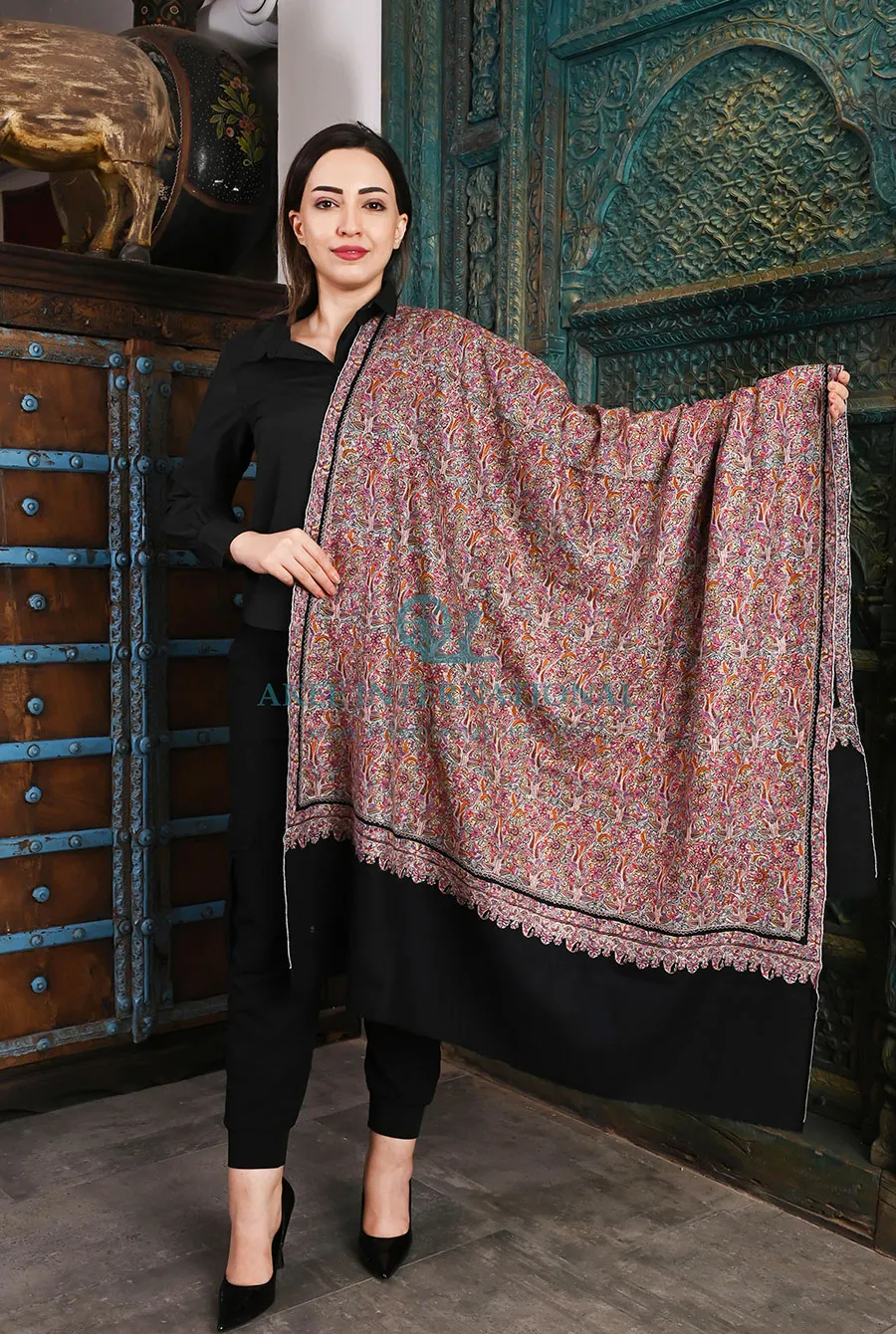
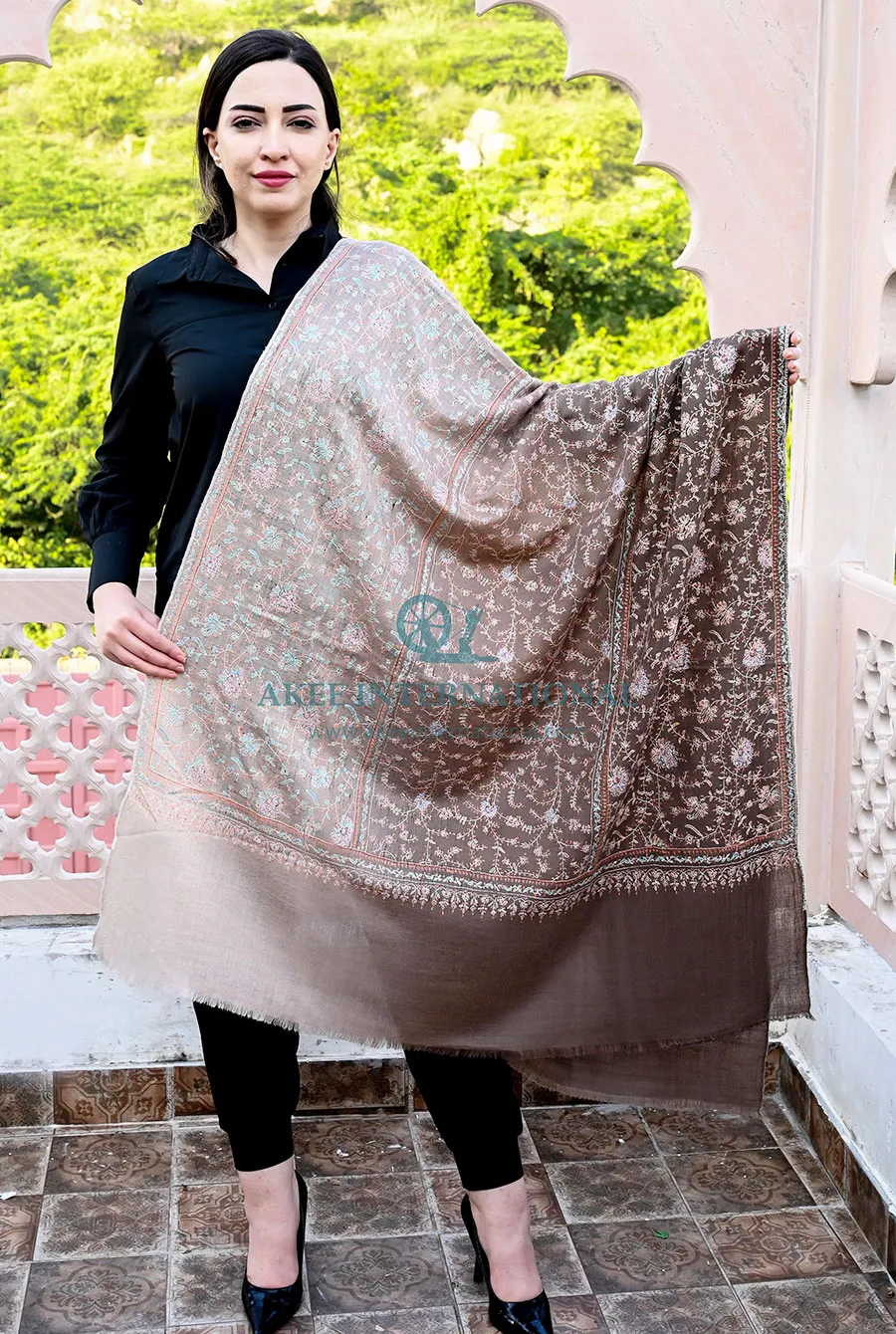
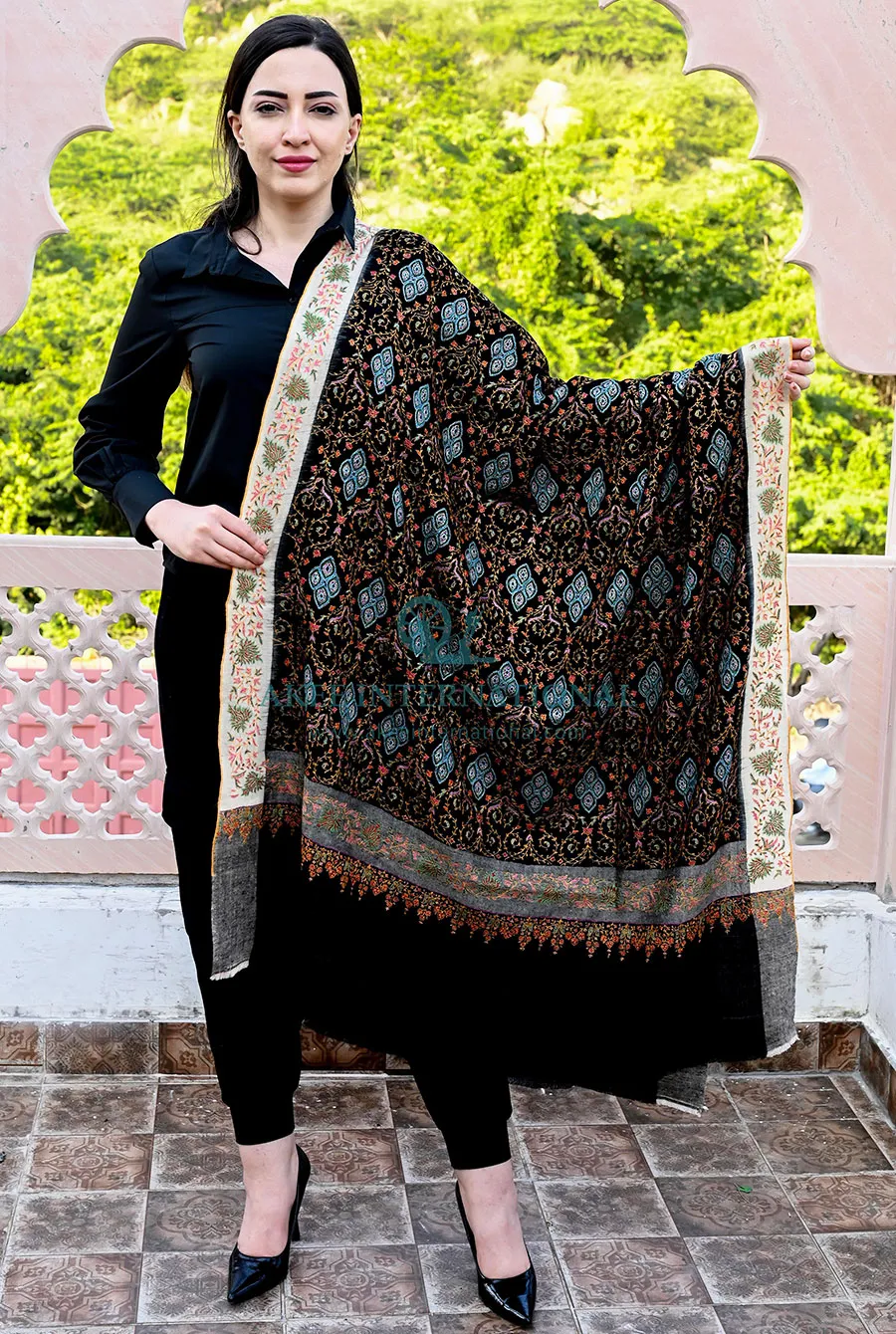
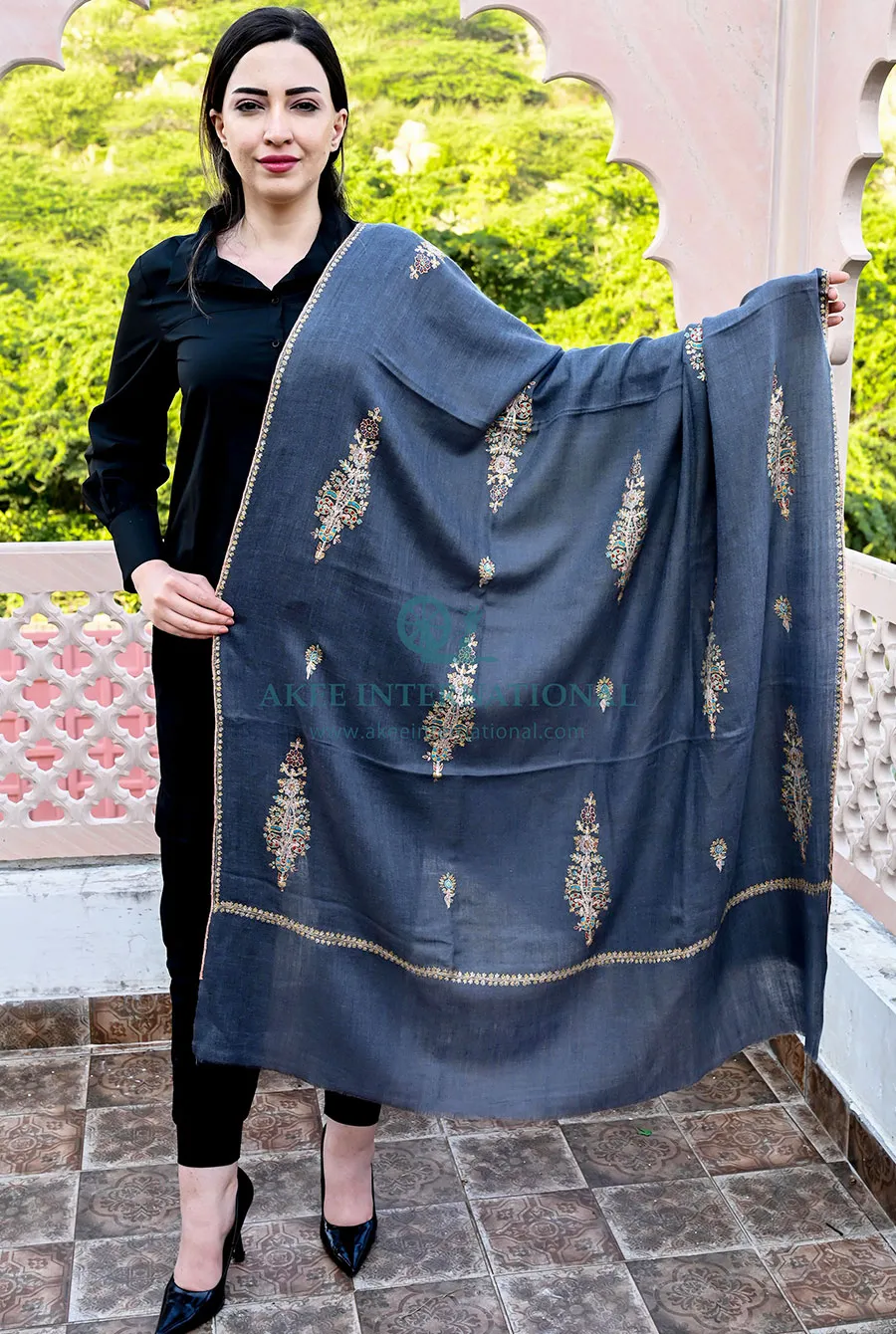
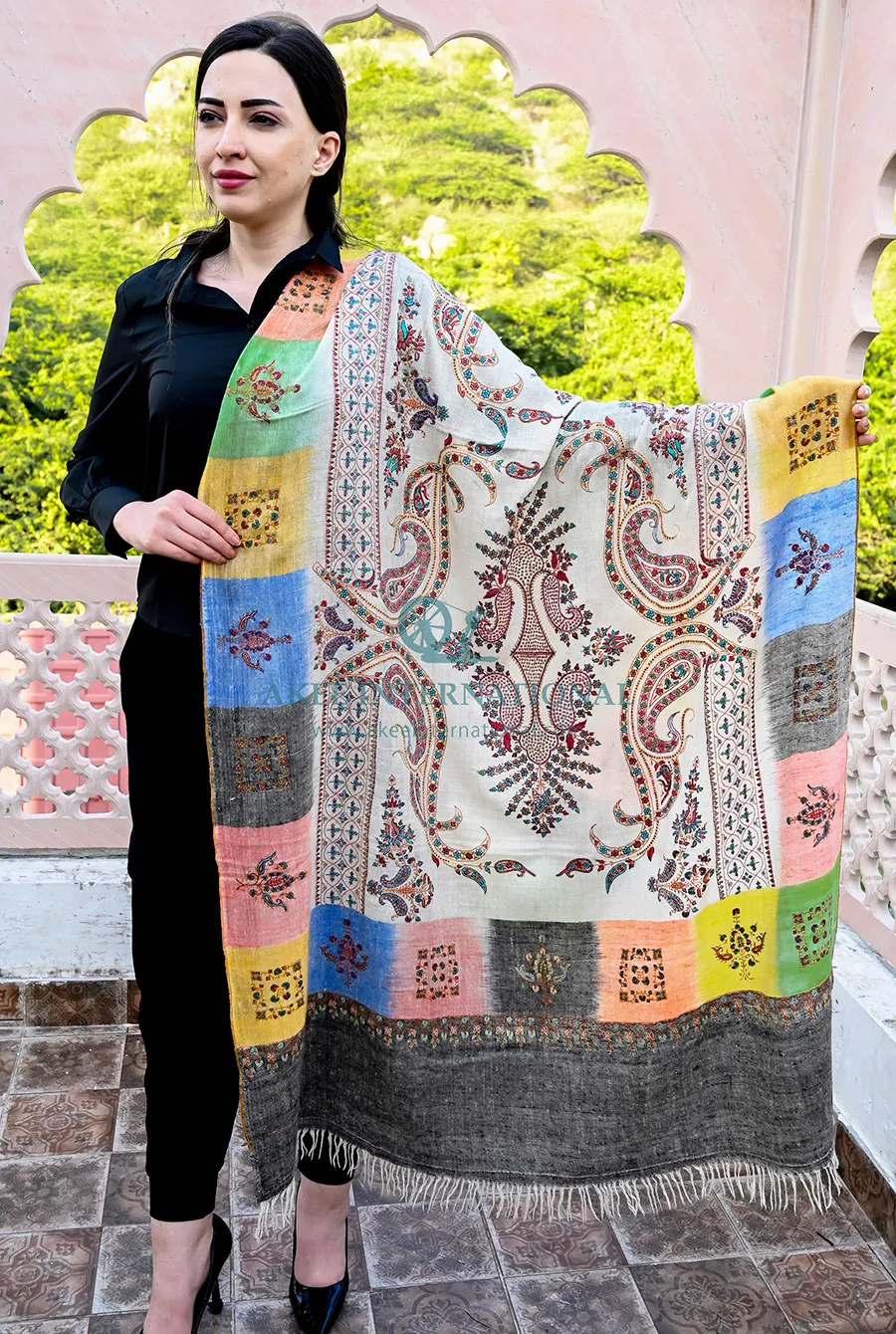
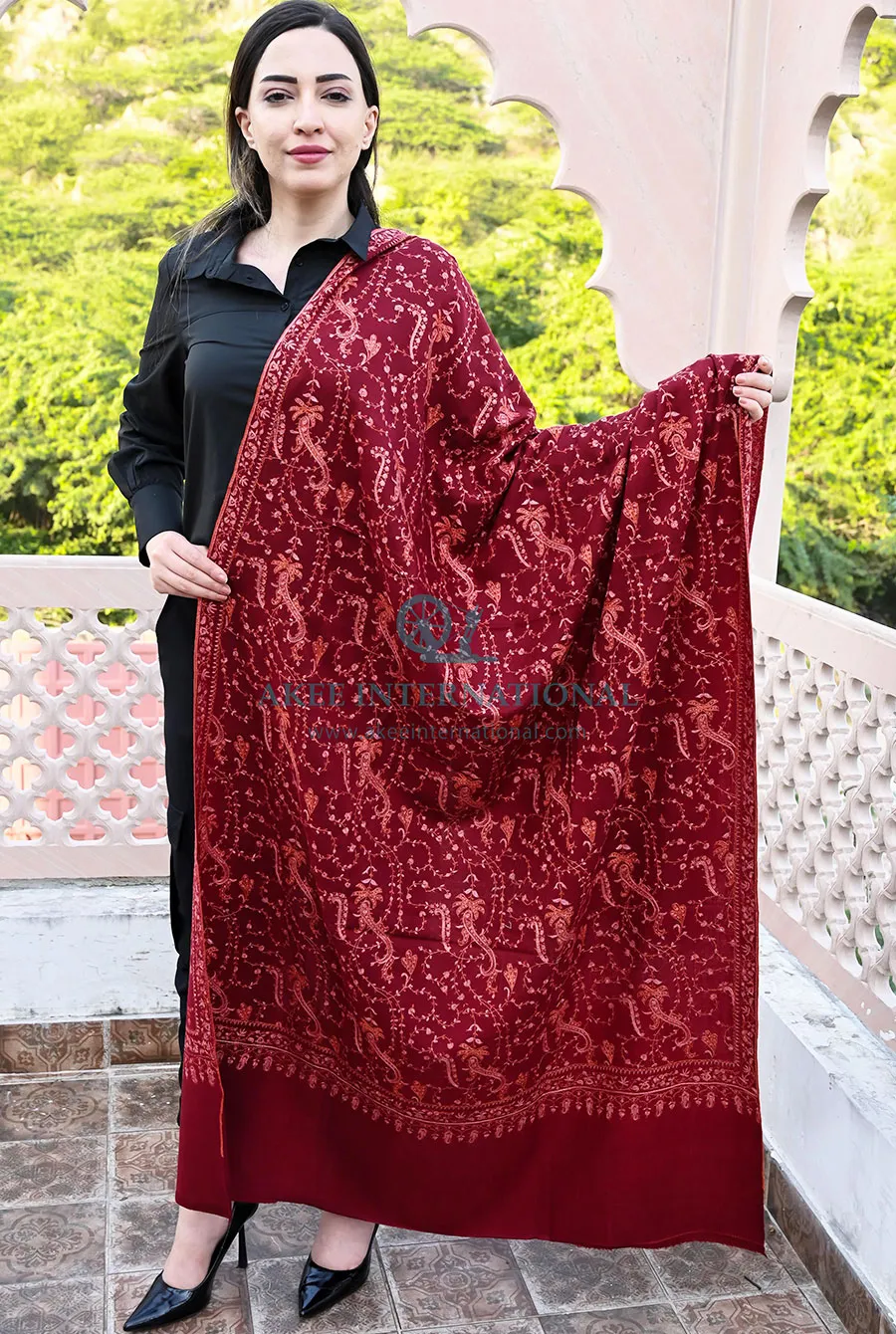
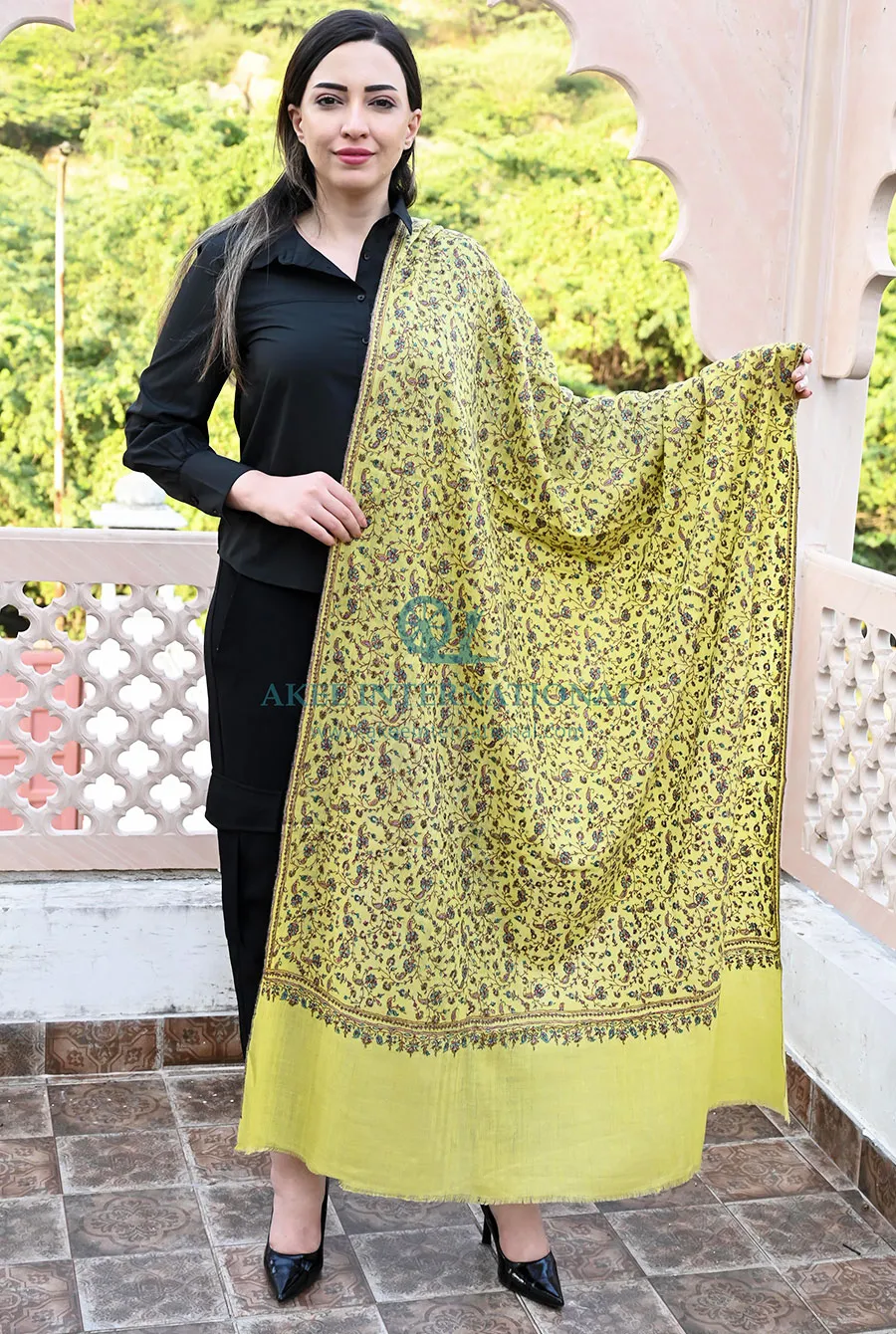
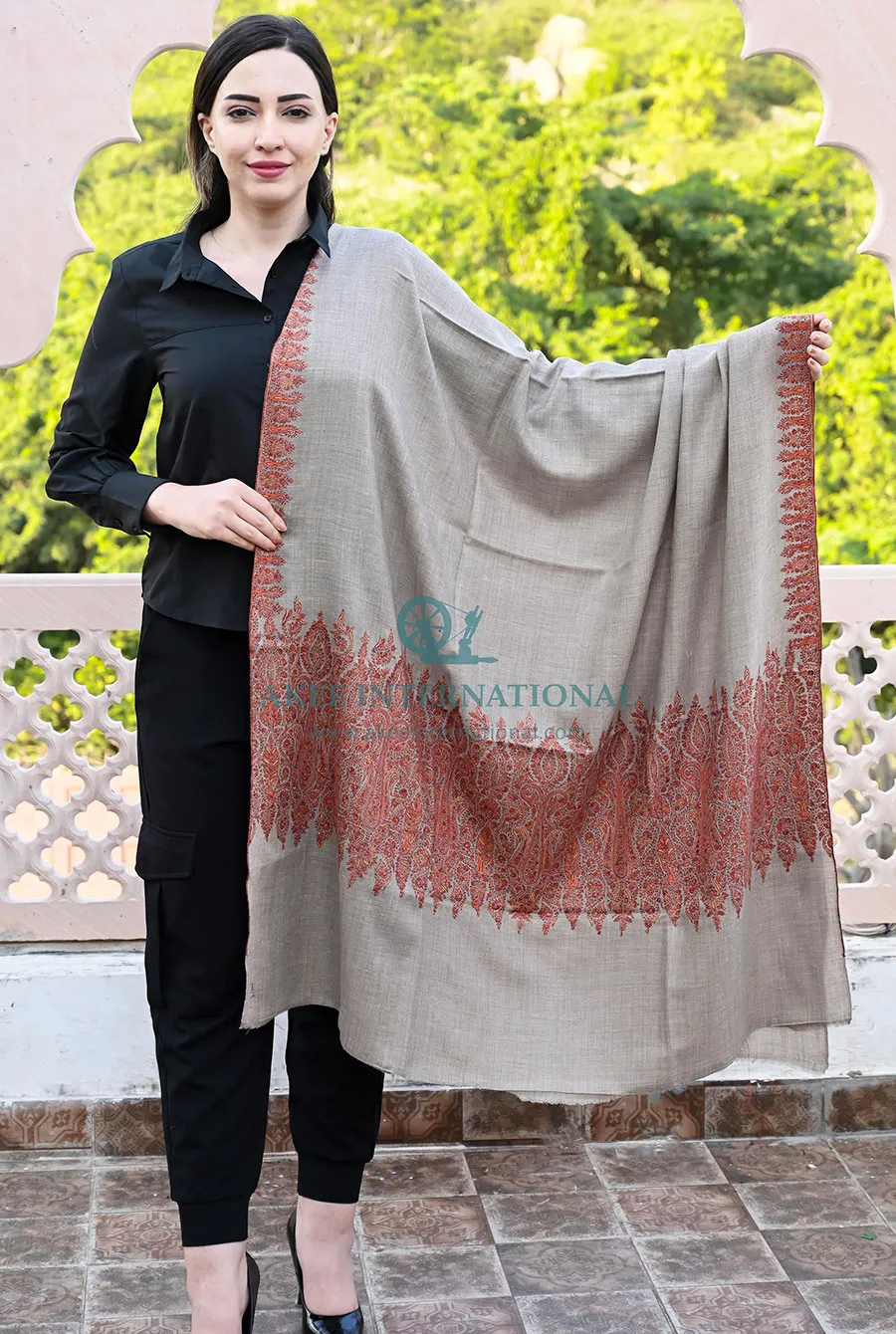
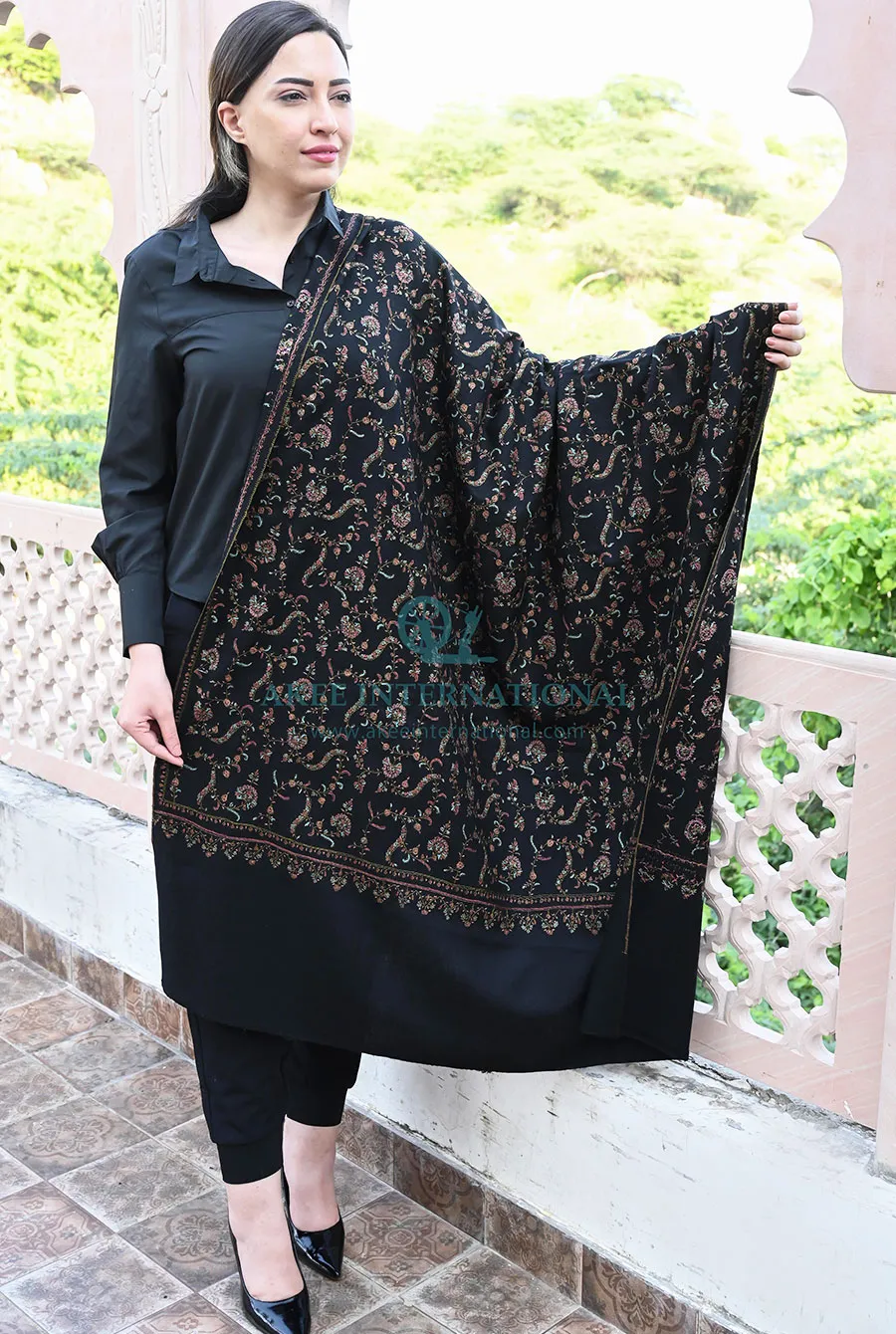
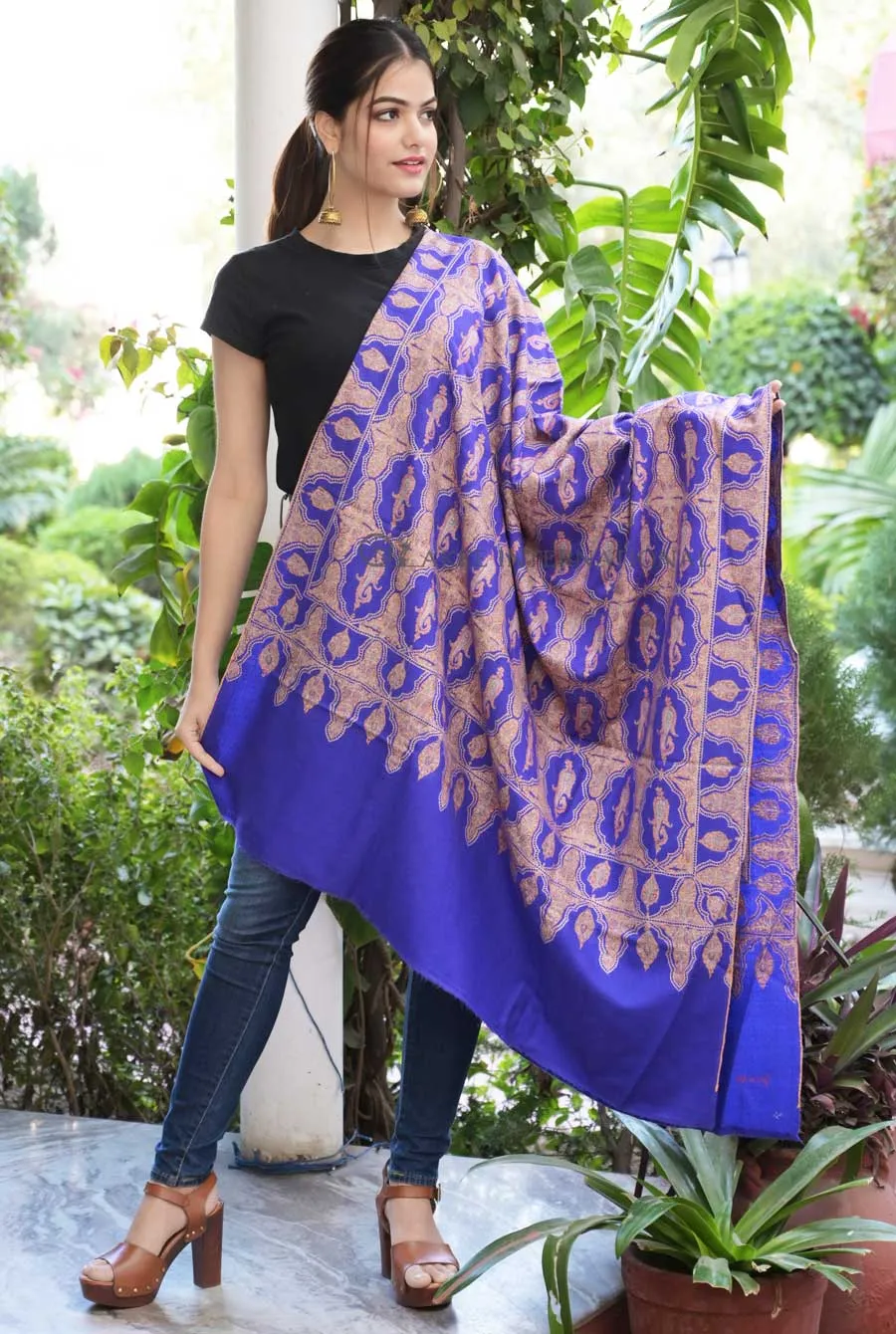
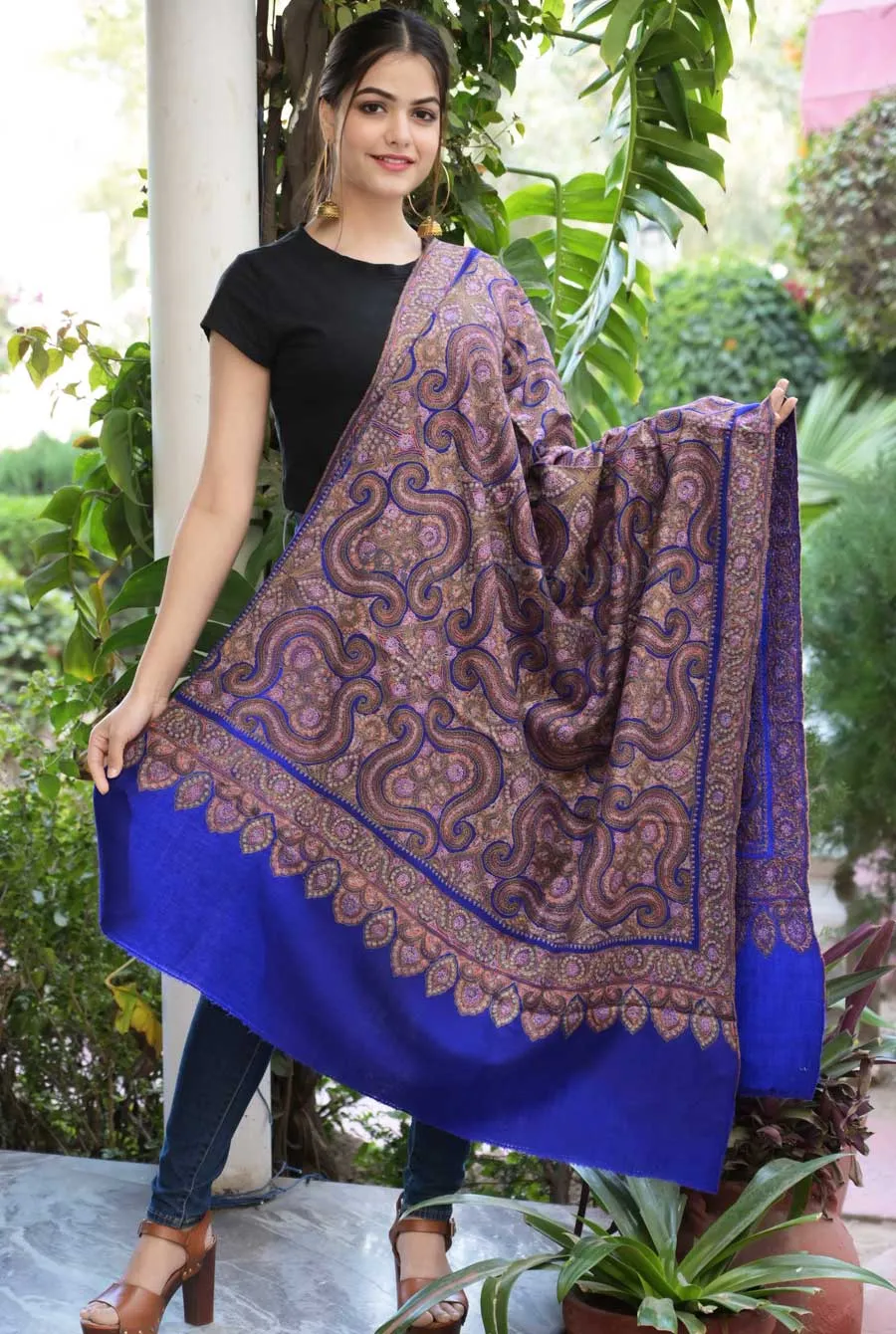
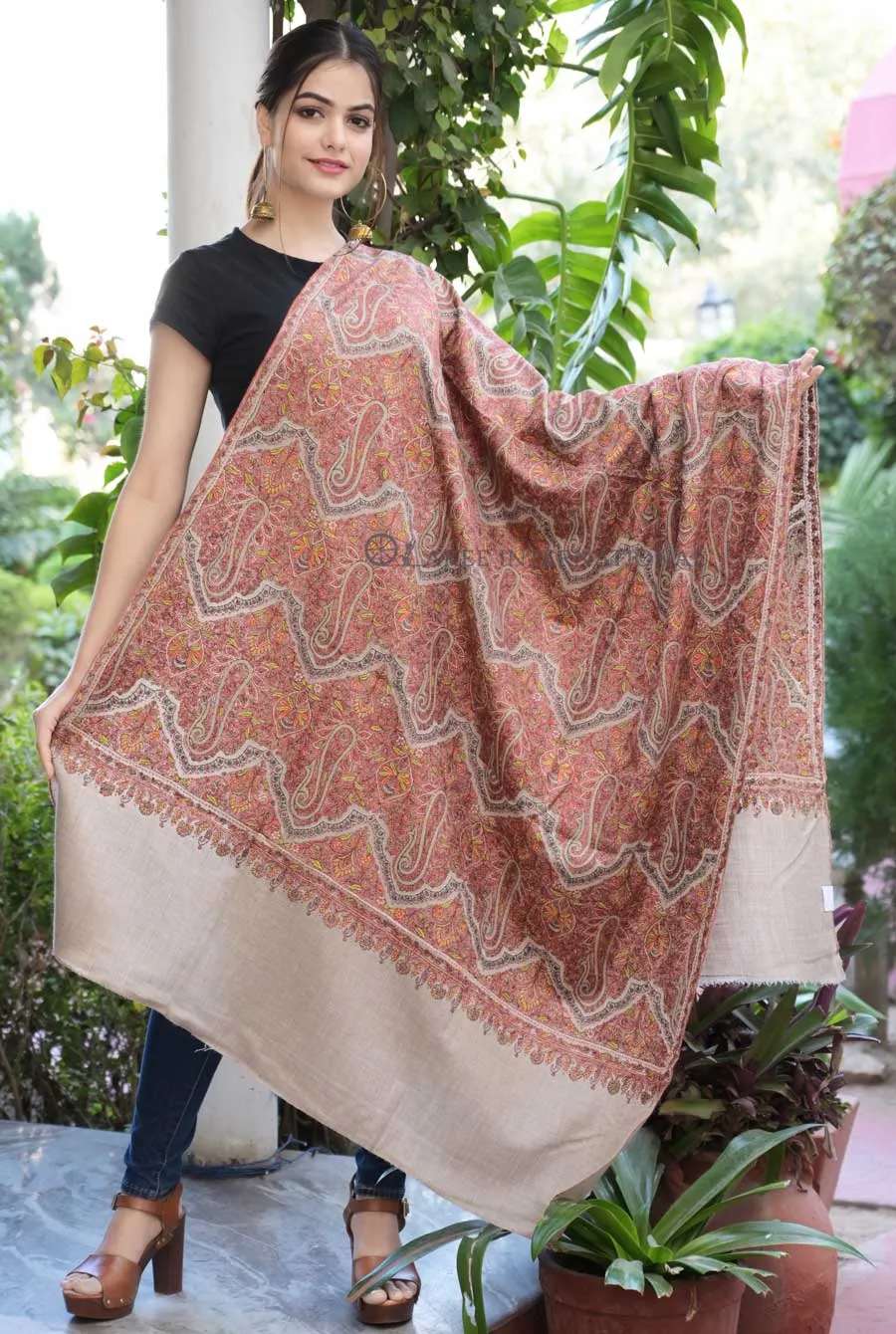
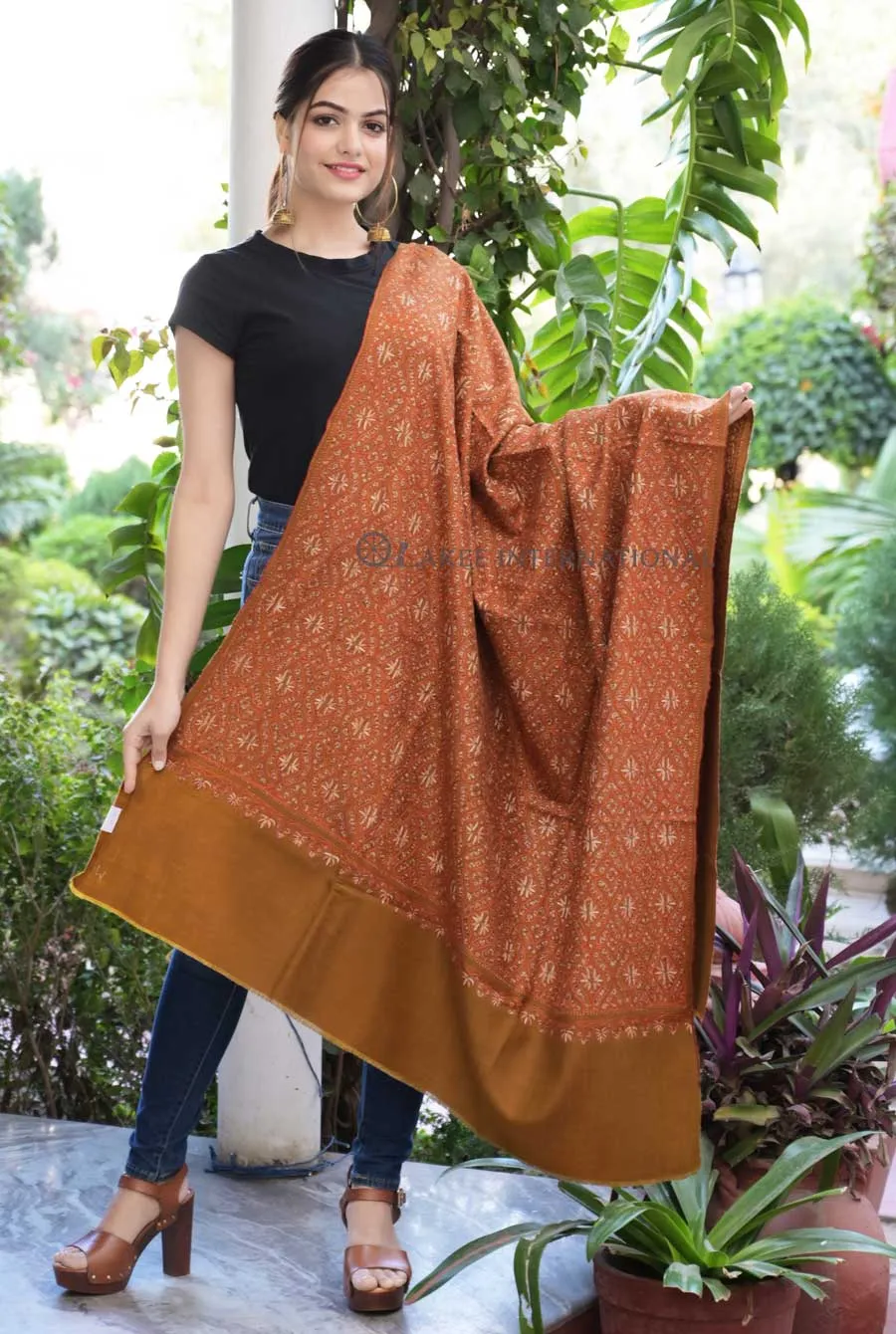
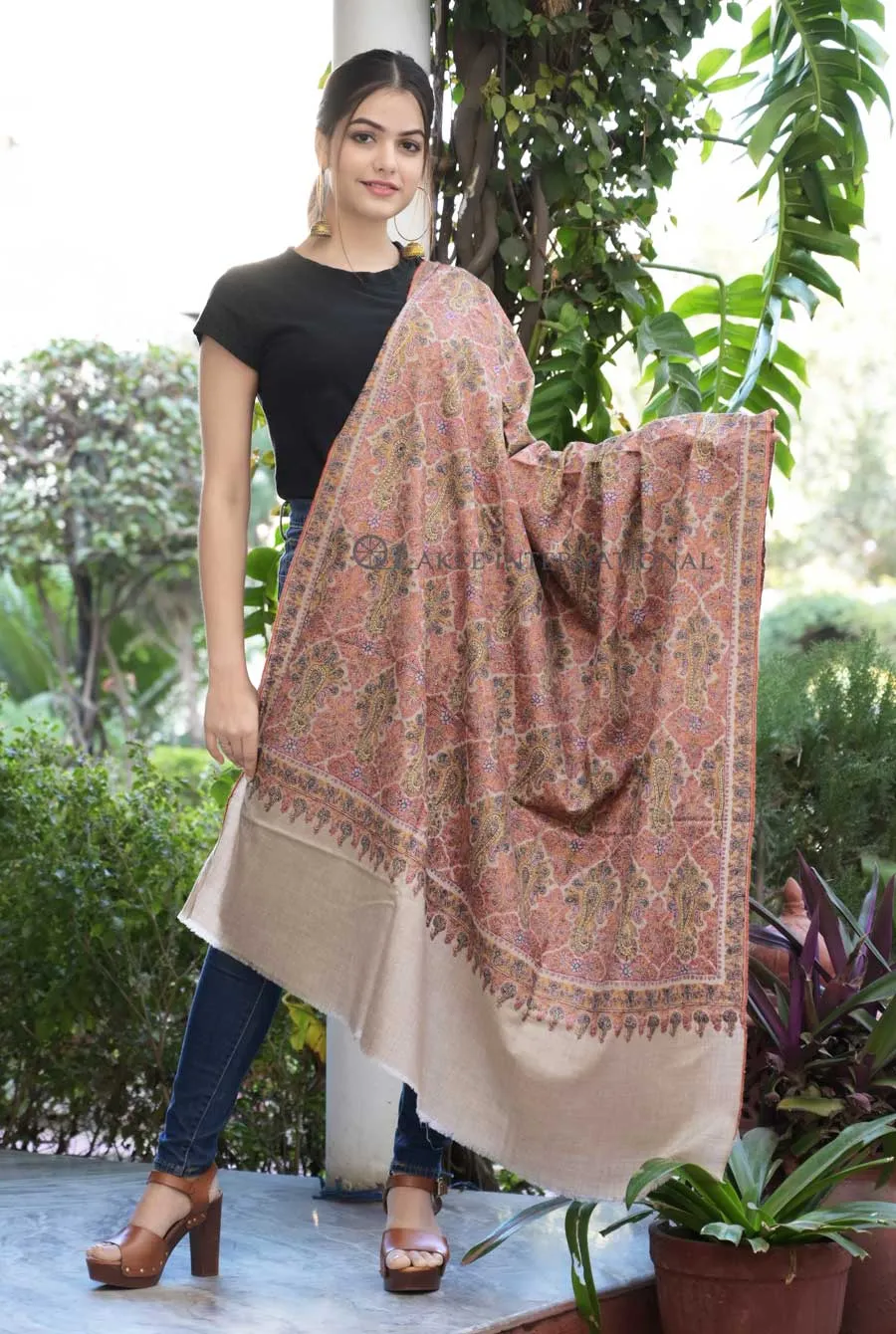
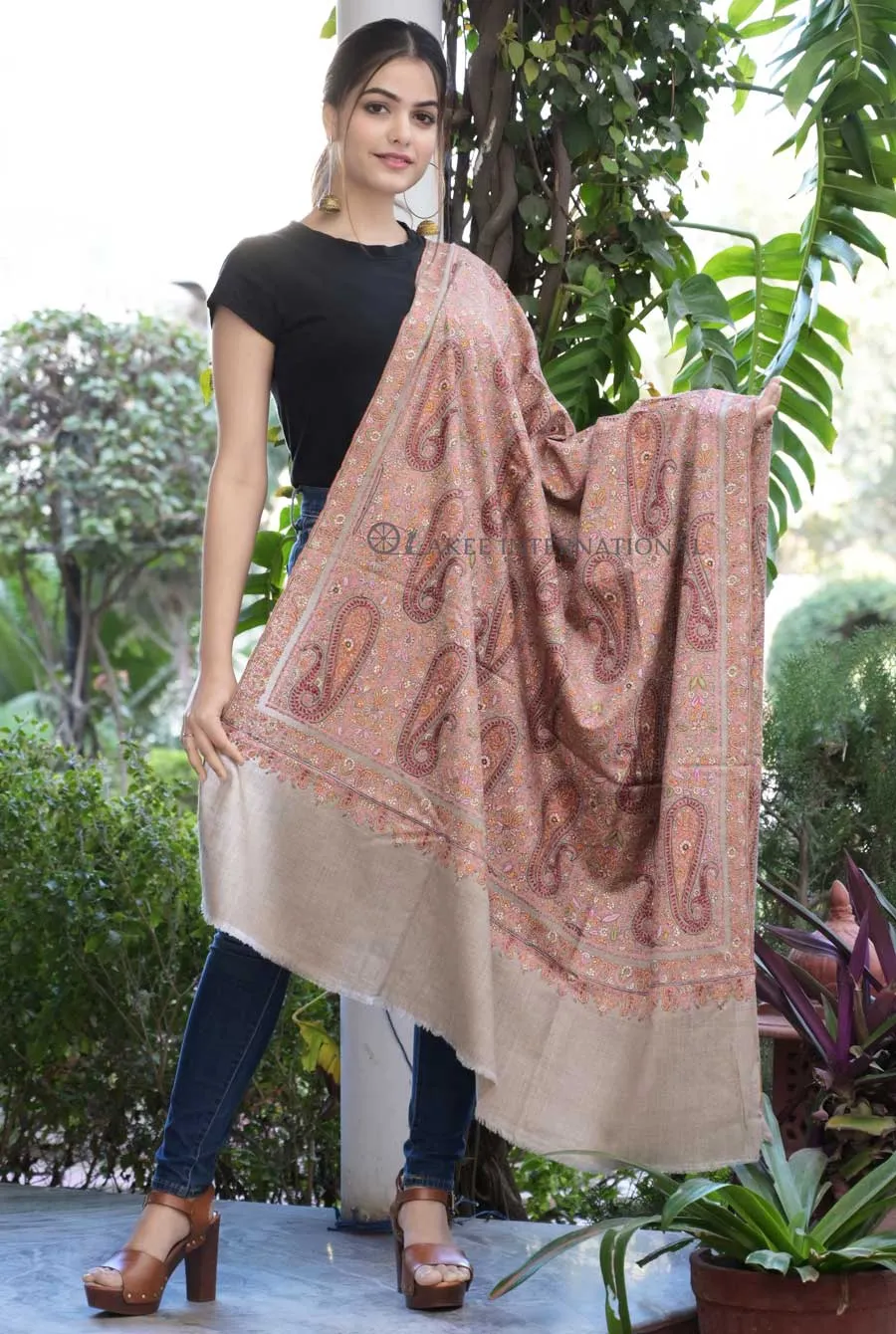
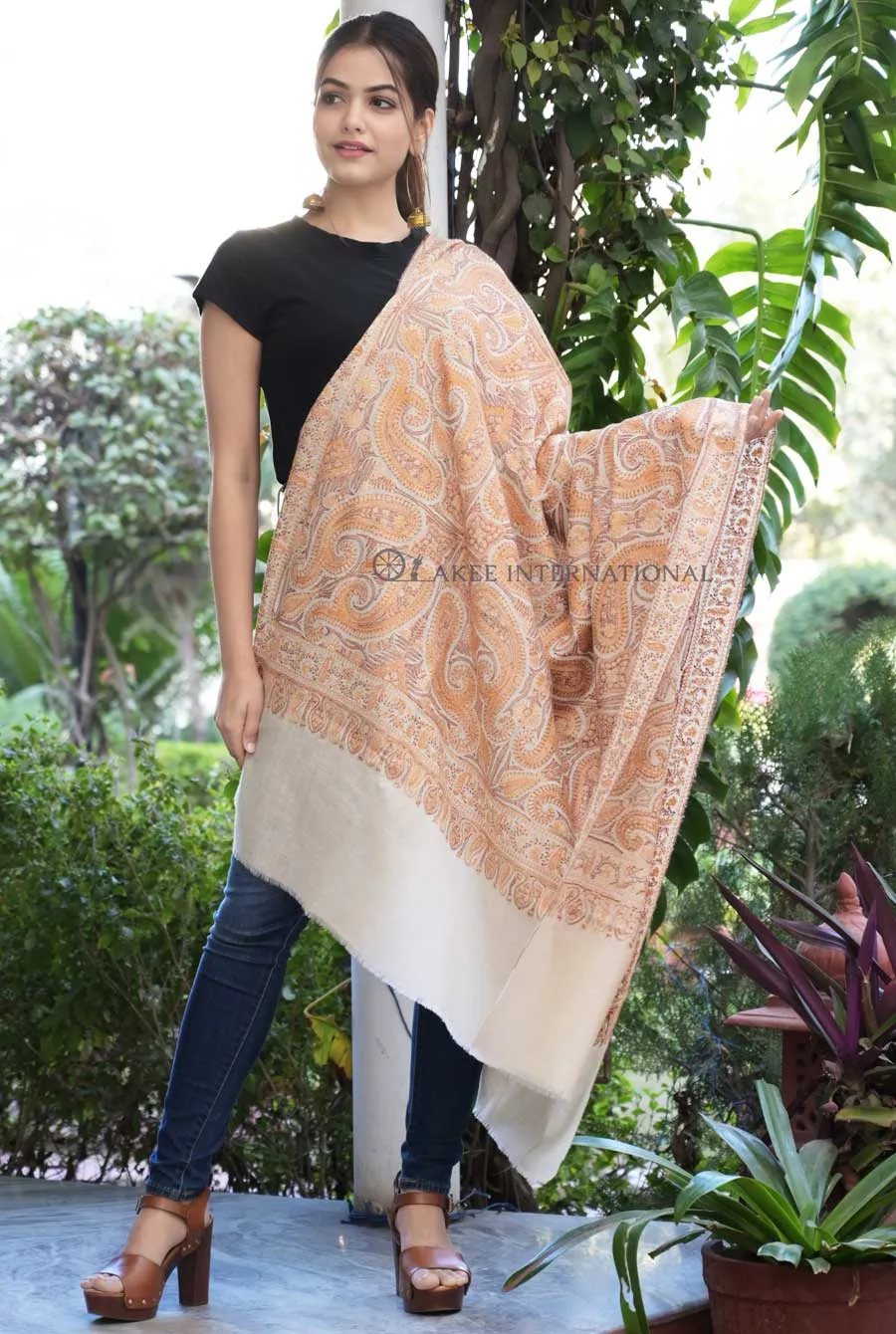
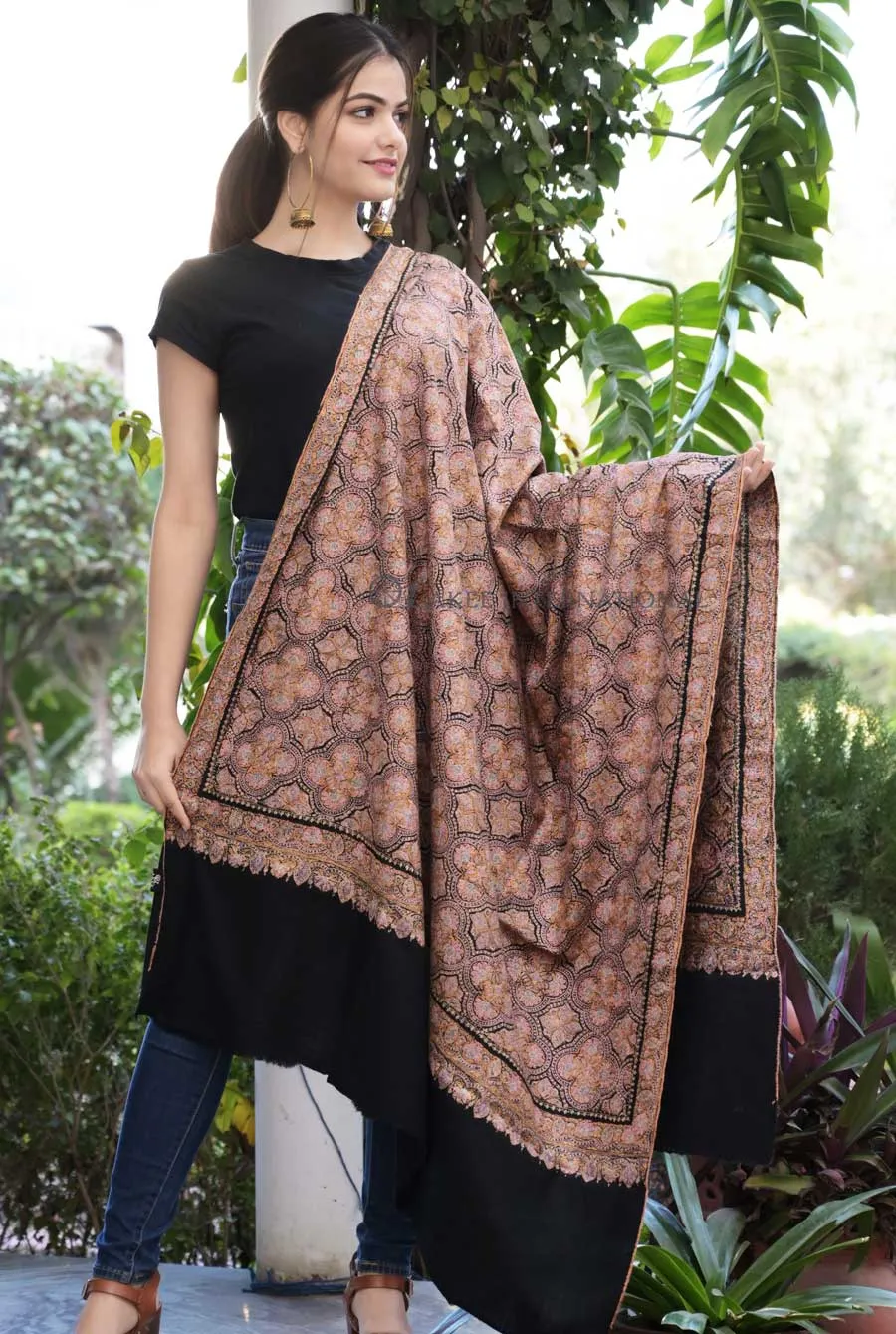
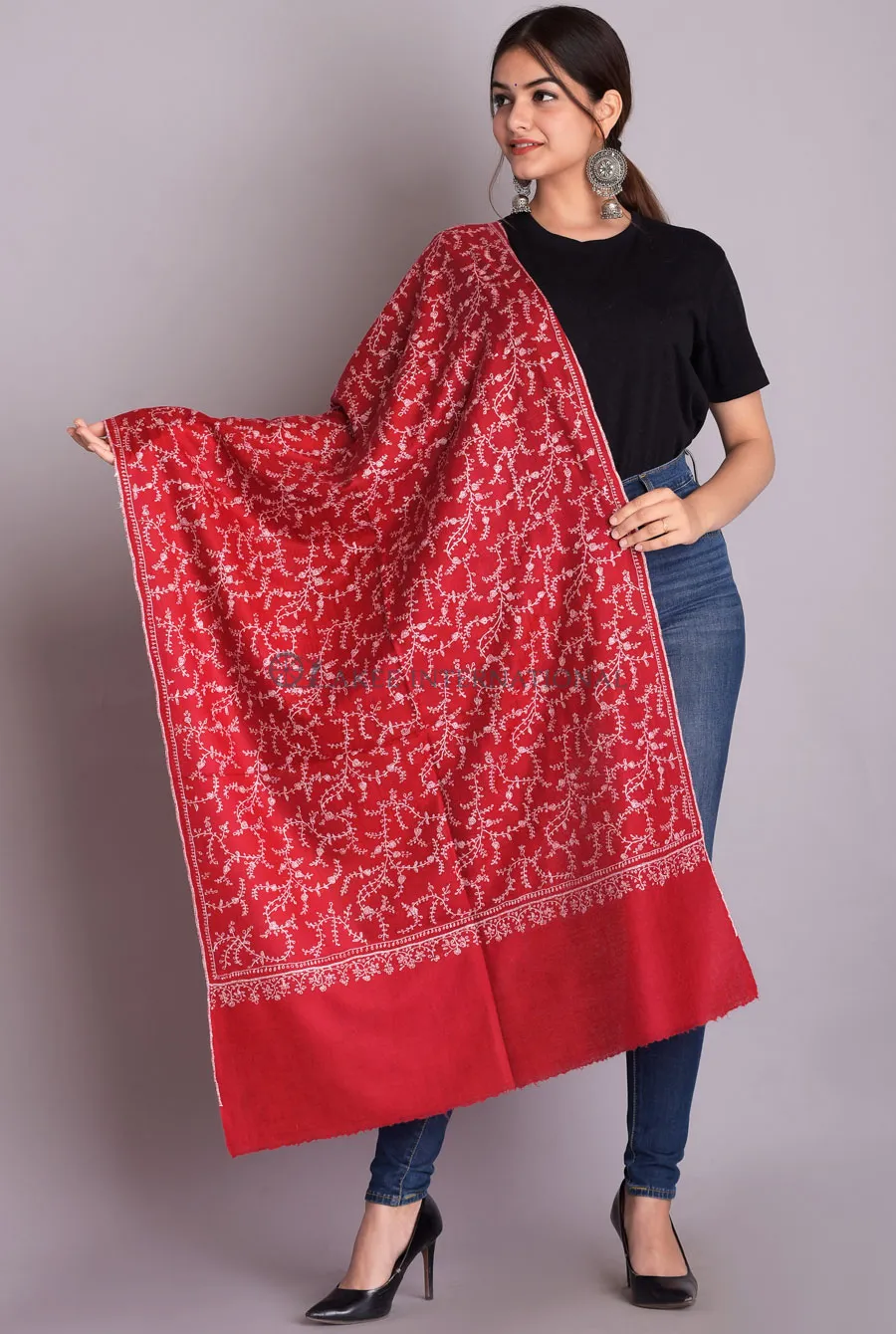
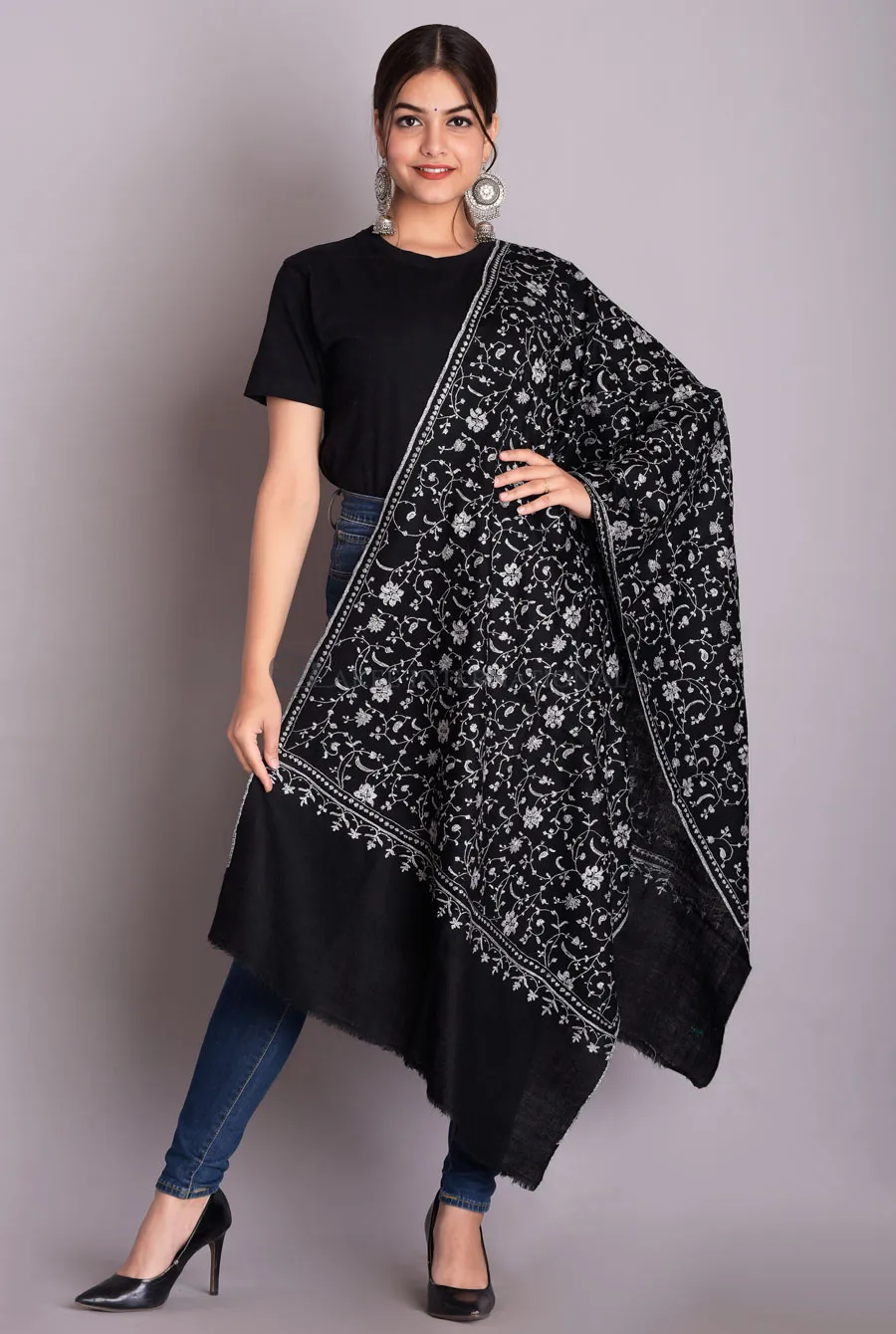
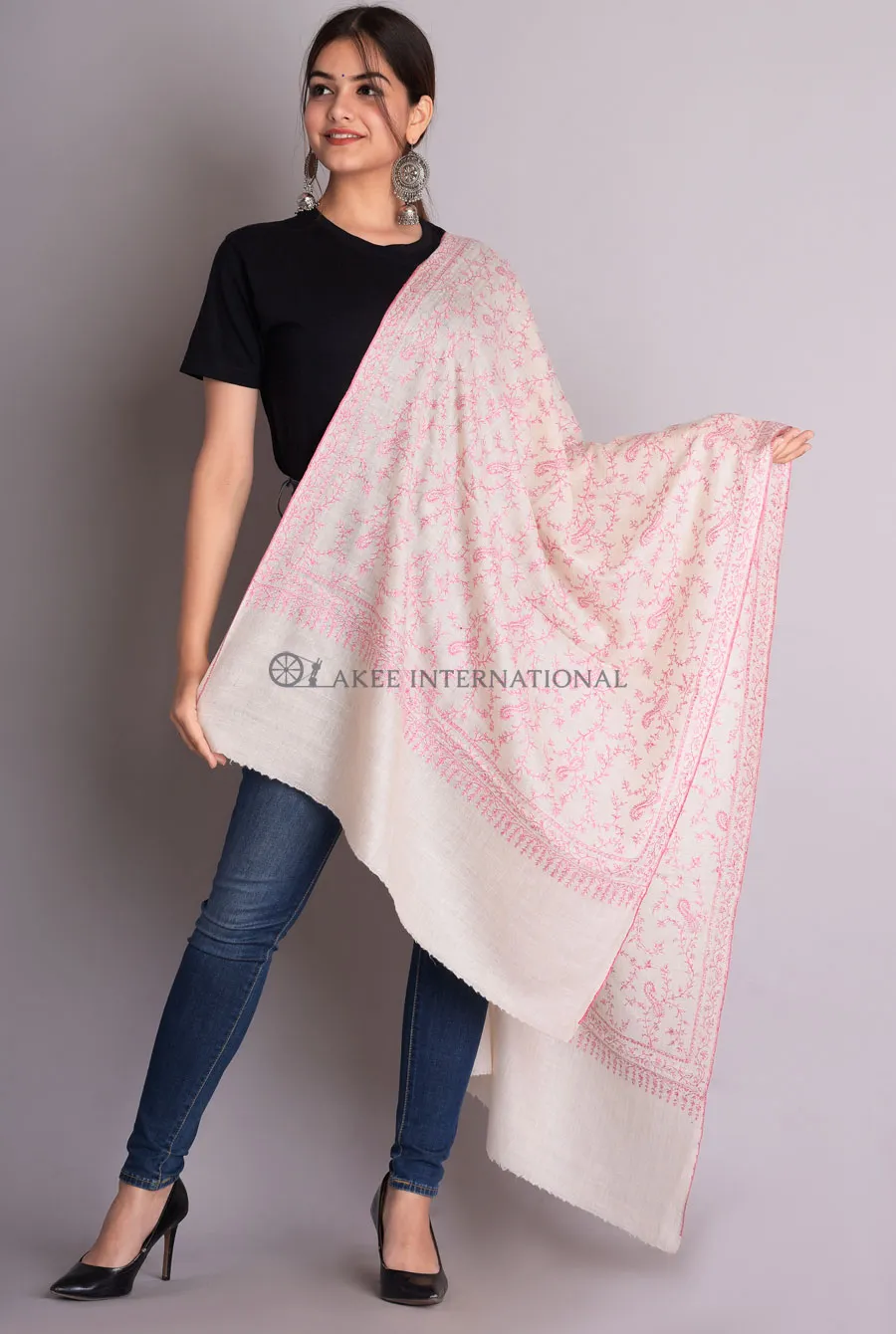
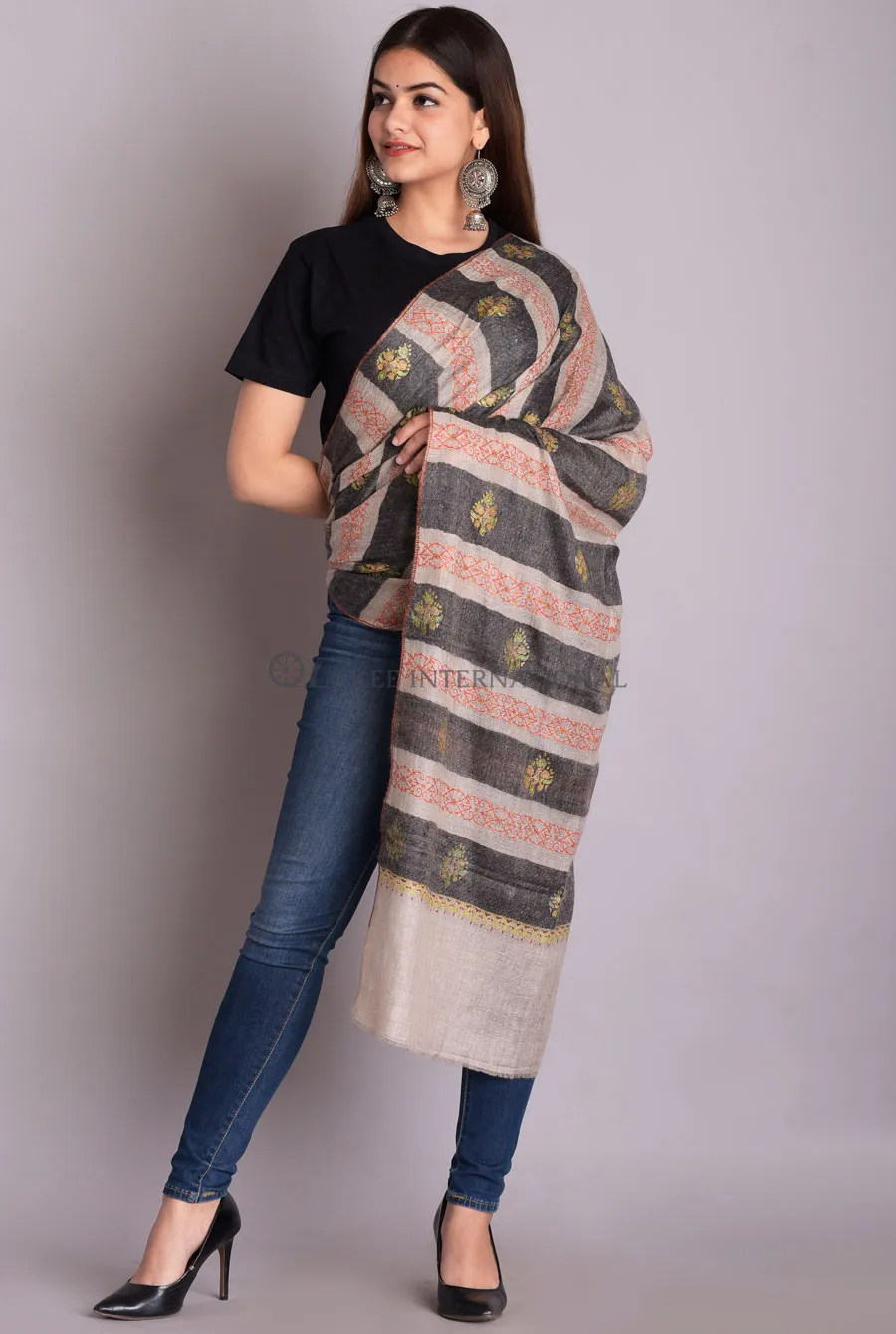
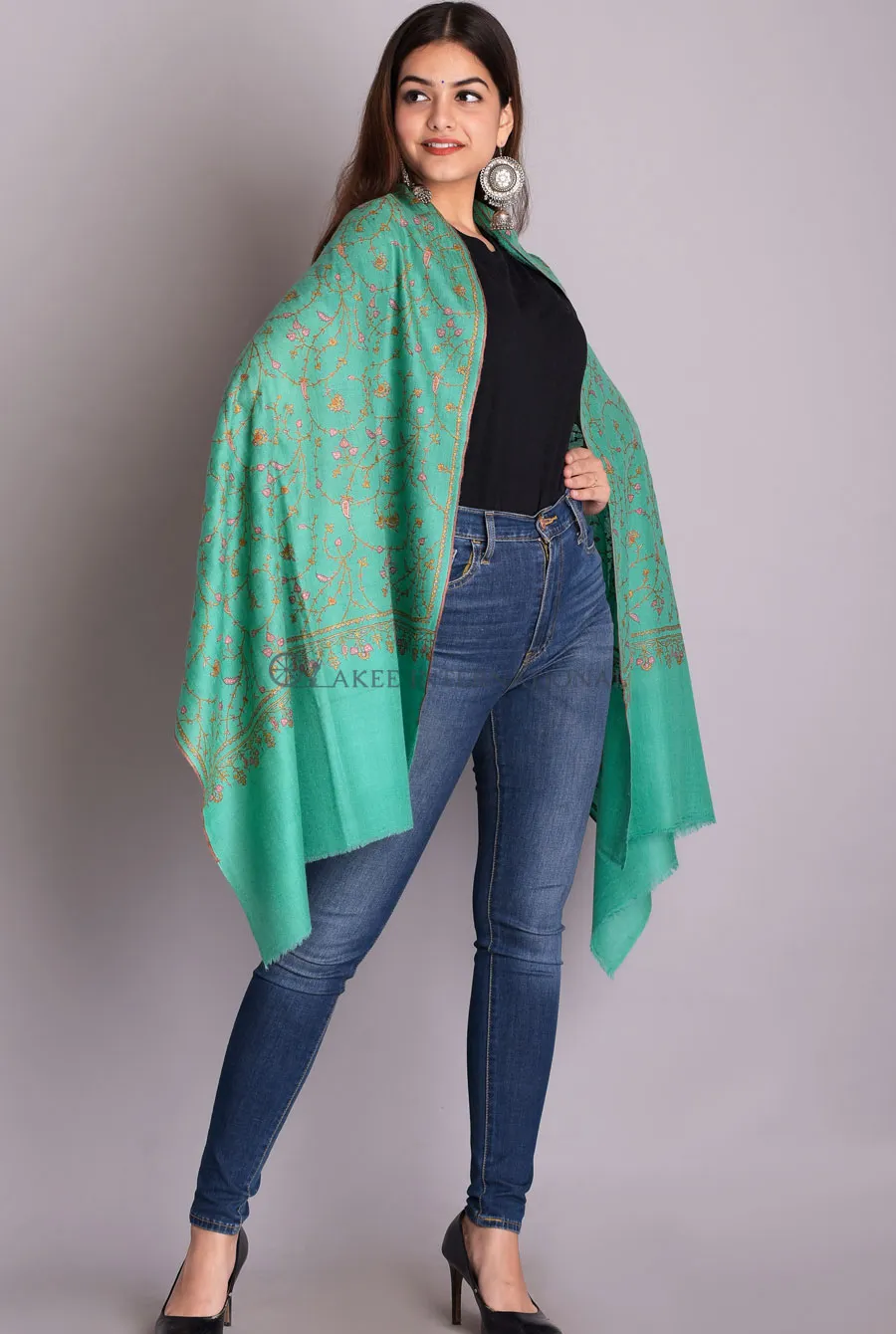
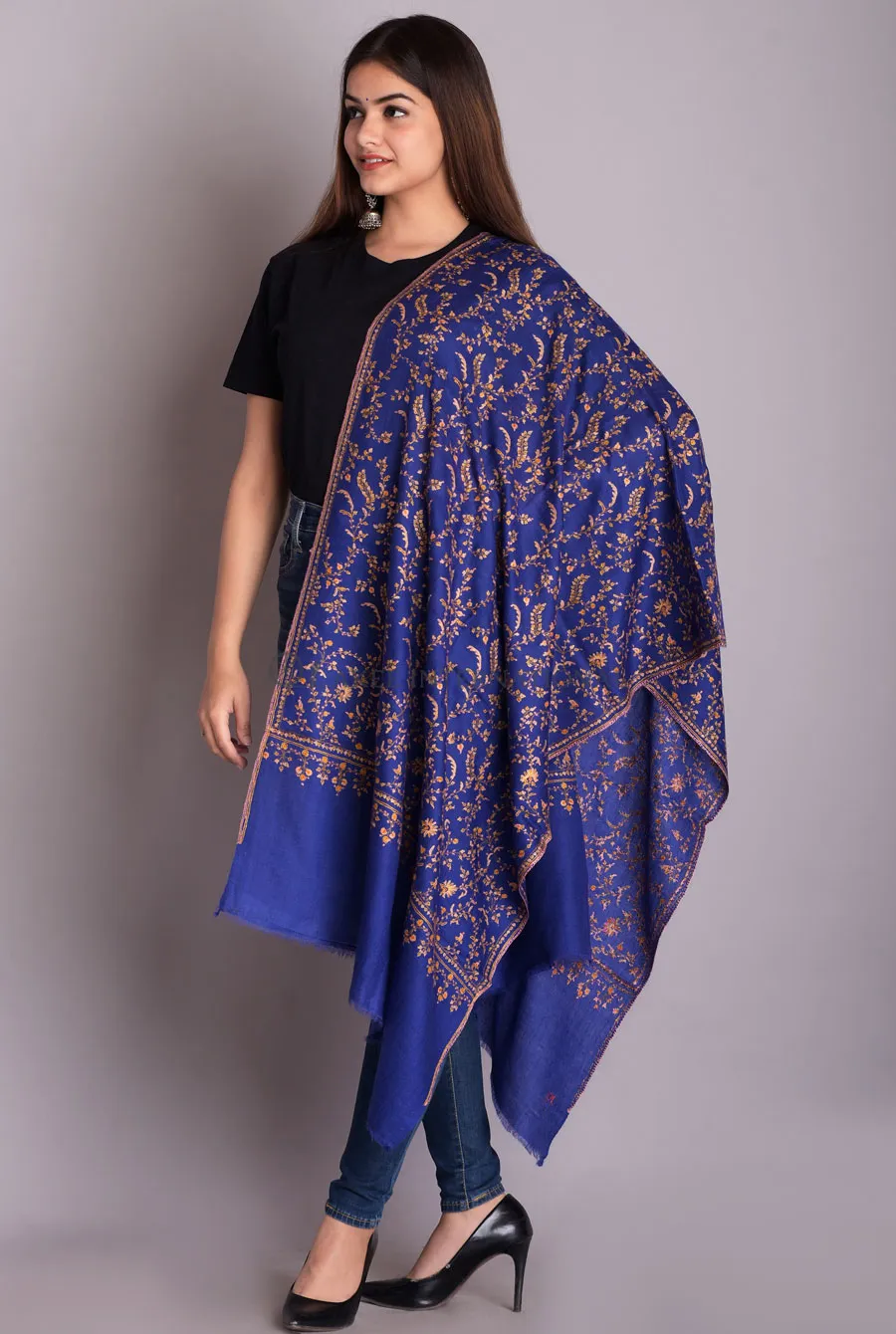
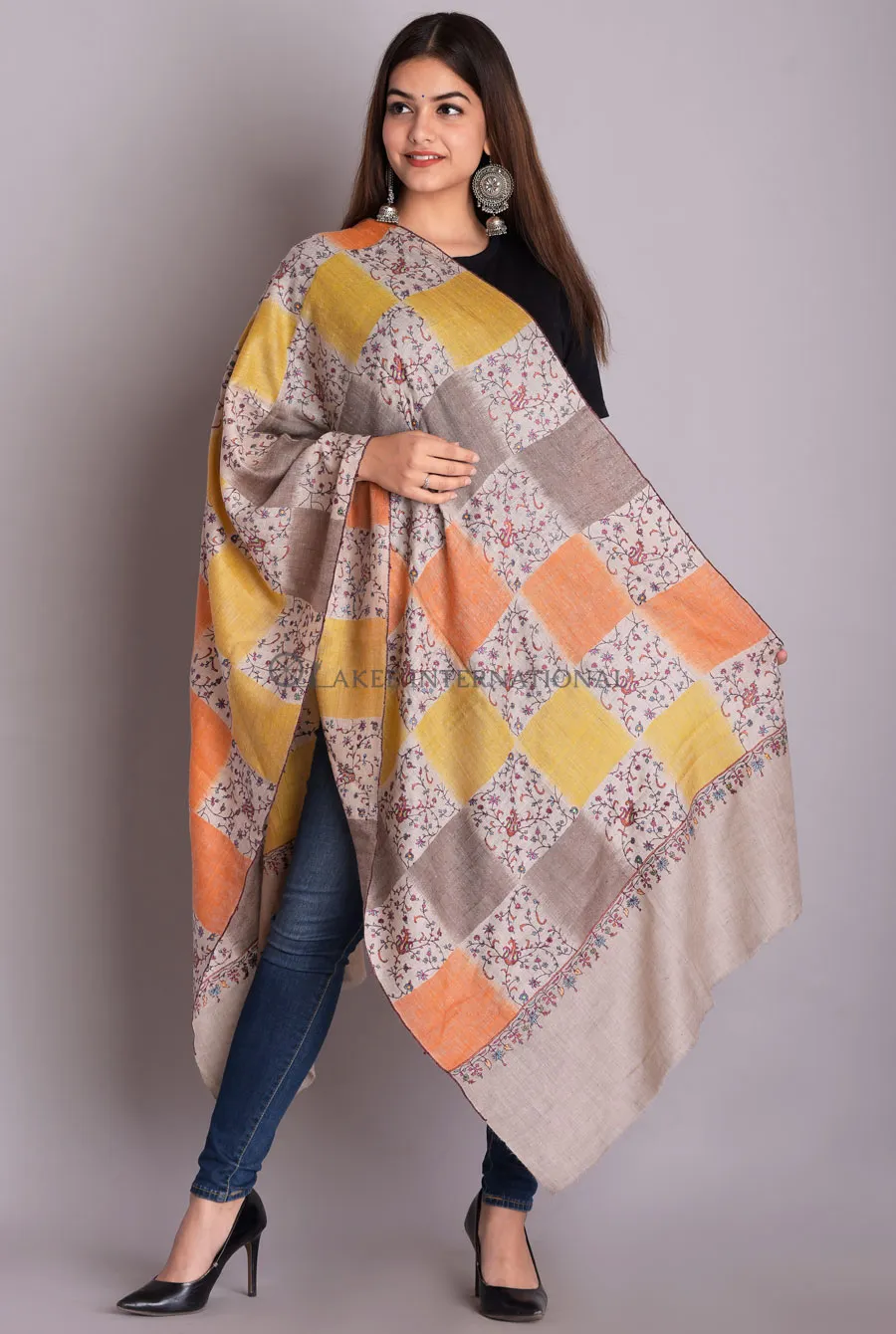
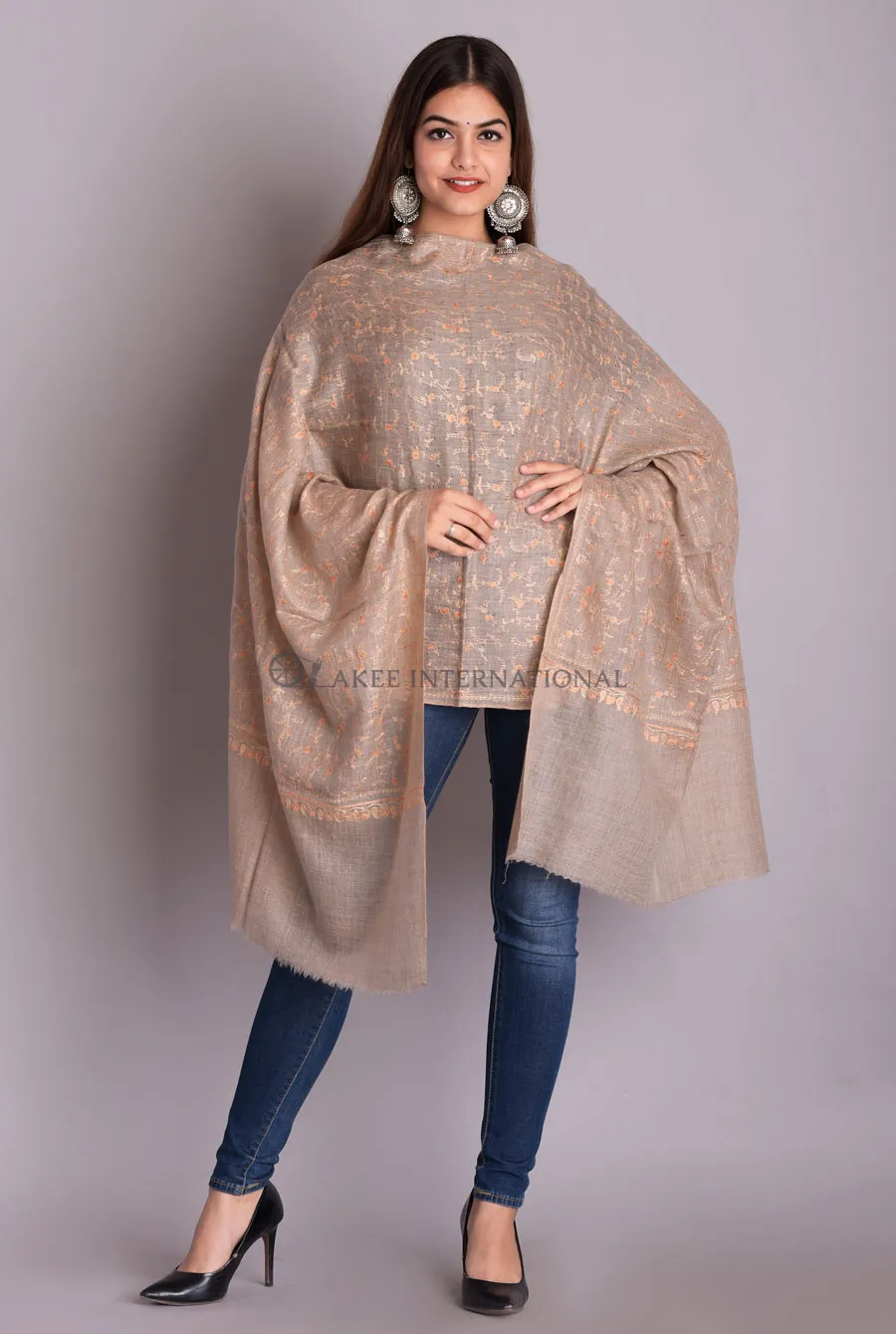
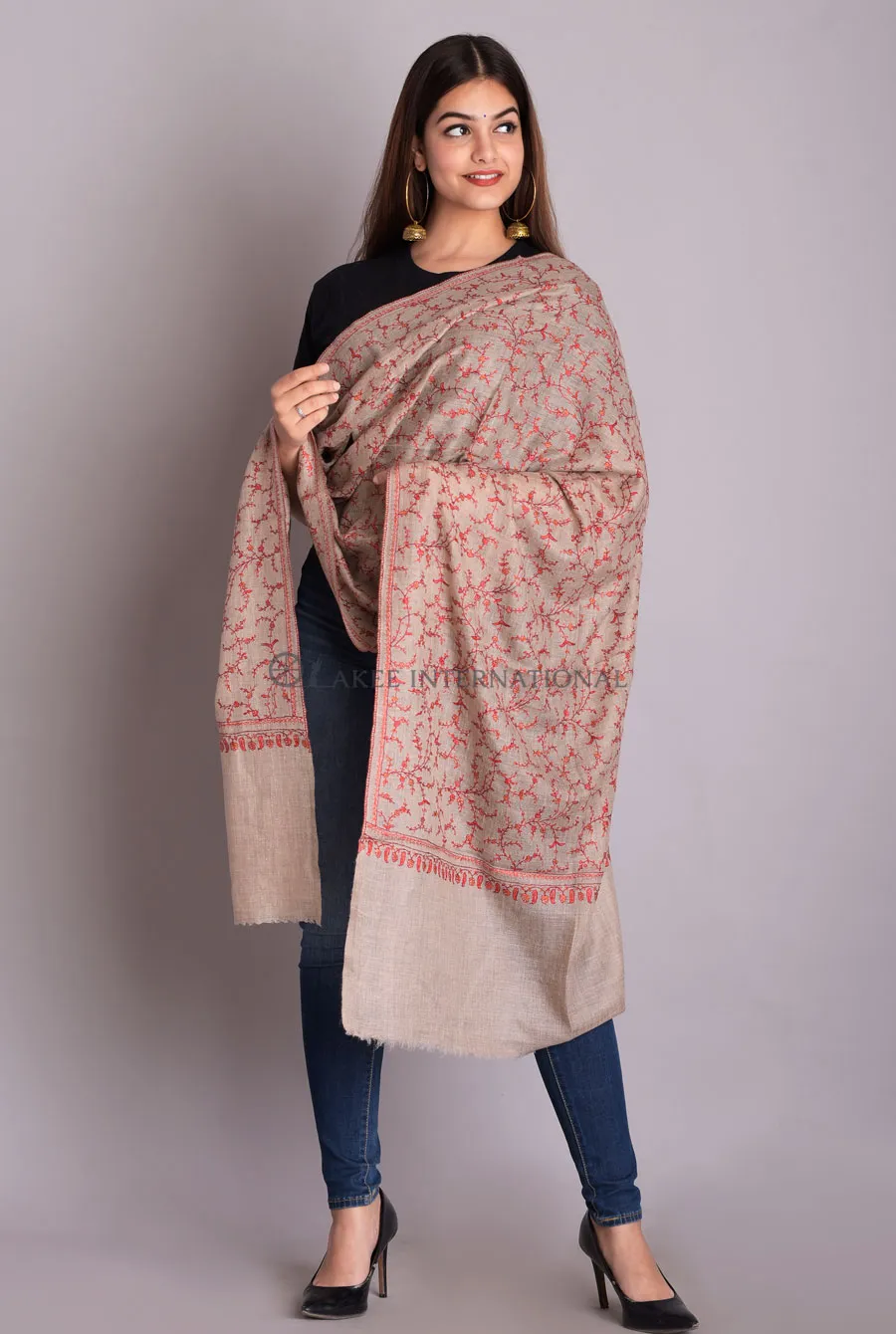
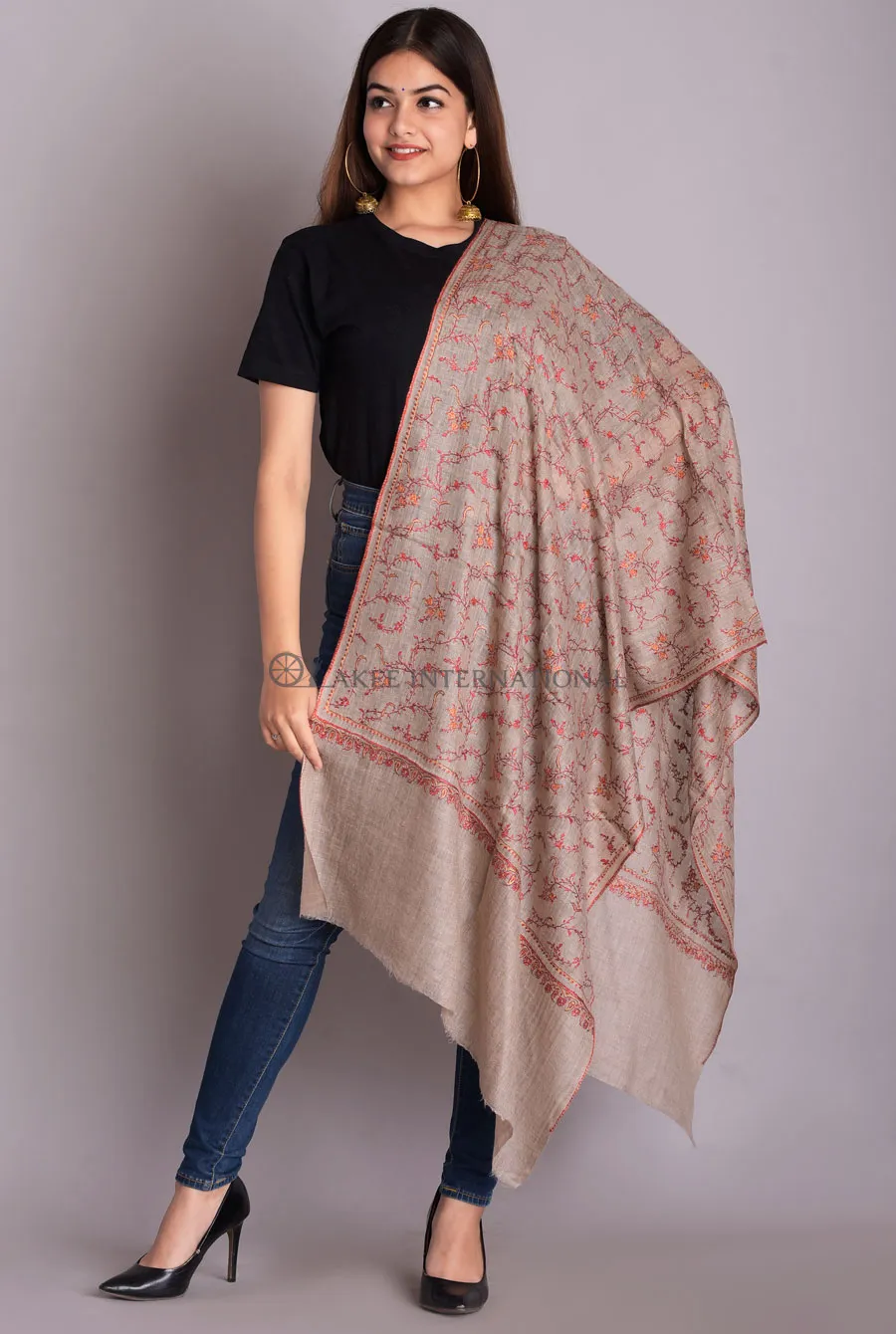
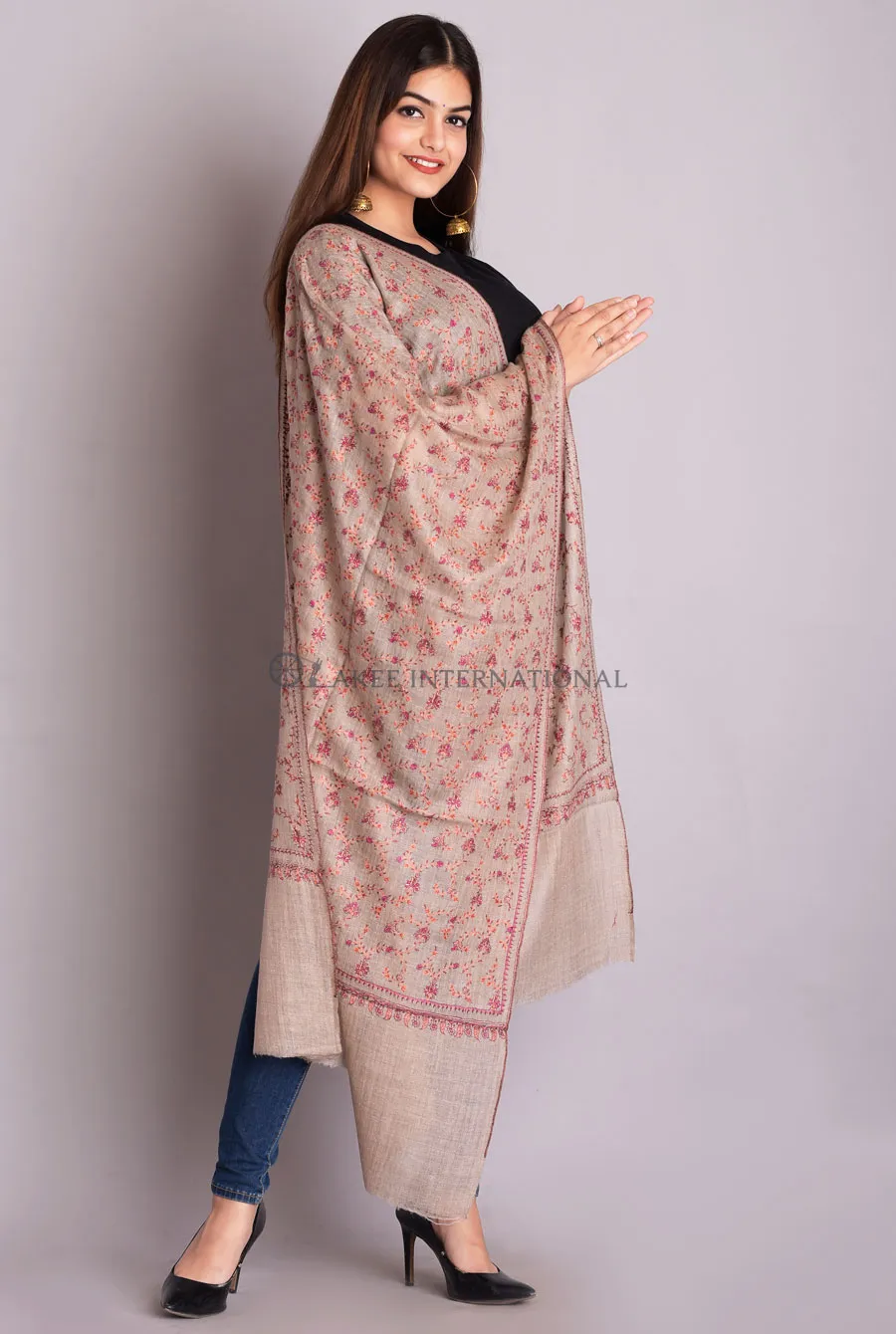
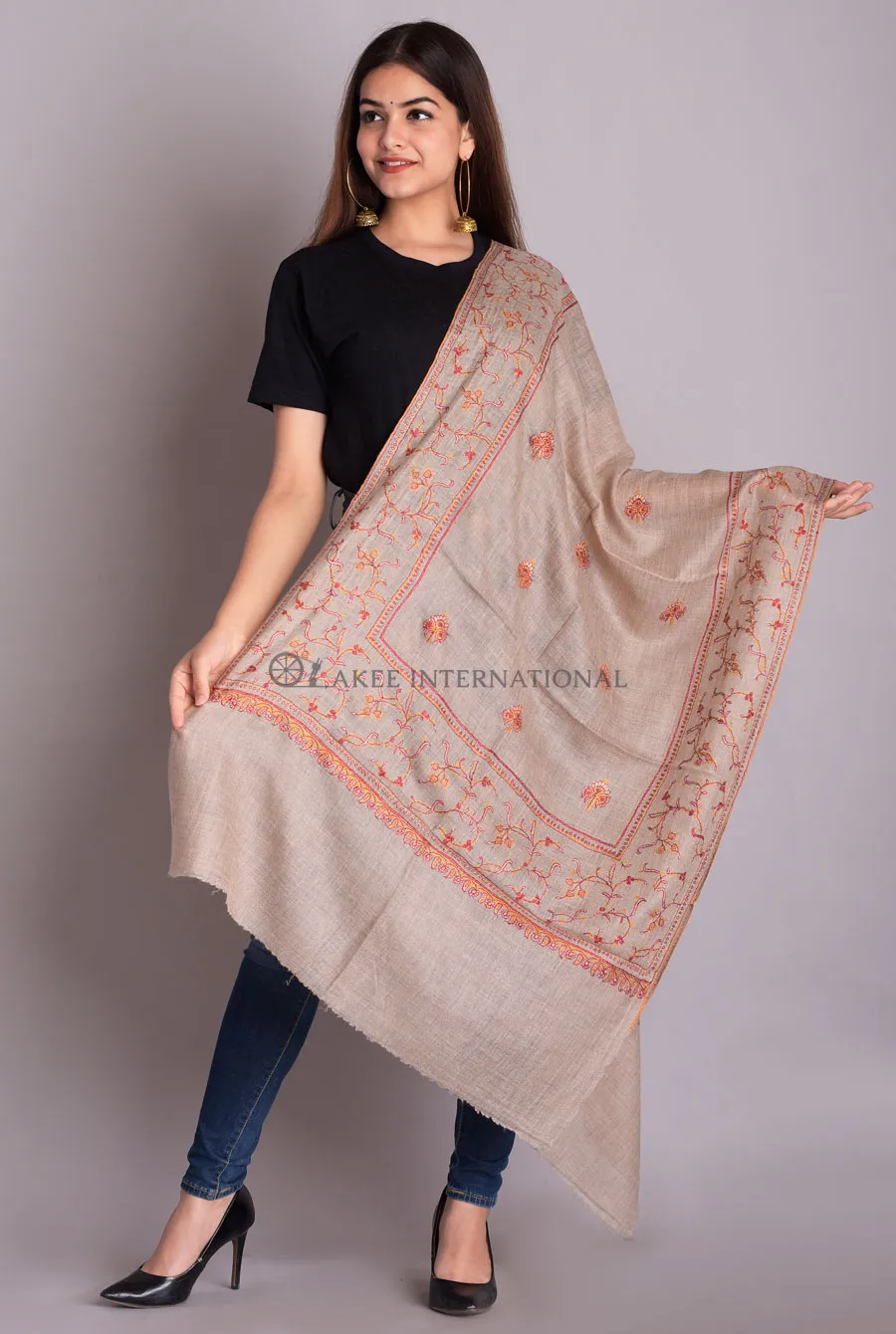
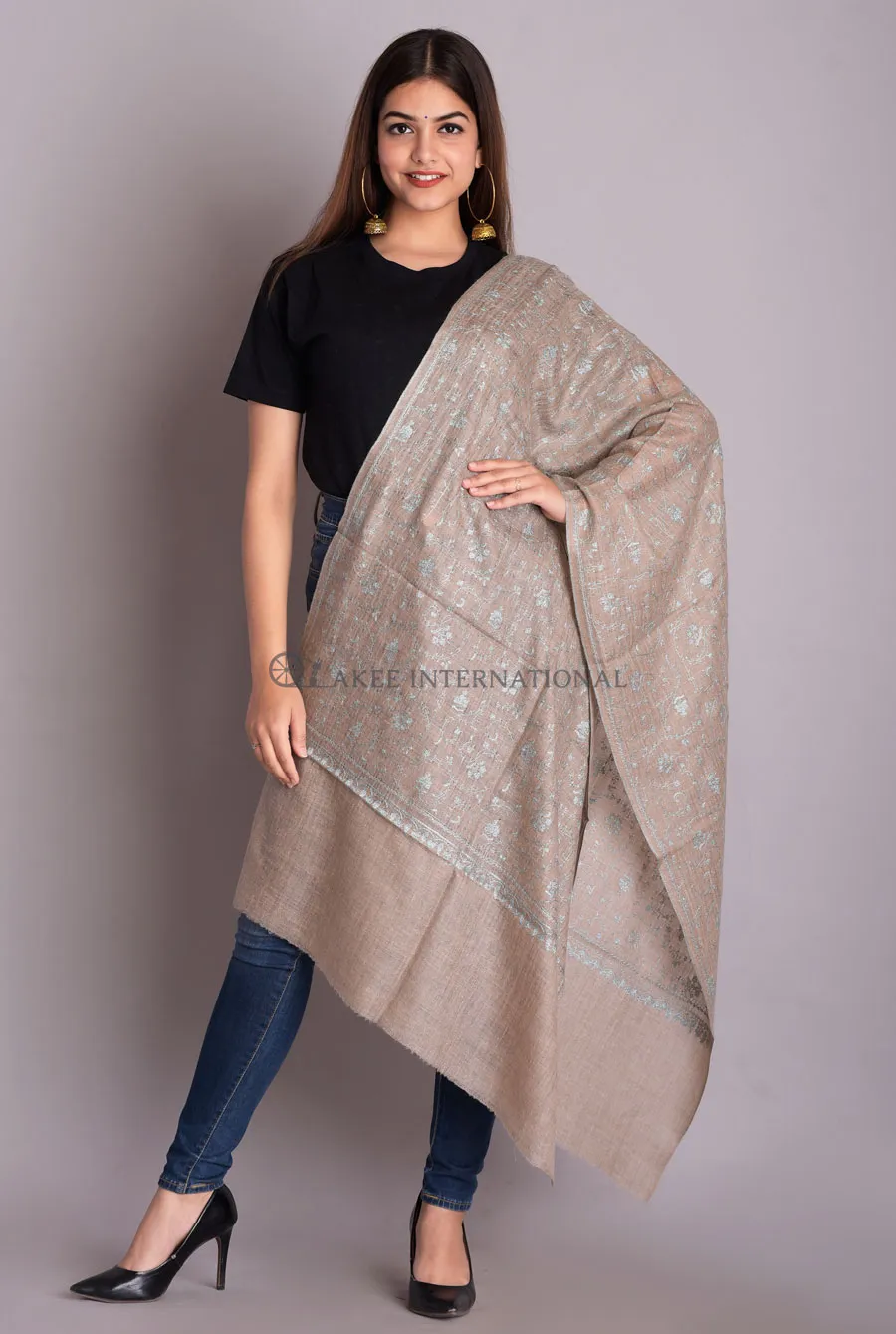
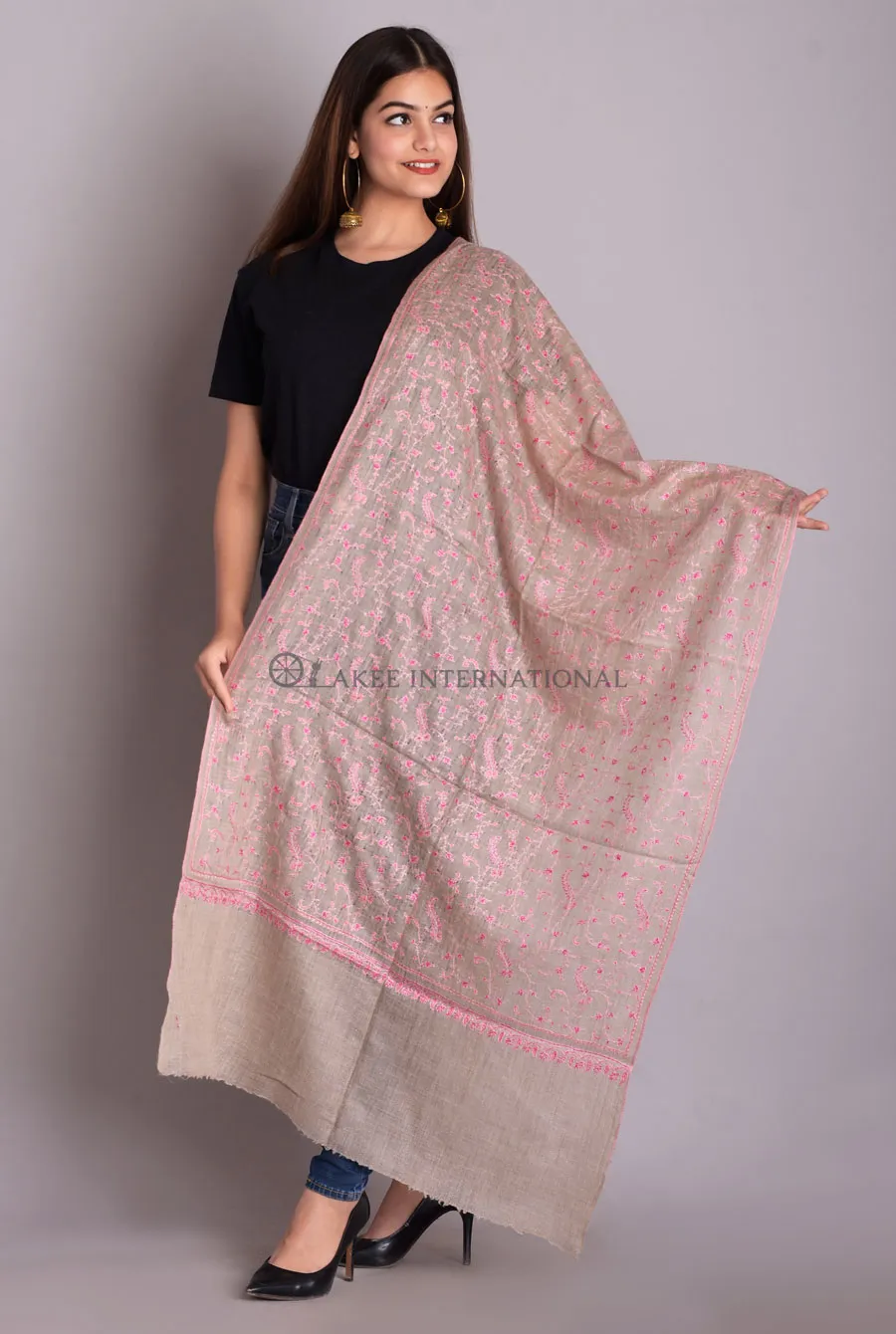
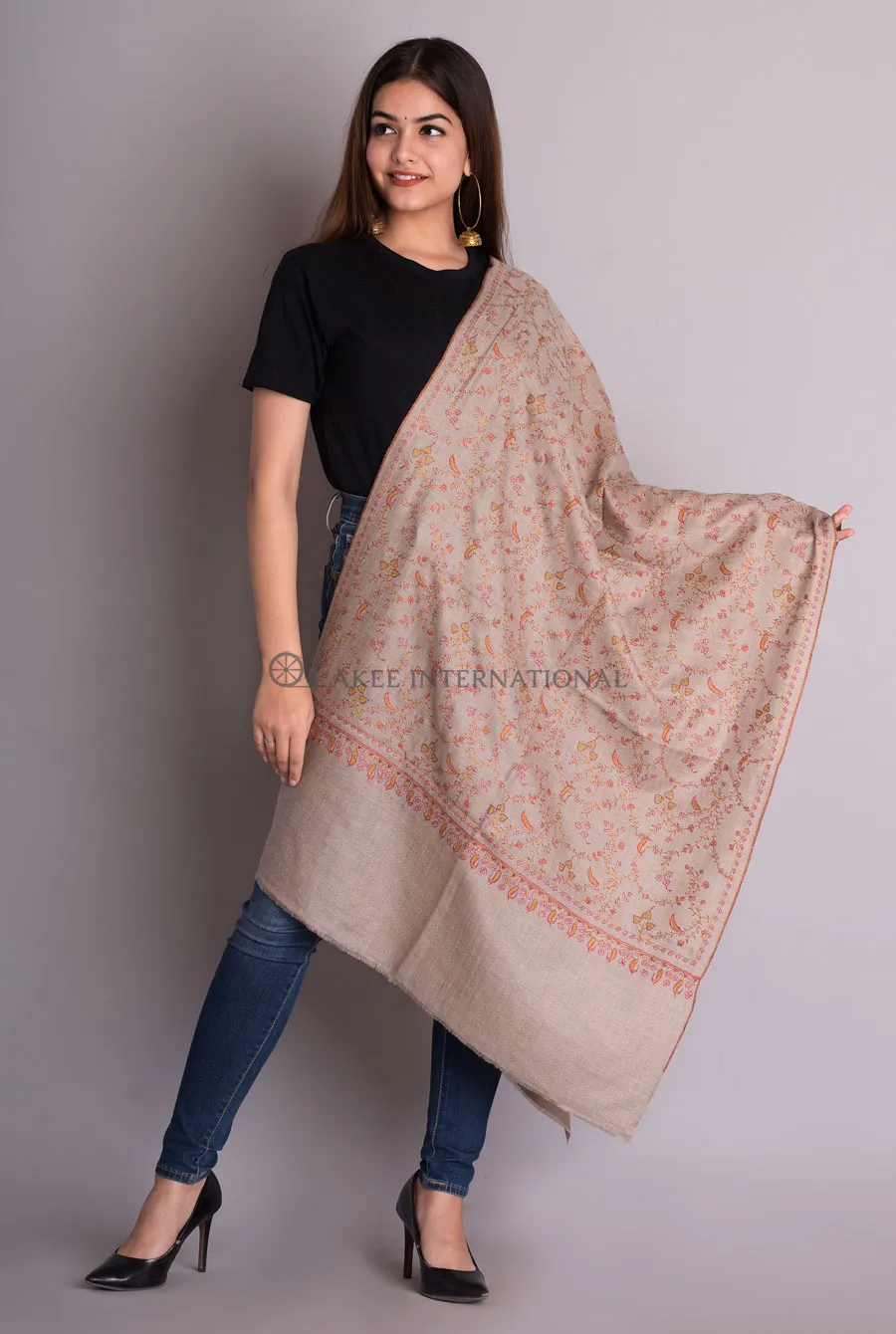
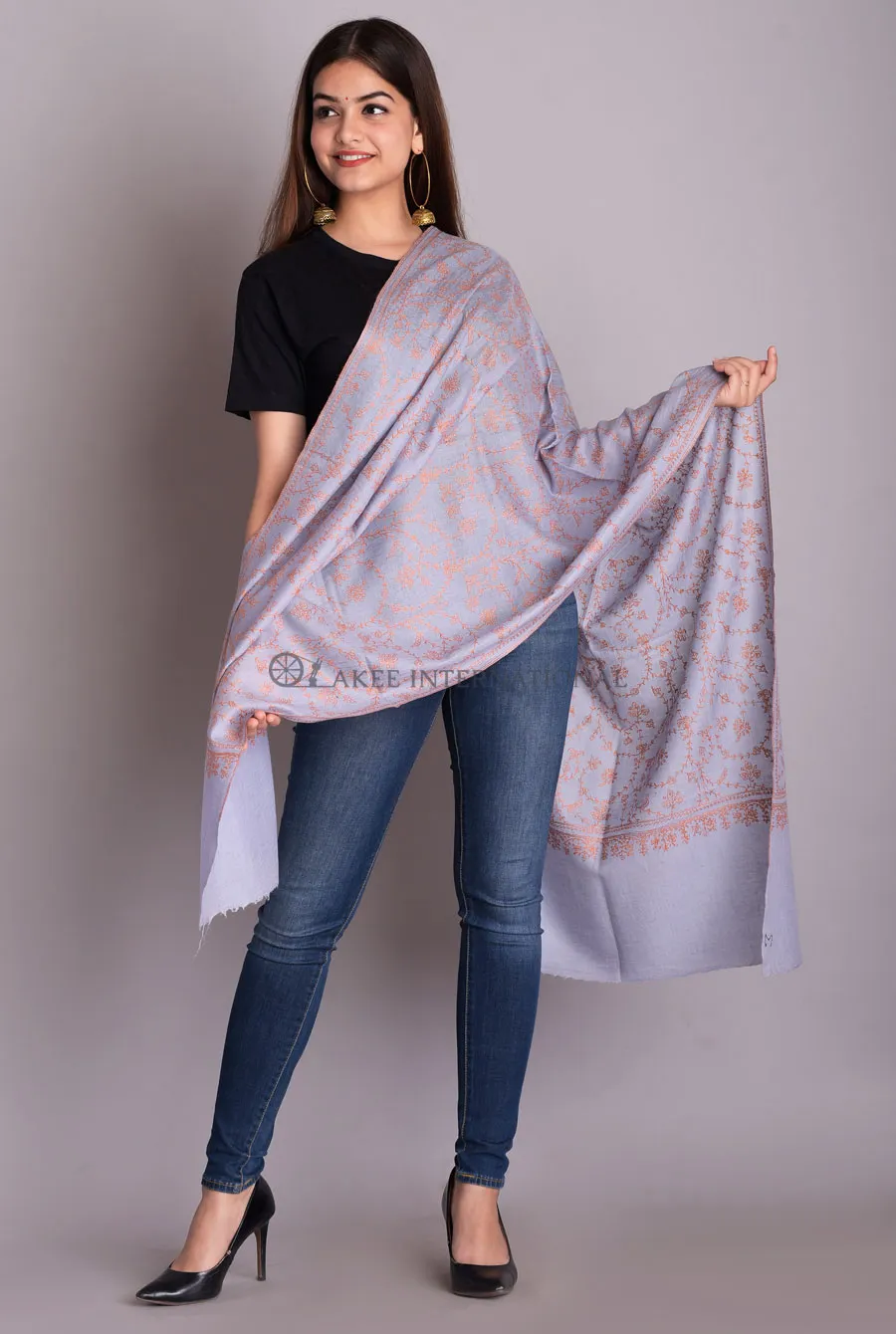
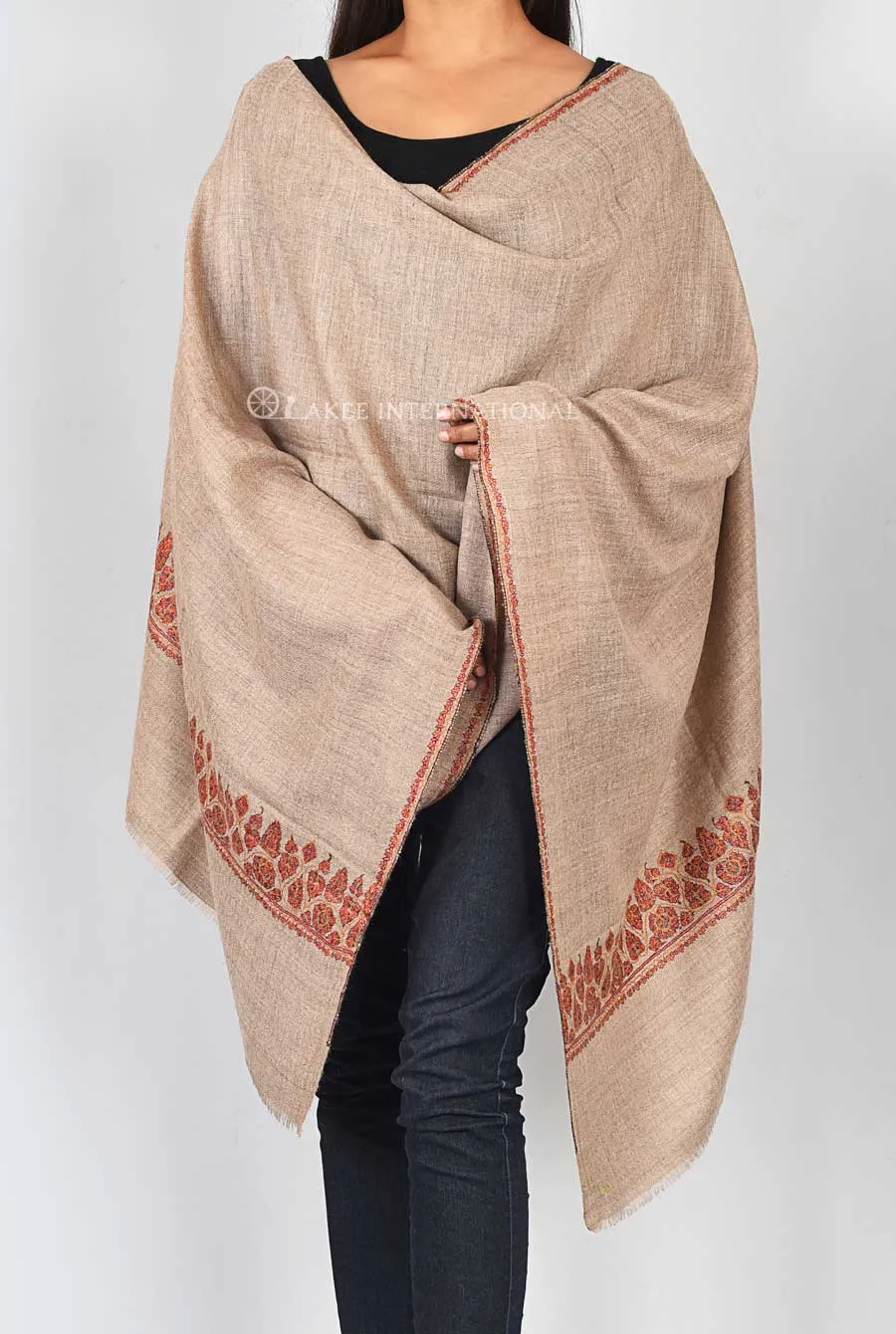
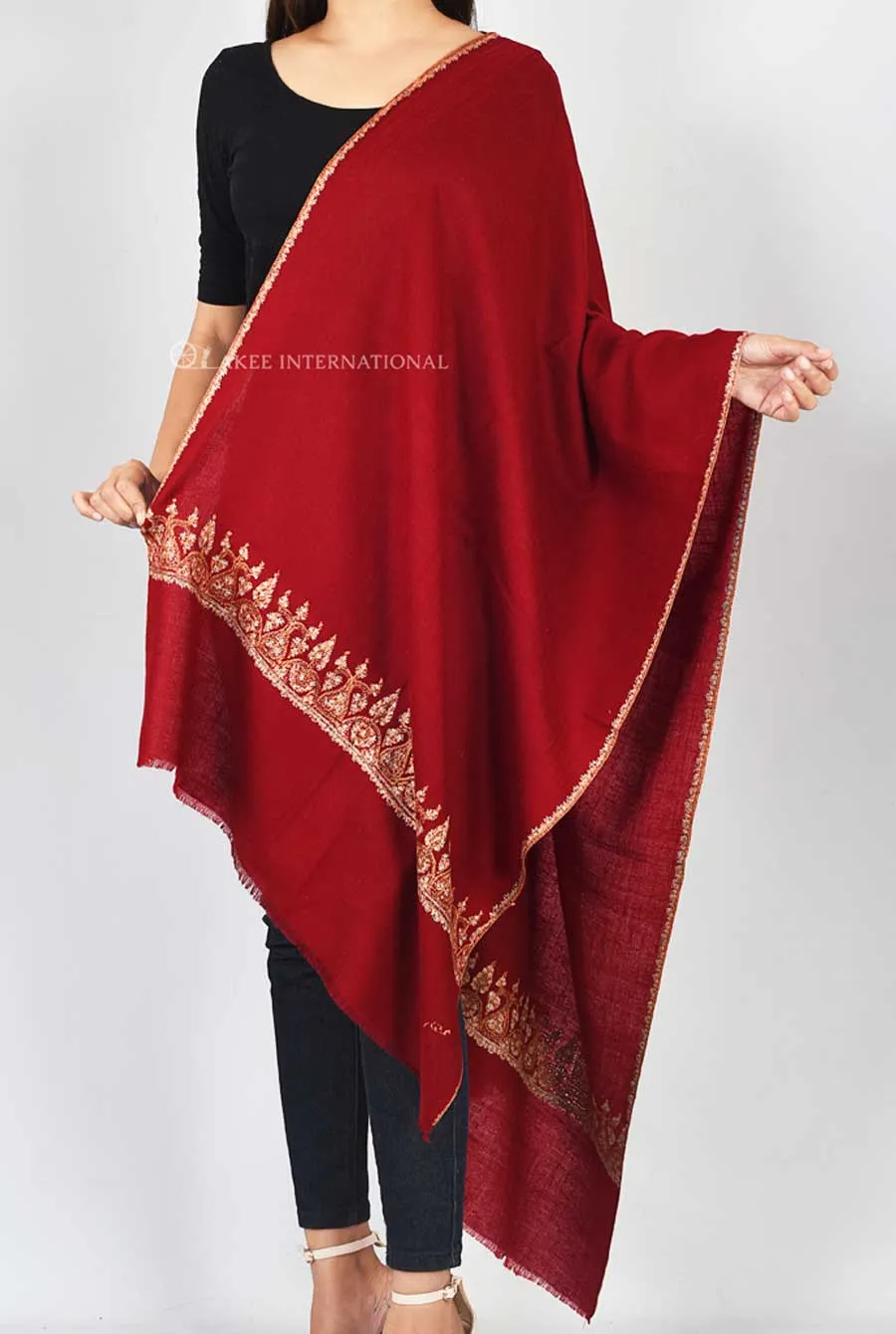
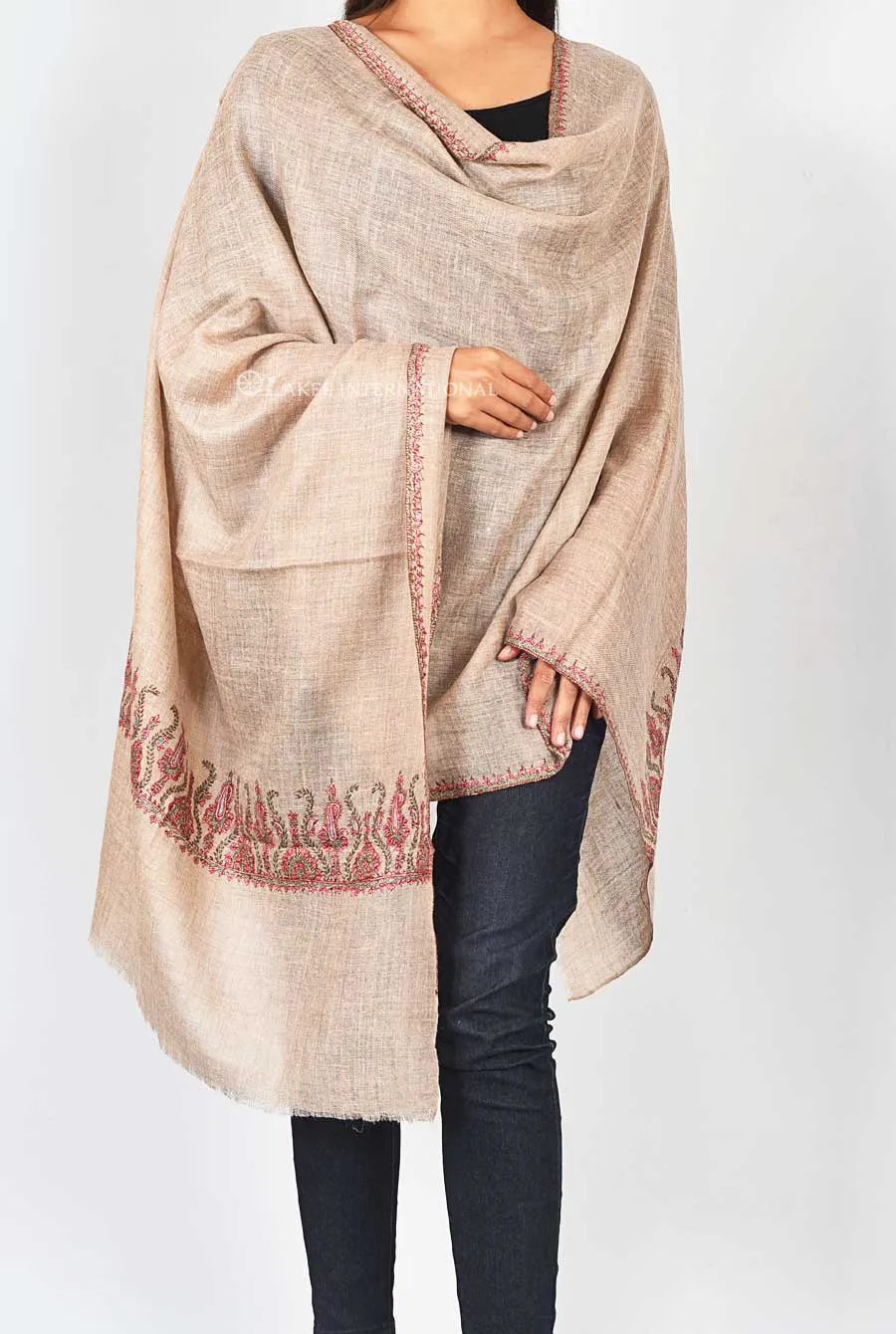
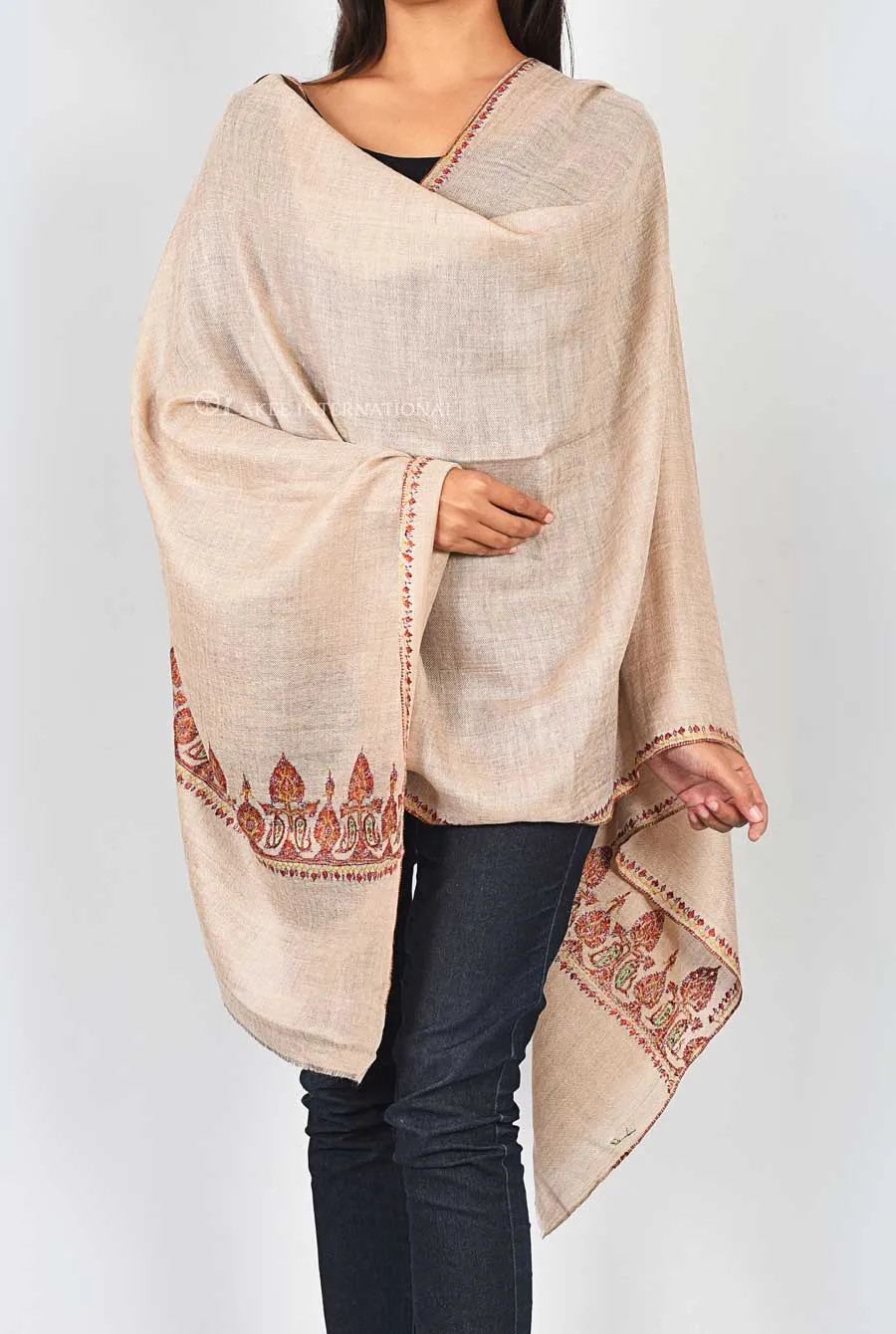
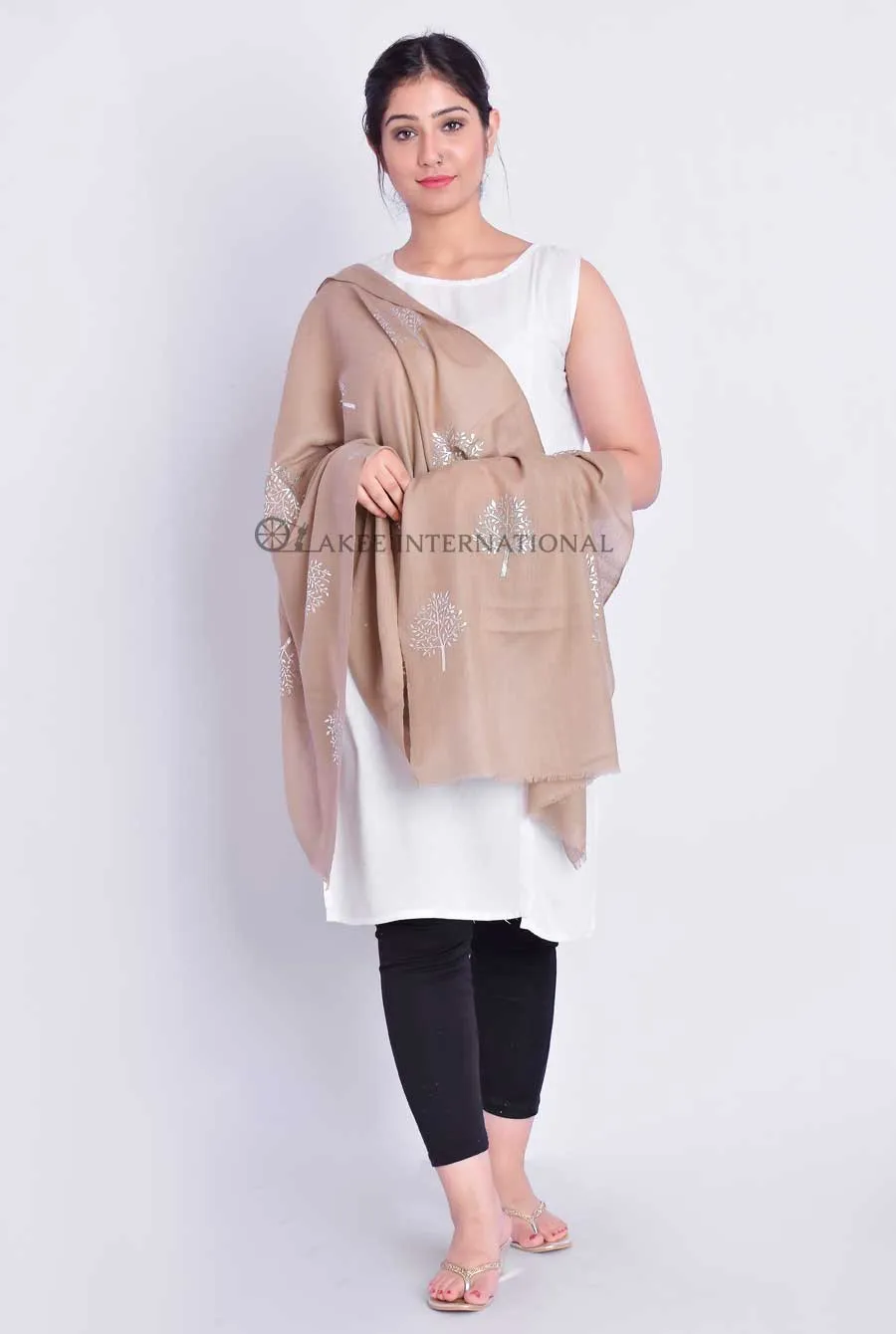
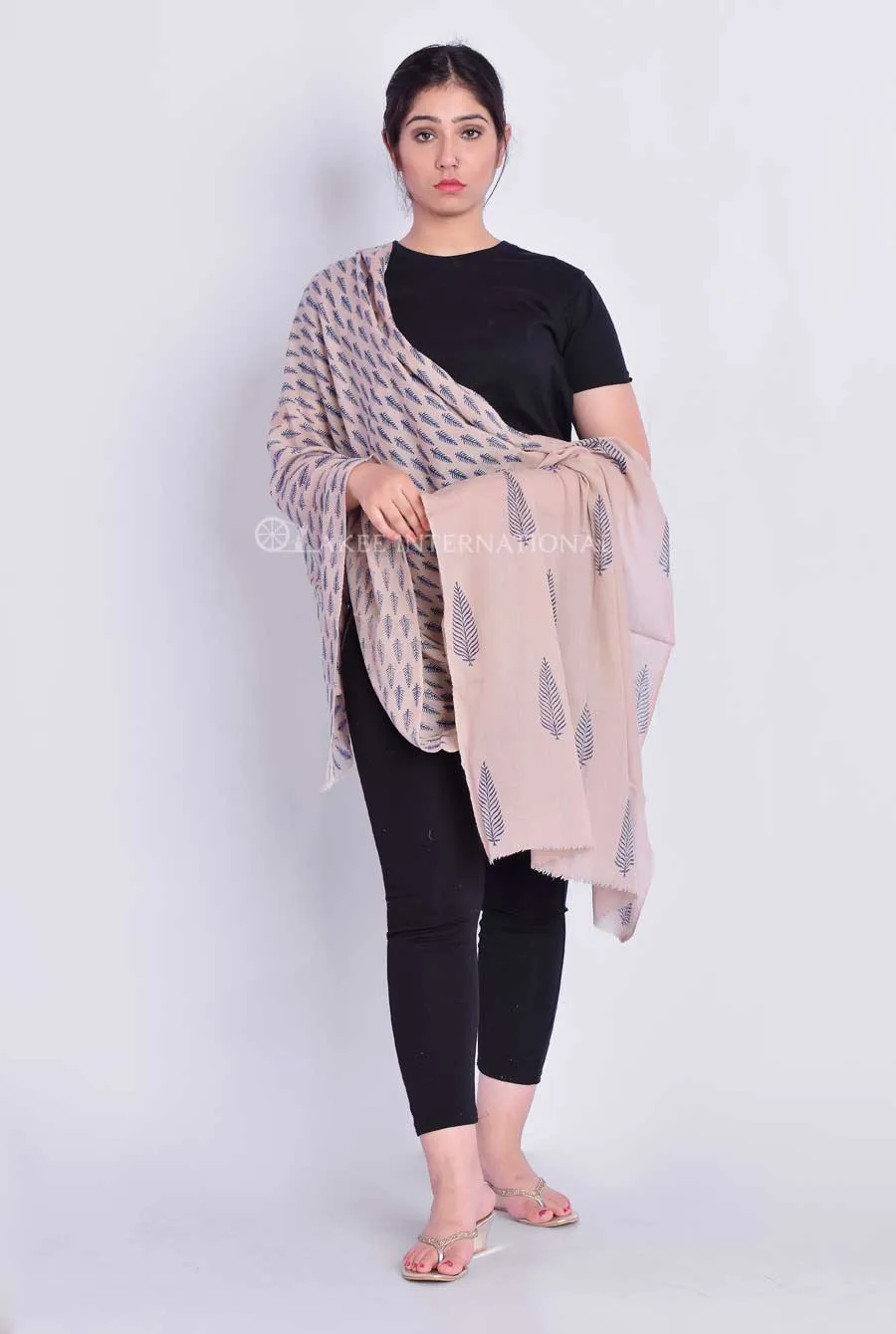
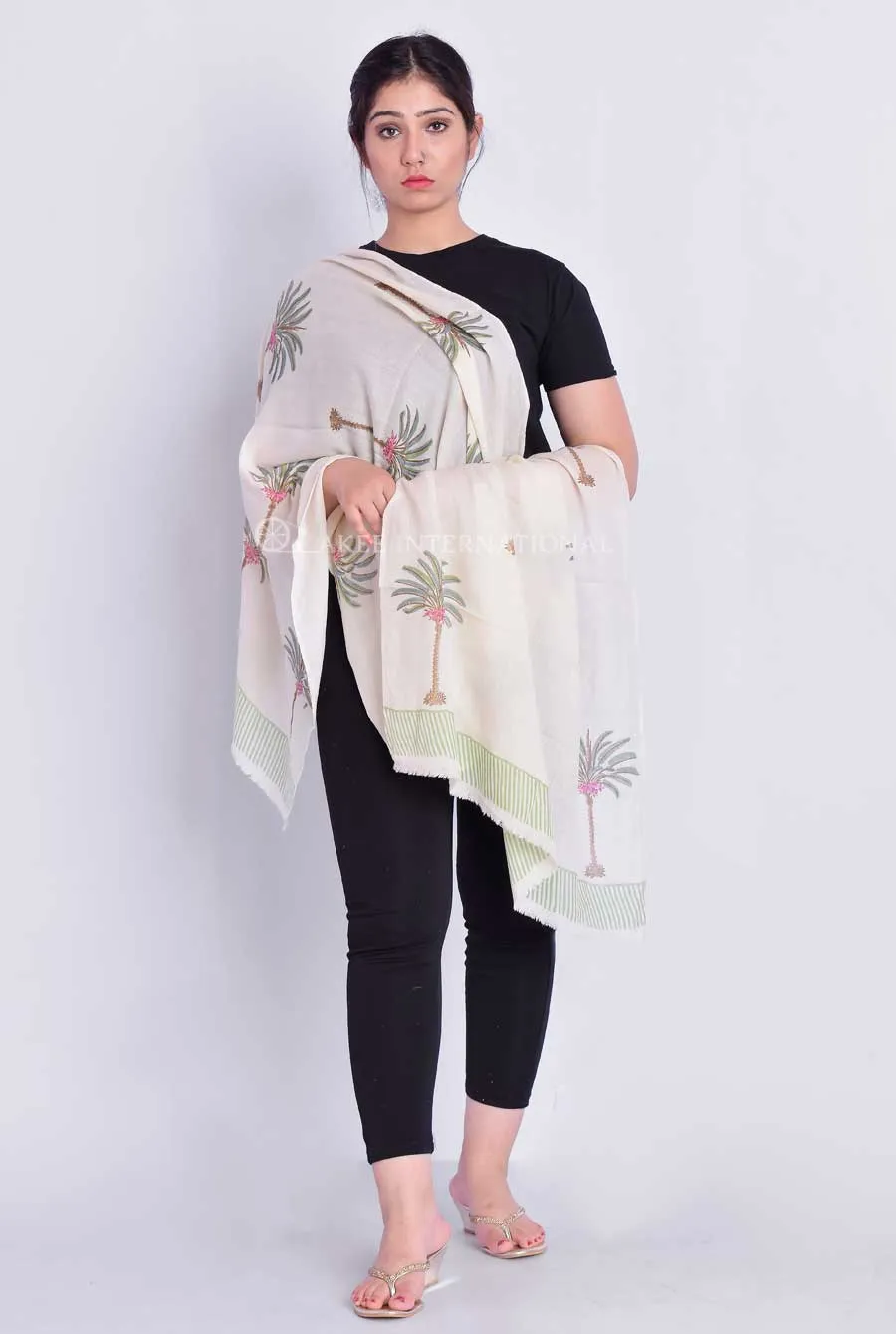
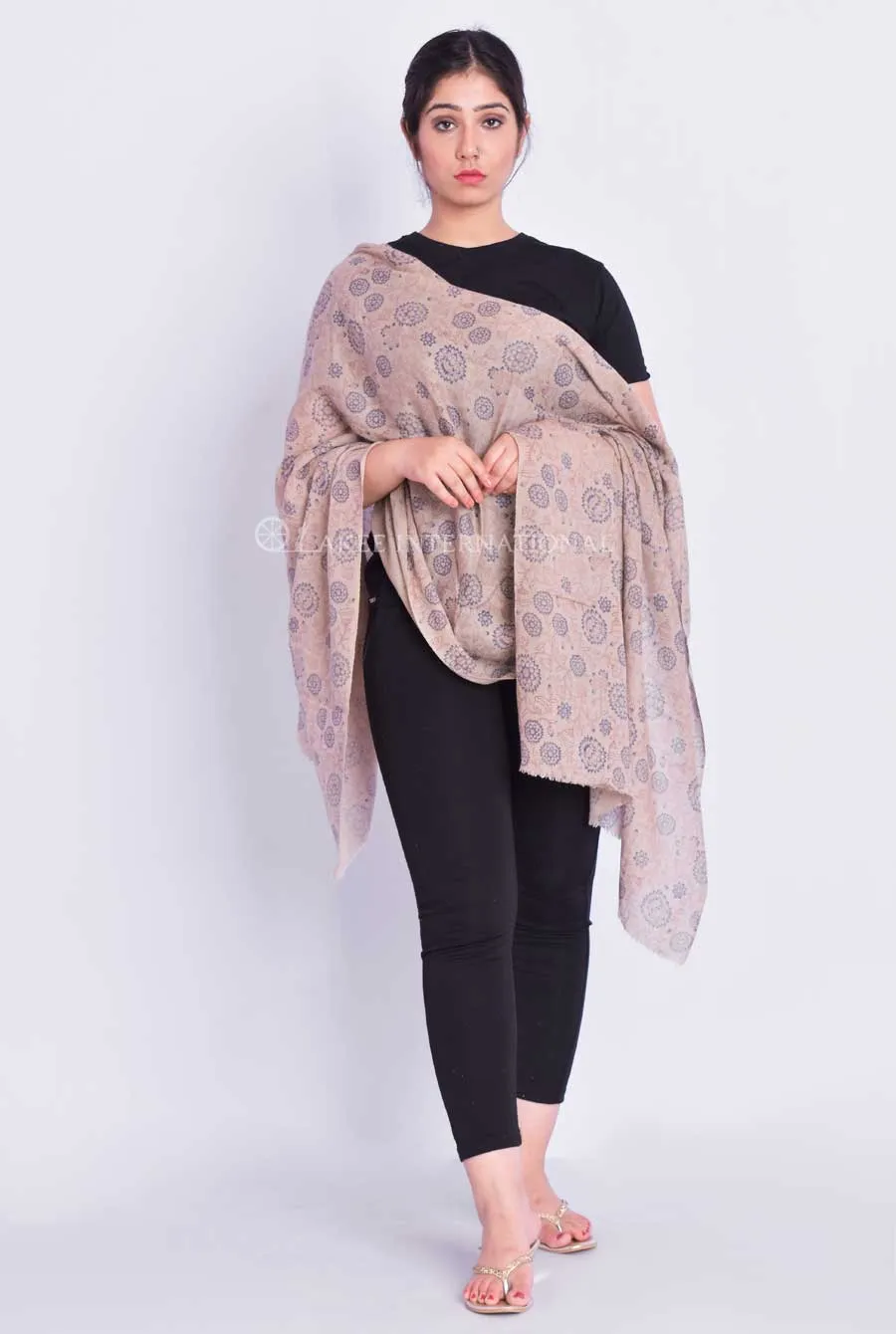
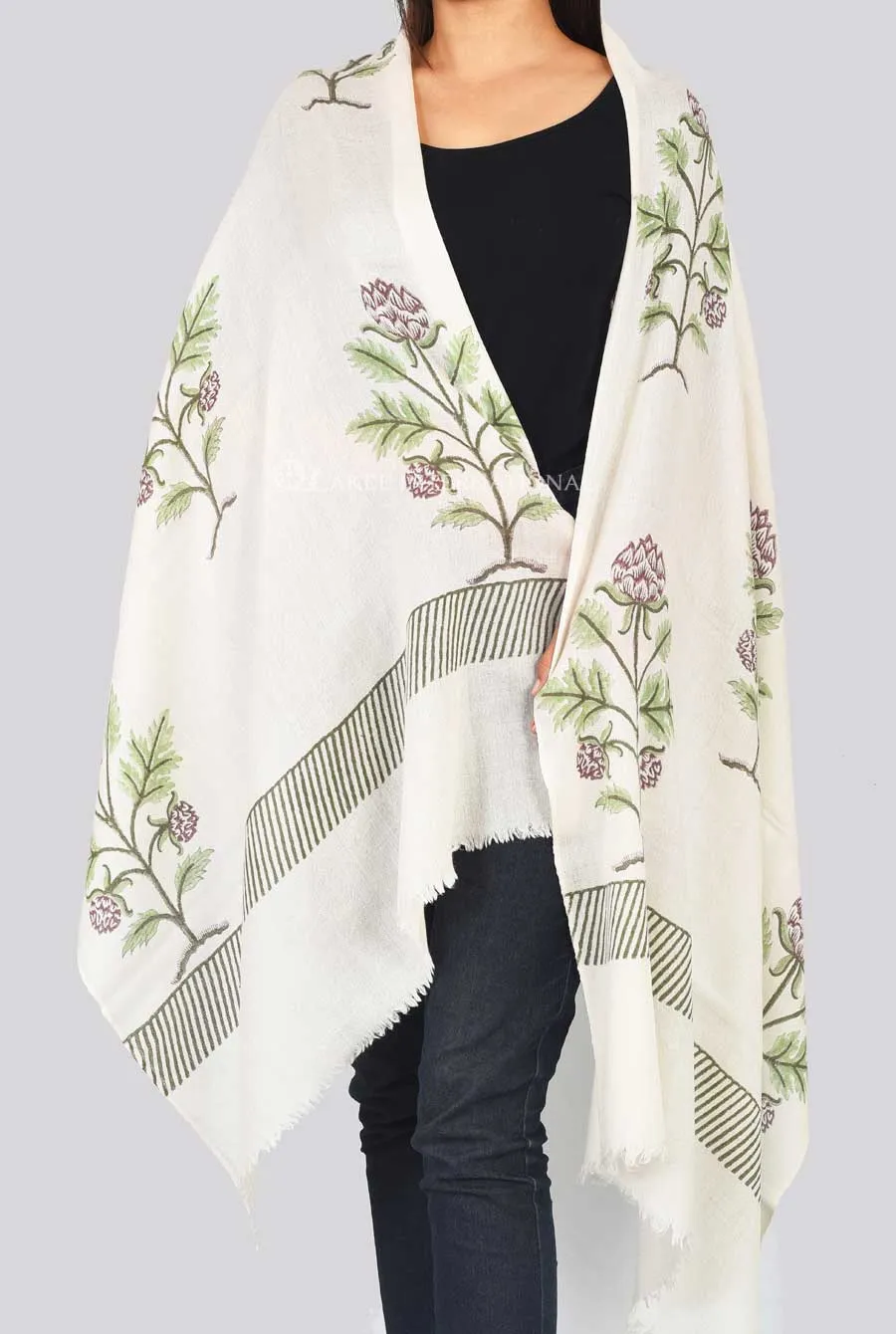
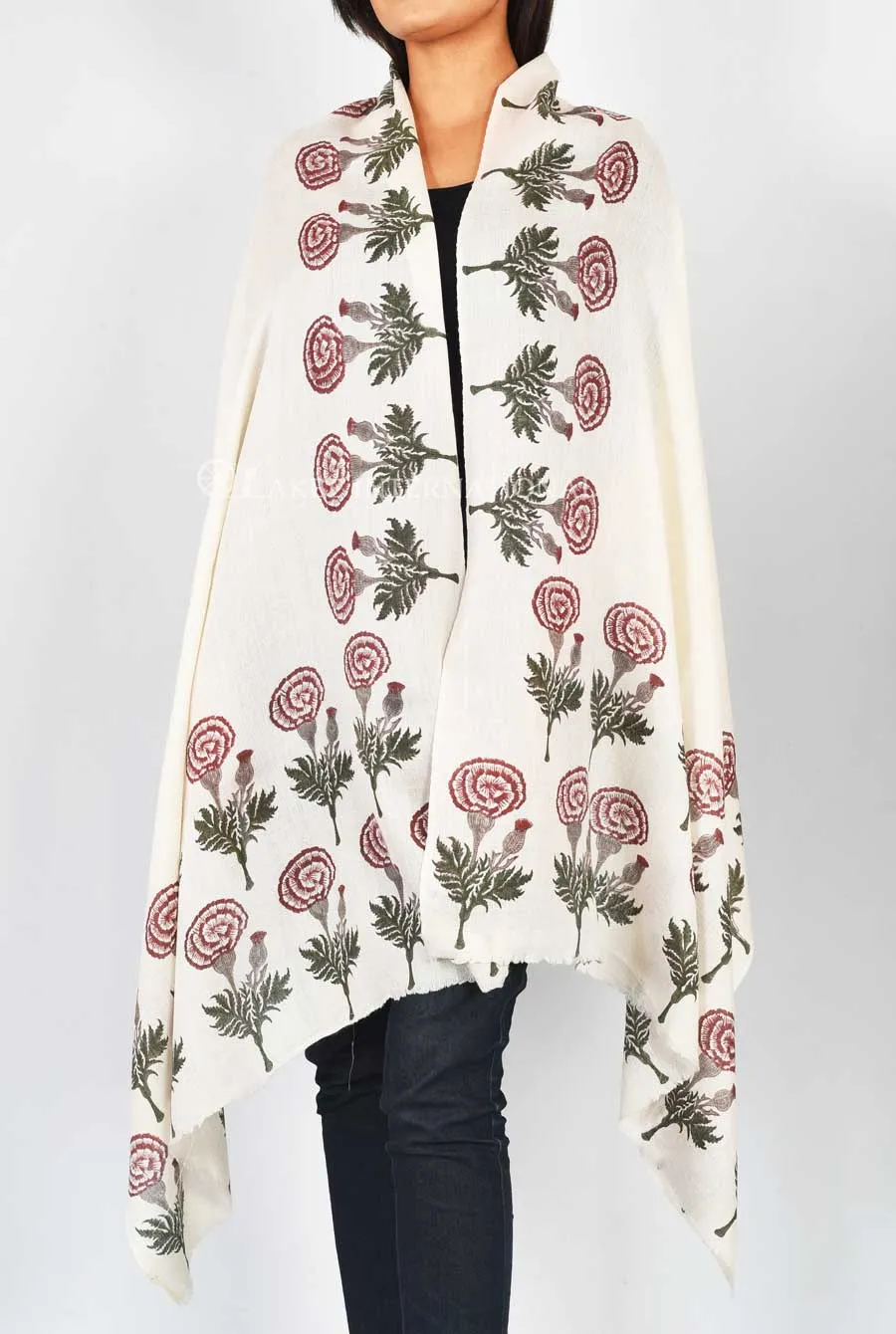
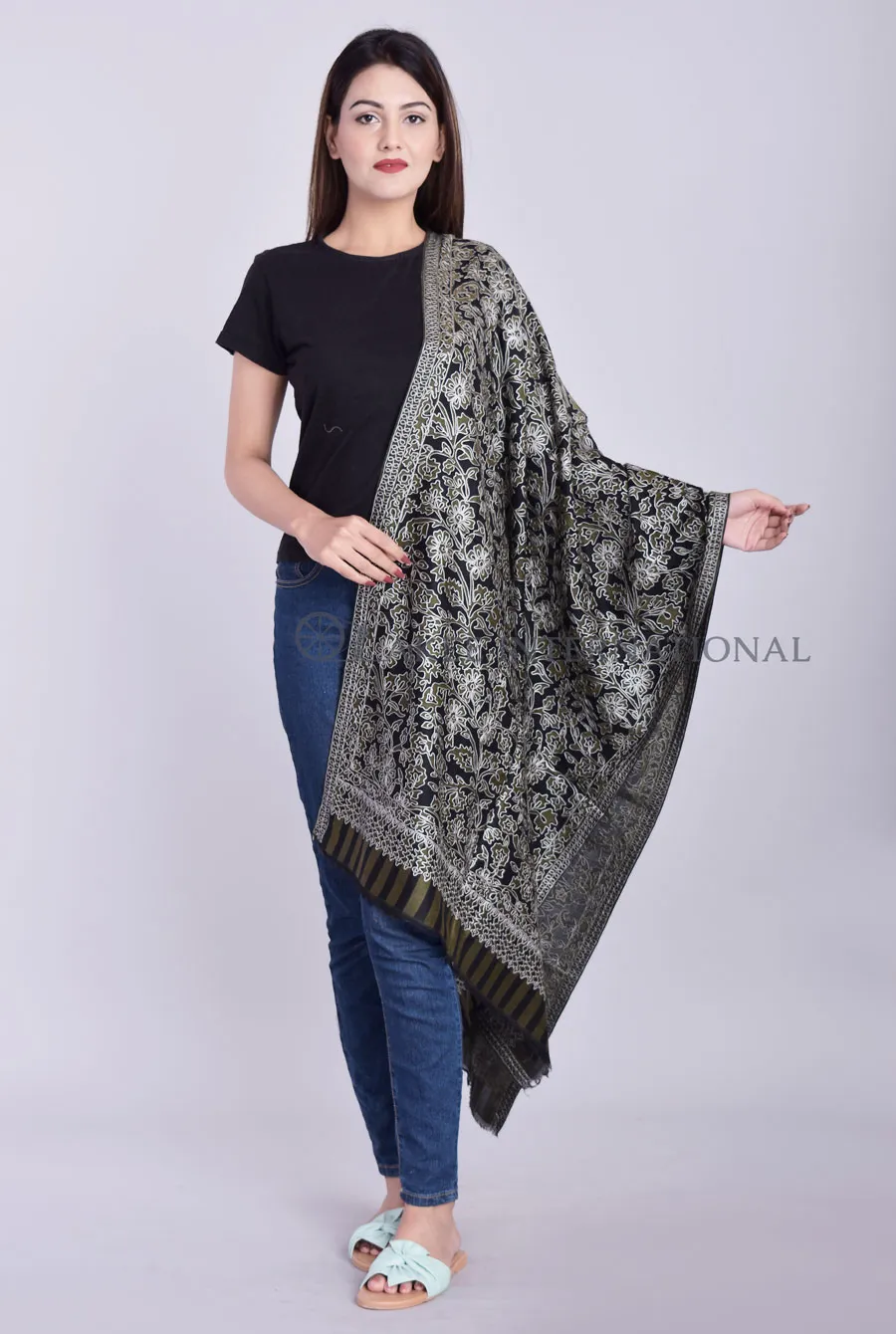
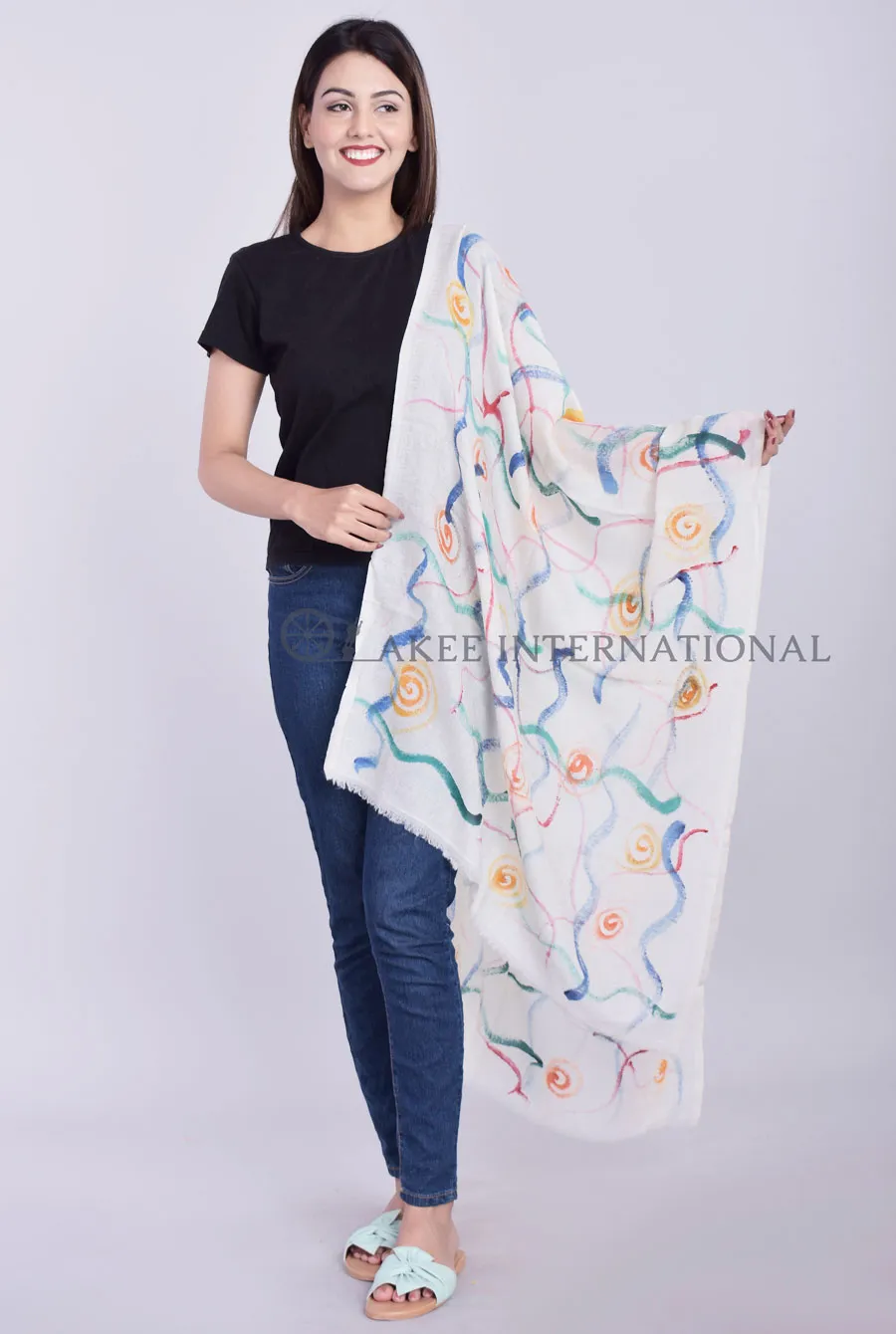
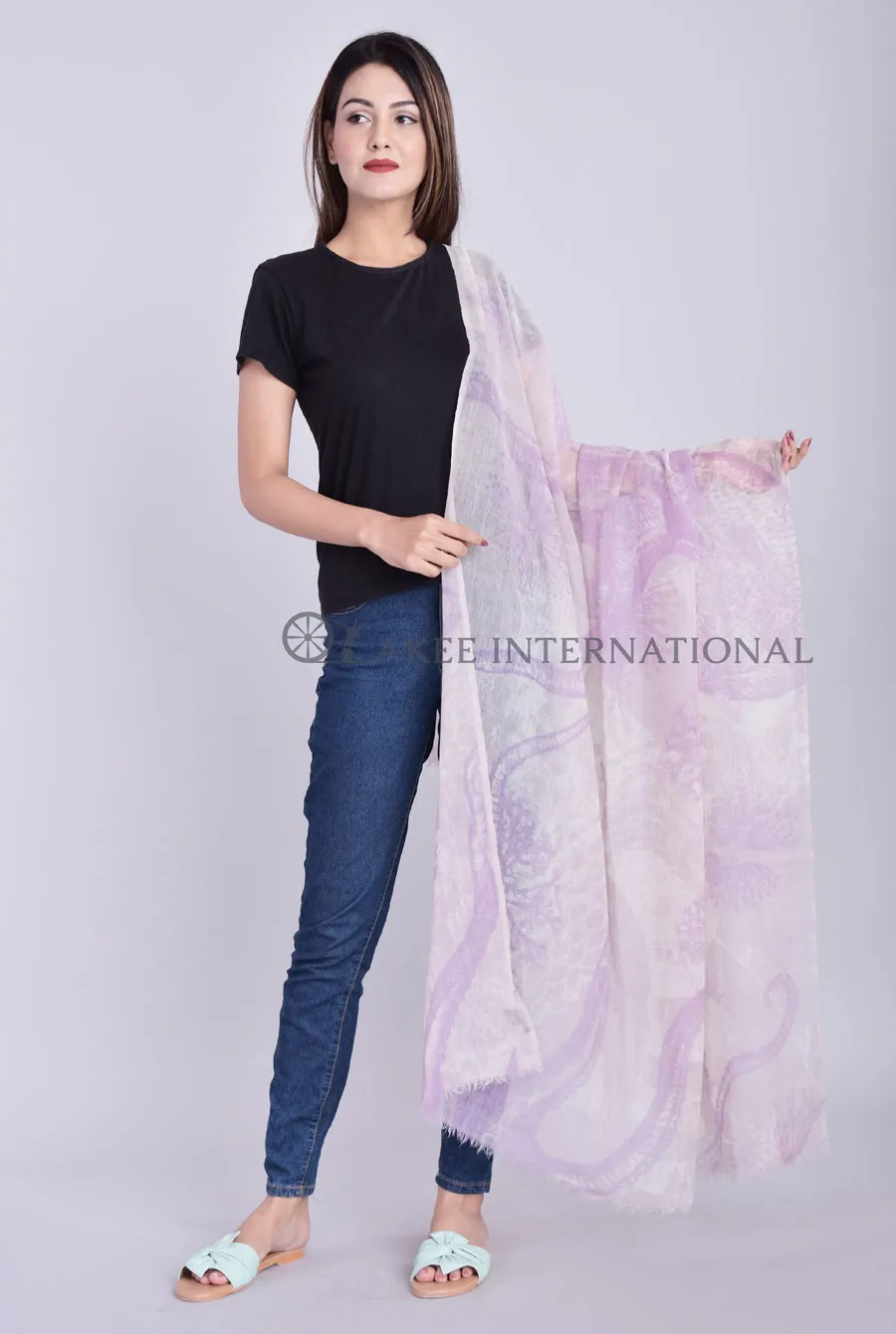
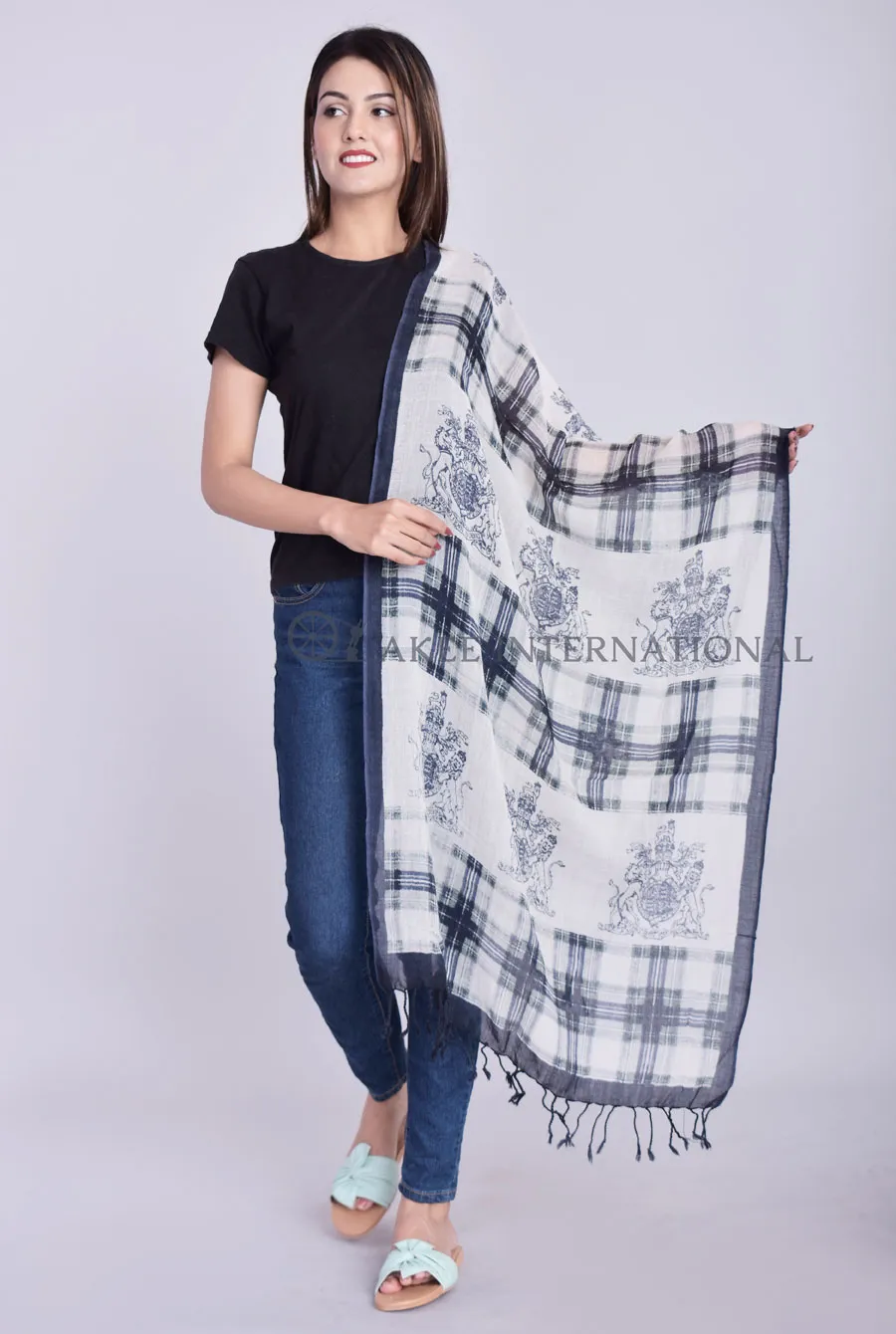
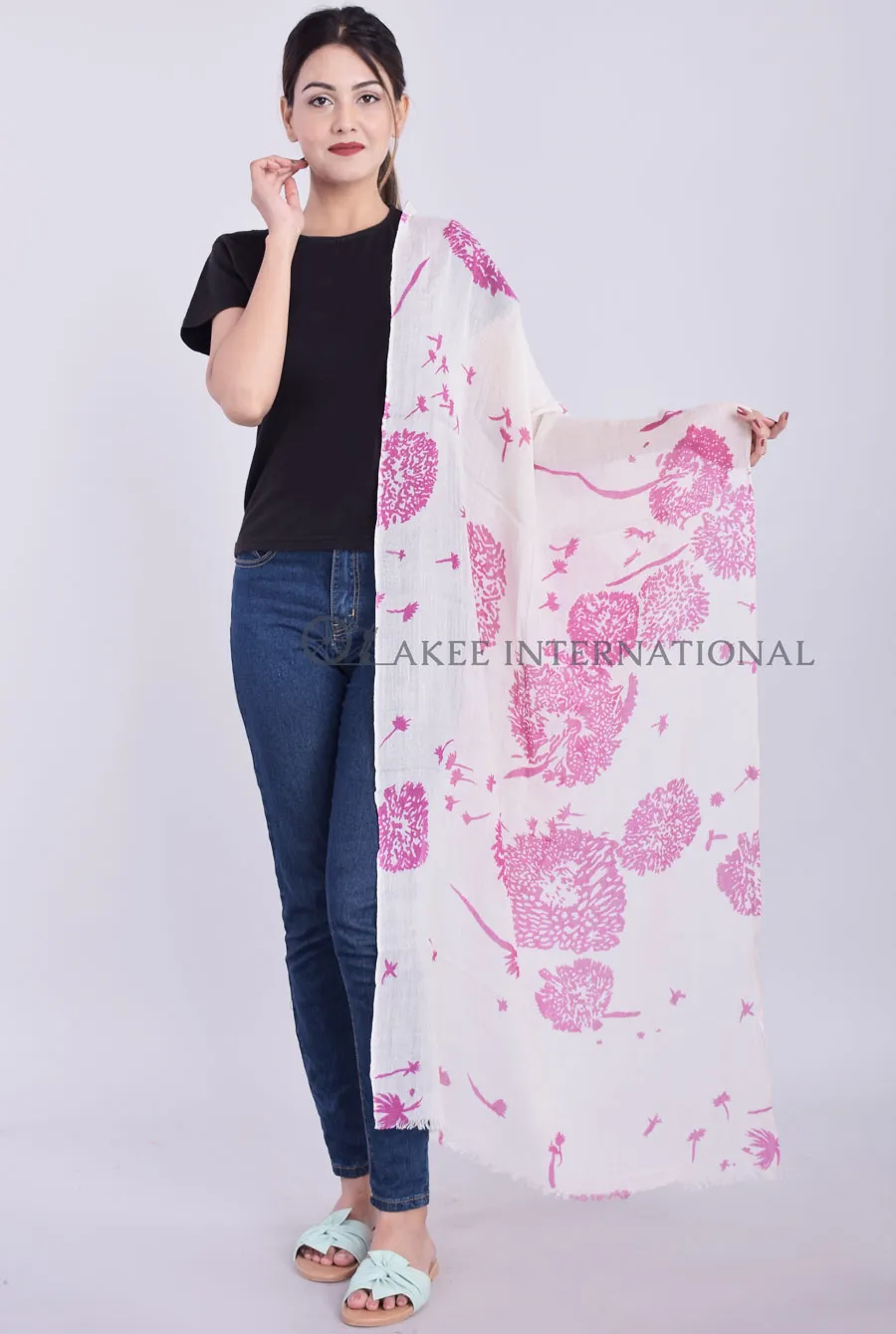
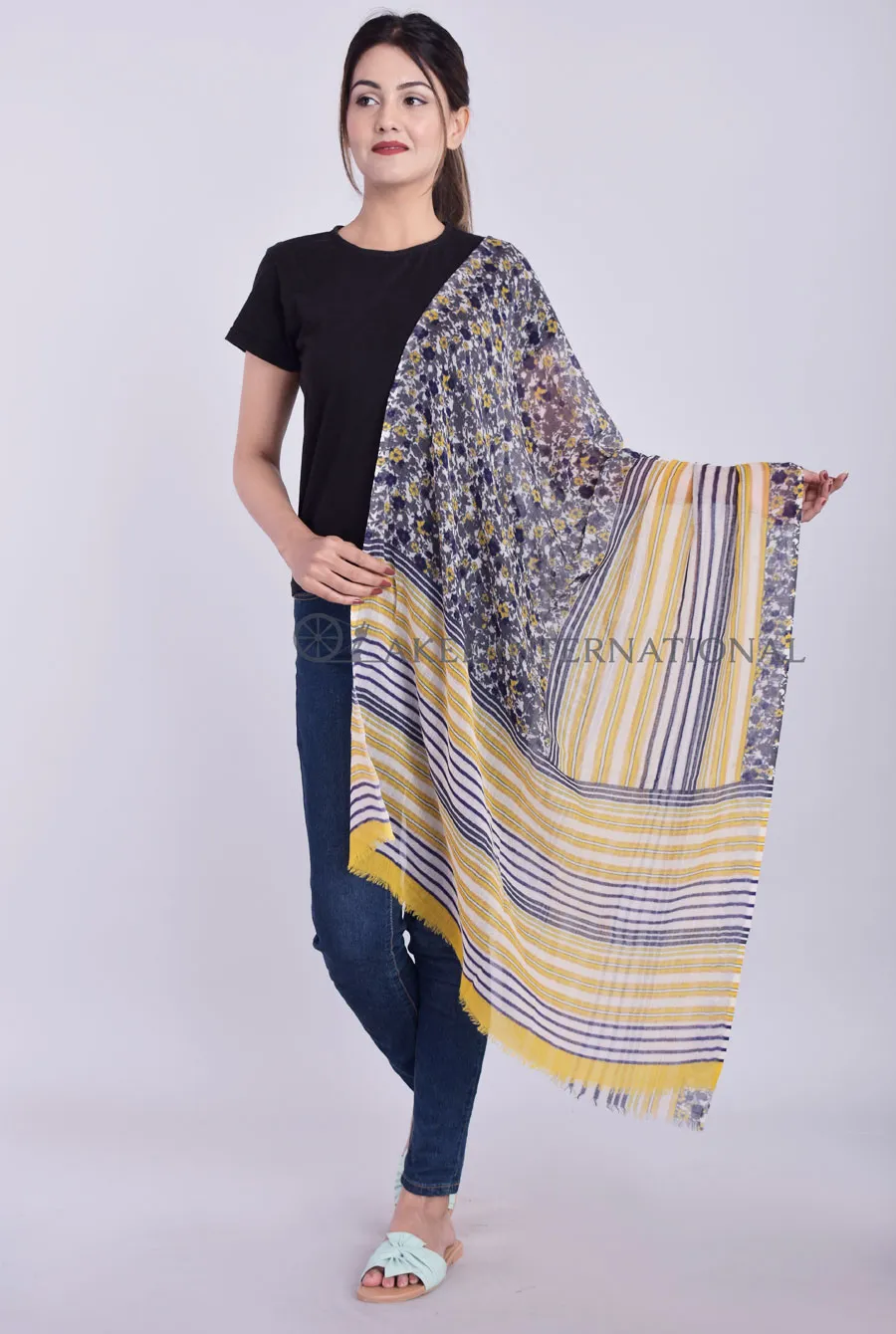
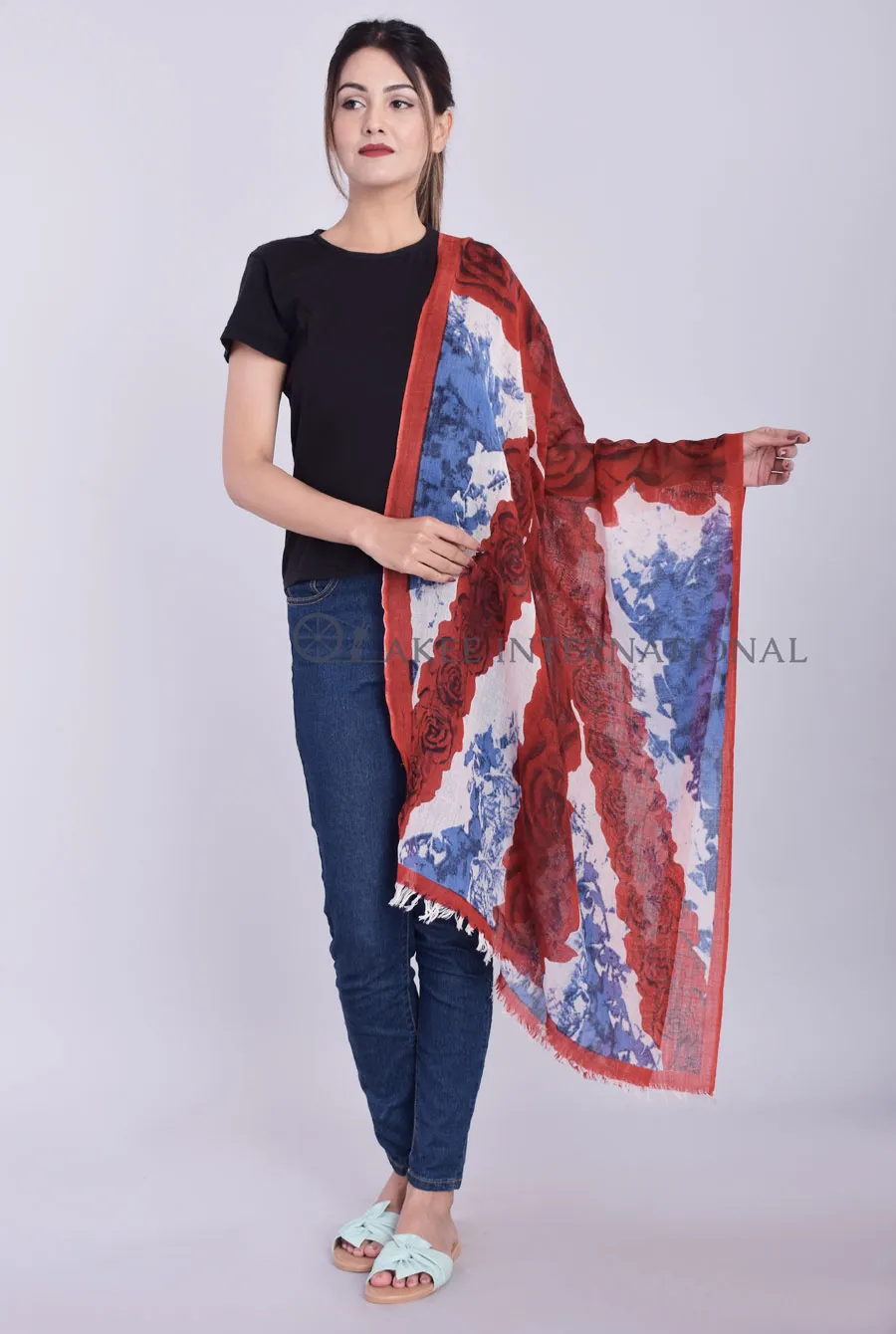
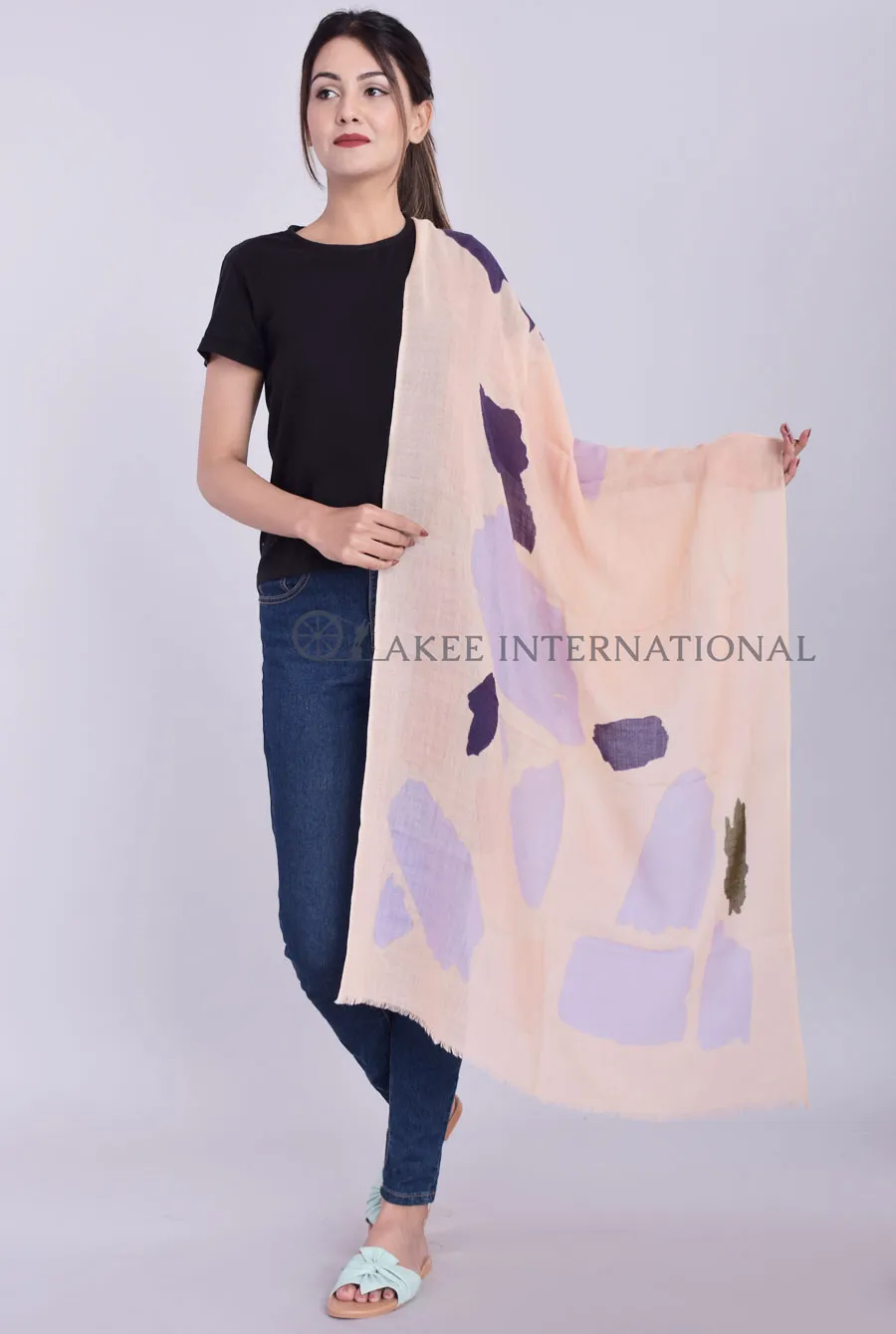
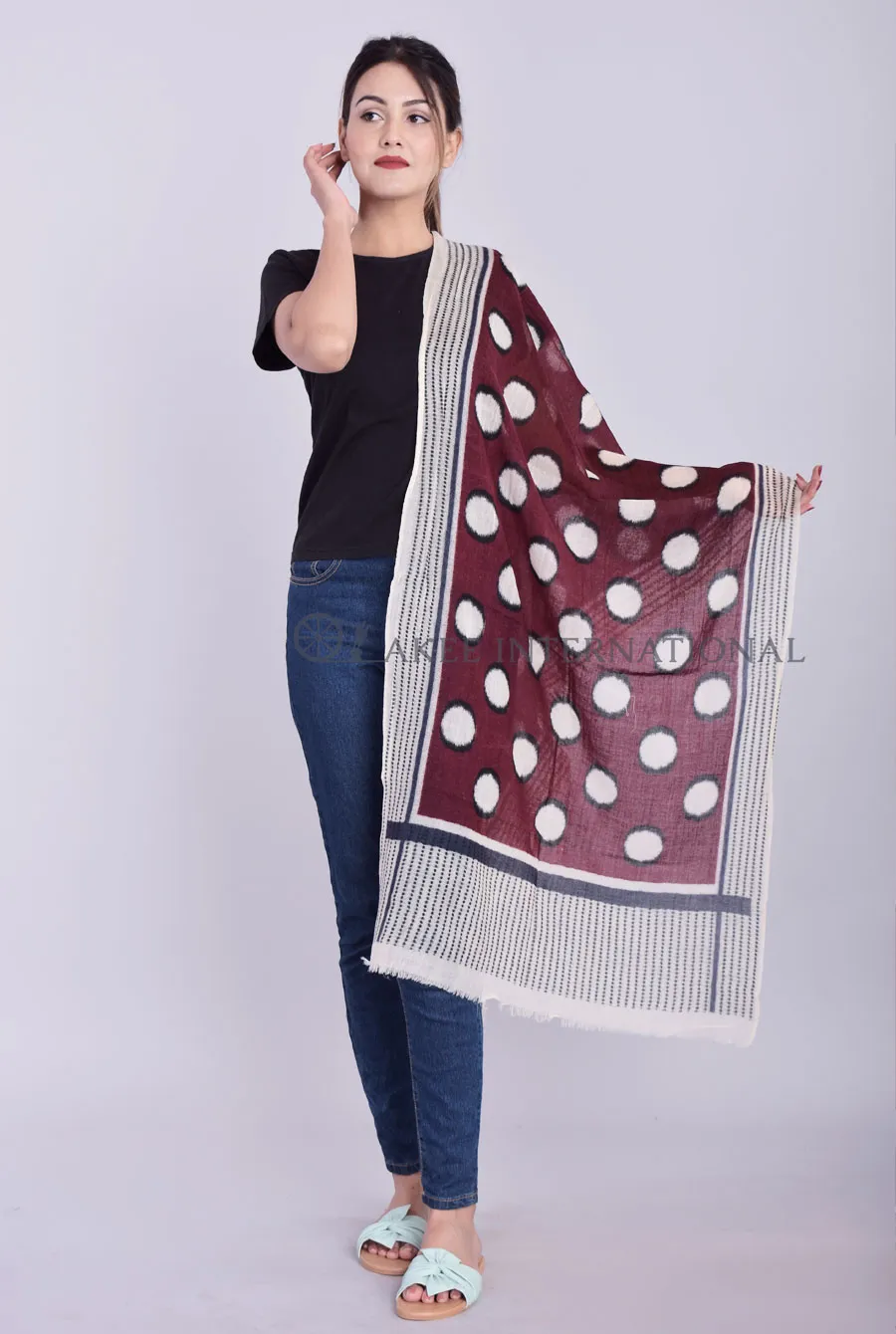
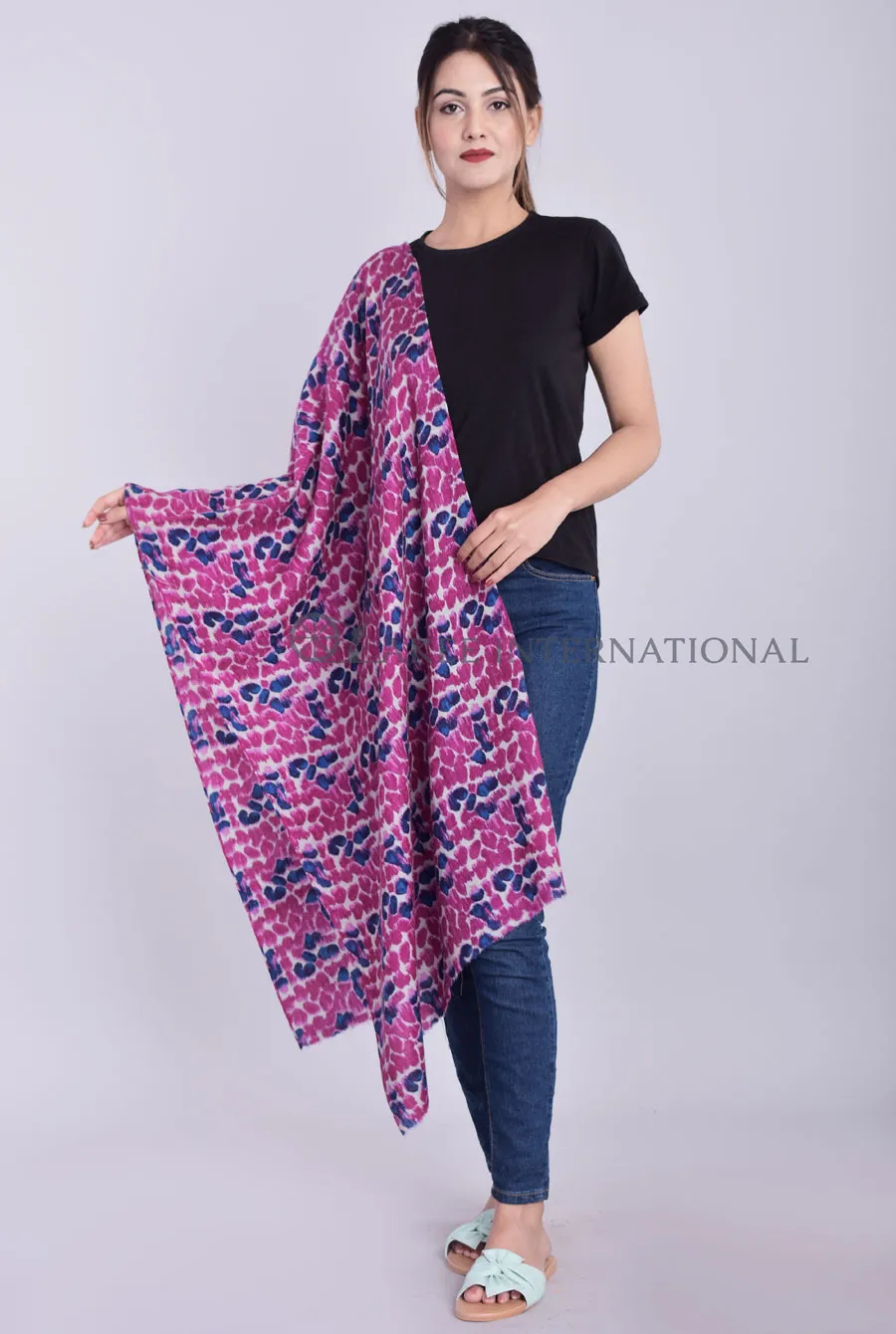
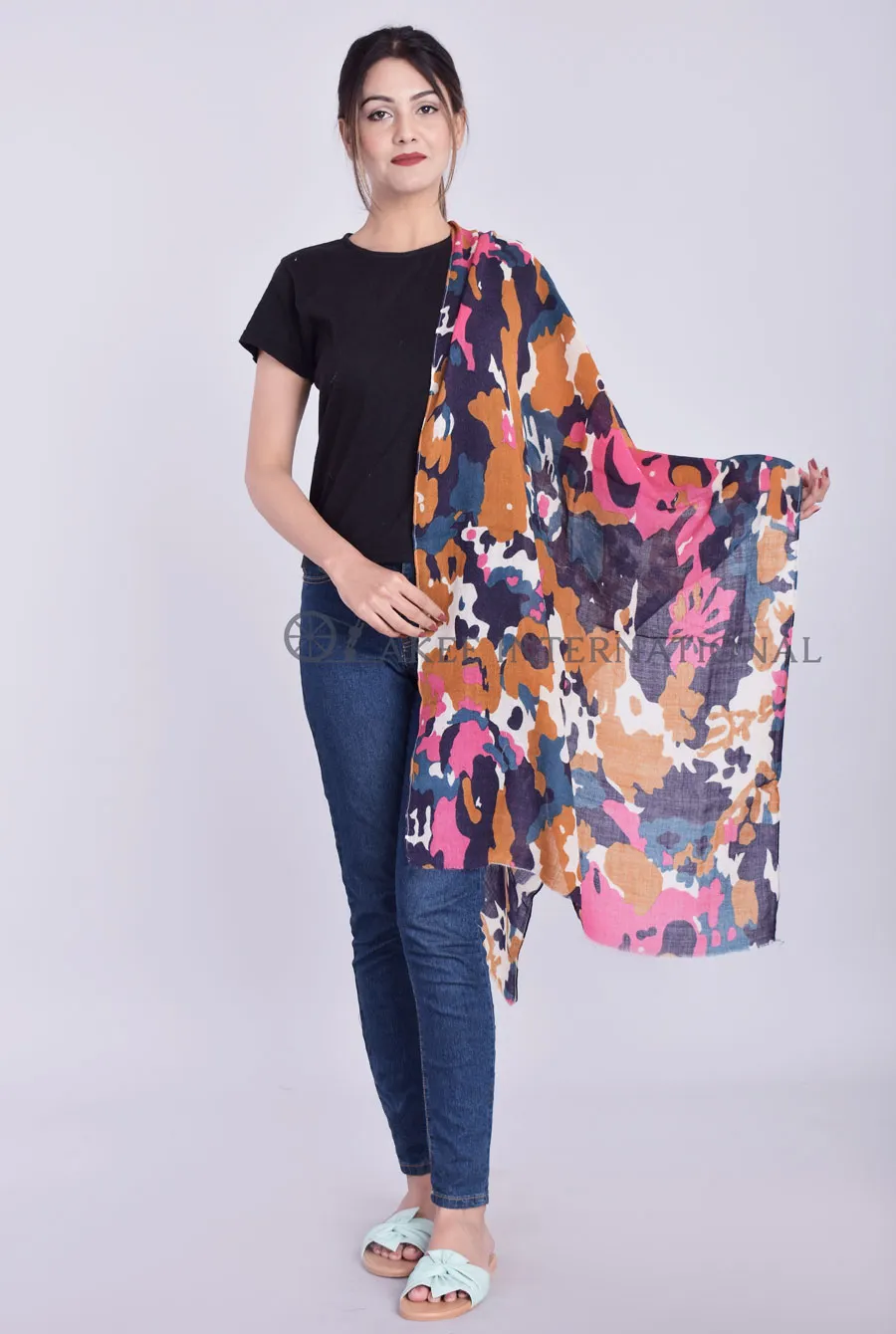
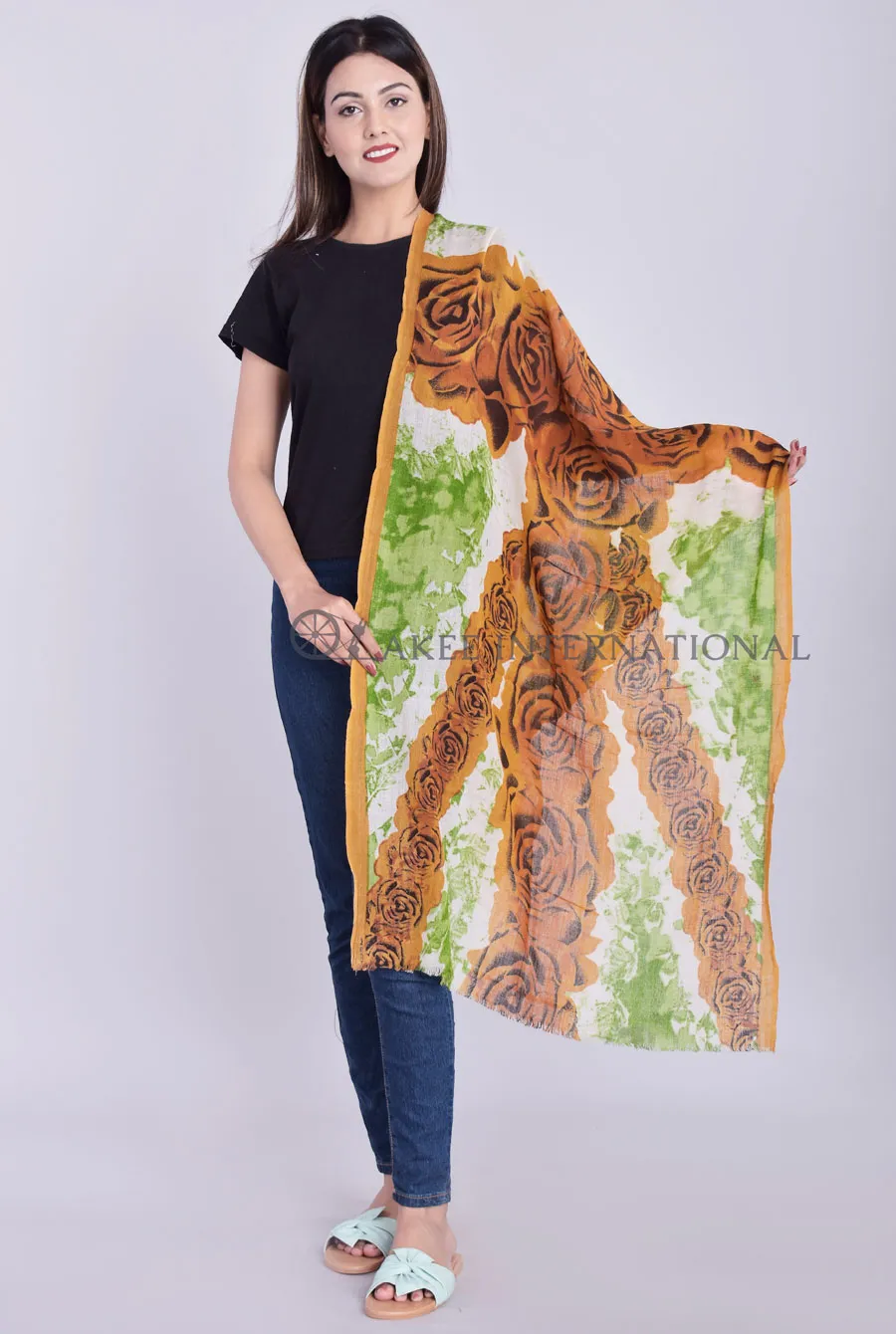
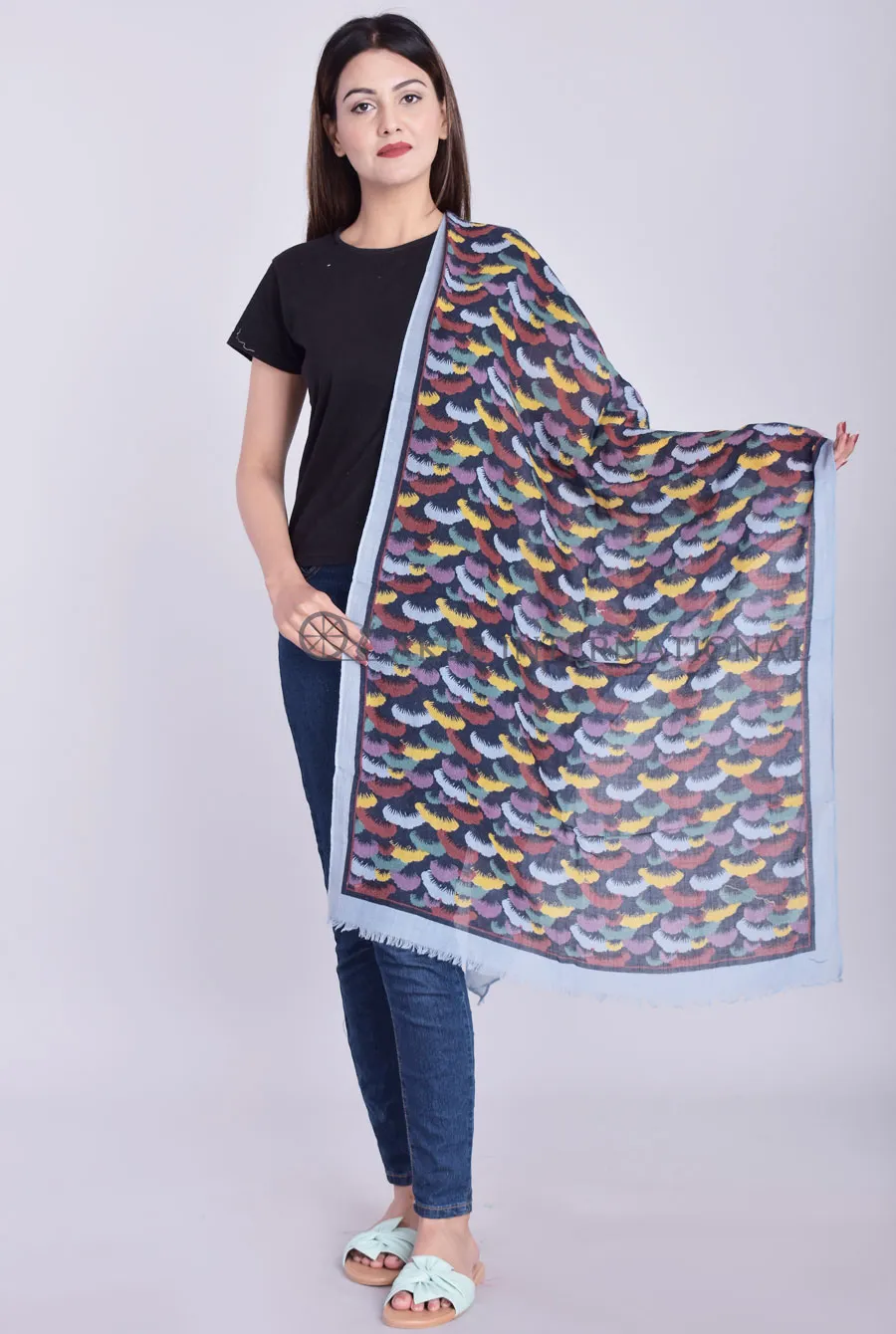
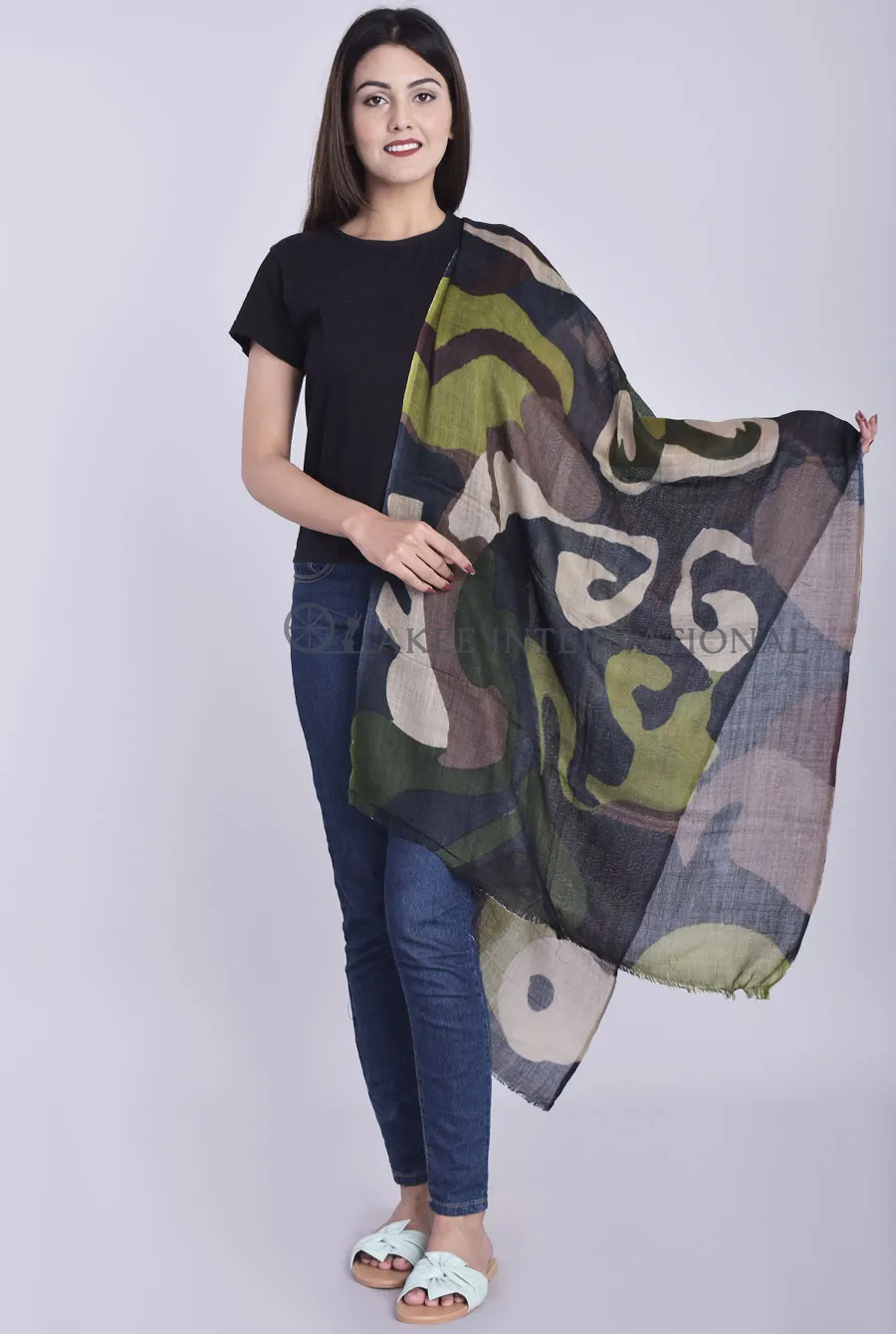
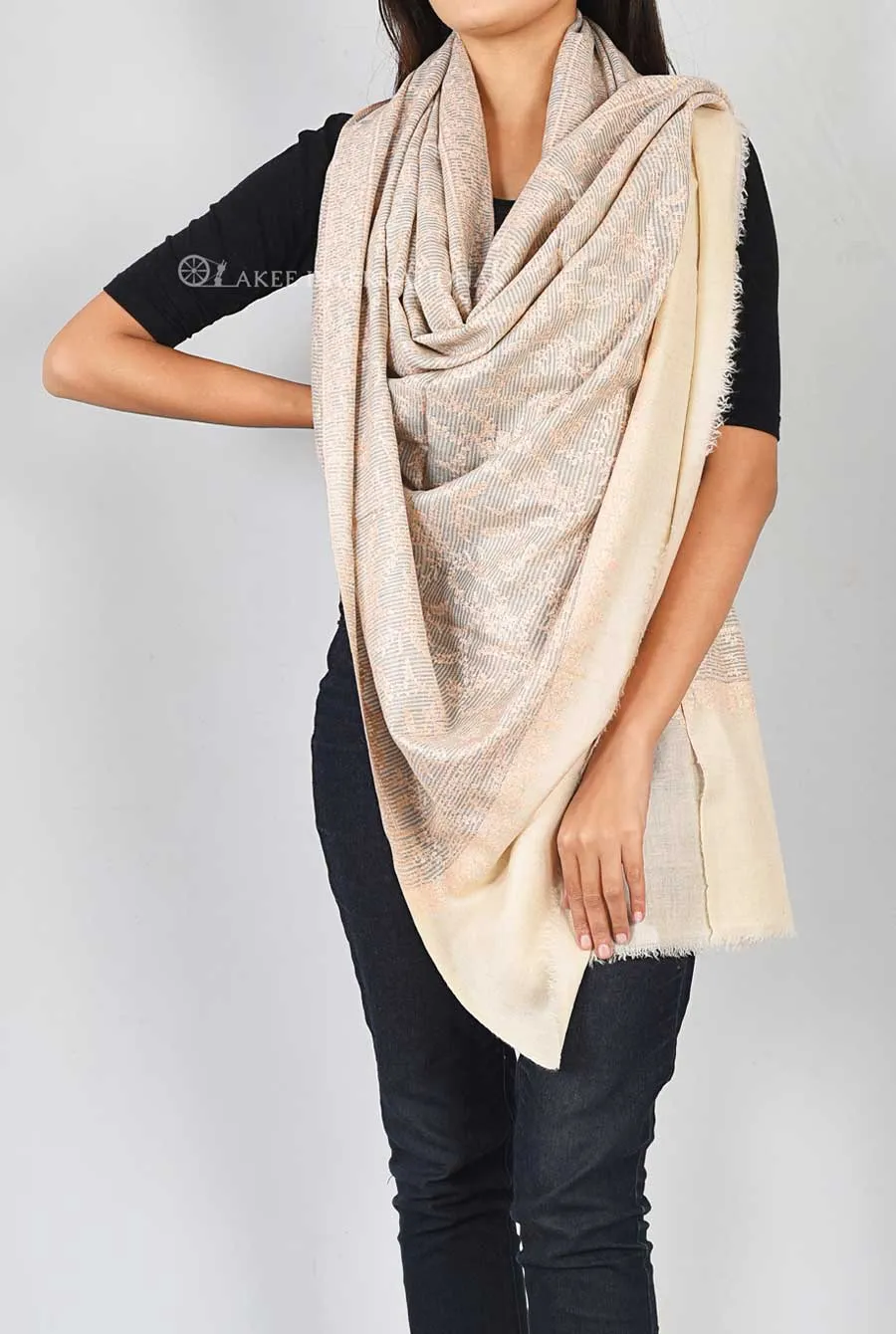
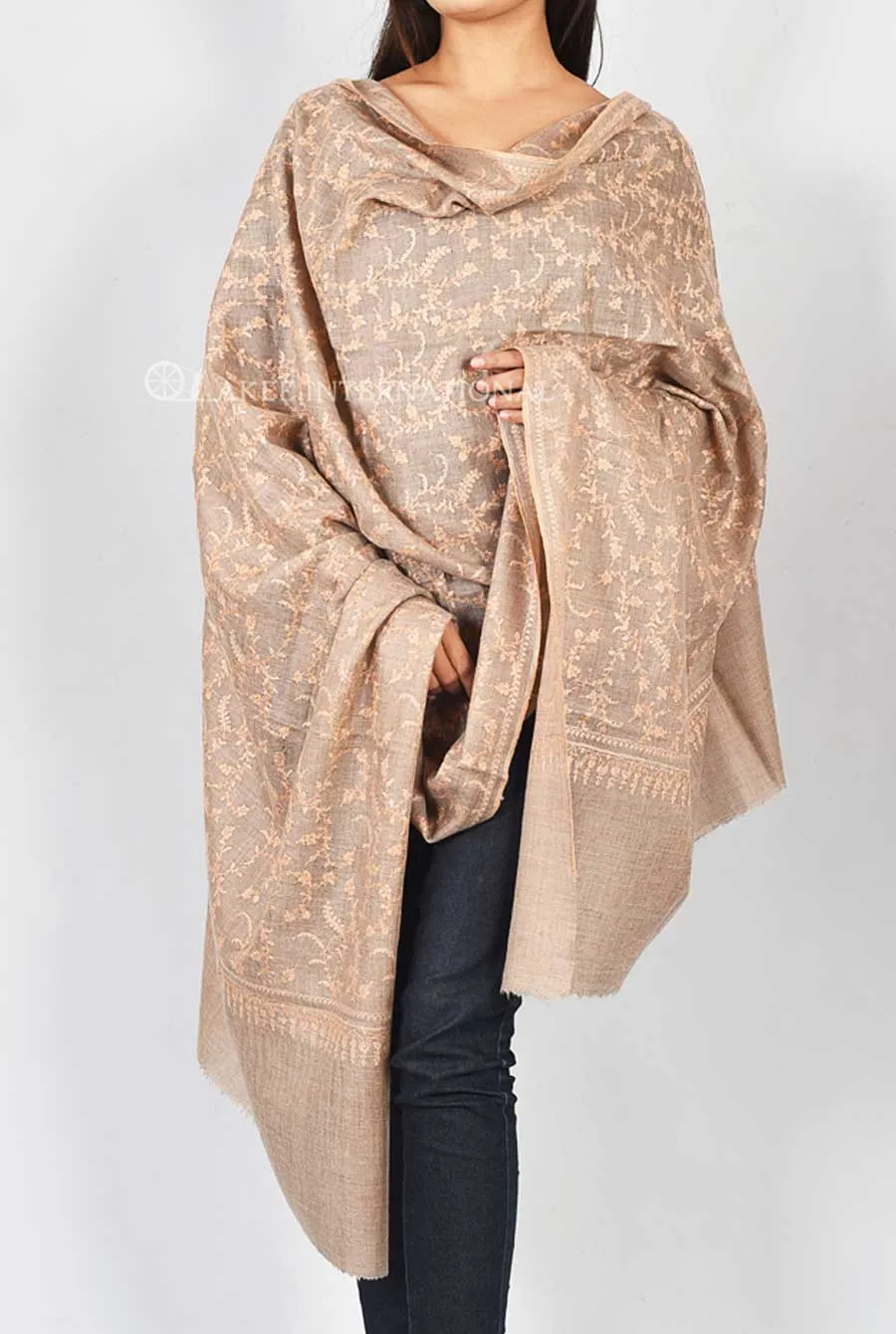
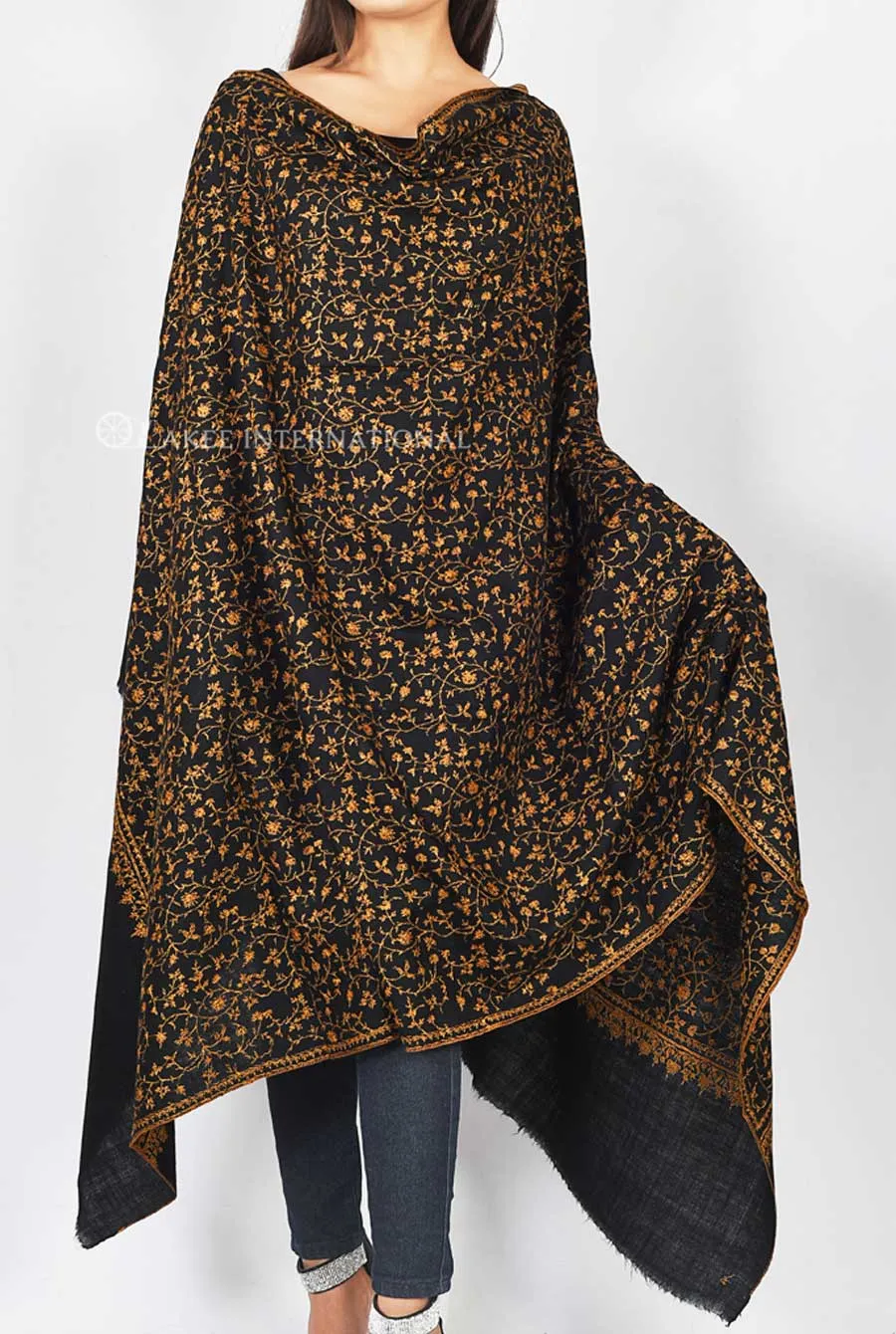
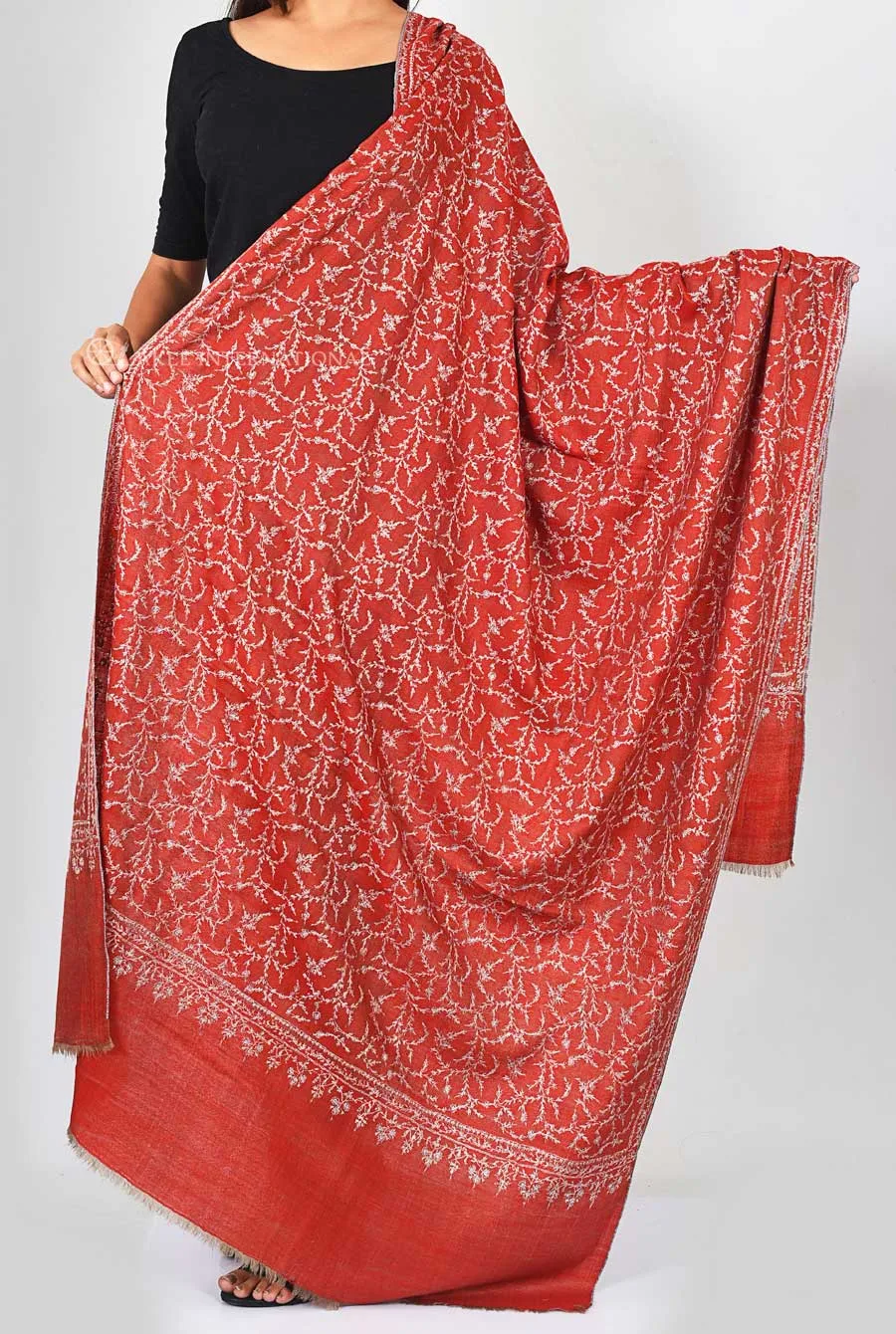
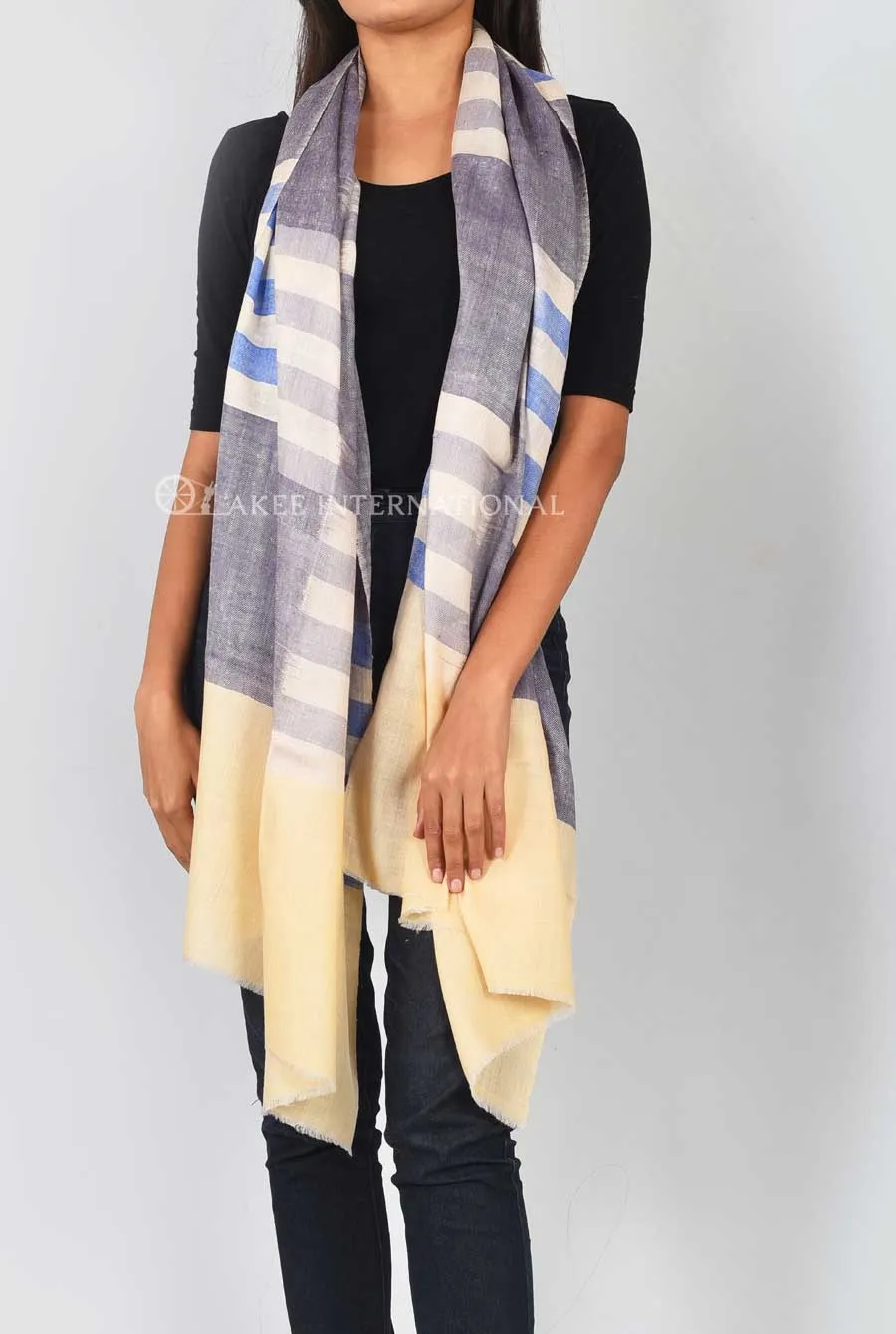
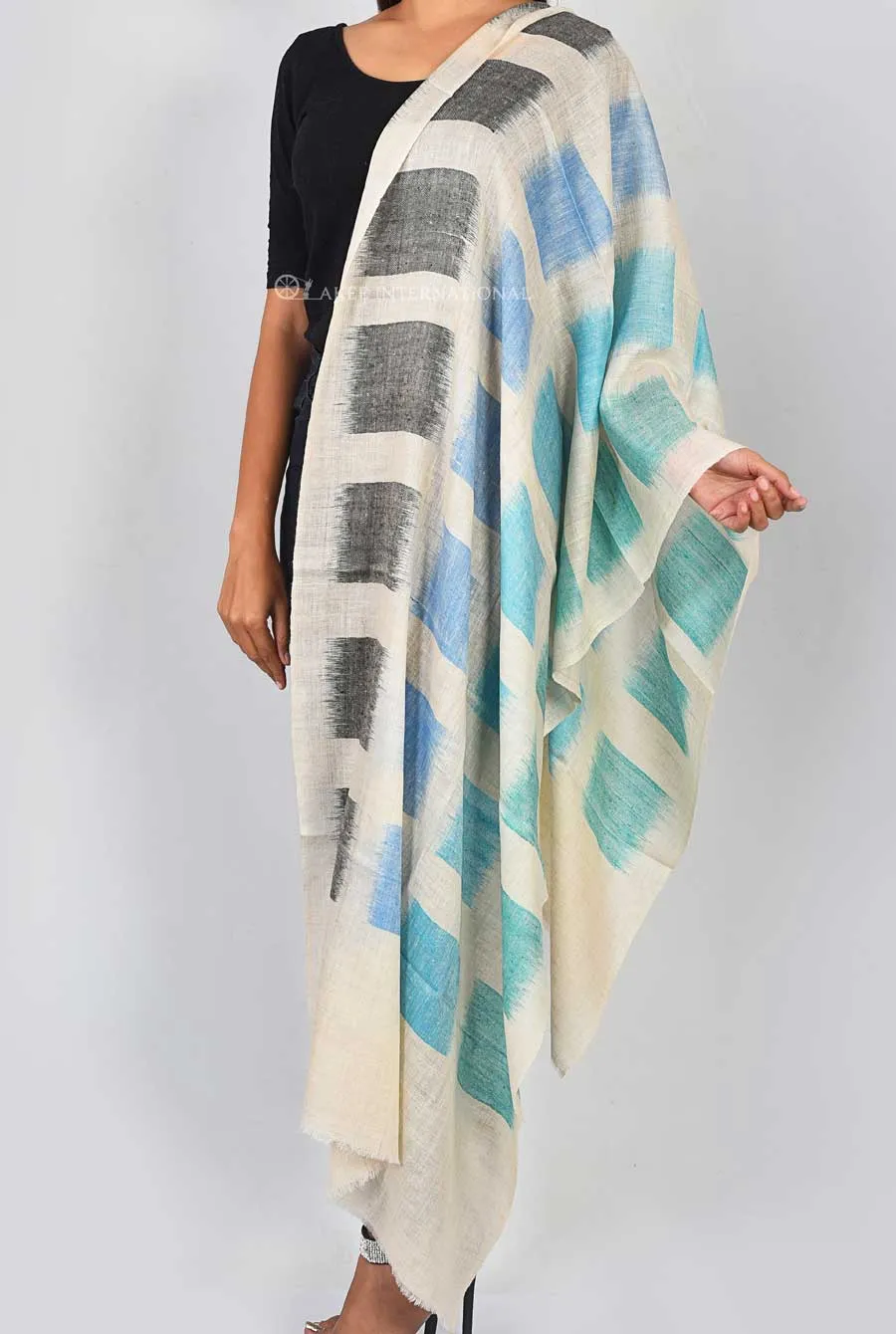
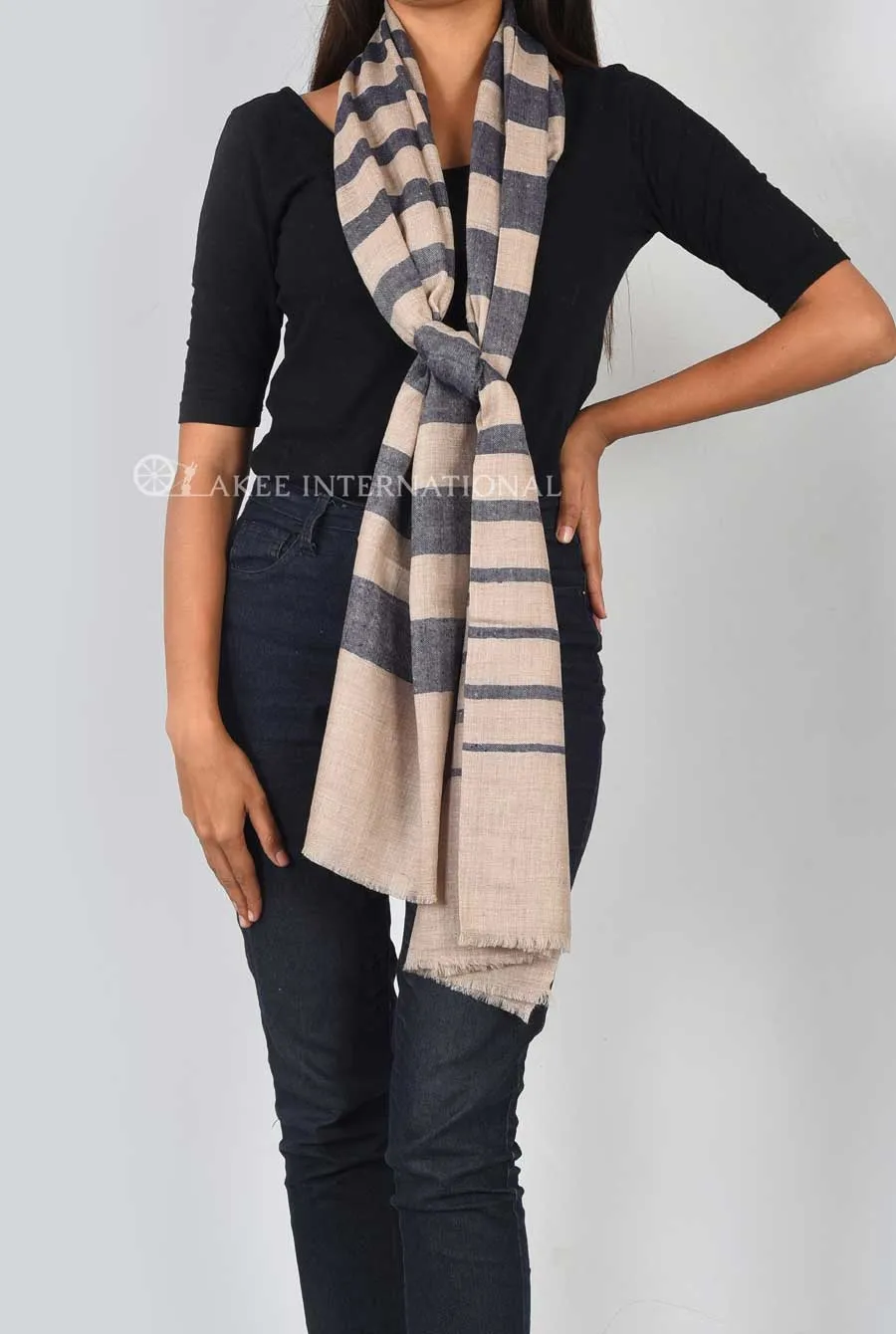
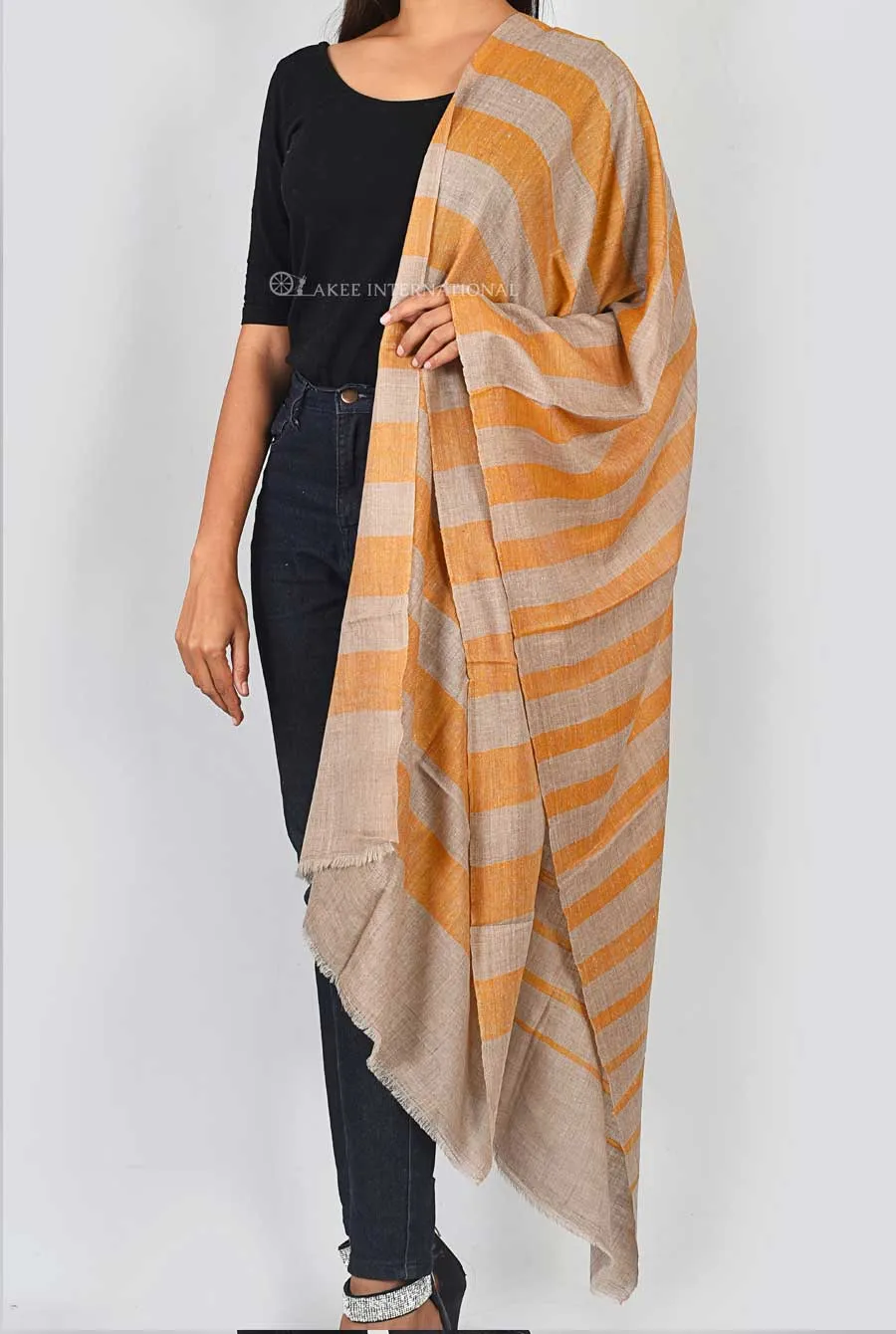
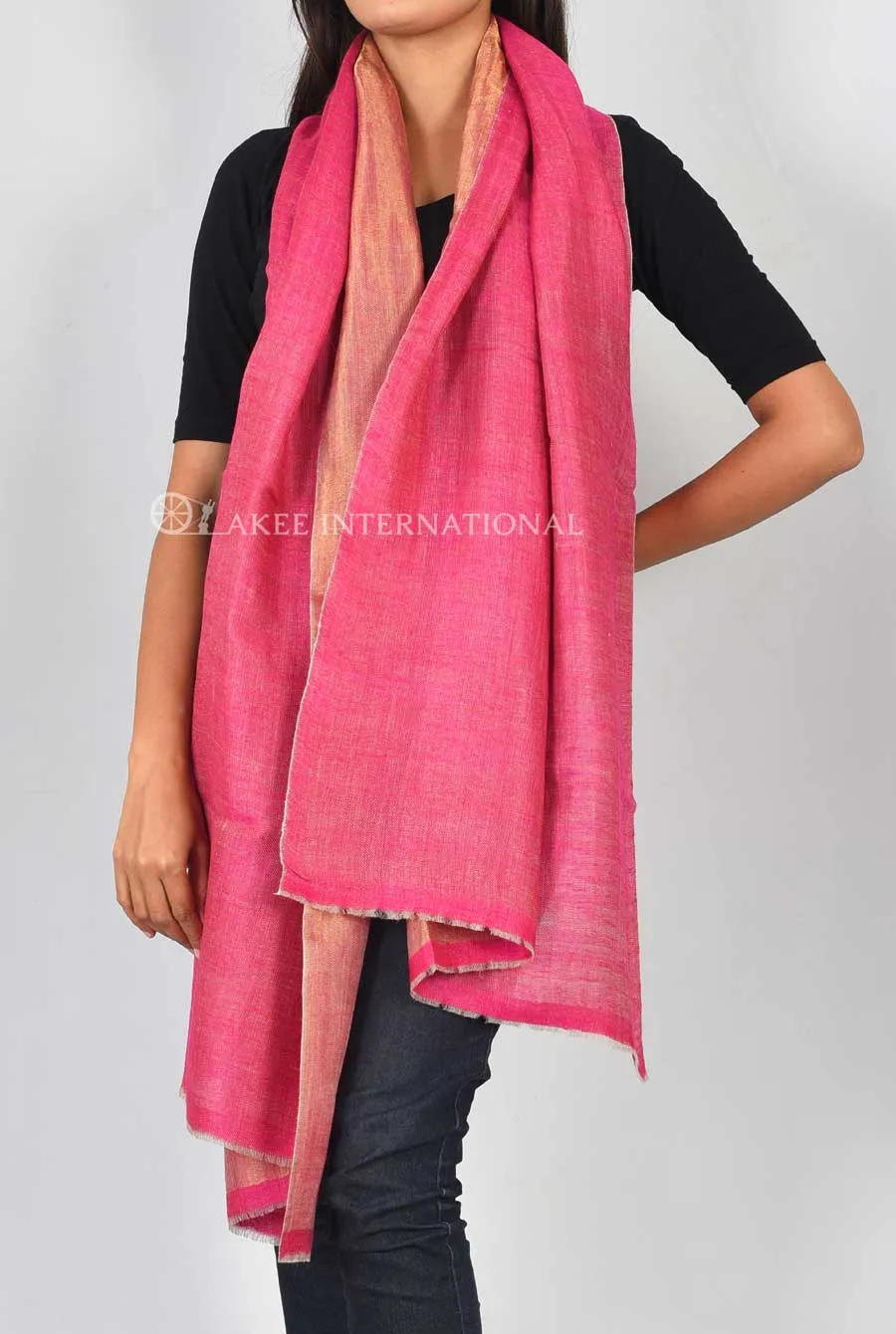
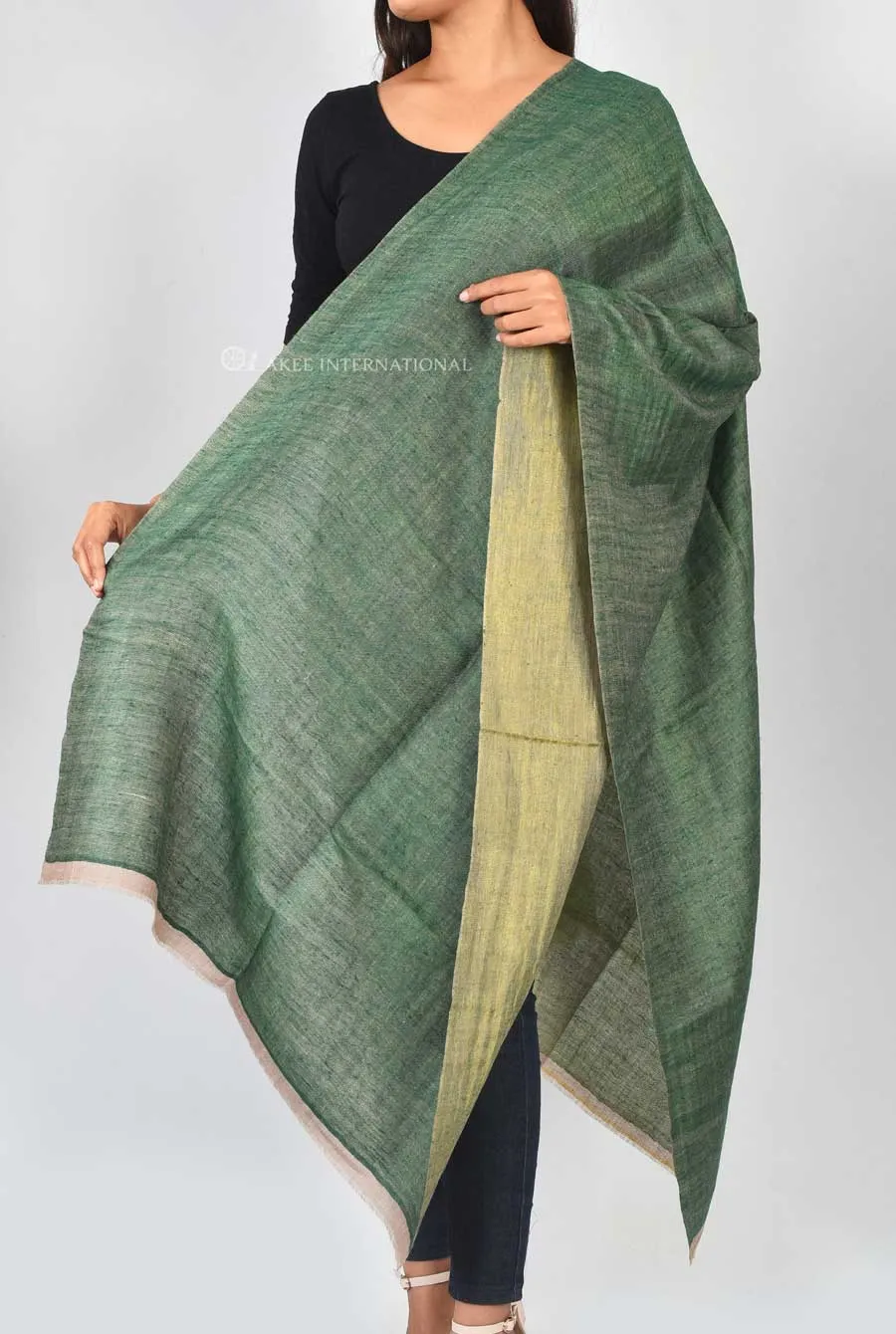
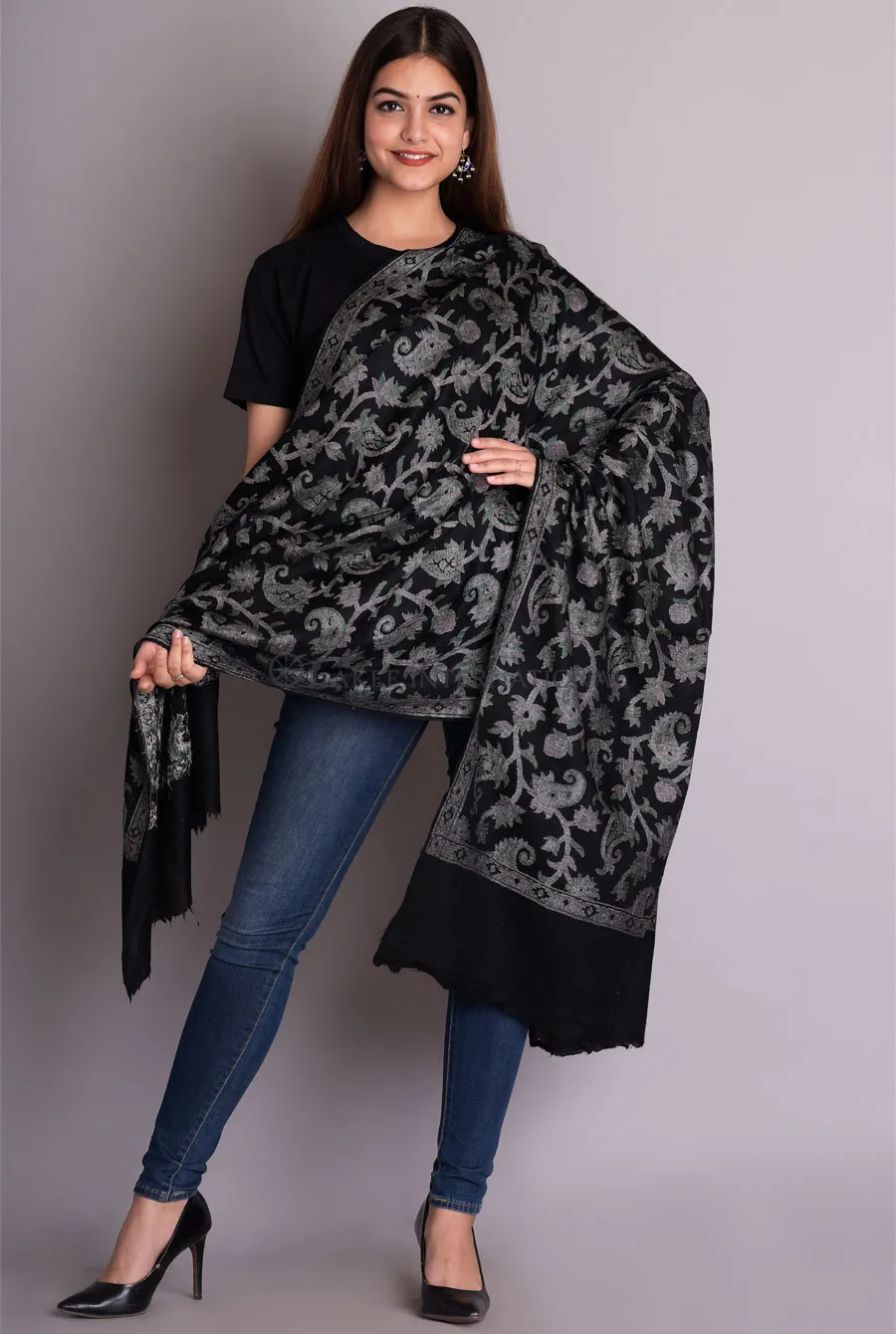
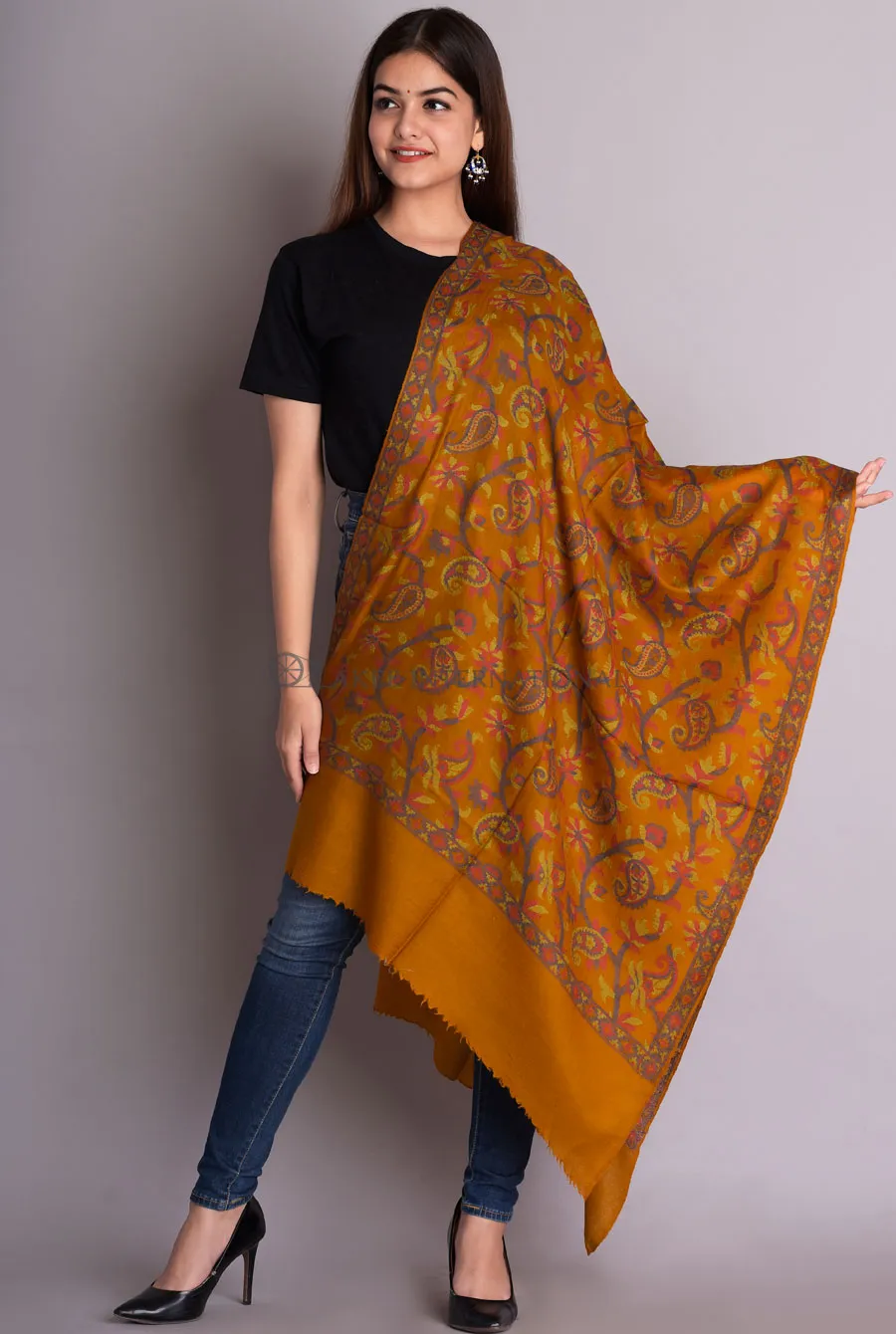
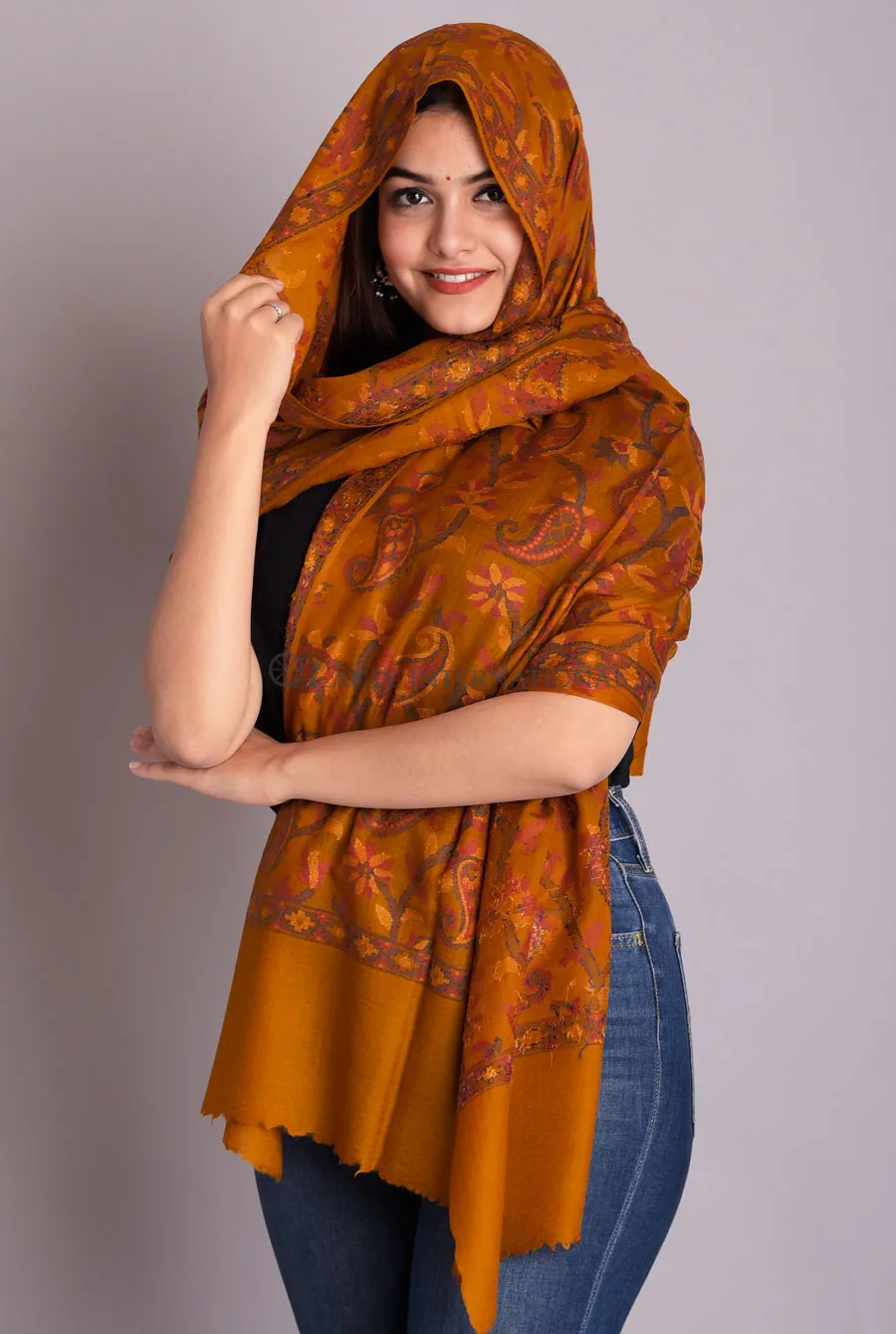
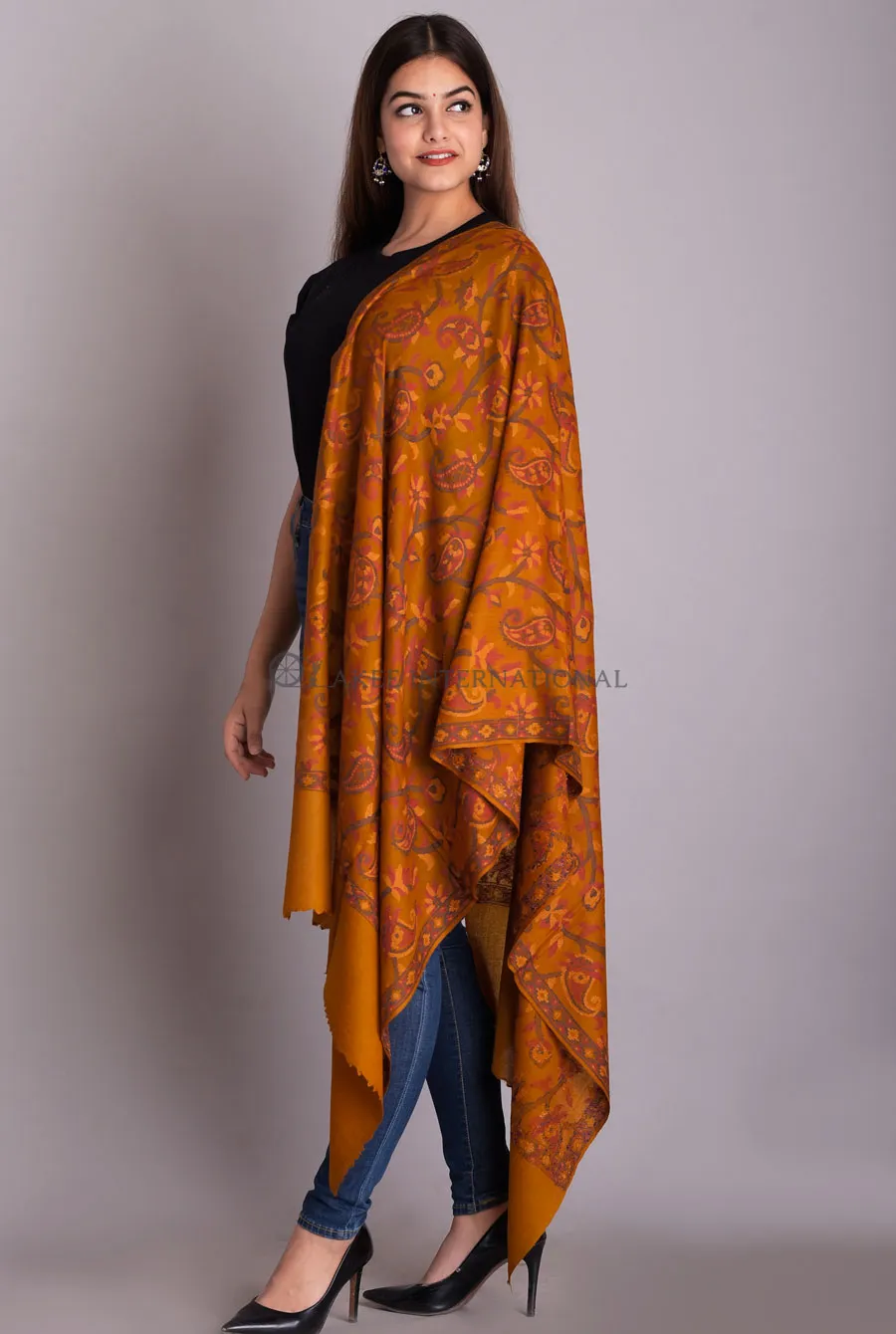
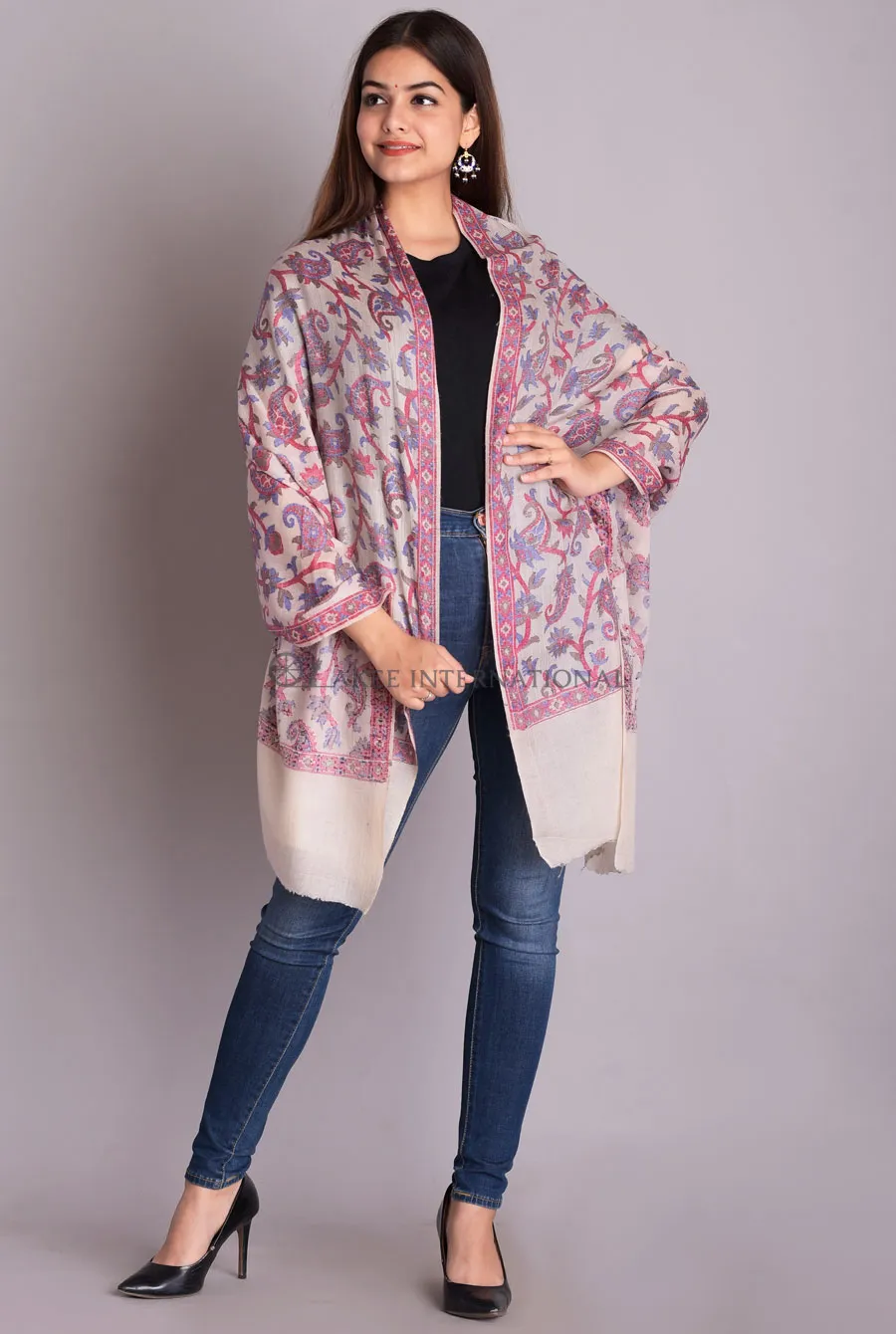
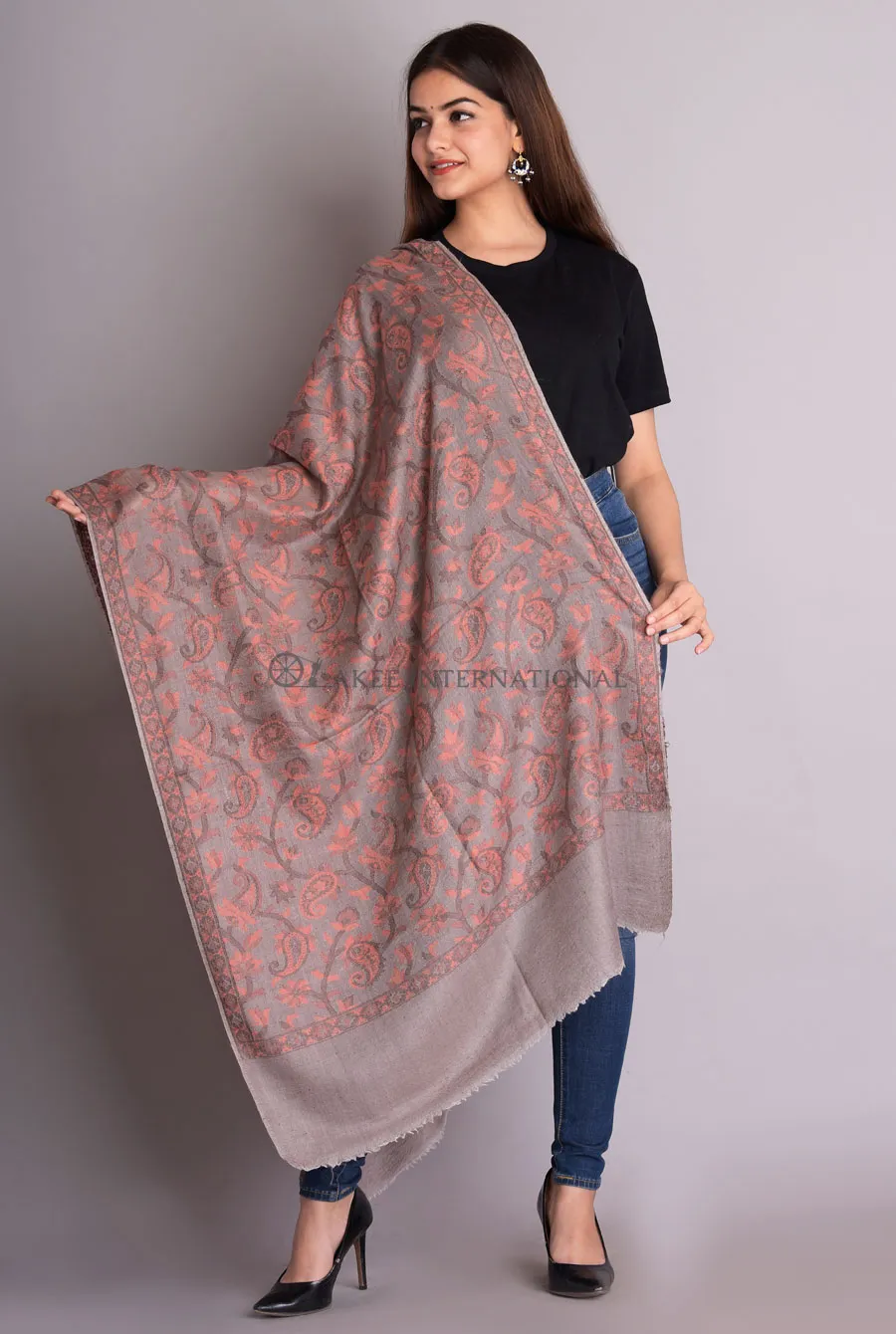
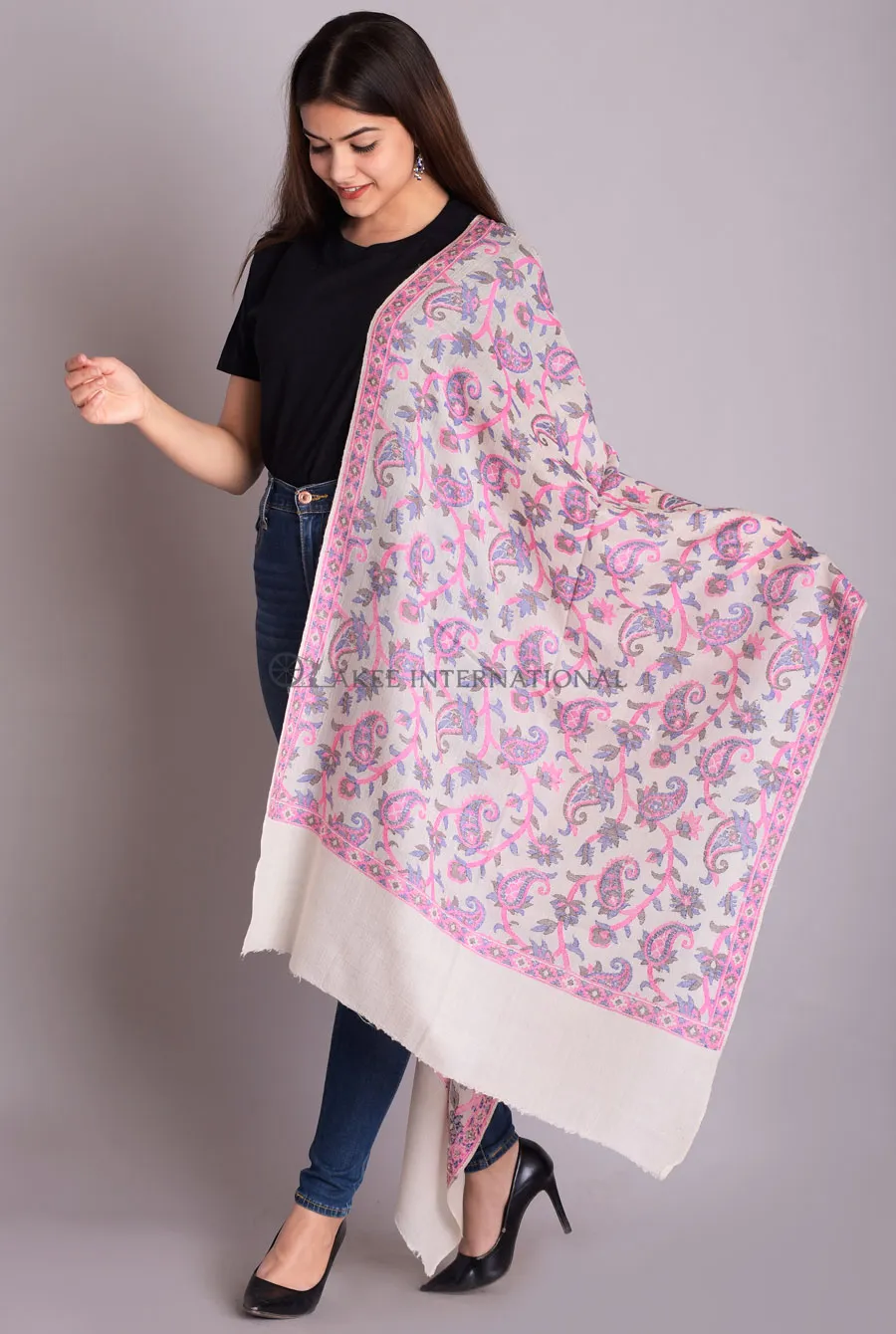
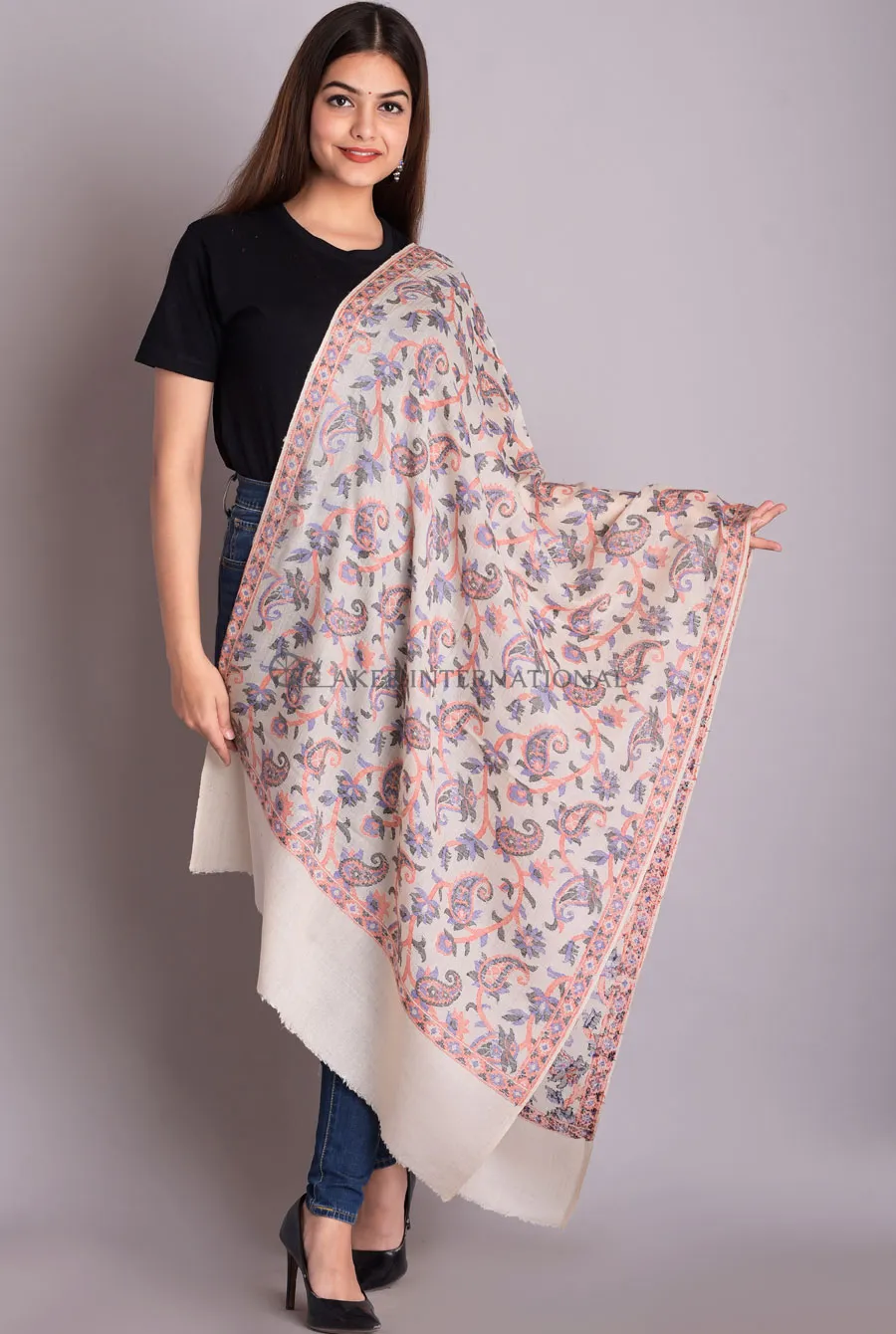
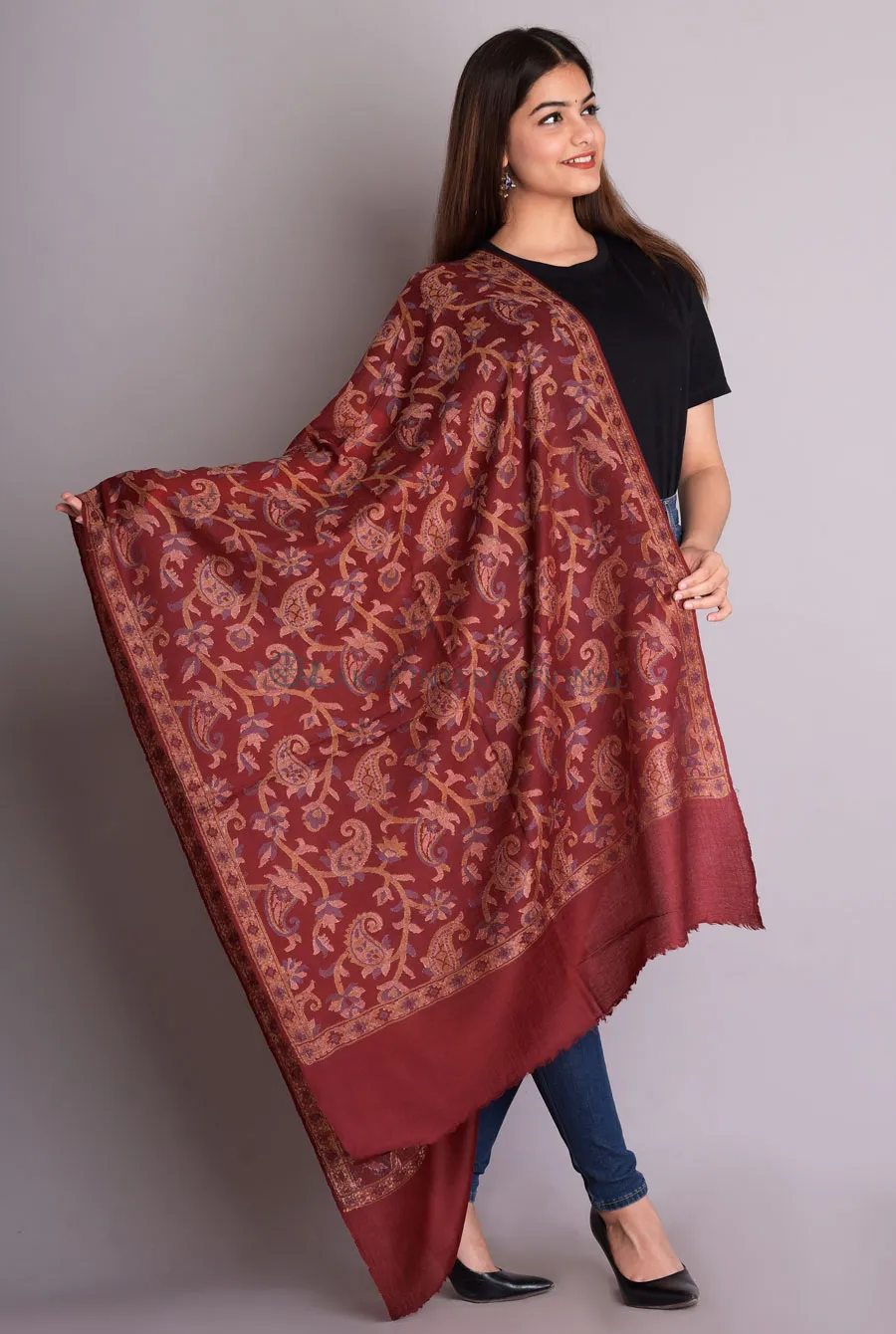
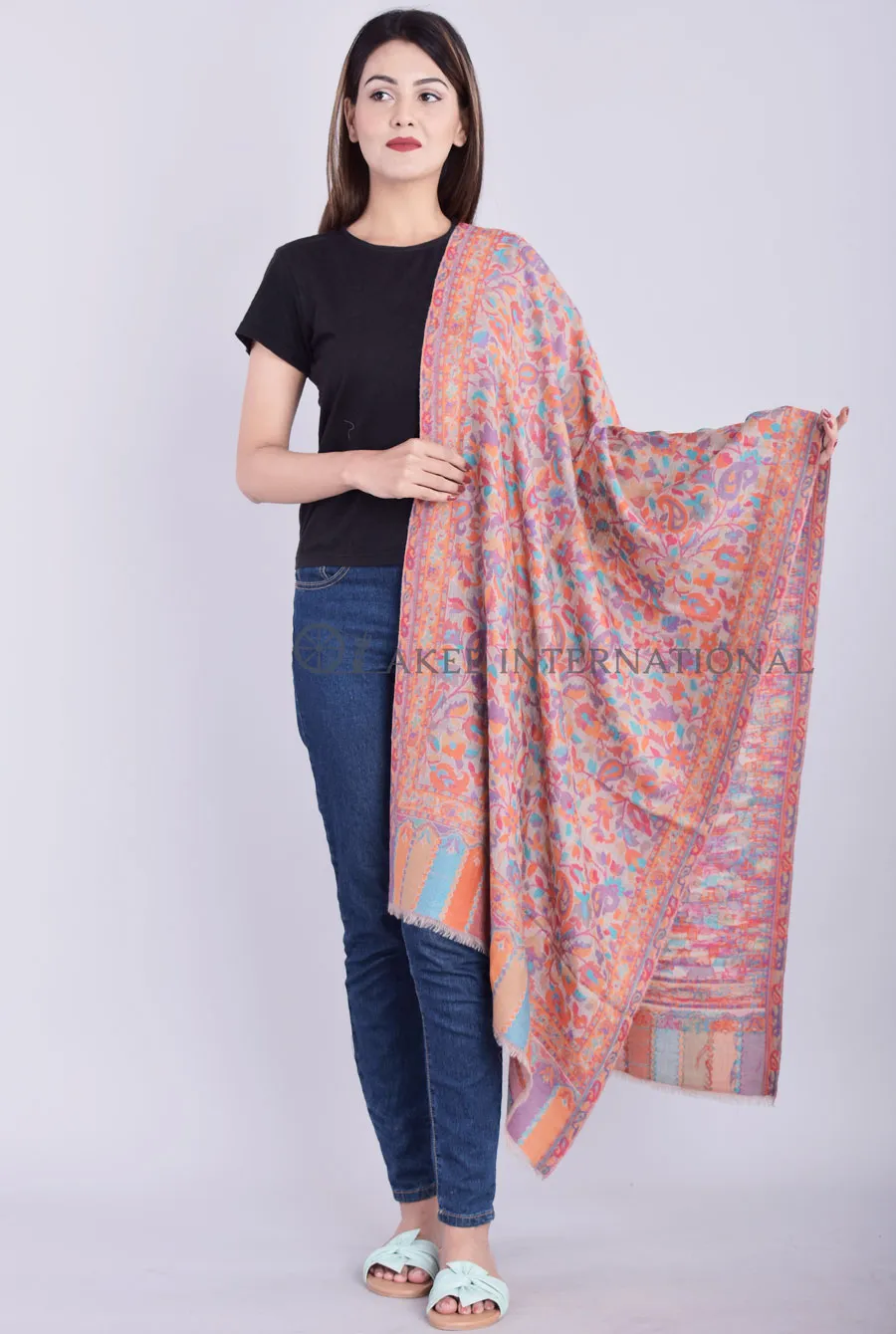
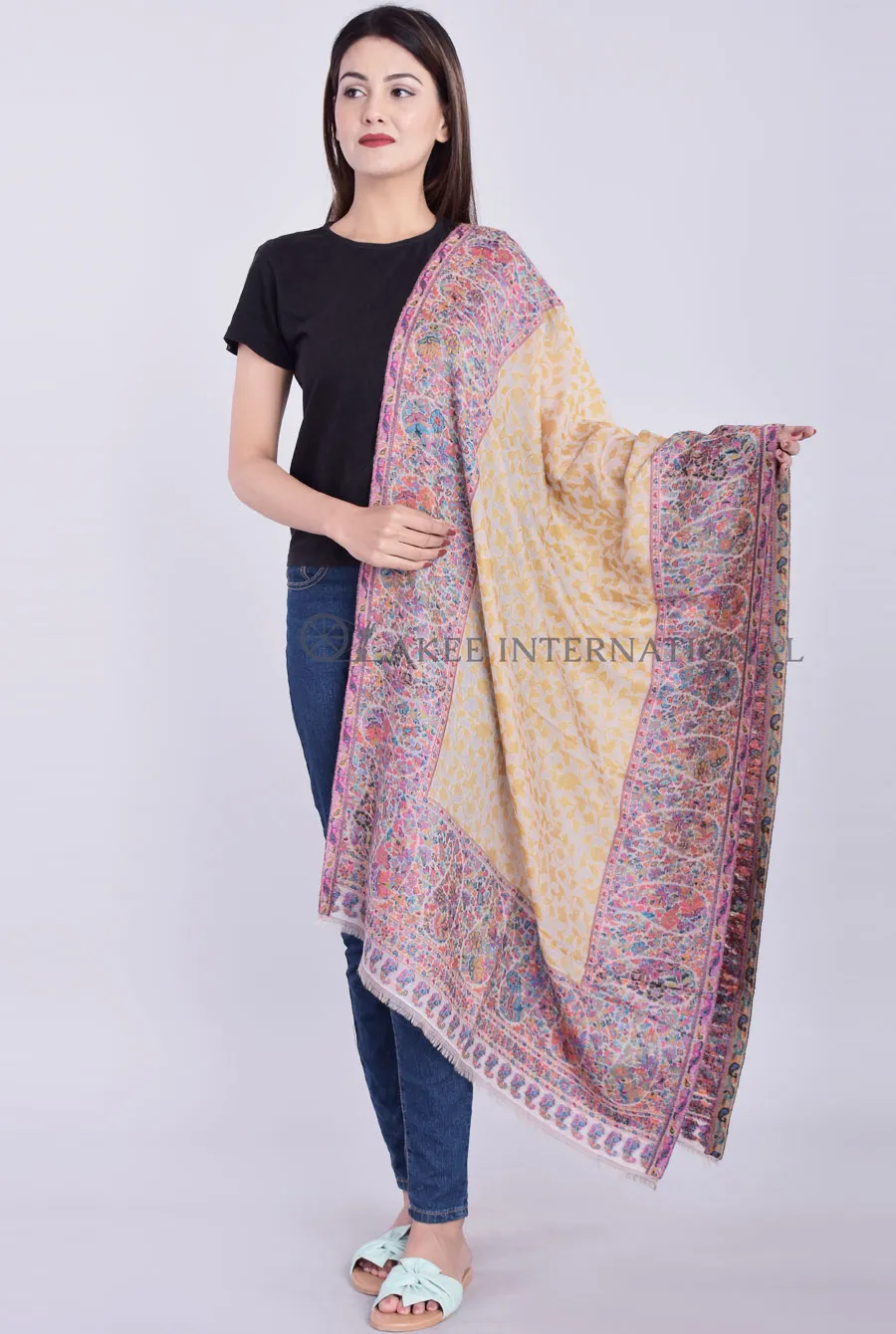
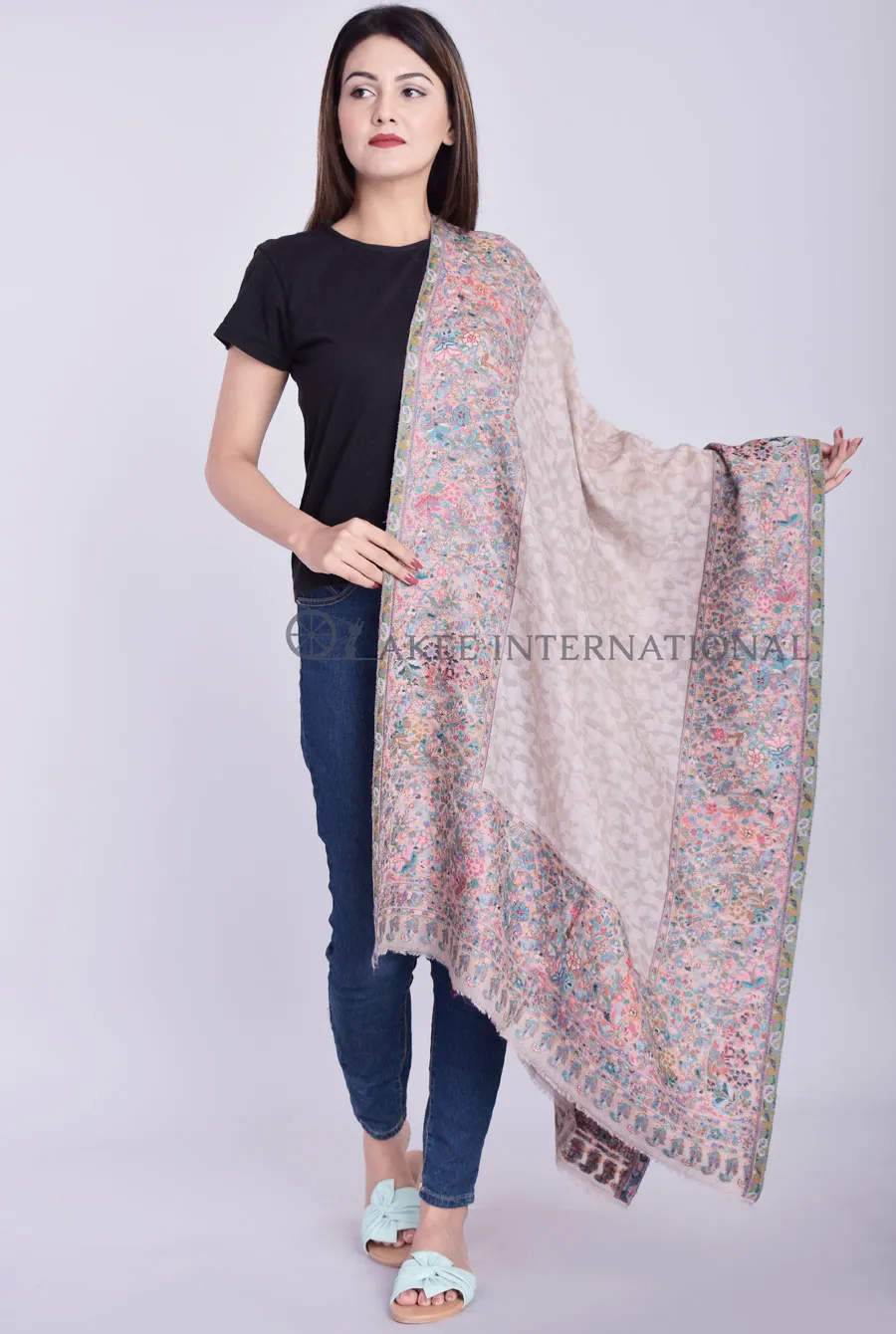
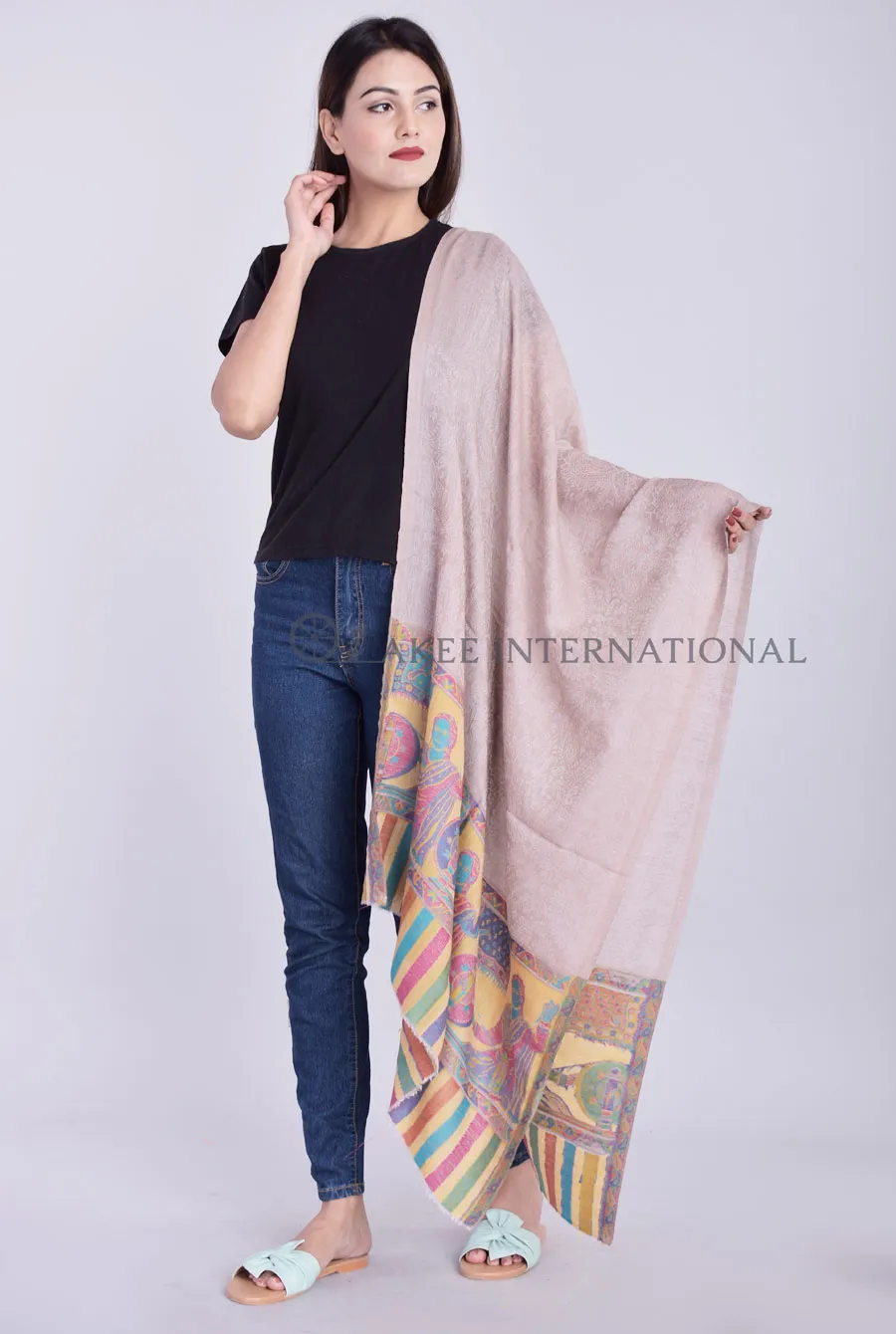
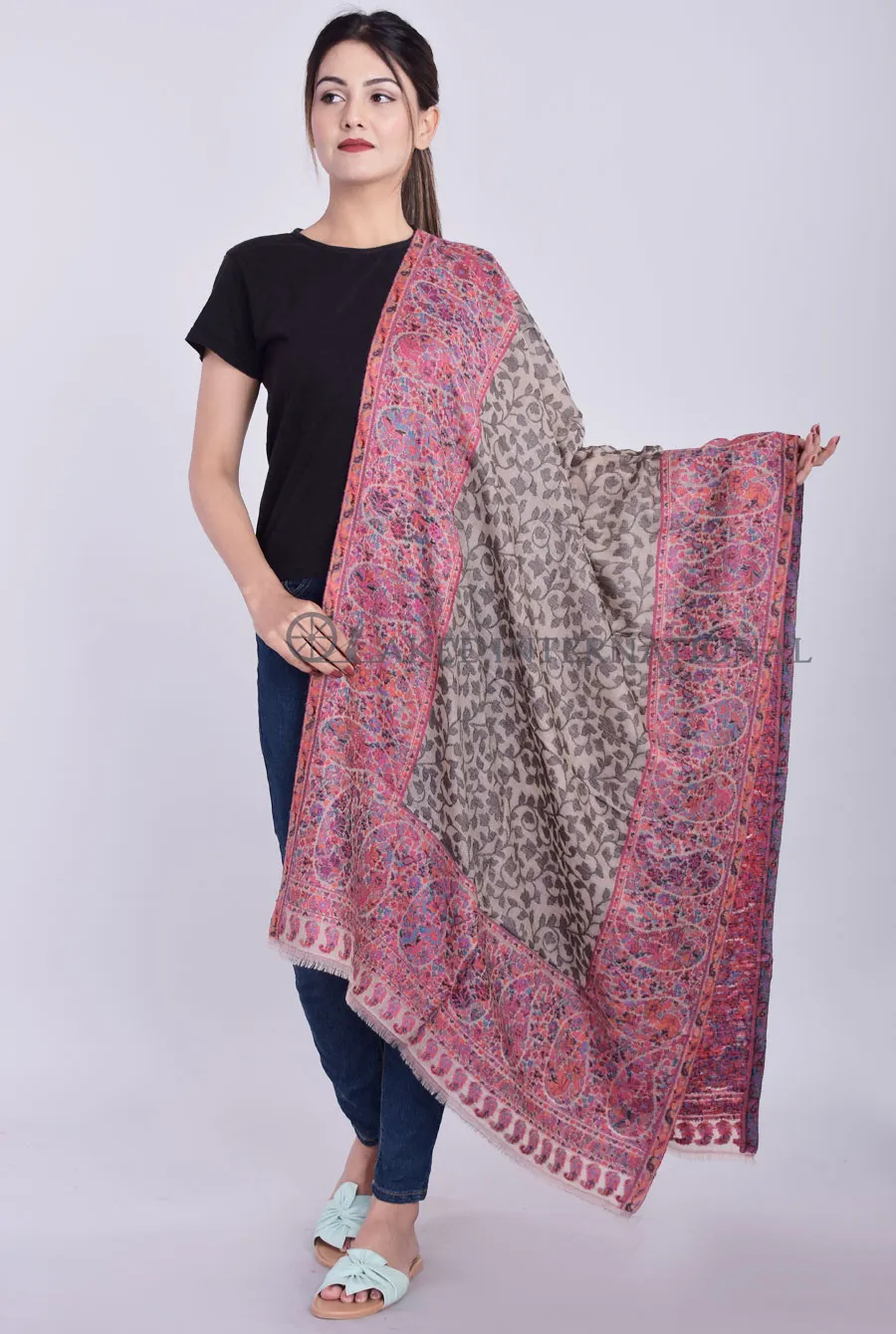
"Handloom" and "network" are both words that get attached to pashmina manufacturing claims without much explanation of what they mean together. A handloom network specifically refers to a decentralized structure — multiple artisan households or small workshops, each handling different stages or techniques, rather than one centralized factory floor. Here's why this structure exists and what it actually delivers.
Why Handloom Production Is Inherently Decentralized
Unlike power-loom manufacturing, which can be consolidated into a single large facility, genuine handloom weaving is typically done on individual looms within artisan homes or small workshops across Kashmir. A manufacturer sourcing handloom pashmina at any meaningful scale is, by definition, working with a network rather than a single production site — this isn't a workaround, it's how authentic handloom production has always functioned.
How Coordination Works Across a Network
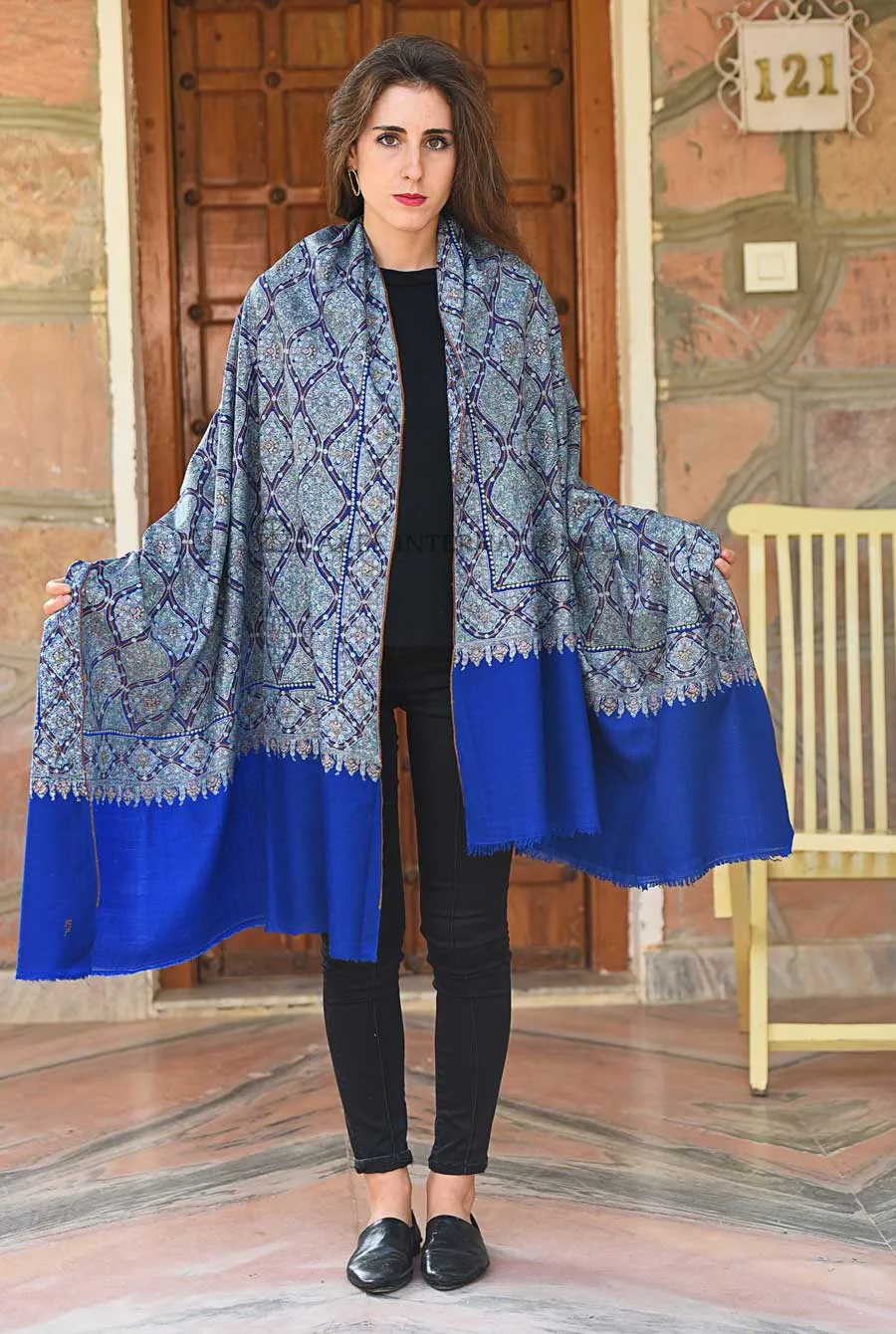
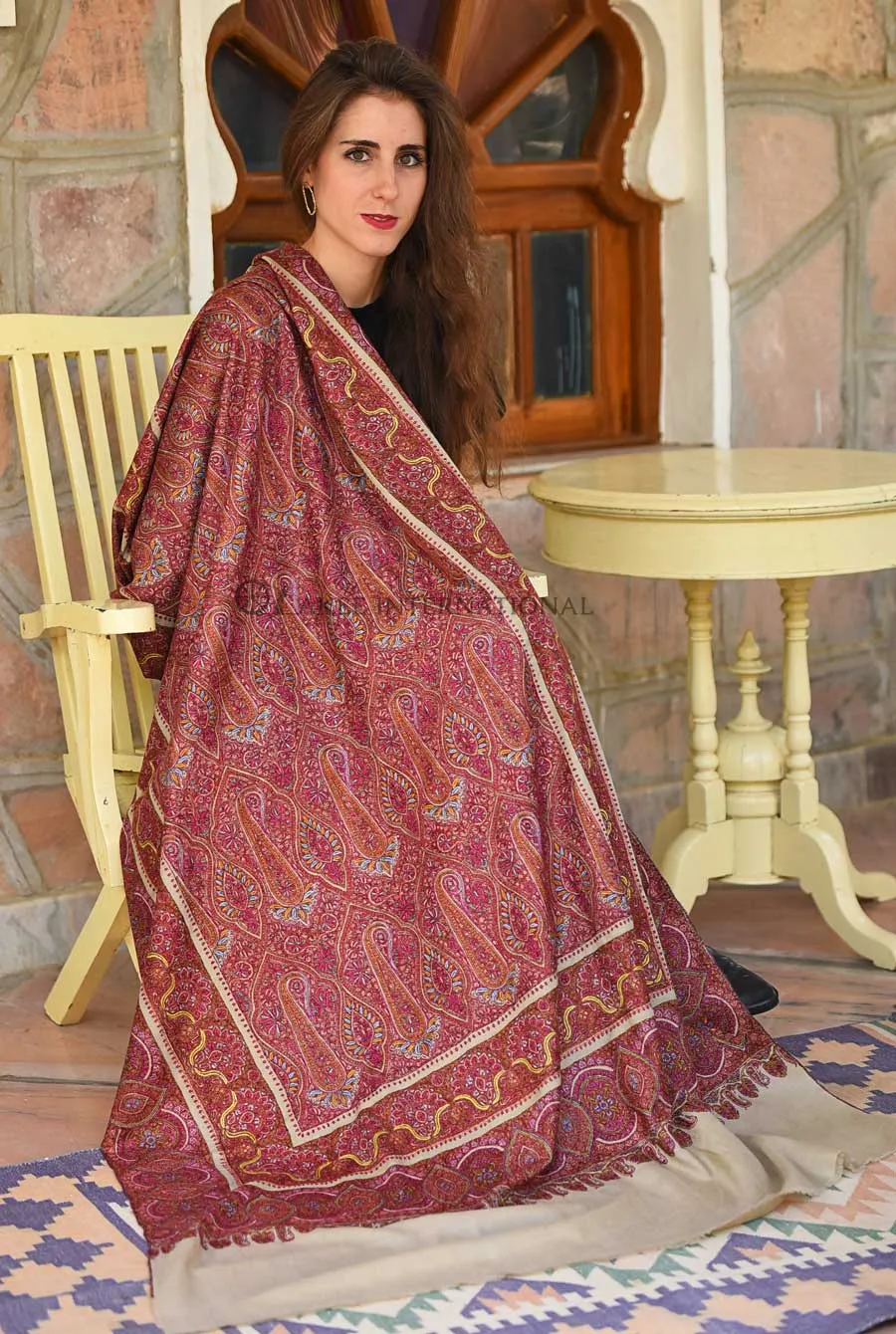
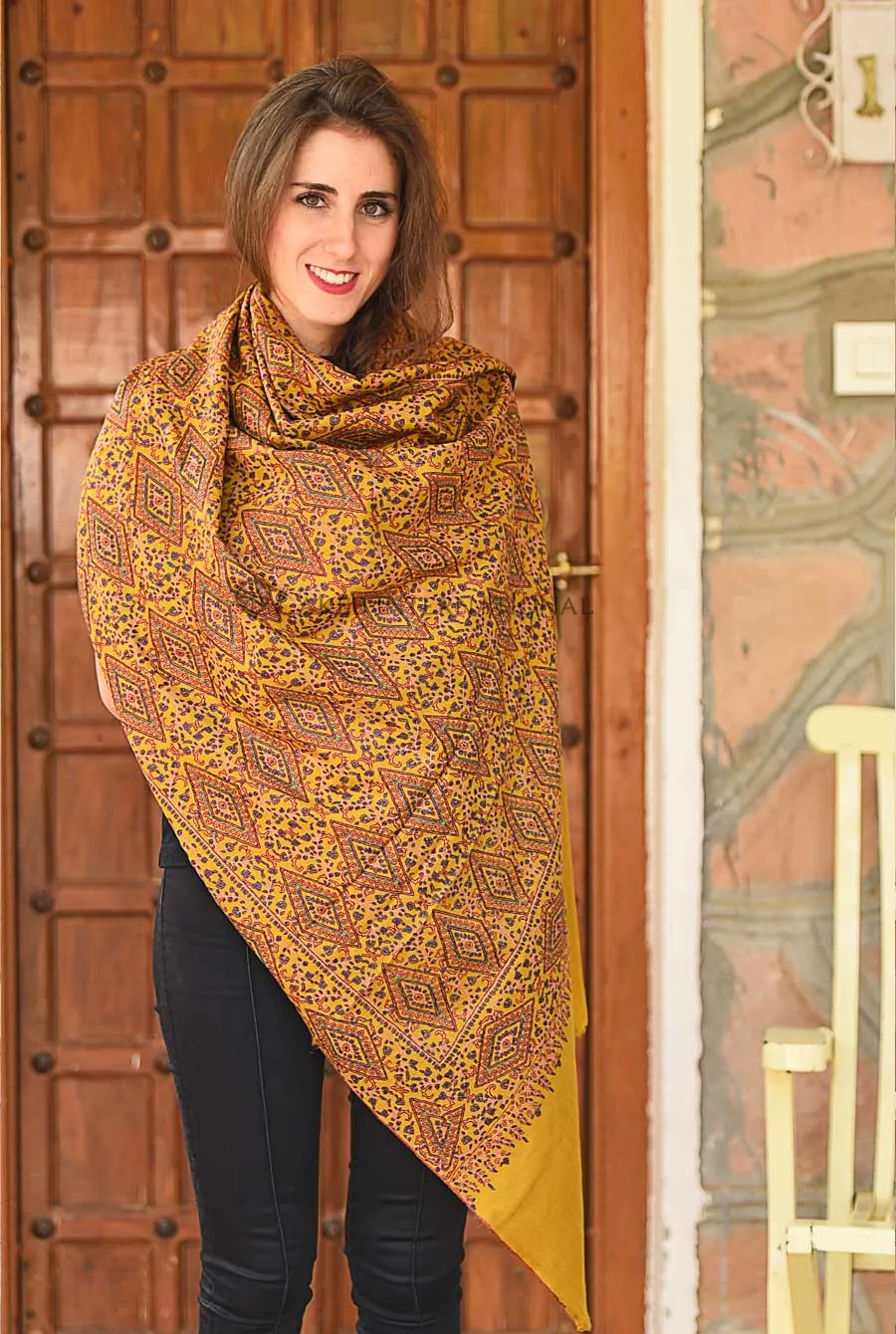
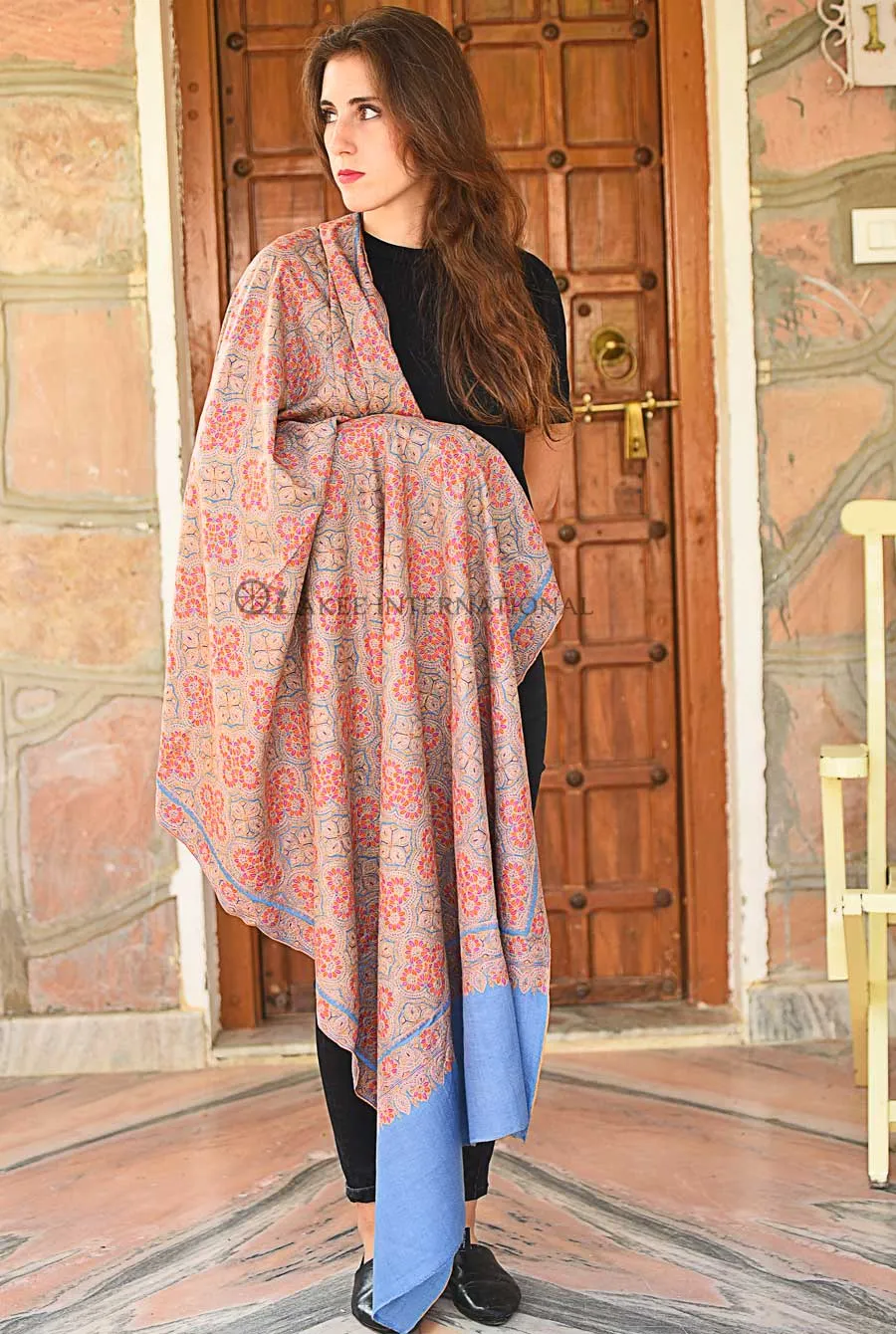
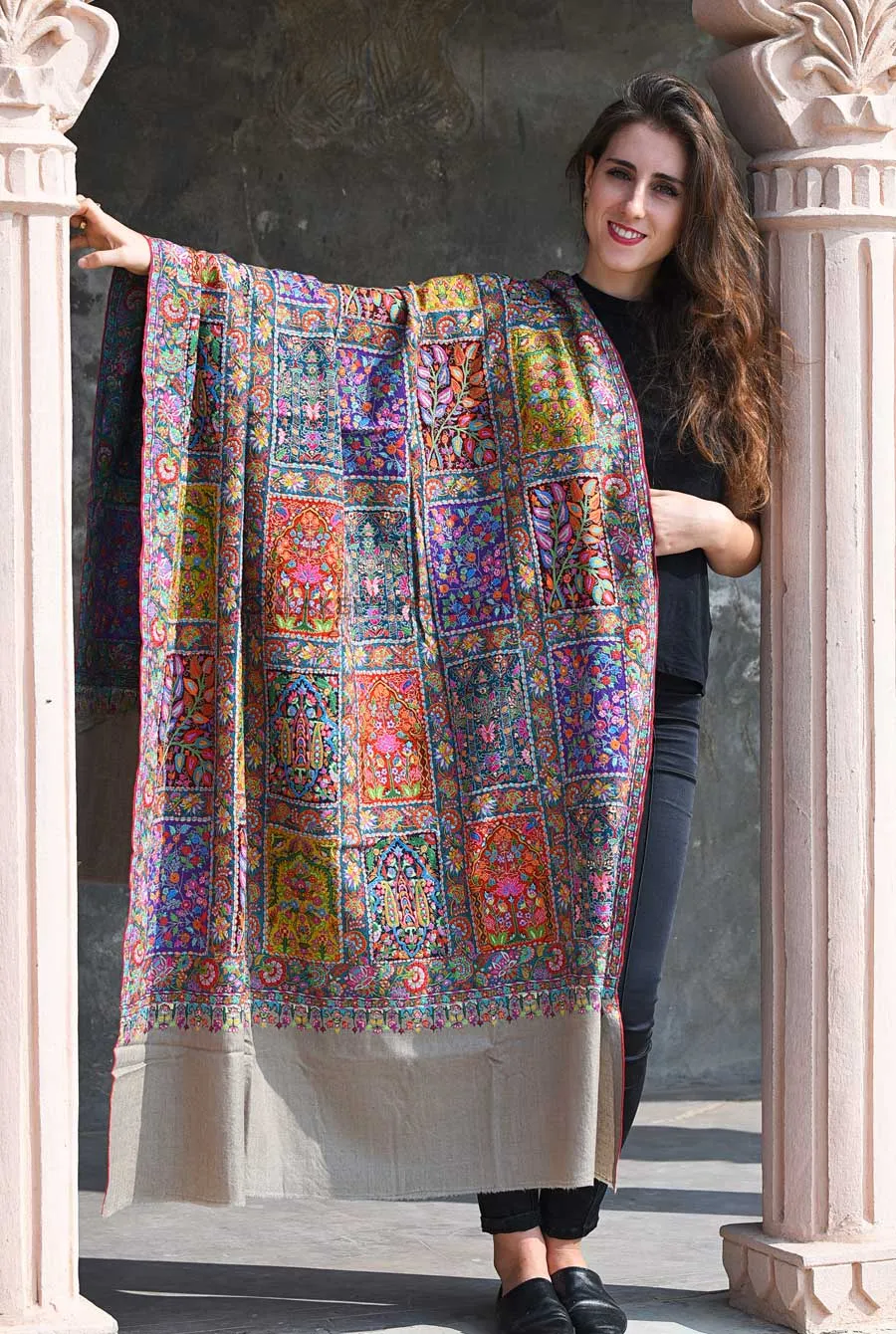
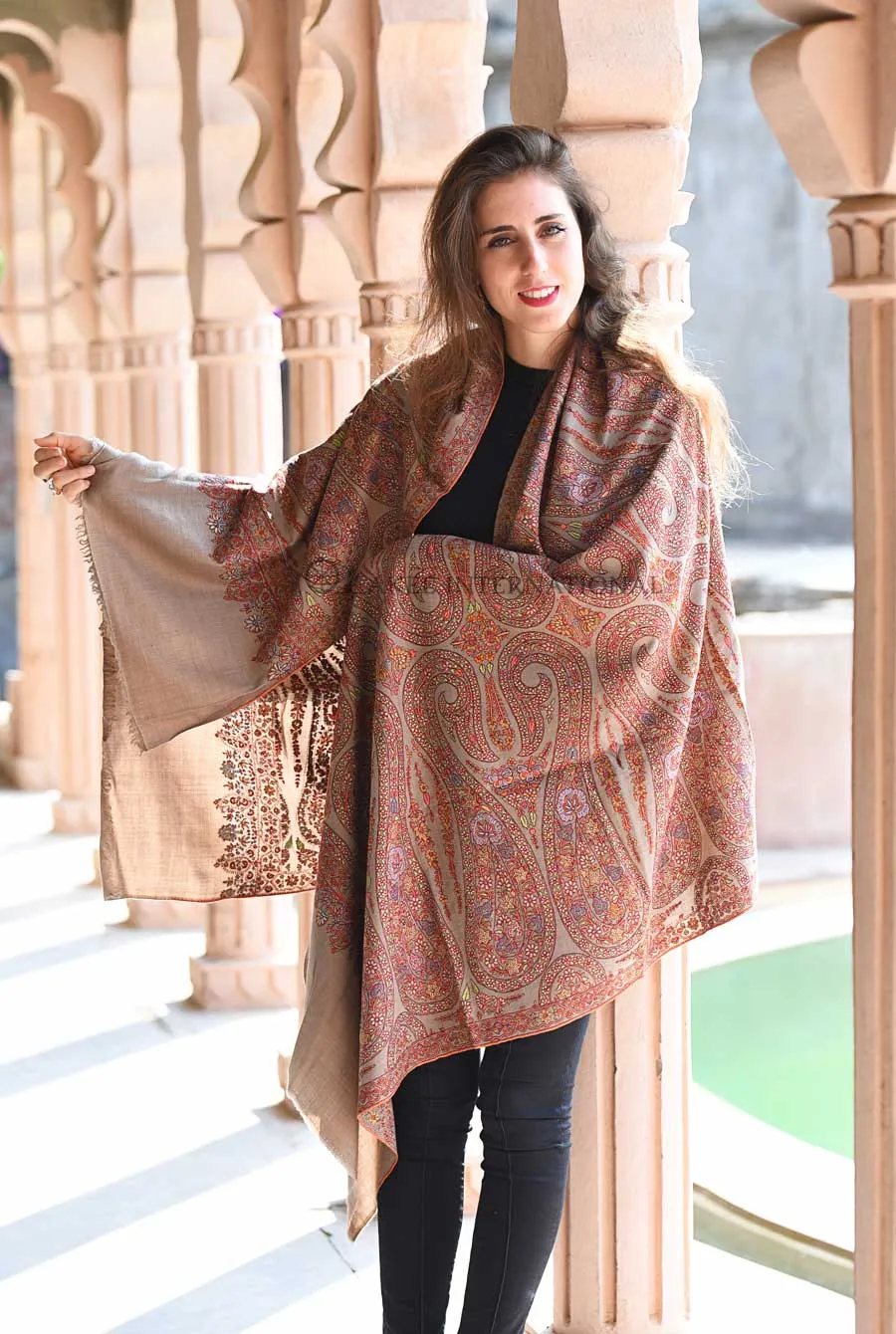
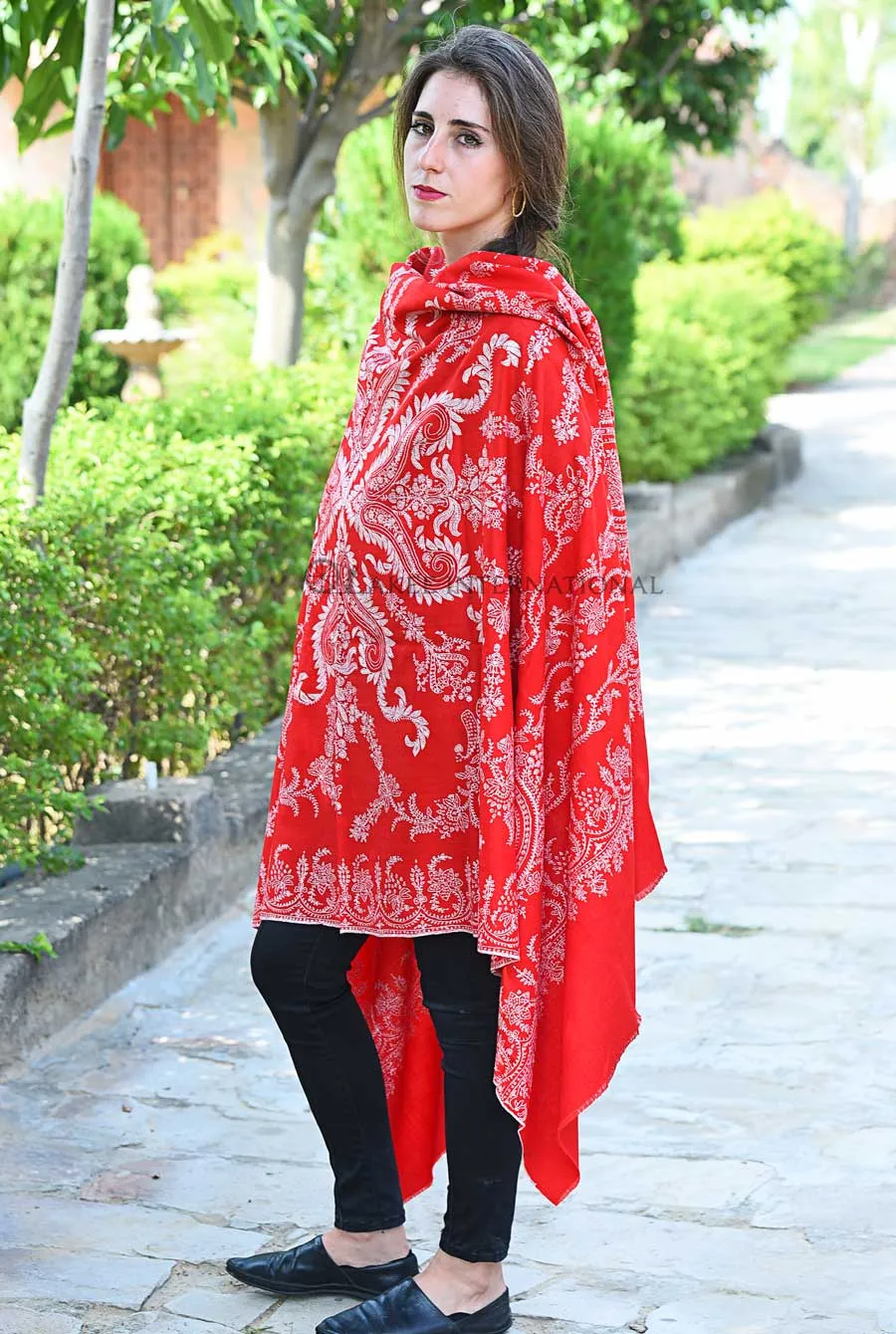
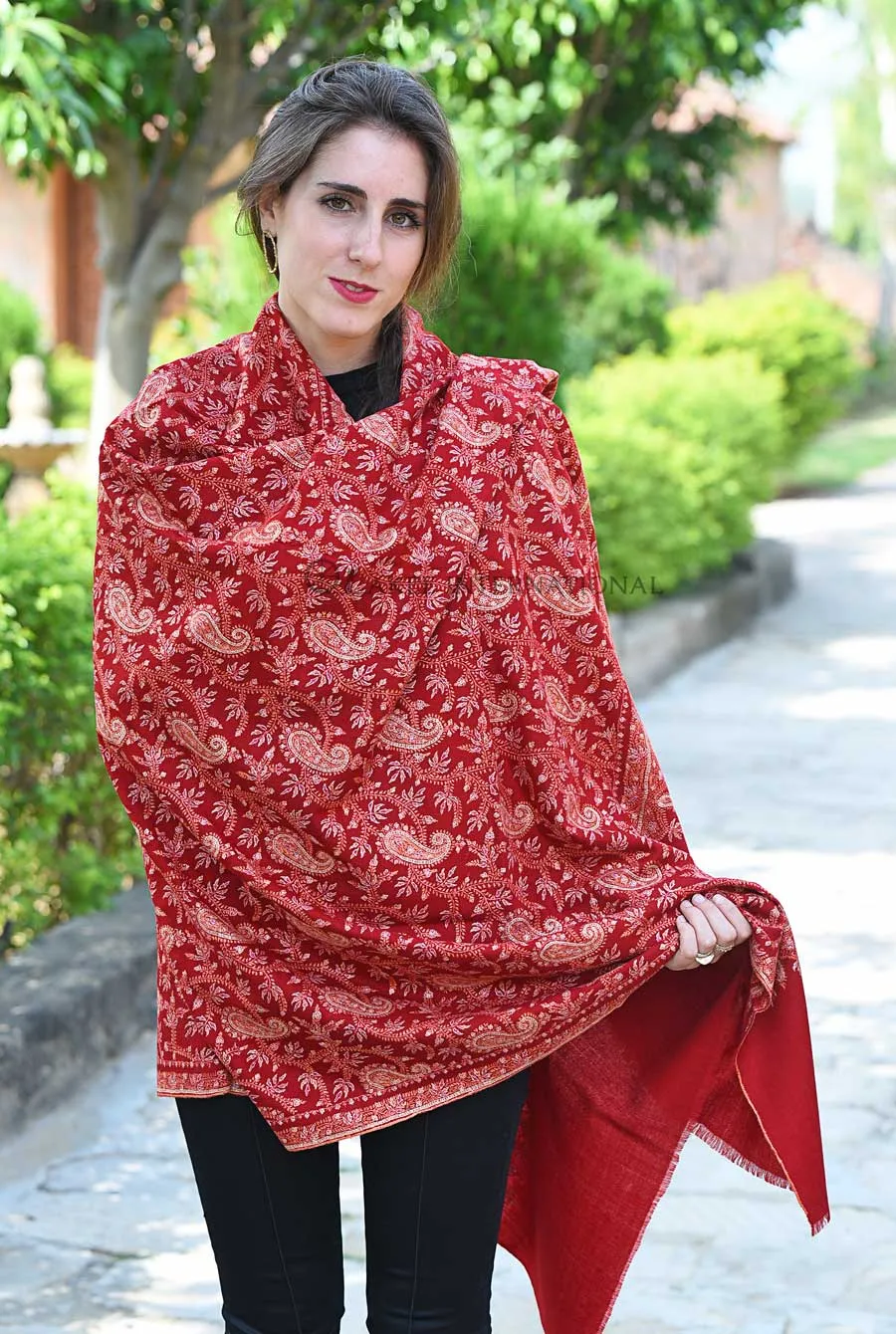
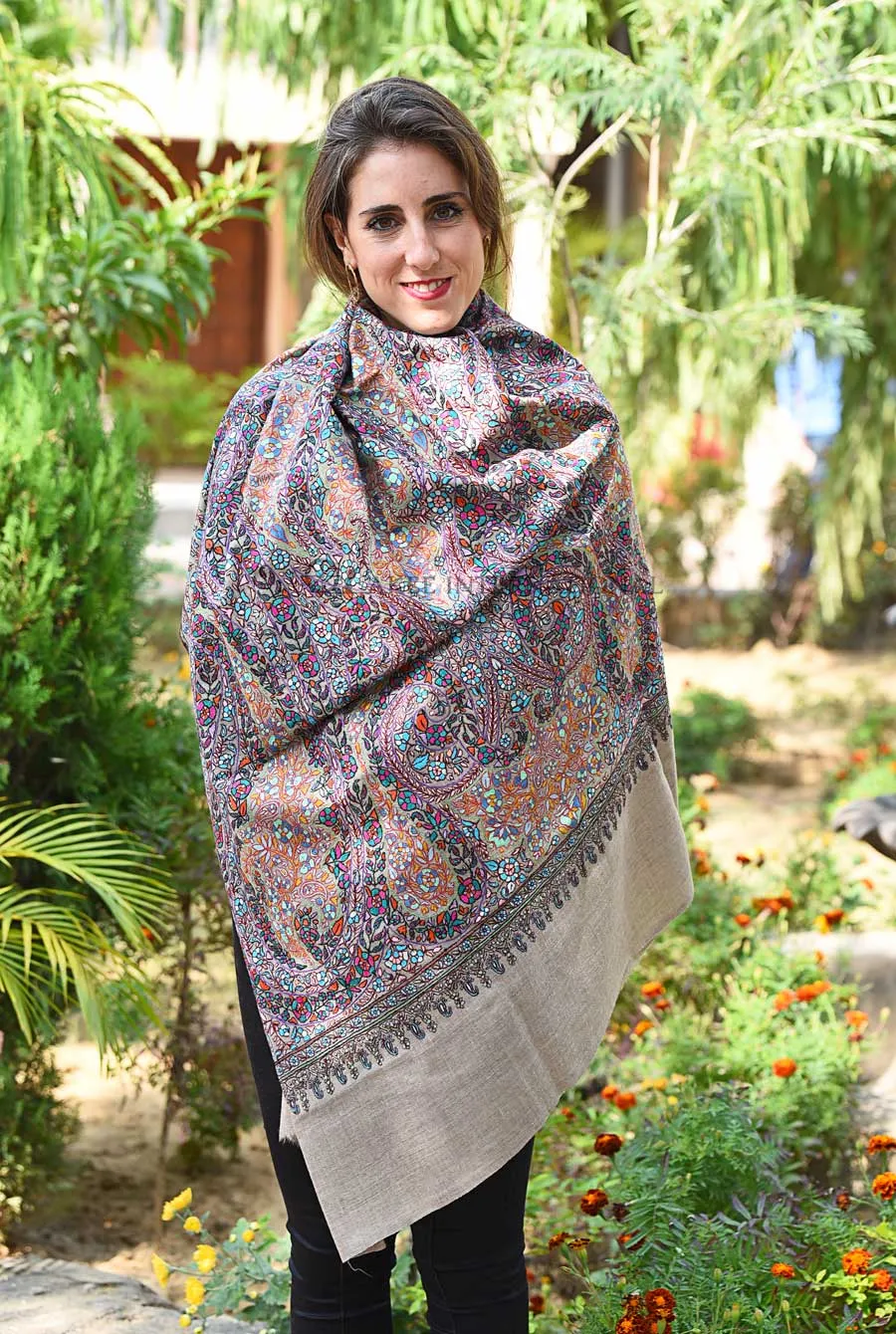
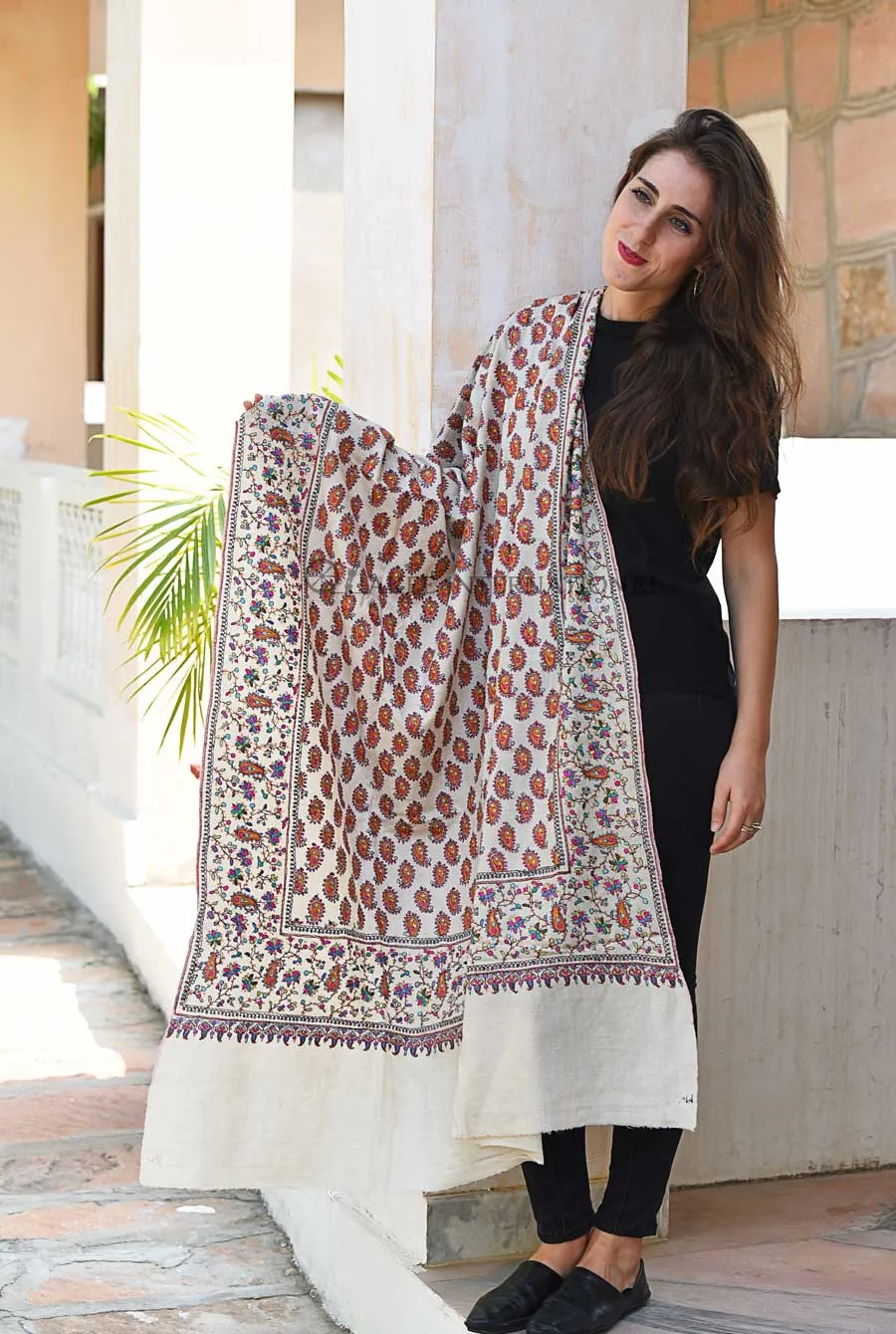
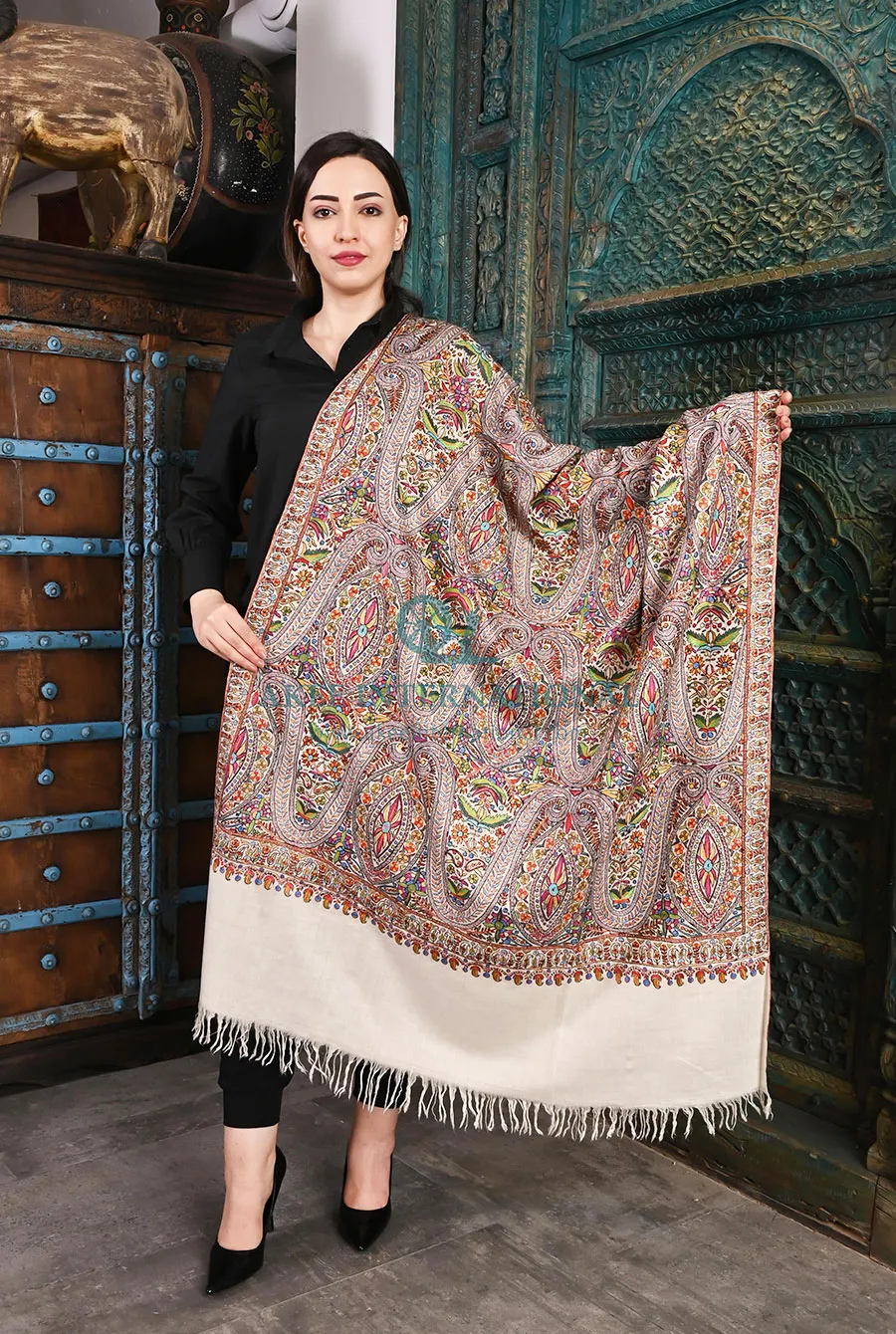
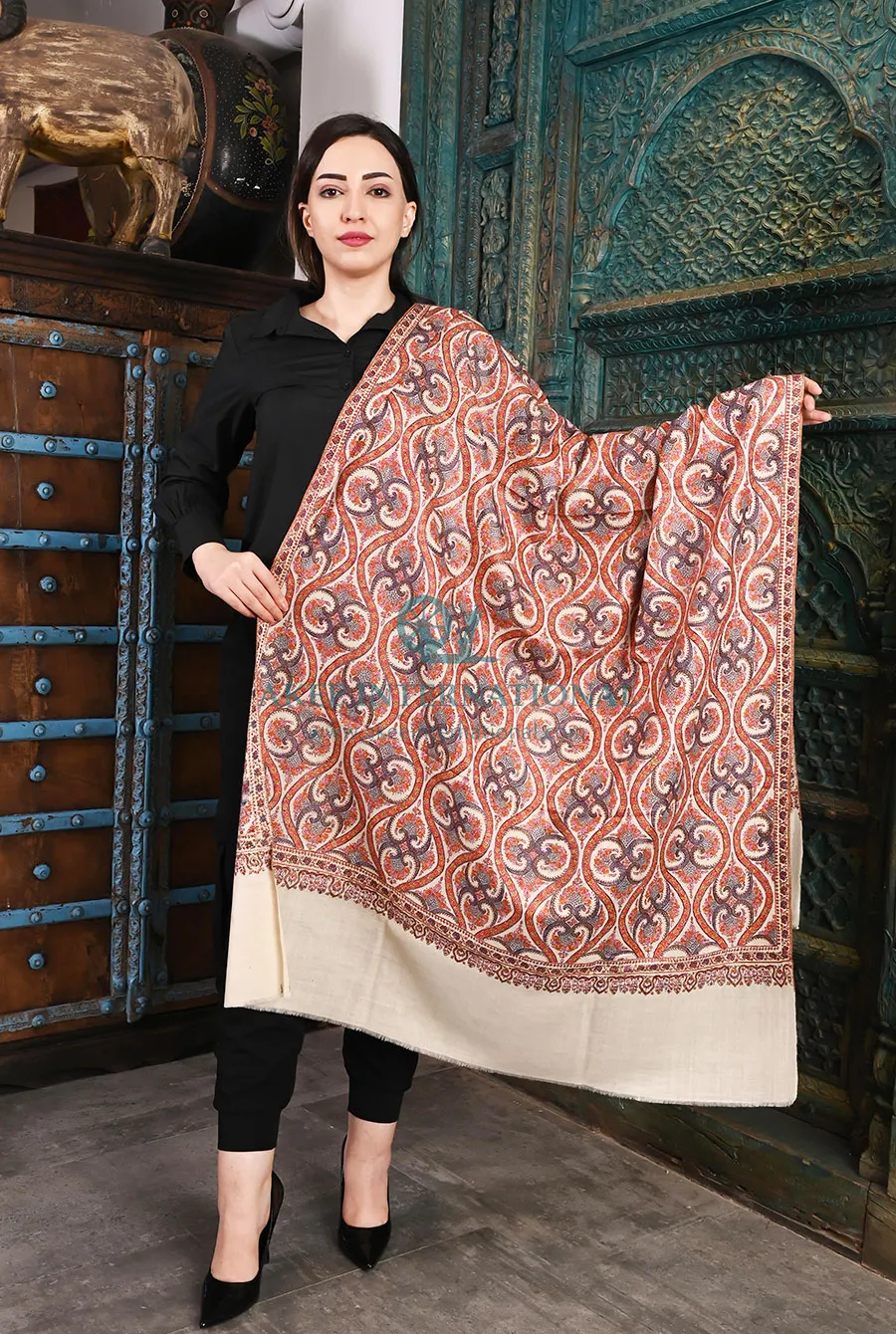
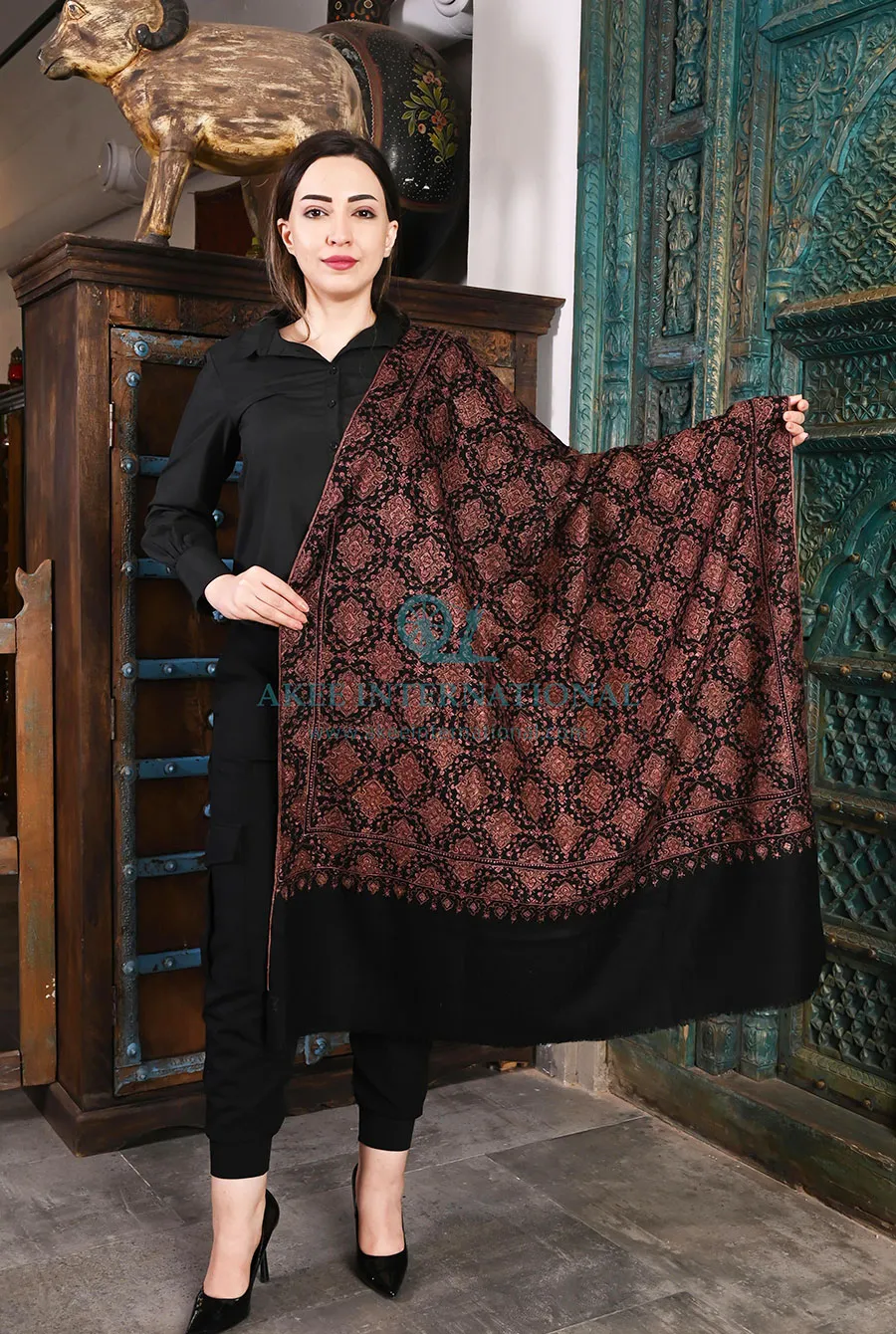
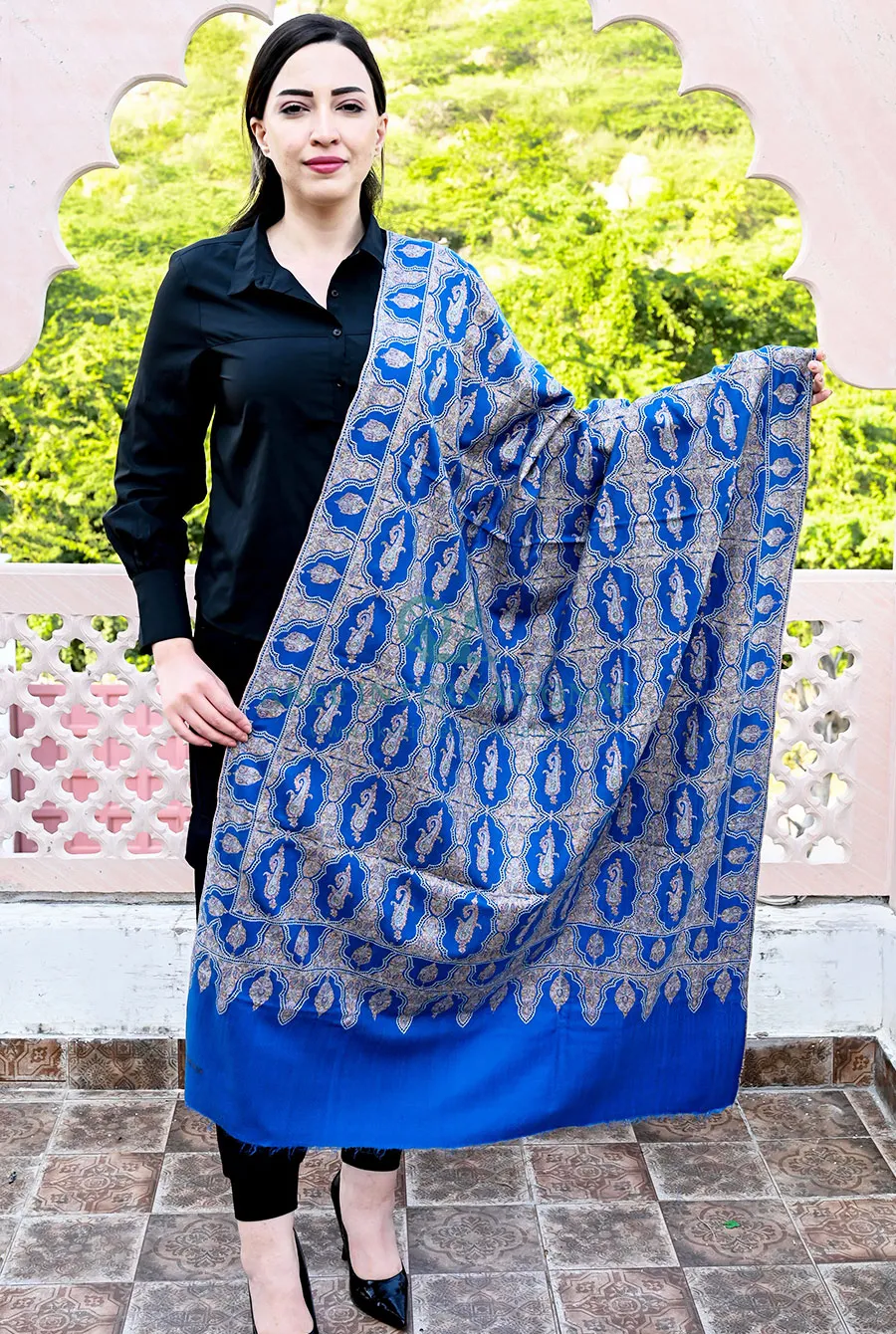
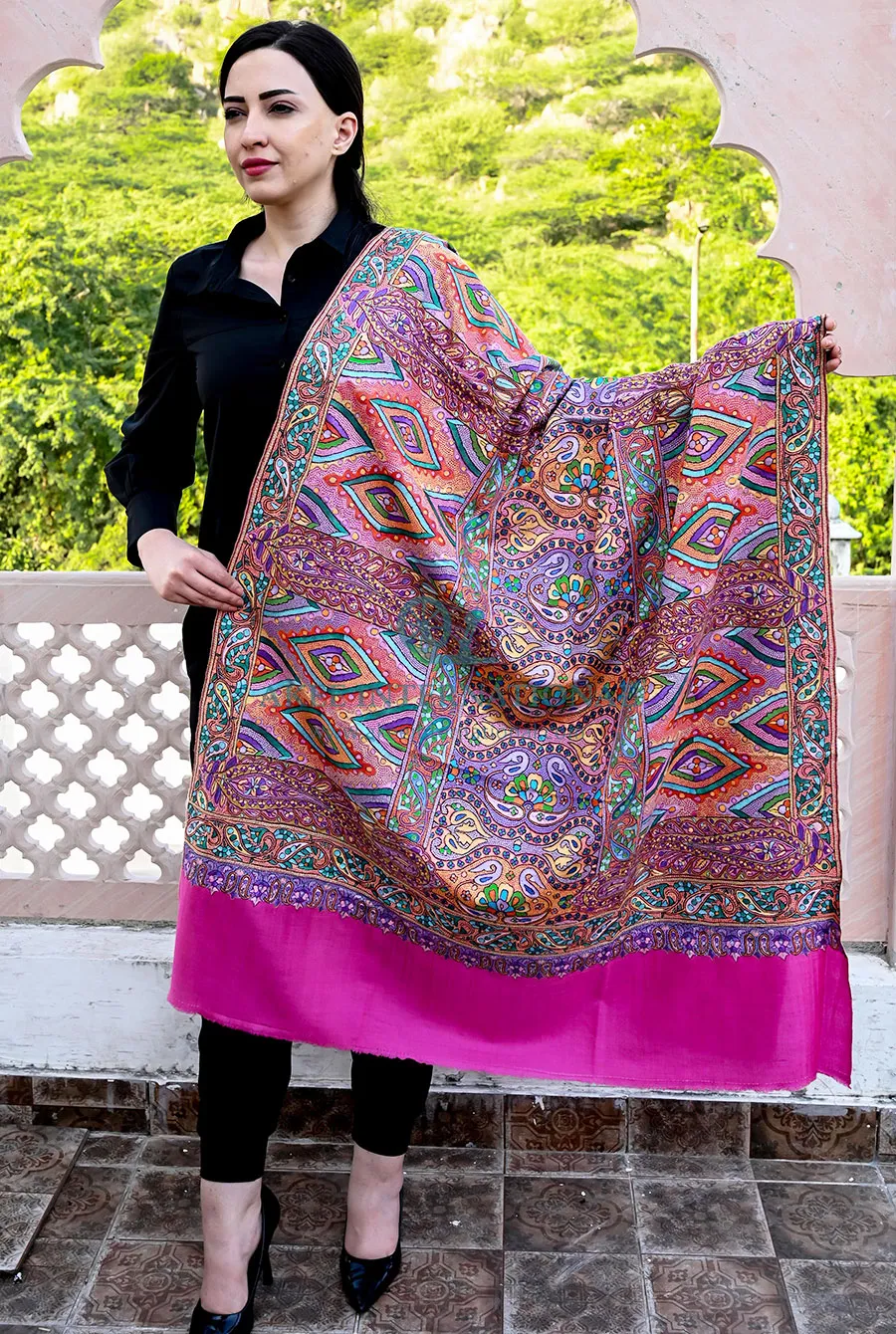
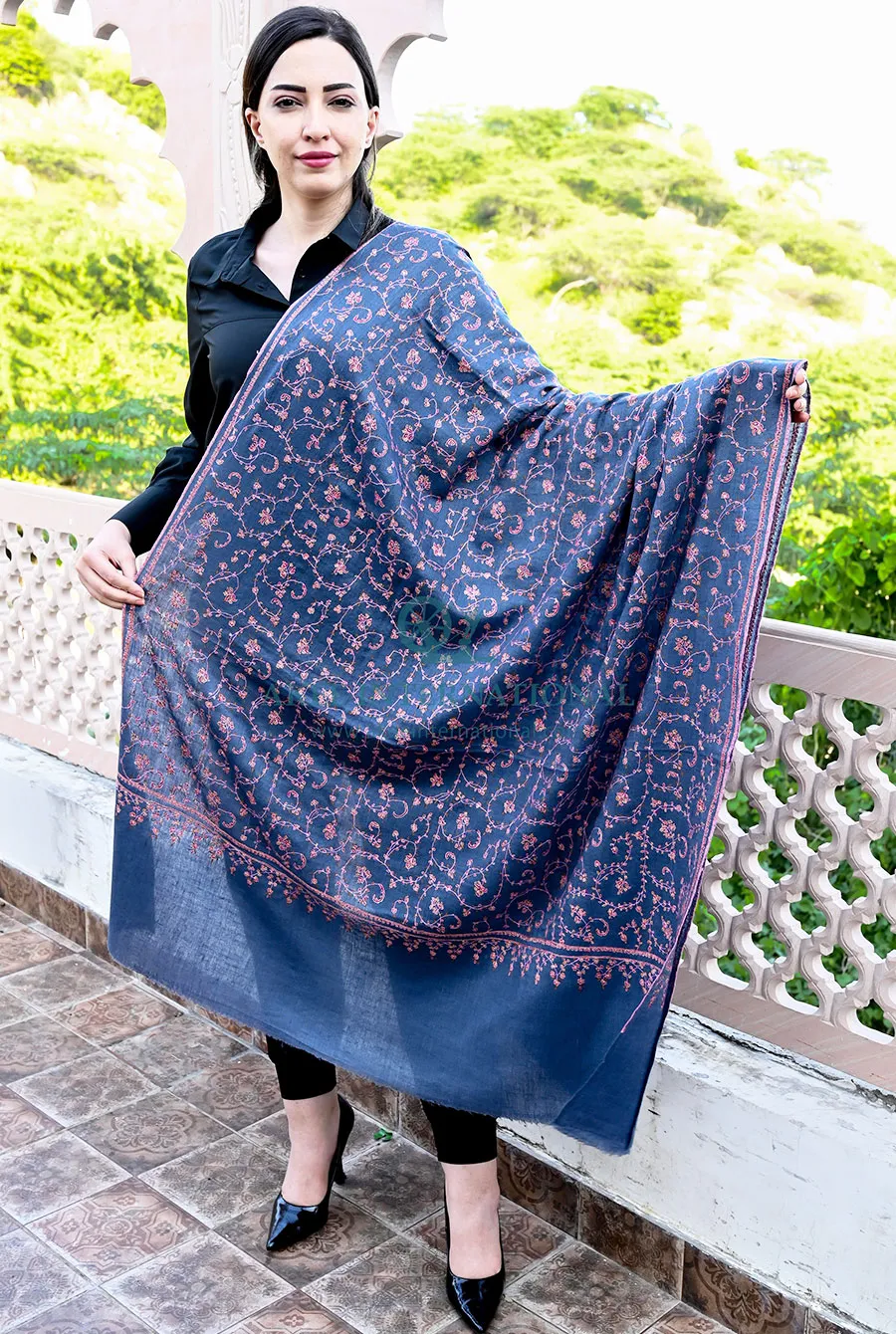
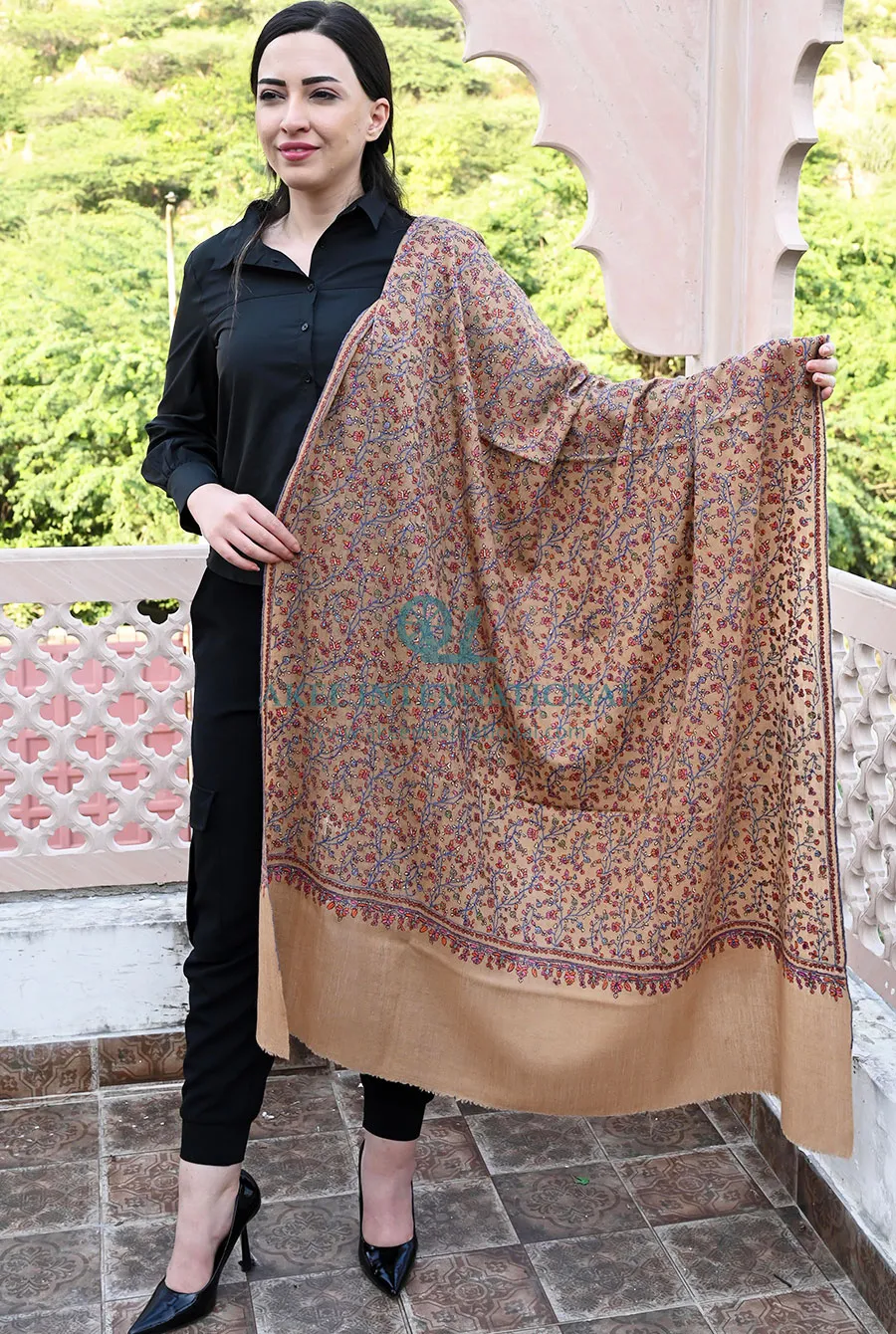
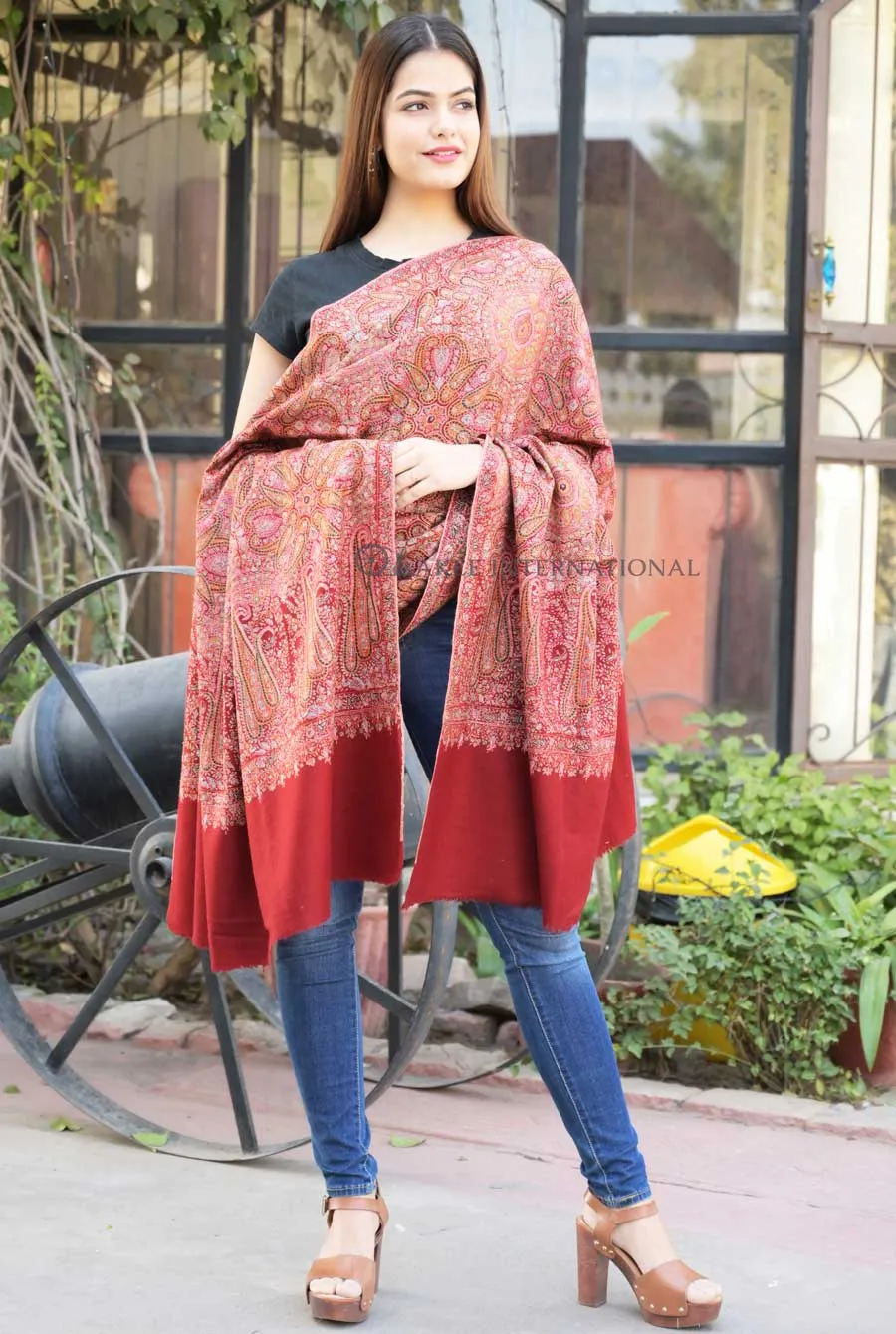
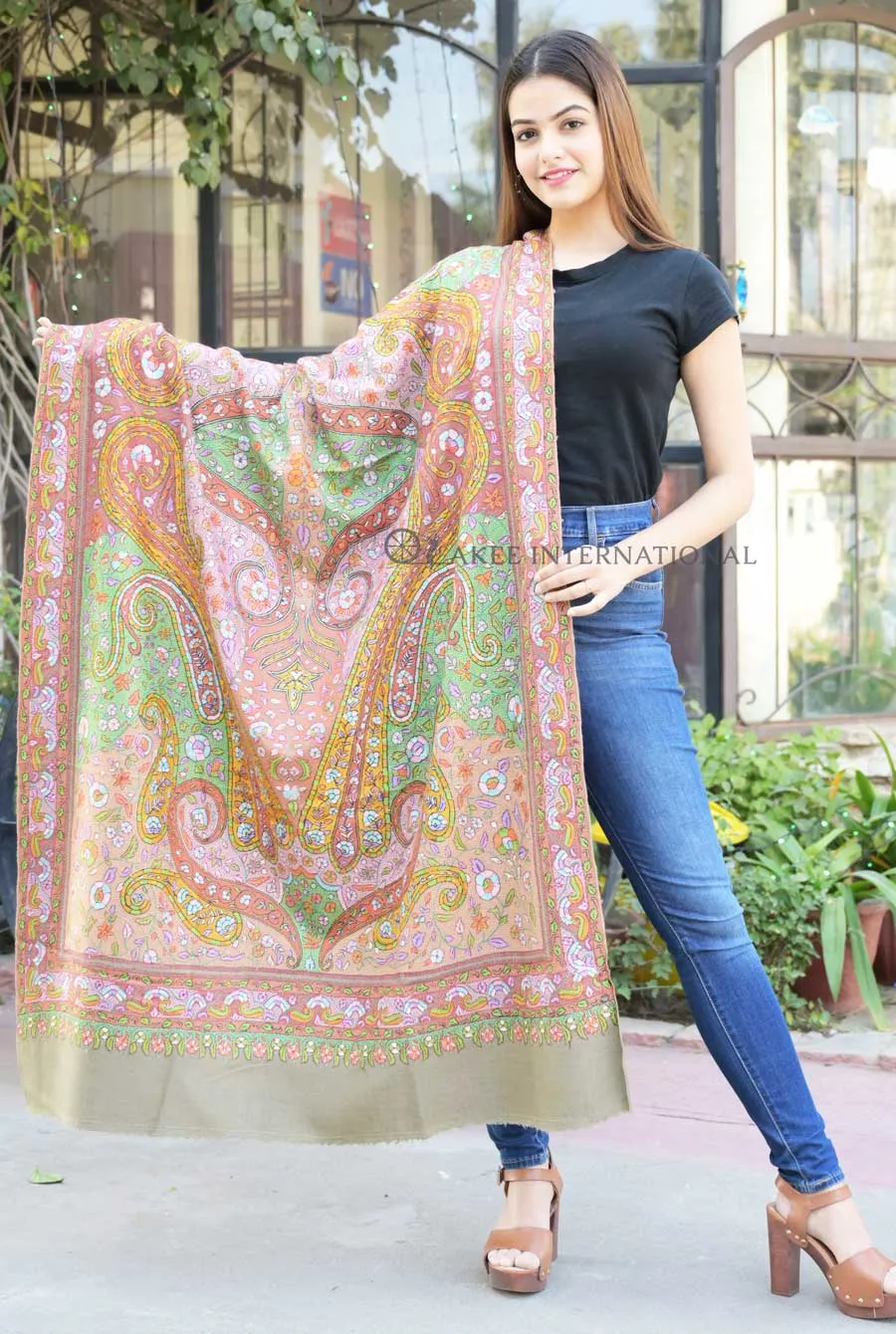
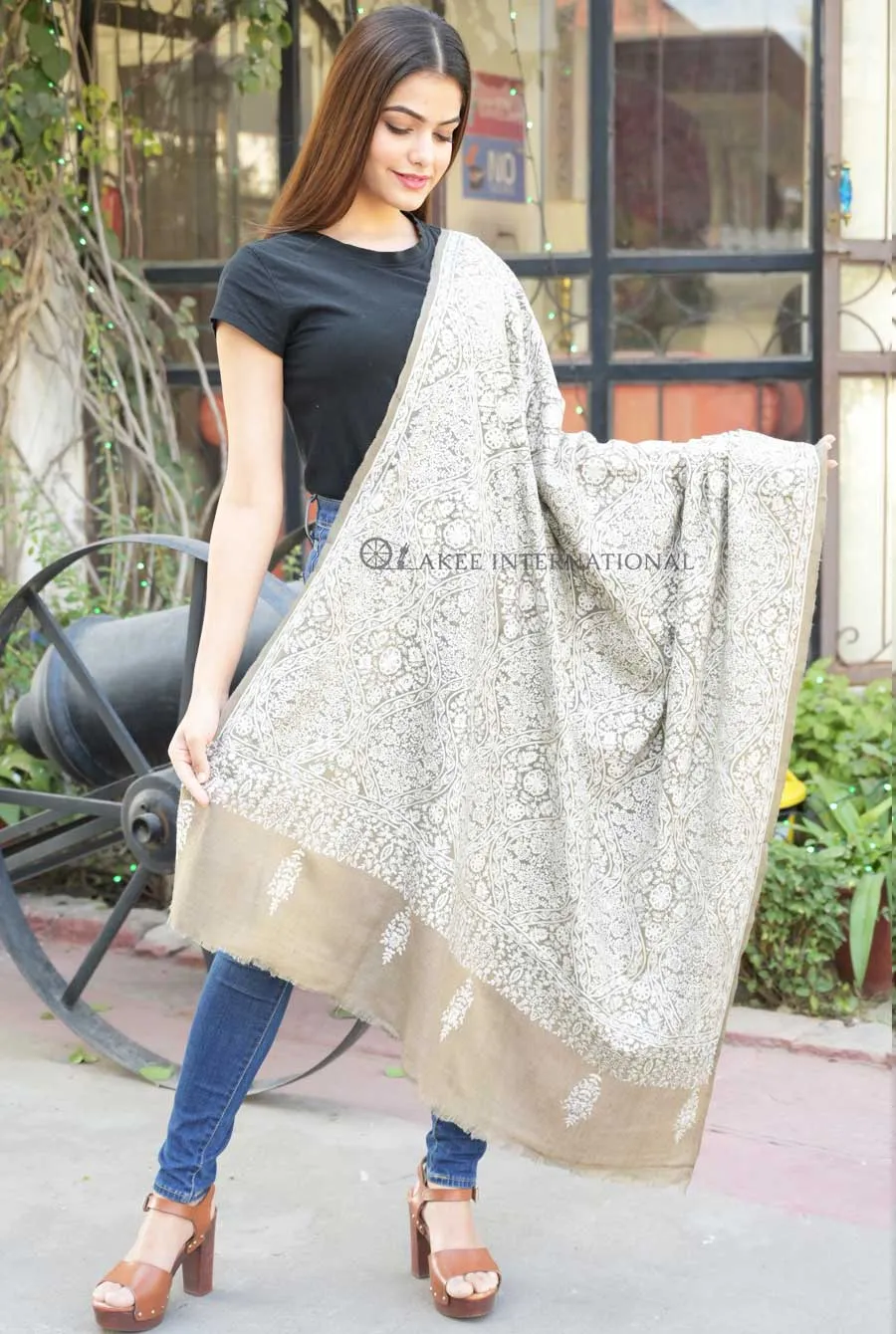
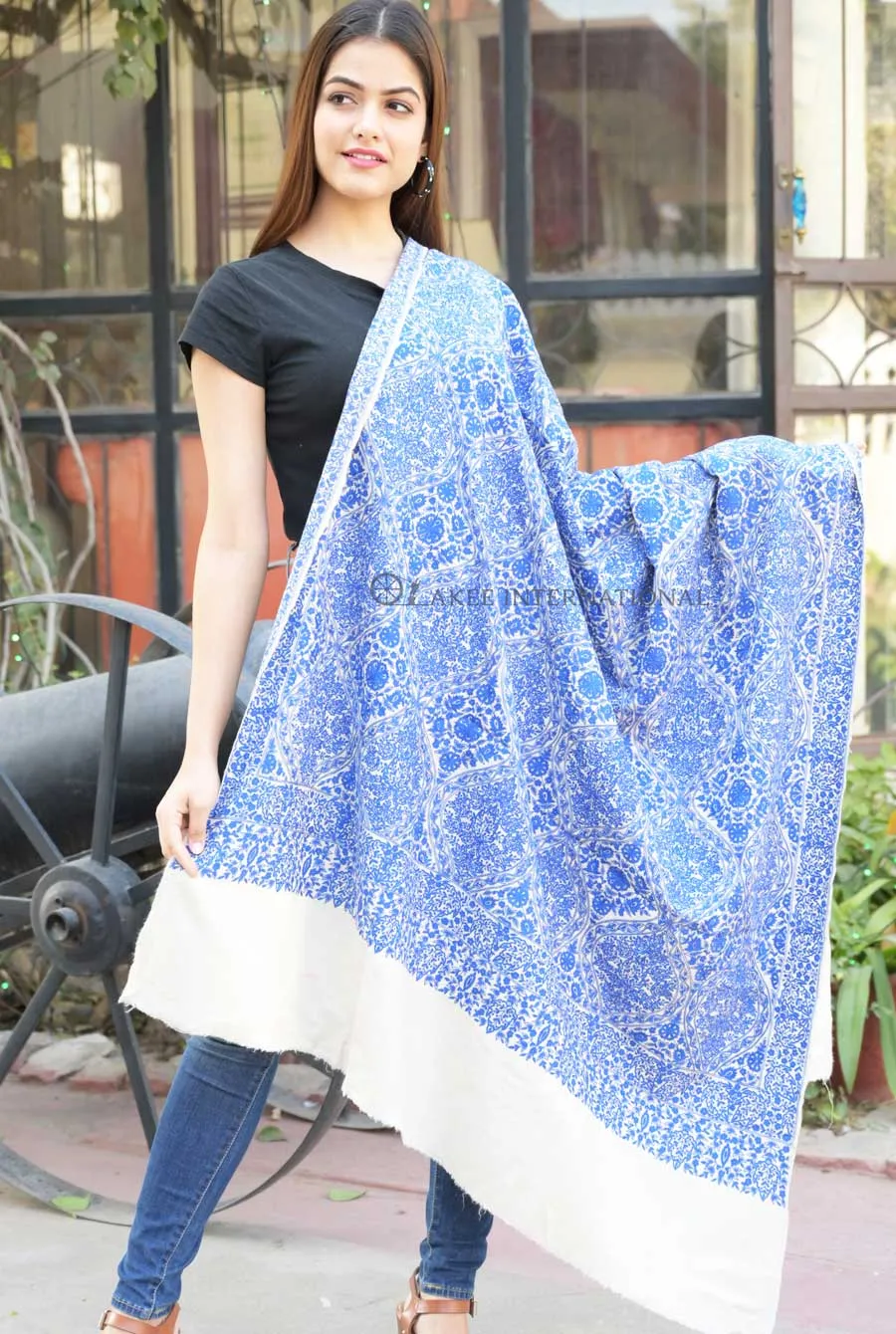
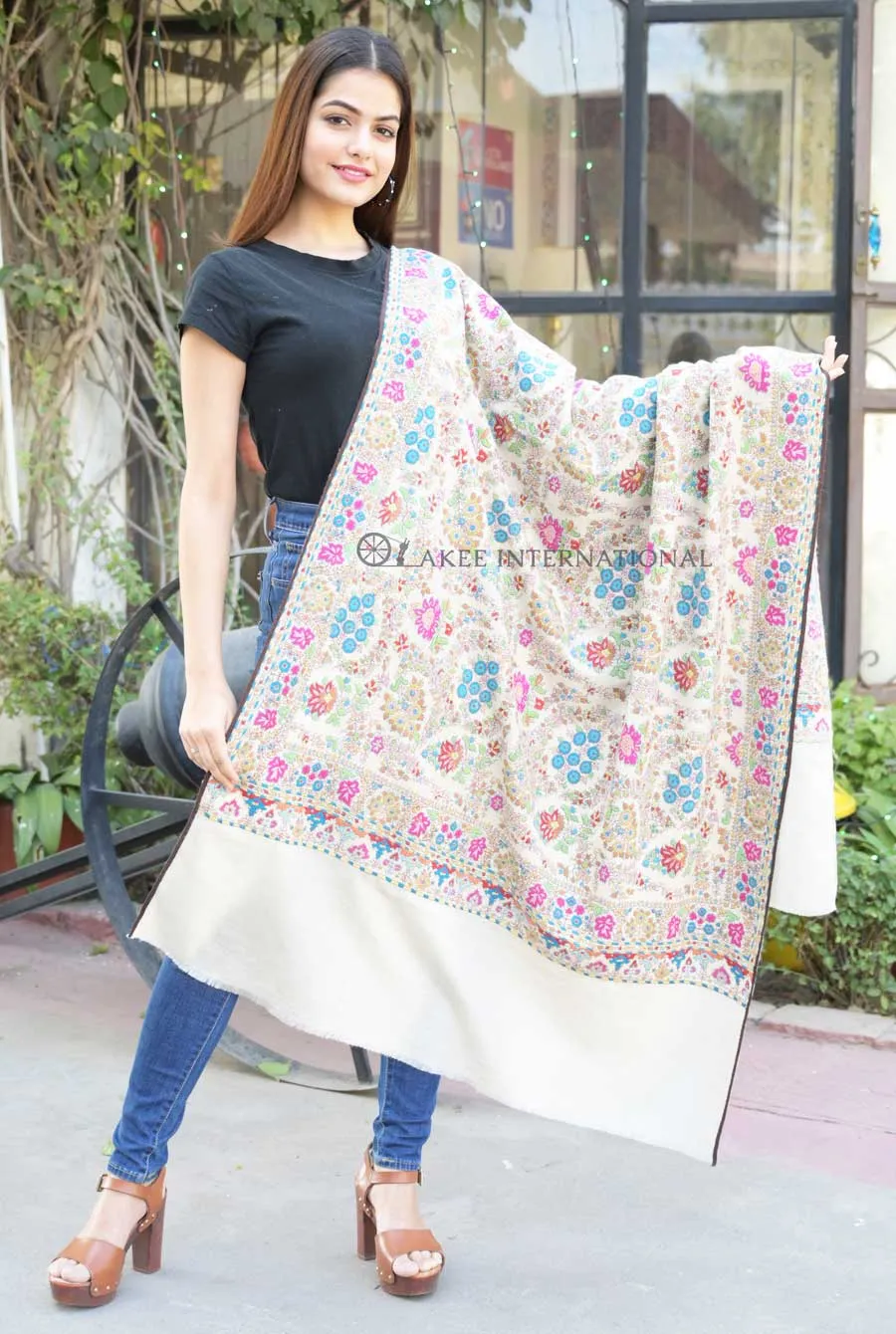
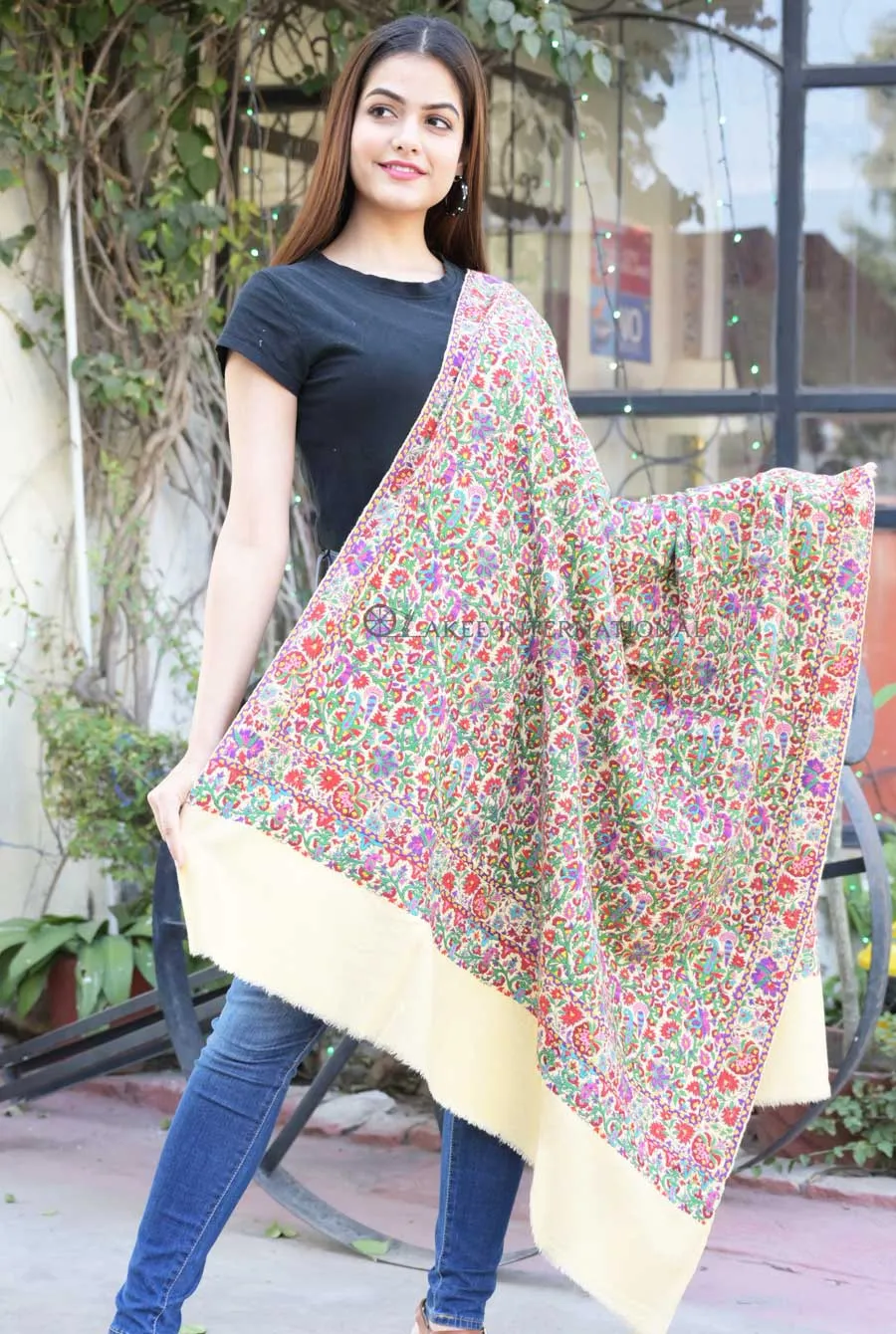
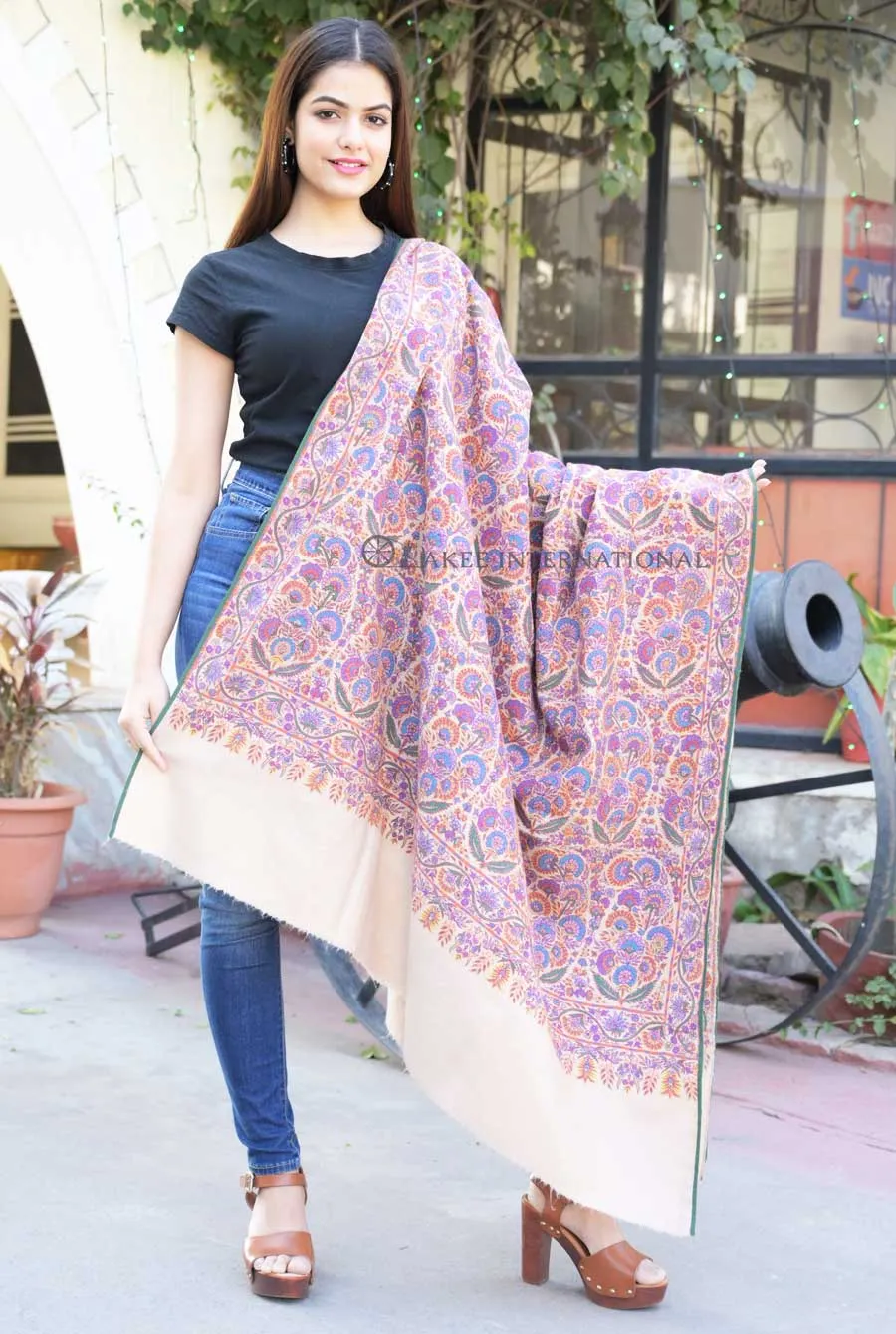
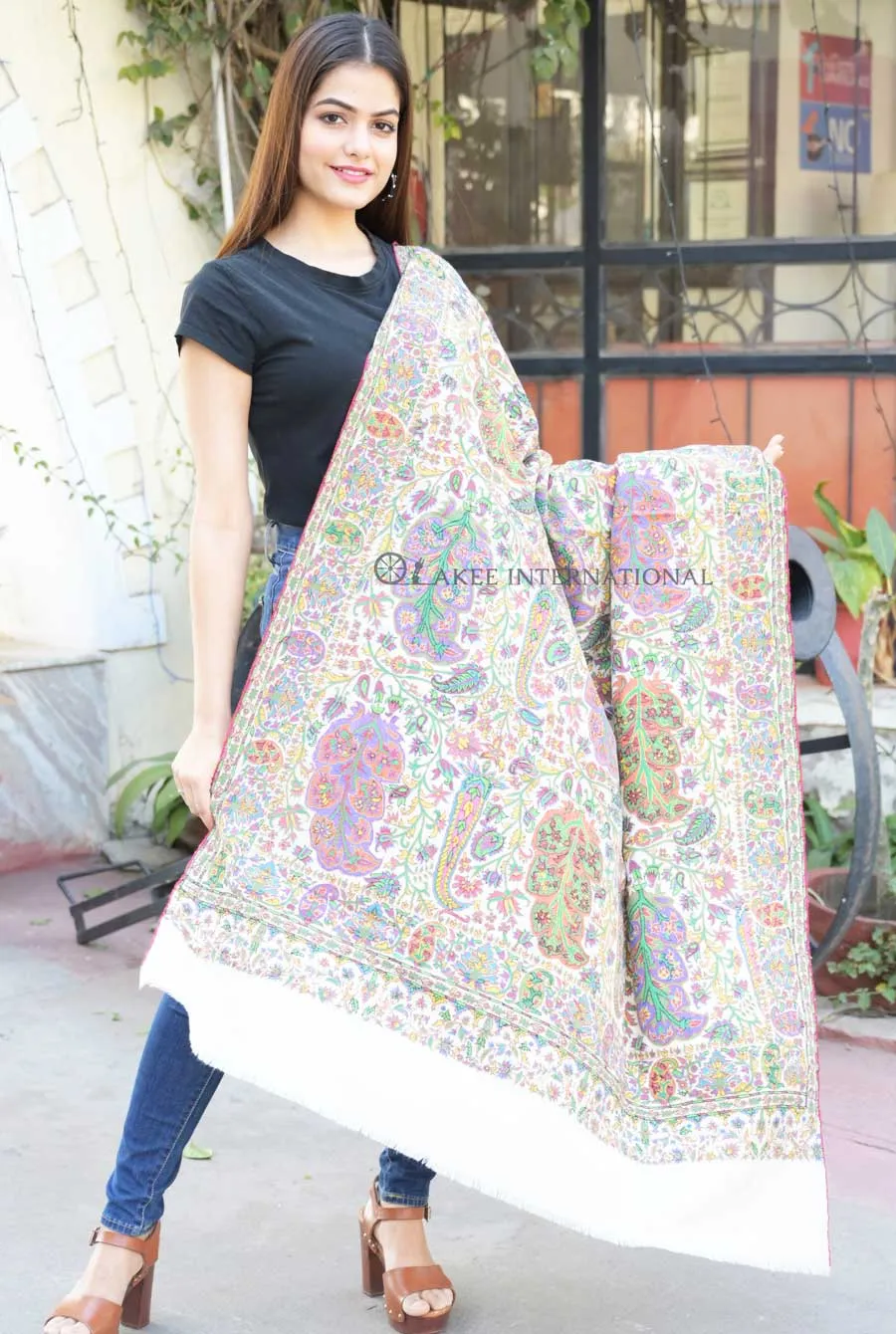
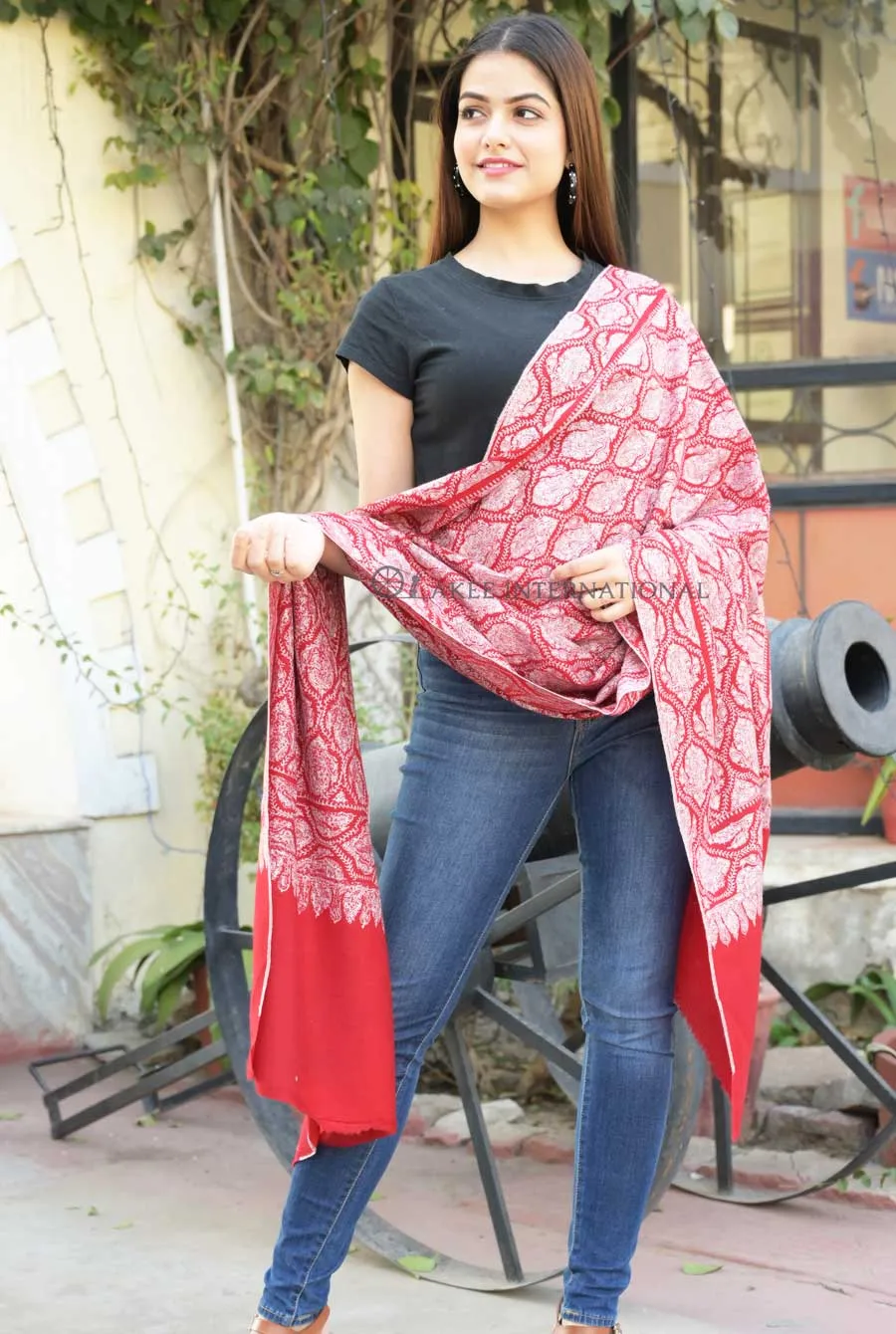
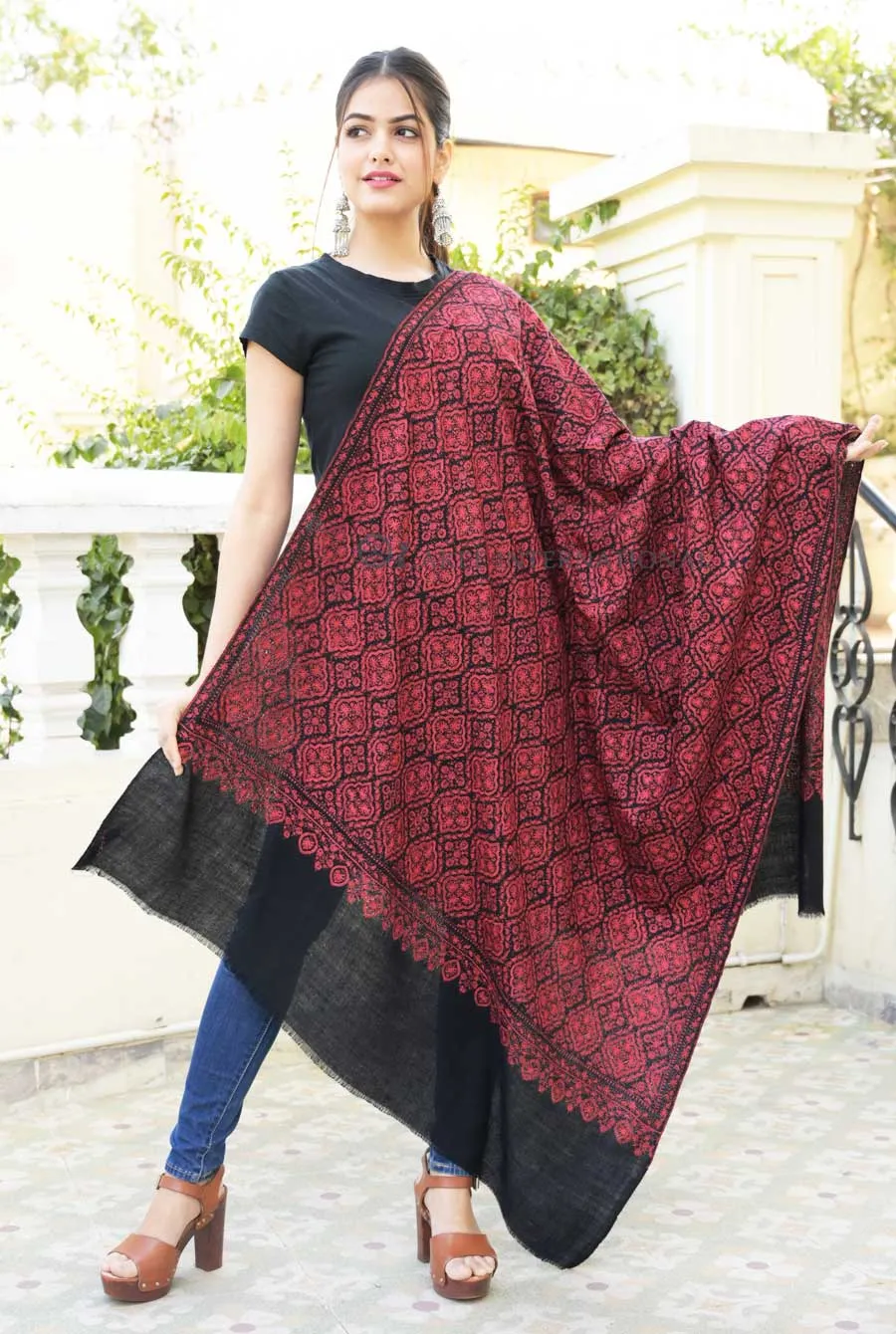
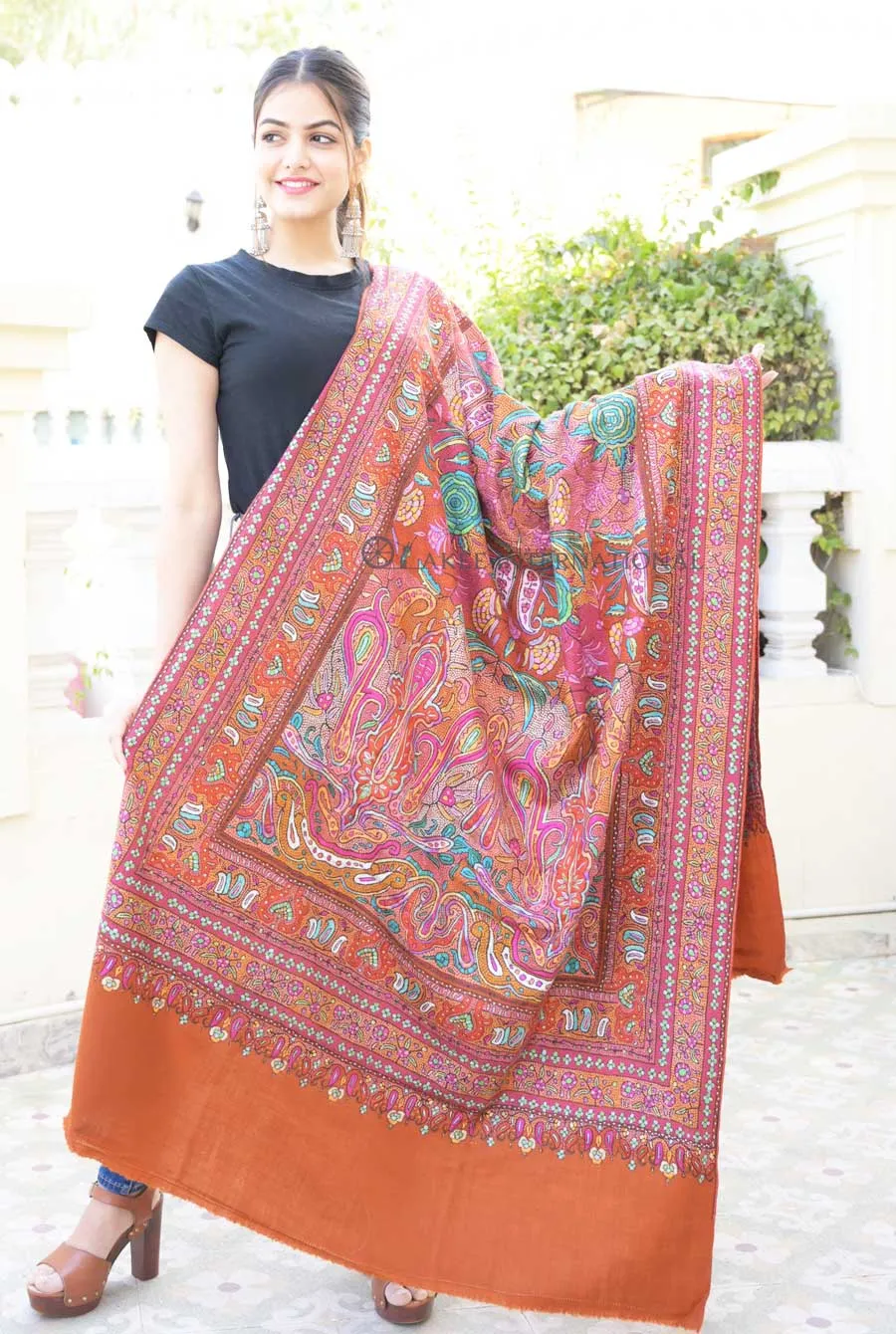
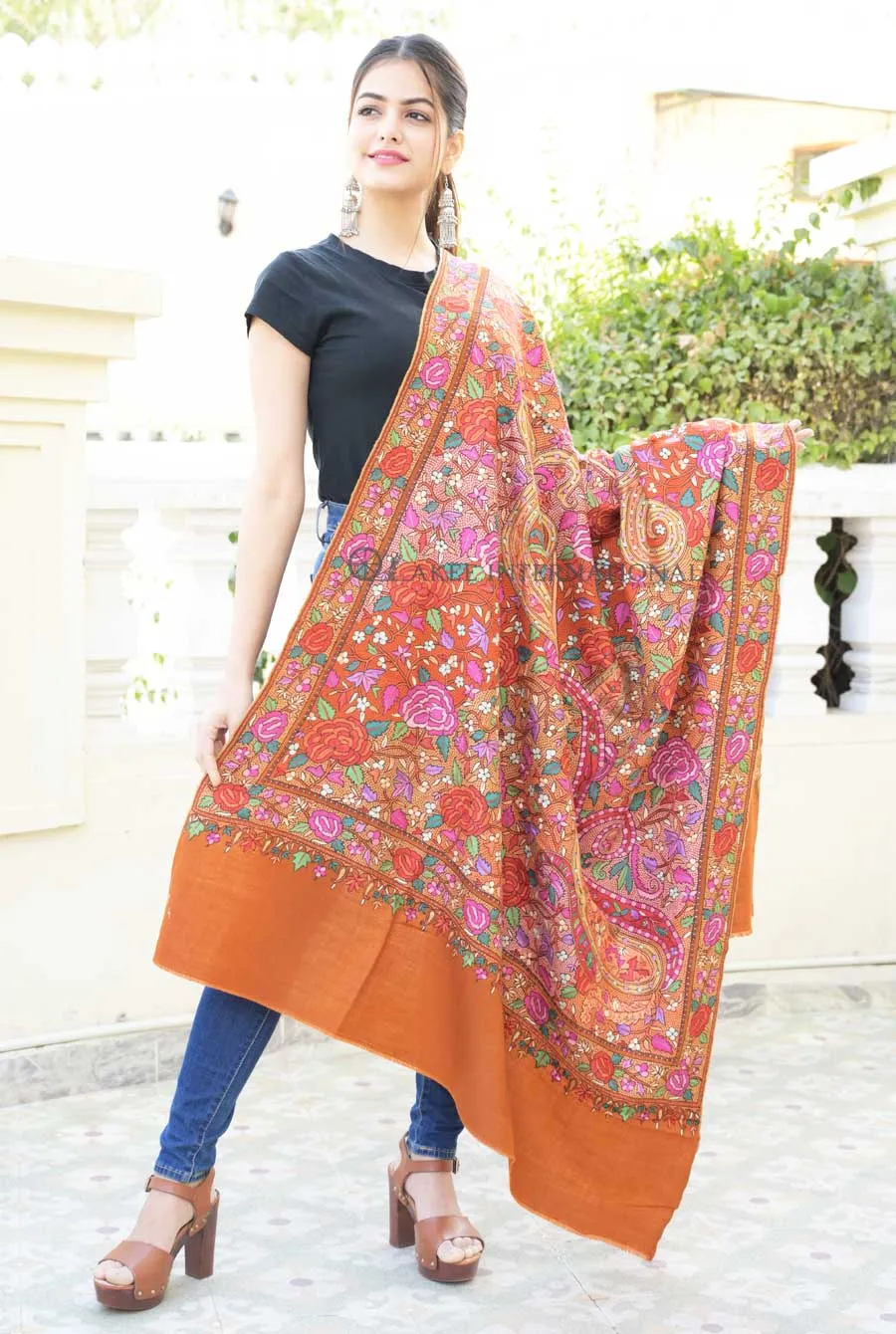
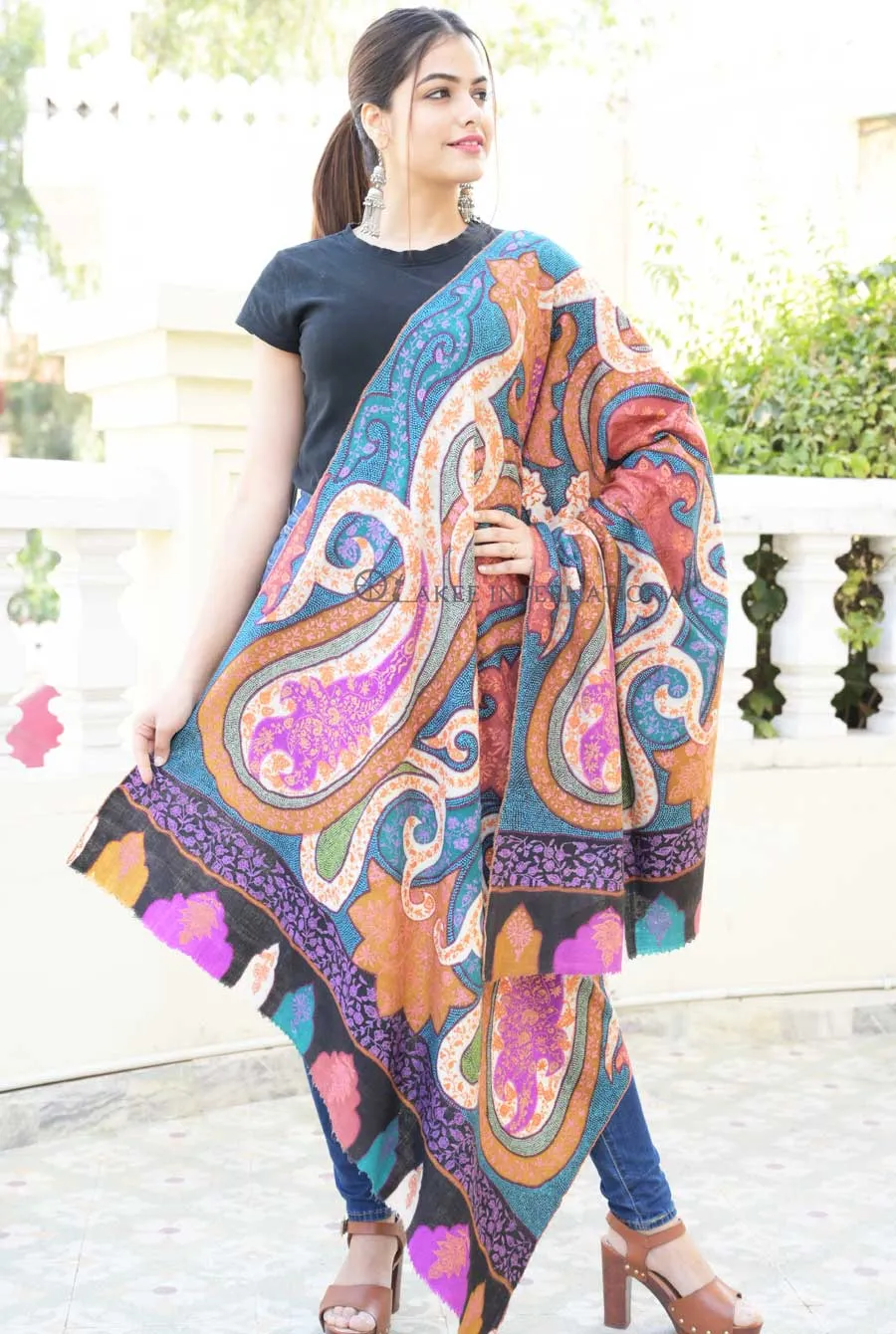
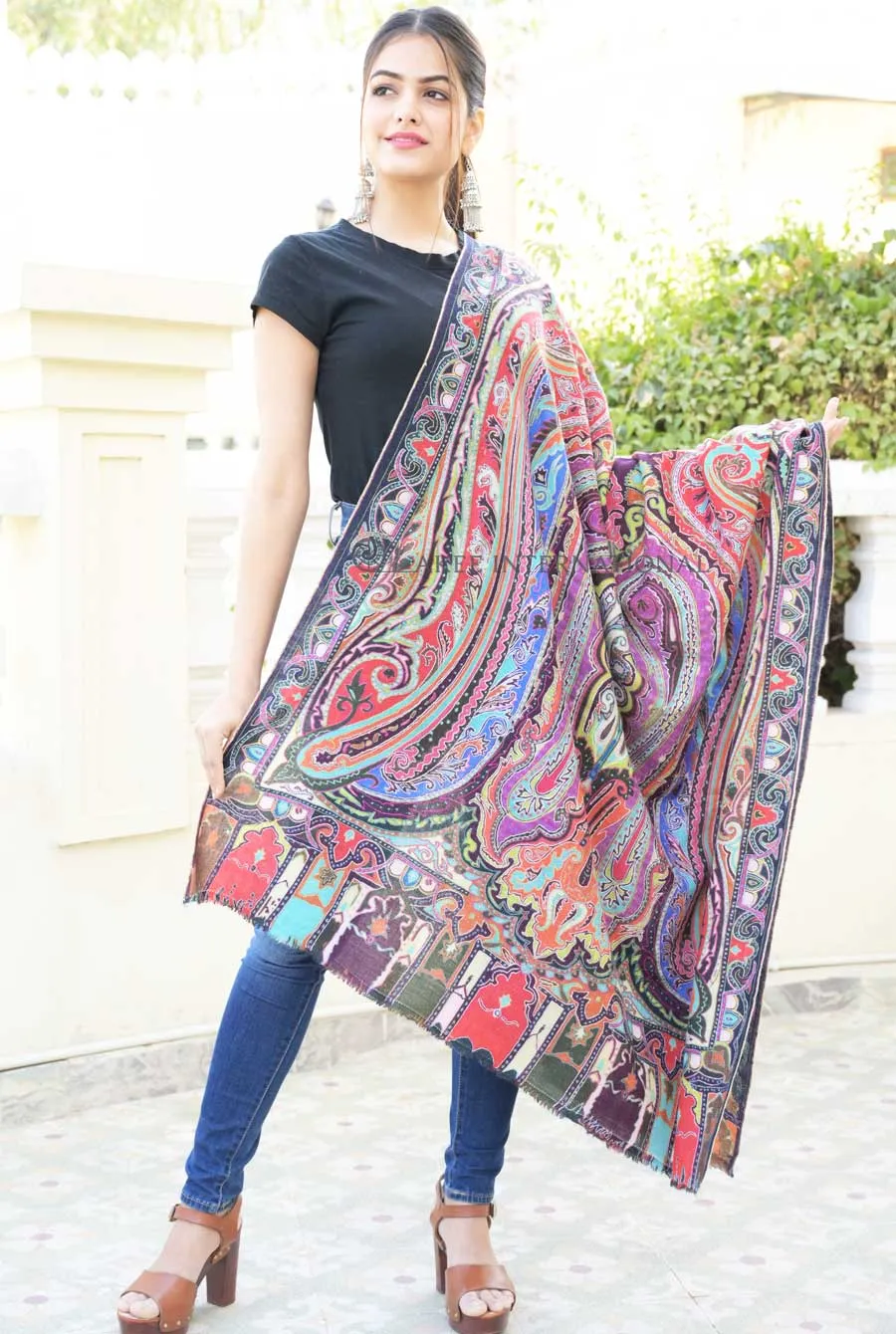
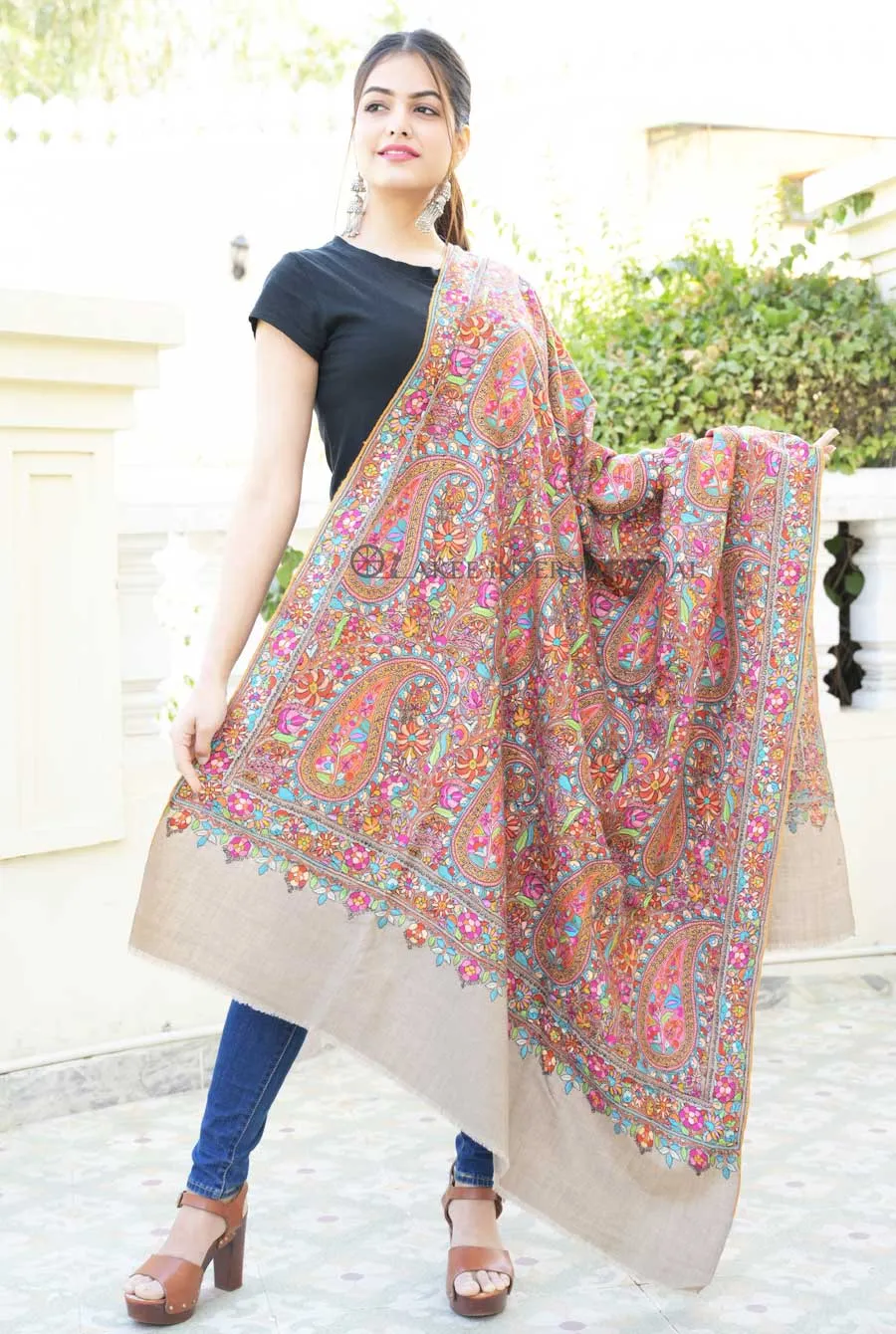
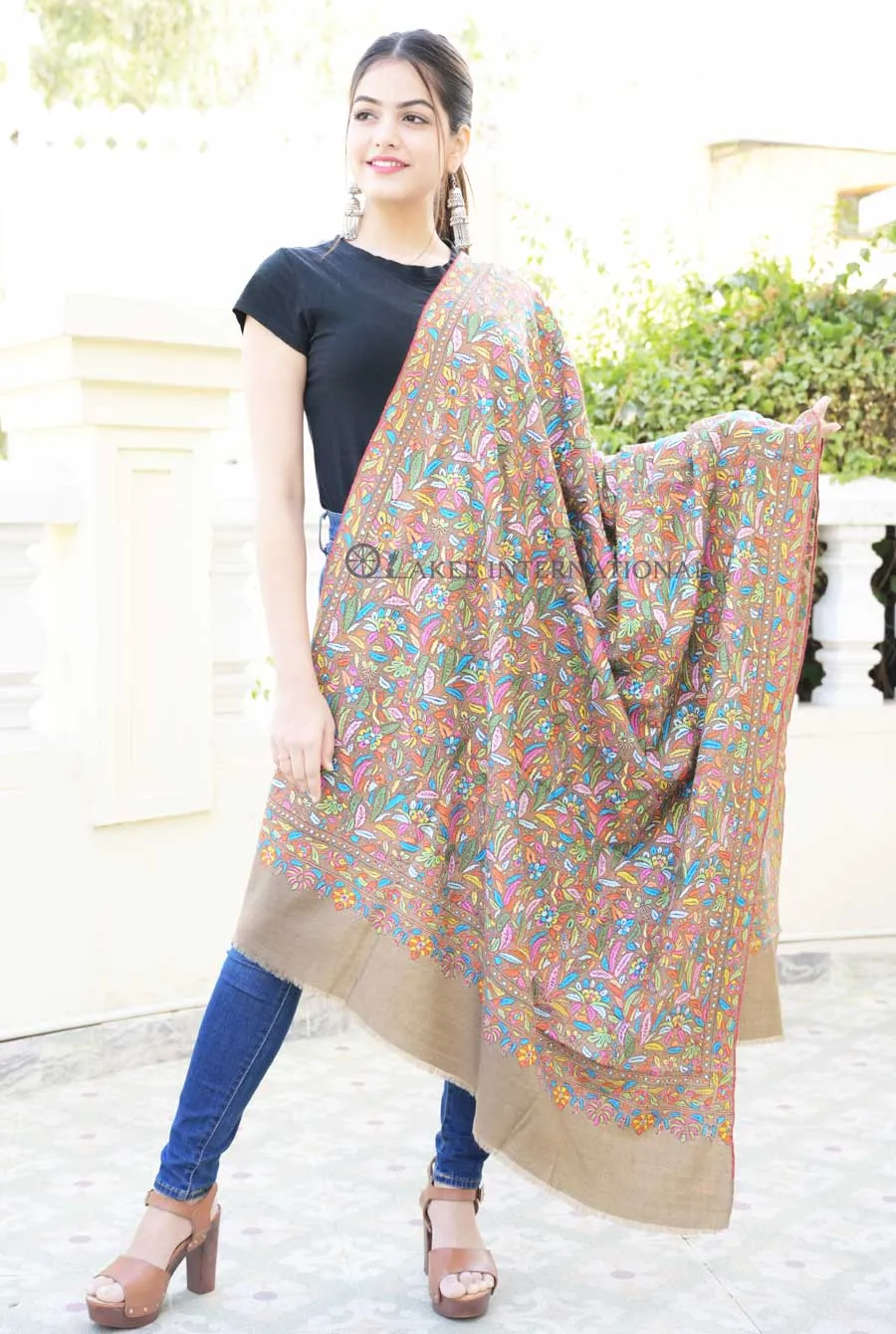
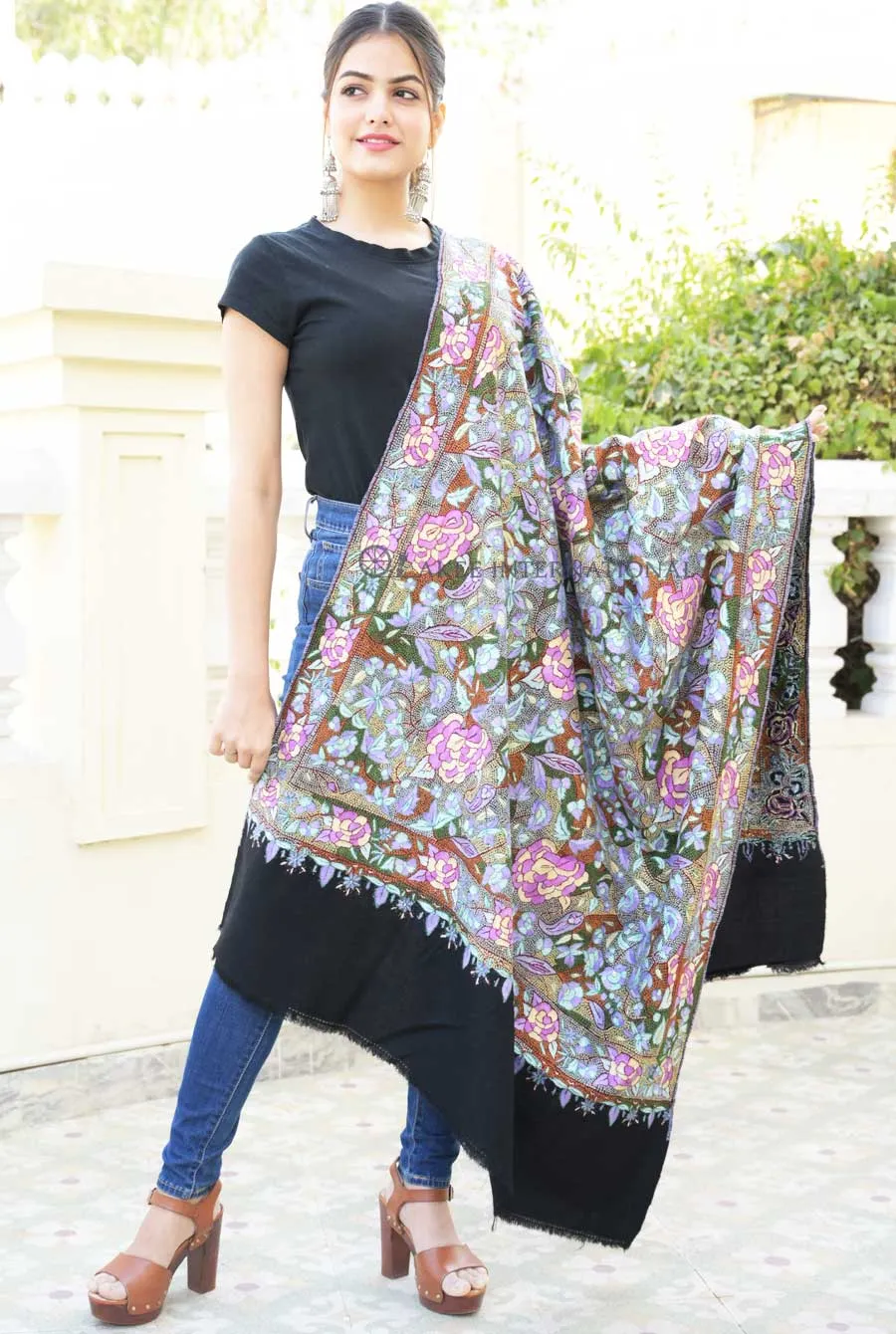
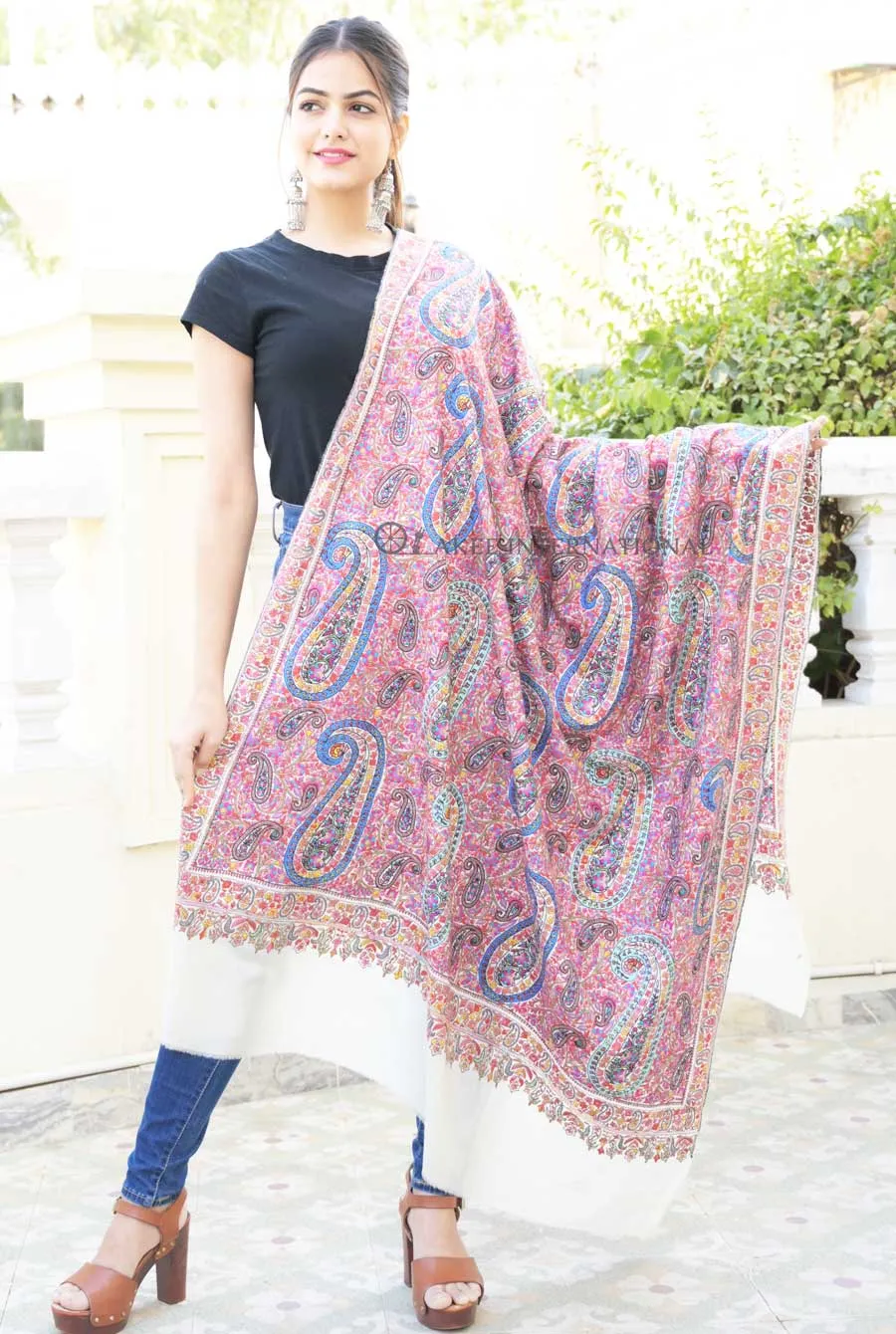
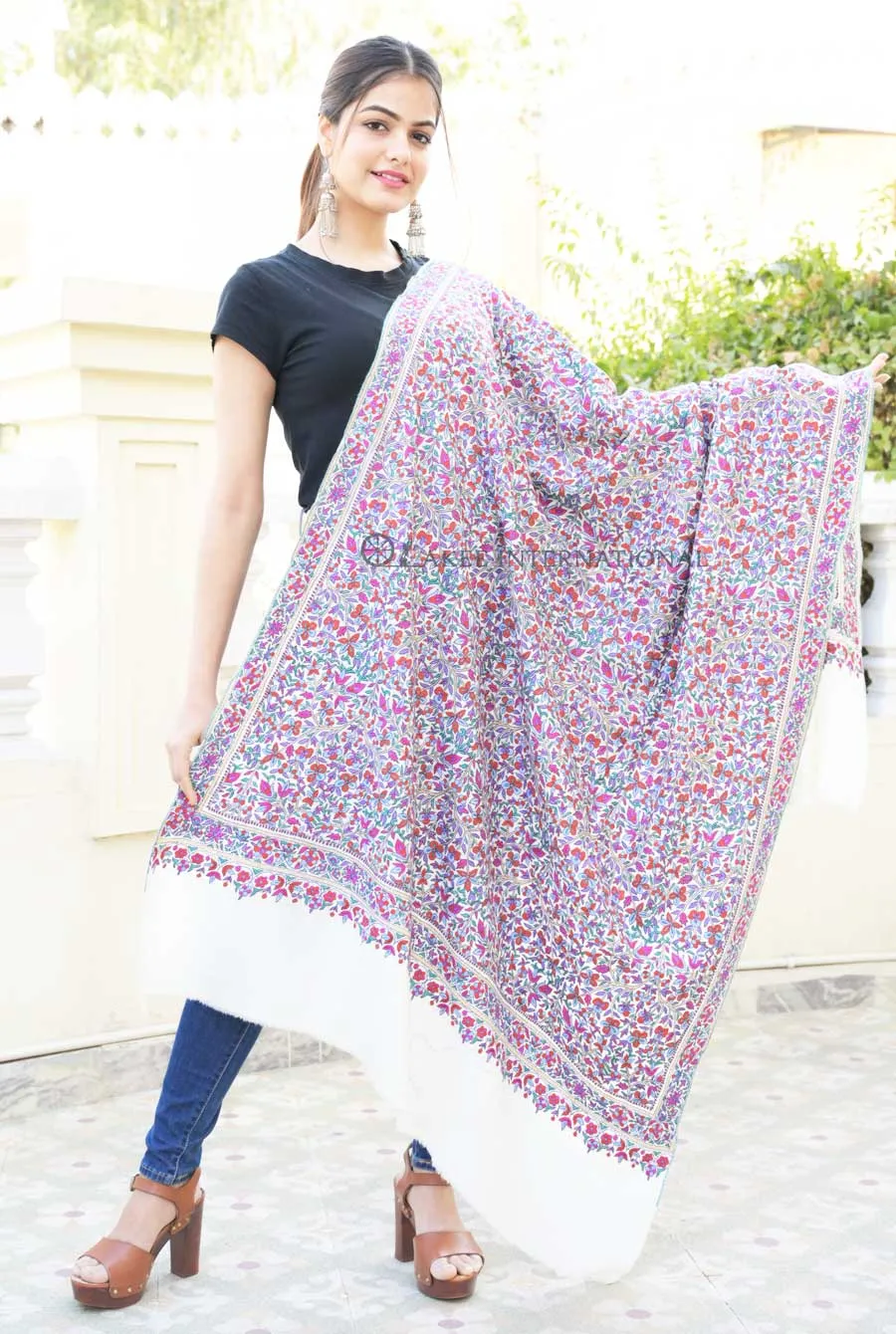
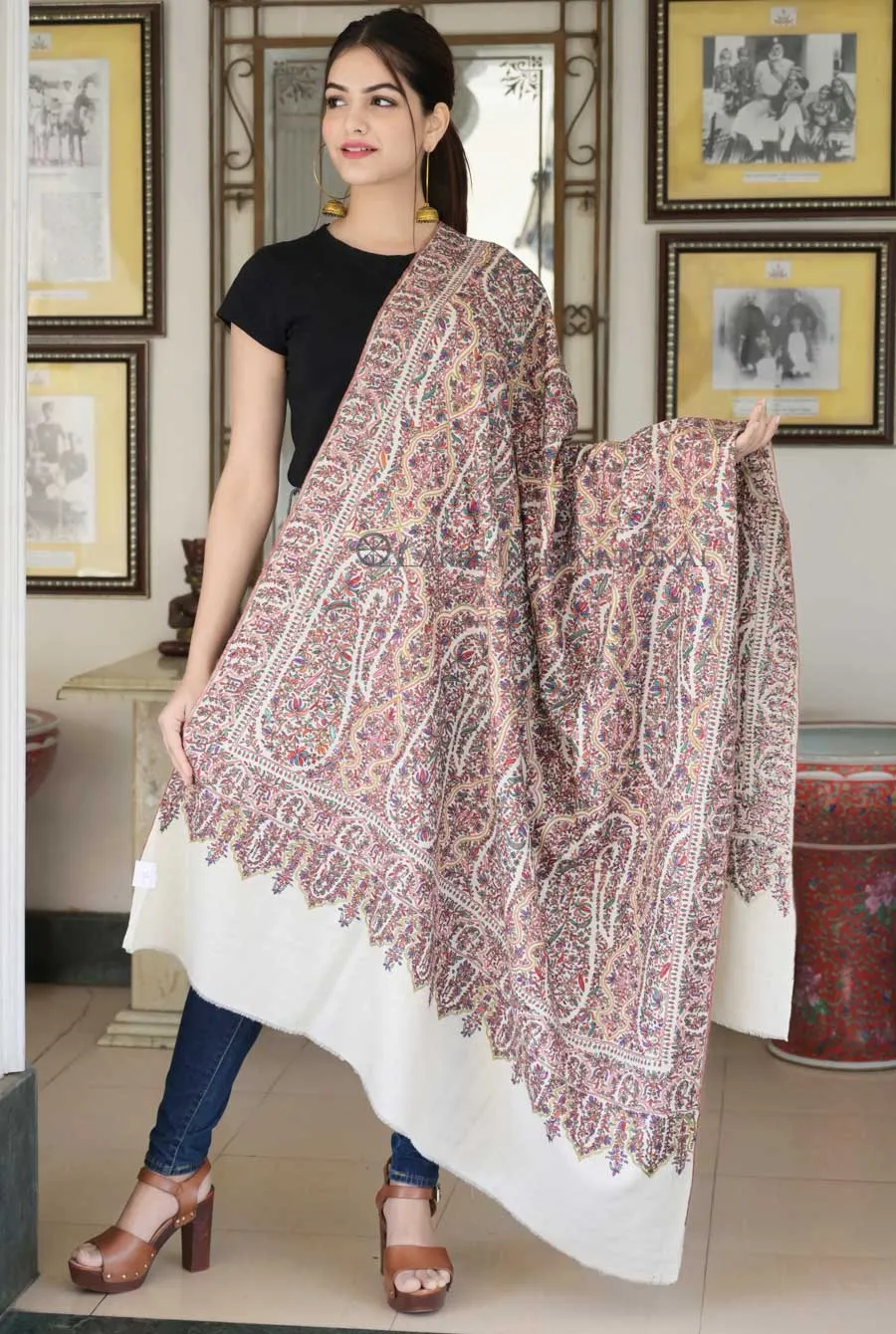
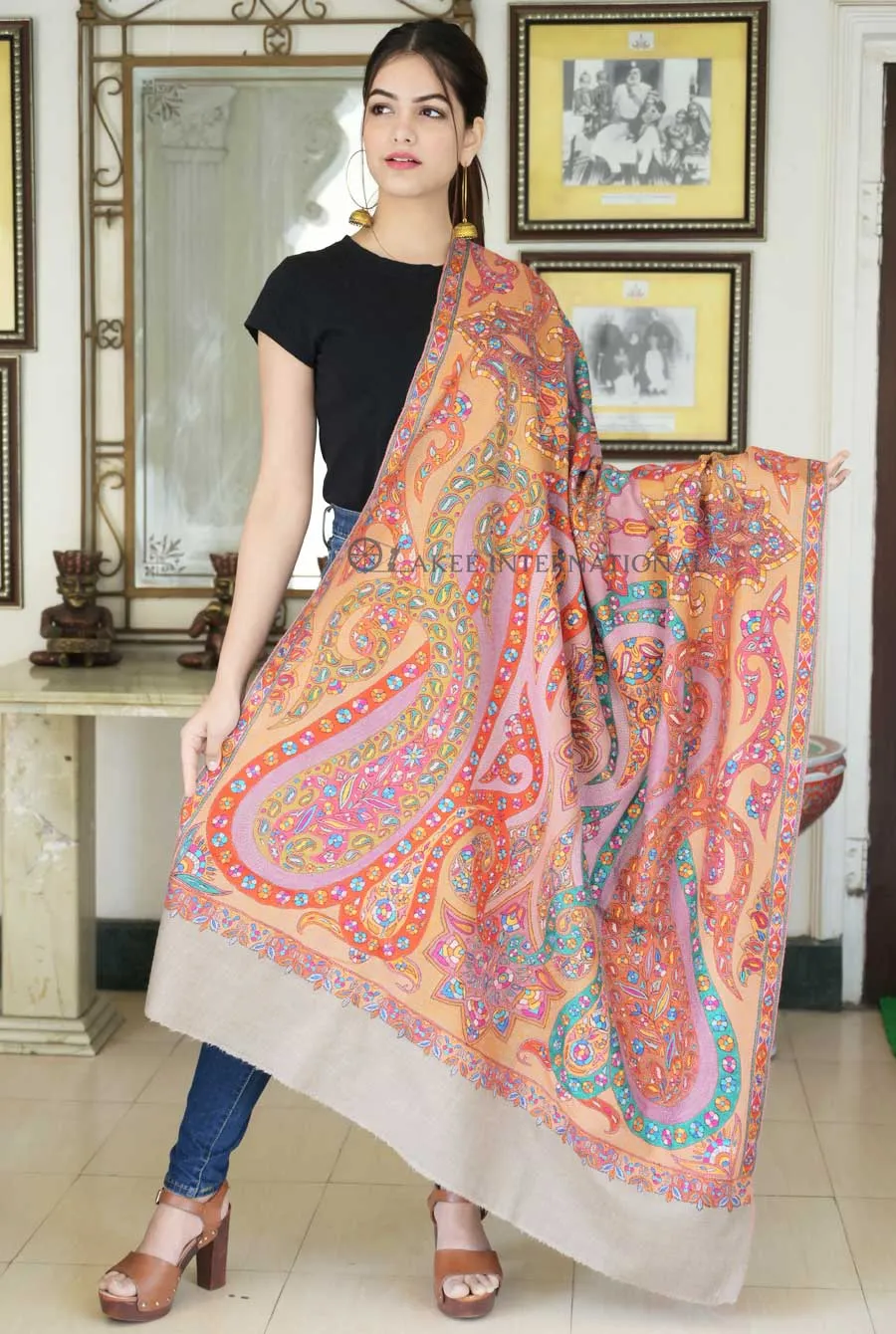
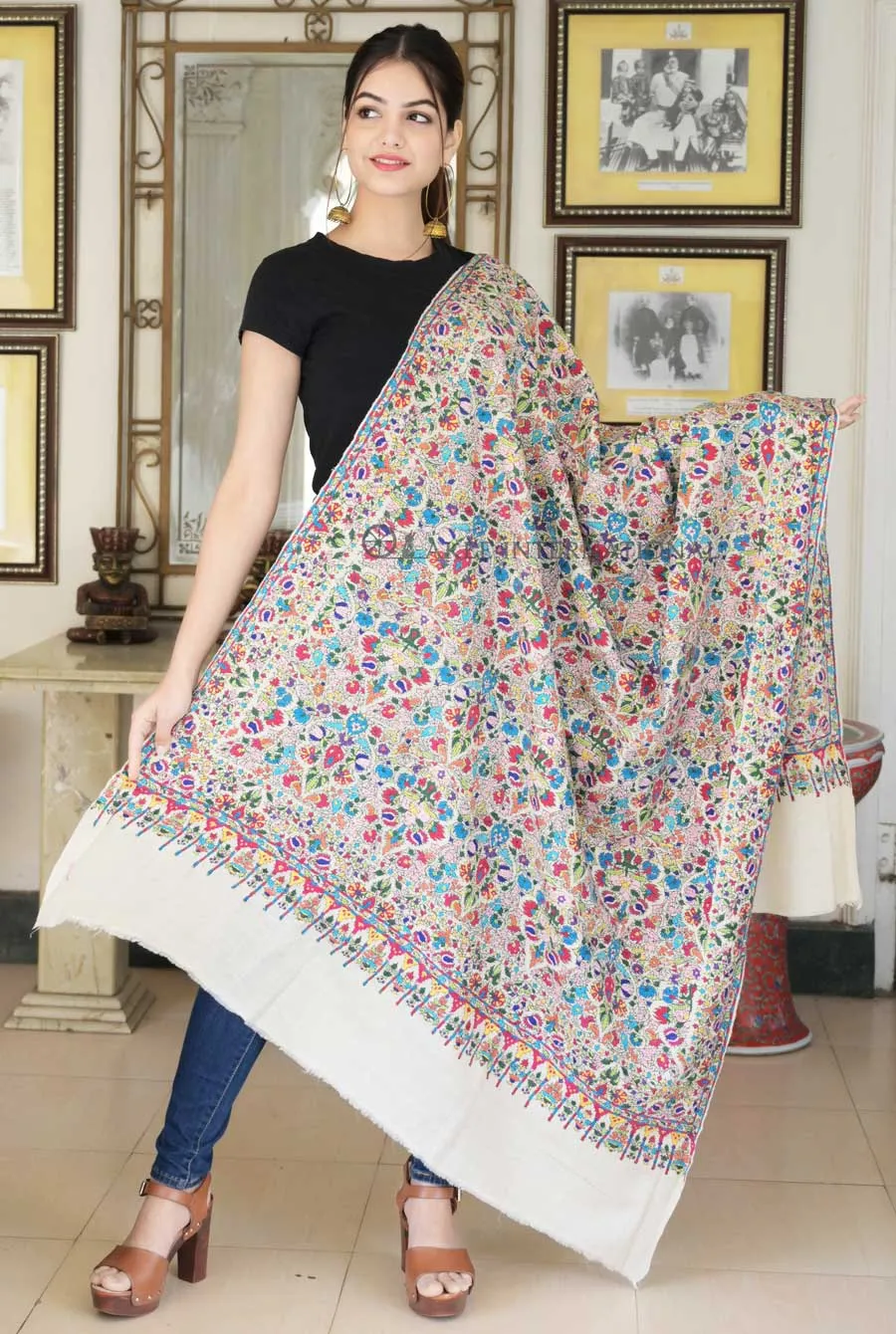
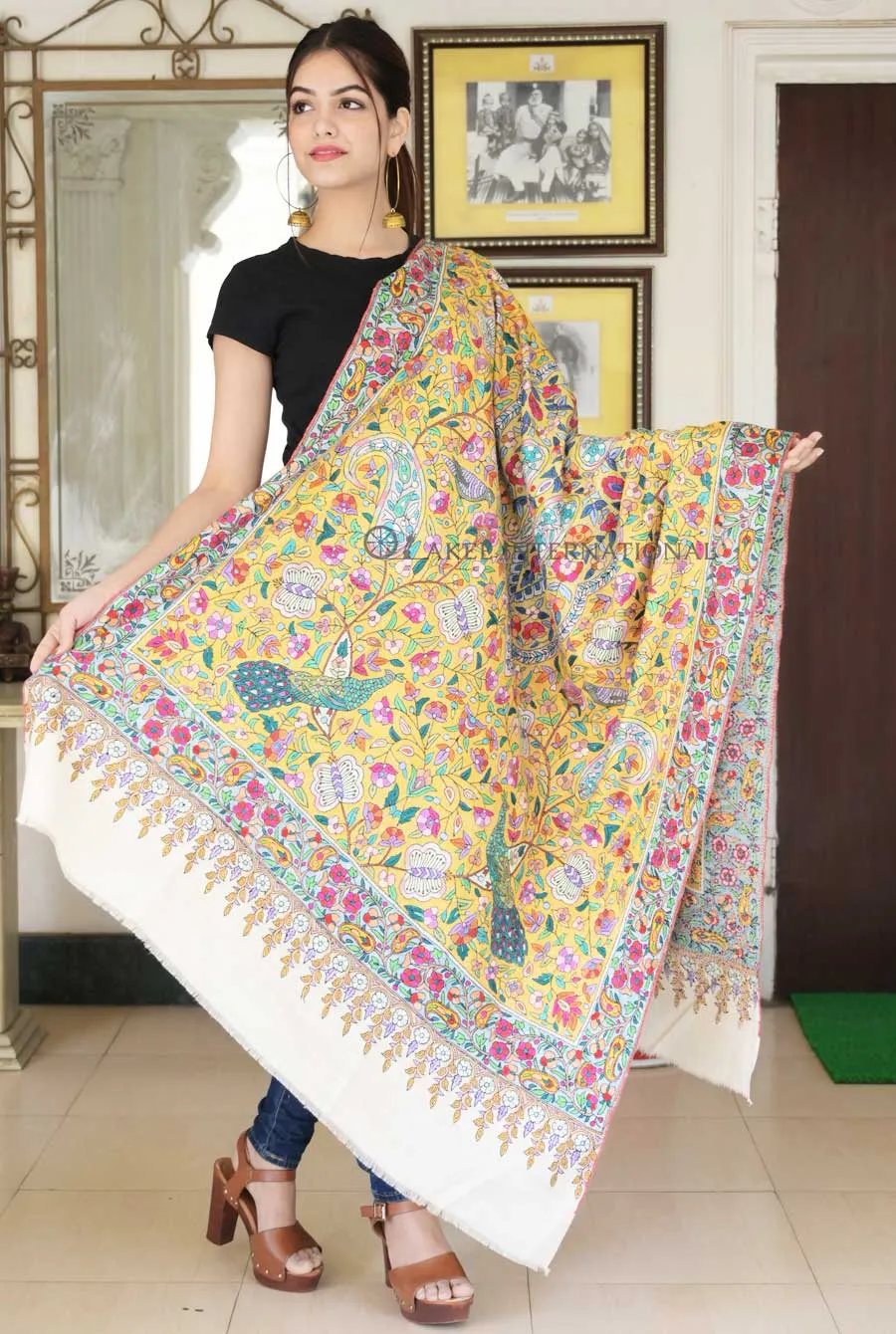
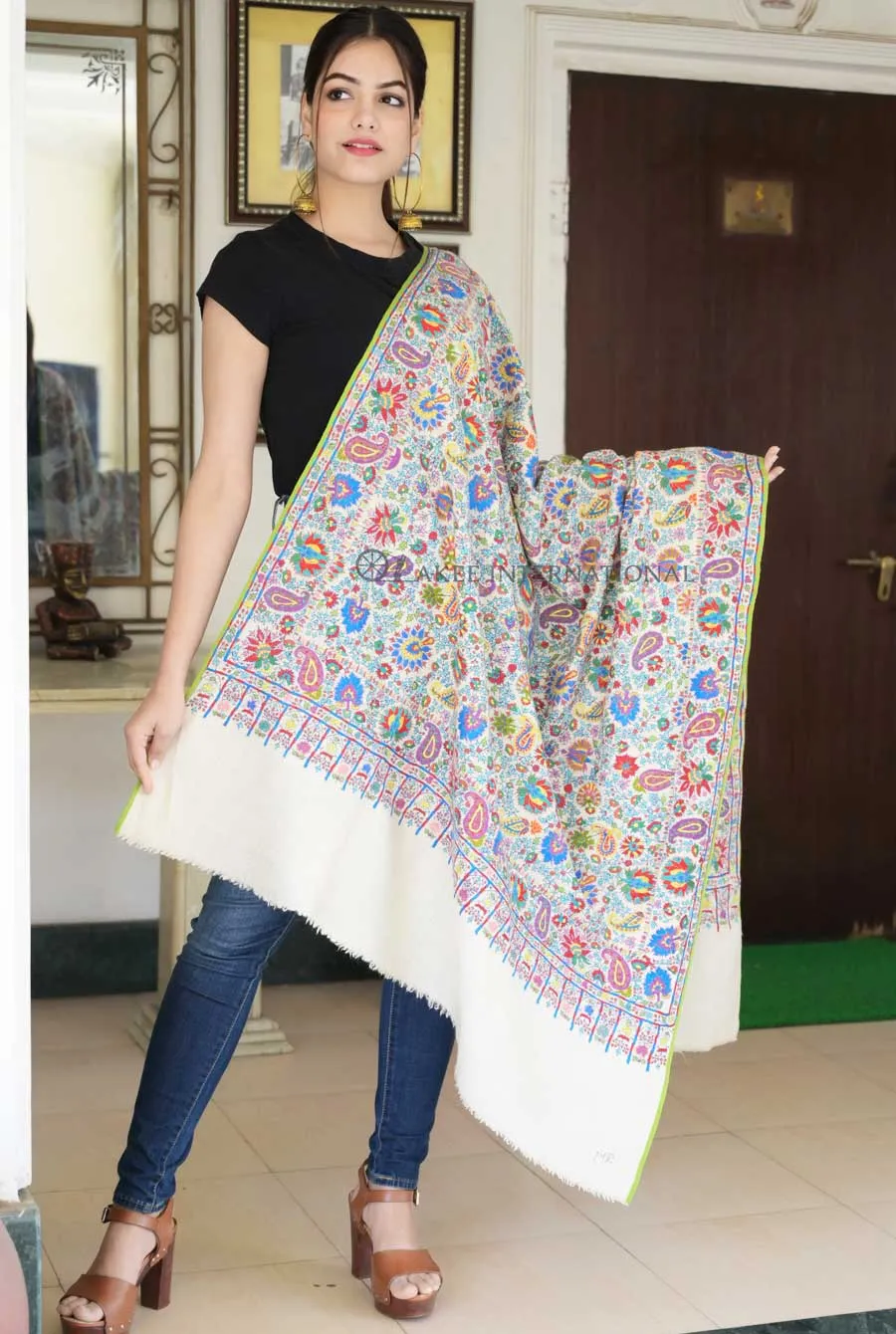
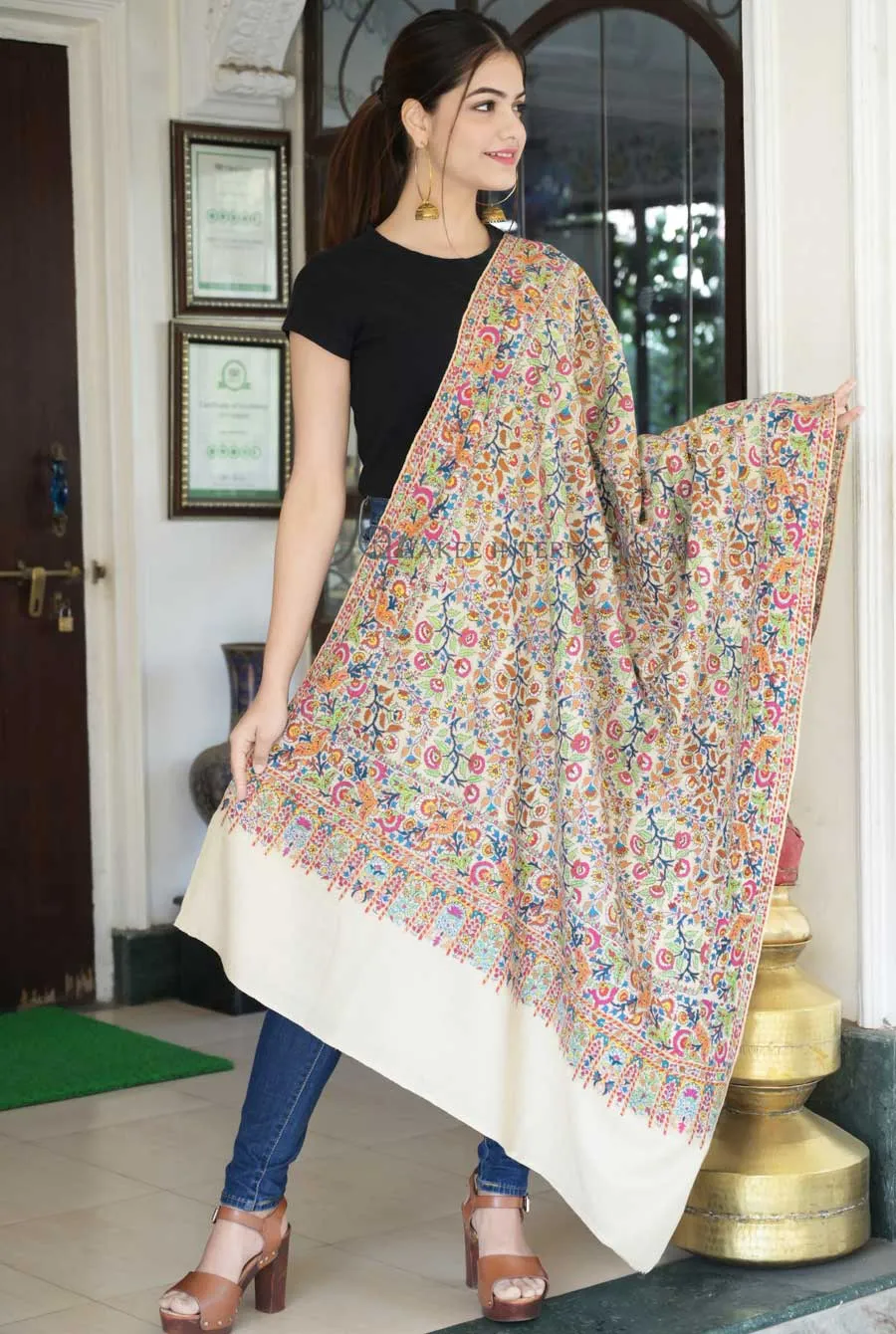
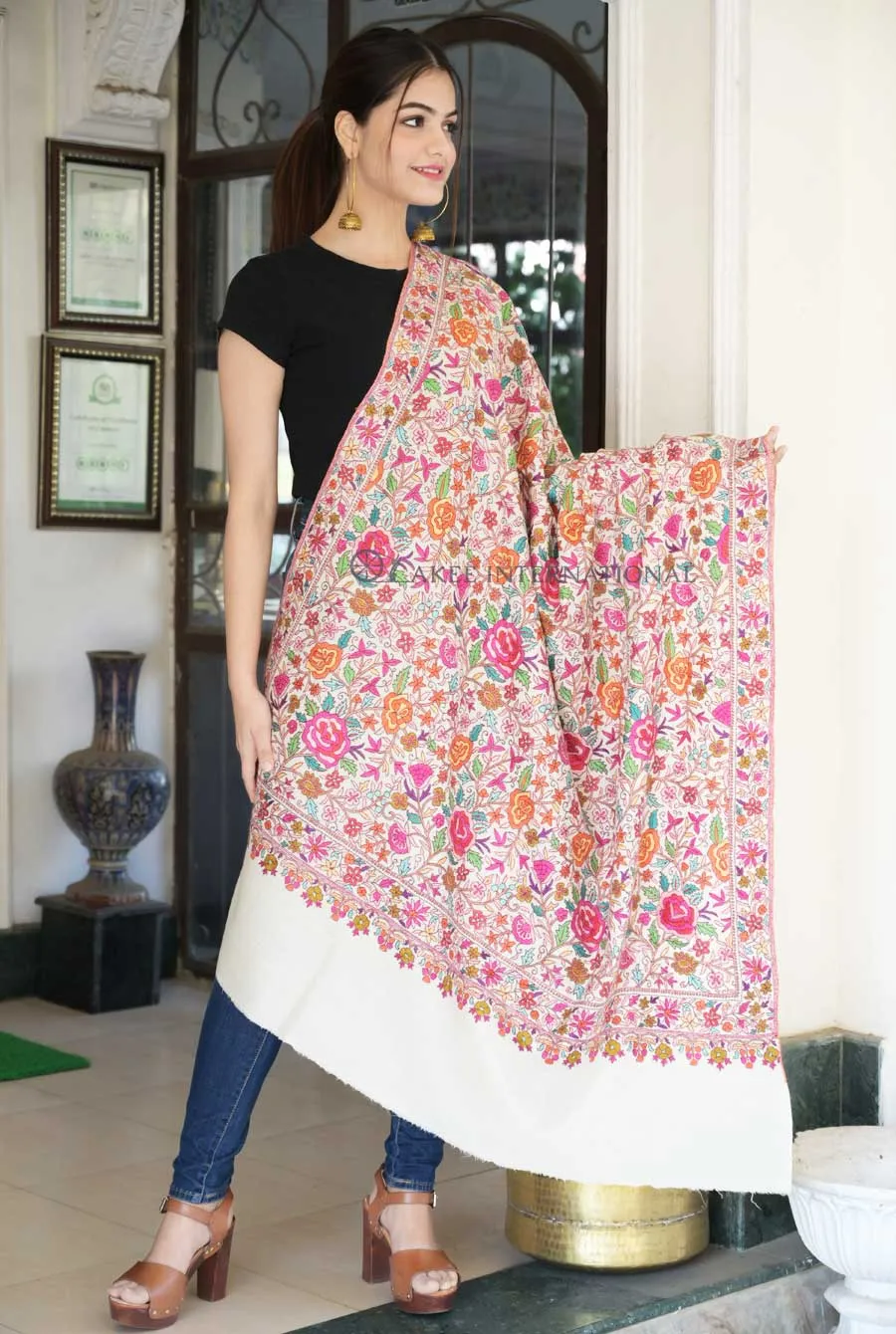
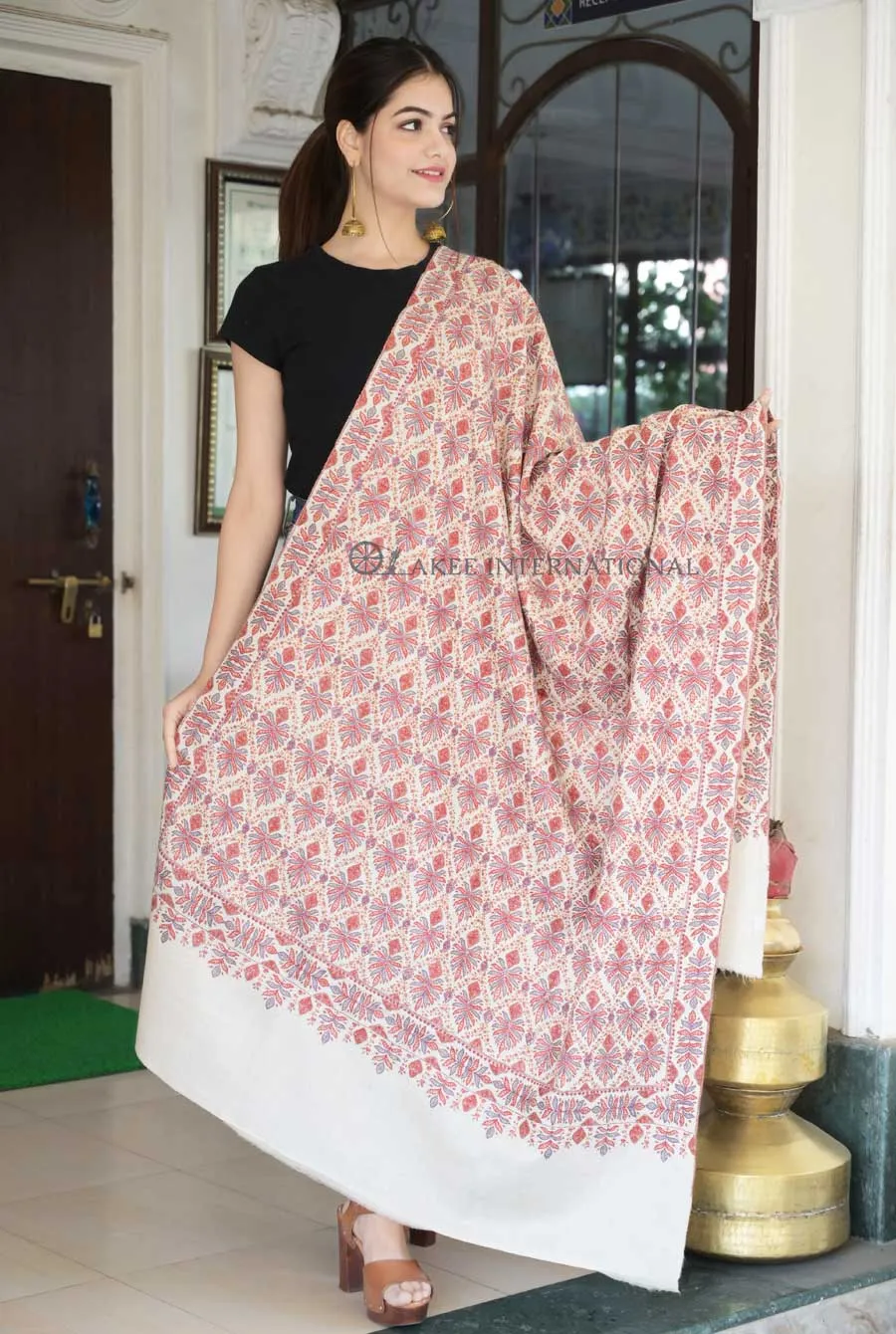
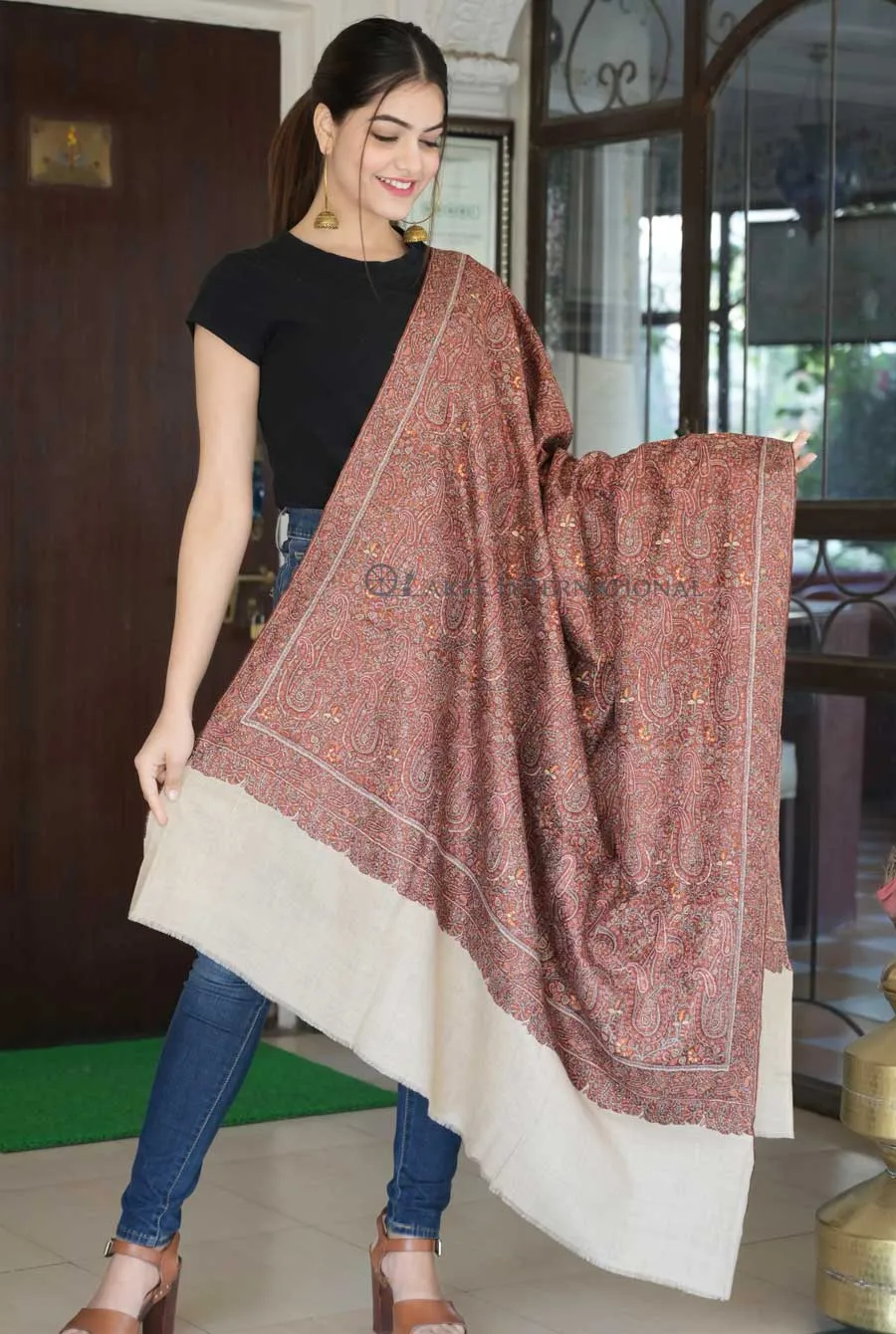
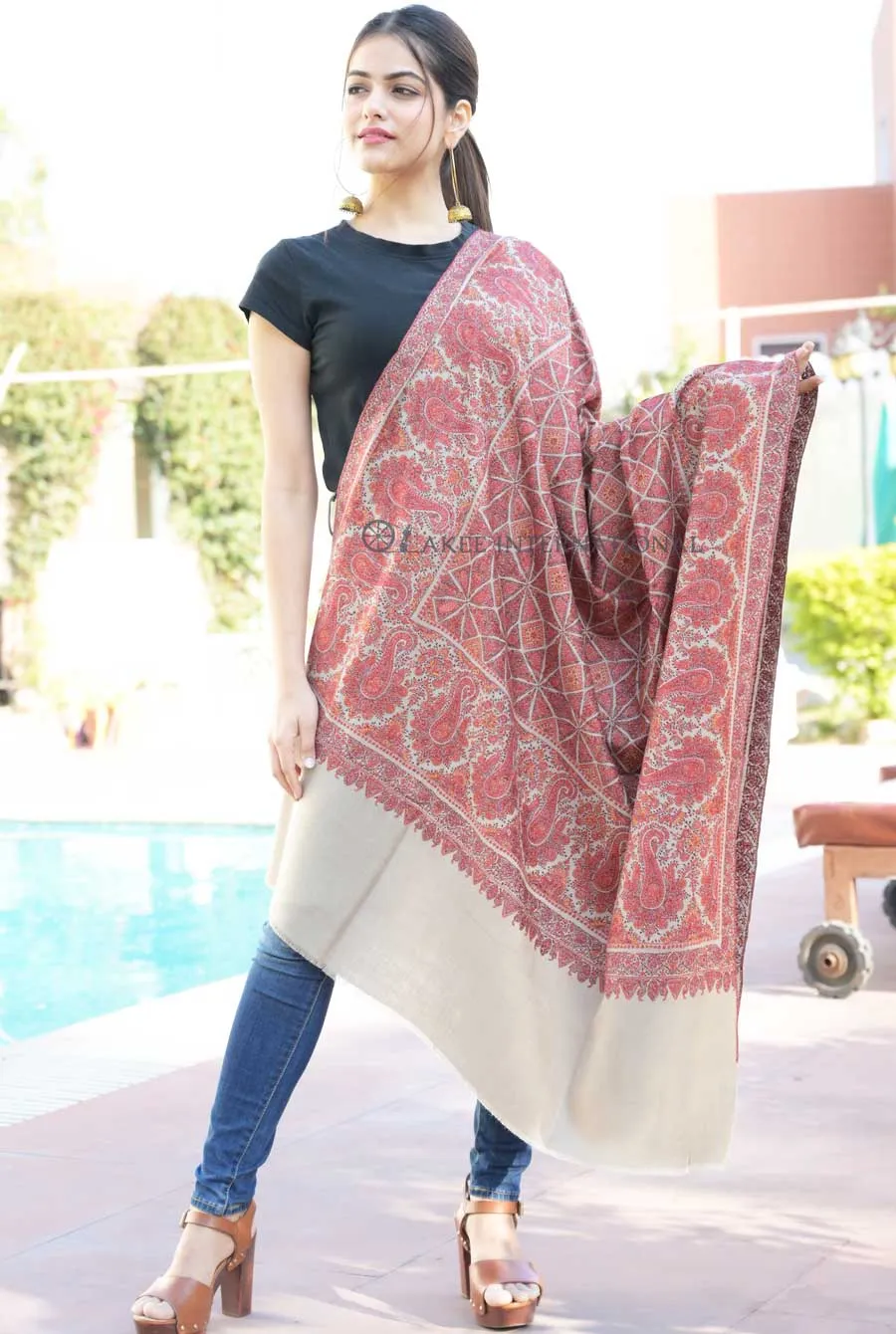
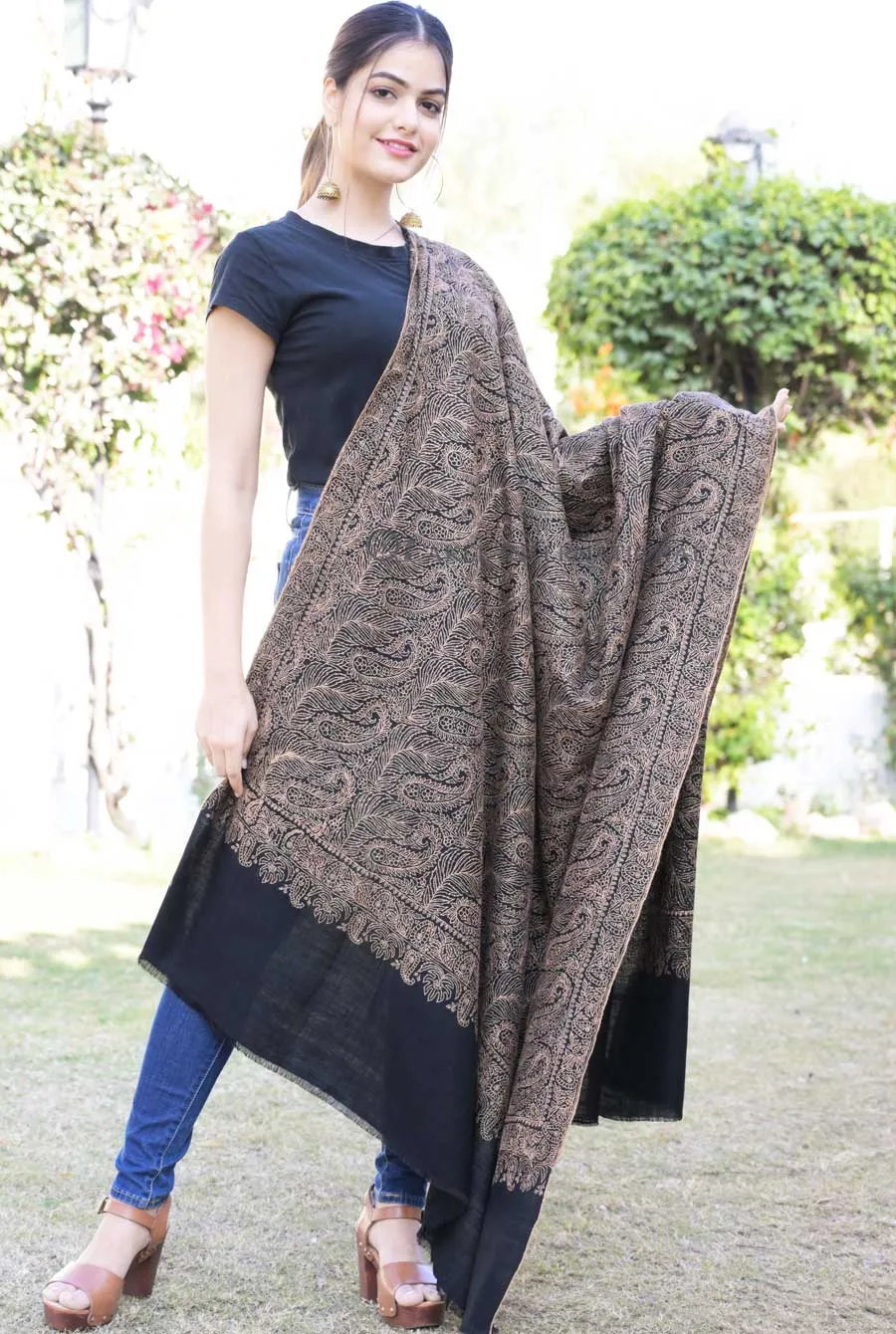
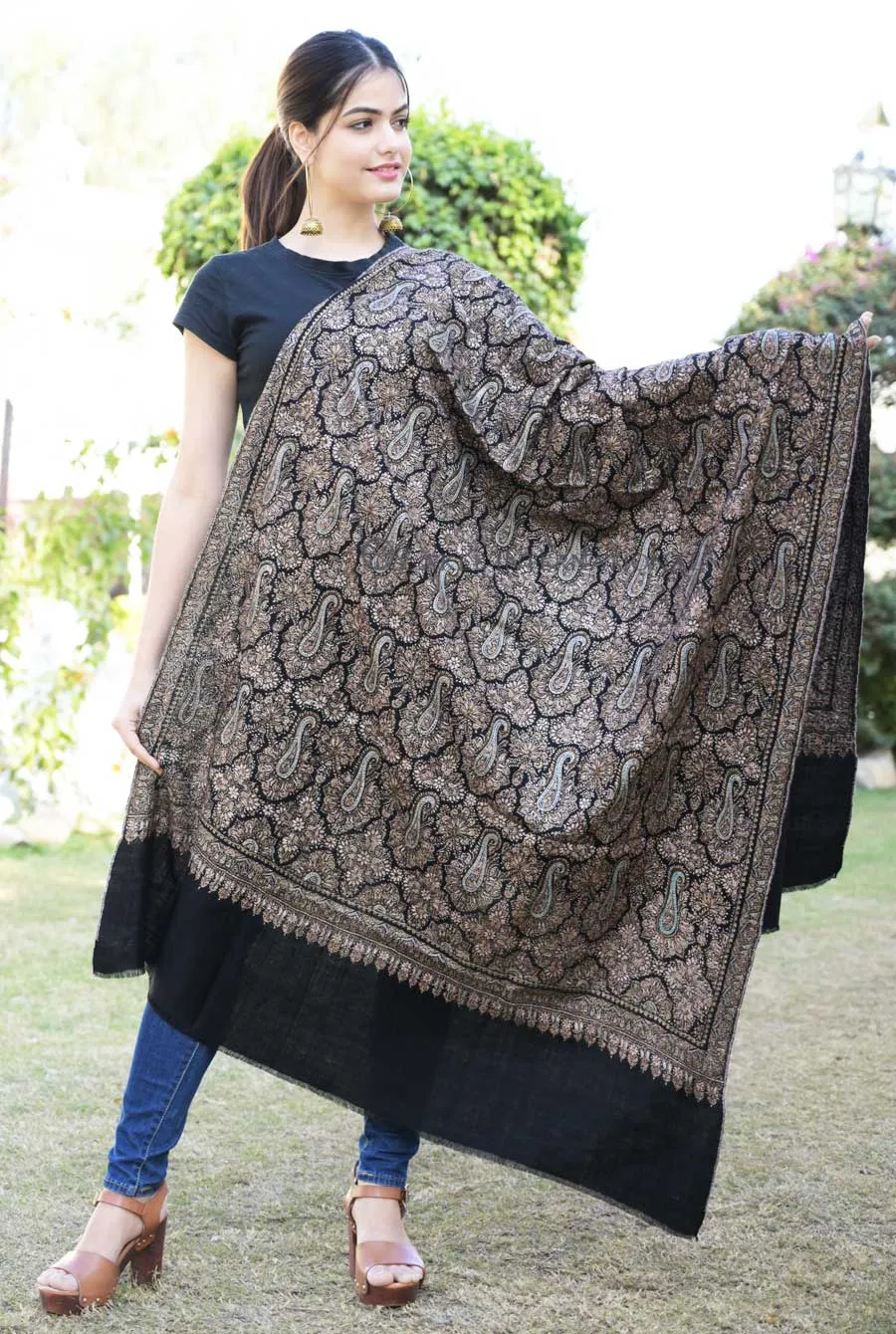
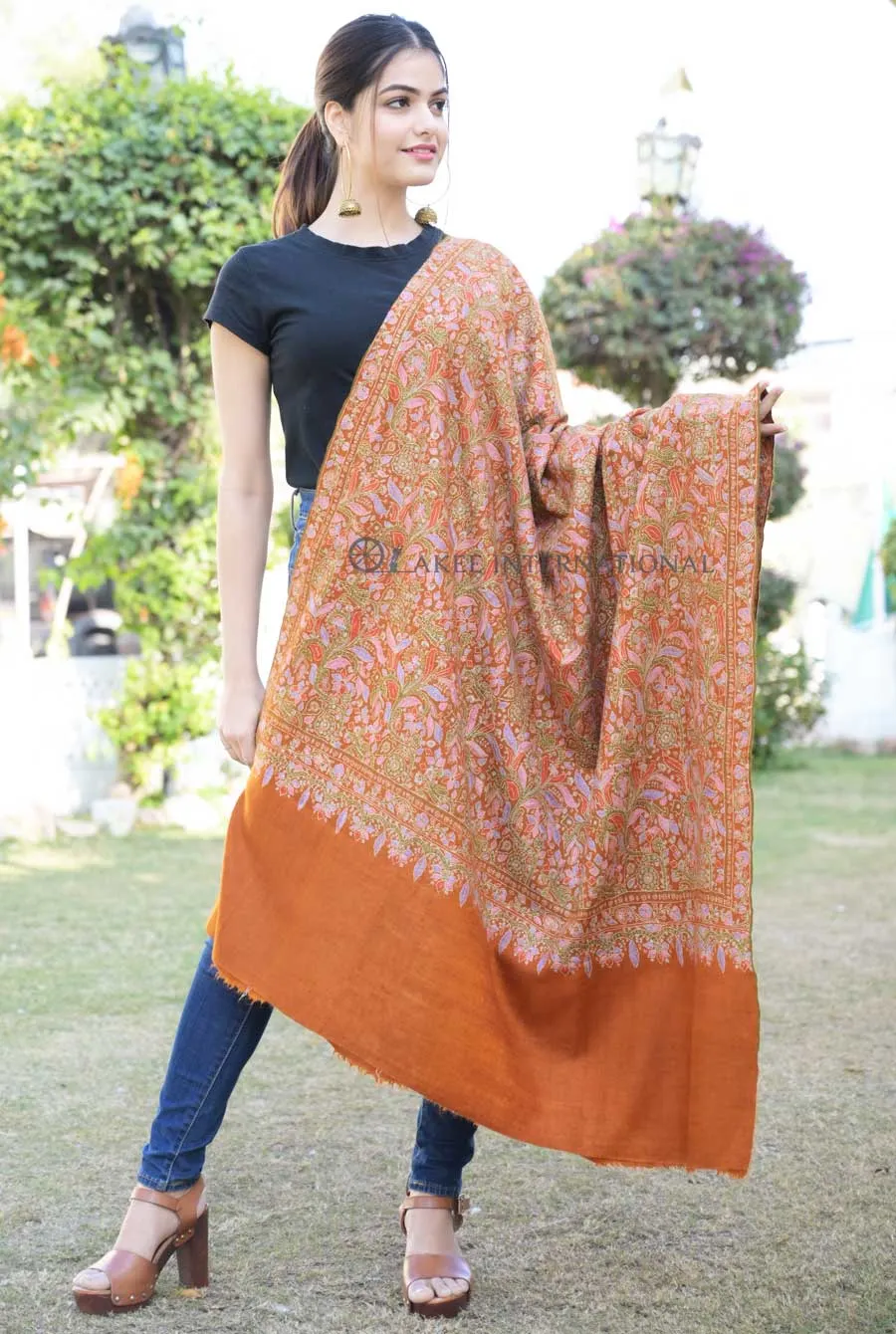
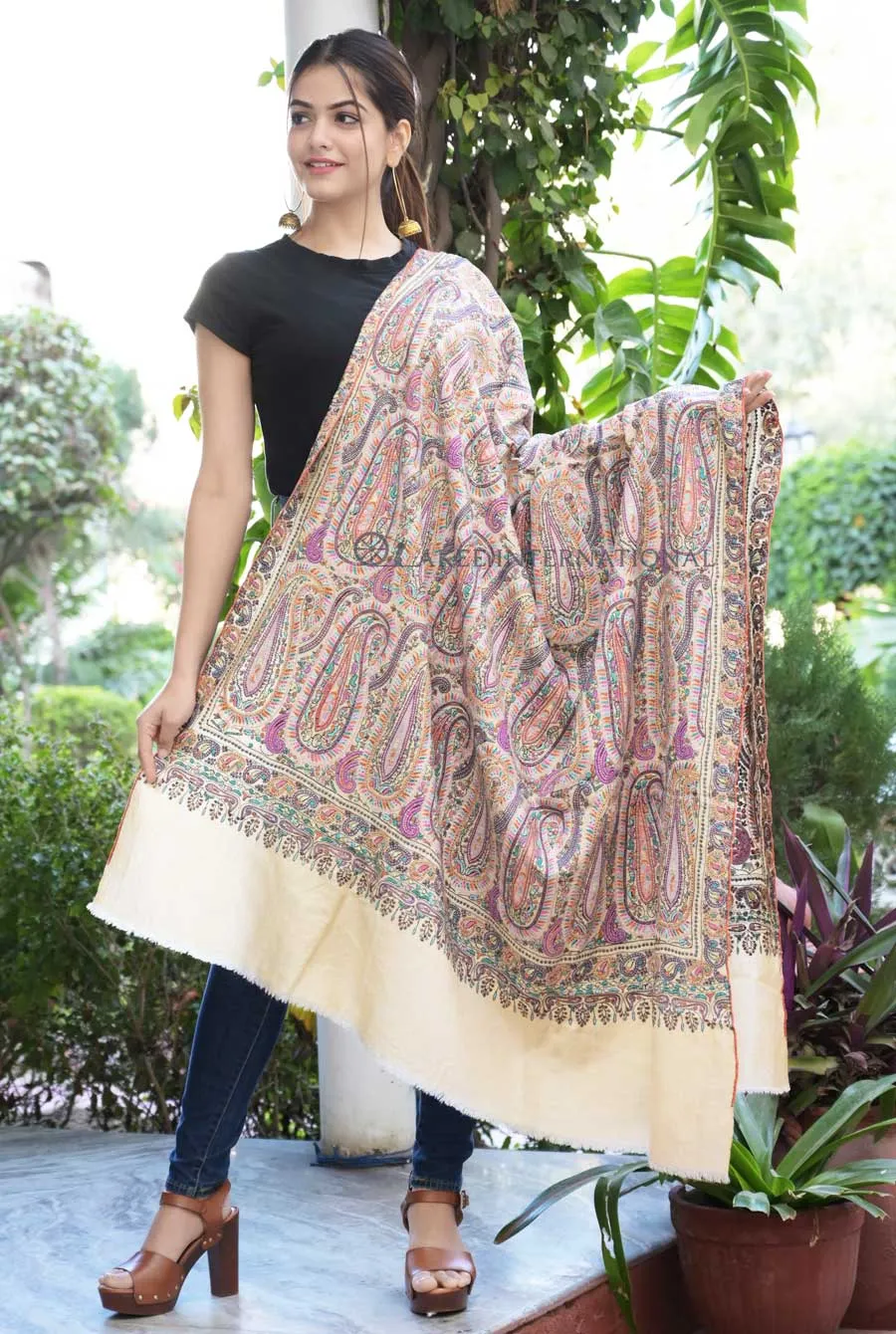
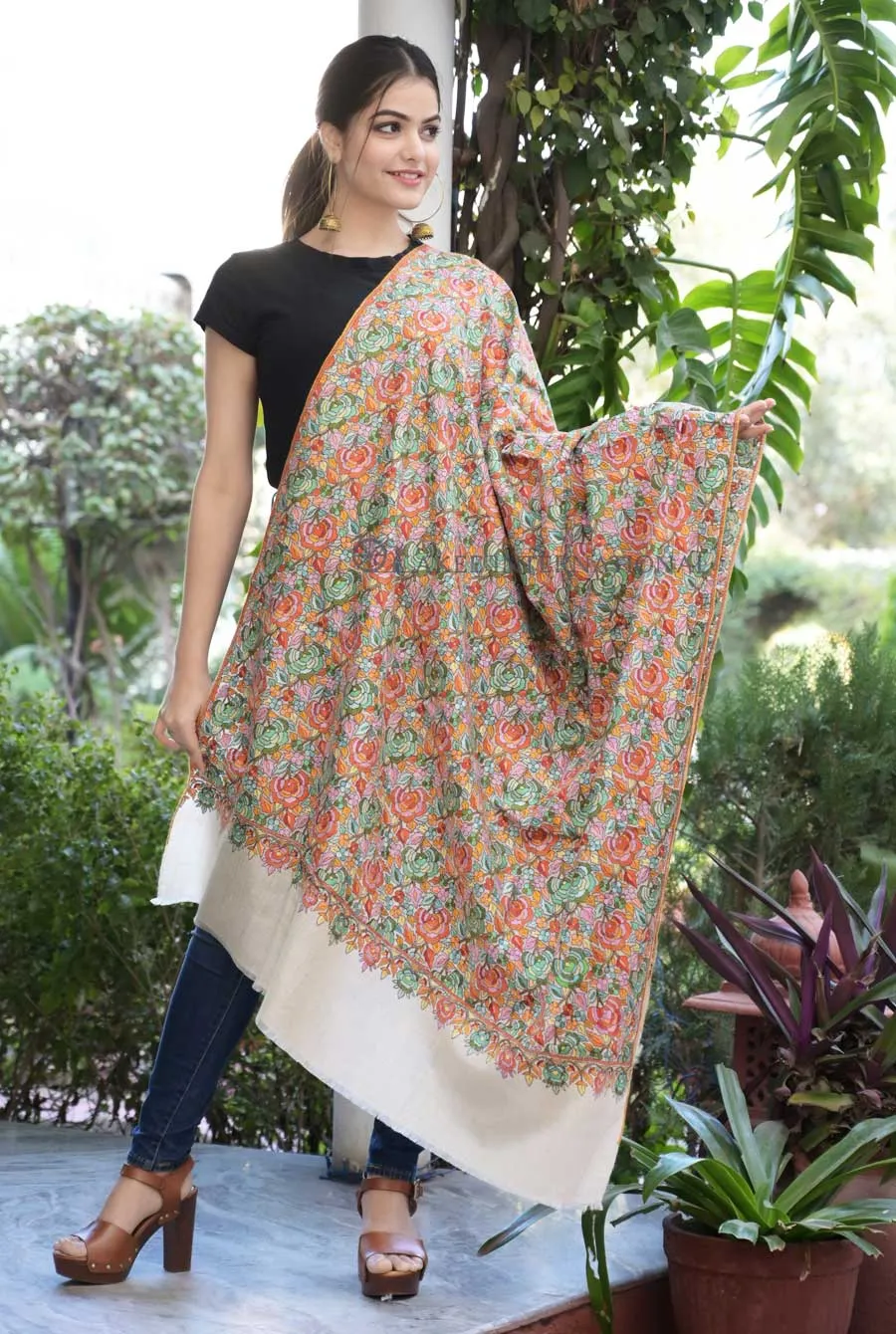
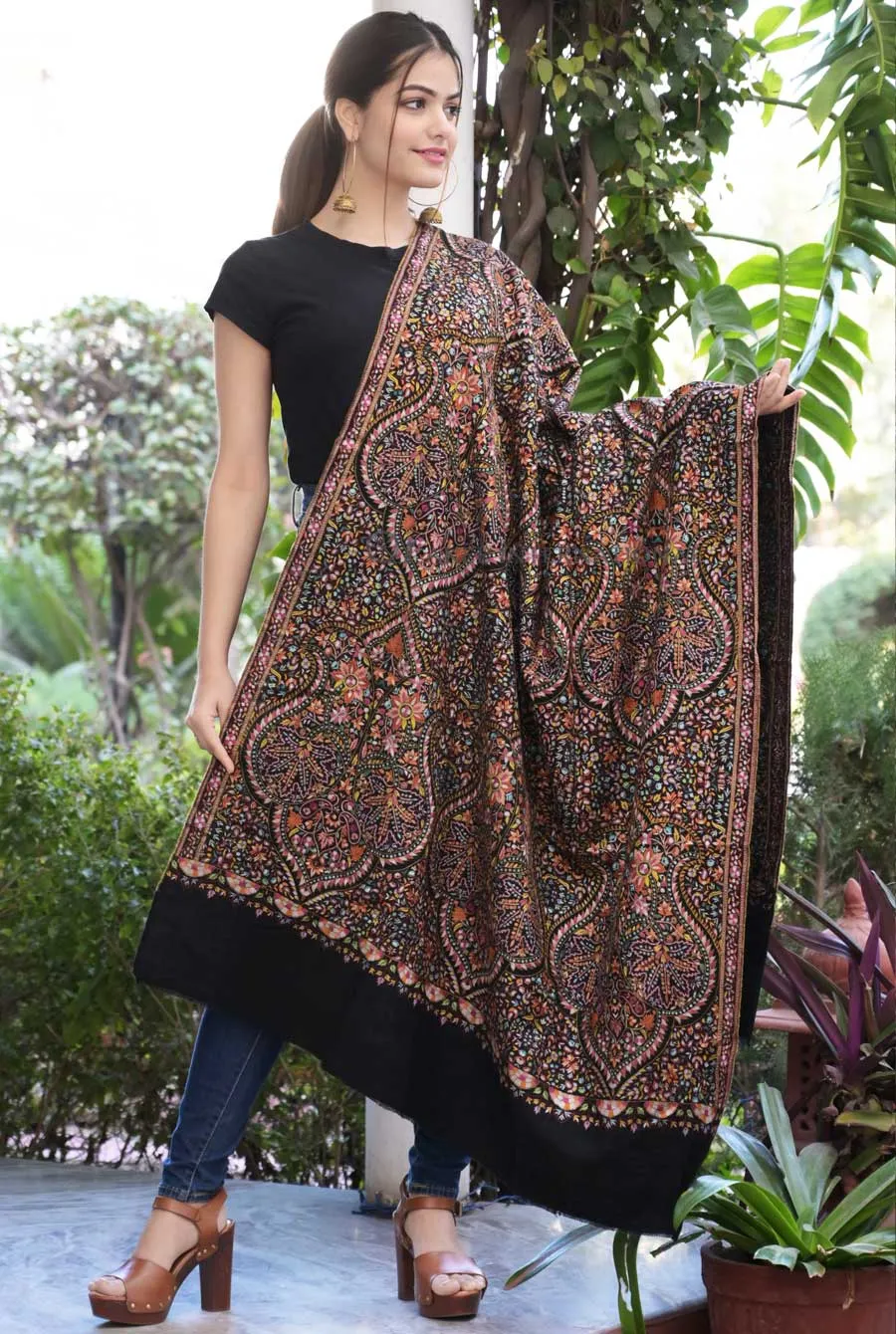
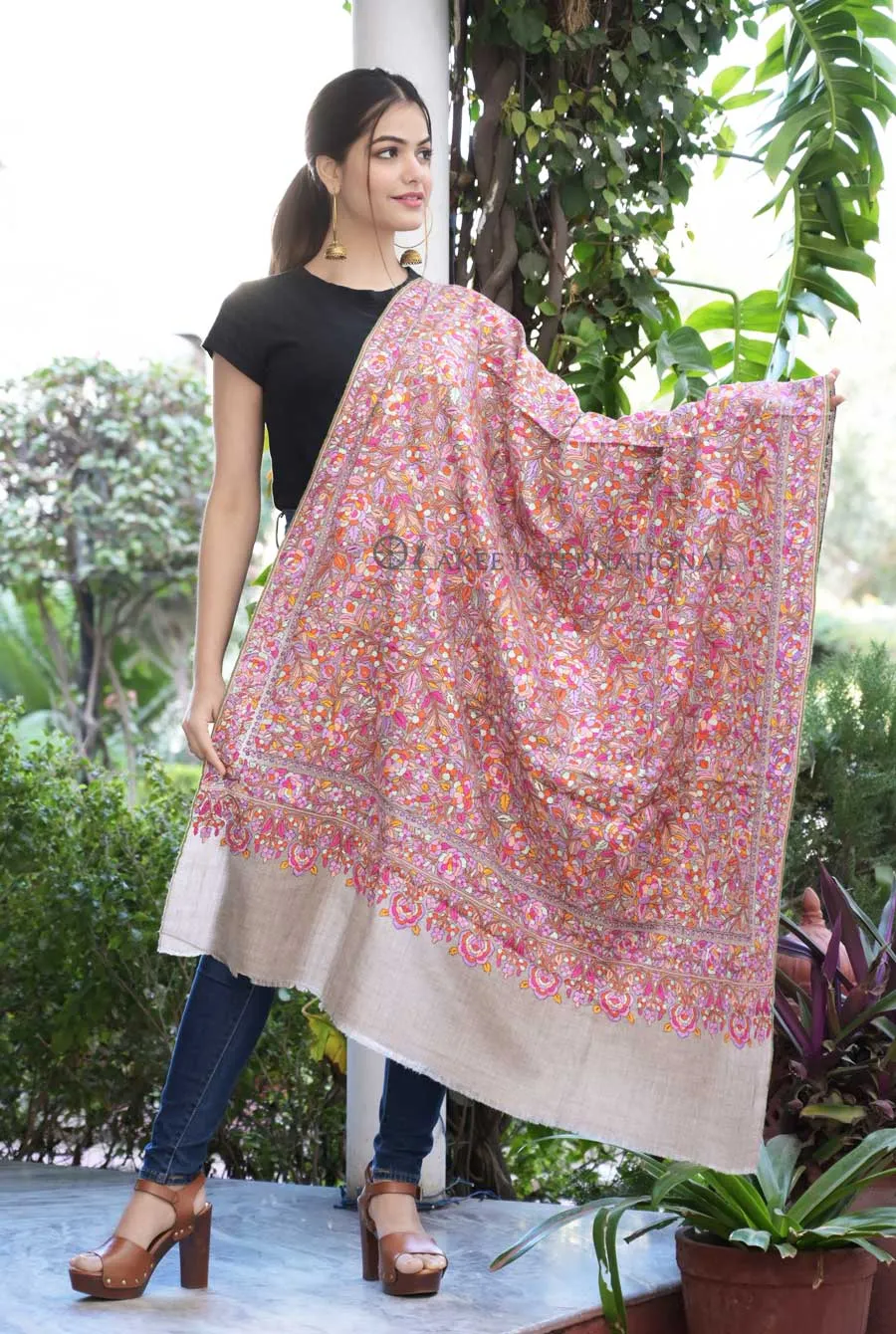
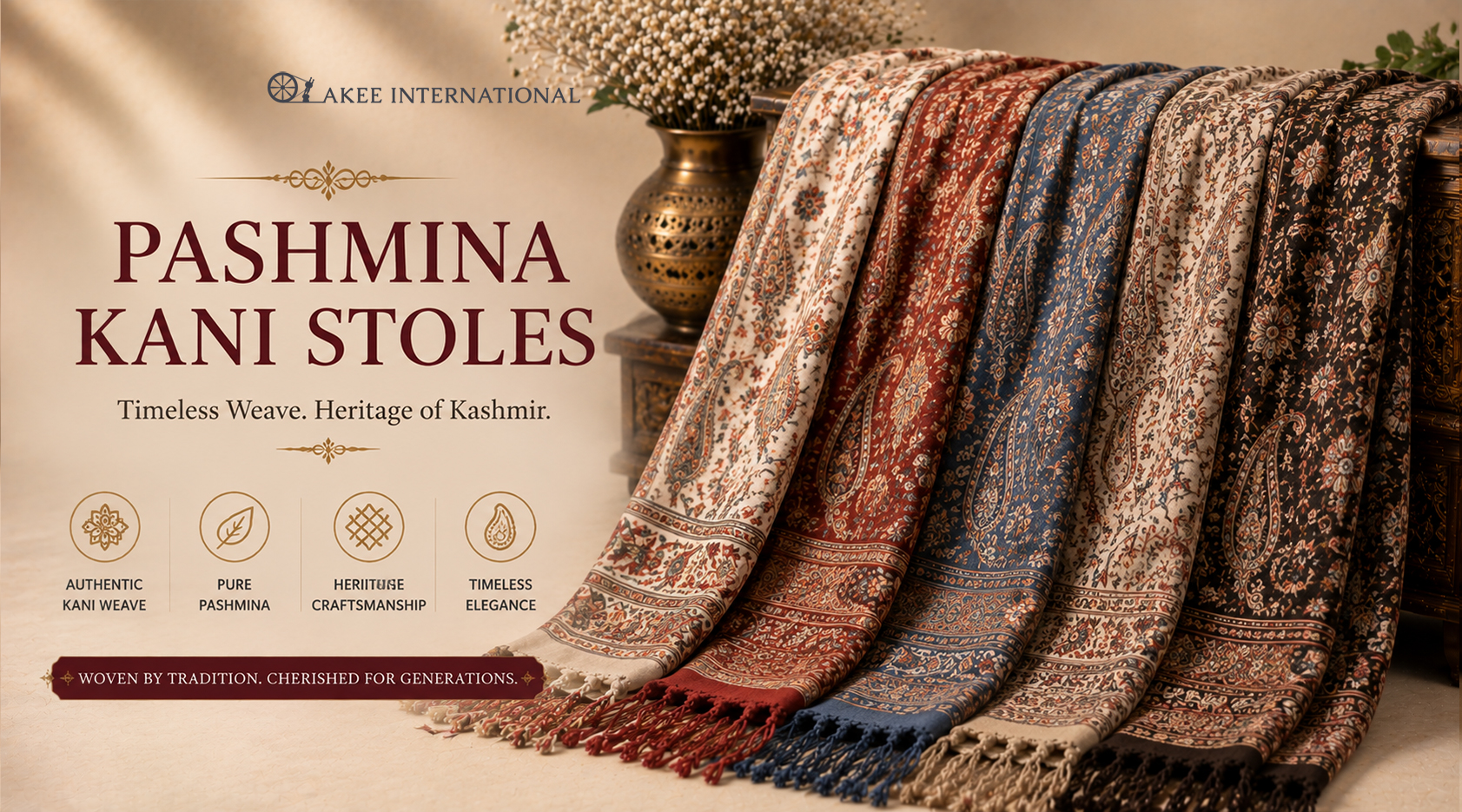
Raw wool and yarn move to individual weavers, often specialized by technique — plain weaving, Jamawar patterning, or Kani bobbin work — who complete their portion before finished or semi-finished pieces move to a consolidation point for quality control, further finishing, and eventual sale or export.
The Quality Challenge This Creates
Coordinating quality across a decentralized network of individual artisans is genuinely harder than overseeing a single factory floor — which is precisely why manufacturers with weak or newly-formed networks often show more quality inconsistency than those with established, long-term artisan relationships.
How We've Built This Network Over Time
Our own handloom sourcing draws on relationships developed over years across multiple artisan specializations, feeding into consolidated quality control and finishing at our Jaipur facility — allowing us to maintain consistency that a single, unestablished workshop relationship typically cannot.
Why This Matters for Wholesale and Bulk Buyers
A mature handloom network can fulfil larger wholesale orders by distributing work across multiple artisans simultaneously — something a single small workshop, however skilled, generally cannot do without significantly extending timelines.
A Question Worth Asking Any Manufacturer
If a manufacturer claims a "handloom network," ask how long they've maintained these artisan relationships, and how they manage quality consistency across multiple weavers. Specific, confident answers suggest a genuinely established network rather than a recently assembled one.
Genuine handloom weaving happens on individual looms across artisan households, making a network structure the natural production model, not a shortcut.
Finished or semi-finished pieces move to a consolidation point, where quality checks and further finishing occur before final sale.
Yes, coordinating quality across multiple independent artisans is more complex than overseeing one centralized facility.
Our artisan relationships have developed over years across multiple weaving specializations.
Yes, work can be distributed across multiple artisans simultaneously, unlike a single small workshop.
How long the relationships have existed and how quality consistency is managed across artisans.
Yes, a more established, mature network typically offers more reliable timelines and consistency.
At our Jaipur facility, after artisan weaving is completed.
It spans plain weaving, Jamawar, and Kani techniques, each with specialized artisans.
Contact our team via WhatsApp or our website with your volume requirements.
"Read what our clients say about their experience with Akee International's luxurious Pashmina shawls and impeccable service."

Nai Mata Mandir Road, Thathar Road, Delhi By Pass, Amer, Jaipur 302028, Rajasthan India
Get directions Call Now Whatsapp 4.9 based on 269 reviews
Rating: 4.6/5 | 85 Reviews

Rating: 4.9/5 | 269 Reviews

TrustScore: 4.9 | 100 Reviews