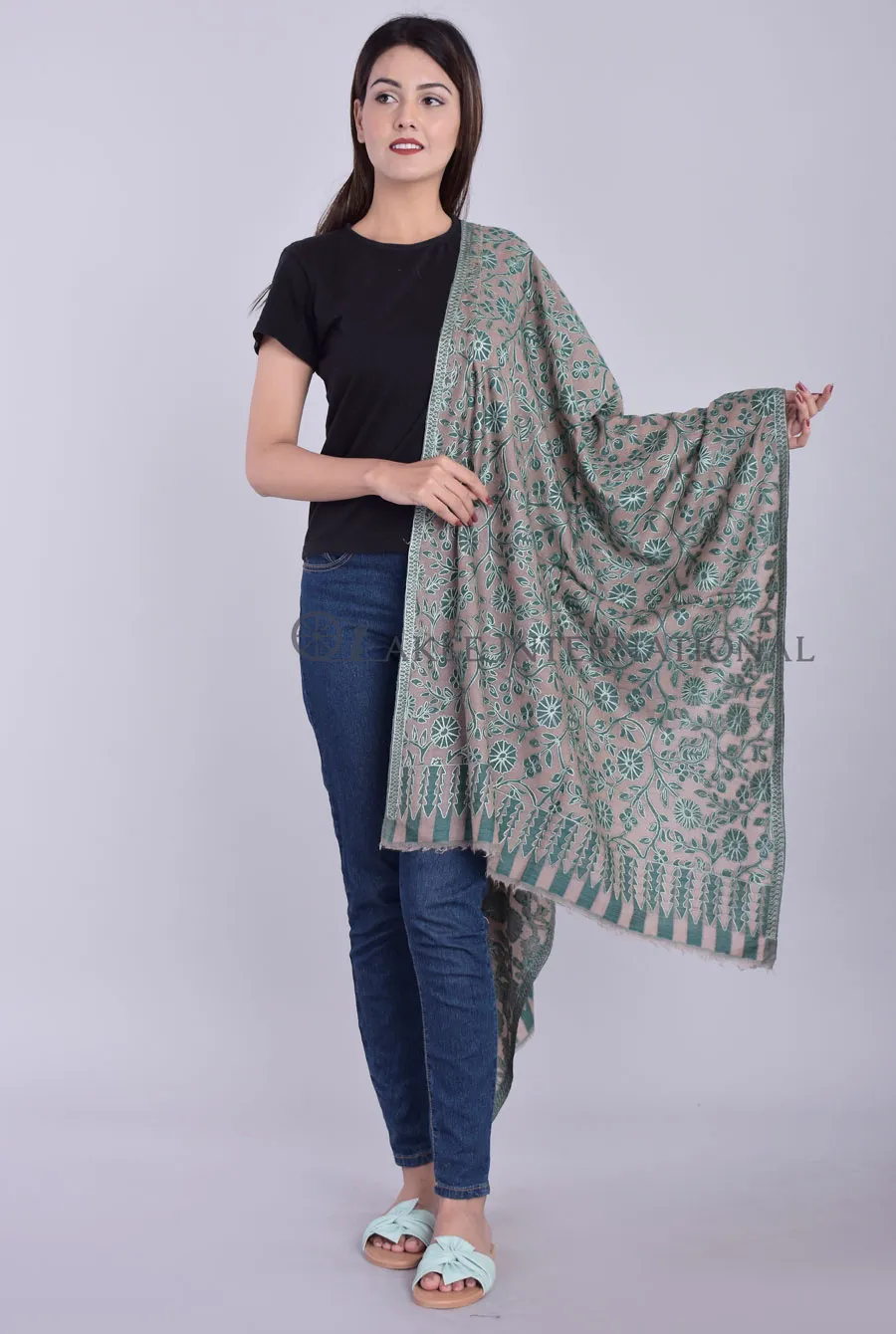
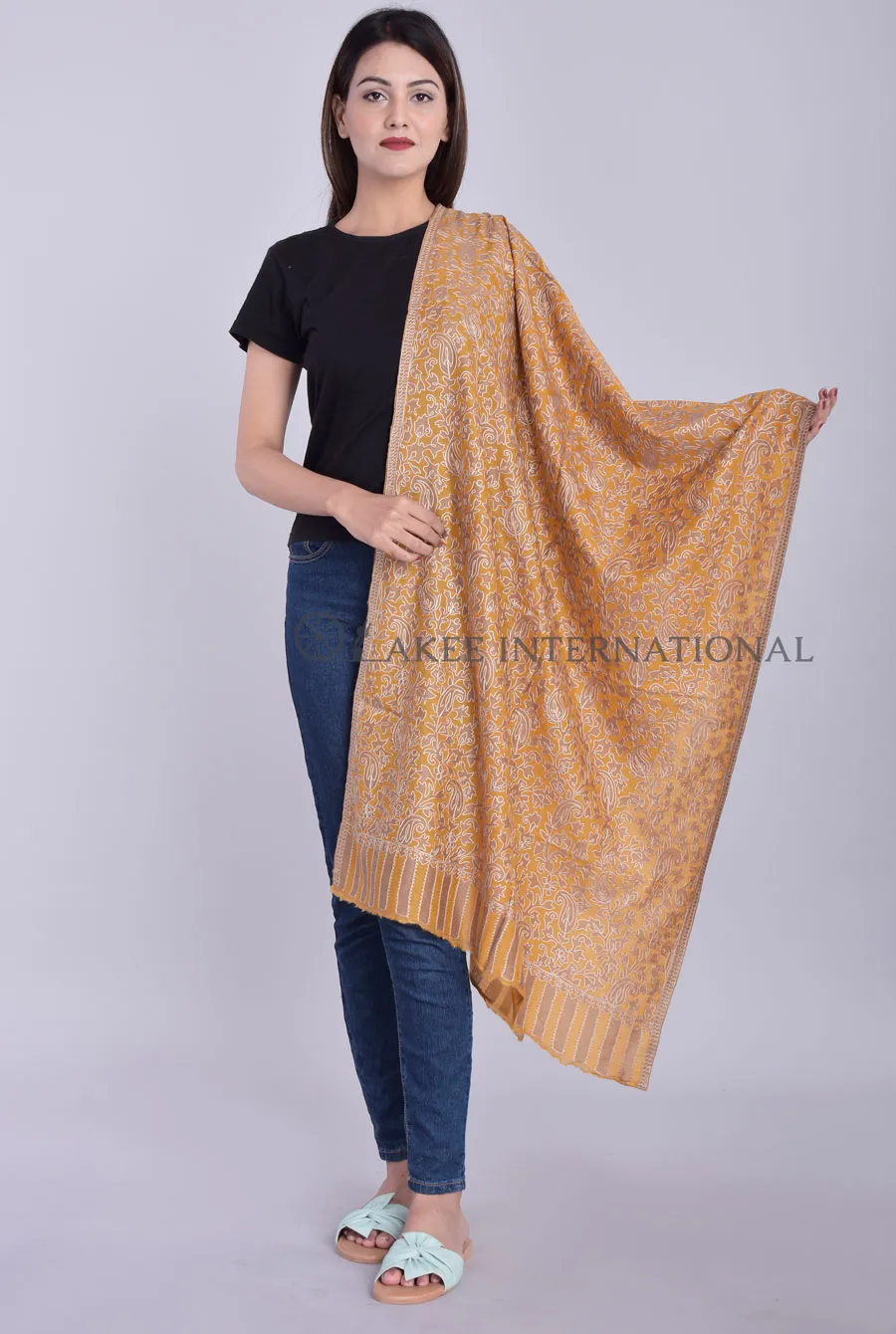
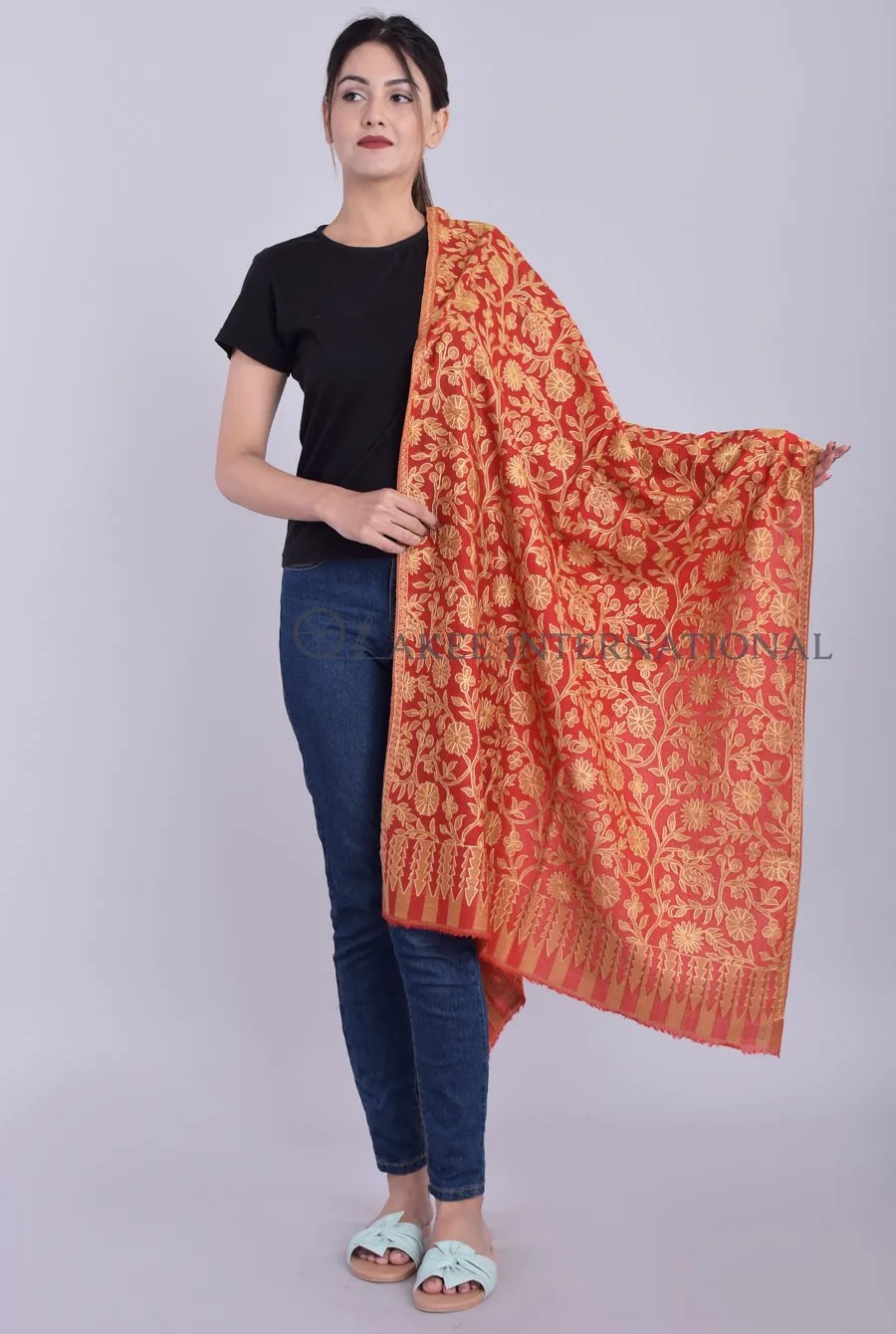
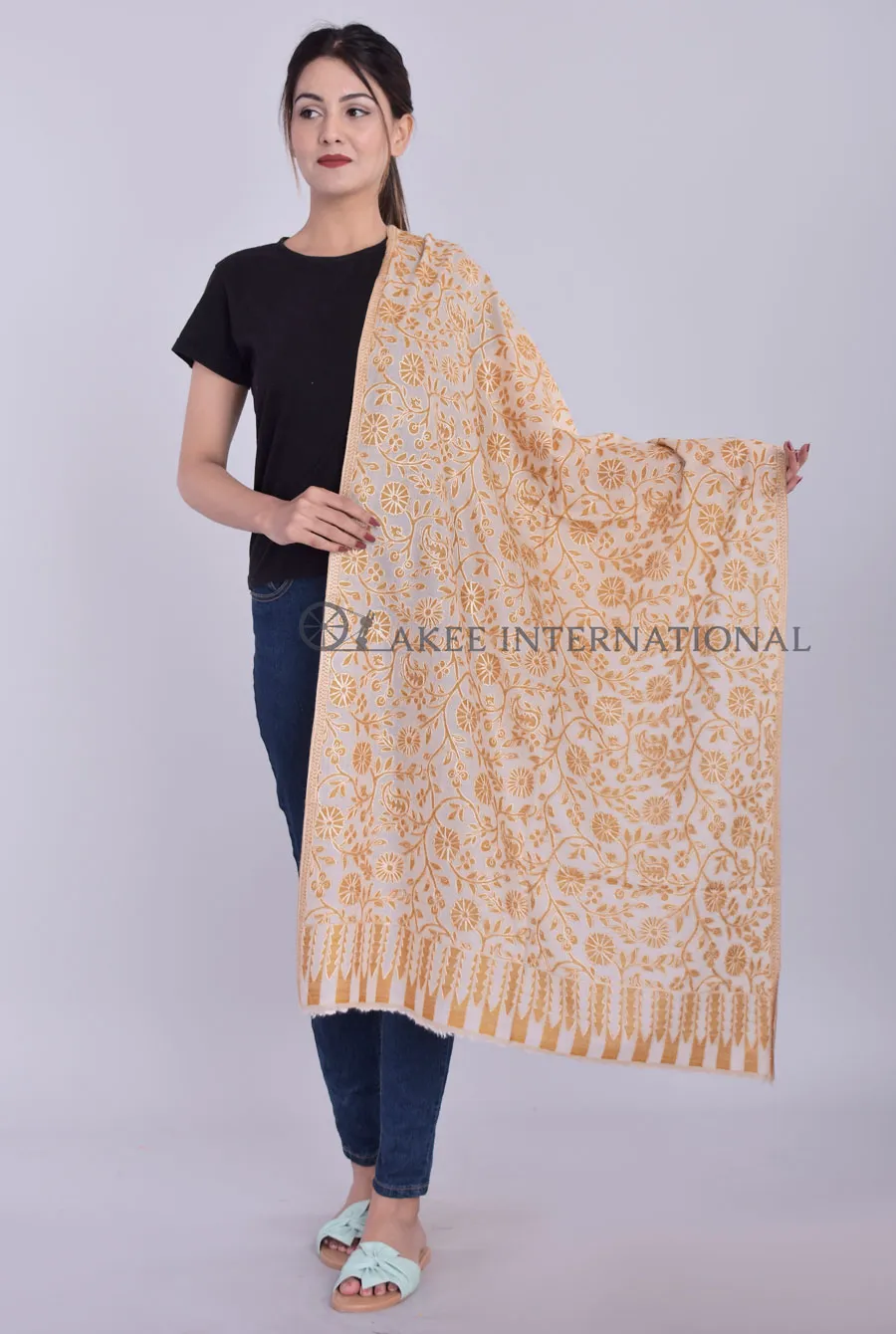
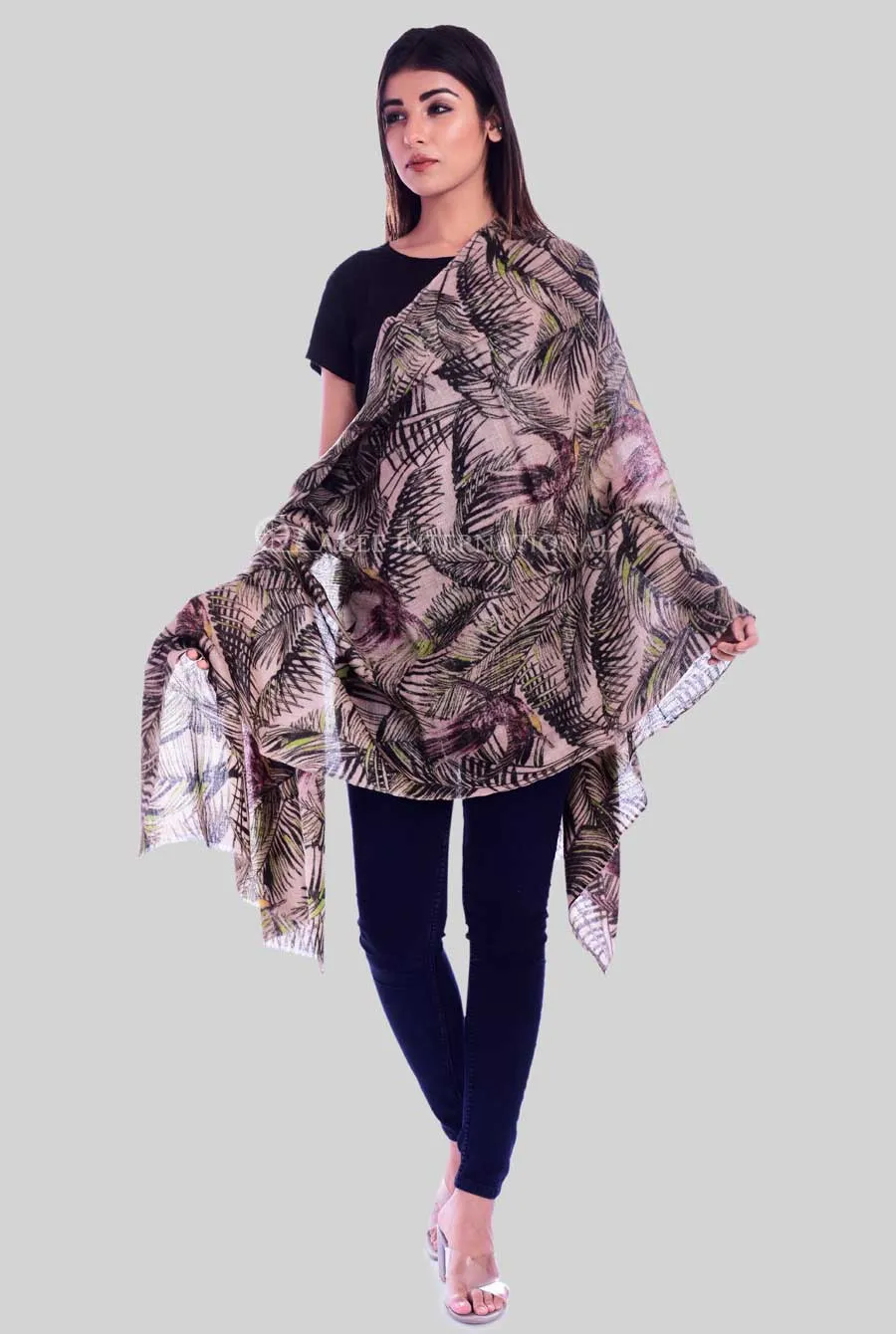
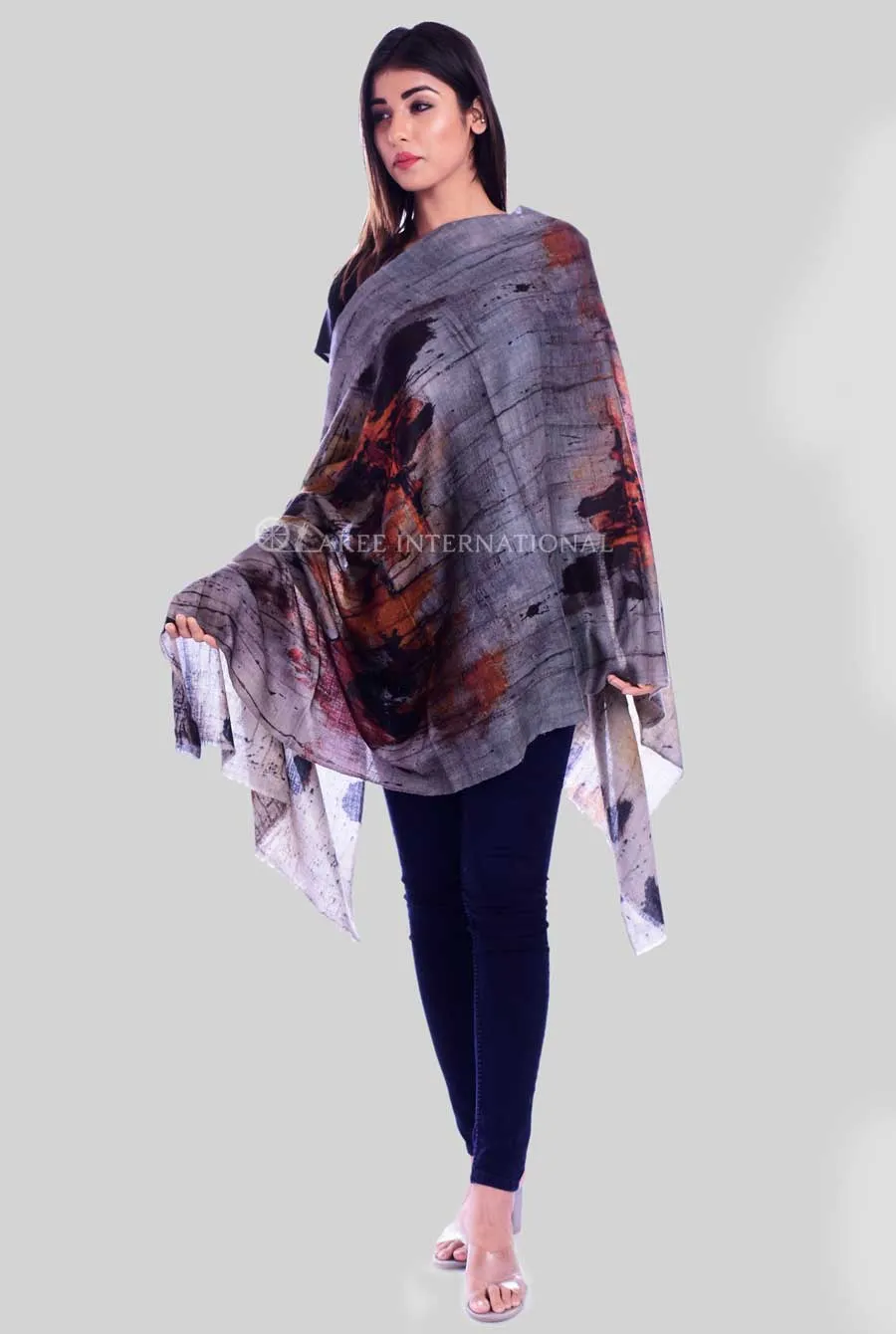
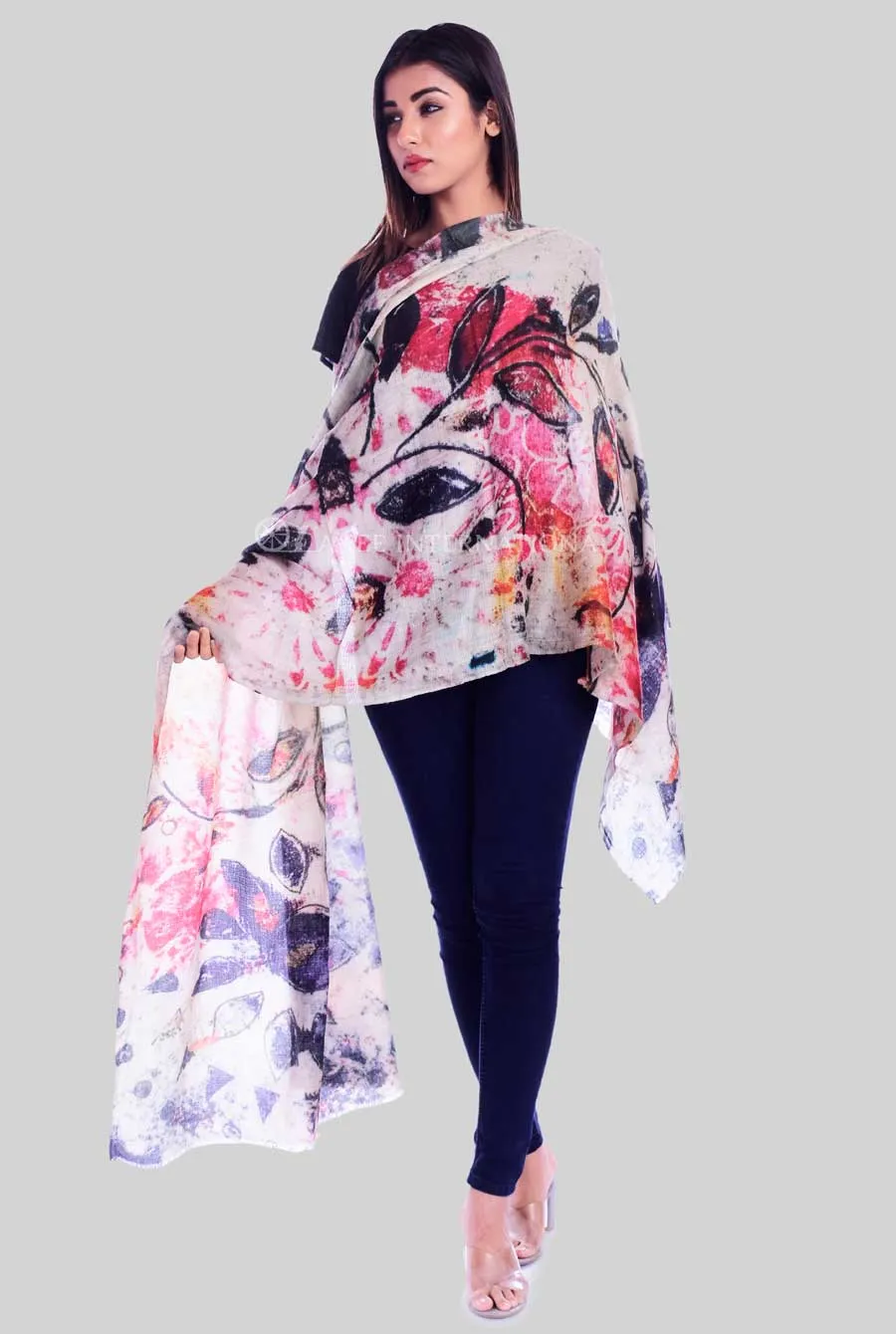
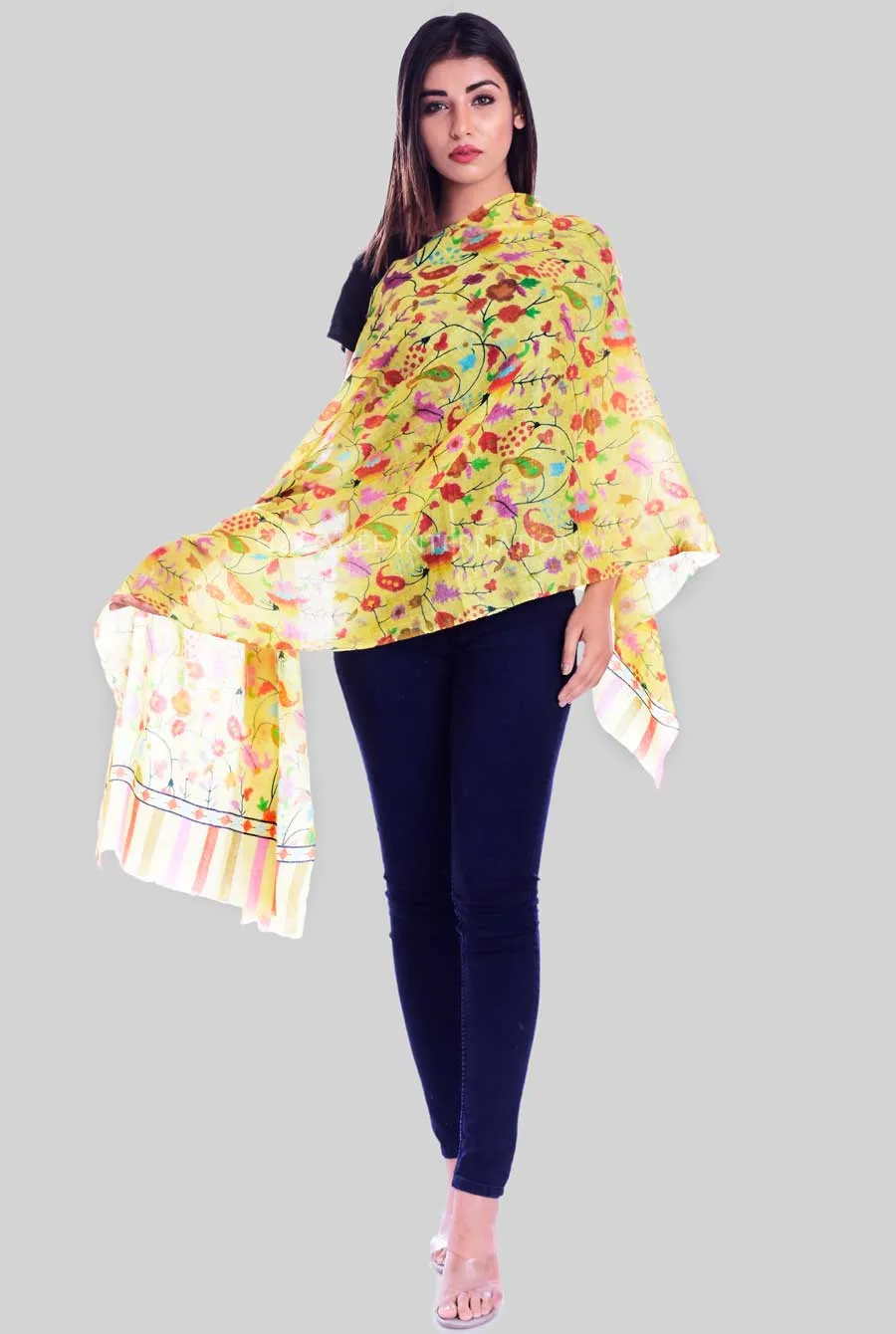
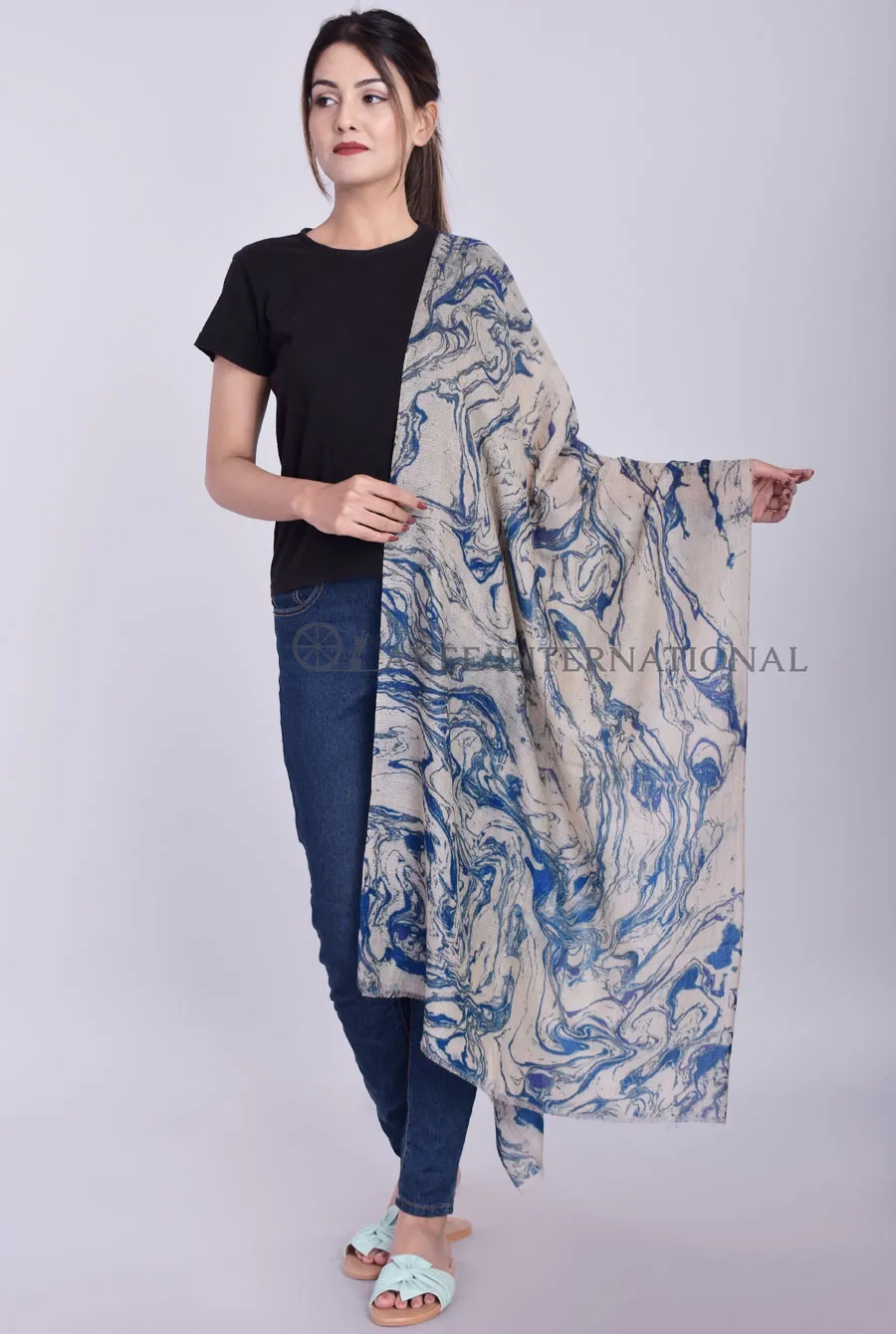
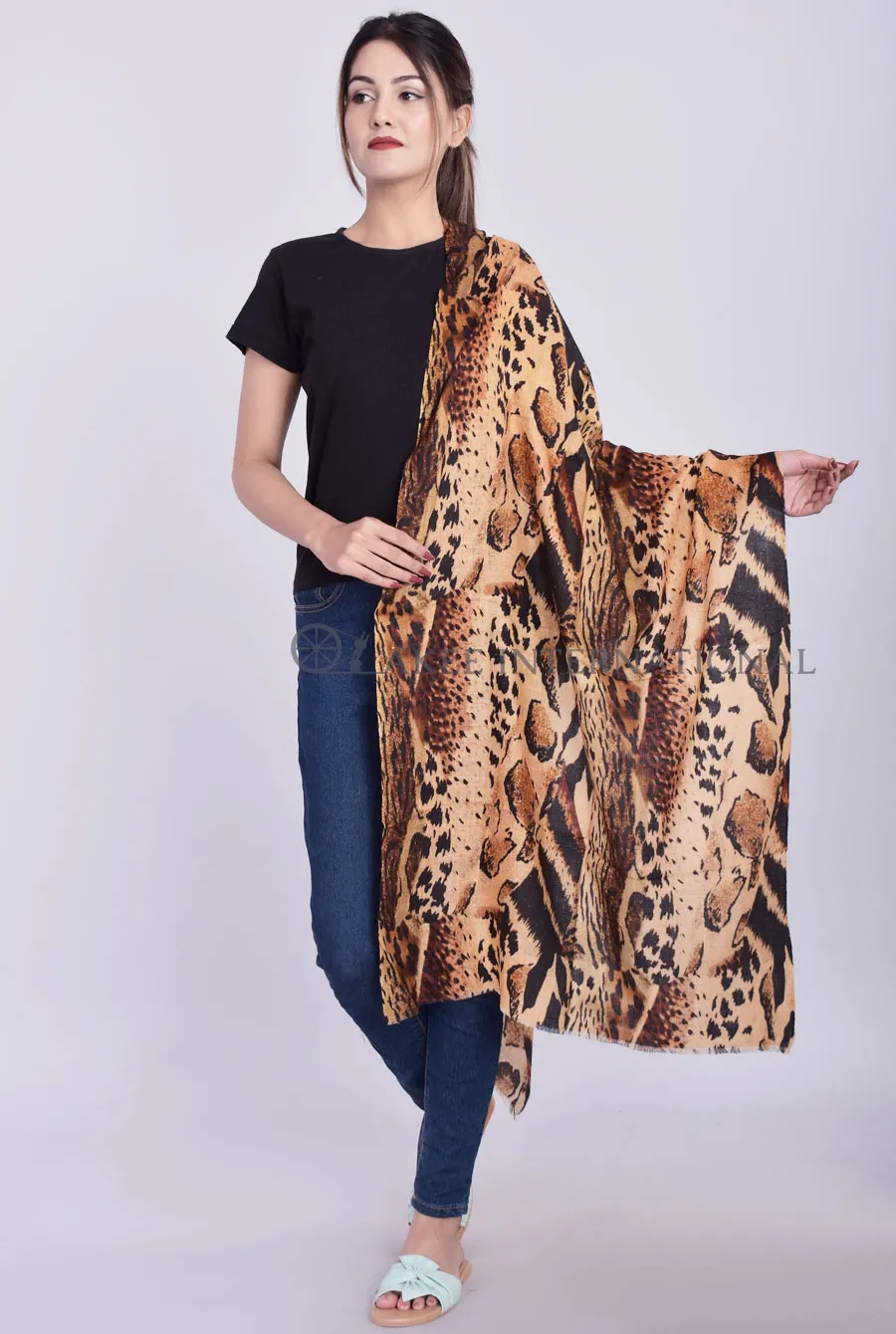
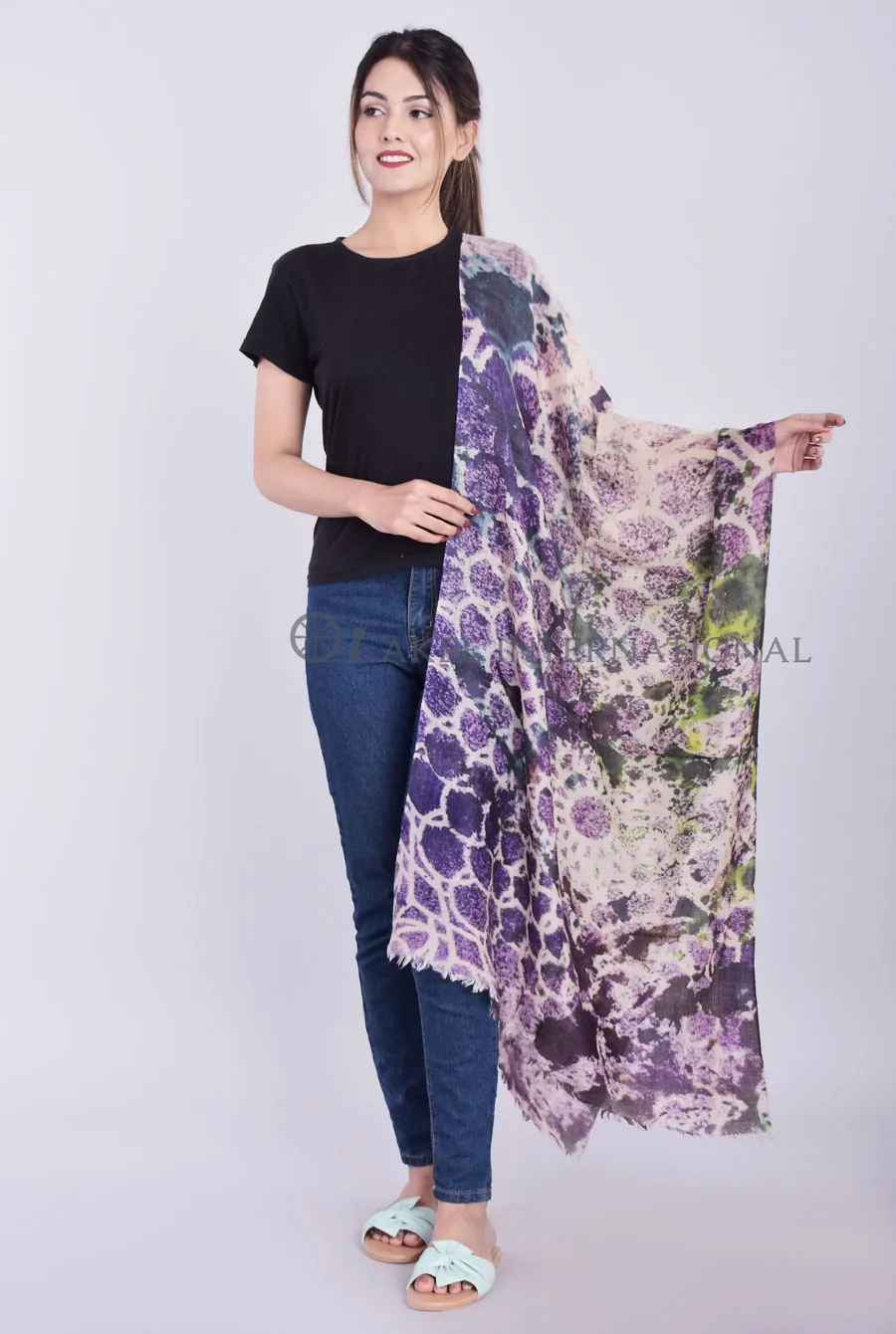
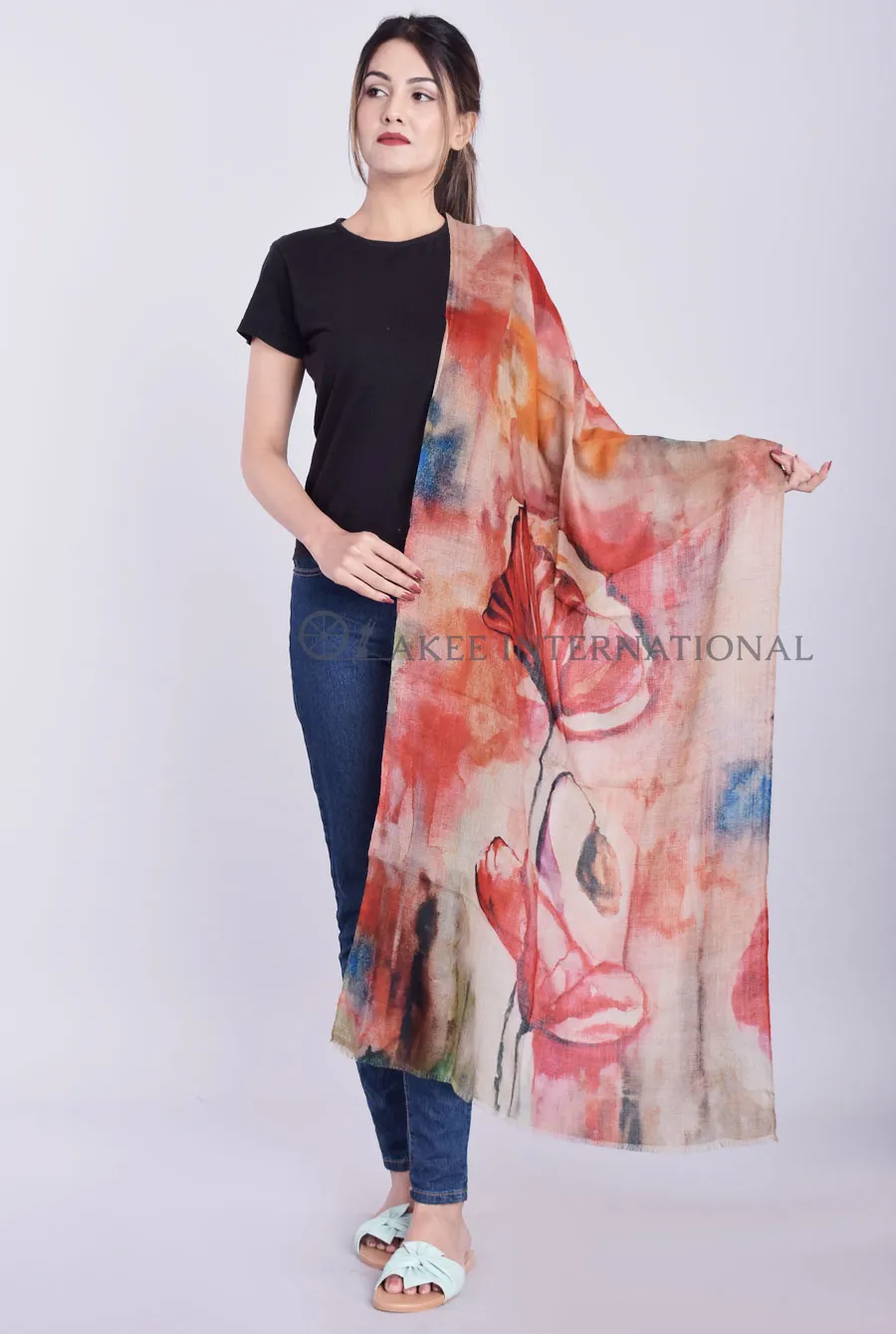
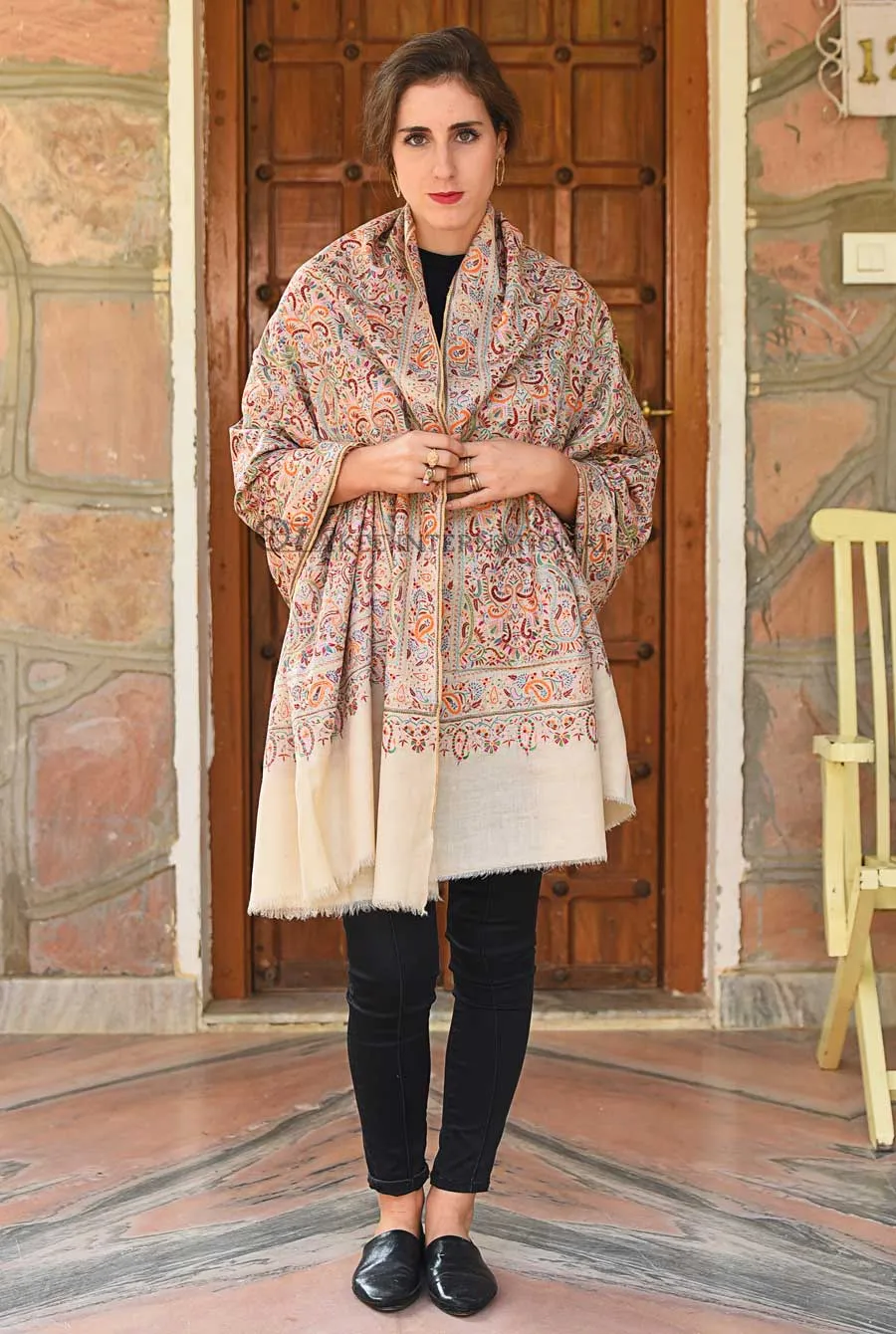
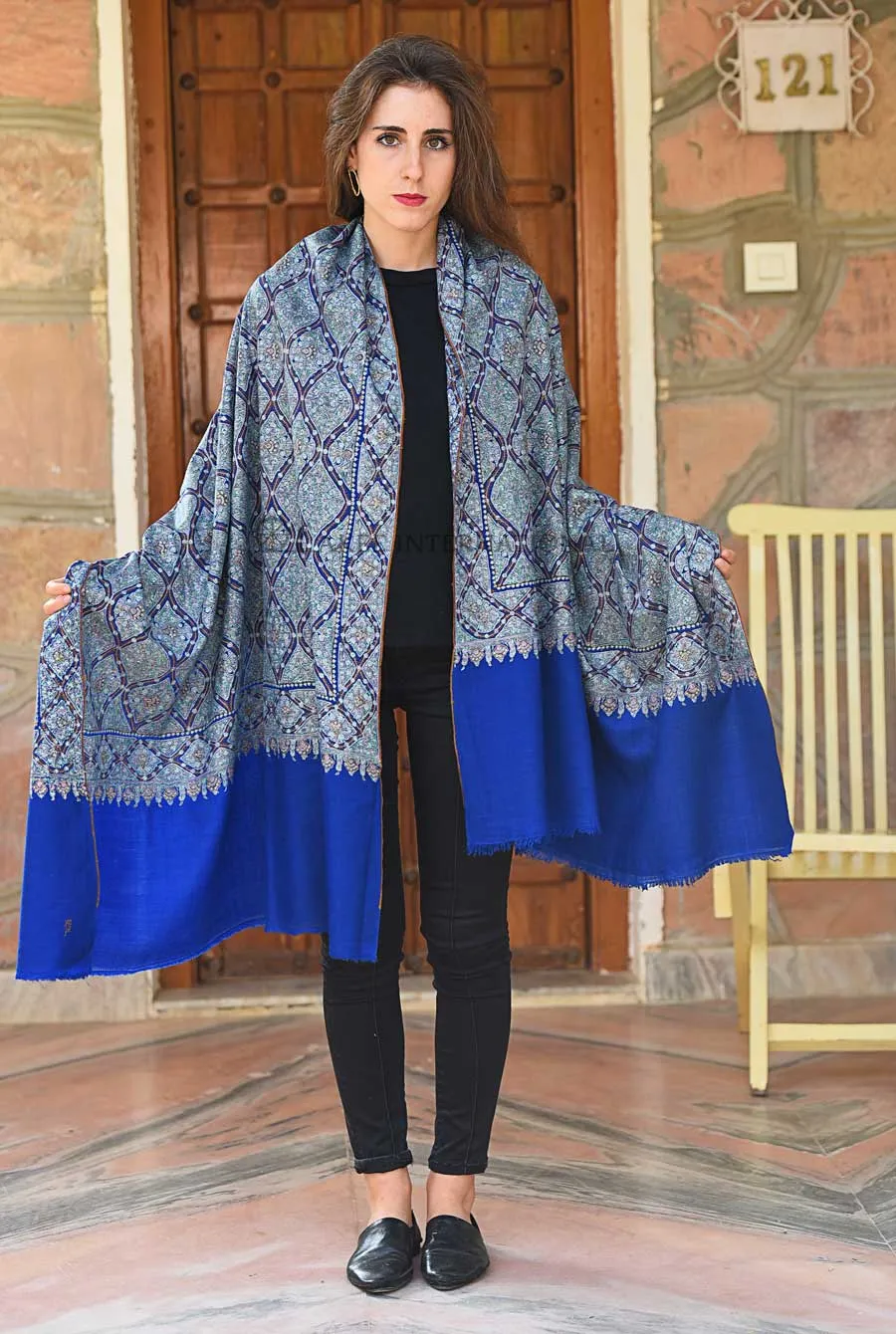
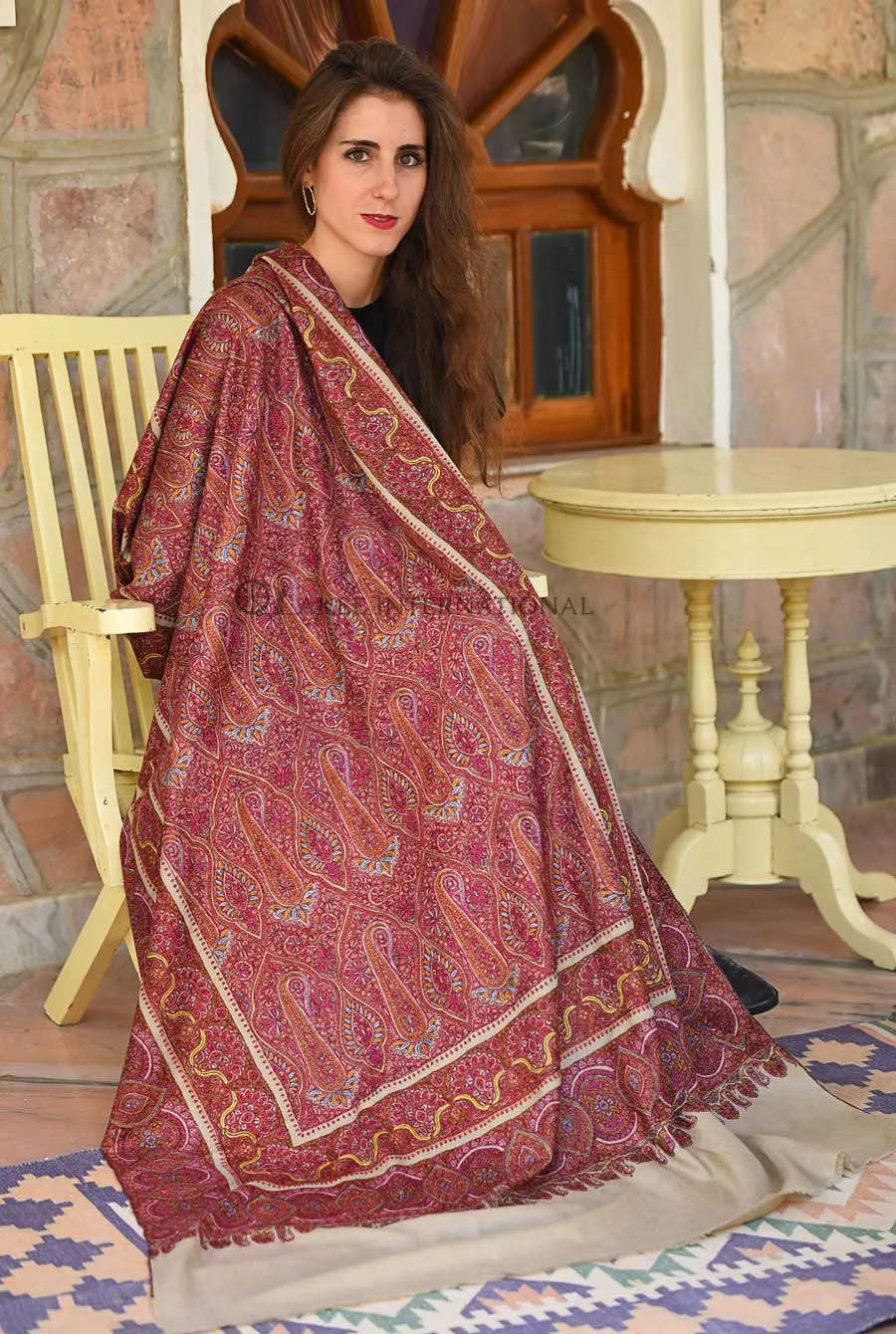
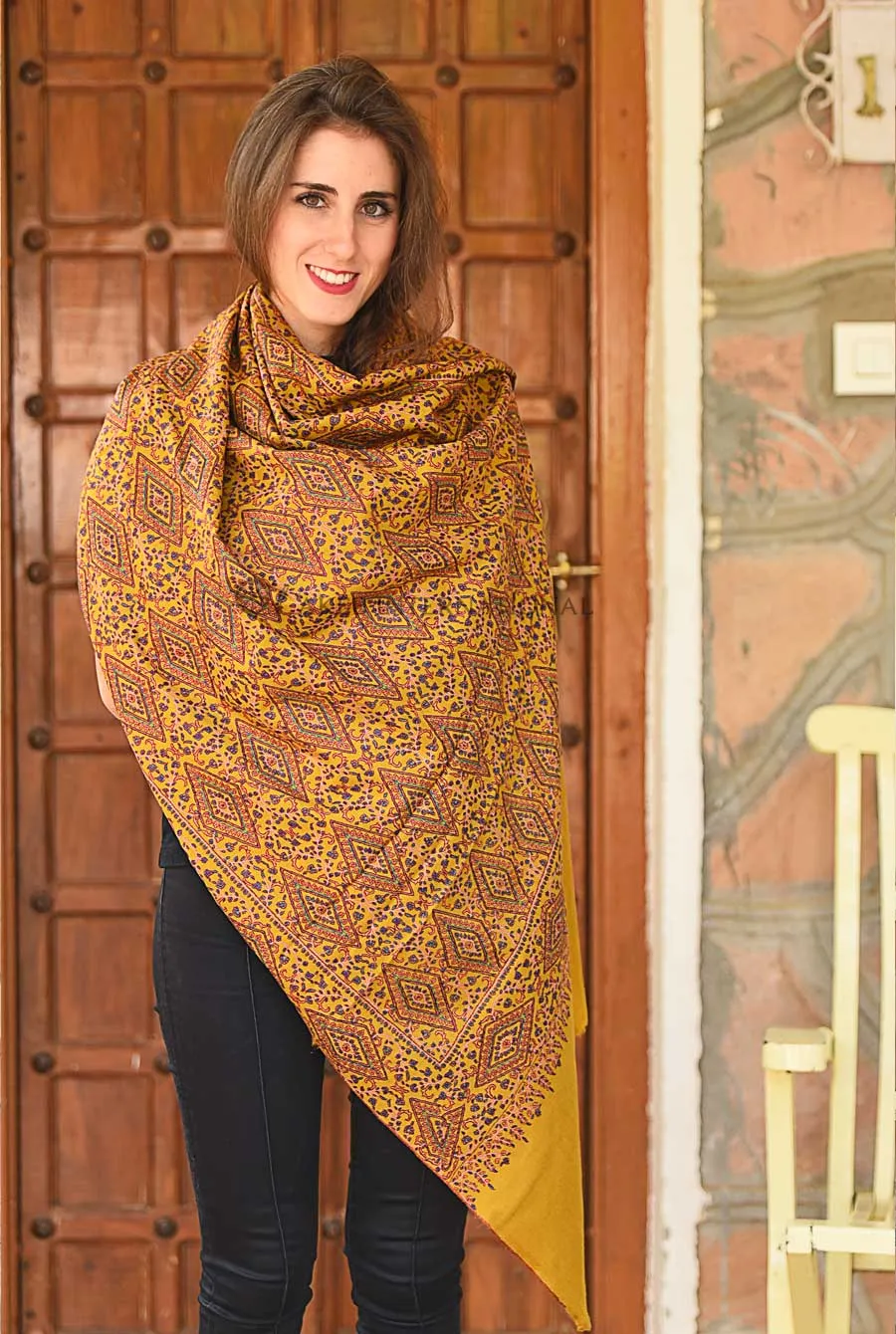
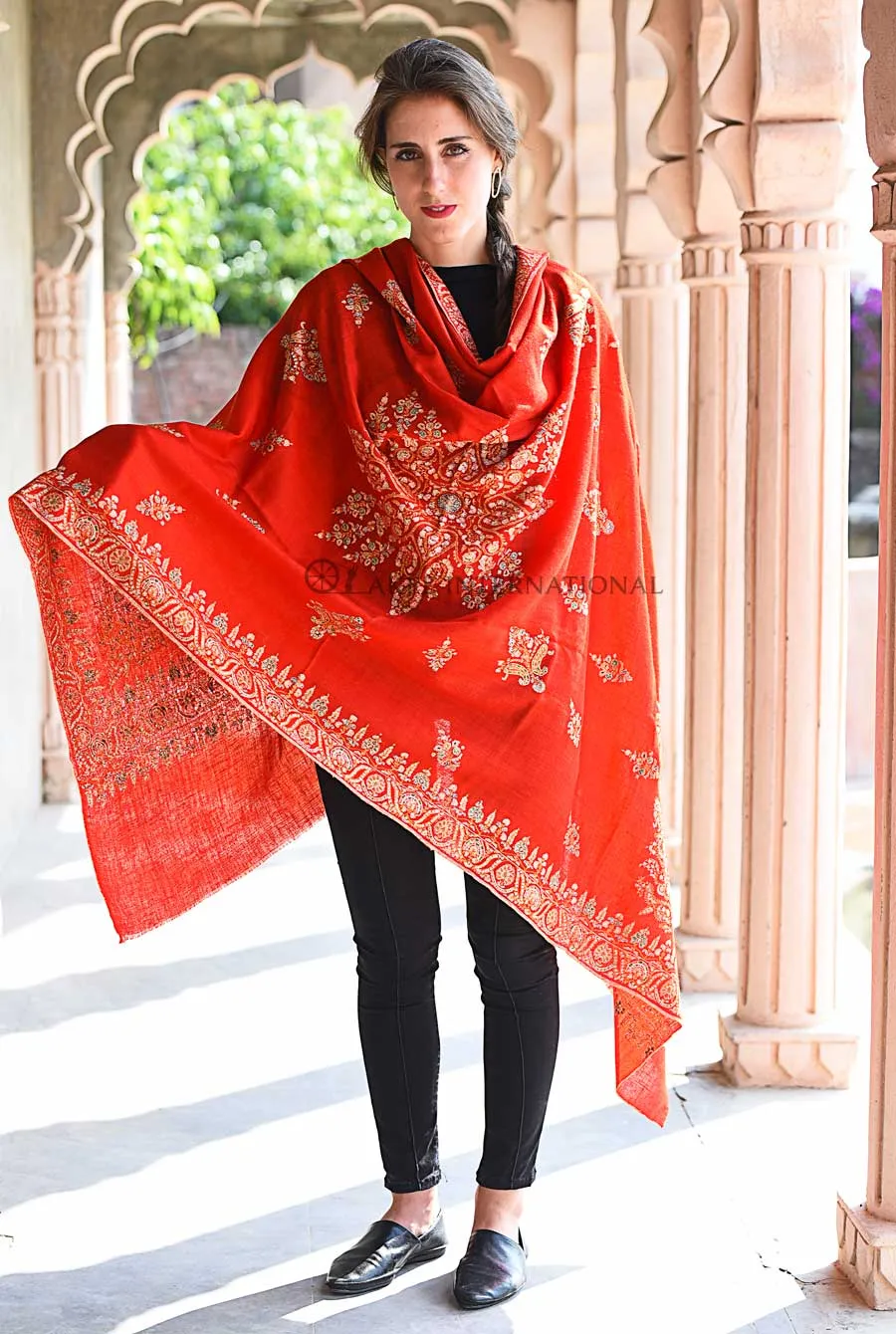
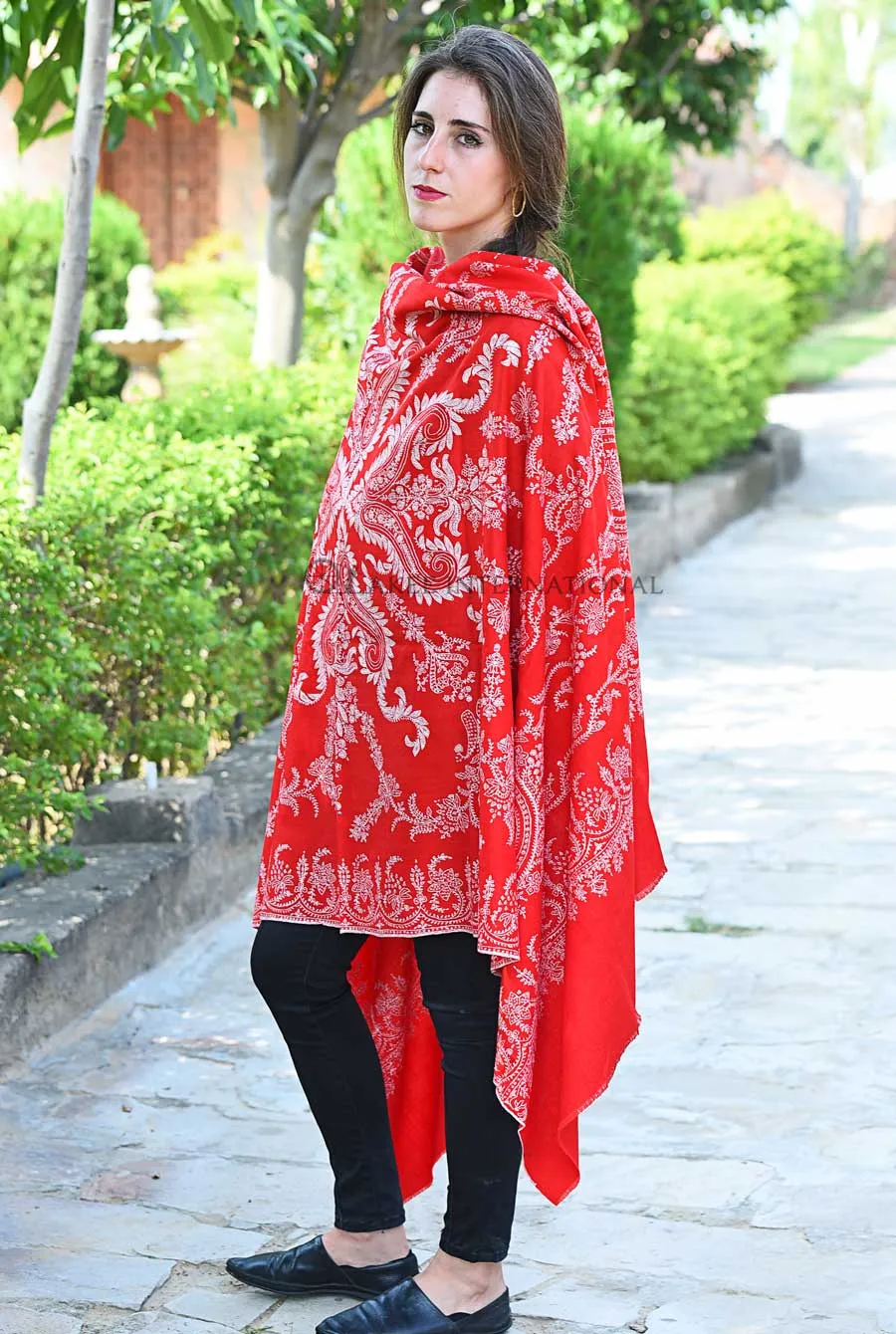
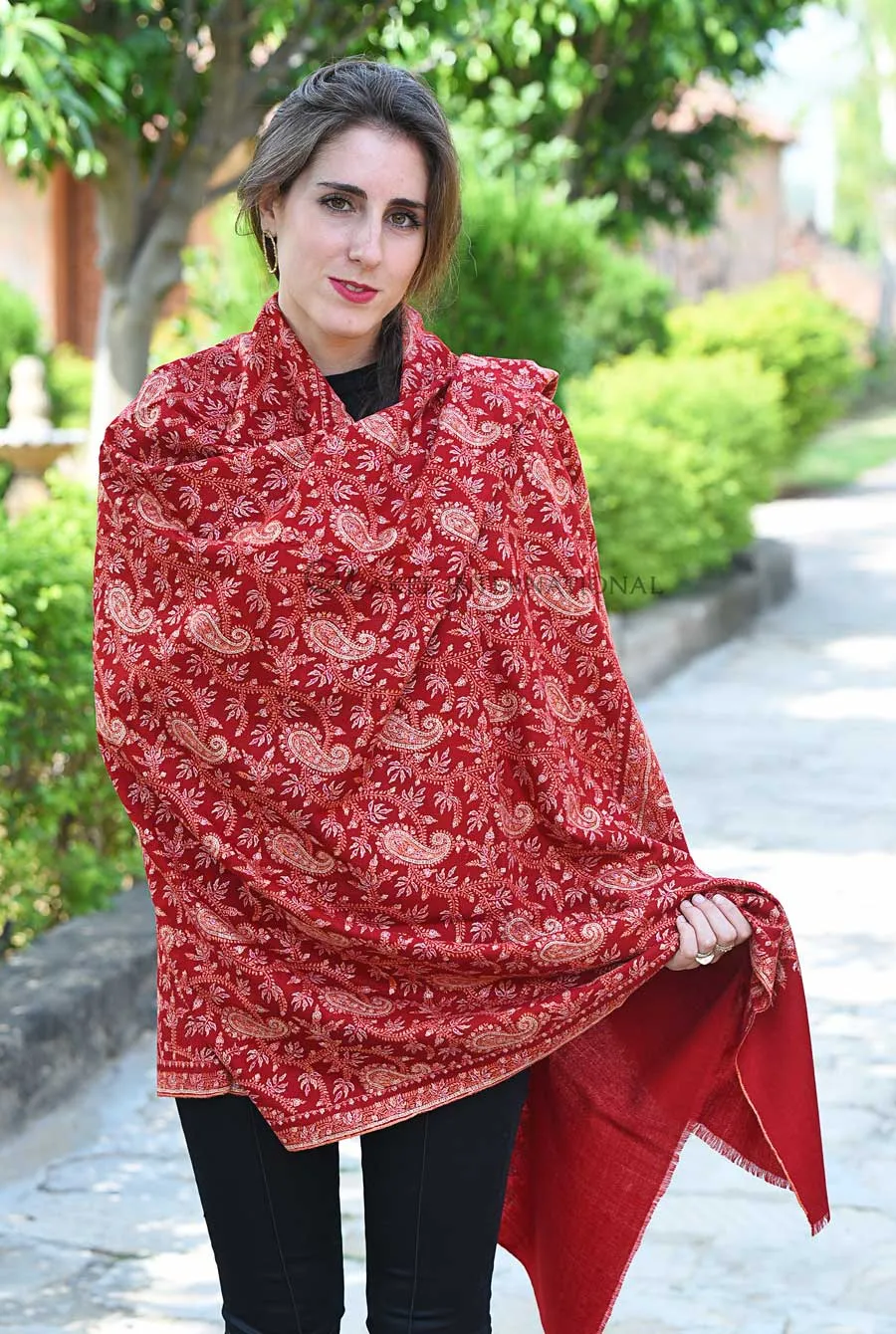
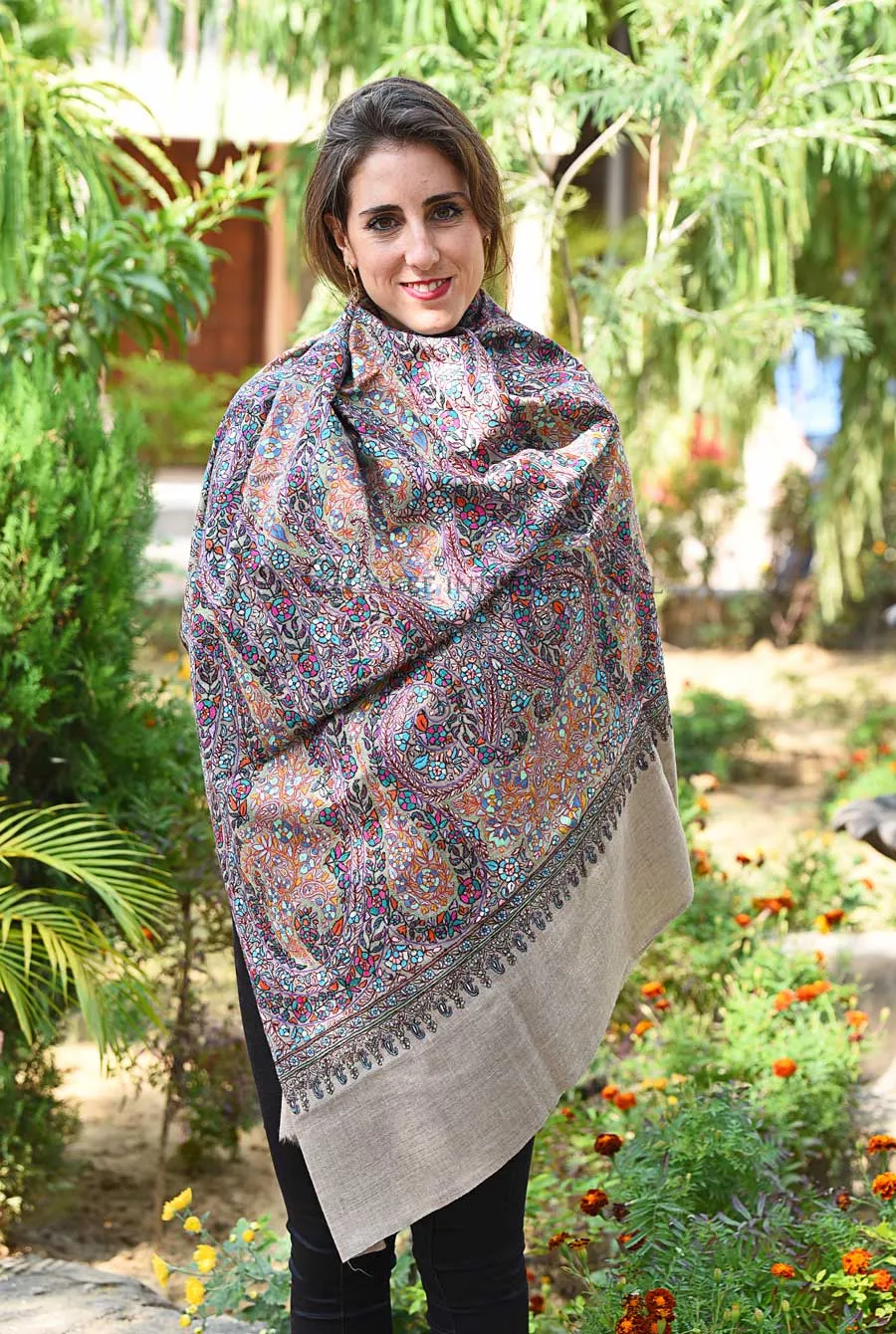
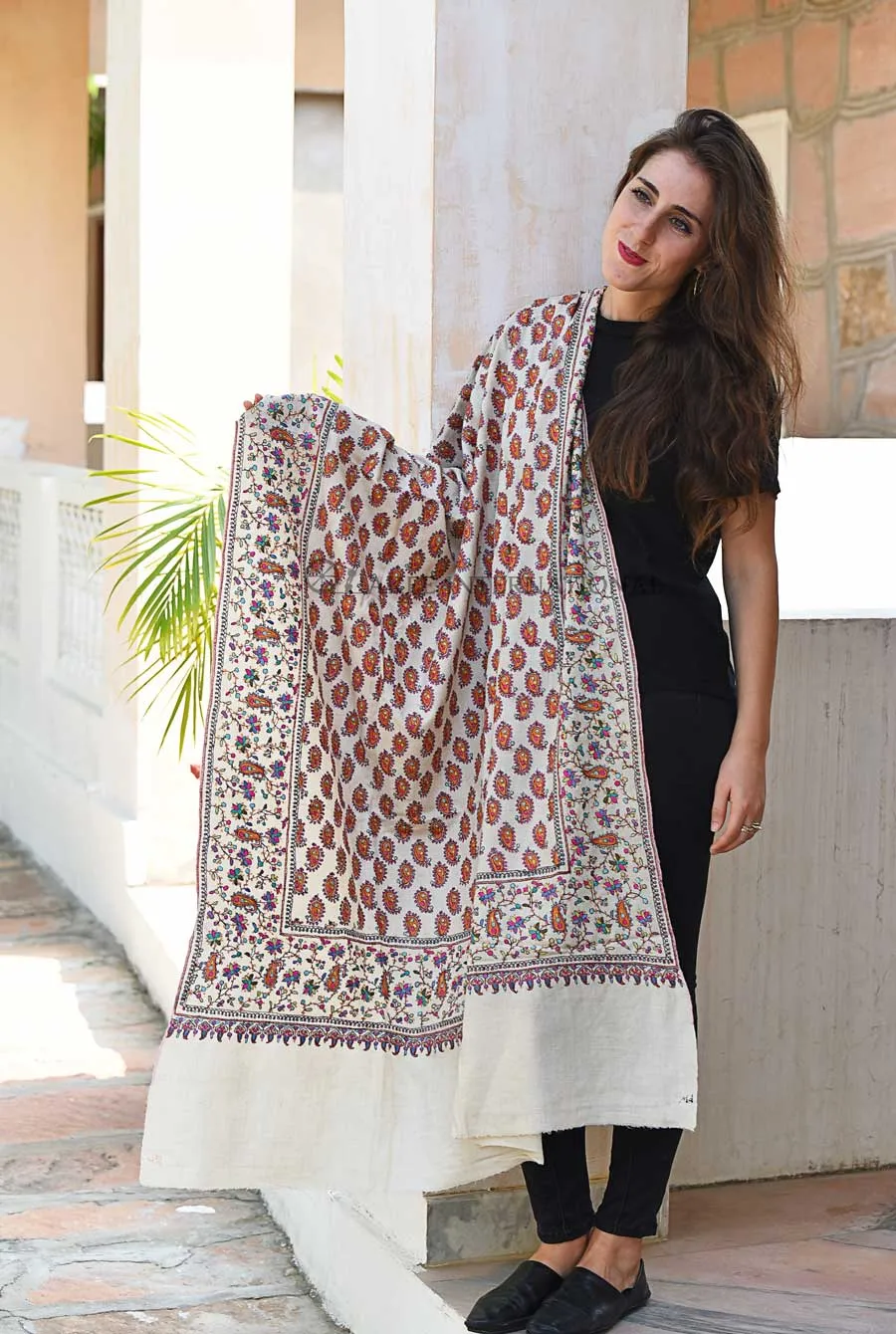
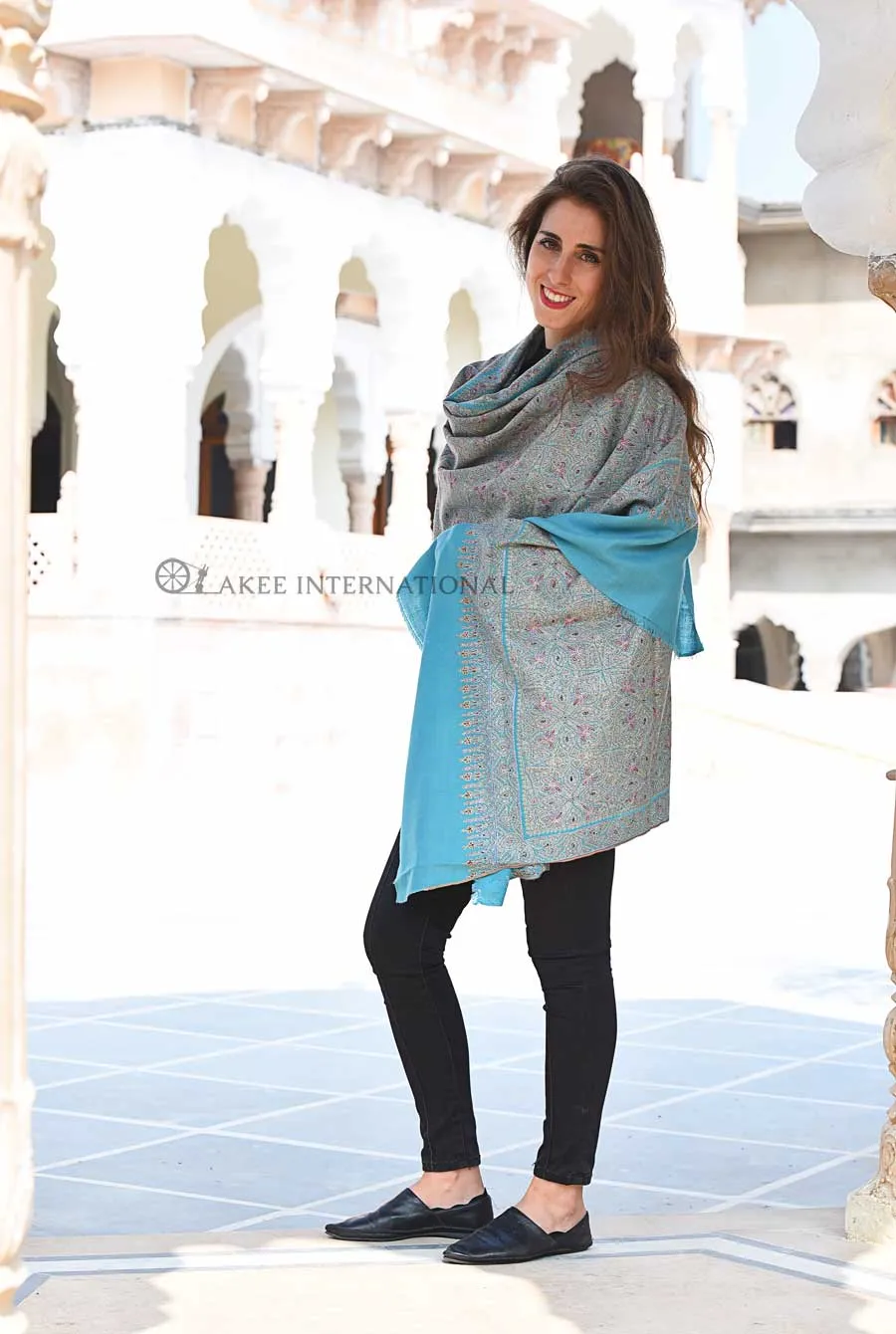
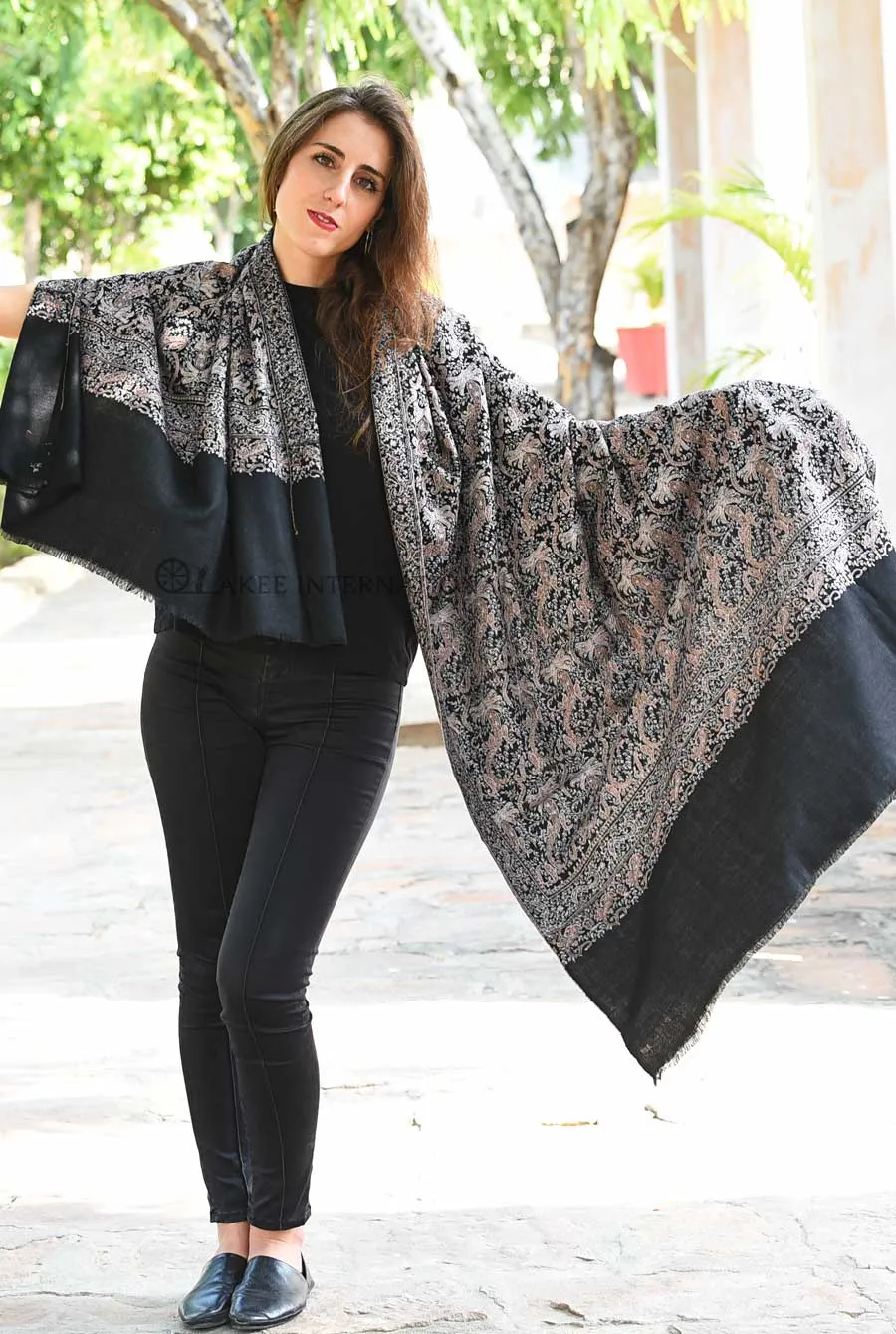
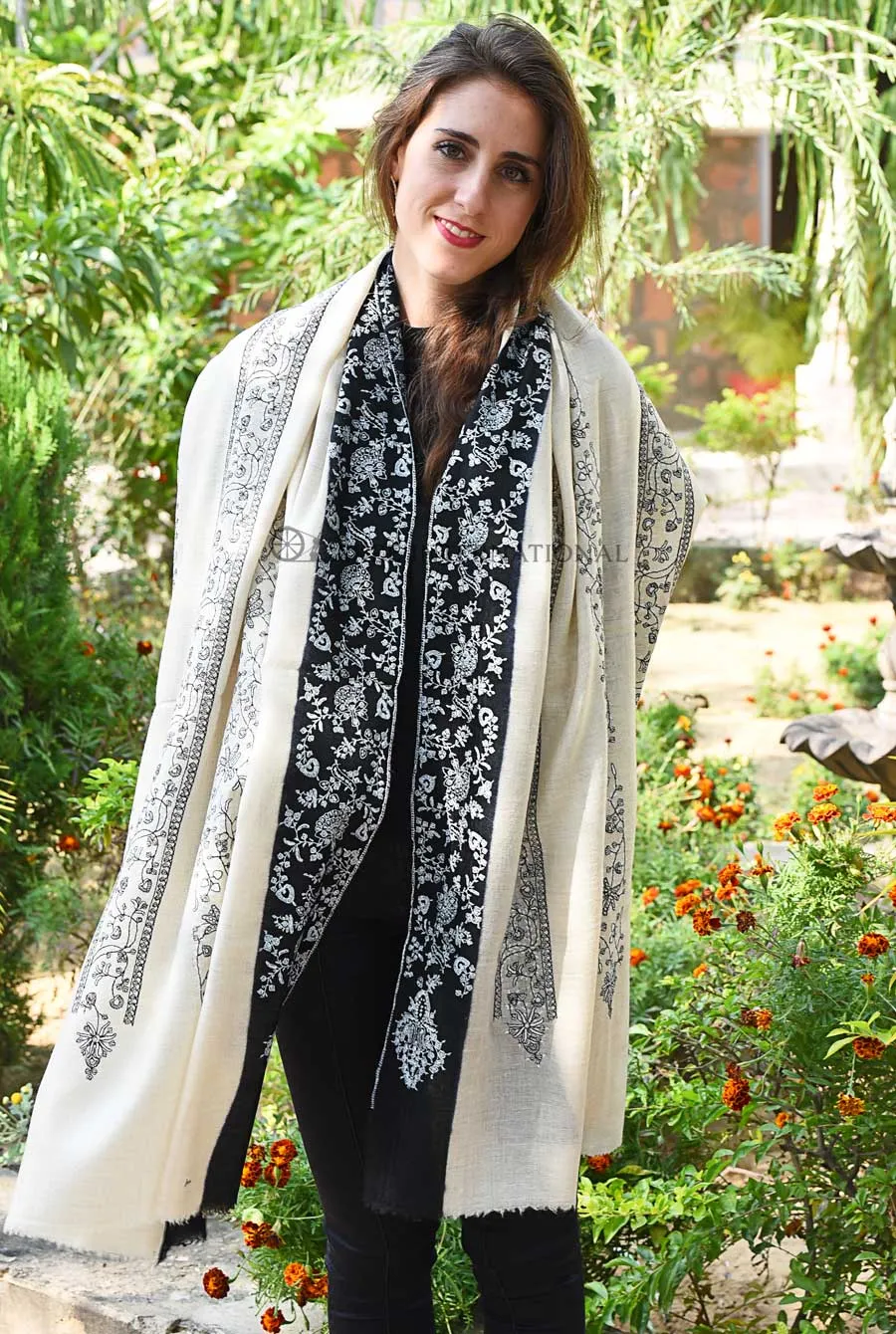
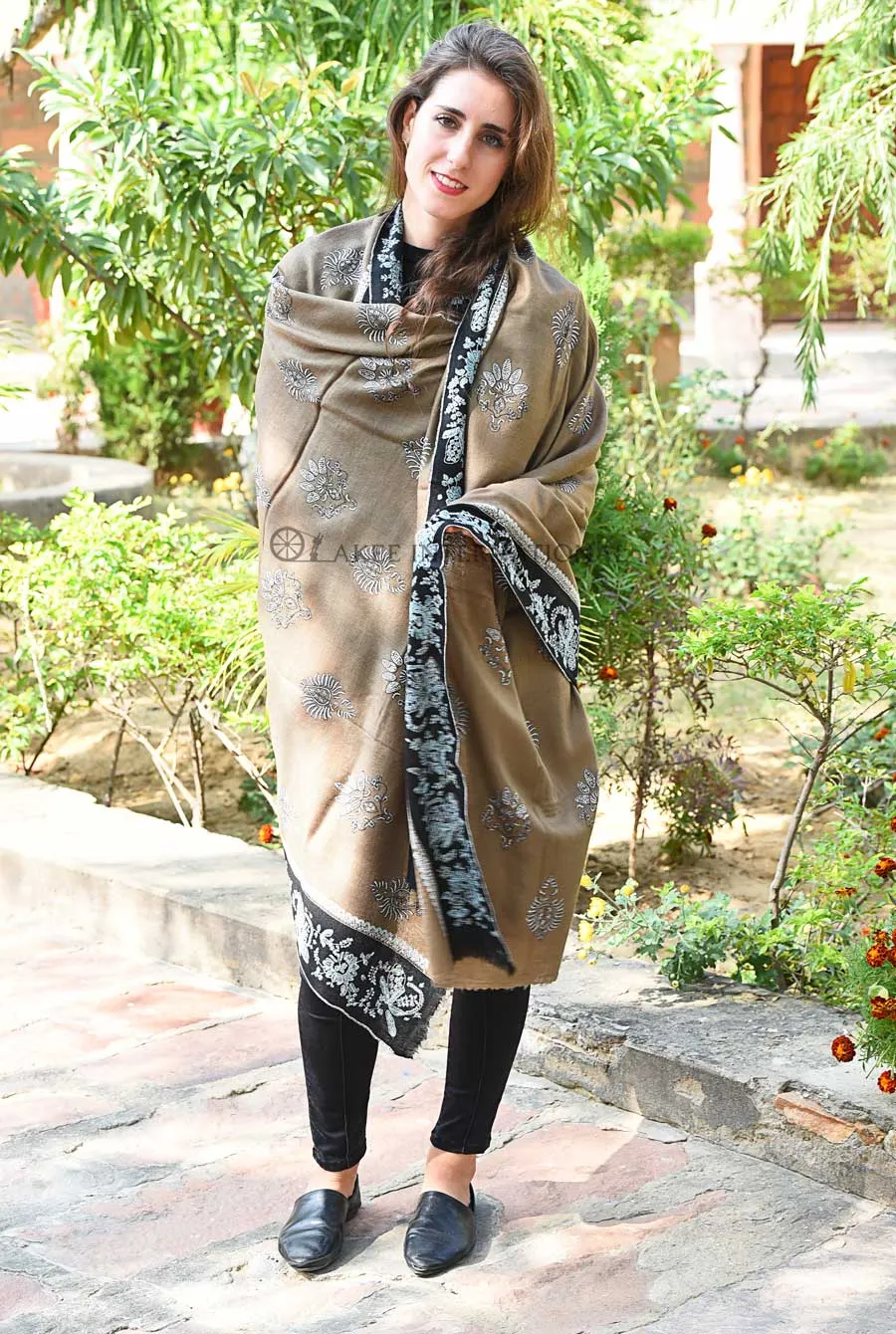
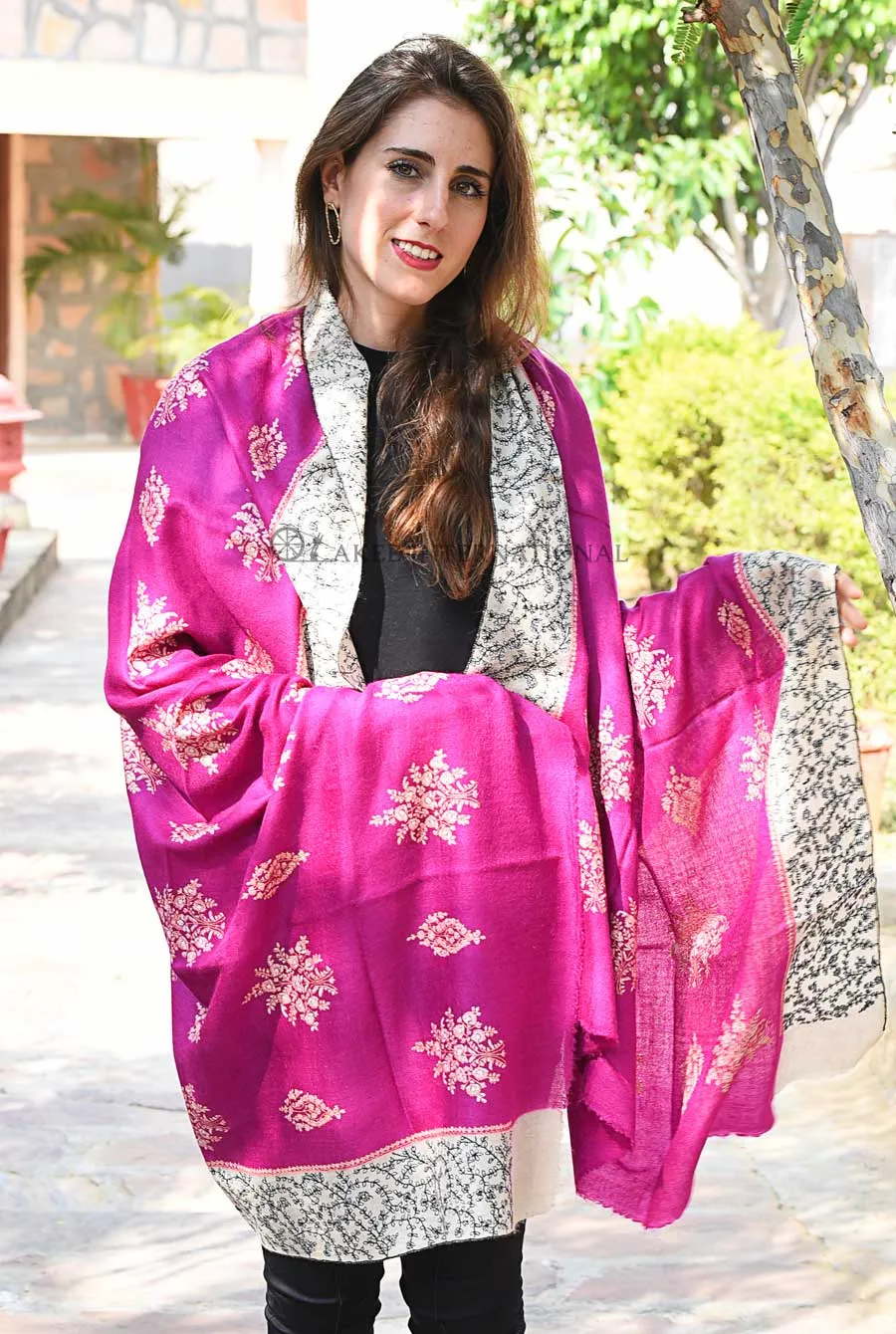
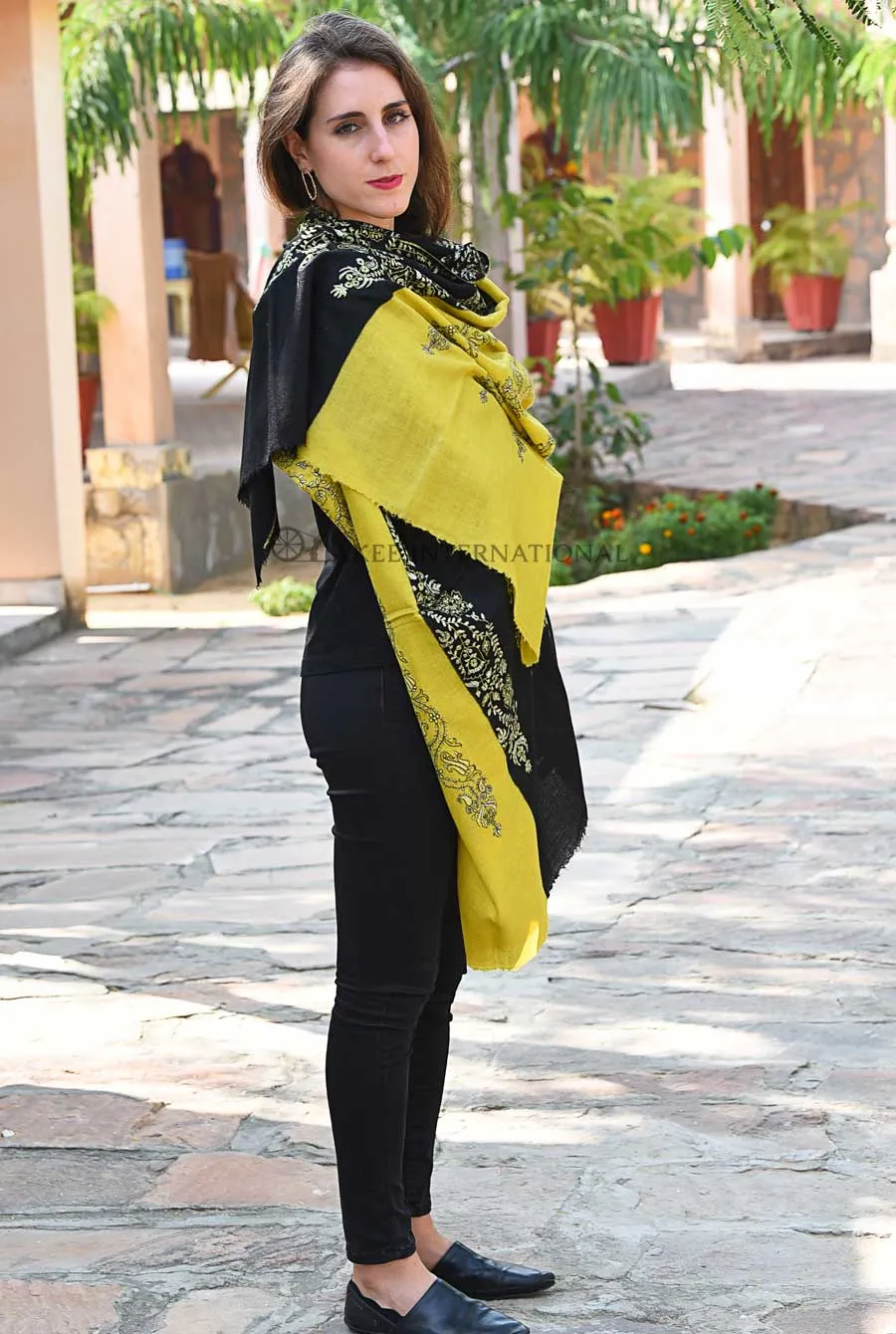
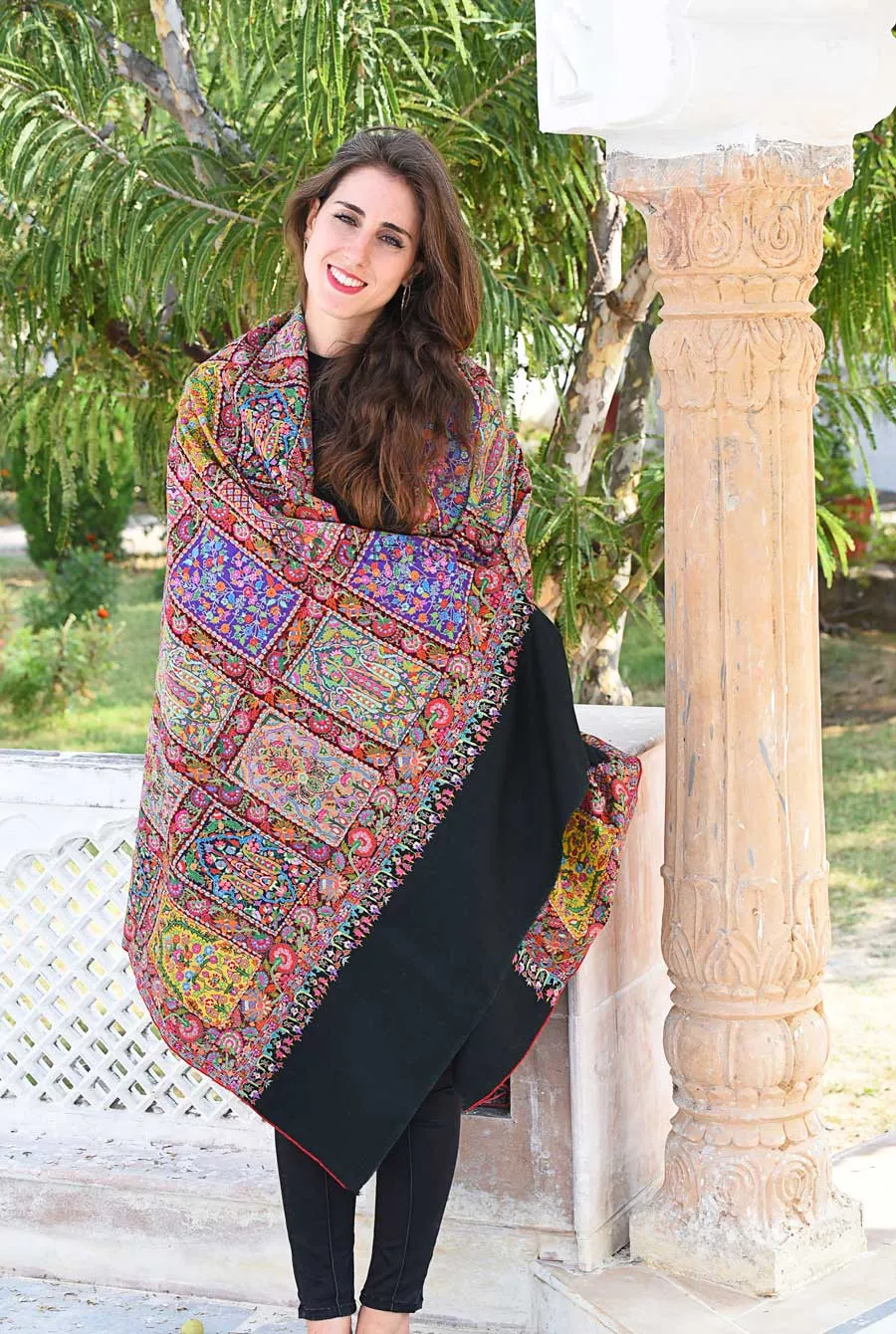
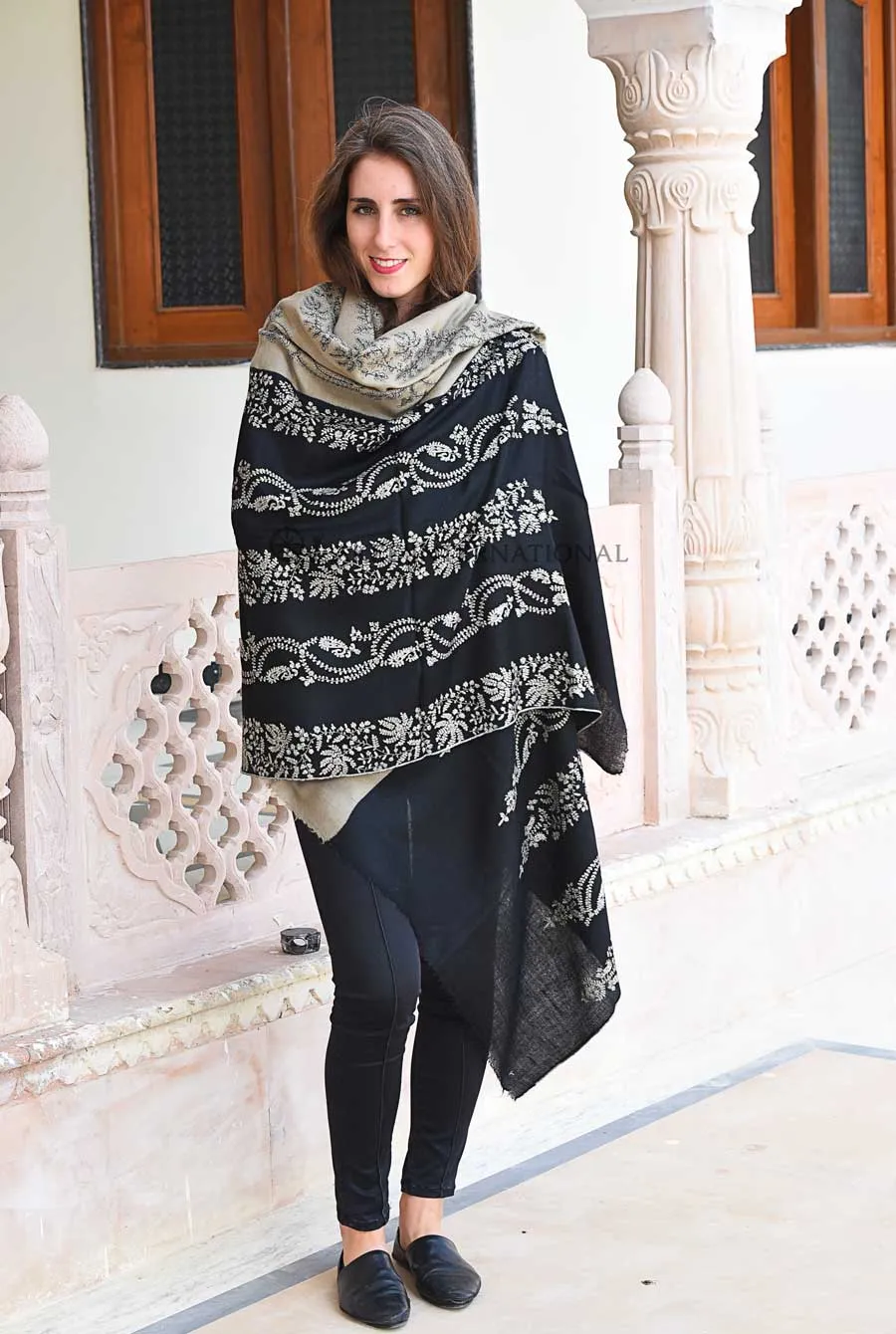
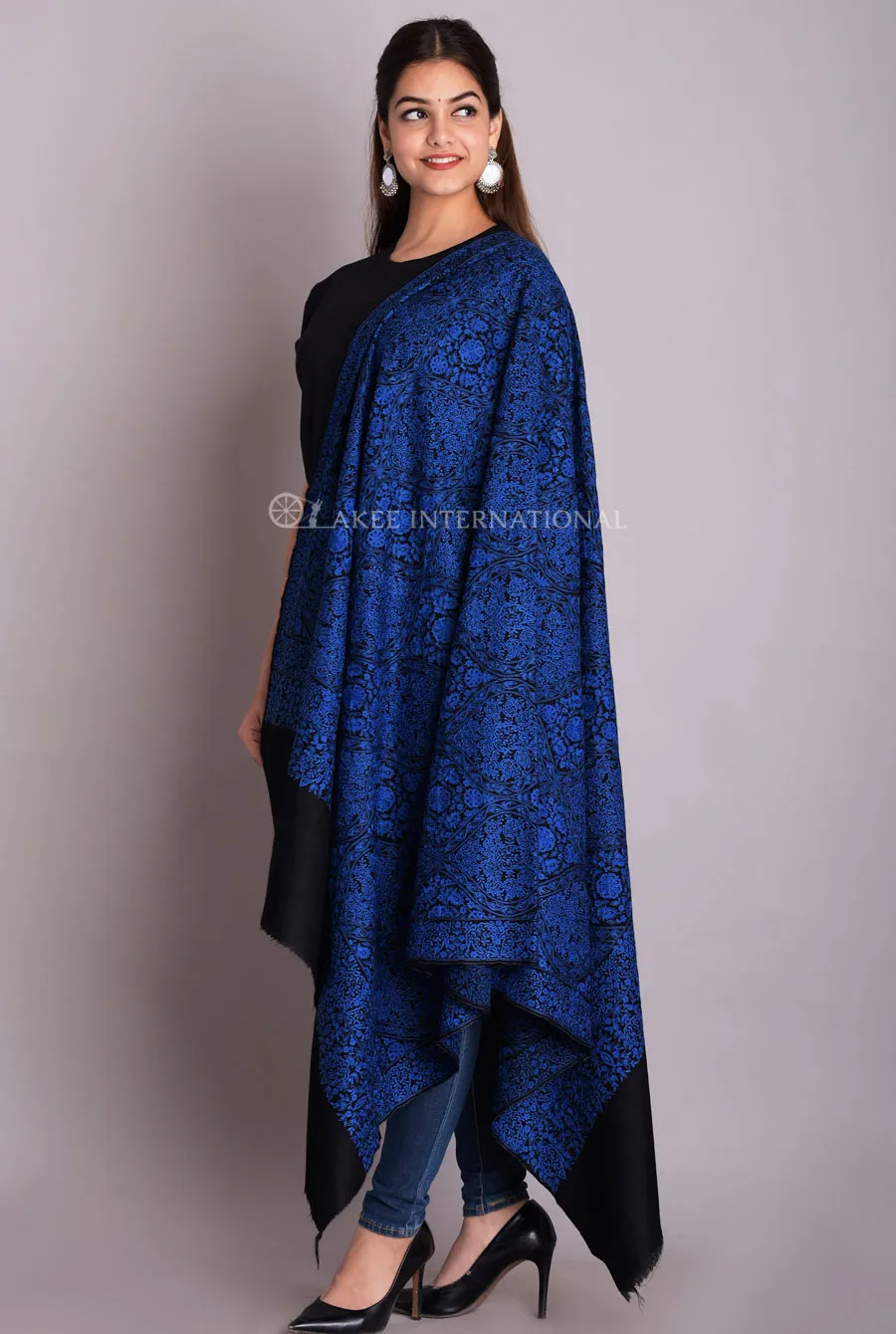
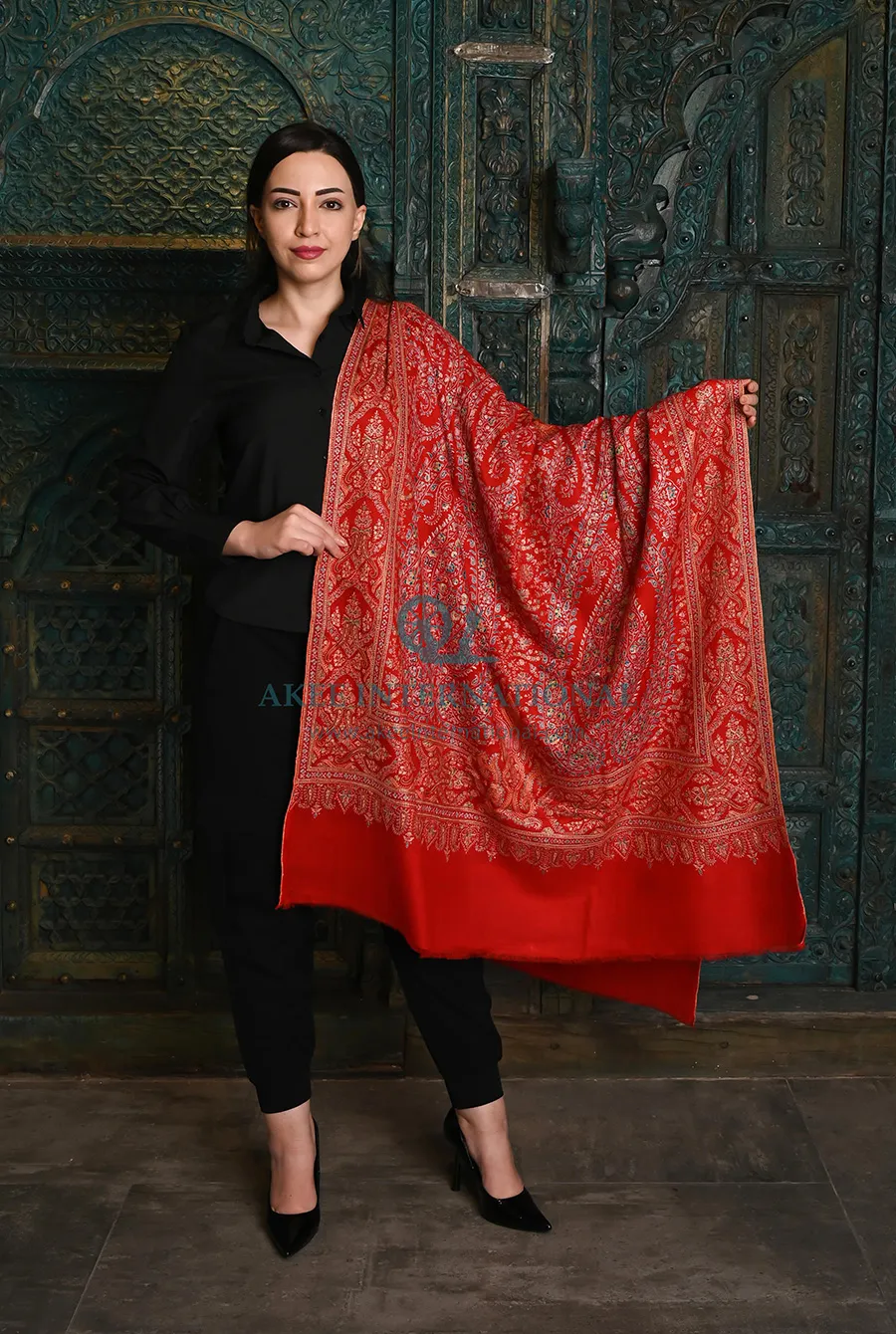
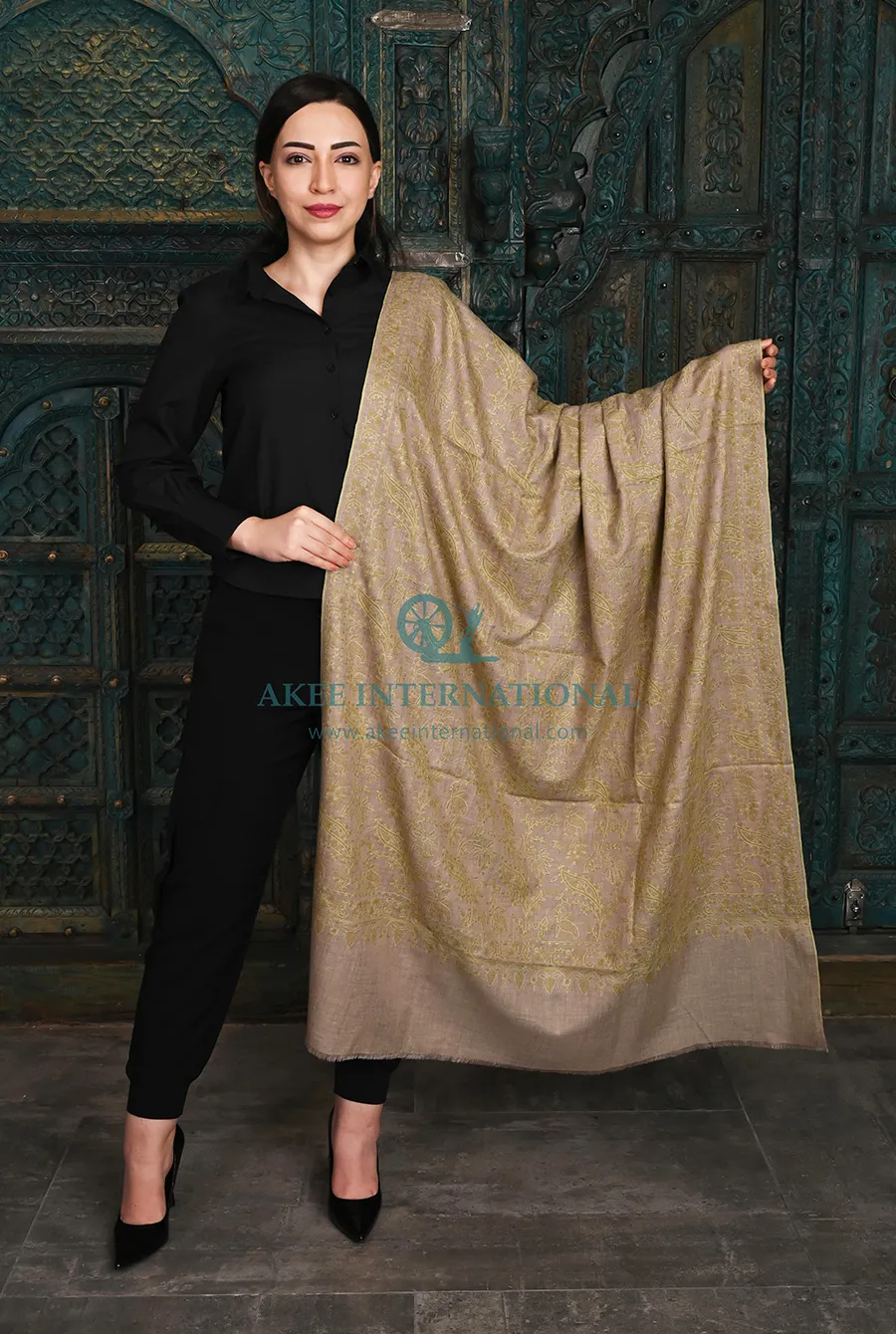
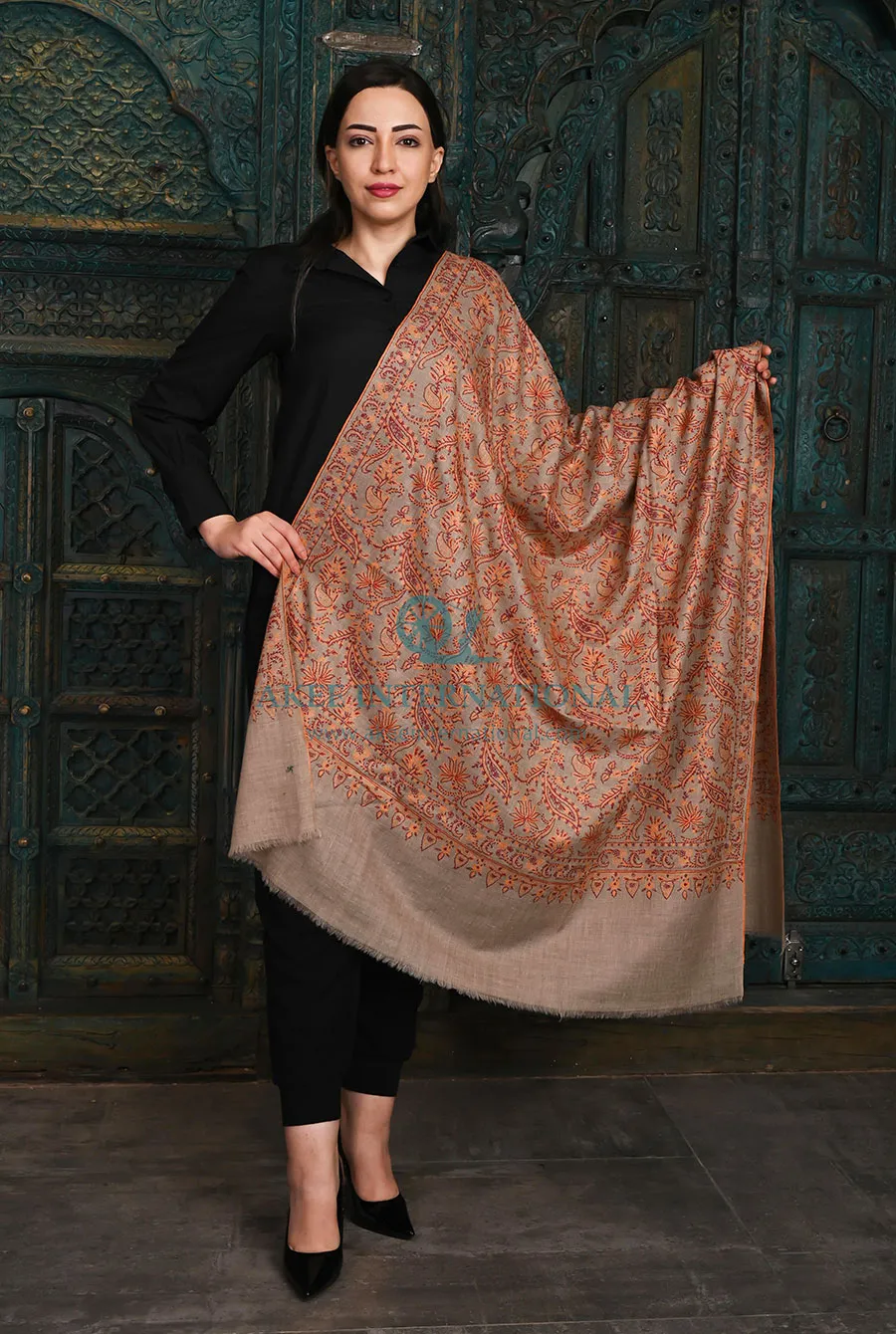
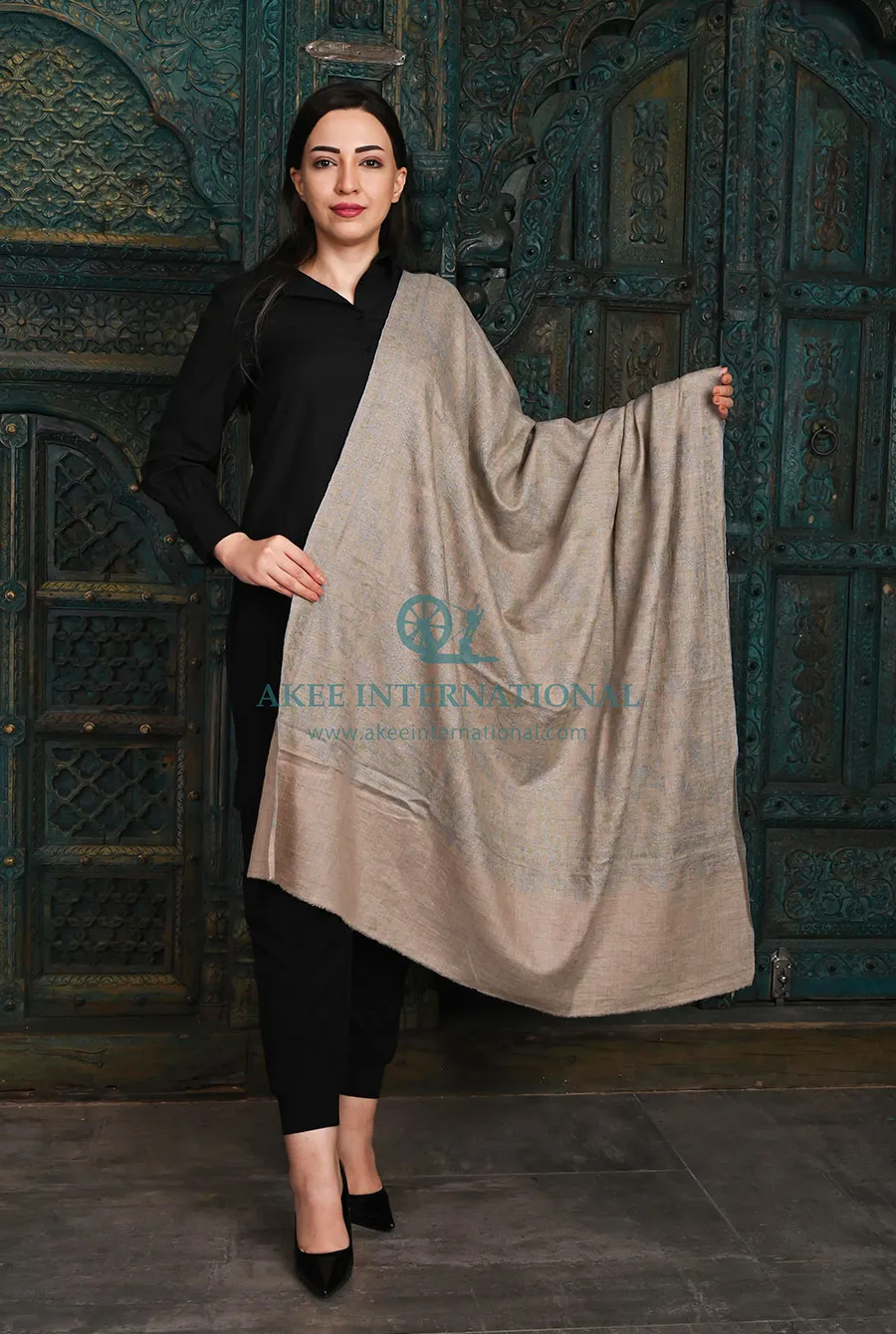
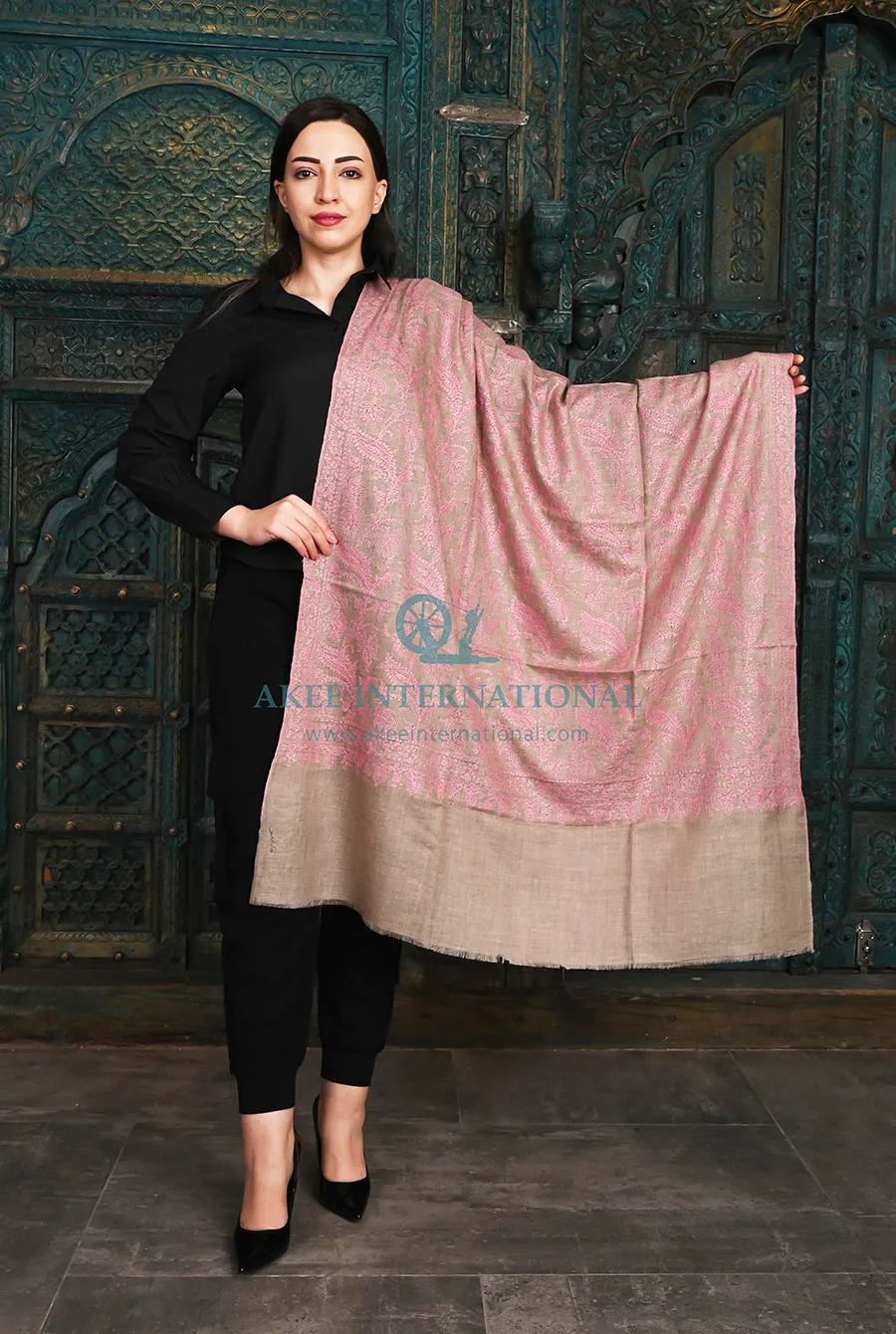
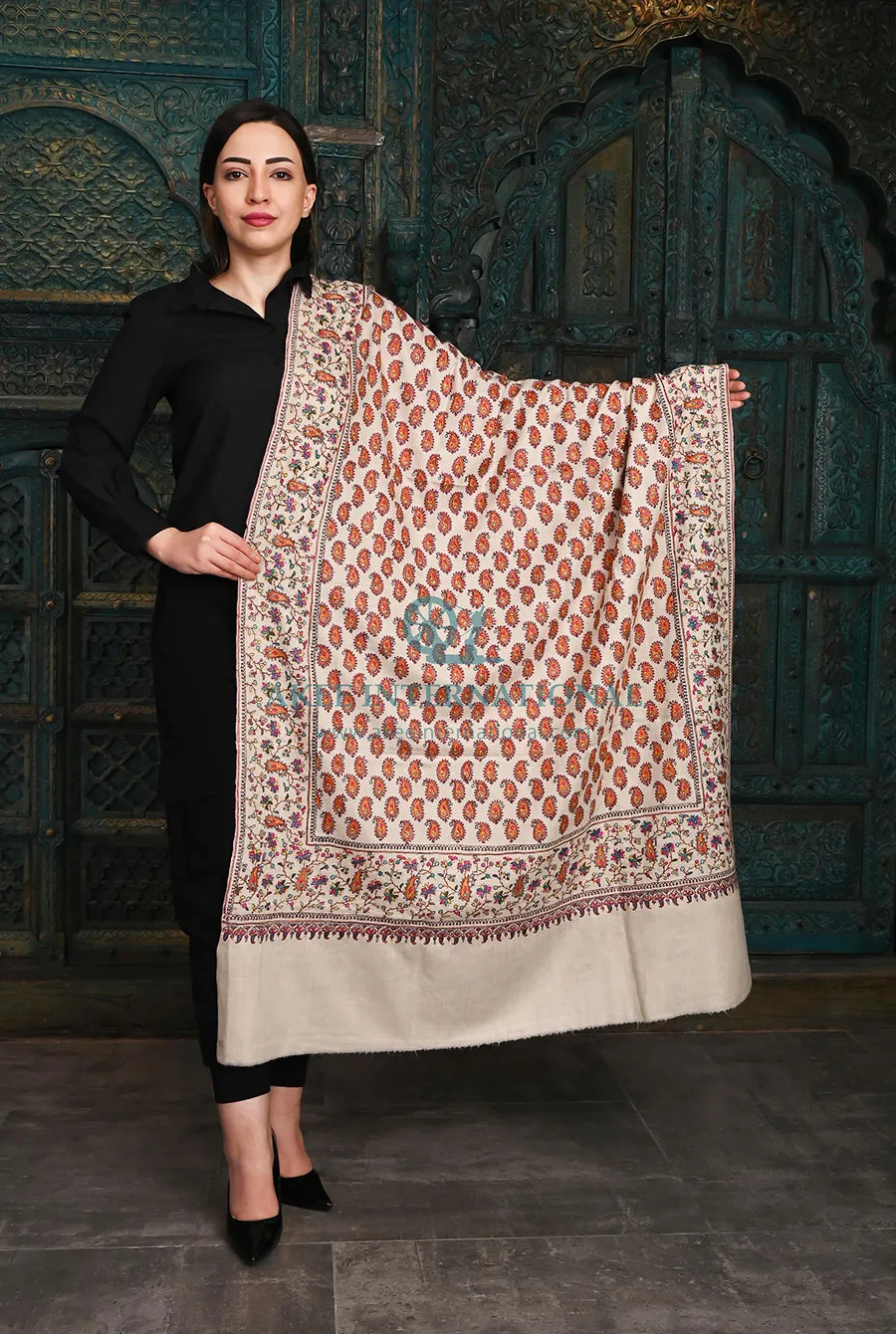
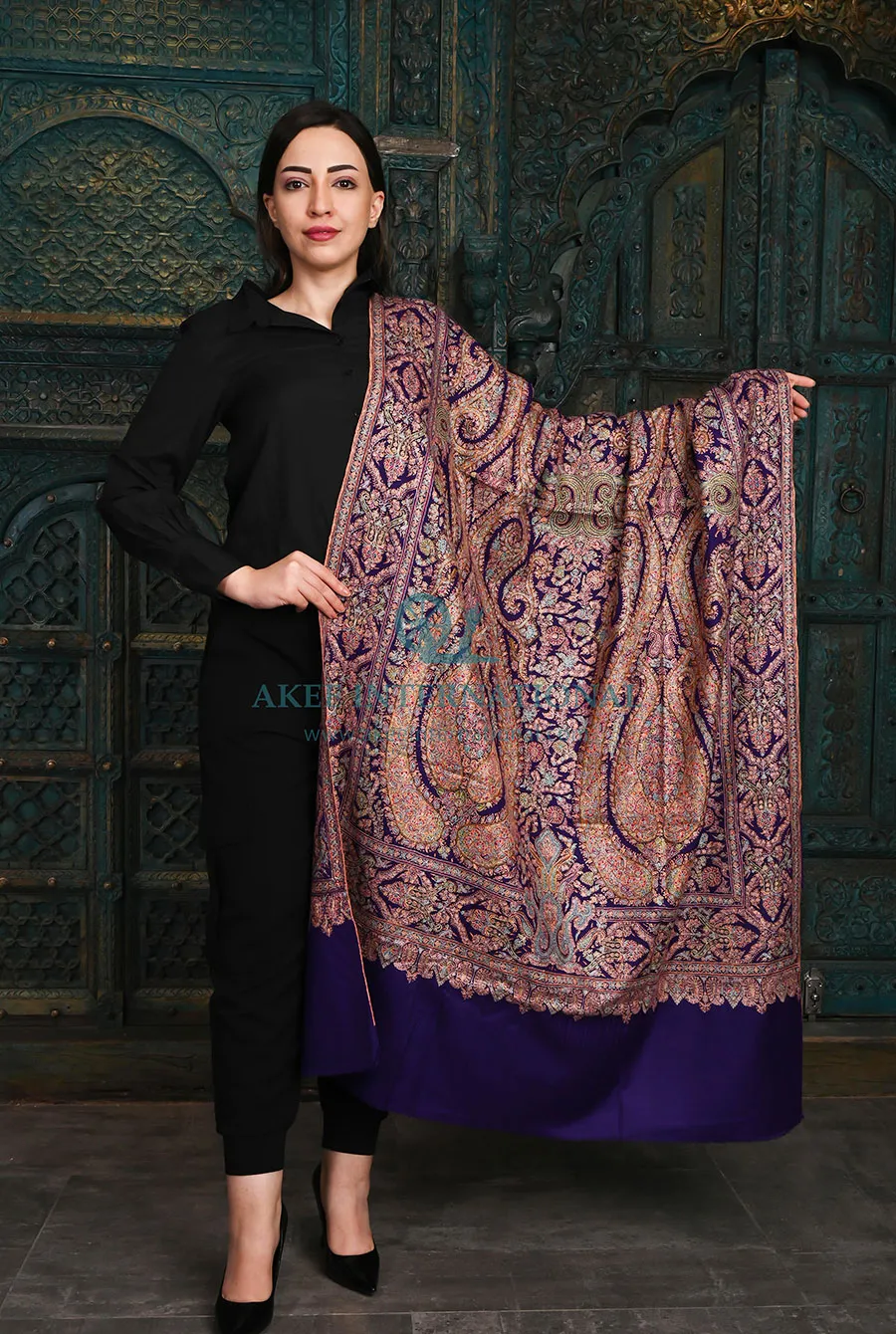
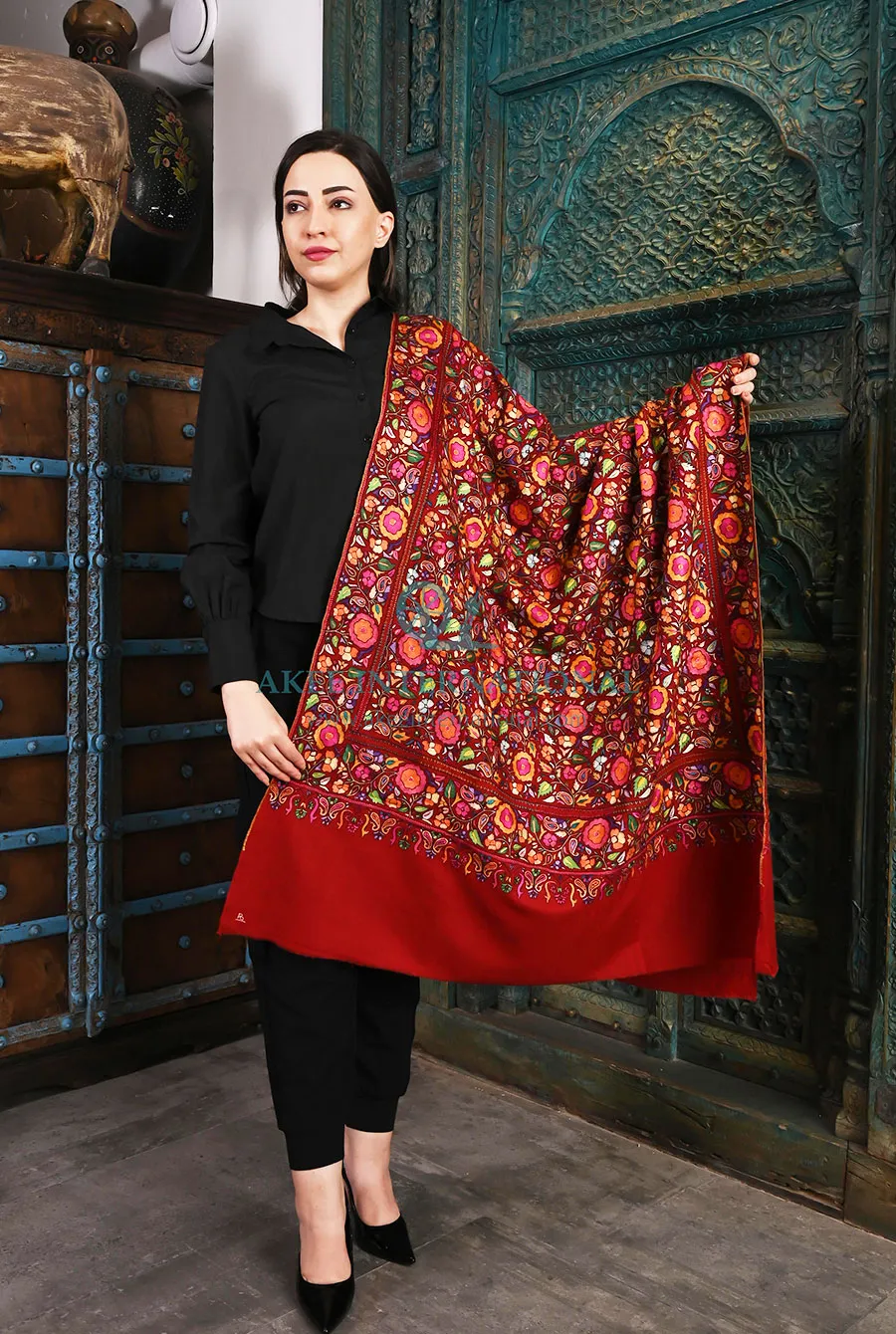
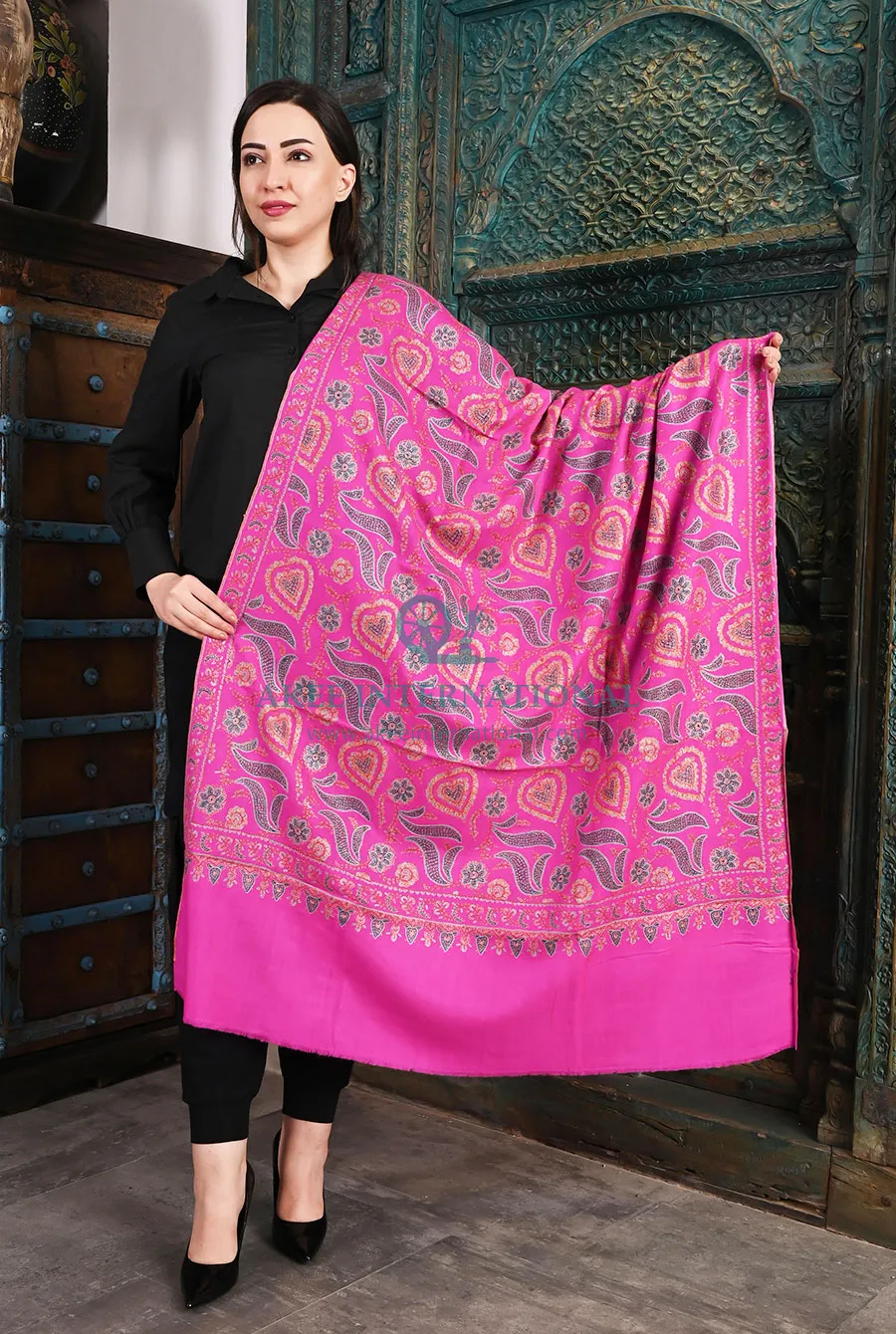
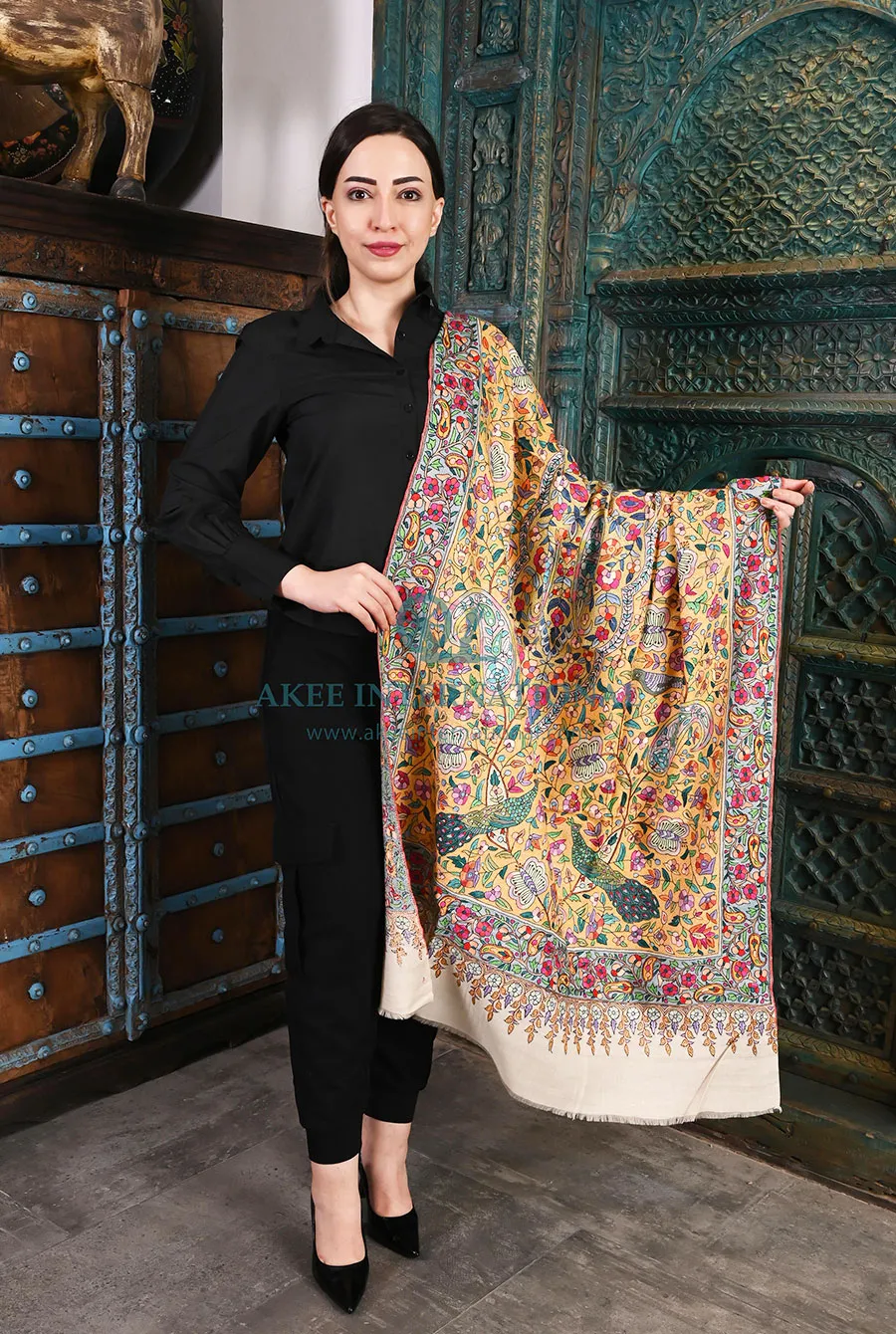
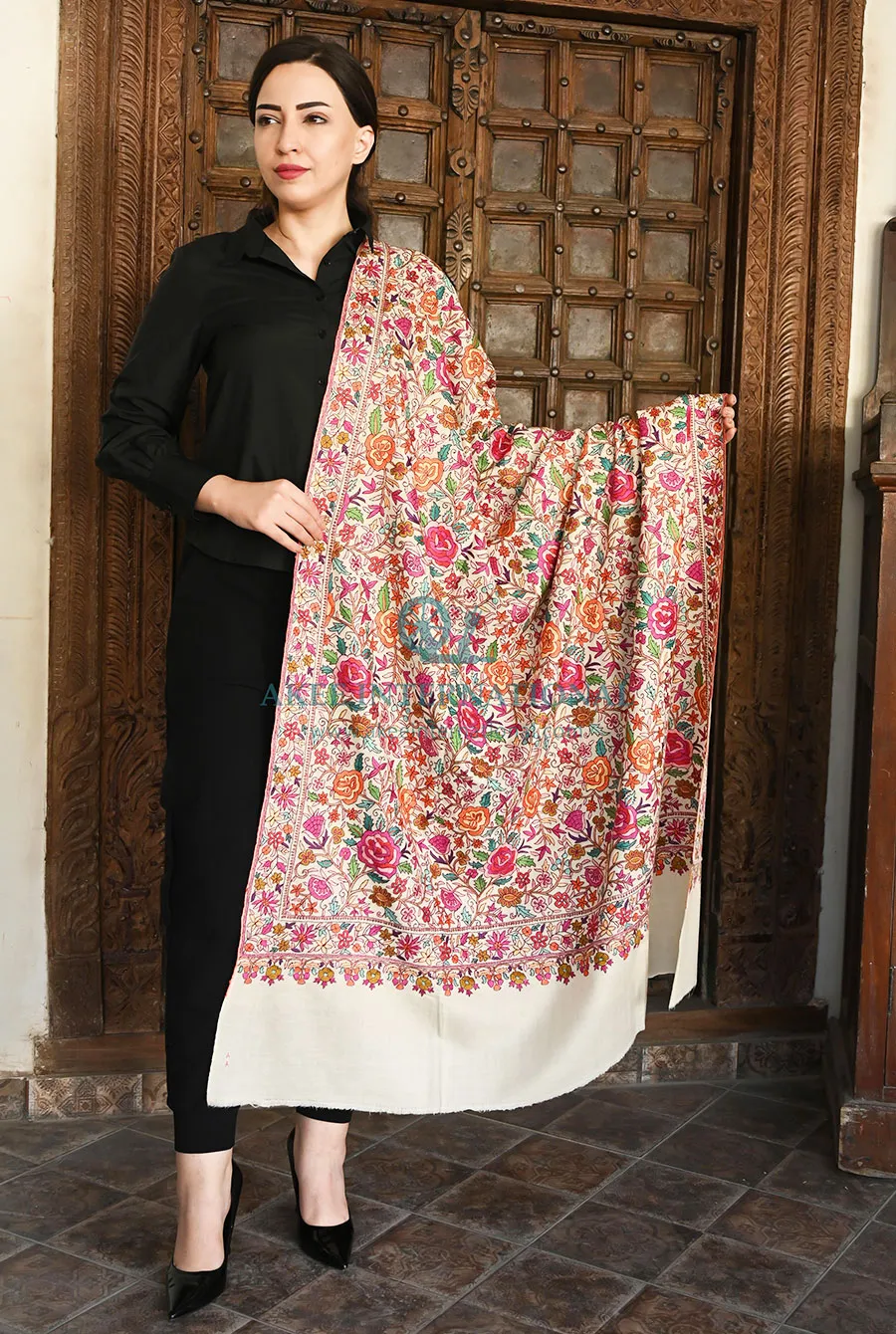
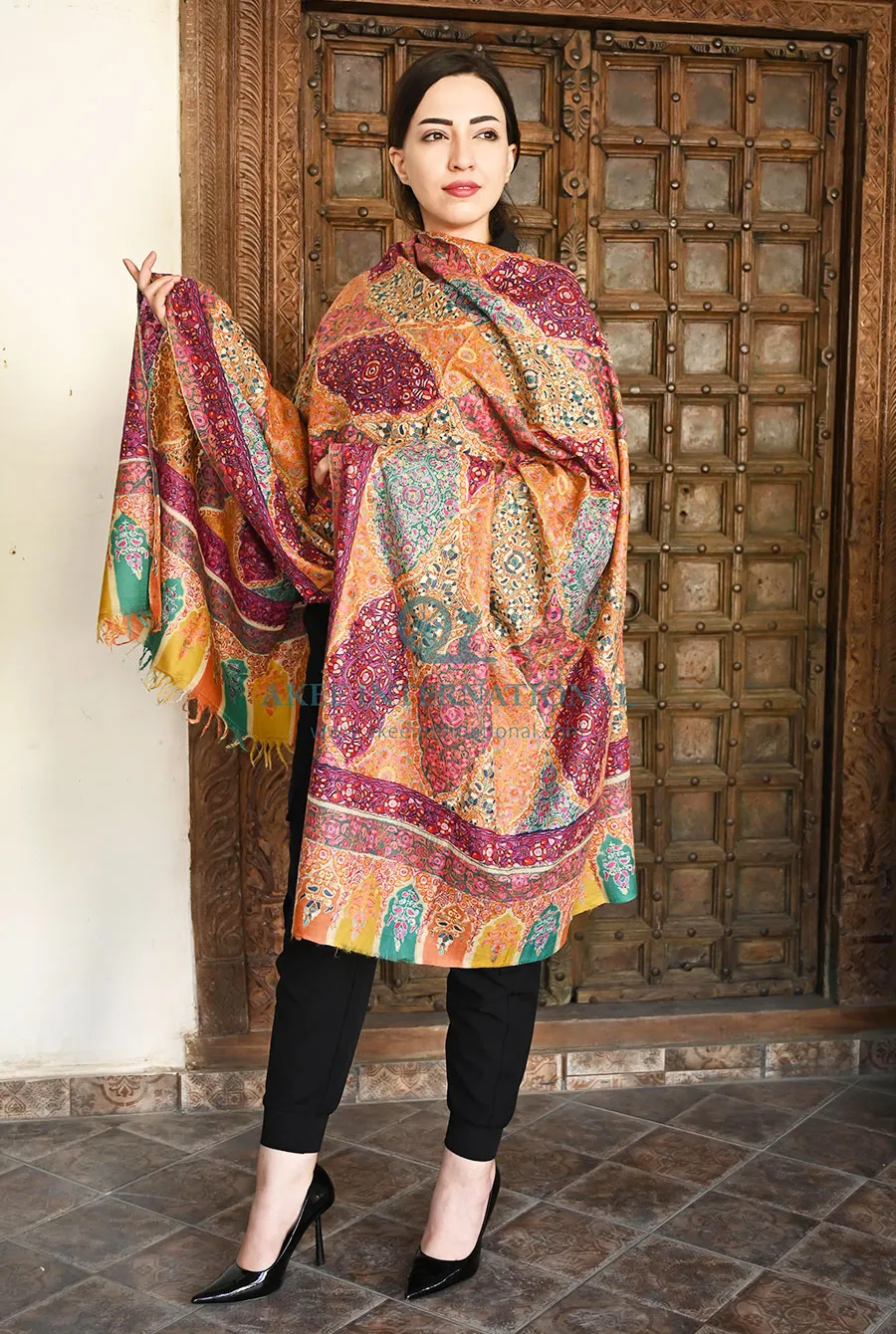
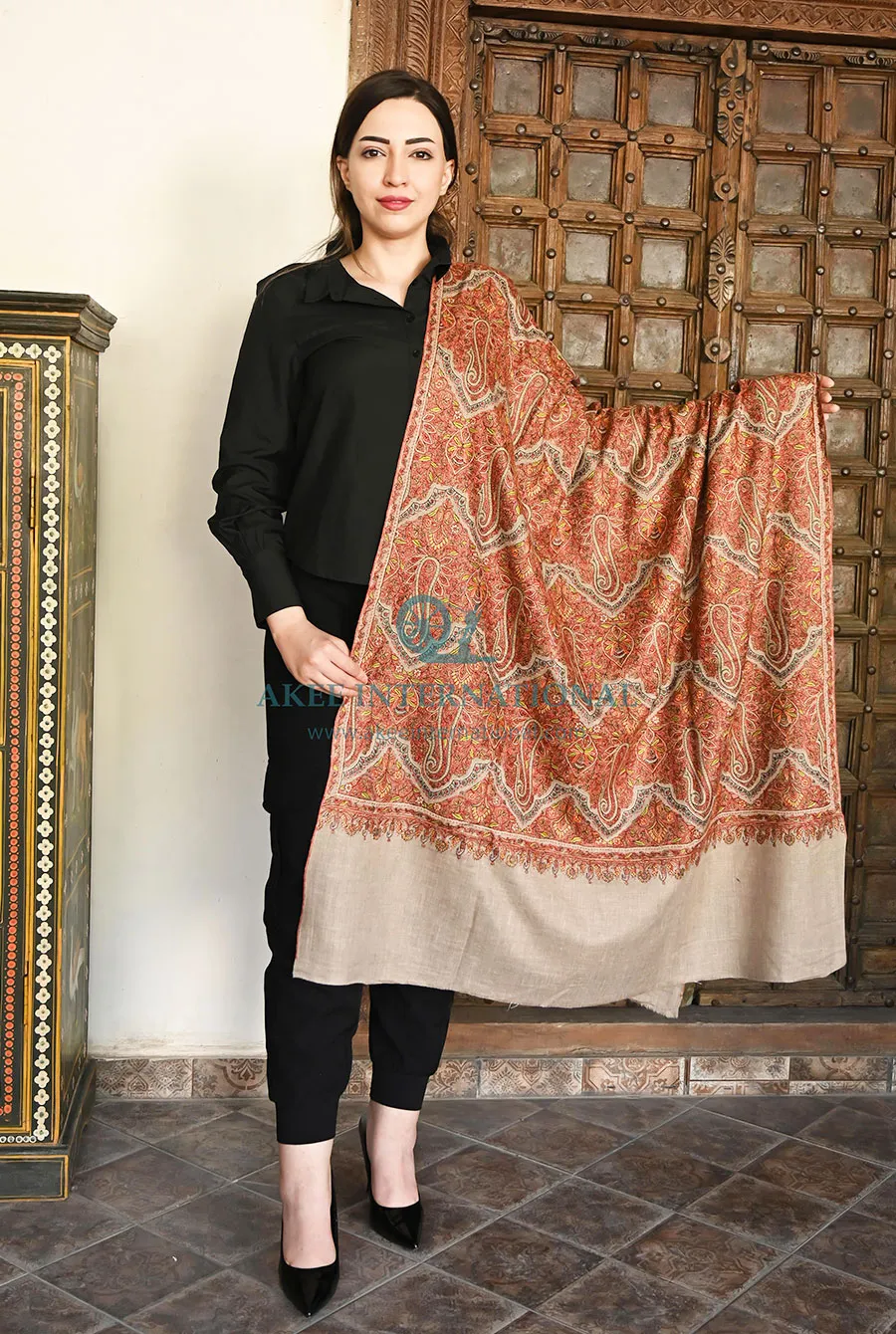
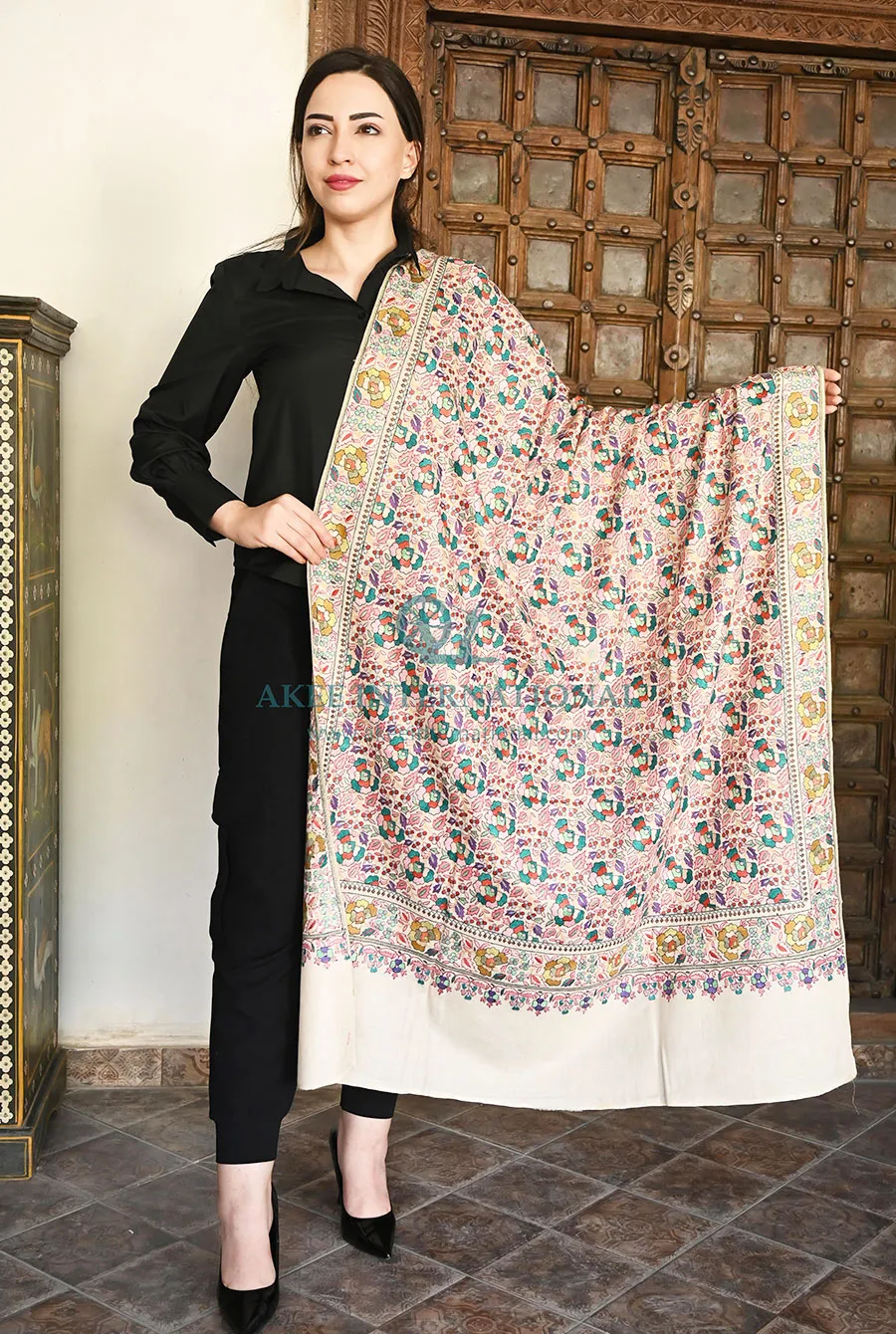
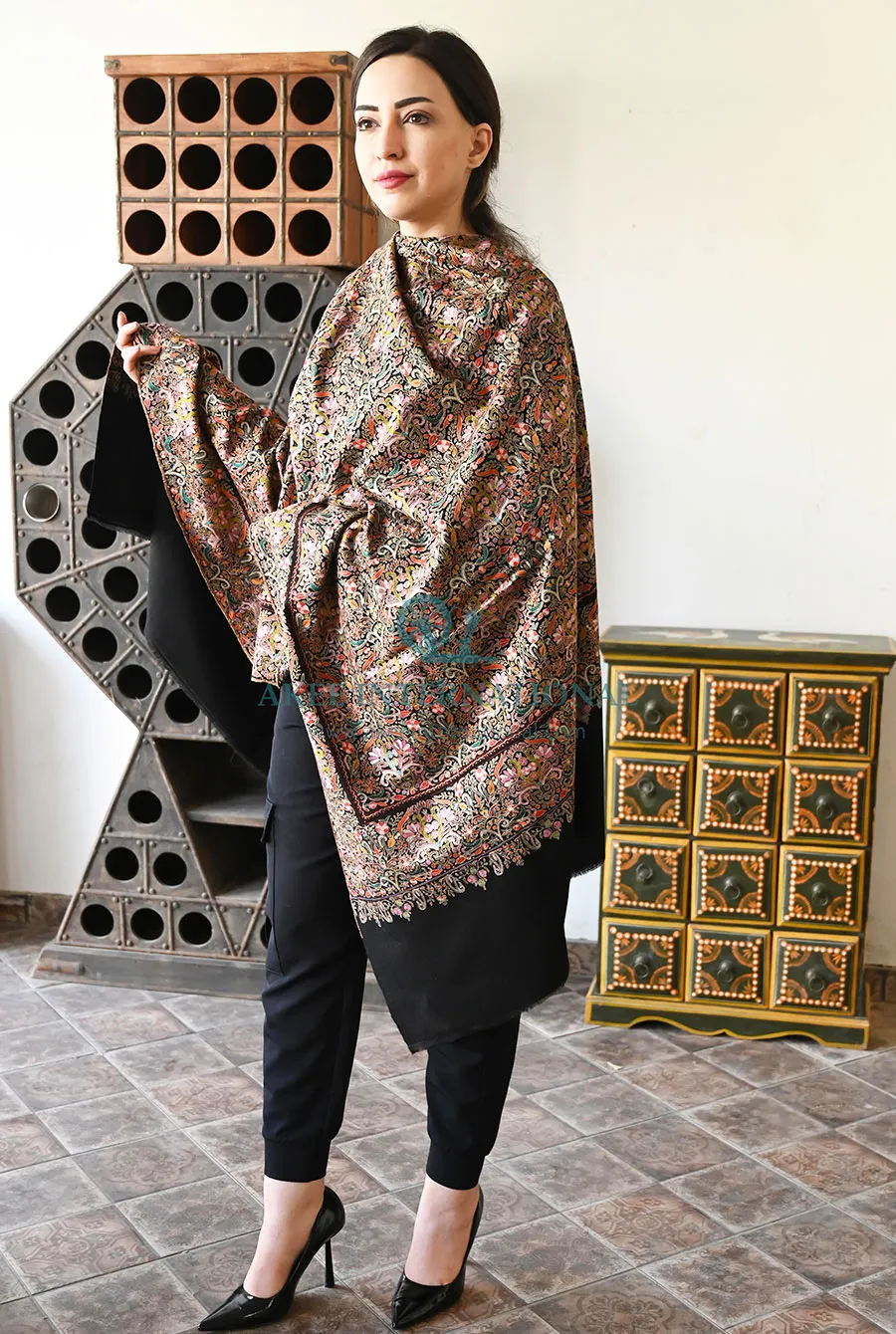
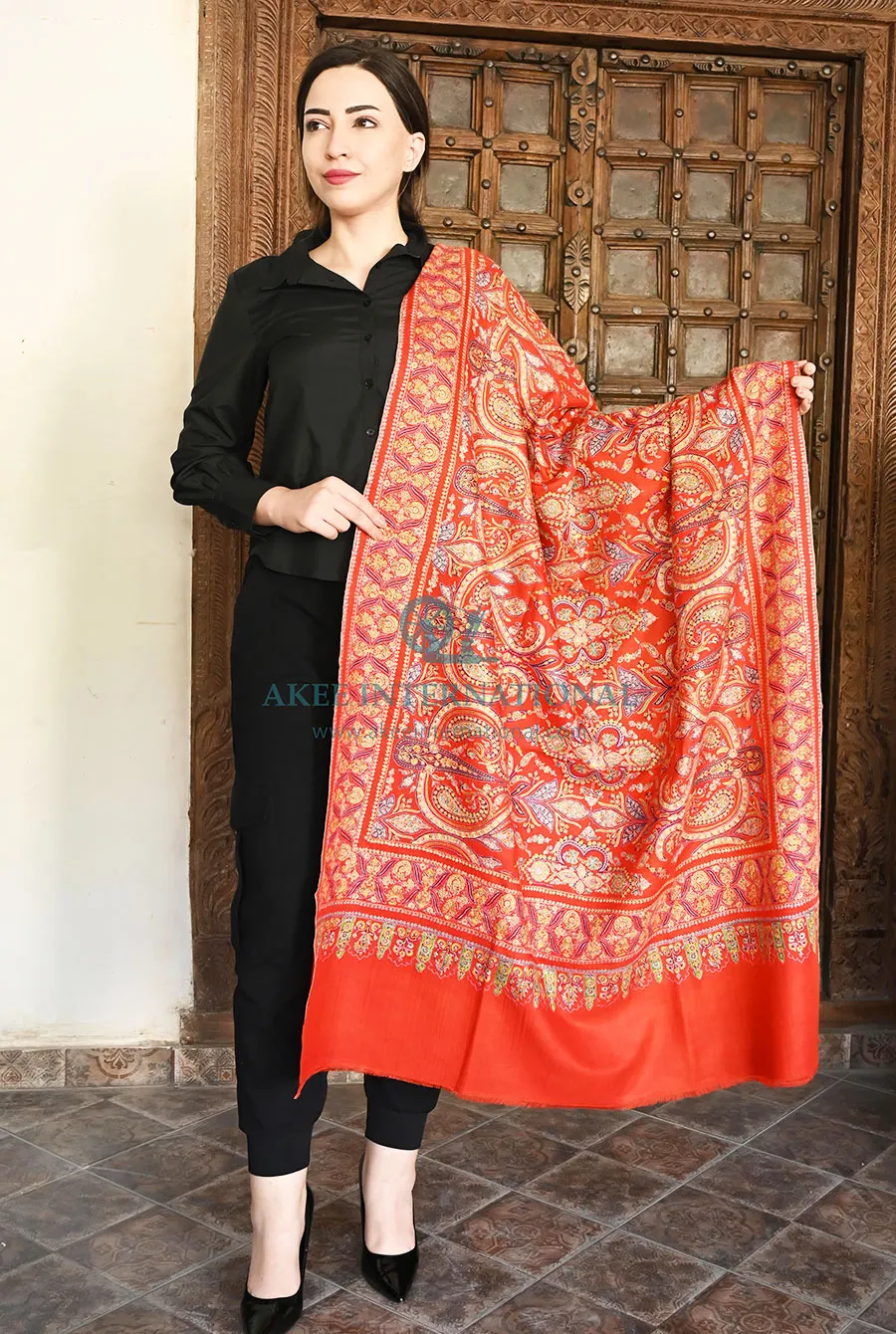
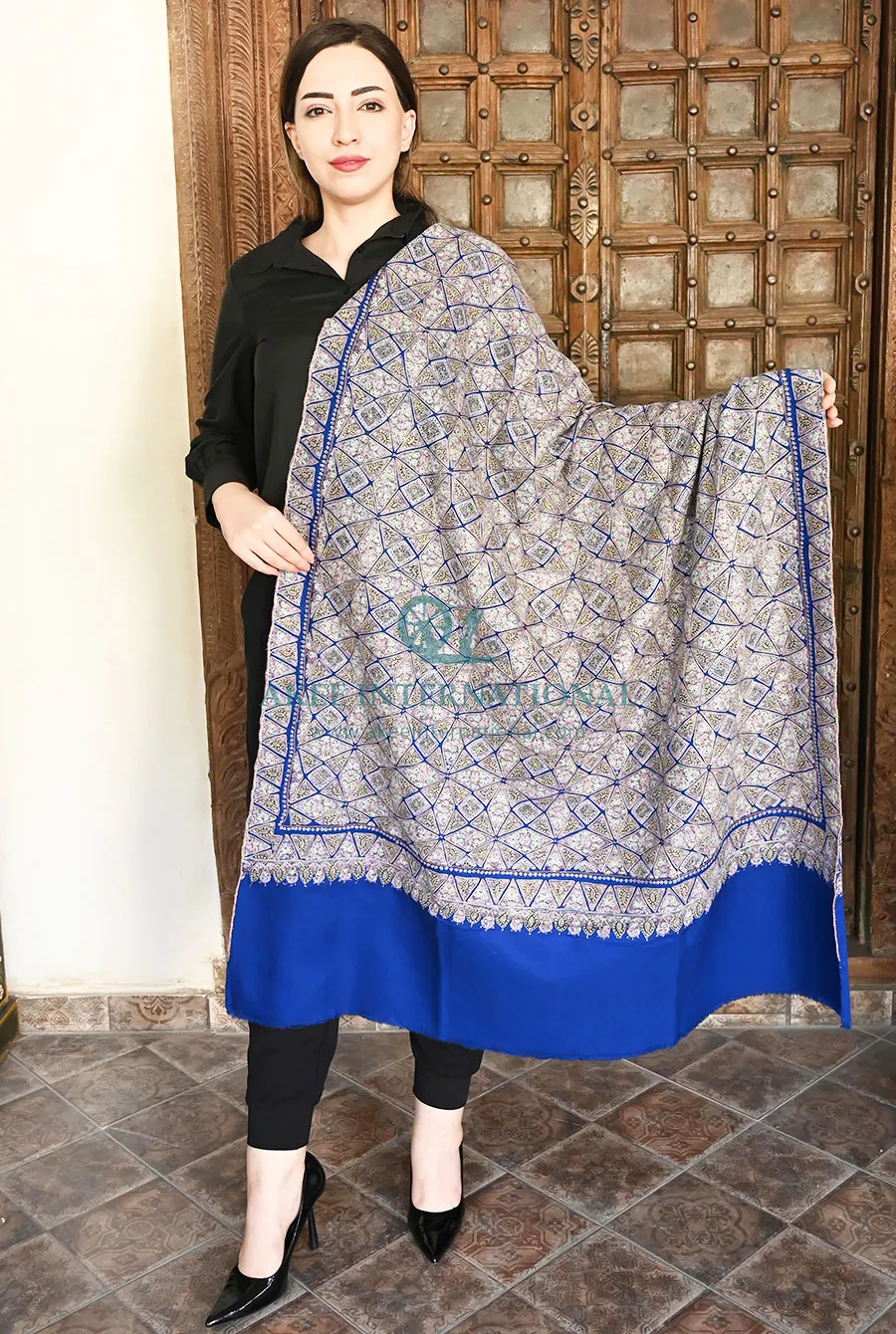
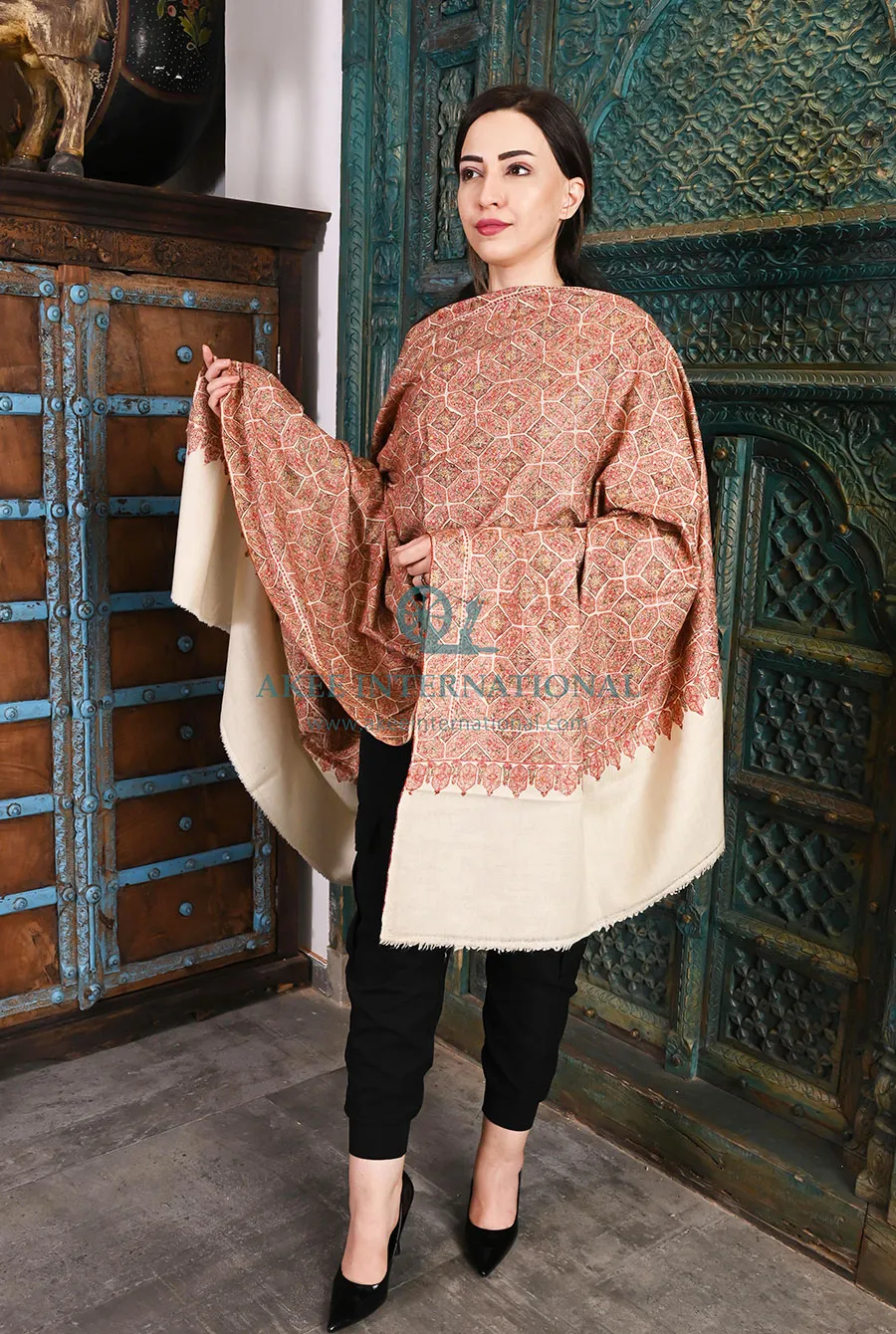
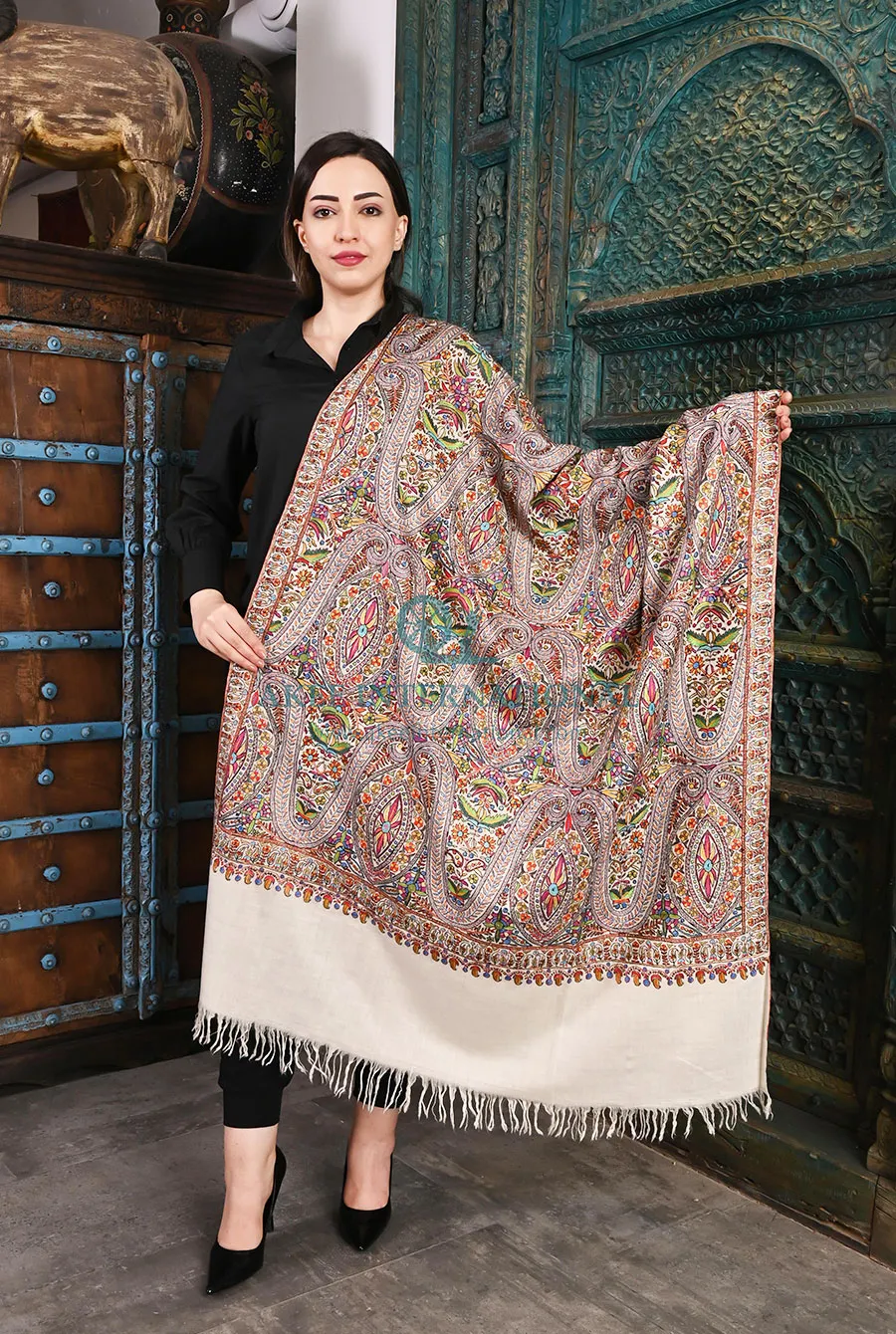
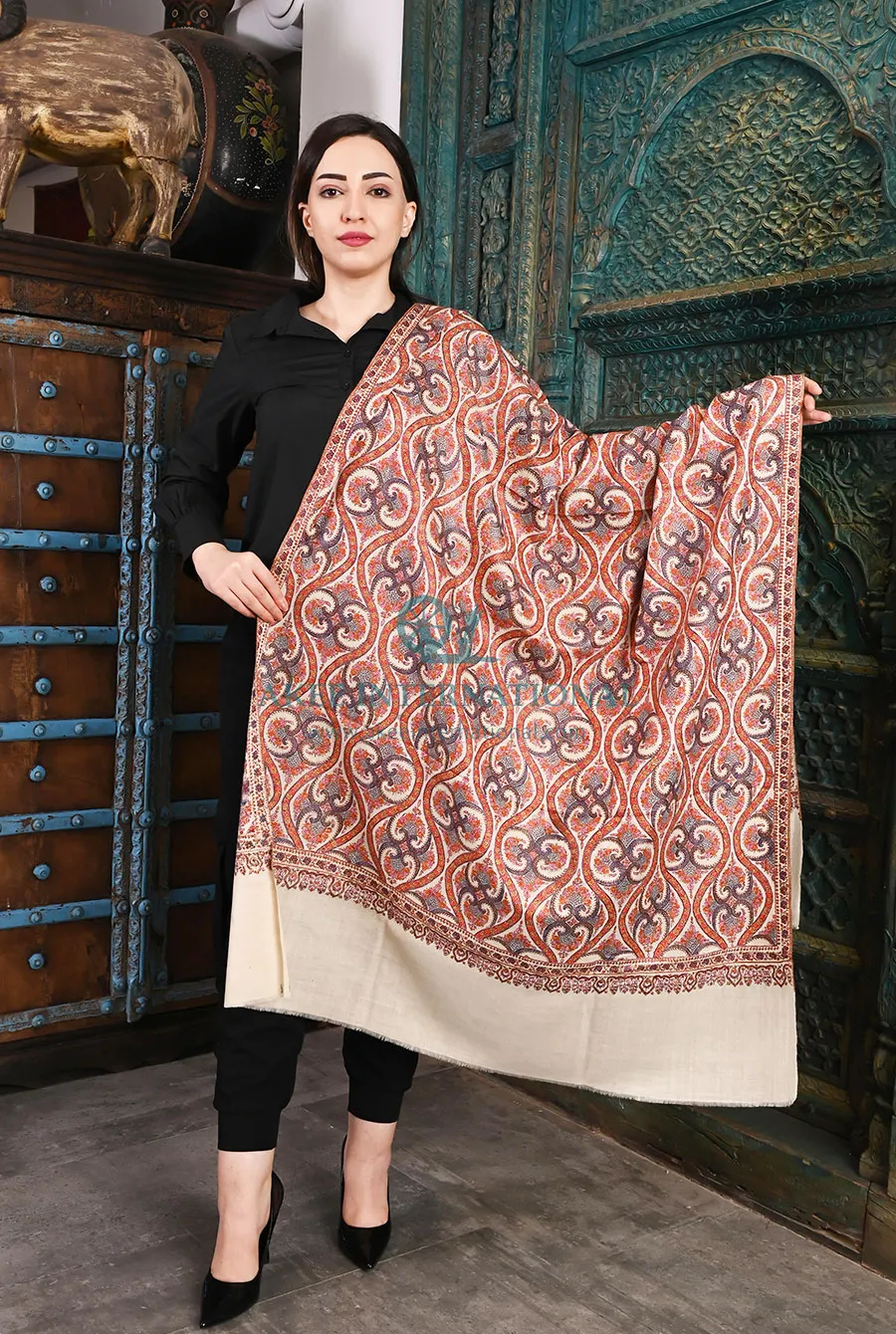
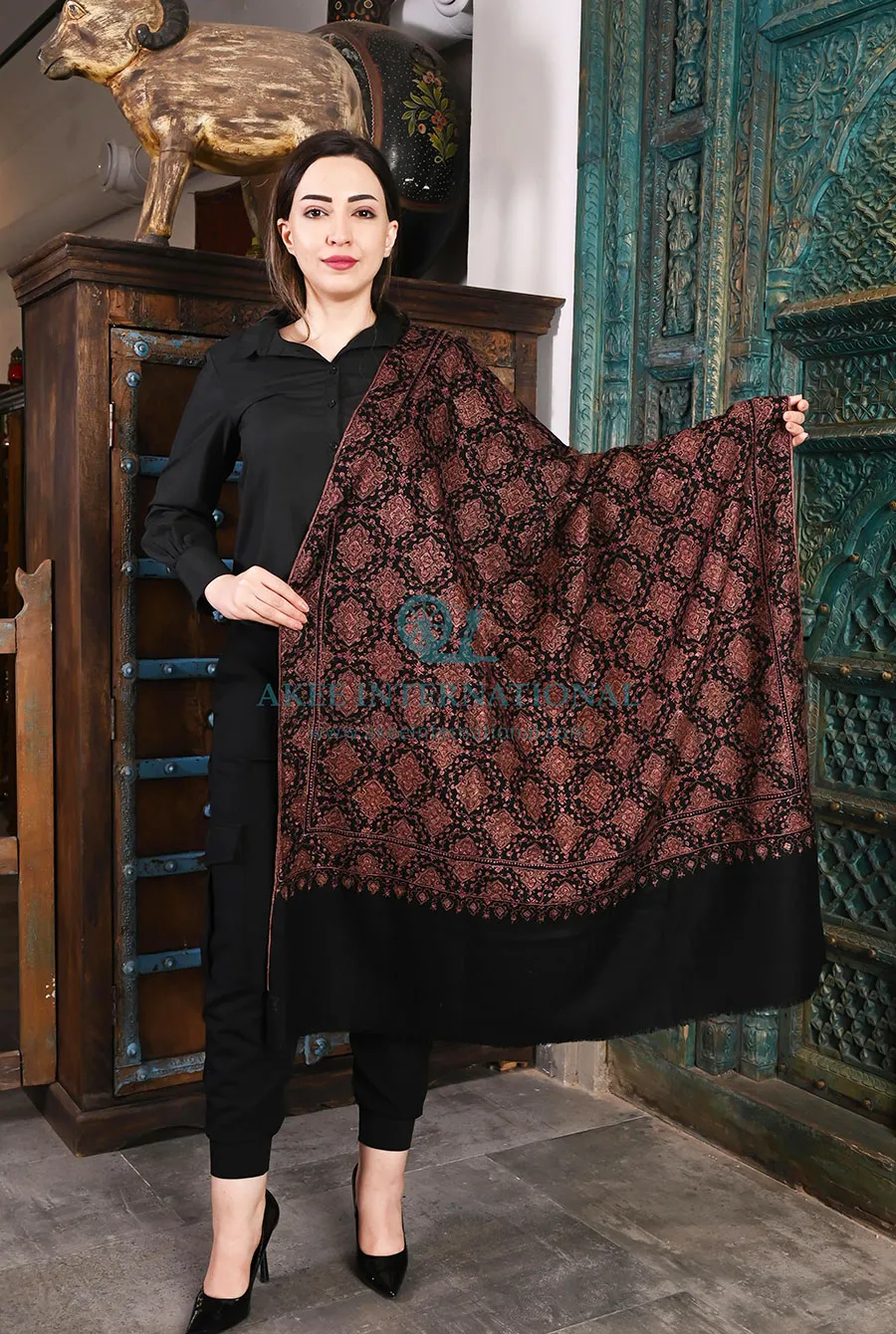
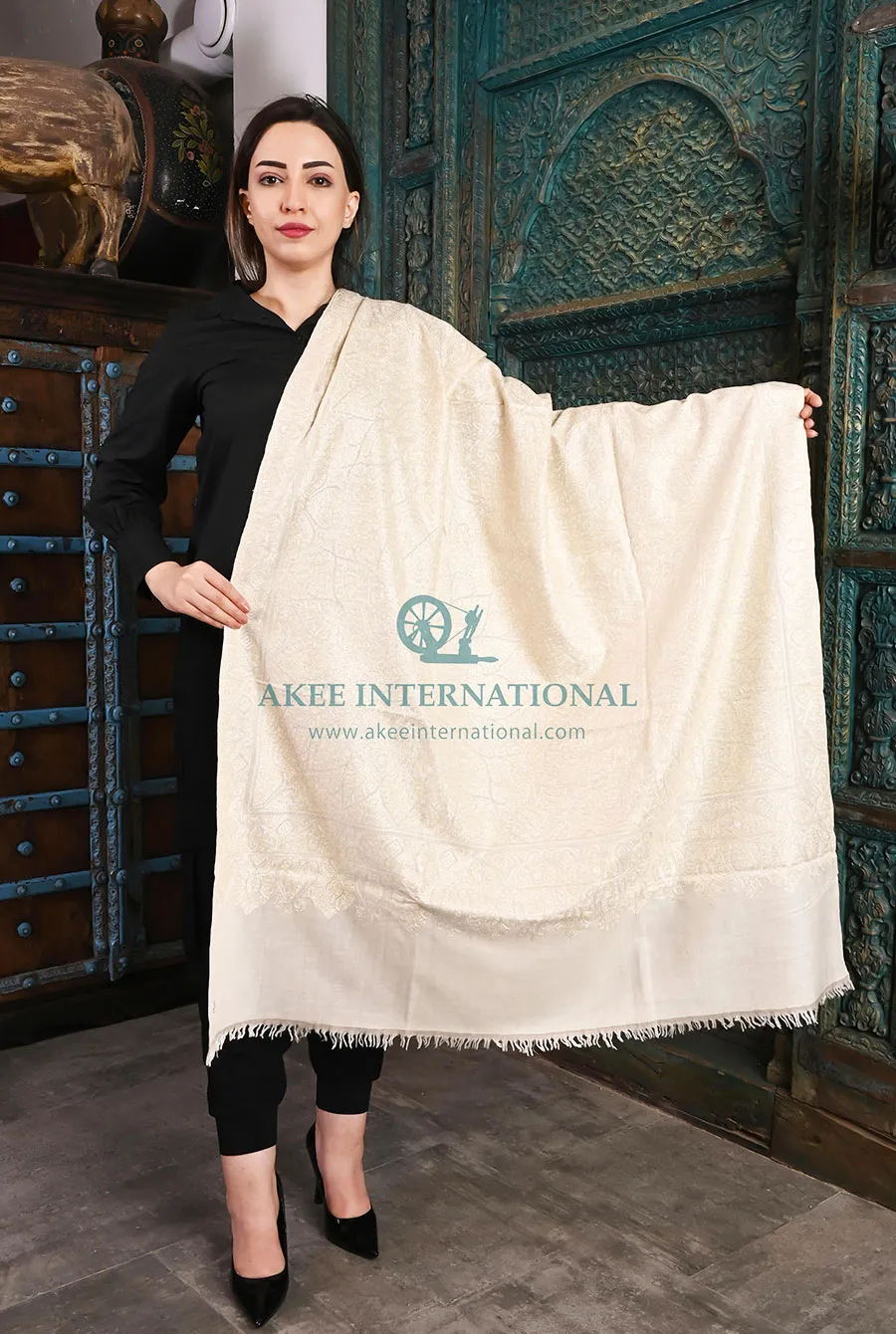
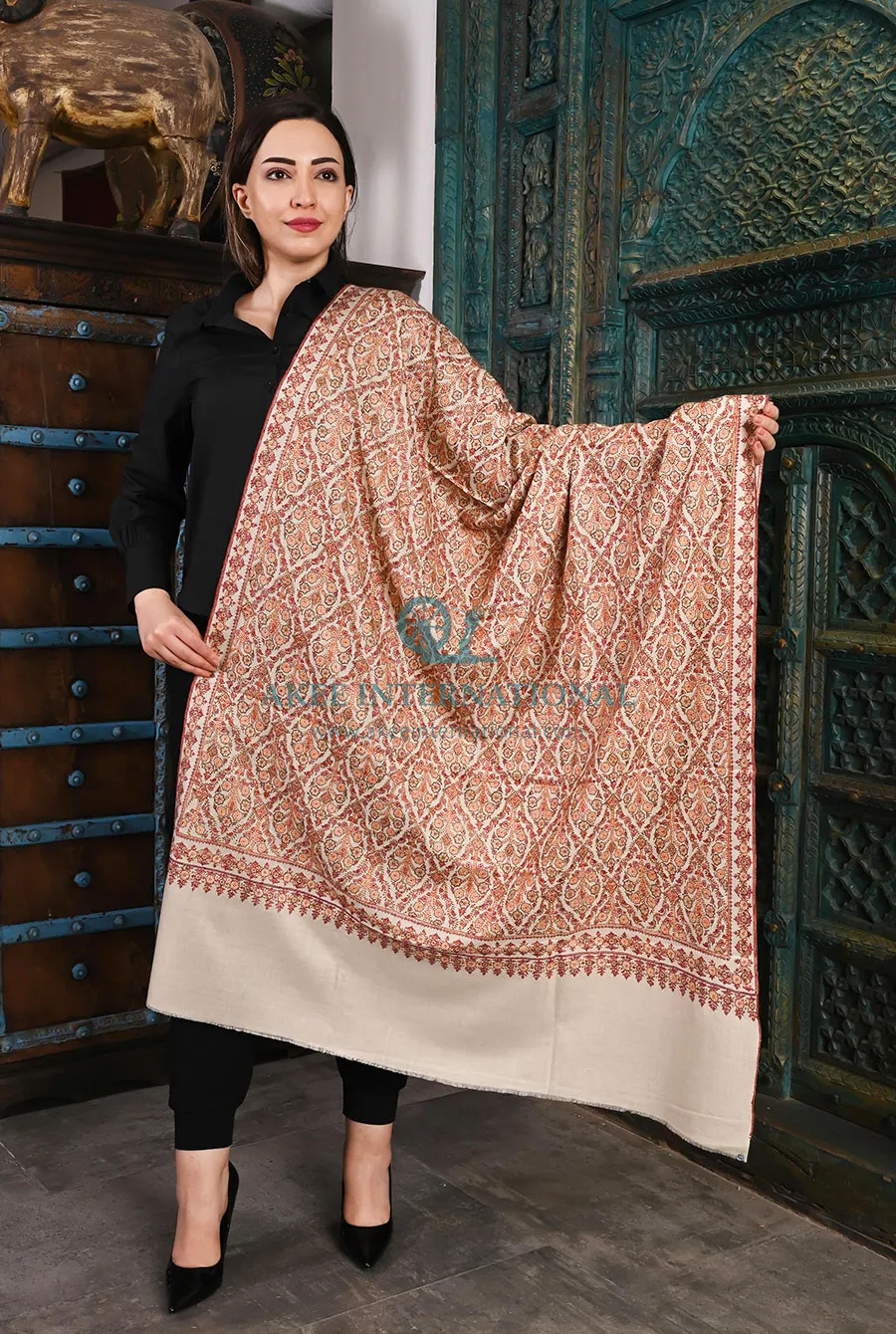
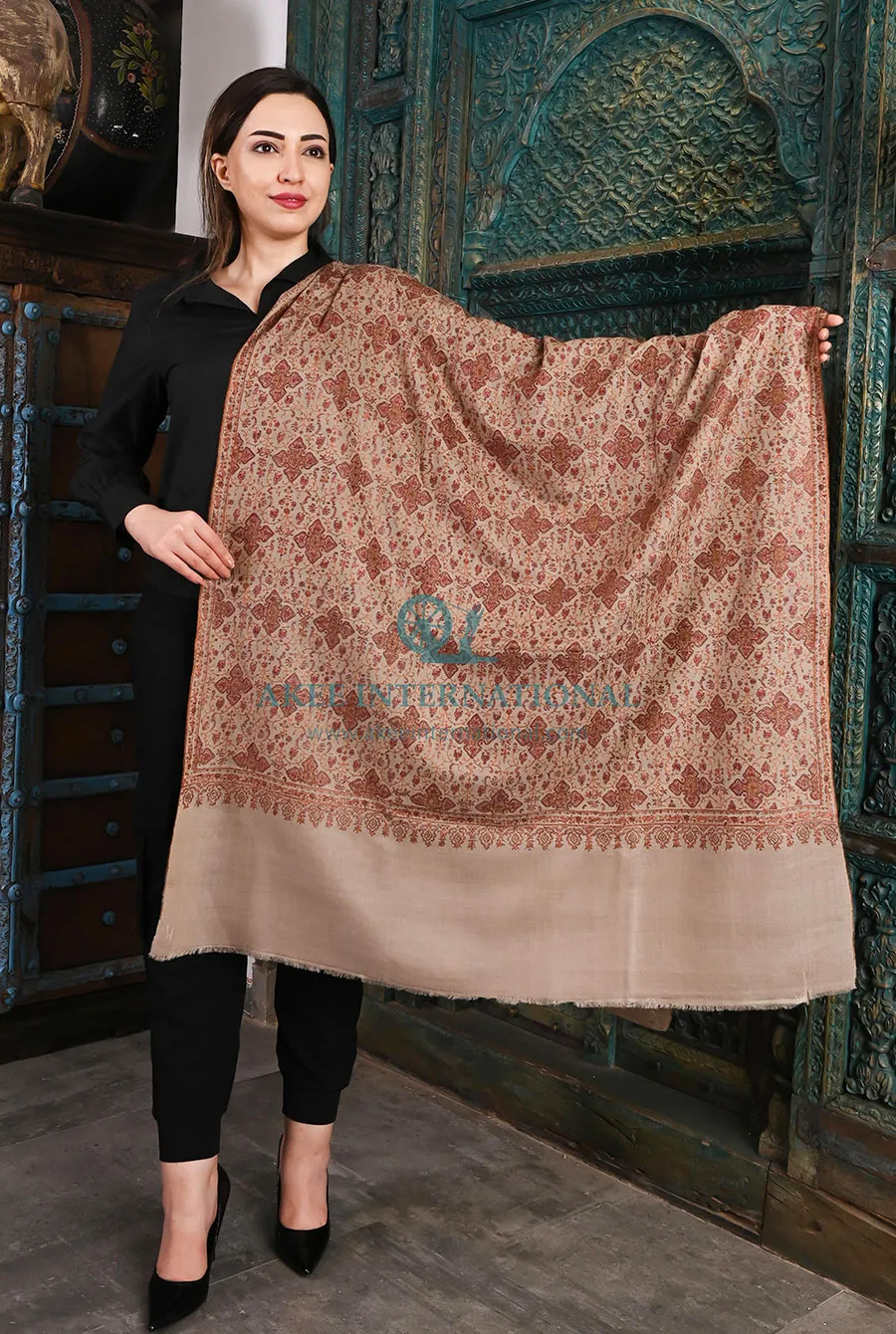
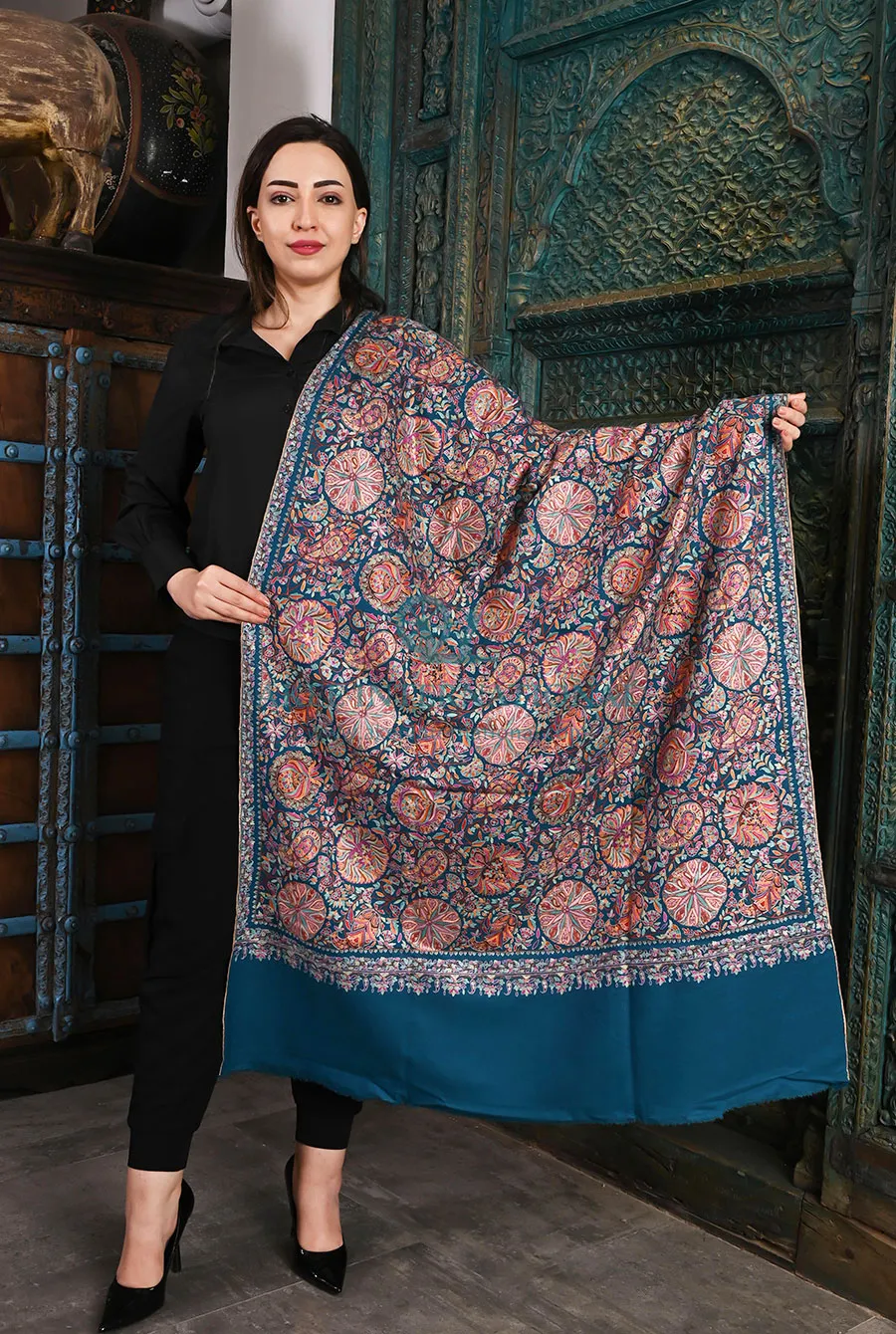
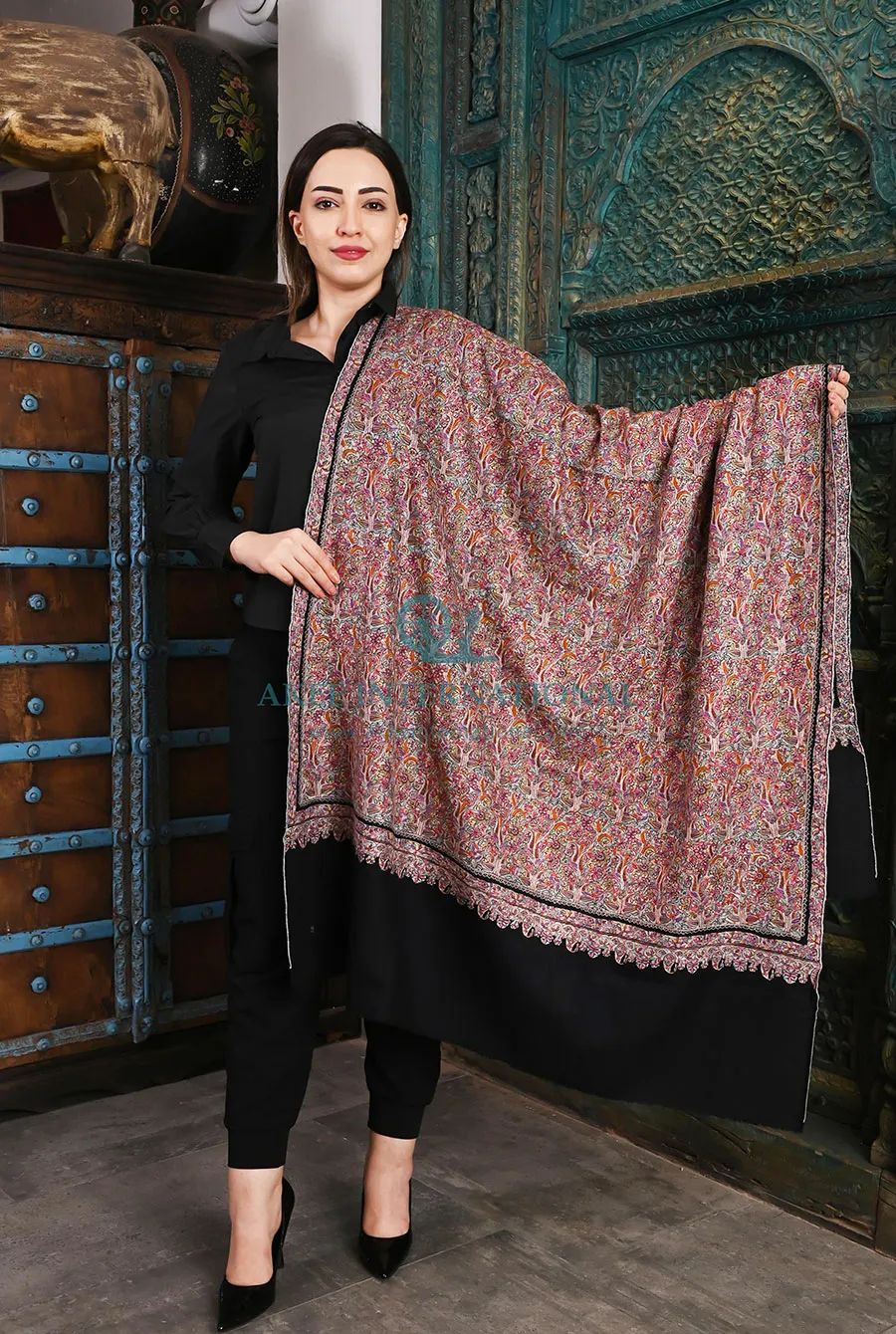
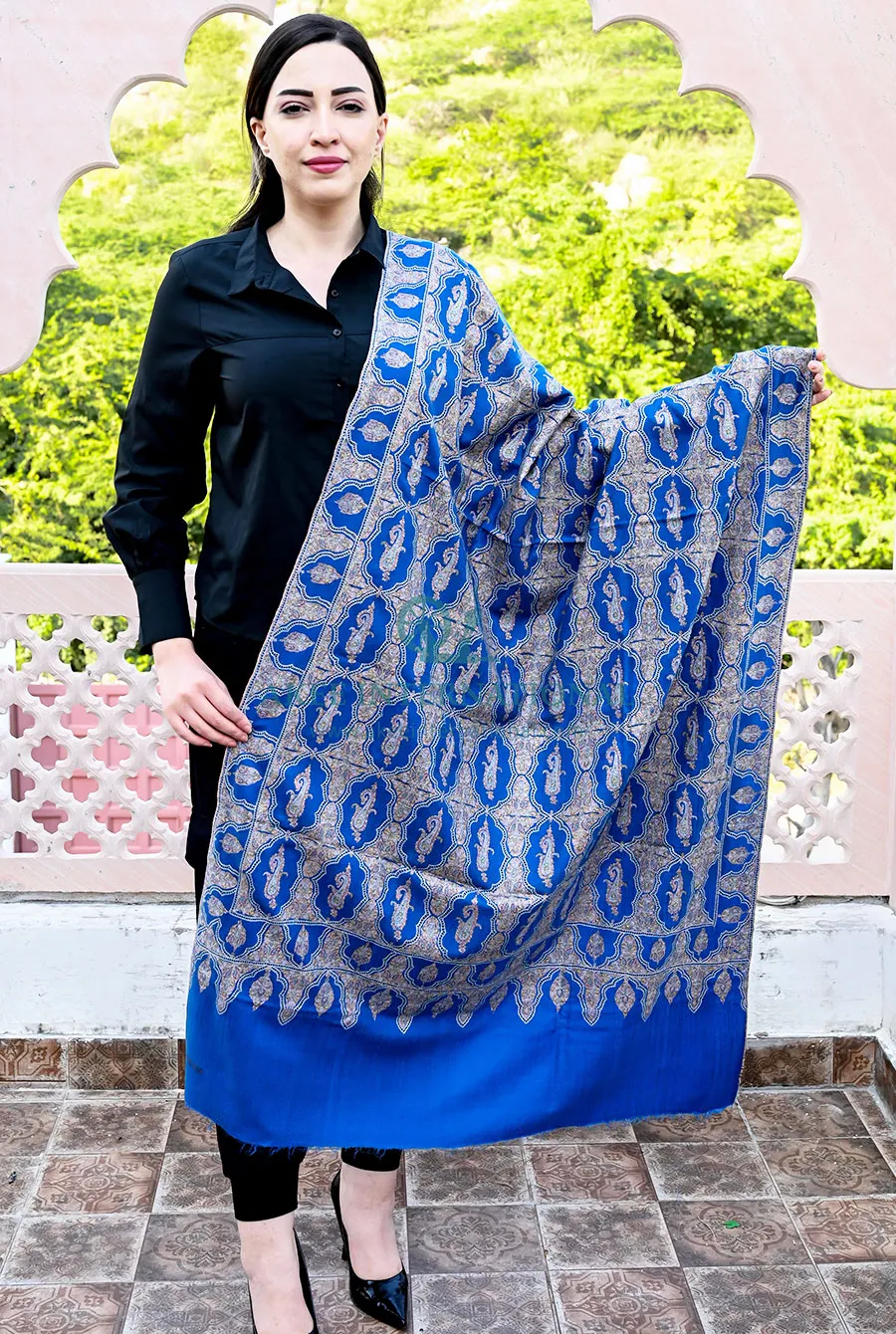
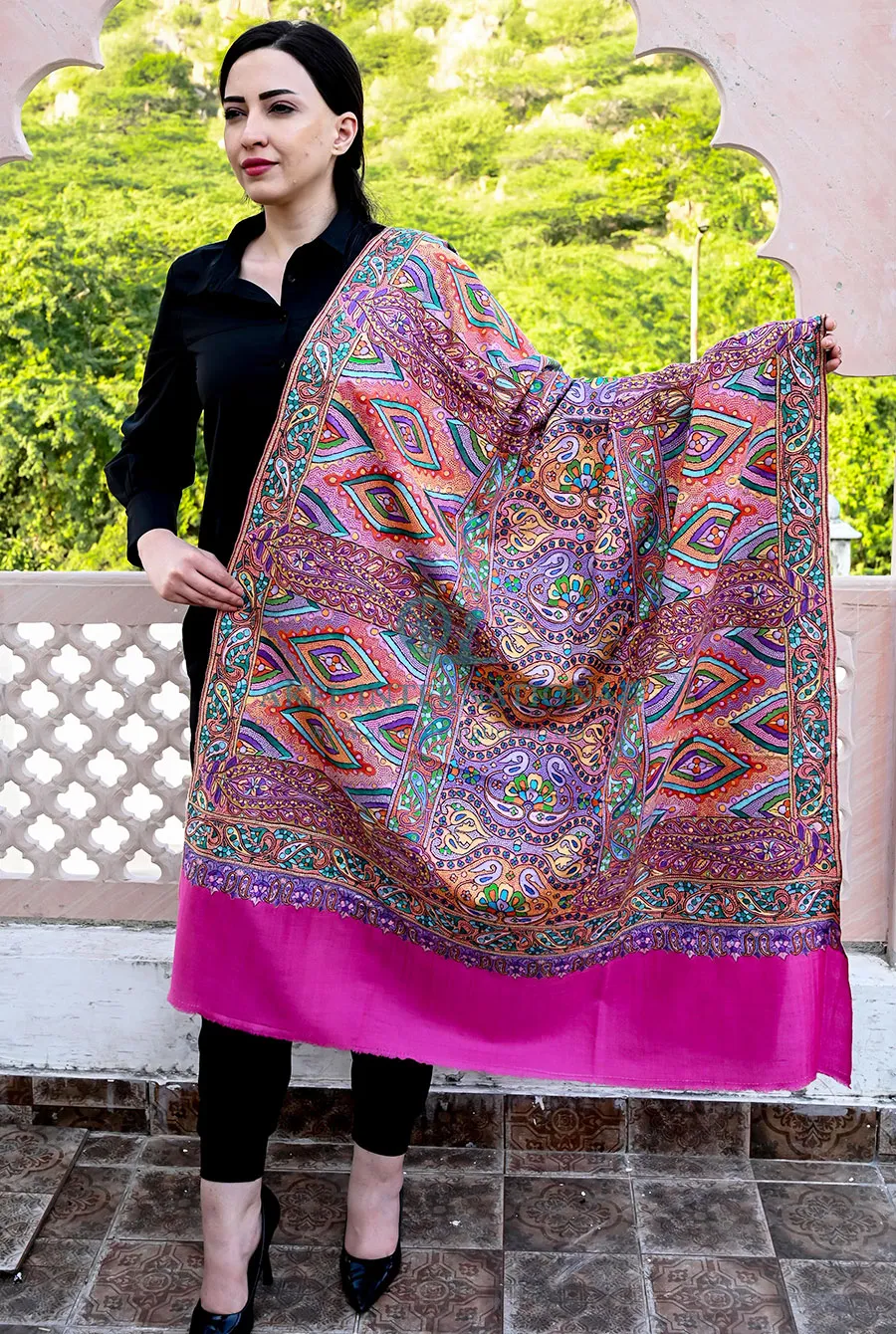
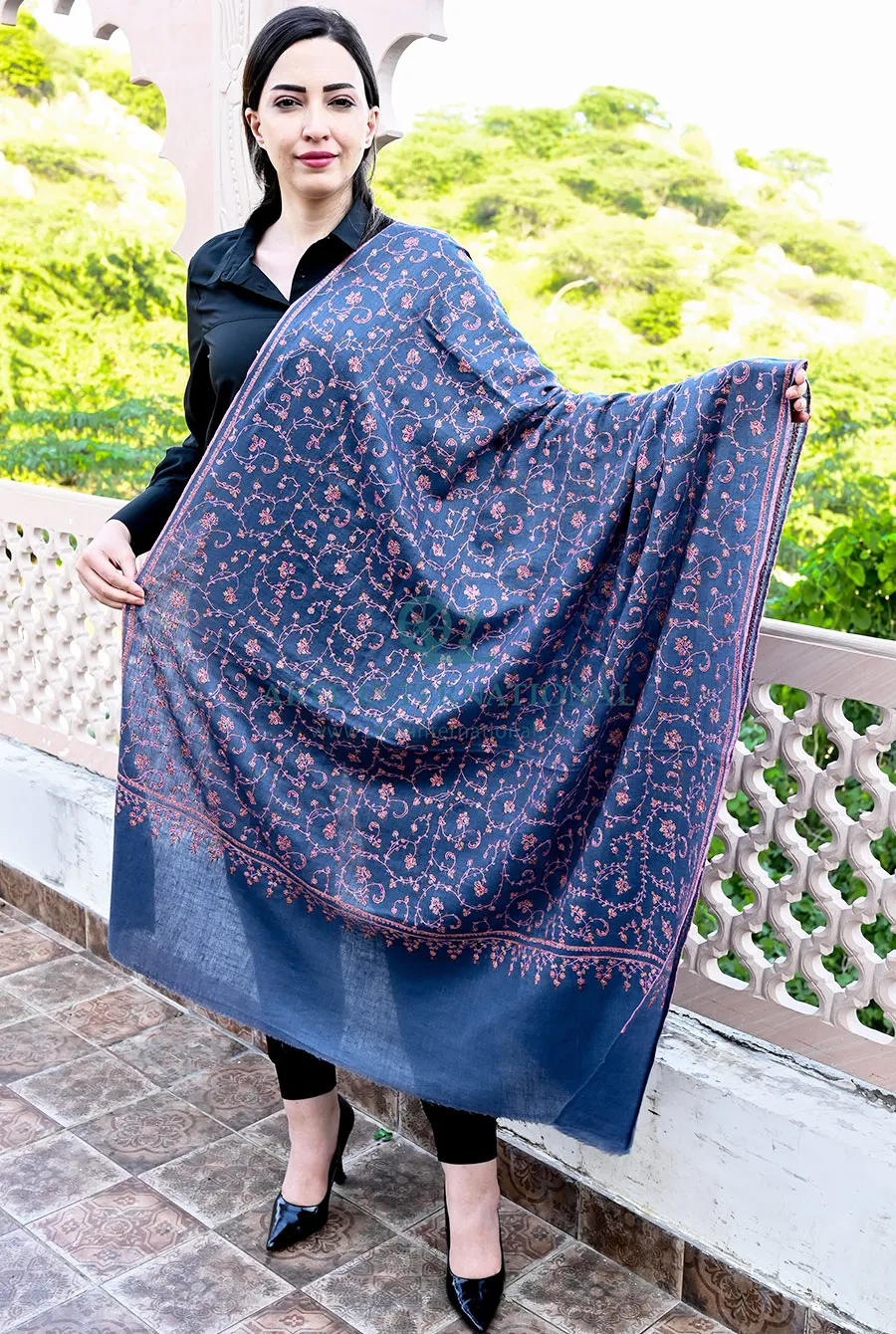
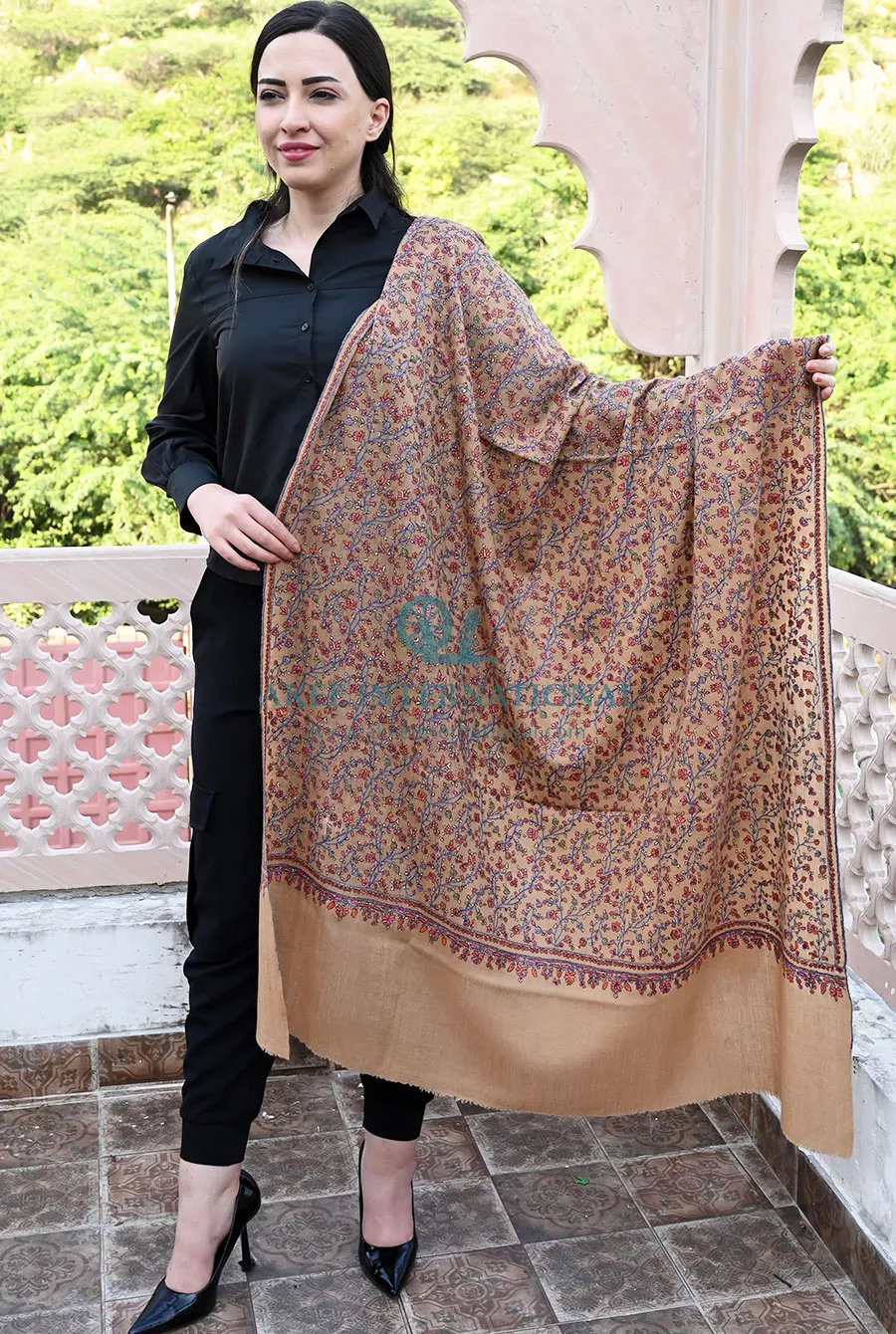
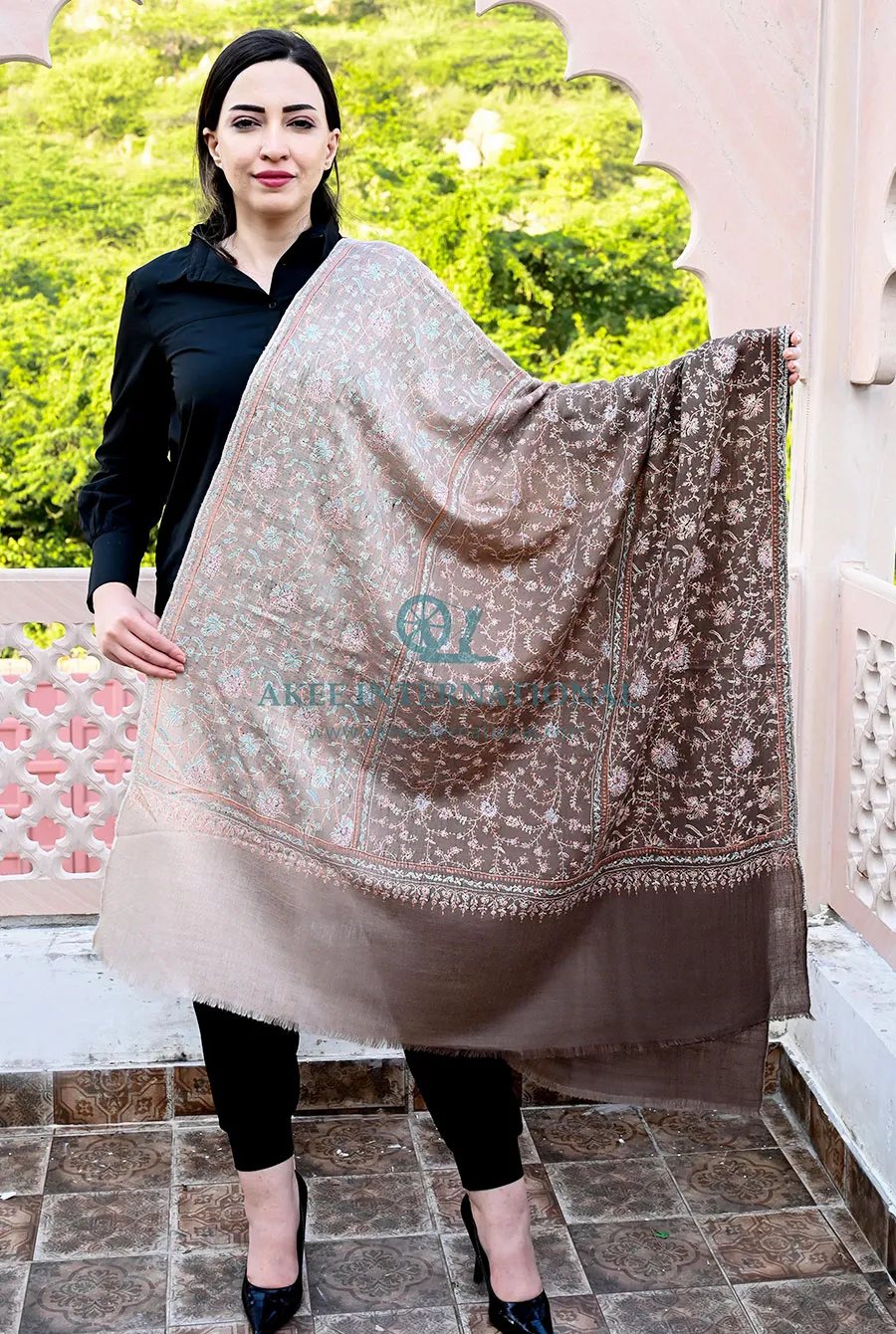
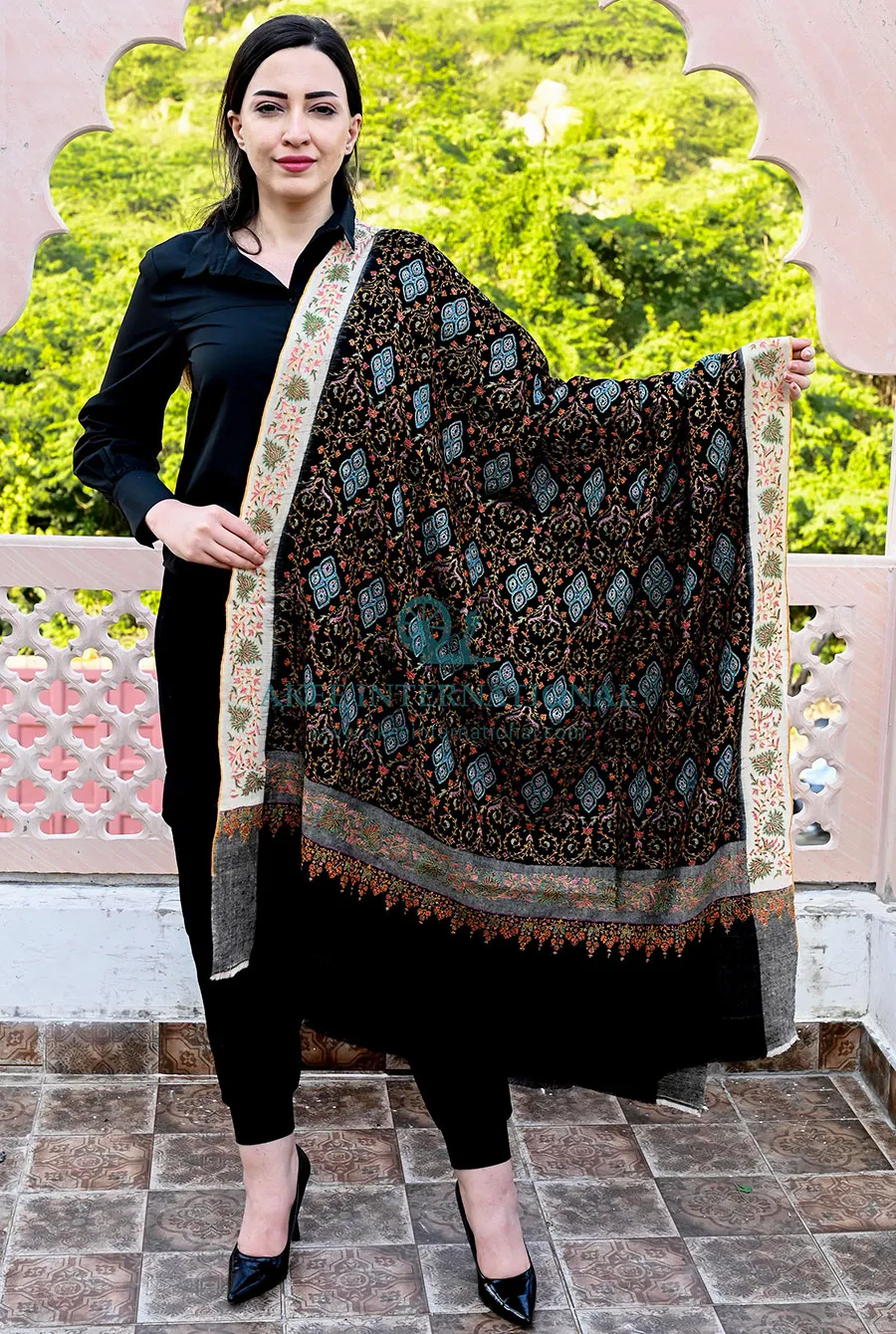
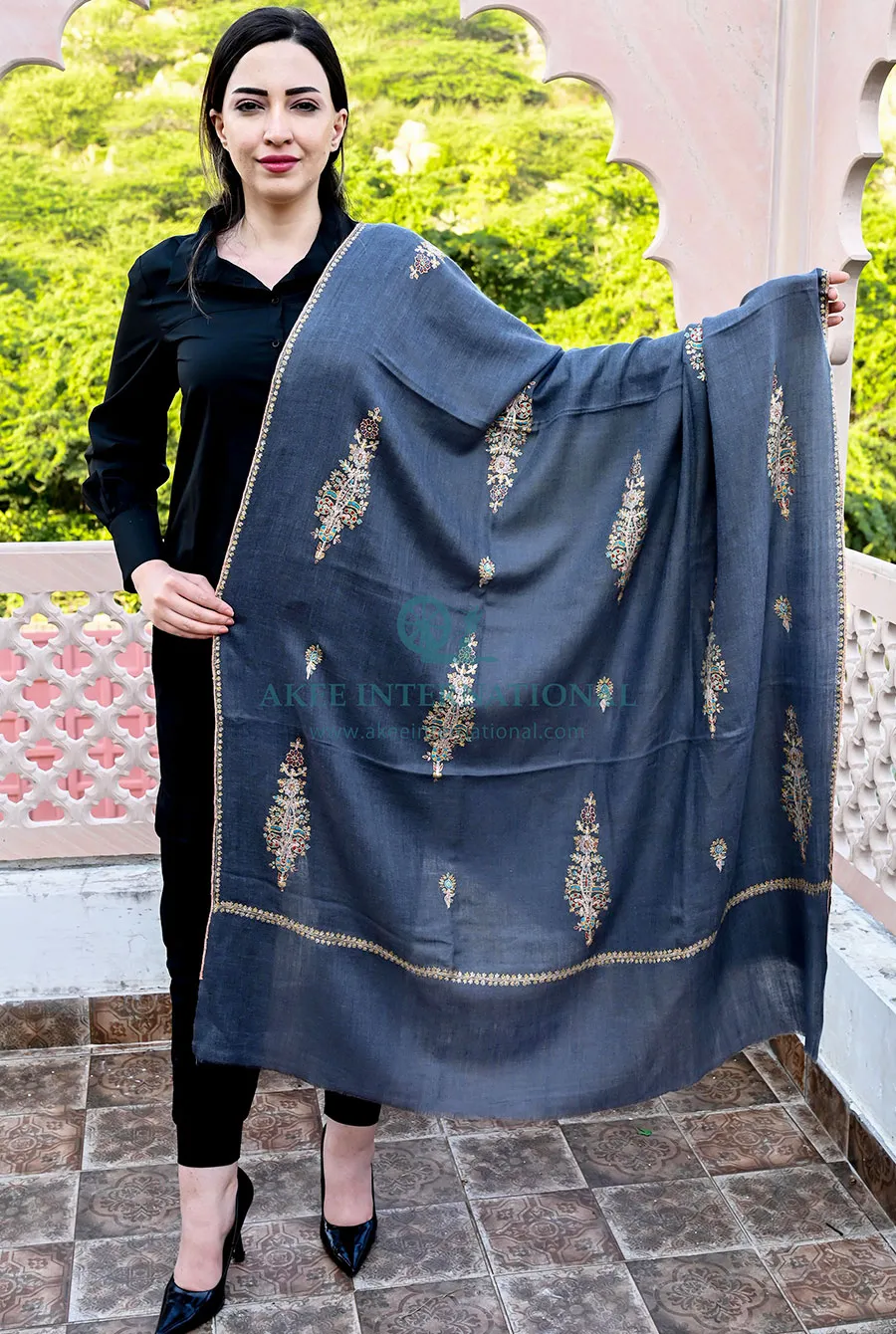
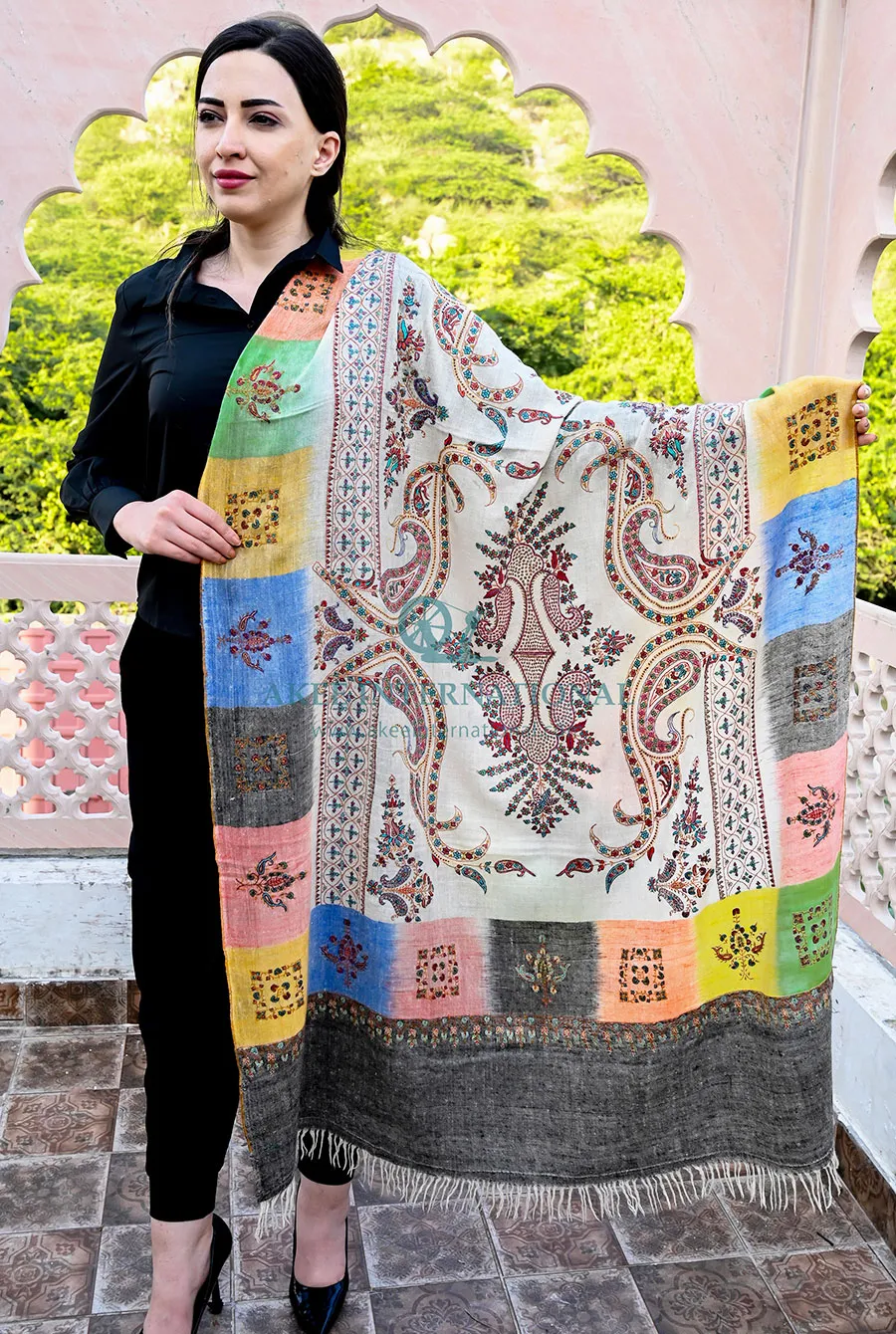
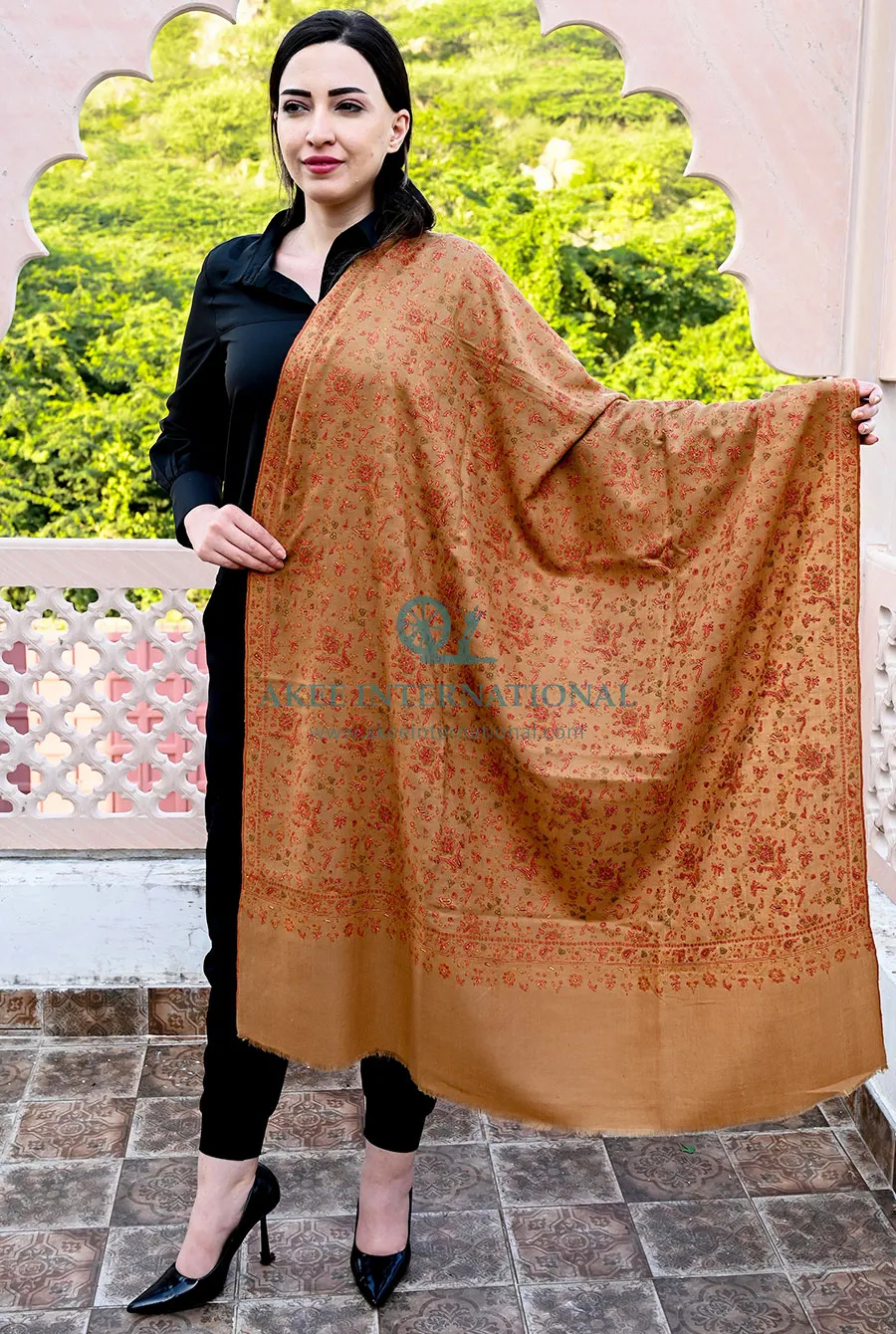
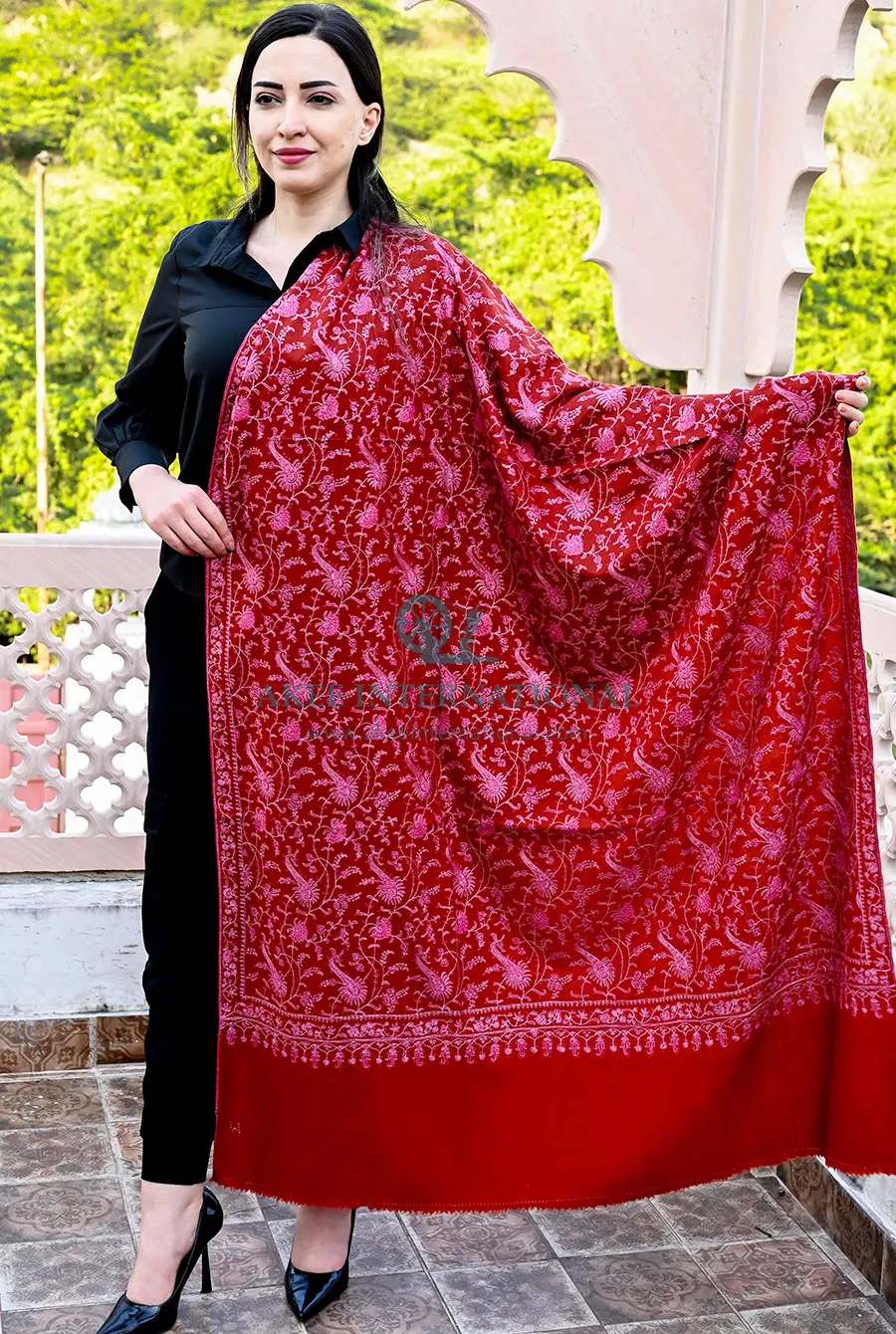
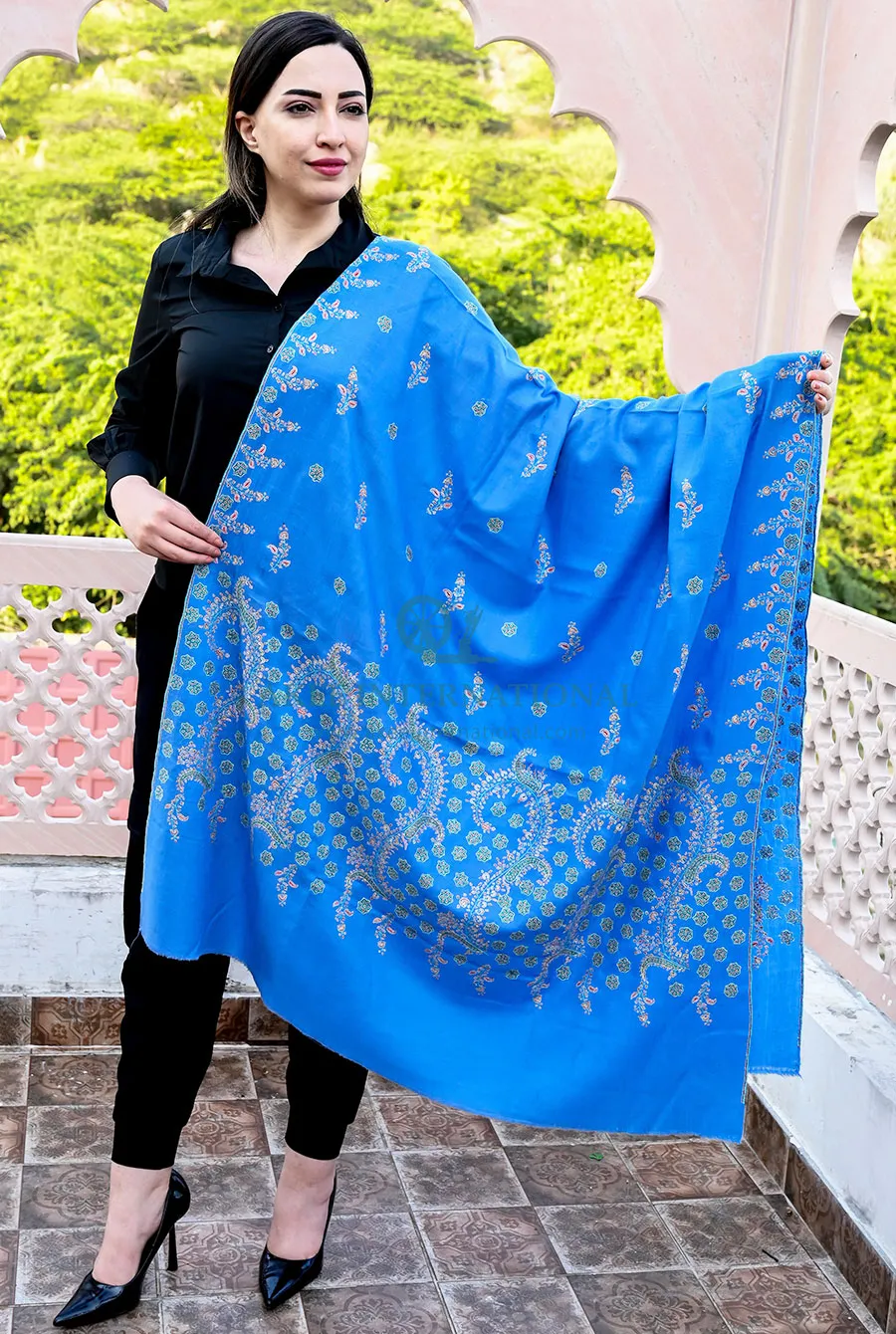
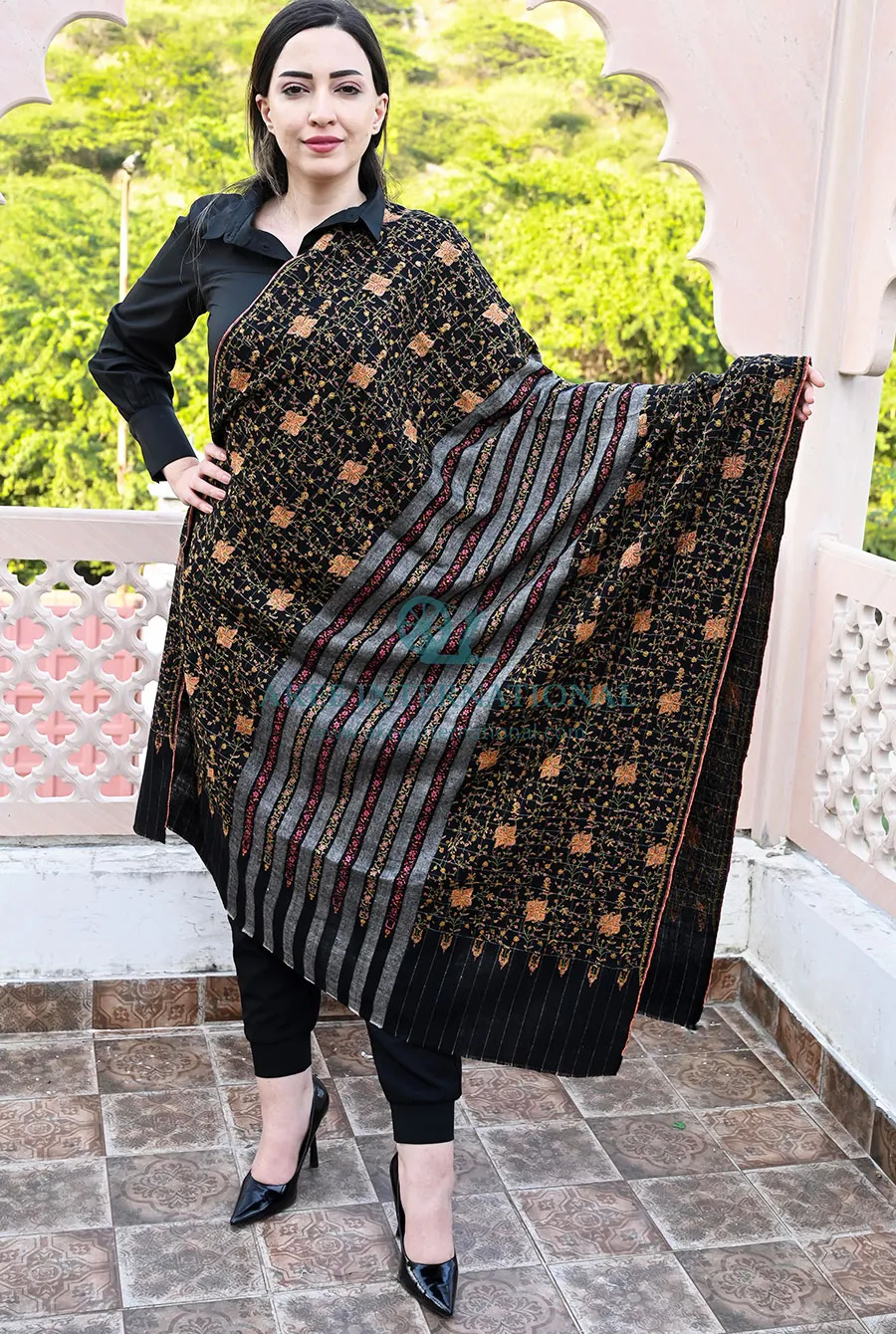
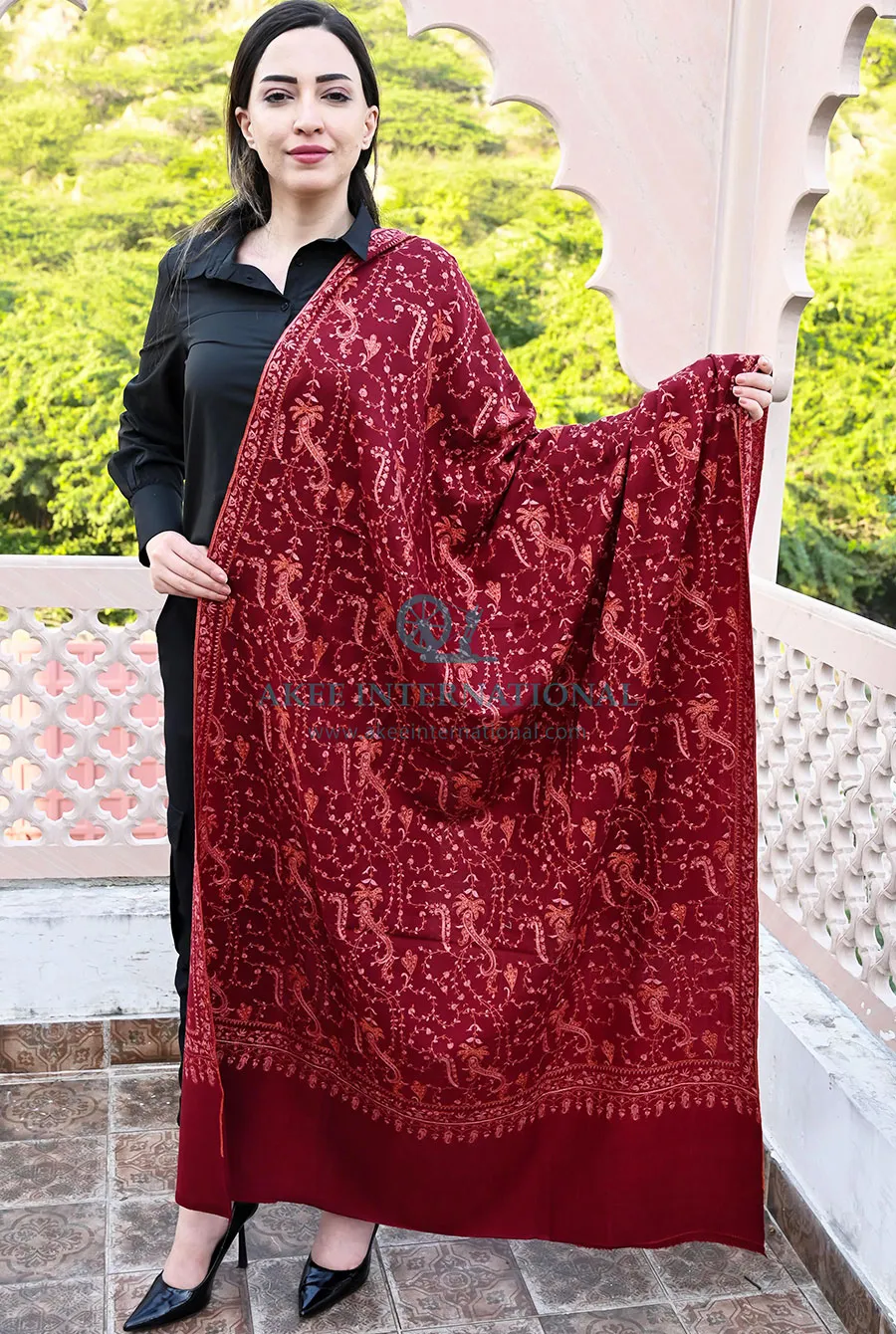
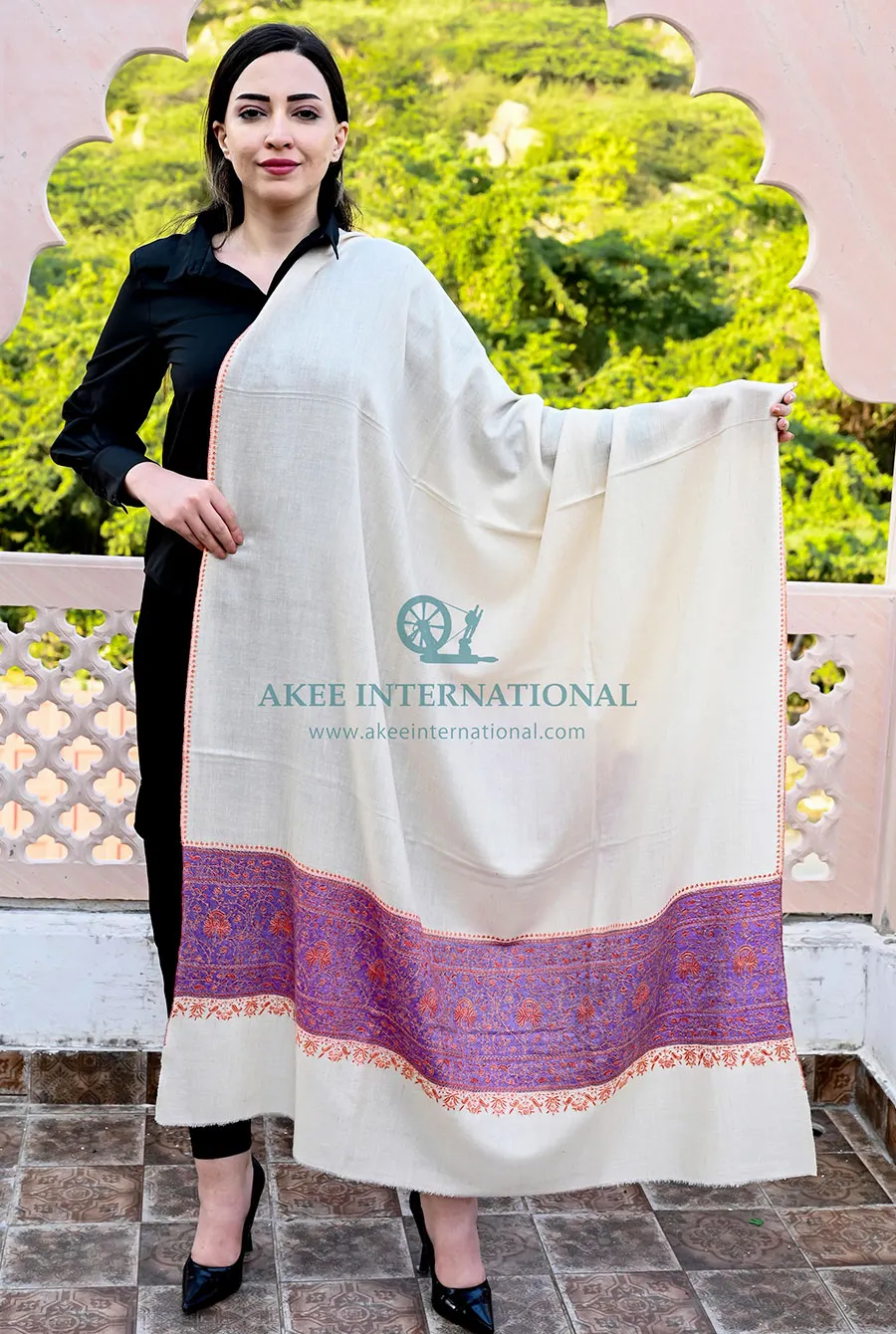
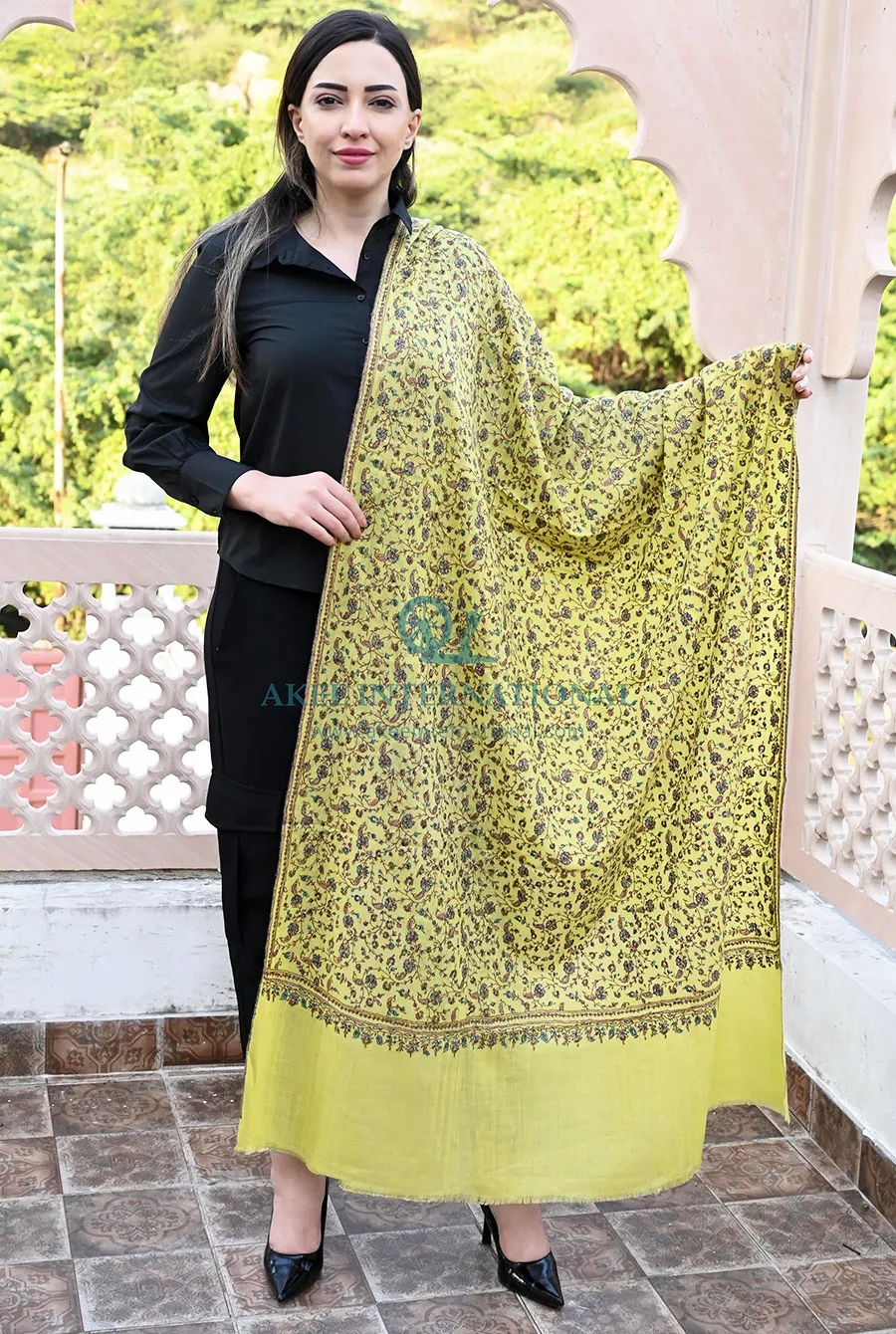
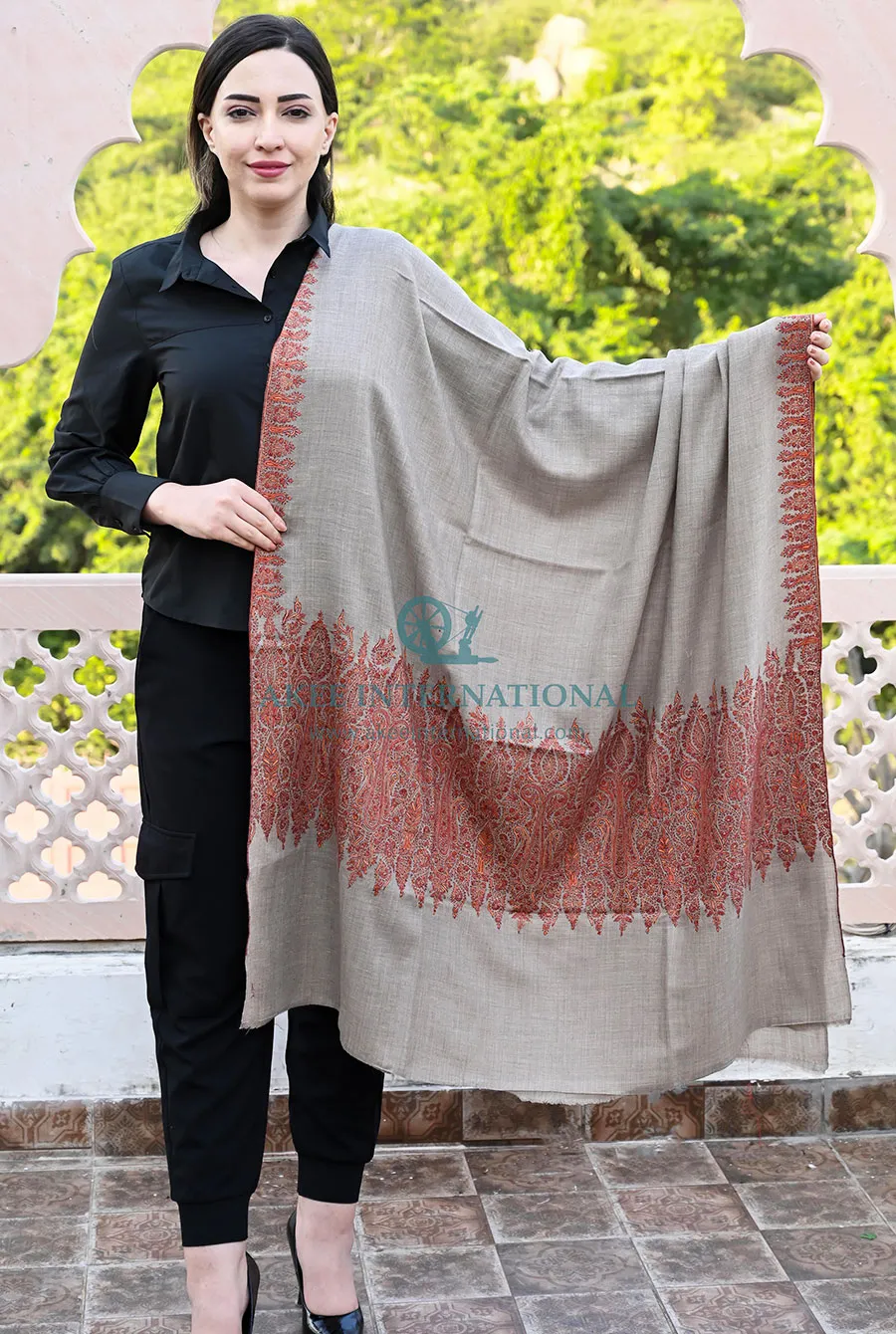
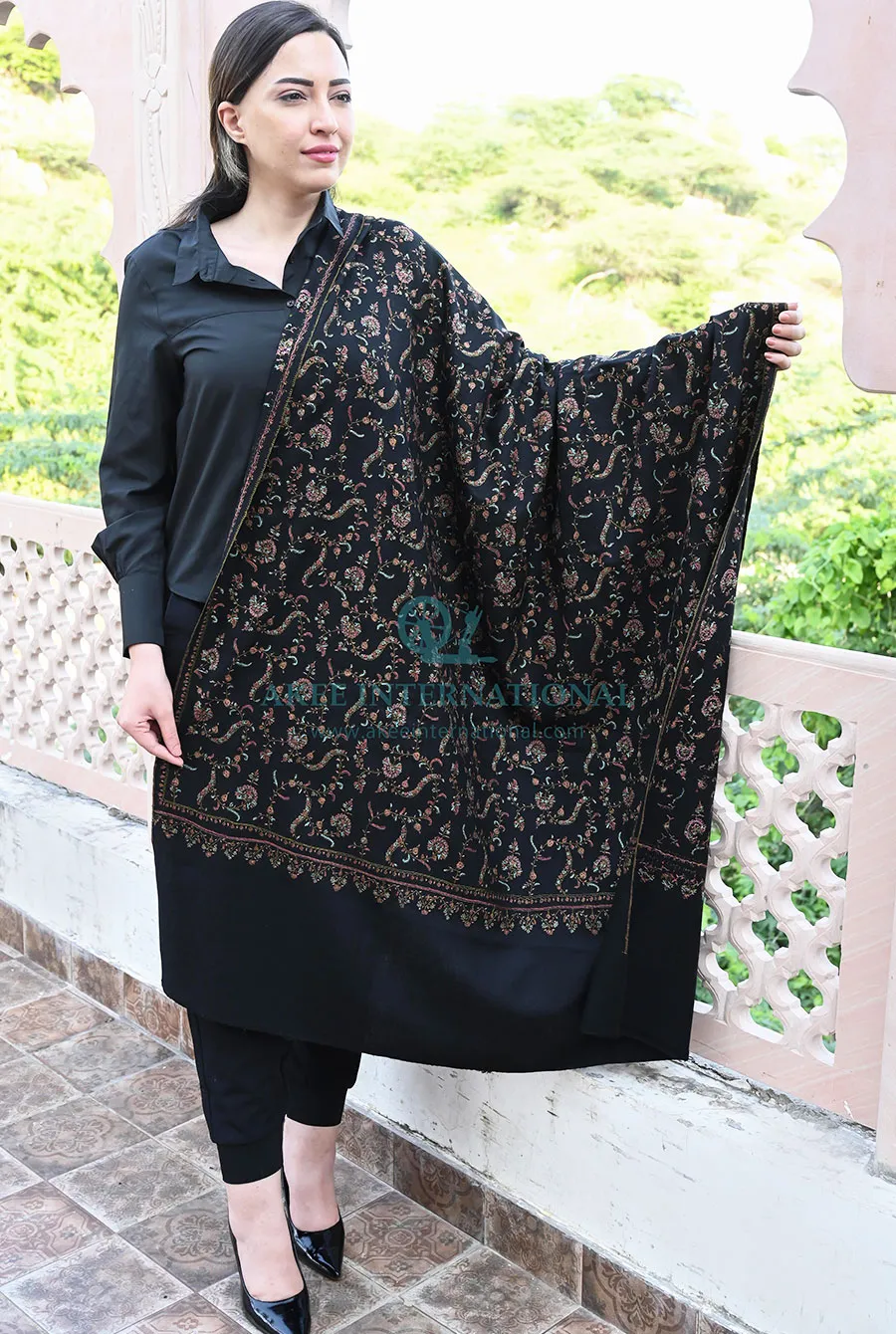
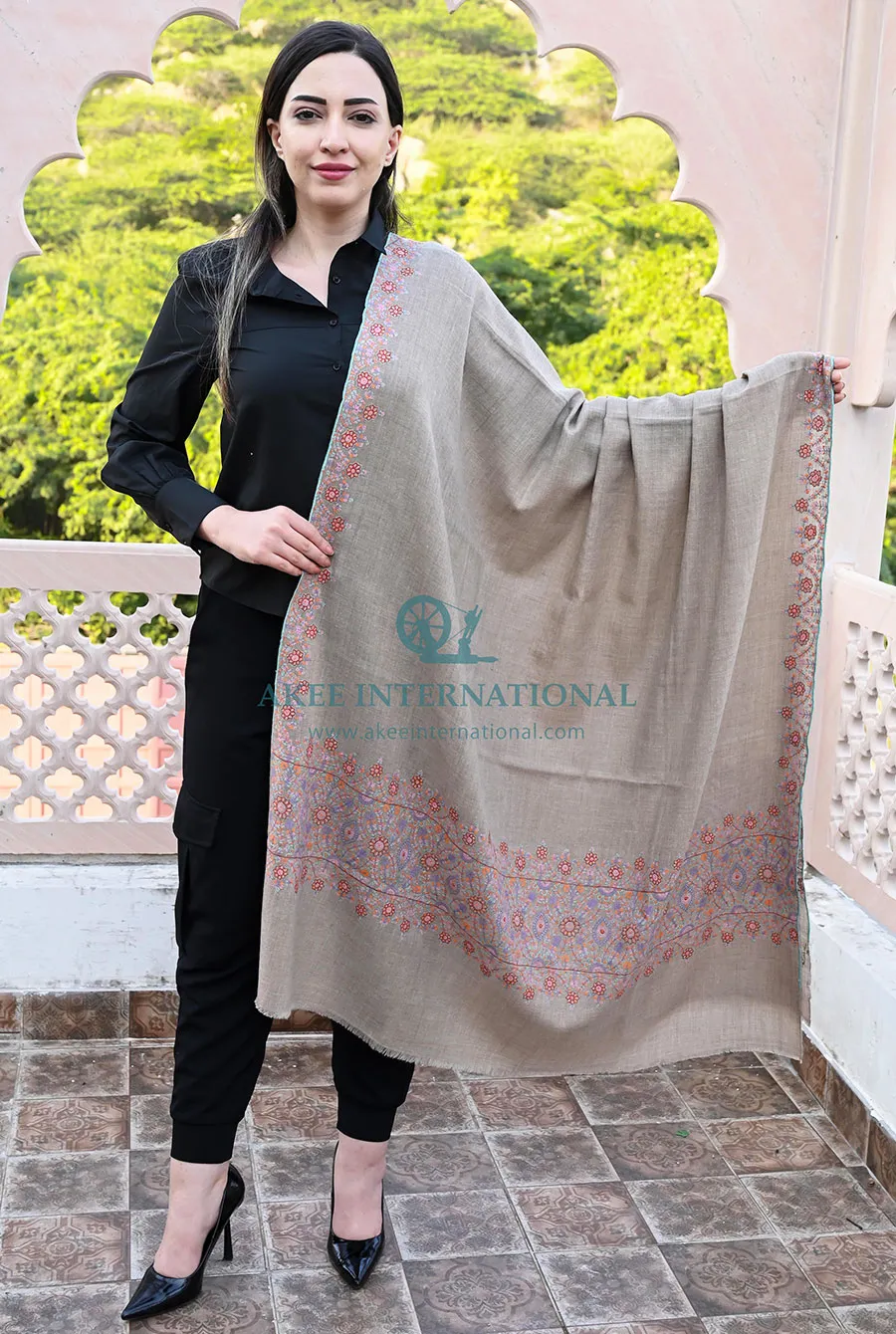
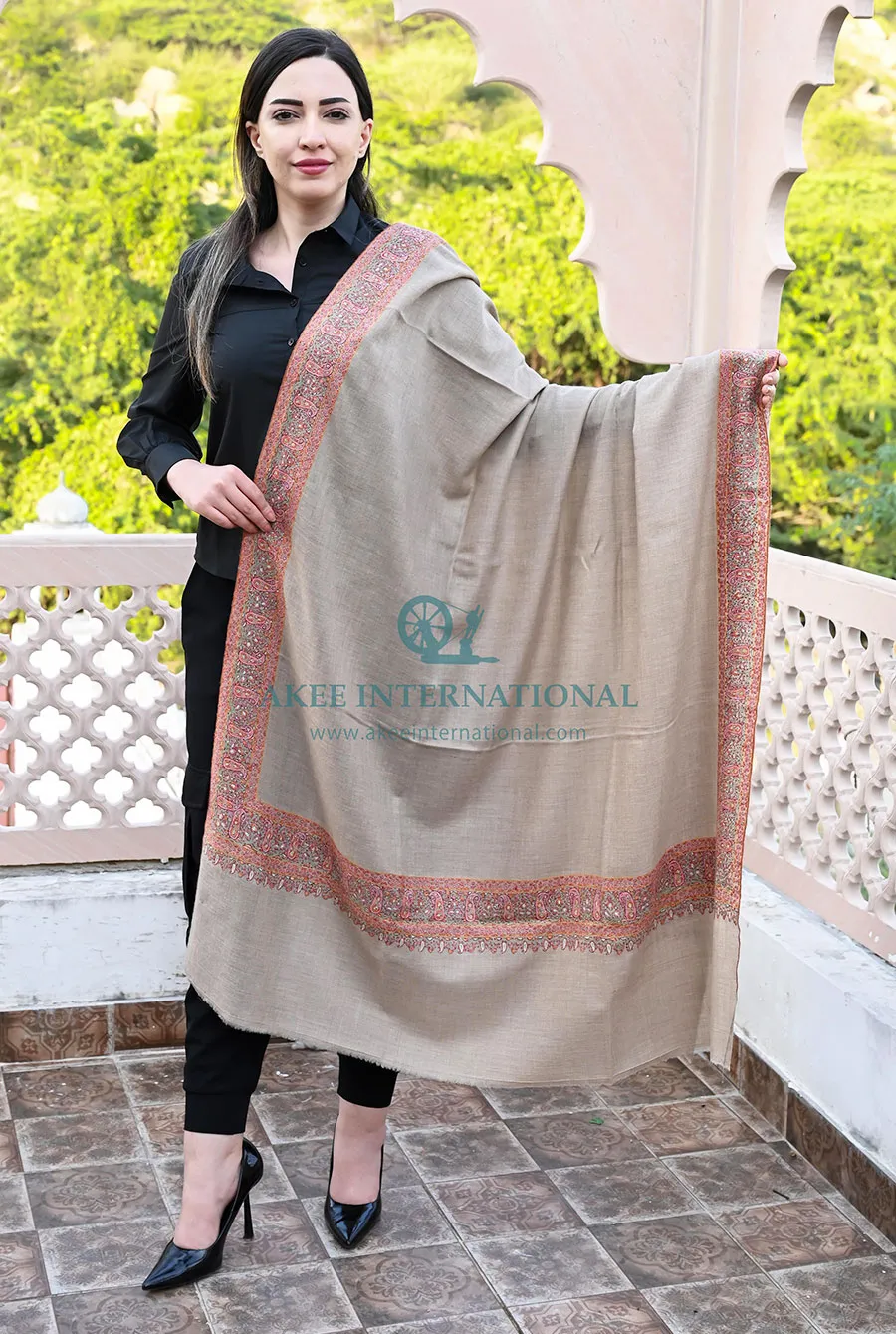
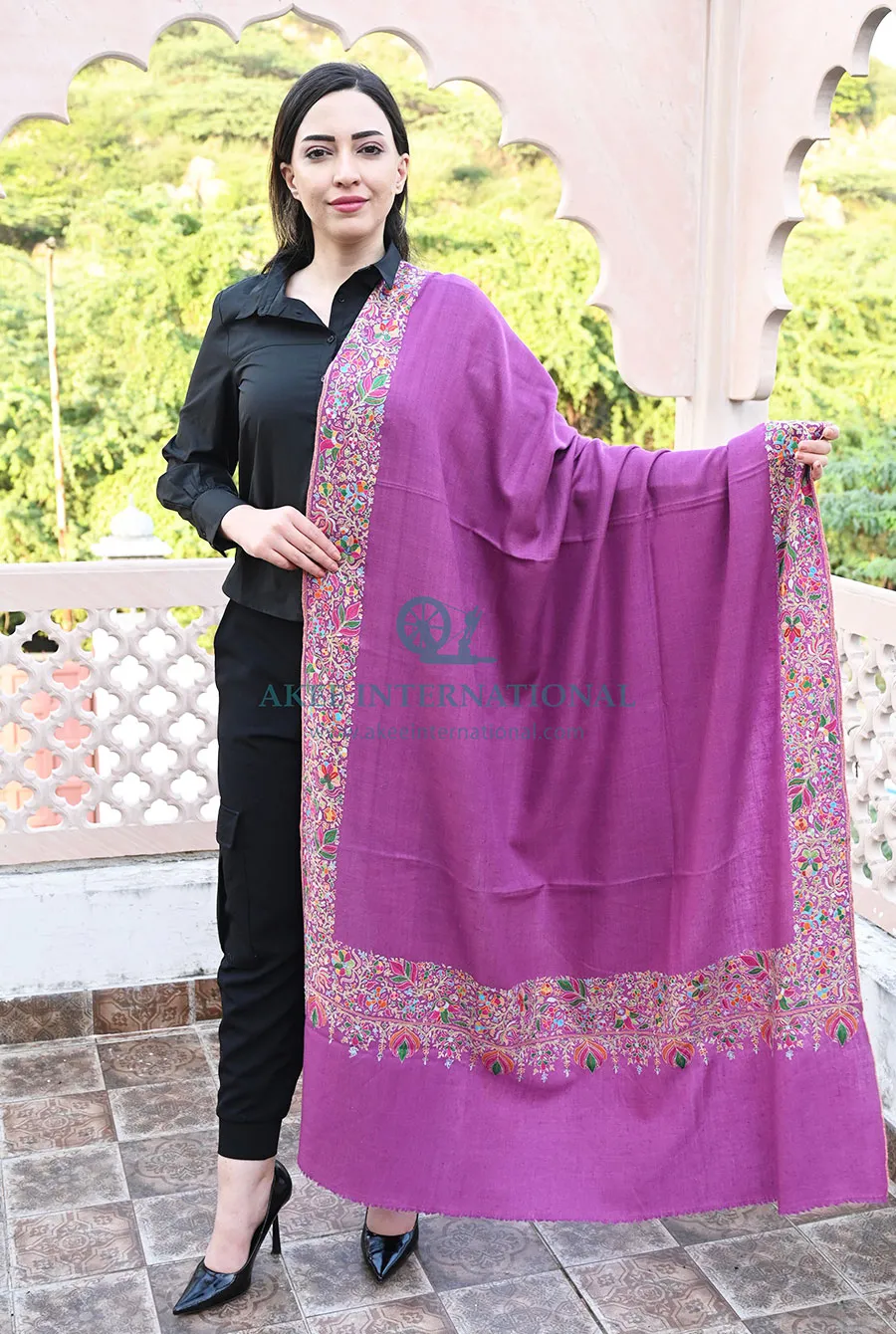
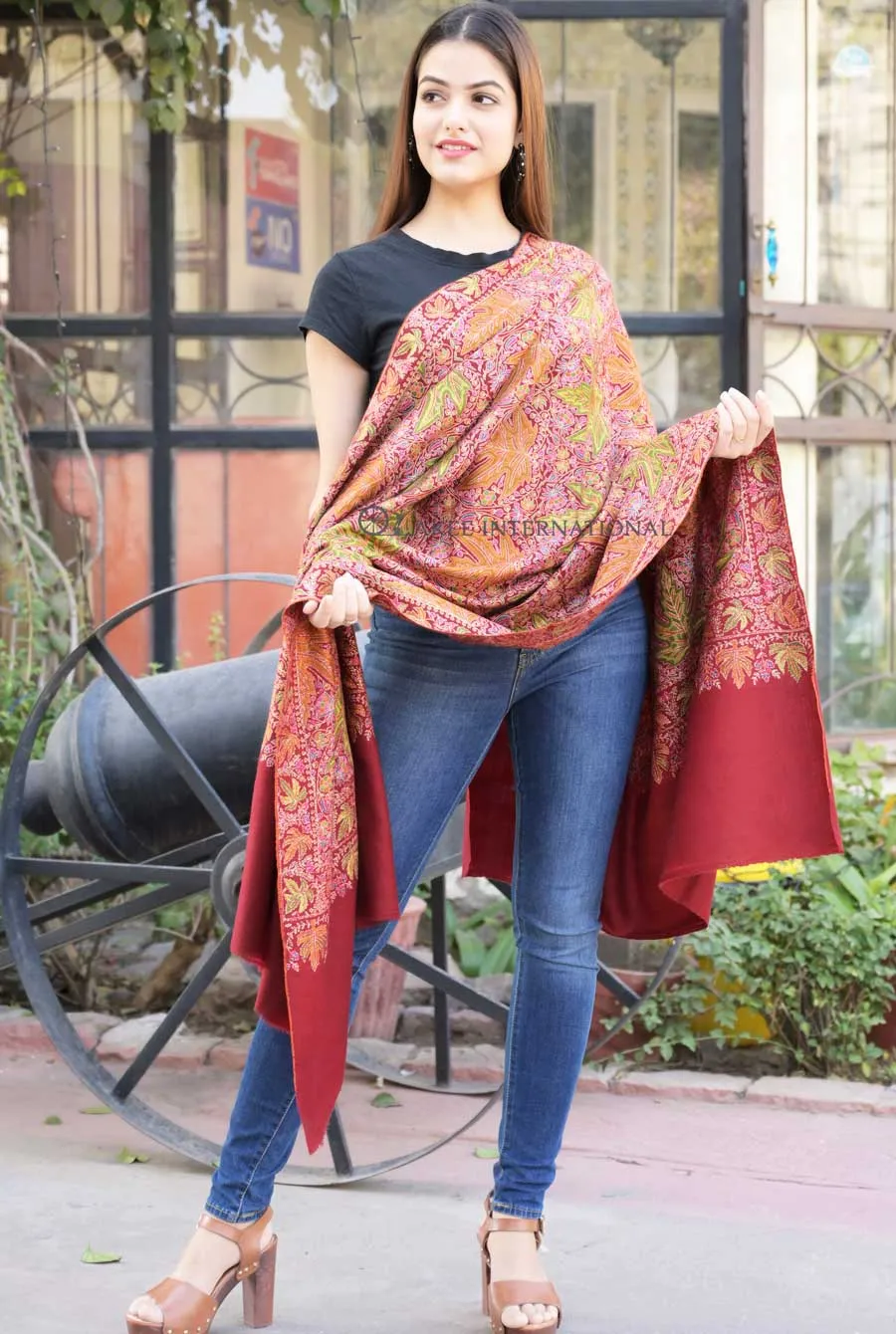
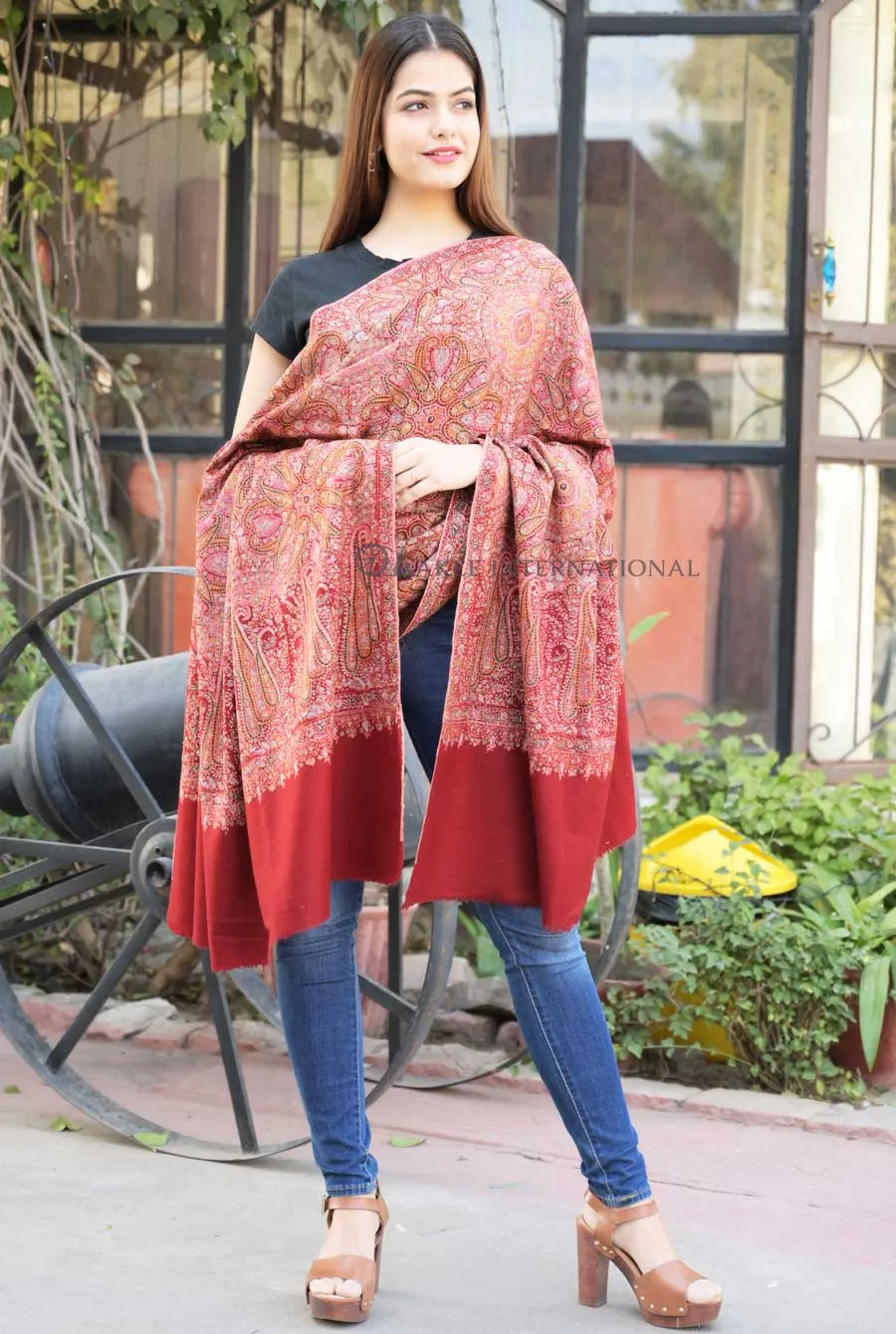
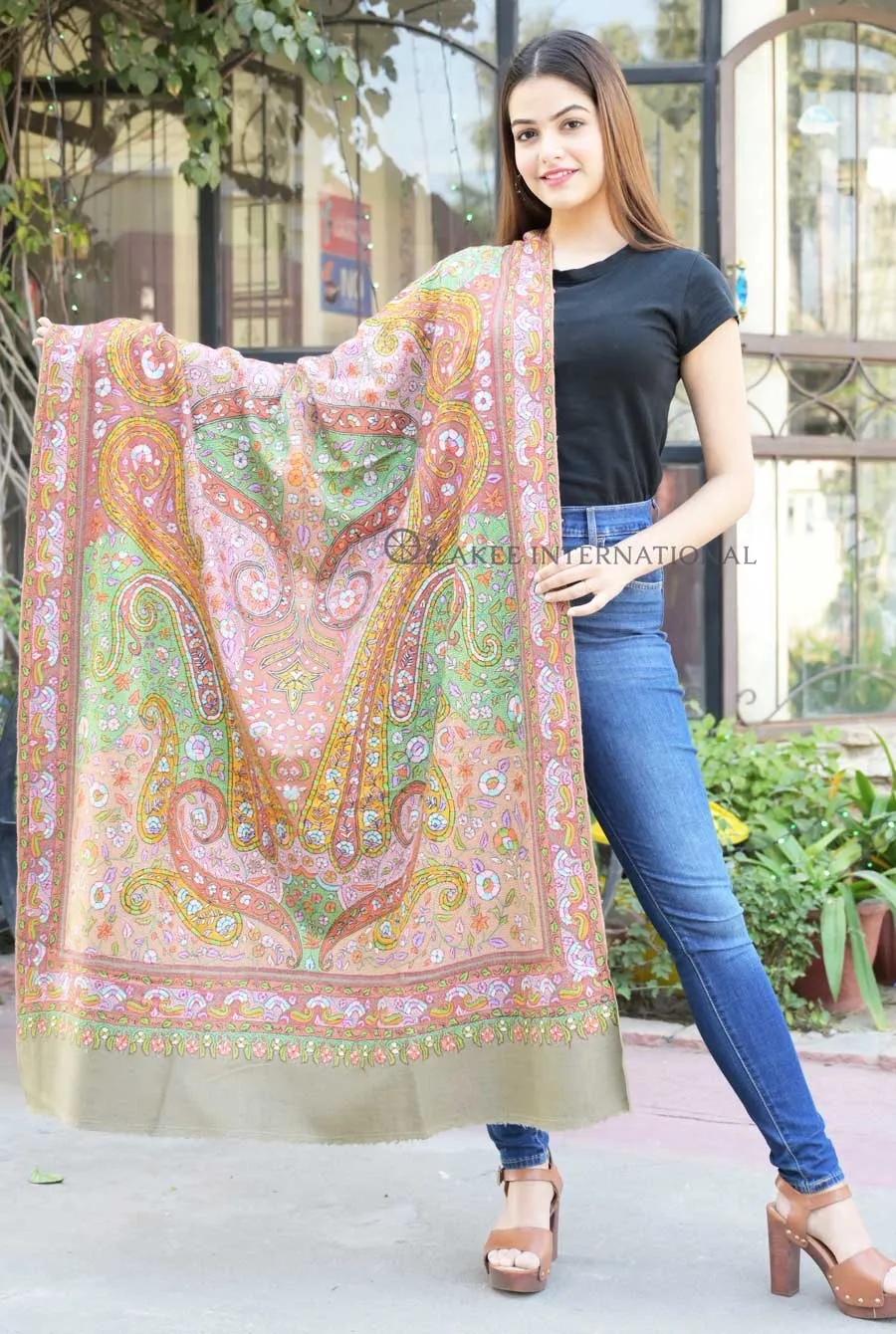
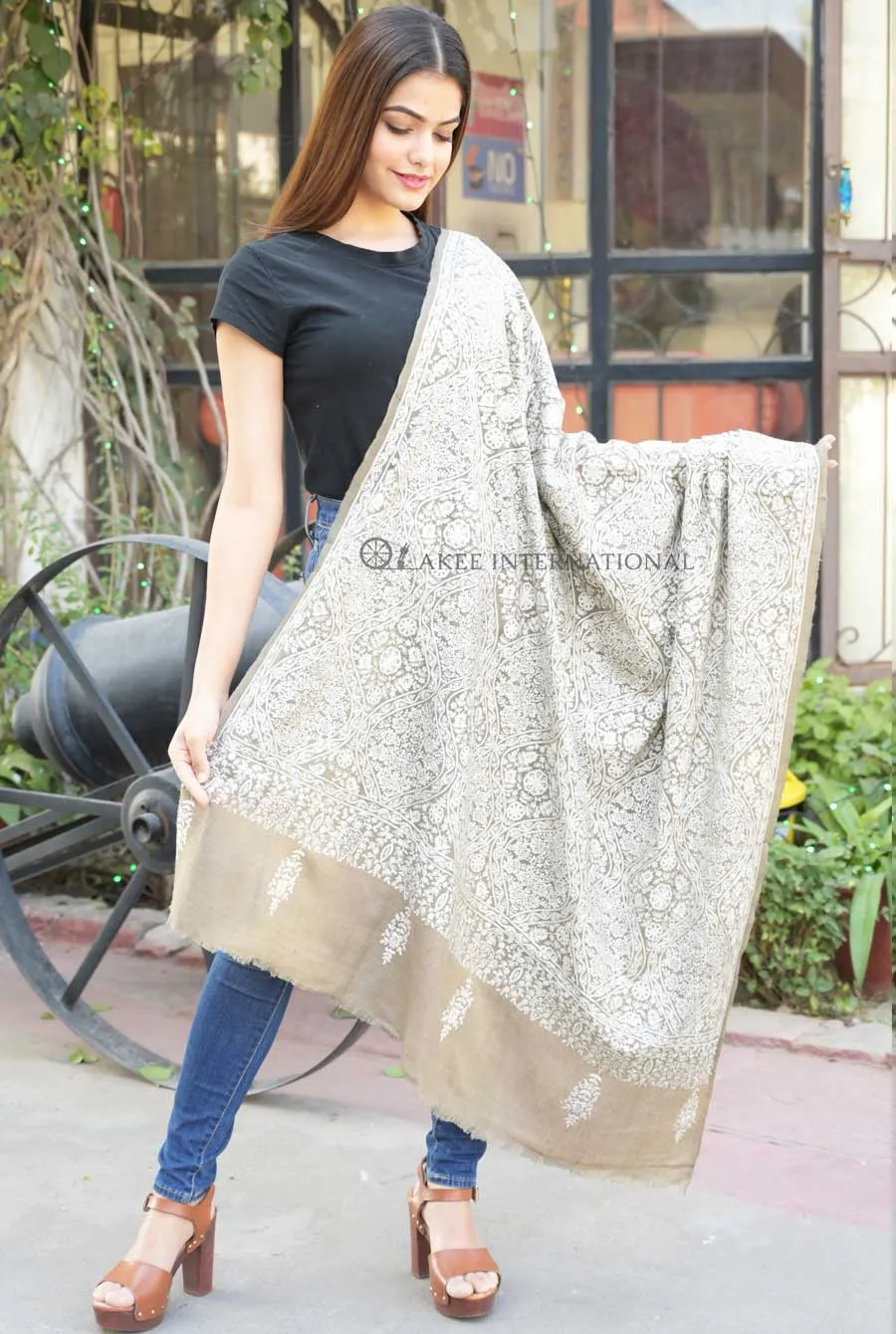
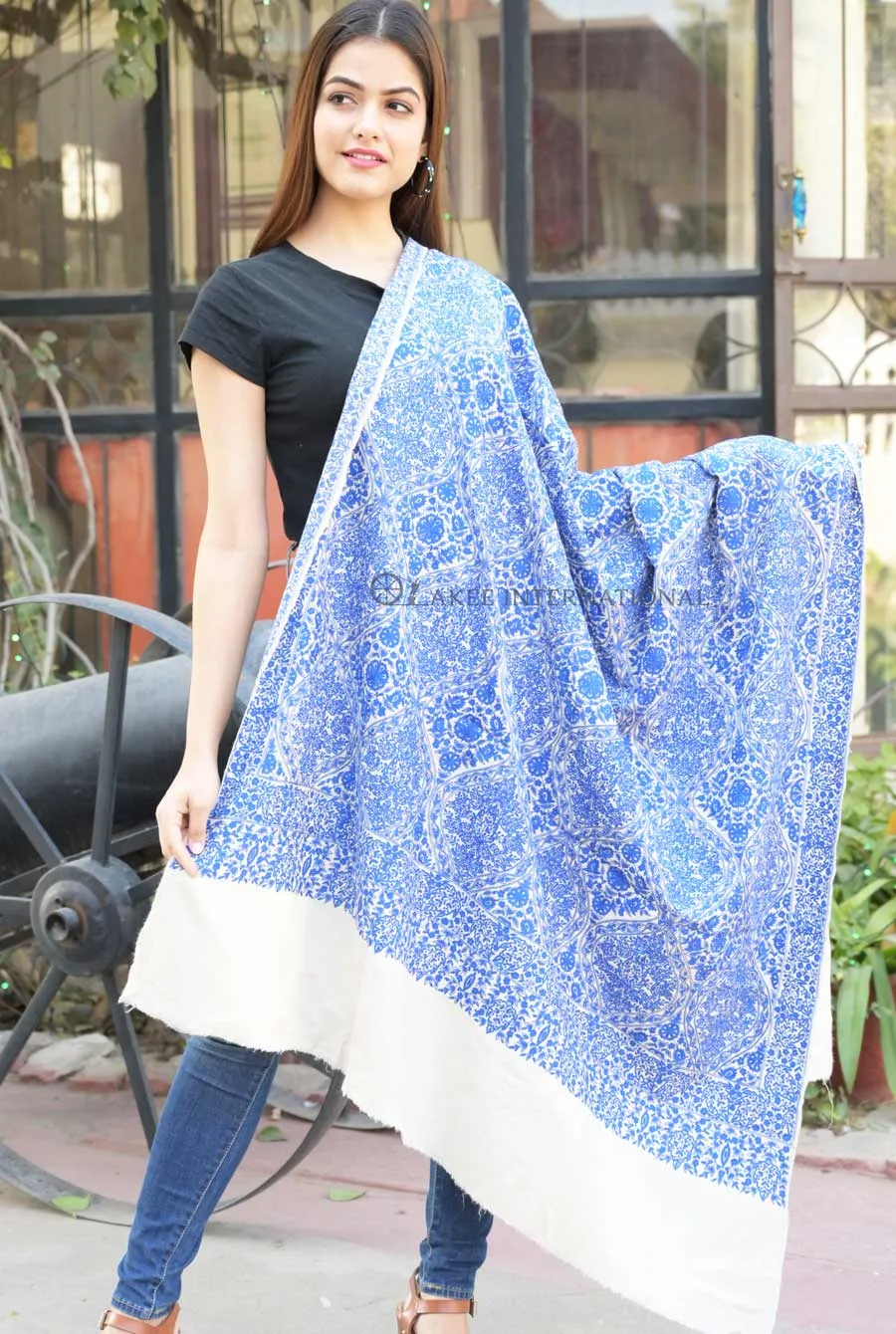
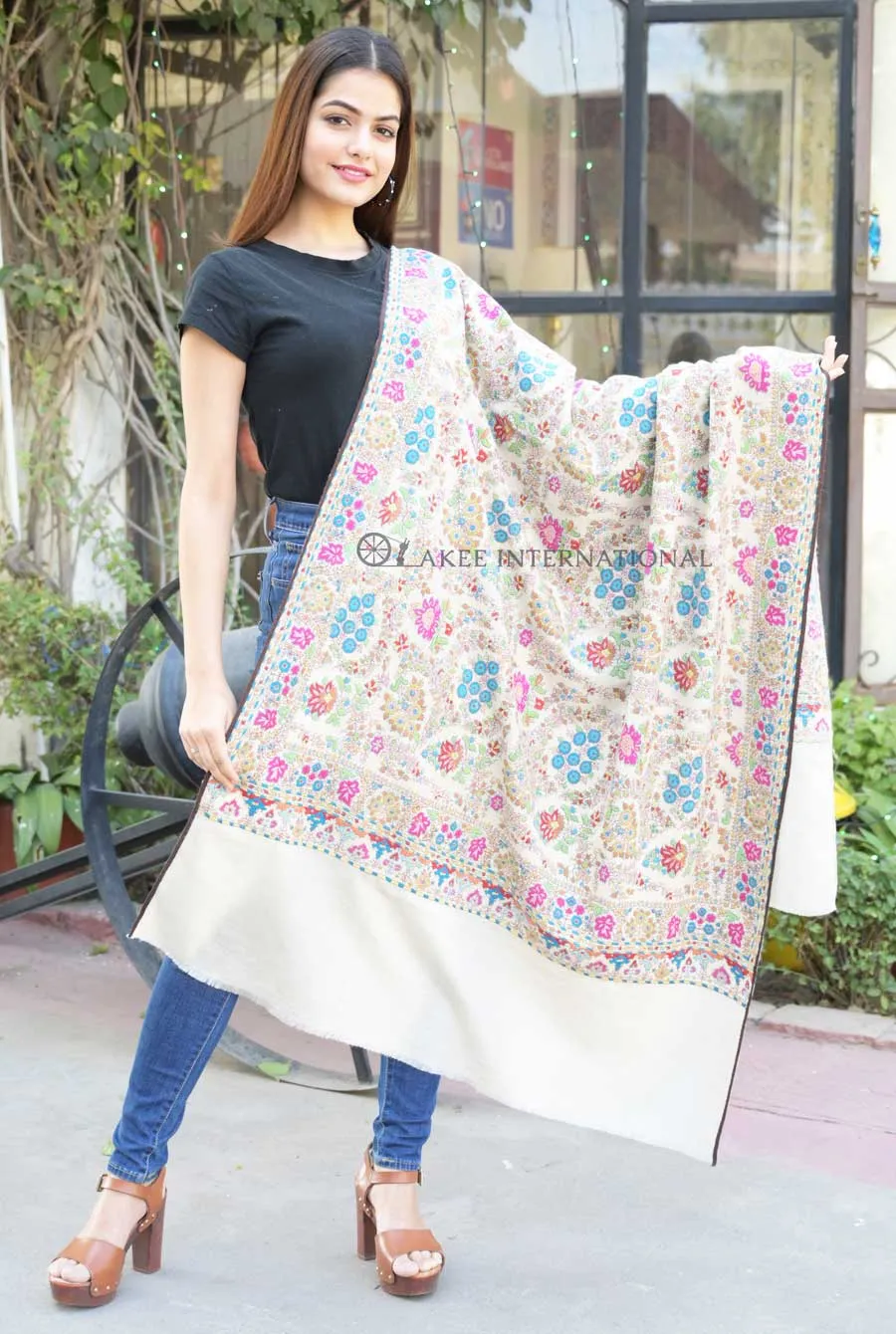
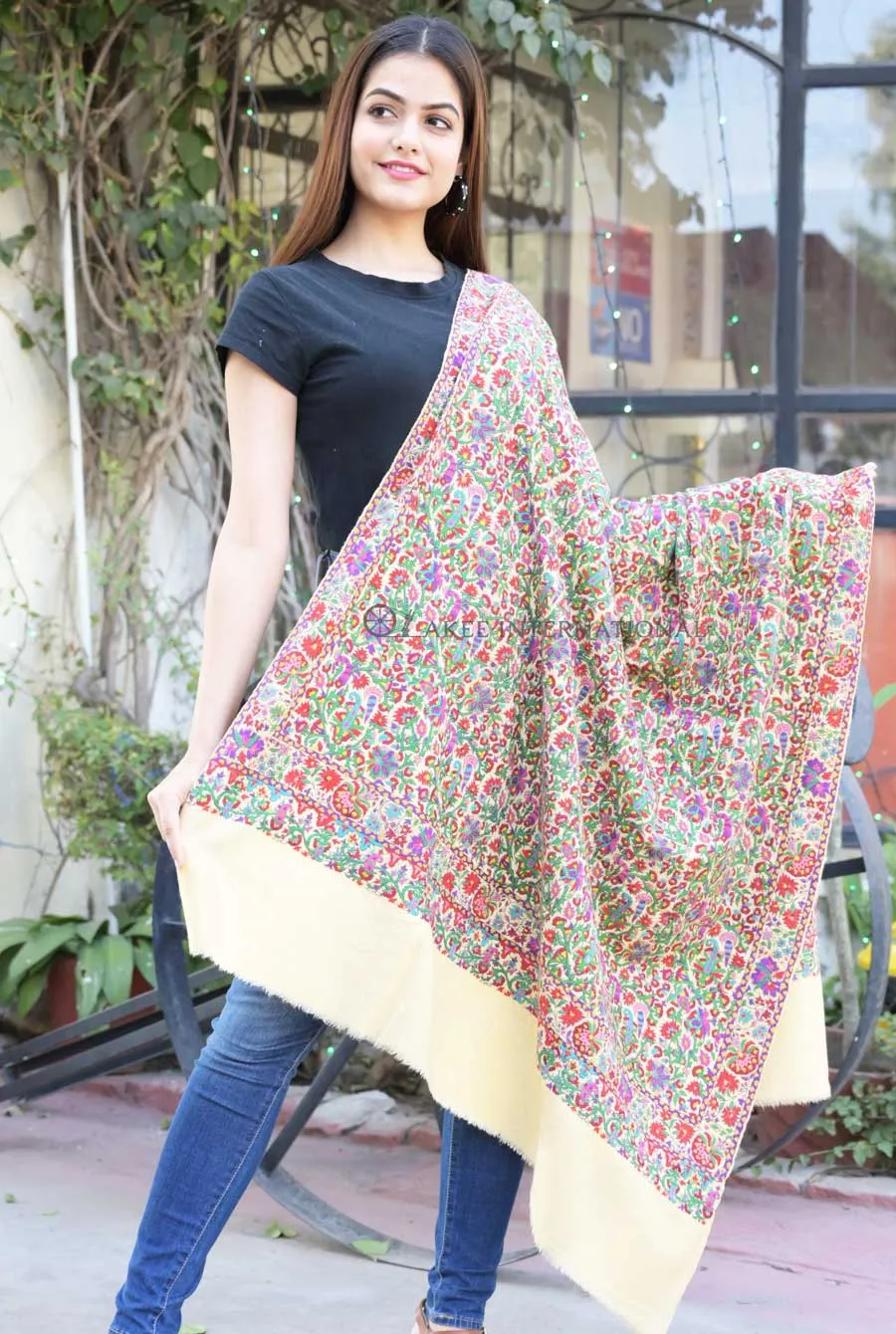
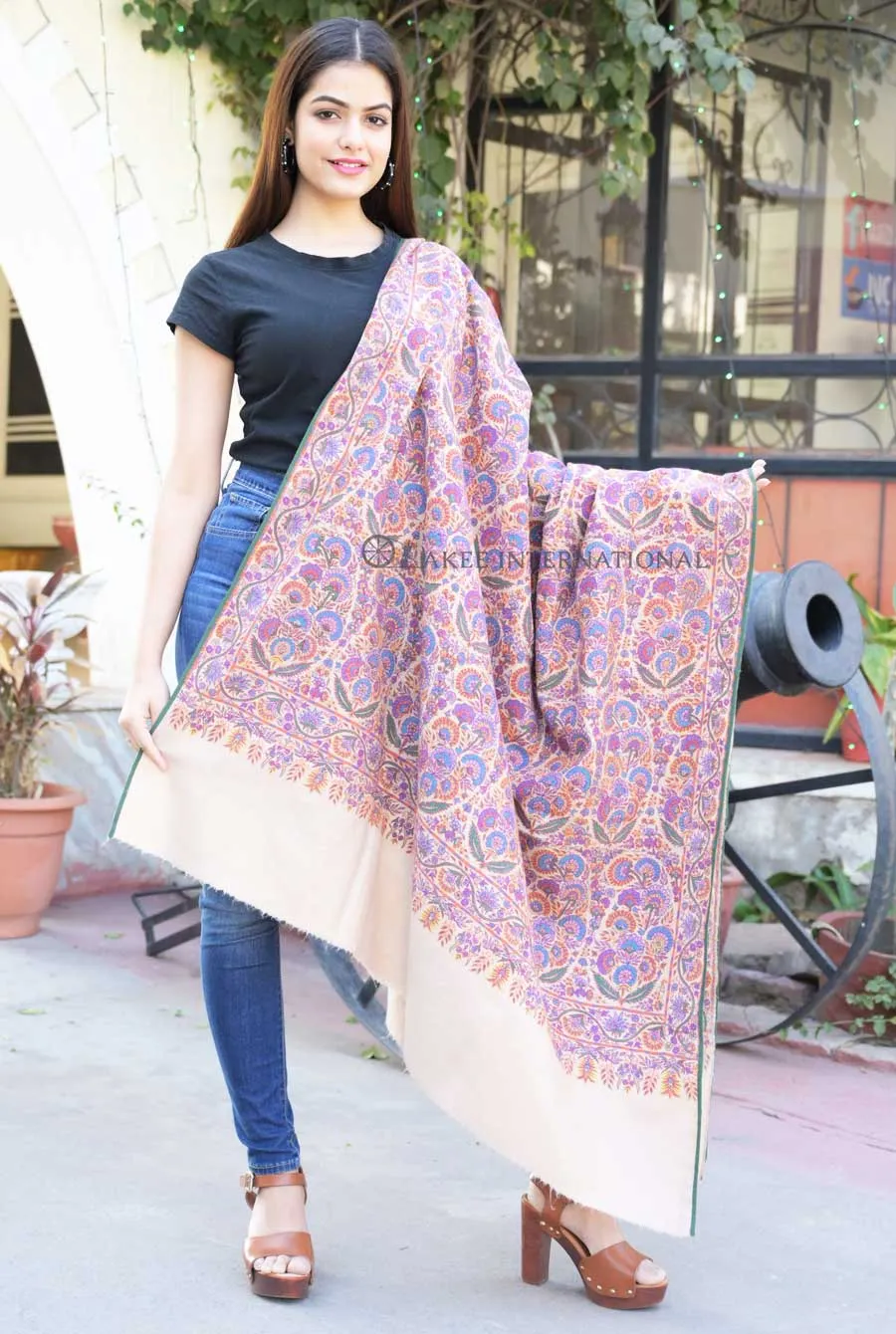
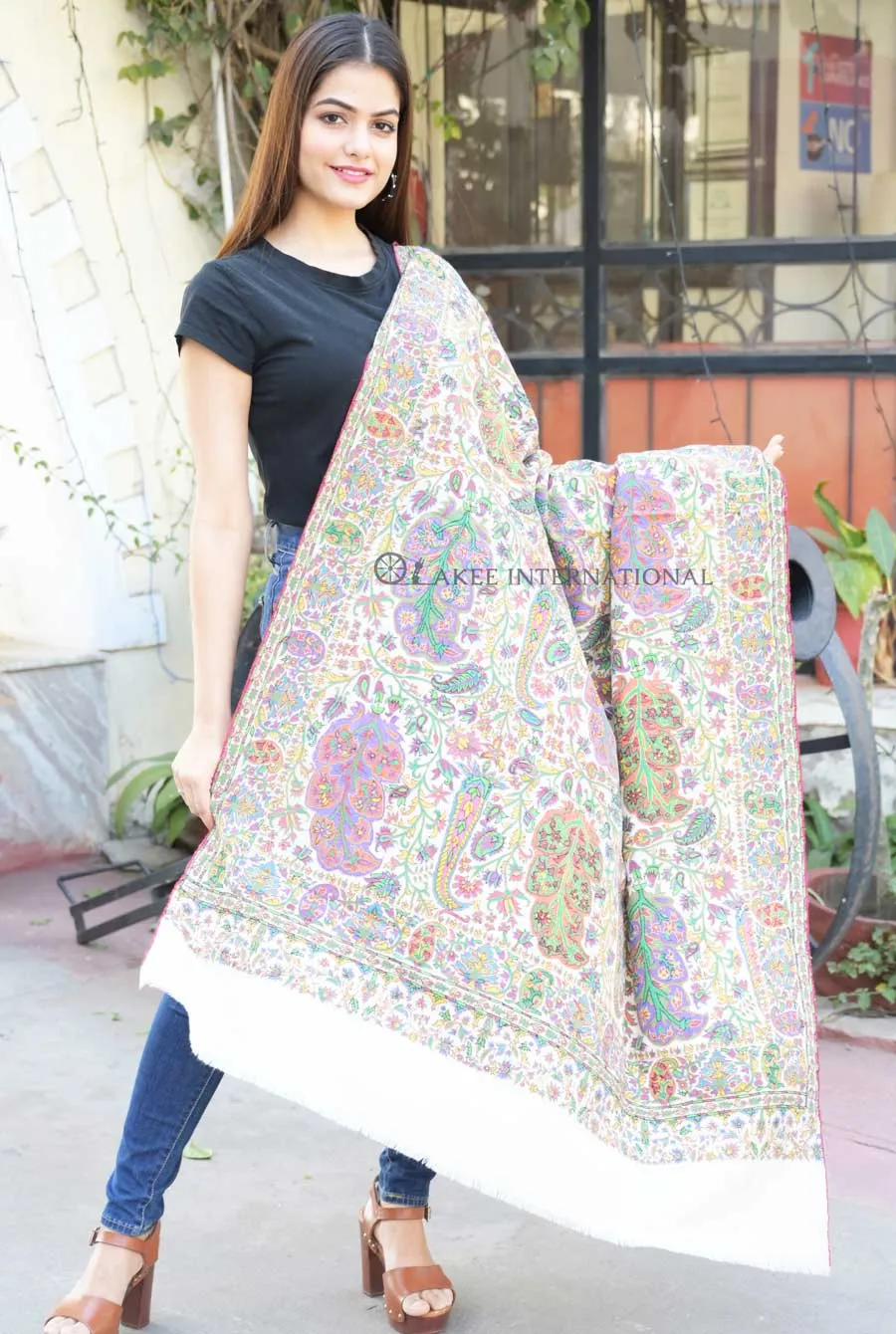
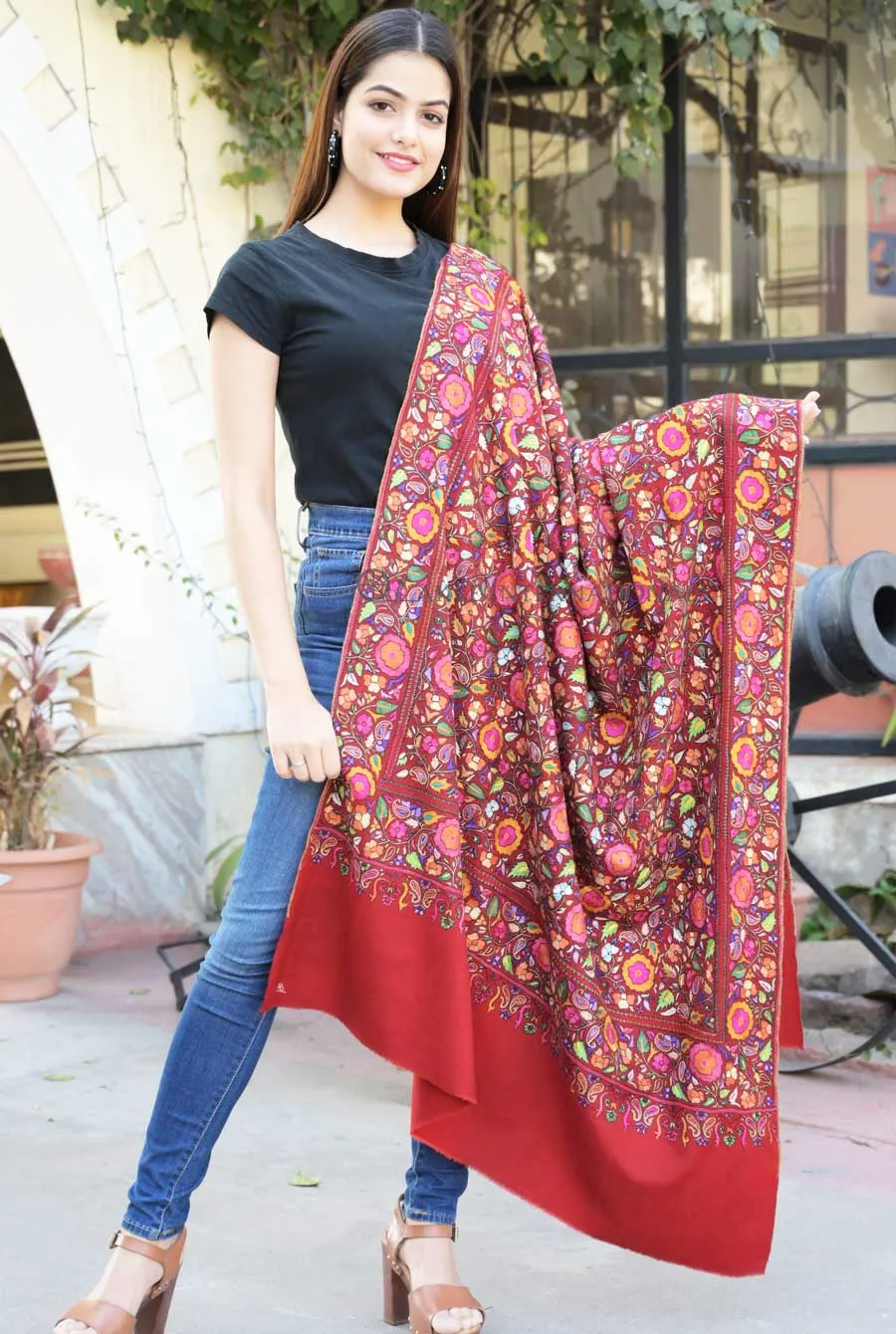
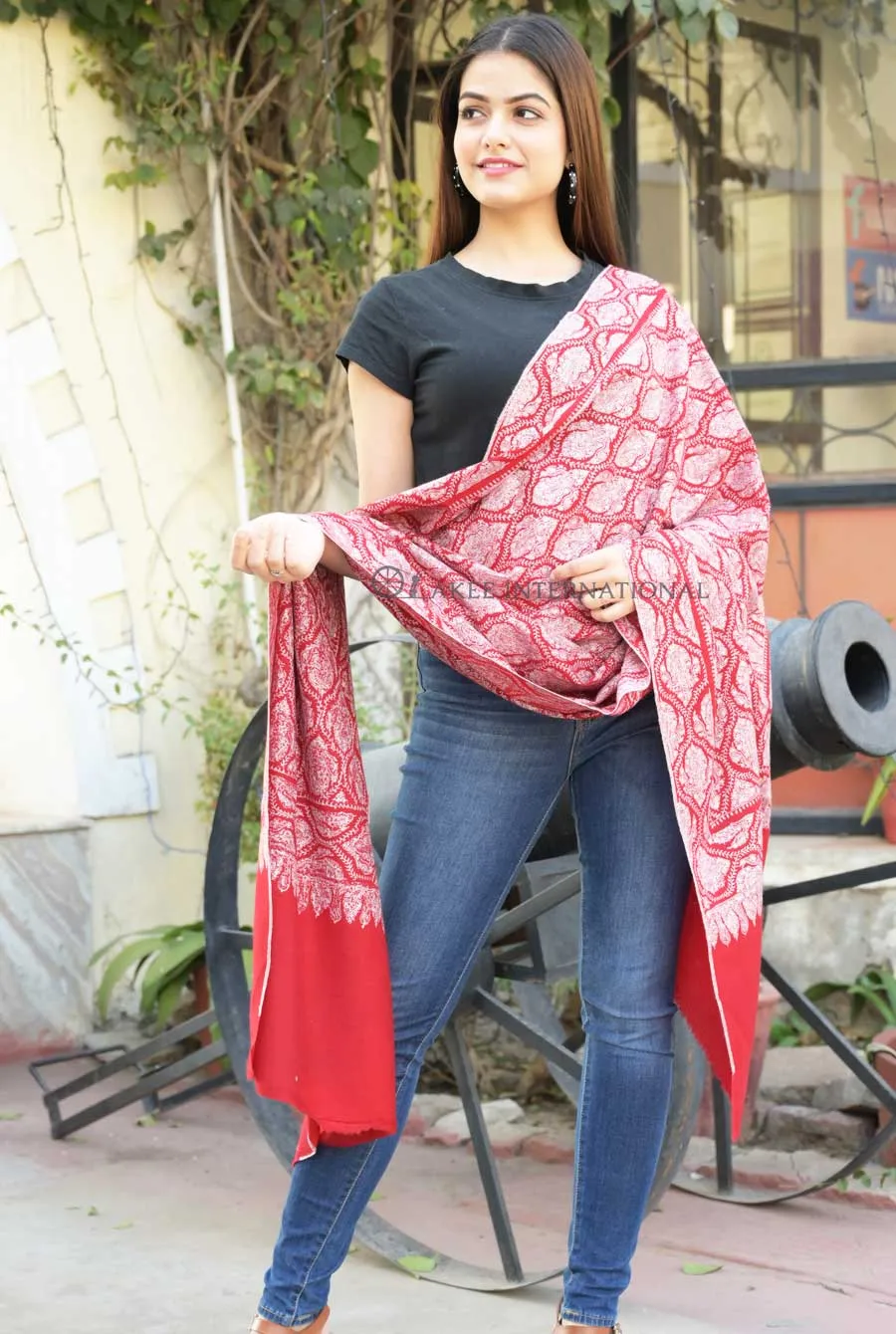
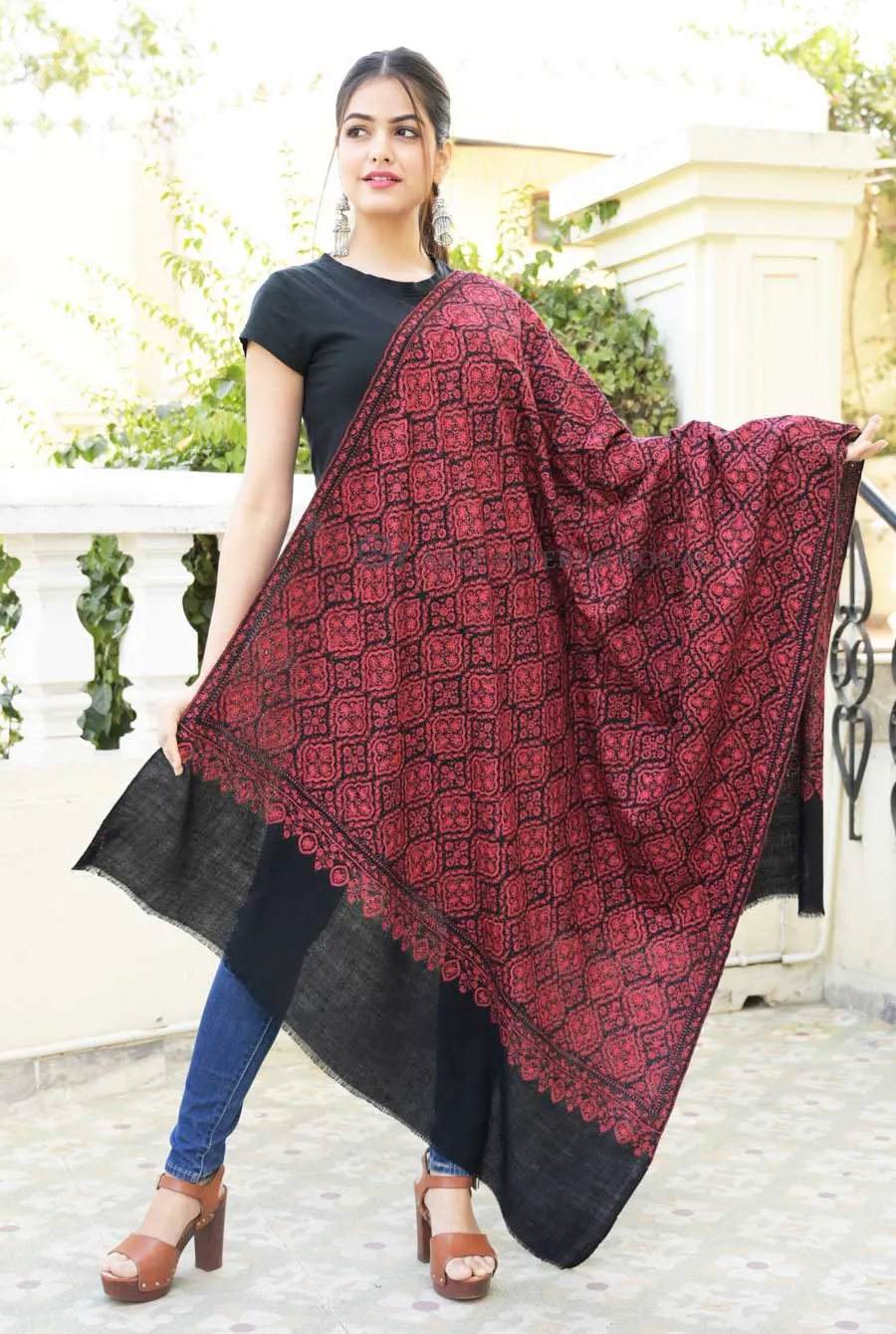
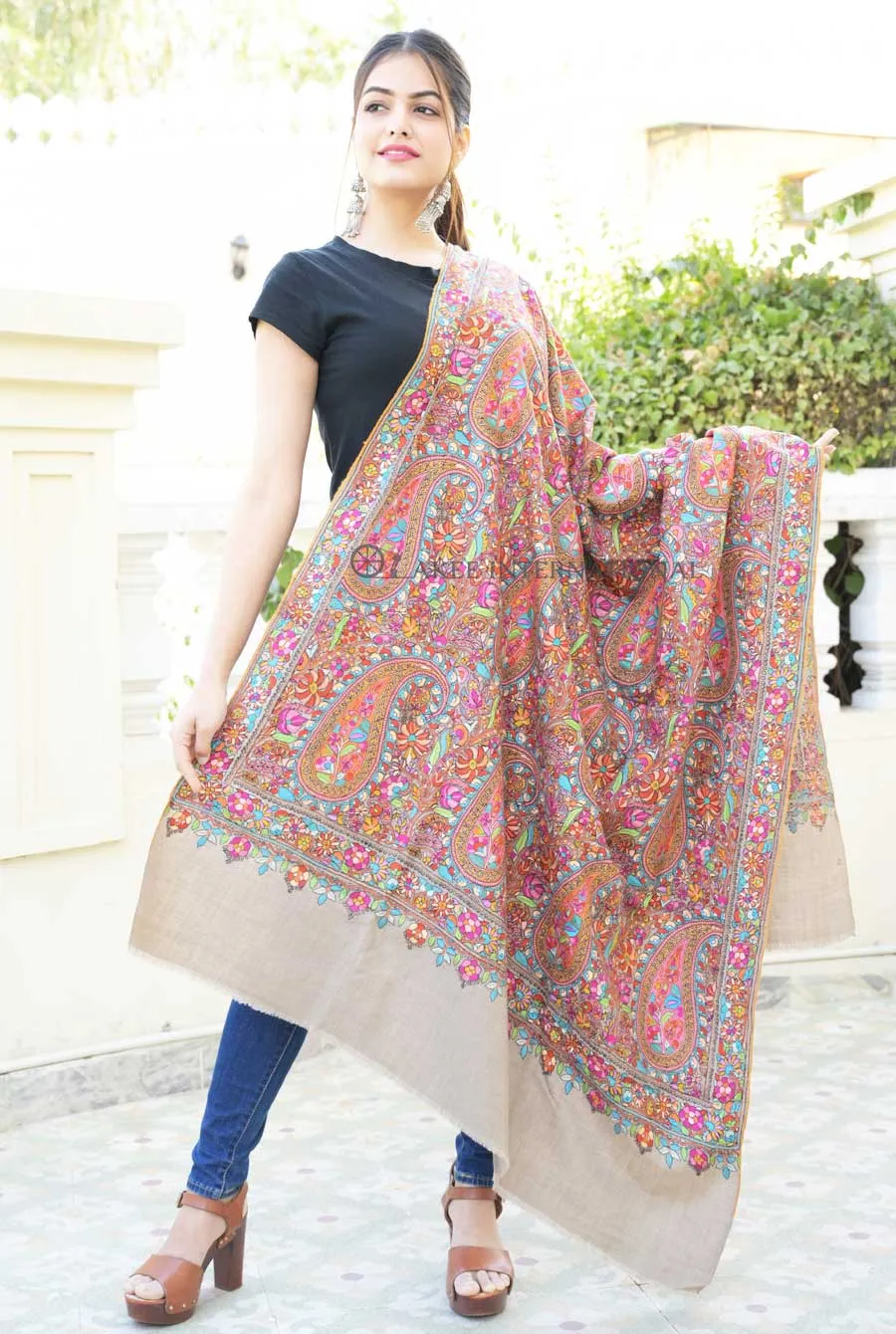
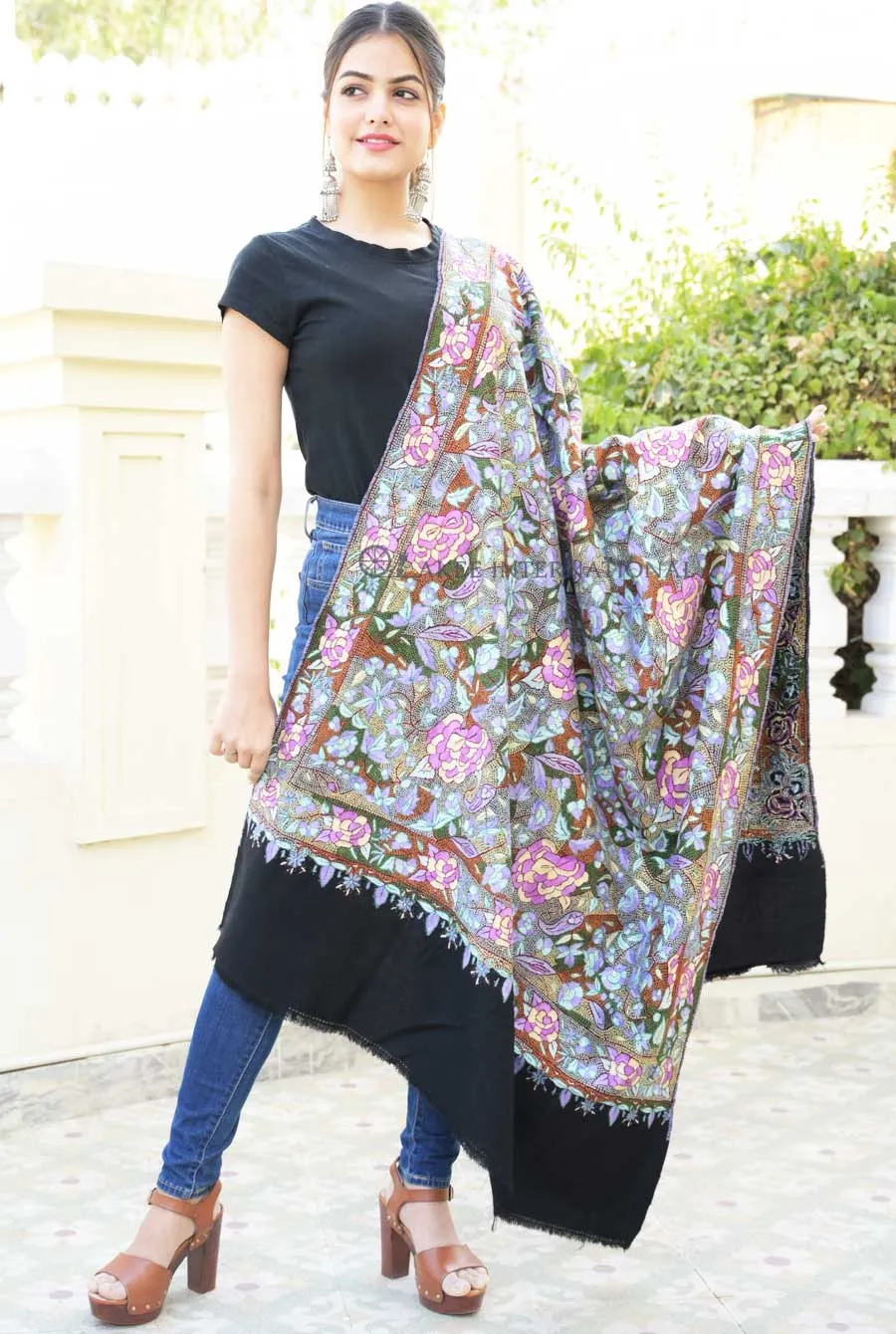
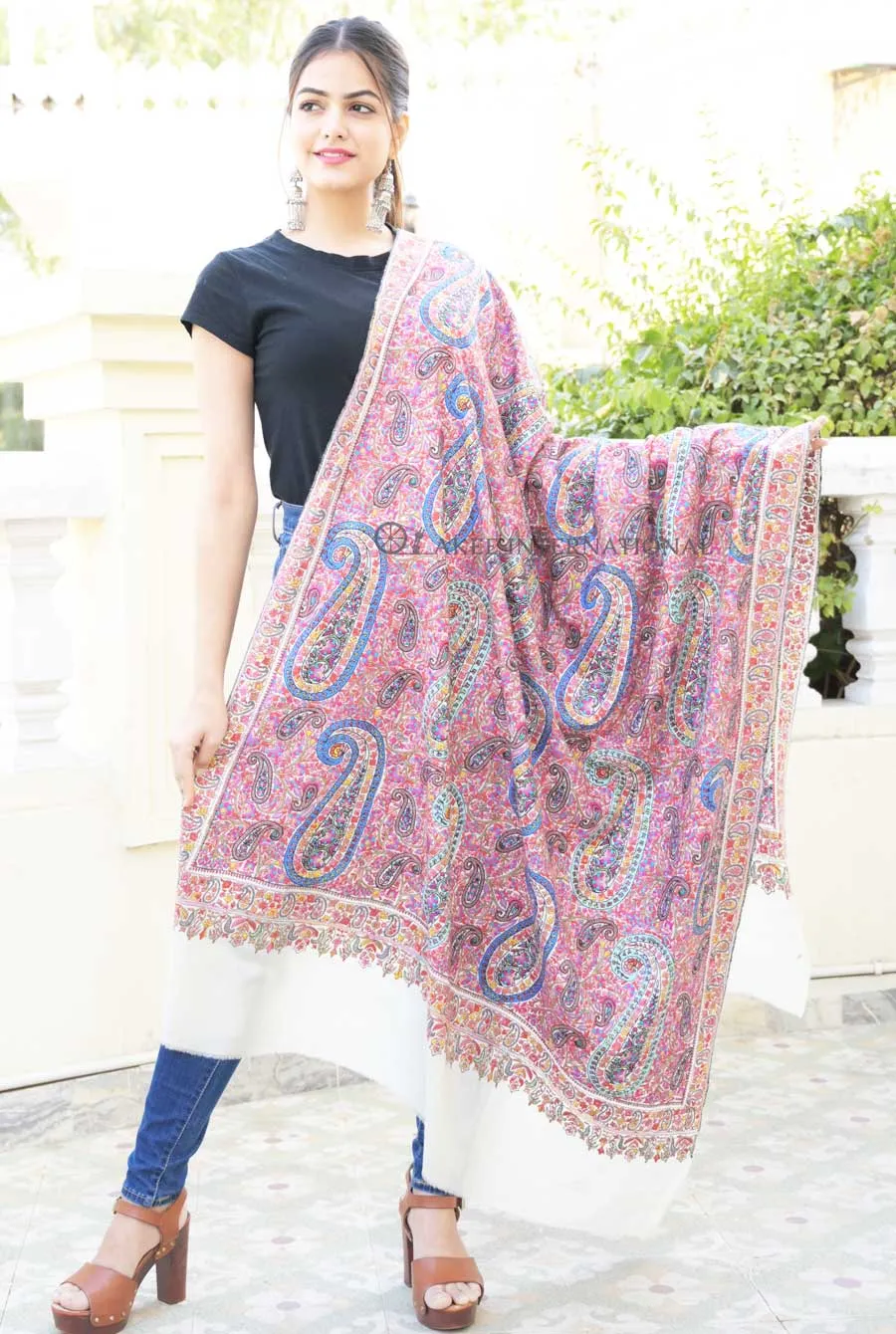
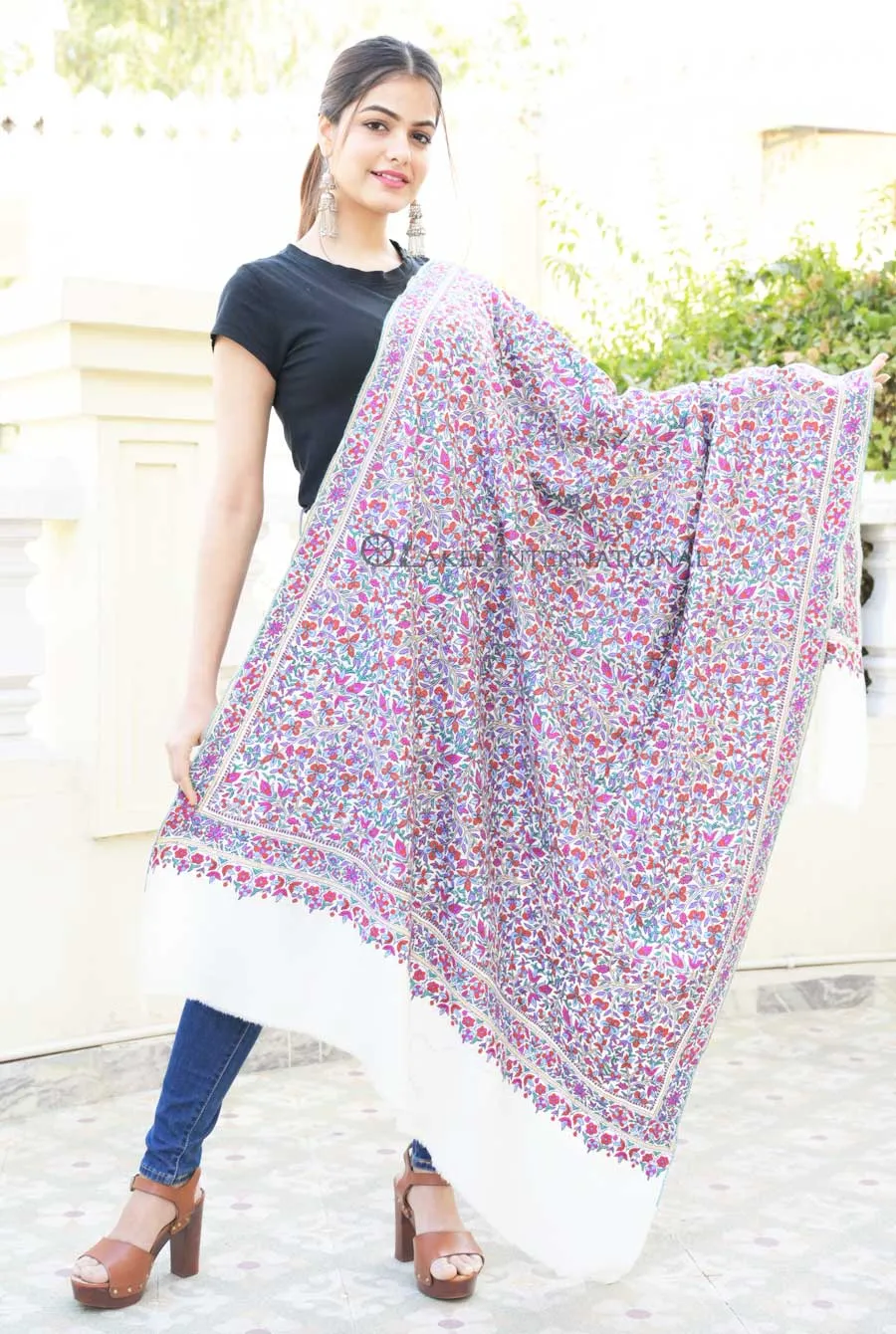
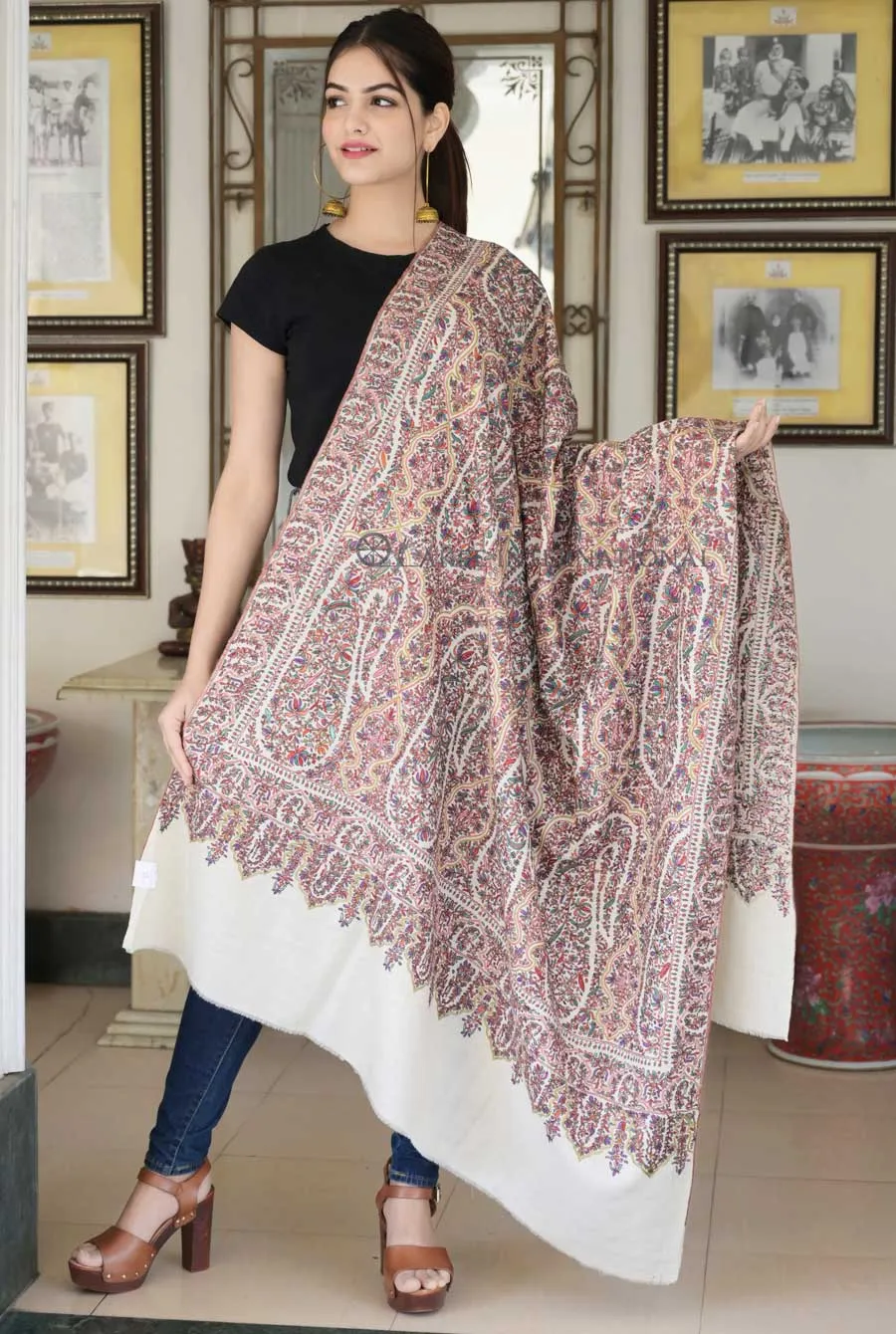
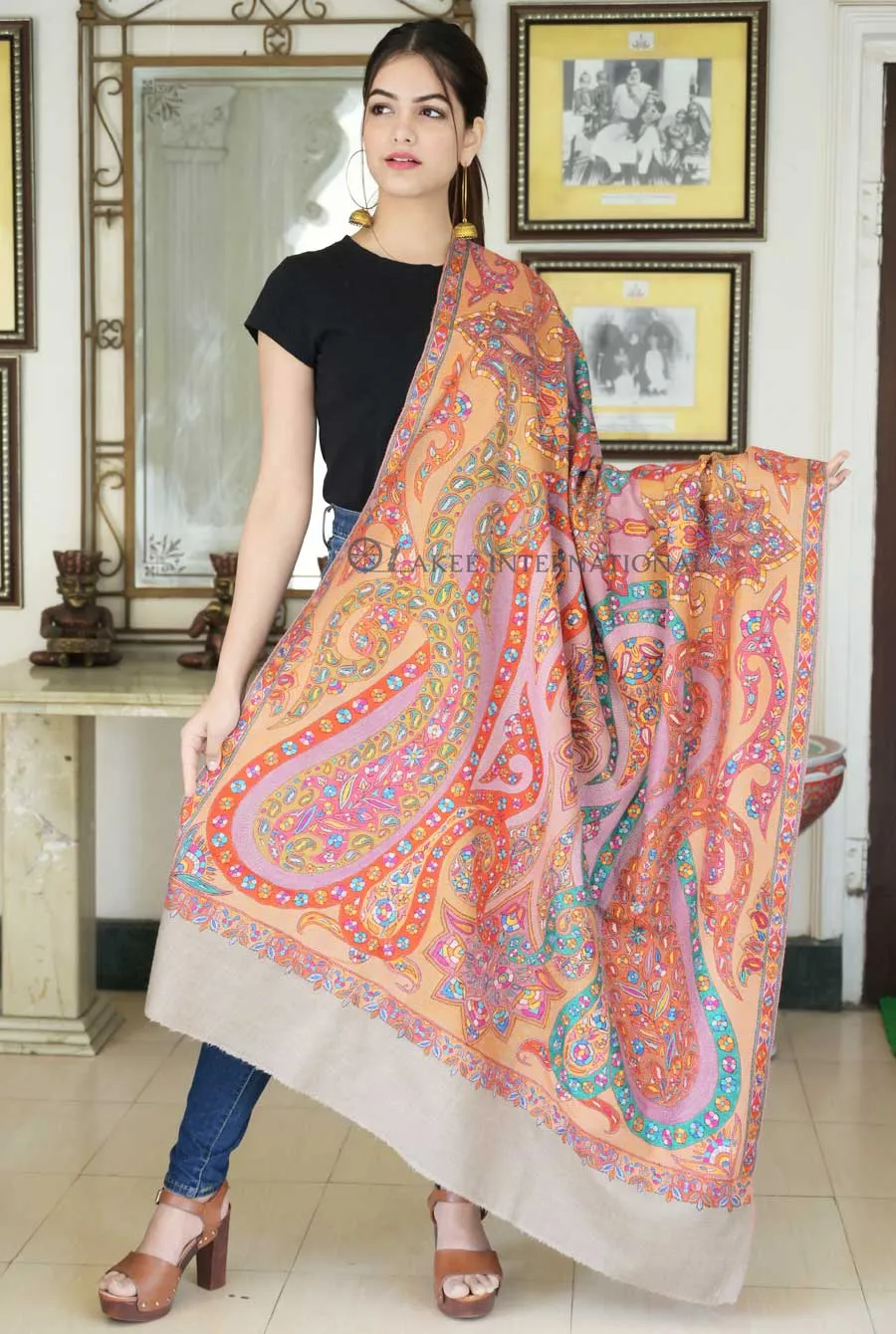
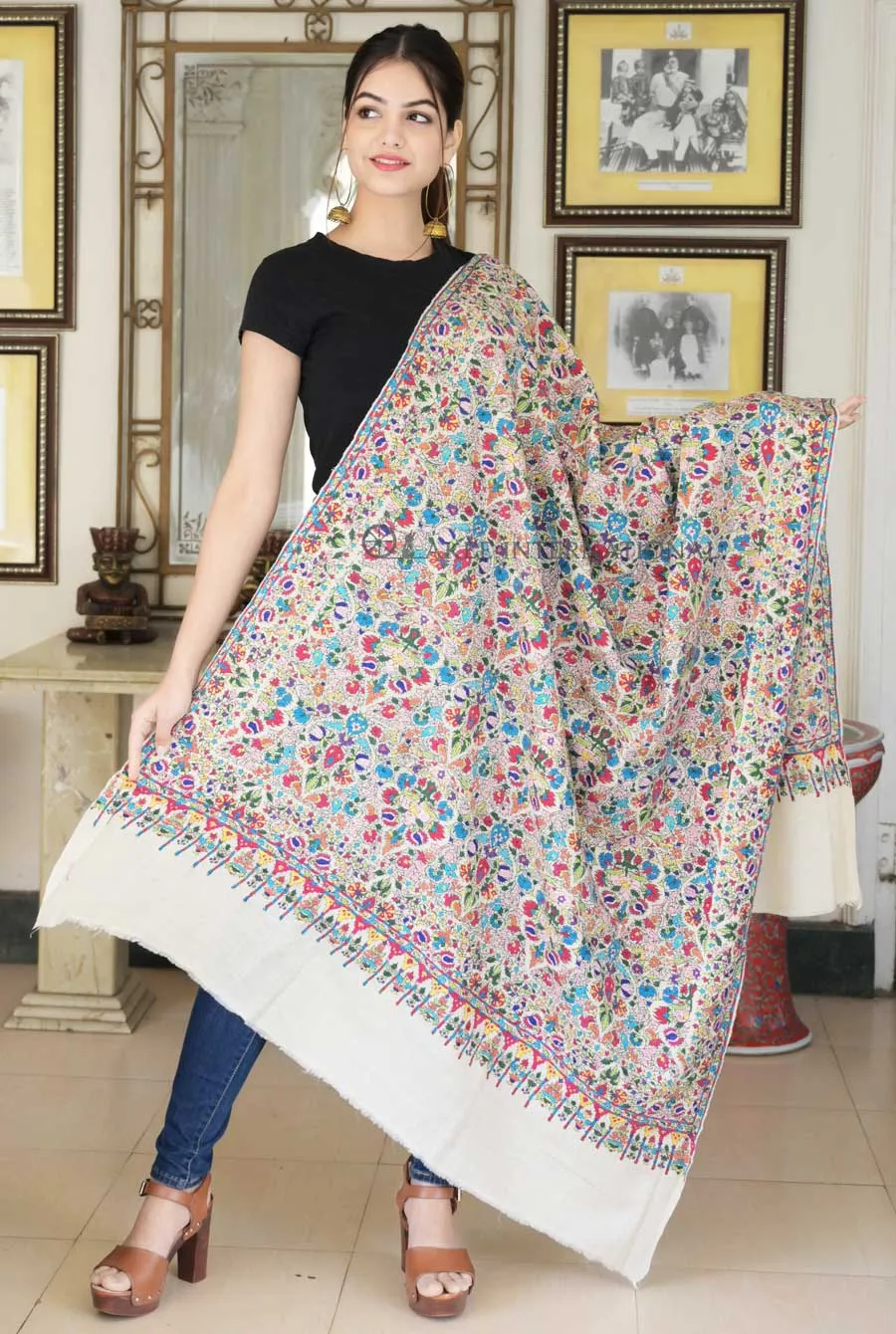
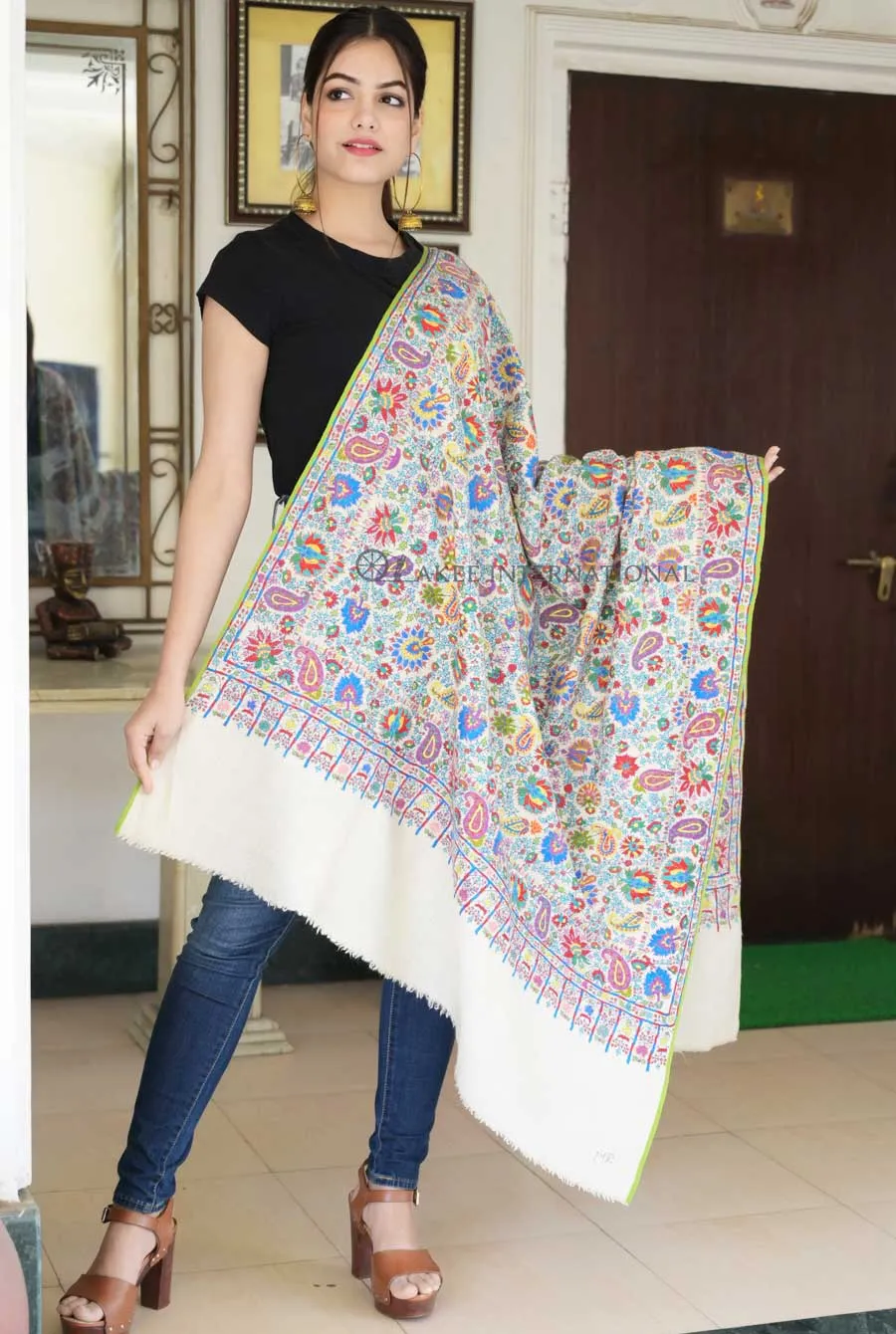
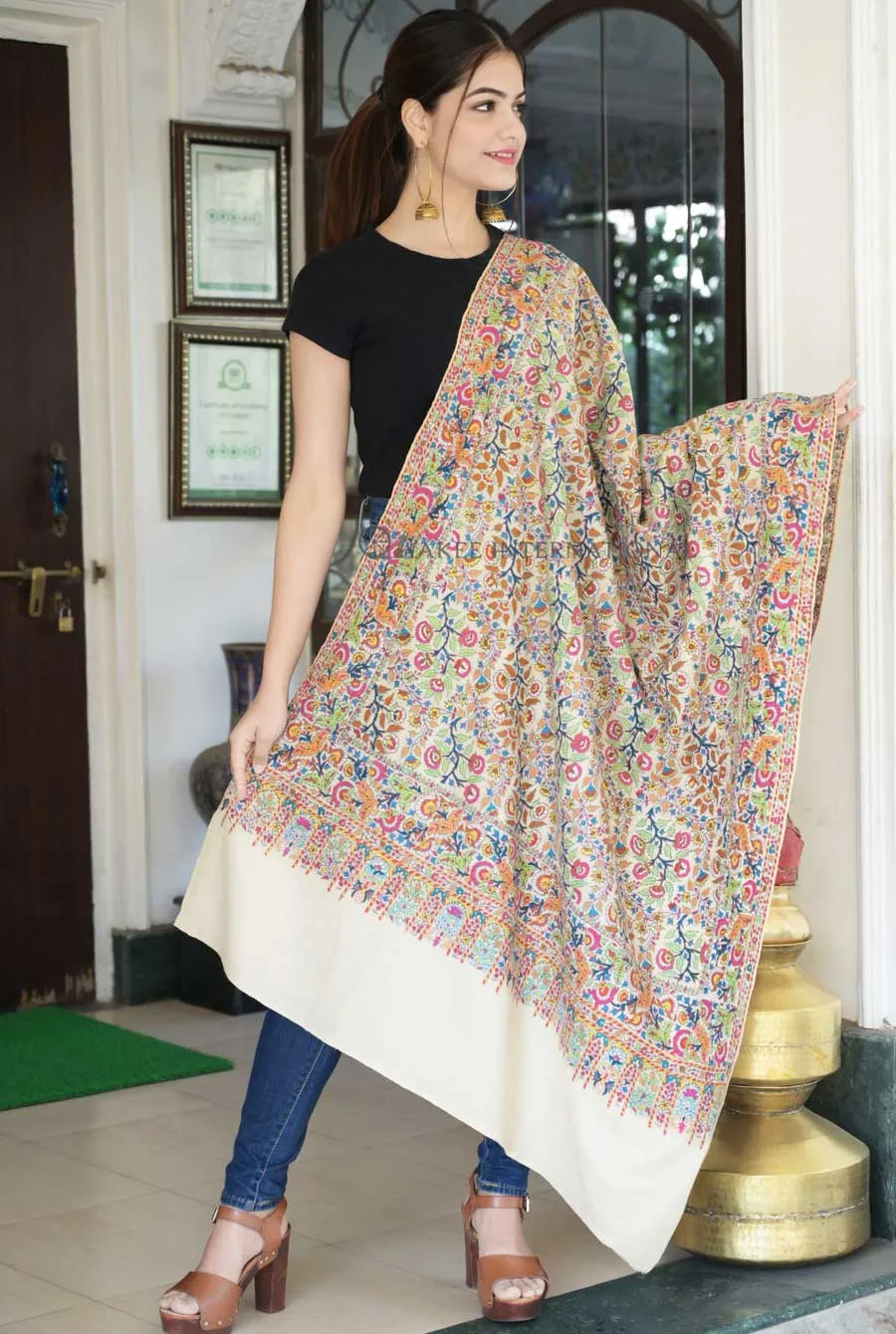
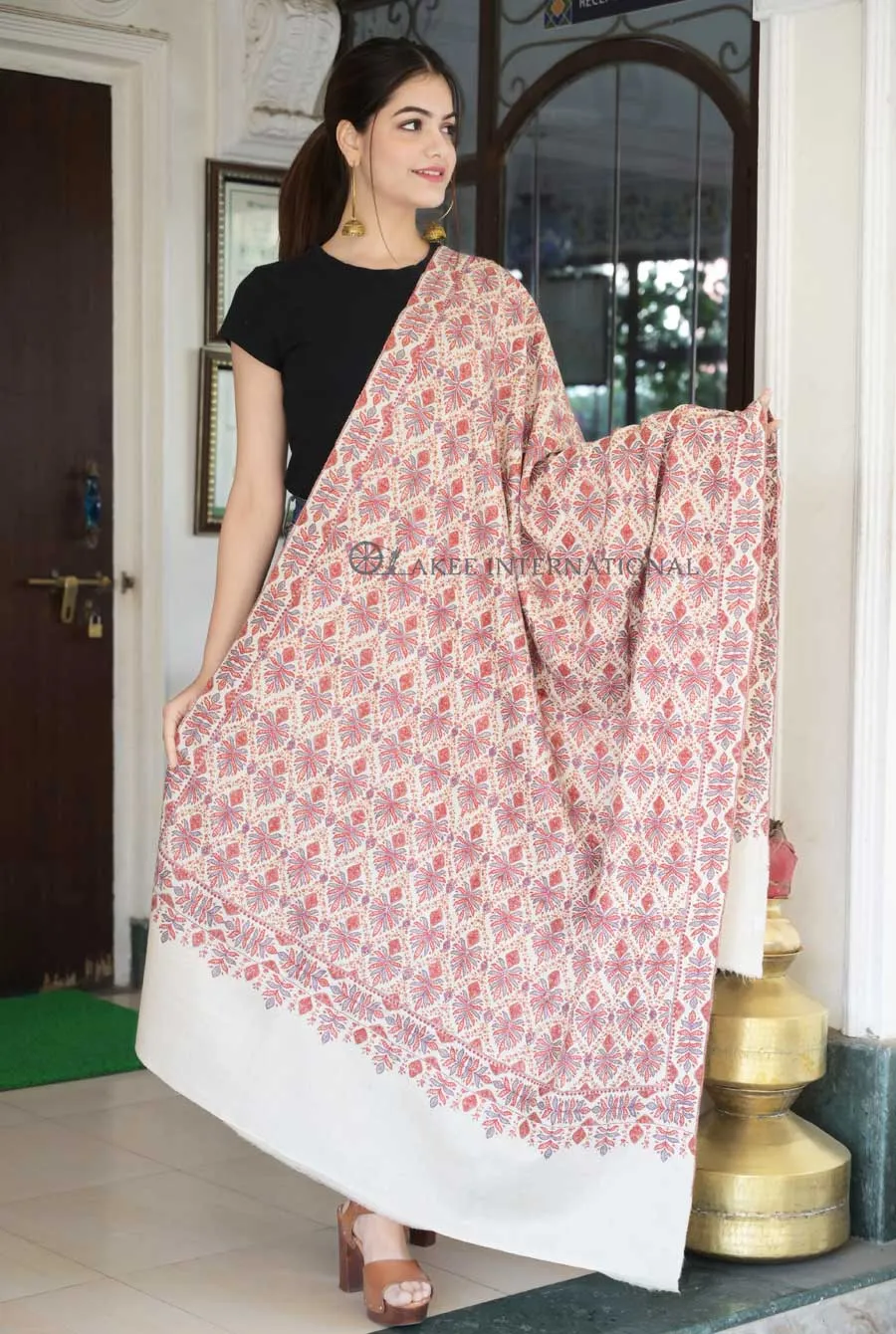
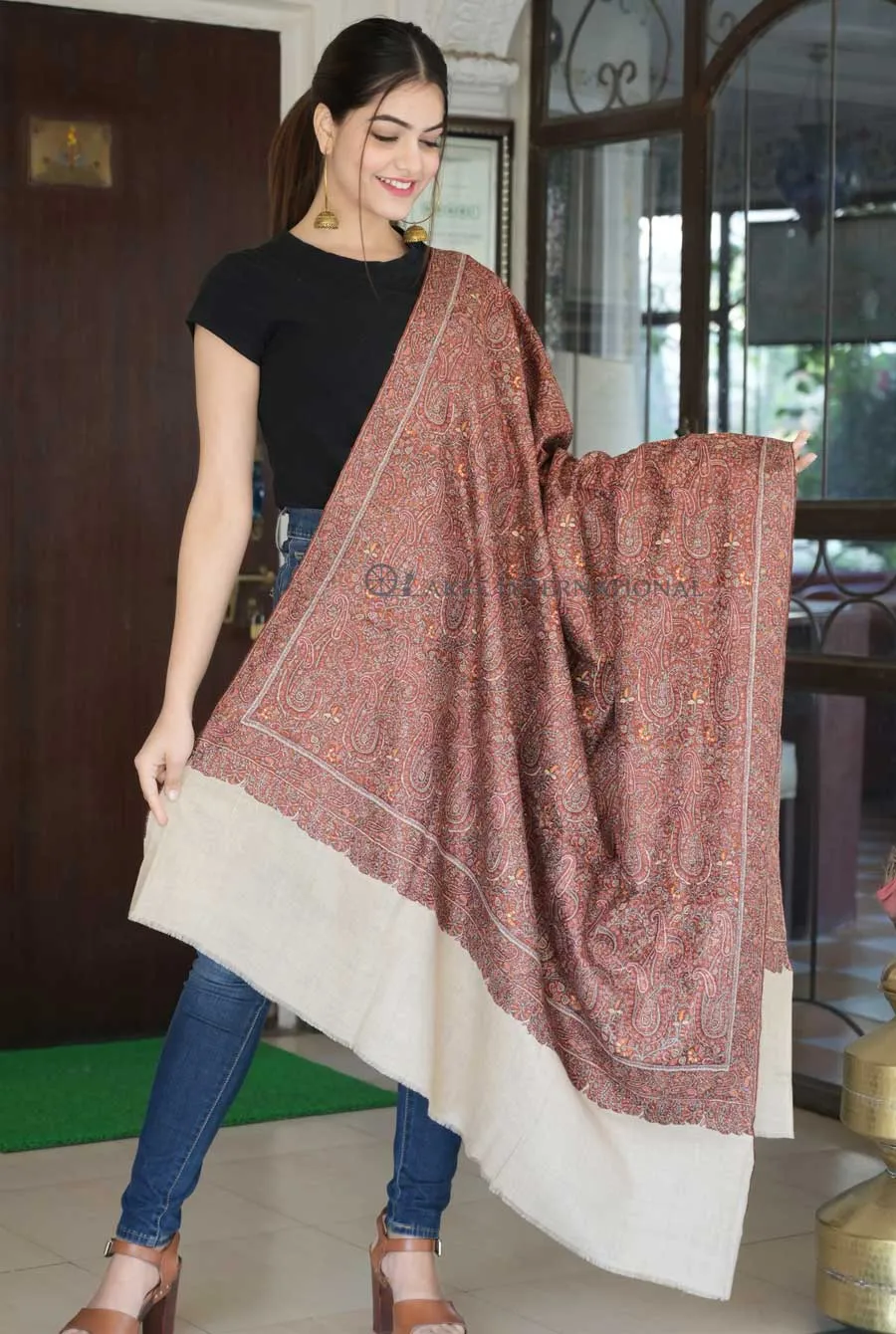
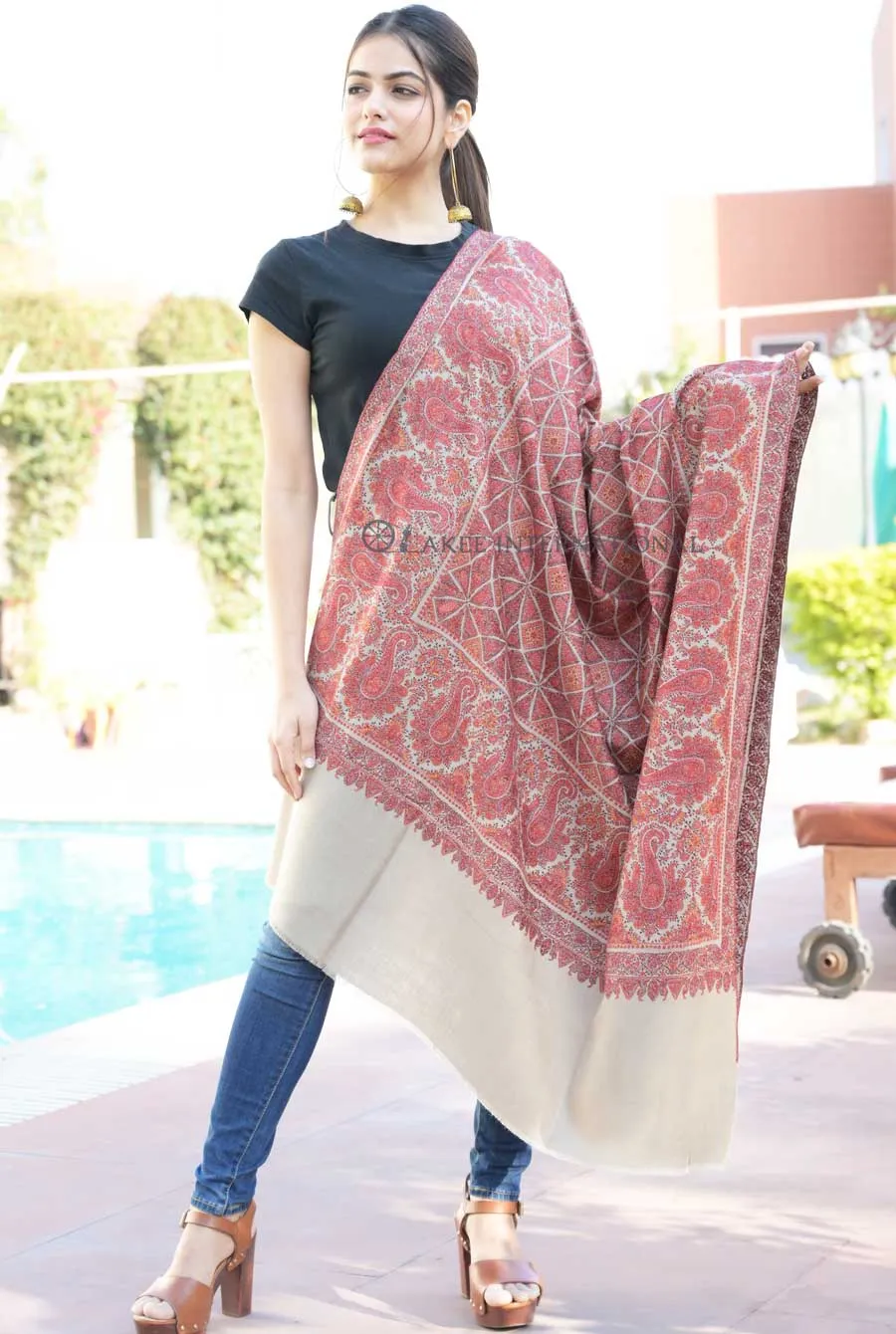
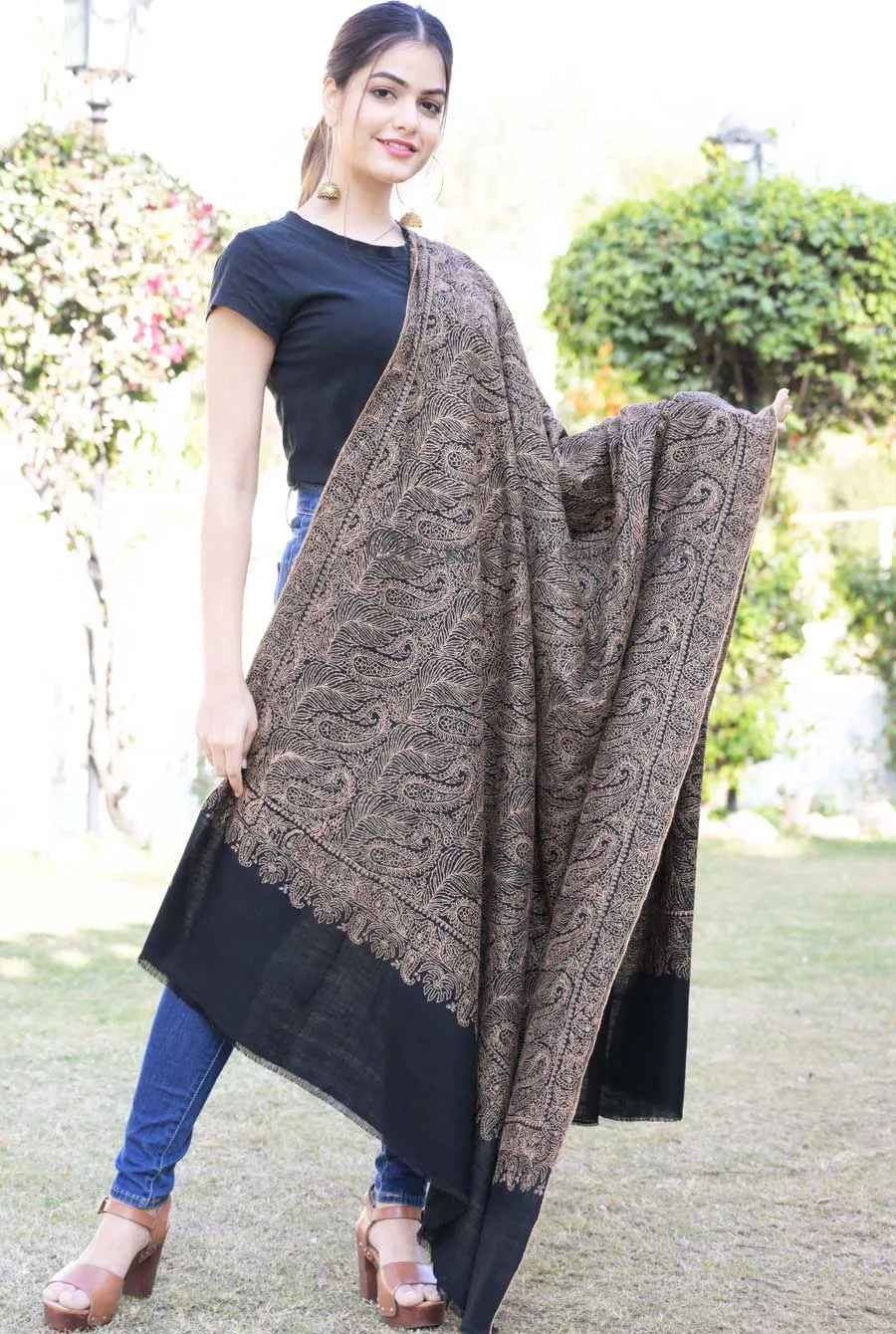
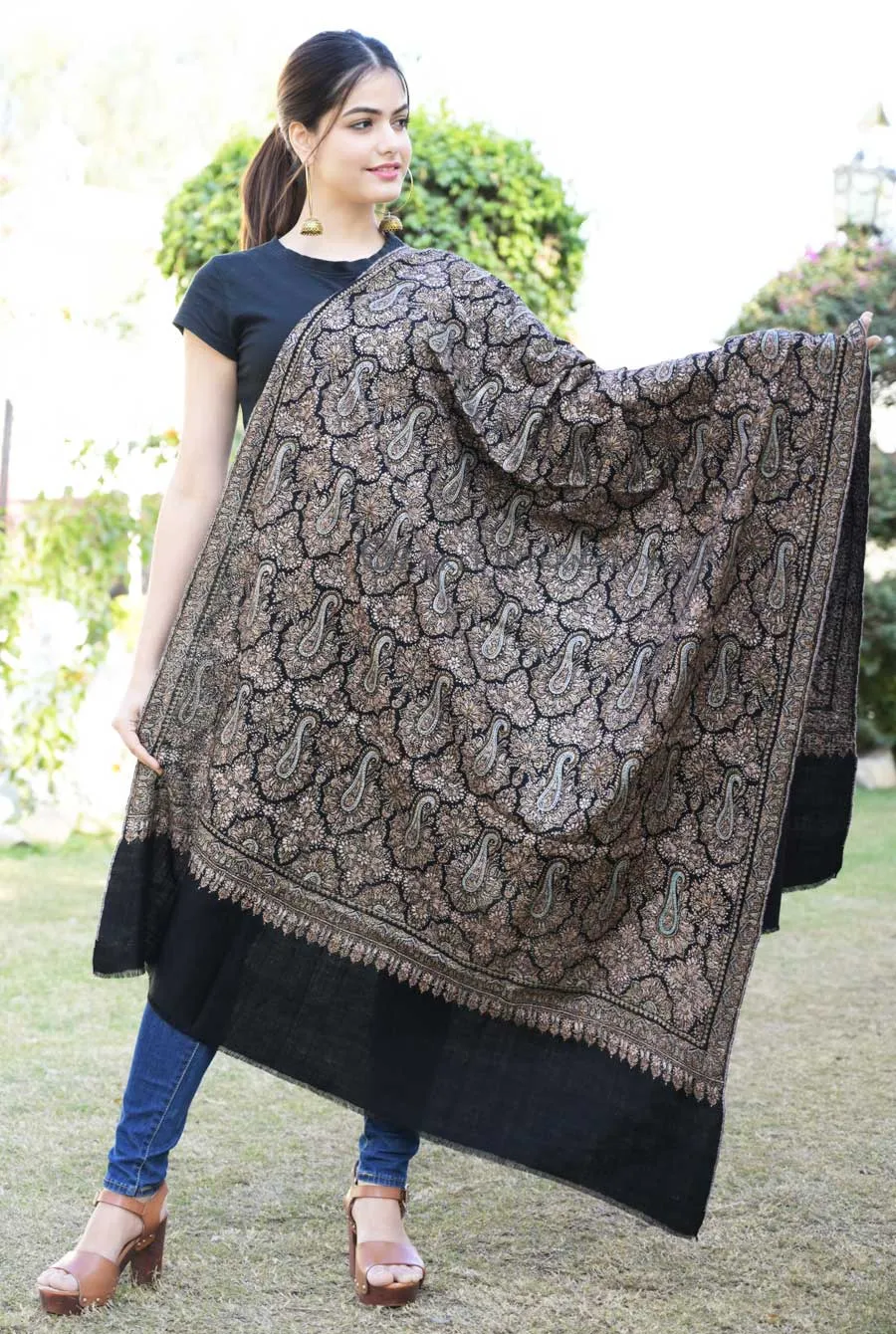
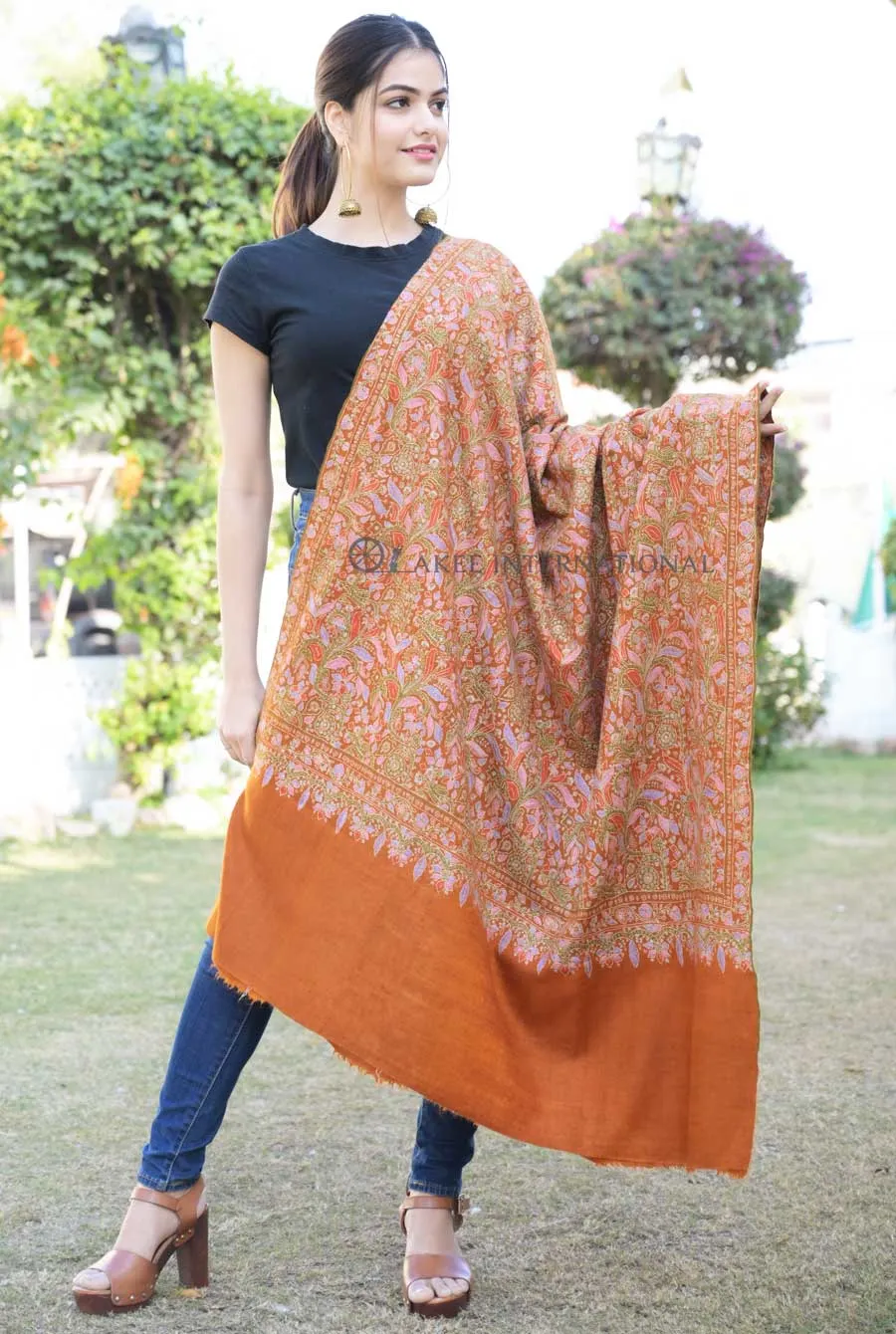
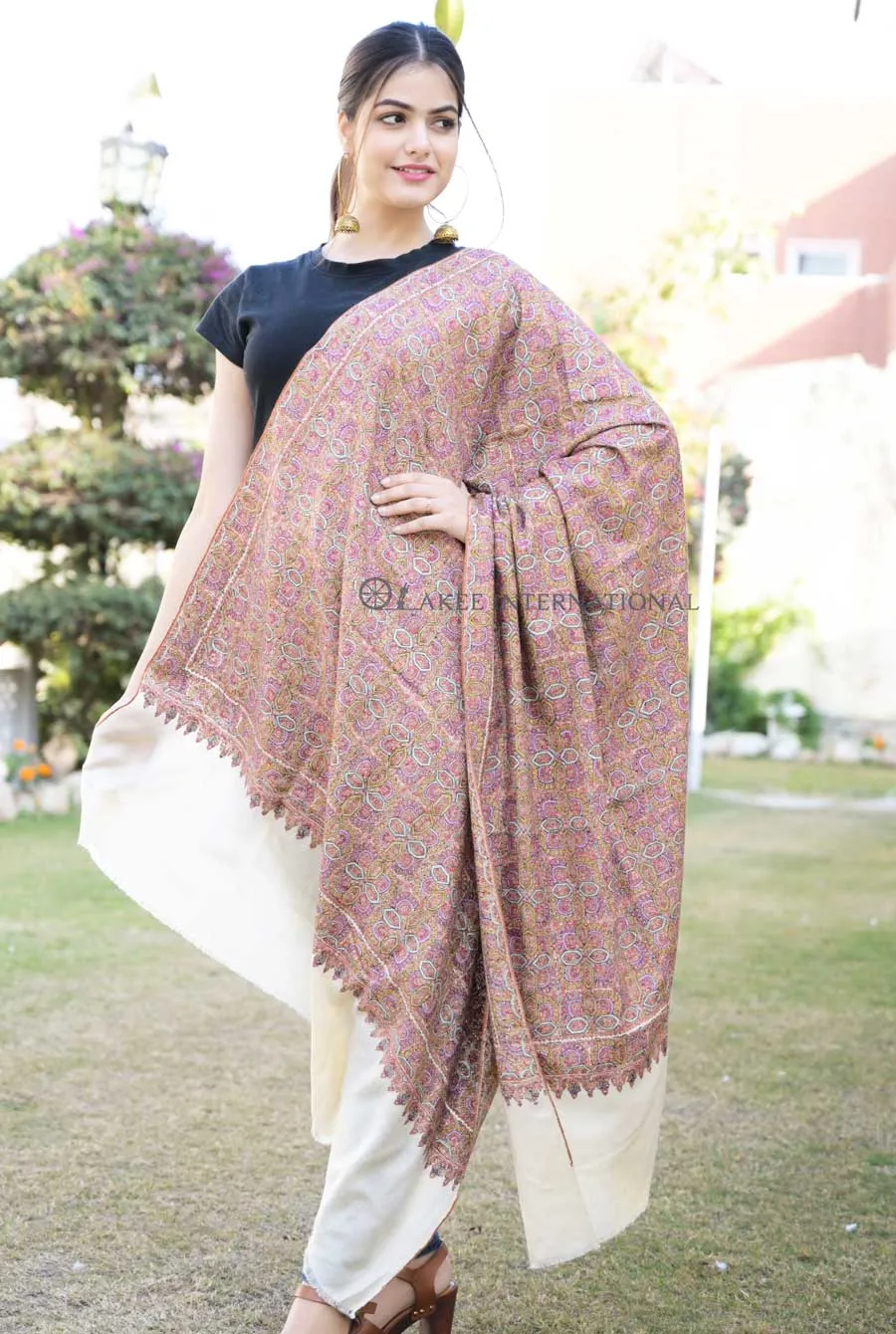
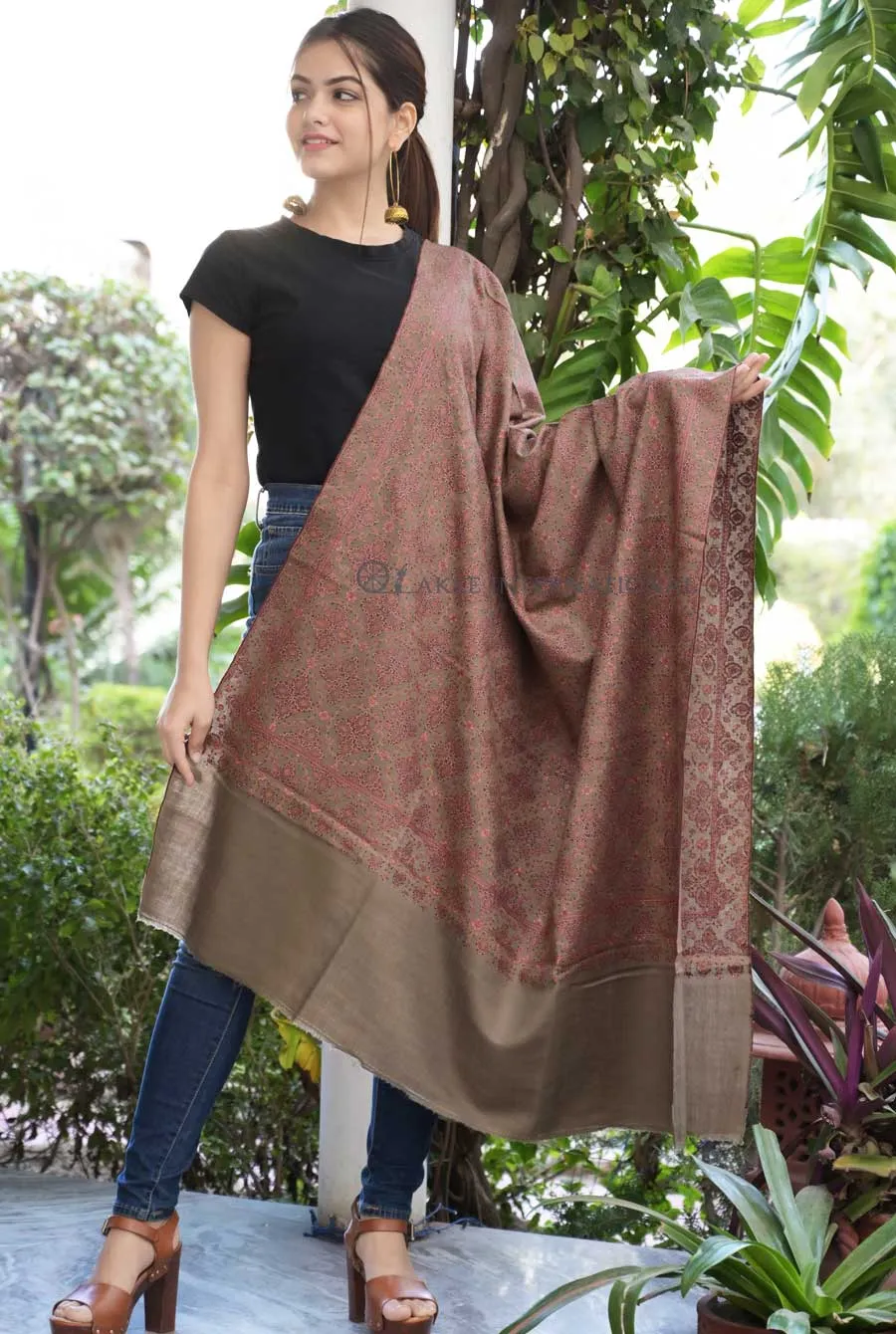
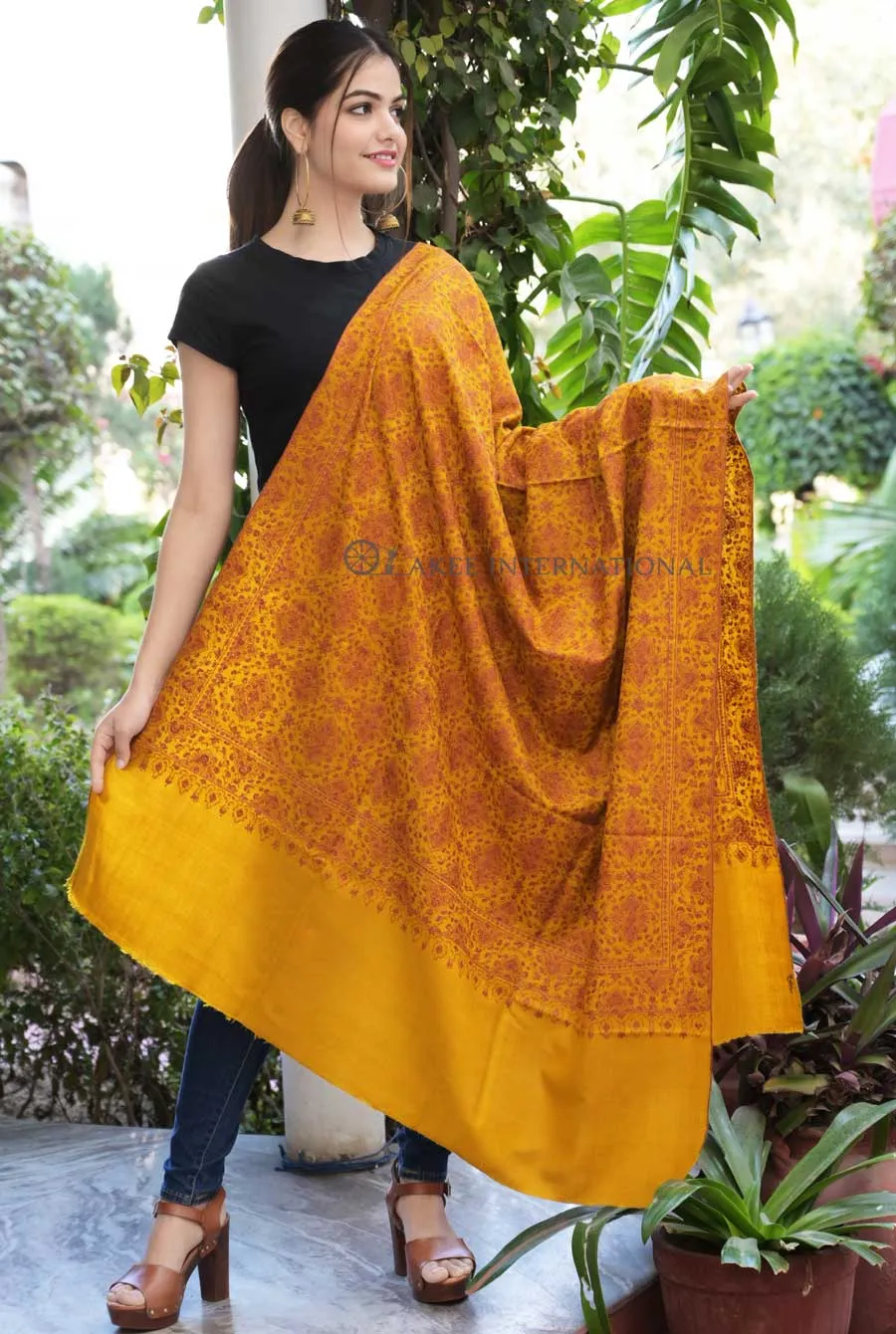
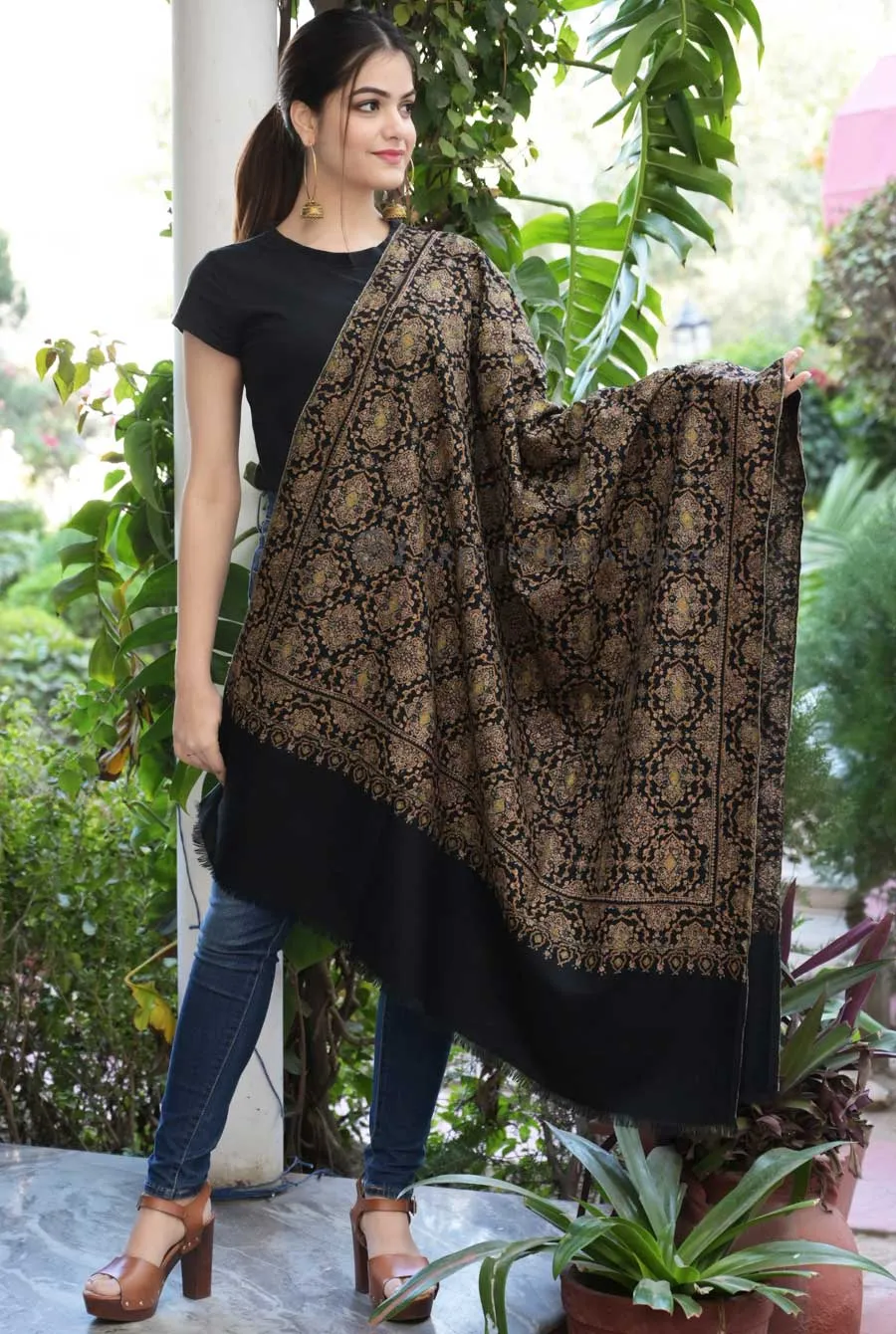
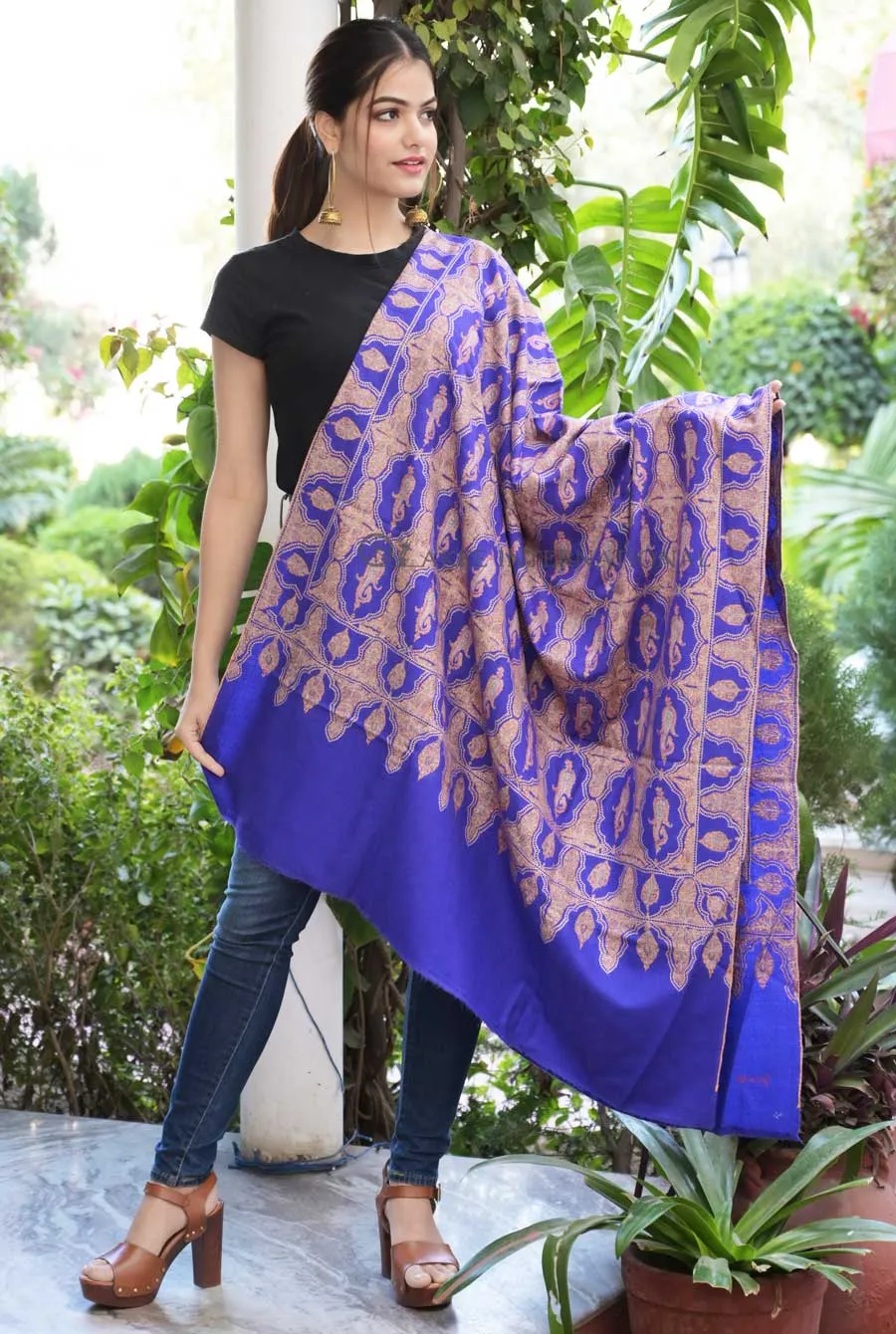
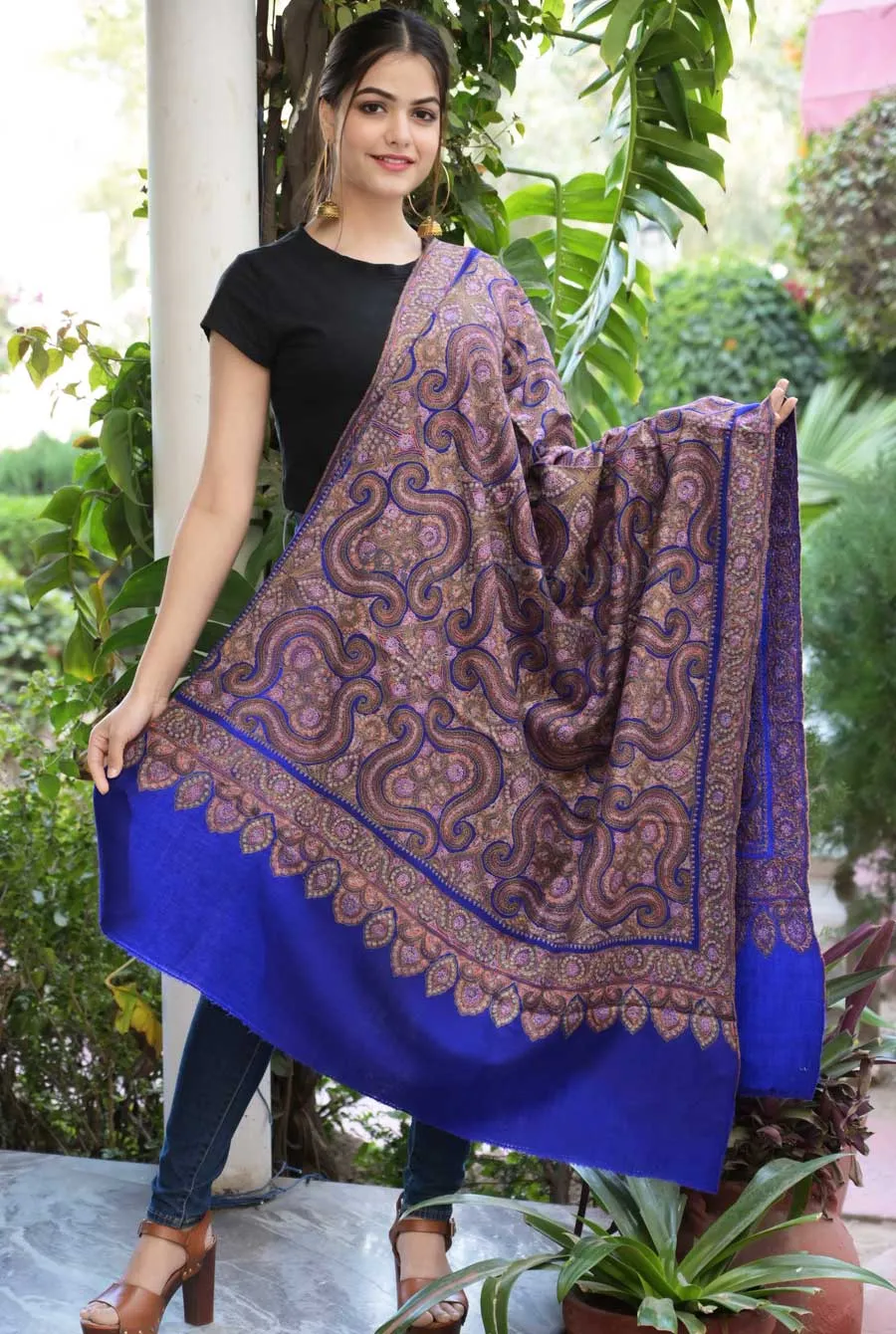
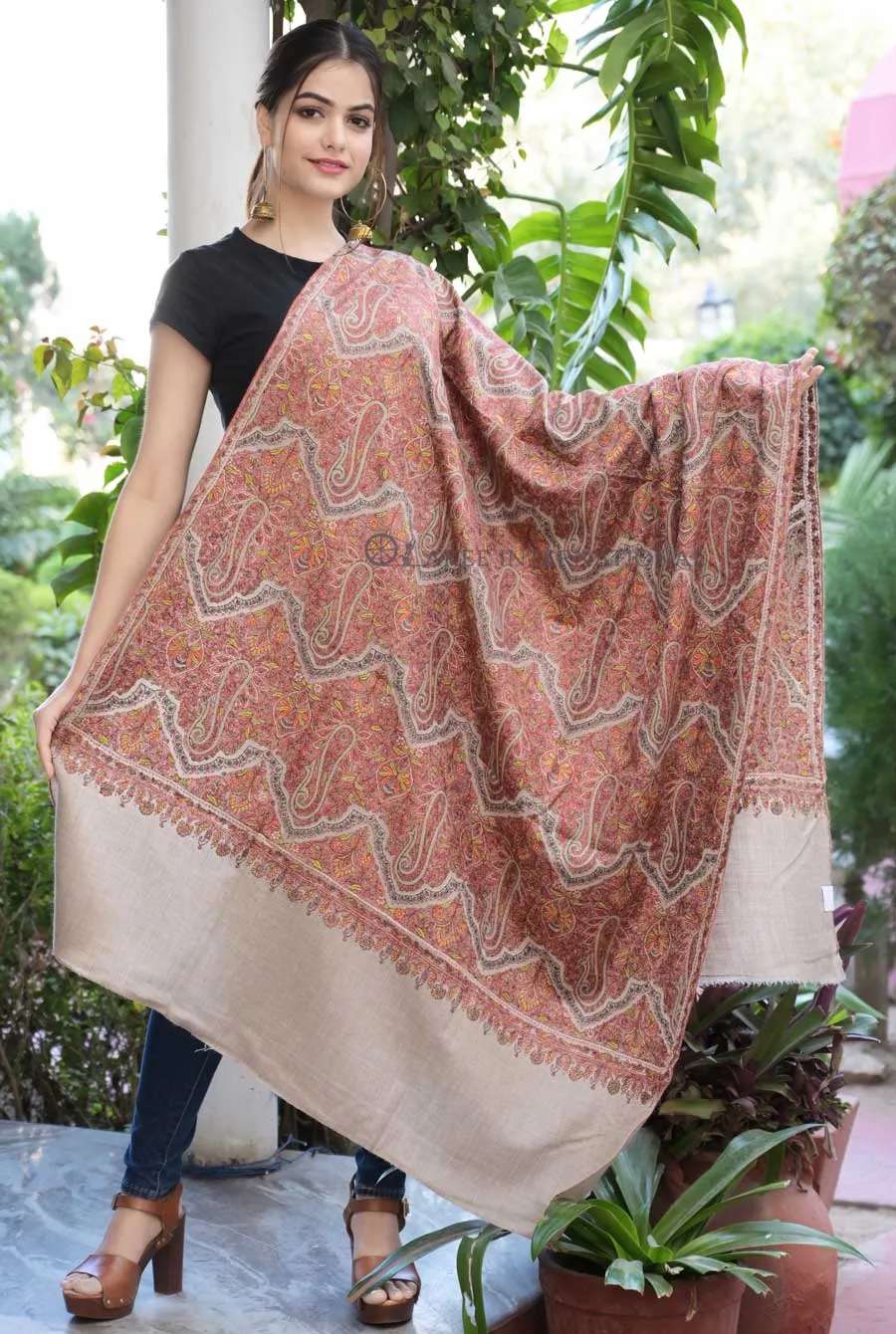
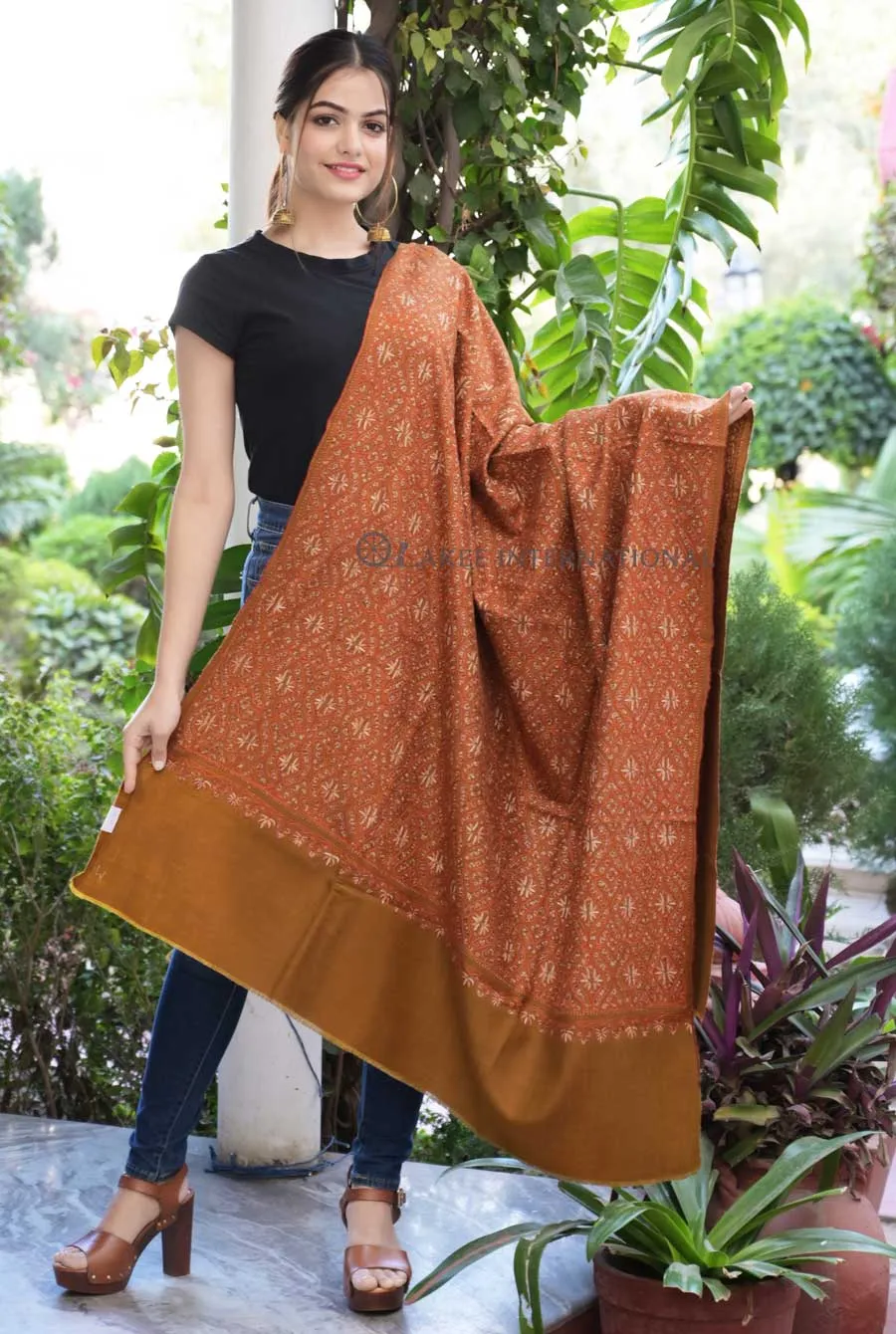
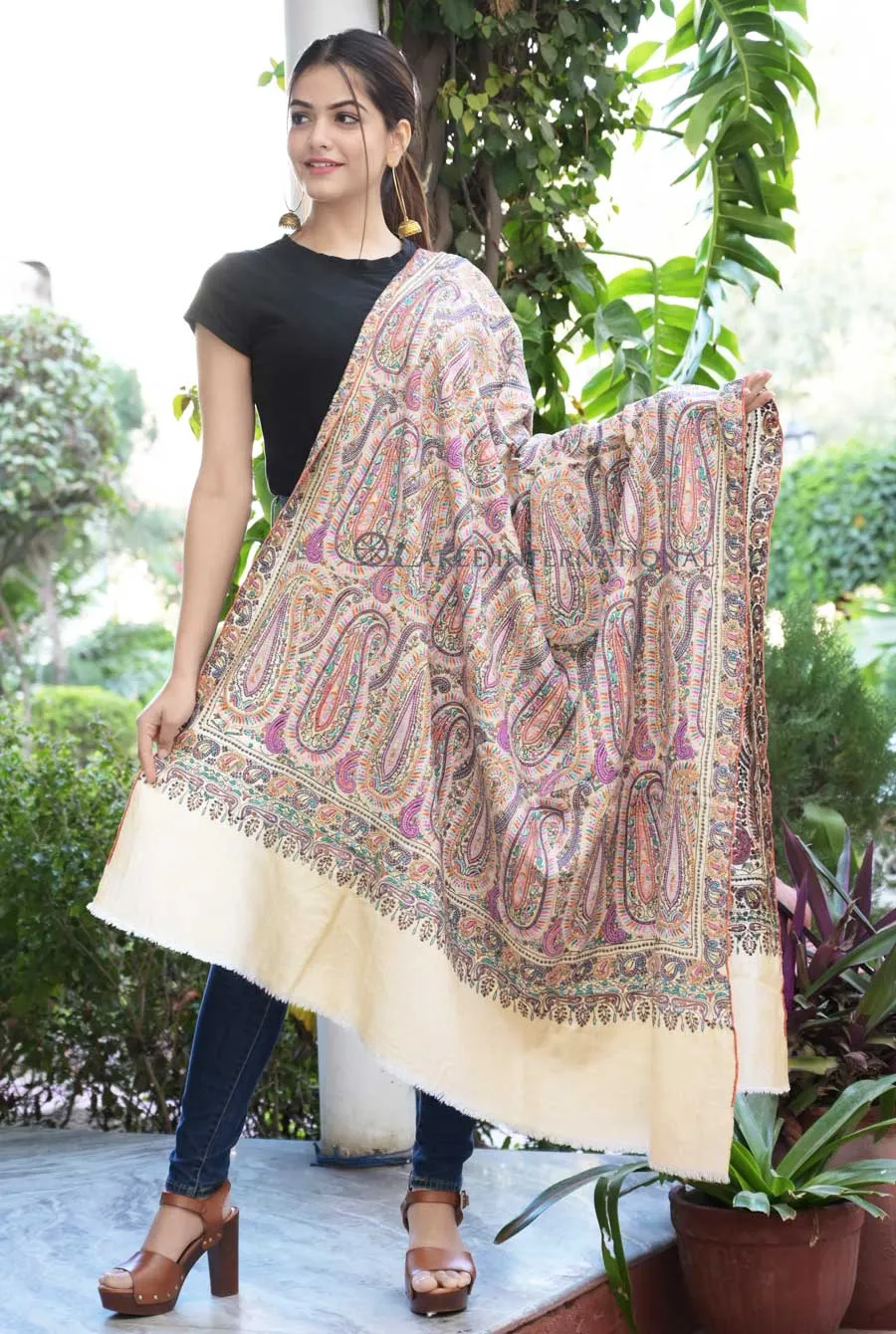
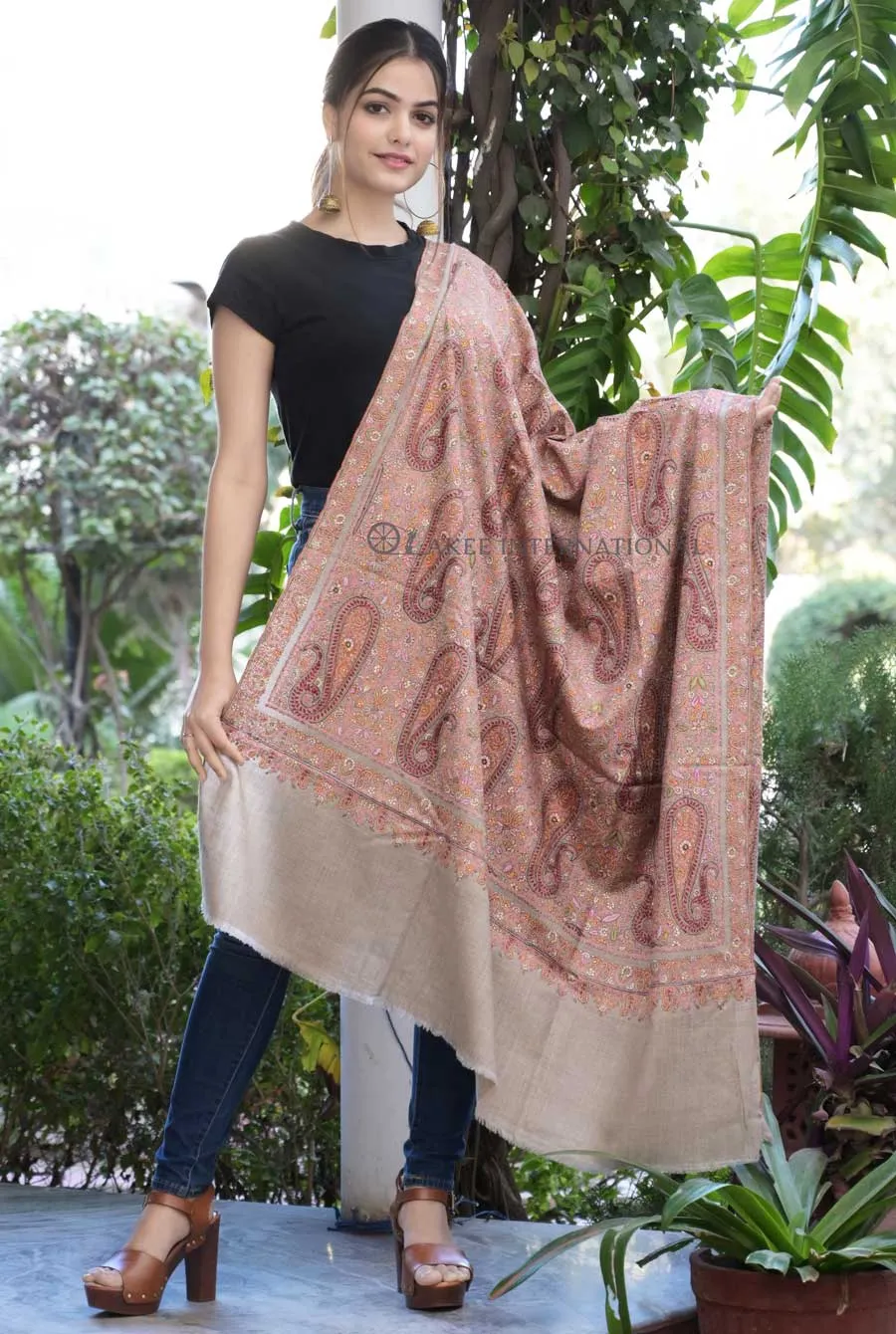
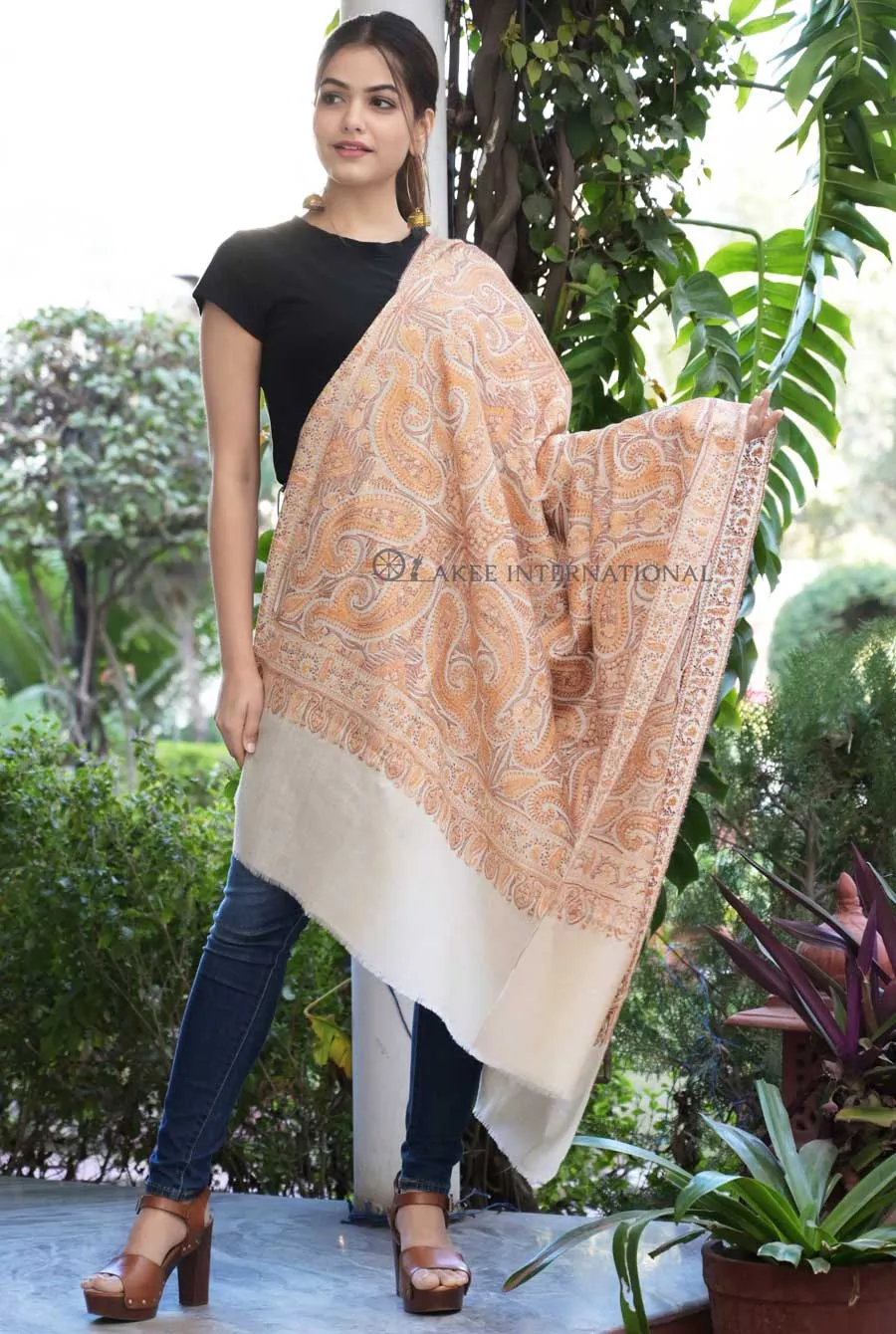
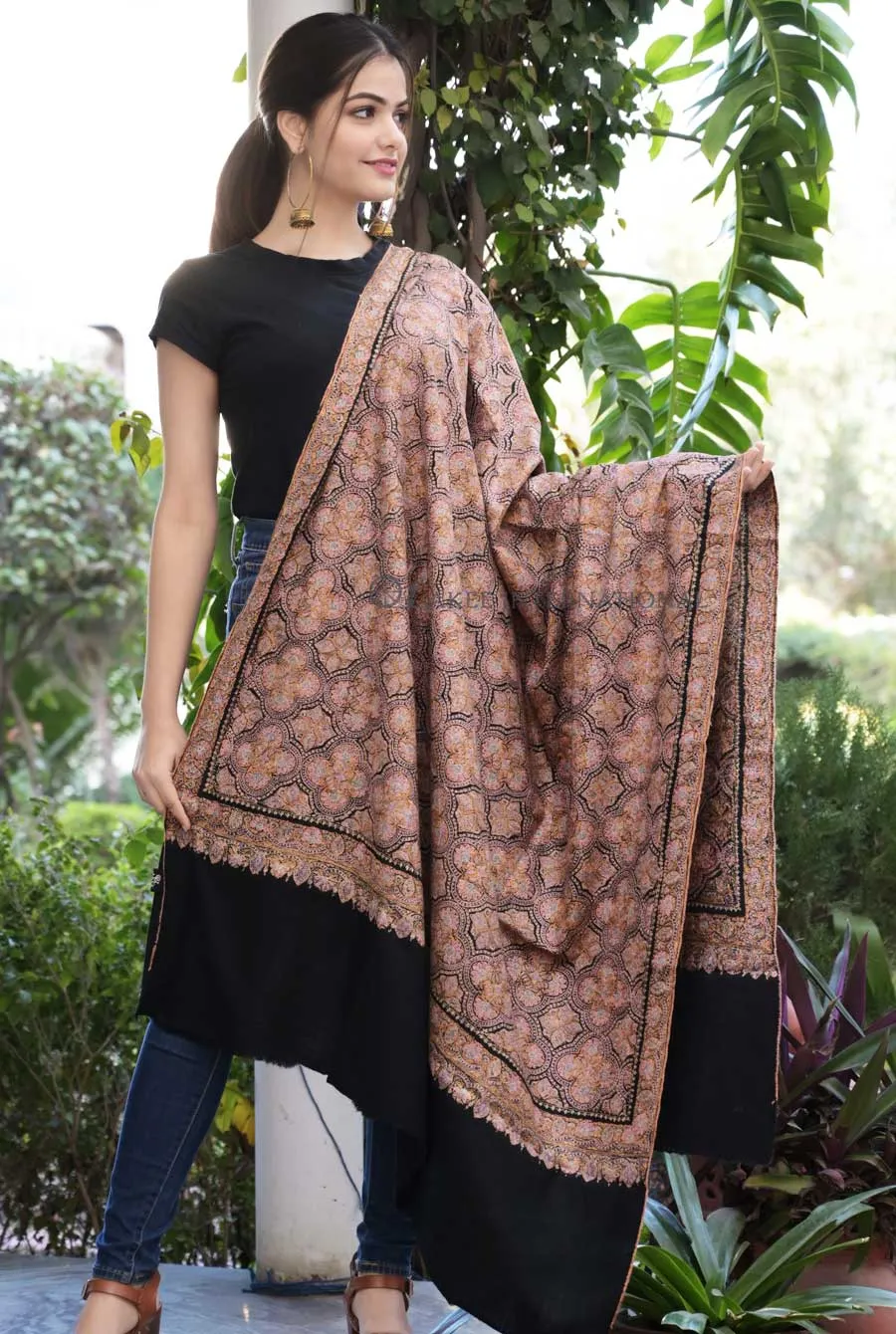
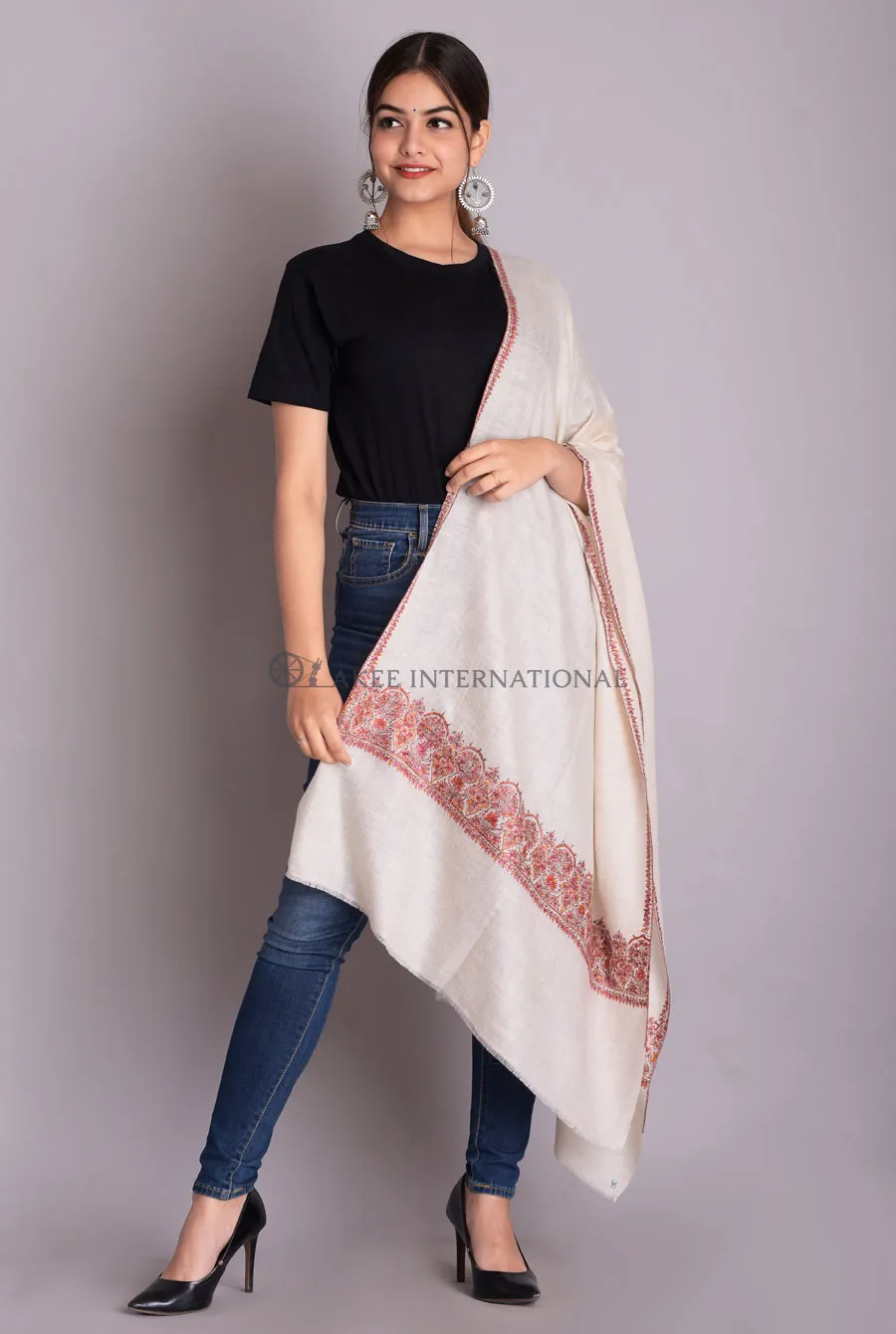
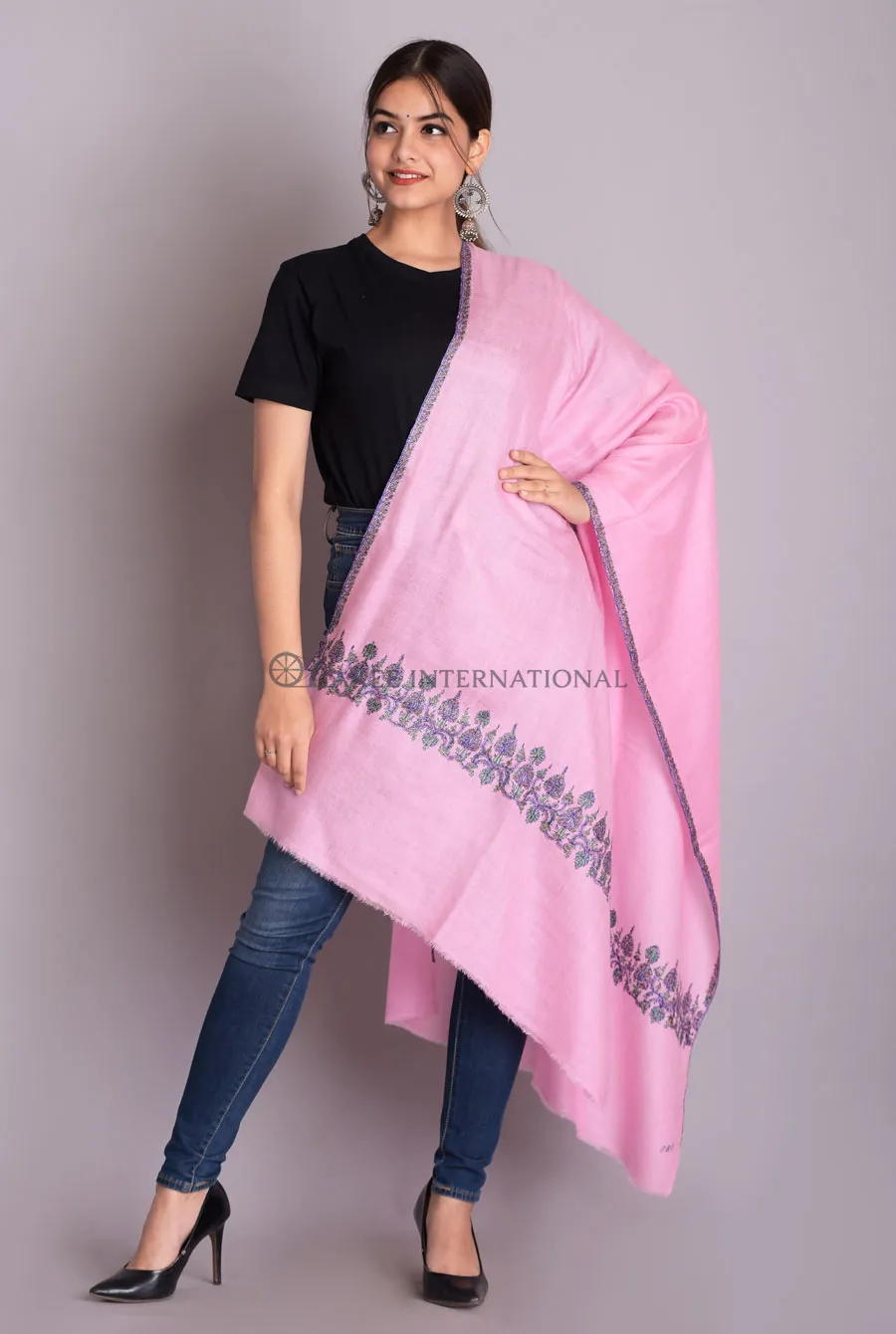
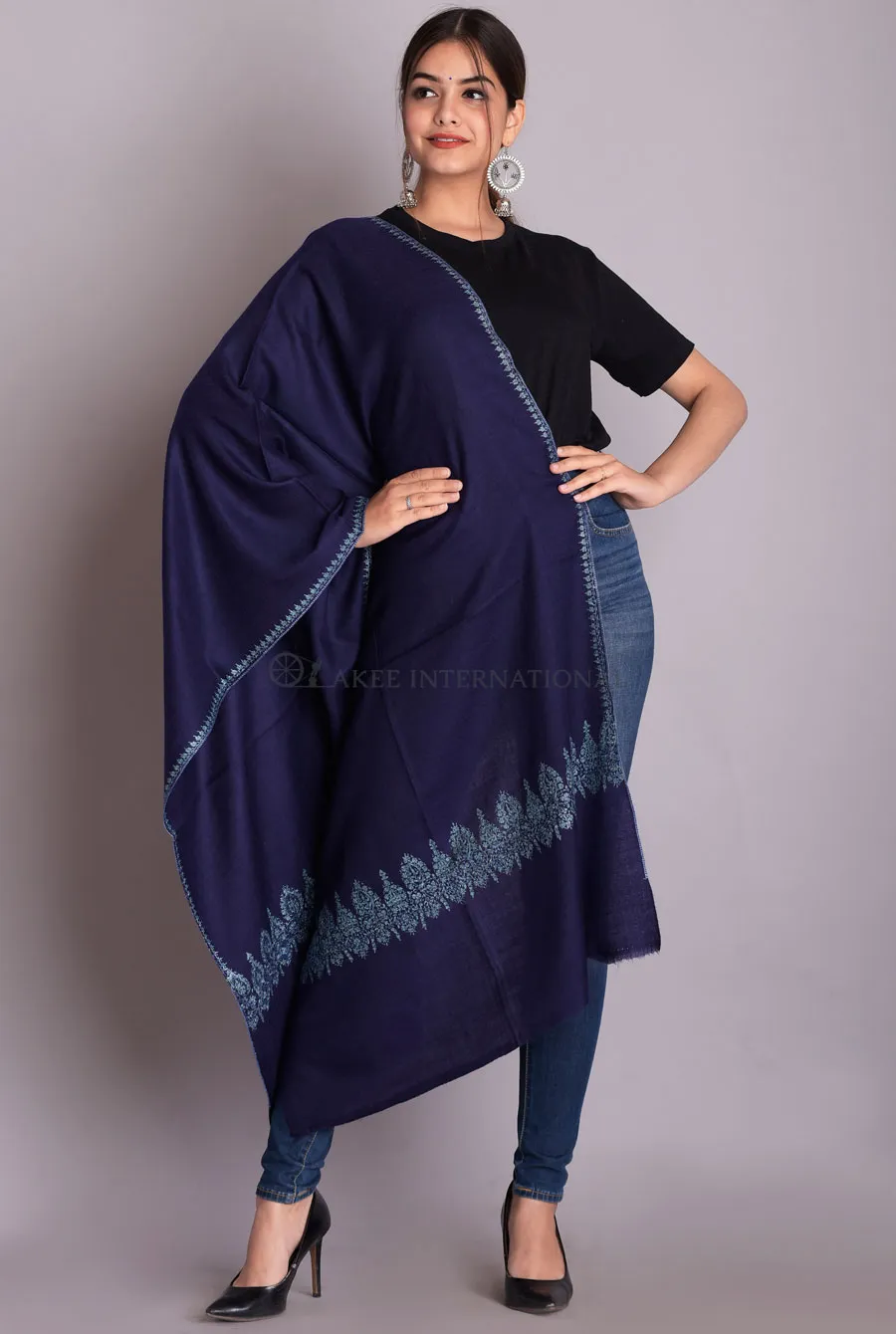
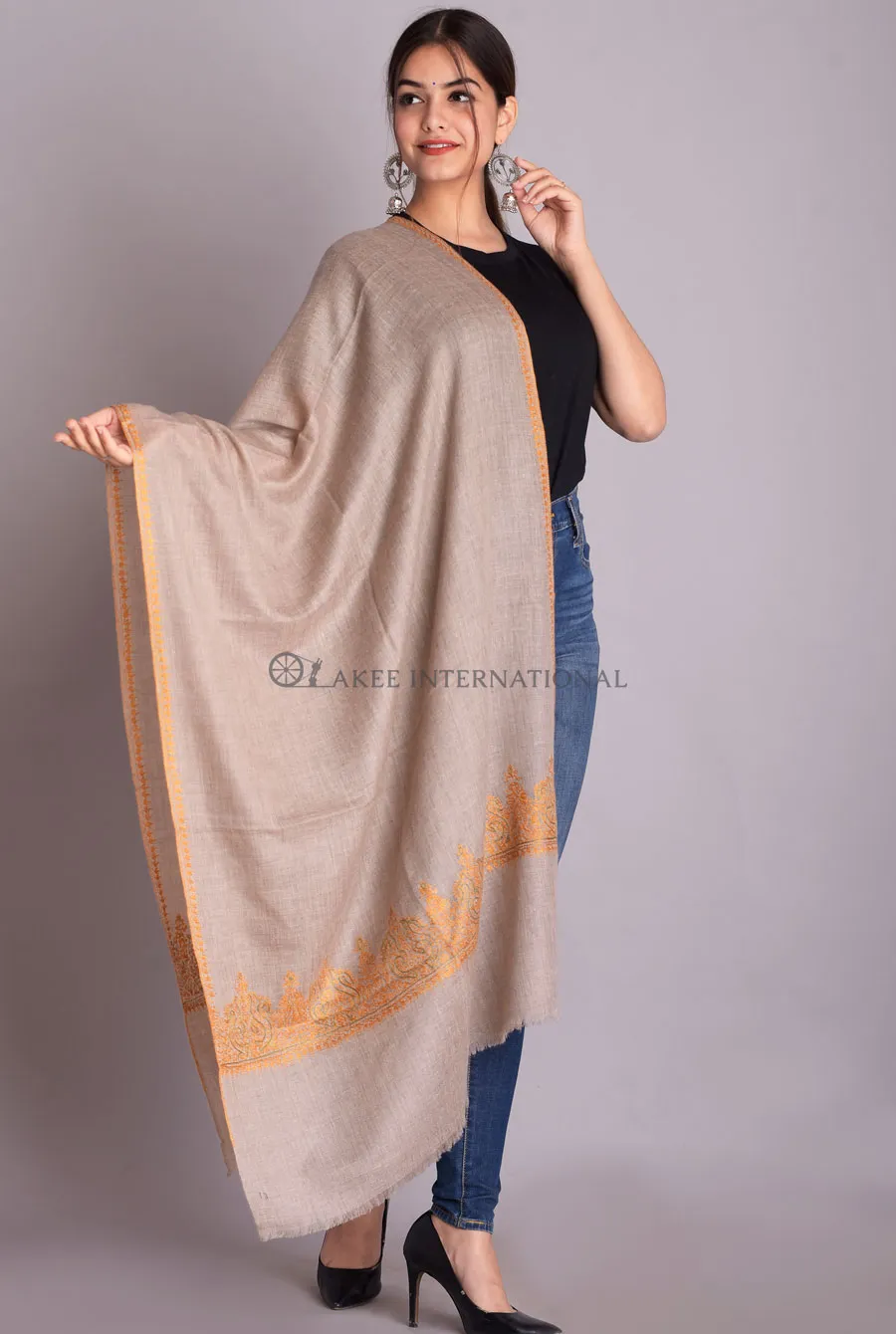
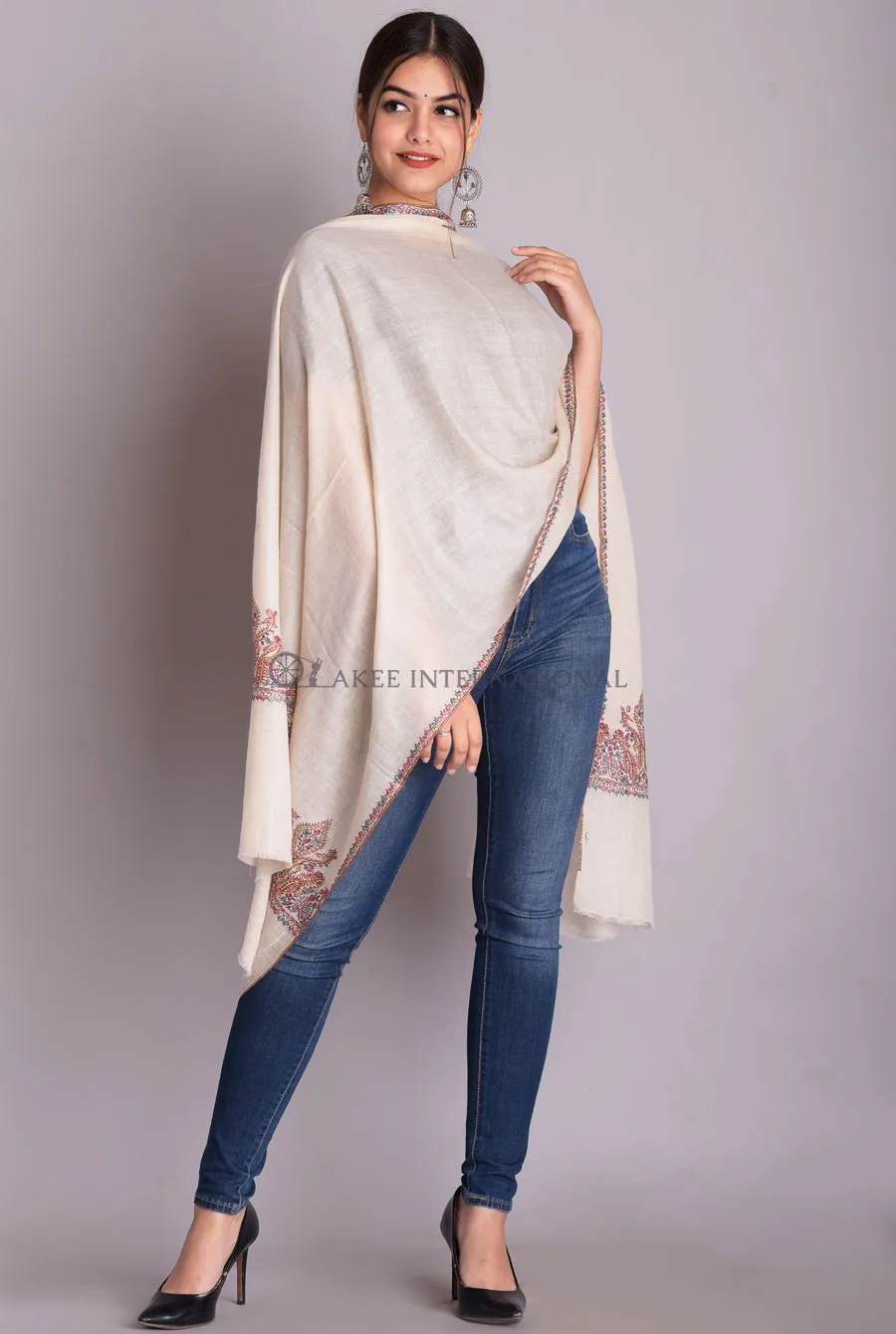
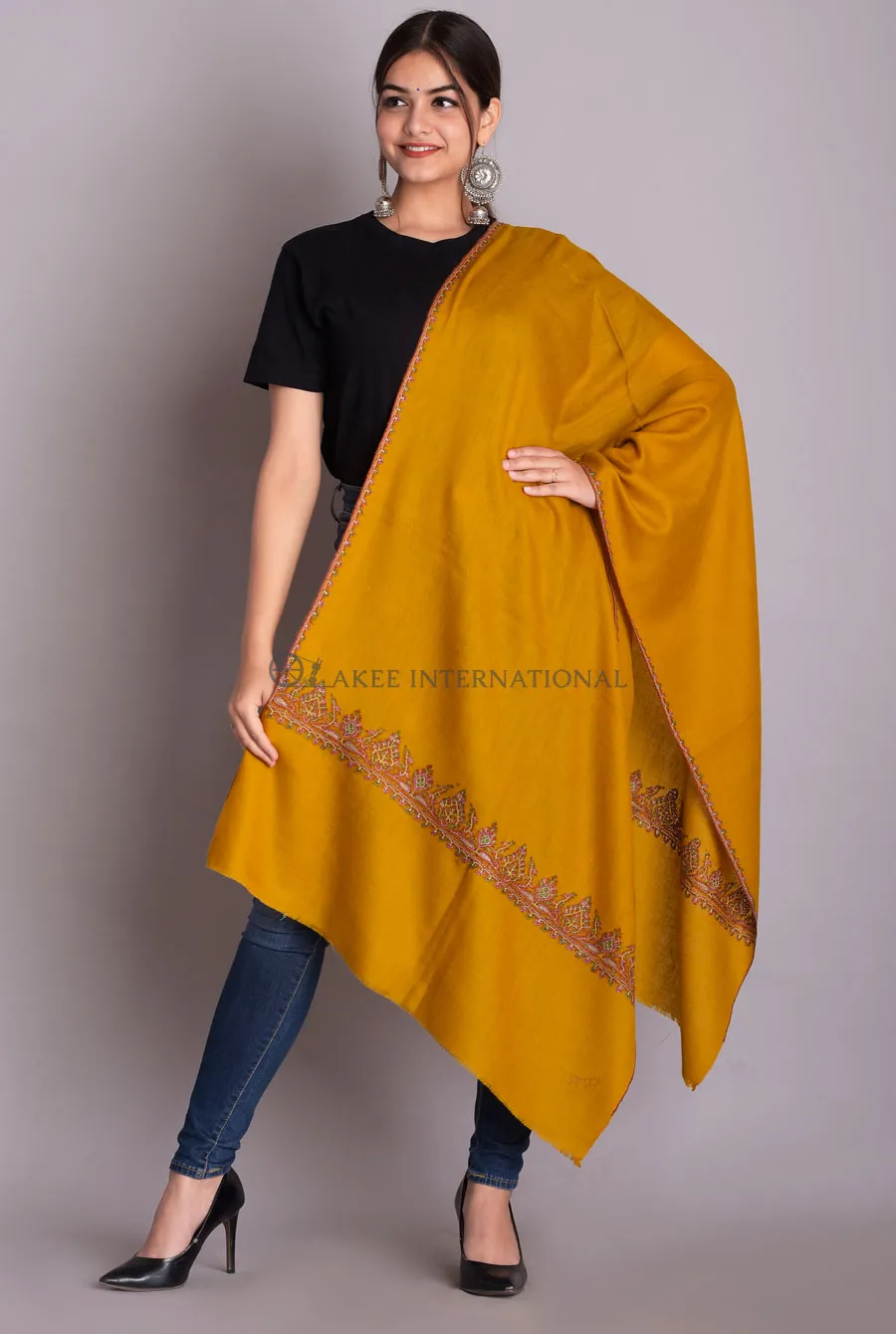
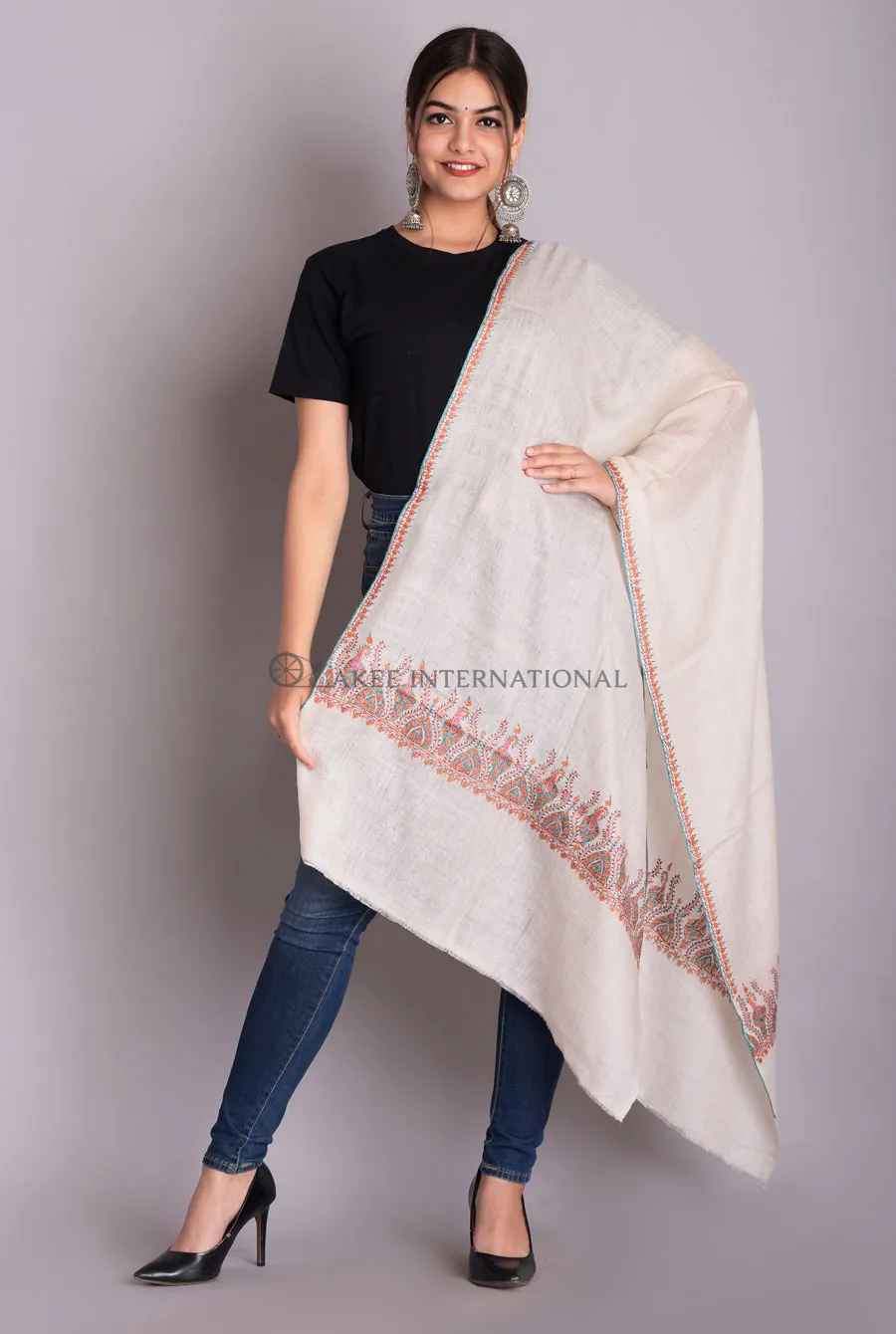
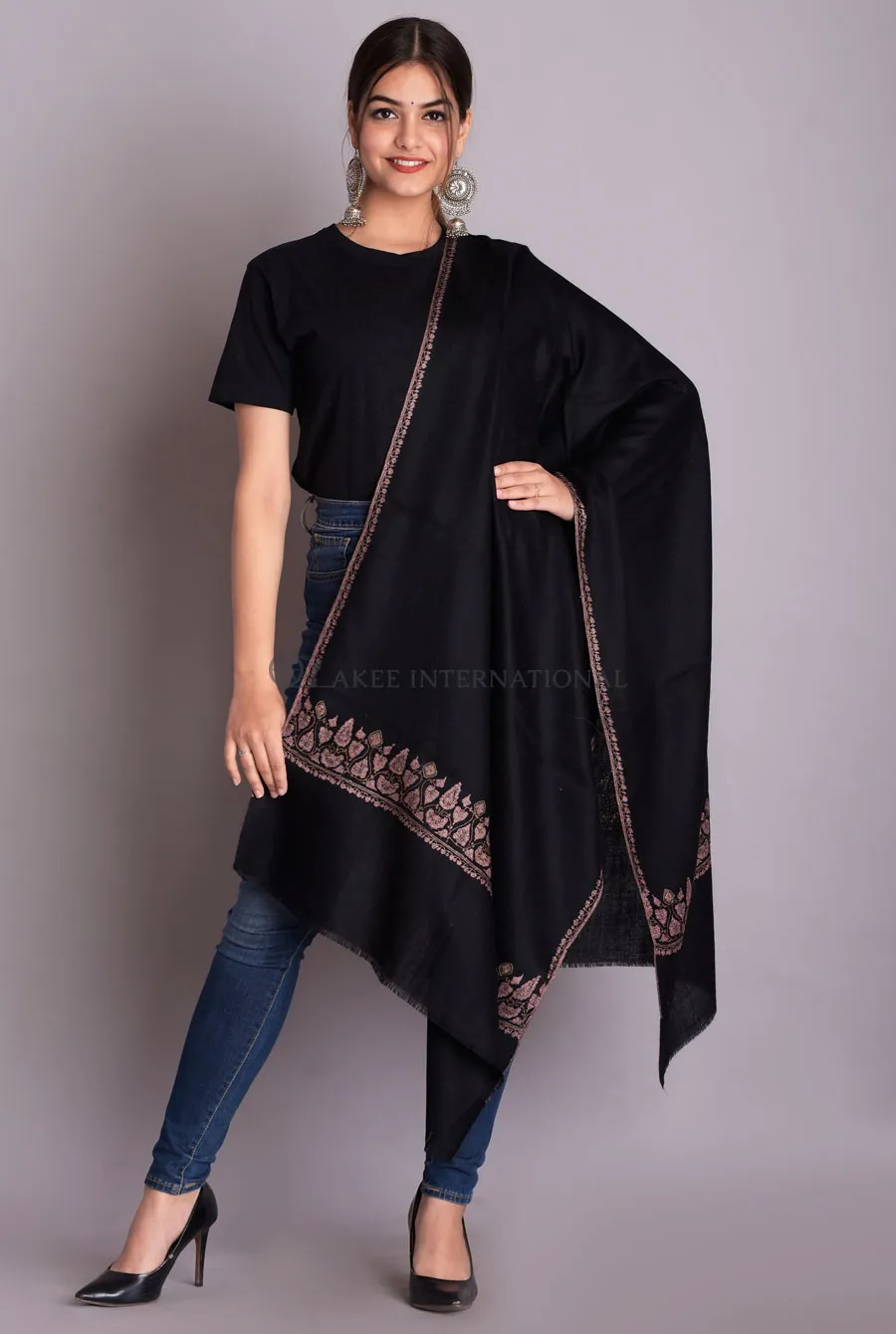
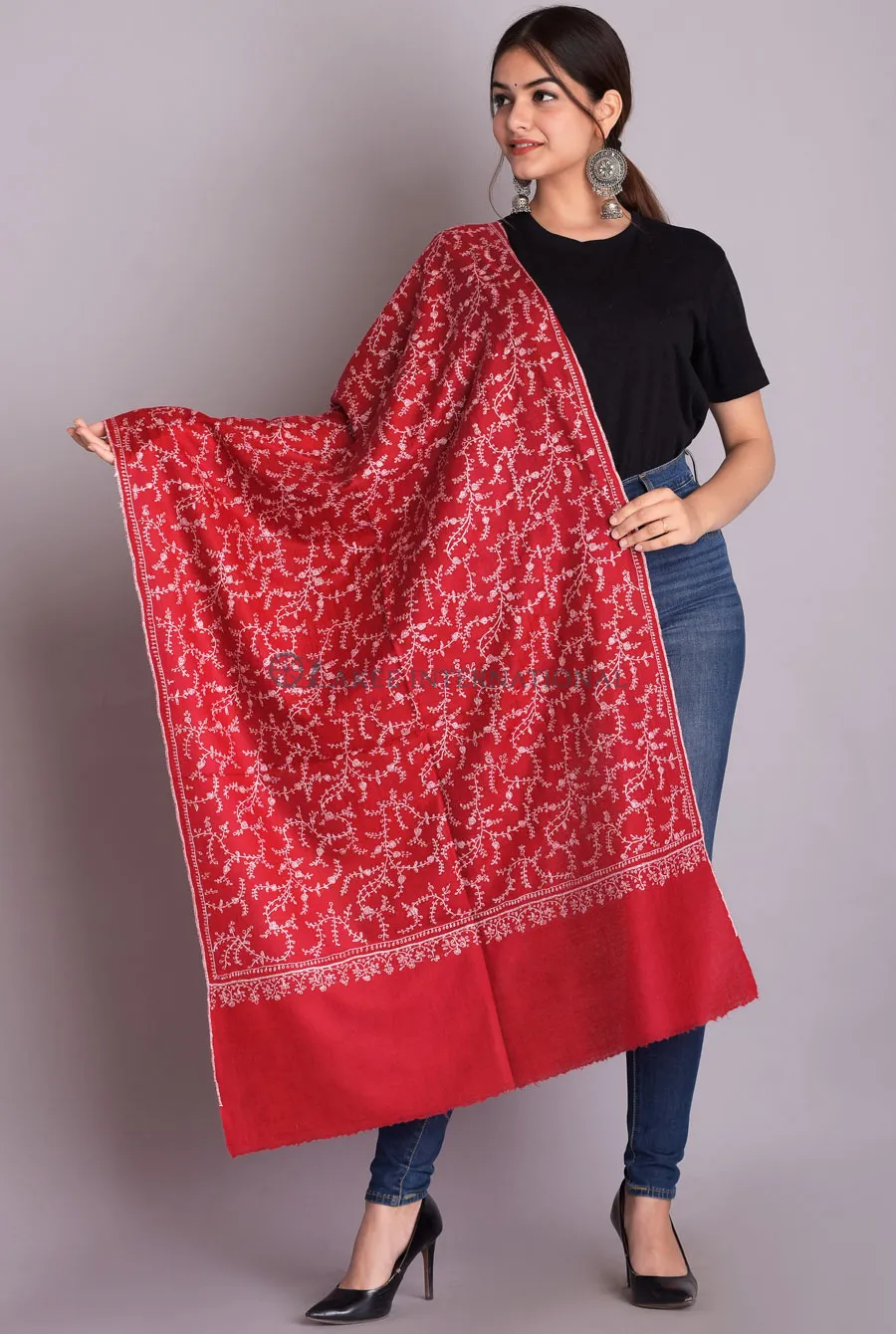
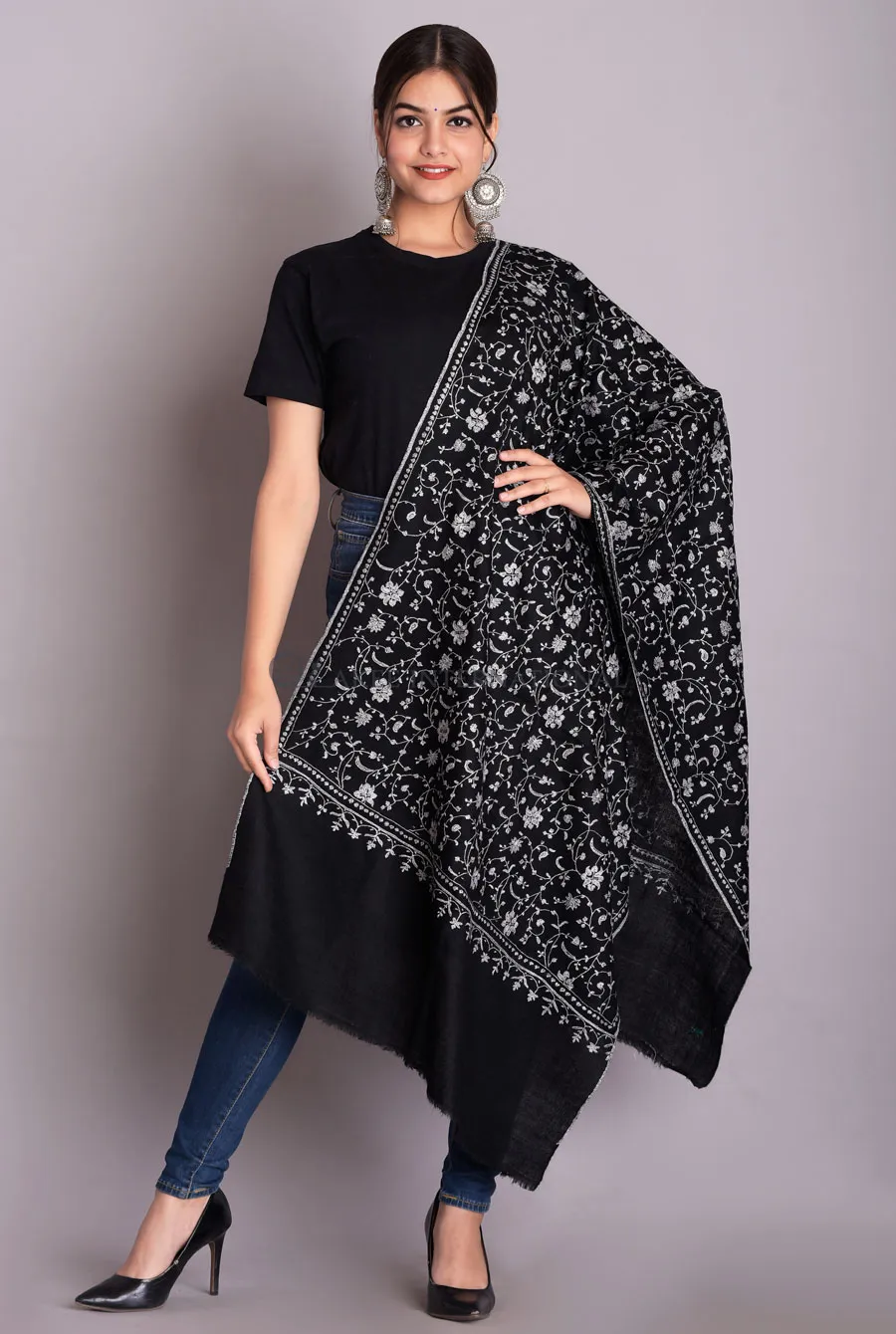
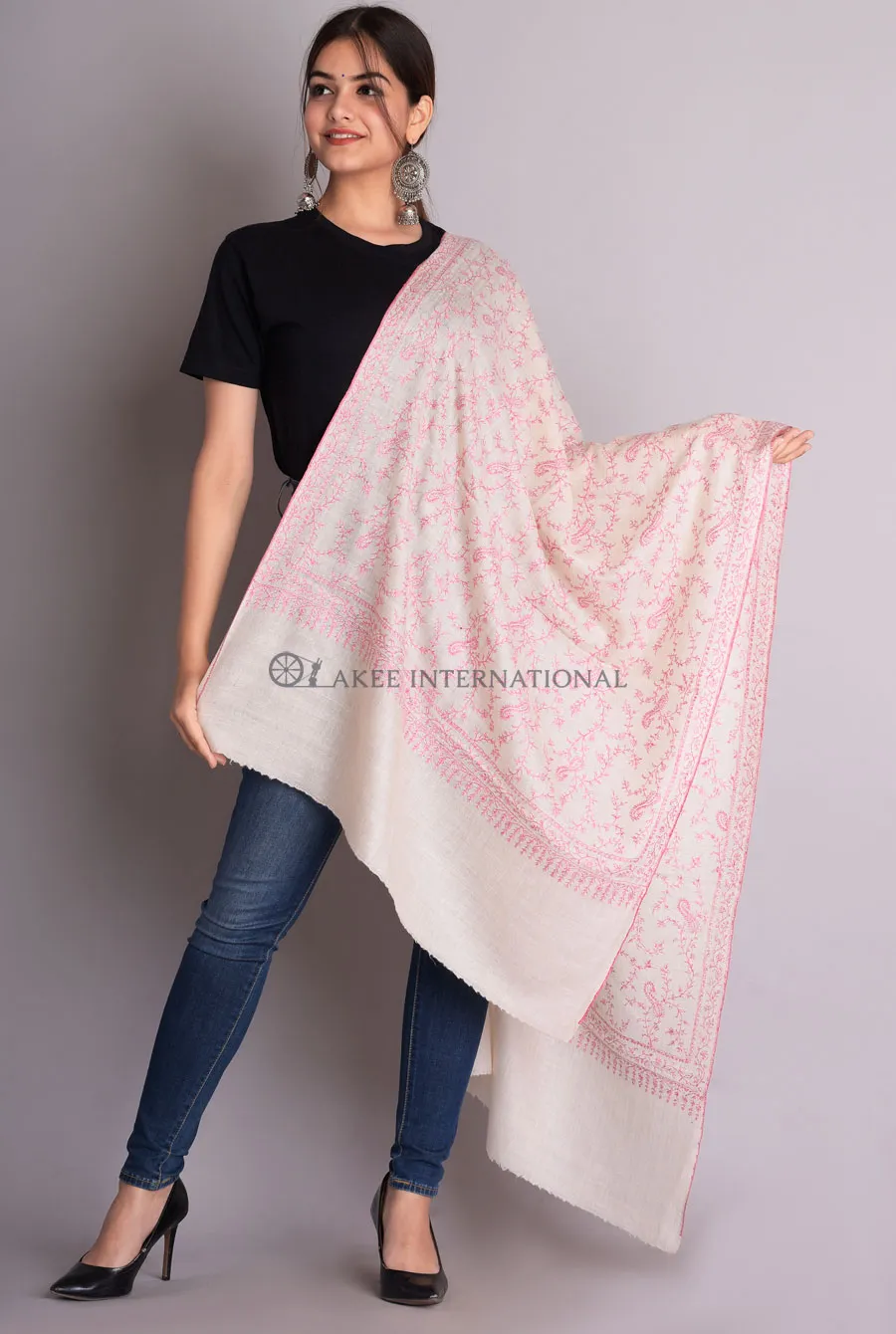
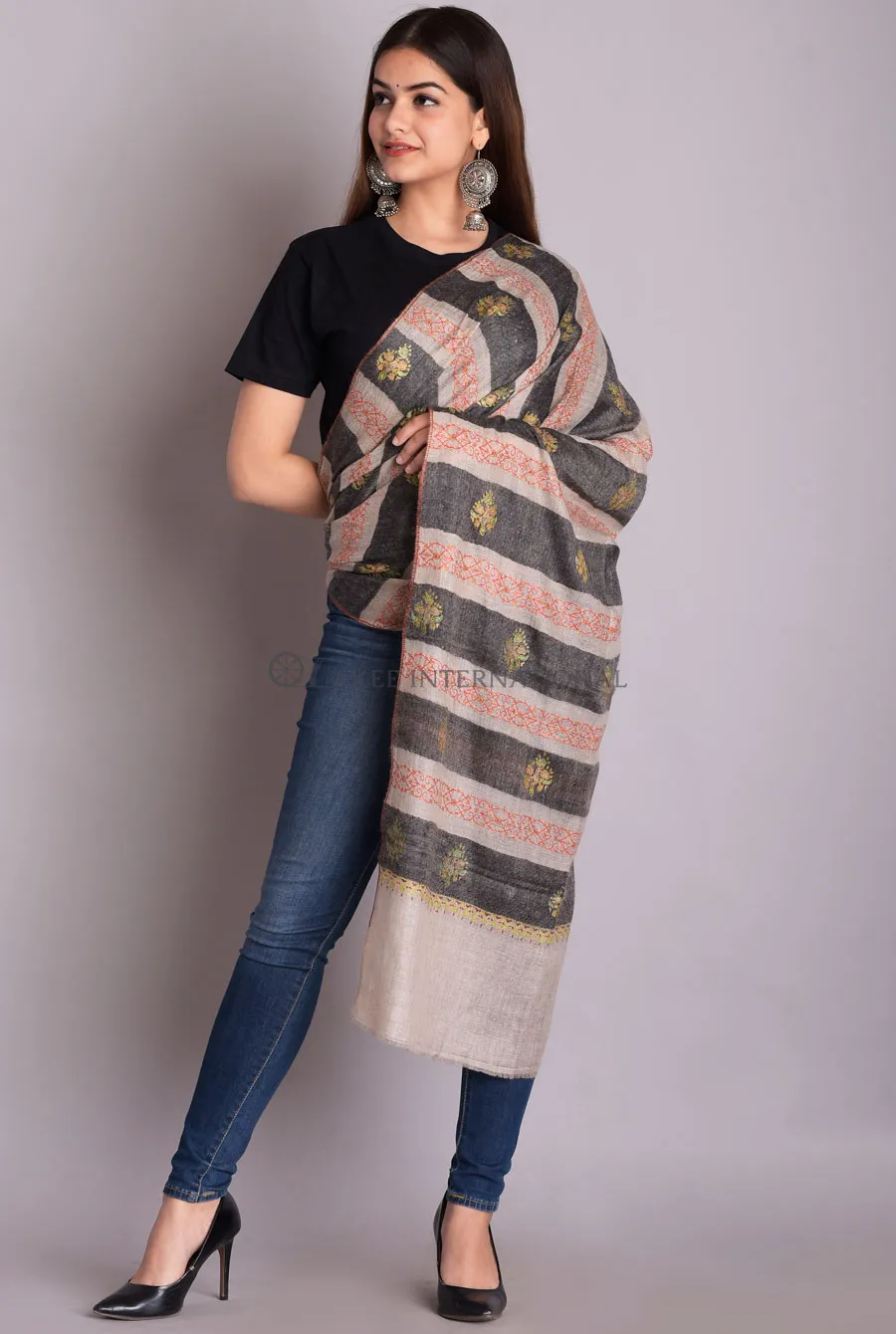
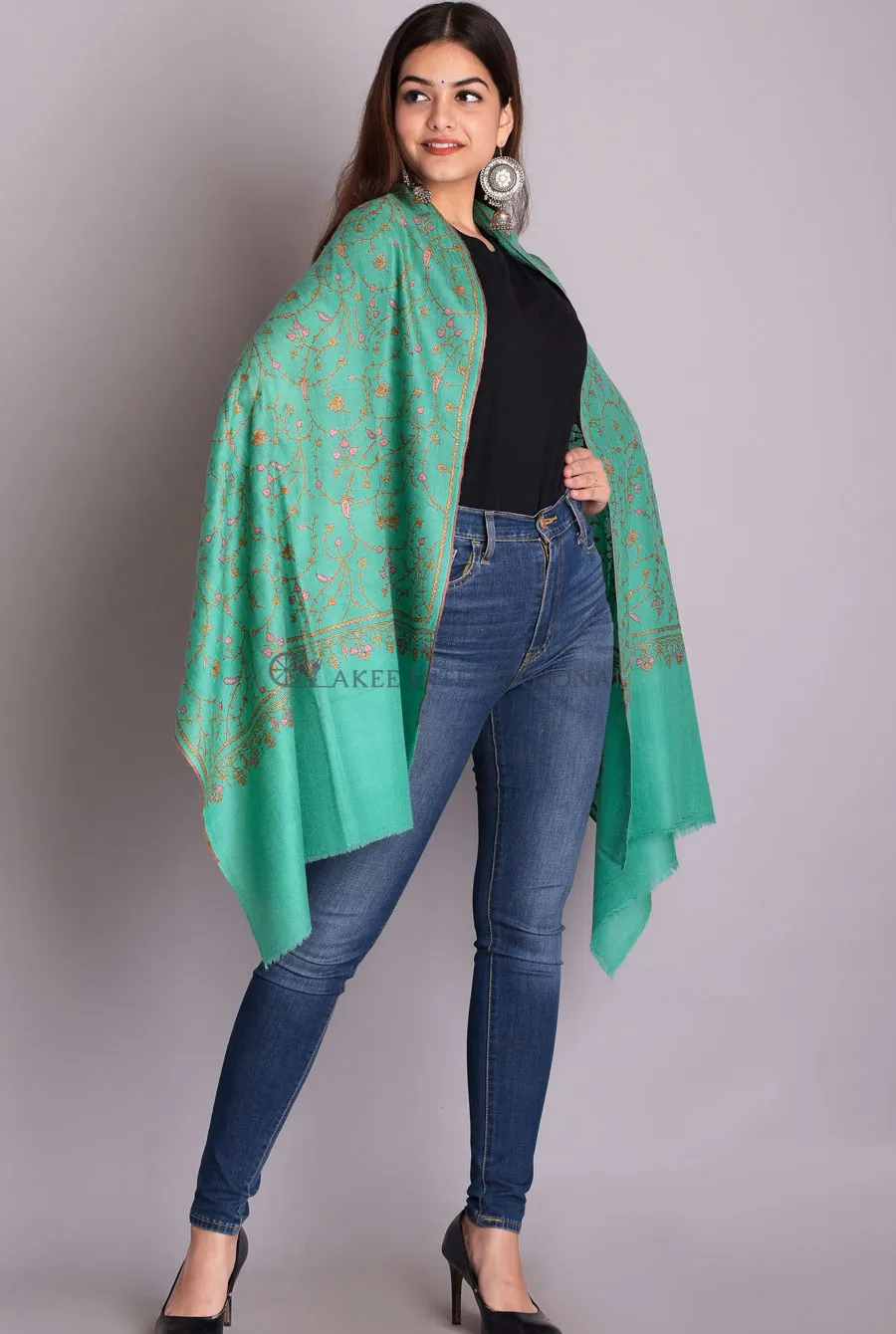
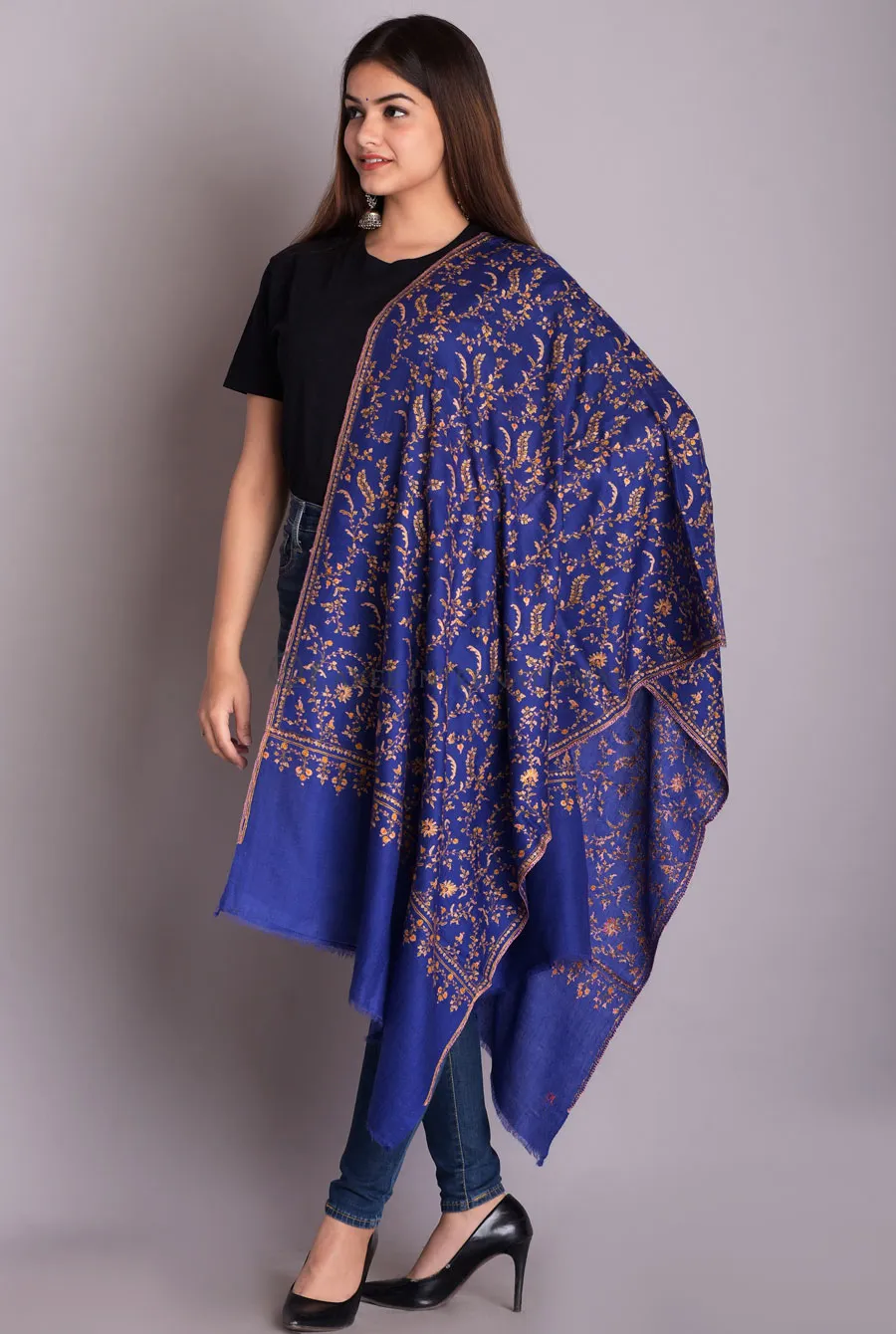
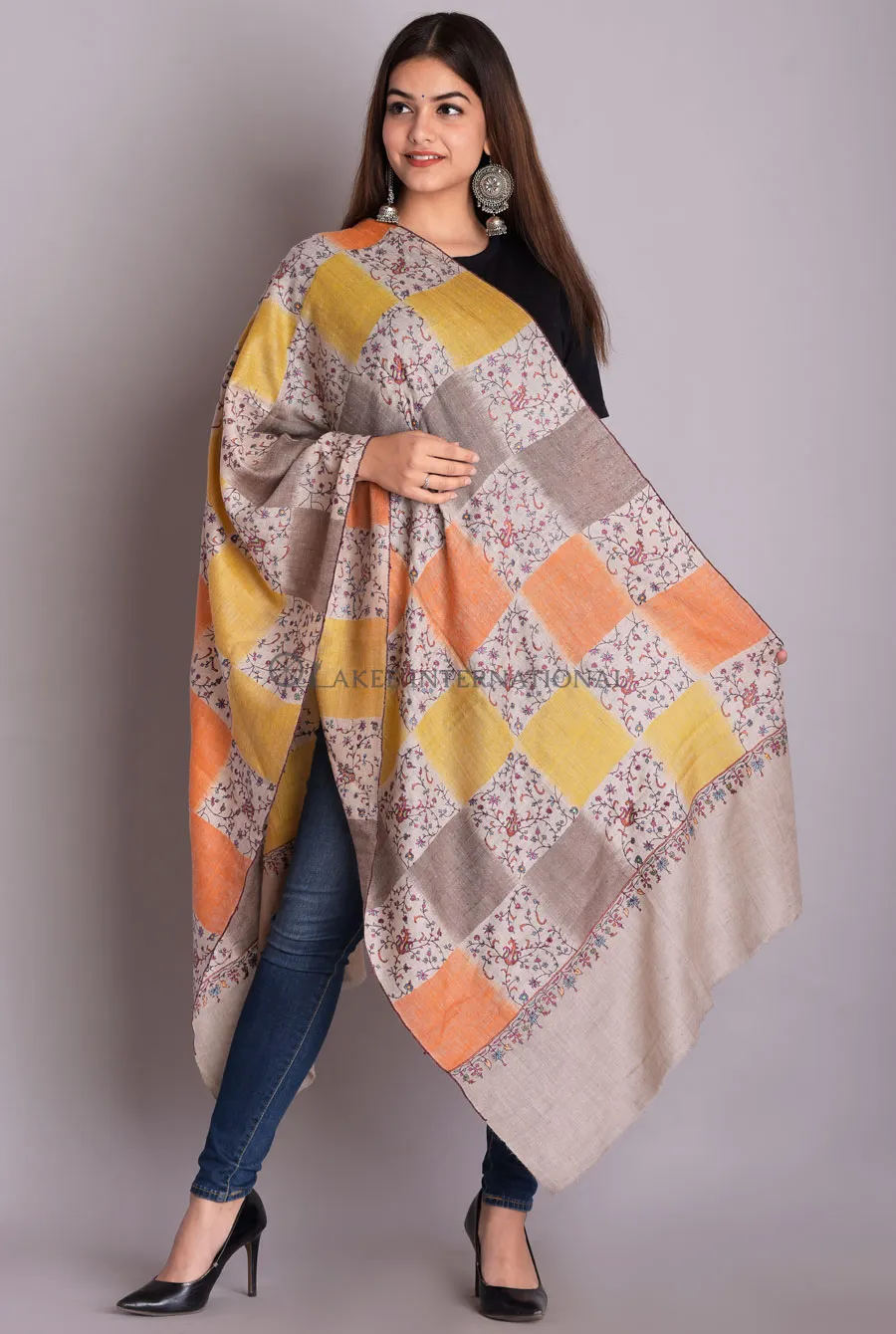
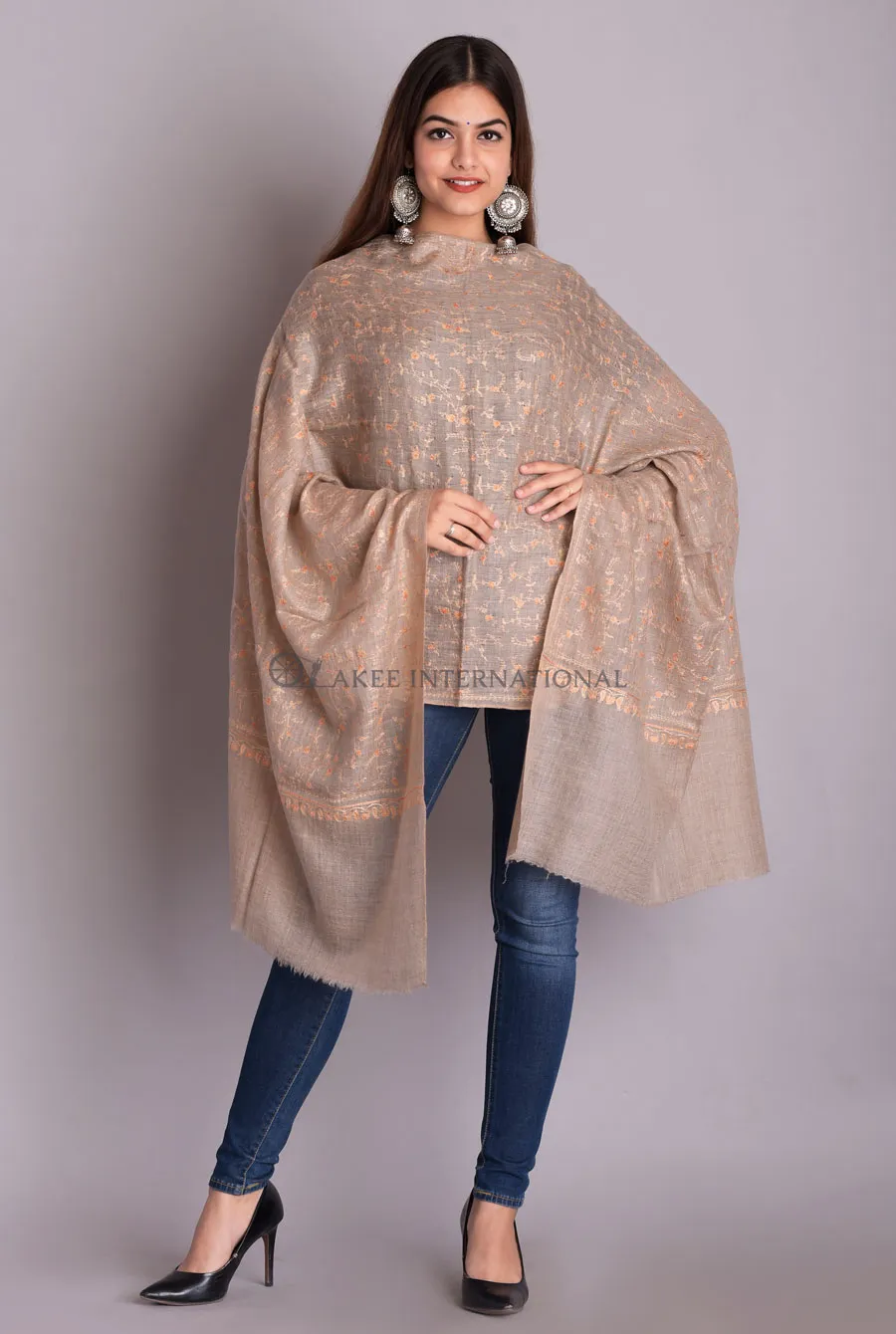
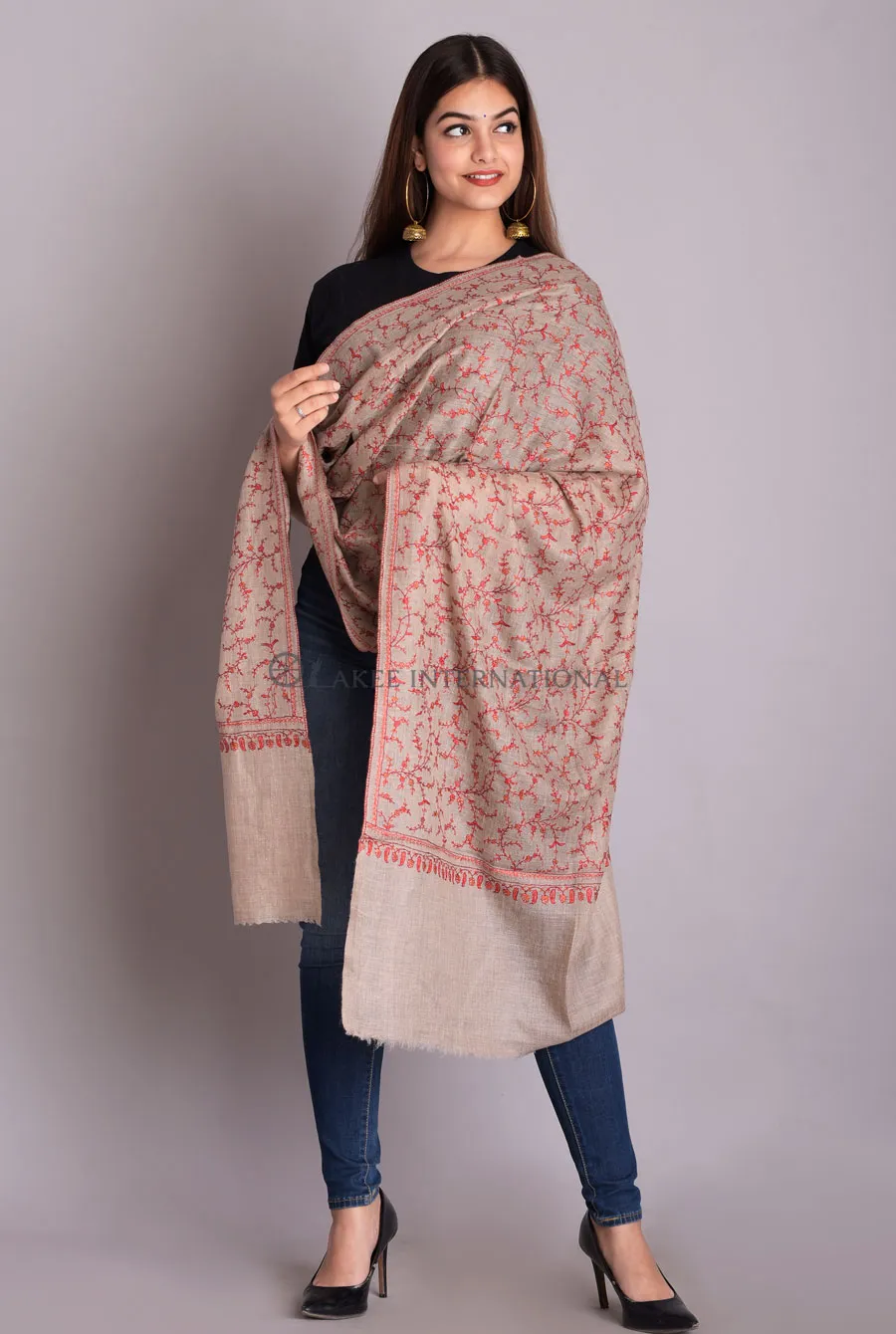
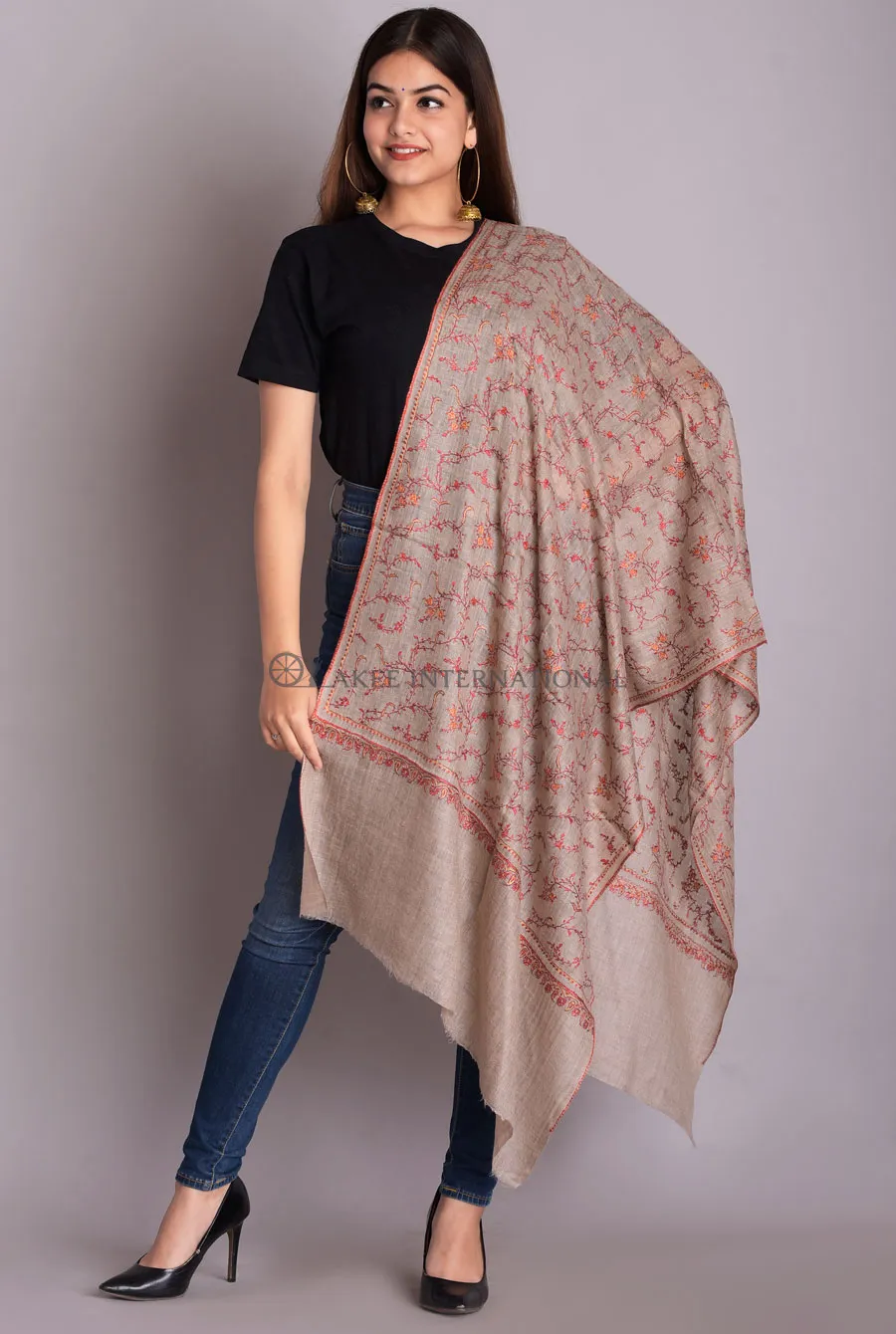
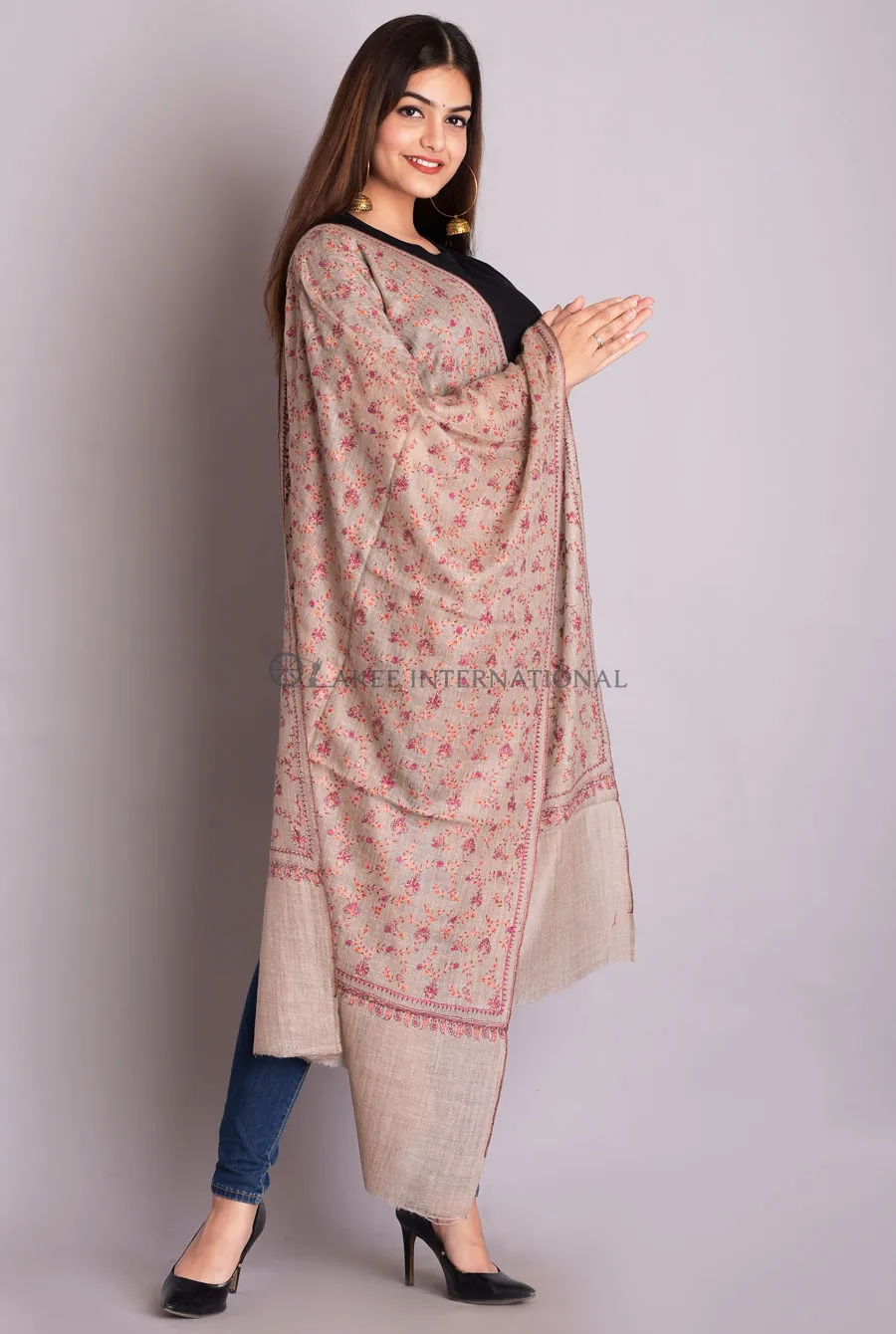
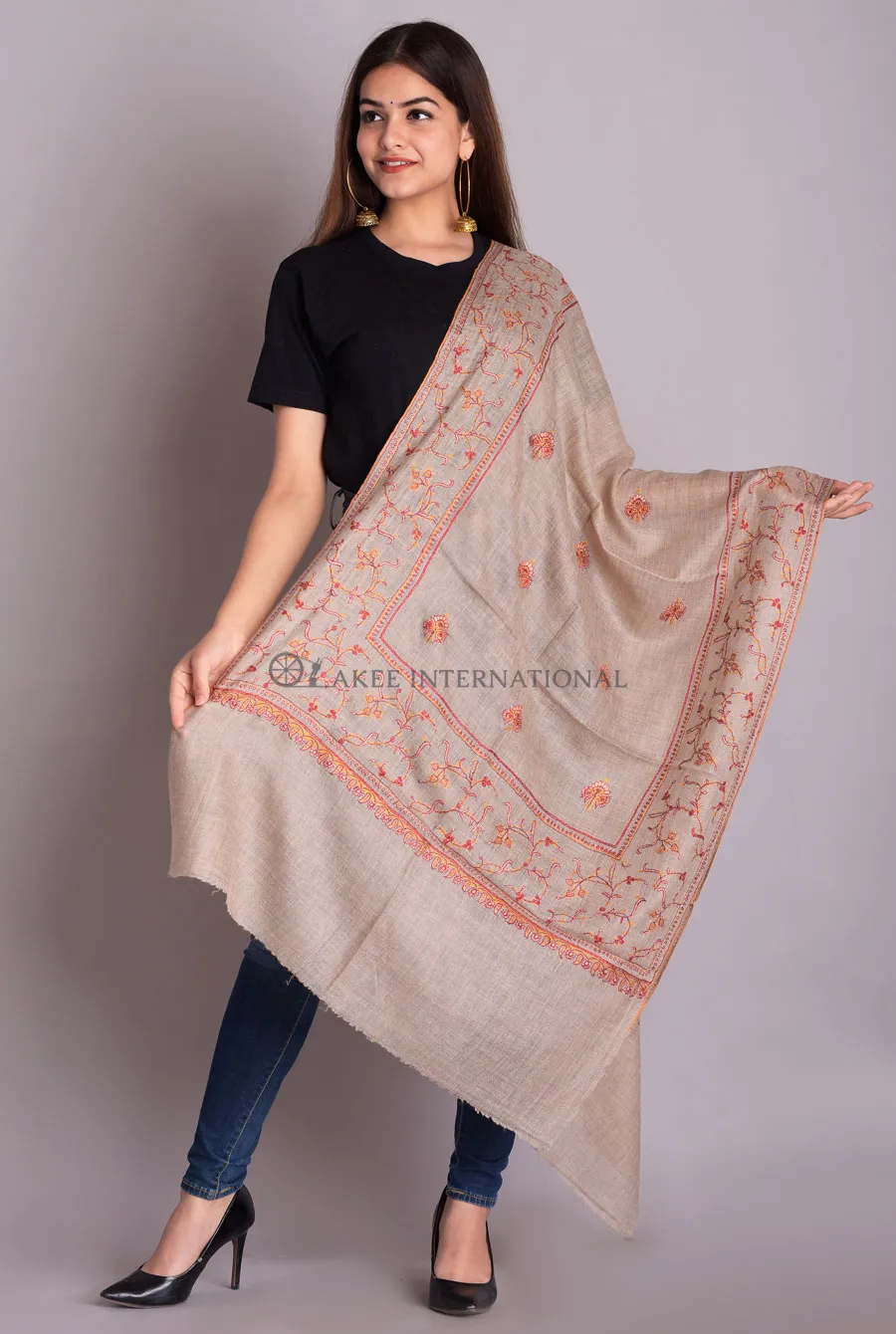
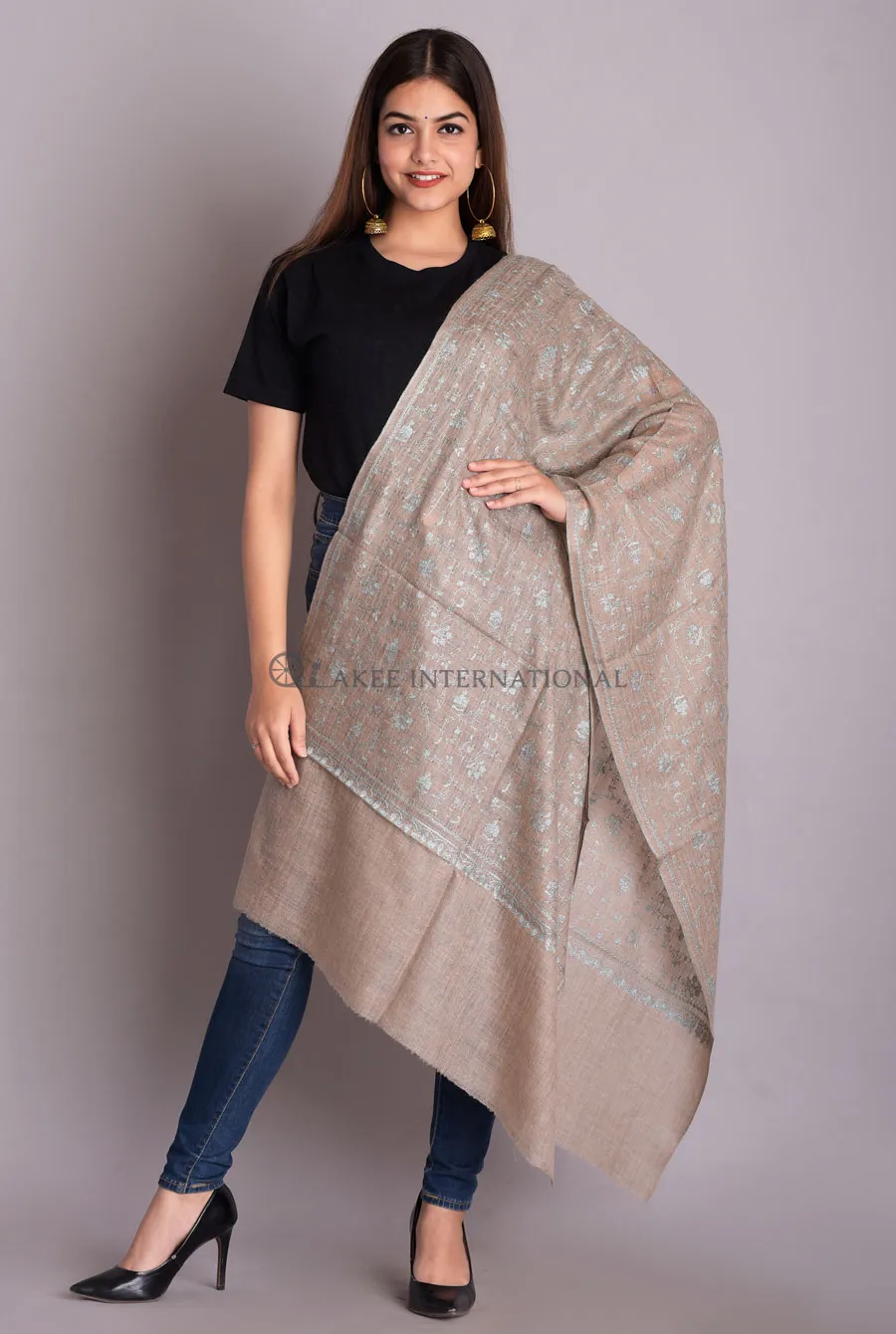
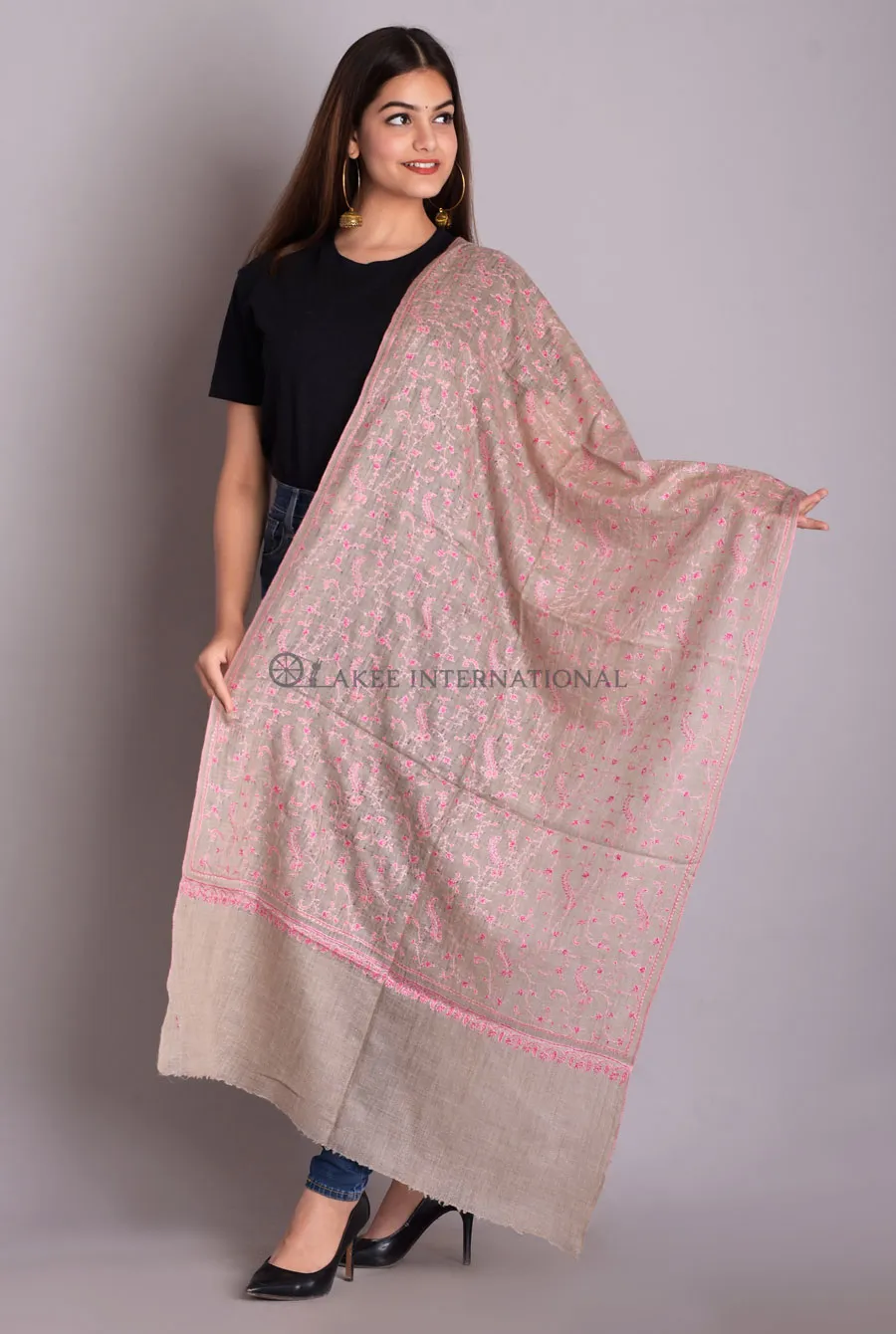
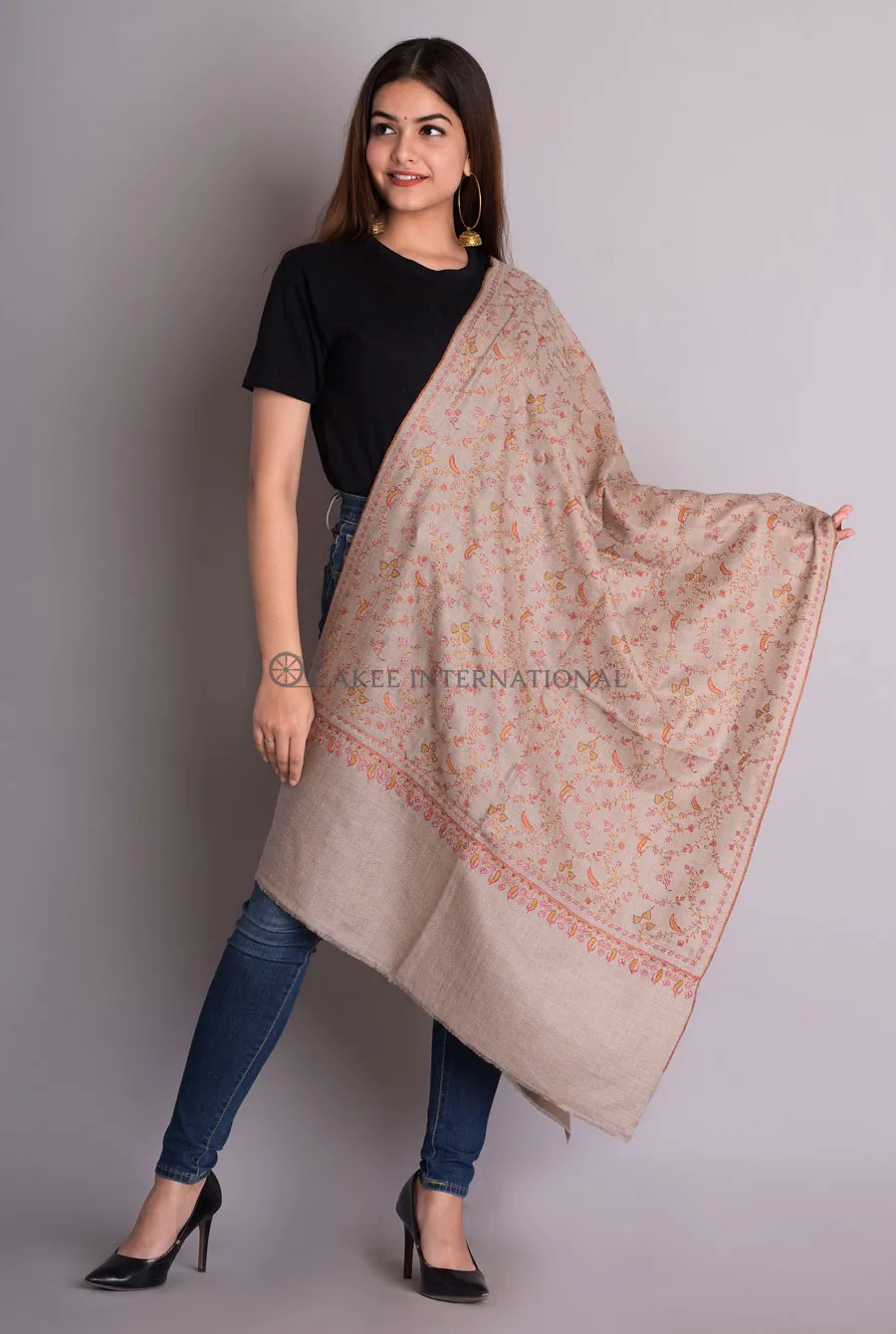
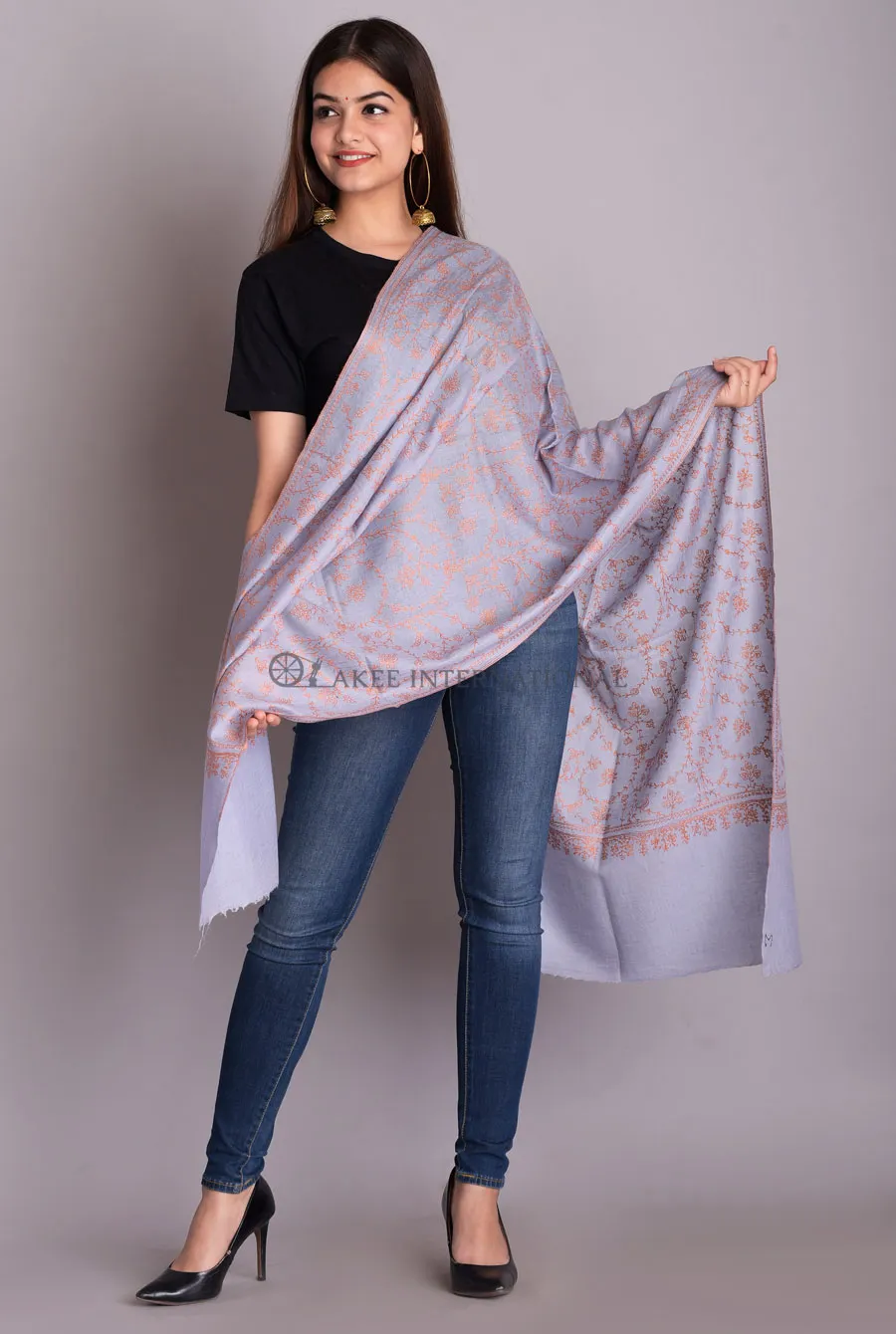
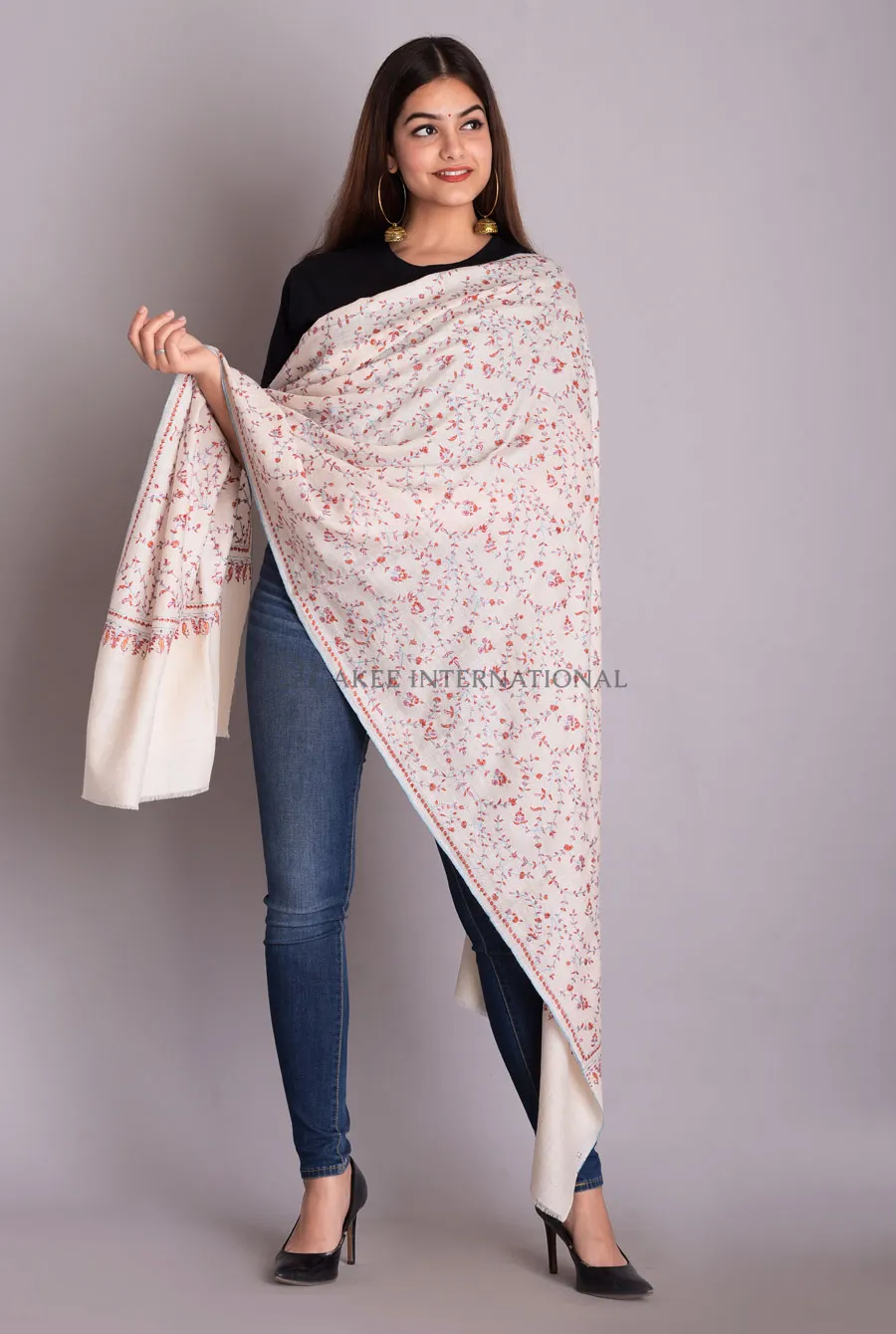
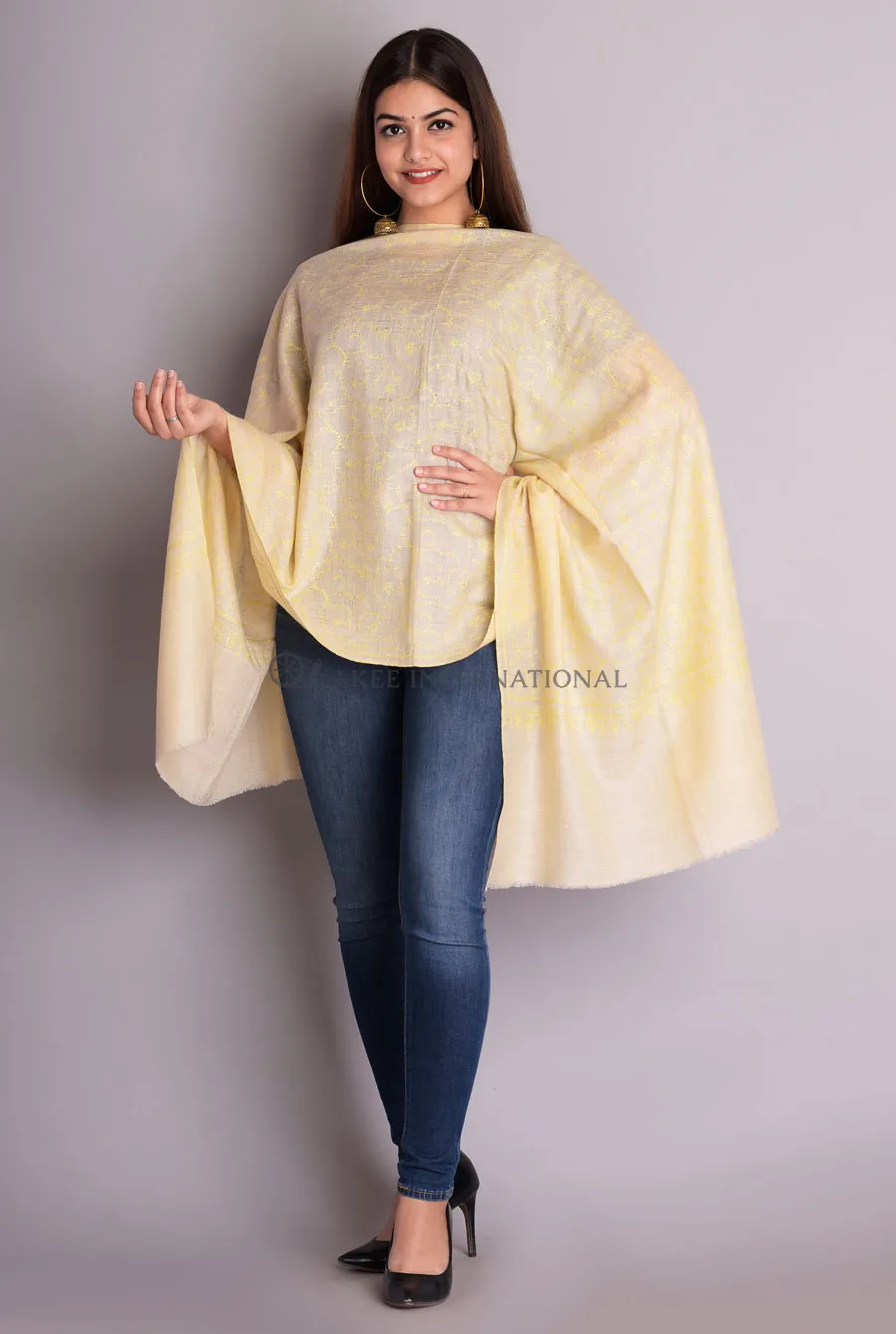
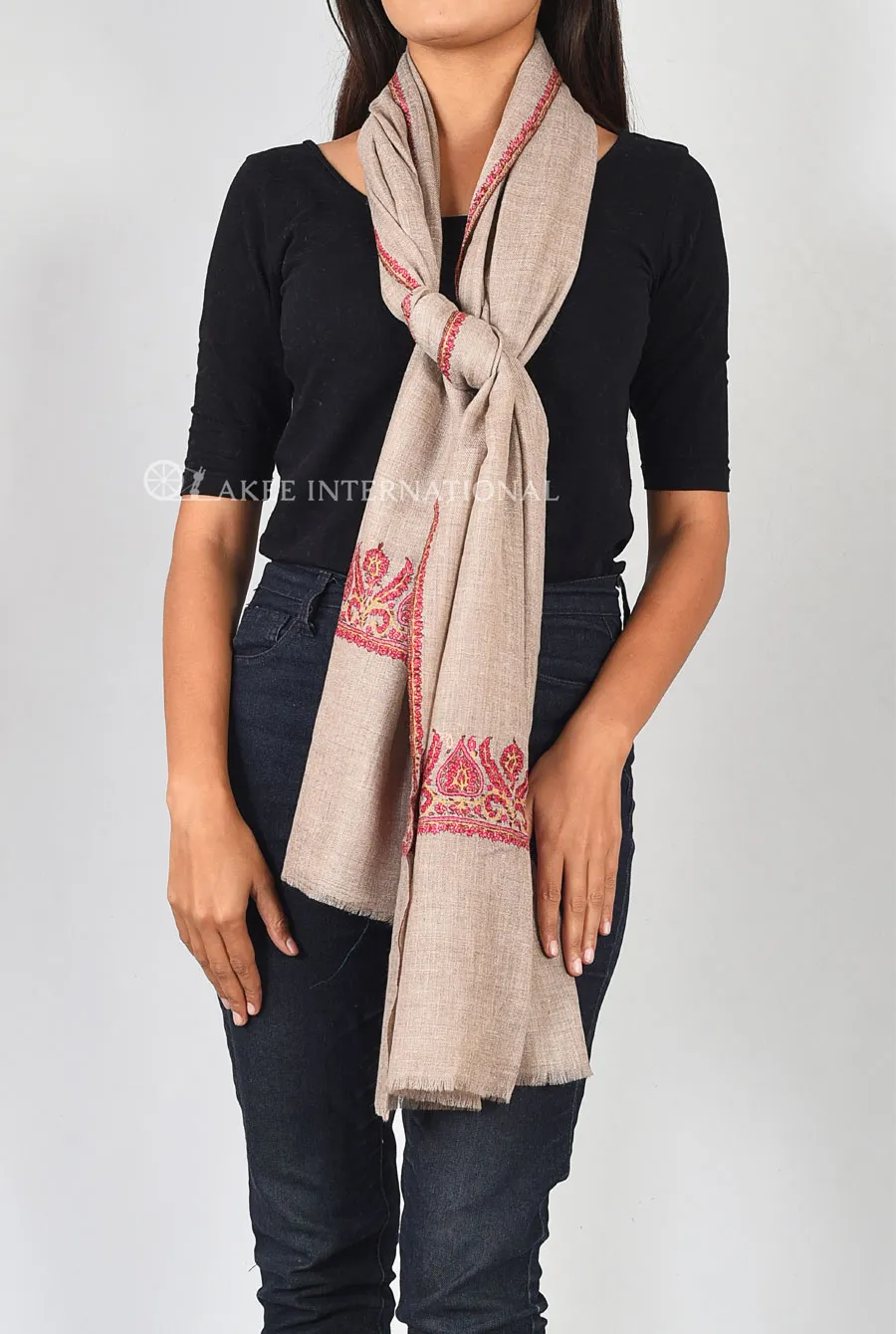
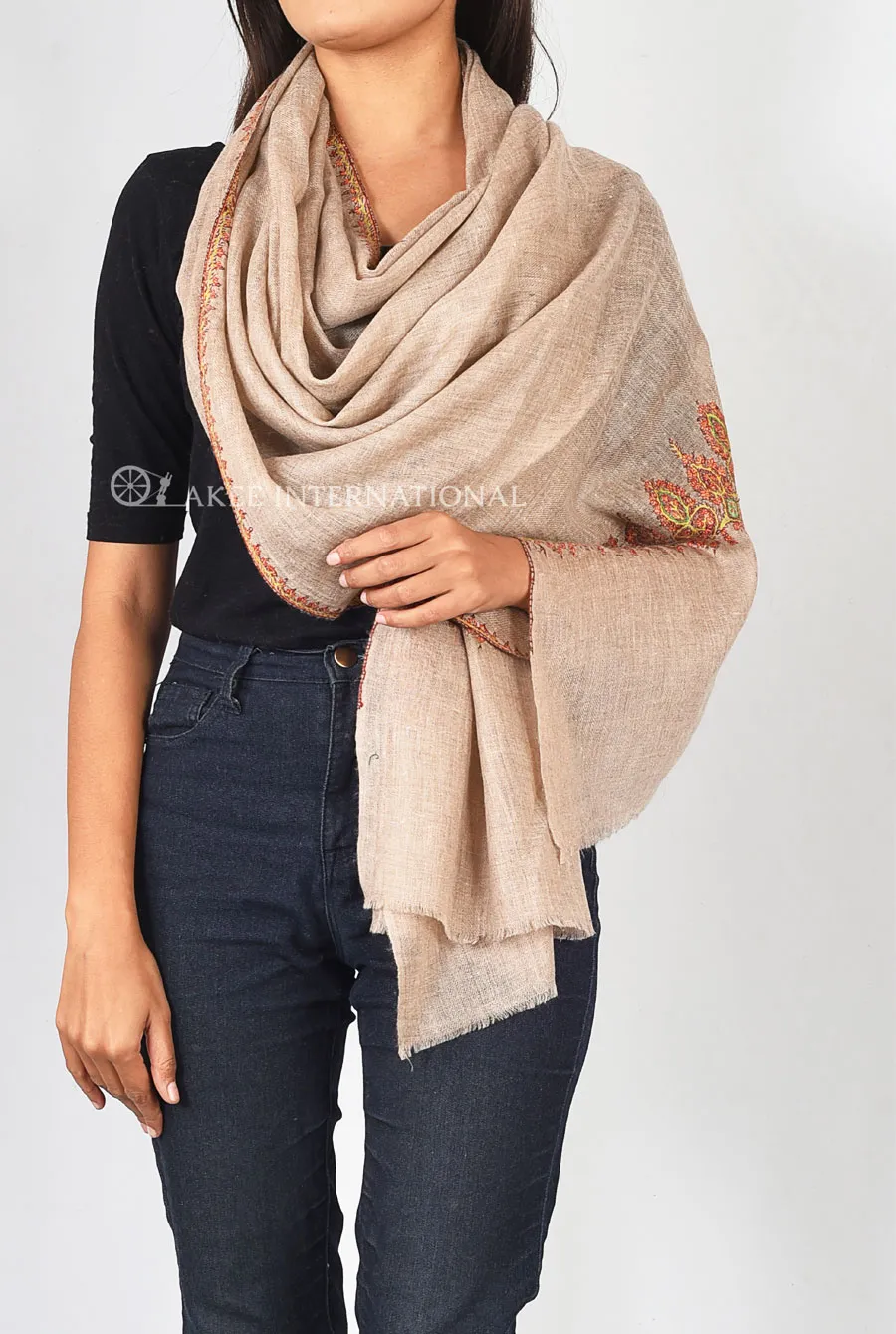
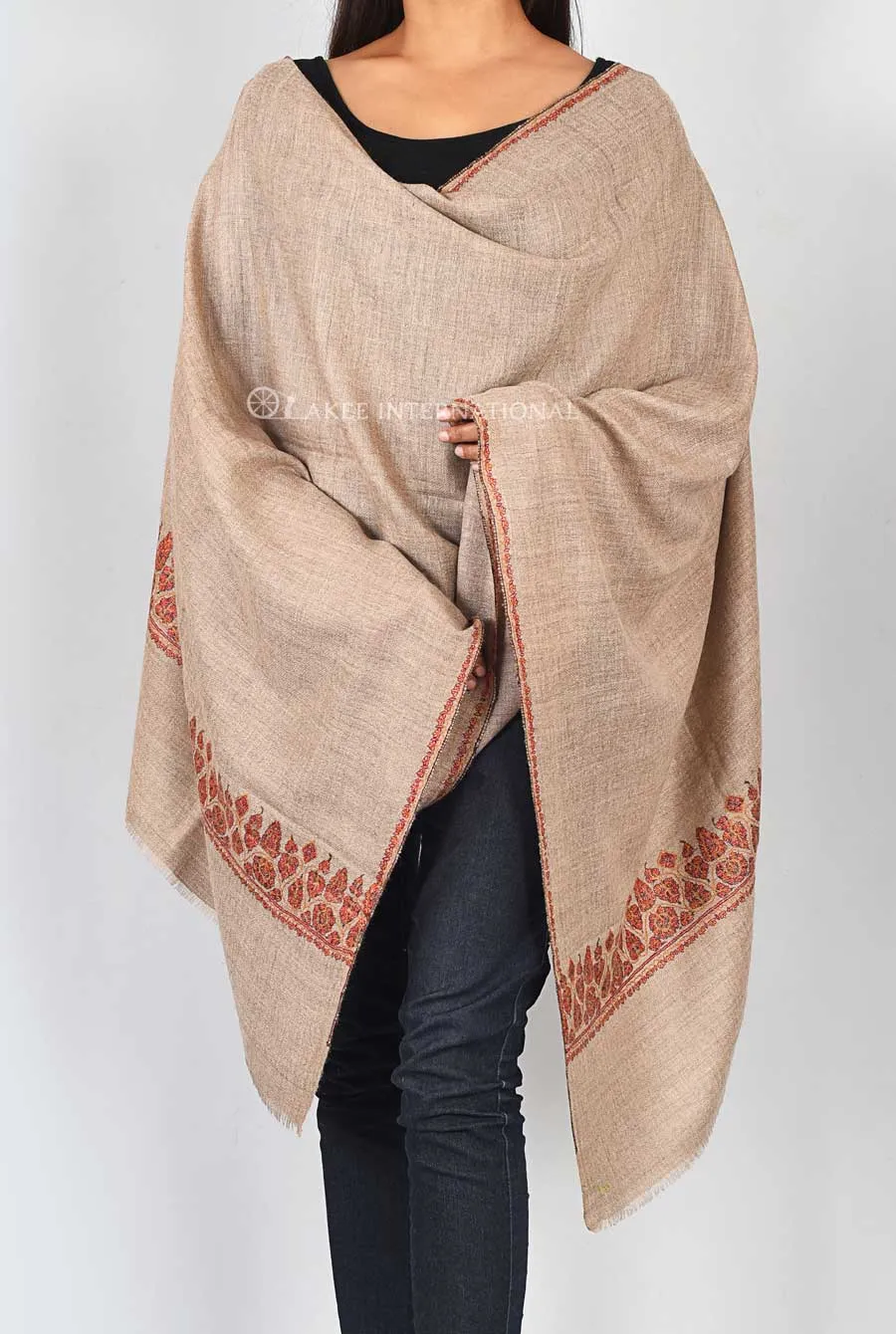
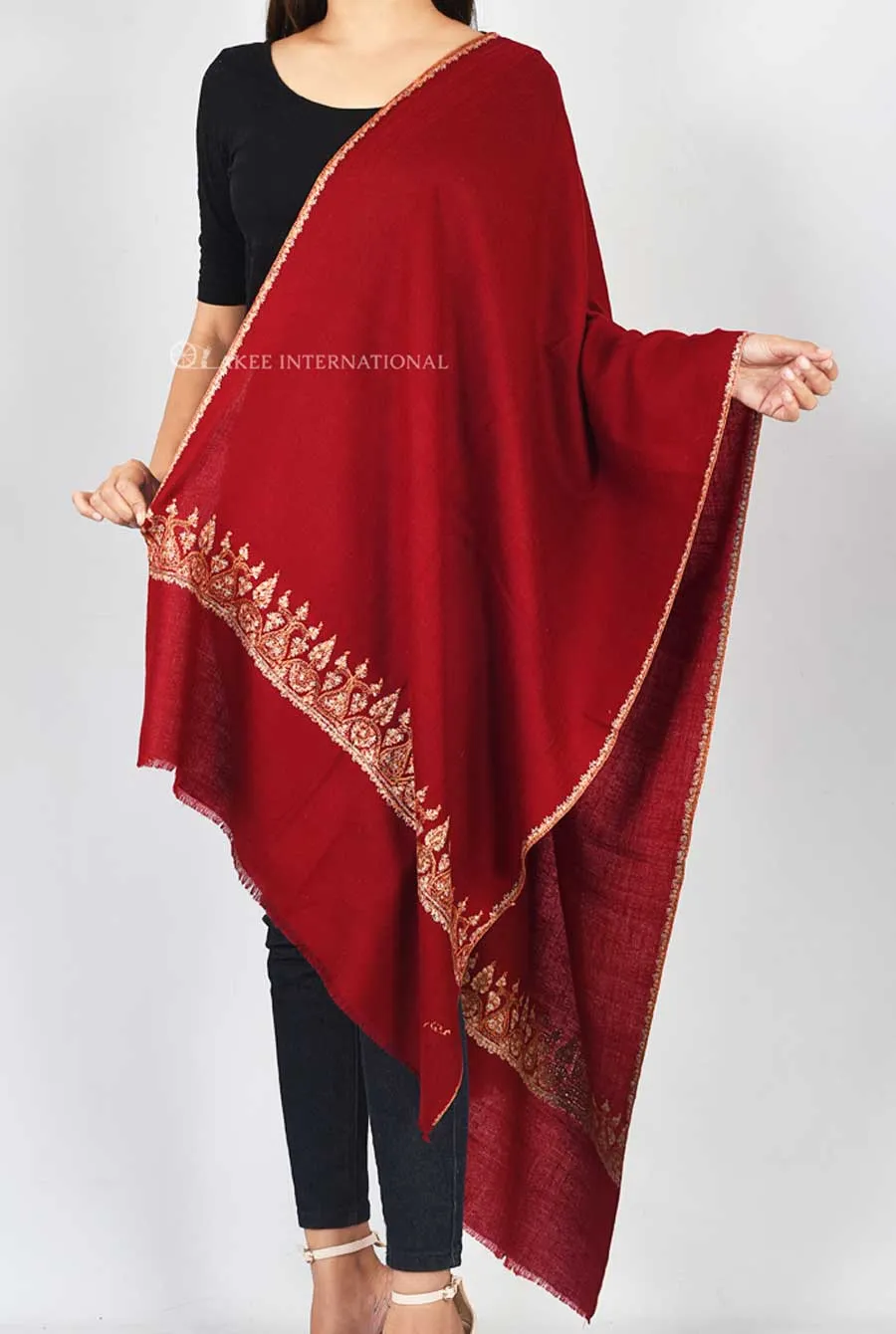
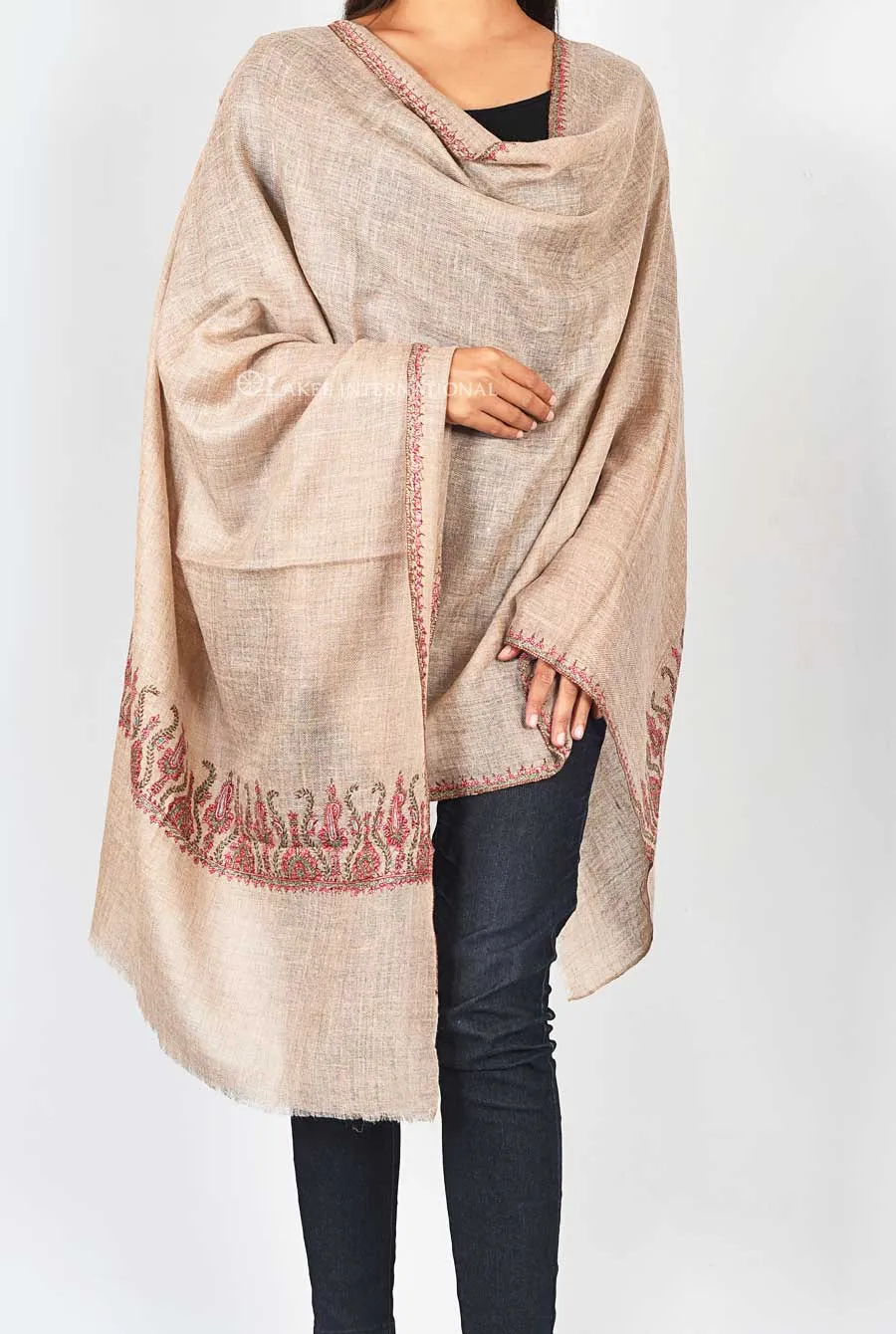
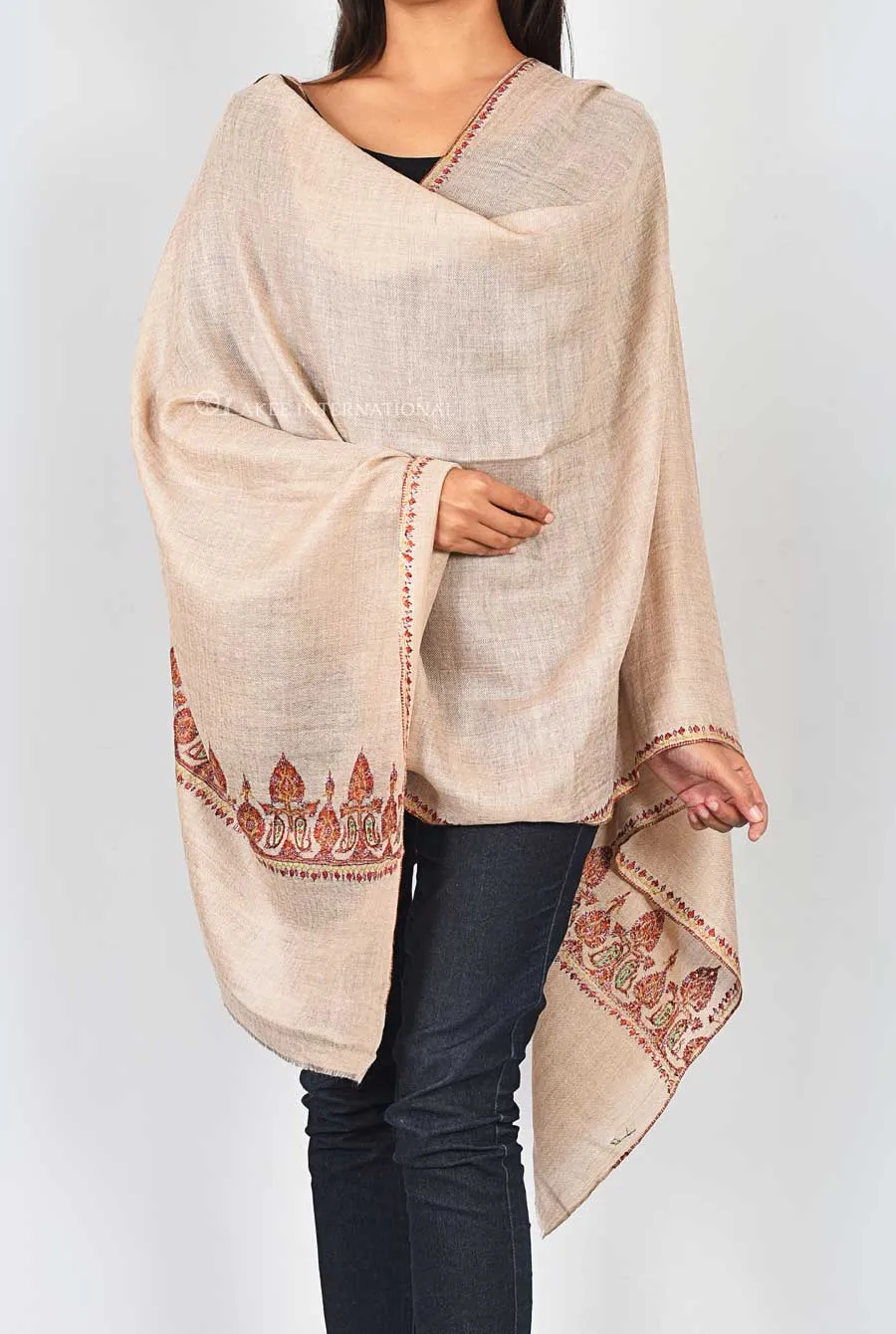
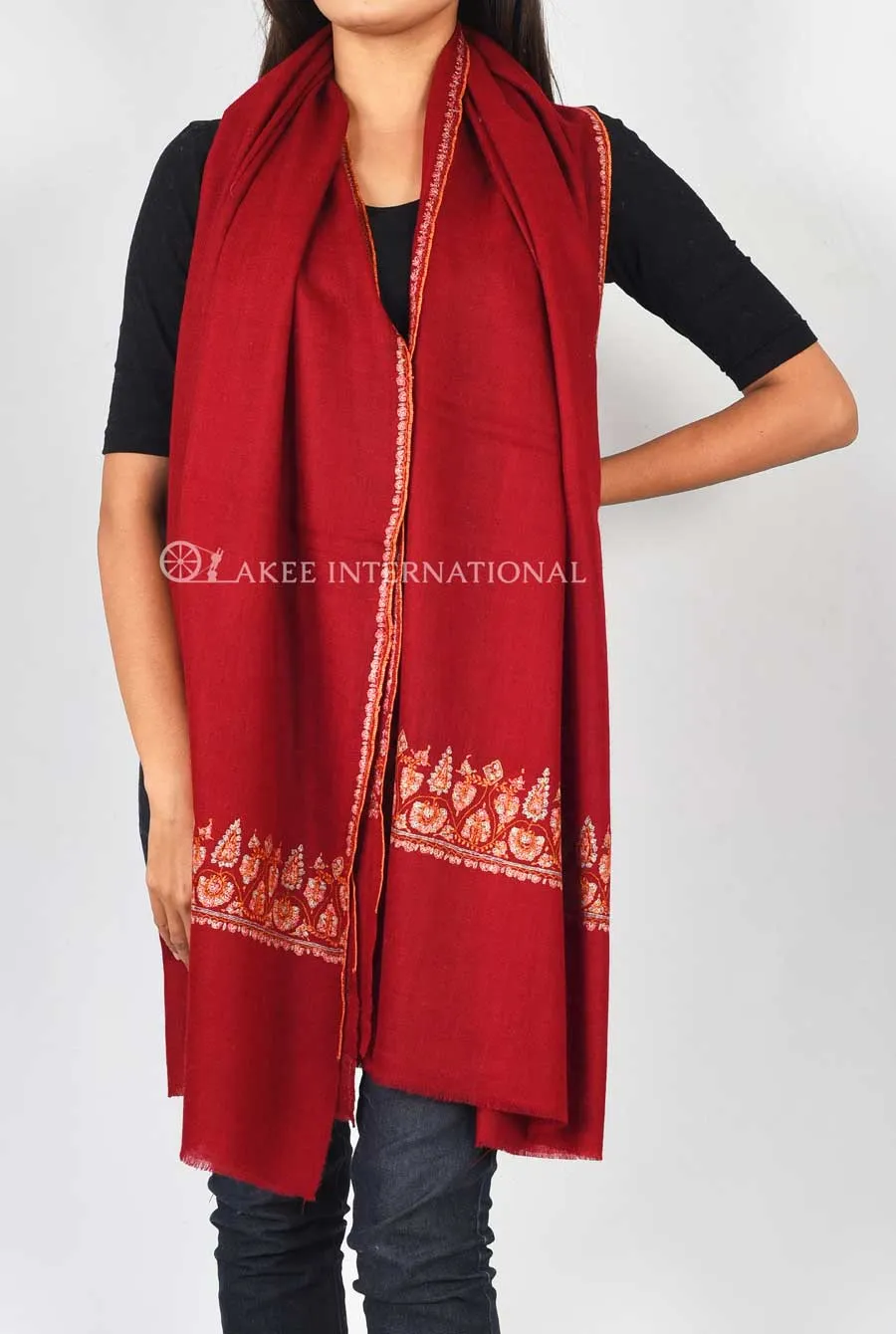
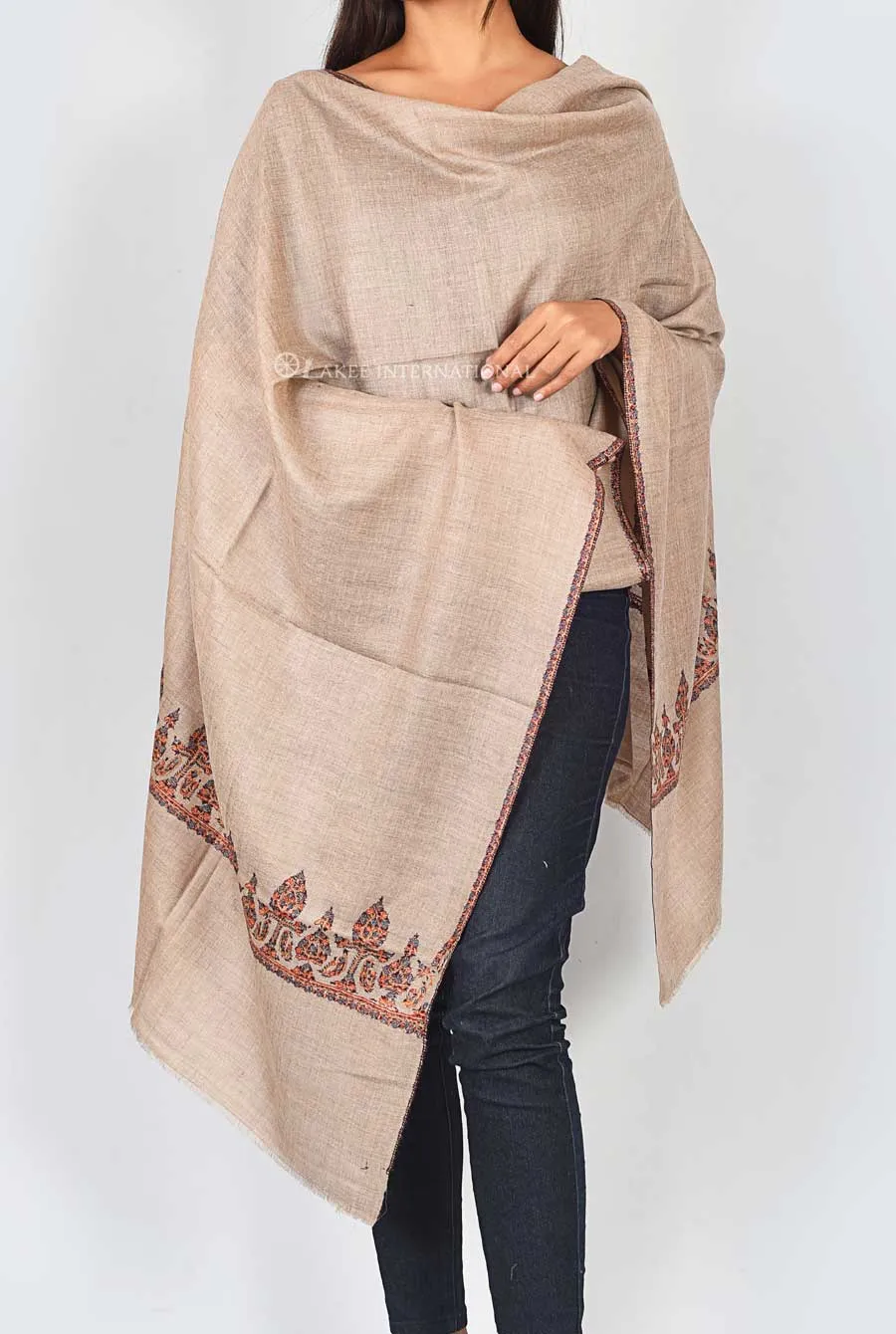
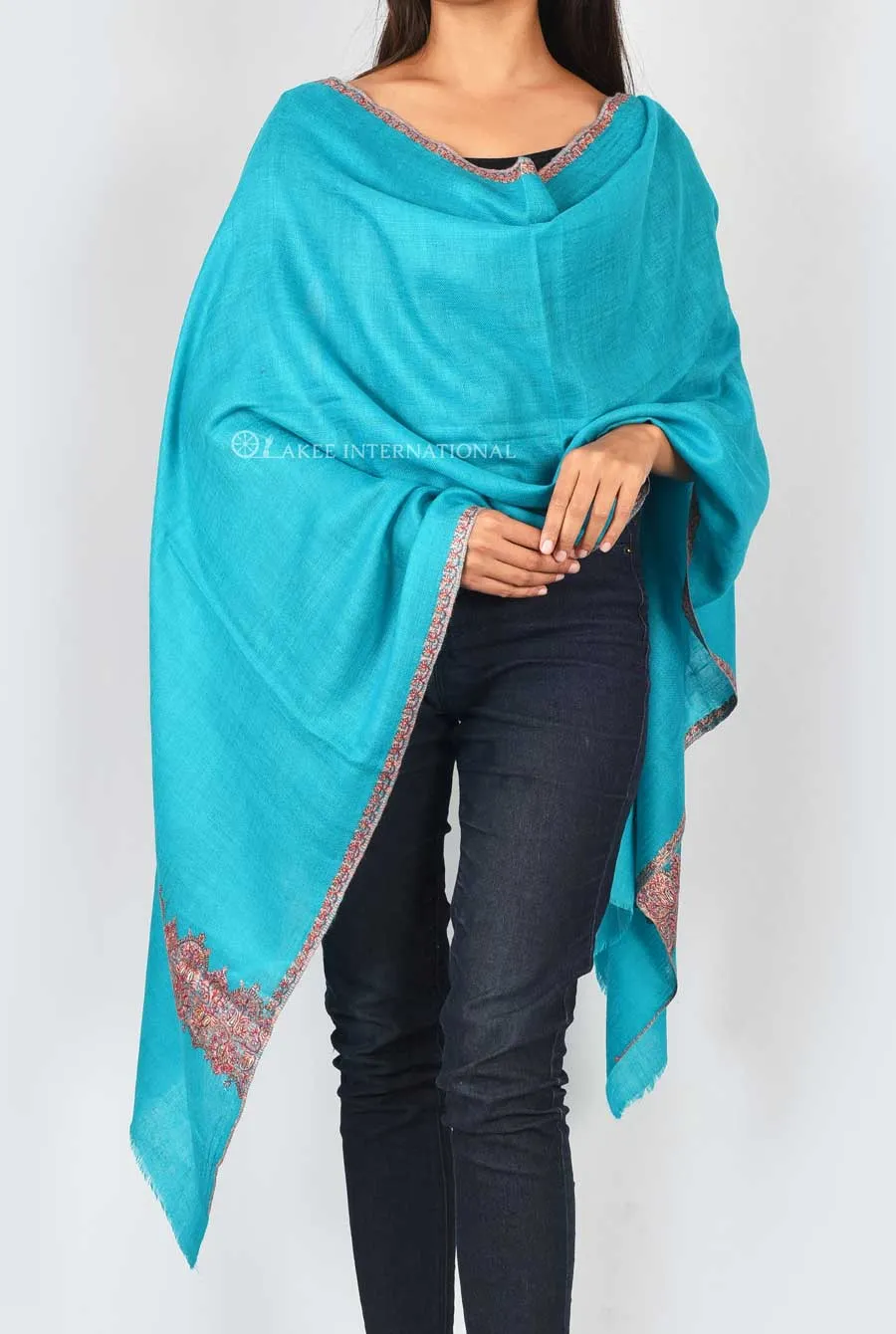
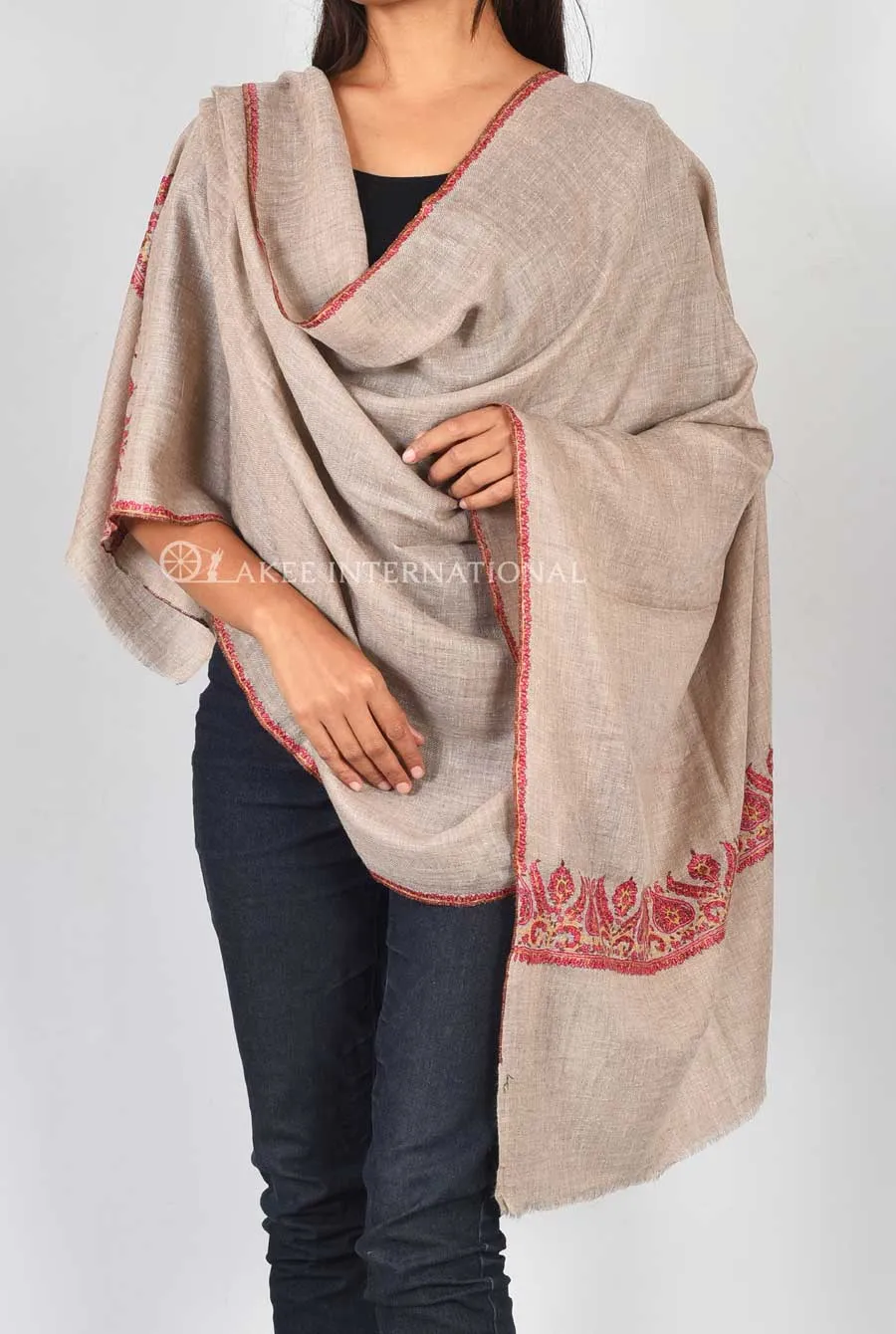
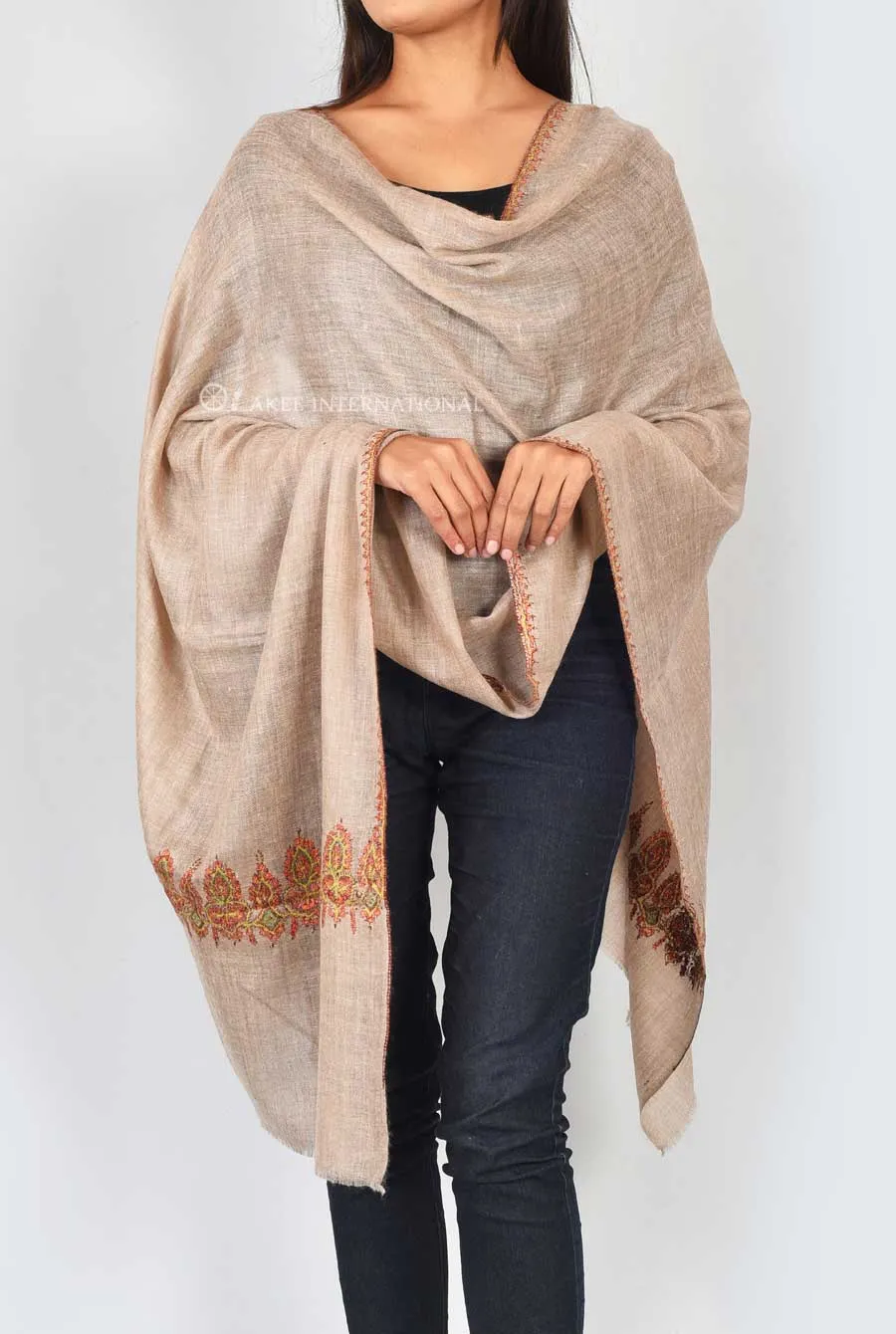
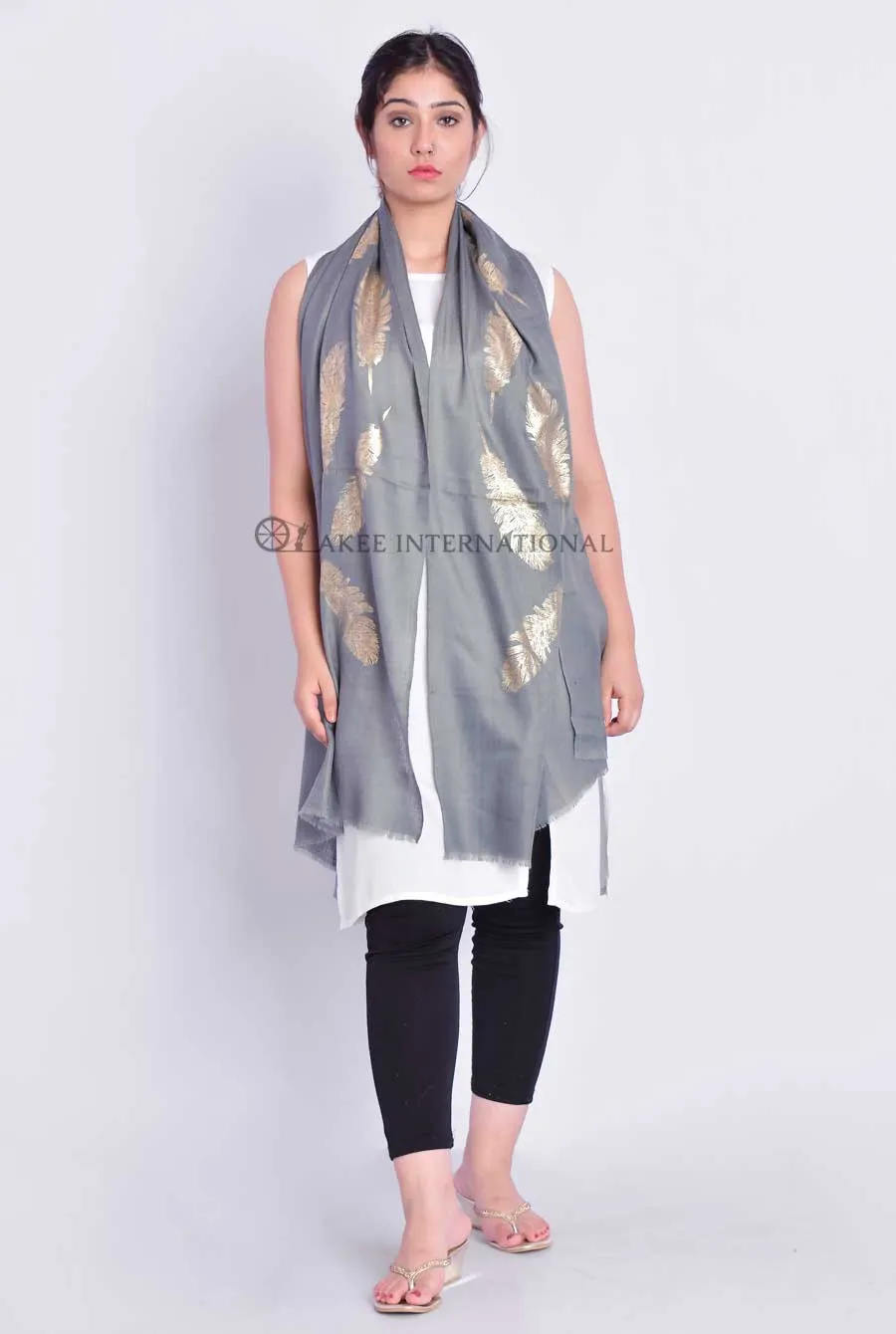
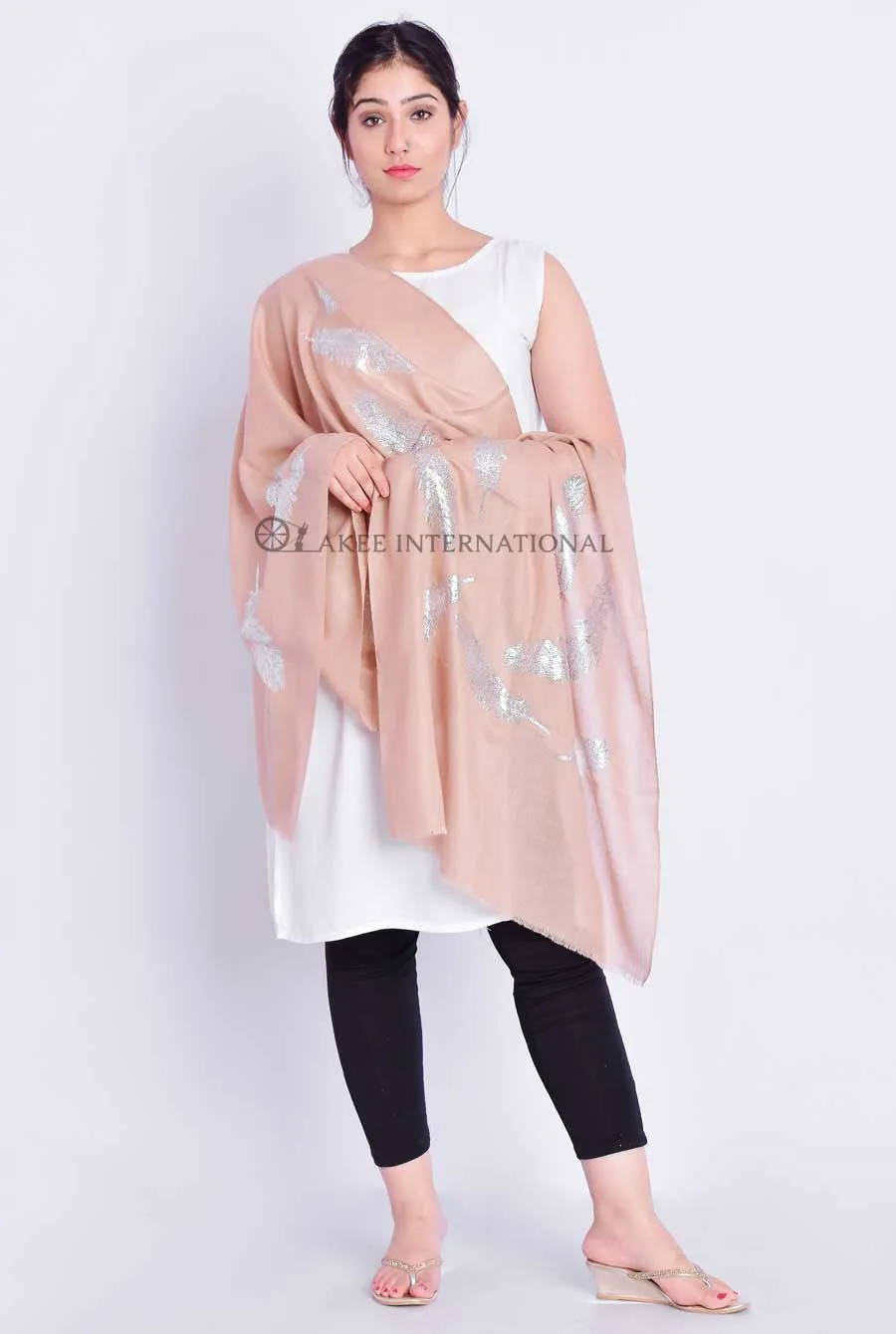
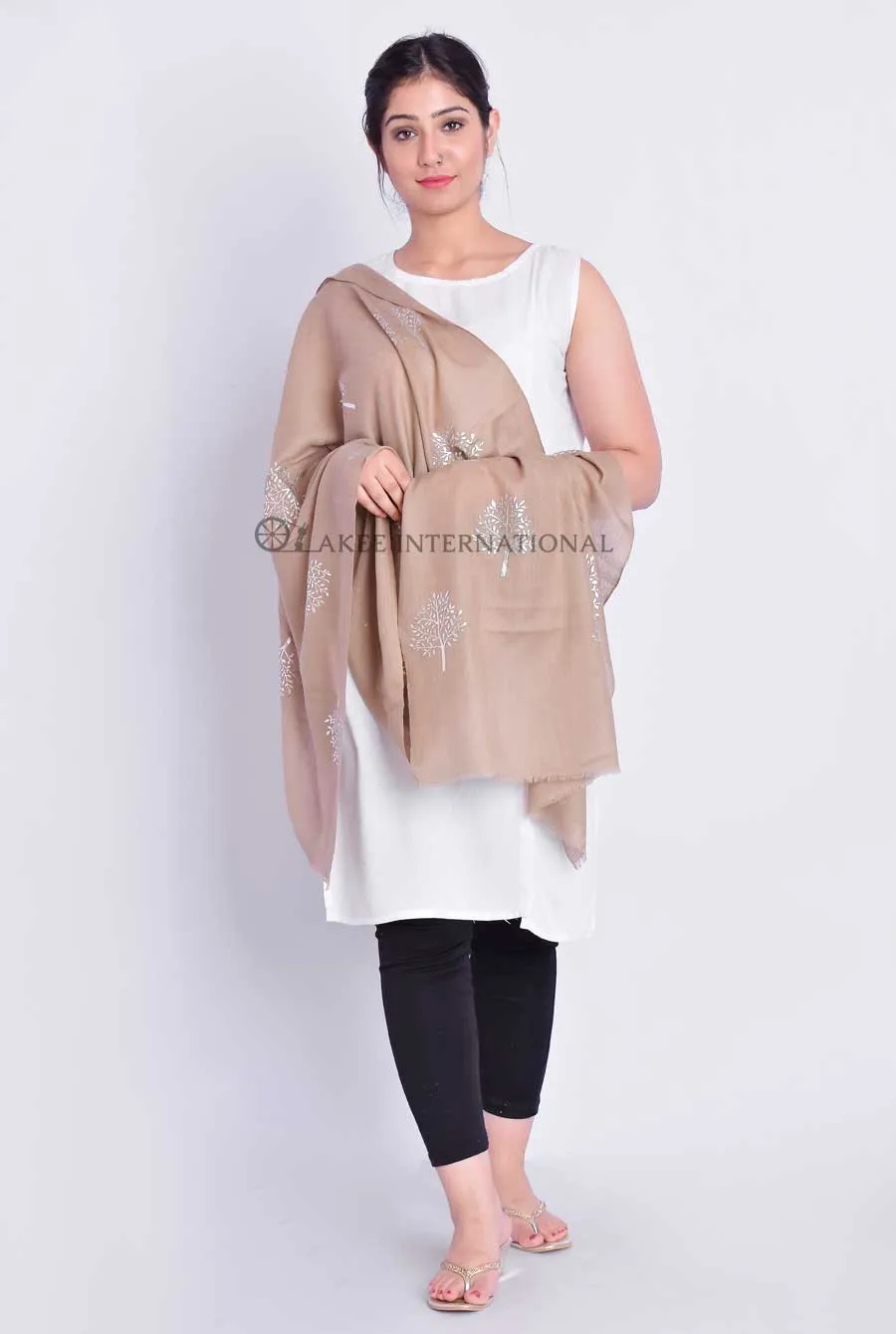
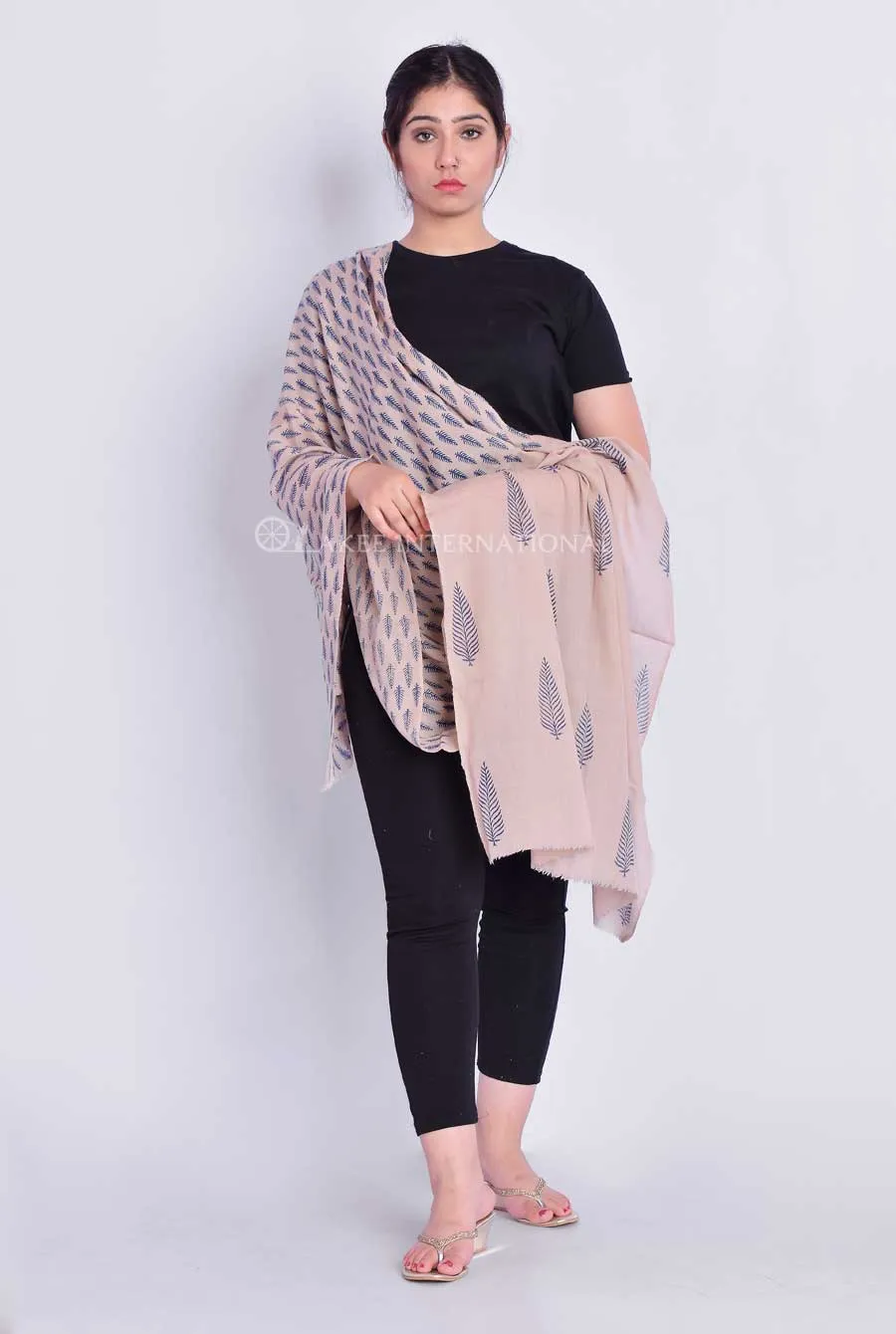
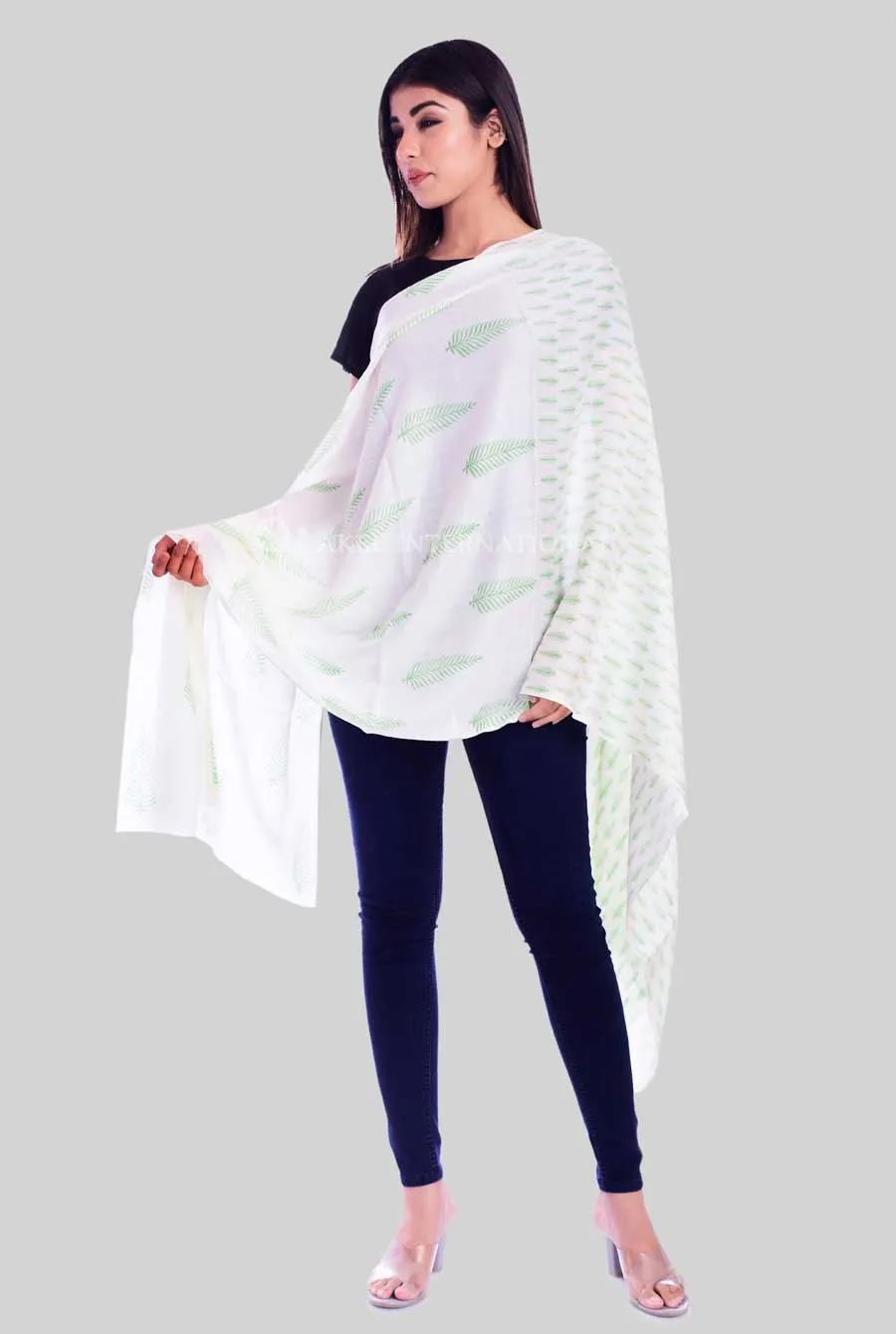
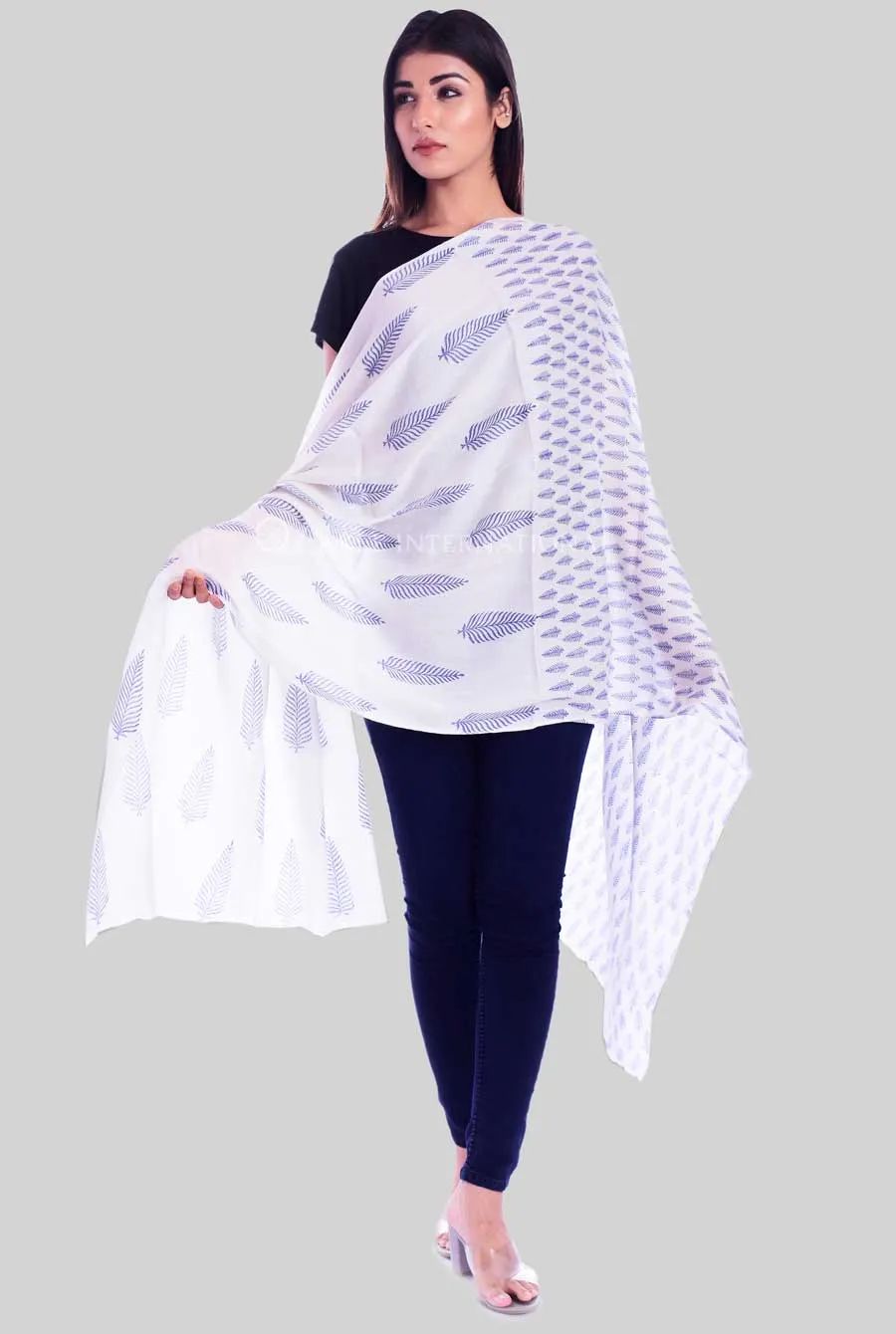
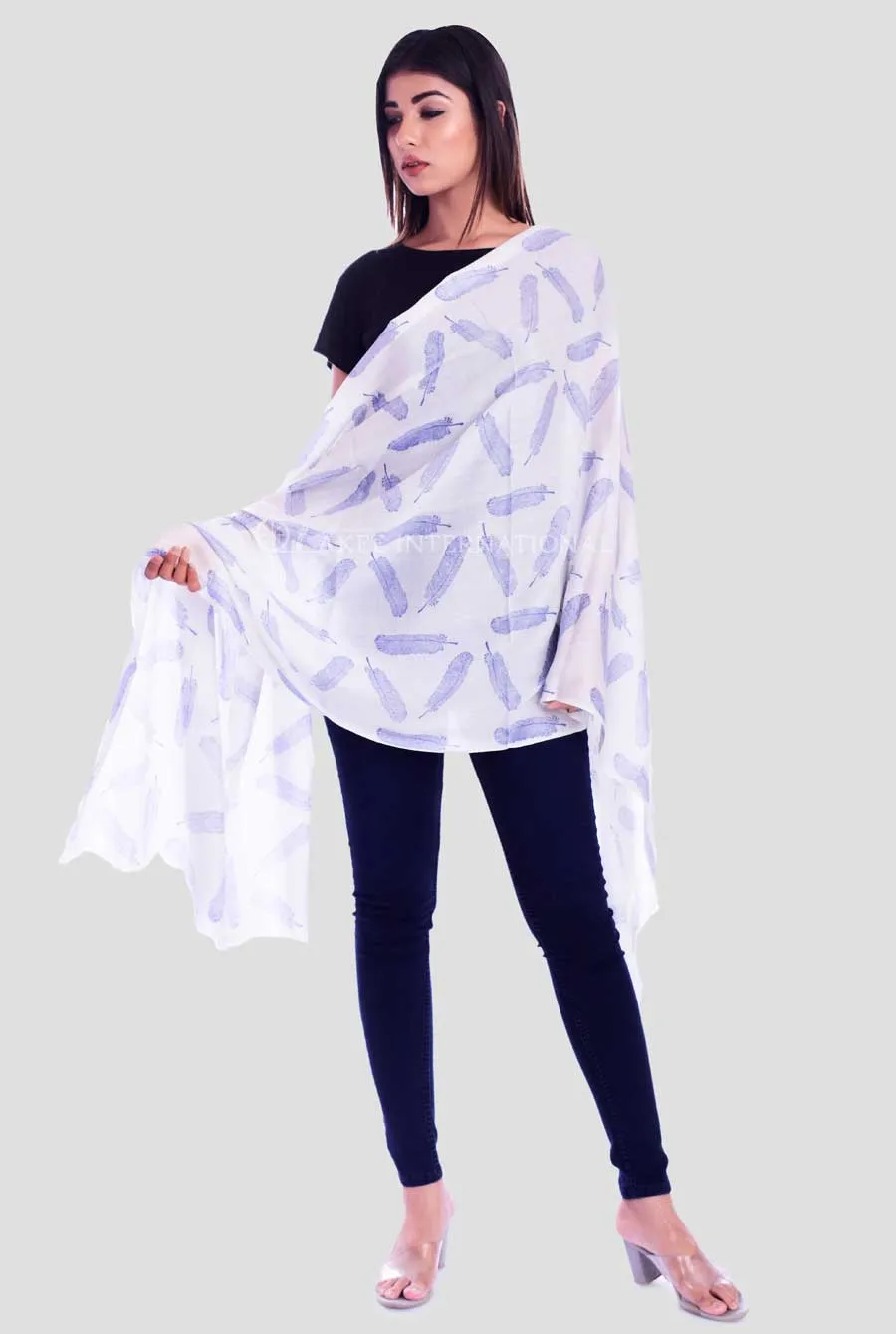
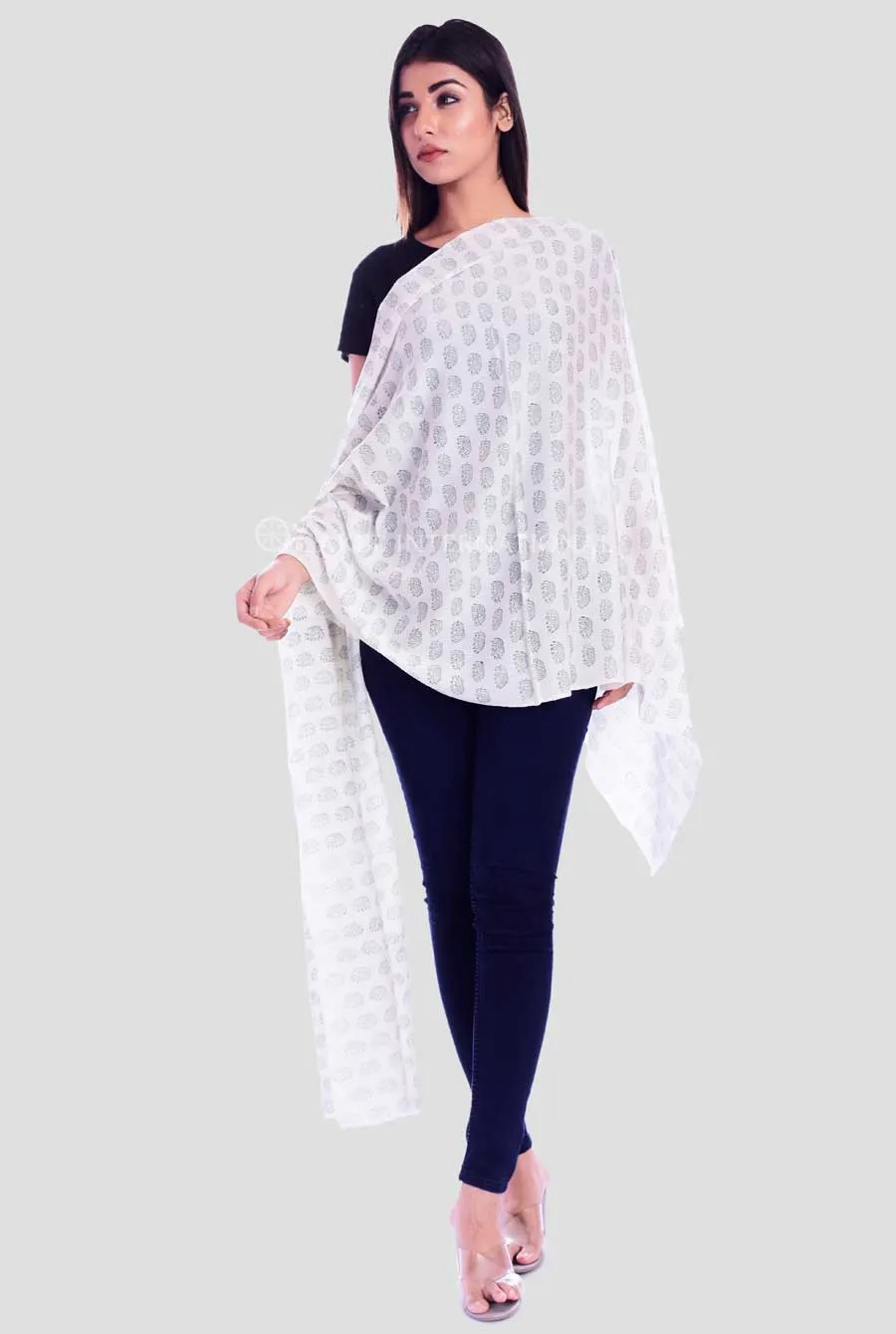
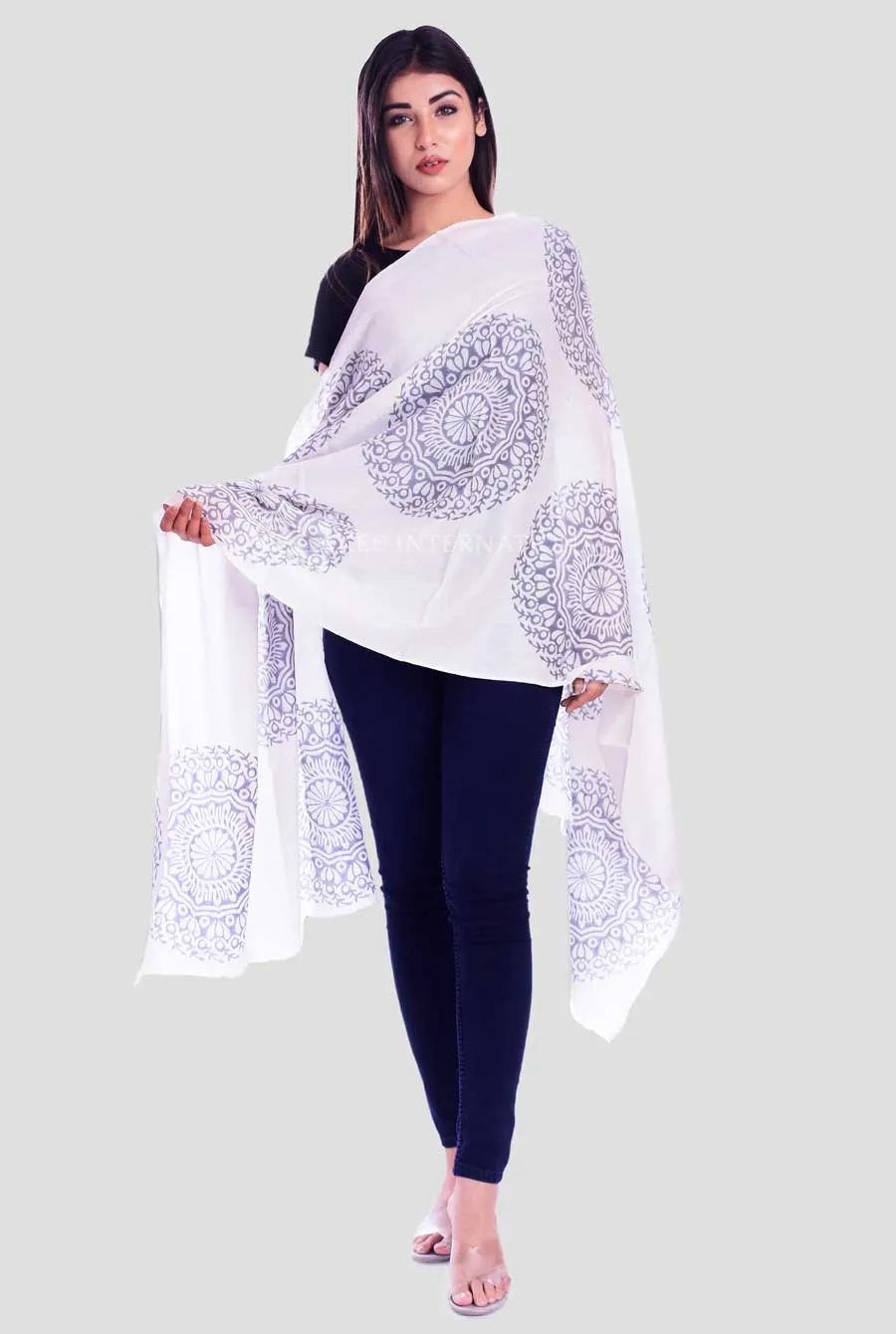
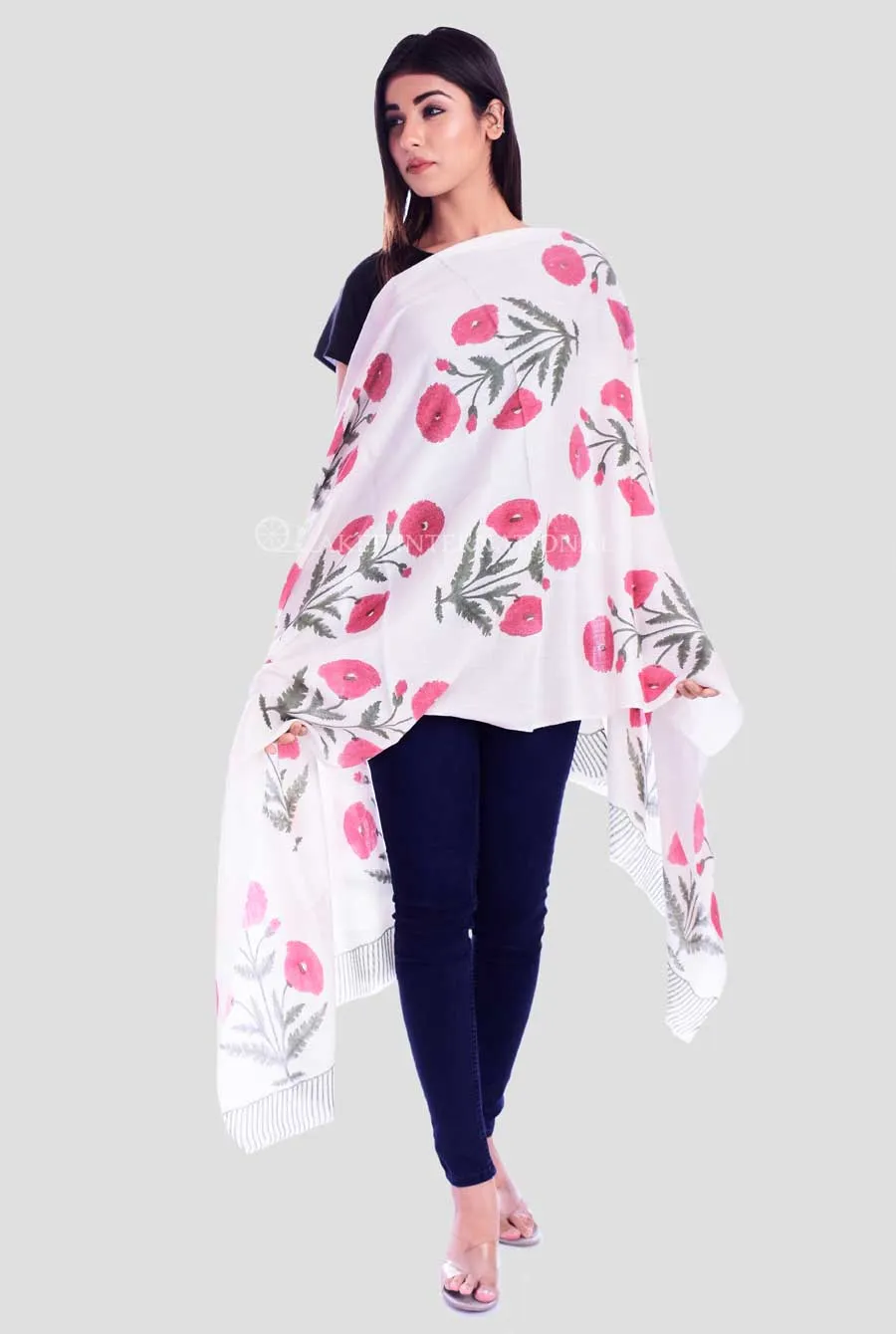
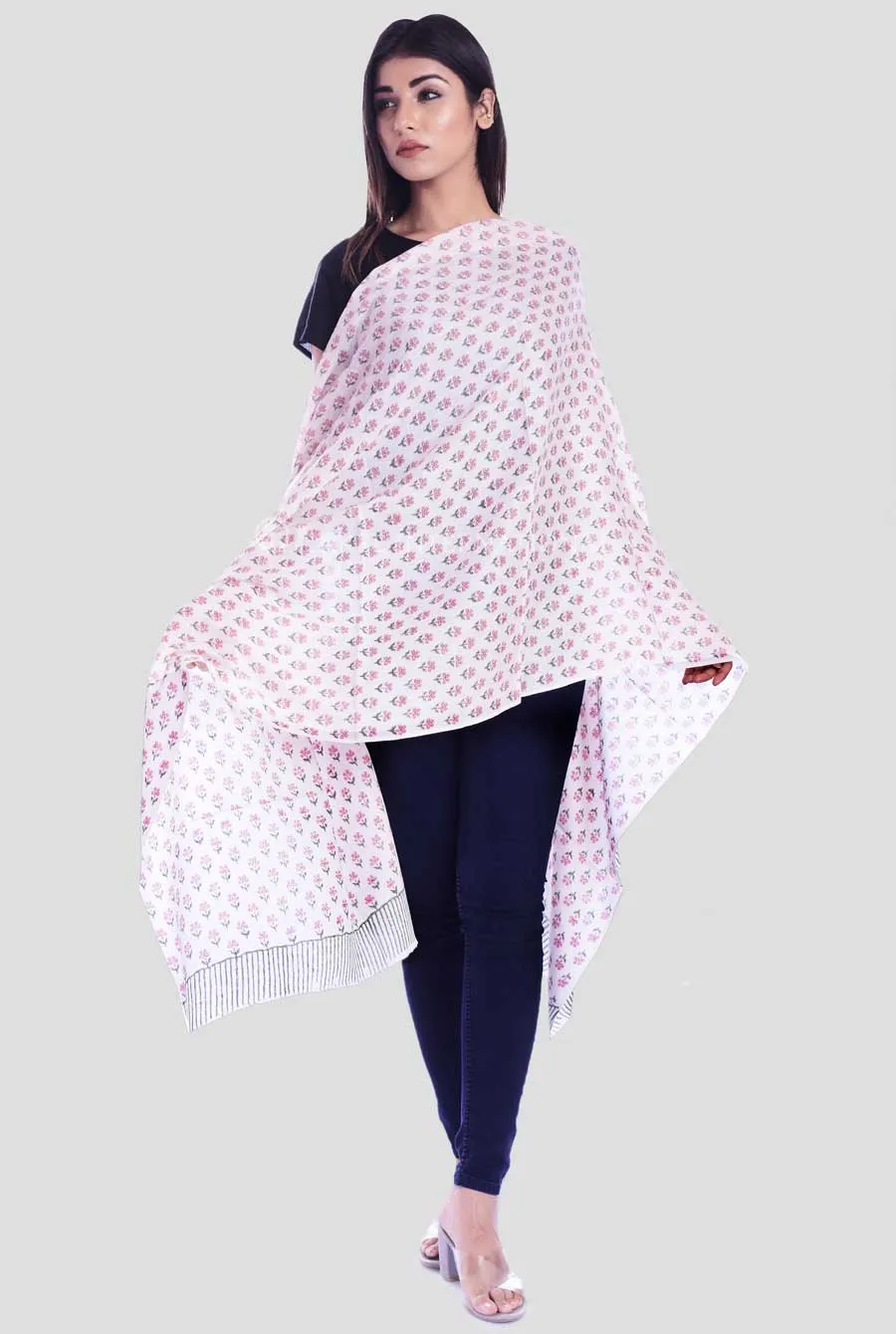
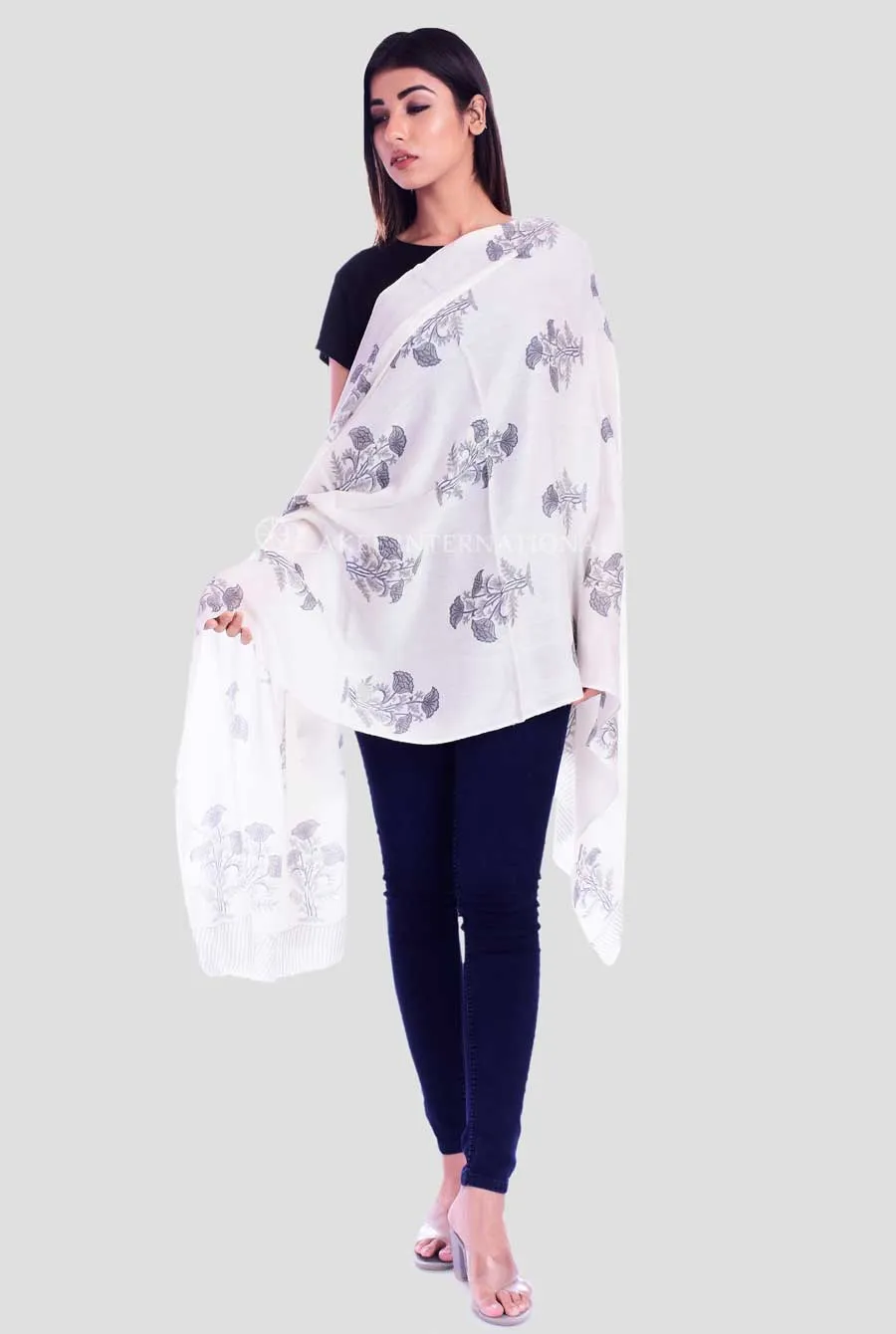
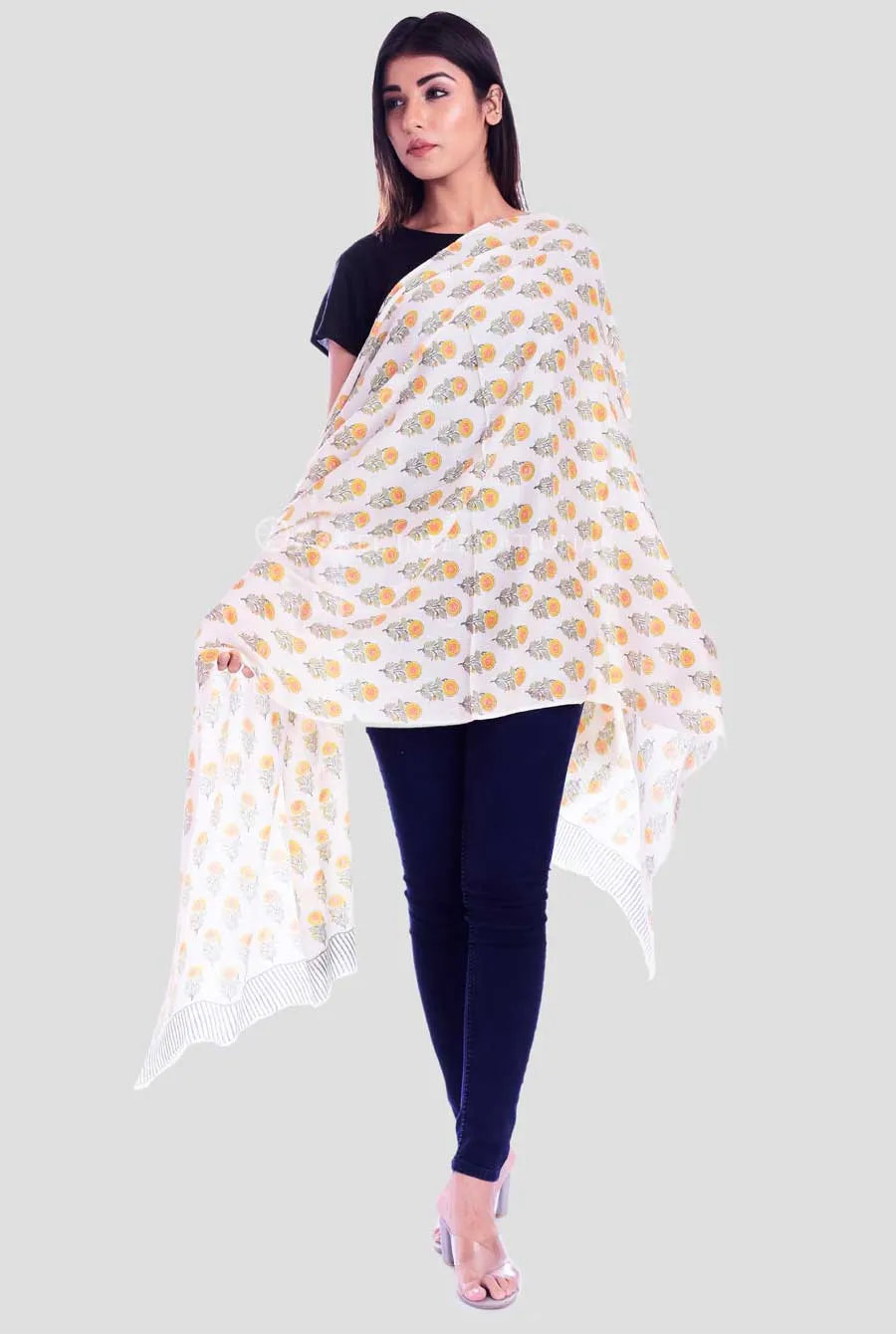
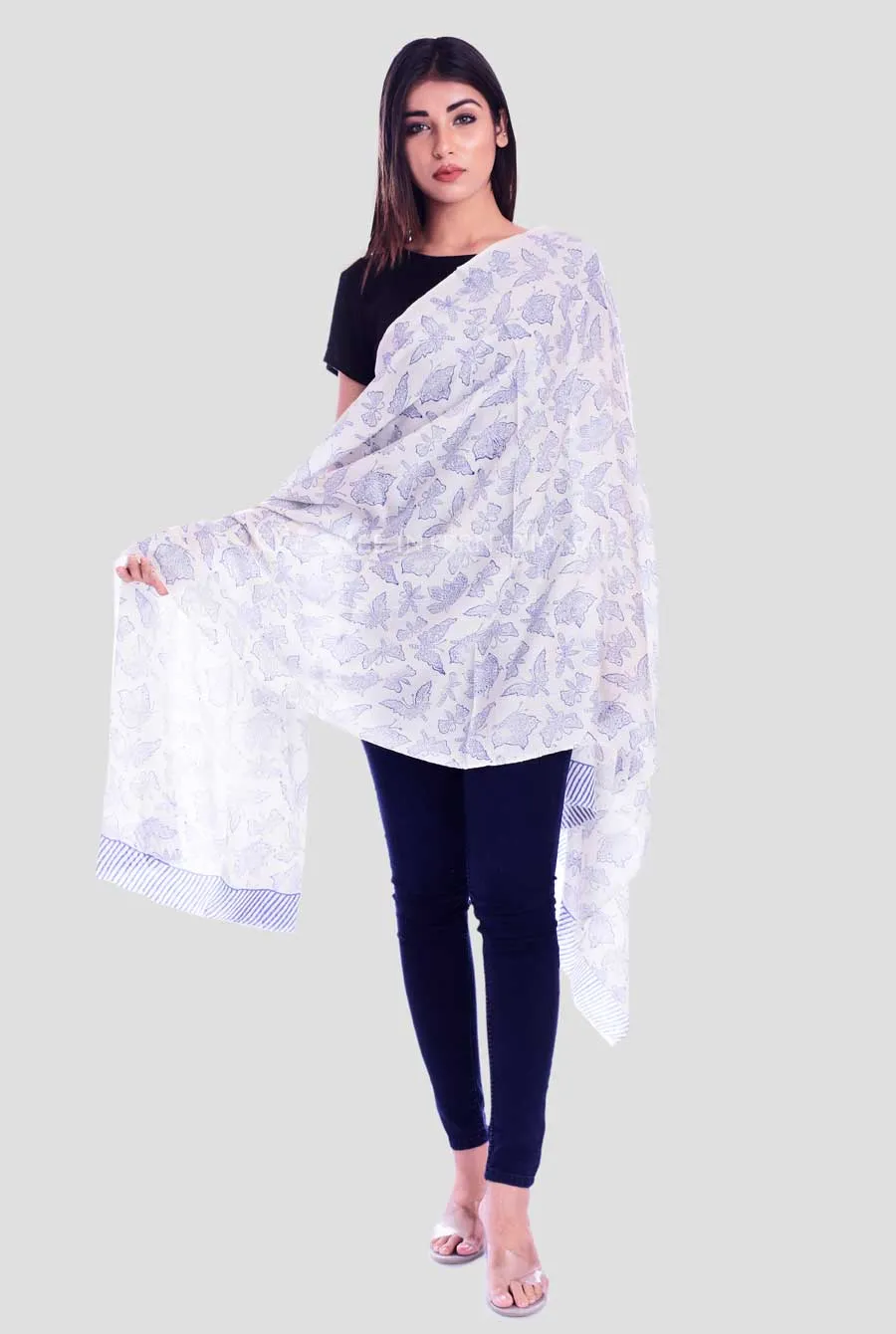
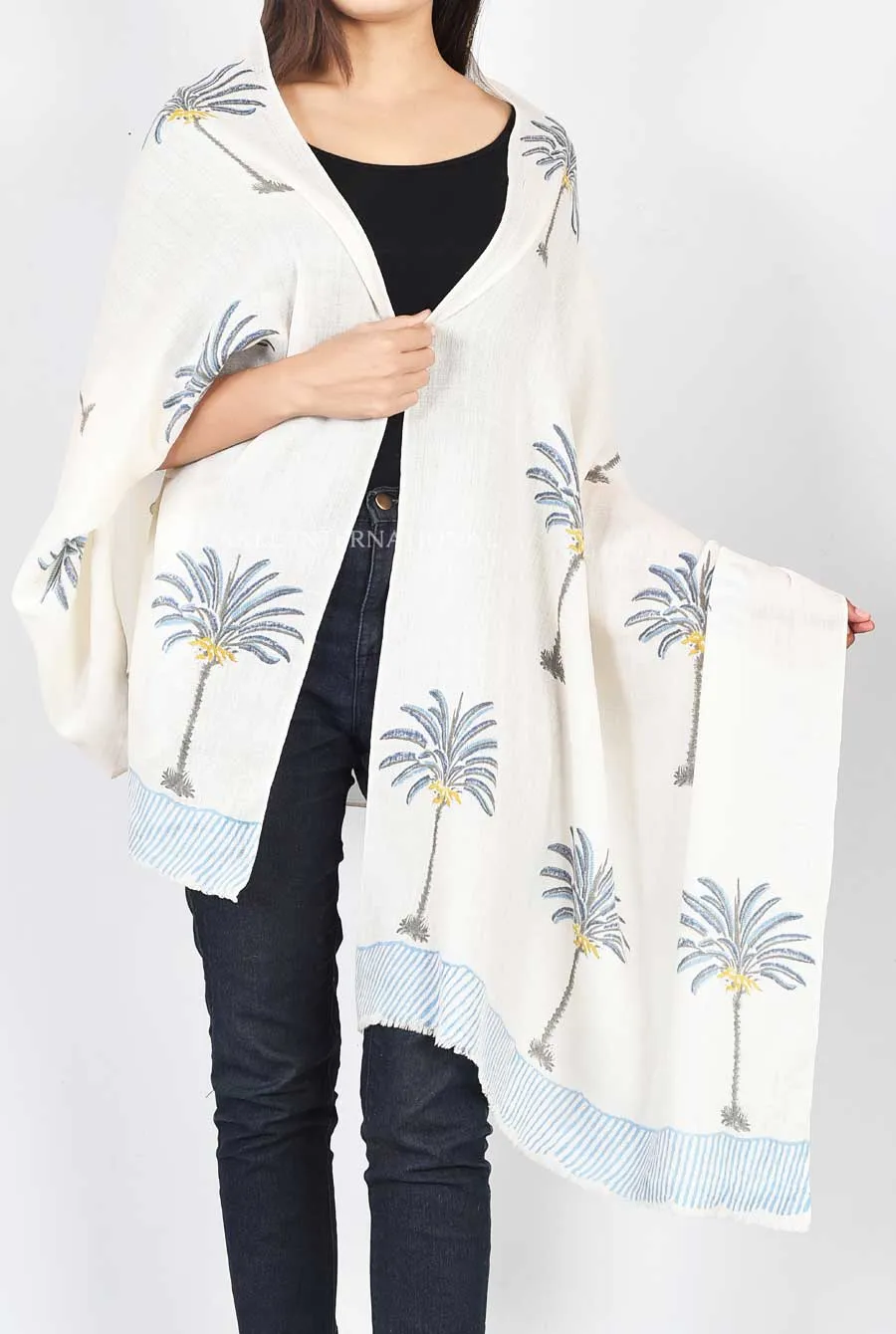
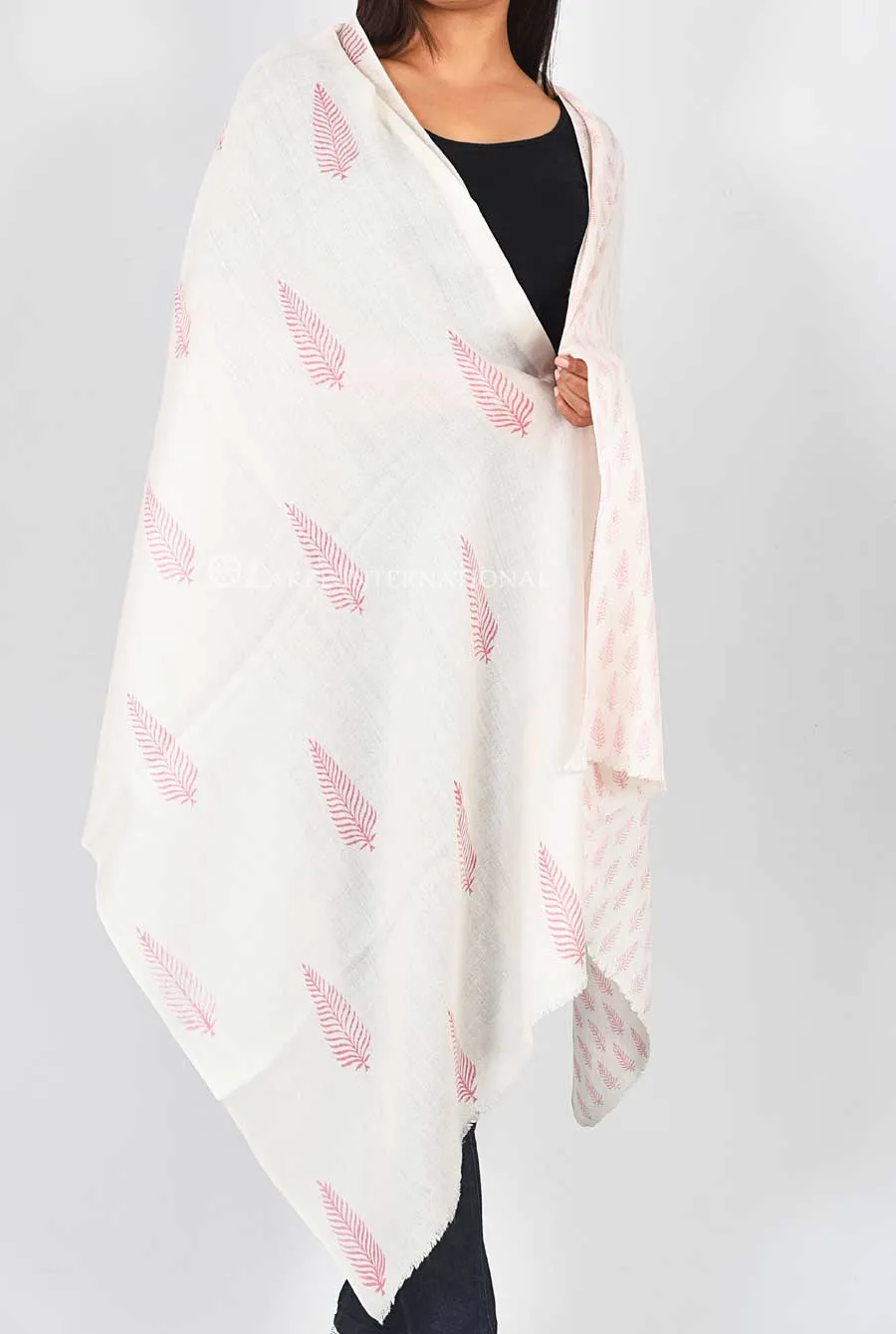
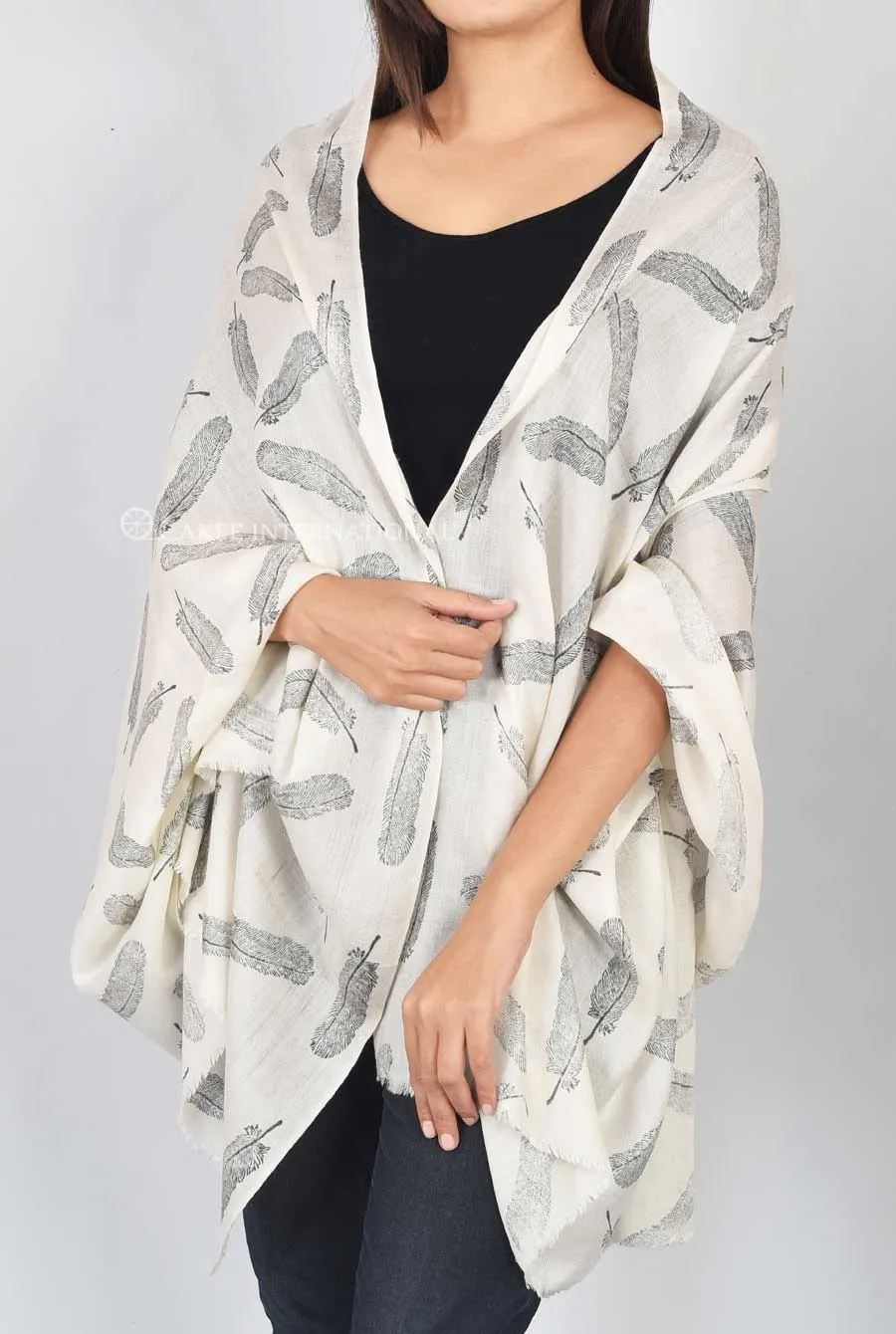
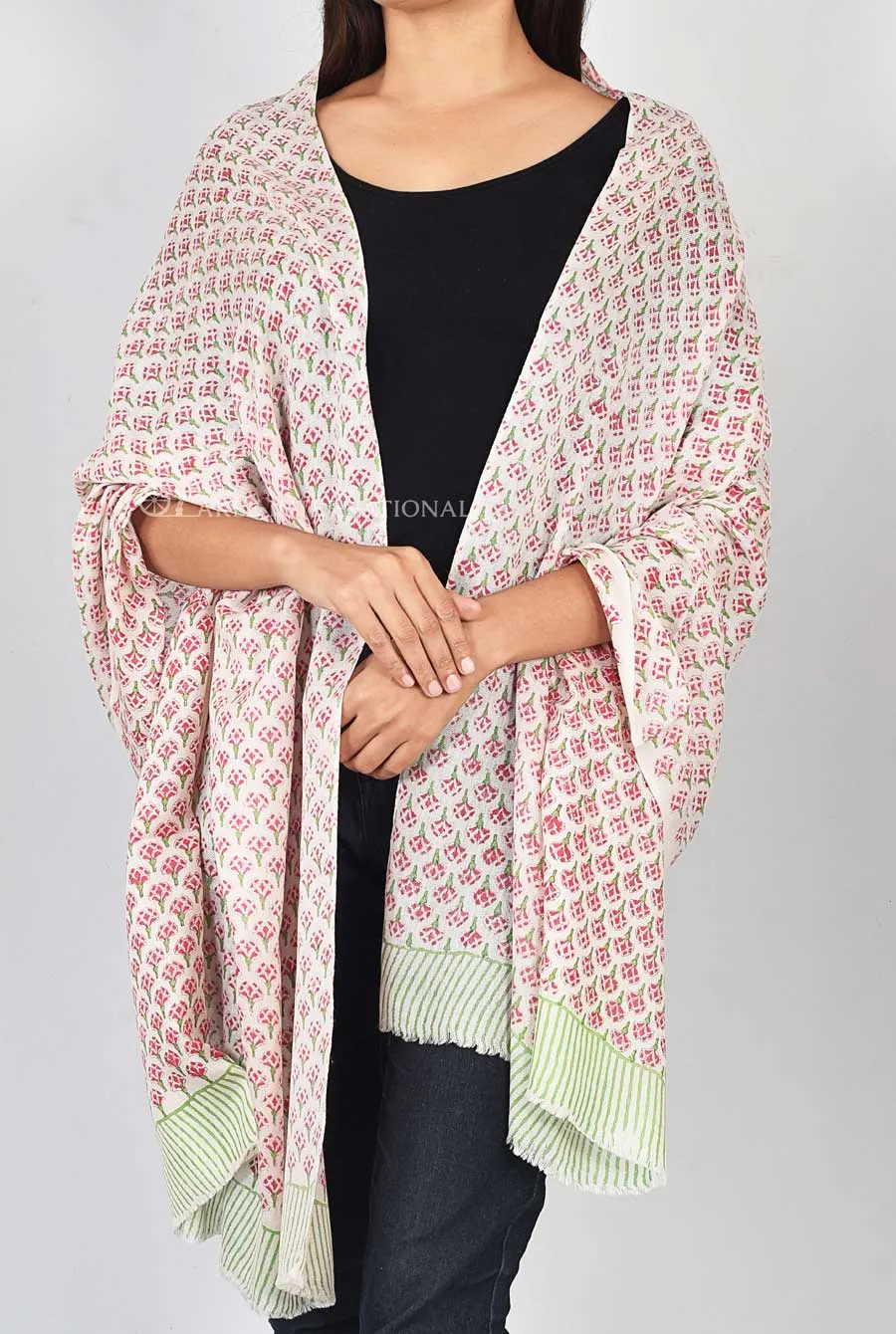
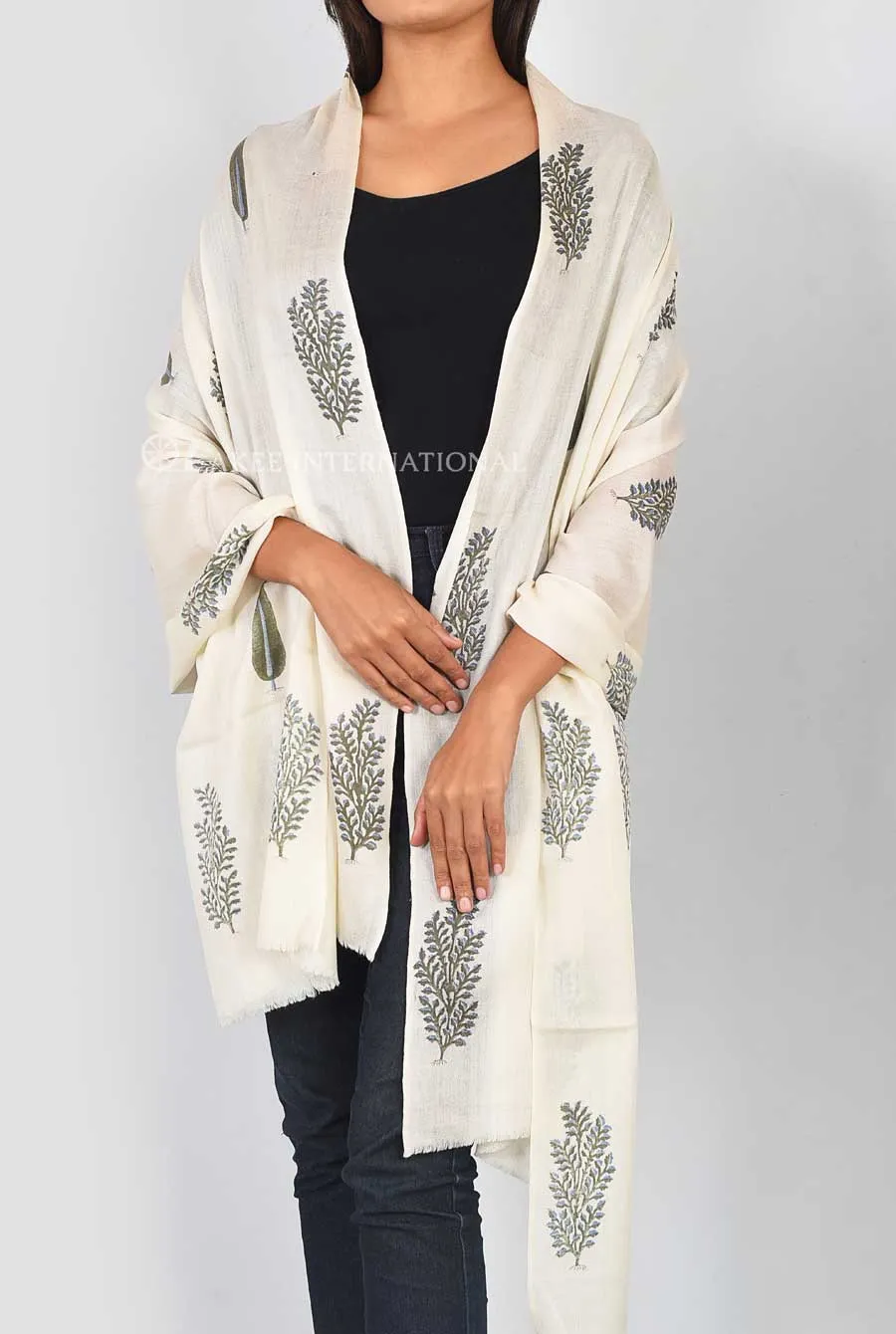
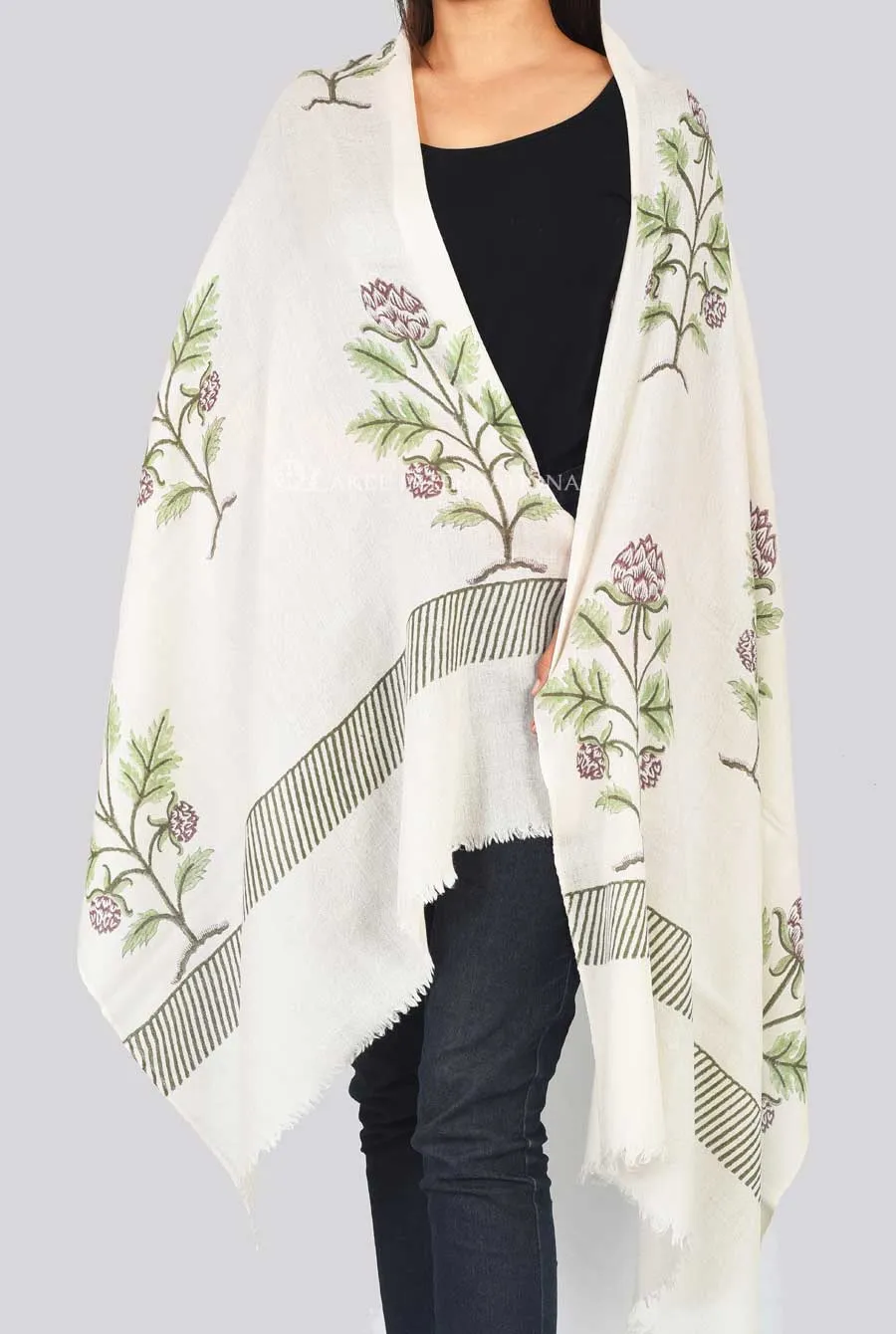
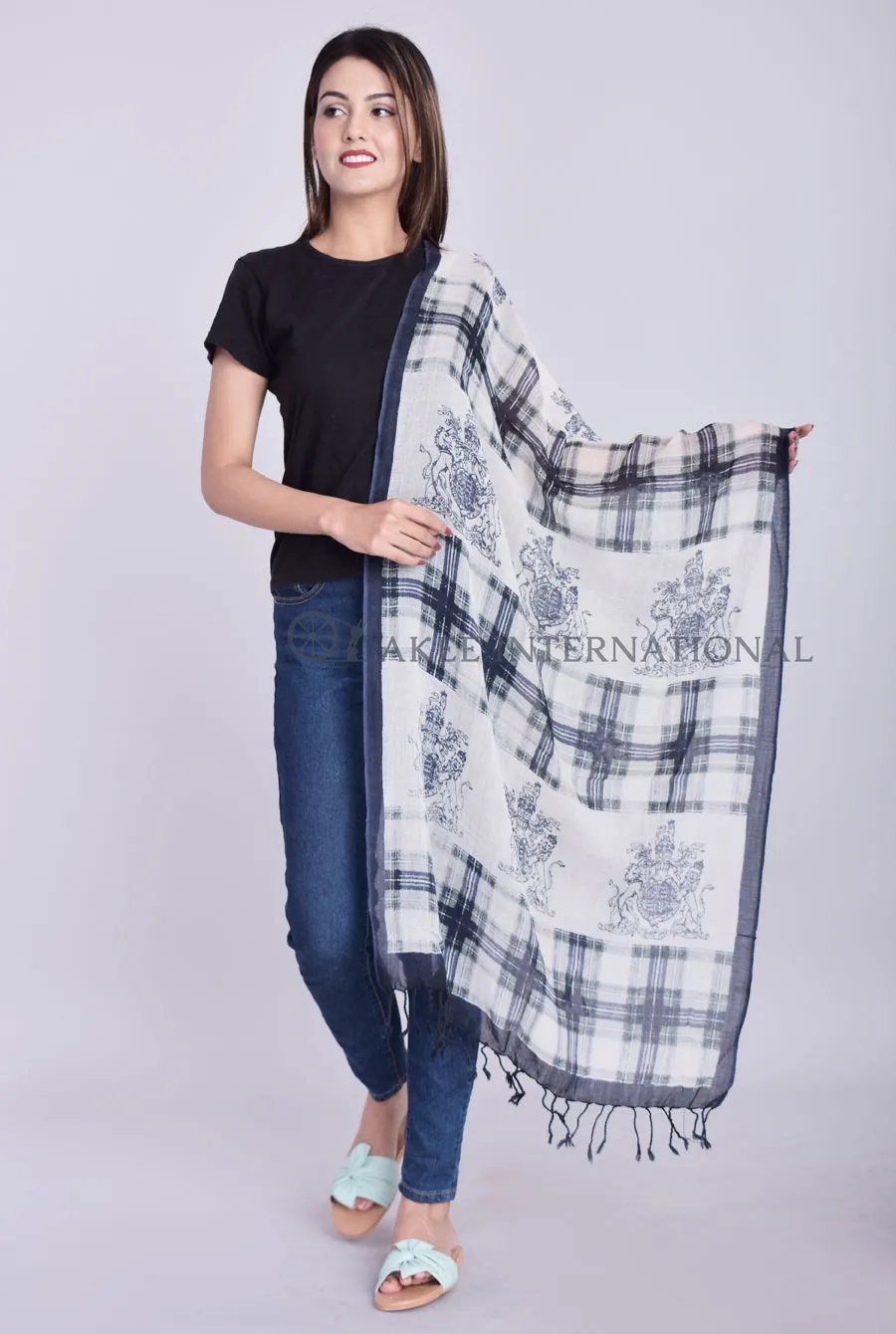
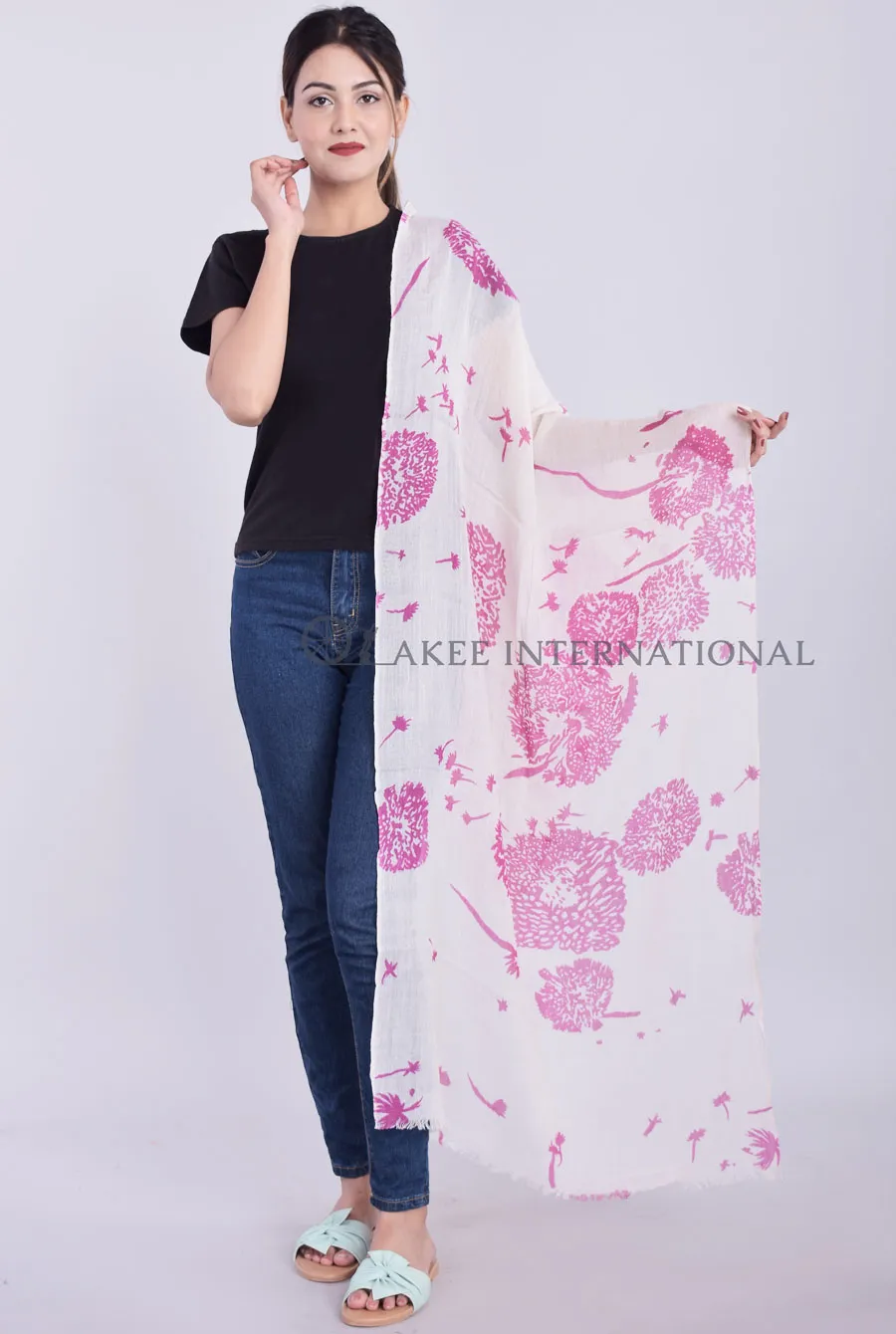
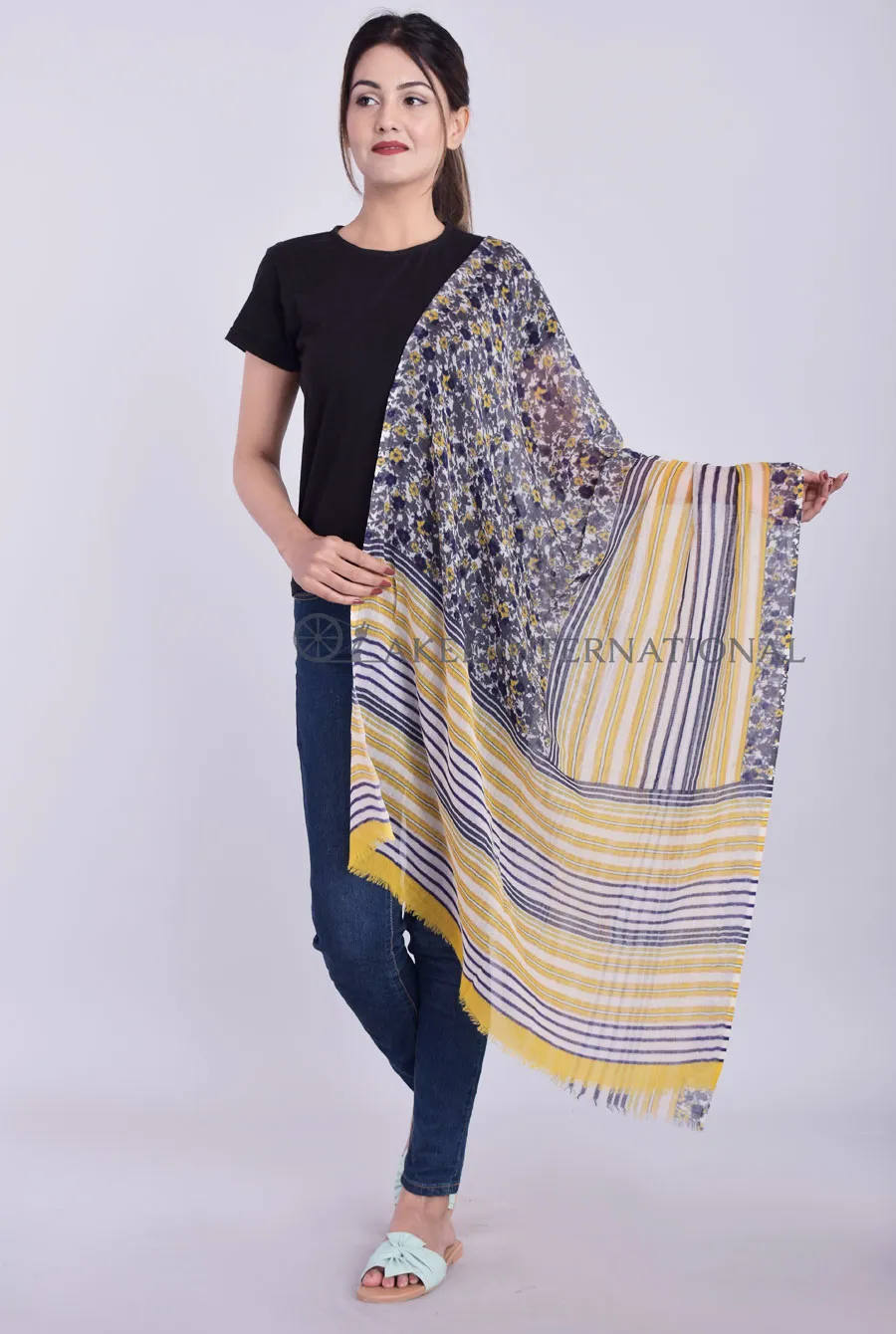
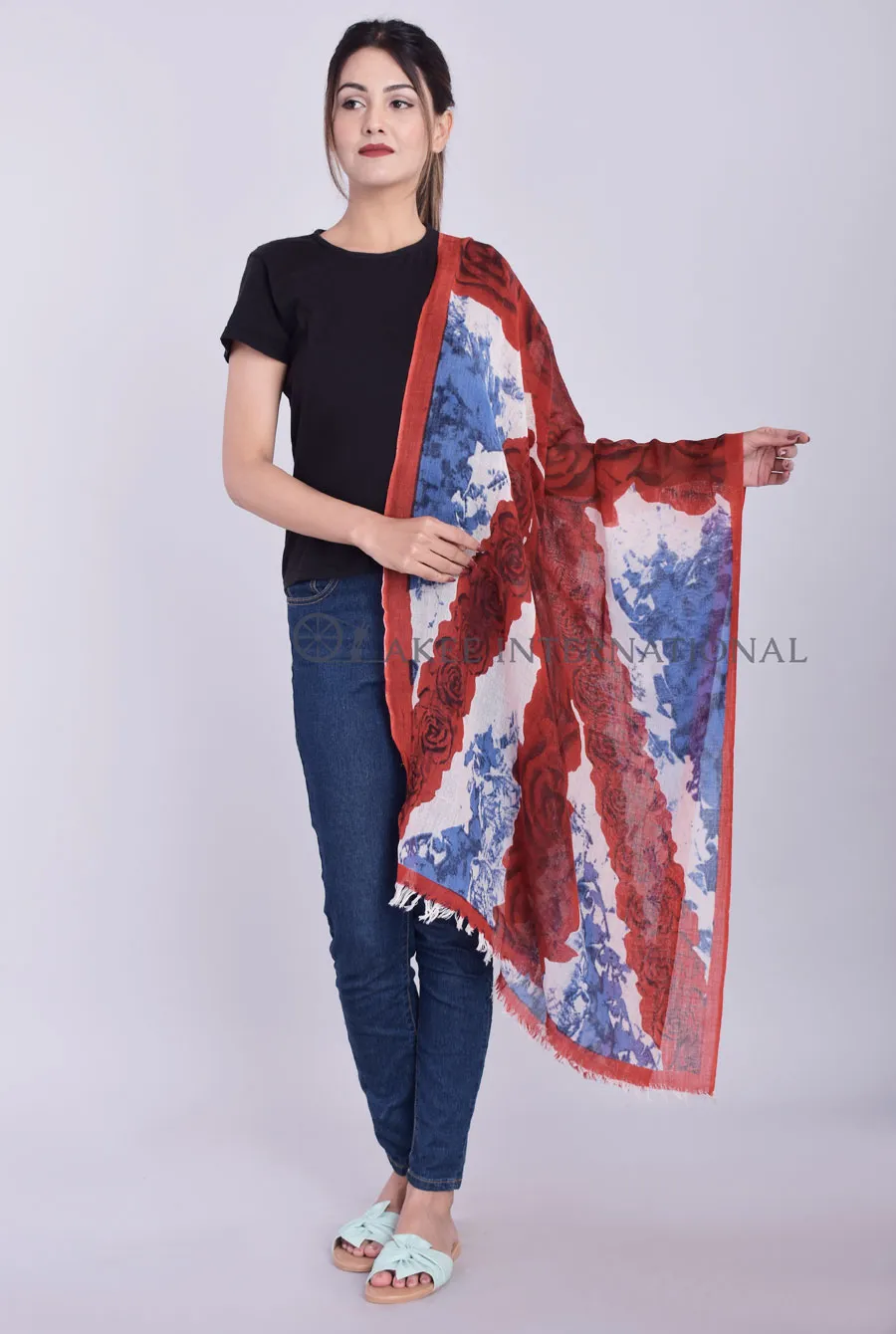
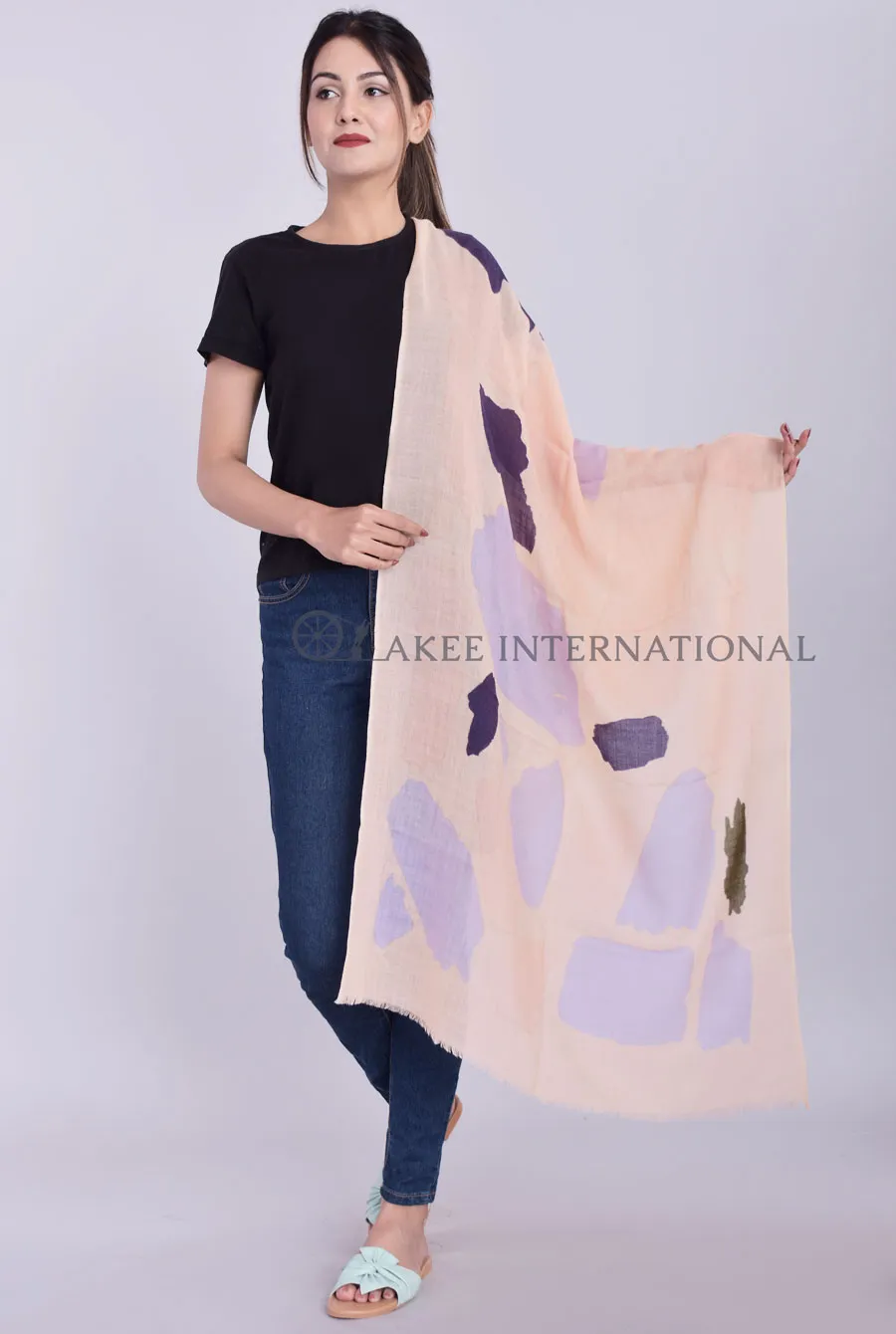
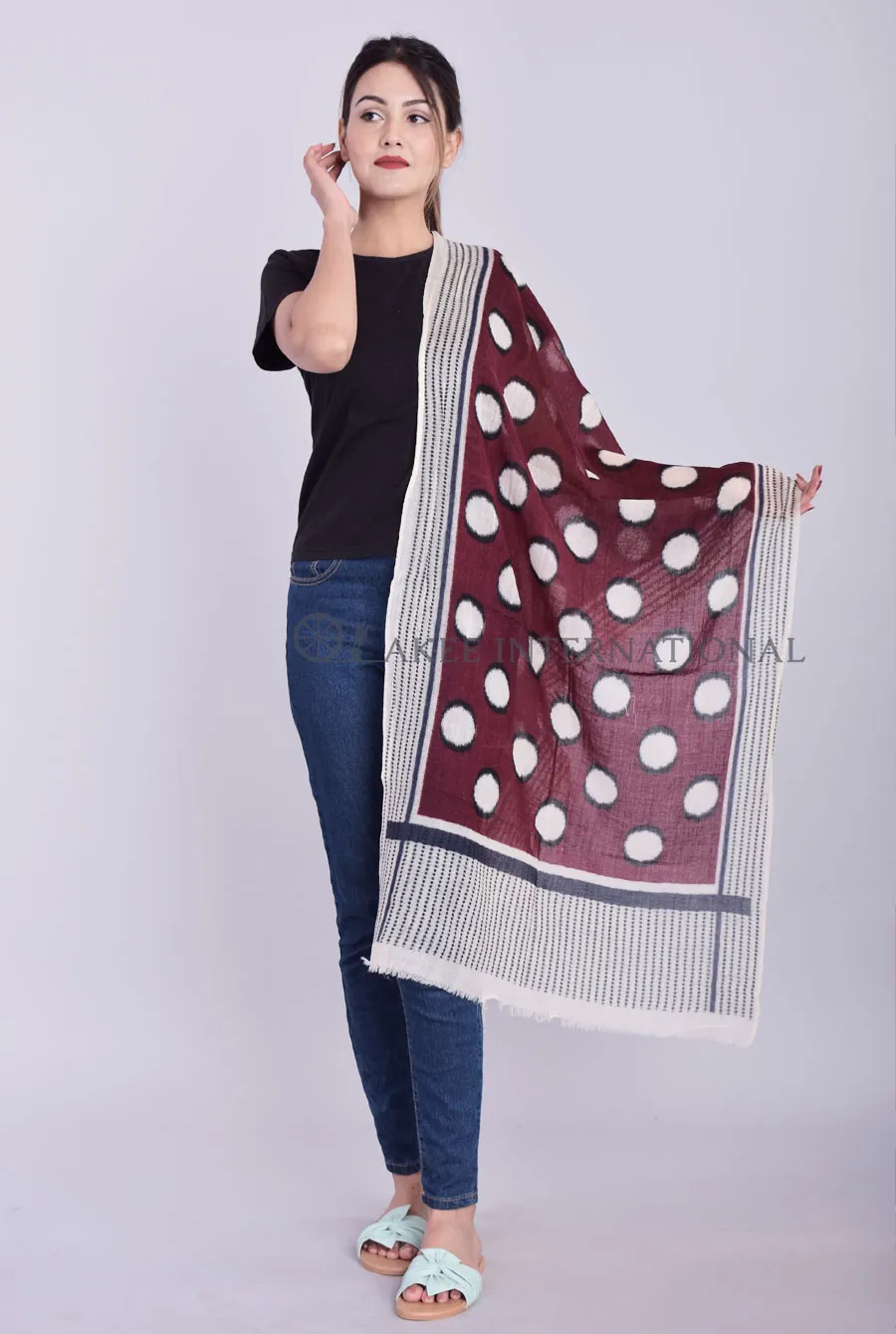
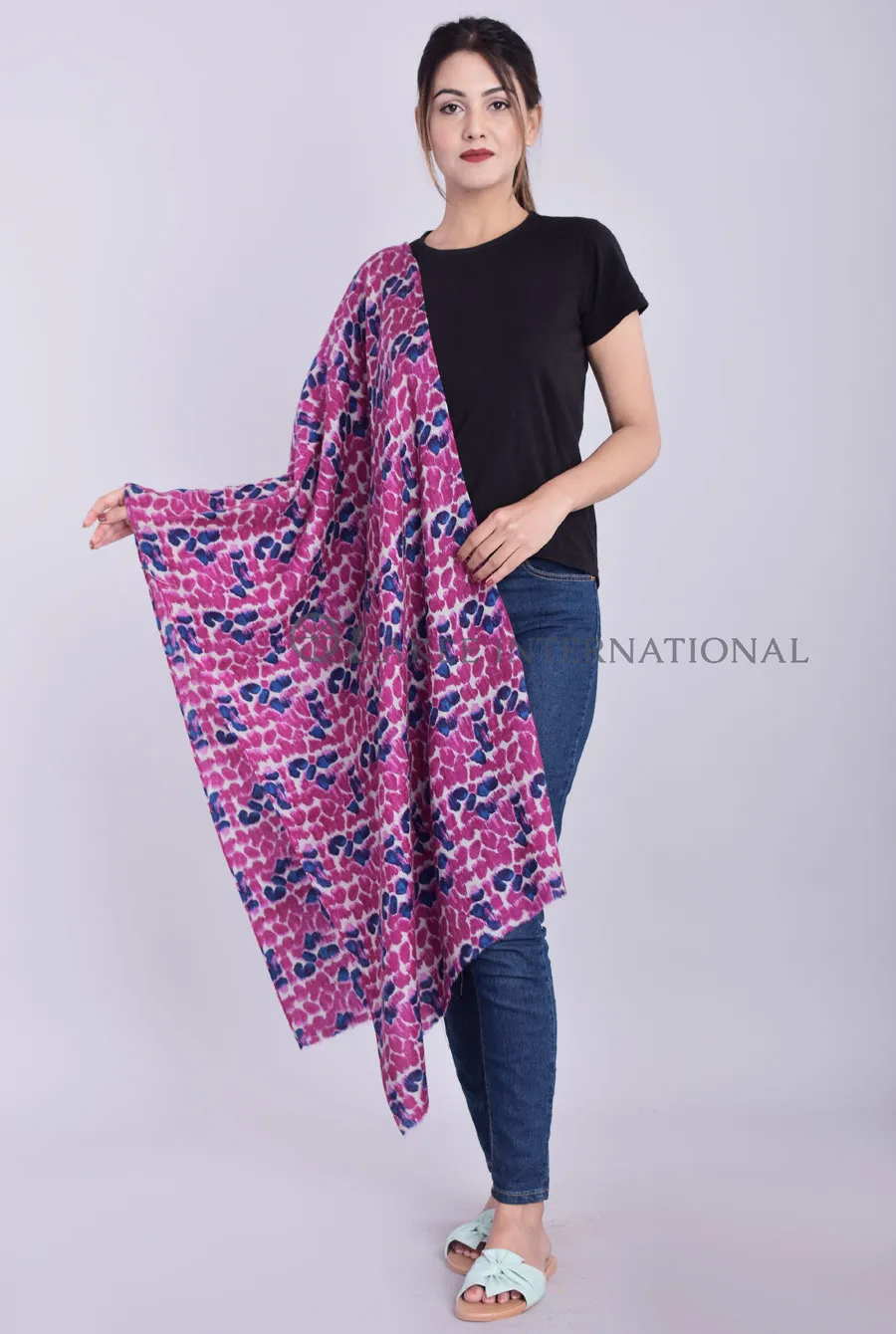
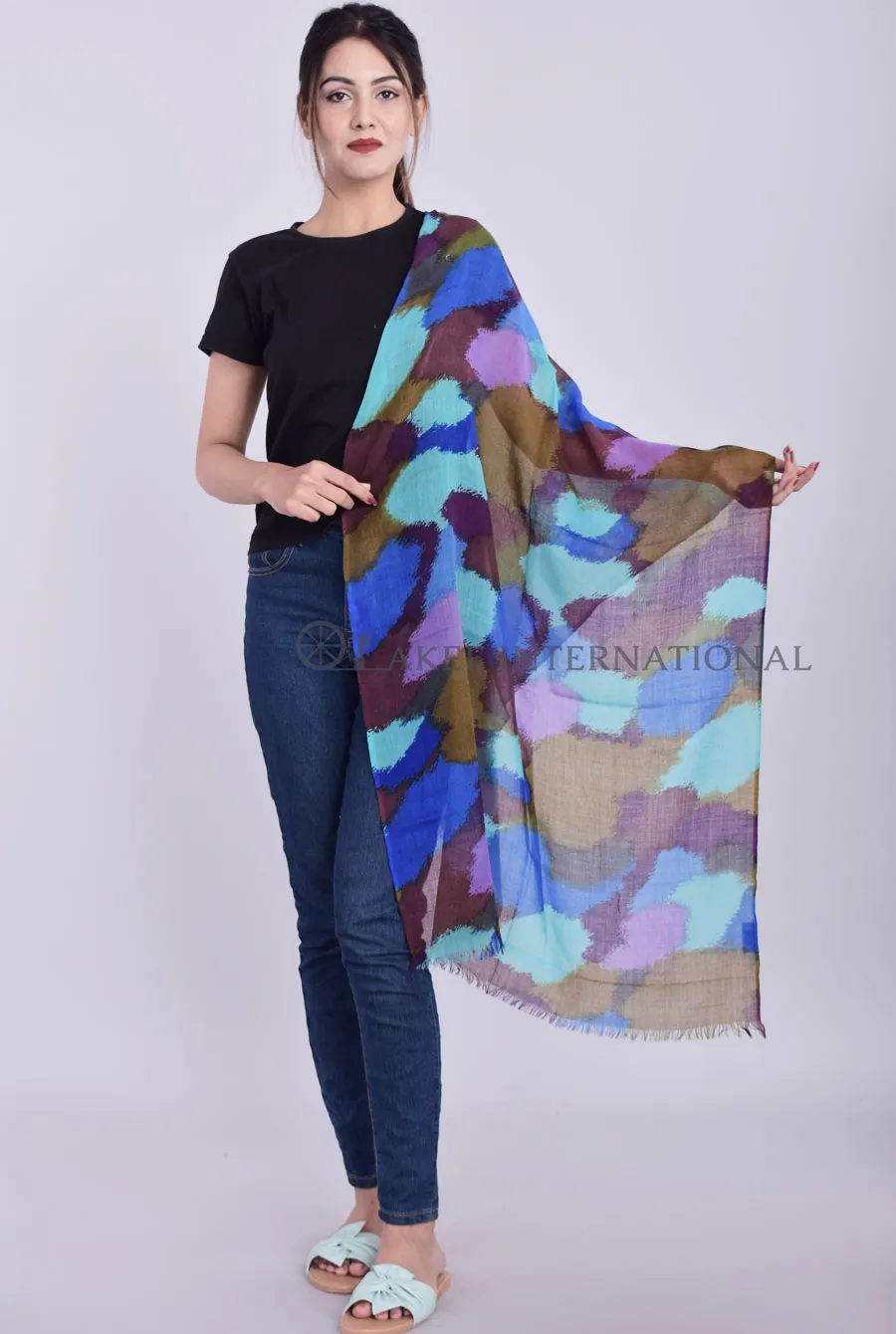
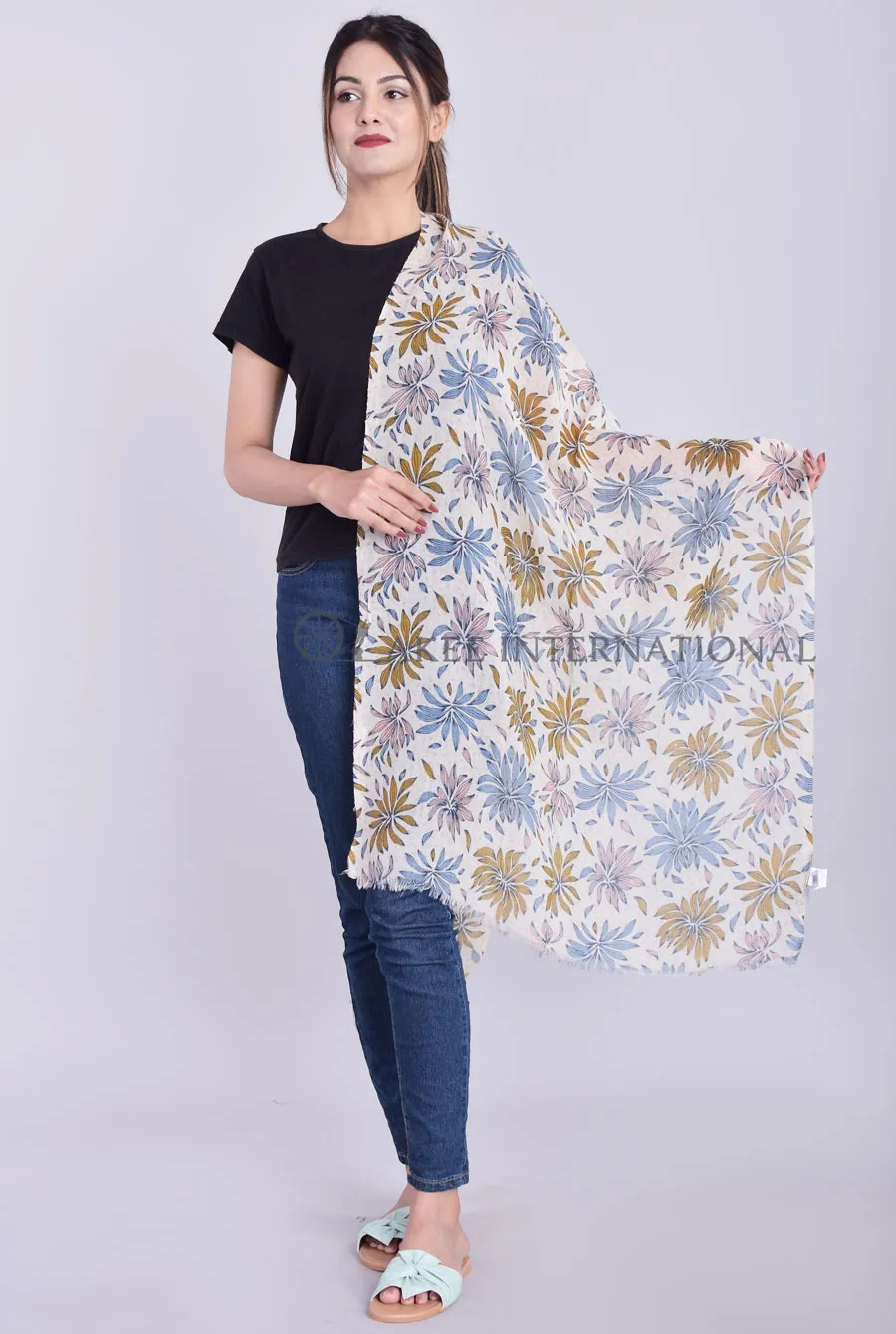
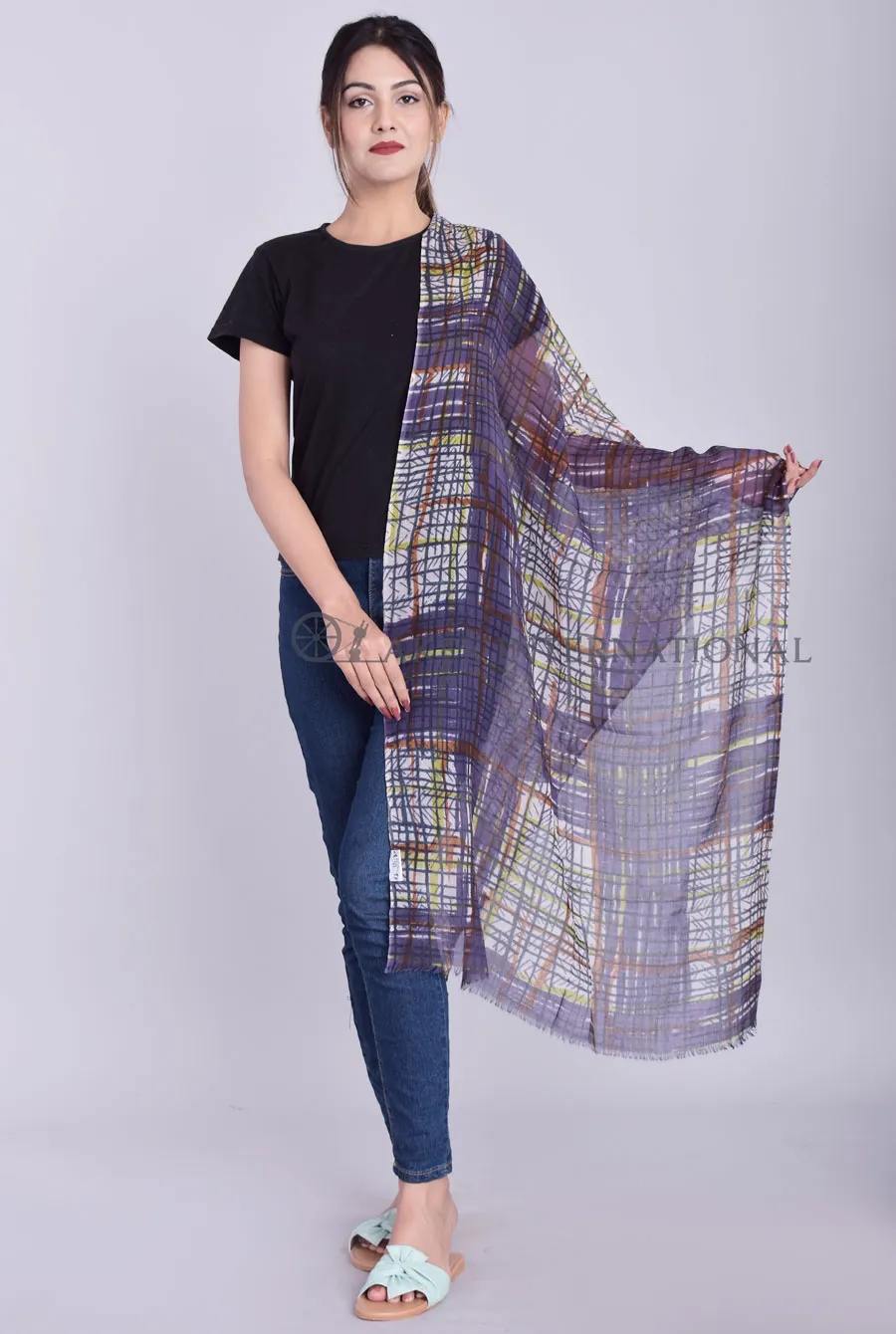
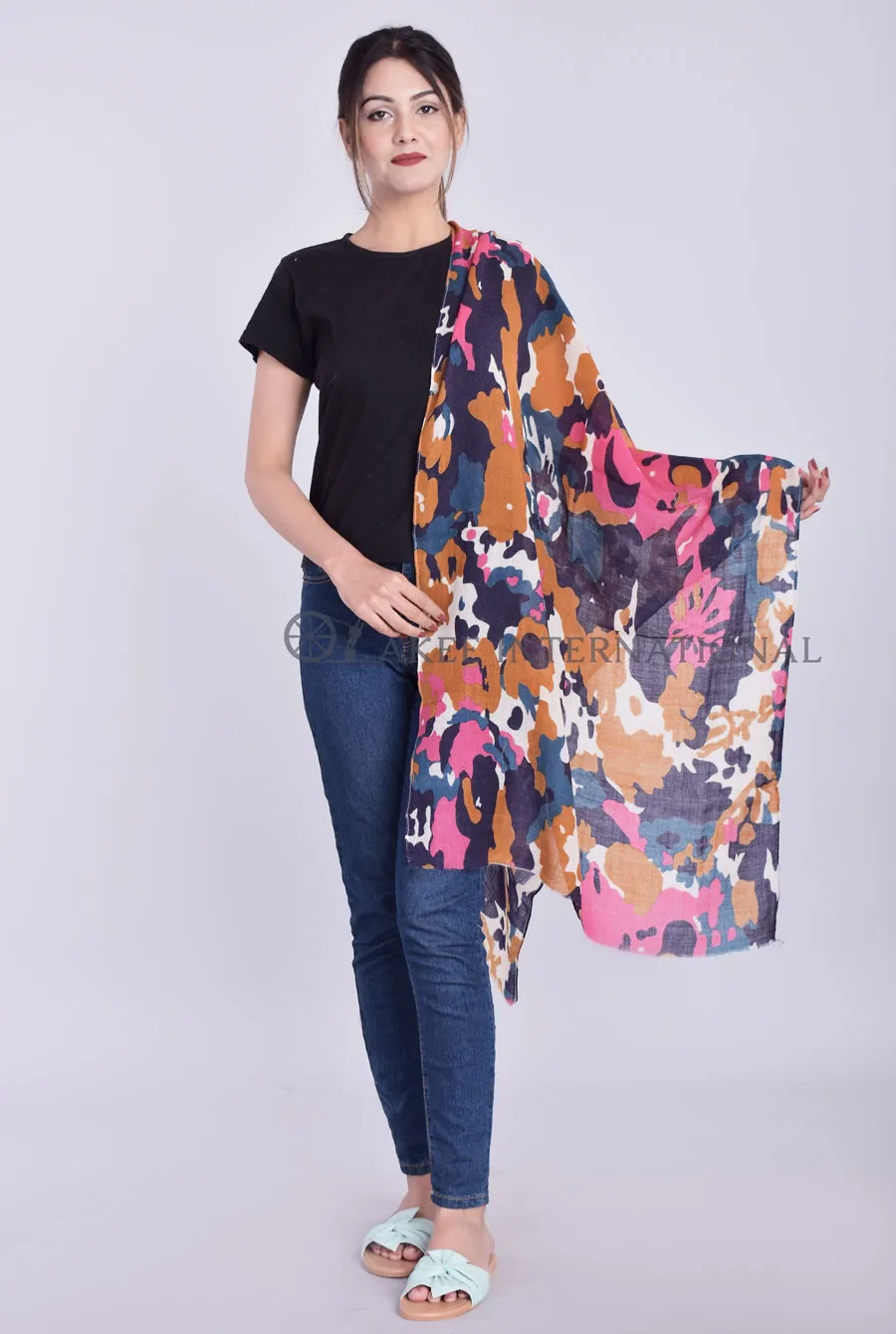
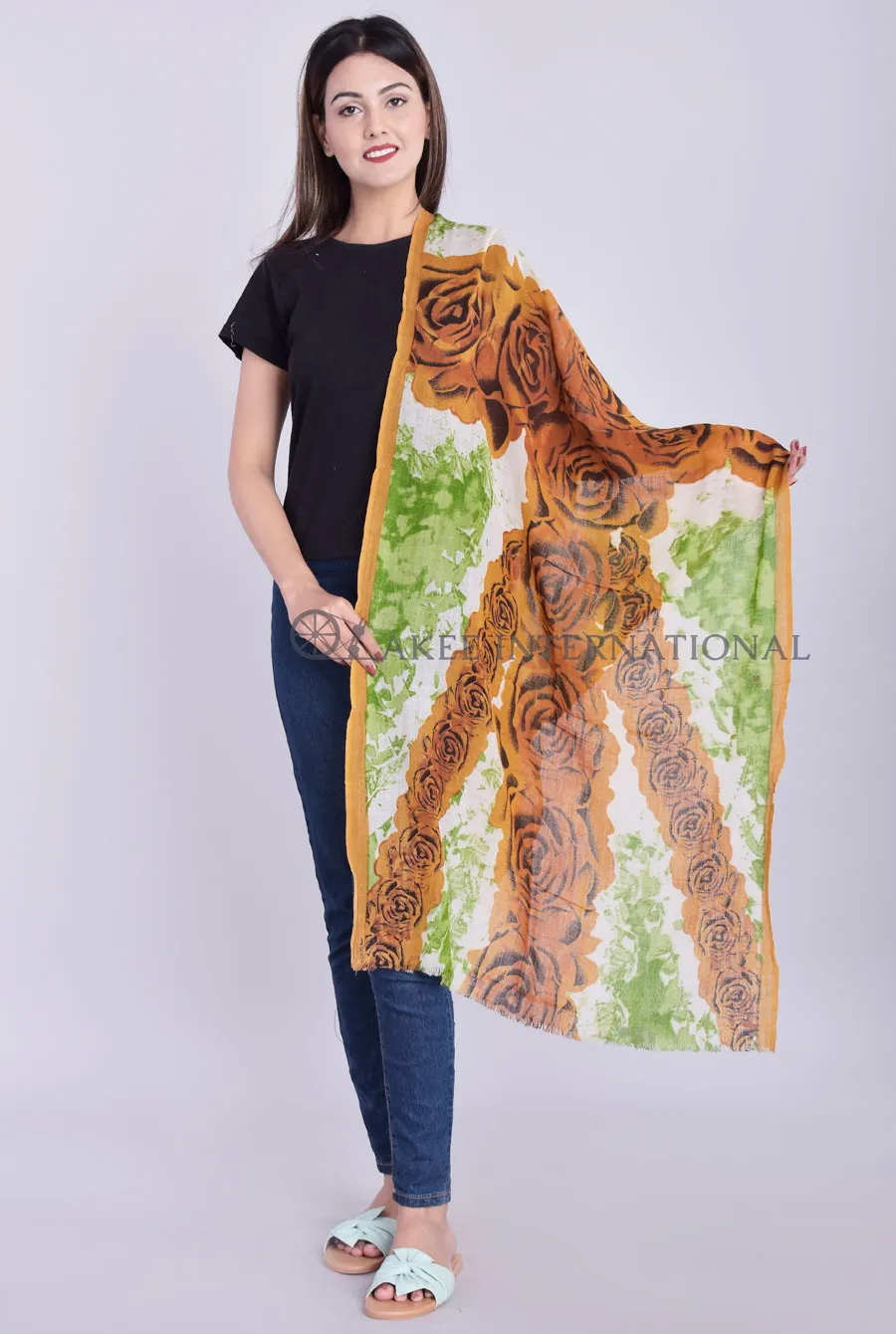
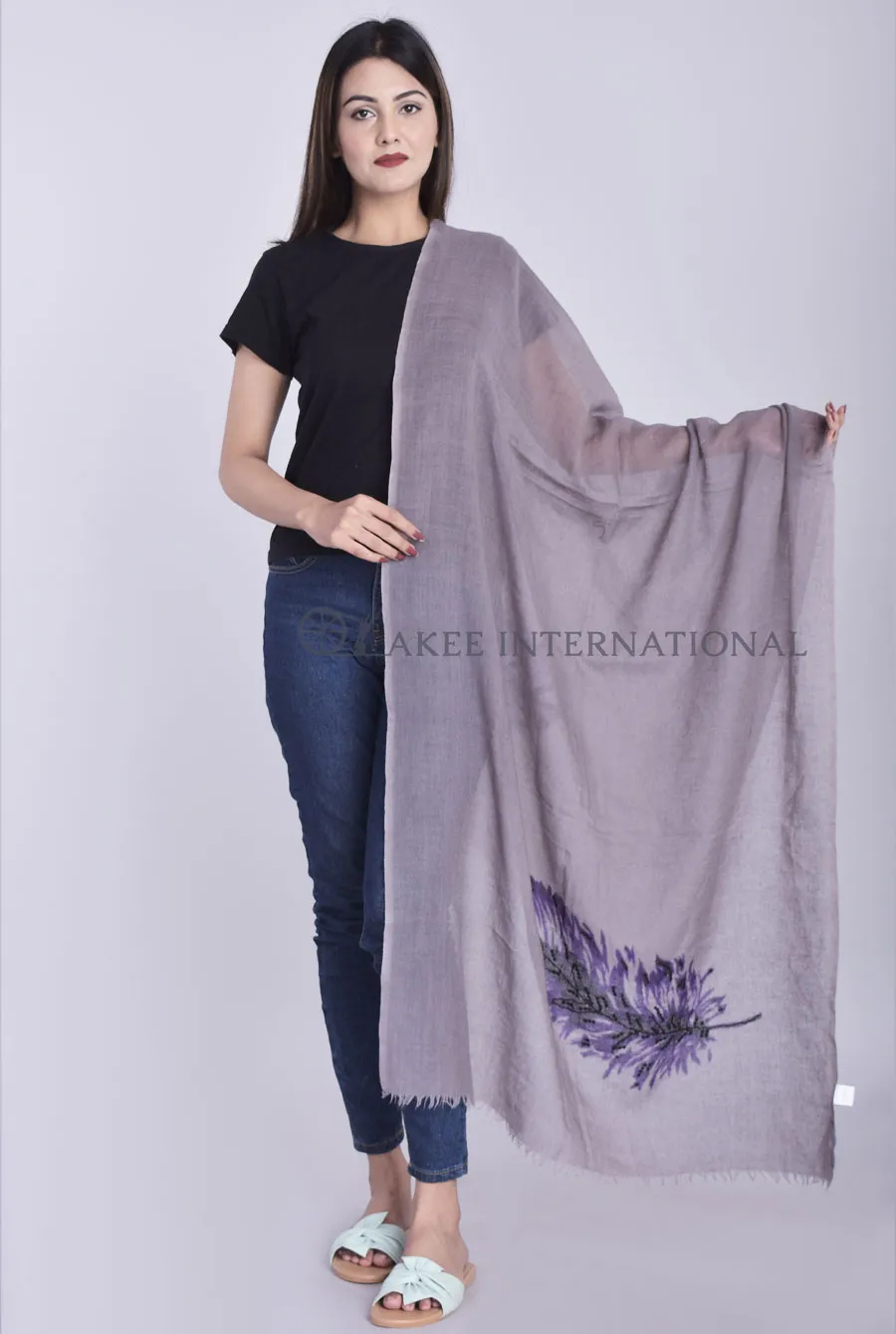
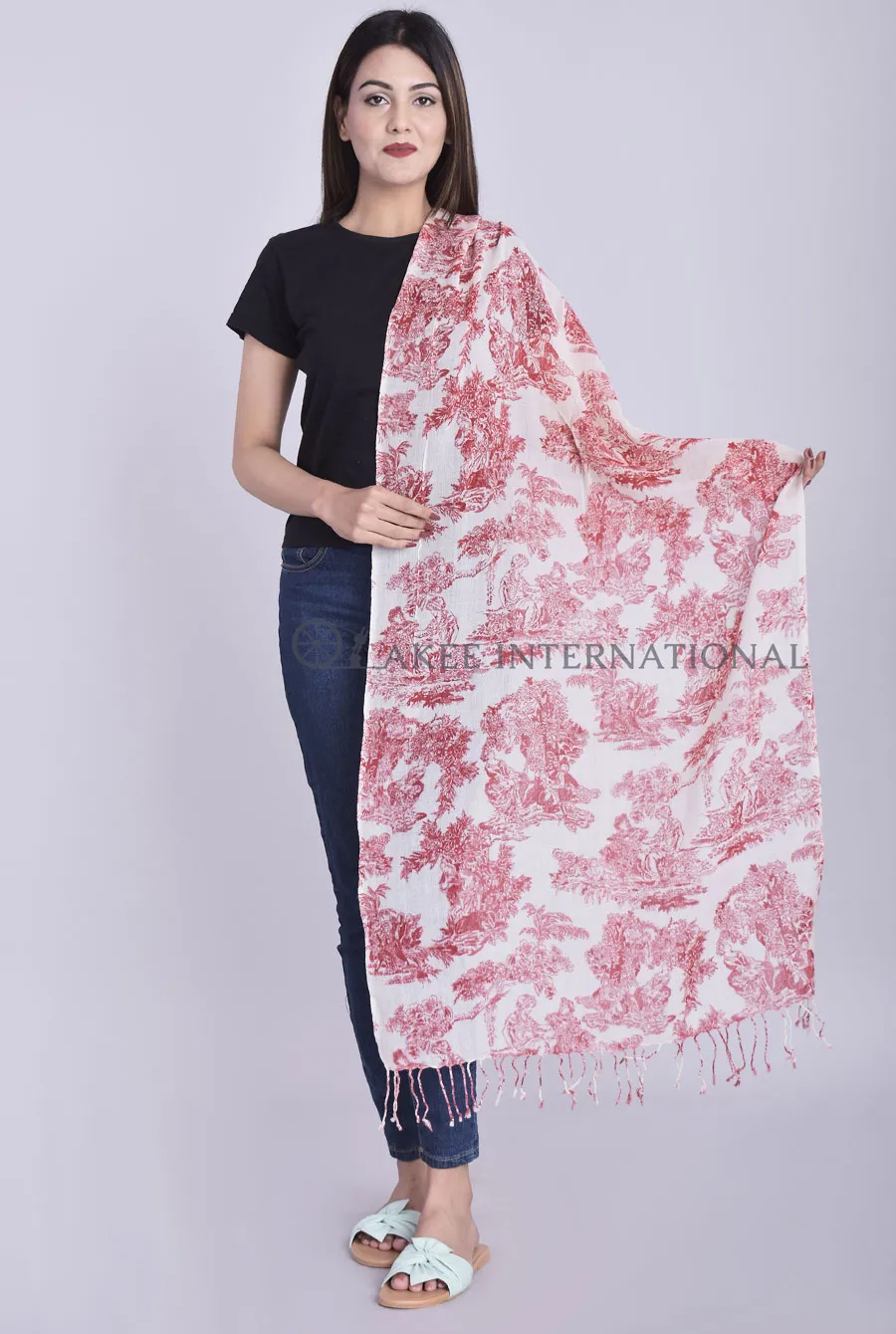
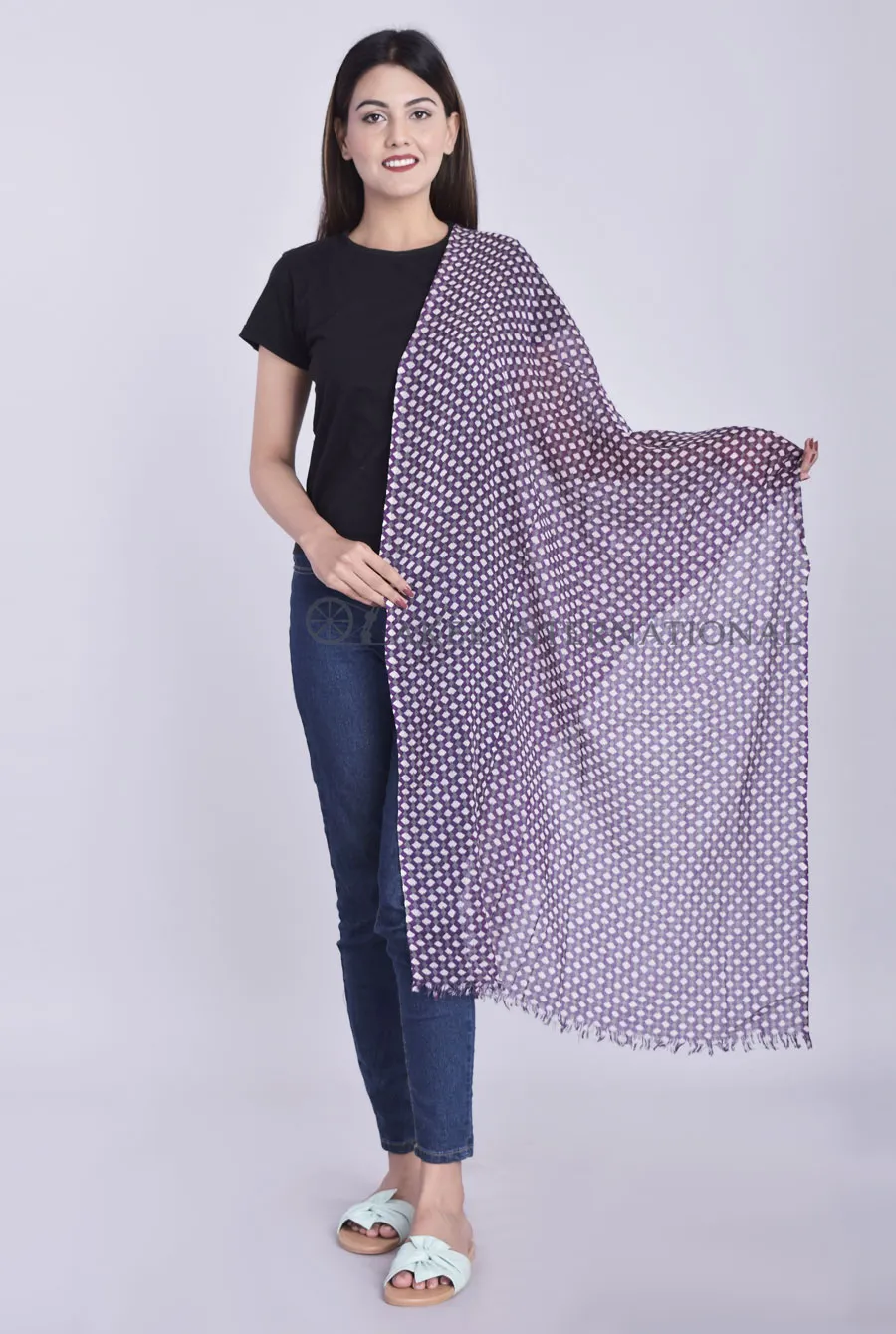
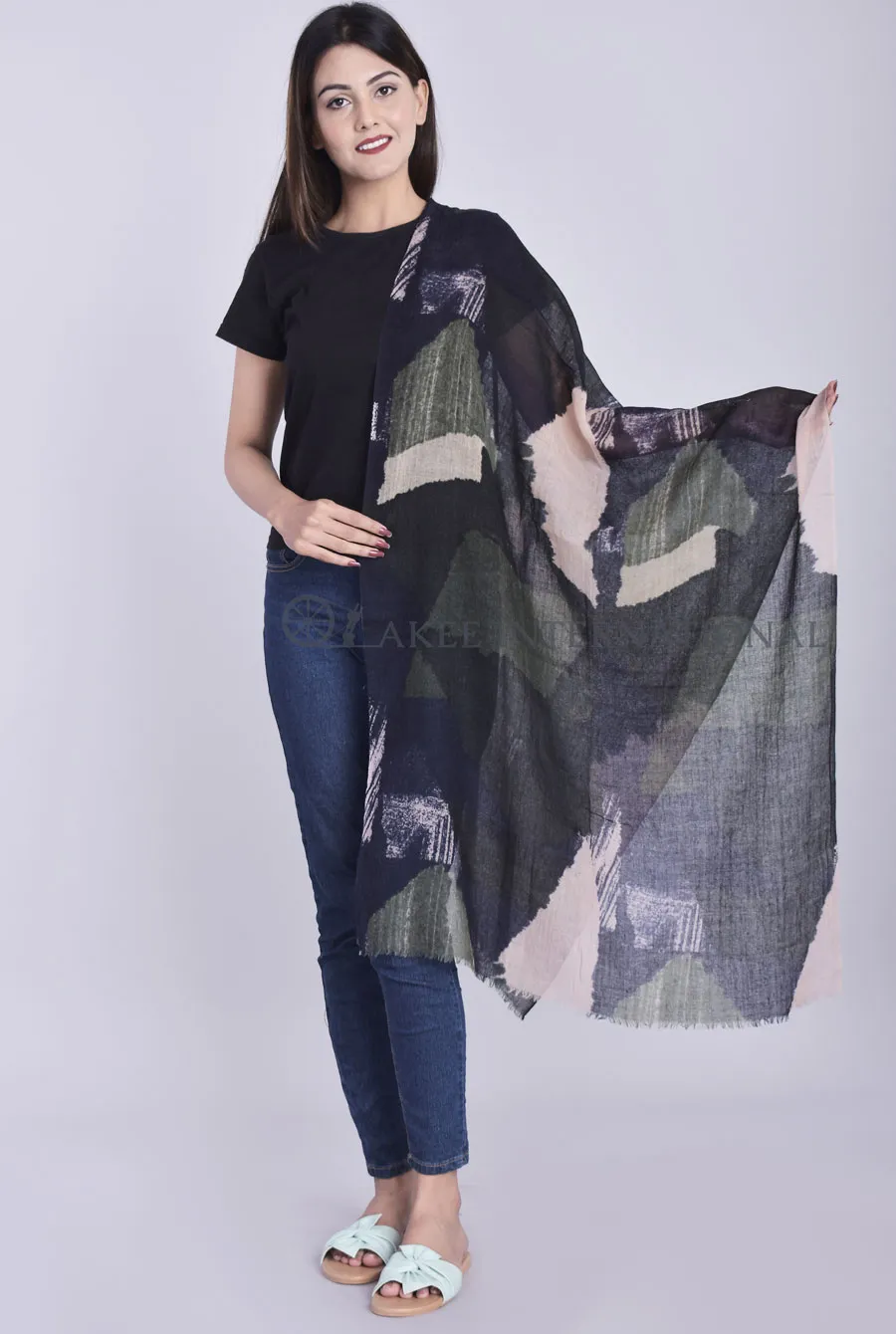
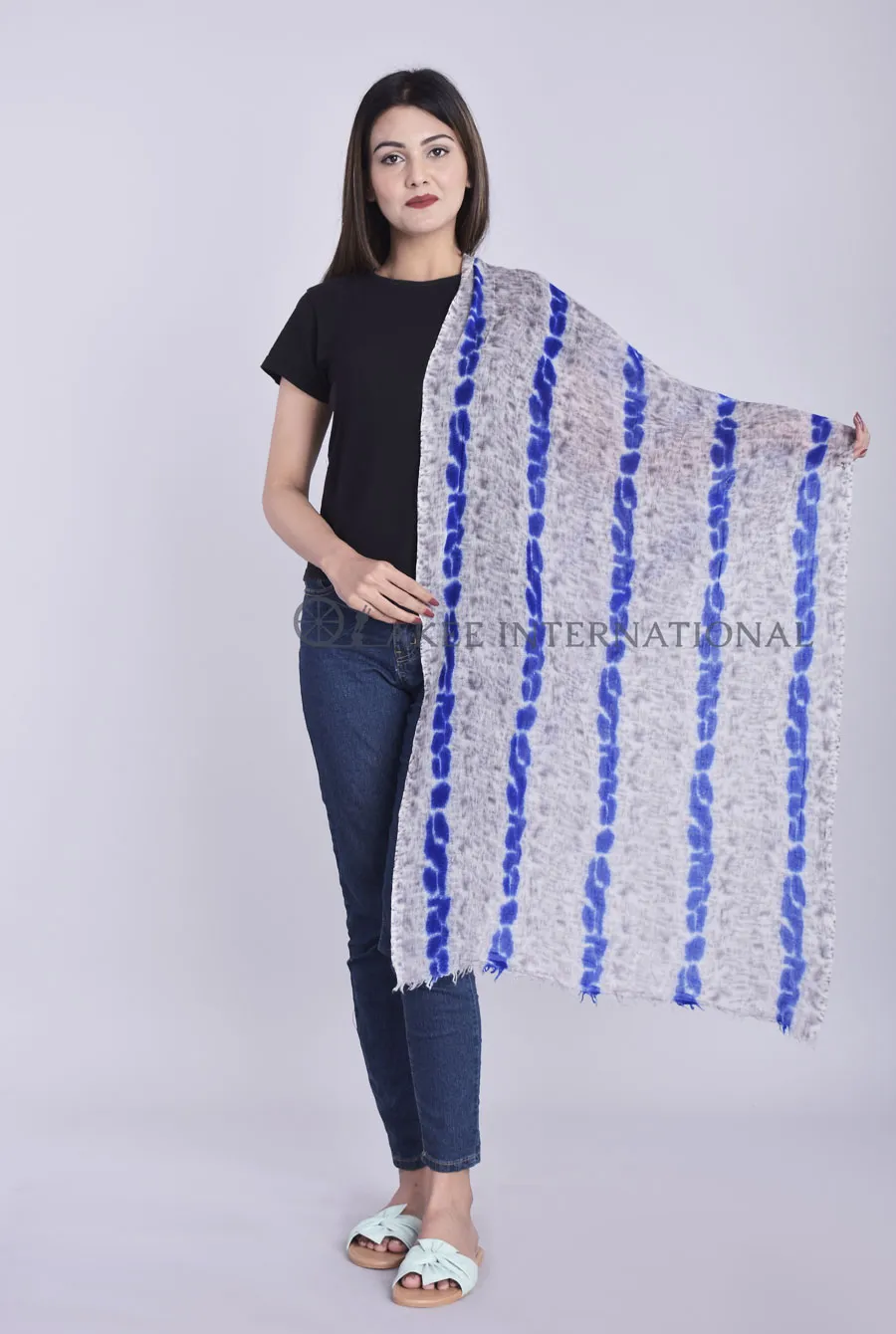
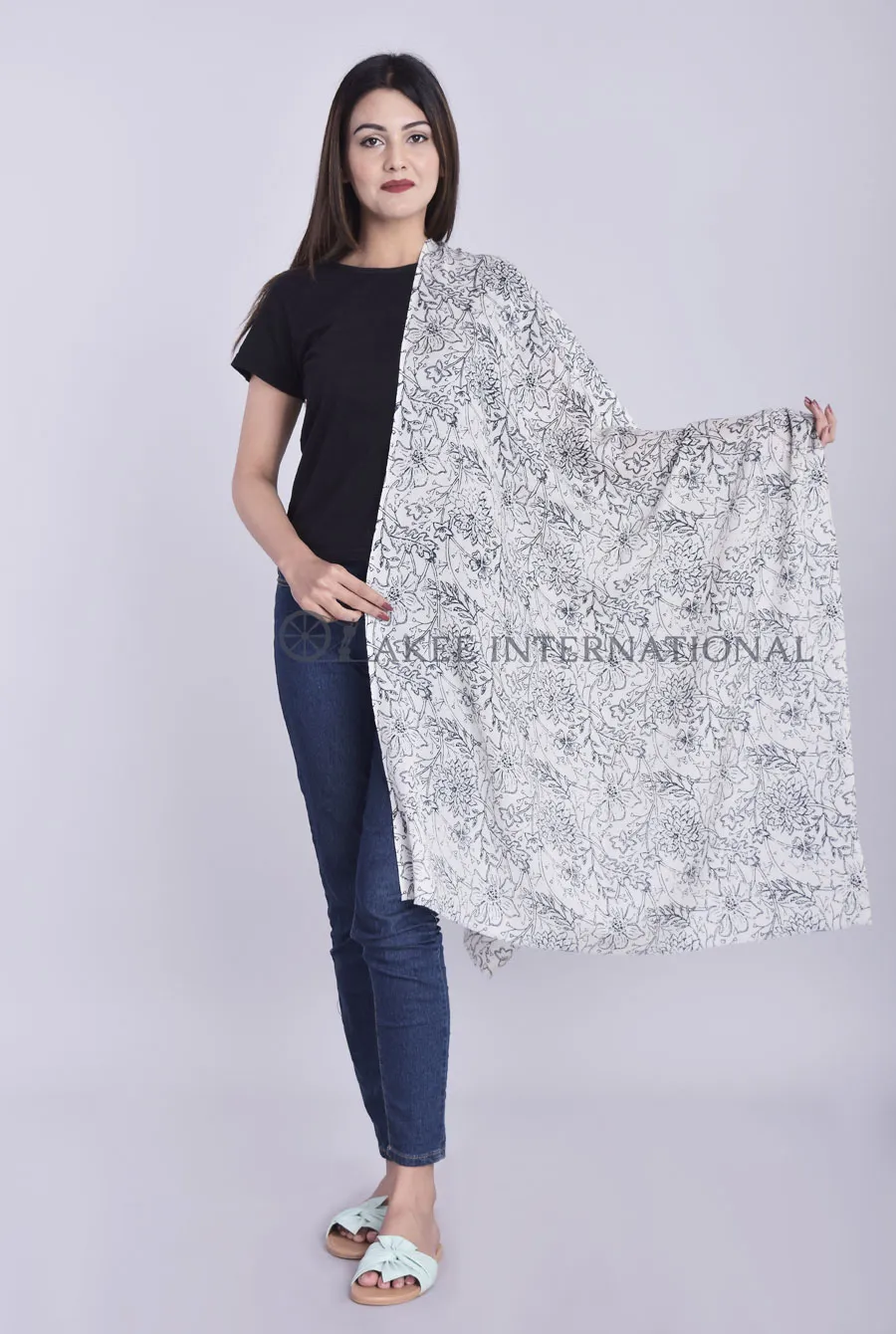
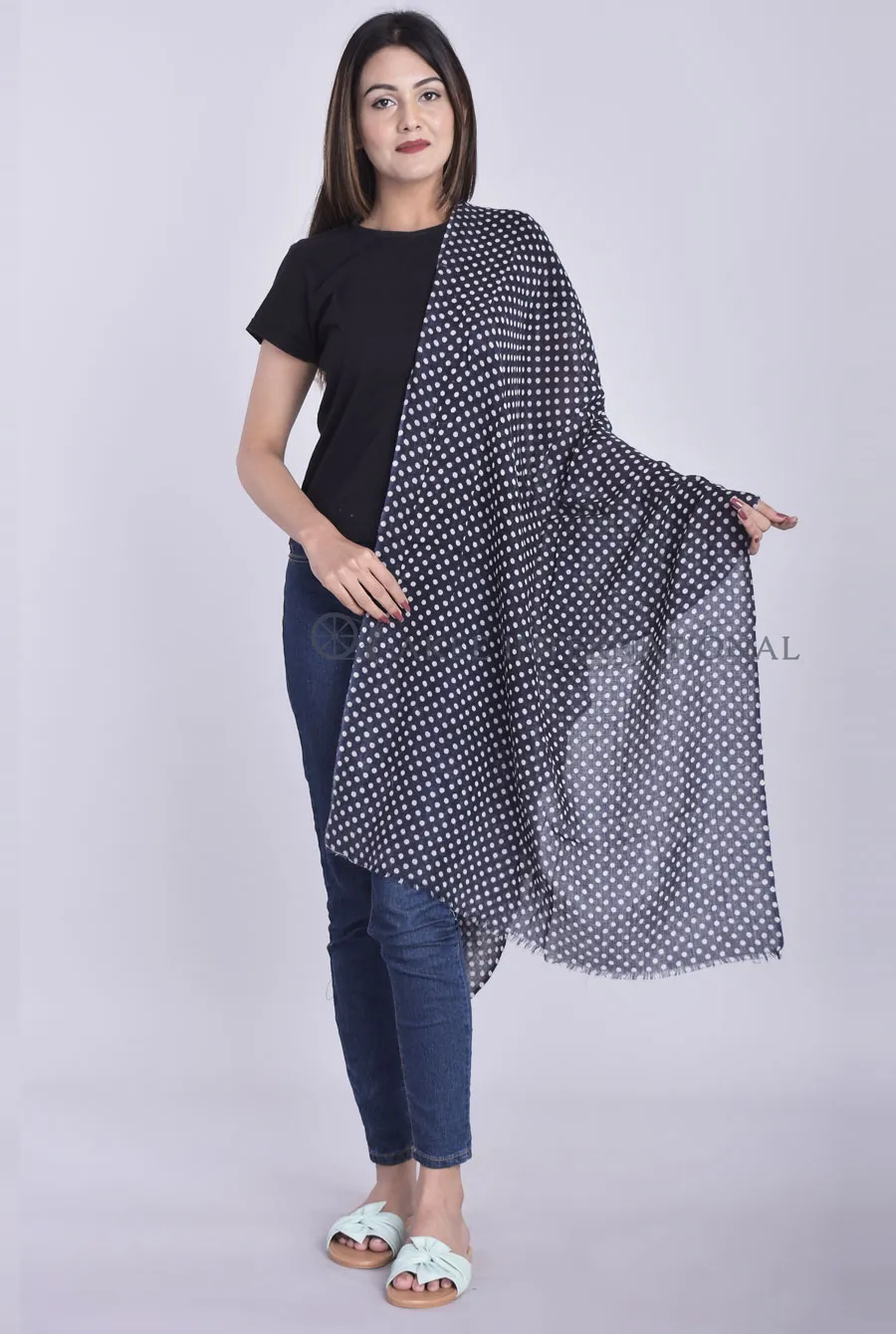
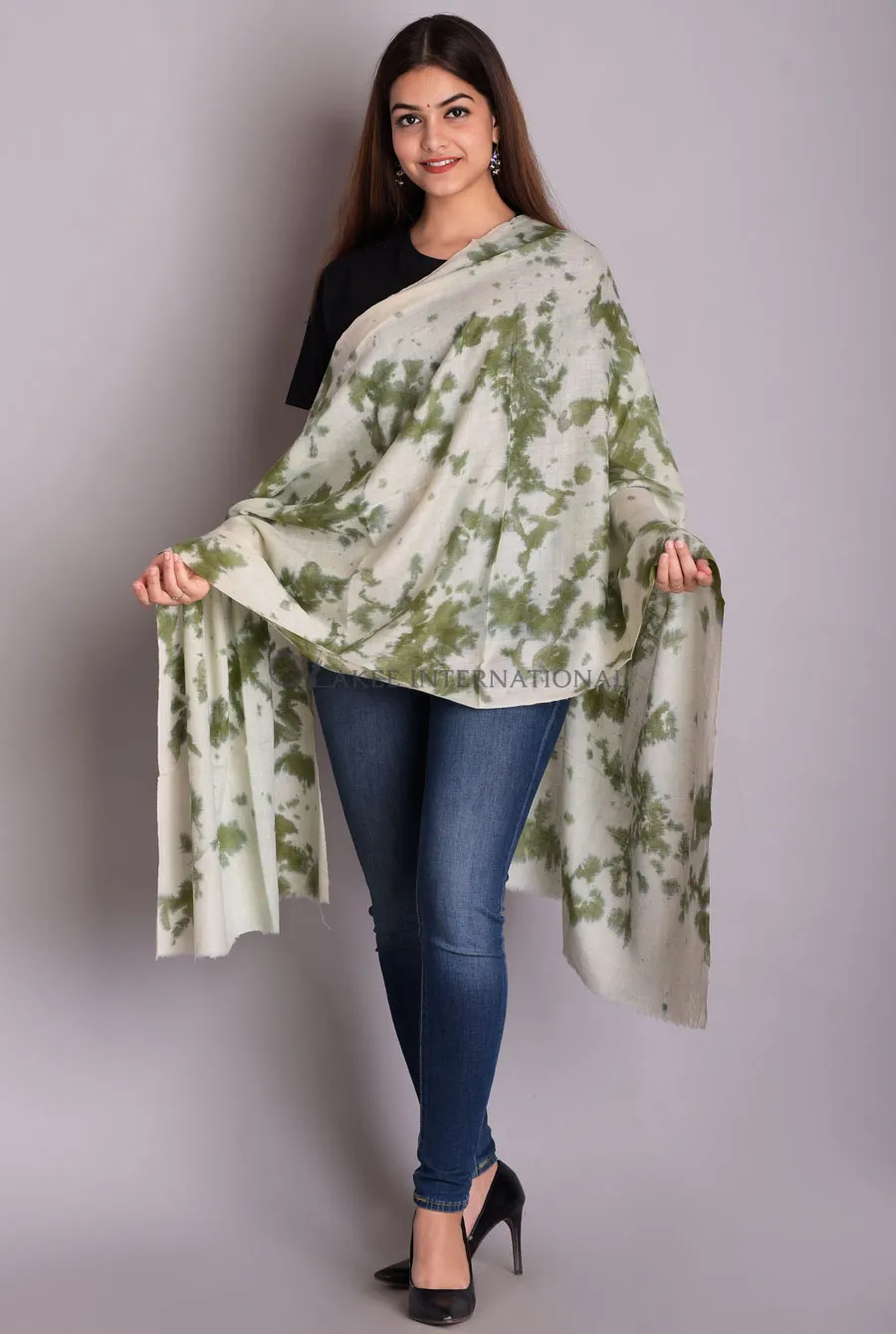
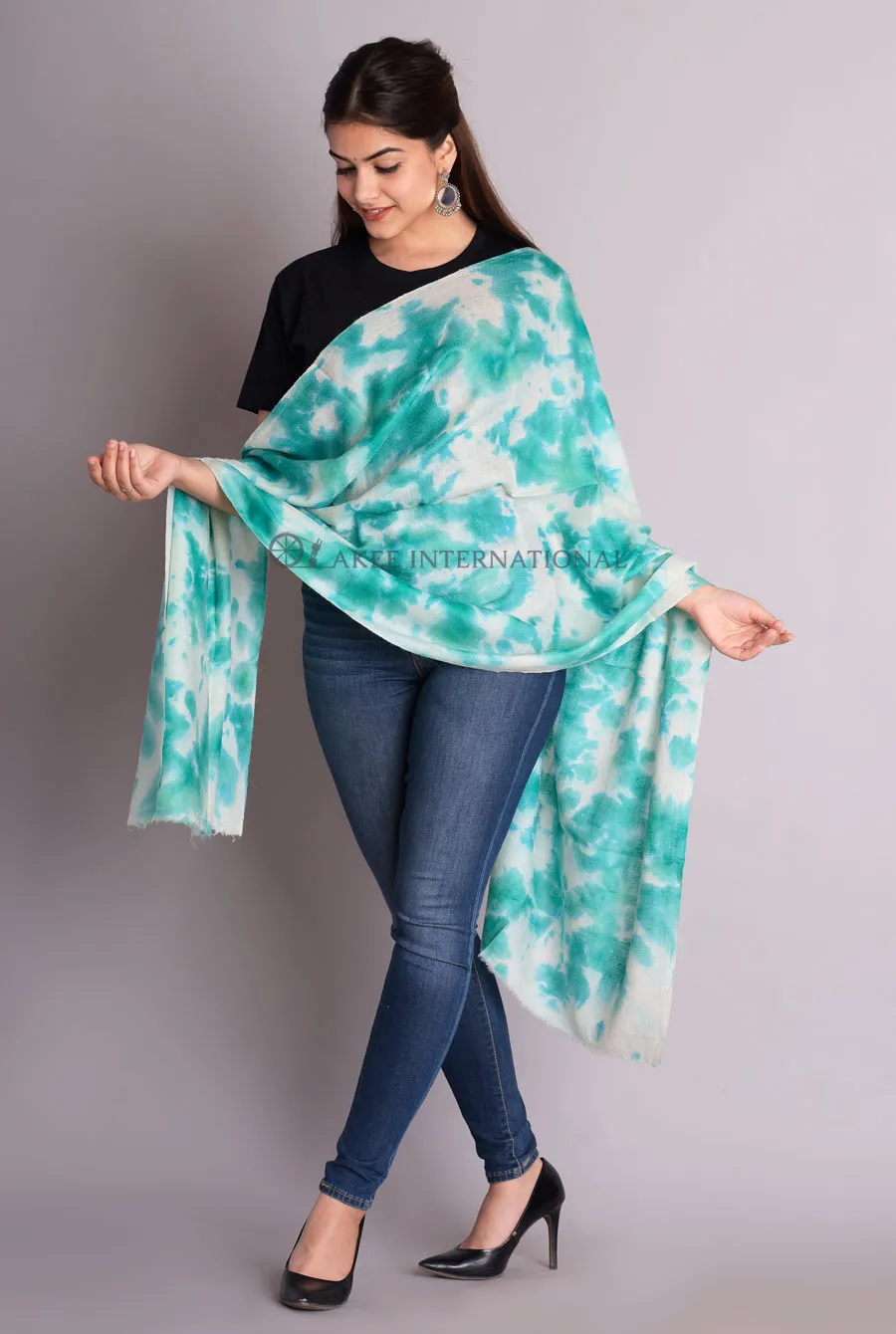
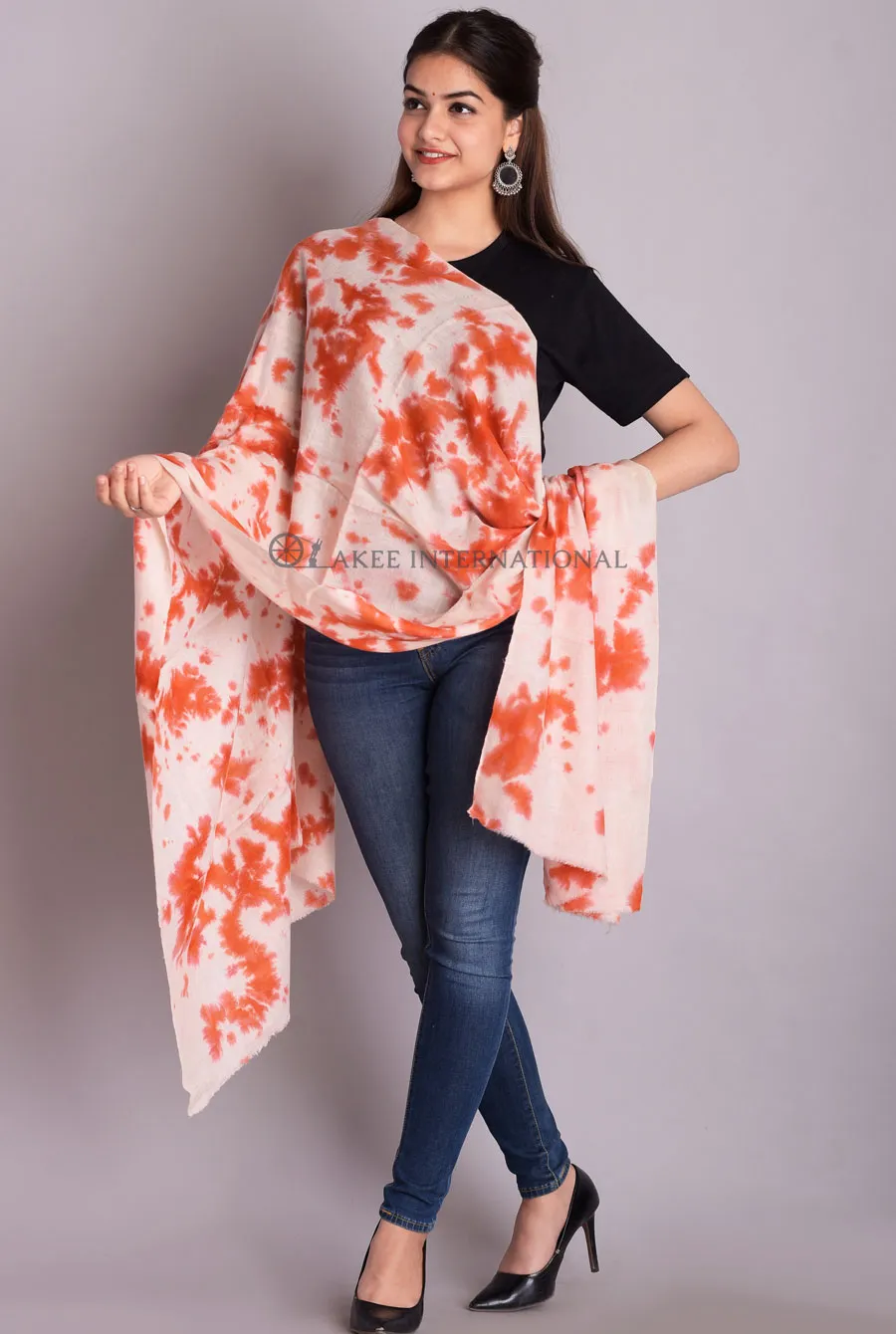
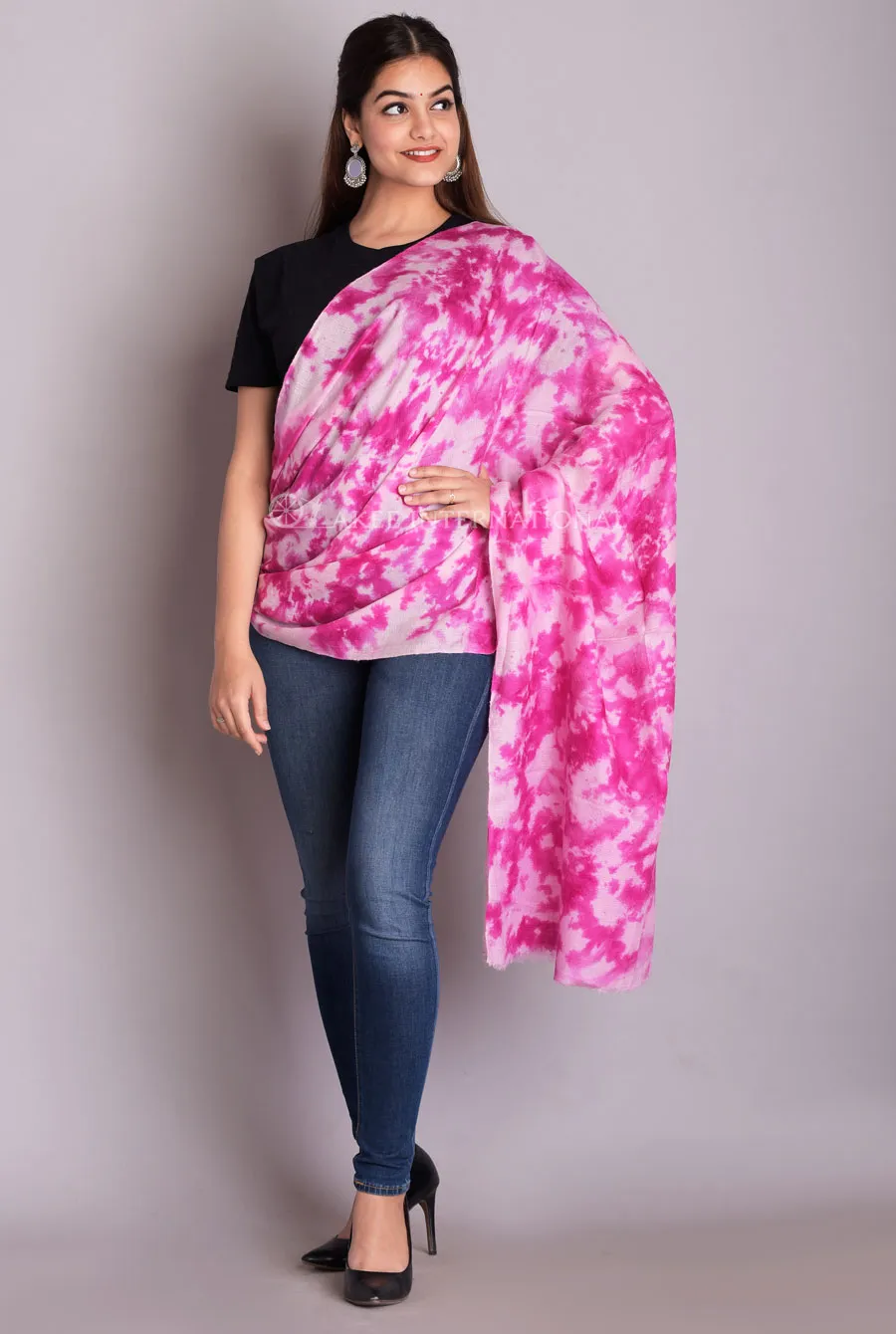
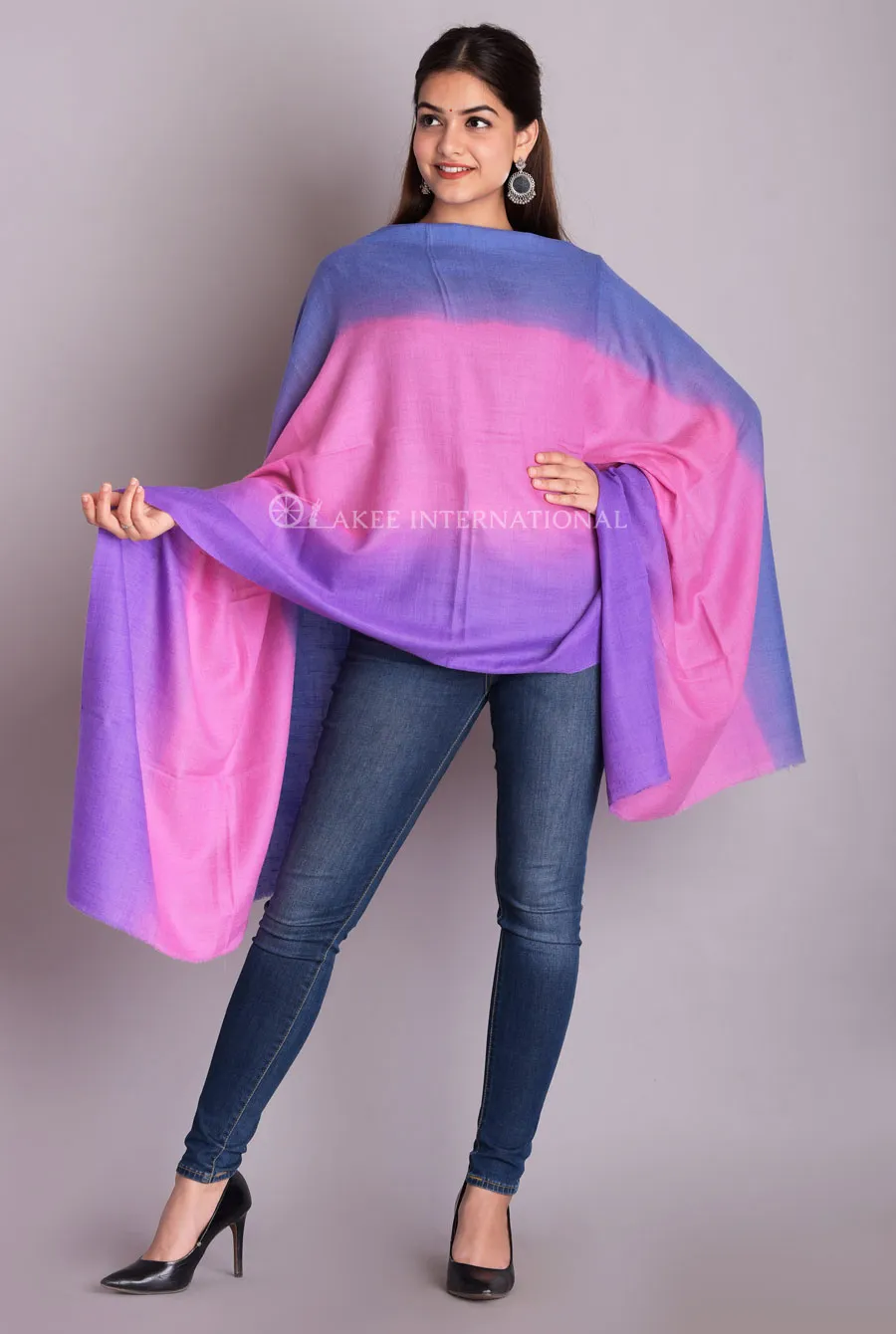
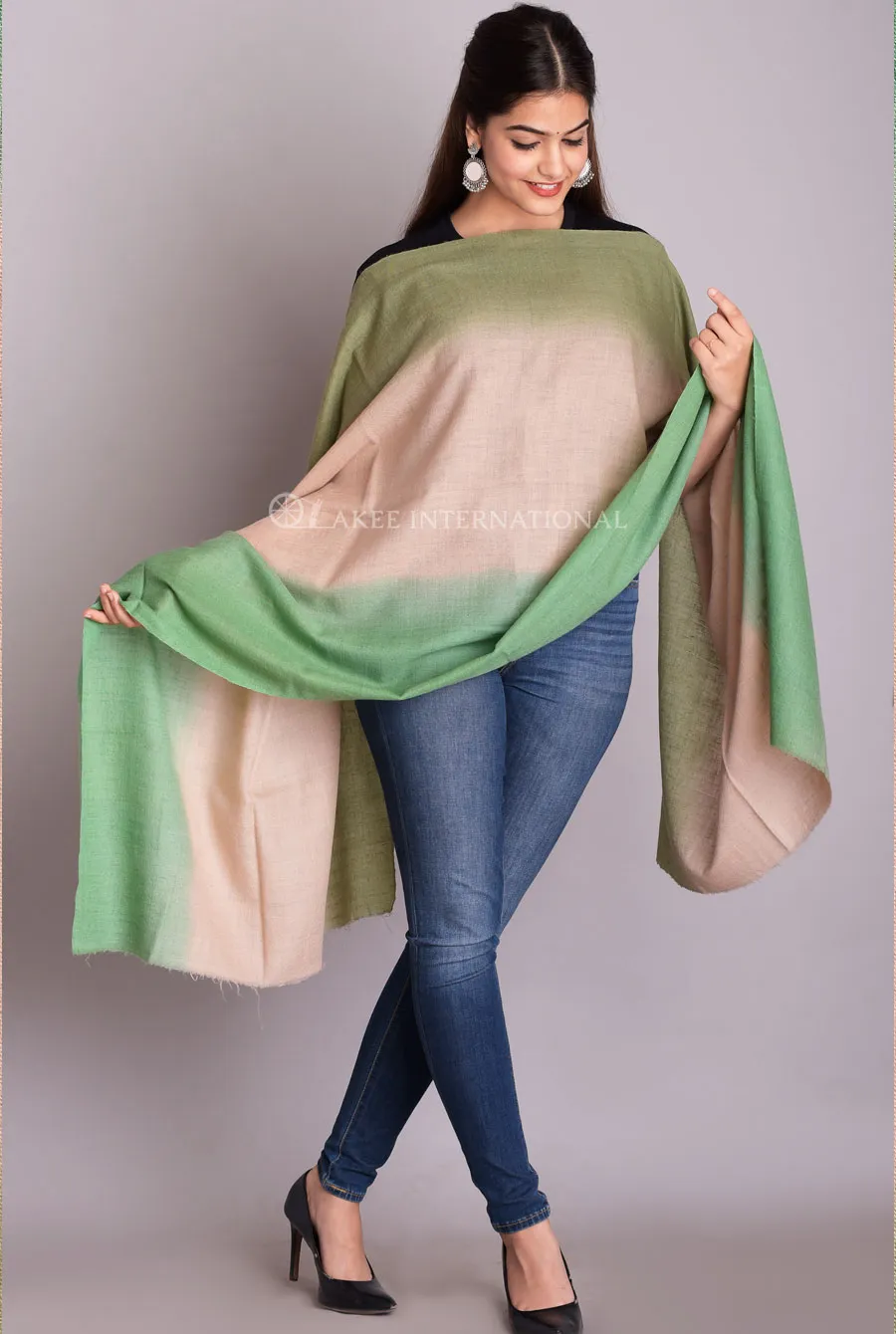
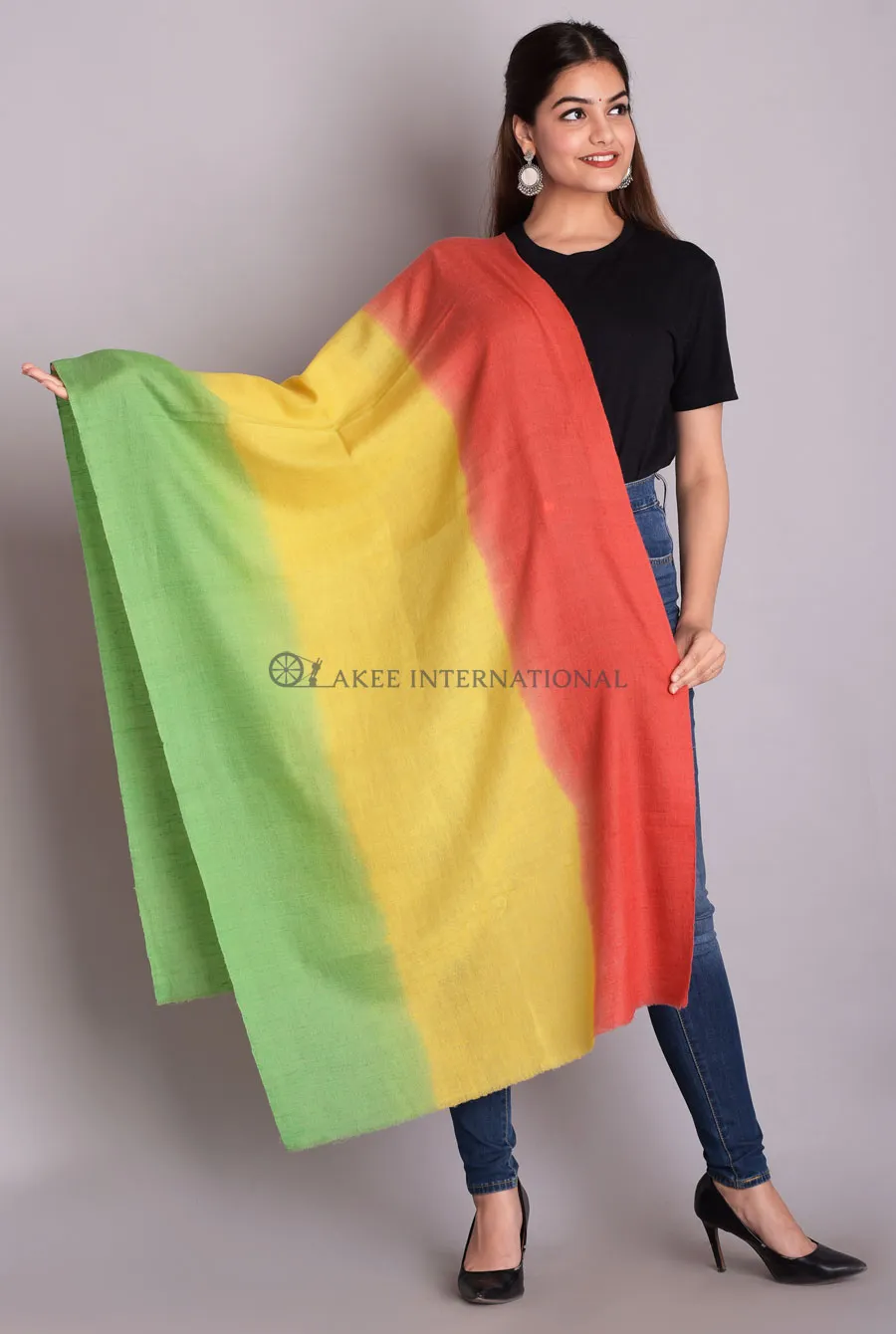
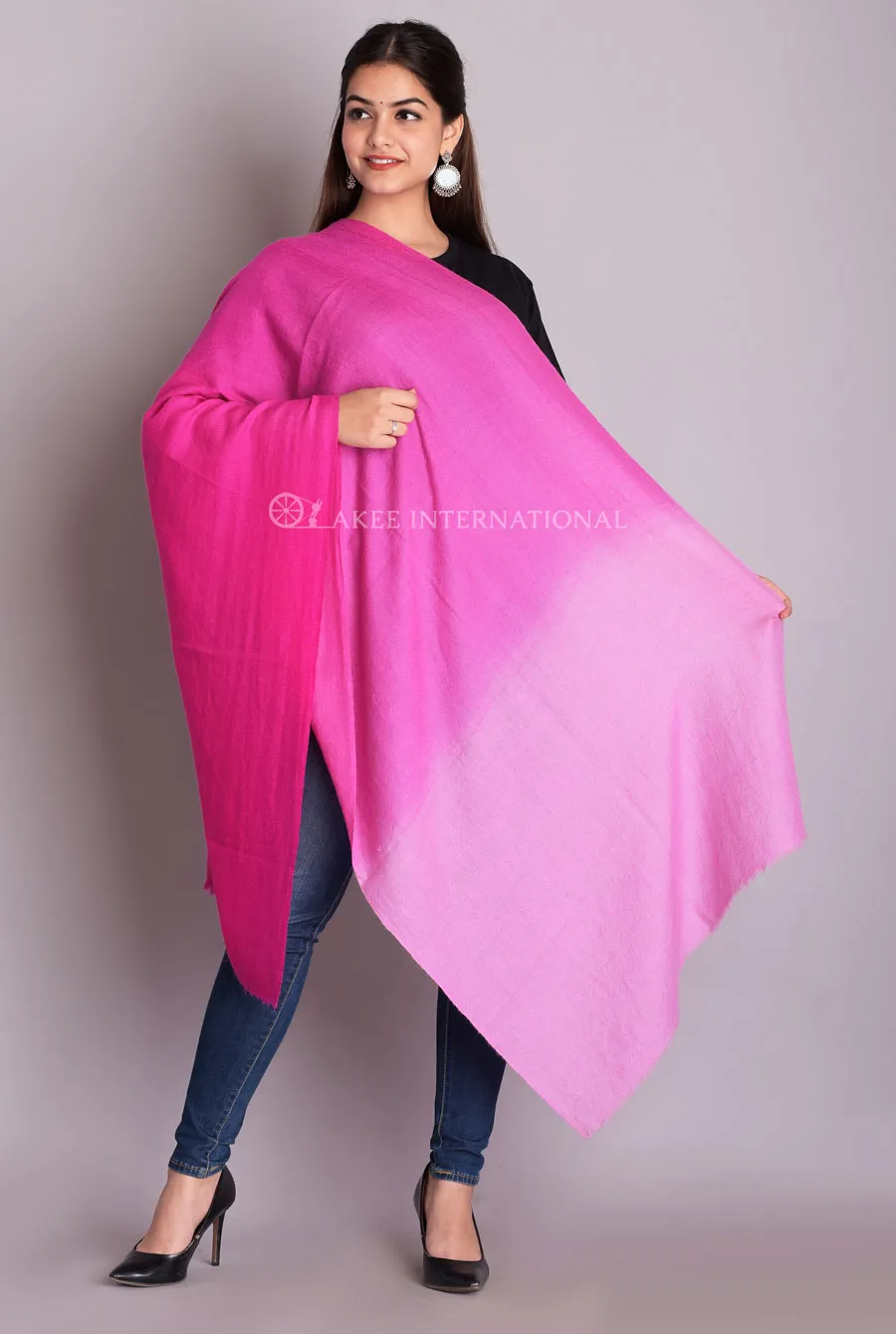
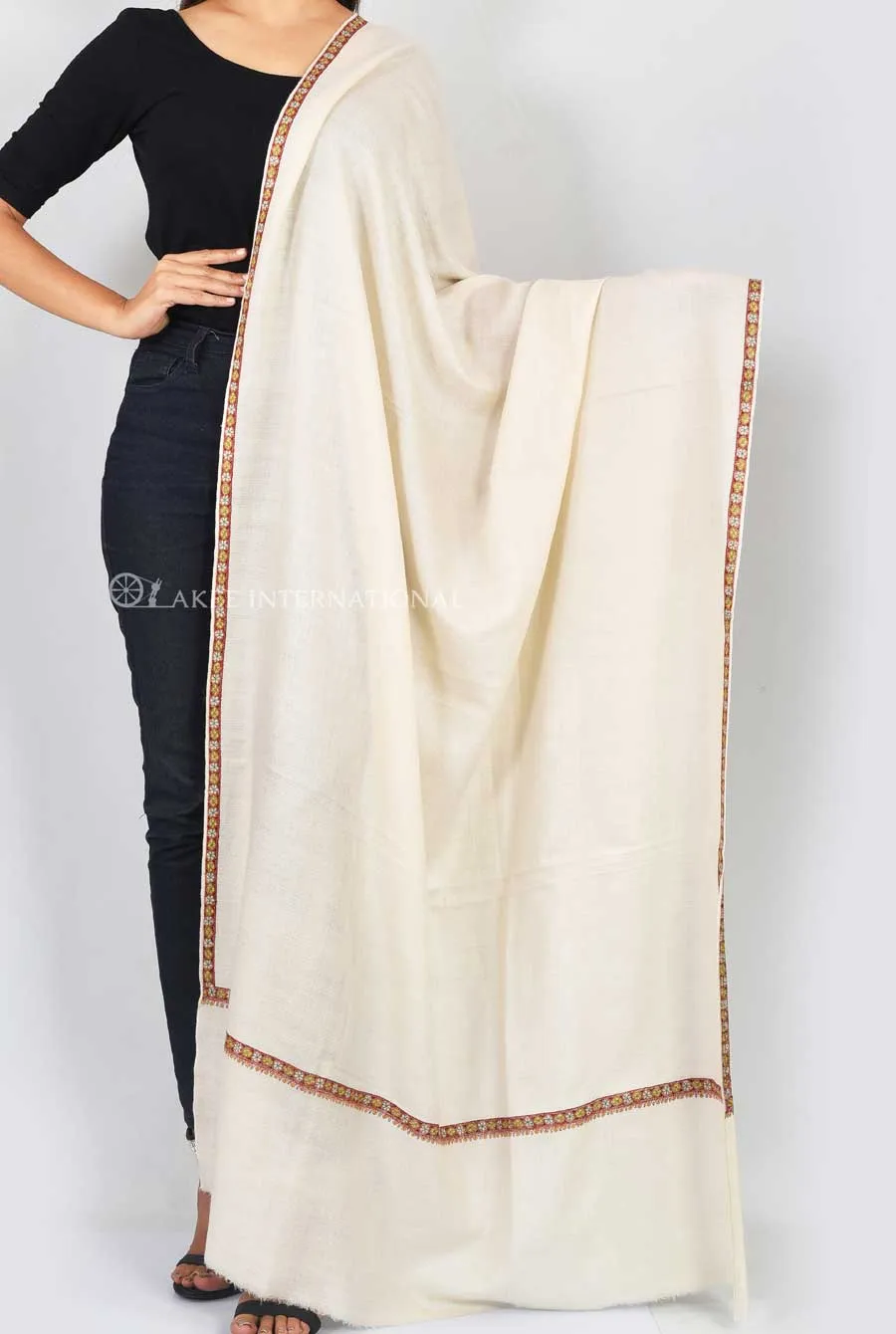
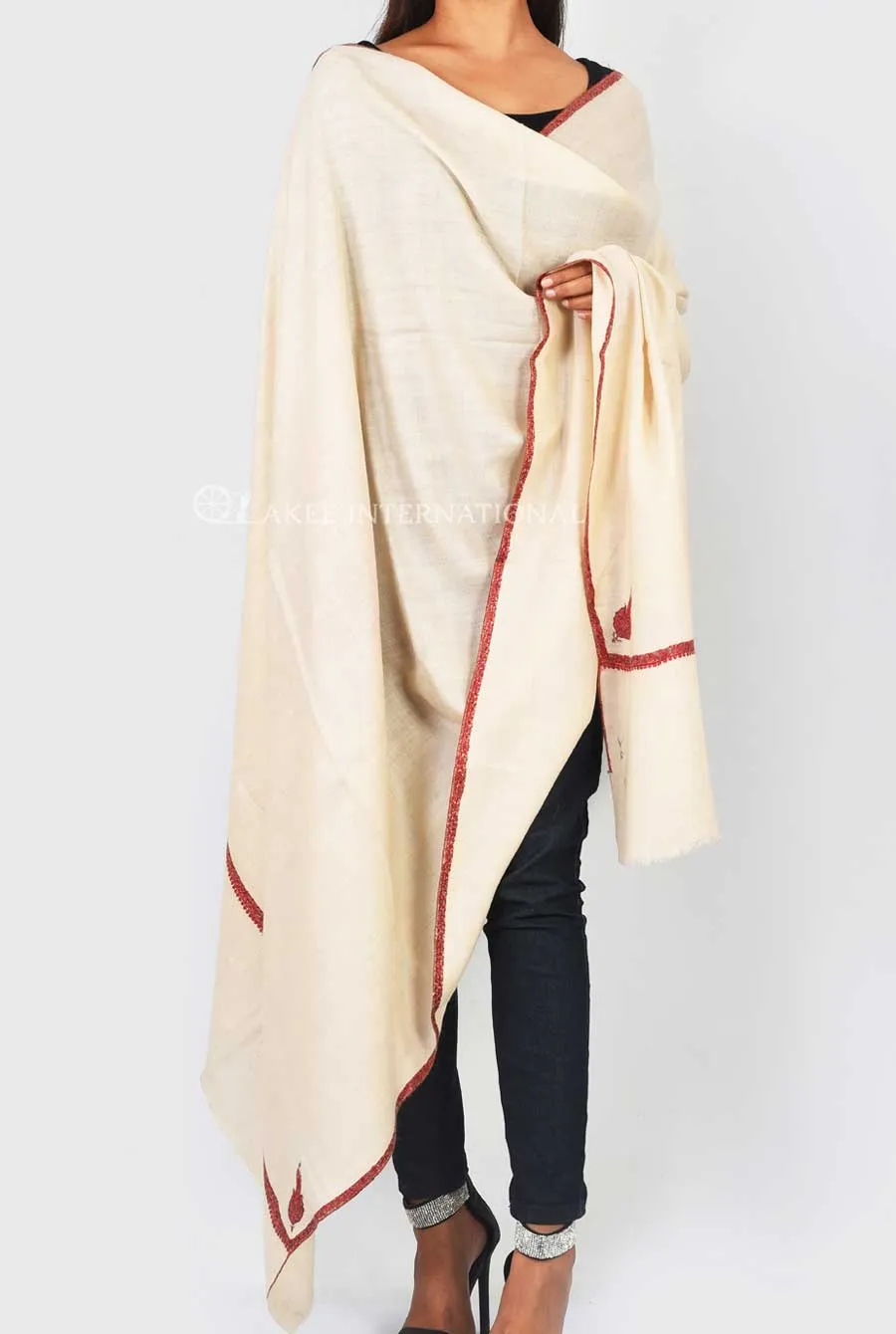
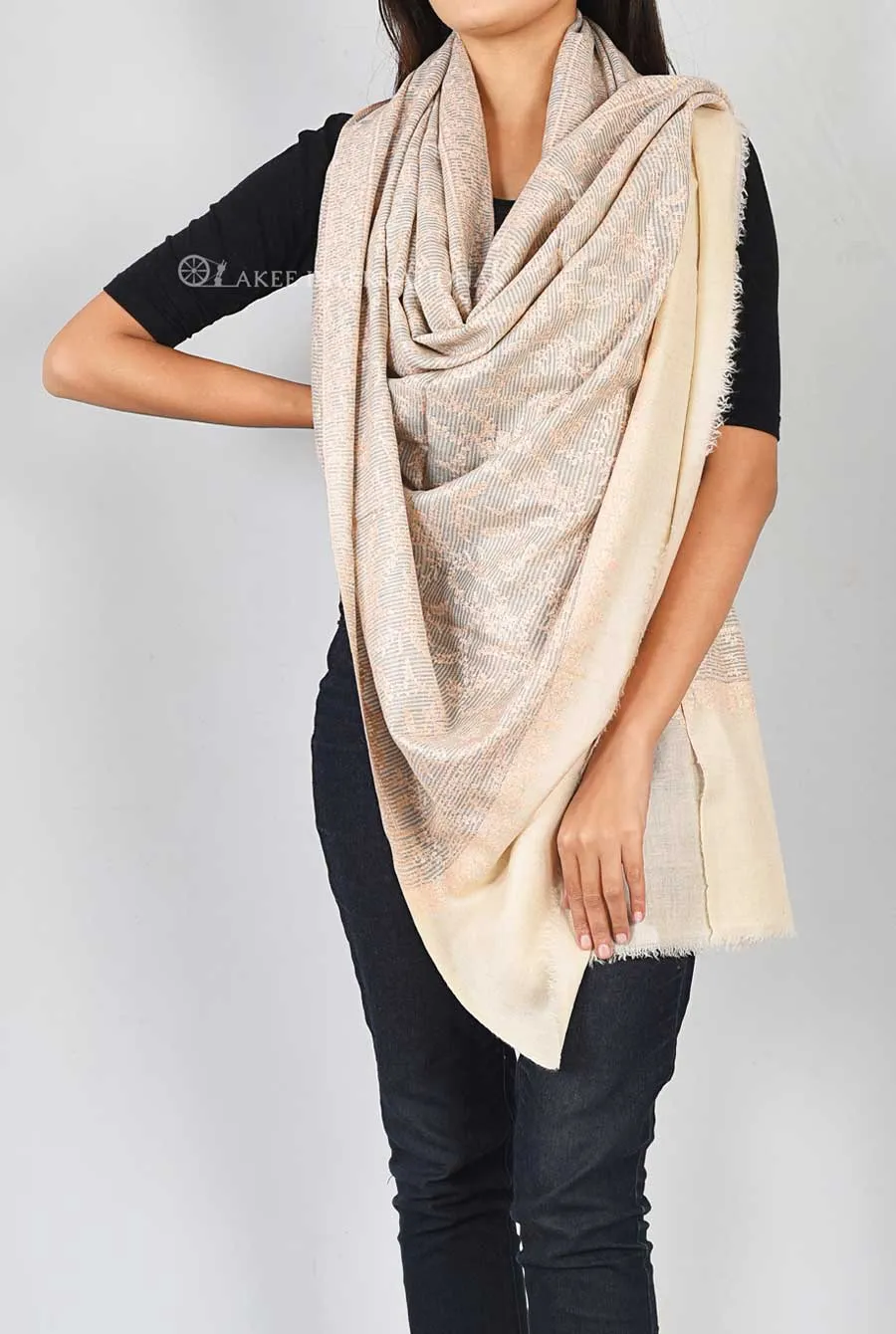
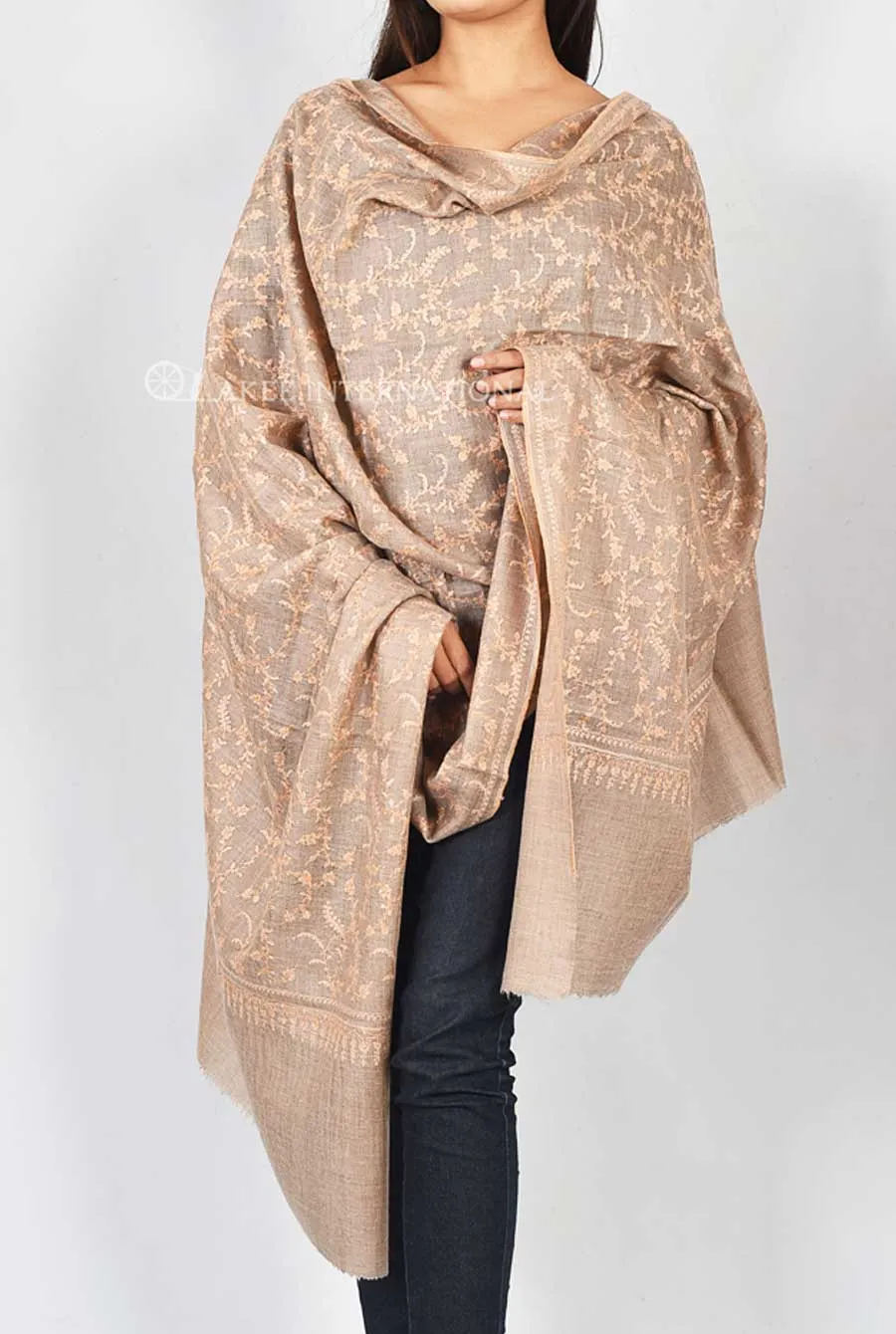
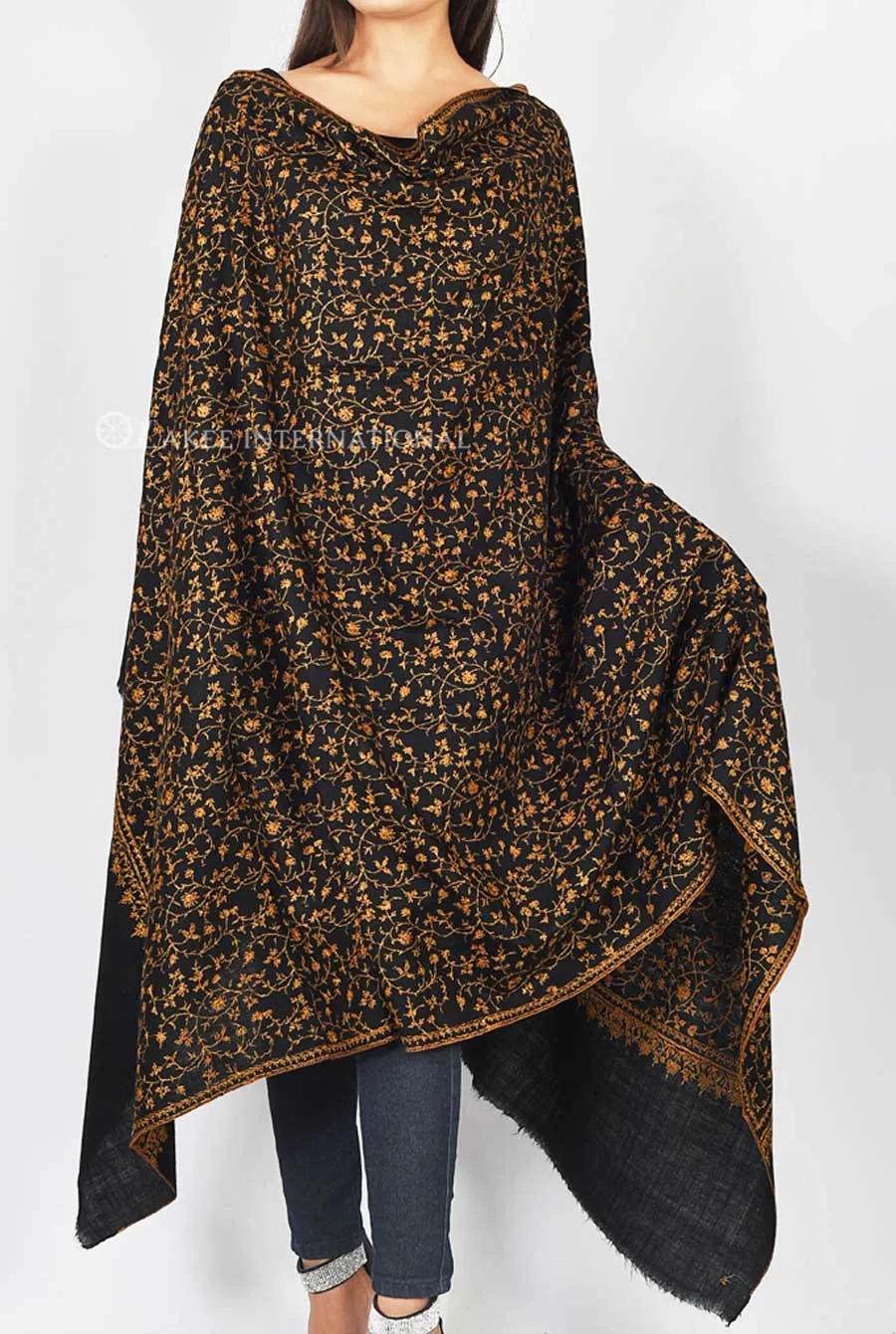
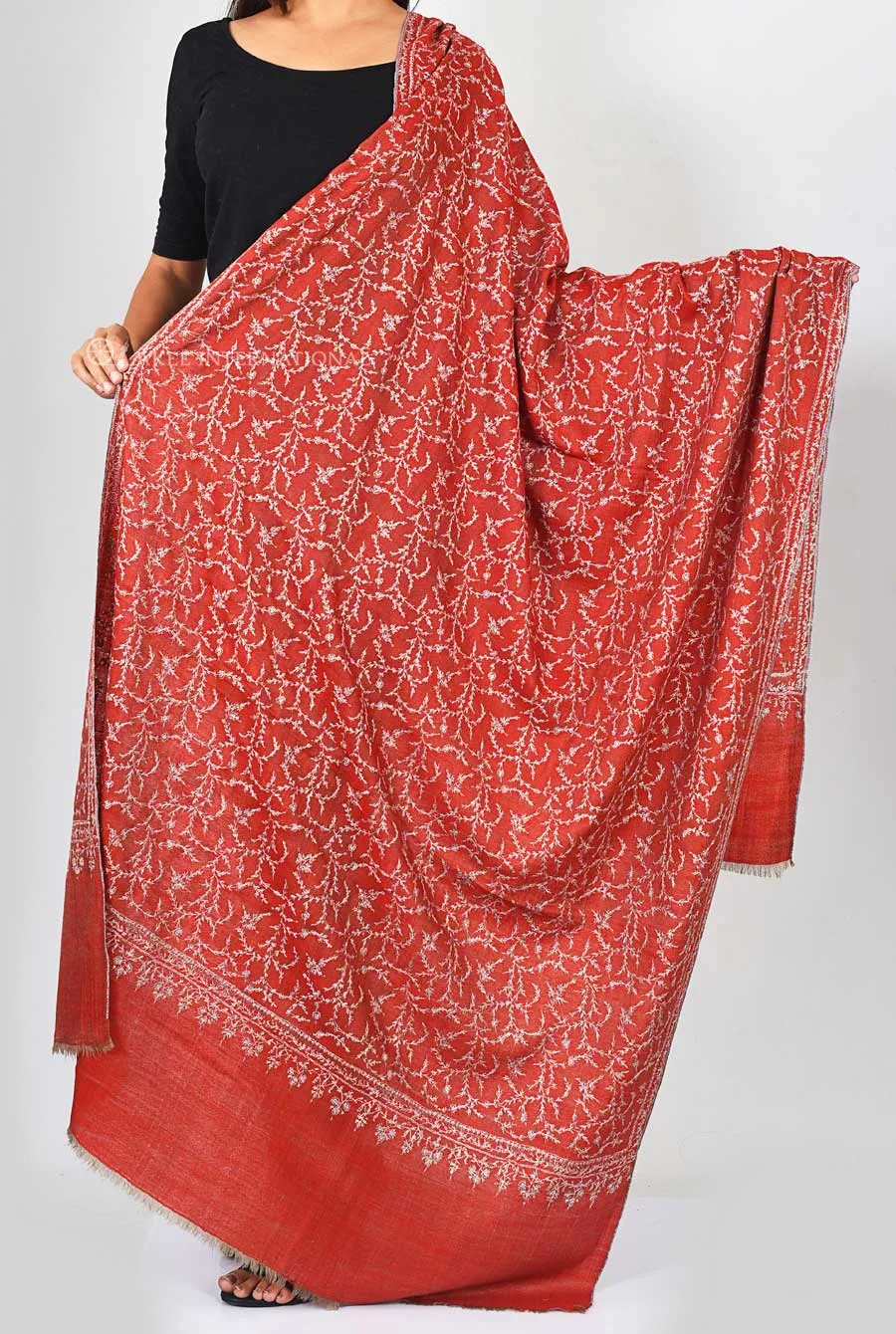
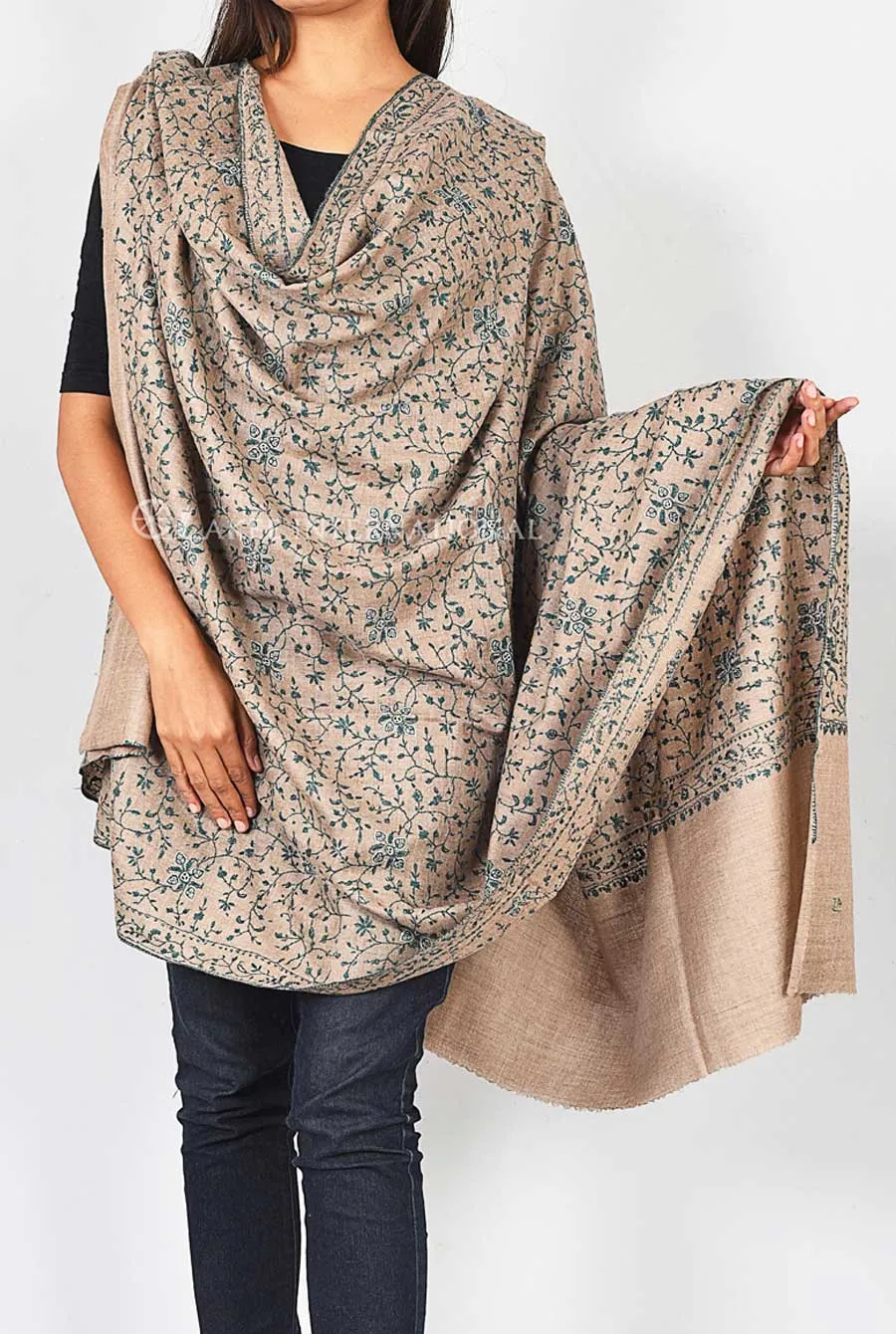
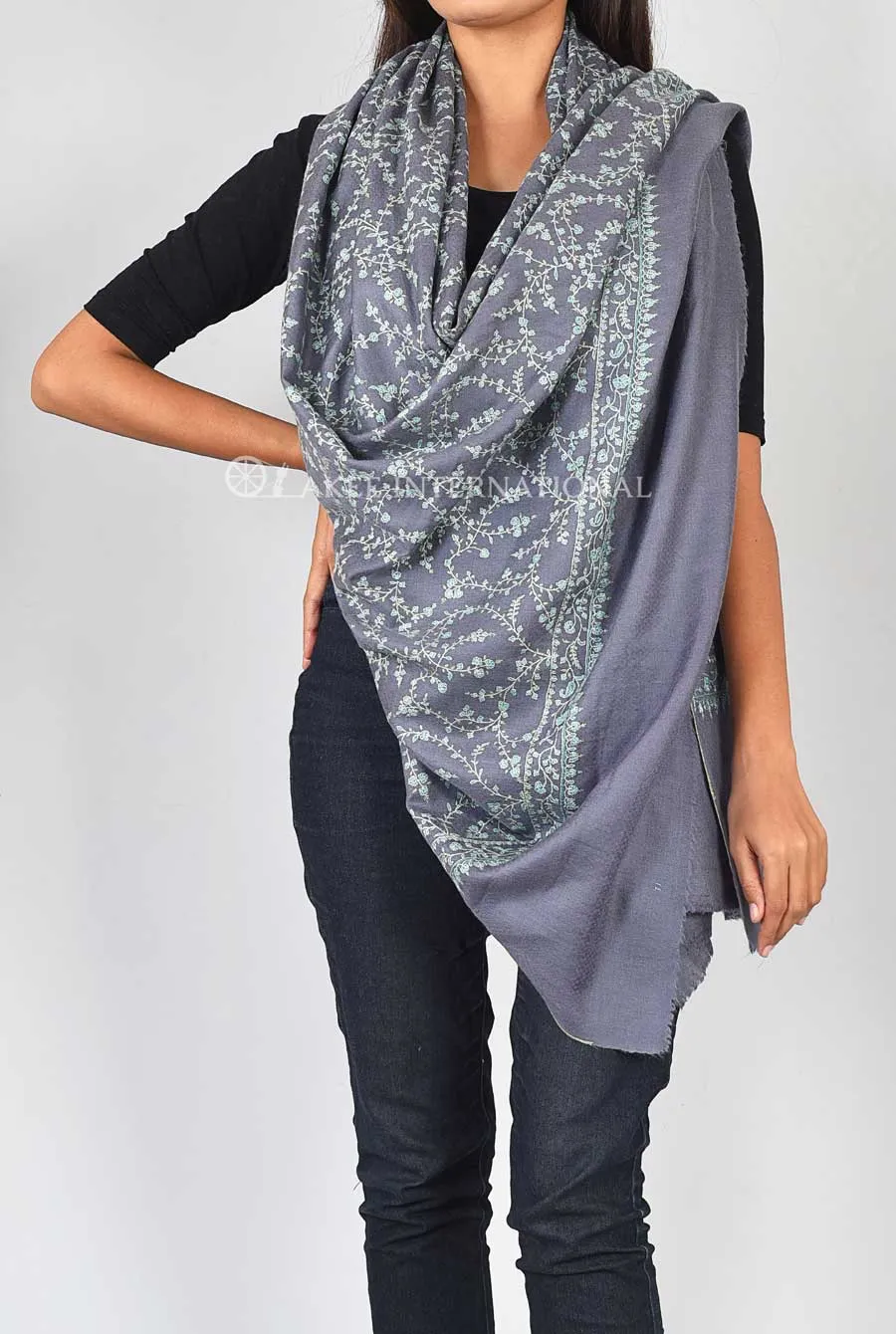
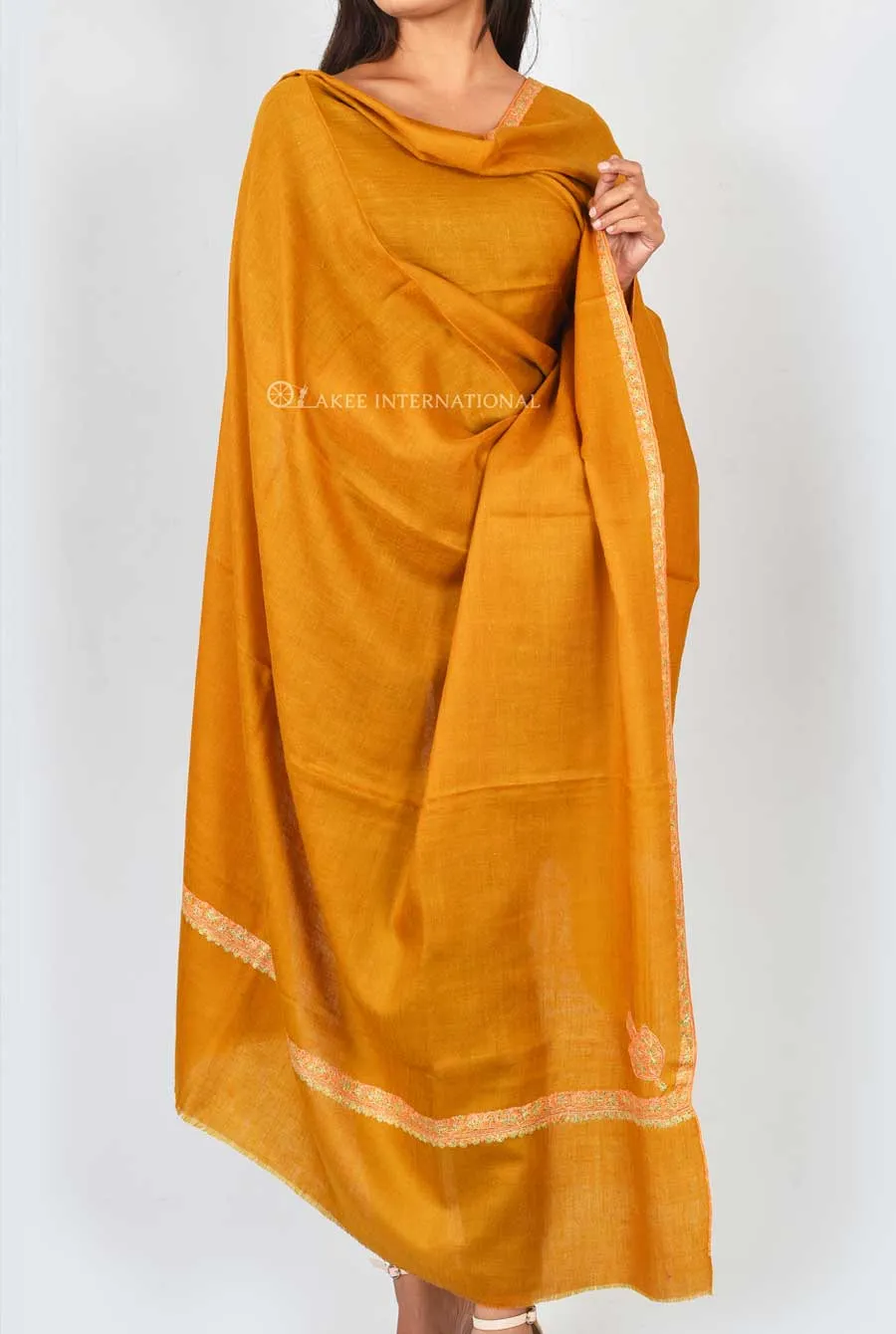
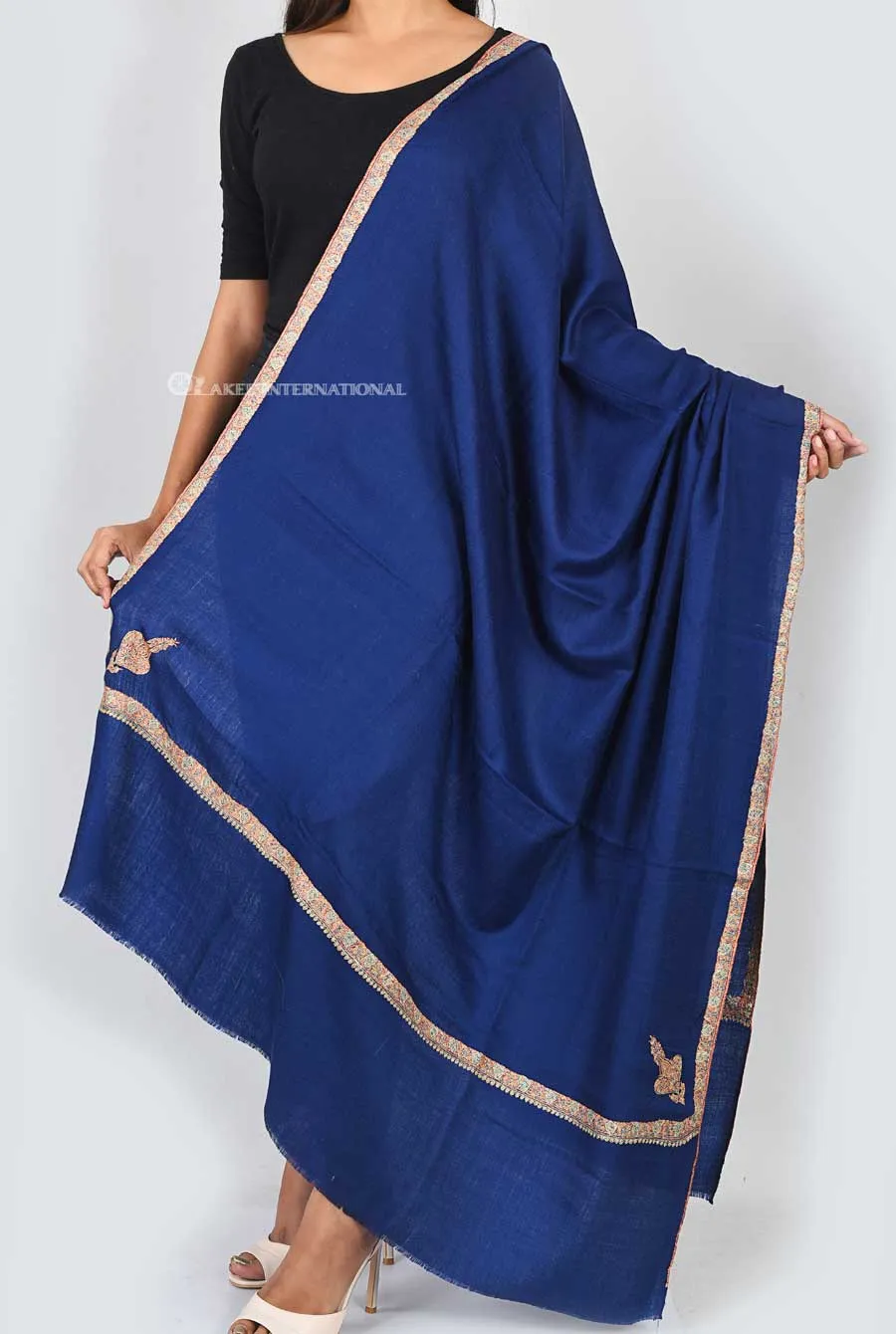
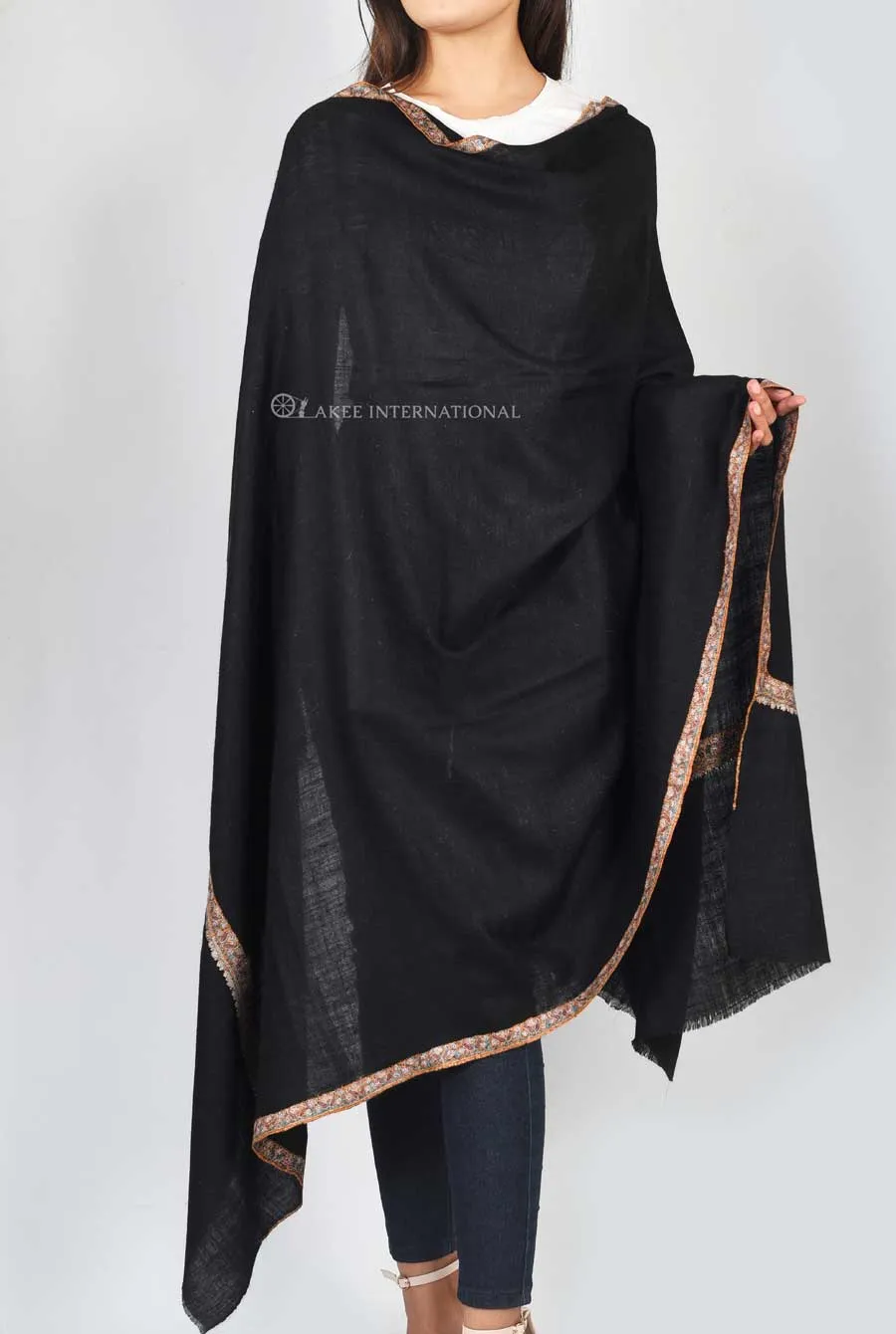
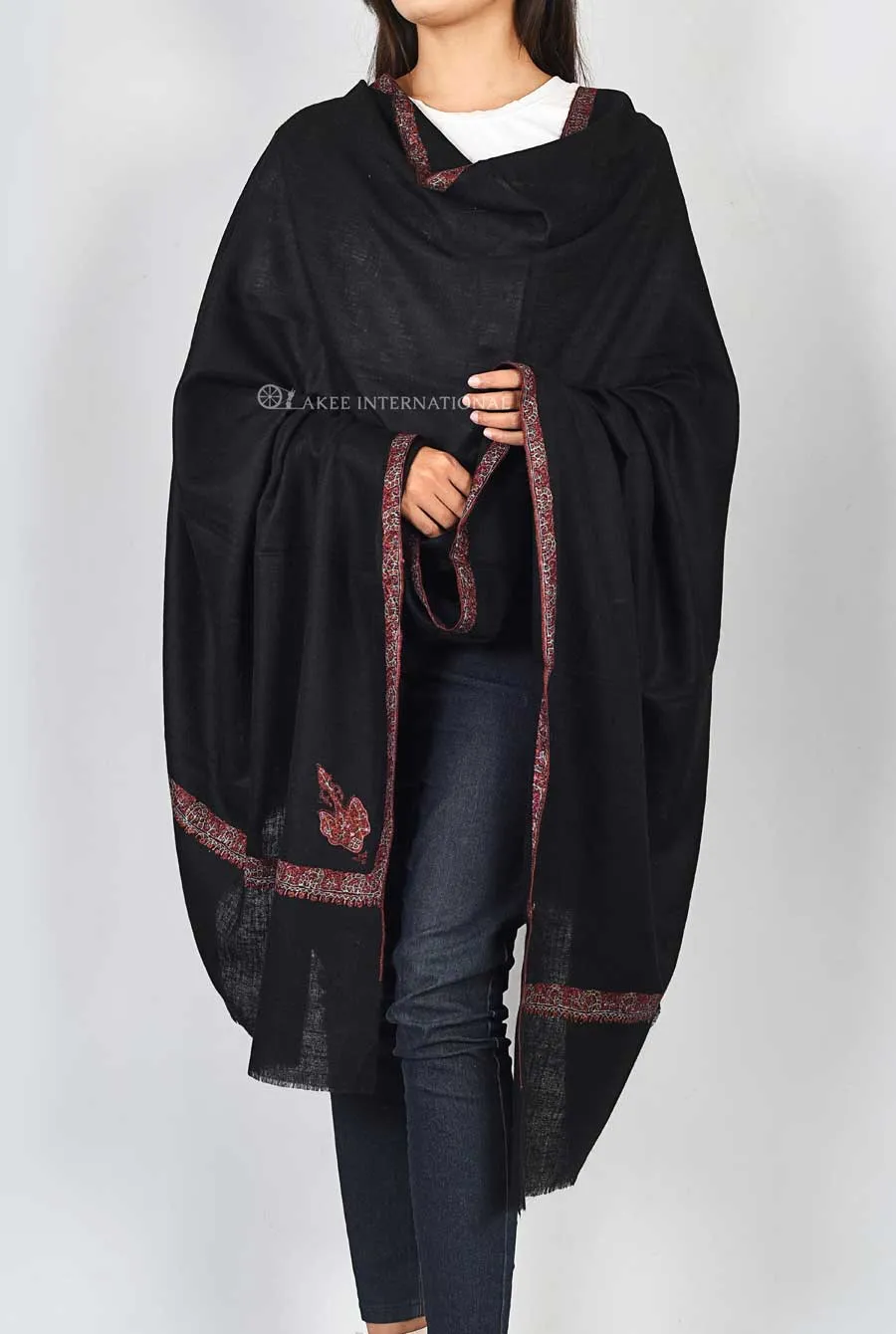
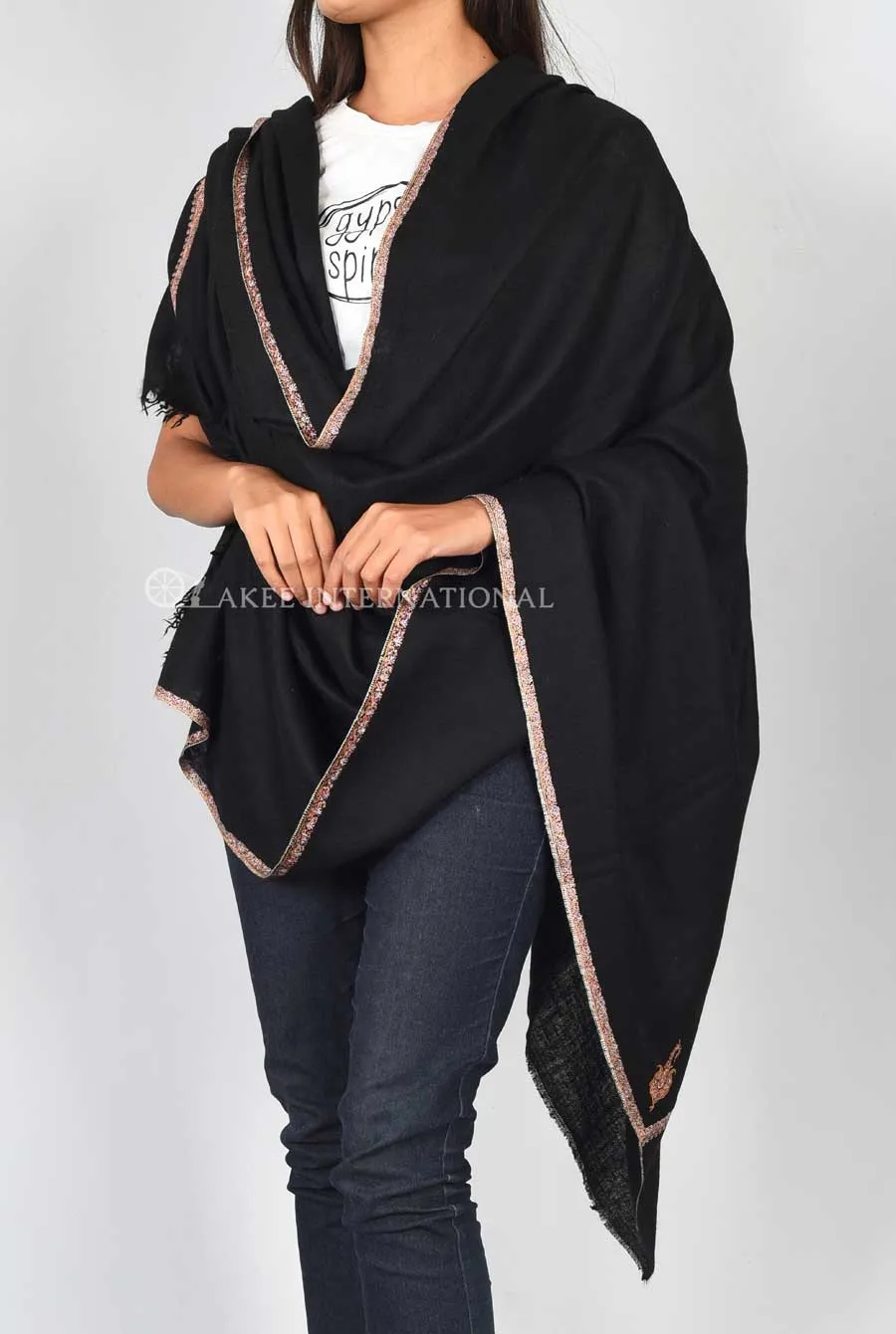
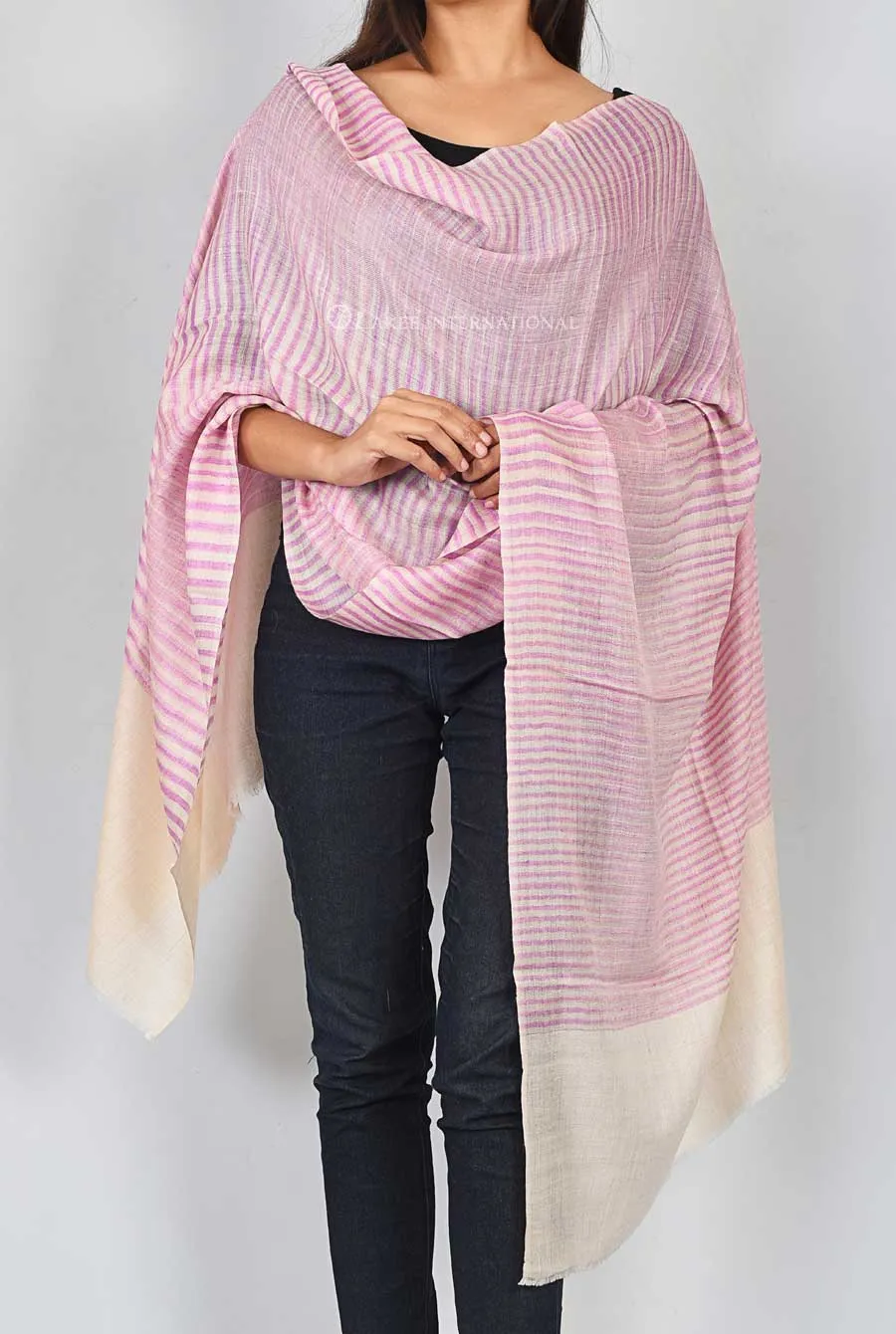
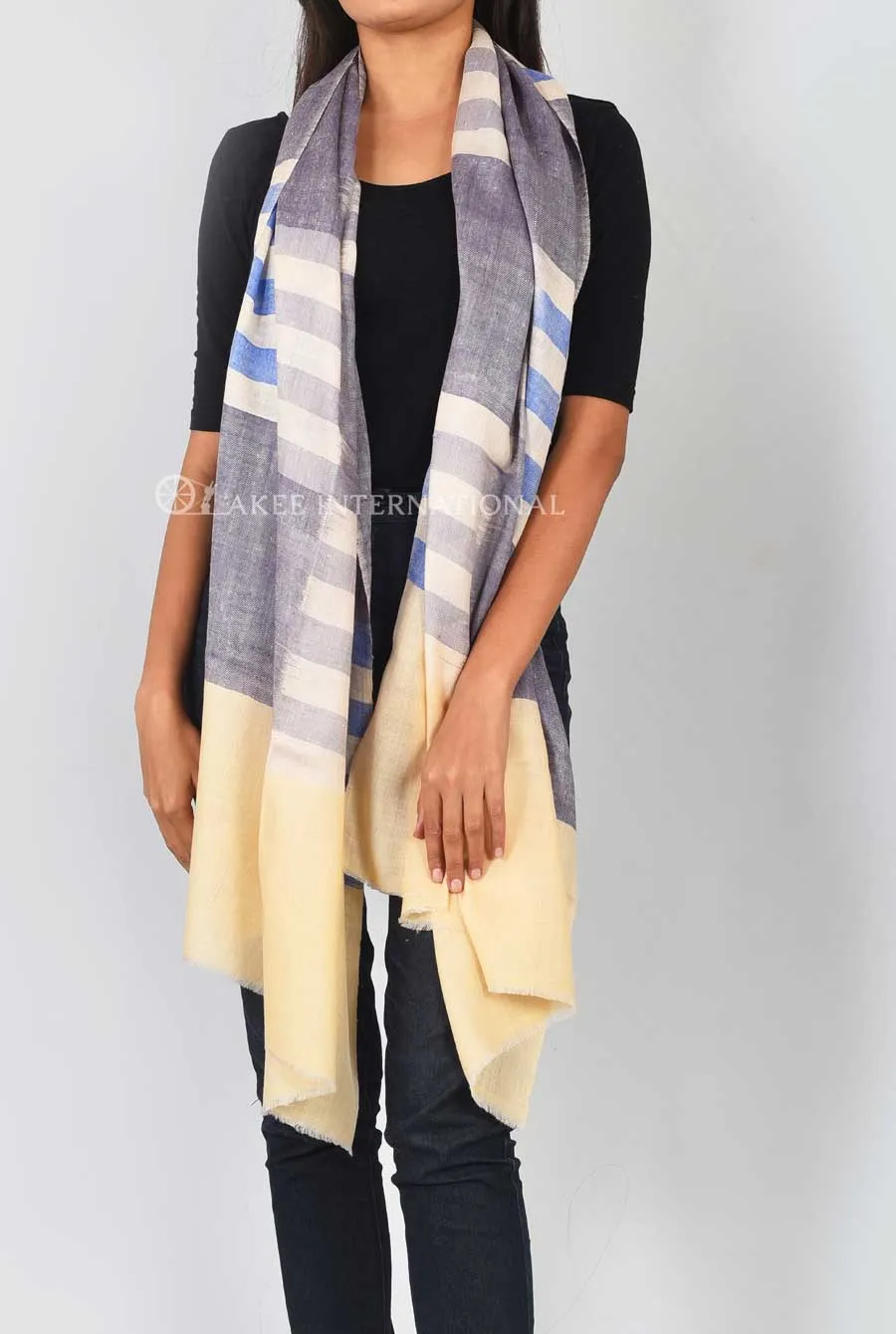
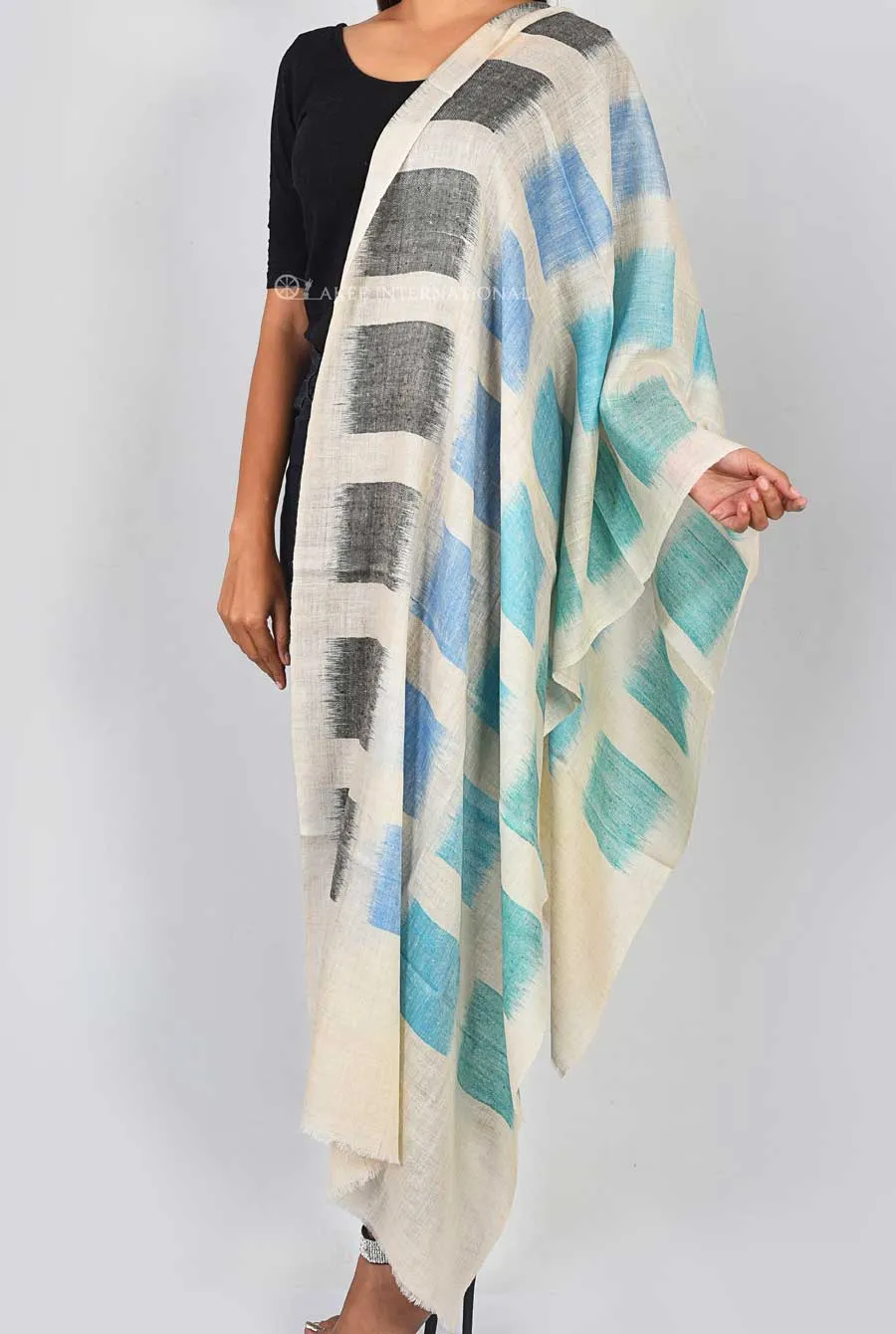
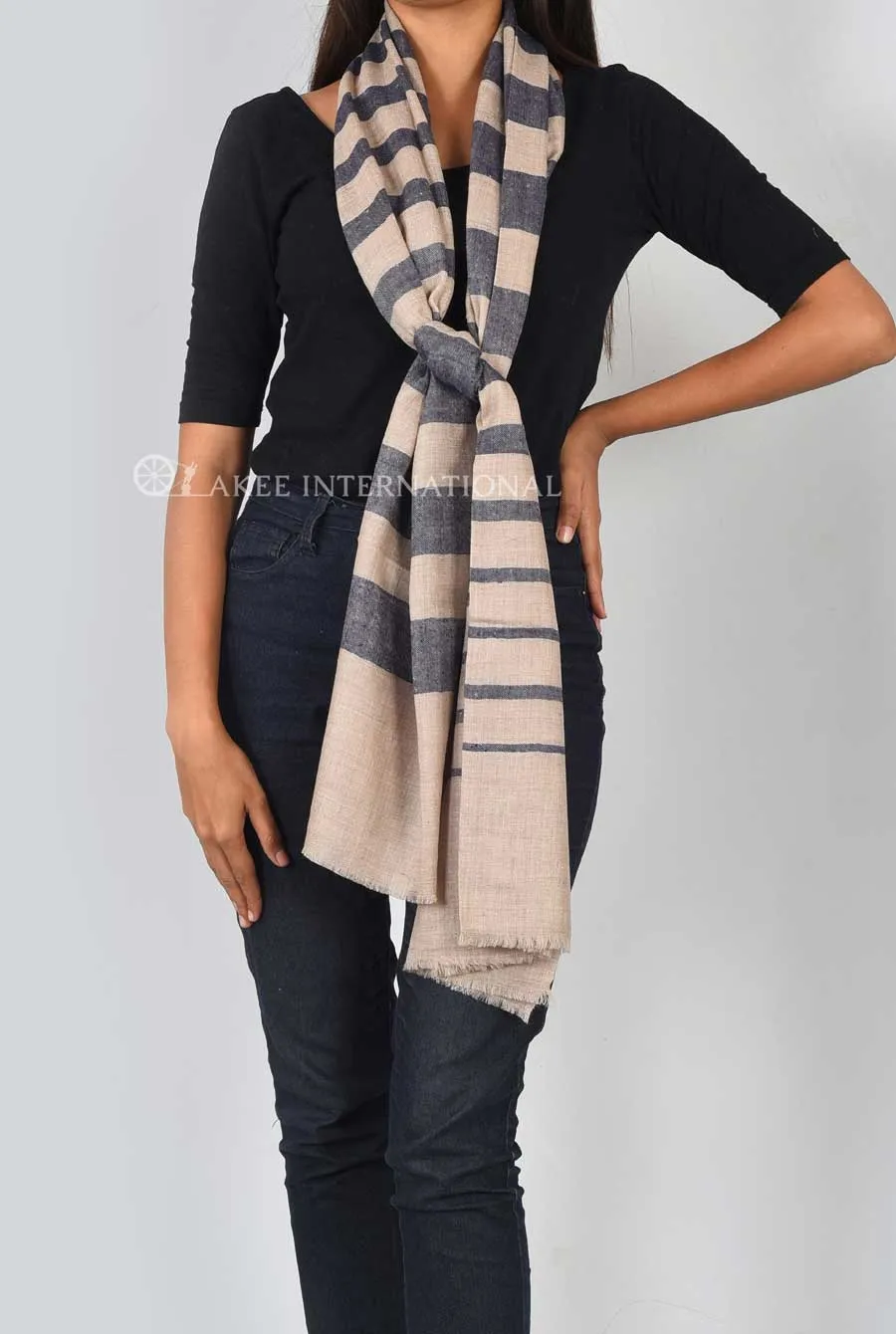
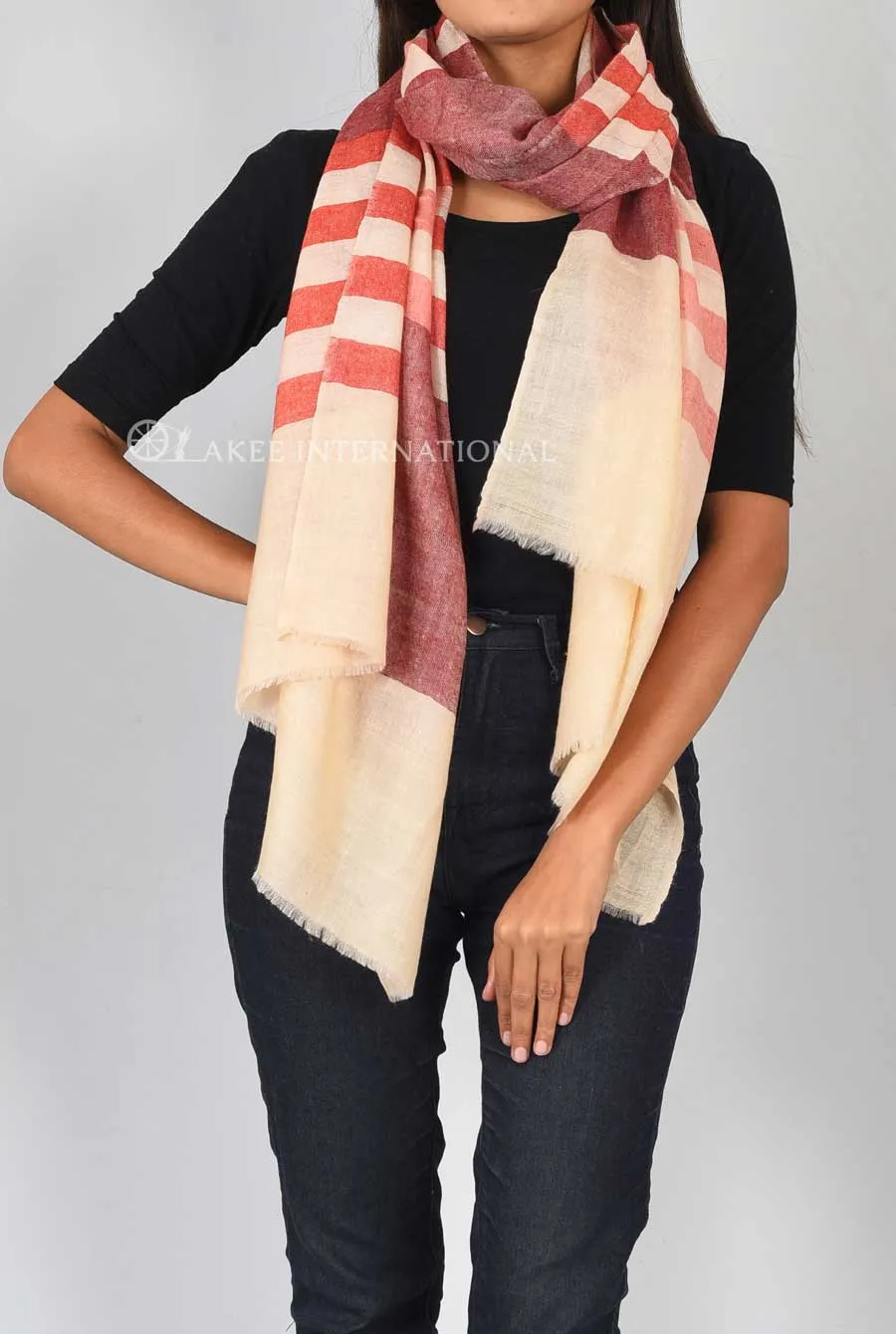
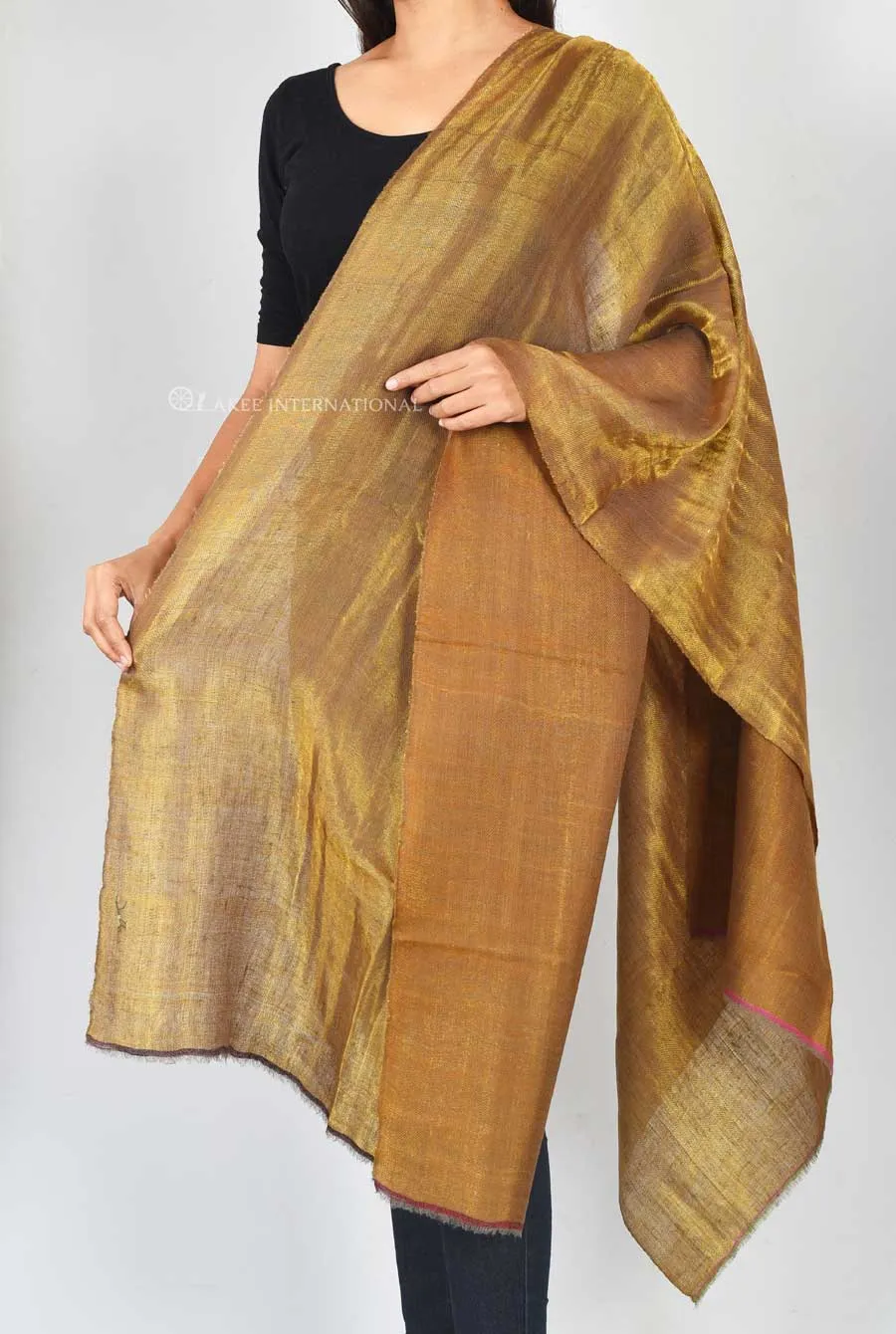
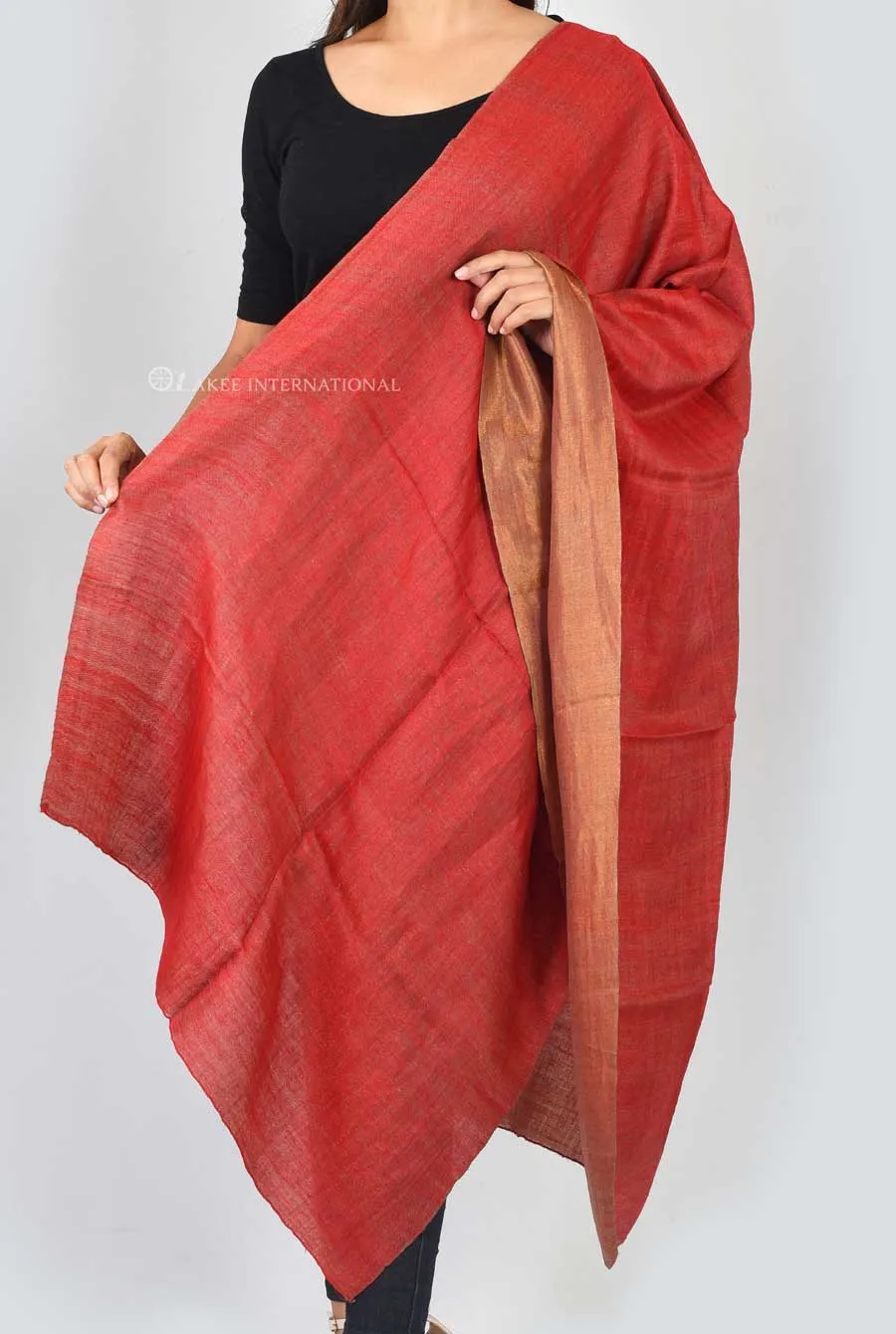
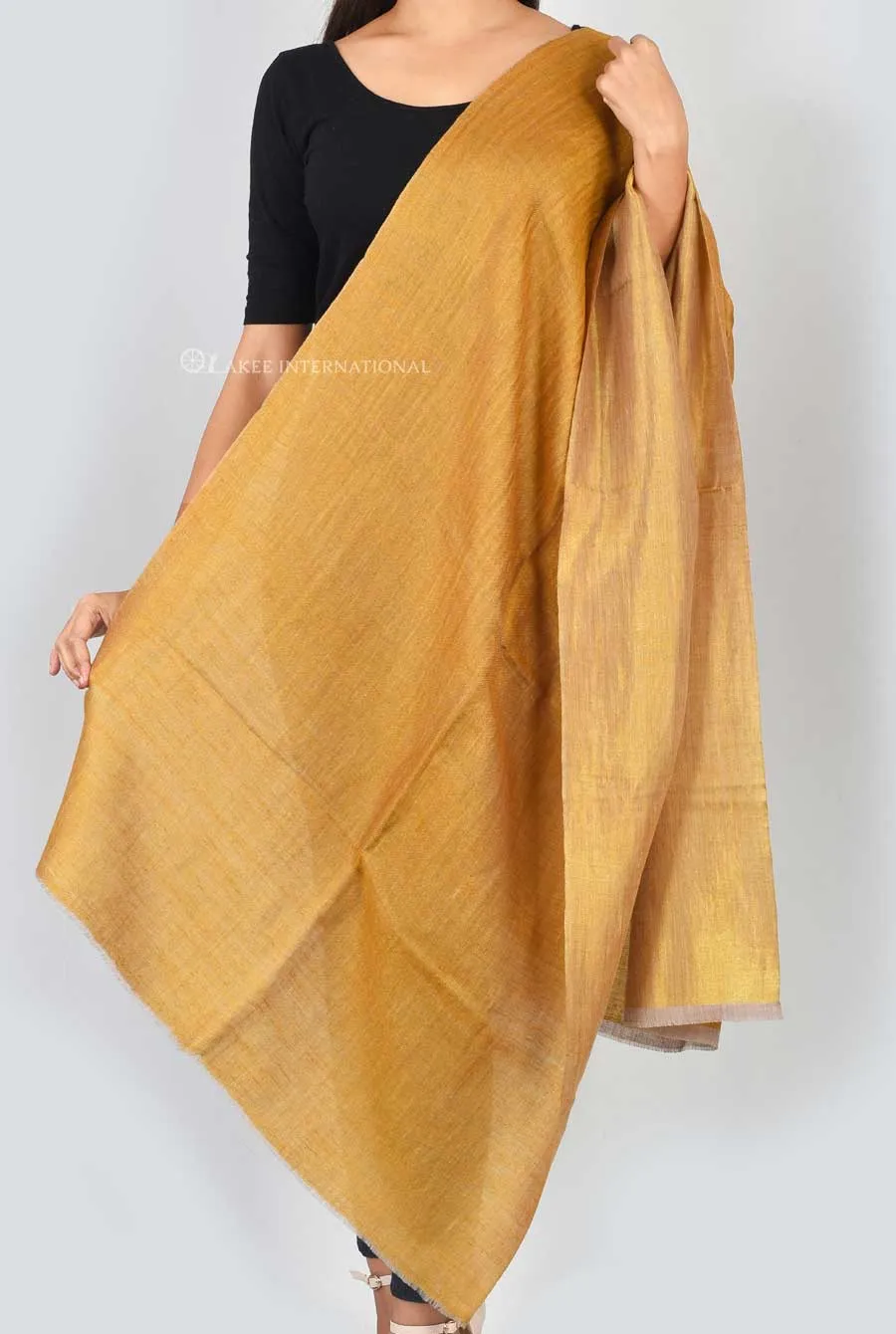
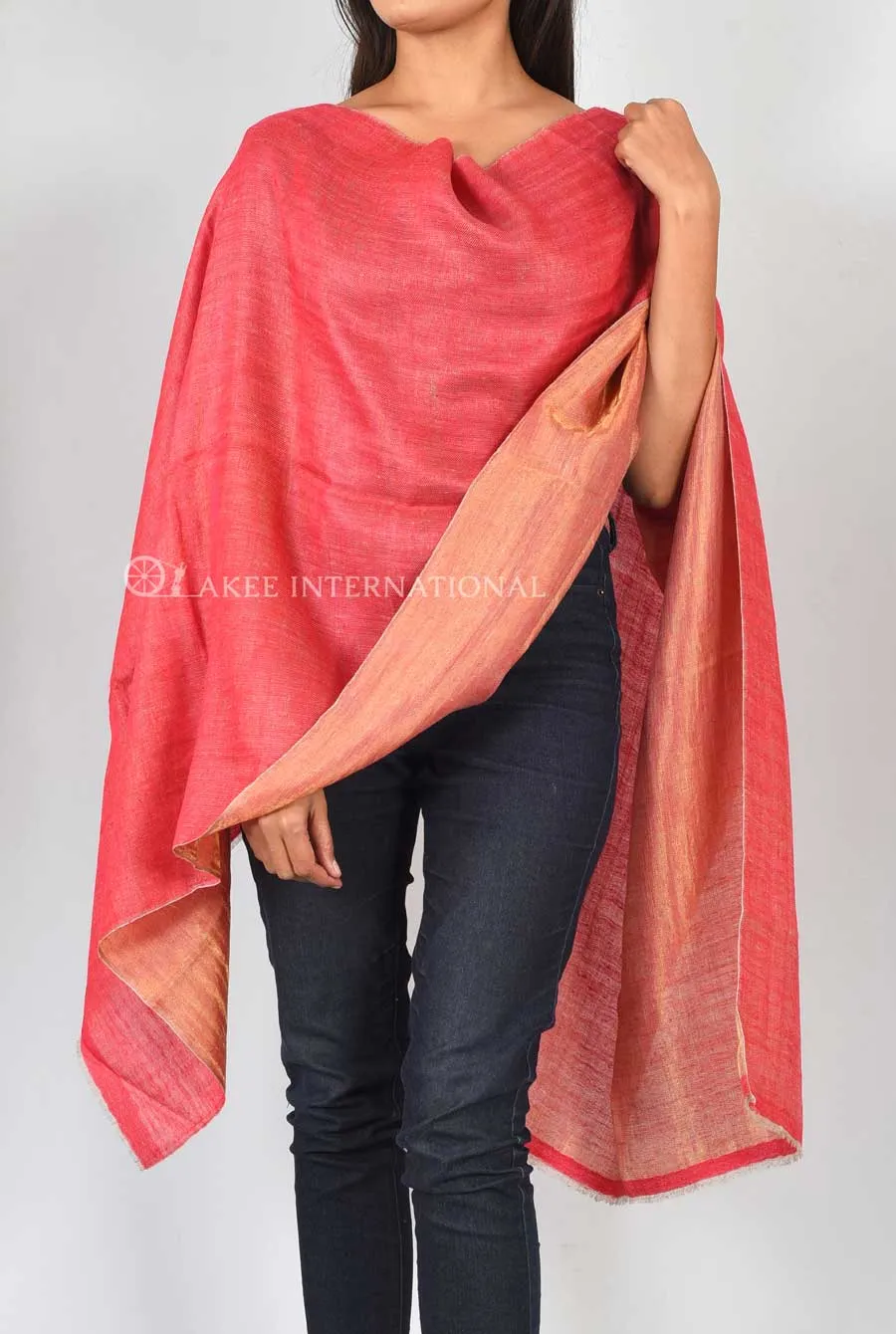
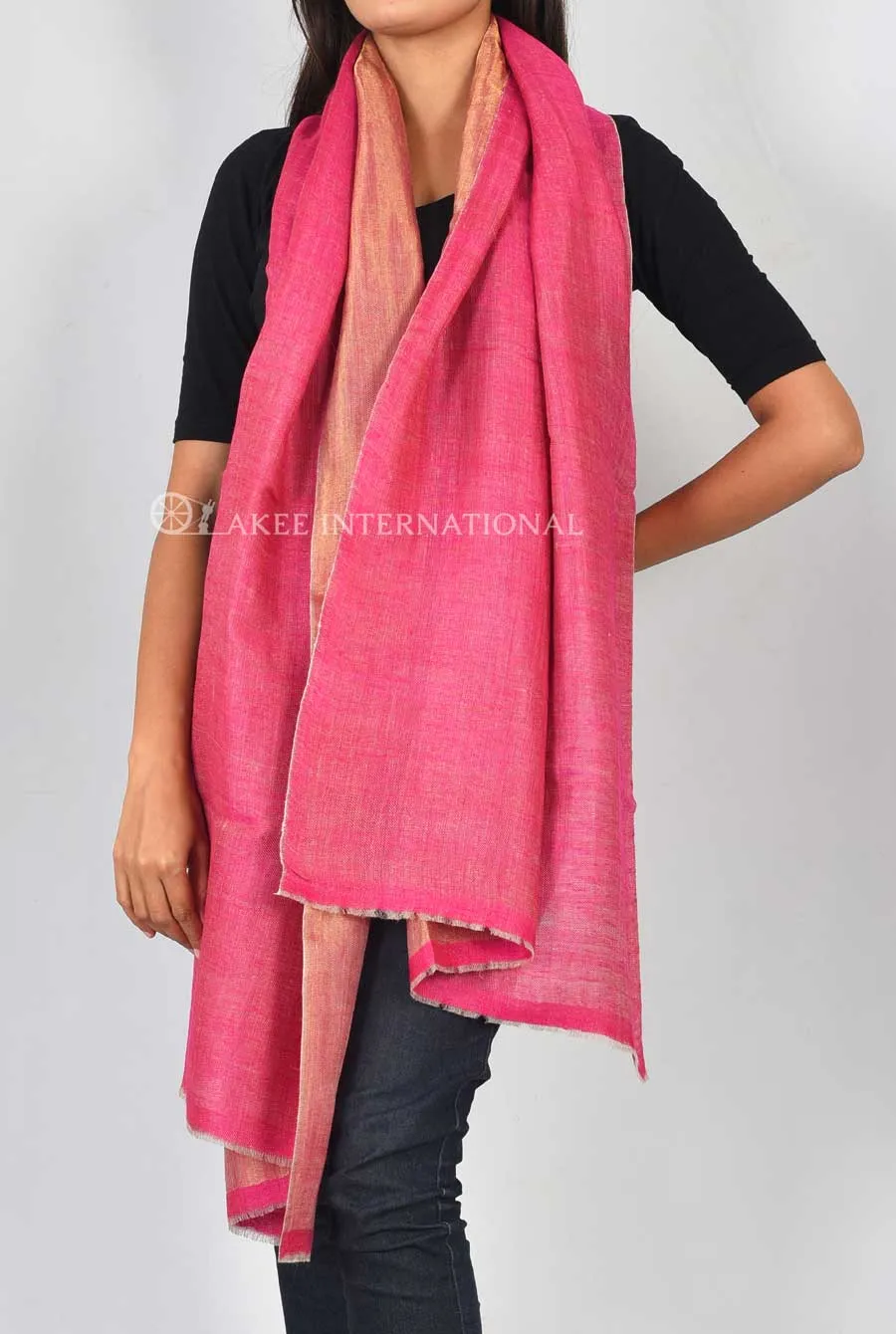
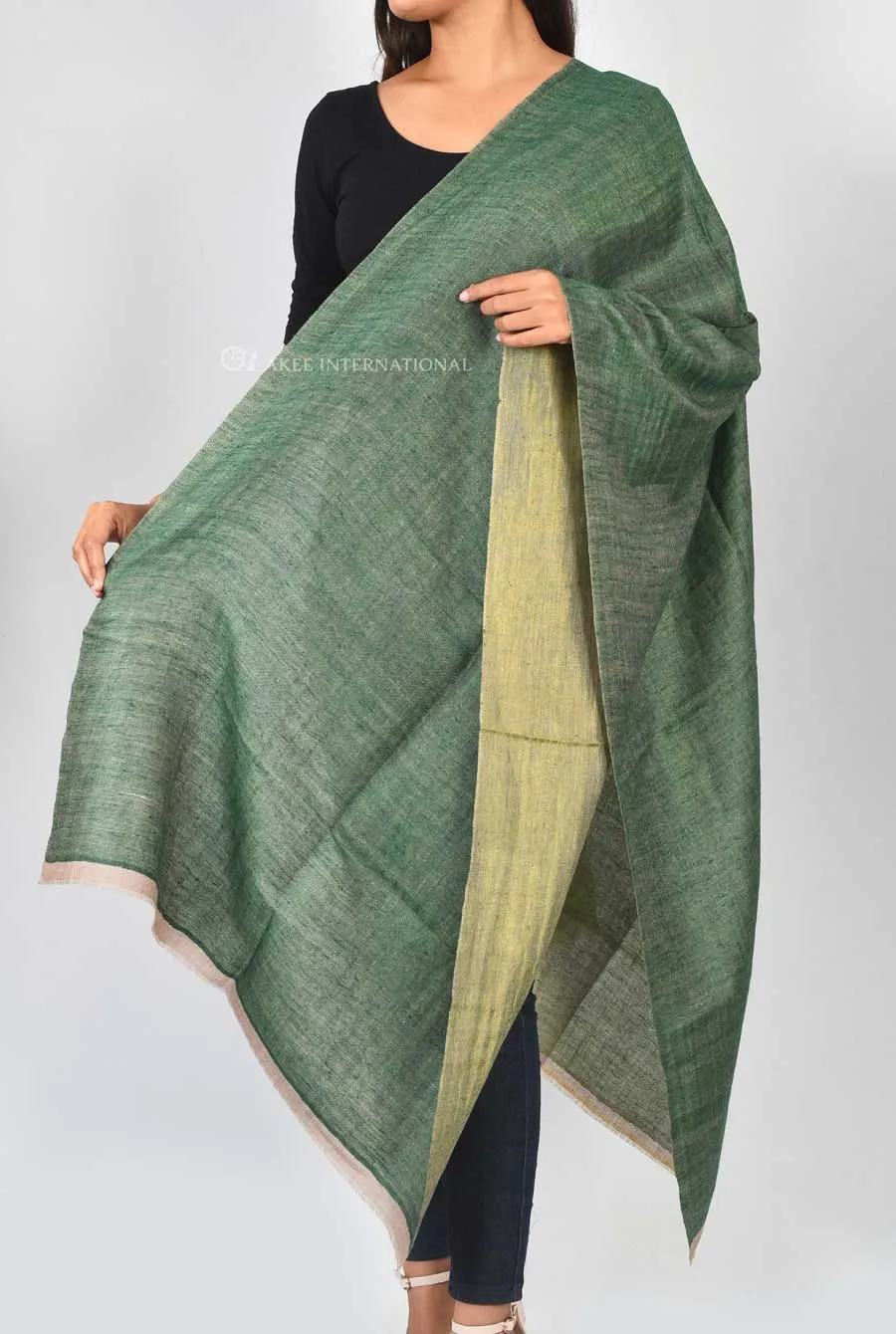
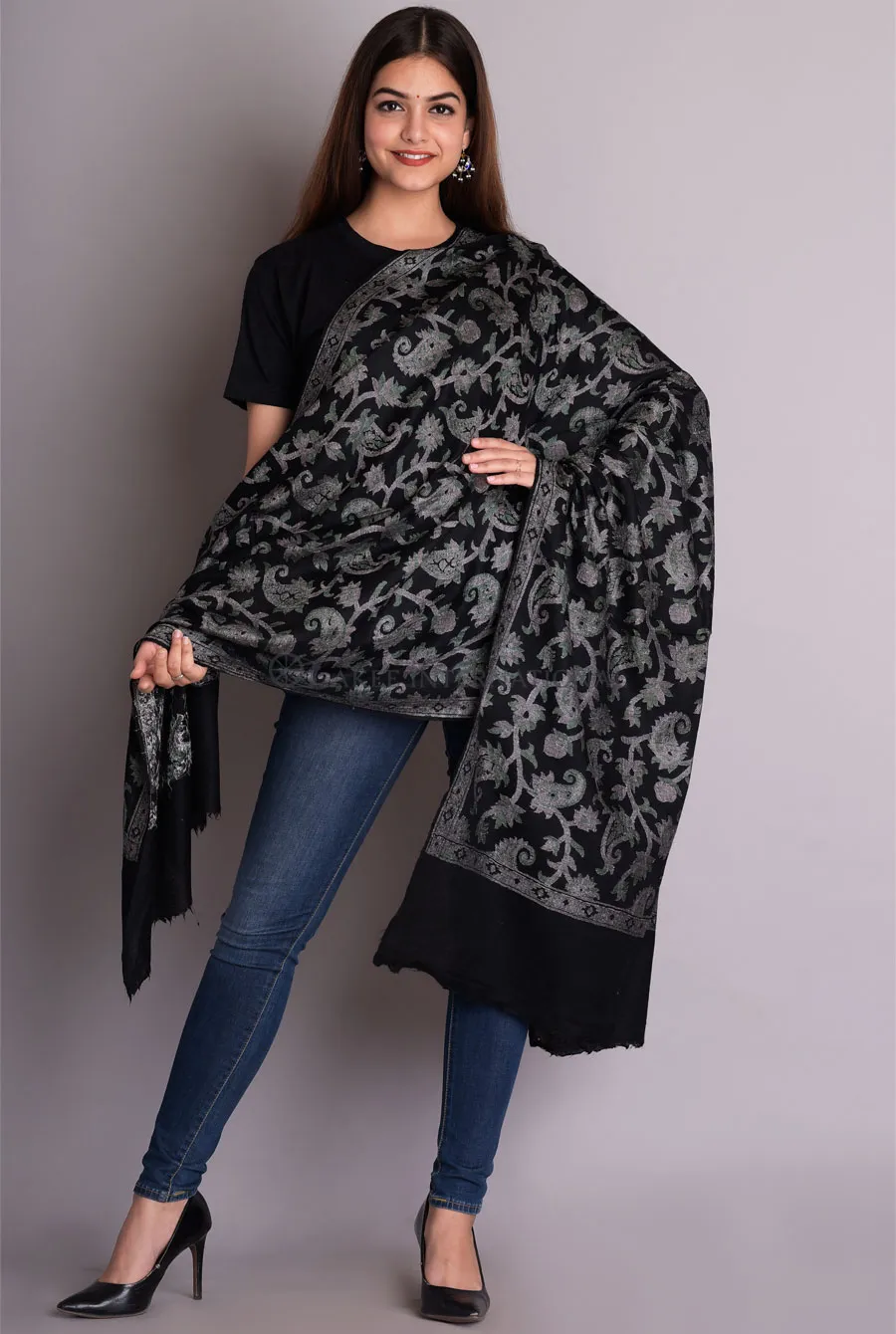
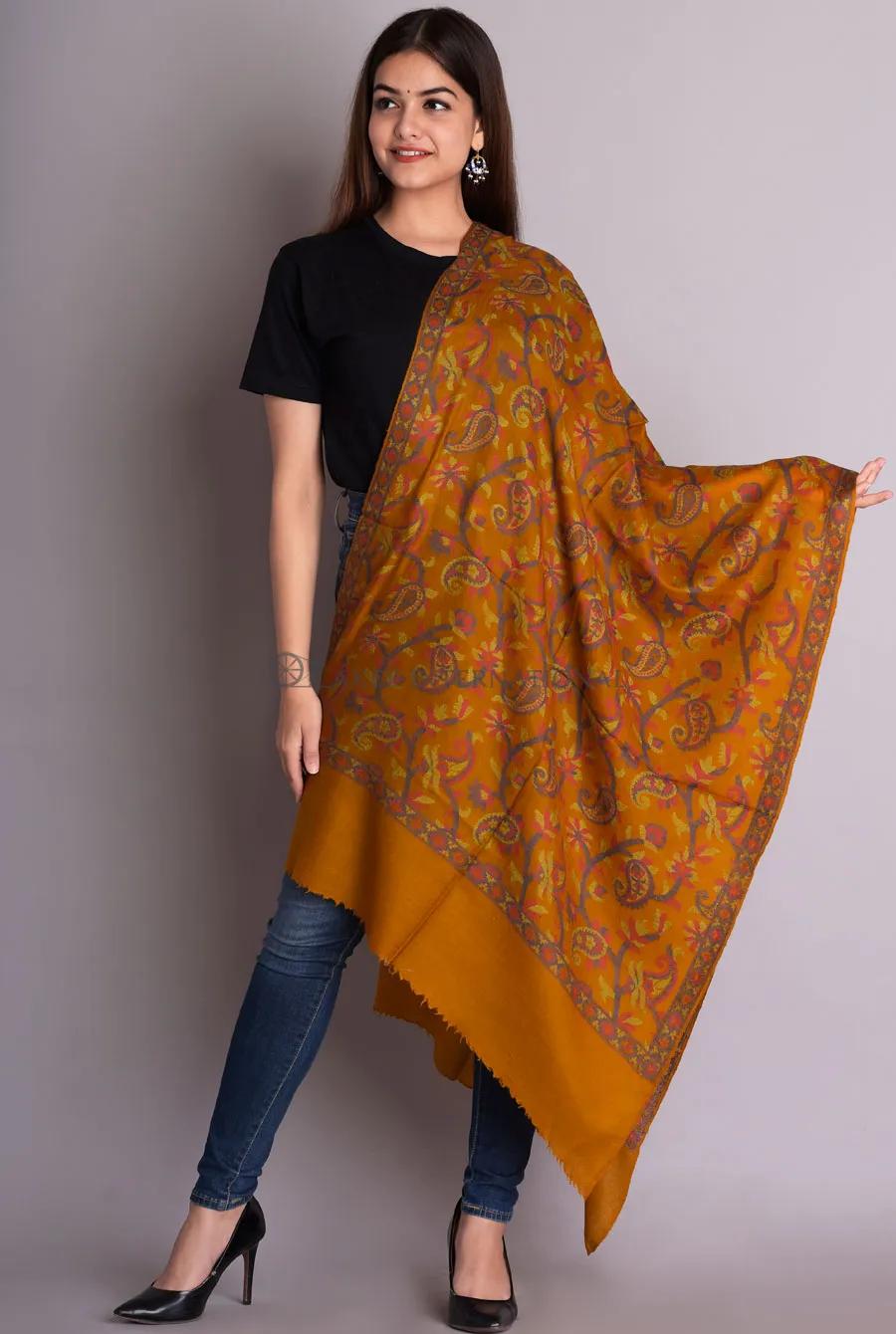
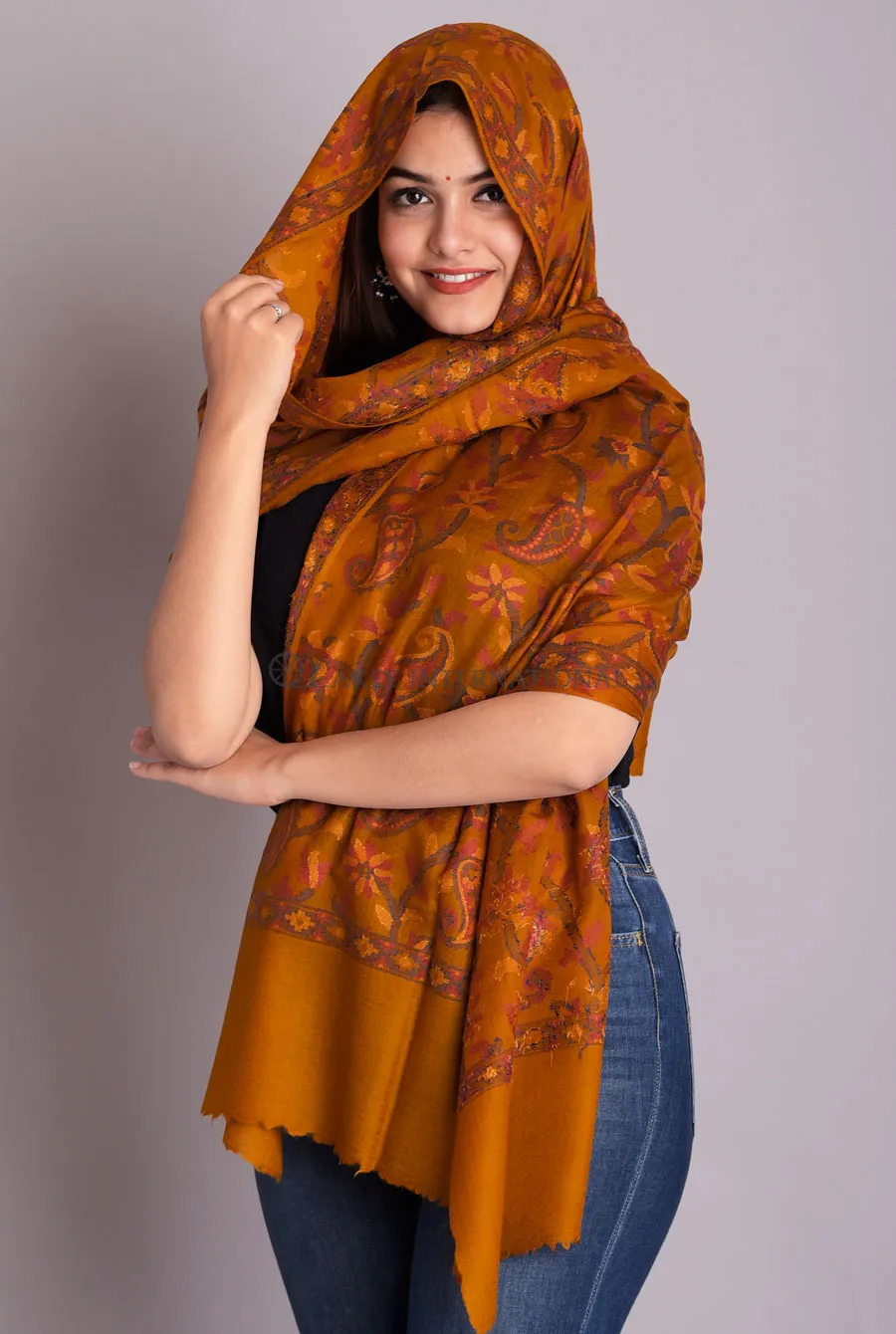
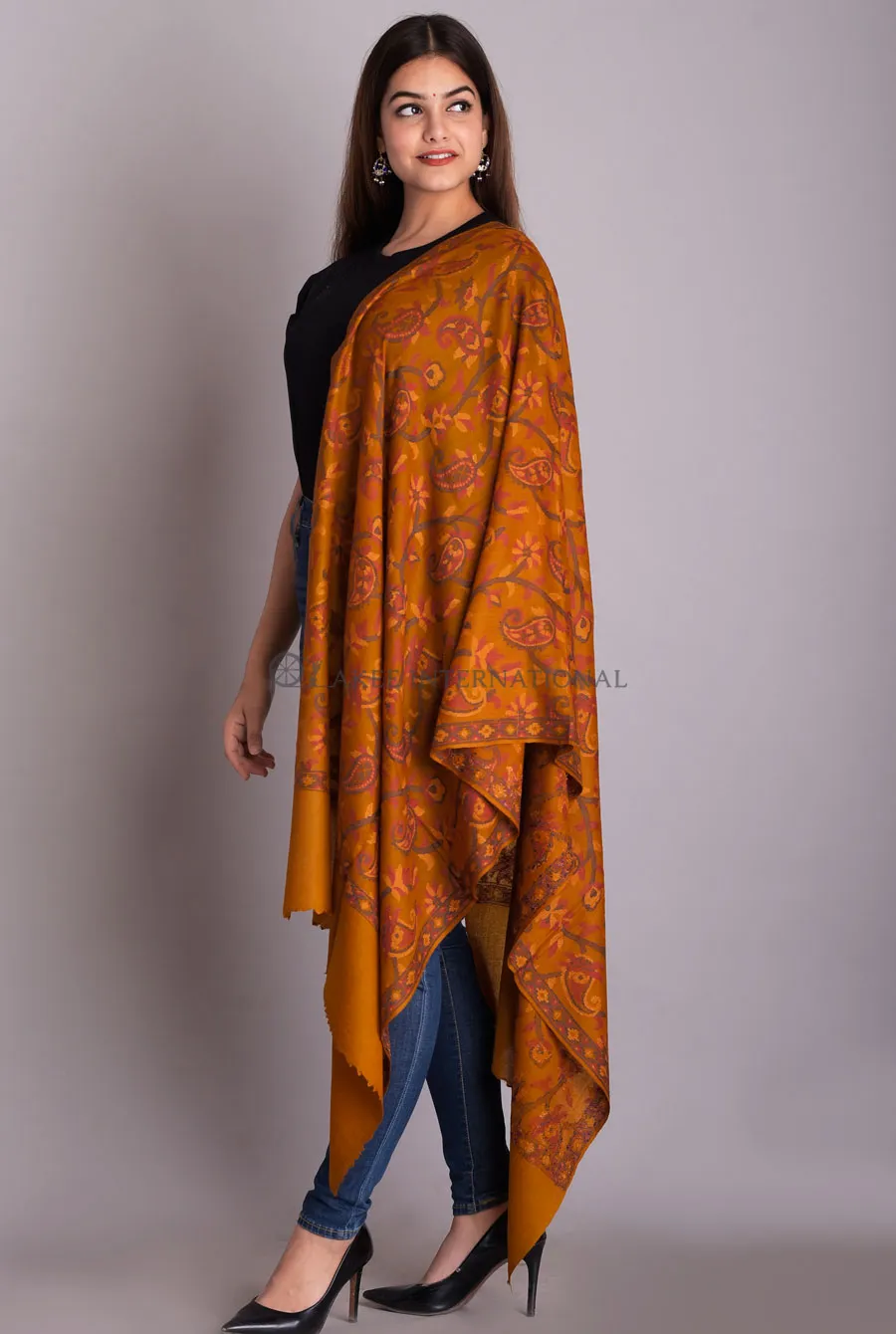
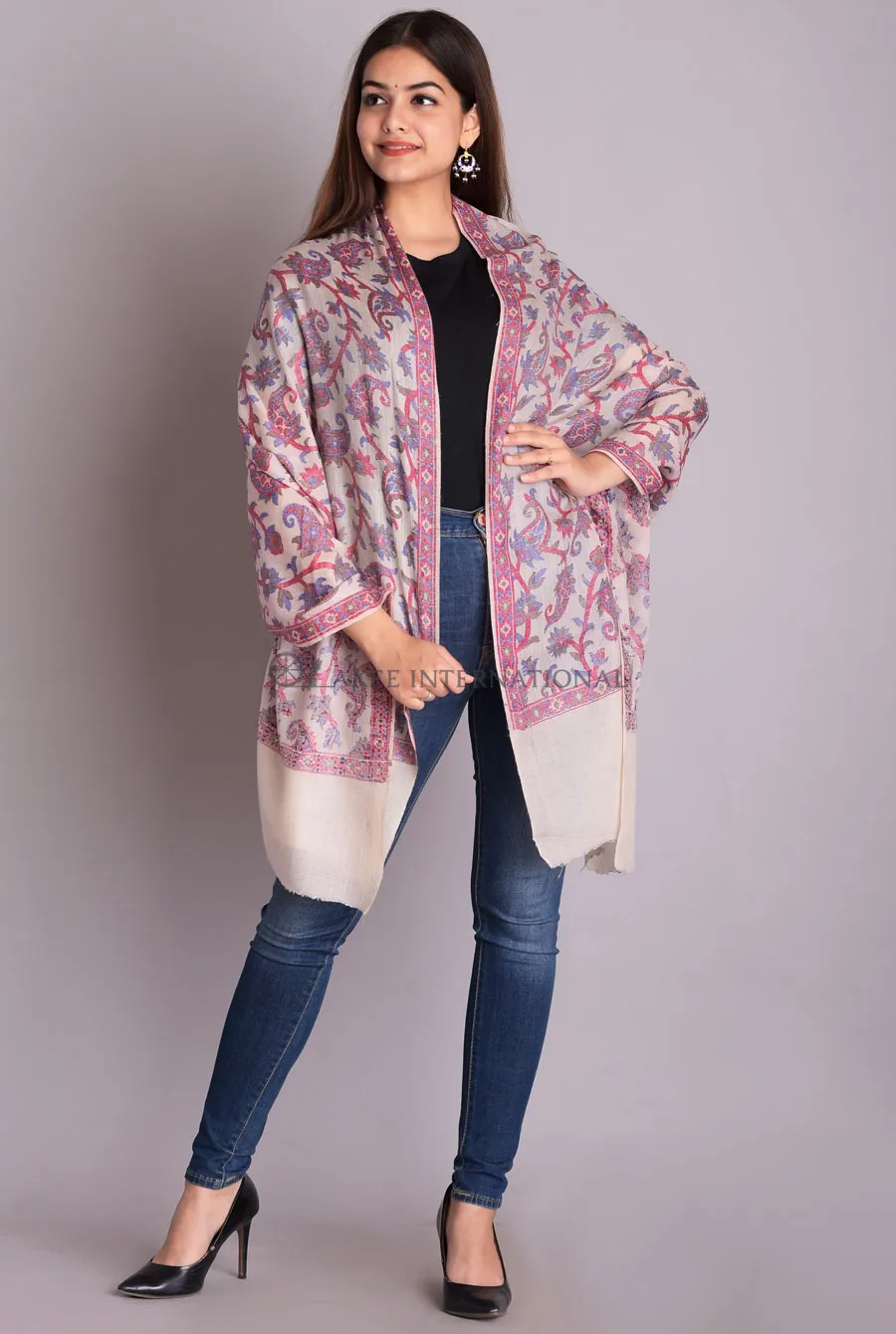
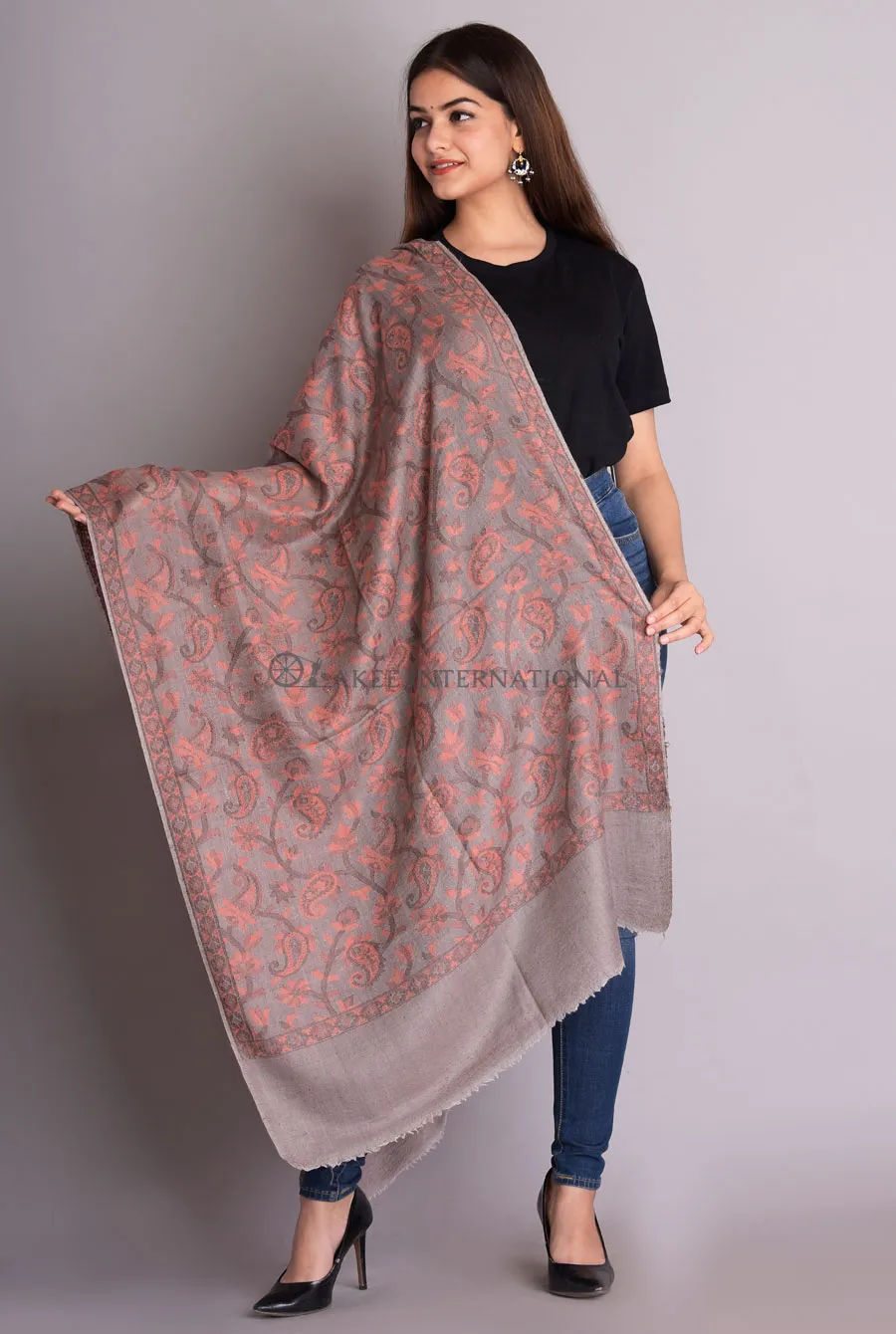
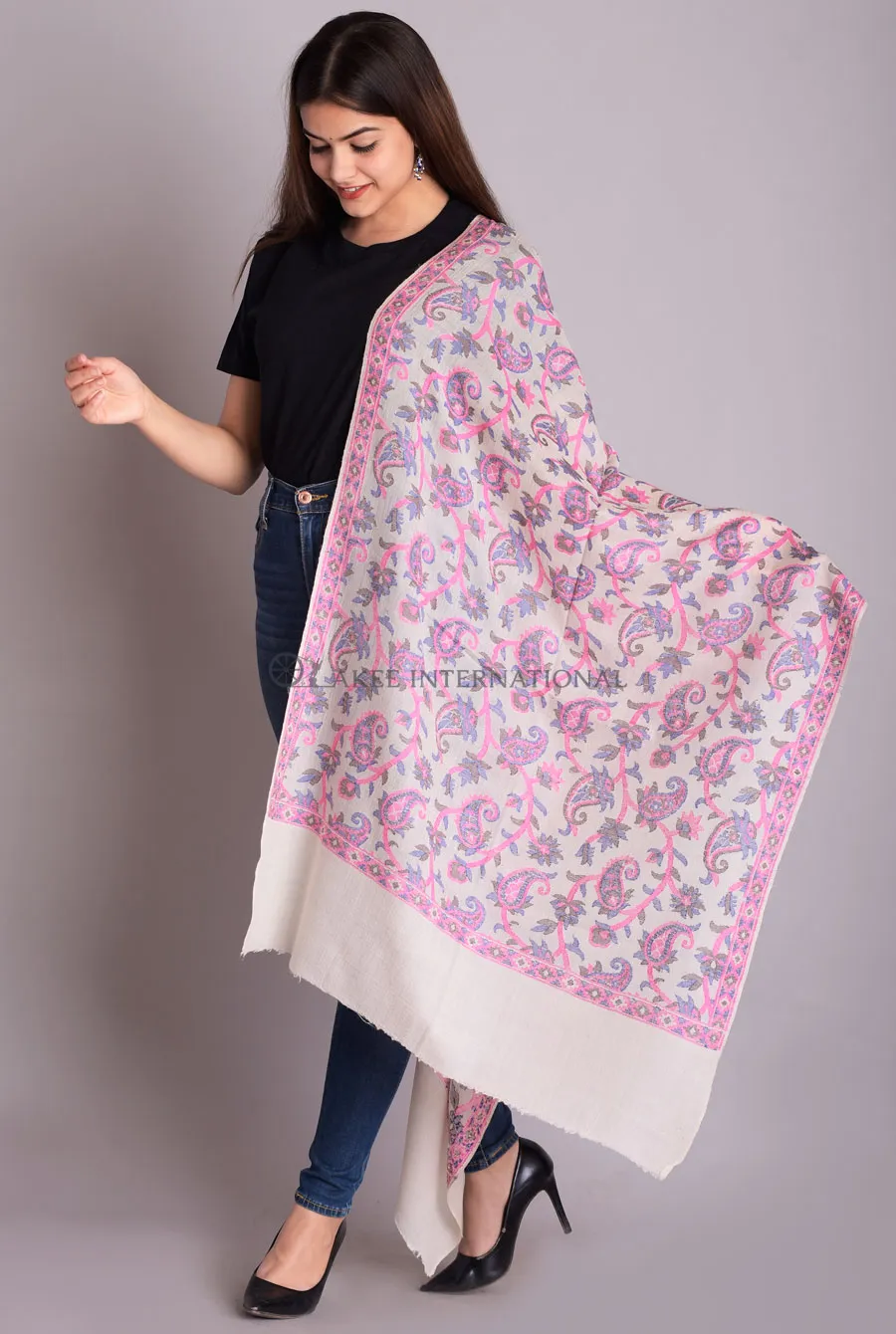
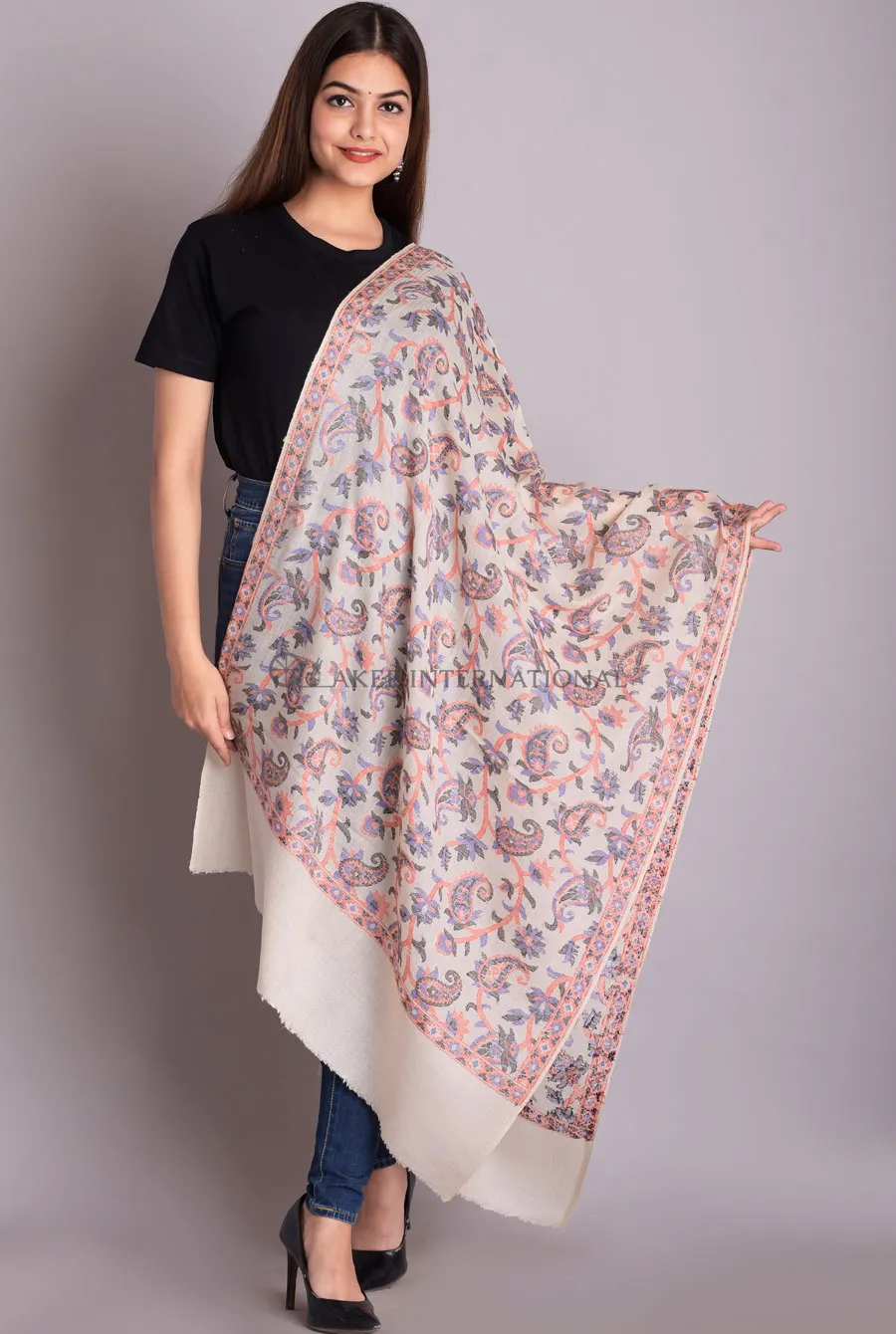
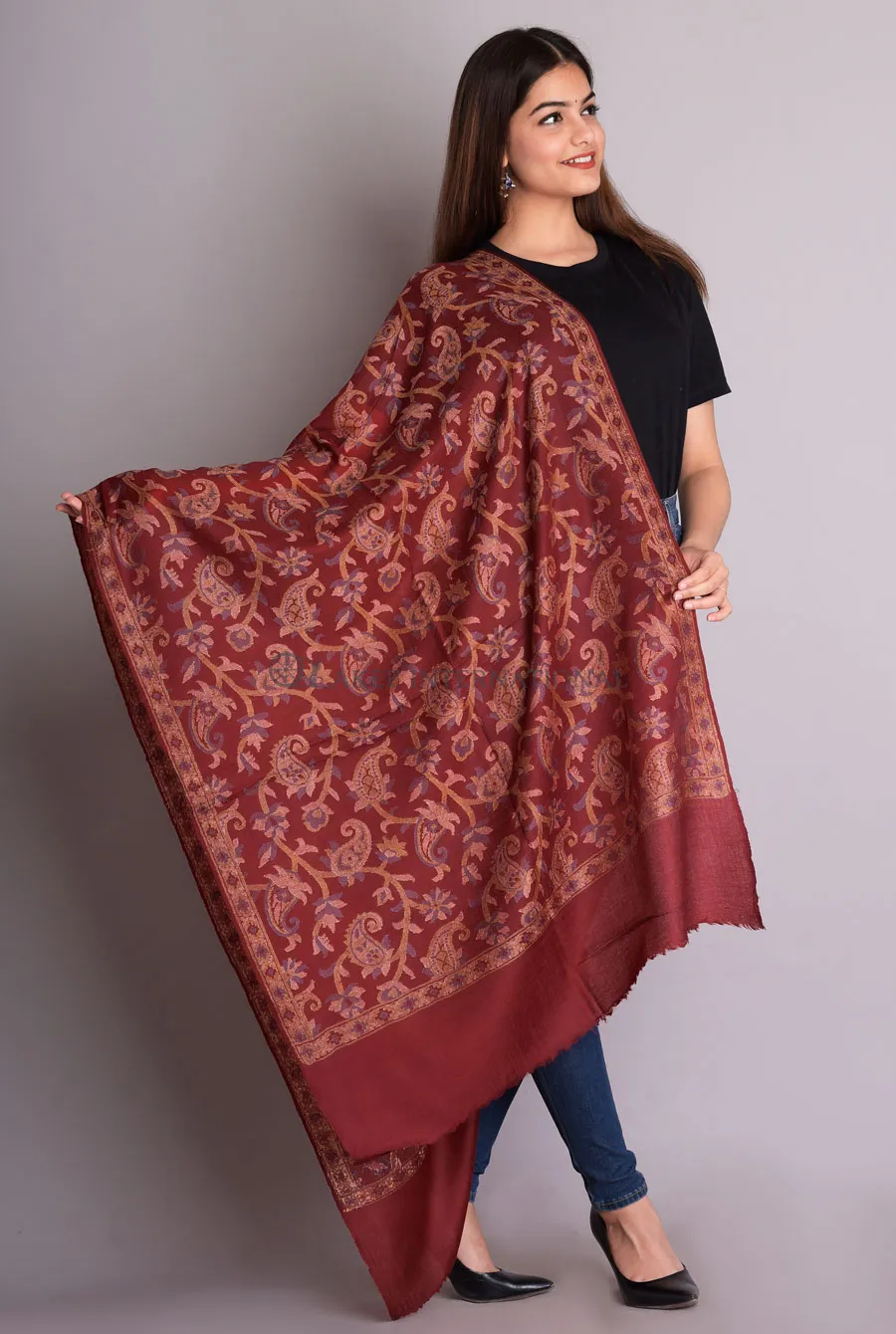
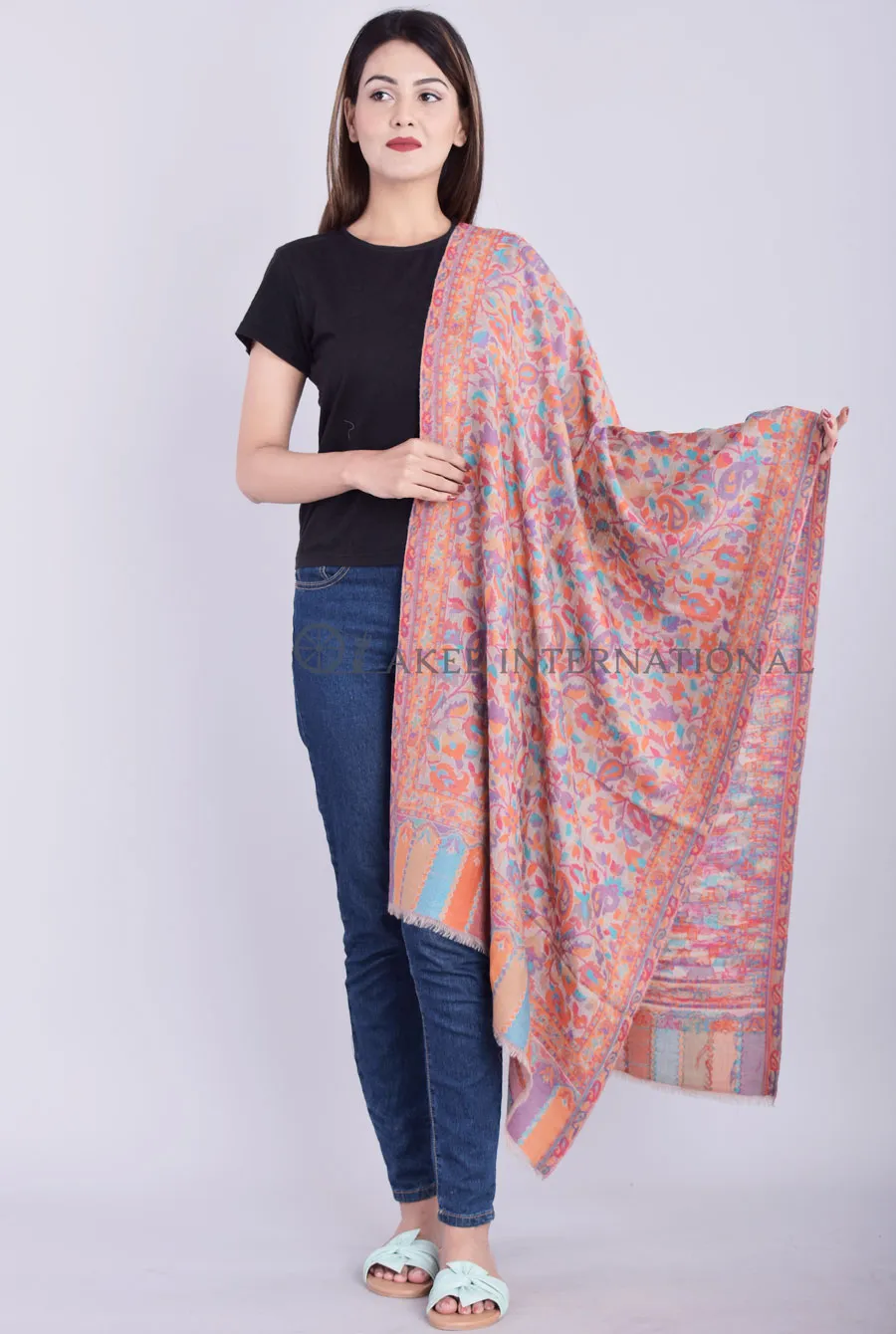
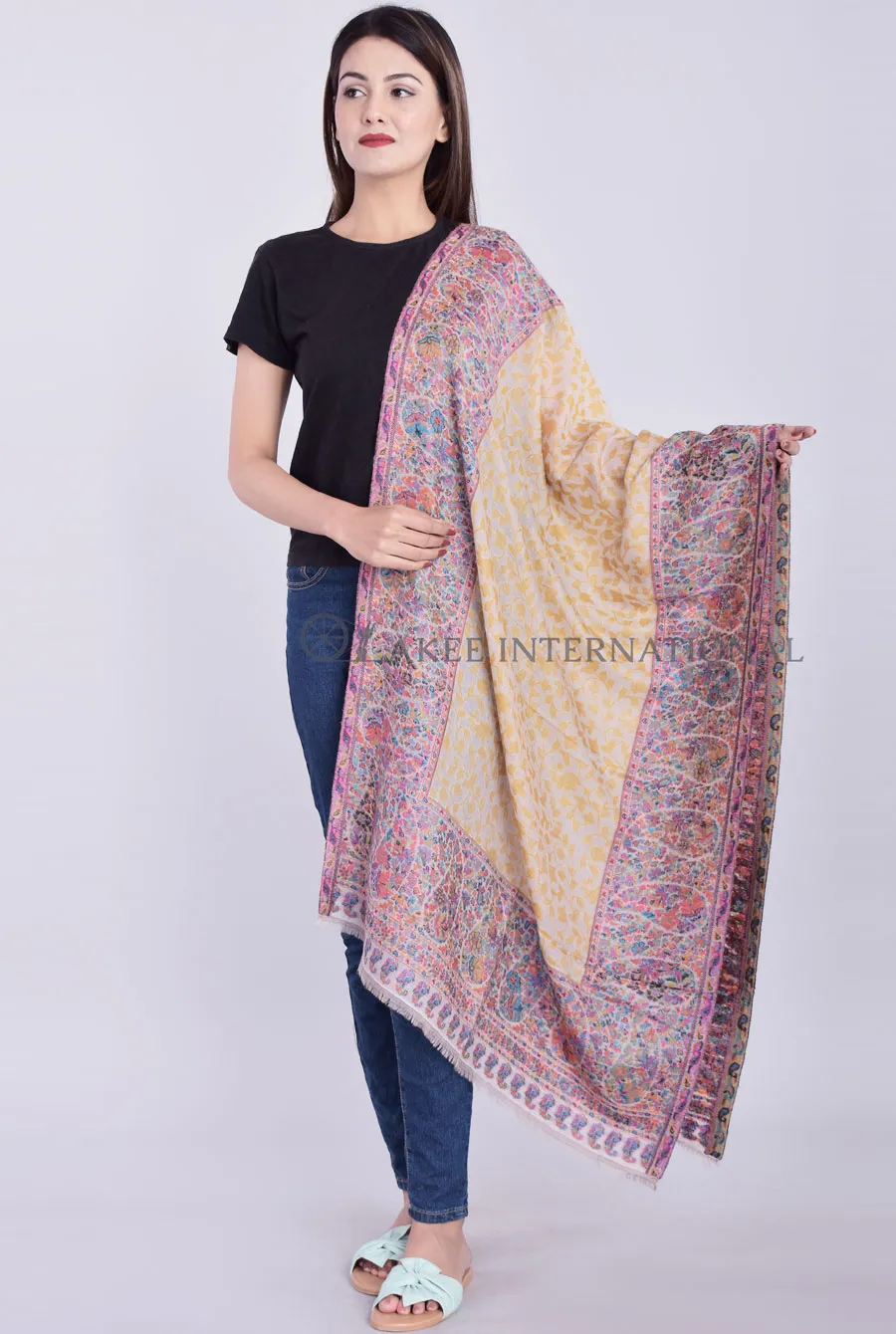
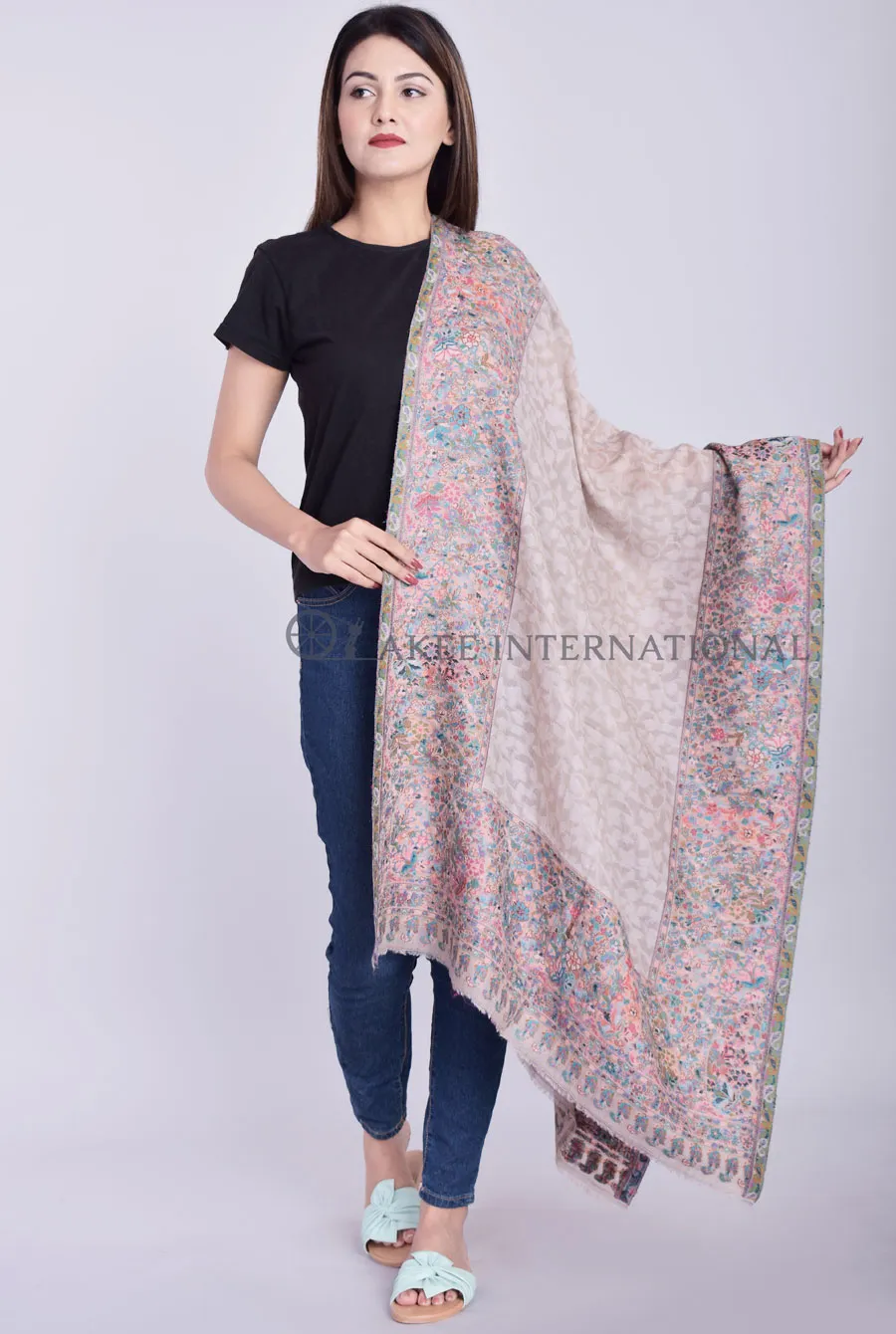
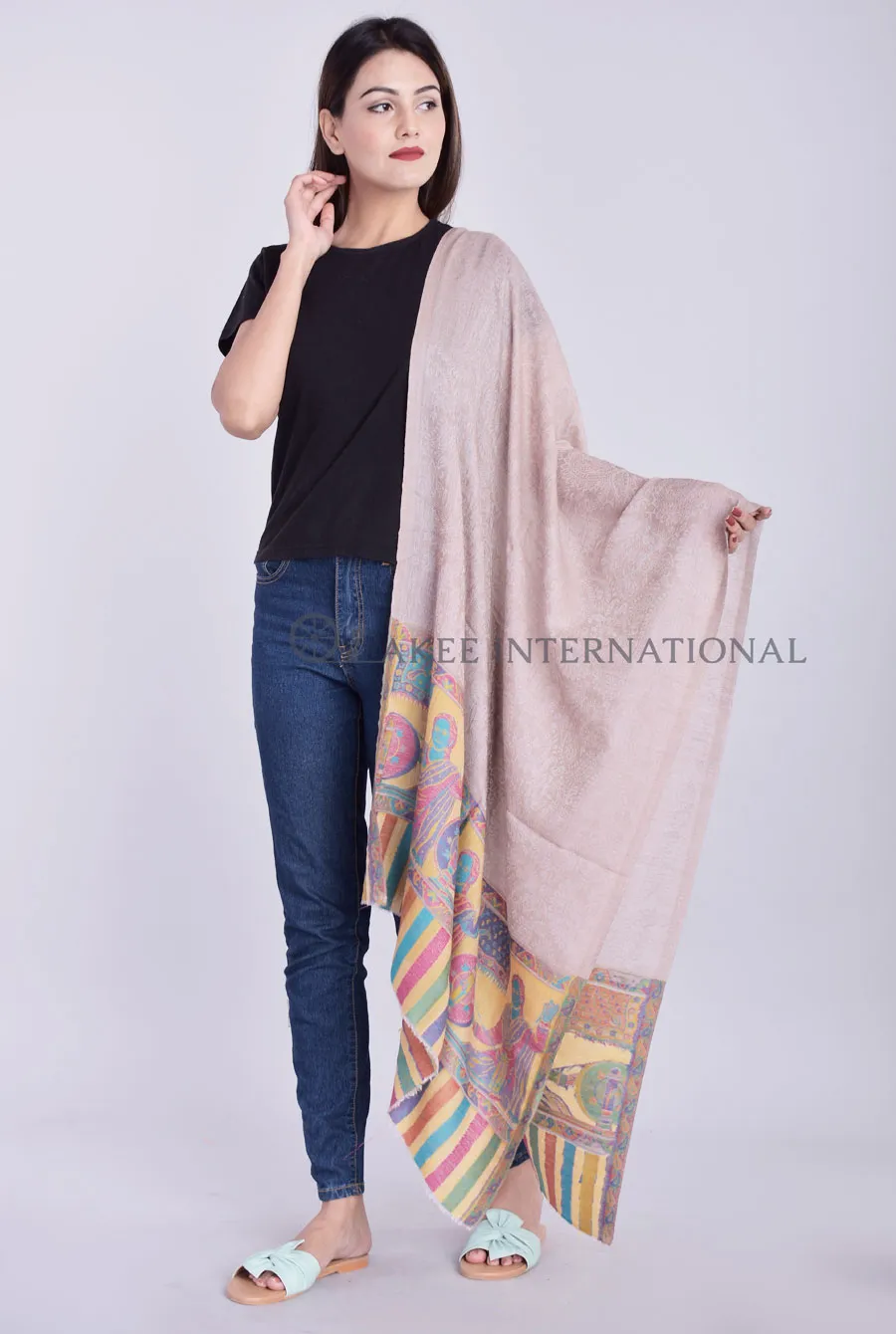
Find Your Perfect Premium Pashmina Shawl
Discover exquisite Pashmina shawls, beautifully crafted with Kashmir’s timeless heritage and artistry.

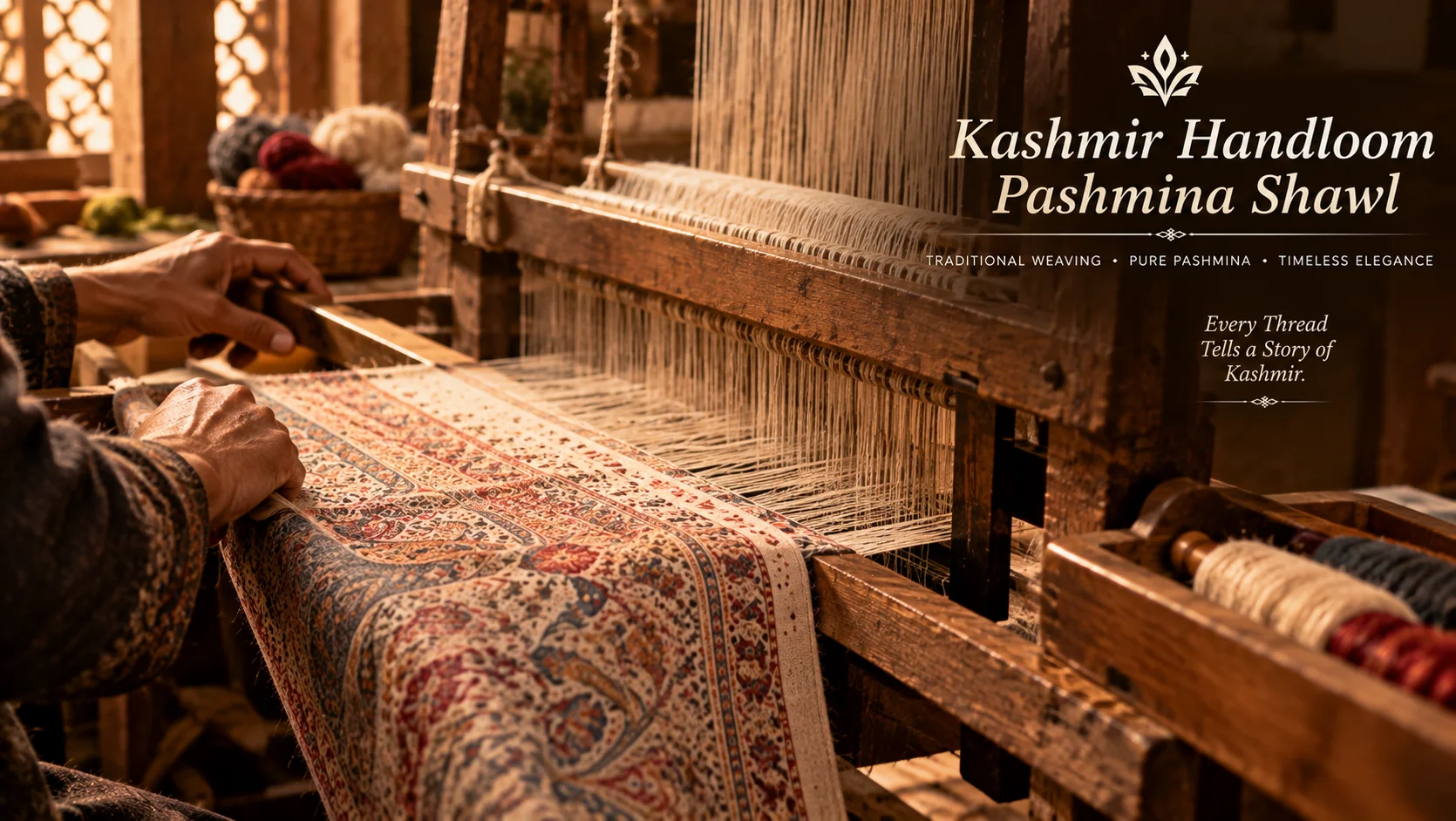
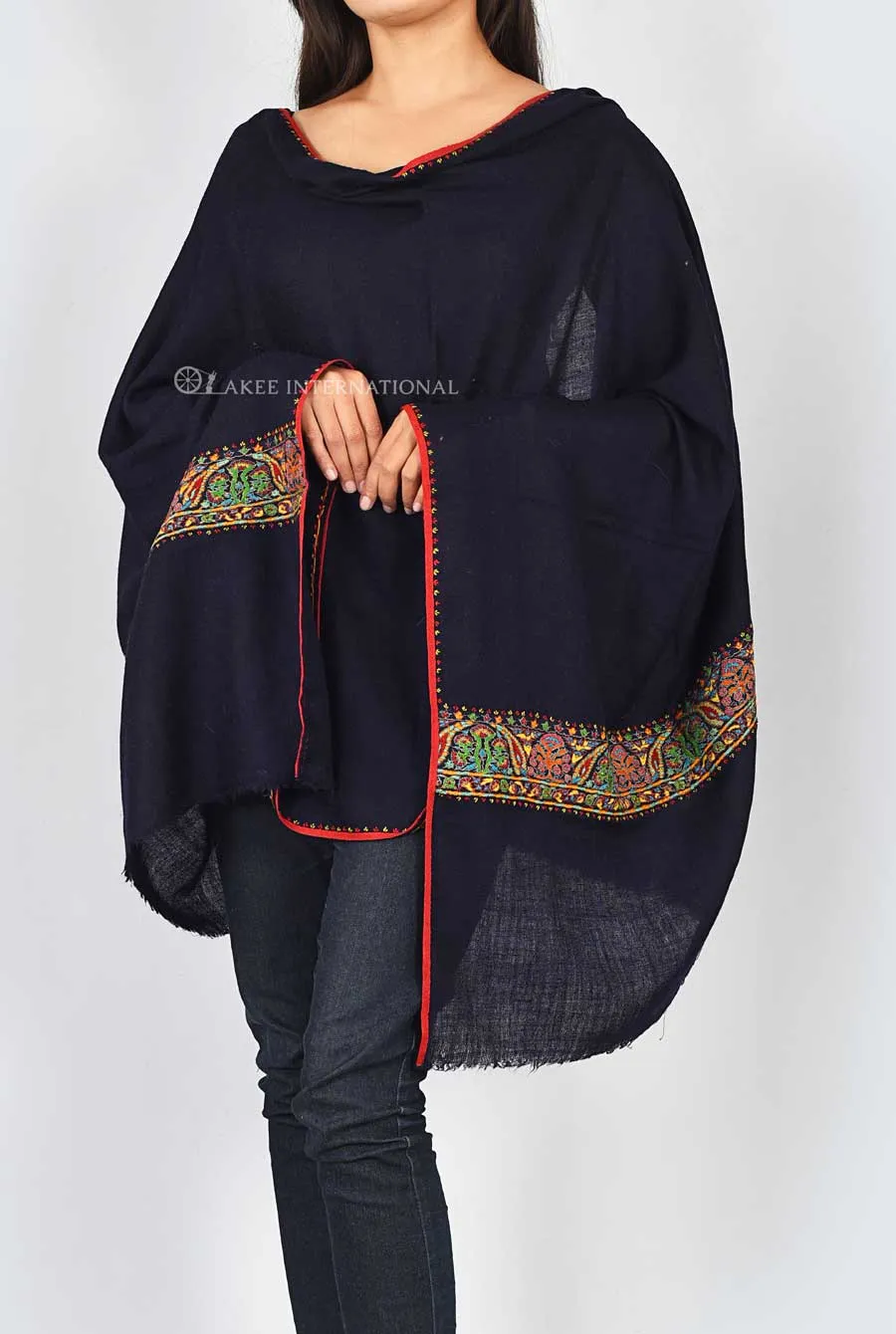
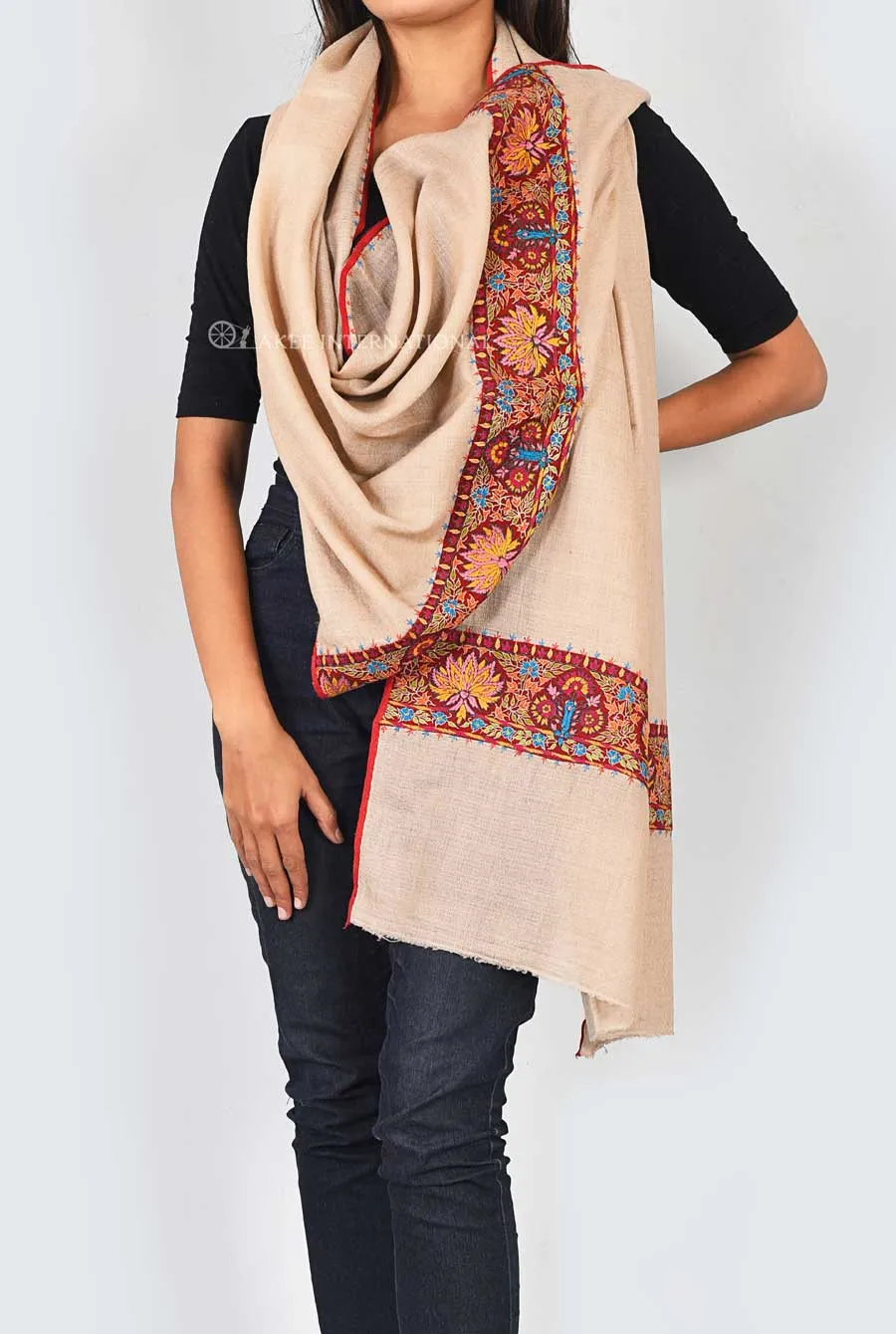
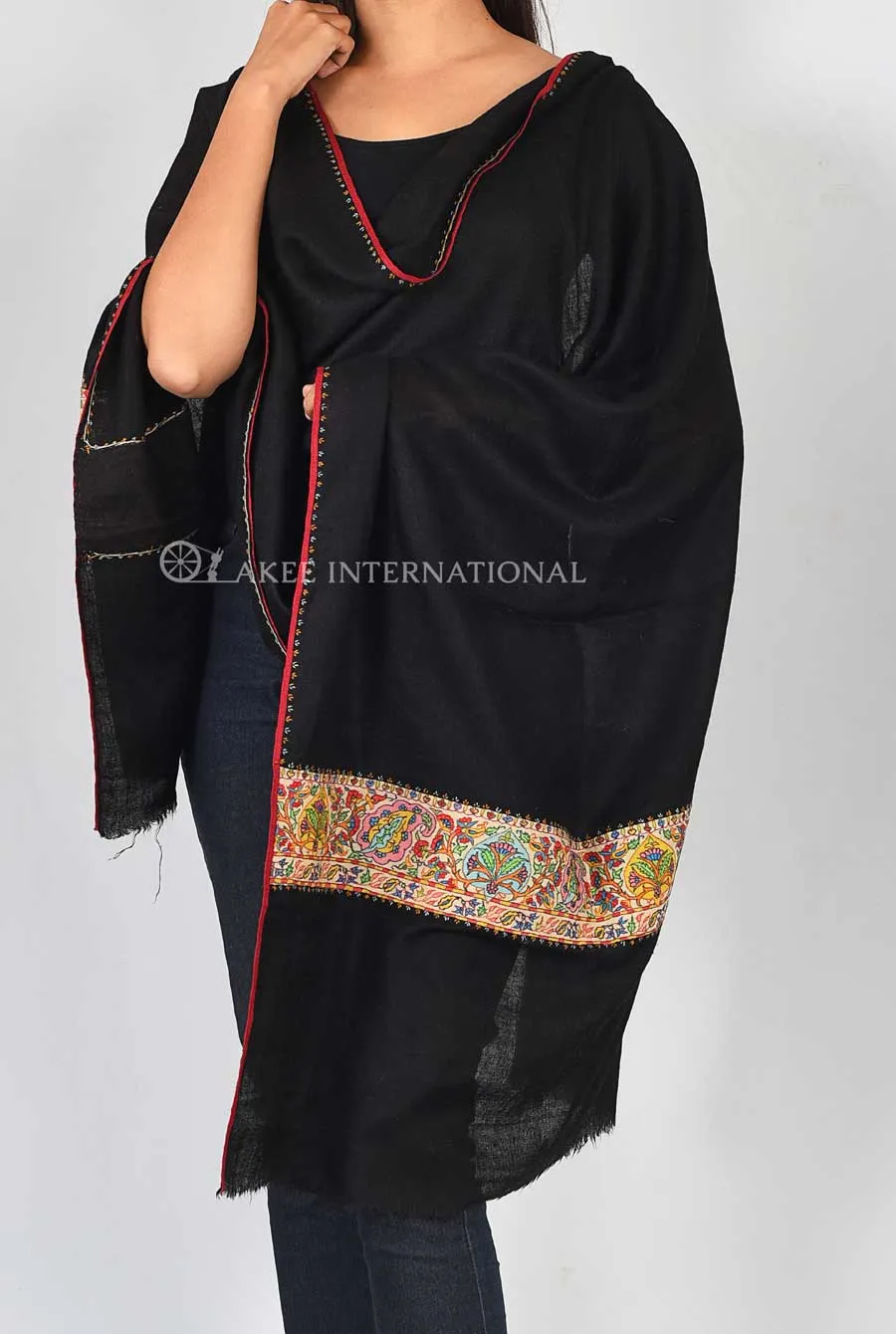
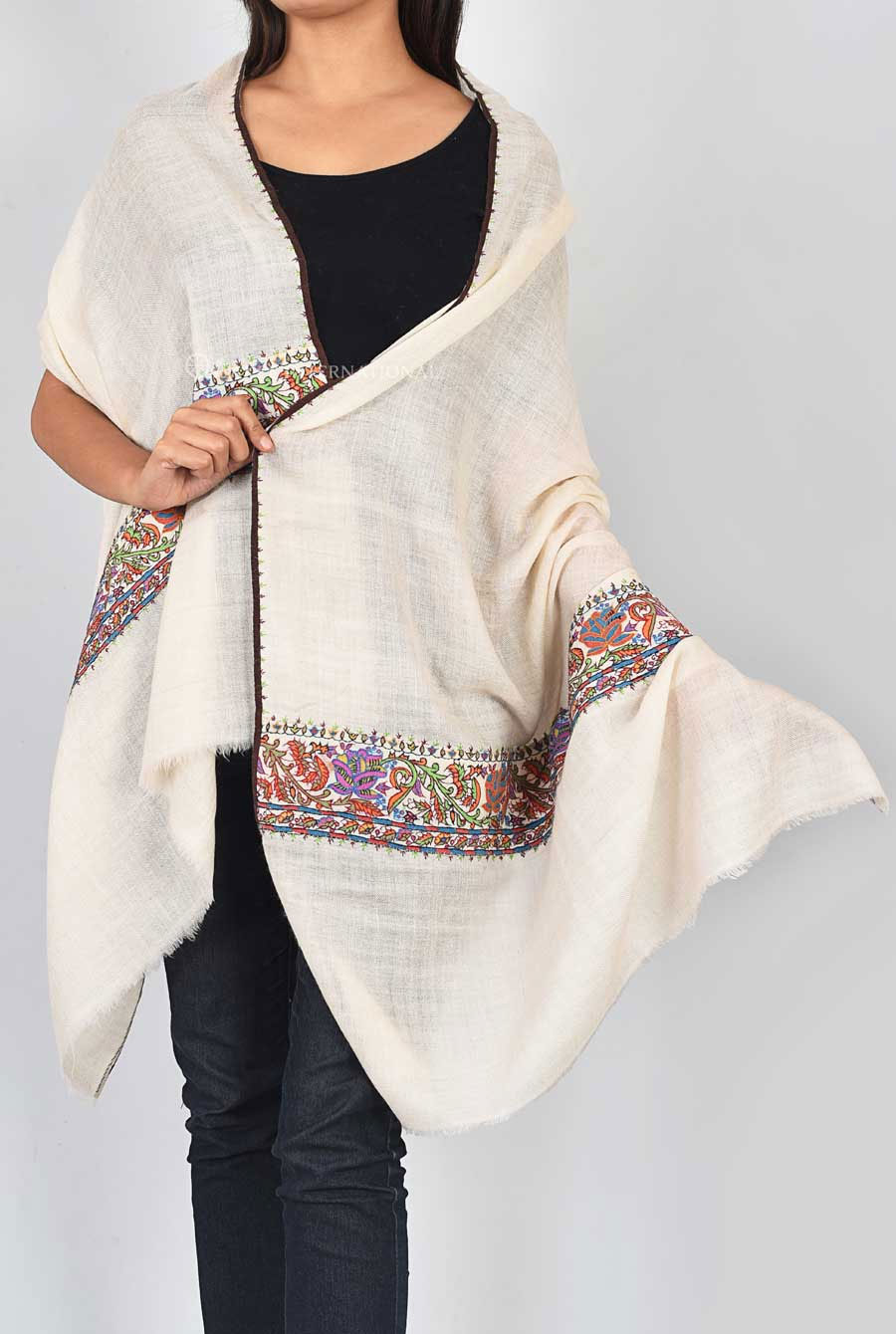
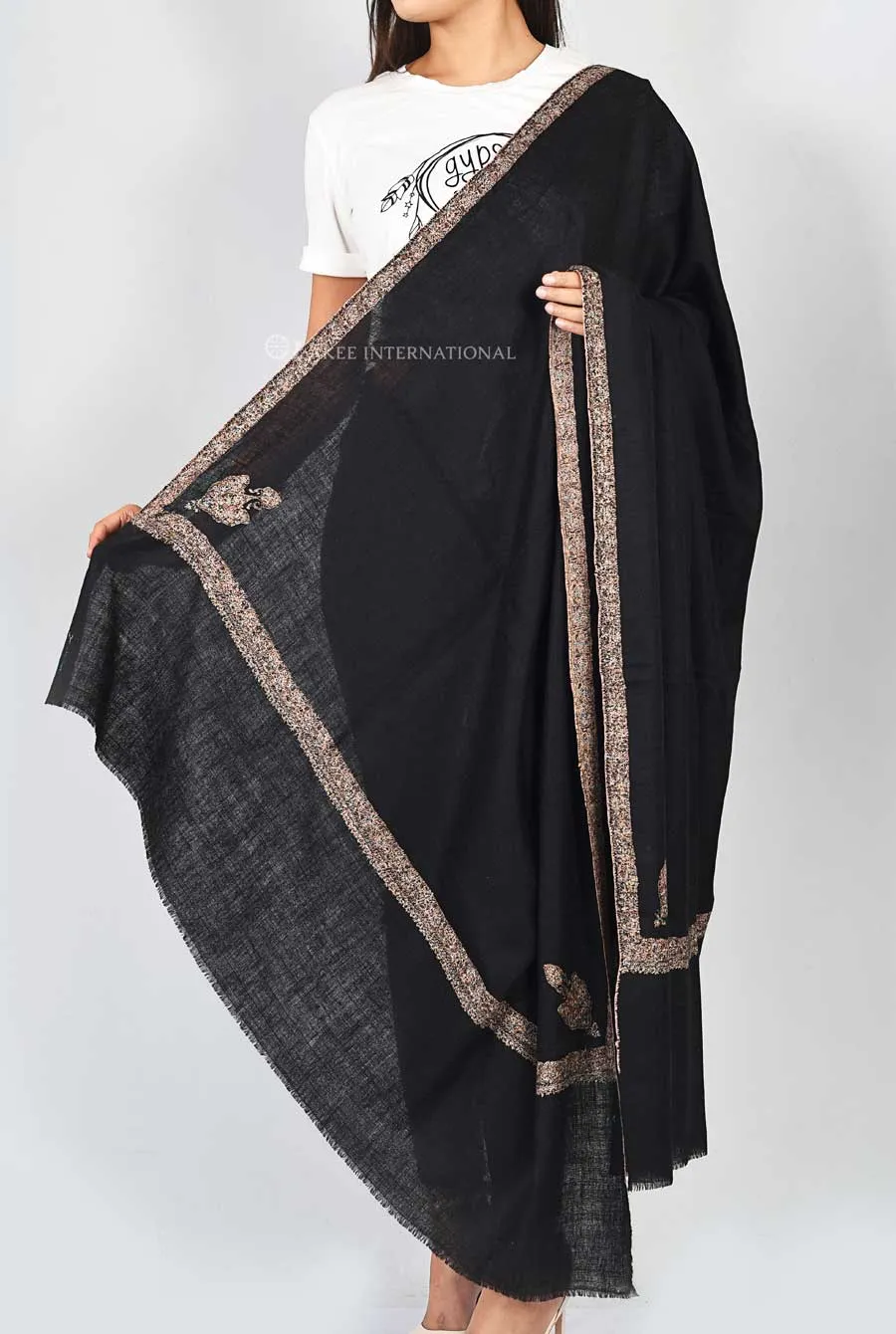
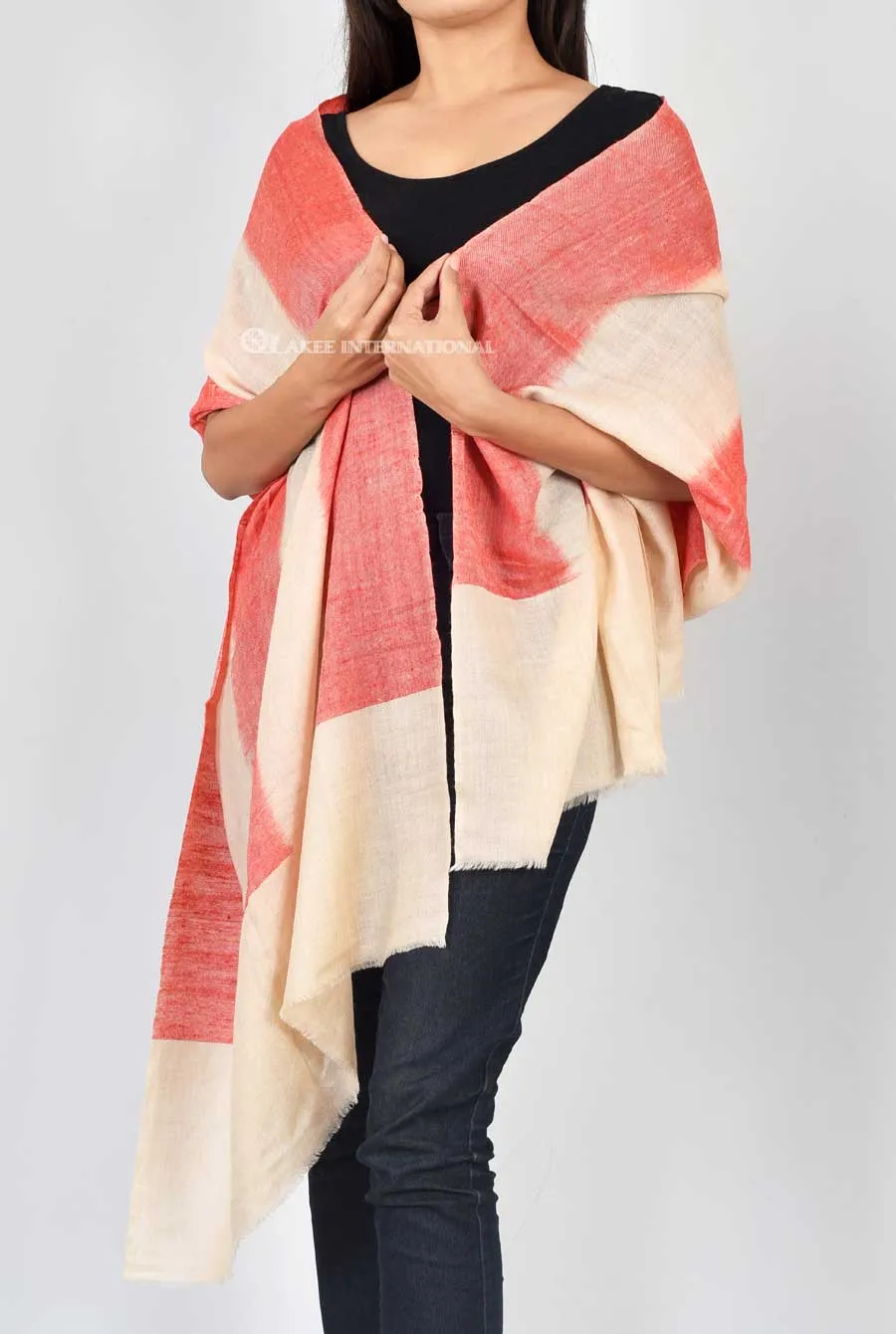
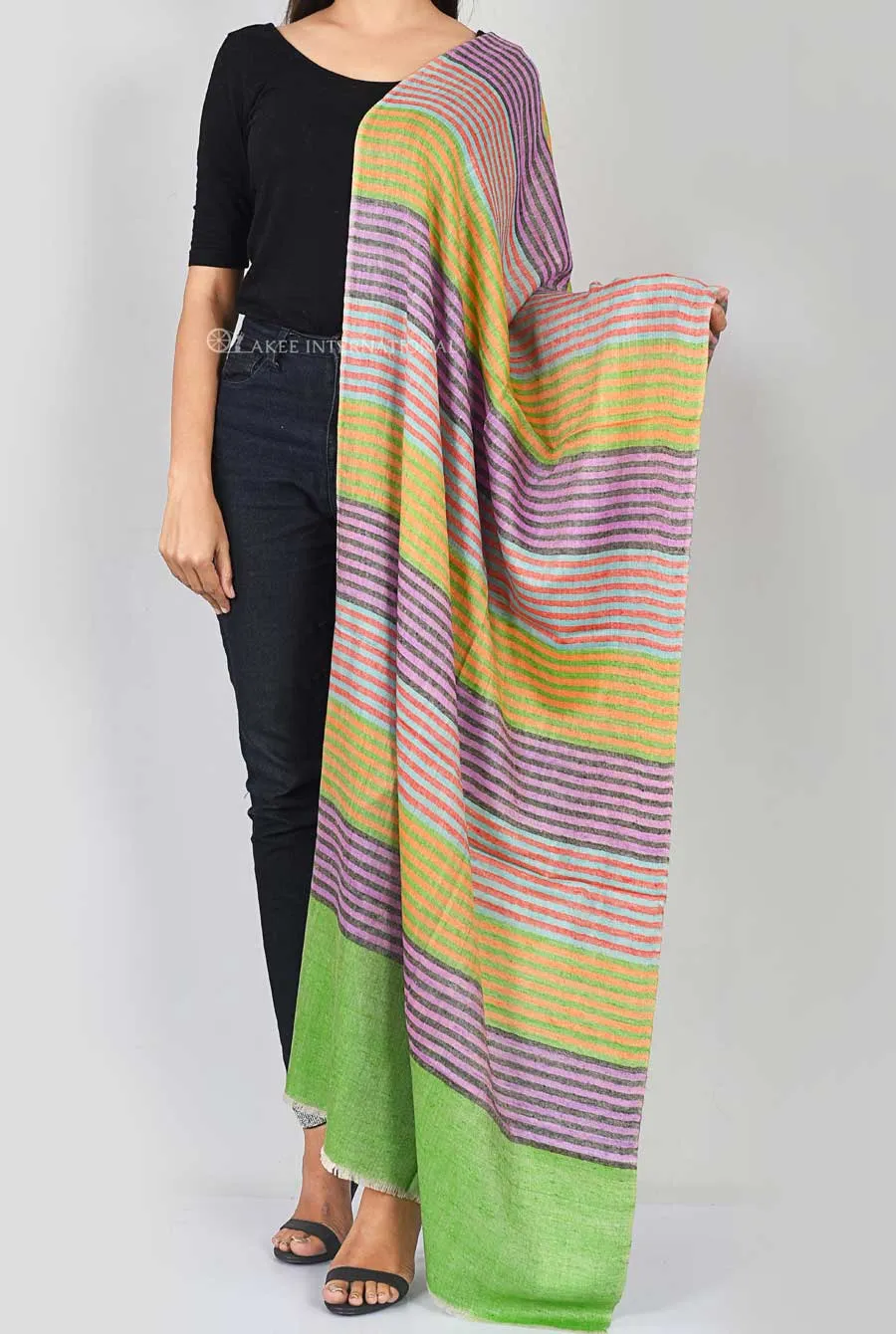
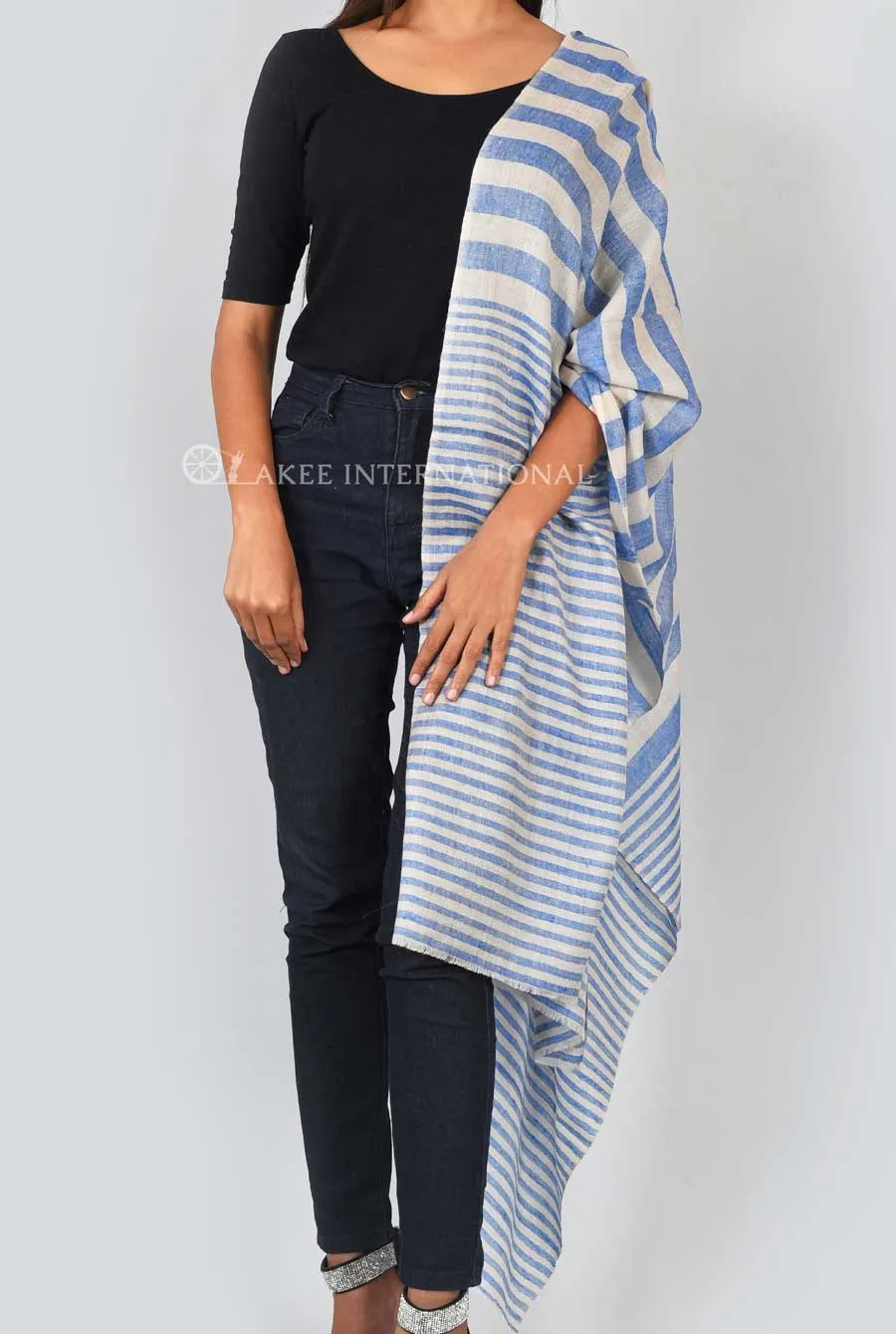
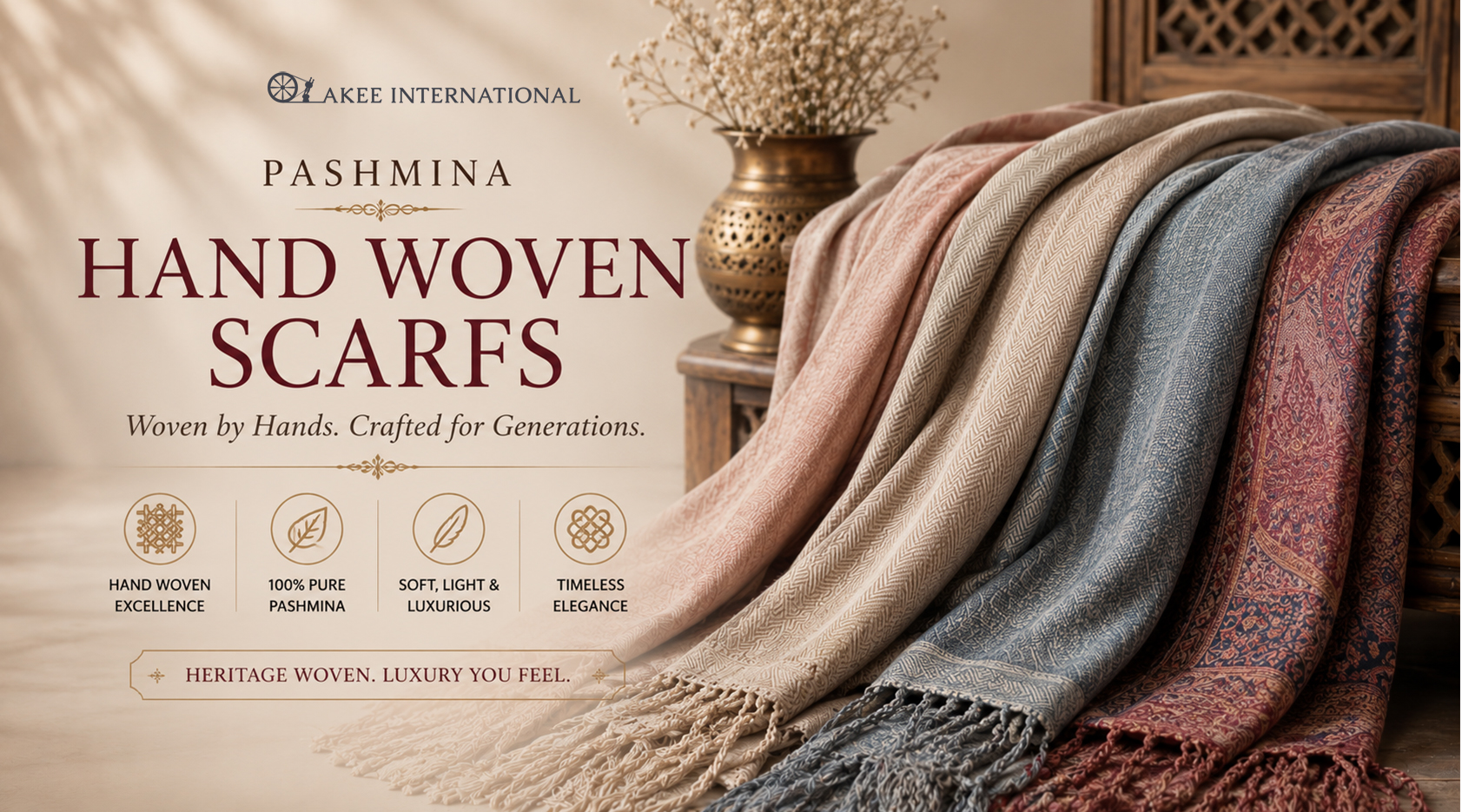
A Kashmir handloom pashmina shawl is woven on a traditional hand-operated loom rather than an automated, power-driven machine, with an artisan manually controlling the weaving process throughout production. This distinction — handloom versus power loom — represents a fundamental divide in textile production more broadly, and understanding it helps explain both the qualities and the value associated with genuinely handloom-produced pashmina. Akee International's entire pashmina collection is produced on traditional handlooms by trained artisans.
A traditional handloom requires the weaver to manually control the shuttle carrying weft thread back and forth through the warp threads, along with manually operating the mechanism that lifts and lowers different sets of warp threads to create the weave pattern. This is physically demanding, skilled work requiring an artisan's direct, continuous involvement throughout the weaving process, unlike a power loom, which automates these movements through mechanical or electrical power once set up and running.
Pashmina's exceptional fineness makes it particularly well suited to handloom production, since the delicate fibre requires the kind of careful, responsive handling a skilled weaver can provide but that a faster, more forceful power loom process might damage or distort. A Kashmir handloom pashmina shawl benefits from this gentler, more controlled production method, preserving the fibre's natural qualities more effectively than mechanised alternatives designed for hardier, more standardised textile fibres.
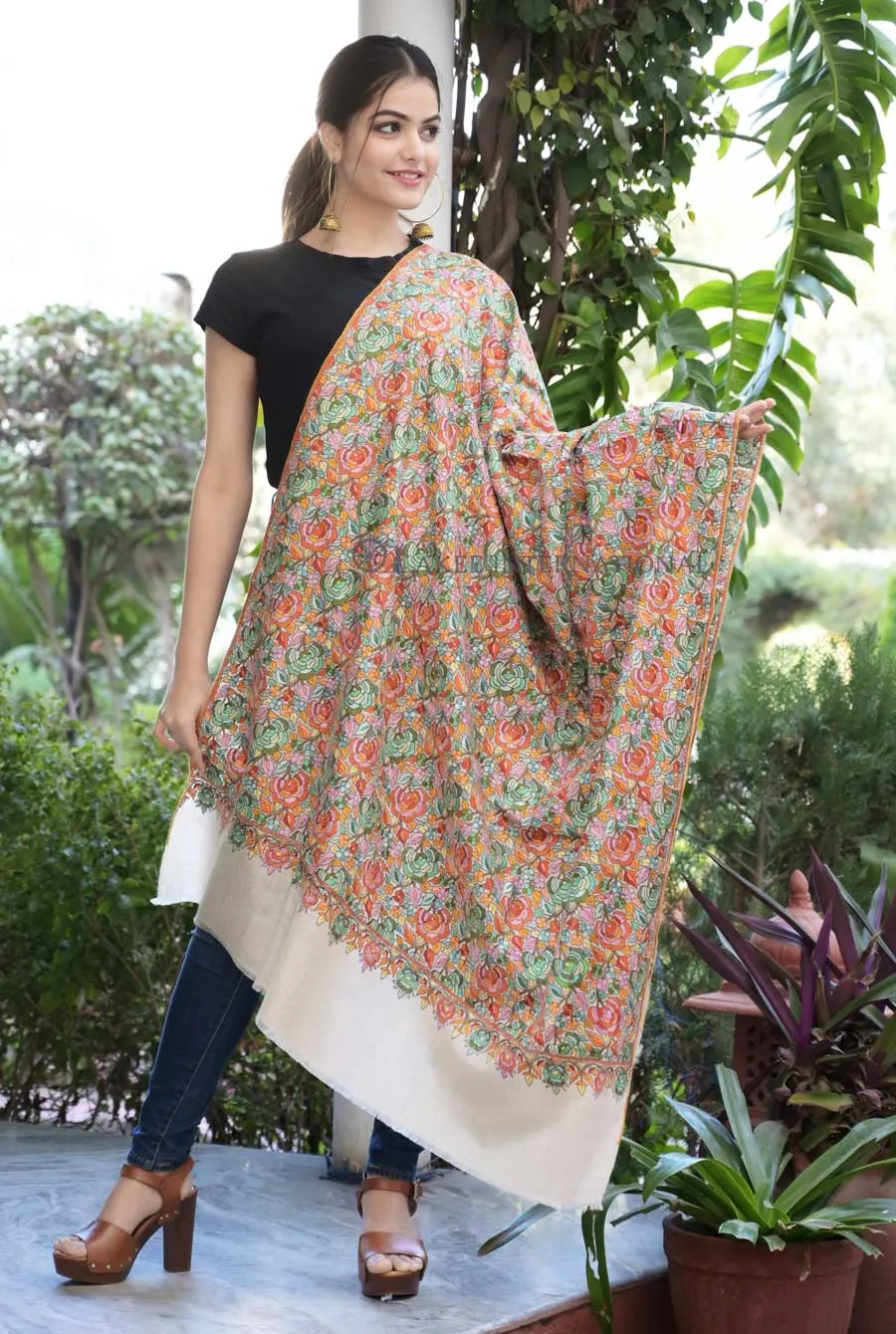
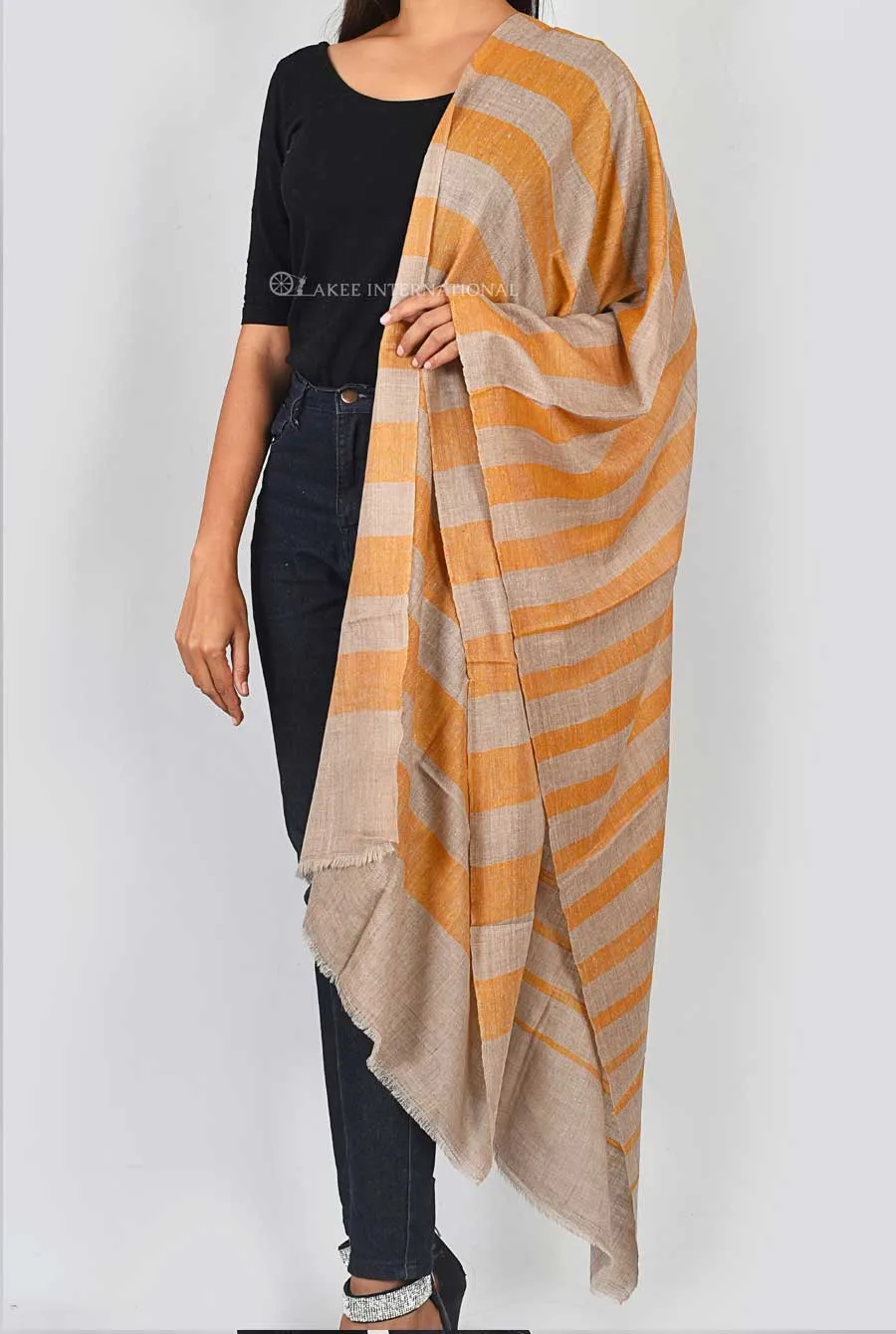
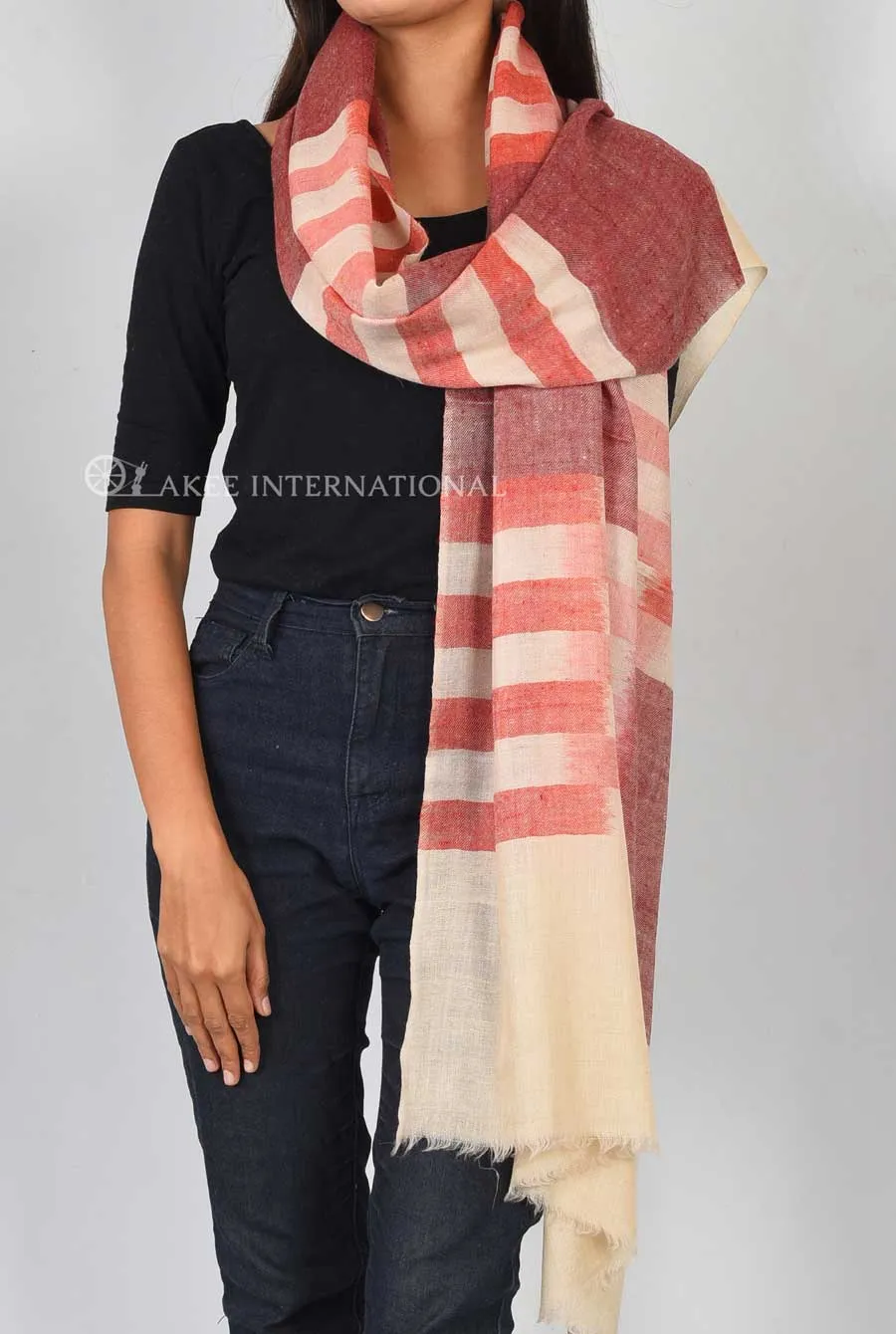
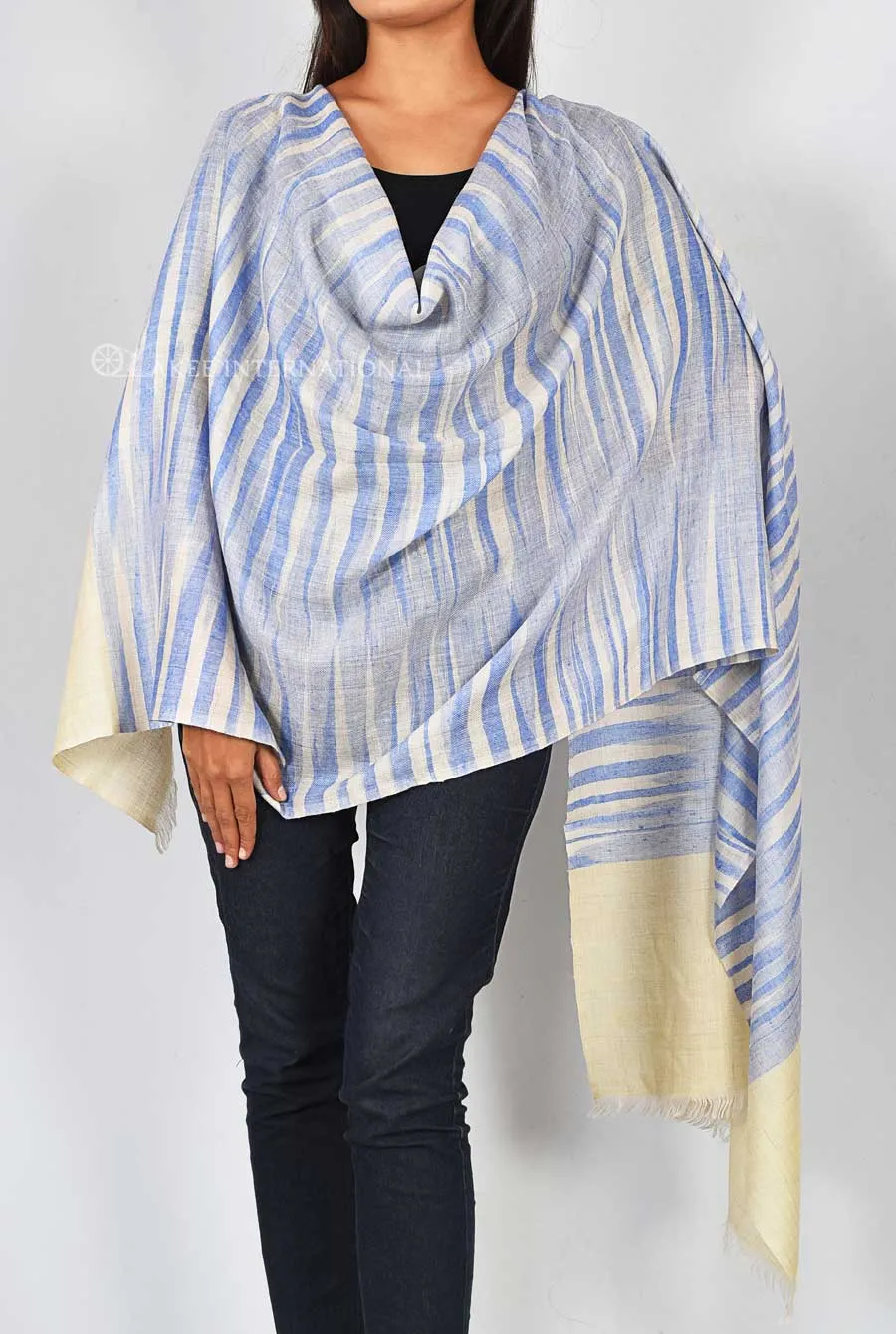
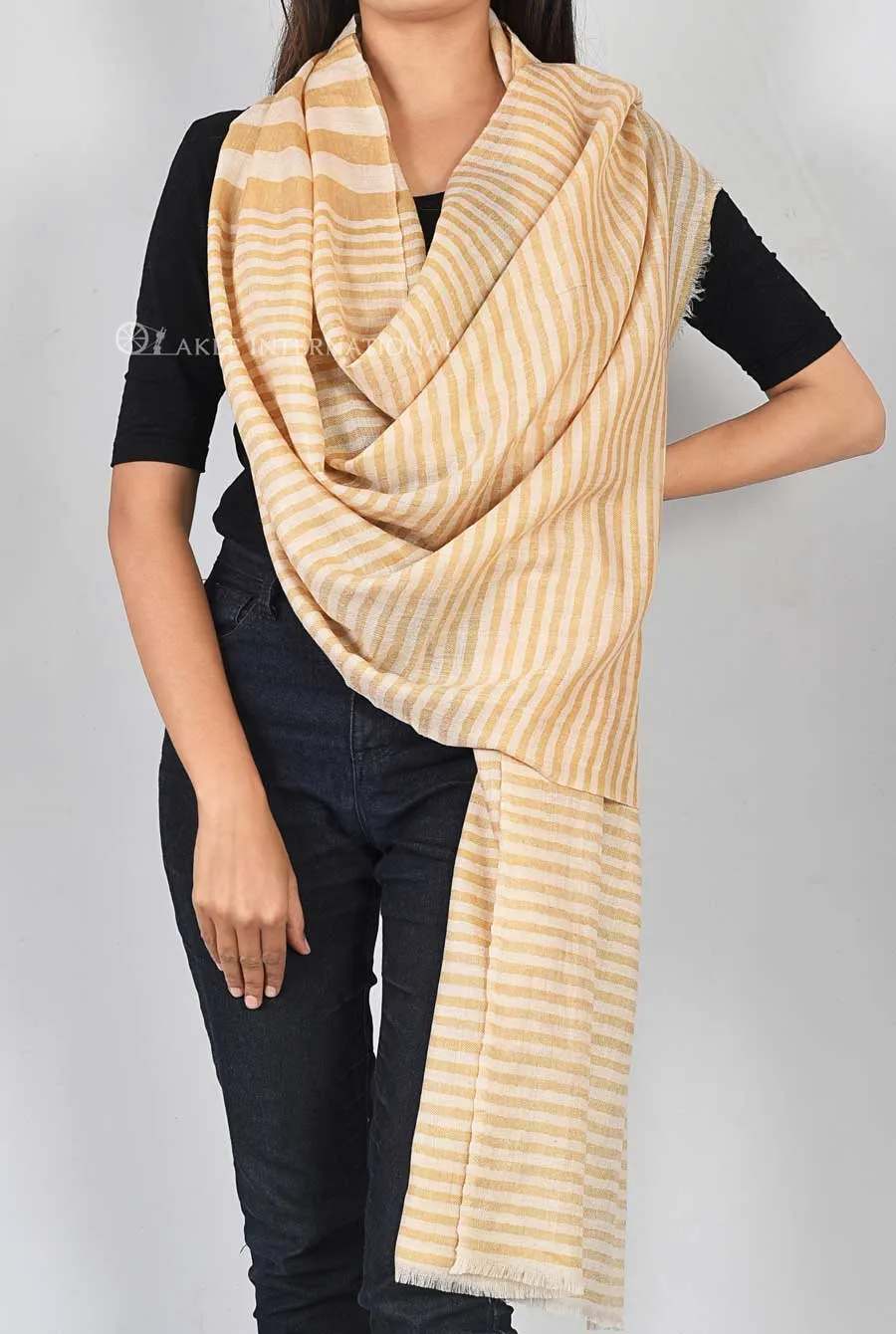
Handloom-produced fabric typically shows subtle texture variations and a softer, more organic drape compared to the more uniform, sometimes stiffer result of power loom weaving. For a Kashmir handloom pashmina shawl, this translates to a distinctive hand-feel and drape quality that many buyers specifically associate with genuine, high-quality pashmina, distinguishing it from power-loom-produced alternatives that might use similar or even identical fibre but produce a noticeably different final texture.
Handloom weaving is inherently slower than power loom production, directly affecting how a Kashmir handloom pashmina shawl is priced relative to faster, mechanised alternatives. A skilled artisan working a handloom might produce a fraction of the output achievable on a power loom in the same time period, and this production speed difference translates directly into the labour cost reflected in a handloom piece's final price.
Buyers can look for the subtle, natural irregularities characteristic of handloom weaving as one indication of genuine production method, alongside directly asking sellers whether a specific piece was produced on a handloom or power loom. A seller confident in genuine handloom production should answer this specific question readily, since it represents a meaningful and verifiable distinction rather than a vague marketing claim.
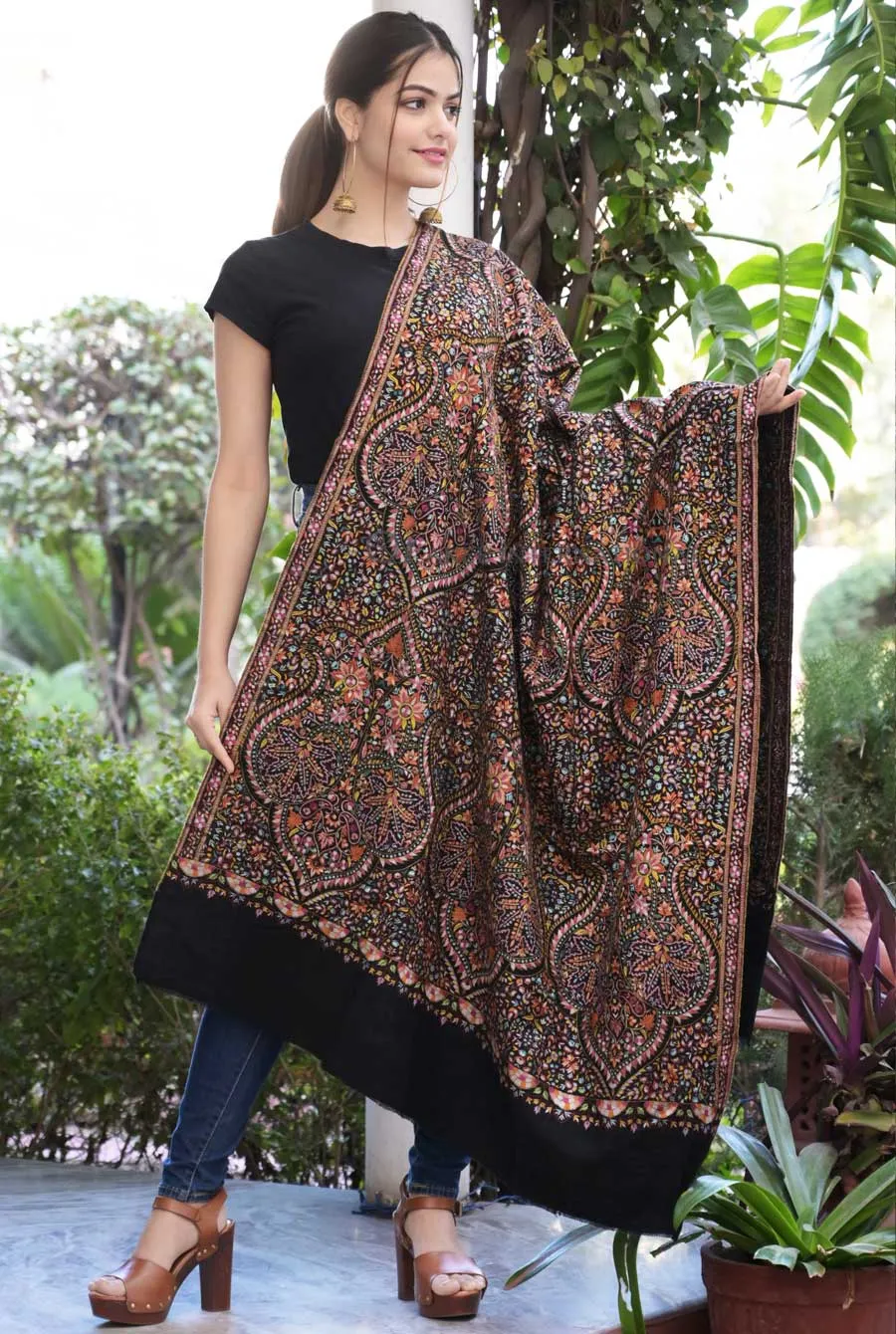
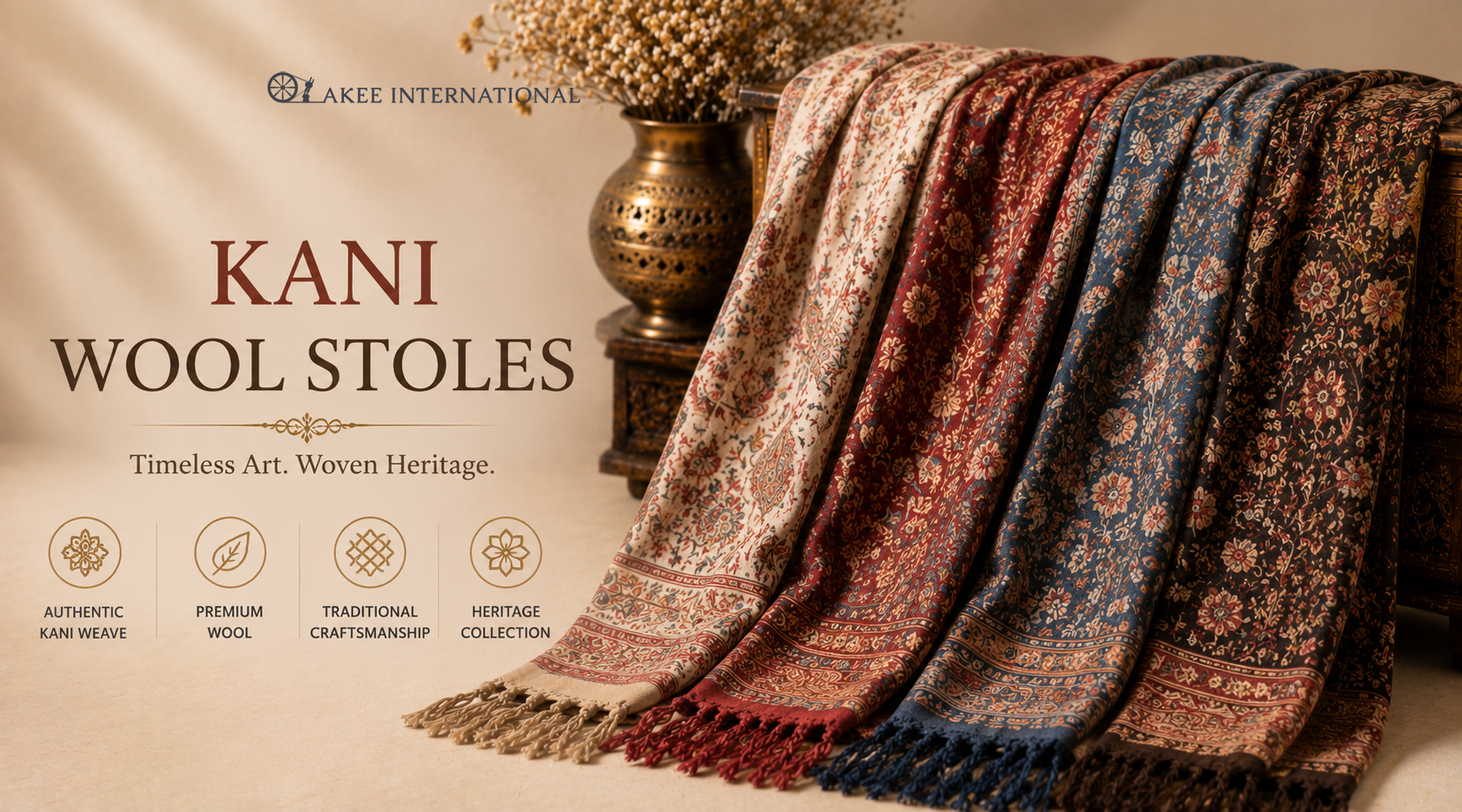
Operating a handloom well requires an artisan to develop an intuitive feel for thread tension, rhythm, and pattern management that takes years of practice to master fully, particularly for more complex weaves like Jamawar or Kani that involve managing multiple coloured threads simultaneously by hand. This skill development represents a considerable investment of time before an artisan can independently produce a full Kashmir handloom pashmina shawl to a professional standard, which is part of why experienced handloom weavers command respect and fair compensation within Akee International's artisan workforce, reflecting the genuine expertise their work represents.
Beyond quality considerations, handloom weaving carries a meaningfully lower environmental footprint than power loom production, since it requires no electricity or mechanical power to operate, relying entirely on human skill and effort. For buyers increasingly conscious of the environmental impact behind their textile purchases, a Kashmir handloom pashmina shawl offers a genuinely lower-impact production method compared to mechanised alternatives, adding an environmental dimension to the traditional craftsmanship and quality benefits already associated with authentic handloom weaving.
For questions about handloom production or to verify a specific piece's weaving method, contact the team through Contact Us or WhatsApp at +91-9772777770. The full product catalogue reflects genuine handloom-produced Kashmiri pashmina throughout.
Discover exquisite Pashmina shawls, beautifully crafted with Kashmir’s timeless heritage and artistry.
Discover exquisite Pashmina shawls, beautifully crafted with Kashmir’s timeless heritage and artistry.
It means the fabric is woven entirely by hand on a traditional wooden loom, without mechanized assistance.
Handloom relies entirely on artisan skill and manual operation, while power-loom uses mechanized assistance for faster production.
Look for subtle natural irregularities in weave tension, unlike the perfectly uniform consistency of machine-woven fabric.
Yes, the slower, controlled process typically results in a softer drape and better breathability.
Depending on complexity, artisans can weave only a limited length of fabric per day.
Yes, Kashmir Pashmina's GI certification specifically requires genuine hand-weaving.
We work with a skilled workforce of over 70 artisans, including many trained handloom weavers.
Yes, given the significantly greater time and skill required for handloom production.
Yes, every purchase directly supports artisans whose livelihoods depend on this traditional method.
Browse our online collection or visit our Jaipur showroom to explore our full handloom range.
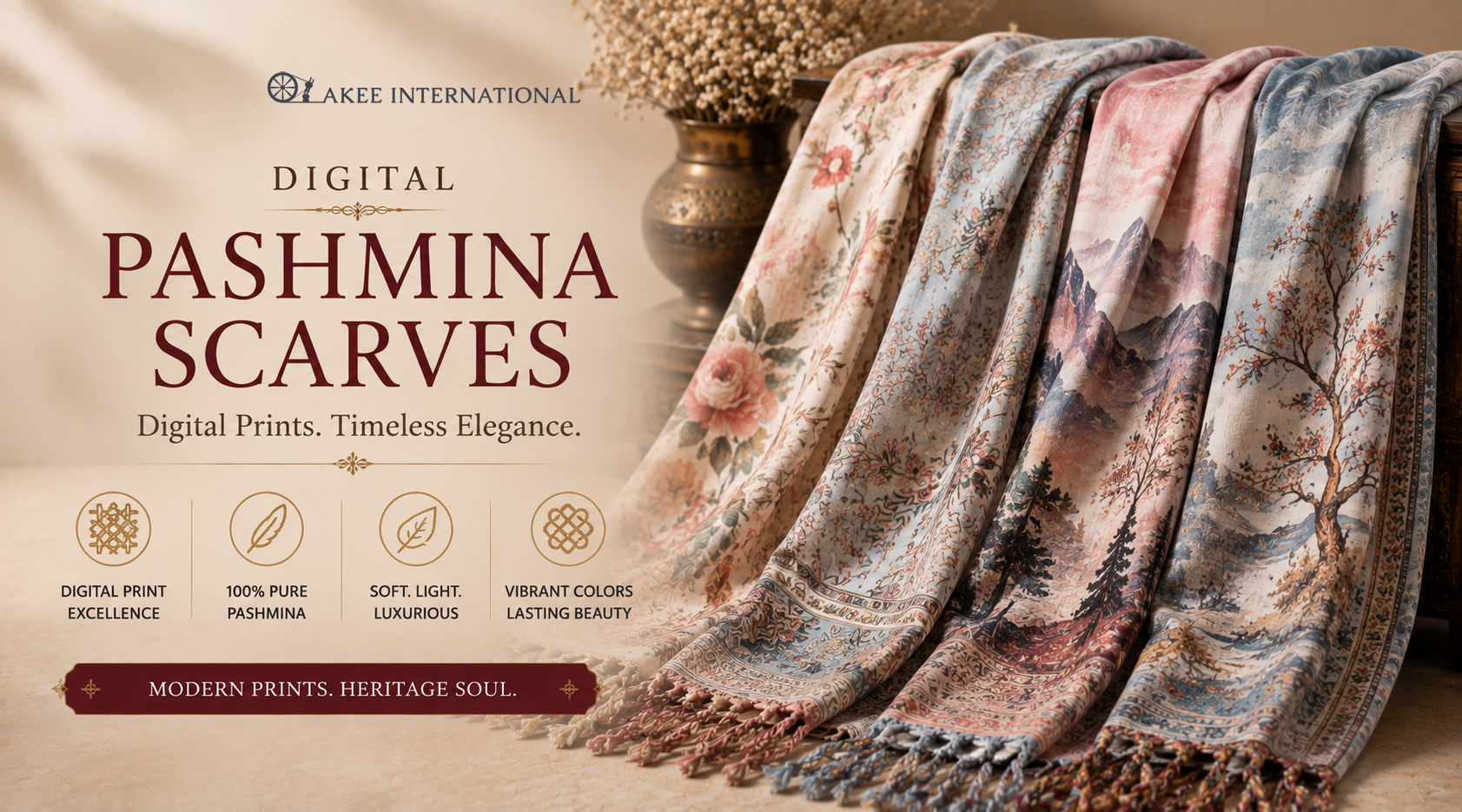
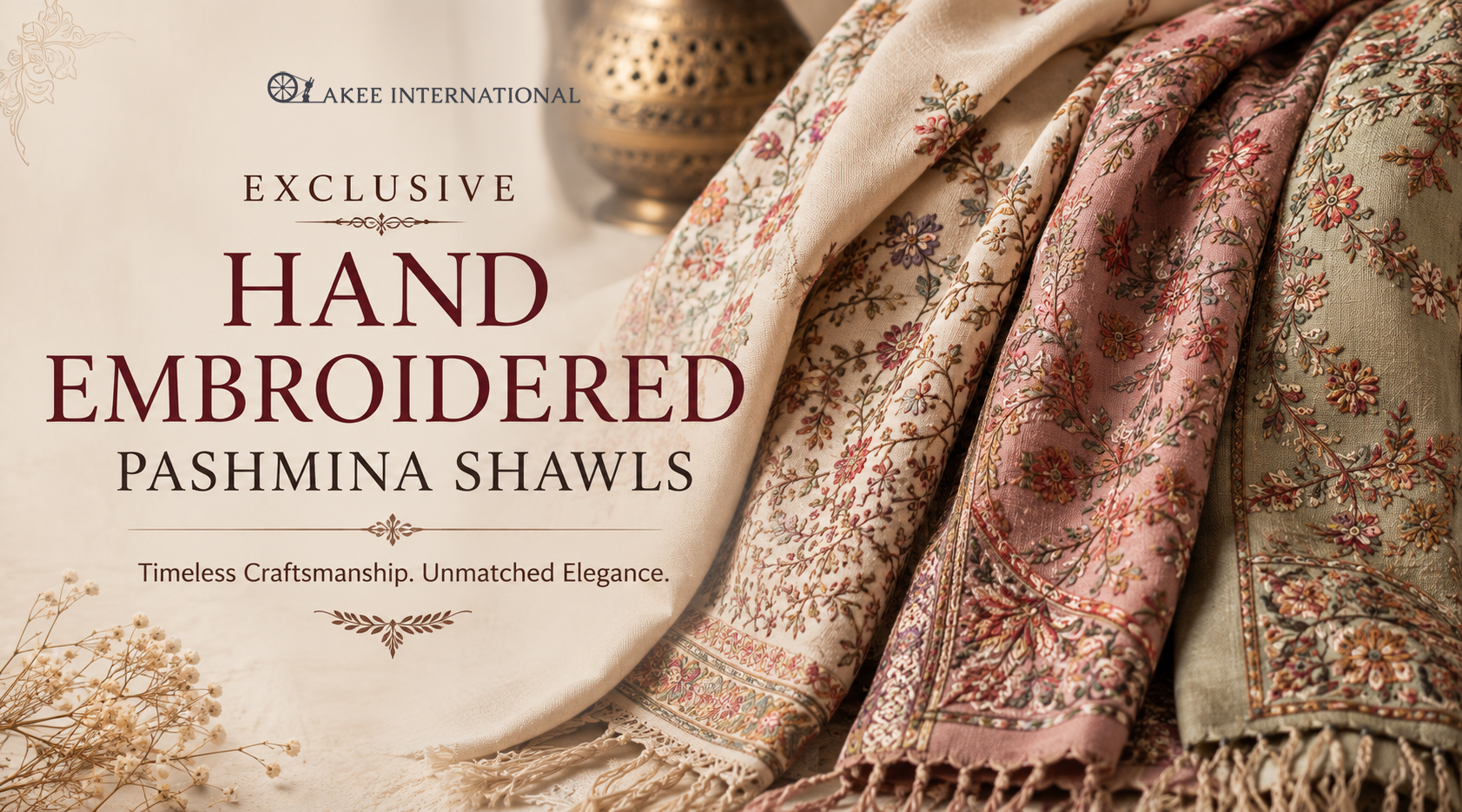
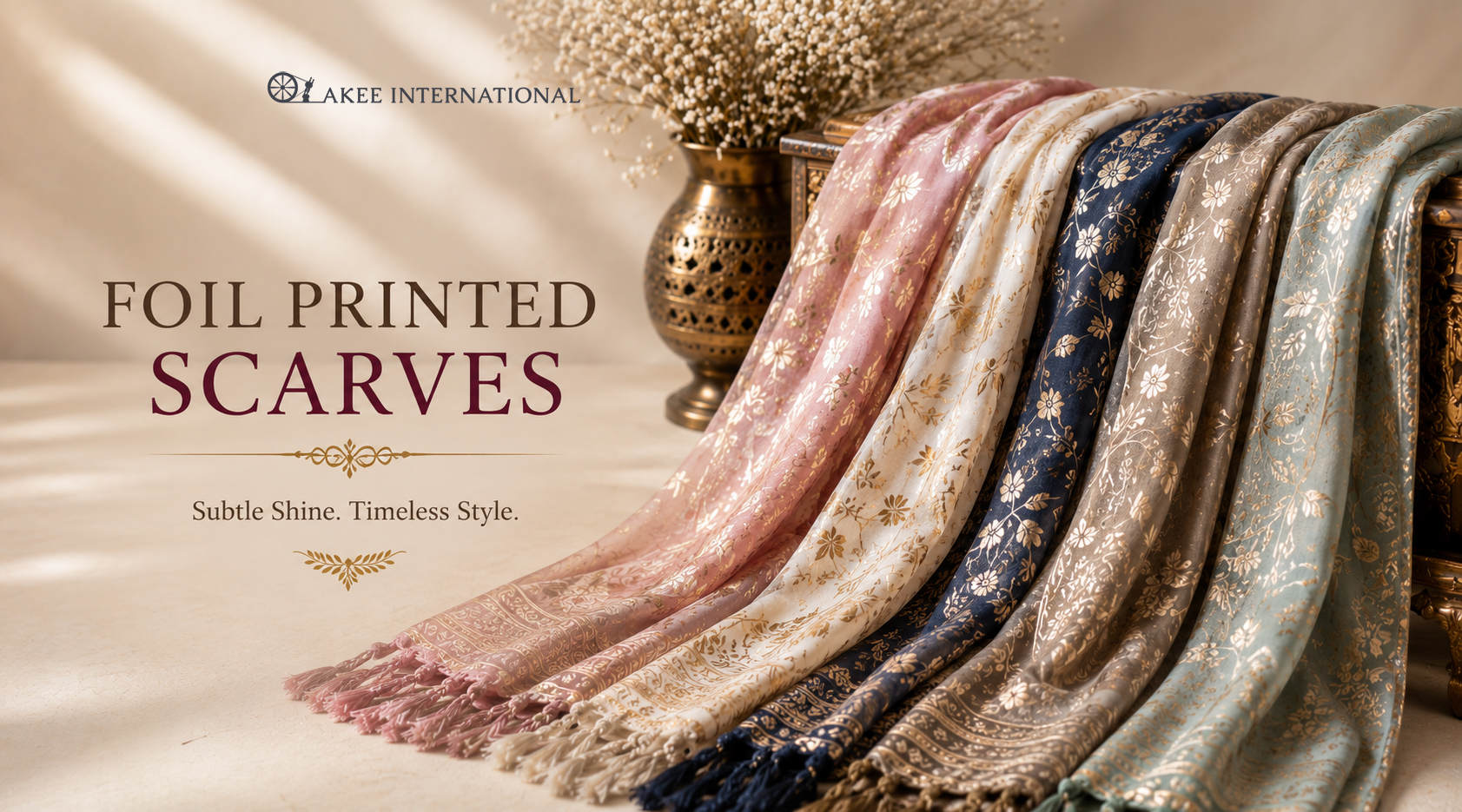
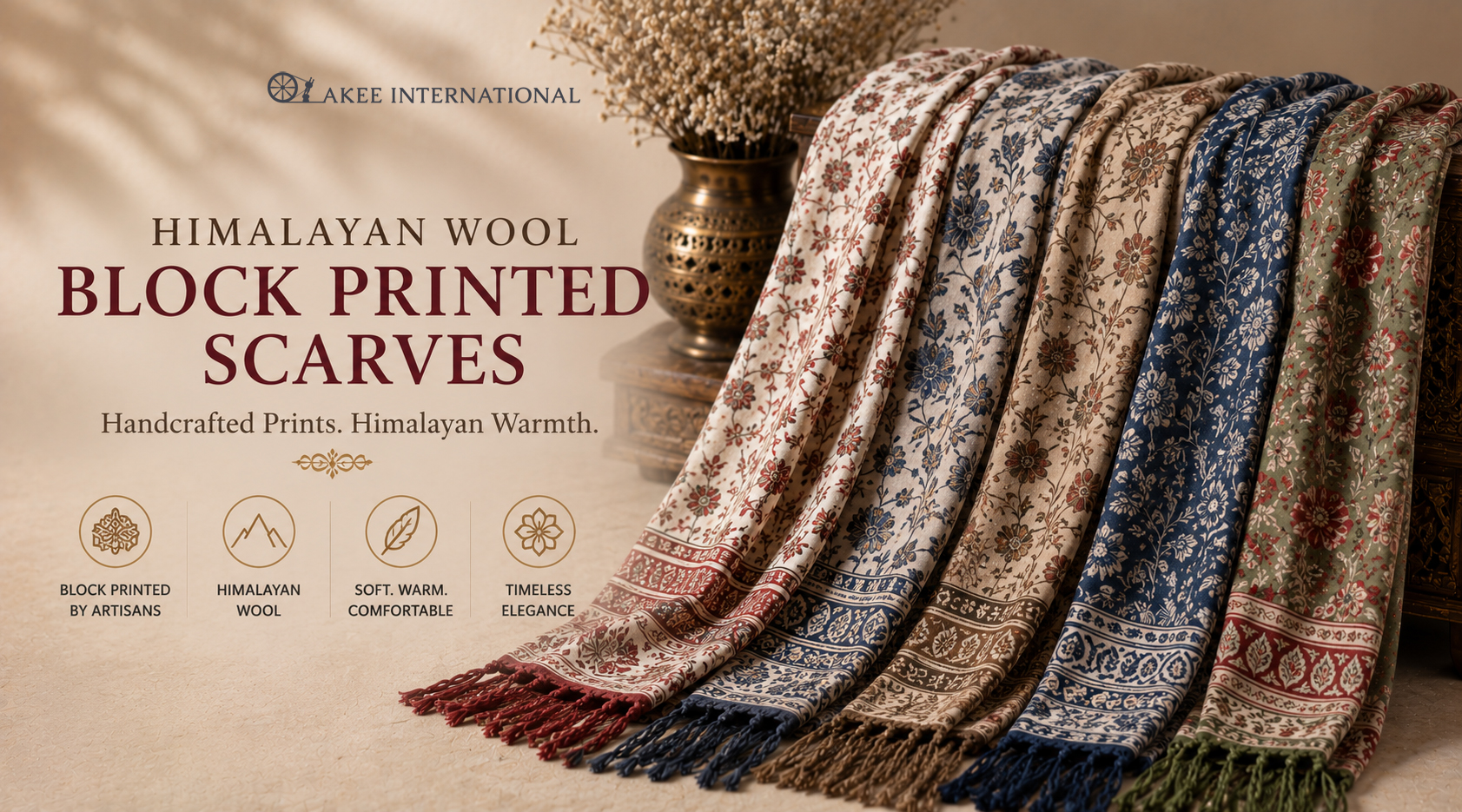
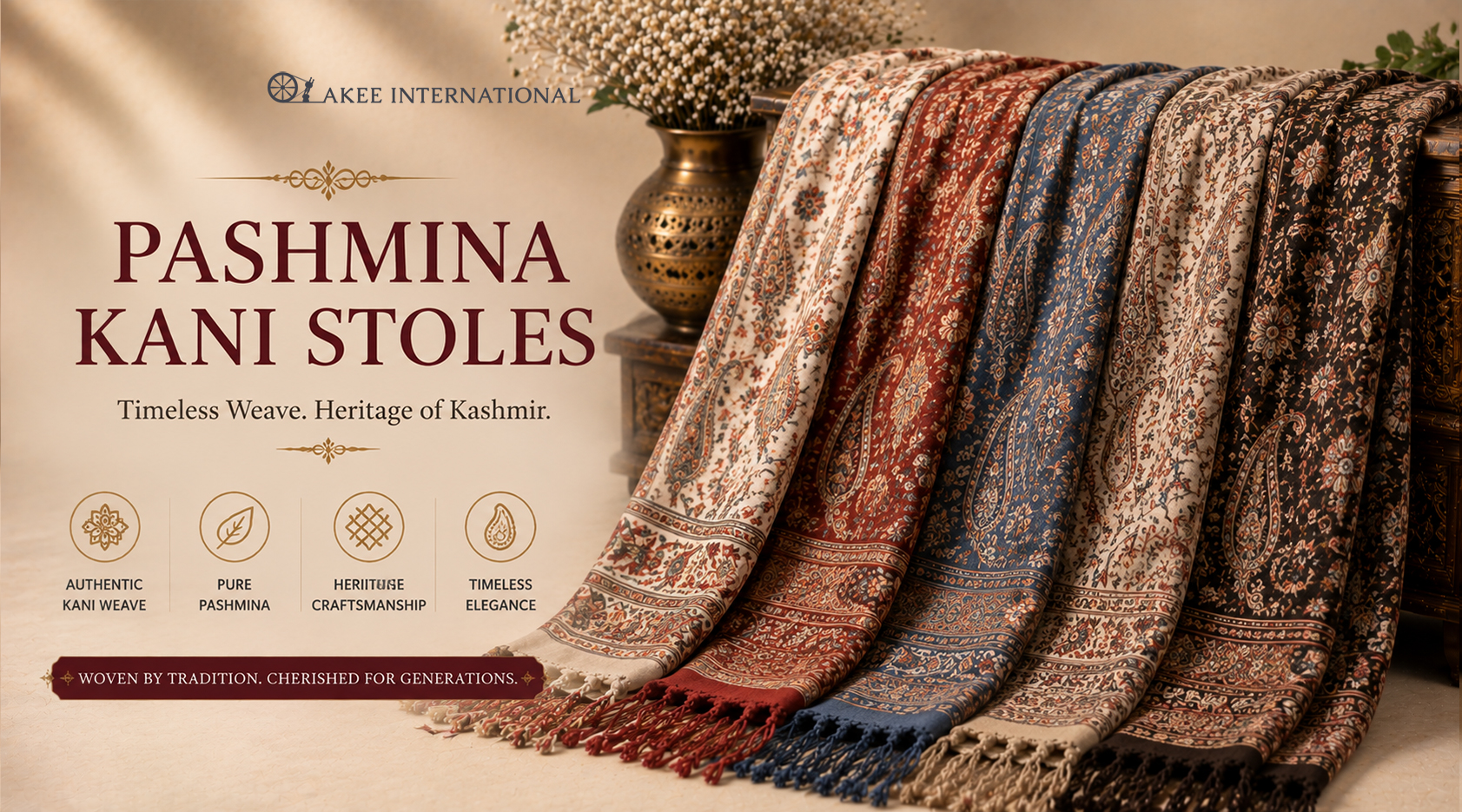
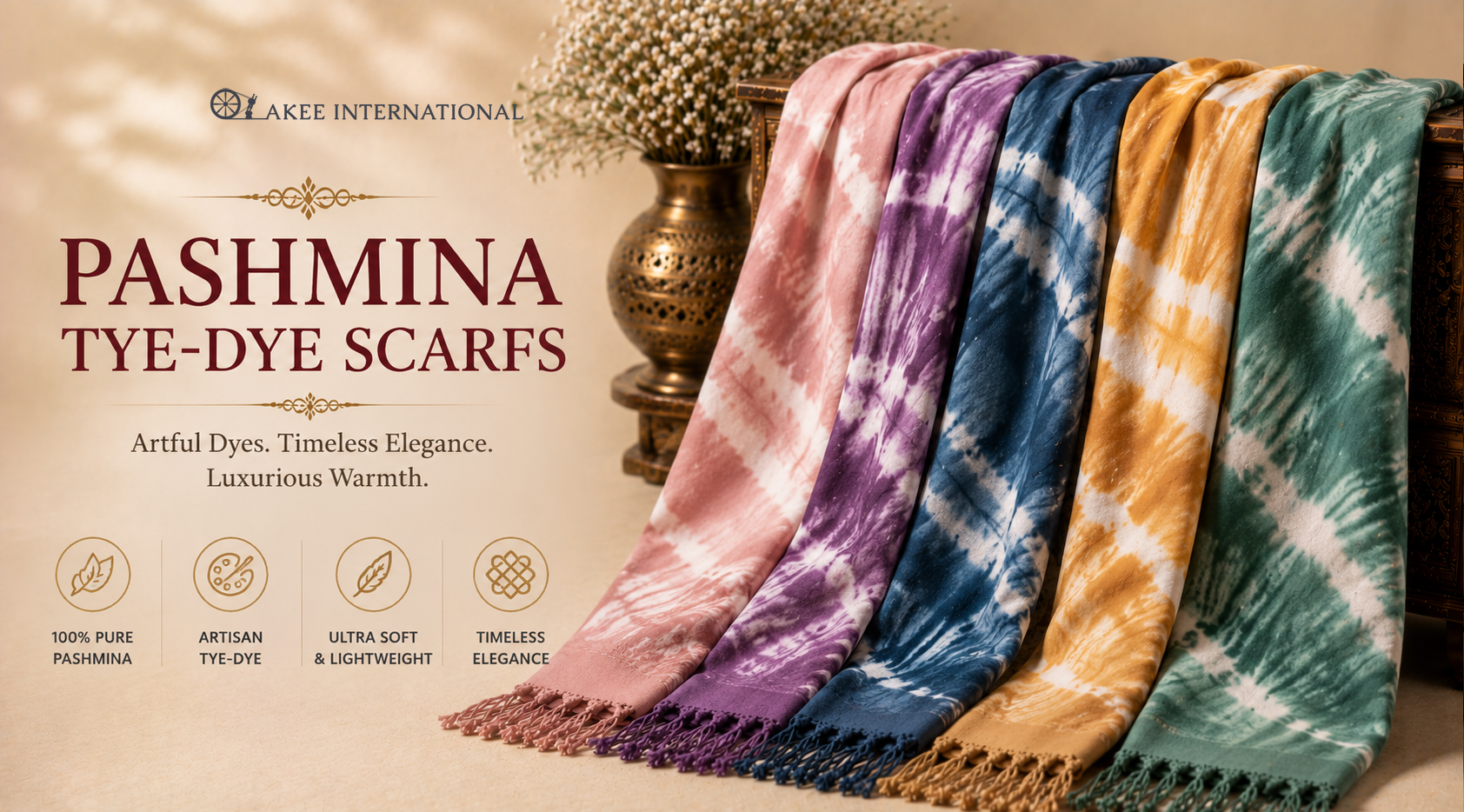
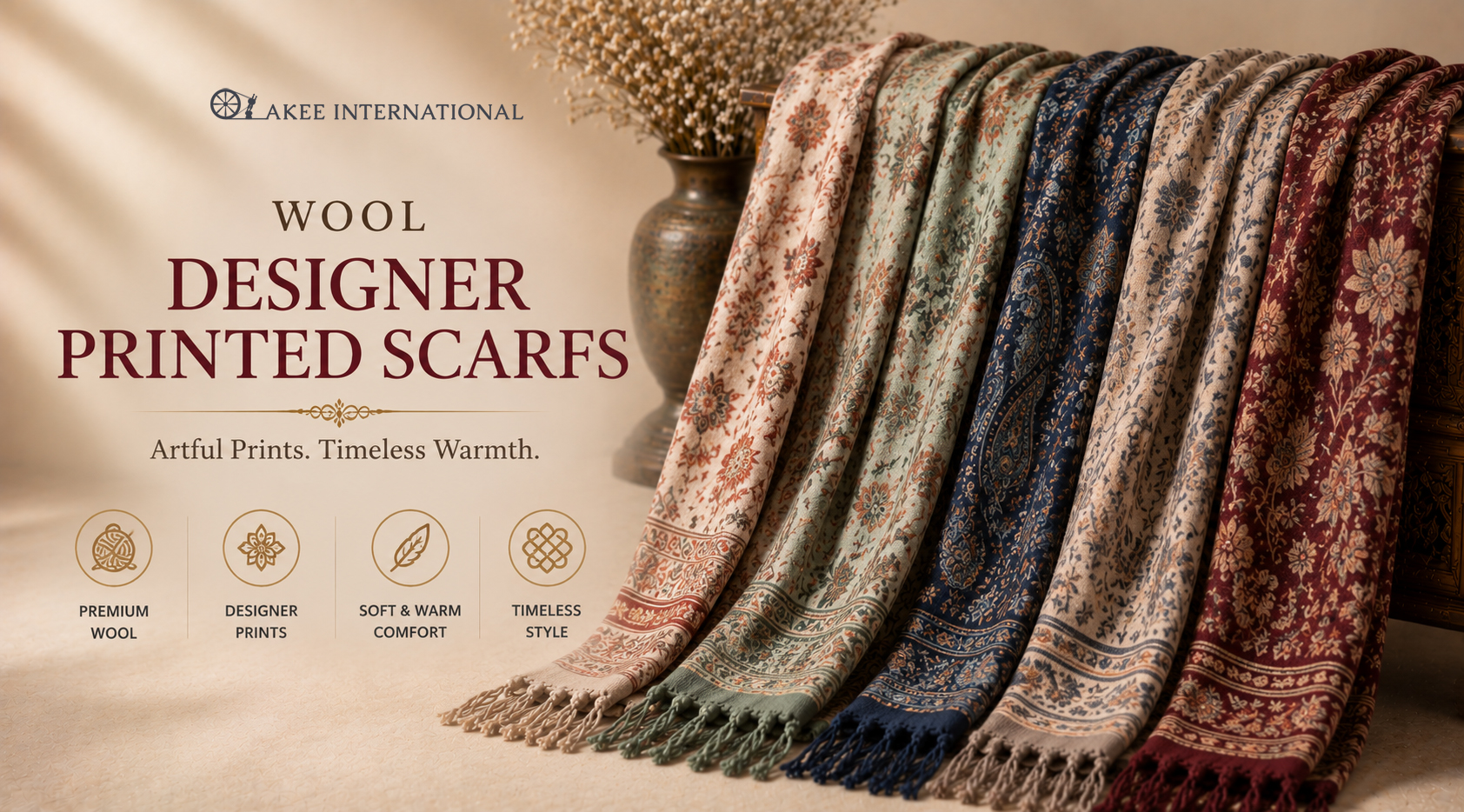
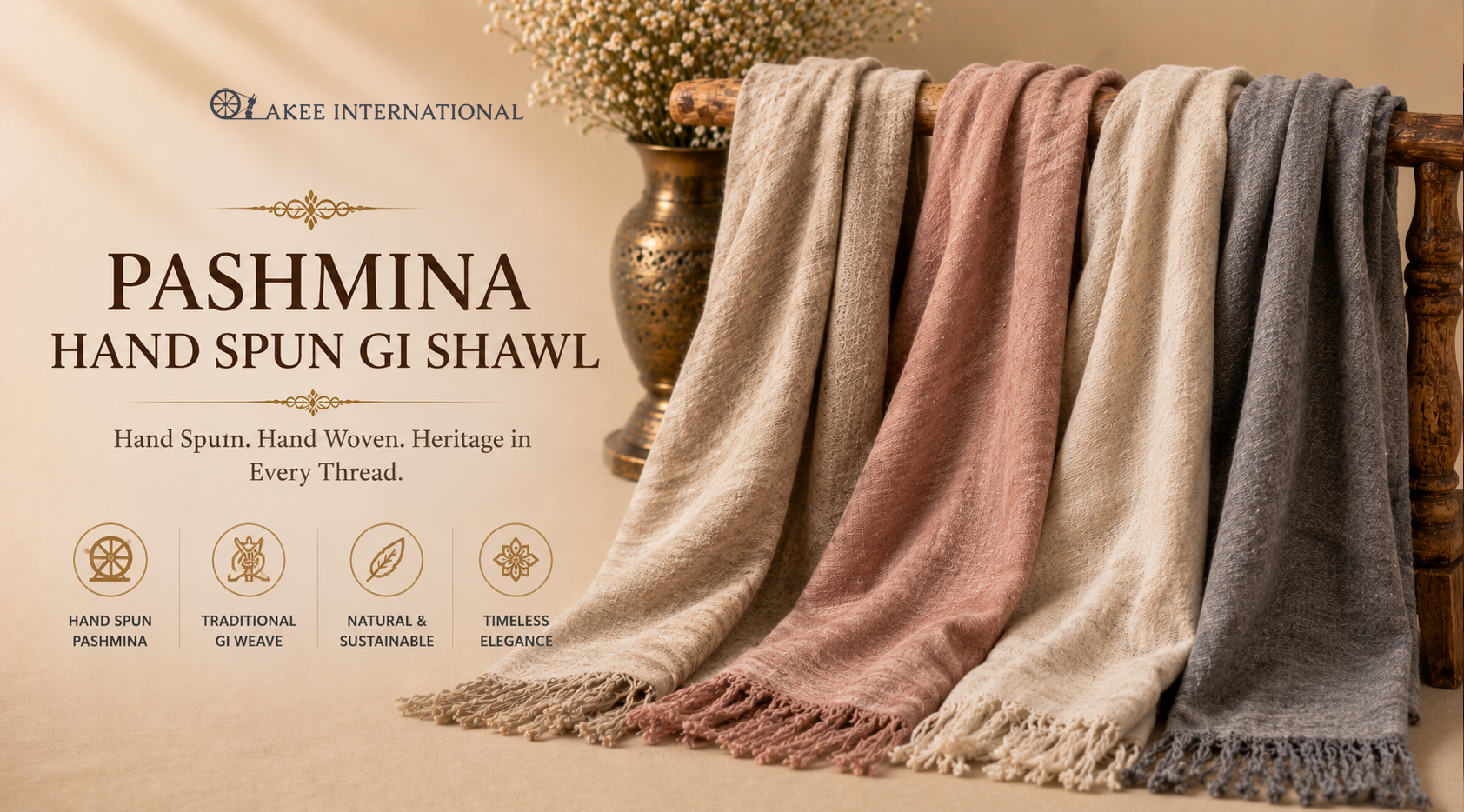
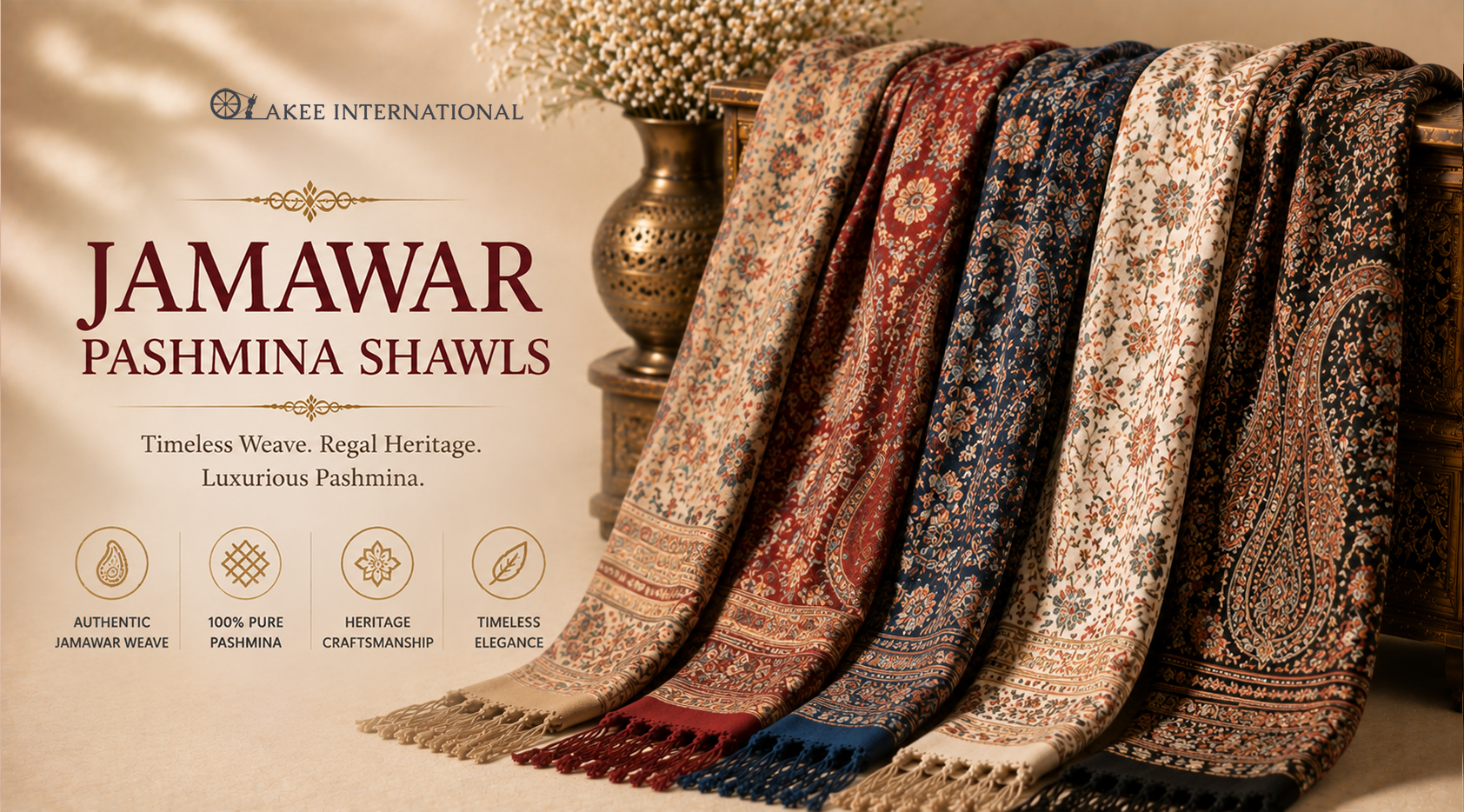
Discover exquisite Pashmina shawls, beautifully crafted with Kashmir’s timeless heritage and artistry.
"Read what our clients say about their experience with Akee International's luxurious Pashmina shawls and impeccable service."

Nai Mata Mandir Road, Thathar Road, Delhi By Pass, Amer, Jaipur 302028, Rajasthan India
Get directions Call Now Whatsapp 4.9 based on 269 reviews

Rating: 4.6/5 | 85 Reviews

Rating: 4.9/5 | 269 Reviews

TrustScore: 4.9 | 100 Reviews