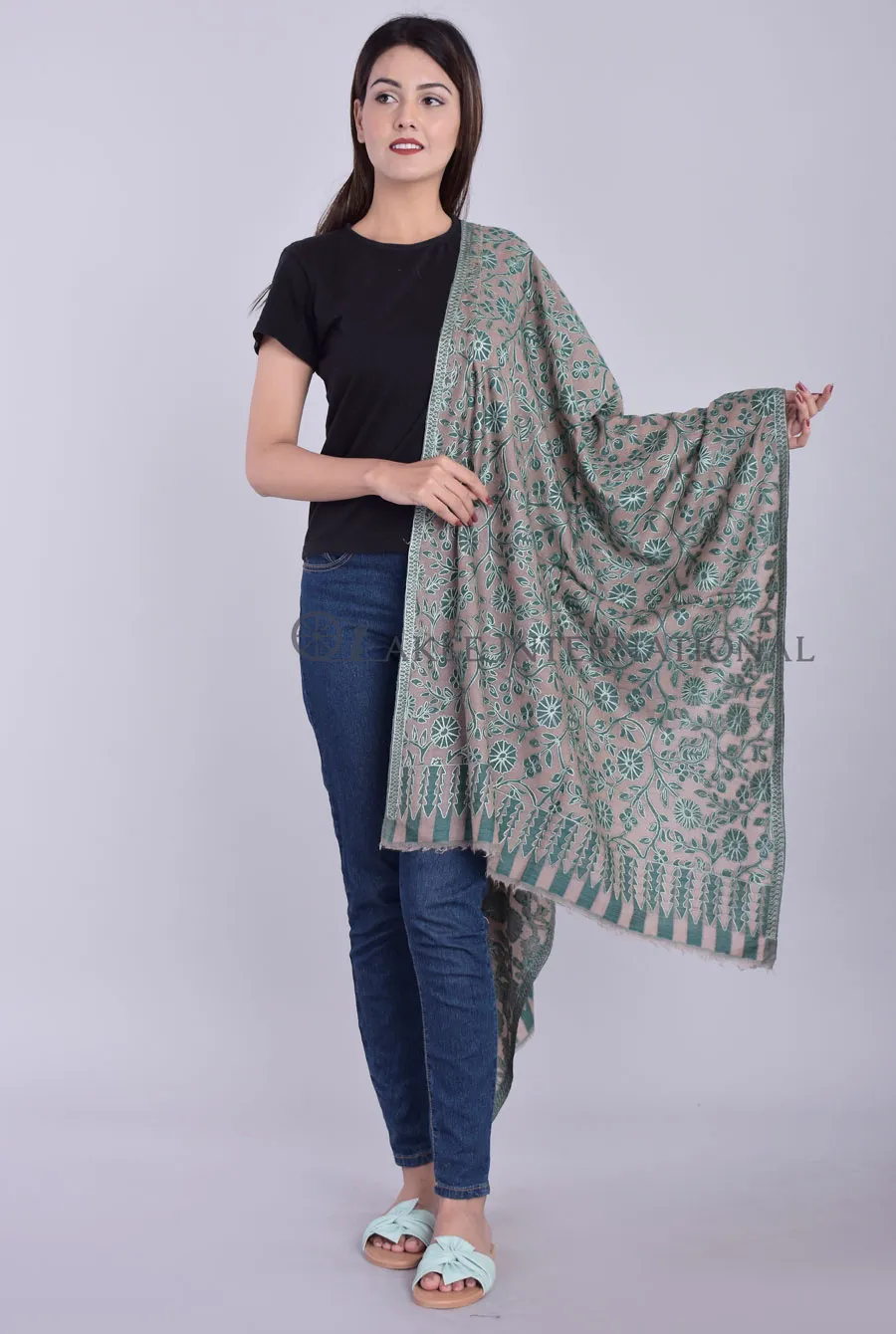
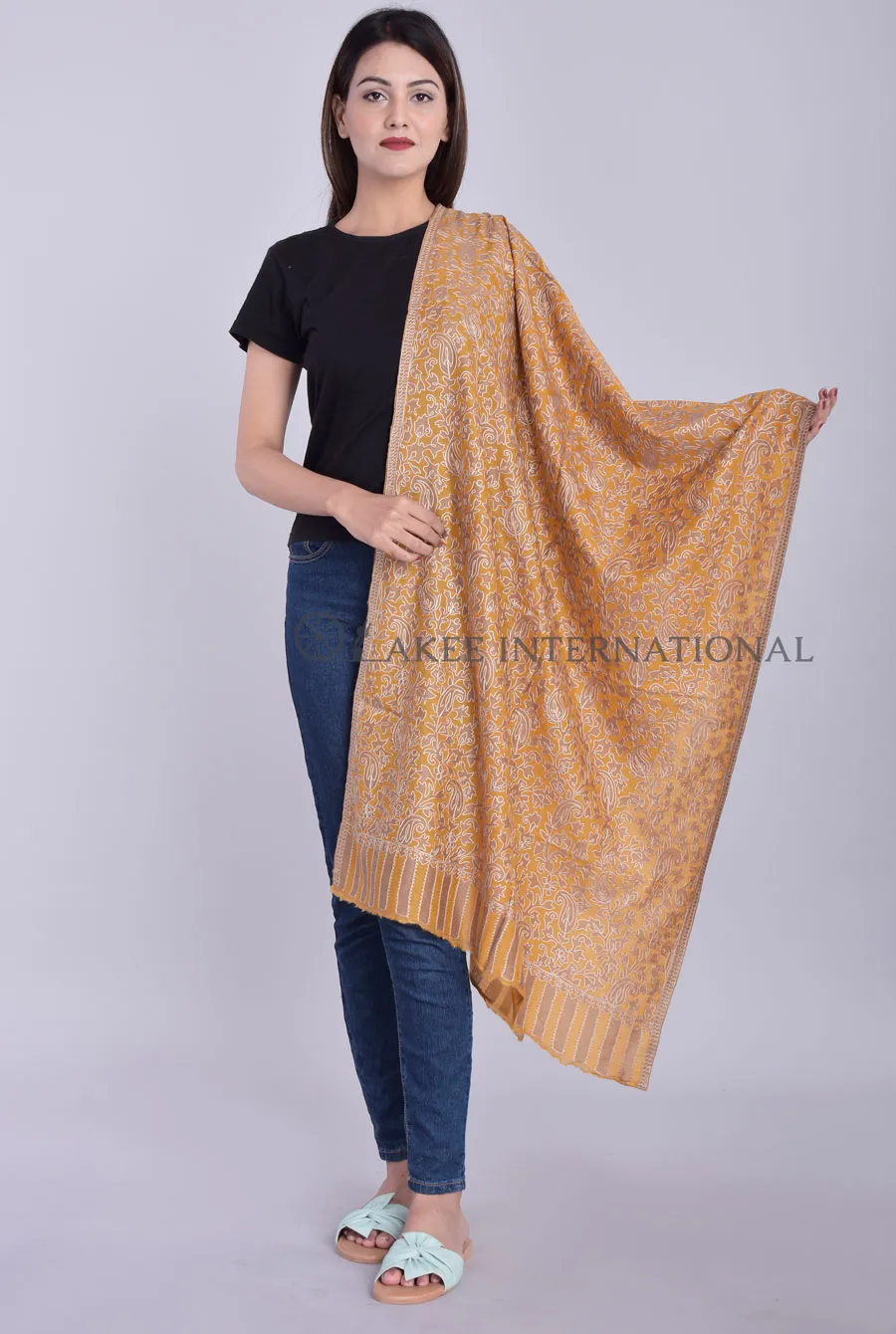
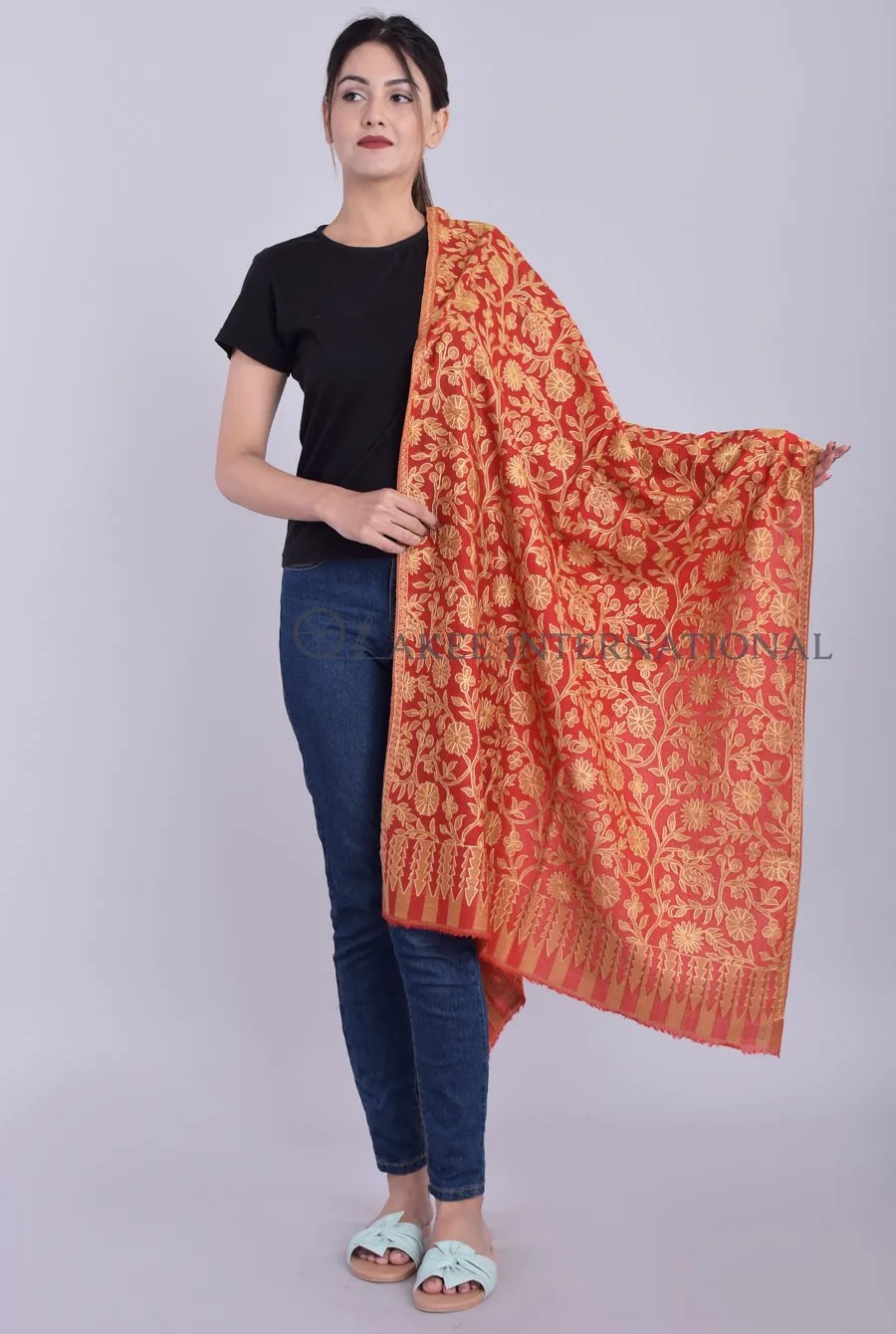
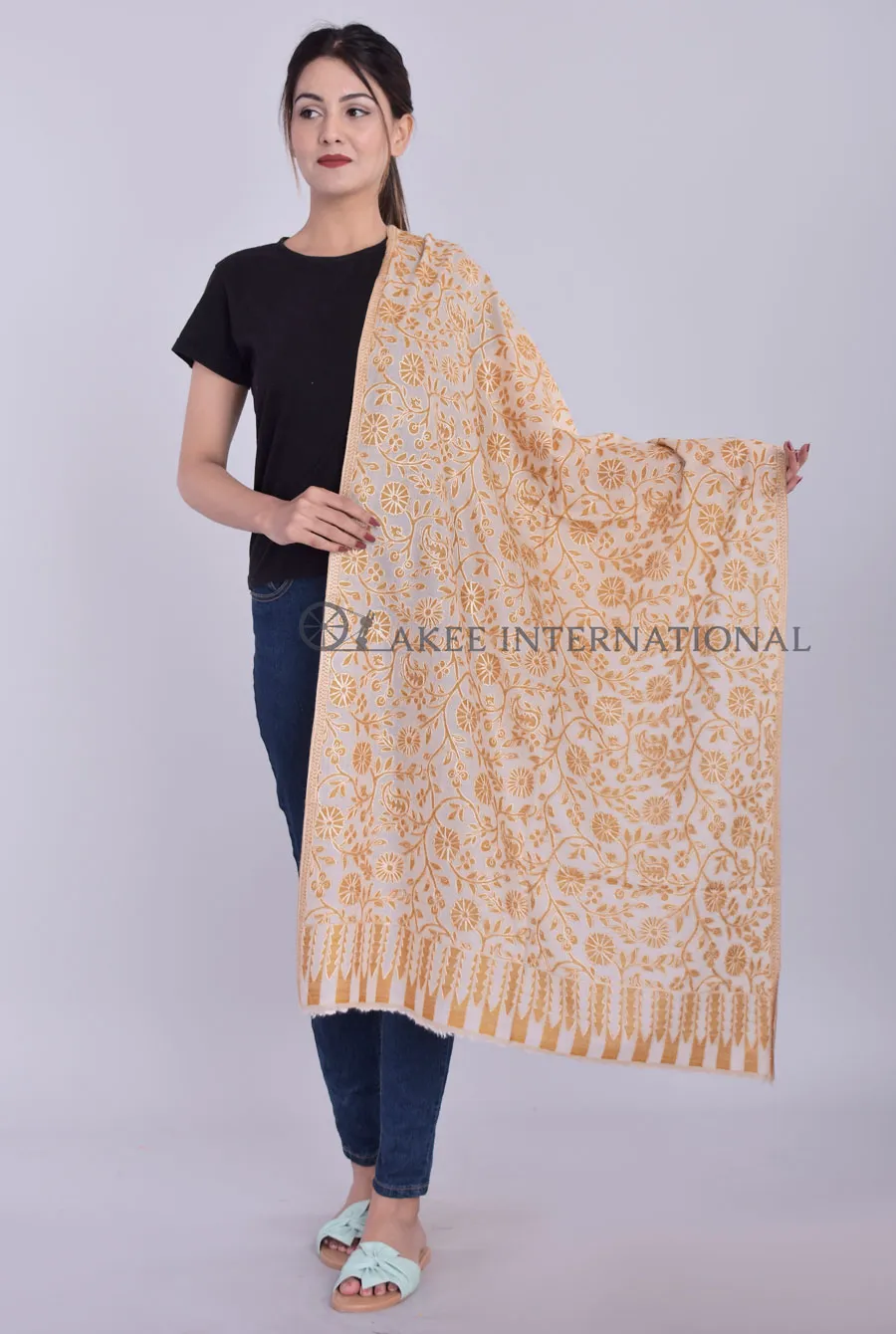
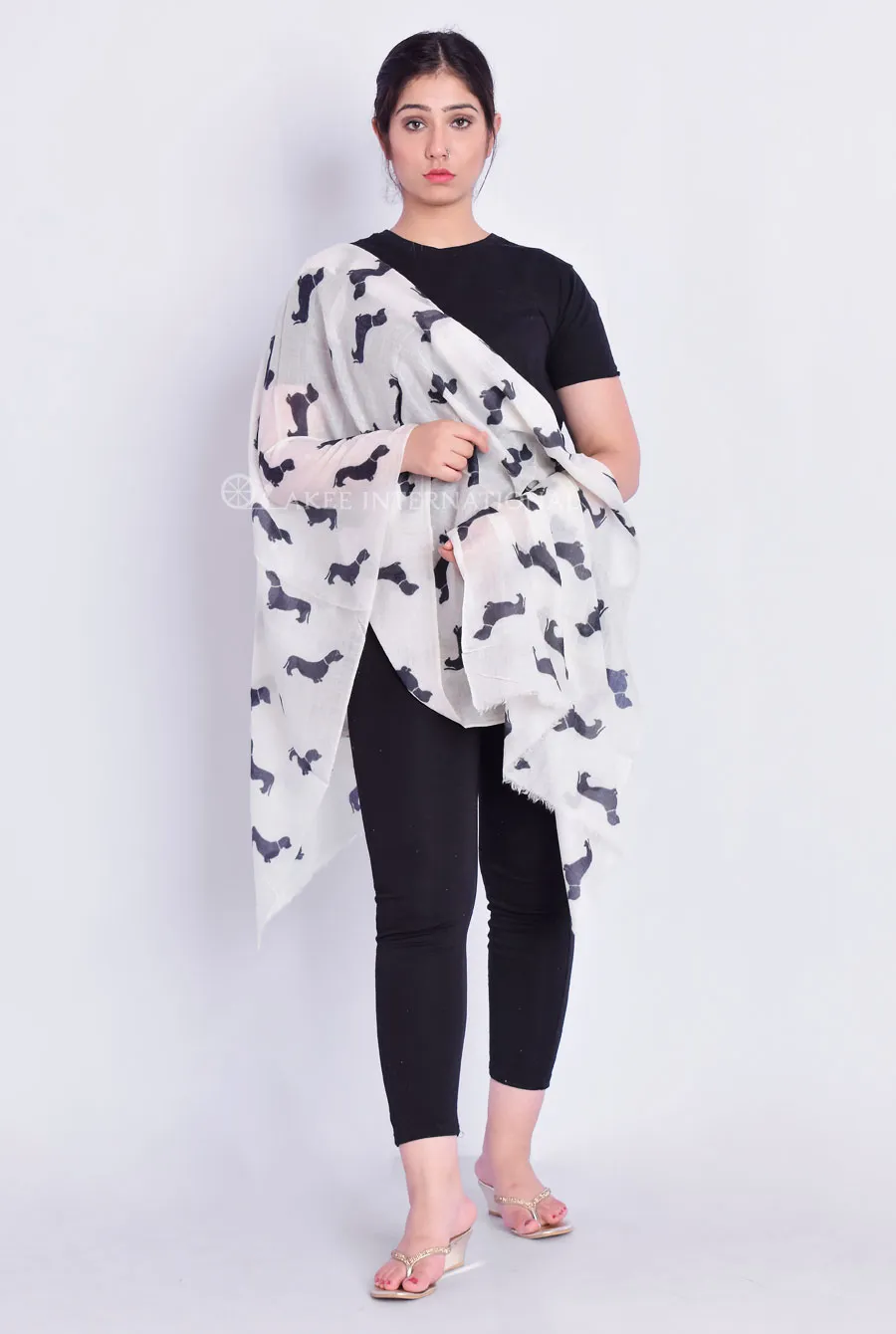
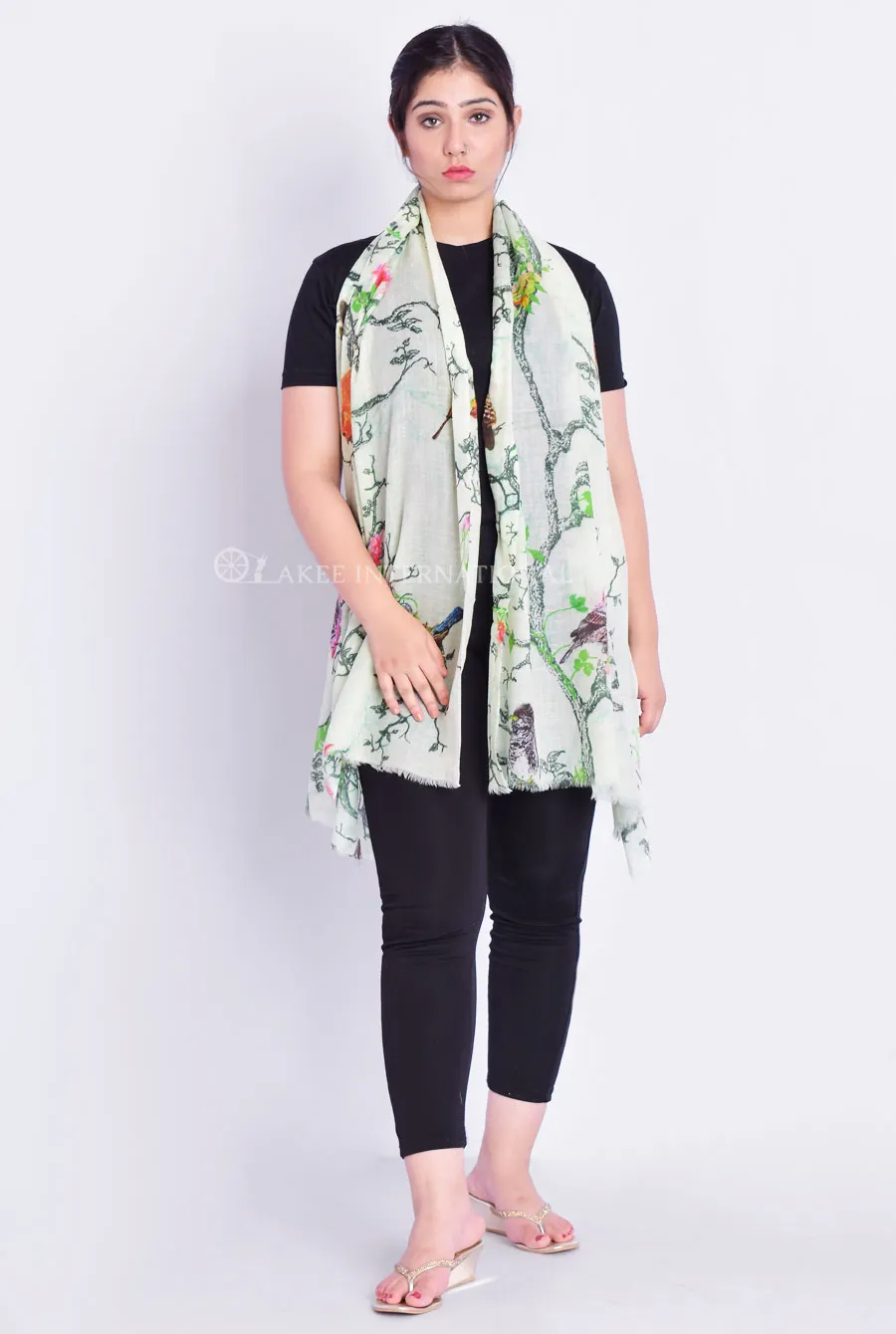
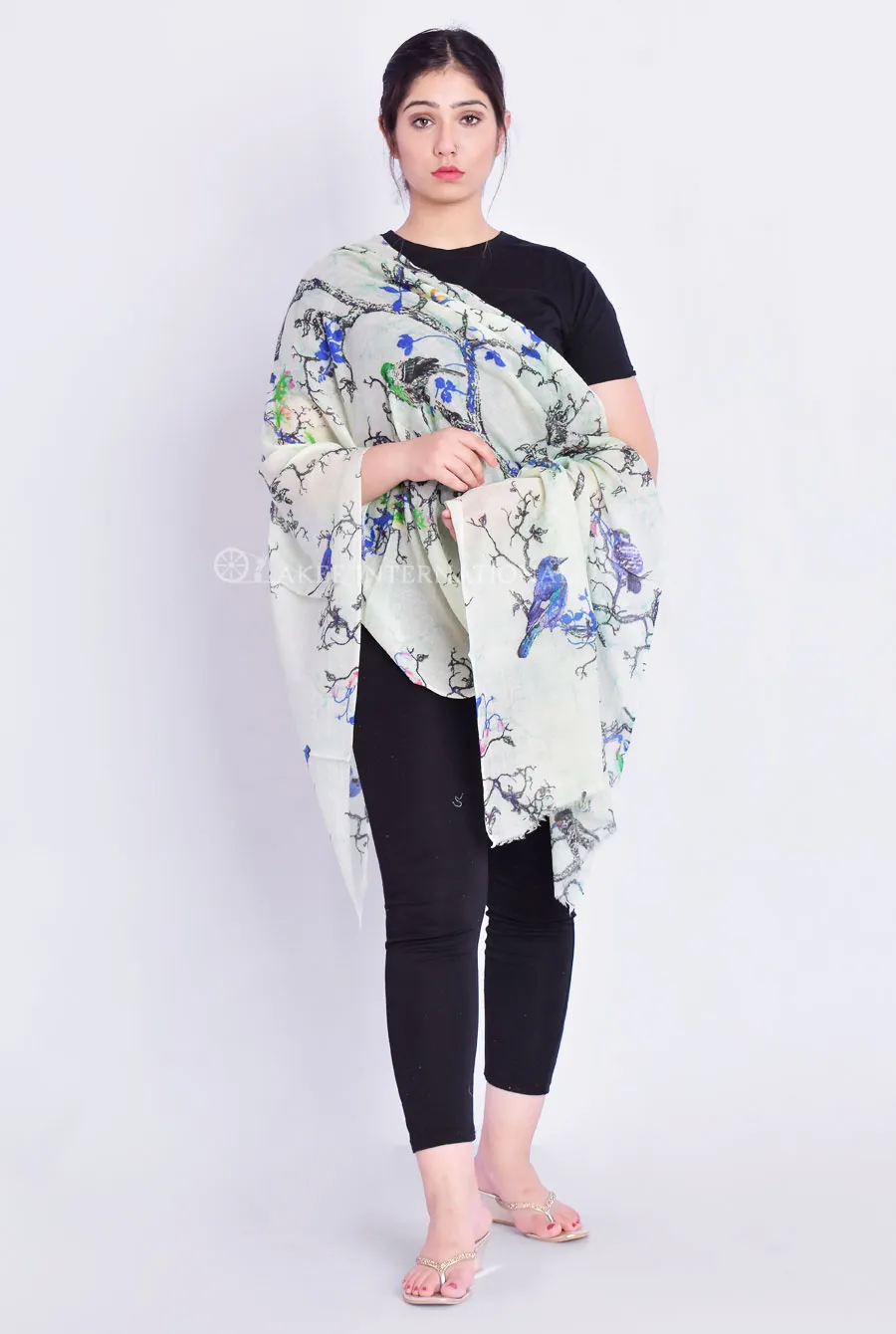
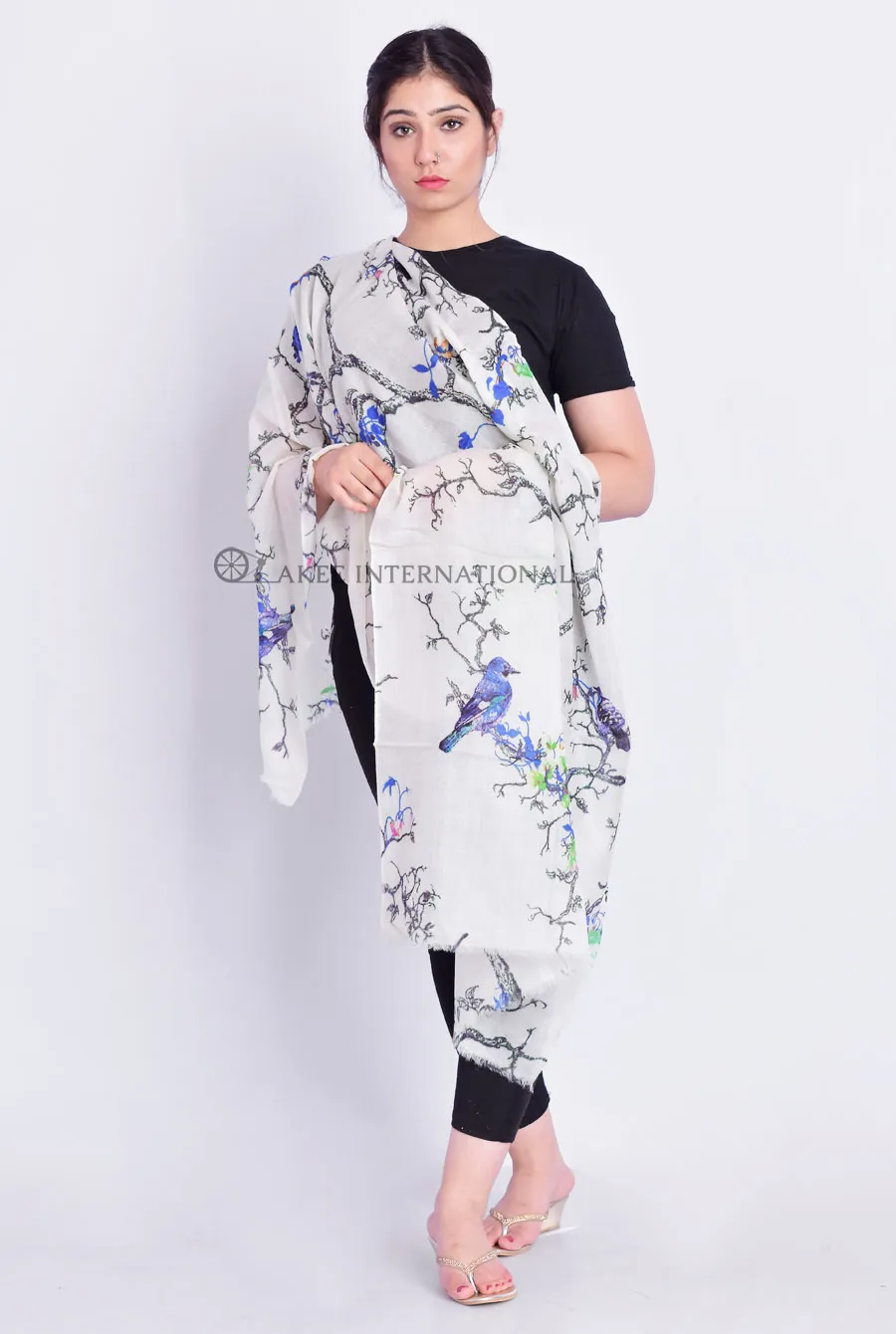
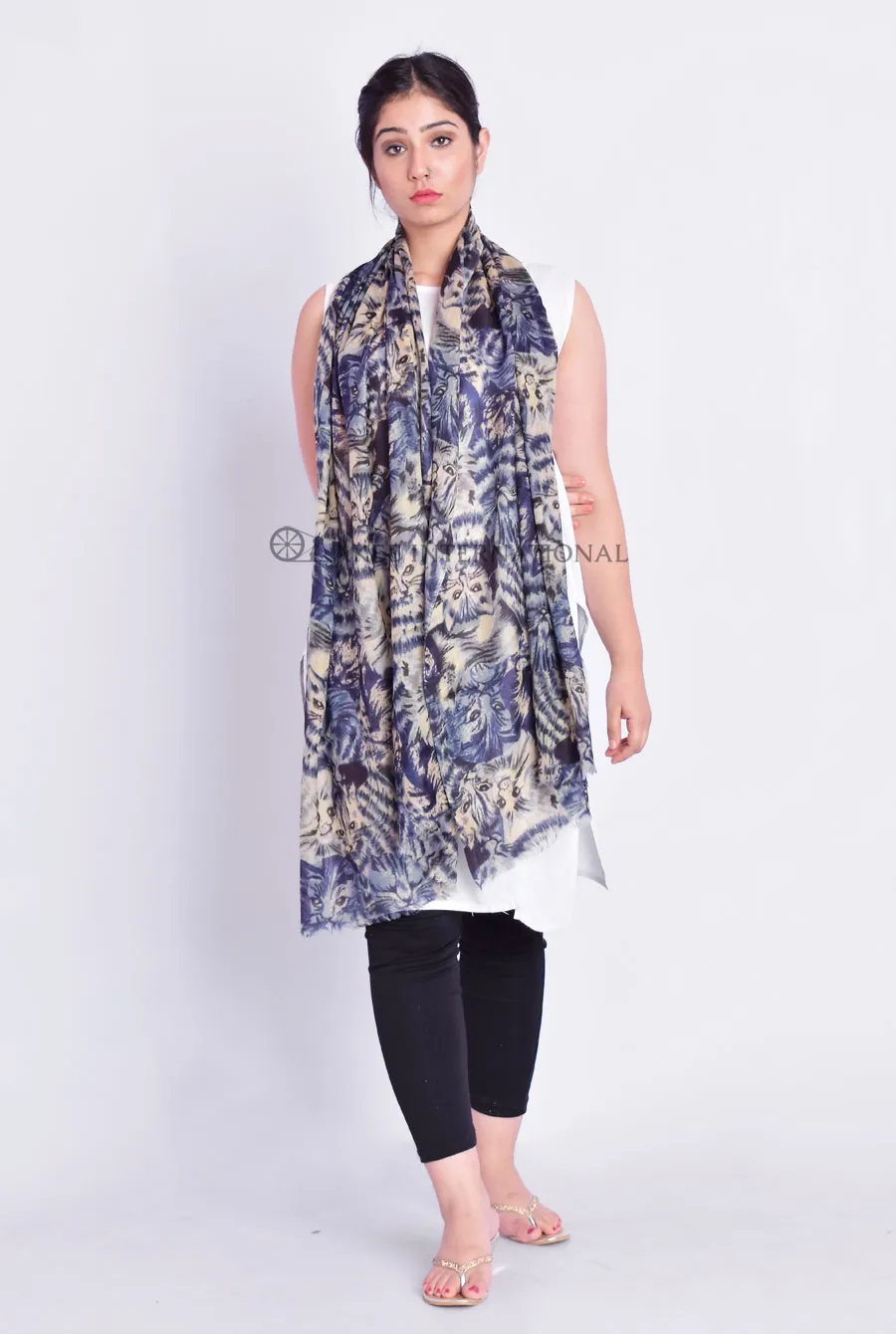
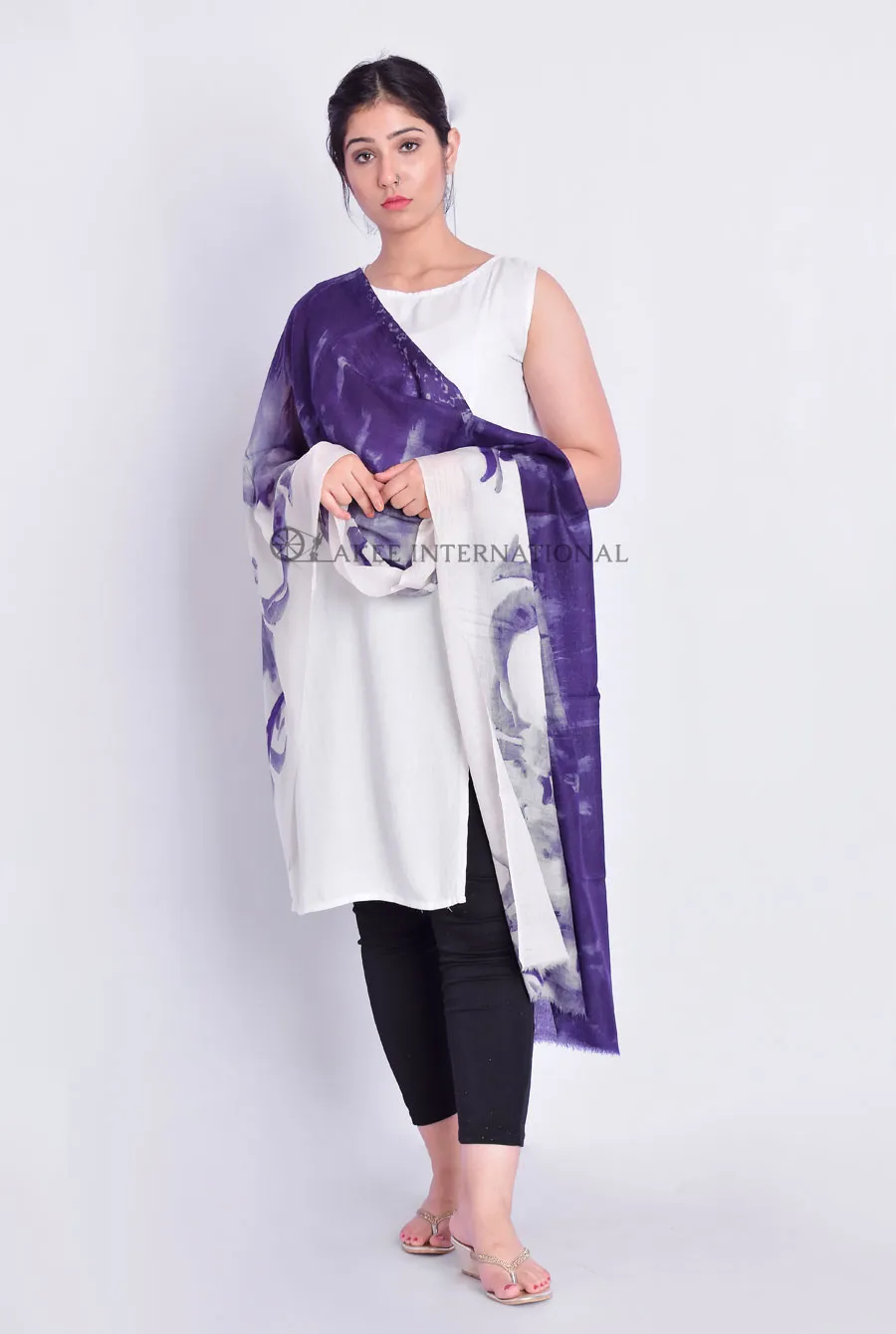
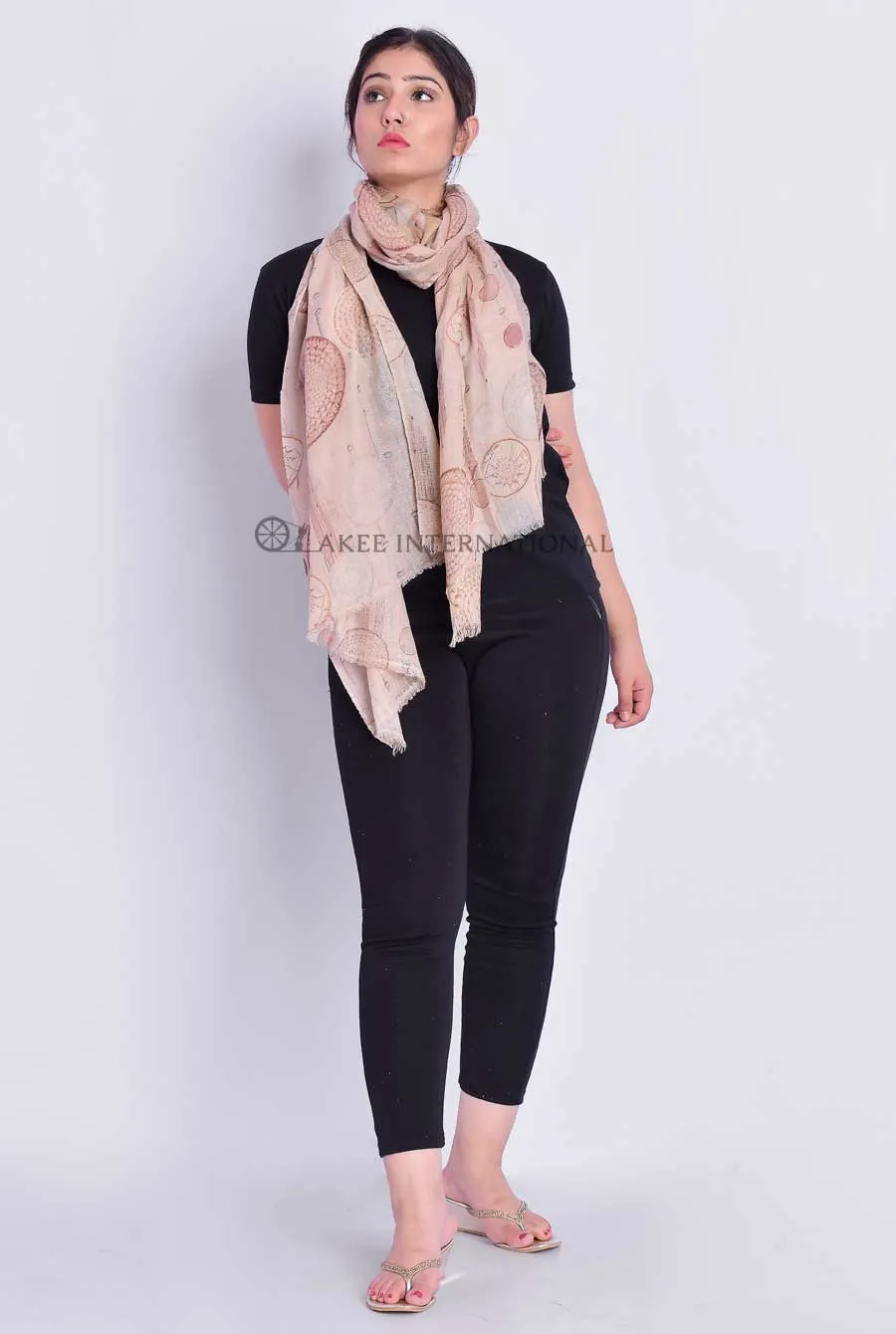
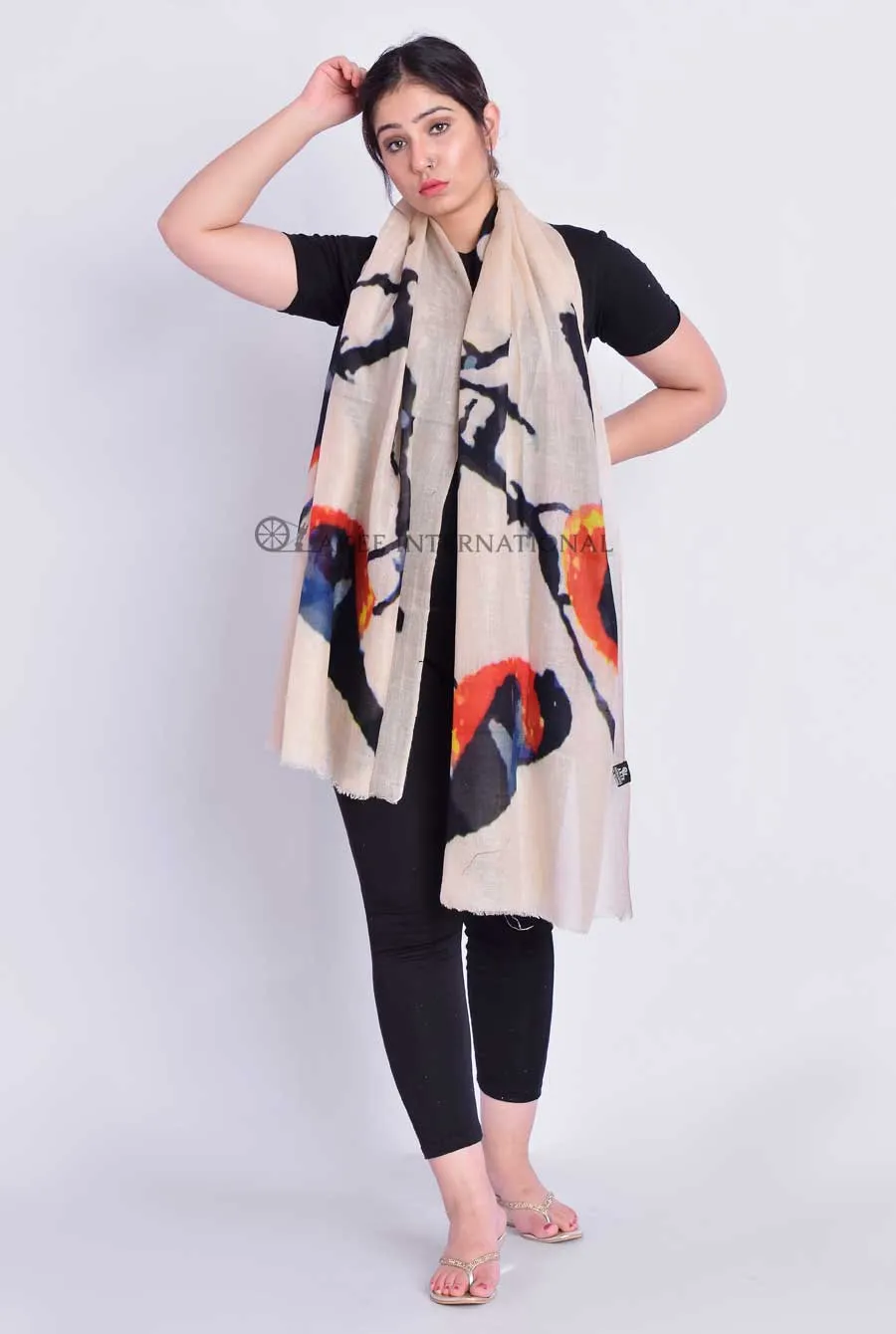
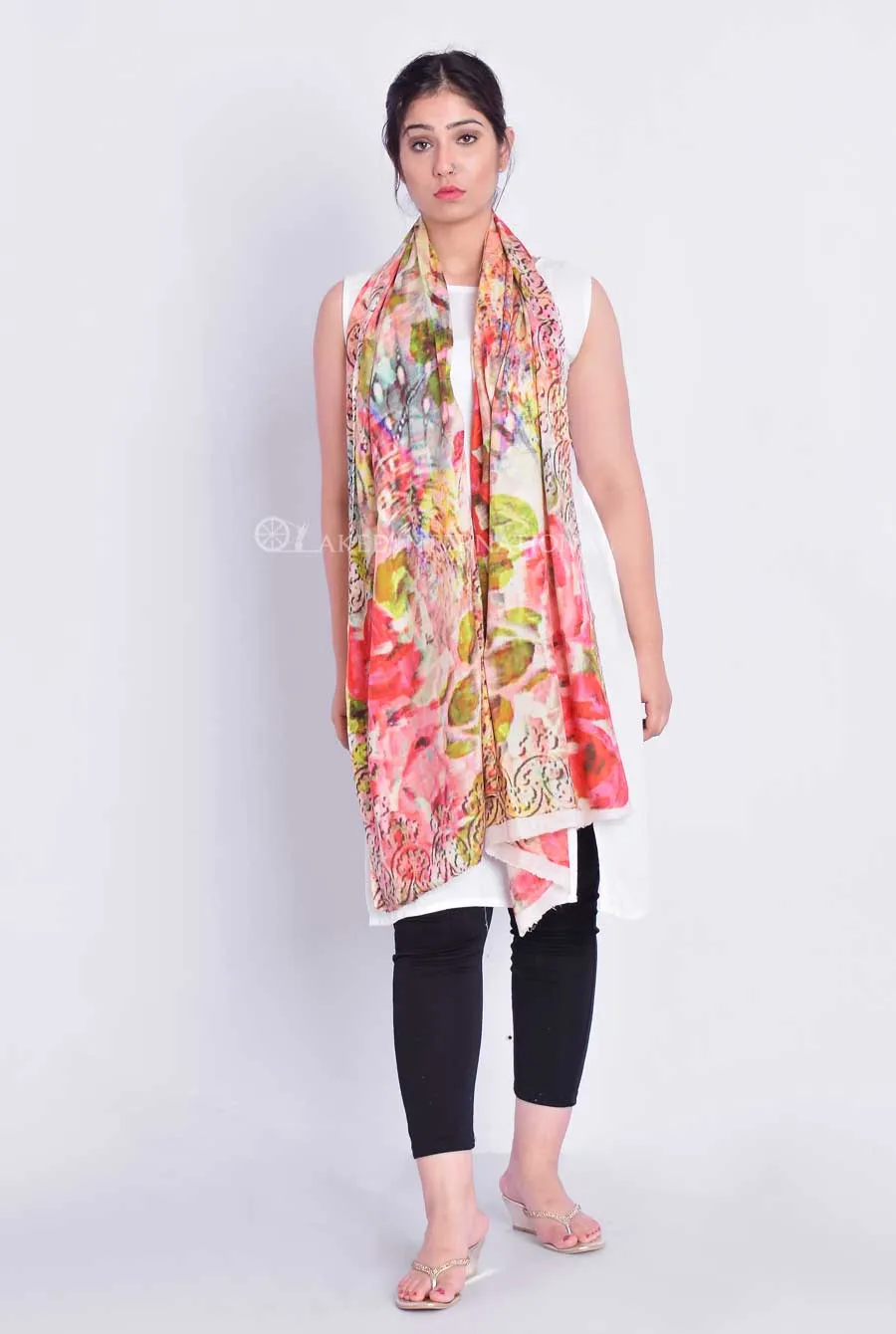
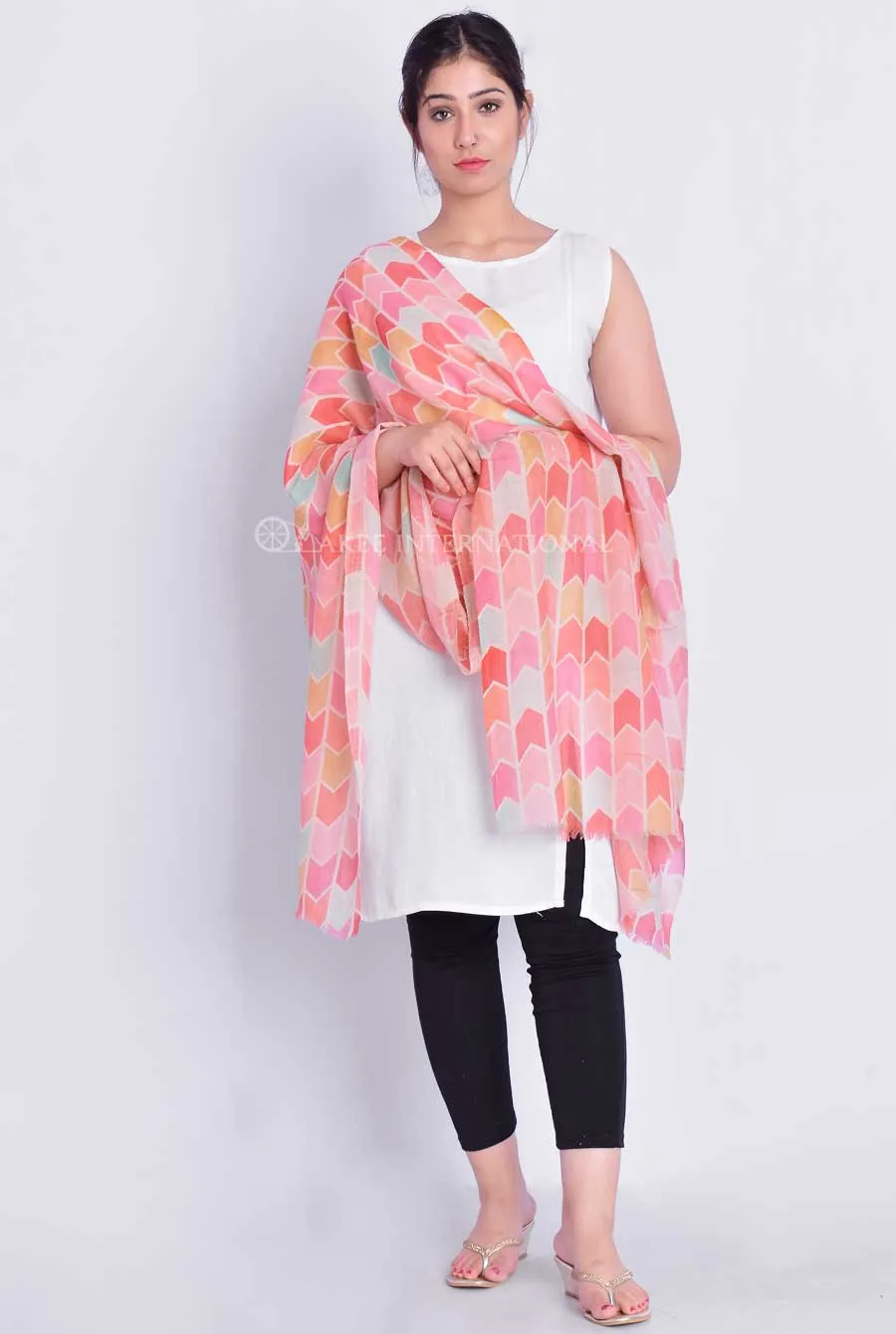
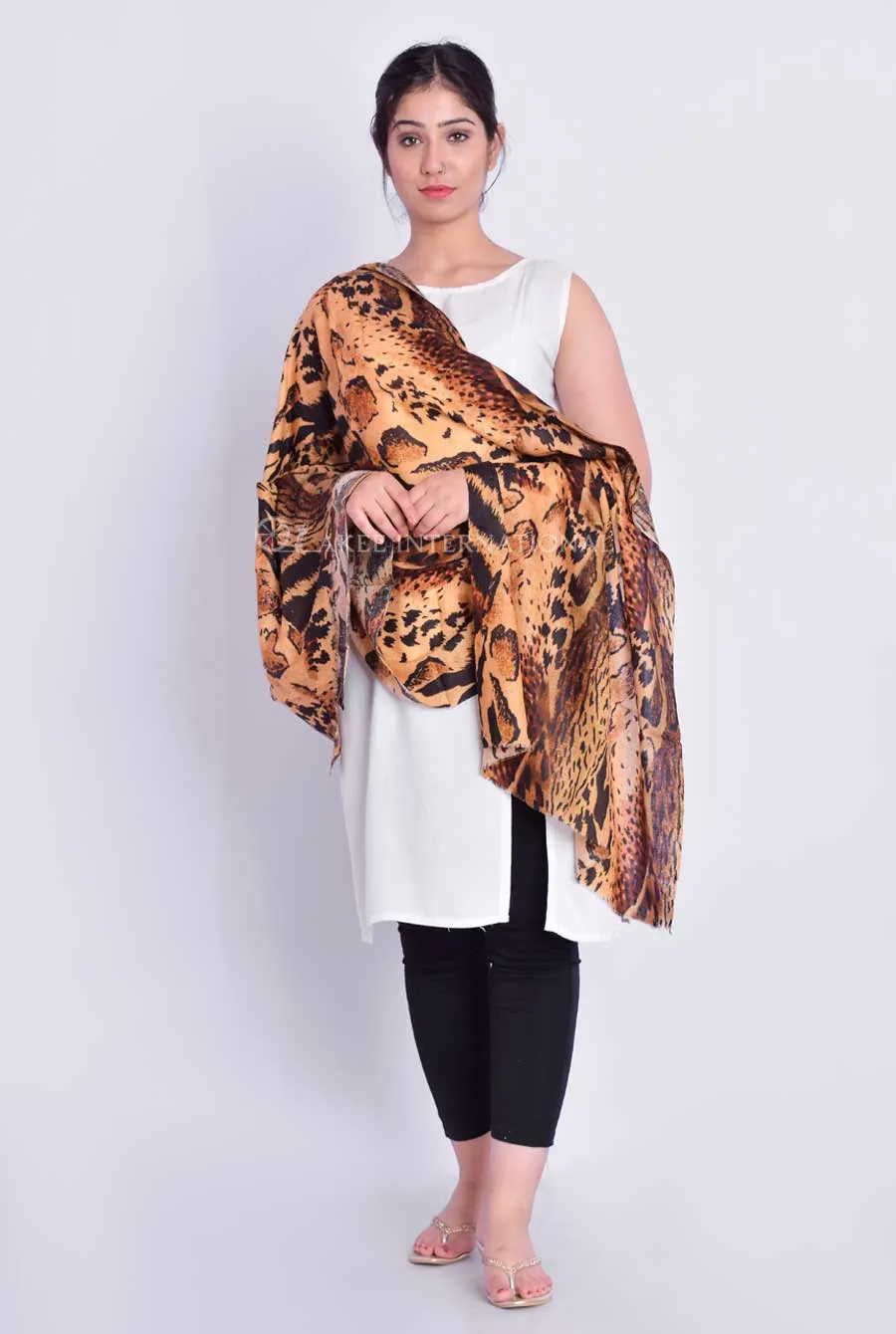
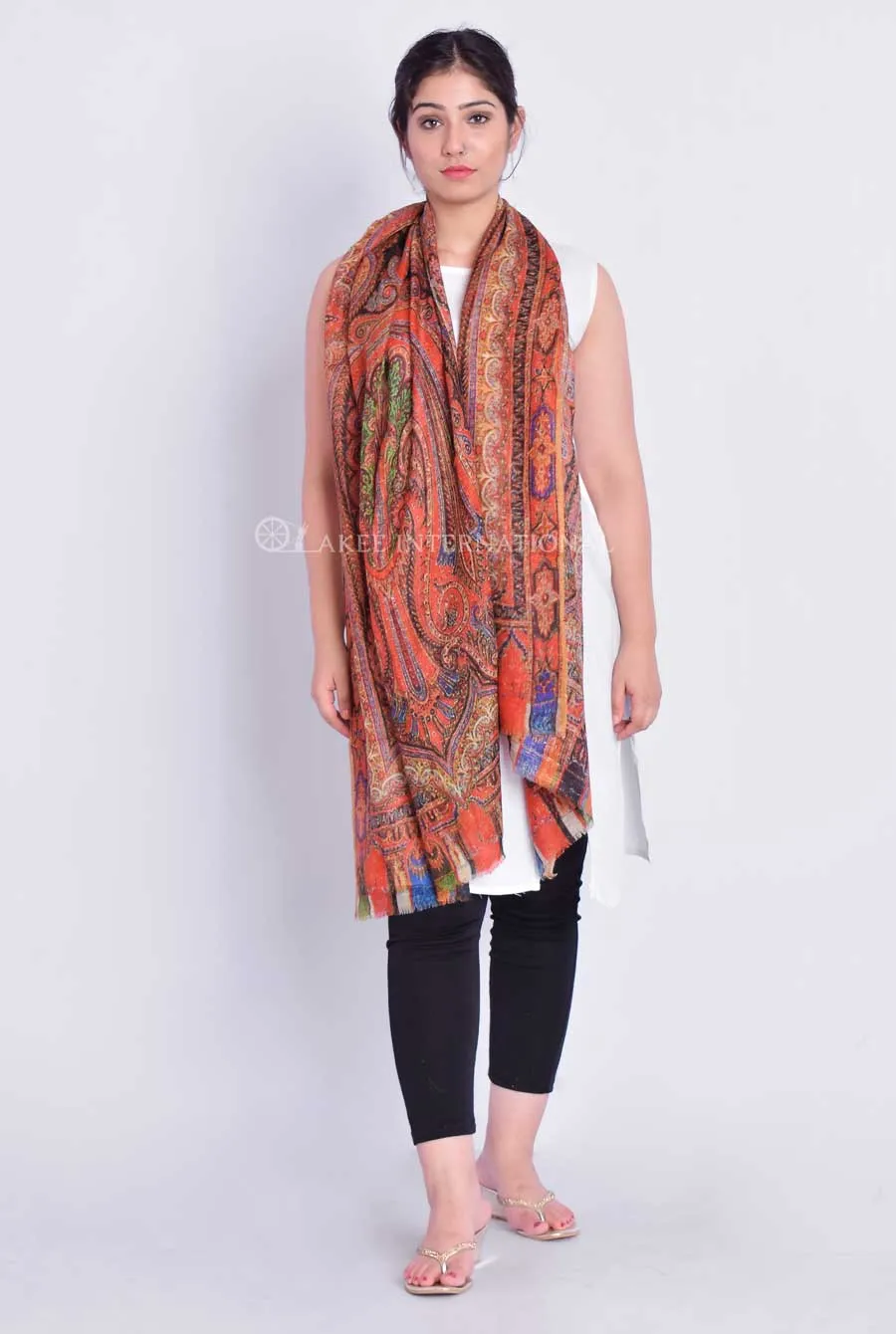
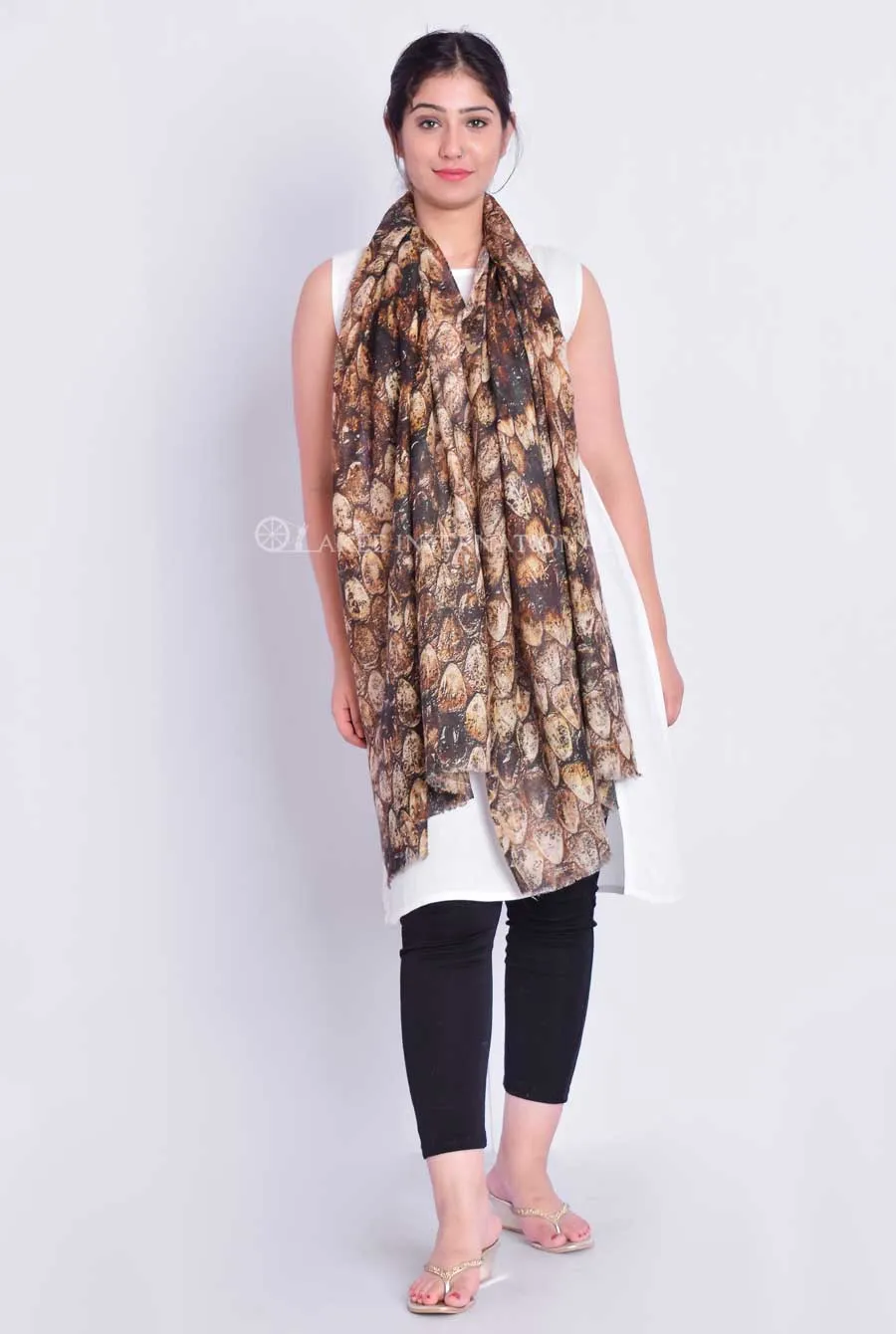
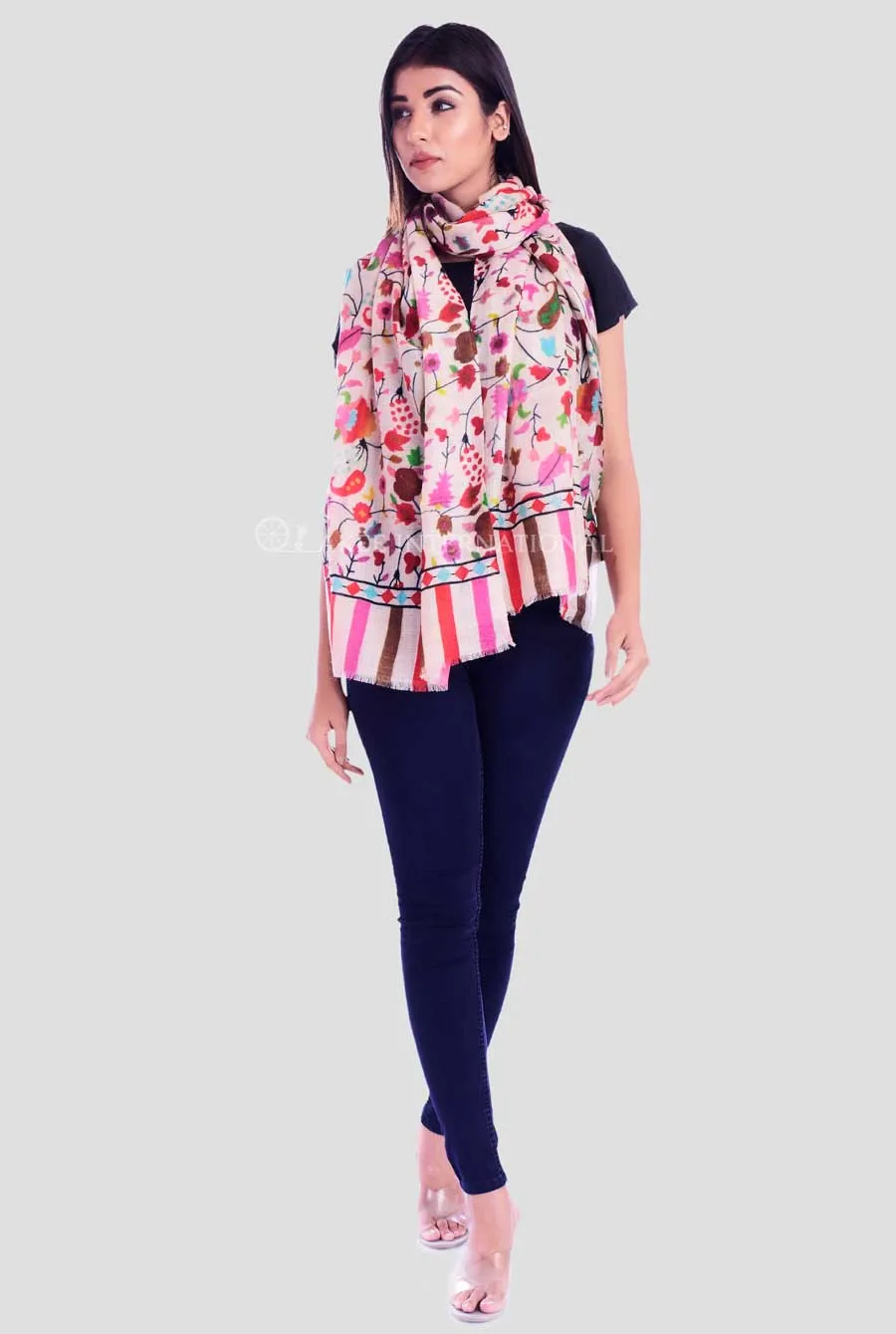
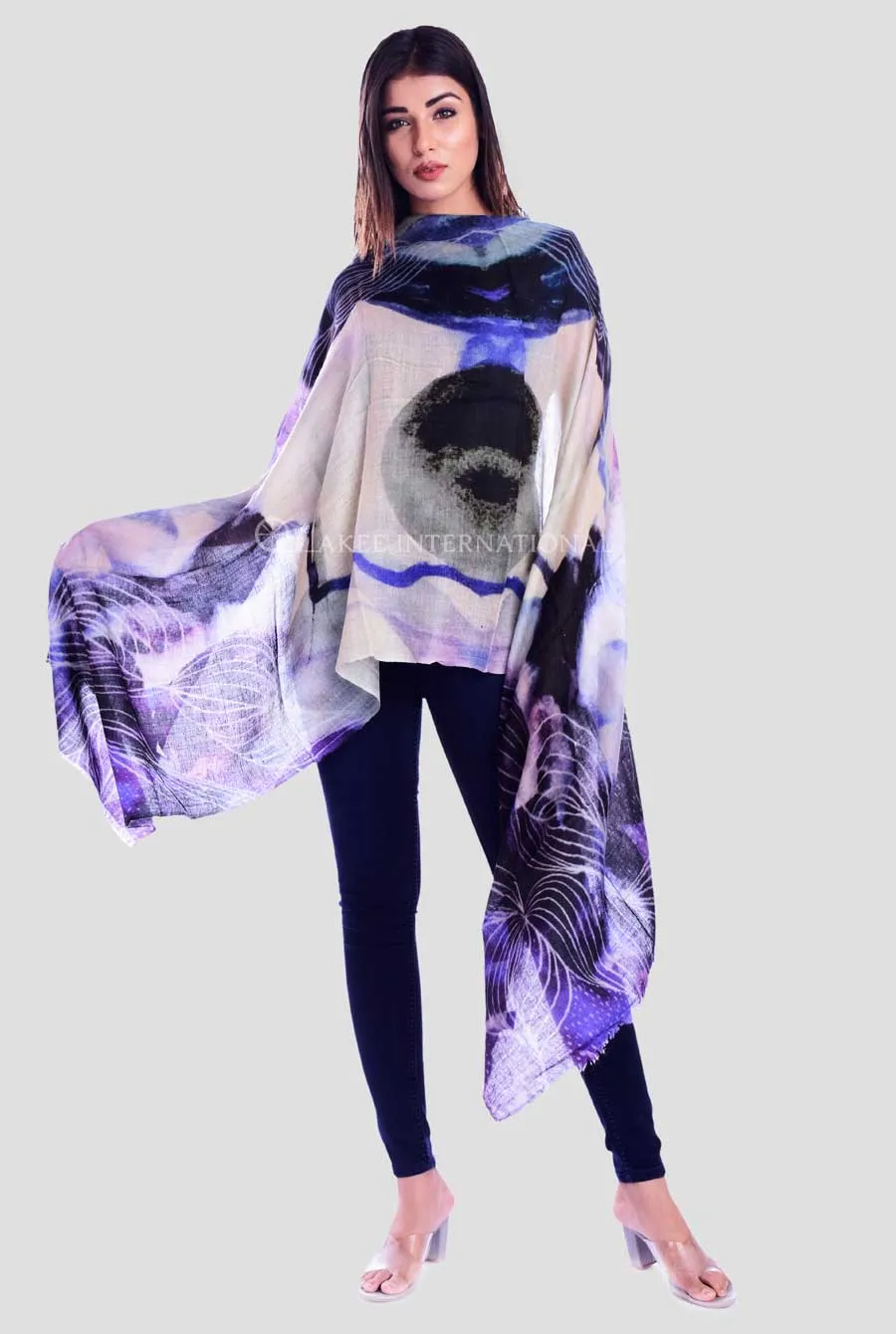
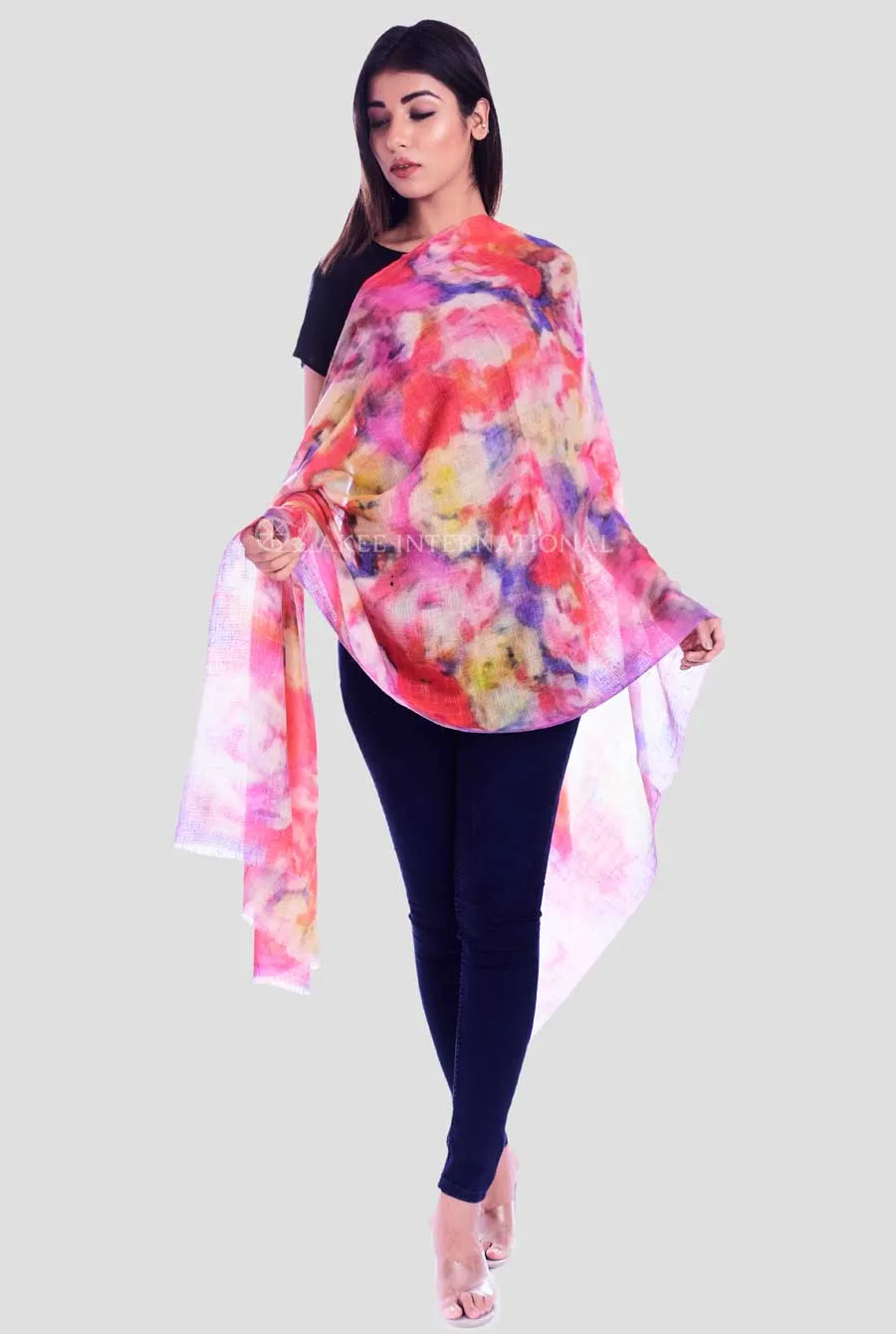
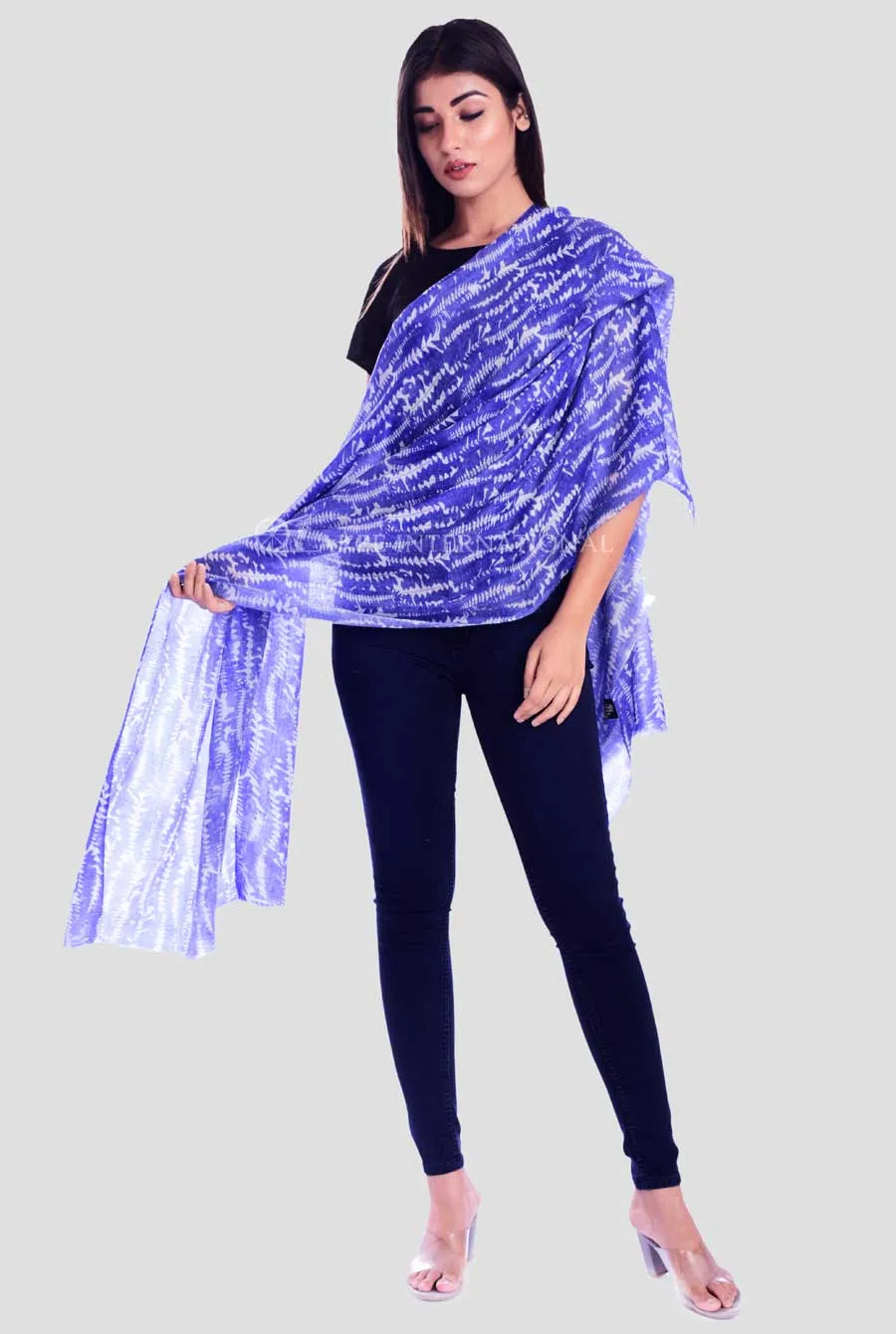
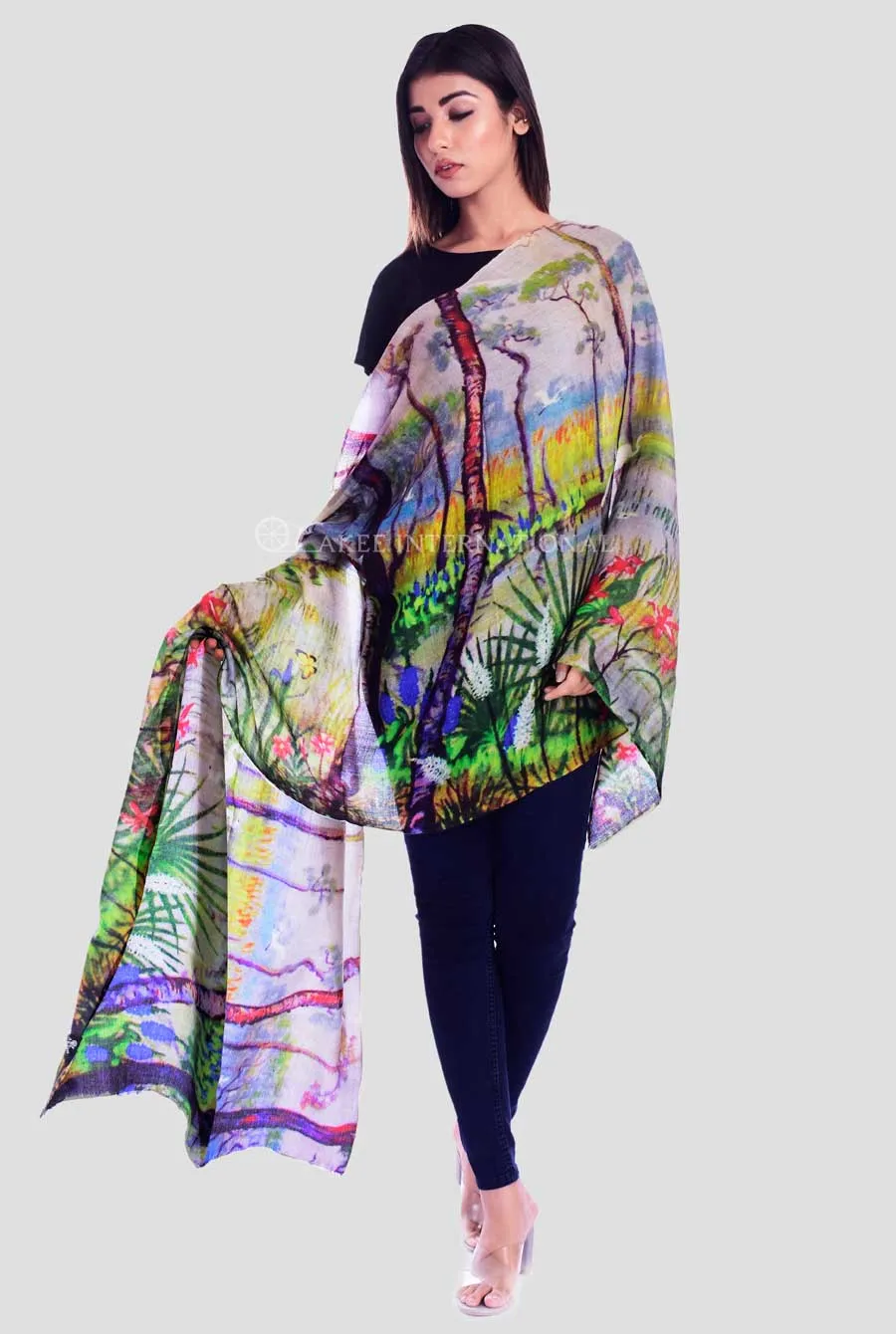
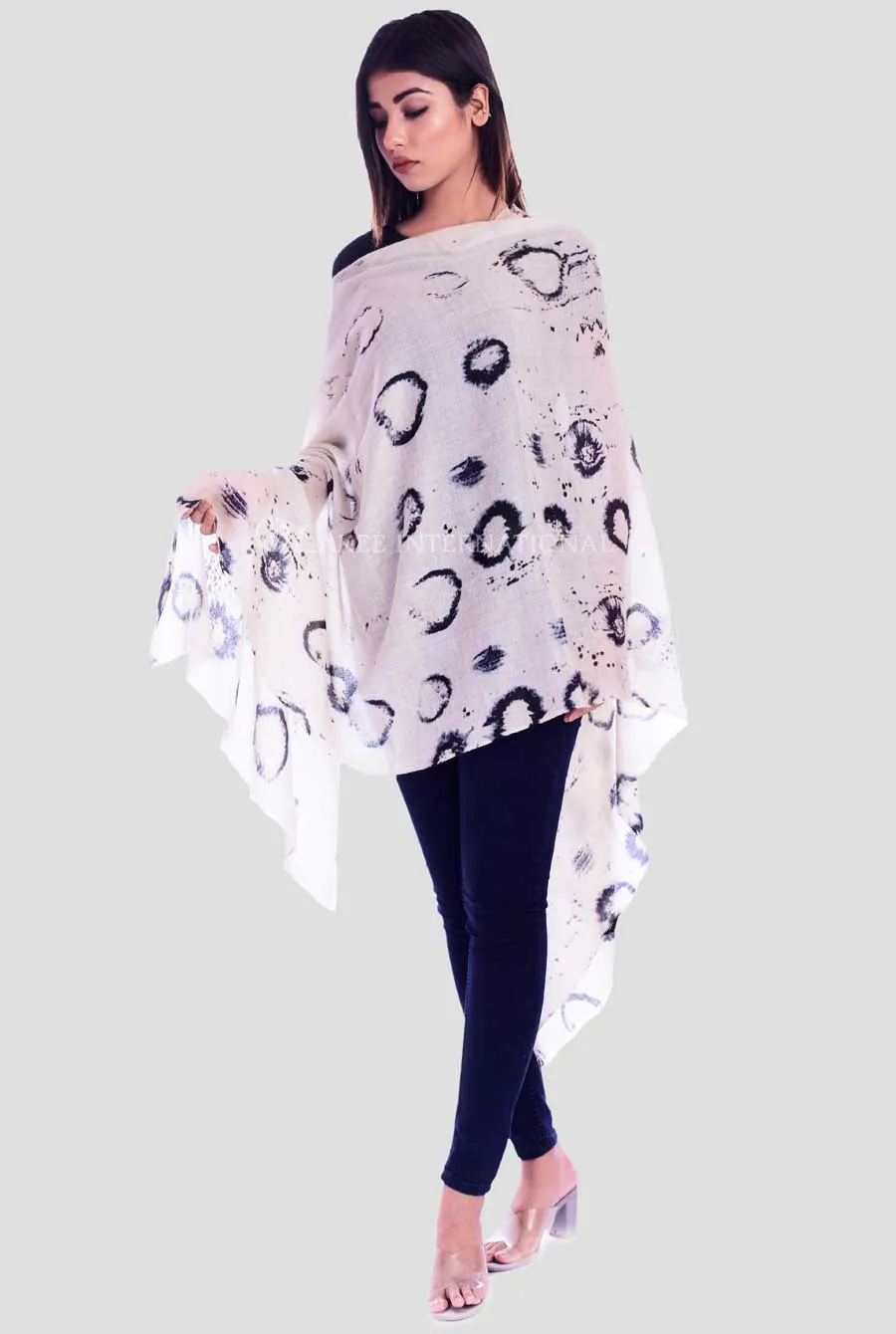
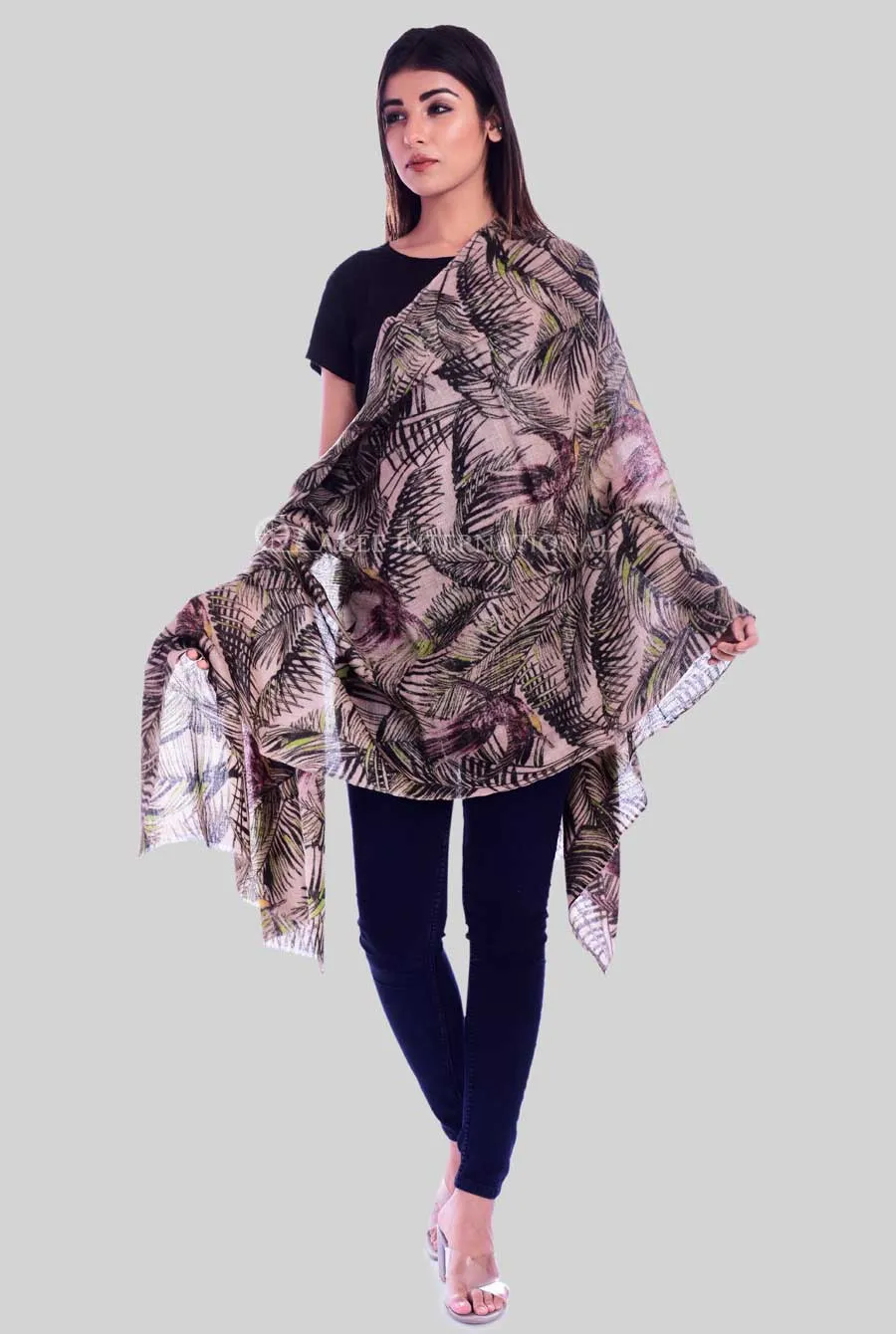
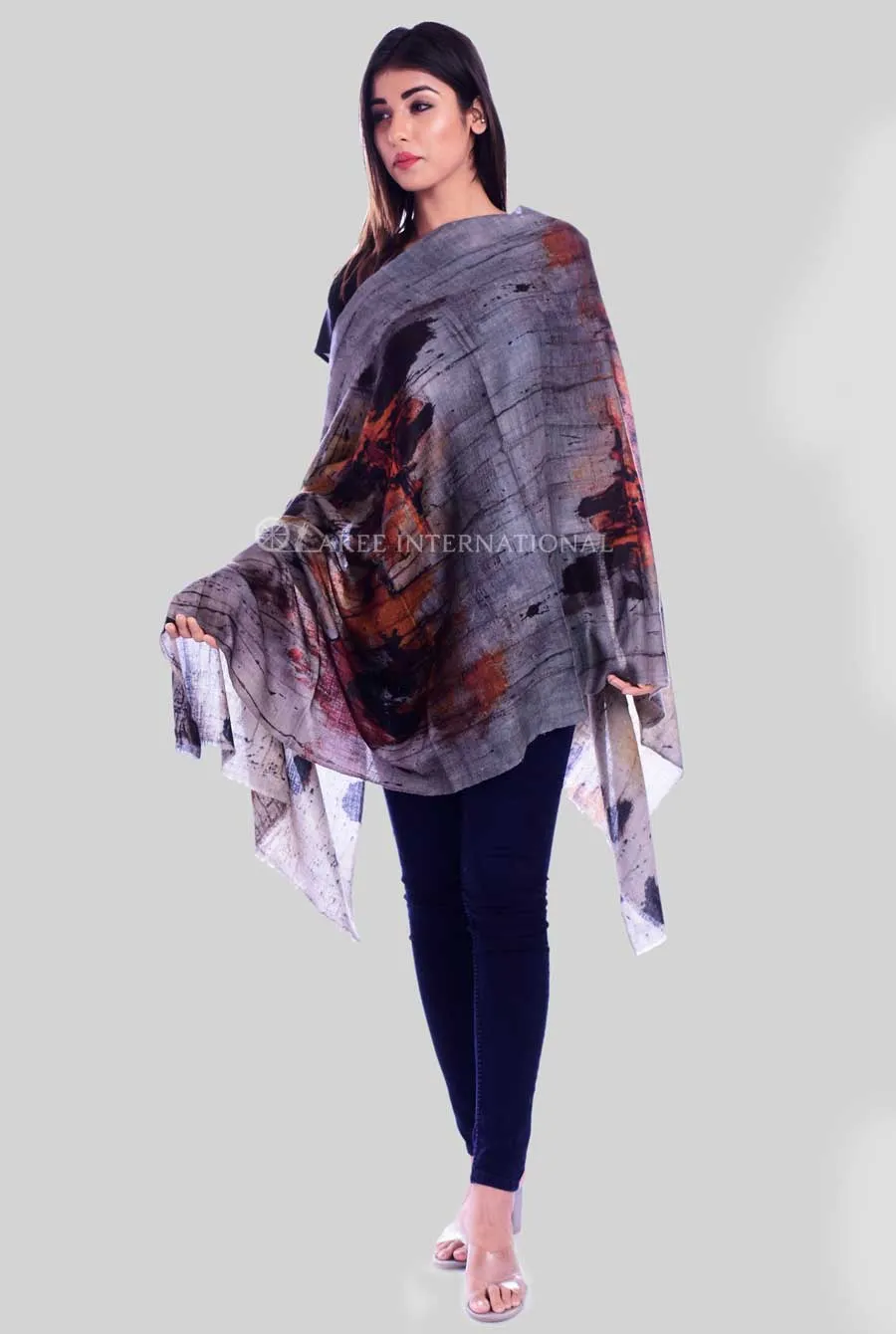
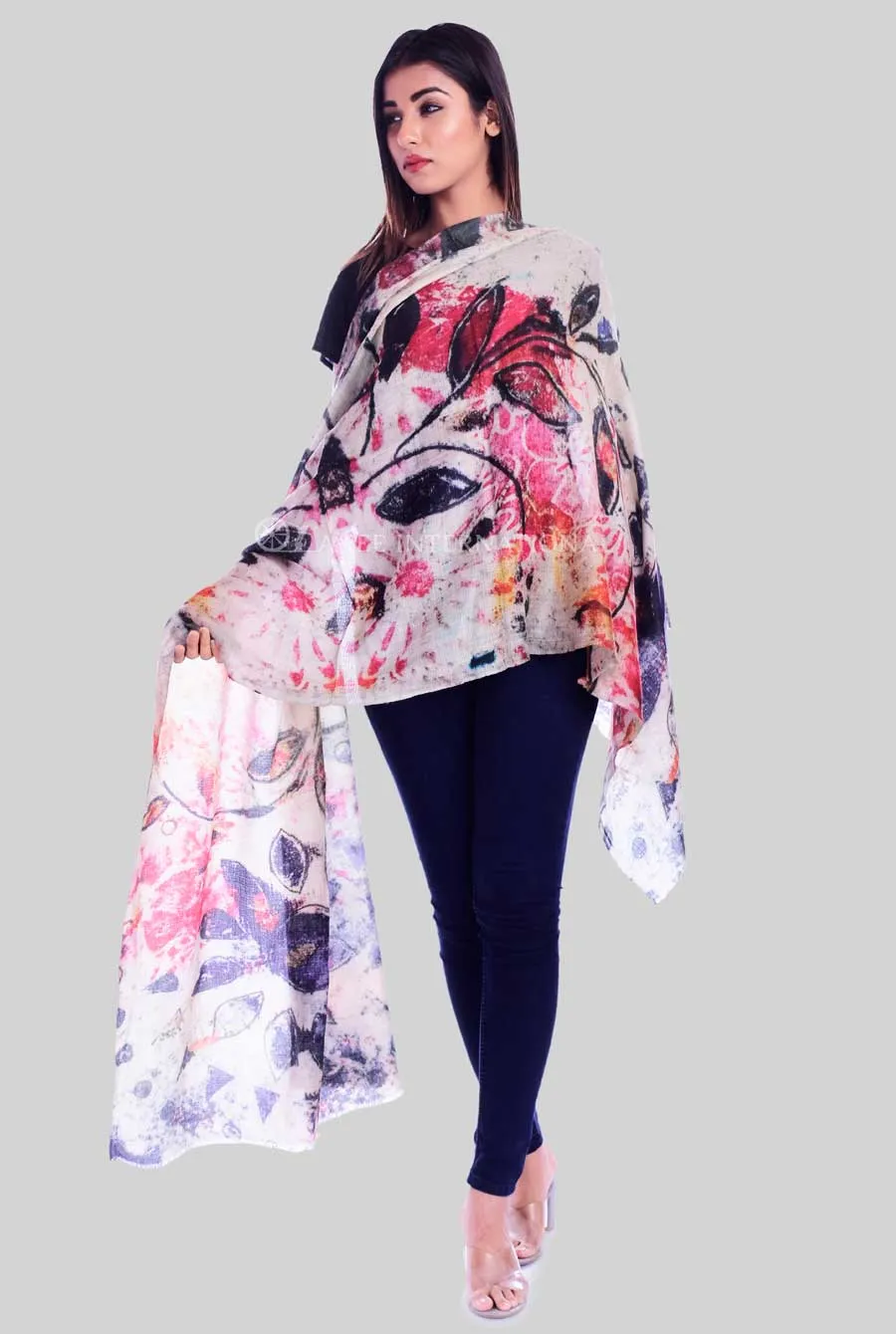
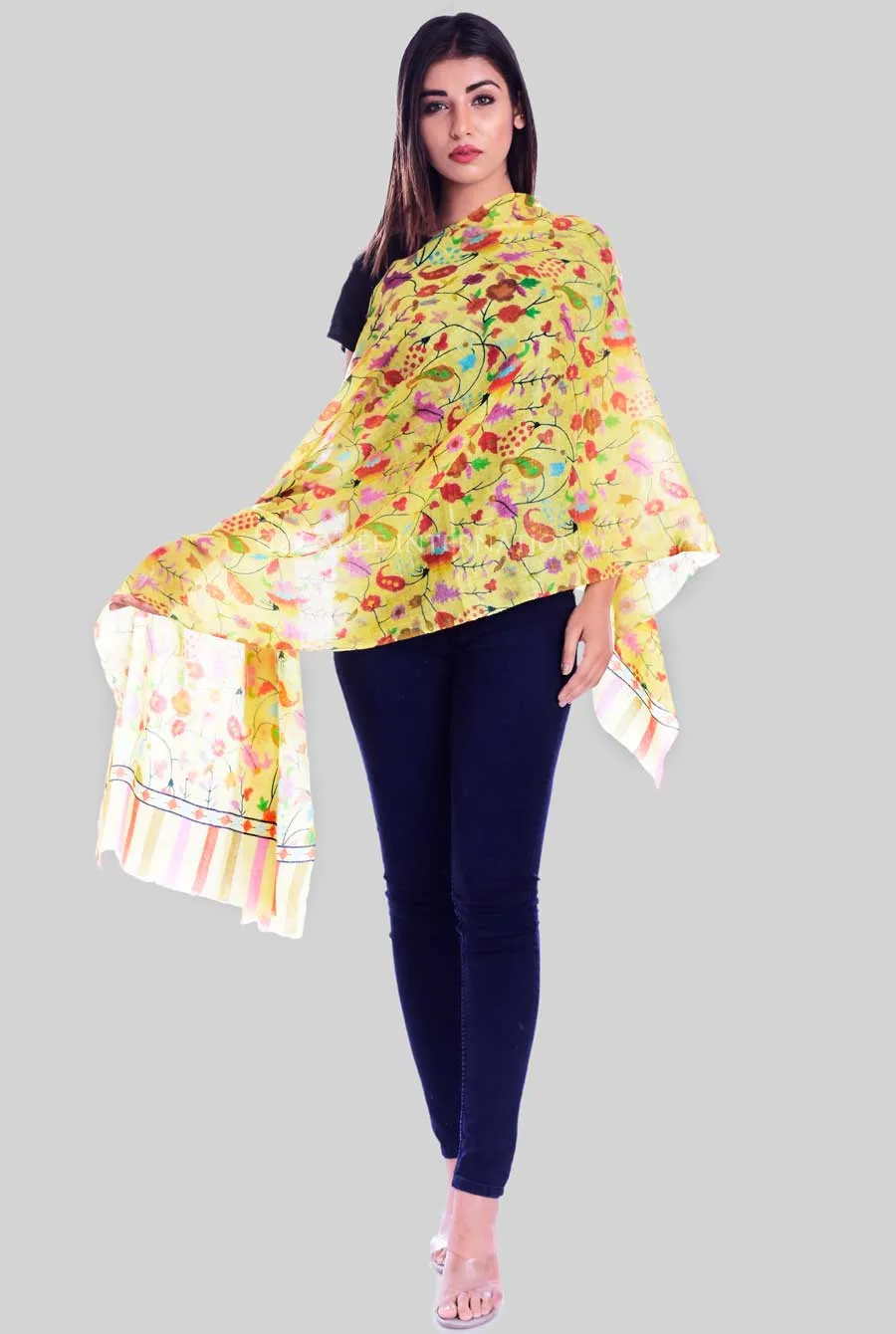
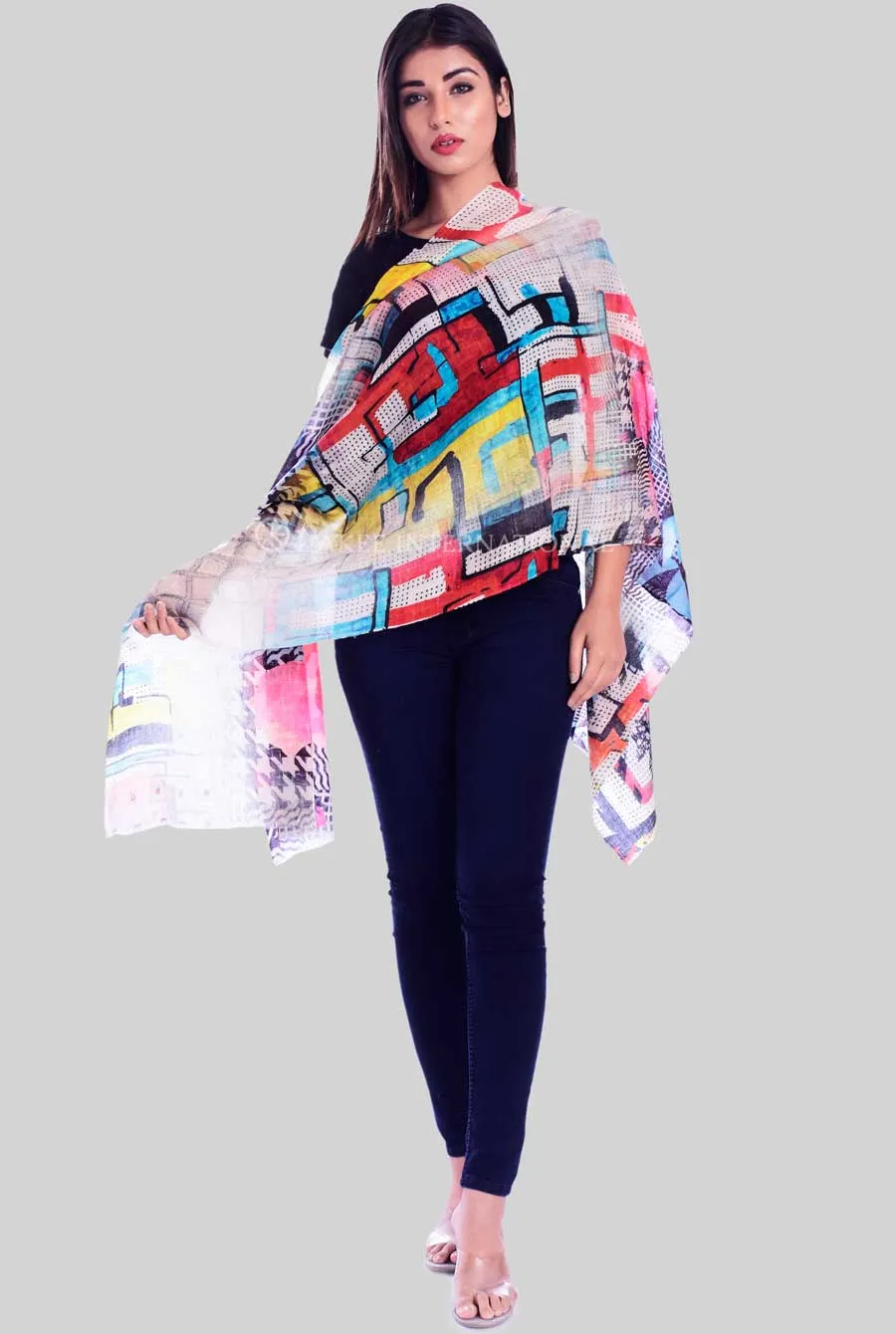
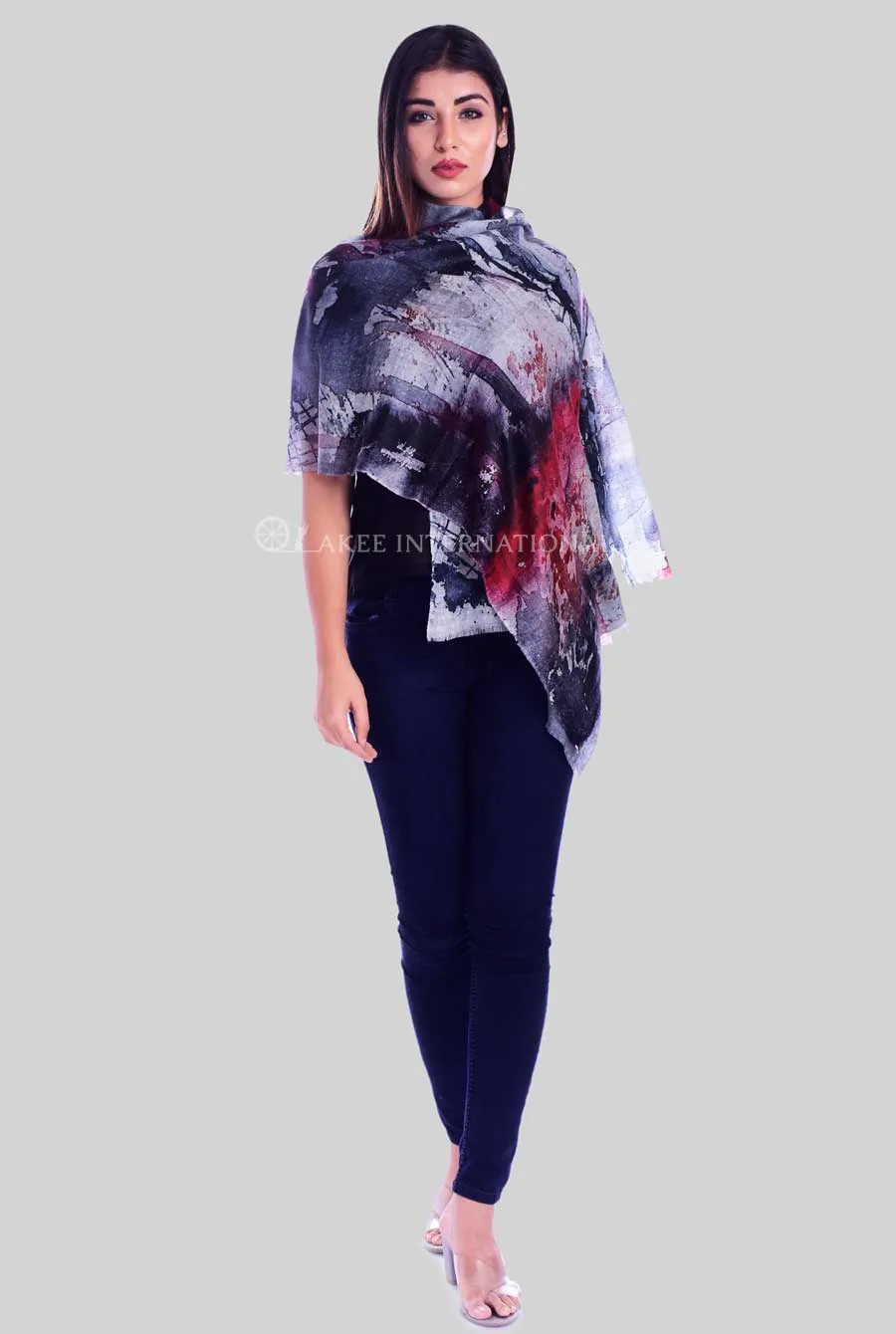
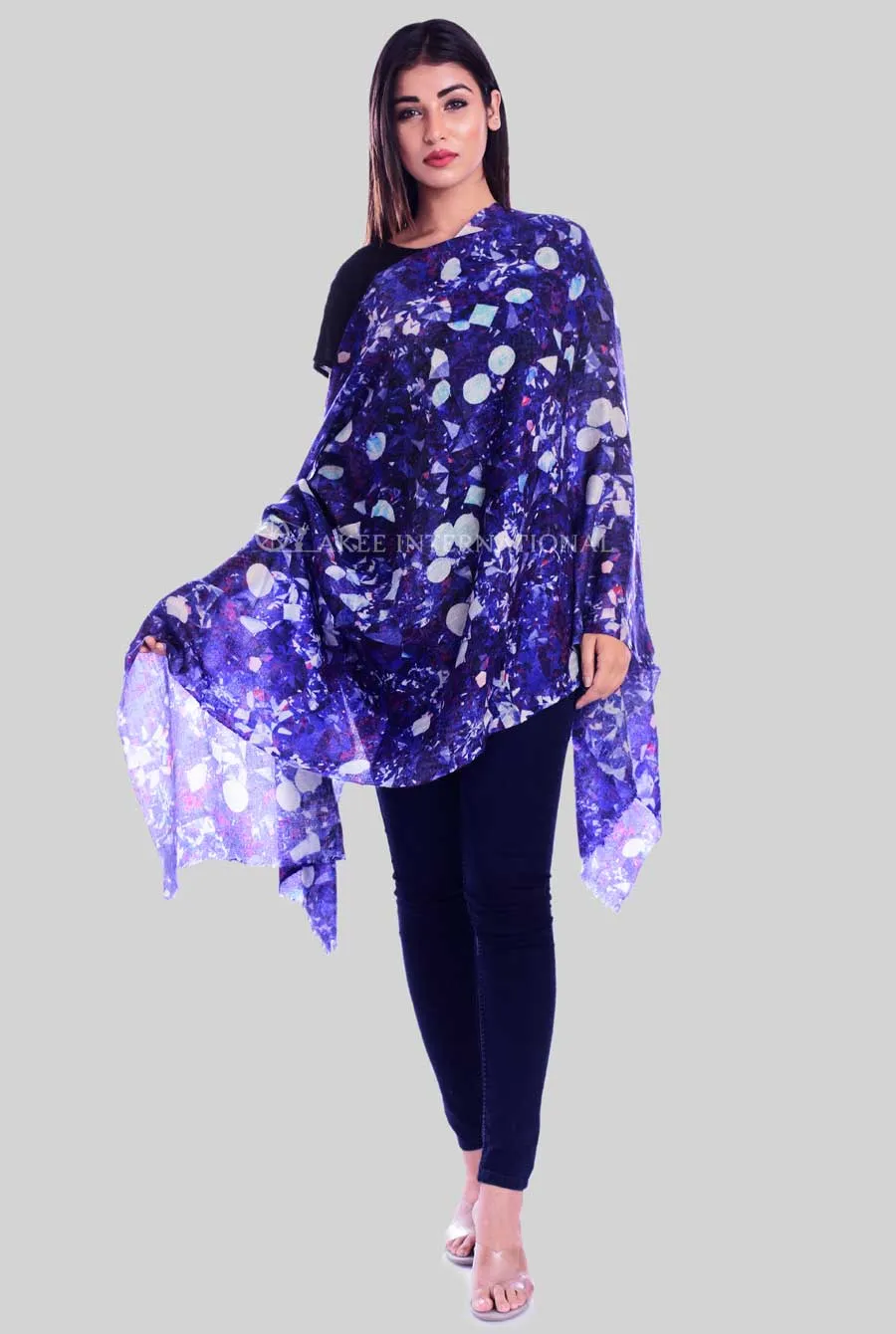
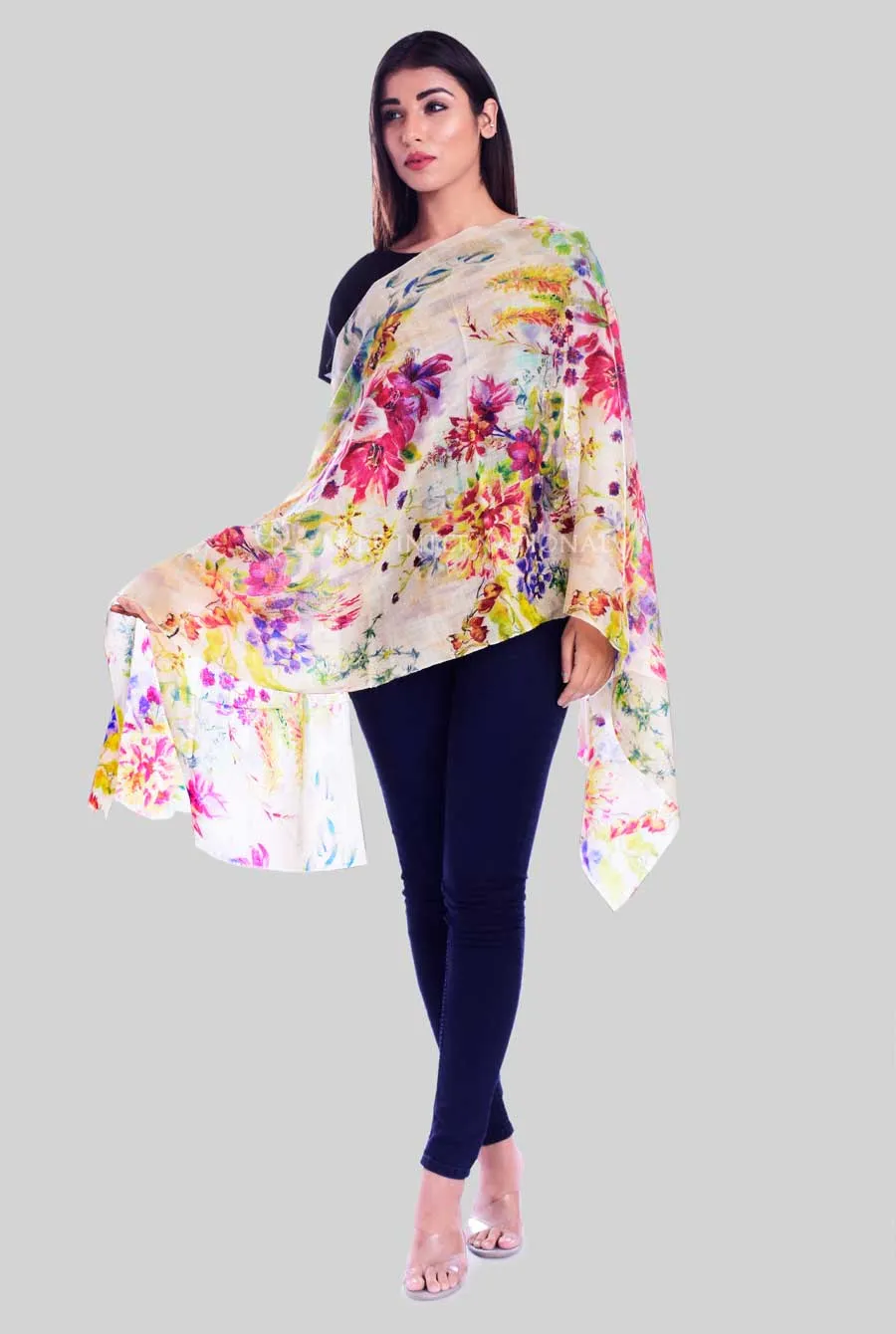
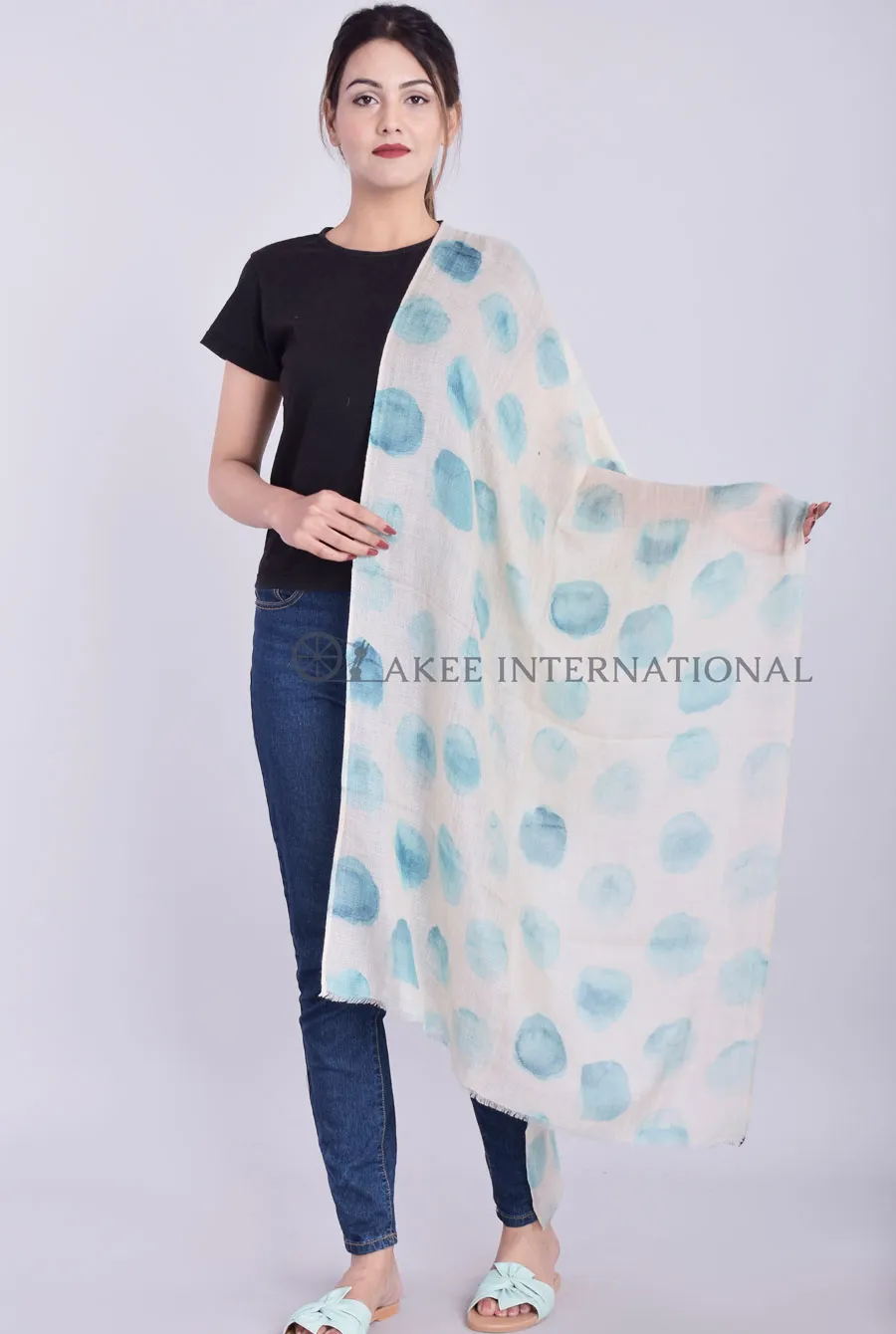
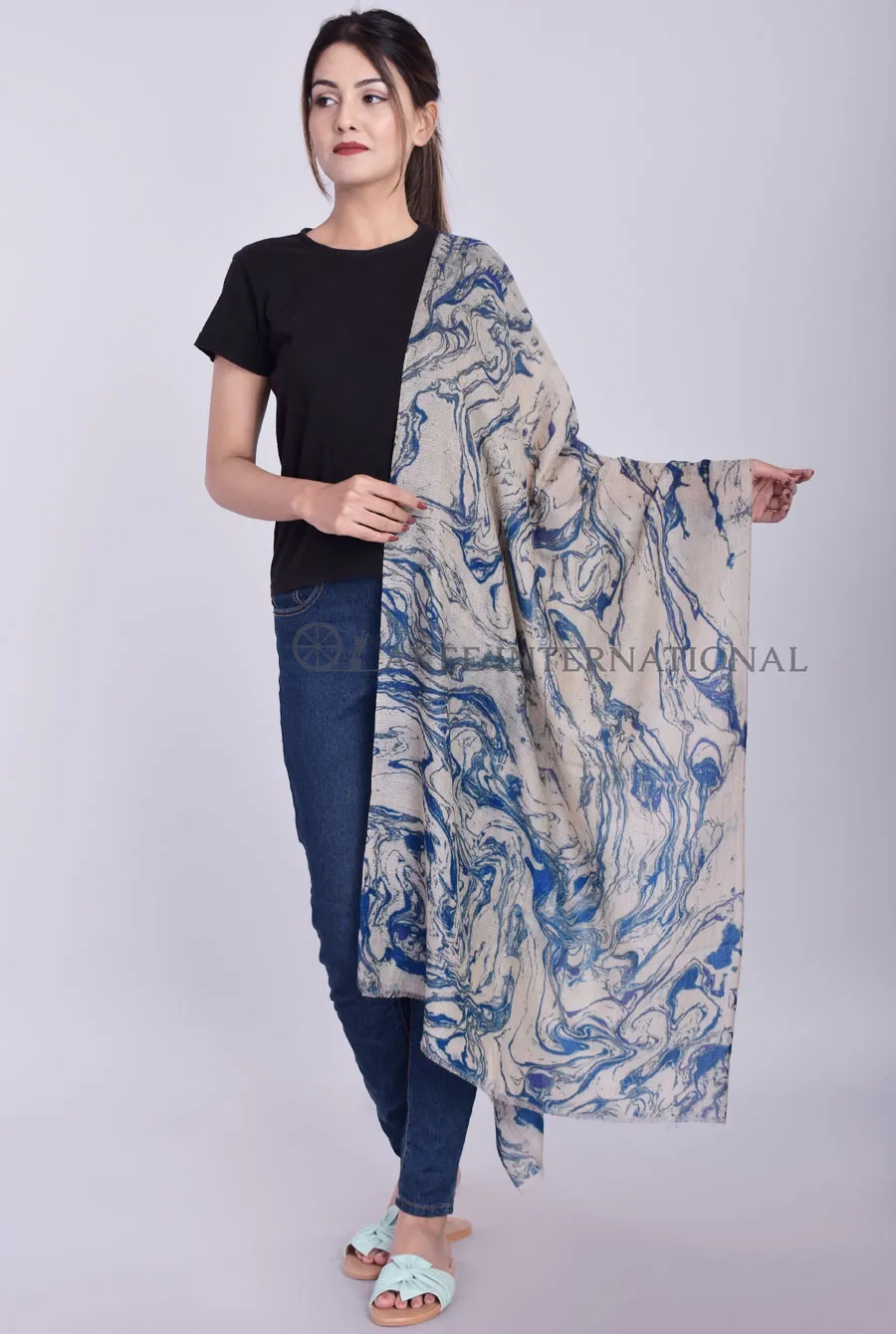
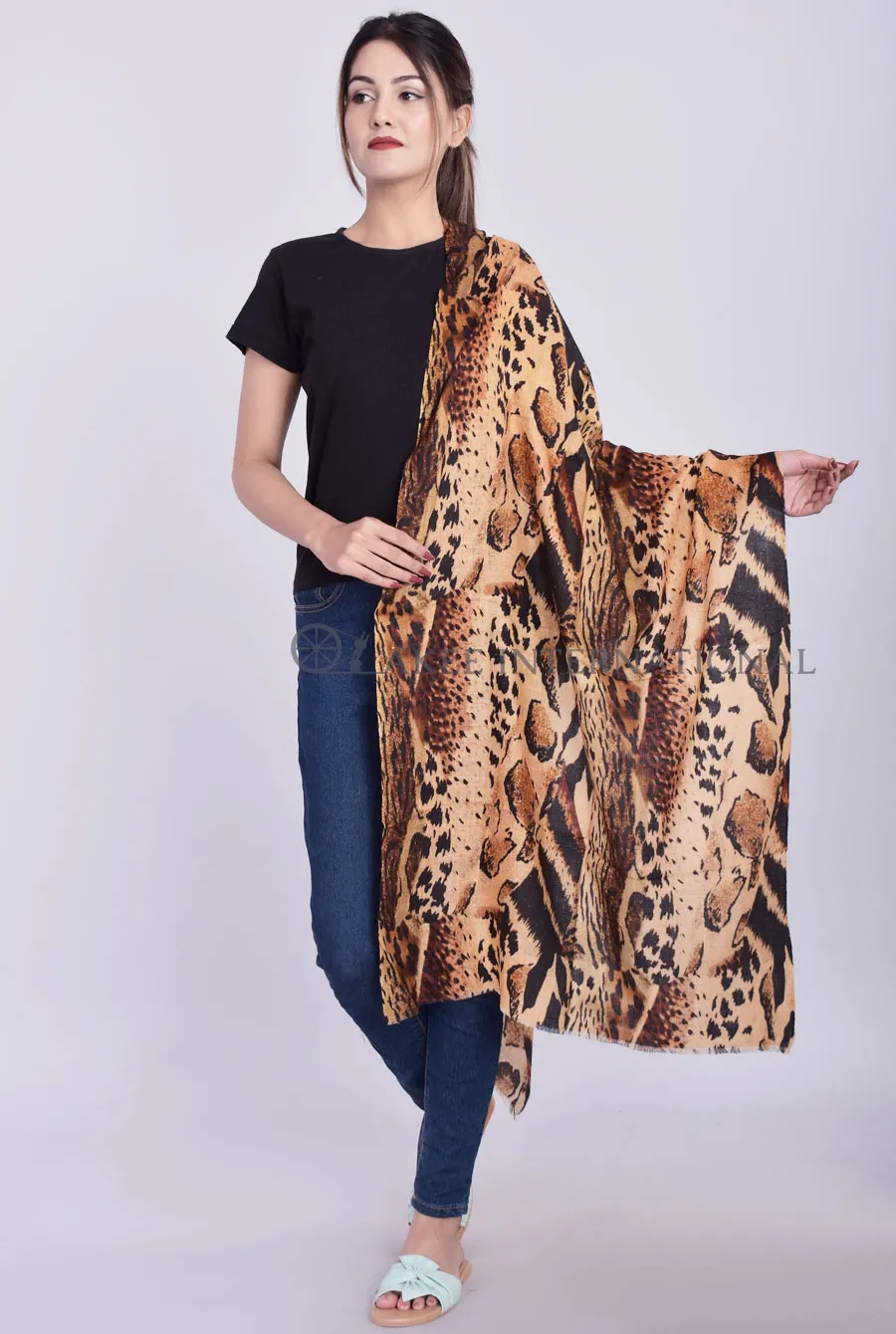
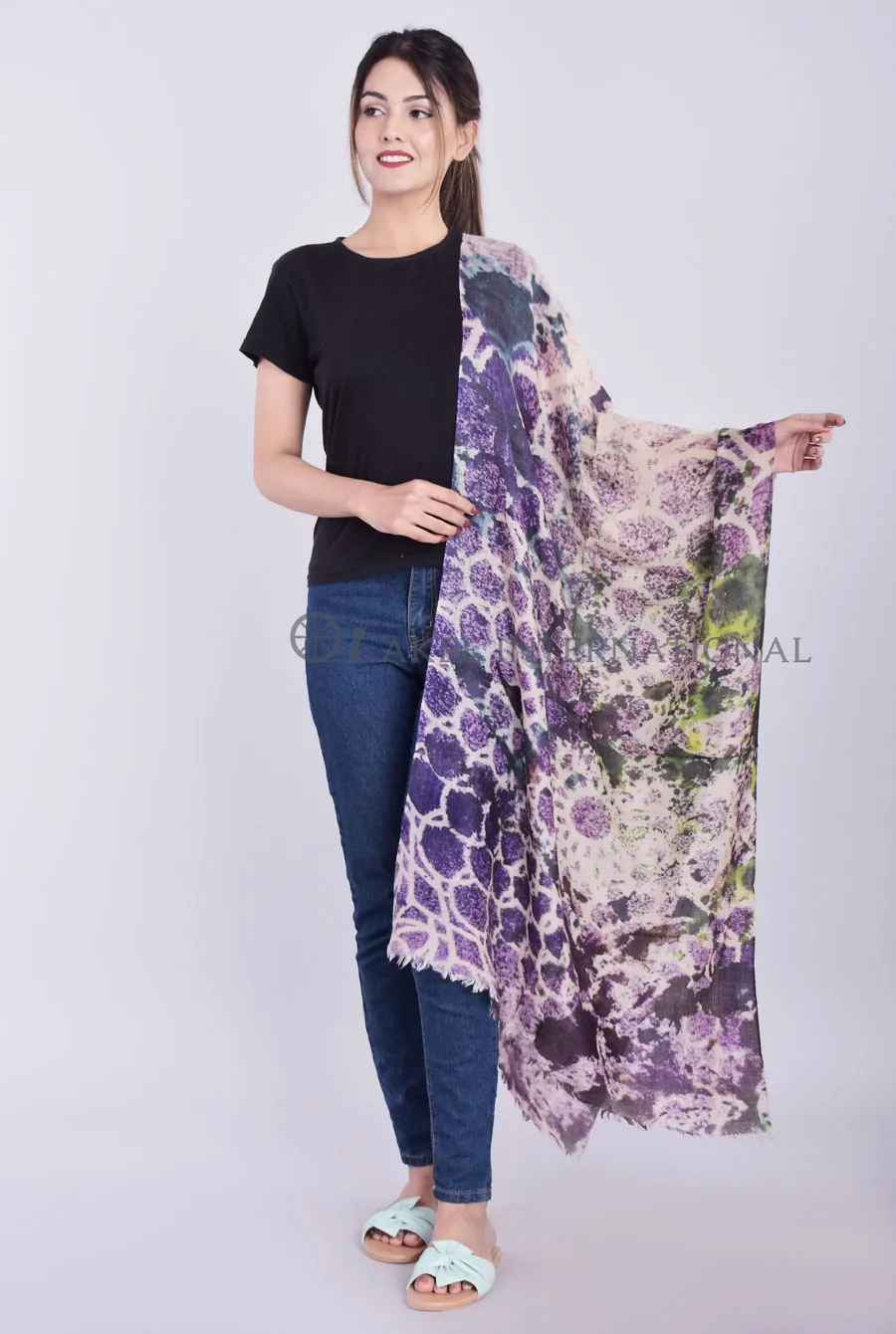
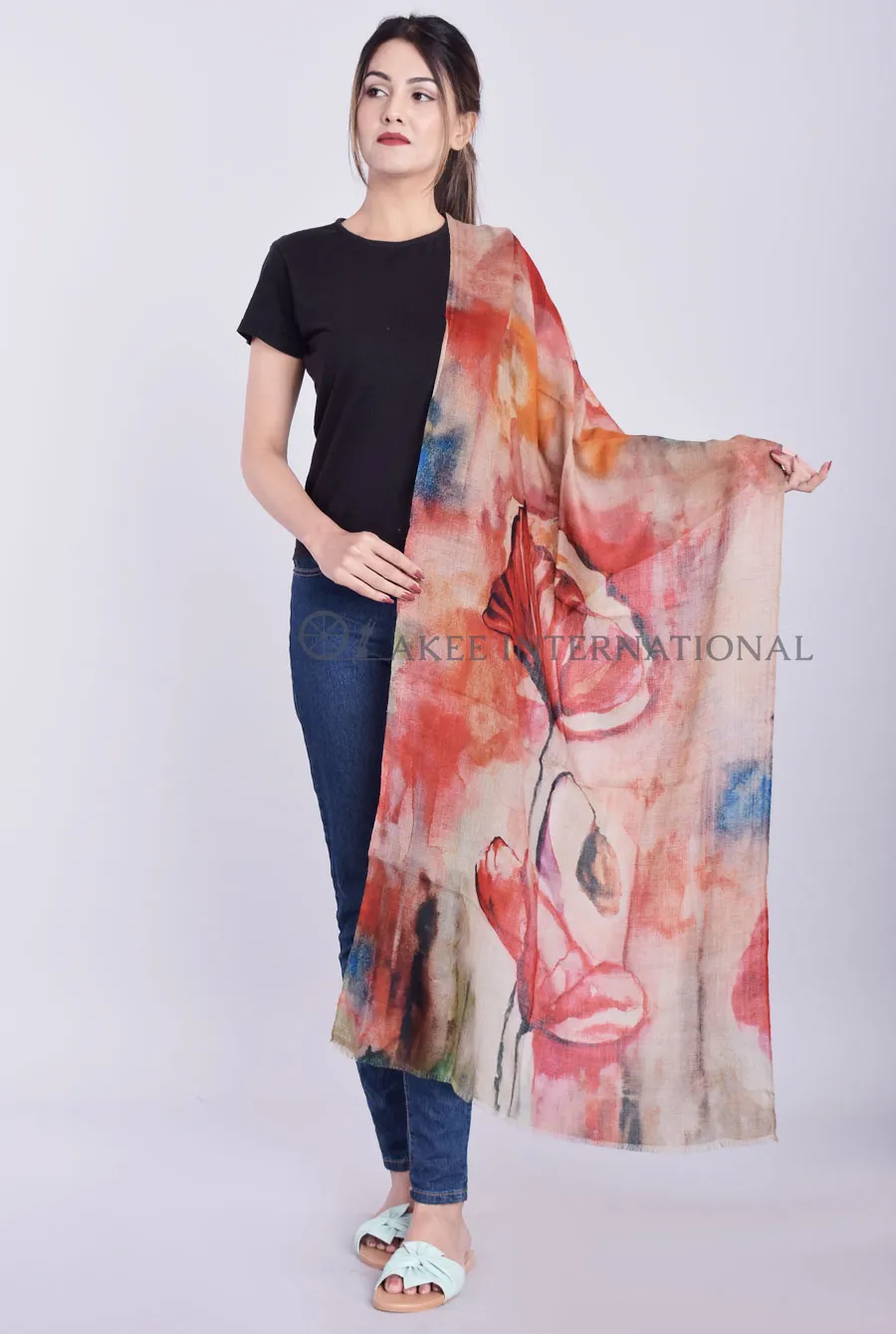
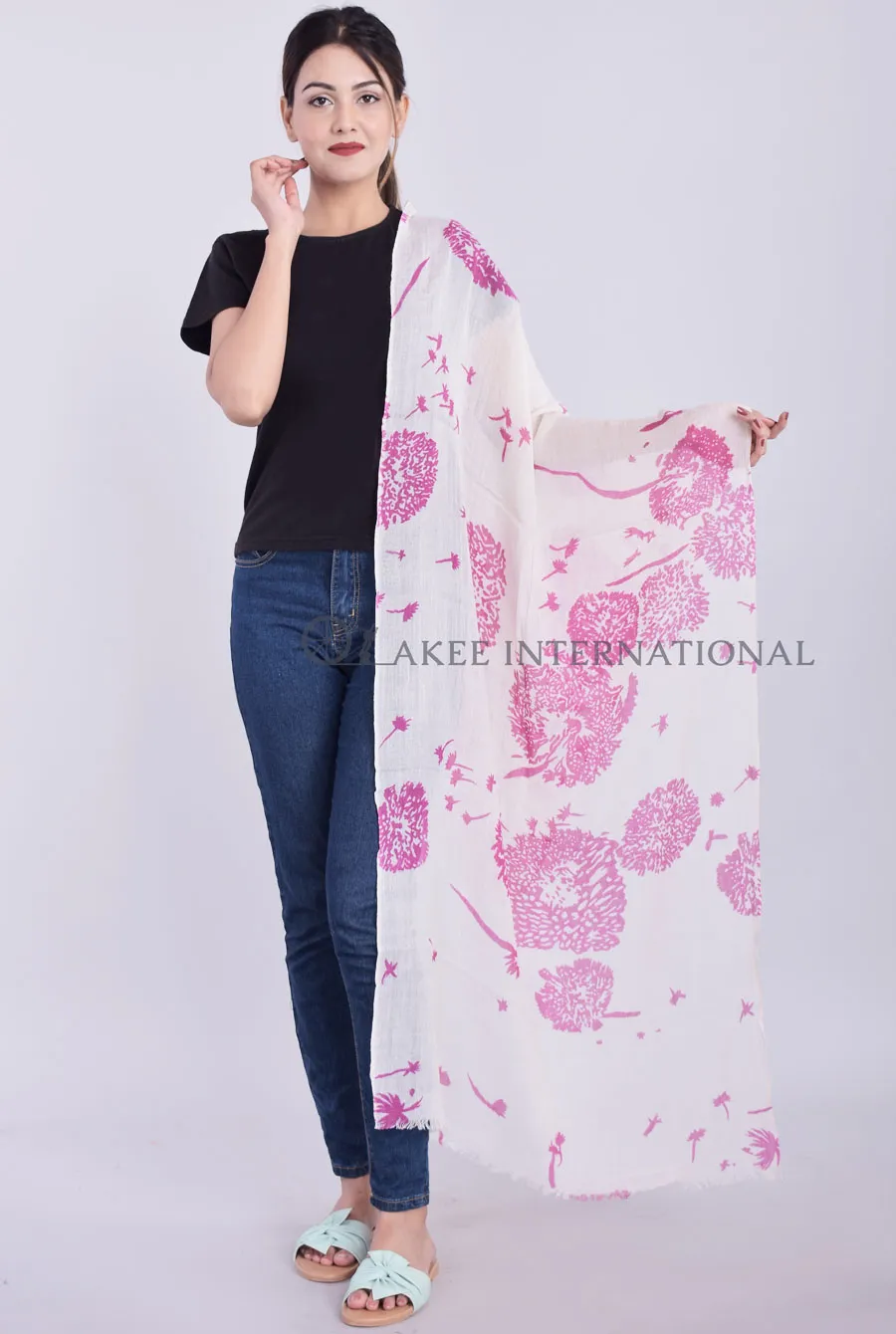
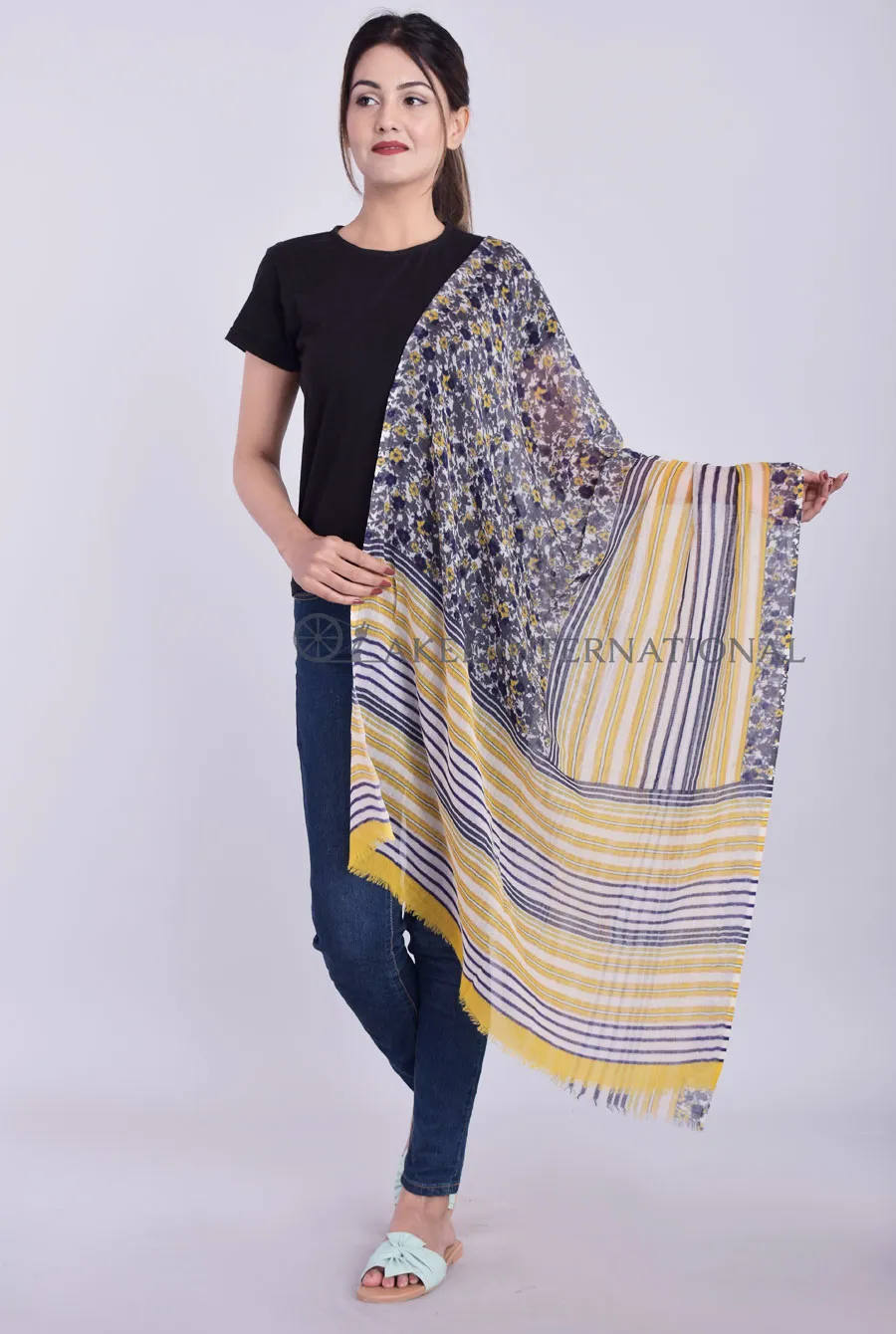
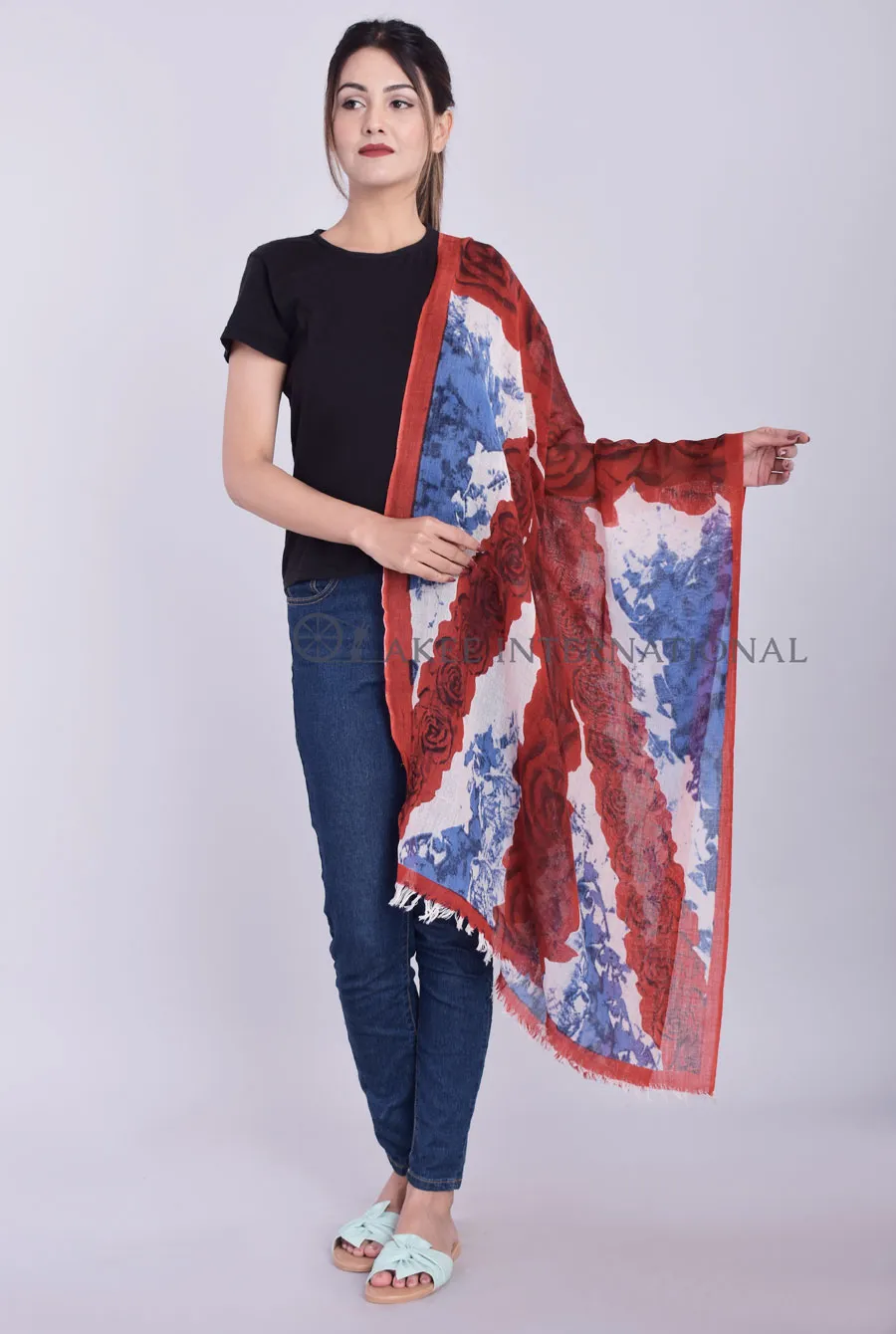
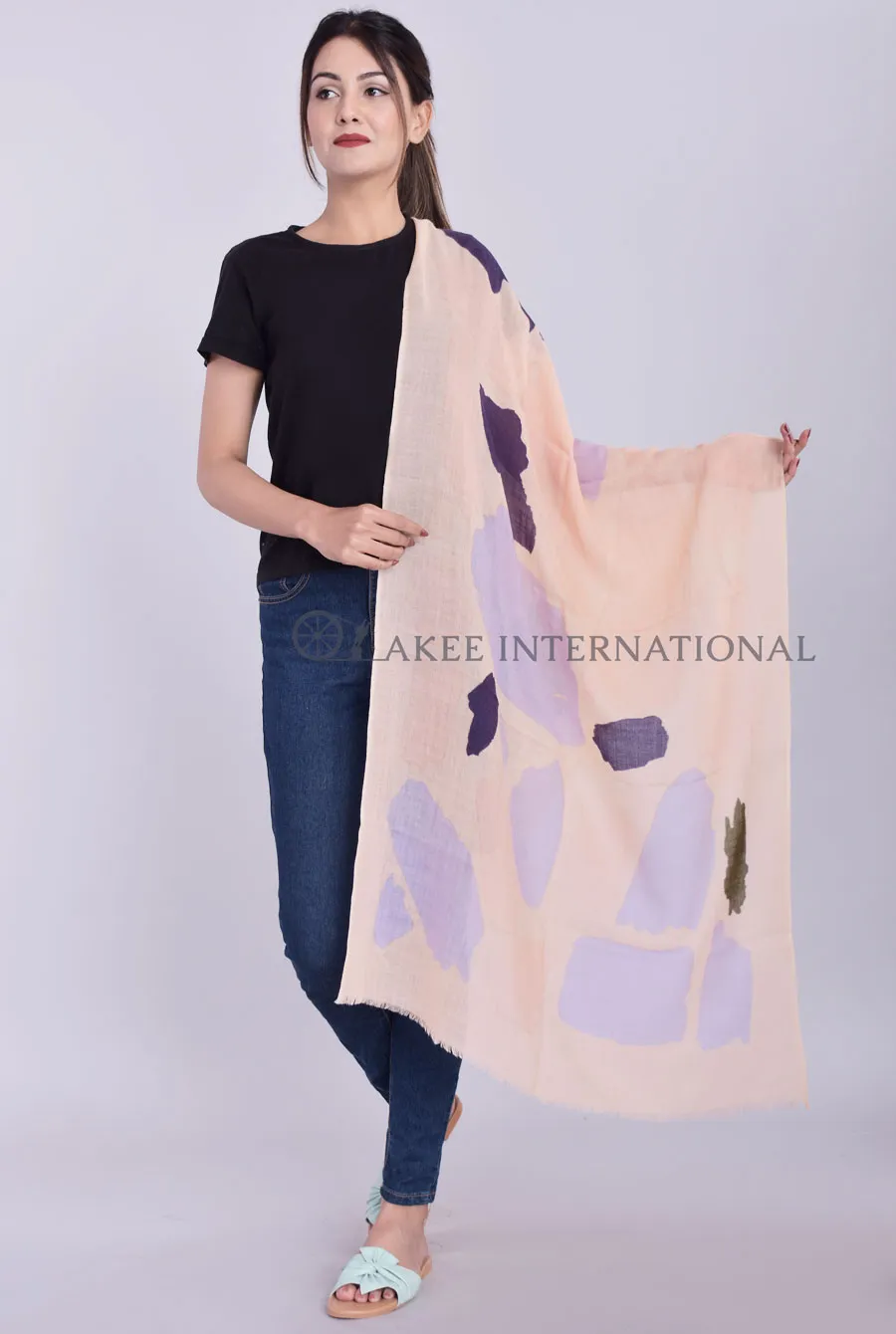
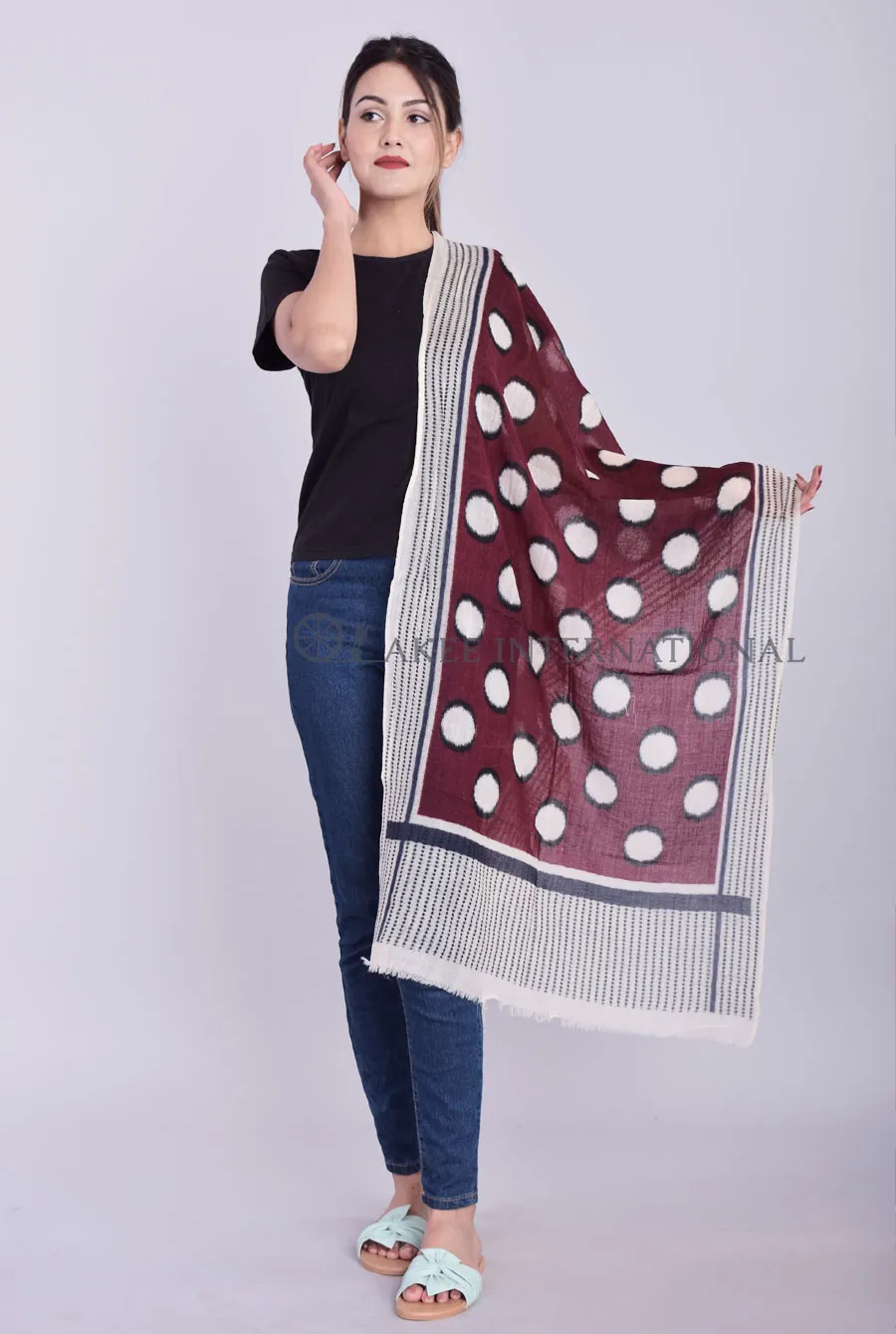
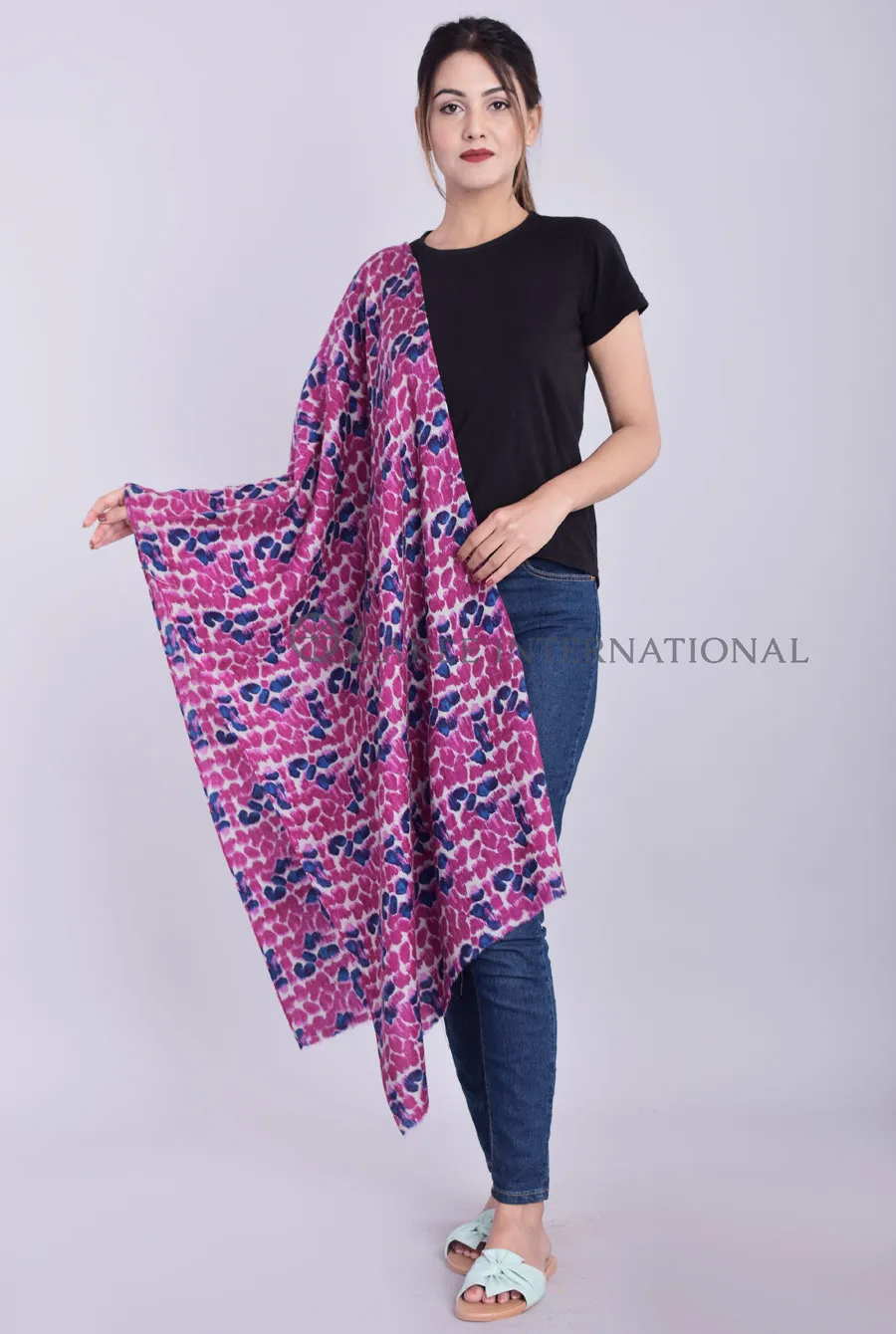
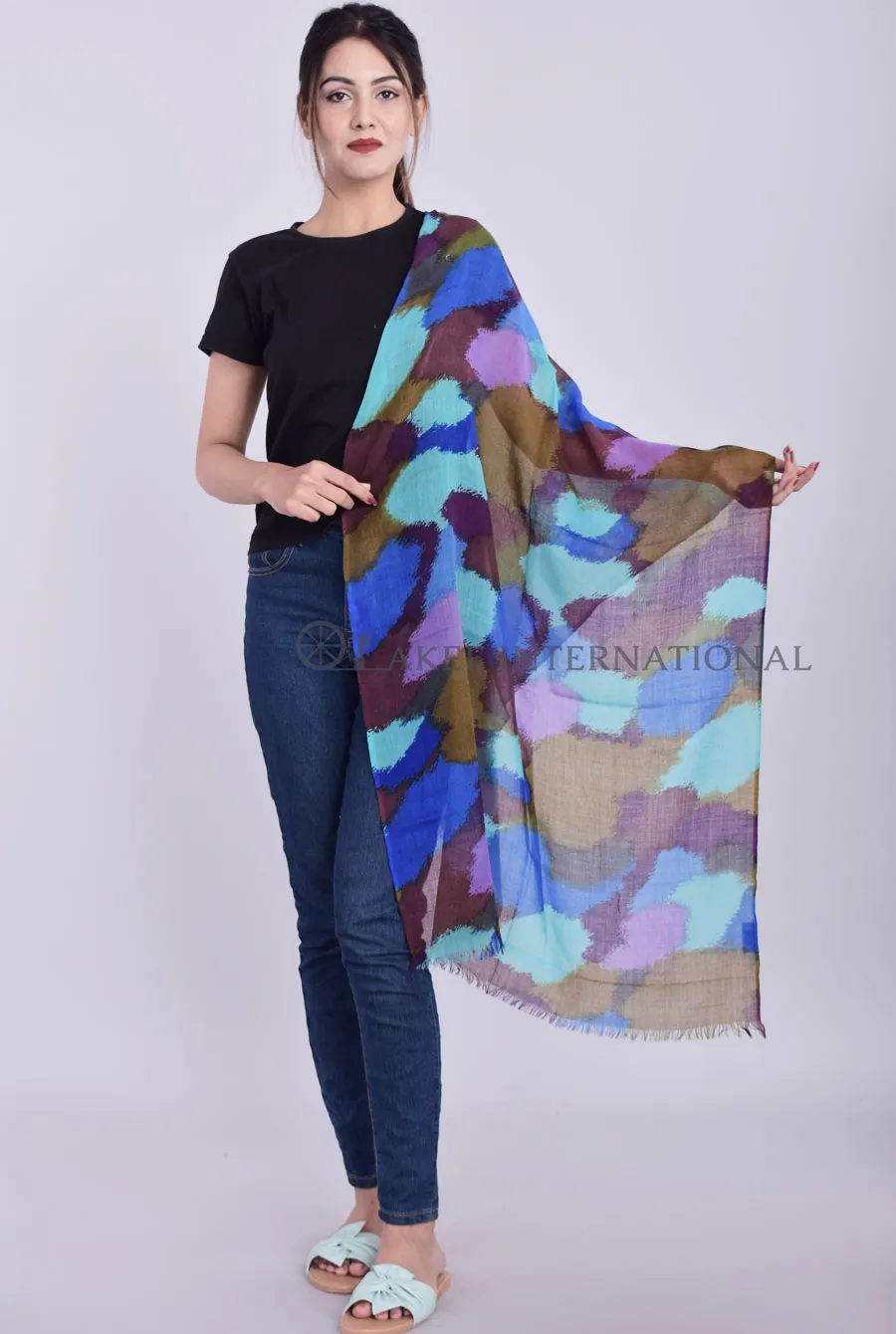
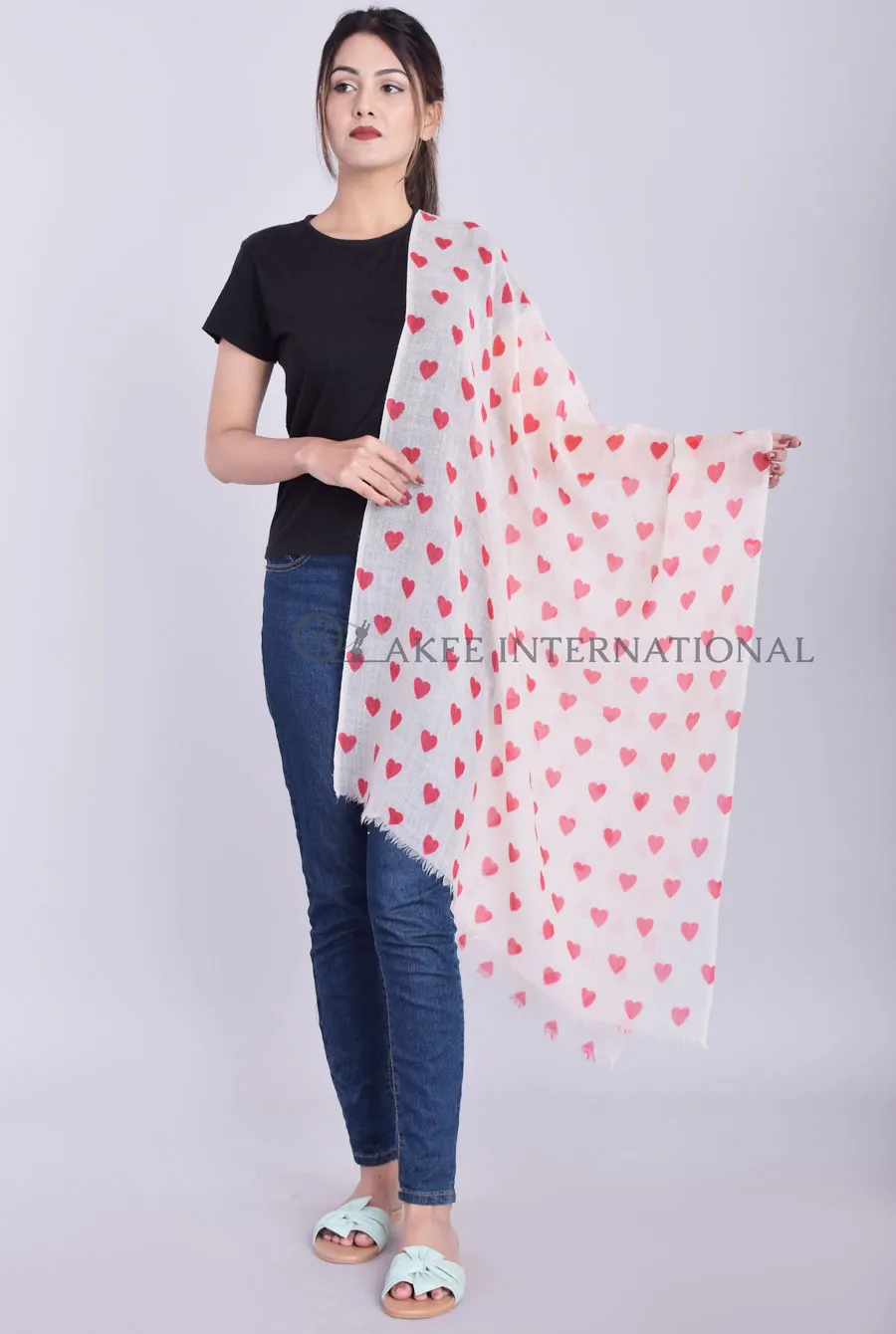
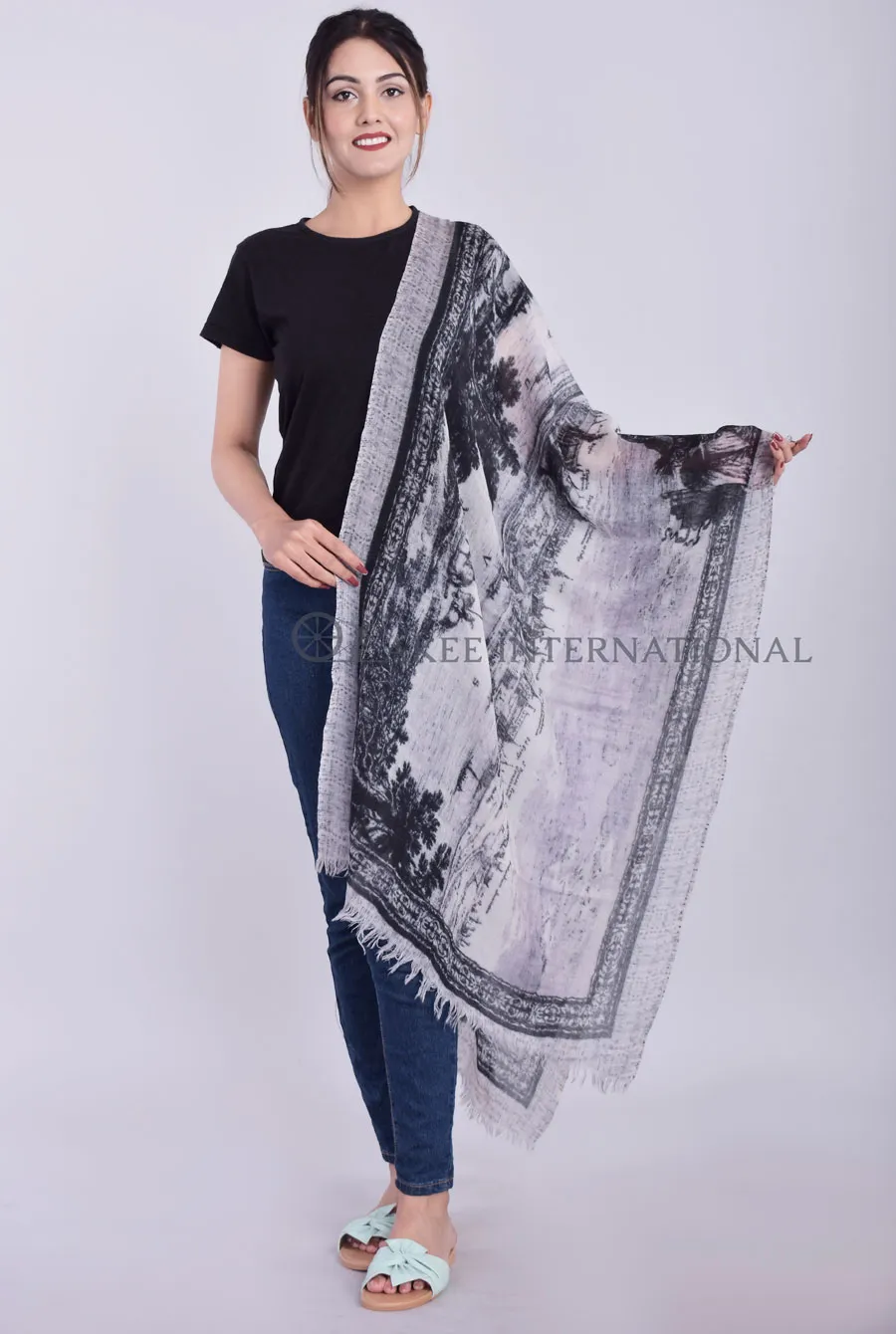
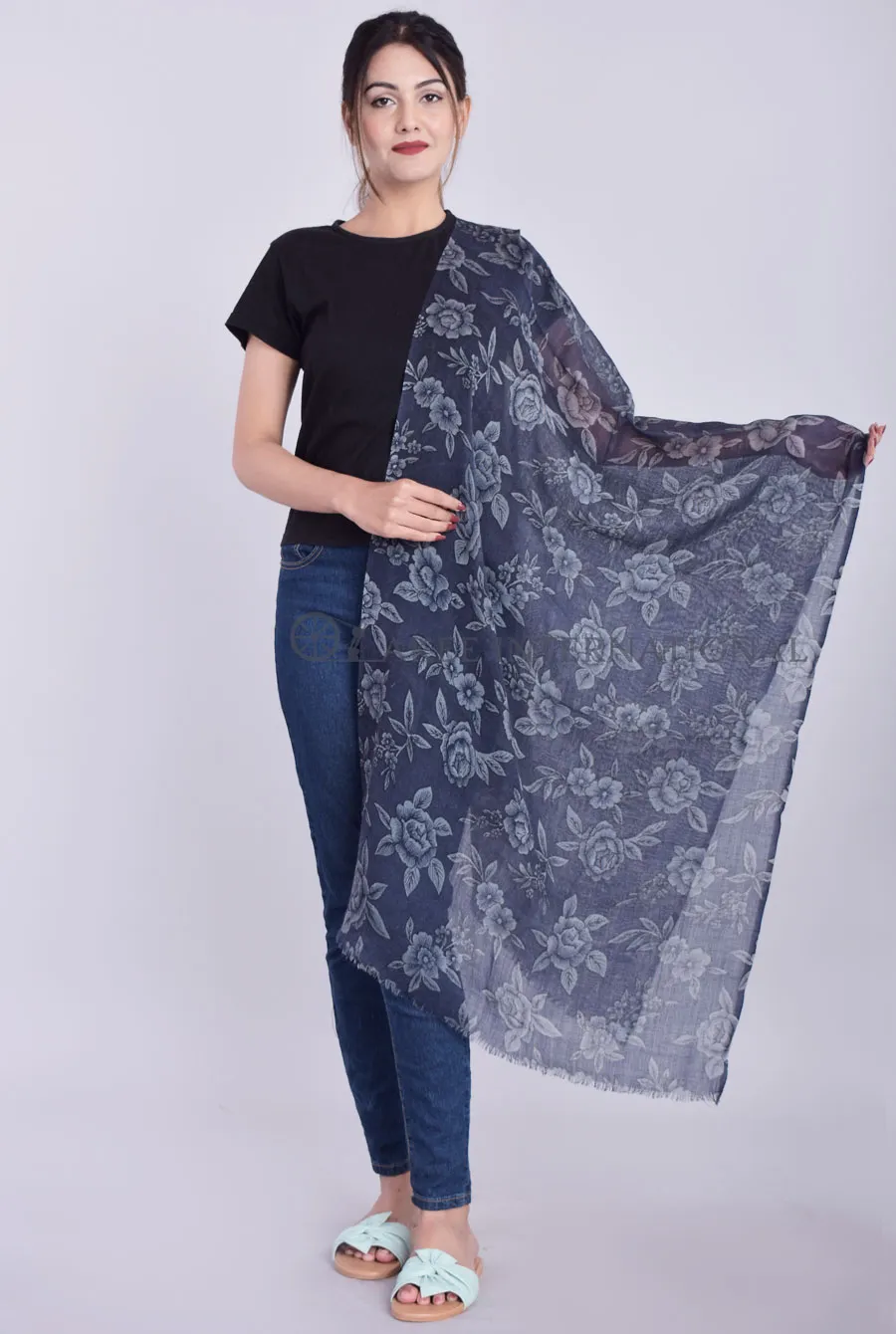
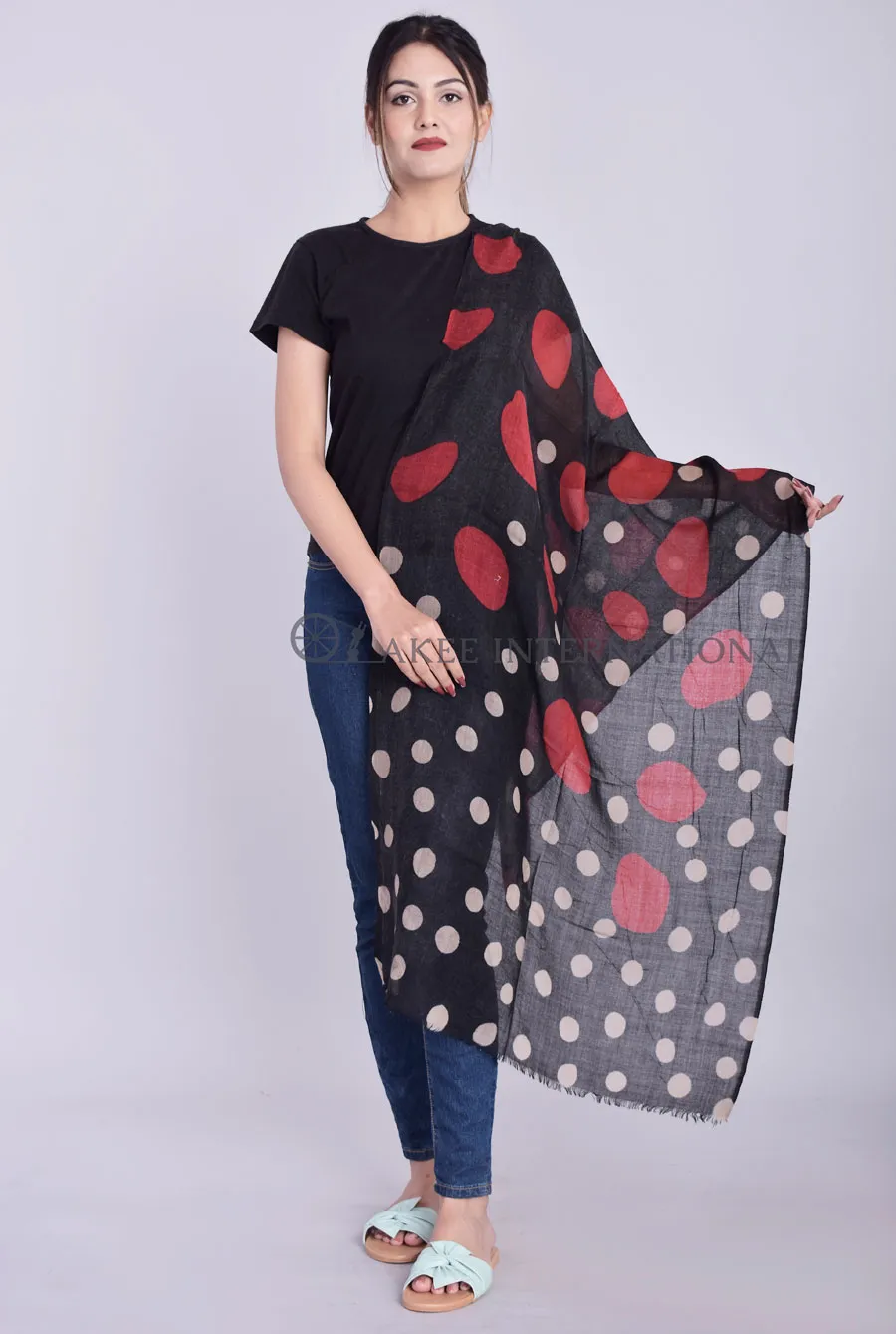
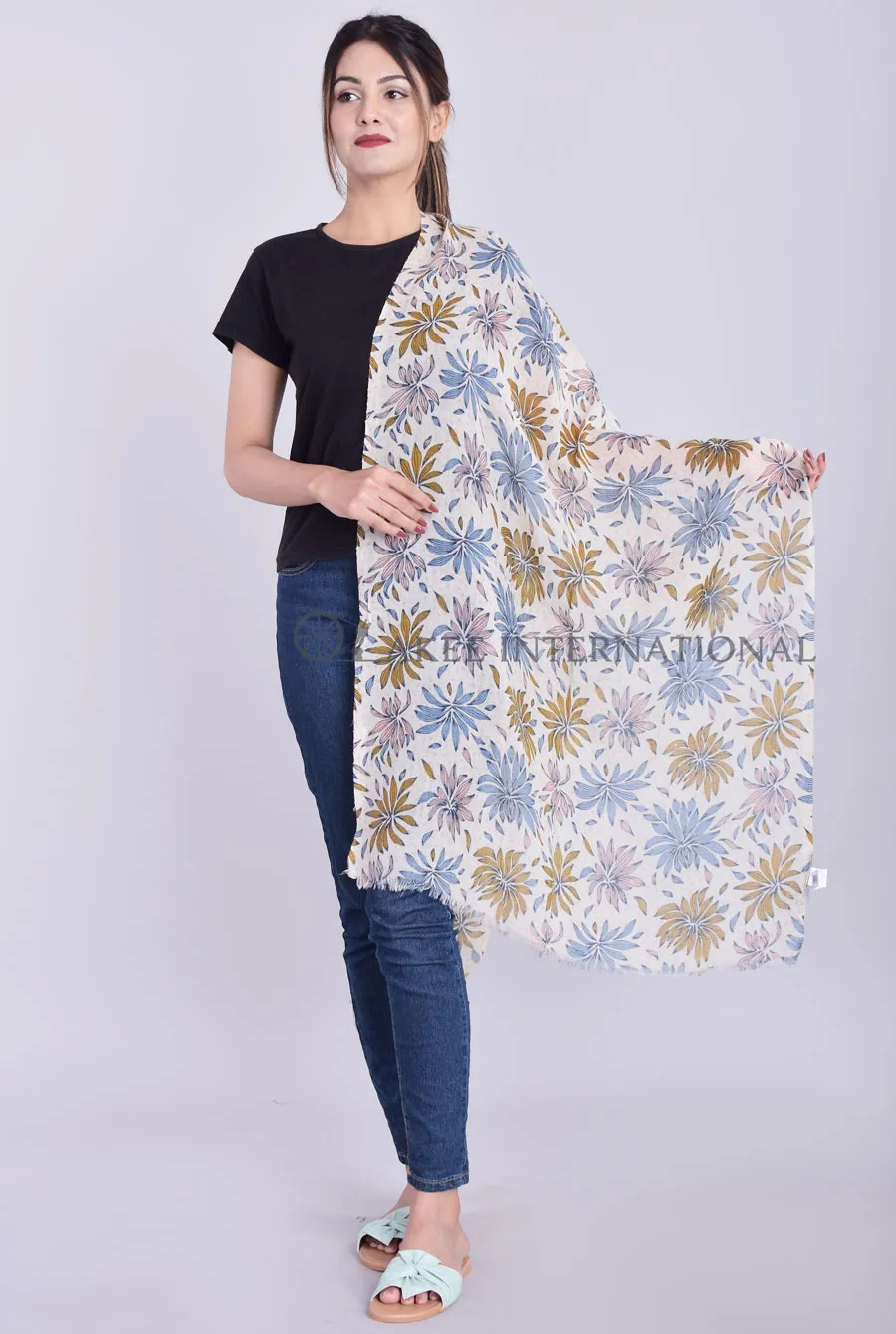
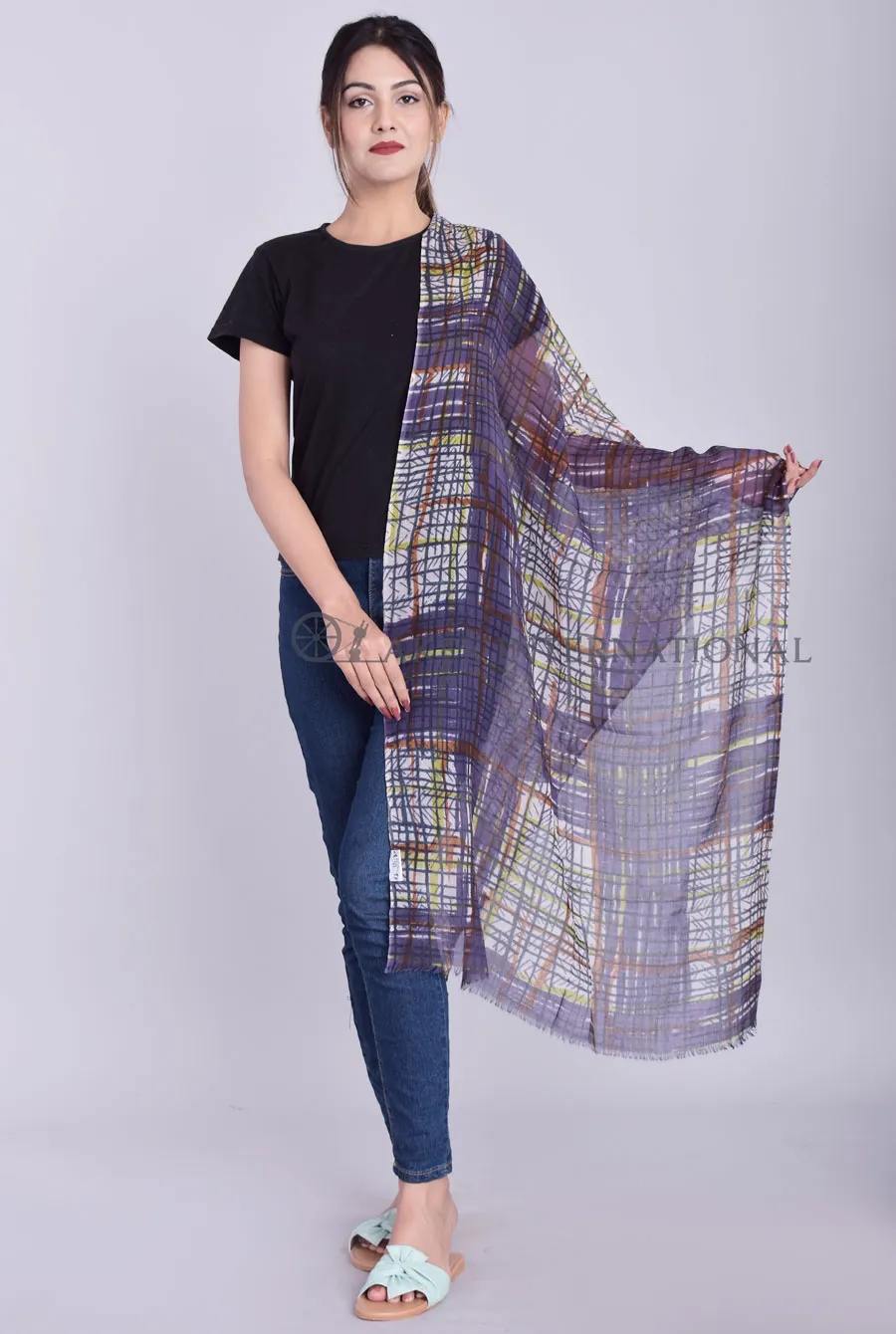
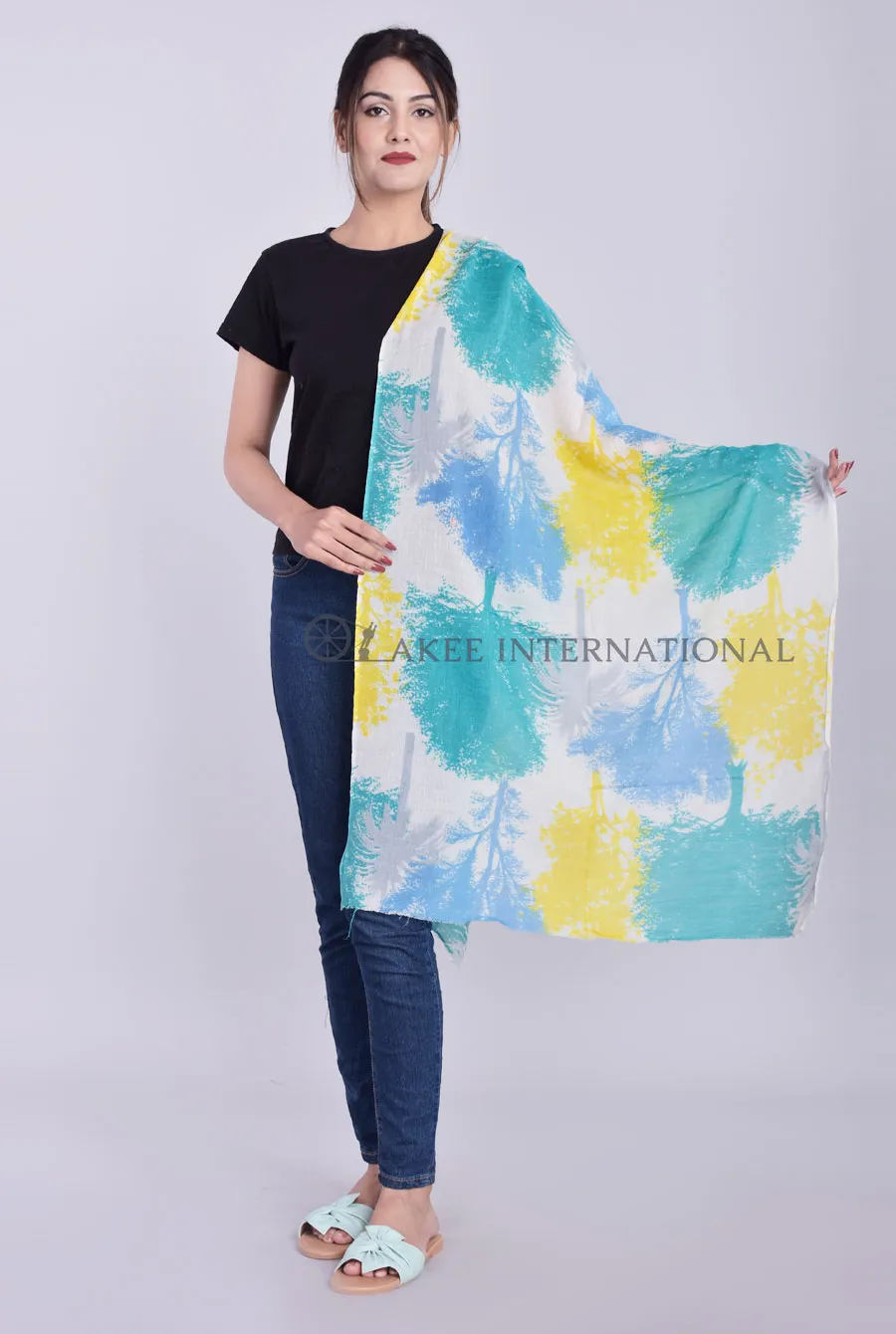
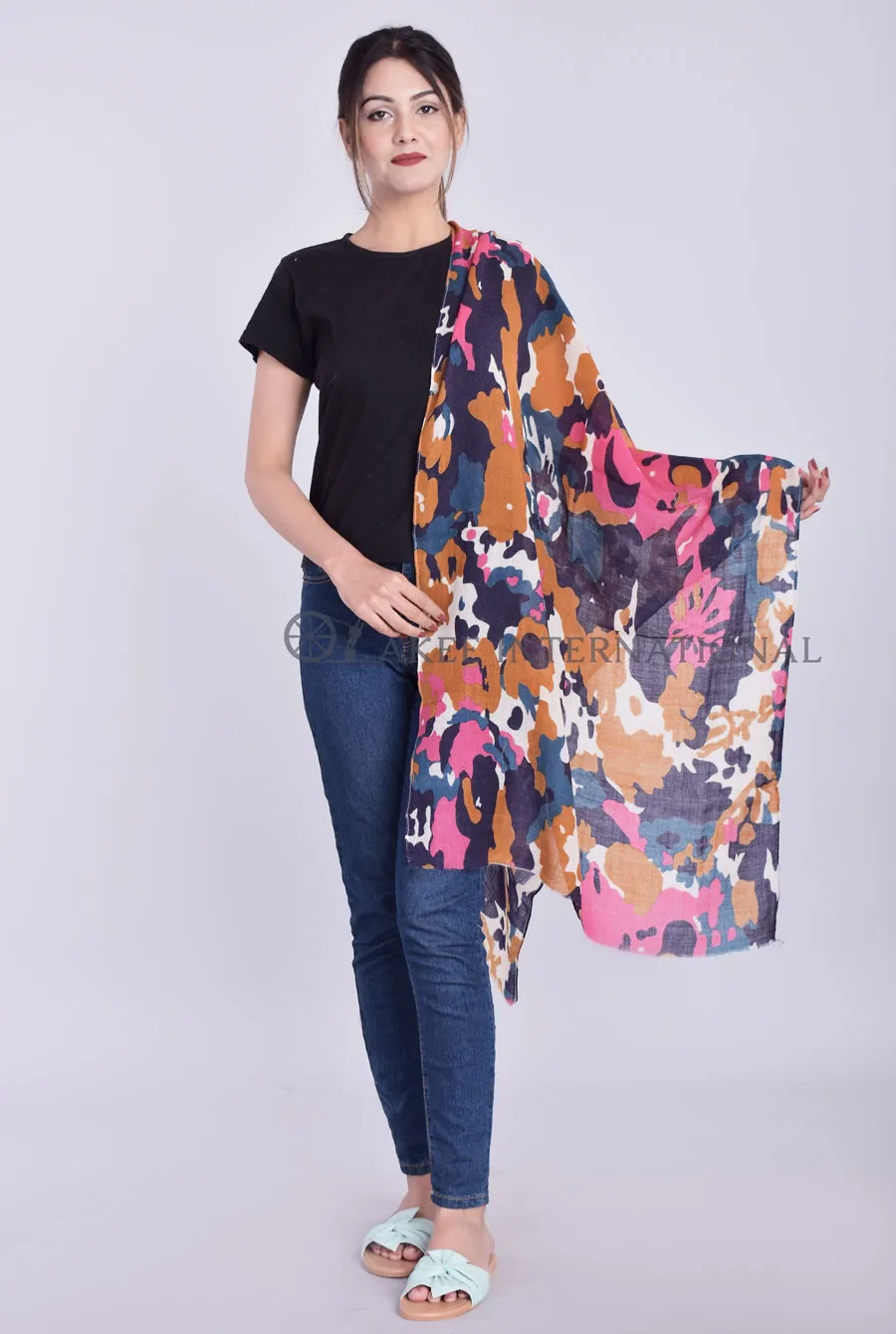
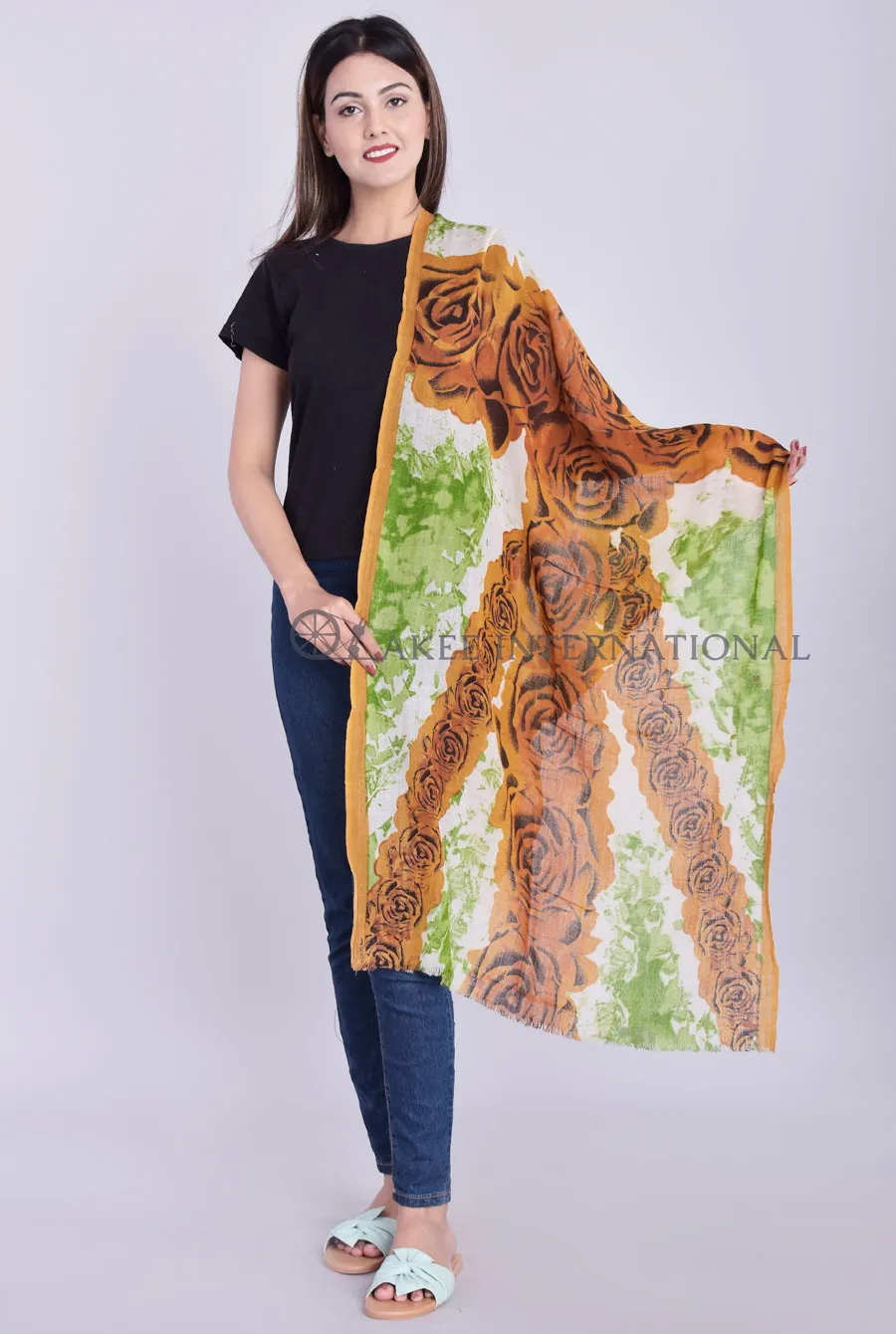
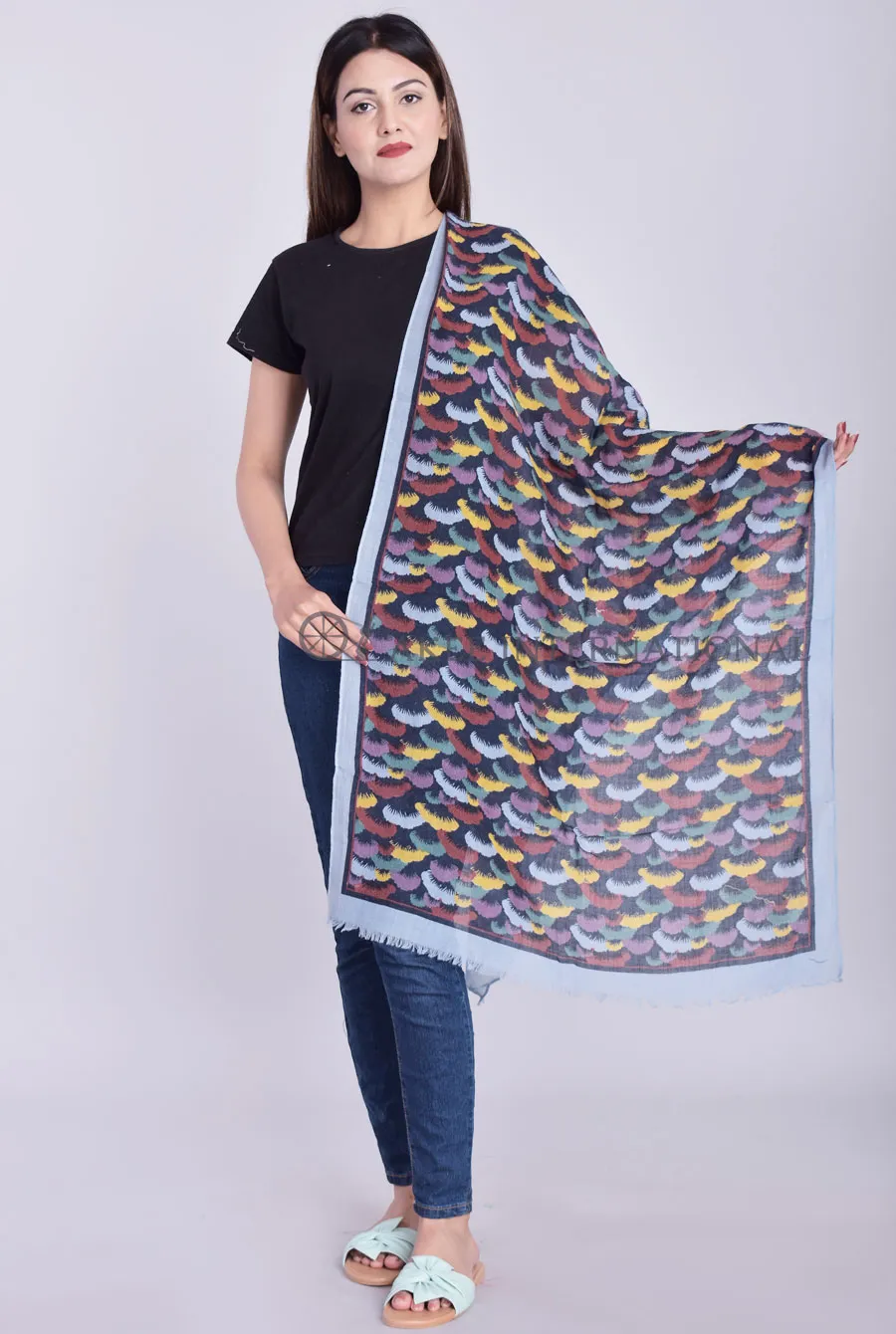
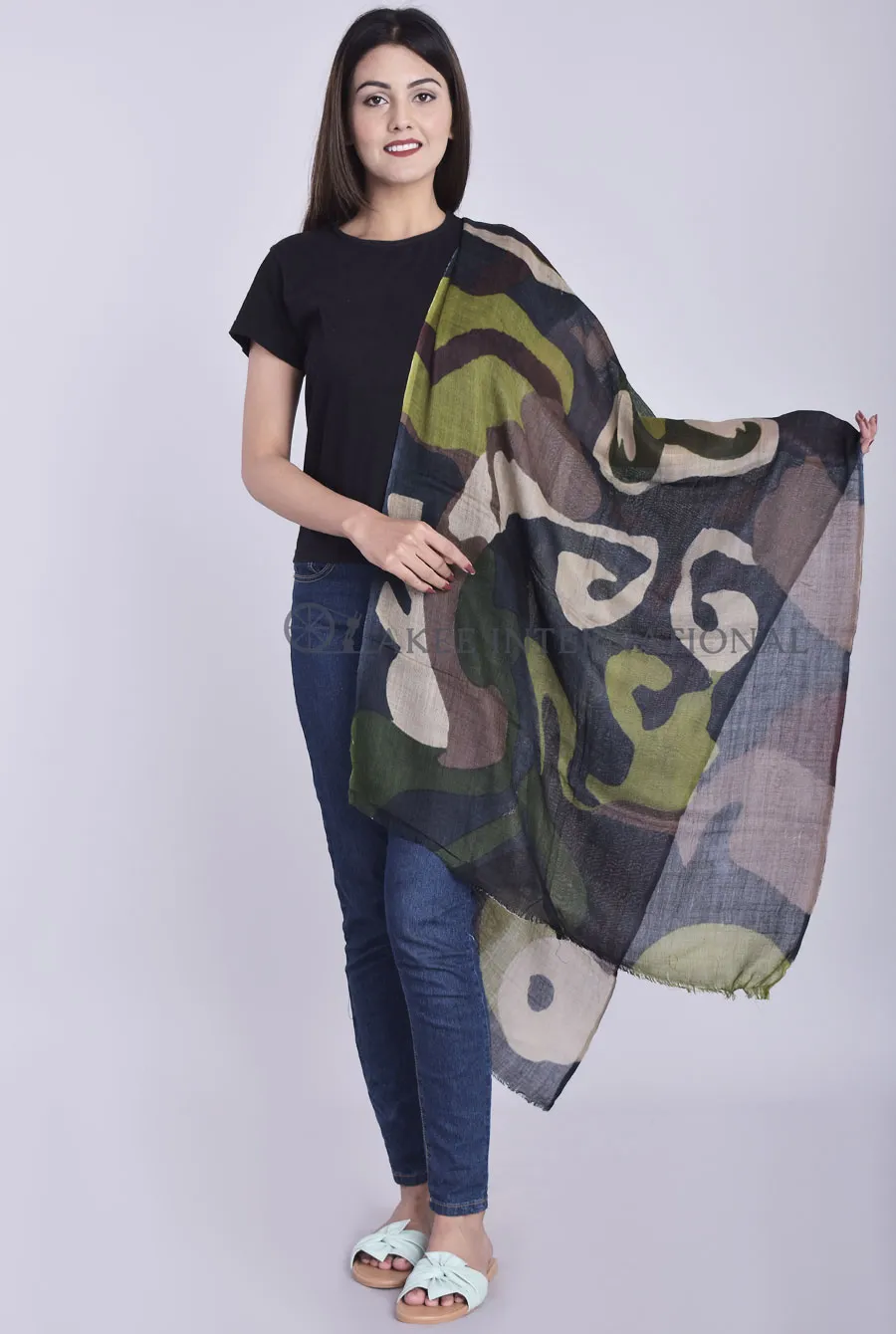
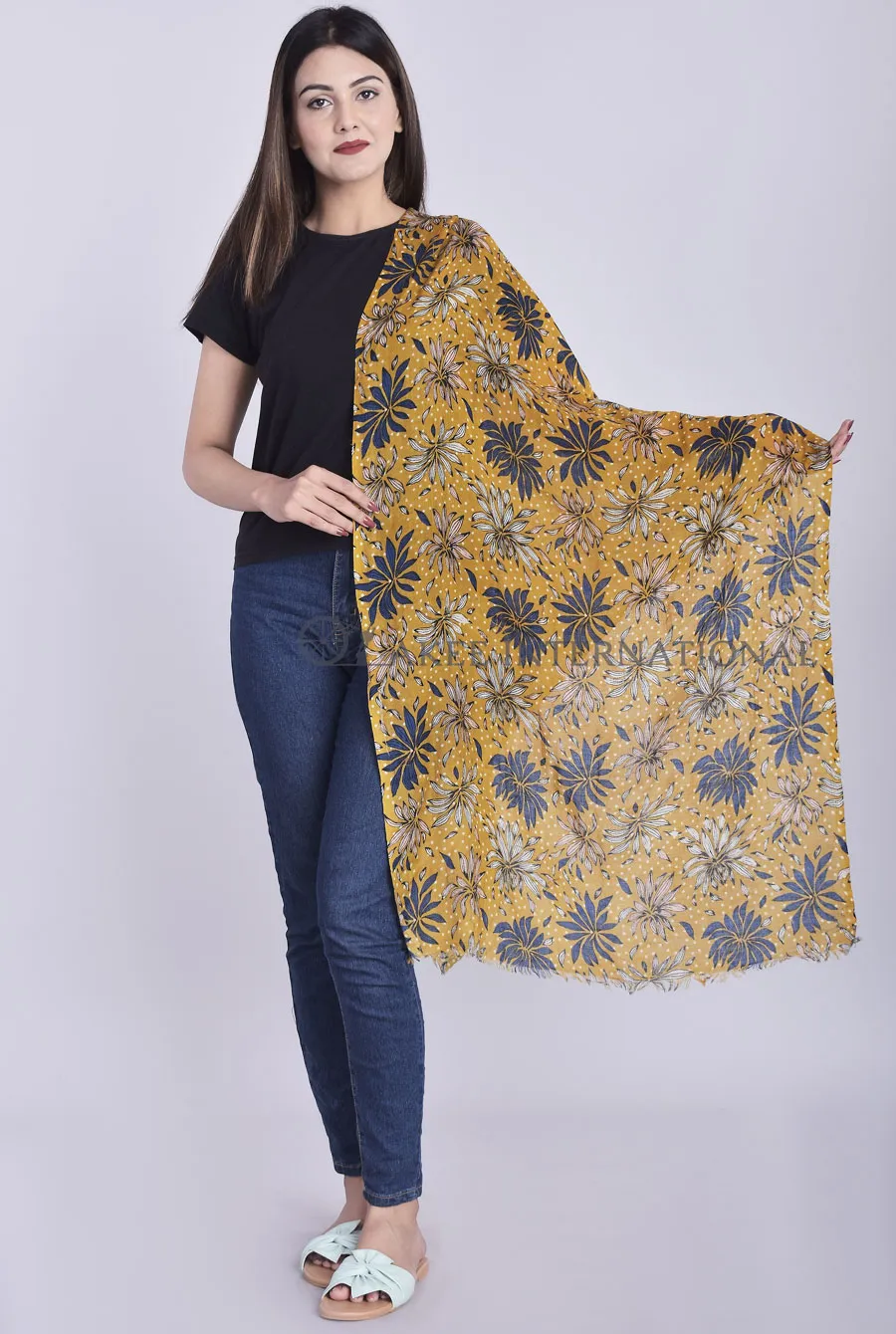
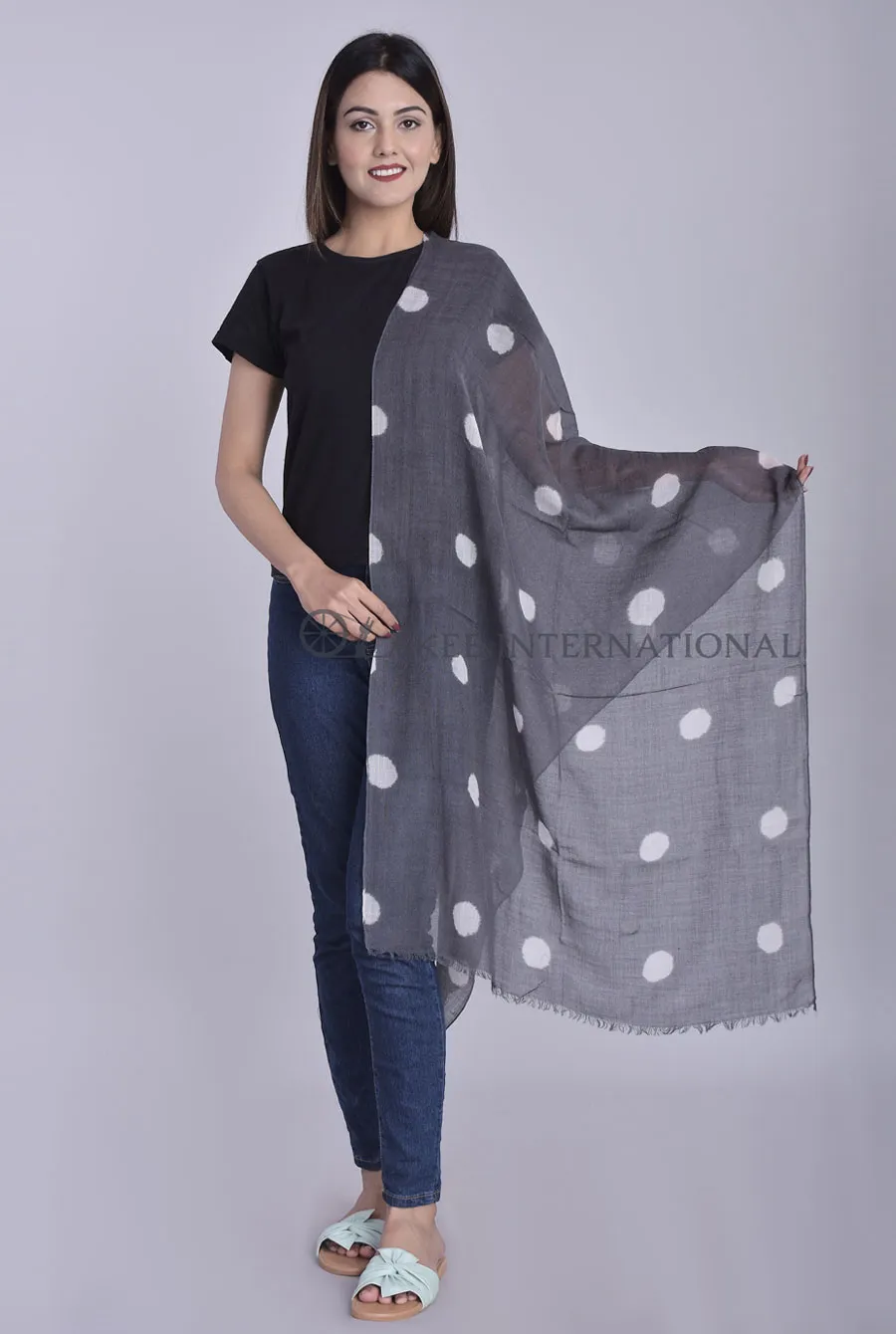
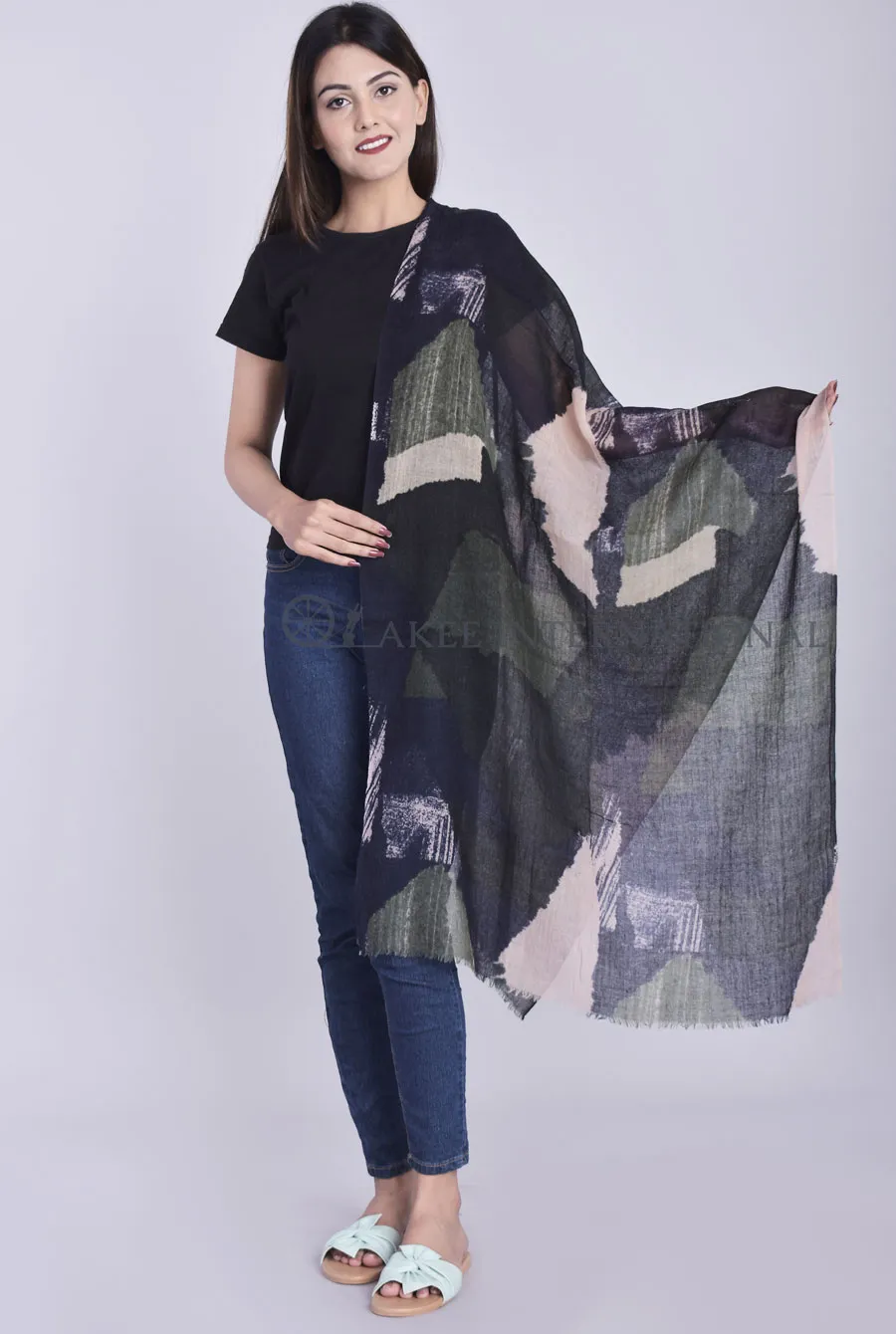
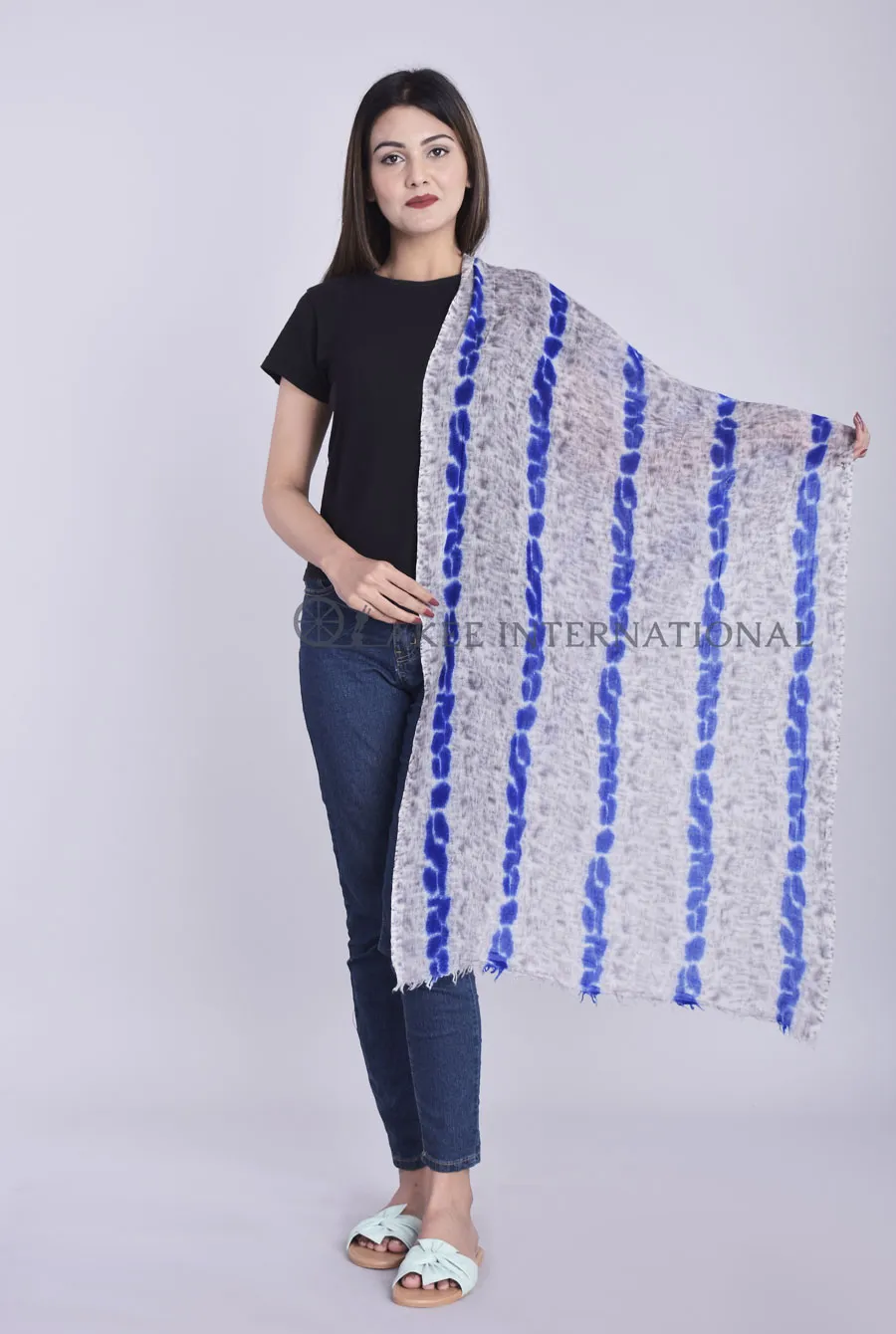
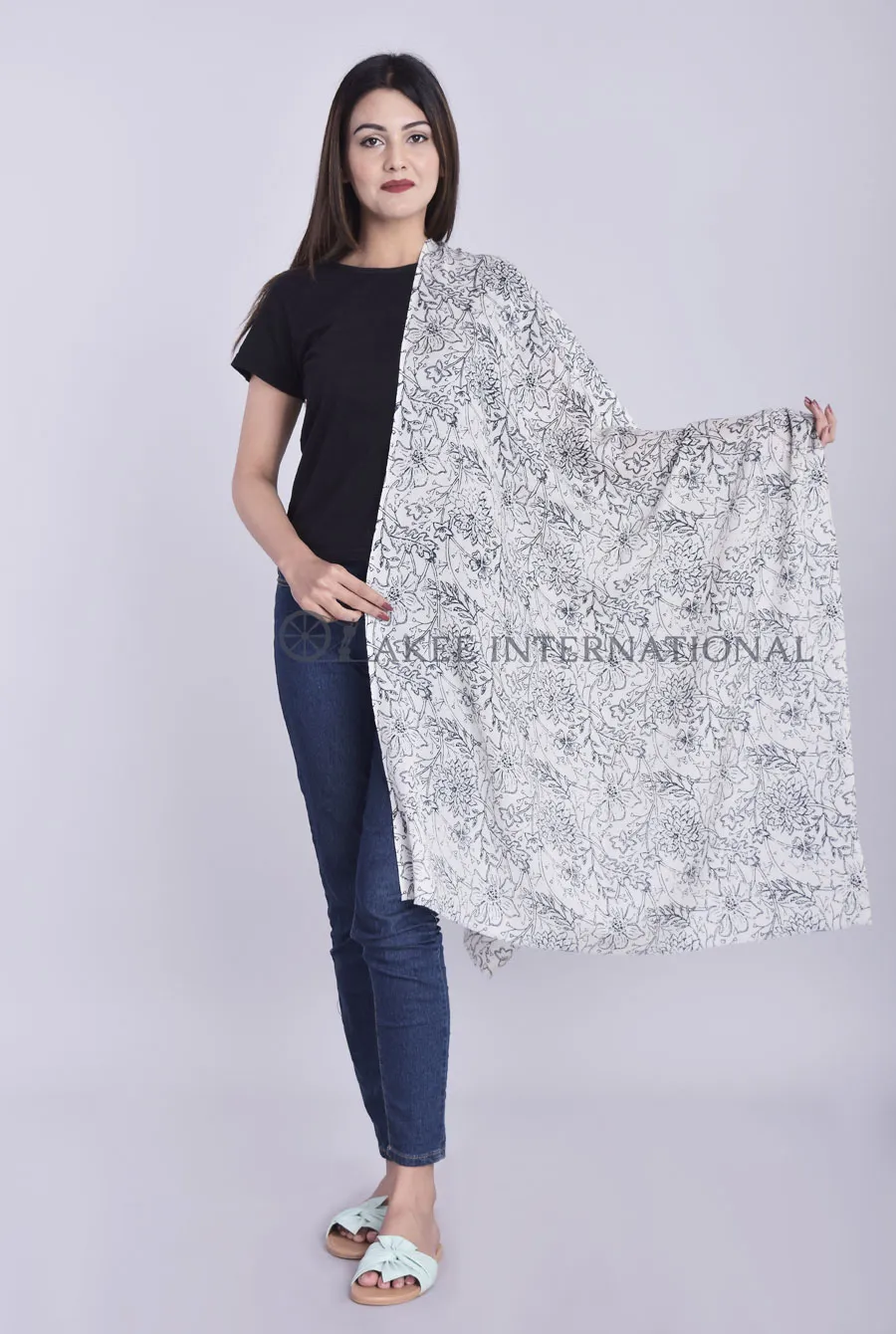
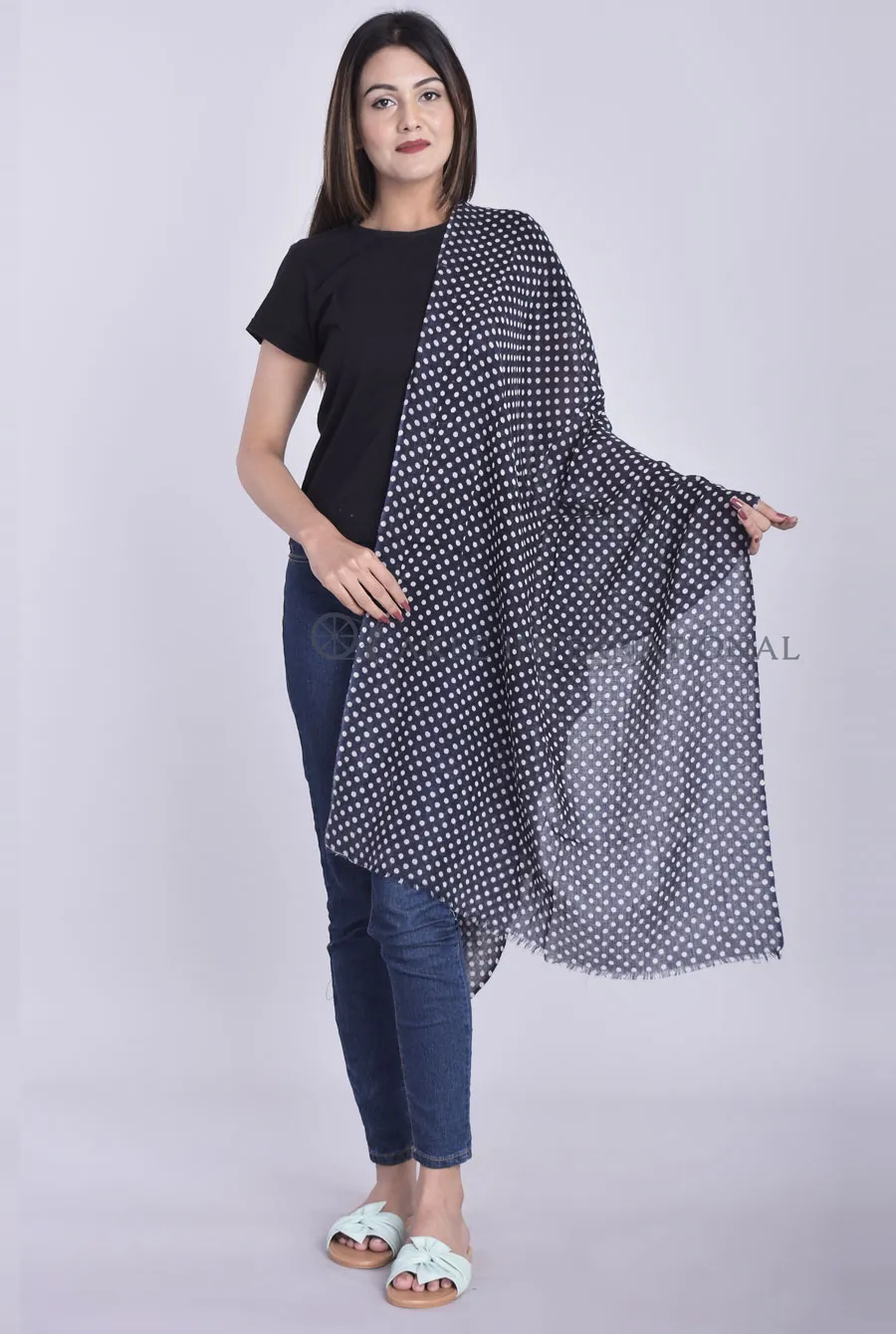
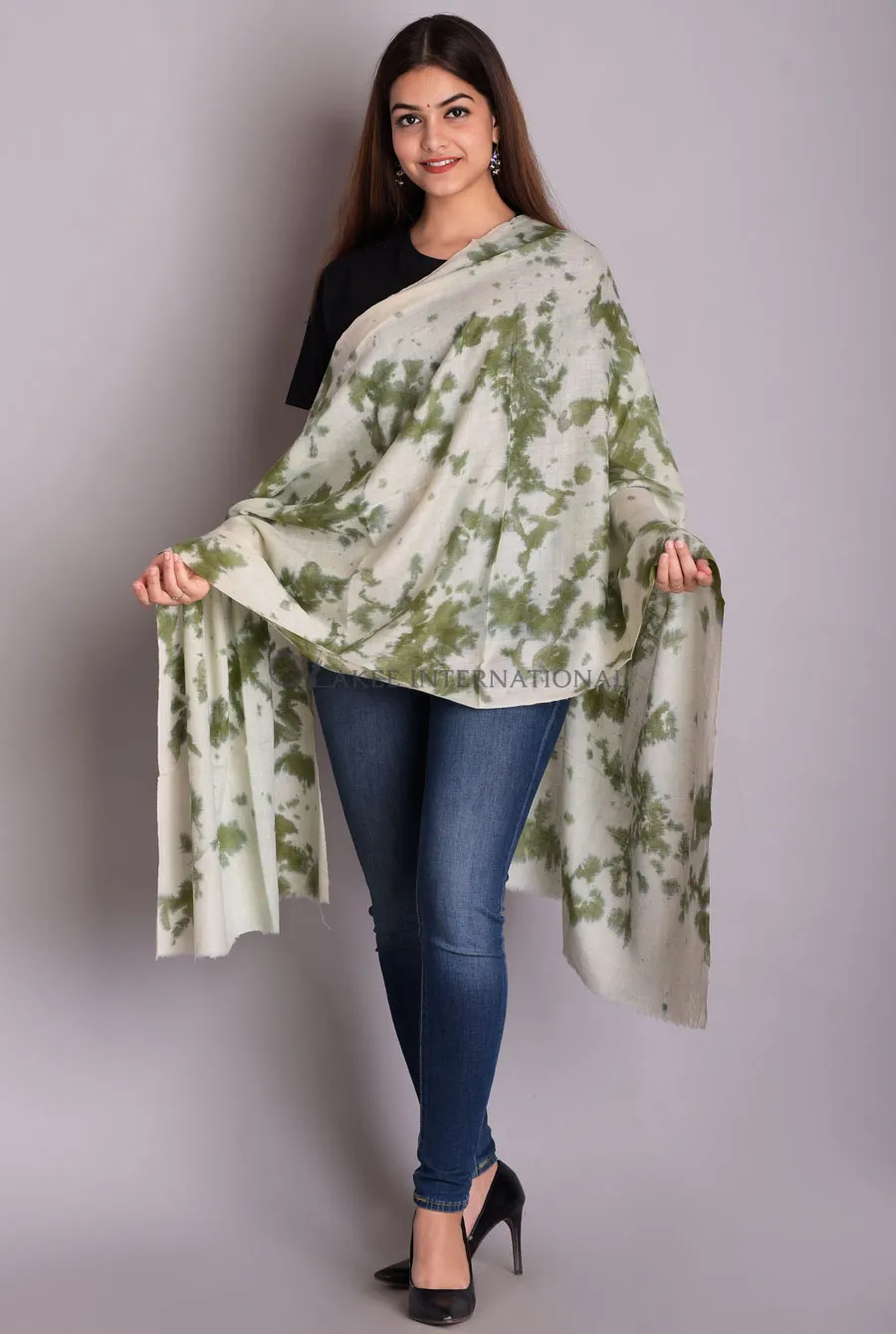
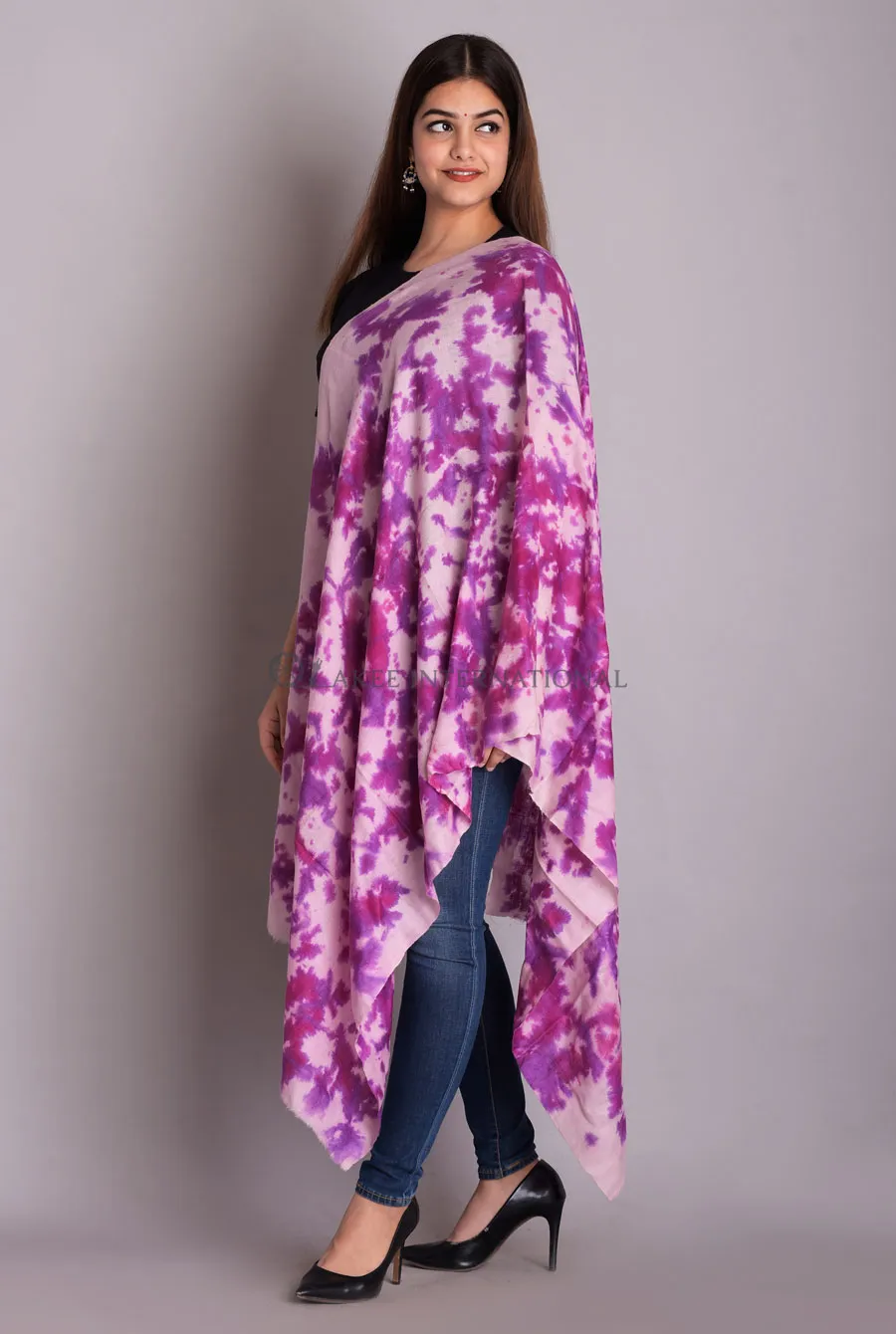
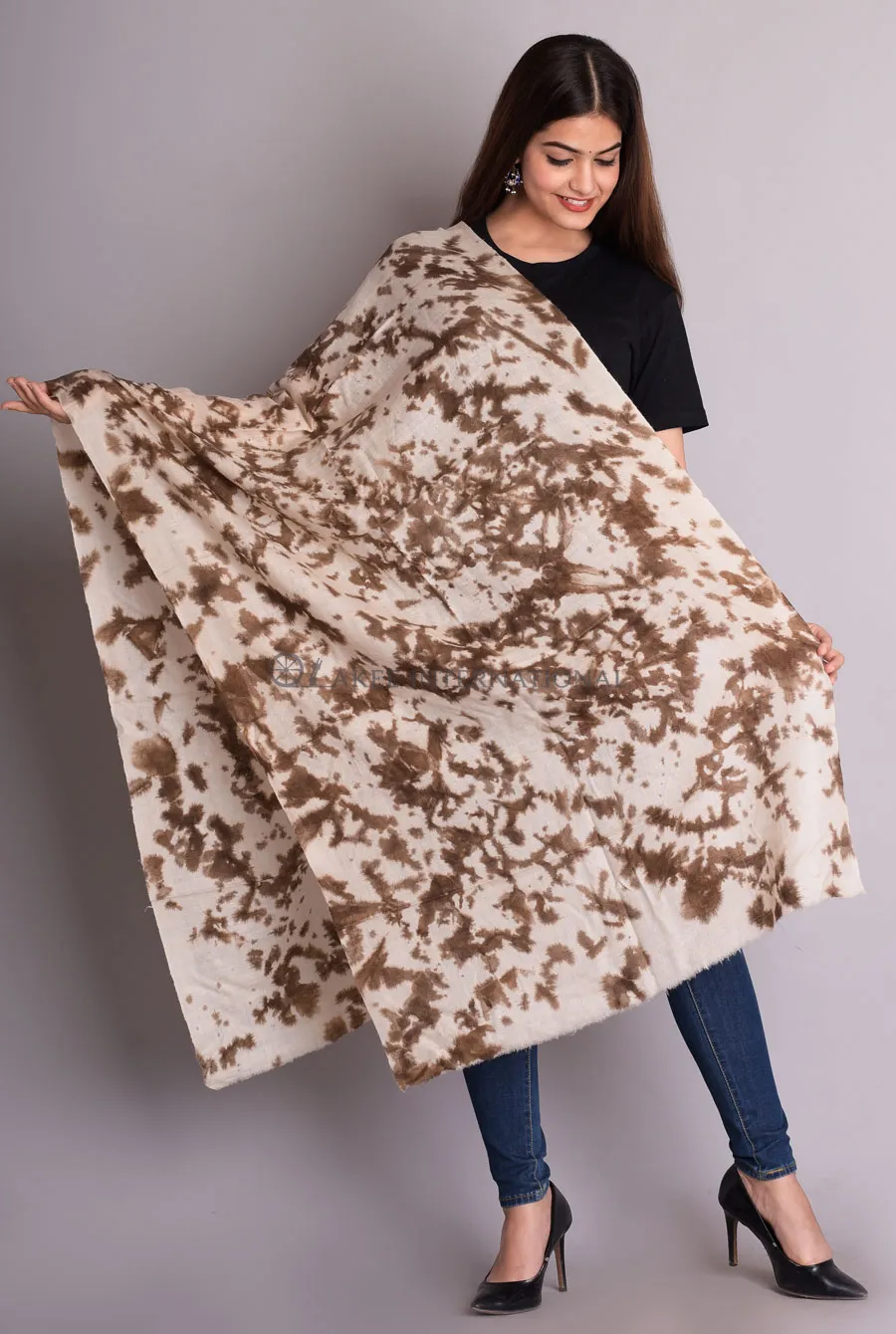
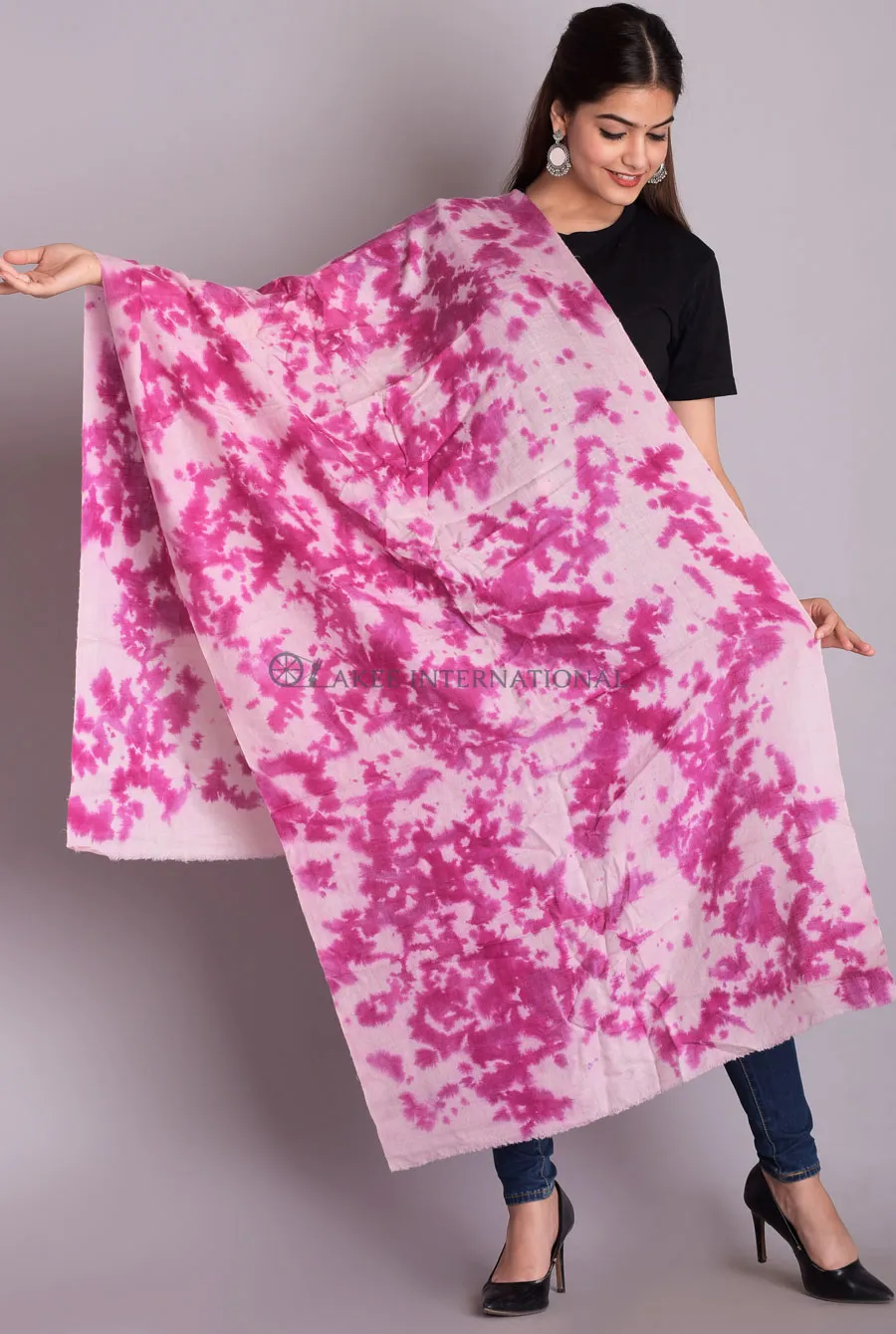
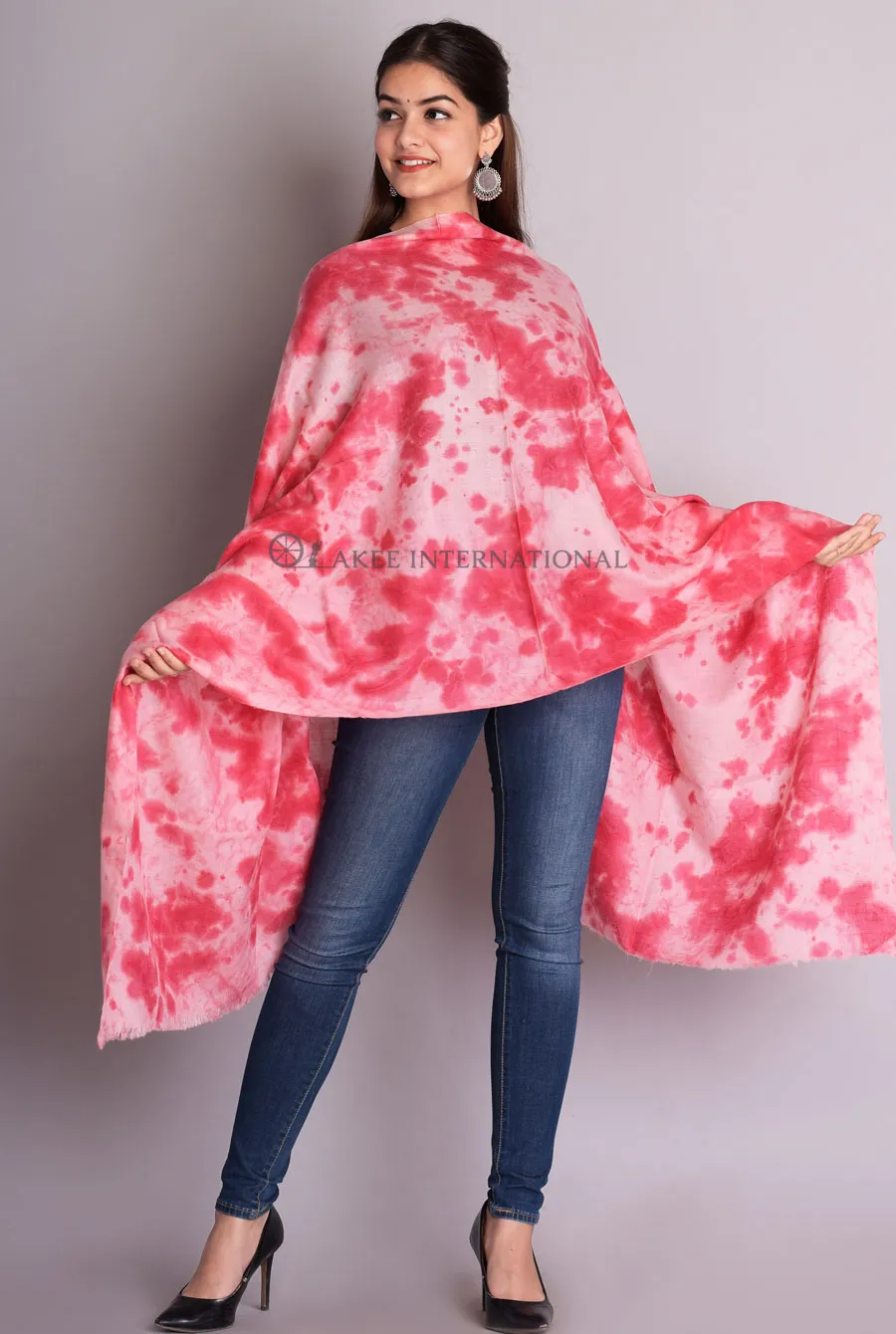
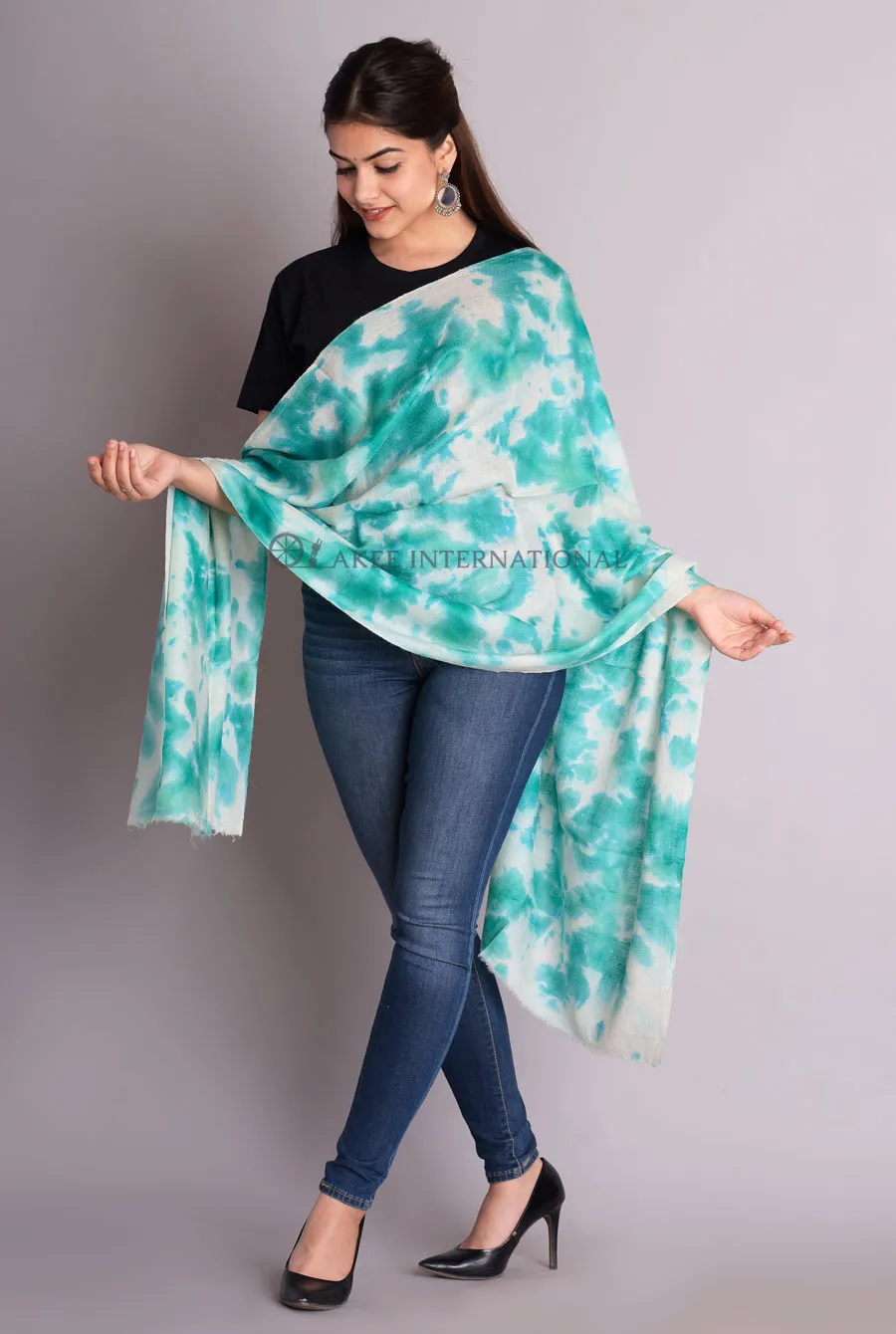
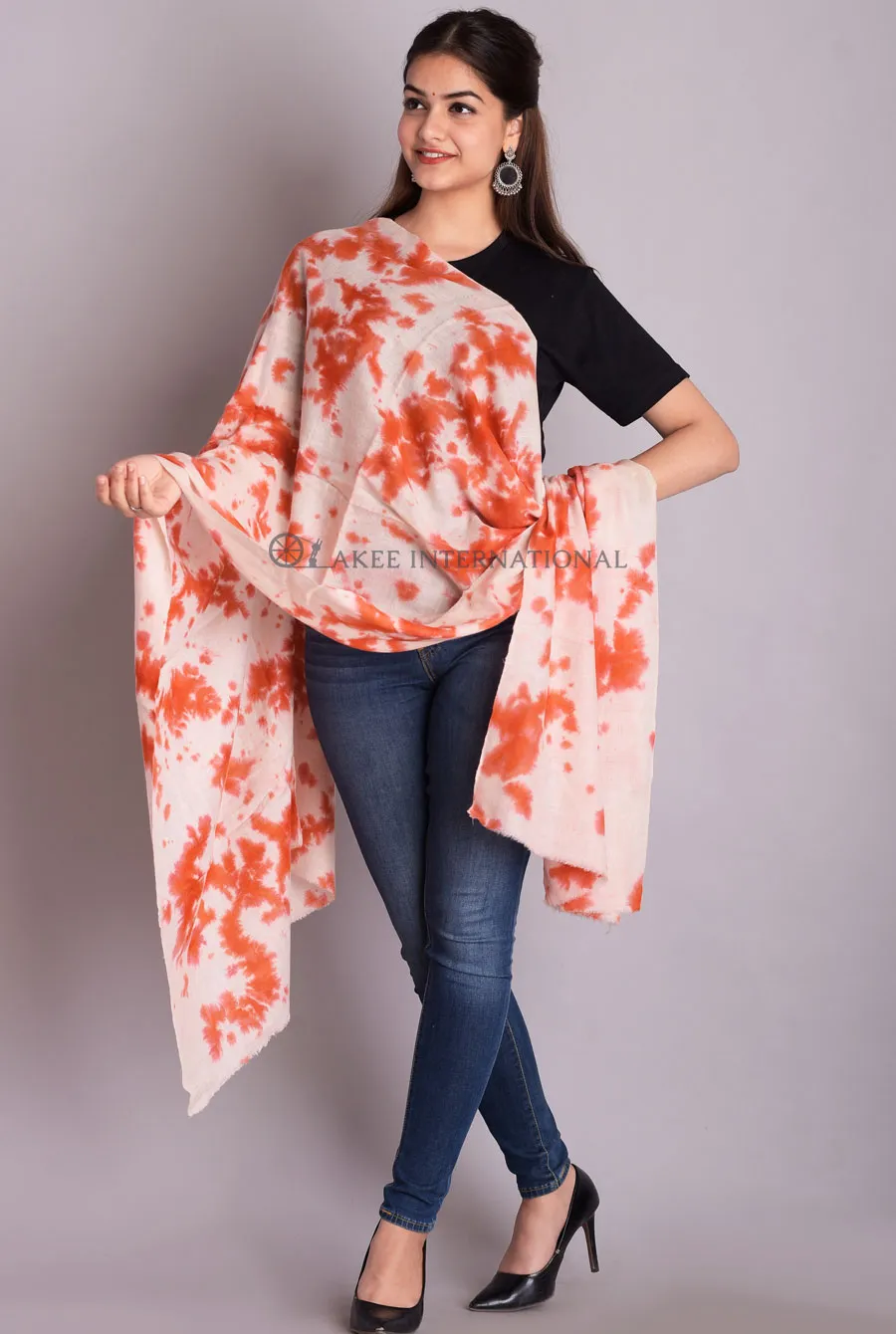
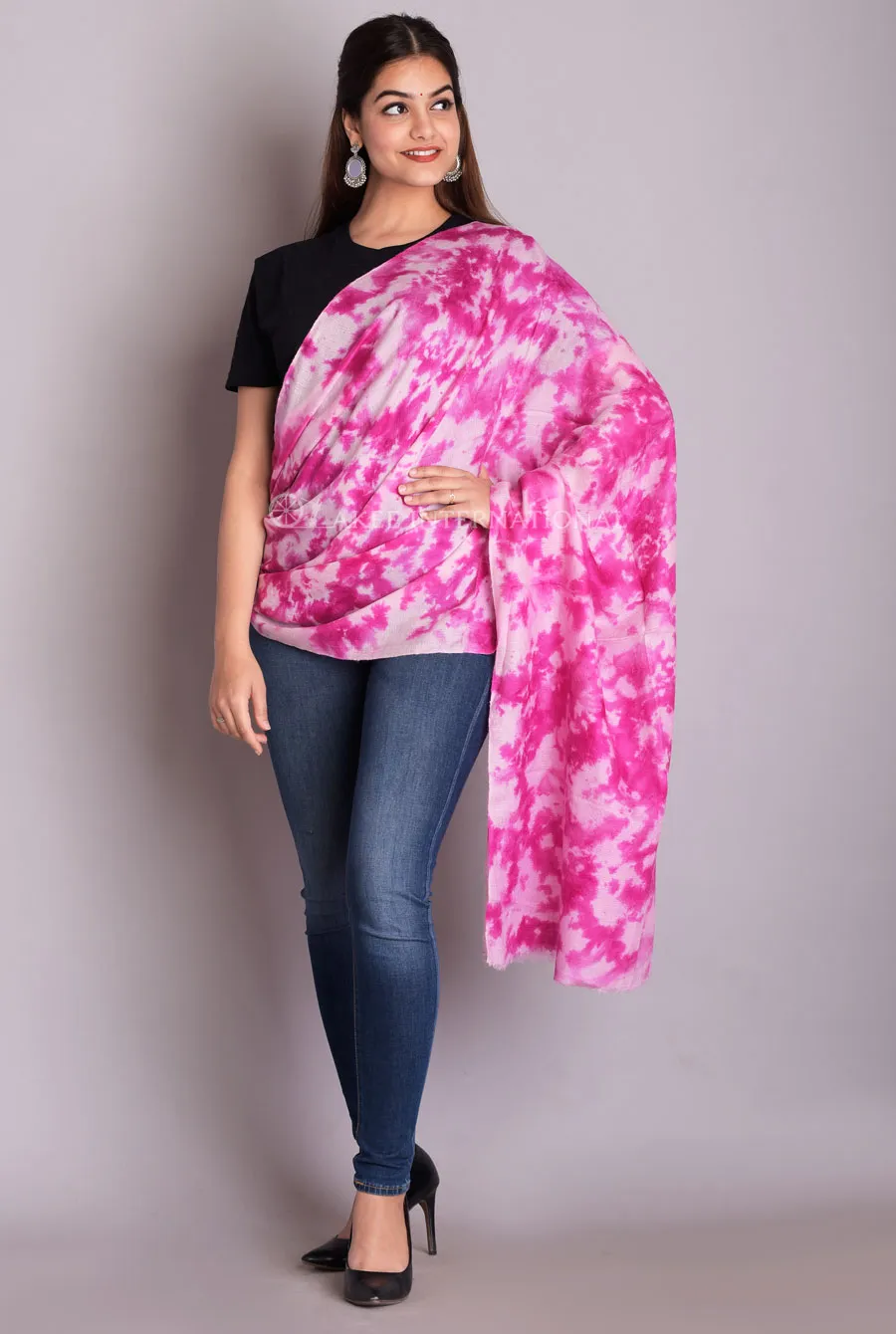
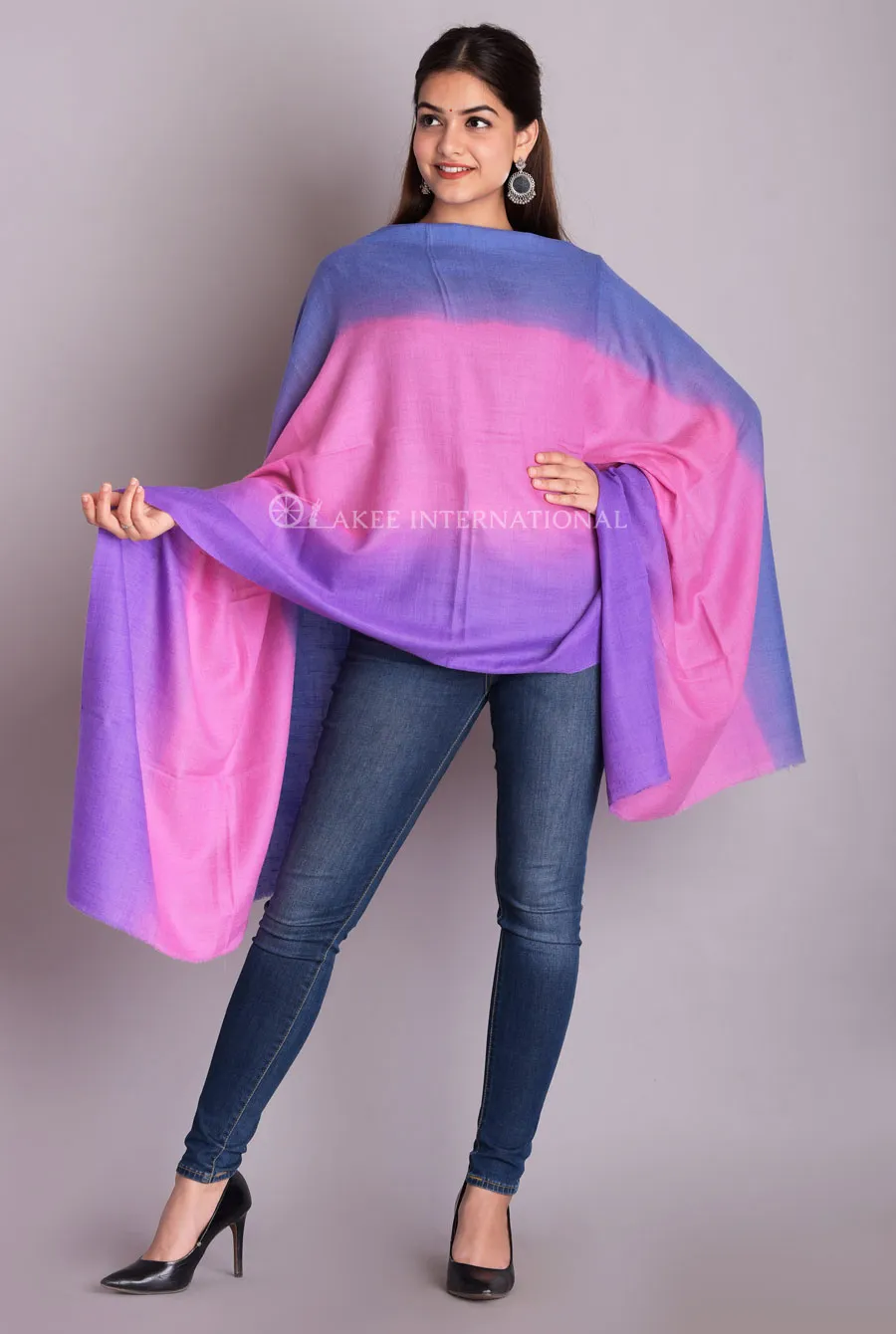
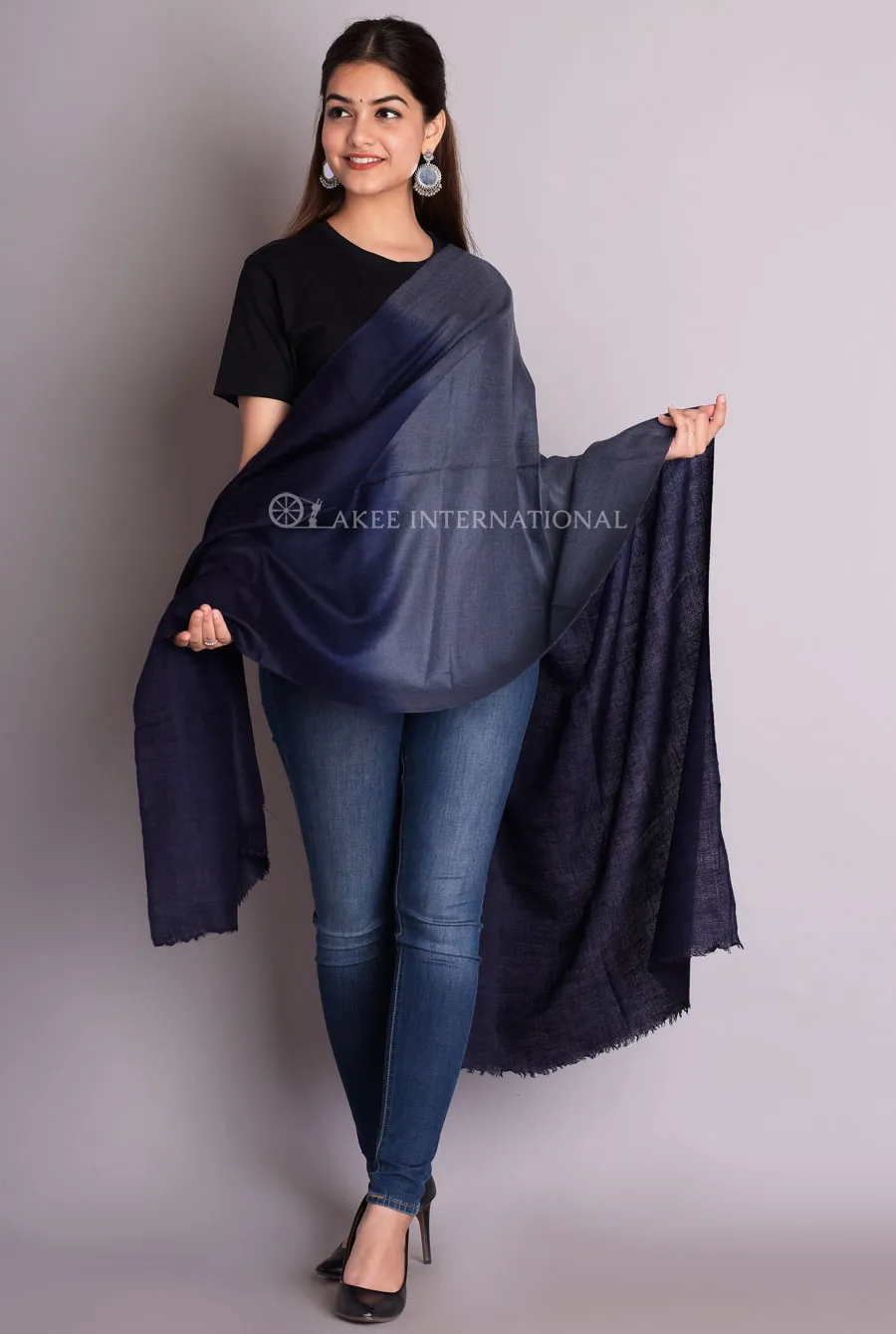
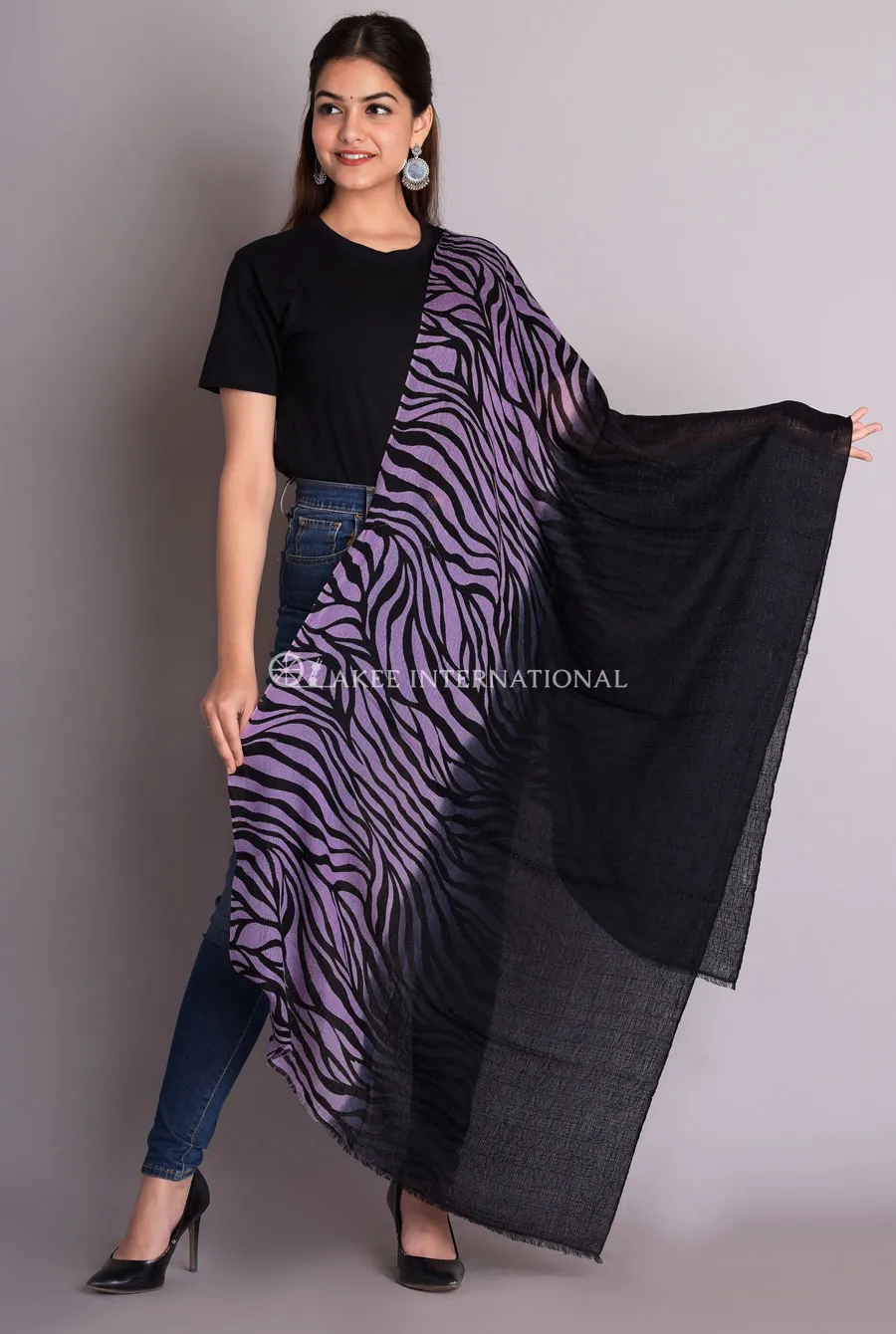
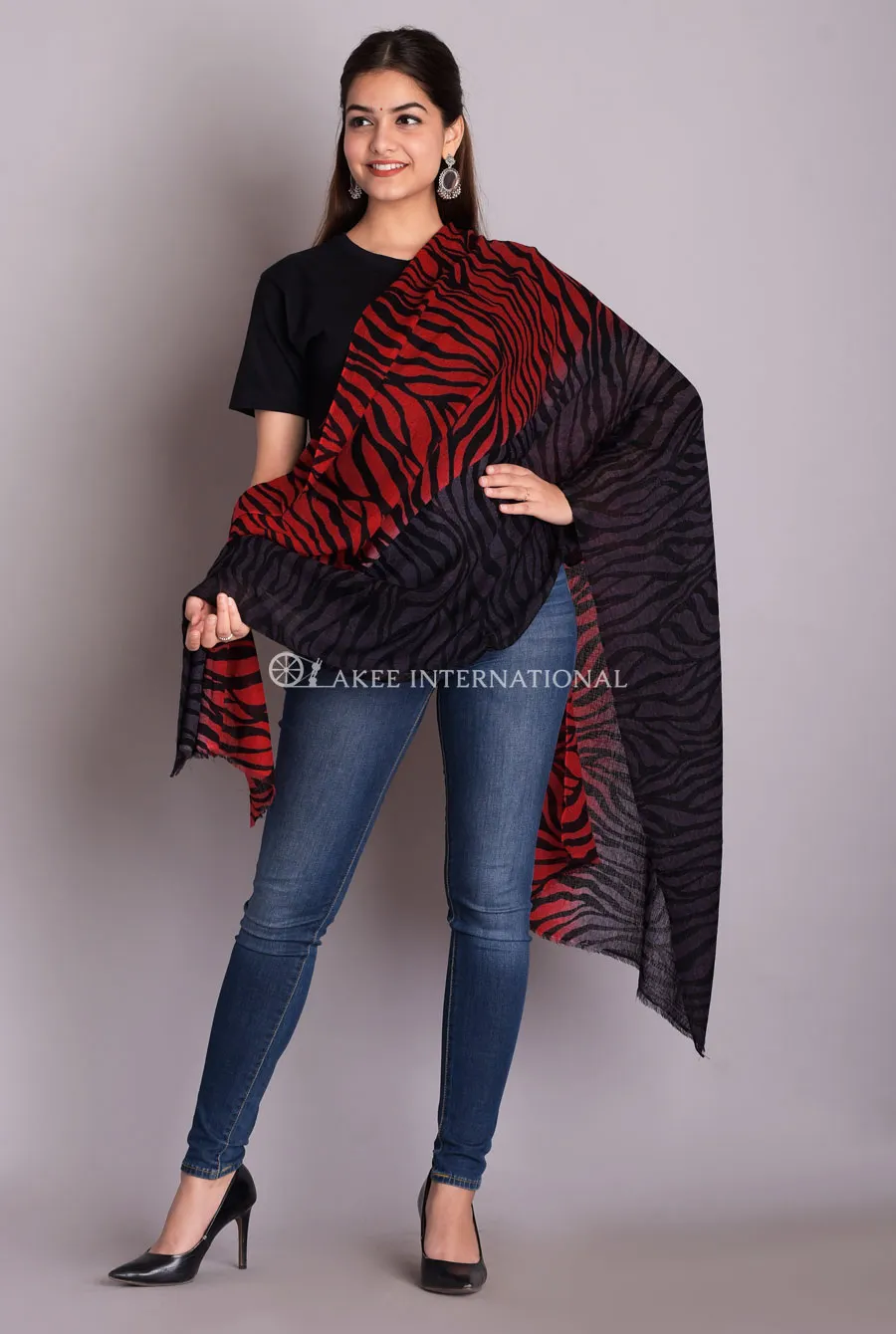
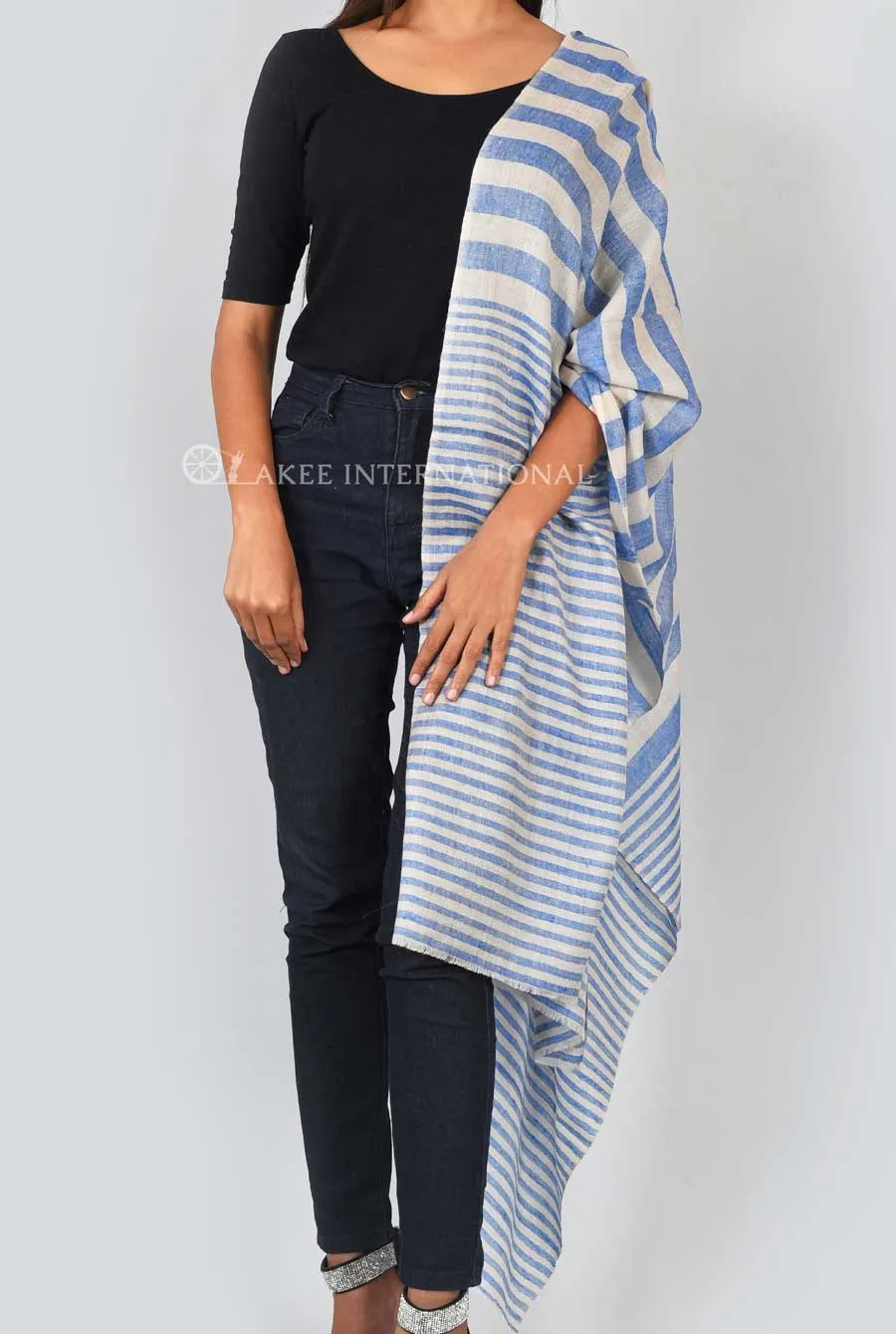
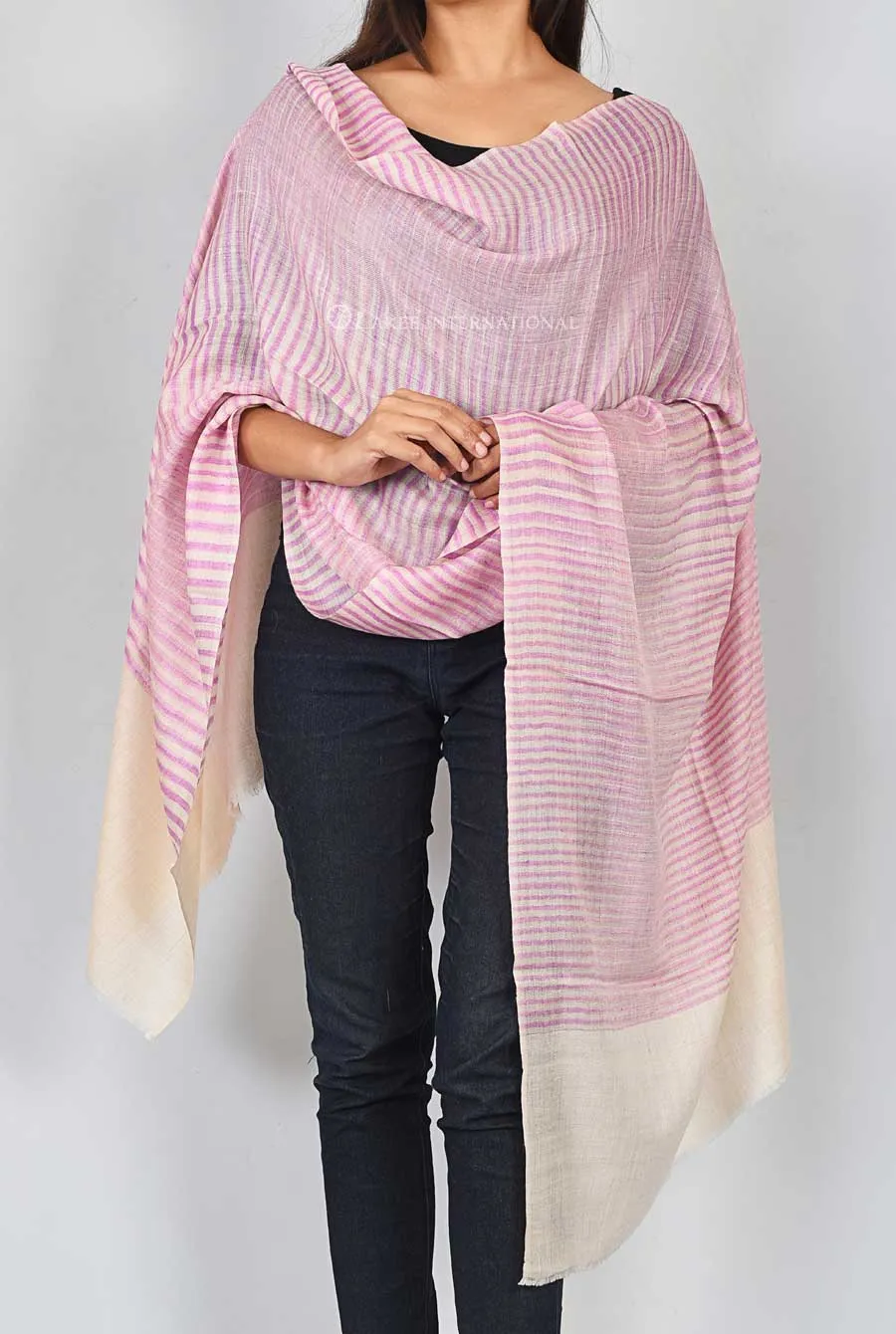
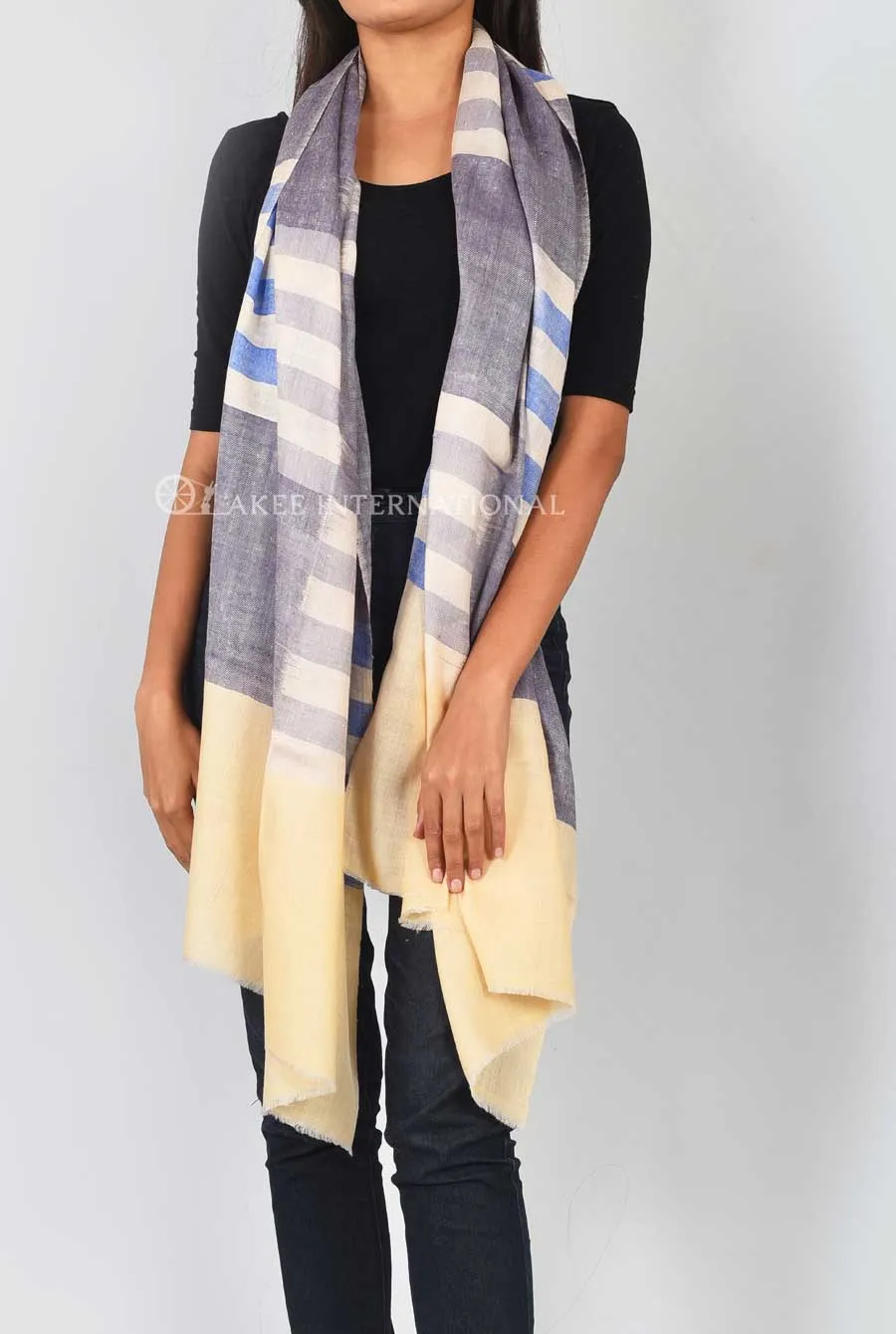
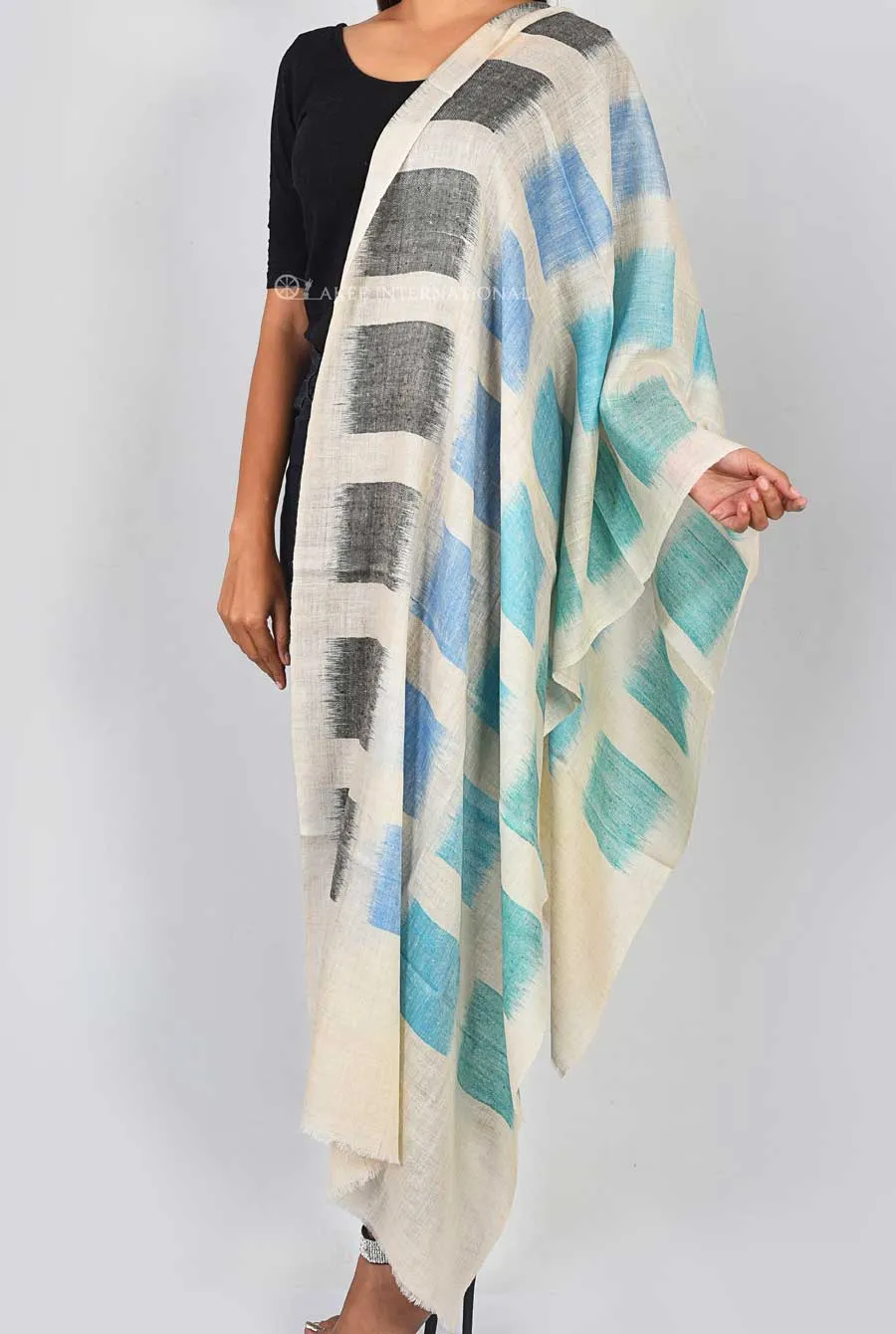
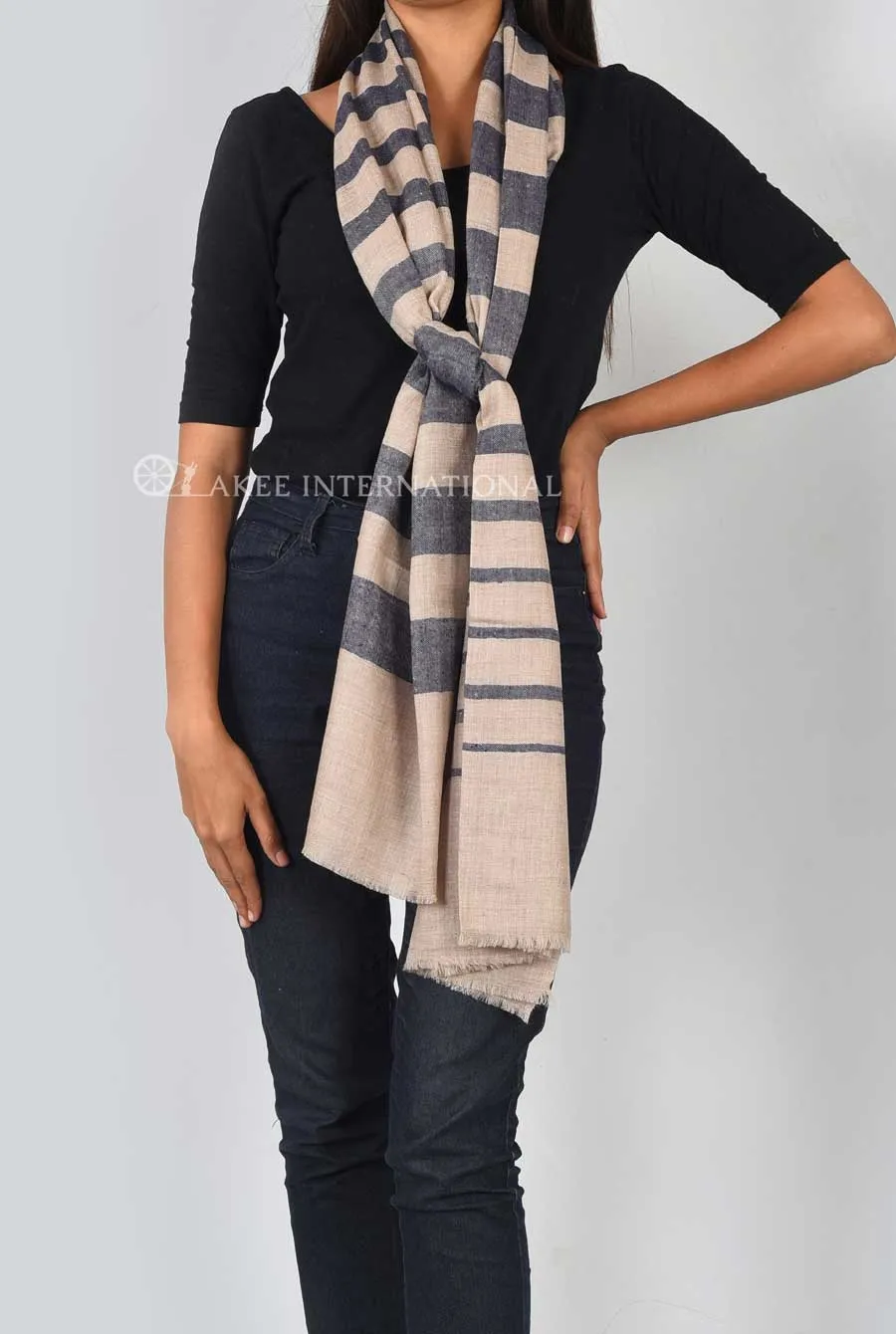
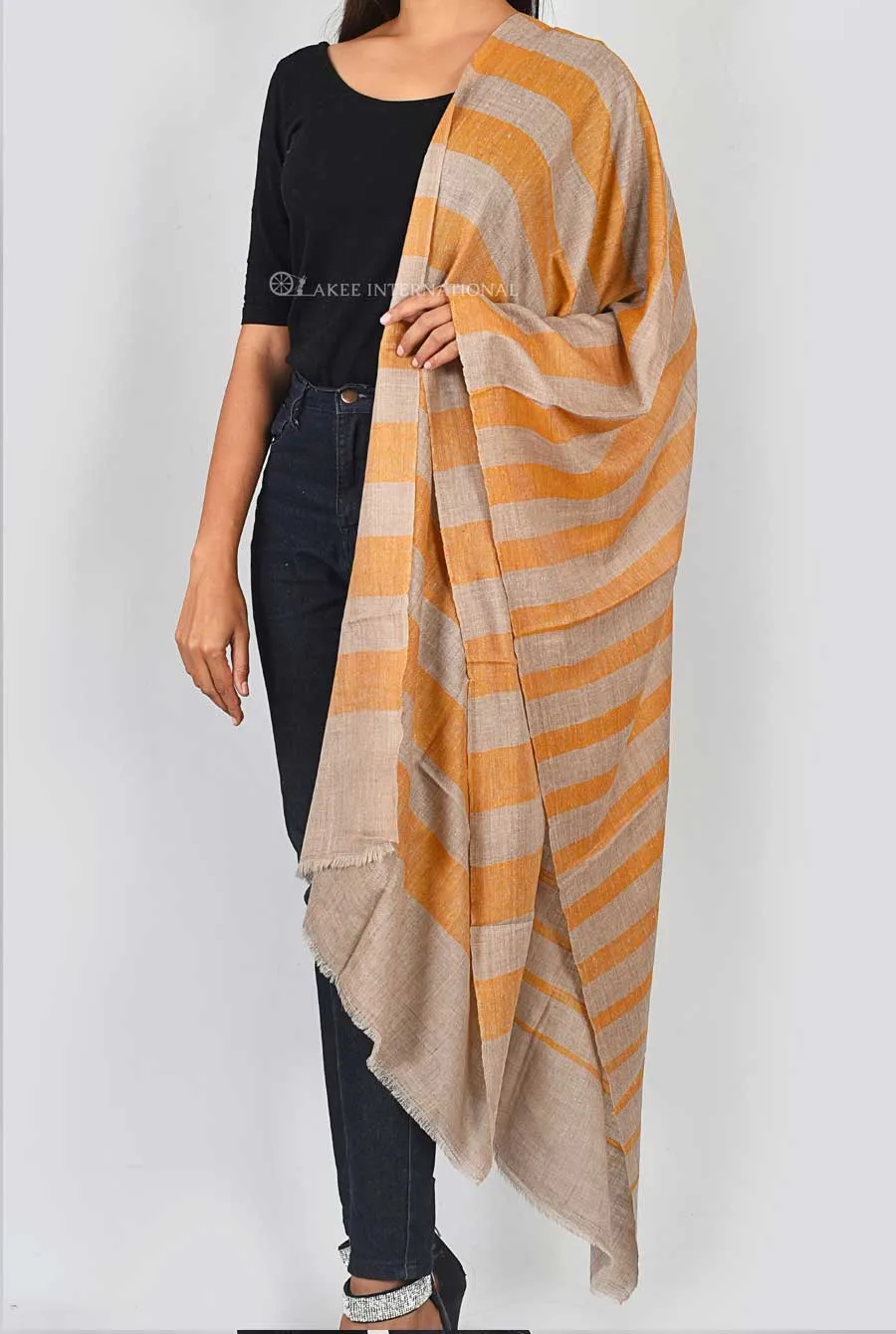
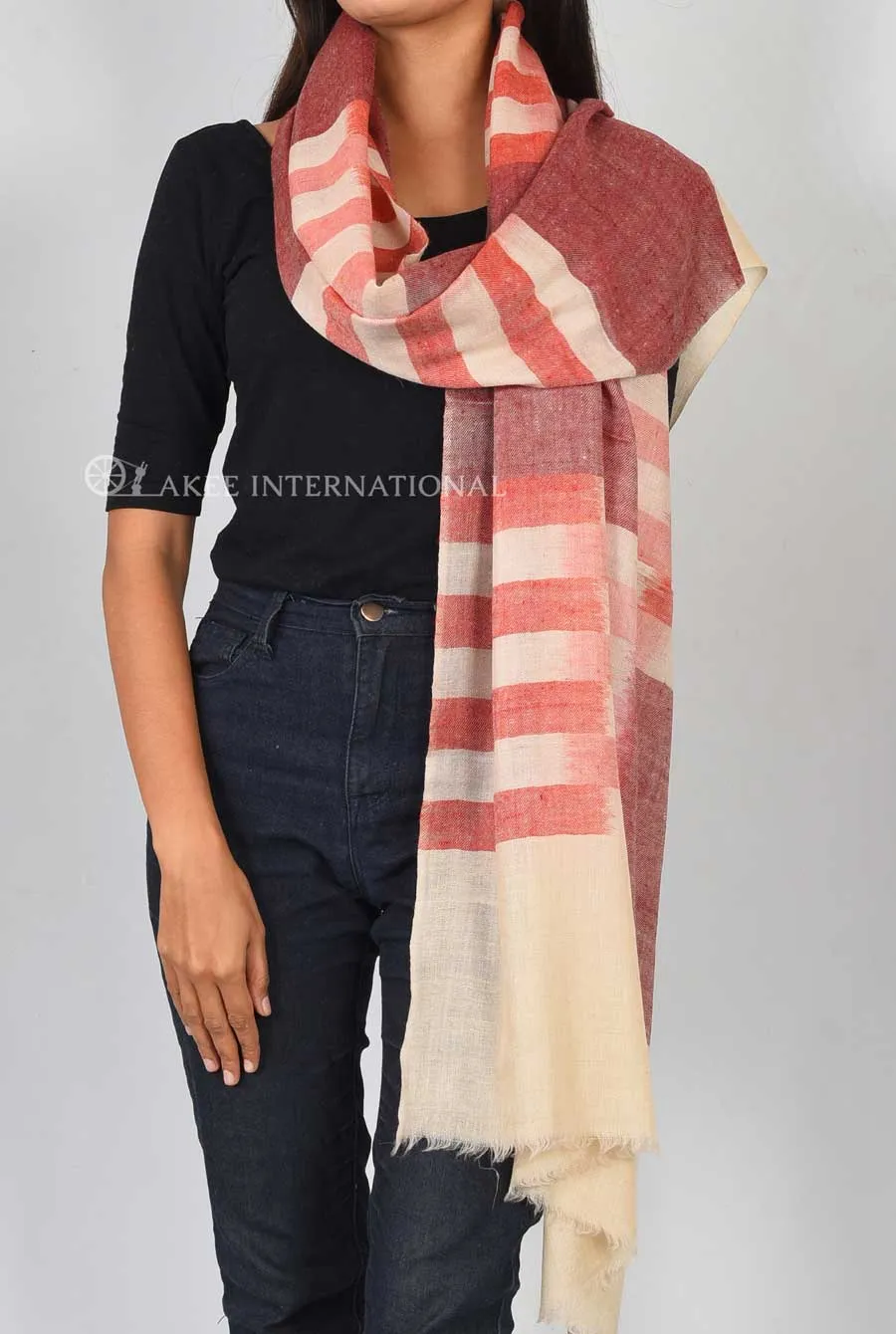
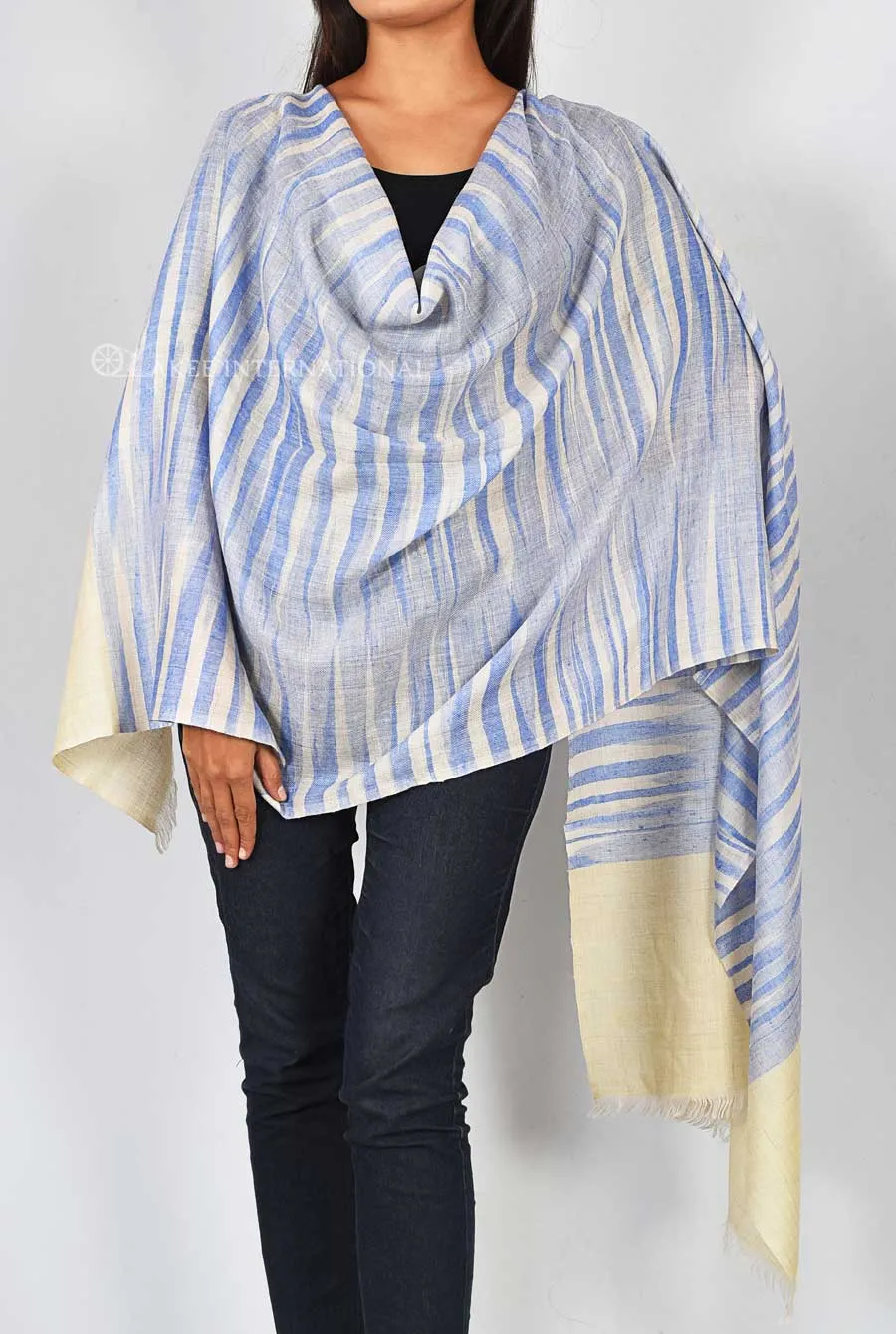
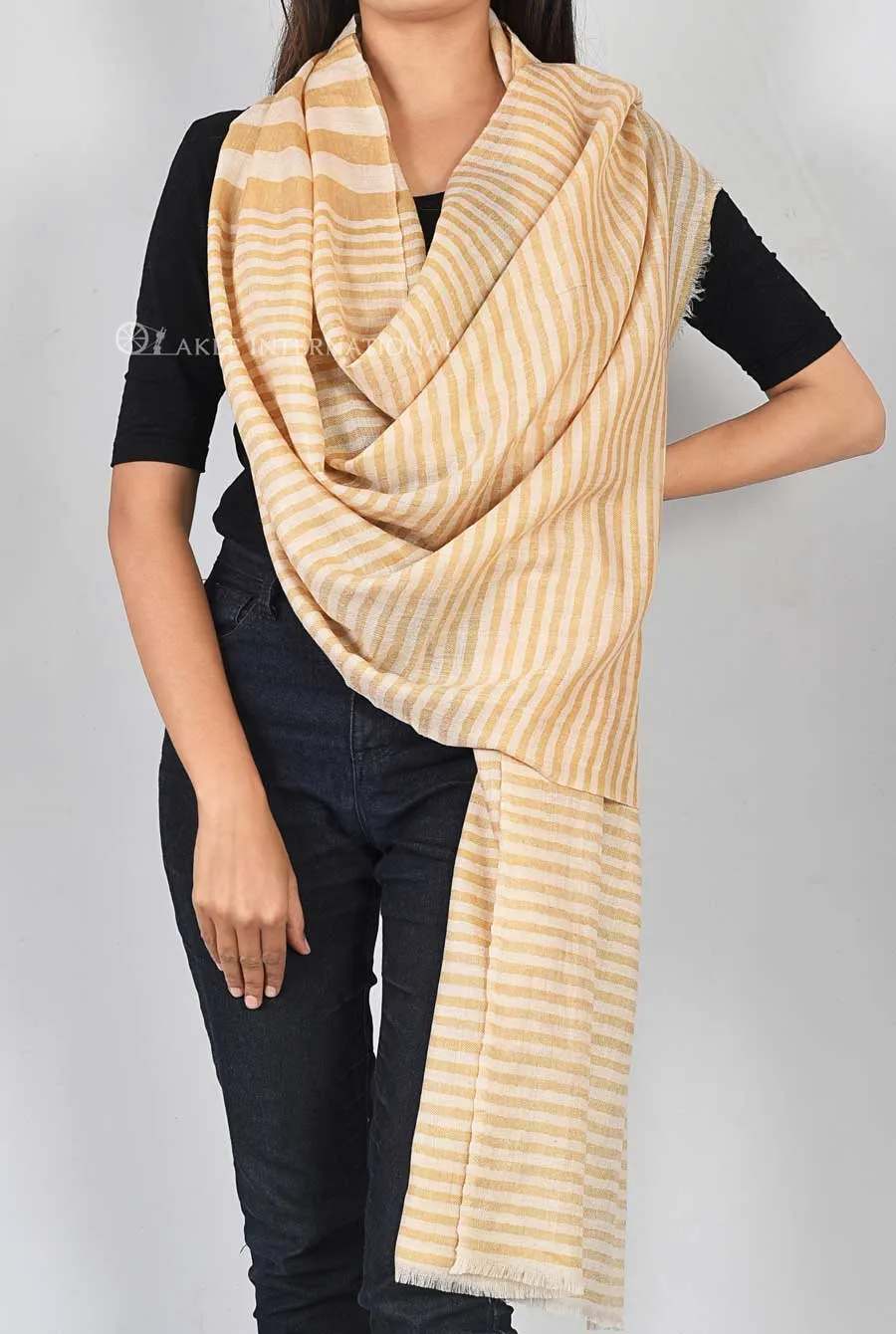
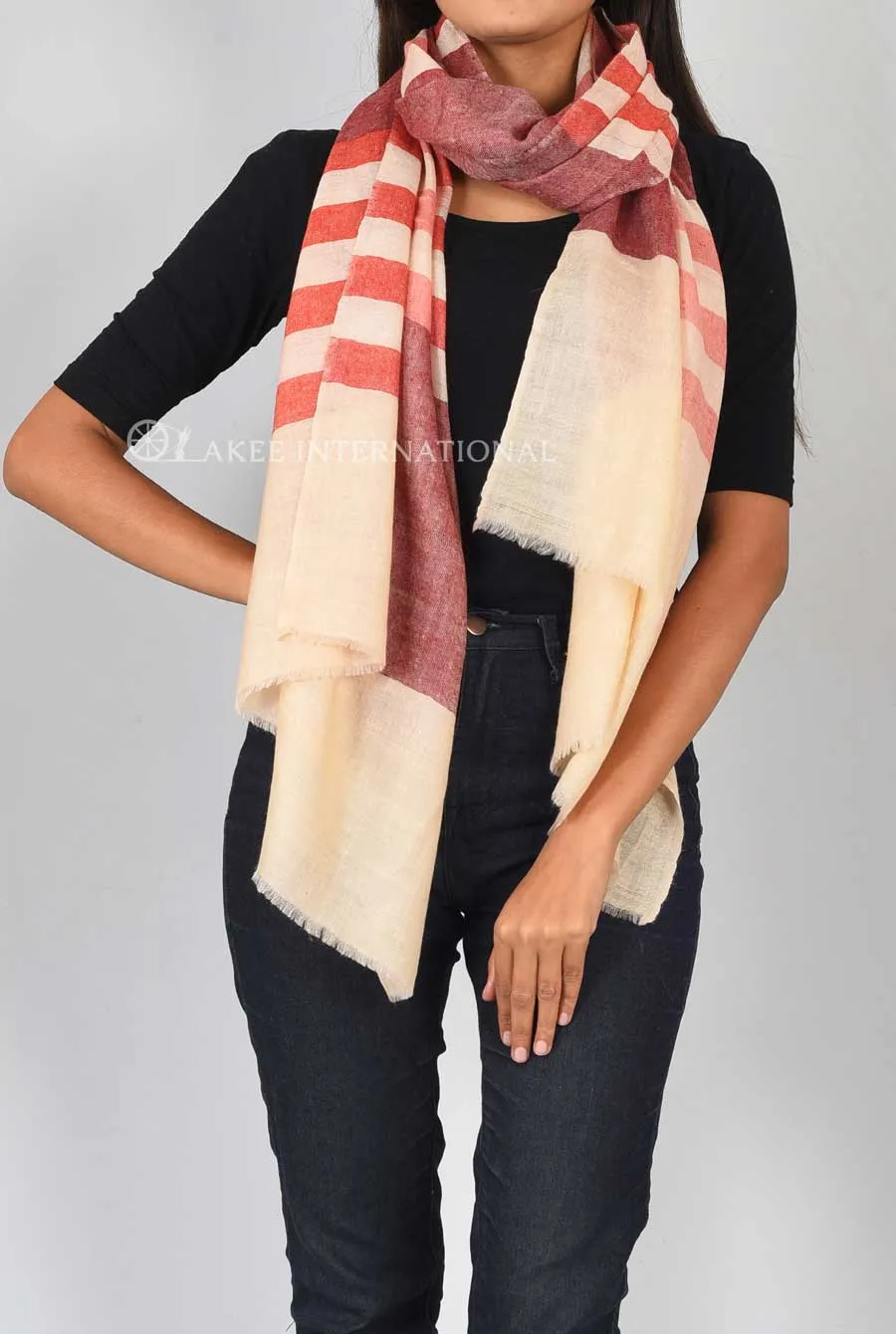
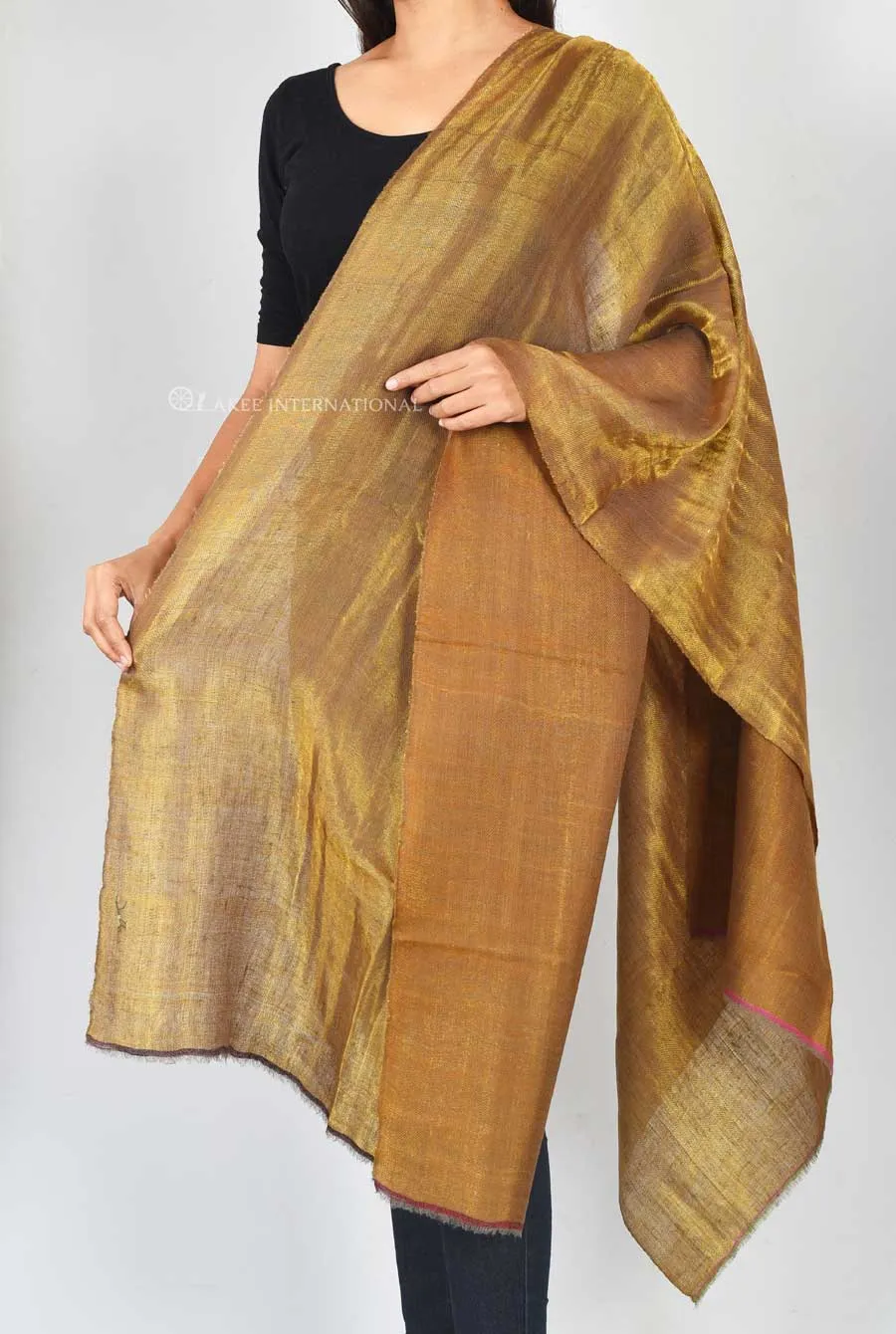
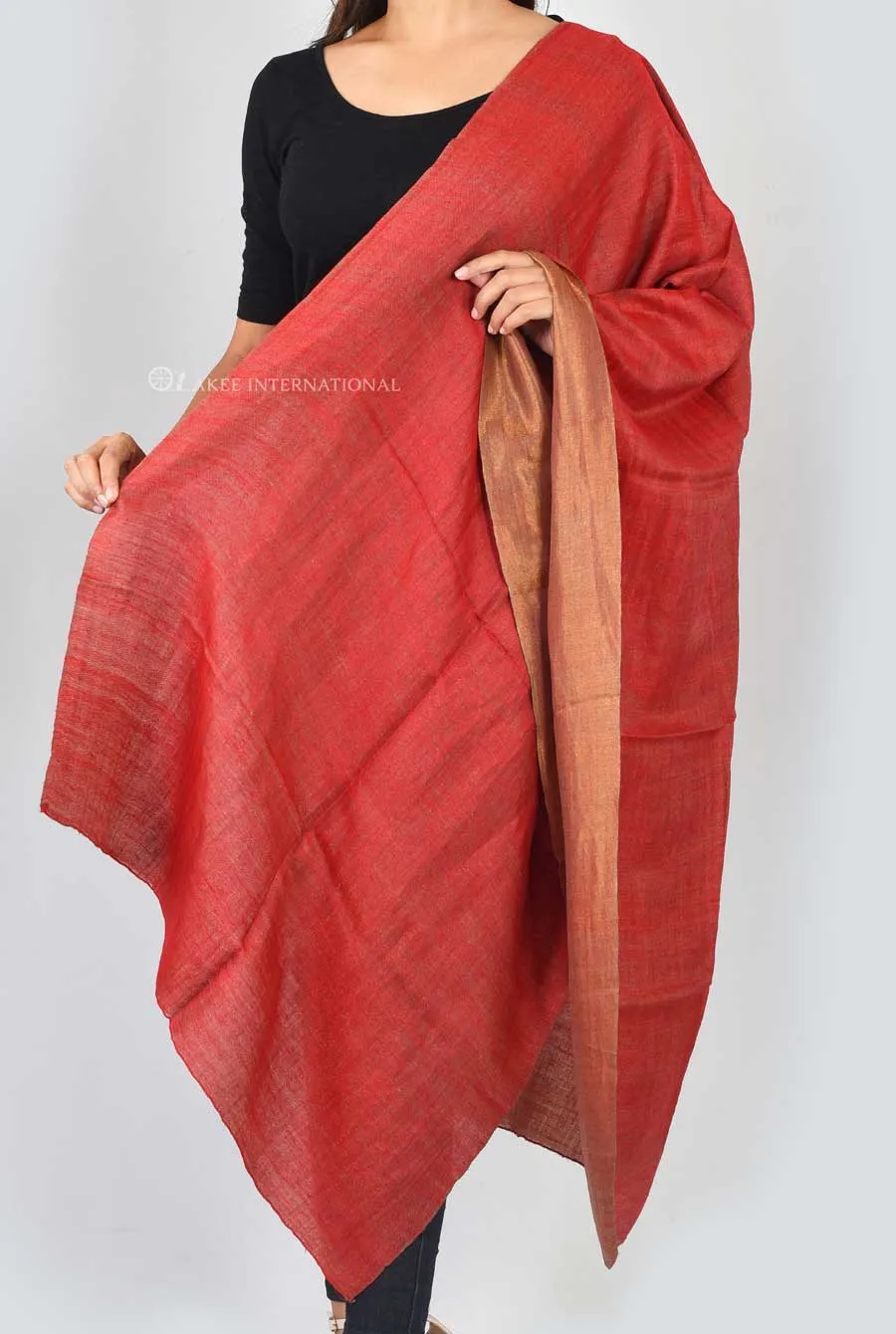
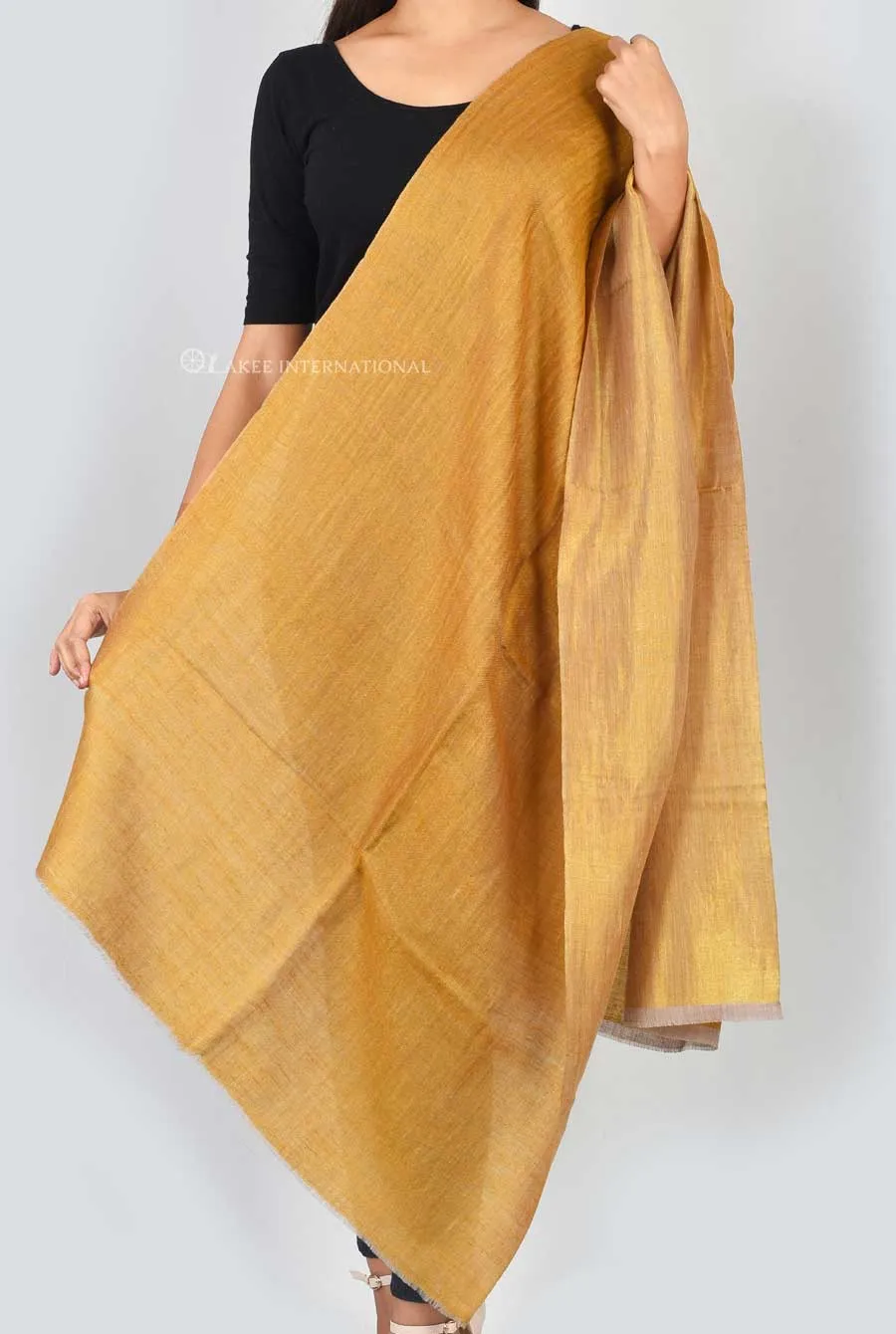
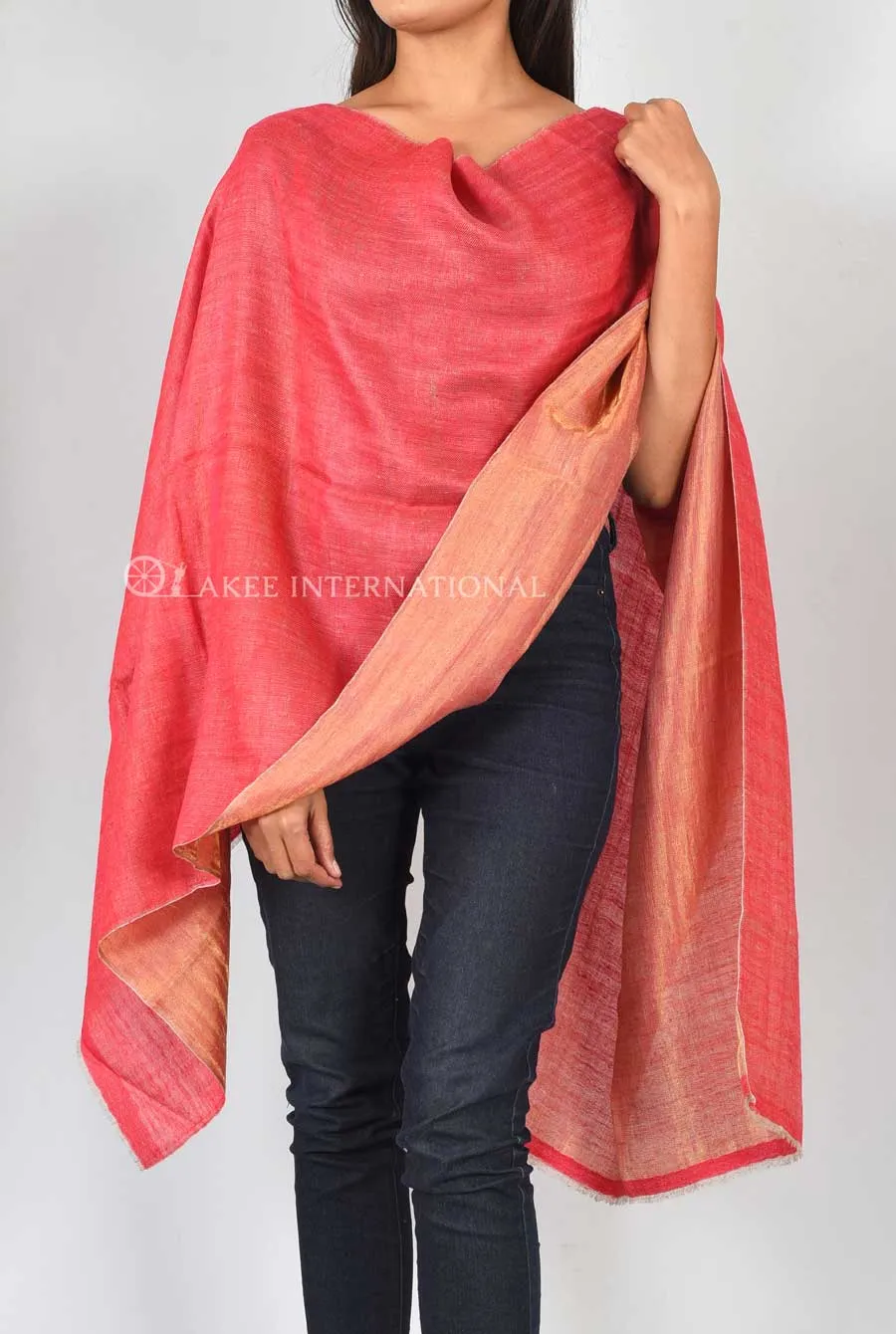
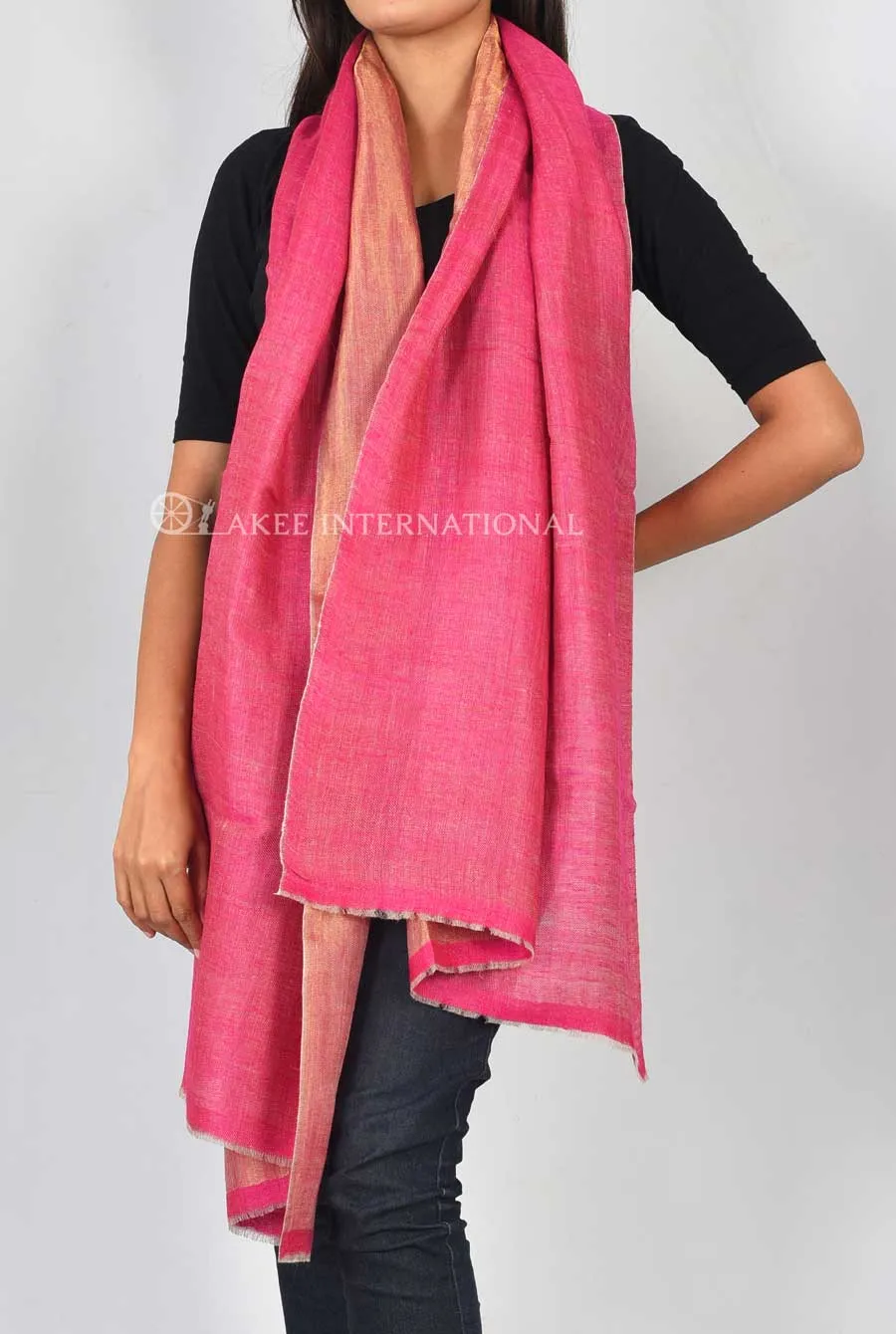
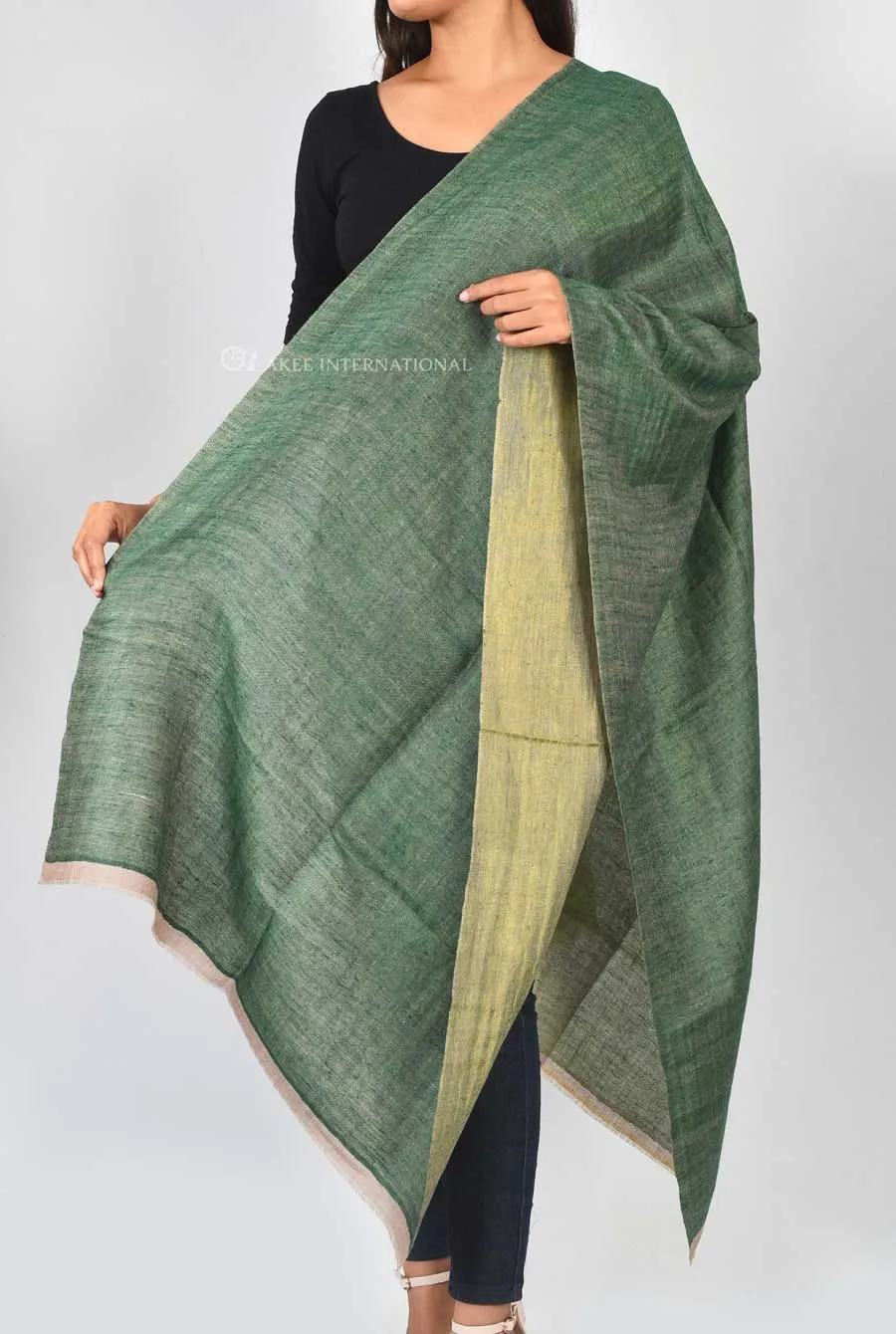
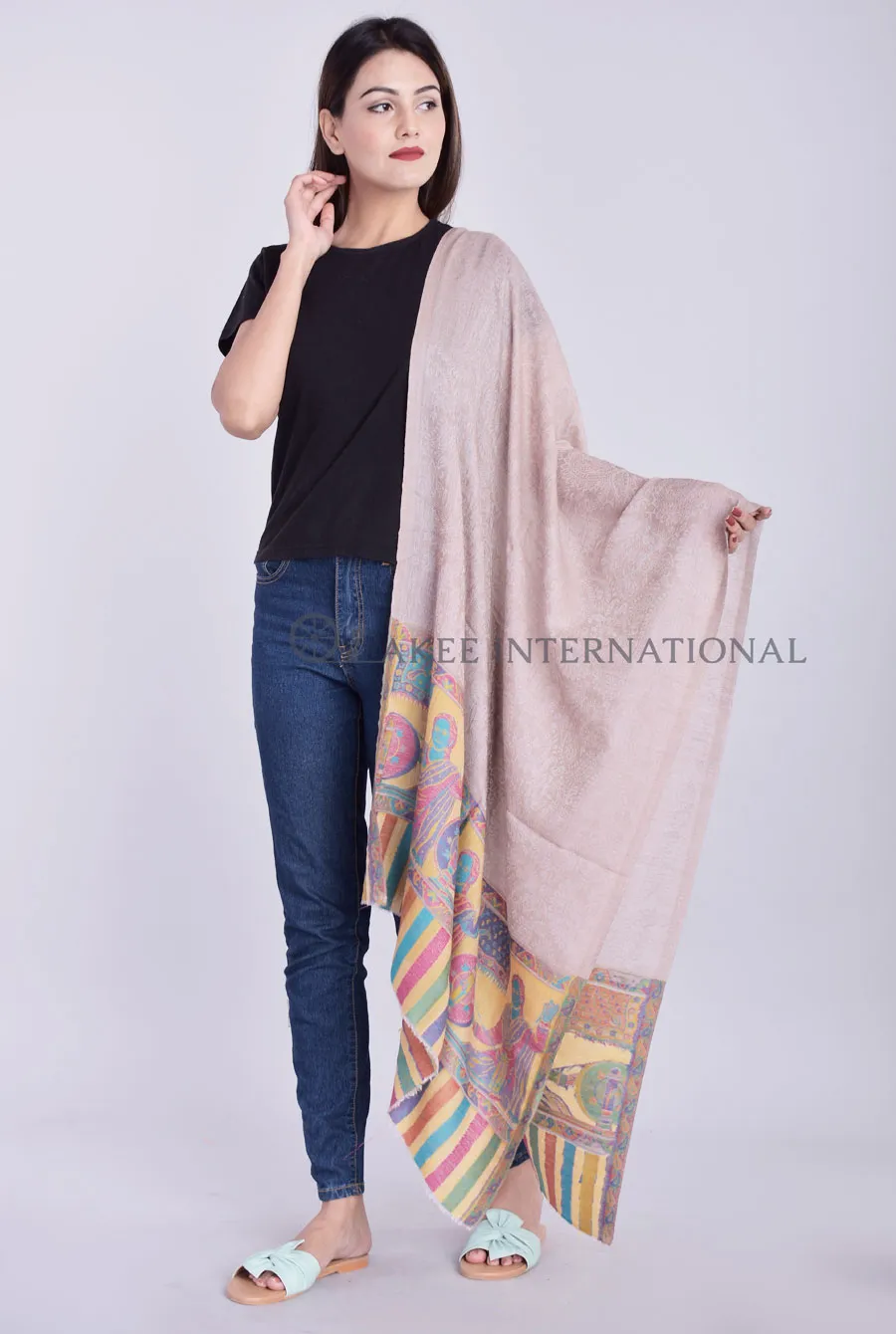
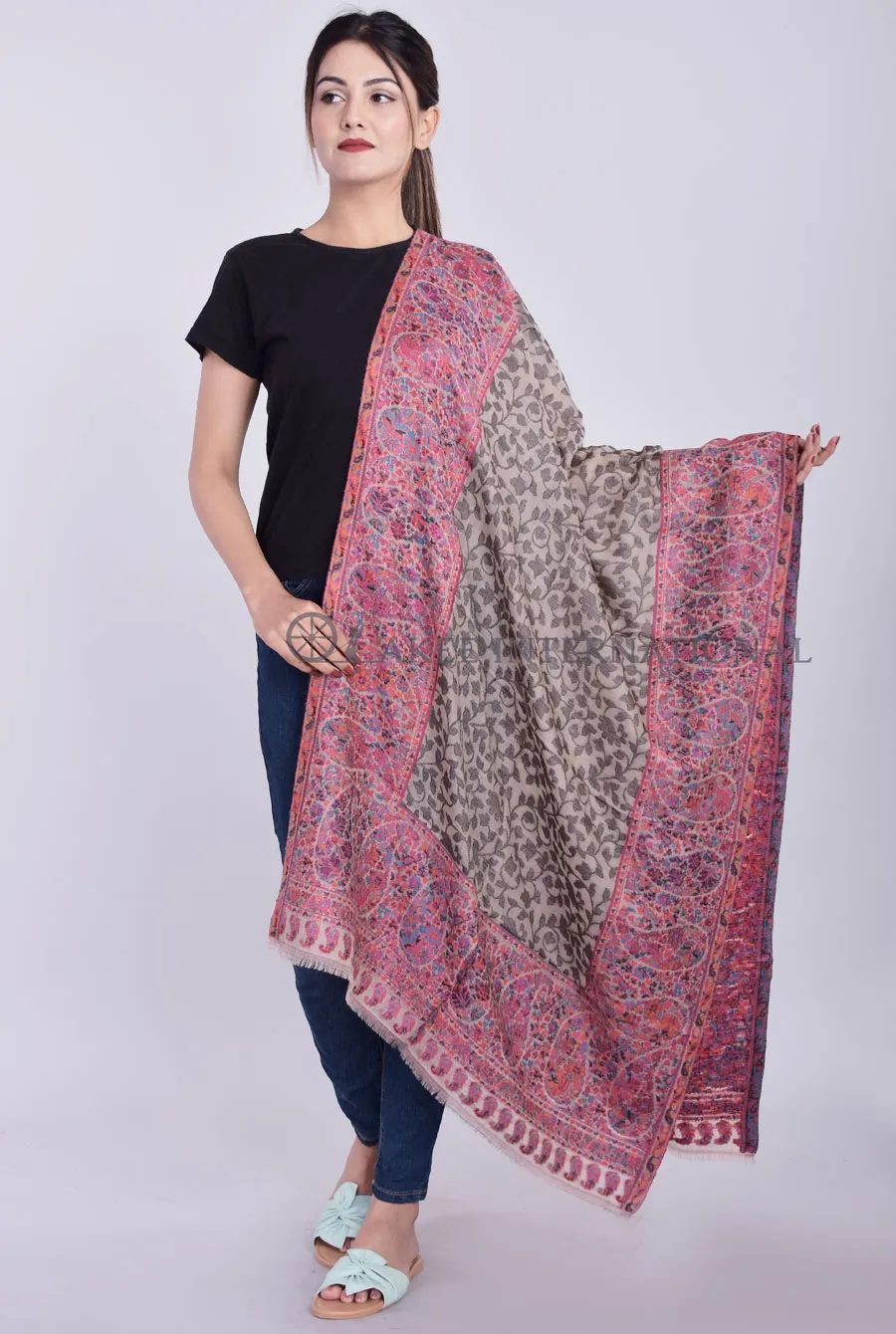
Find Your Perfect Premium Pashmina Shawl
Discover exquisite Pashmina shawls, beautifully crafted with Kashmir’s timeless heritage and artistry.

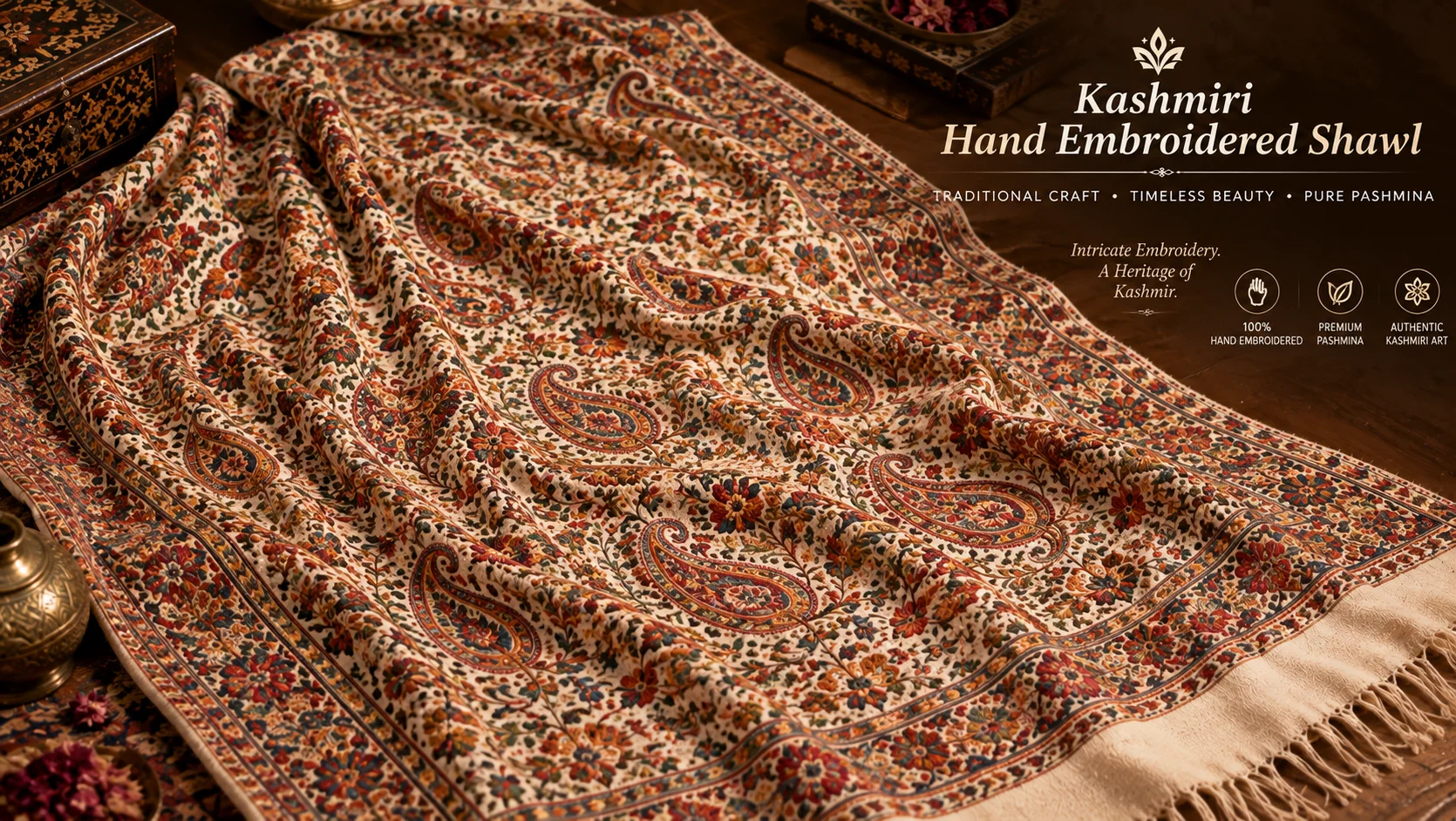
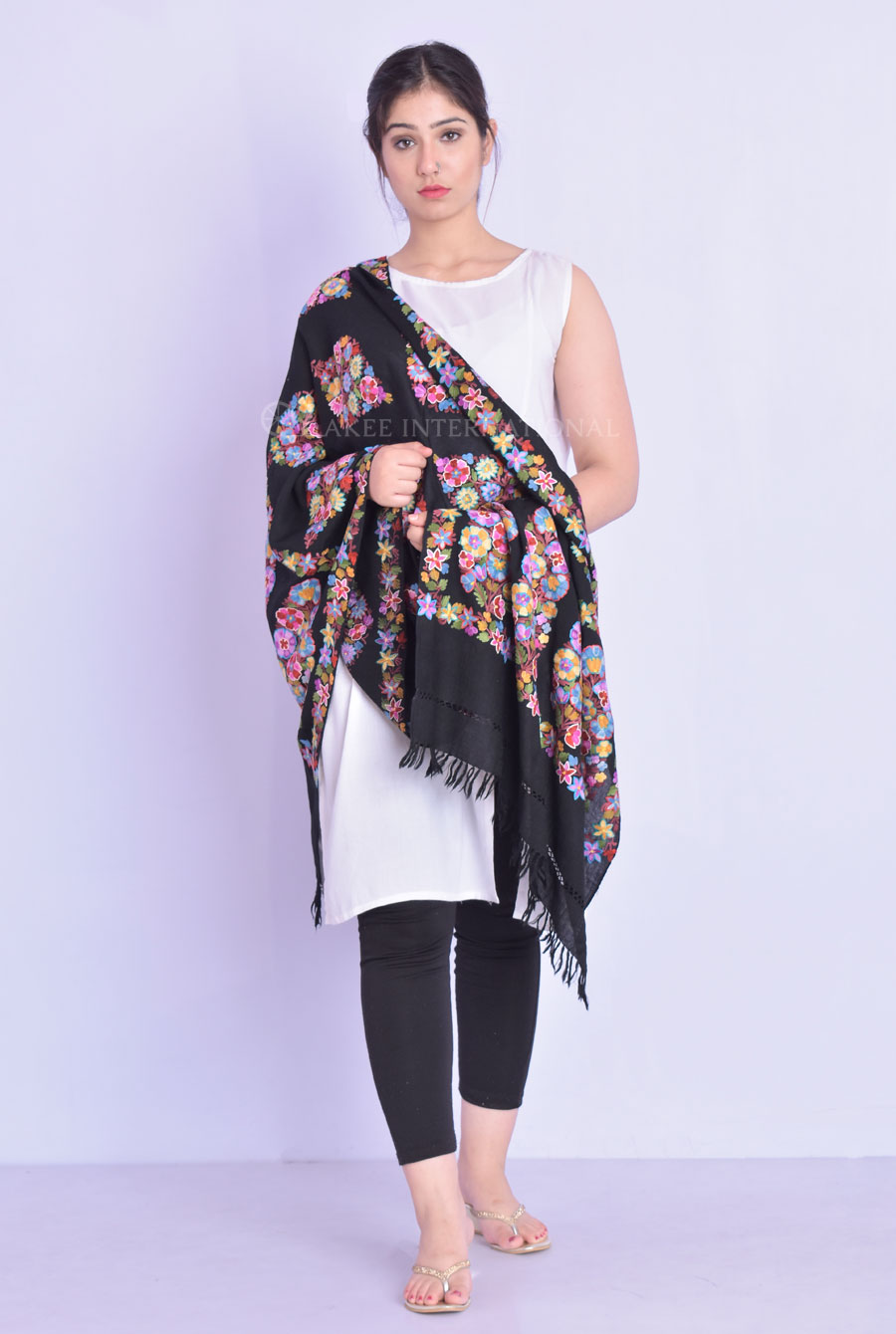
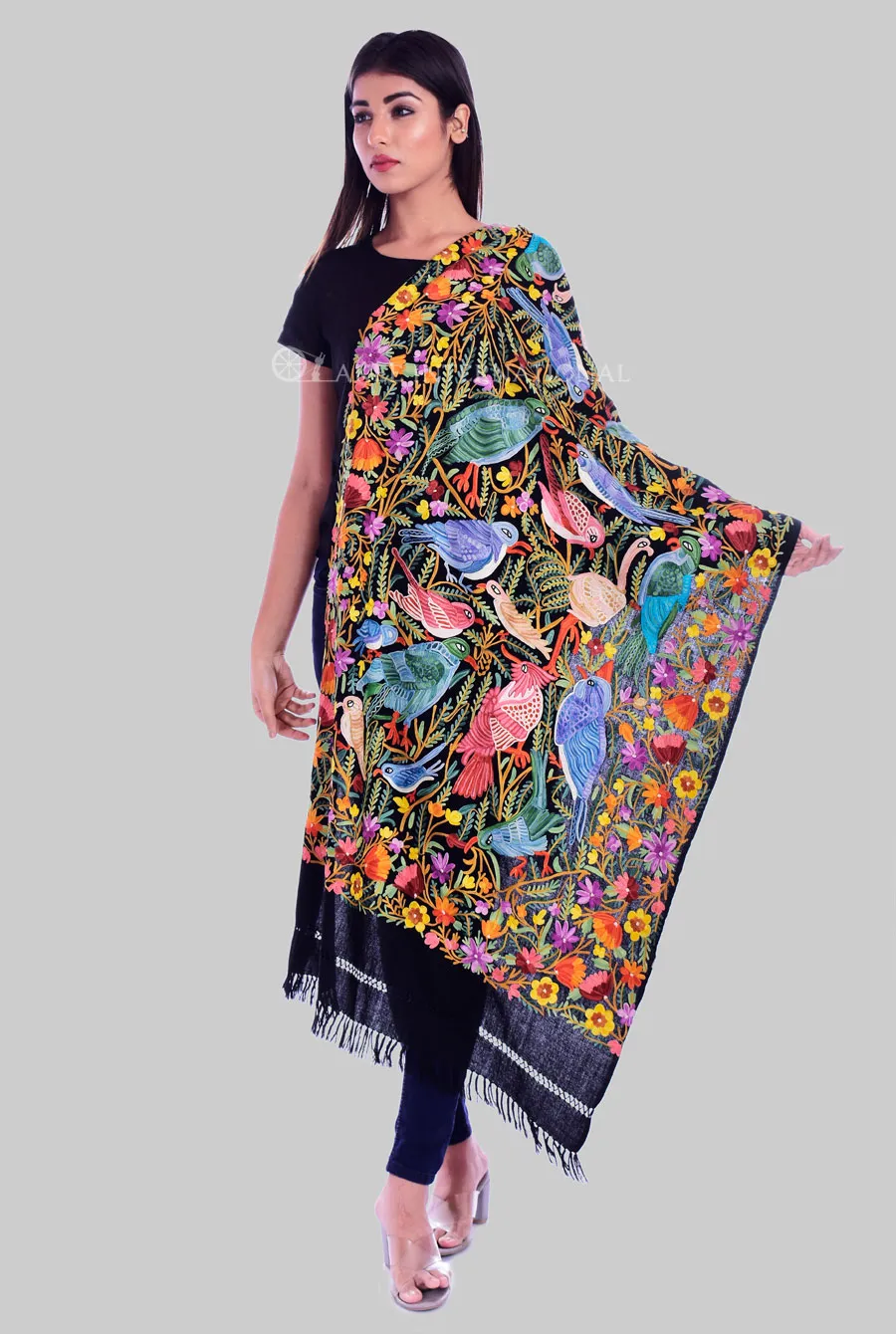
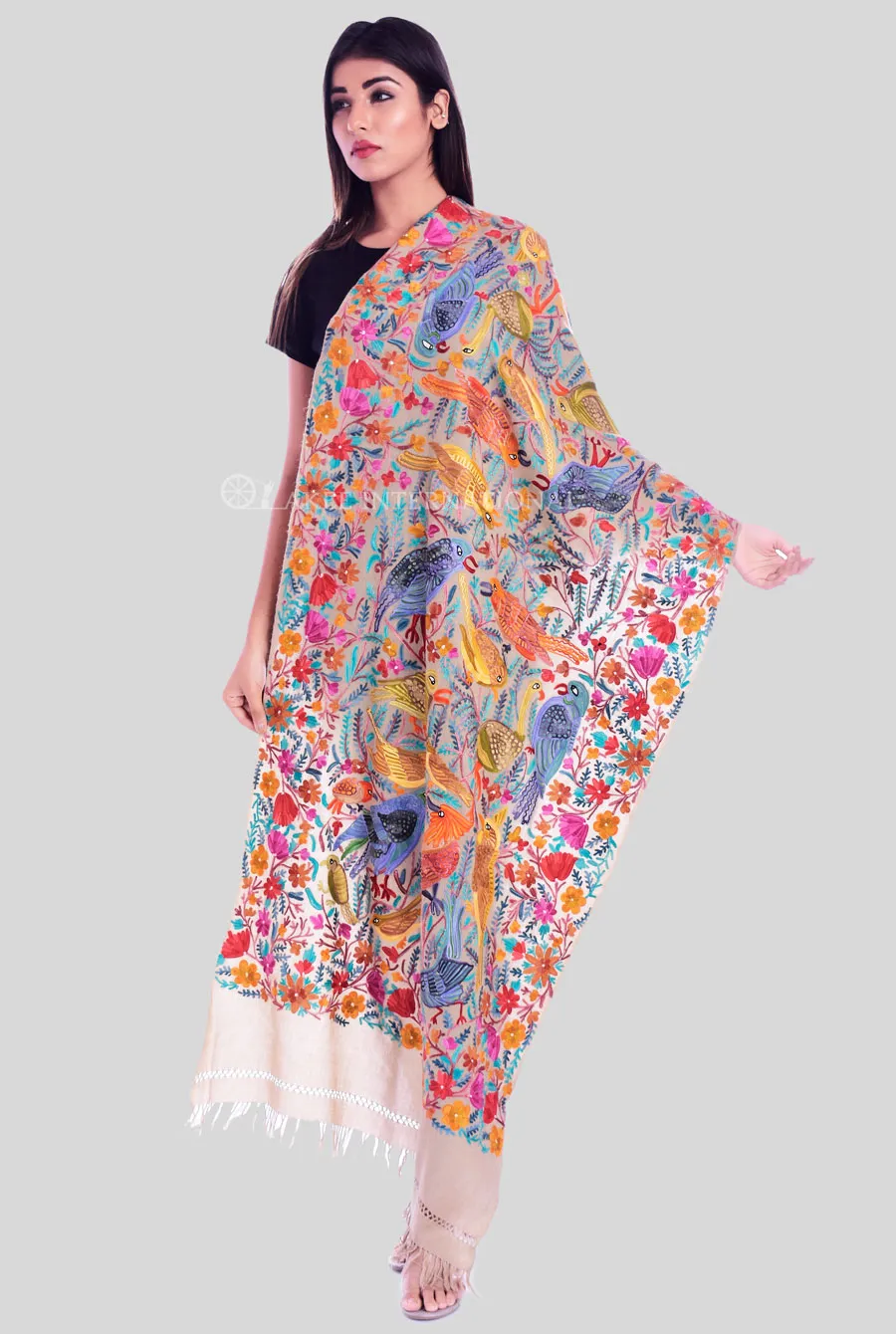
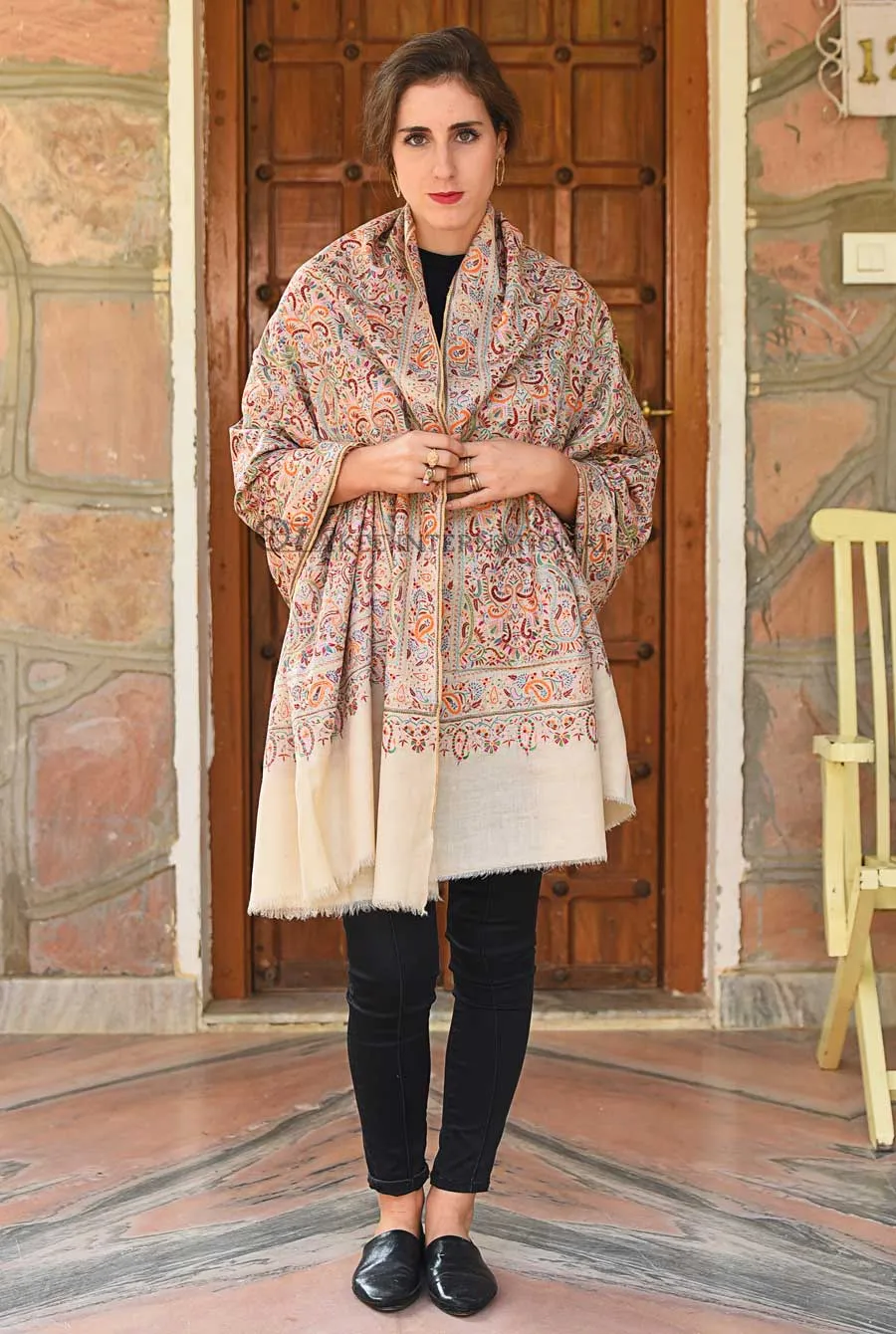
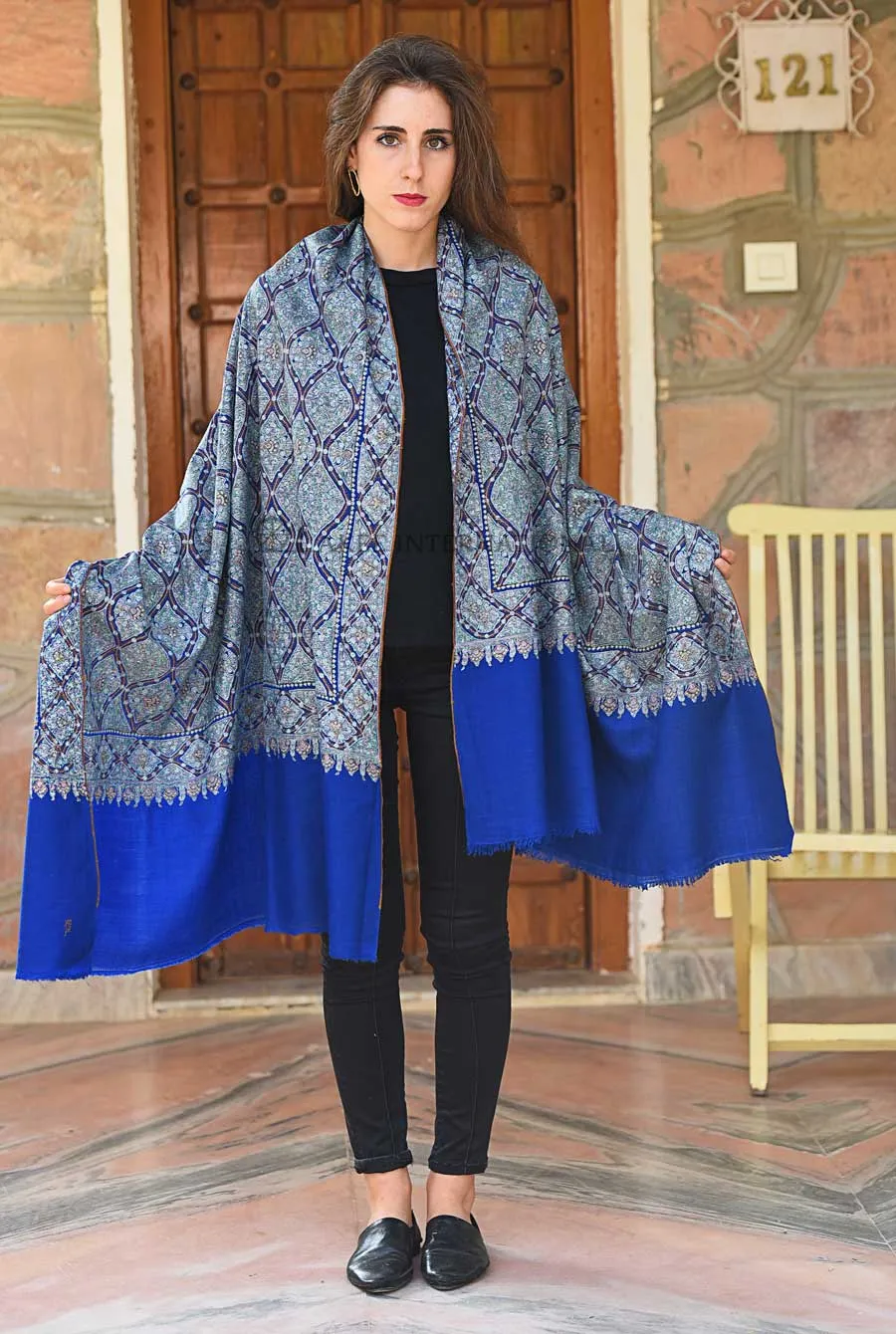
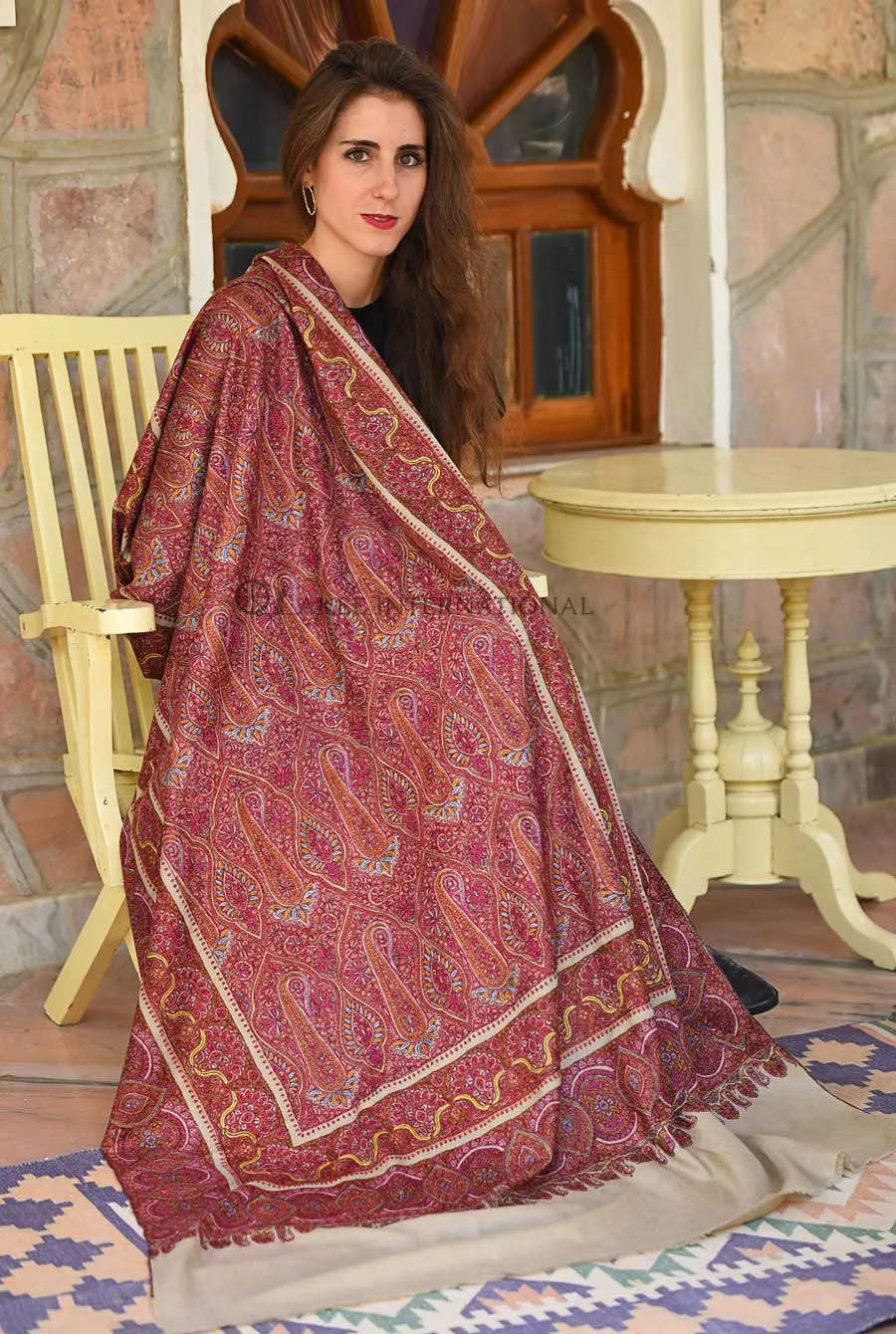
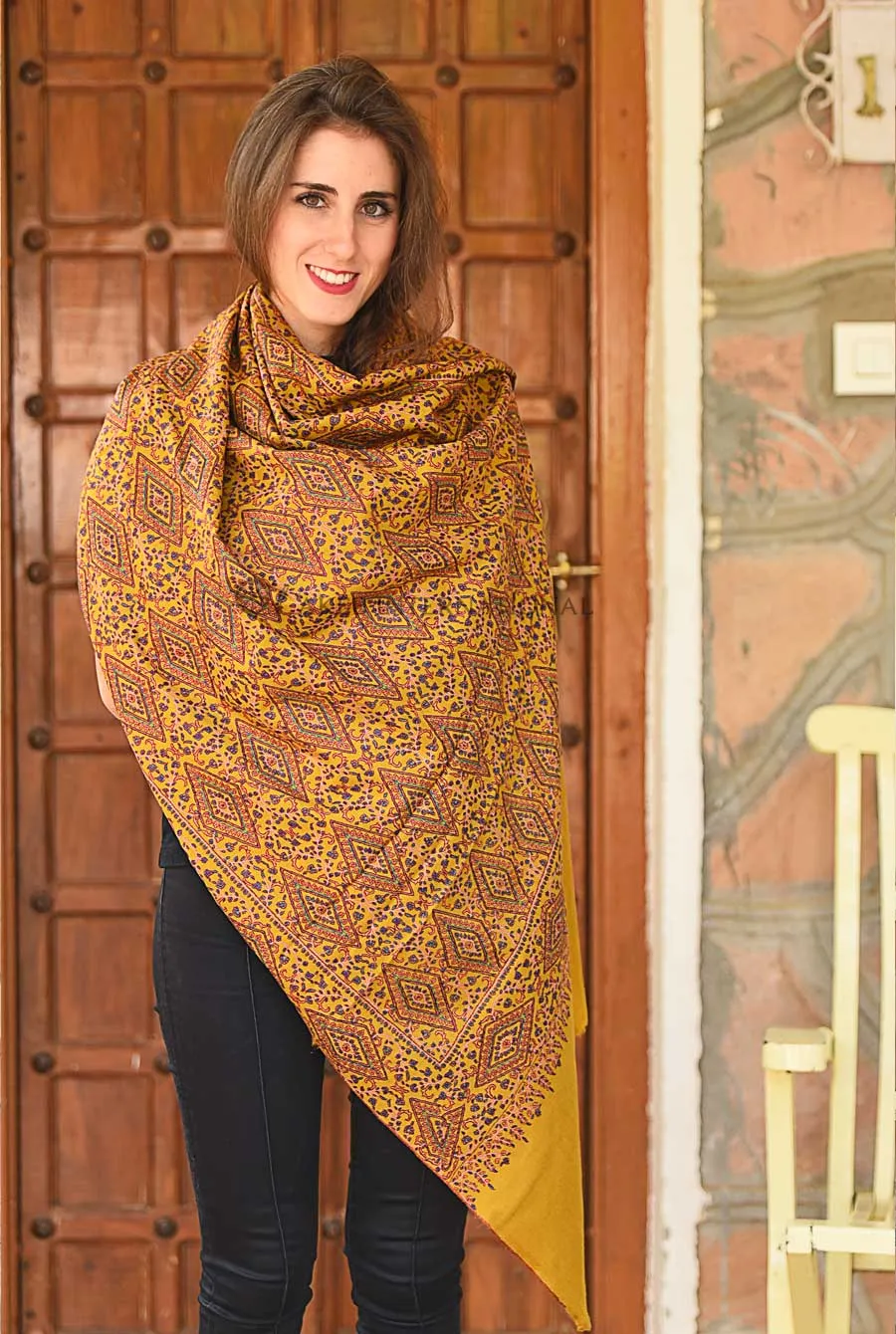
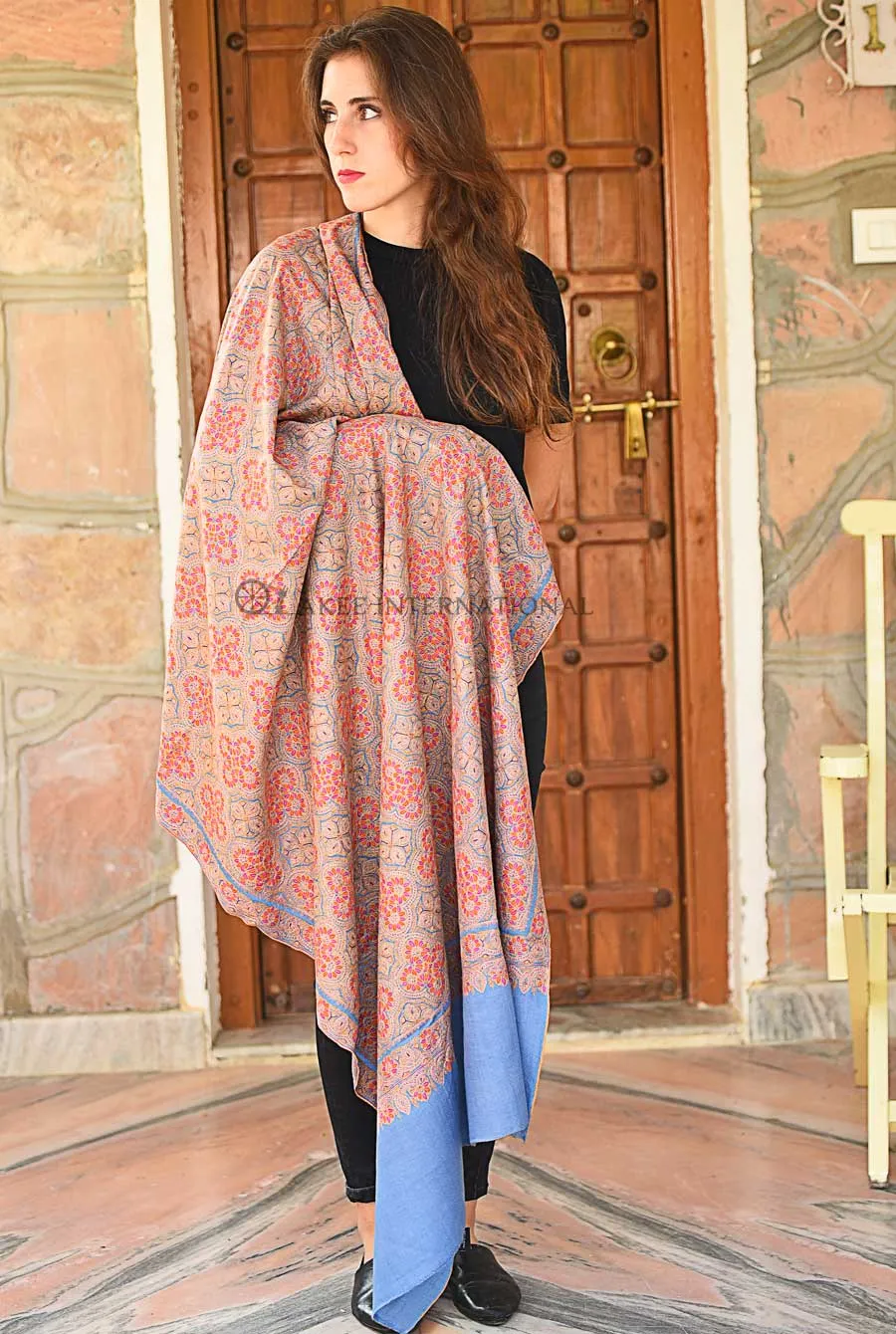
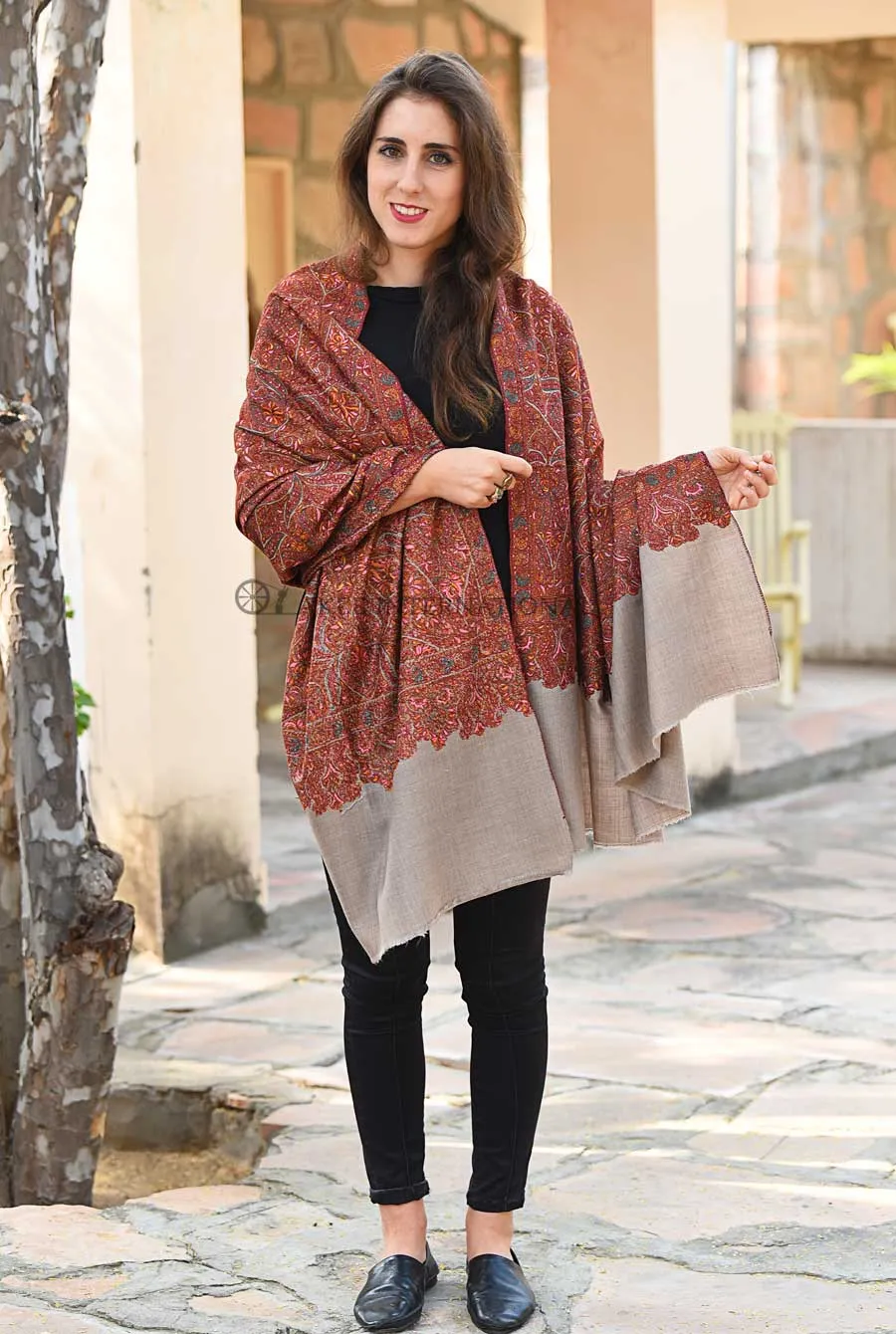
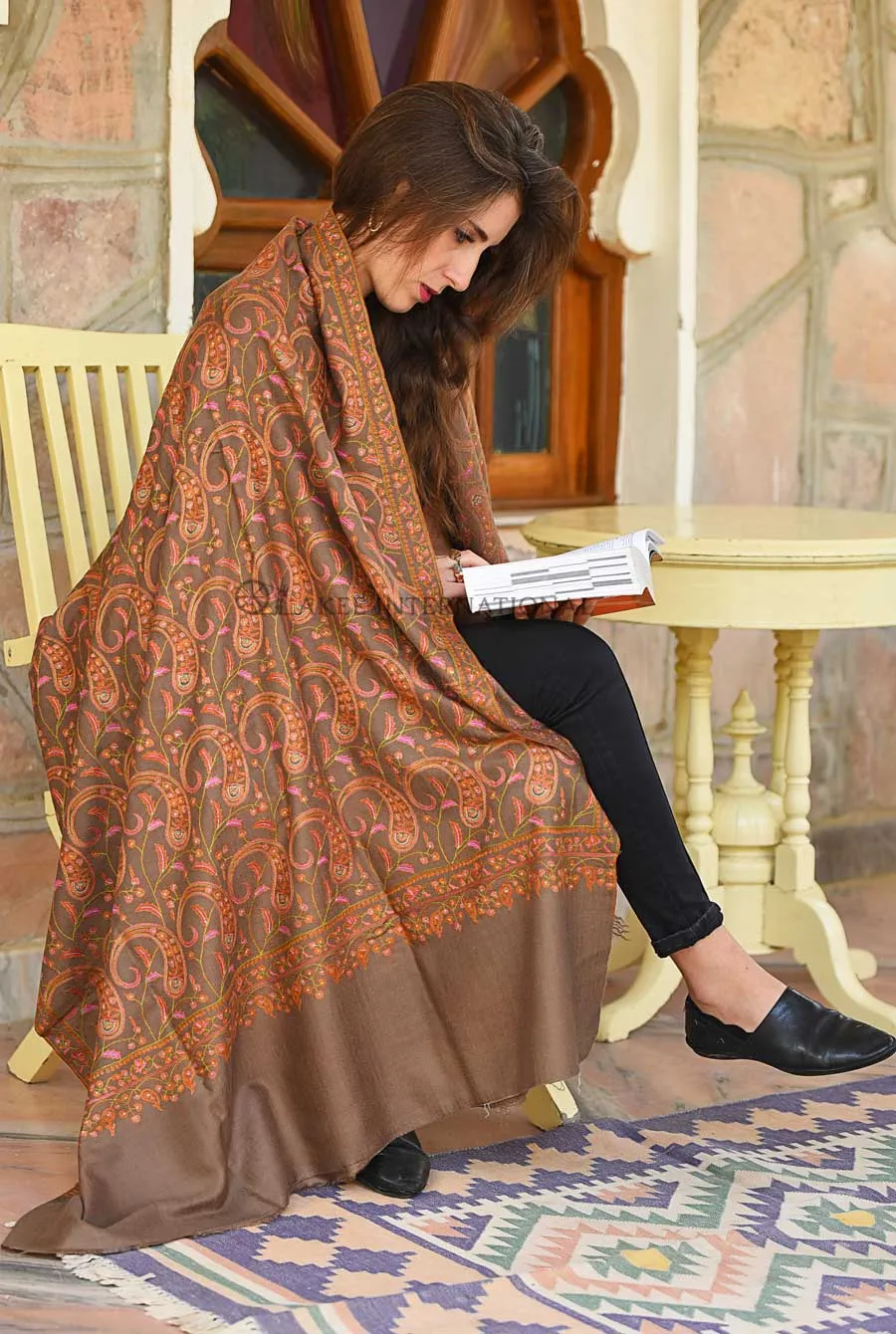
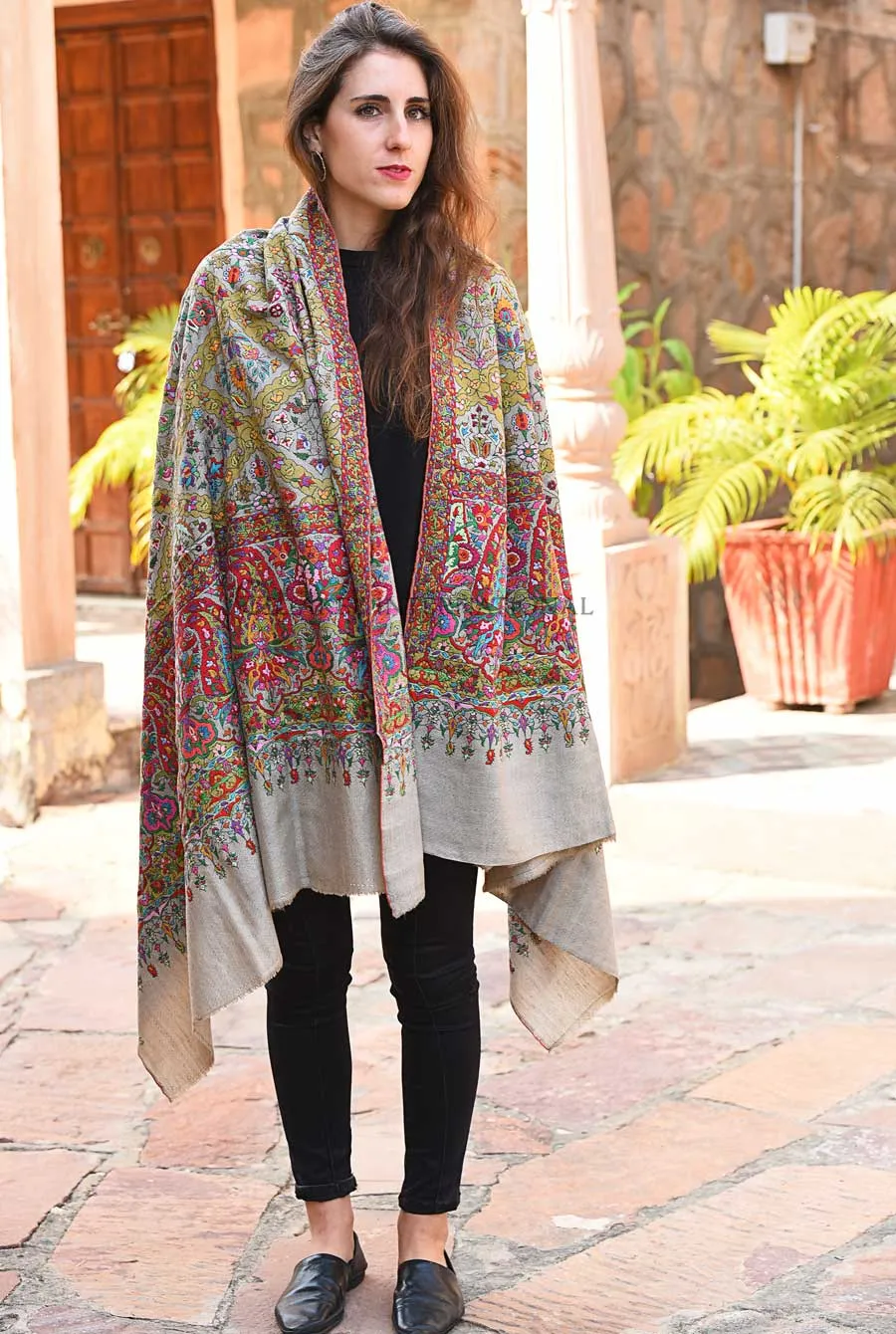
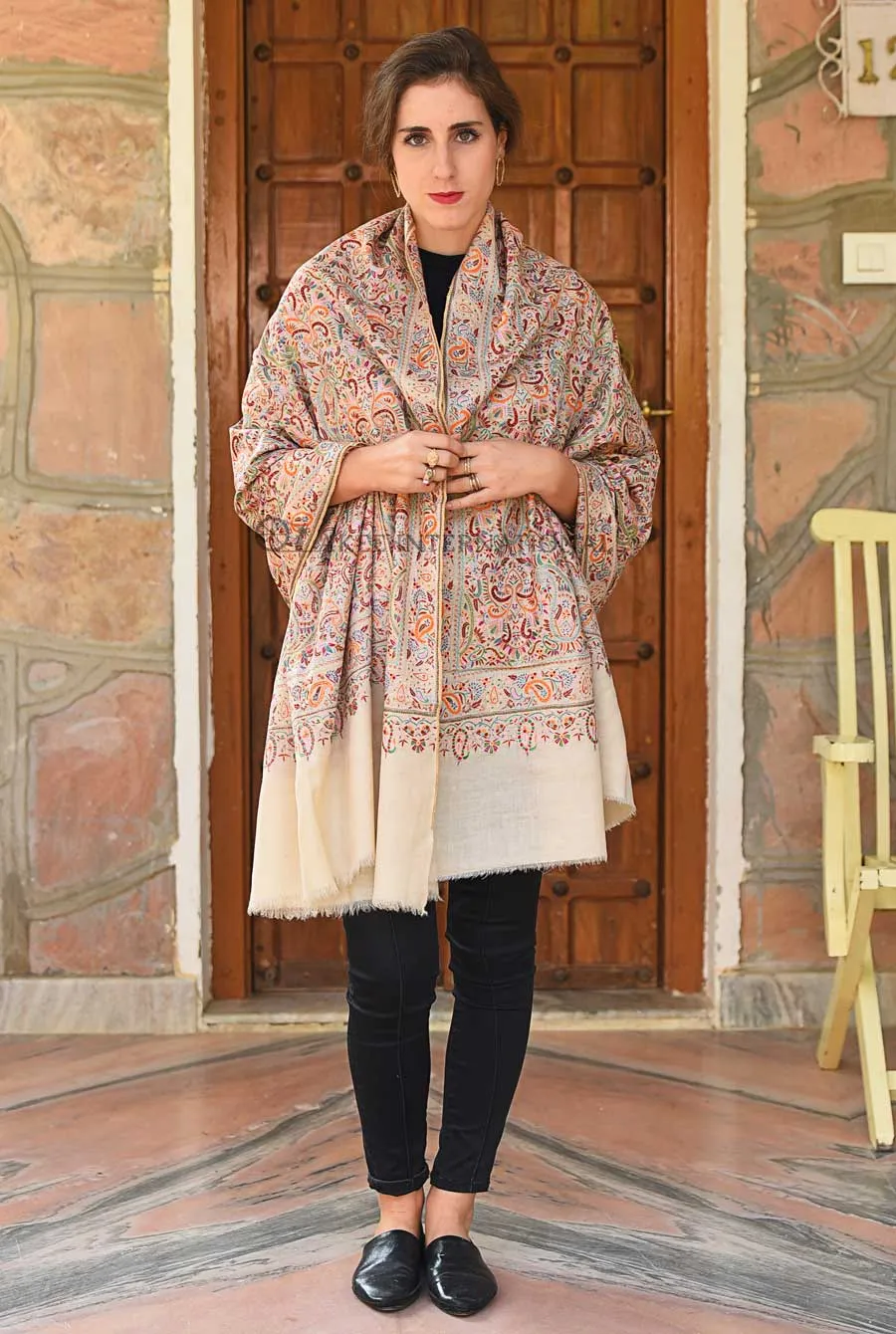
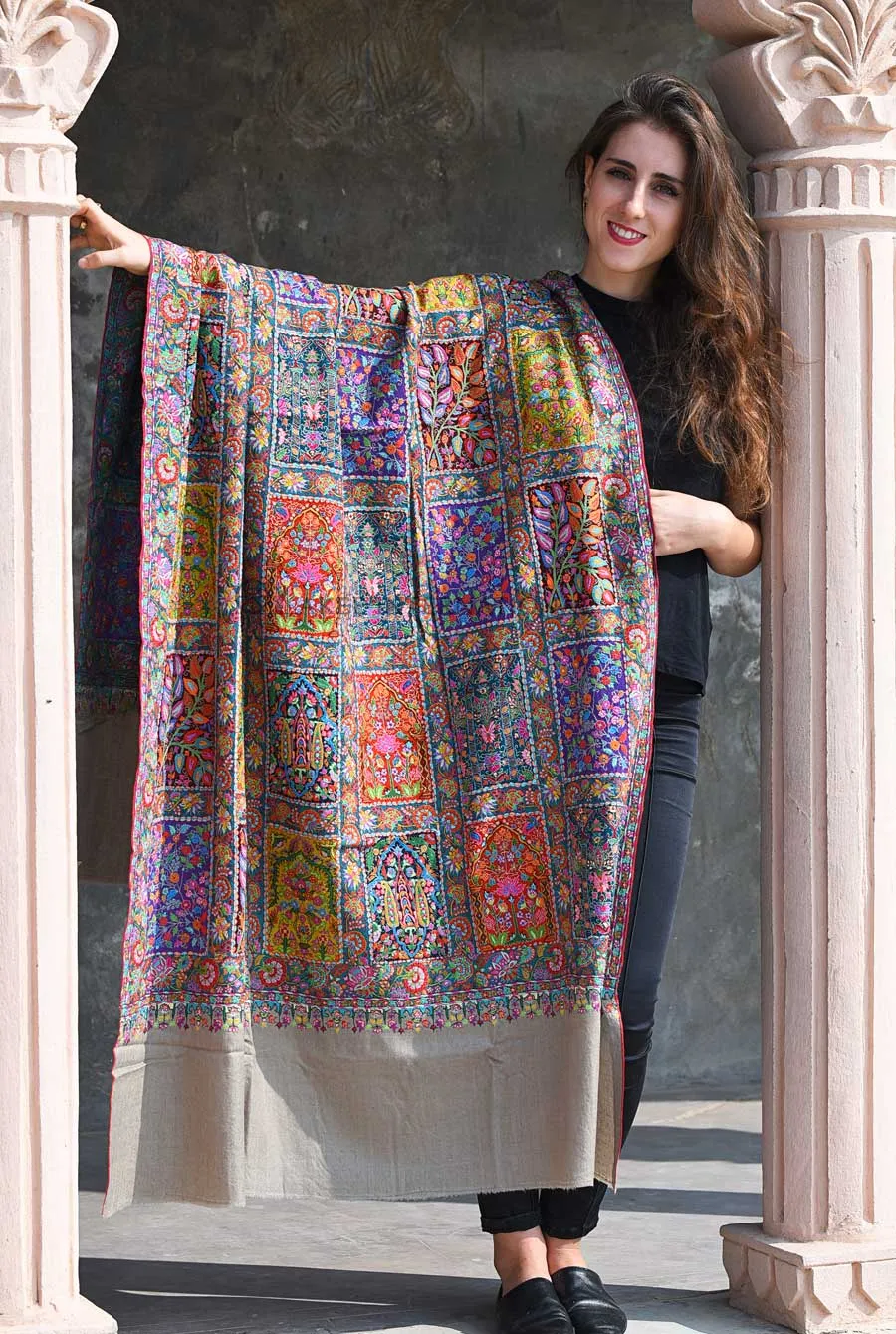
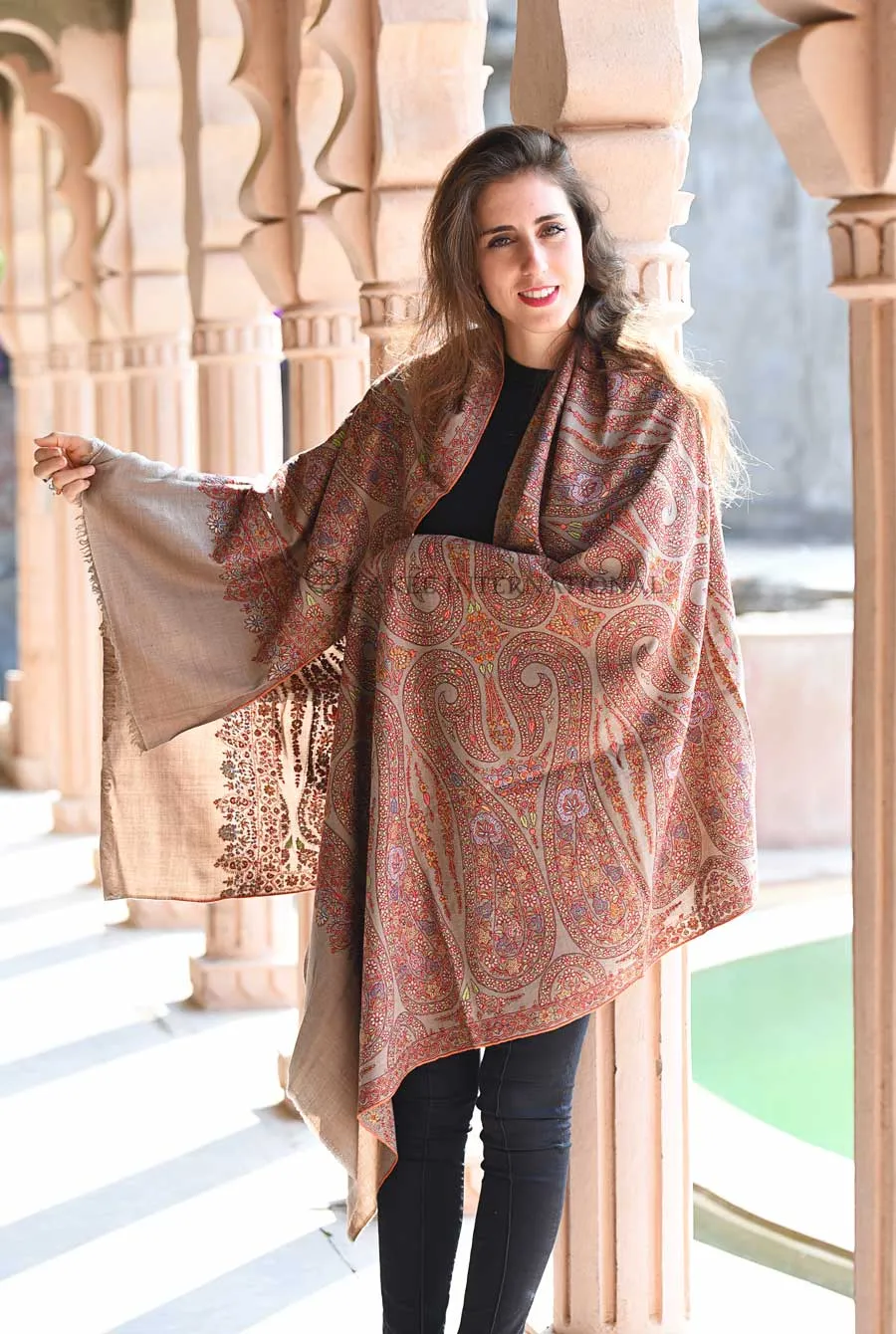
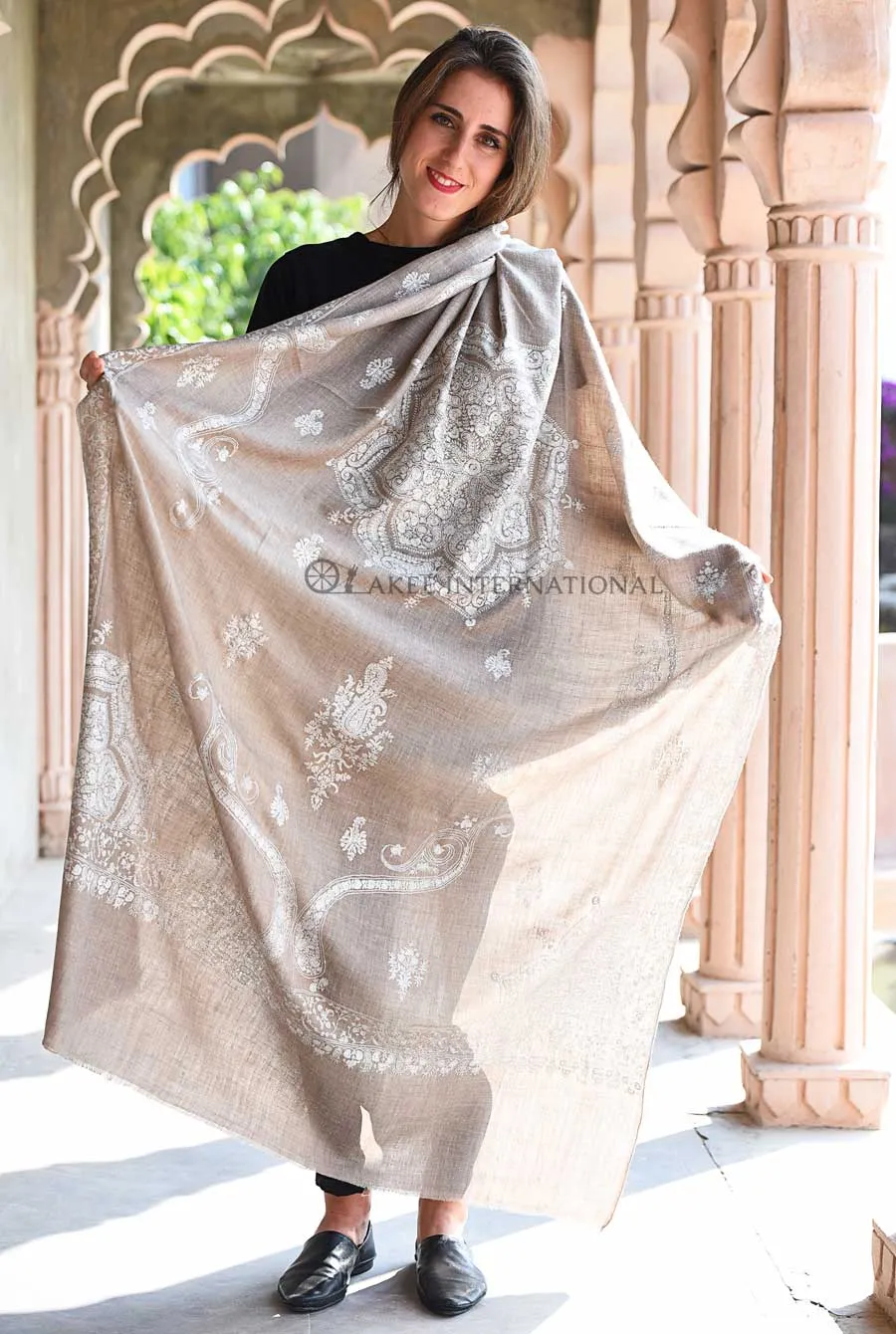
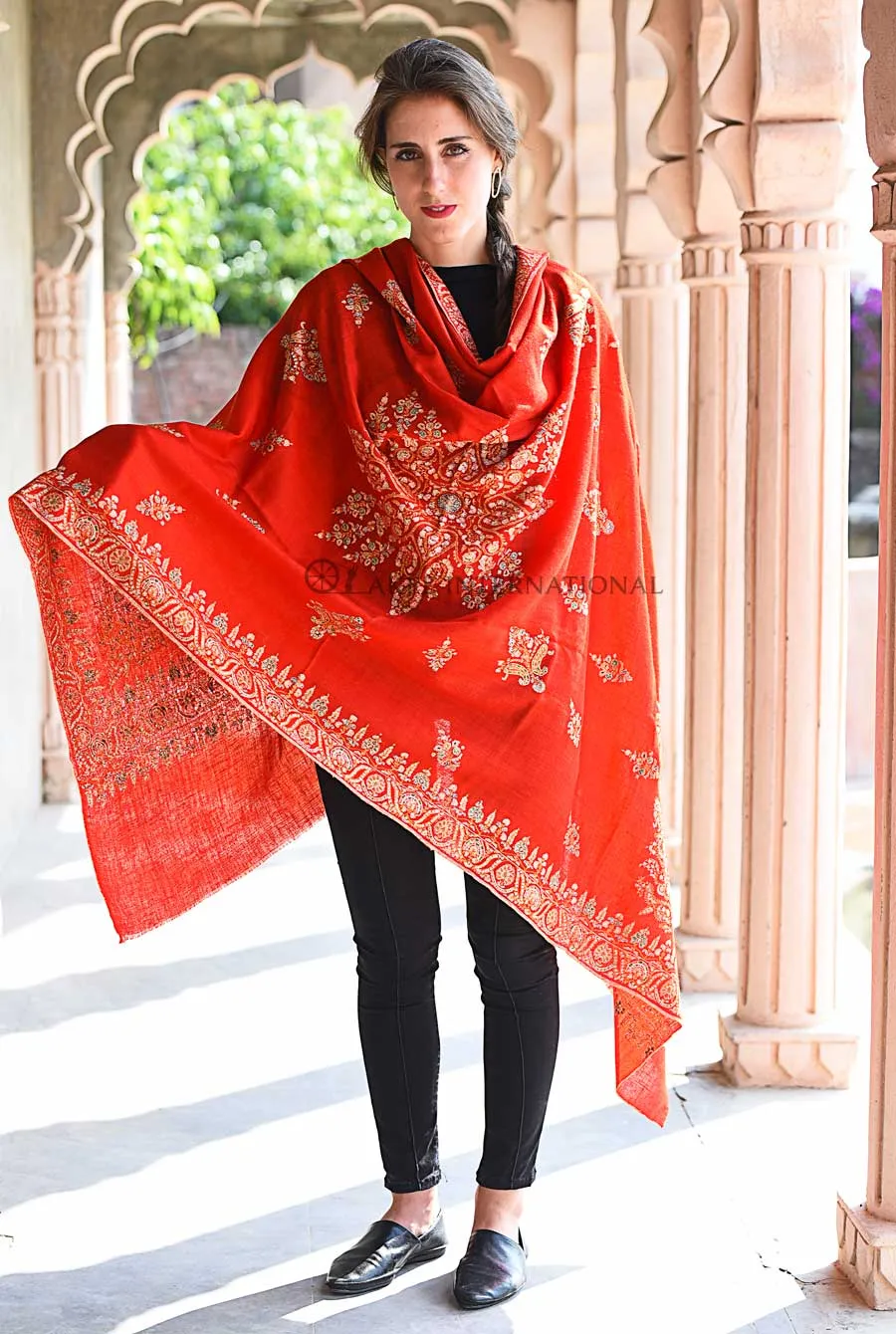
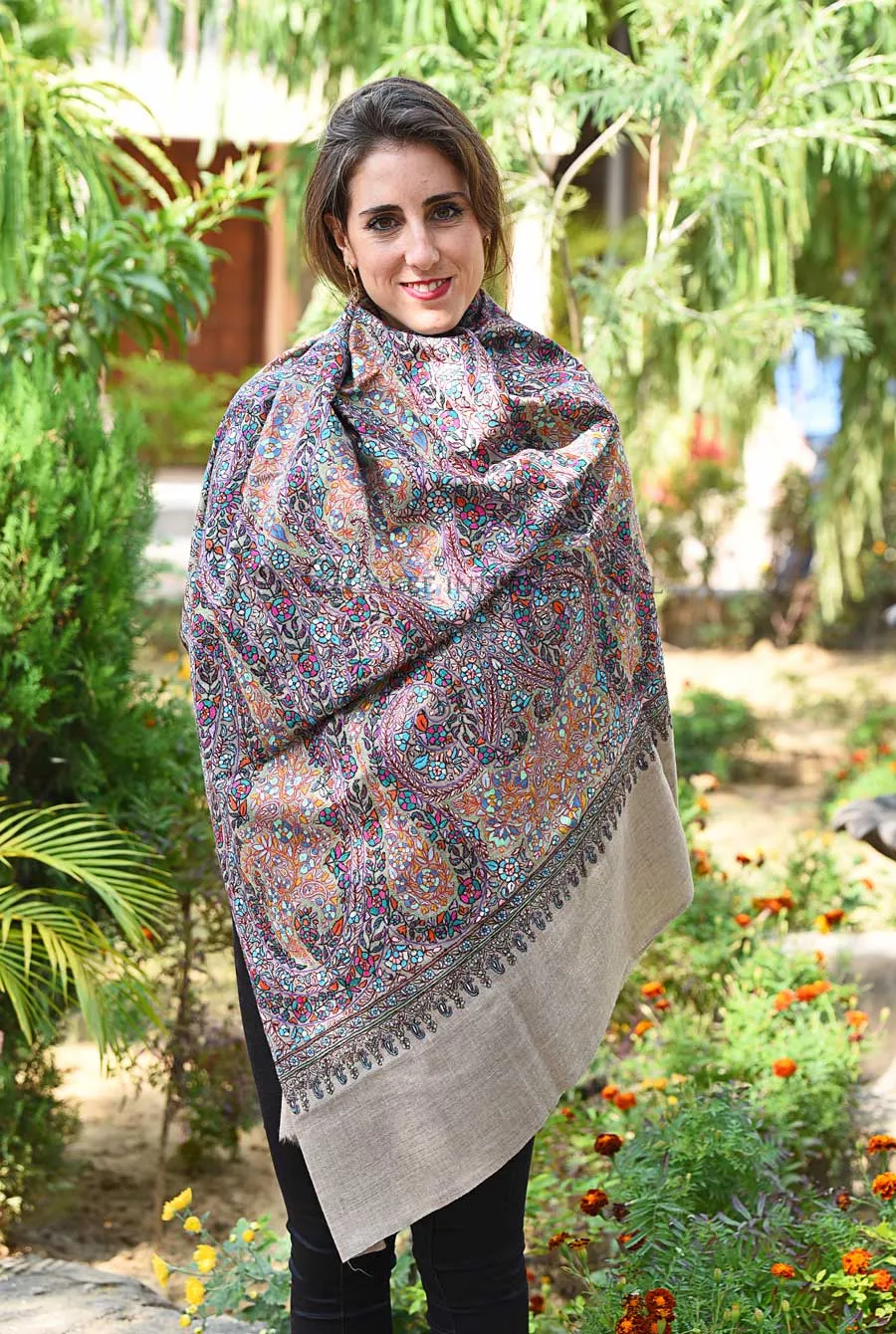
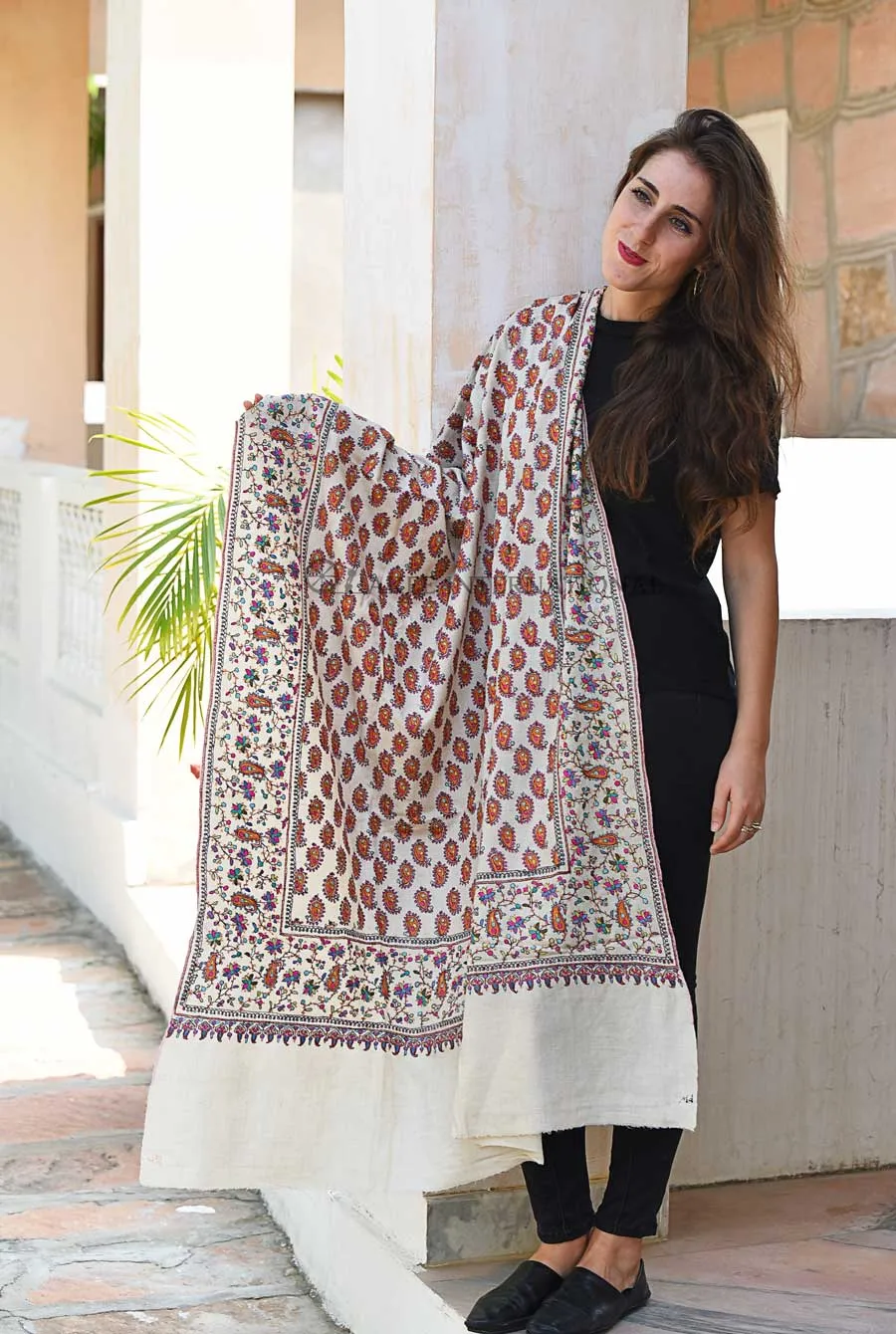
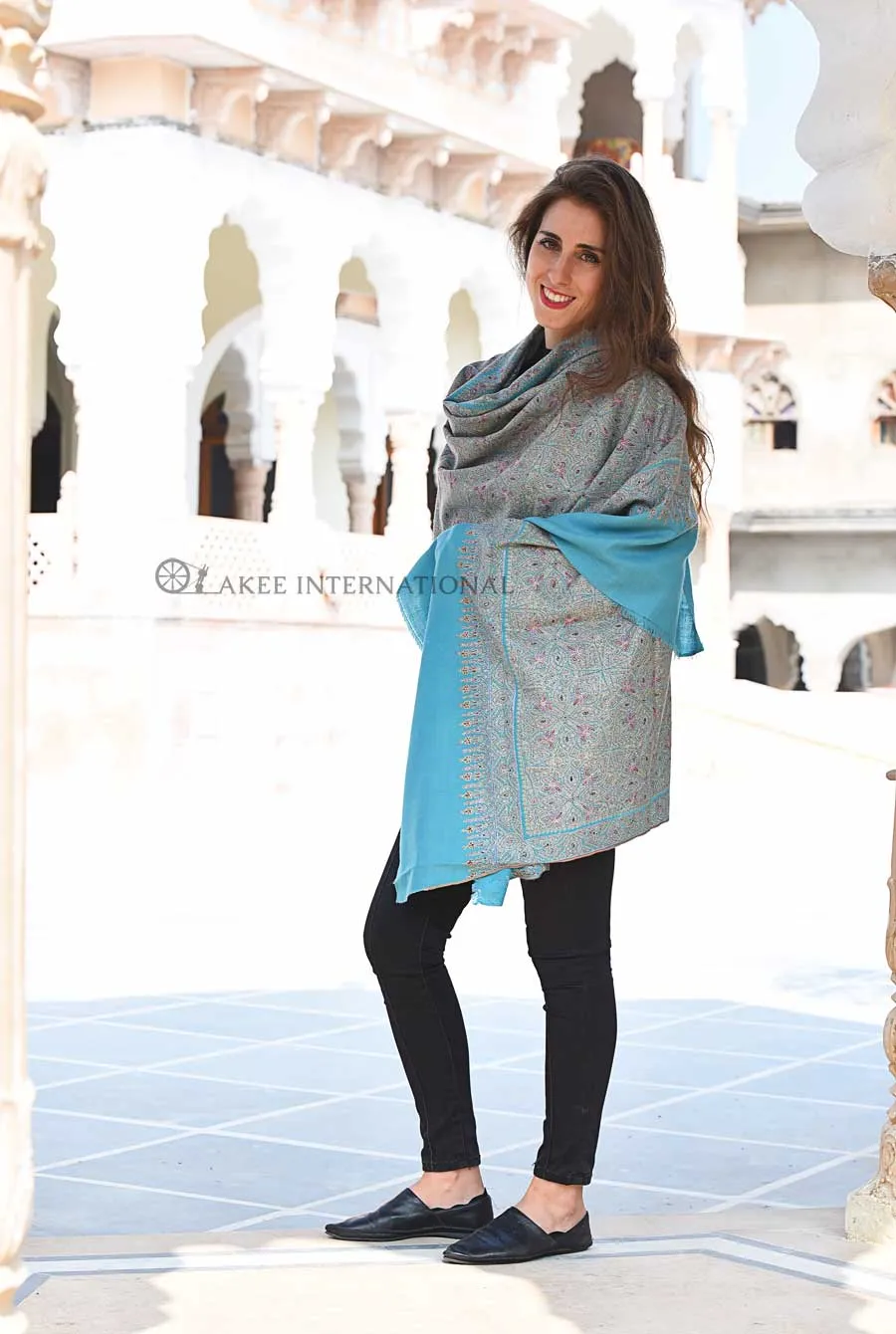
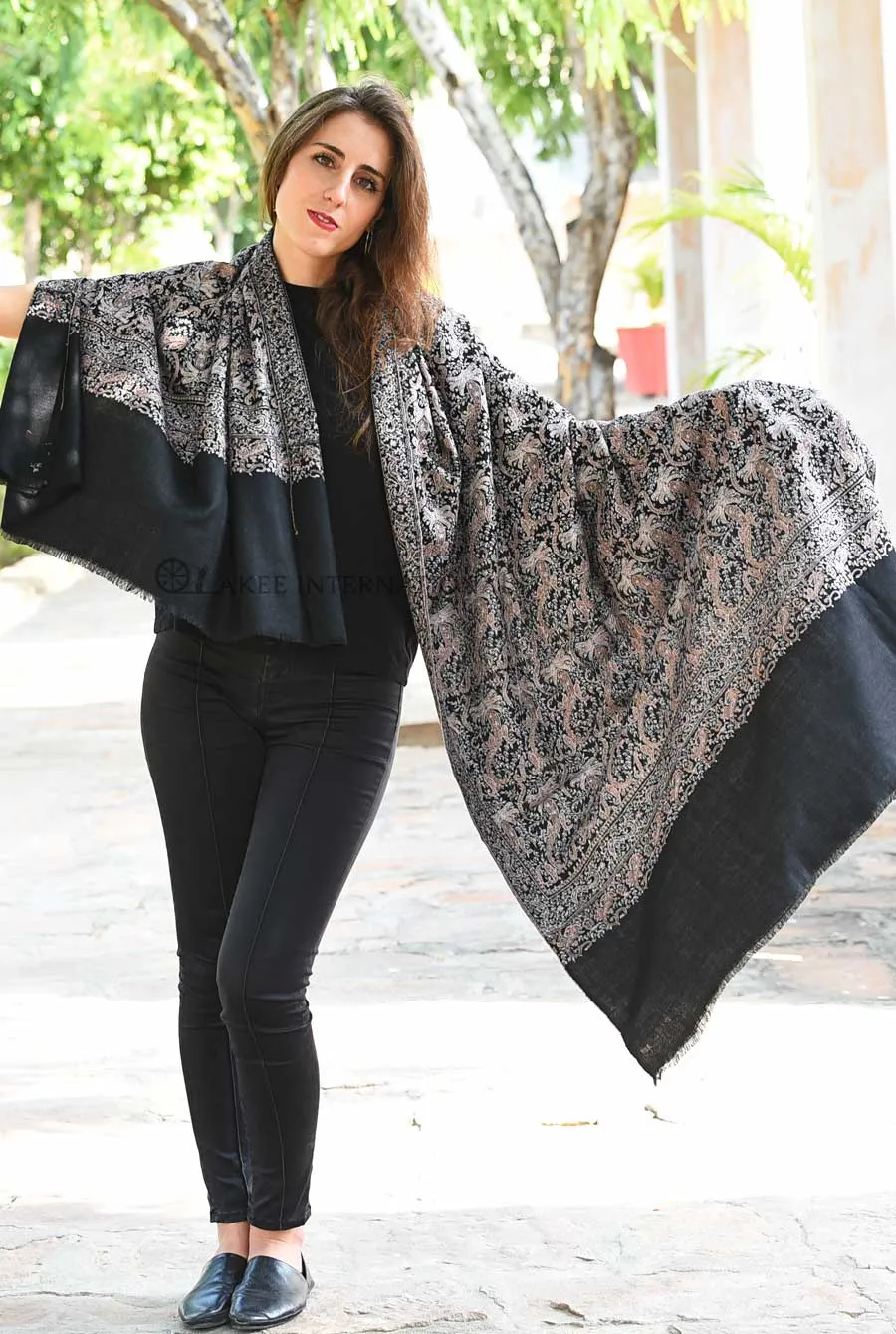
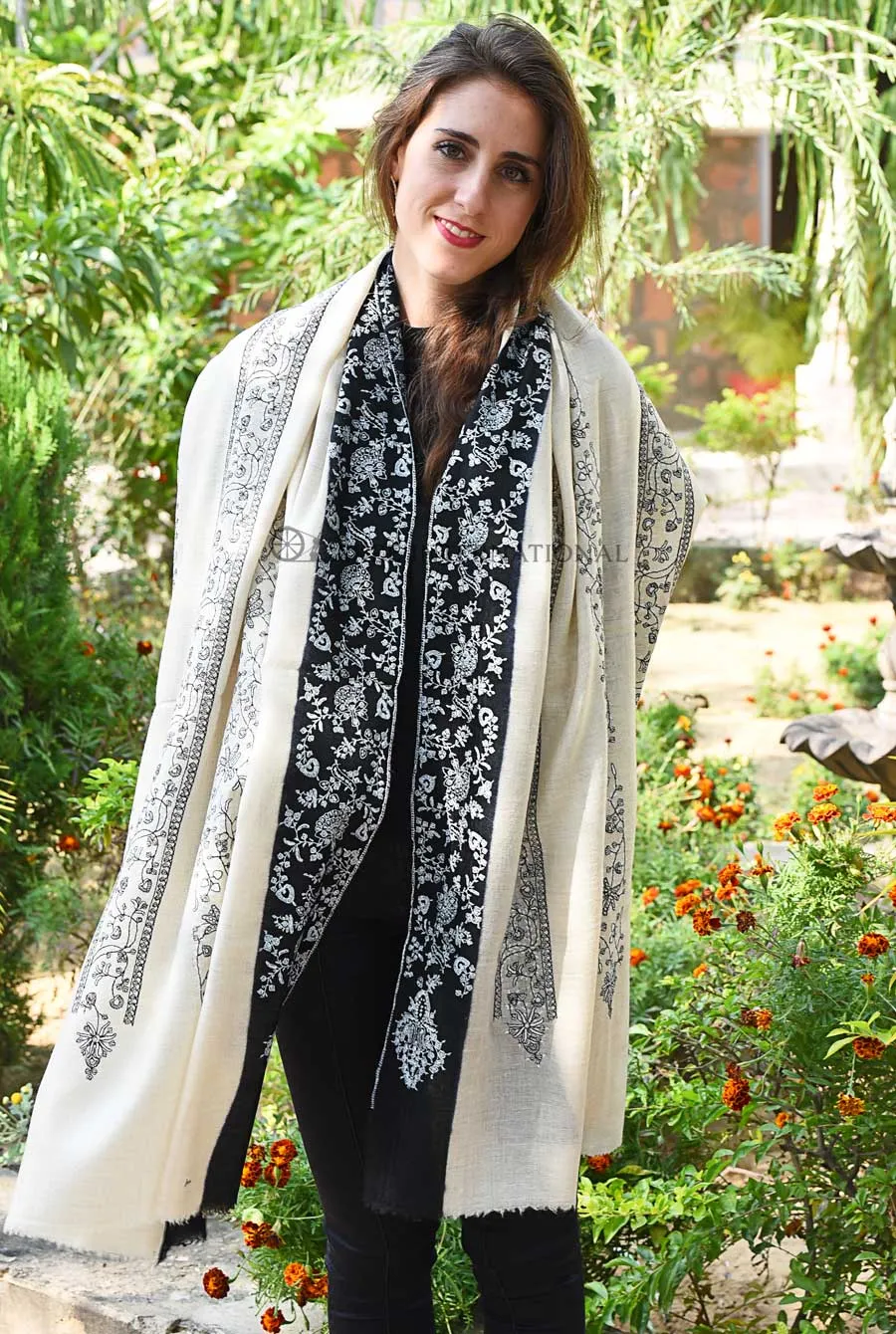
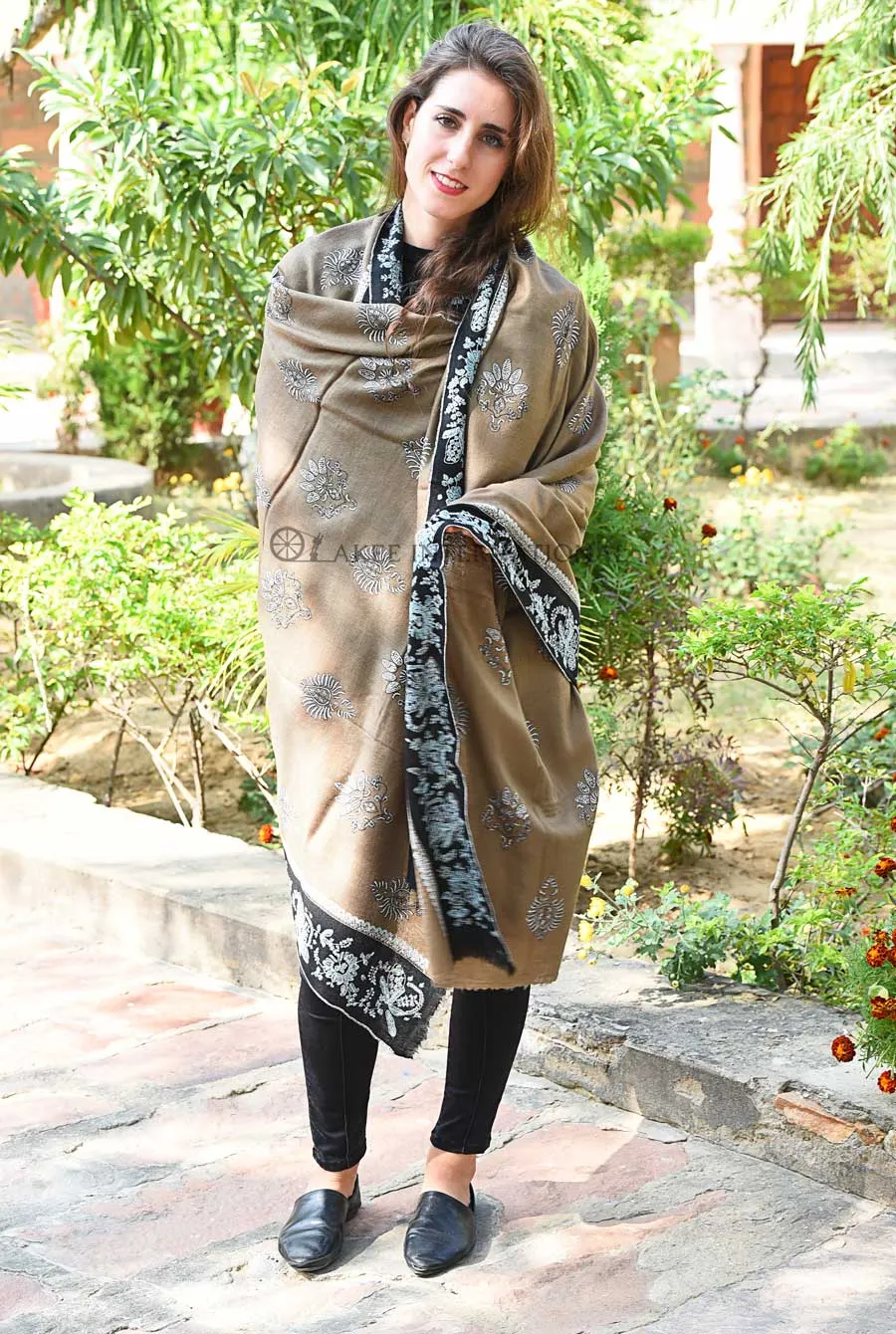
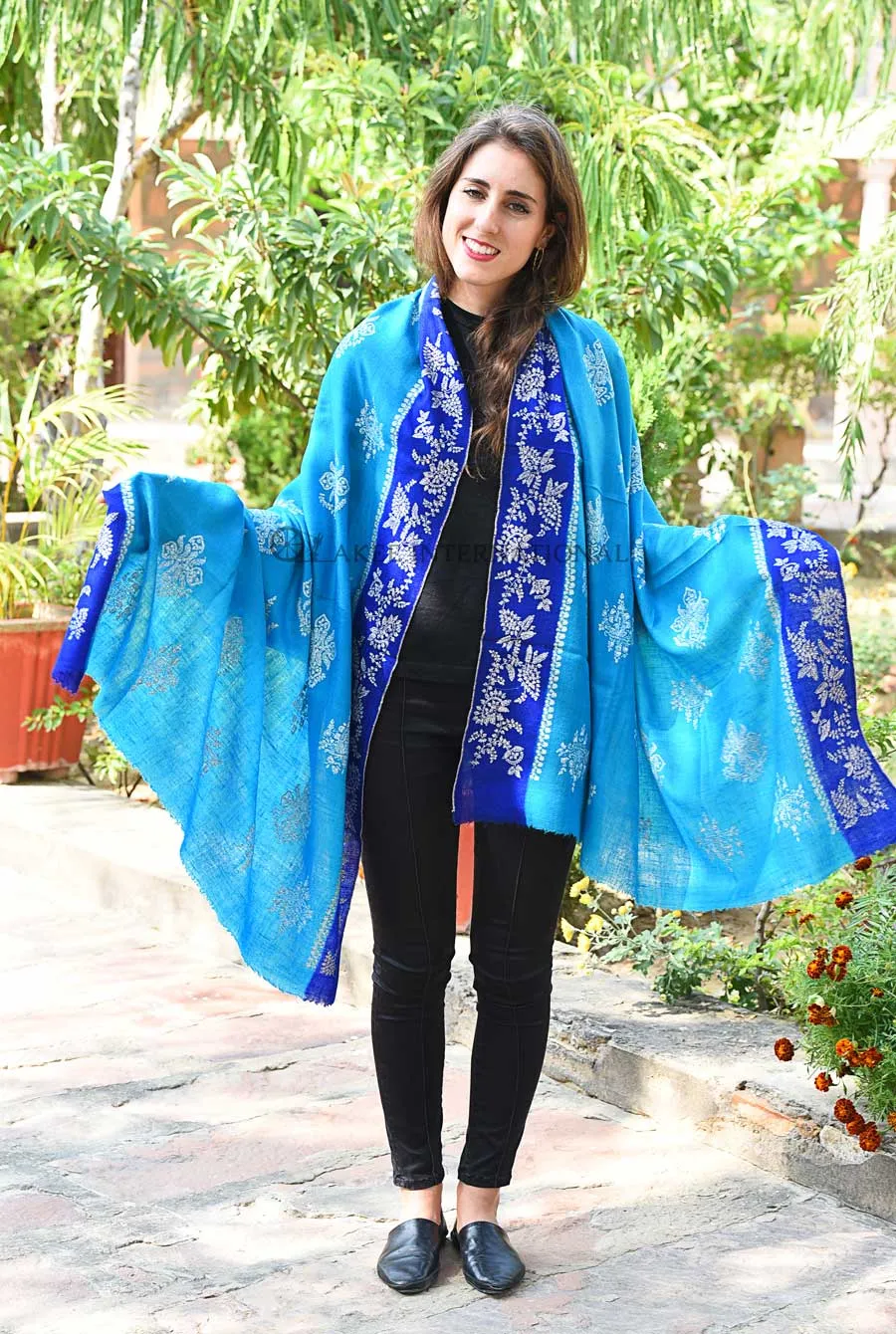
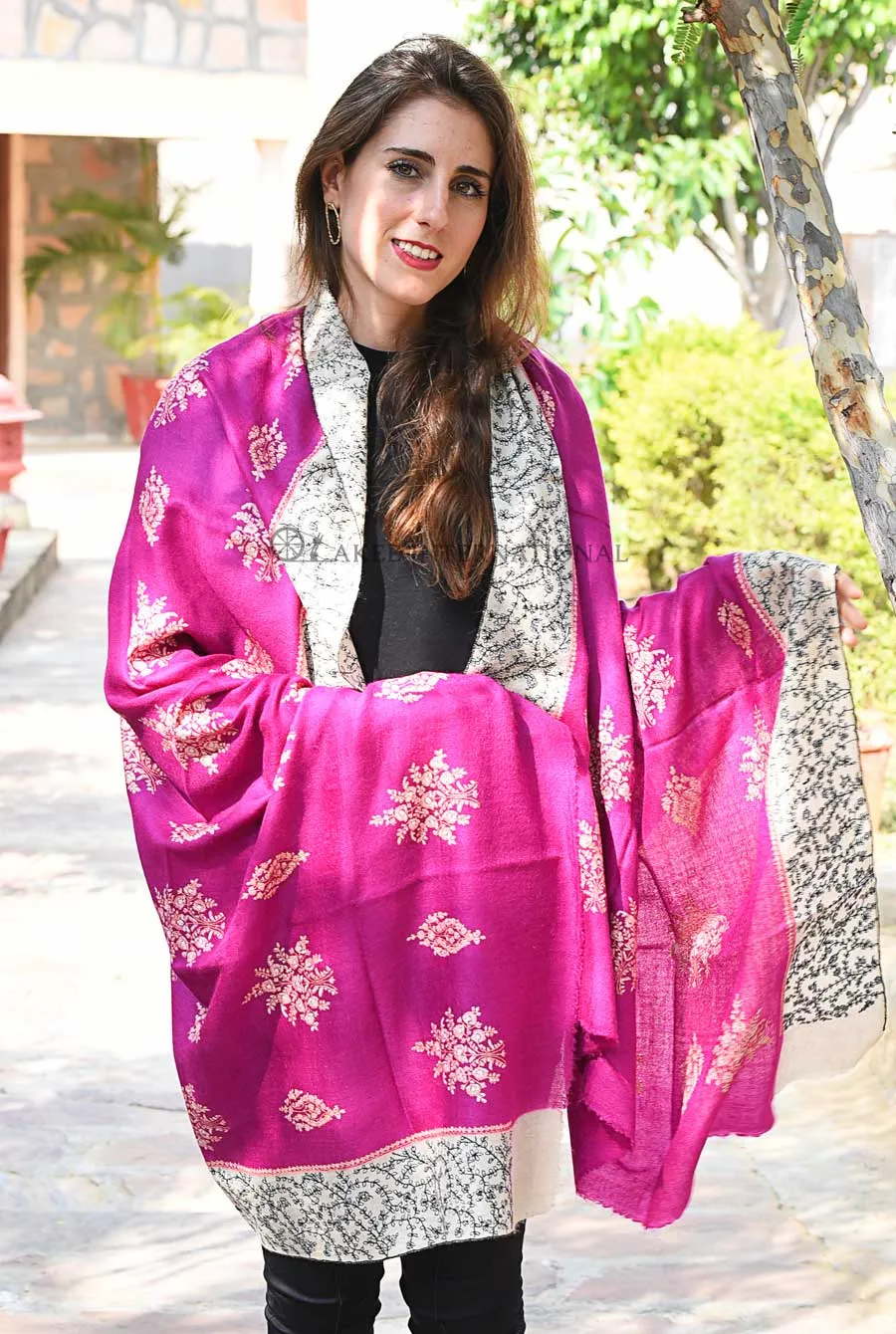
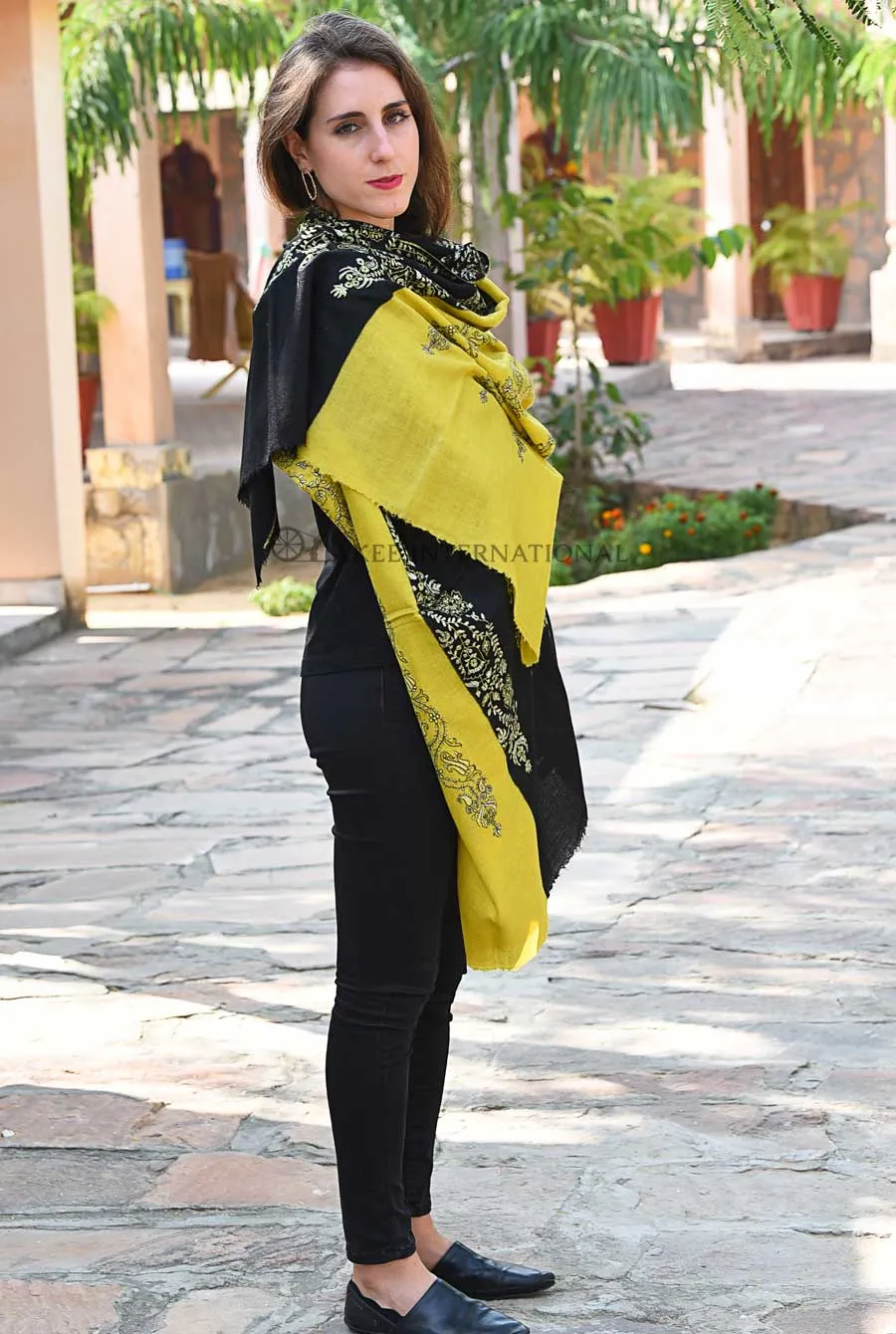
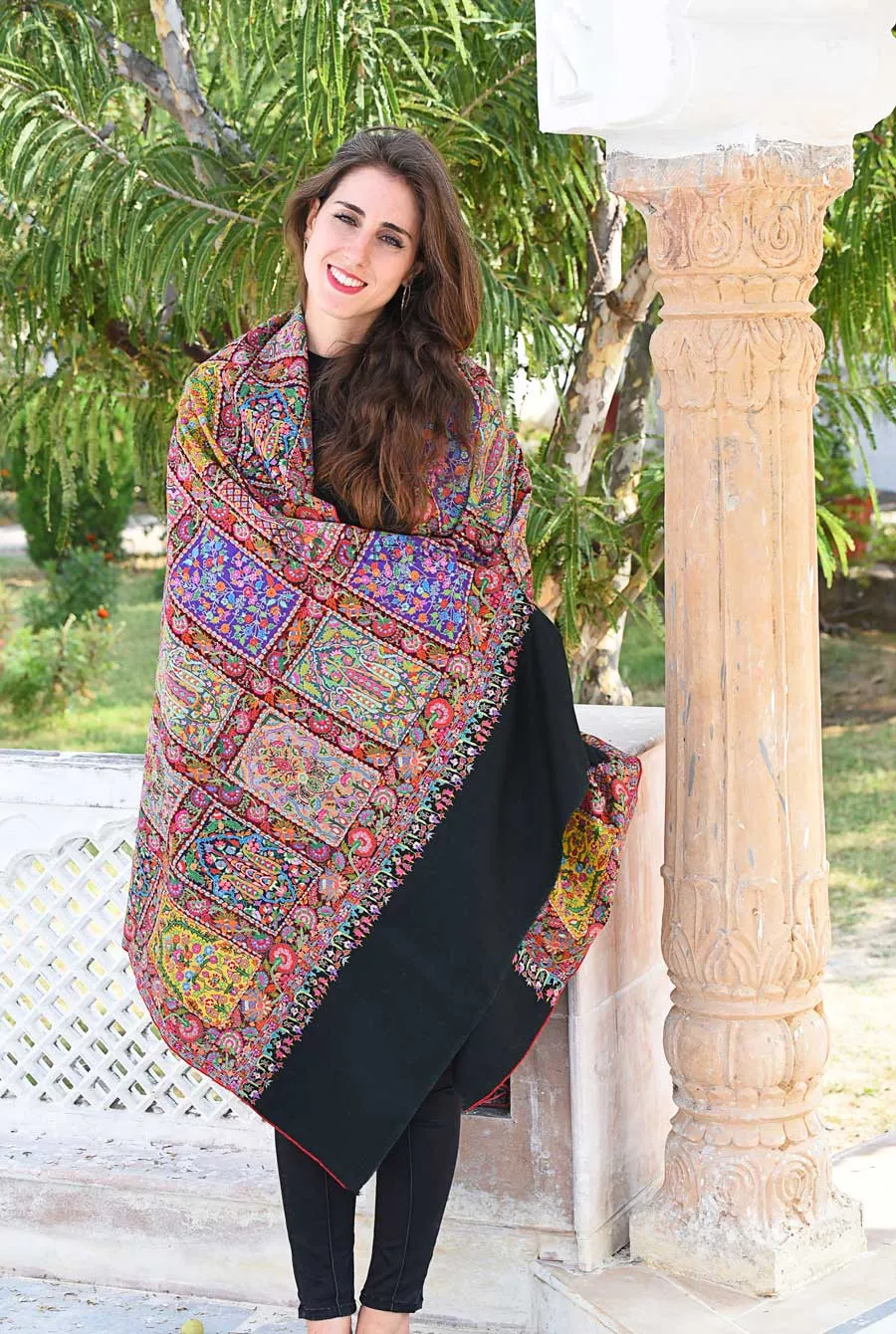
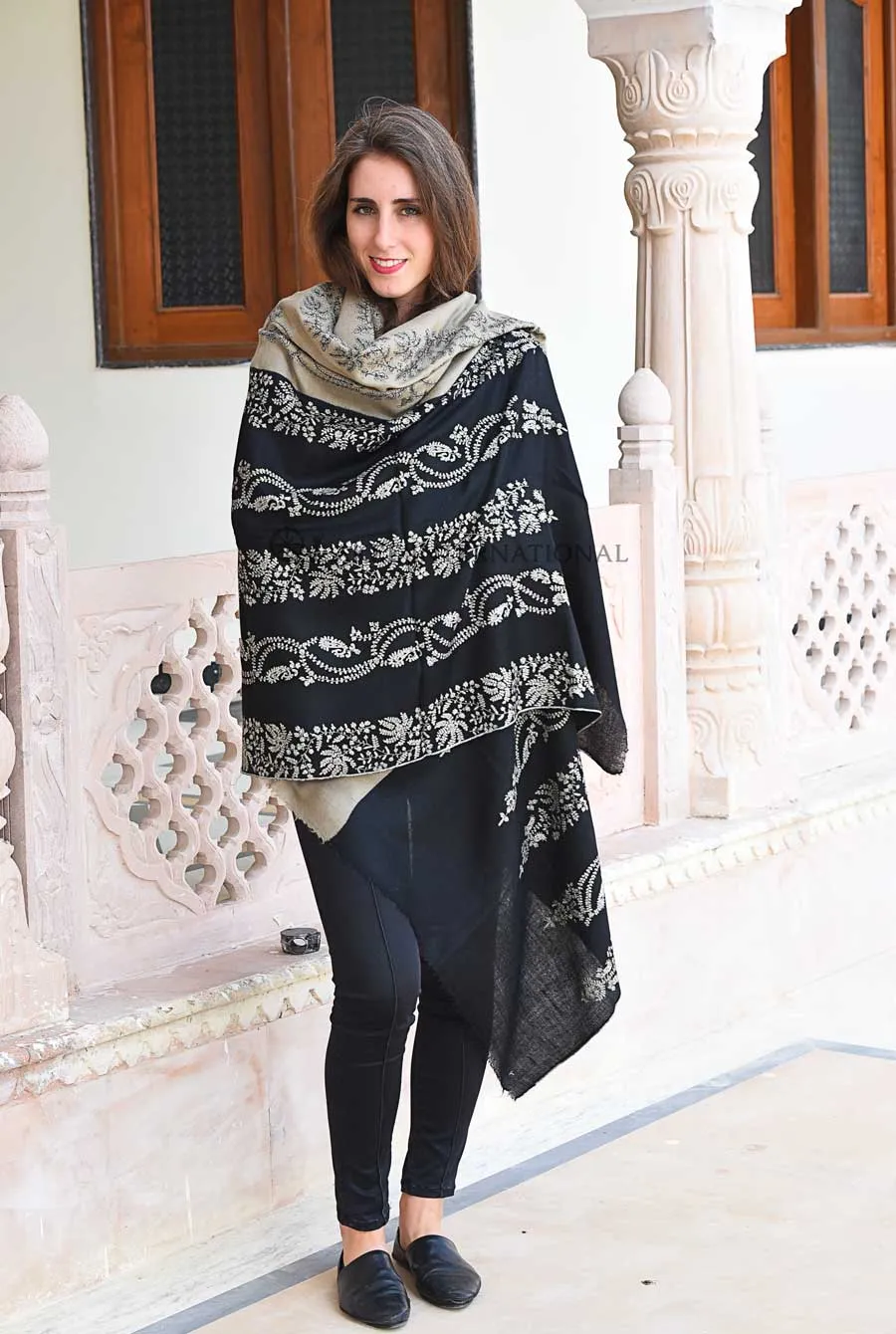
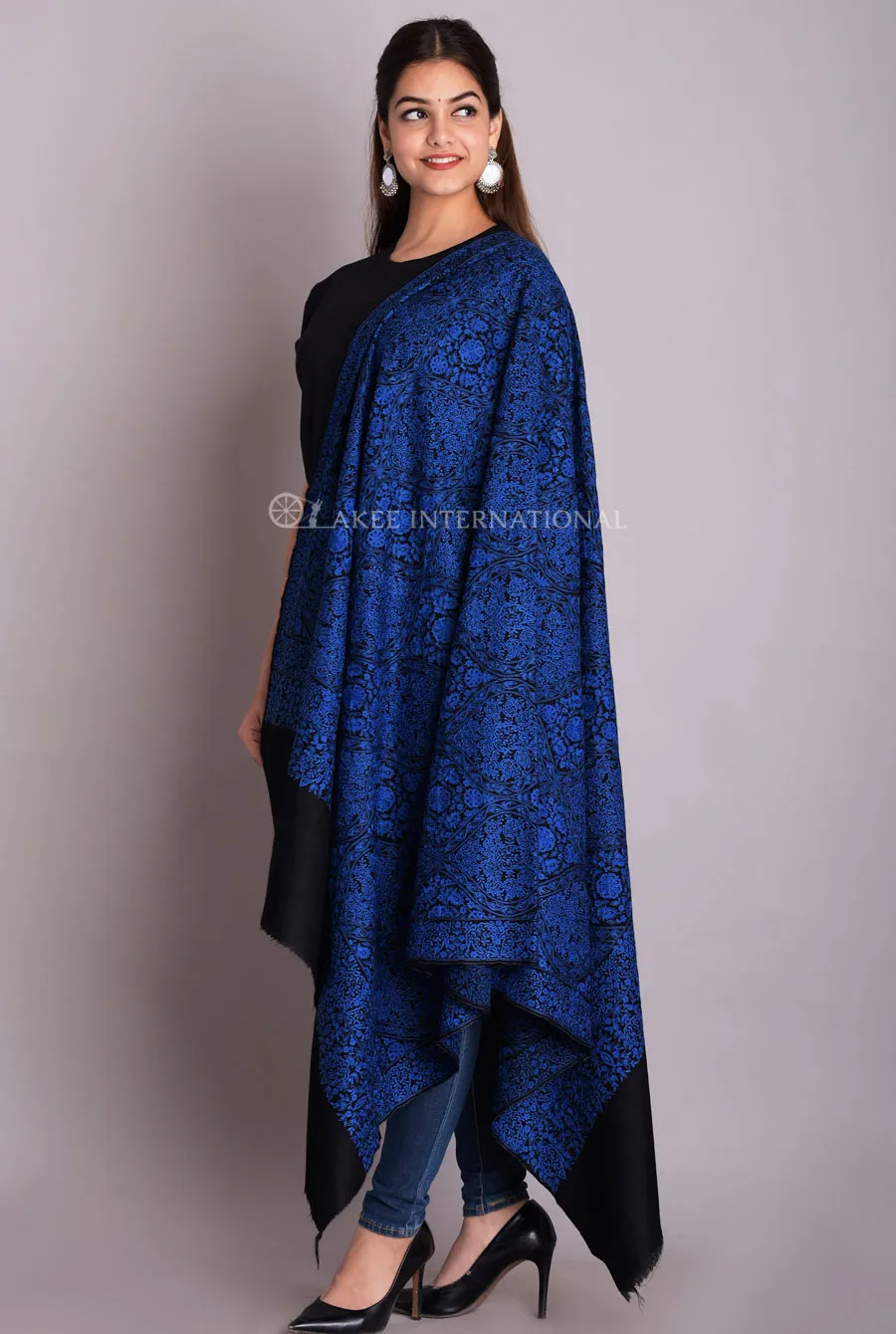
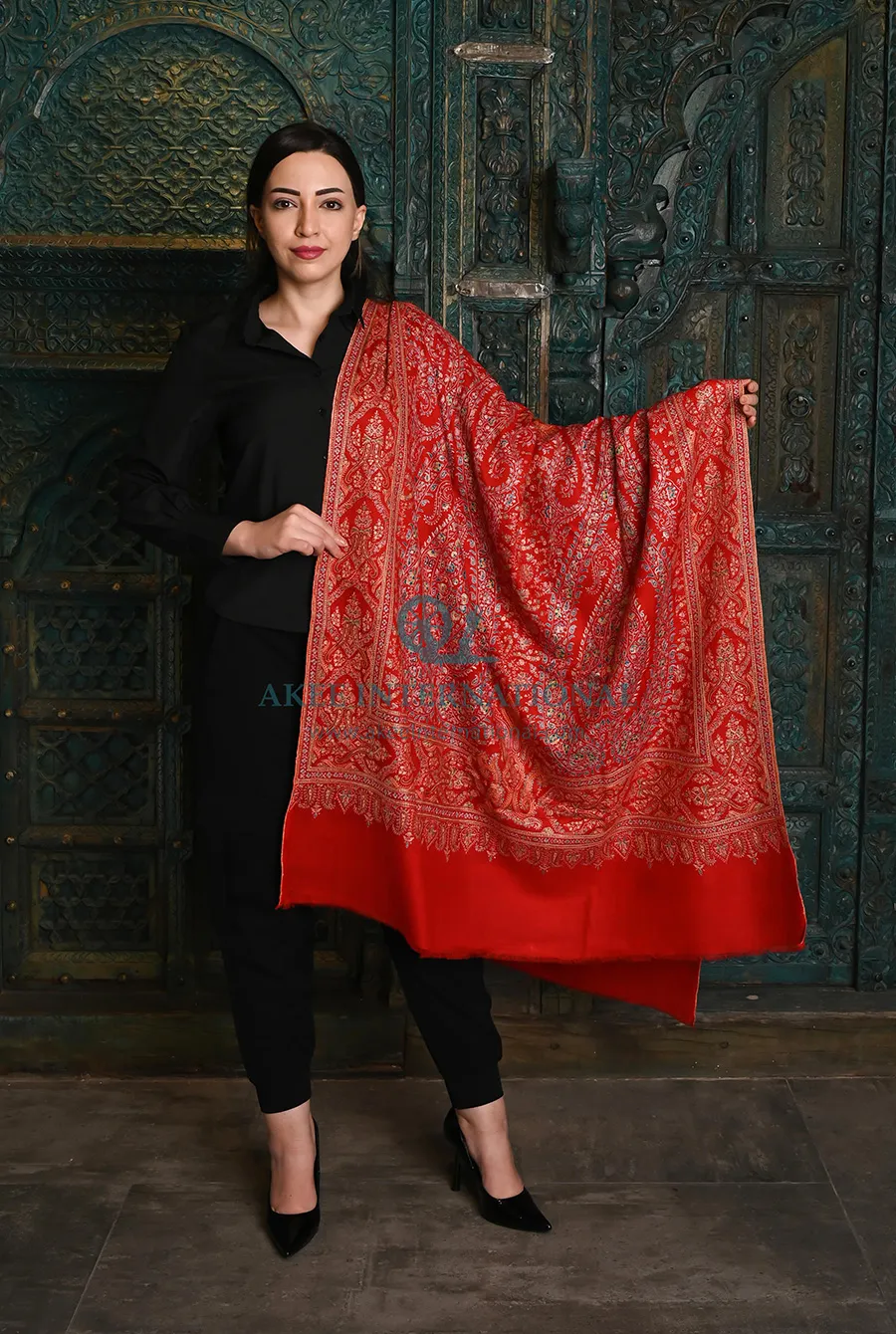
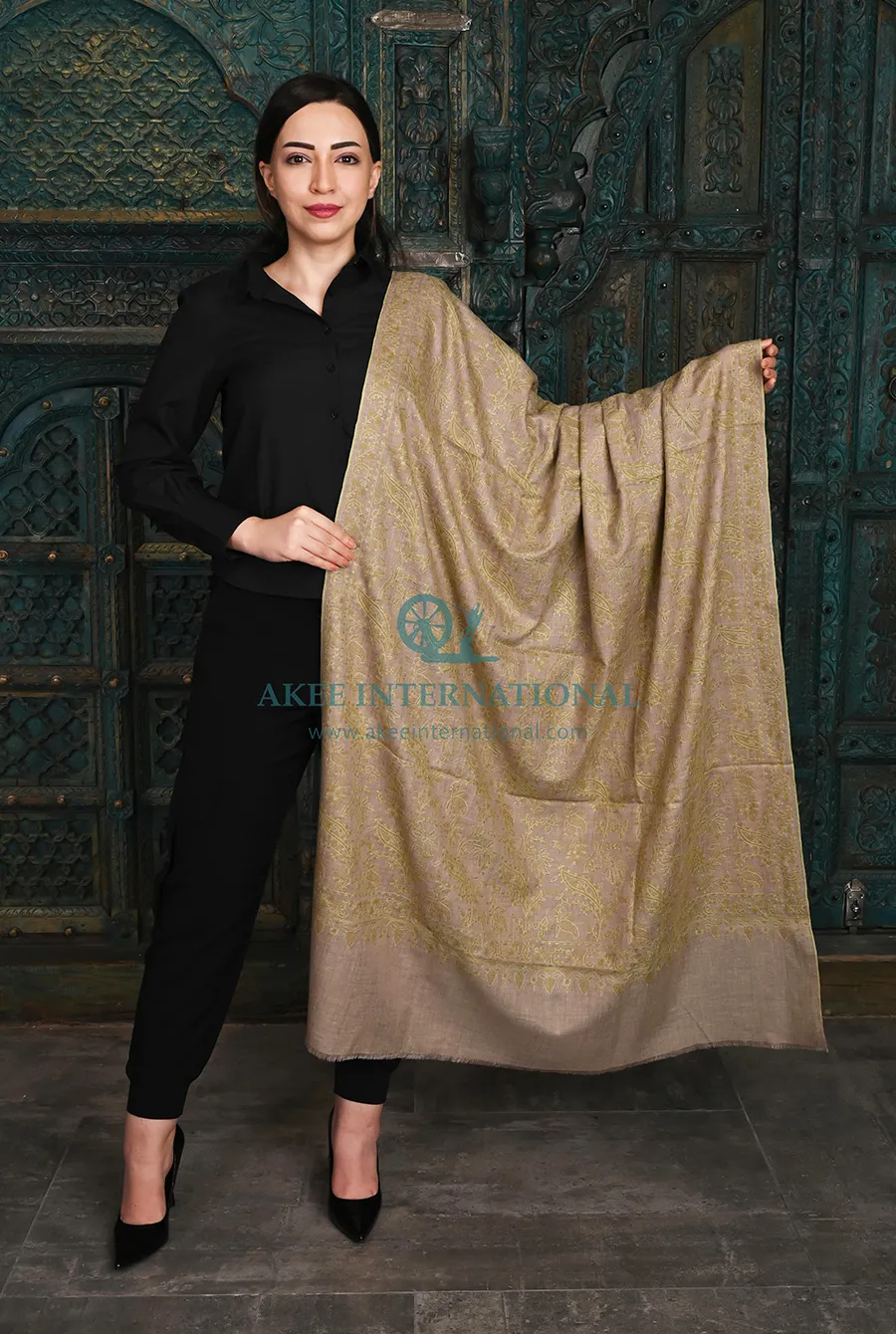
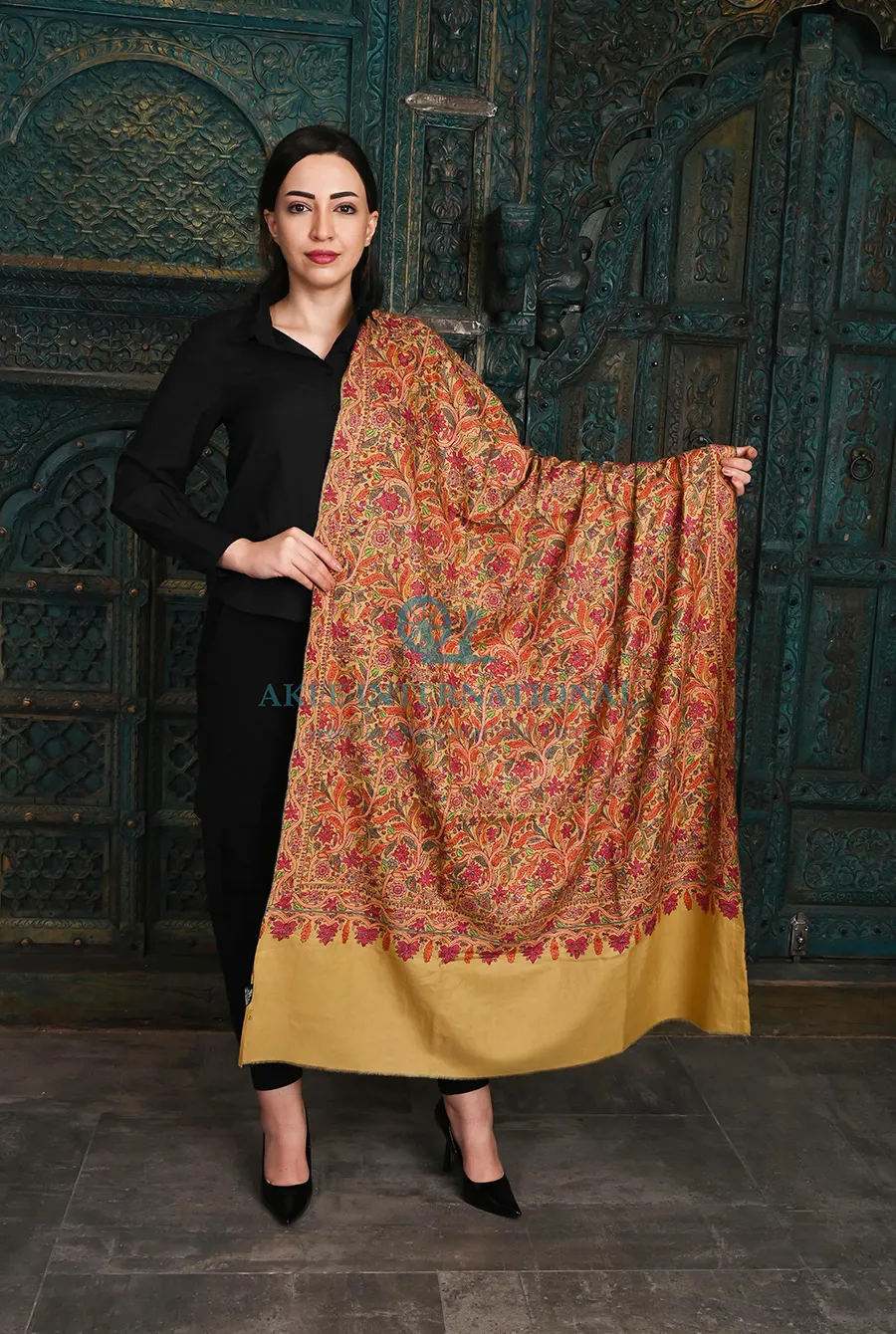
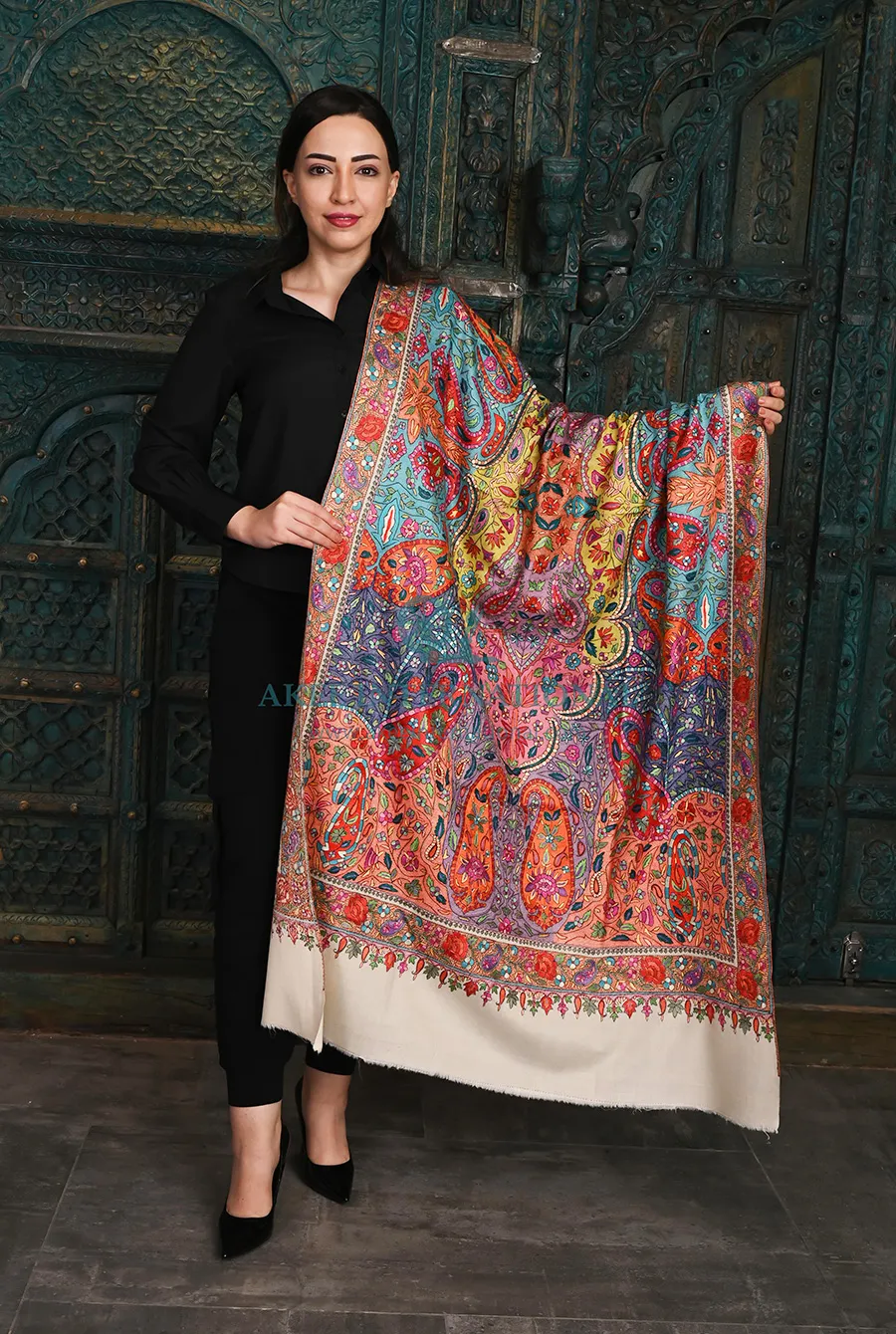
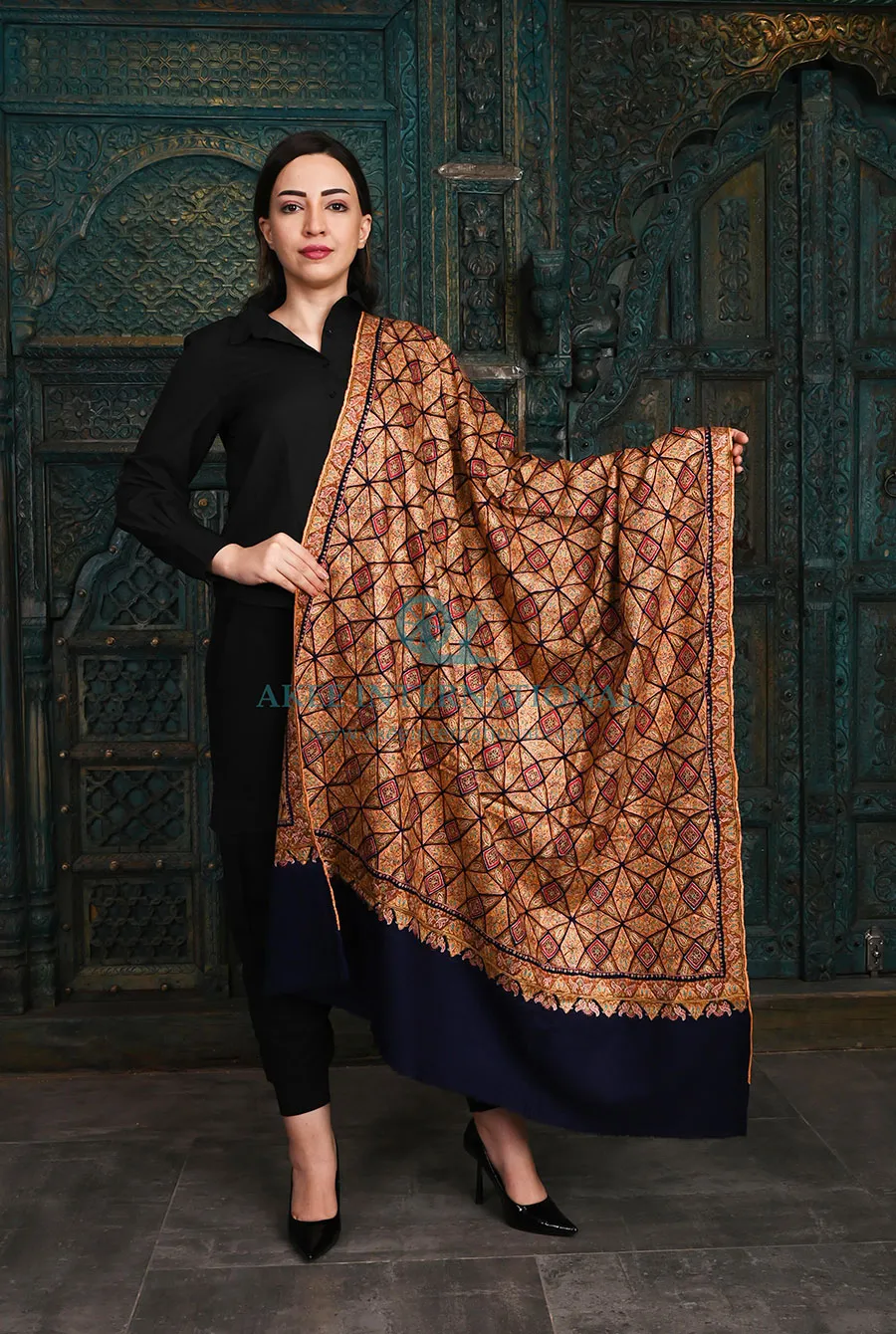
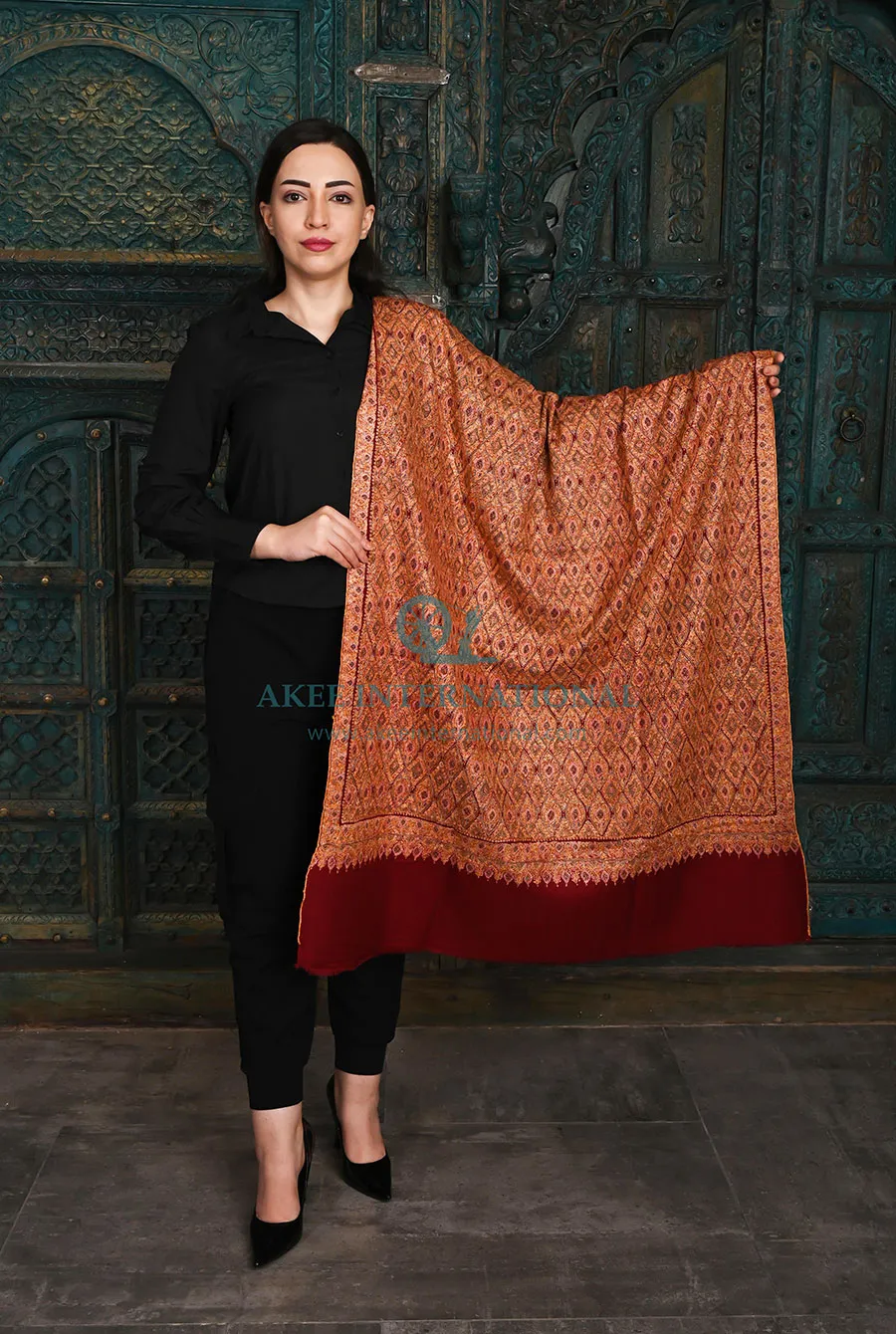
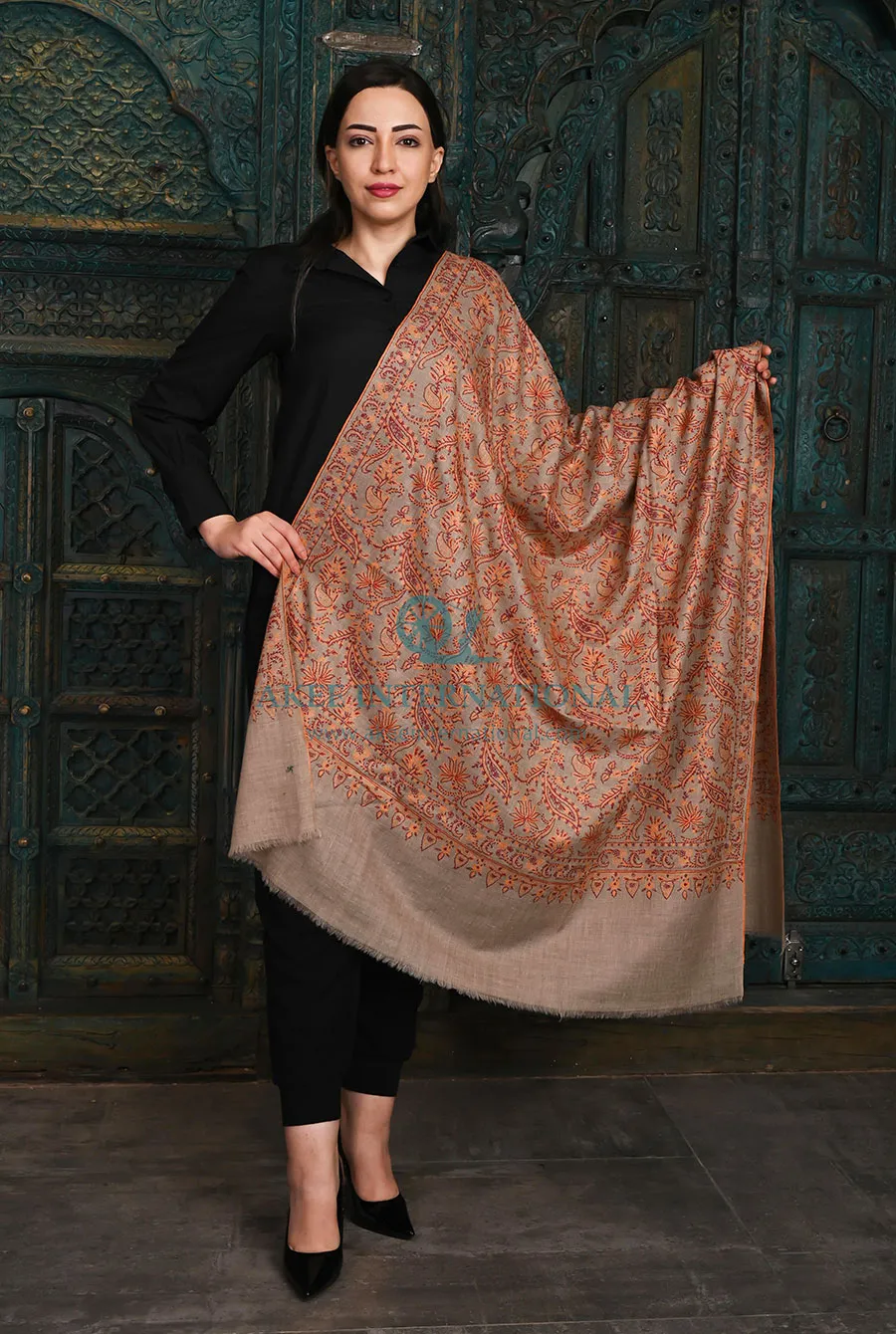
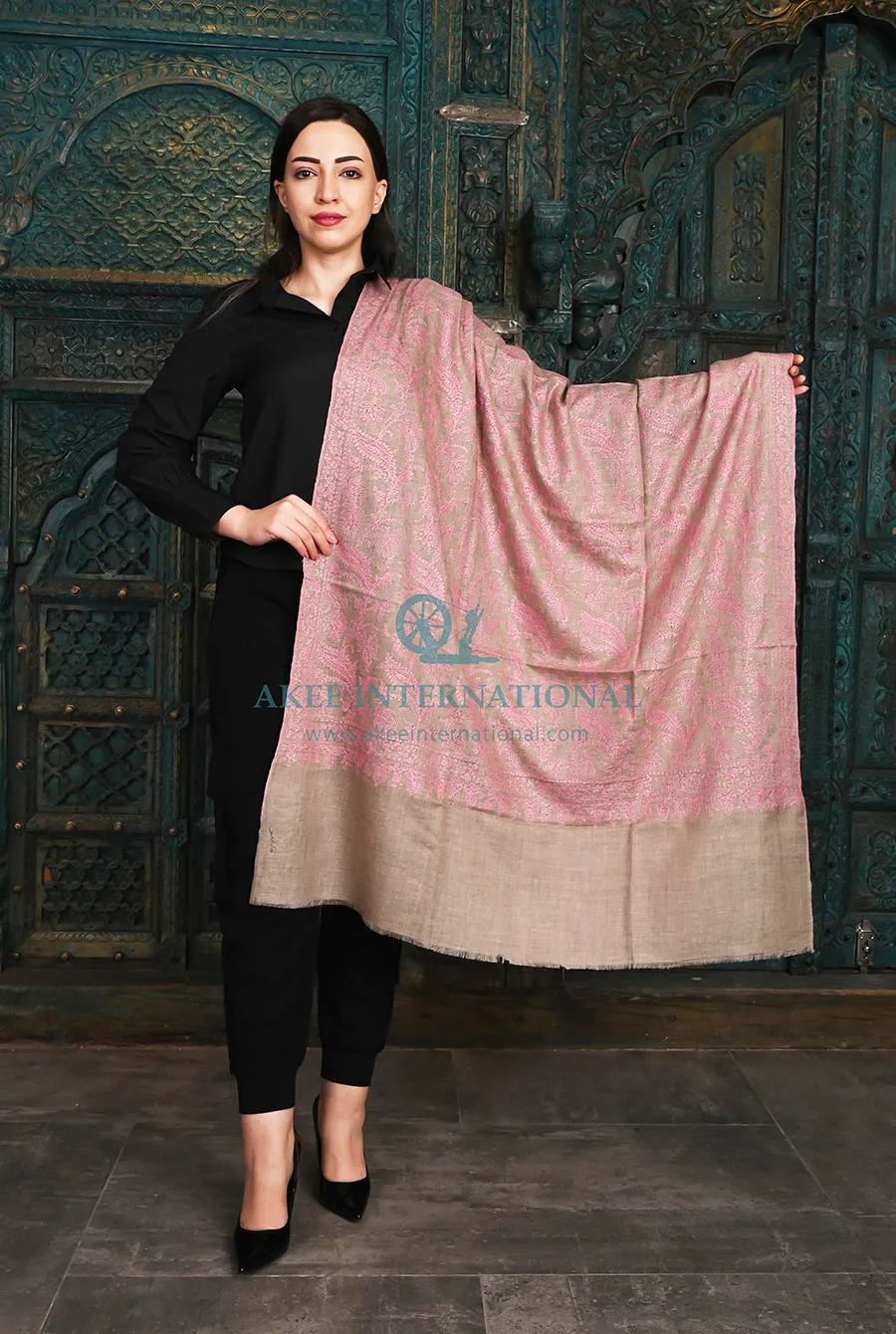
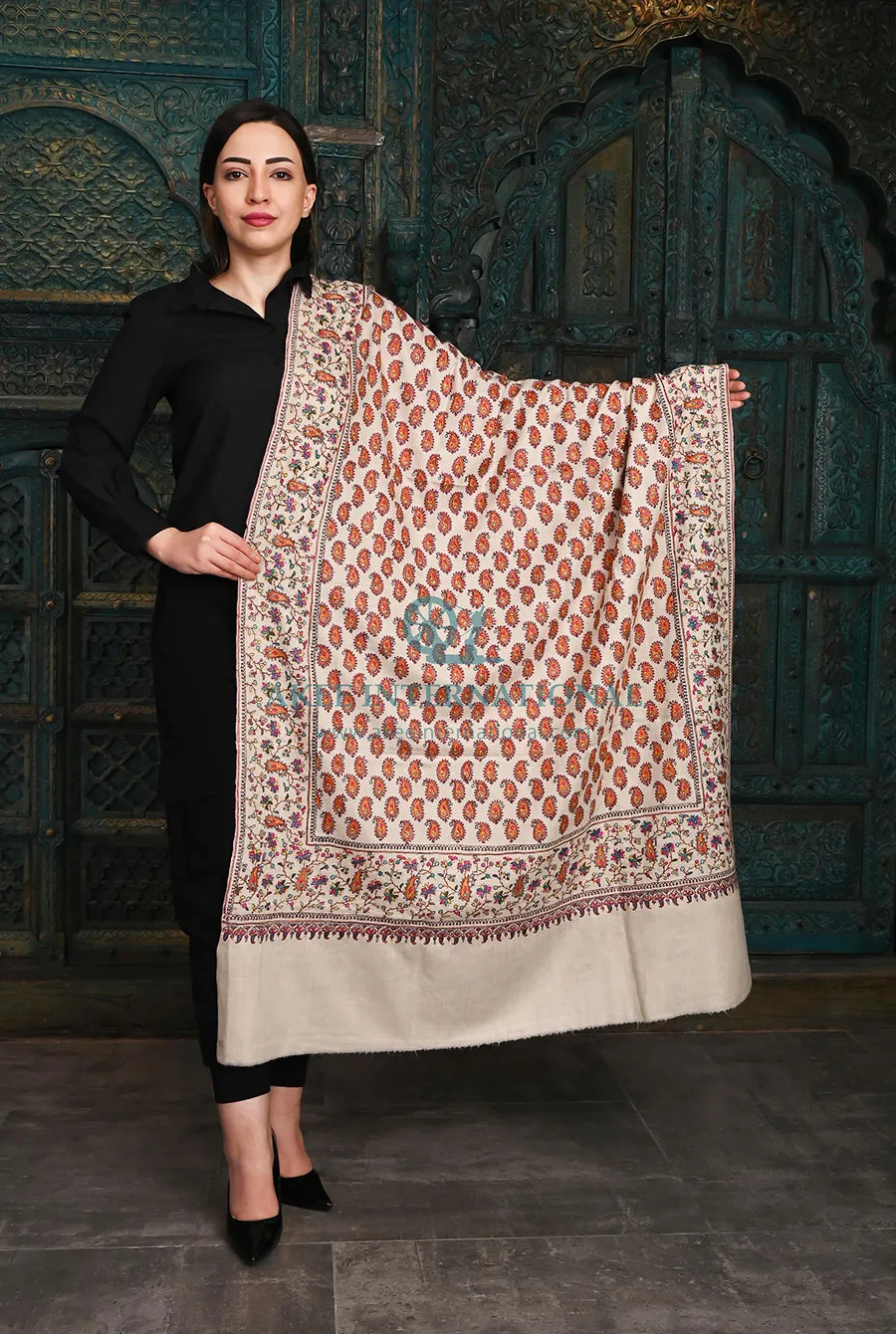
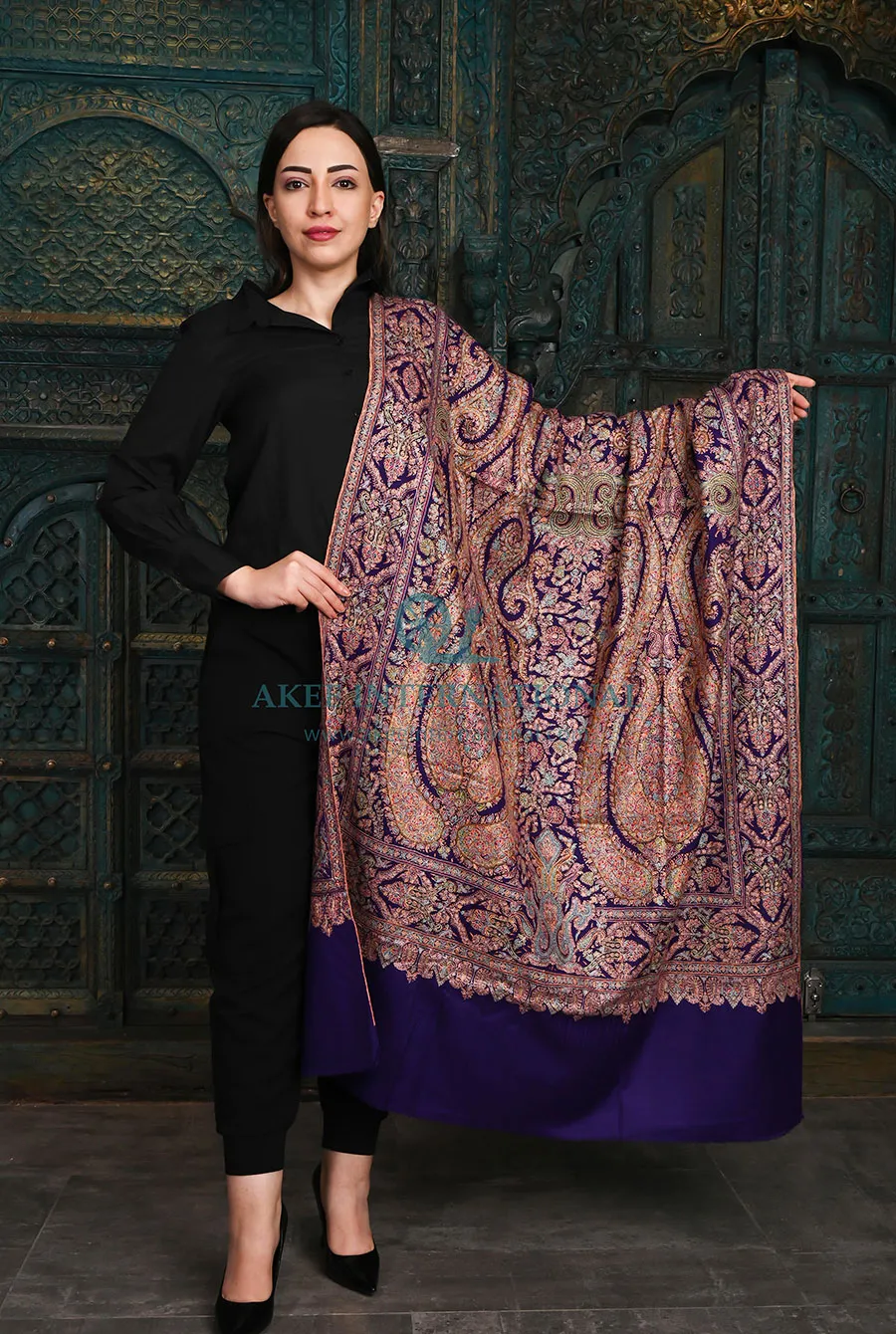
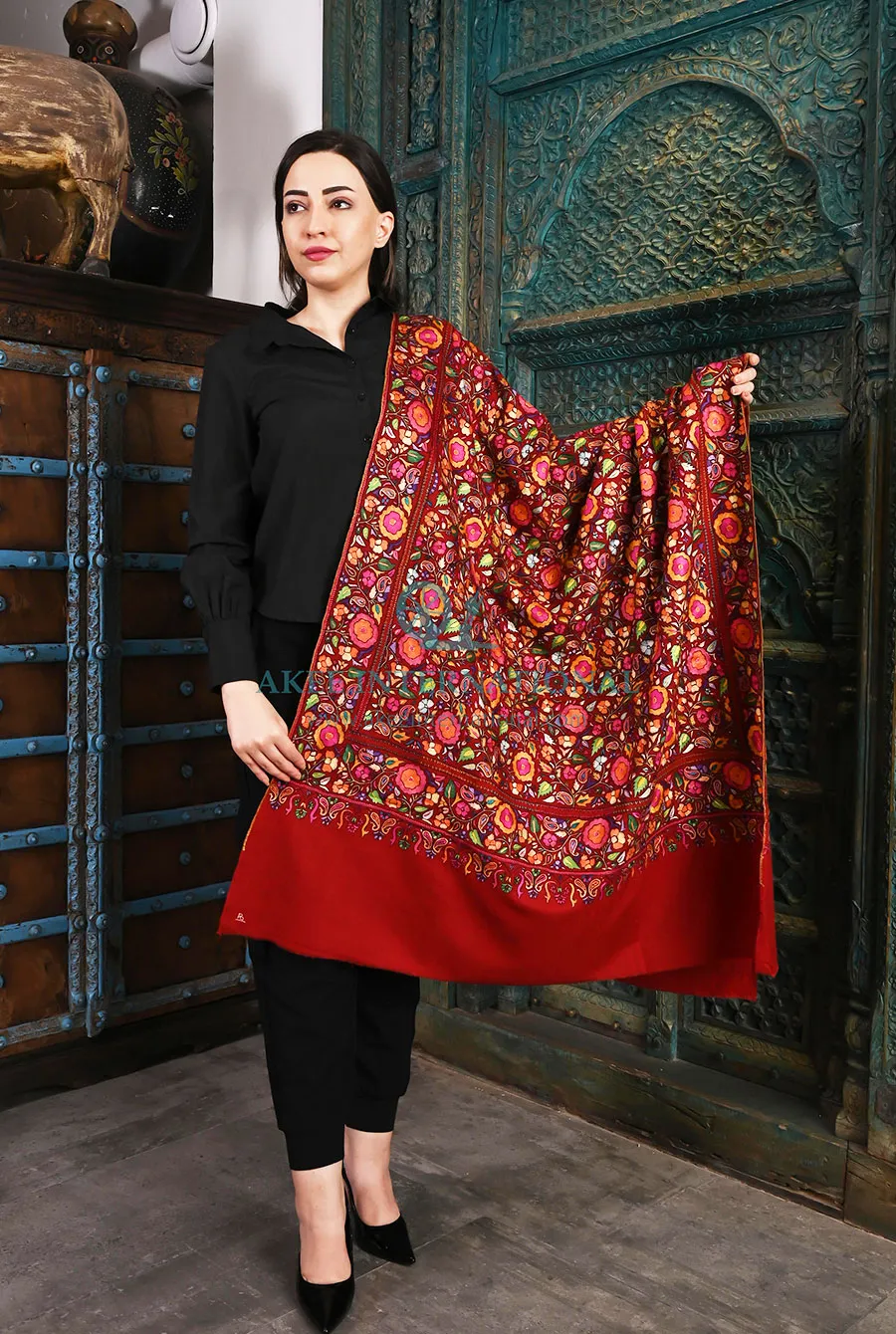
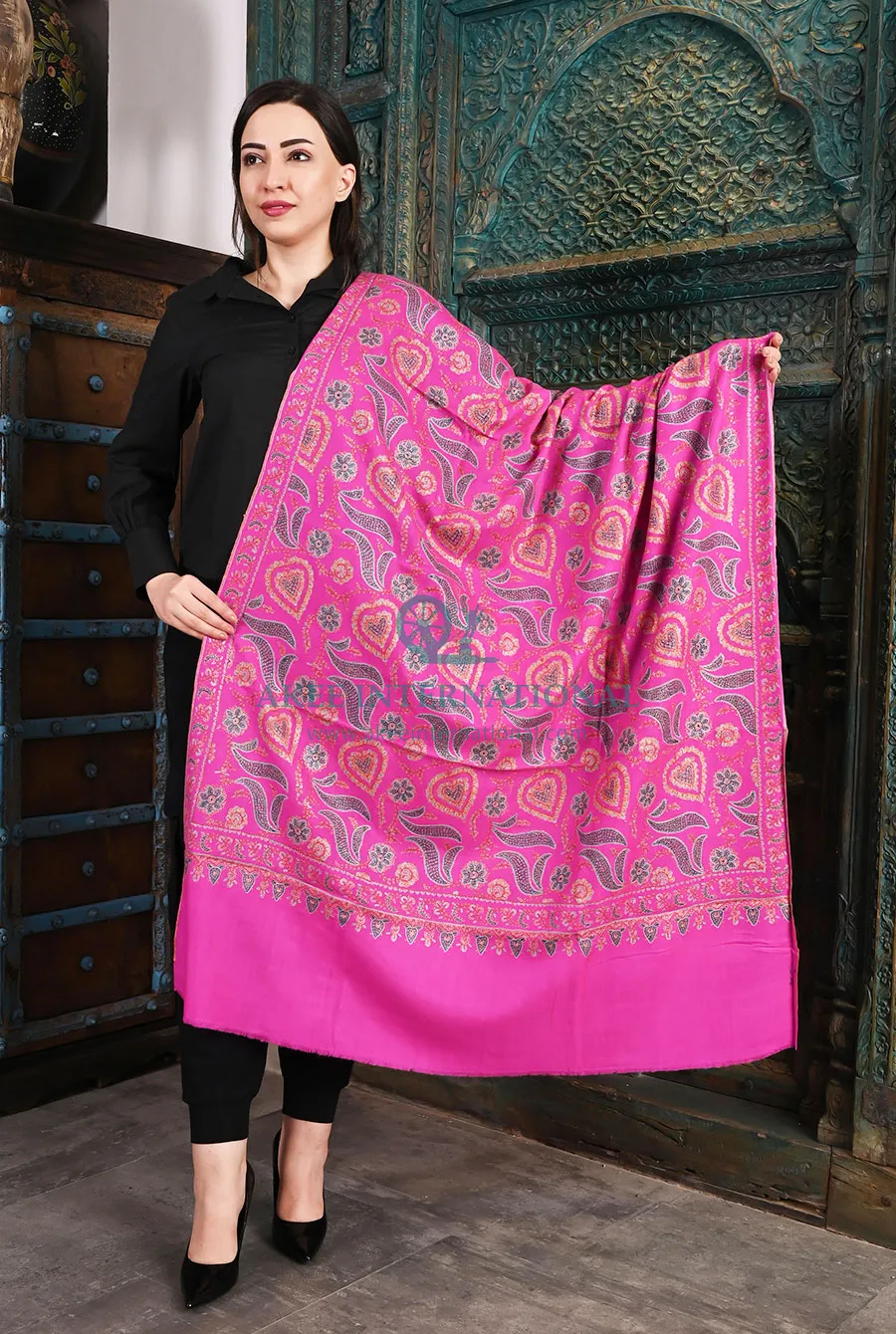
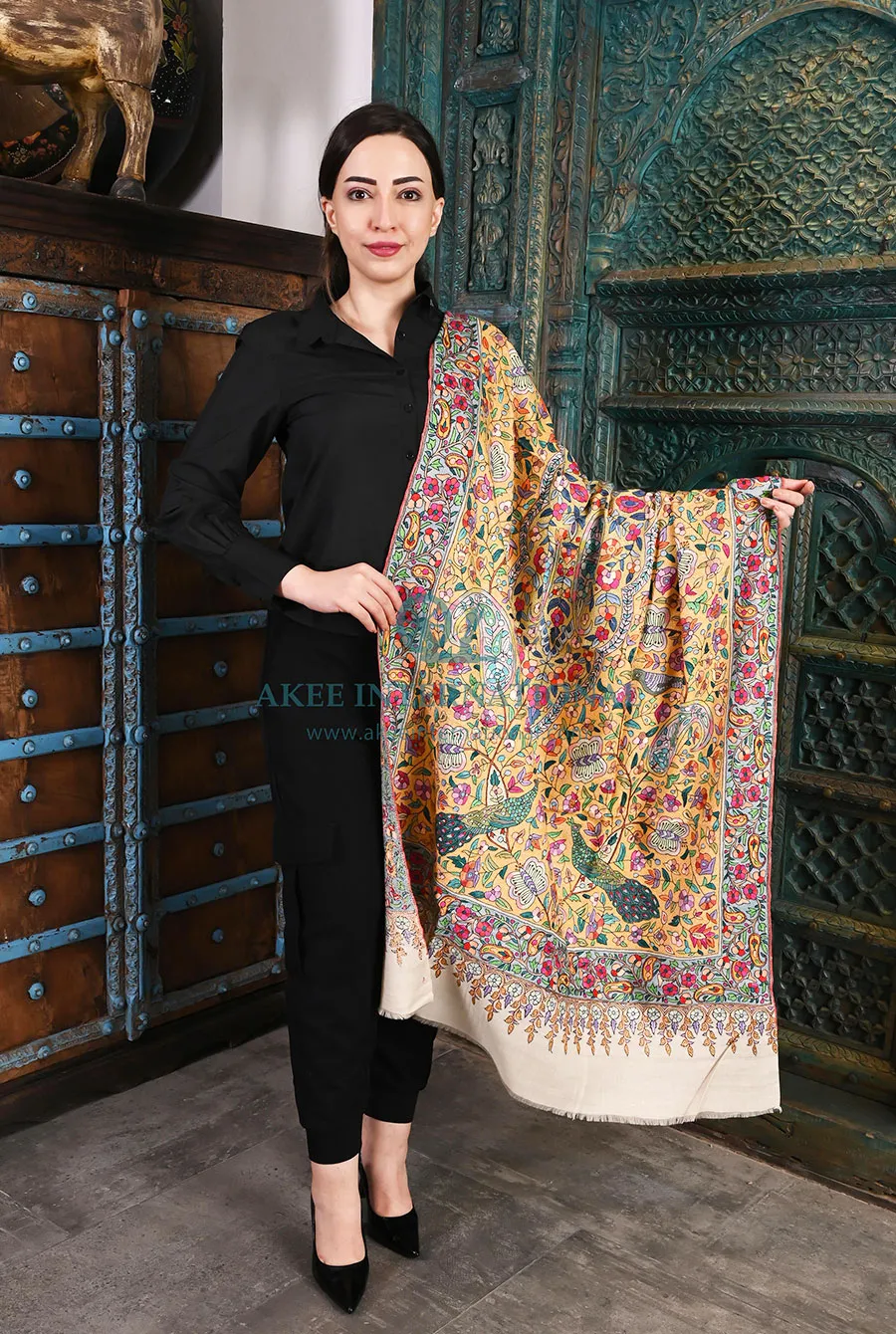
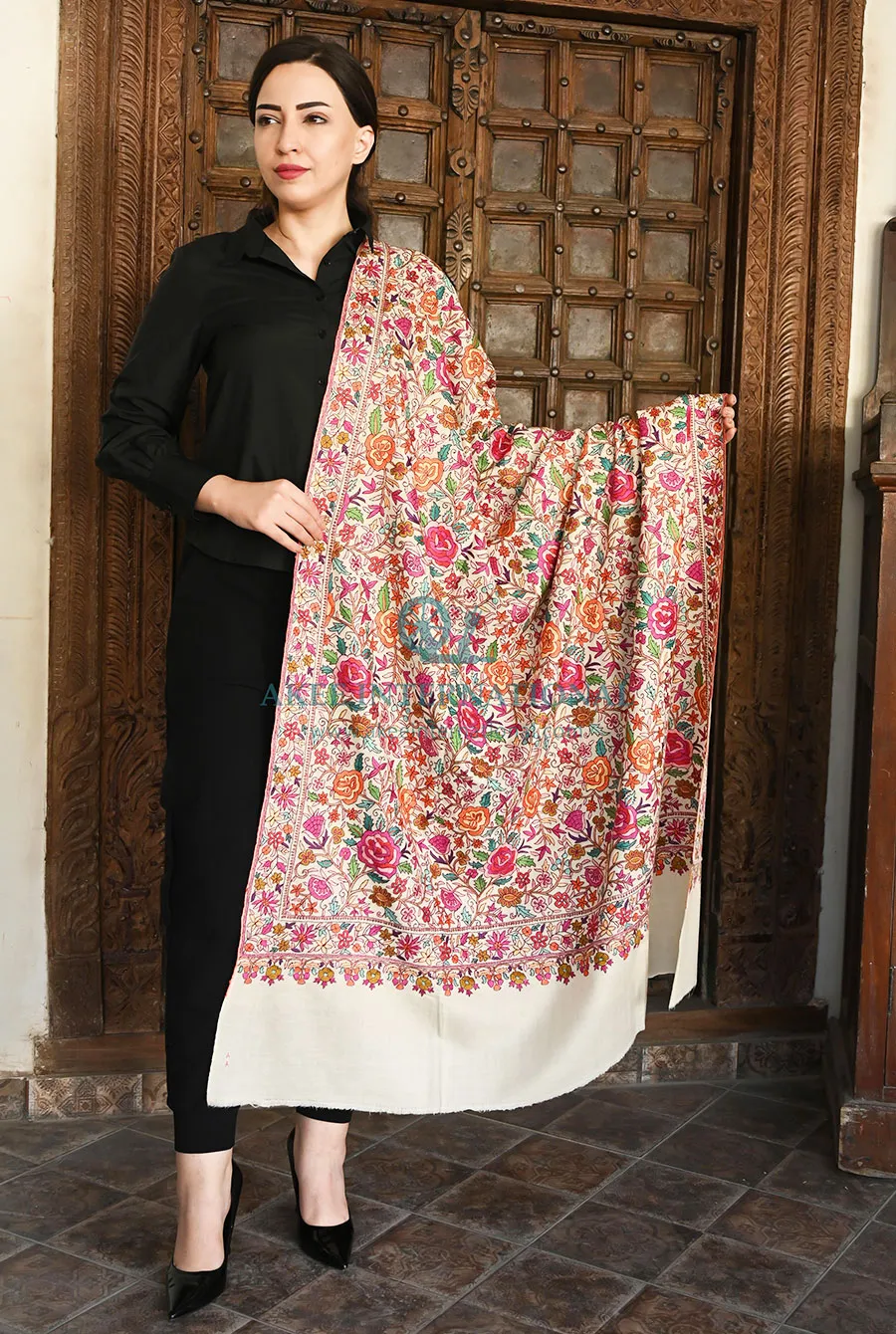
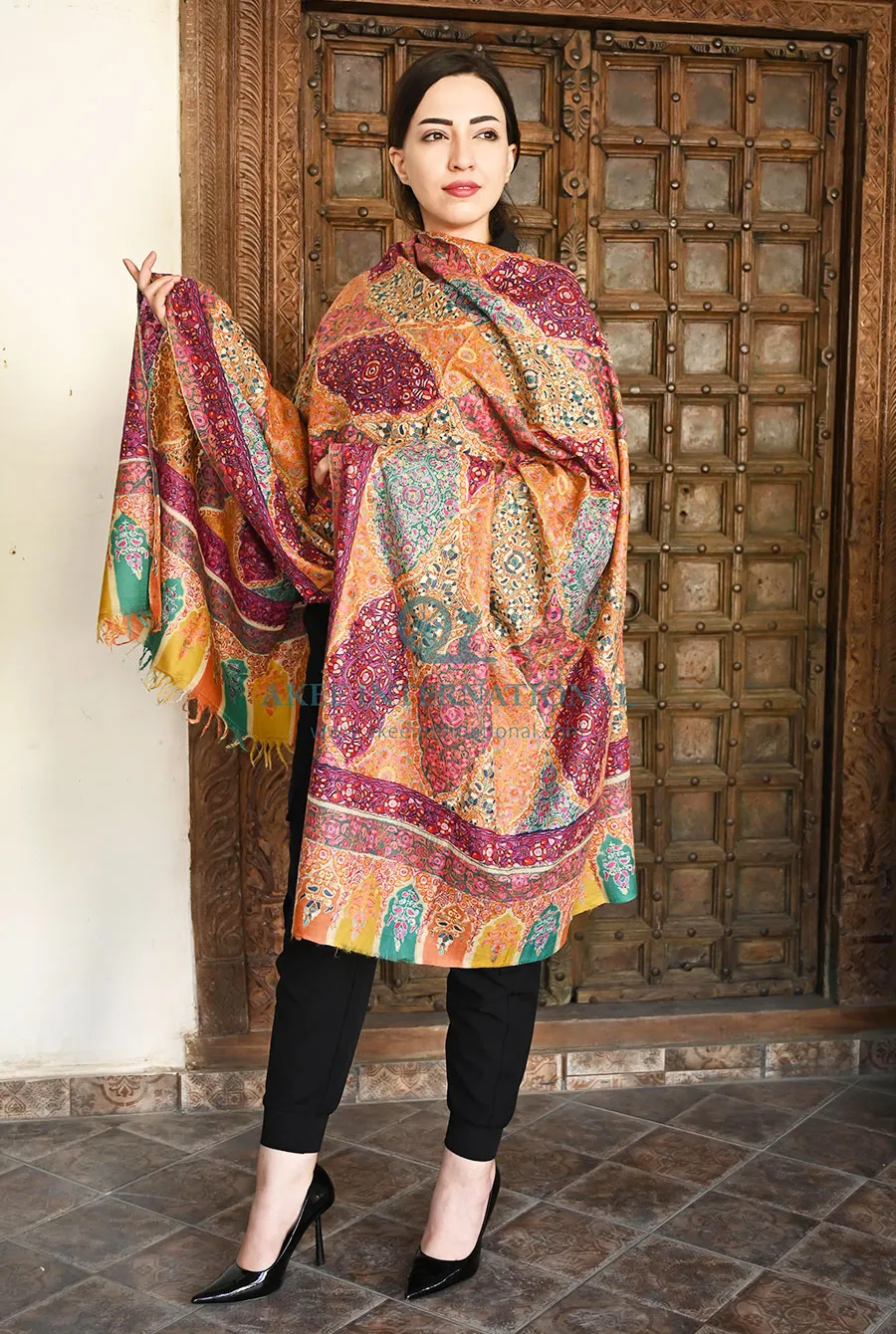
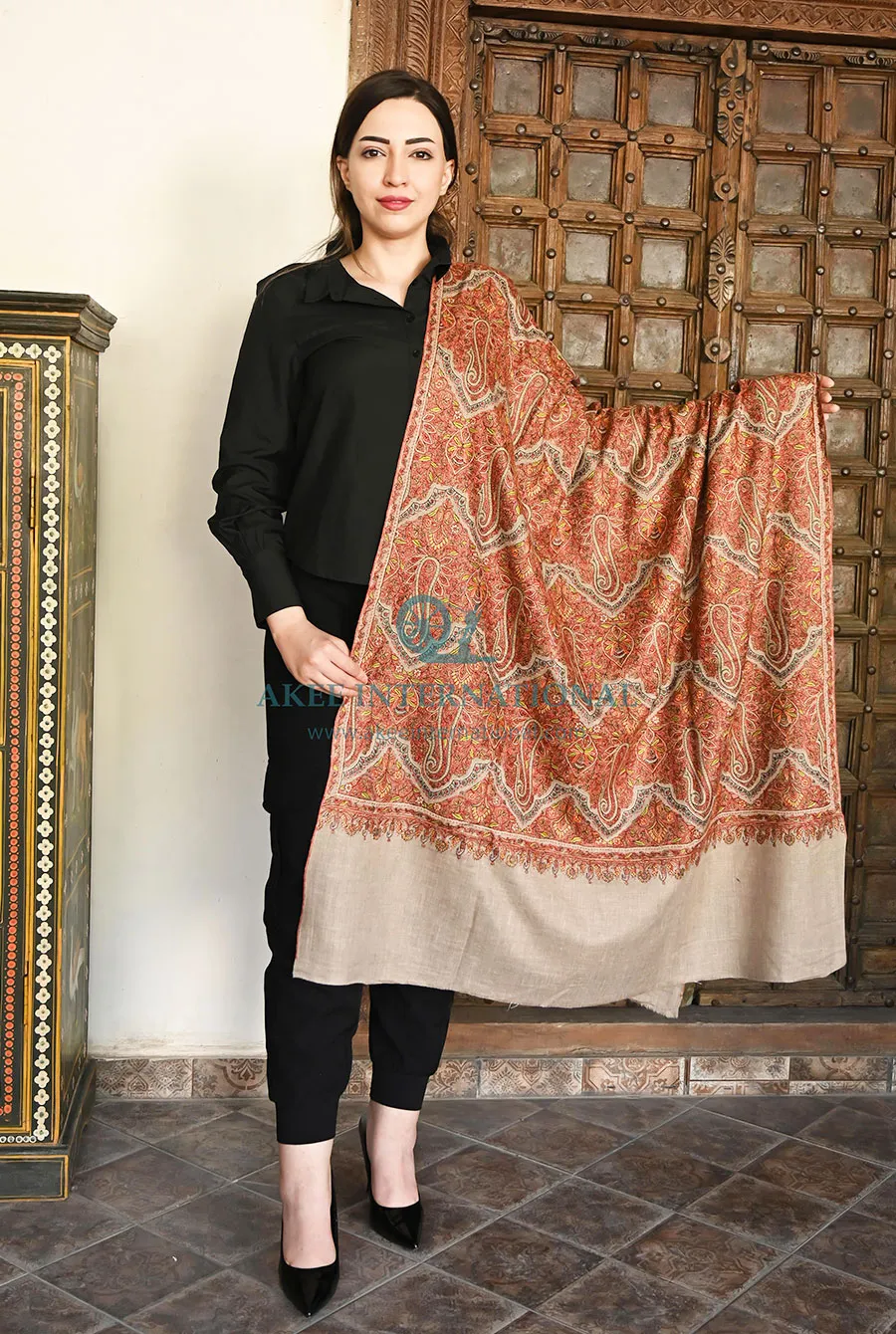
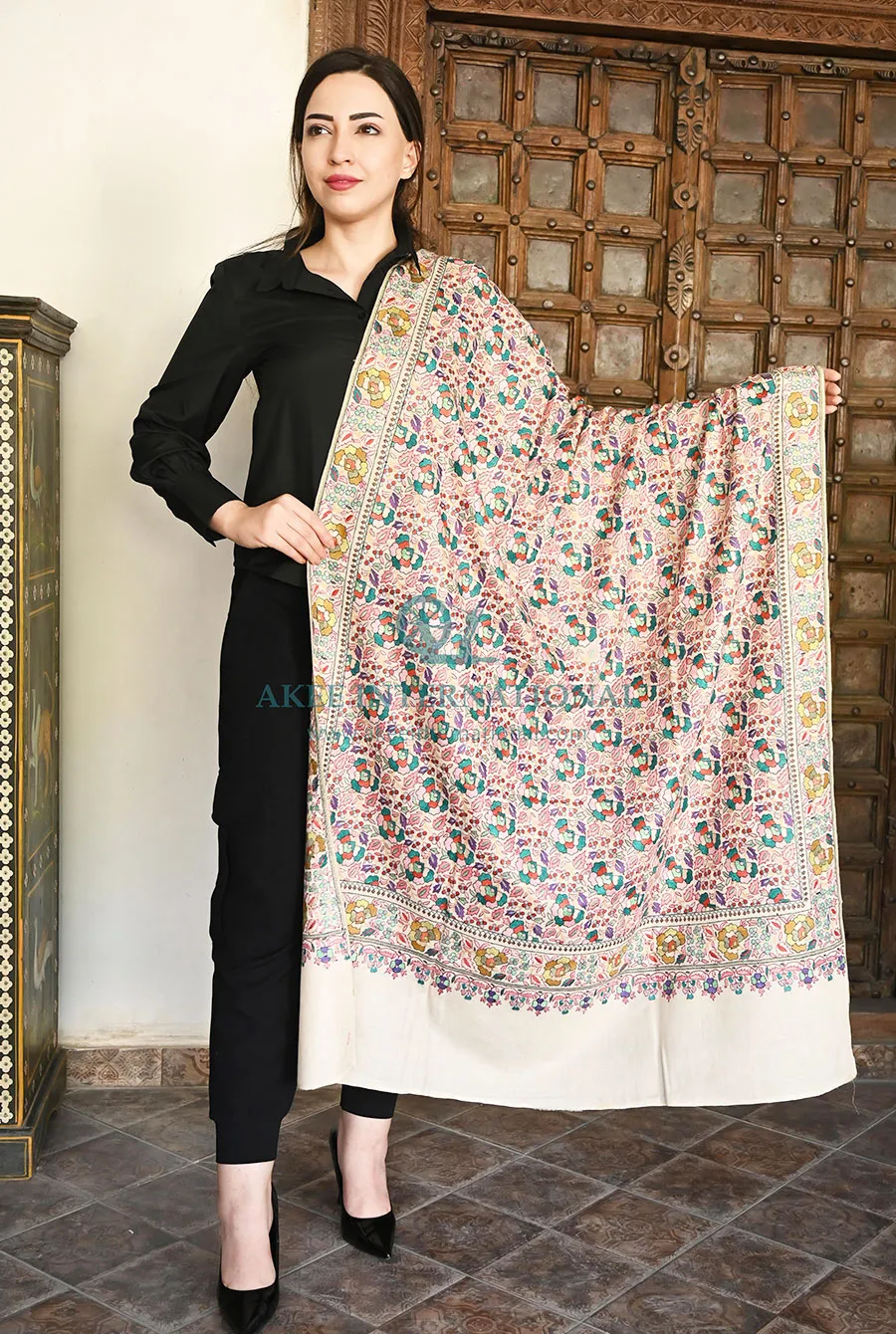
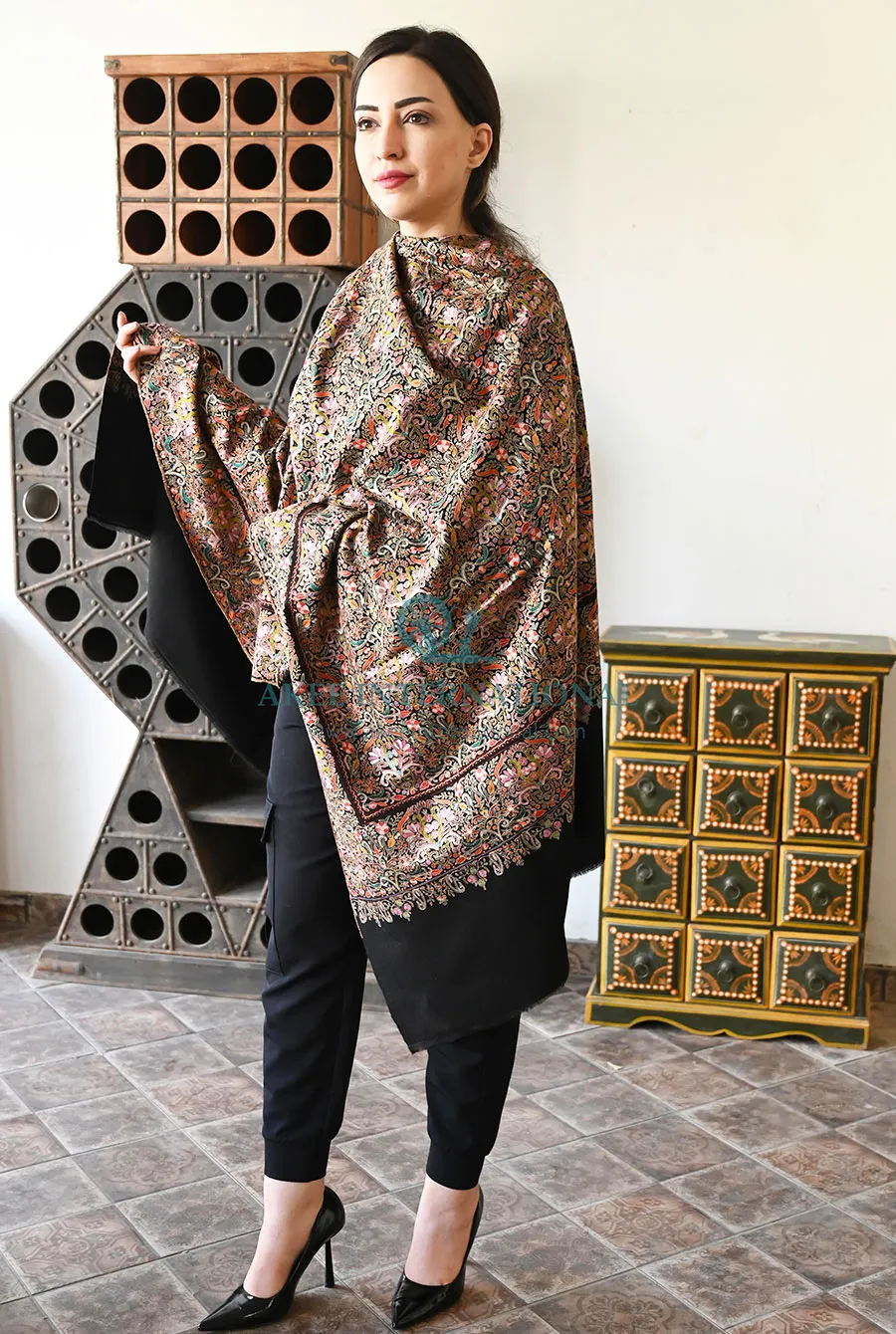
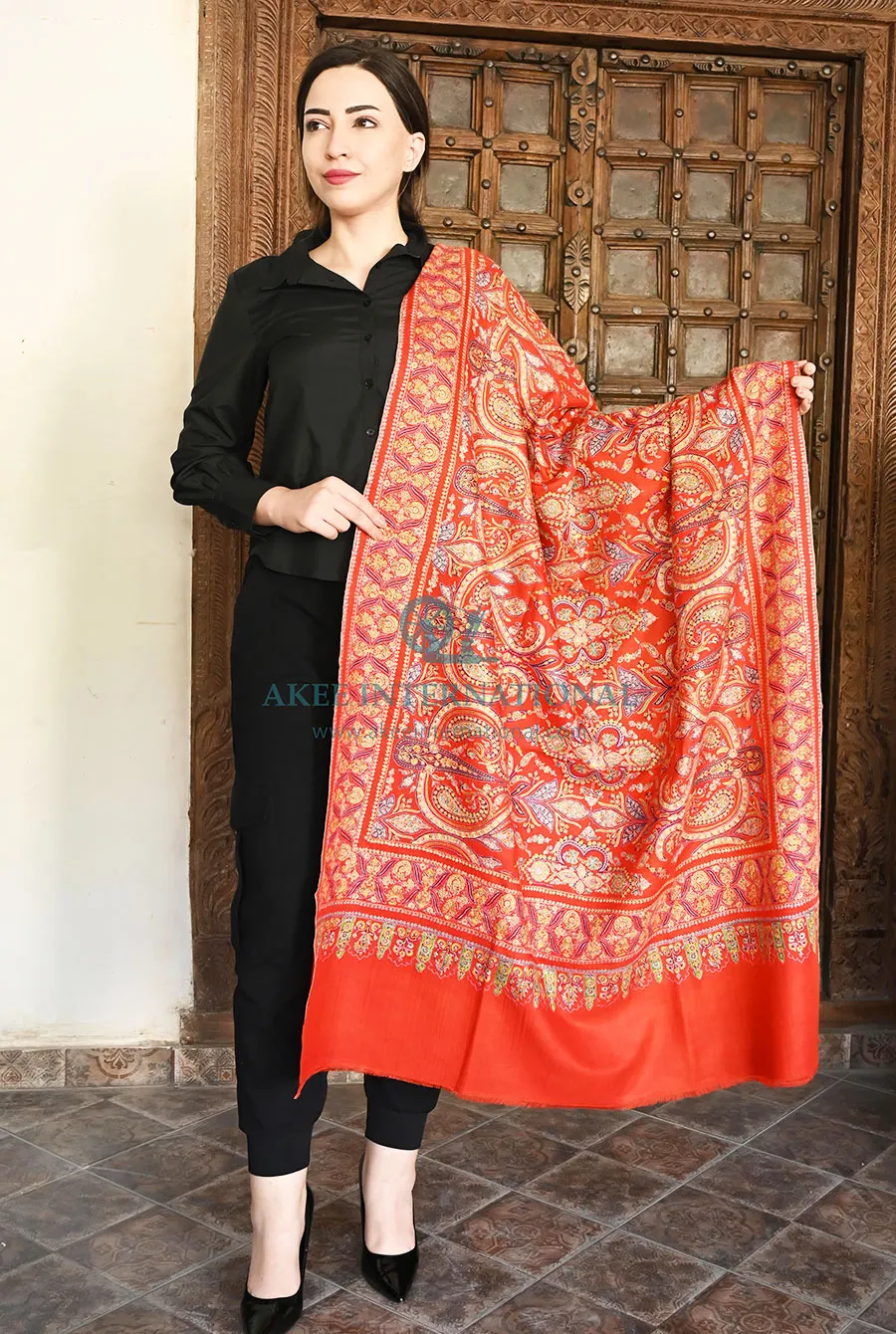
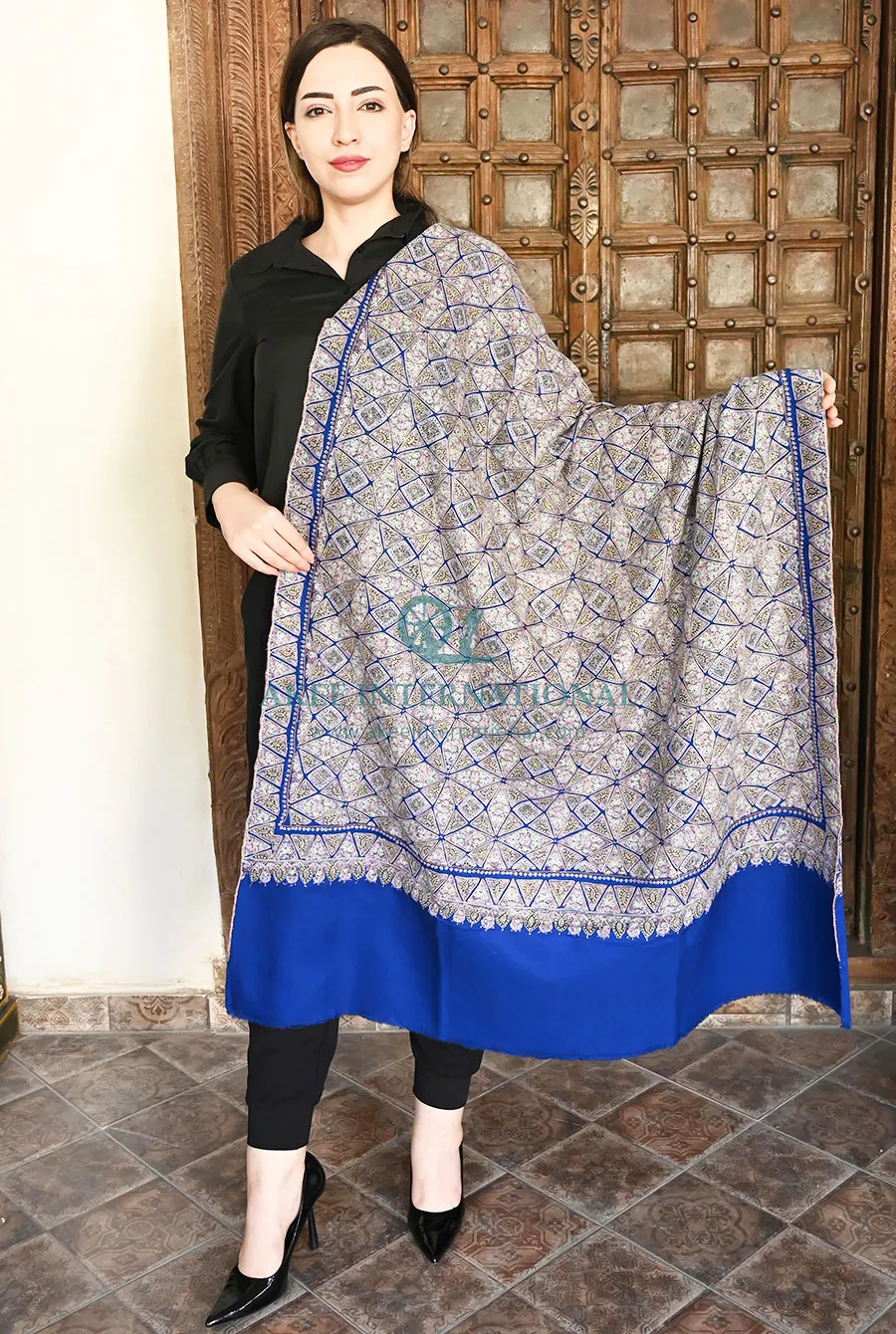
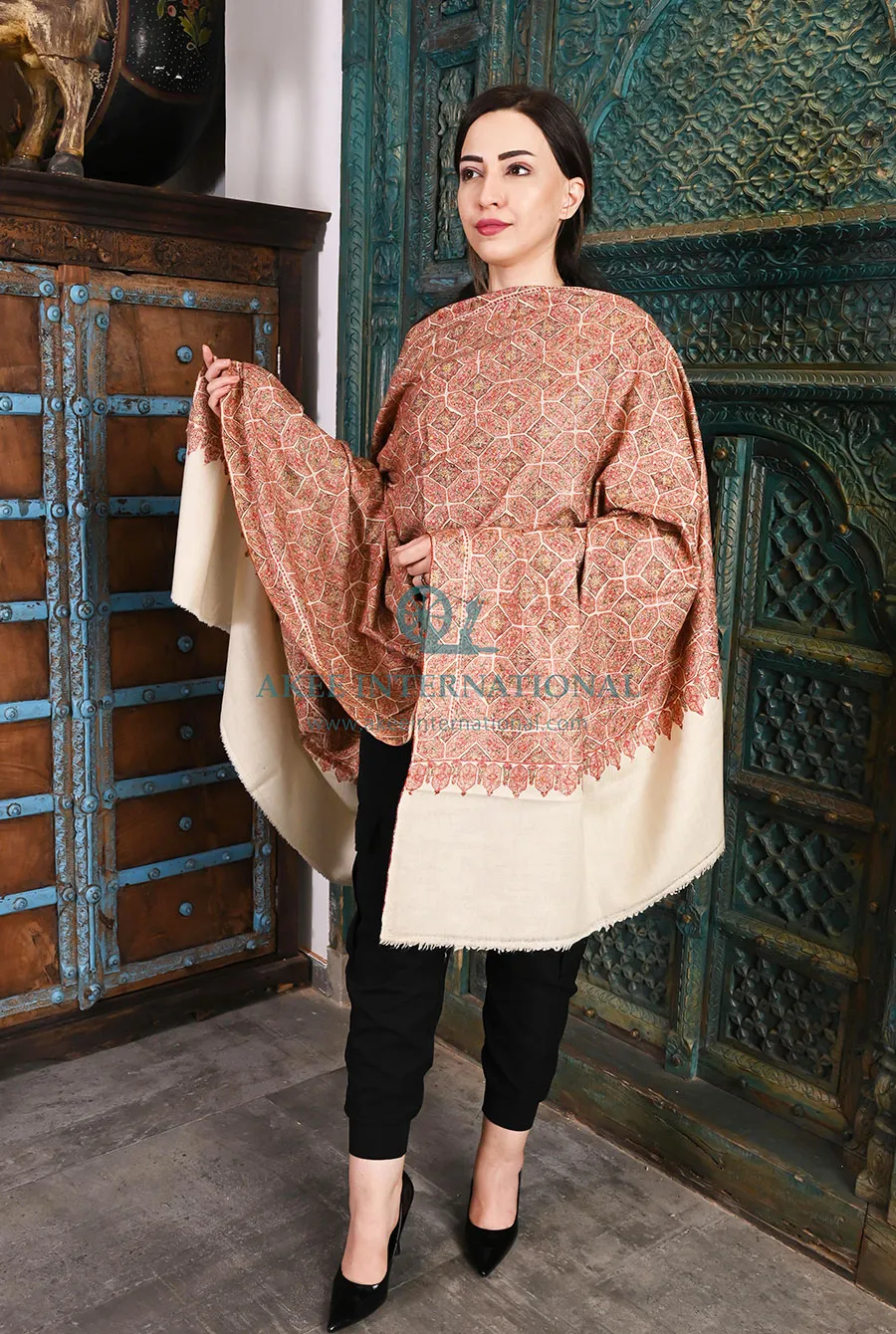
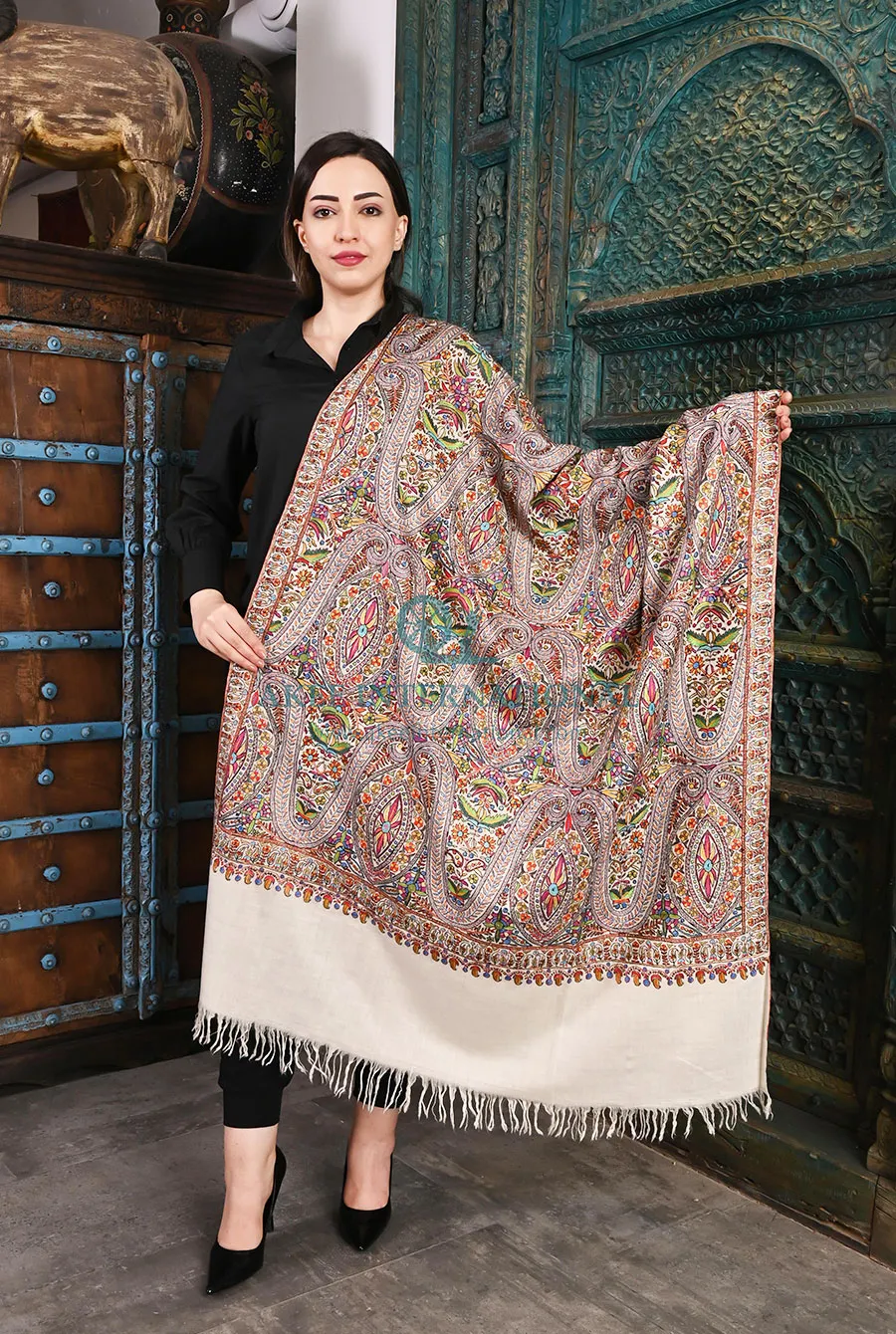
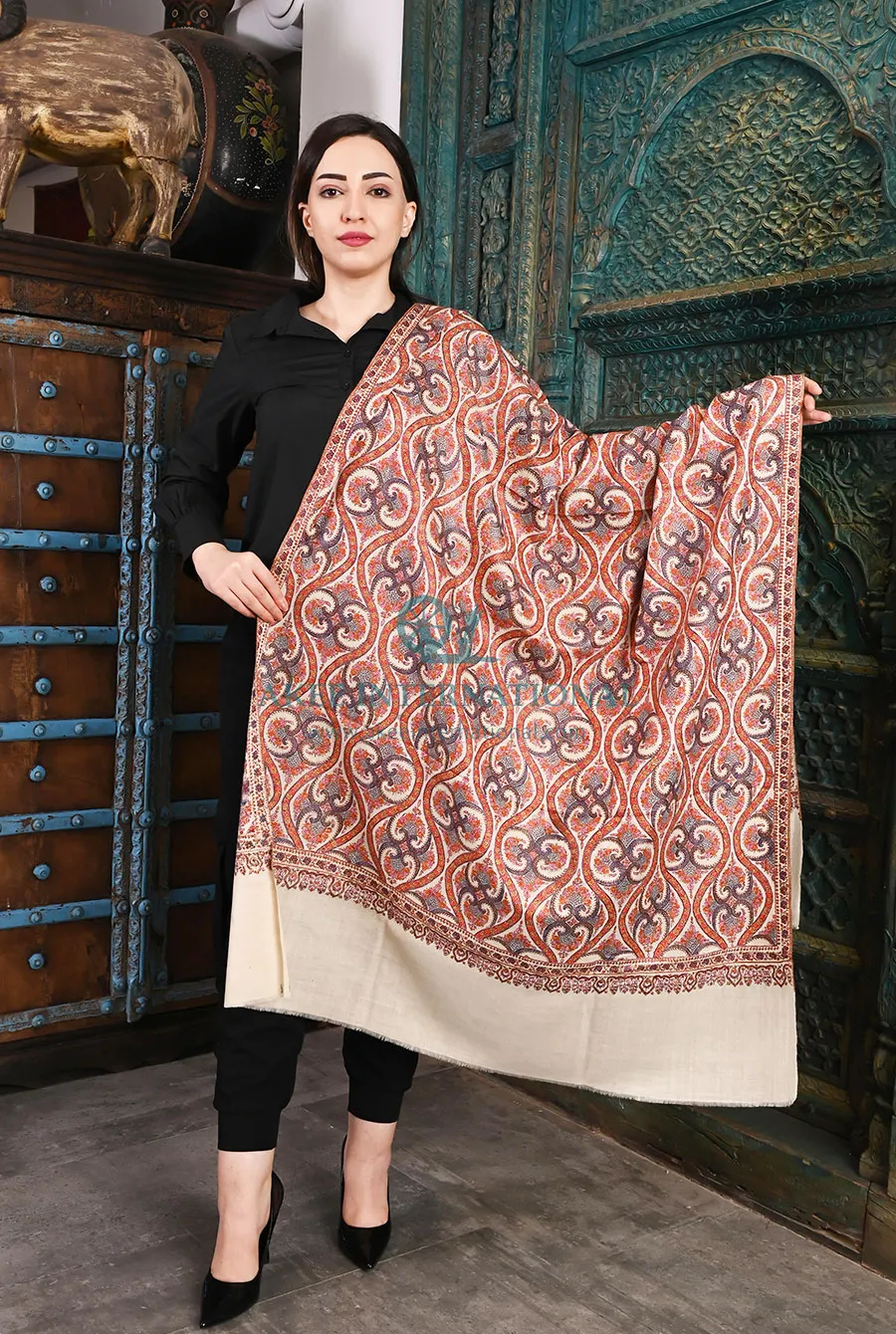
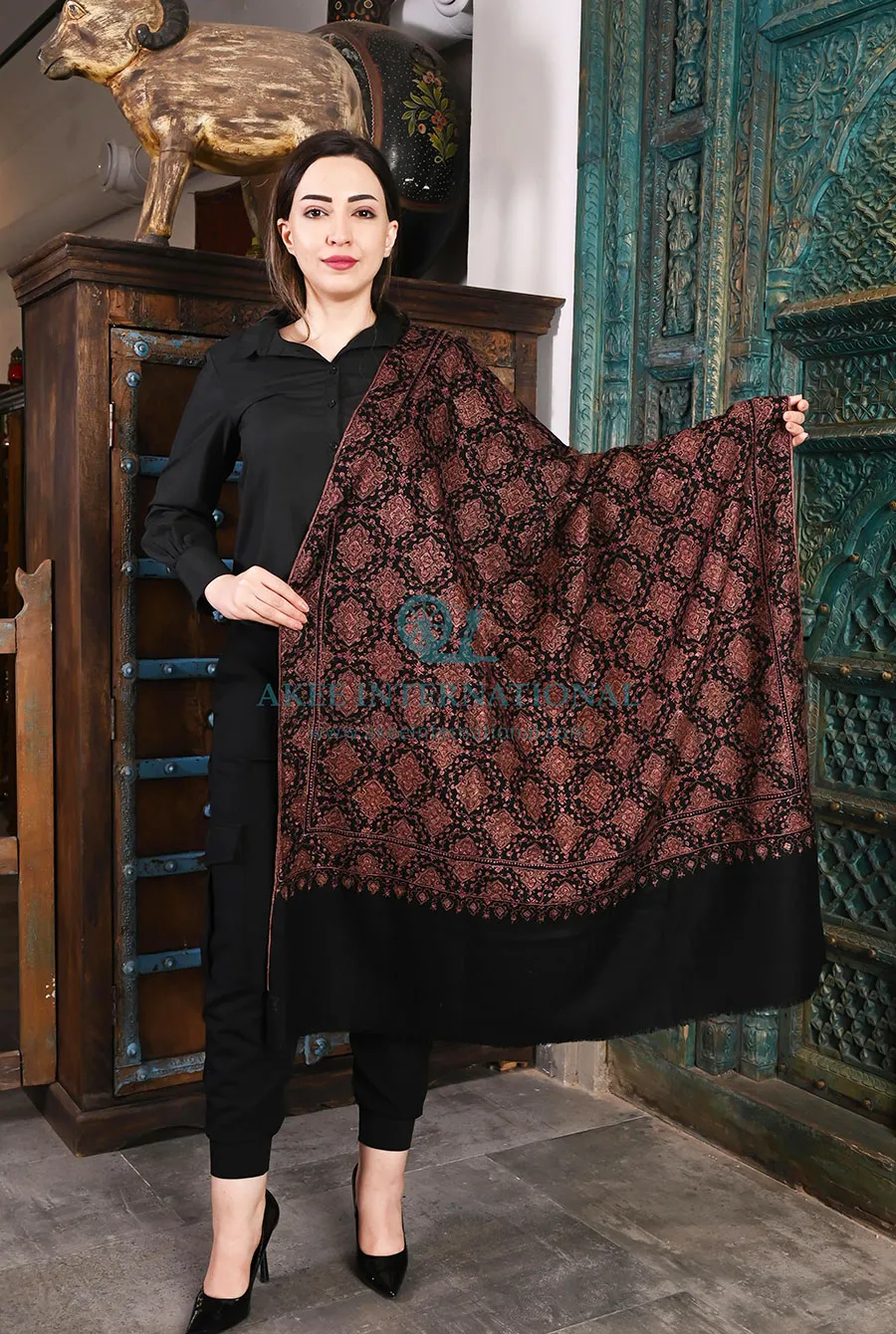
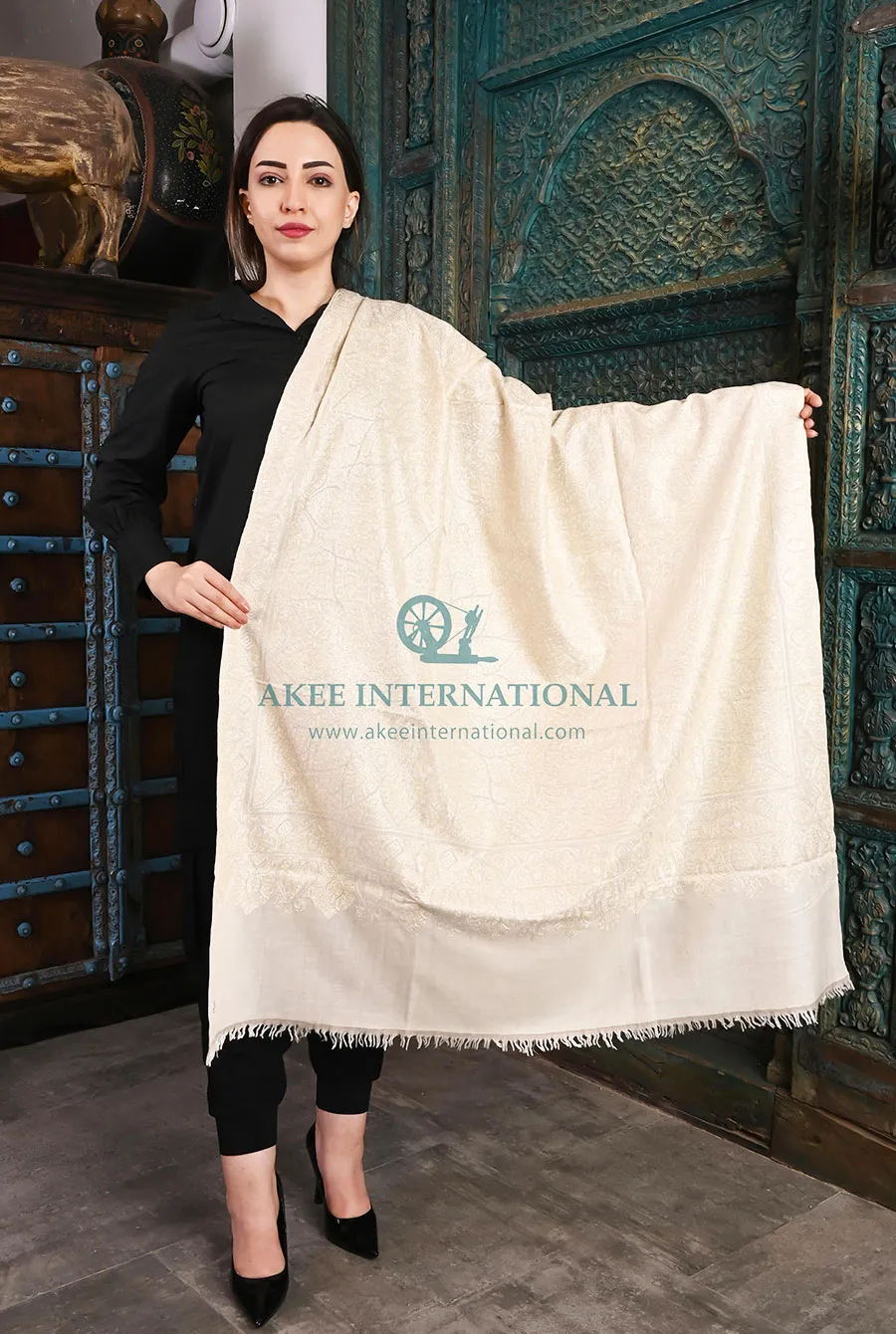
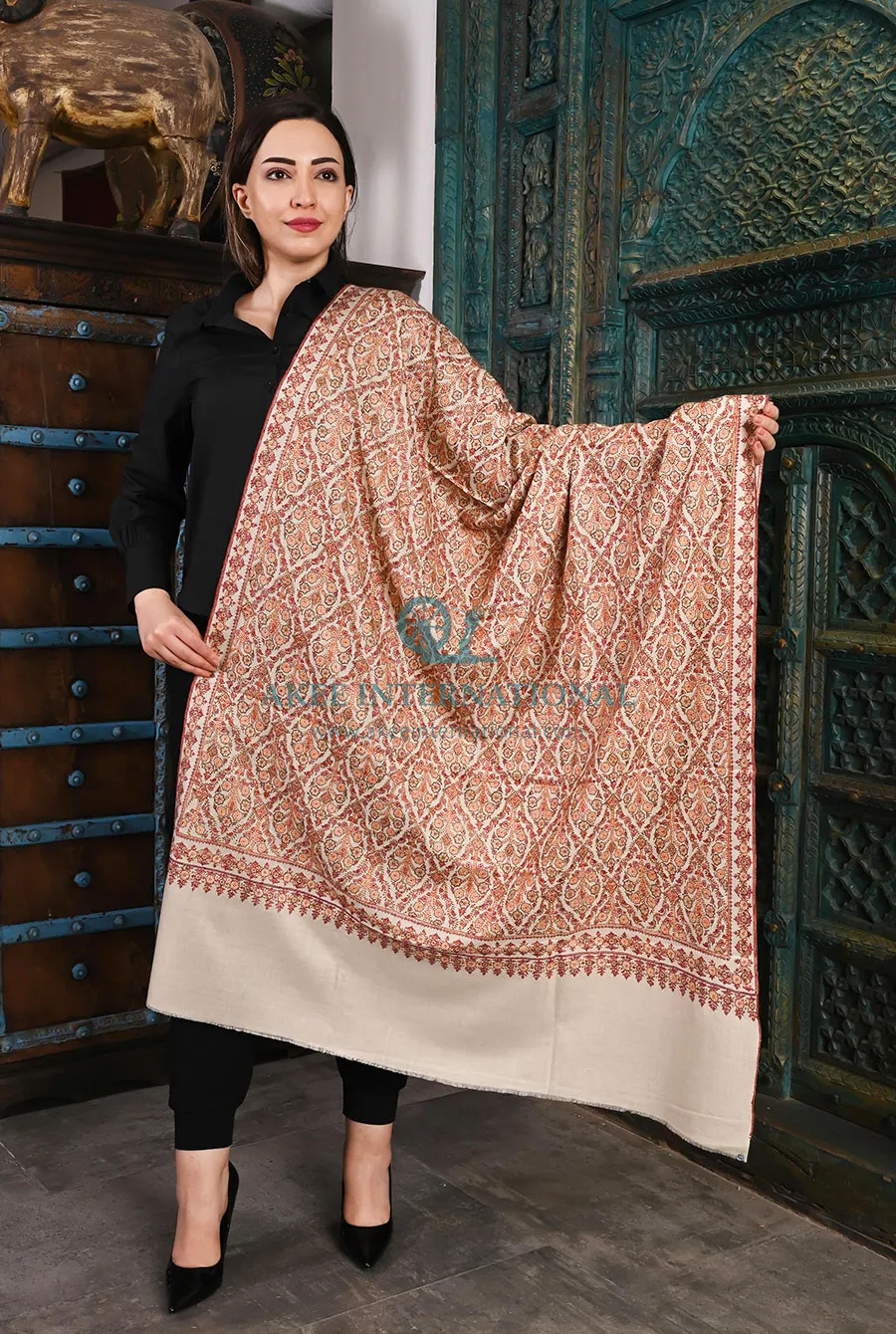
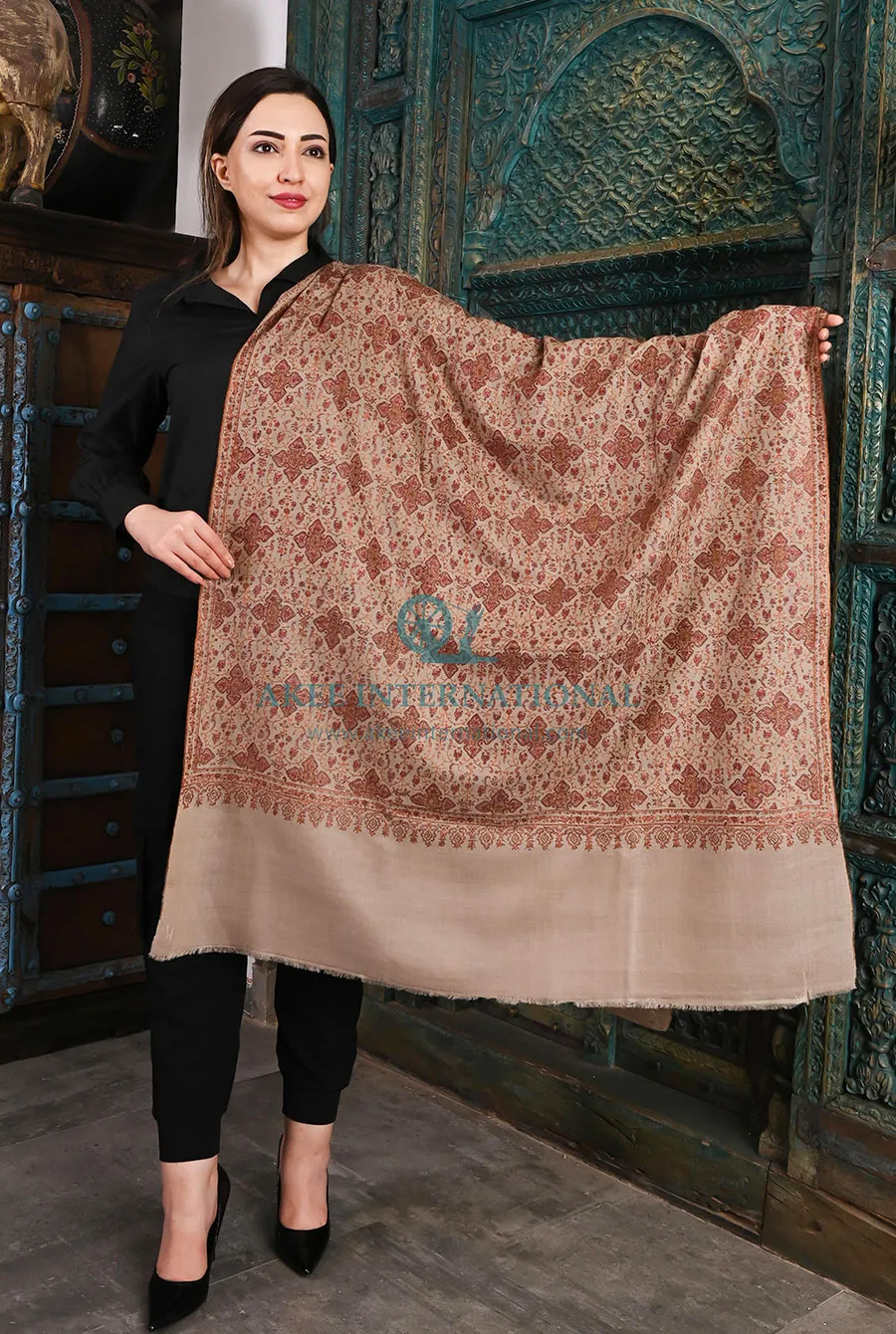
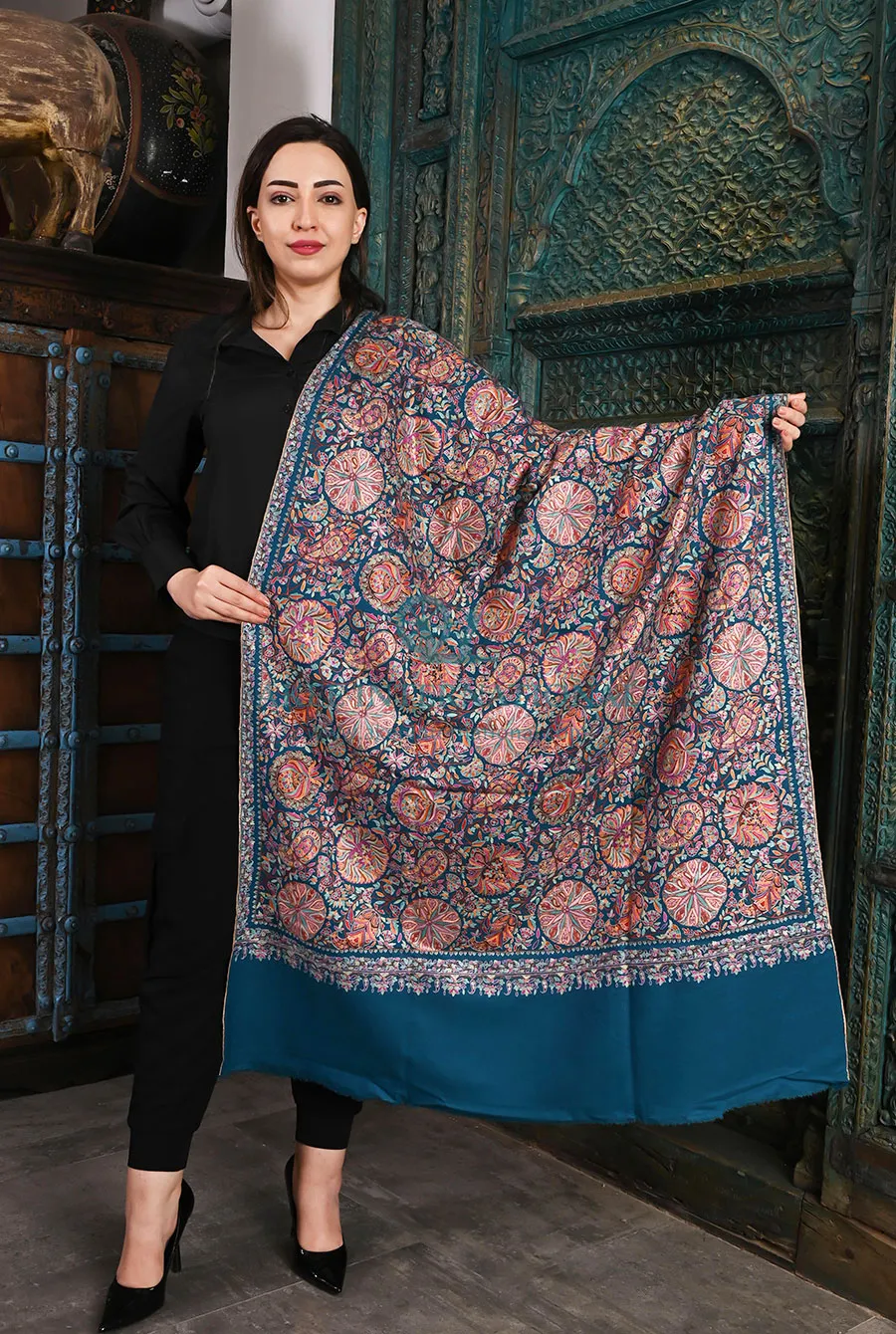
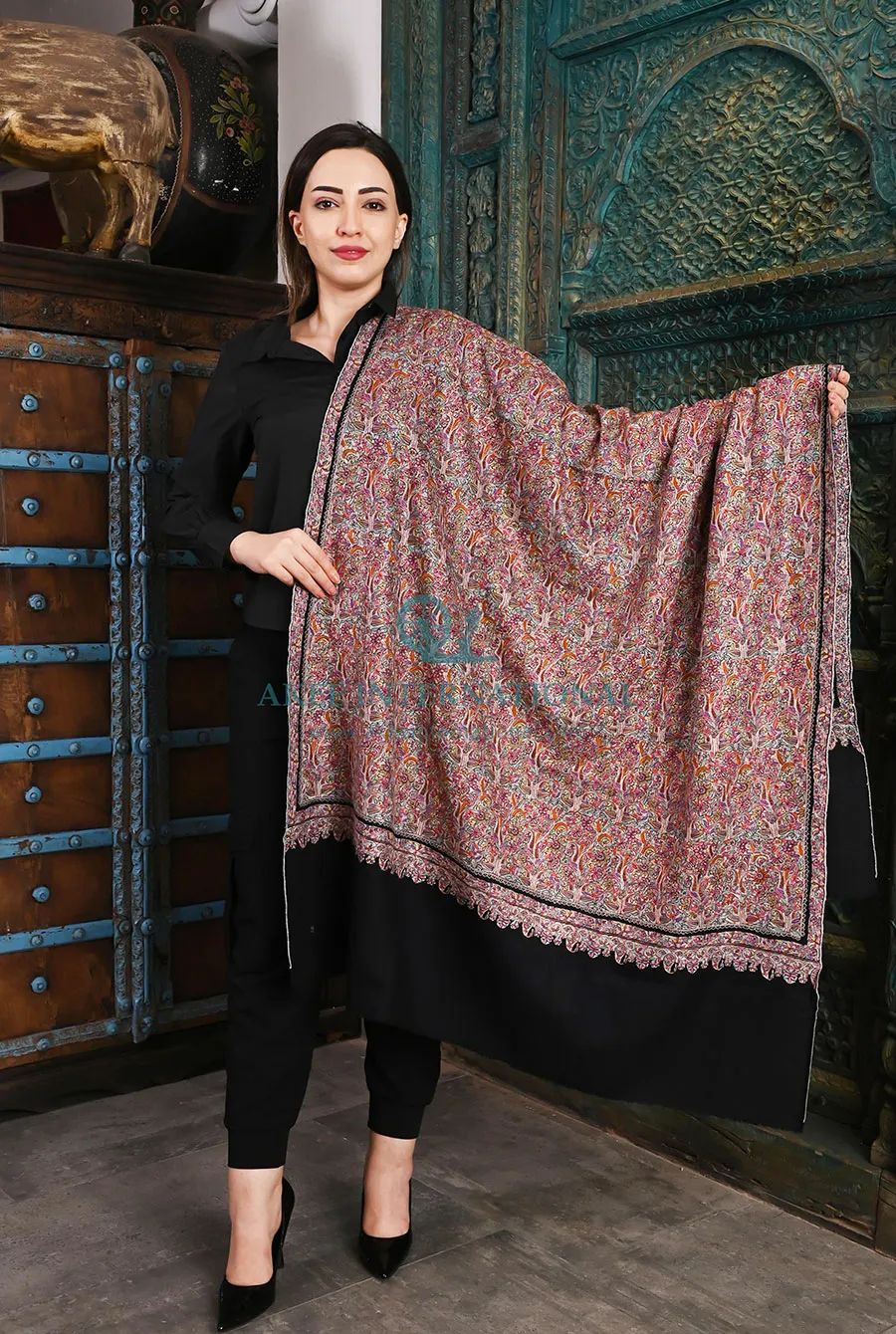
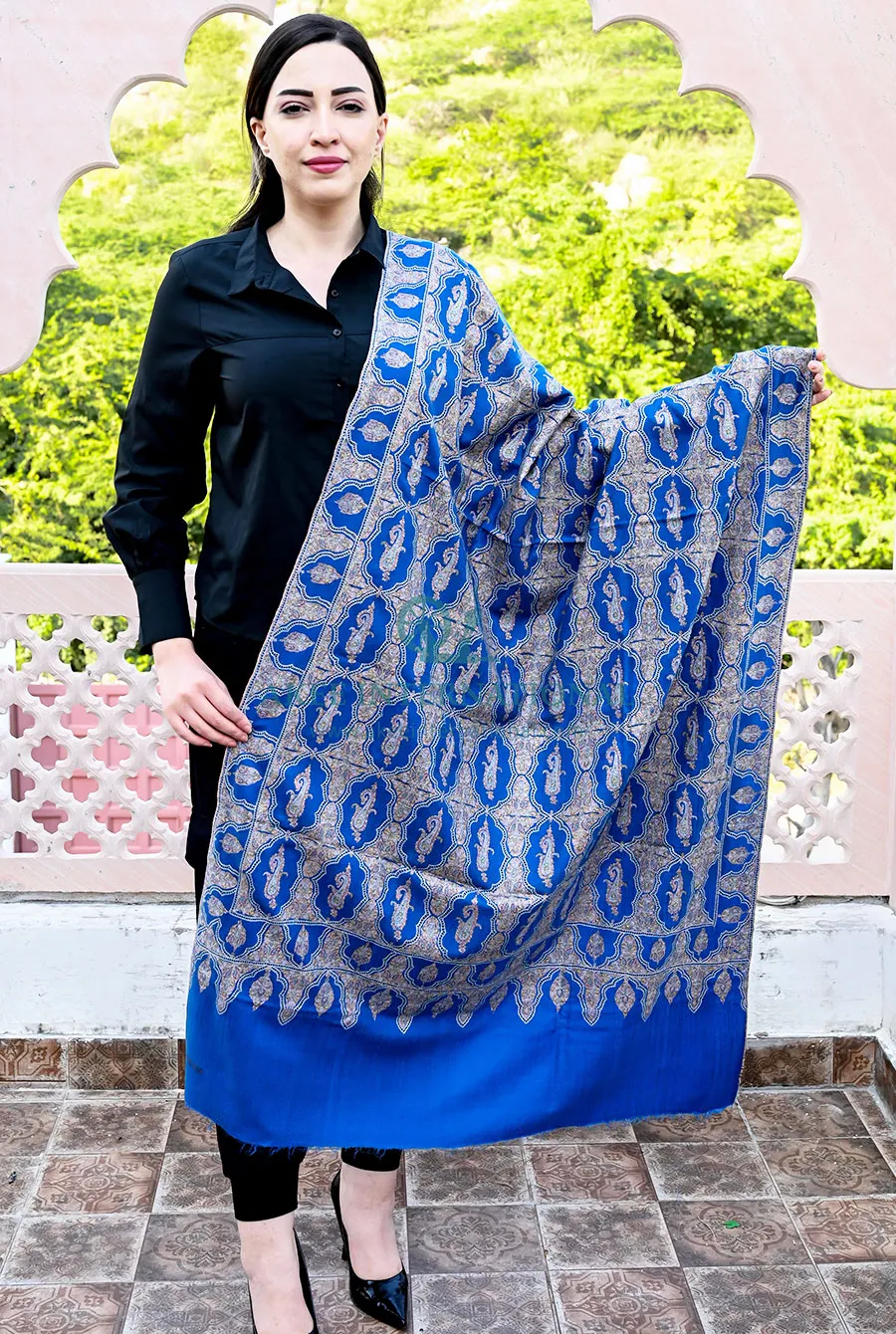
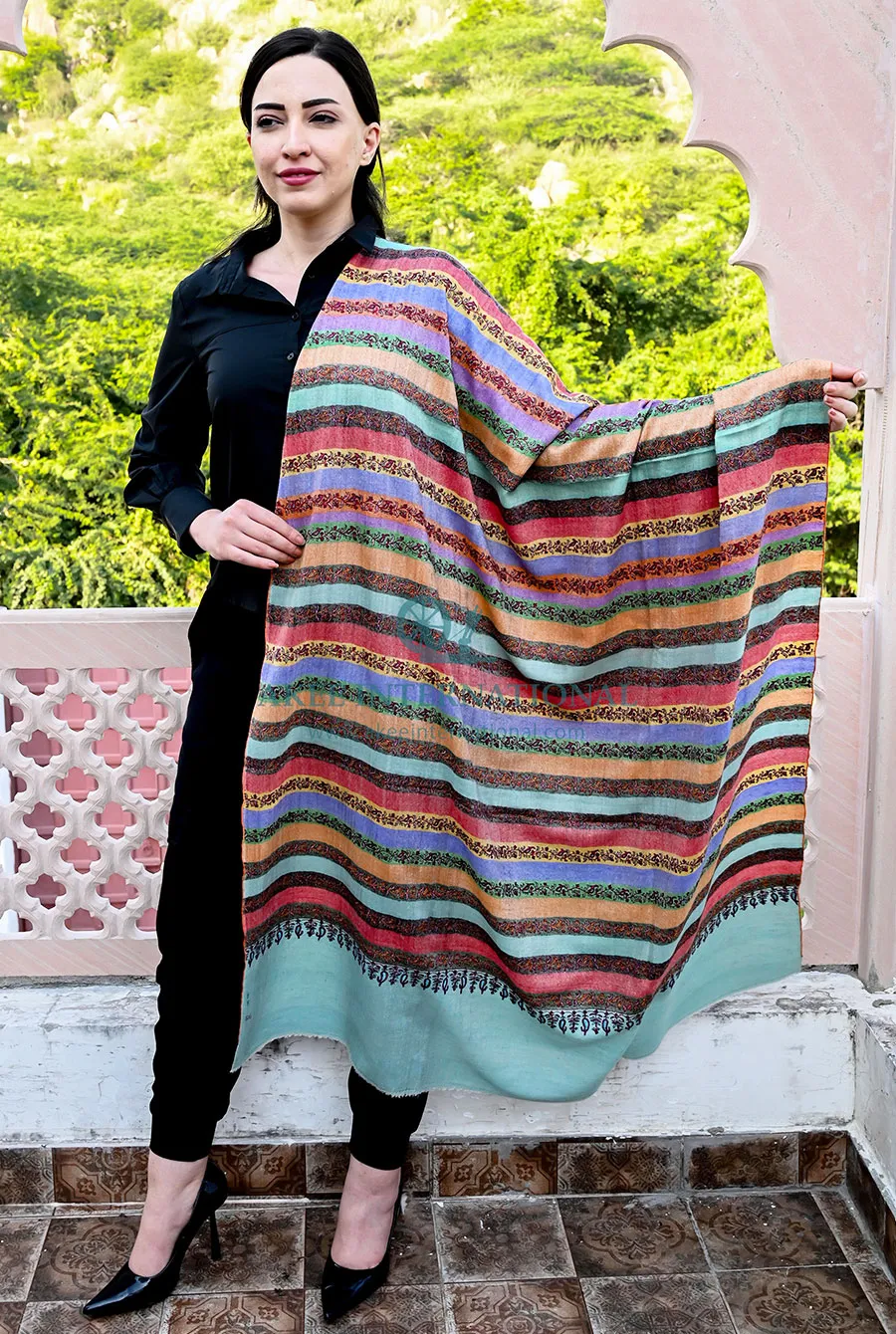
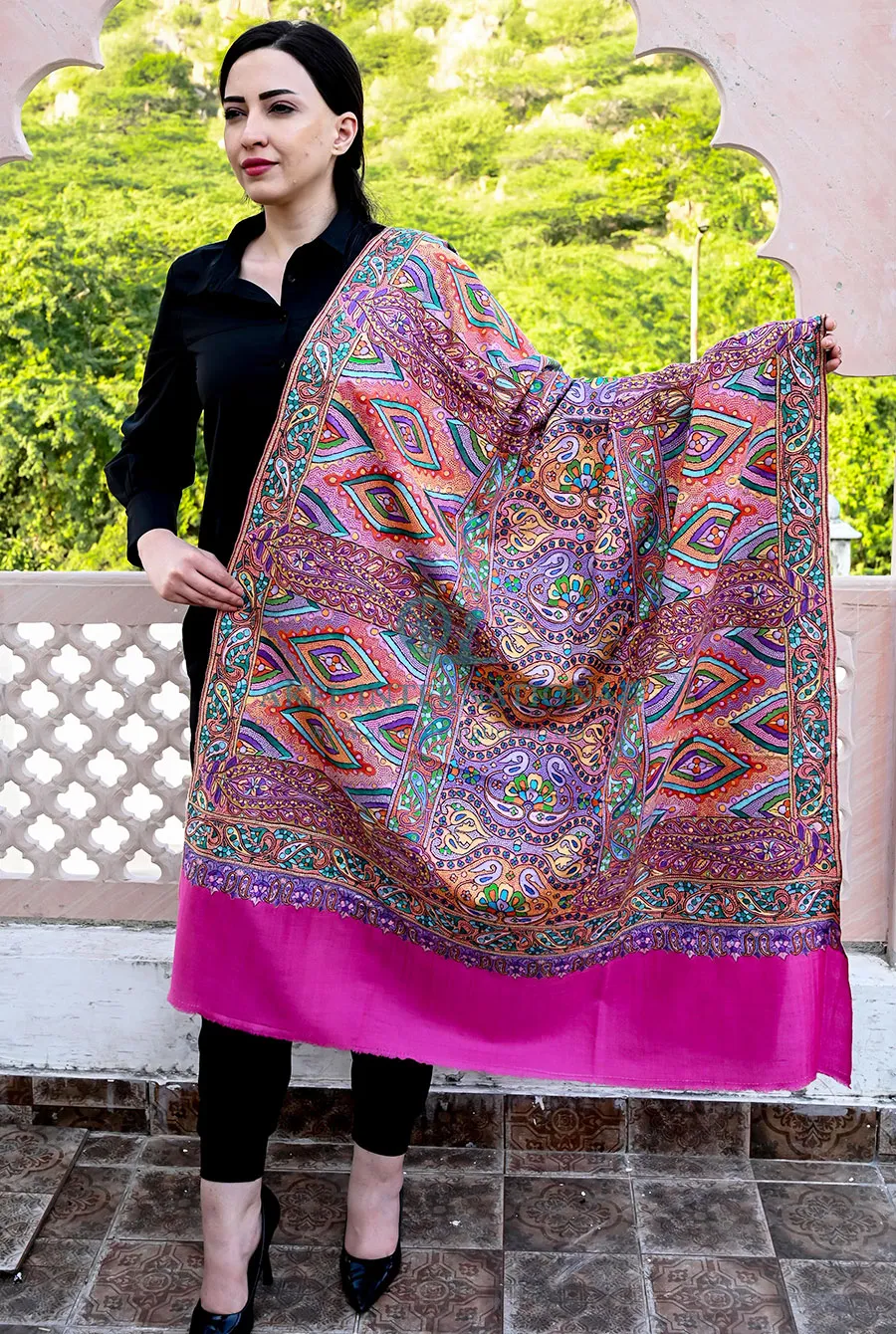
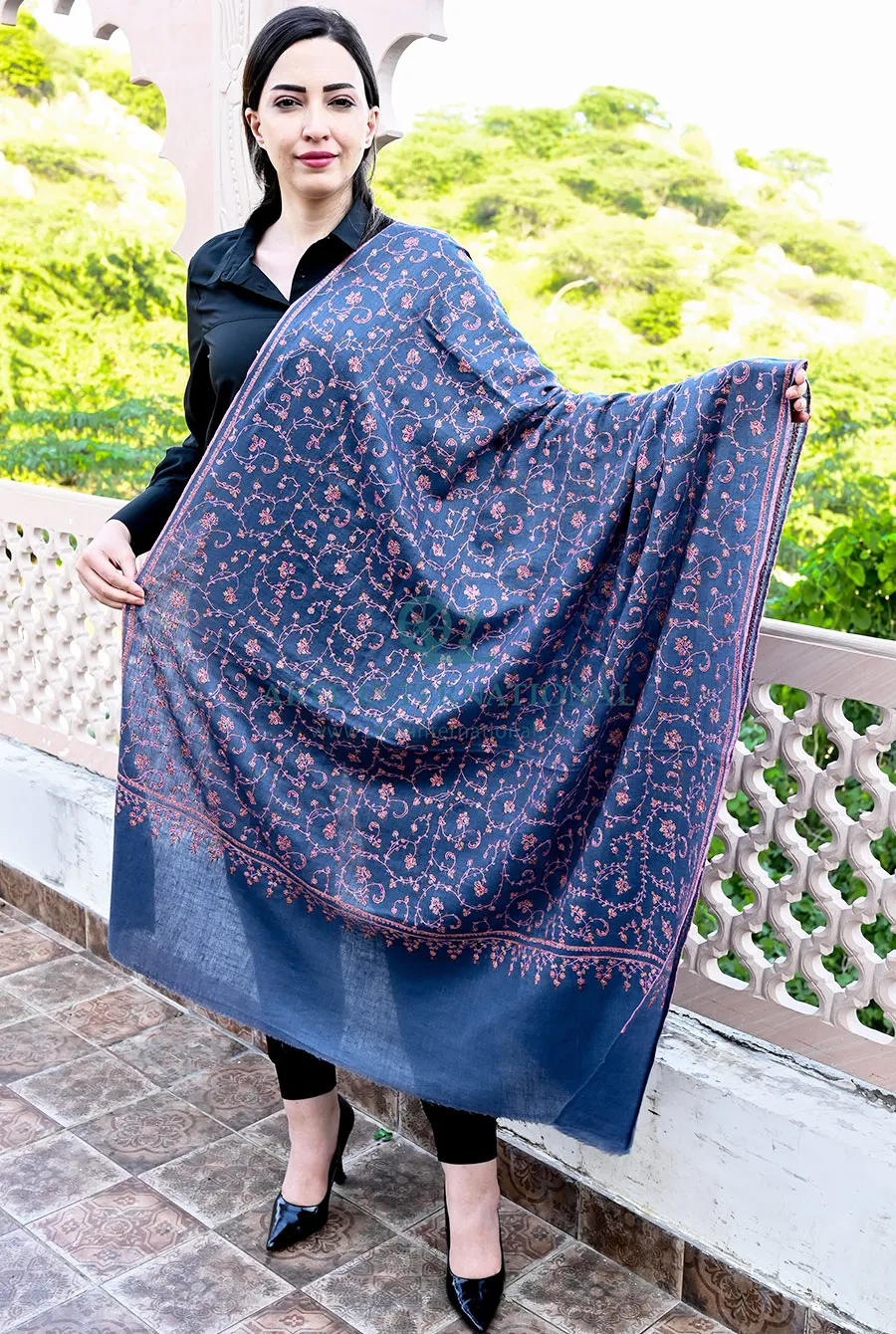
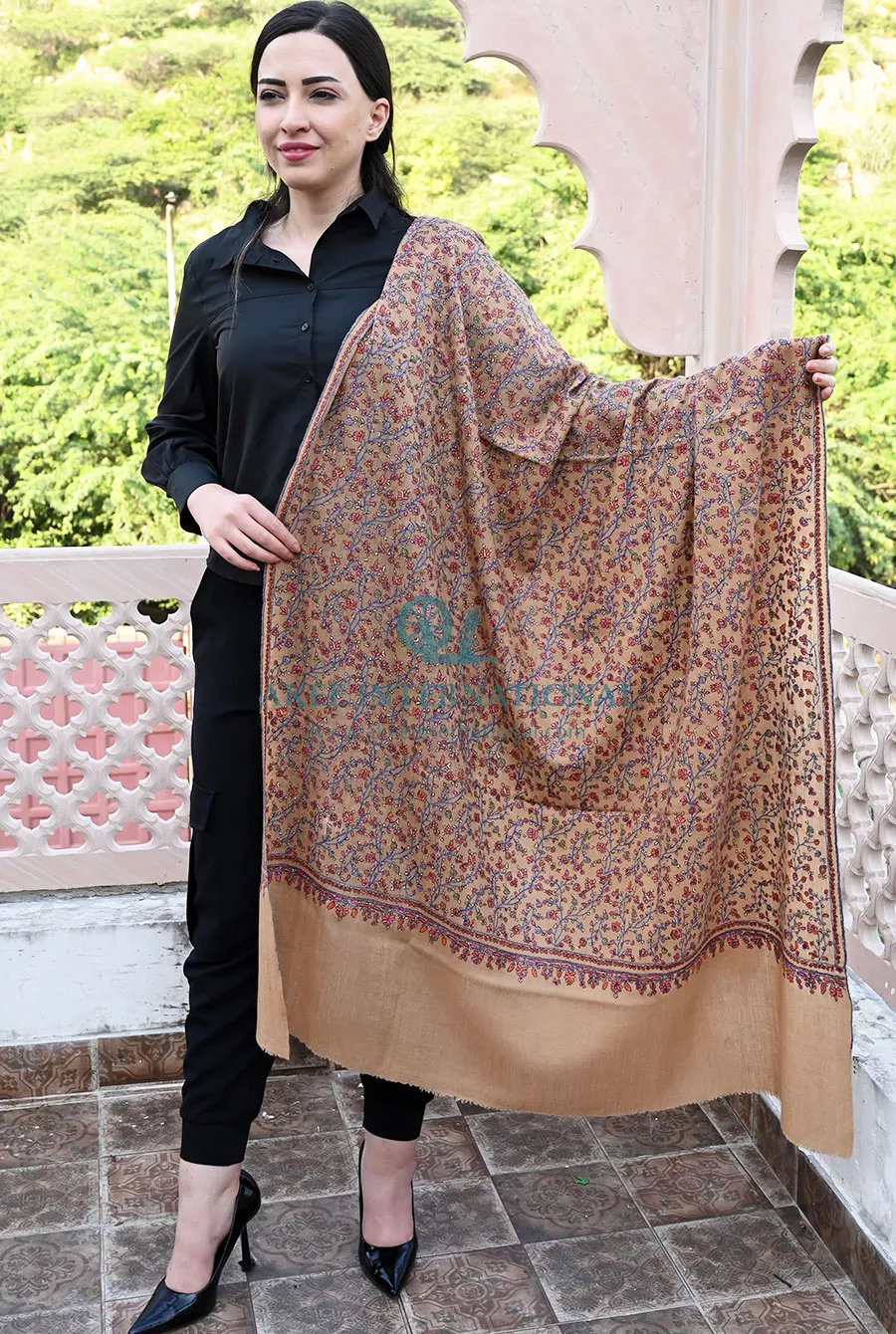
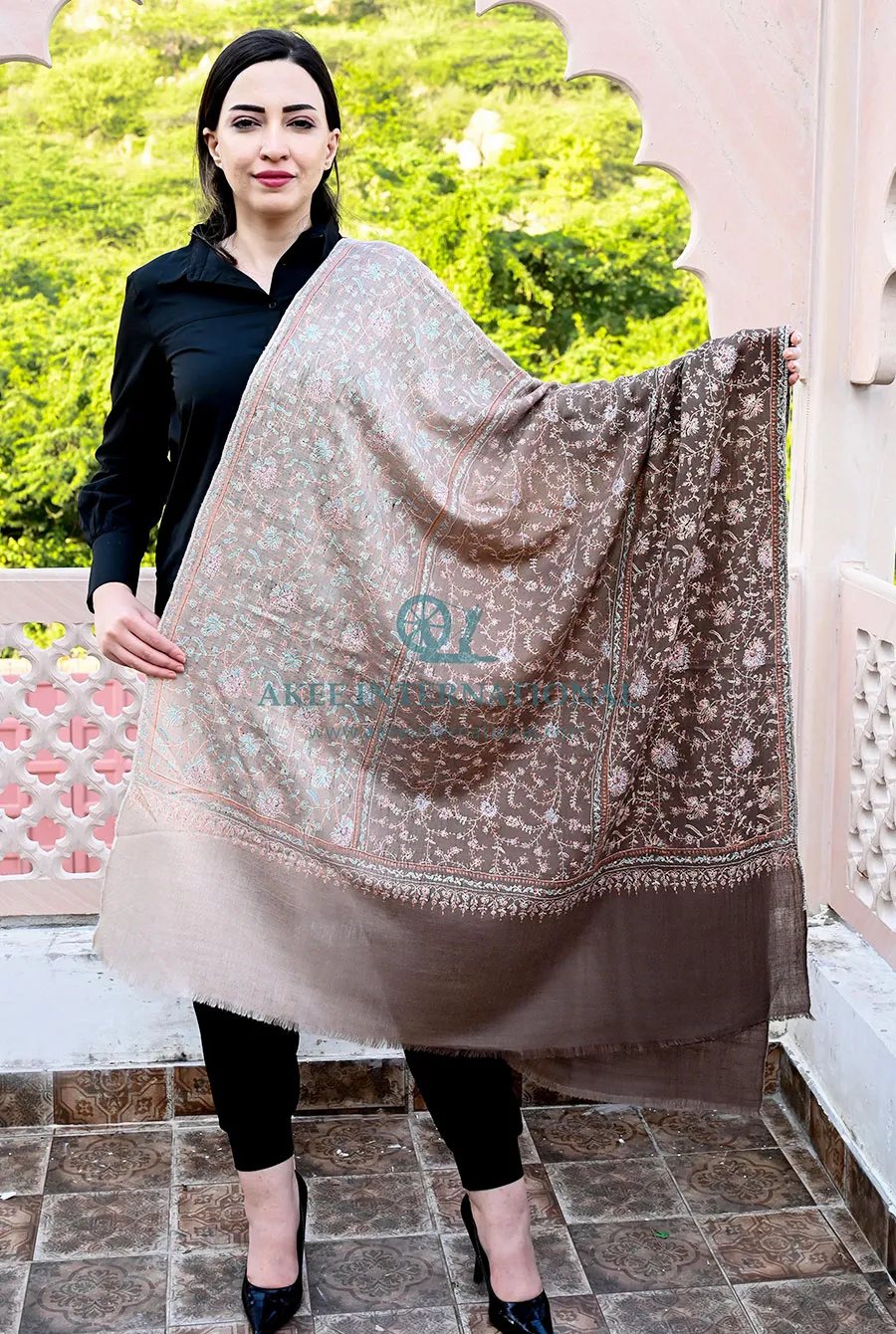
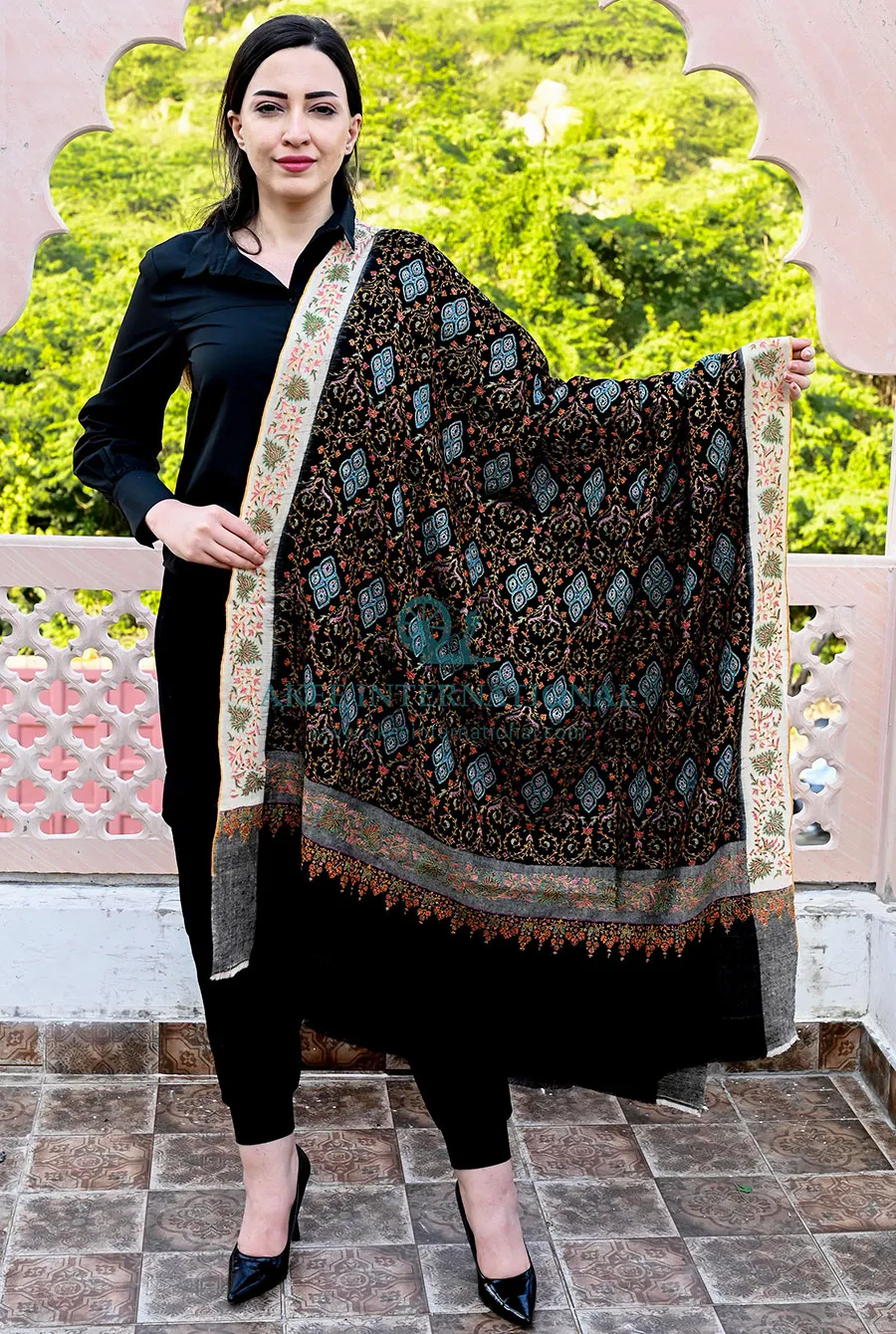
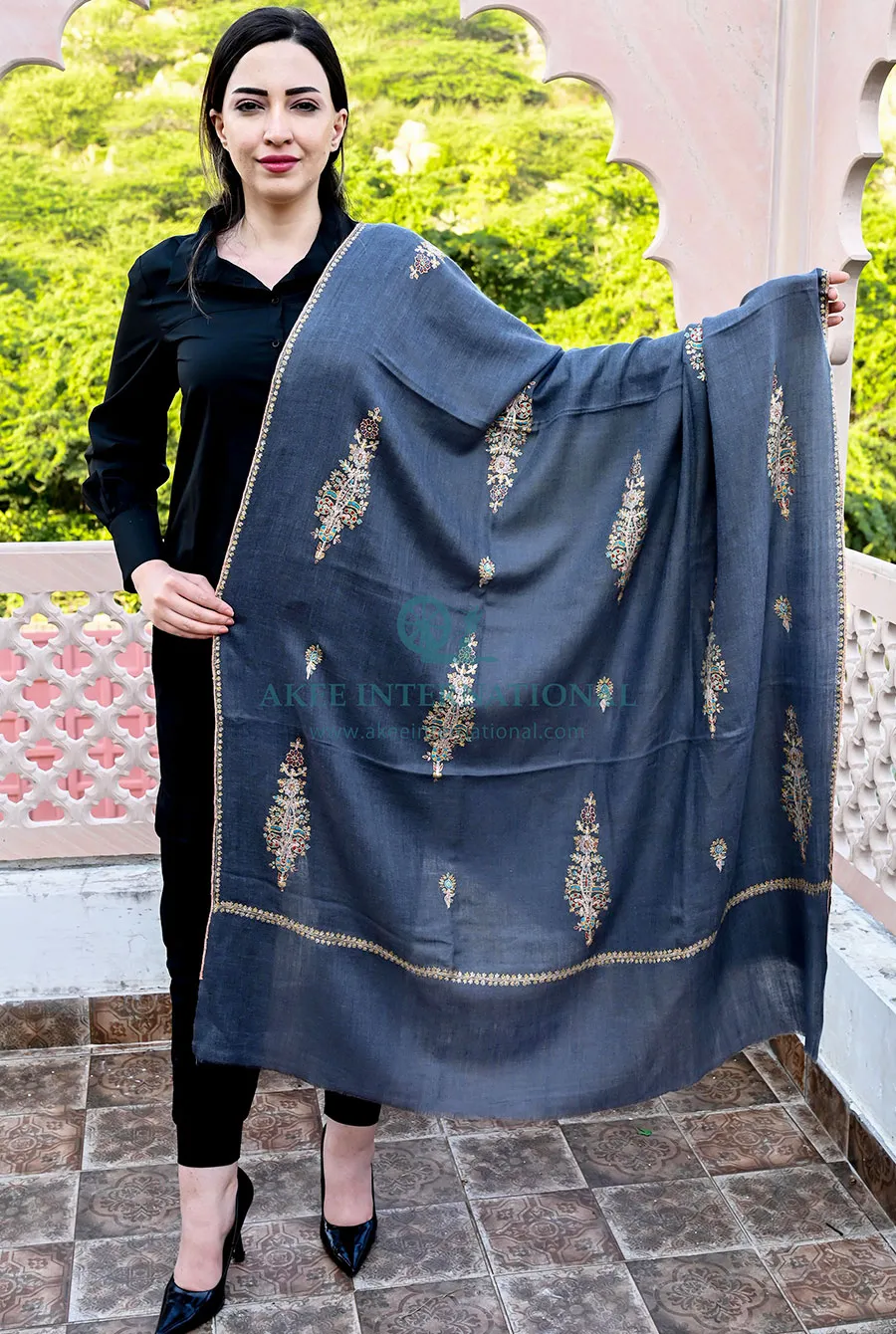
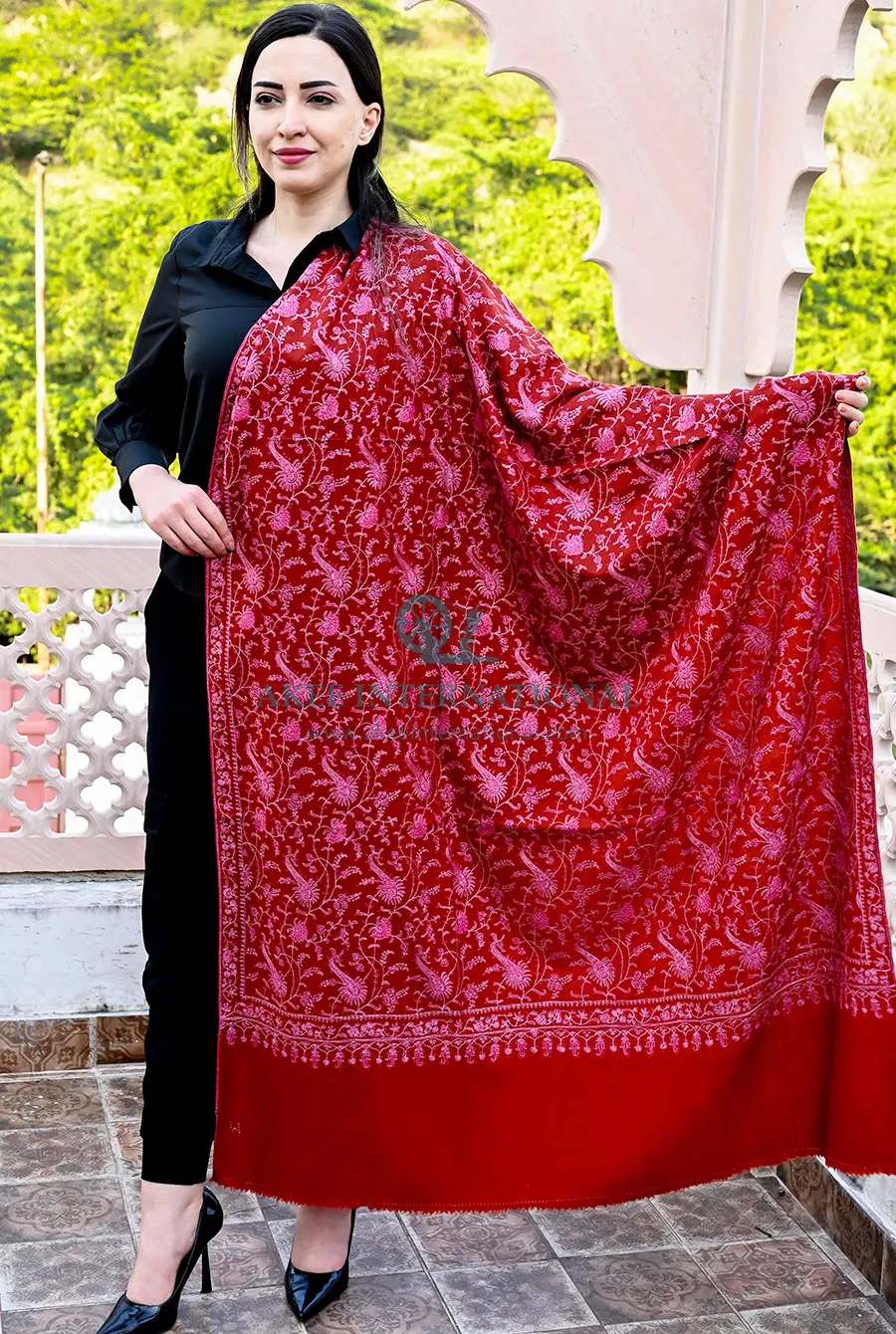
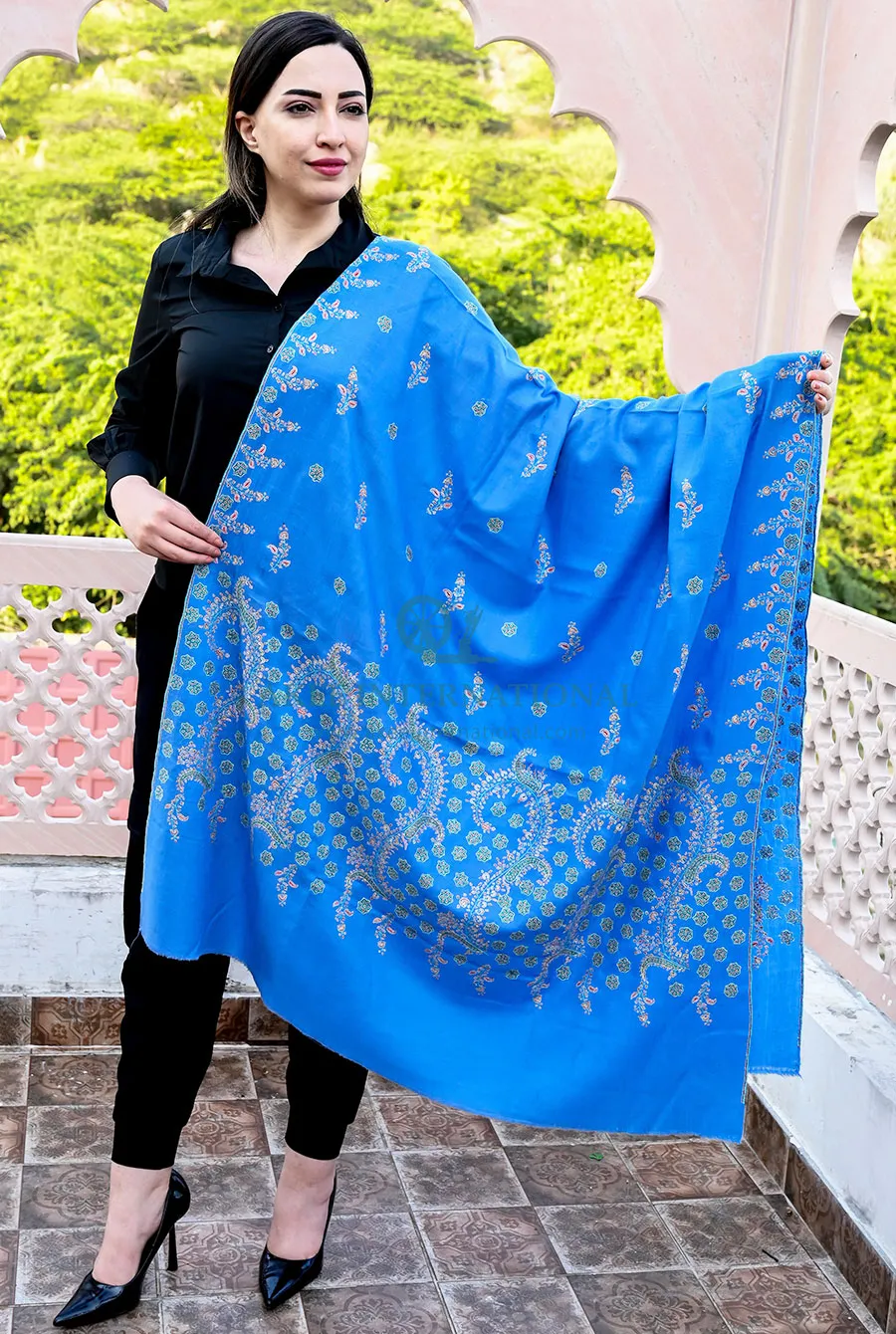
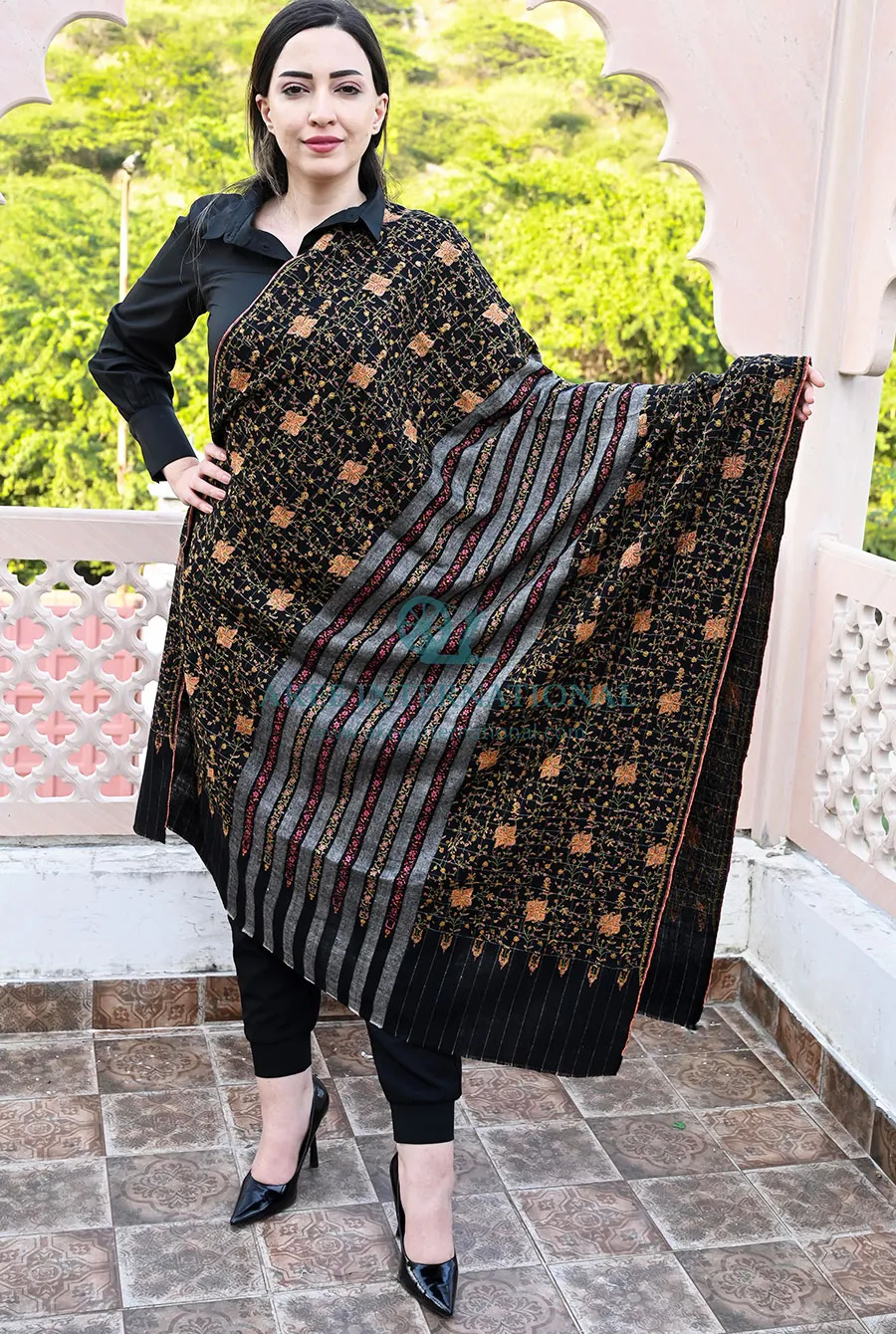
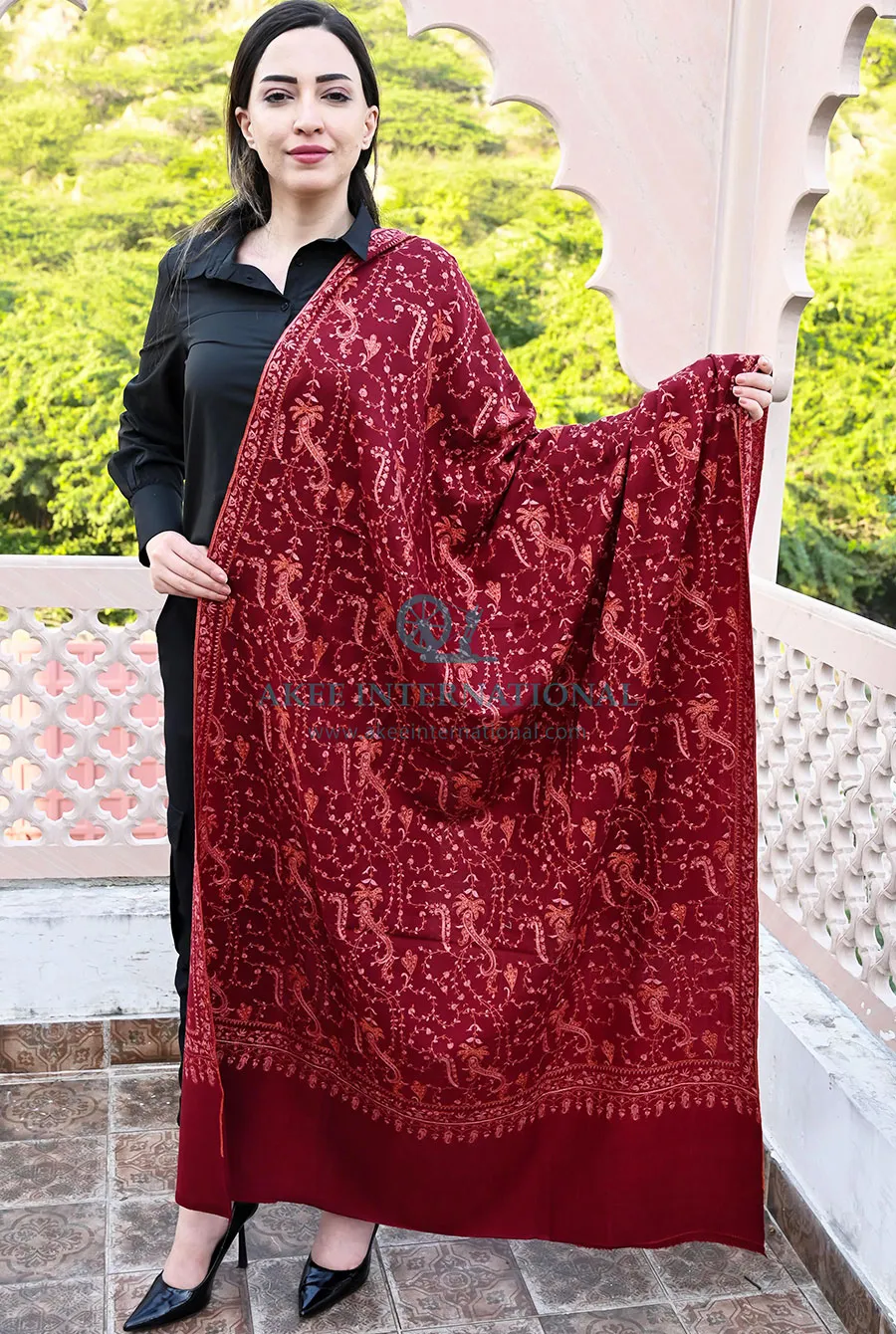
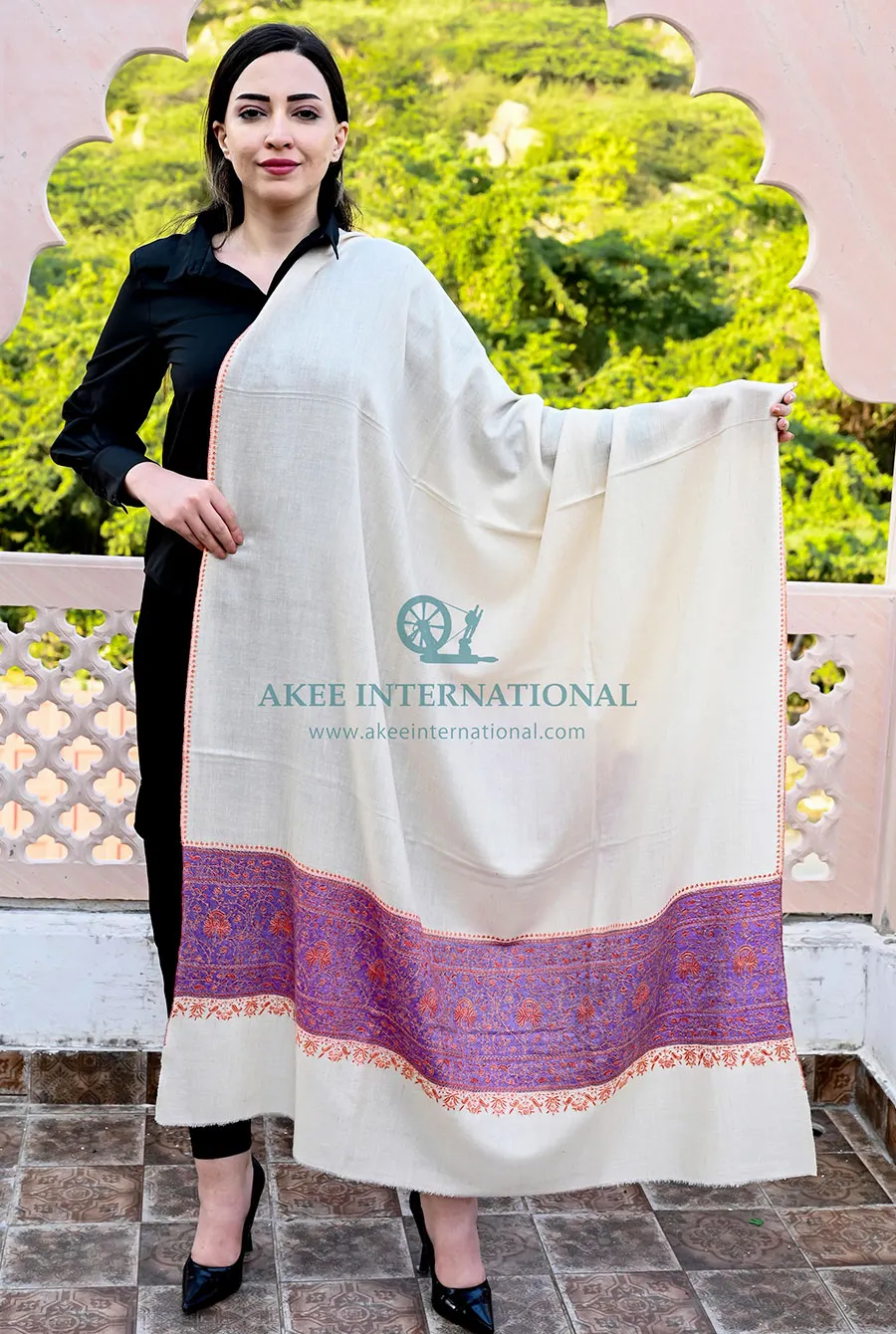
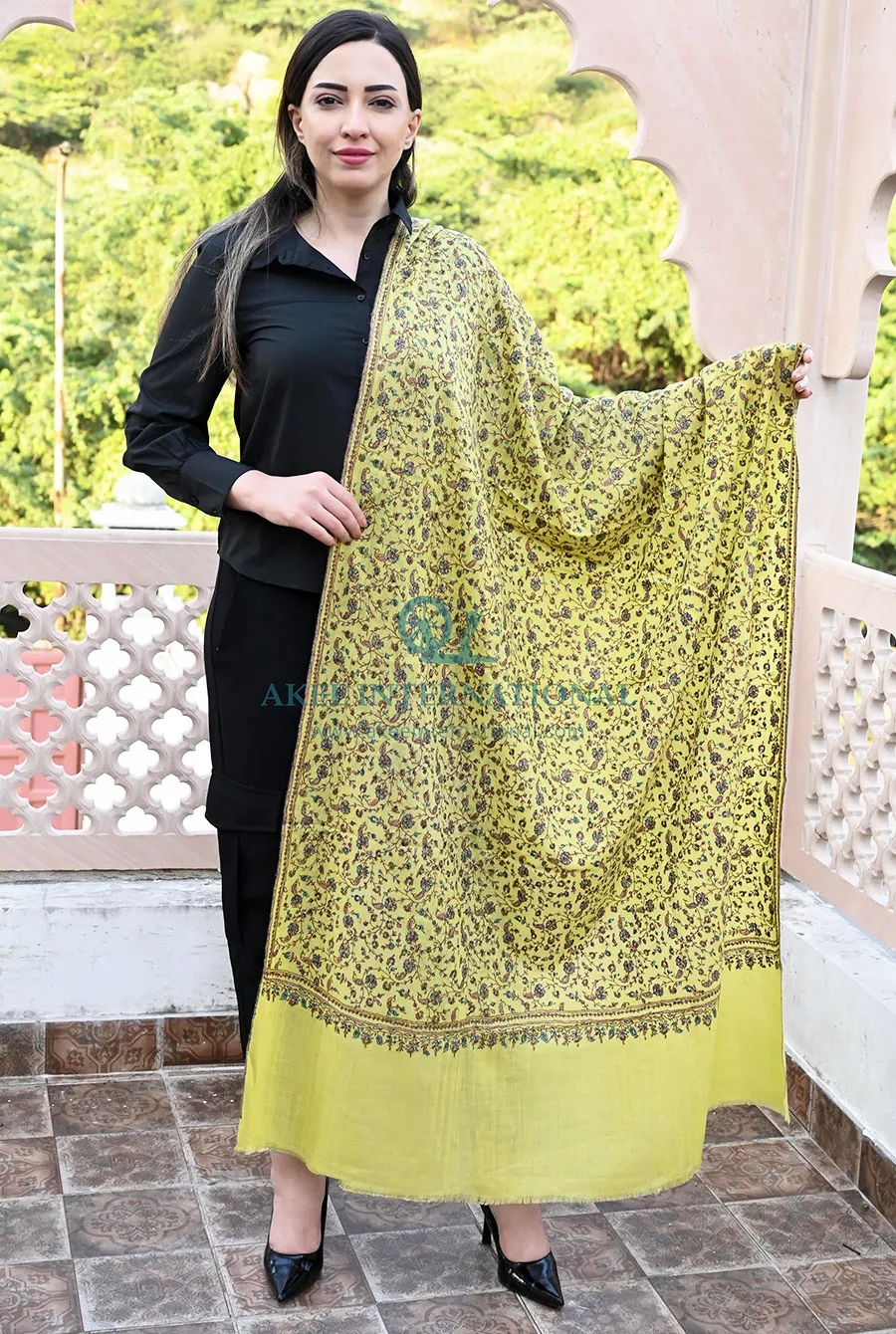
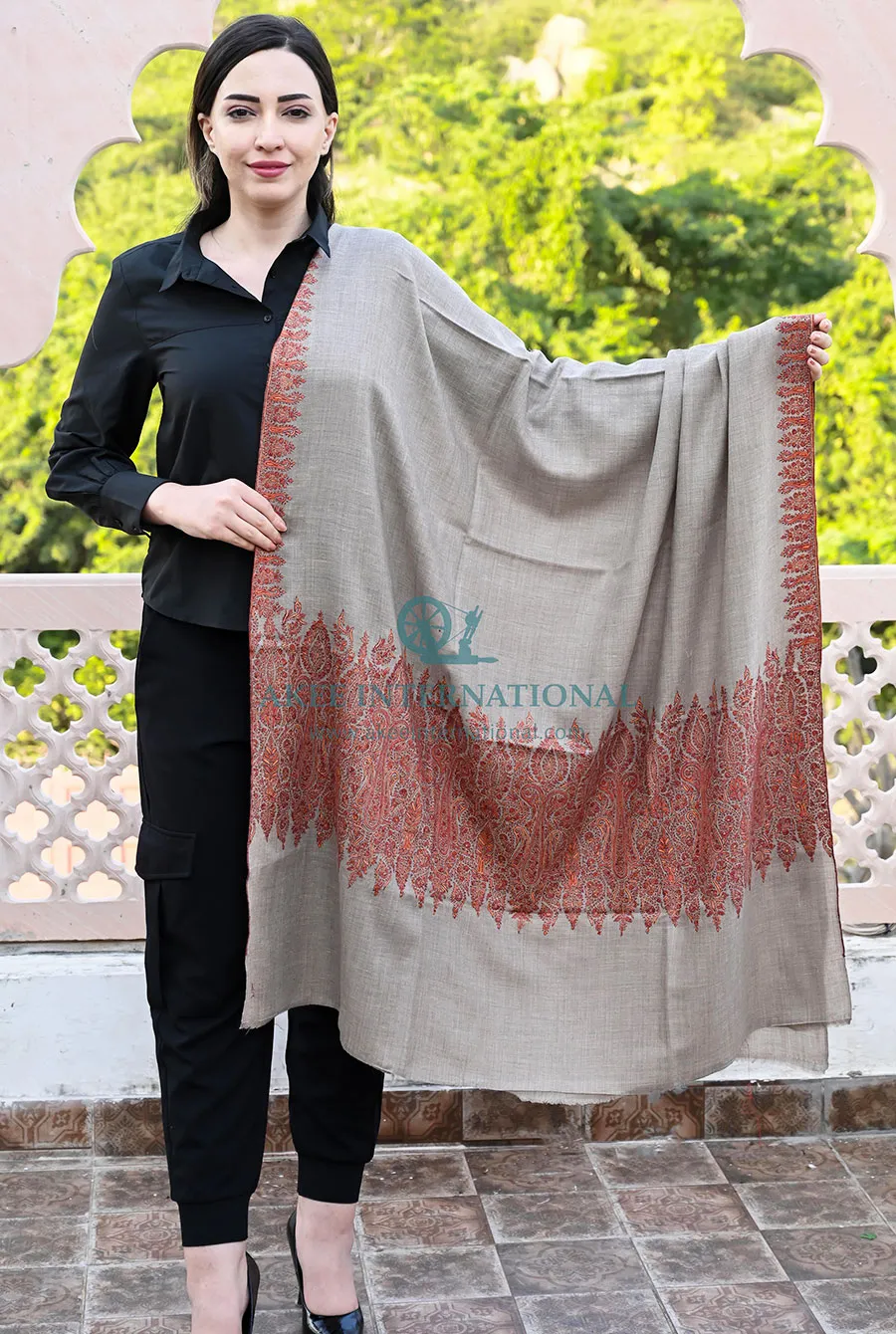
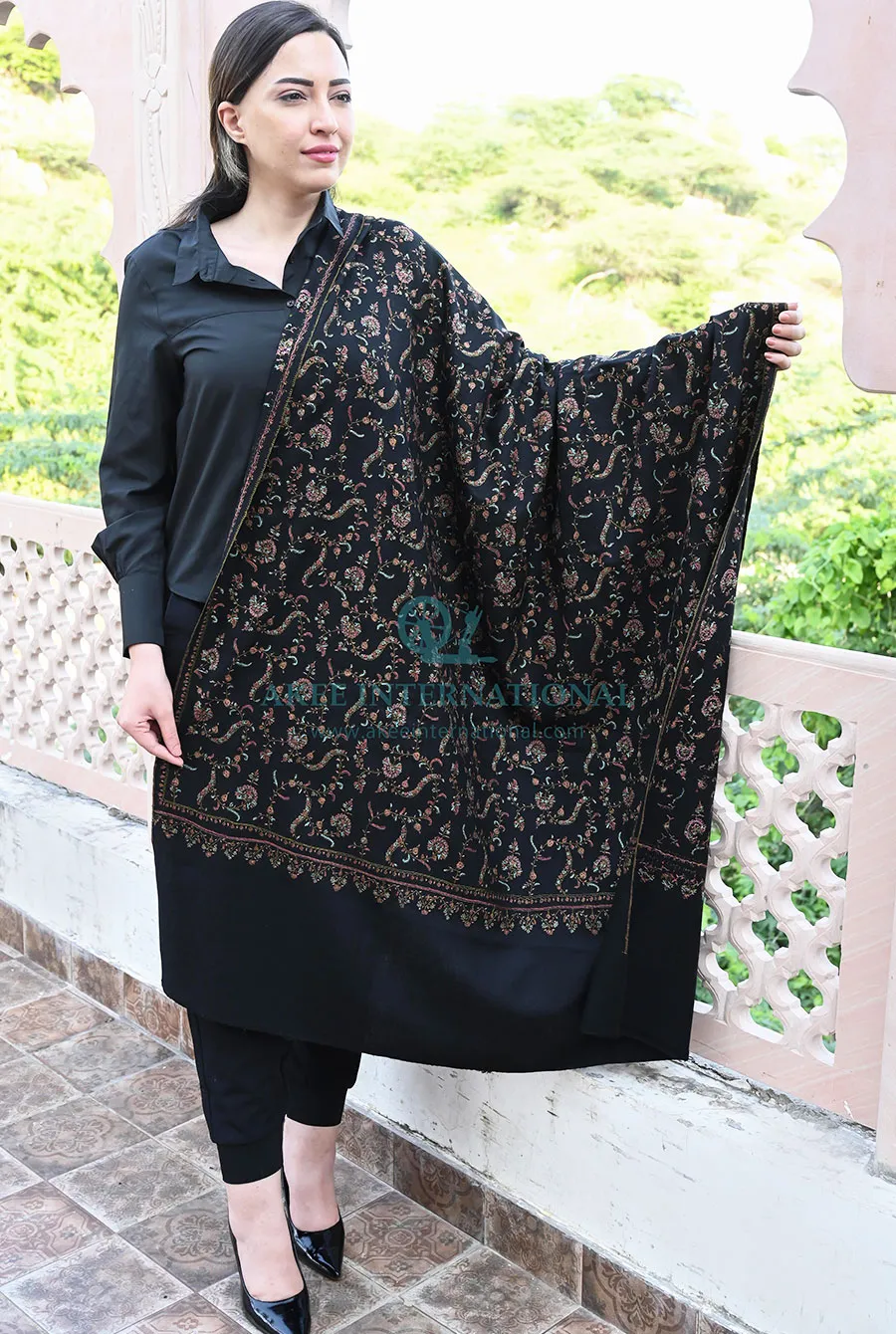
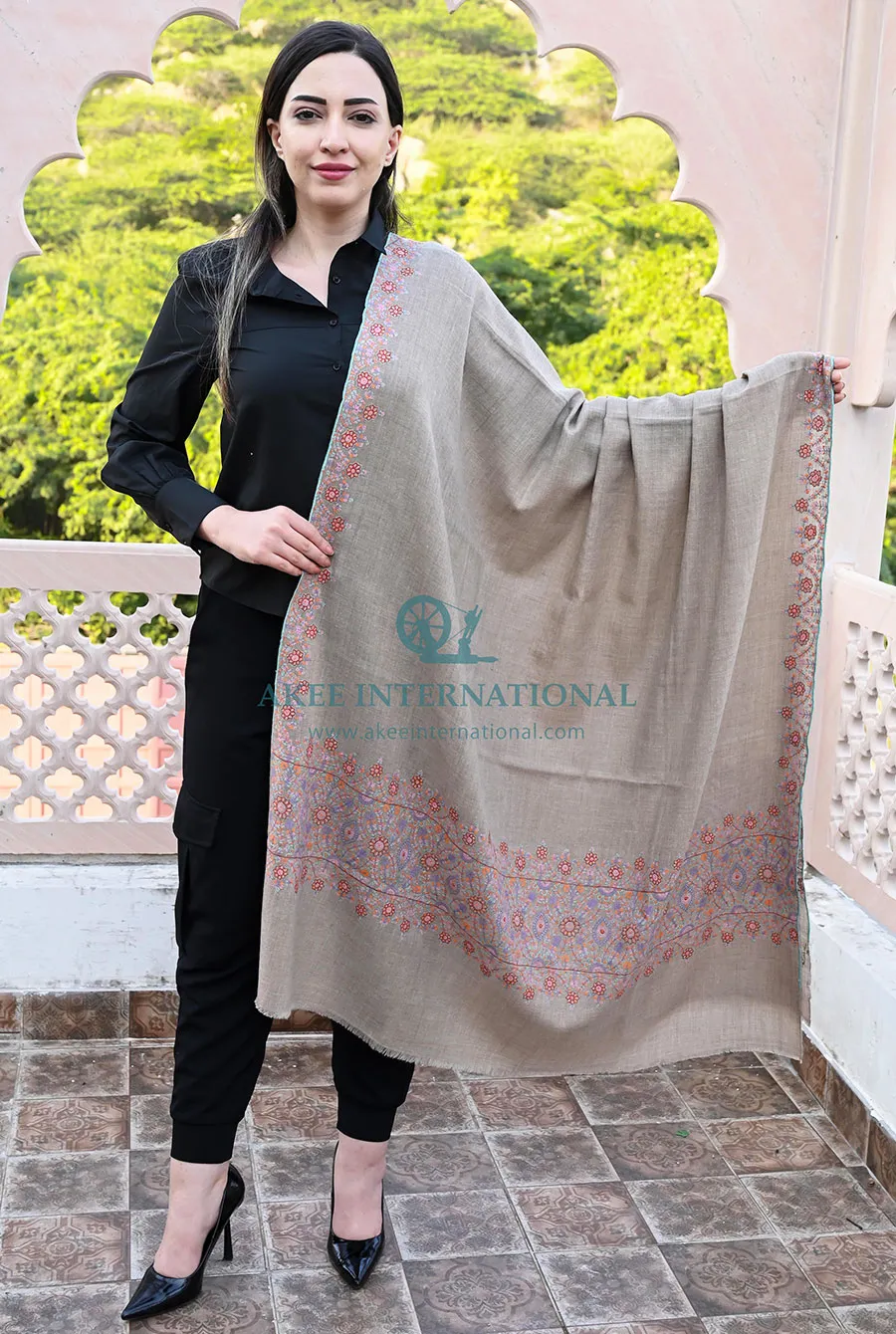
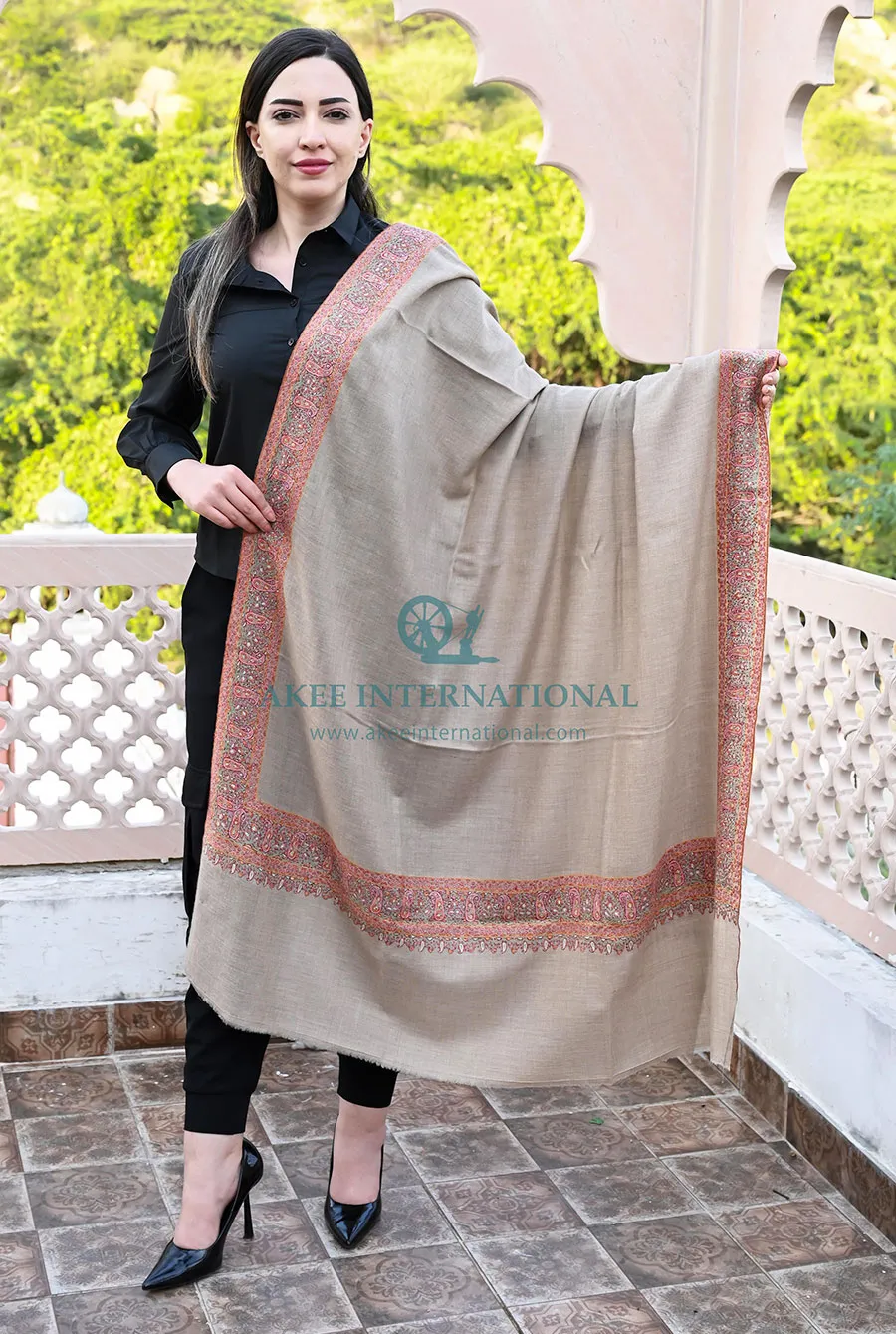
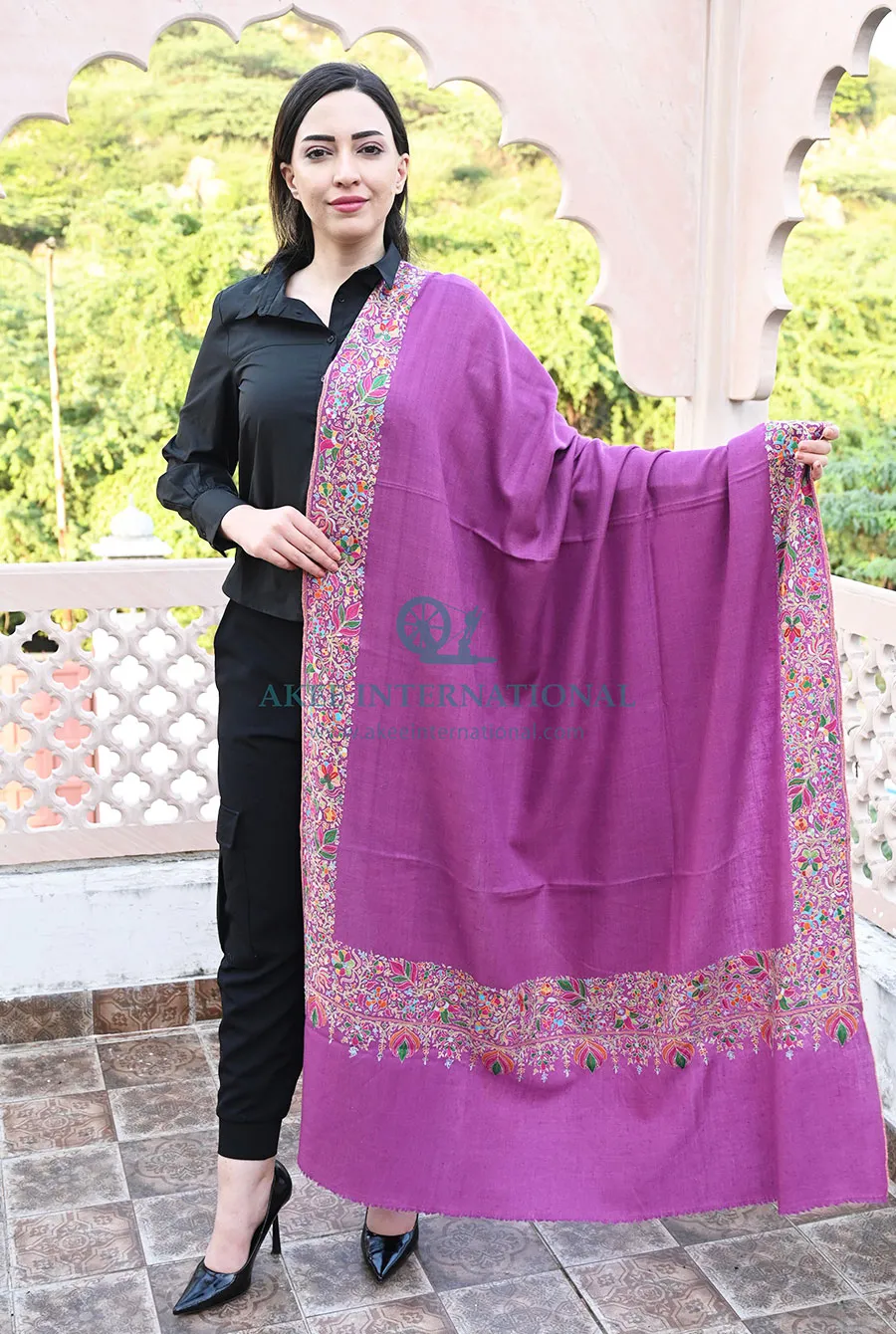
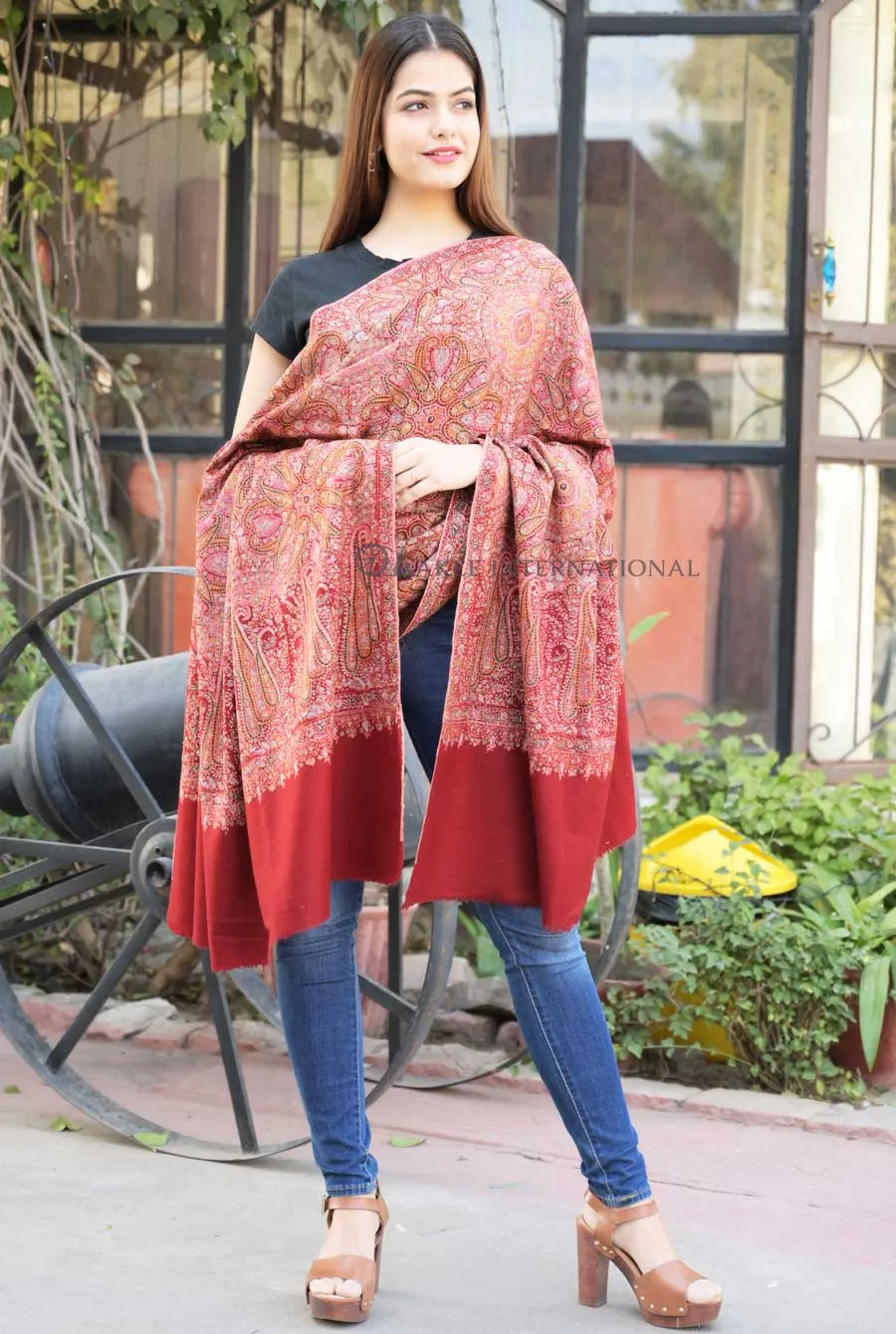
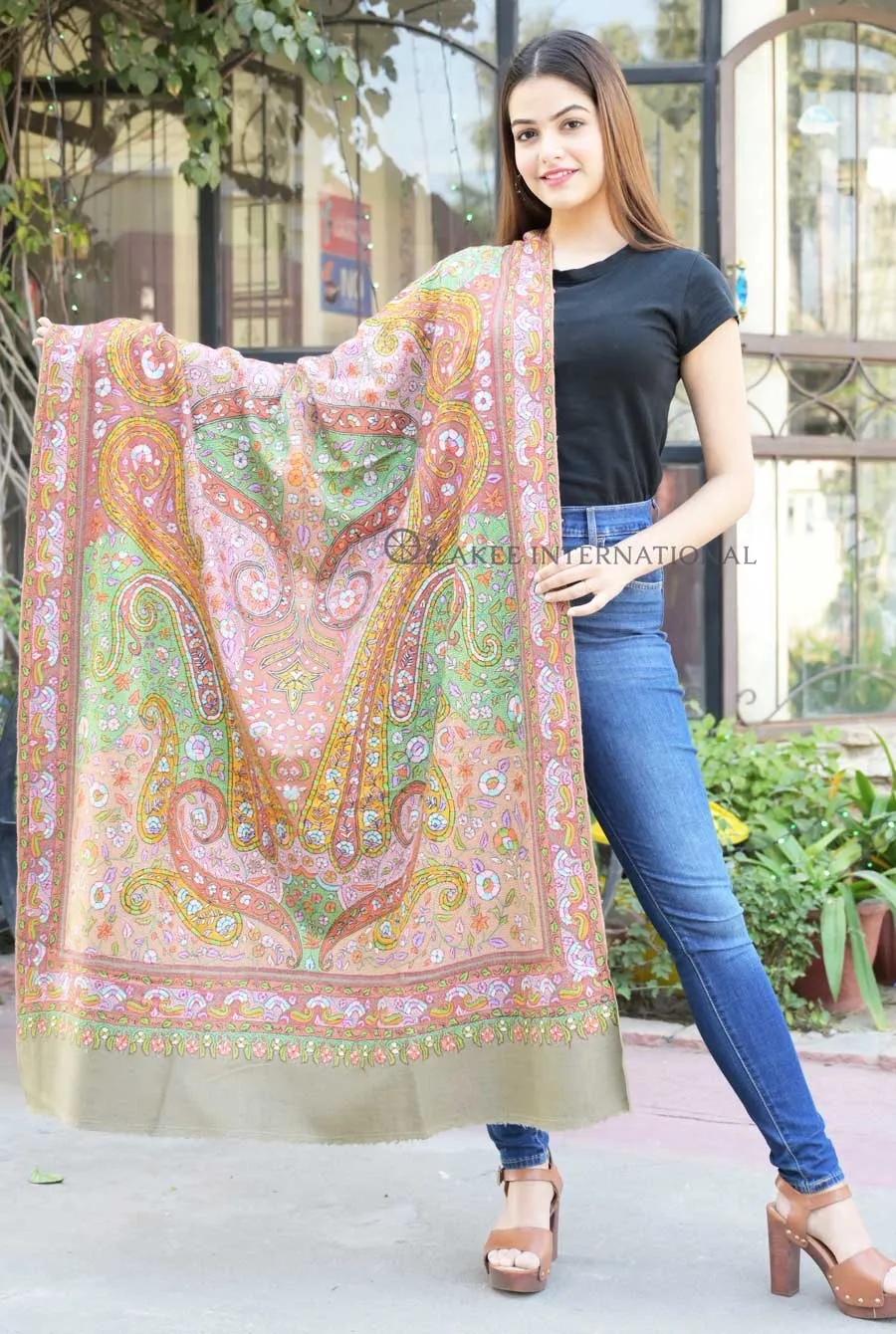
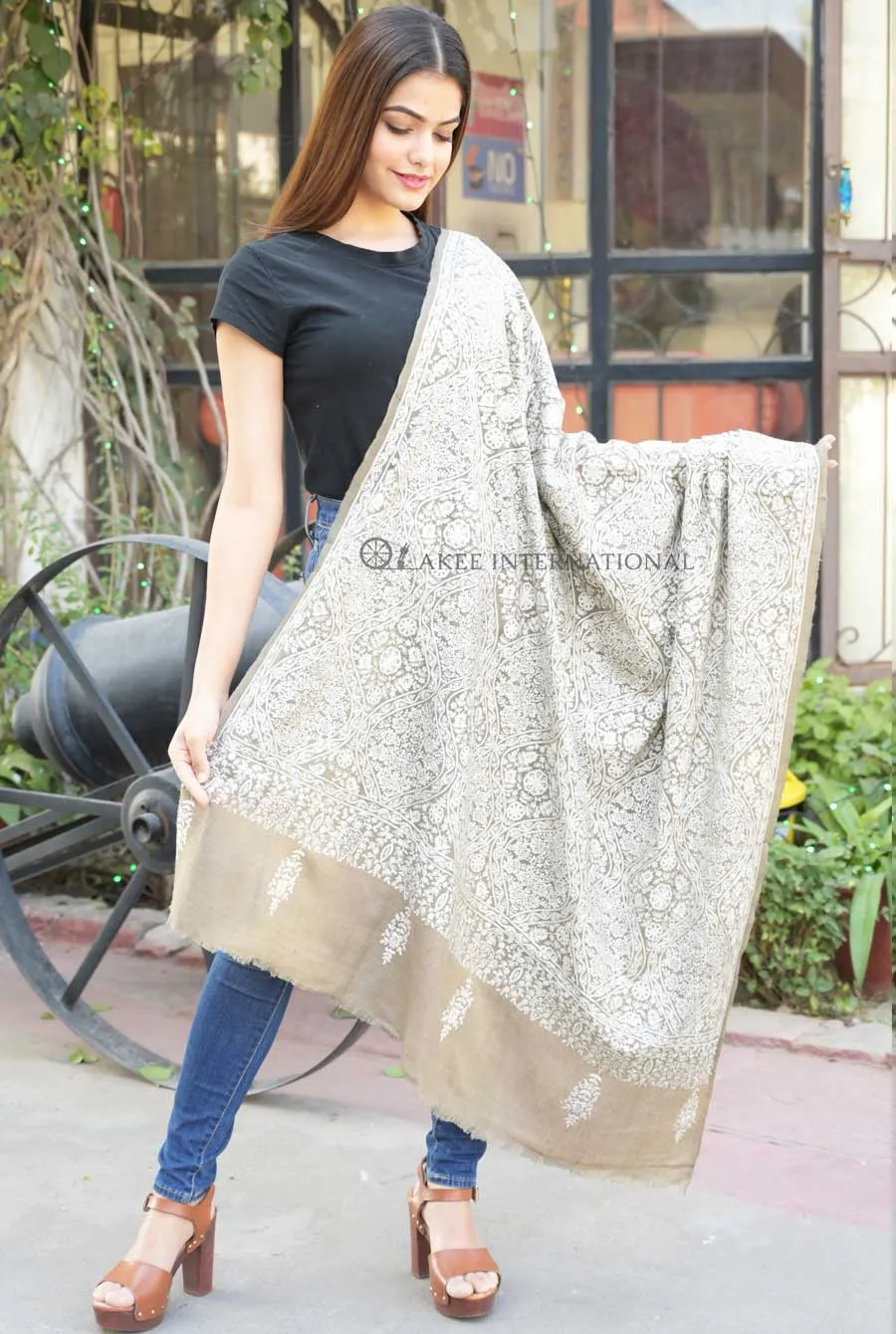
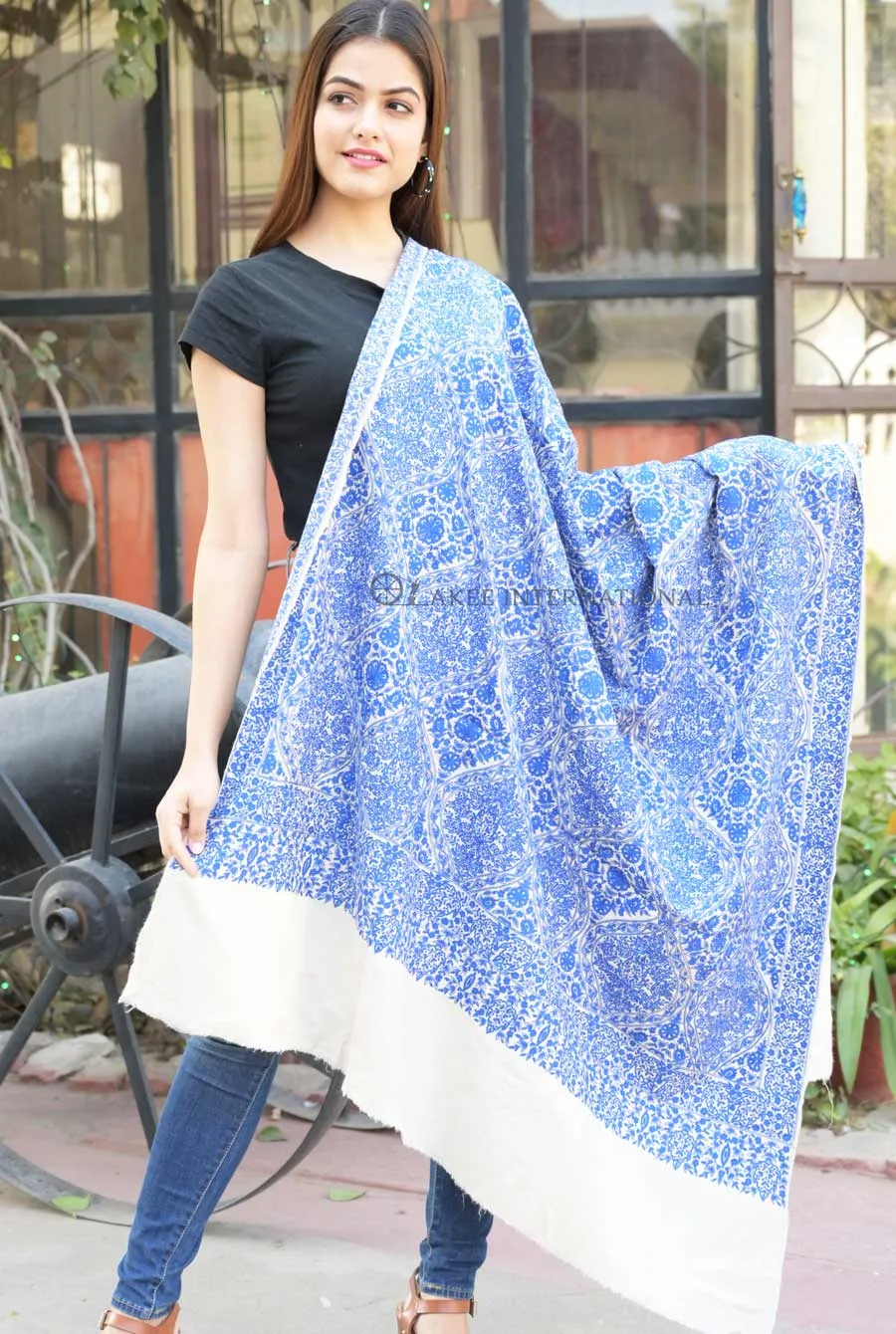
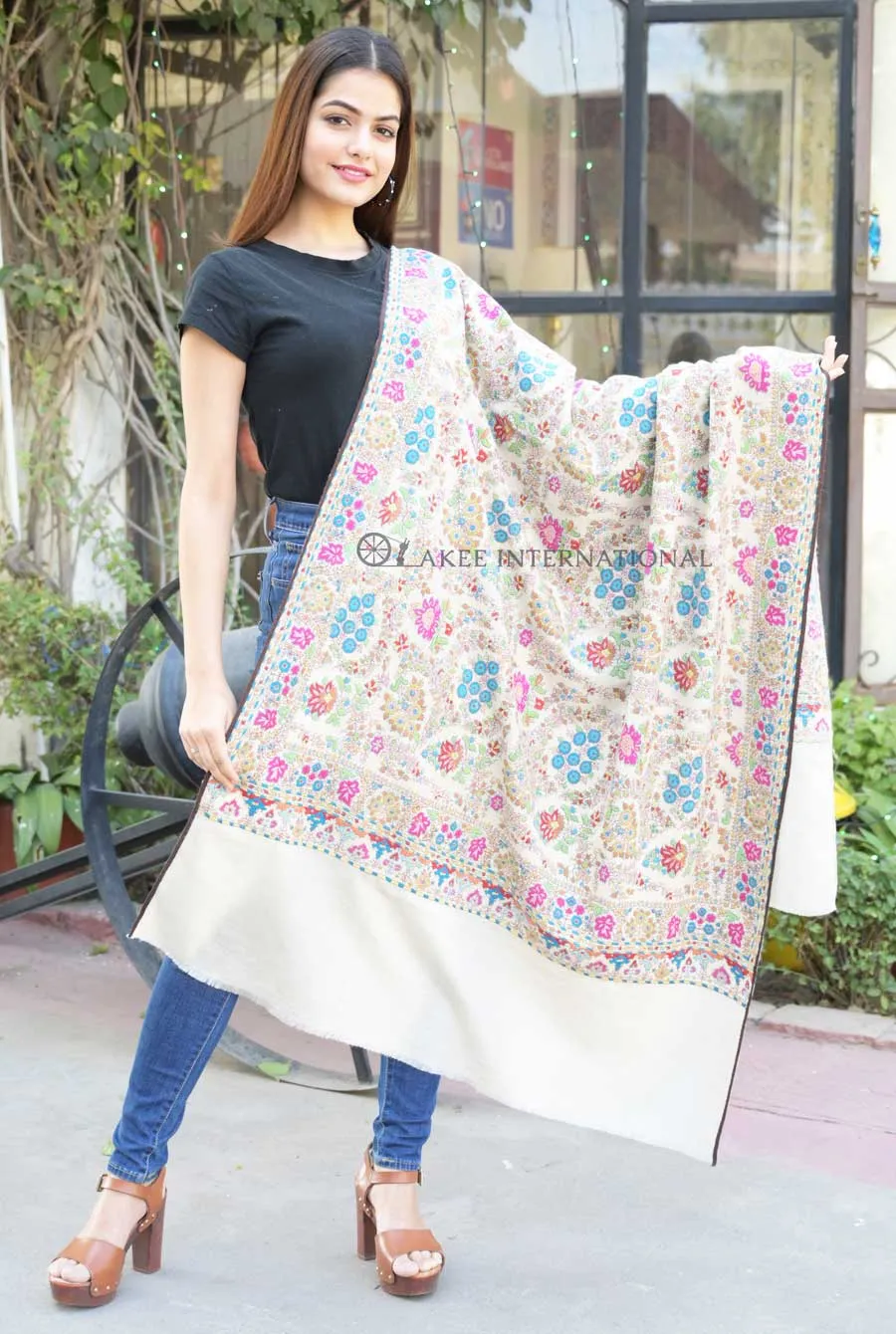
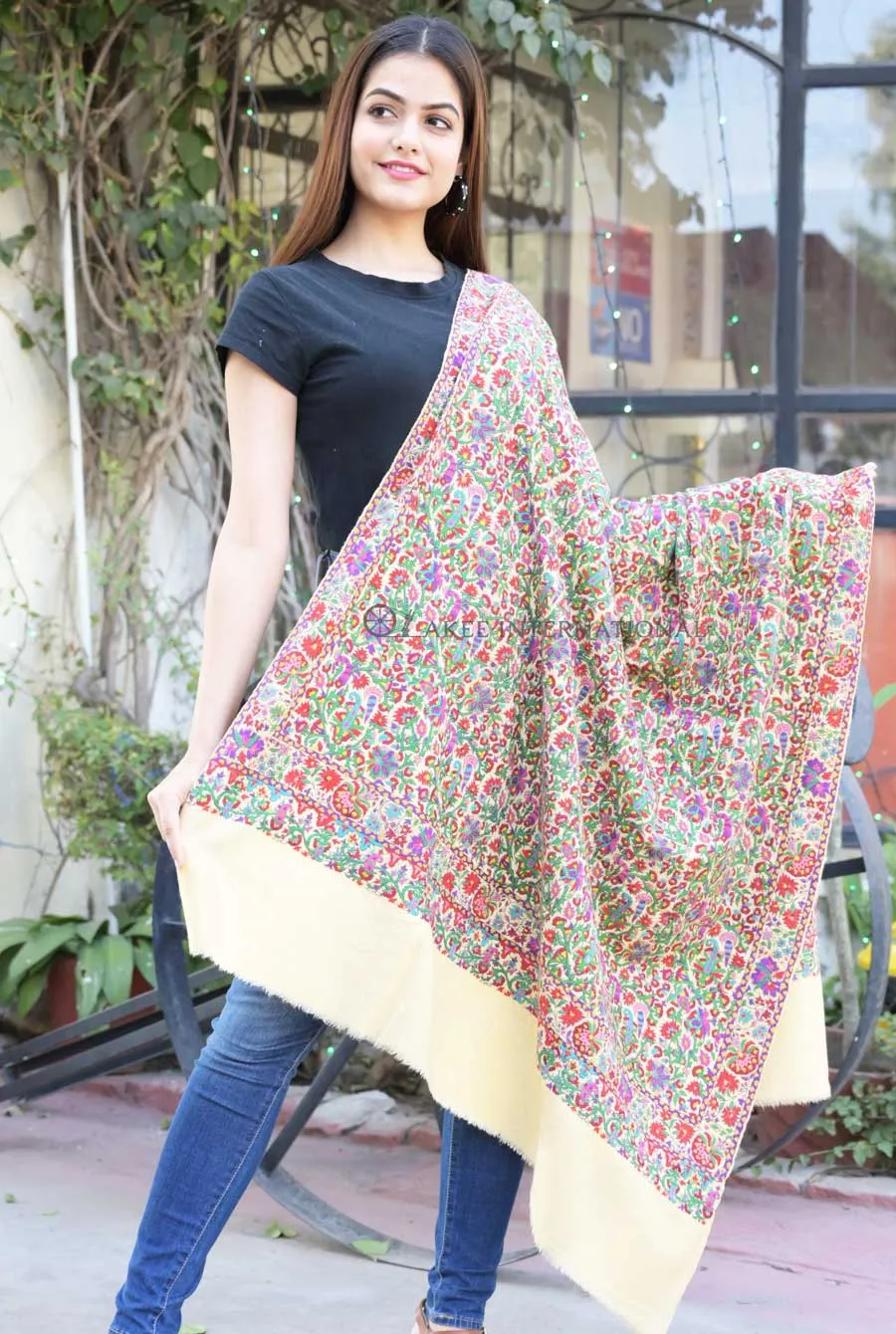
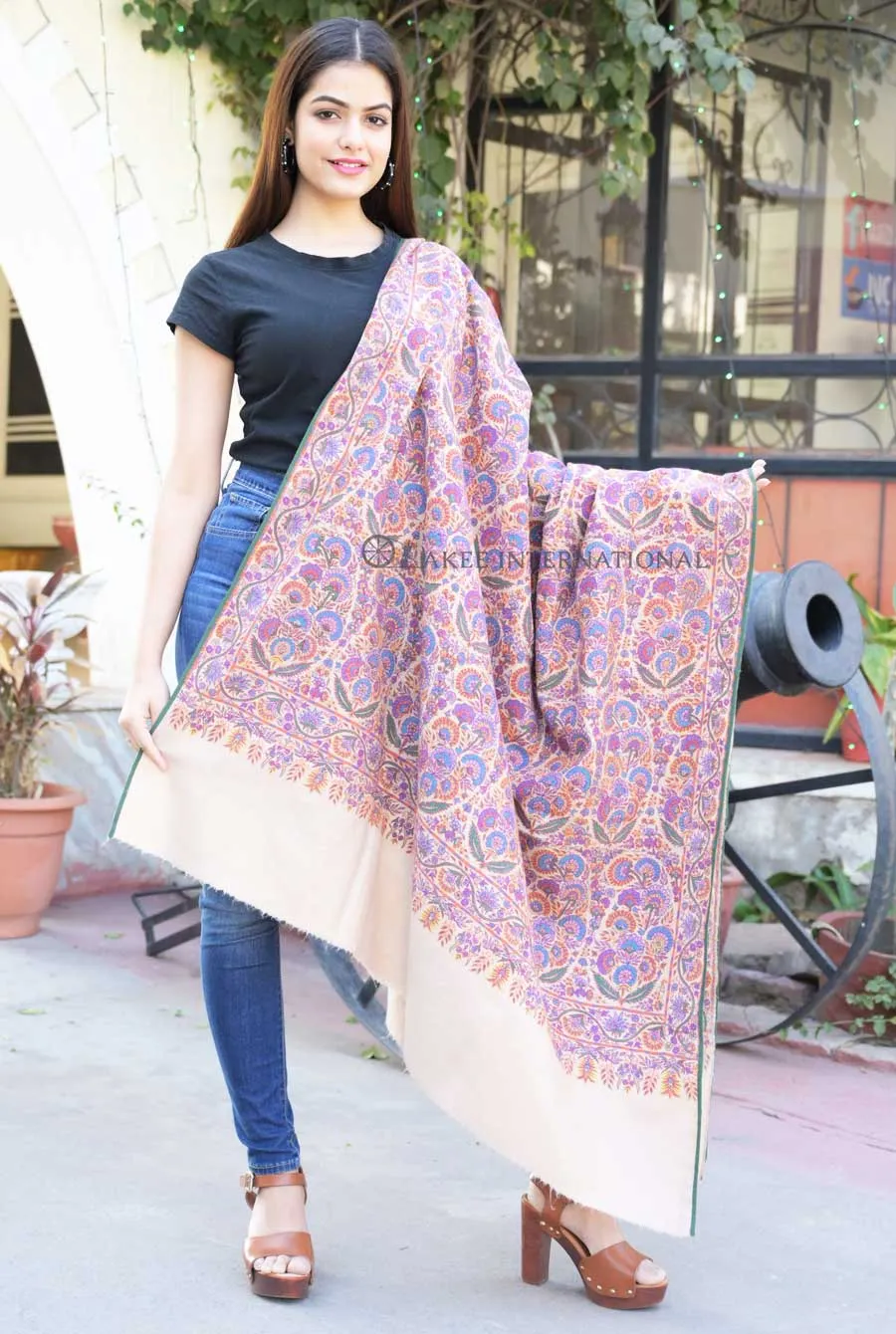
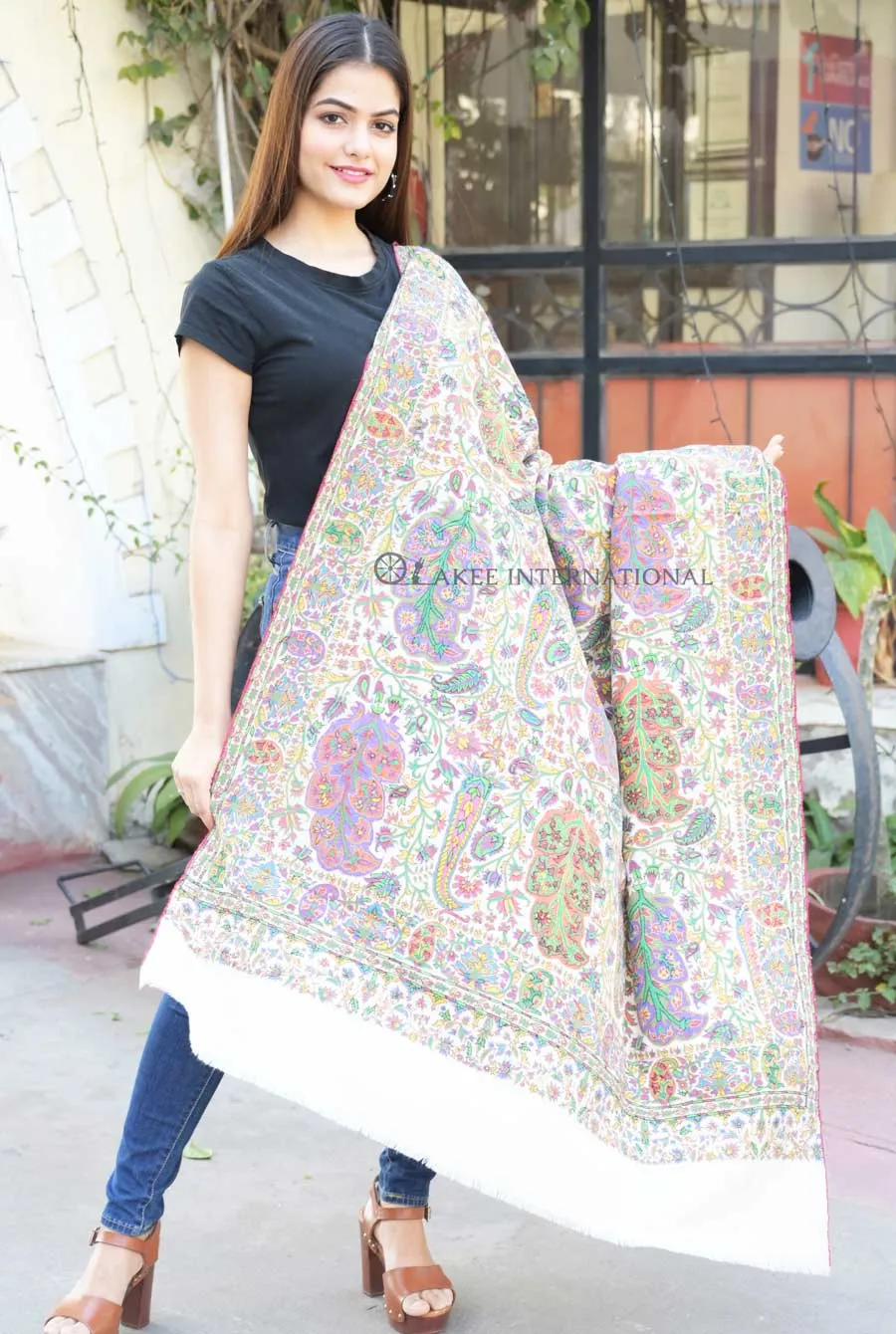
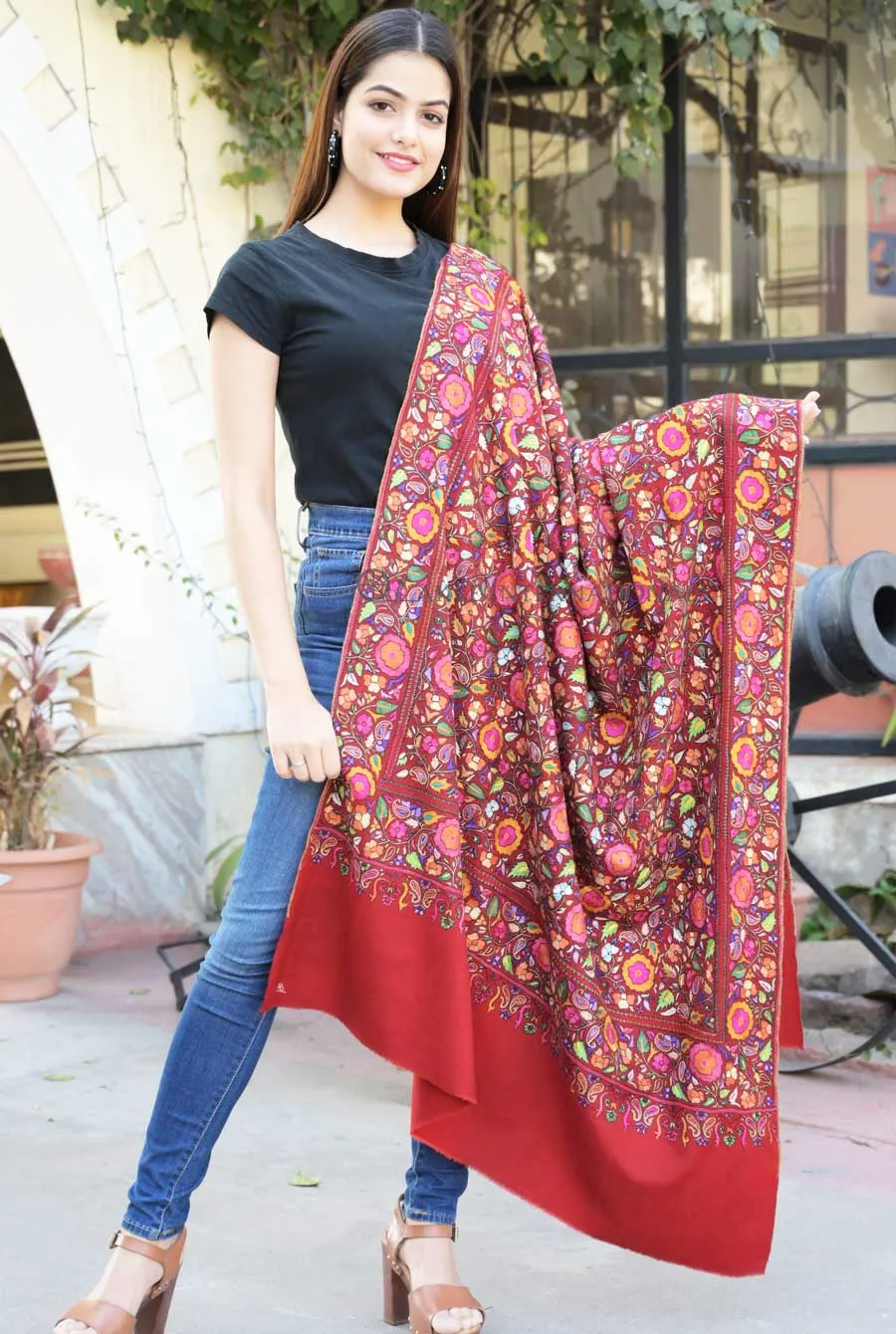
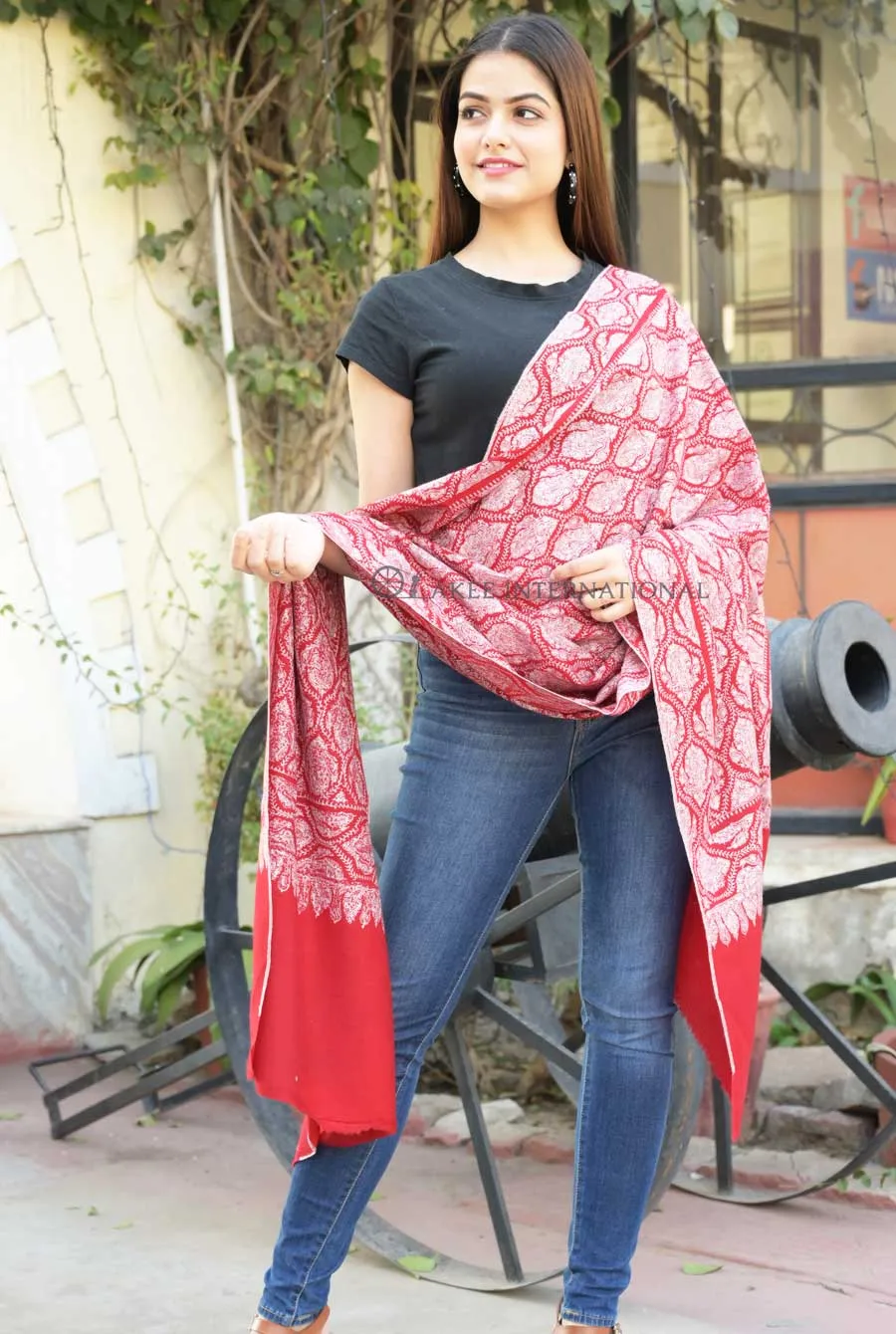
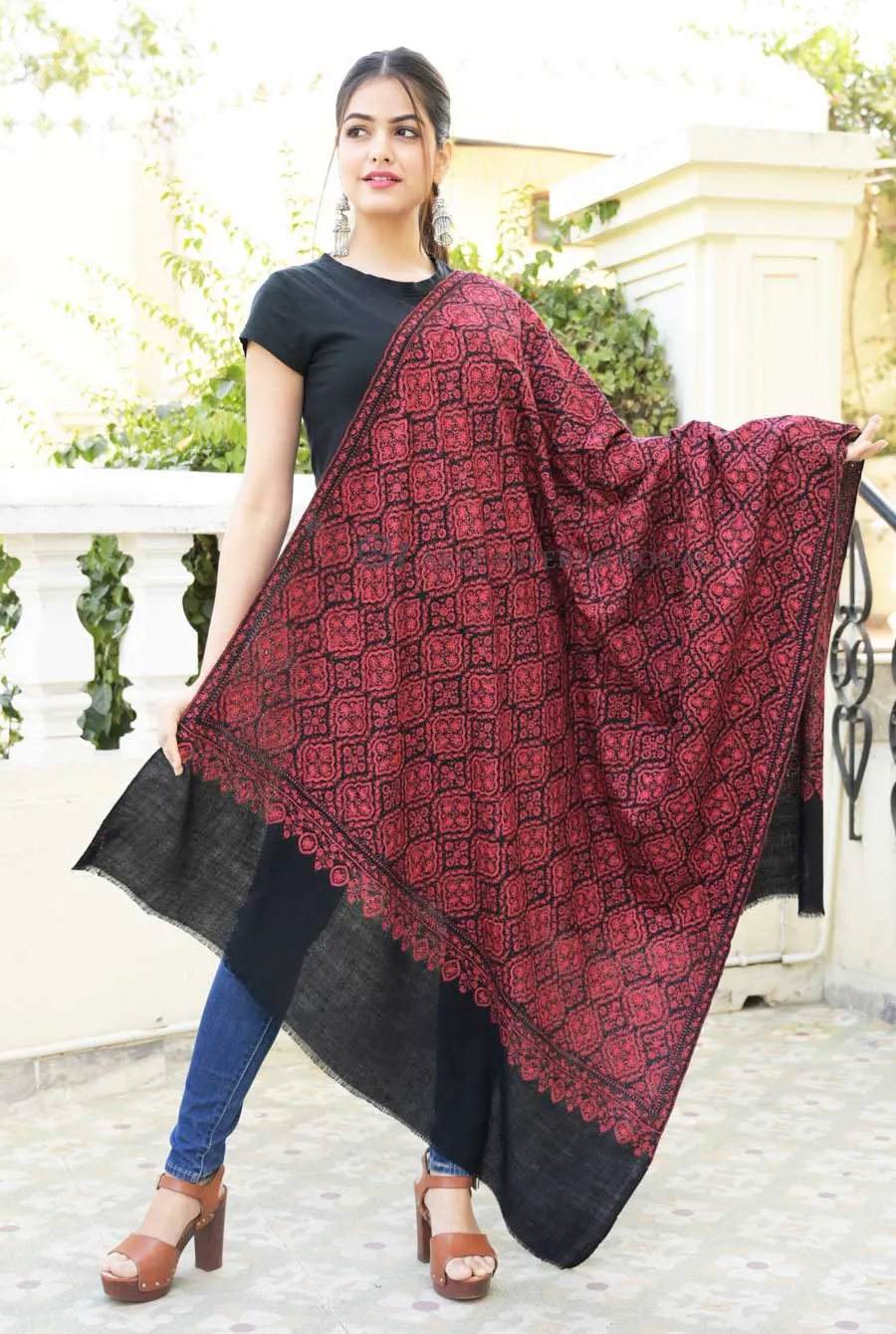
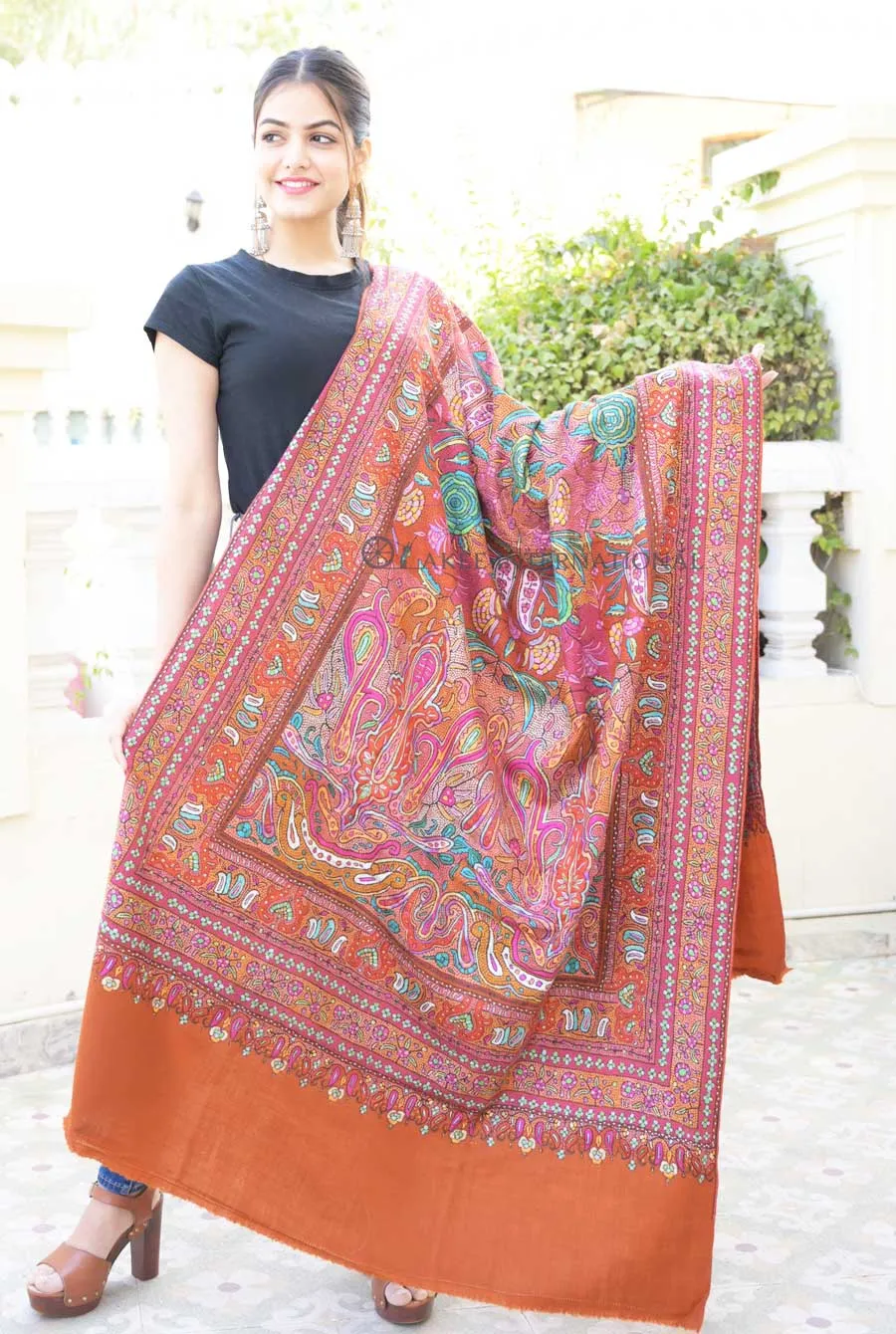
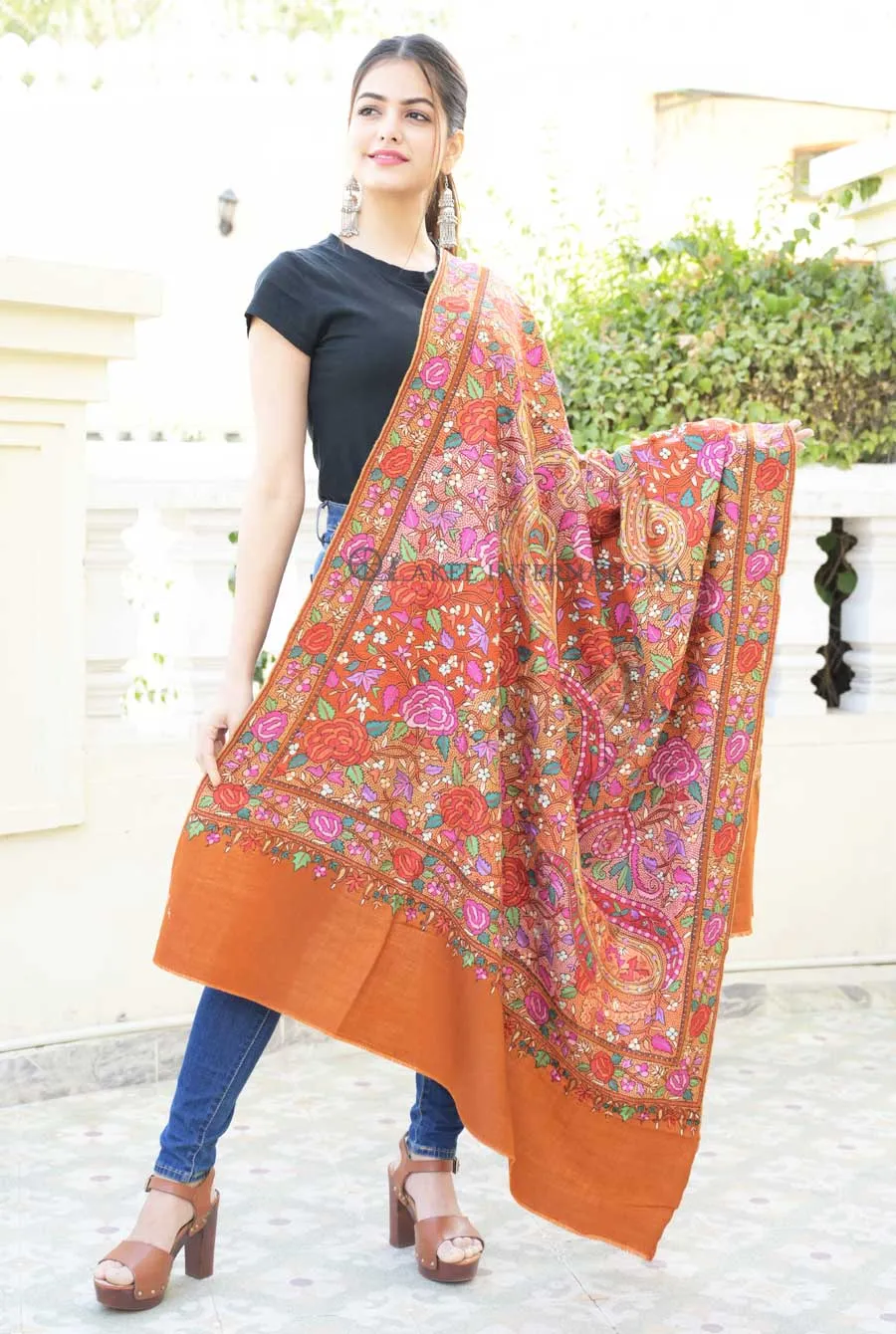
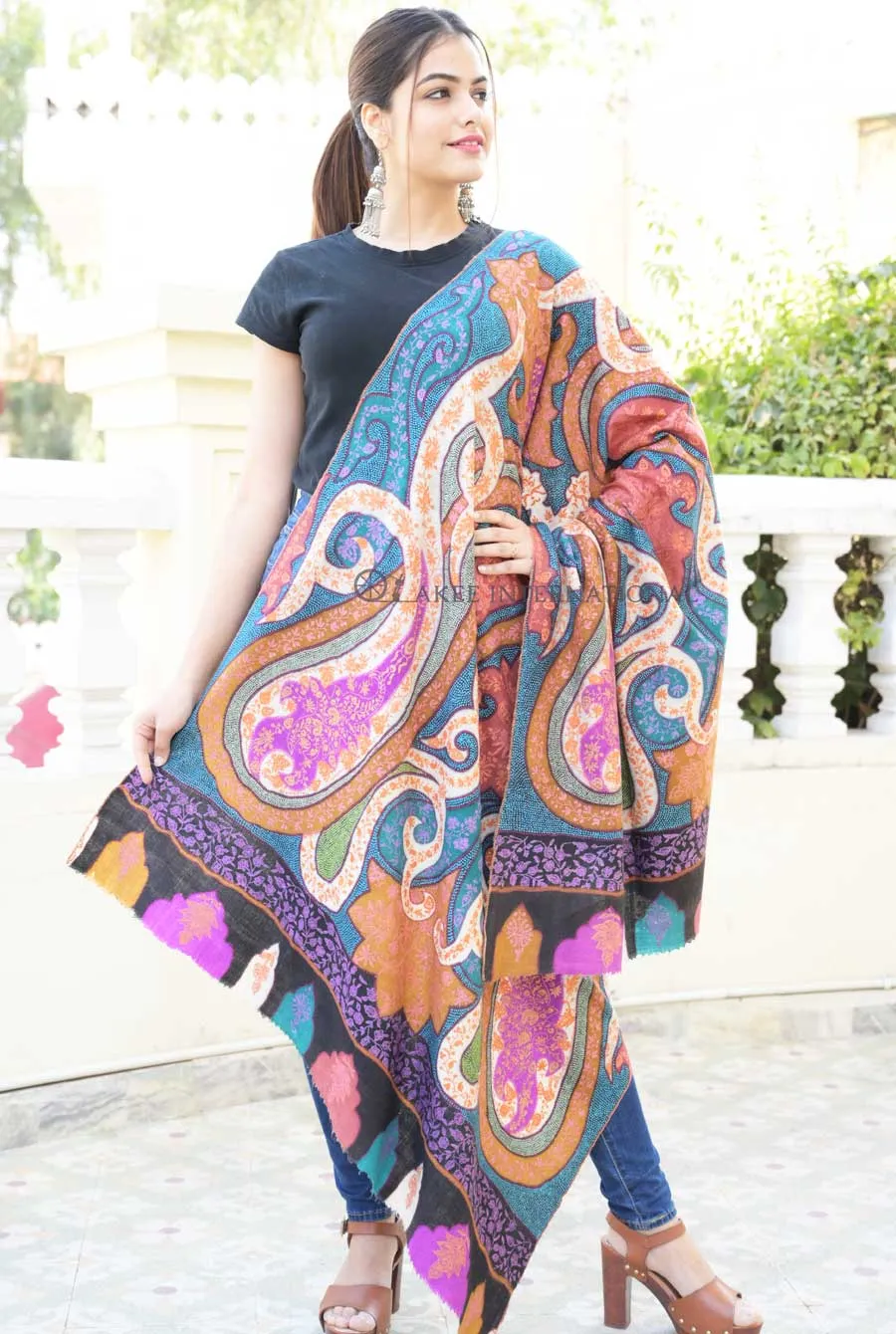
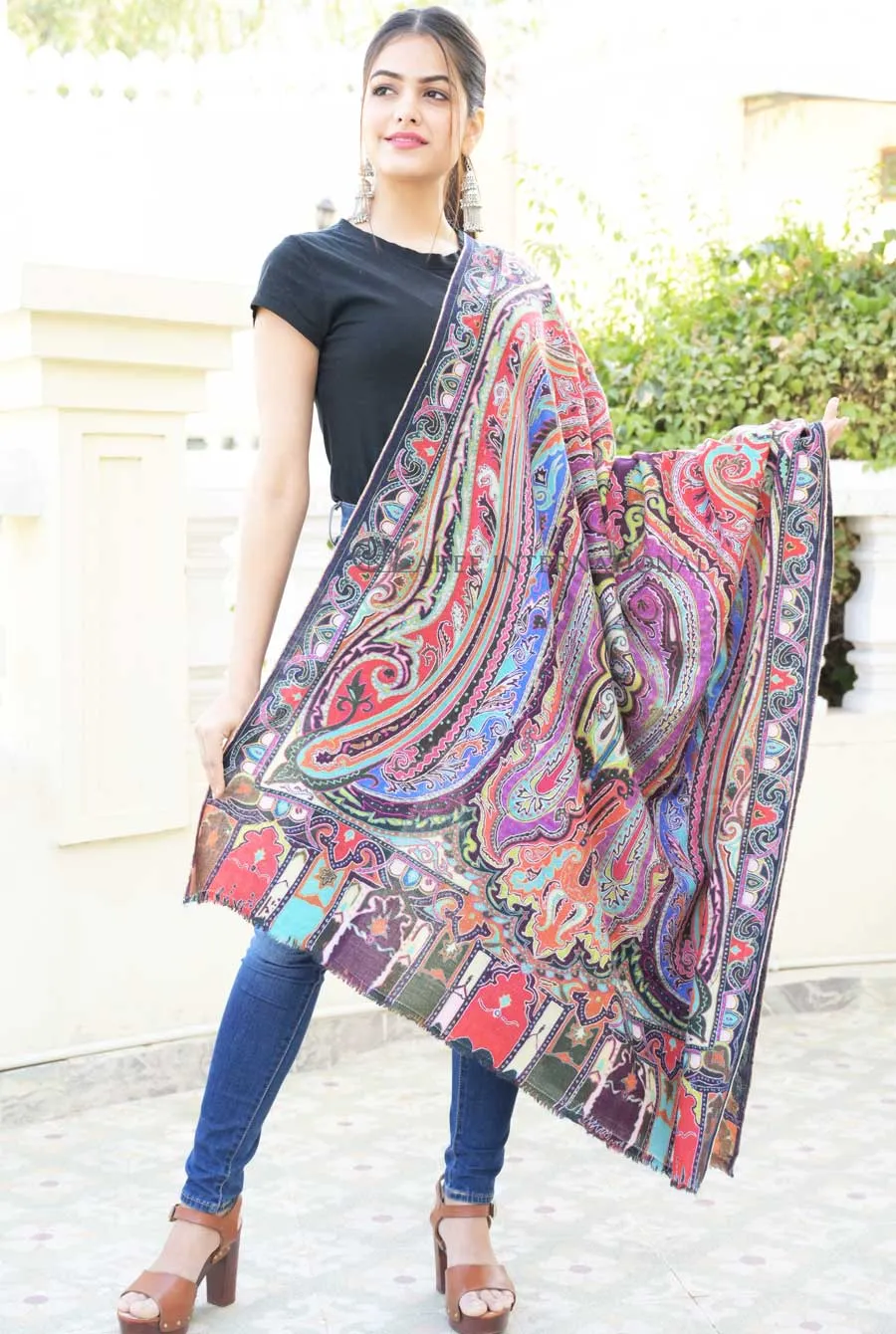
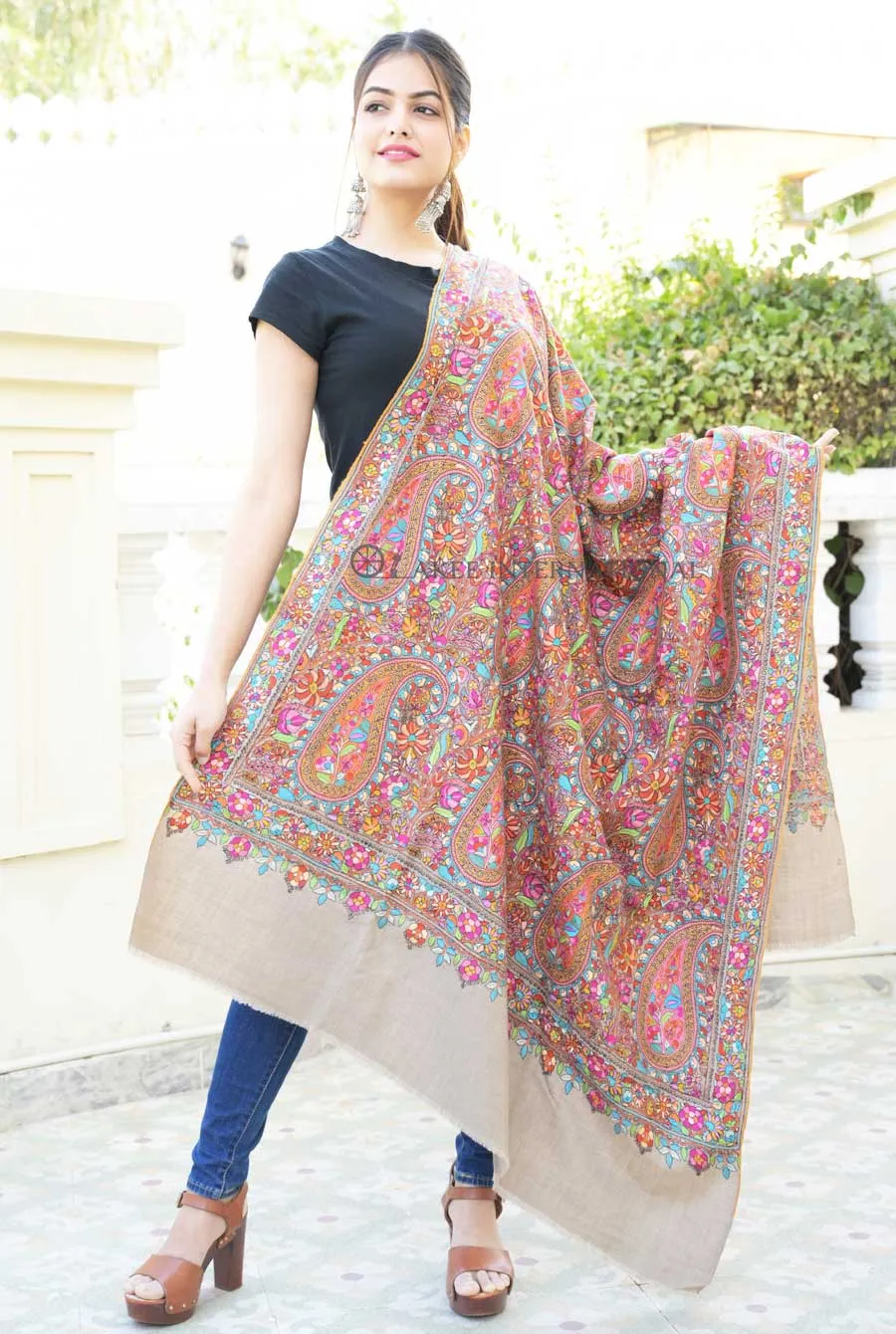
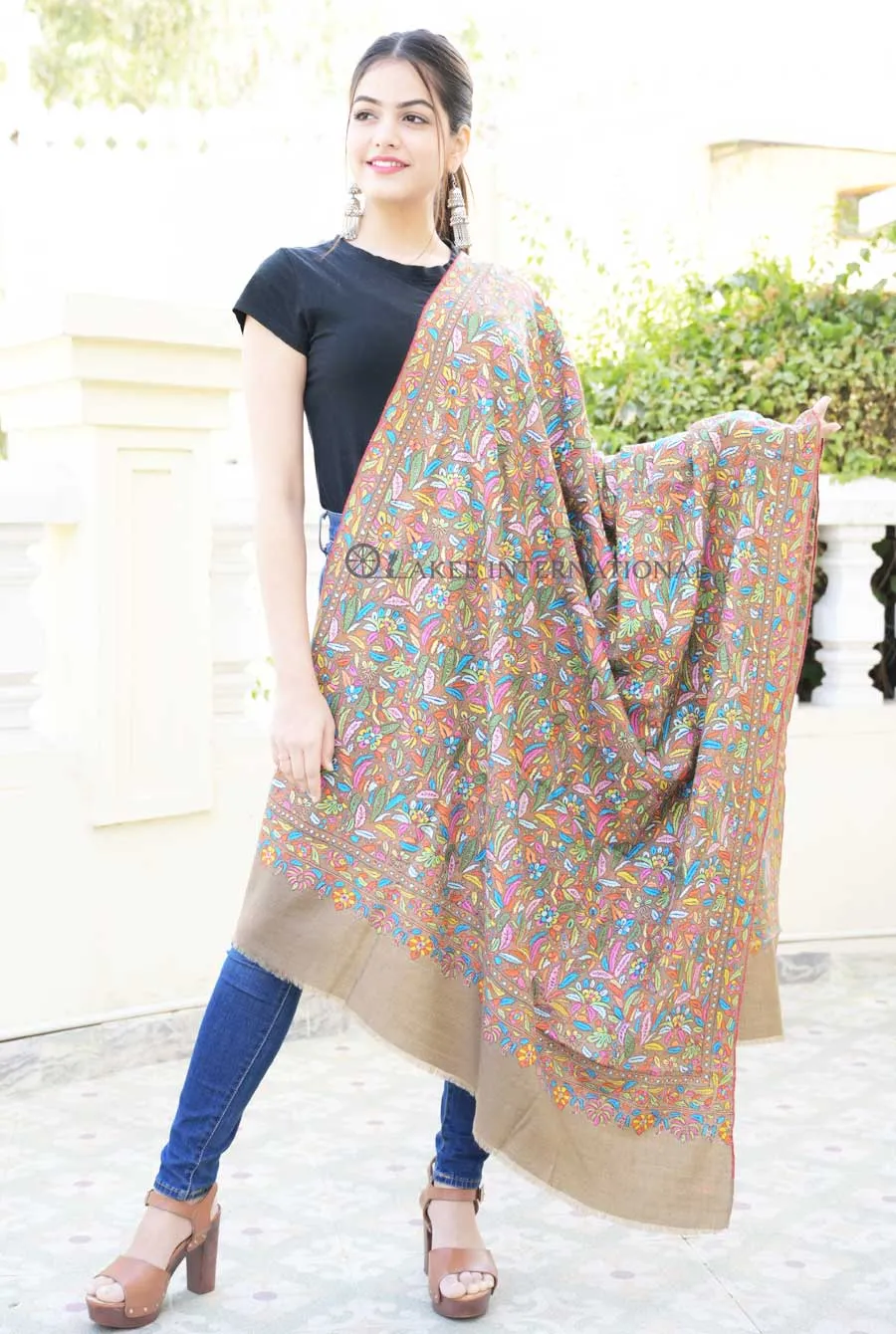
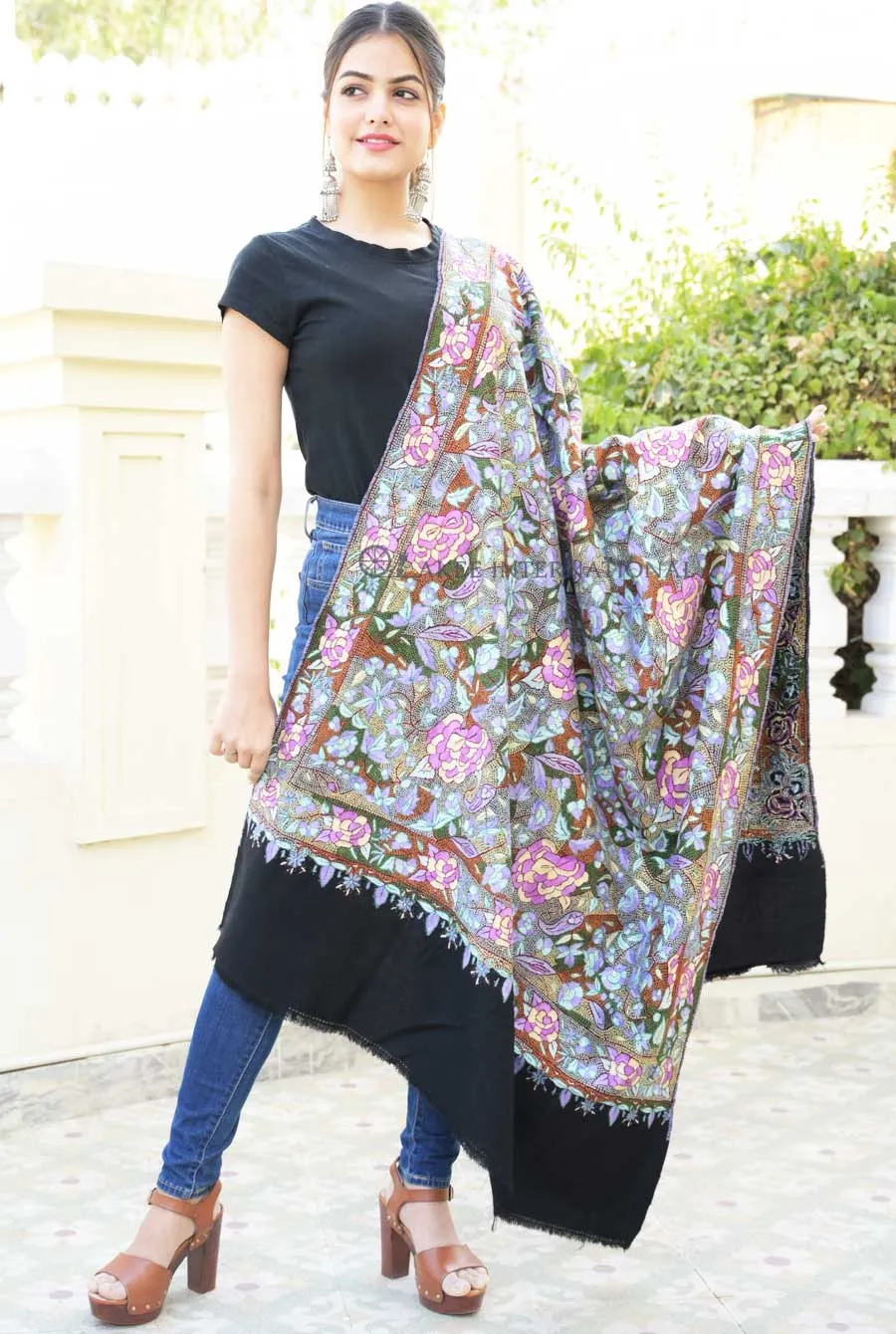
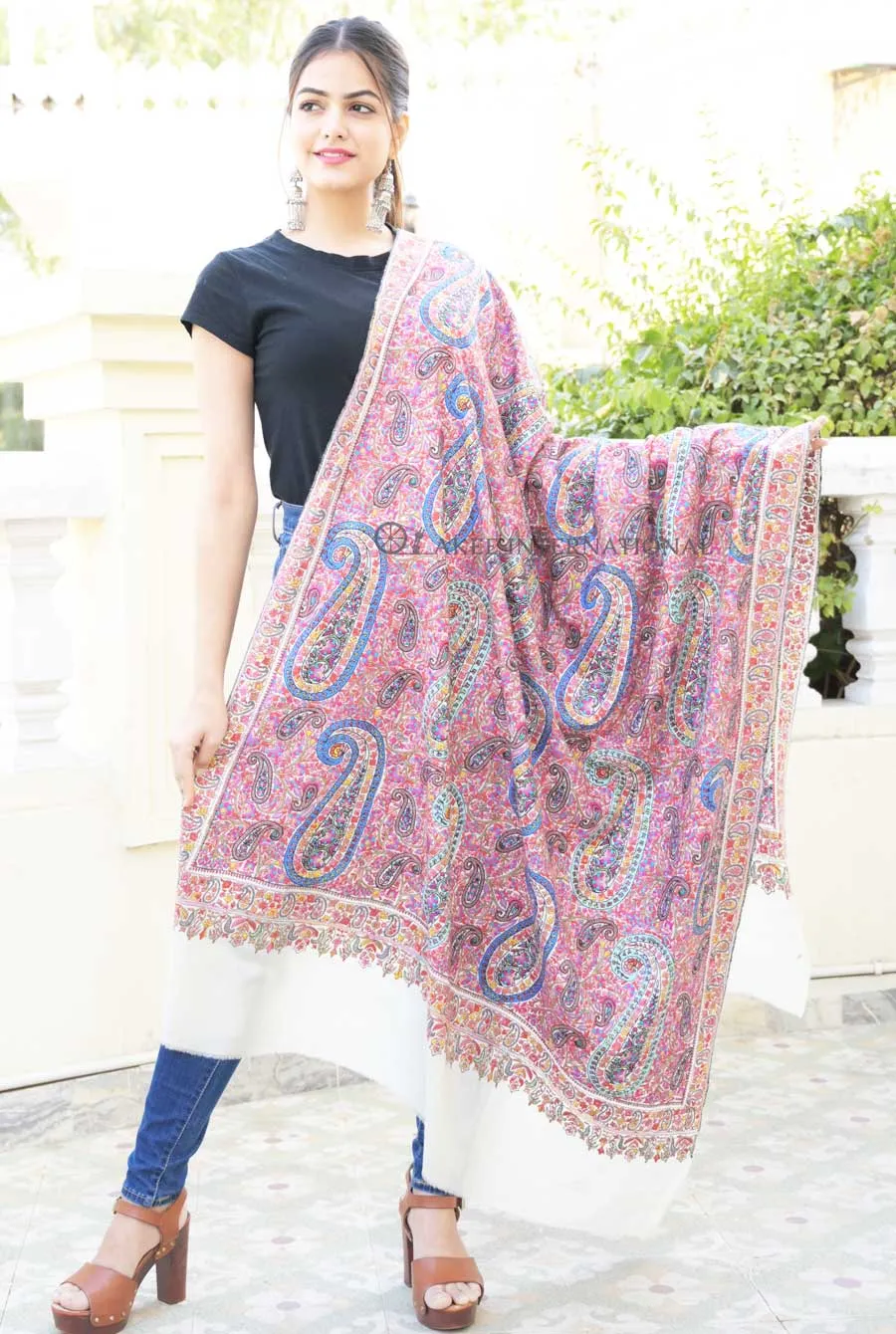
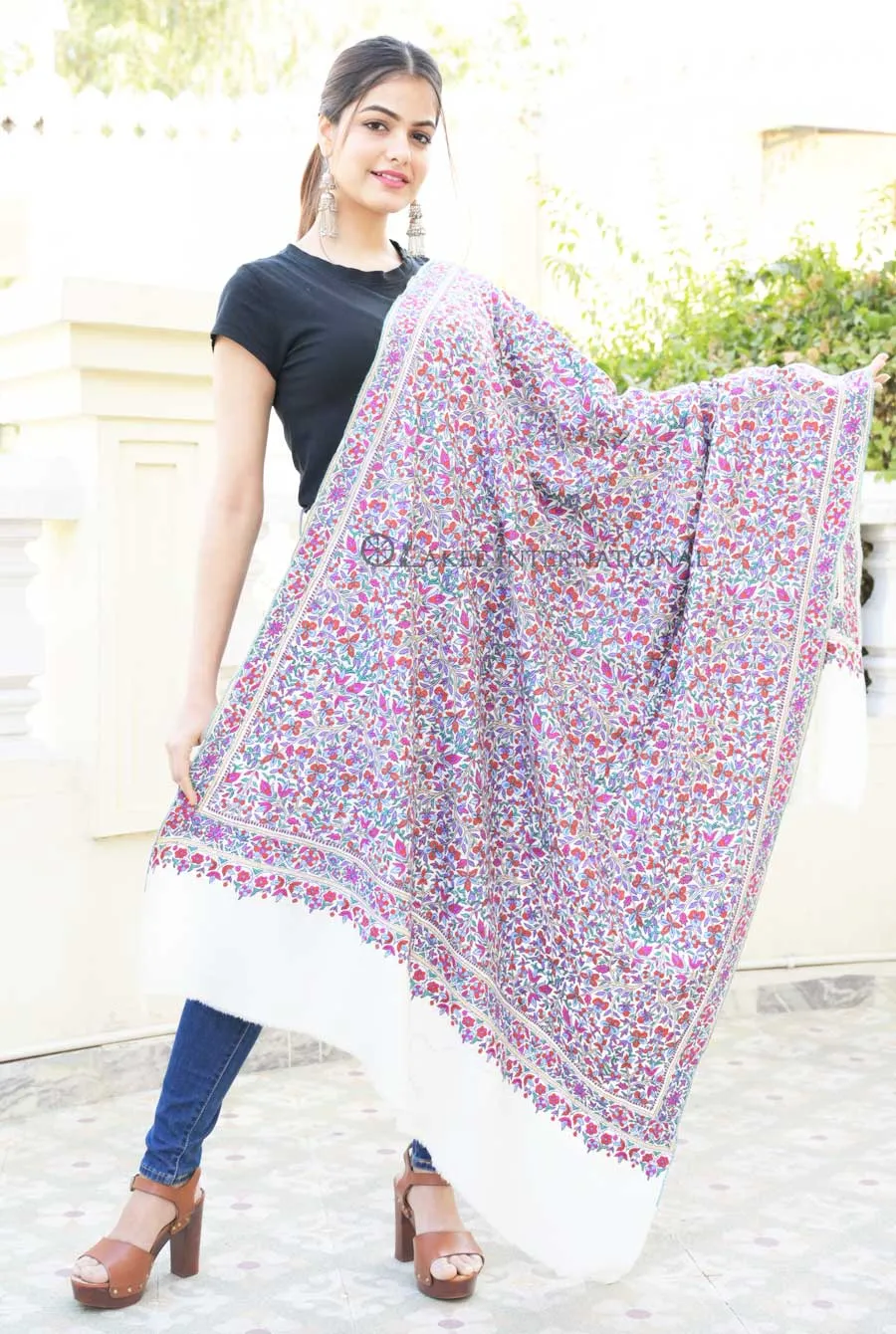
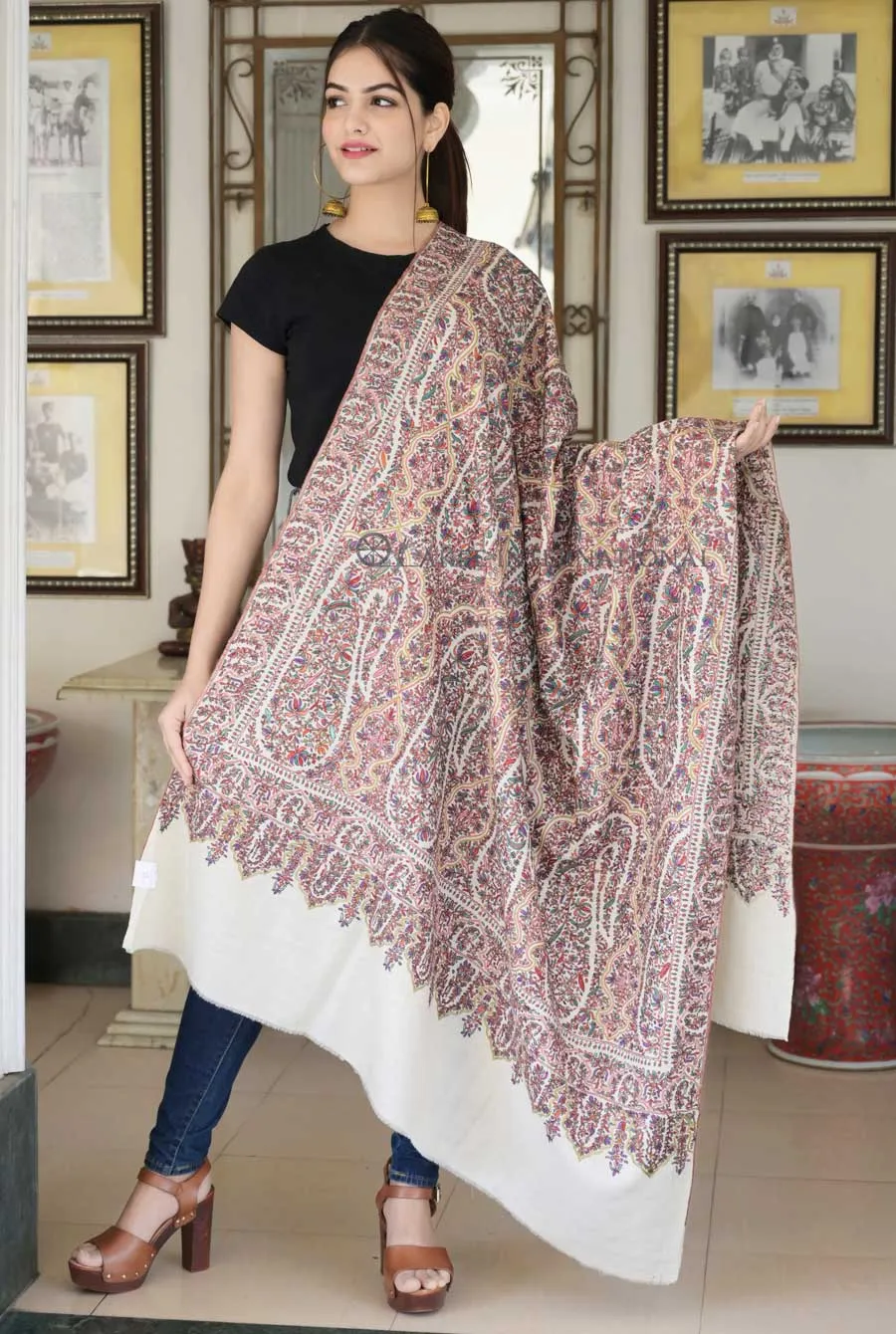
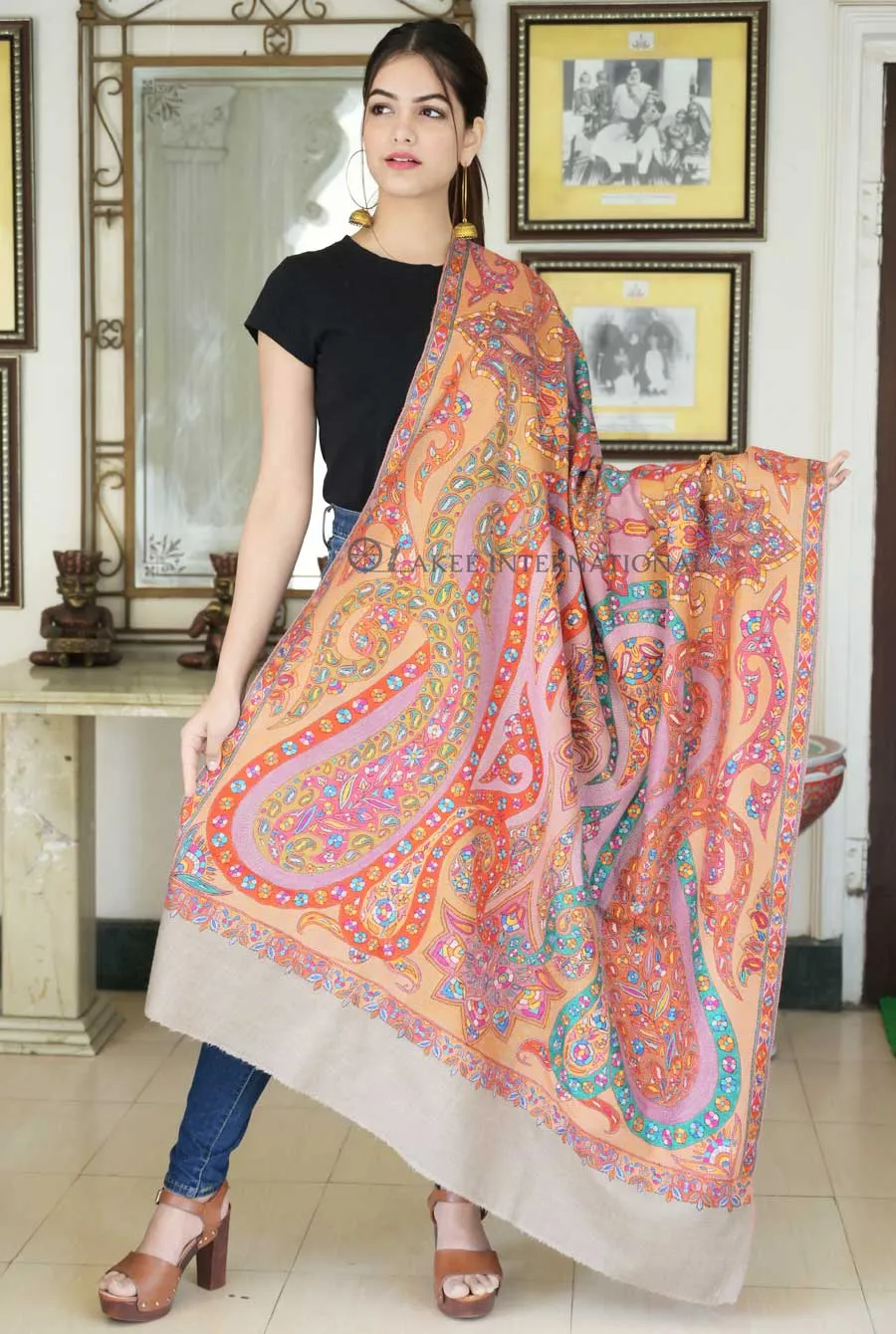
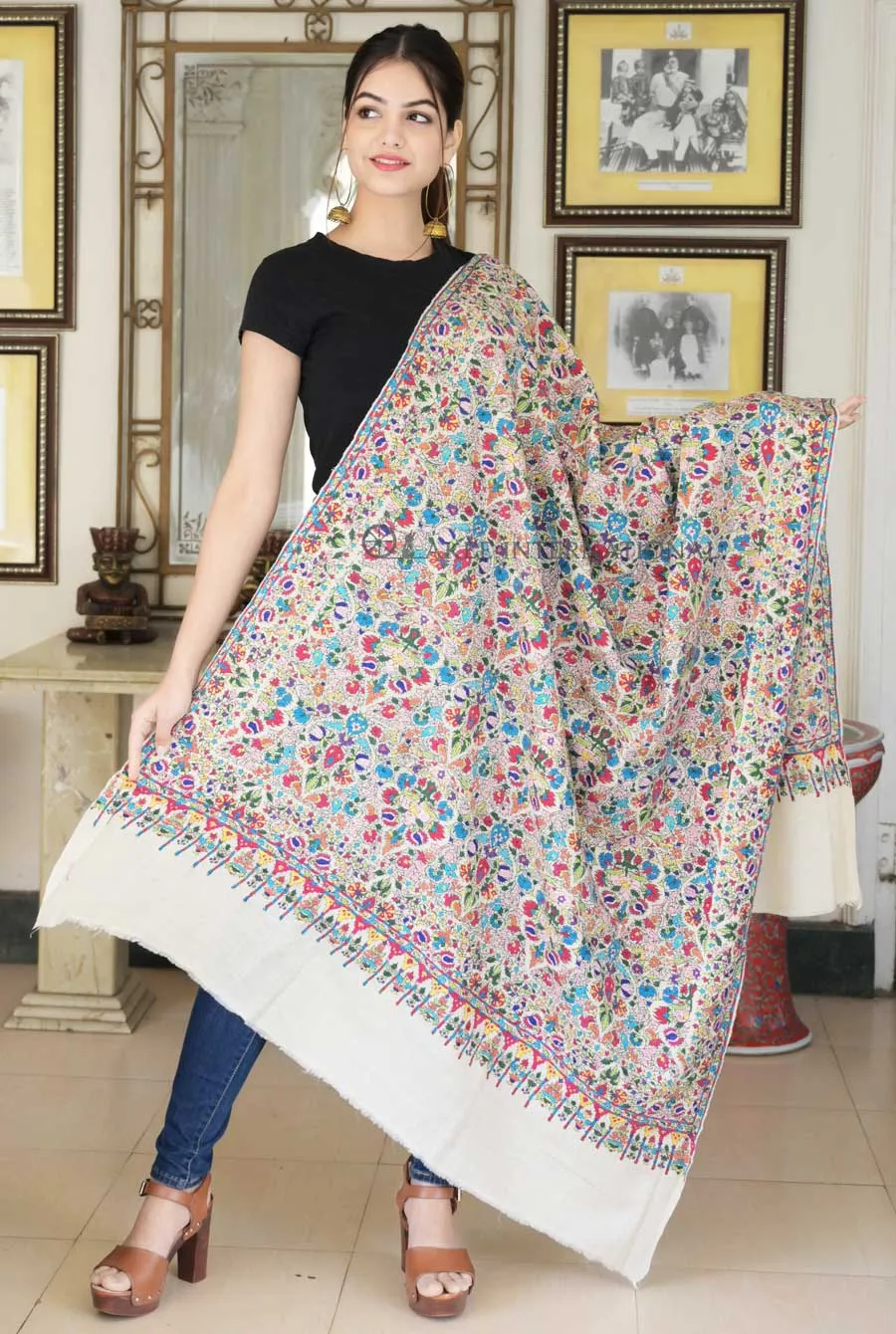
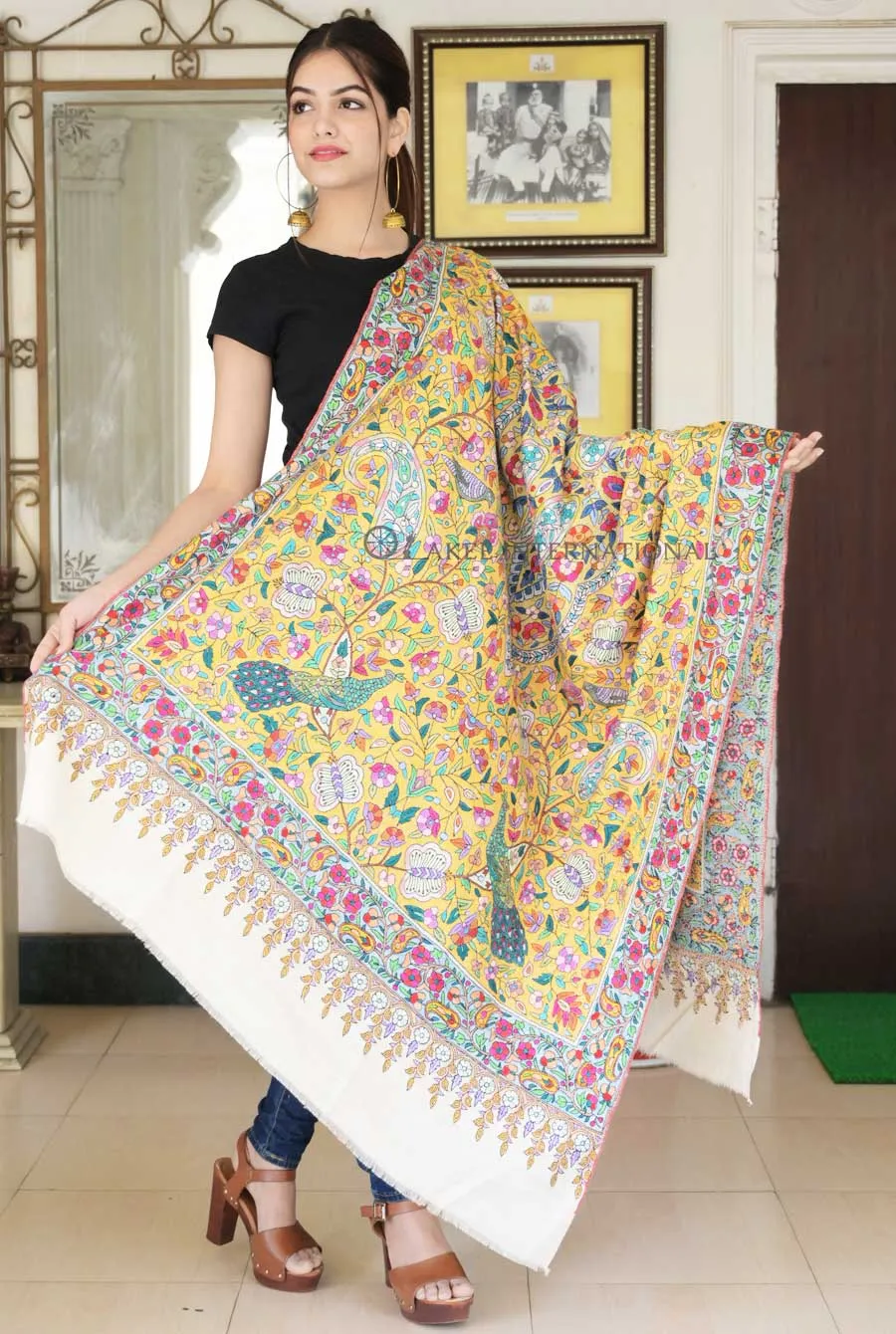
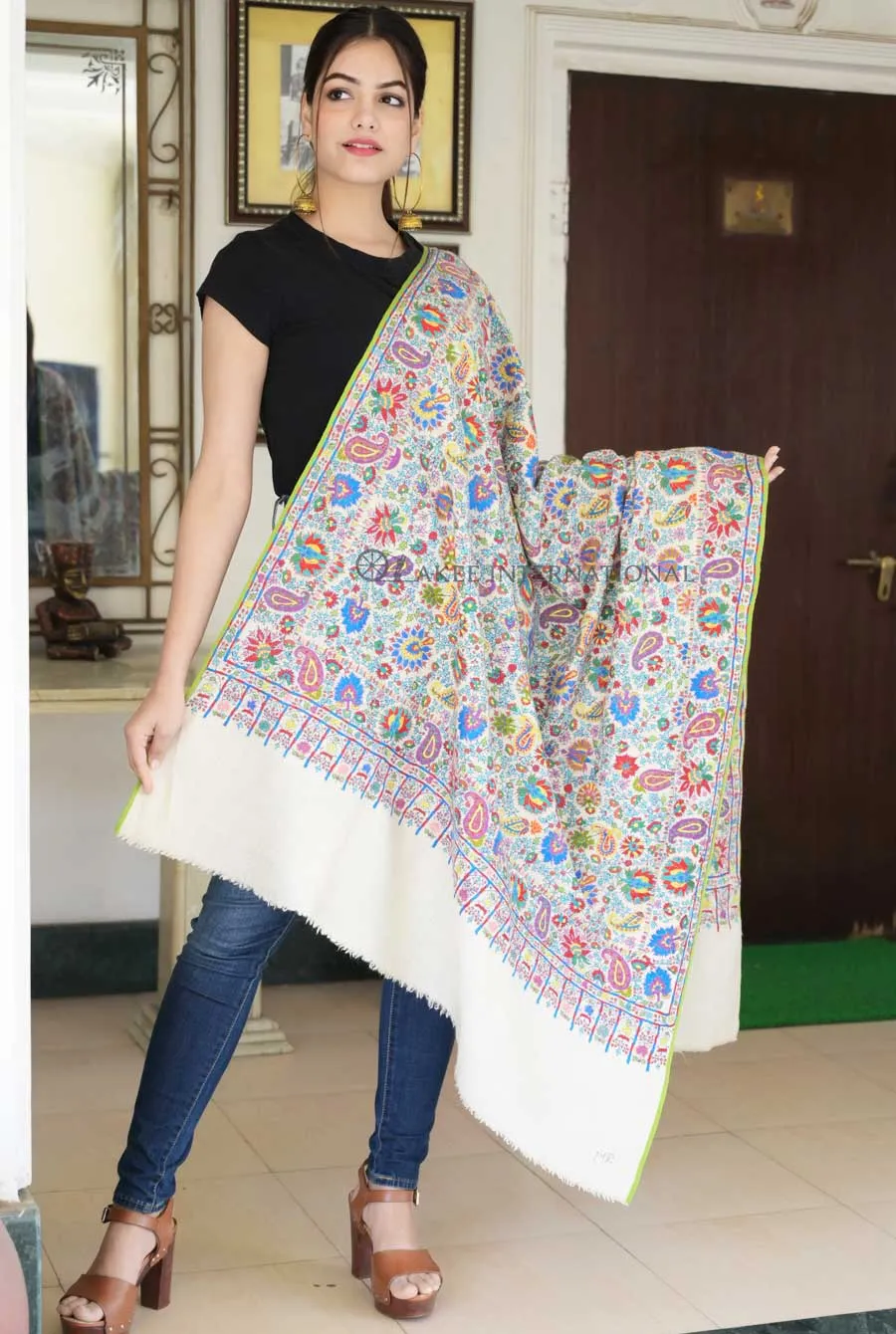
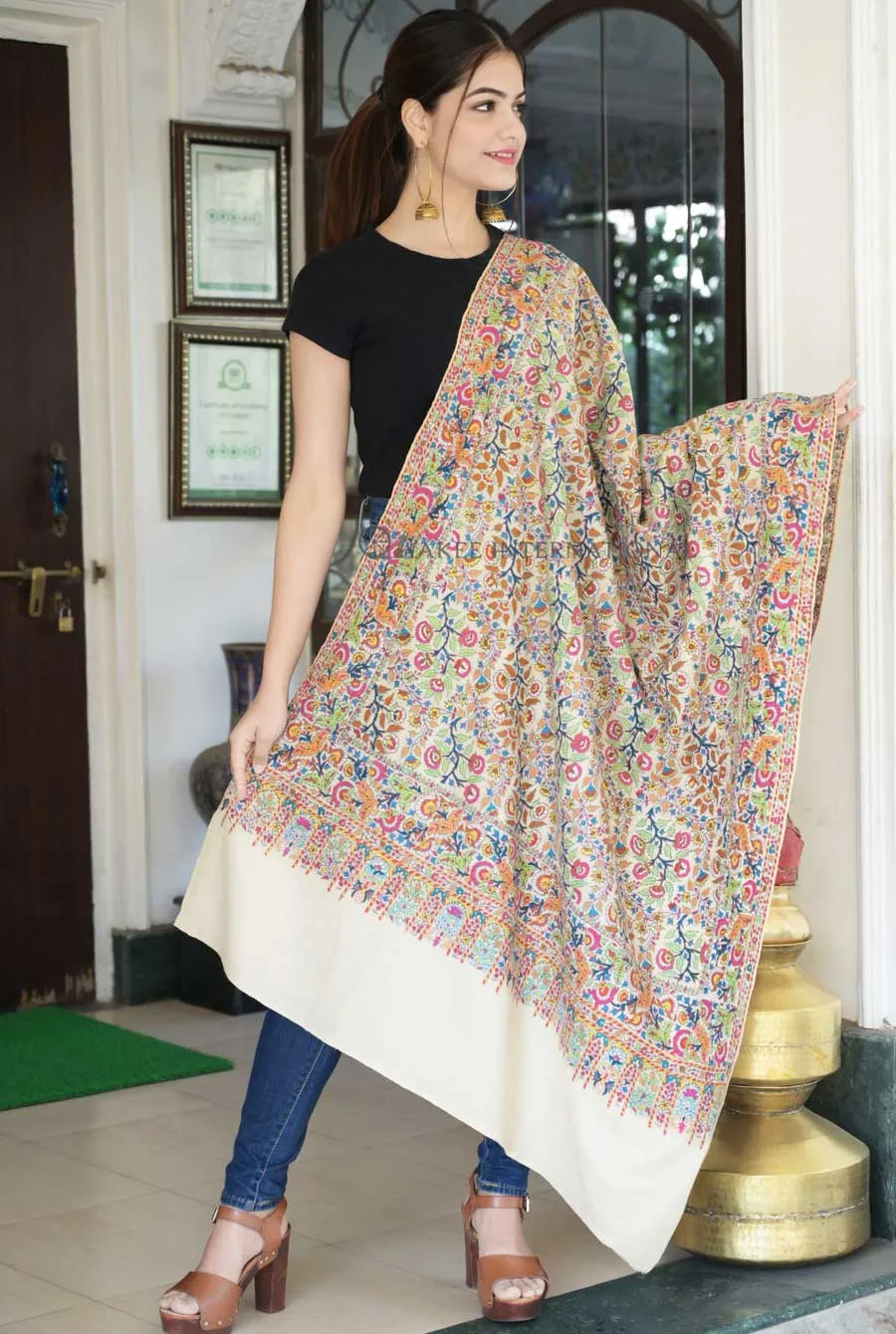
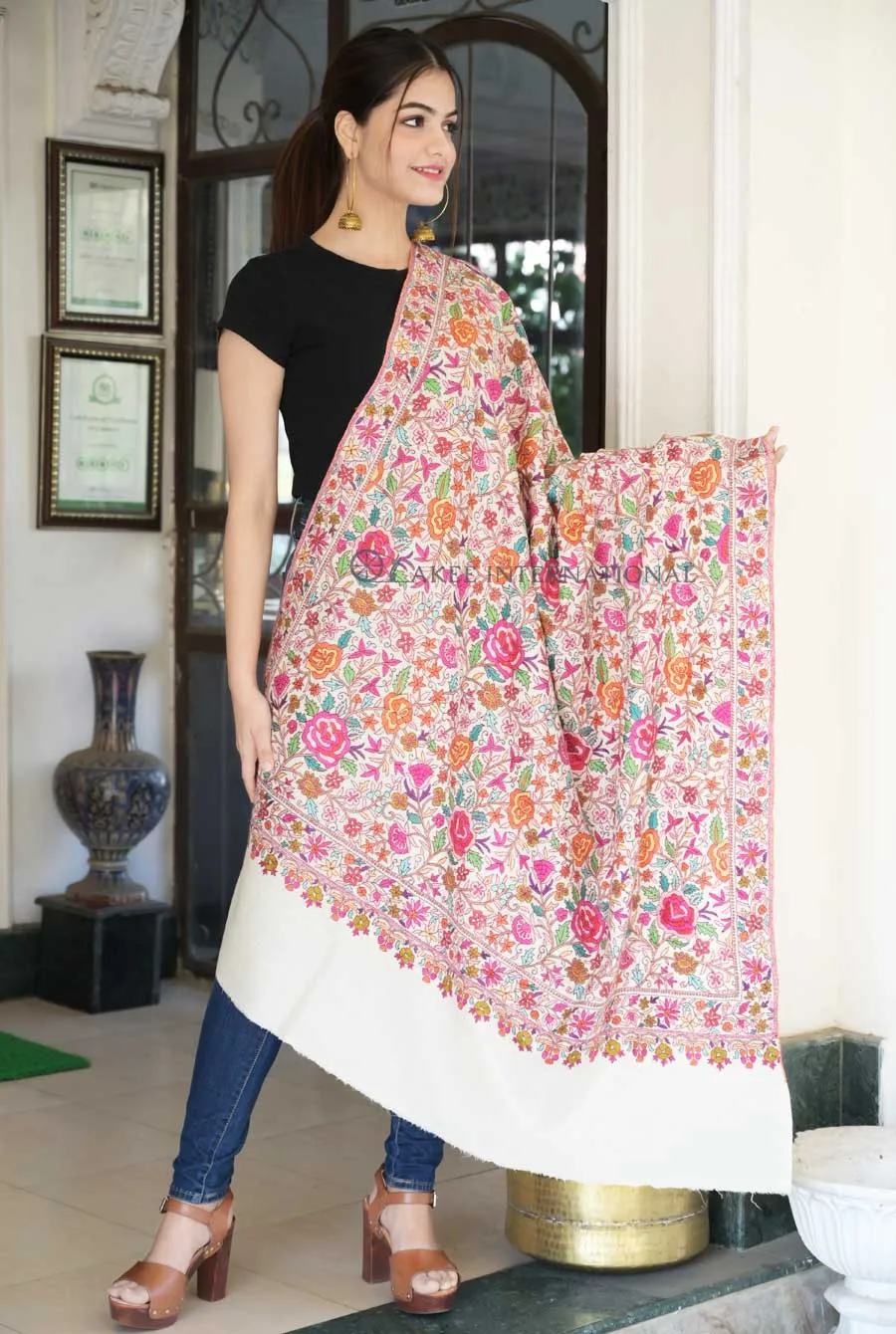
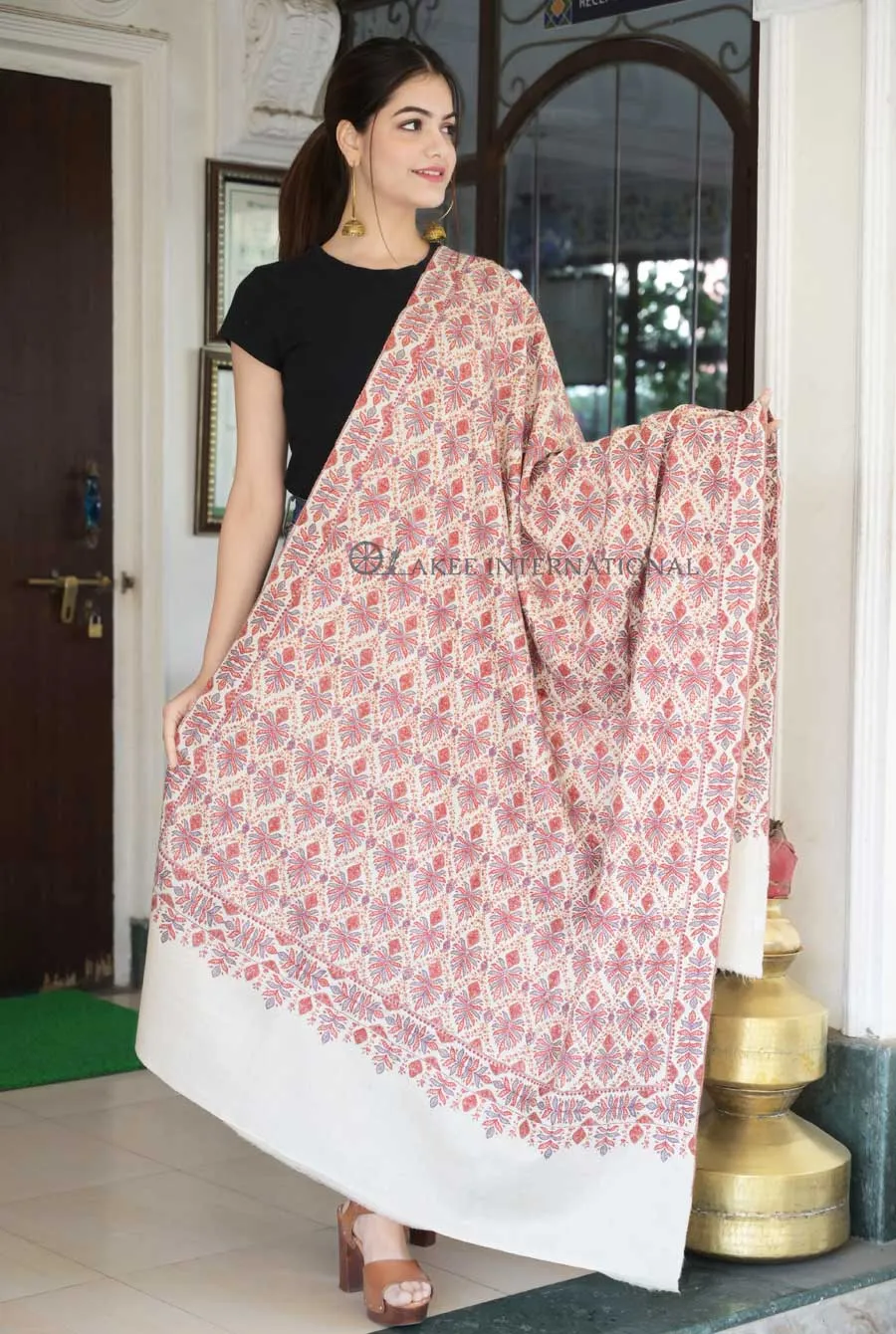
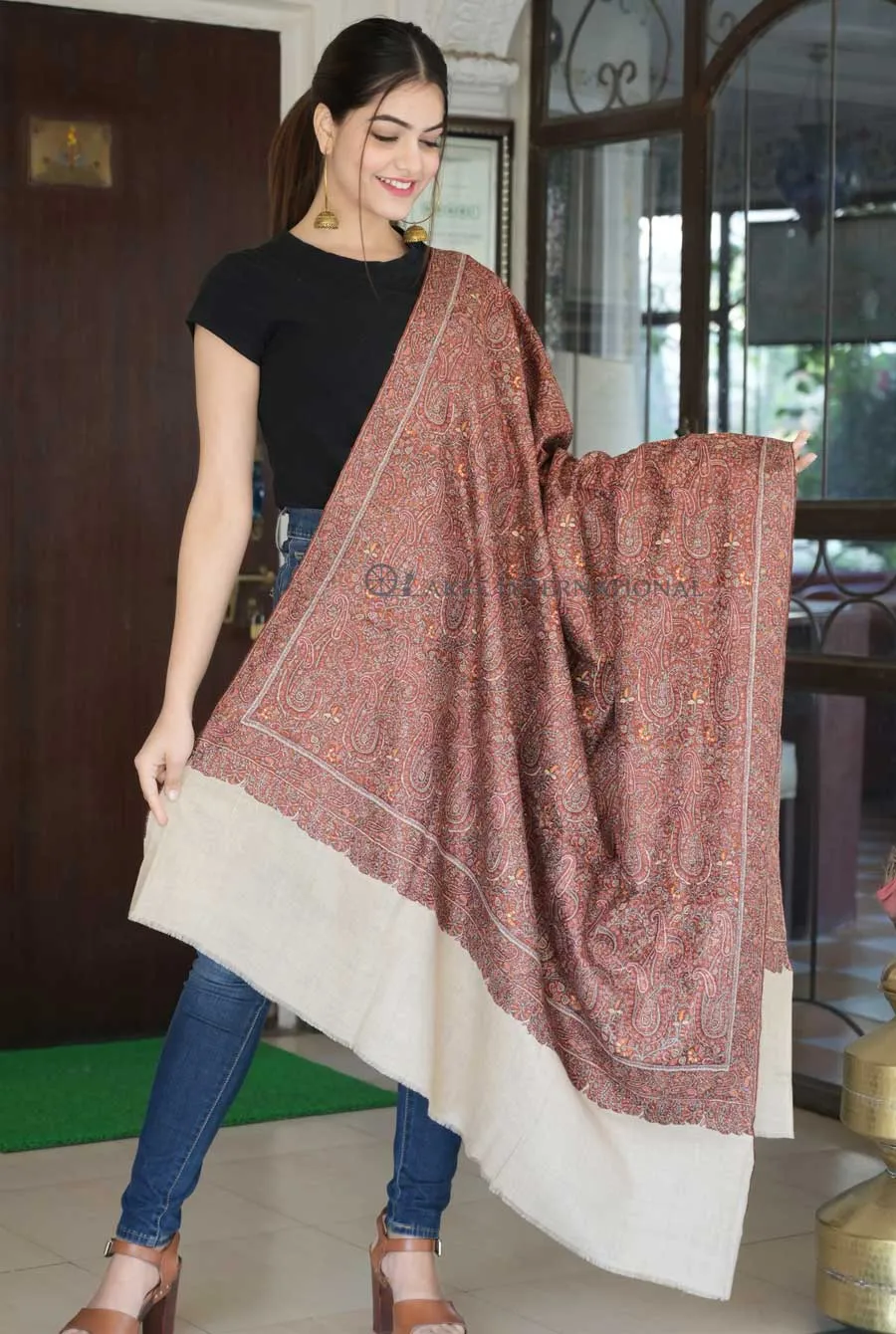
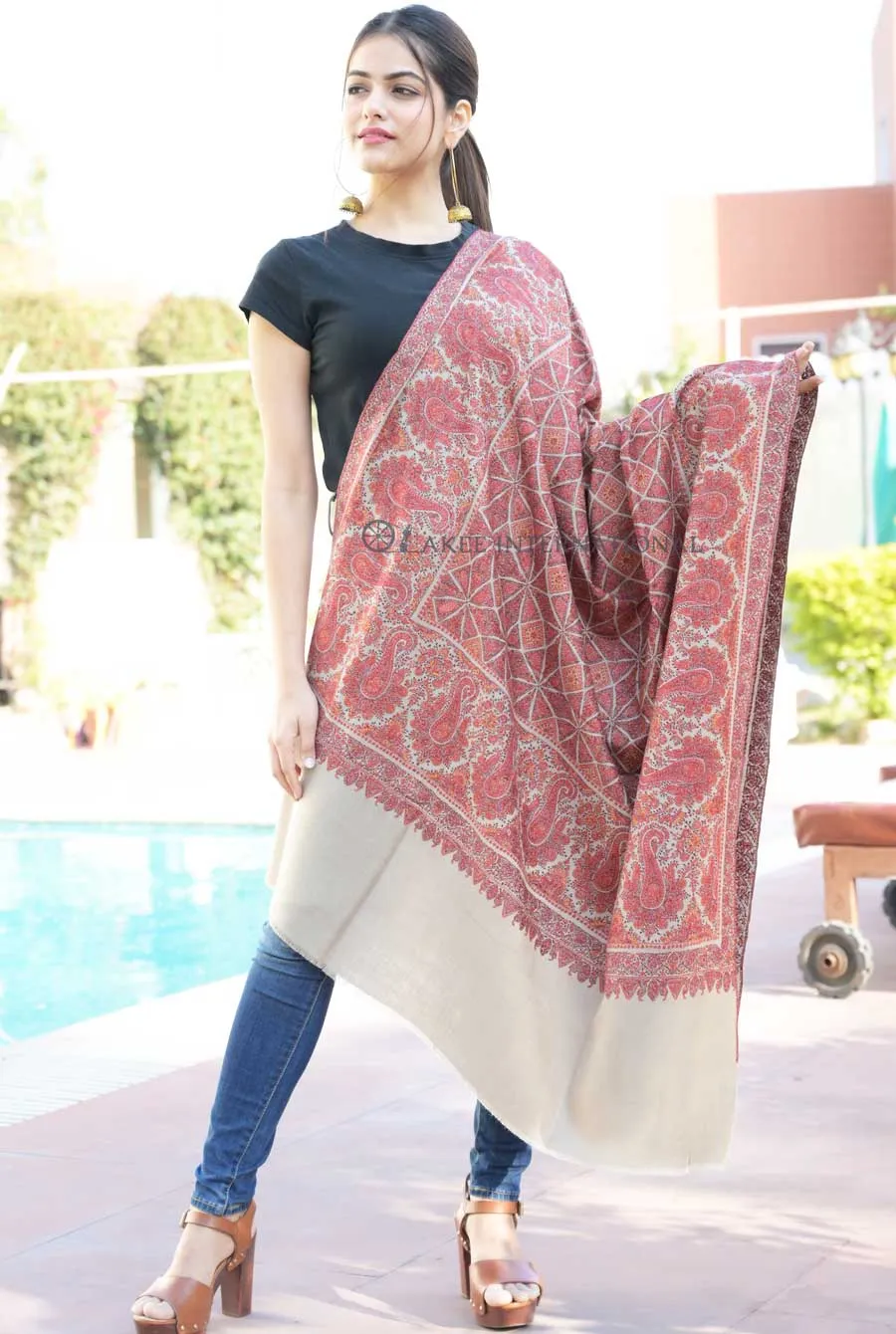
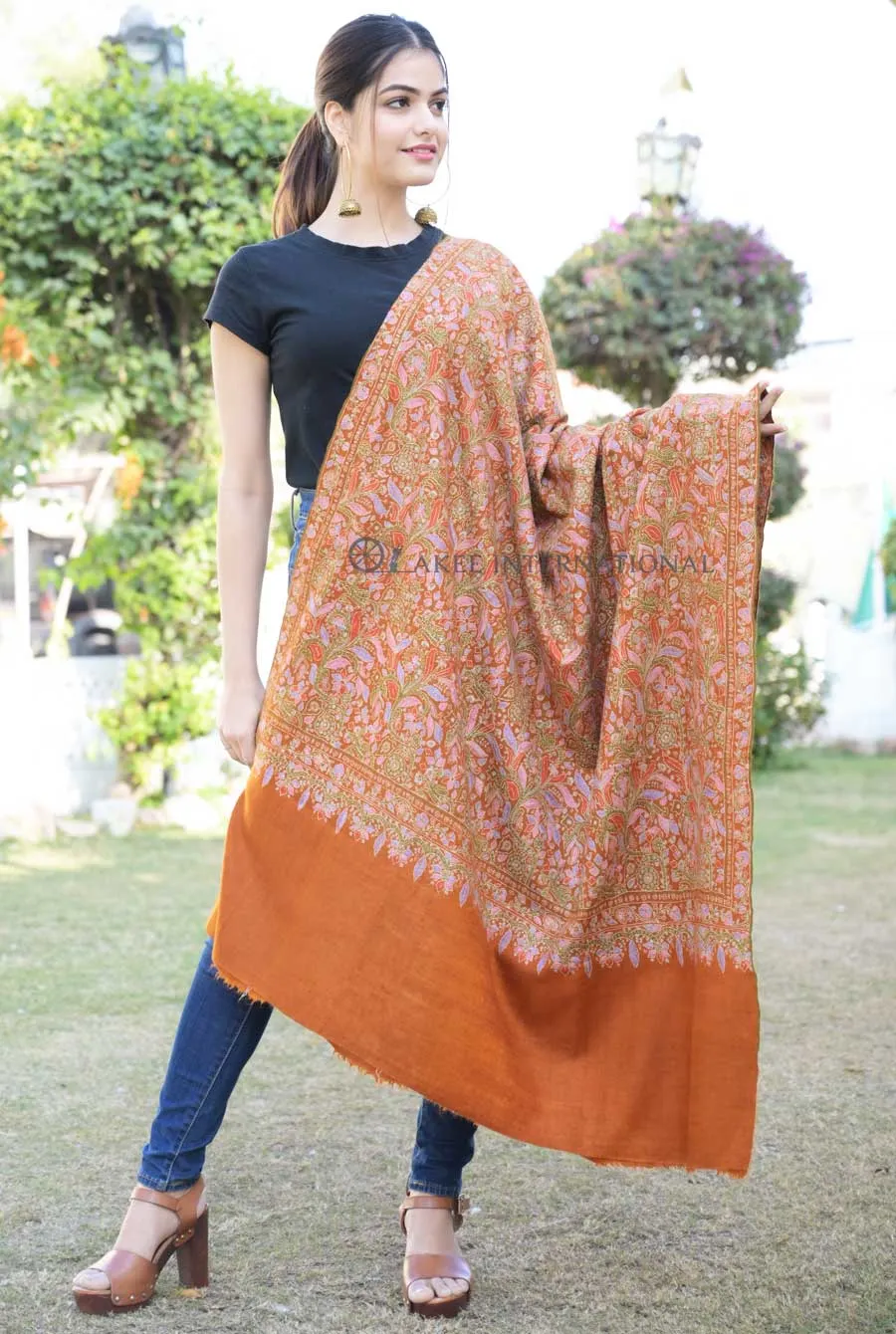
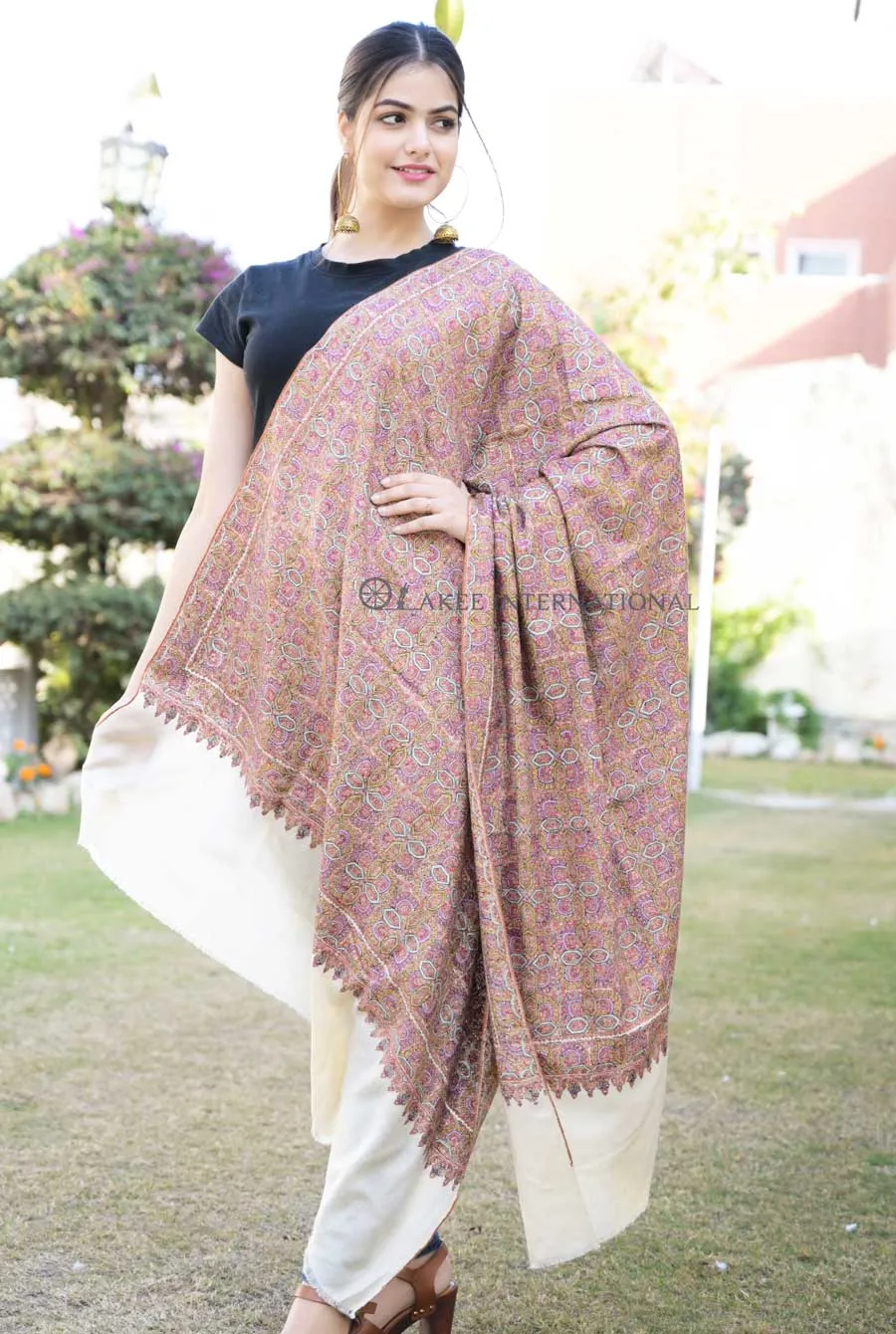
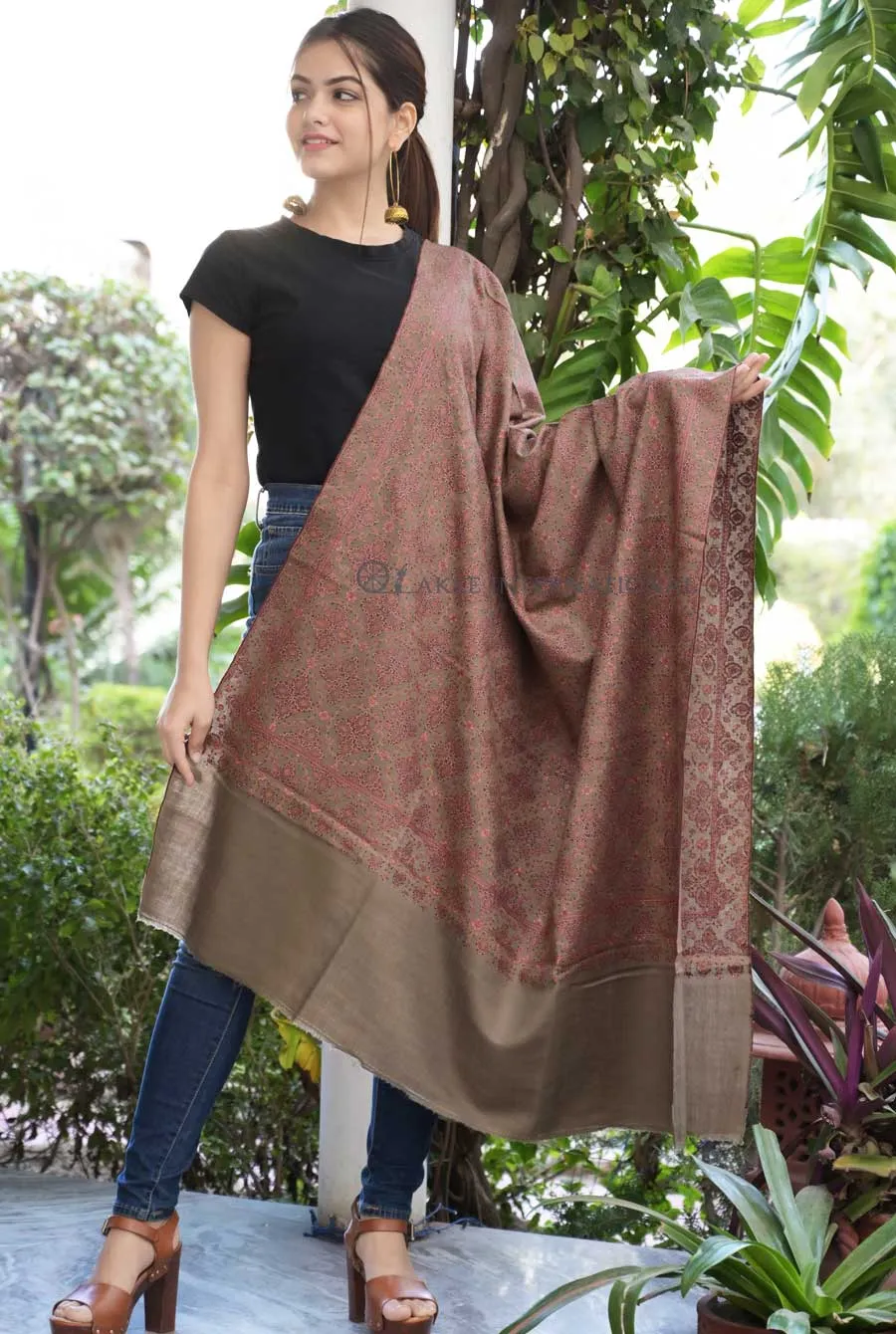
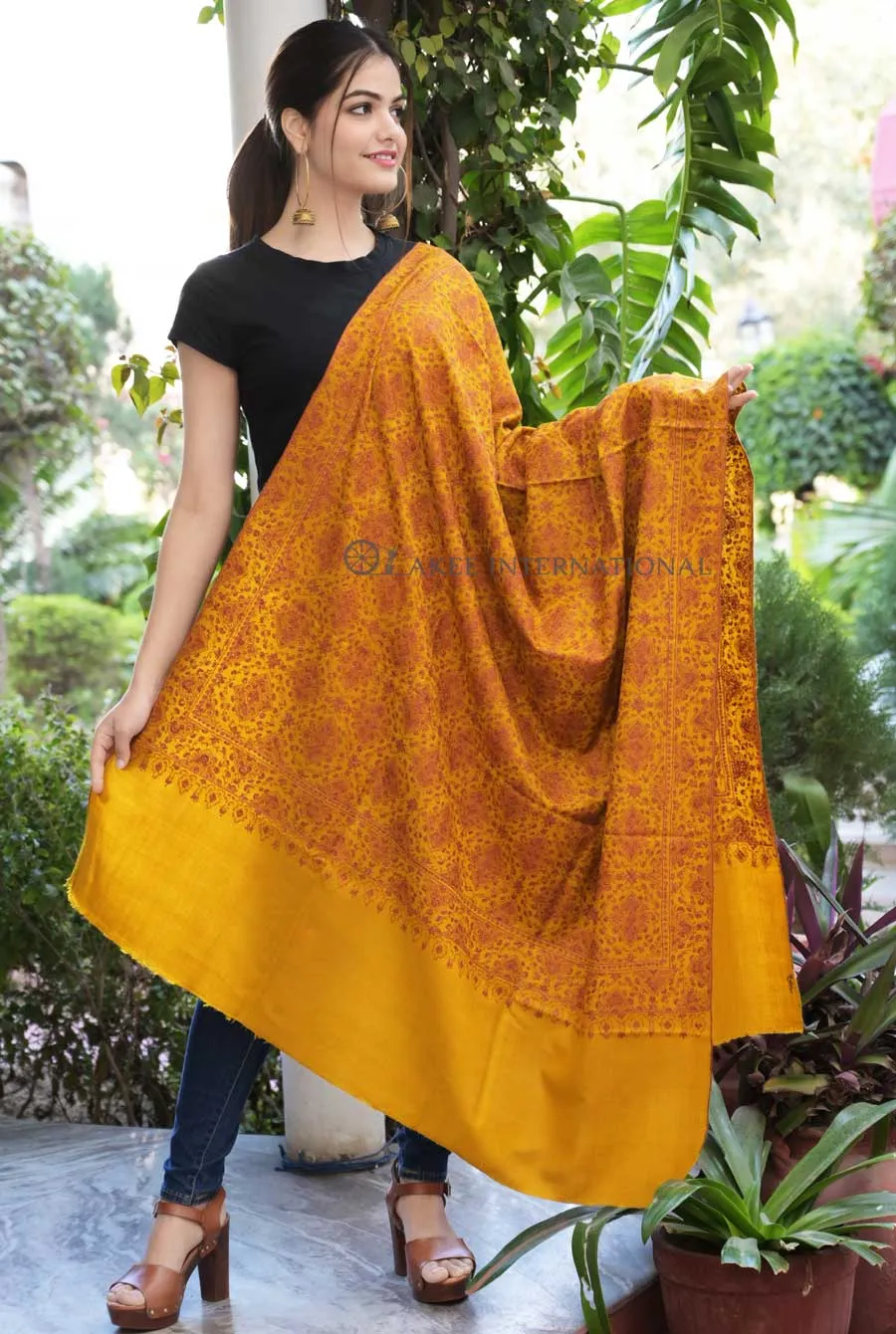
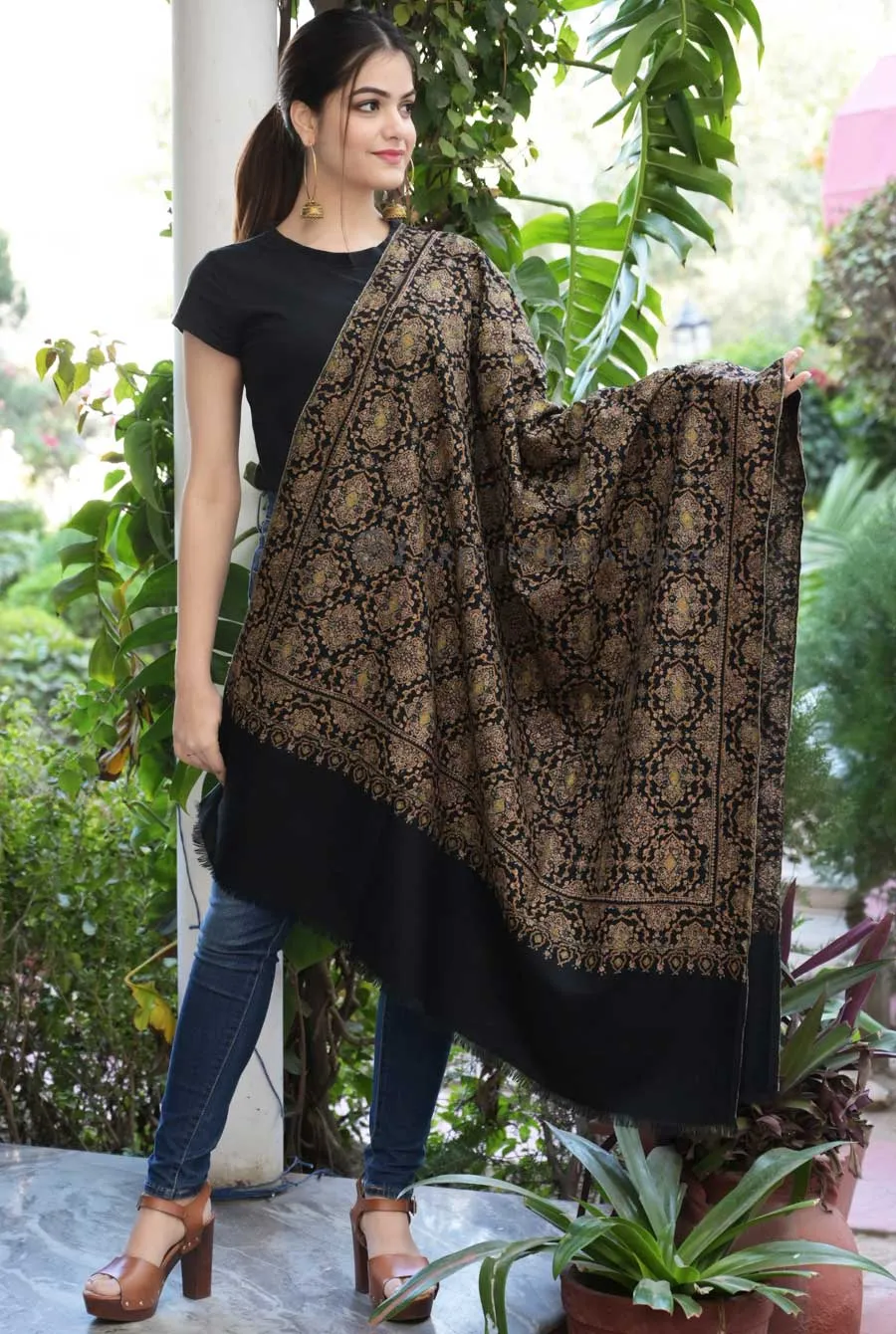
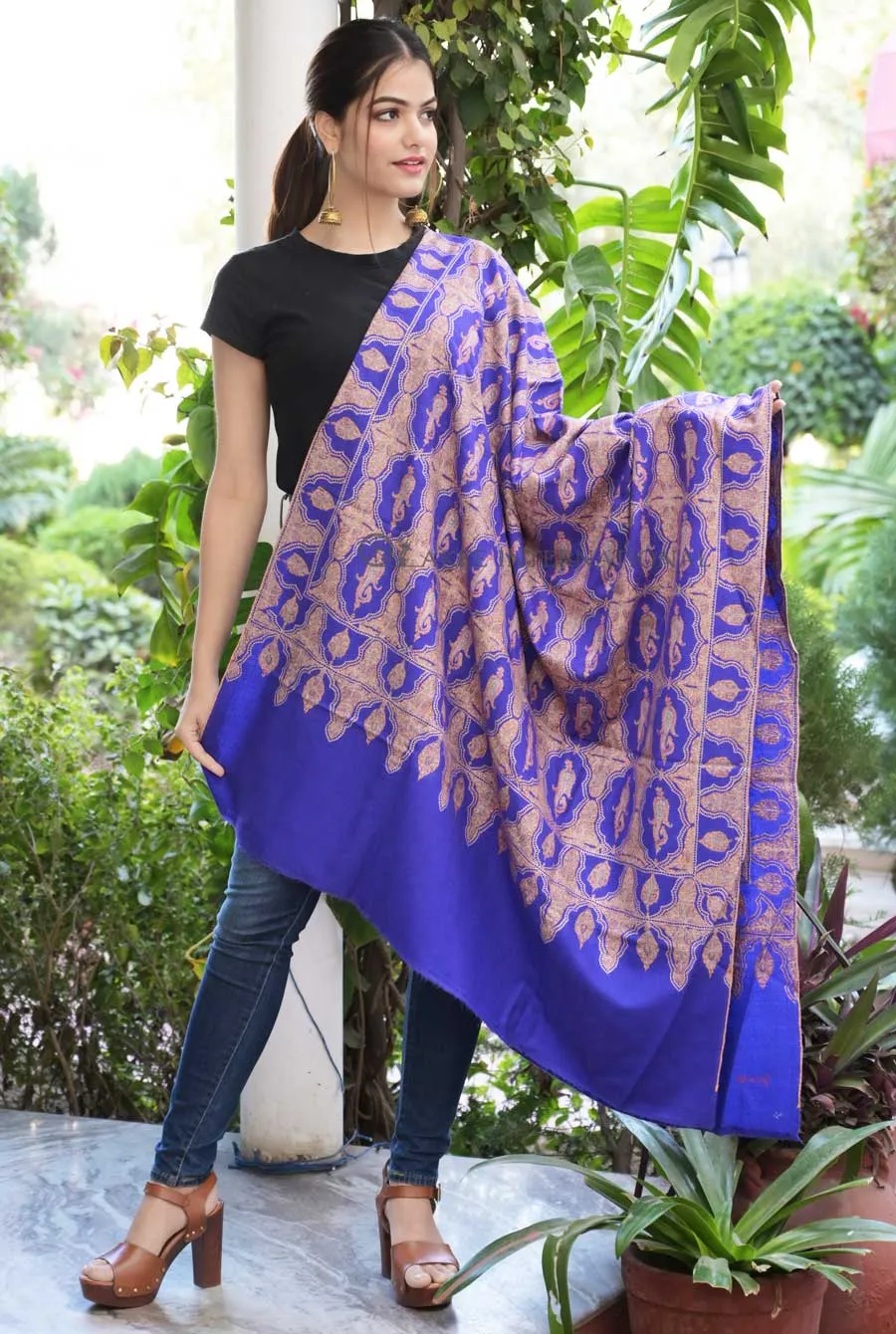
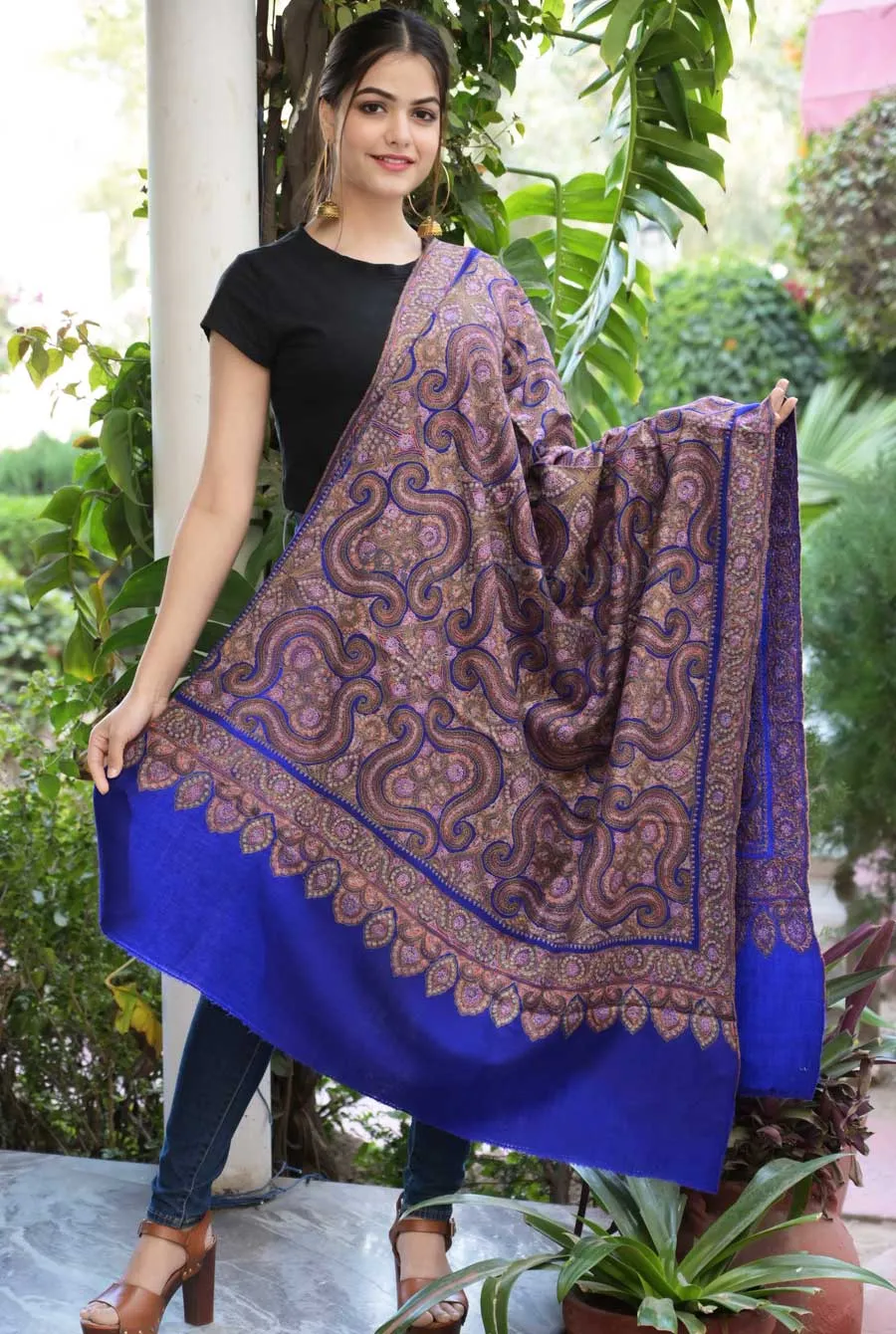
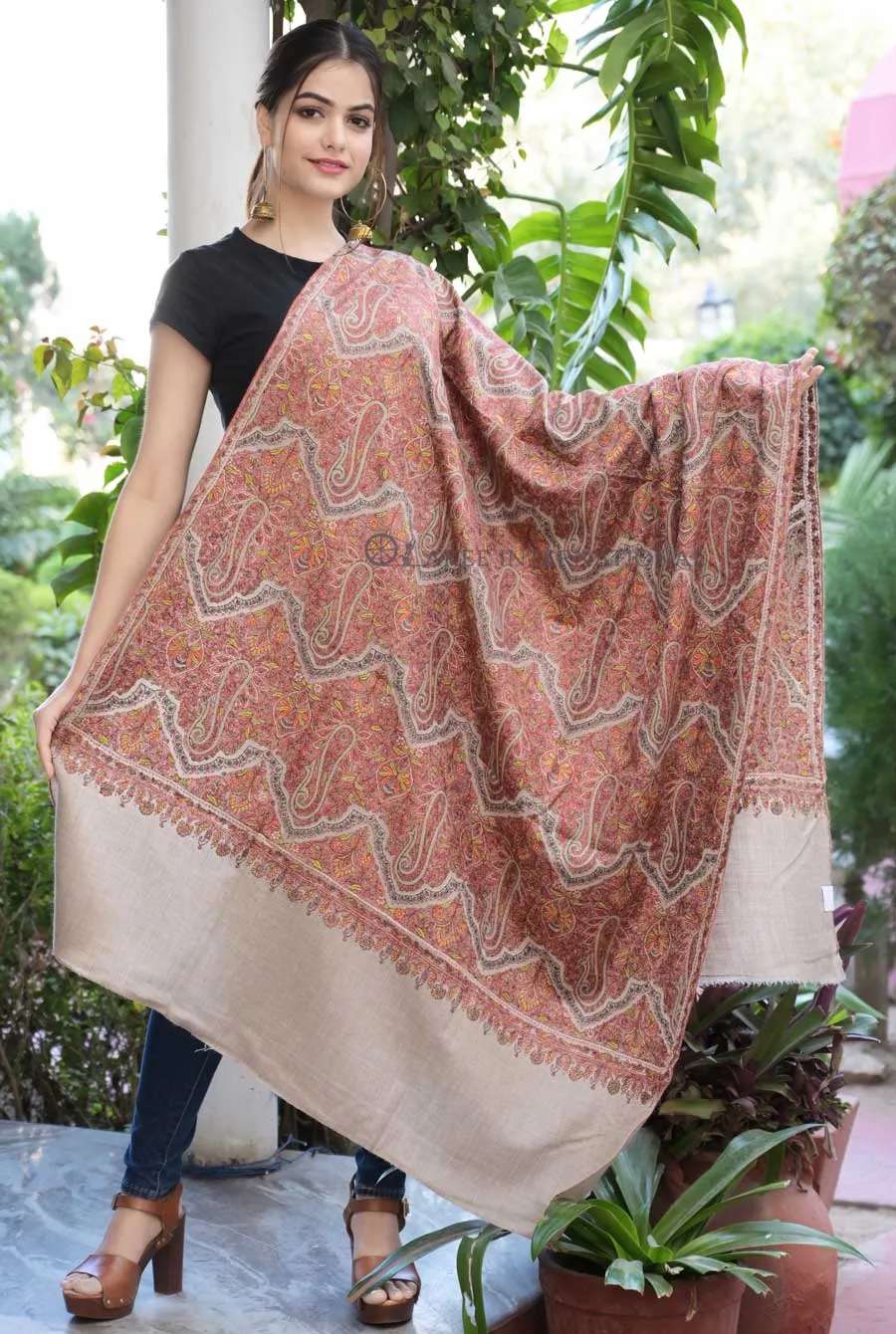
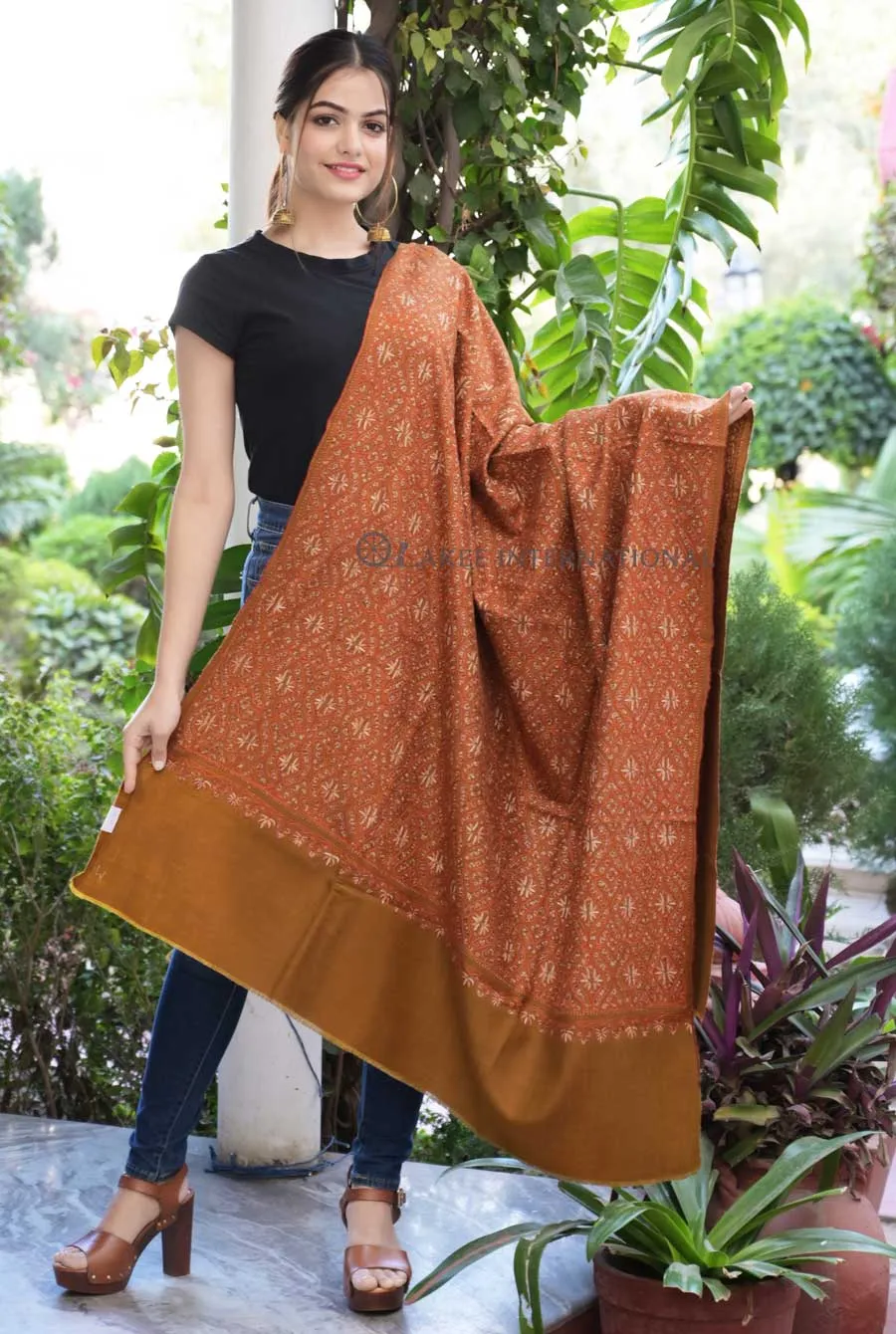
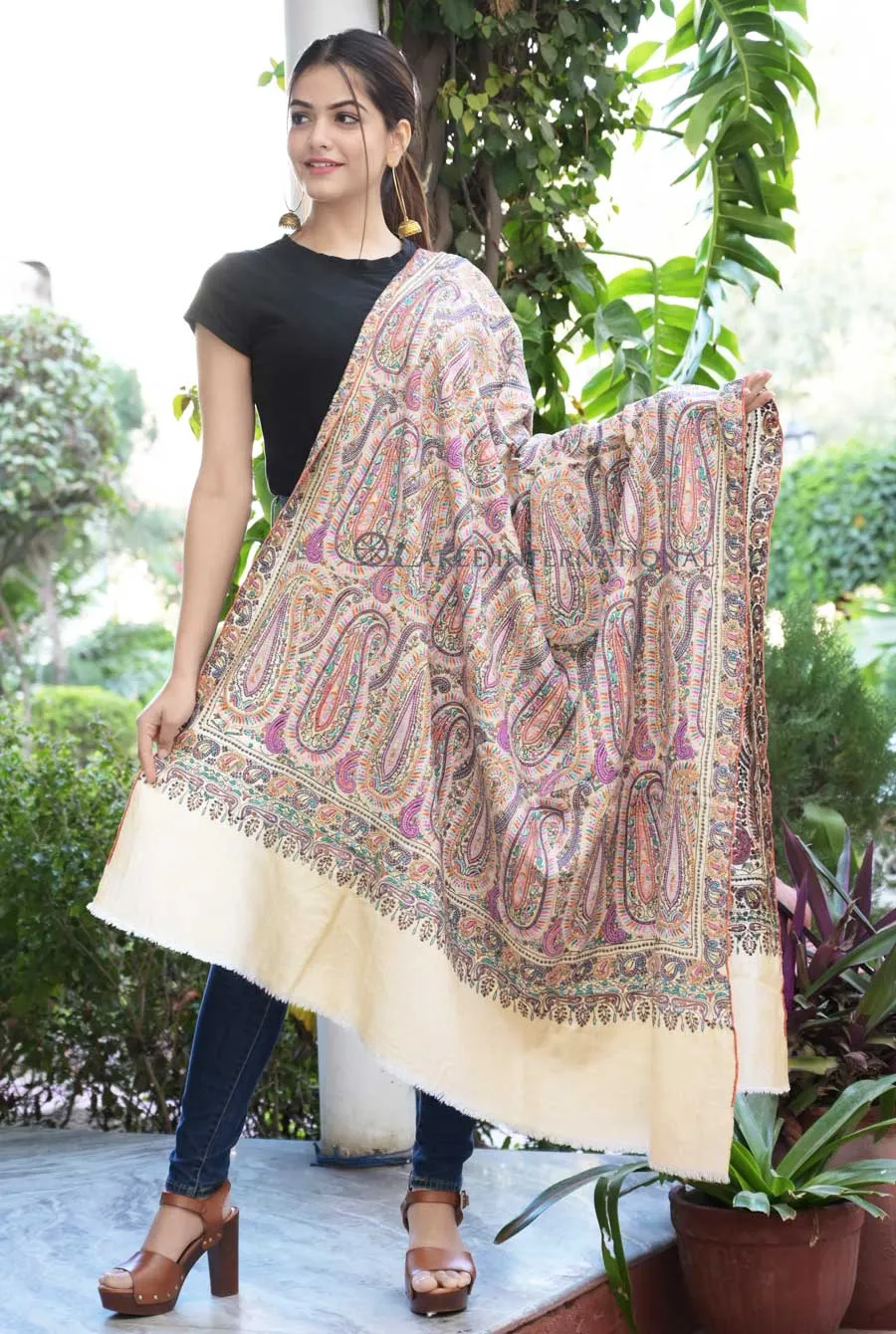
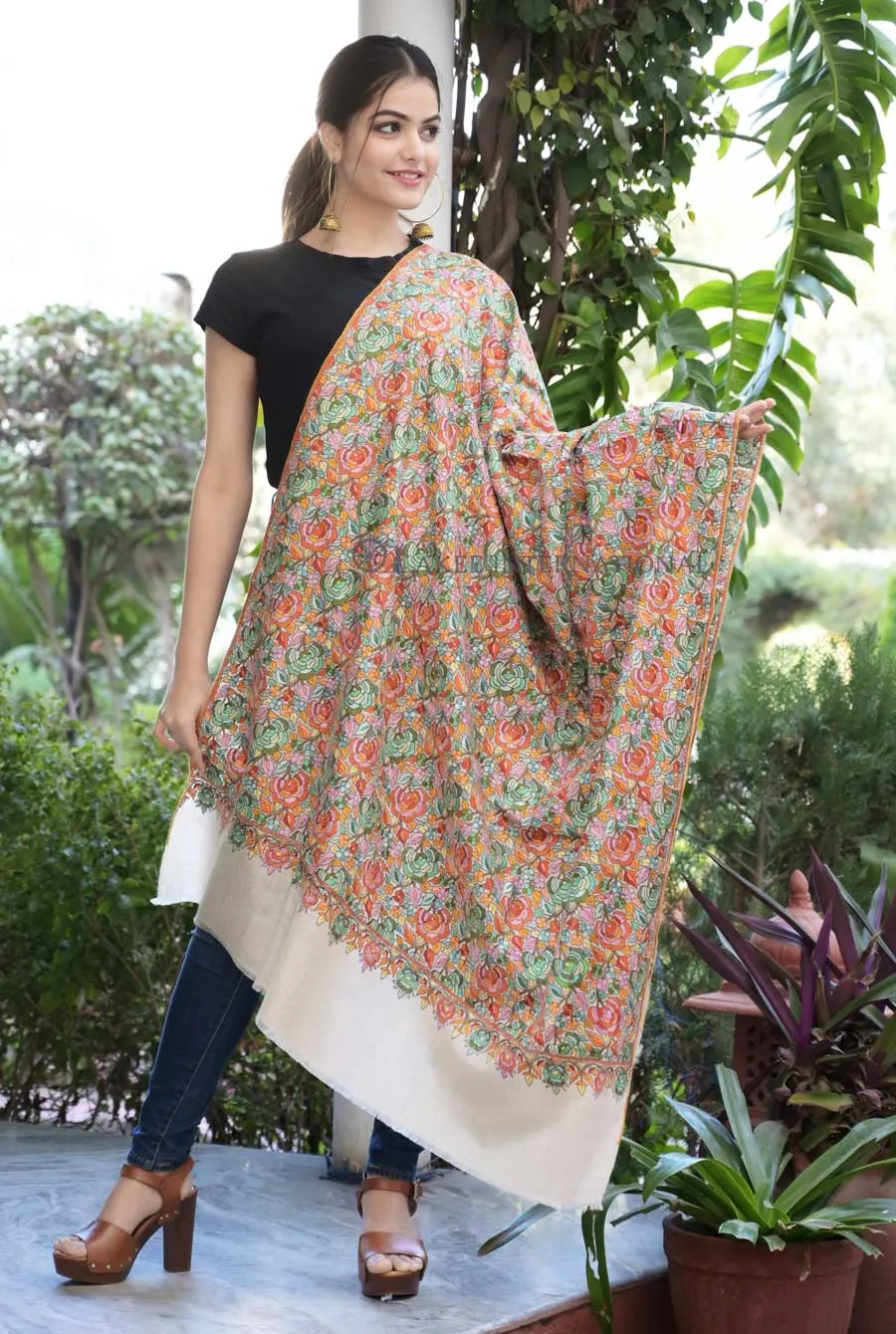
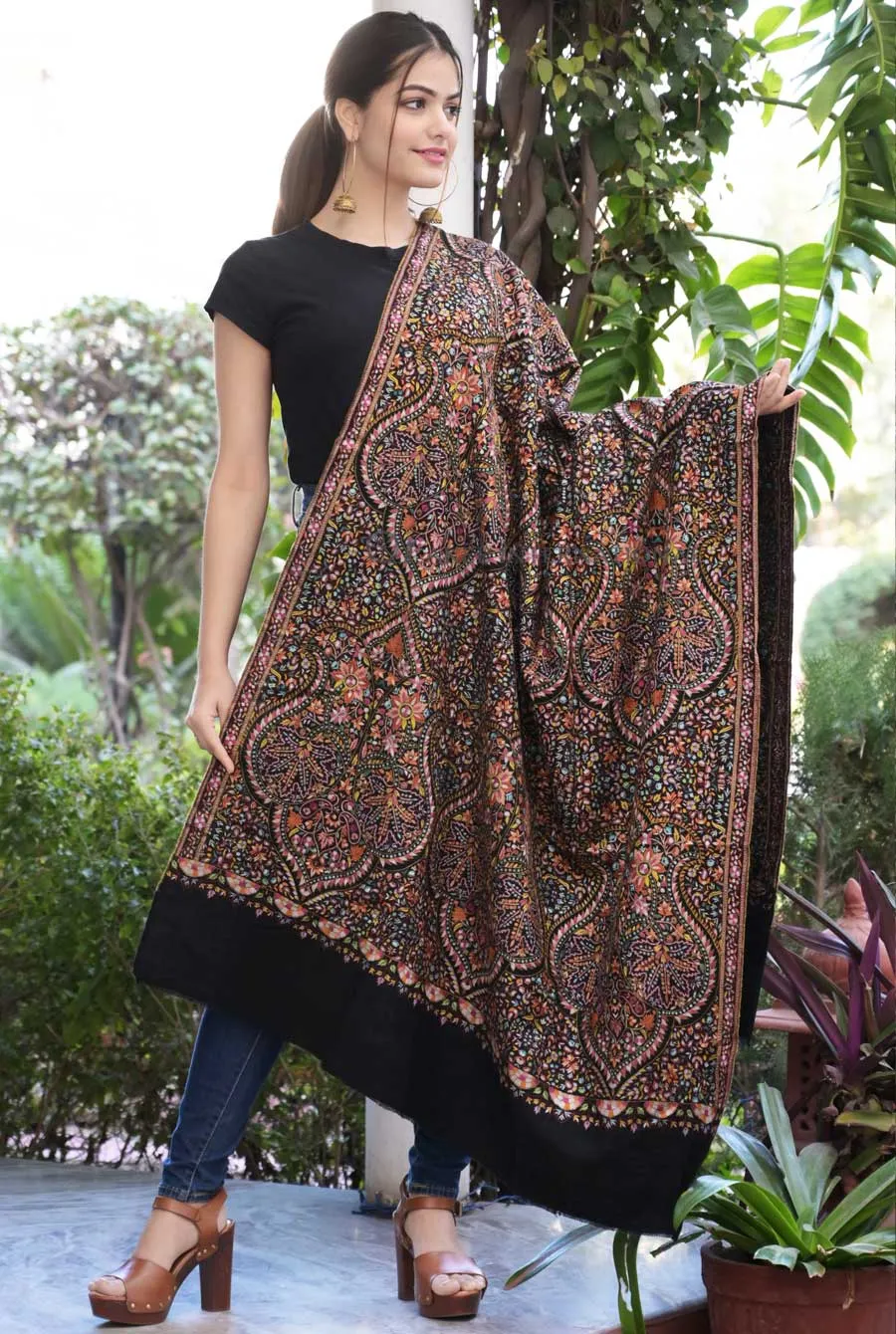
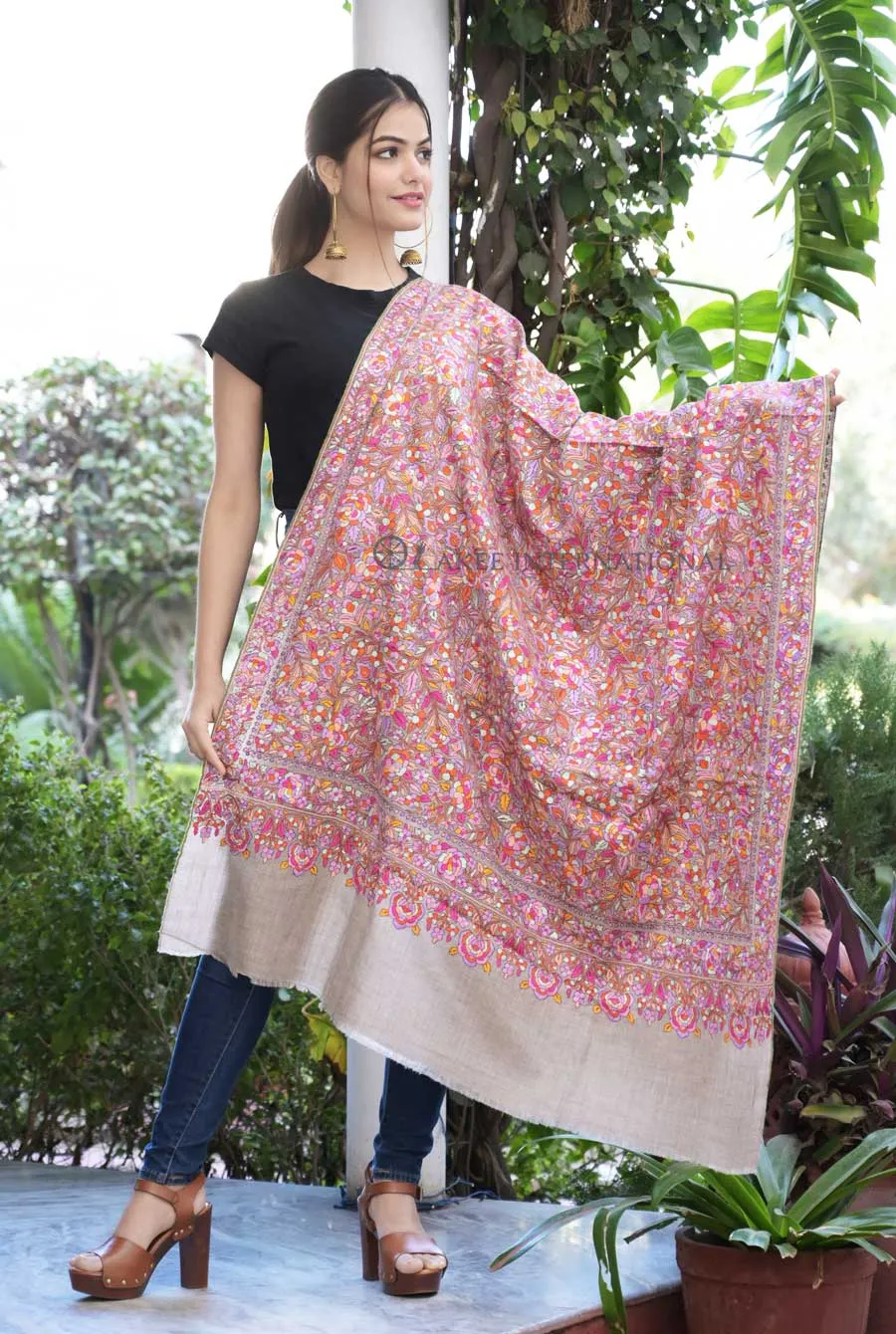
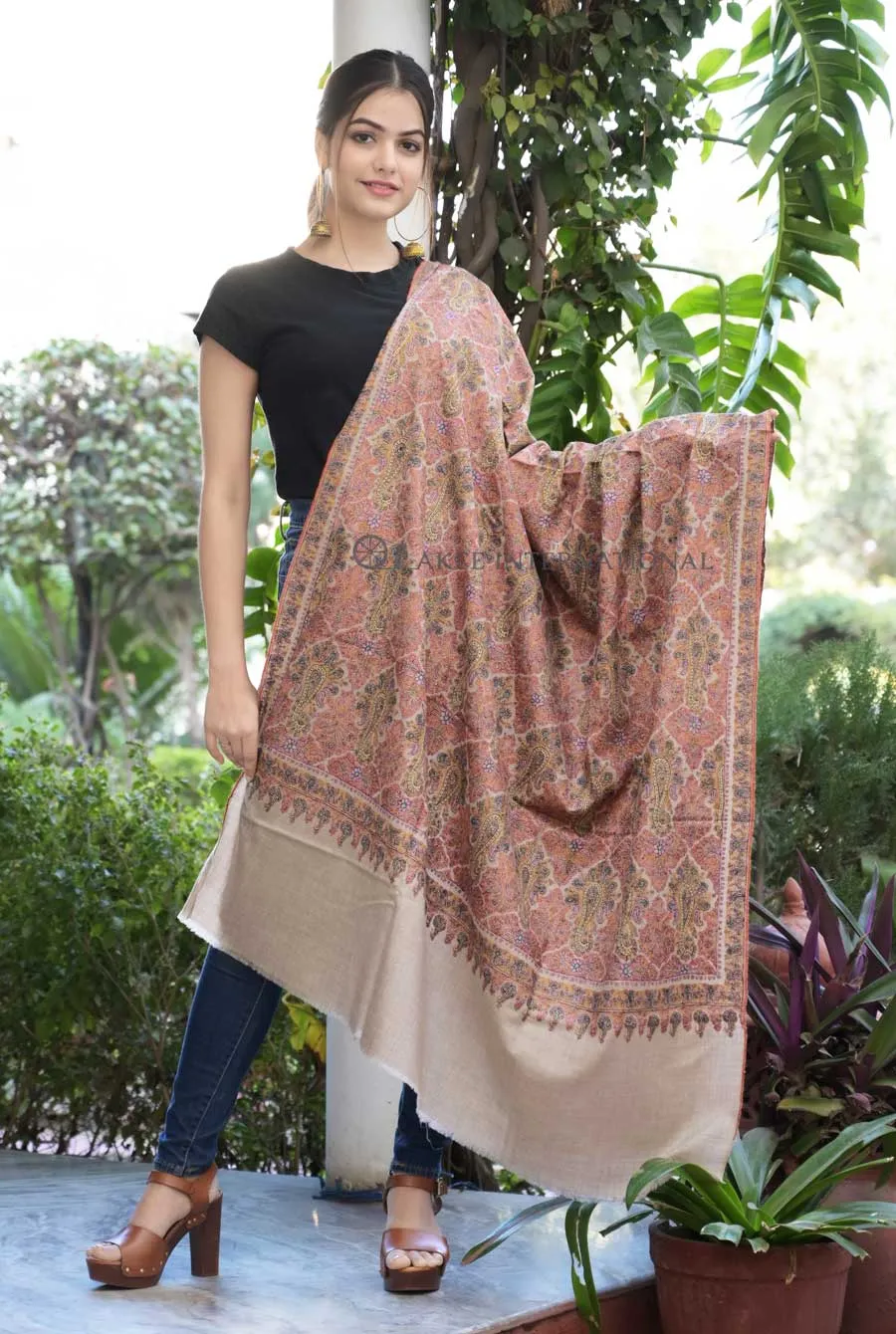
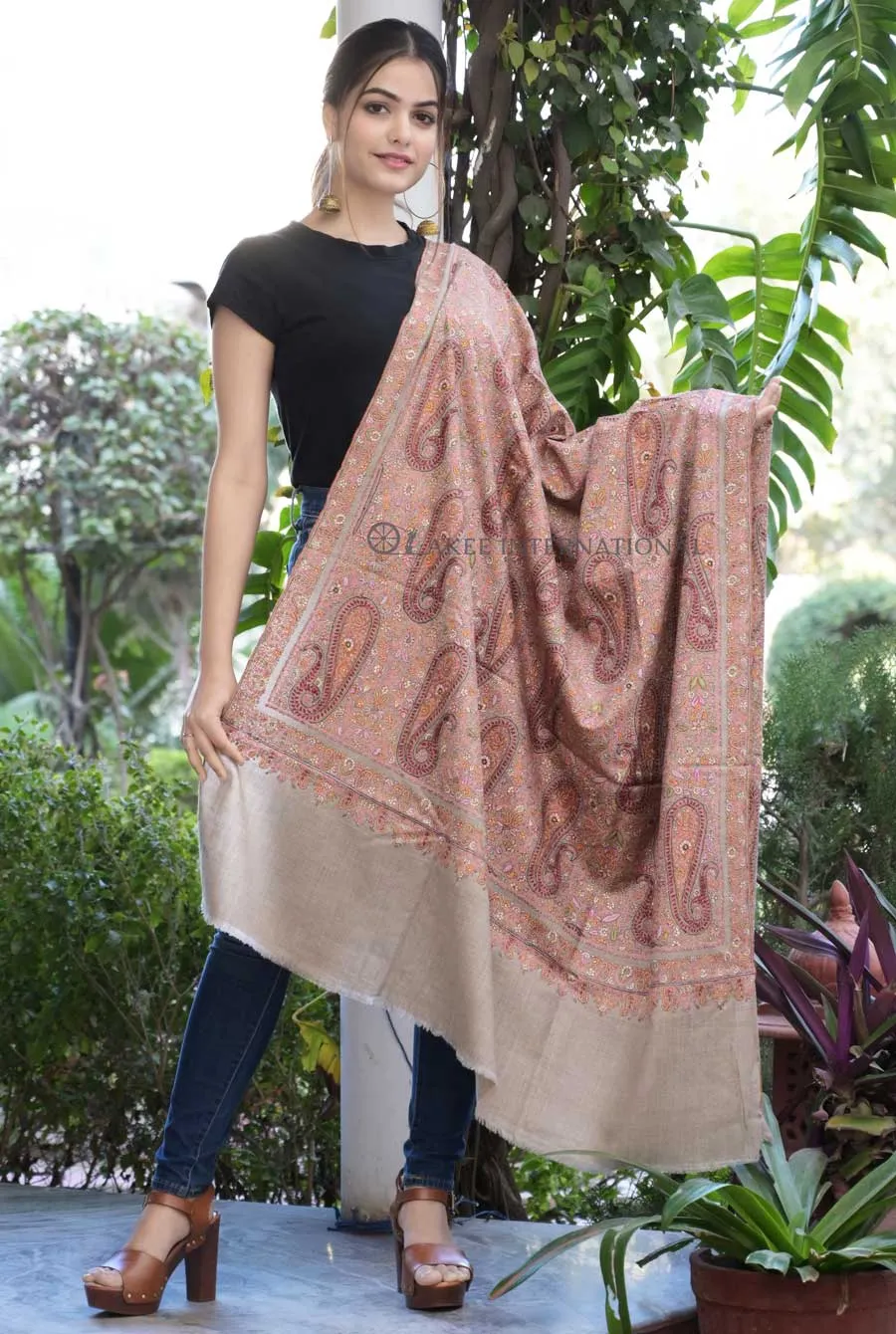
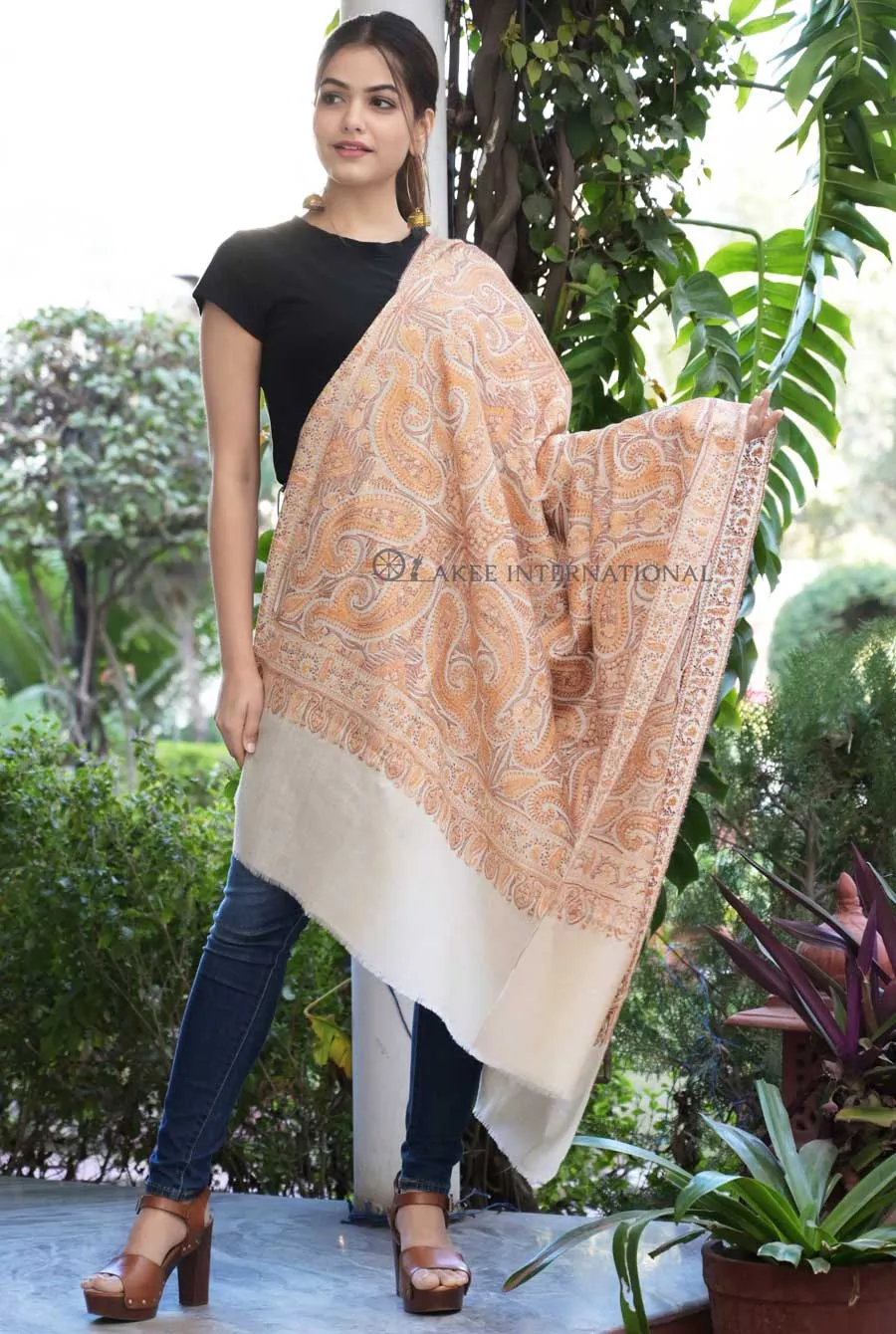
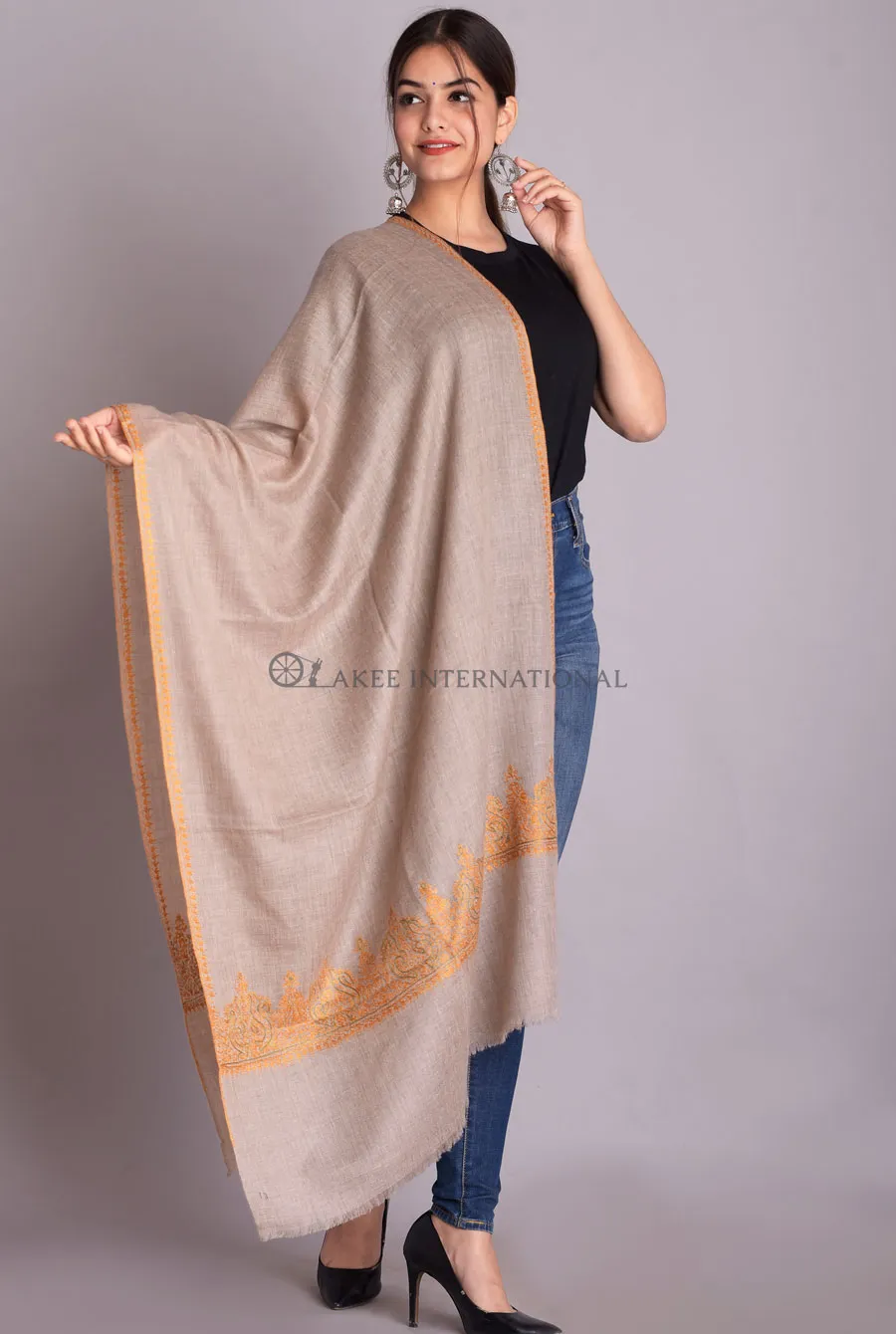
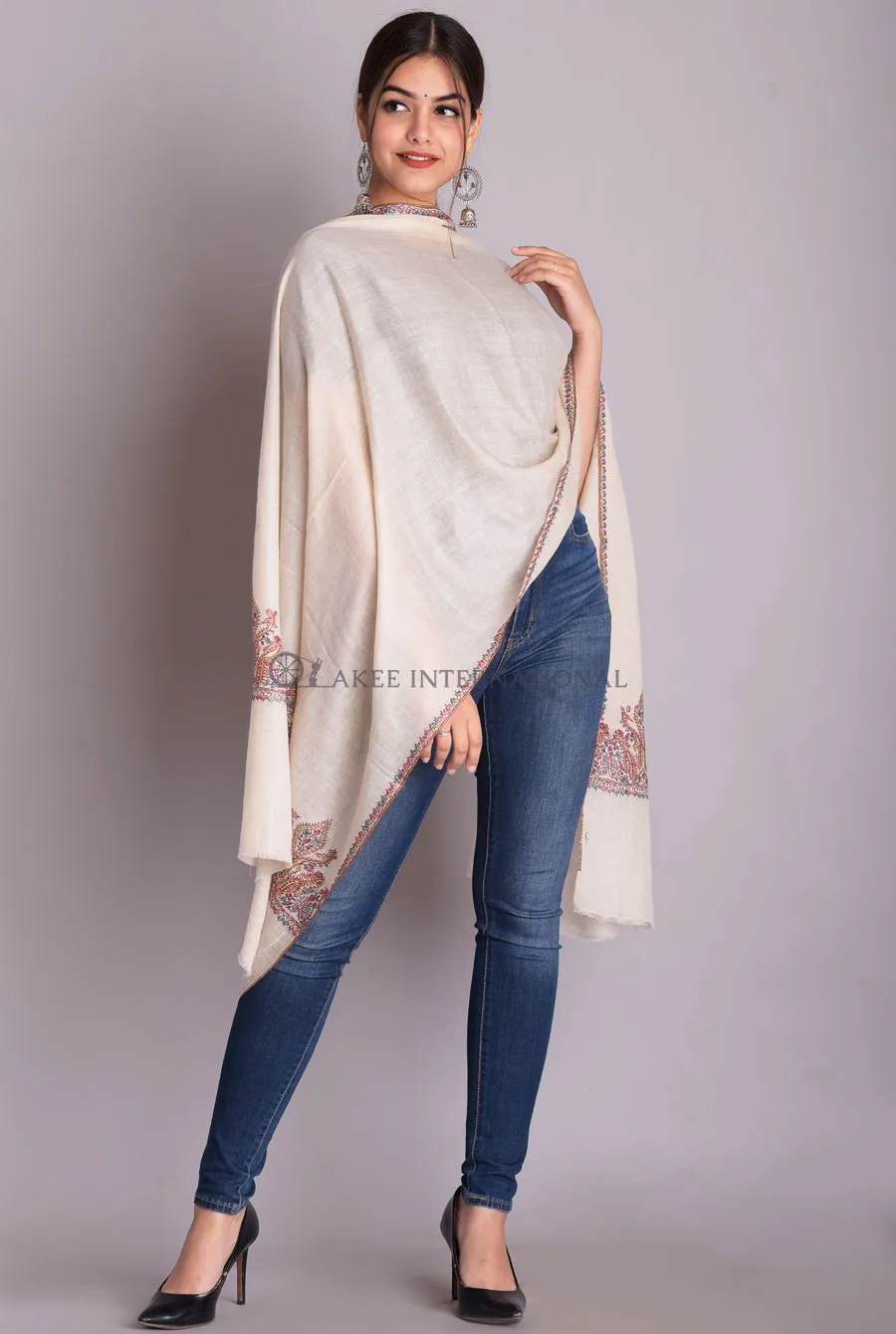
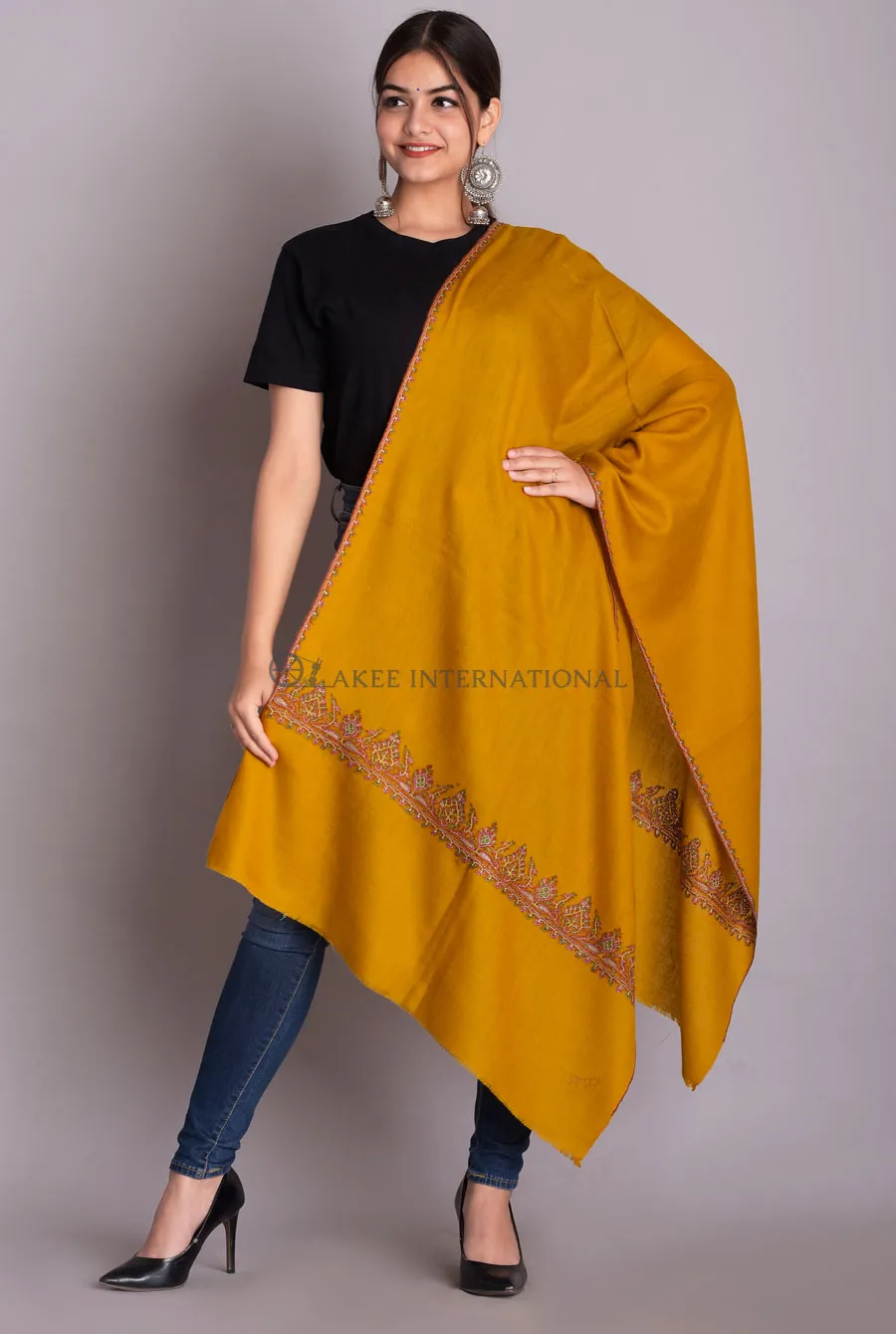
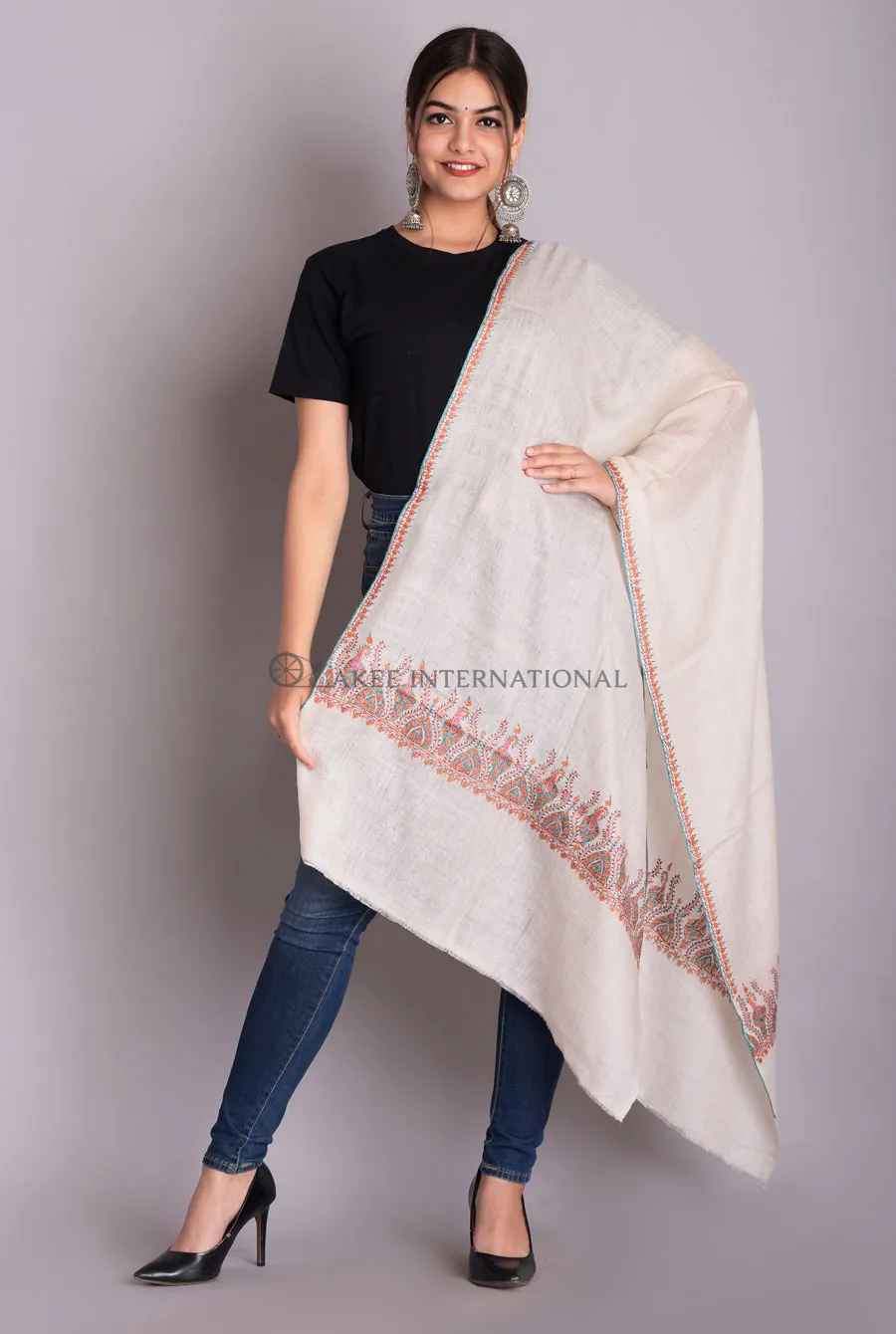
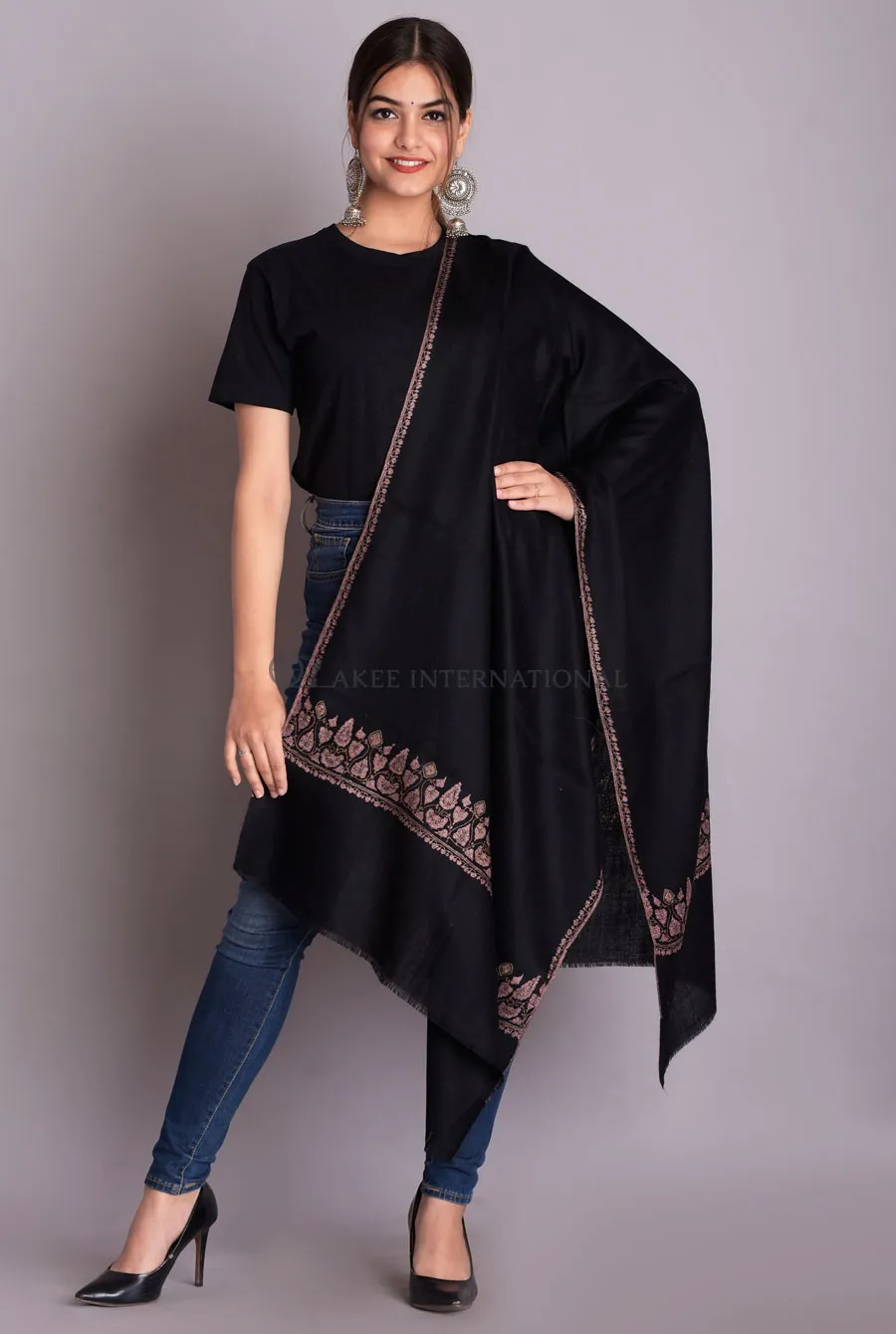
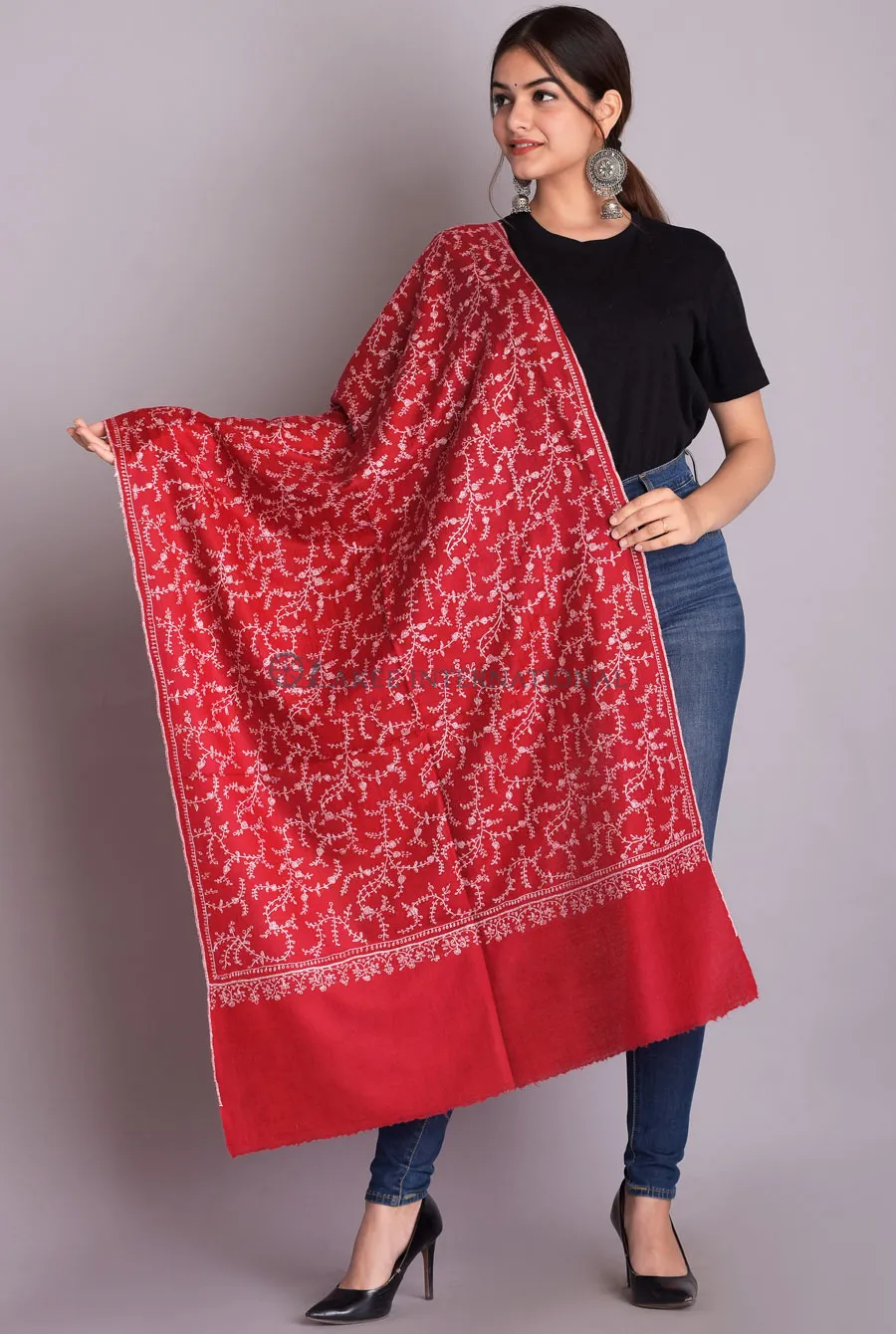
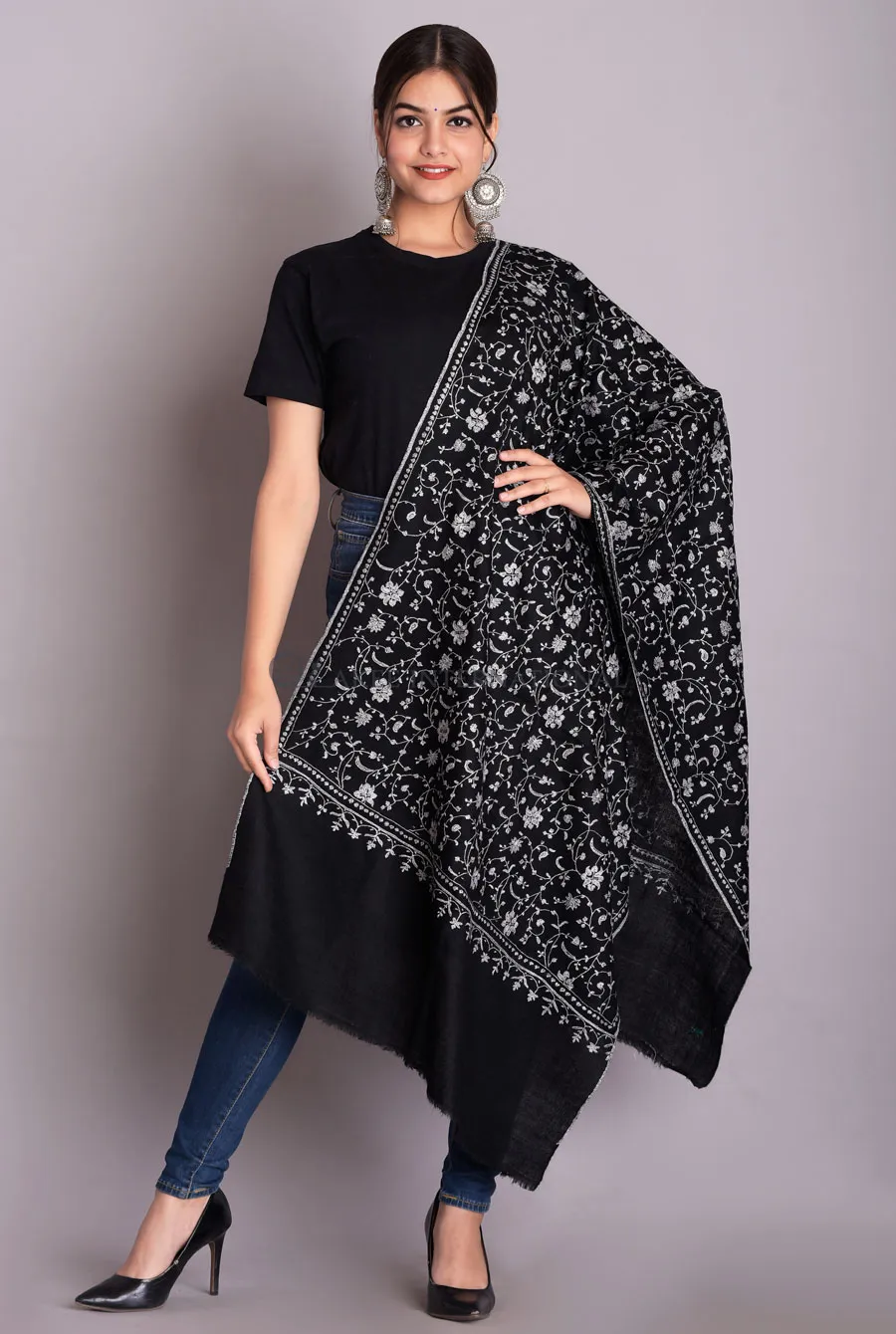
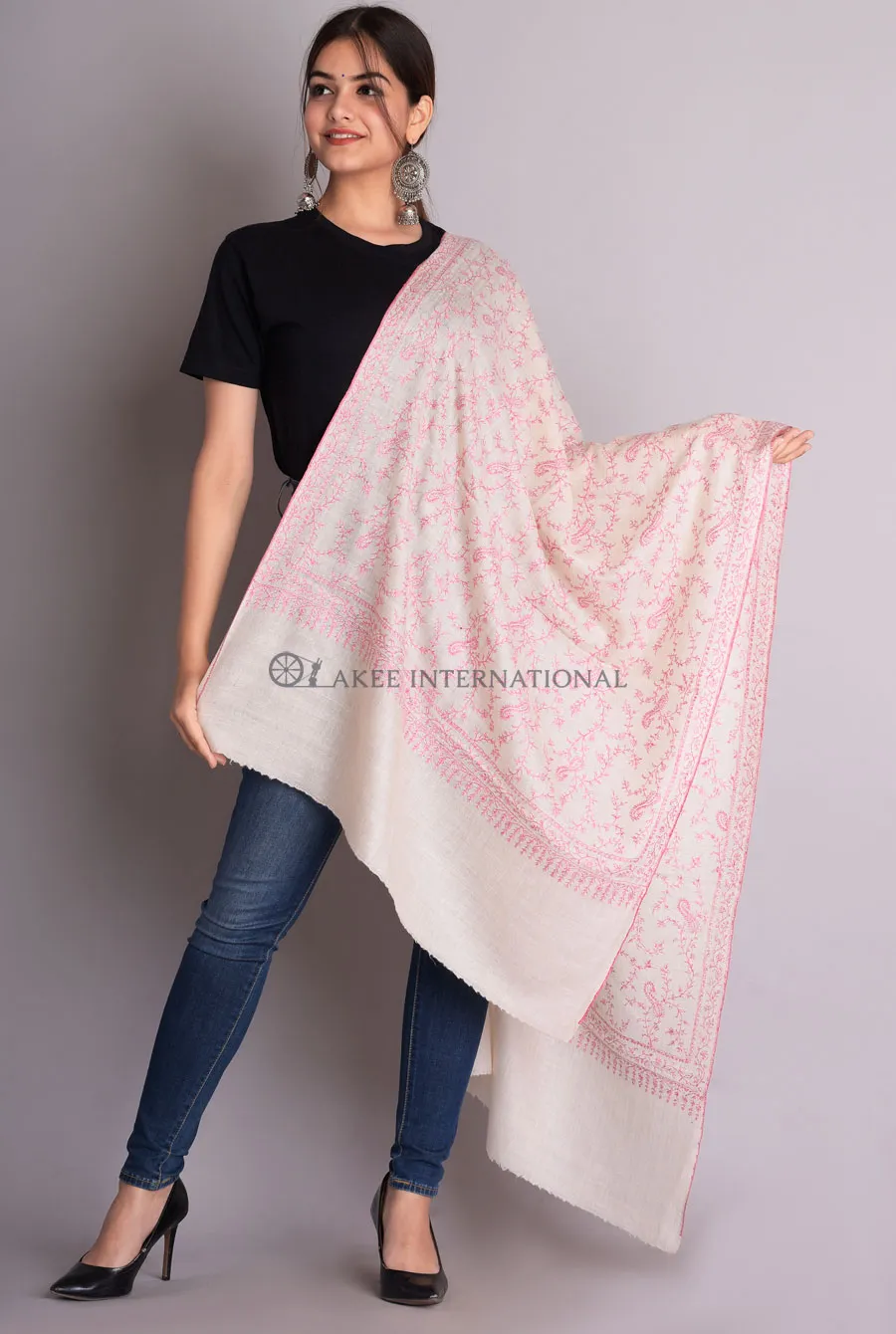
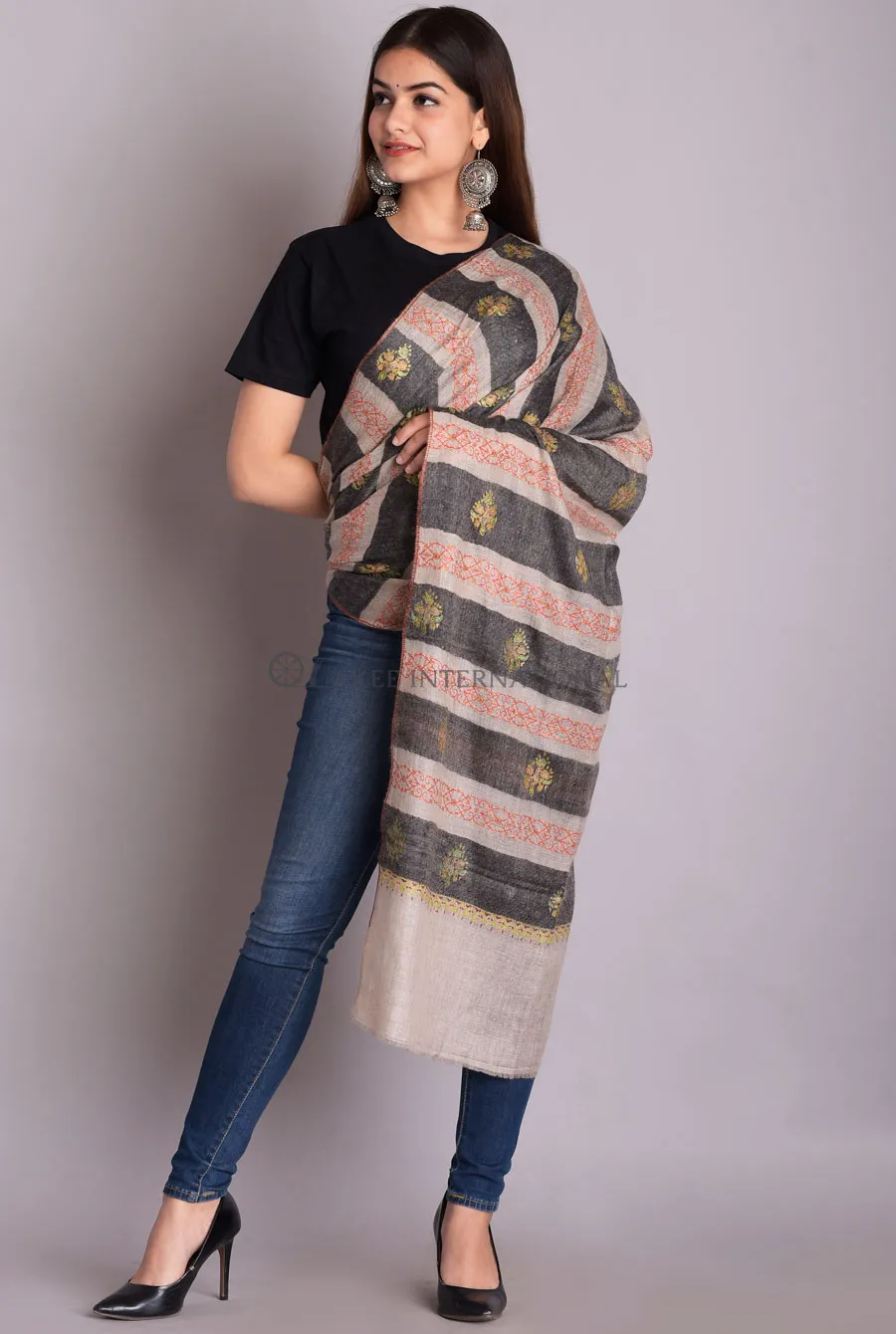
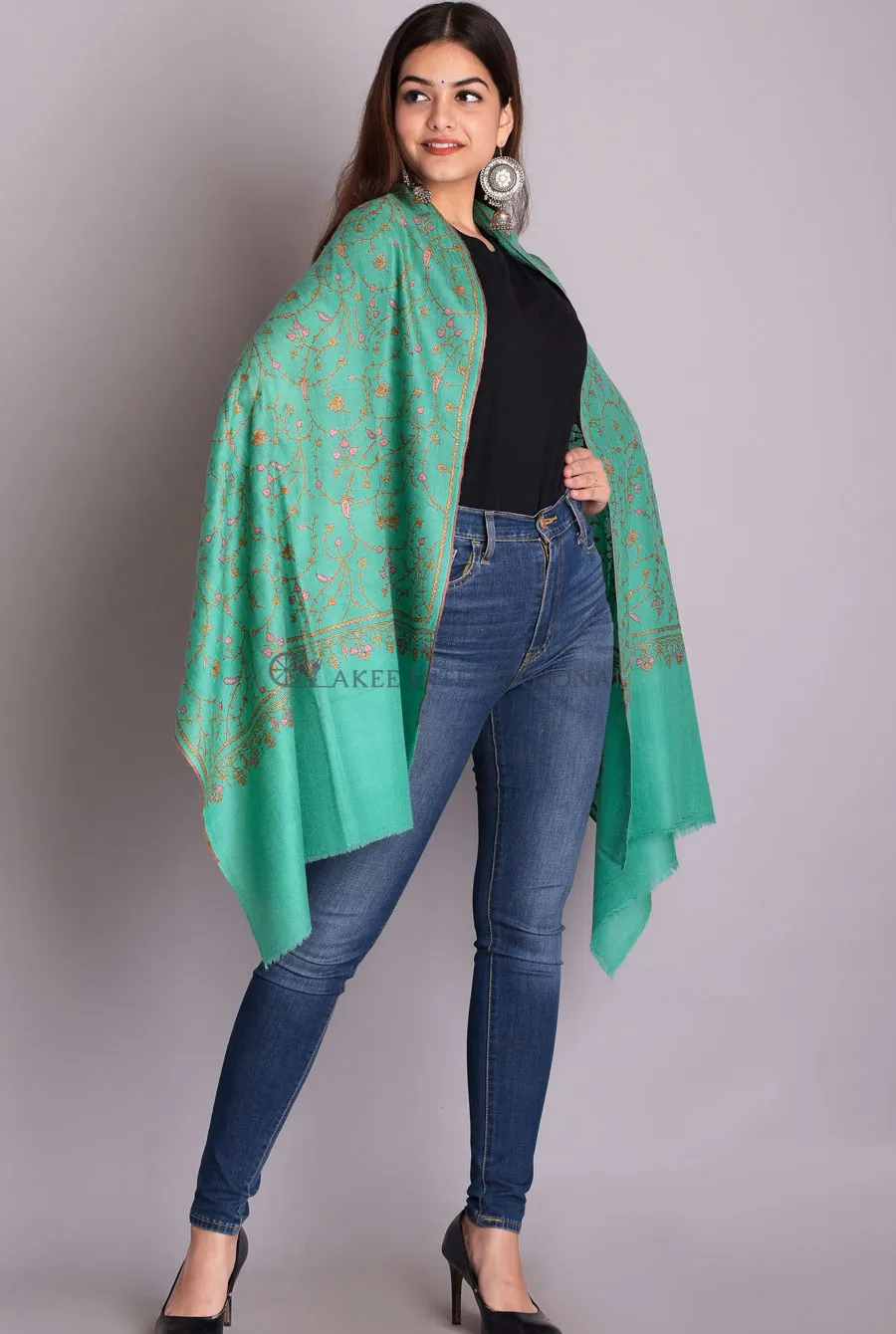
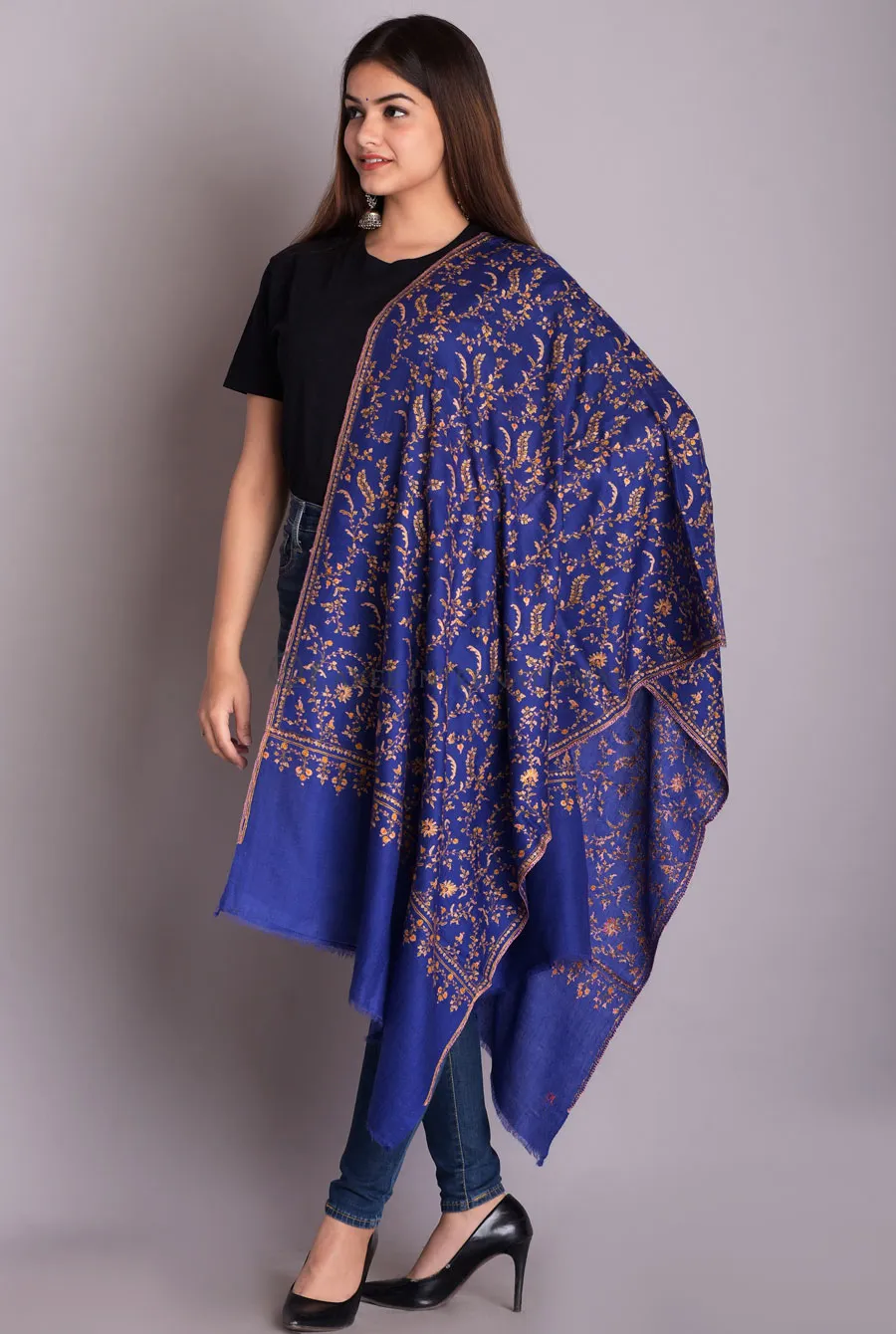
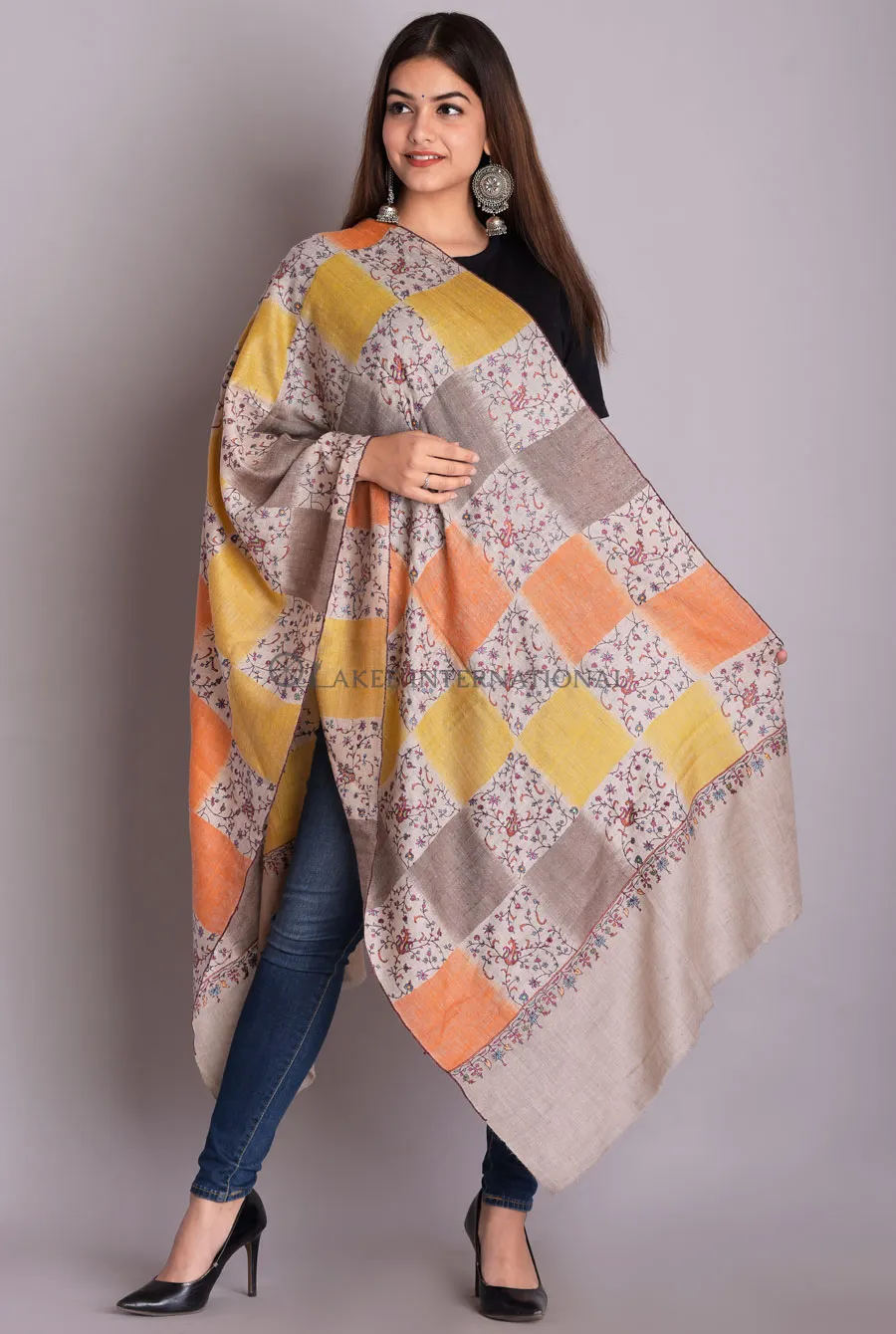
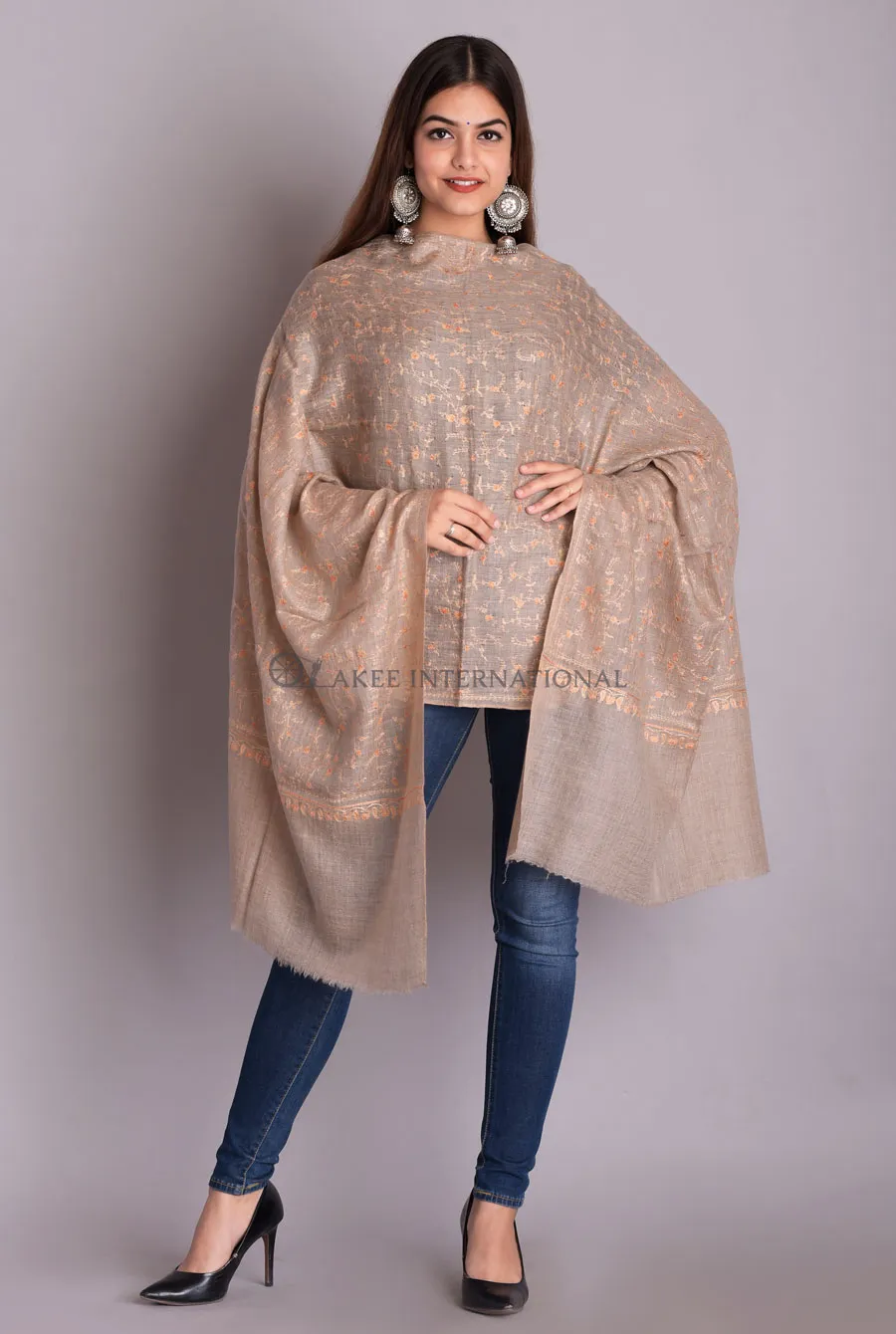
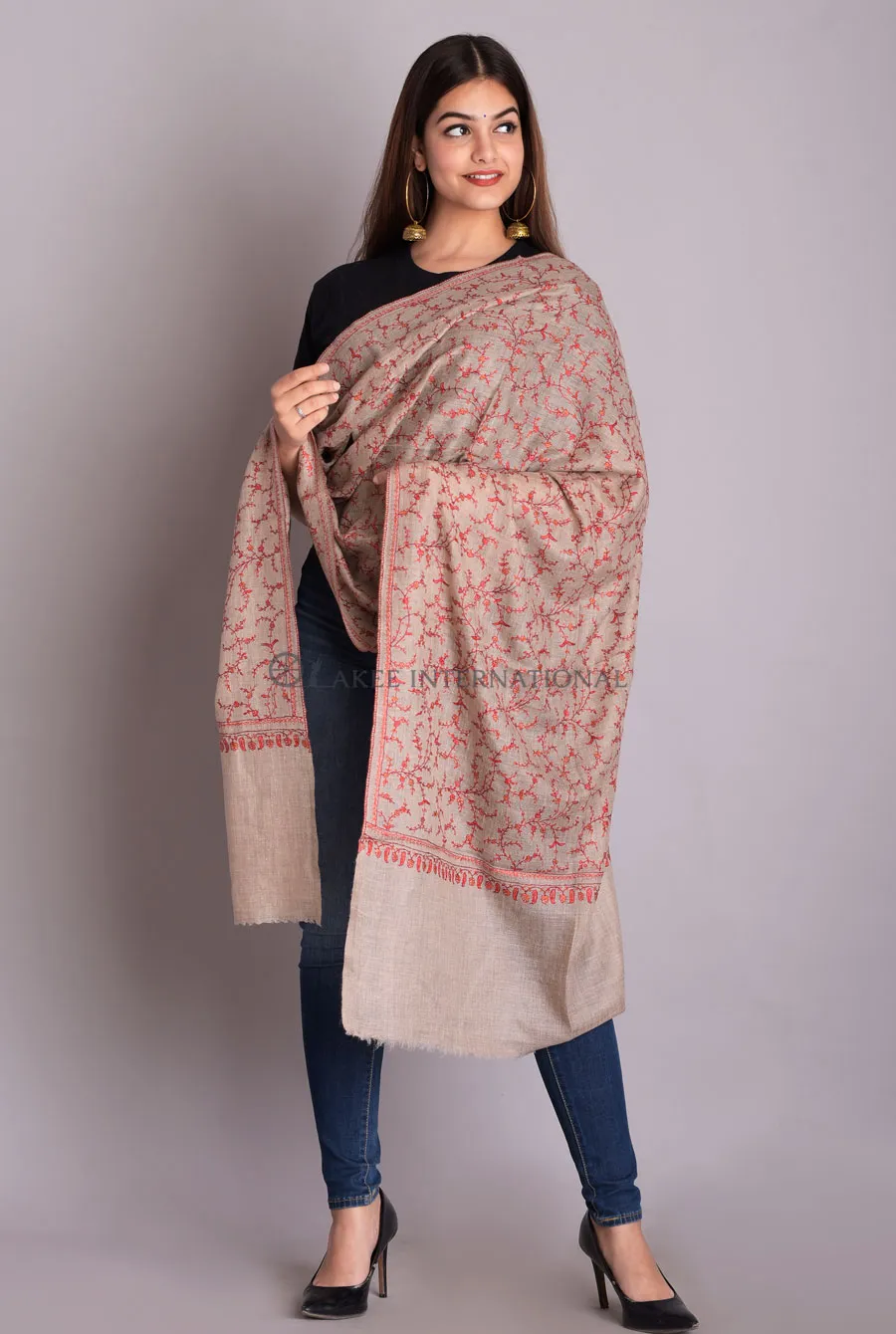
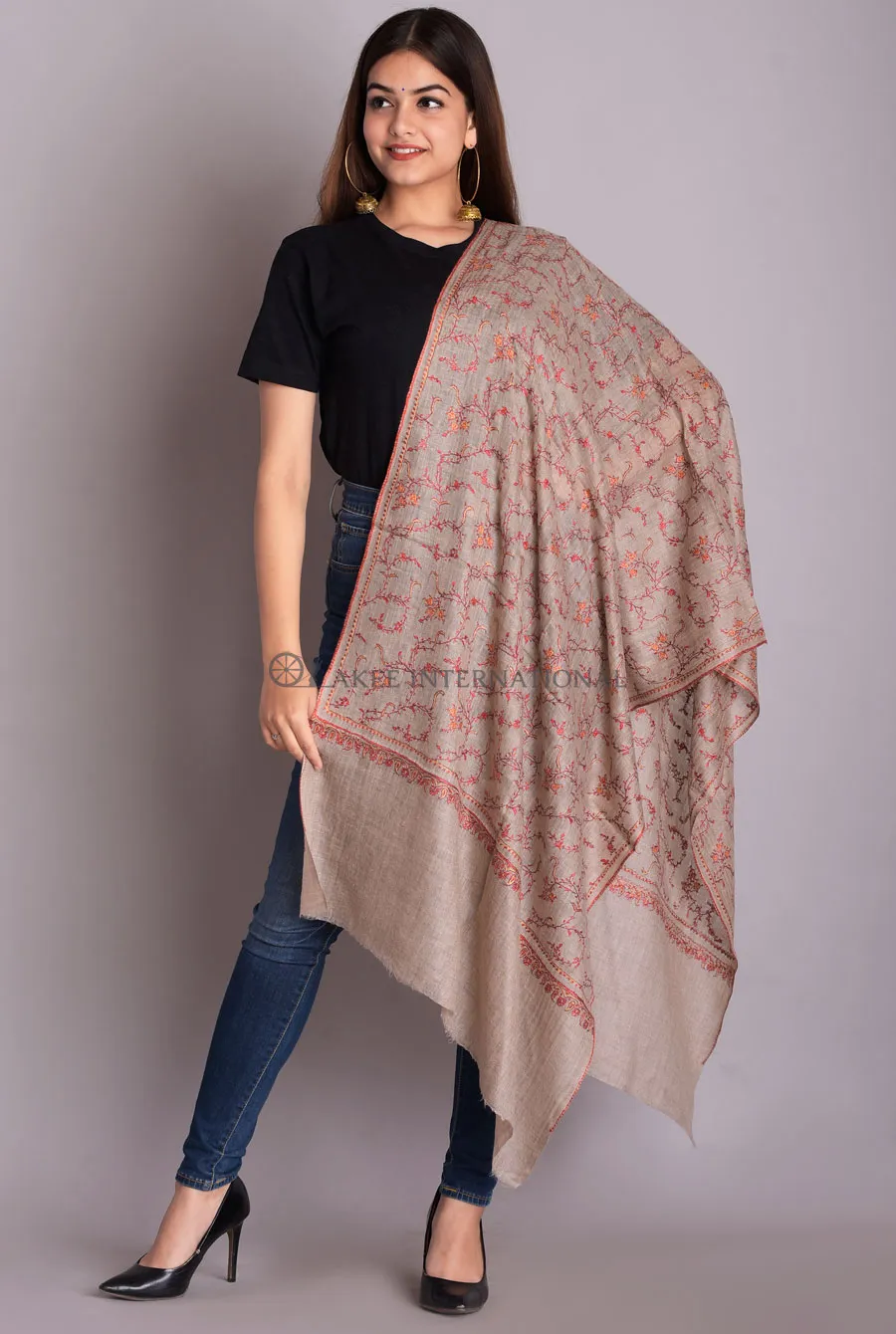
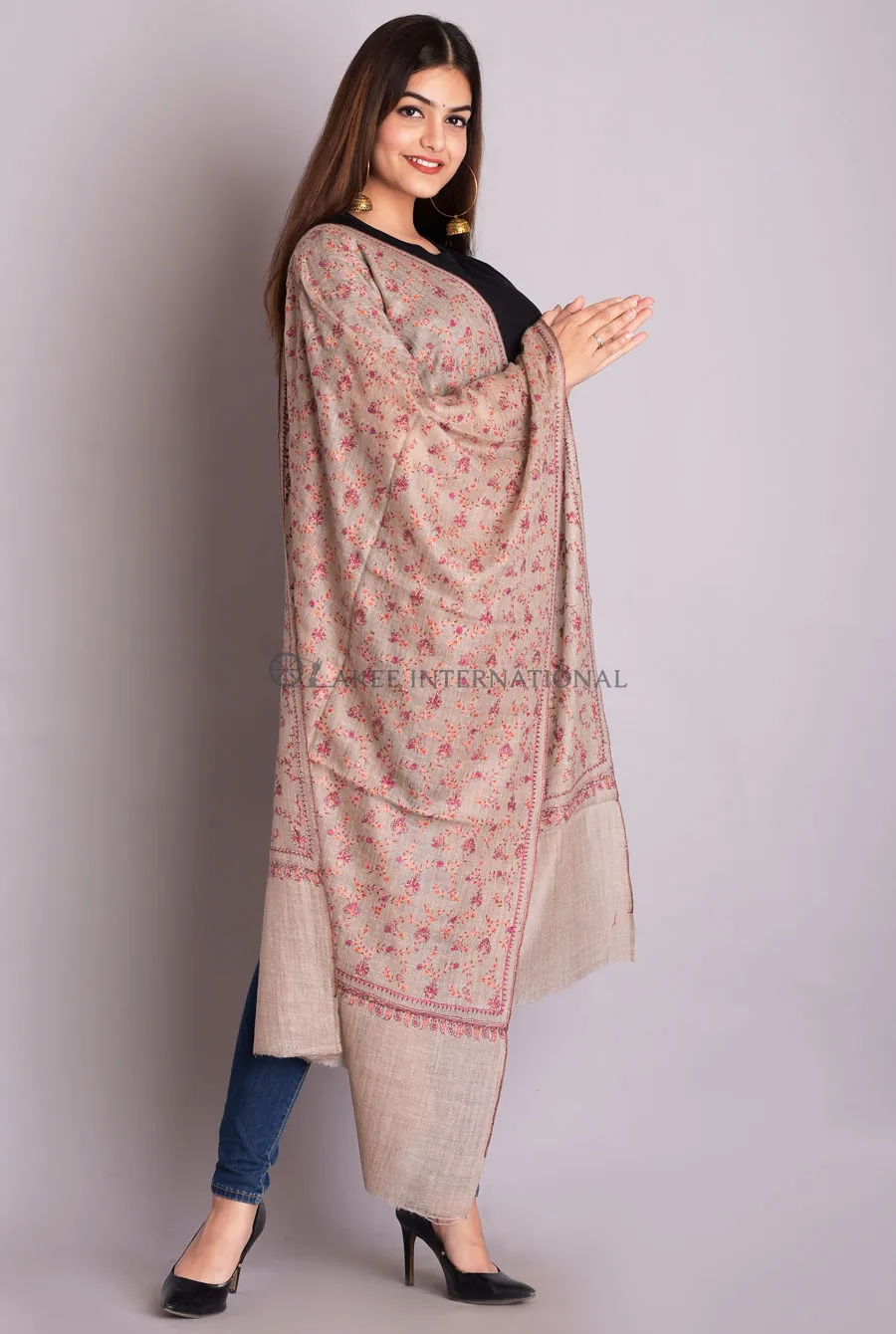
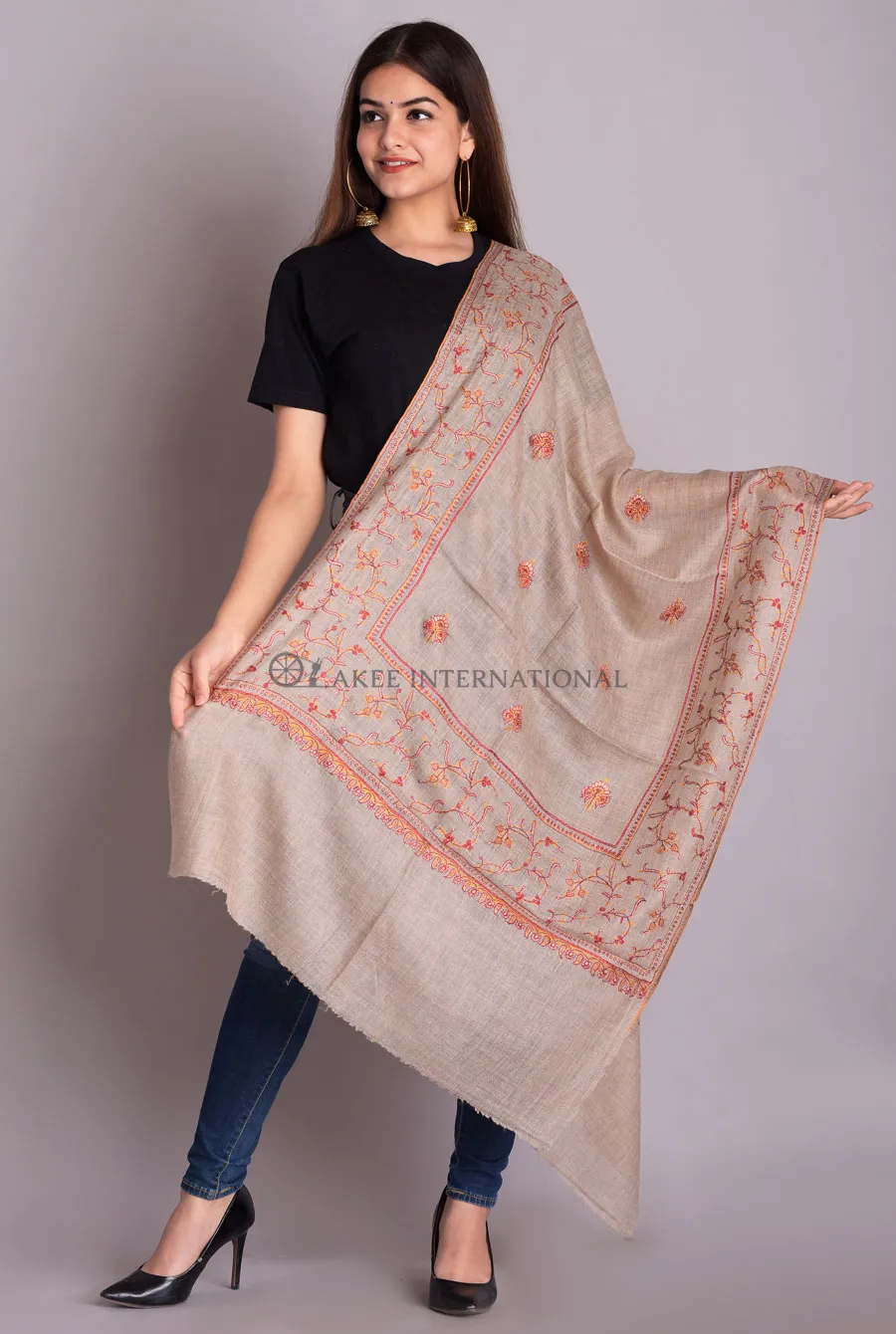
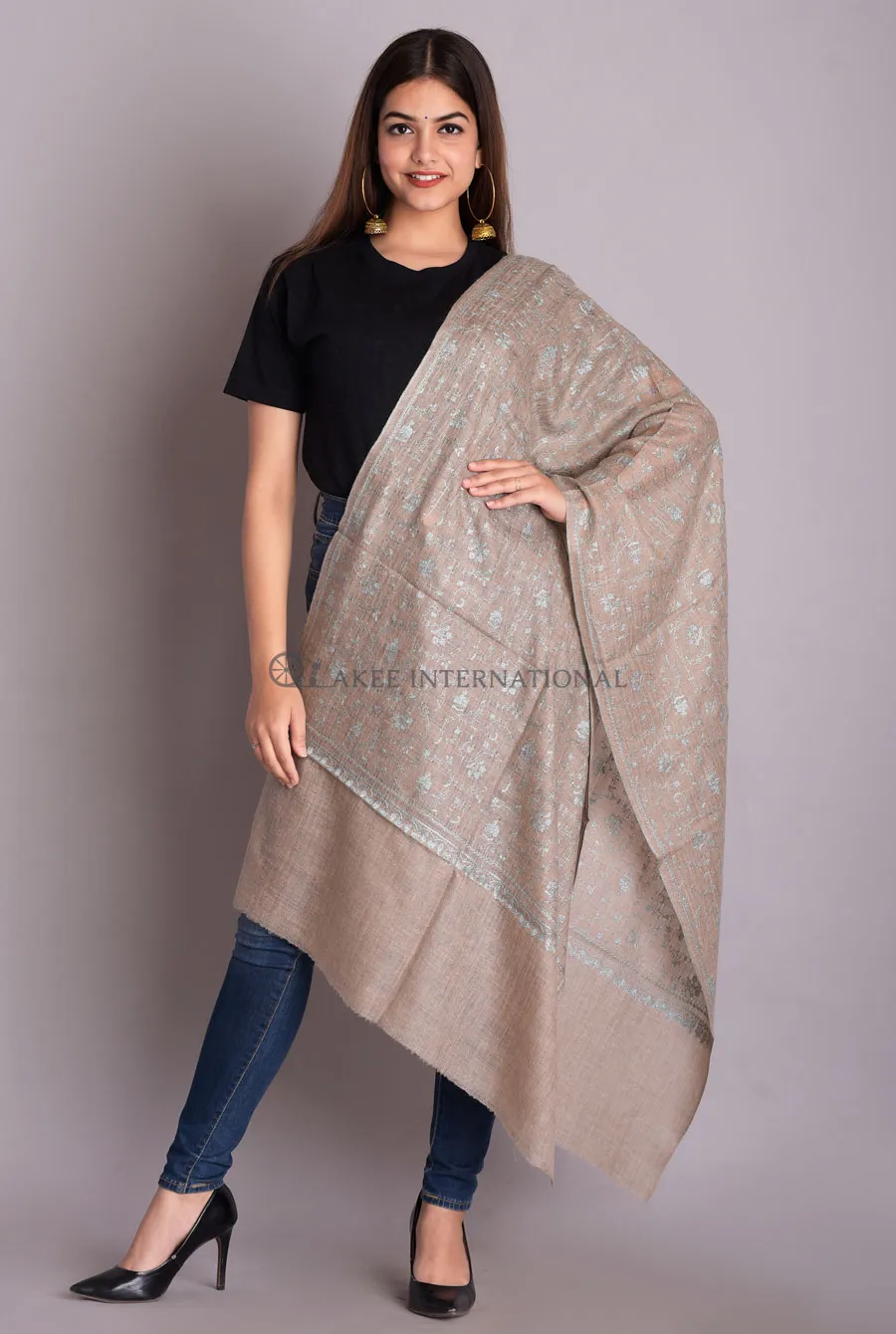
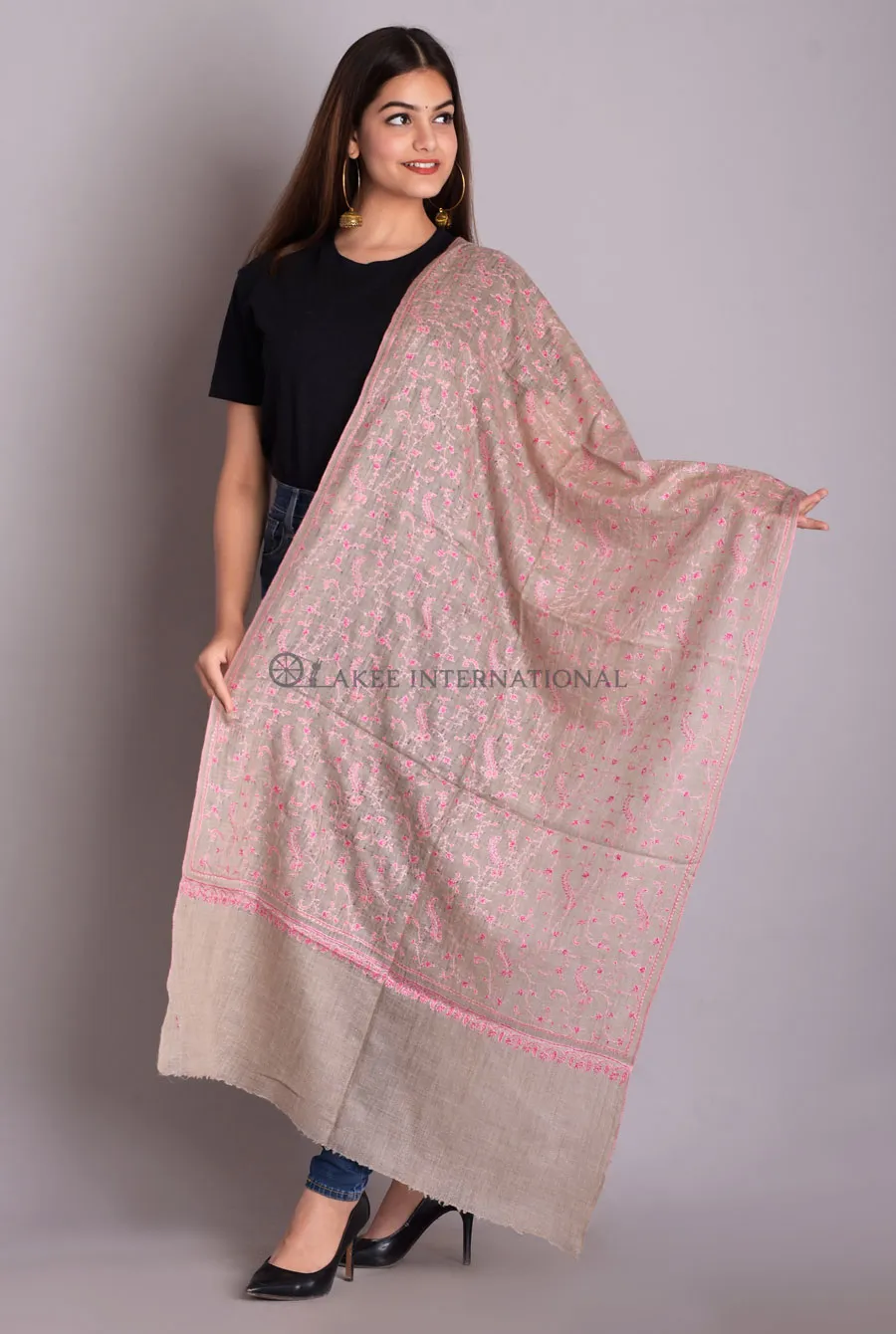
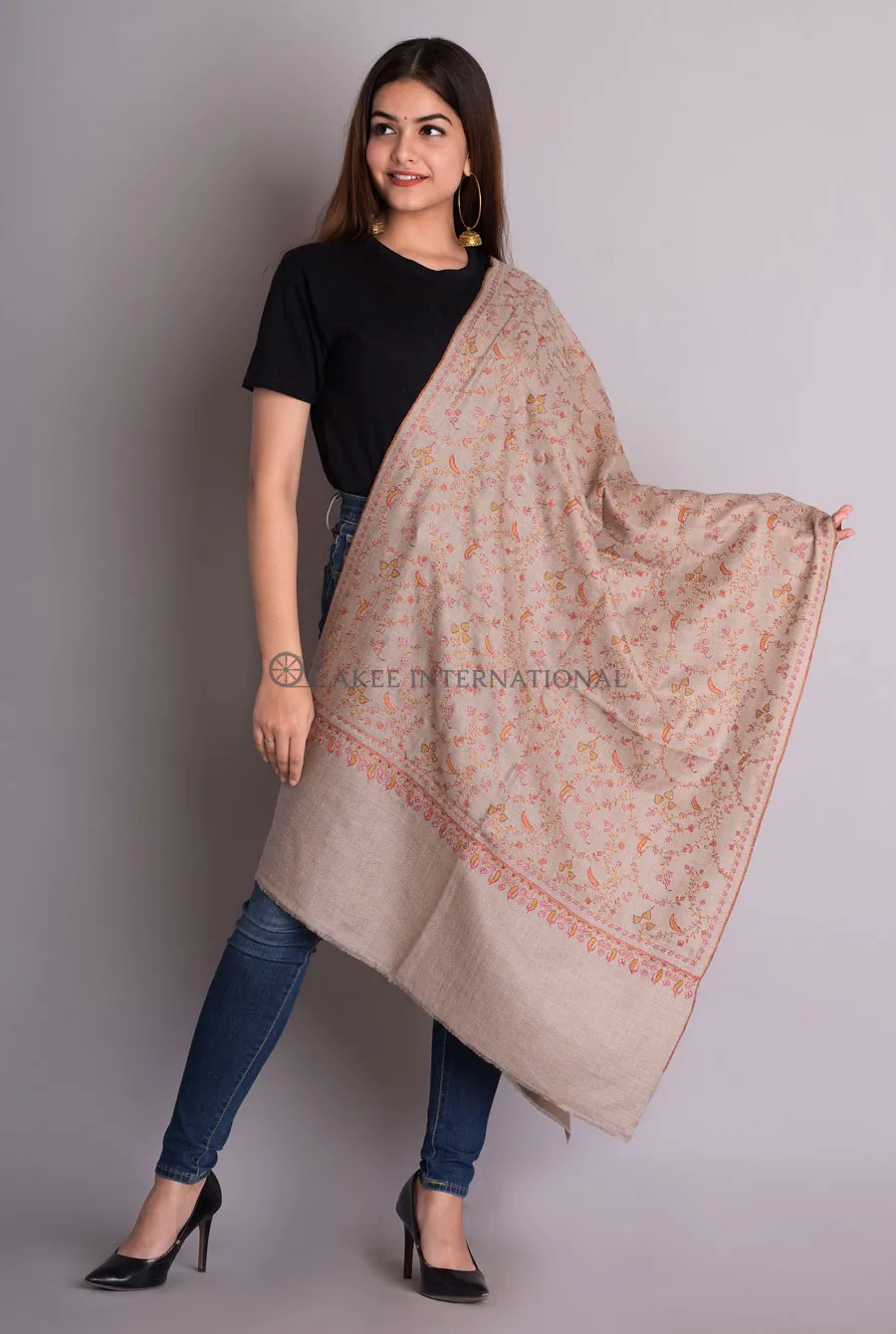
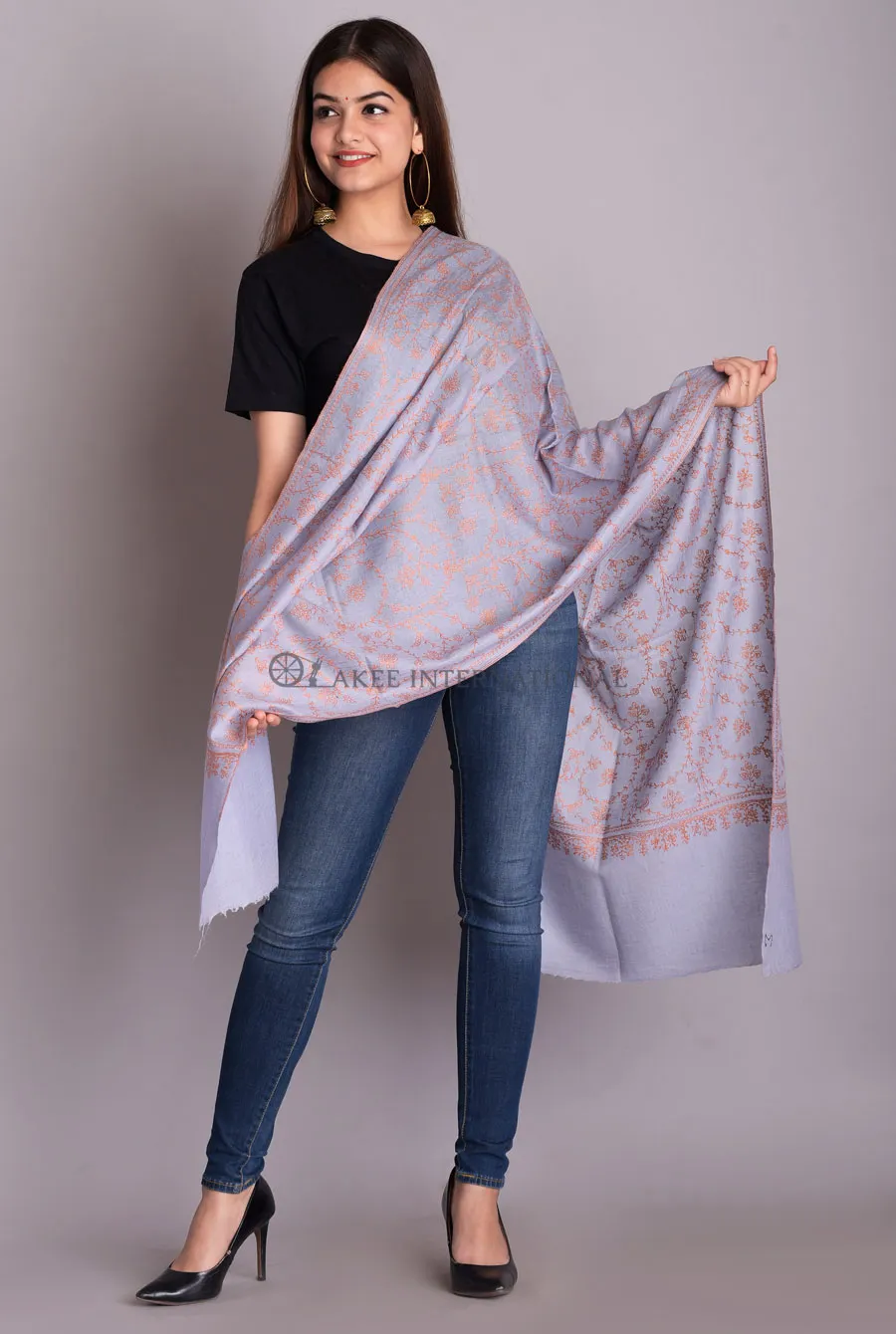
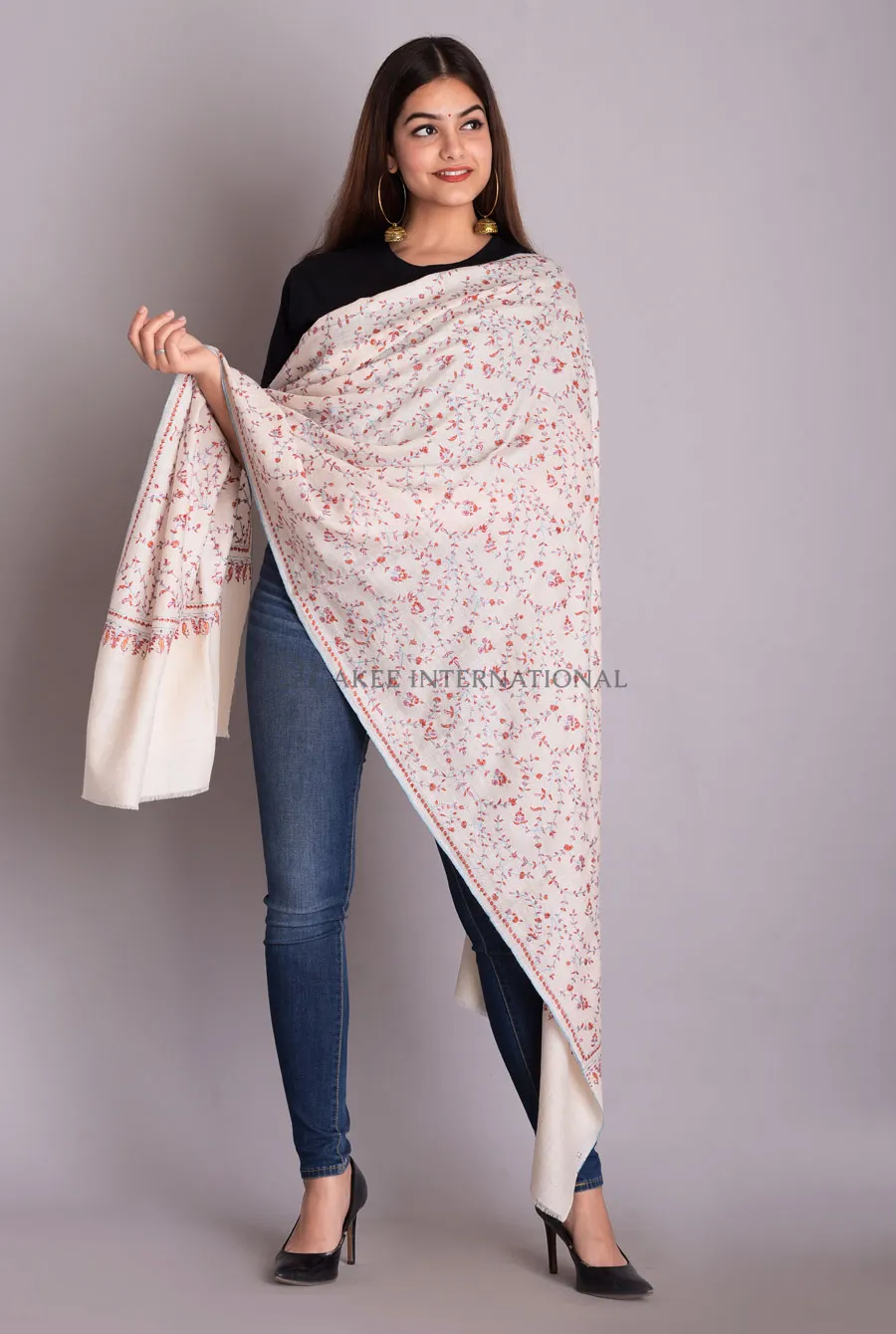
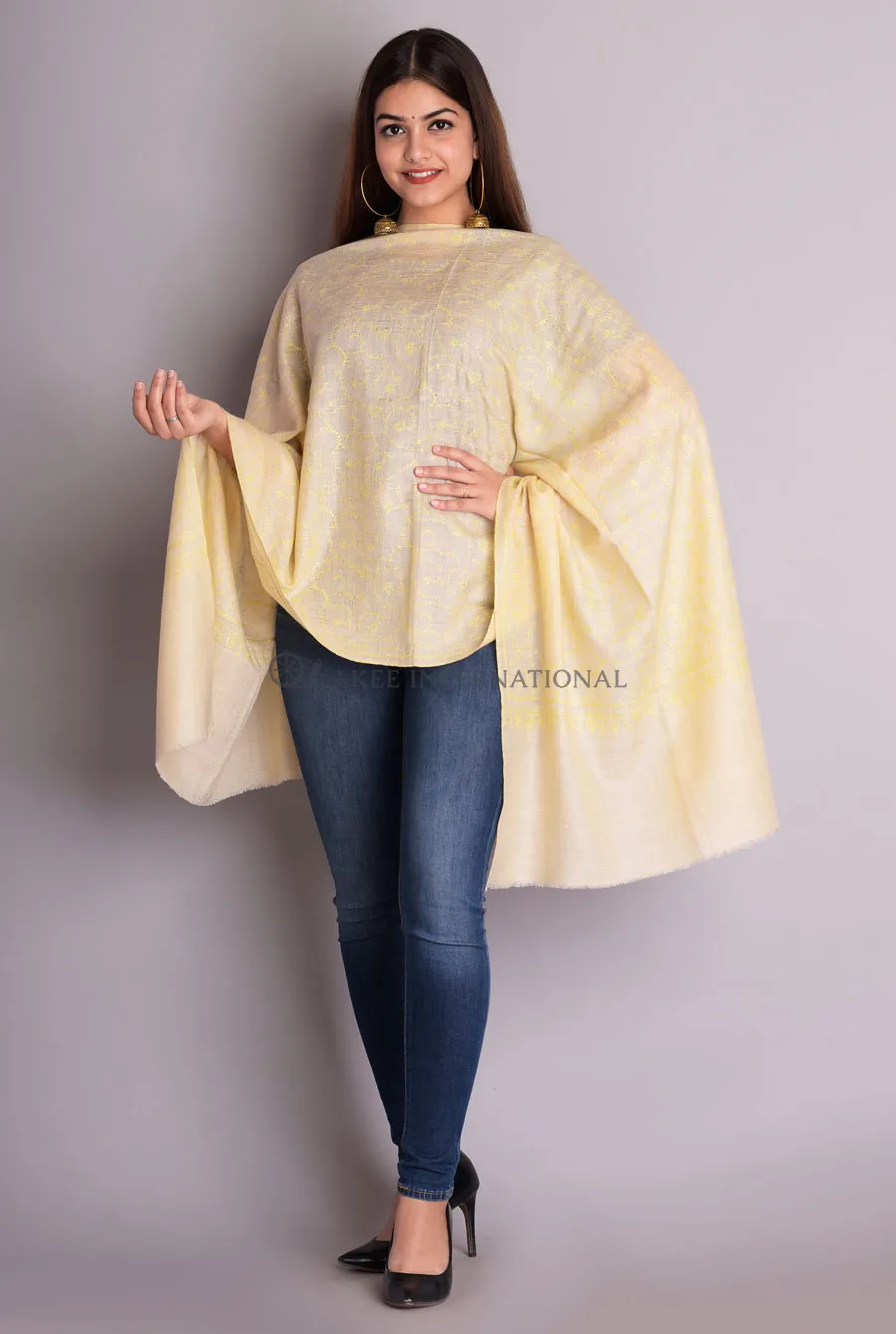
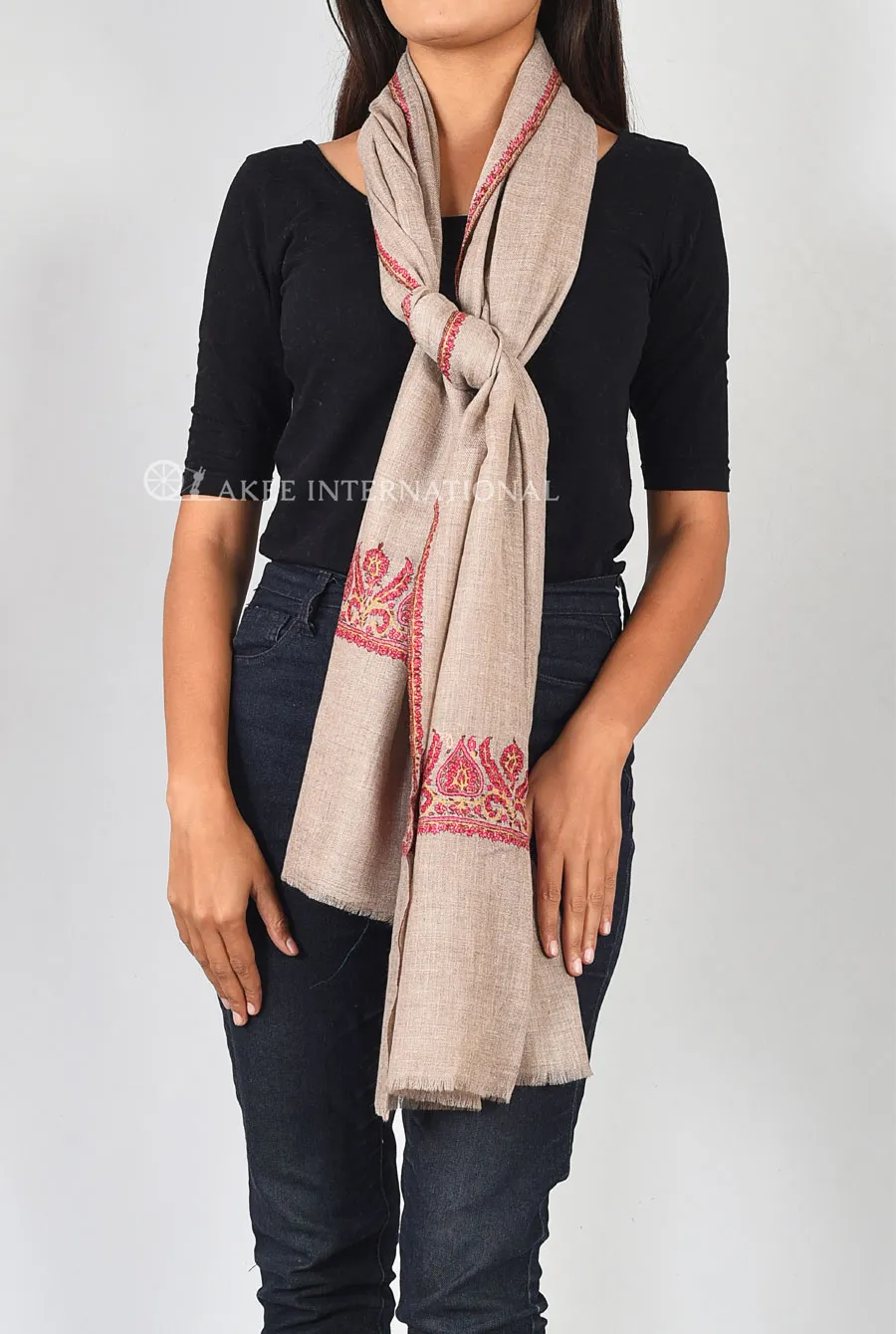
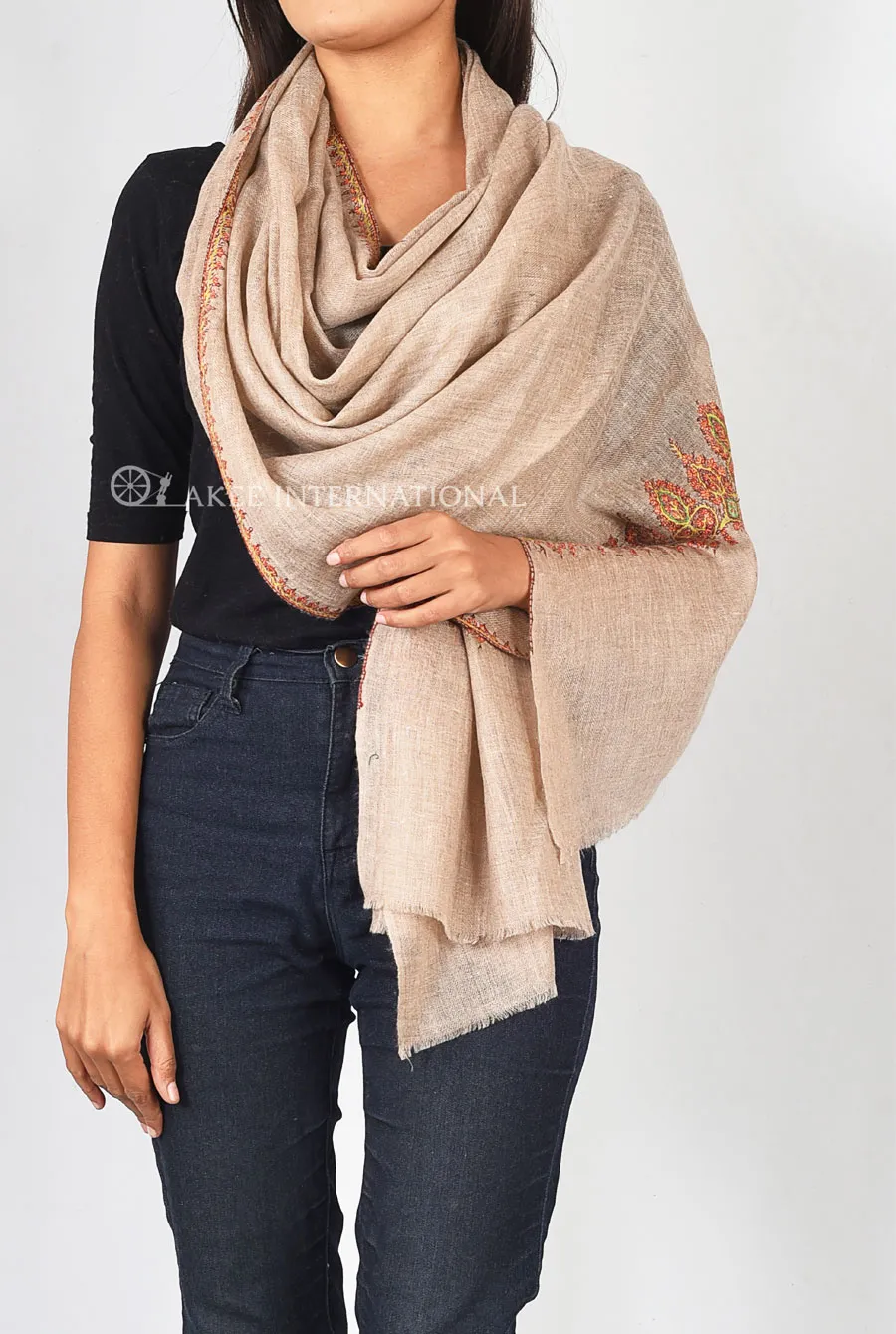
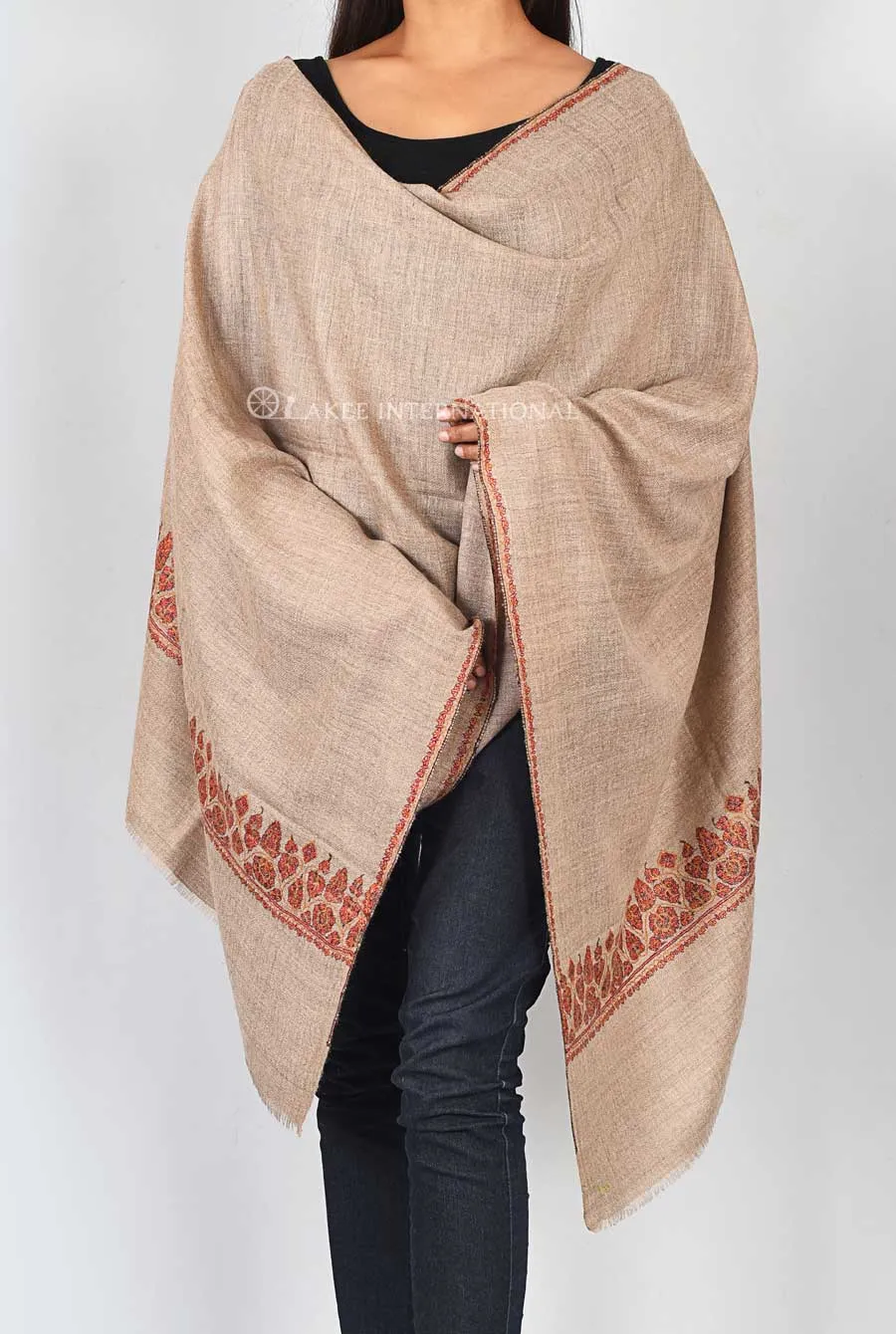
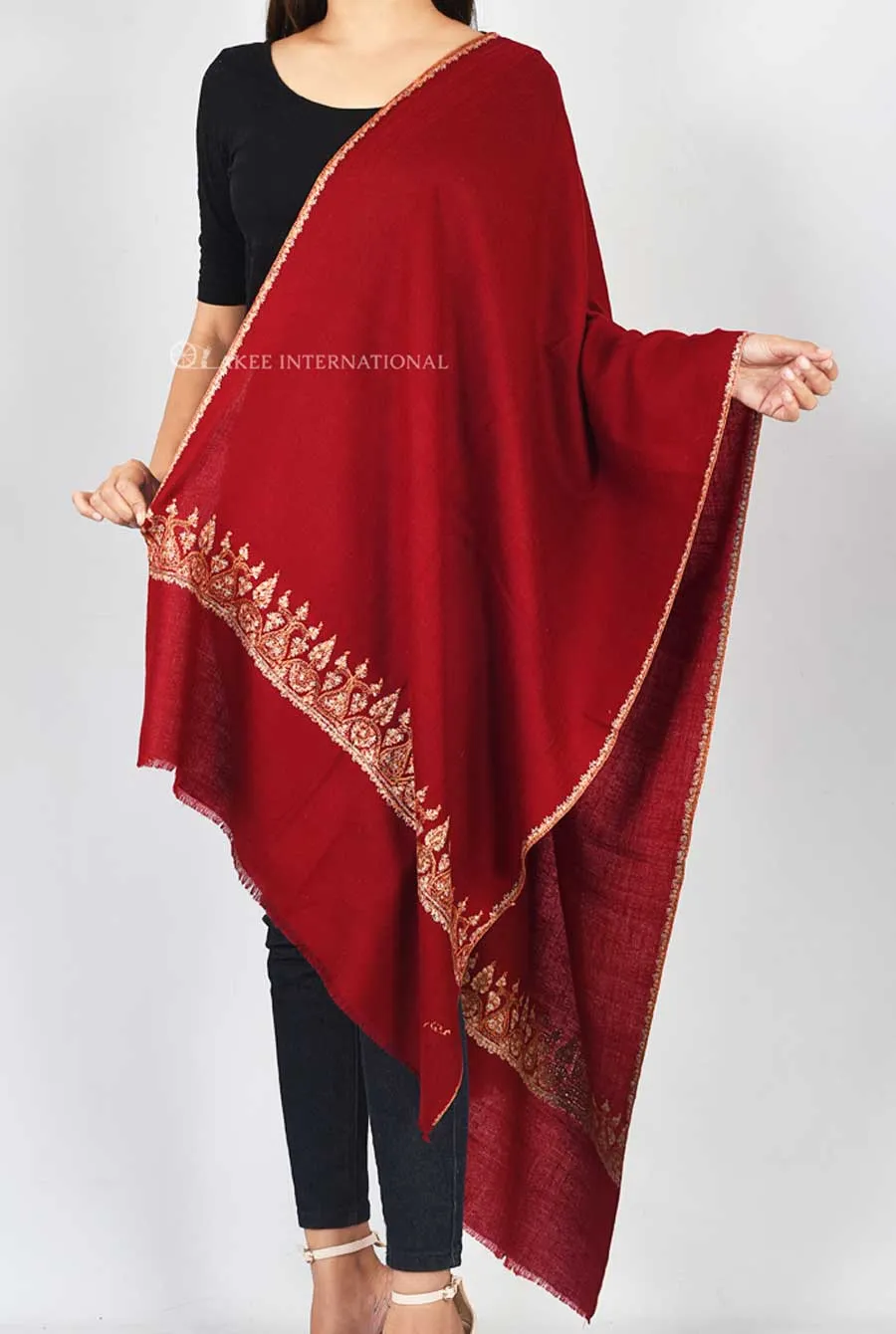
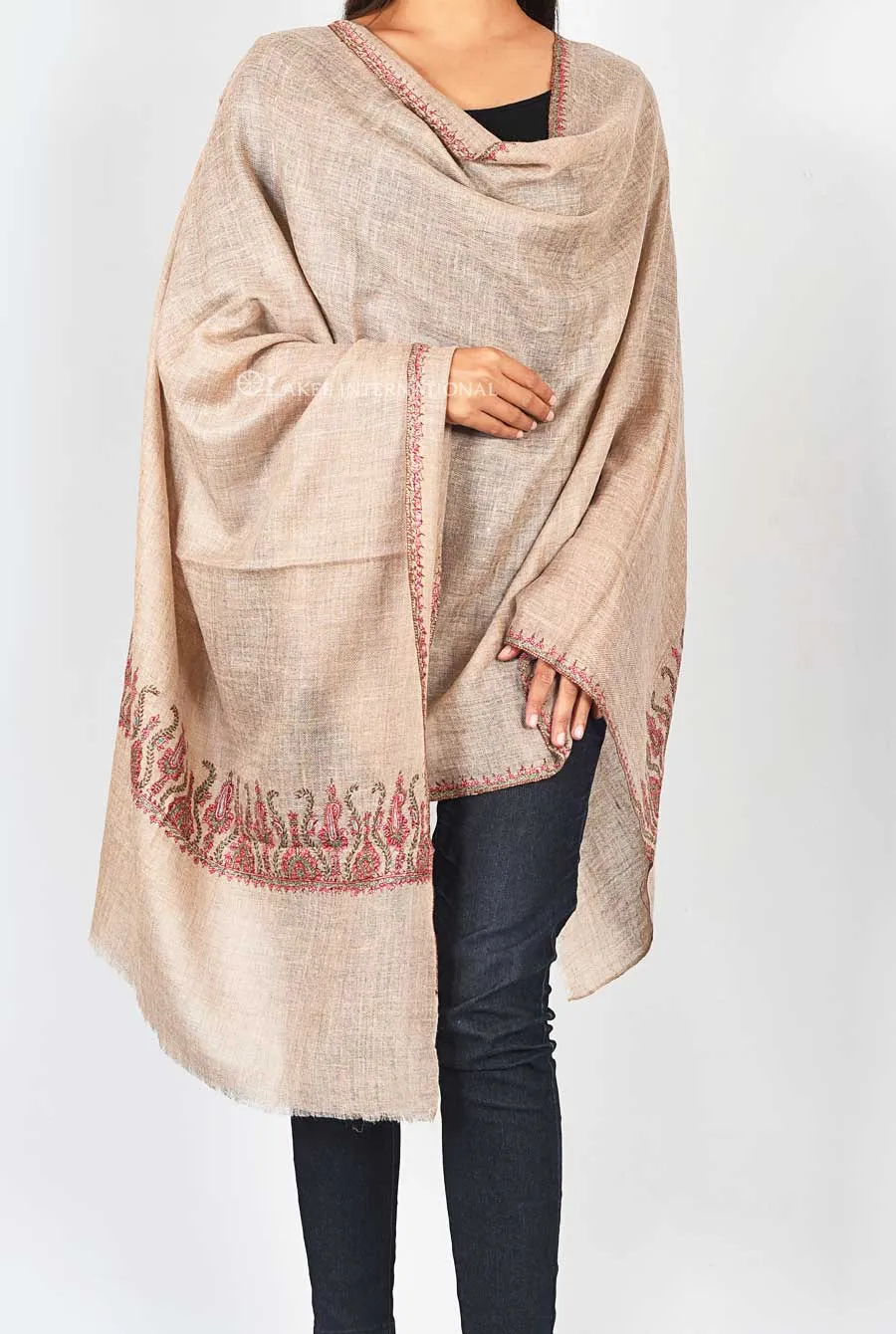
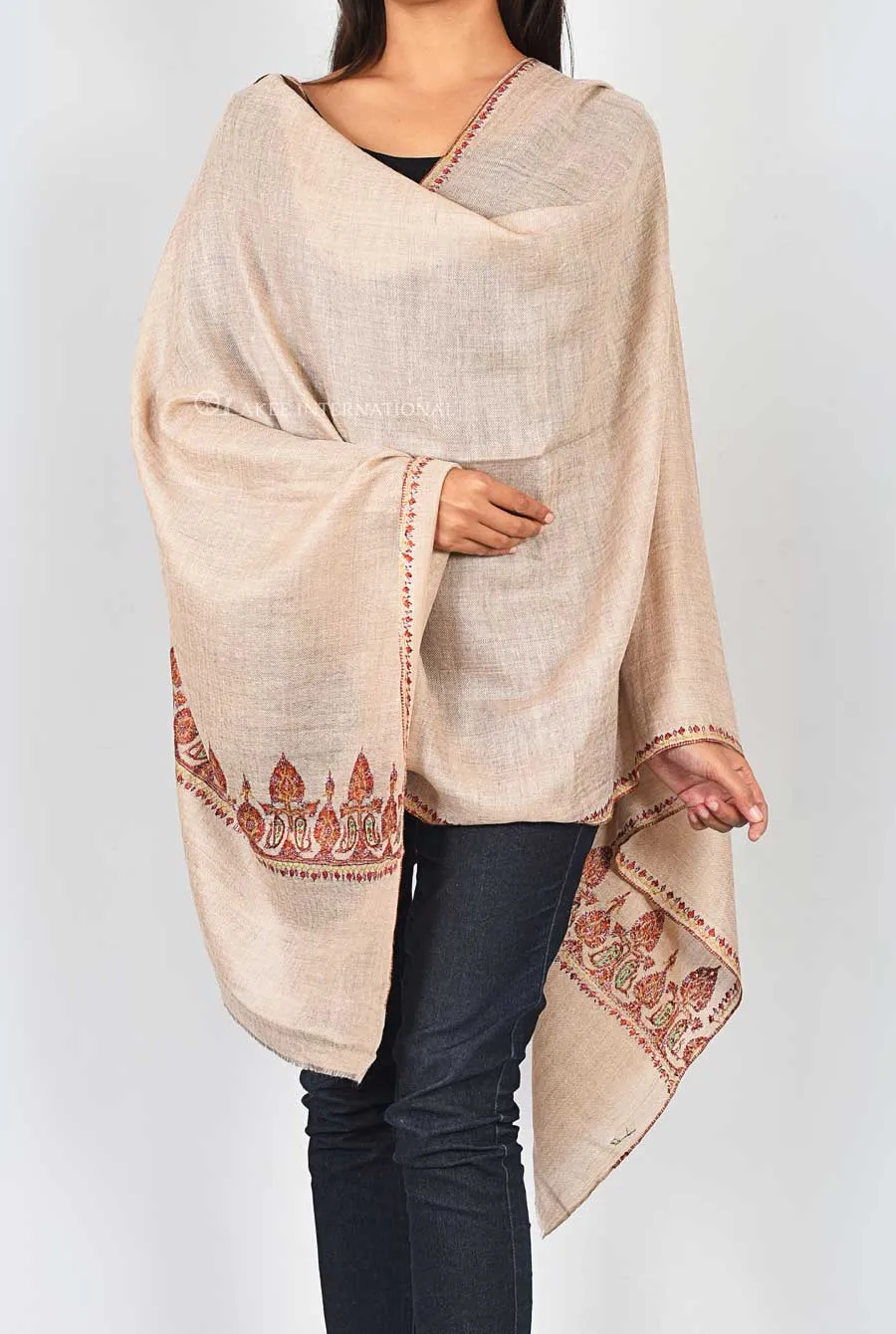
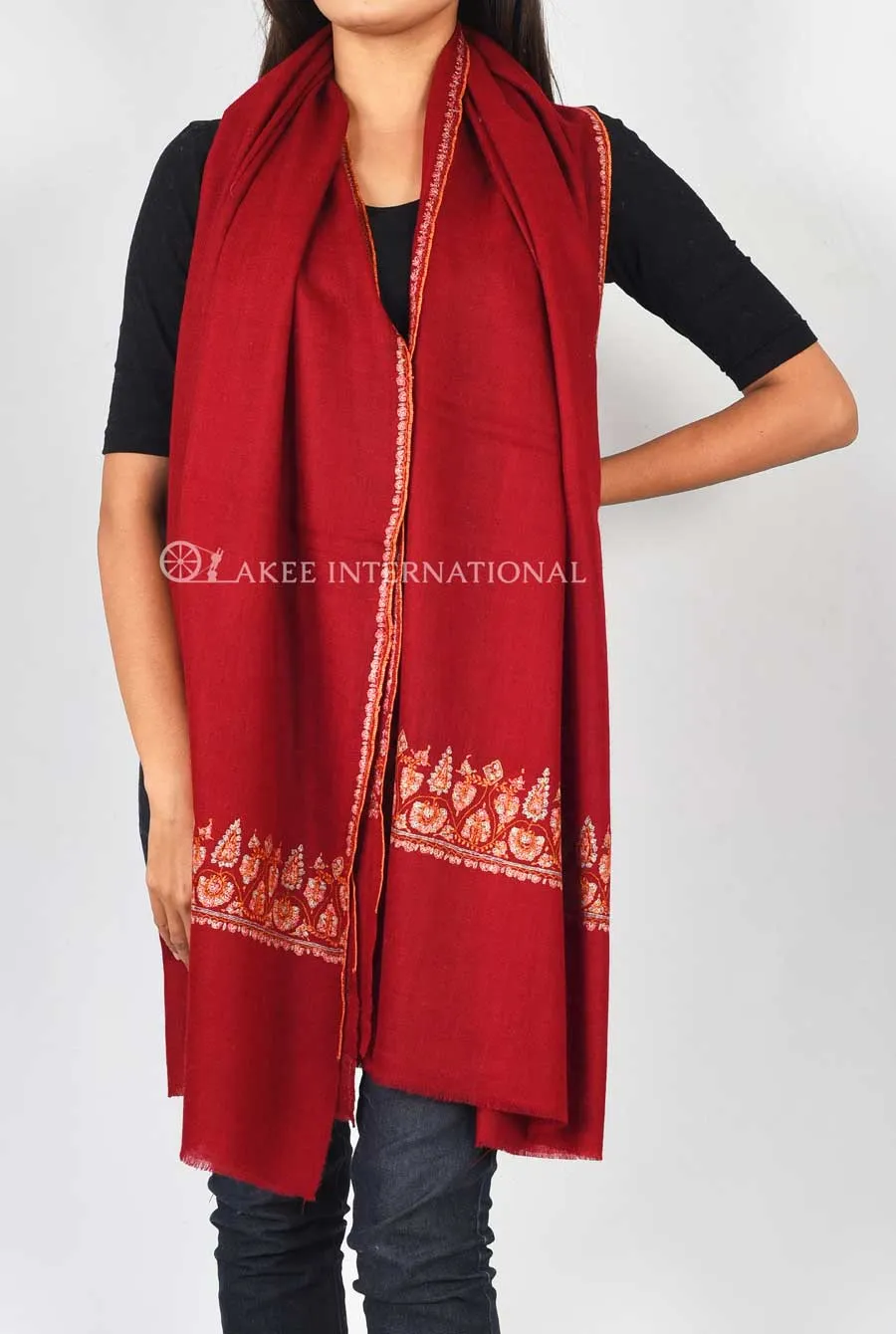
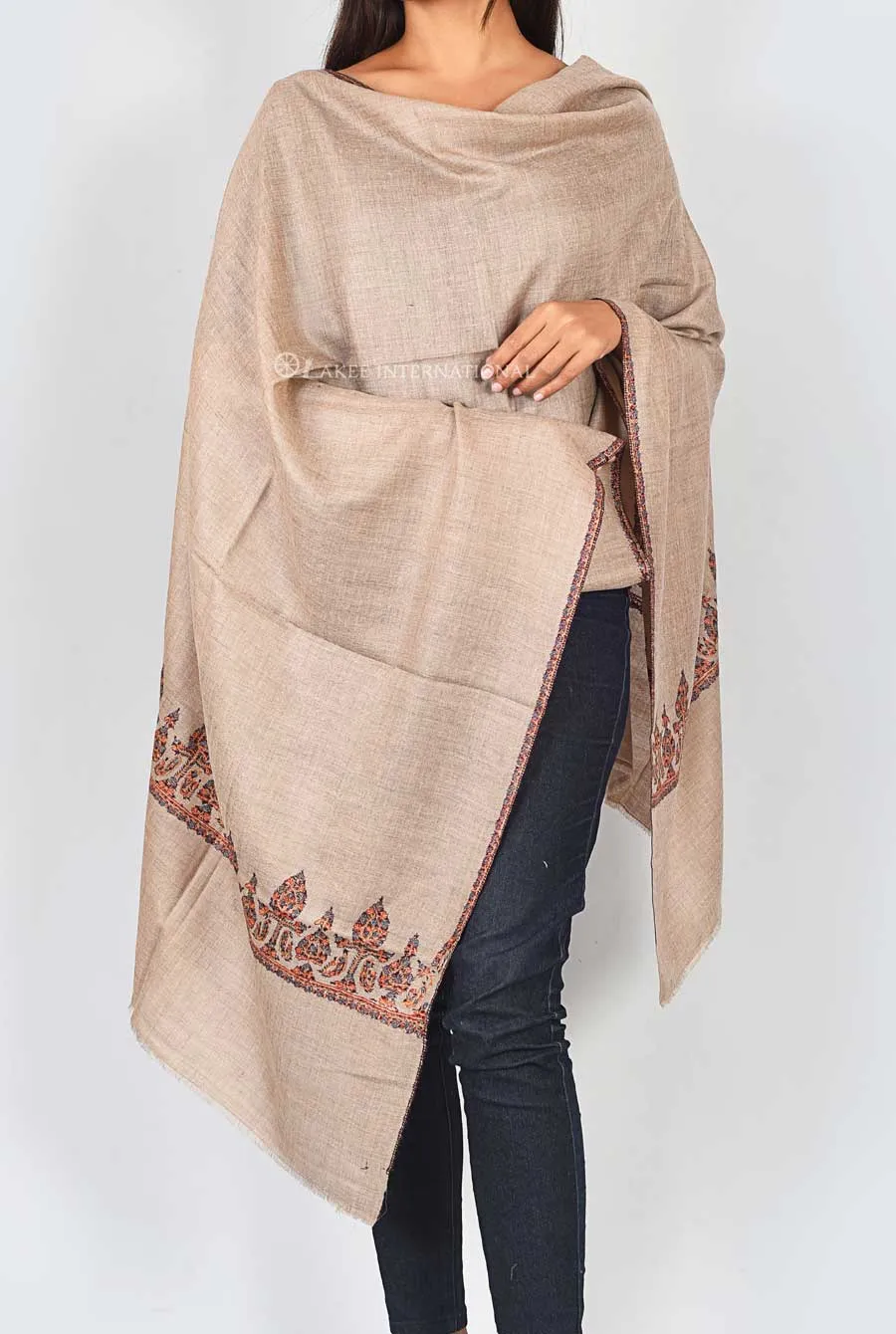
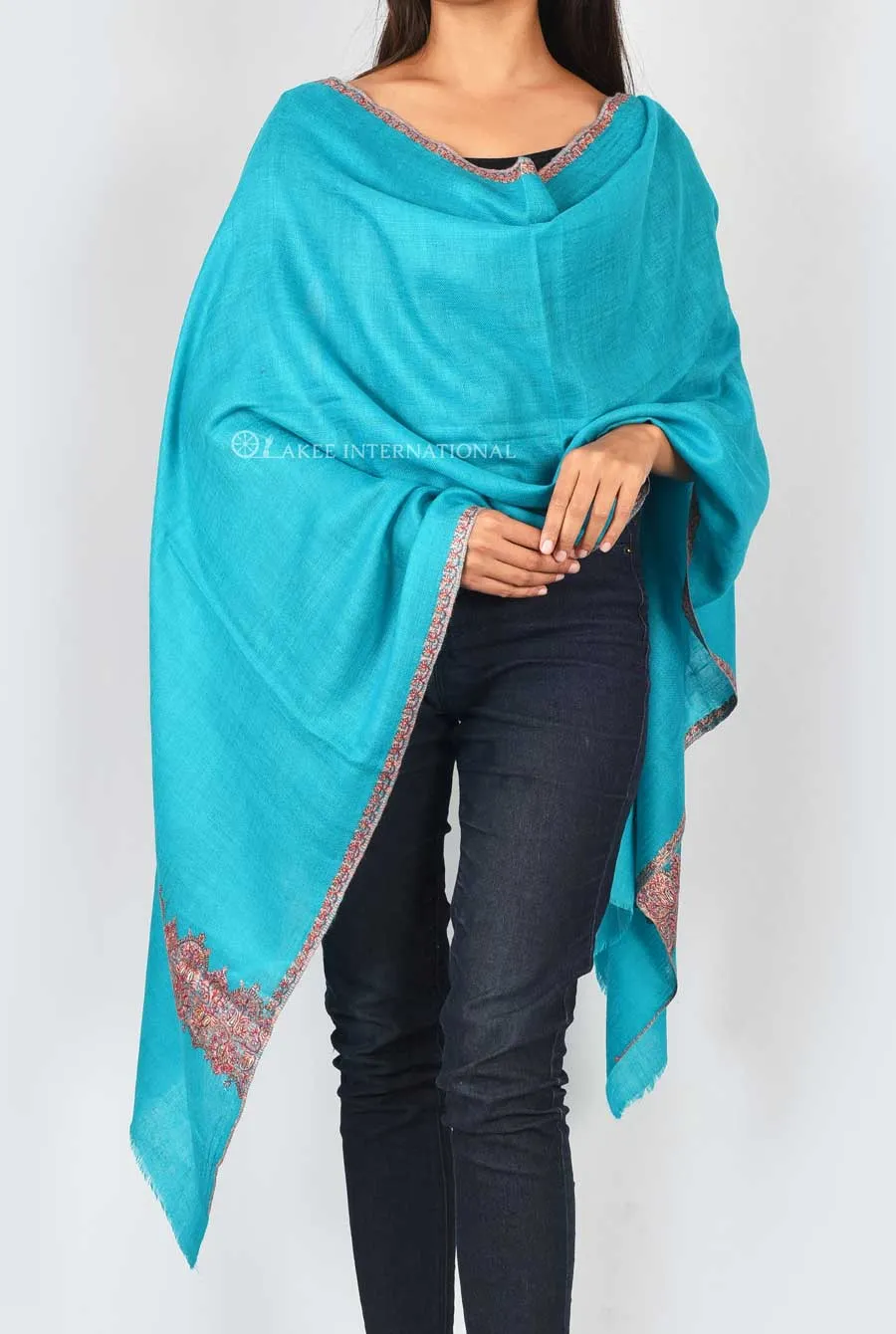
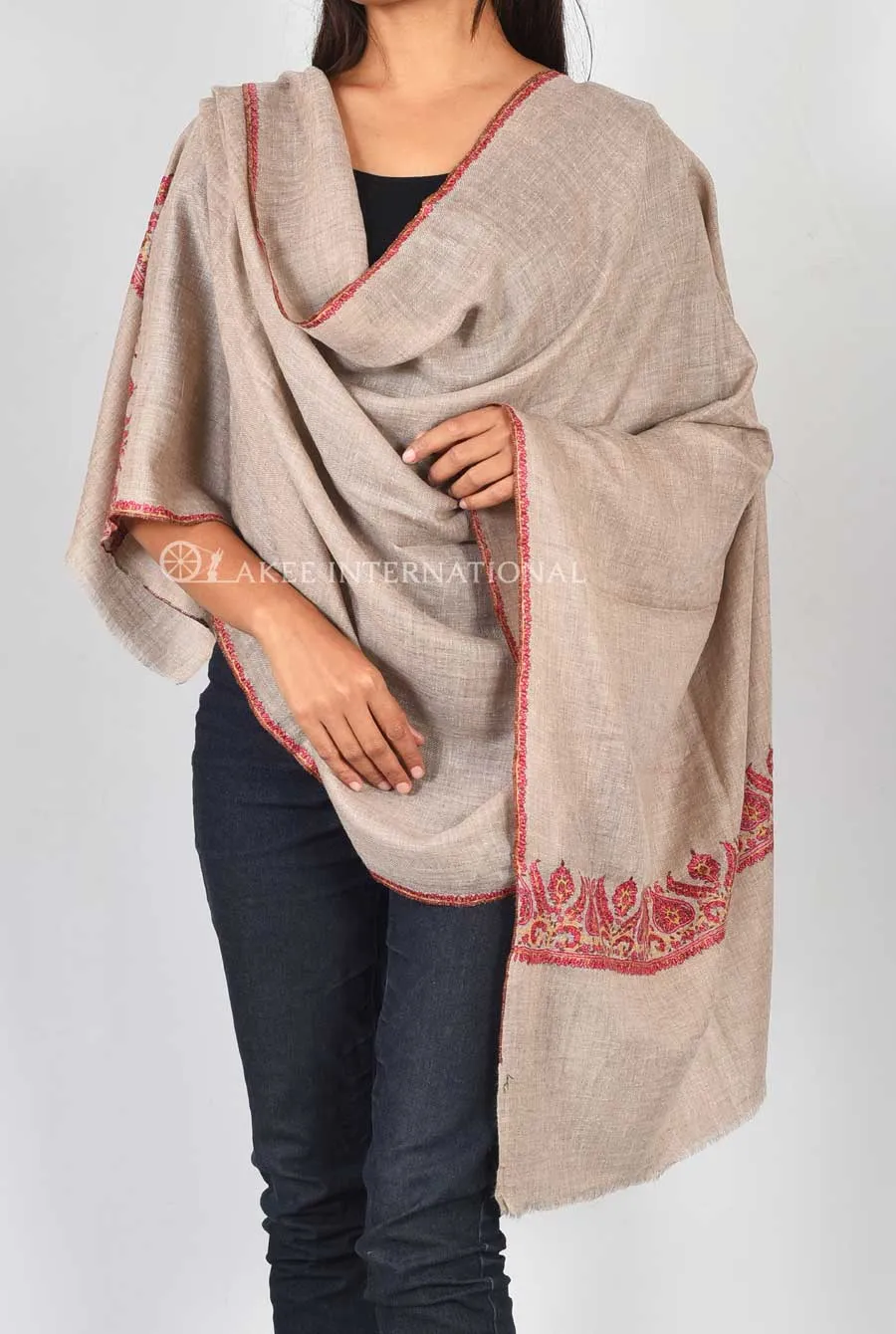
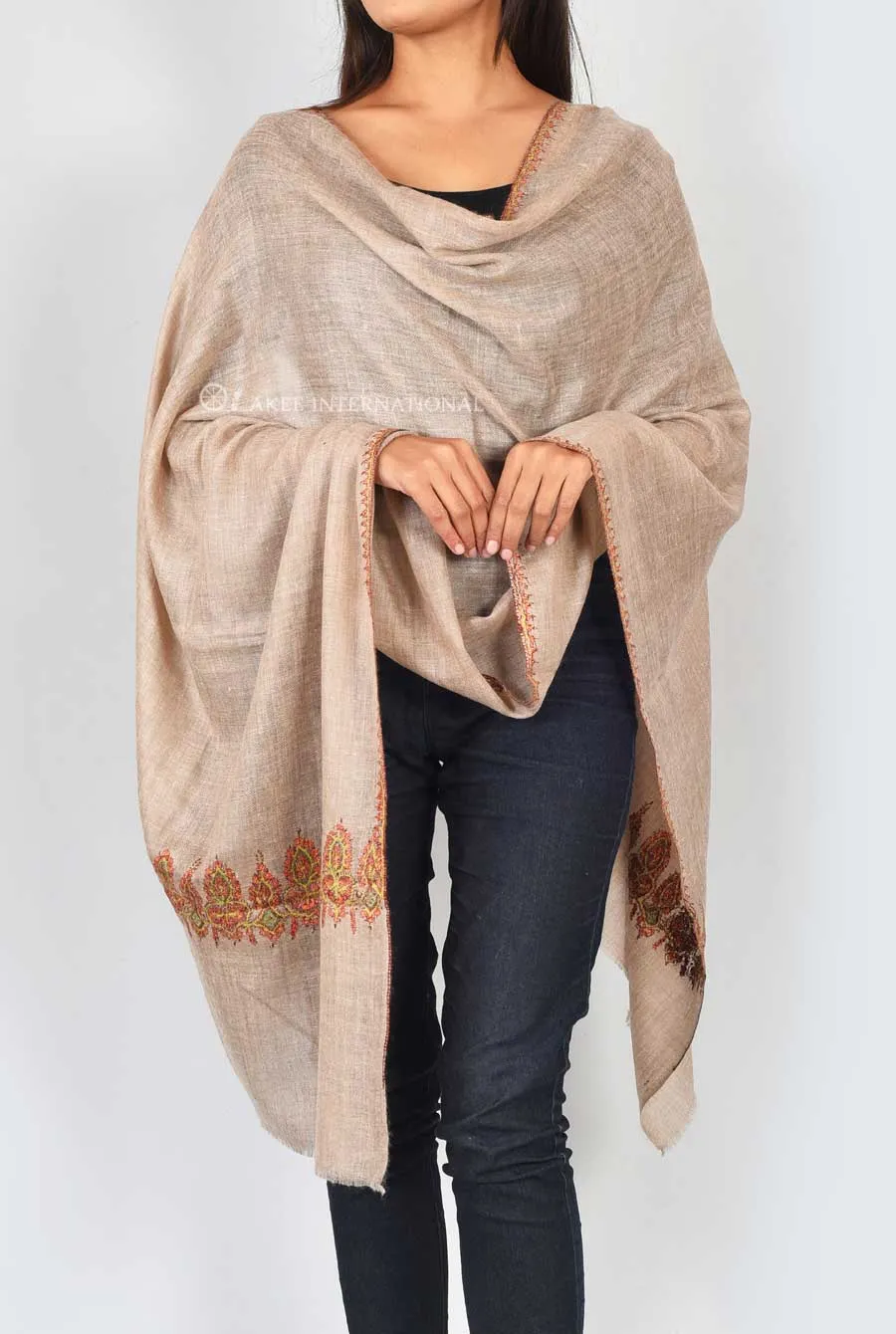
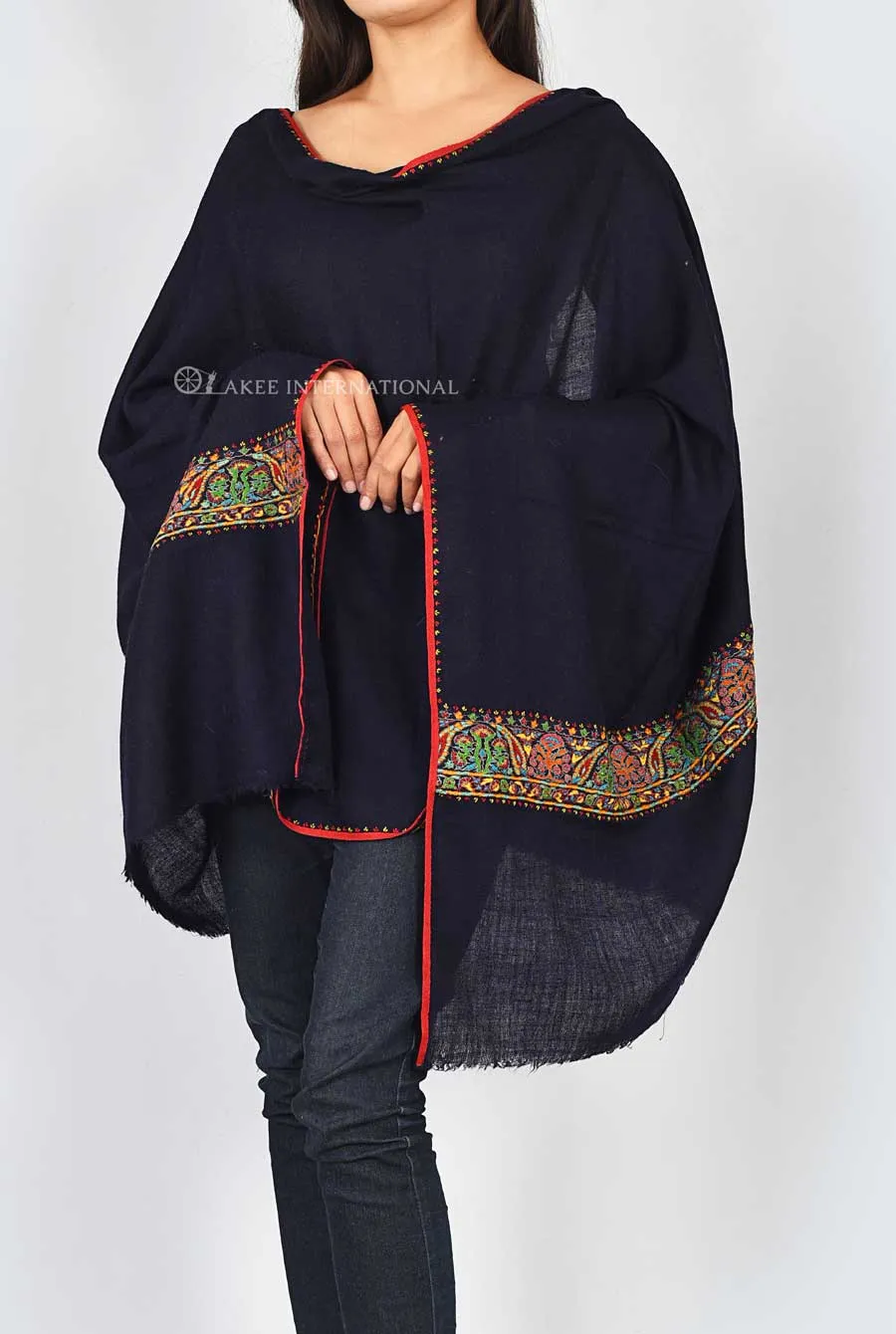
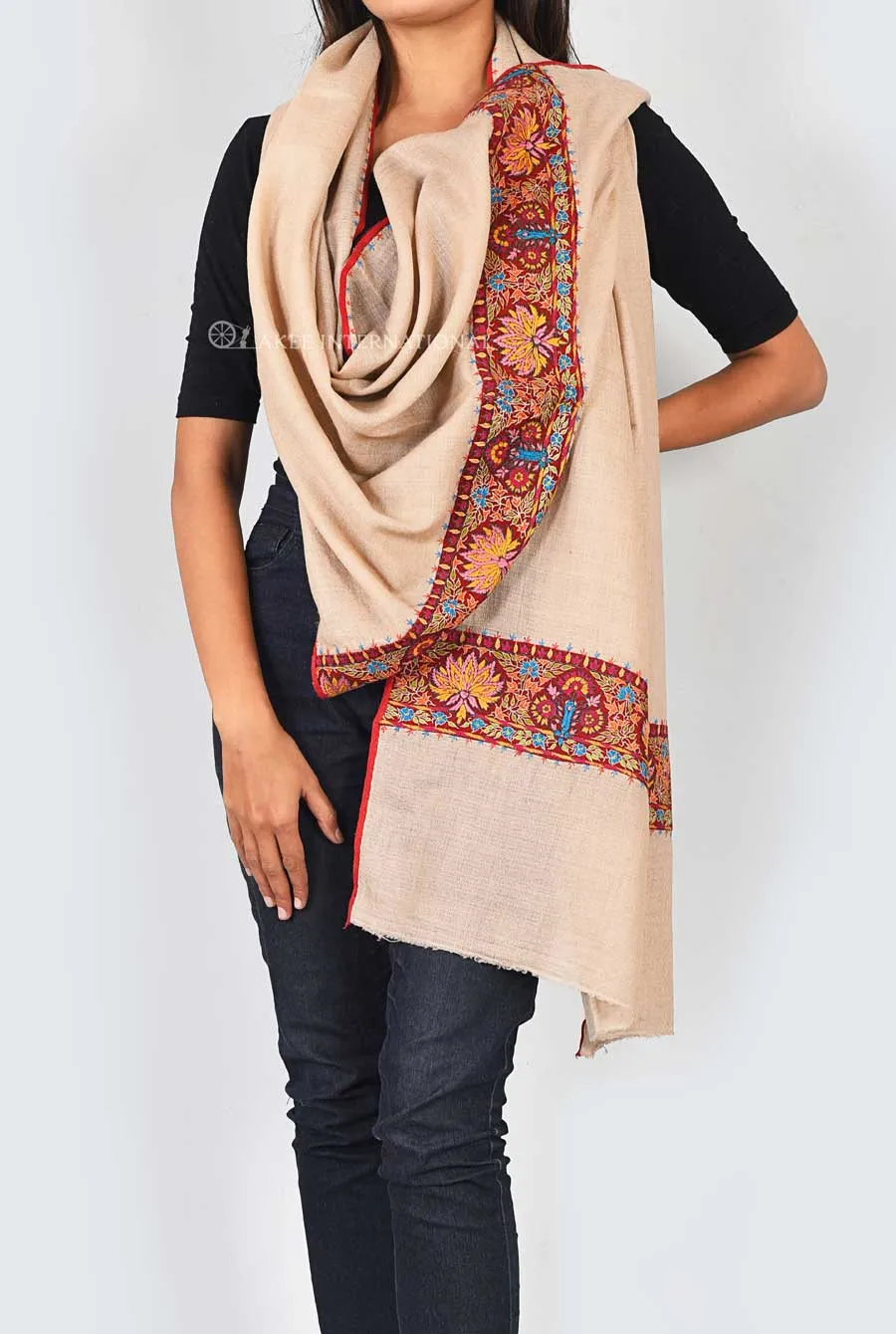
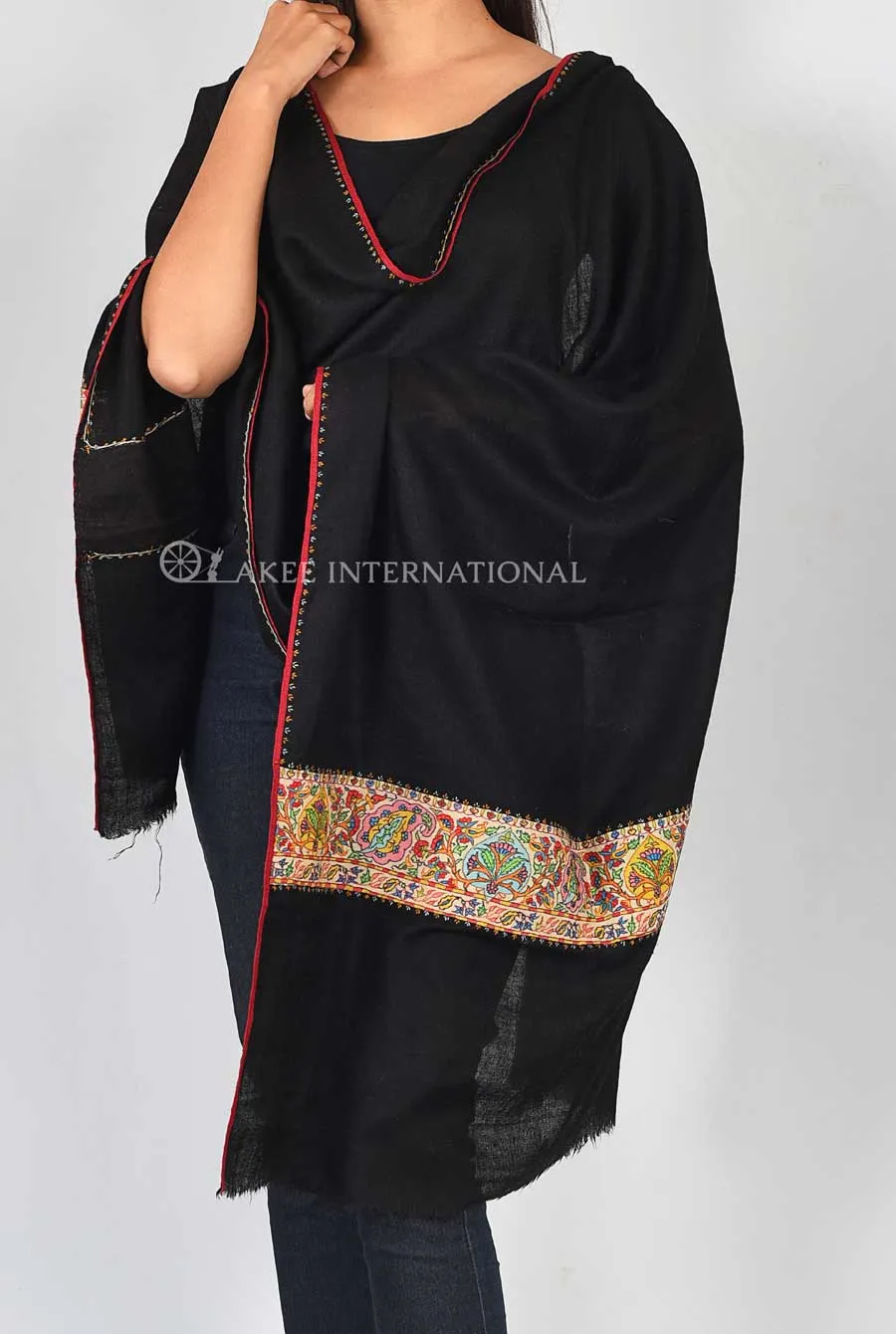
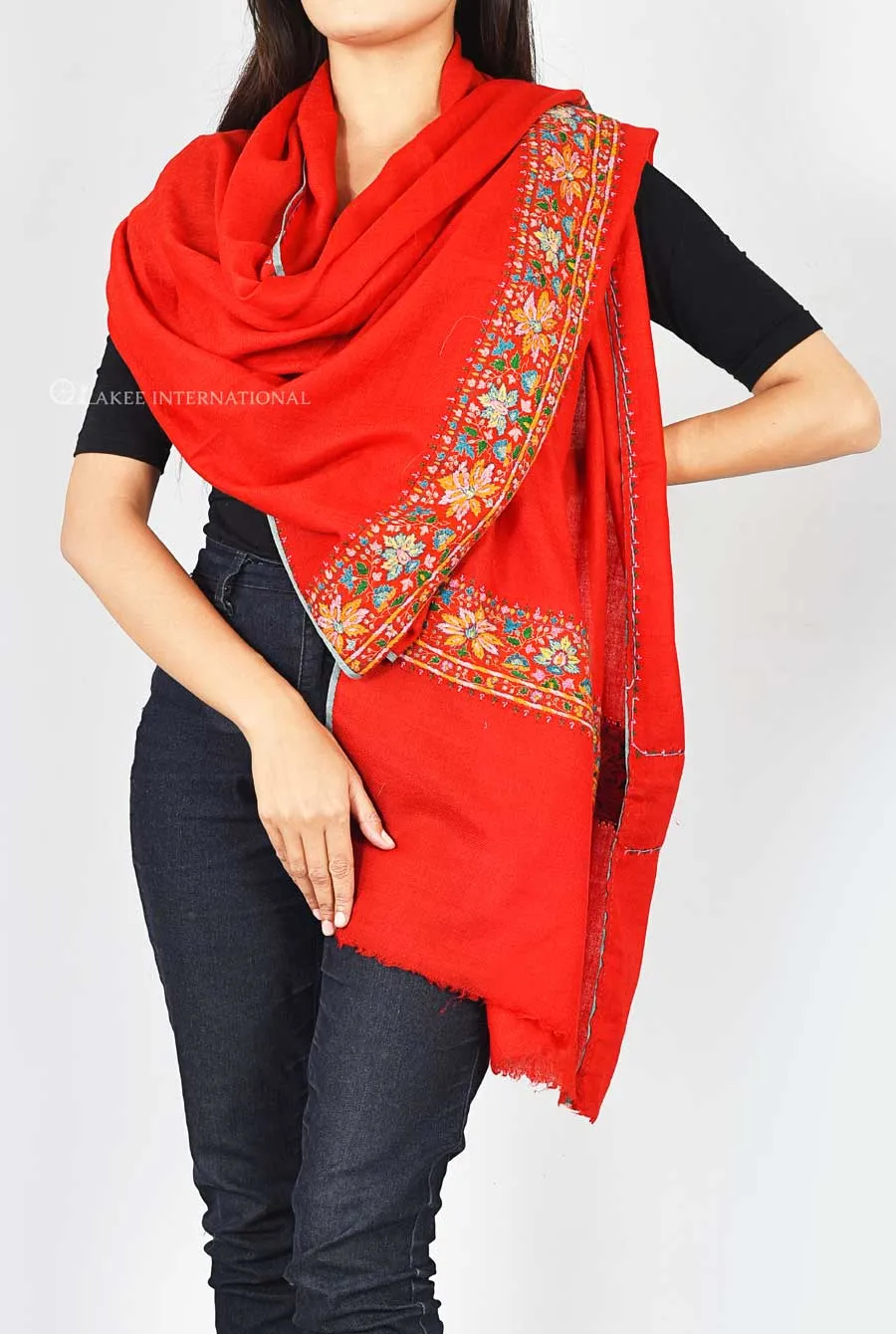
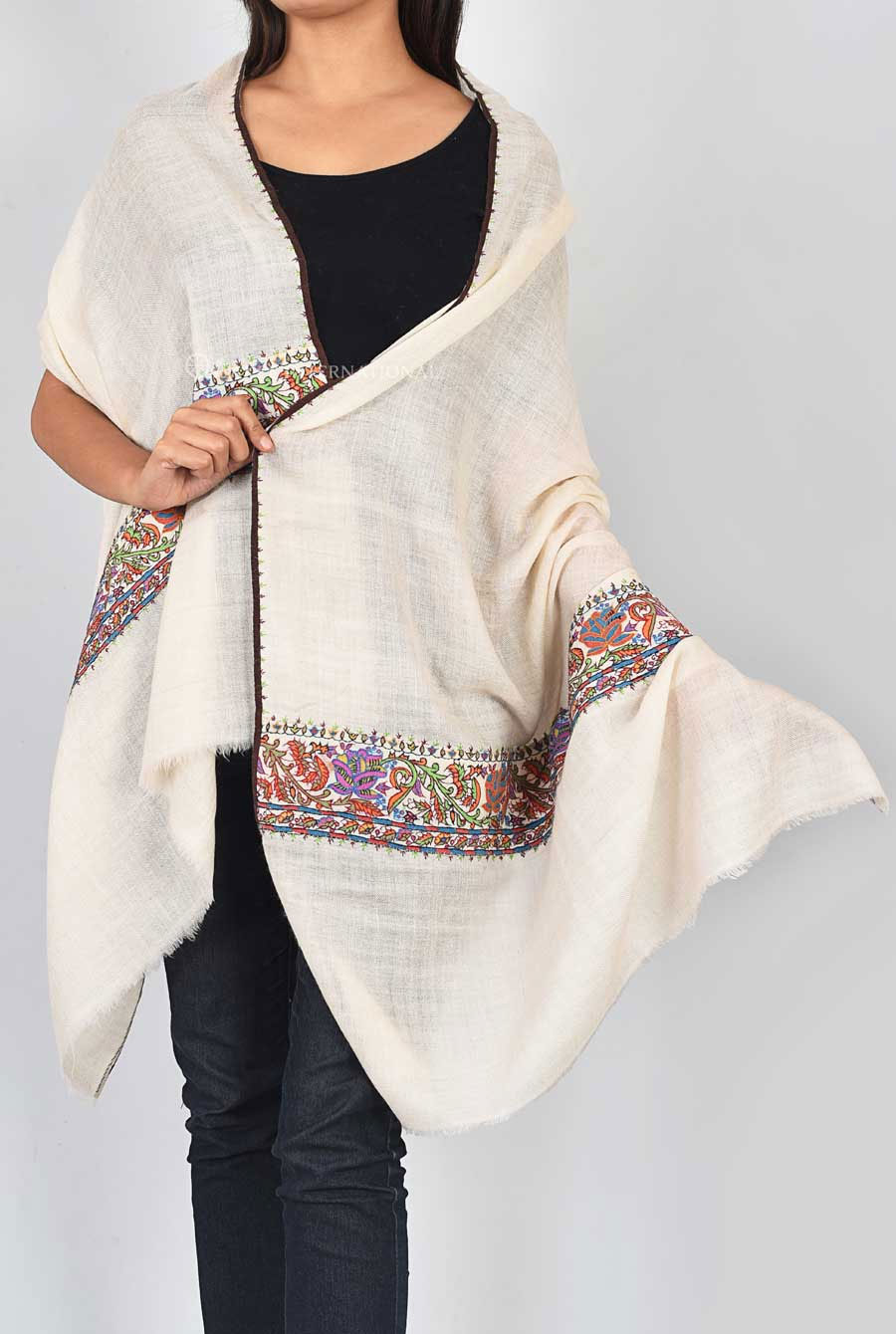
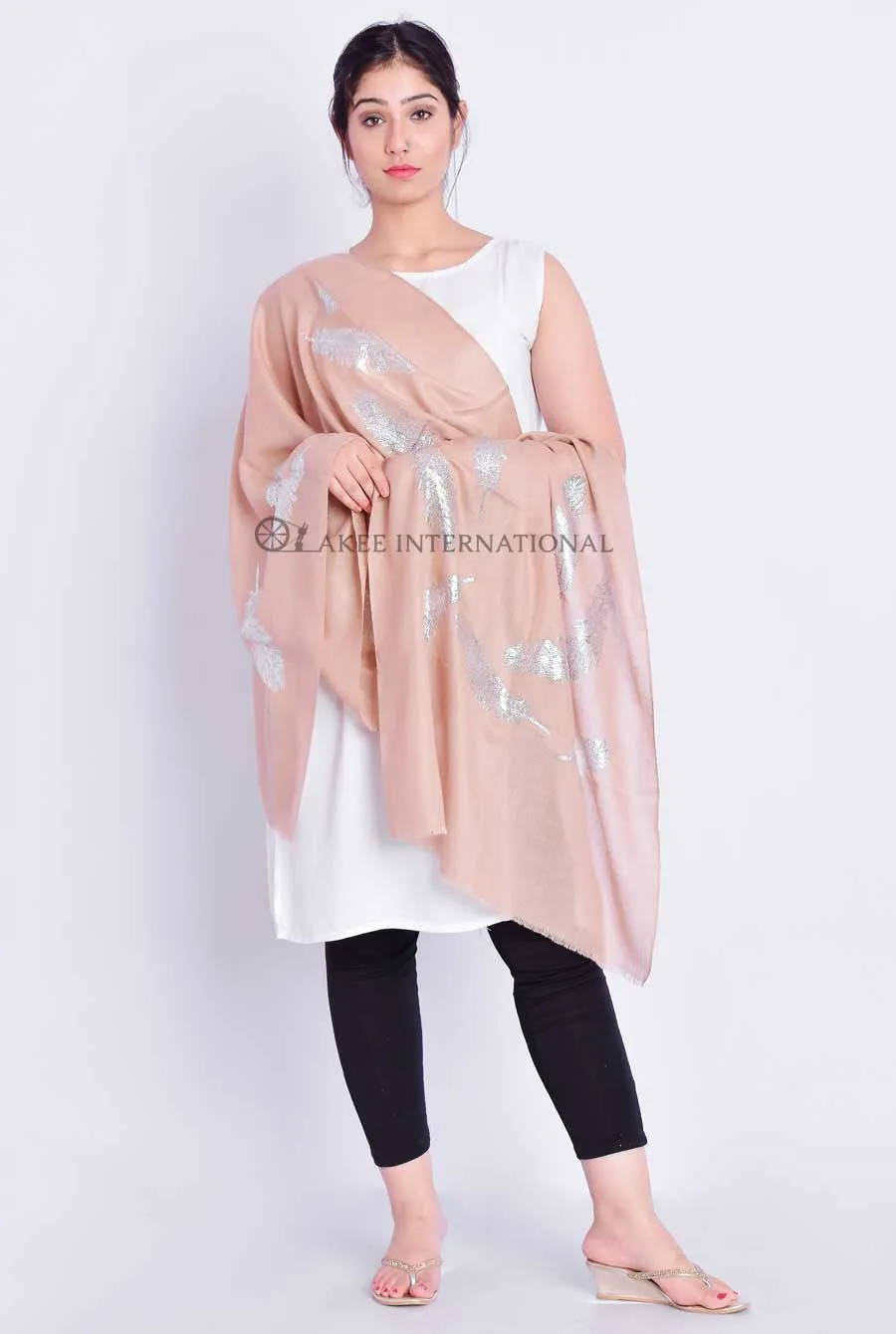
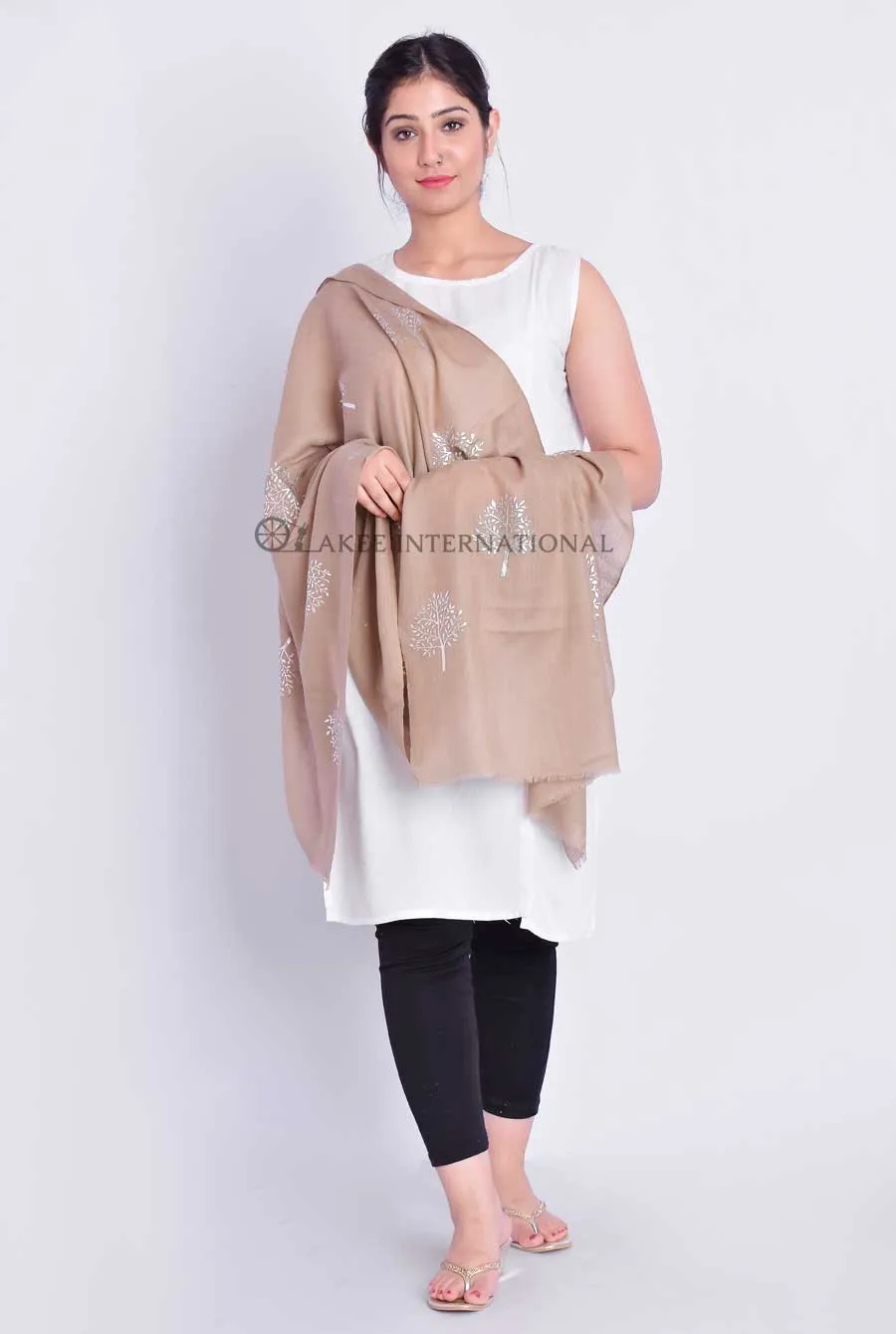
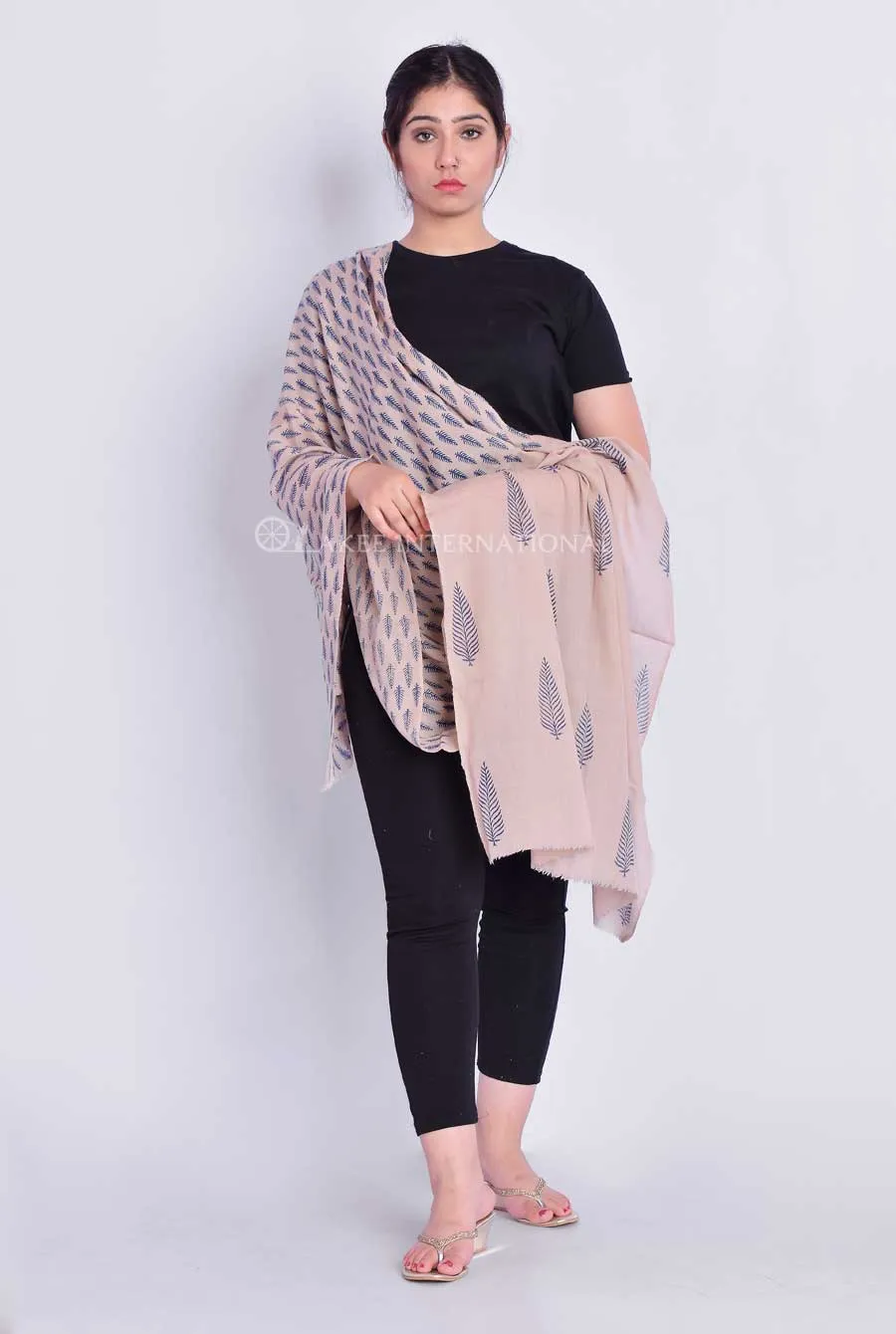
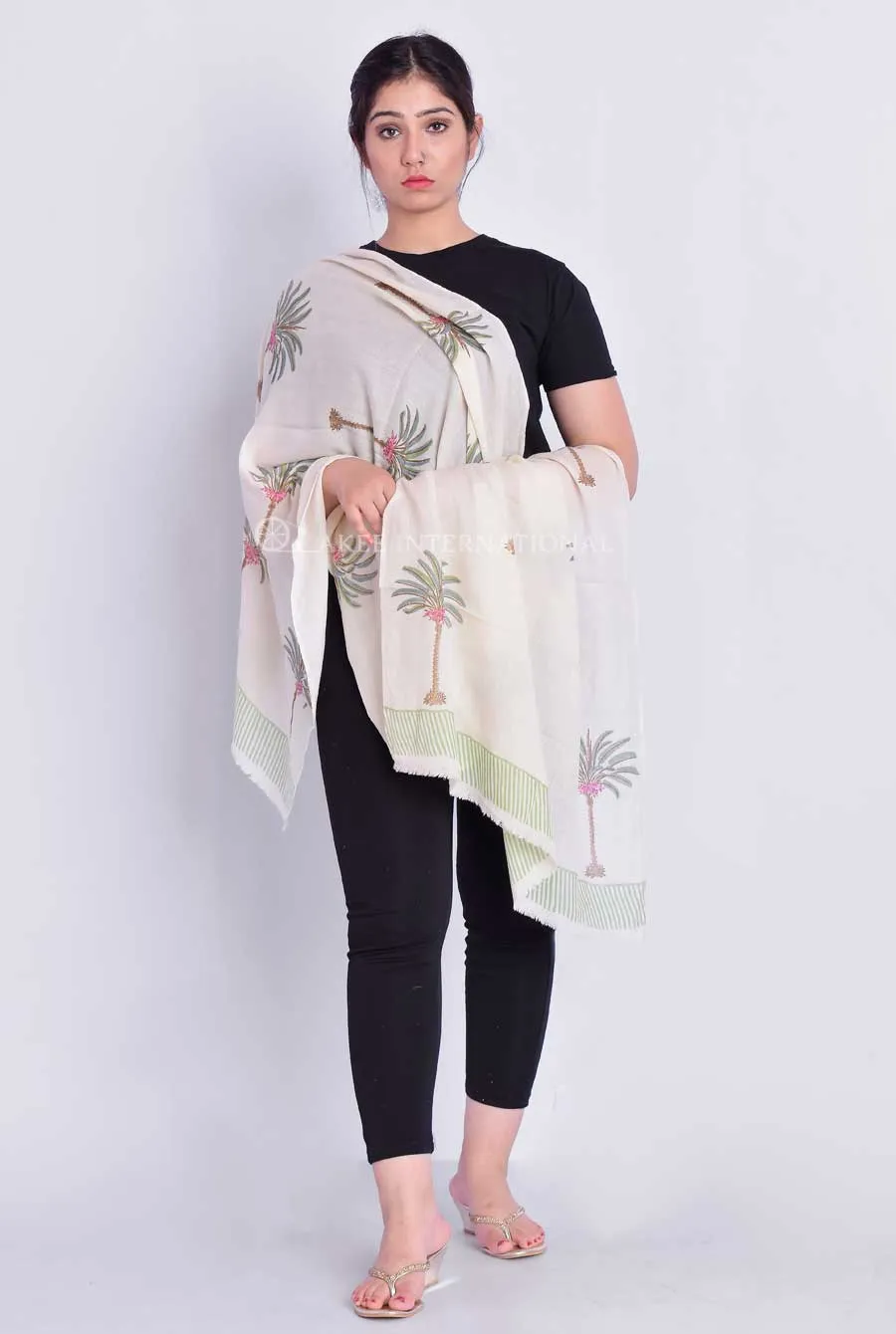
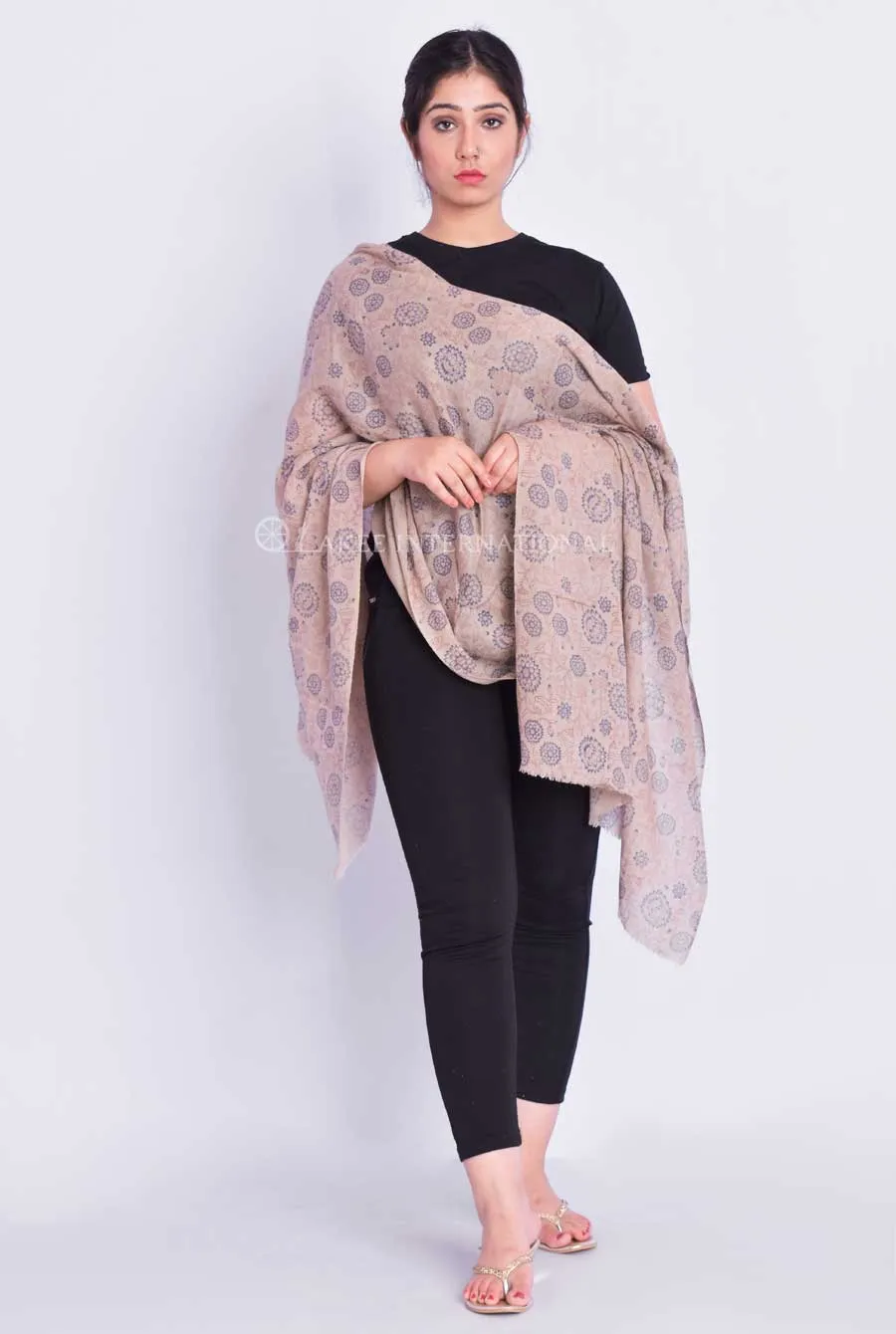
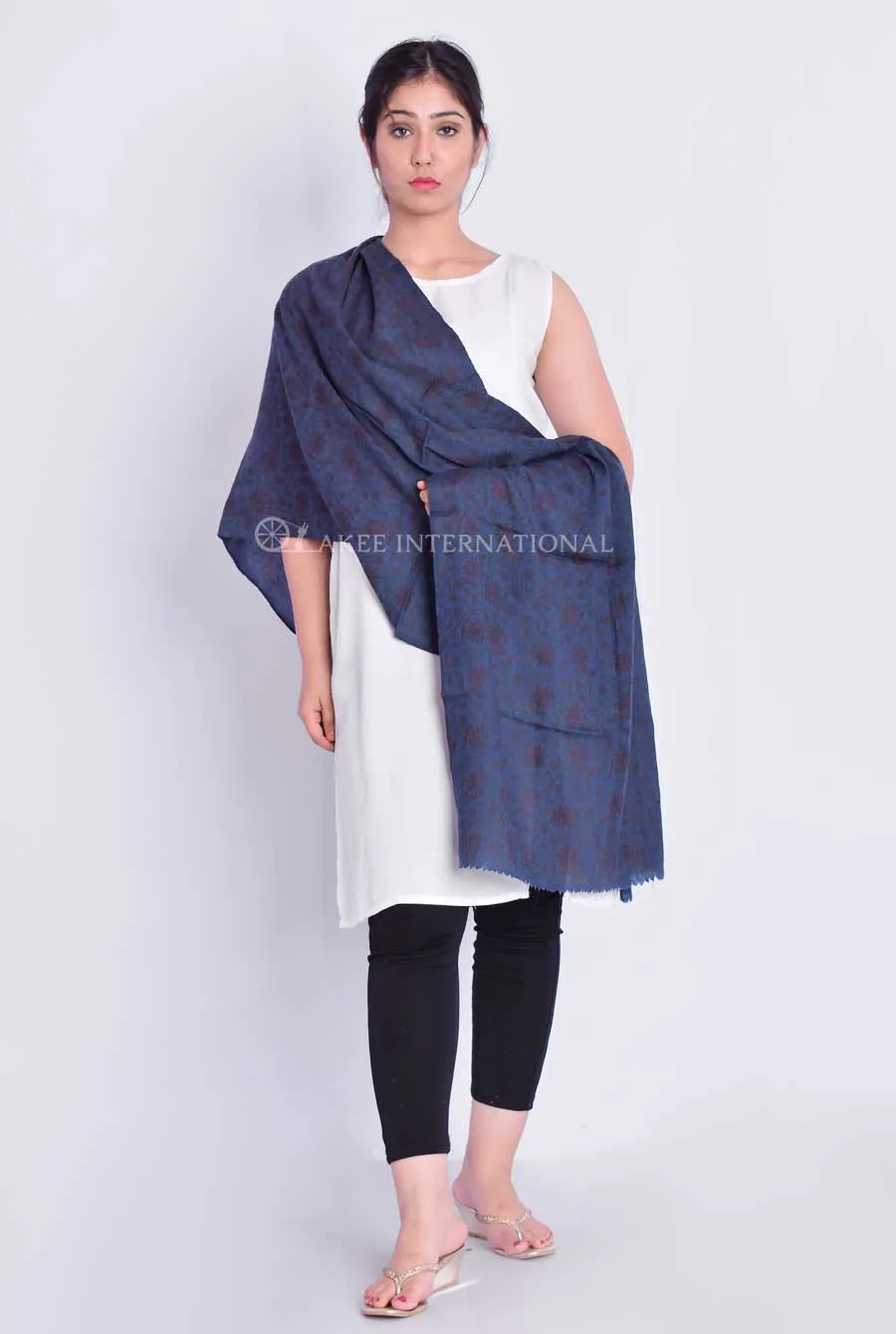
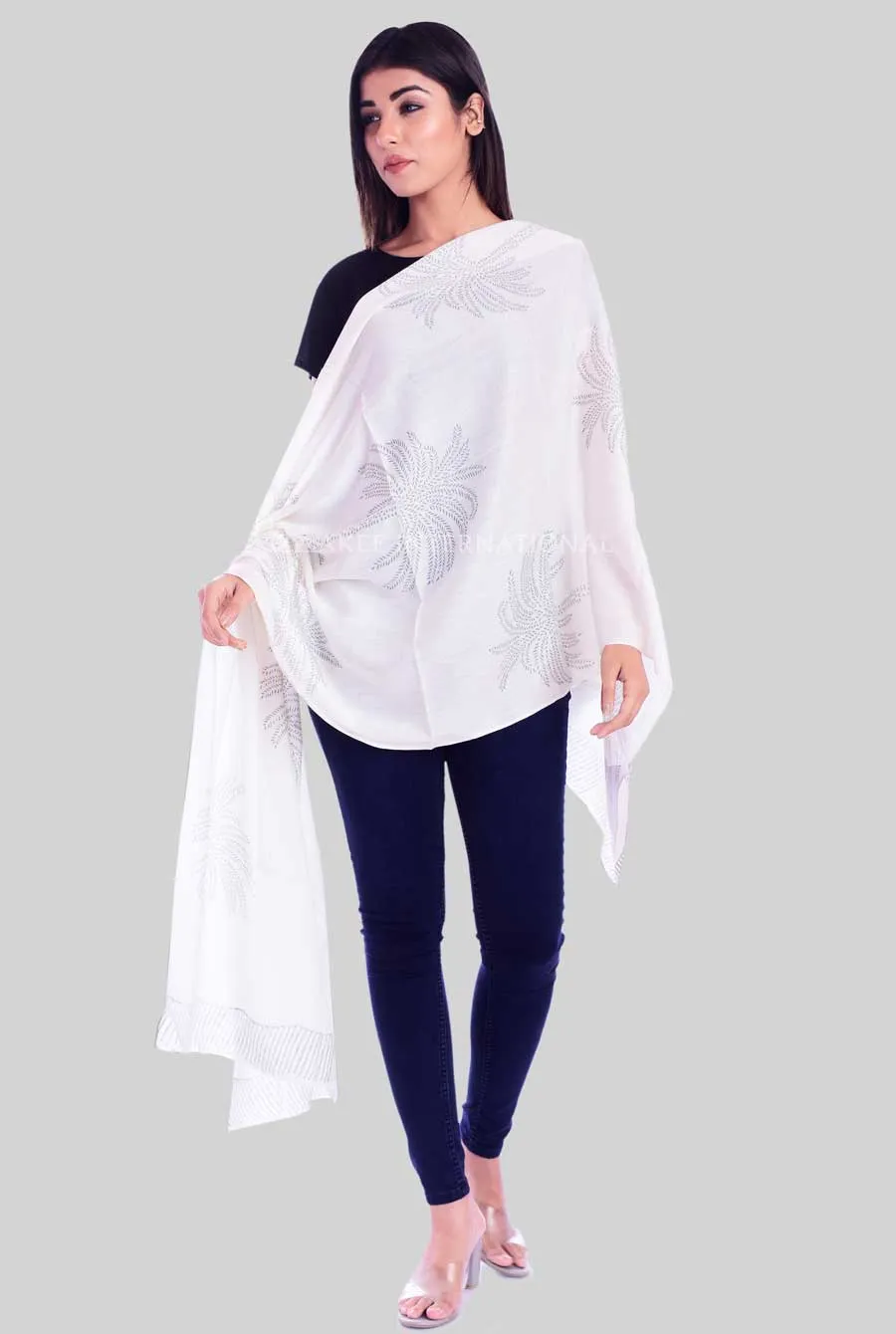
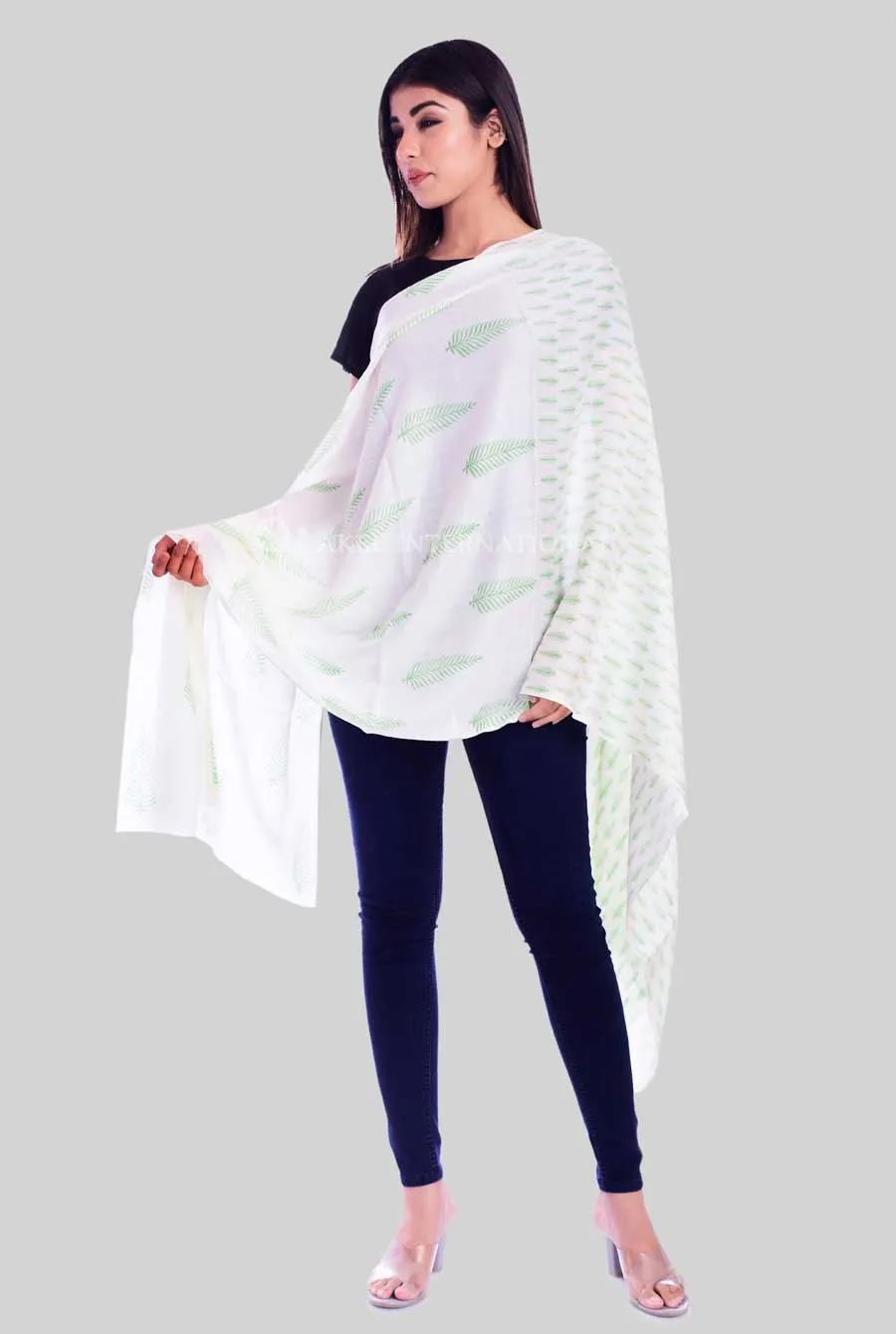
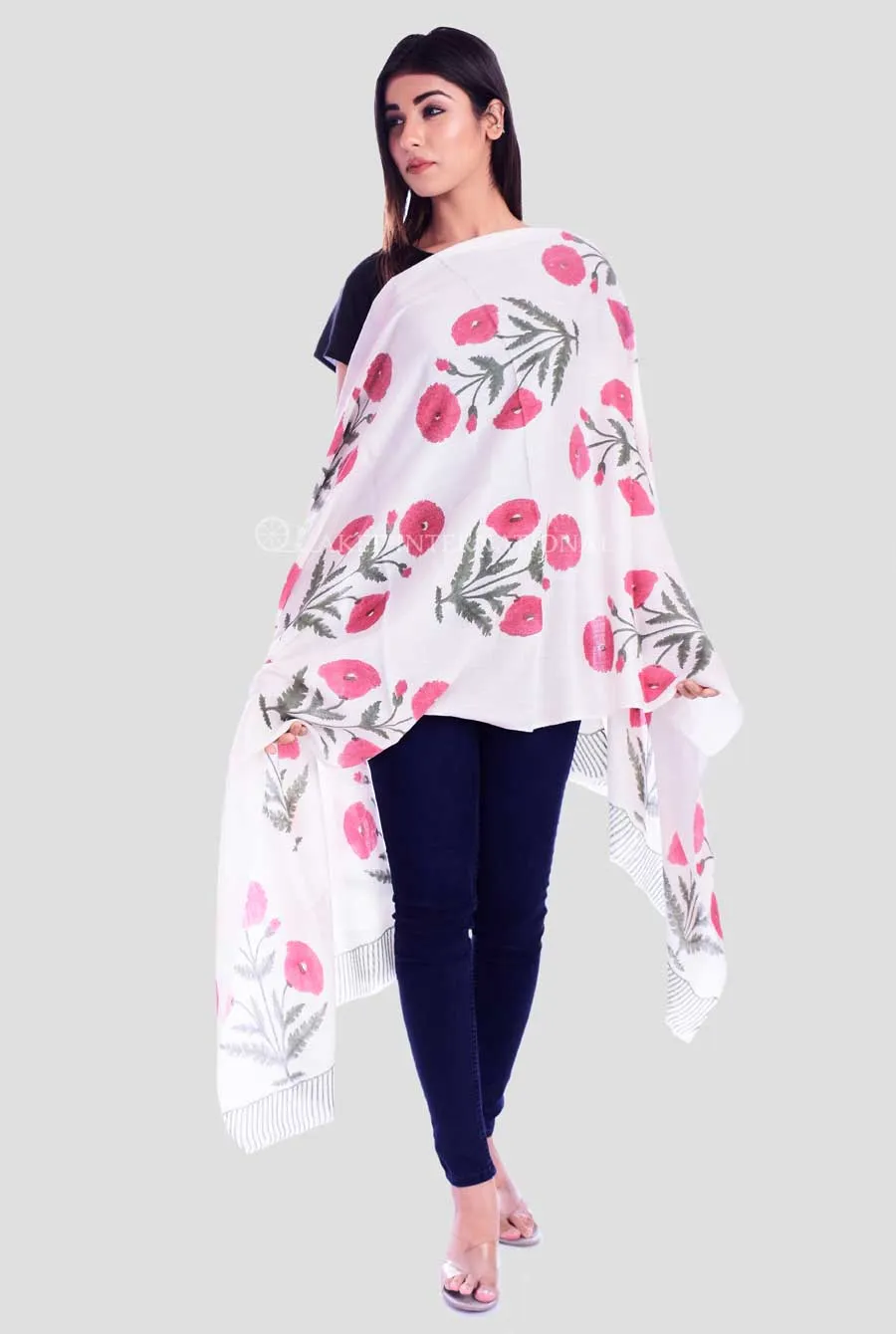
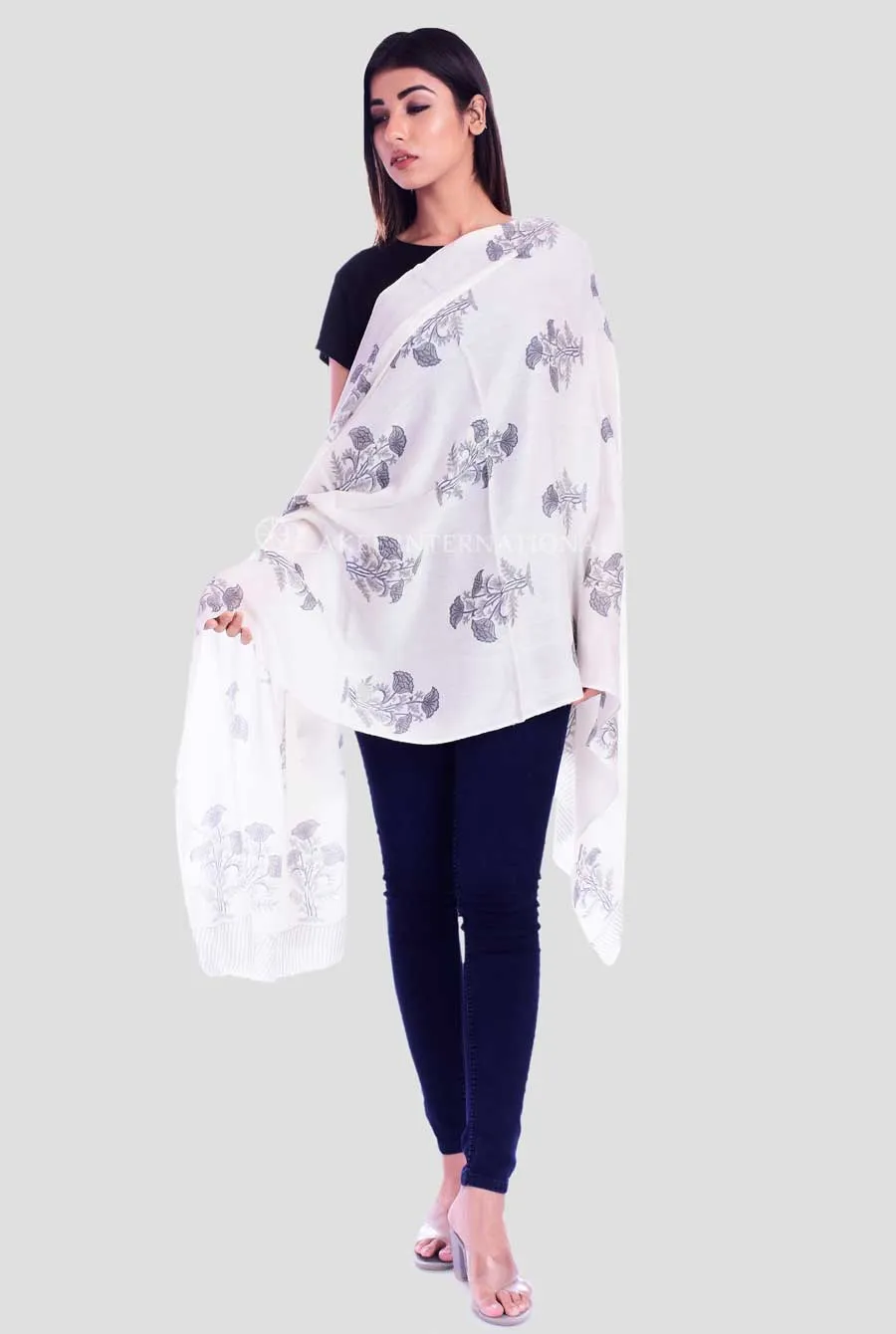
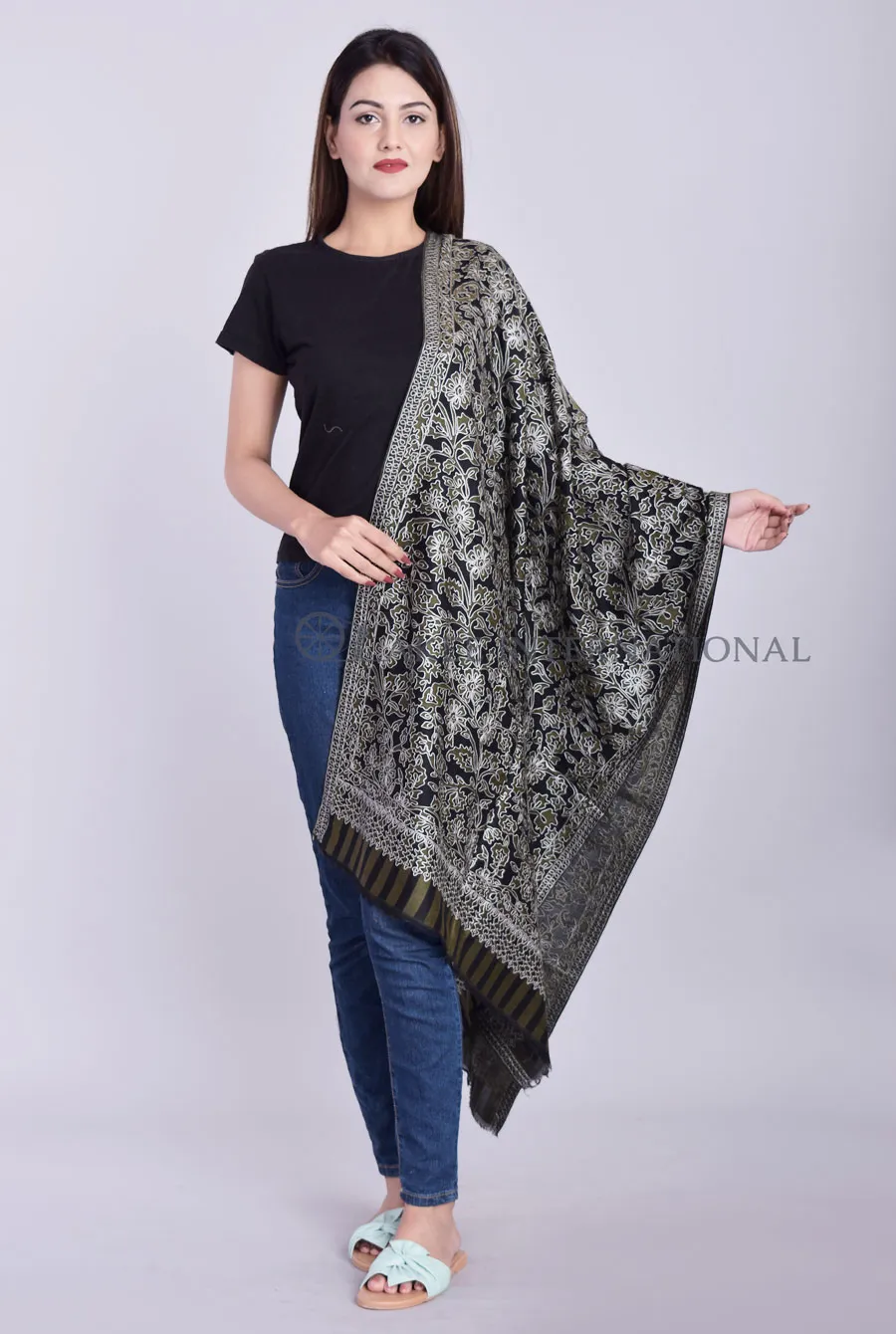
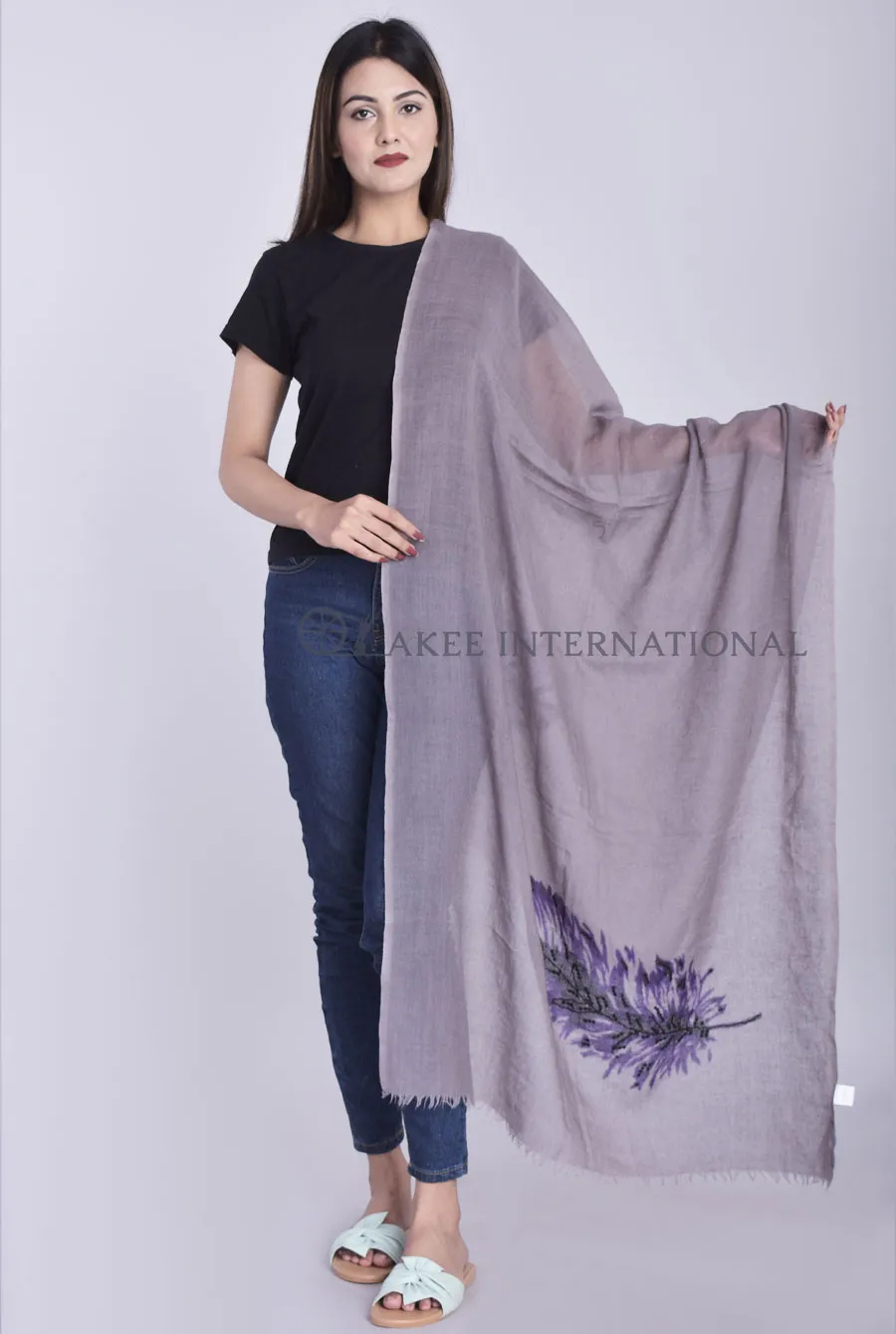
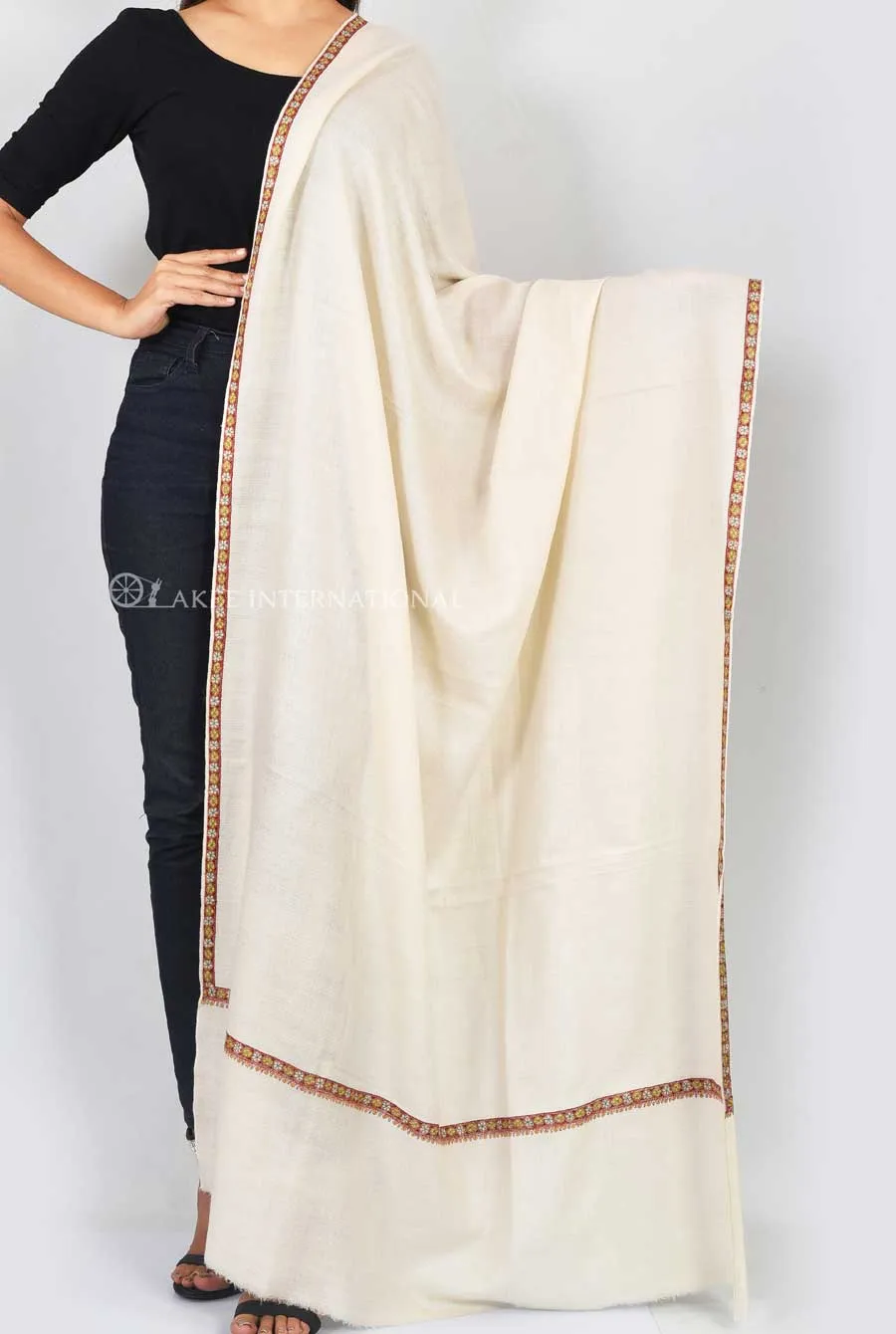
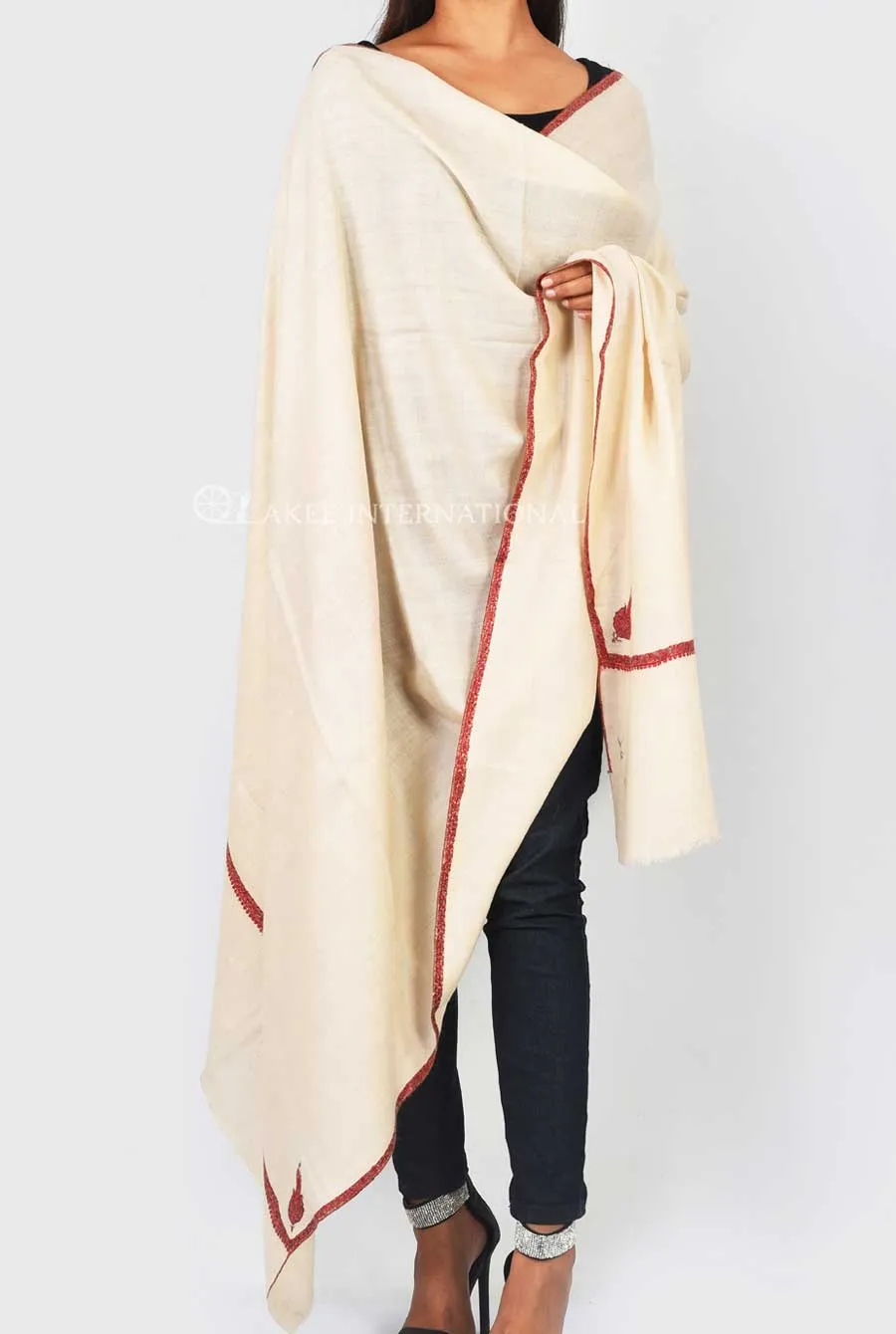
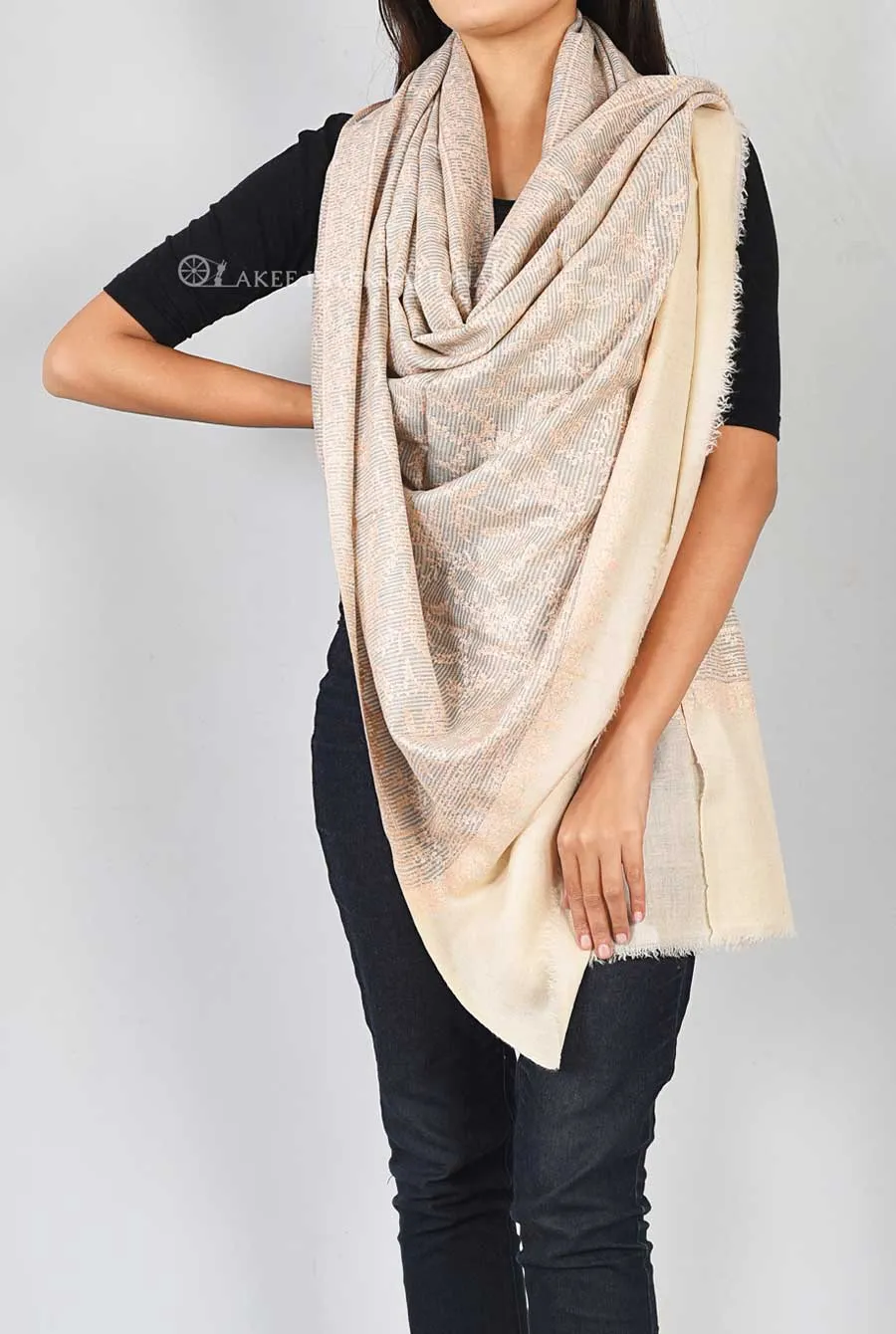
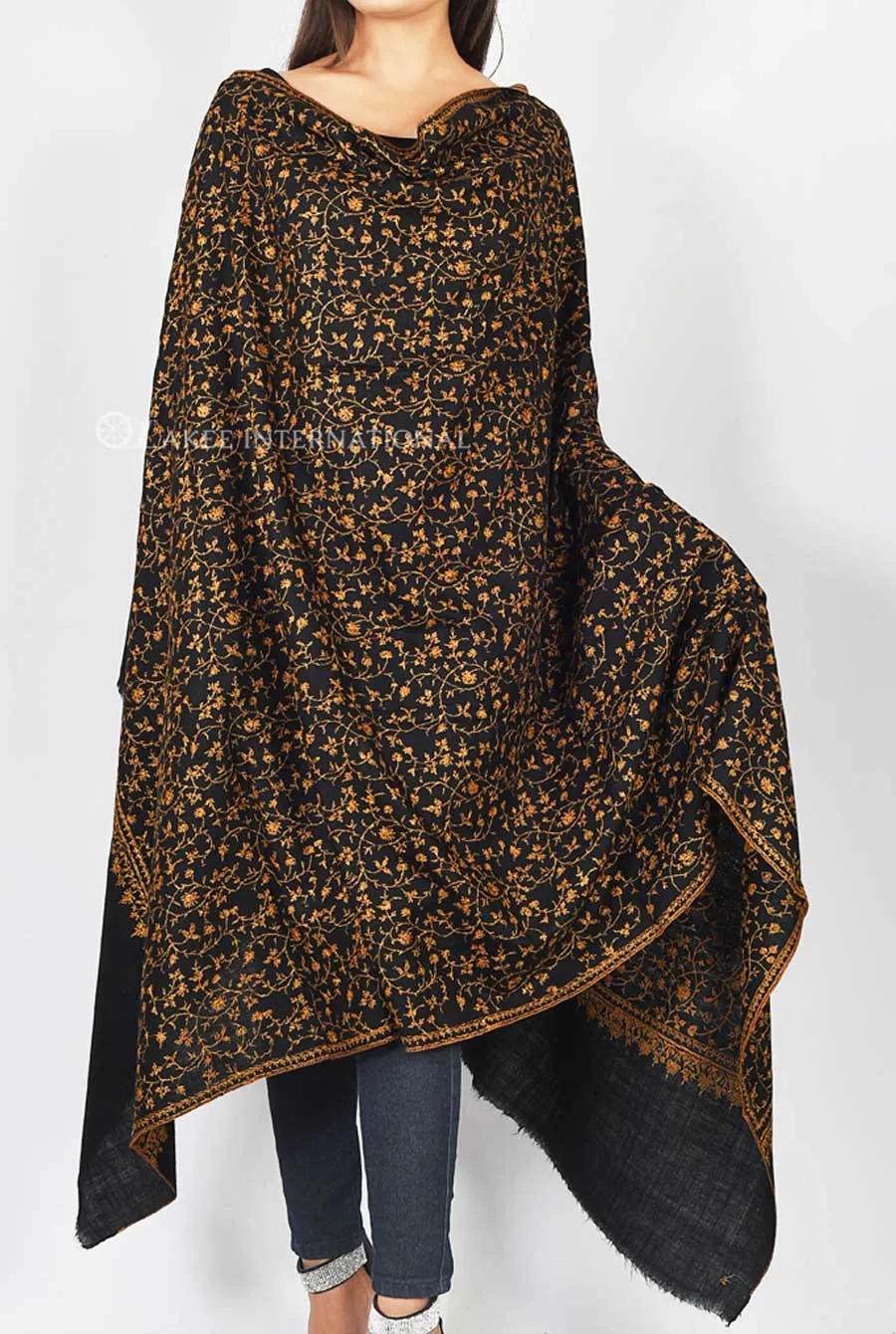
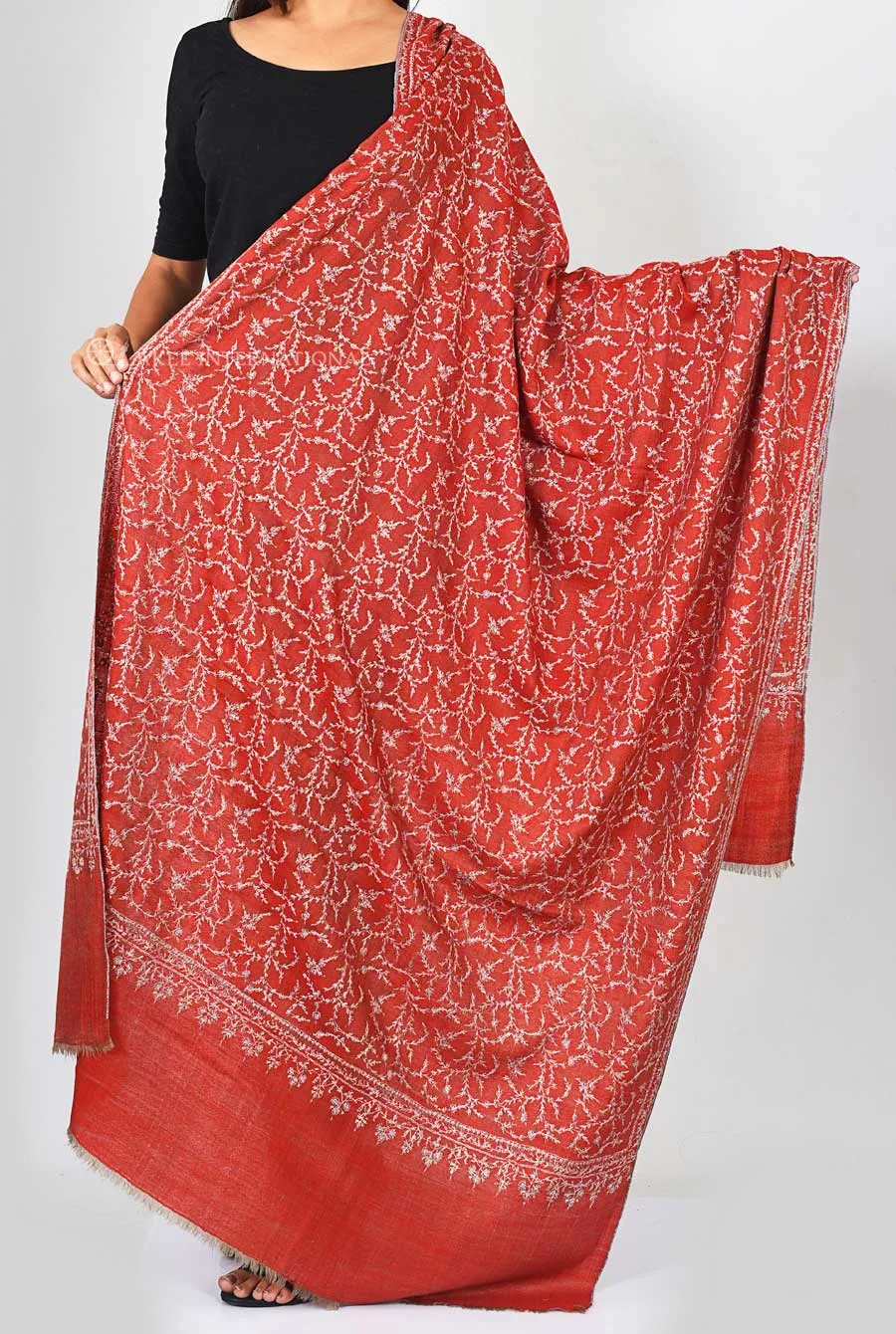
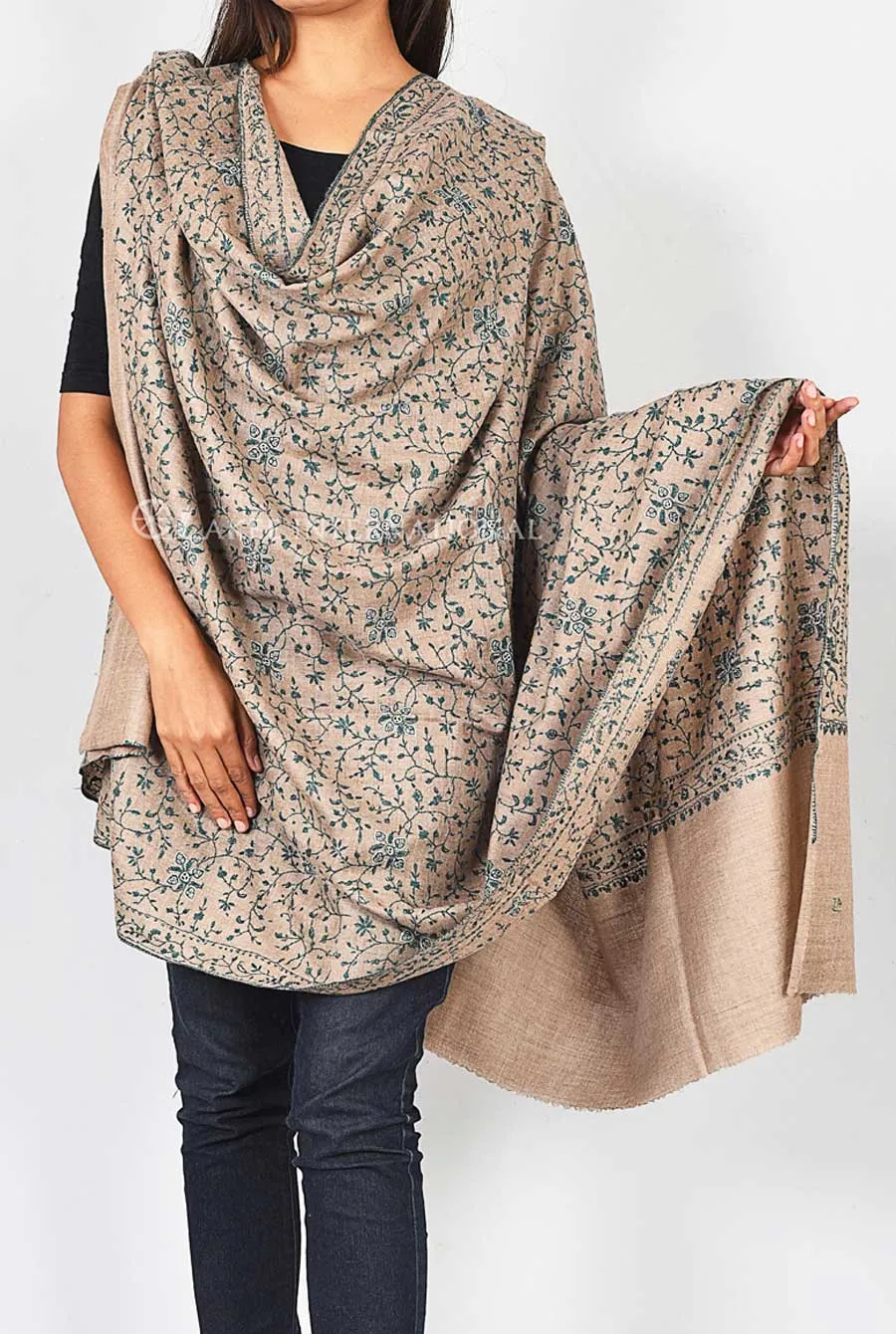
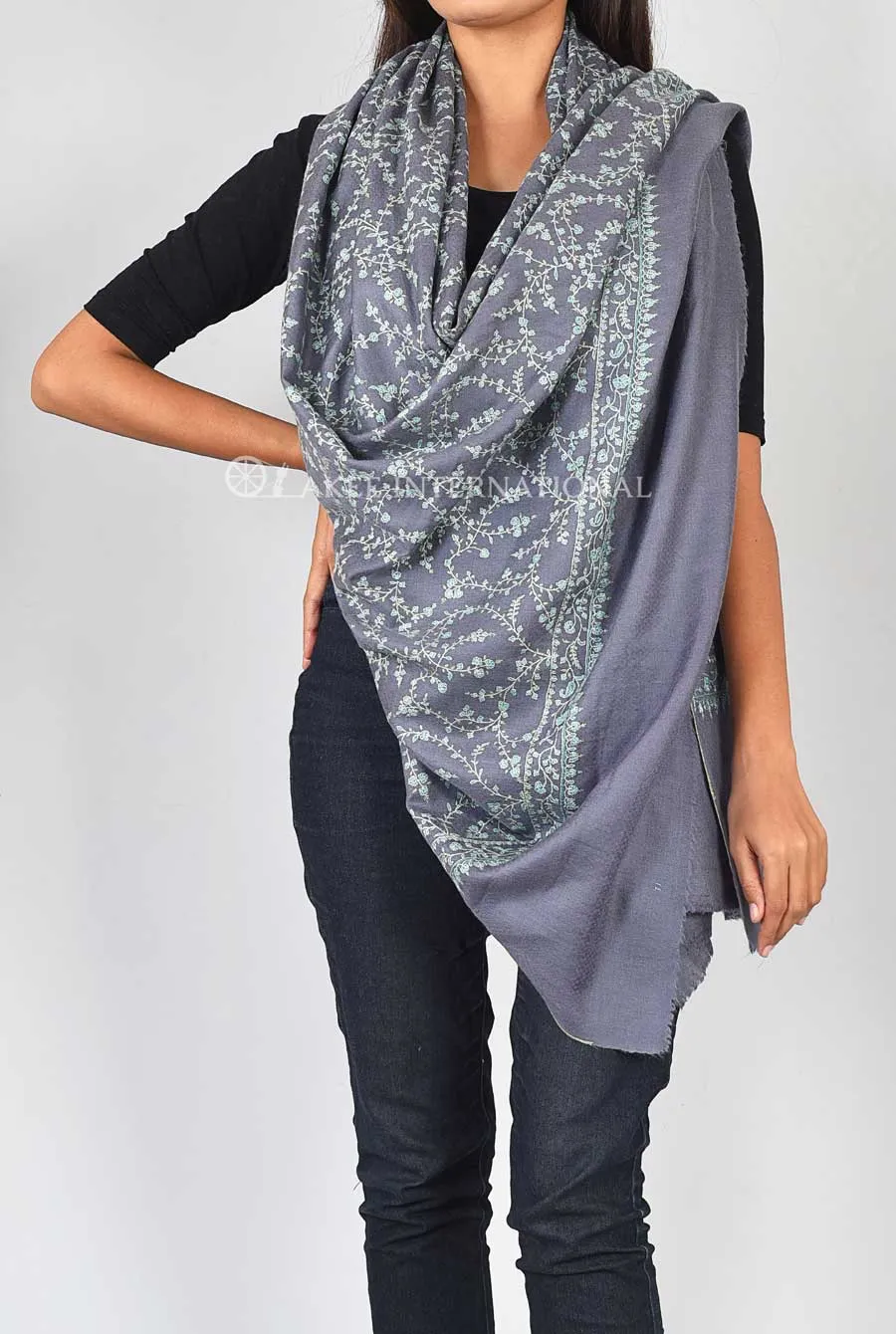
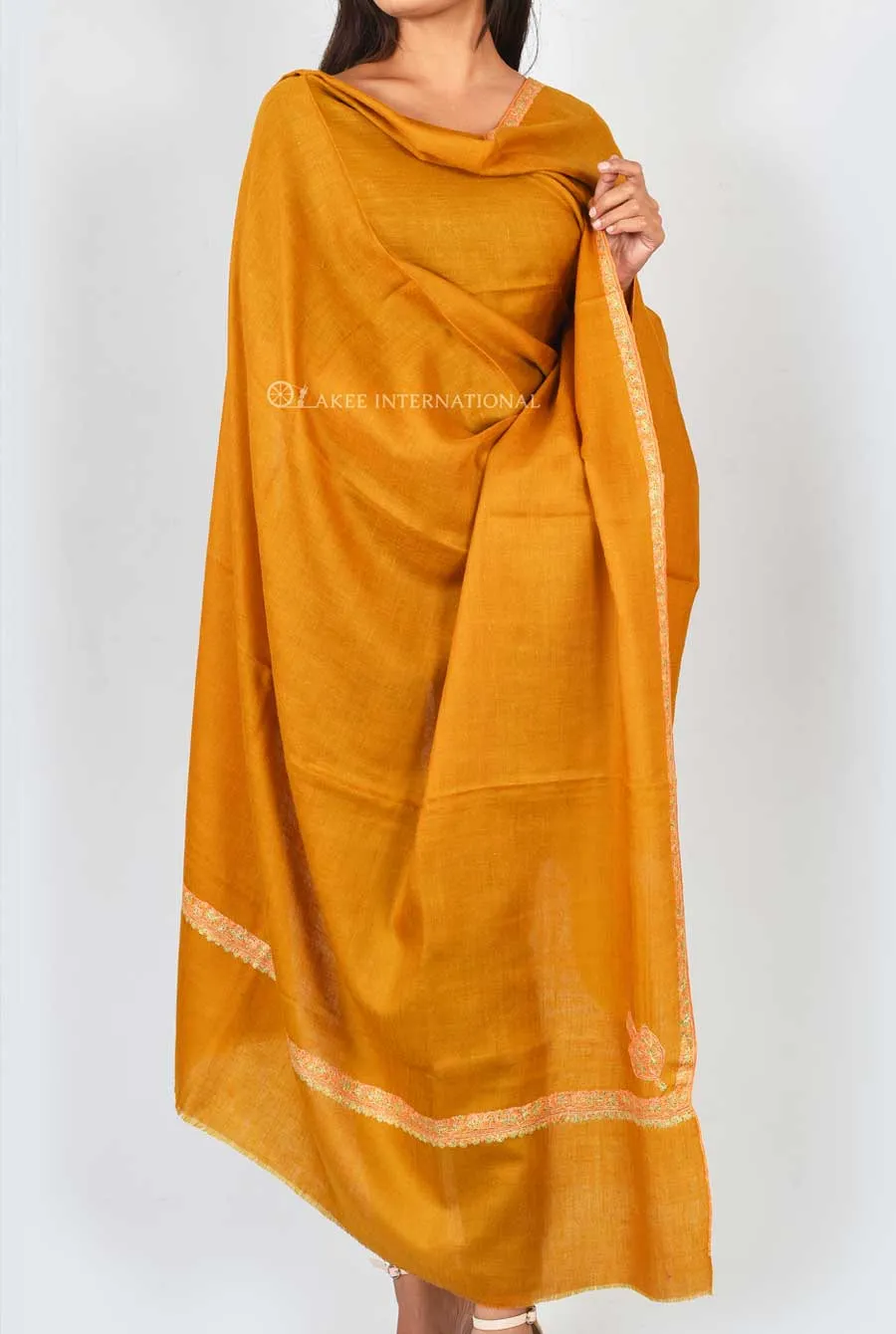
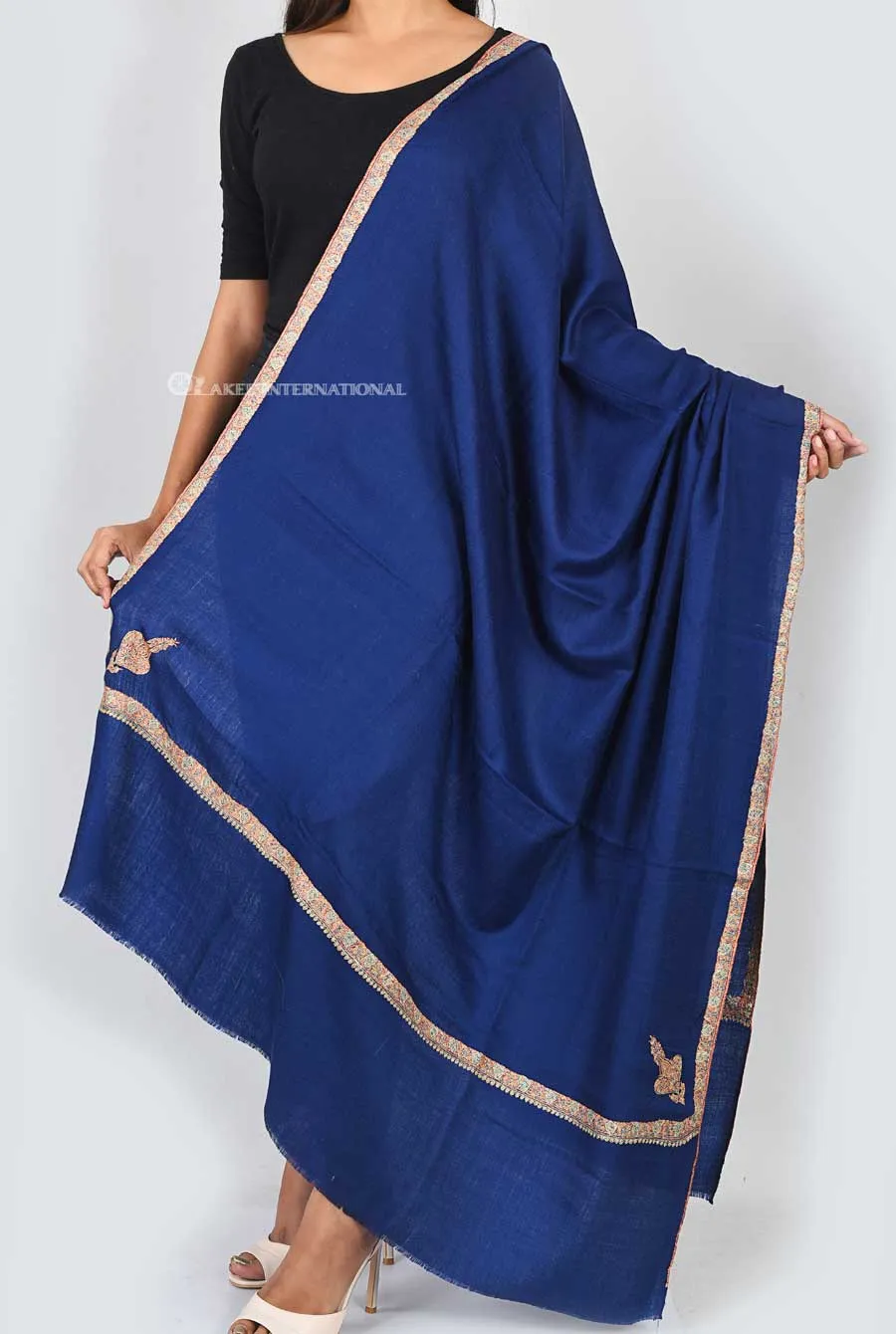
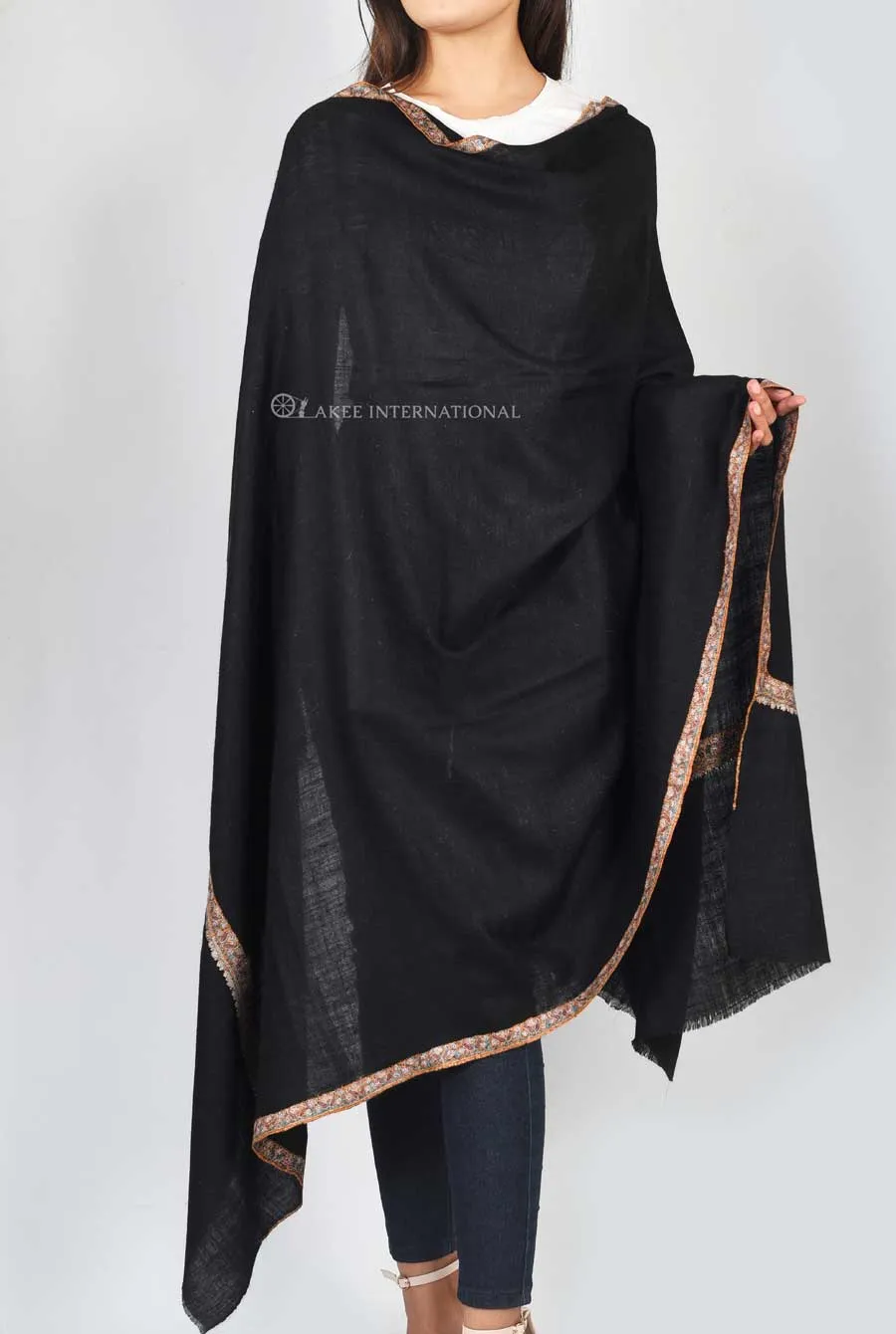
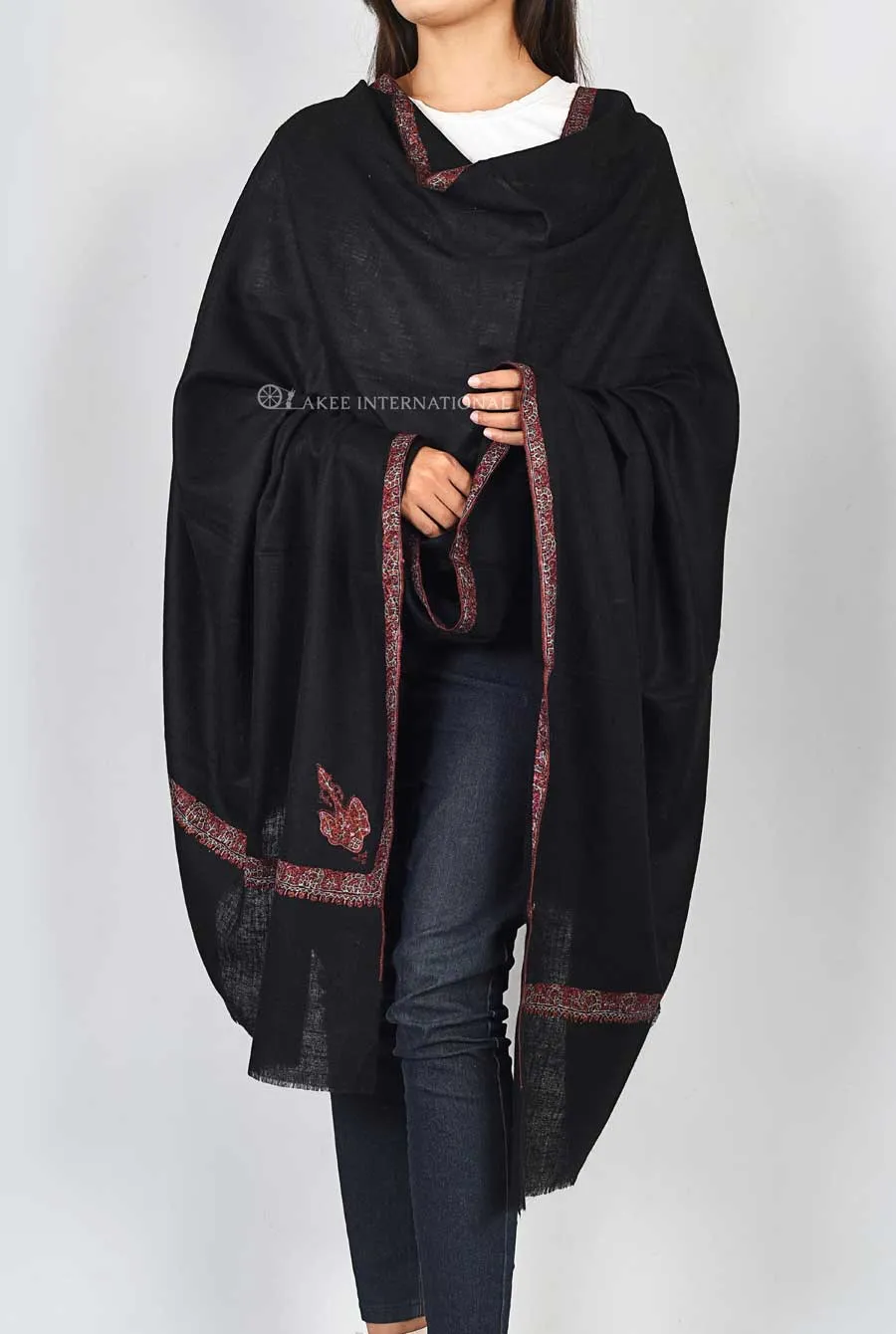
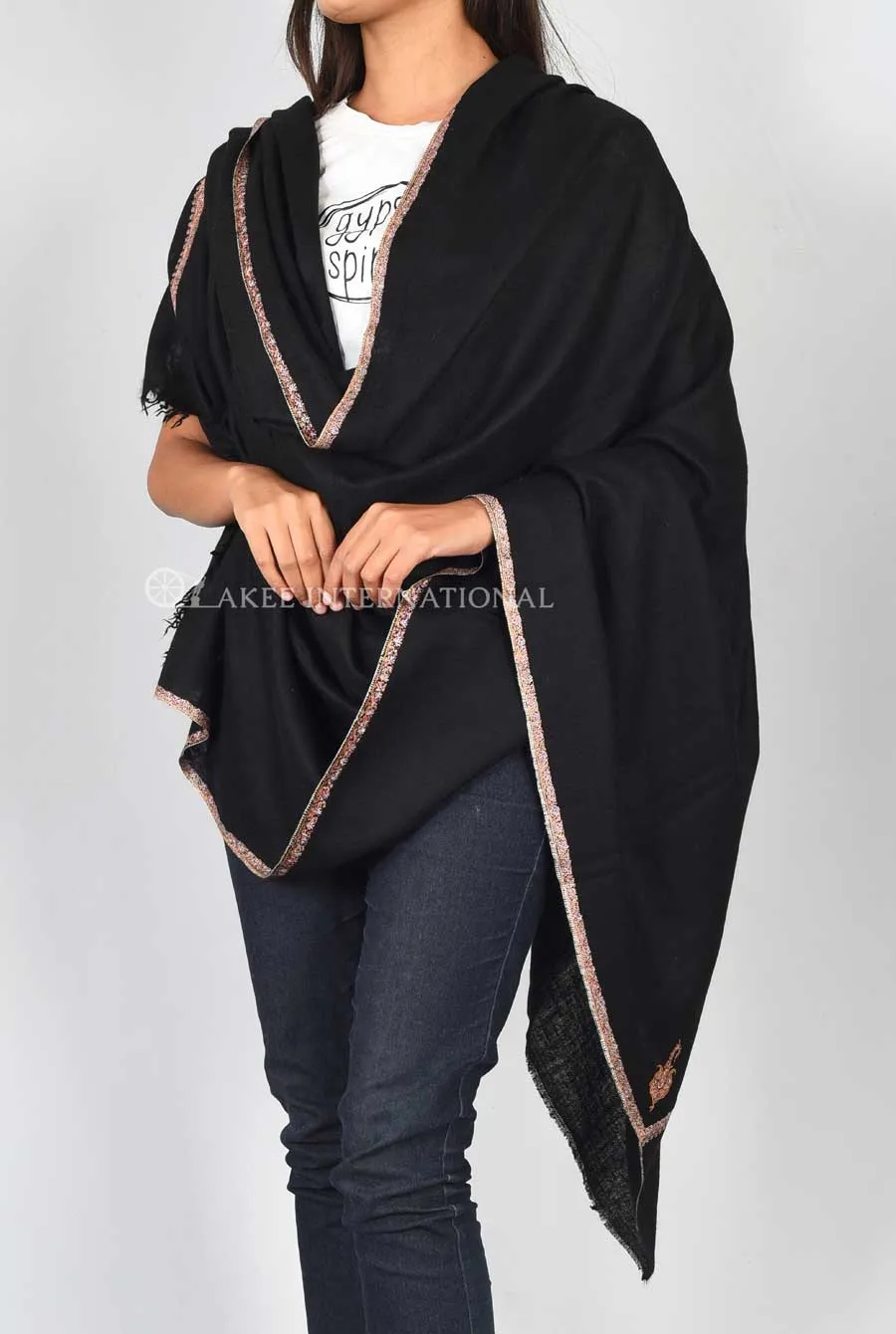
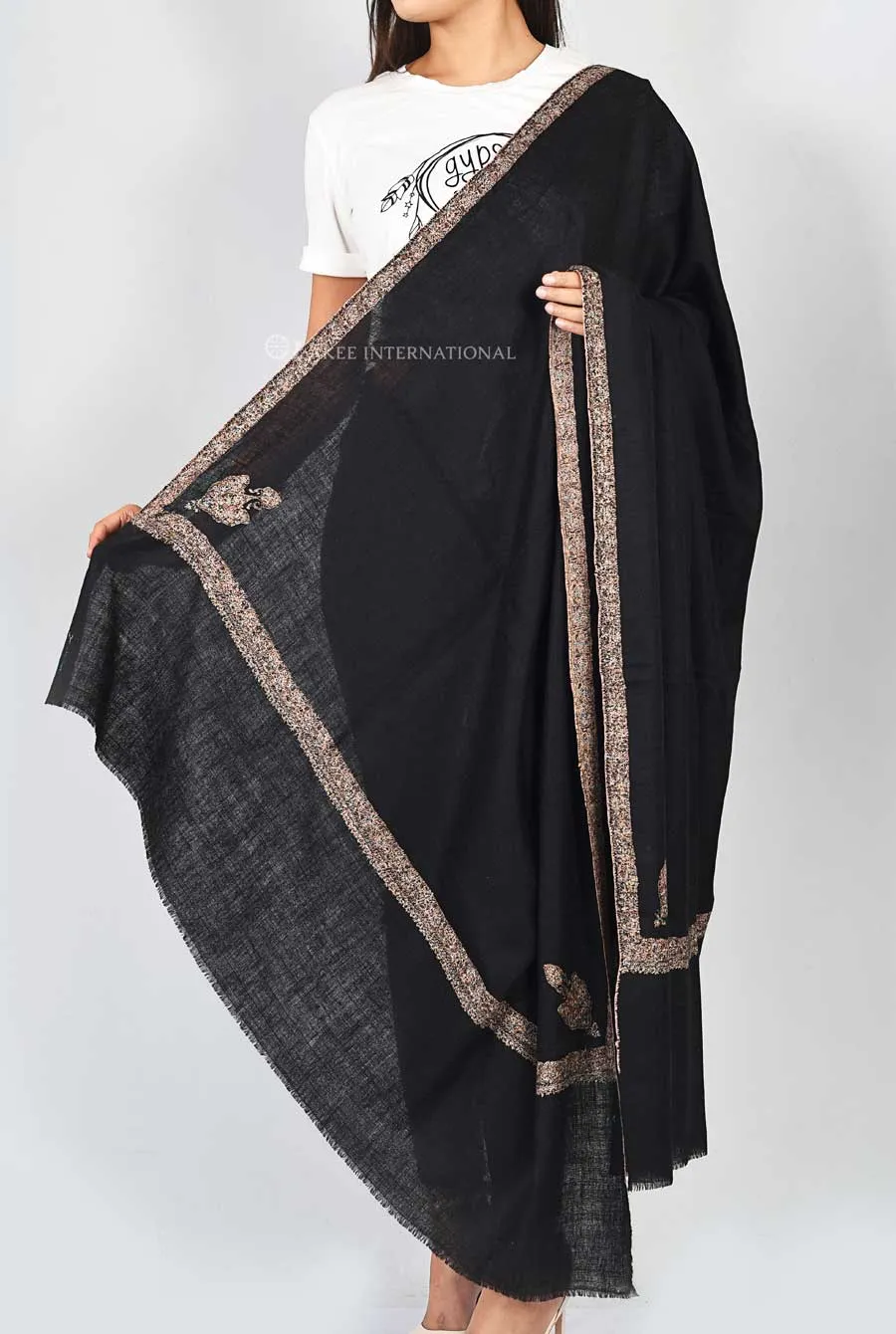
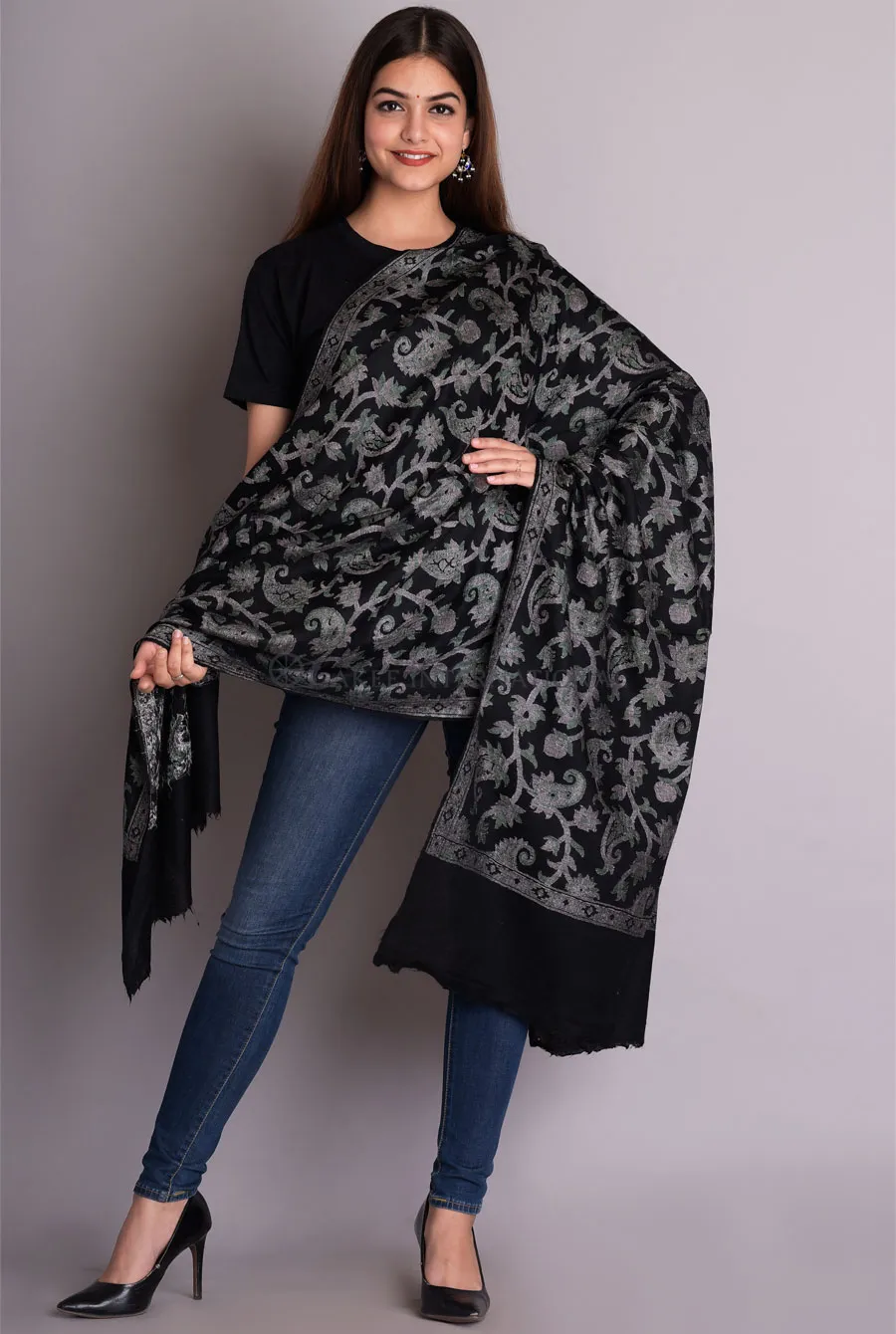
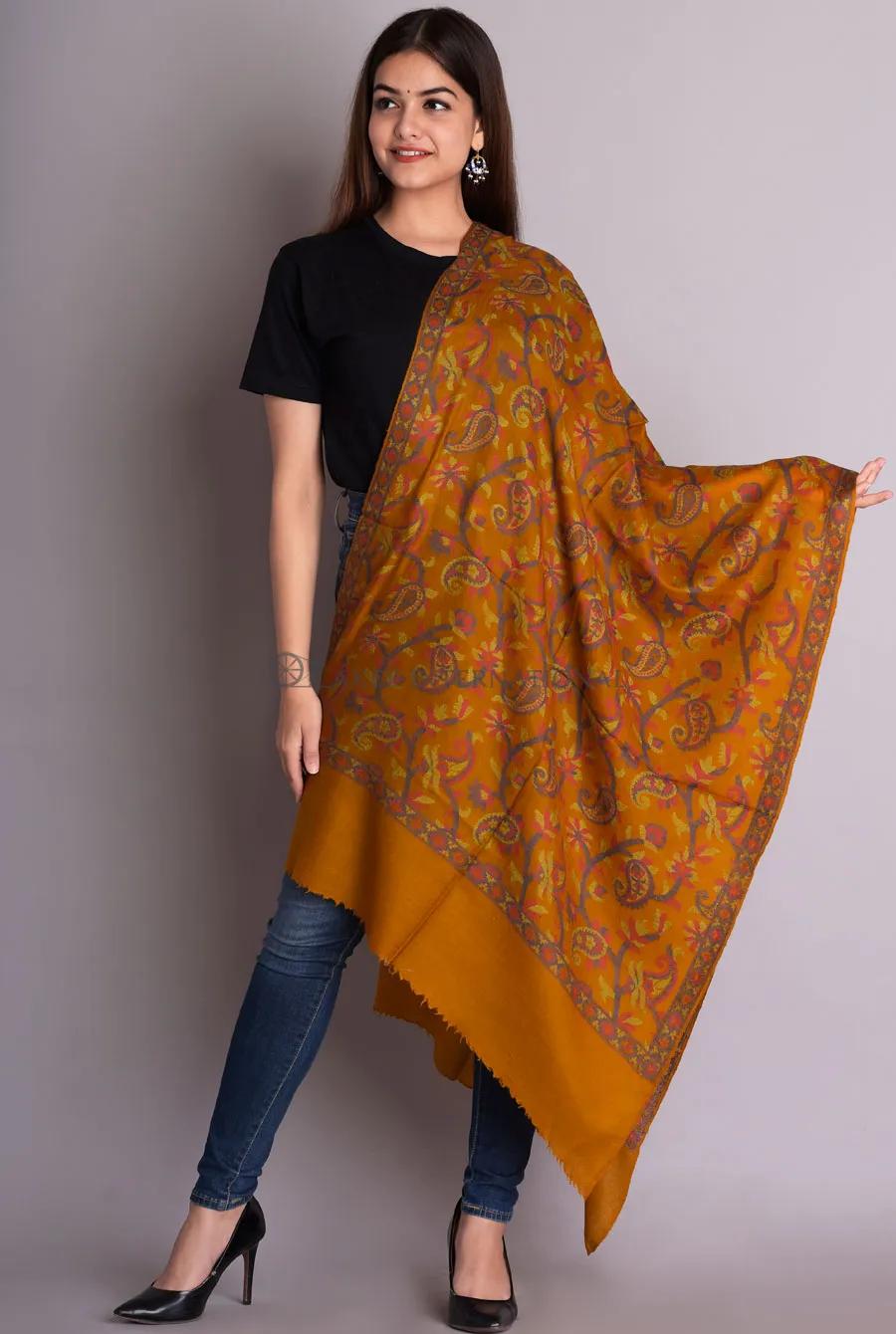
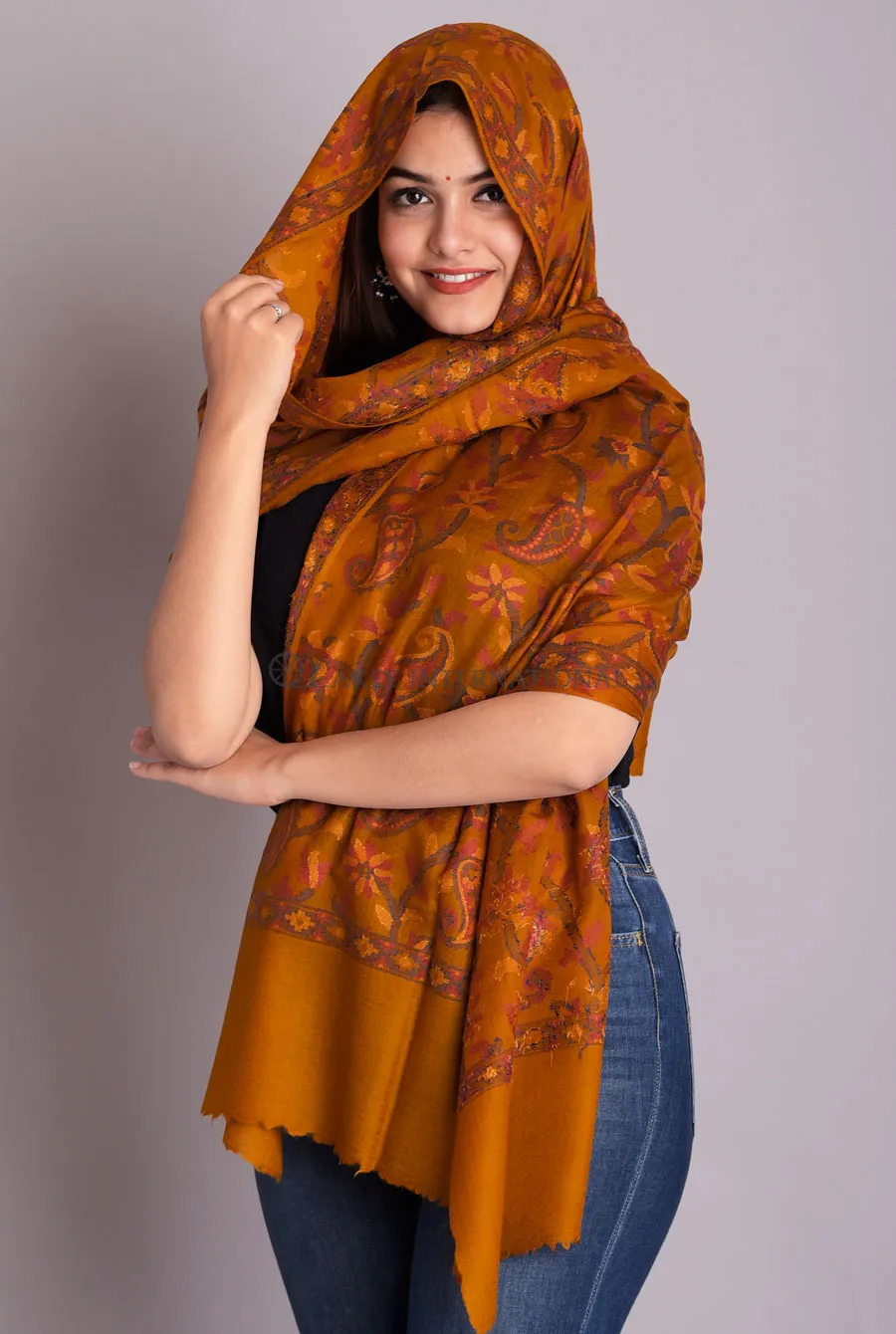
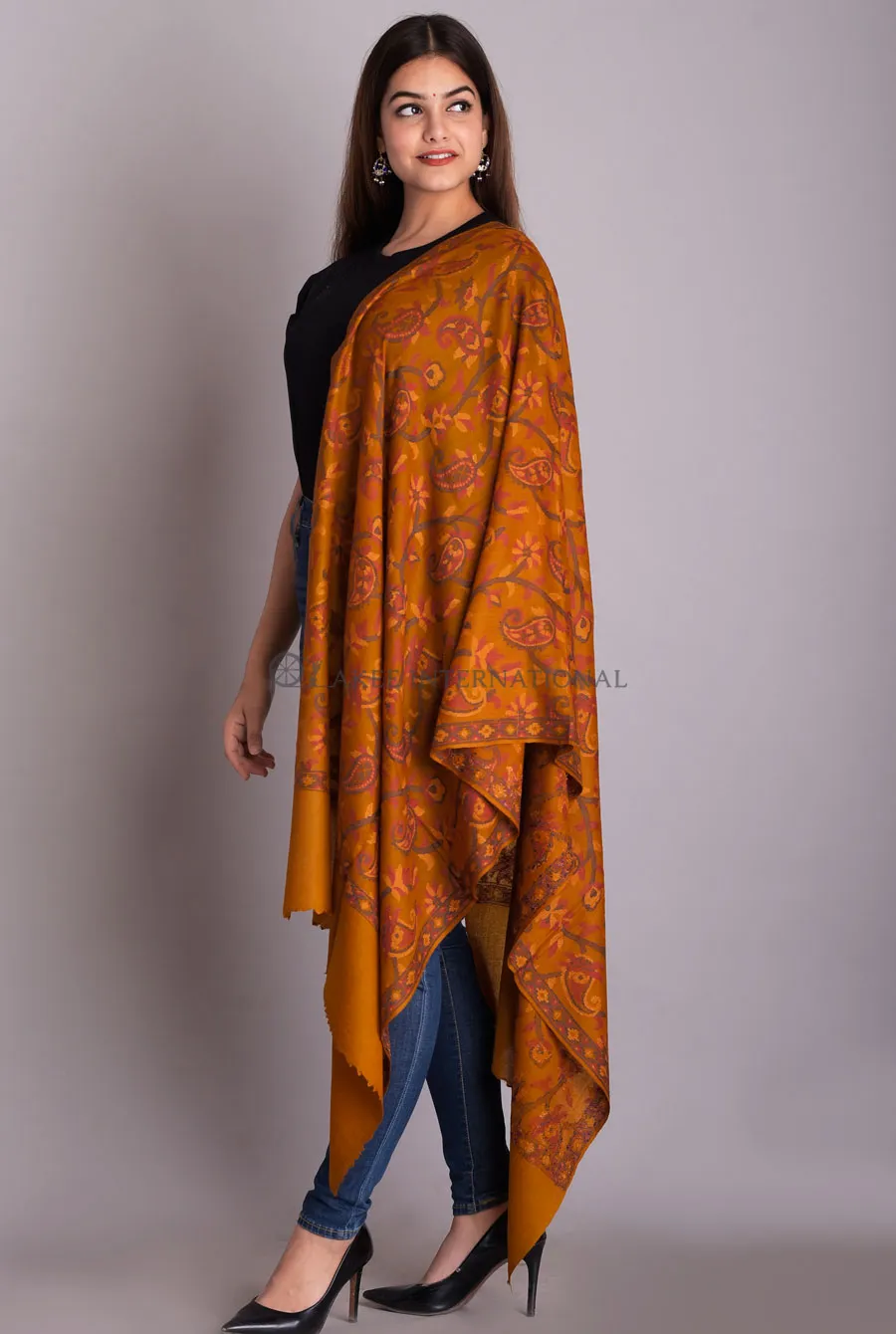
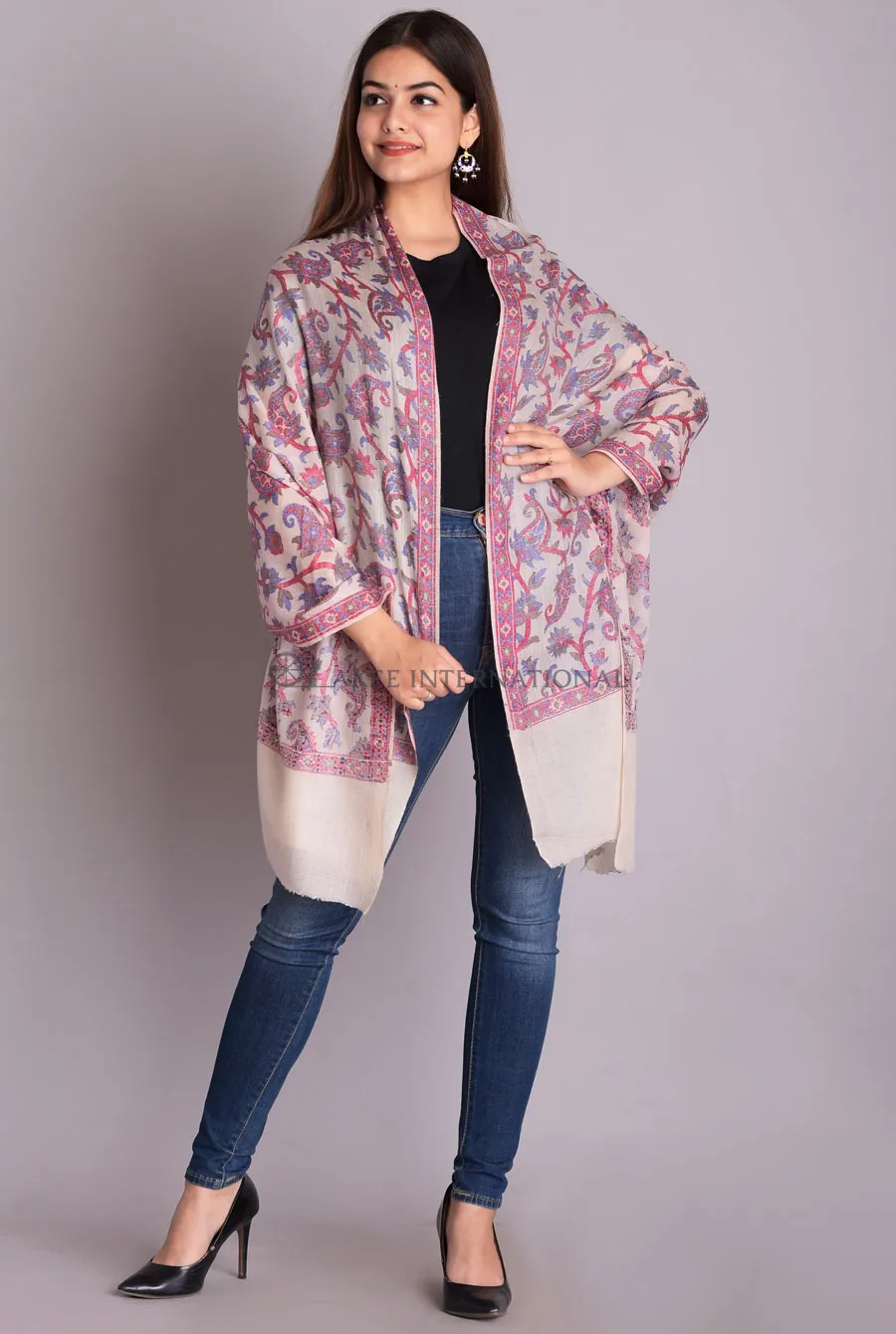
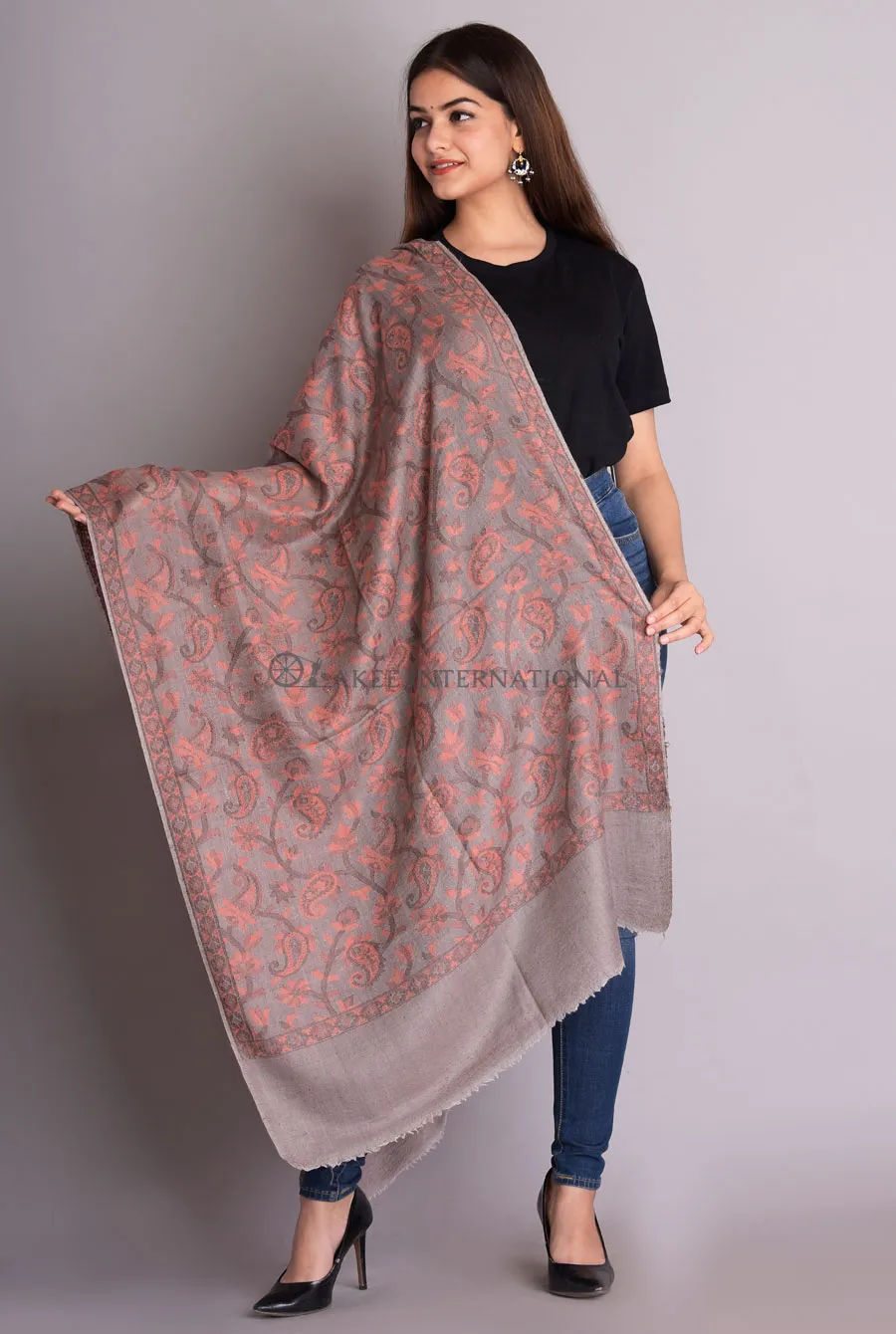
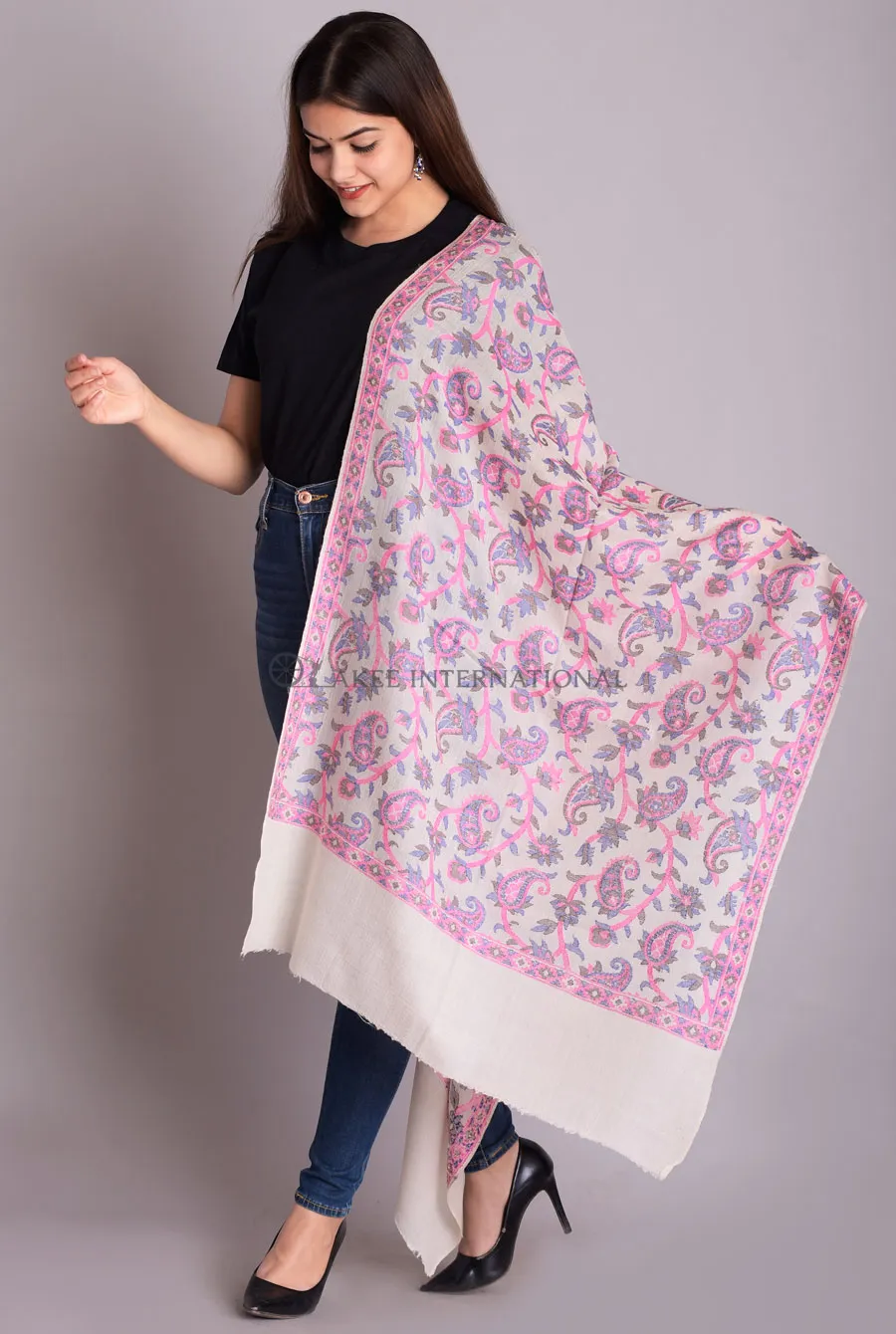
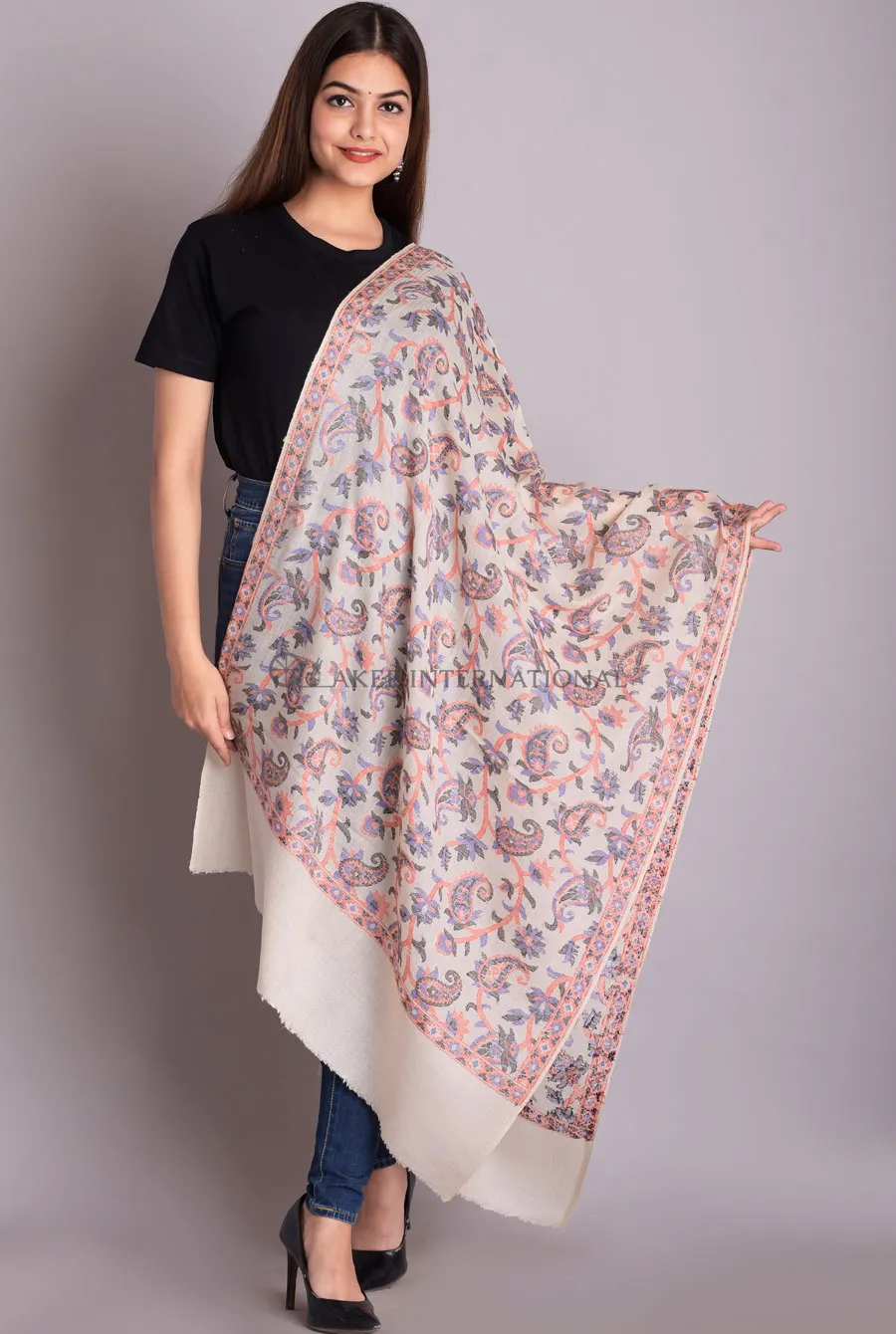
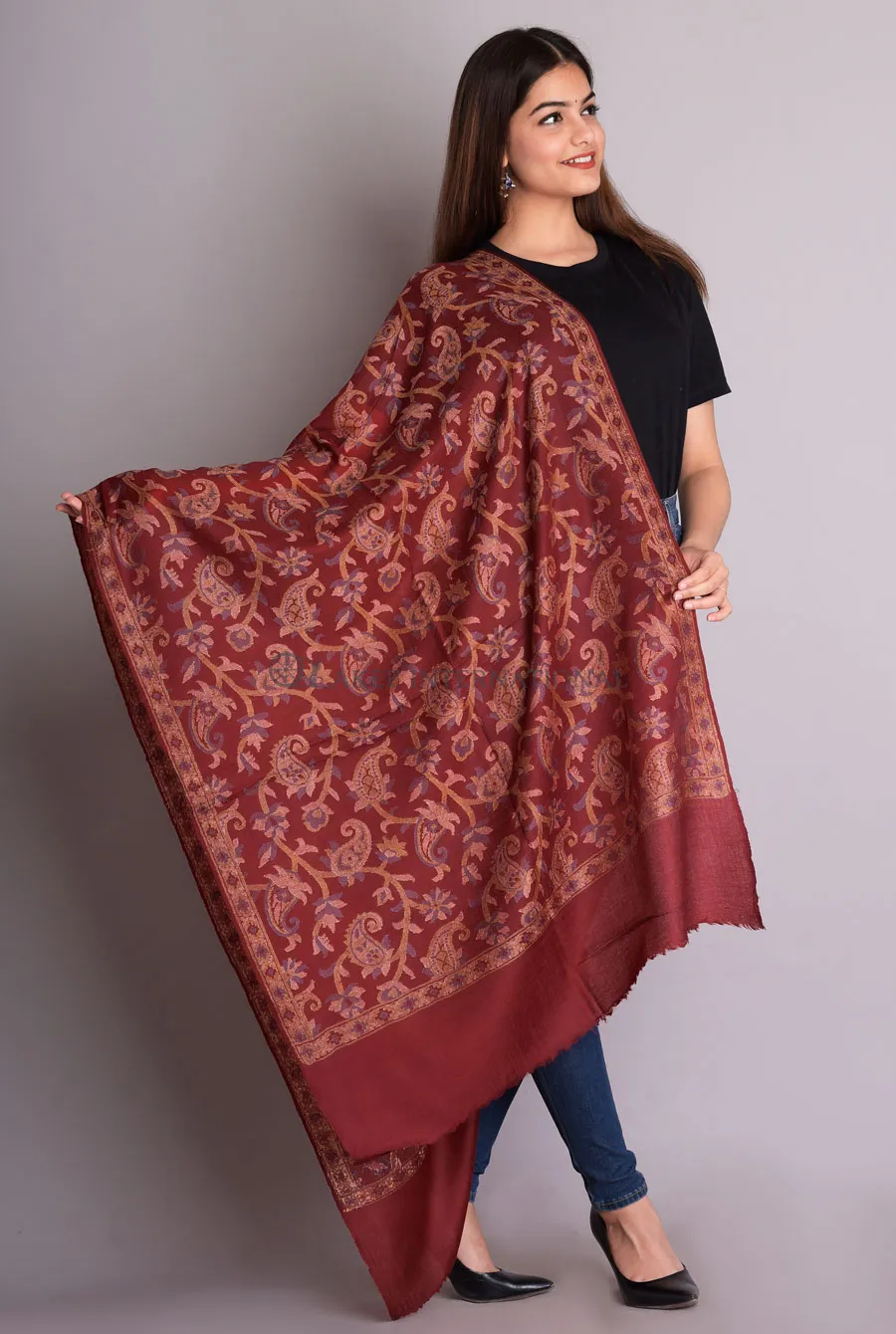
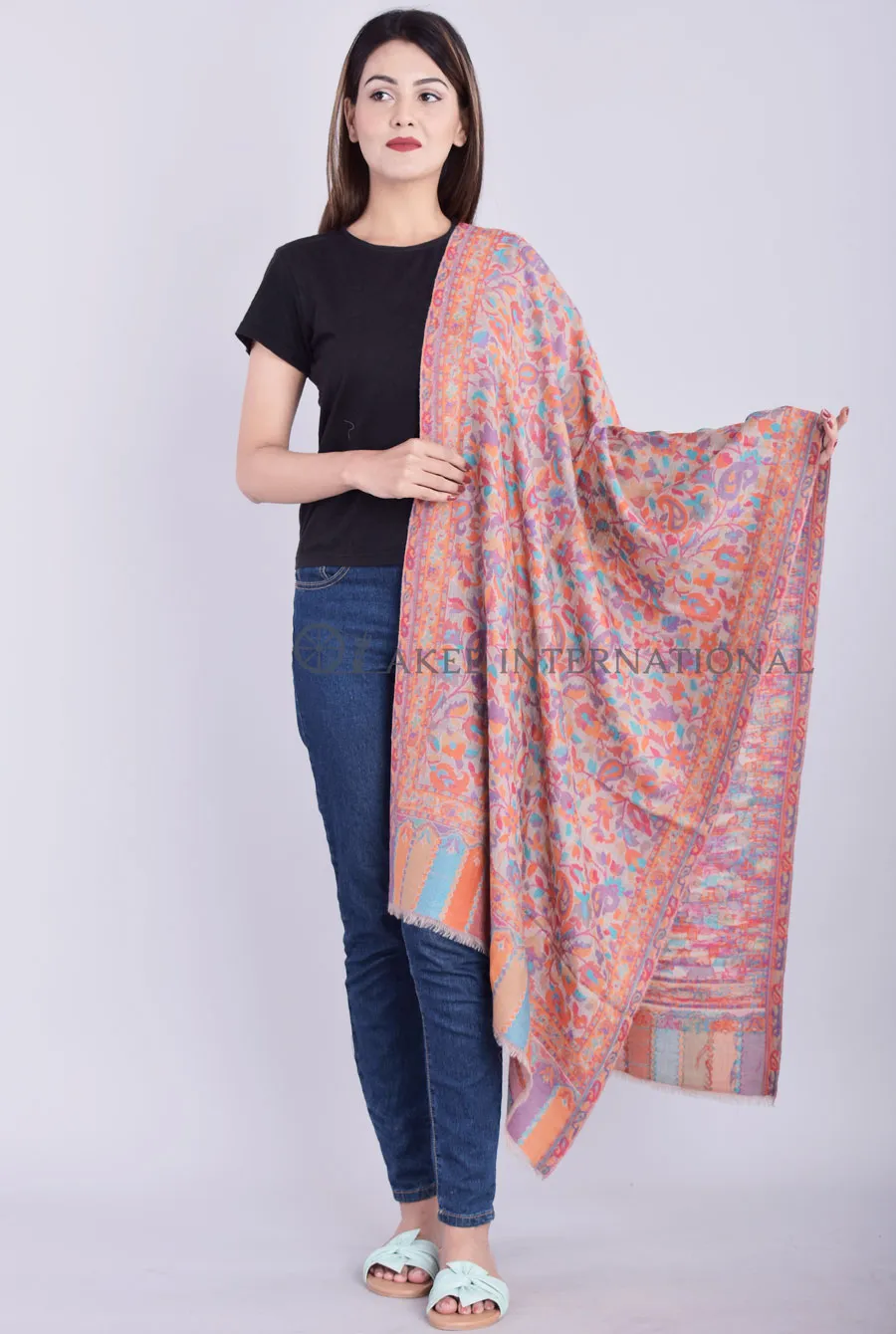
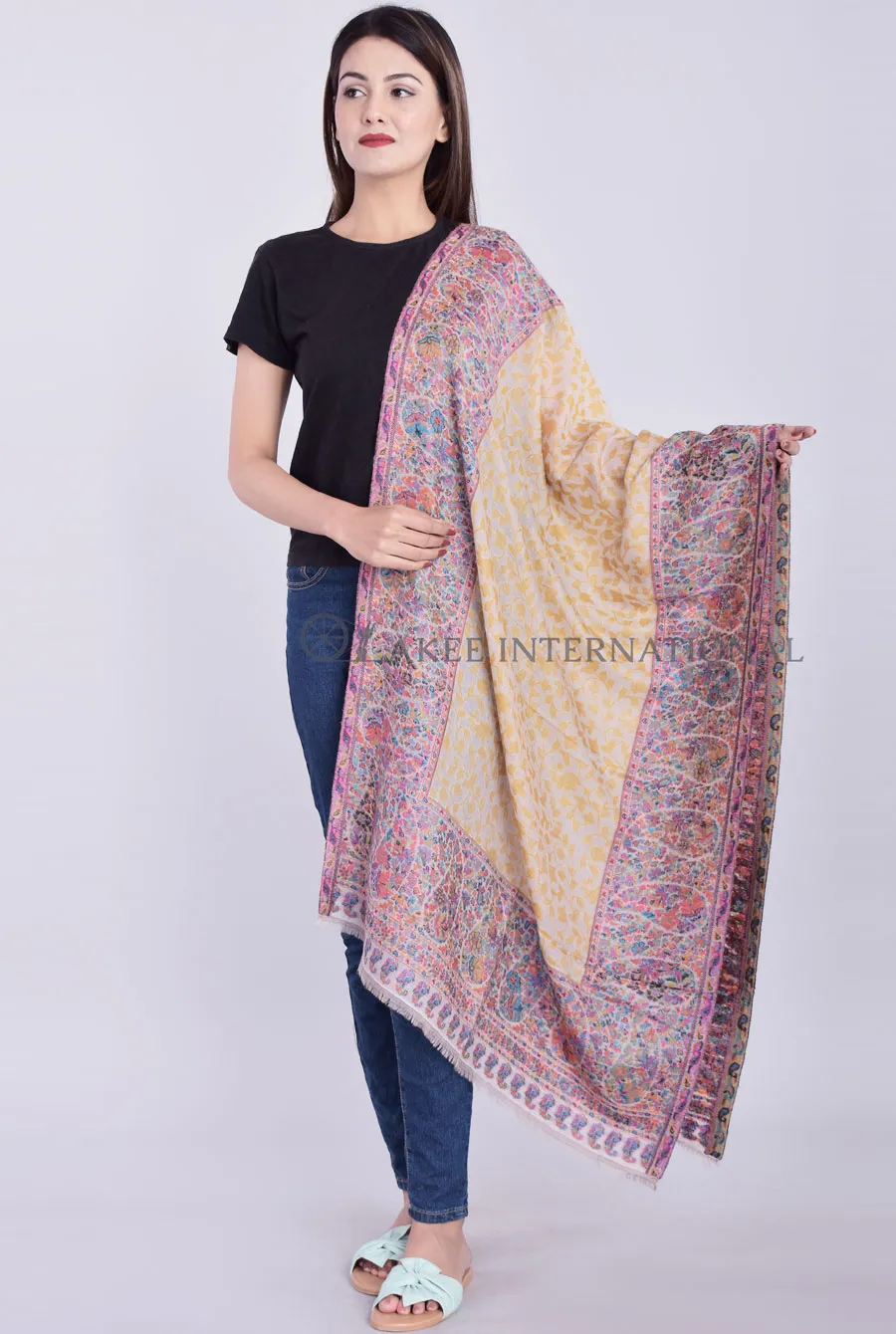
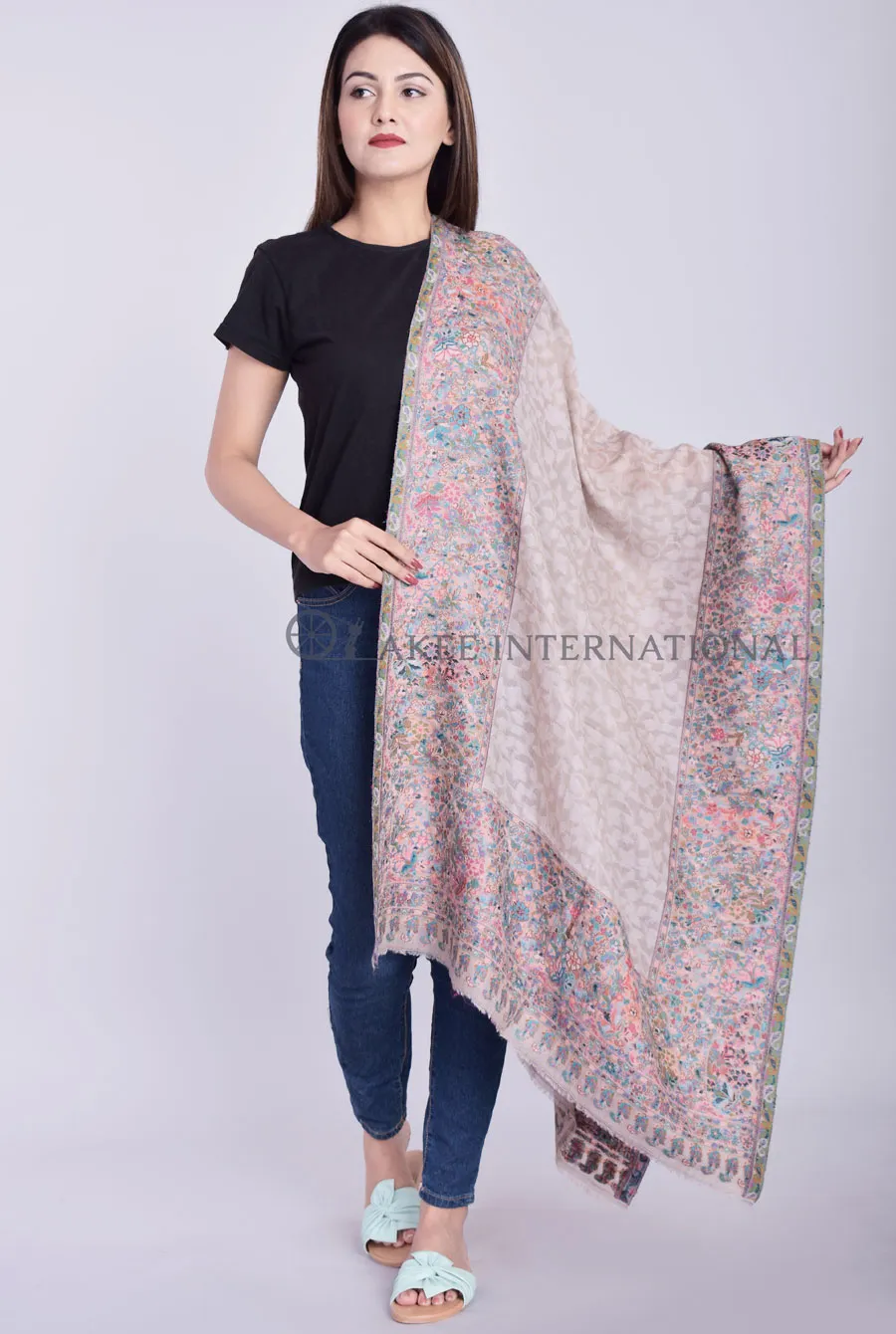
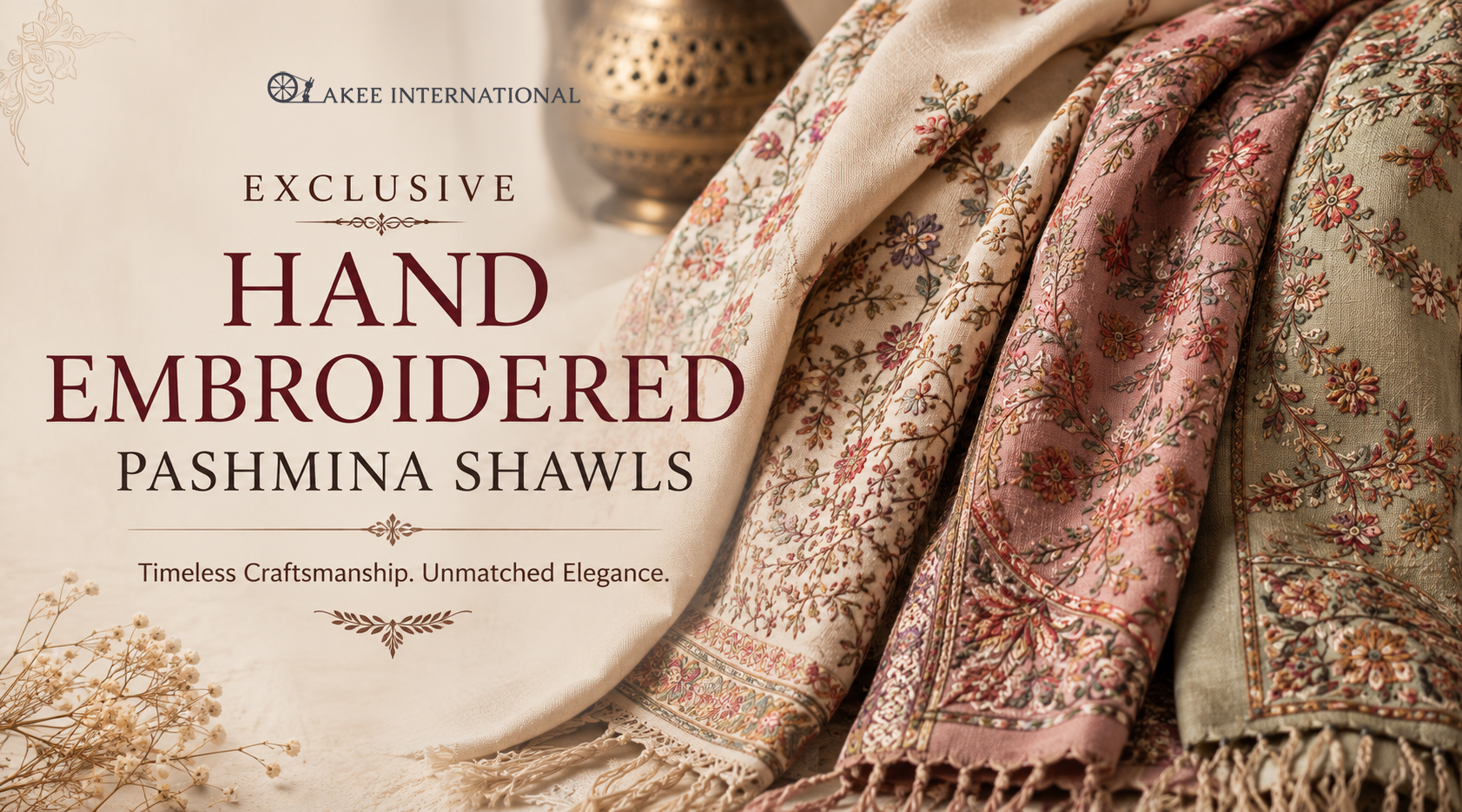
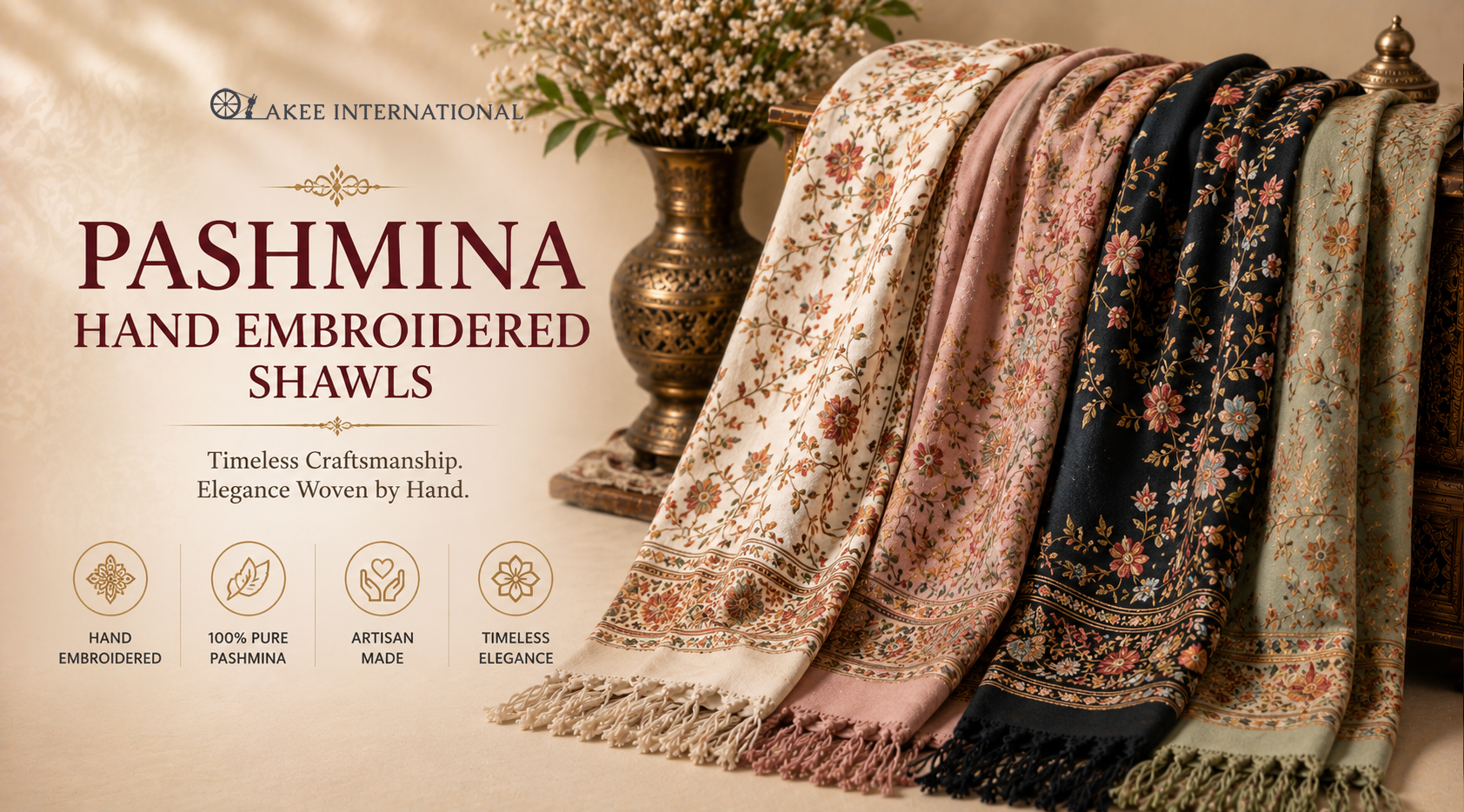
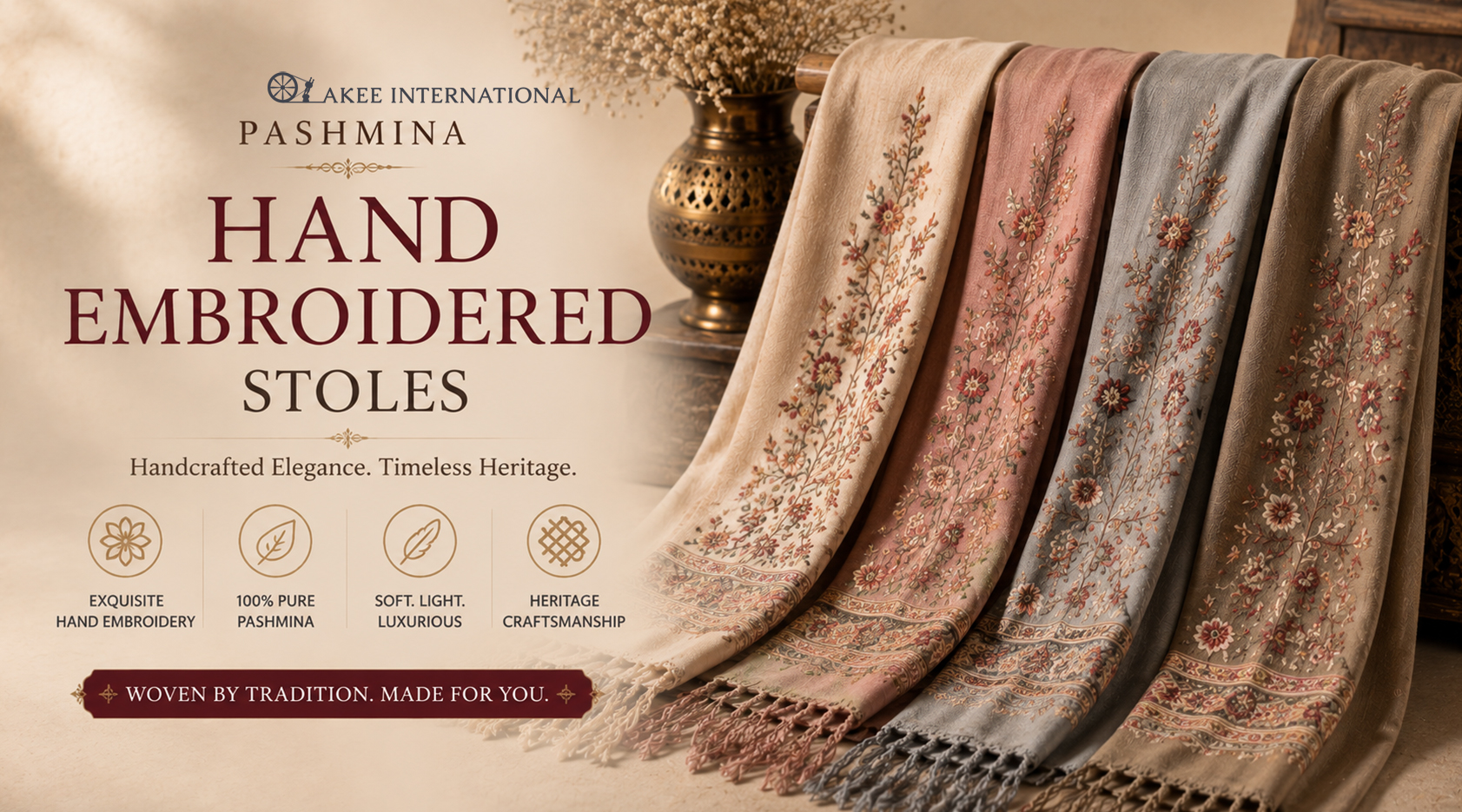
A Kashmiri hand embroidered shawl brings together two distinct skills — fine hand-weaving to produce the base pashmina fabric, and specialised needlework to add decorative pattern afterward — each requiring years of dedicated artisan training. Akee International produces hand embroidered shawls across the range of traditional Kashmiri techniques, giving buyers access to this combined craftsmanship through a single, established source.
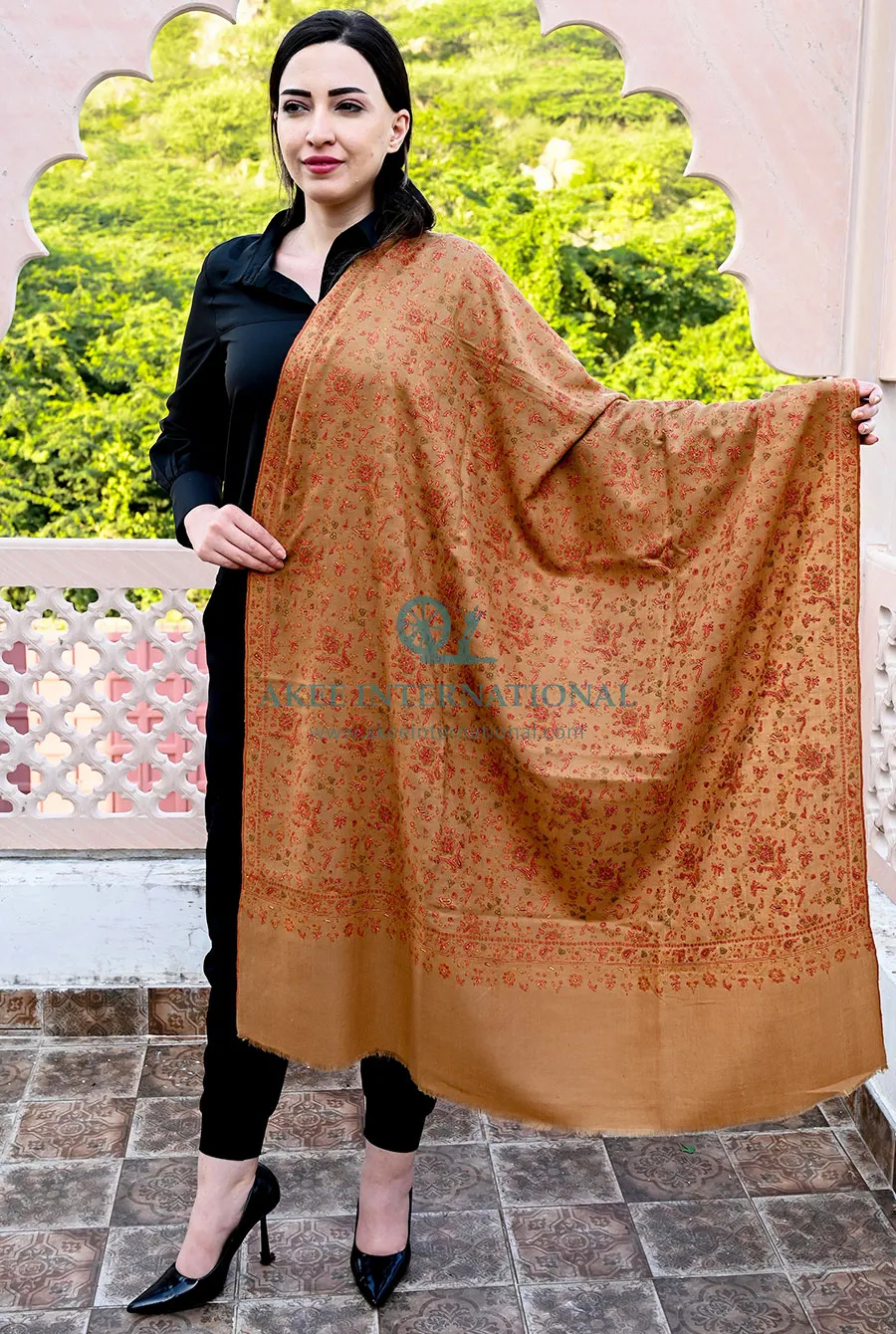
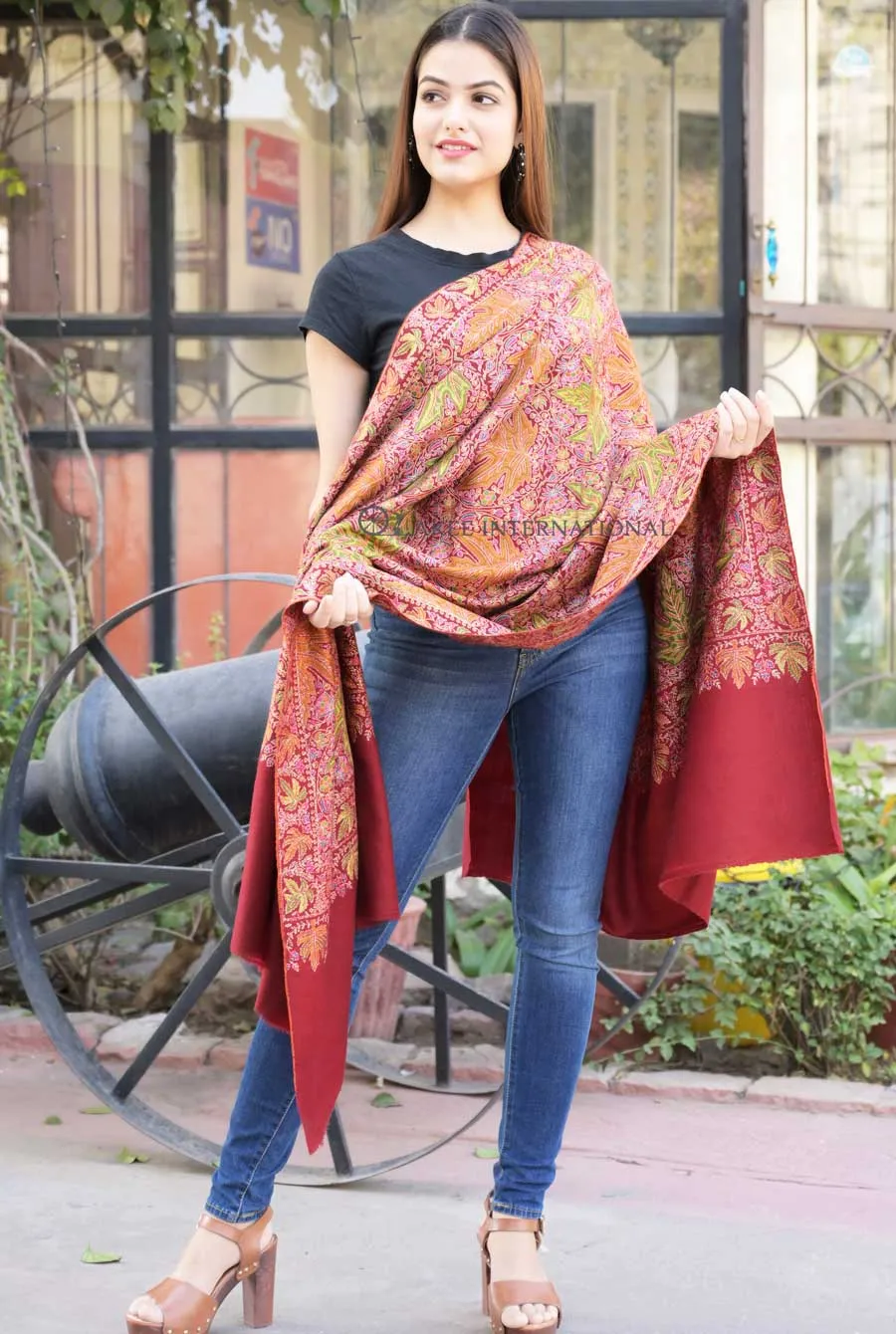
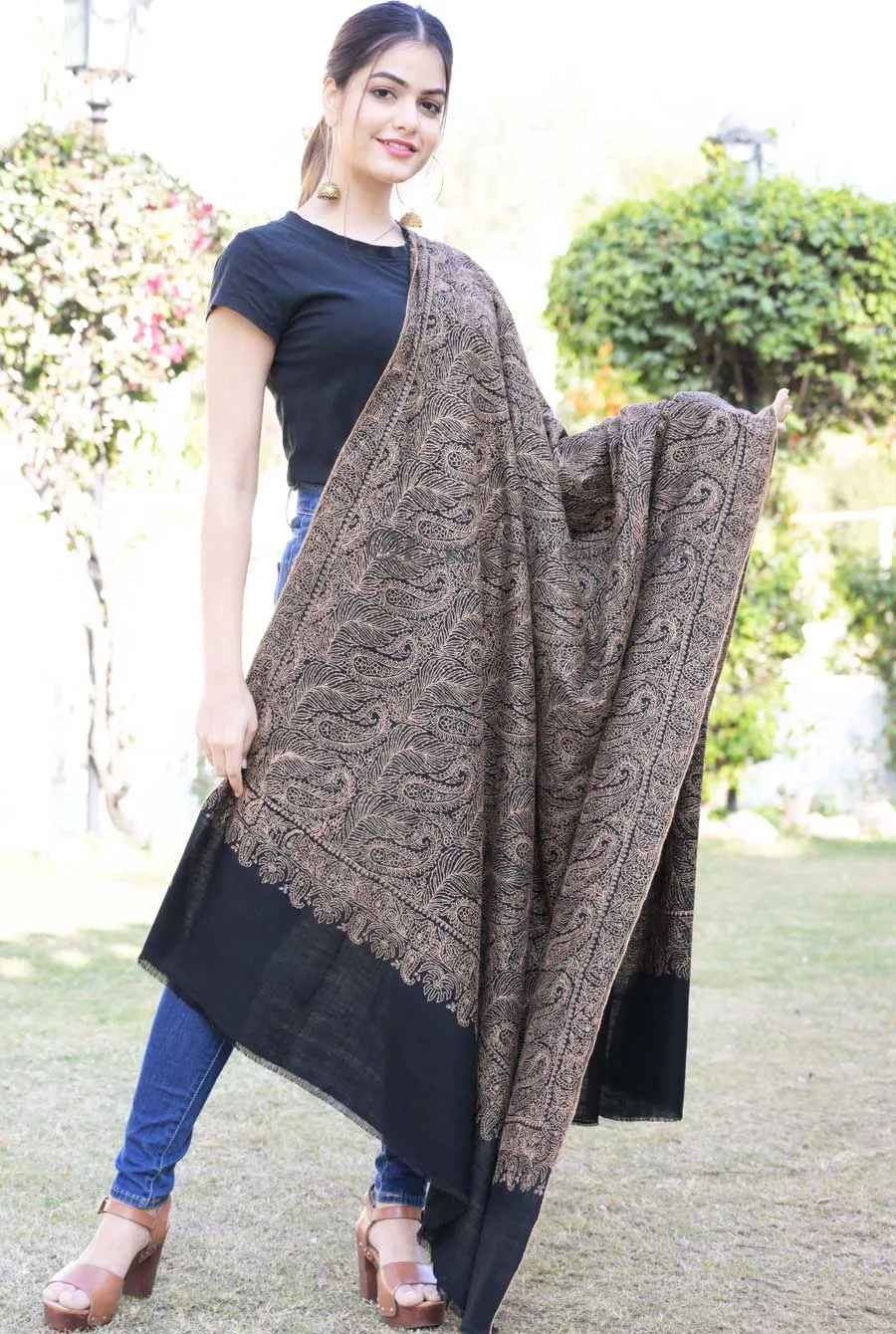
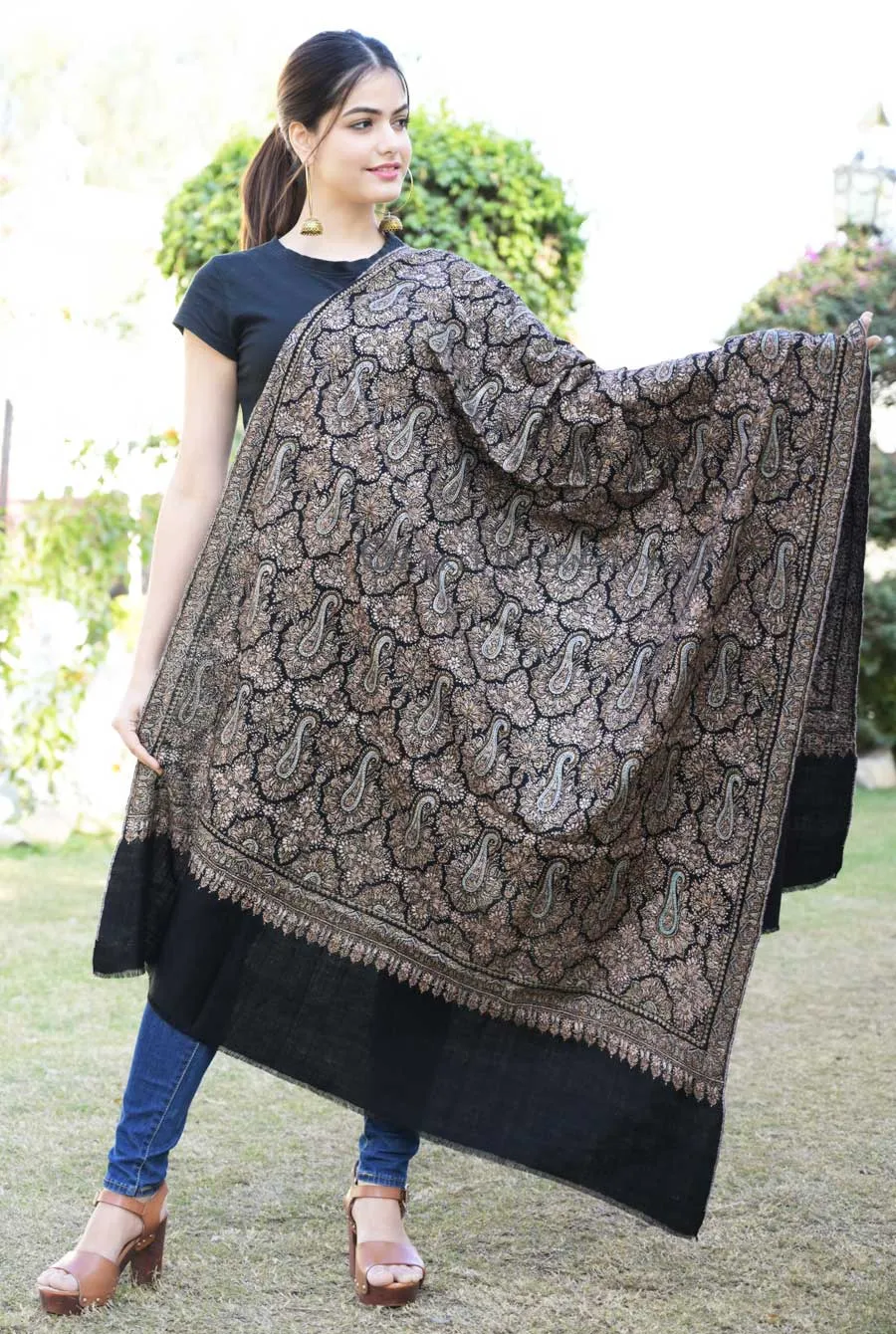
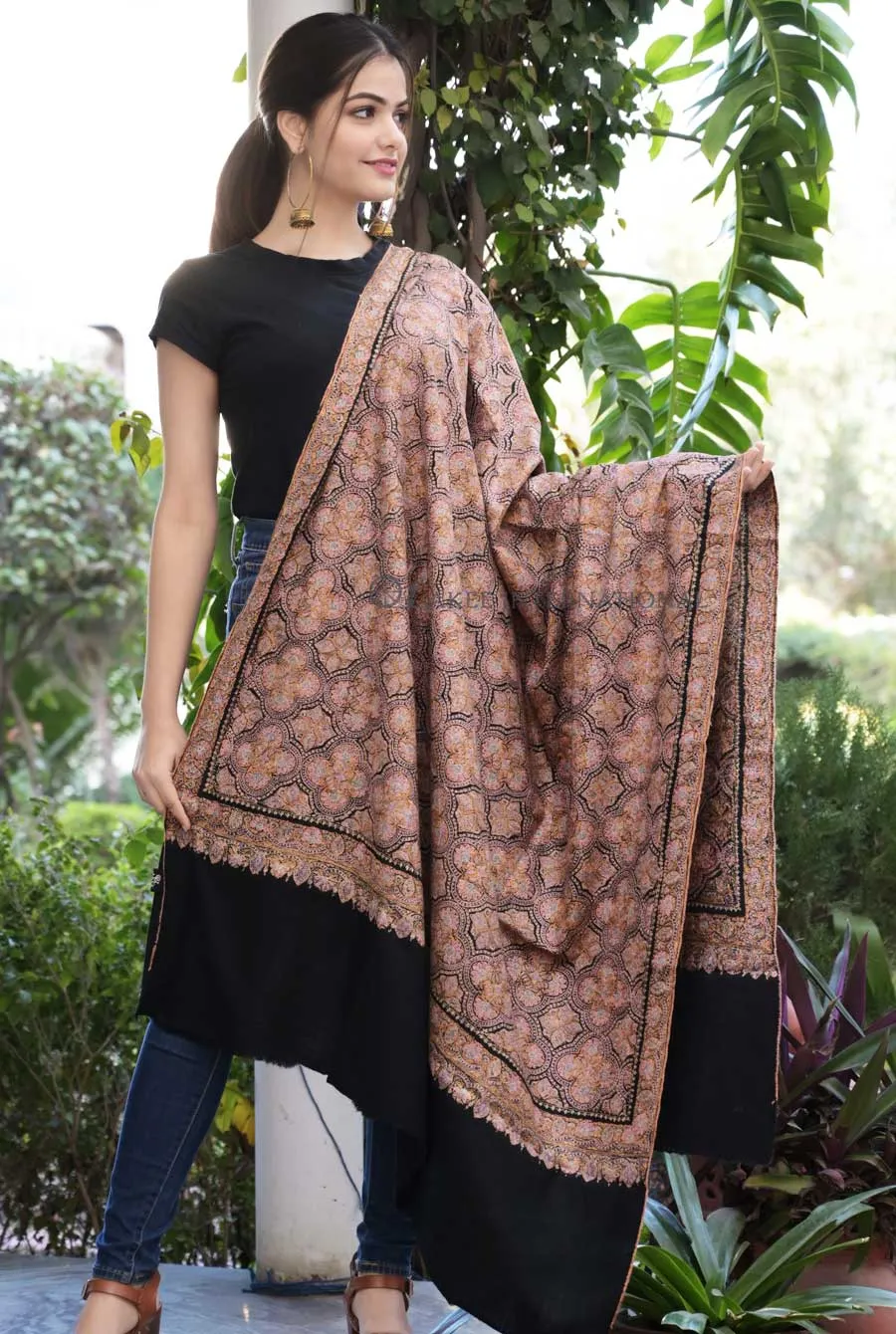
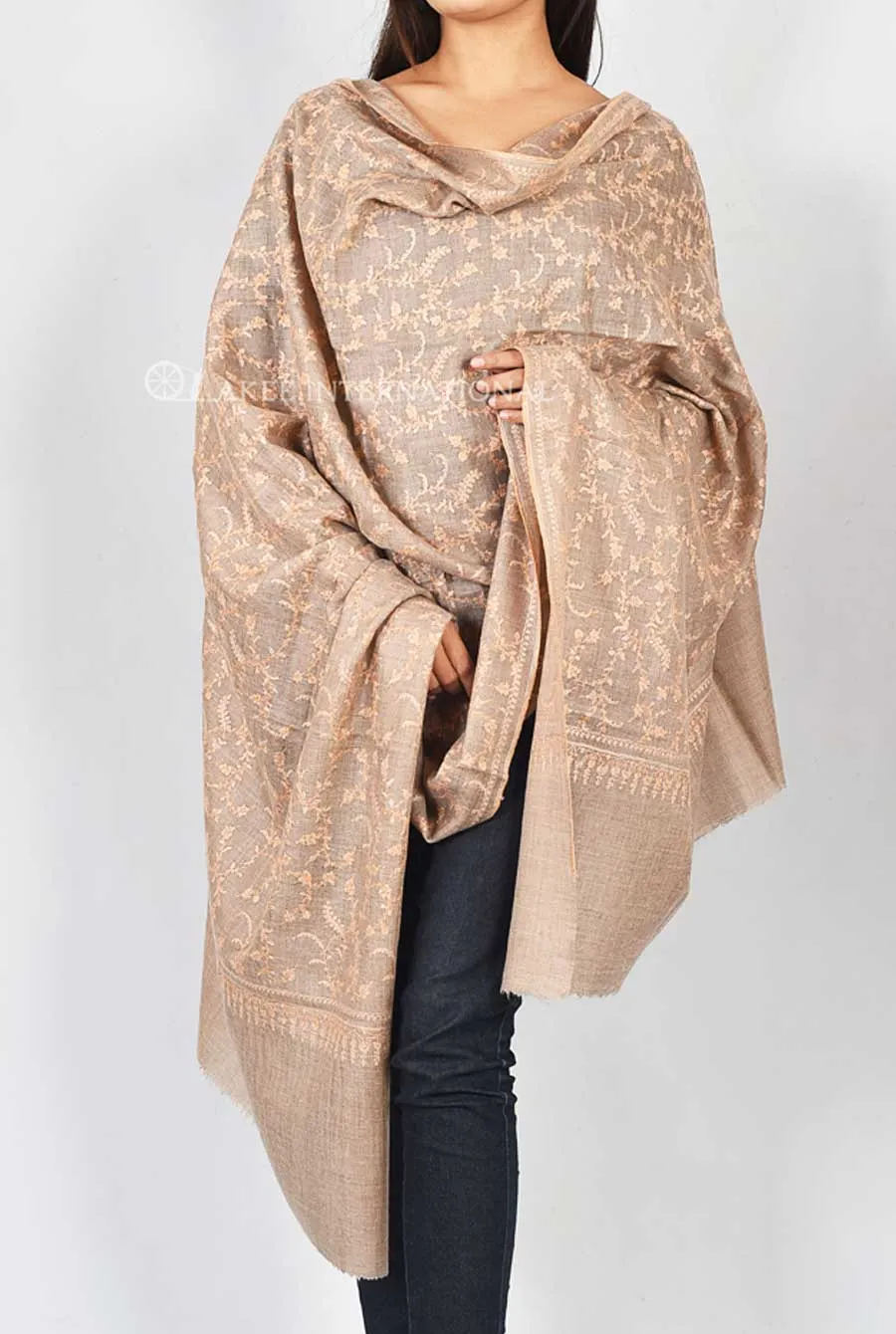
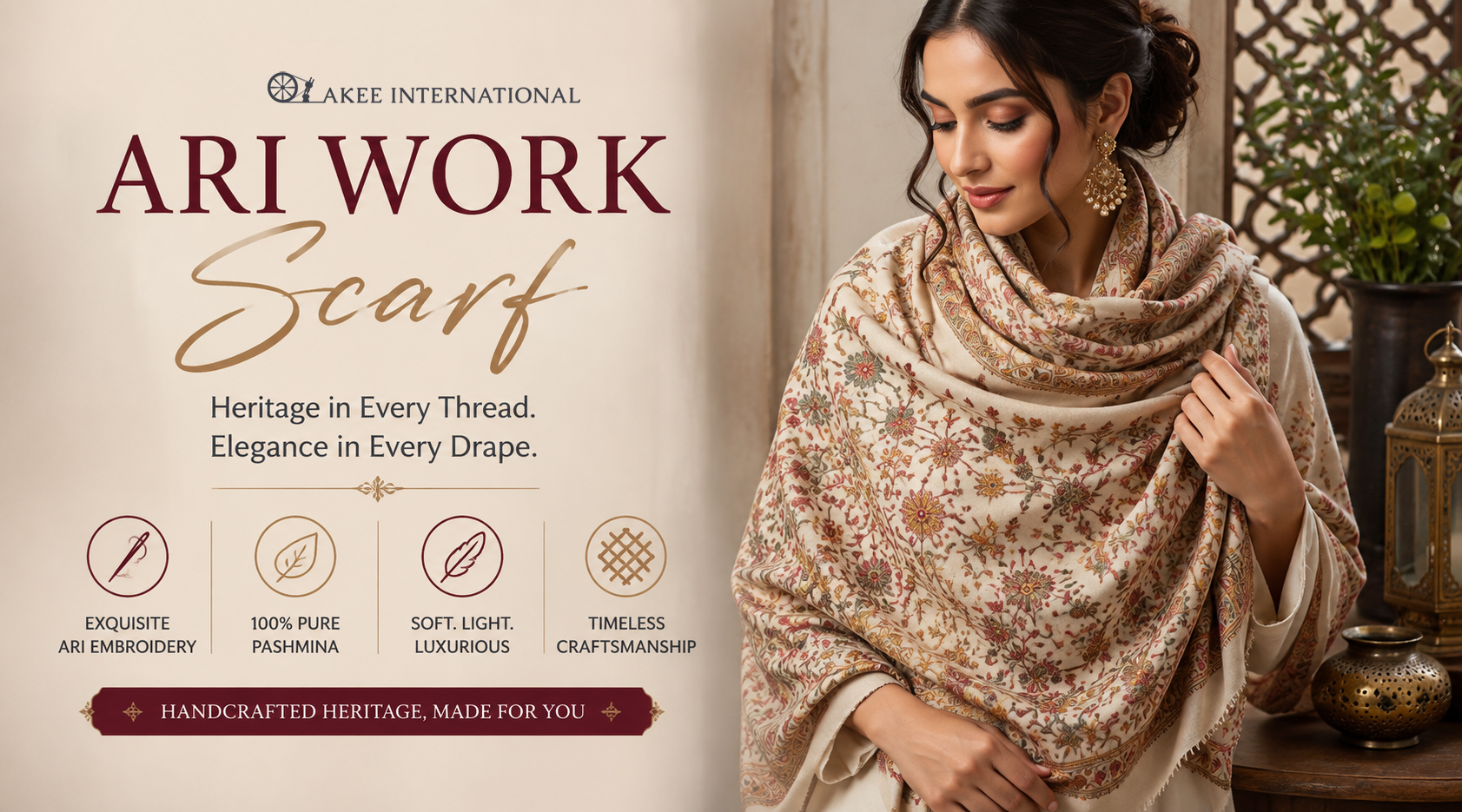
Kashmir's embroidery heritage includes several distinct techniques, each with its own visual character and production method. Sozni needlework, worked with a fine straight needle, produces subtle, closely spaced stitching suited to intricate, refined patterns. Ari work, using a hooked needle, creates bolder, more textured chain-stitch patterns more efficiently than Sozni's finer approach. A Kashmiri hand embroidered shawl might feature either technique, or occasionally a combination of both within a single elaborate design.
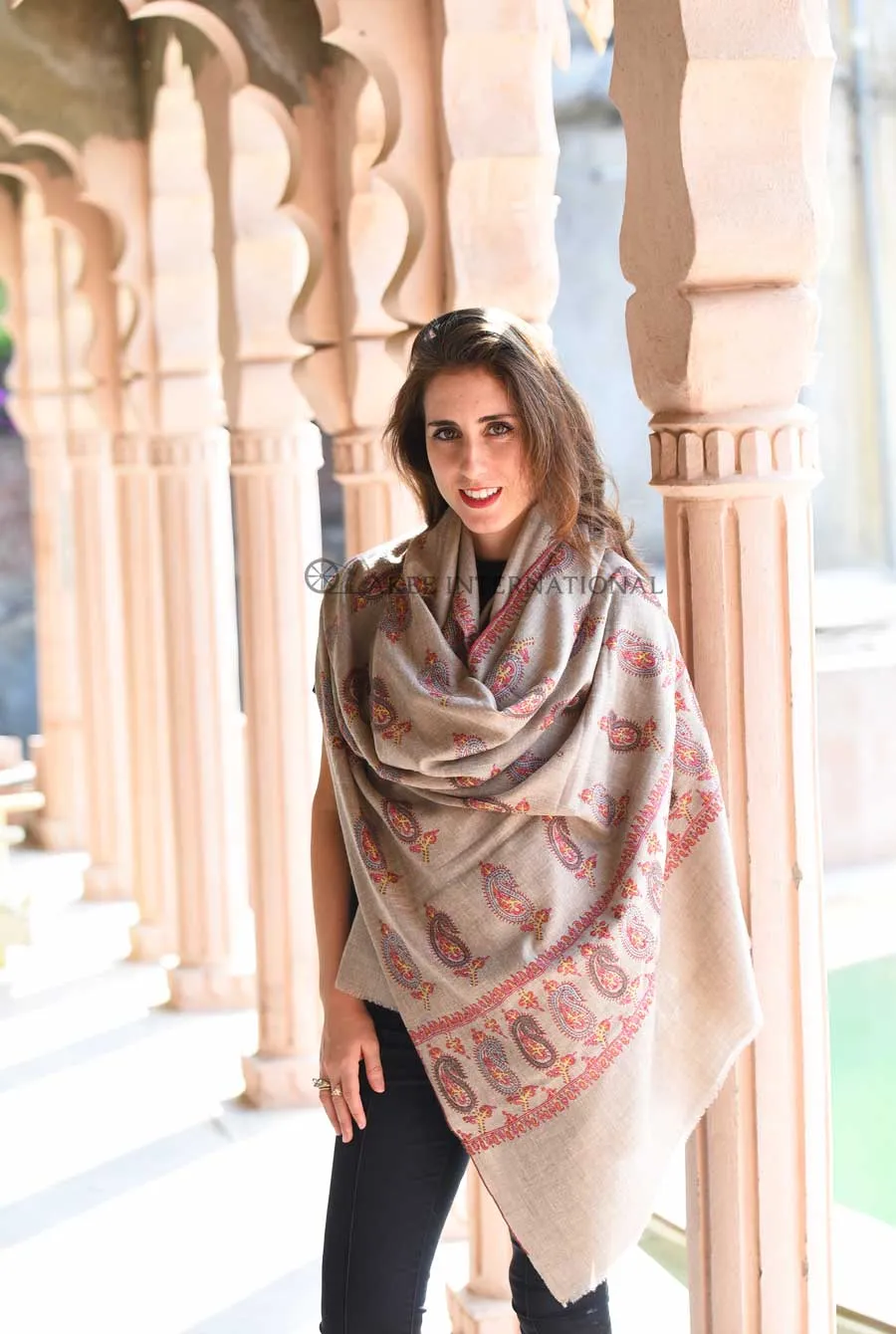
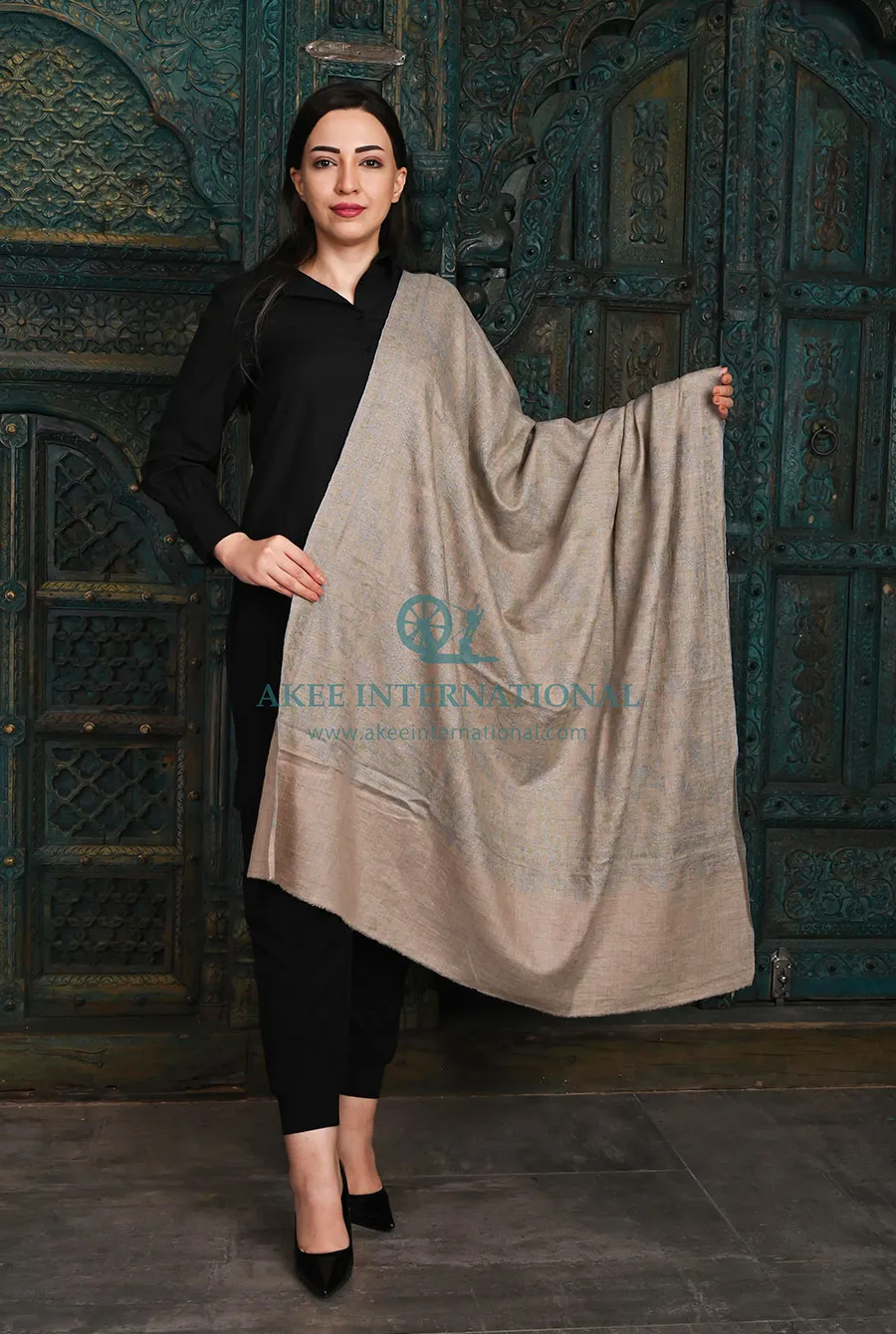
The base hand-woven pashmina fabric represents one layer of skilled labour, and embroidery adds a further, separate layer of specialised work on top of it. This is why a Kashmiri hand embroidered shawl generally costs more than an equivalent plain, unembroidered piece — the price reflects two distinct stages of skilled artisan work rather than a single production process. Buyers can request pieces with varying levels of embroidery coverage, from simple border detailing to full-surface patterns, to manage cost while still accessing genuine hand-embroidered craftsmanship.
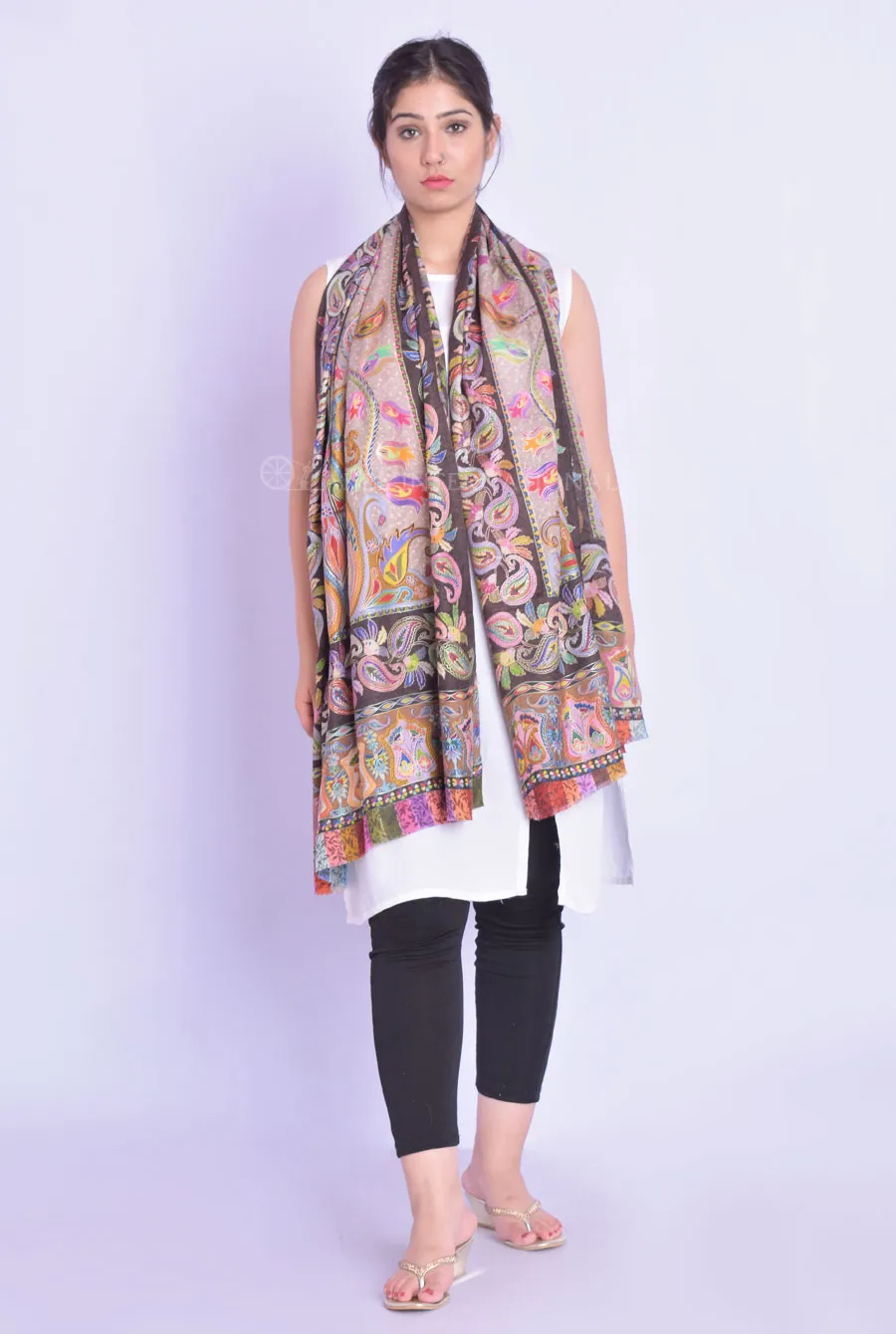
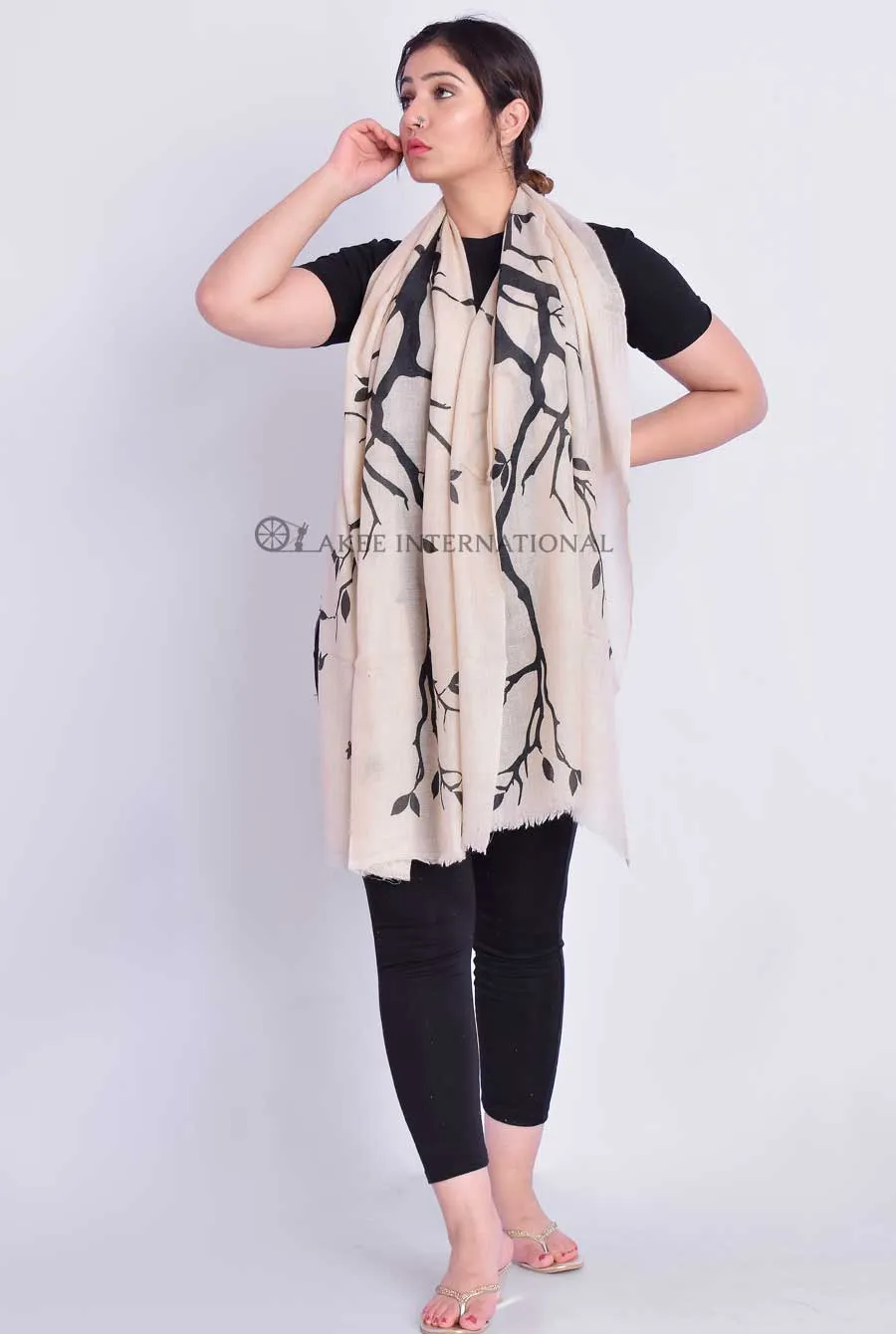
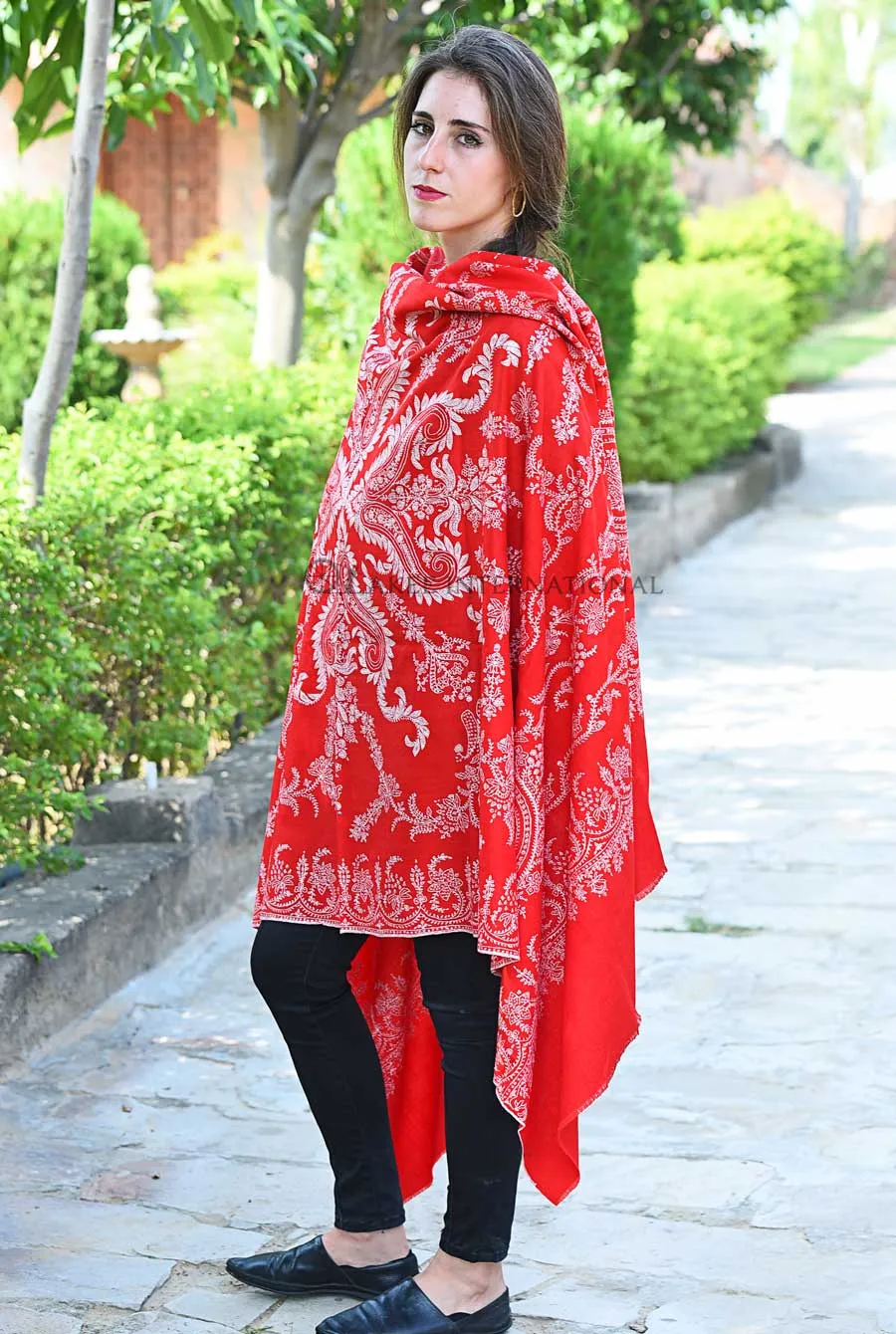
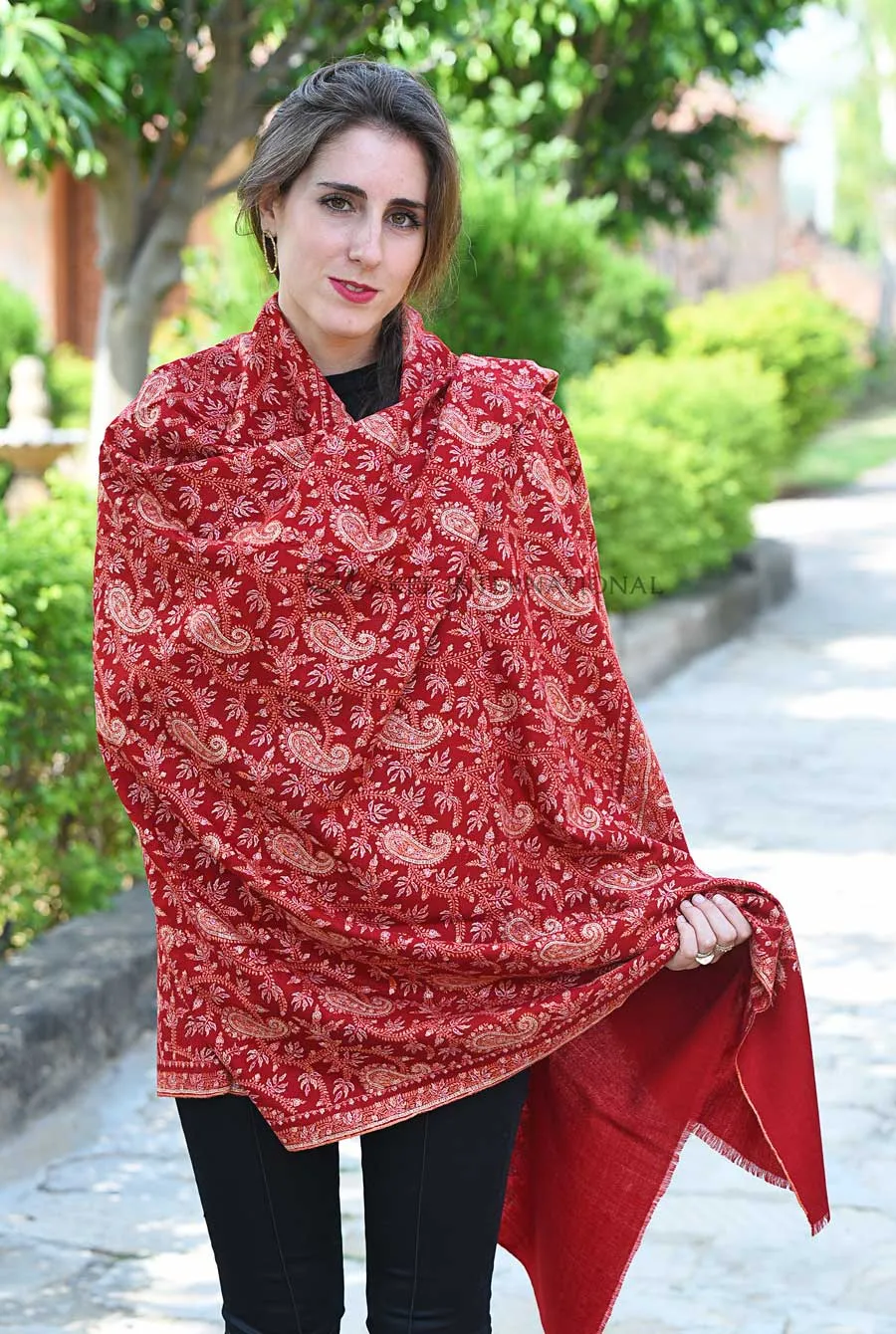
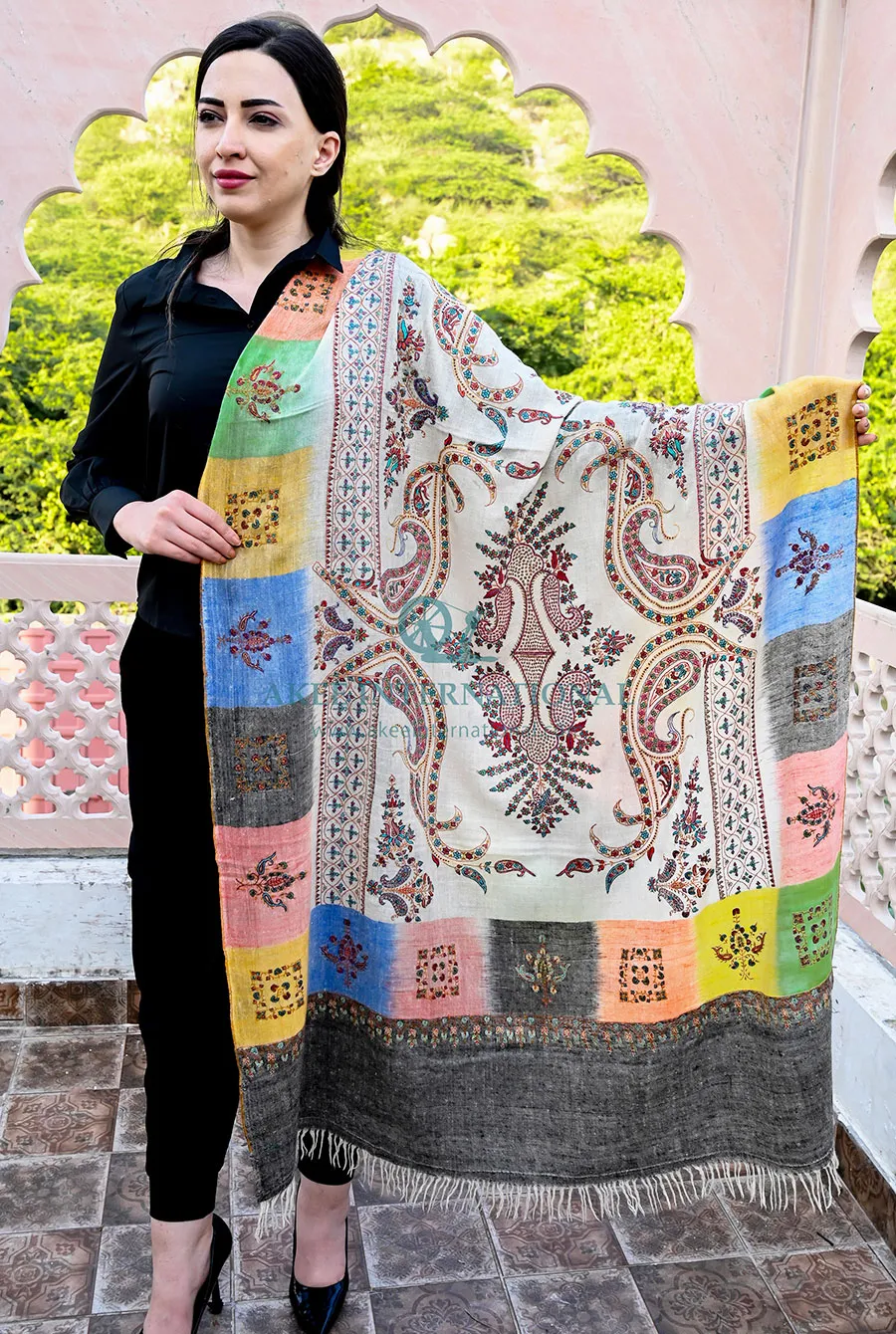
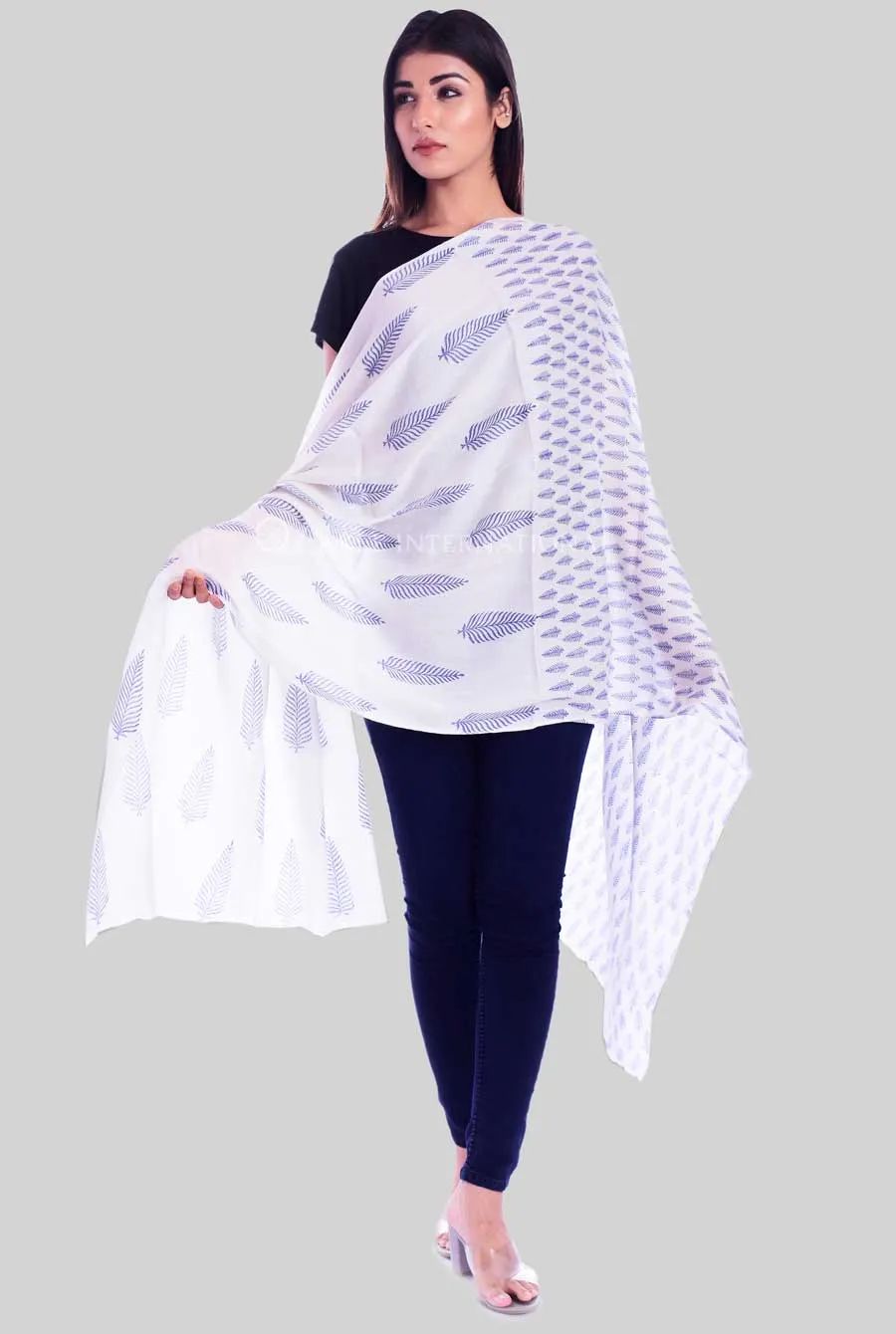
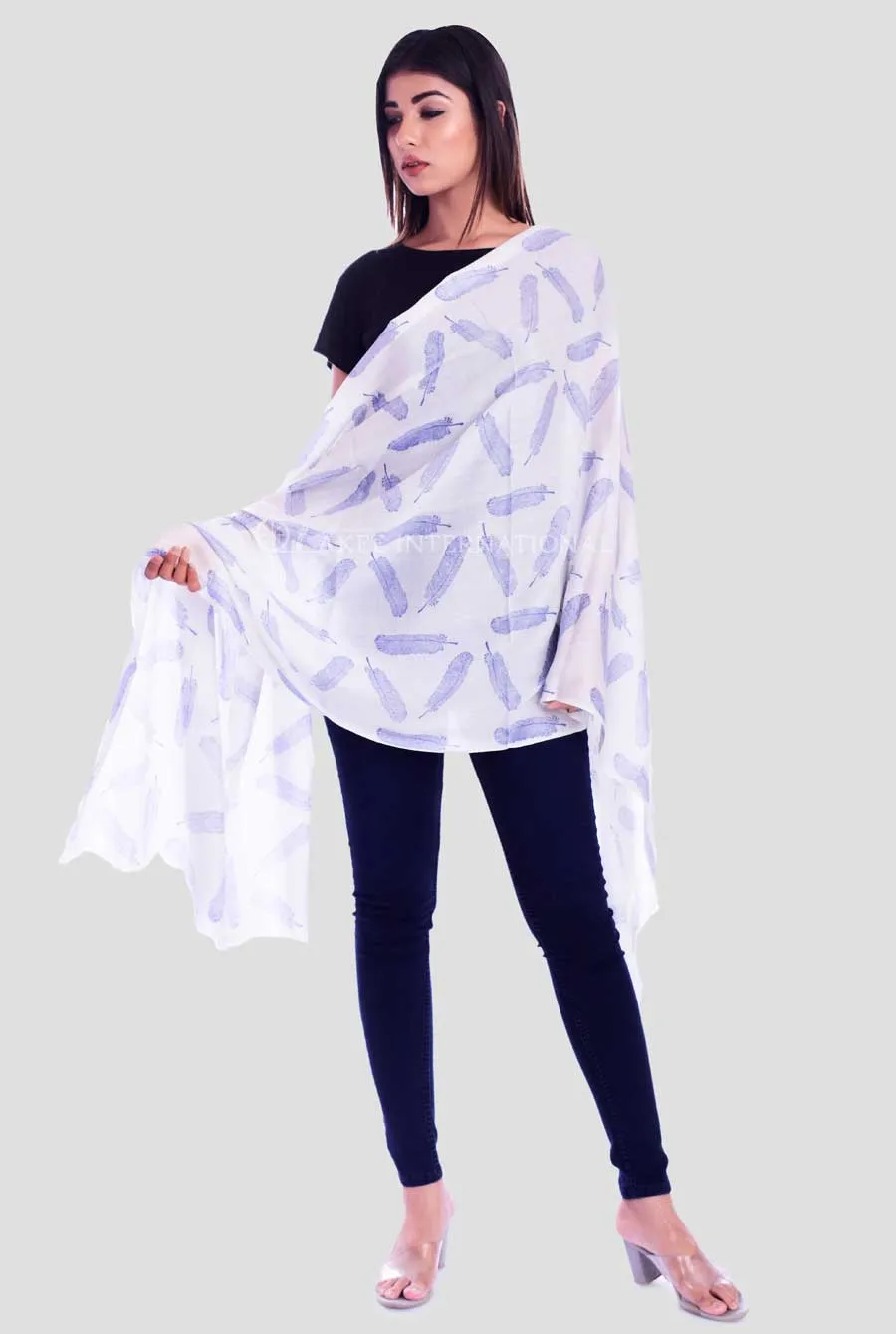
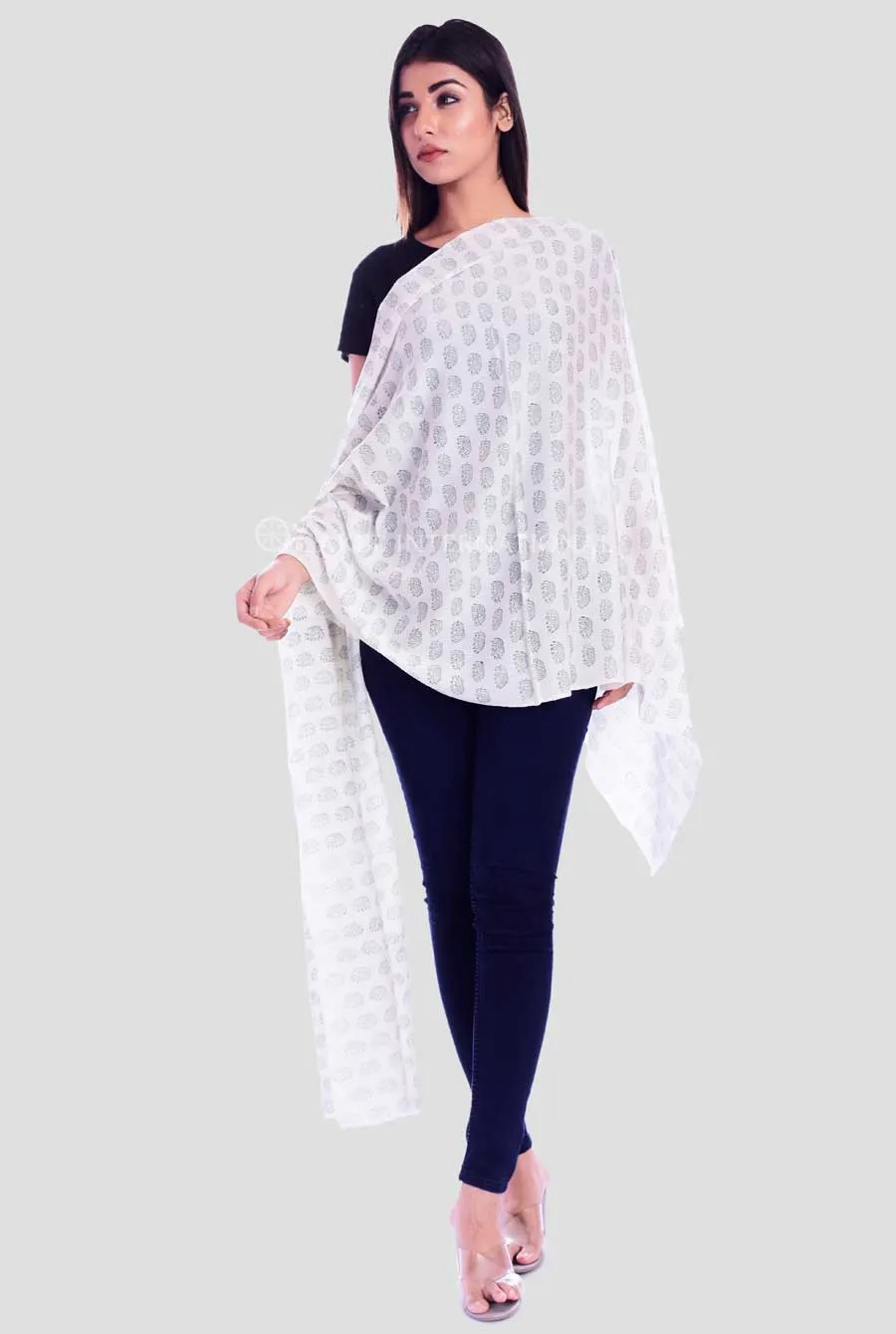
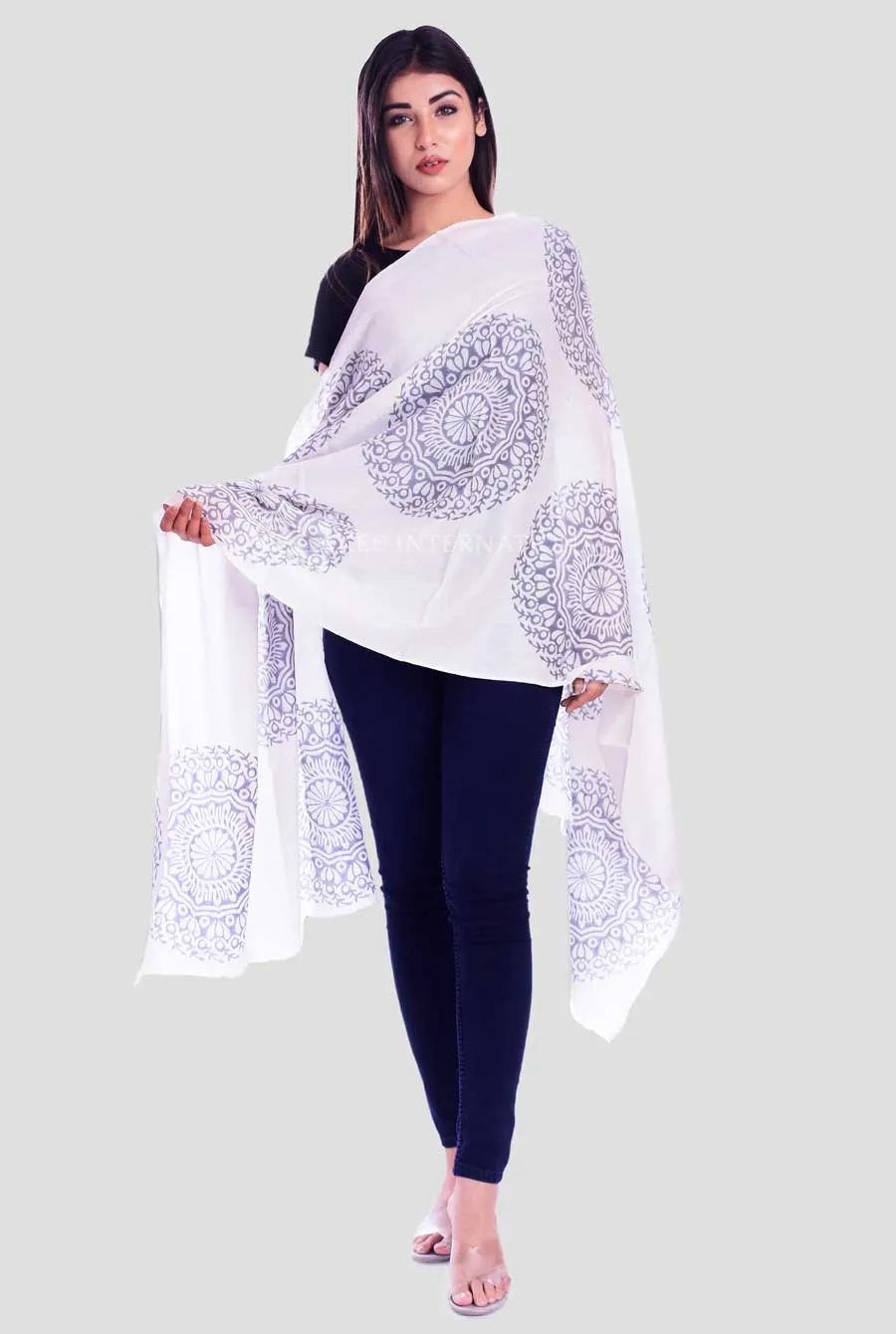
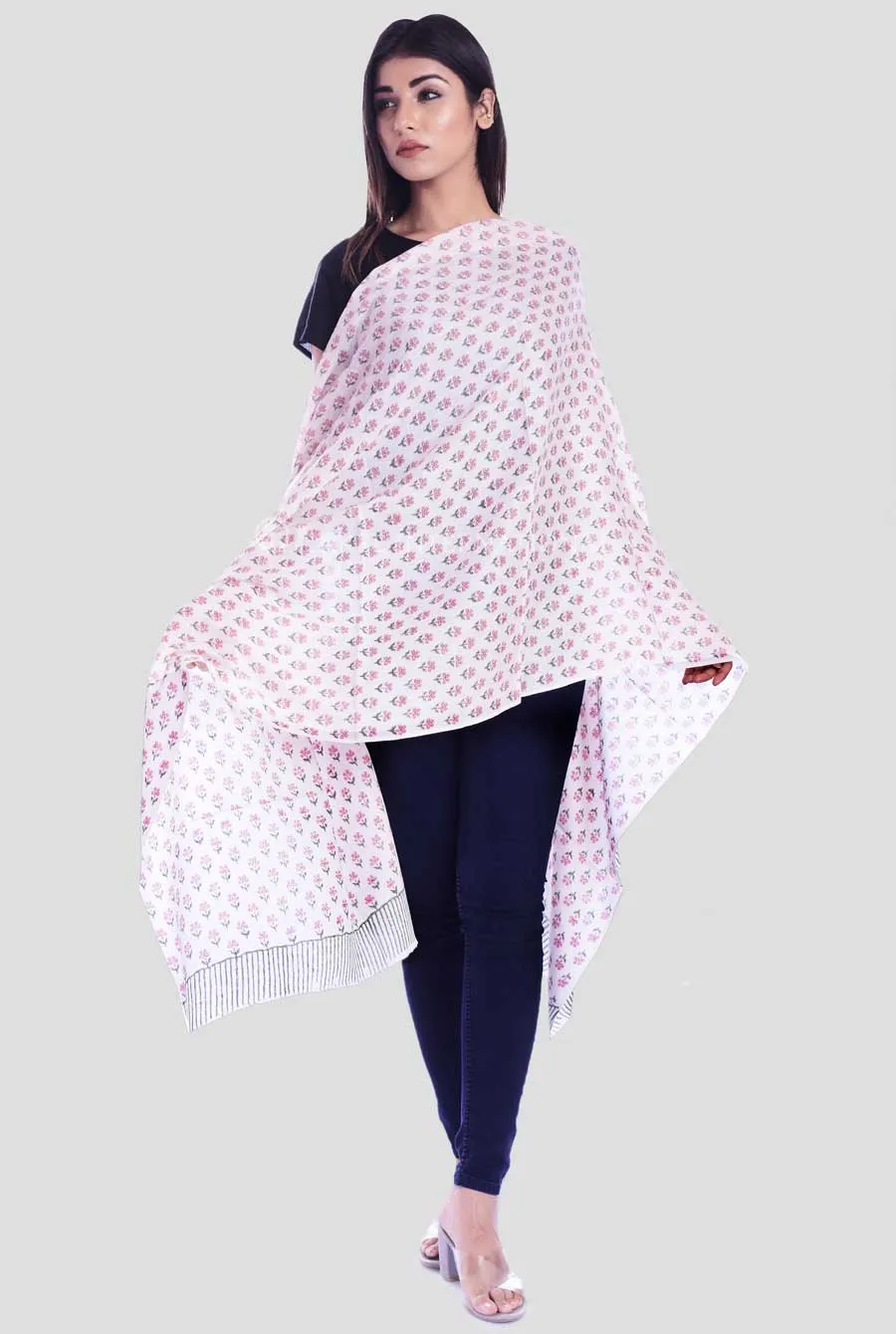
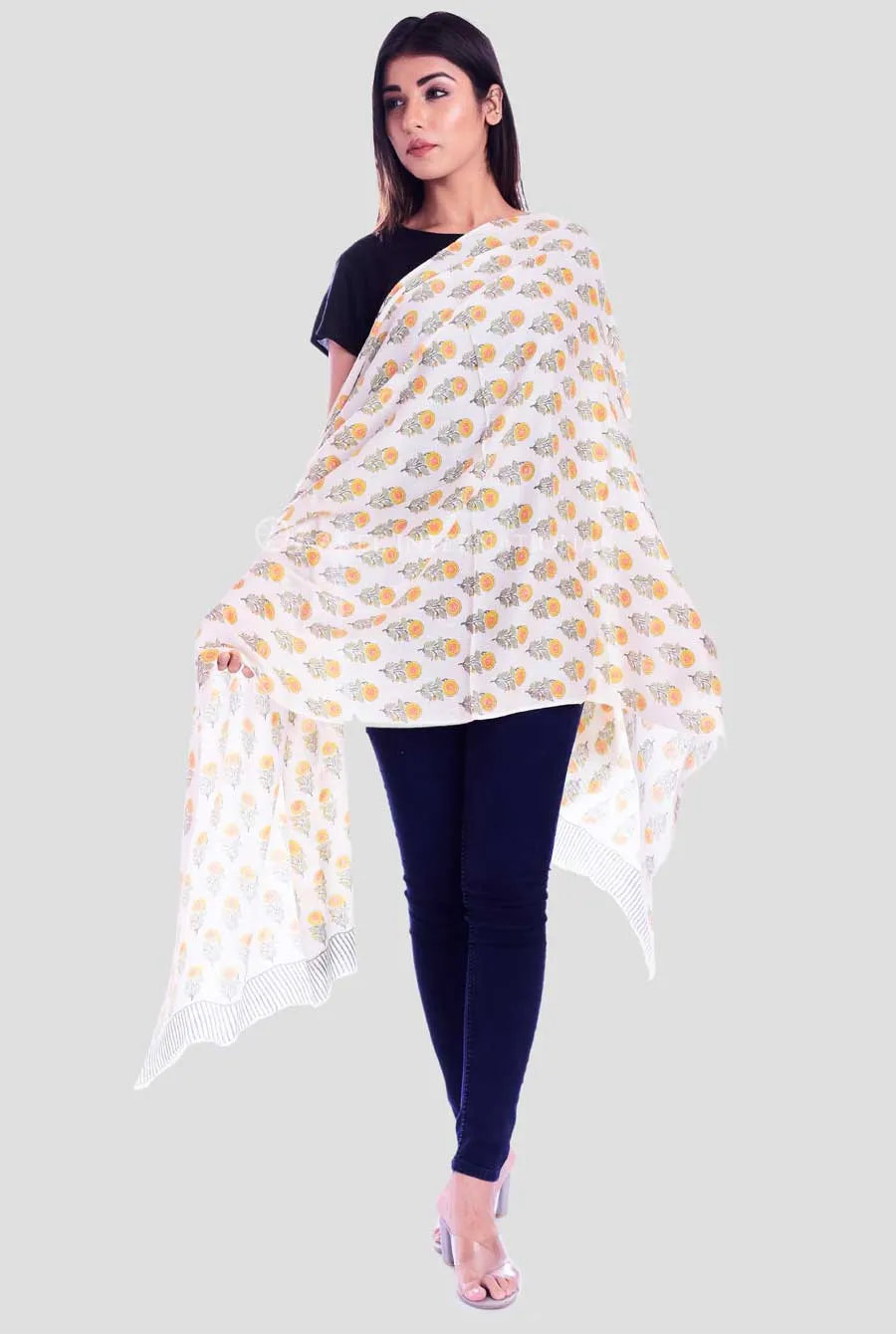
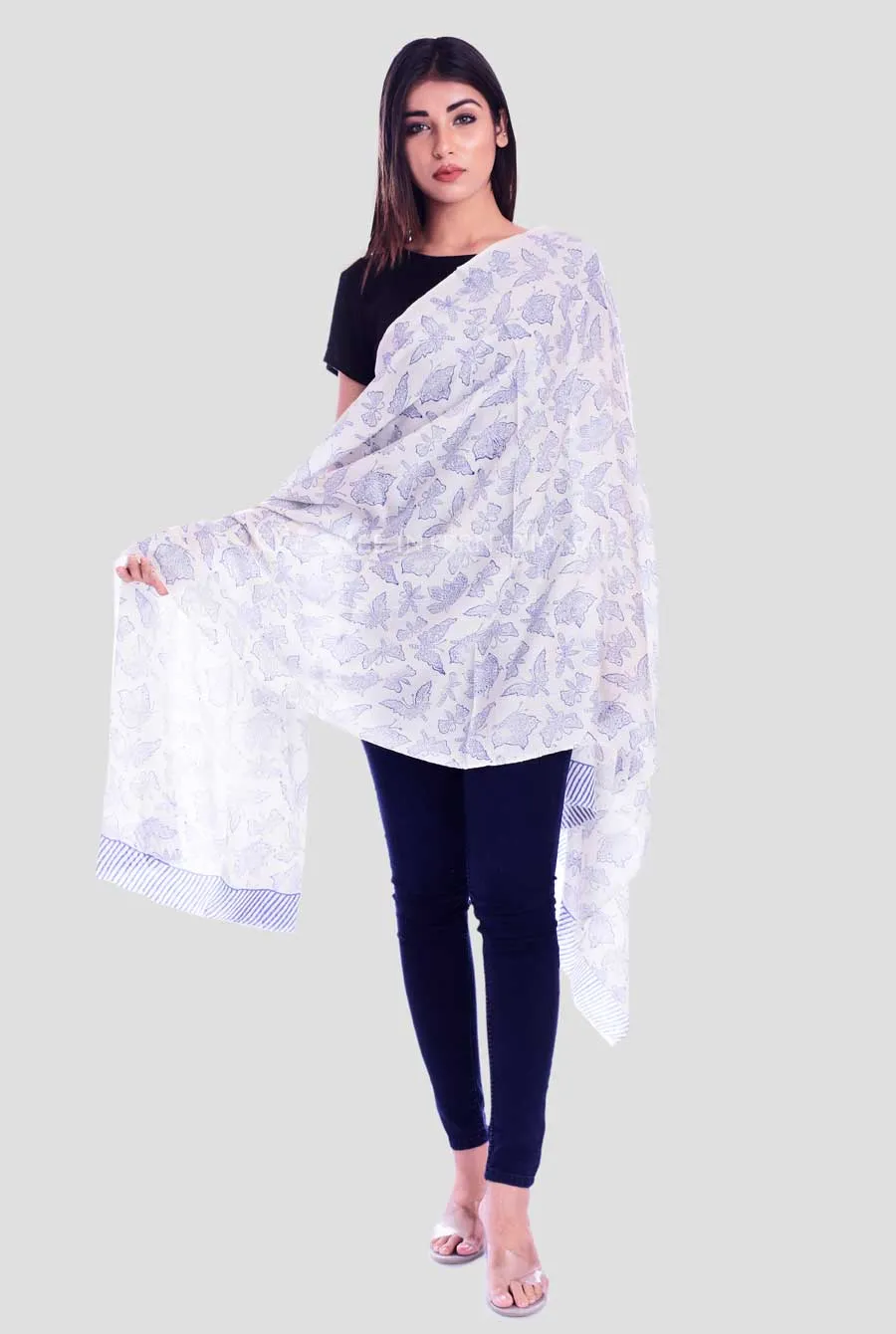
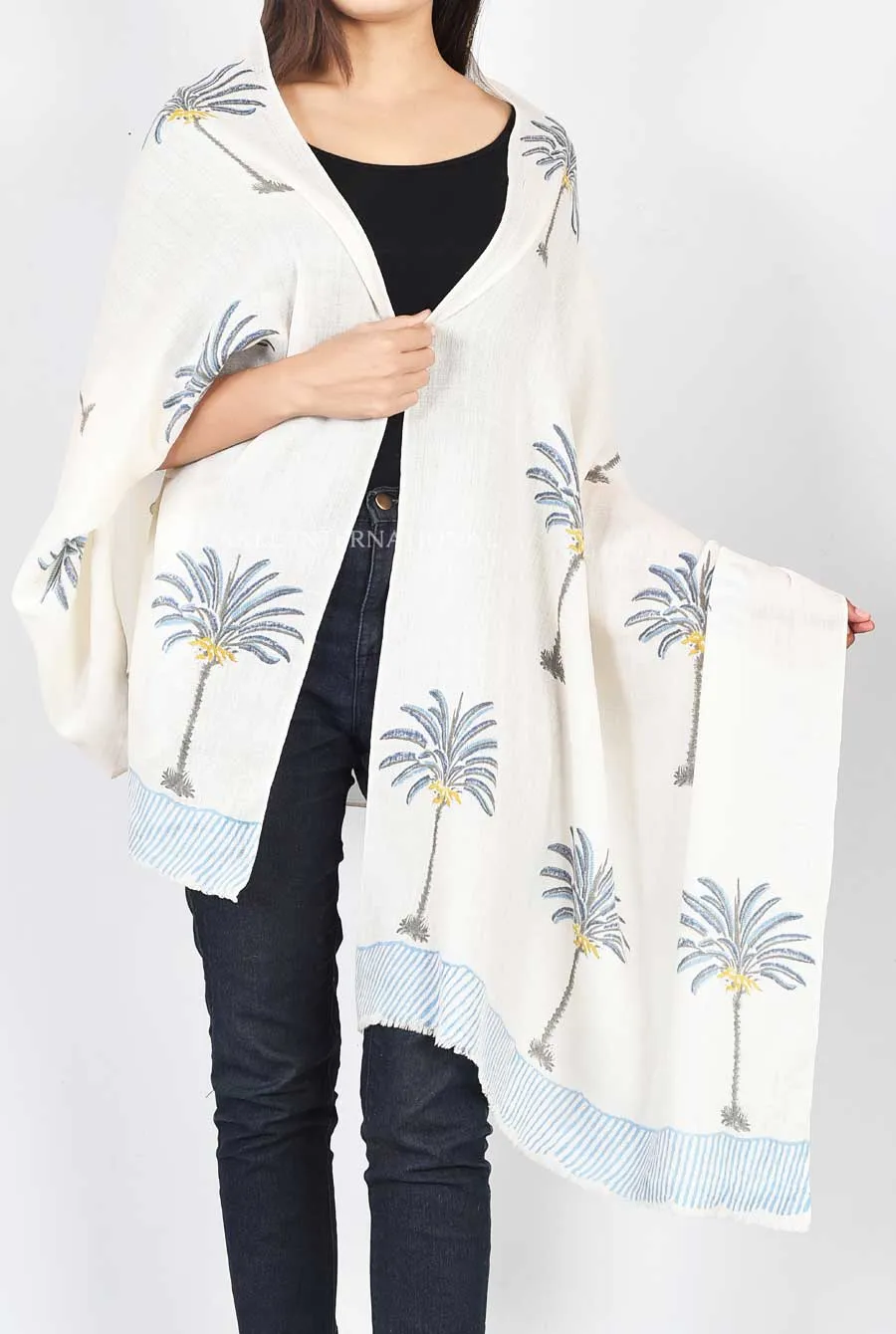
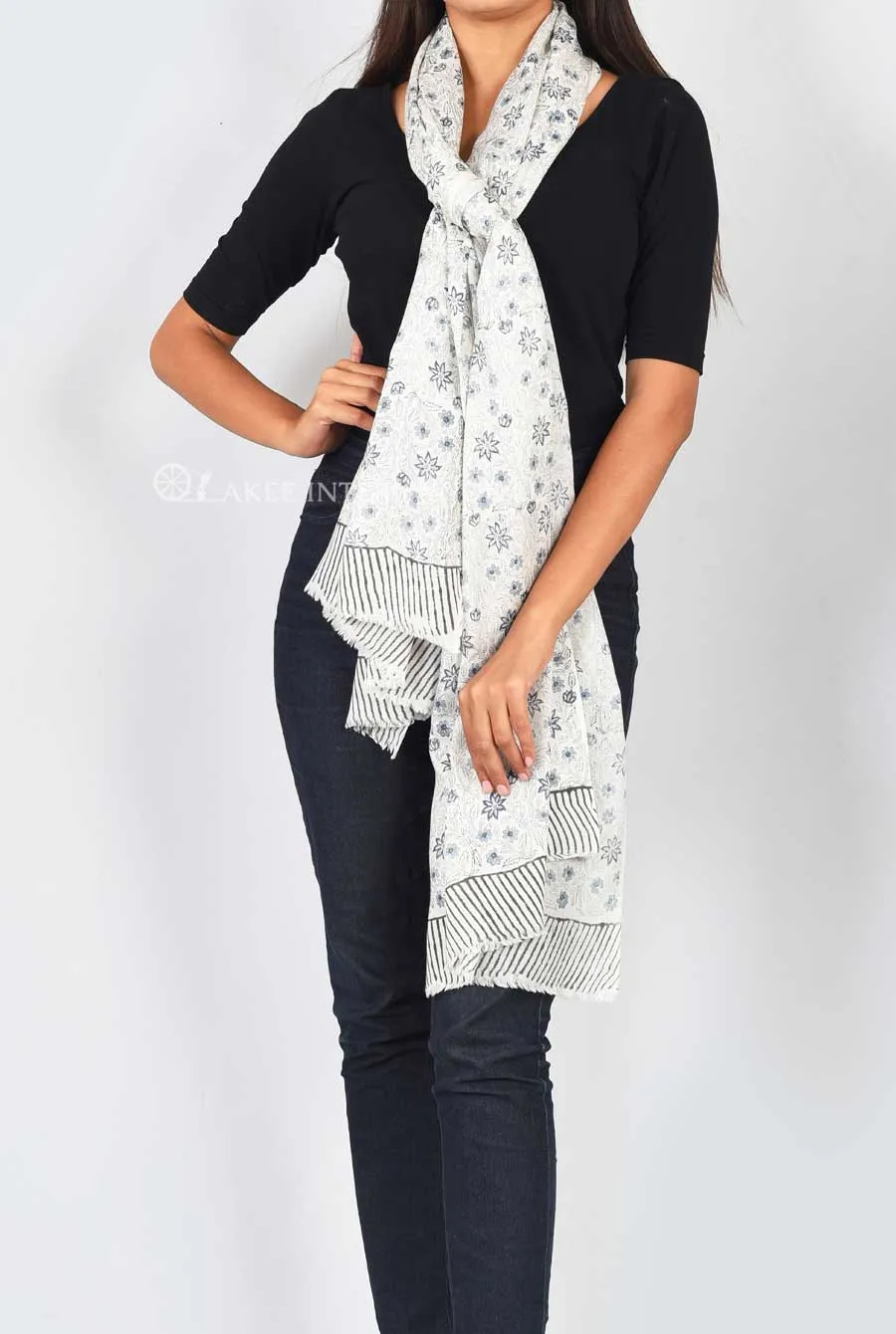
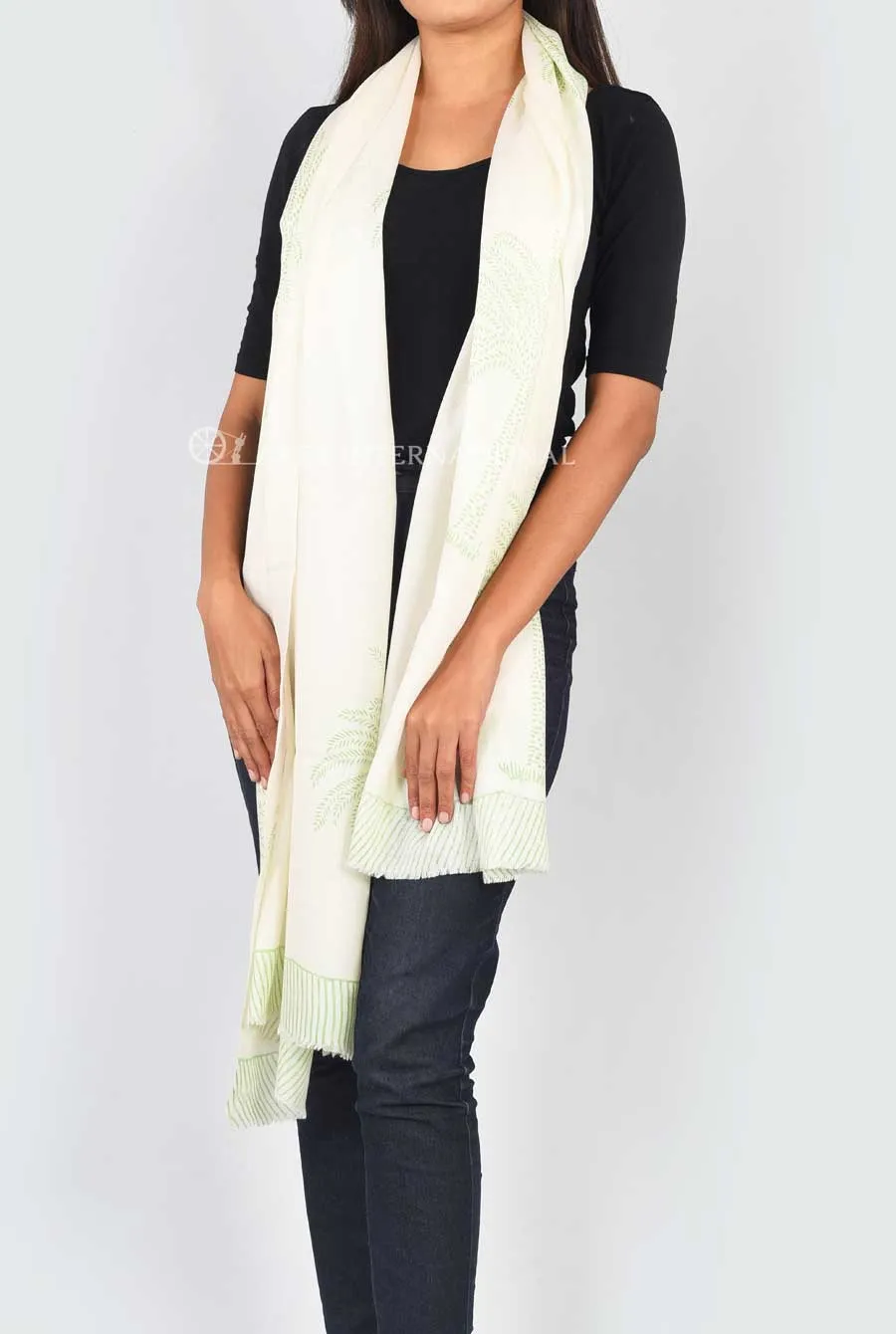
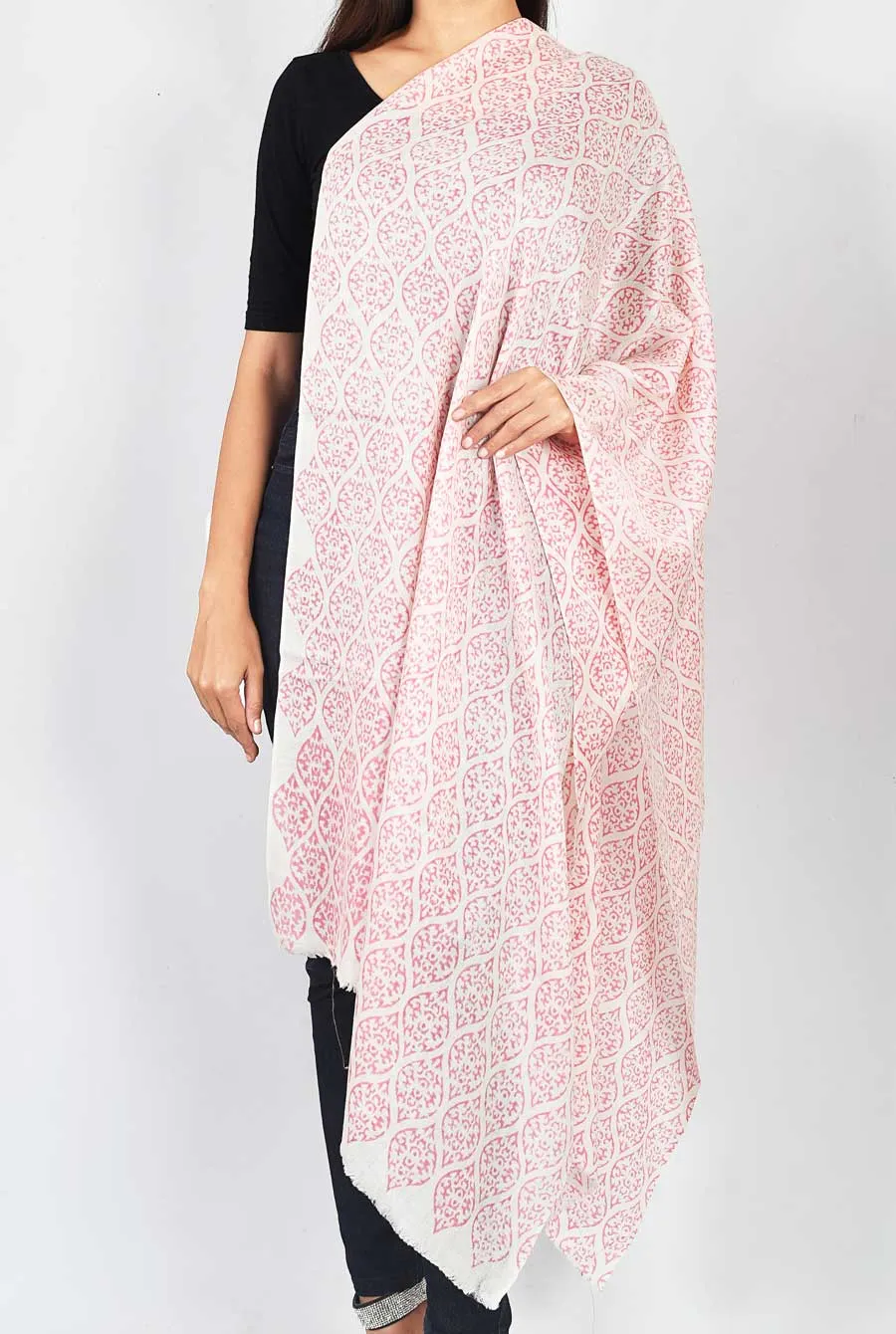
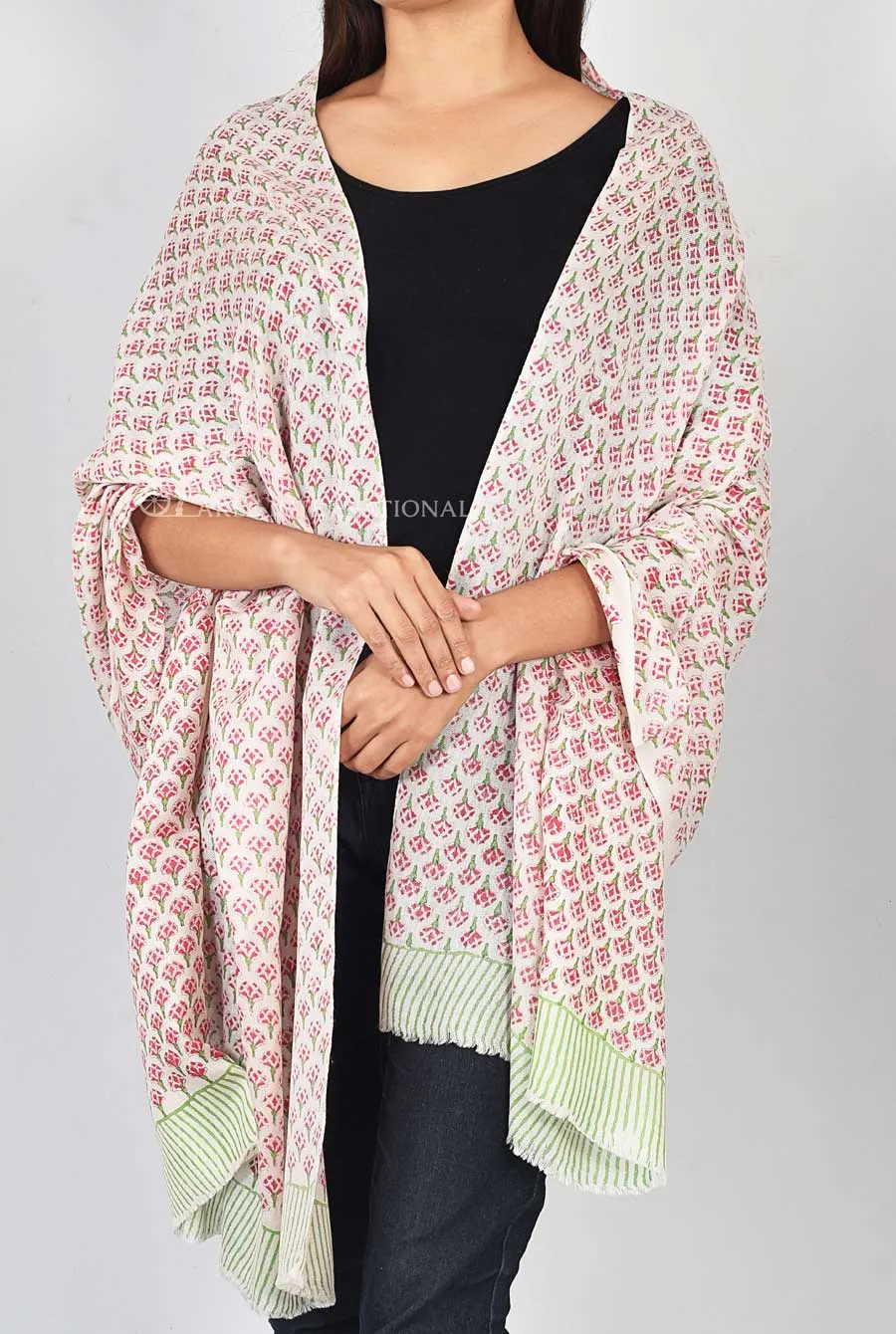
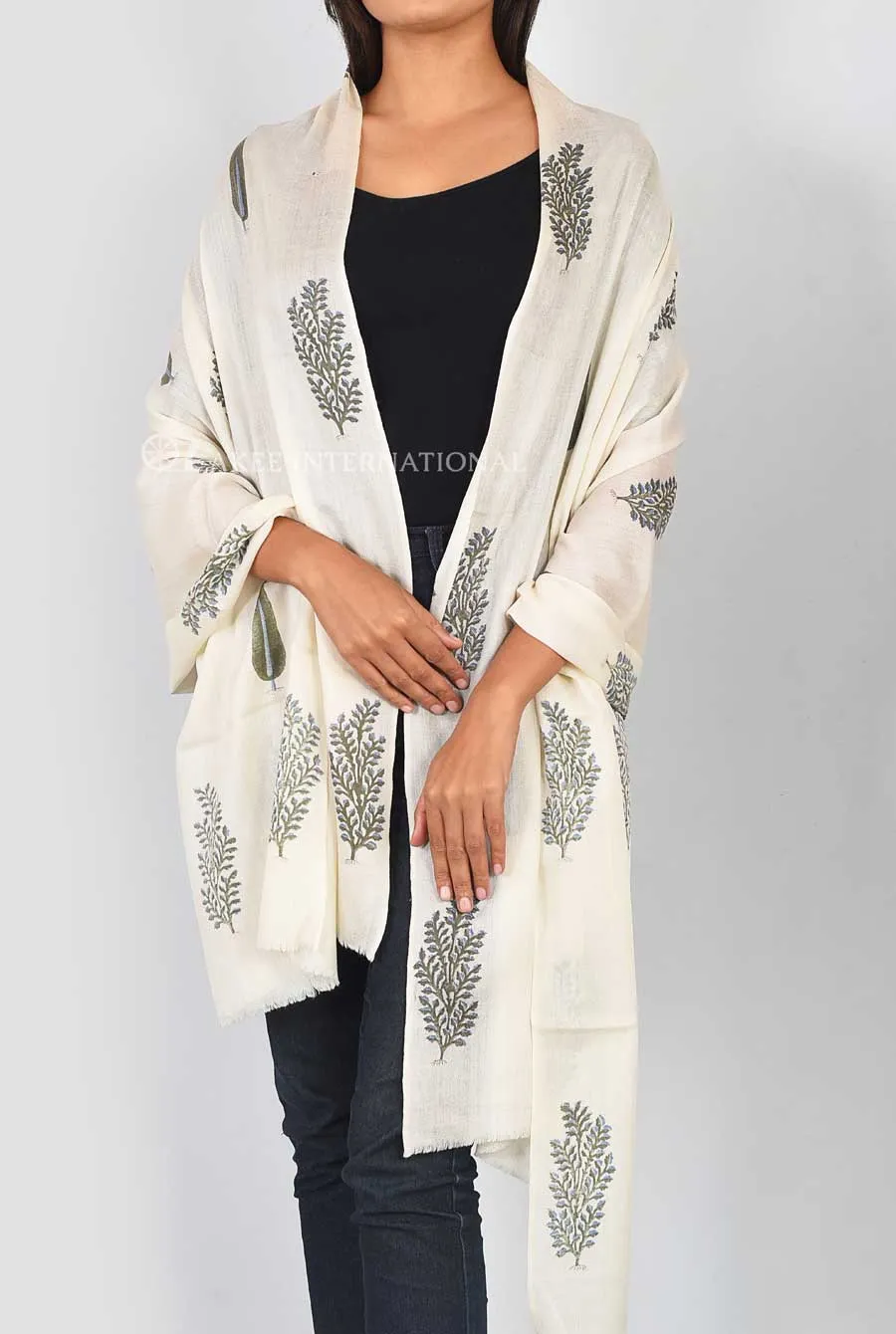
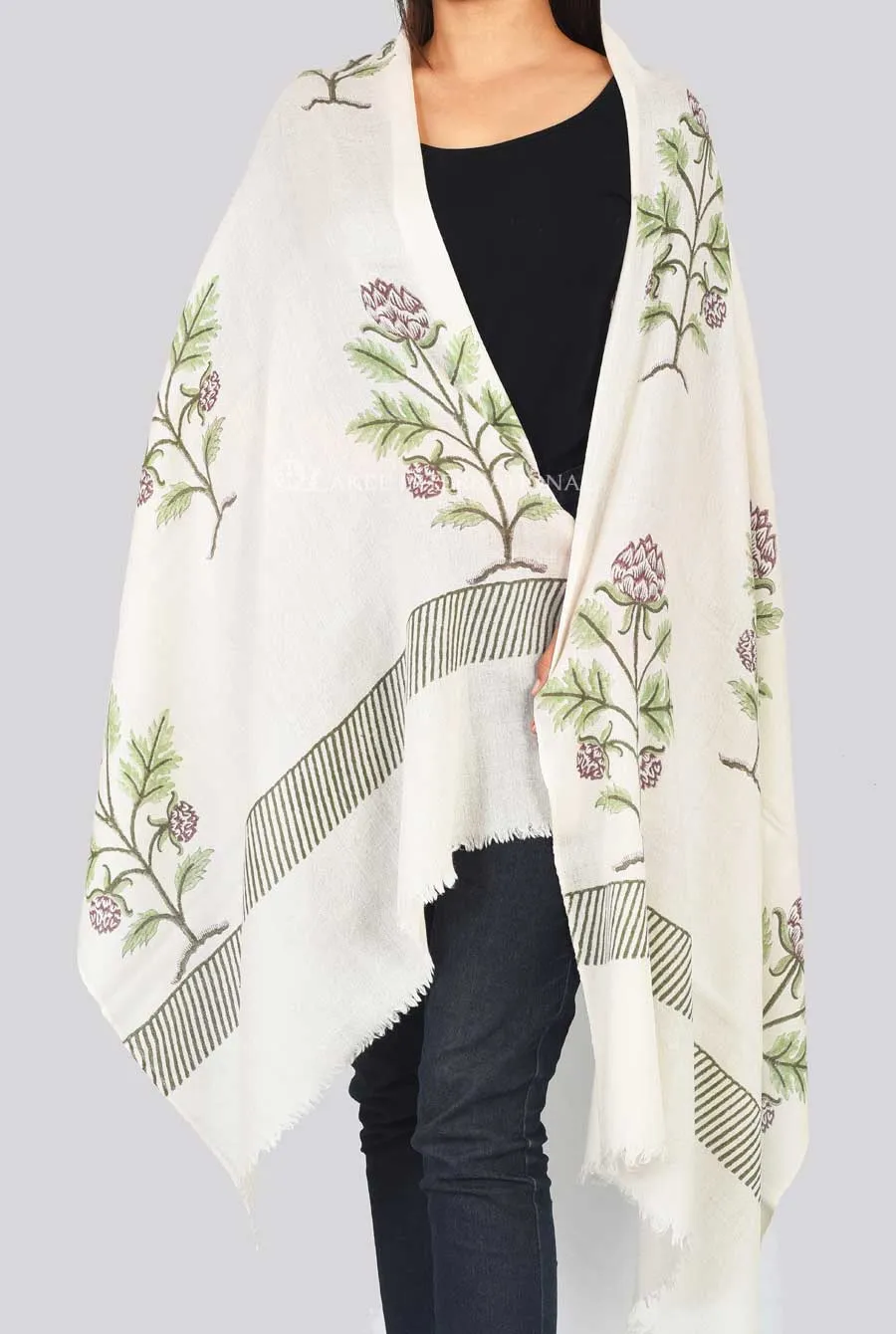
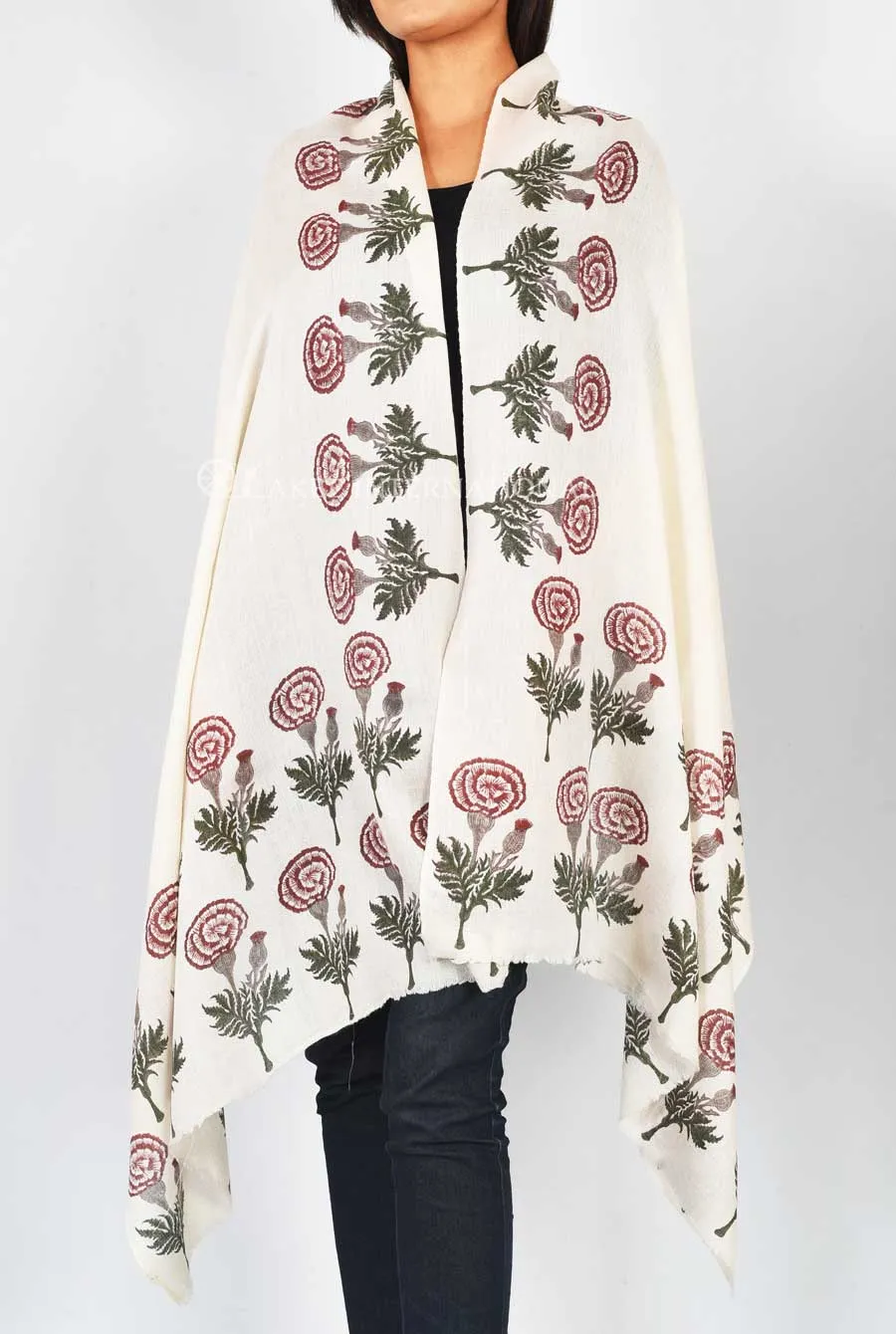
Kashmiri embroidery draws heavily on the region's Mughal-era textile heritage, favouring floral, paisley, and botanical motifs that have remained consistent design elements across generations of craftsmanship. Chinar leaf patterns, referencing Kashmir's iconic maple trees, and dense, flowing vine patterns appear frequently across both Sozni and Ari embroidered pieces, connecting each shawl to a specific, centuries-old design vocabulary rather than an arbitrary or purely decorative pattern choice.
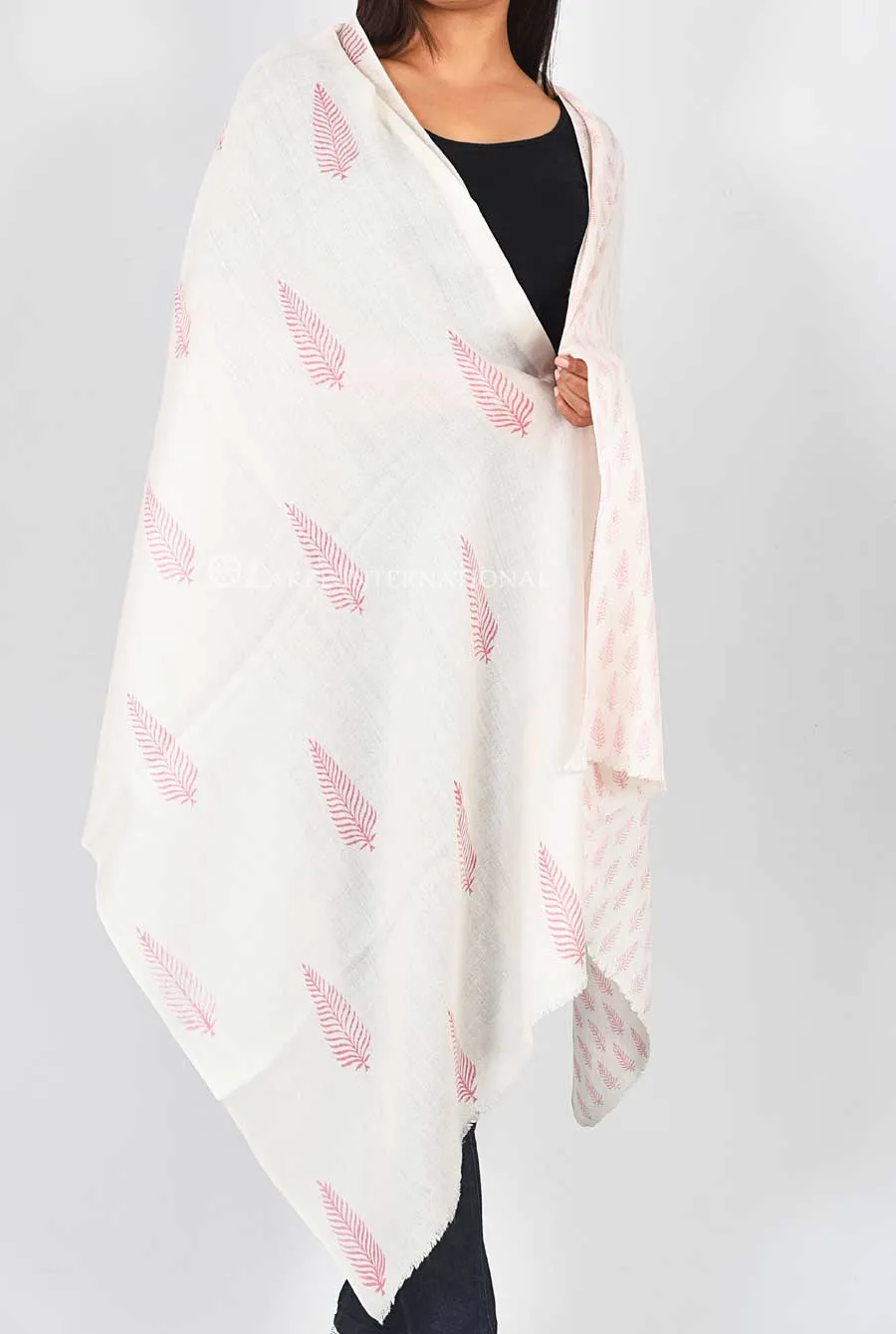
A genuine Kashmiri hand embroidered shawl shows the natural, slight irregularity characteristic of hand-stitching, distinguishable from the mechanically perfect uniformity of machine embroidery upon closer inspection. Examining the reverse side of the fabric, where genuine hand-embroidery typically shows corresponding thread work matching the front pattern, offers another useful verification check for buyers uncertain about a specific piece's authenticity.
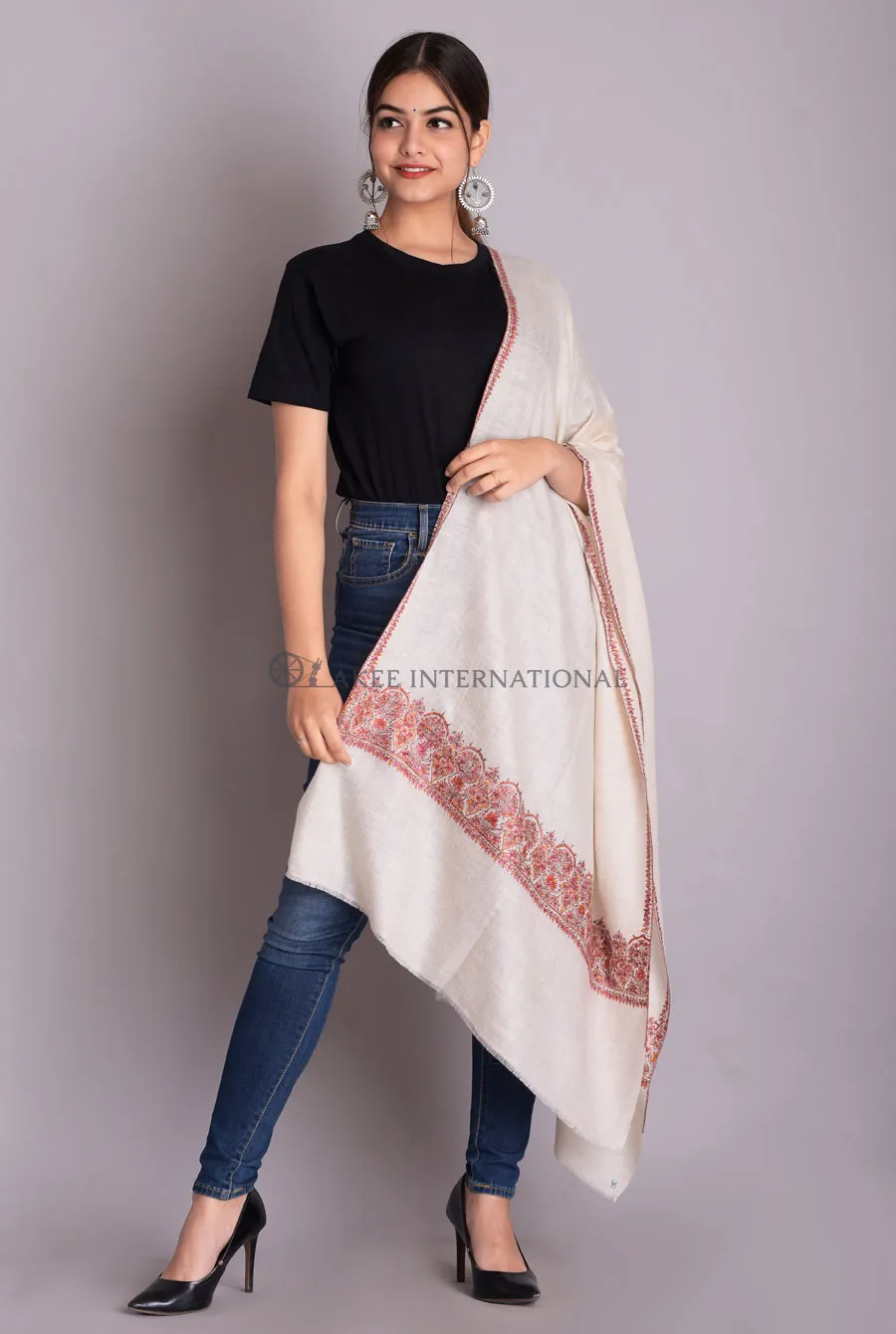
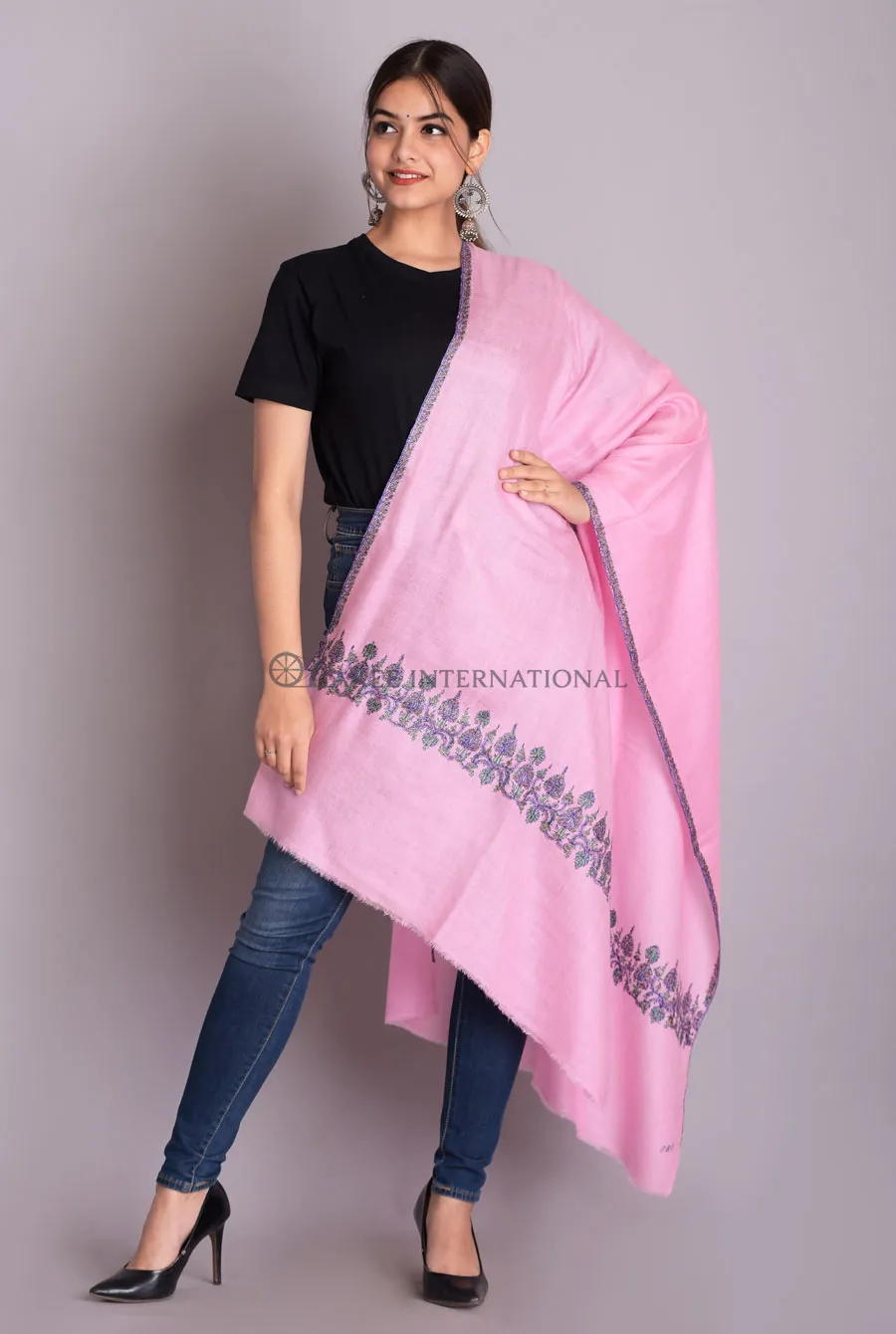
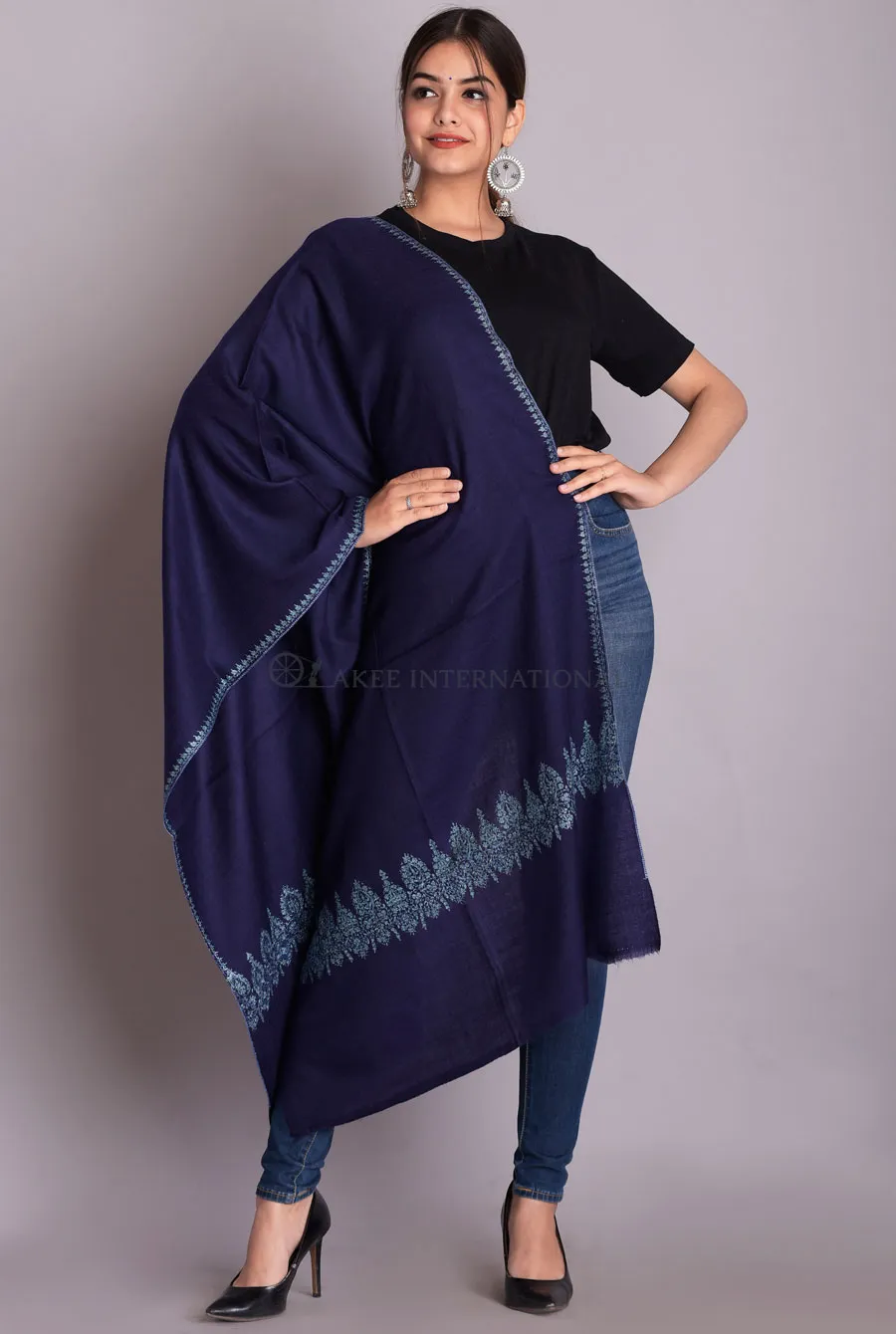
Given the additional craftsmanship and cost involved, a Kashmiri hand embroidered shawl typically suits more formal or significant occasions — weddings, festive celebrations, and meaningful gifting — rather than everyday casual wear, though lighter, border-only embroidered pieces can work well as elevated daily accessories for buyers wanting embroidered detail without full-shawl-level investment.
The time investment behind a Kashmiri hand embroidered shawl varies enormously depending on technique and coverage, and understanding this range helps buyers appreciate why pricing spans such a wide spectrum within the category. A simple border-embroidered piece using Ari work might take an experienced artisan a few days to complete, while a full-coverage Sozni-embroidered shawl with an intricate, dense pattern can take several months of dedicated work. This wide range means two pieces both accurately described as "hand embroidered" can differ enormously in both price and the actual labour invested, making it worth asking specifically about coverage and technique rather than assuming all hand-embroidered pieces represent similar value.
Beyond the practical and cost considerations, choosing between Sozni's fine subtlety and Ari's bolder texture often comes down to personal aesthetic preference. Buyers drawn to refined, understated elegance that rewards close inspection tend to prefer Sozni work, while those wanting embroidery that makes a clear visual statement even from a distance often gravitate toward Ari's more pronounced stitching. Akee International's collection spans both traditions, and buyers uncertain which style suits their taste can request comparison photographs or samples of each before deciding.
For questions about specific embroidery techniques or to discuss a custom piece, contact the team through Contact Us or WhatsApp at +91-9772777770. The full product catalogue reflects the complete range of hand-embroidered Kashmiri craftsmanship available.
Discover exquisite Pashmina shawls, beautifully crafted with Kashmir’s timeless heritage and artistry.
Discover exquisite Pashmina shawls, beautifully crafted with Kashmir’s timeless heritage and artistry.
Common techniques include Sozni, Ari work, and Zari embroidery.
Depending on complexity, it can take several weeks to a few months.
Genuine hand embroidery shows subtle irregularities and stitches that blend into the fabric.
All our embroidered shawls use 100% pure Changthangi pashmina wool as the base fabric.
Traditional motifs include chinar leaves, paisleys, and floral vines.
Yes, they're especially popular for bridal and festive wear due to their intricate detailing.
Dry cleaning is strongly recommended, along with gentle storage away from direct sunlight.
Yes, due to the significant time and skill required, hand embroidery commands a higher price.
Yes, our collection includes a range of embroidery densities and techniques.
Please contact our team to discuss availability and feasibility of custom commissions.
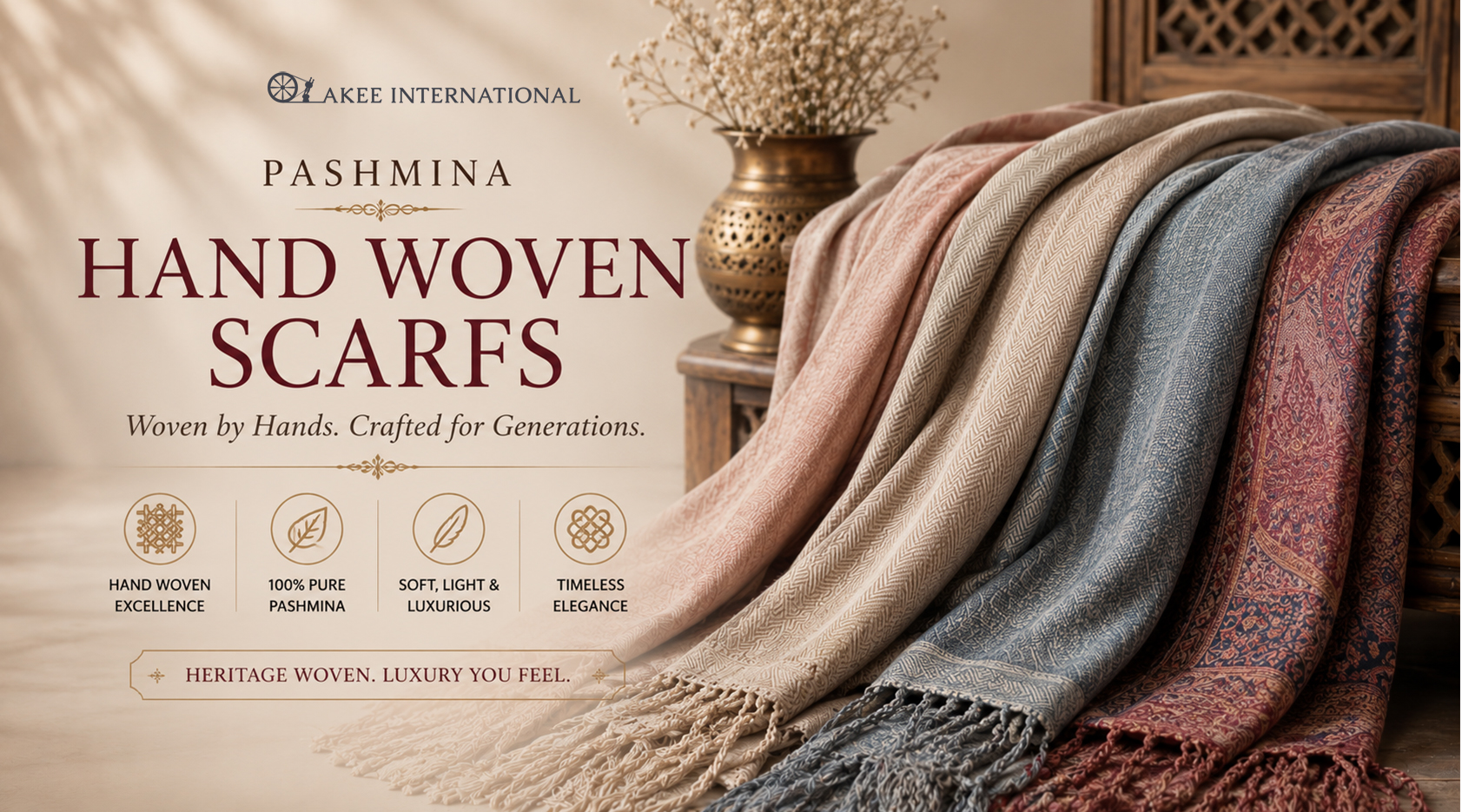
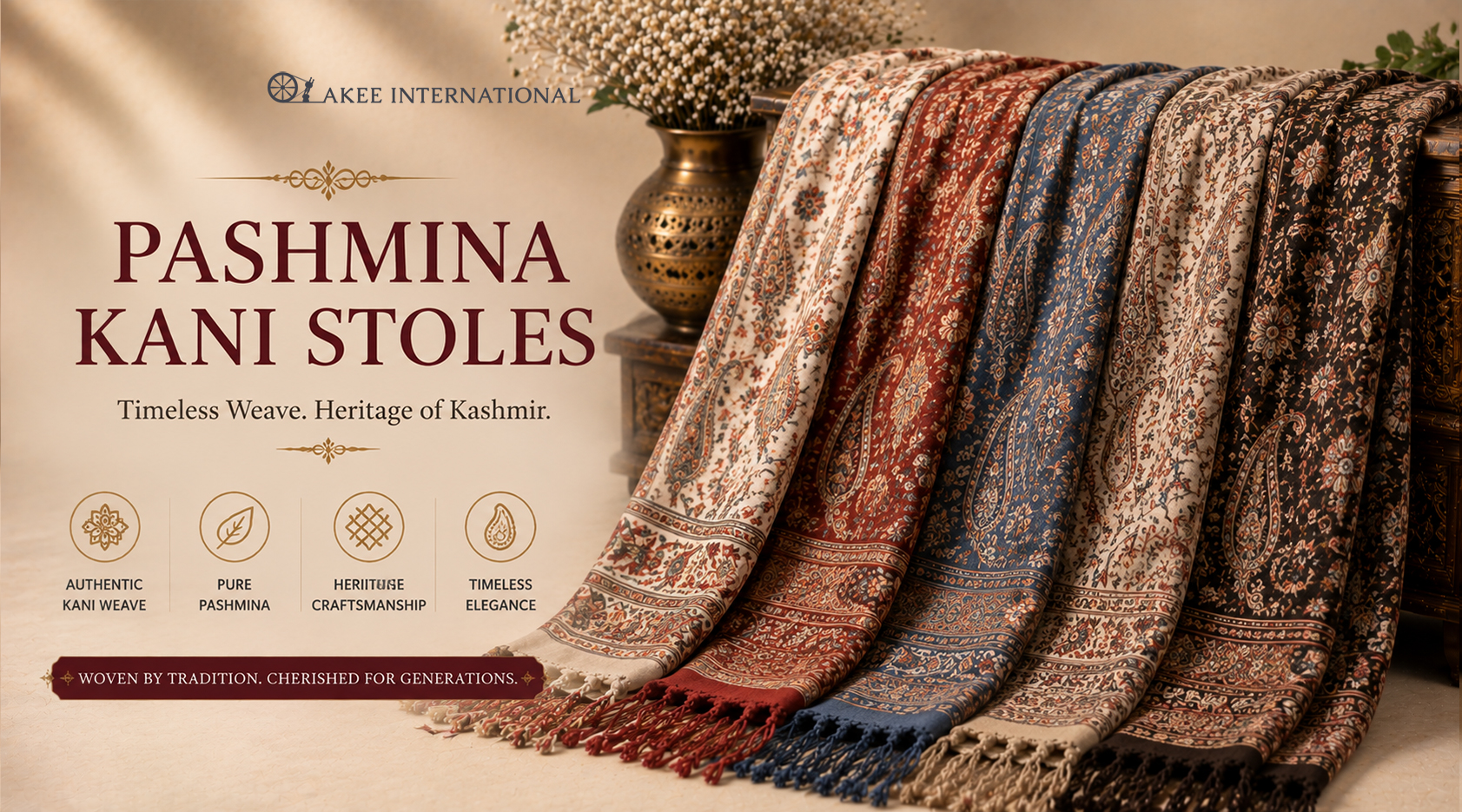
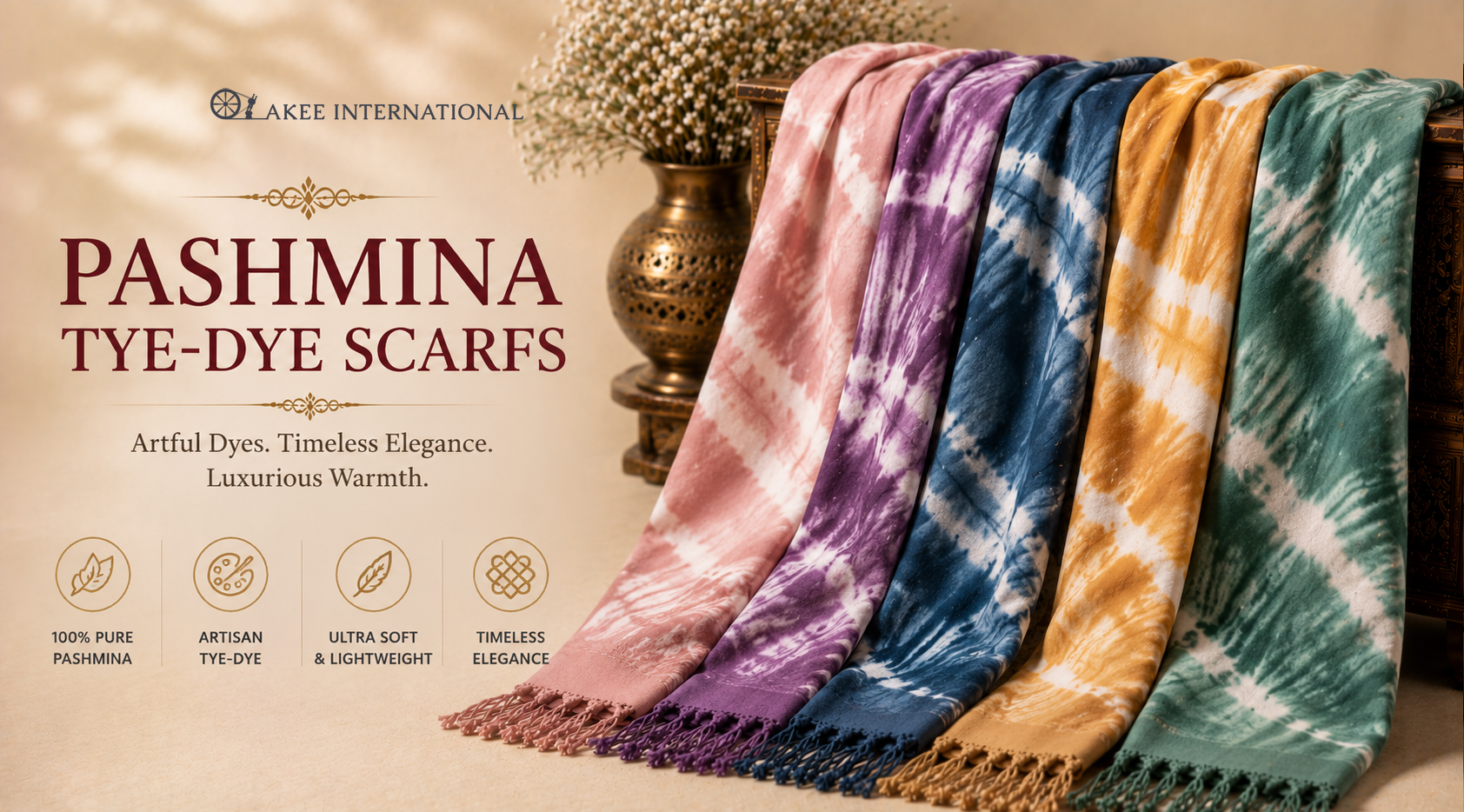
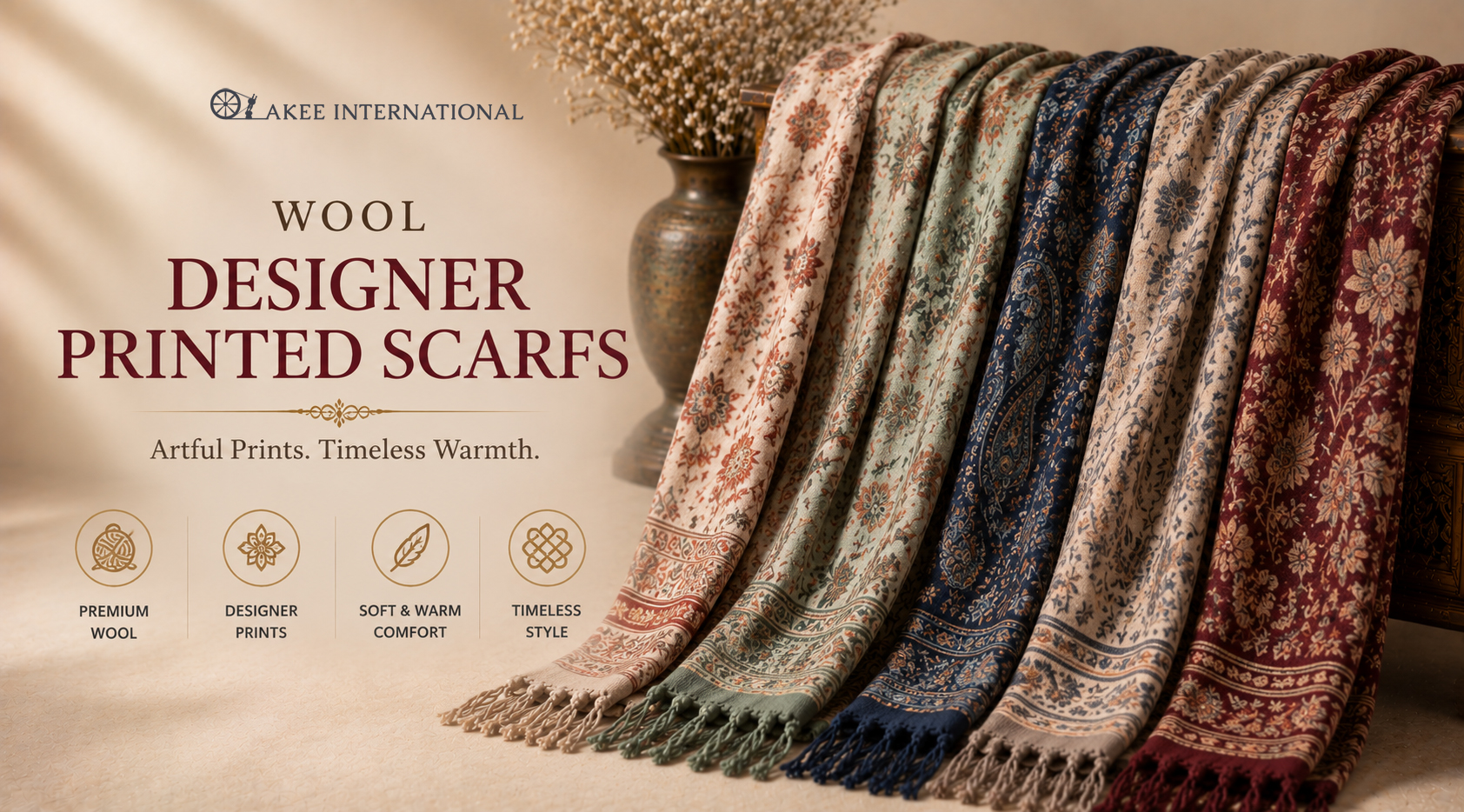
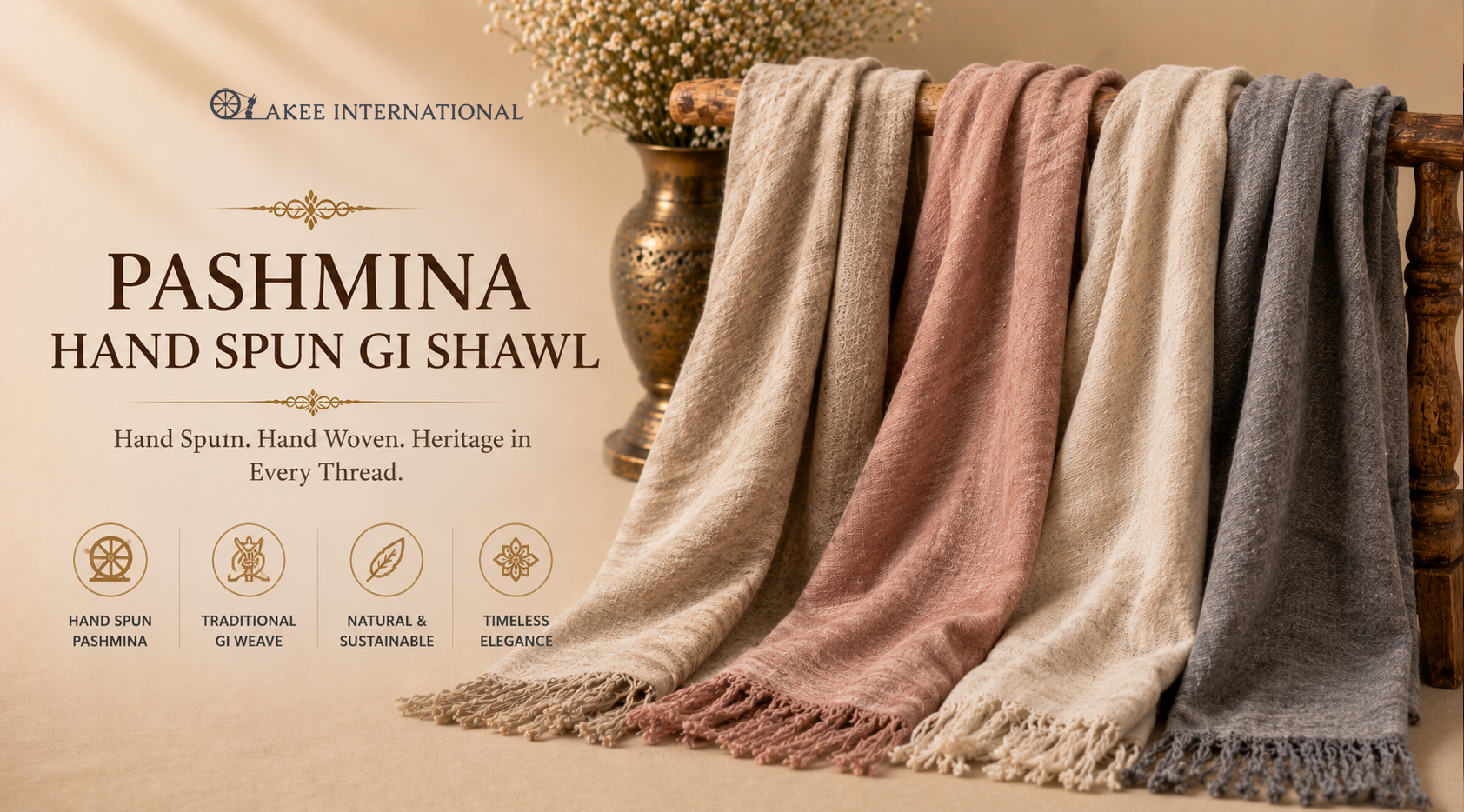
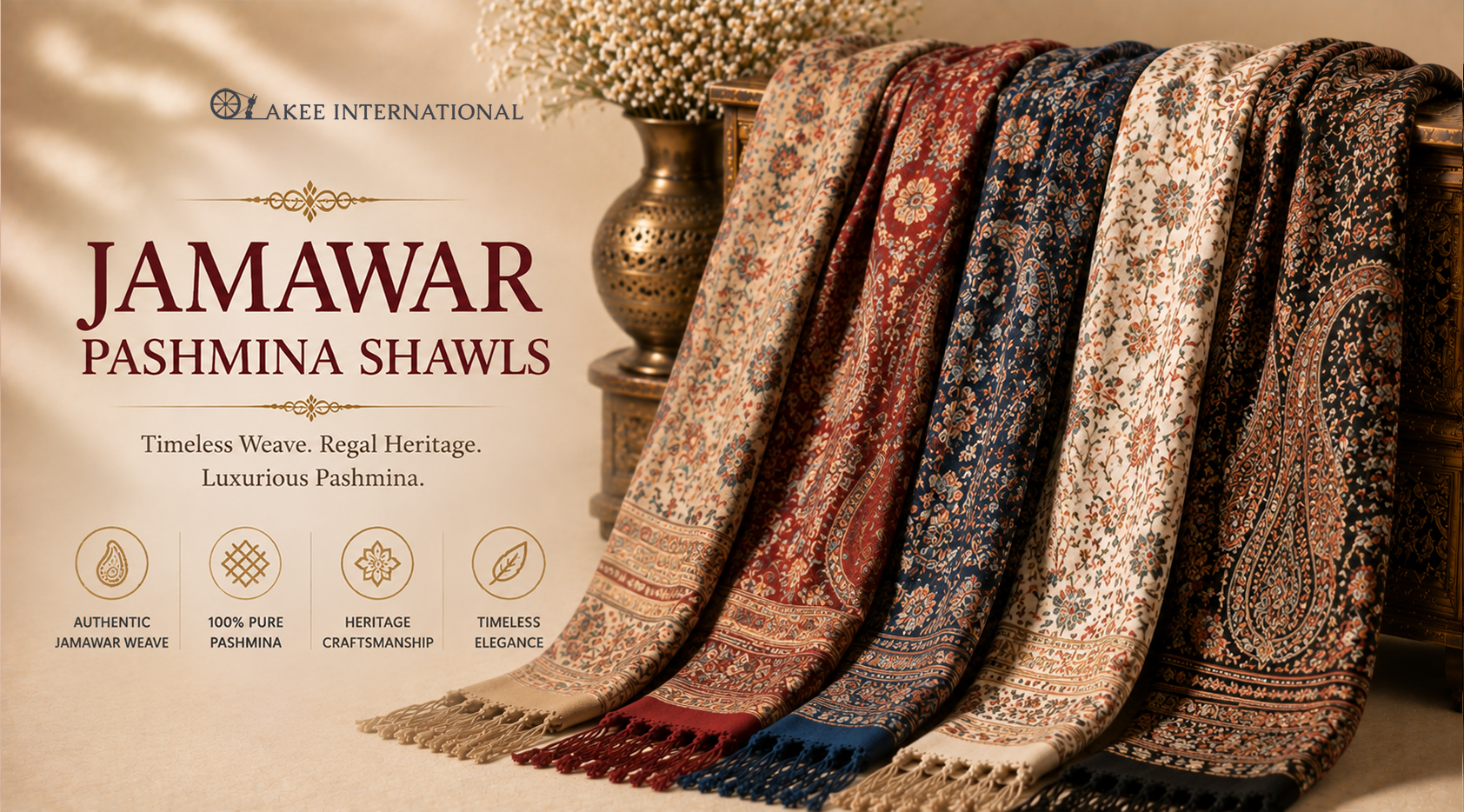
Discover exquisite Pashmina shawls, beautifully crafted with Kashmir’s timeless heritage and artistry.
"Read what our clients say about their experience with Akee International's luxurious Pashmina shawls and impeccable service."

Nai Mata Mandir Road, Thathar Road, Delhi By Pass, Amer, Jaipur 302028, Rajasthan India
Get directions Call Now Whatsapp 4.9 based on 269 reviews

Rating: 4.6/5 | 85 Reviews

Rating: 4.9/5 | 269 Reviews

TrustScore: 4.9 | 100 Reviews