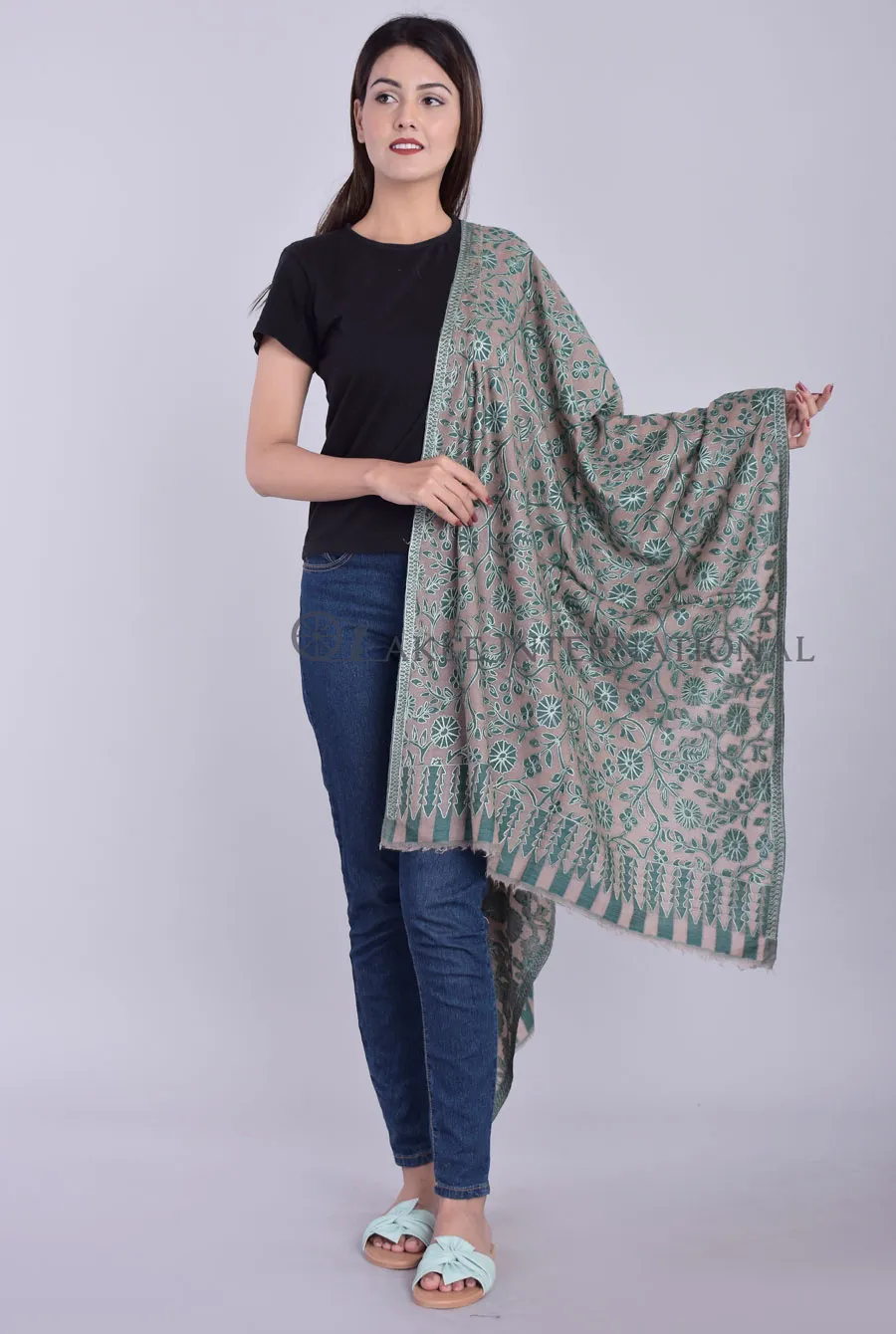
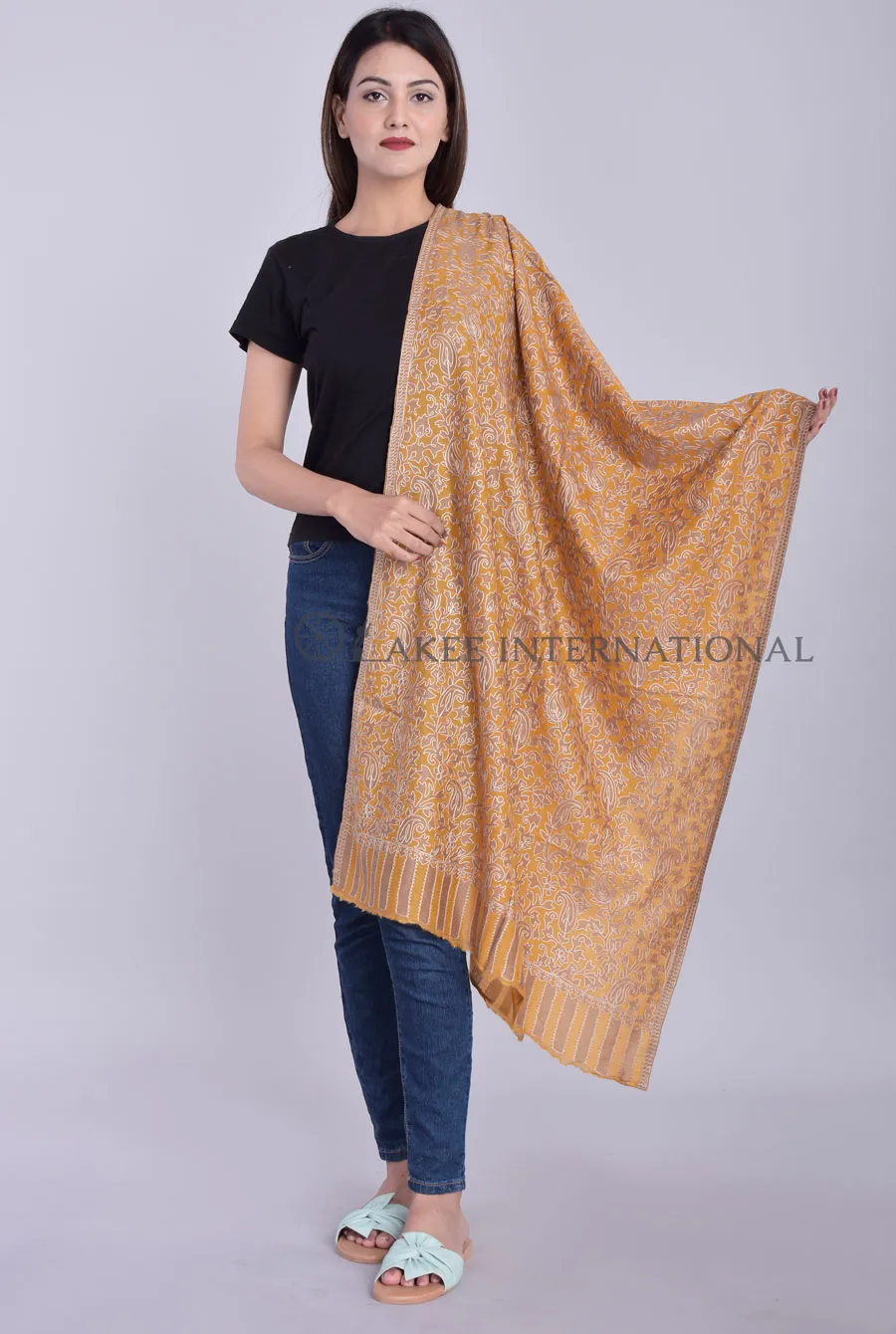
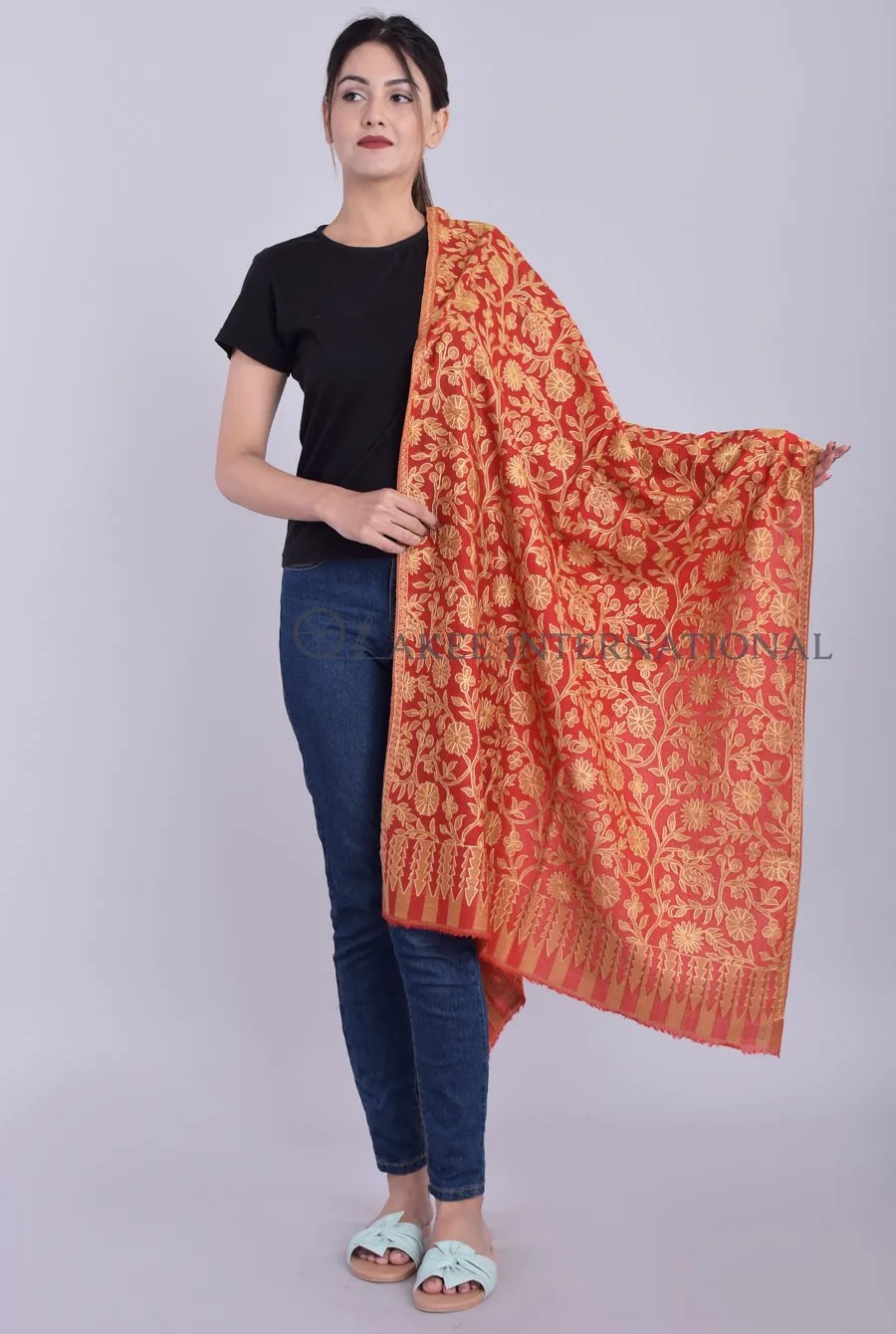
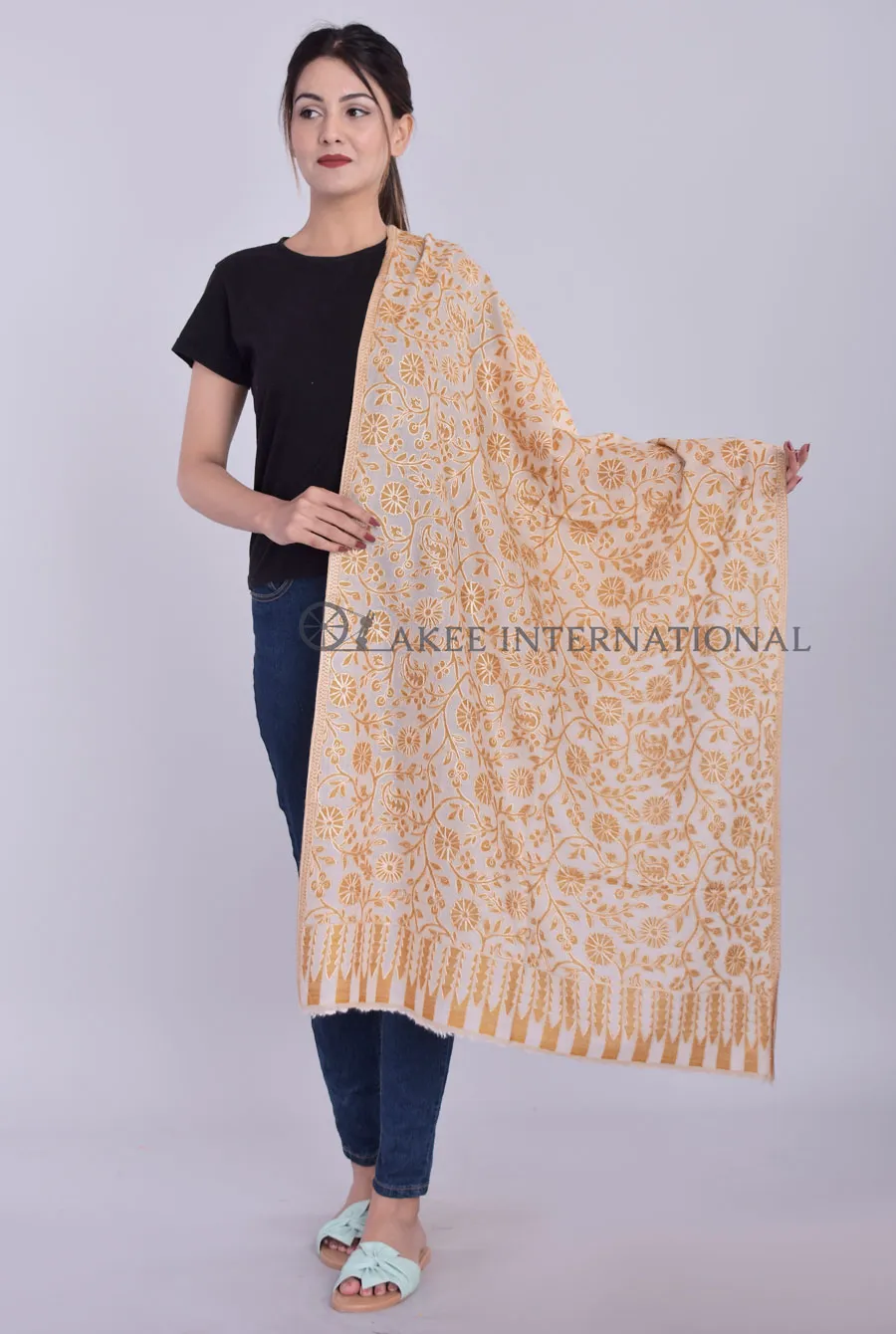
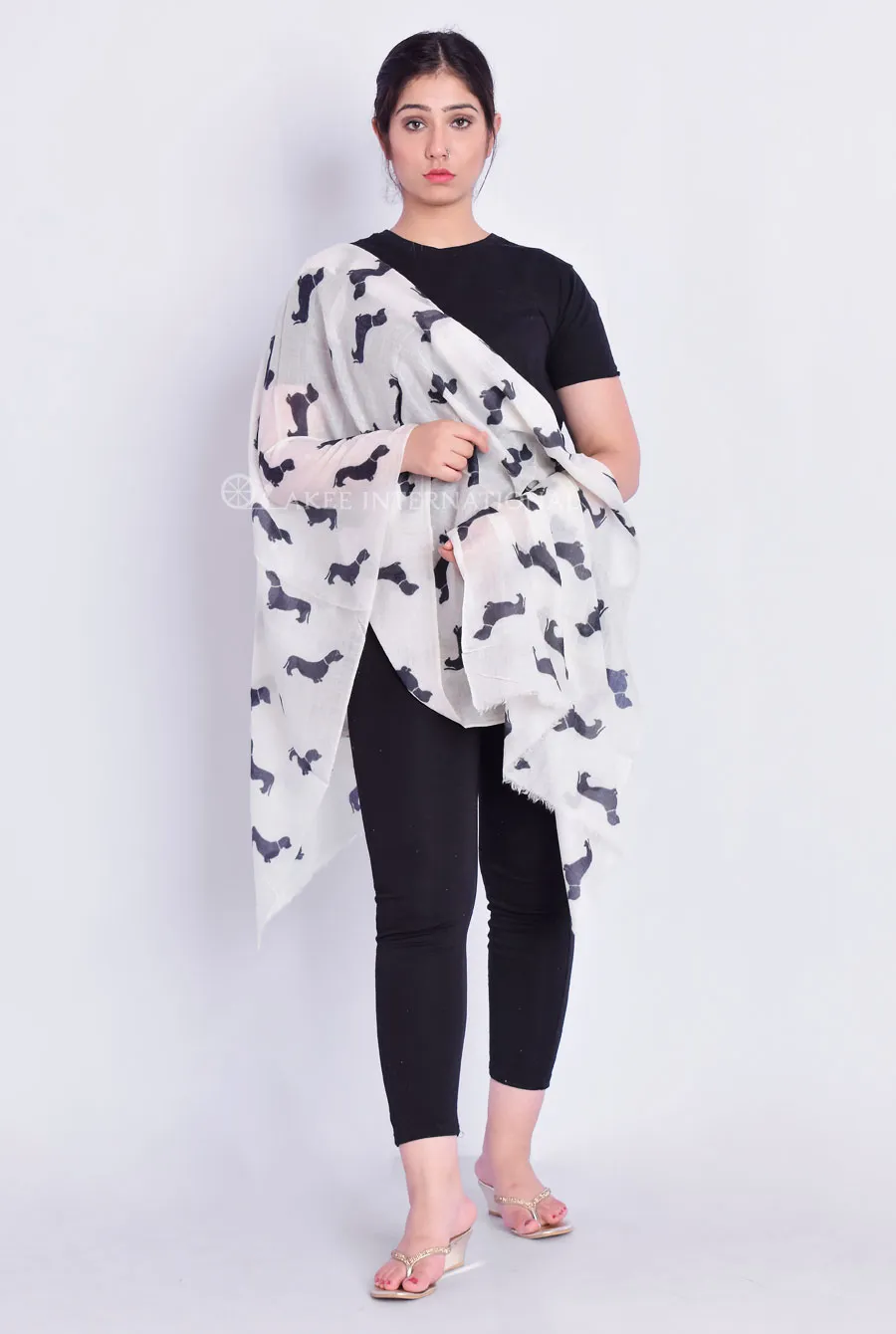
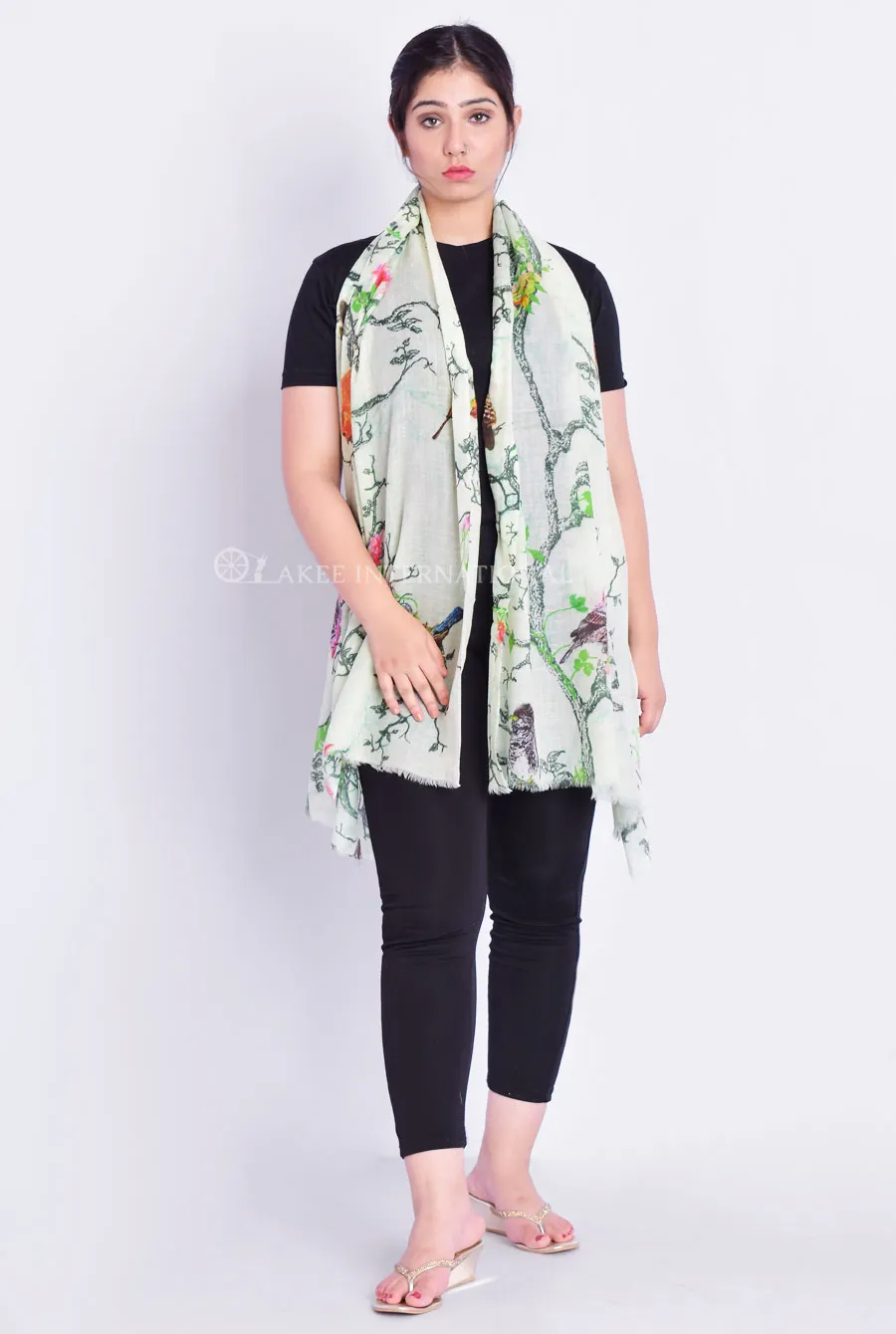
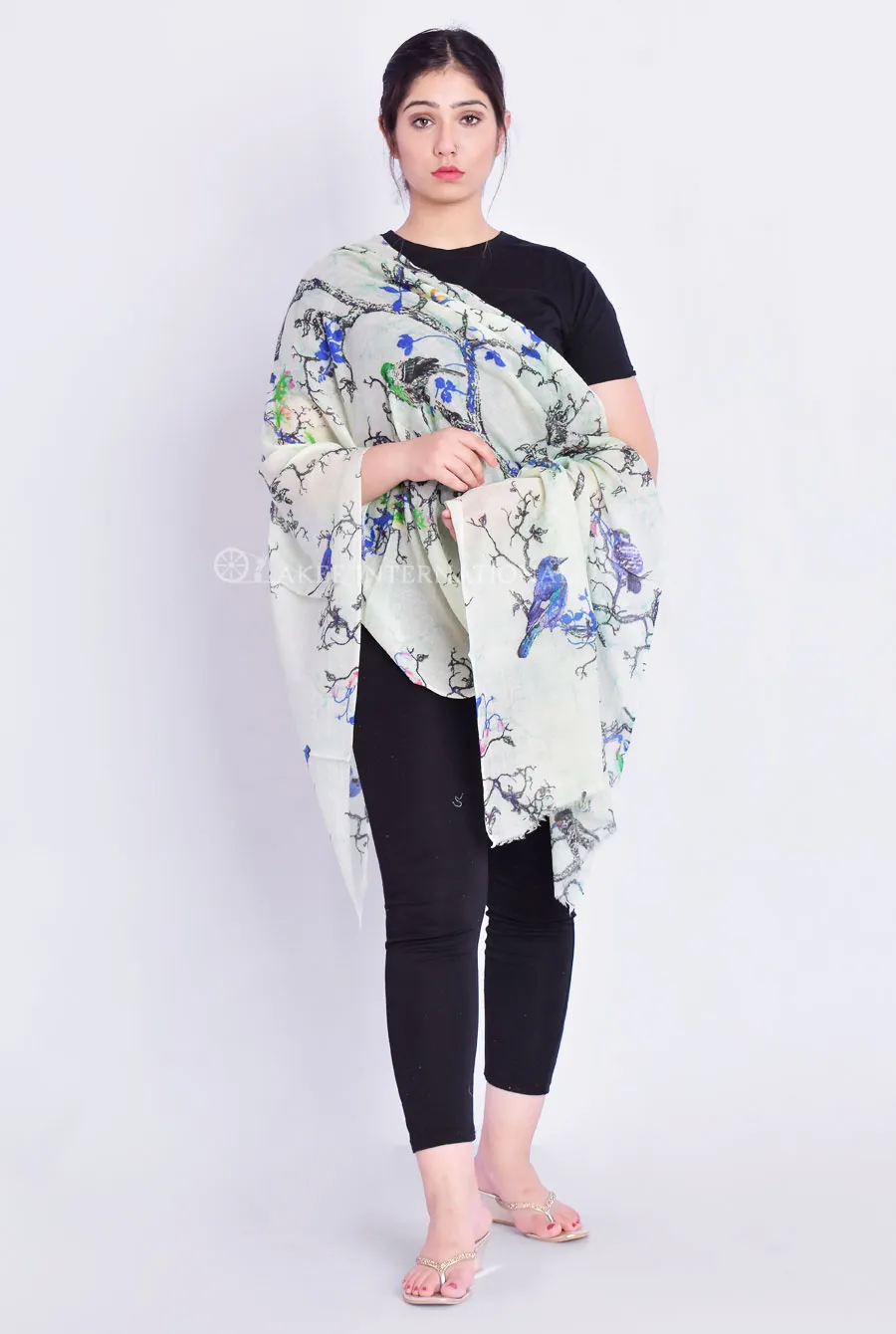
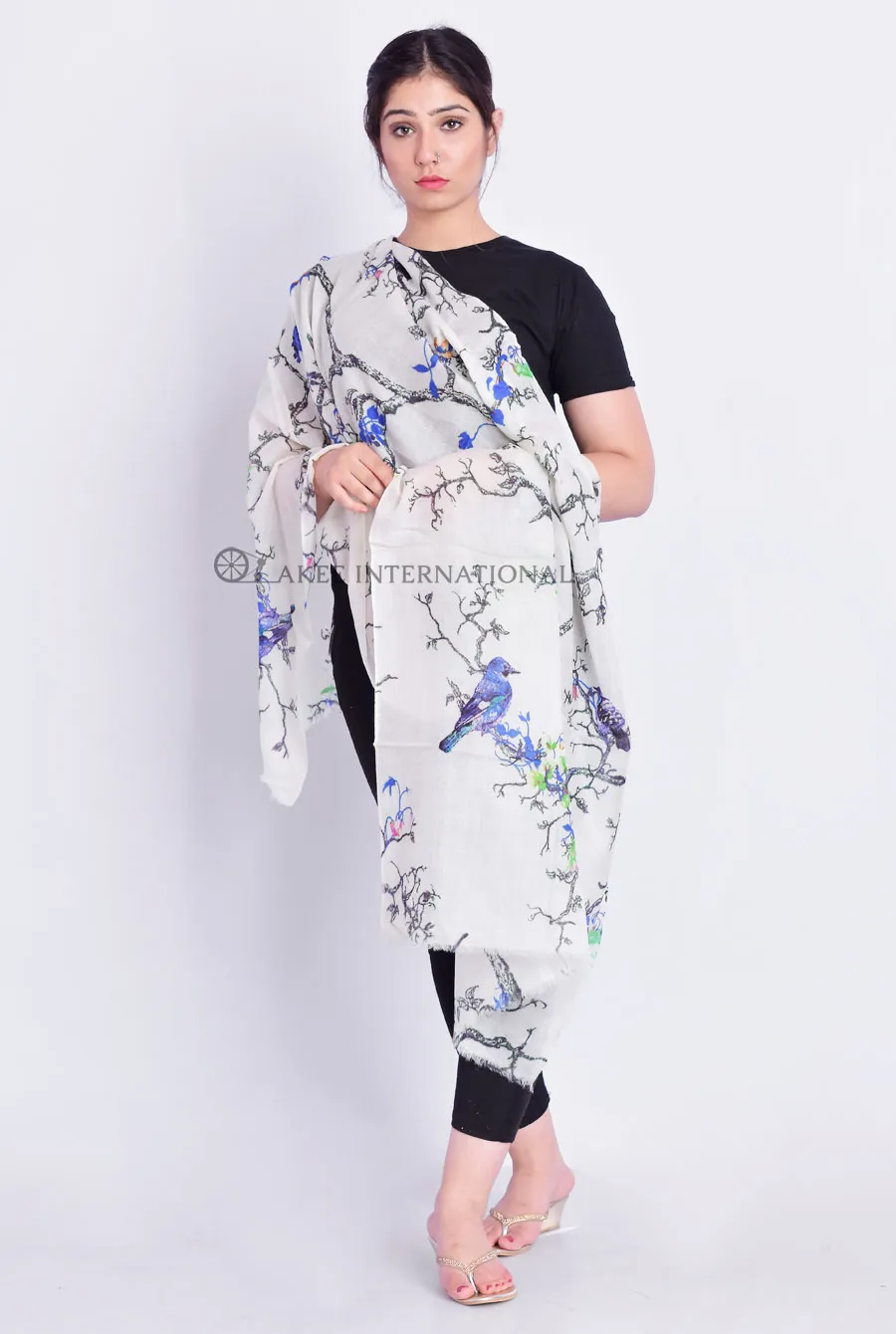
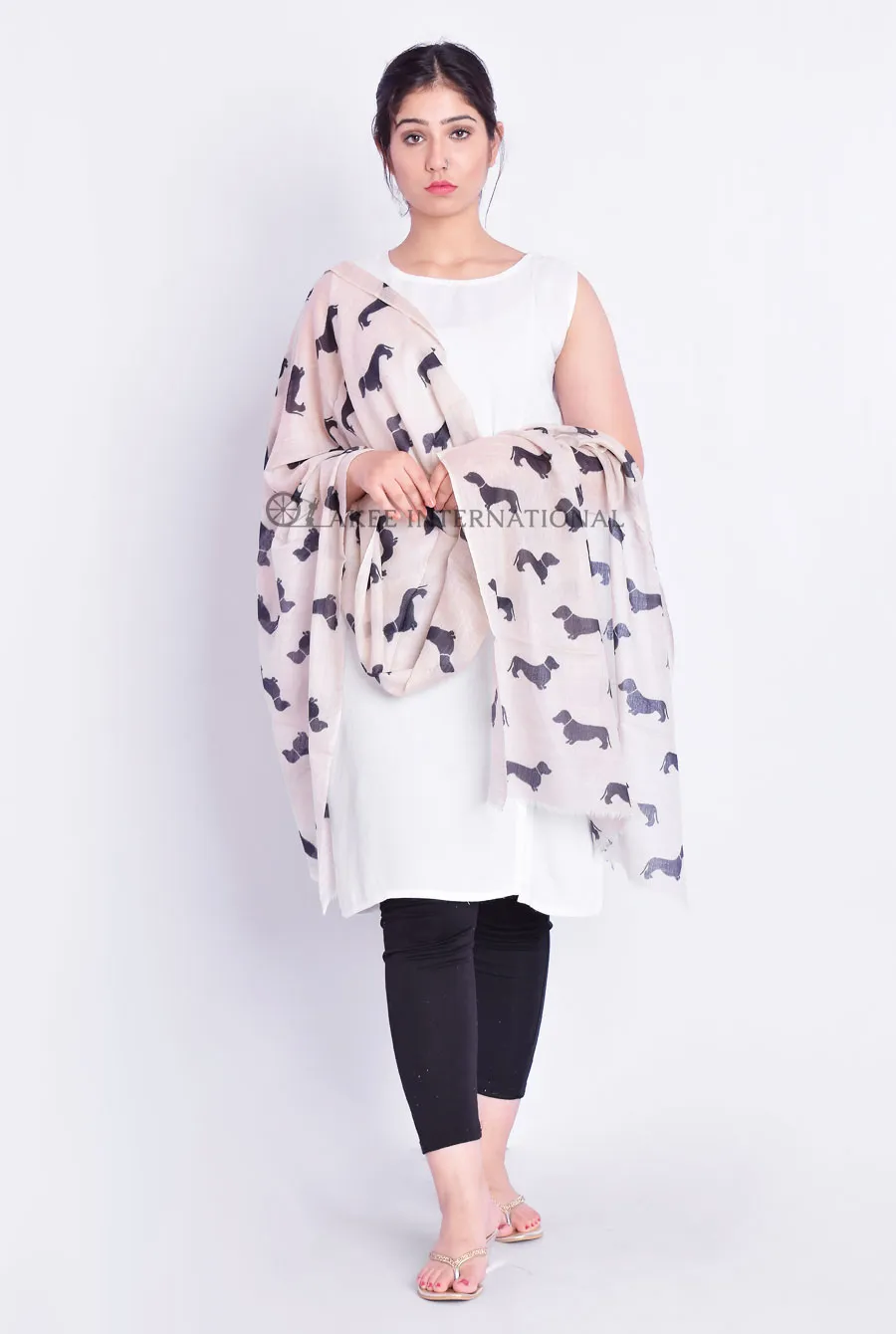
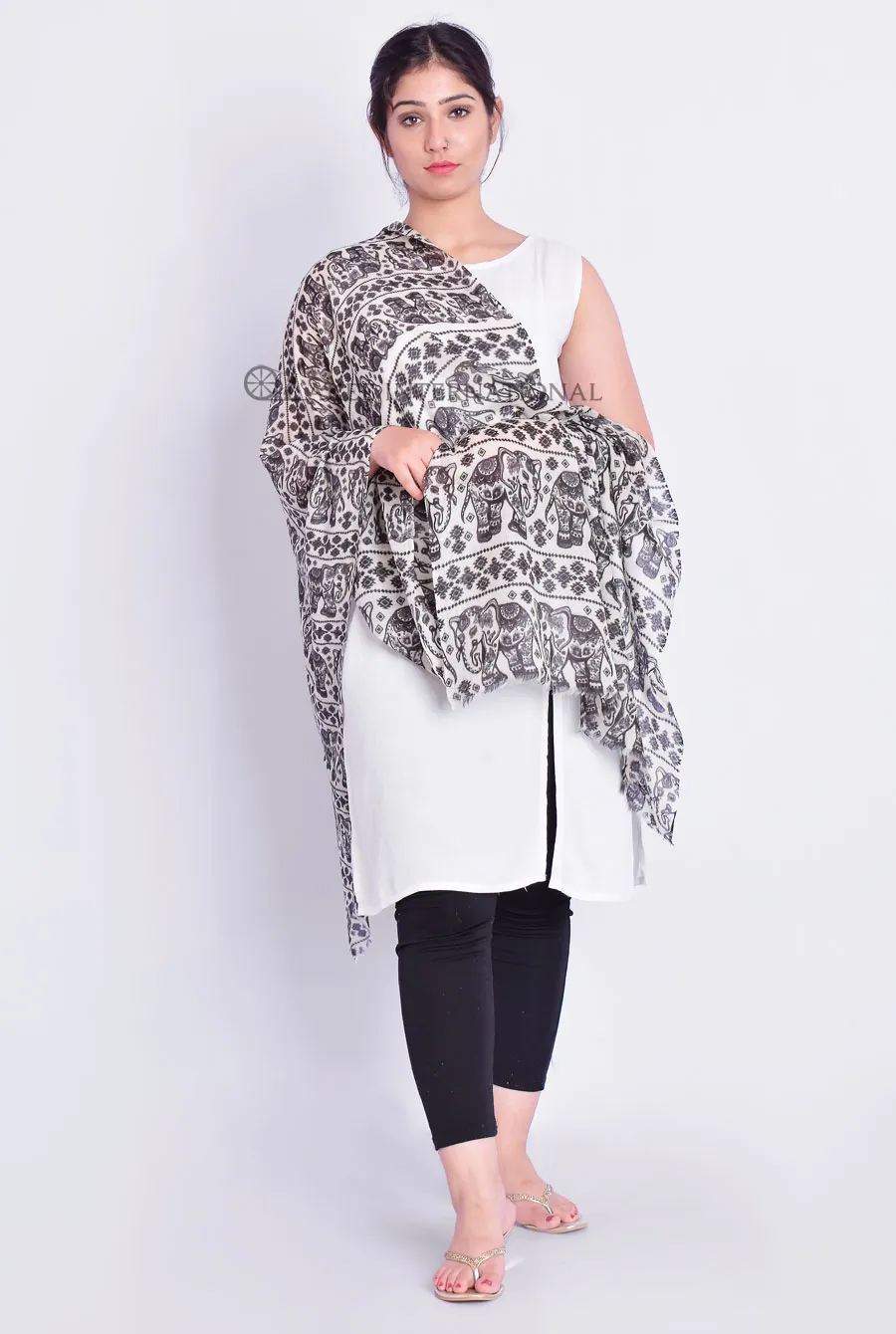
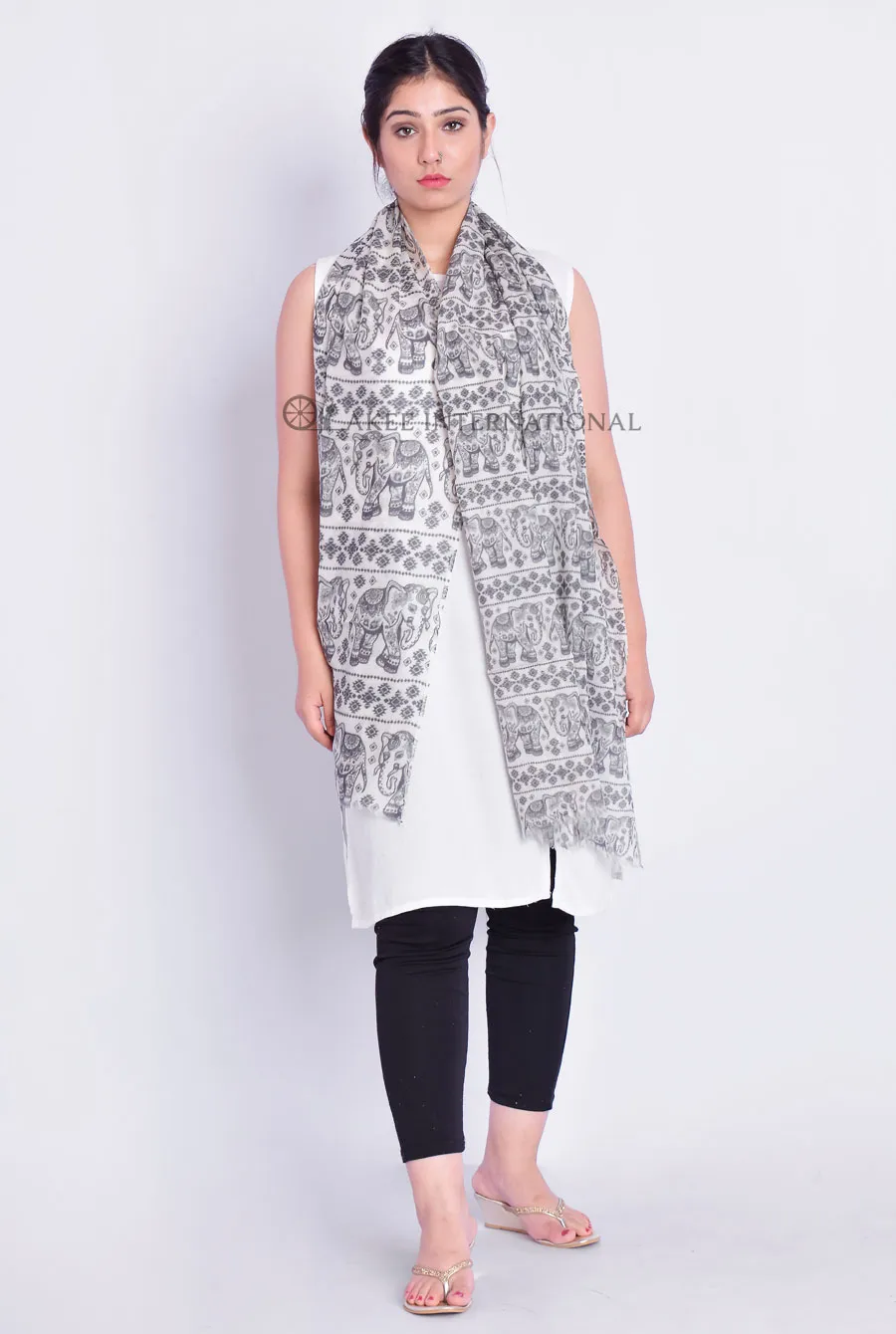
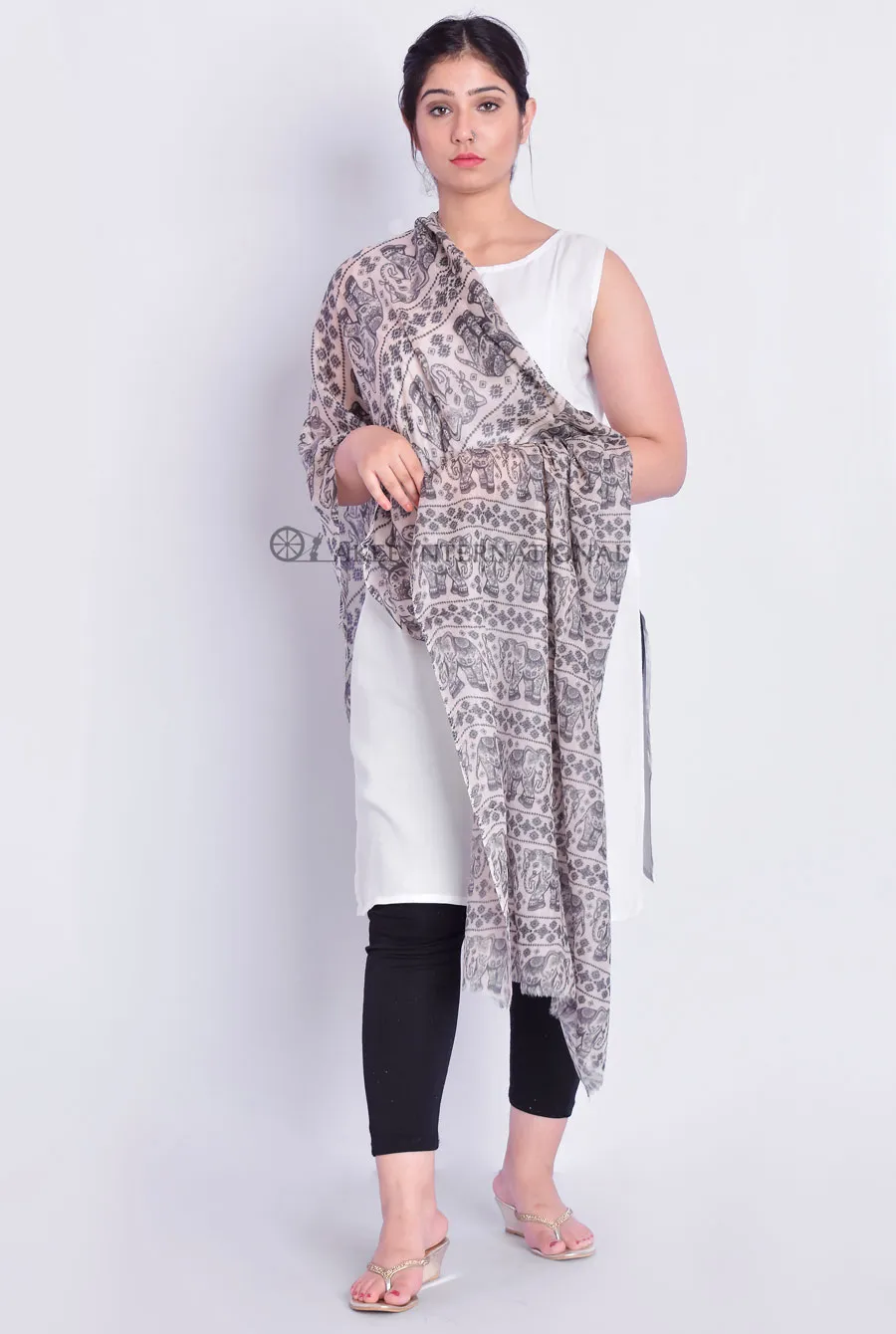
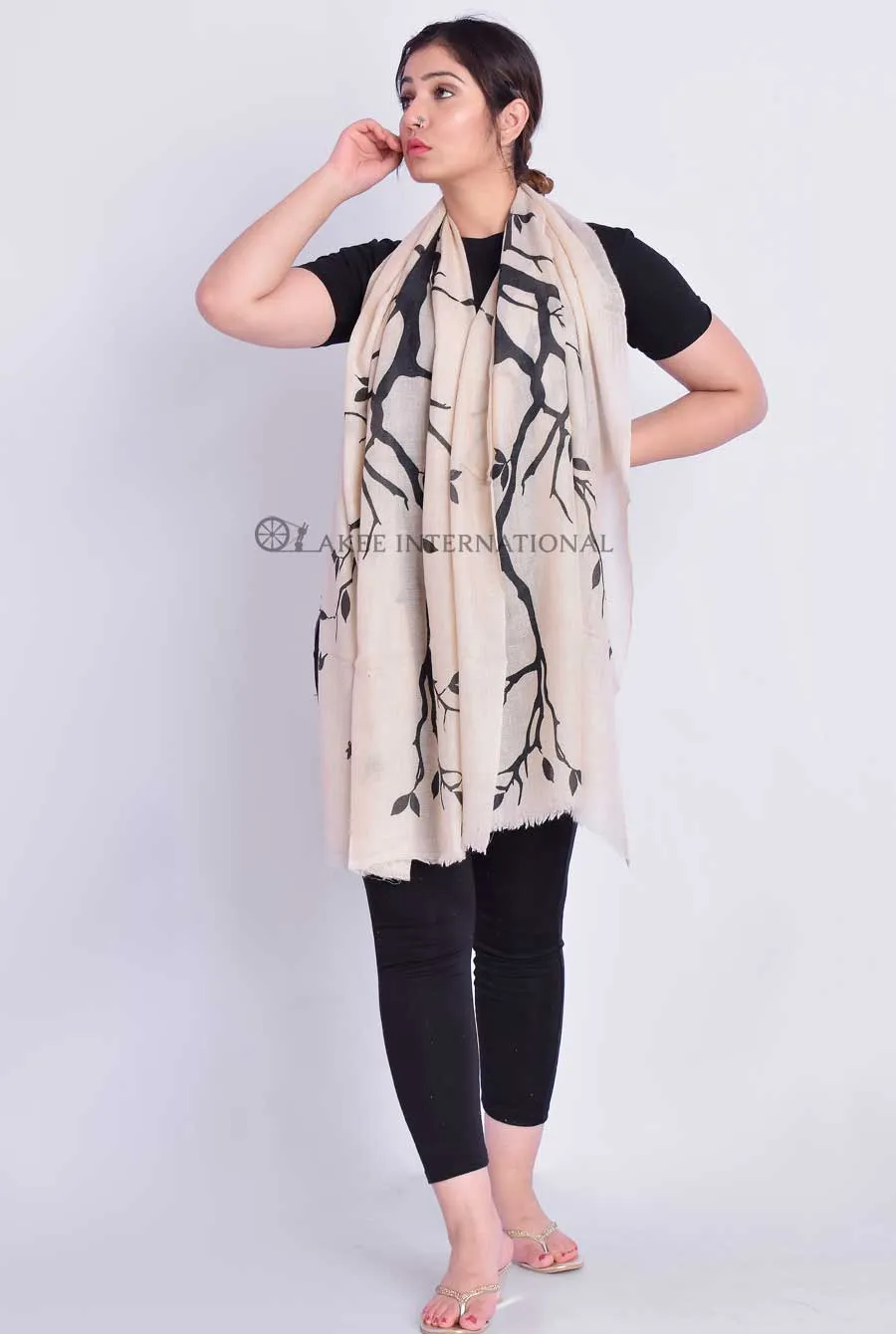
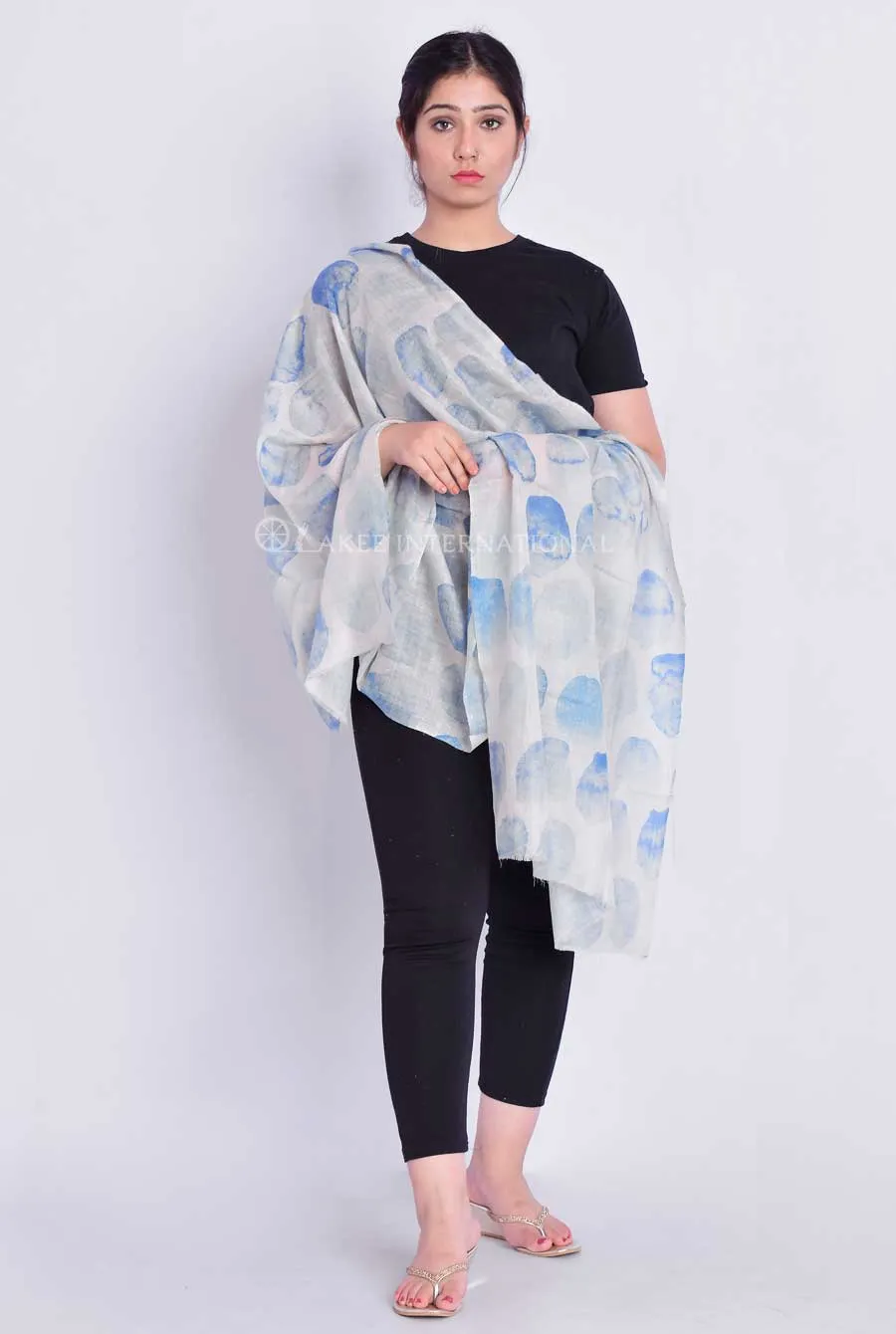
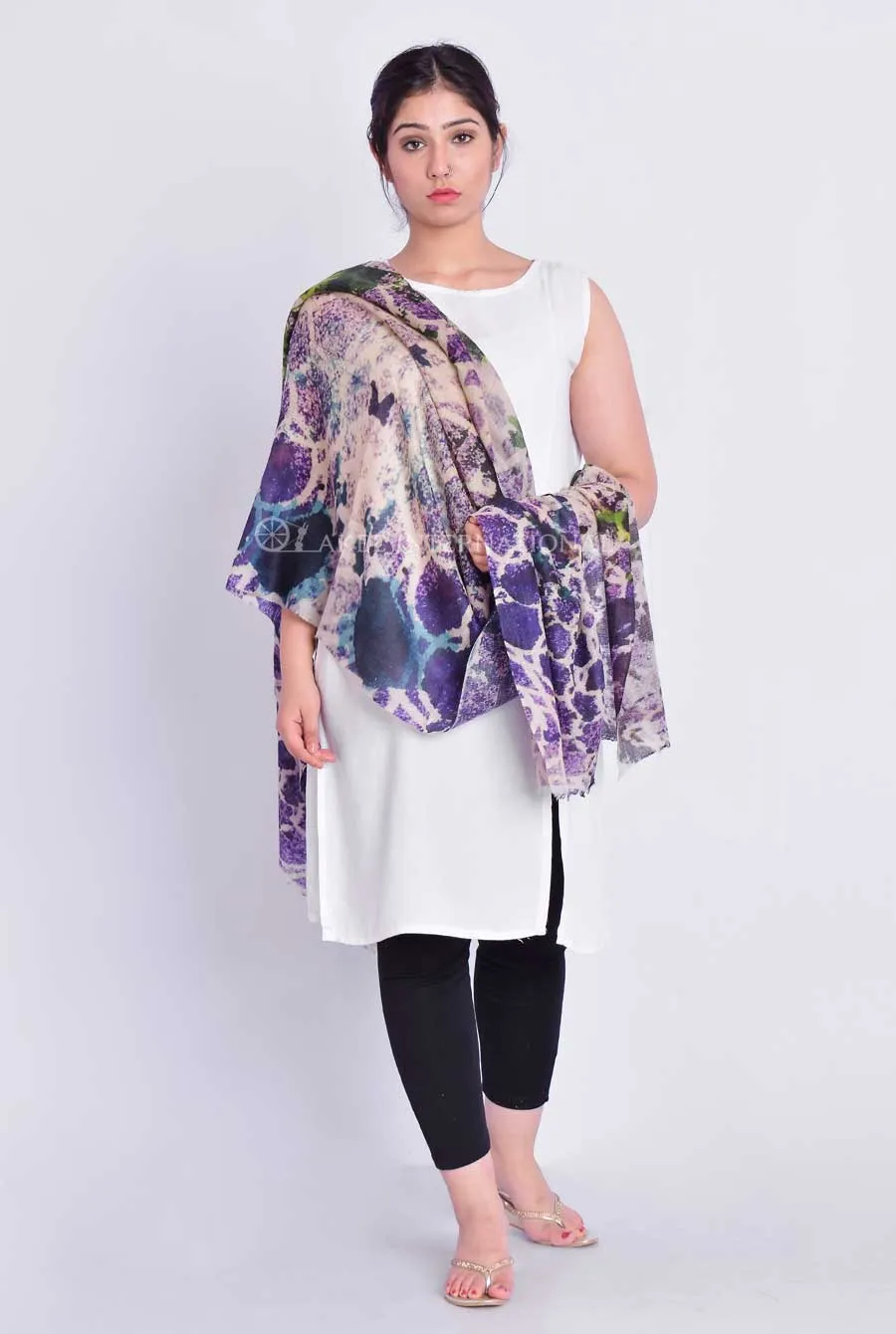
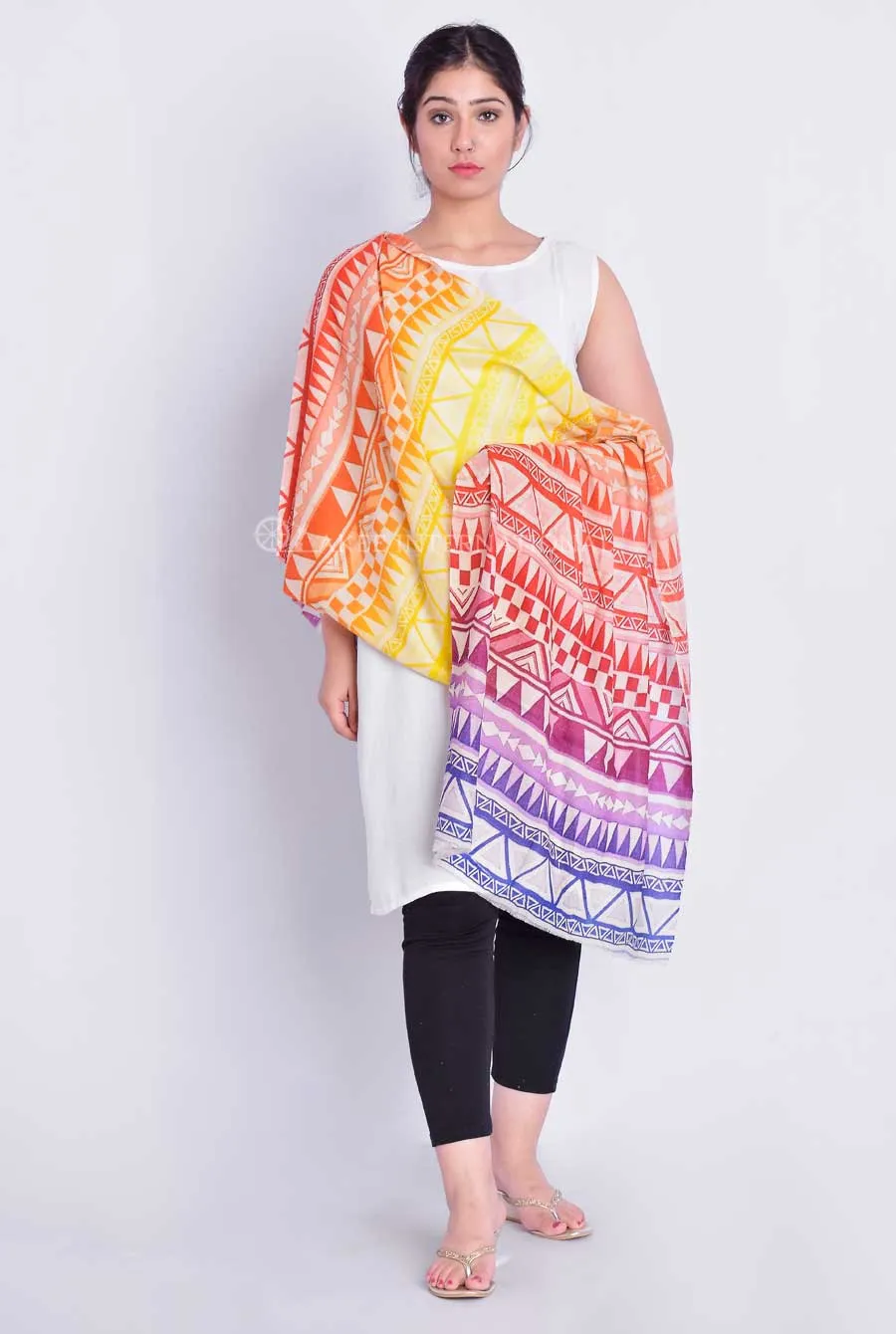
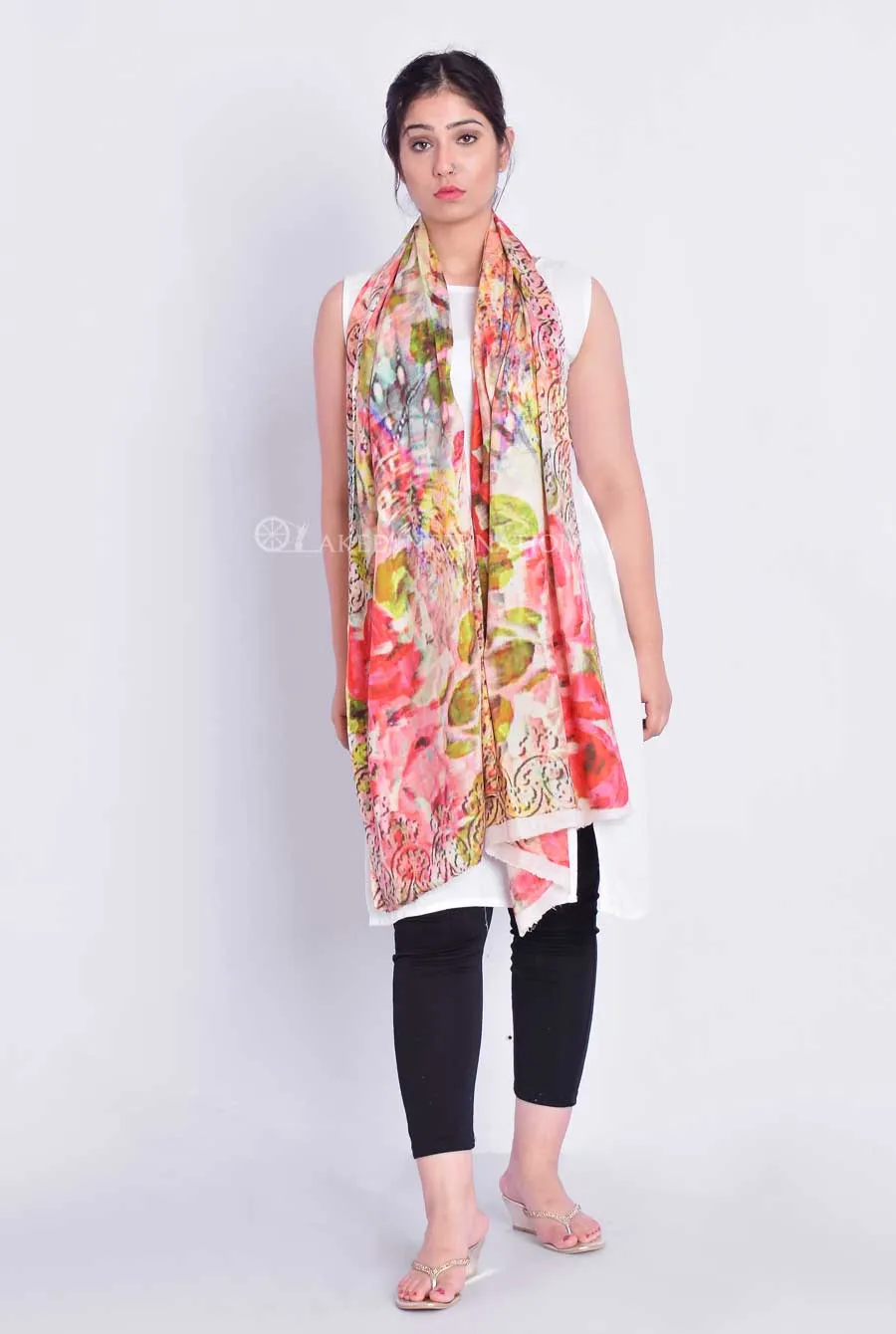
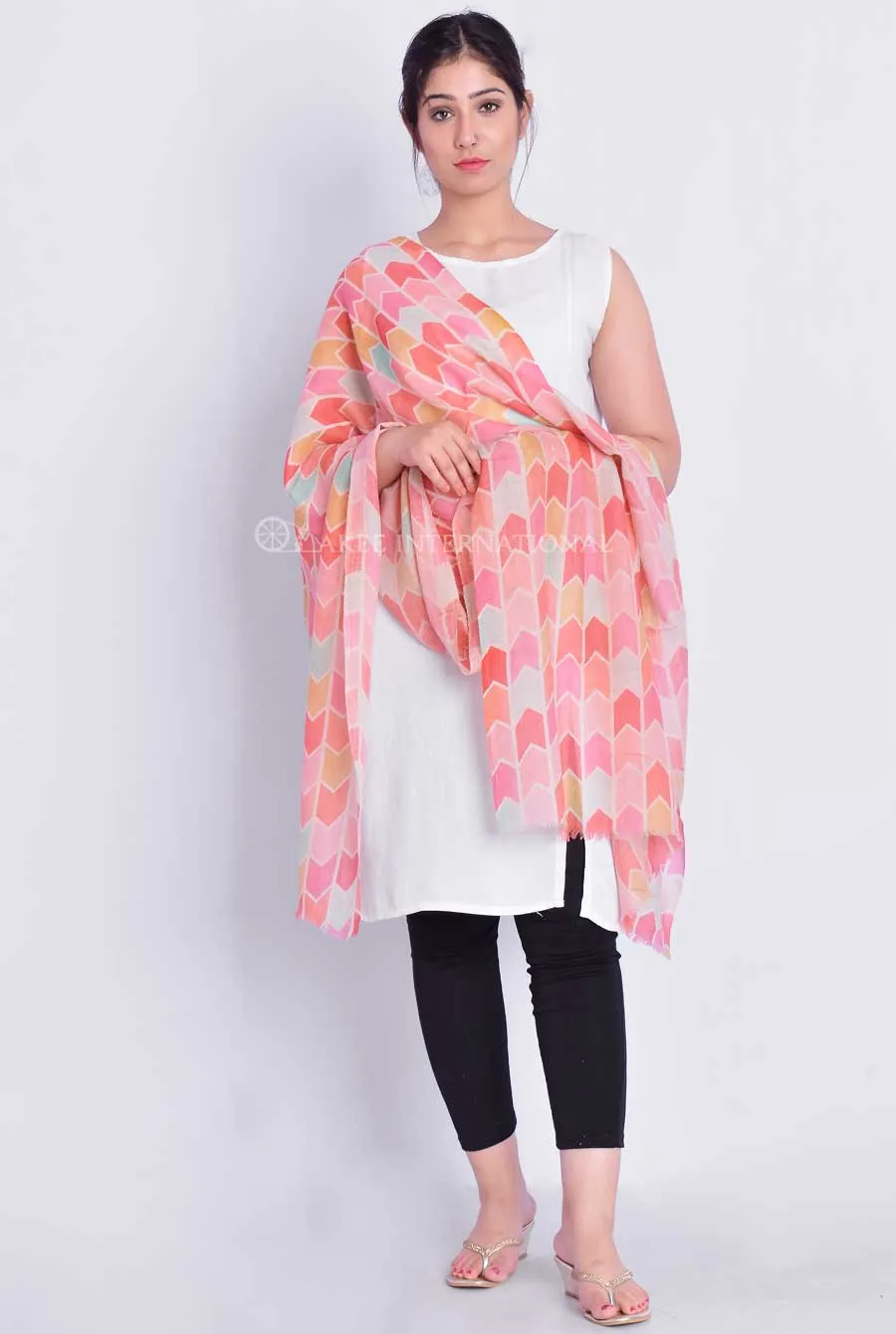
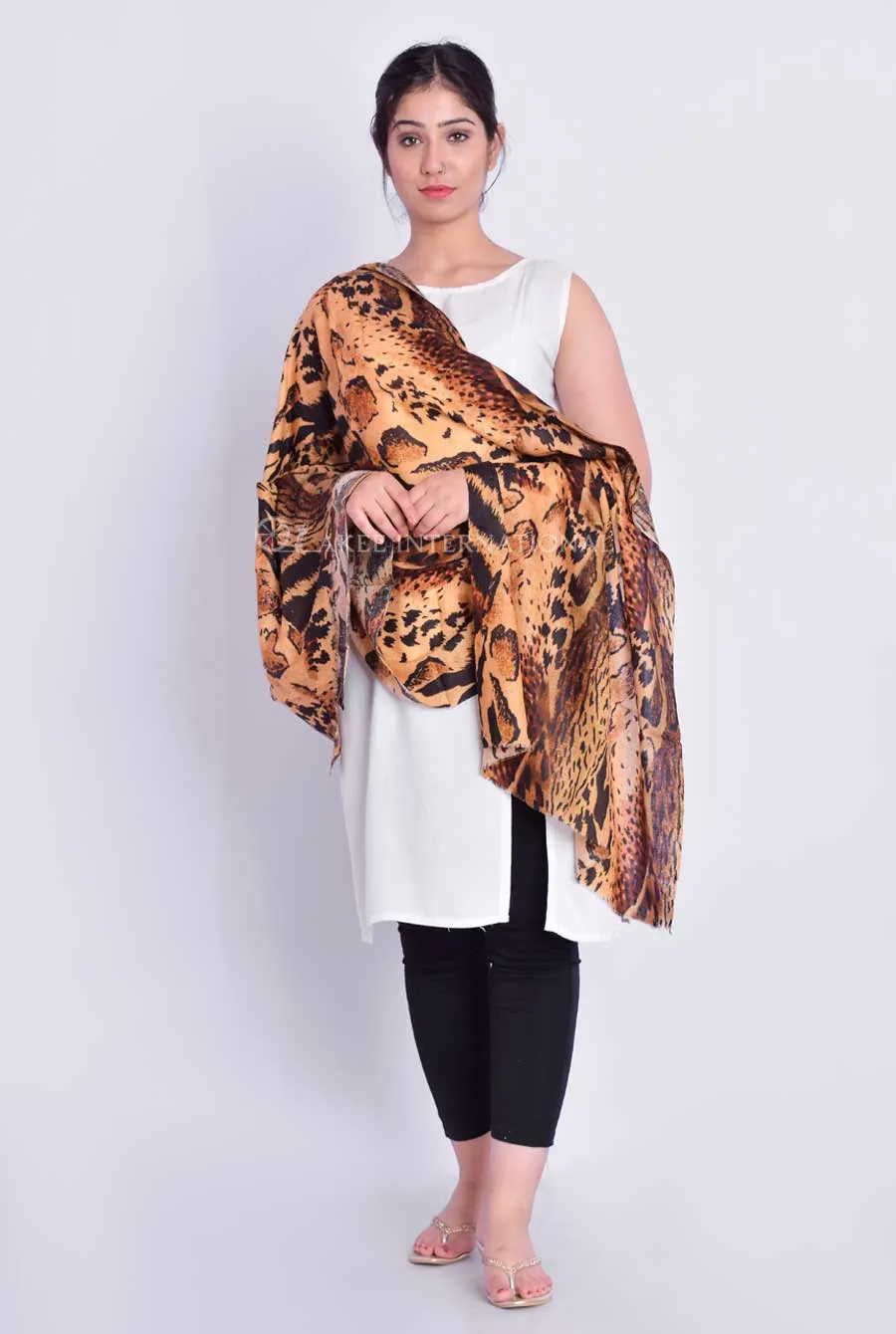
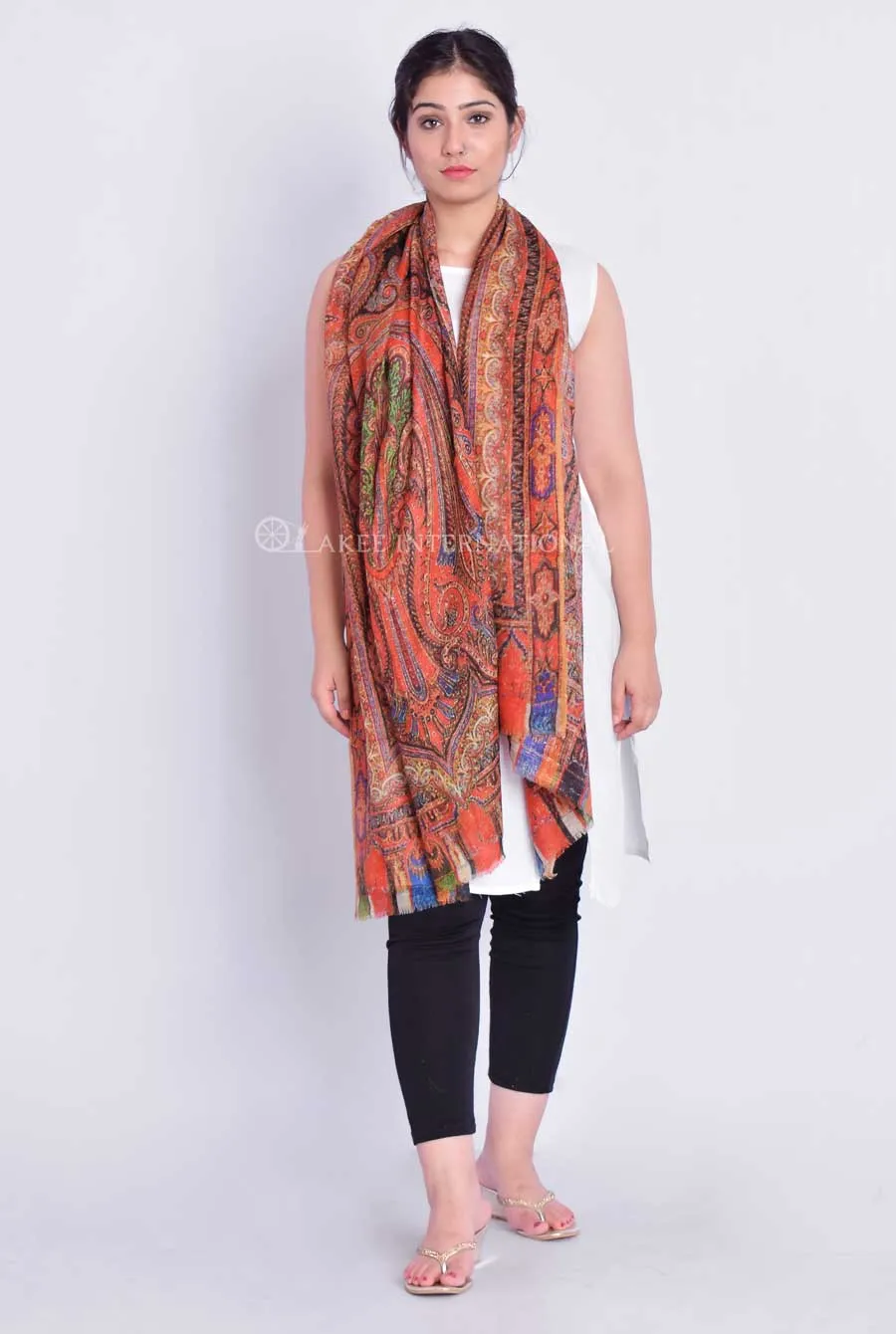
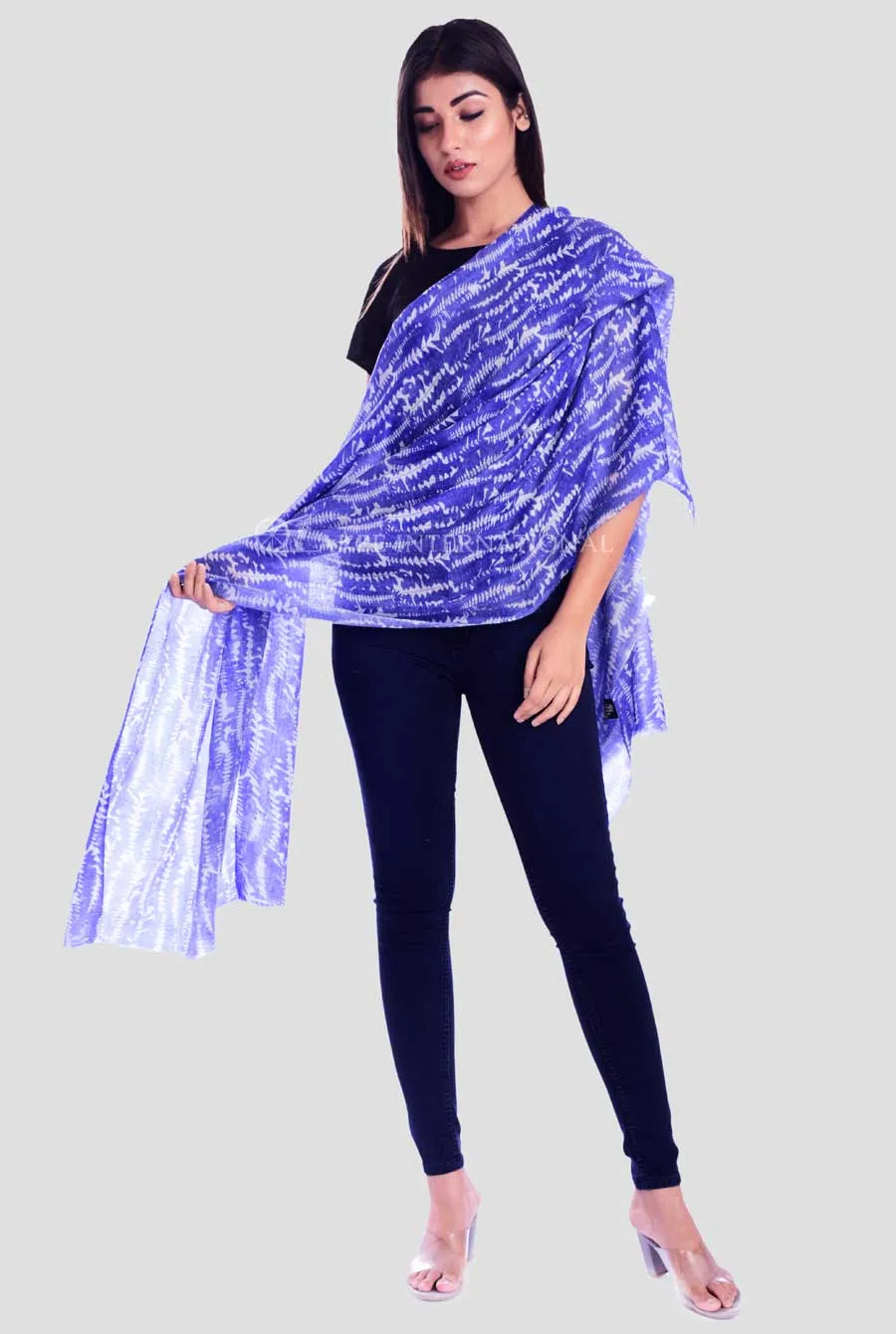
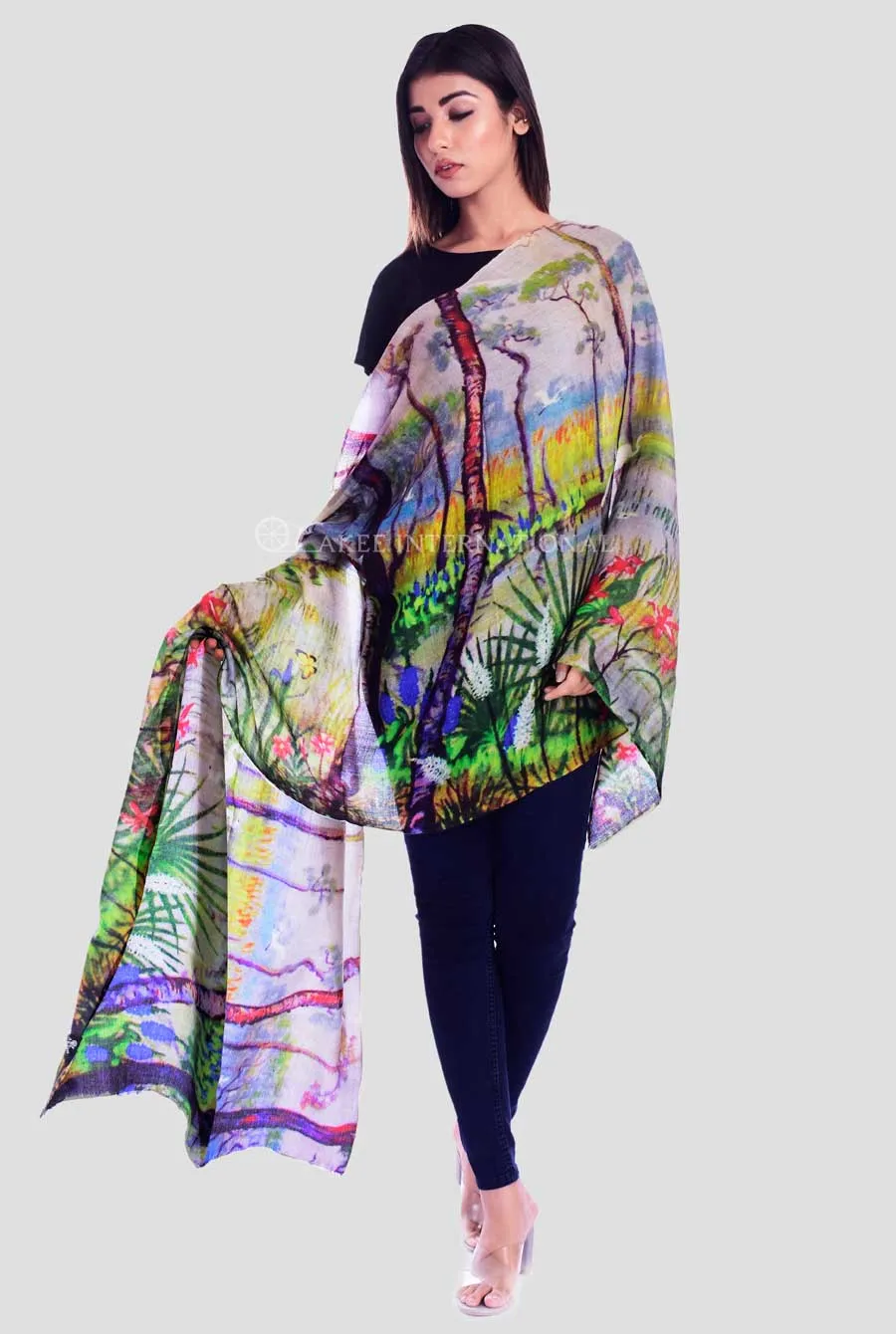
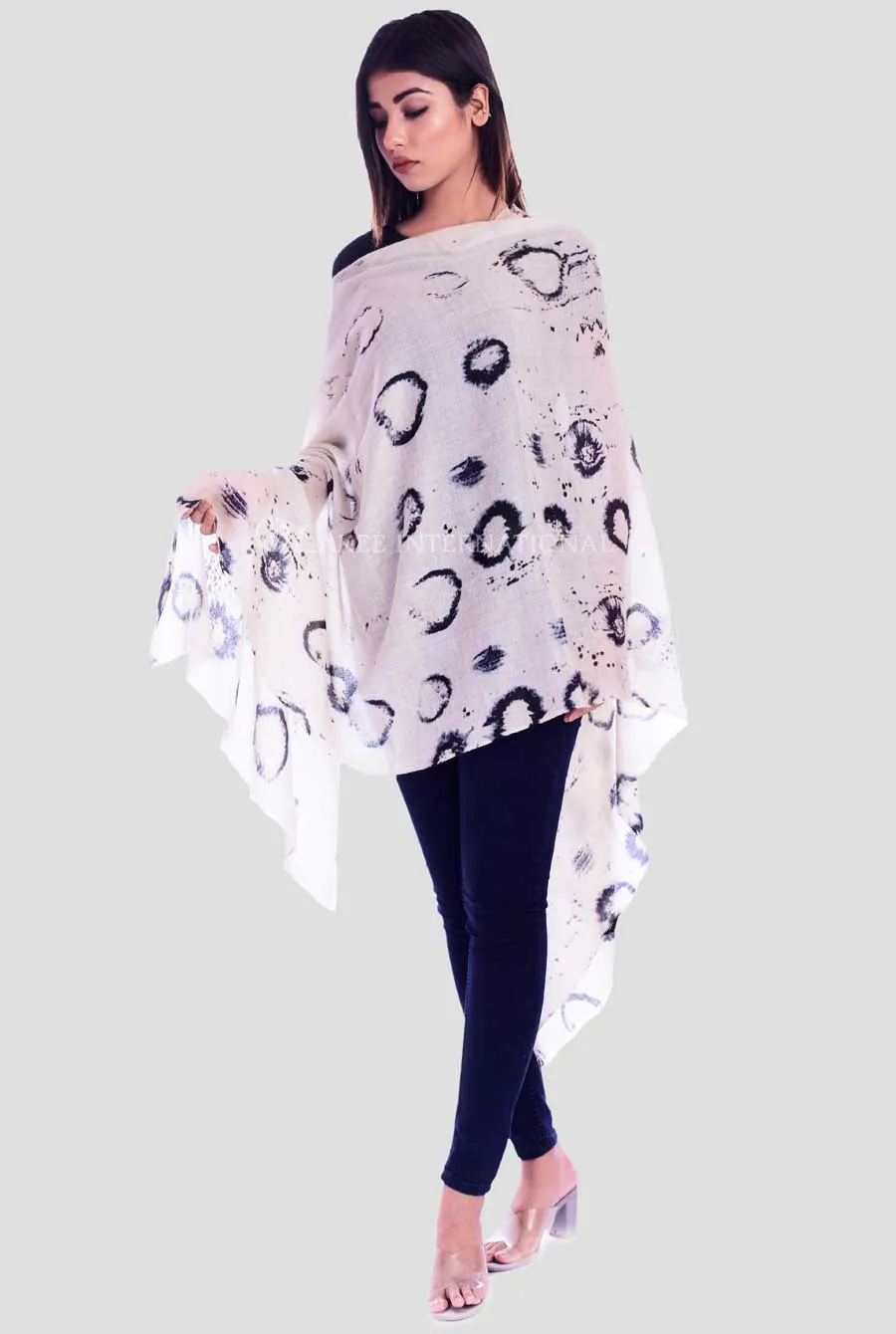
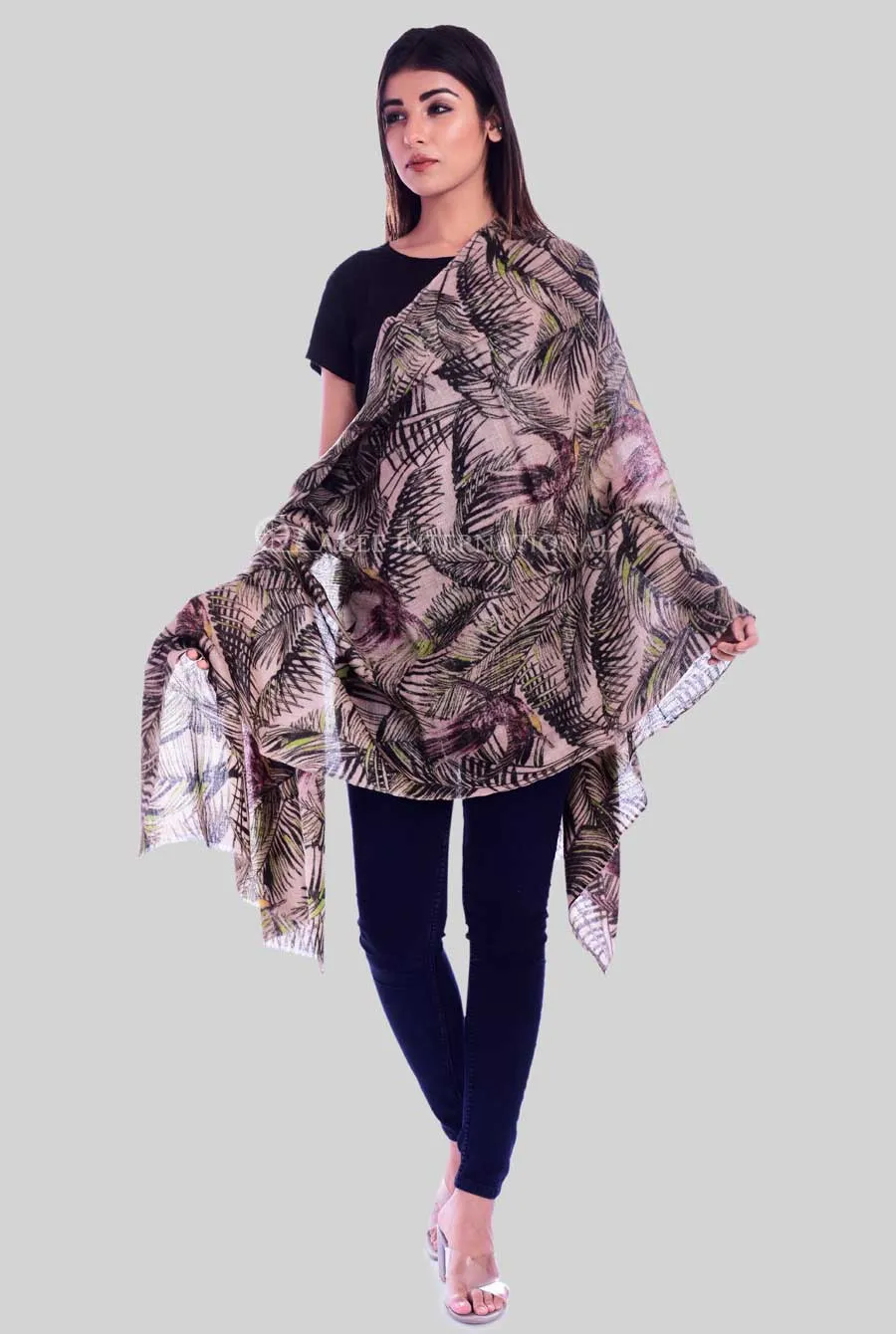
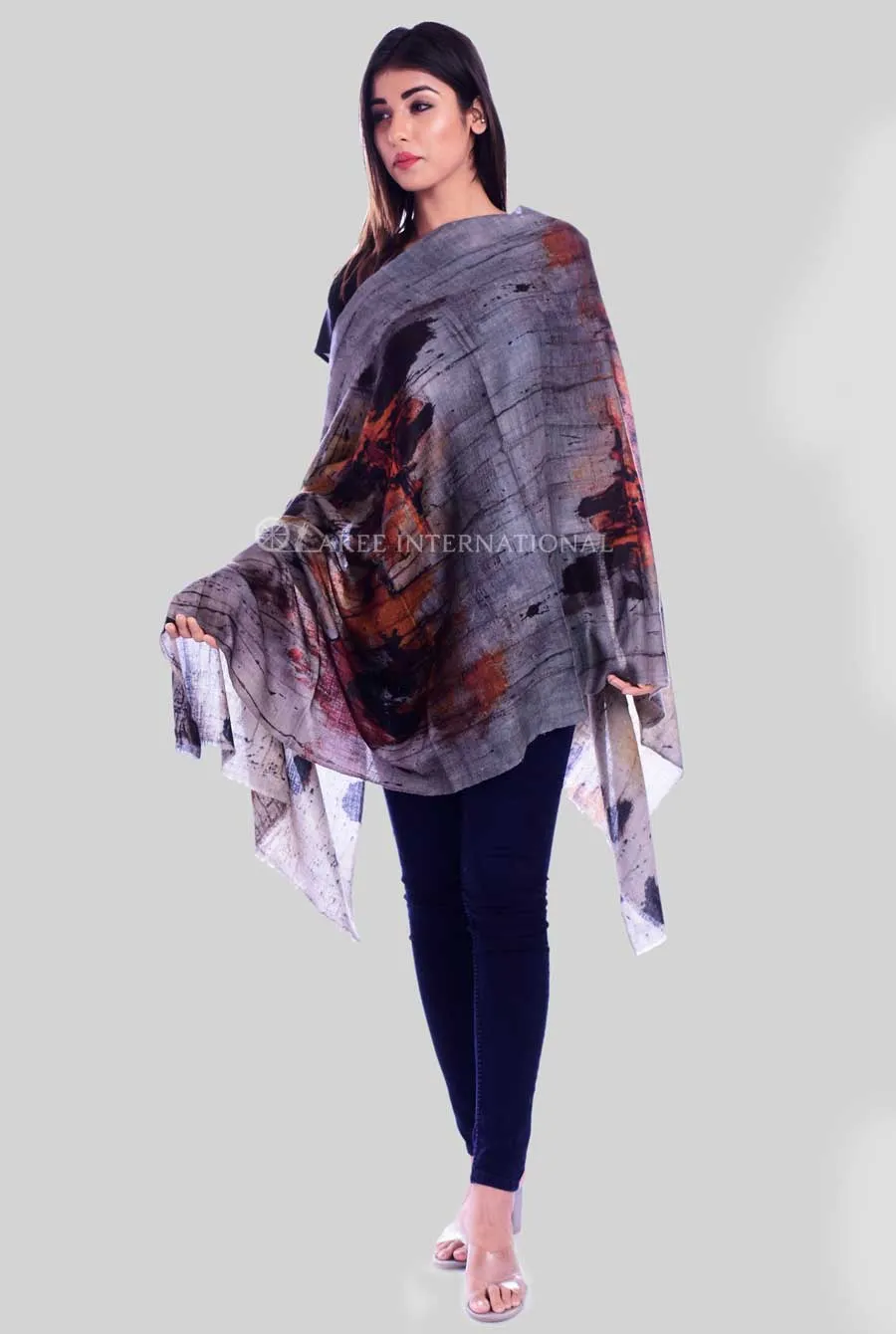
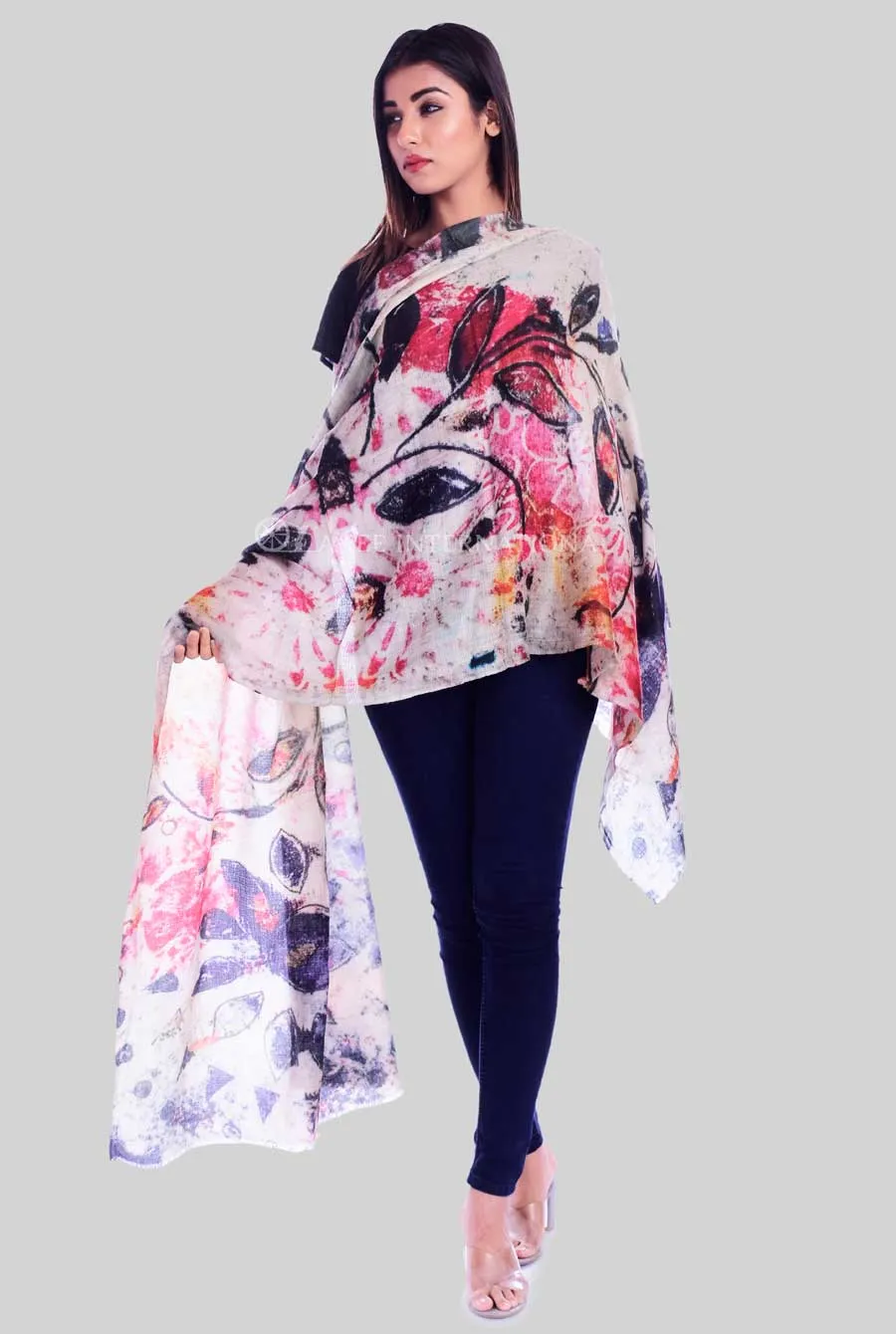
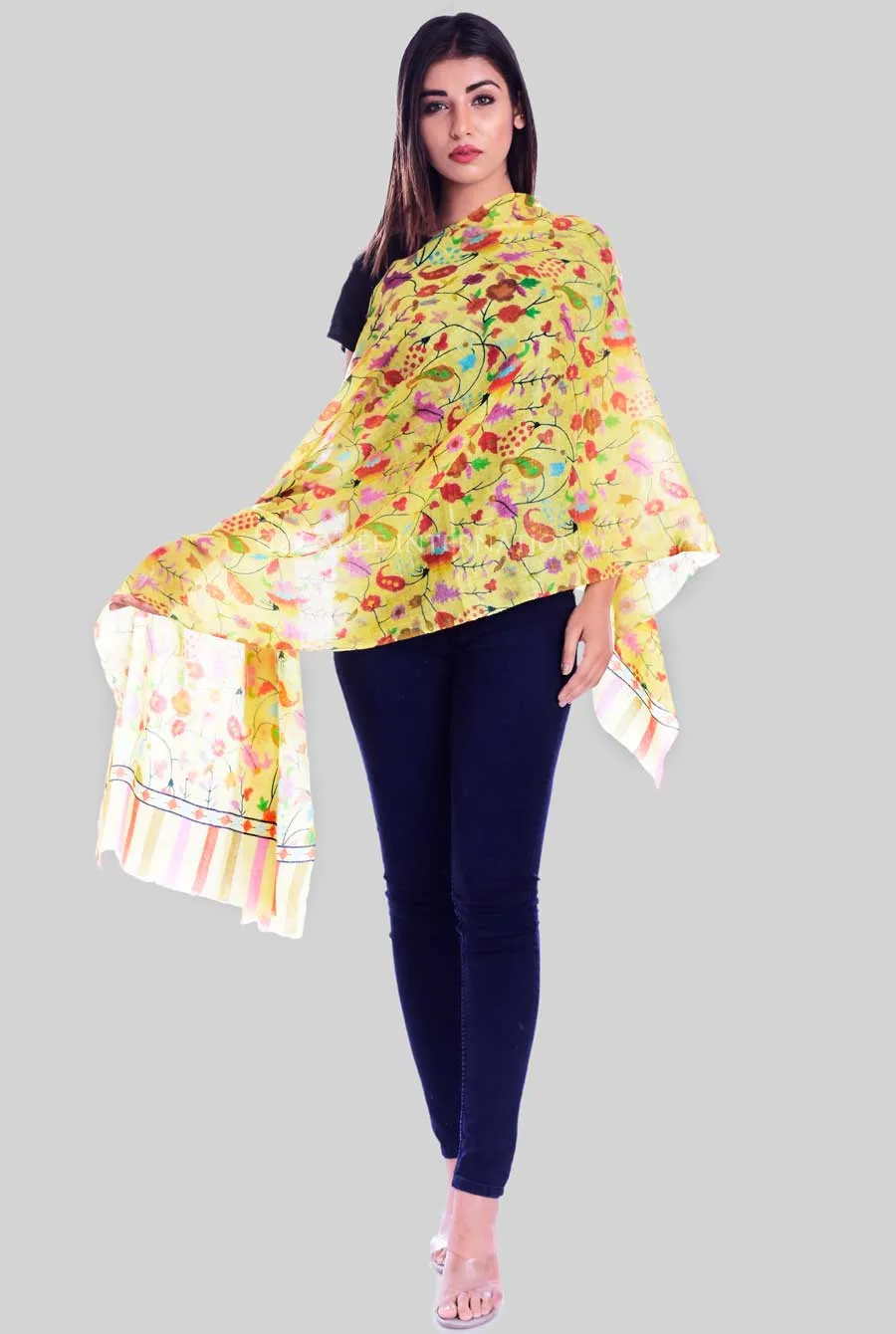
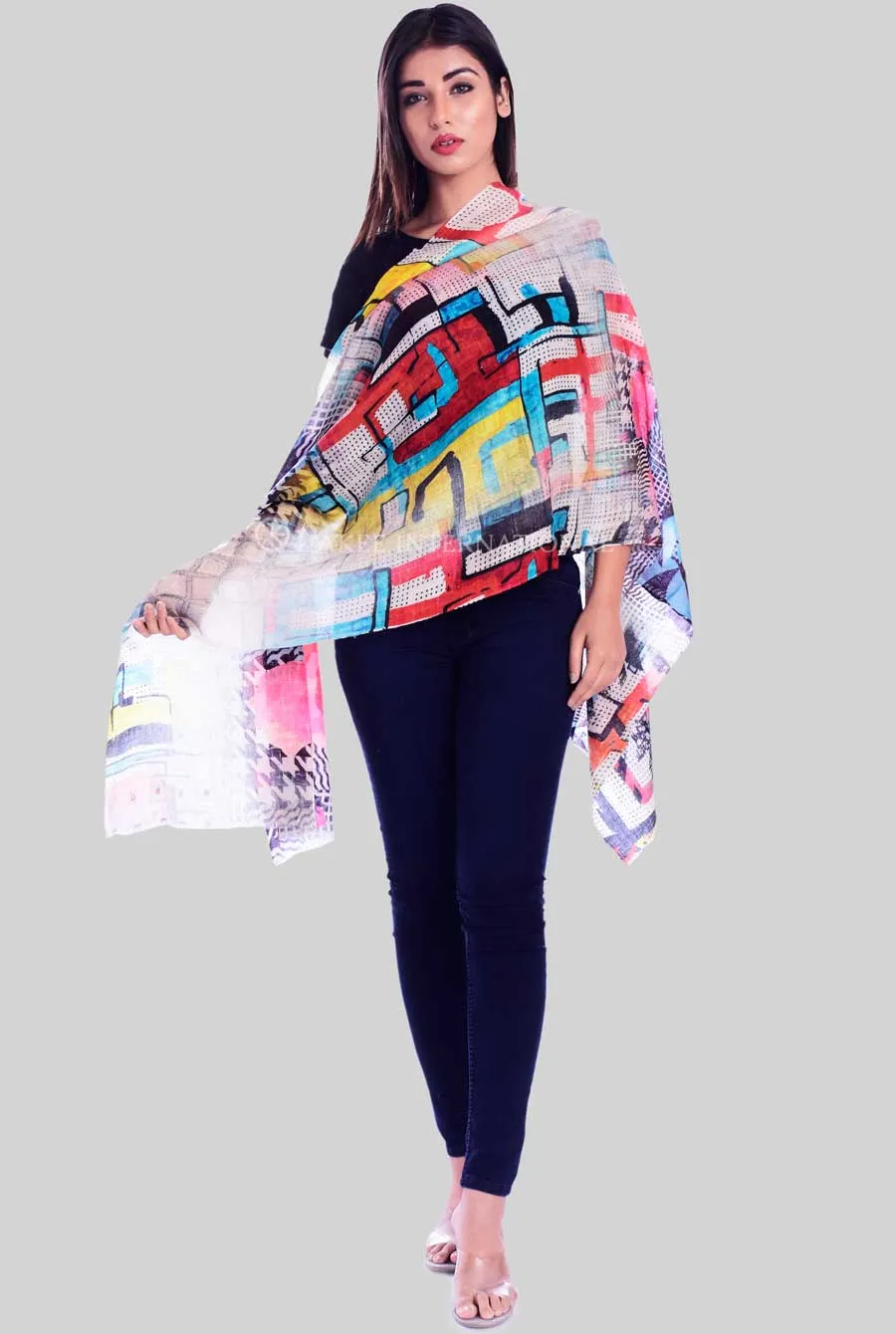
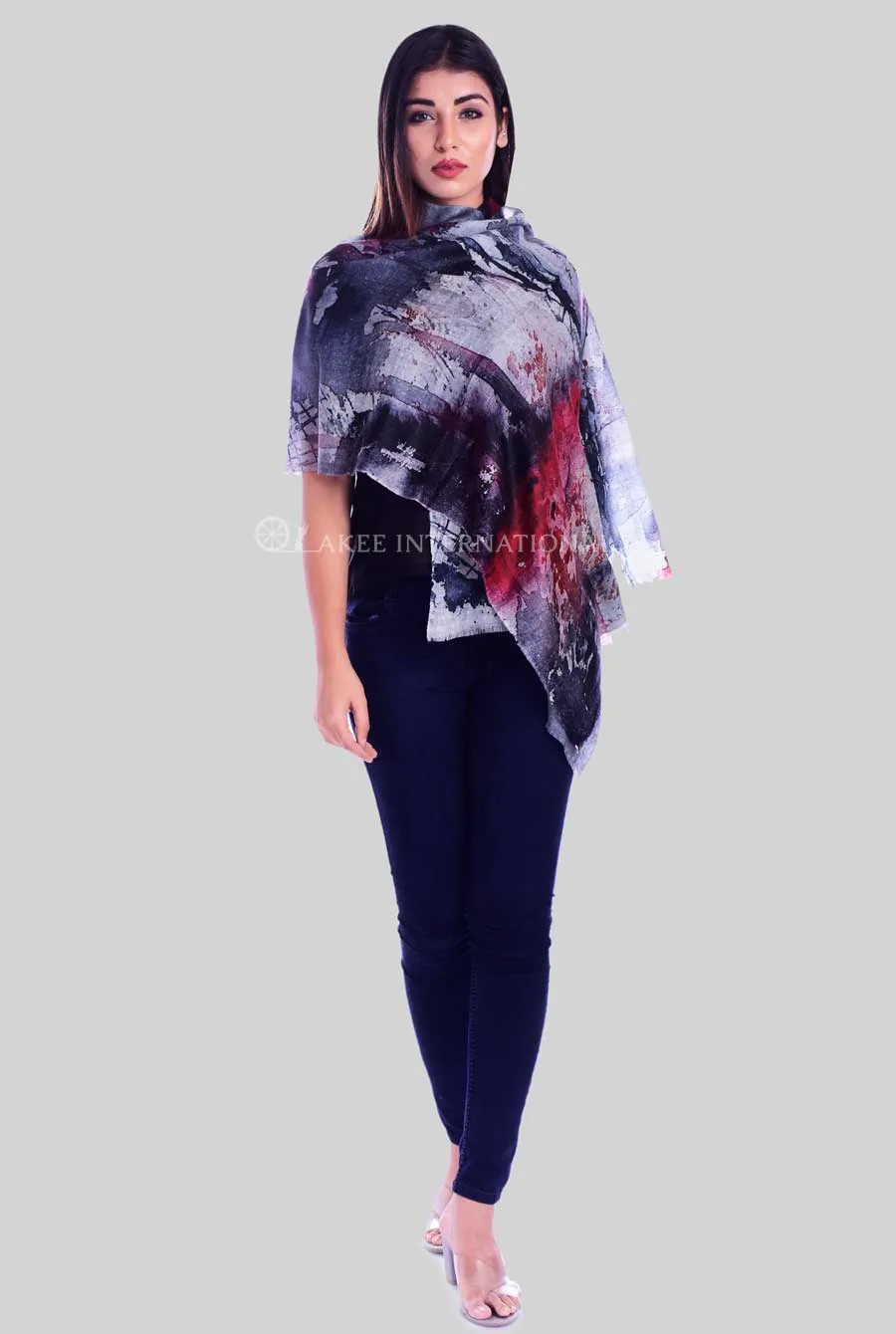
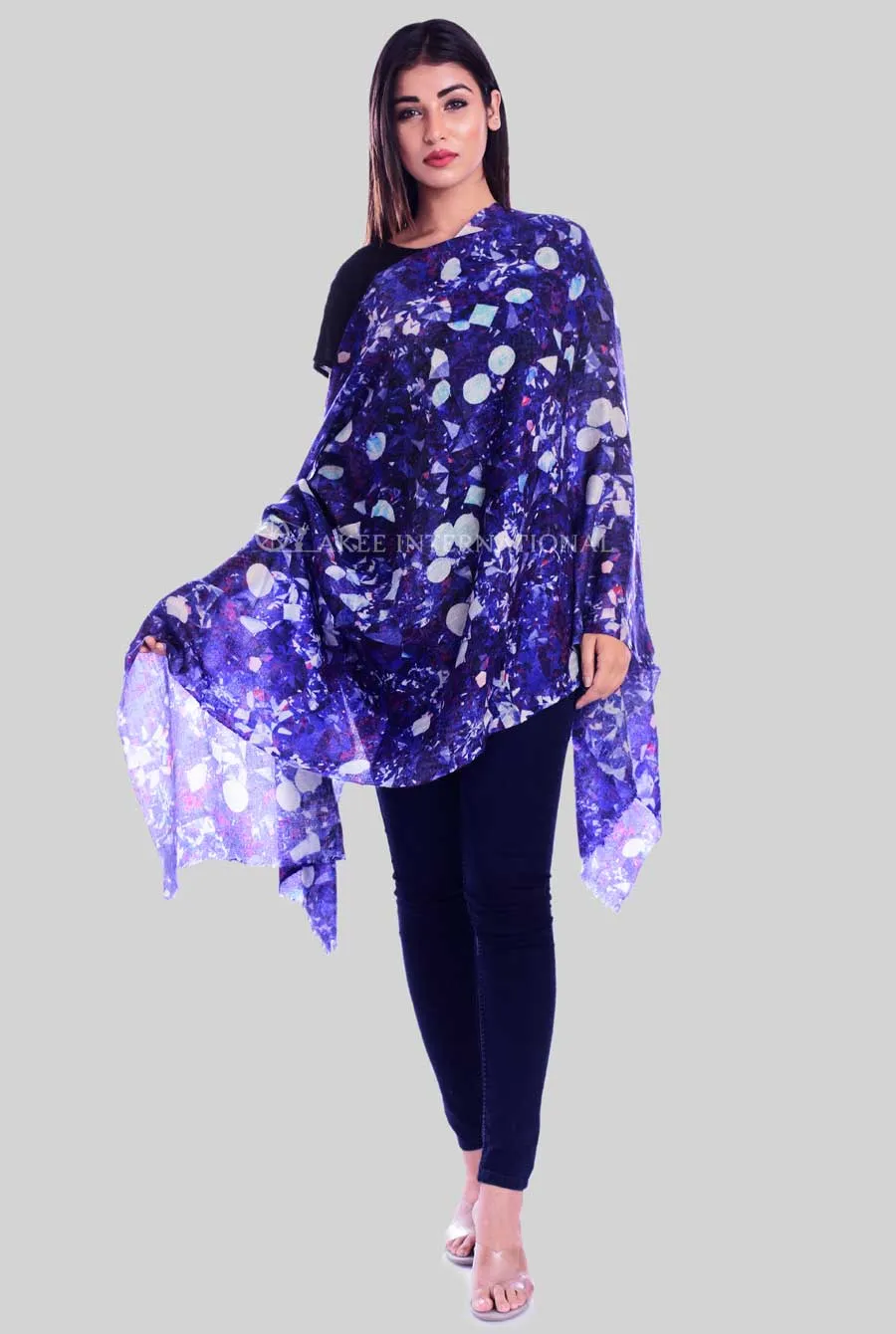
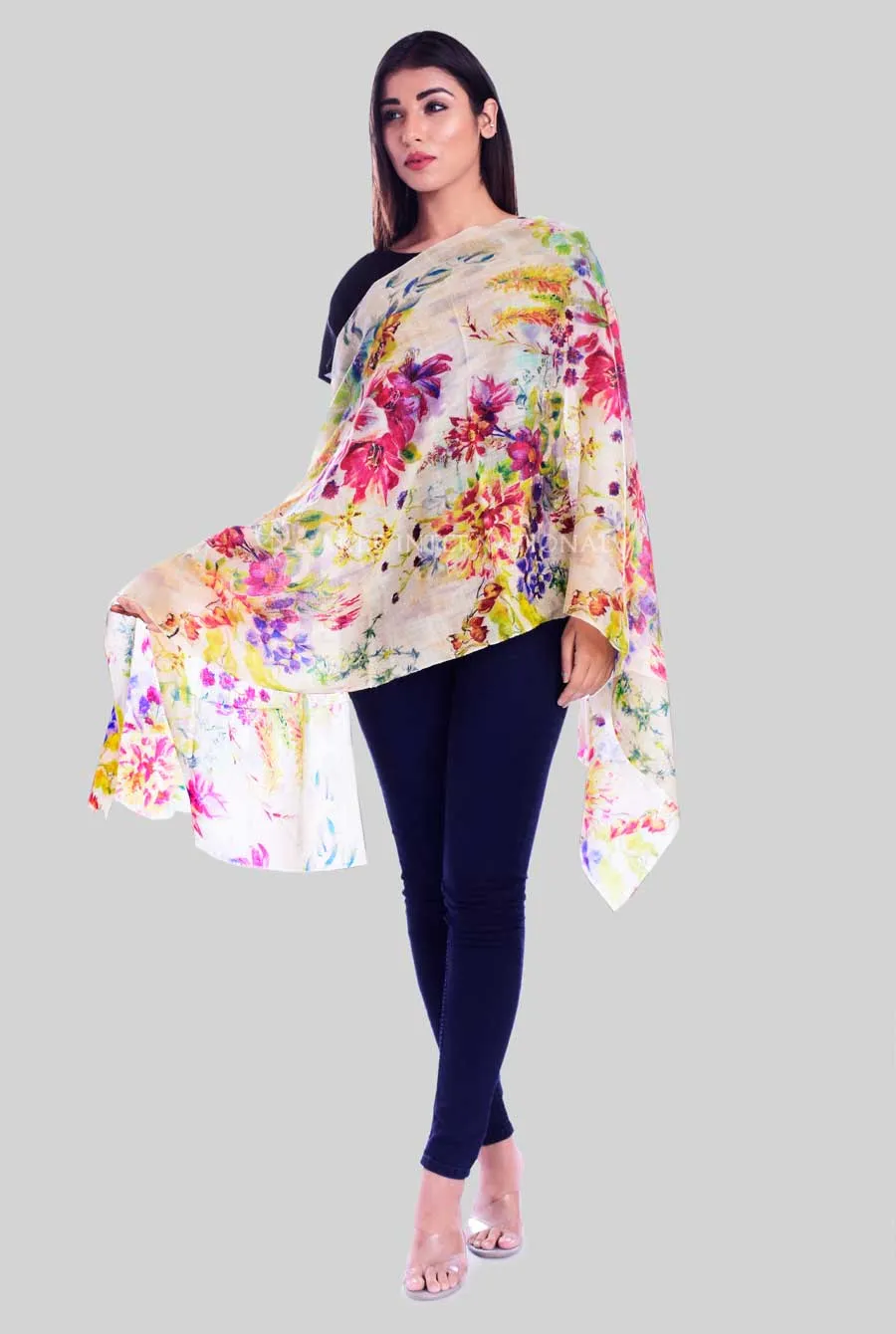
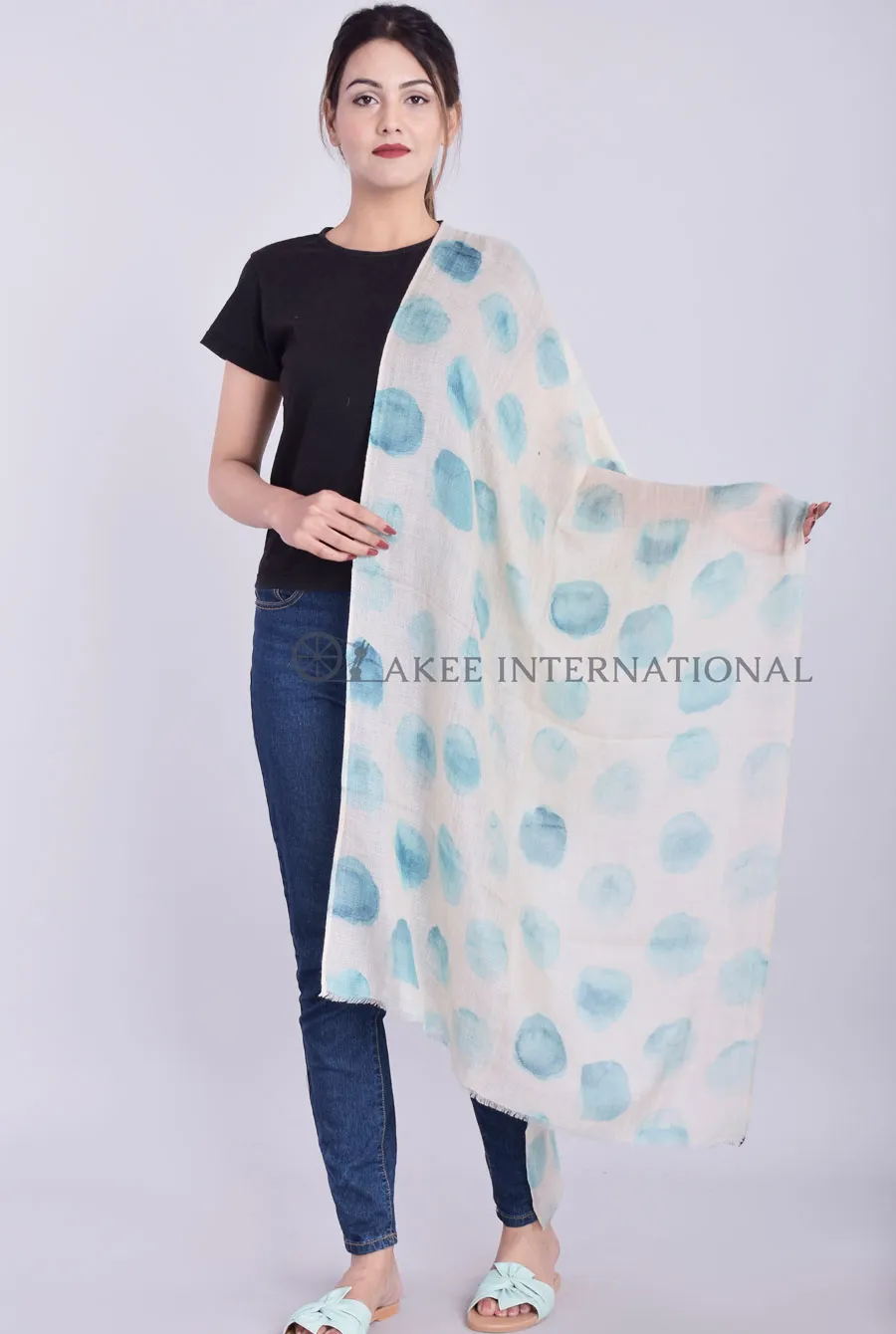
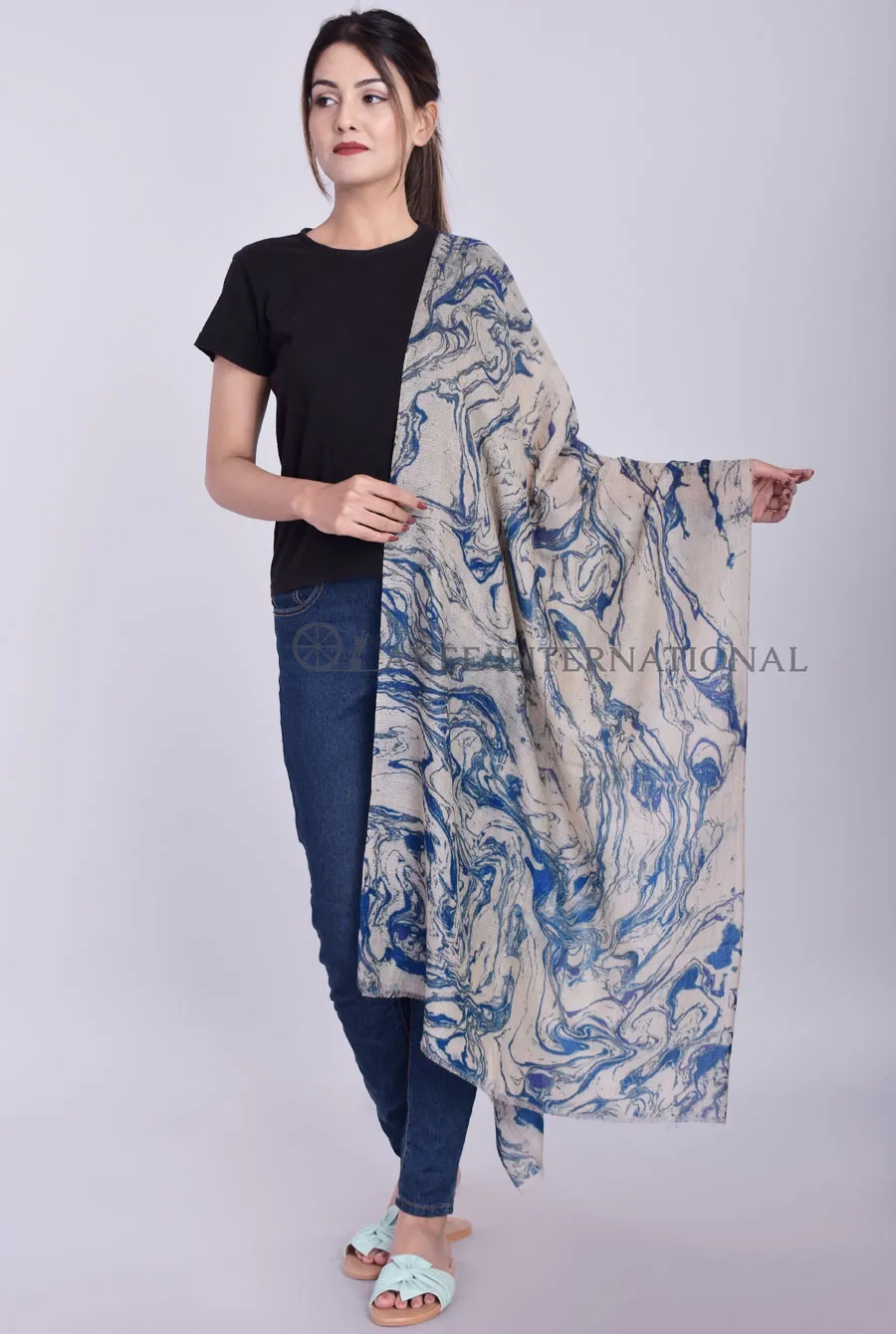
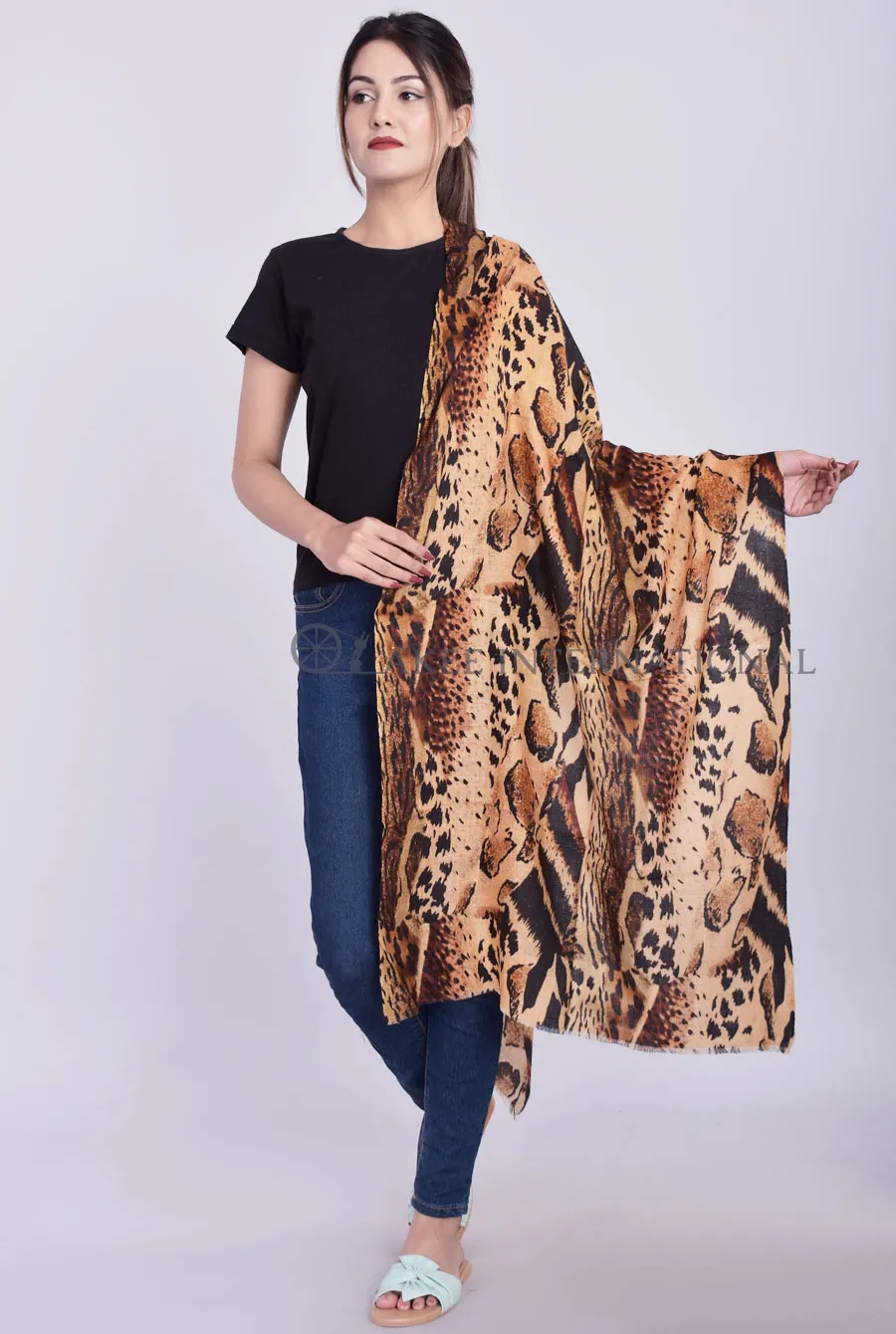
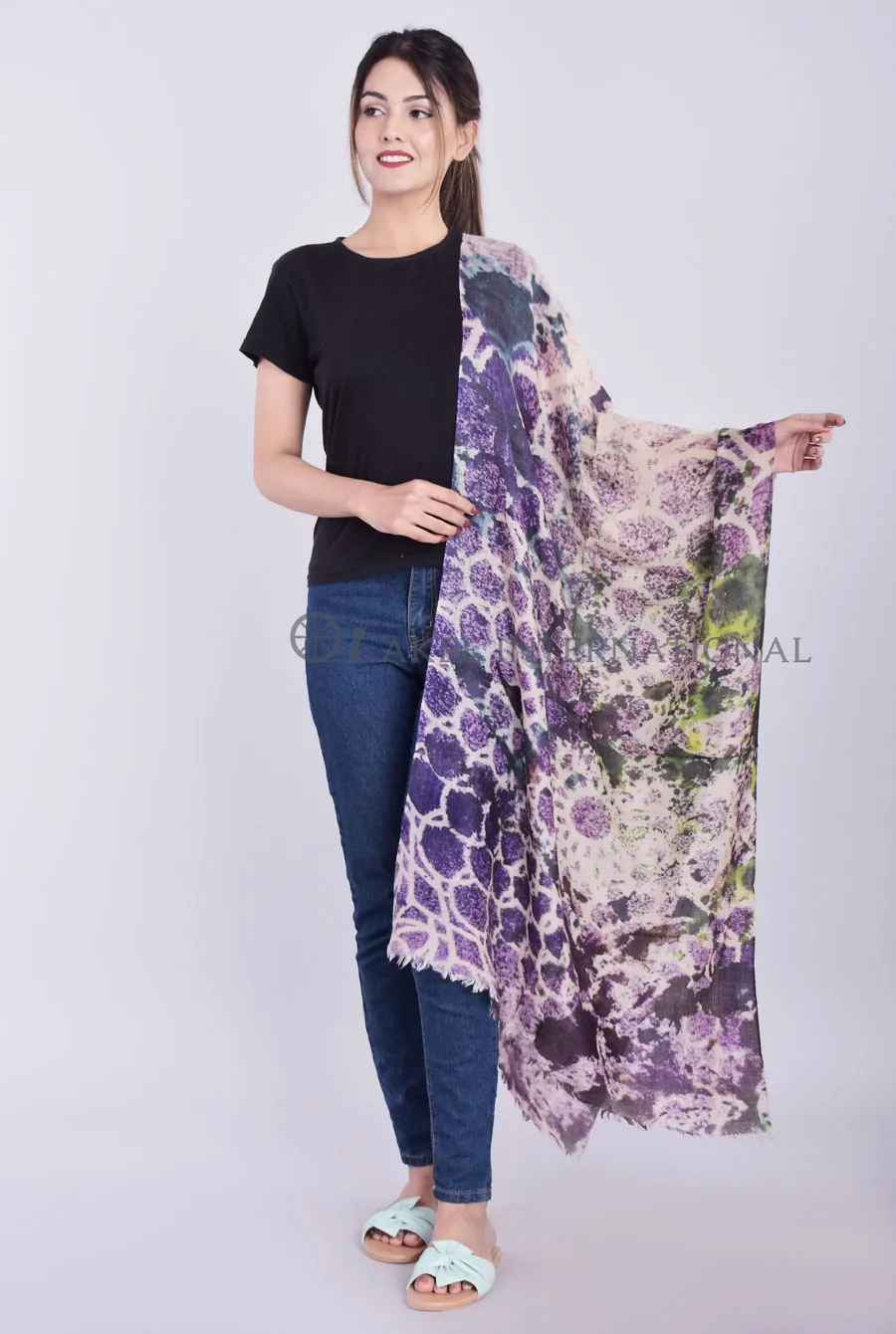
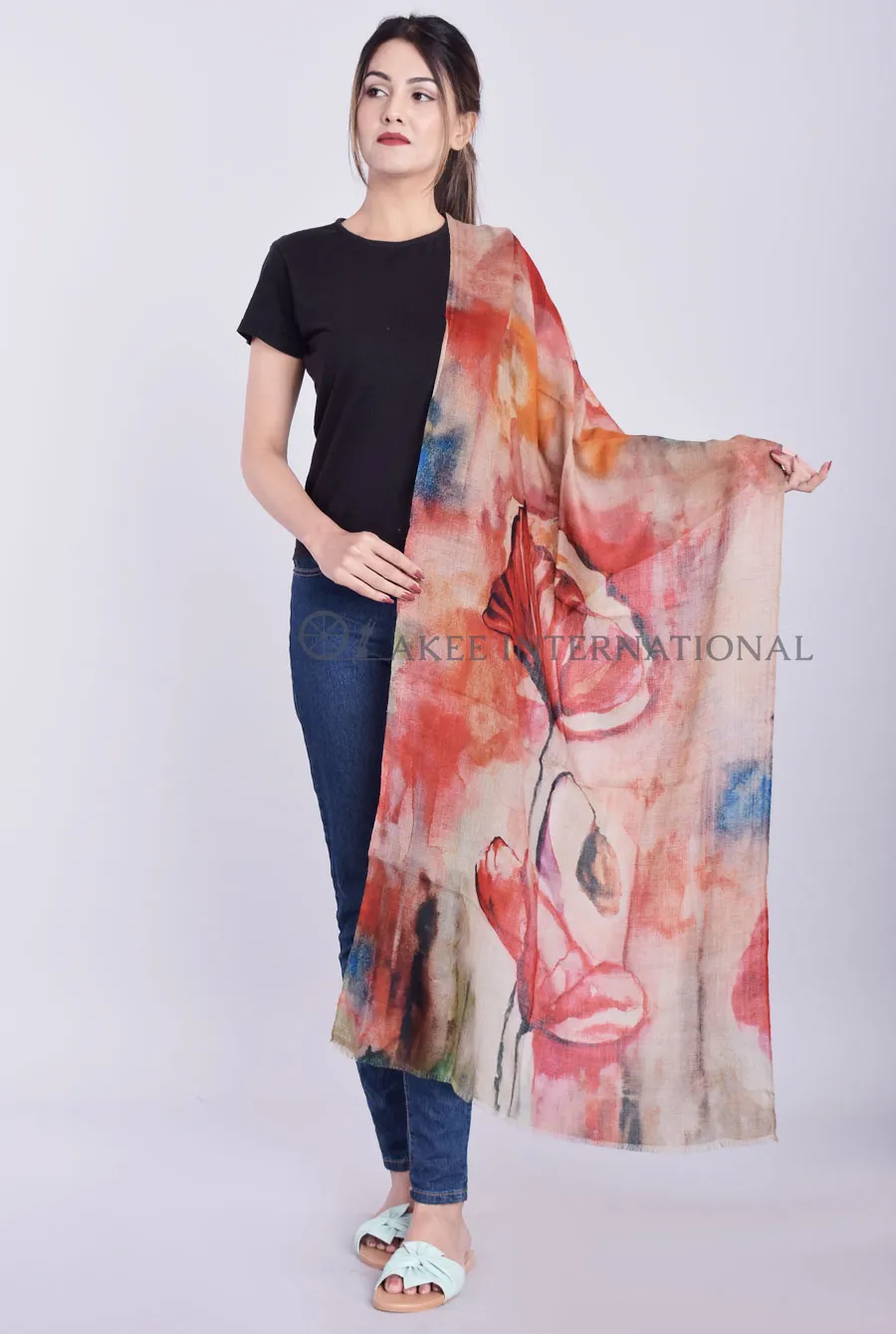
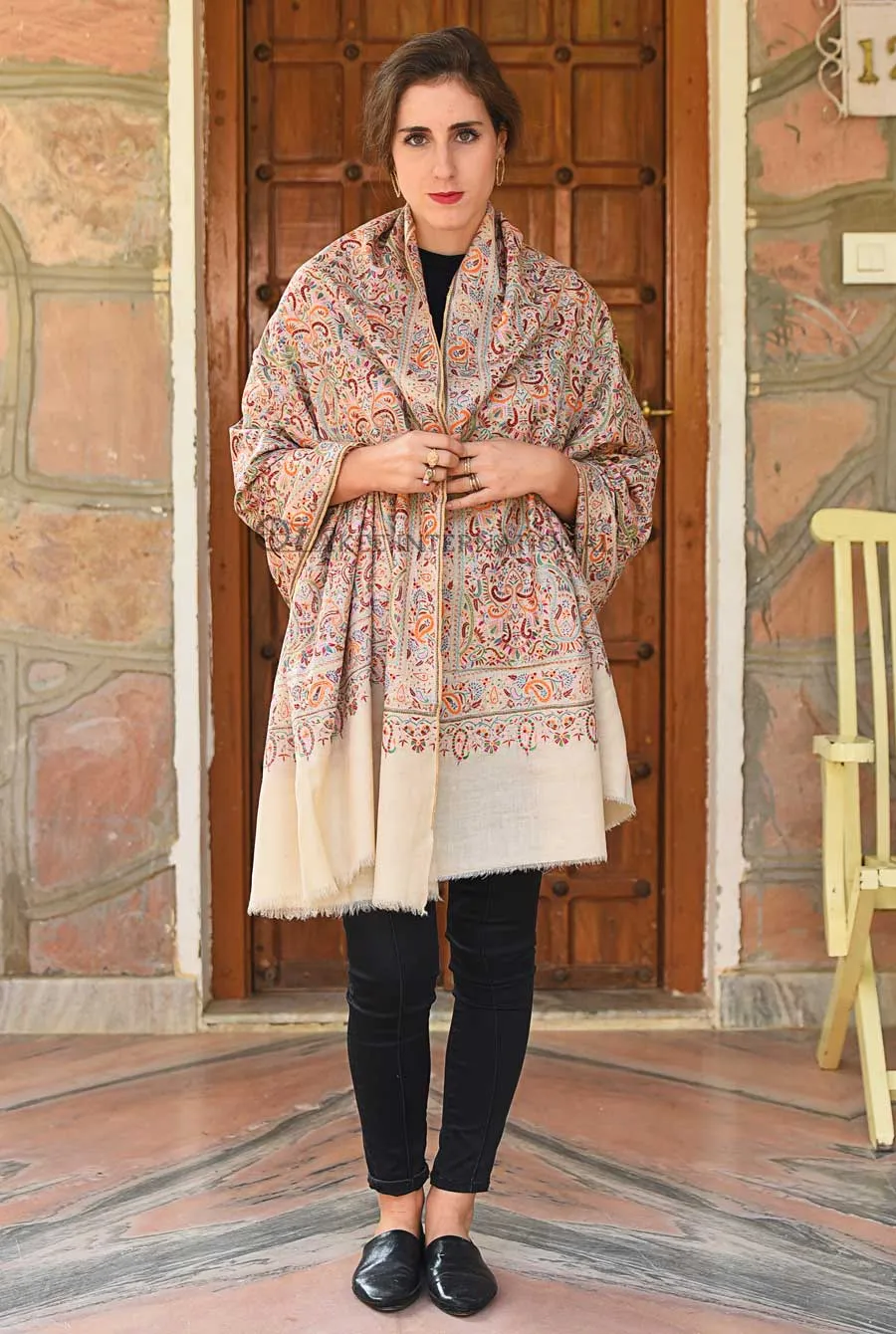
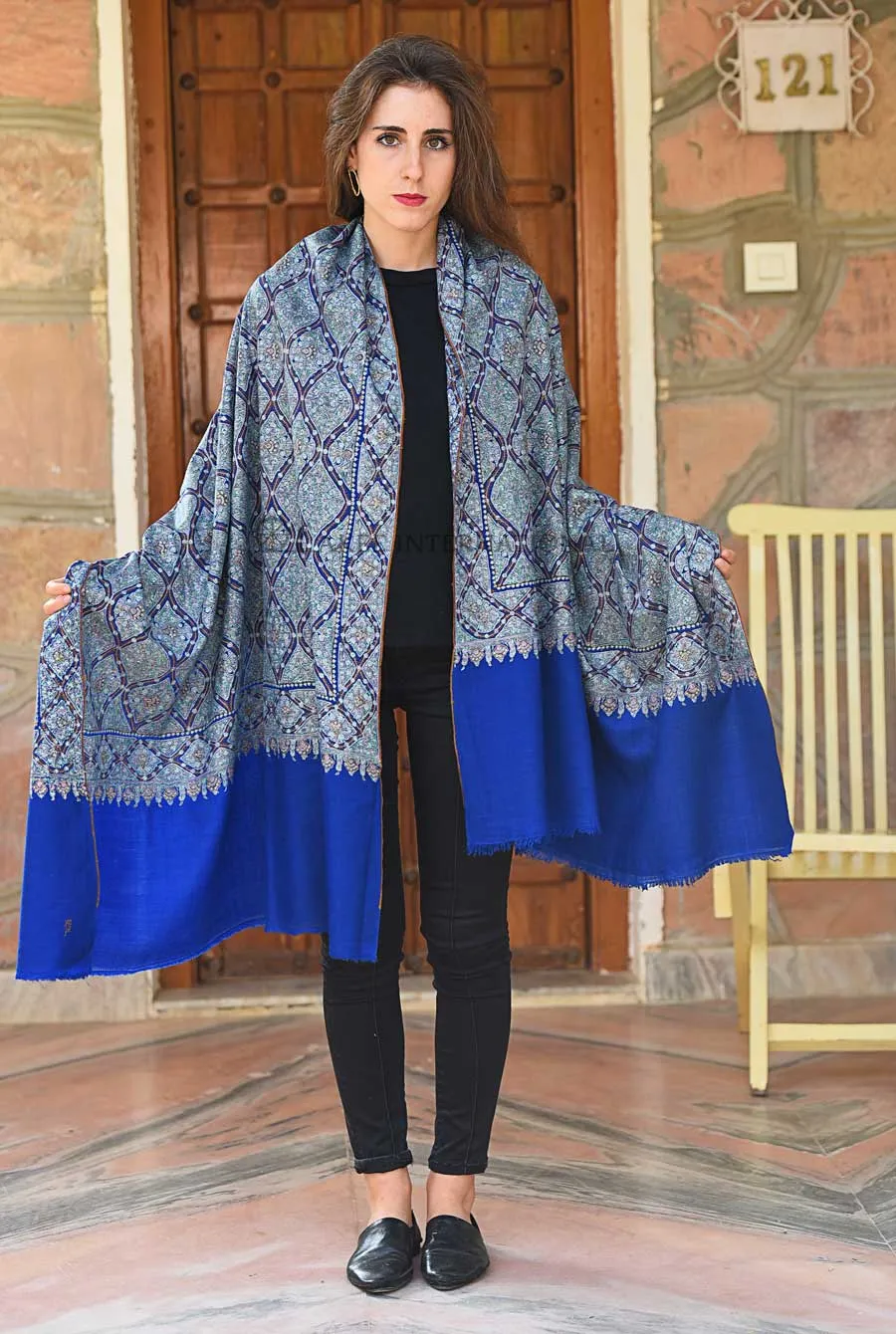
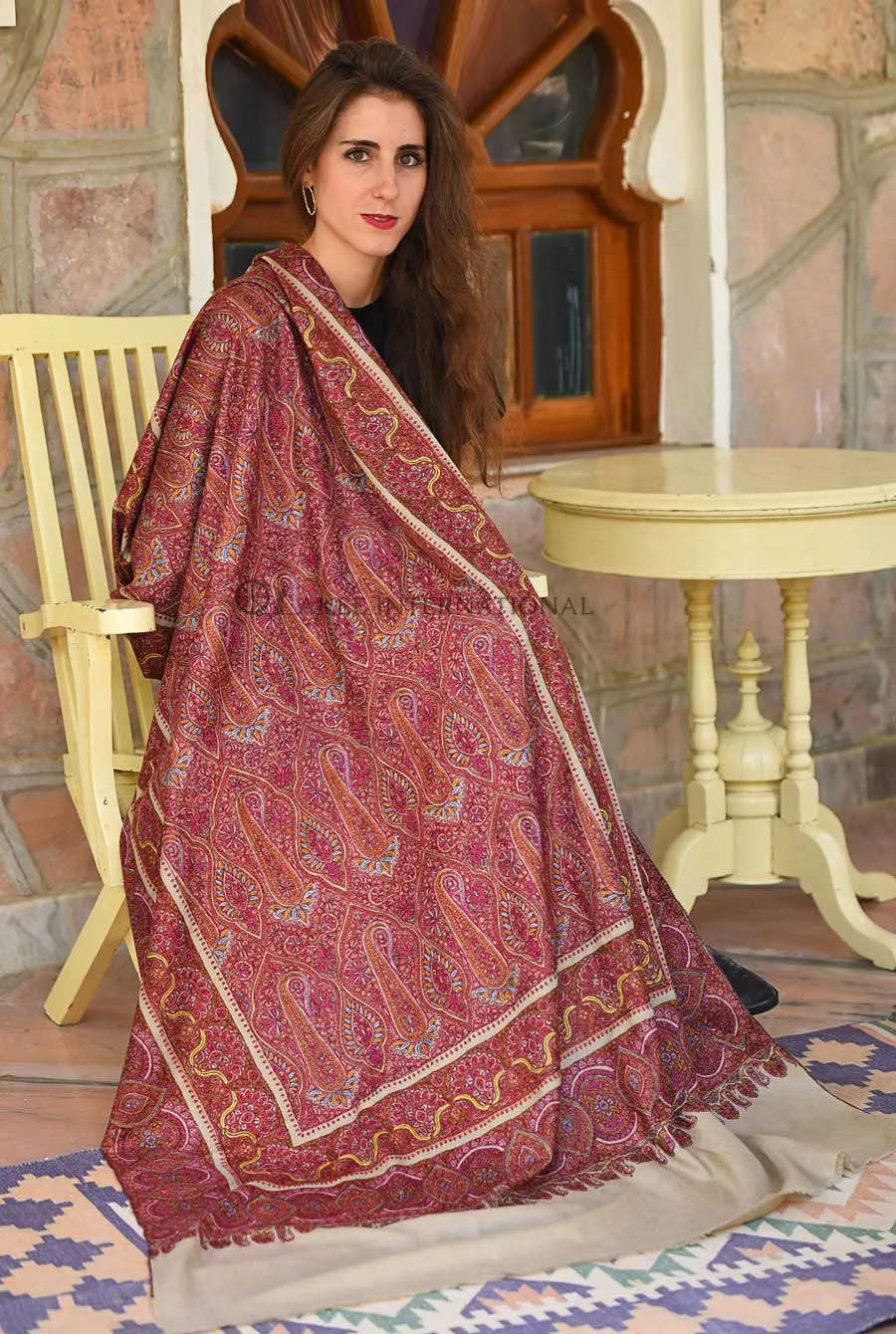
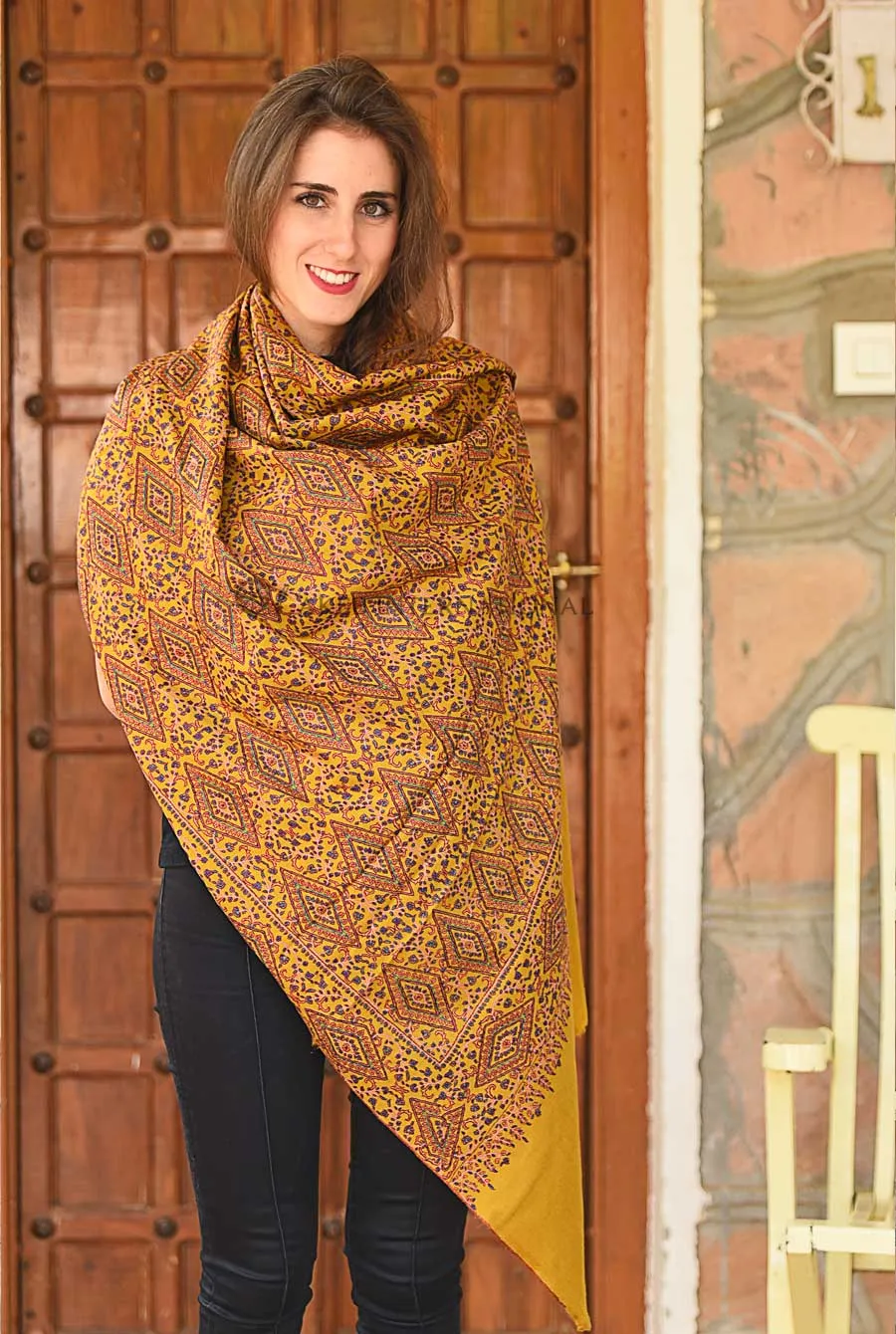
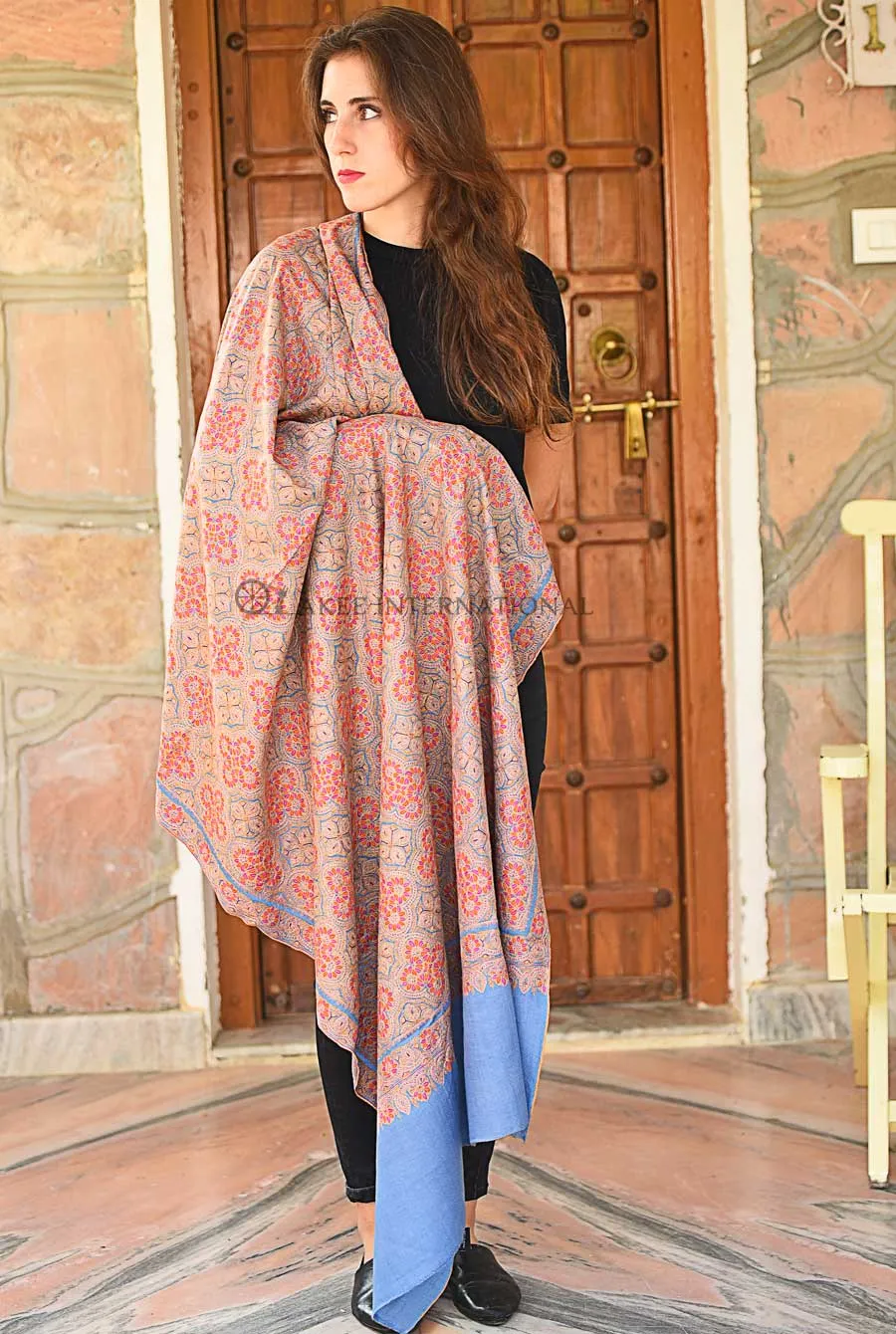
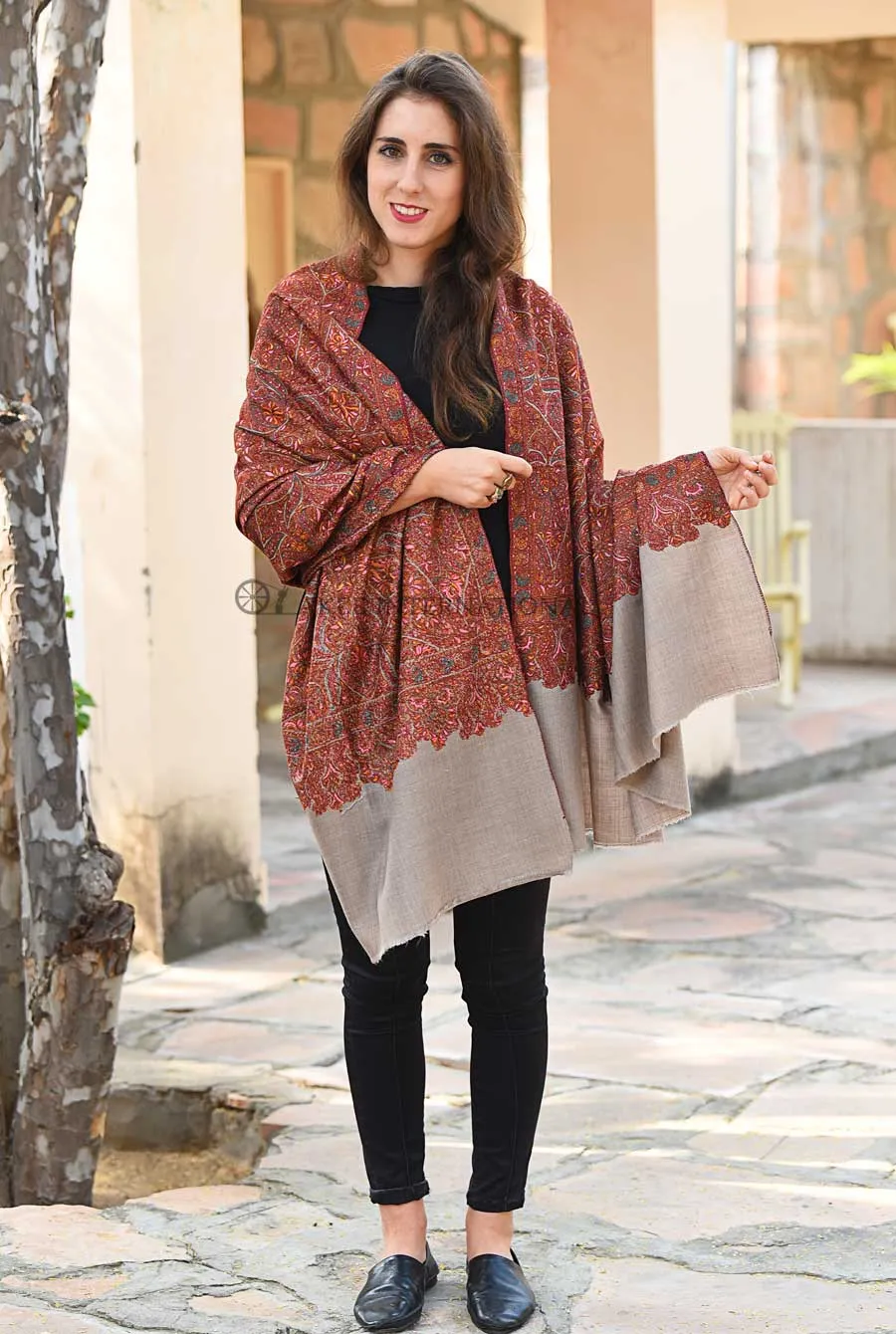
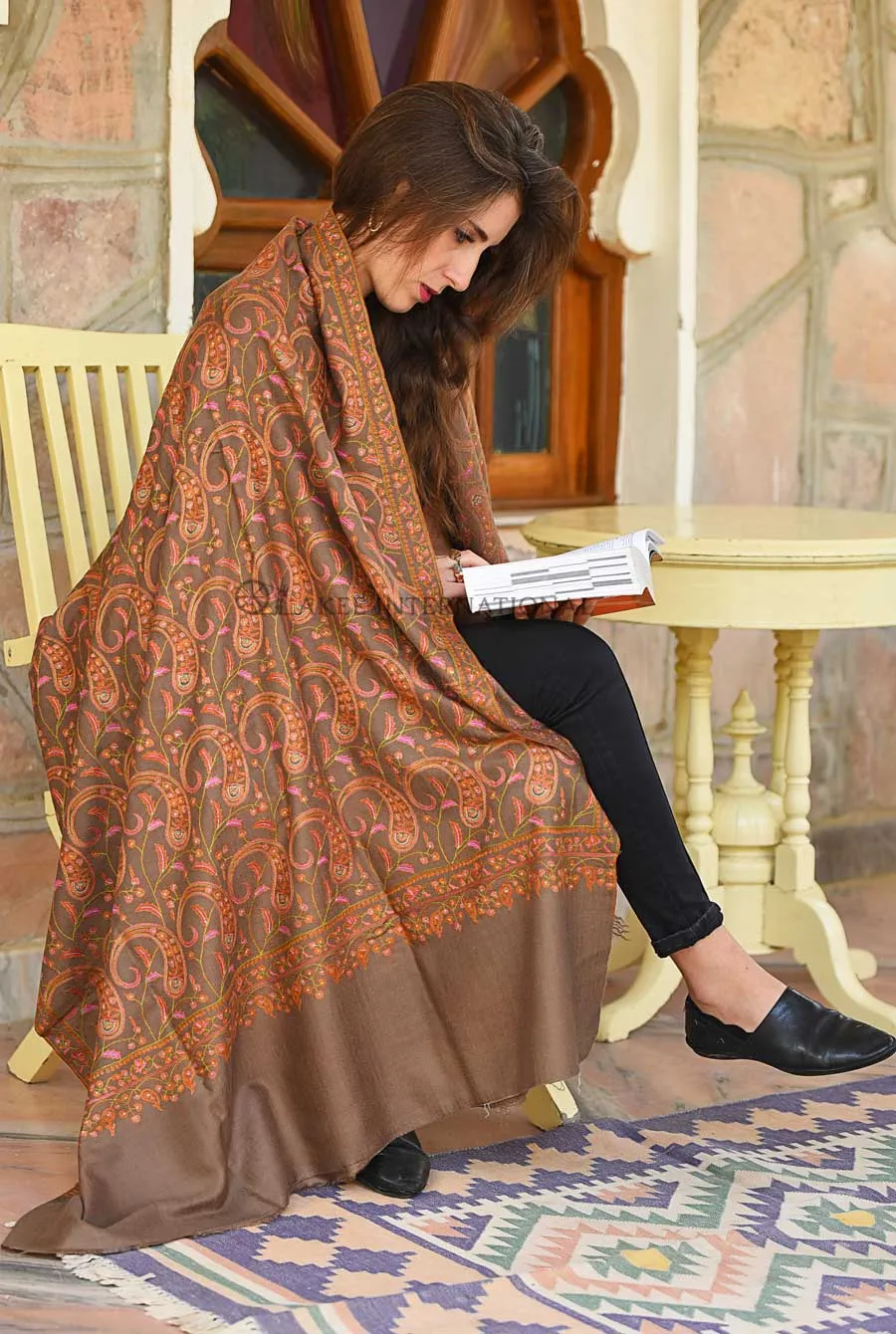
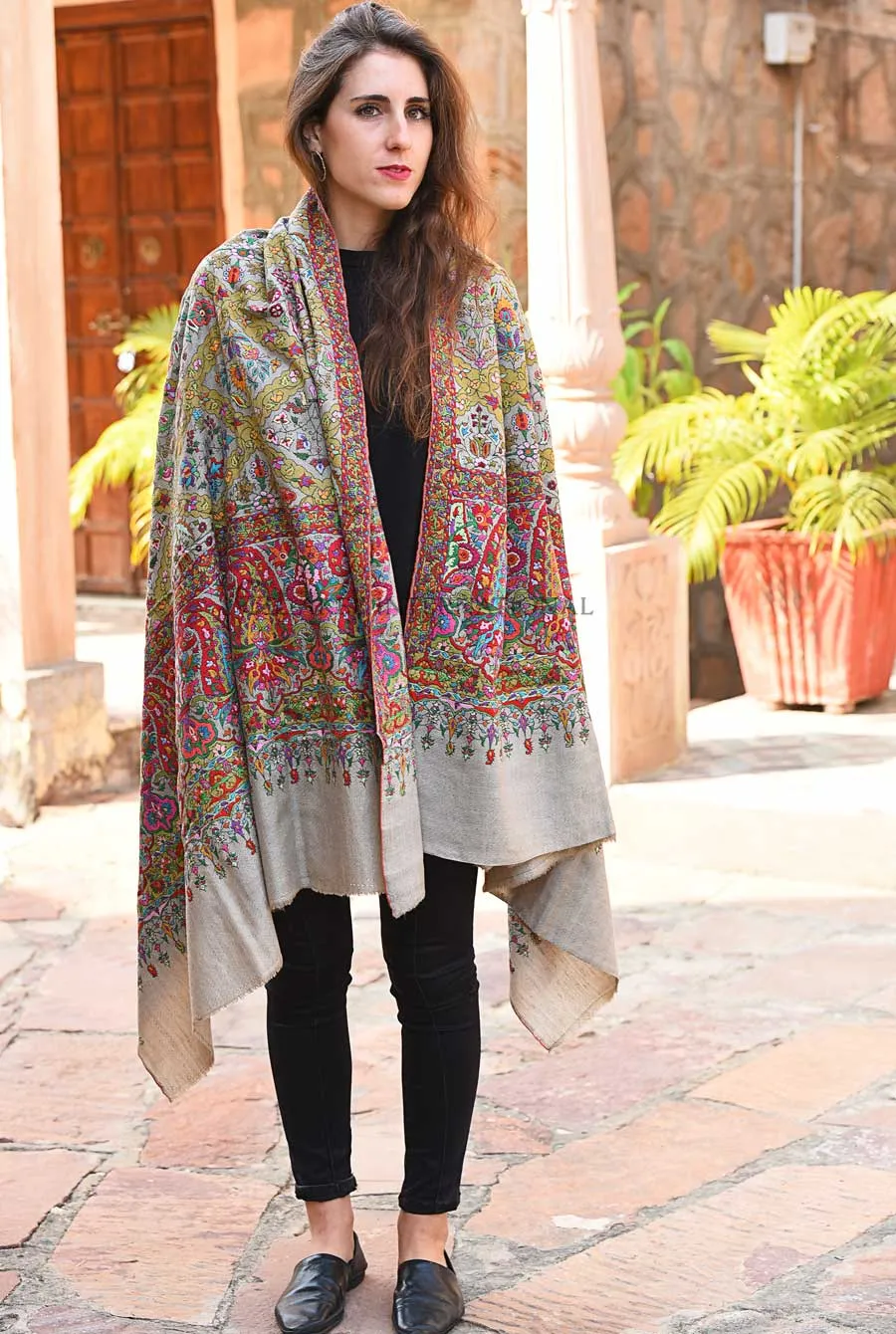
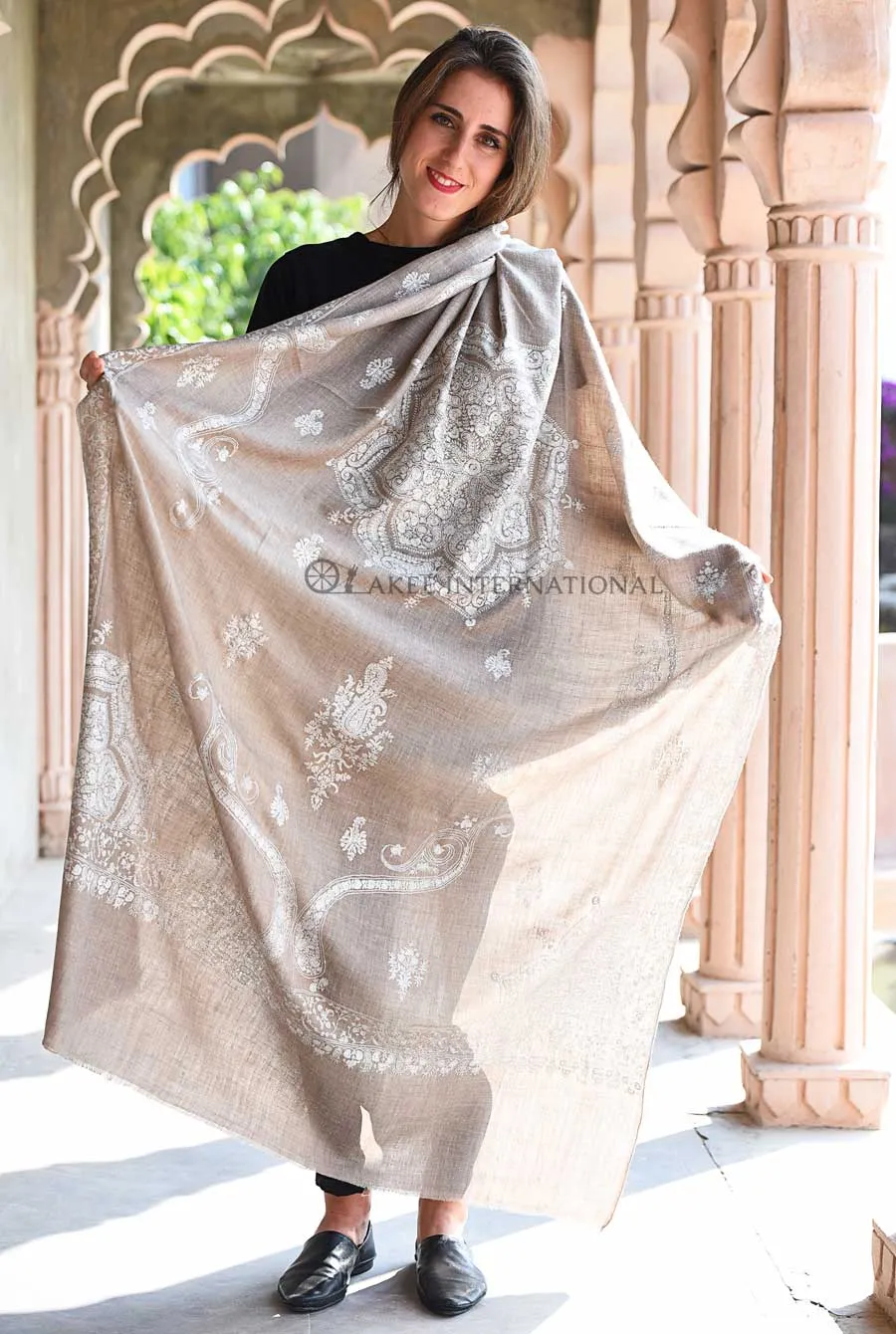
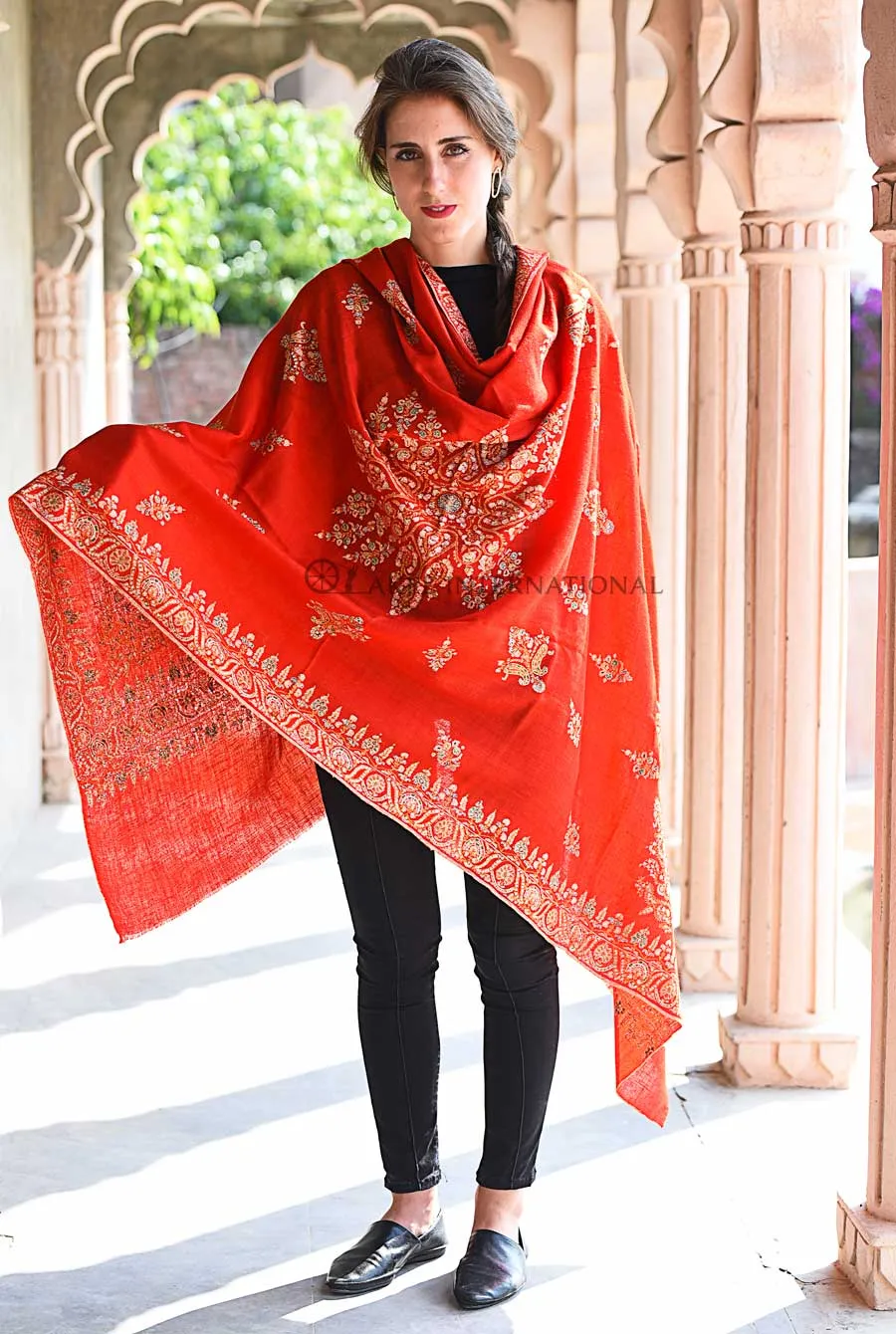
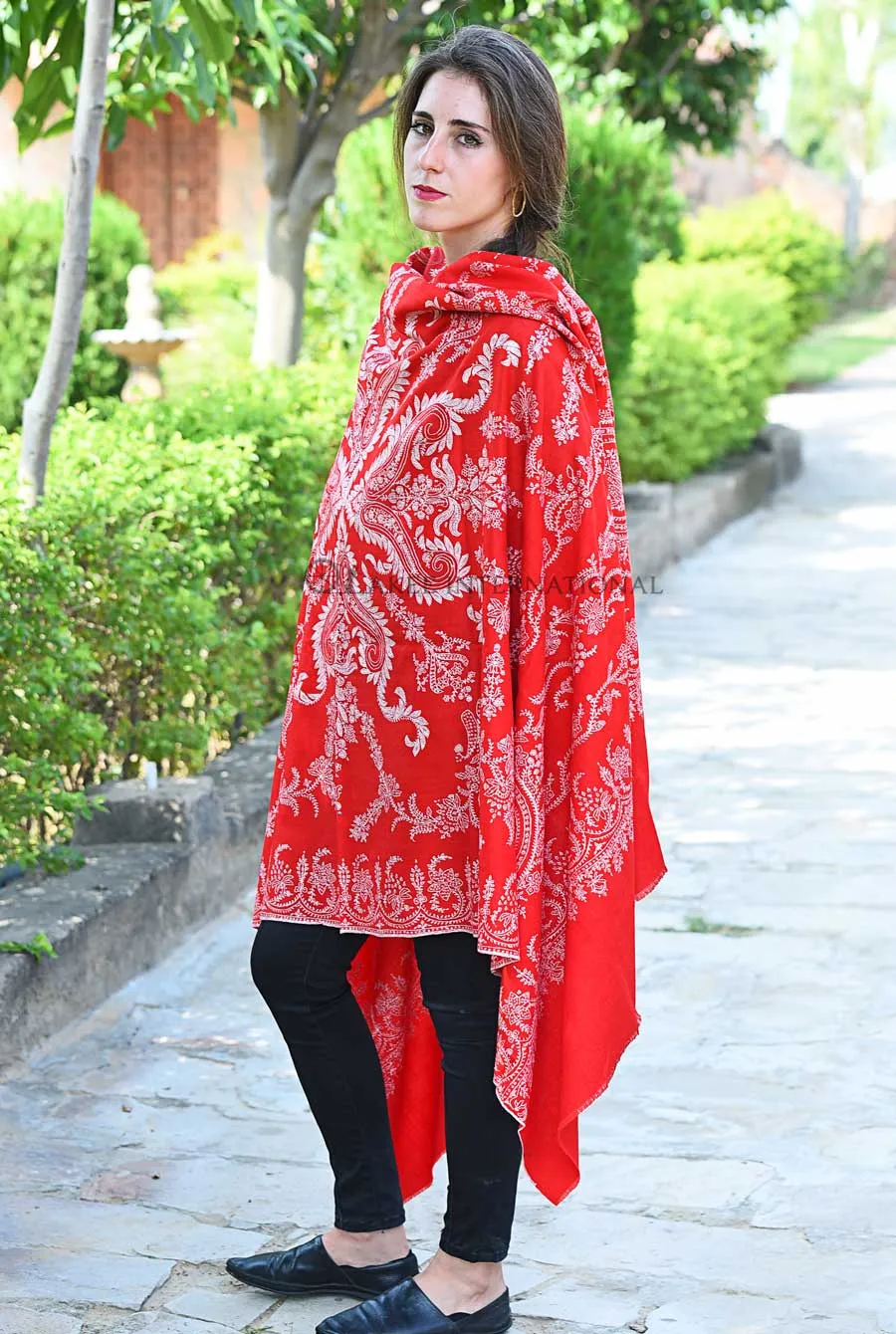
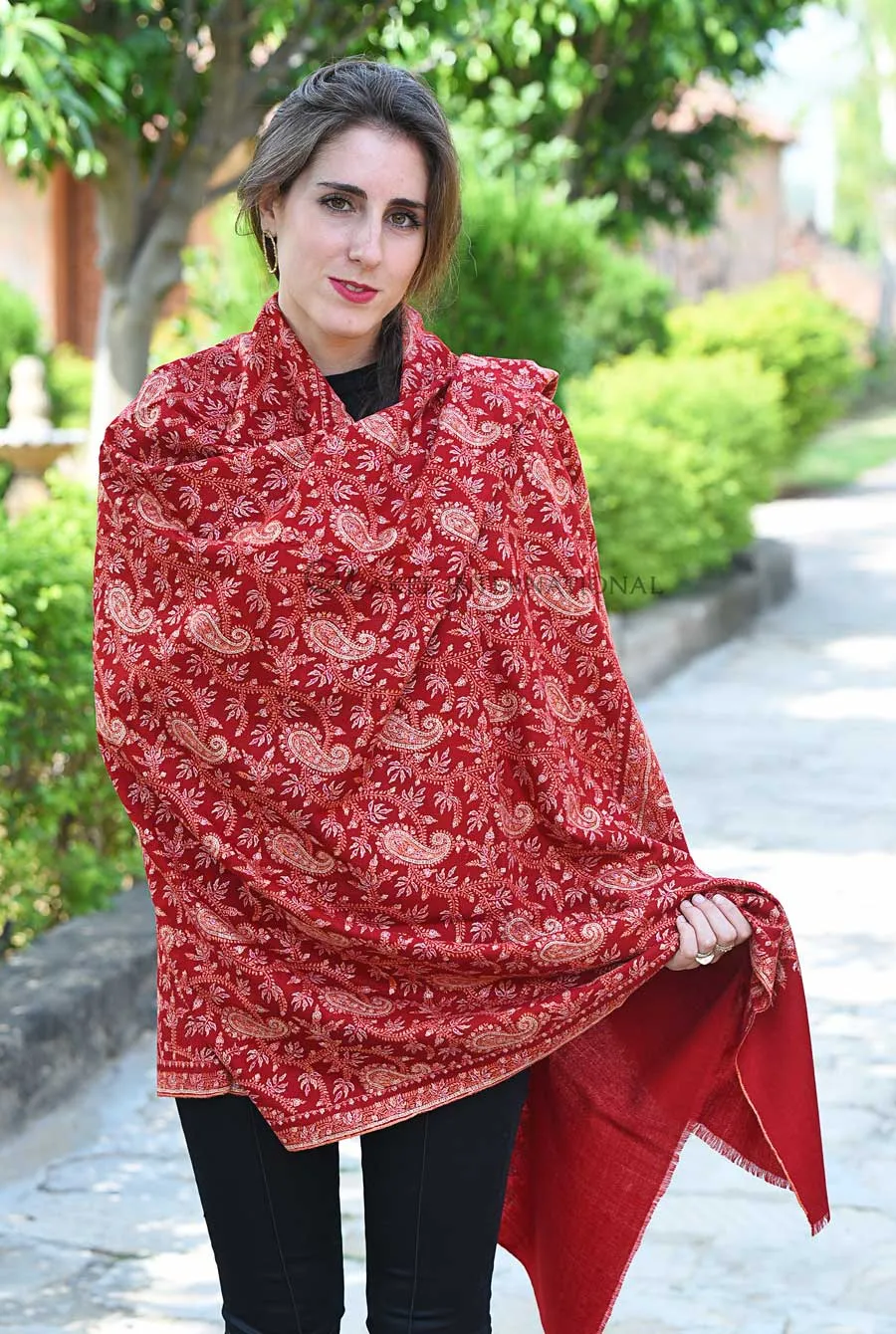
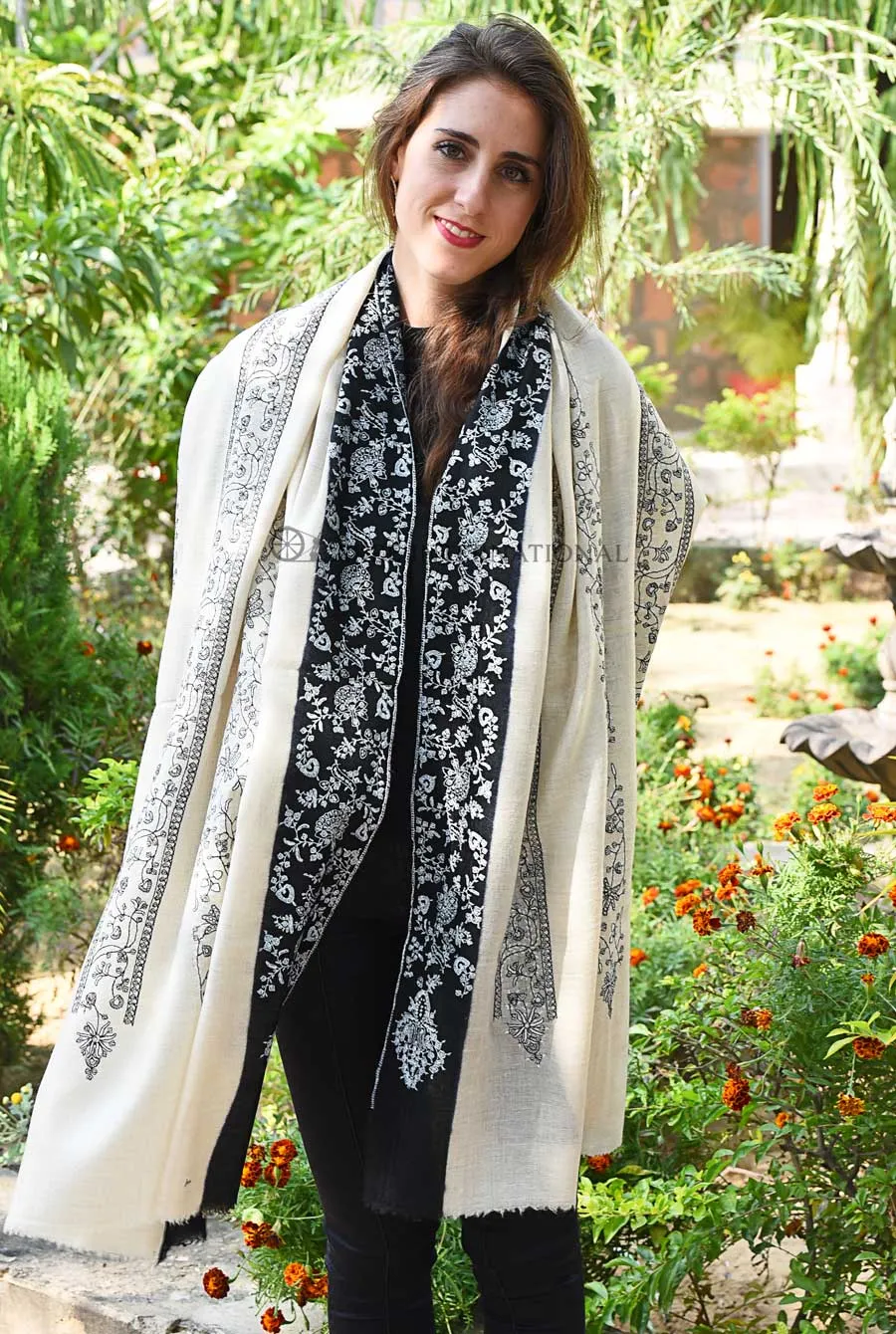
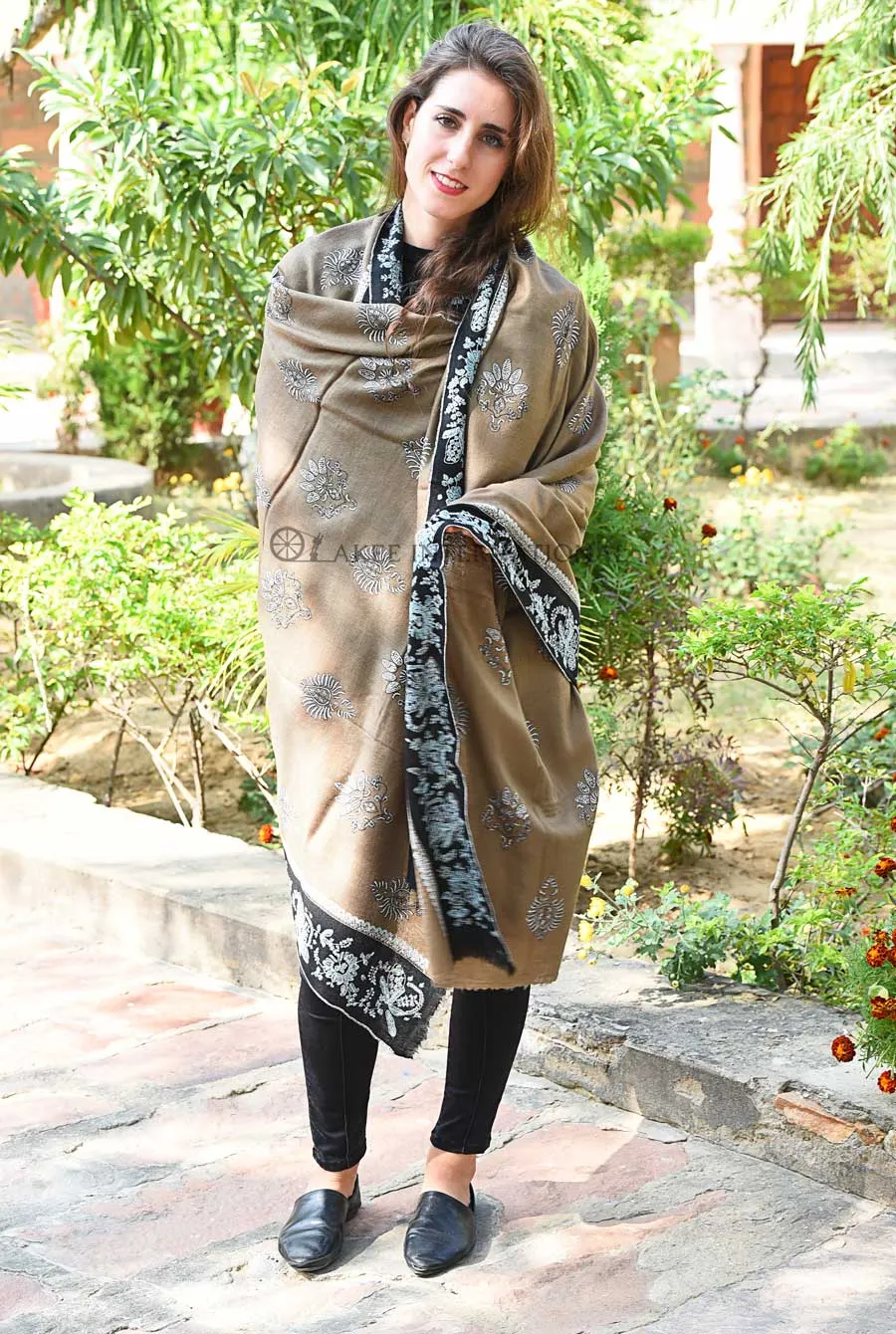
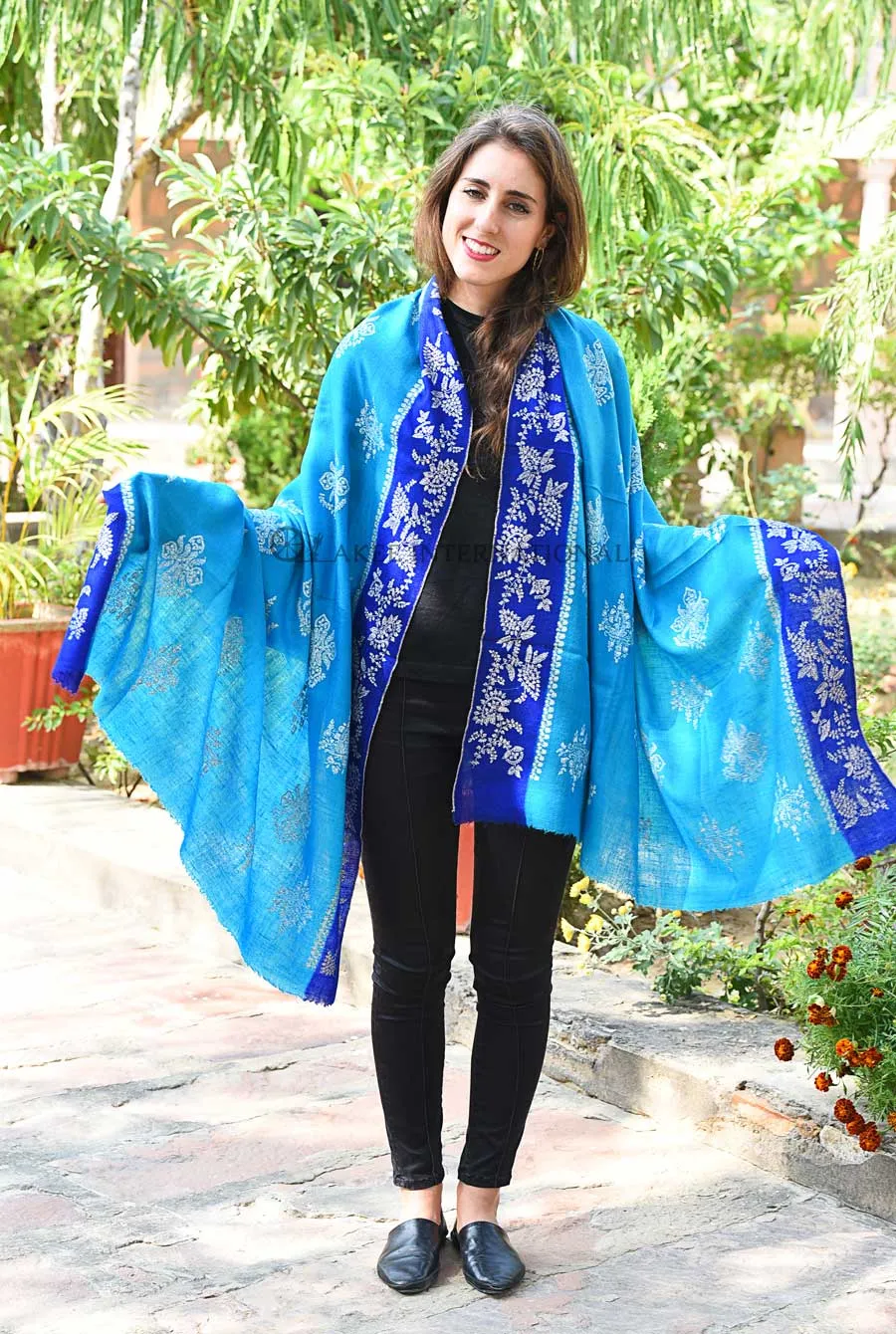
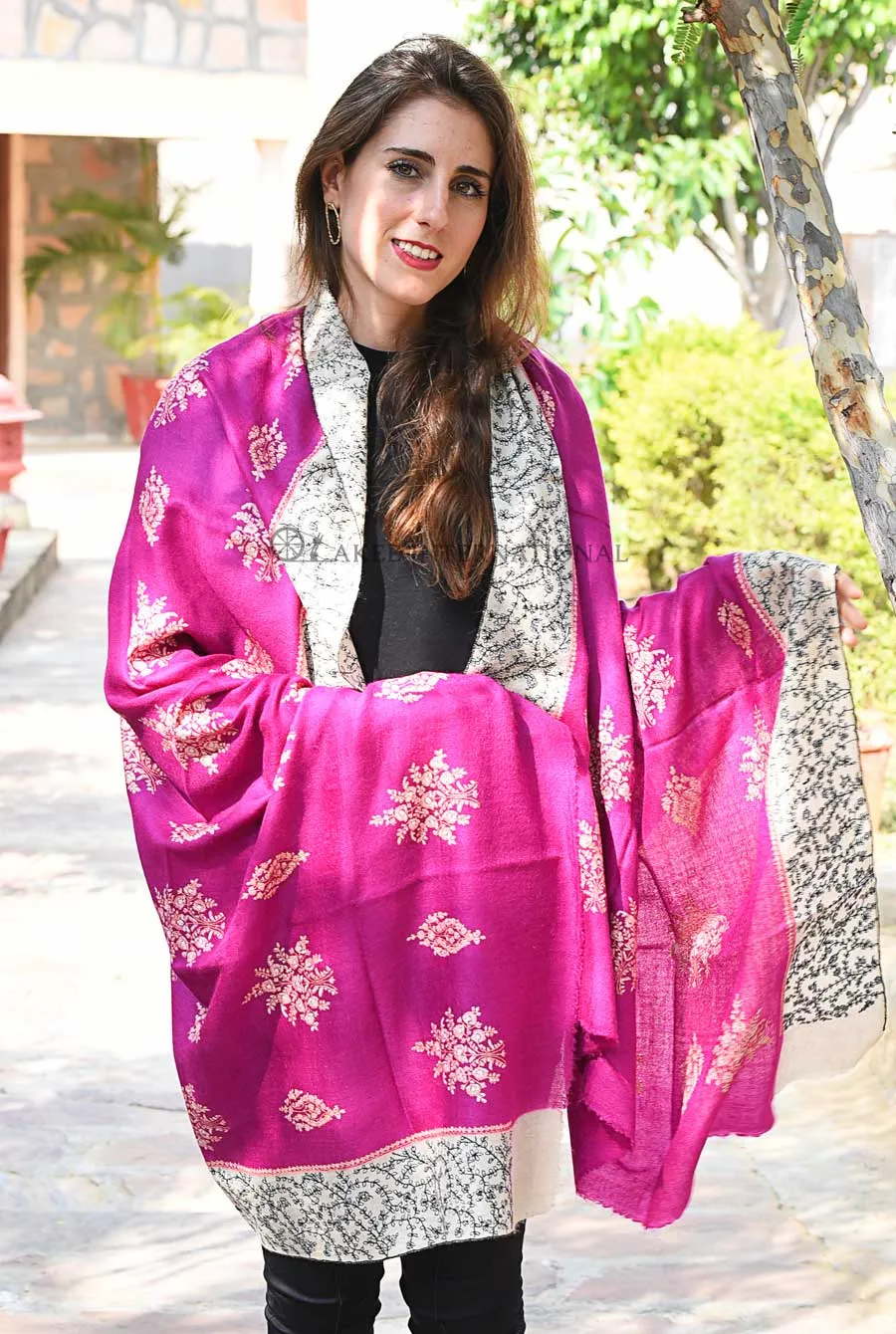
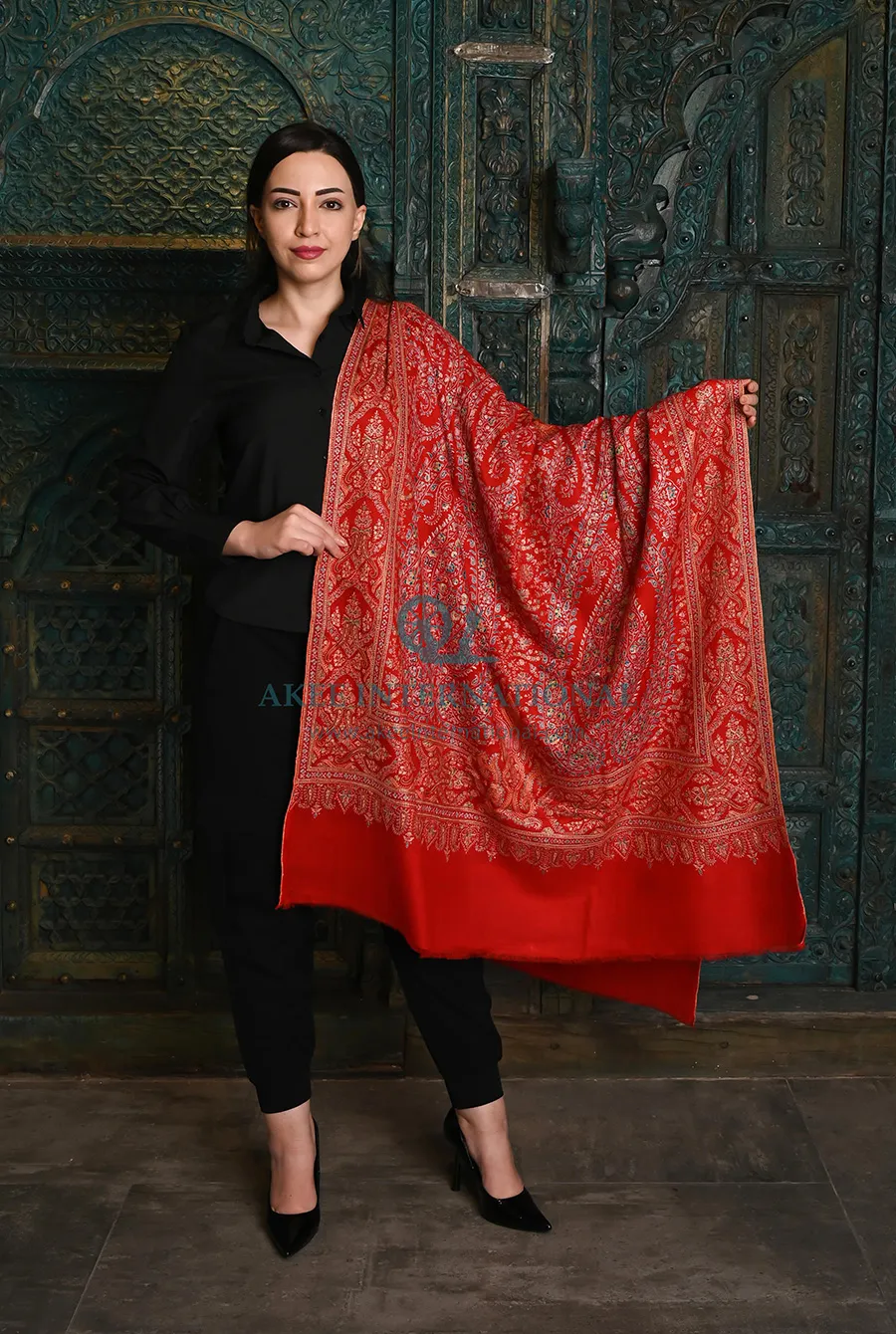
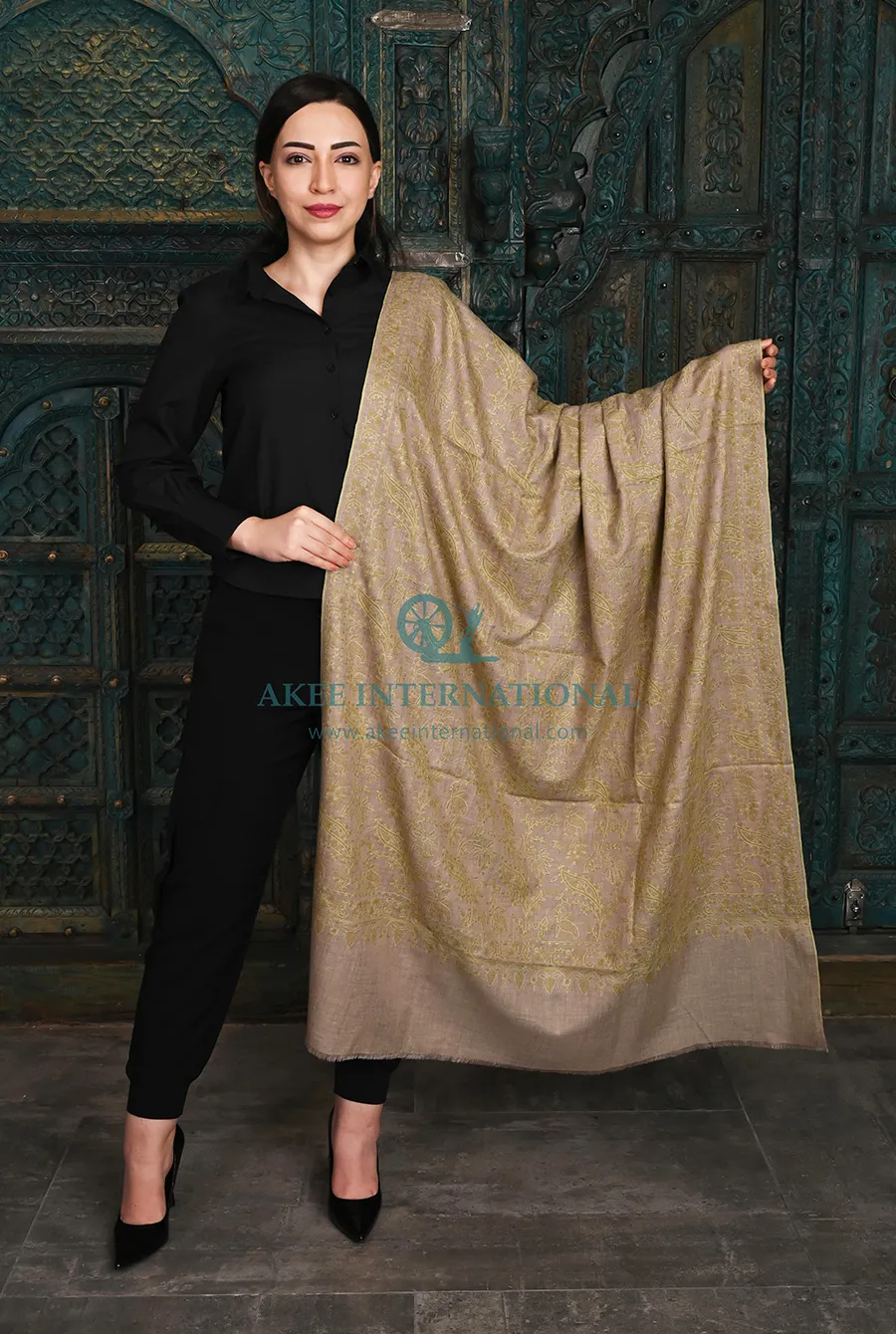
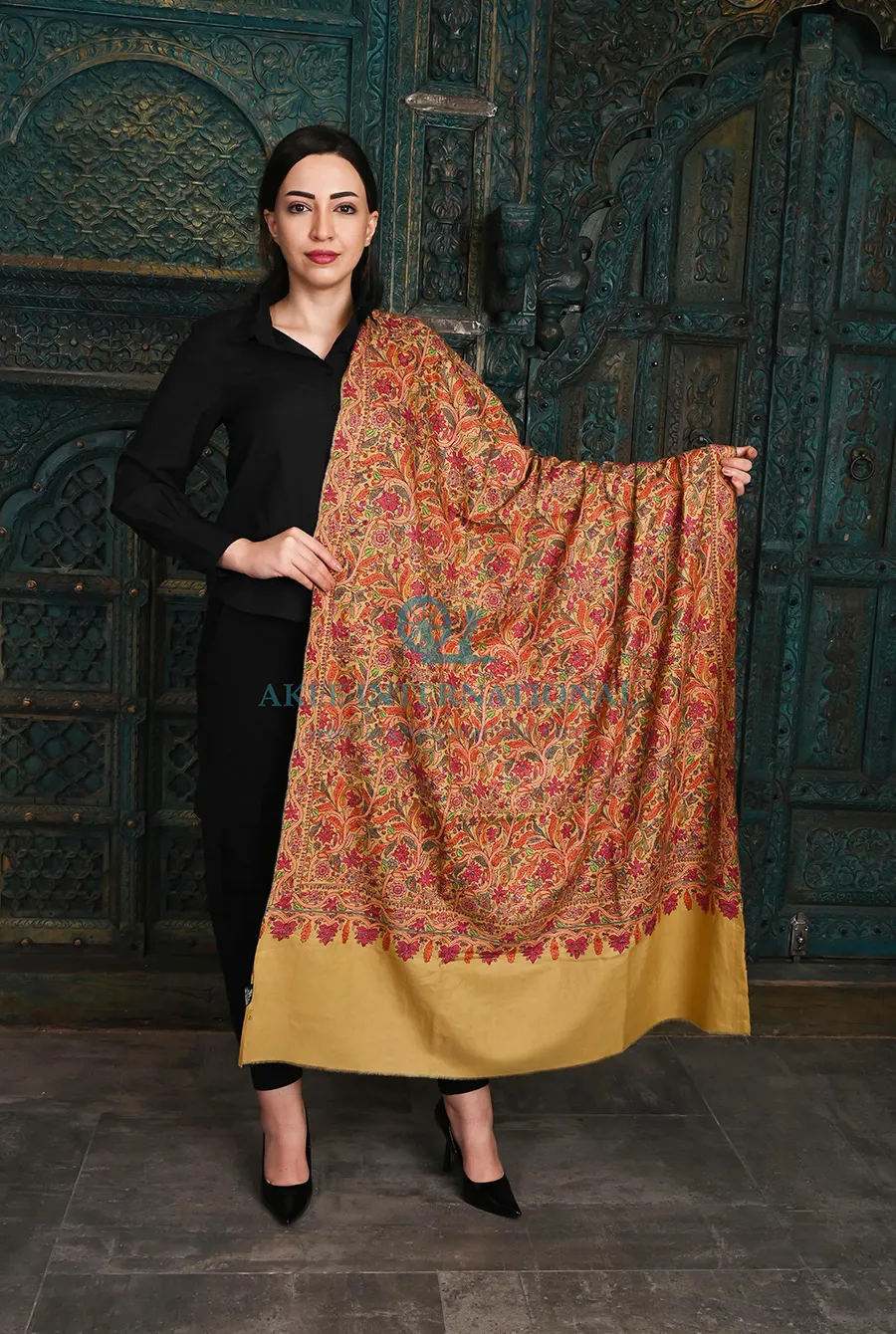
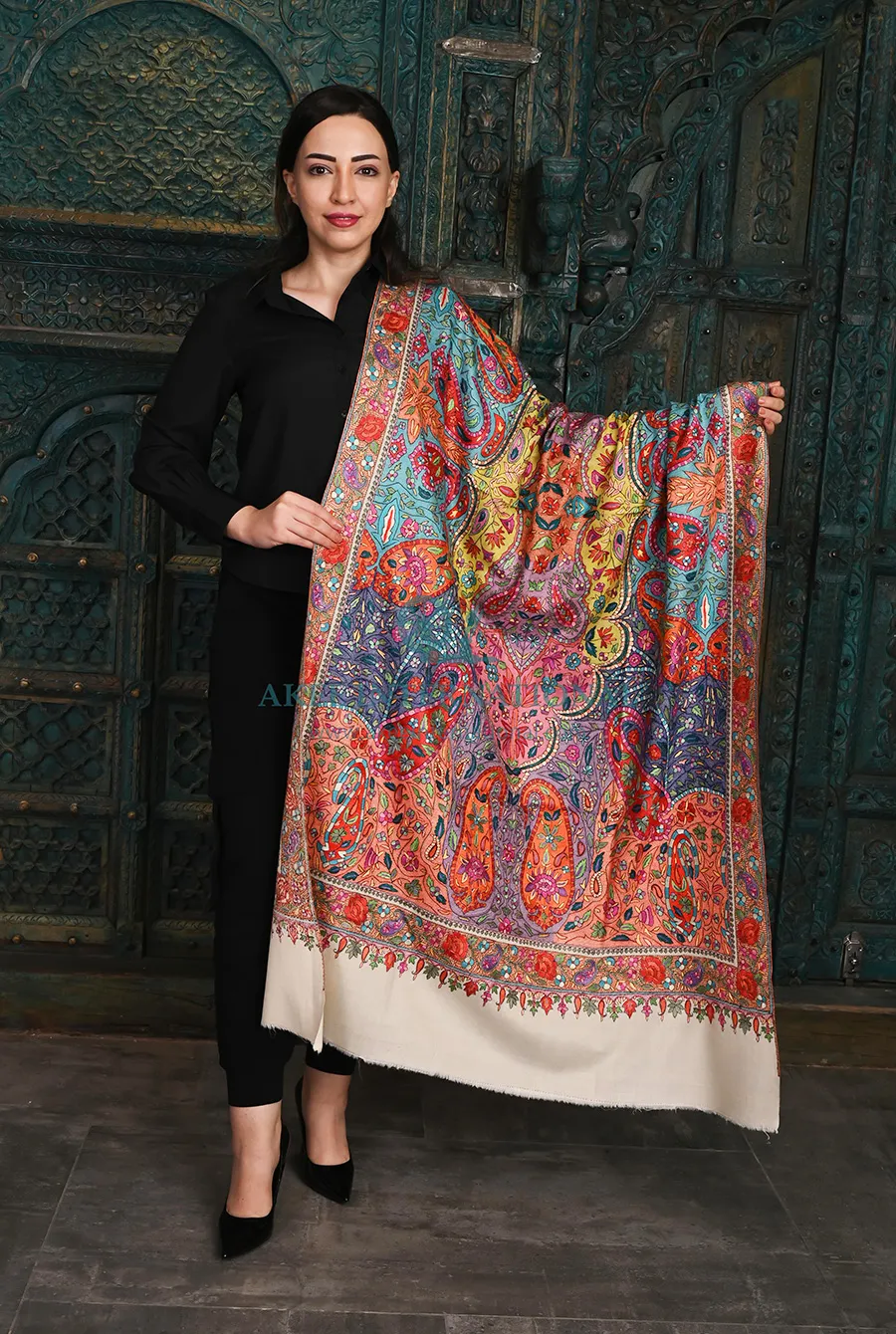
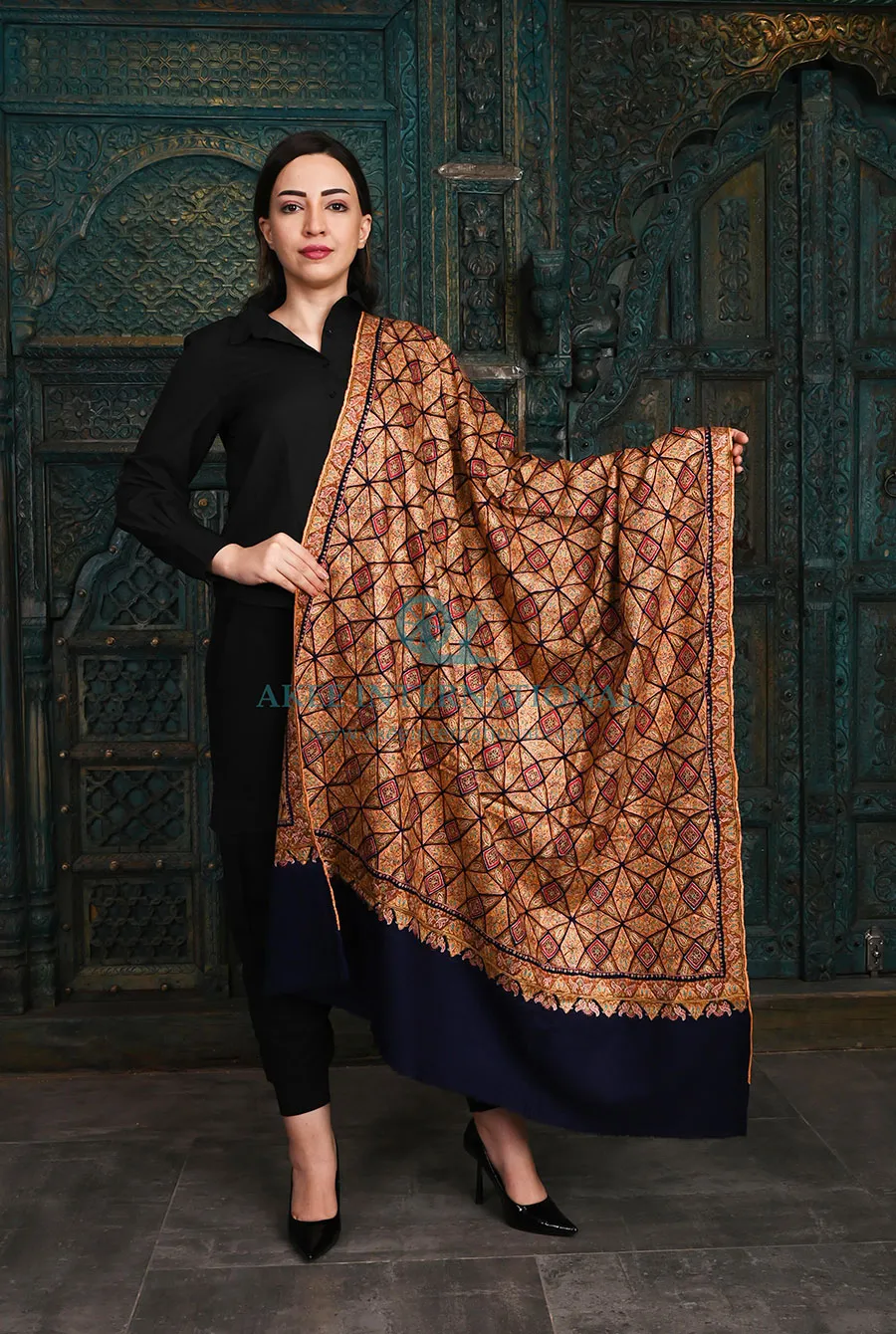
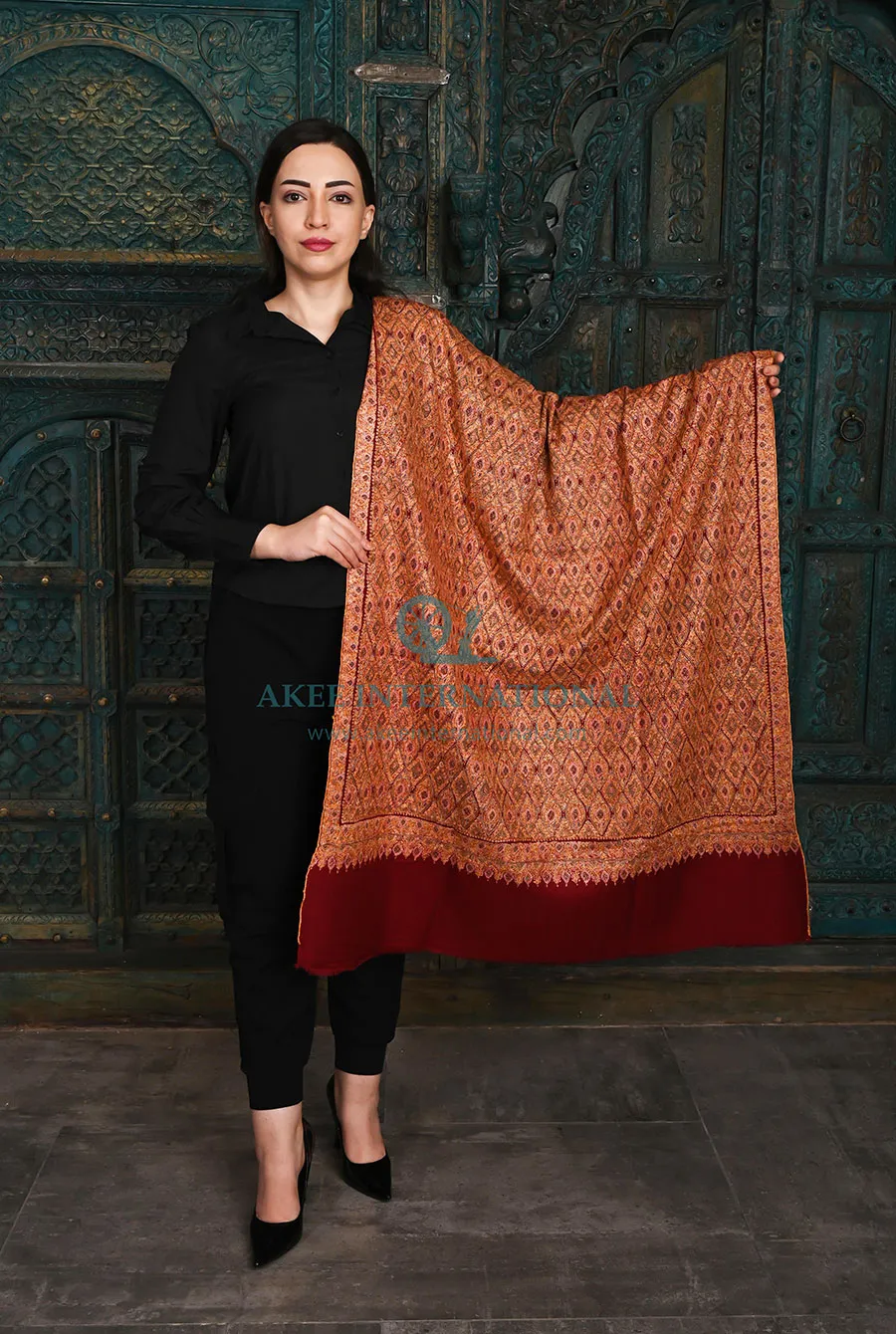
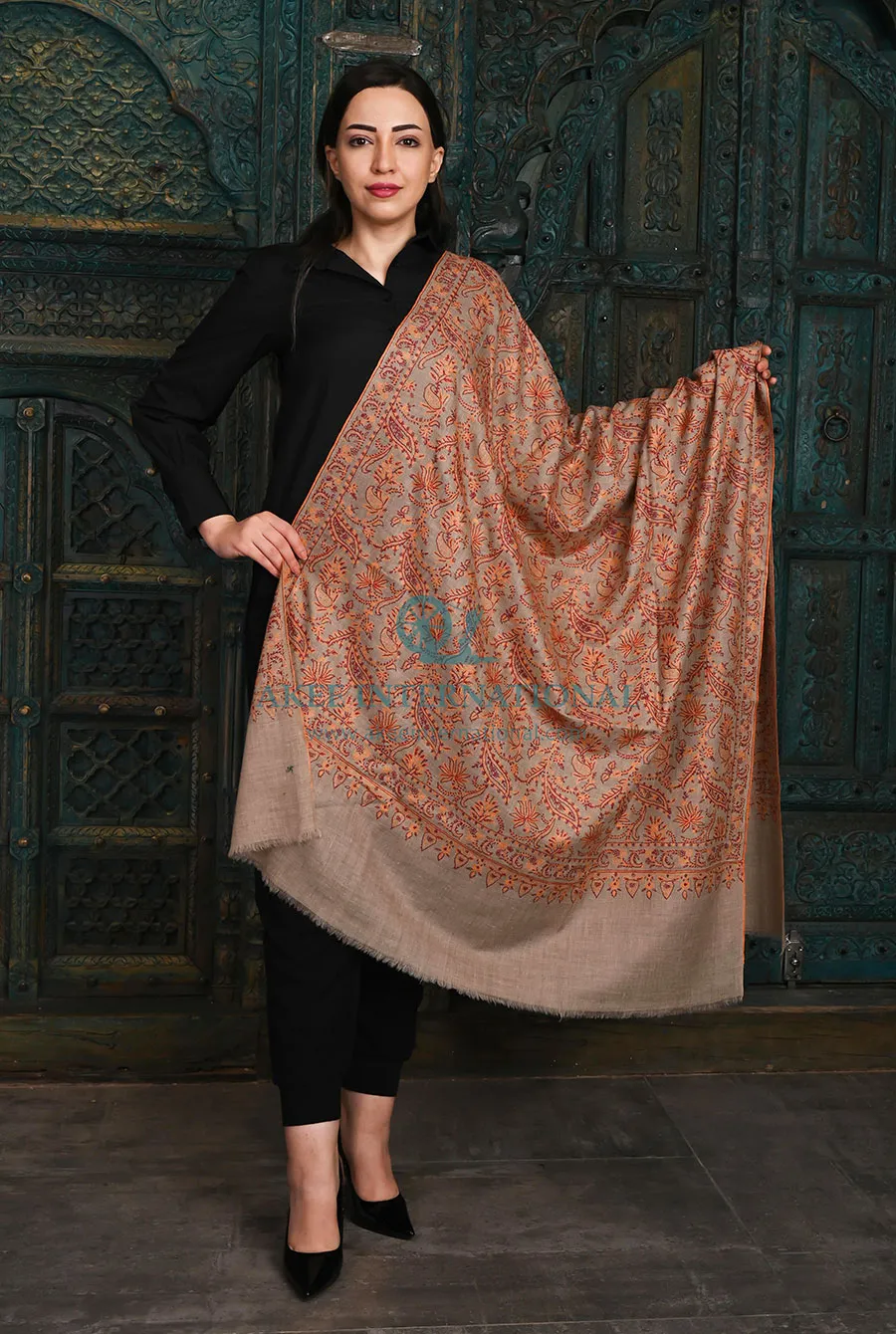
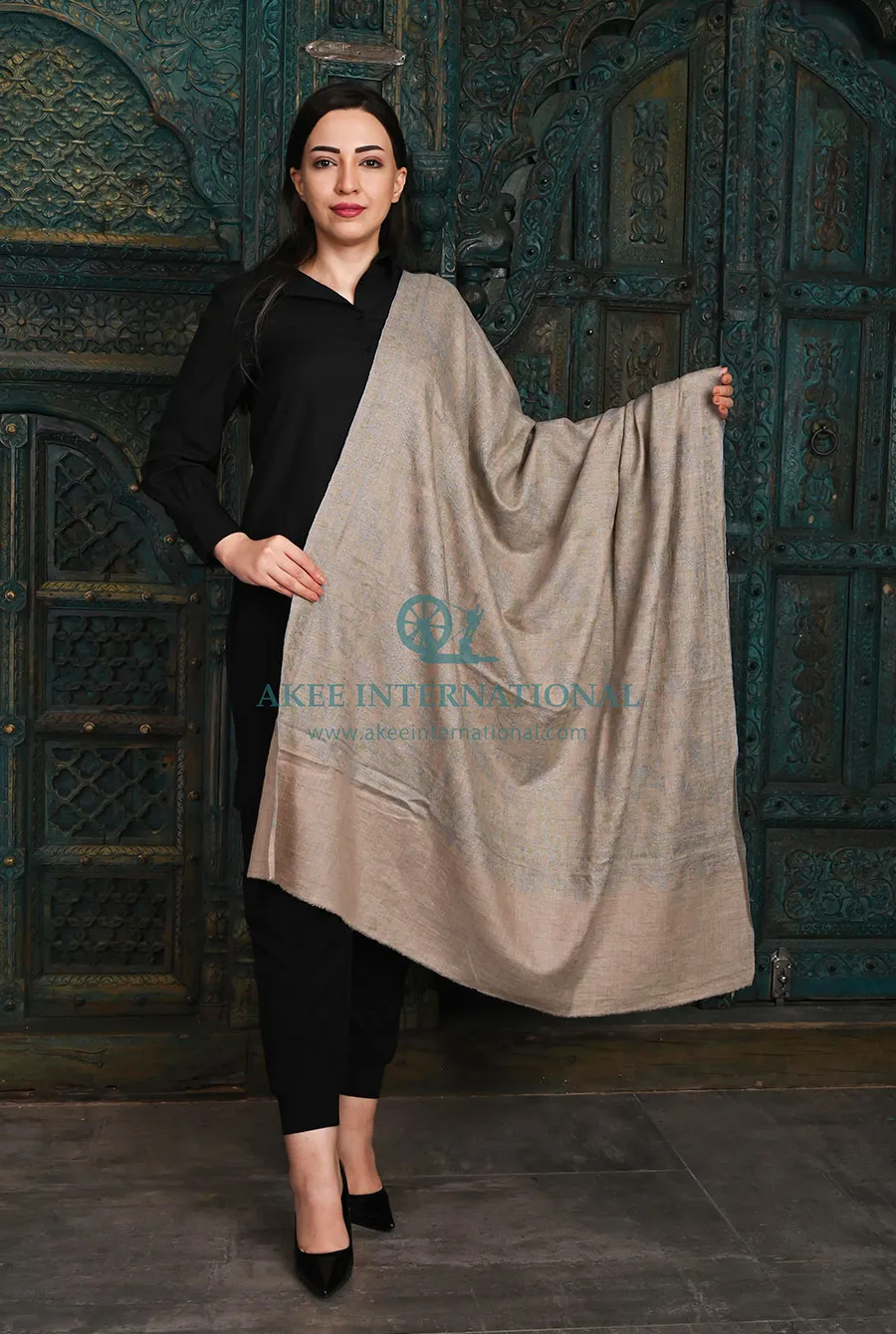
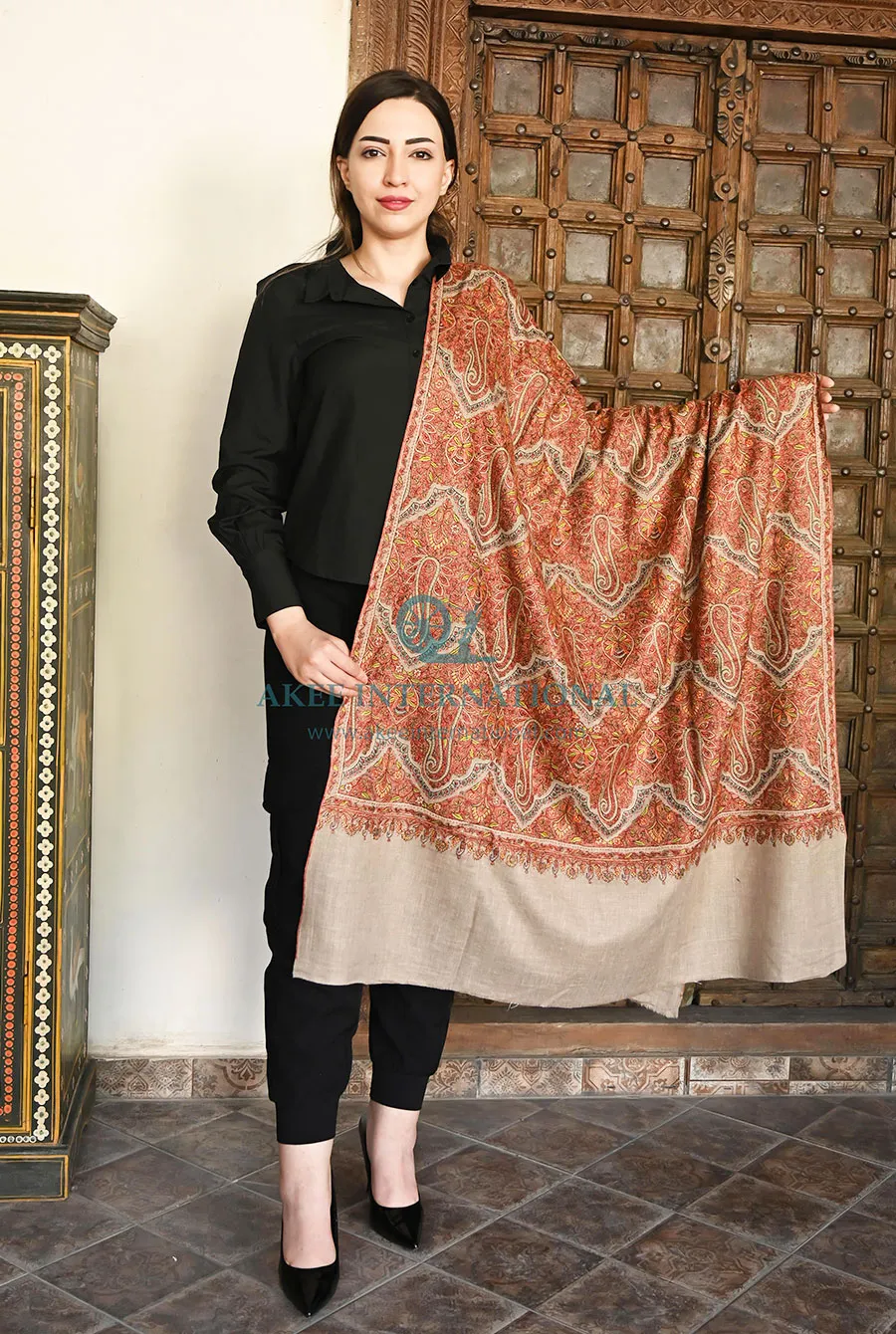
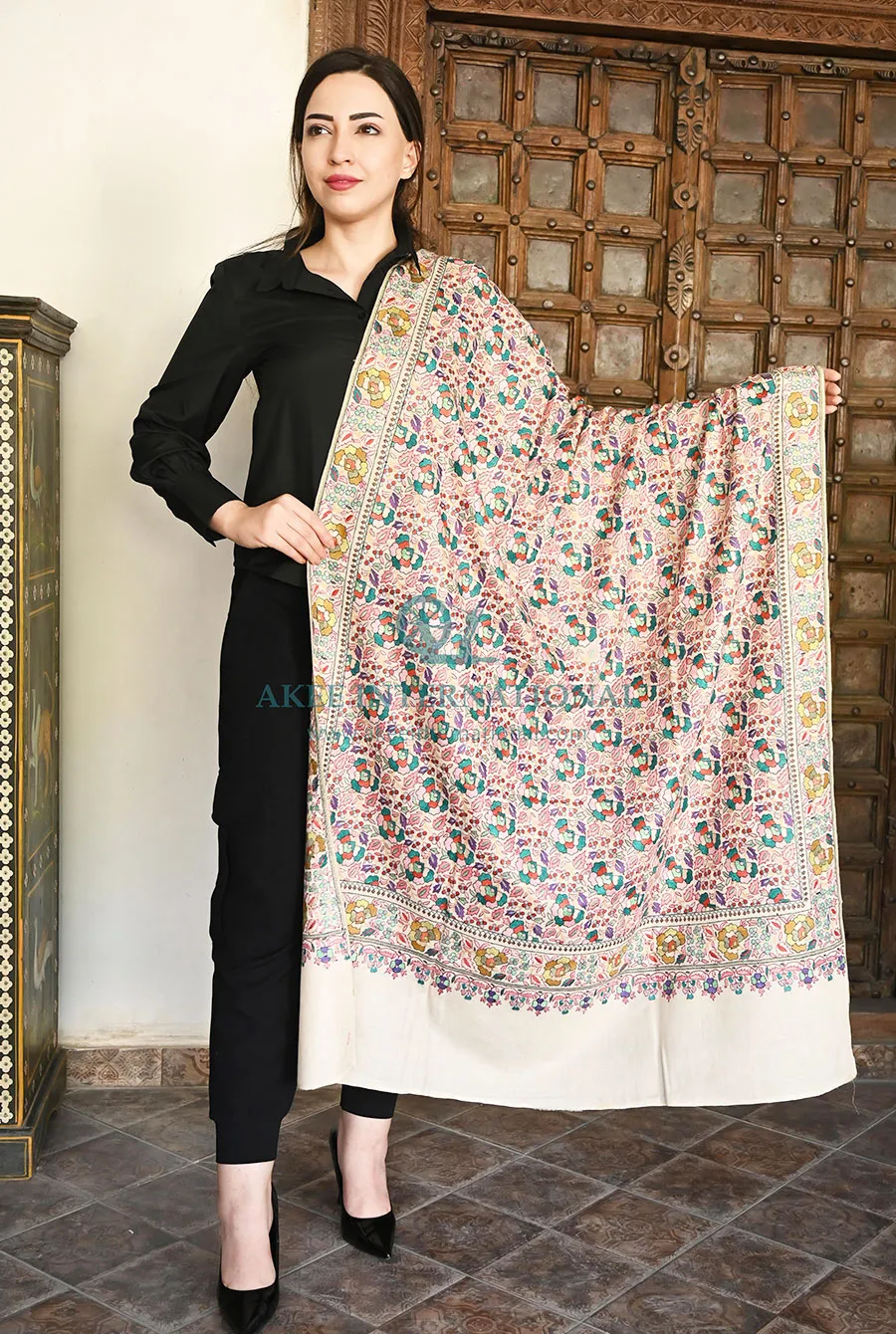
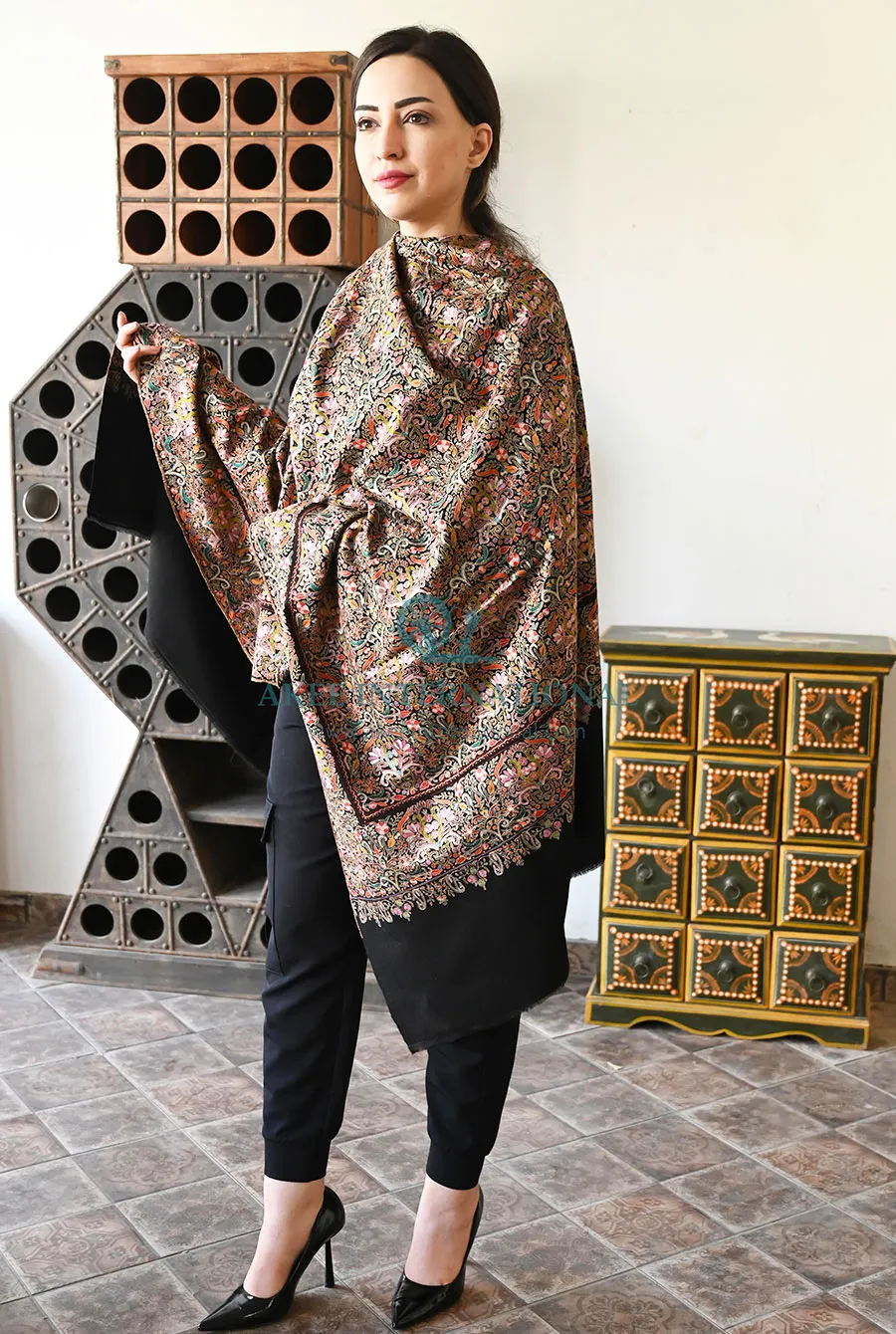
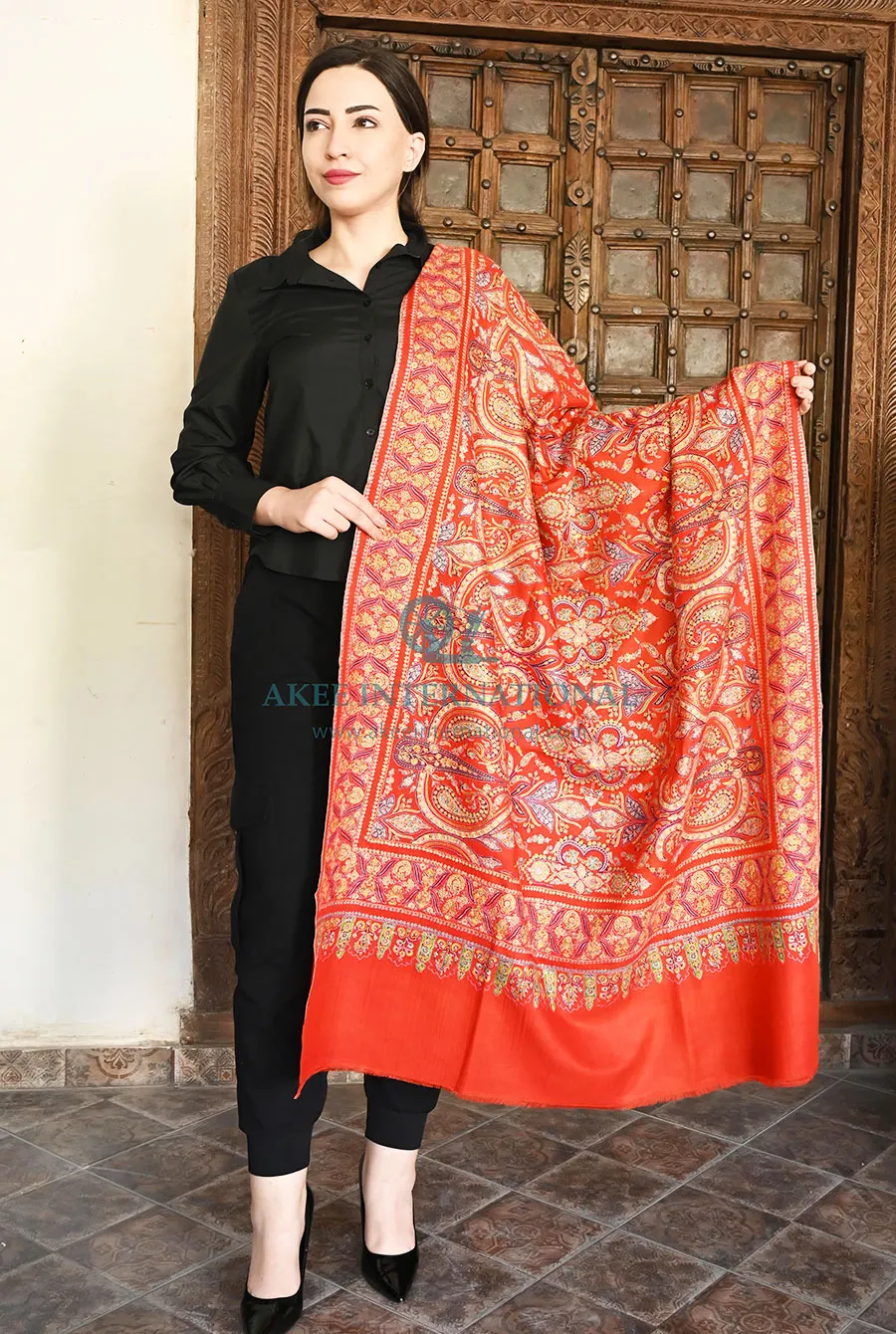
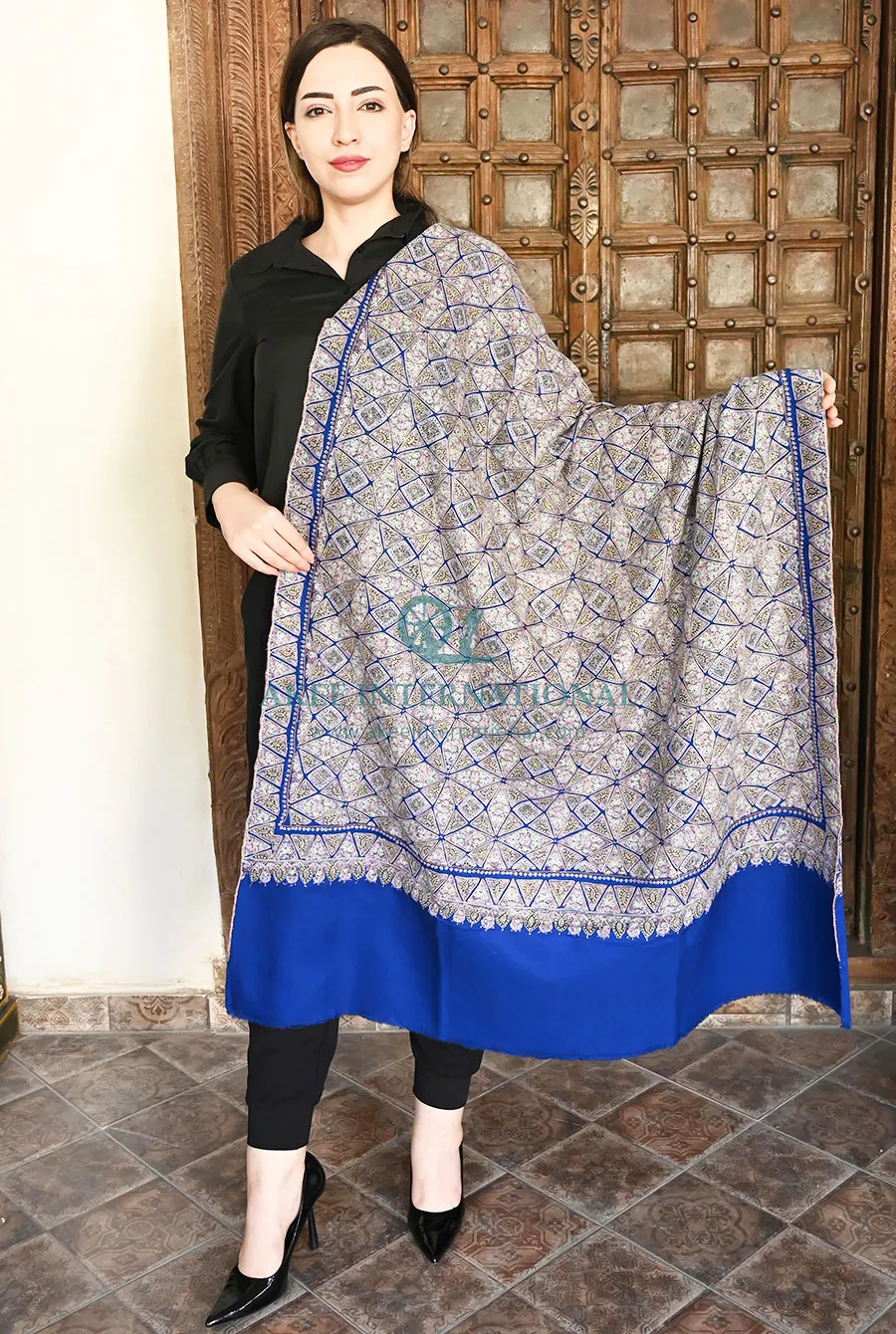
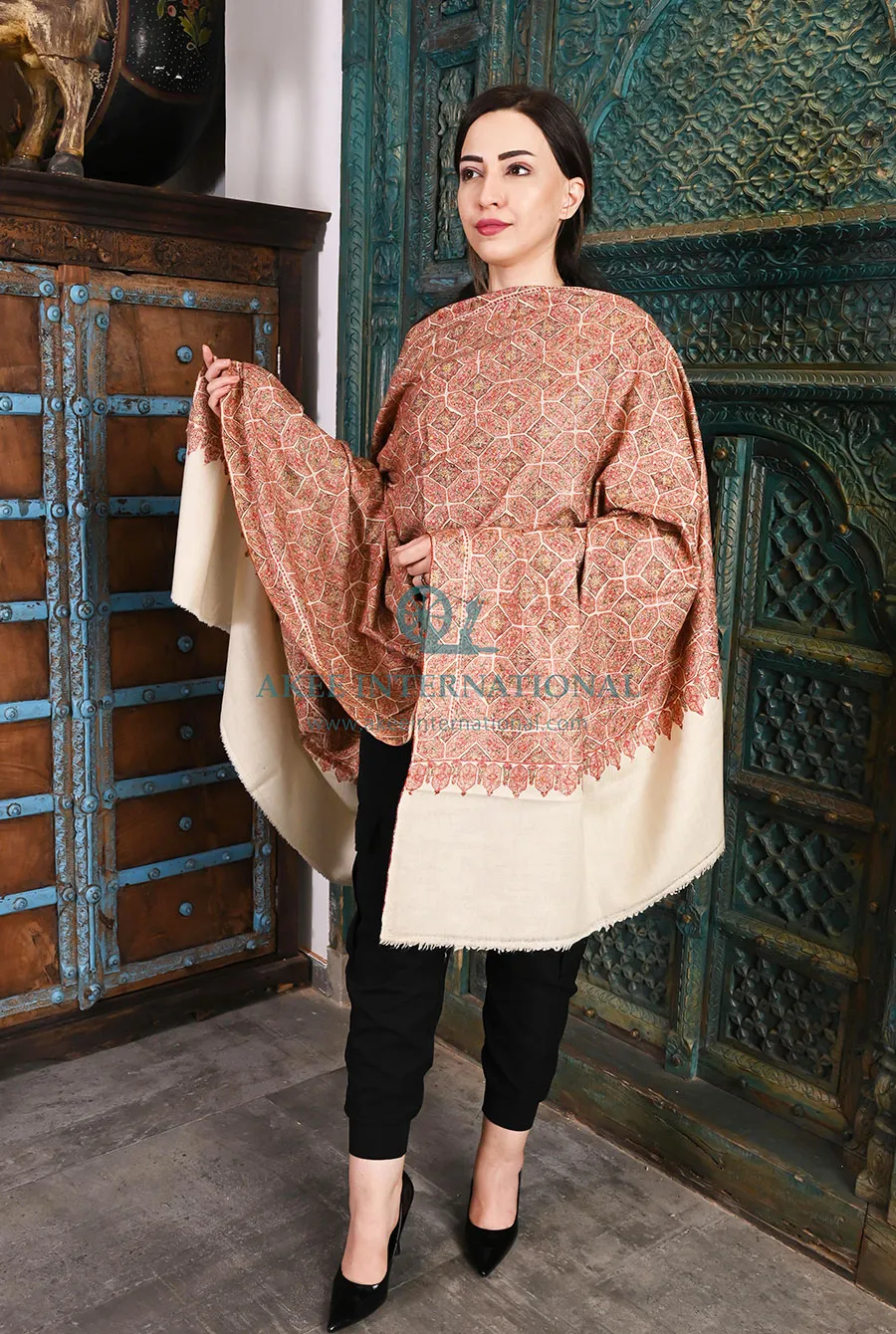
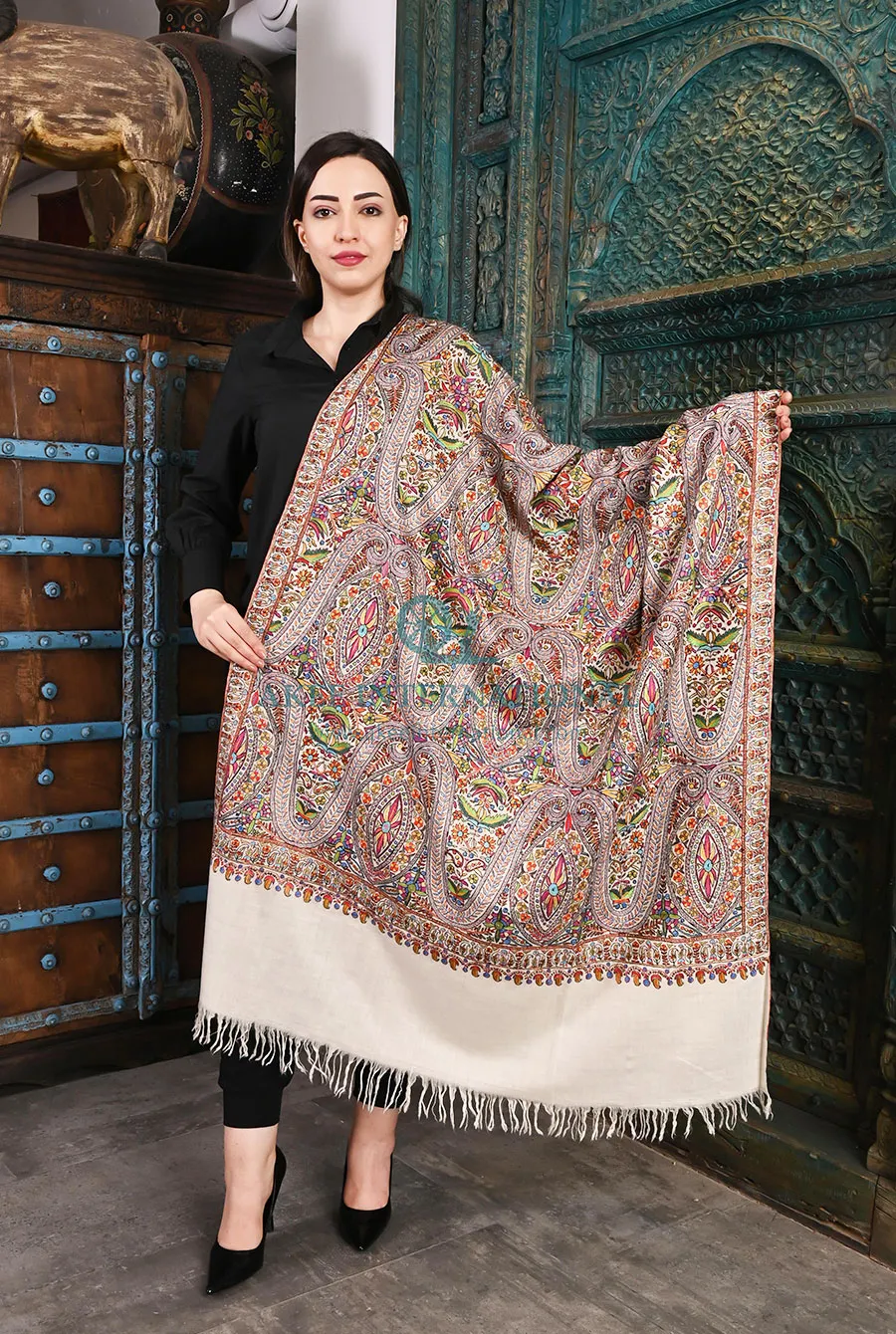
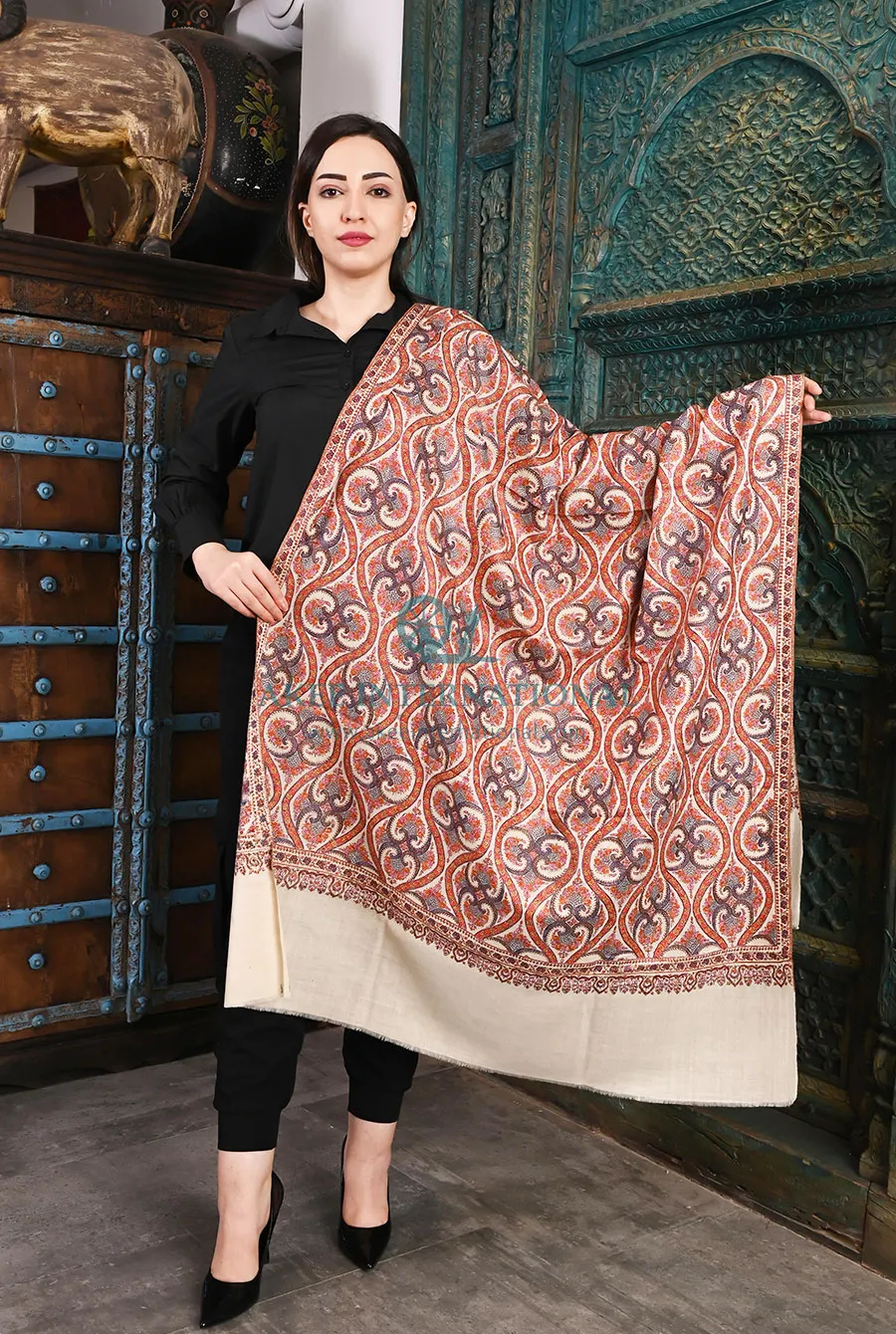
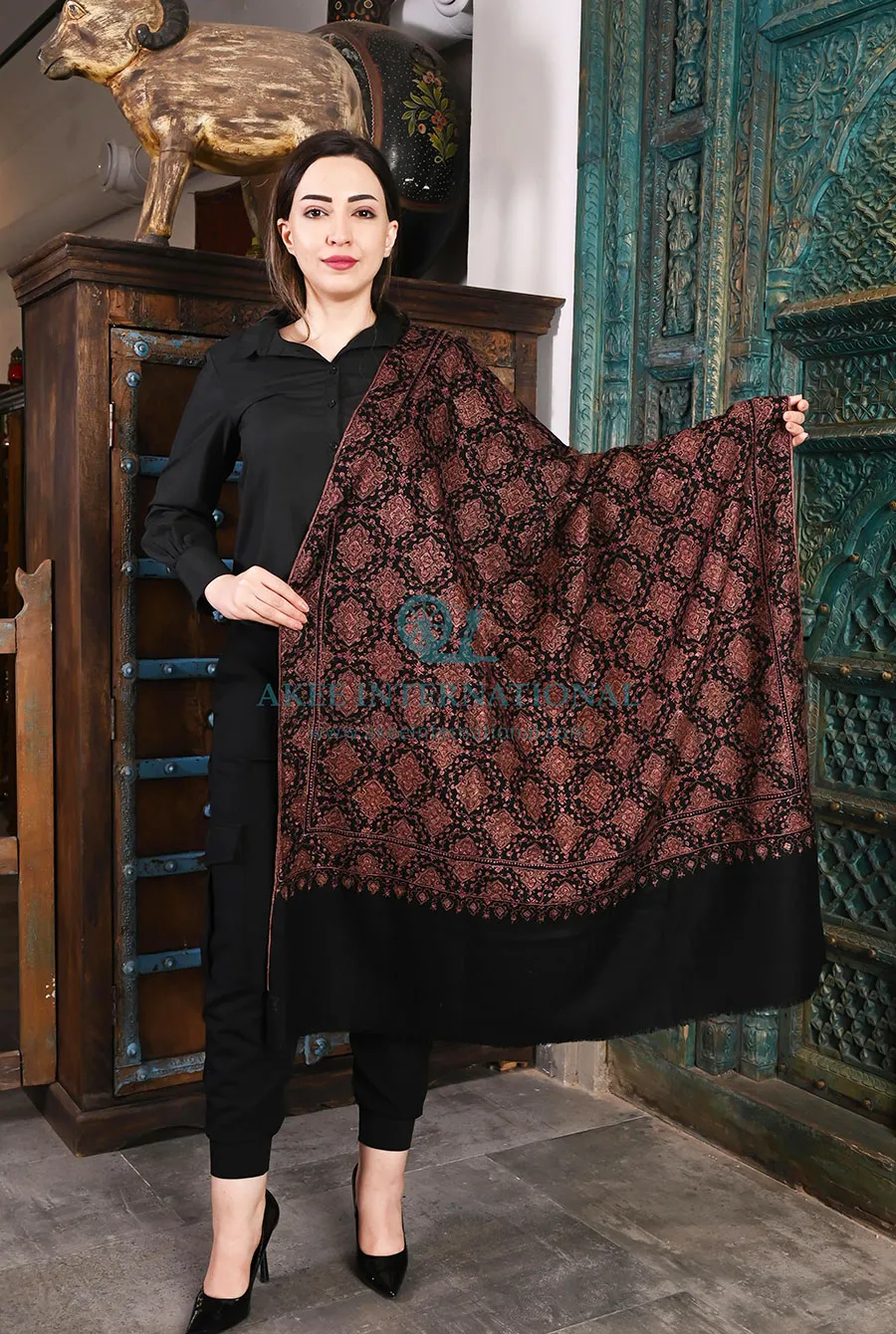
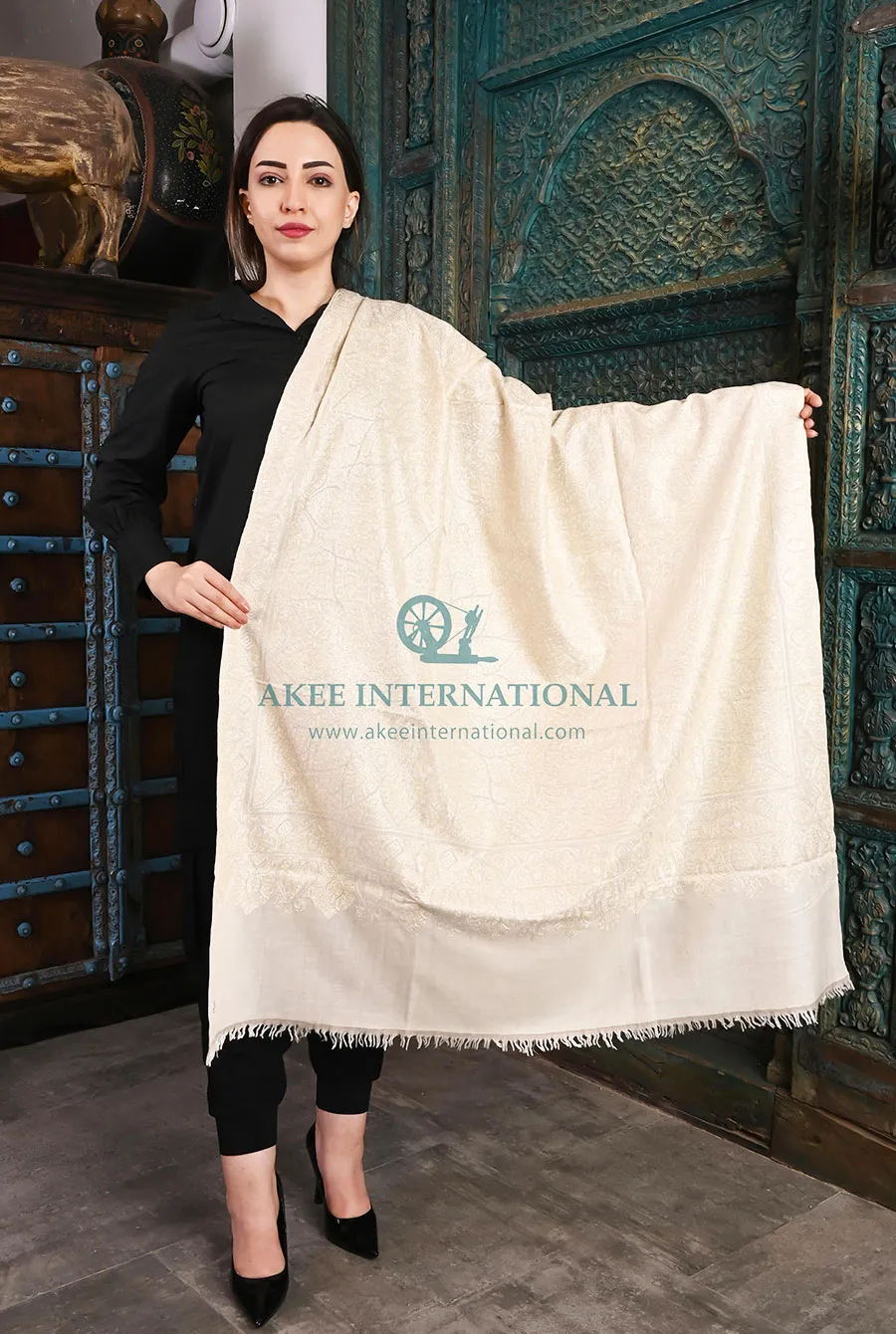
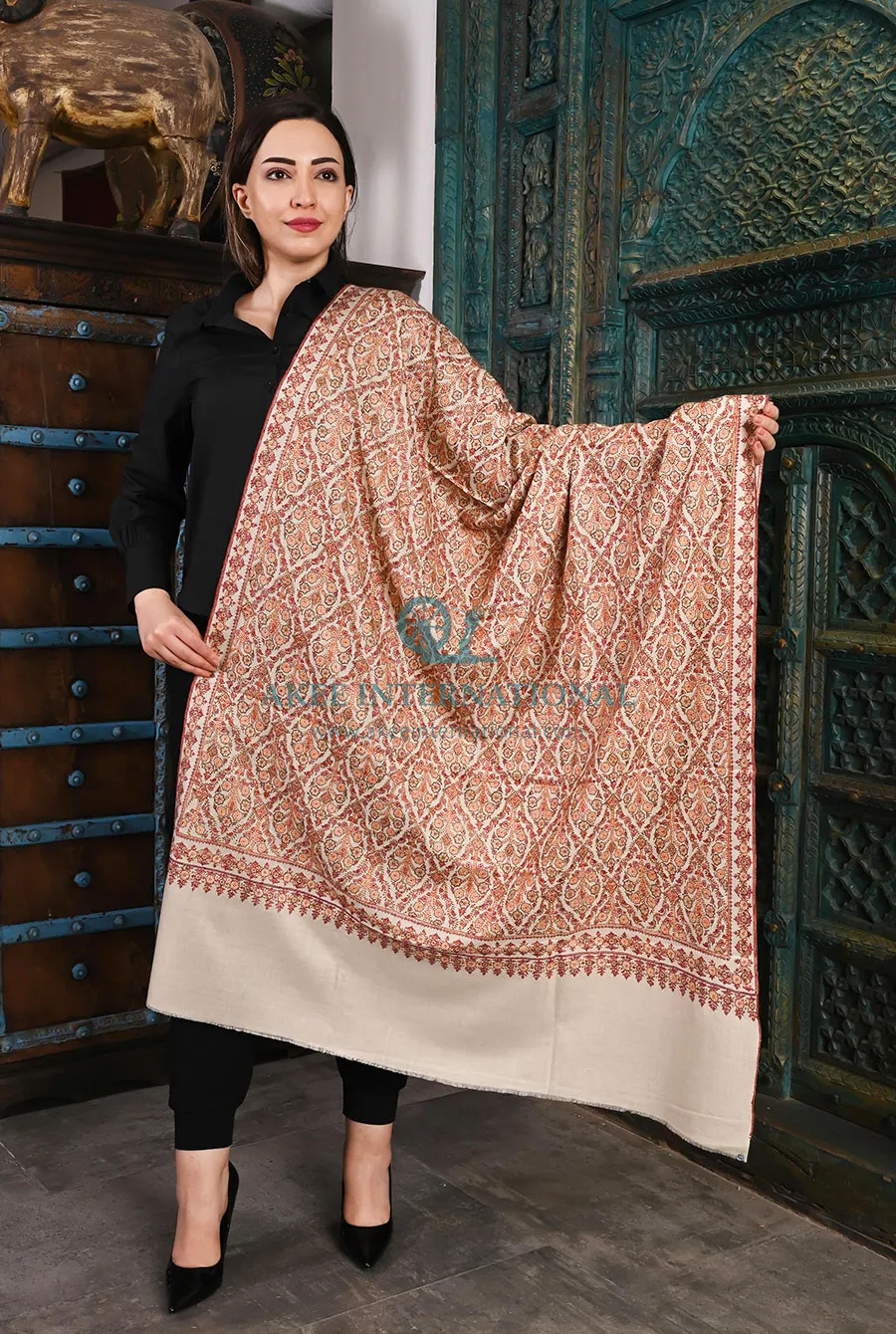
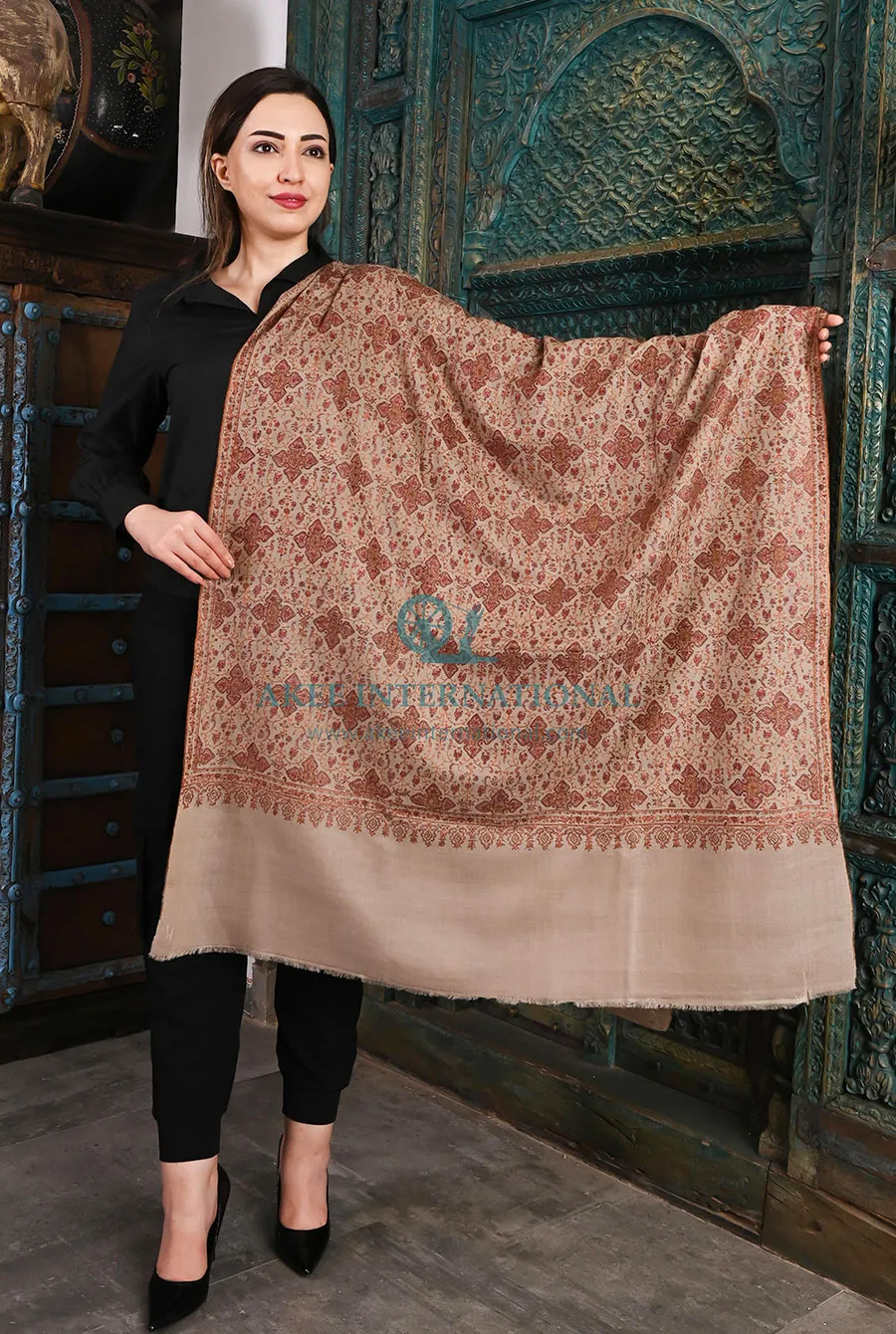
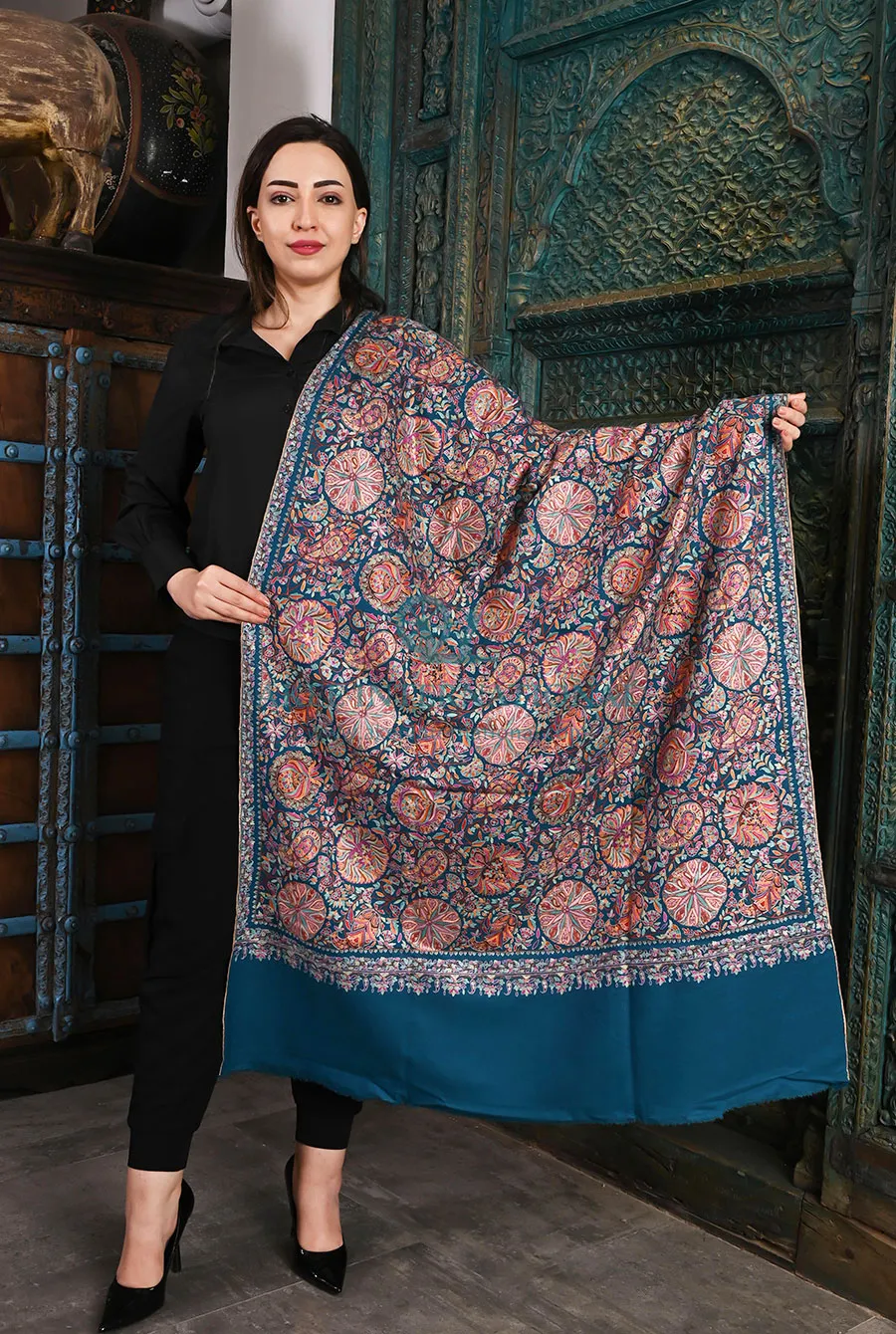
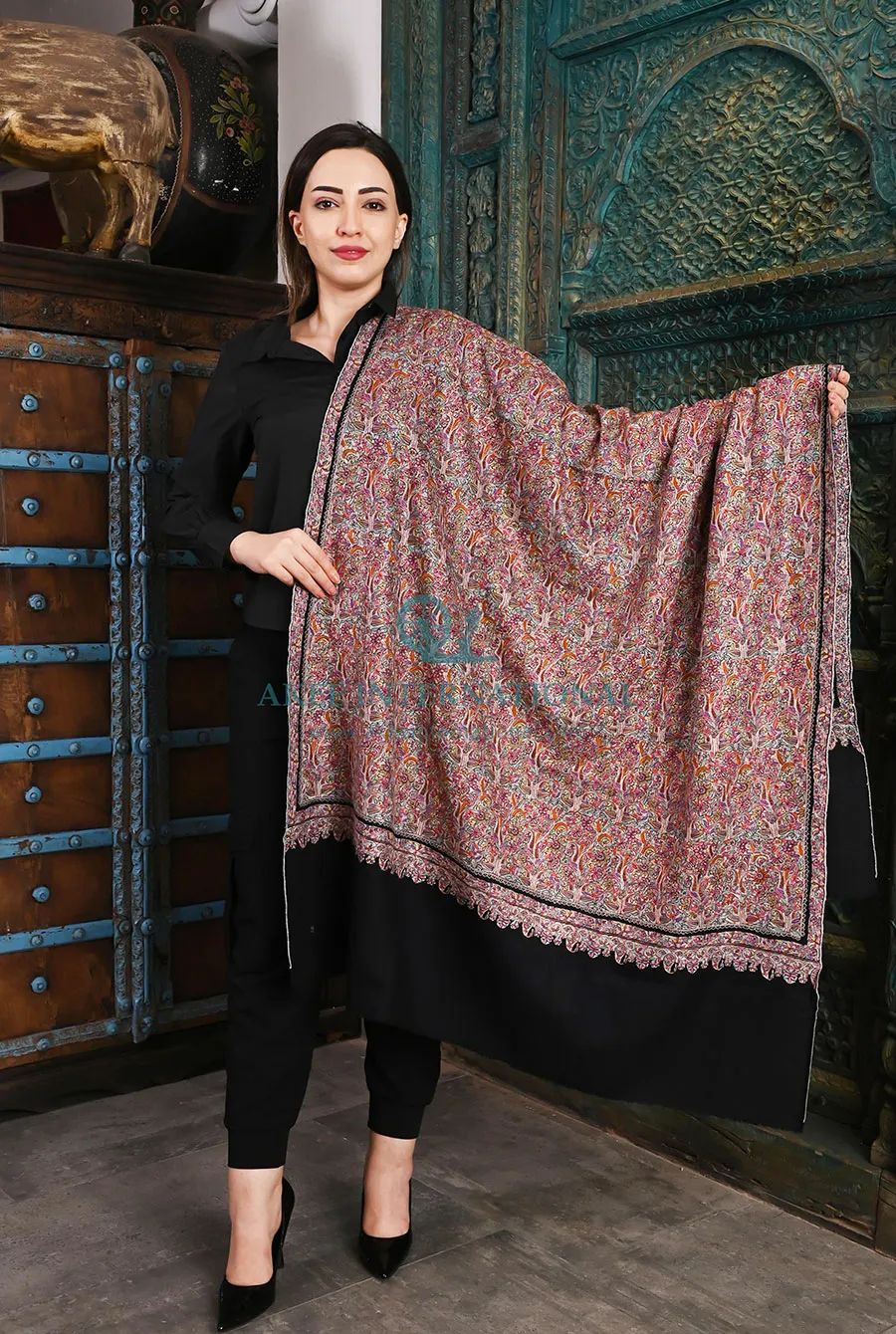
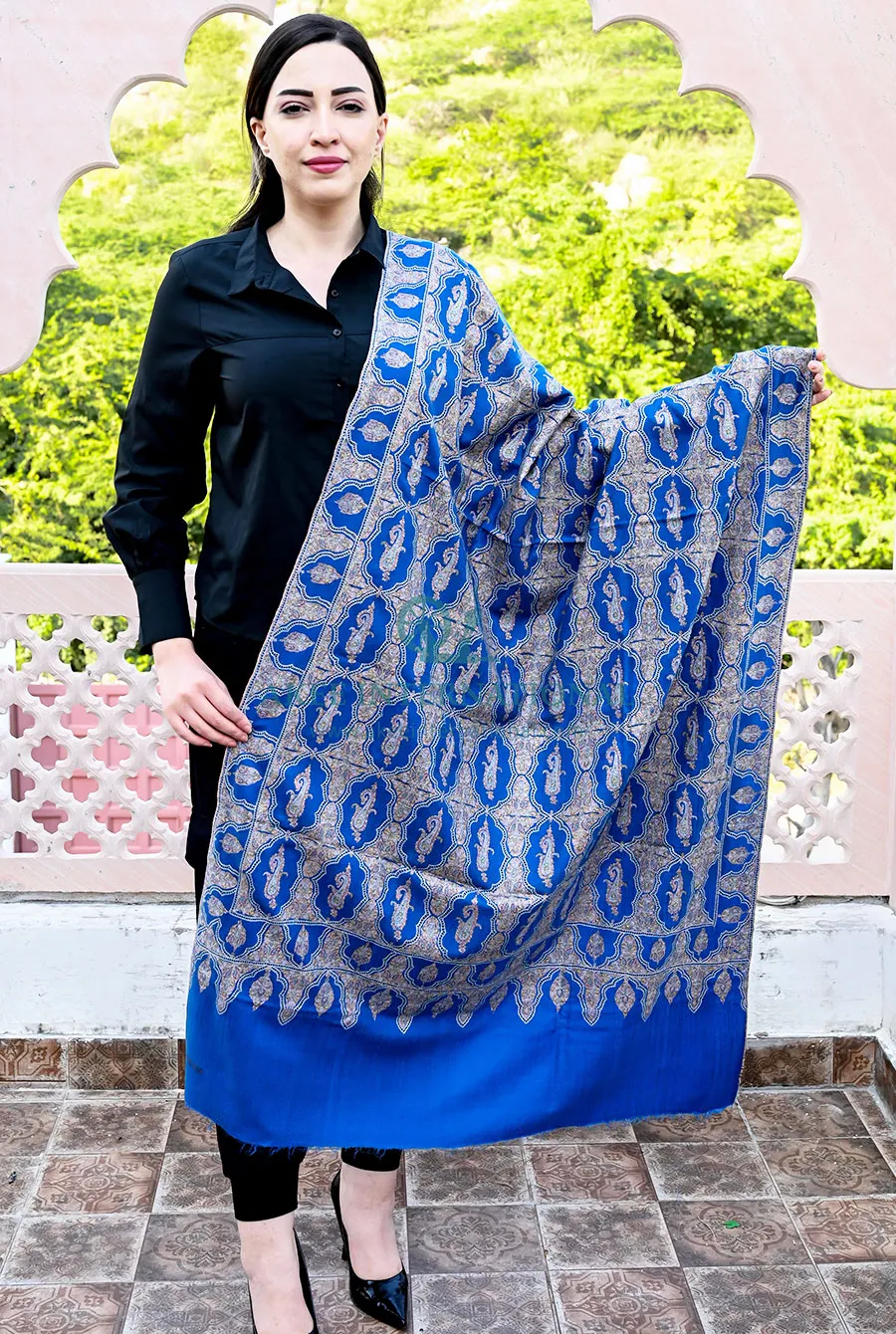
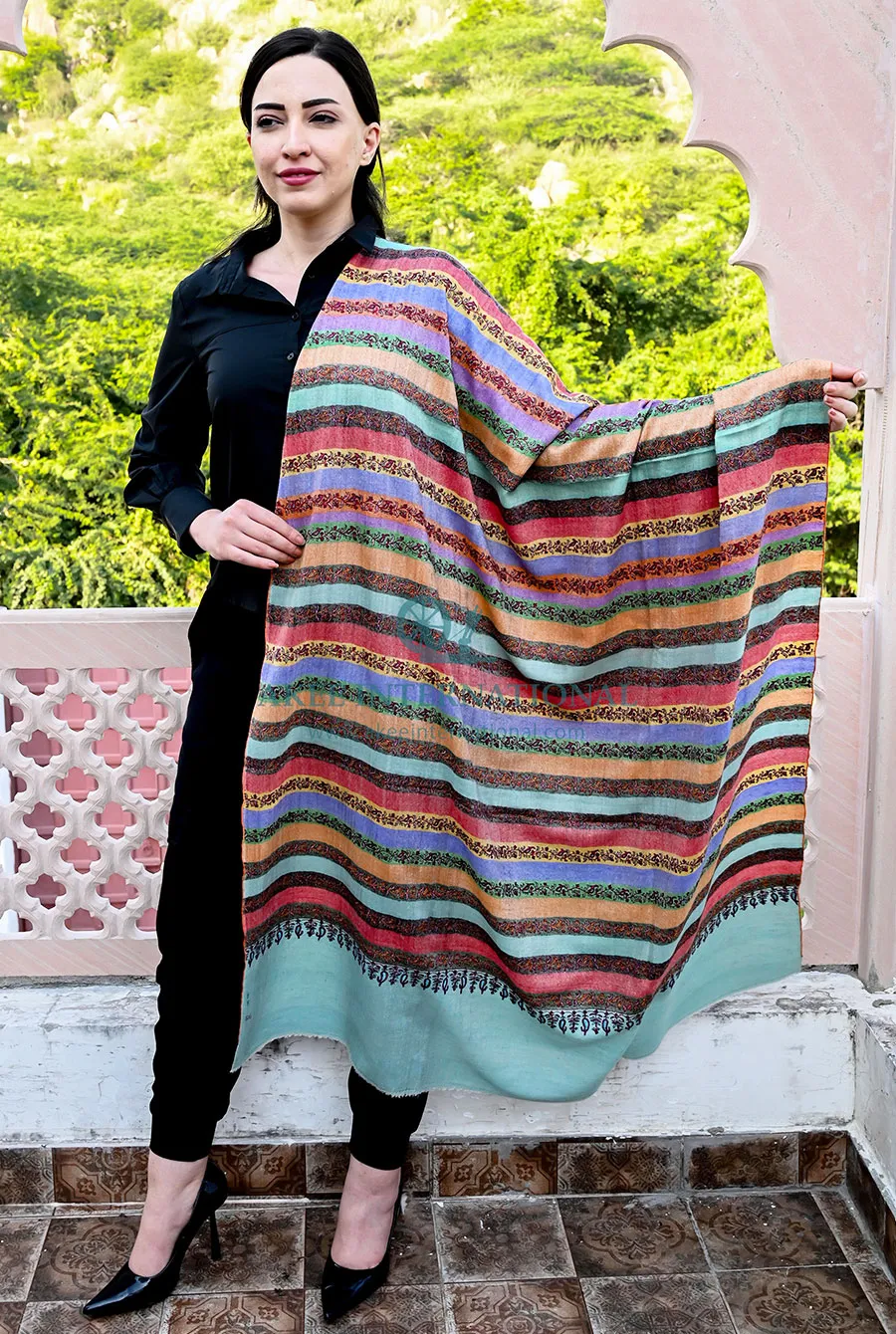
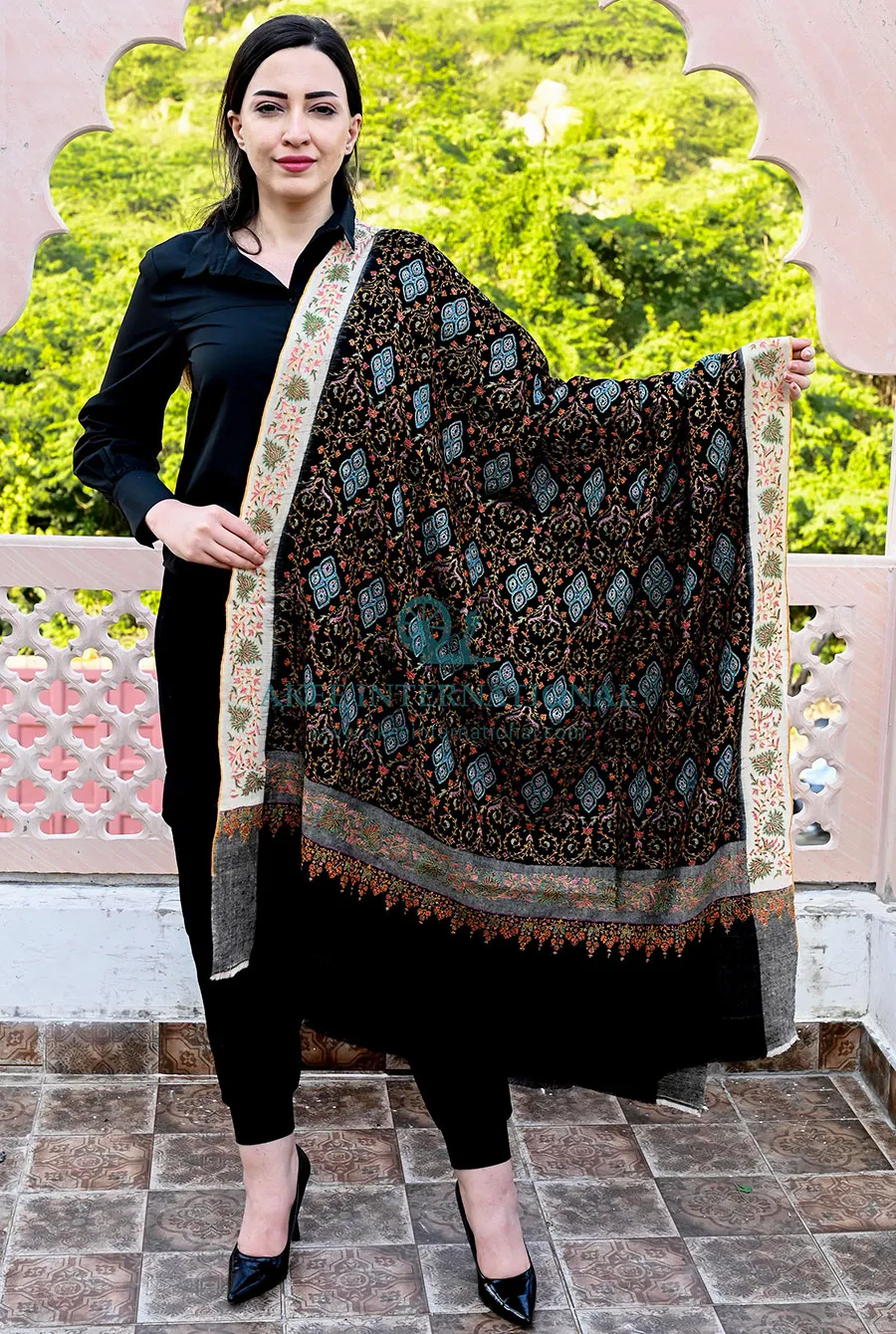
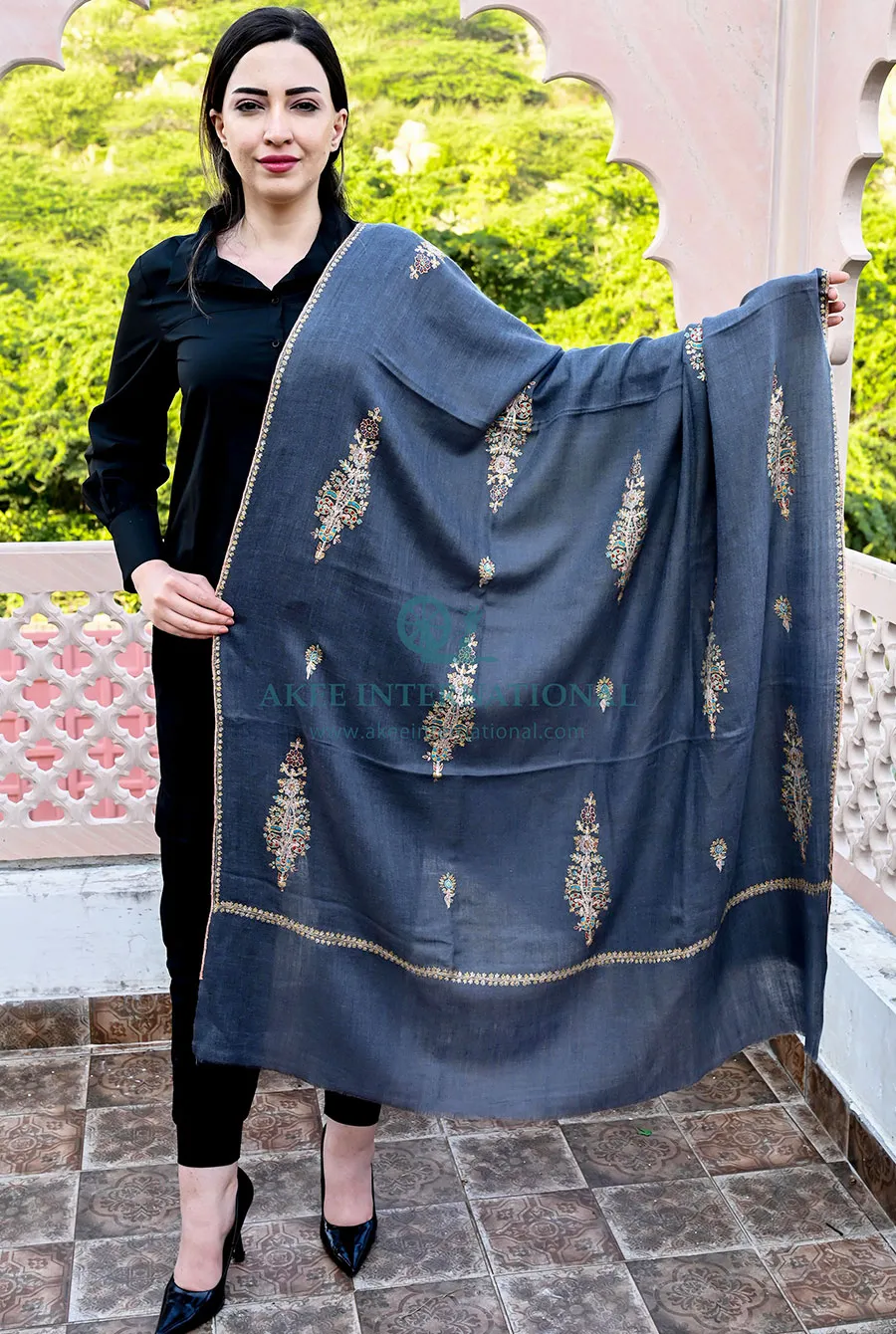
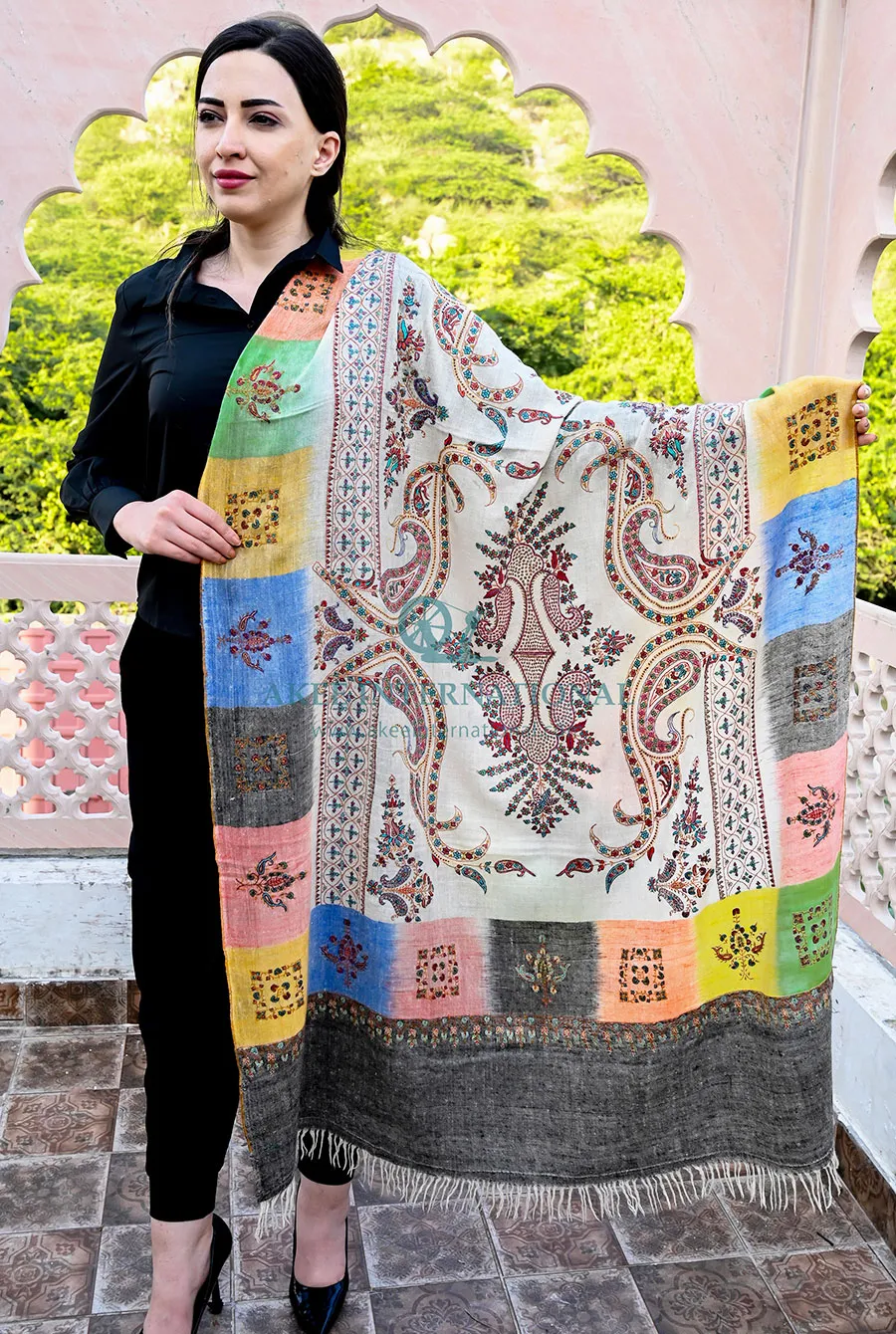
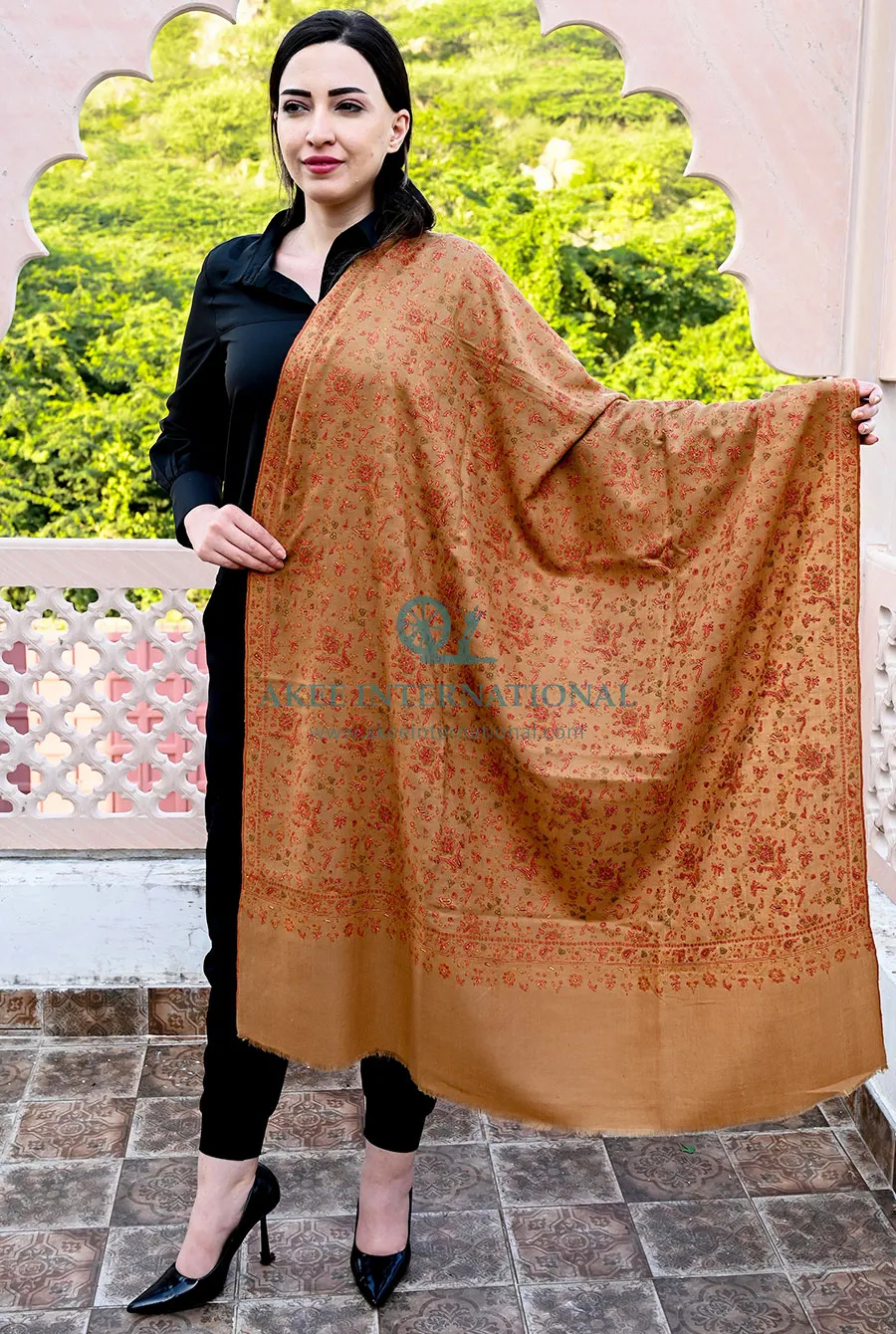
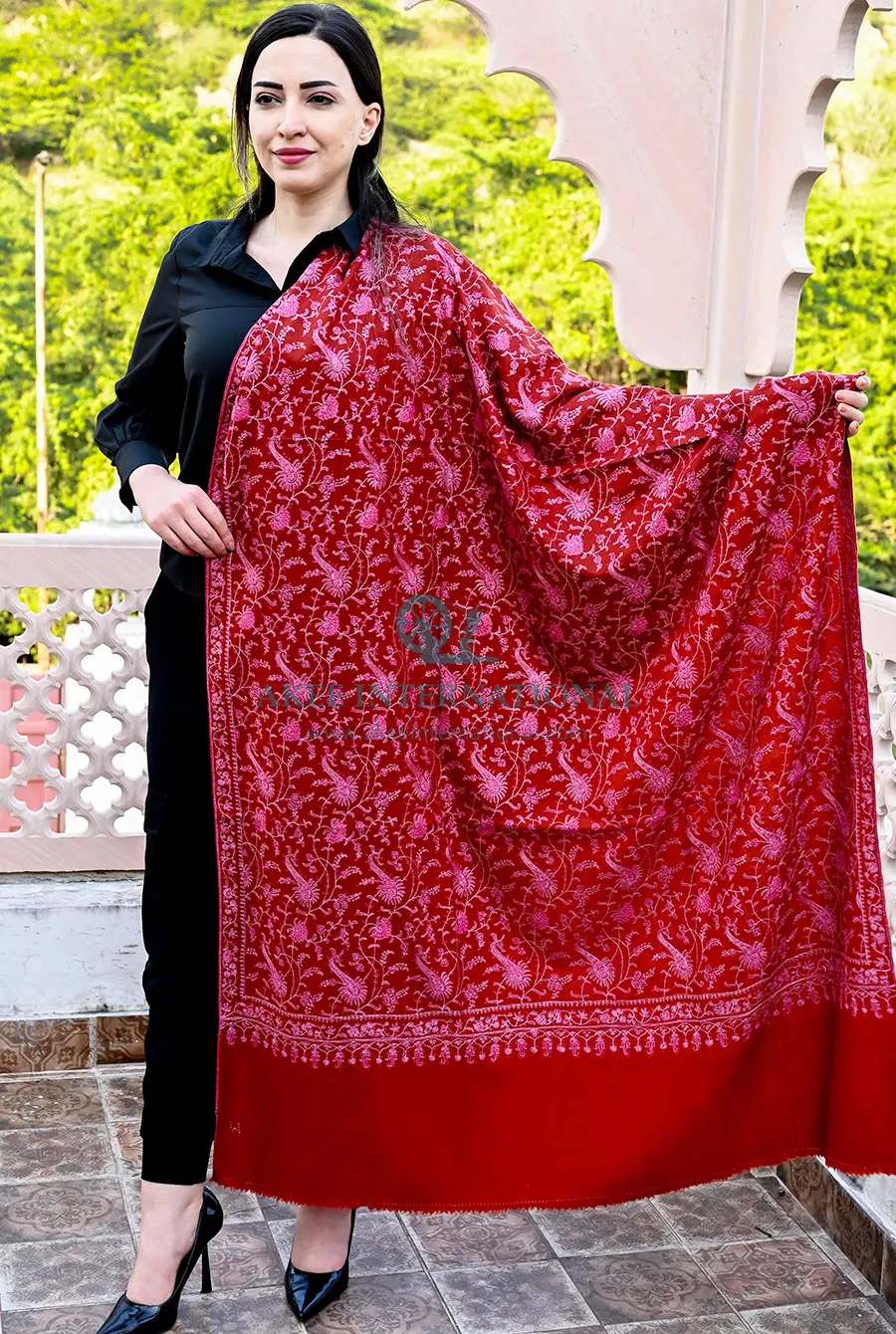
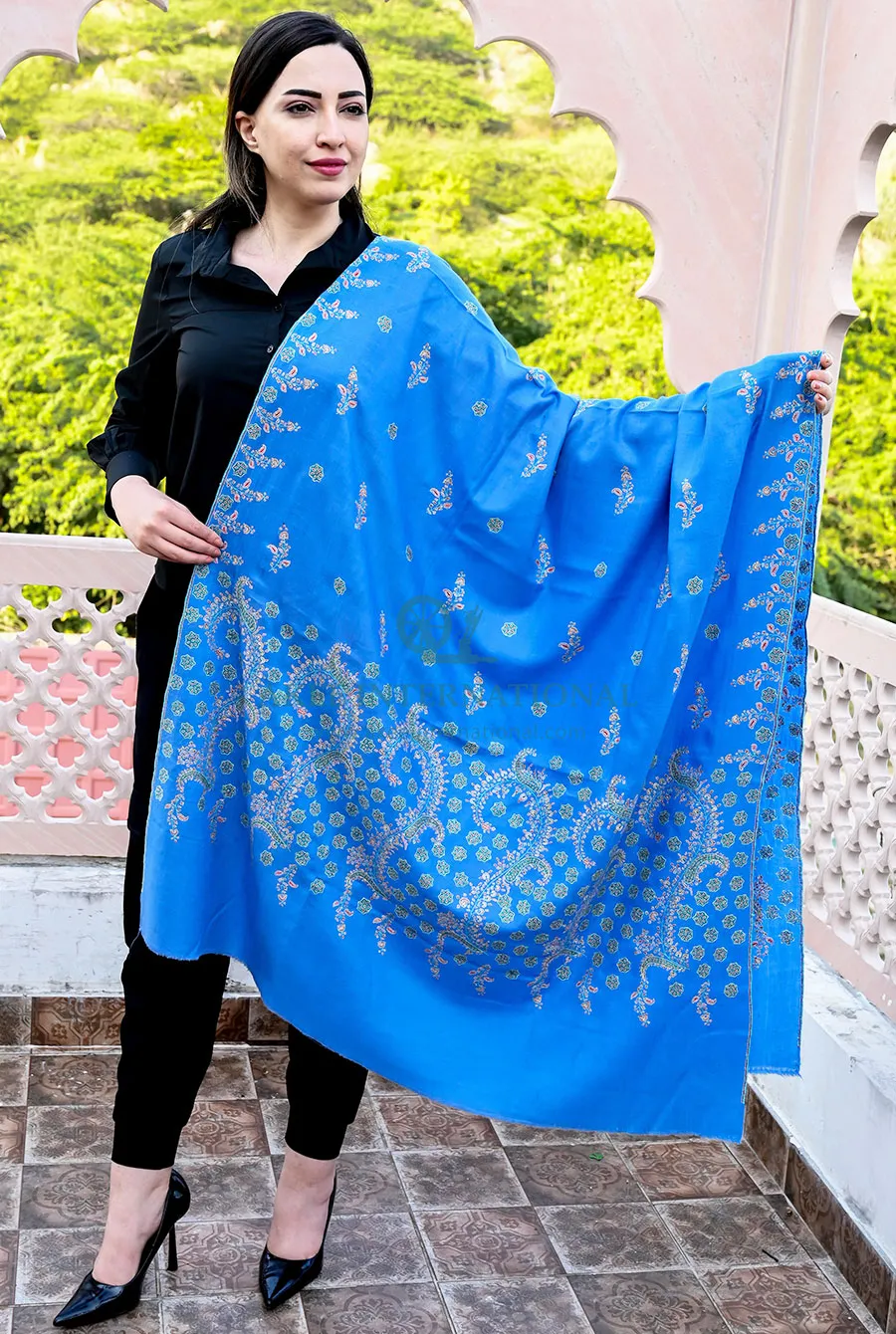
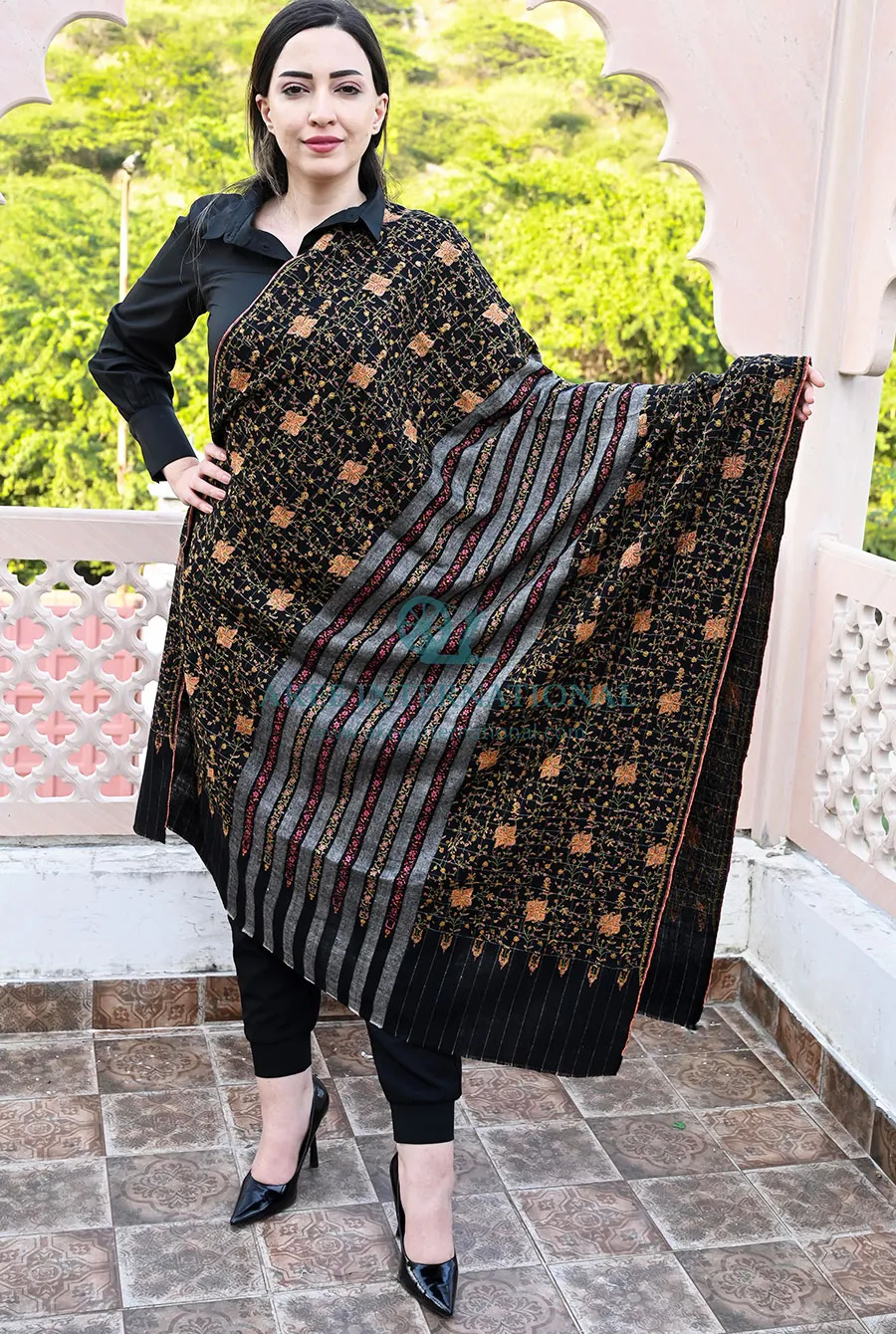
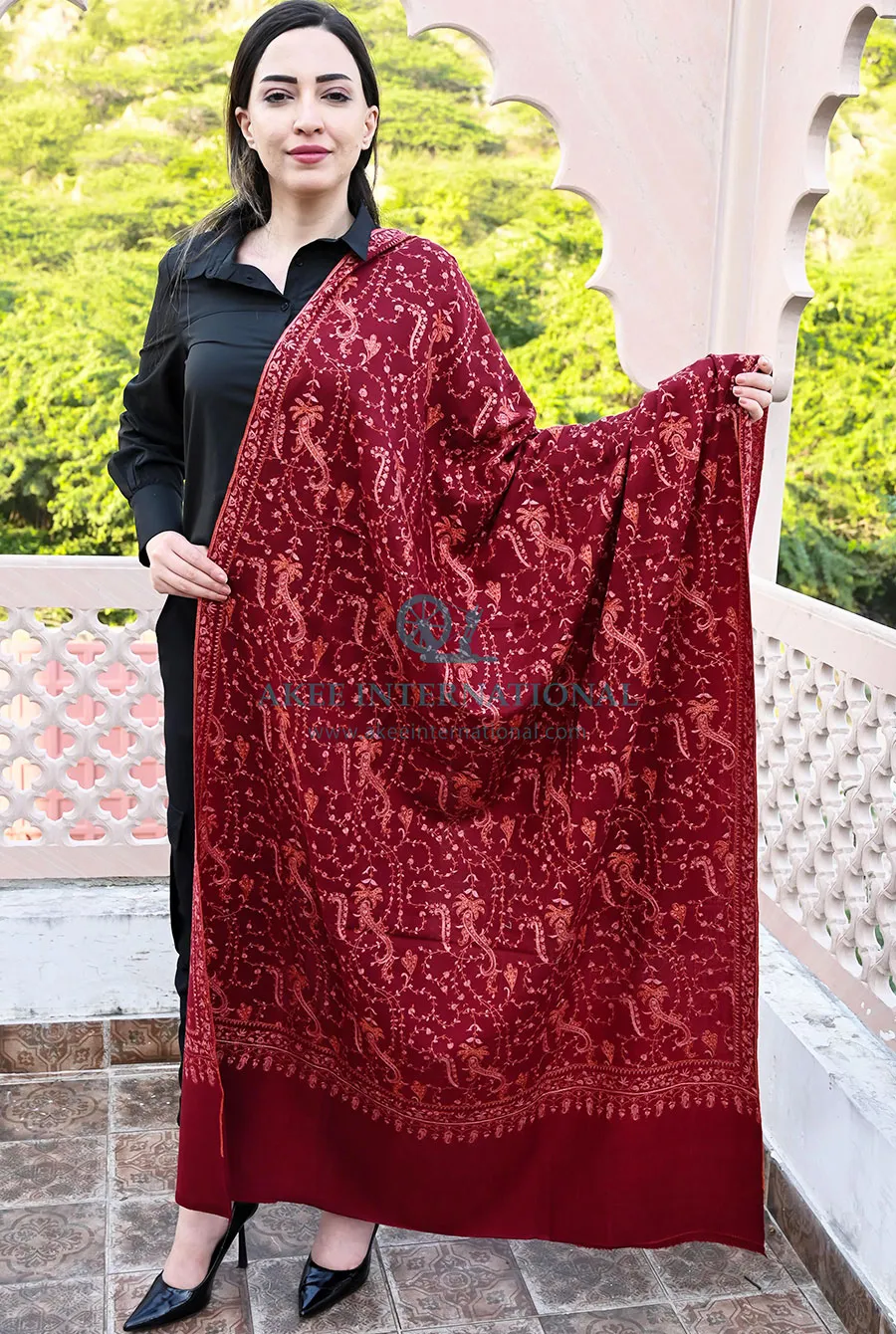
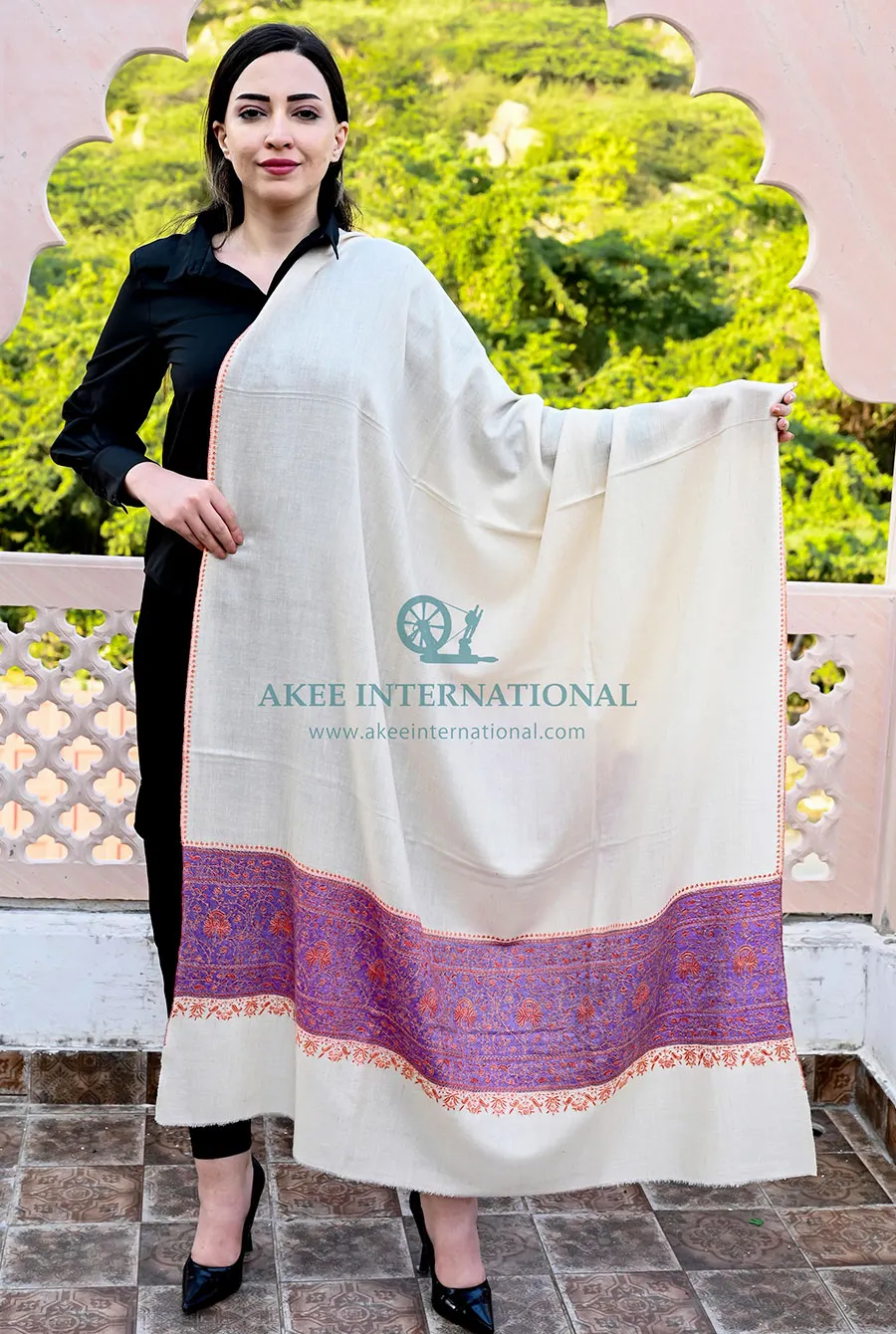
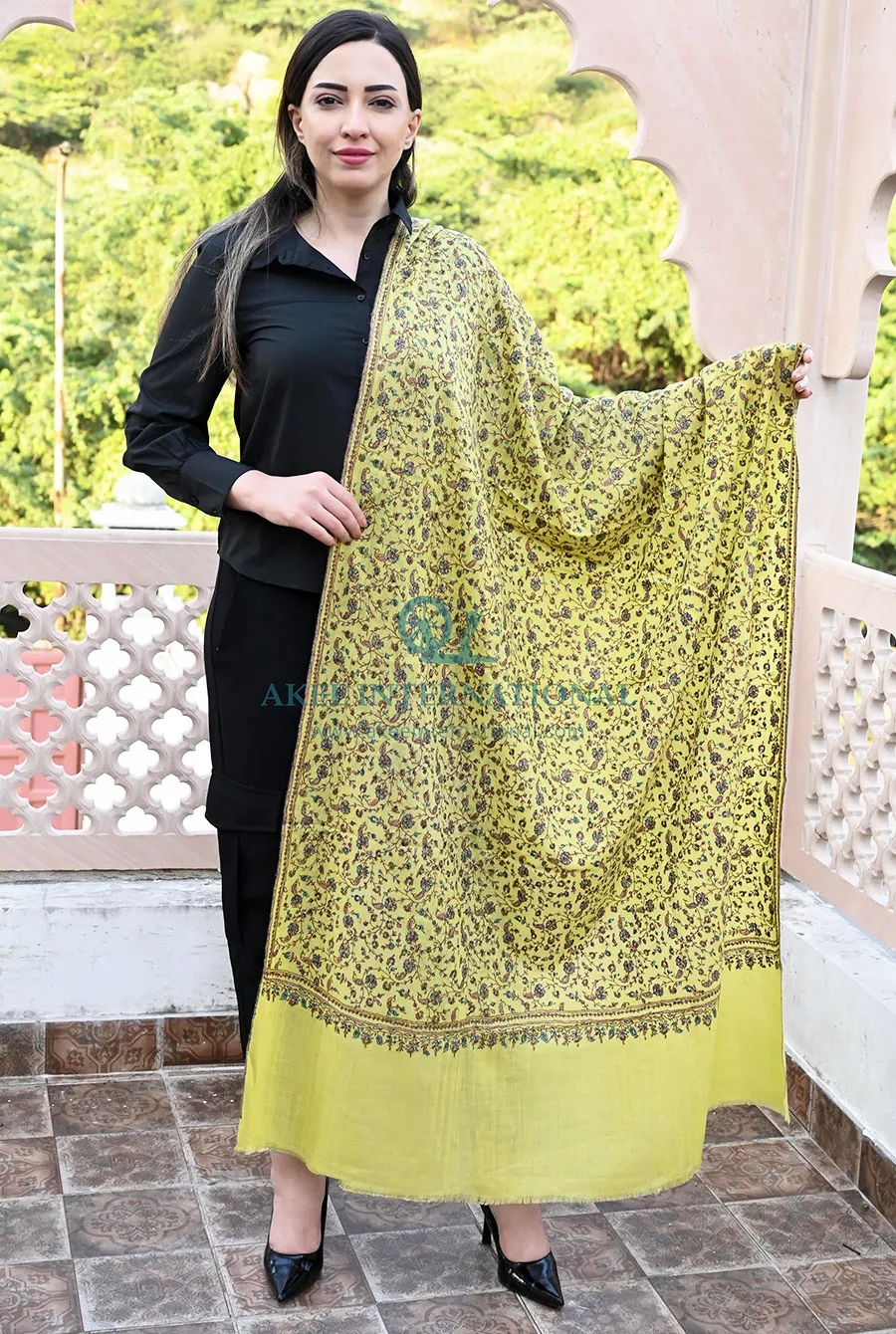
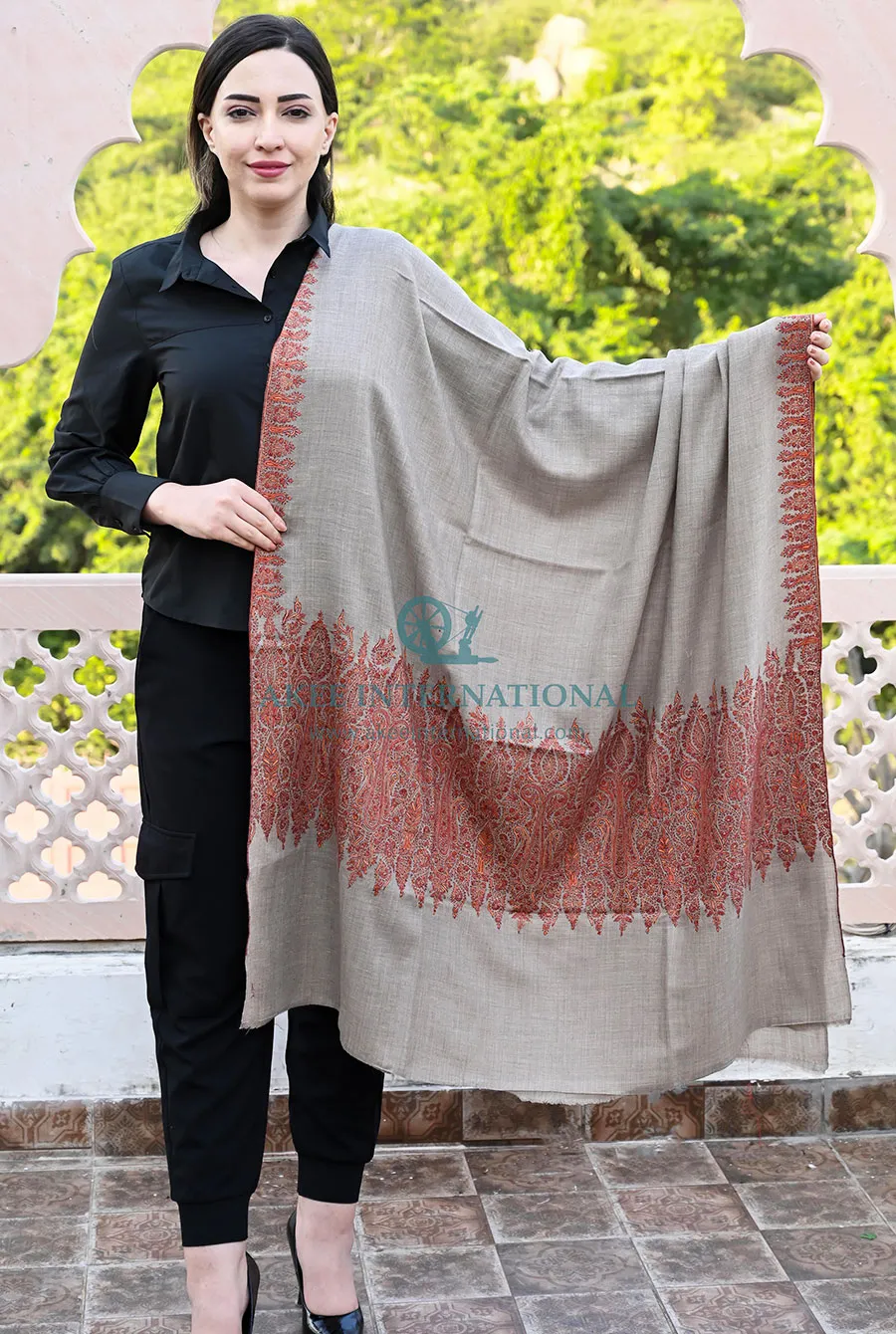
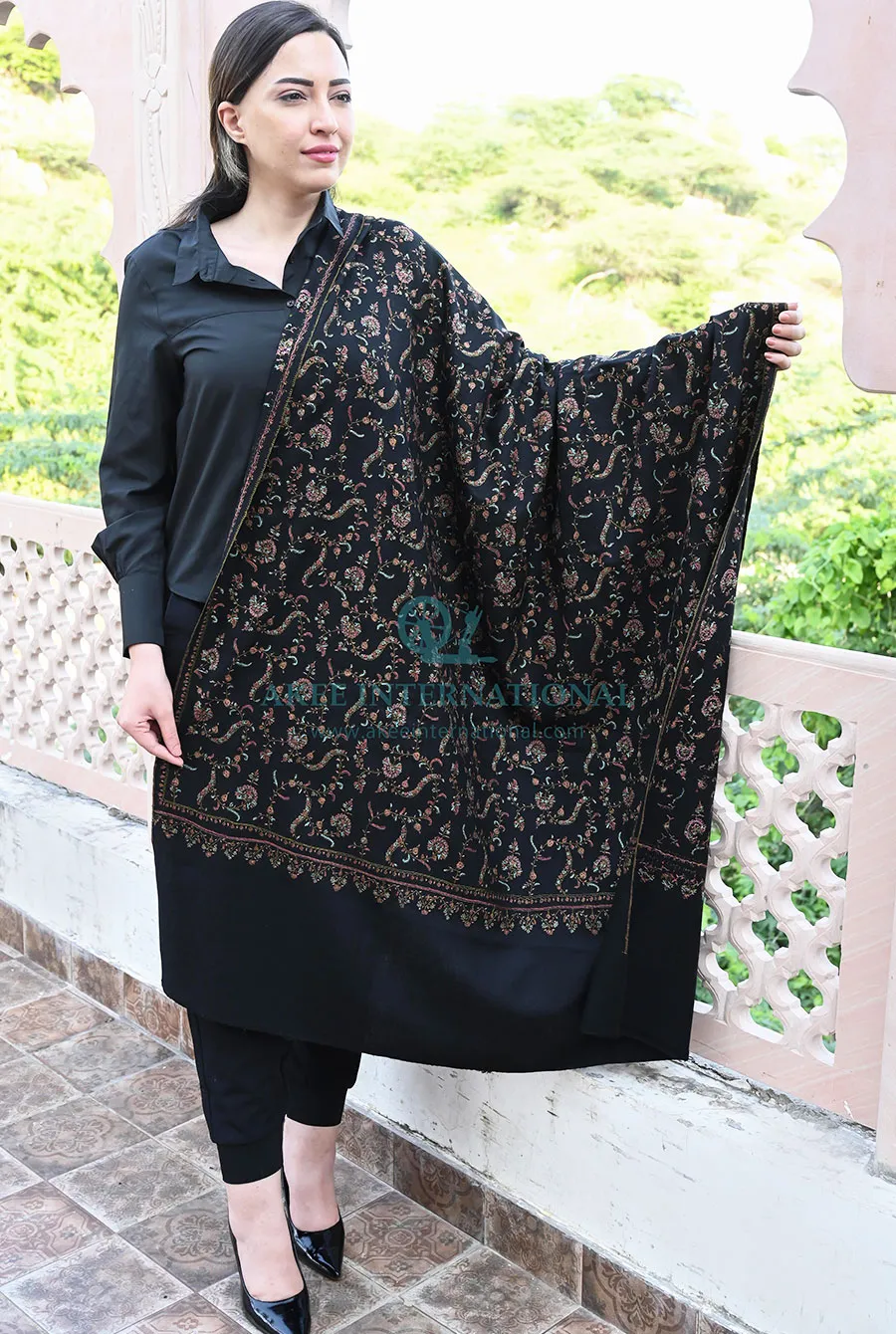
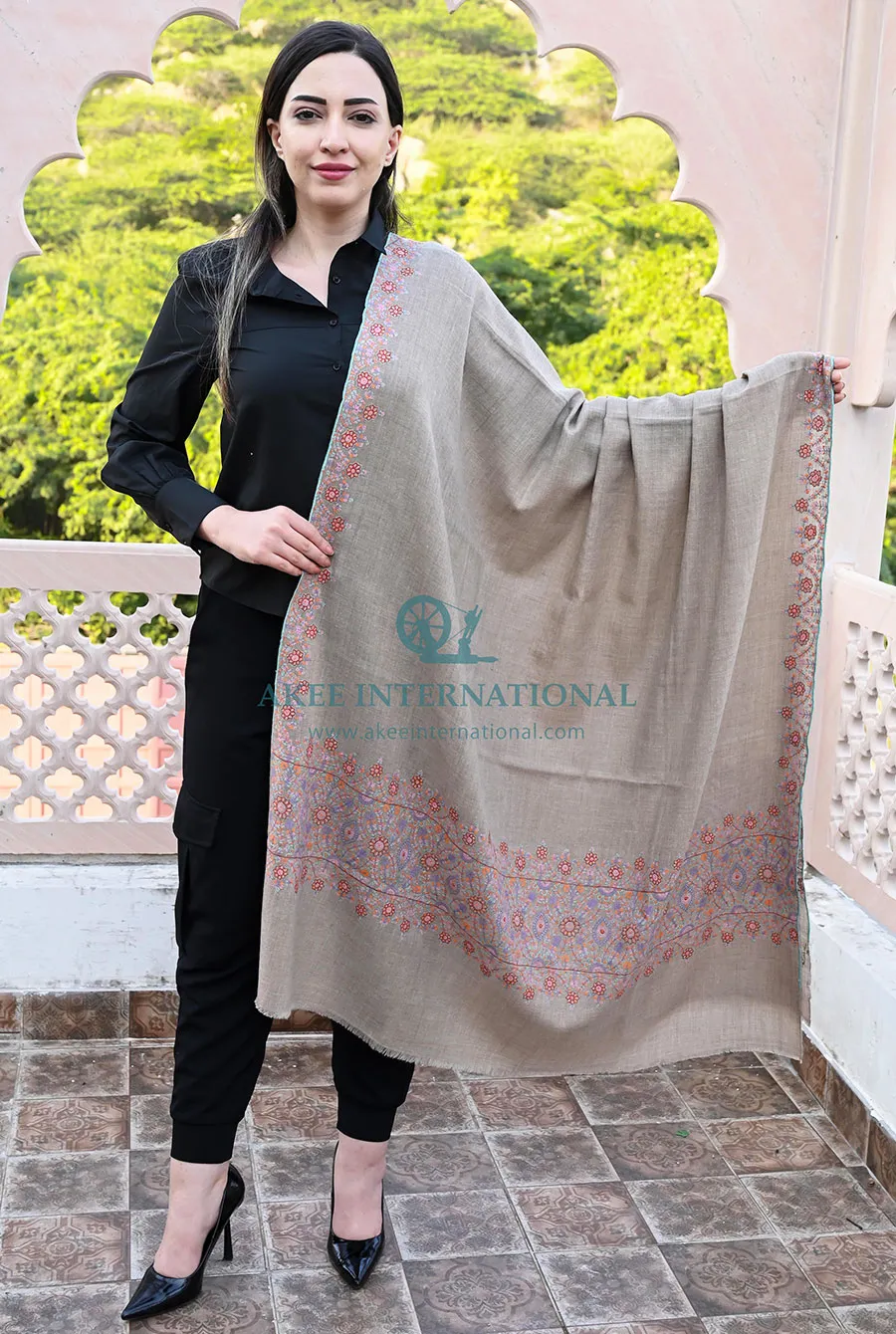
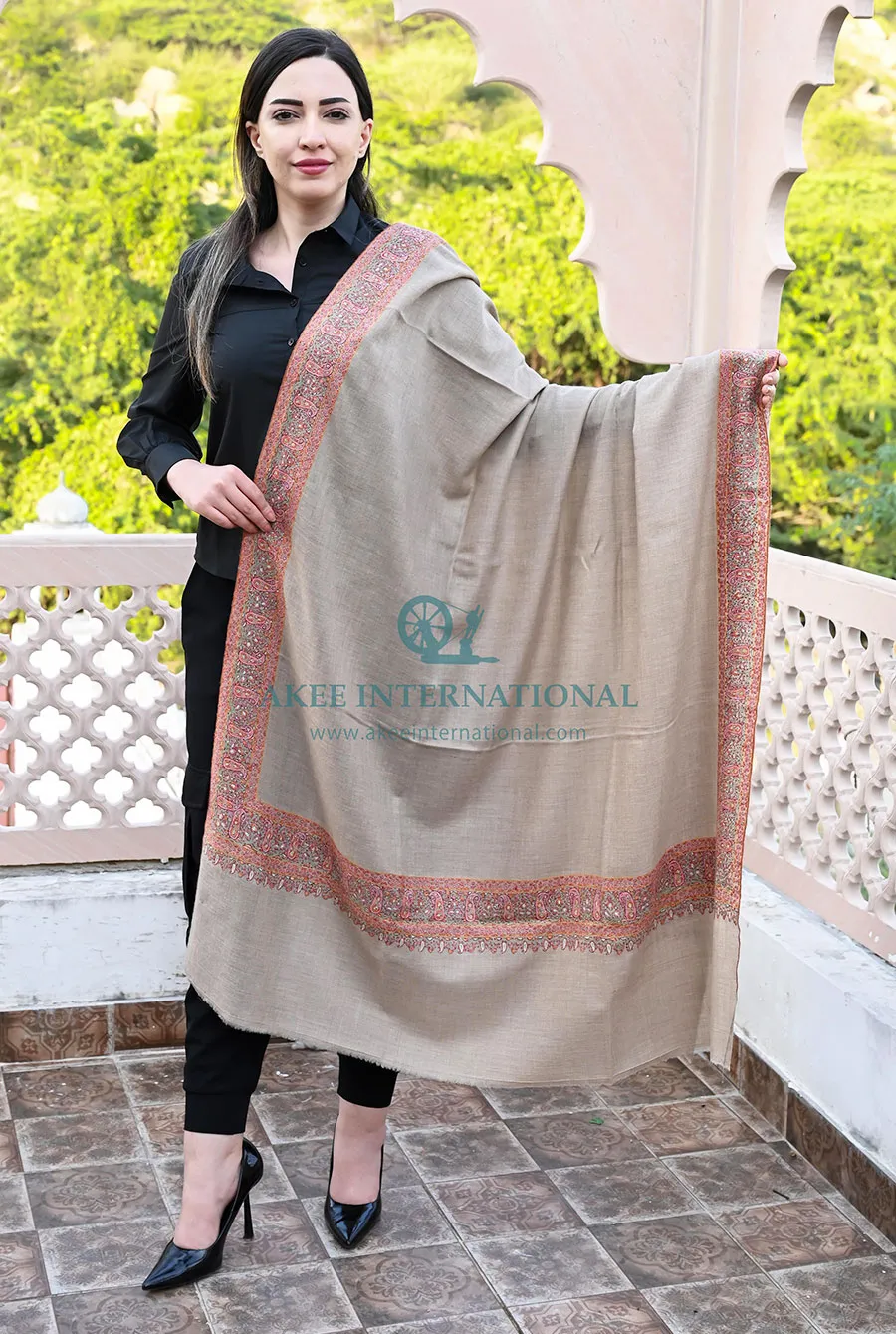
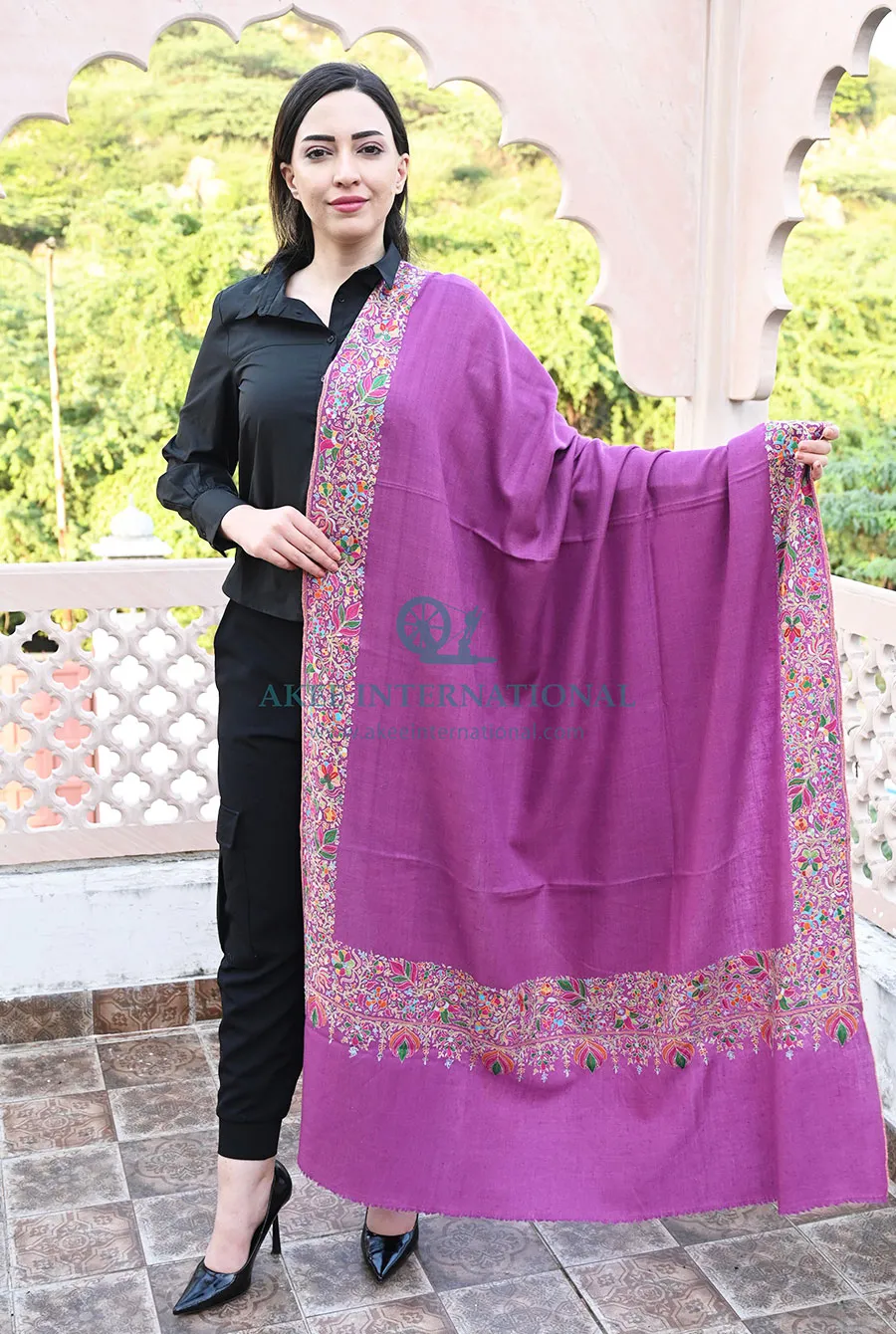
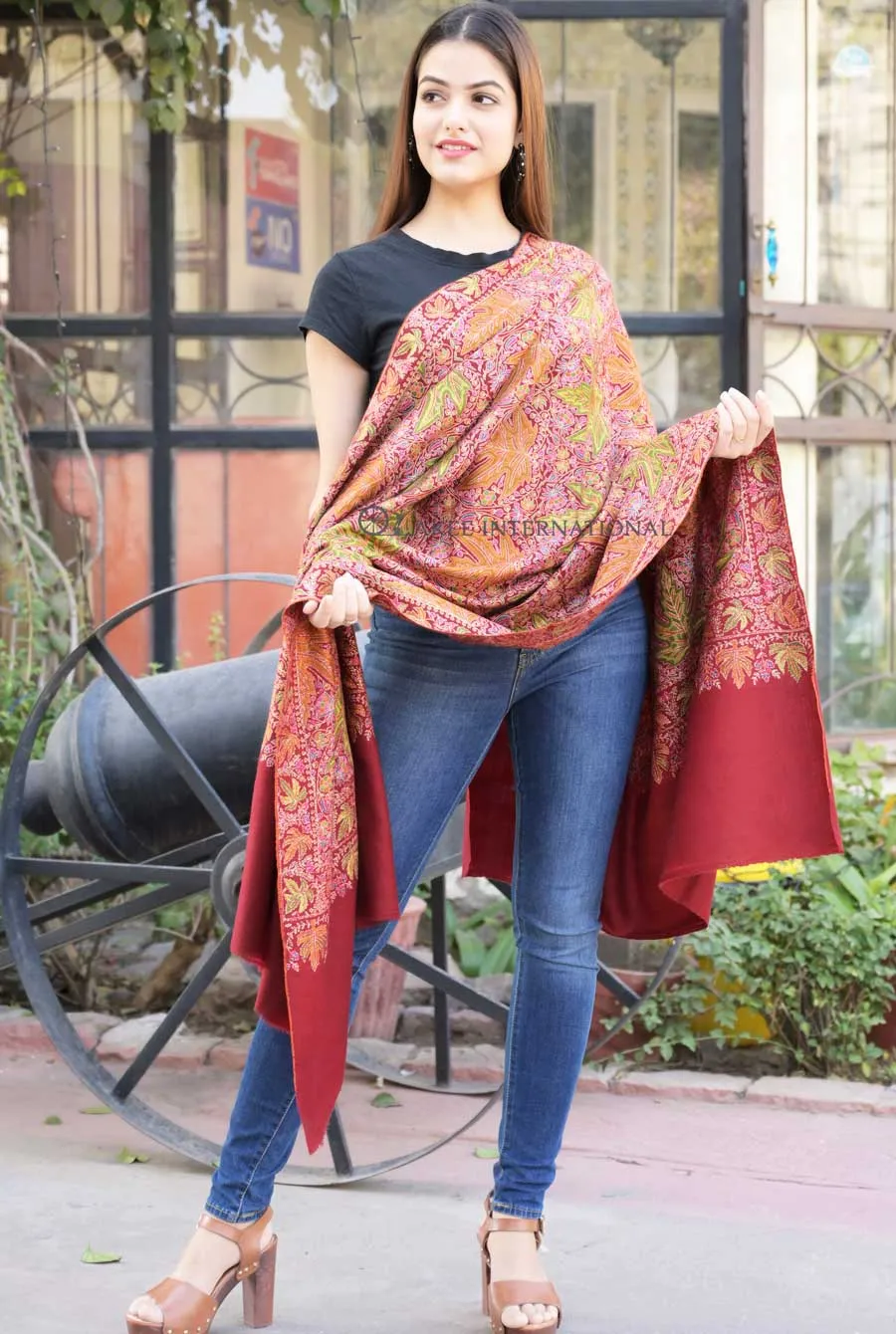
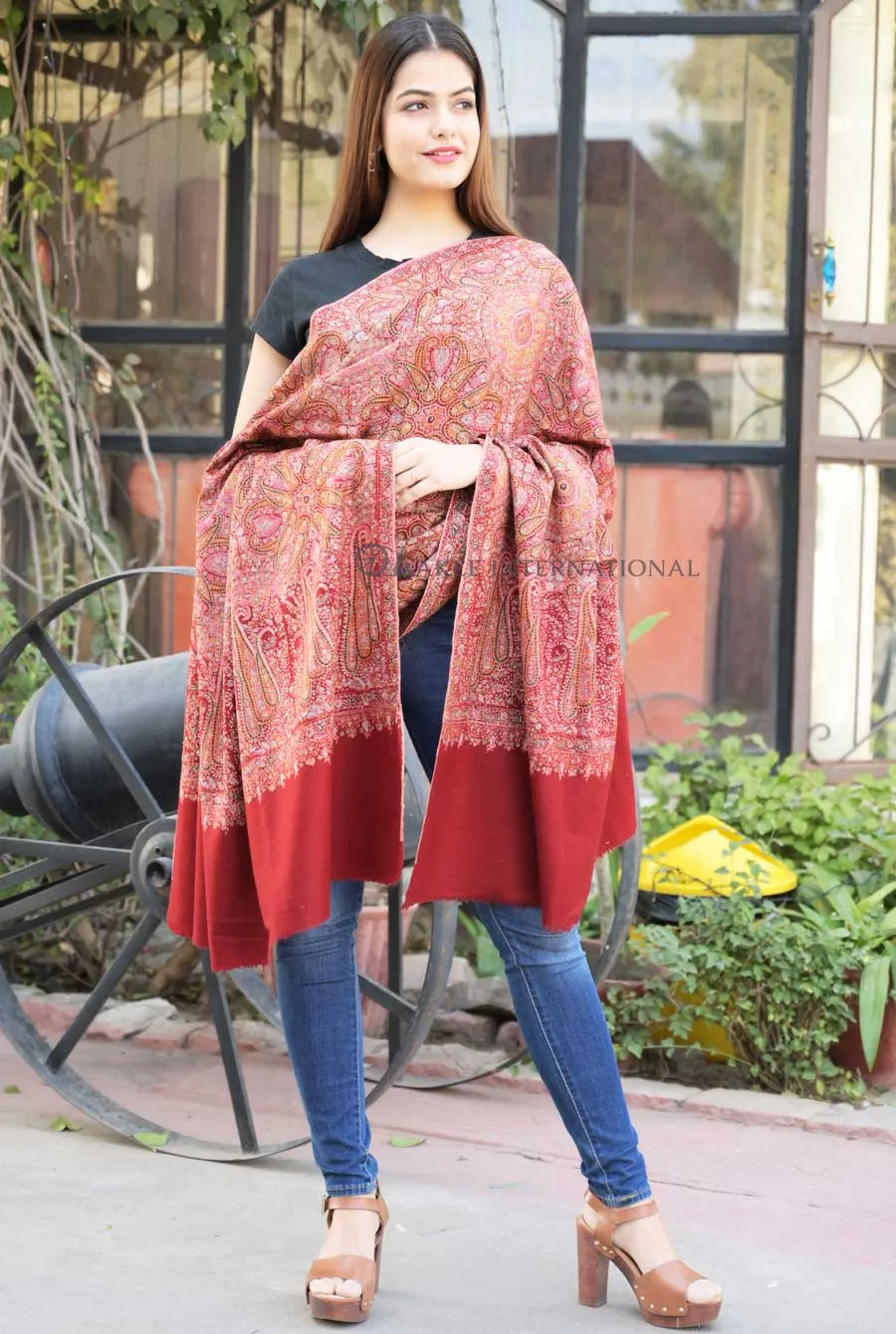
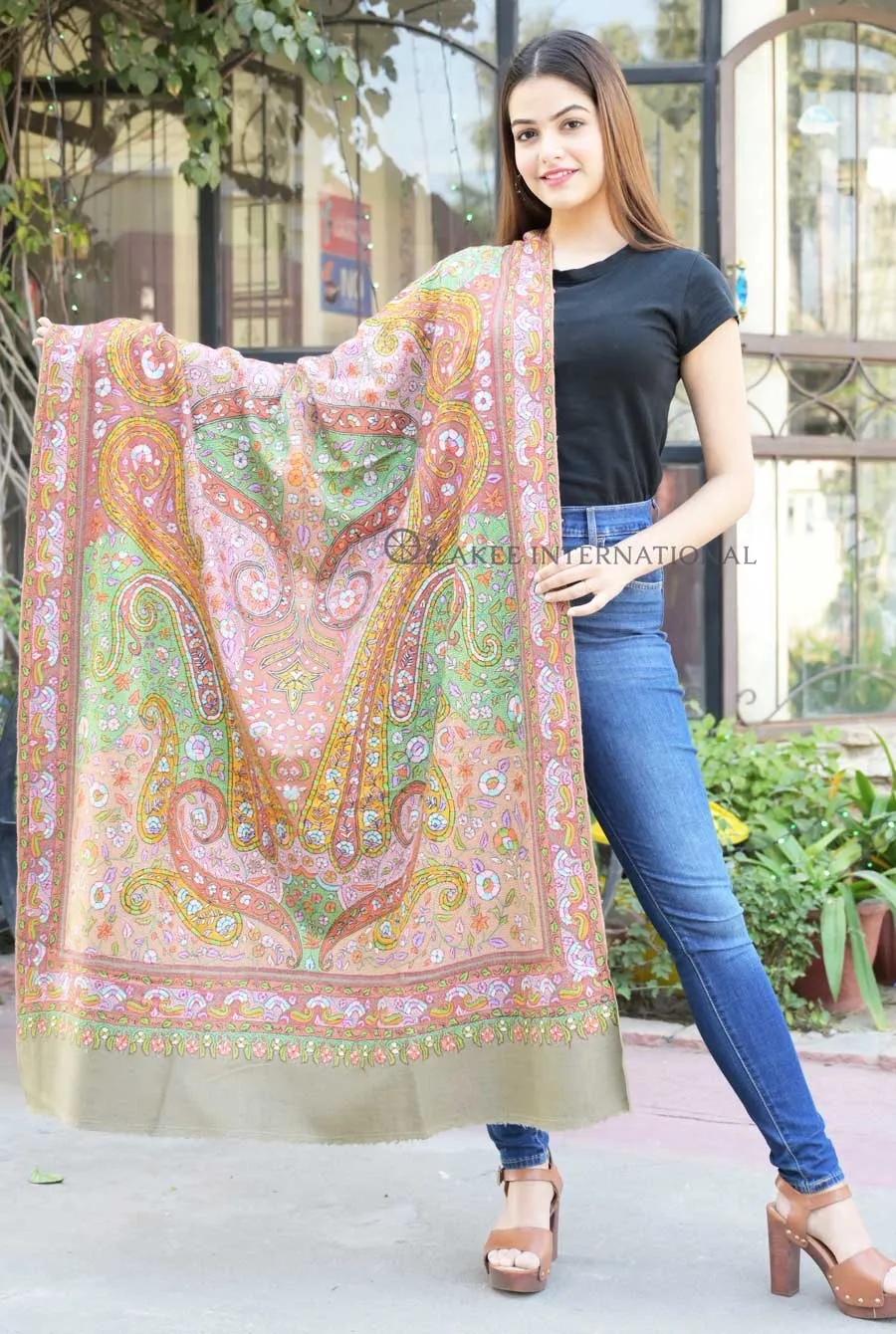
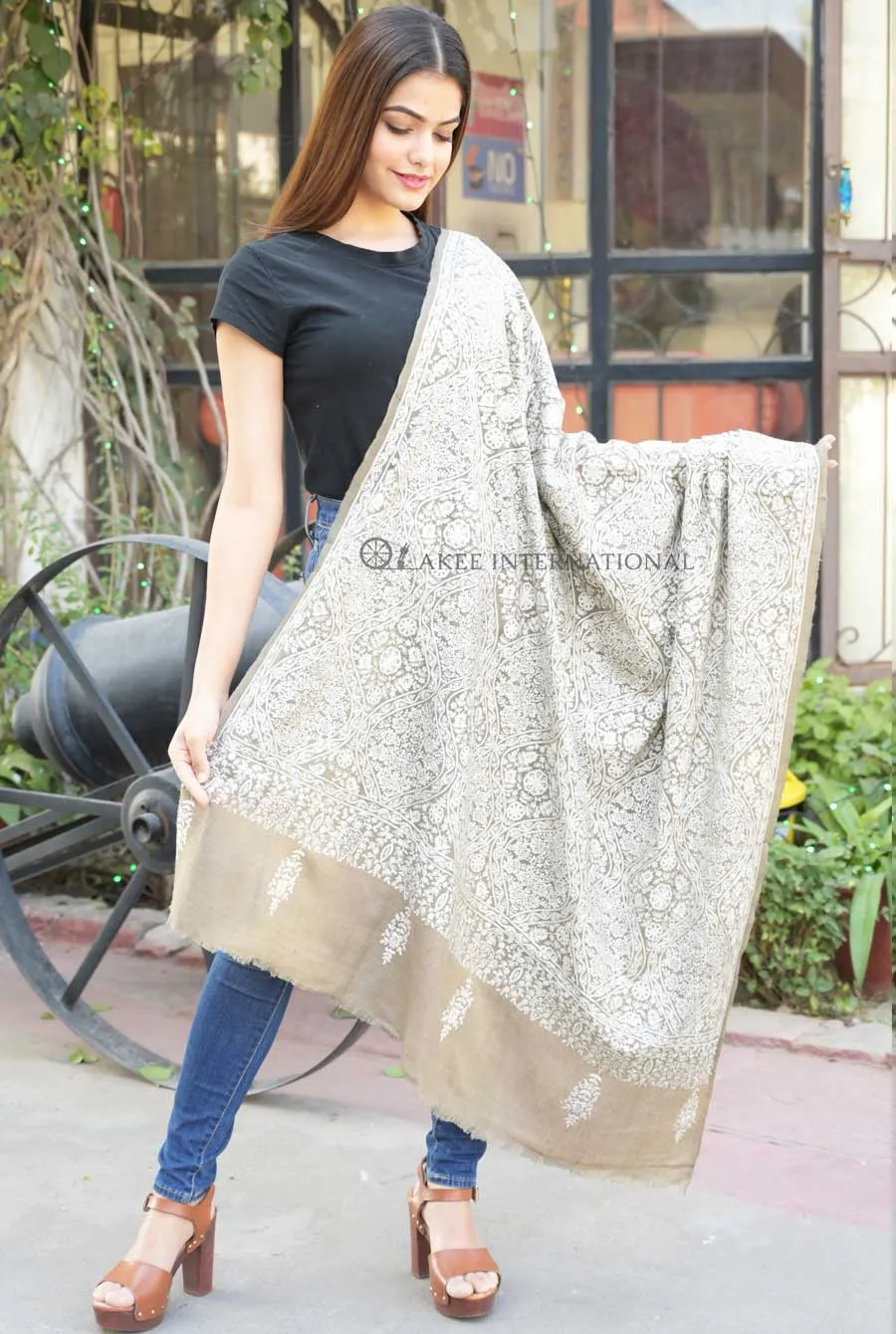
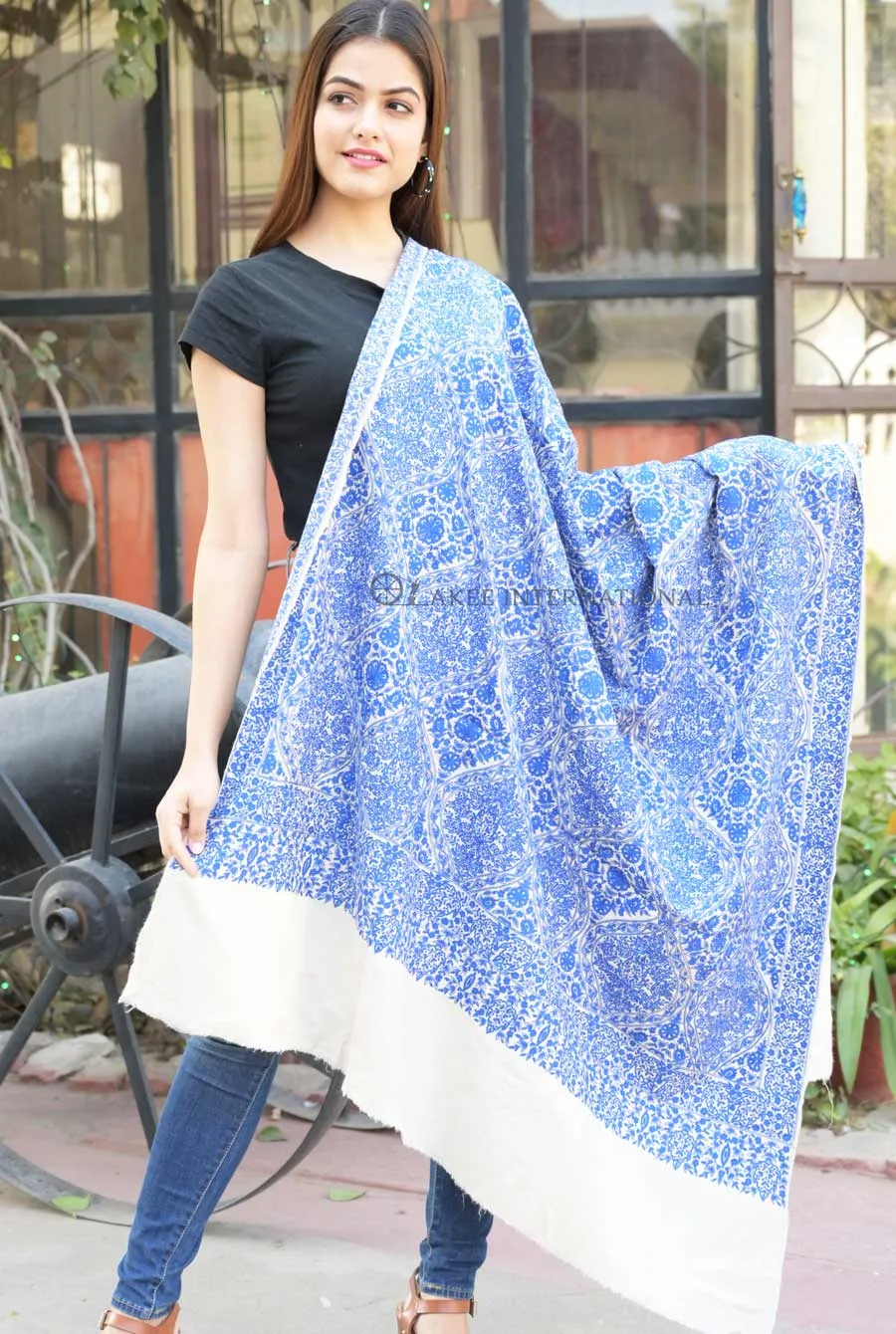
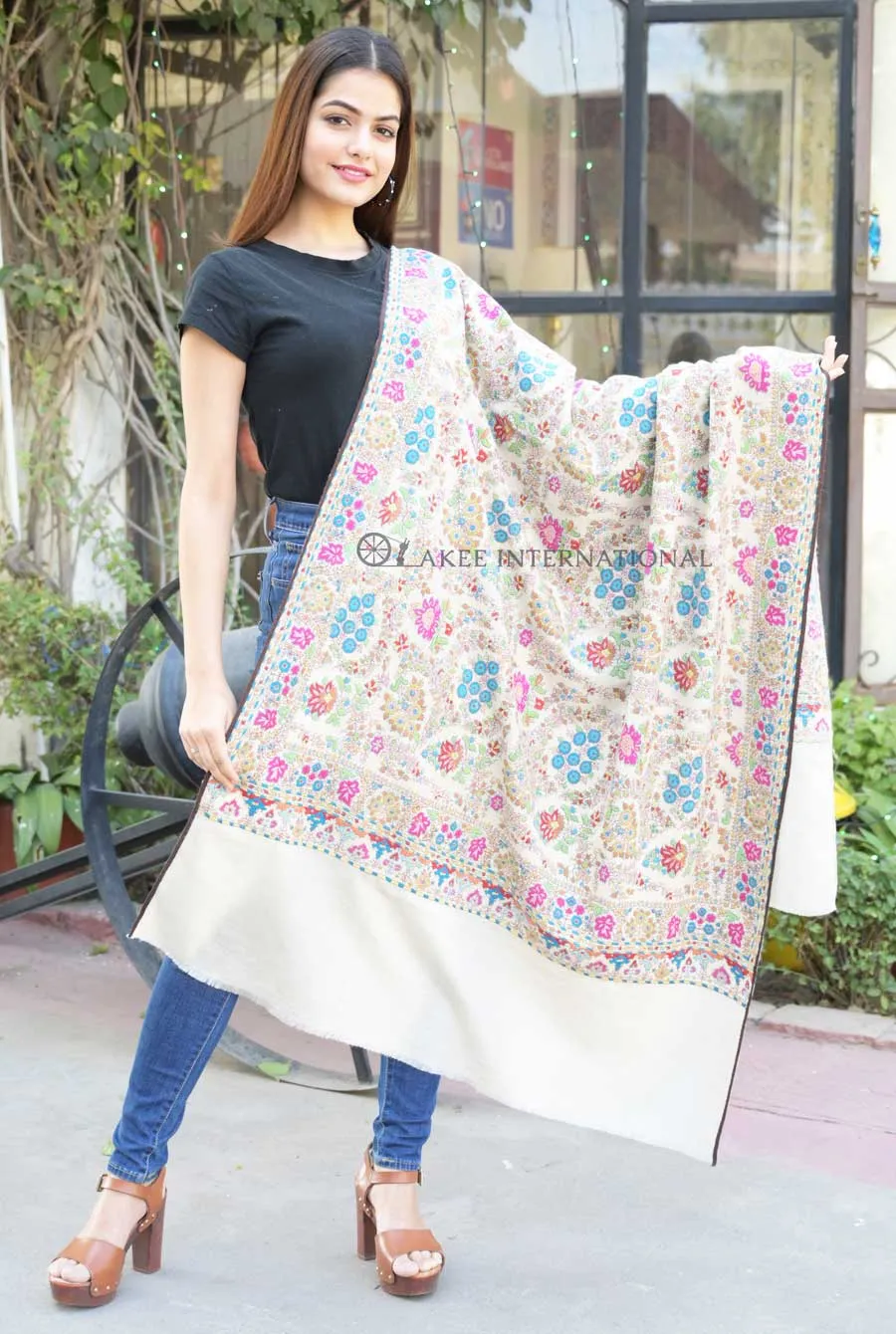
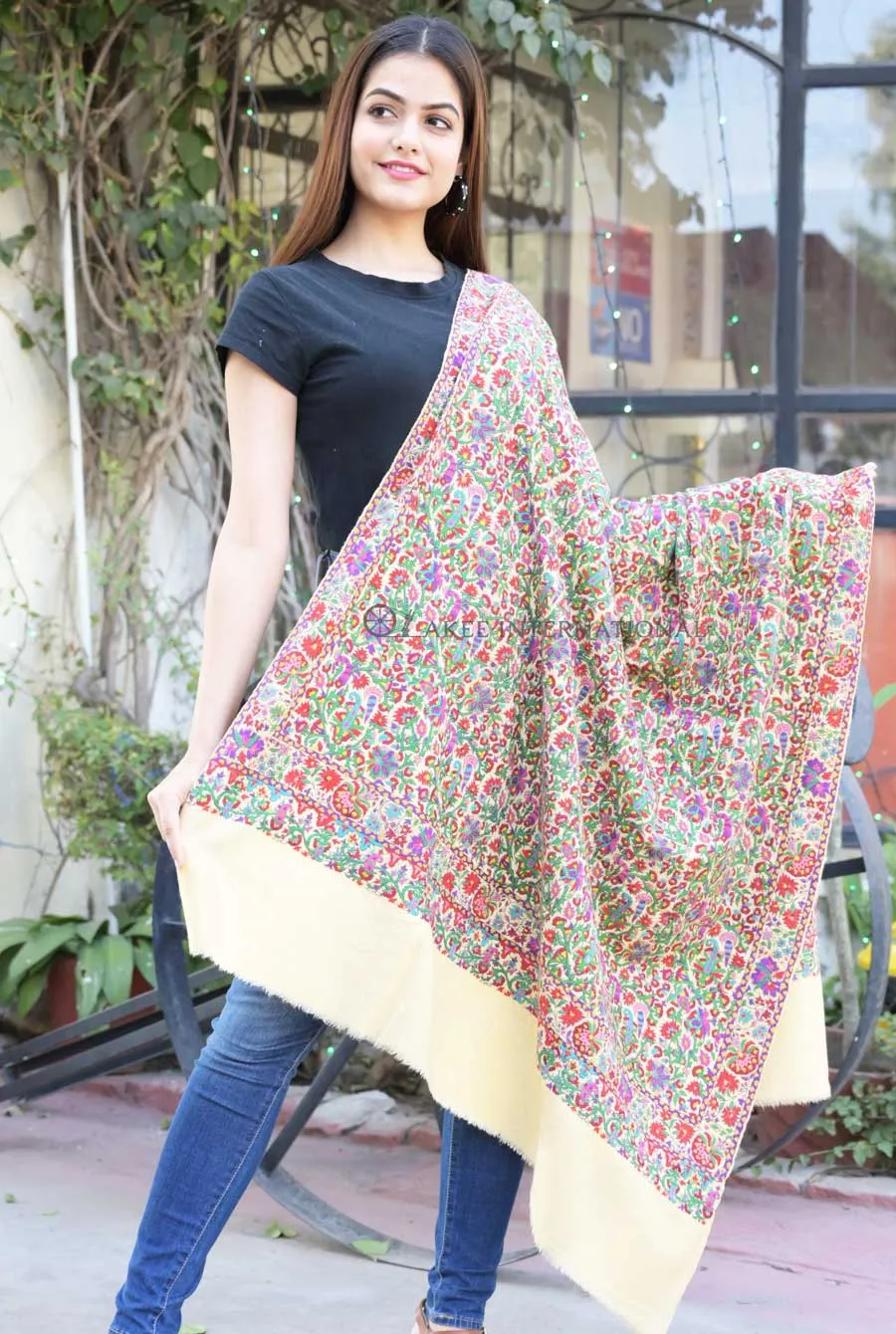
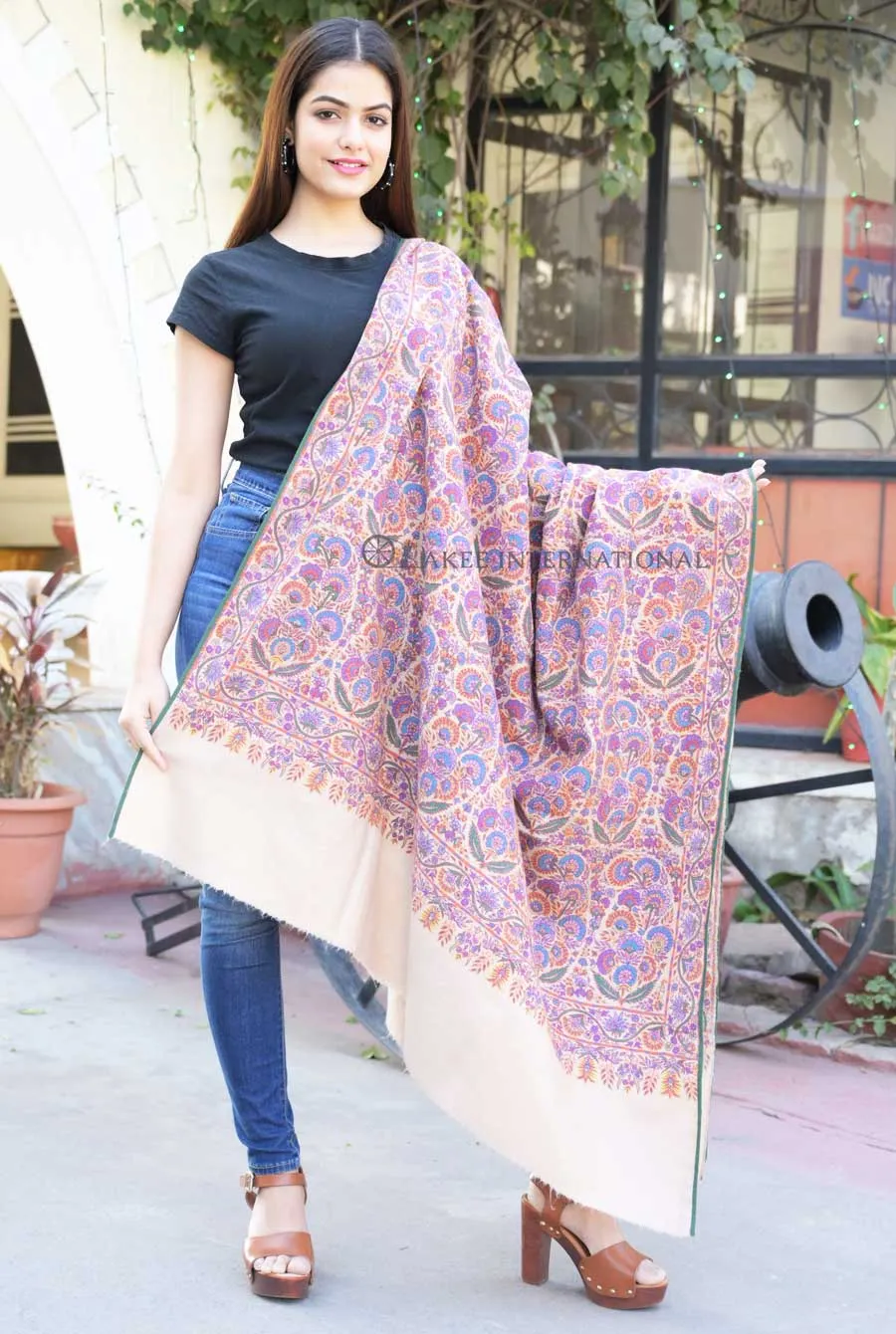
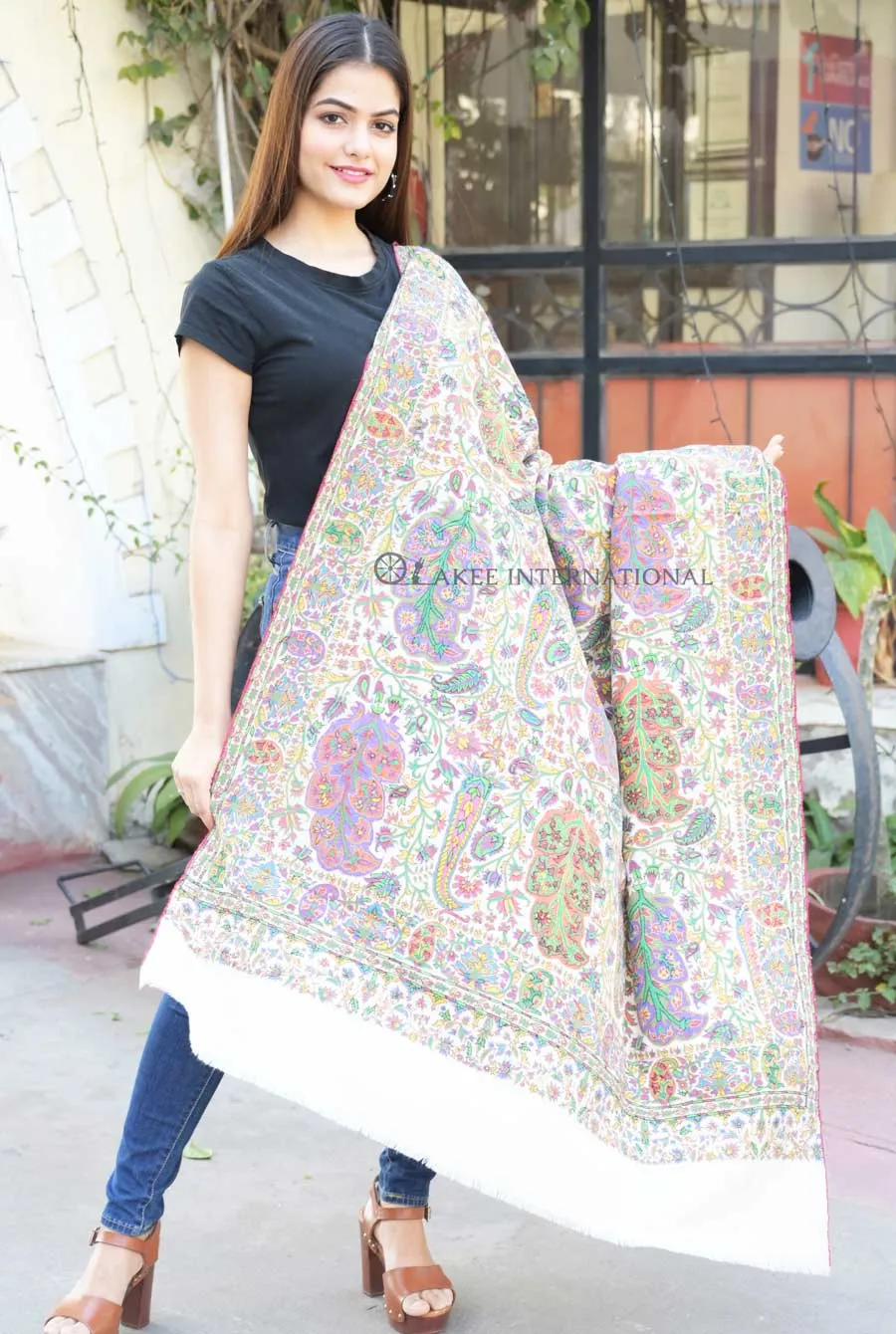
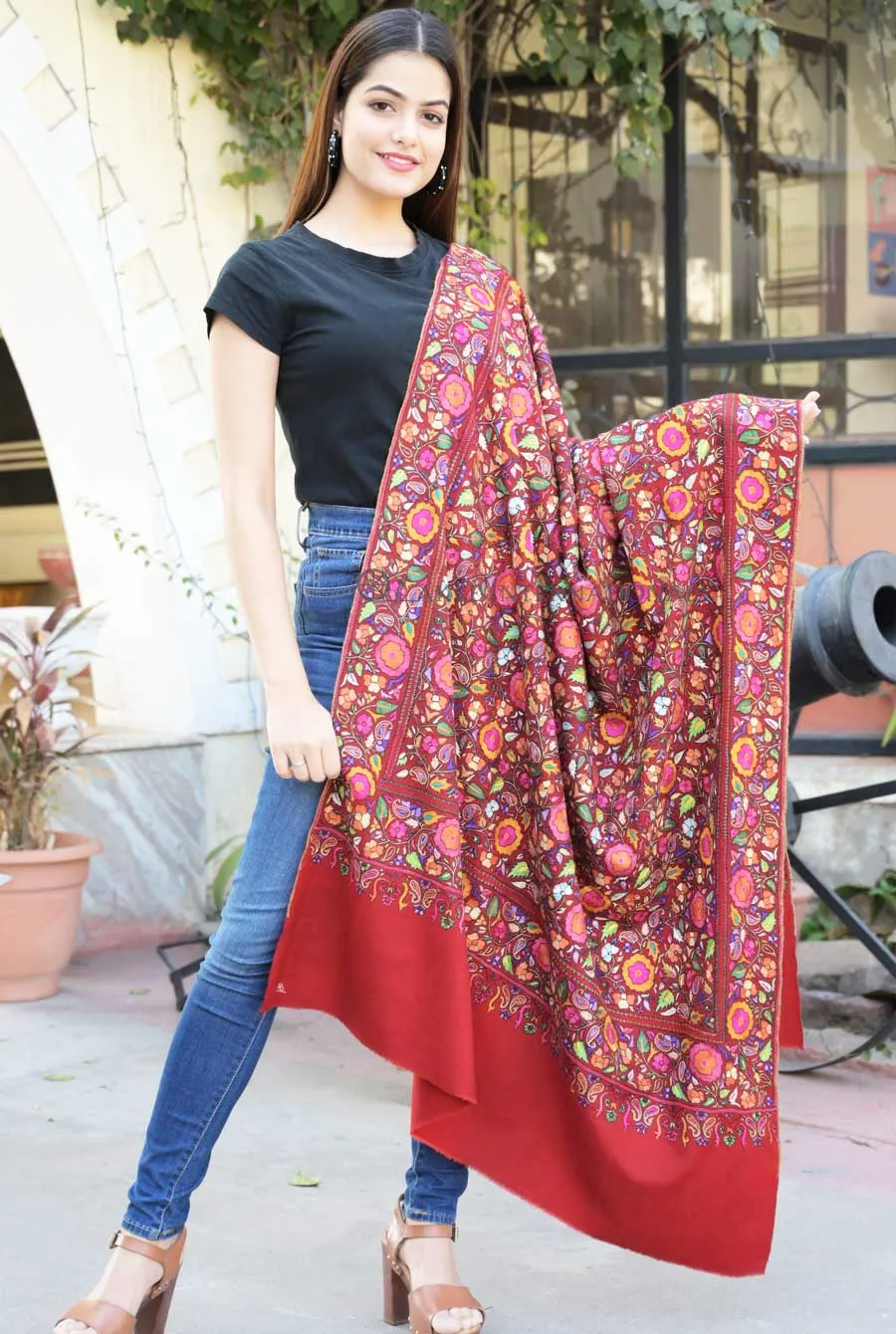
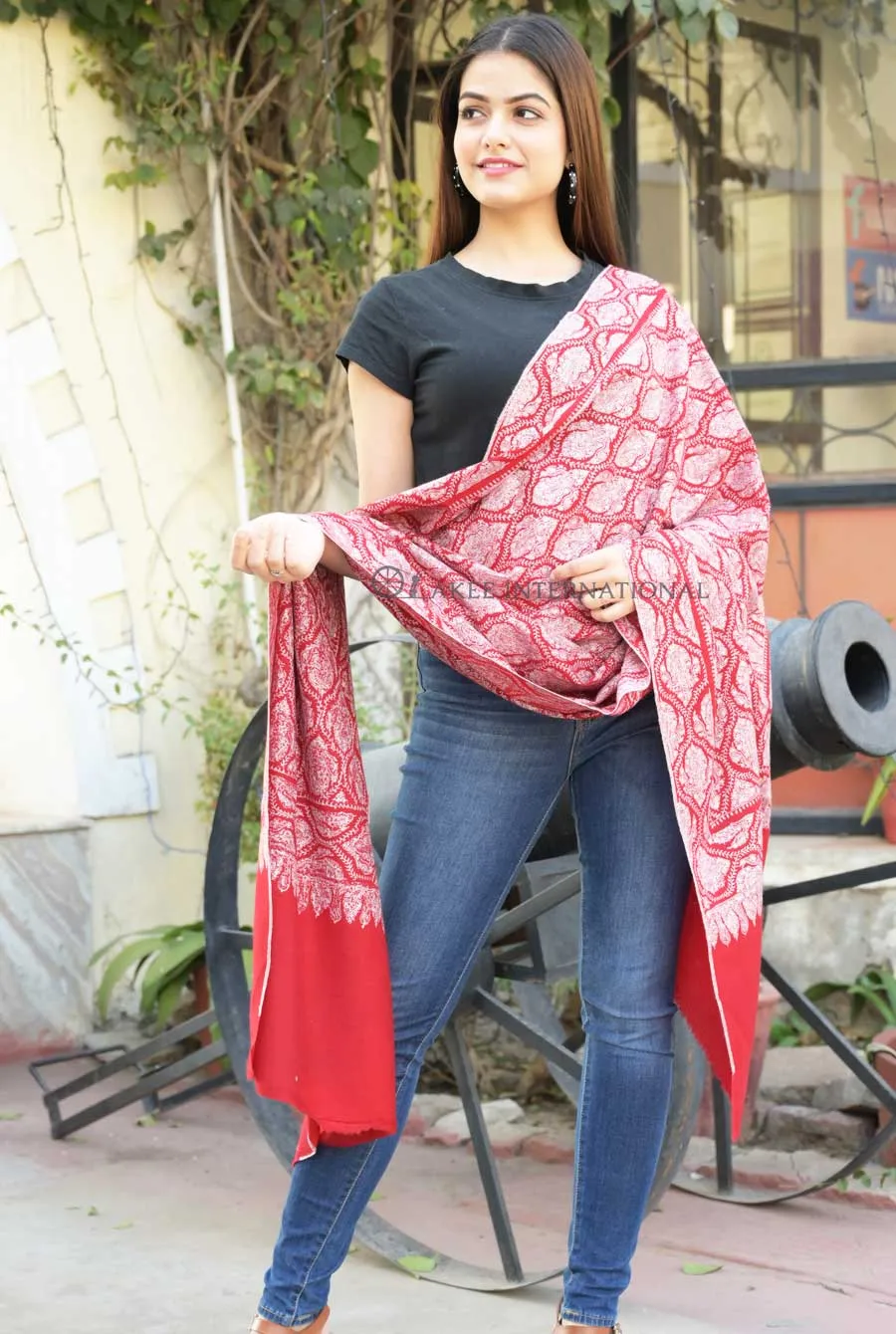
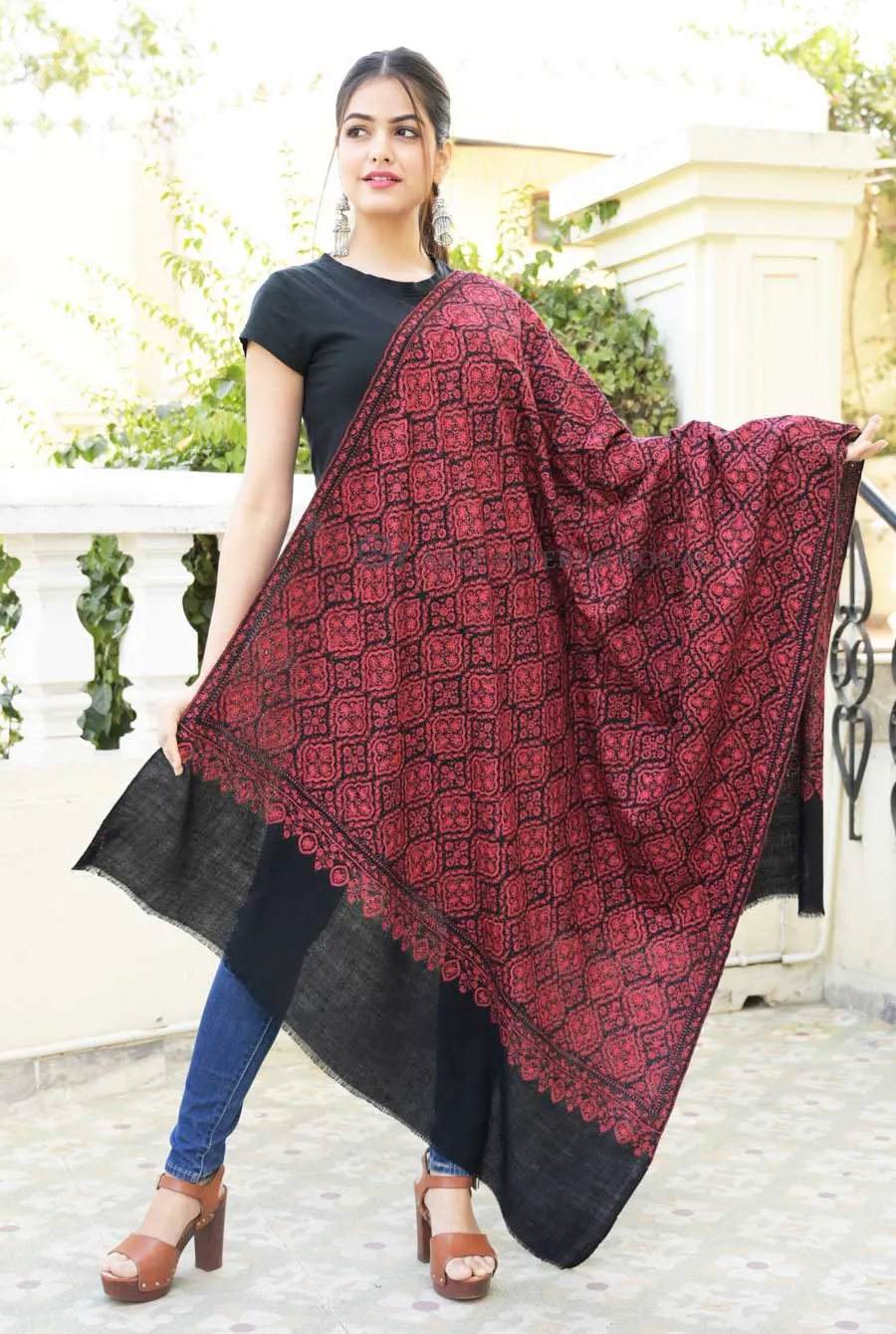
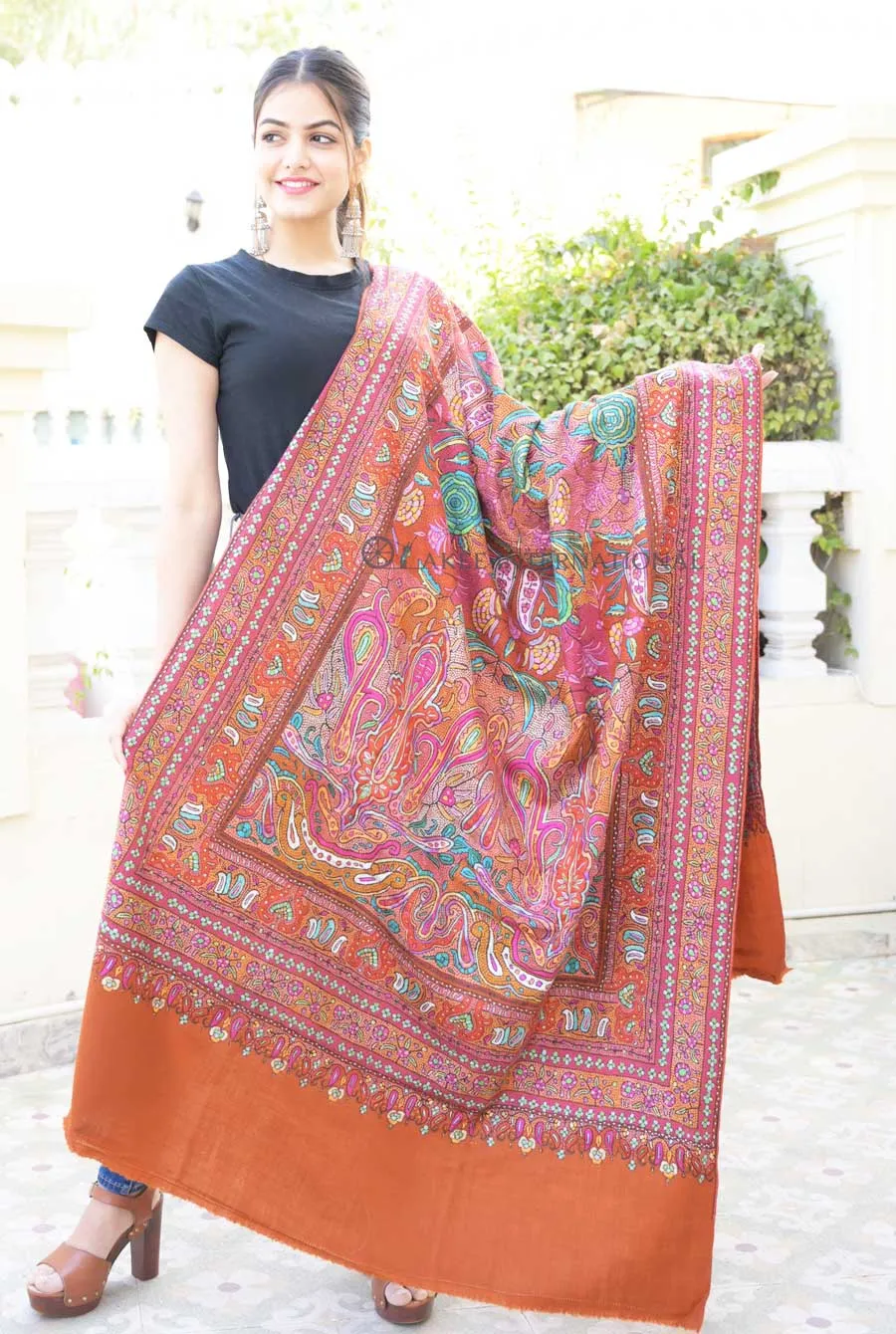
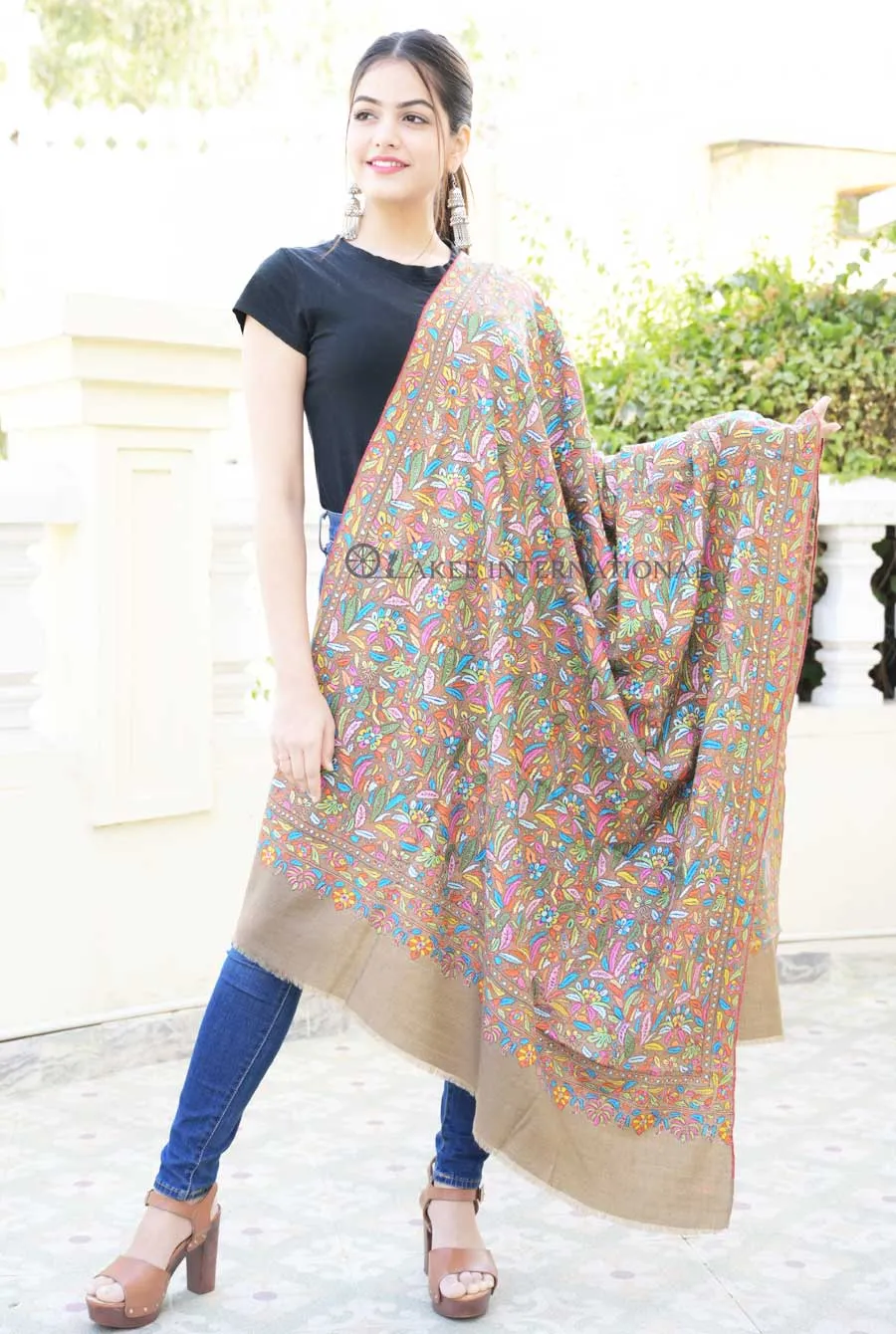
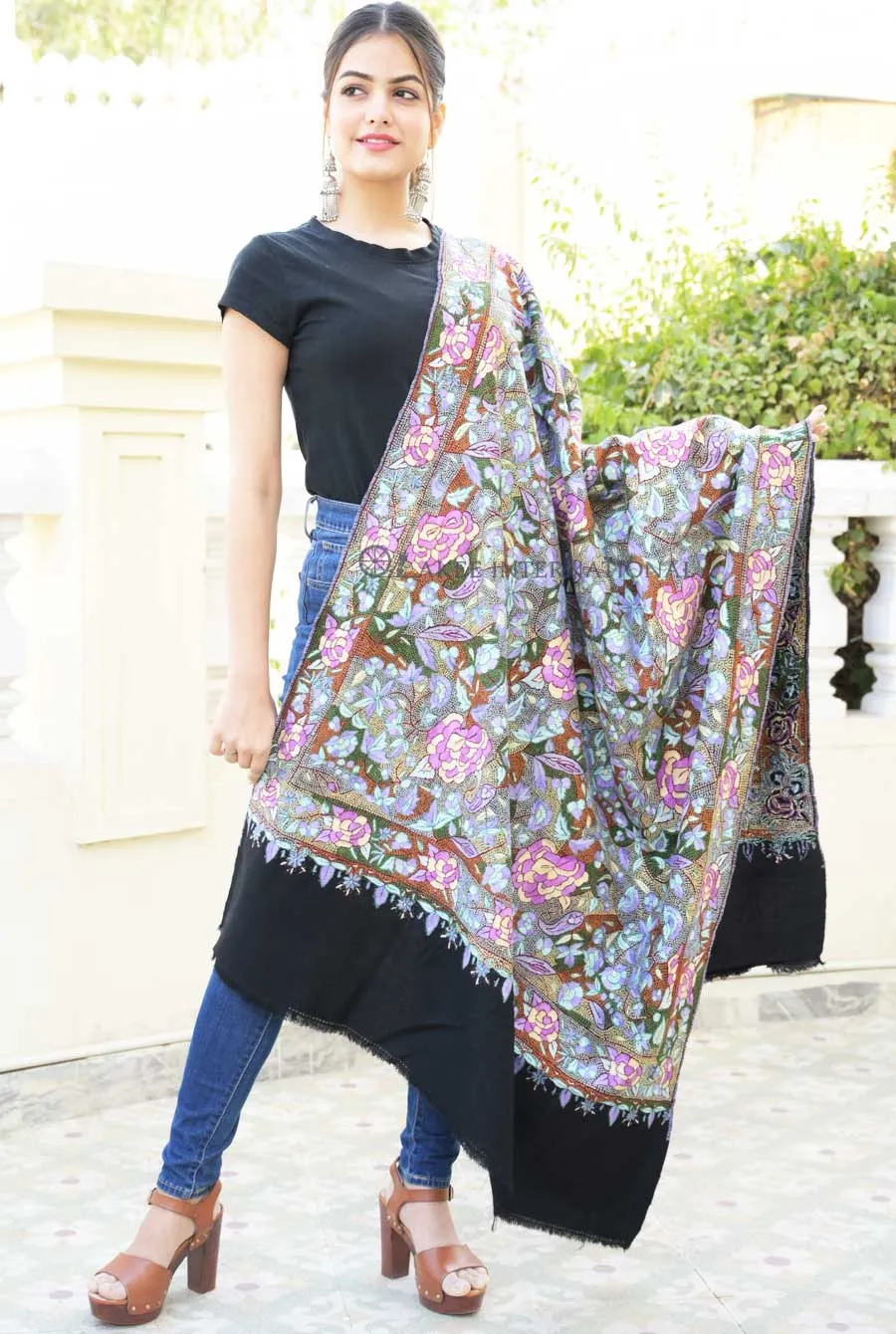
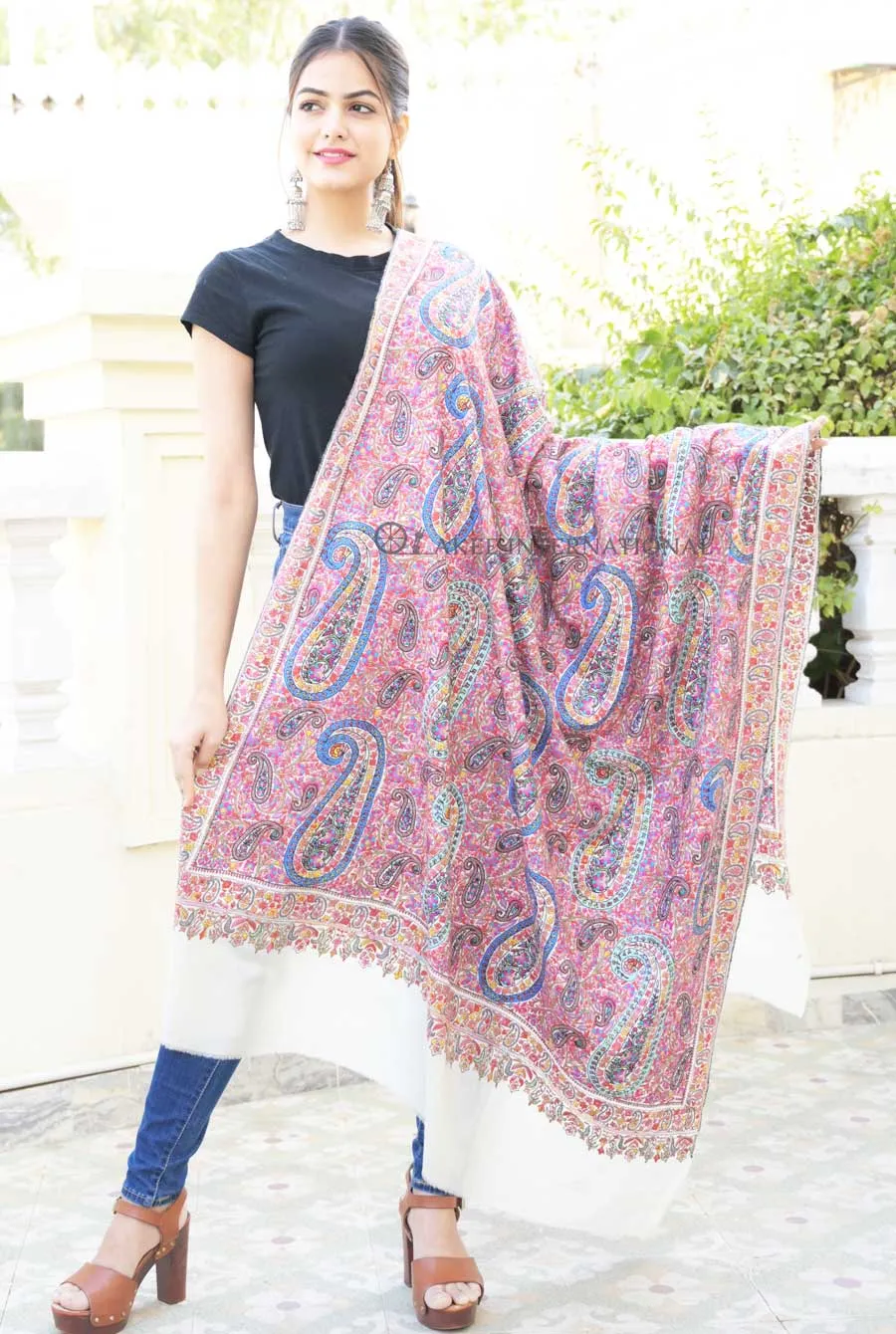
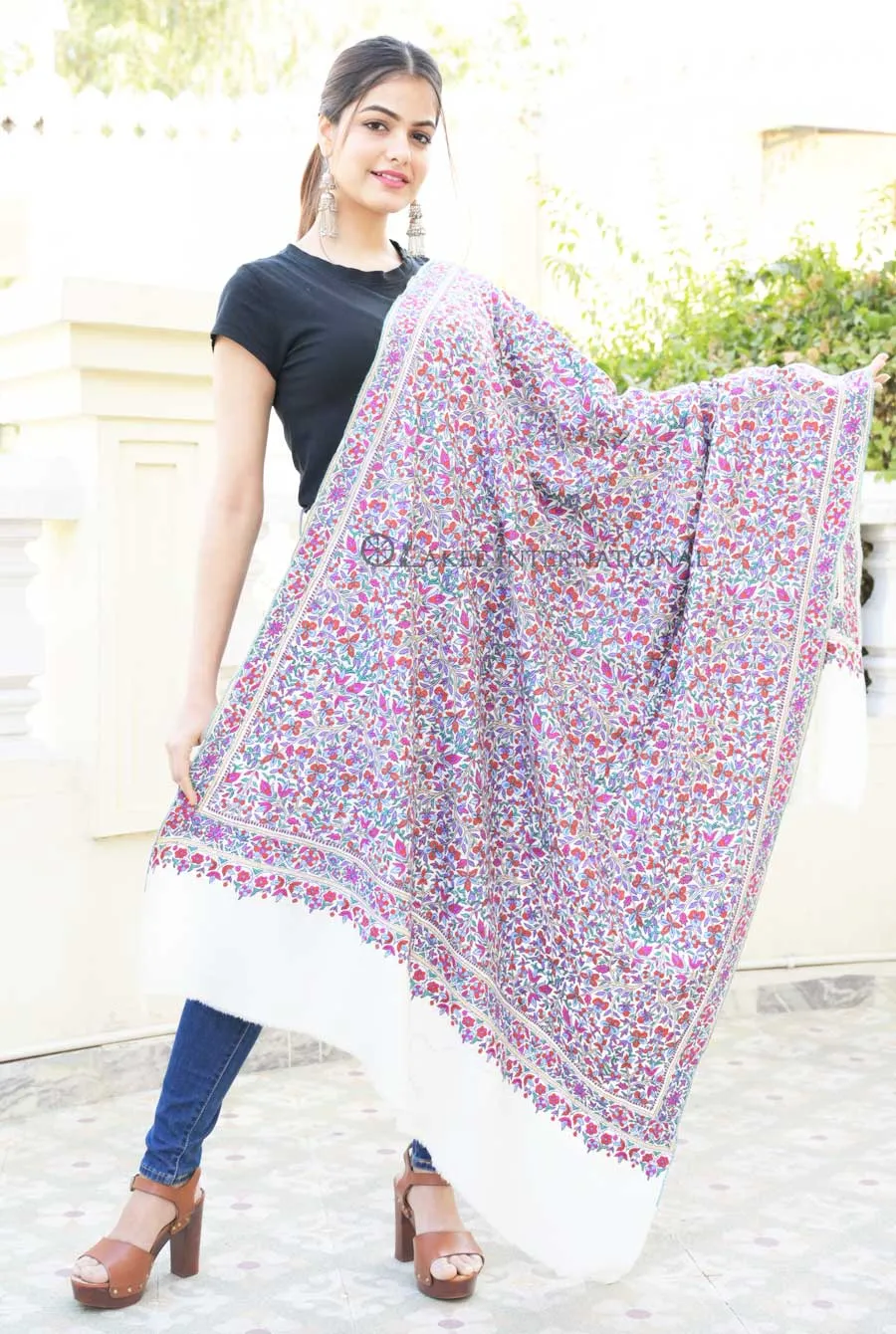
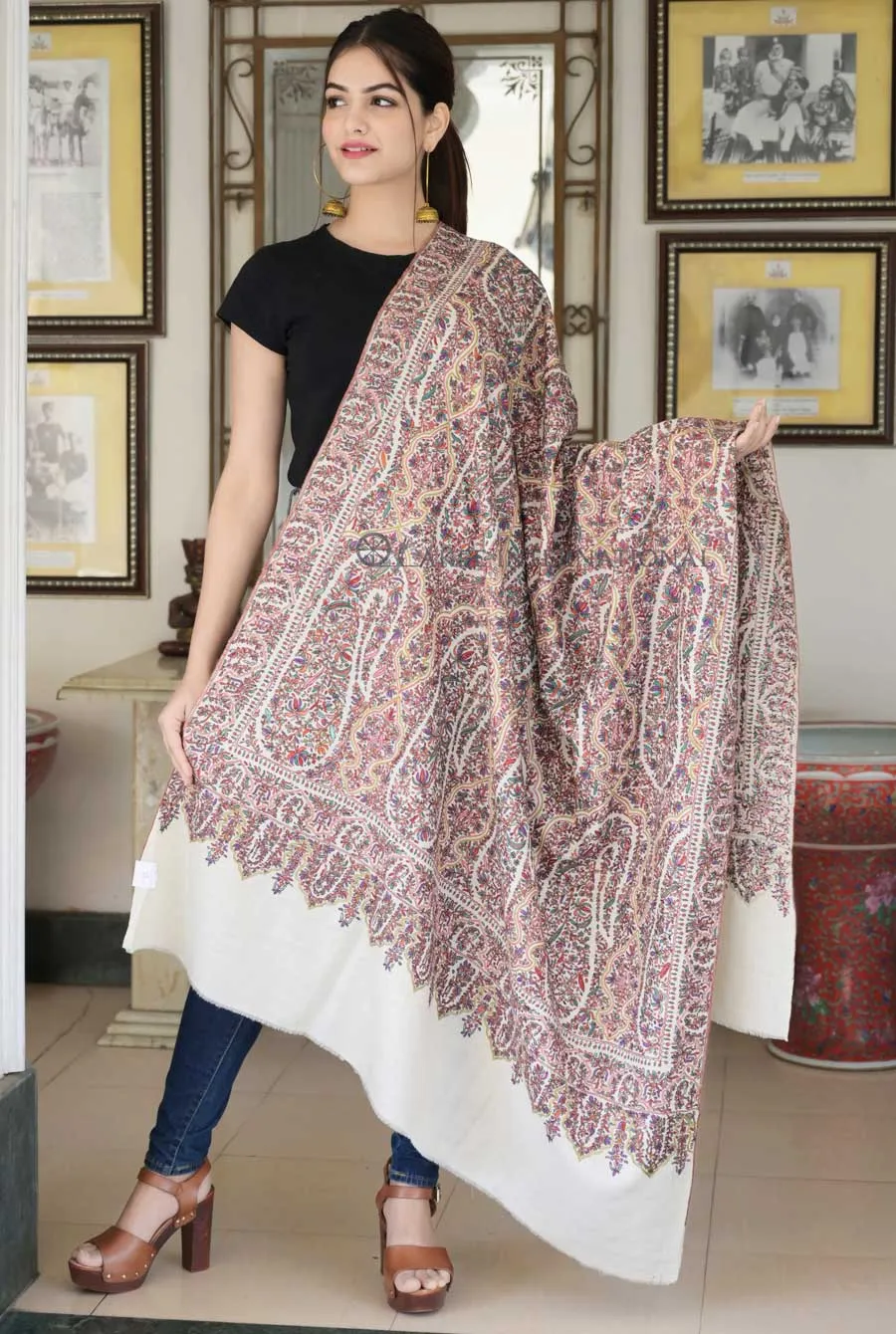
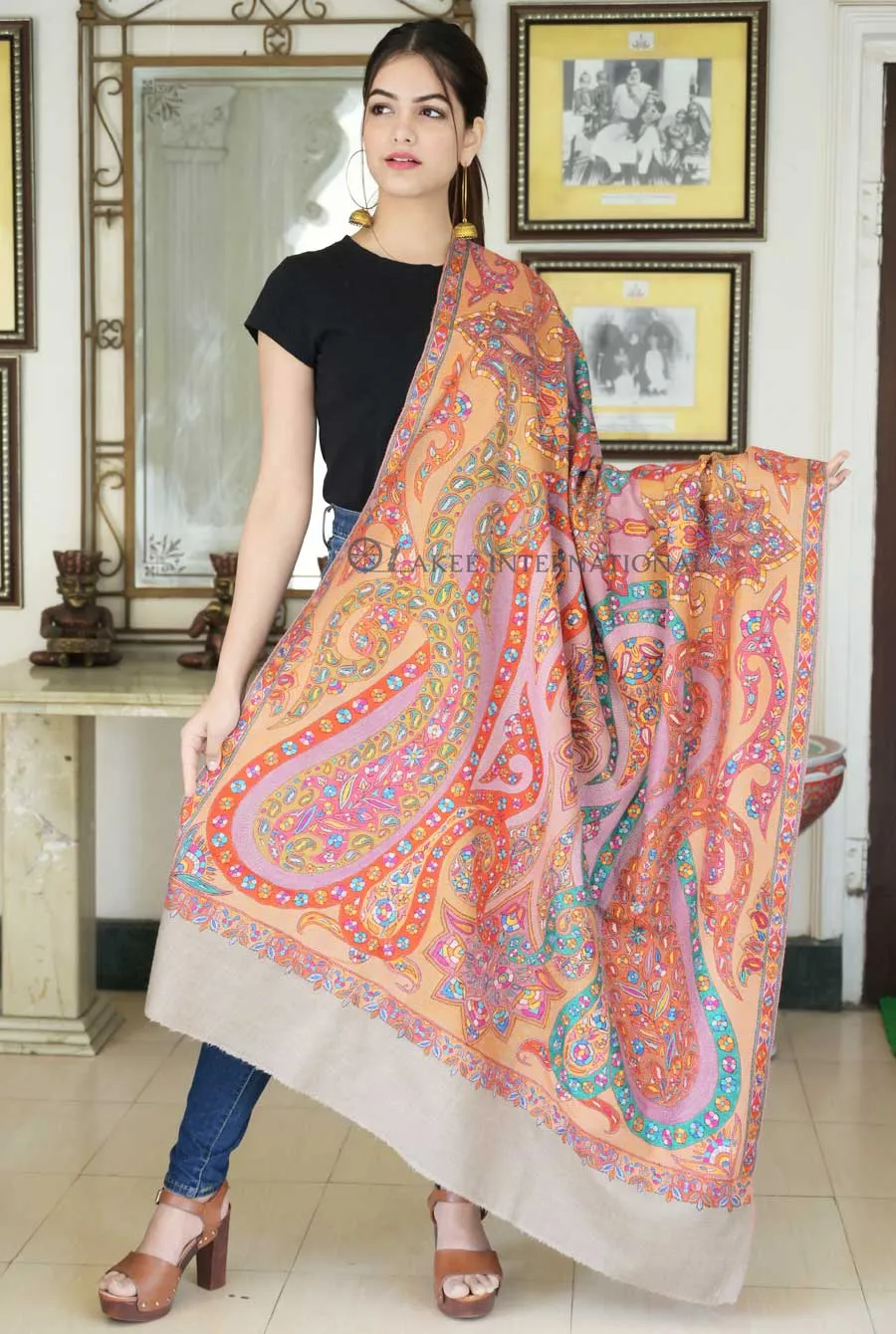
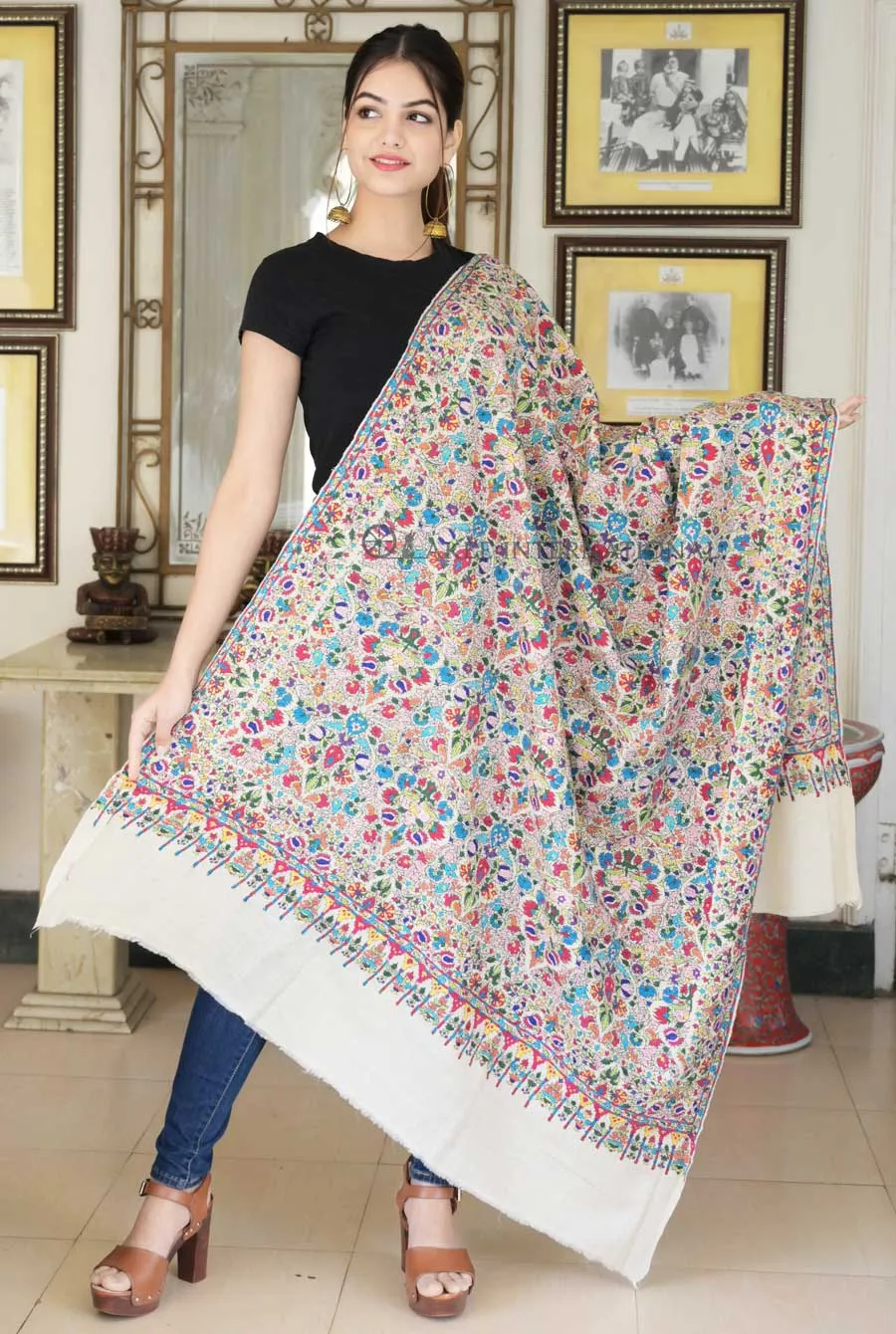
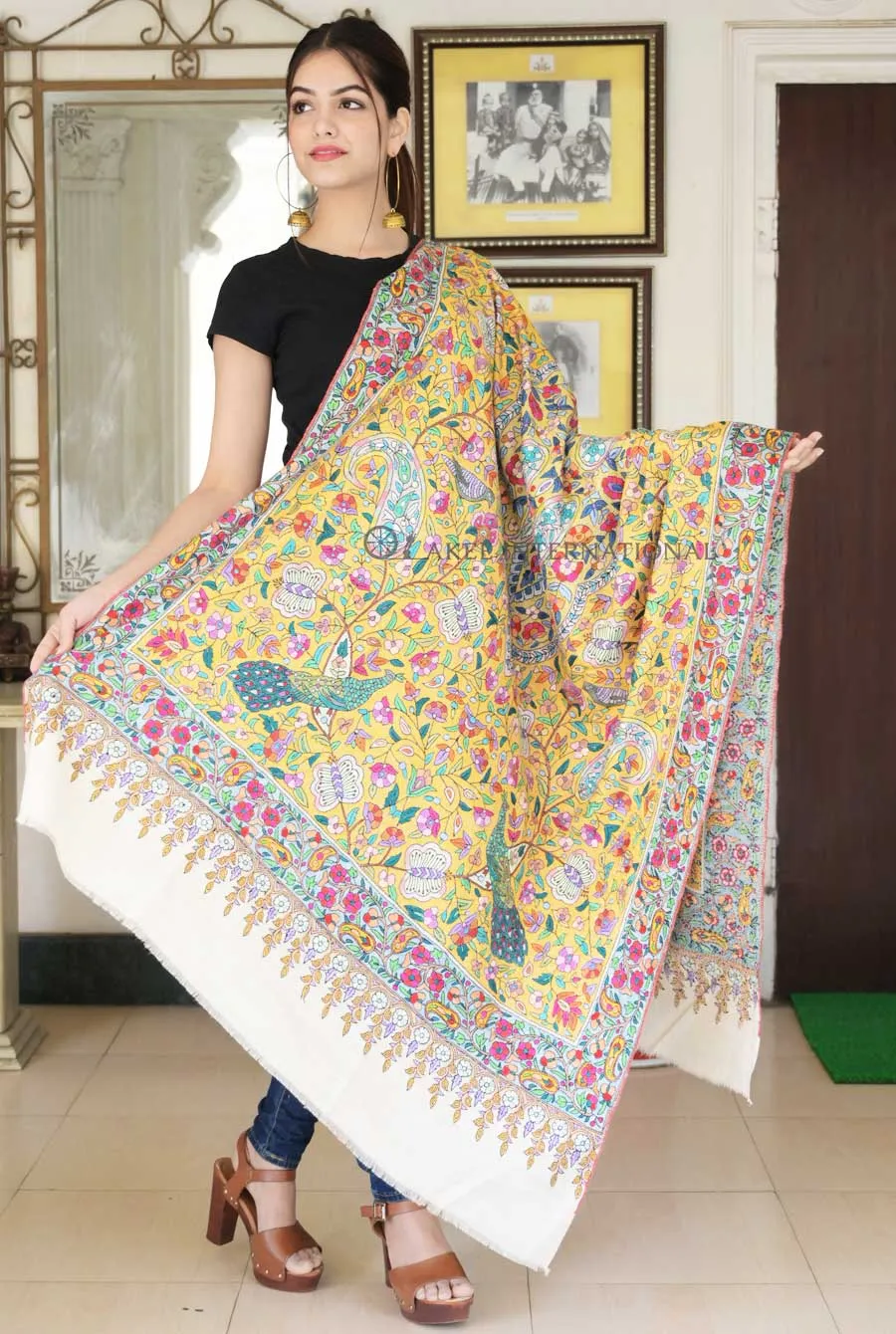
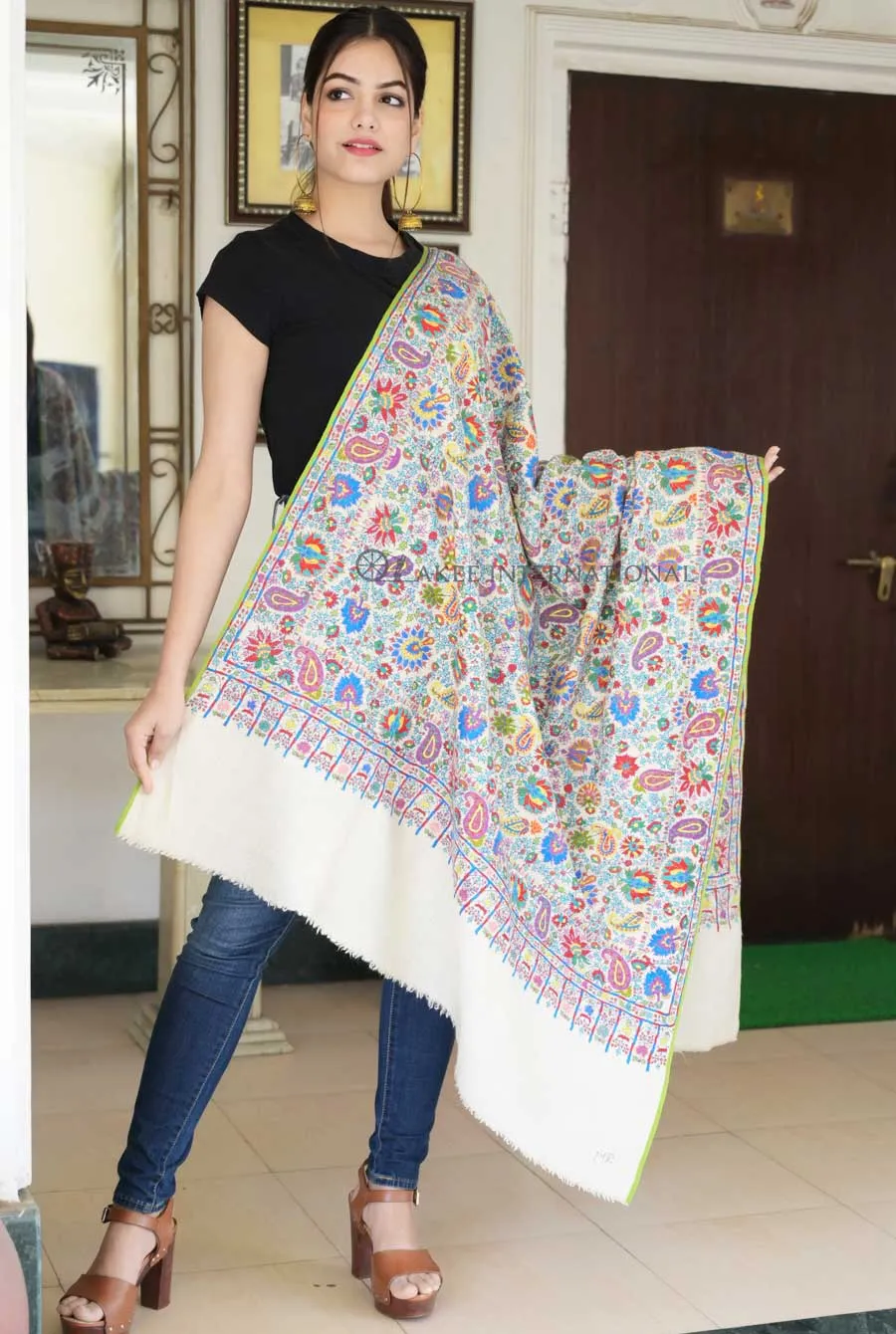
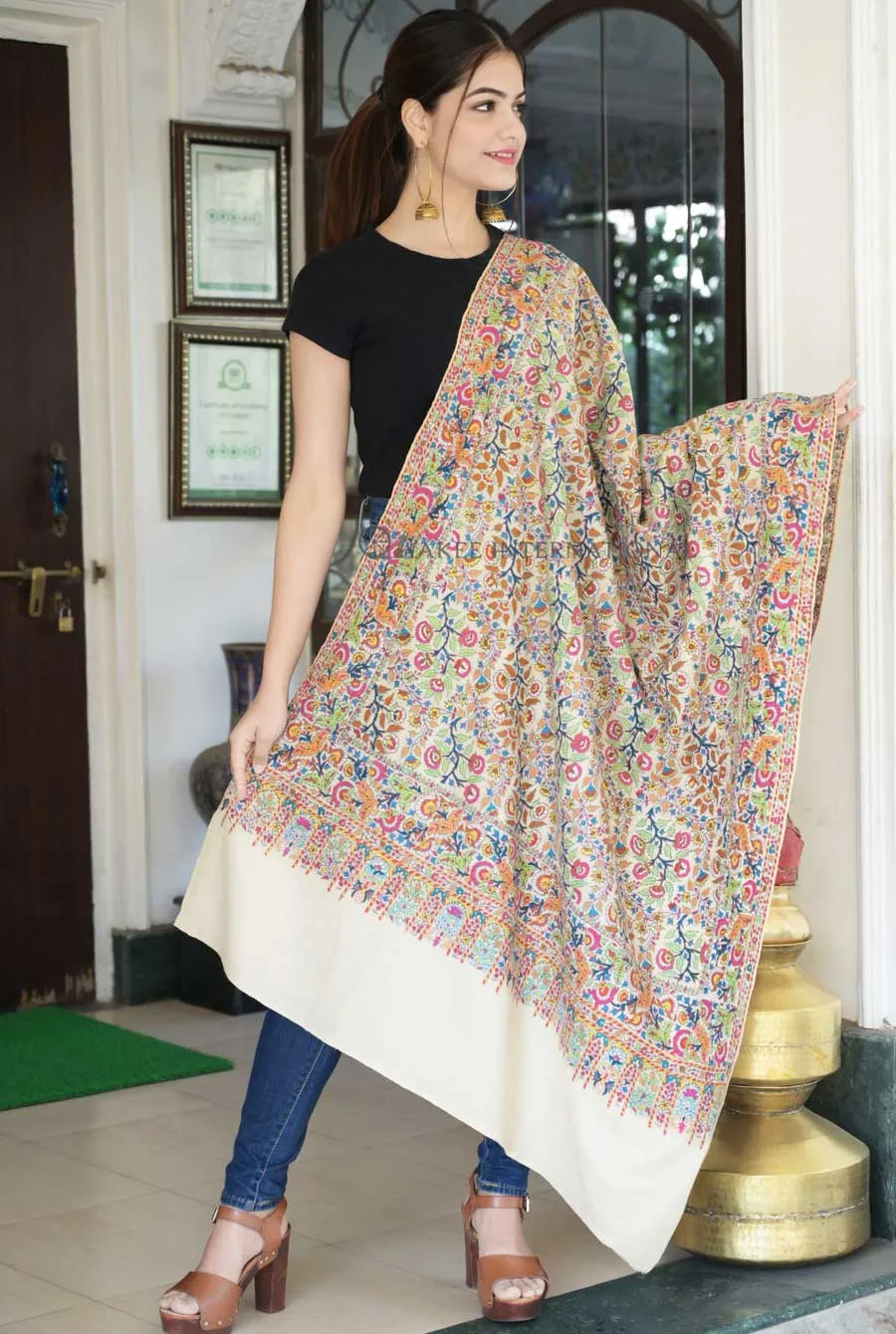
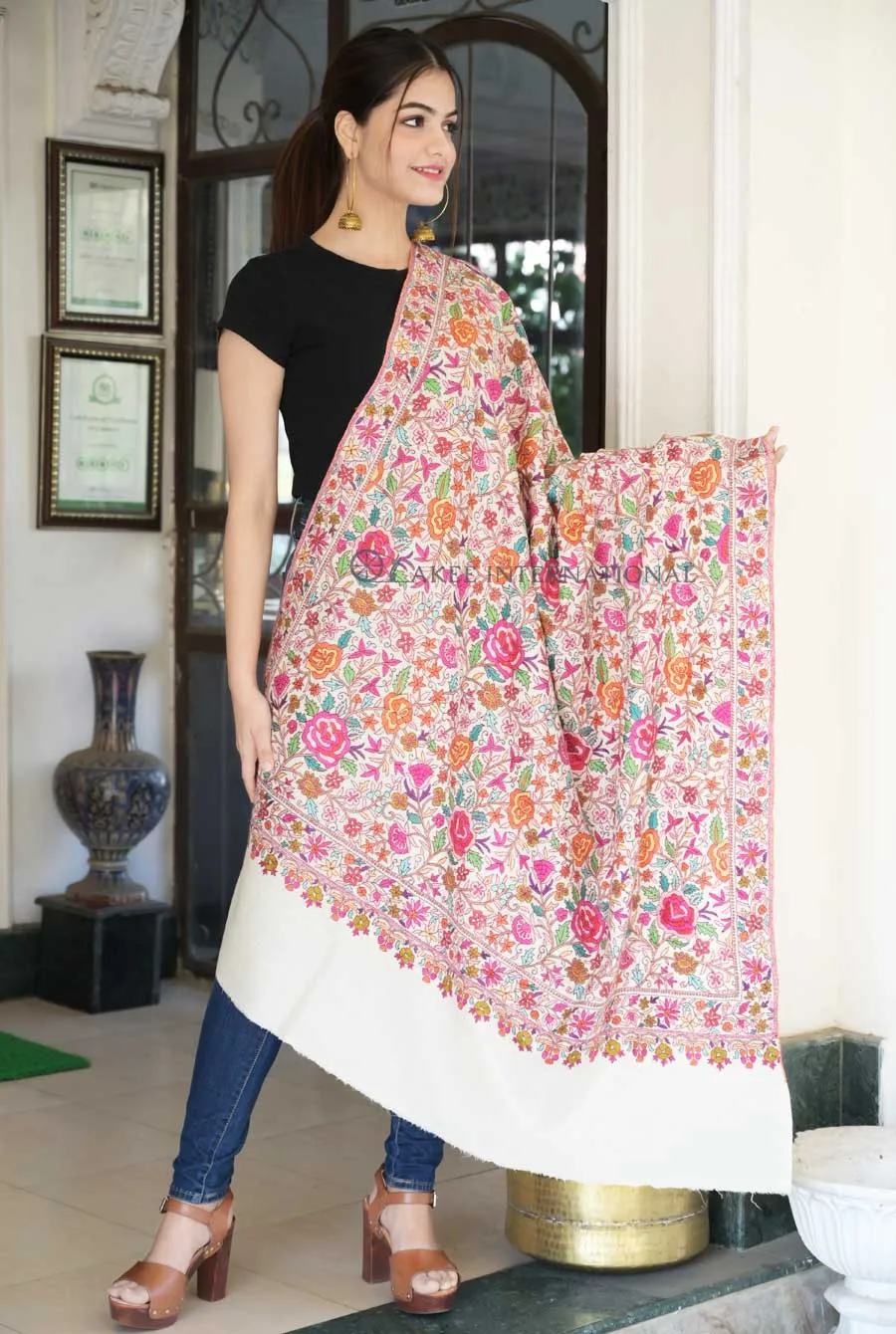
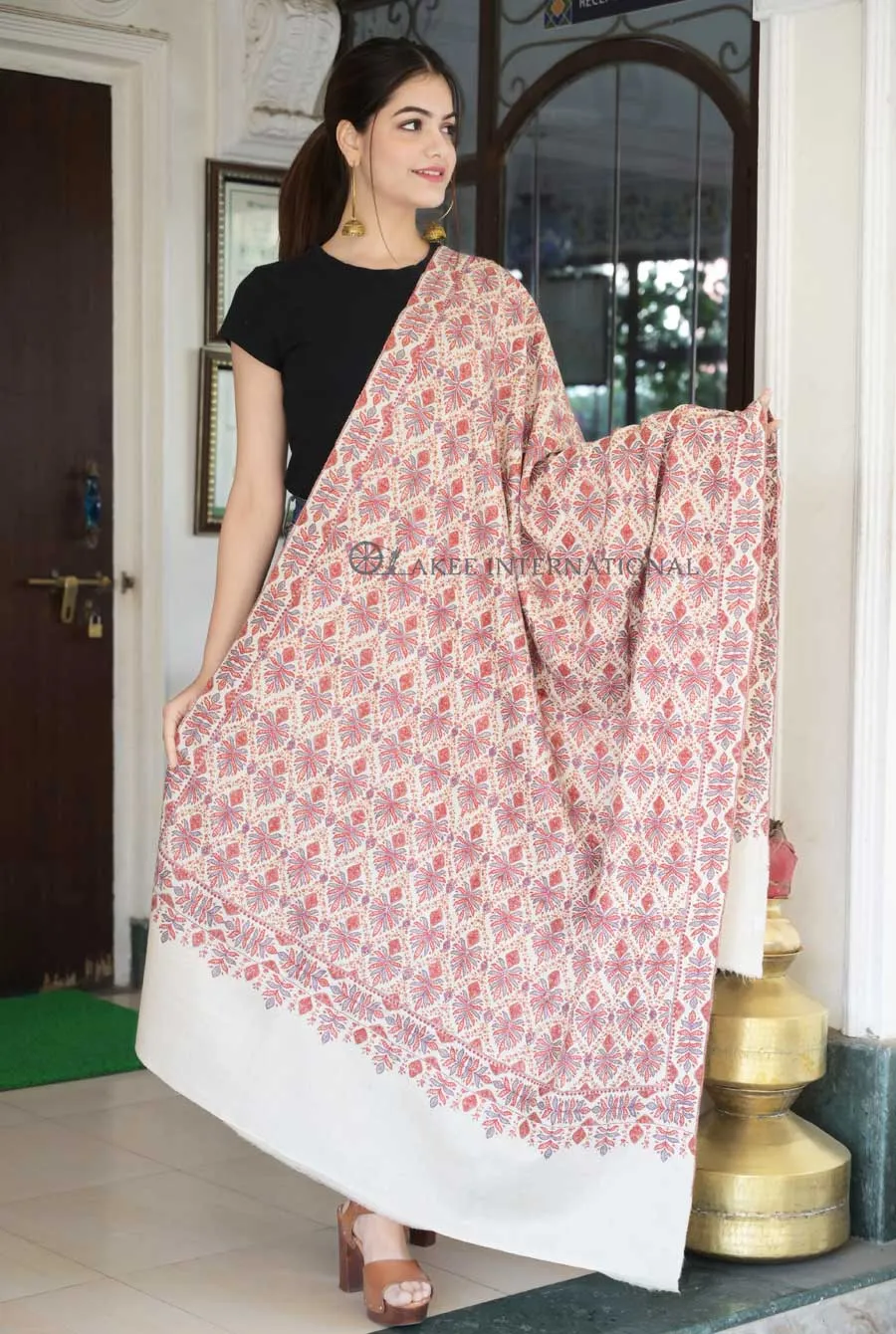
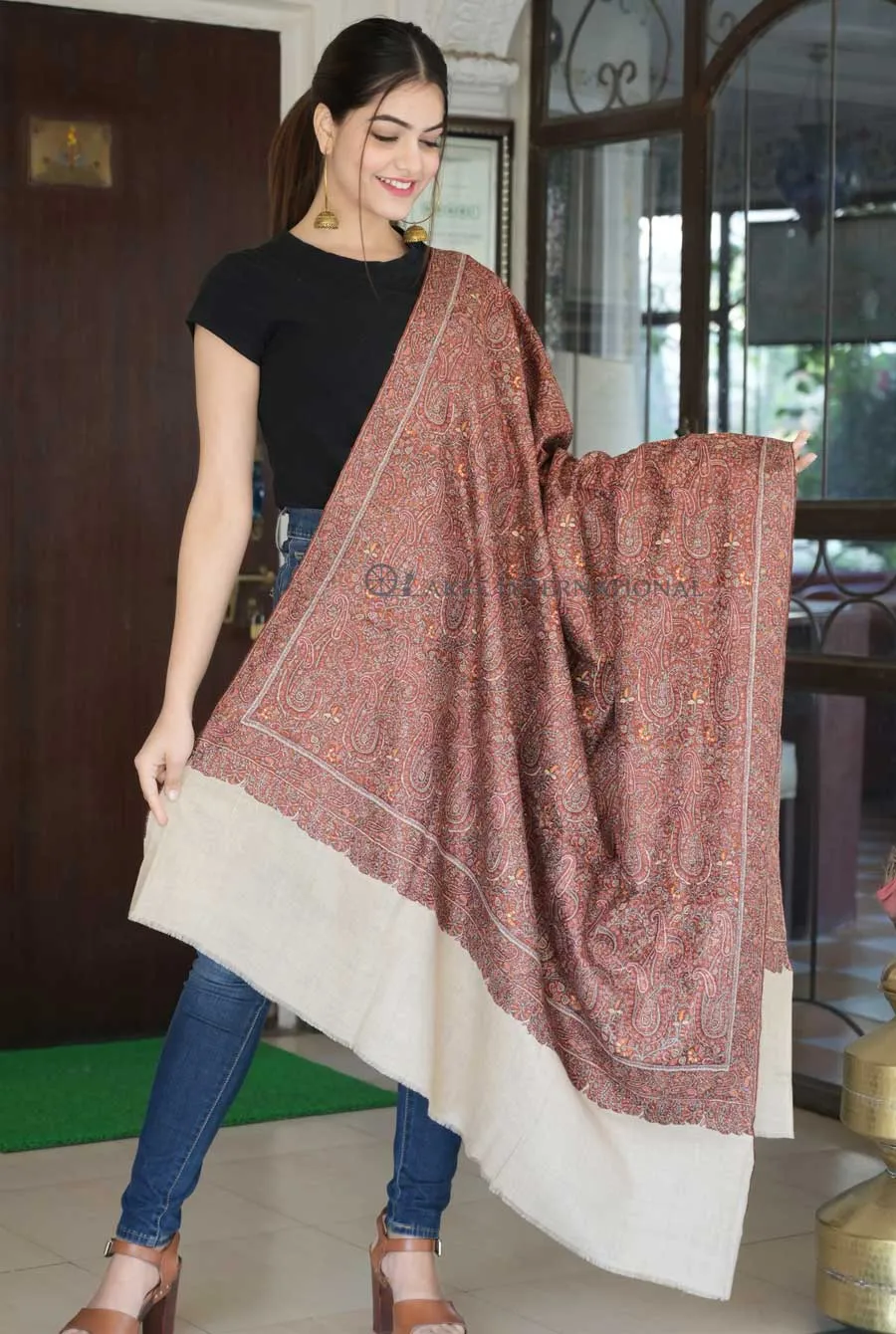
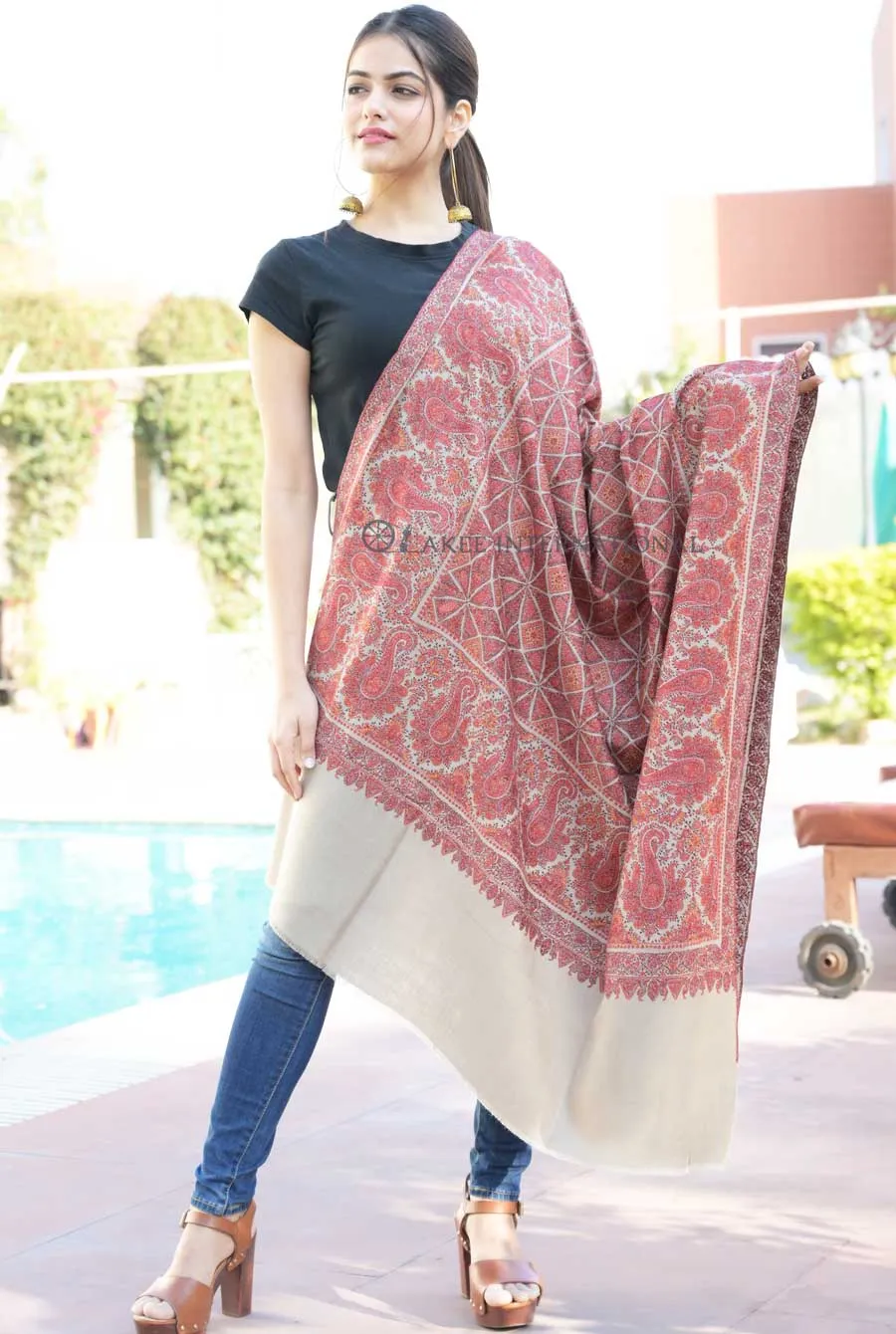
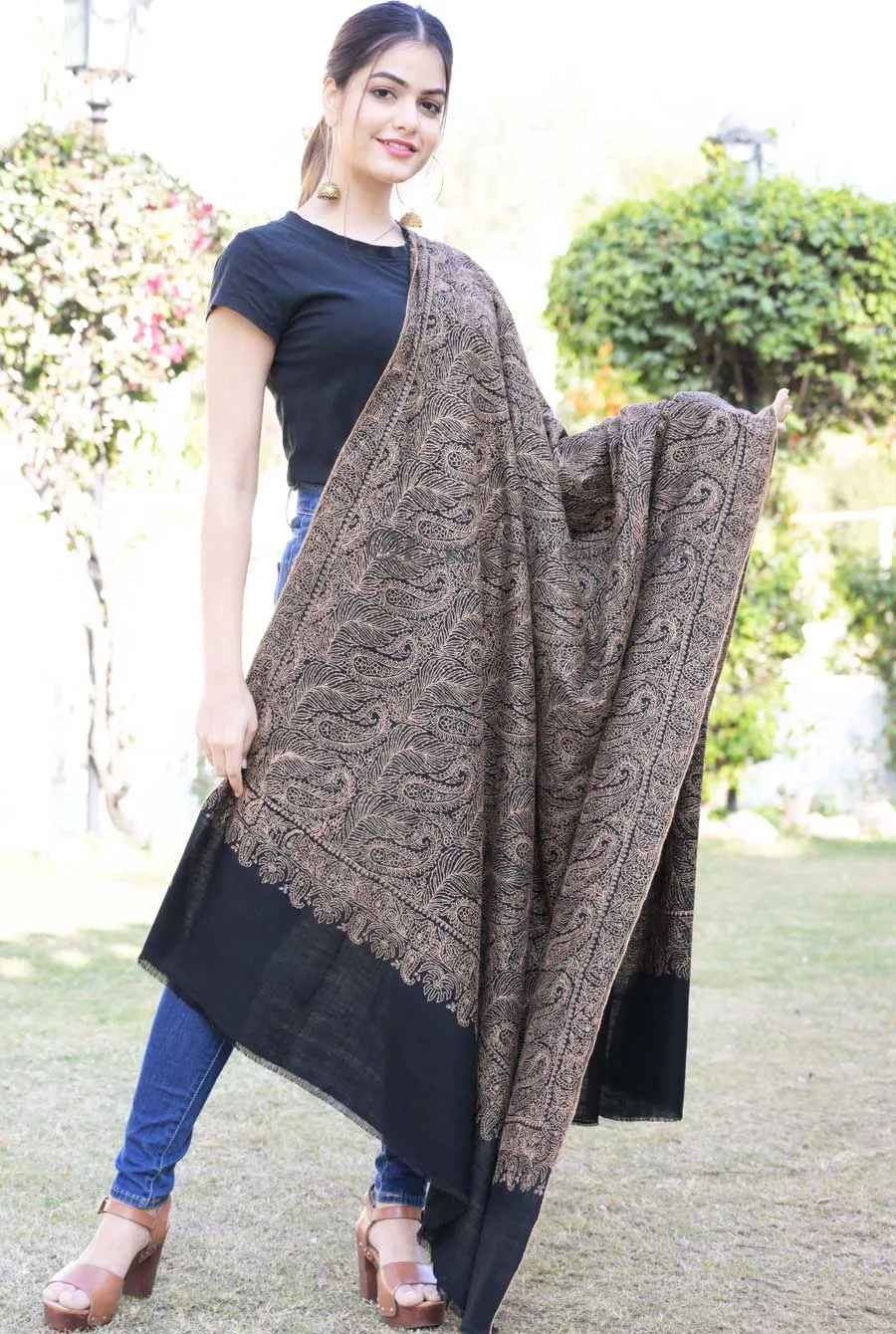
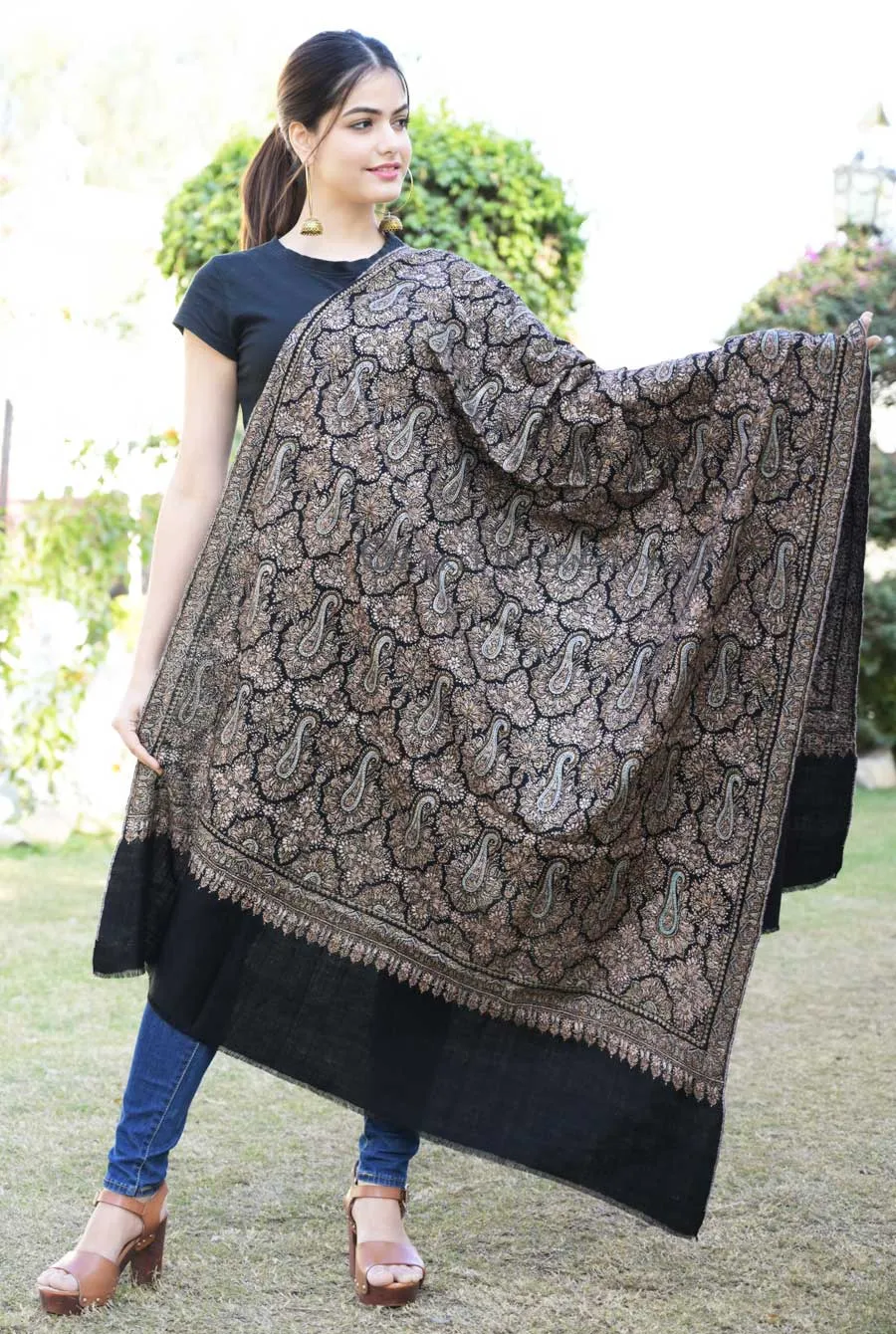
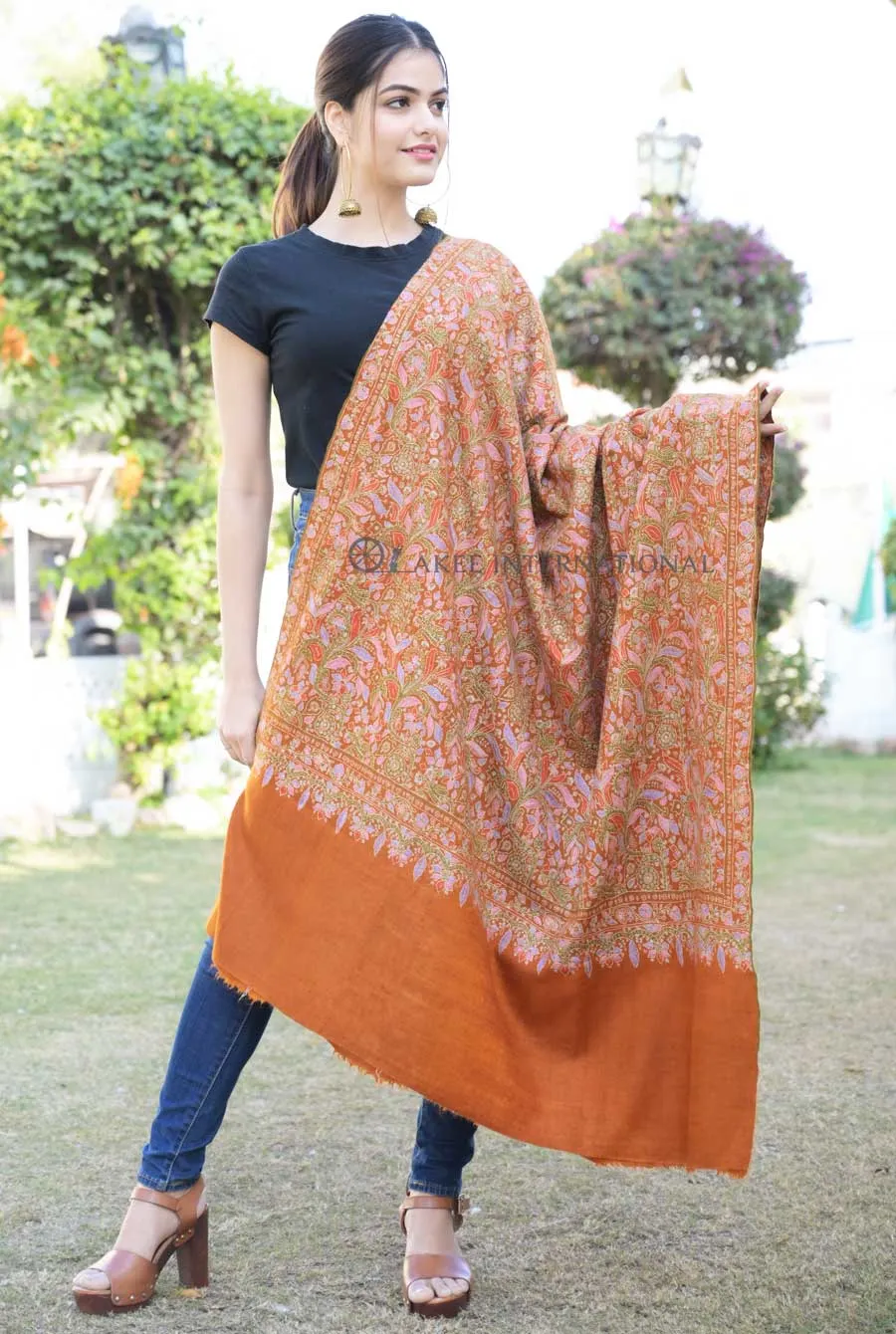
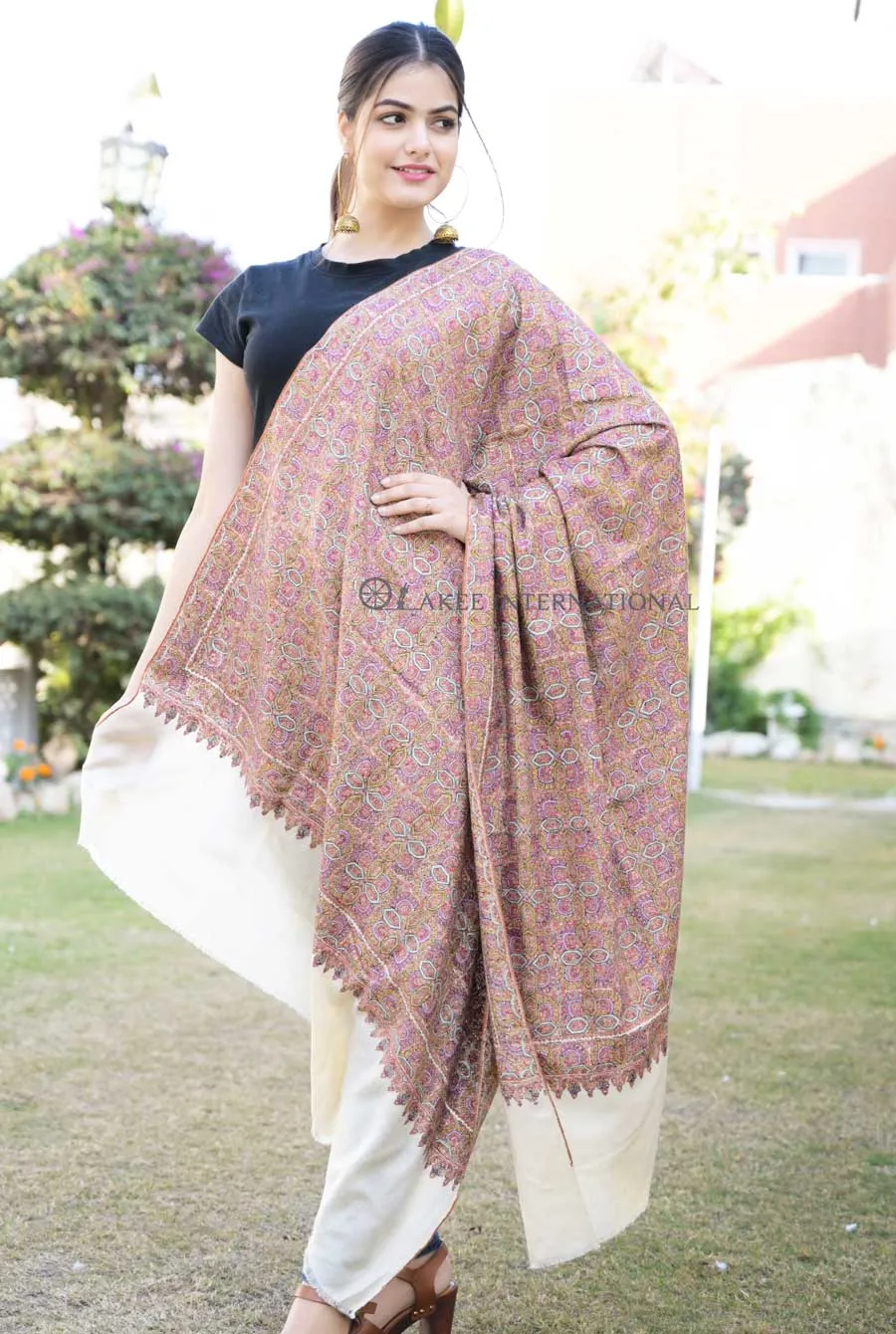
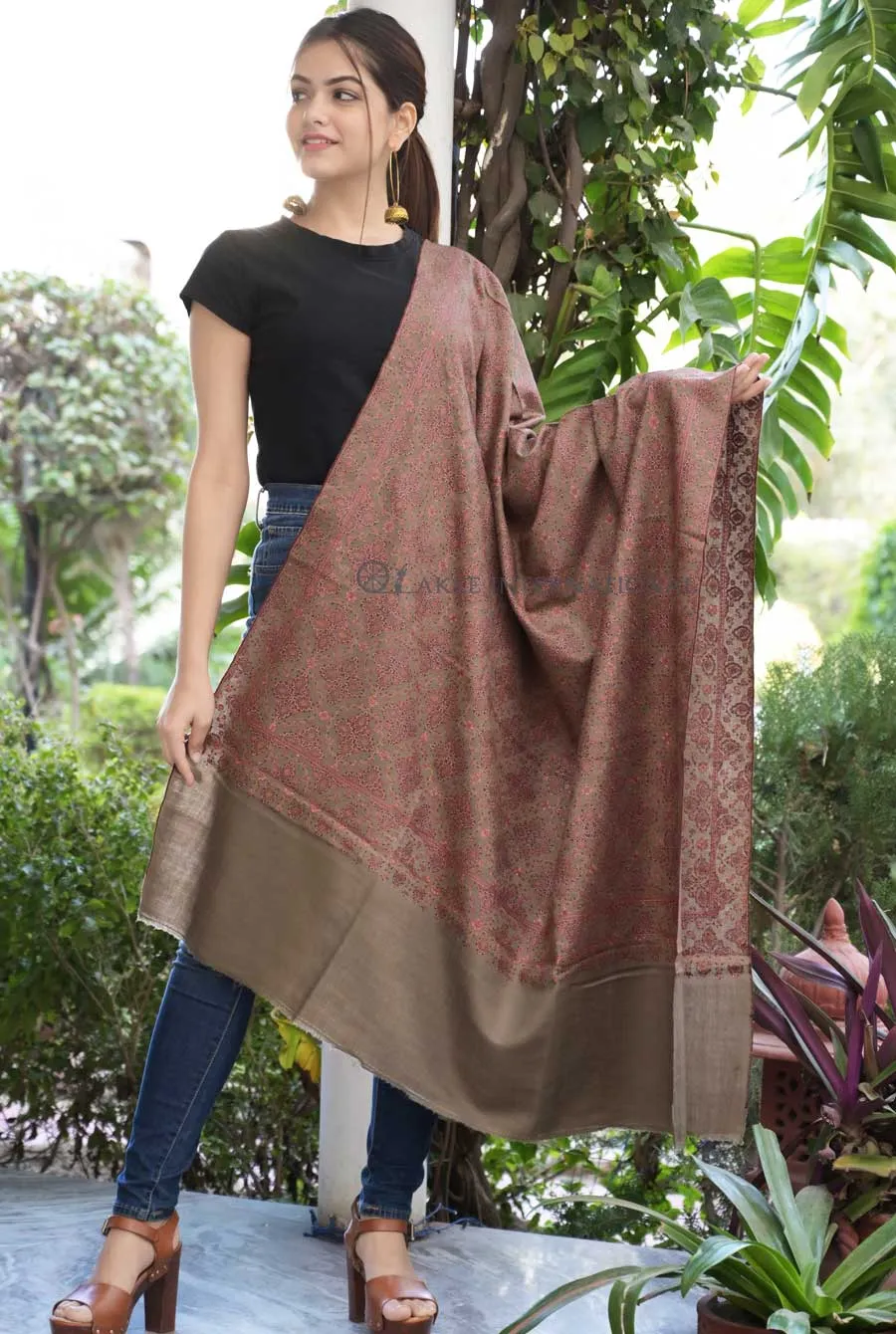
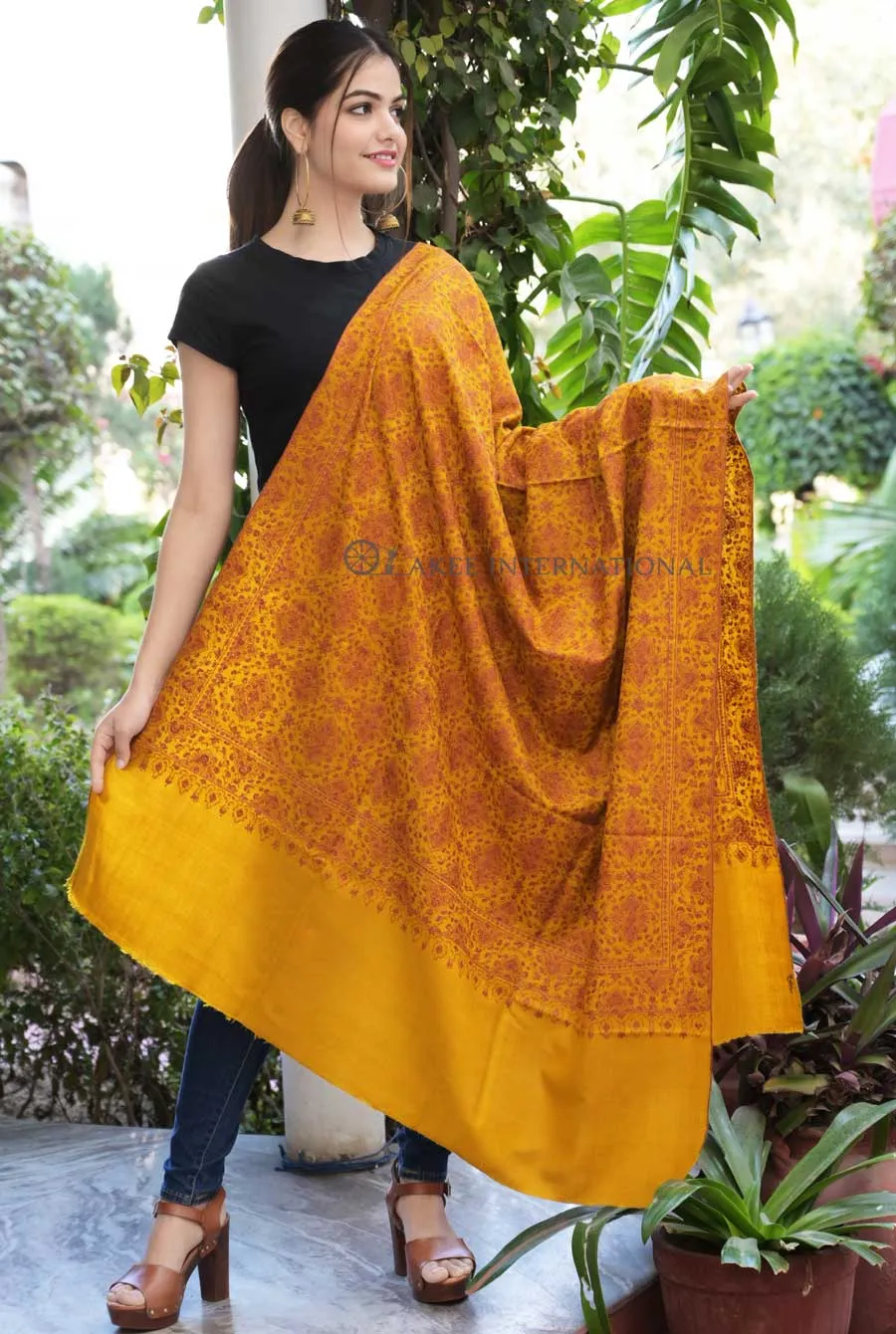
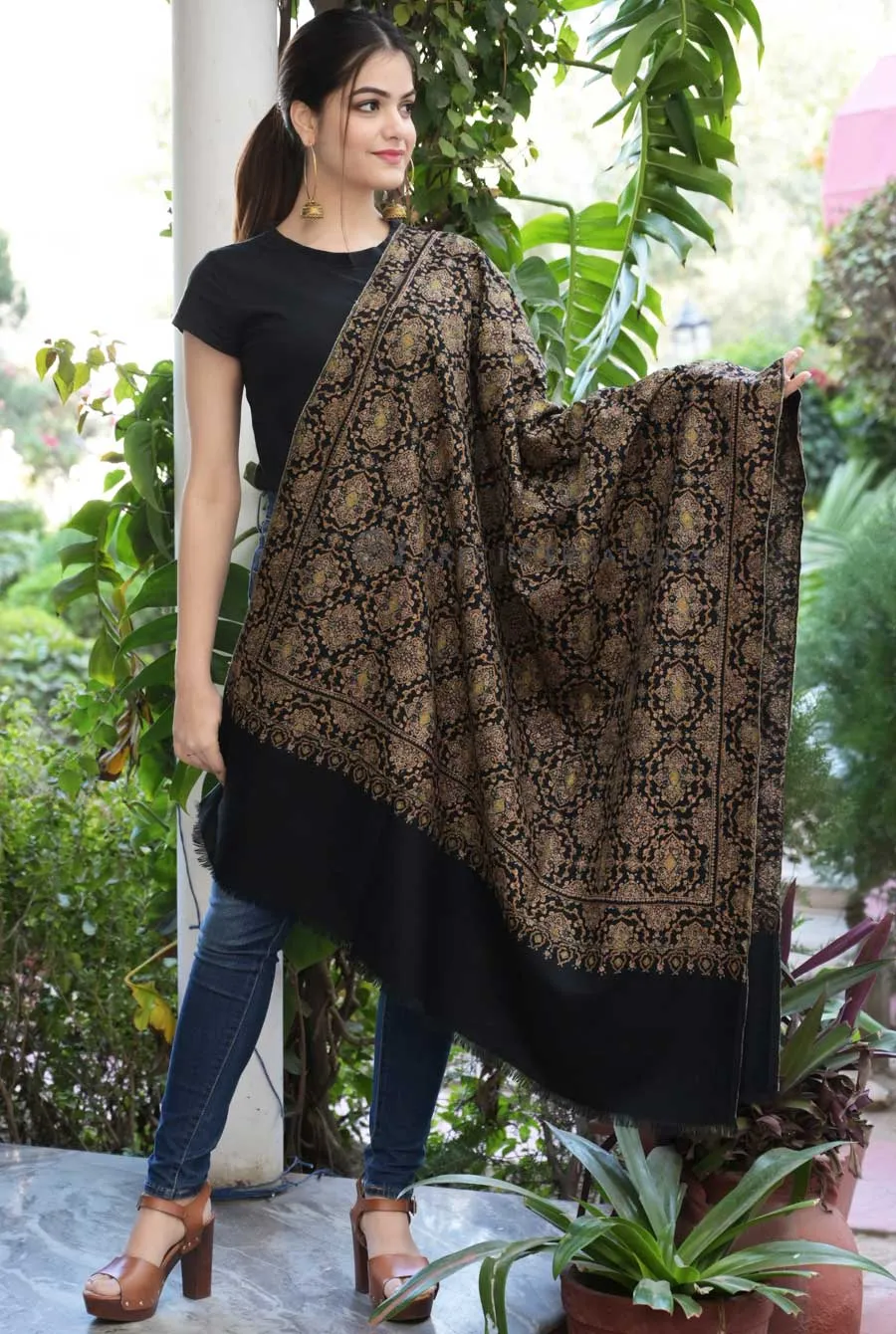
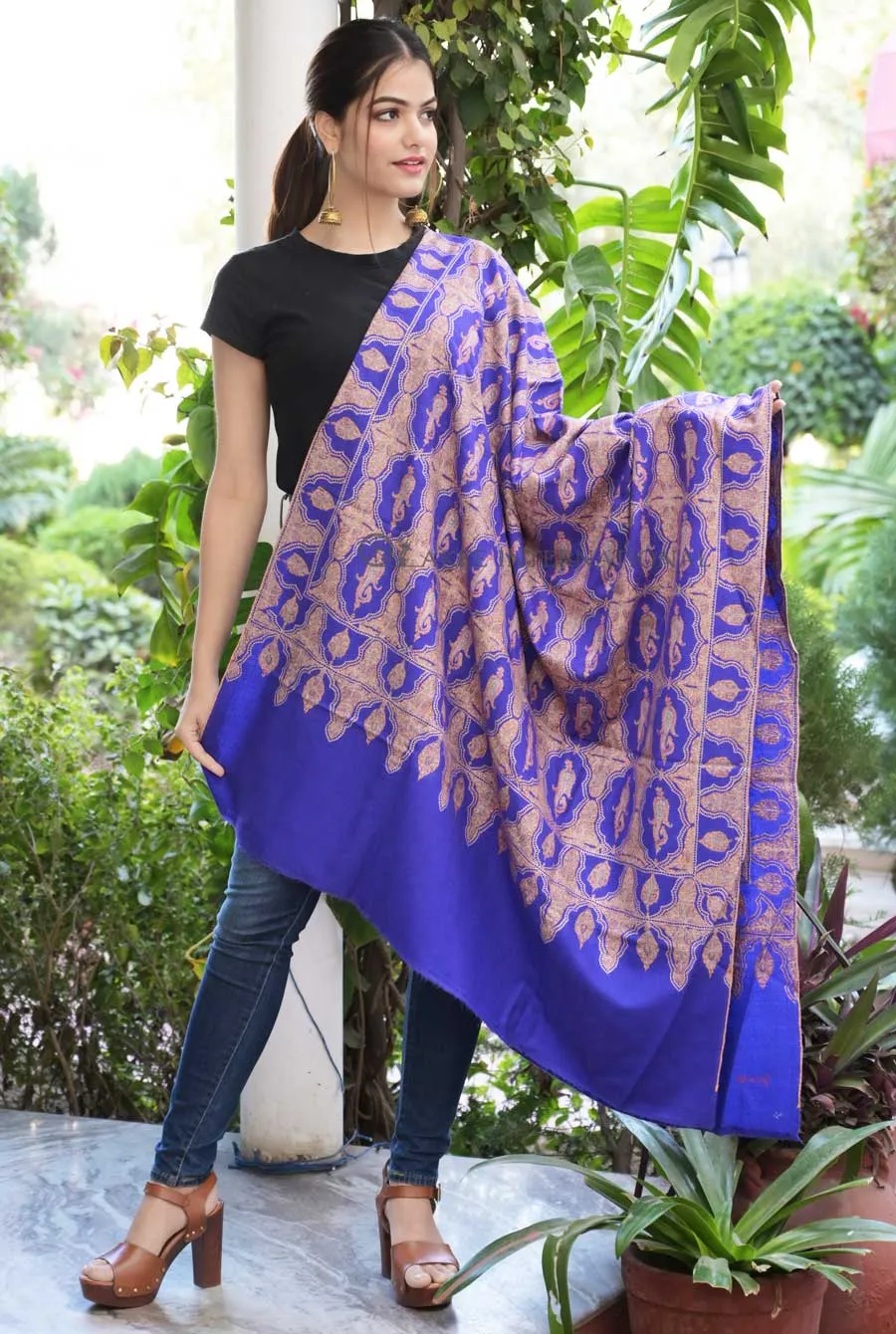
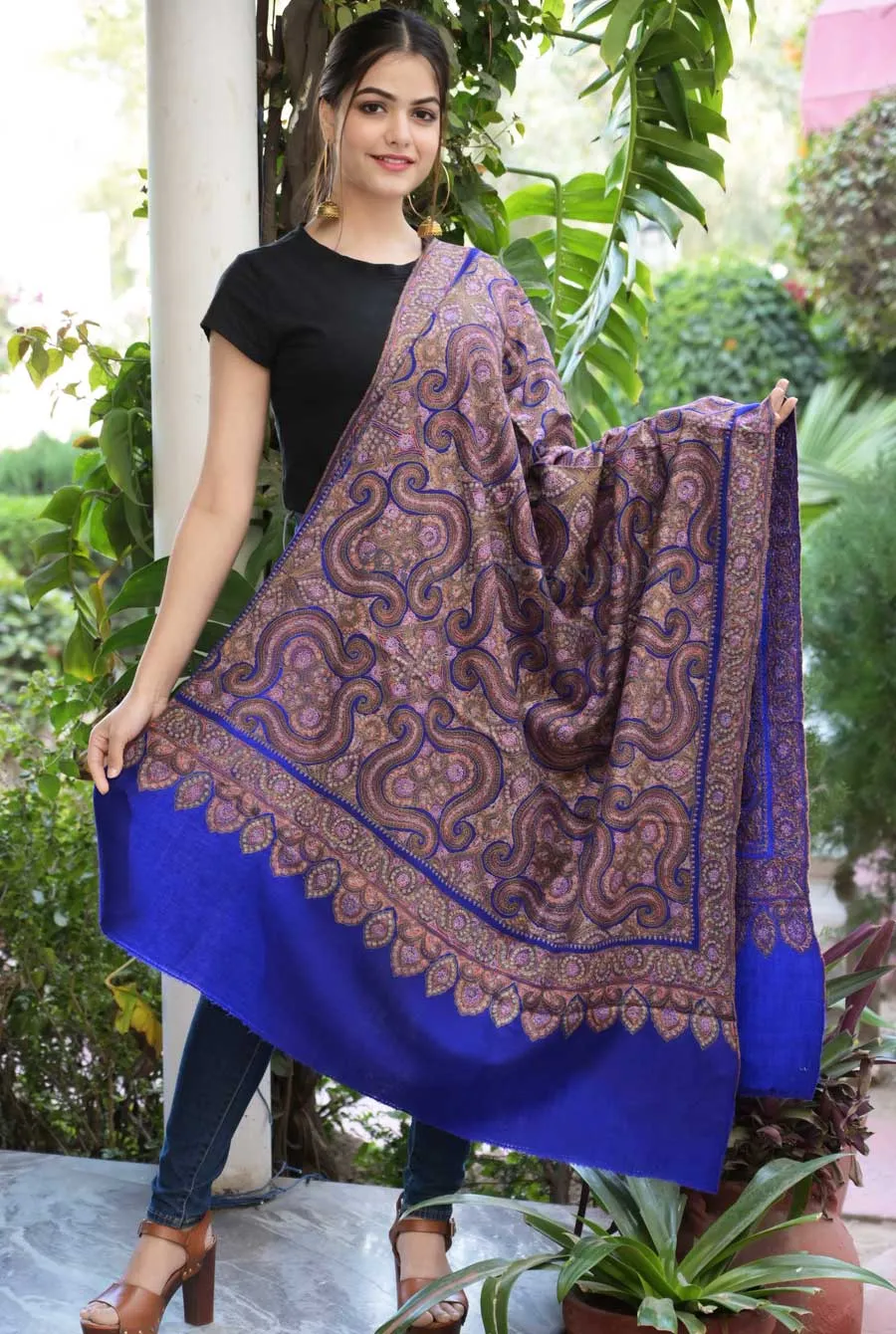
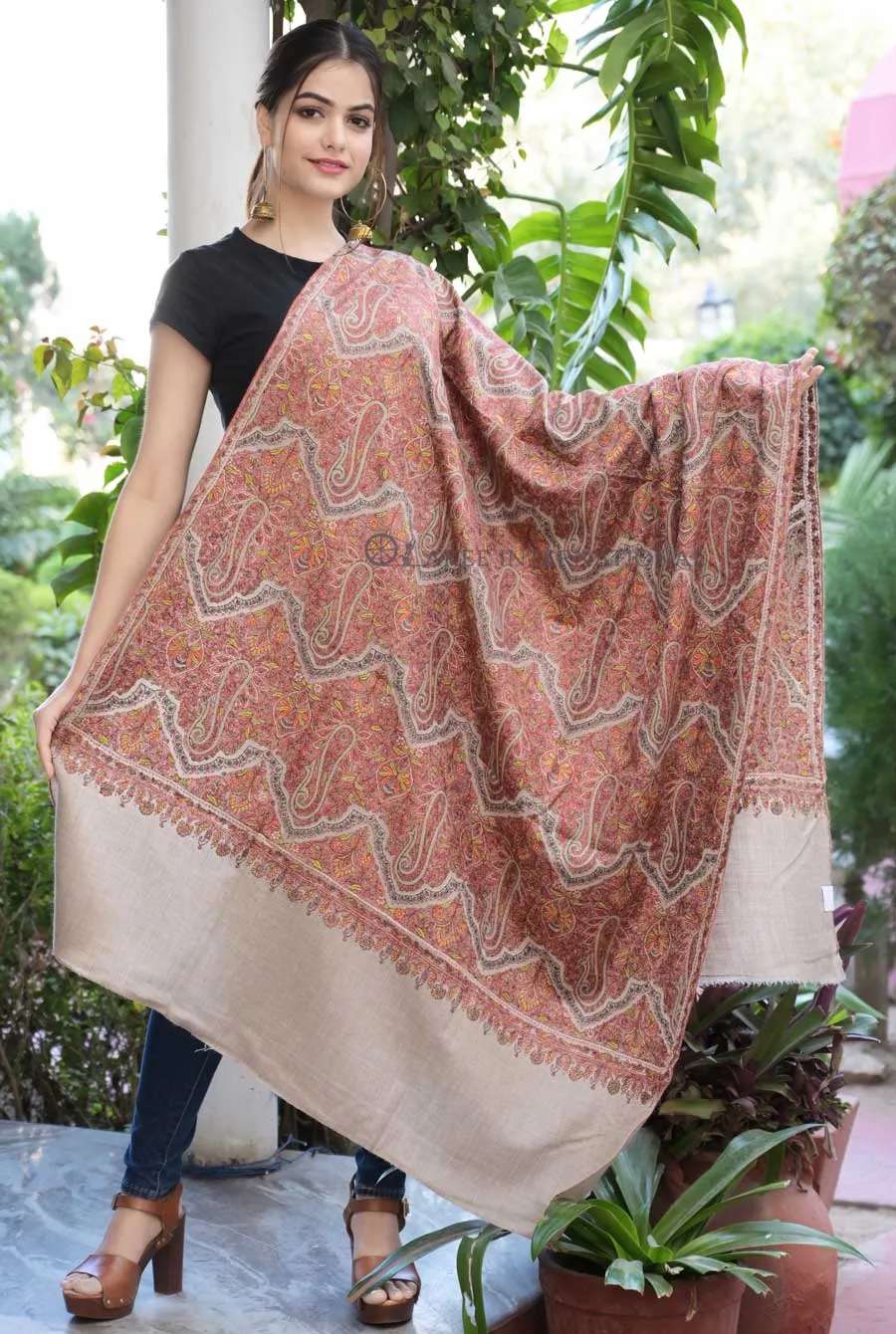
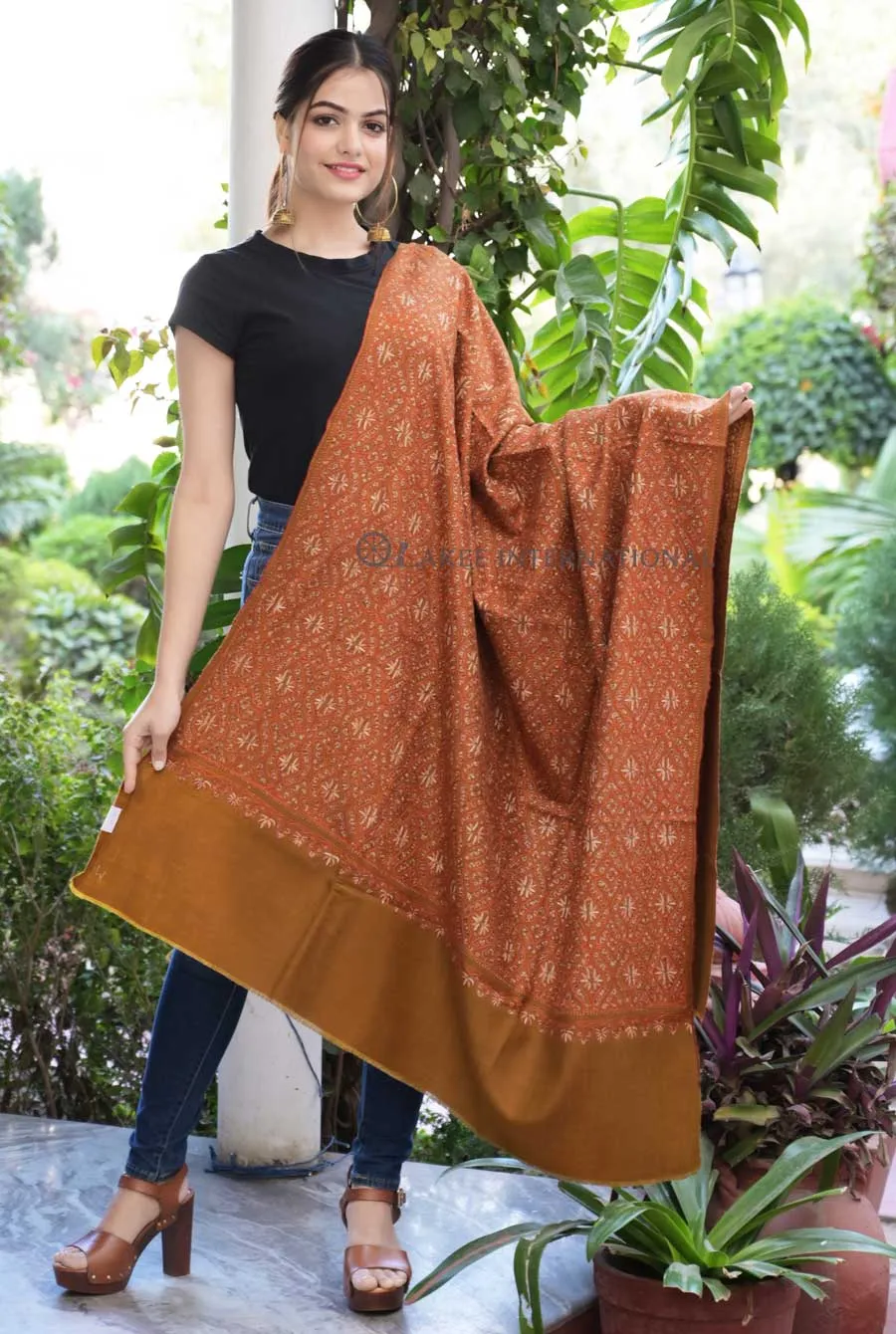
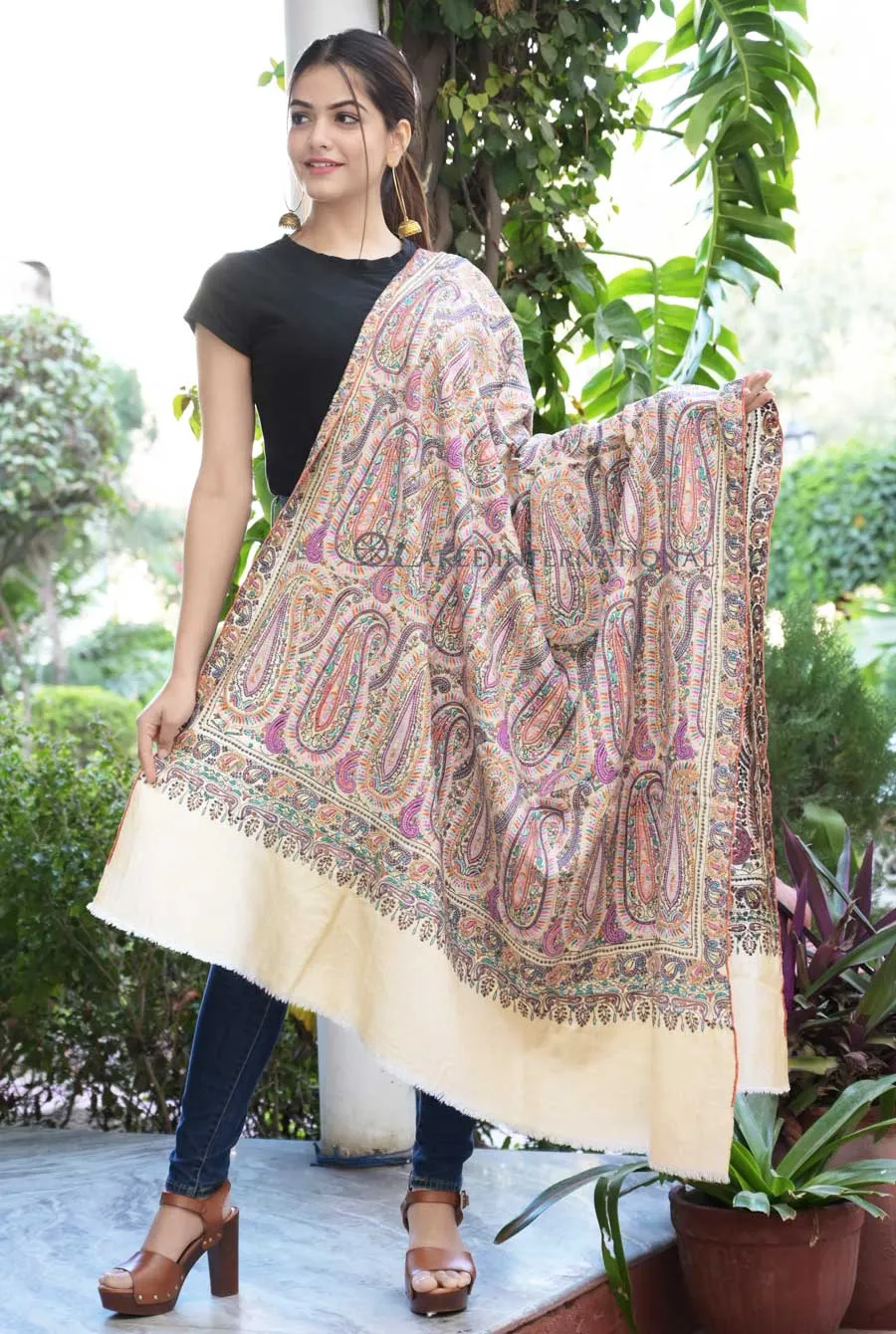
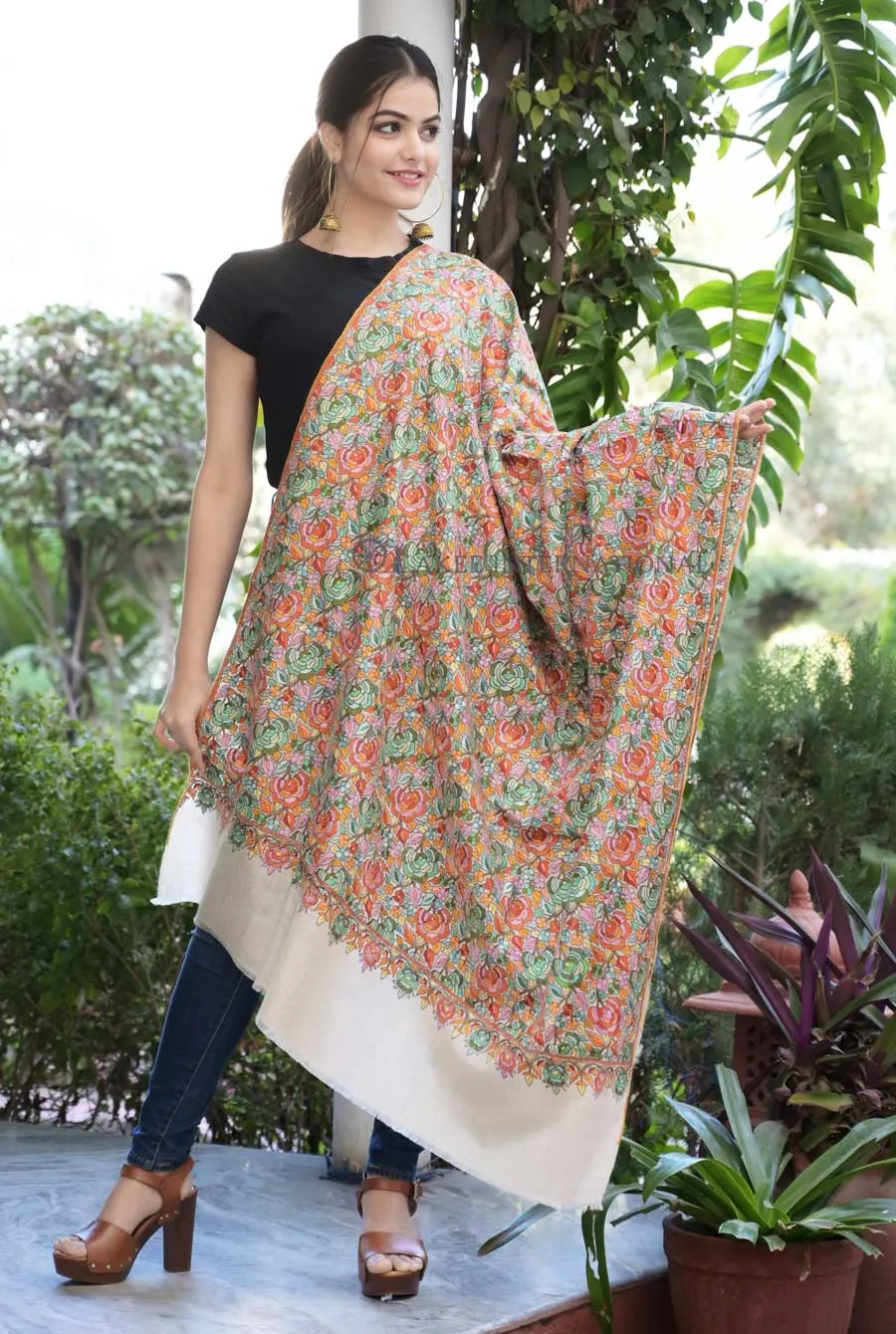
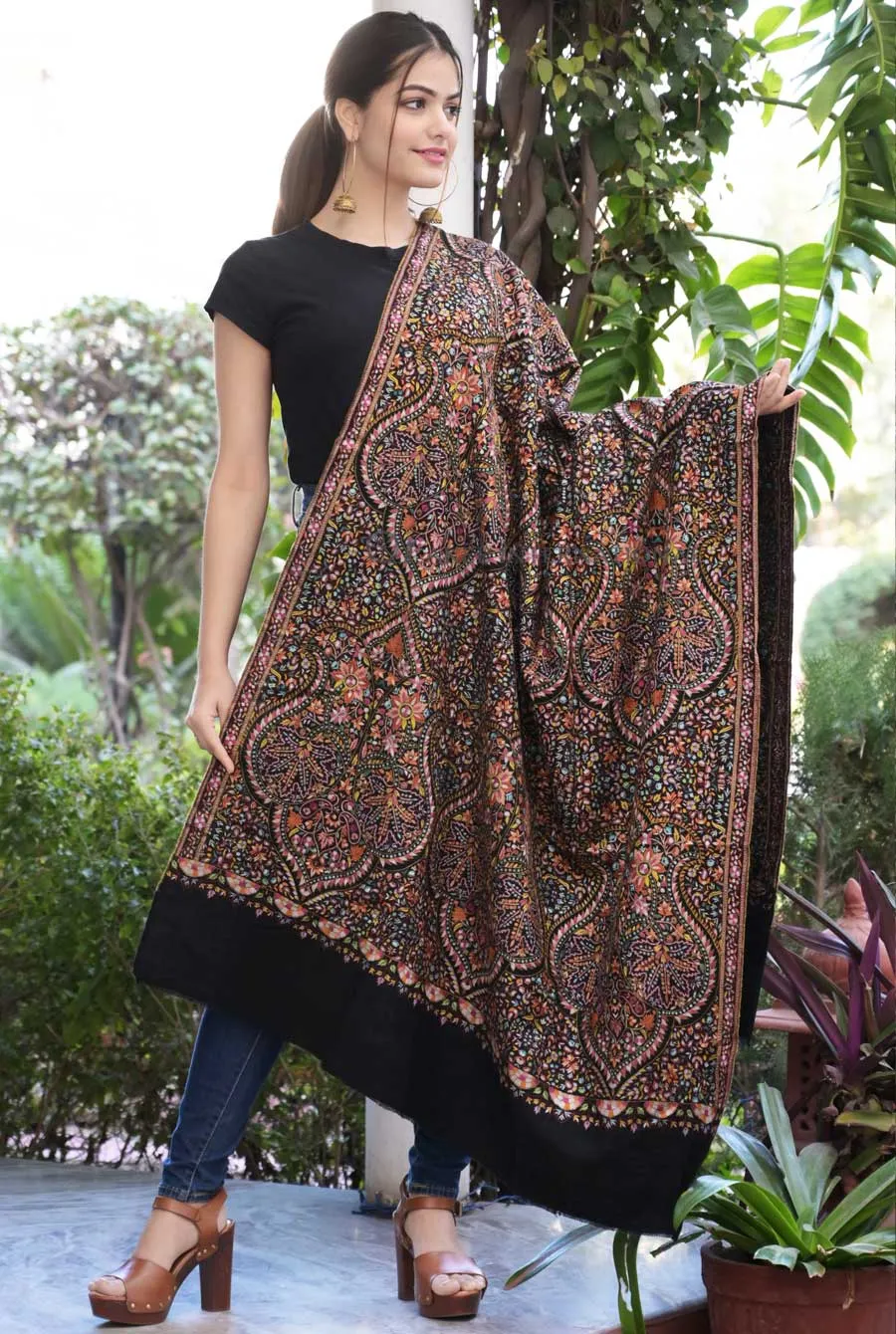
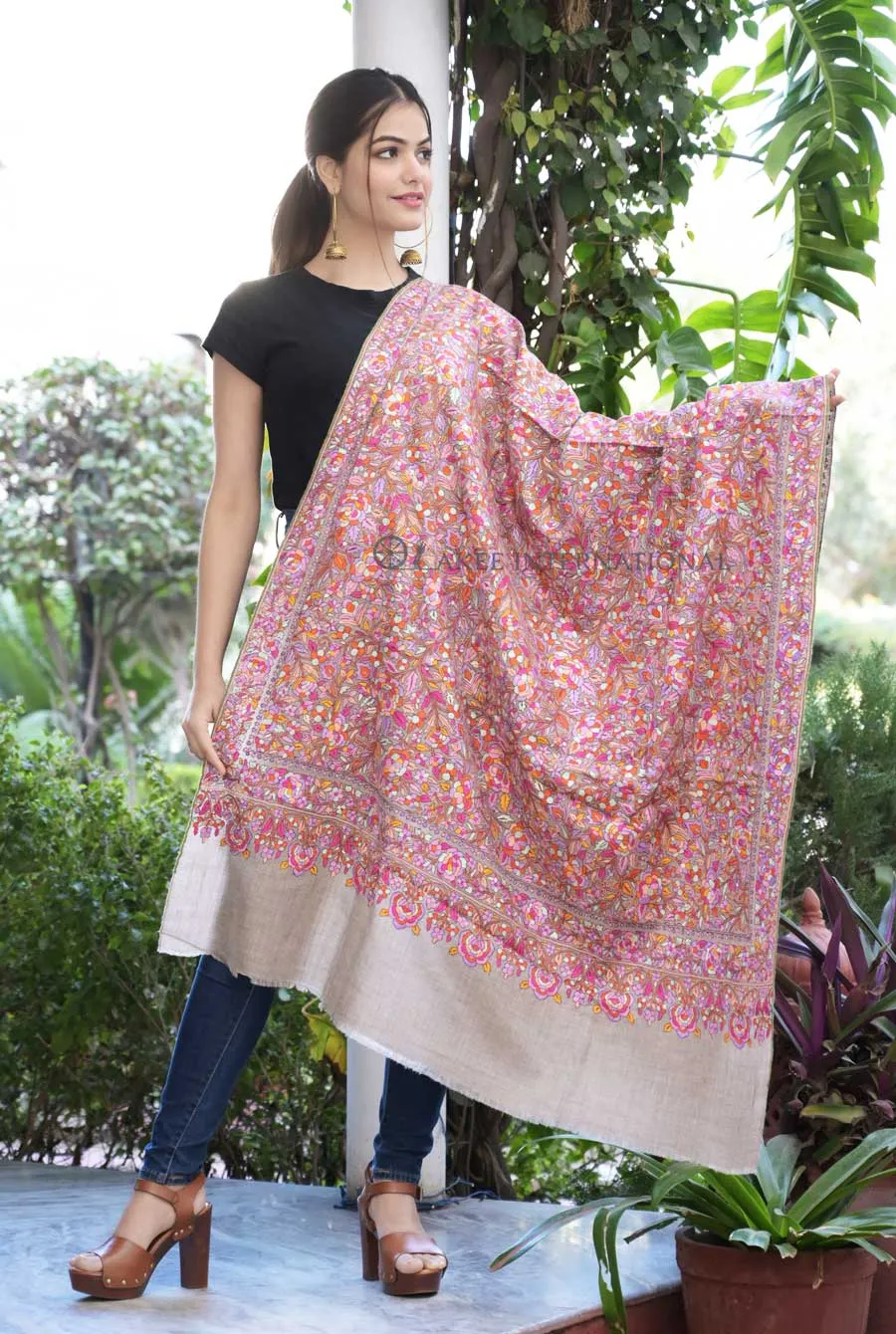
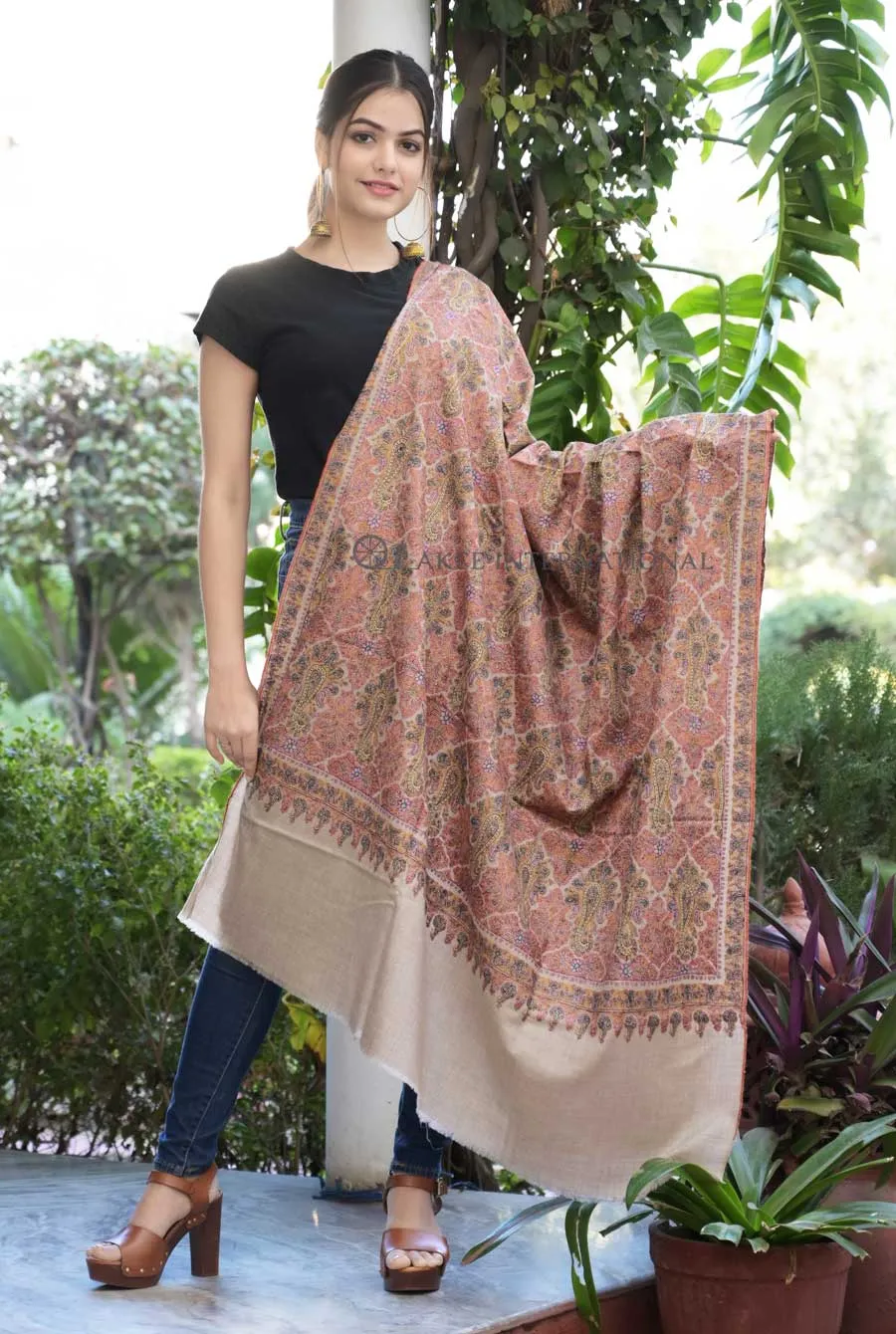
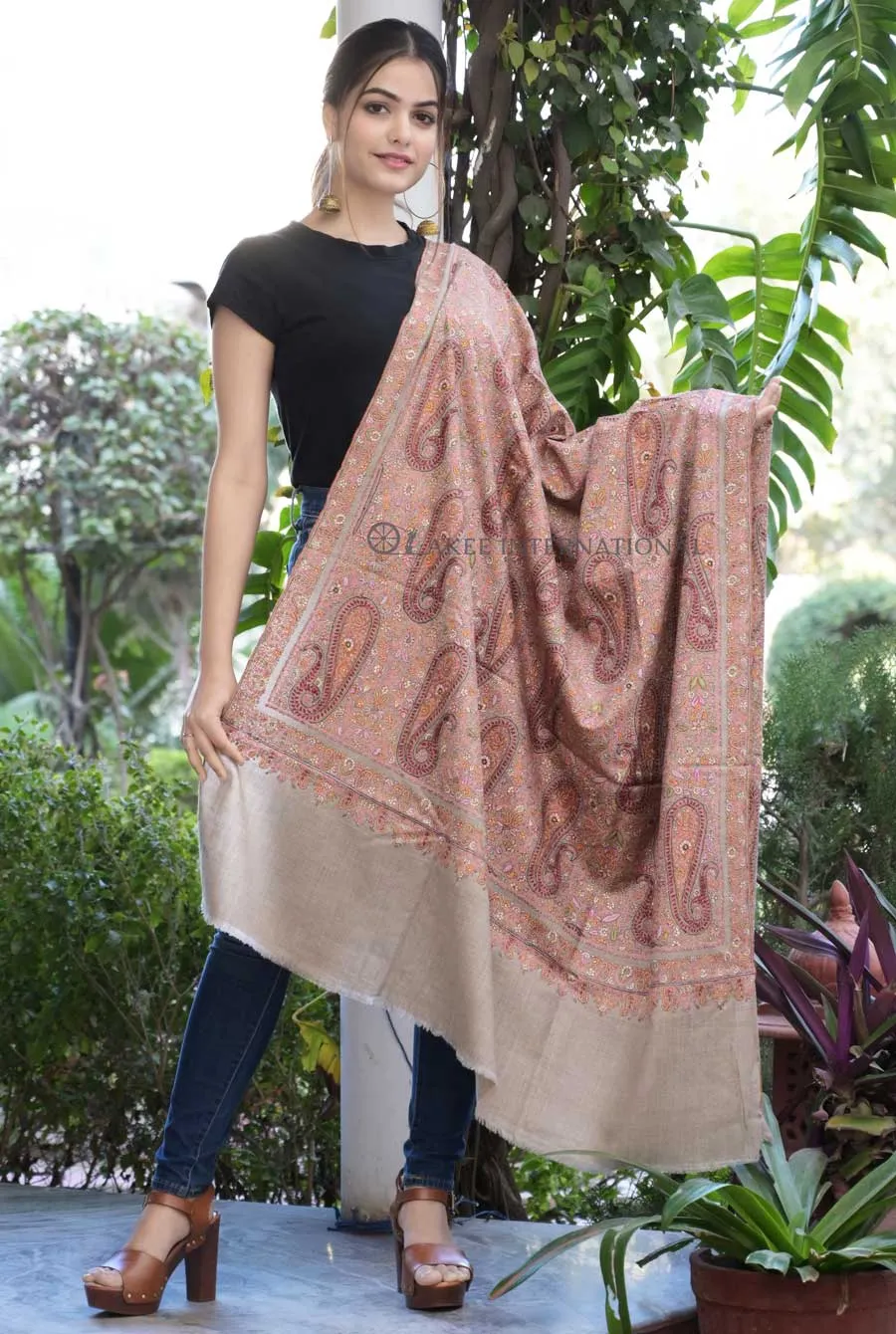
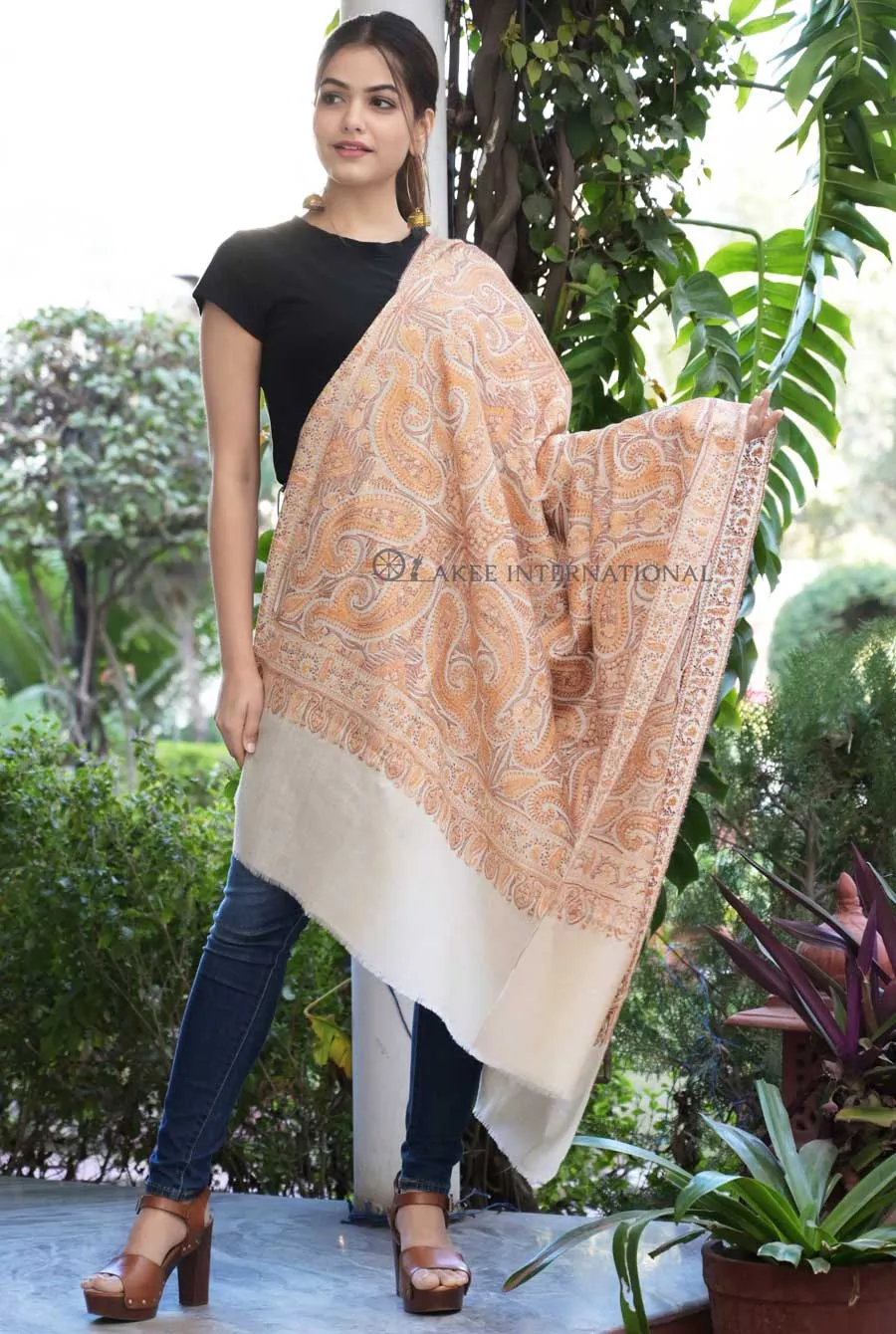
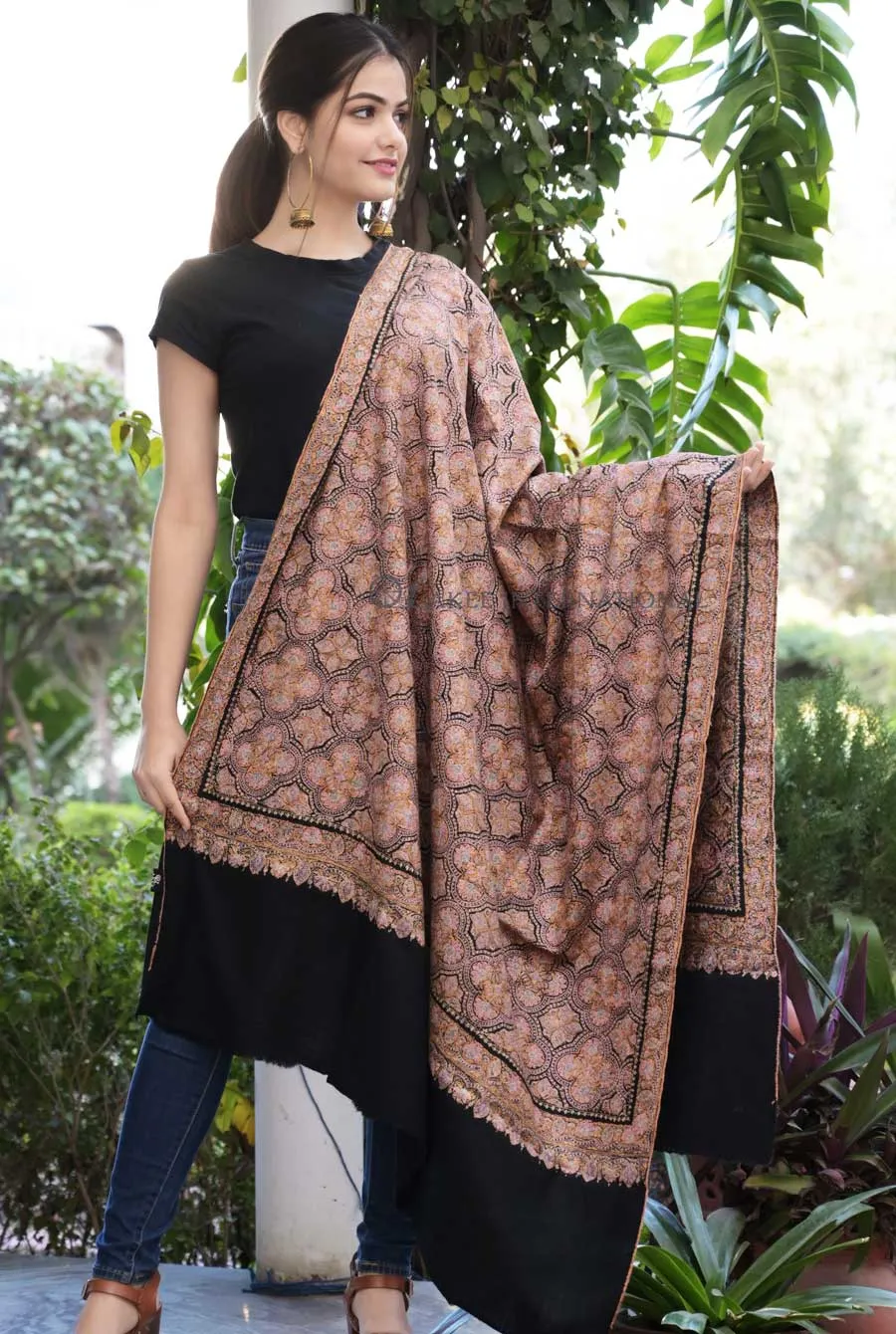
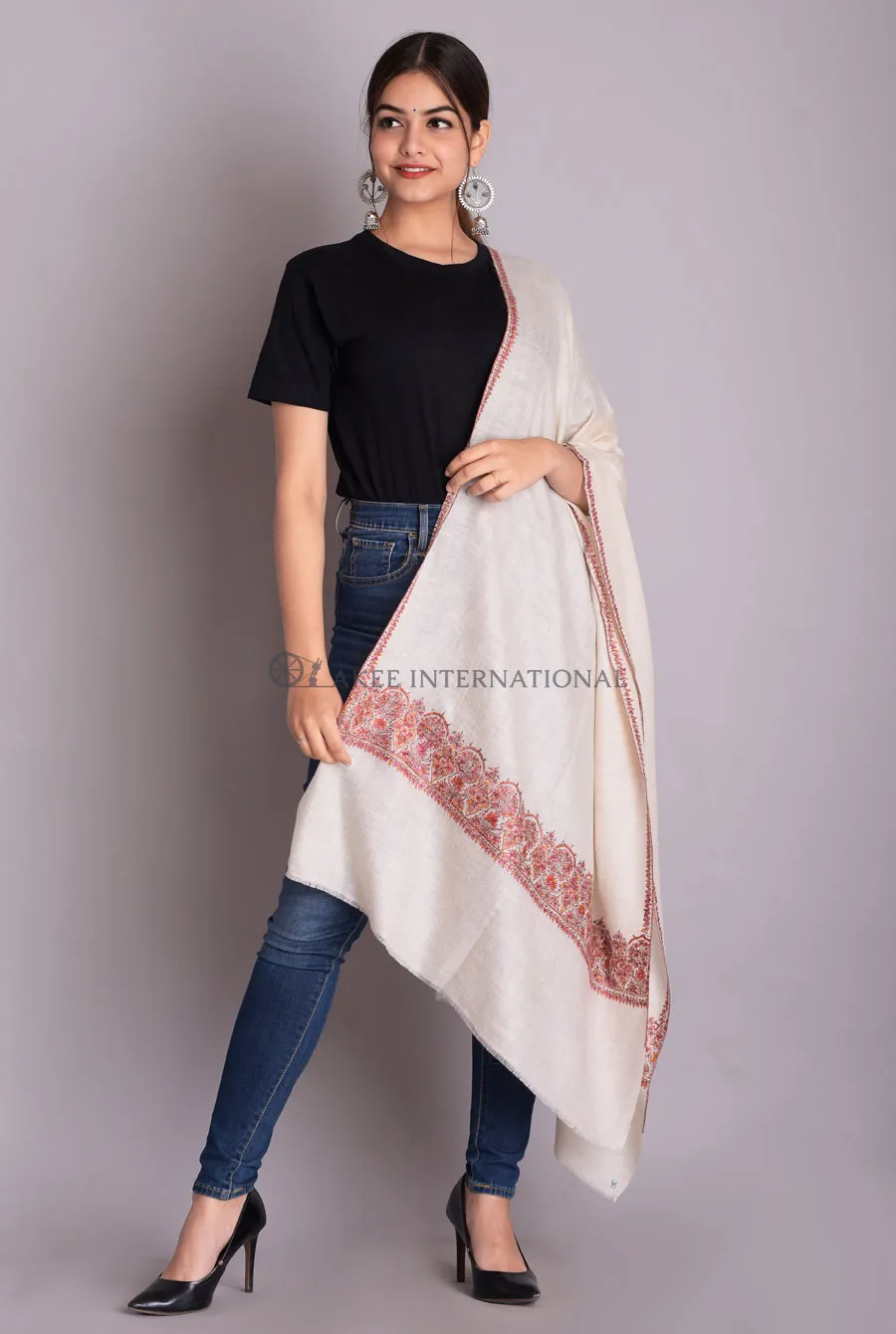
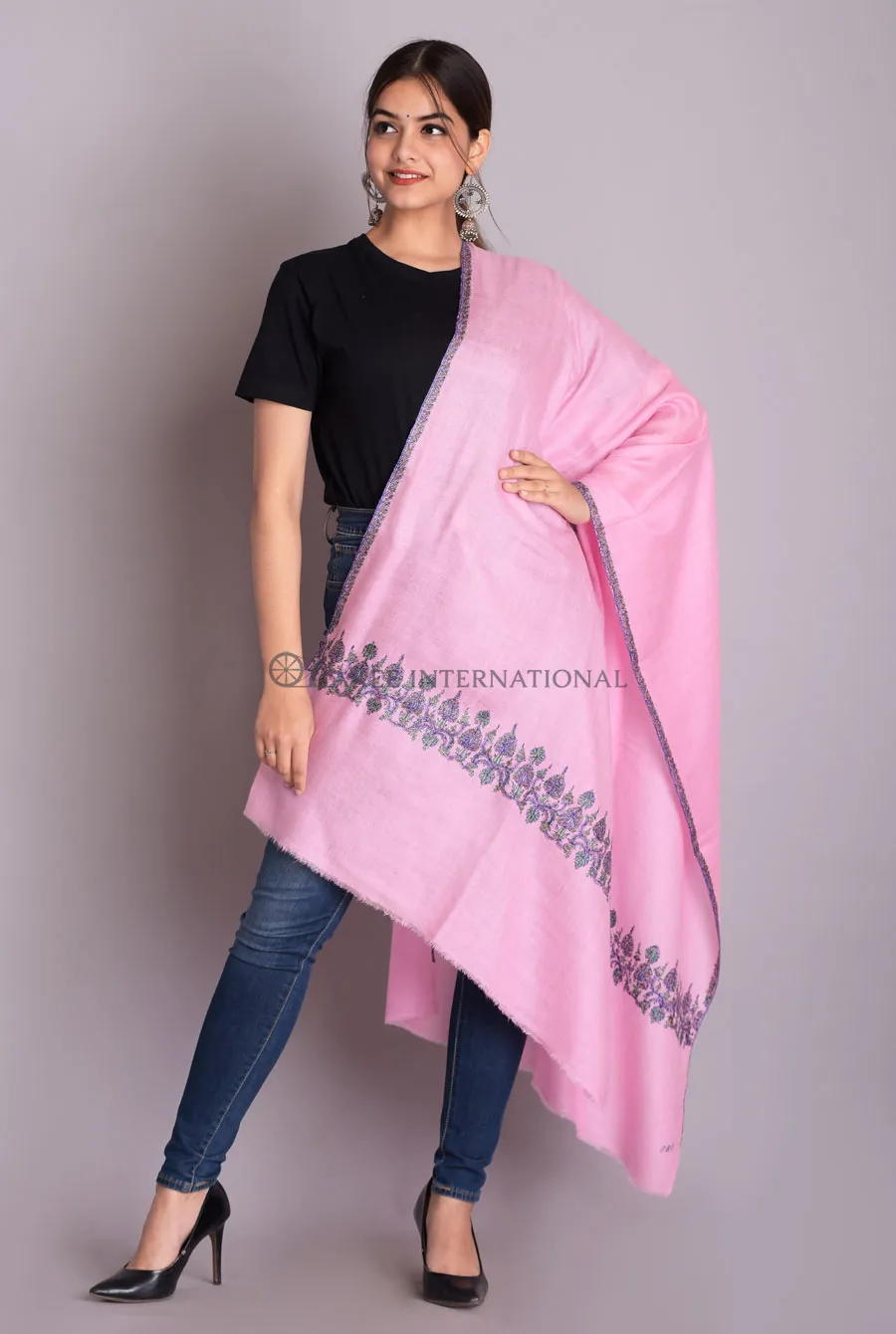
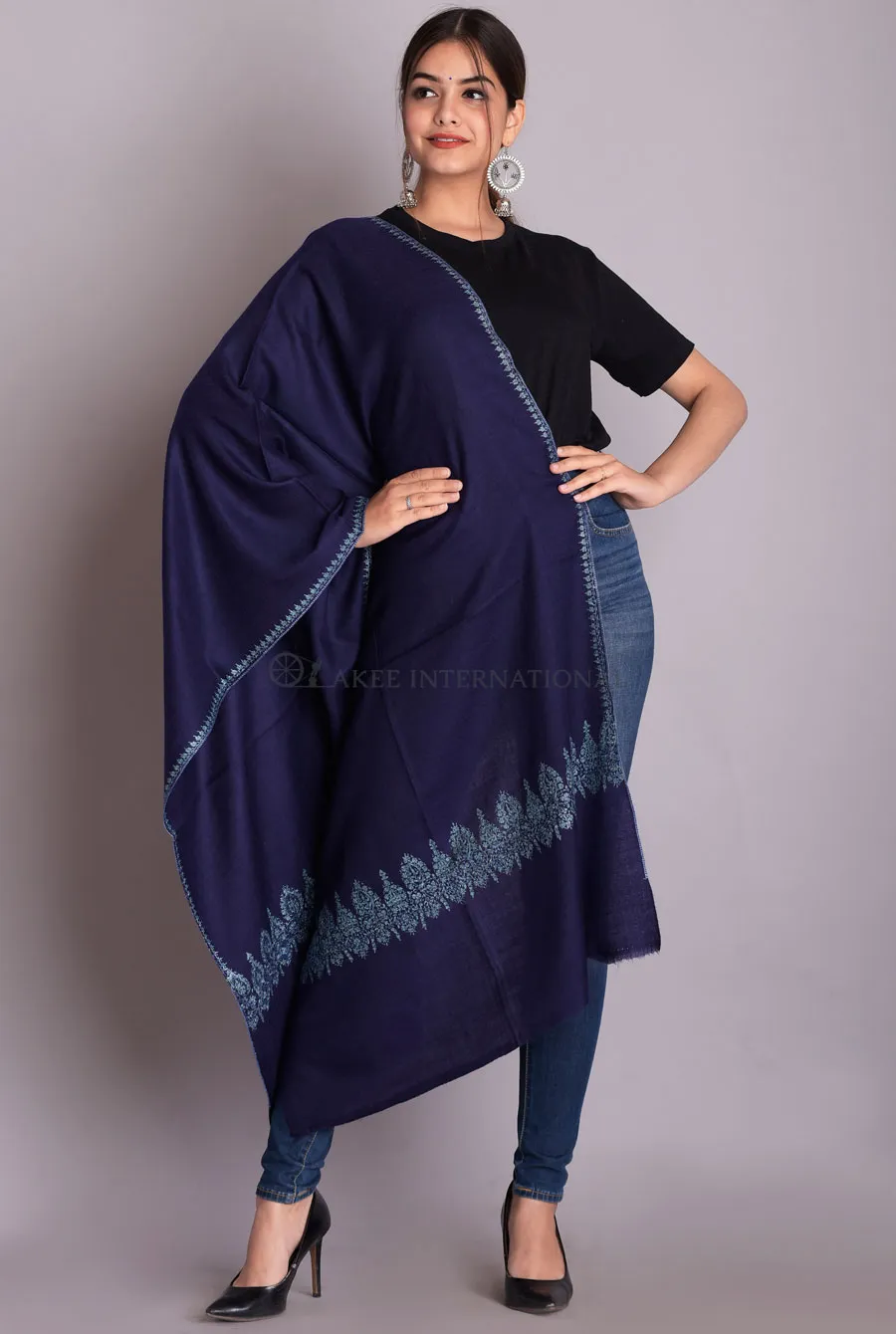
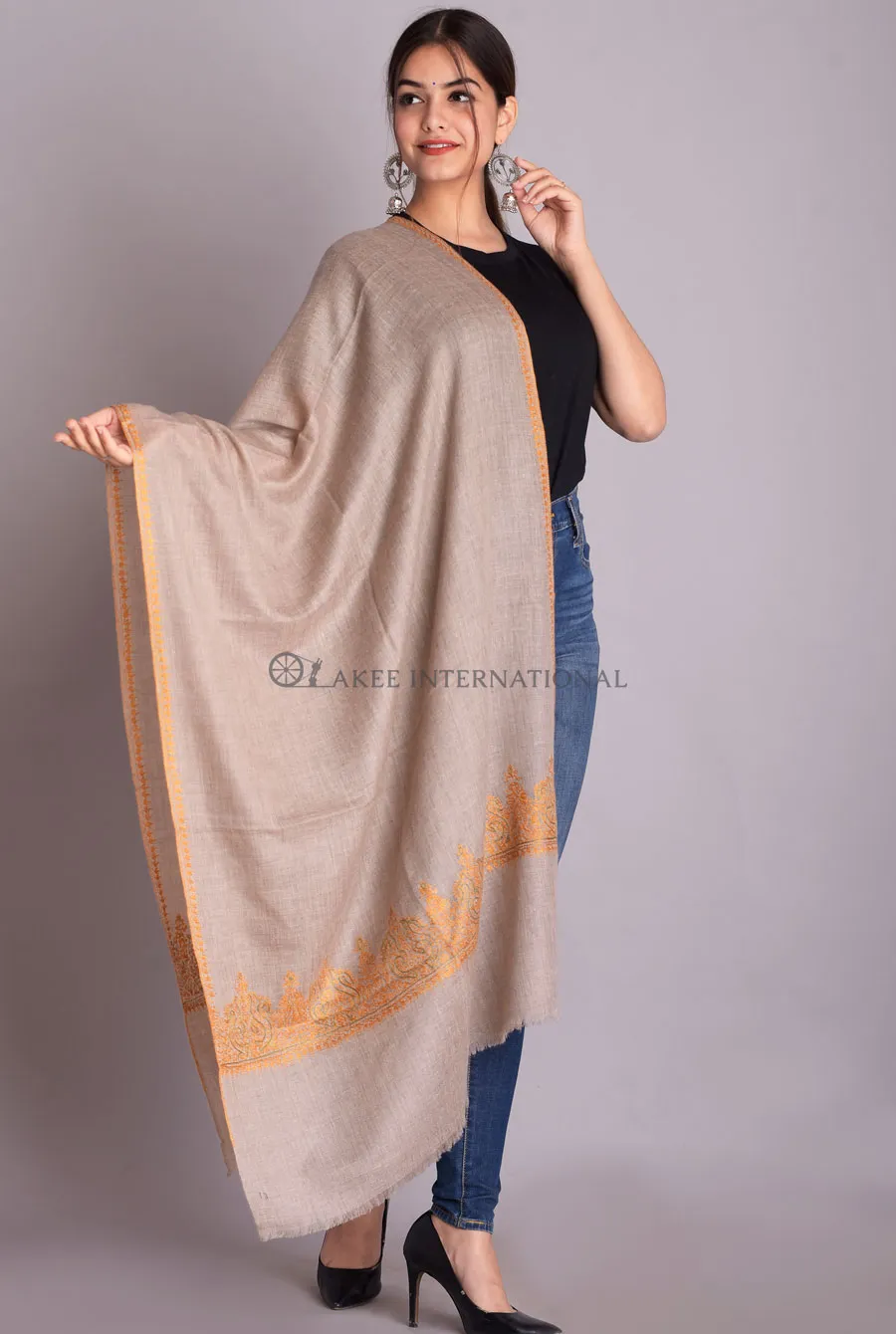
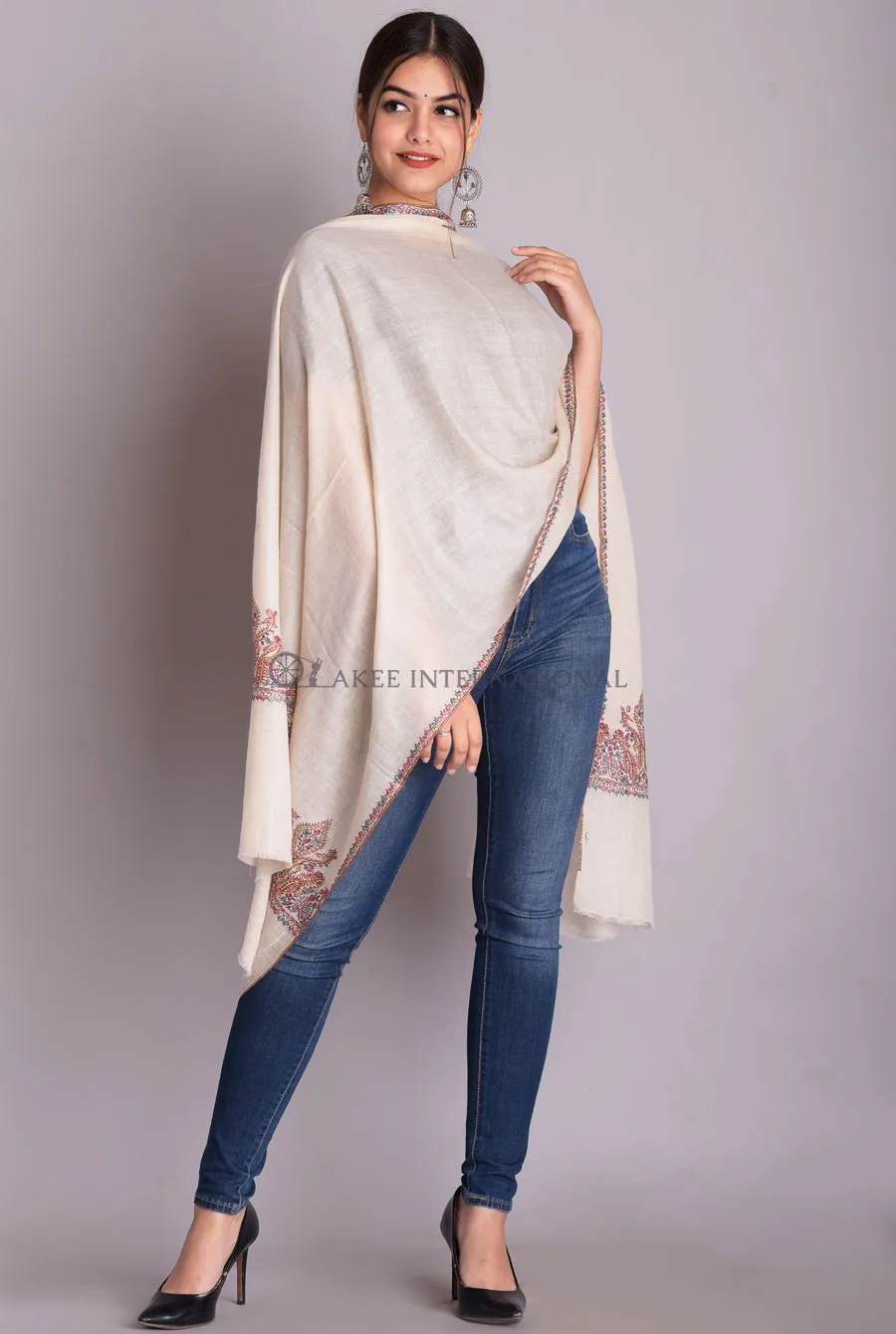
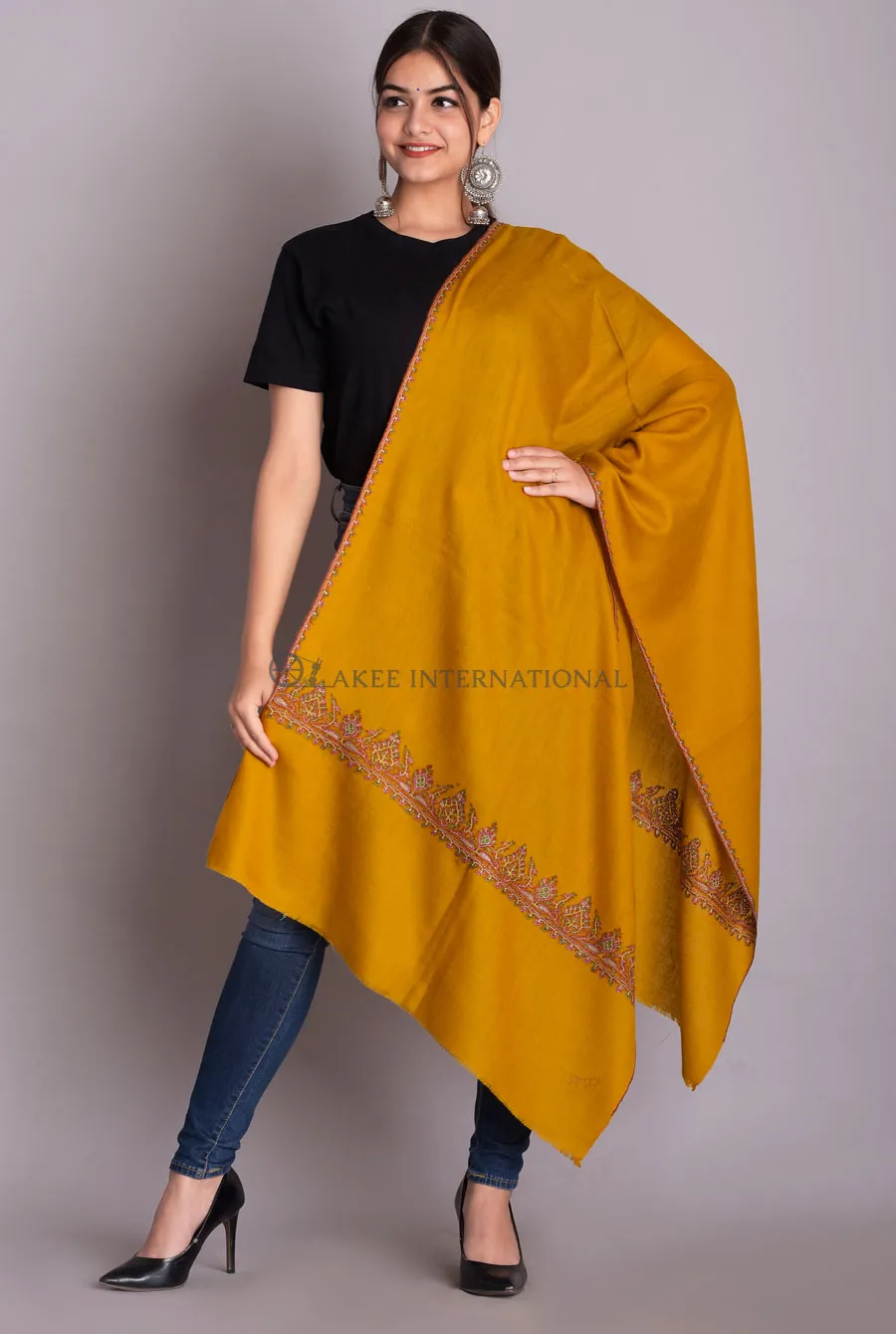
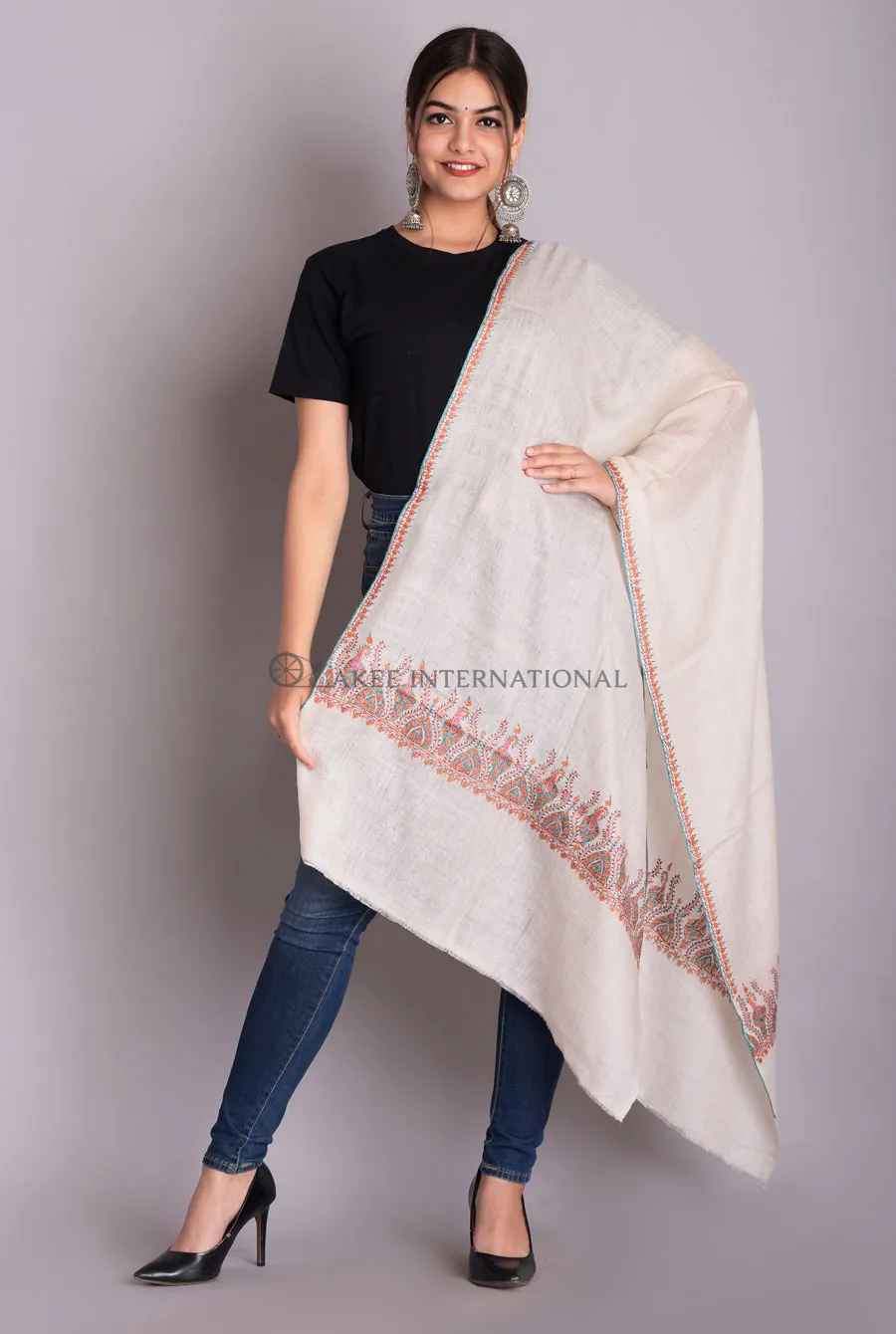
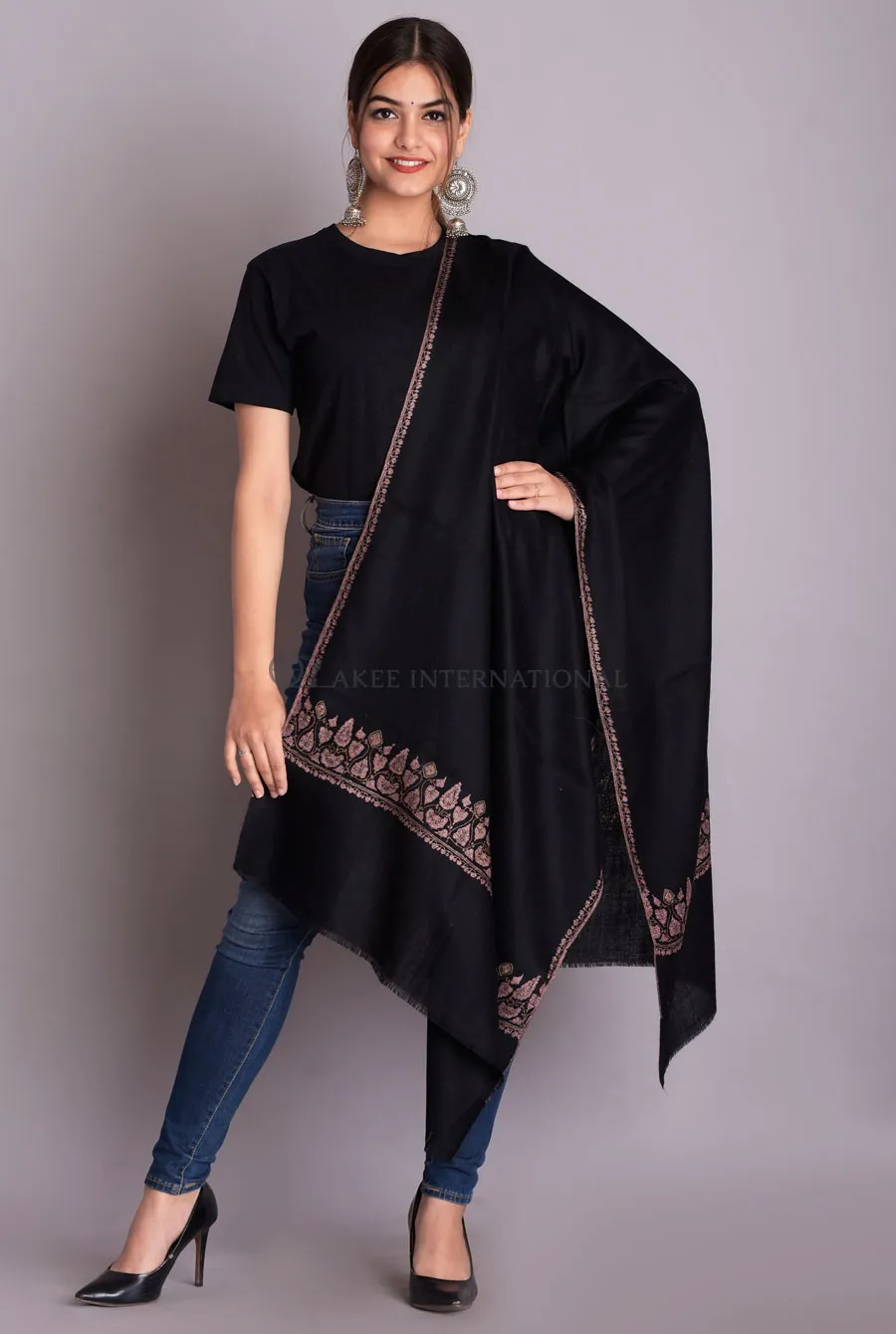
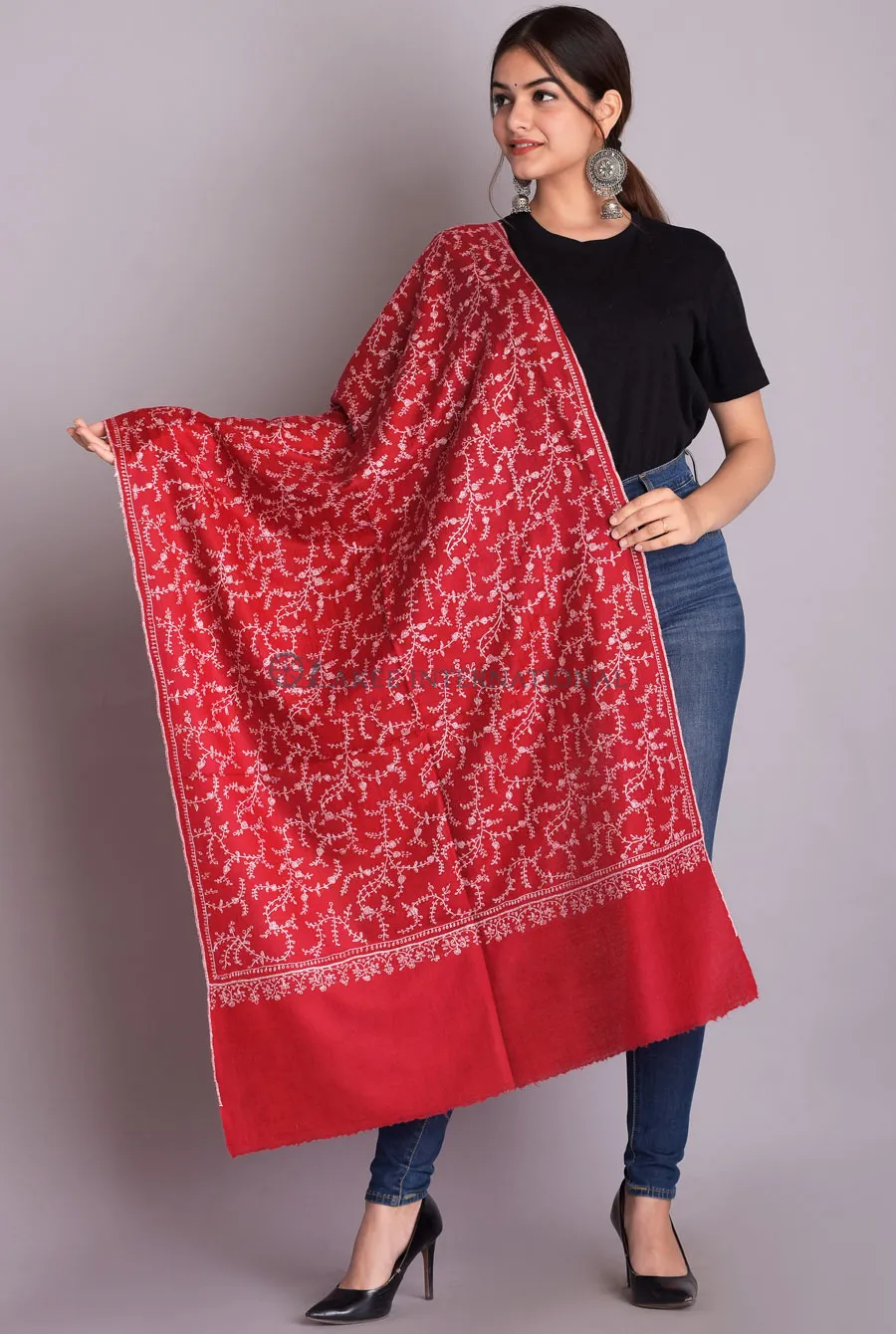
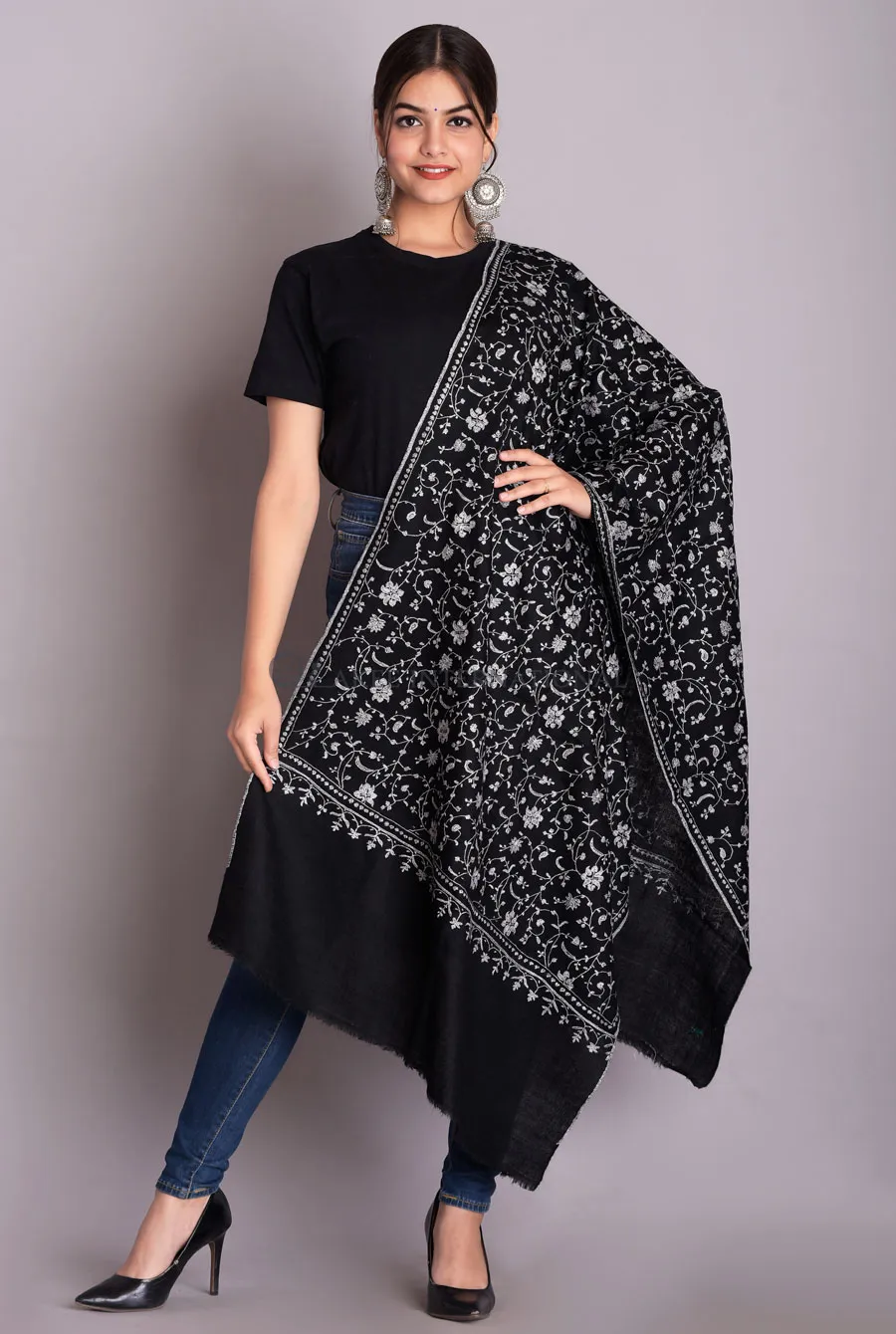
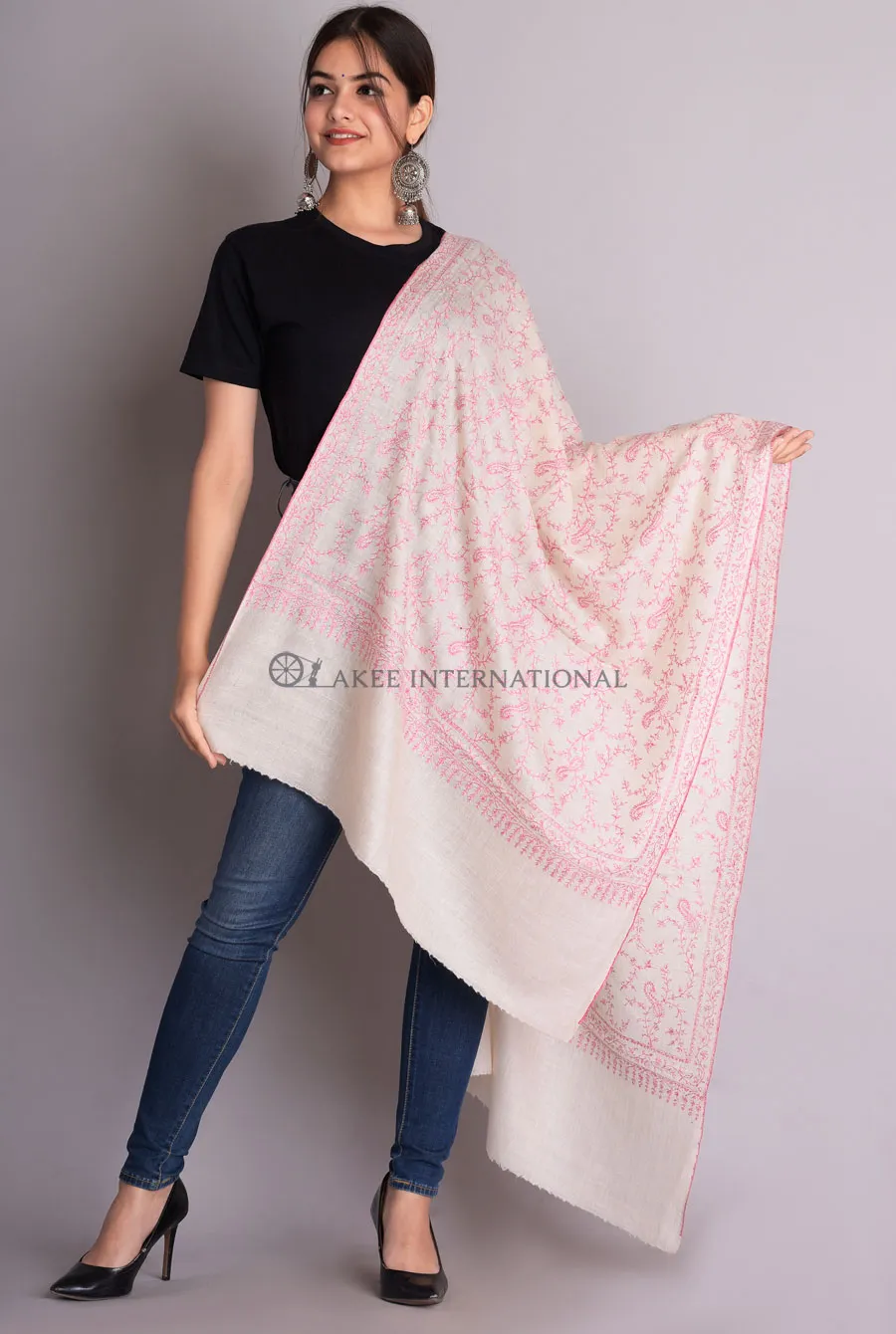
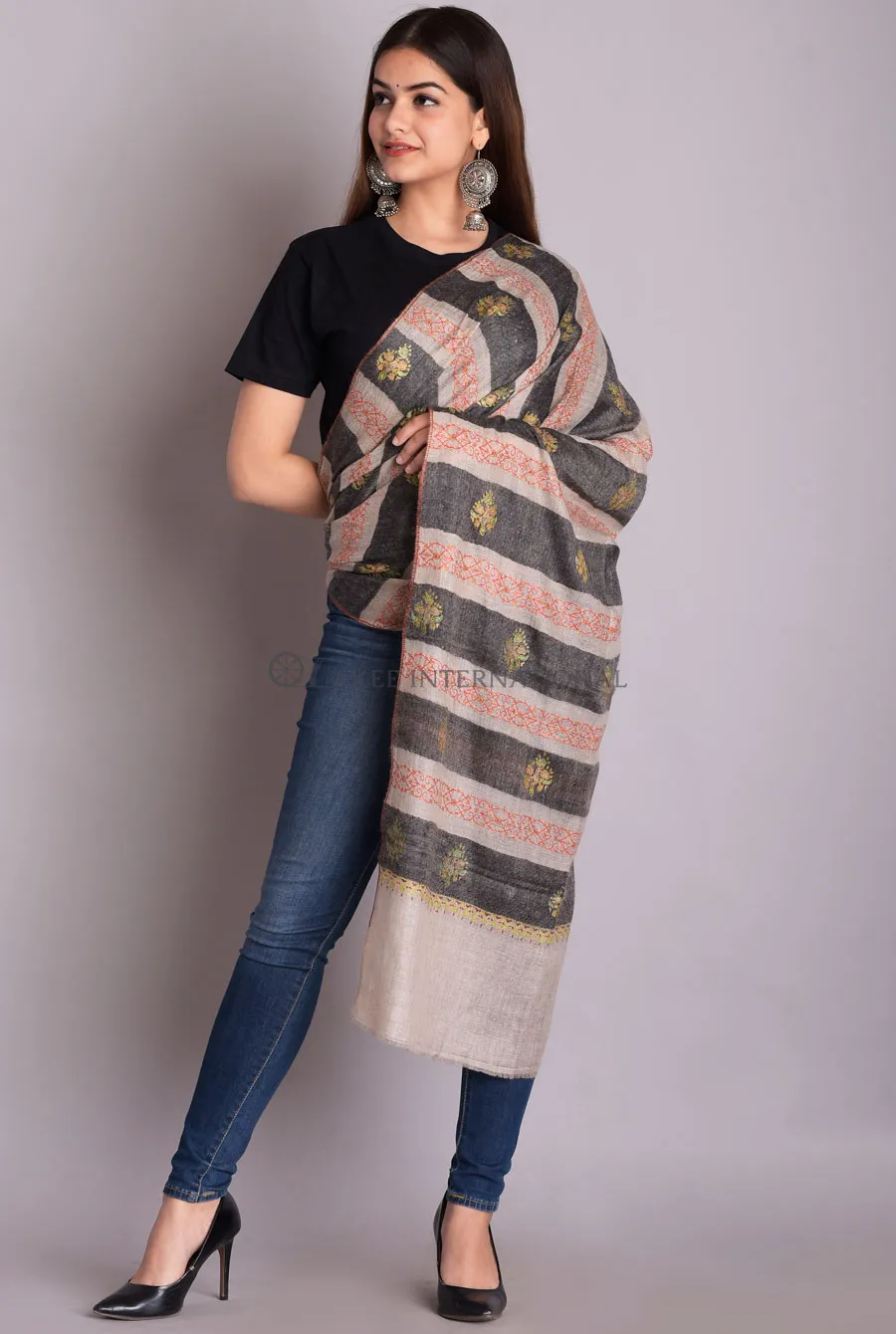
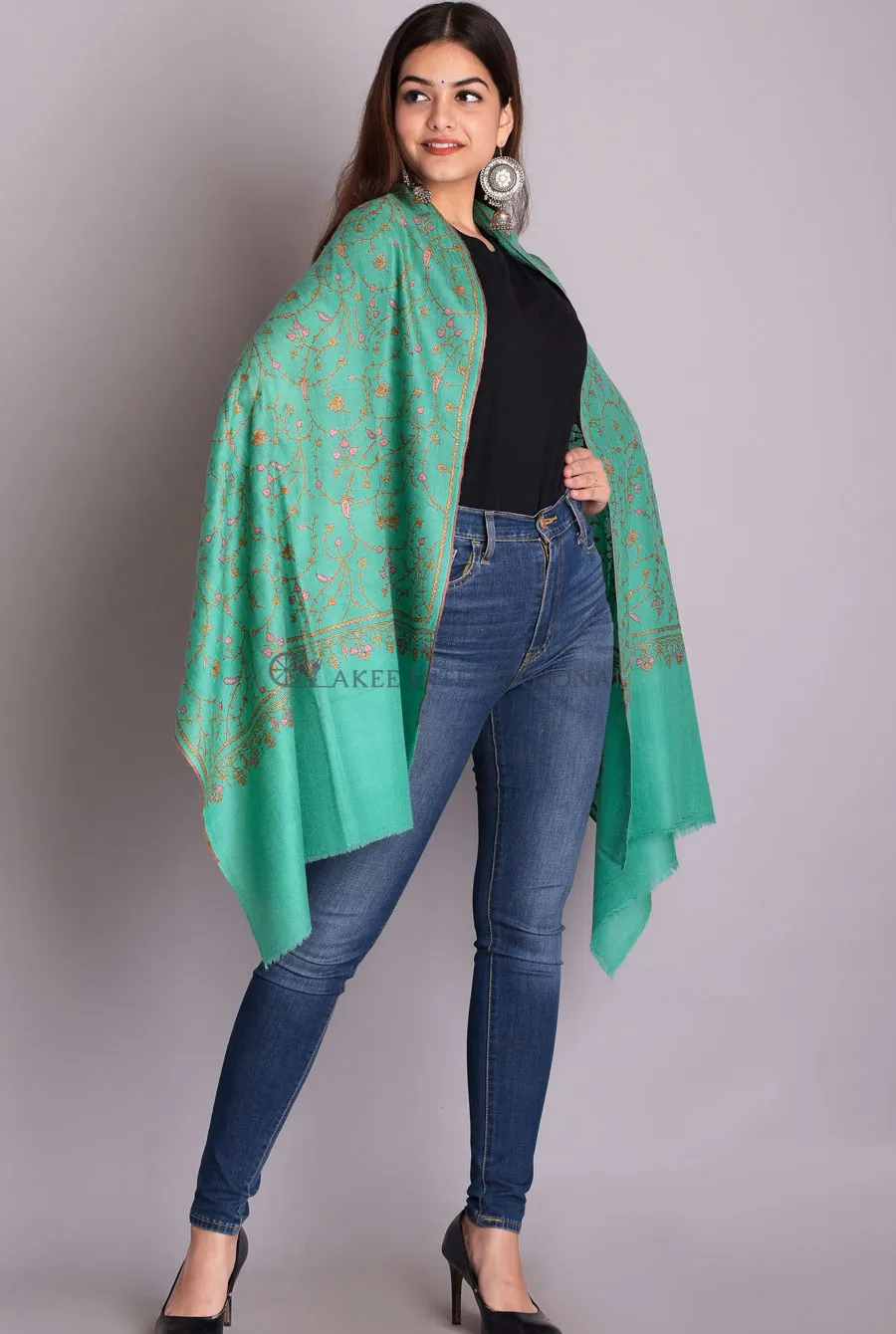
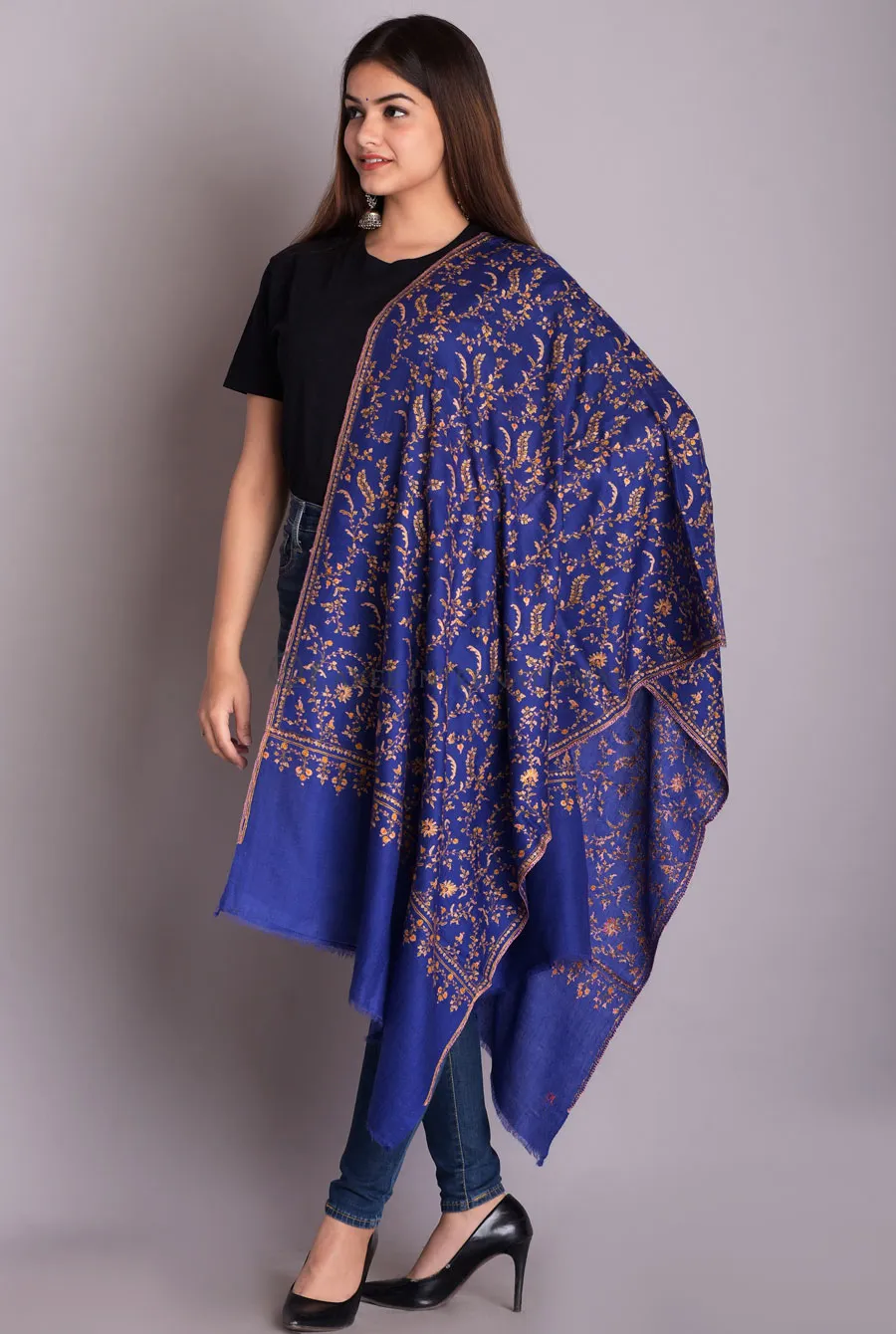
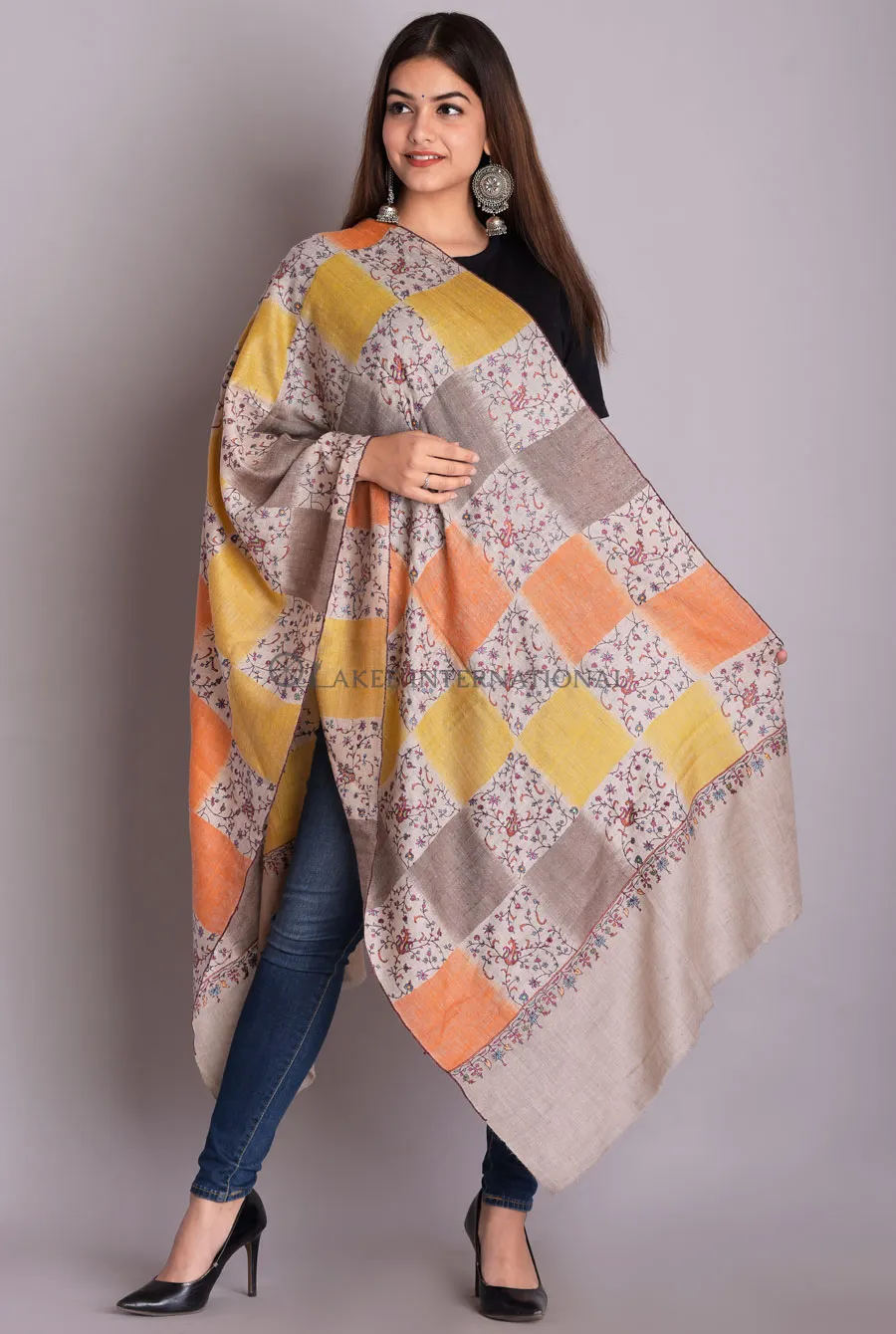
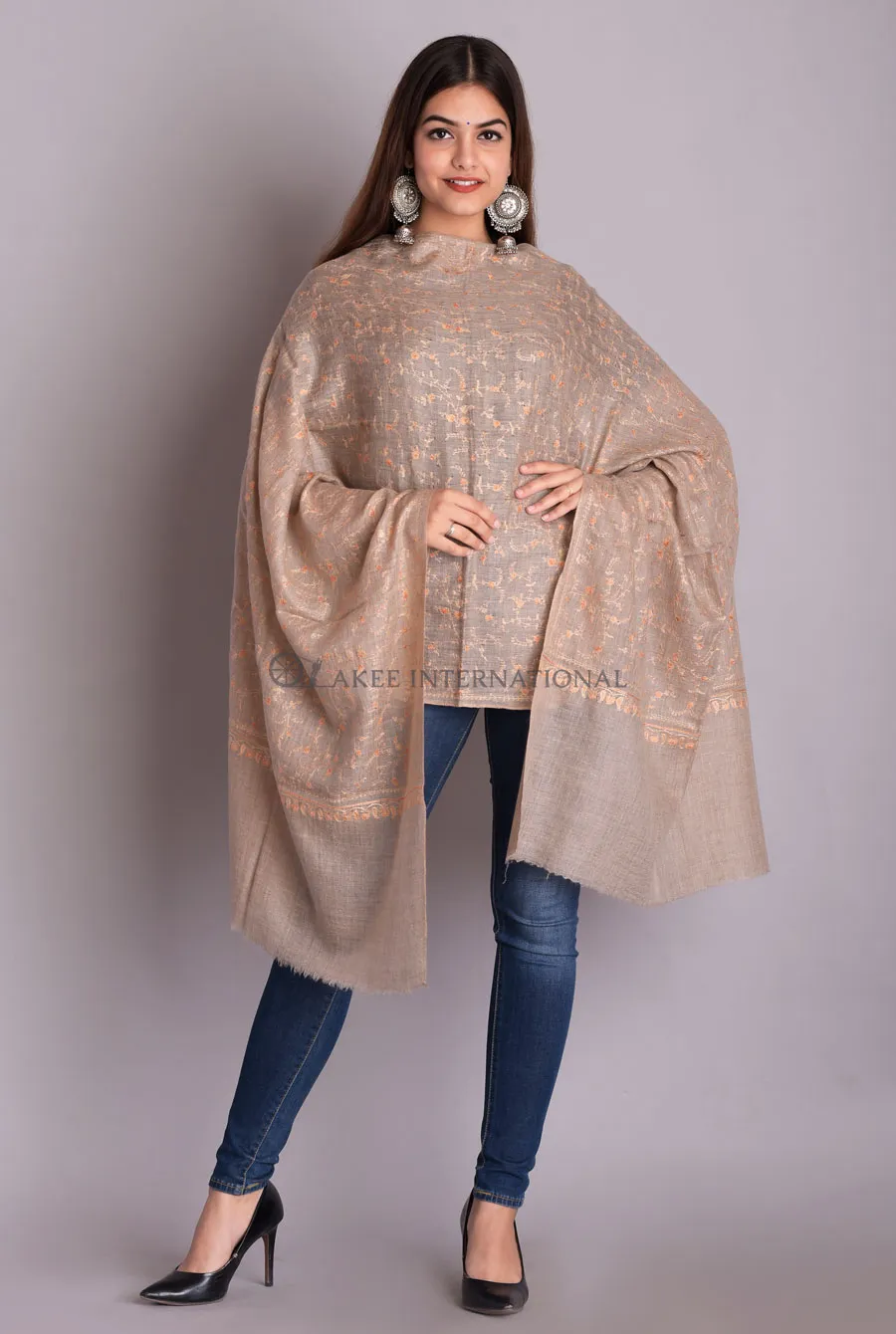
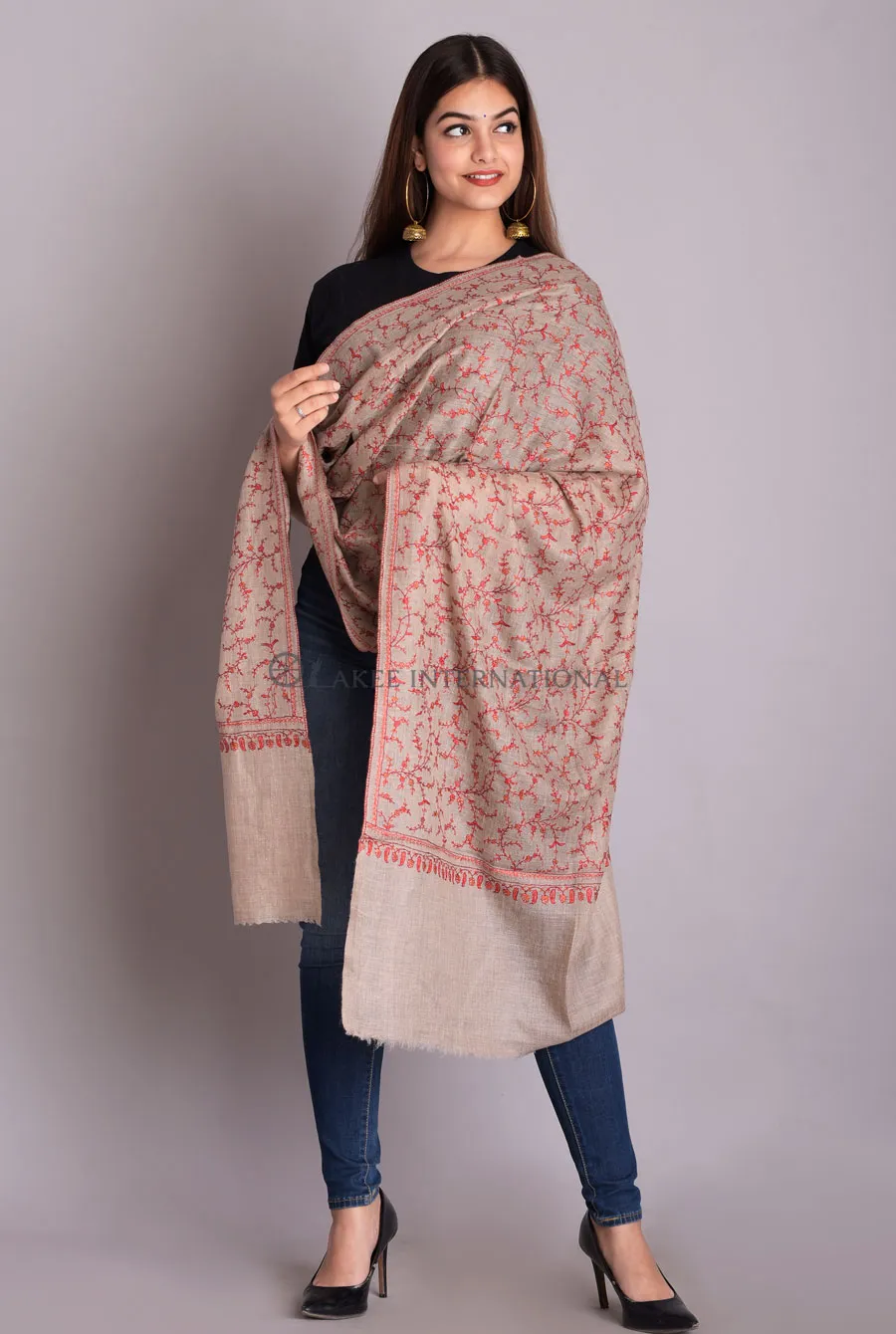
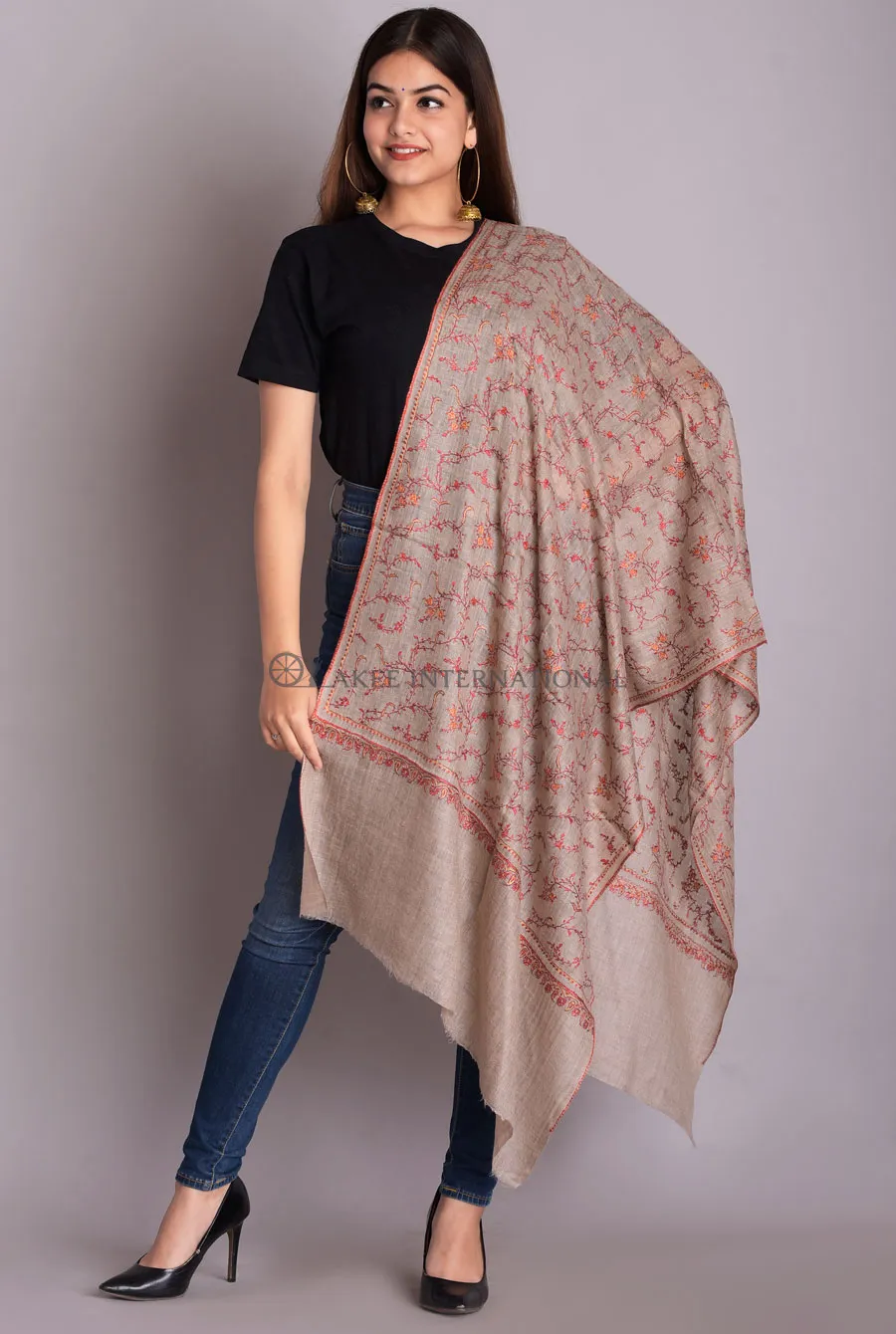
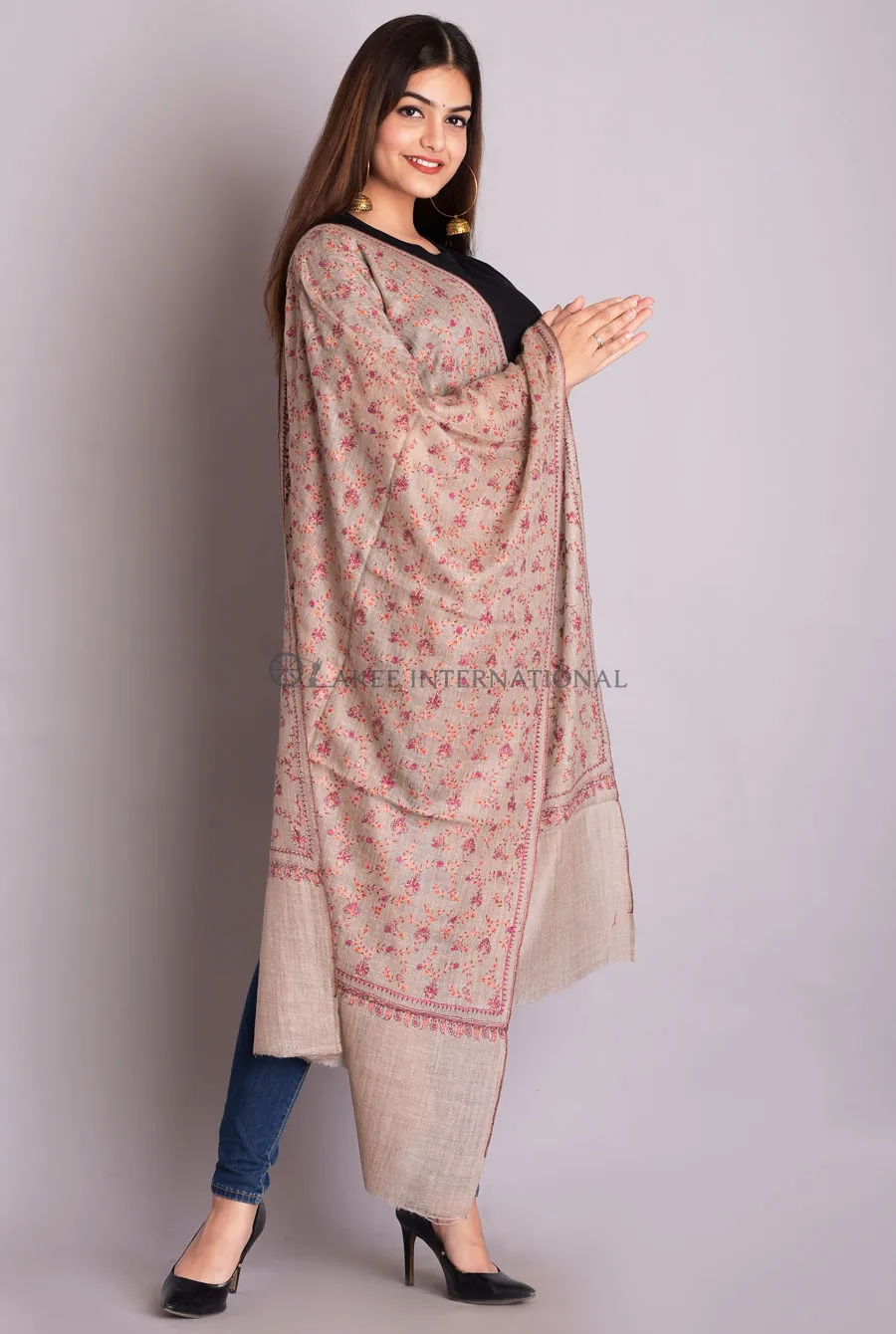
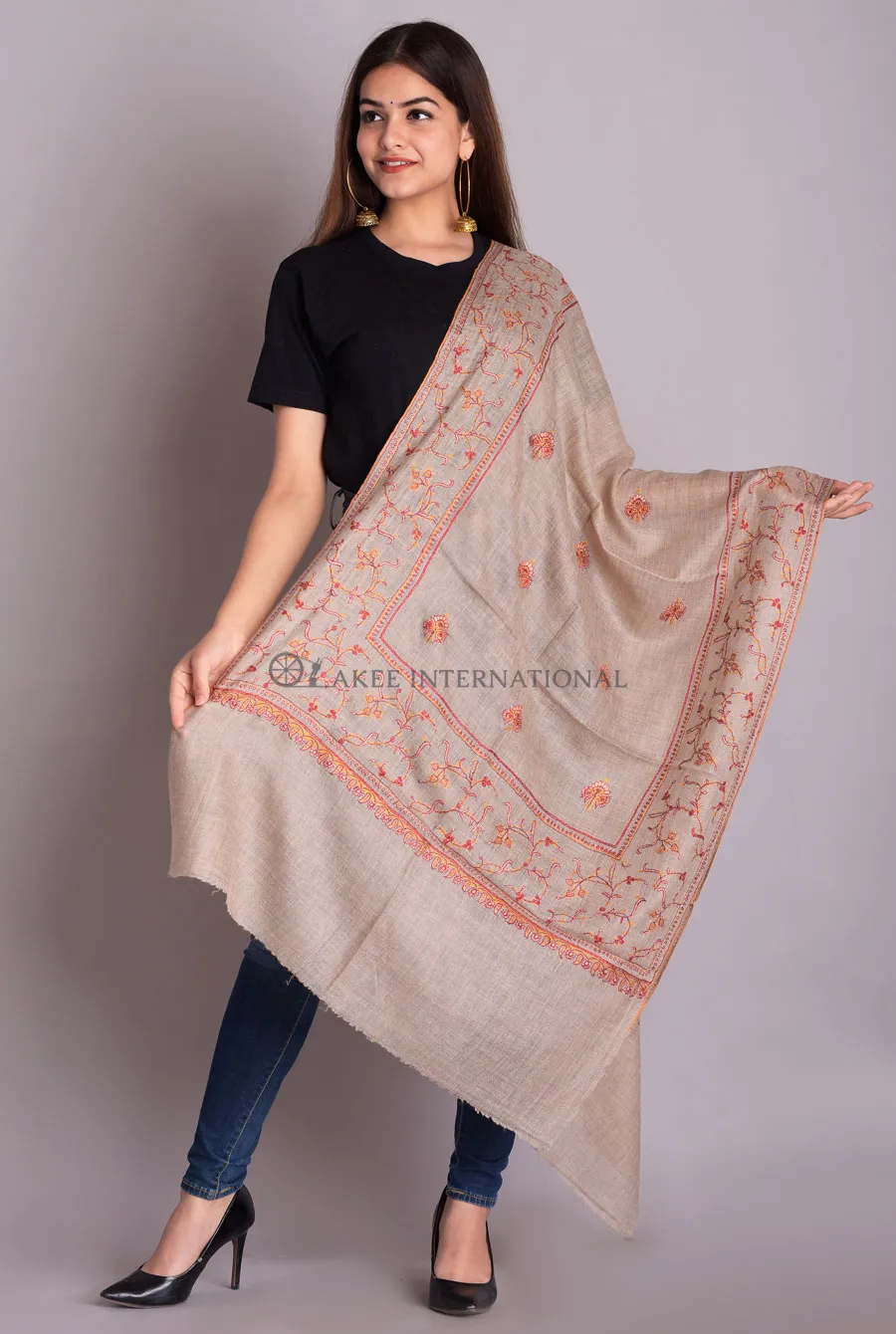
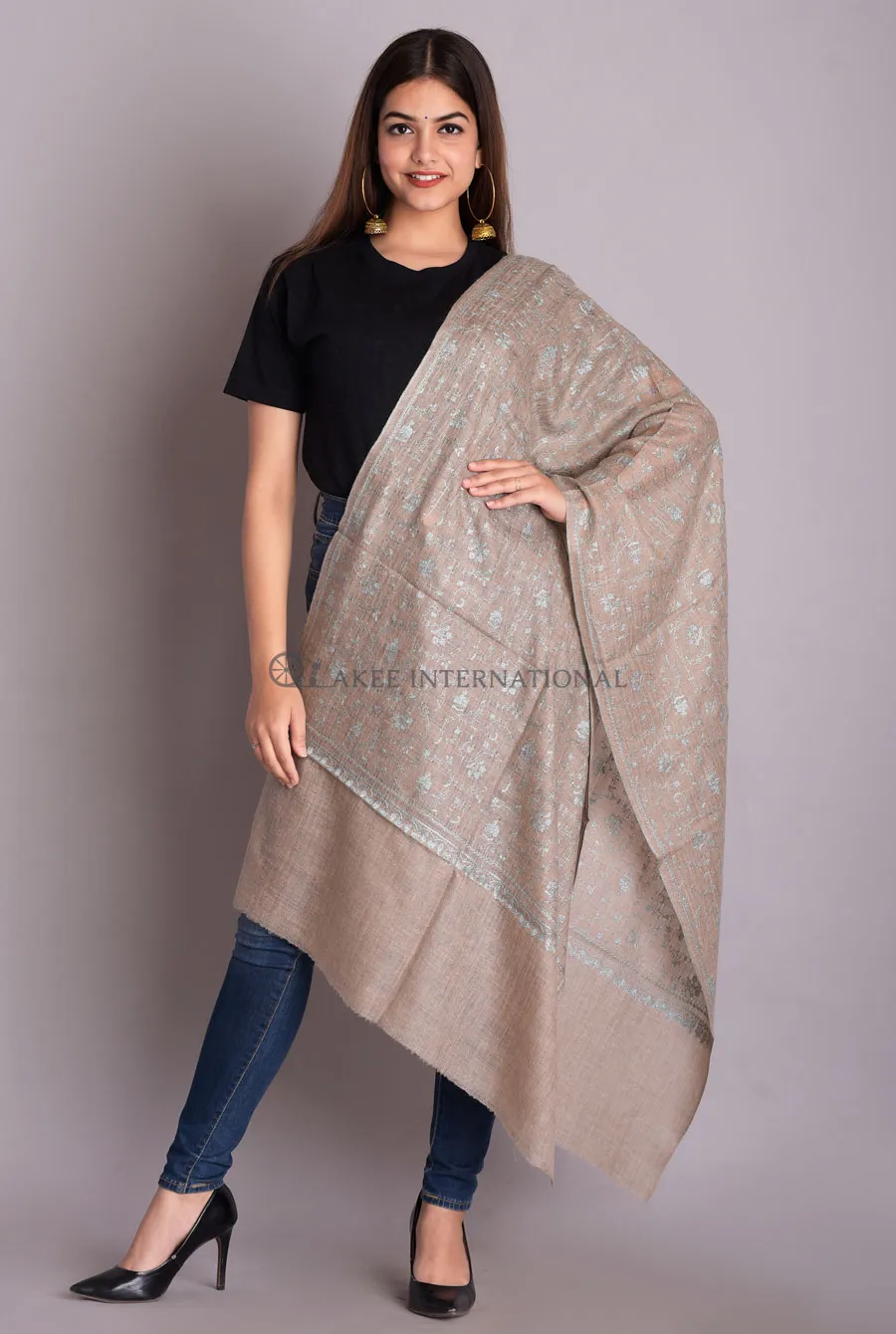
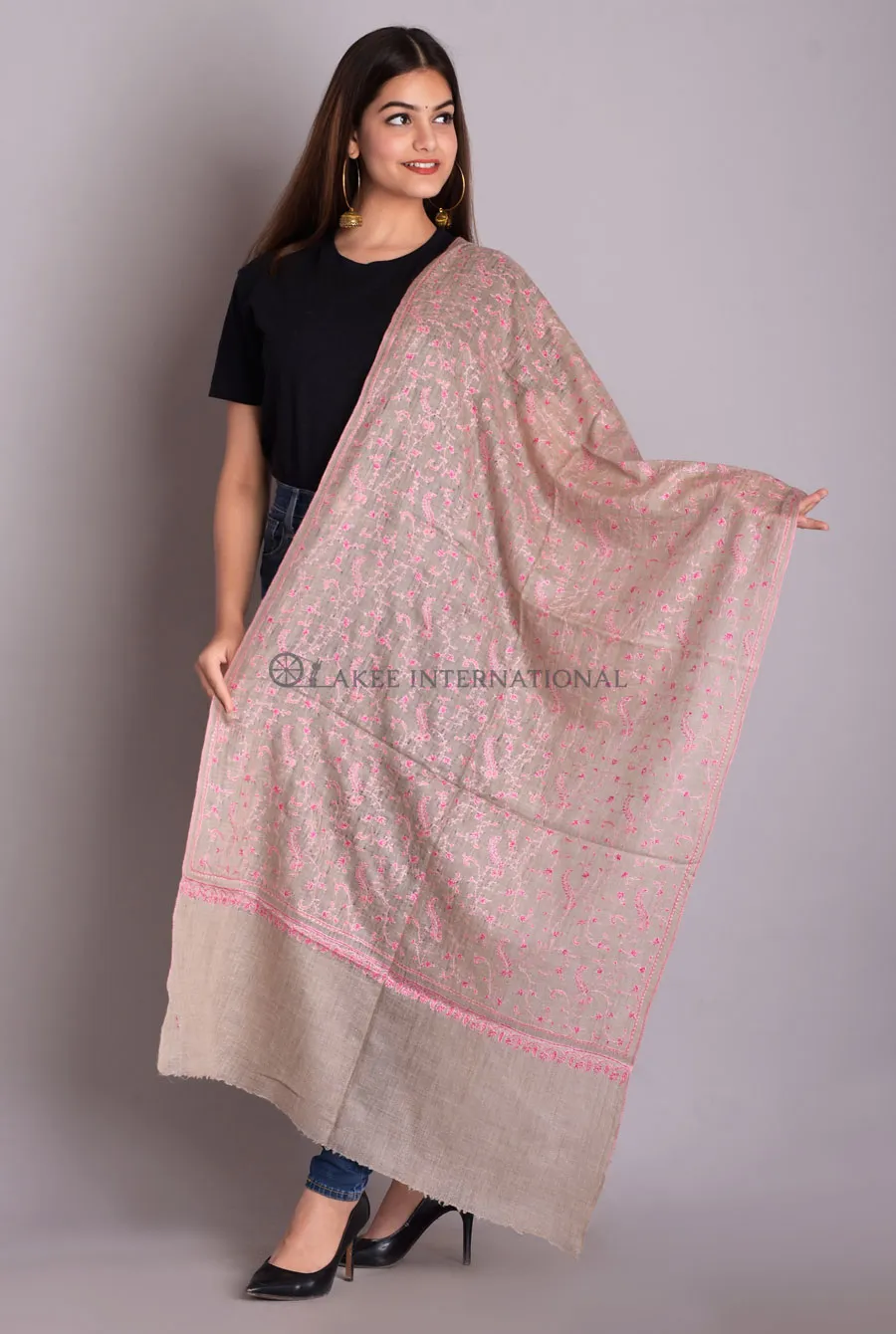
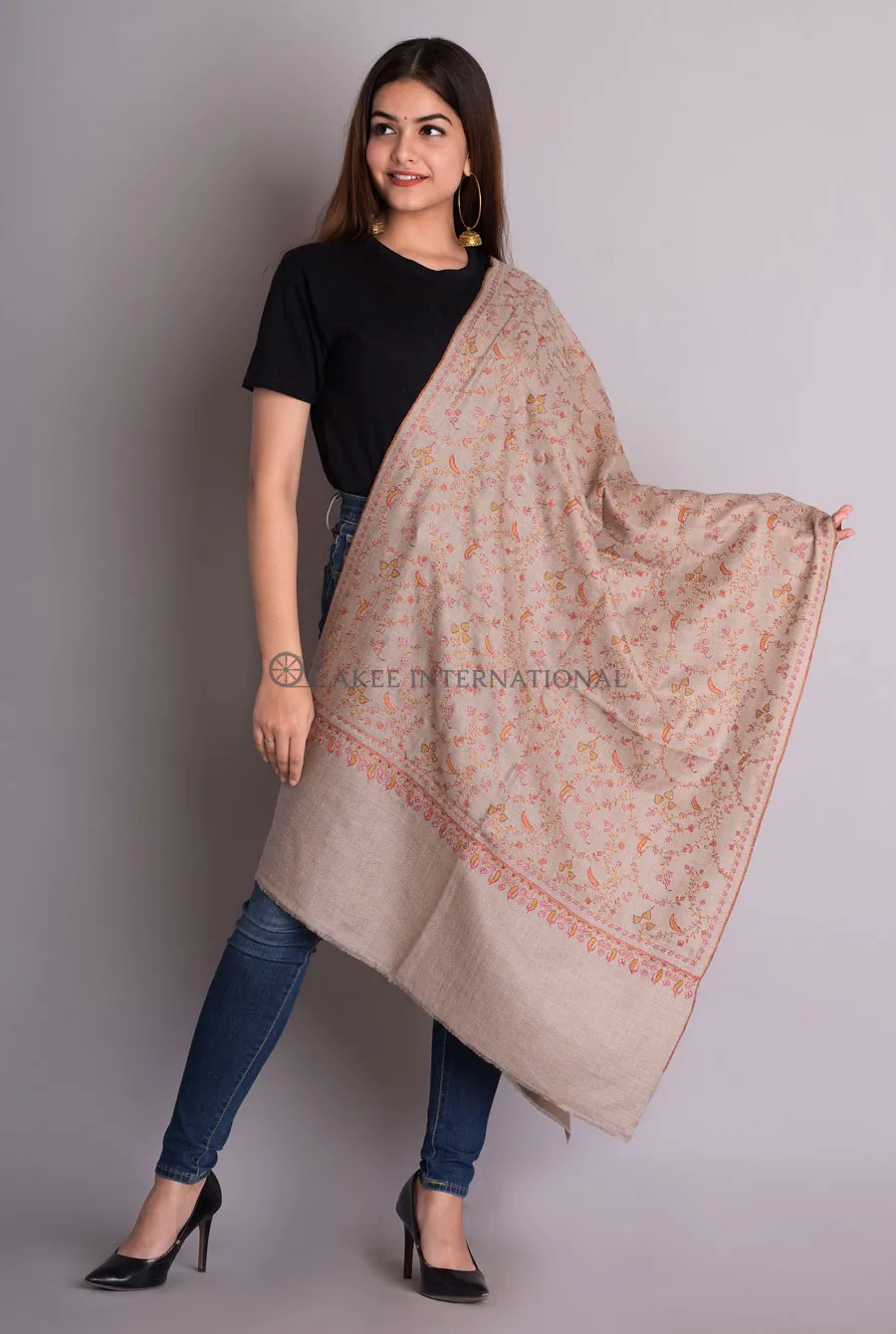
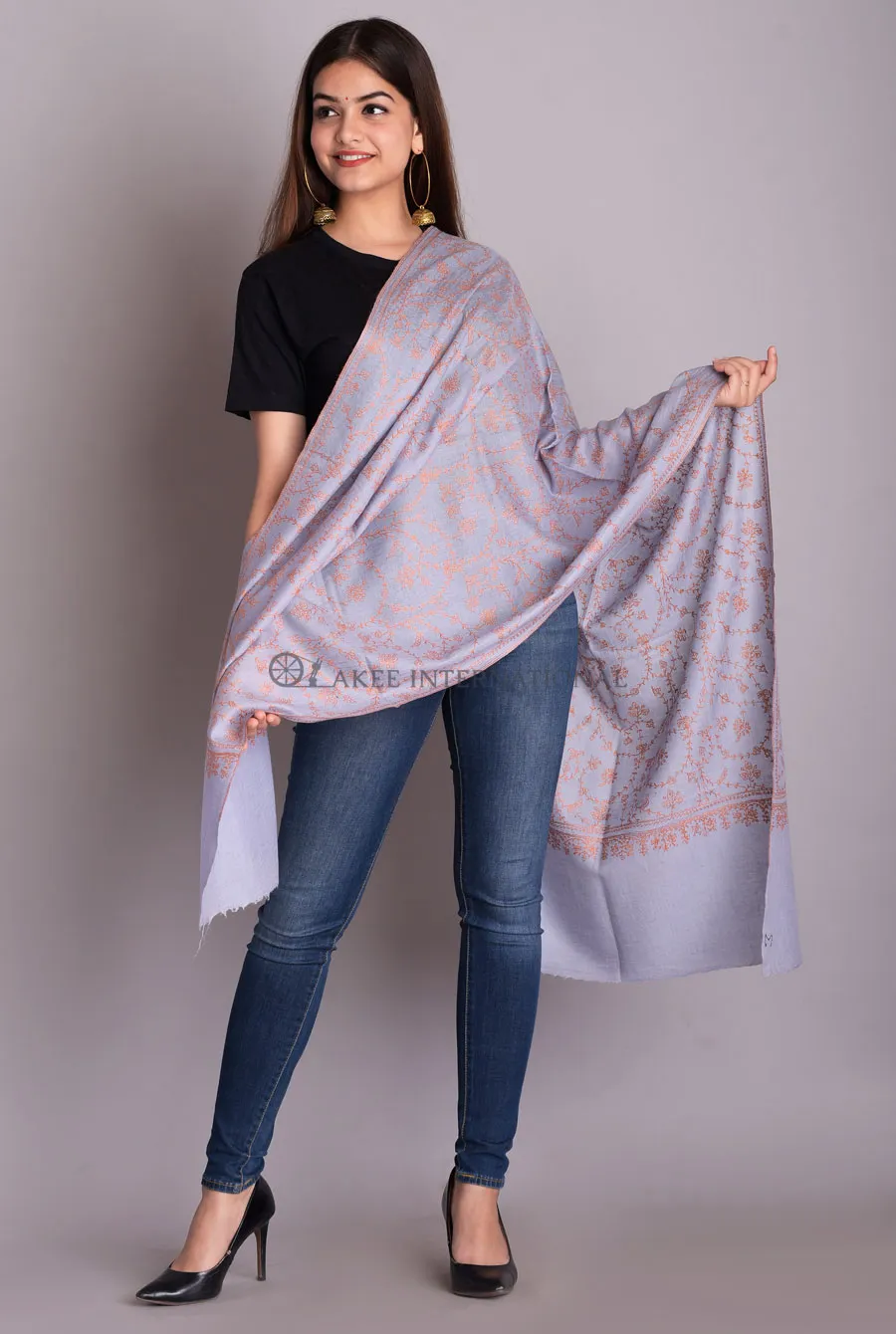
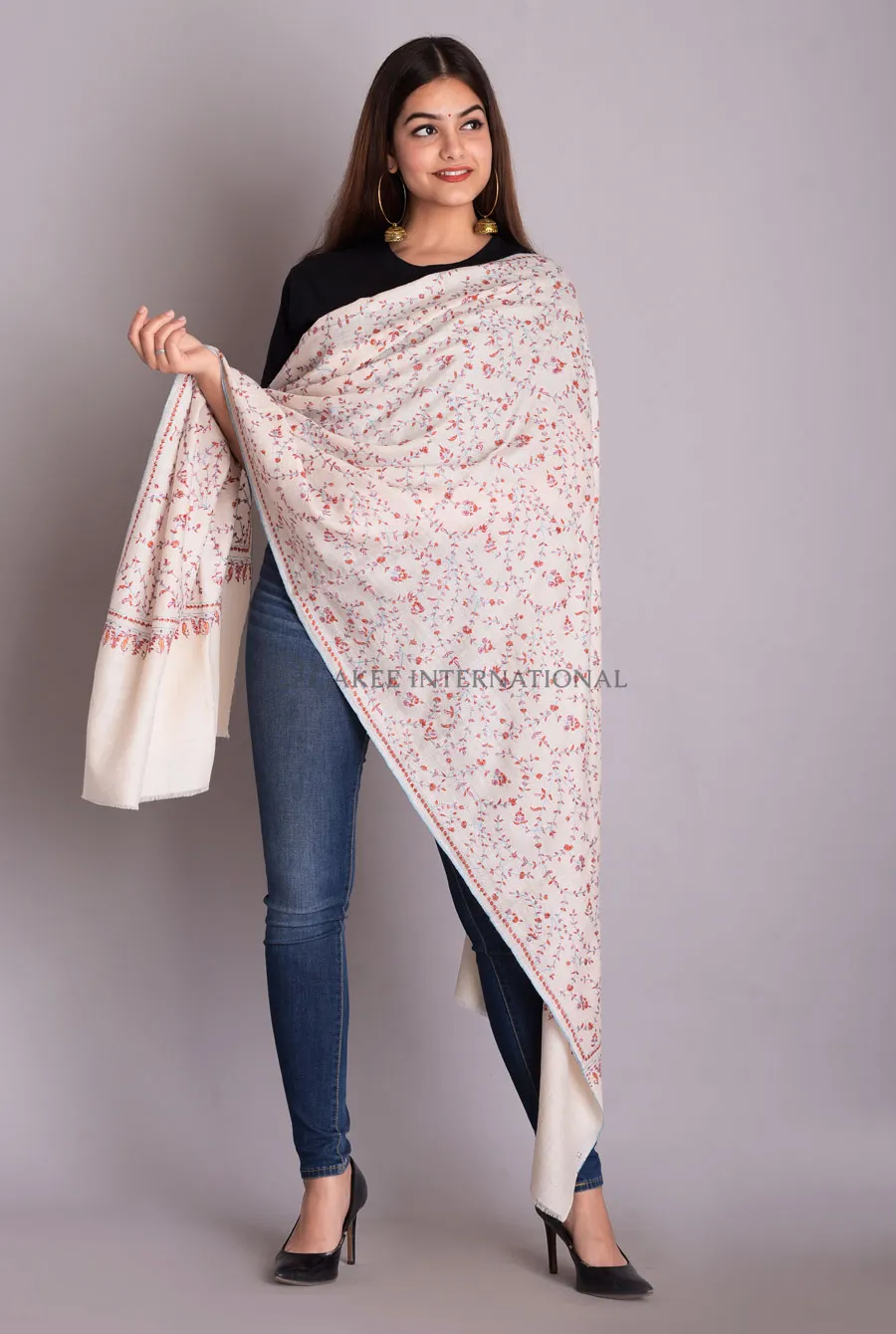
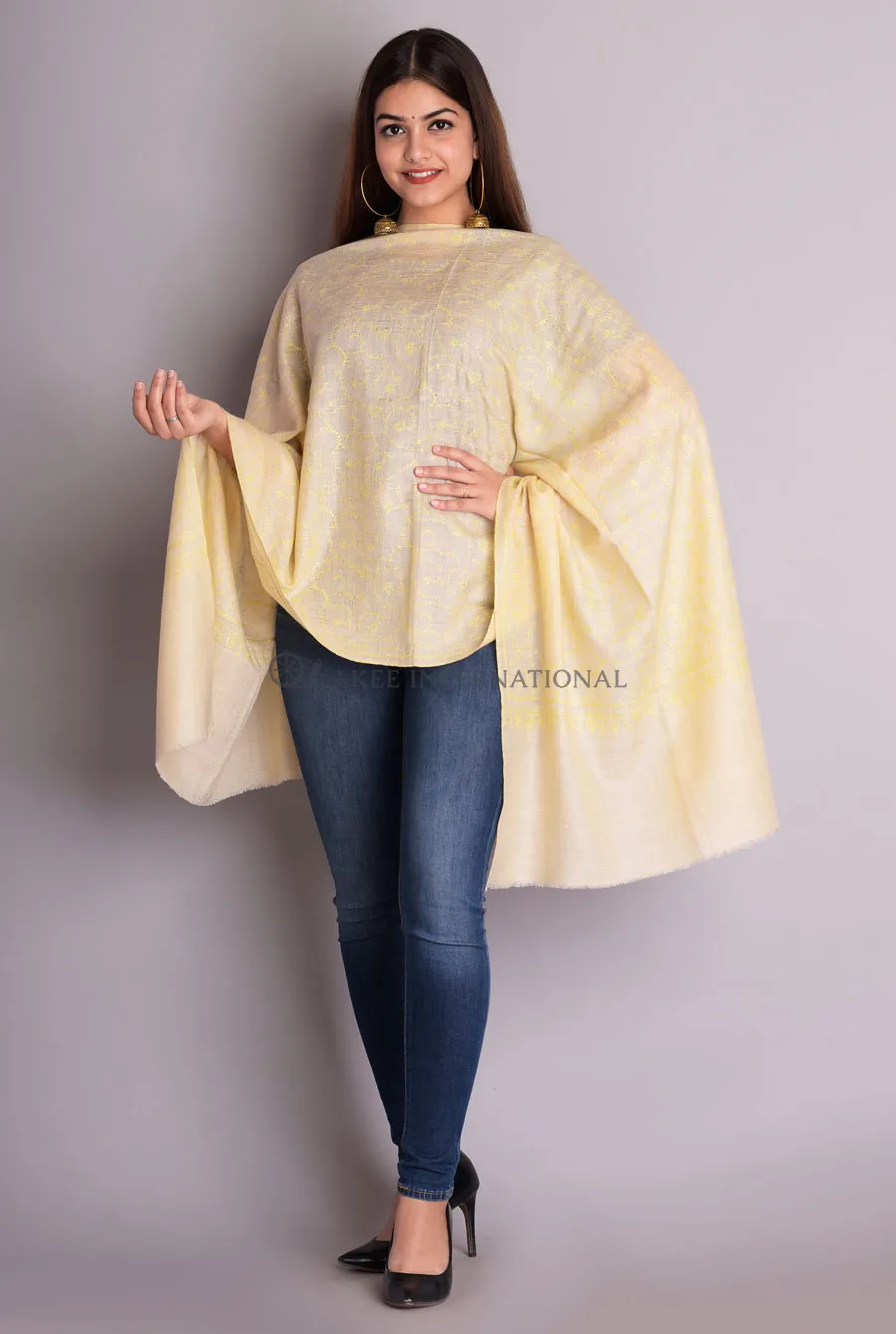
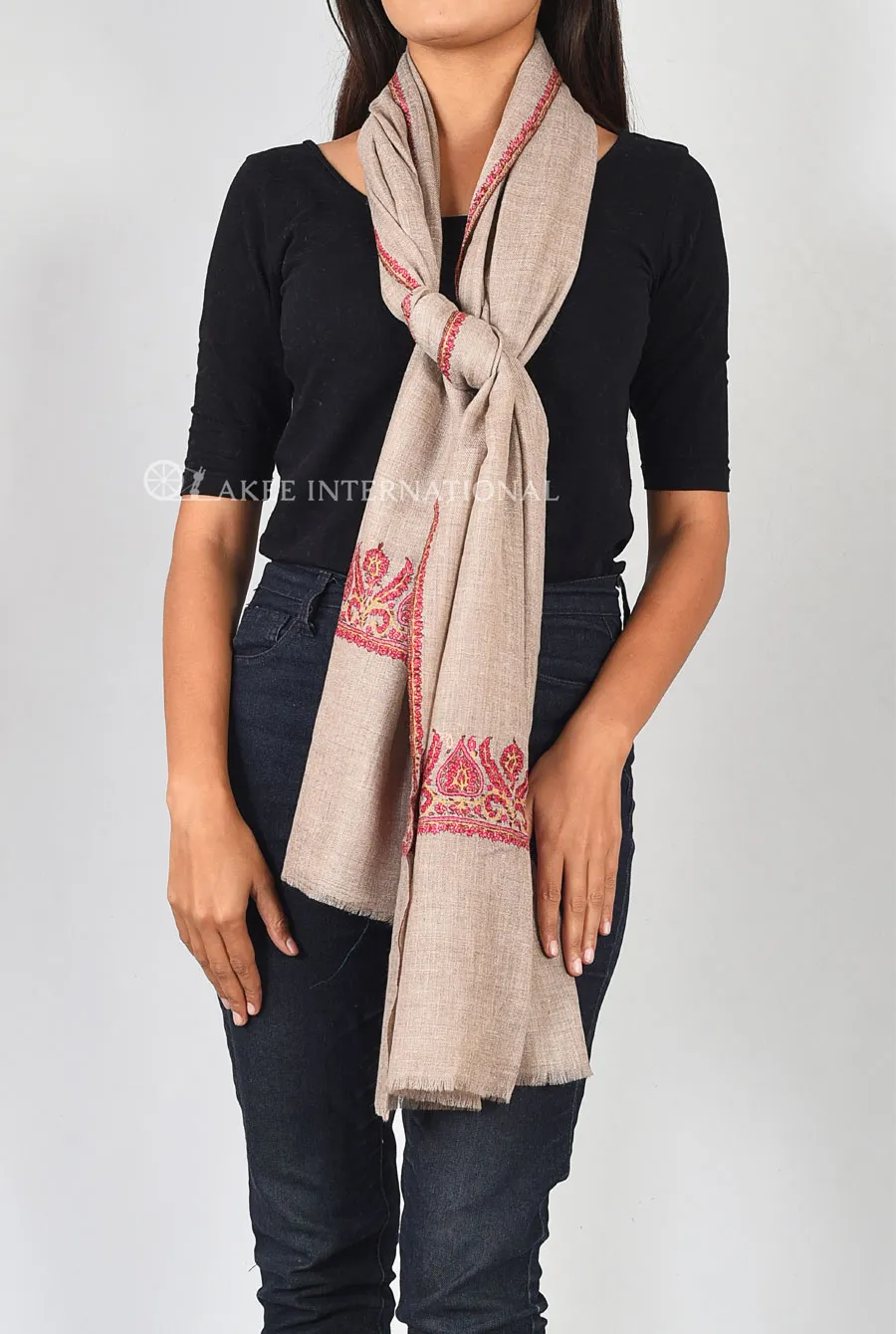
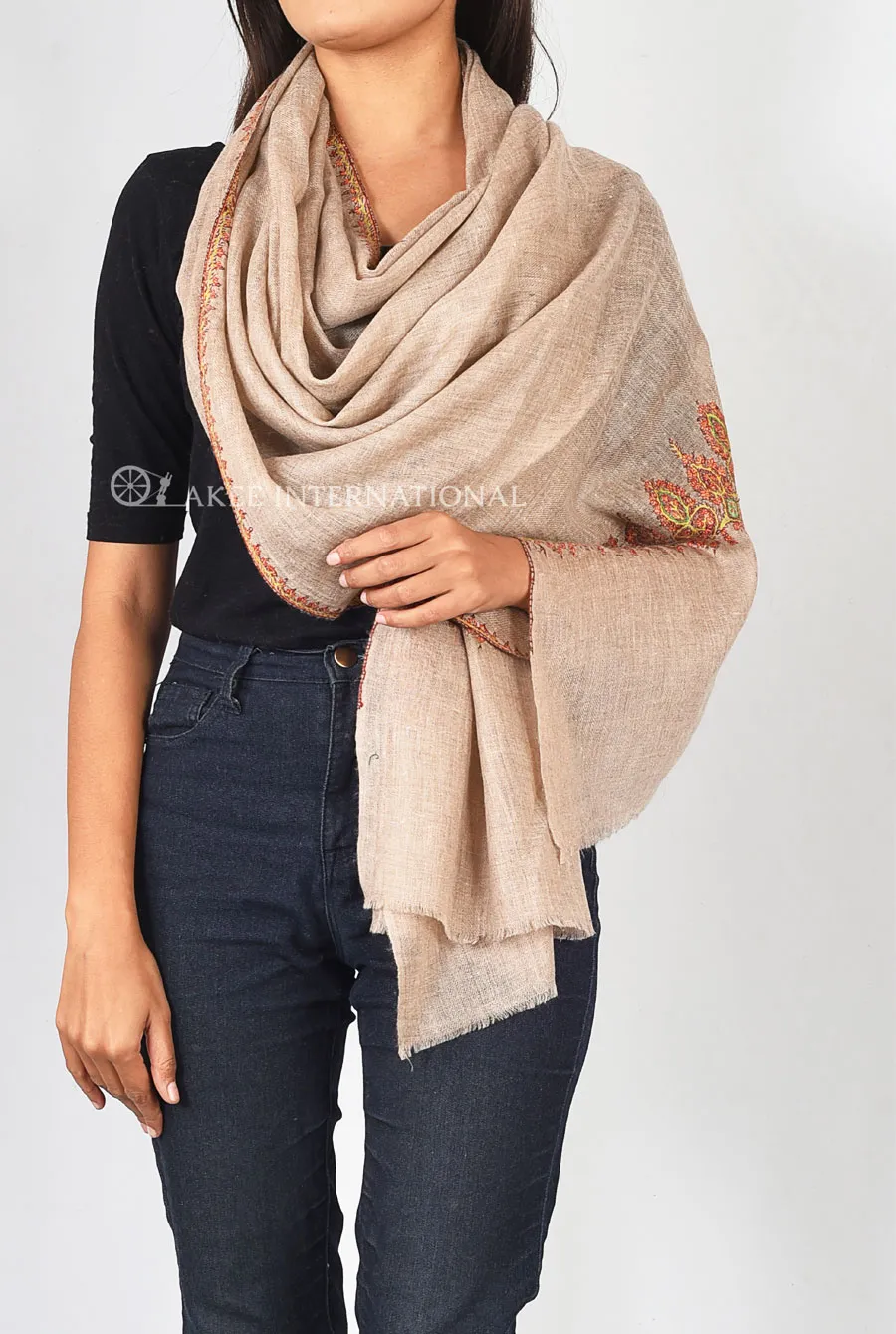
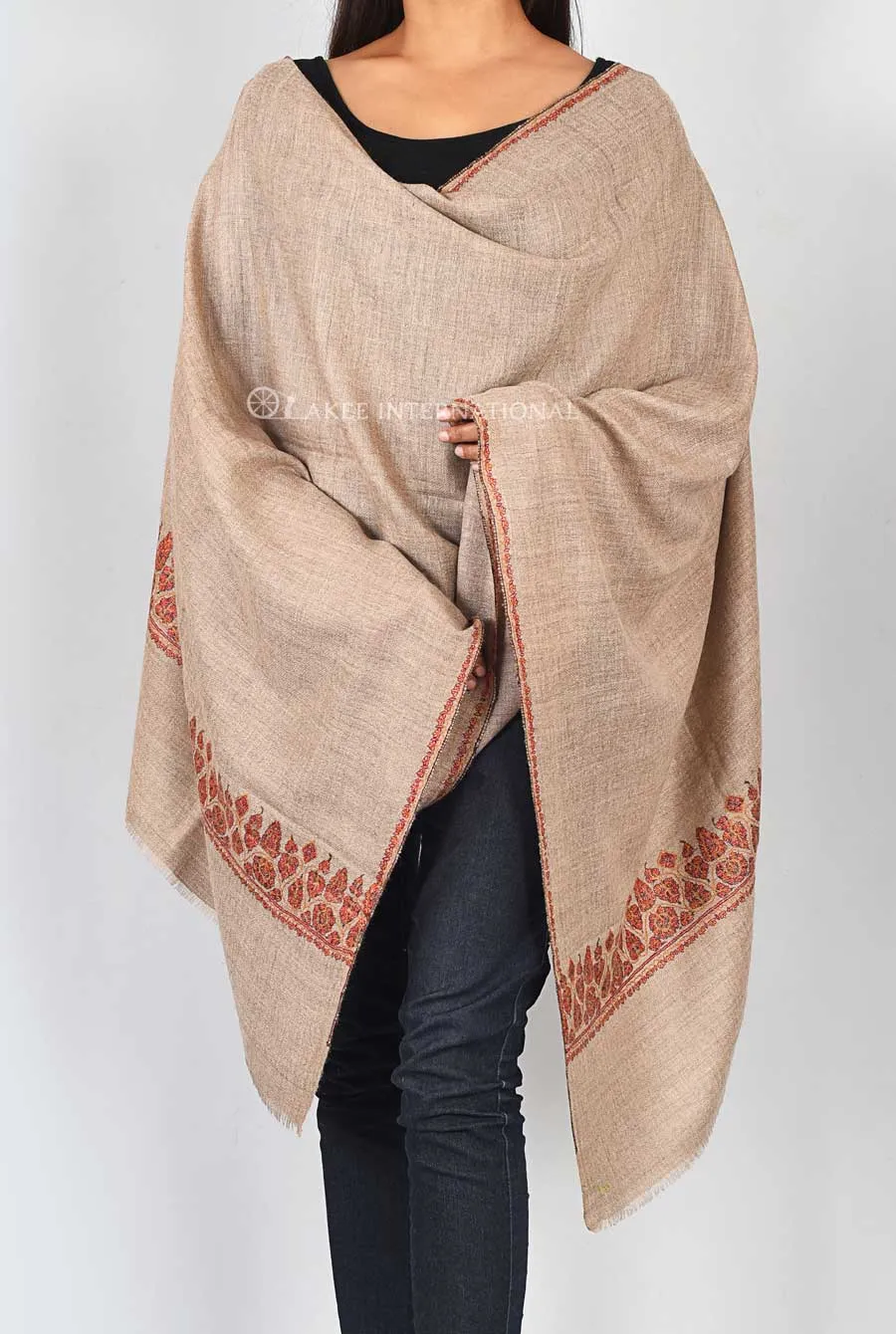
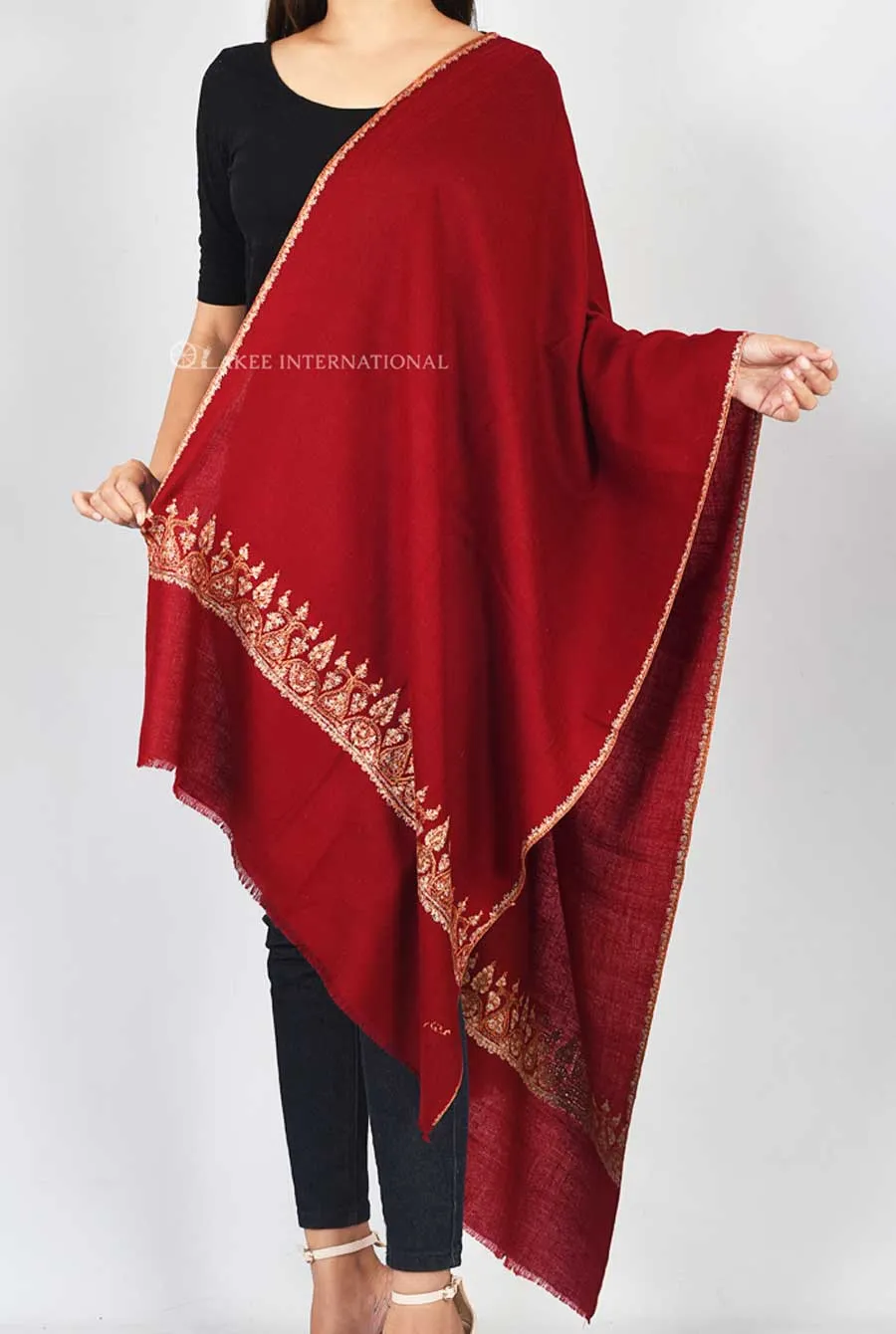
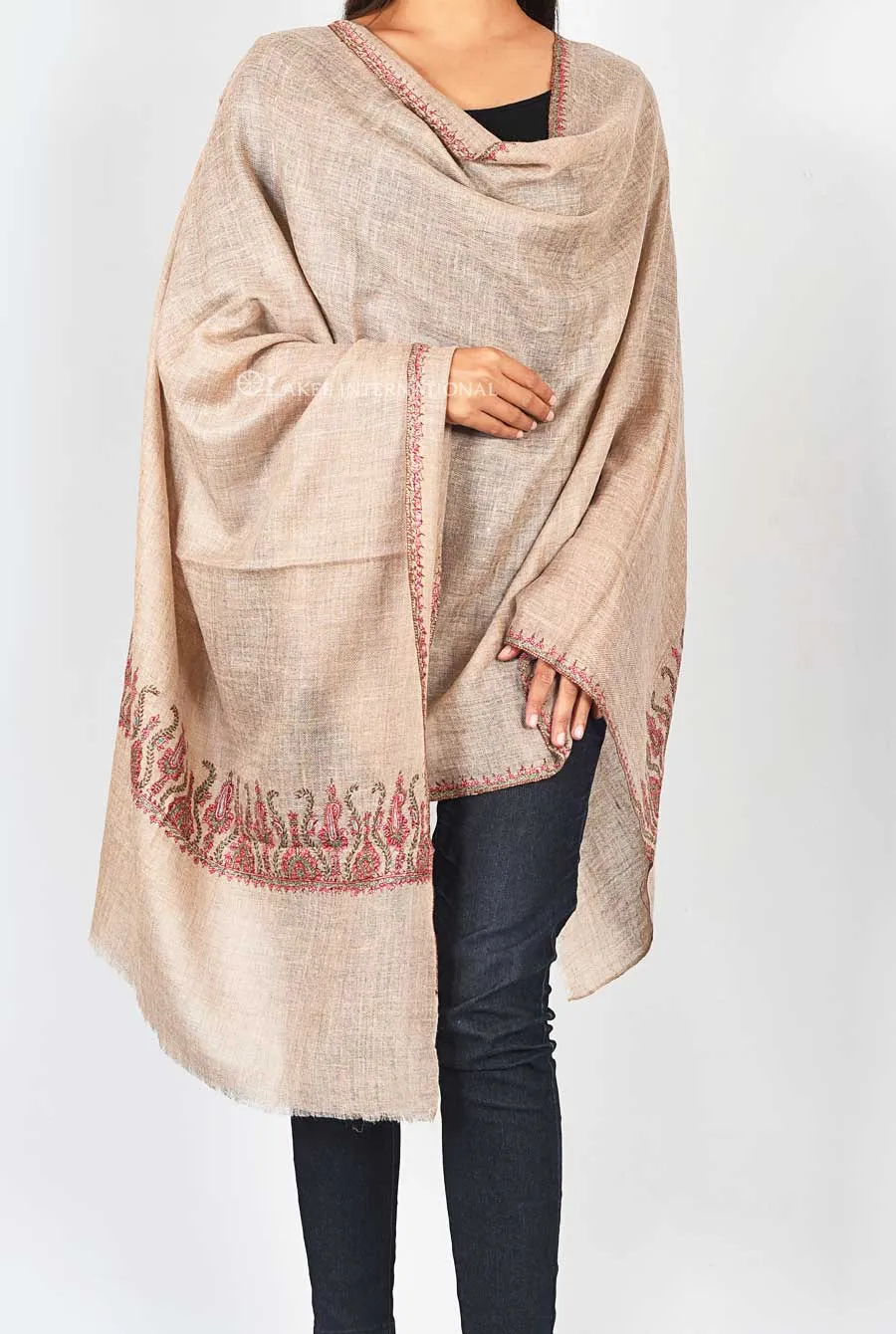
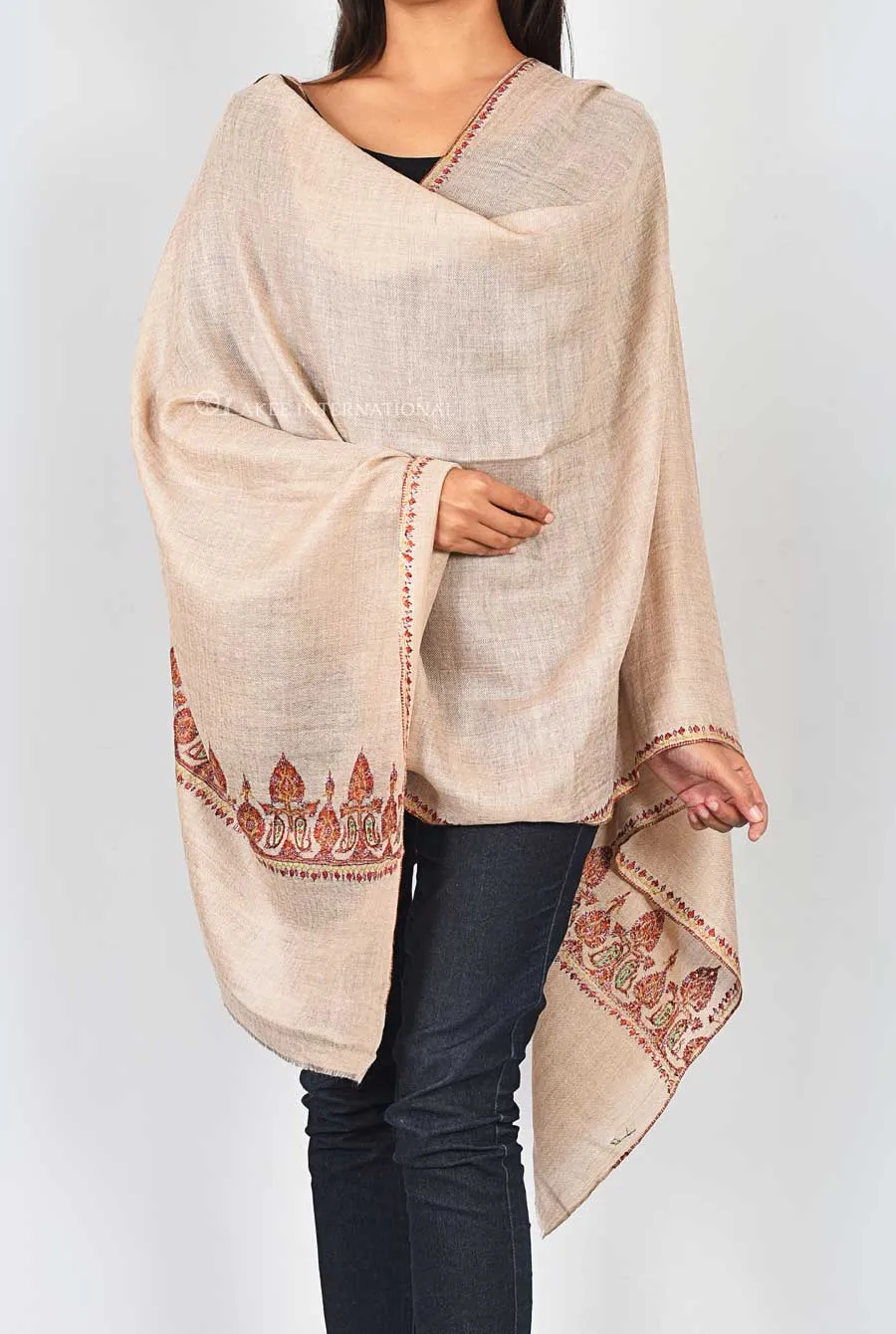
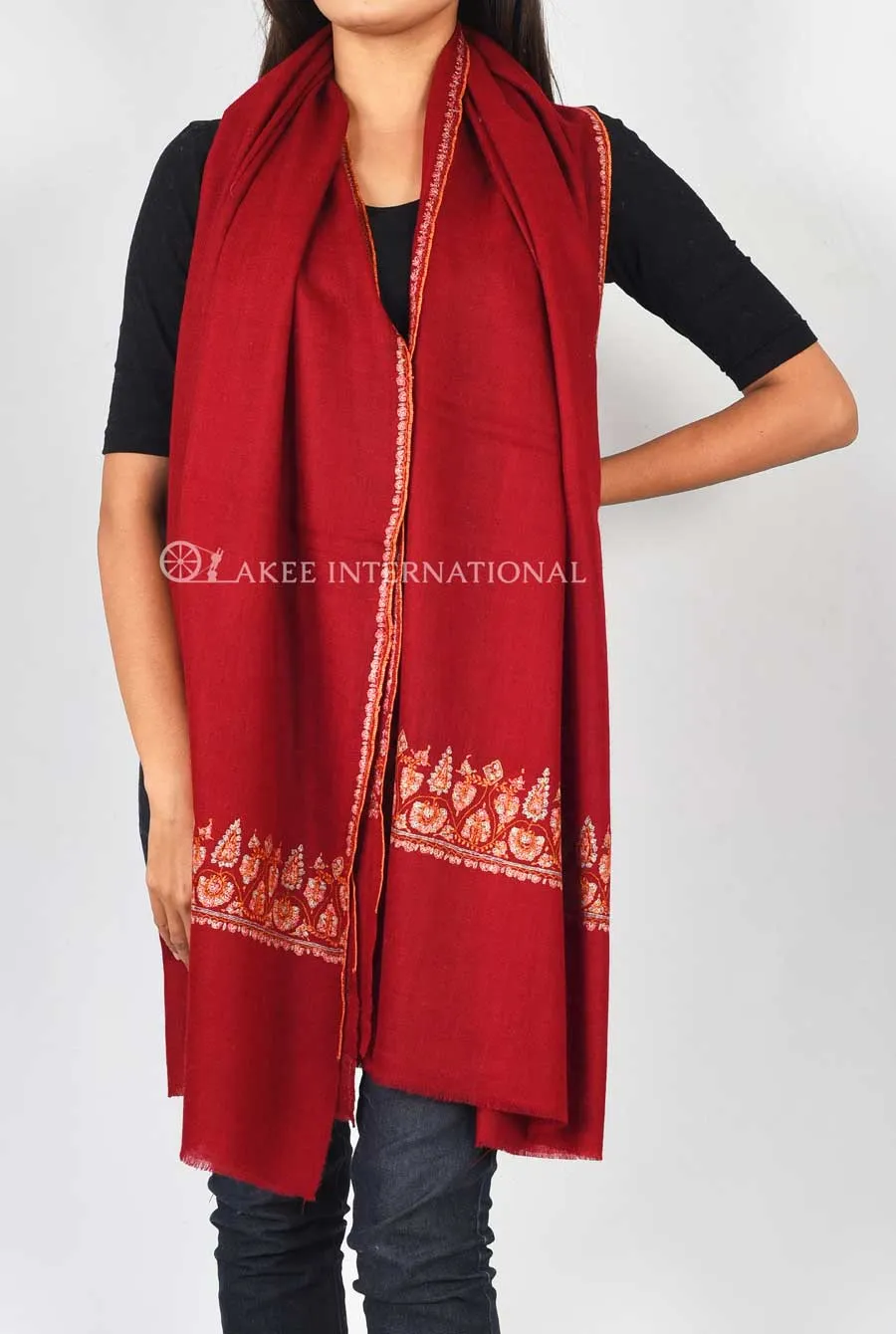
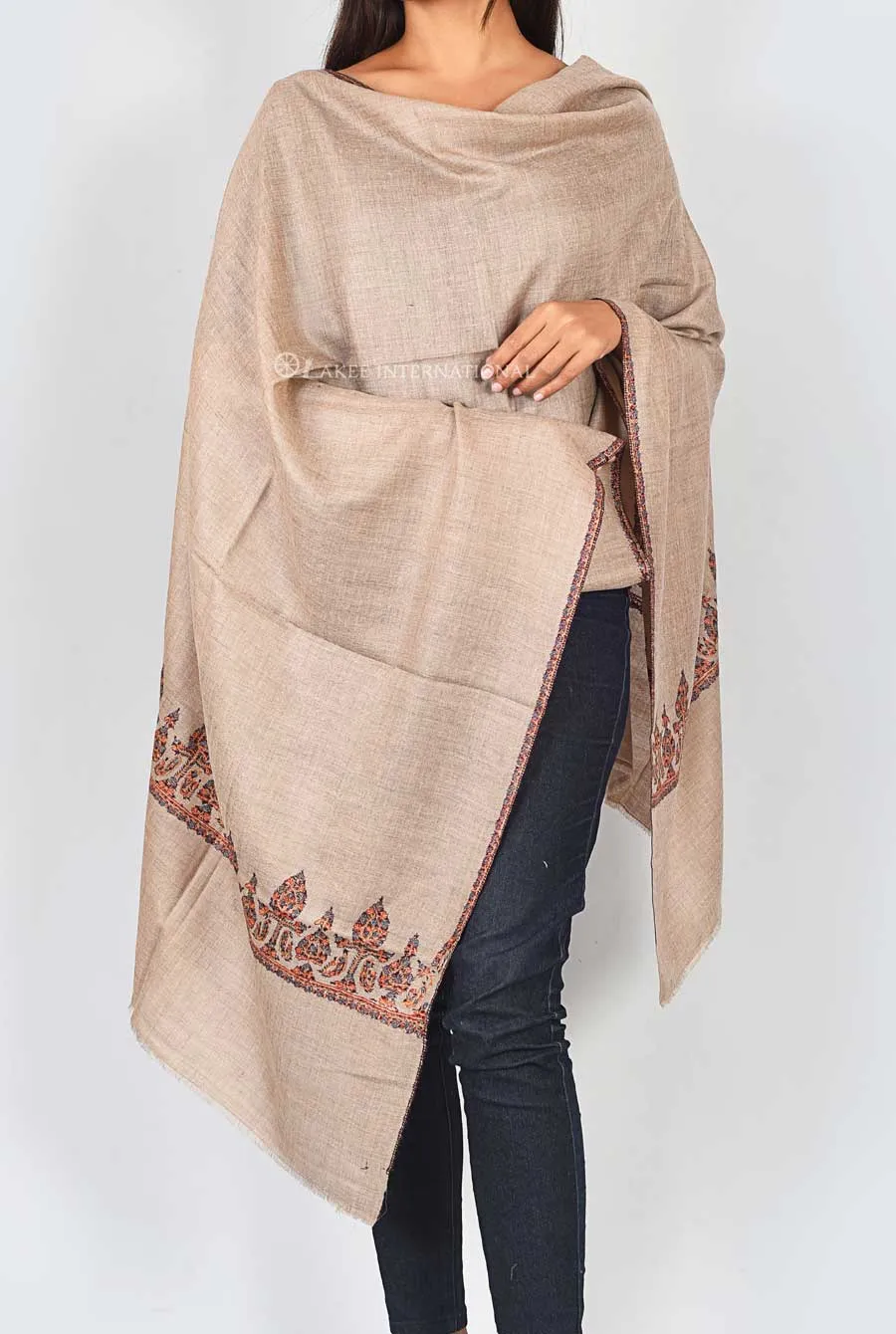
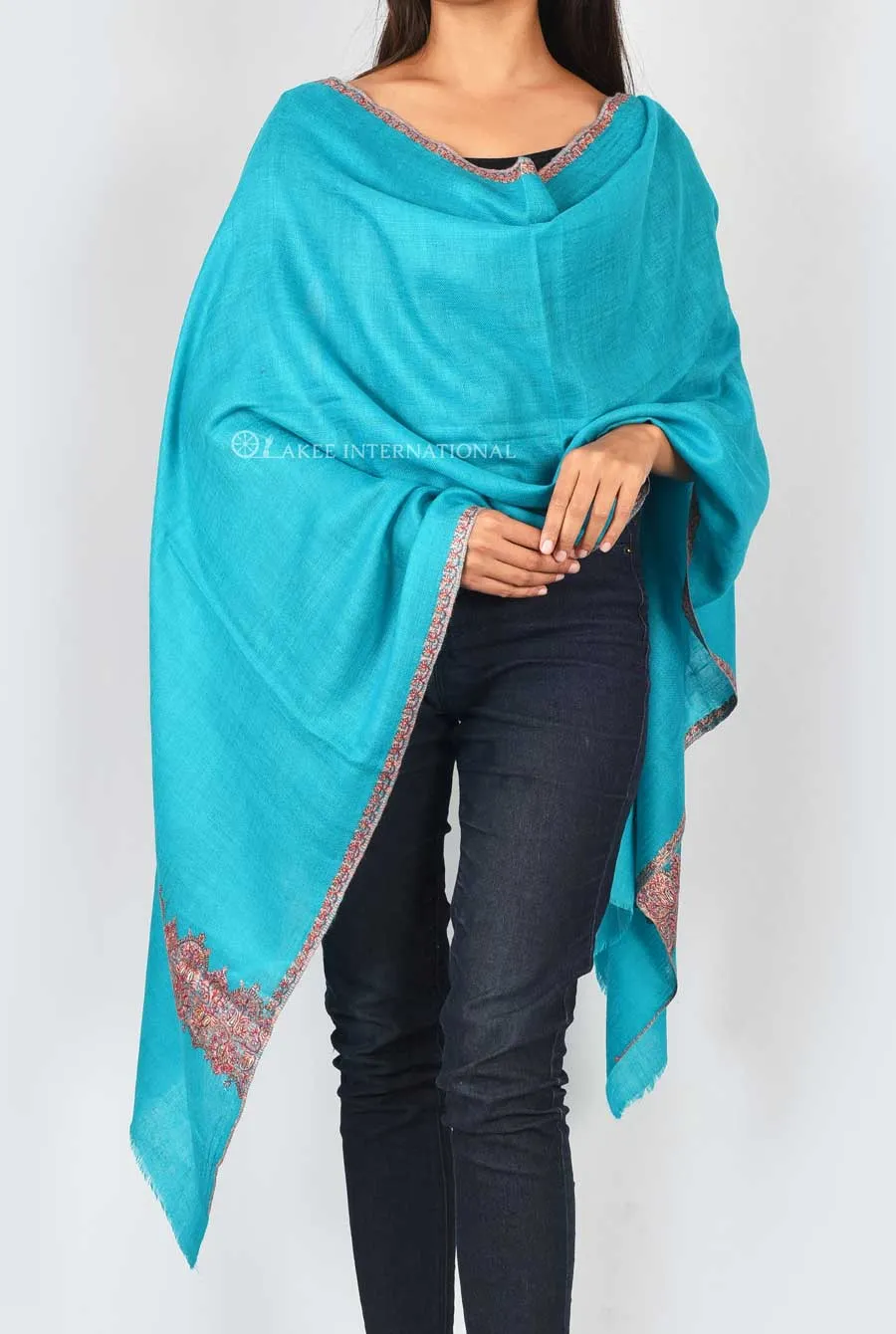
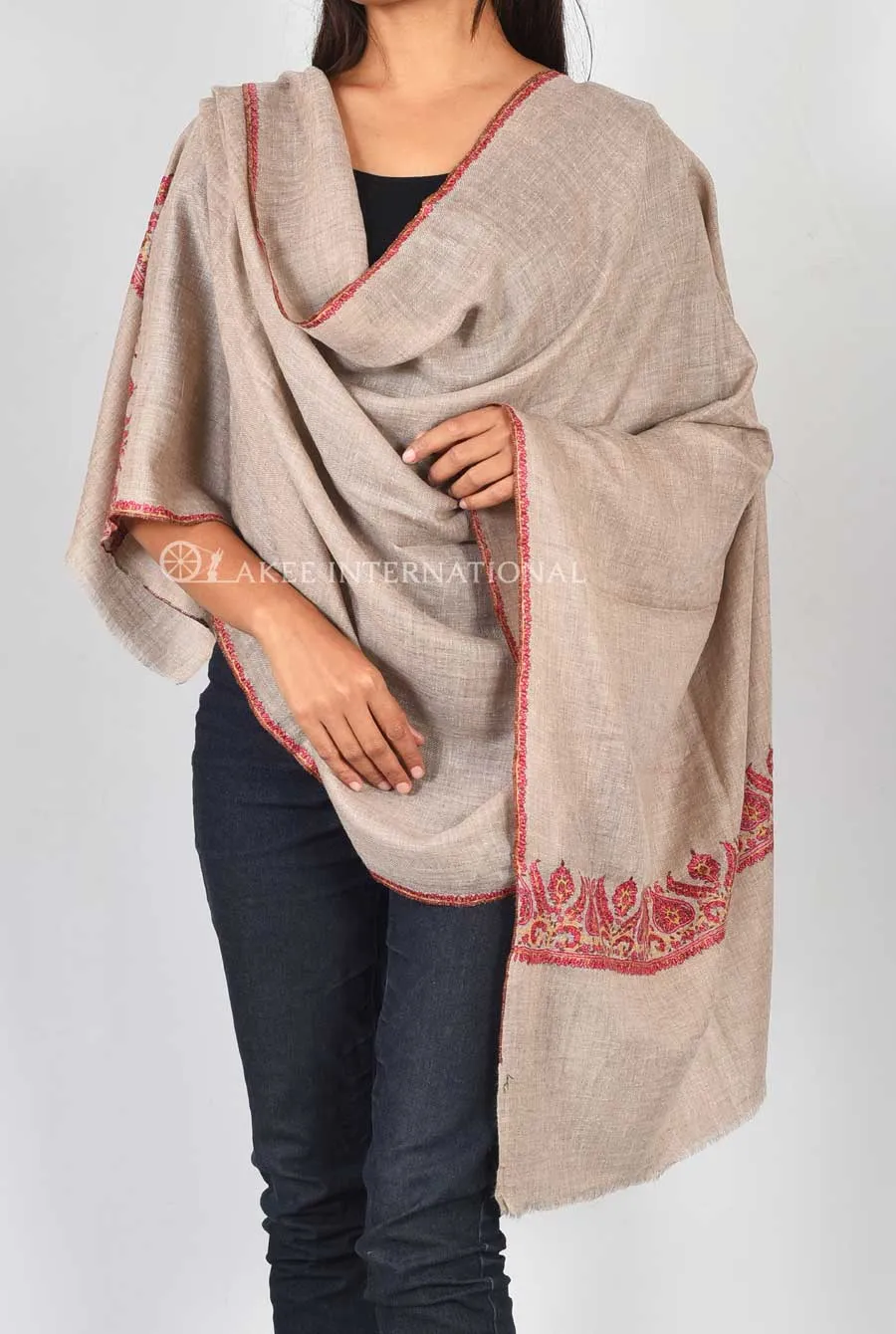
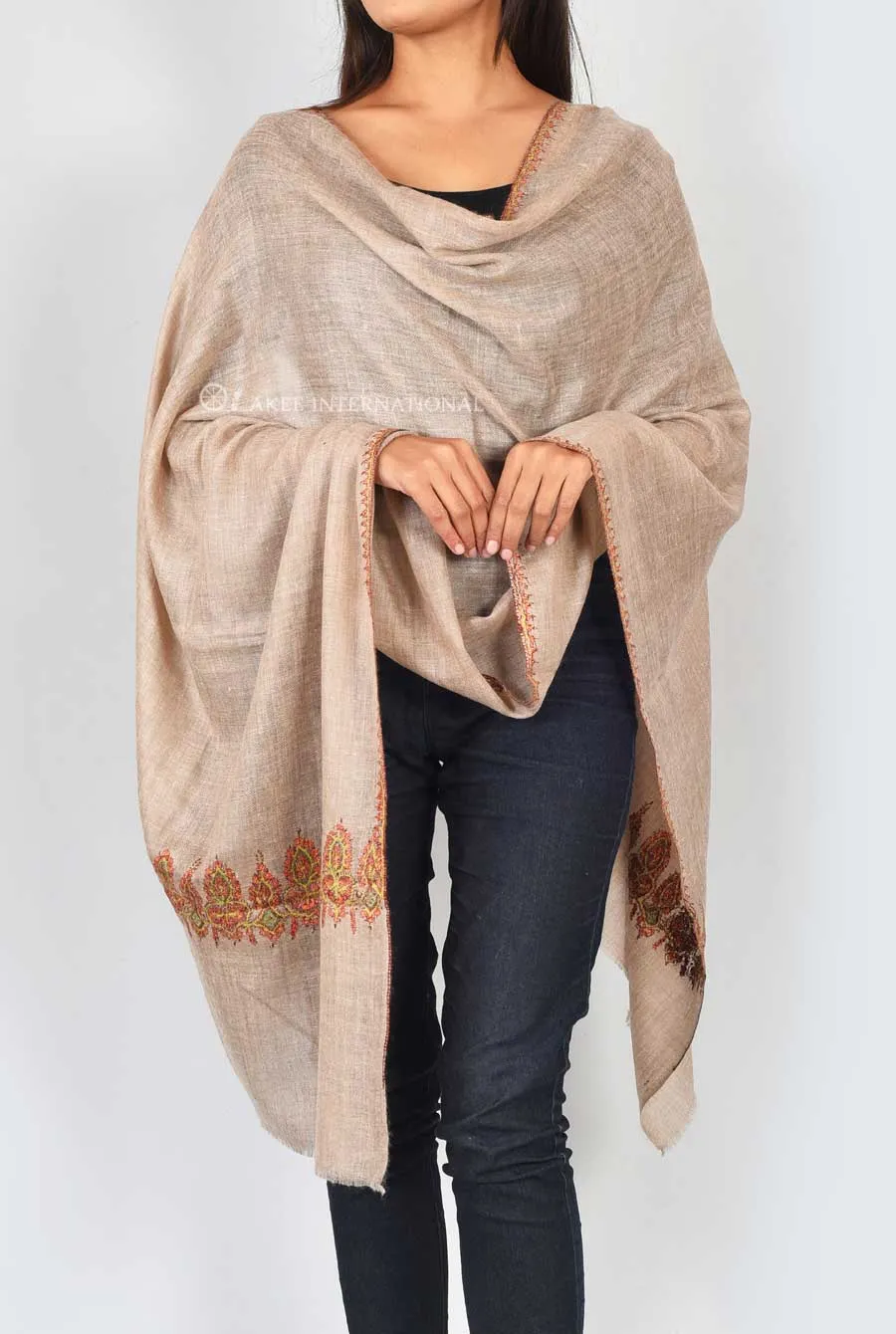
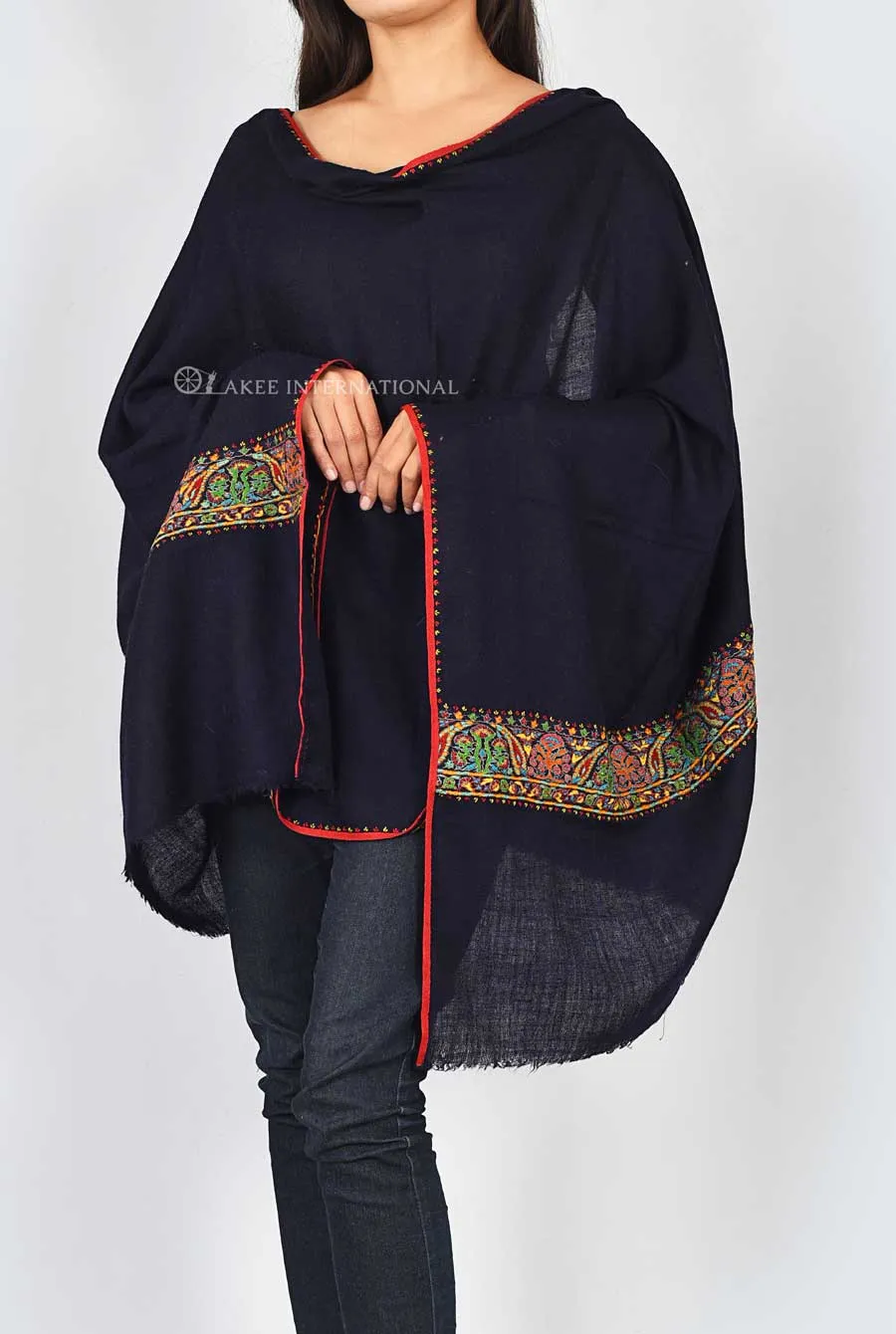
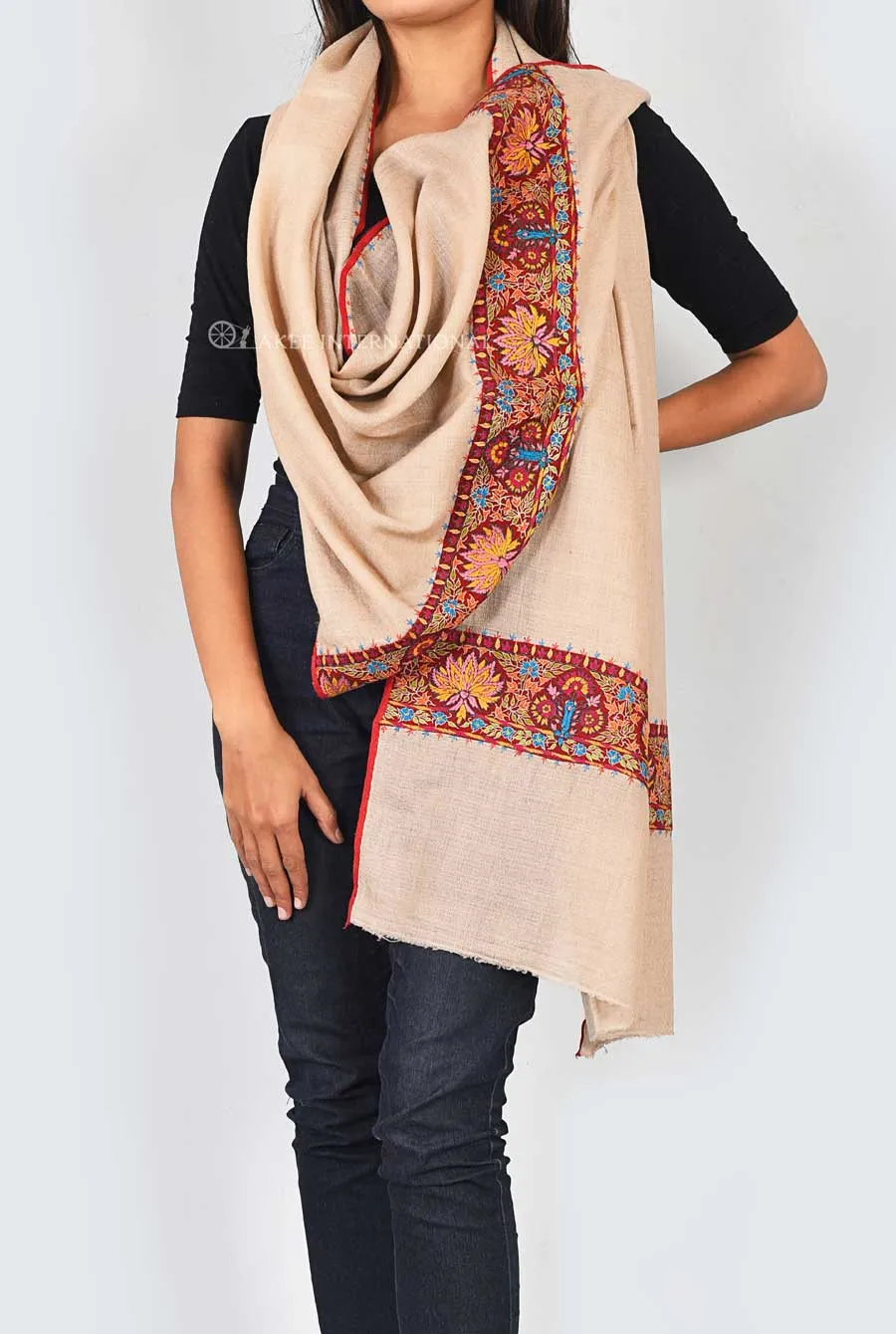
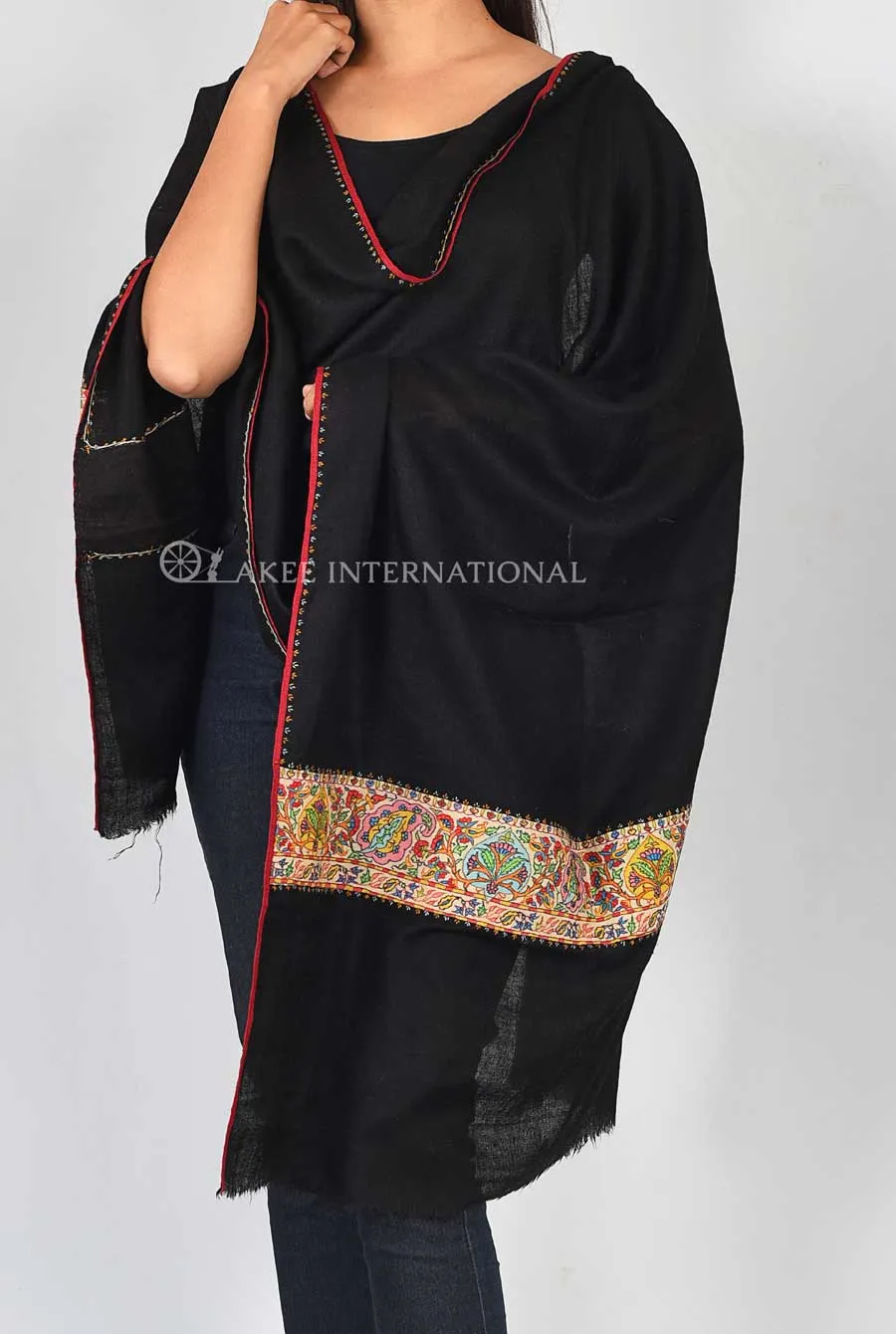
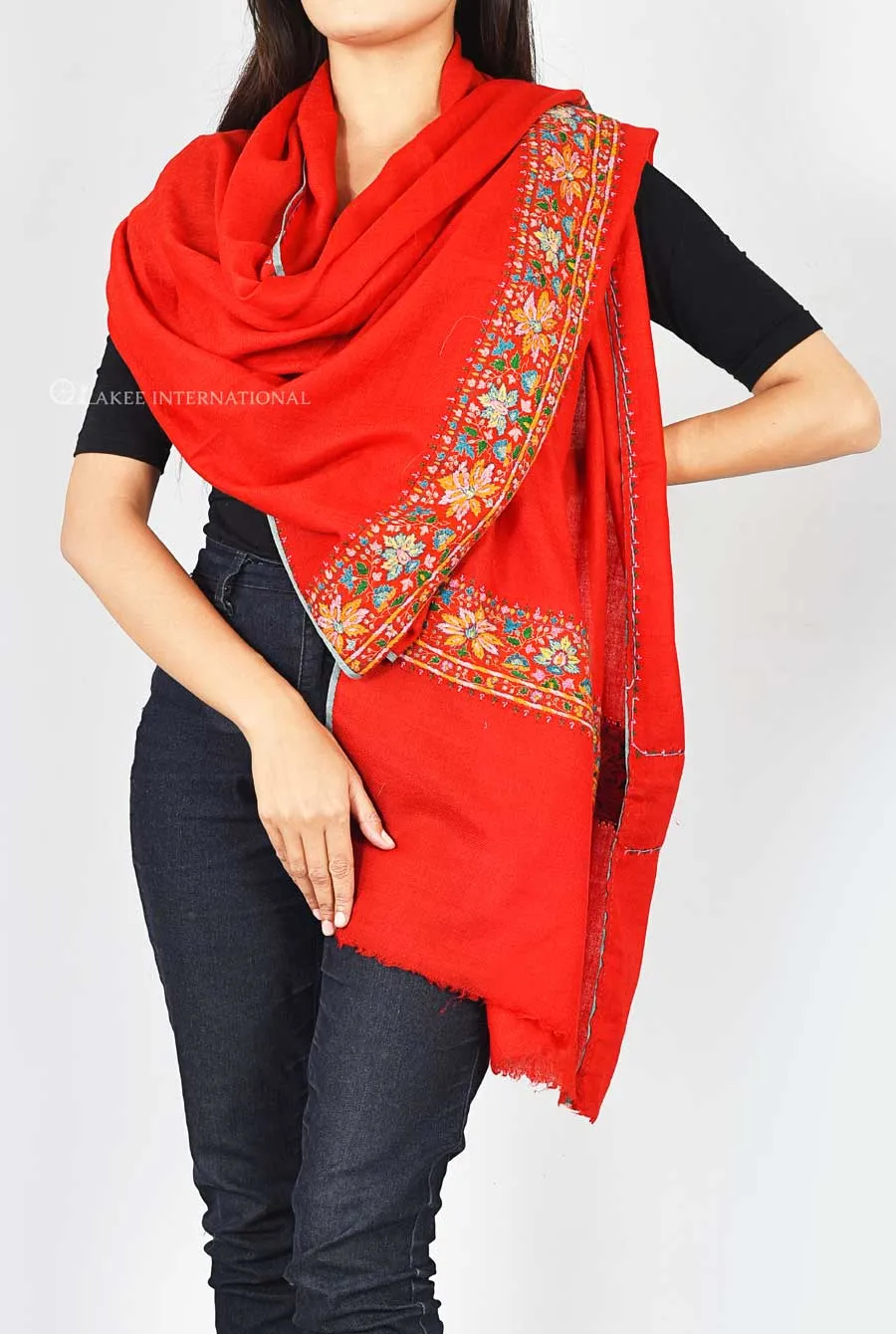
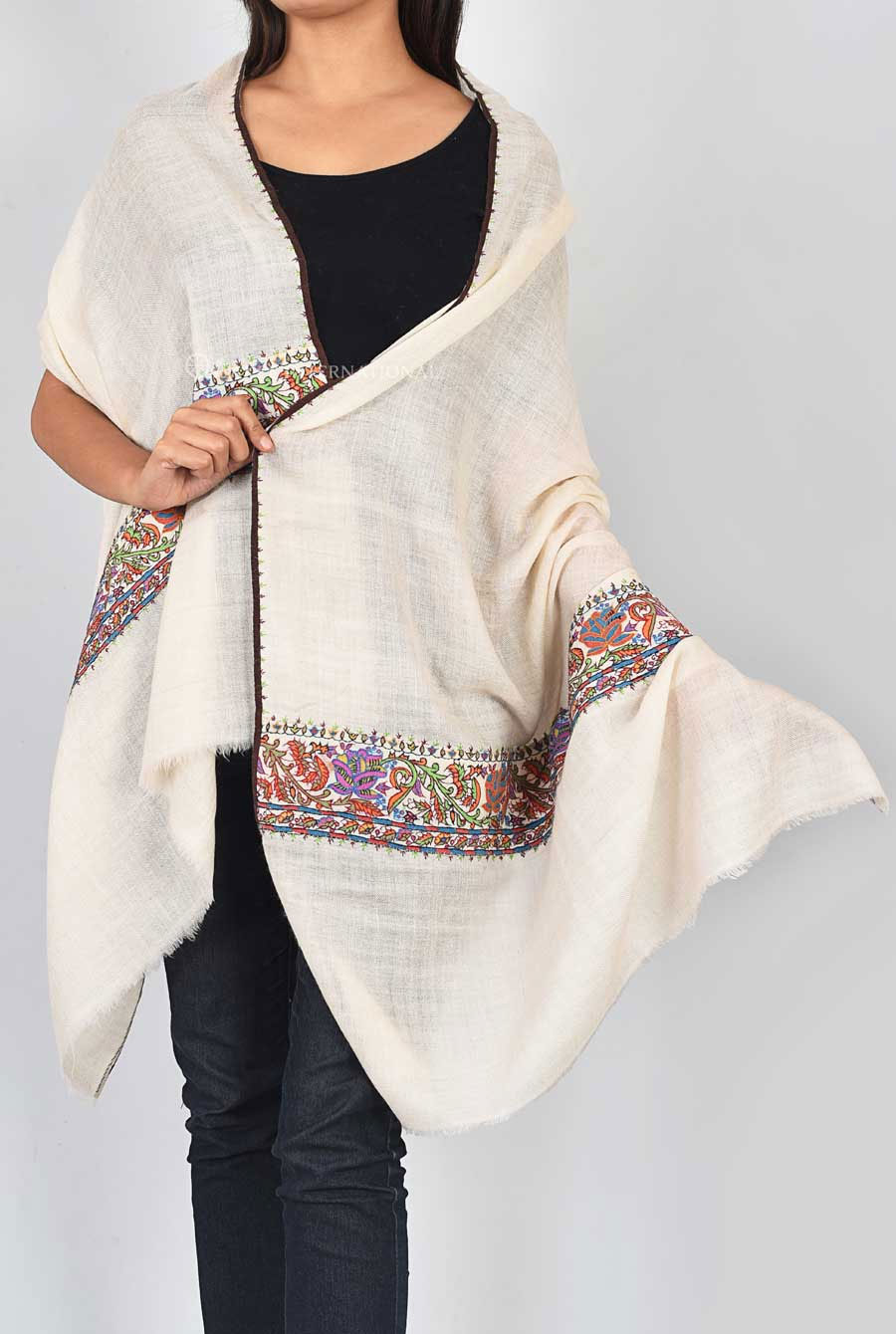
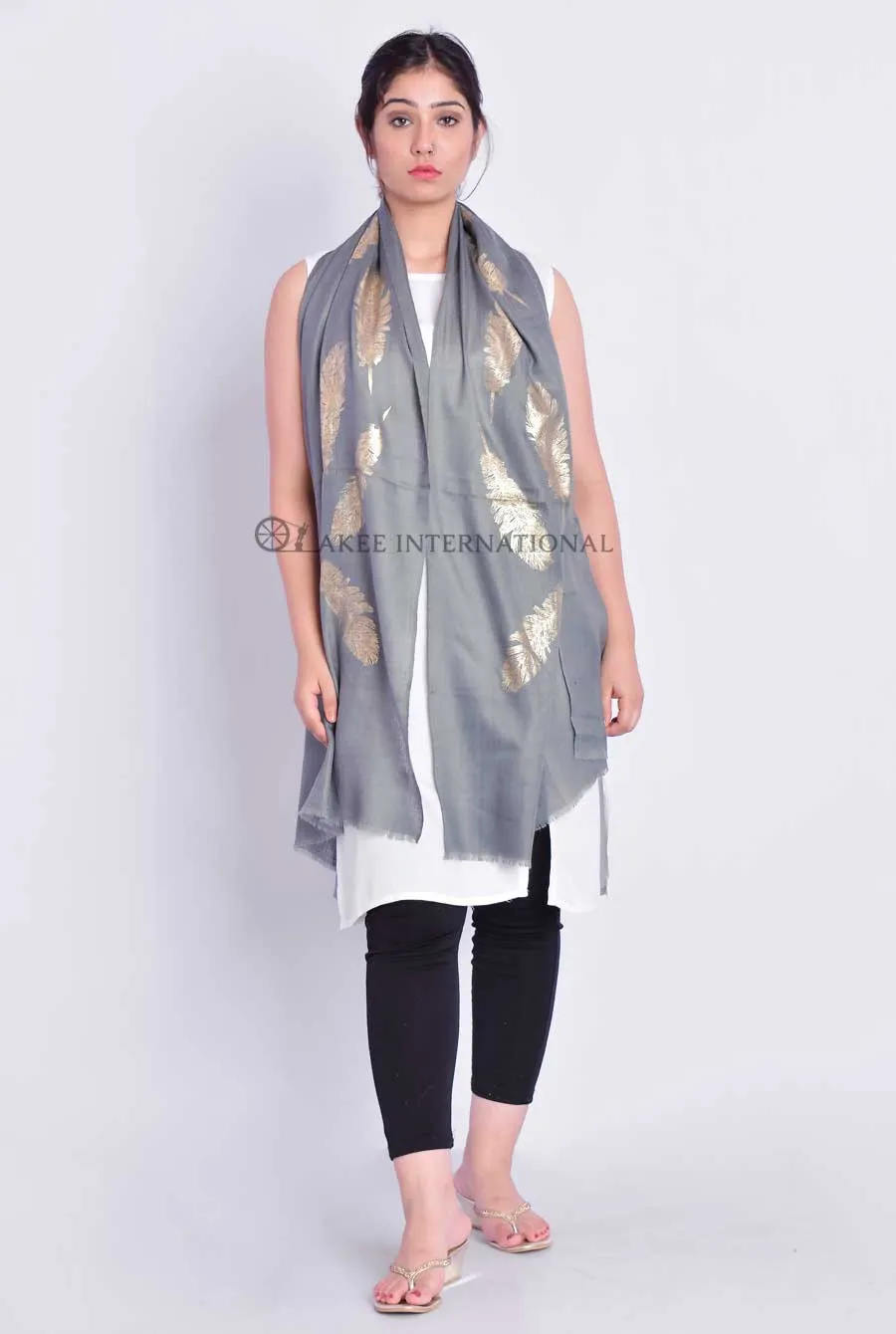
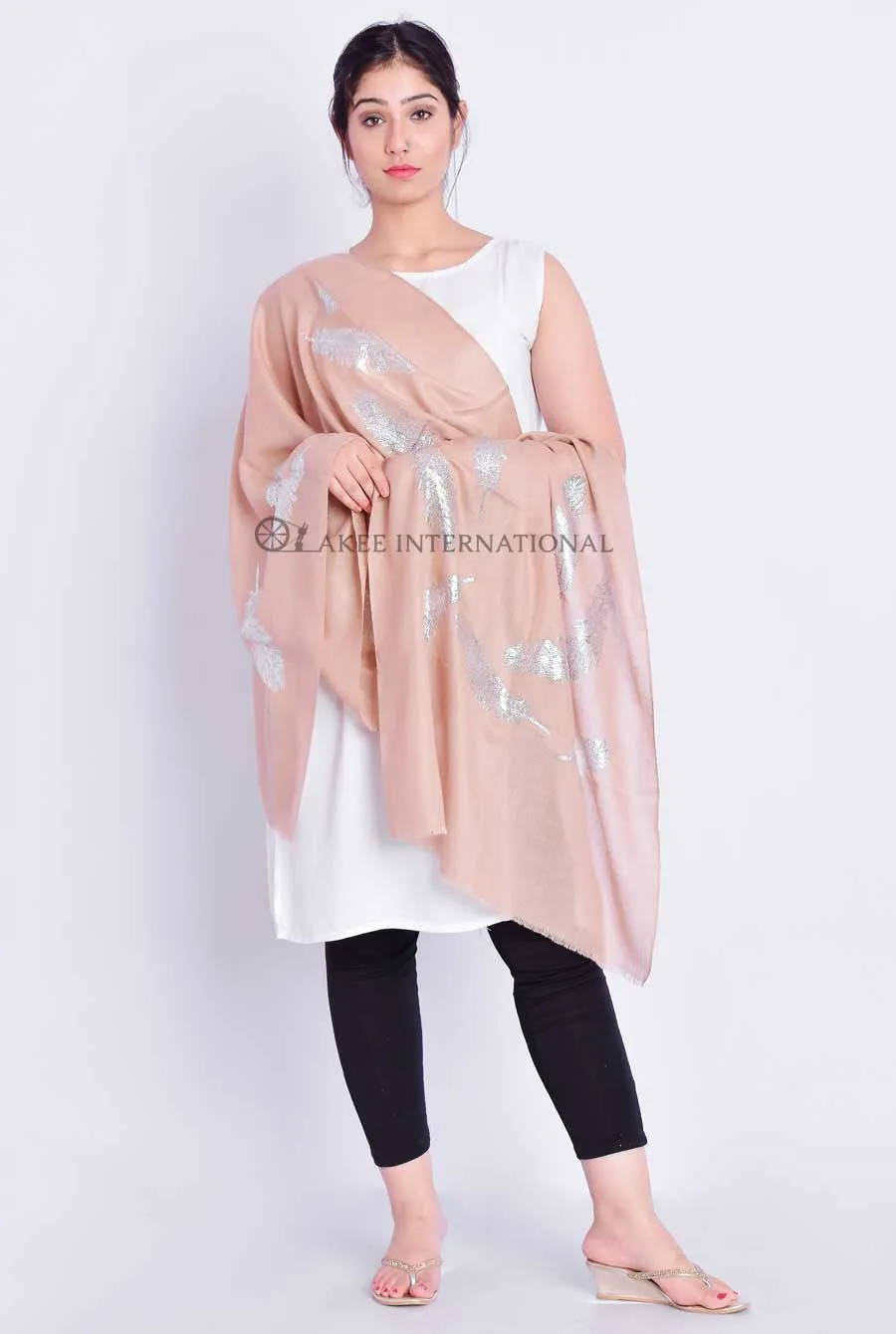
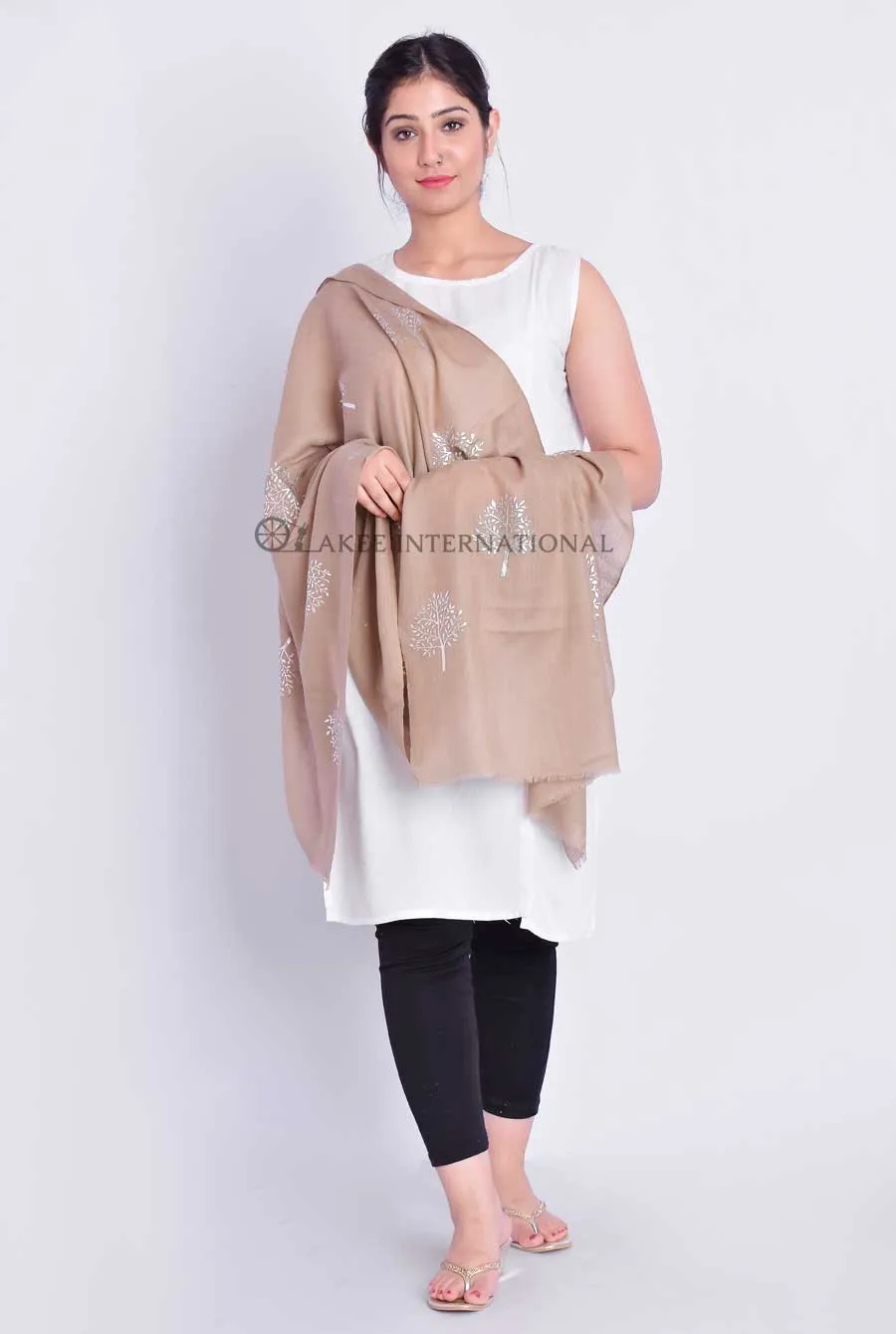
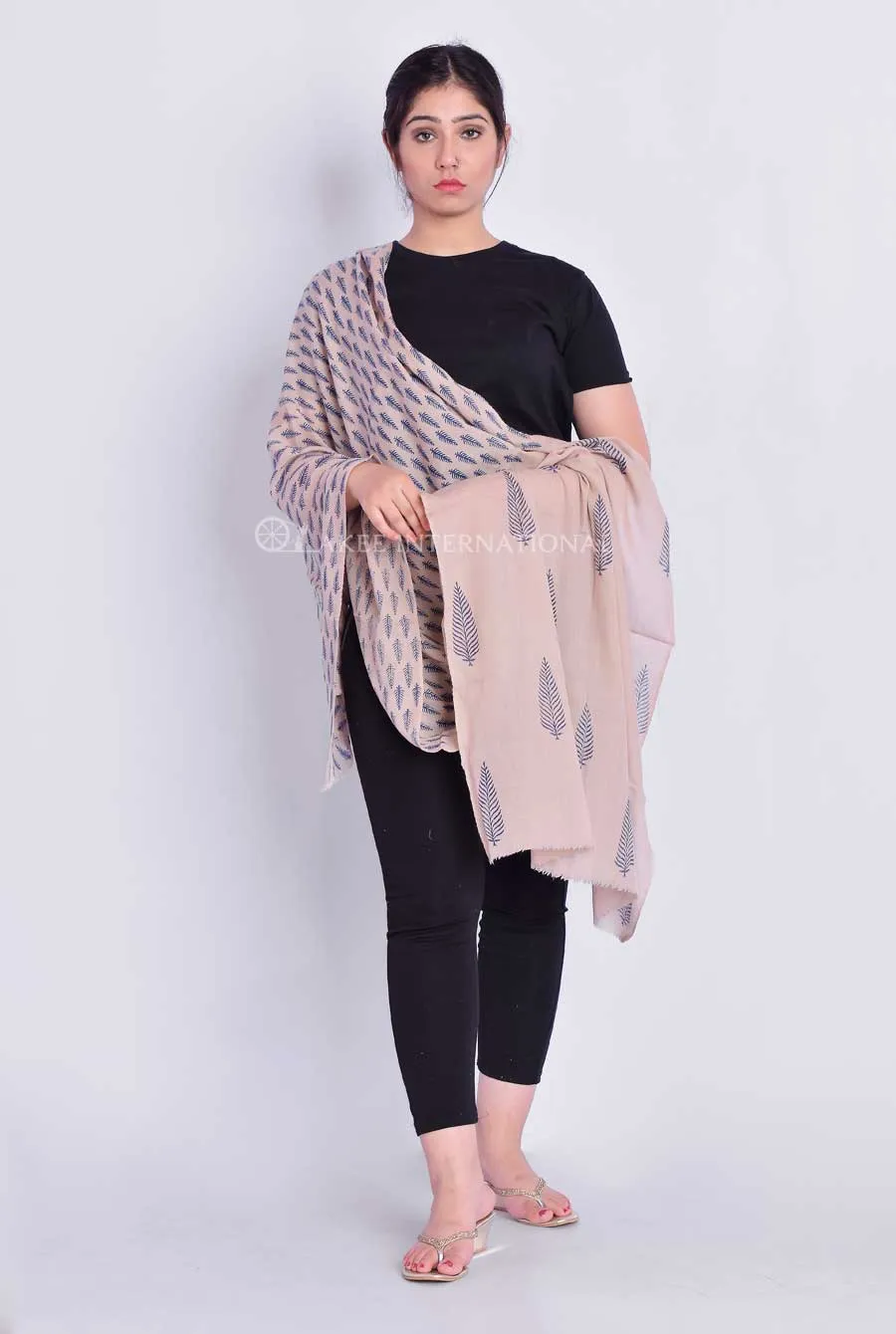
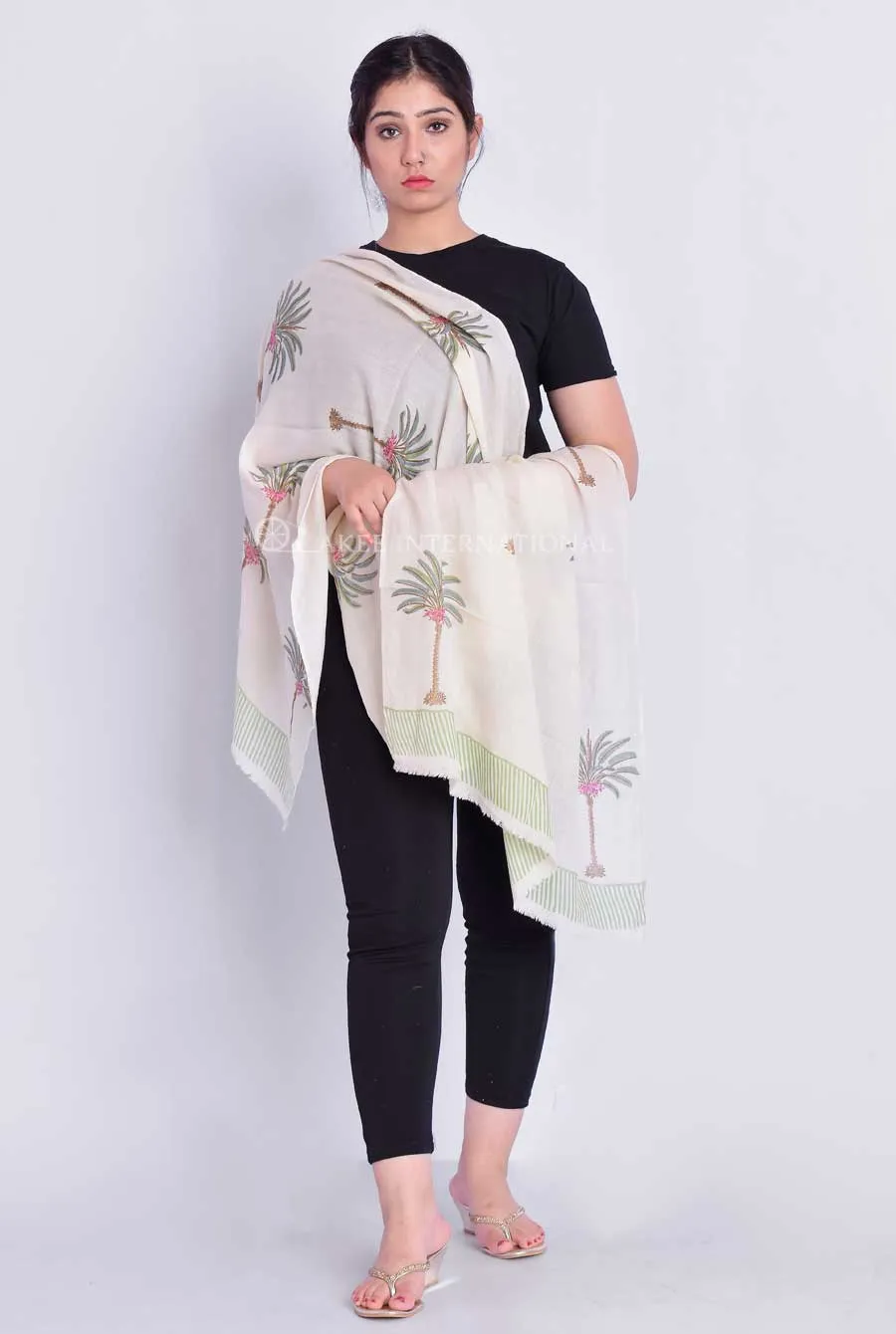
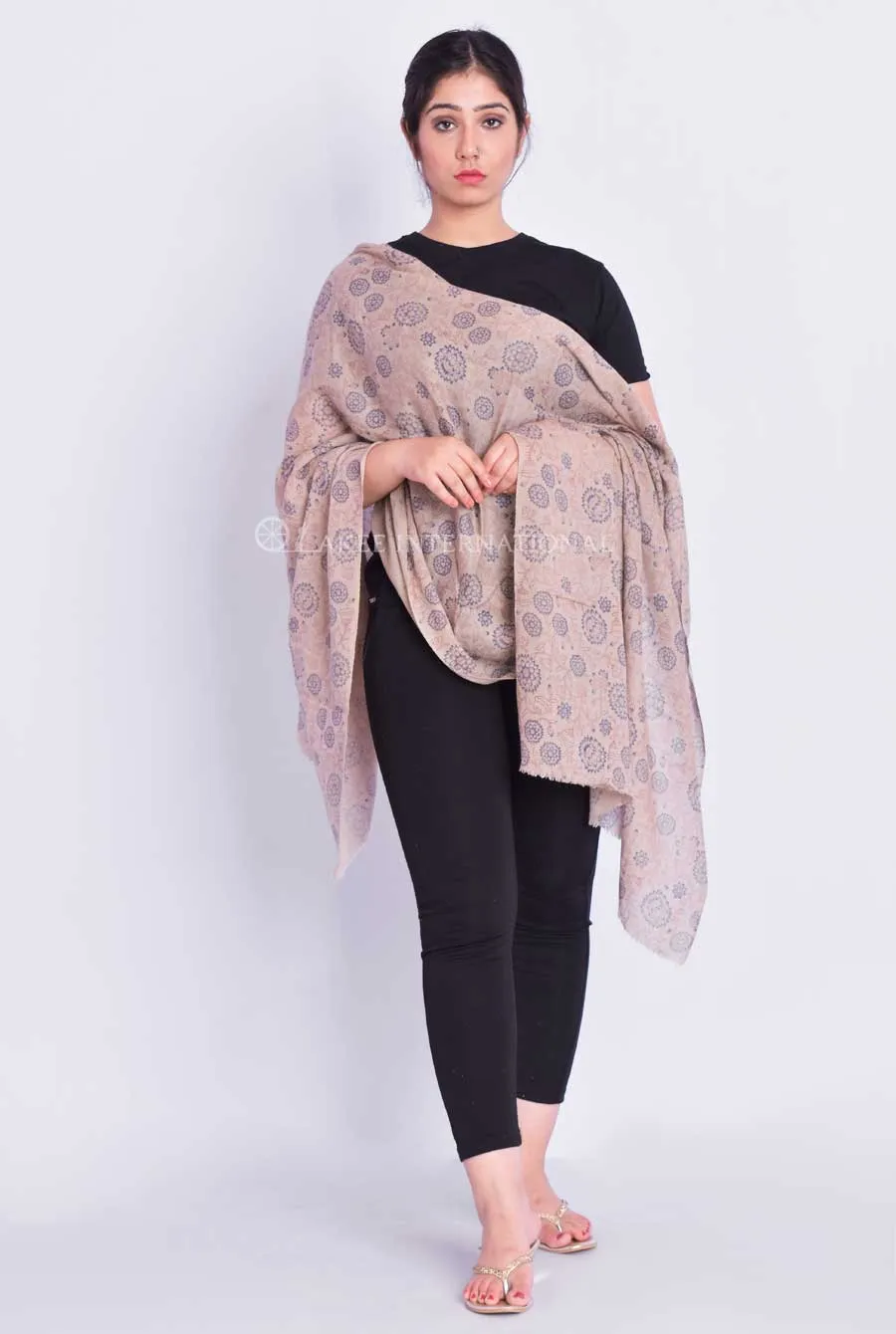
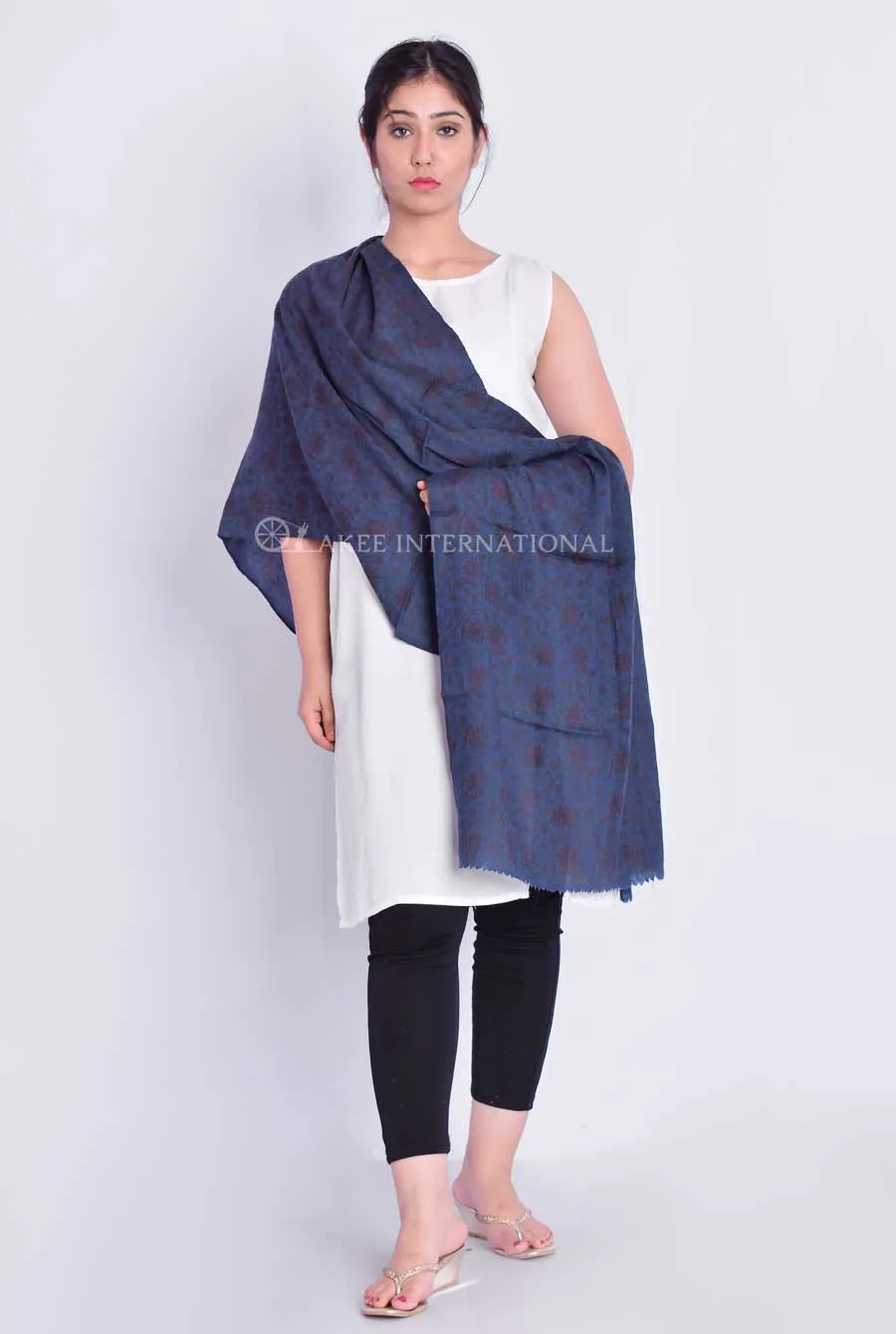
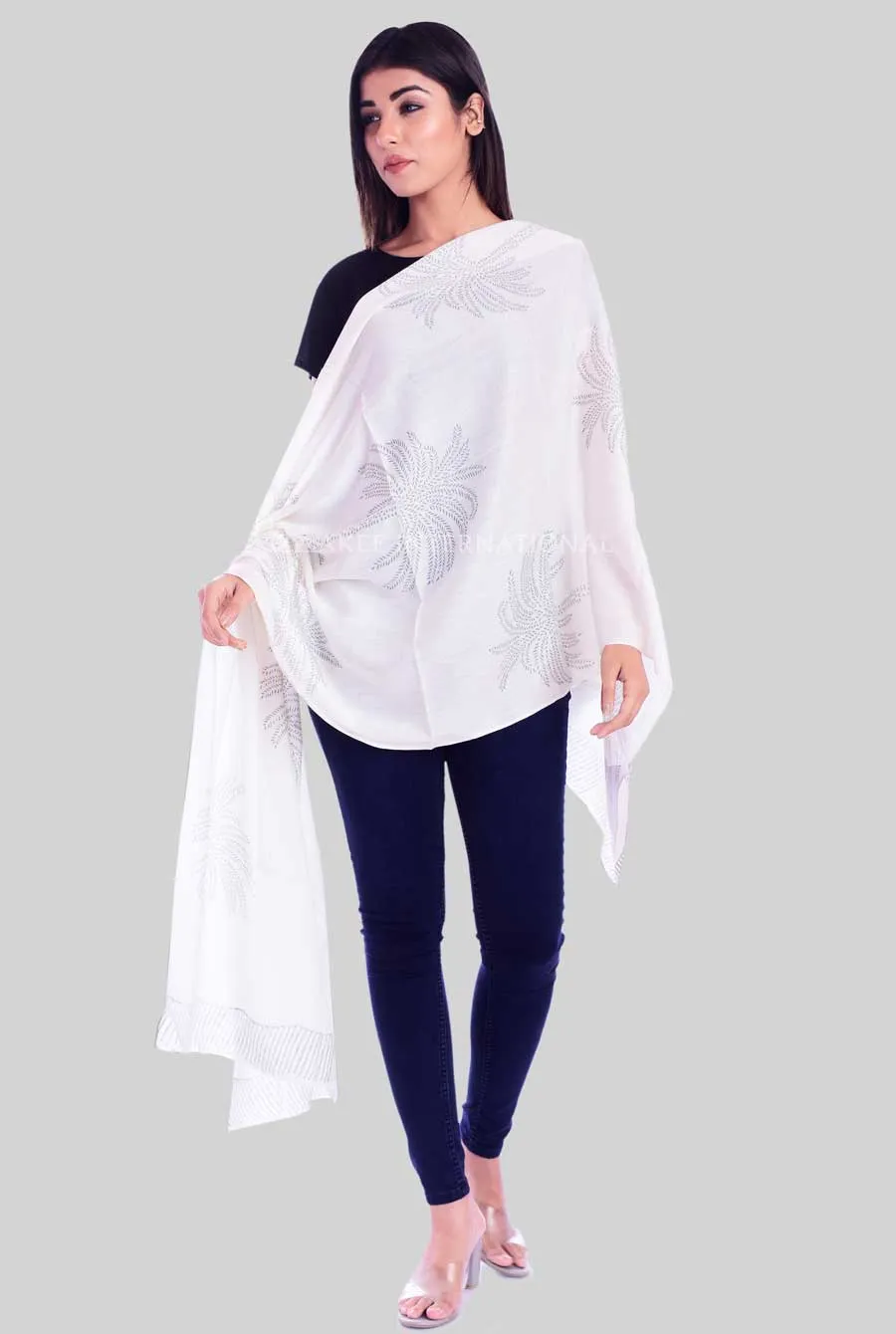
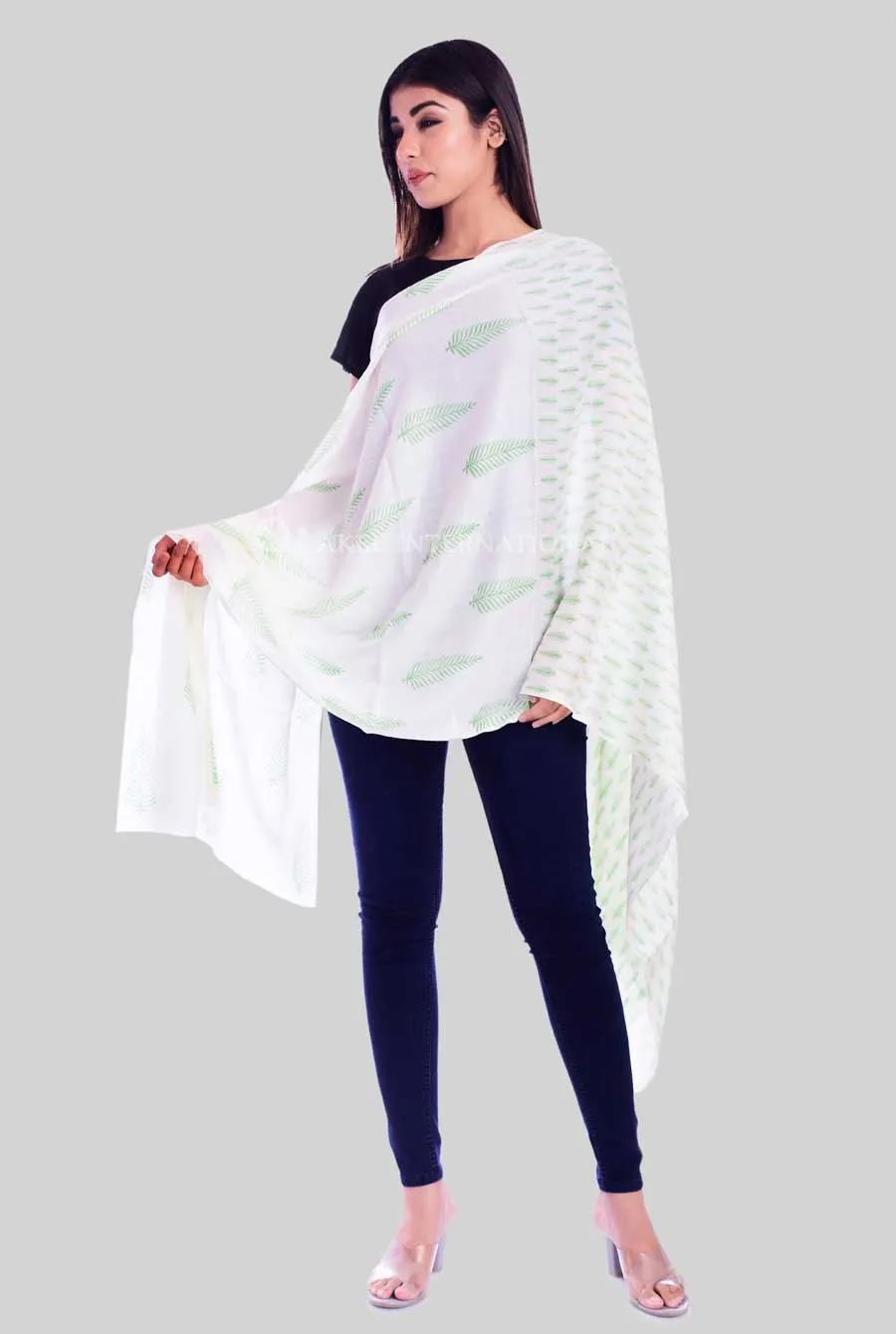
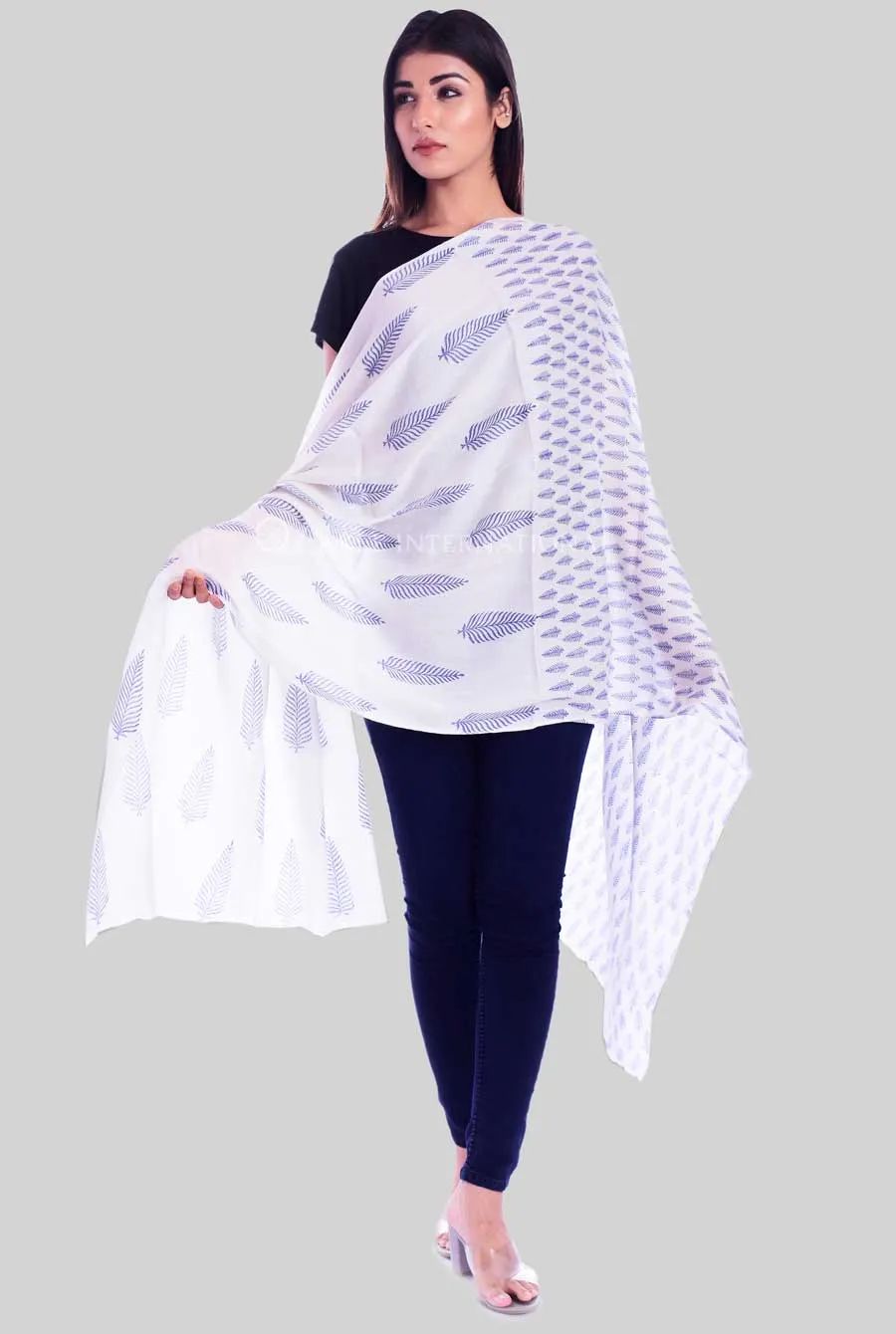
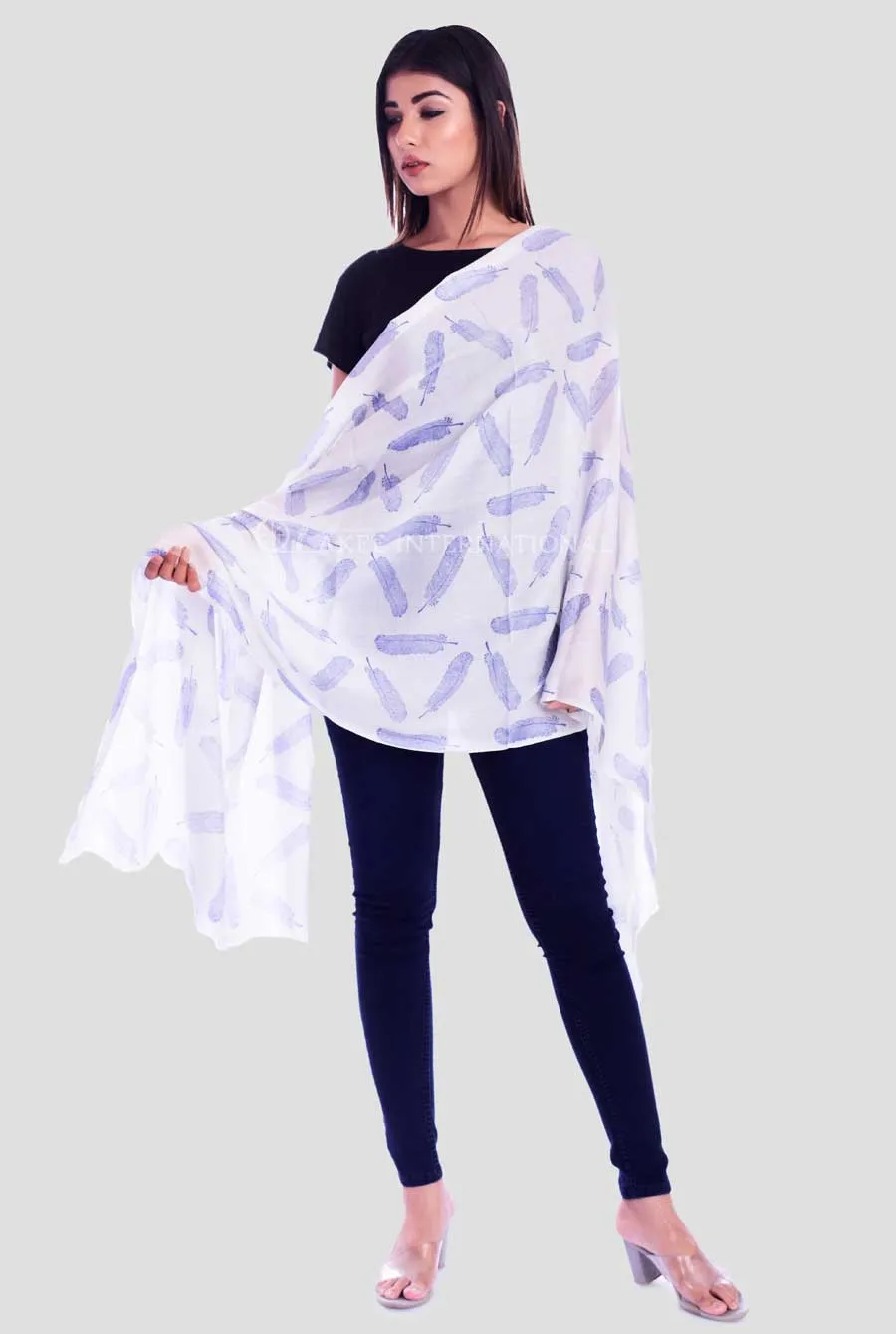
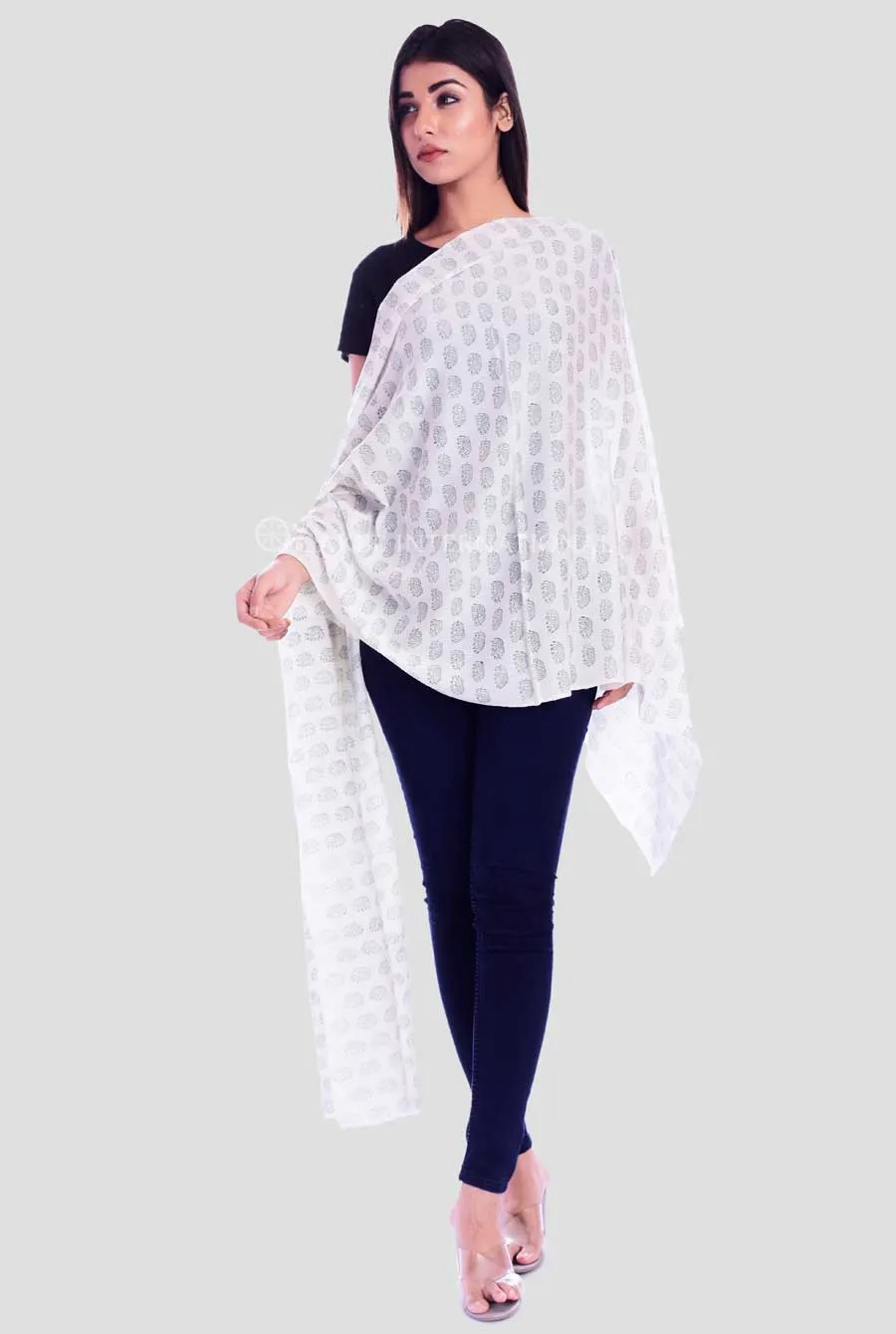
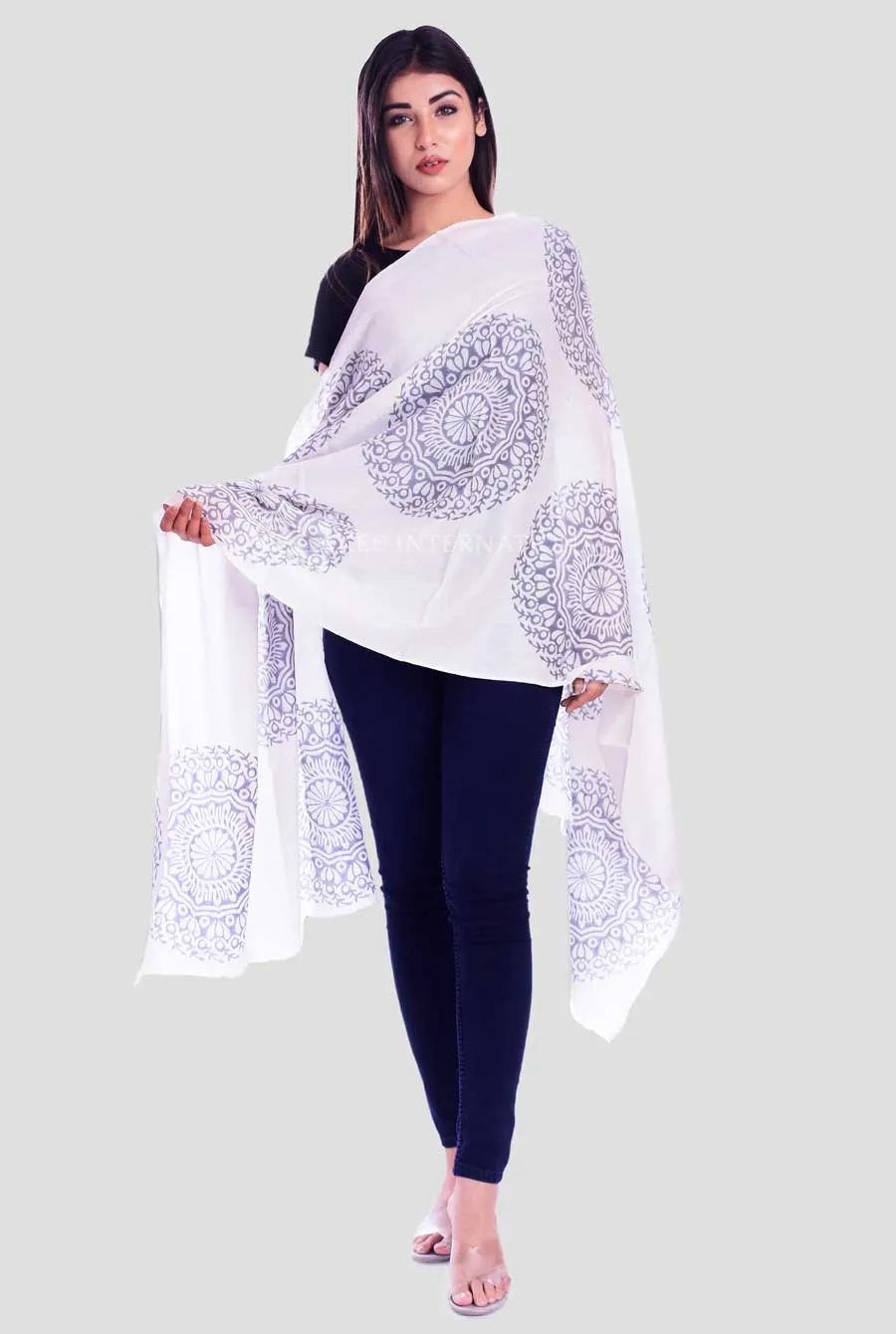
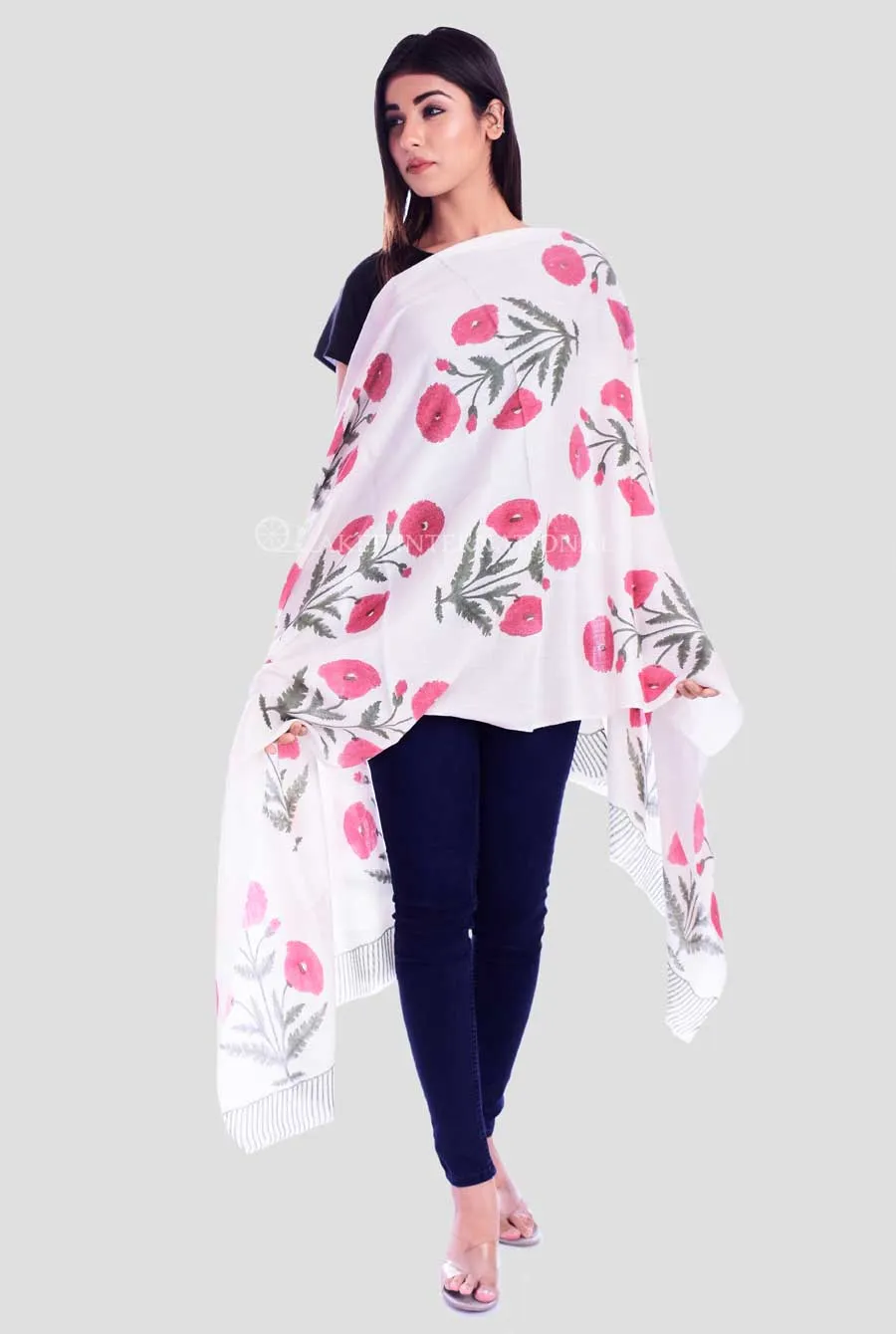
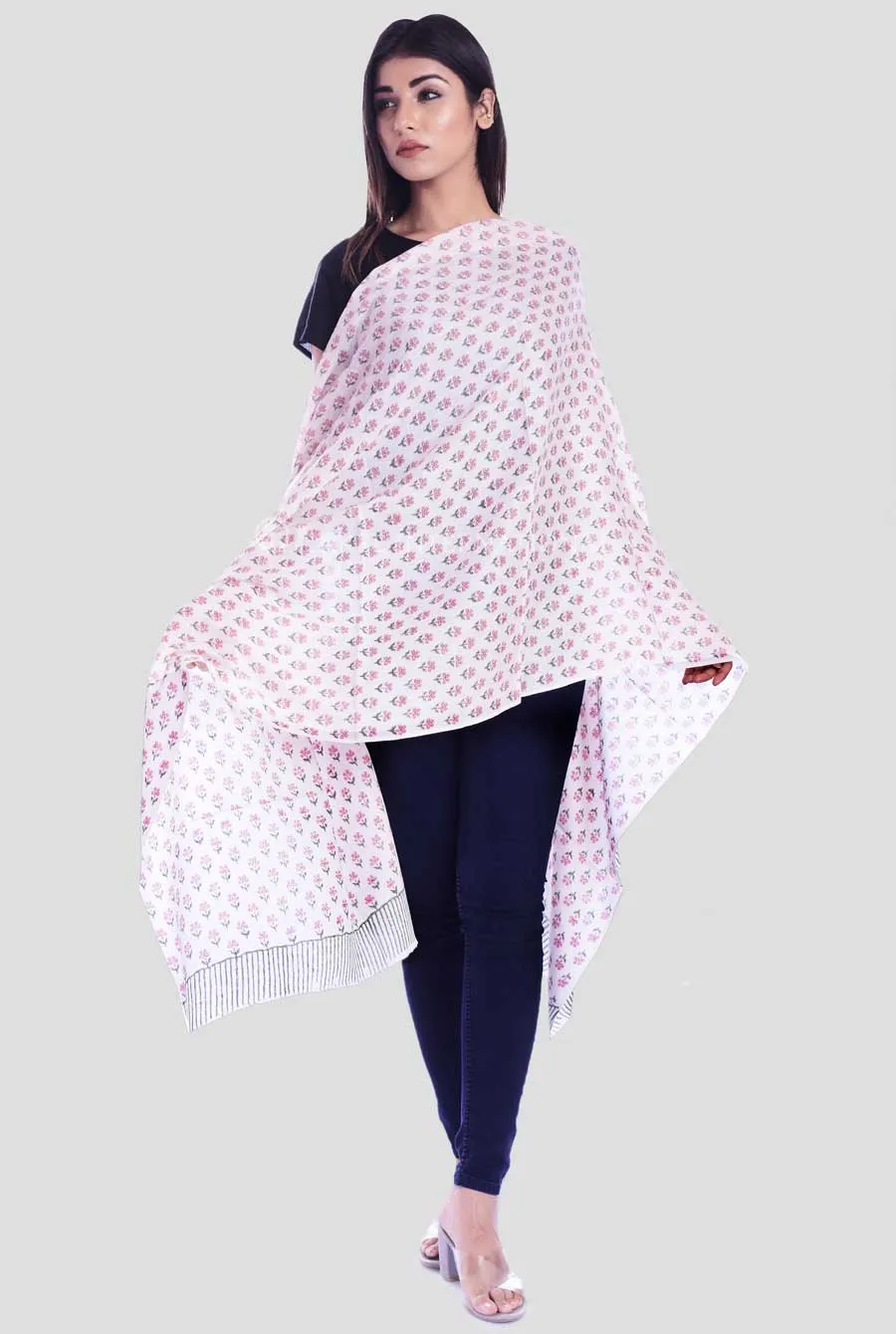
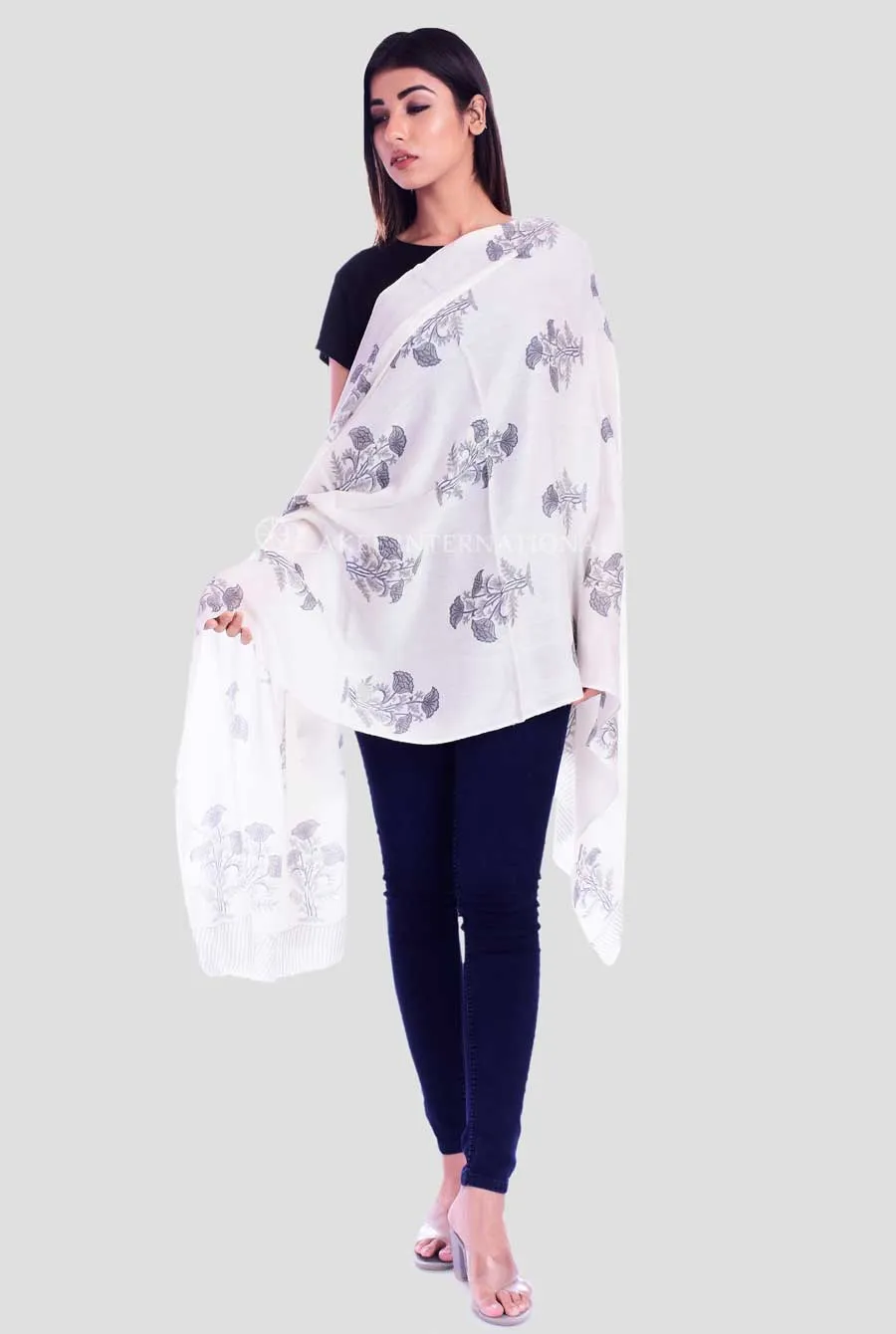
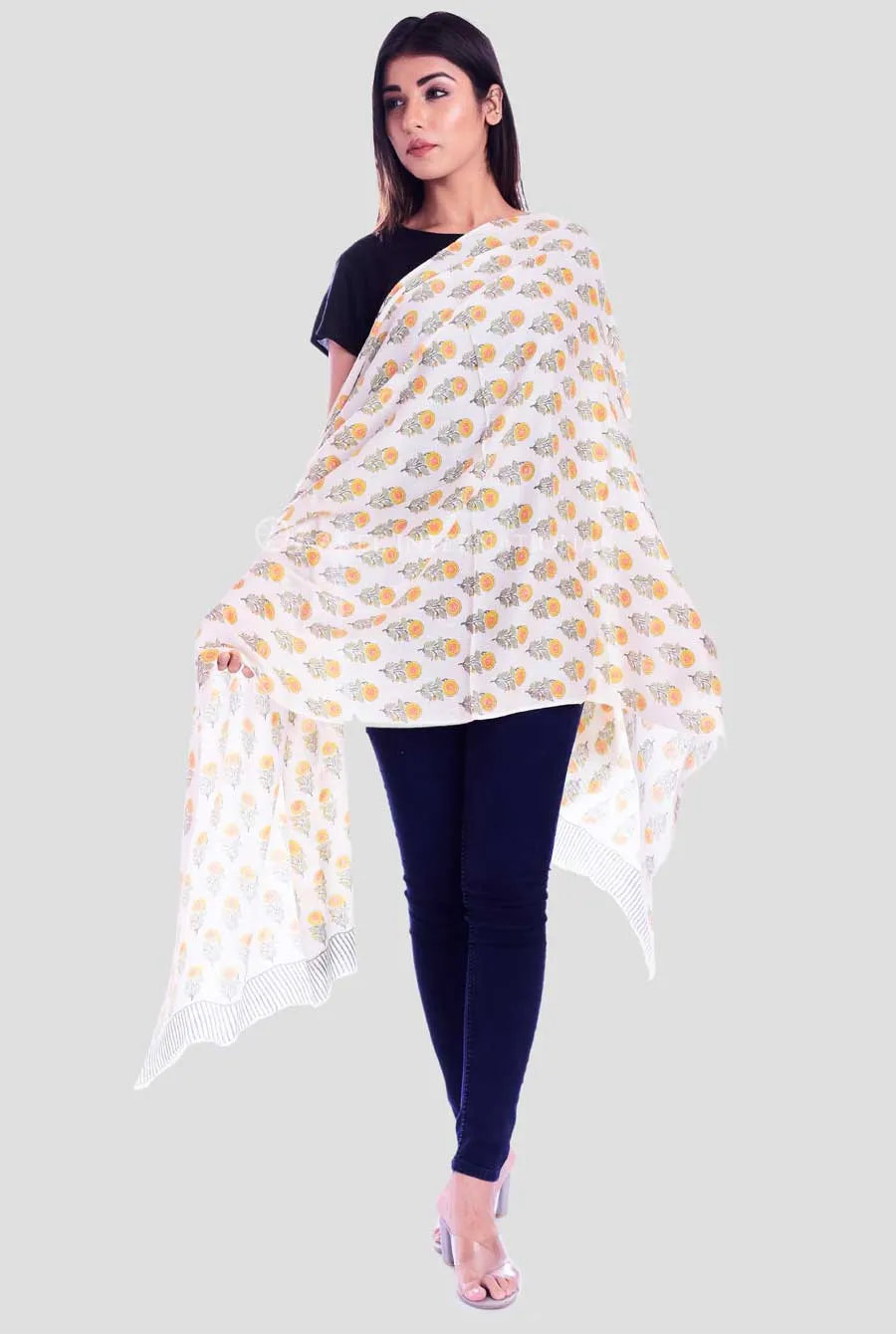
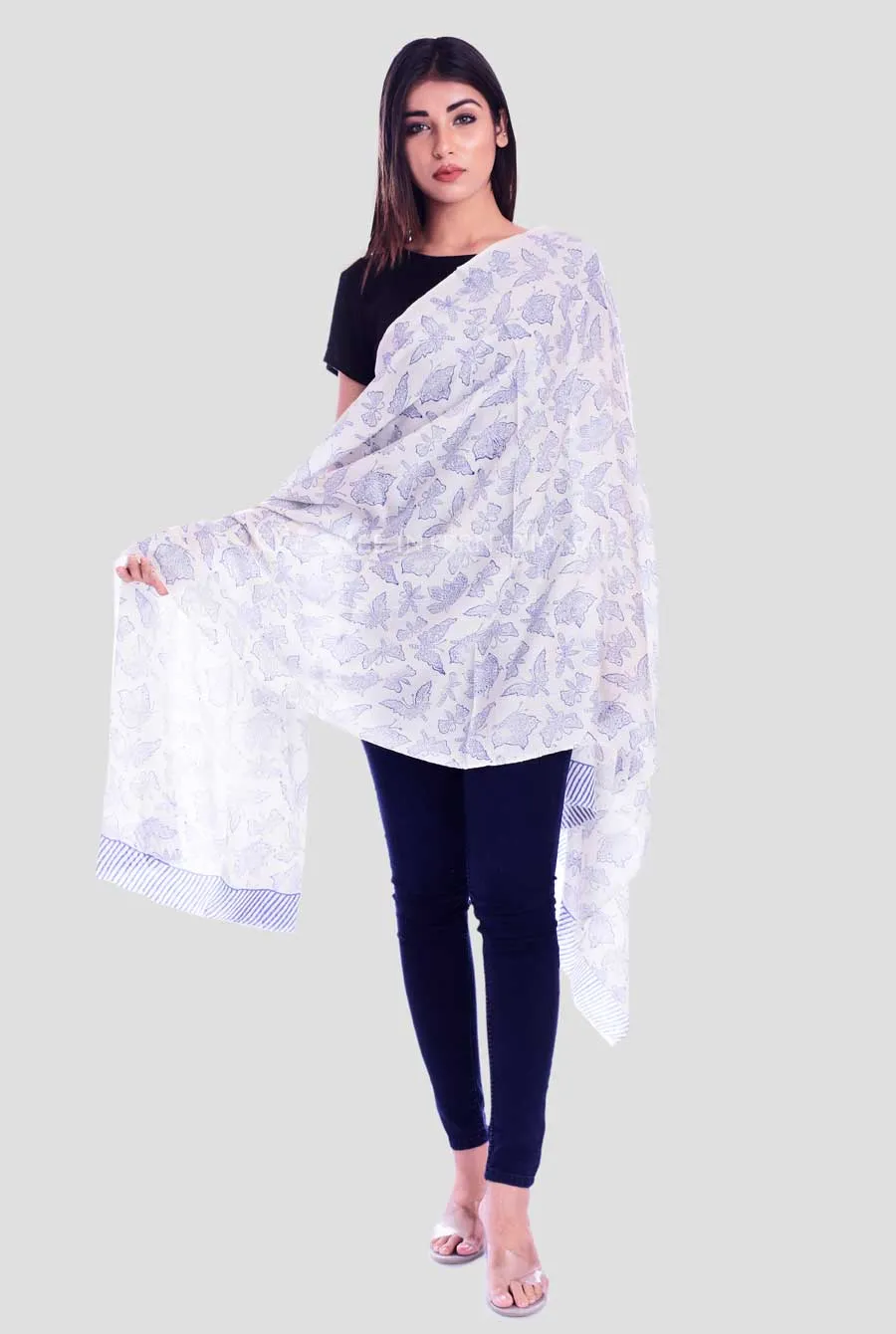
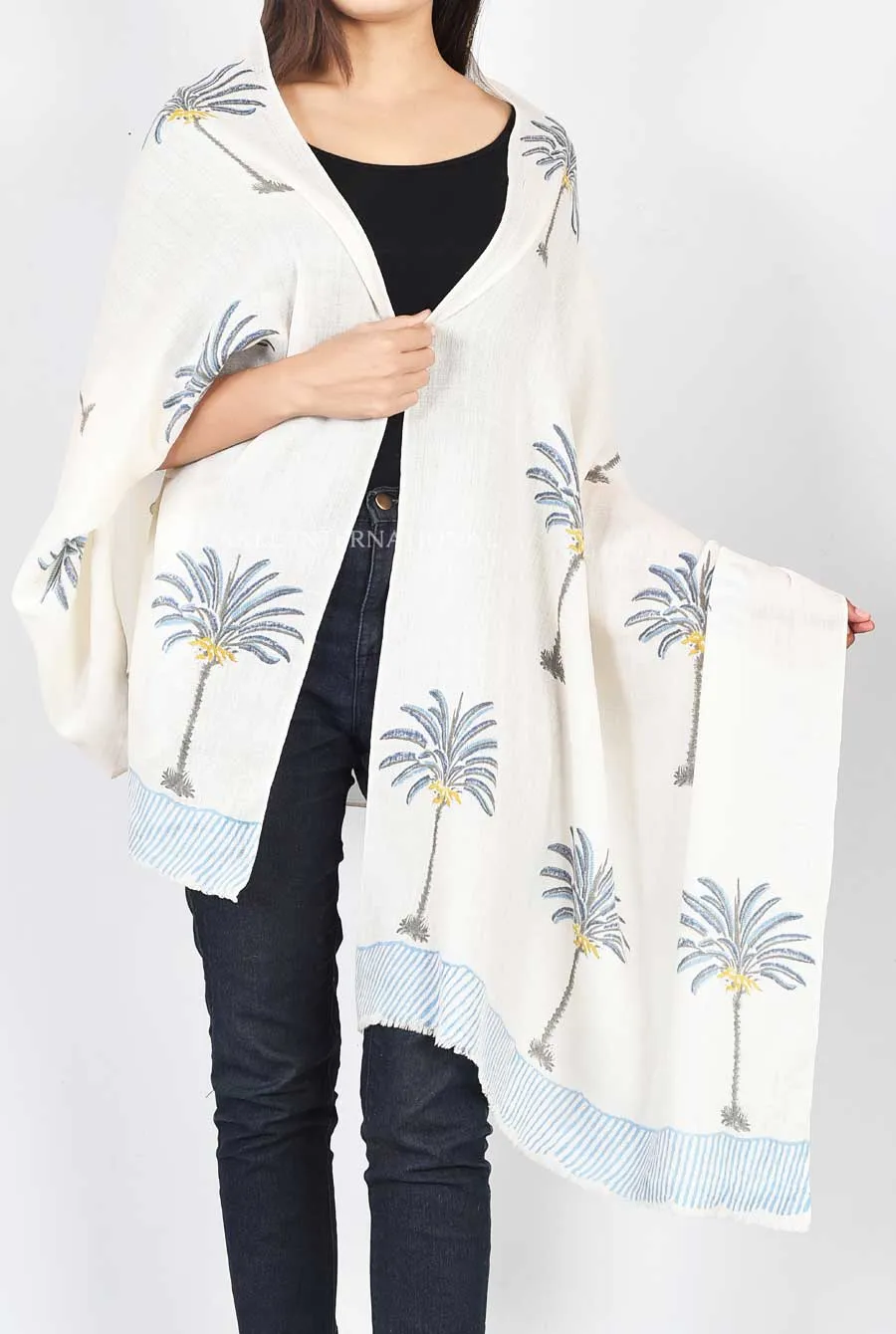
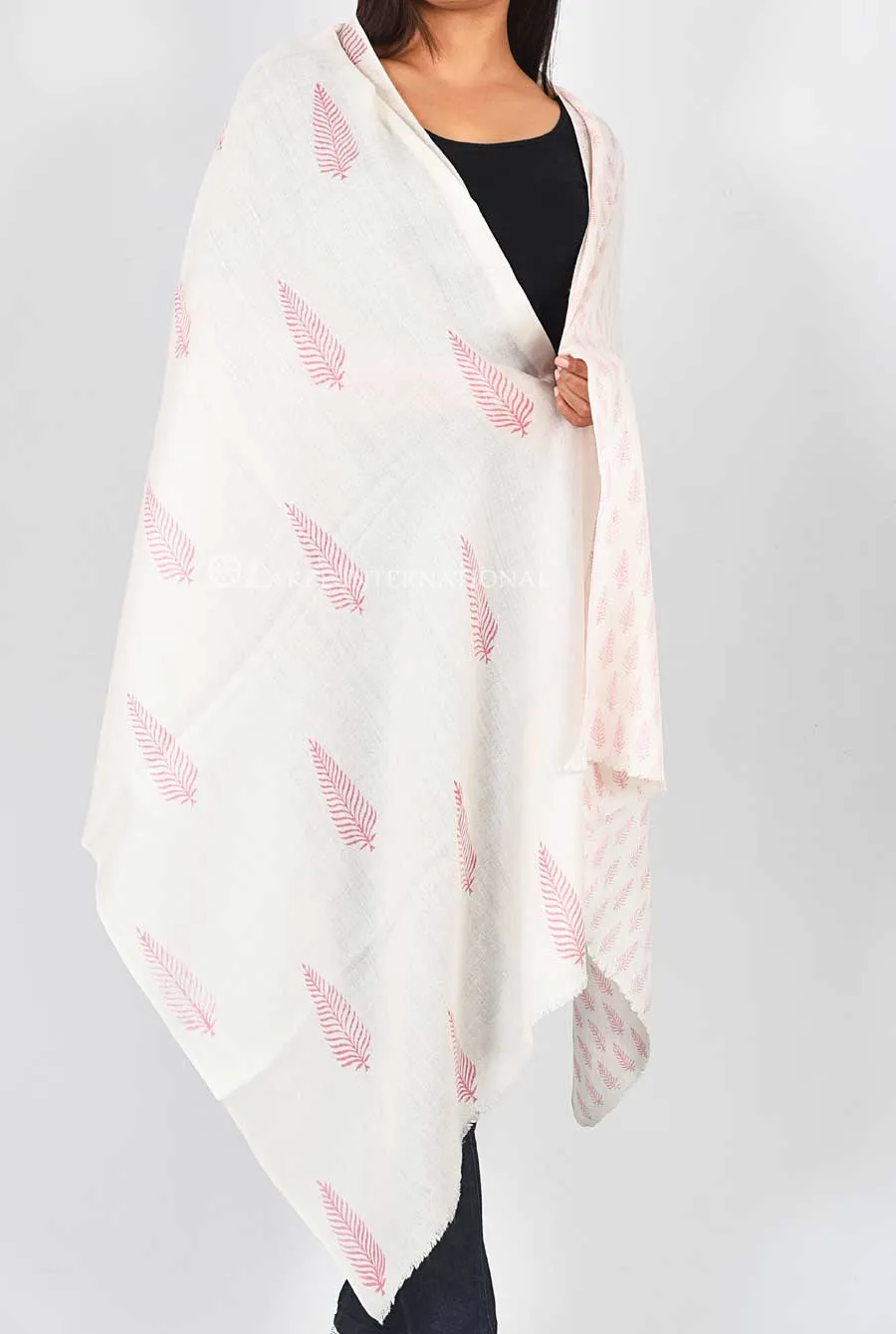
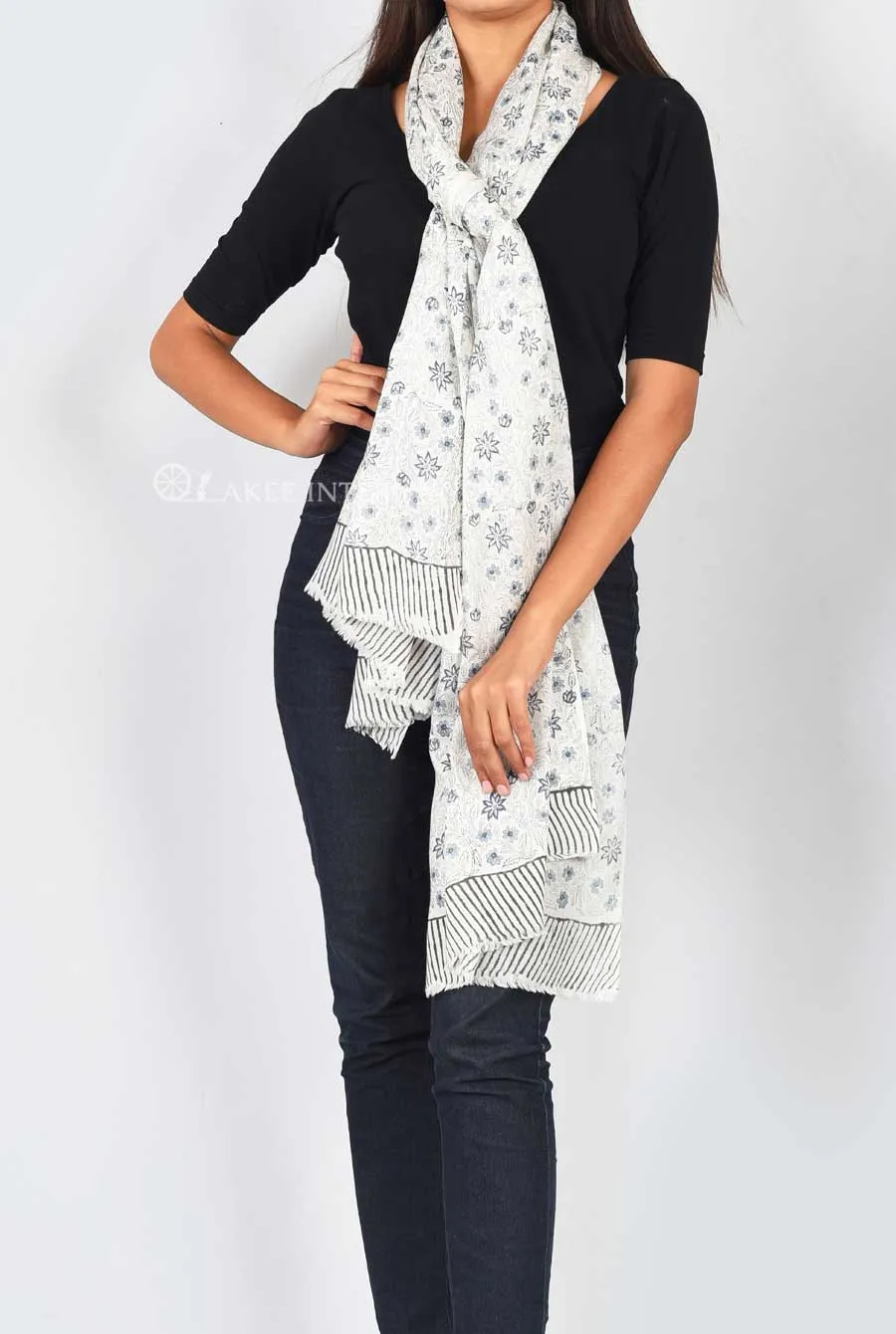
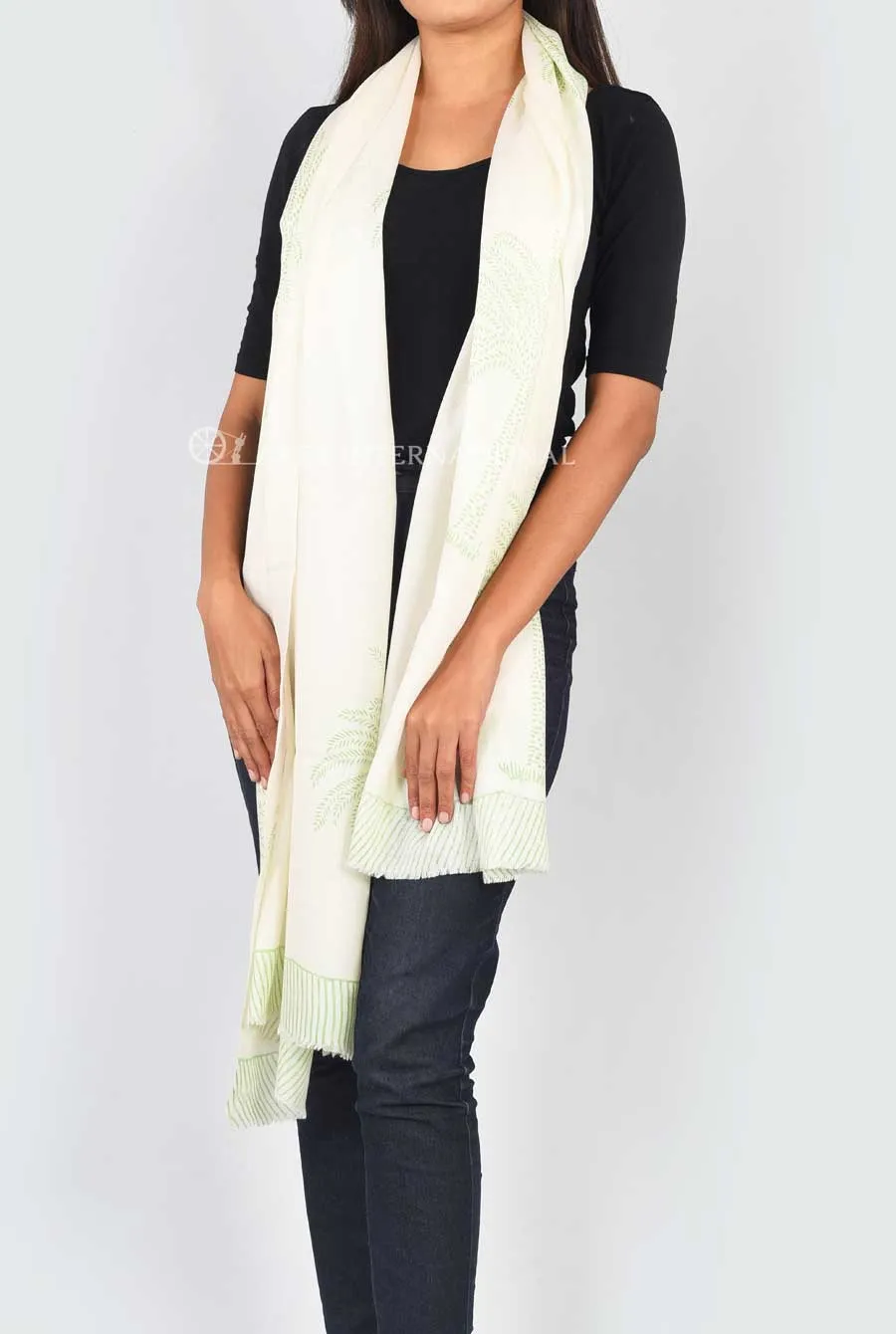
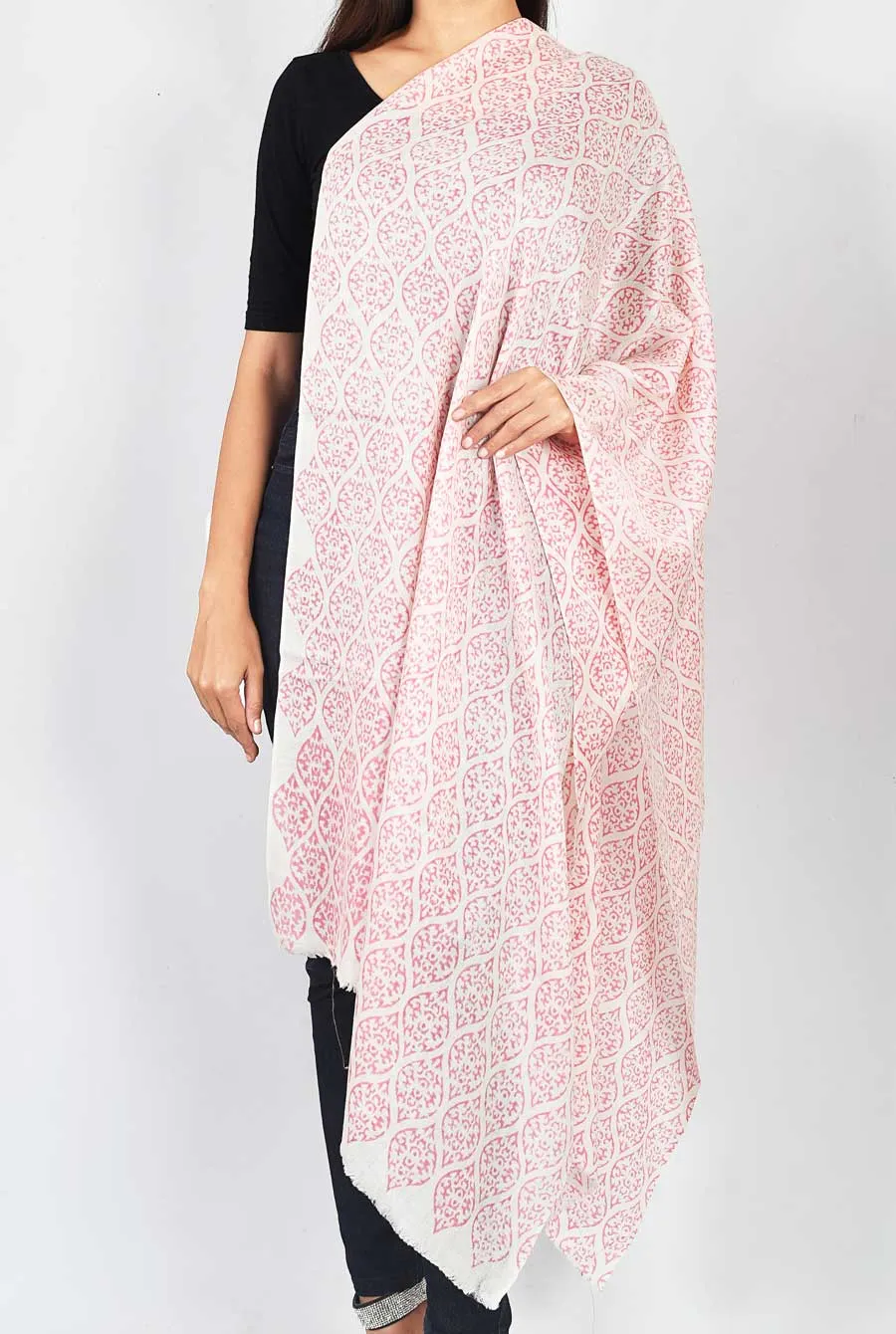
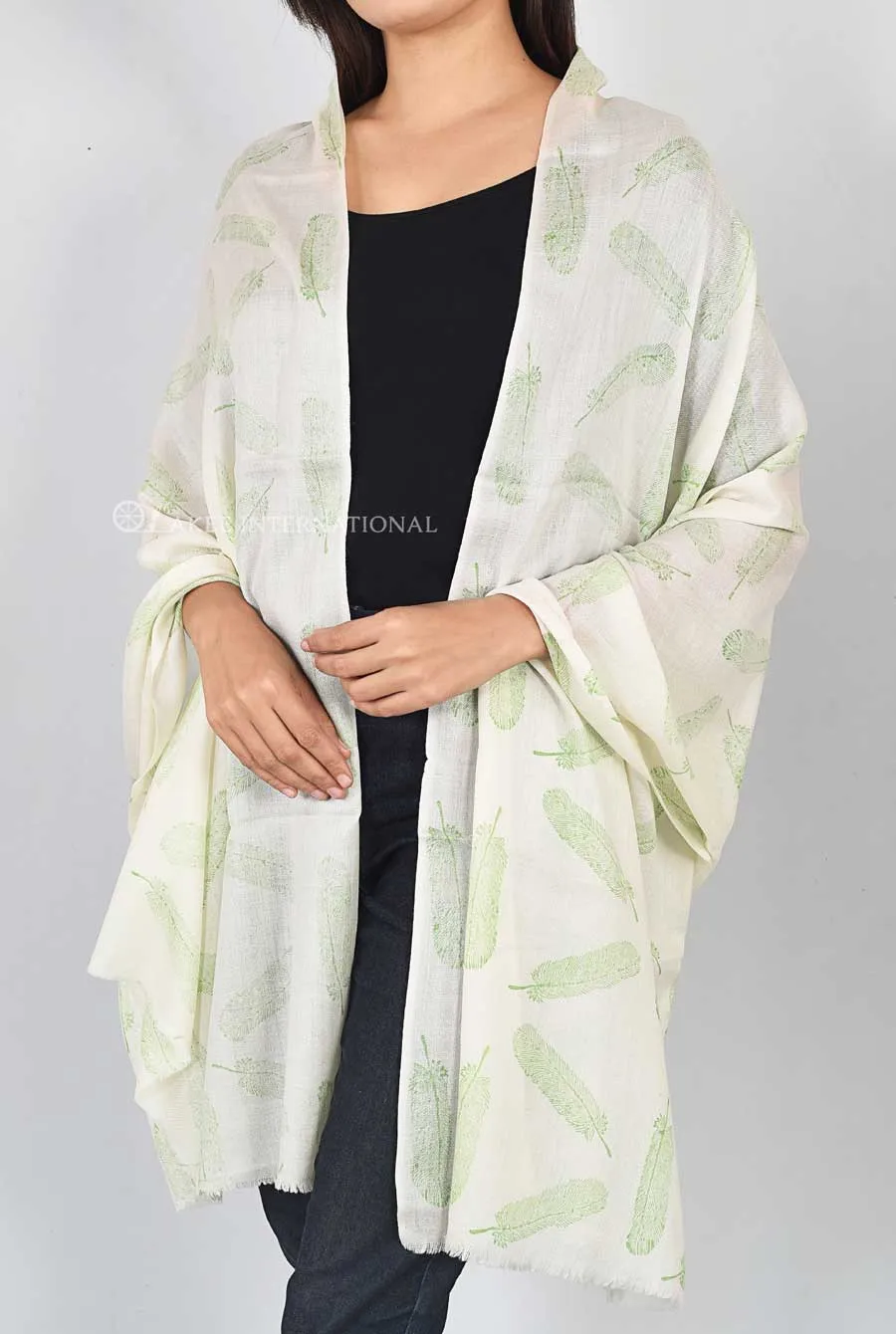
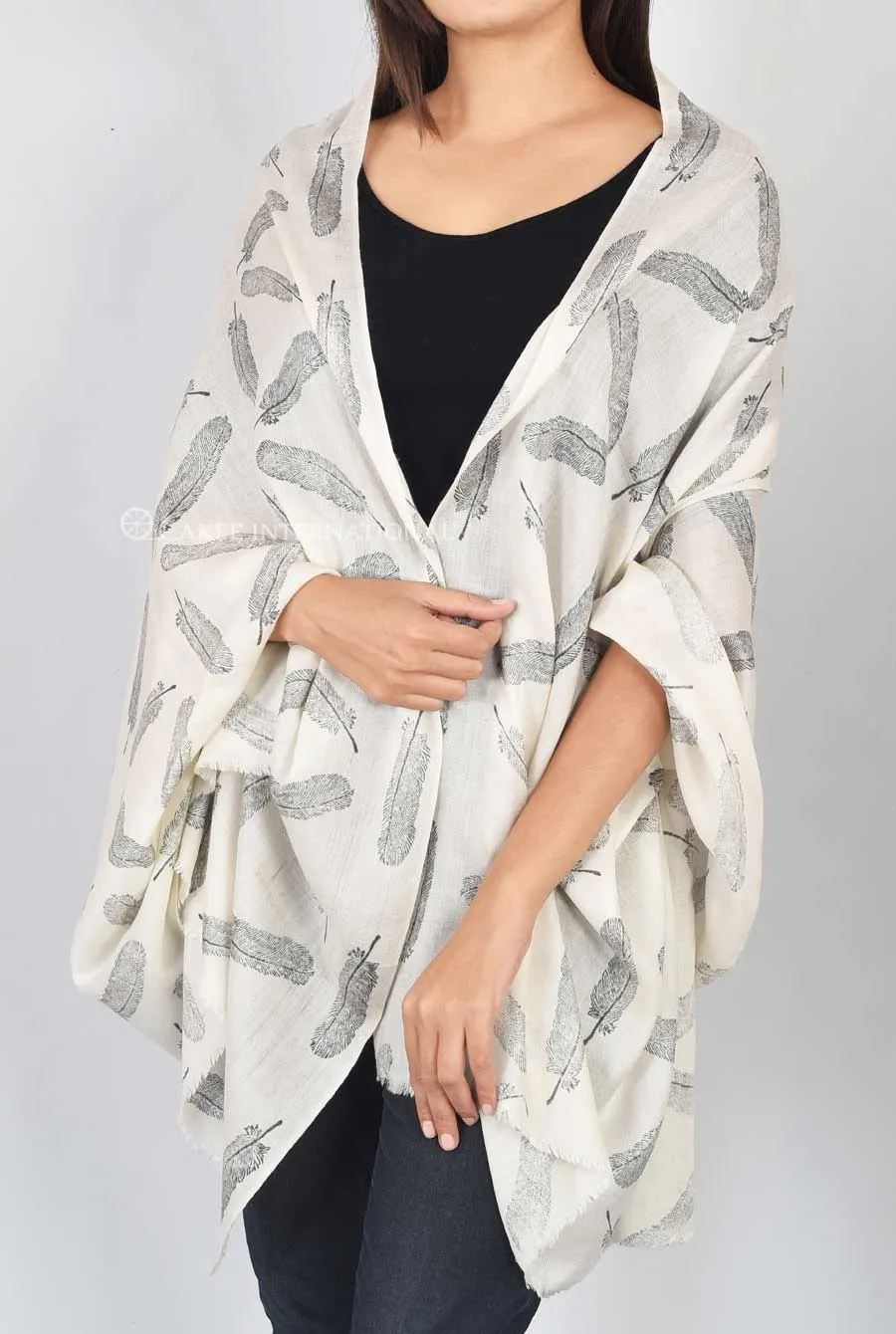
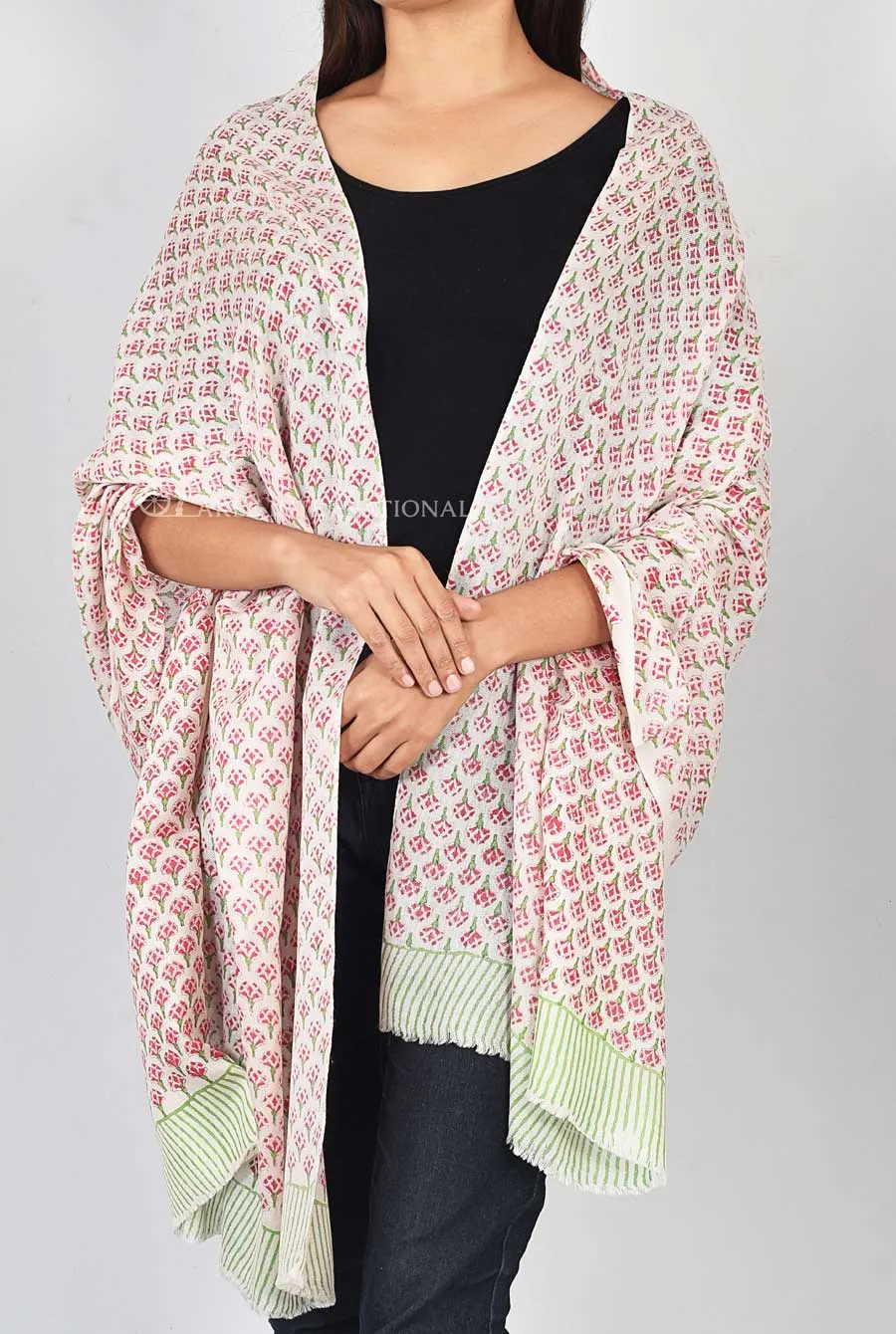
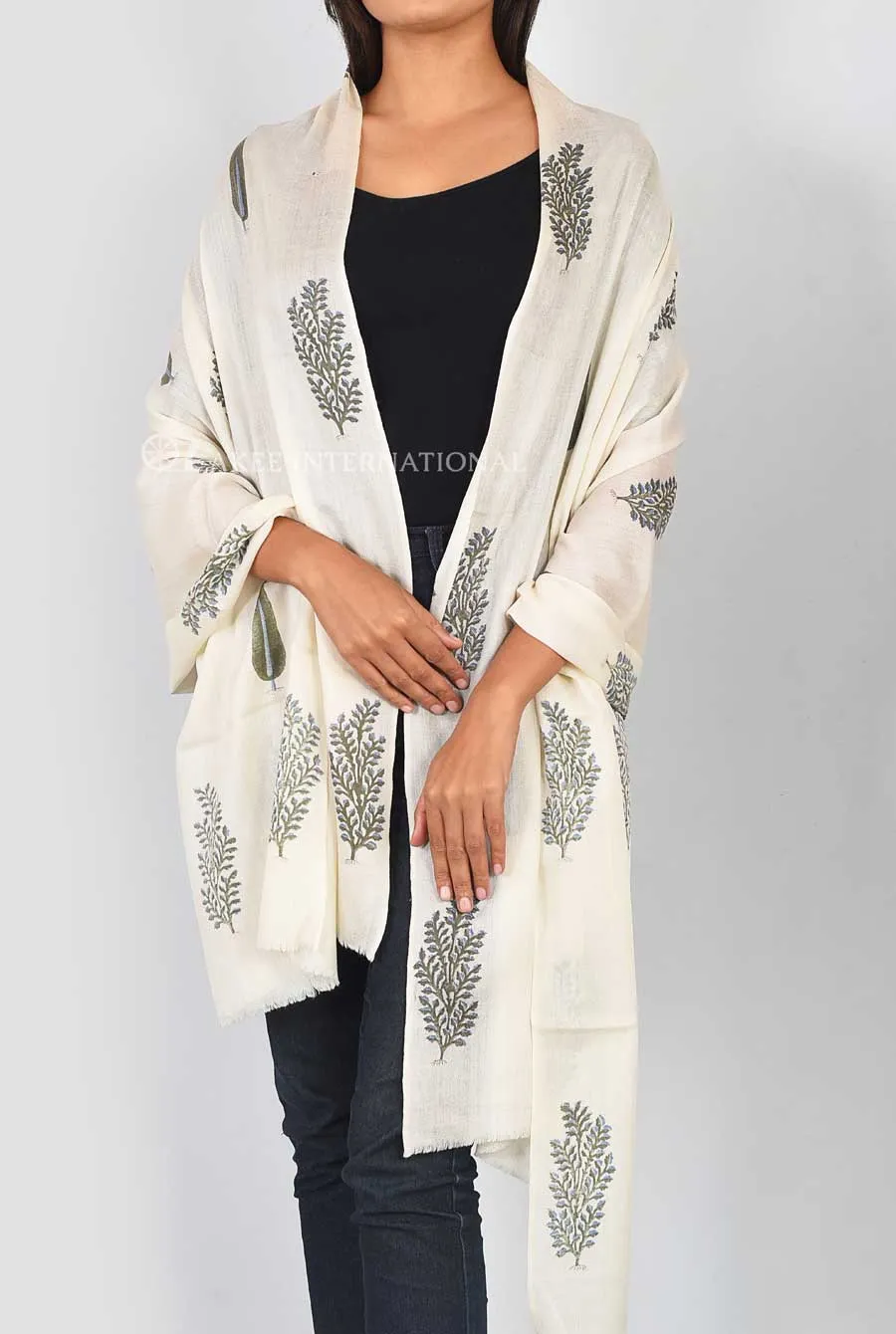
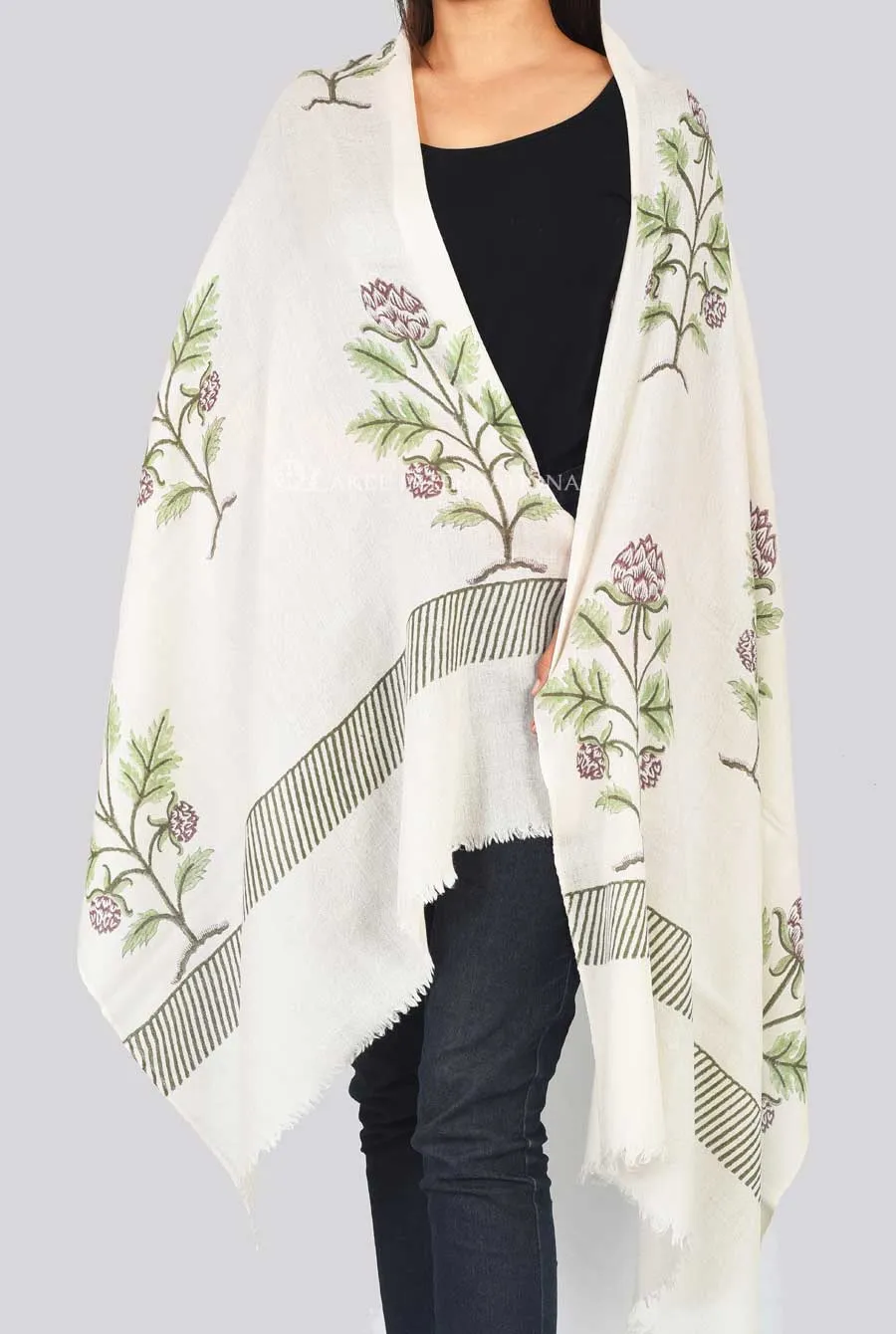
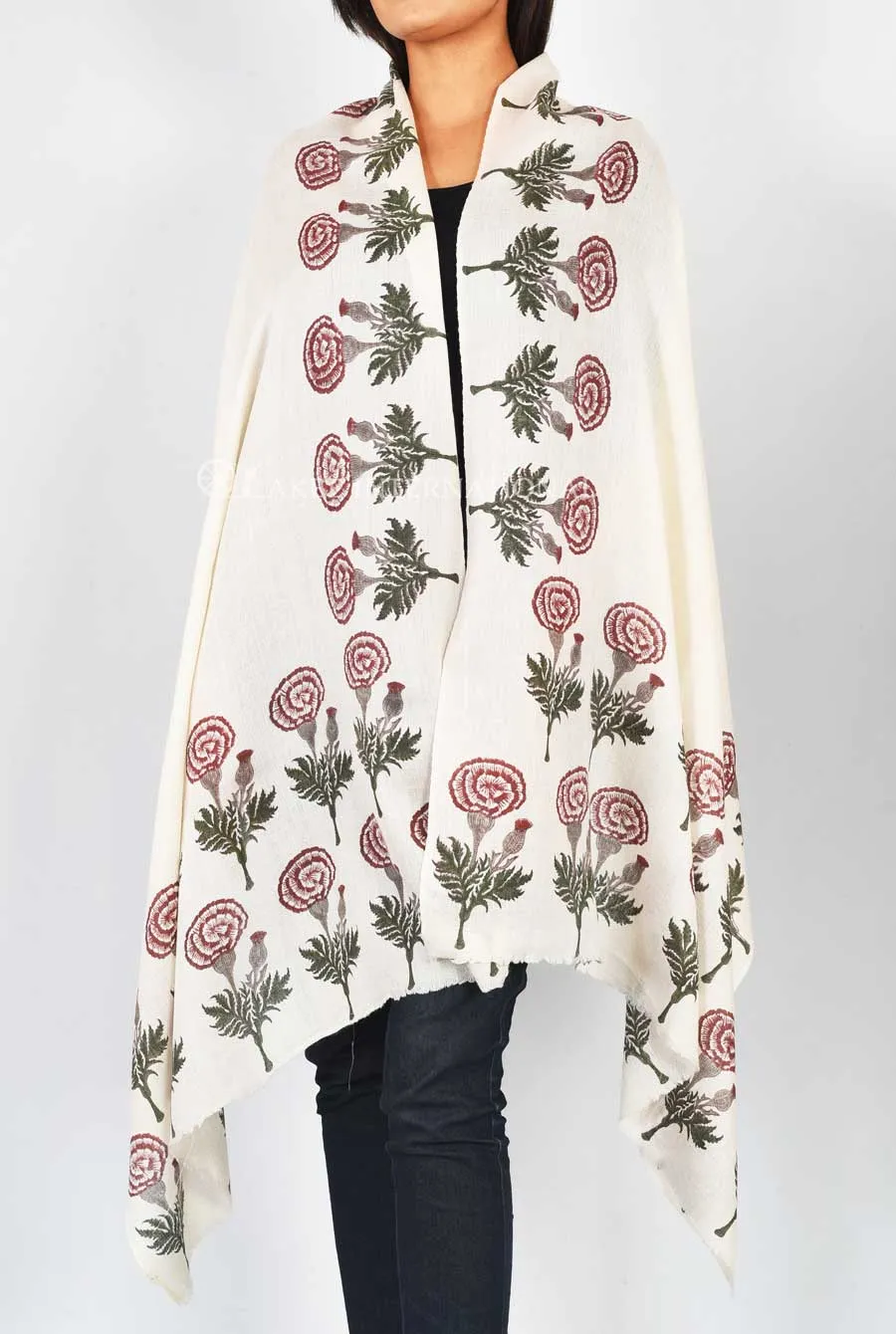
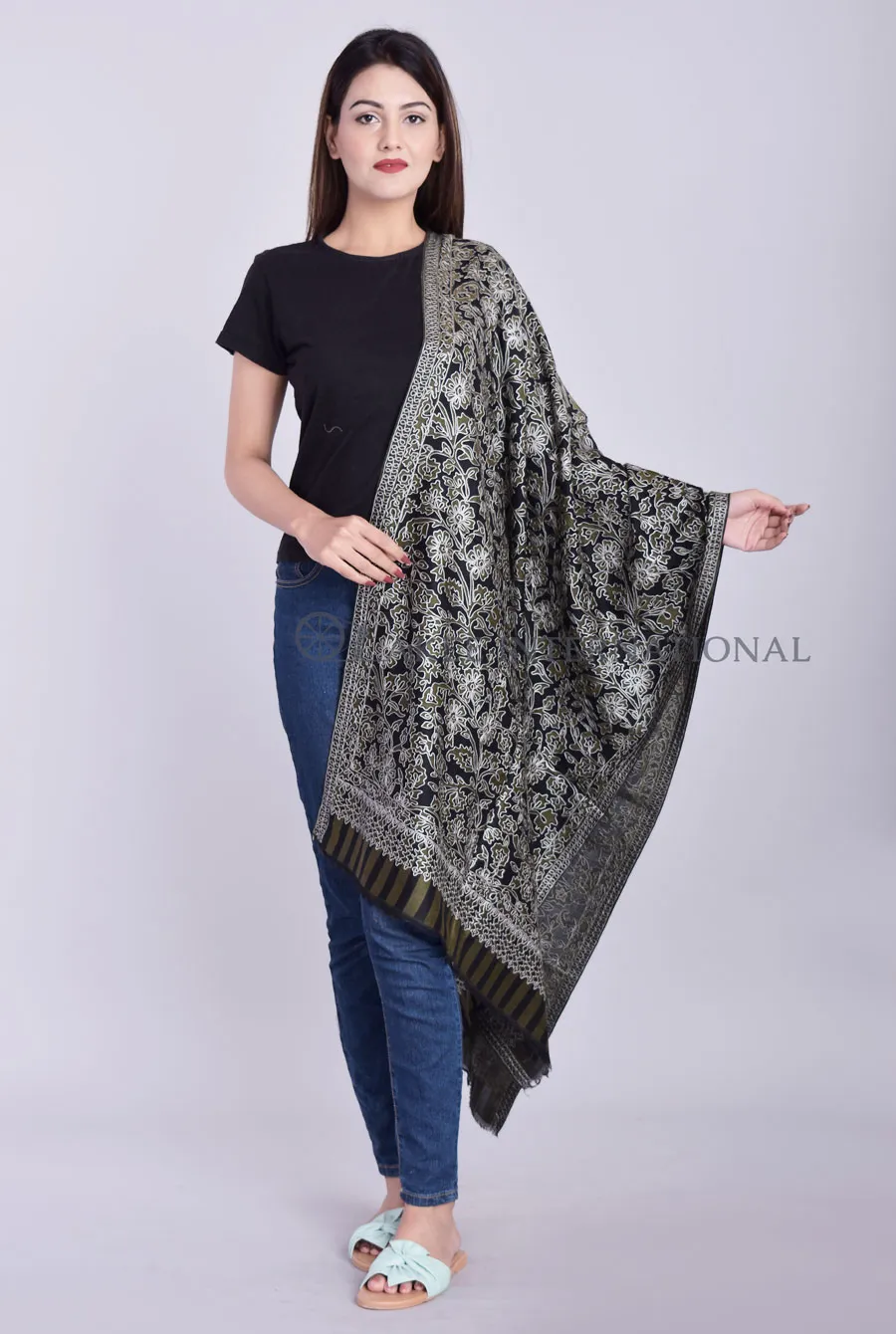
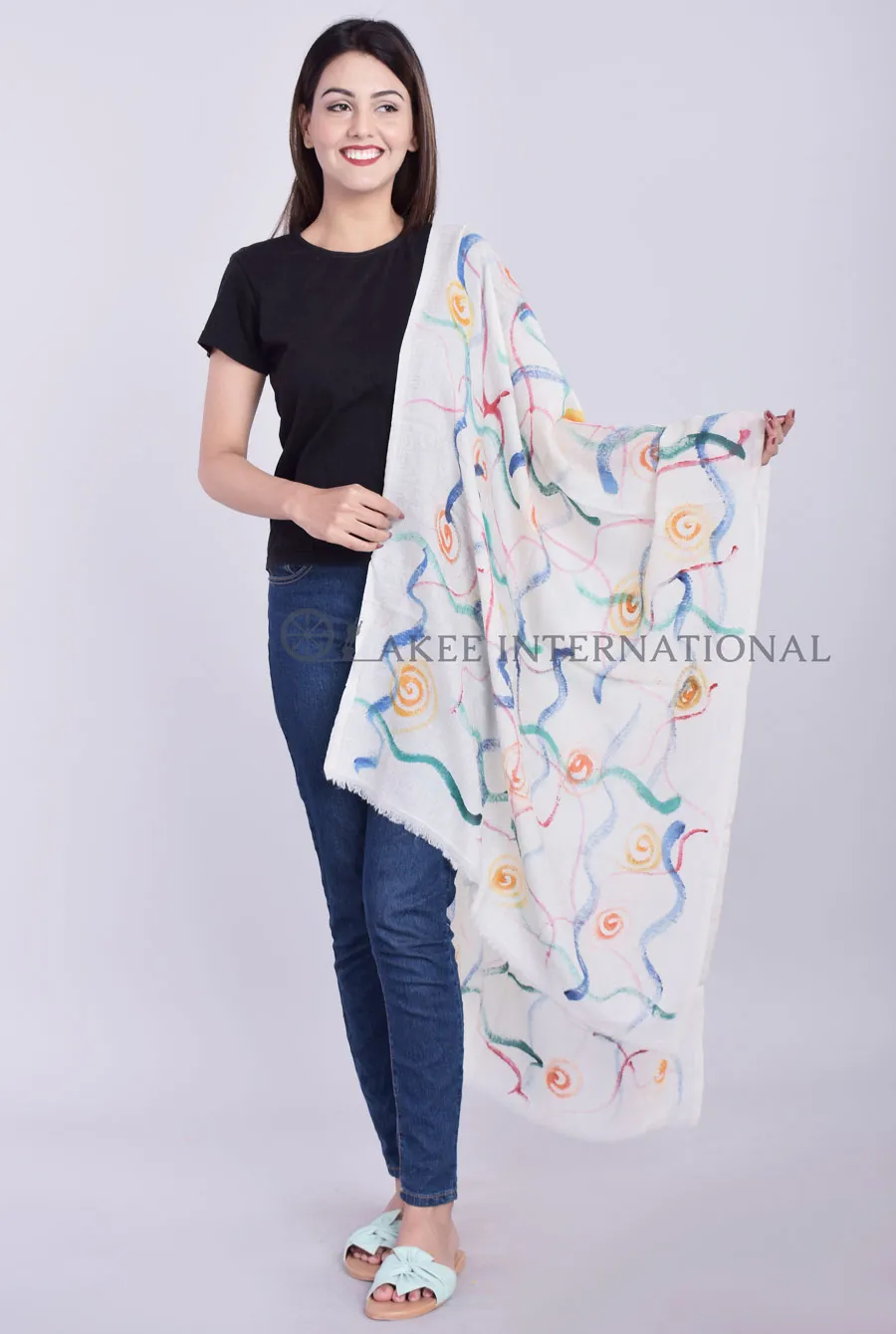
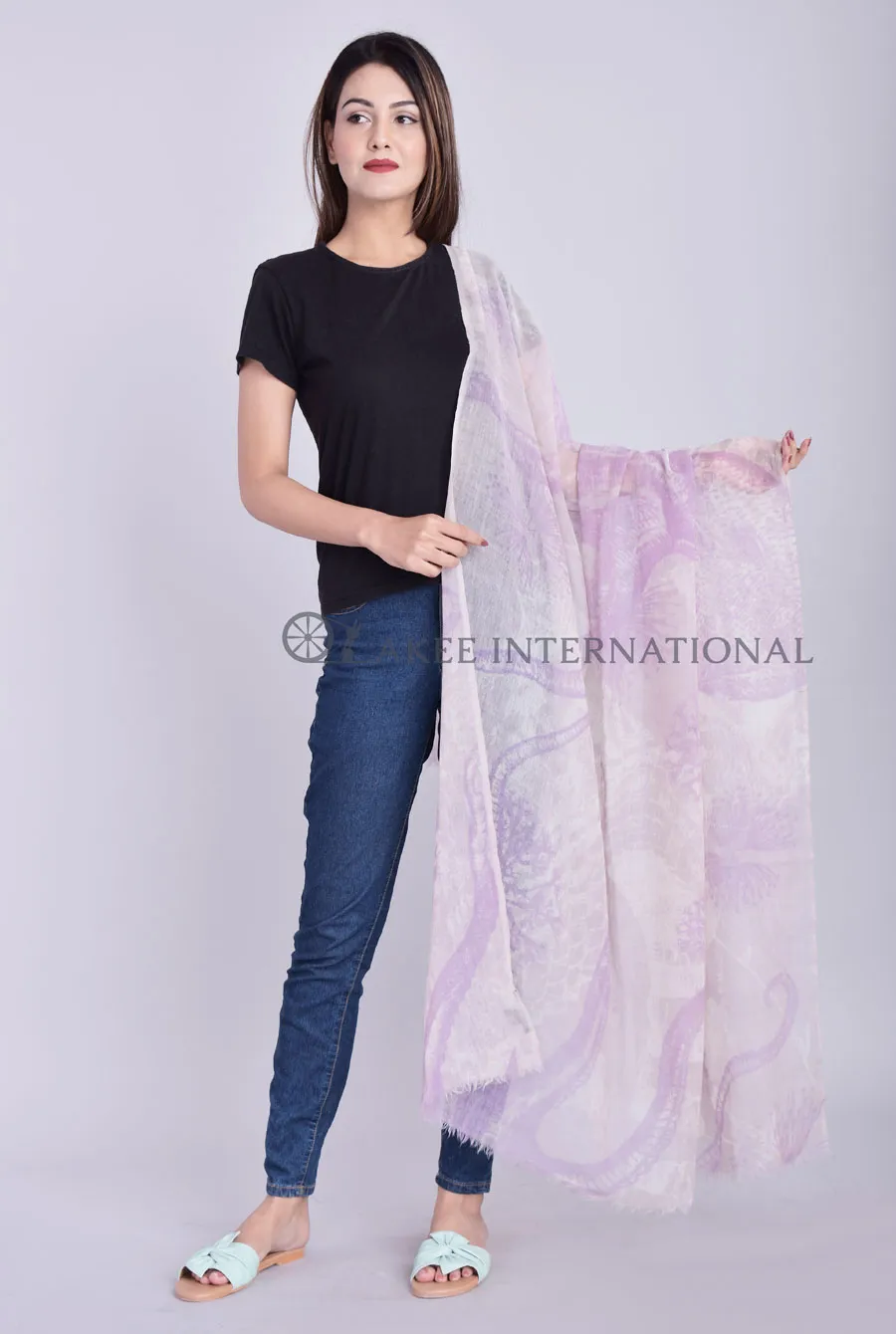
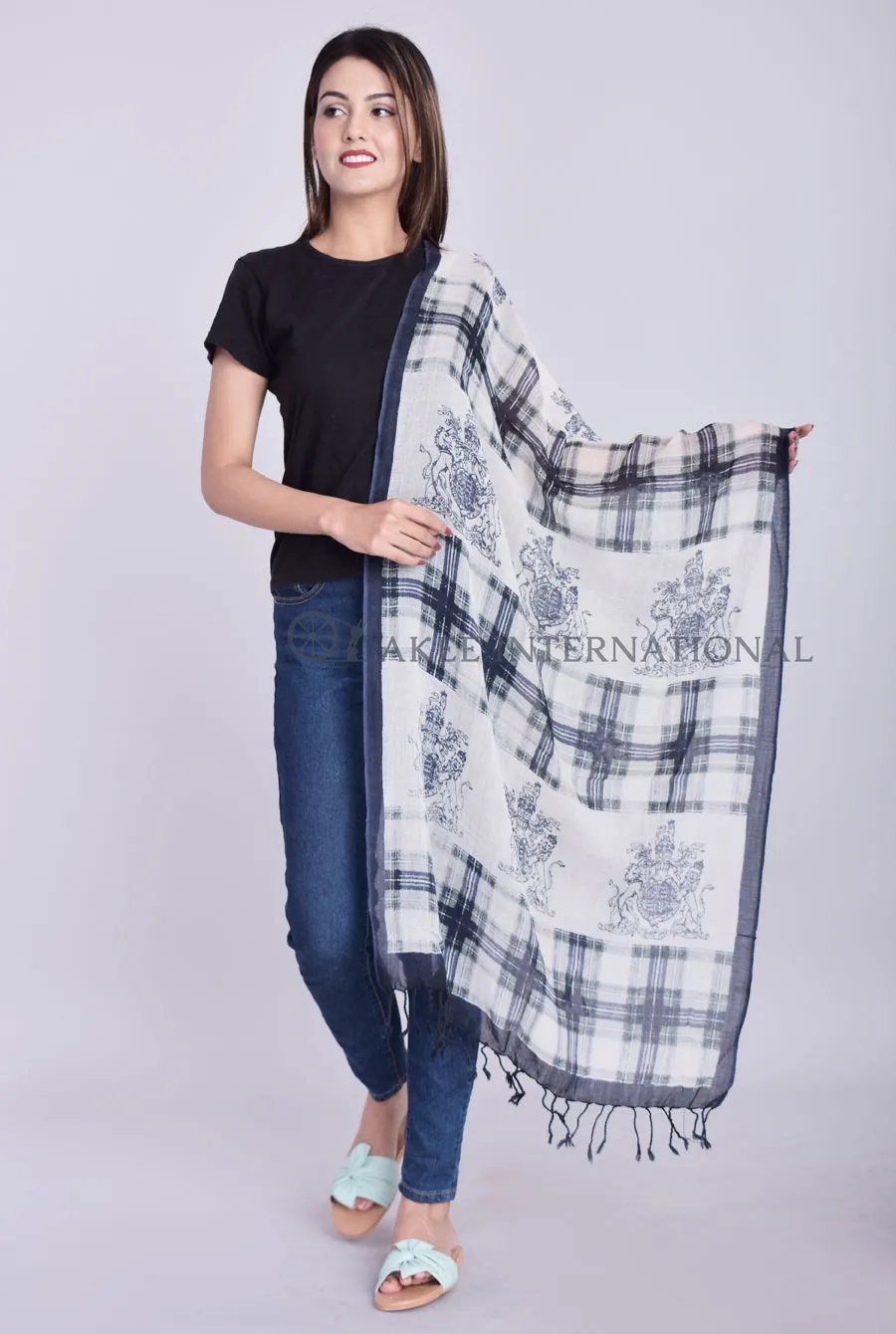
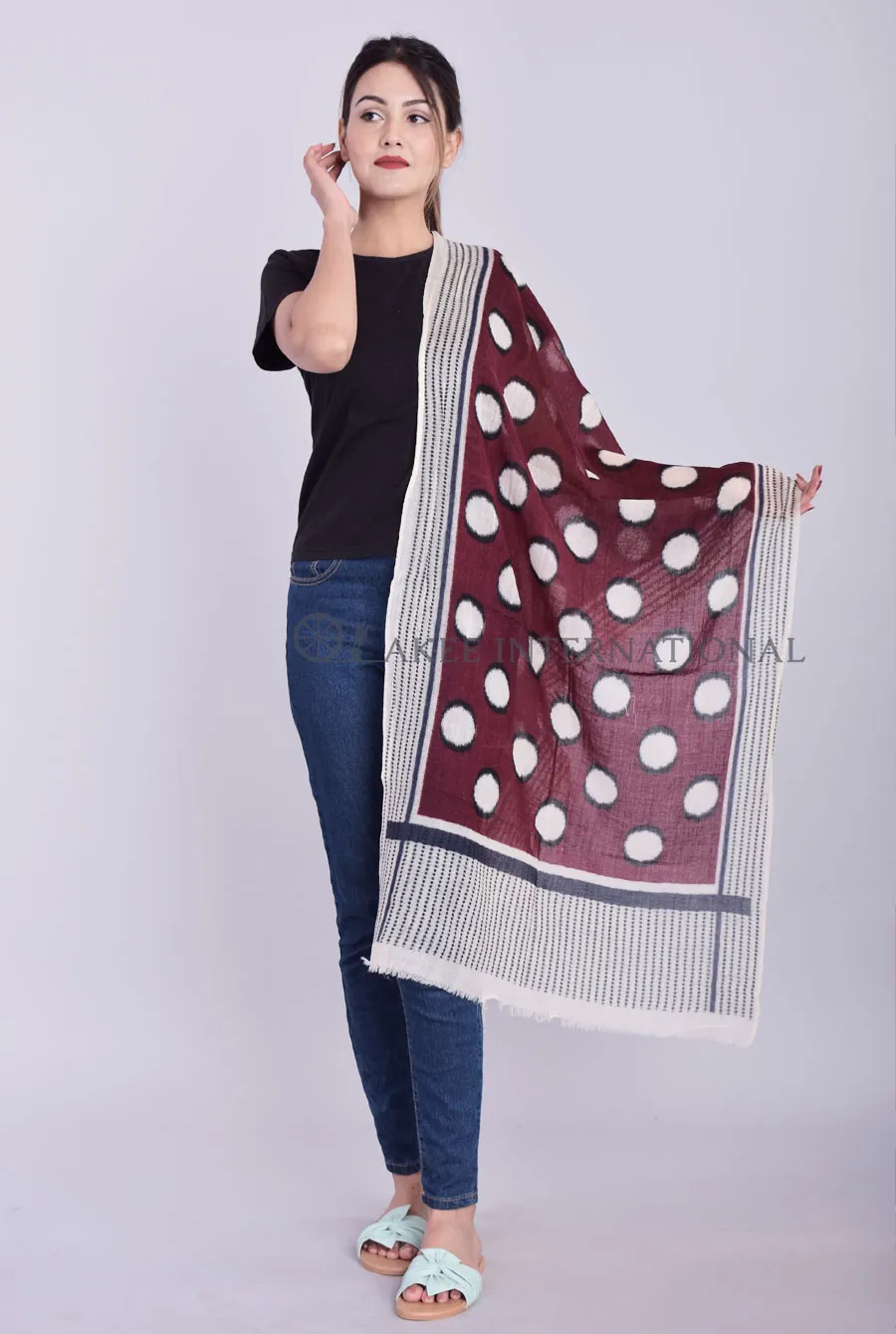
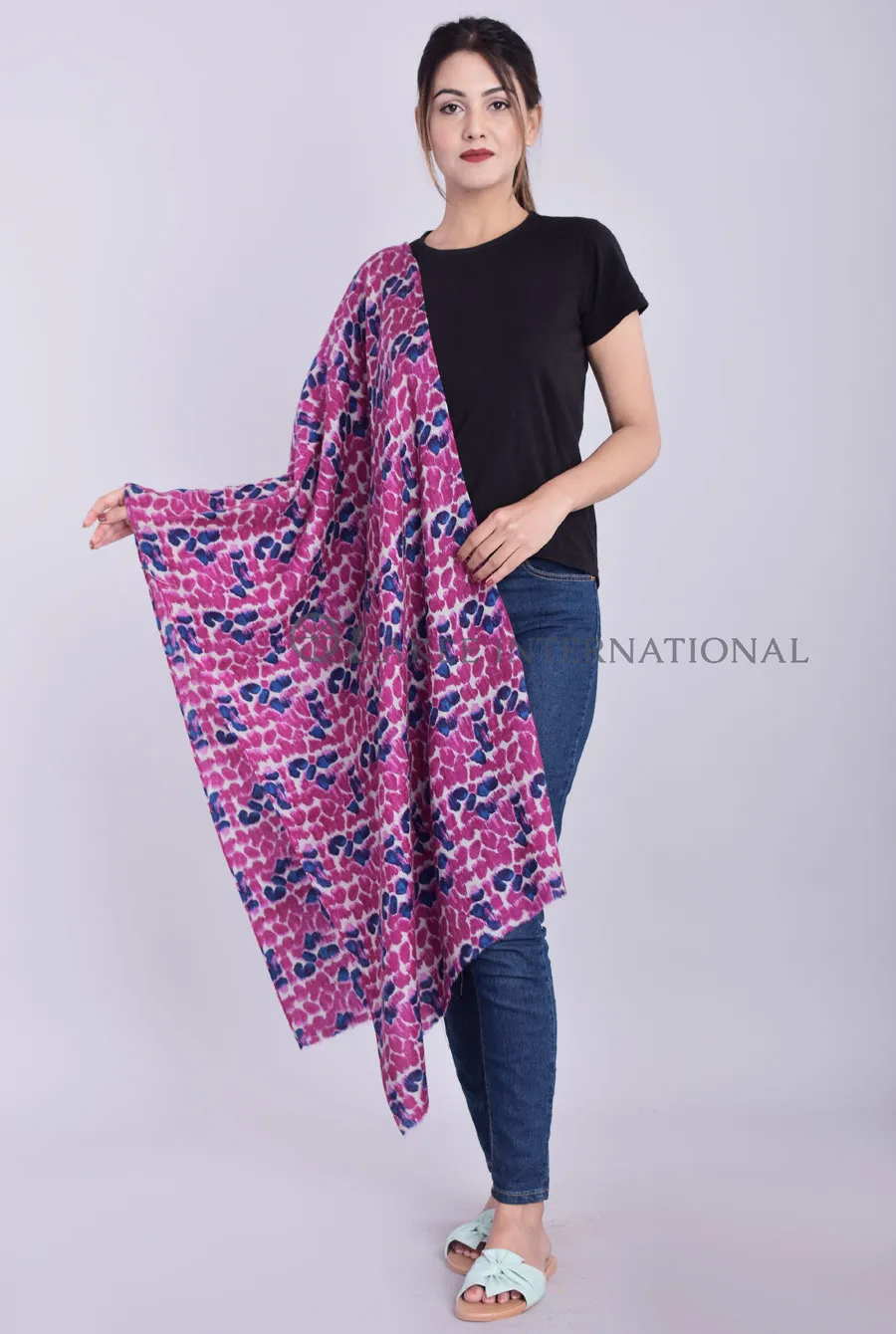
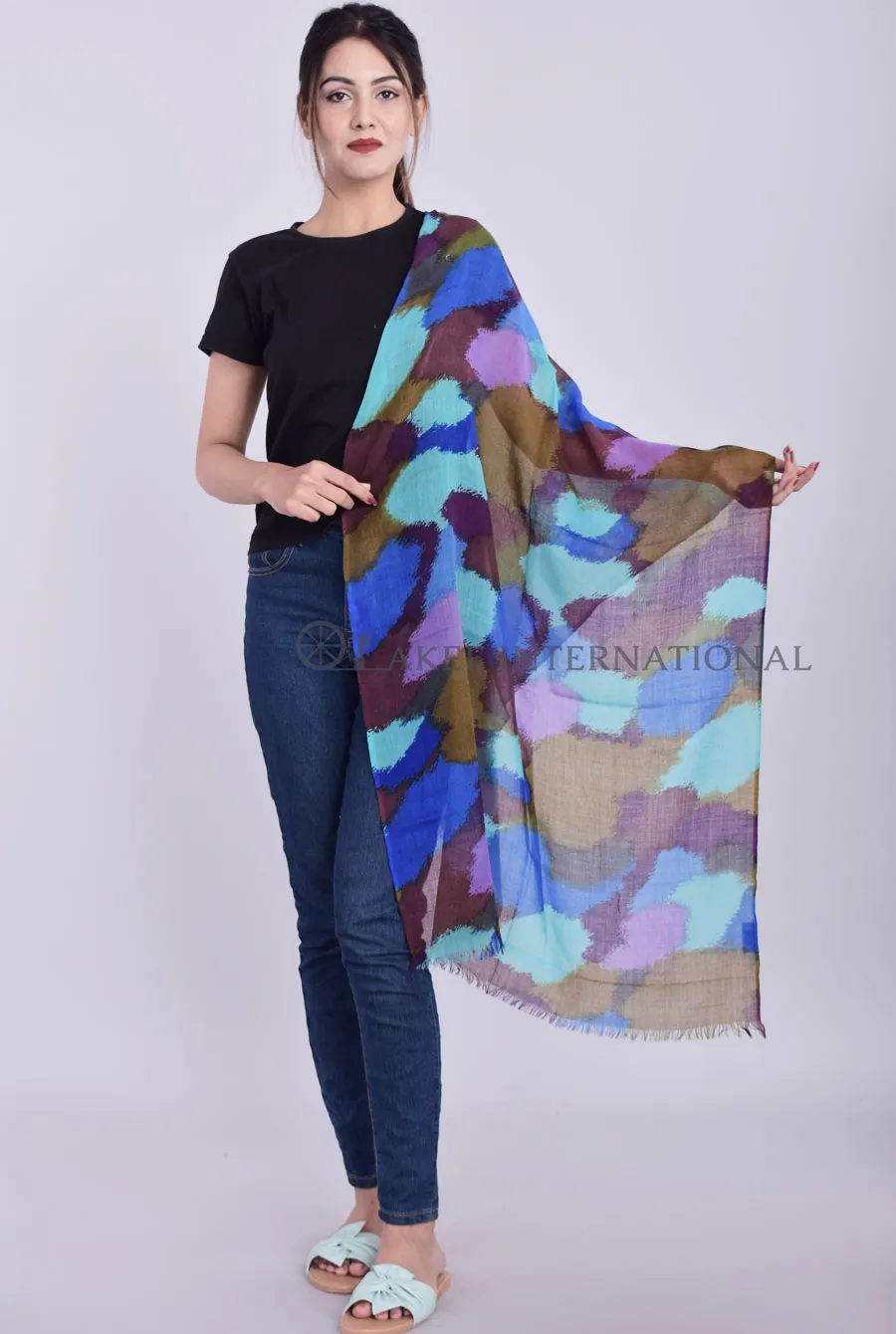
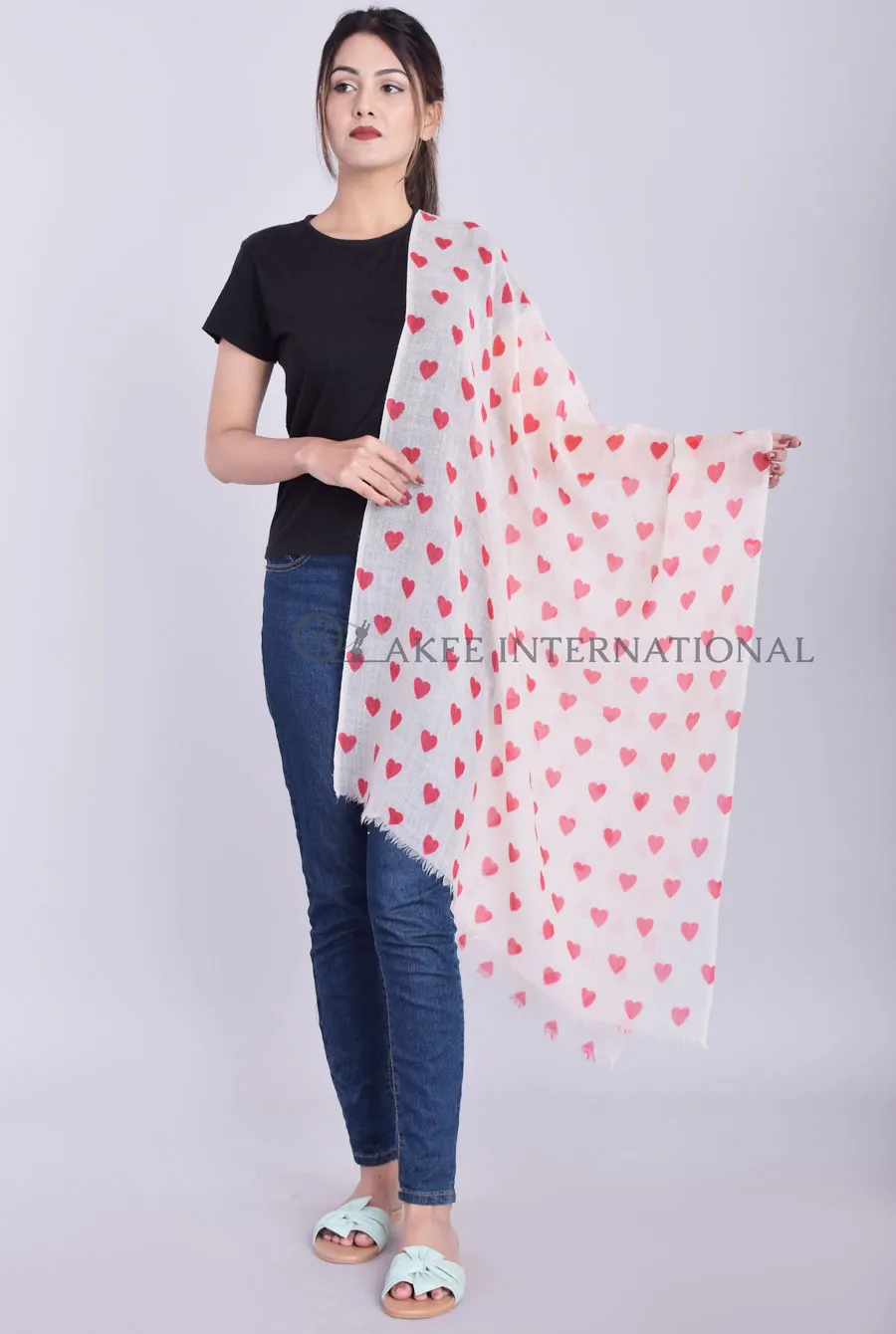
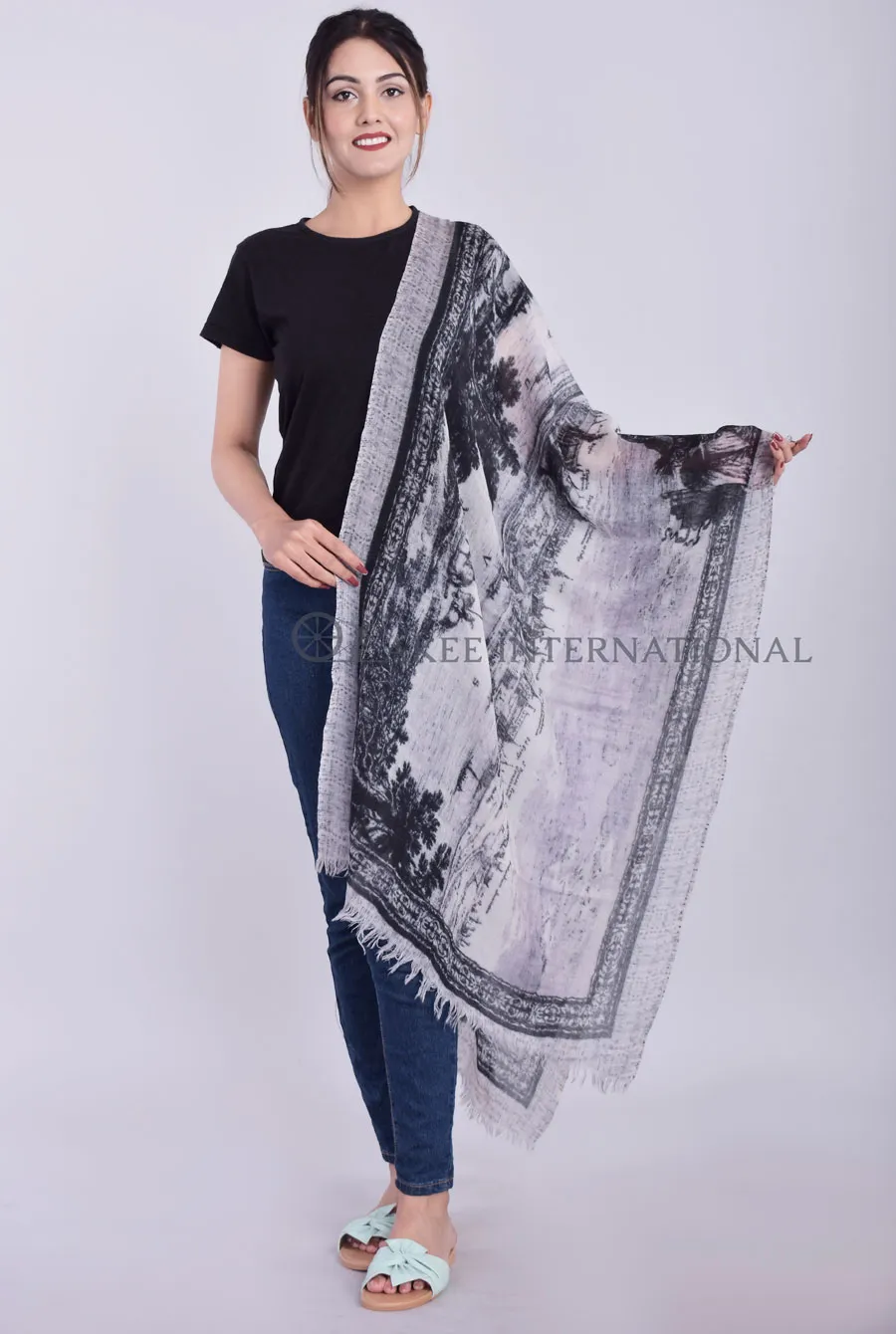
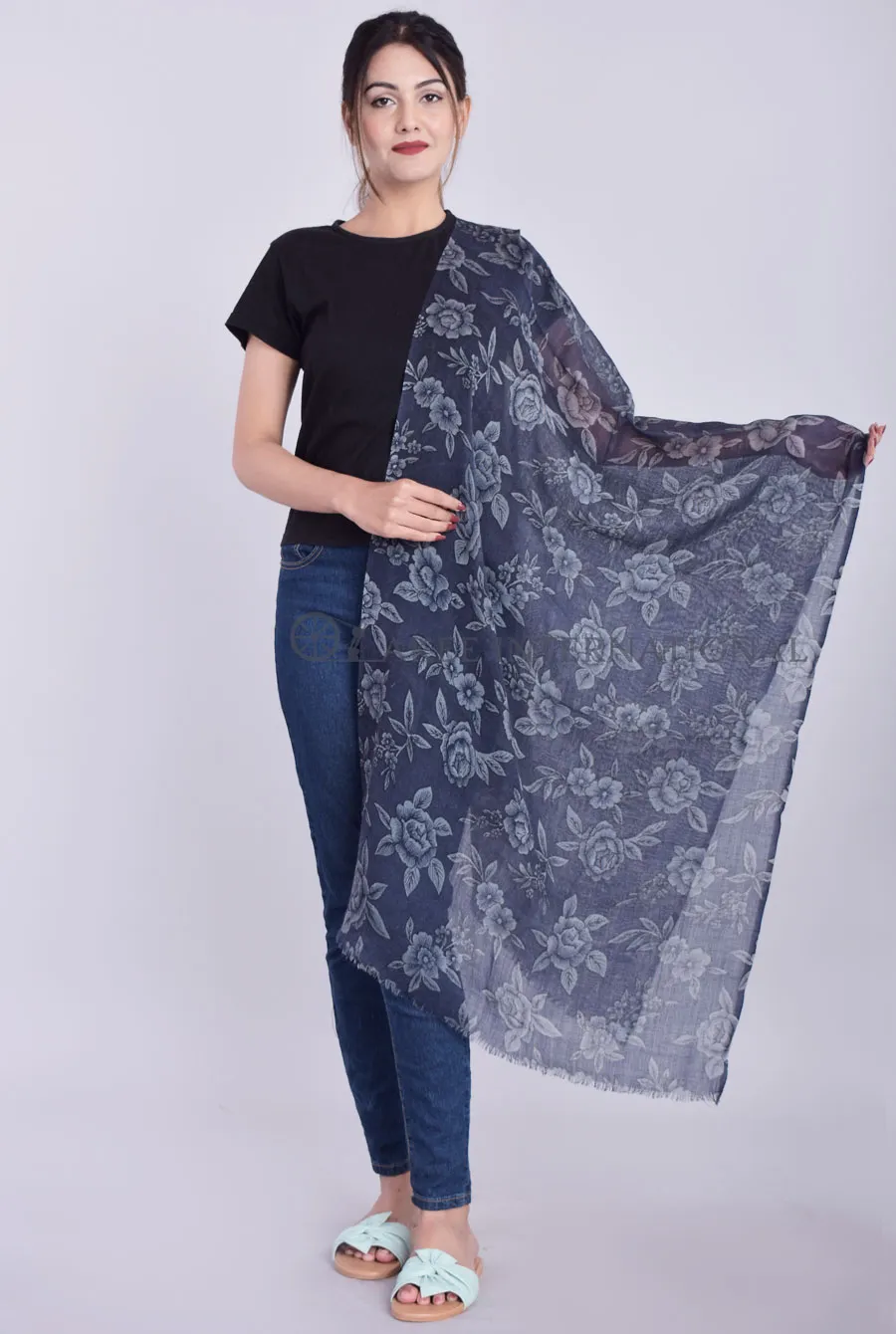
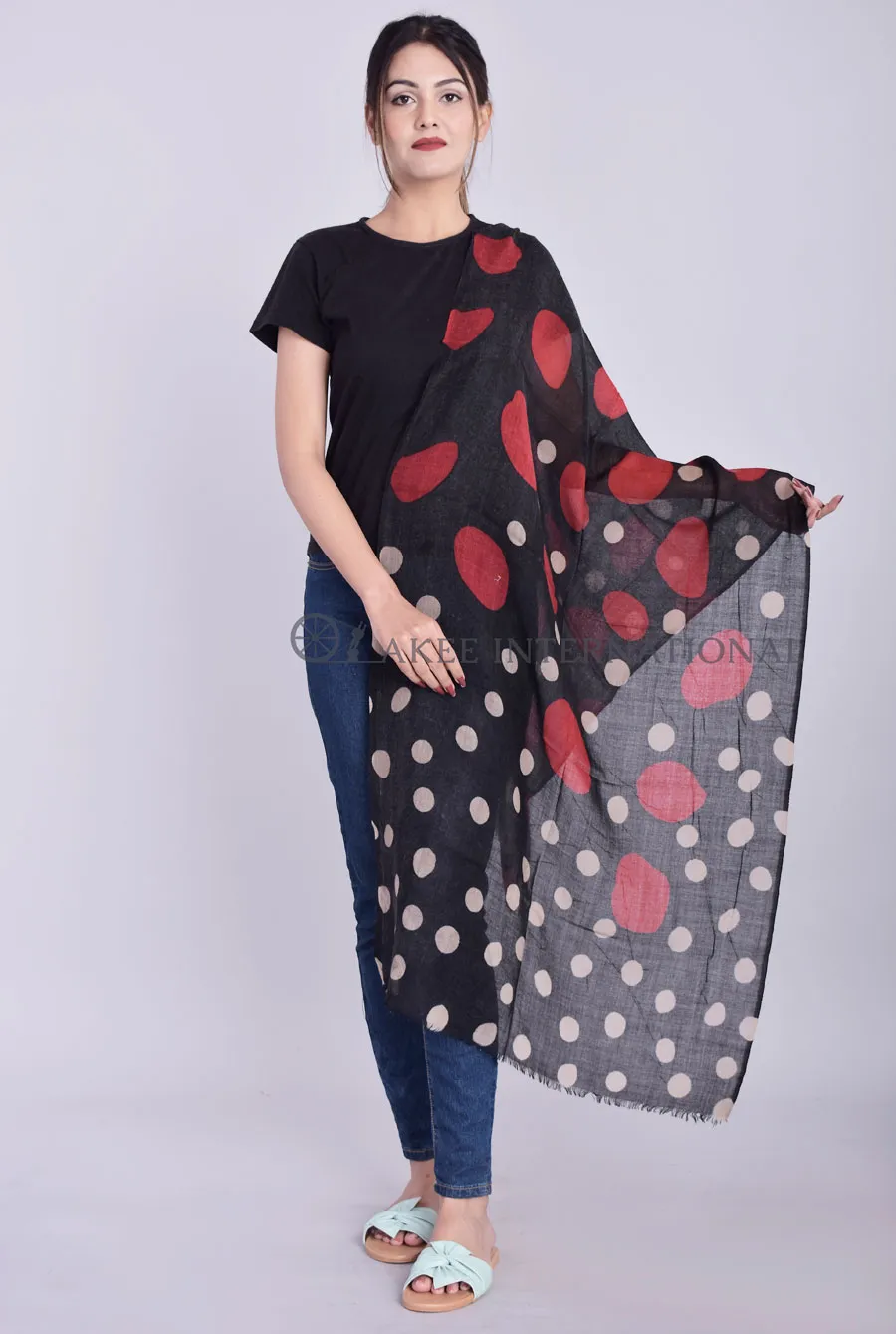
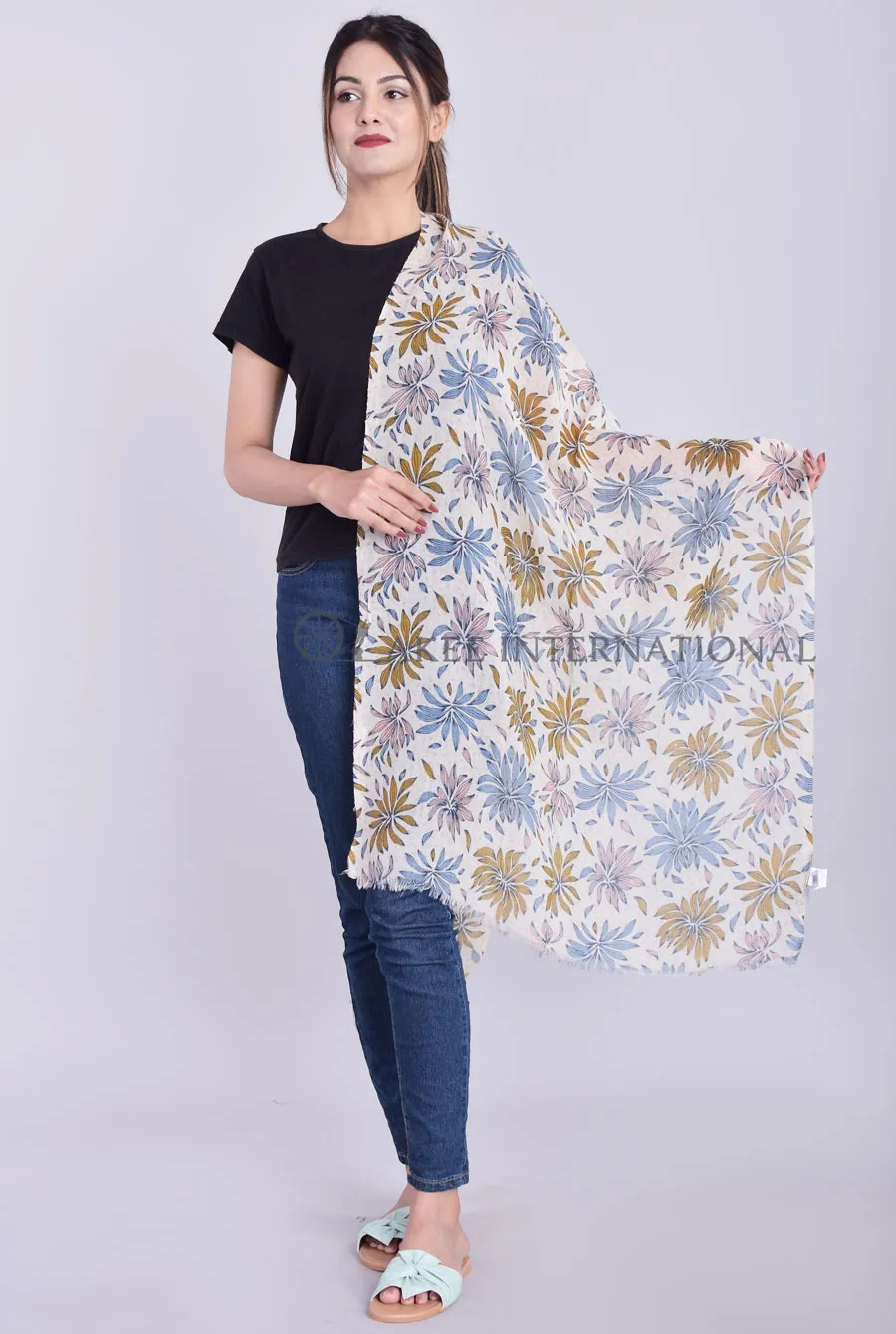
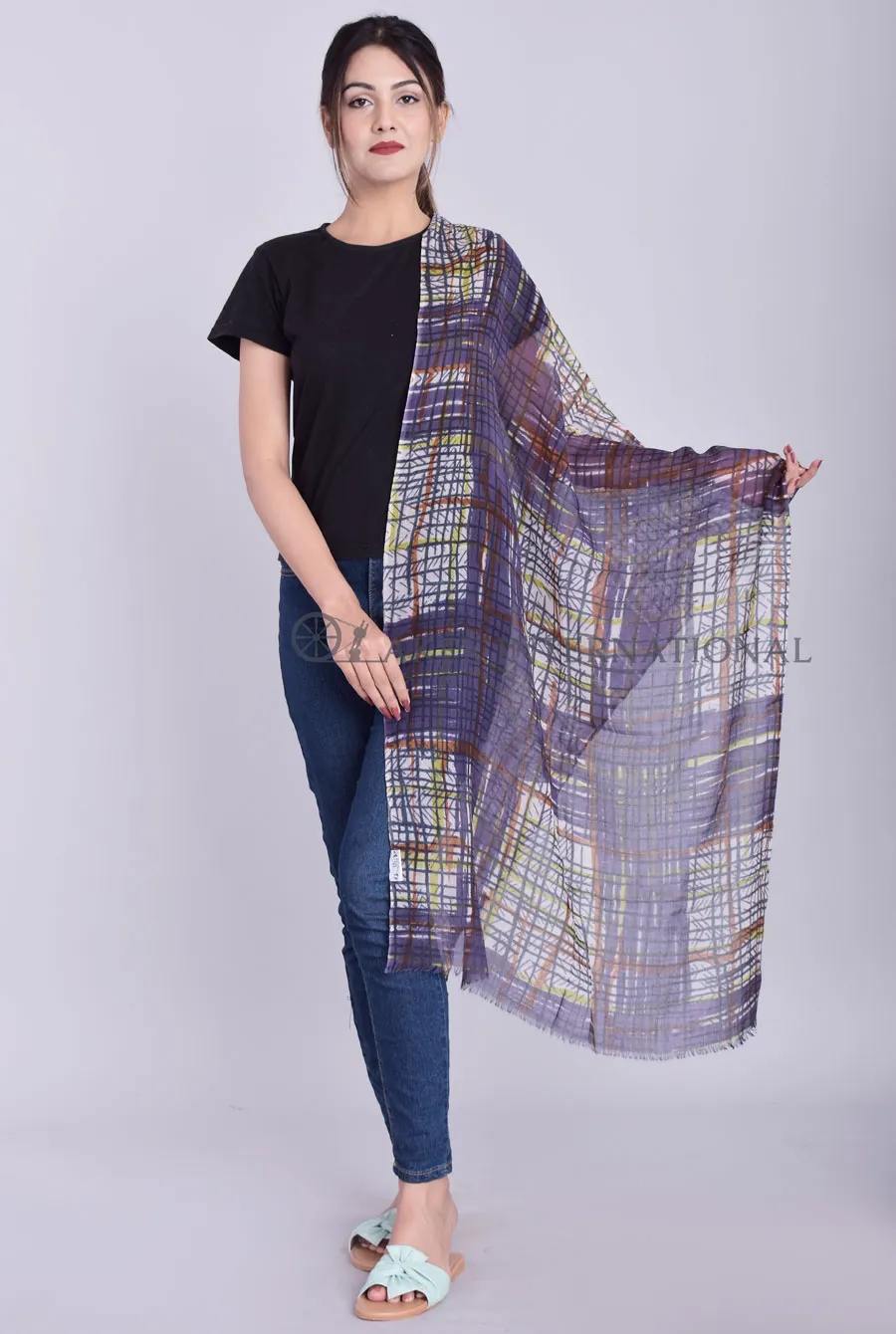
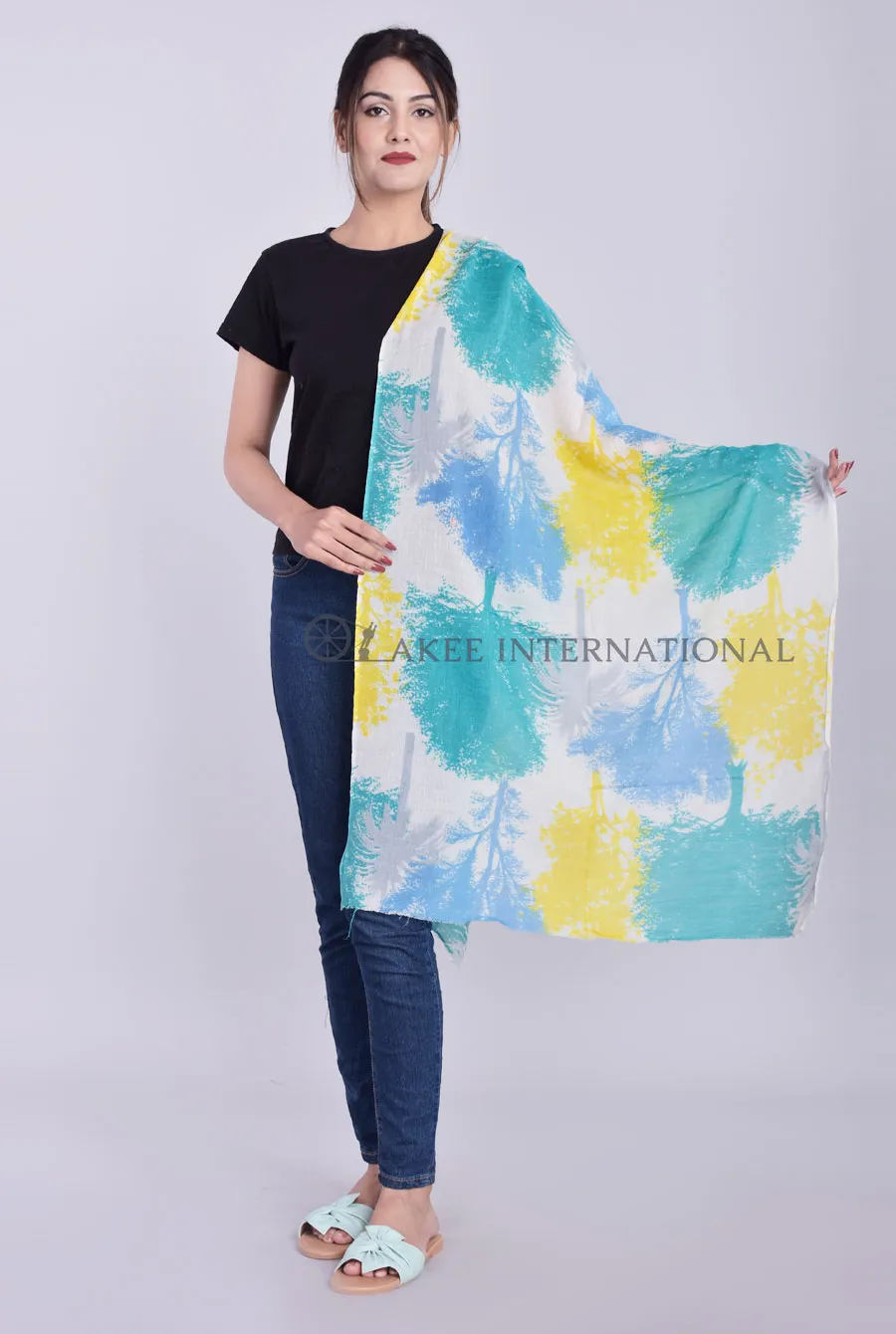
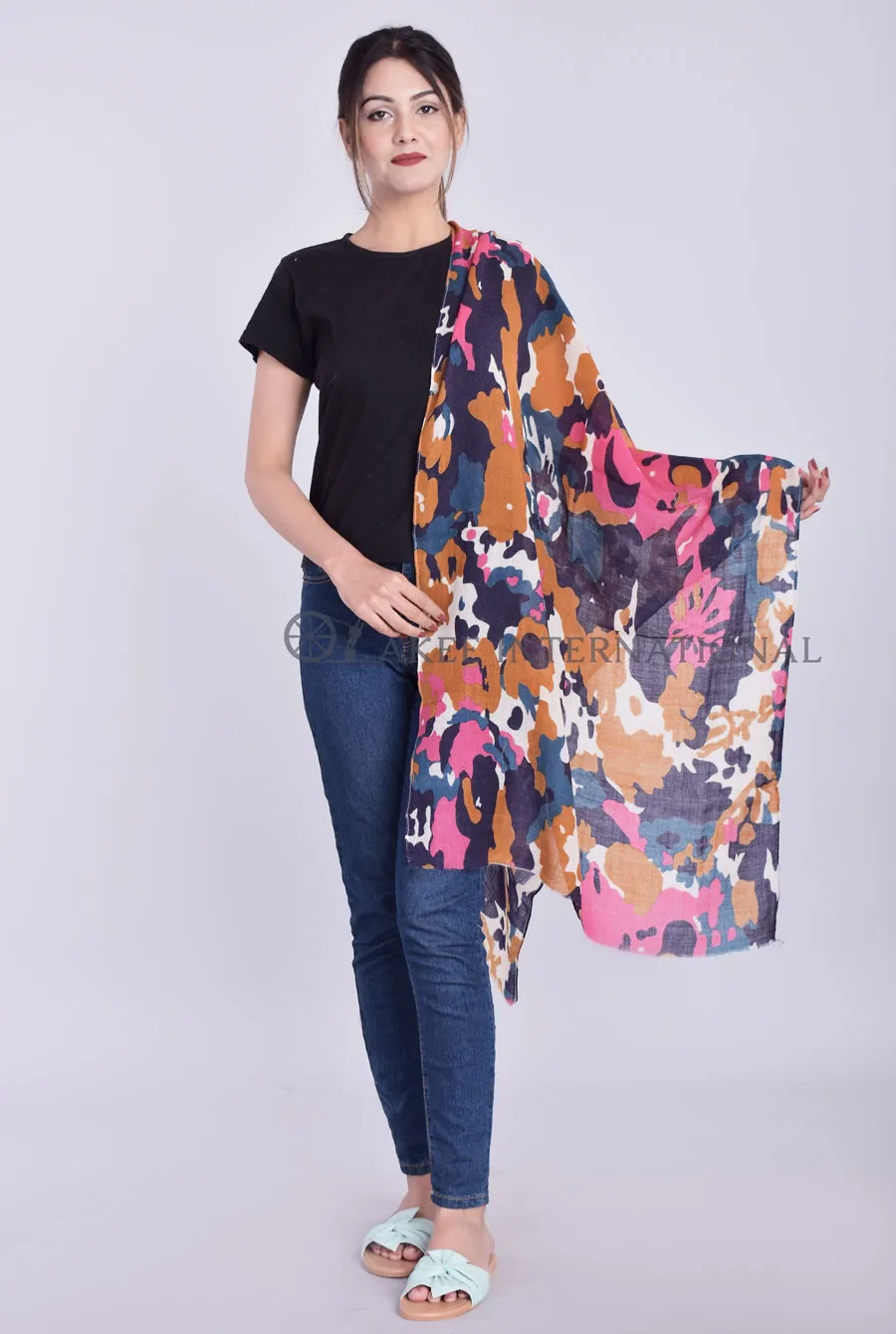
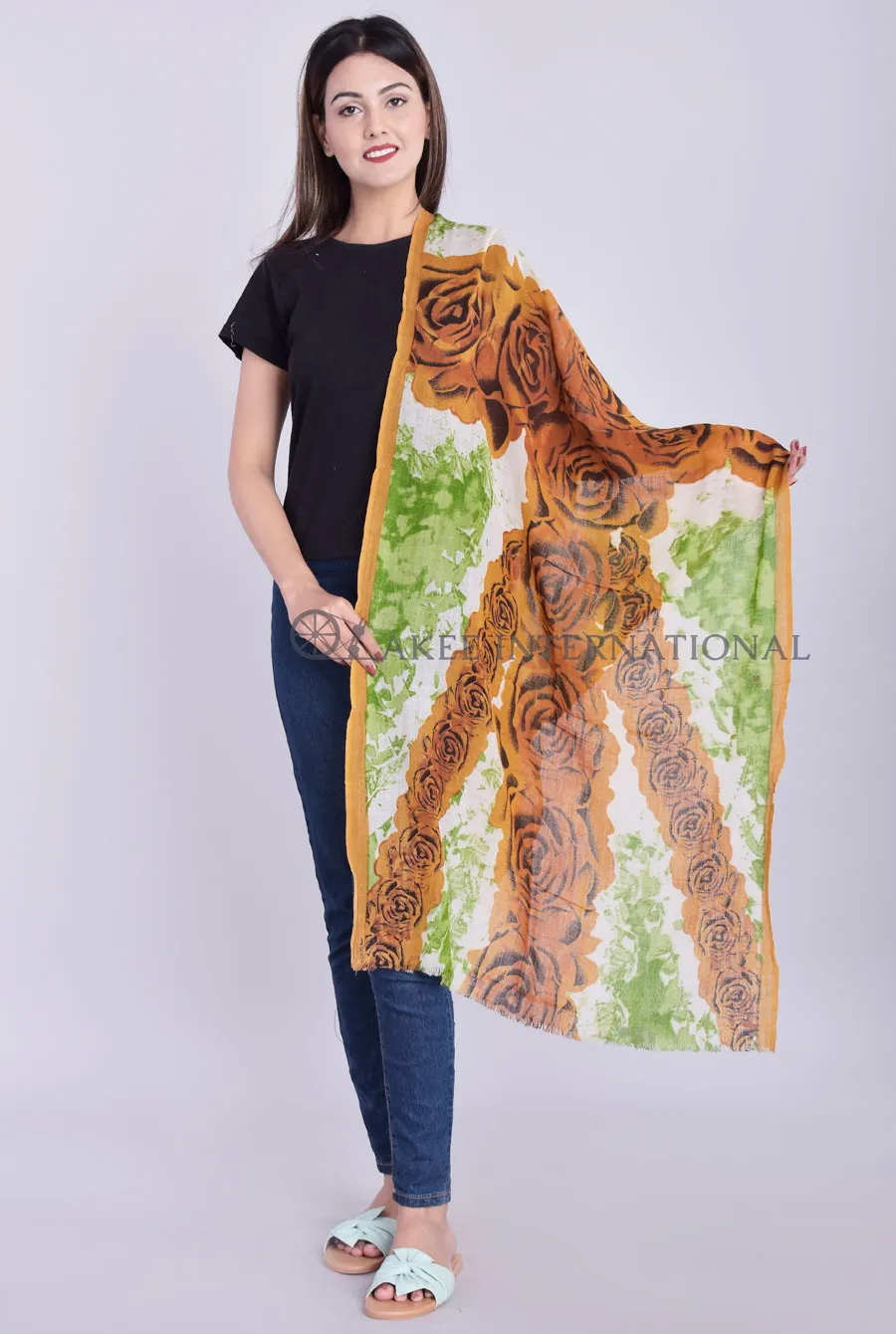
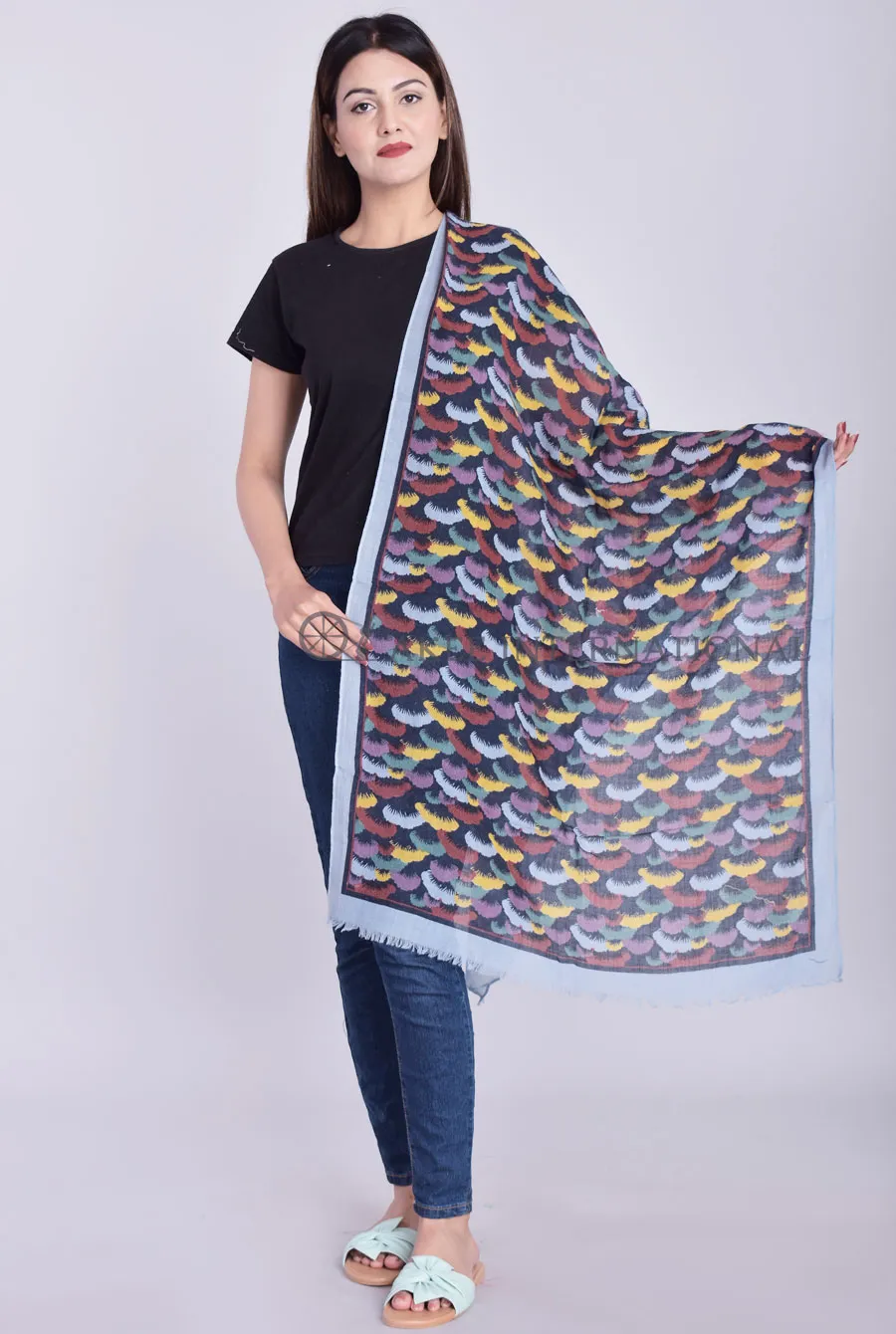
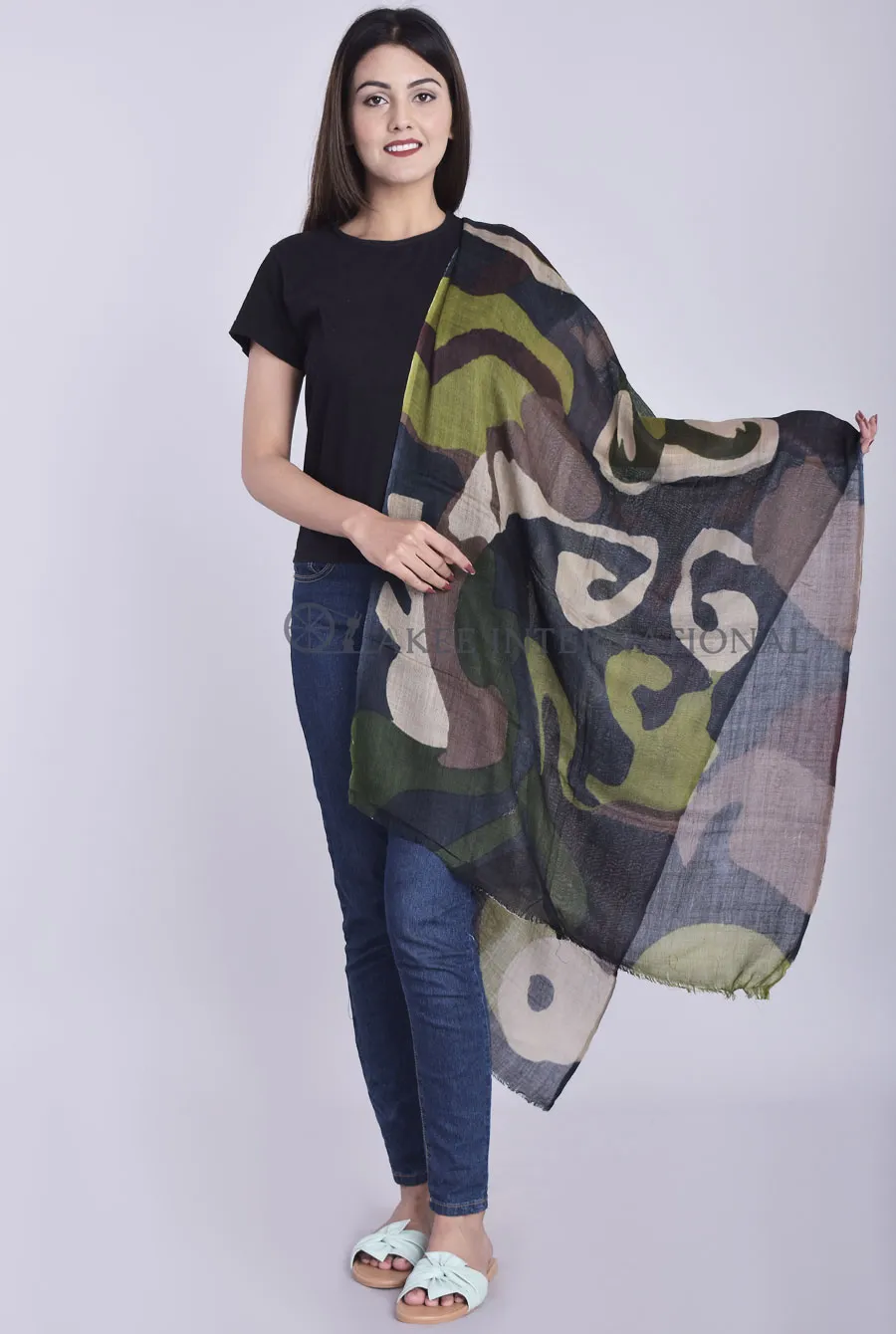
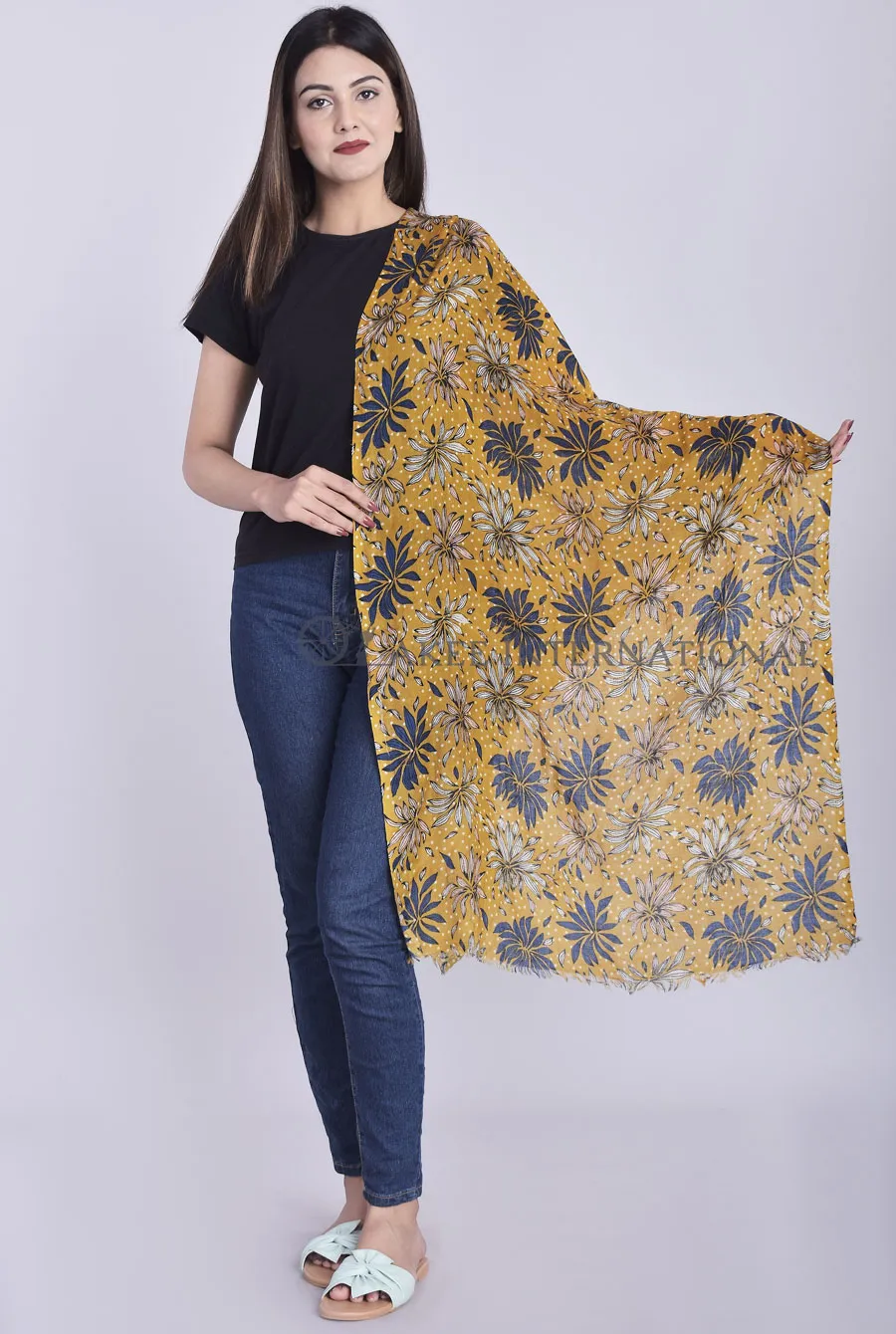
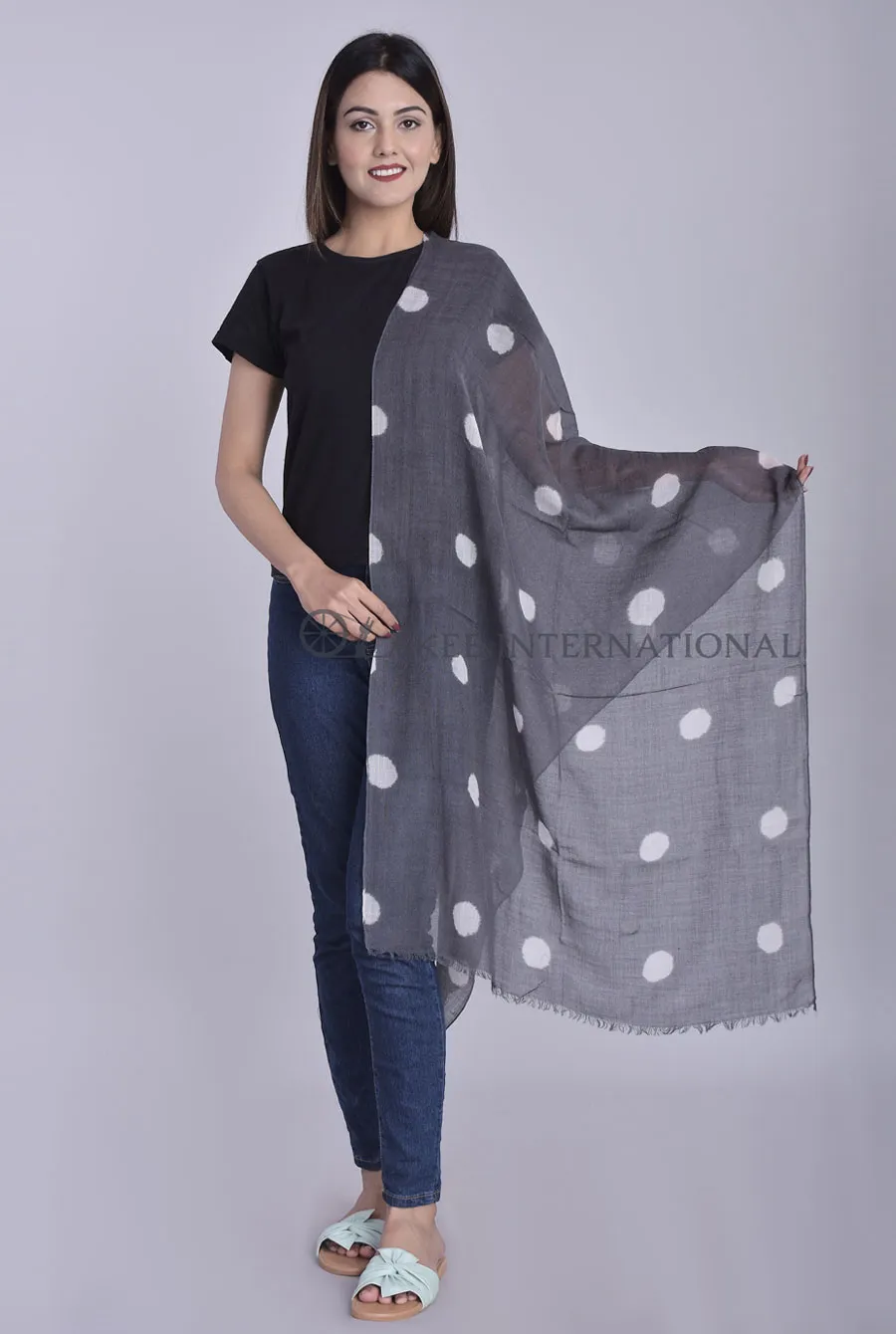
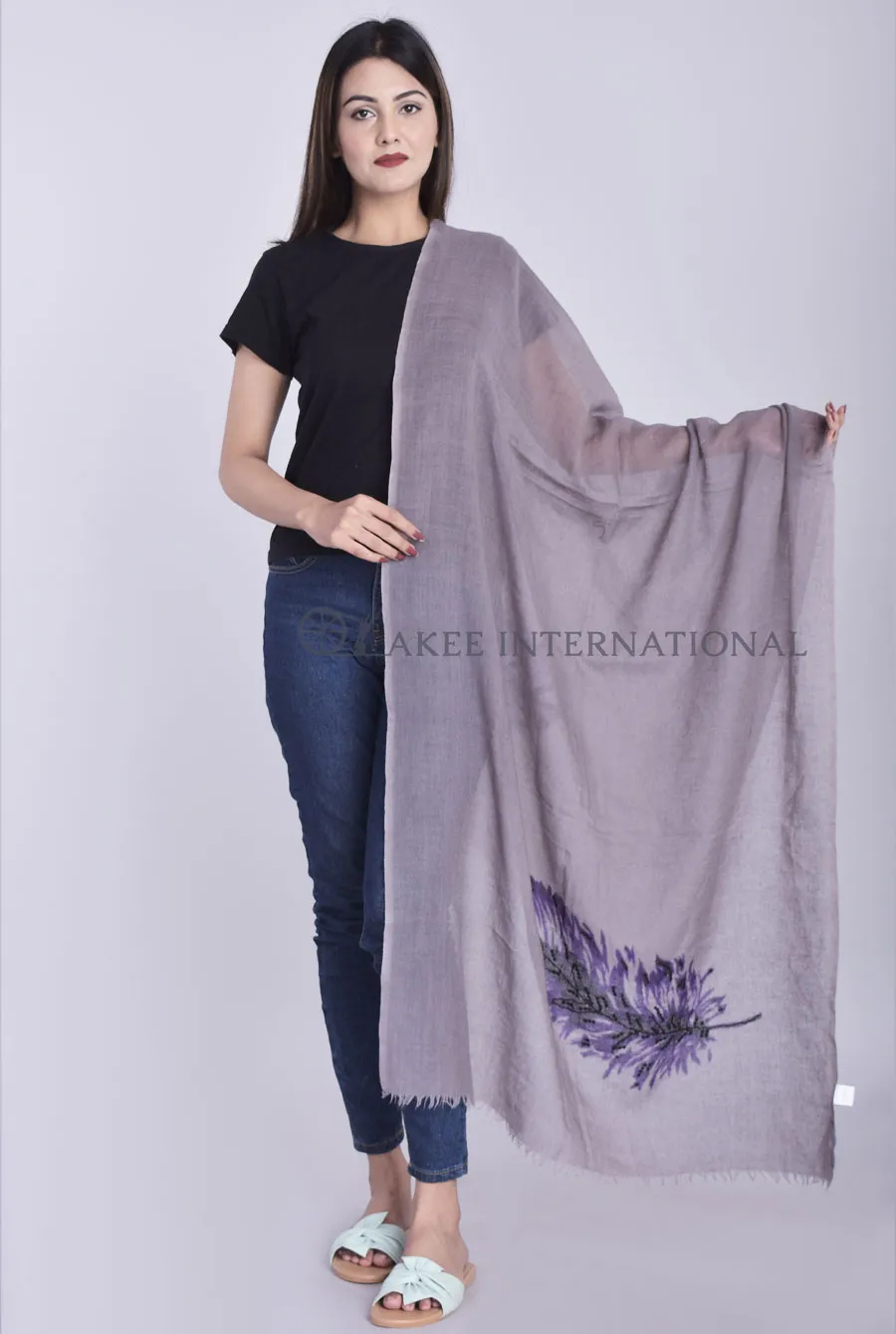
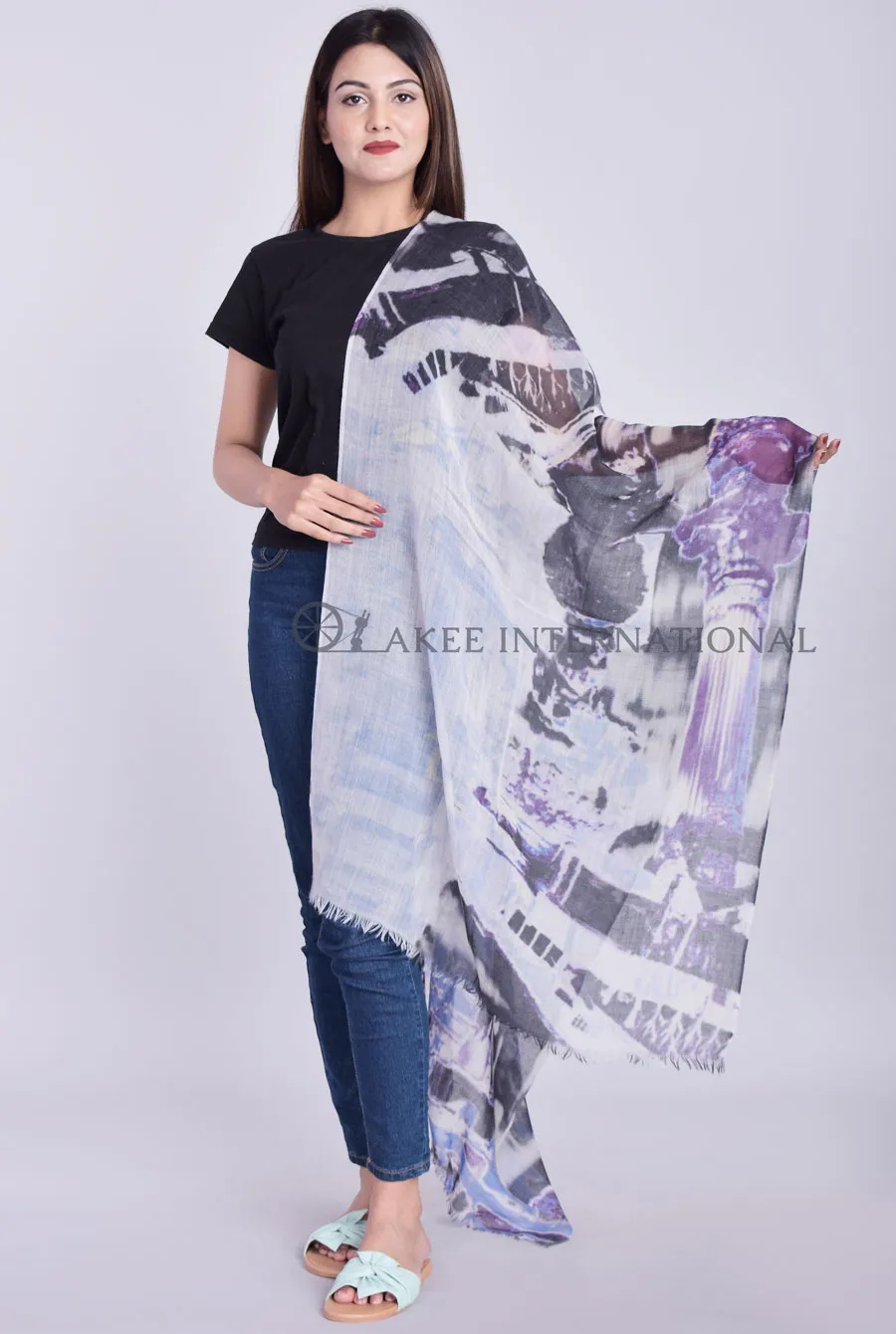
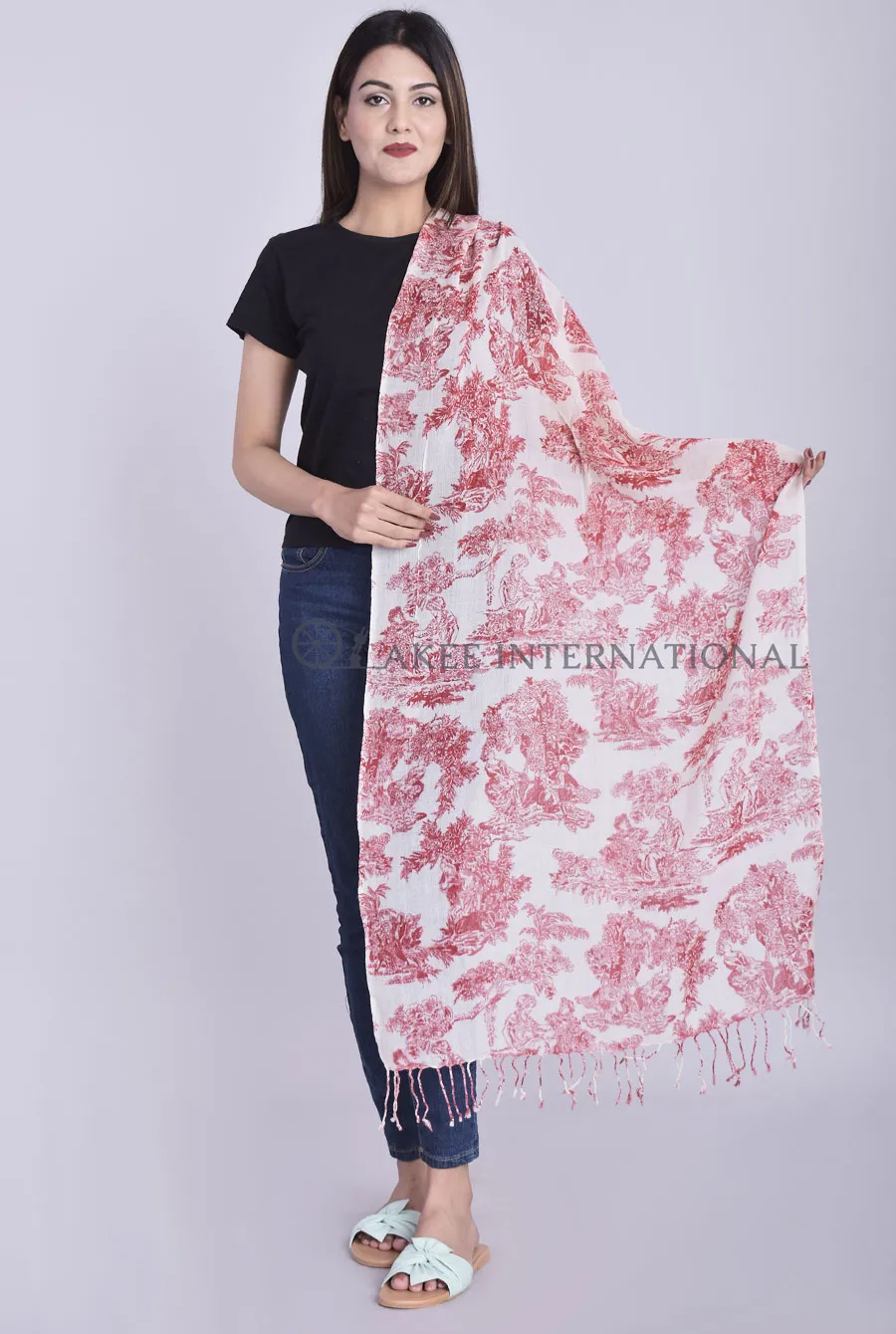
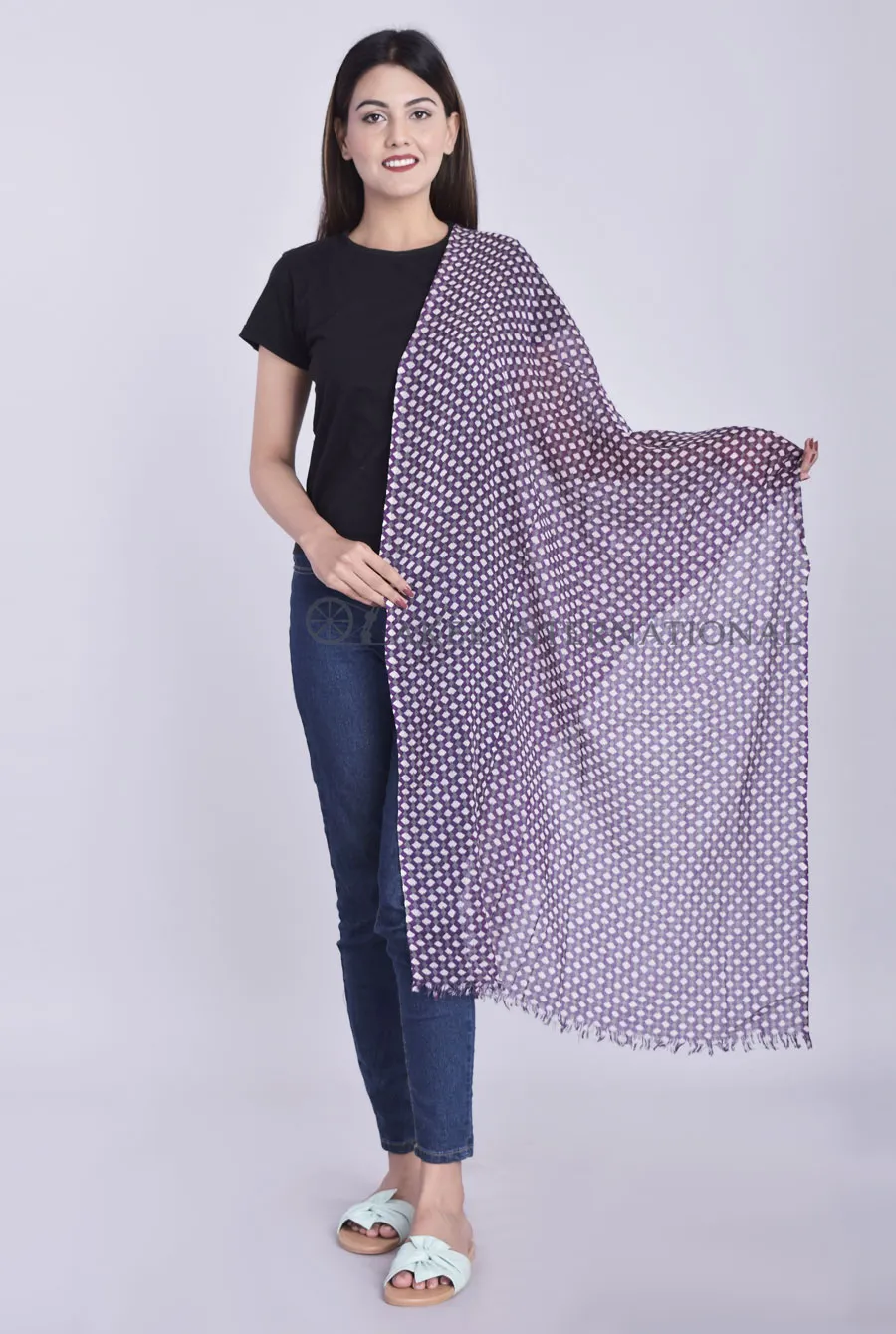
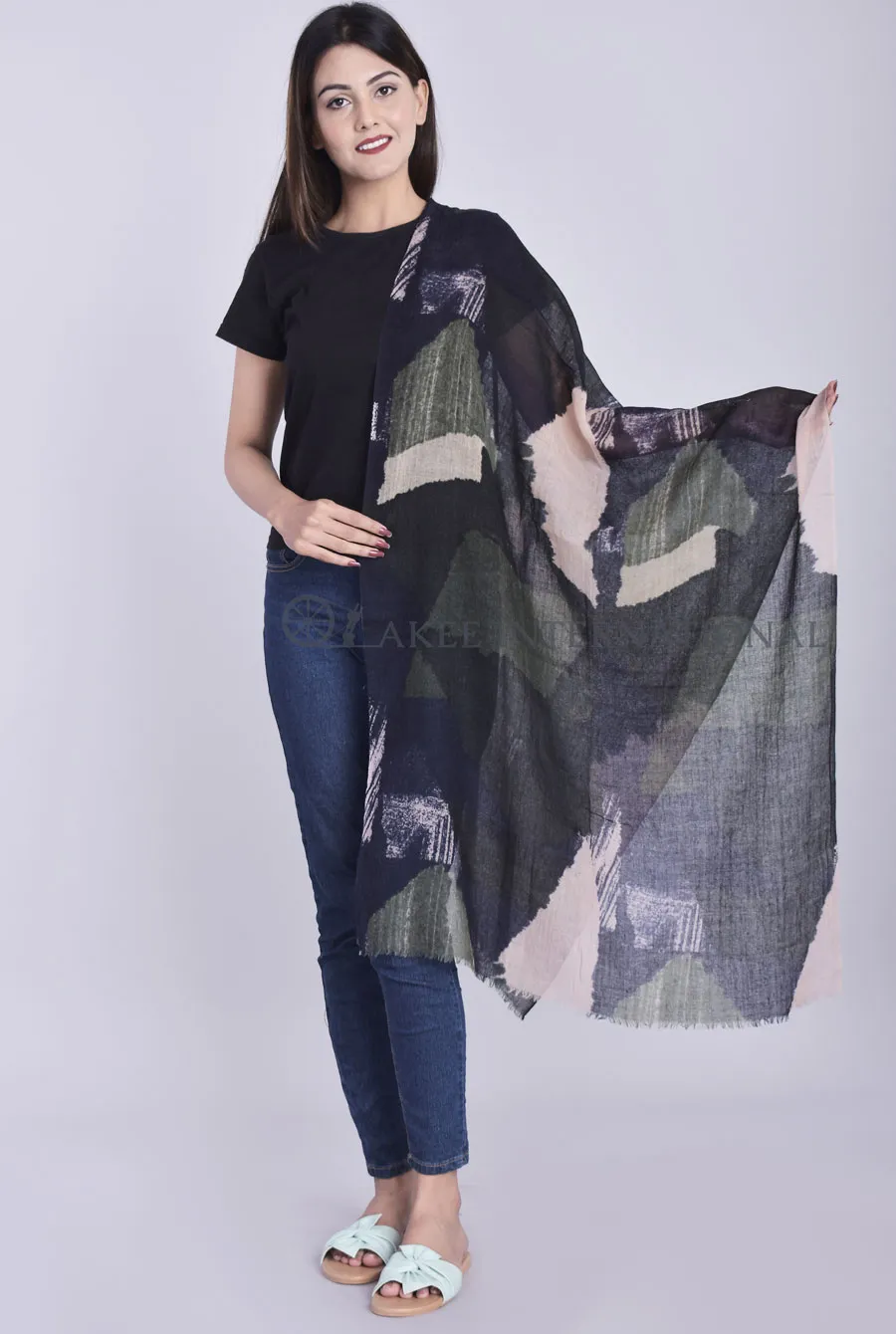
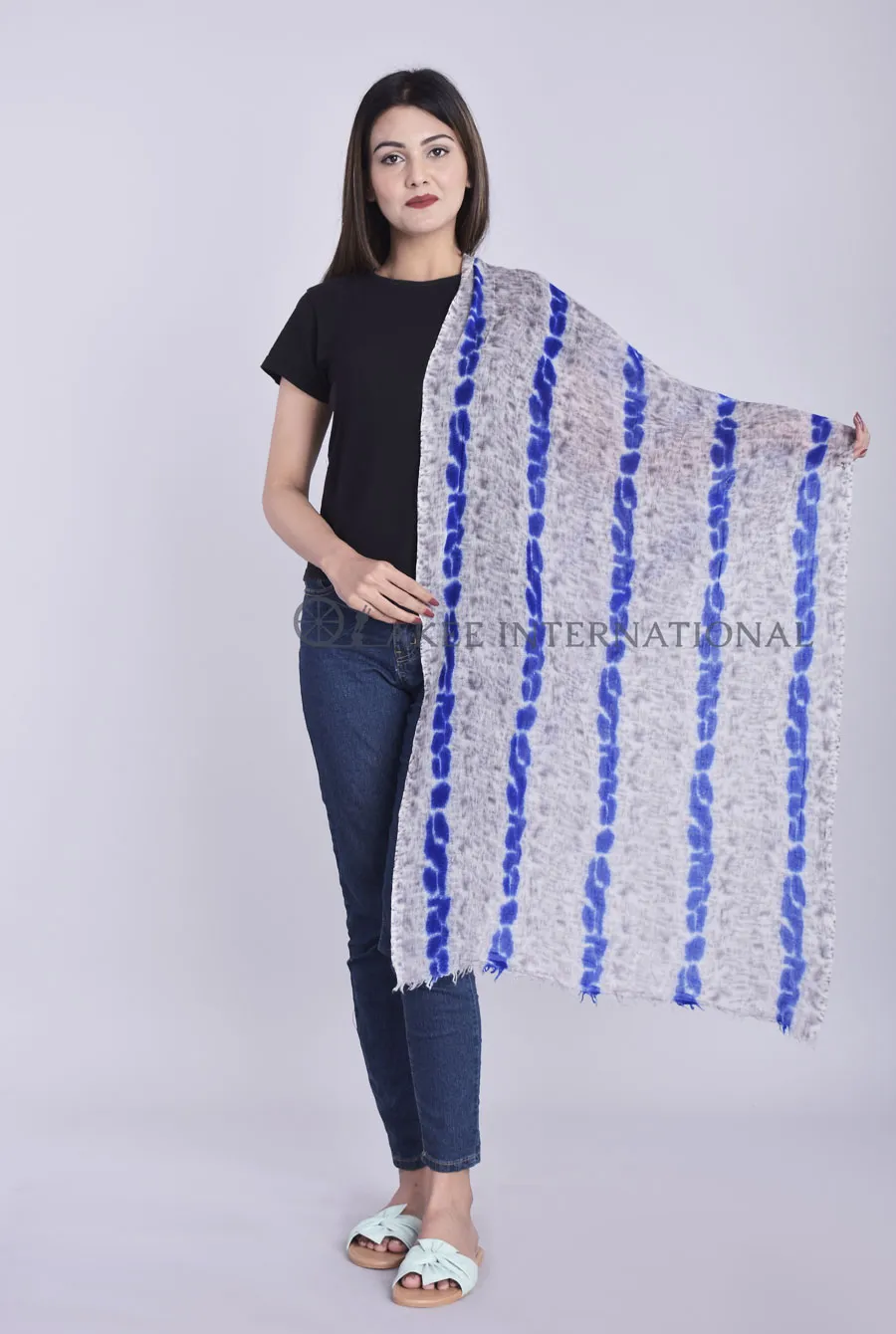
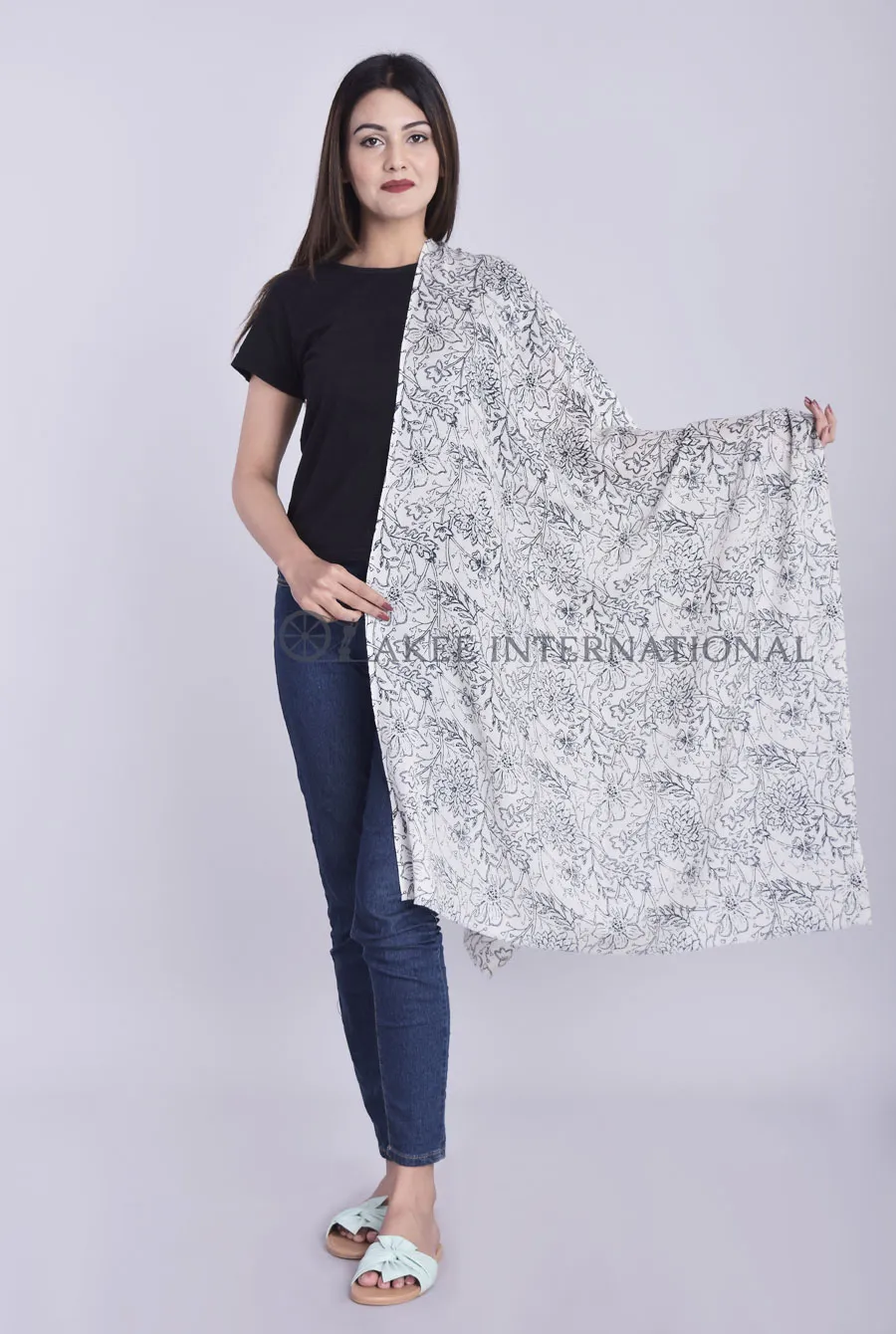
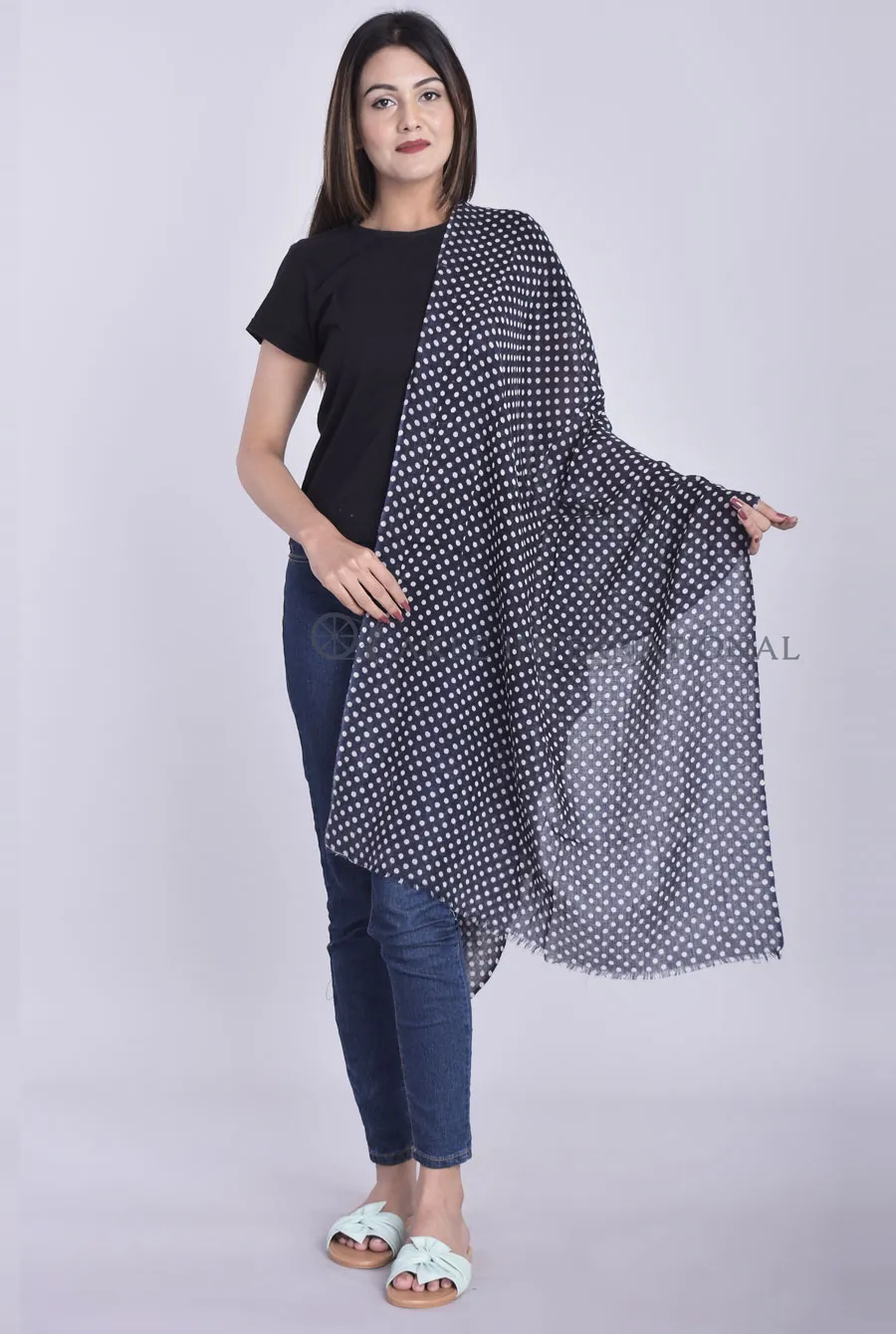
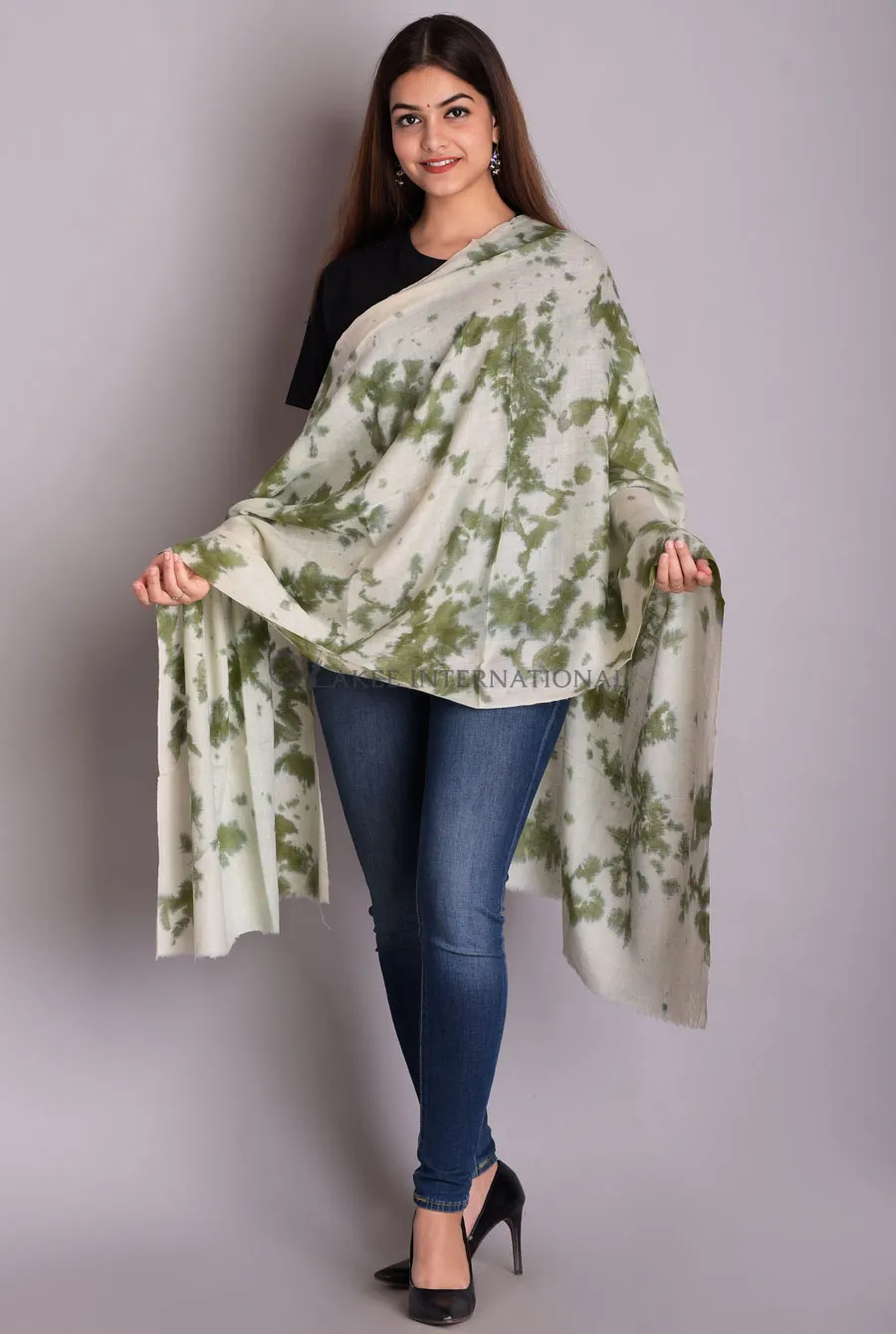
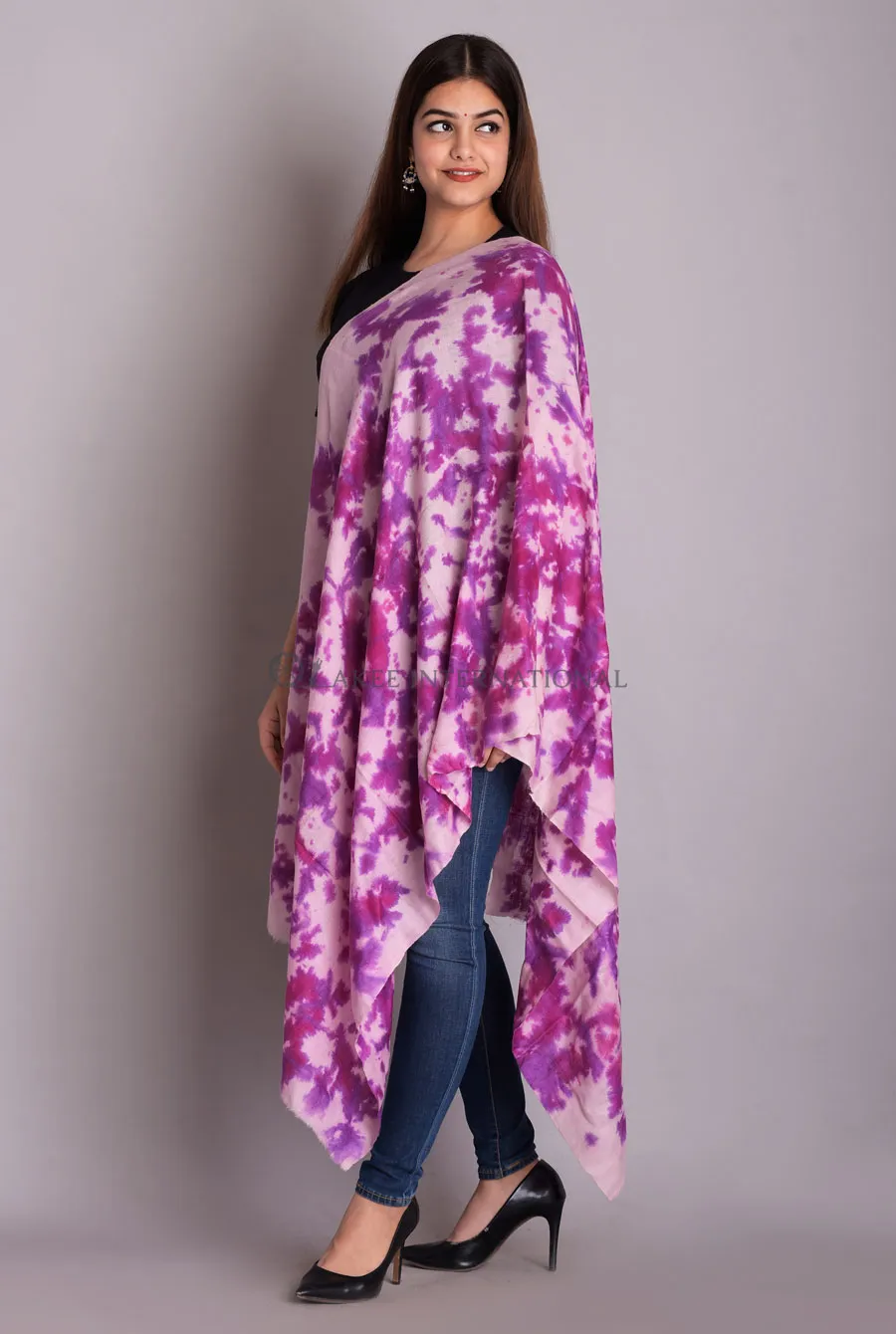
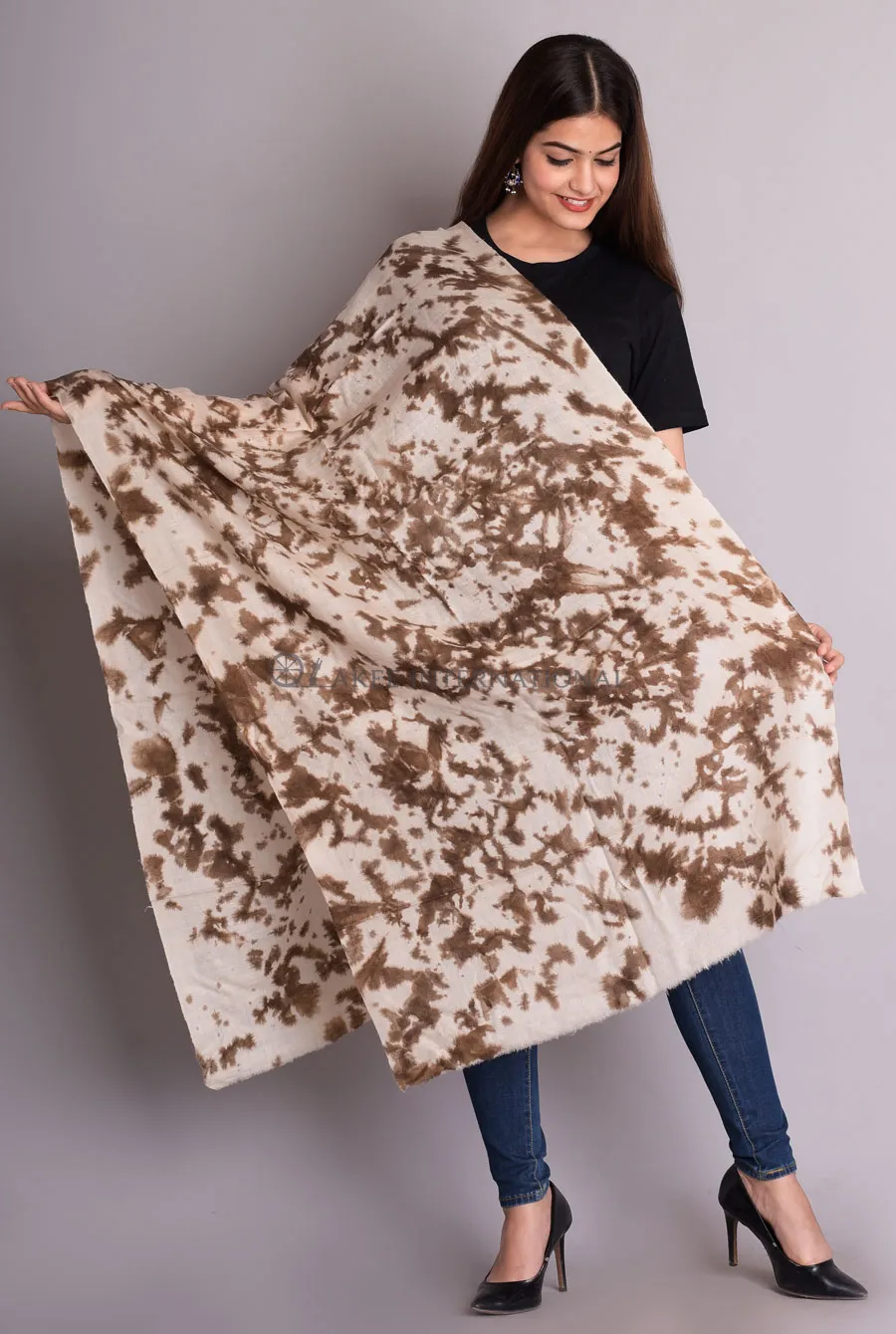
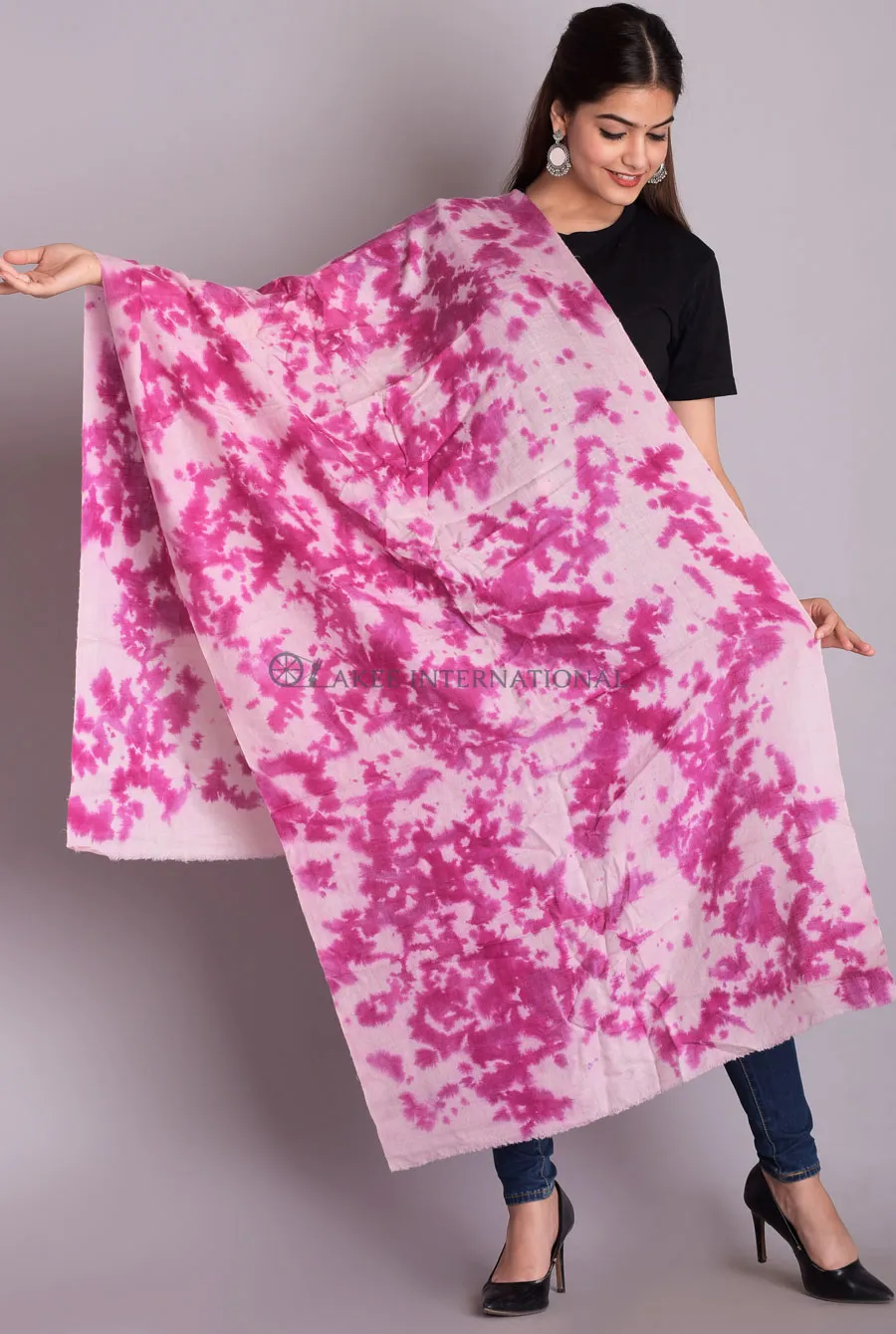
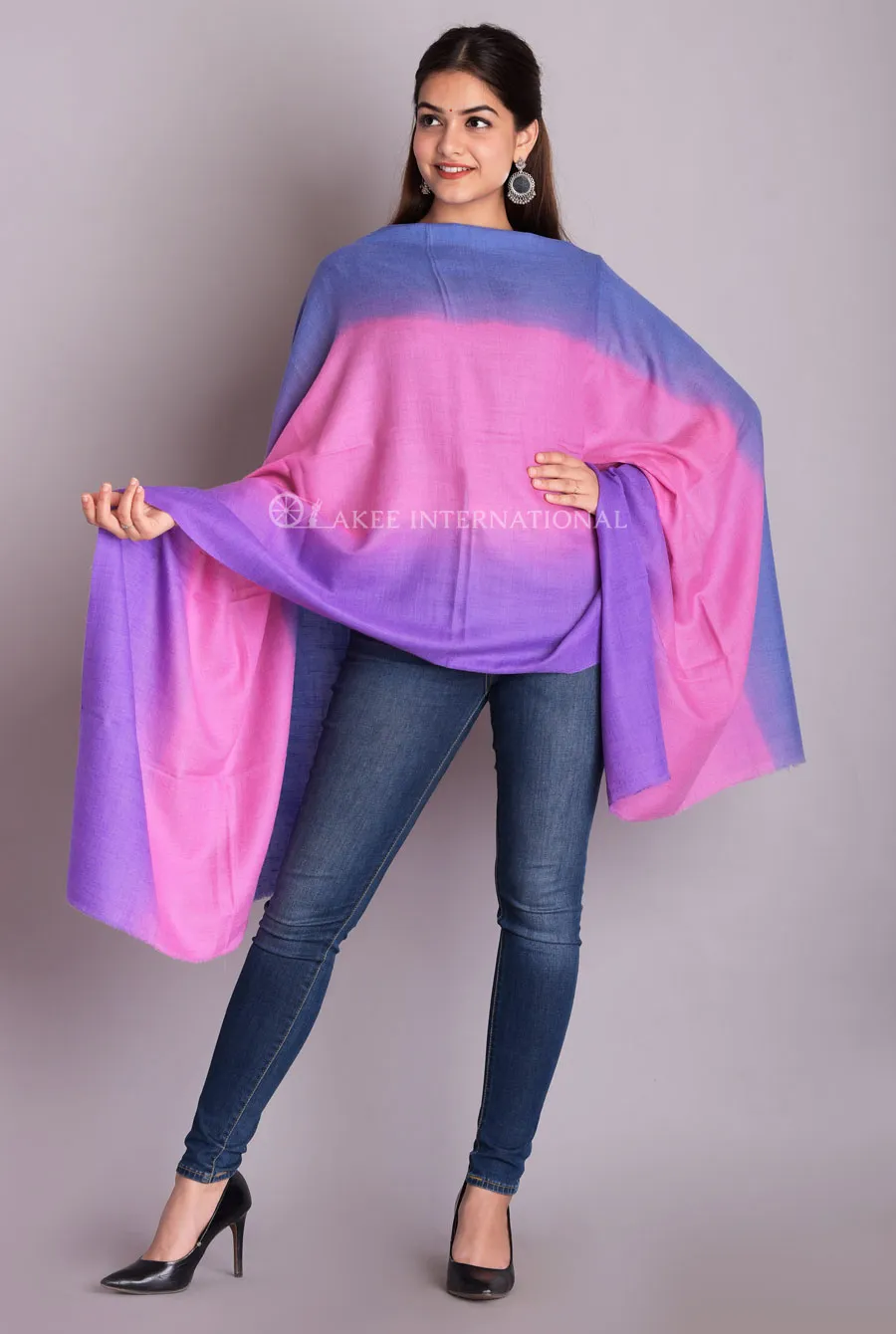
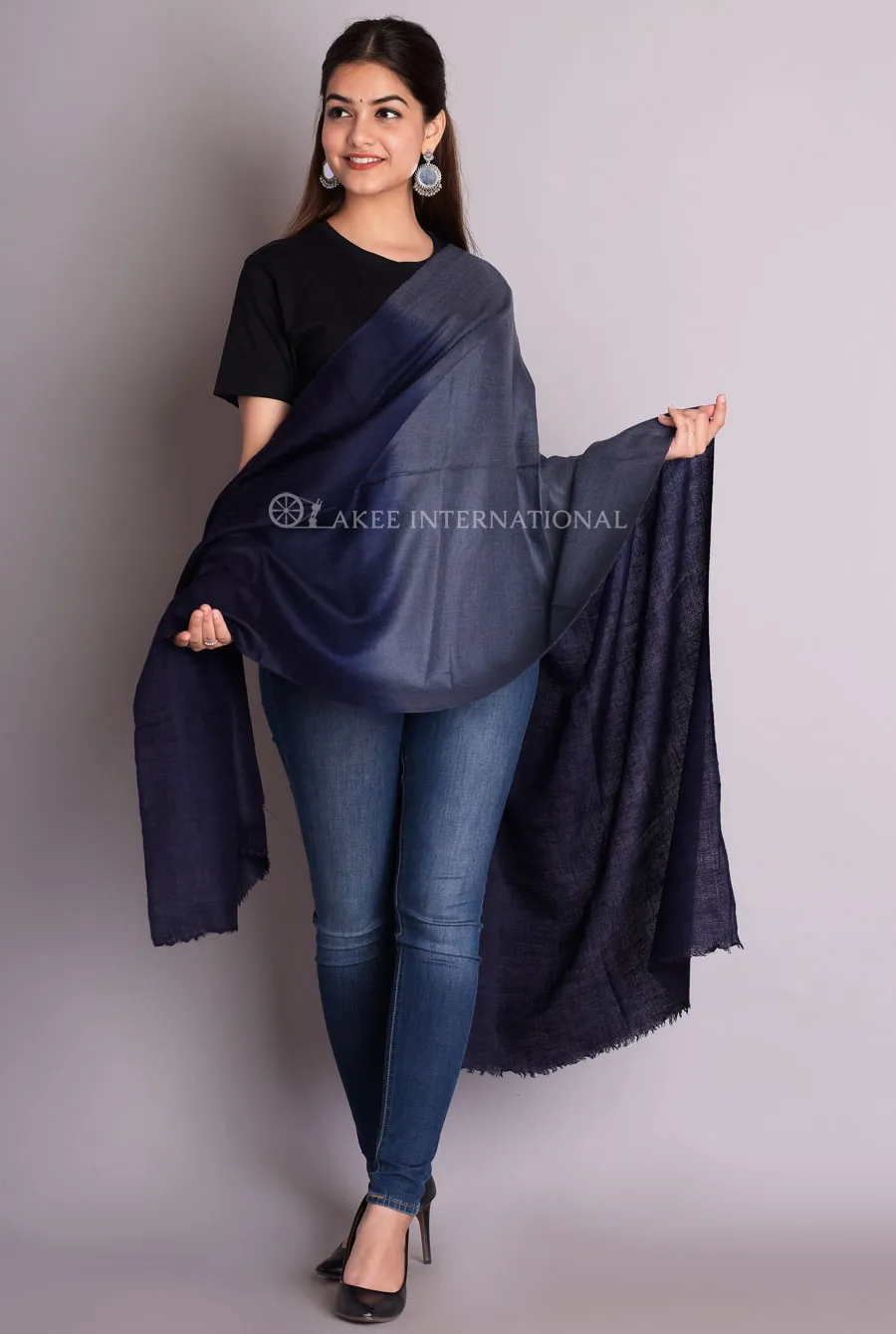
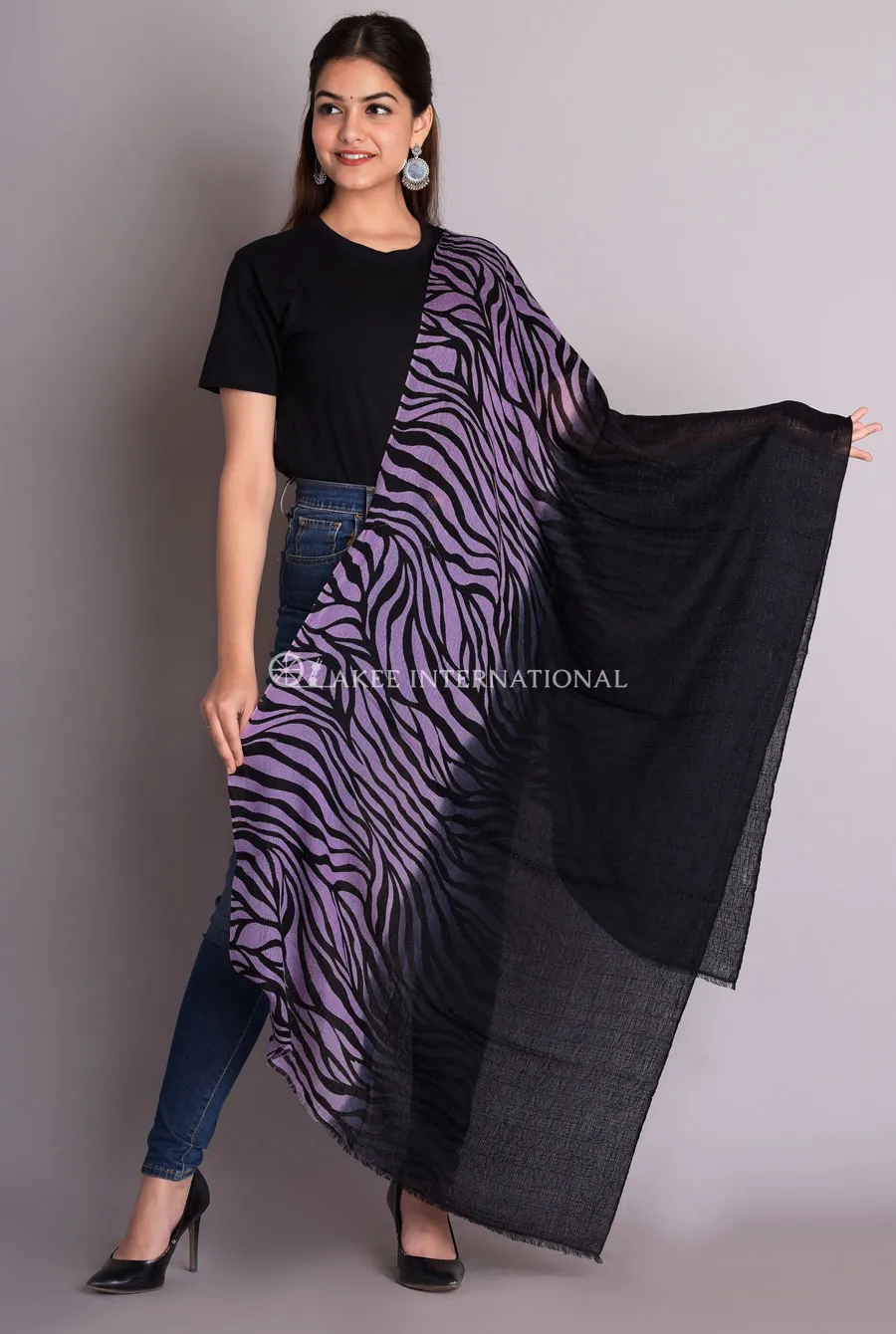
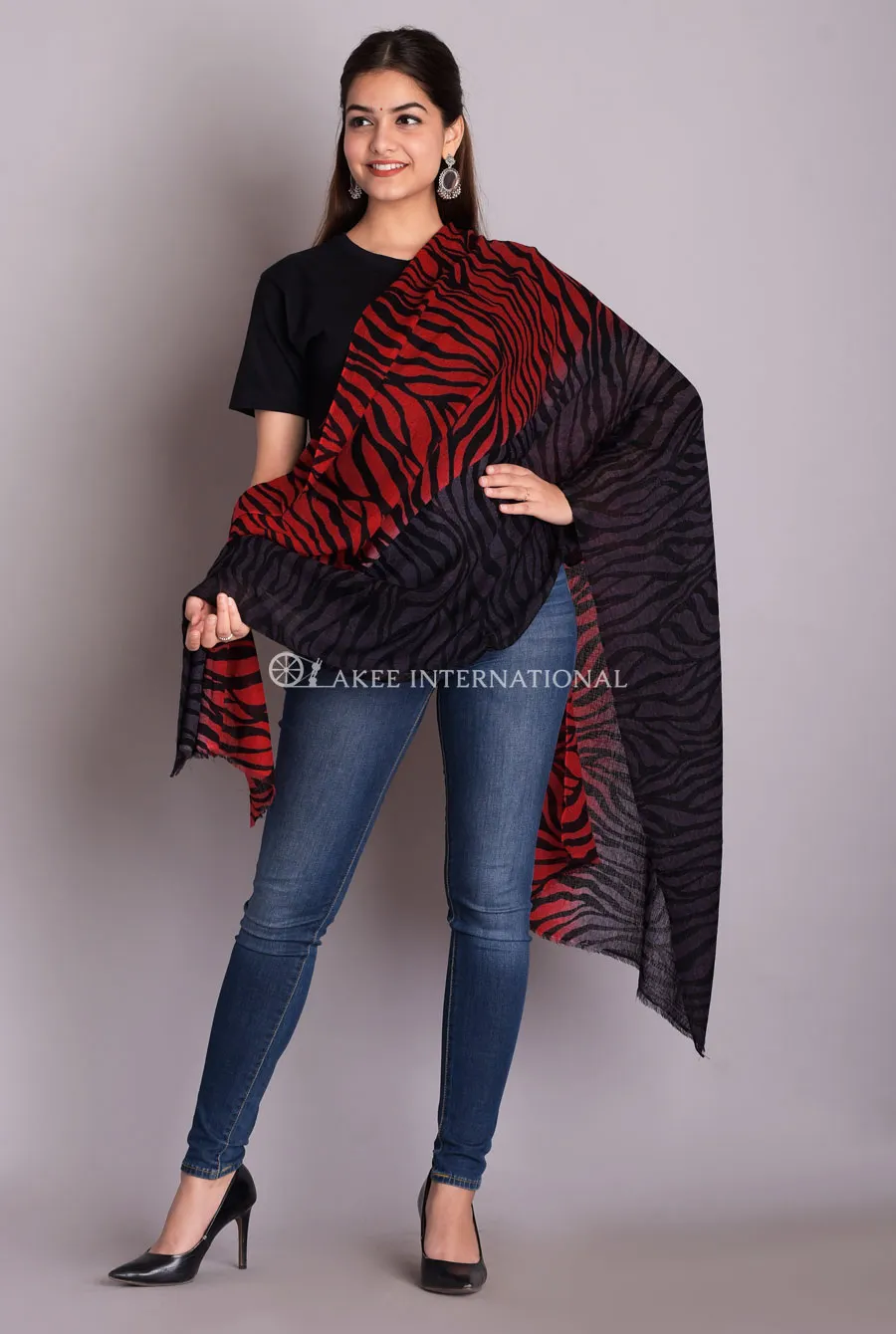
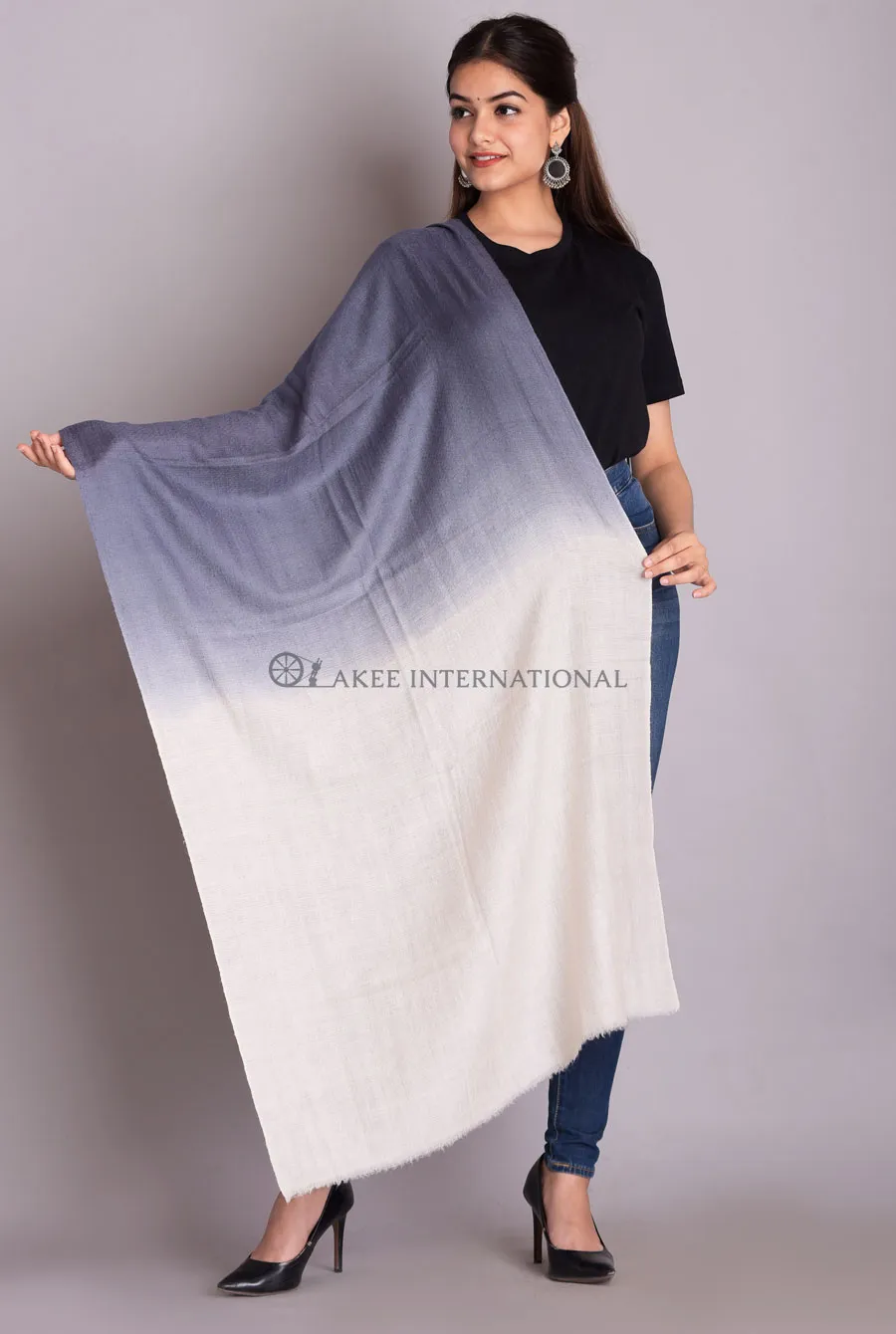
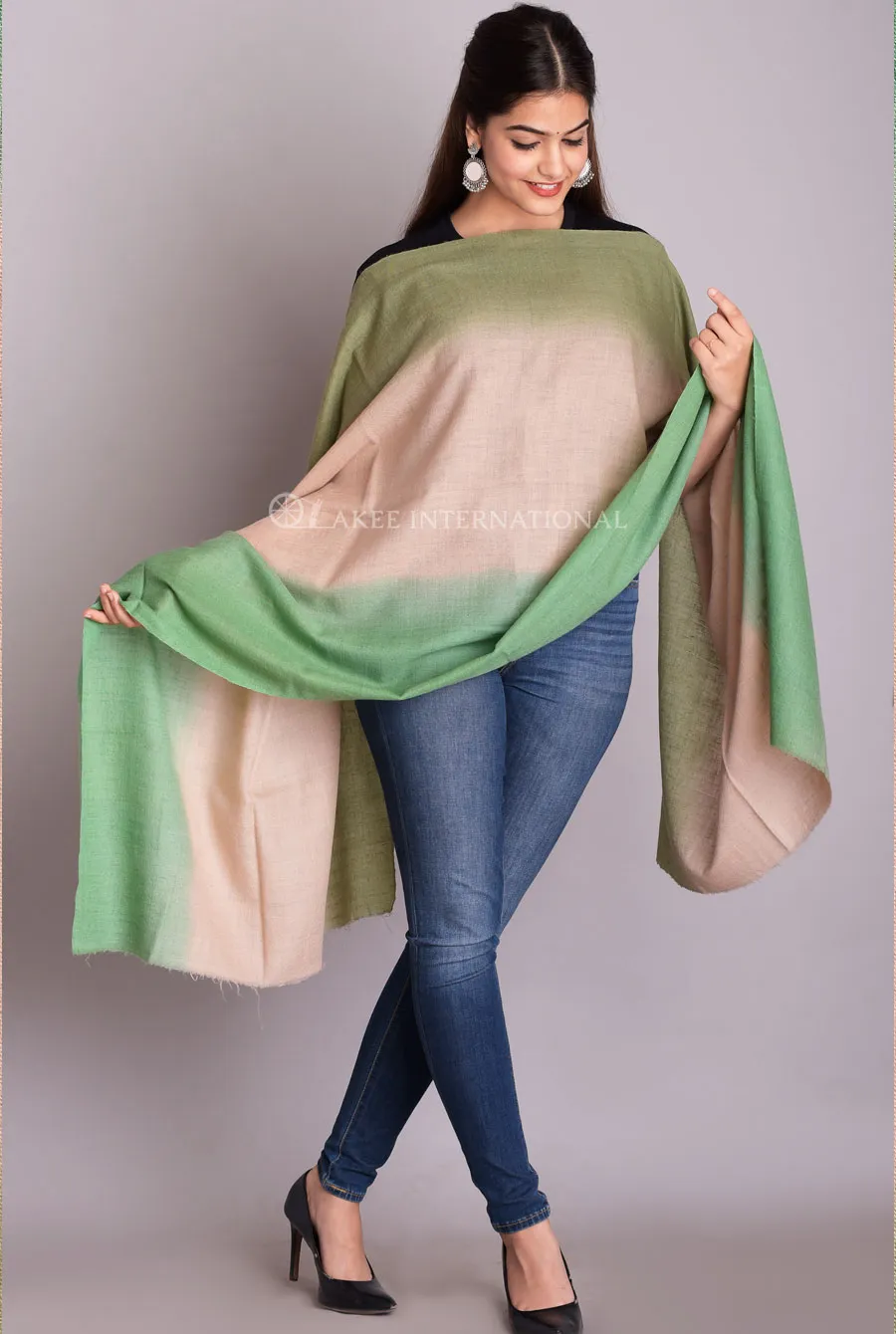
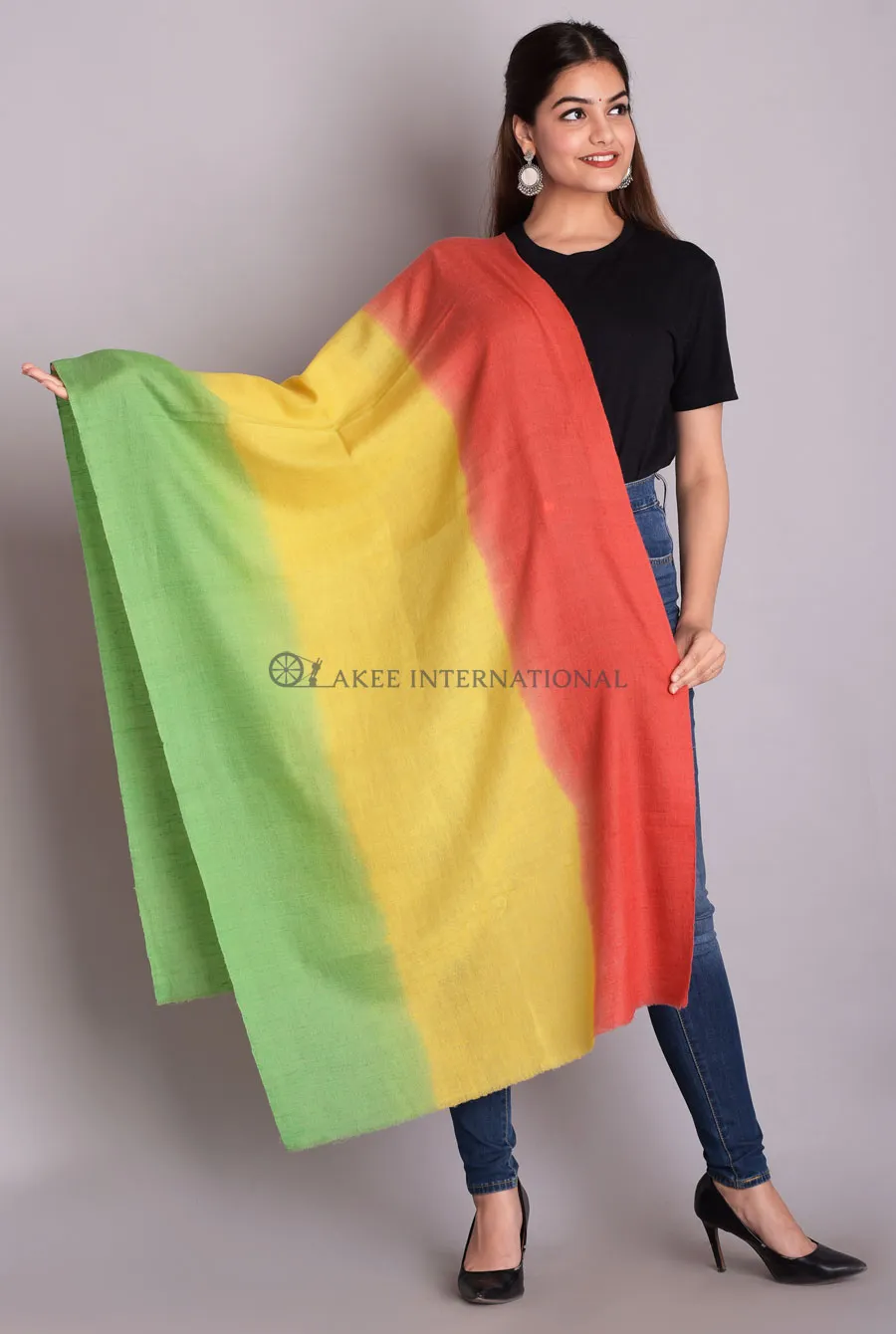
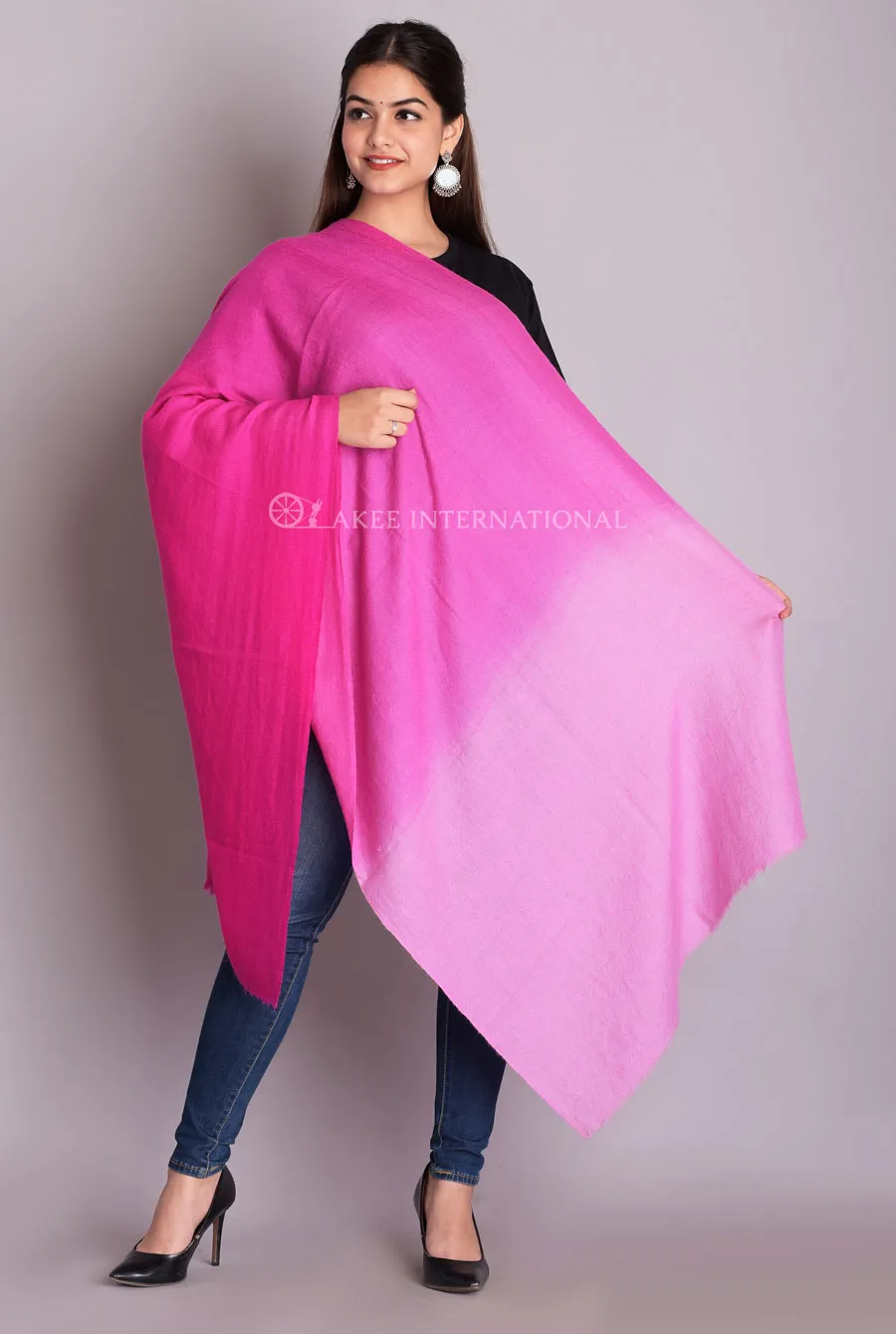
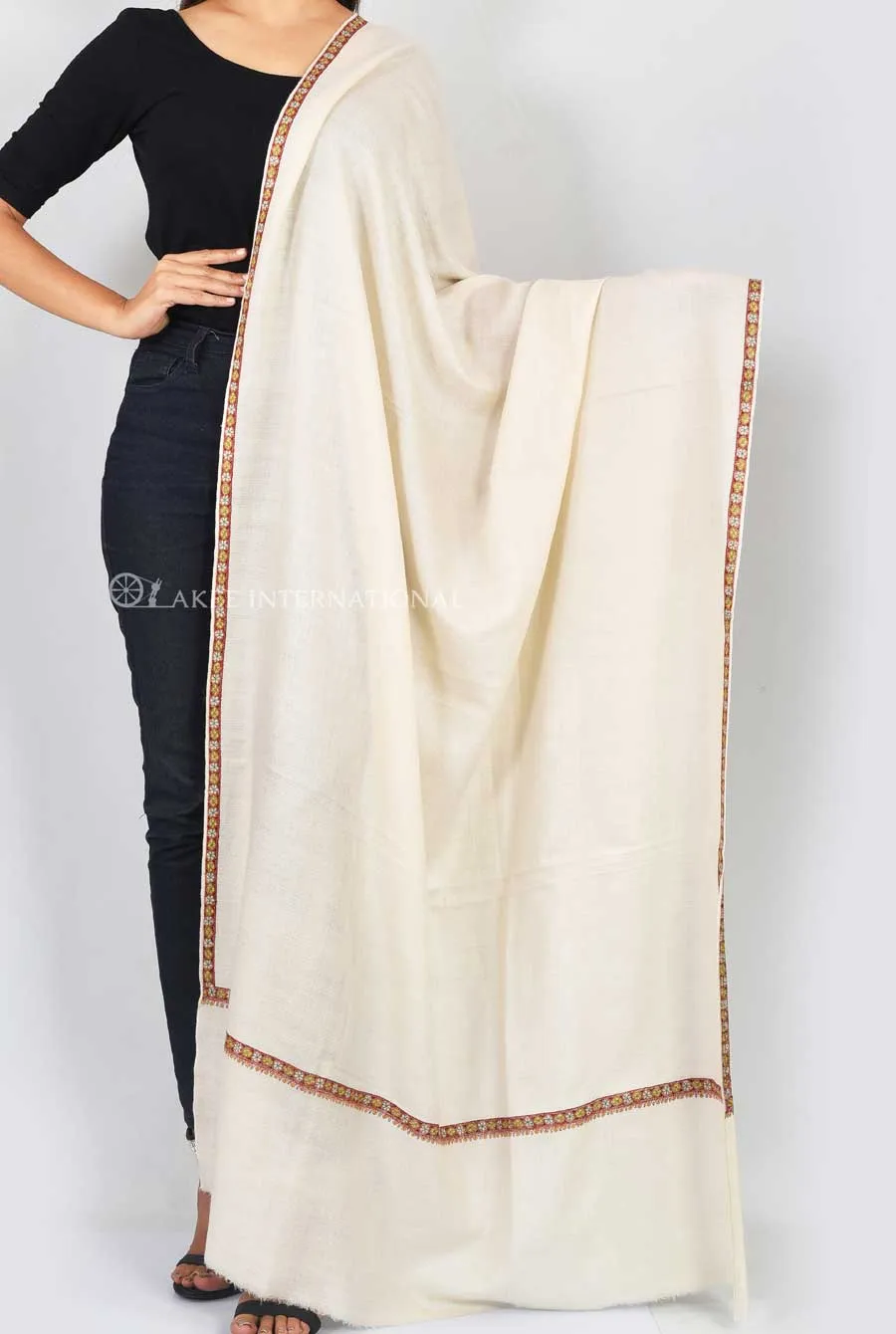
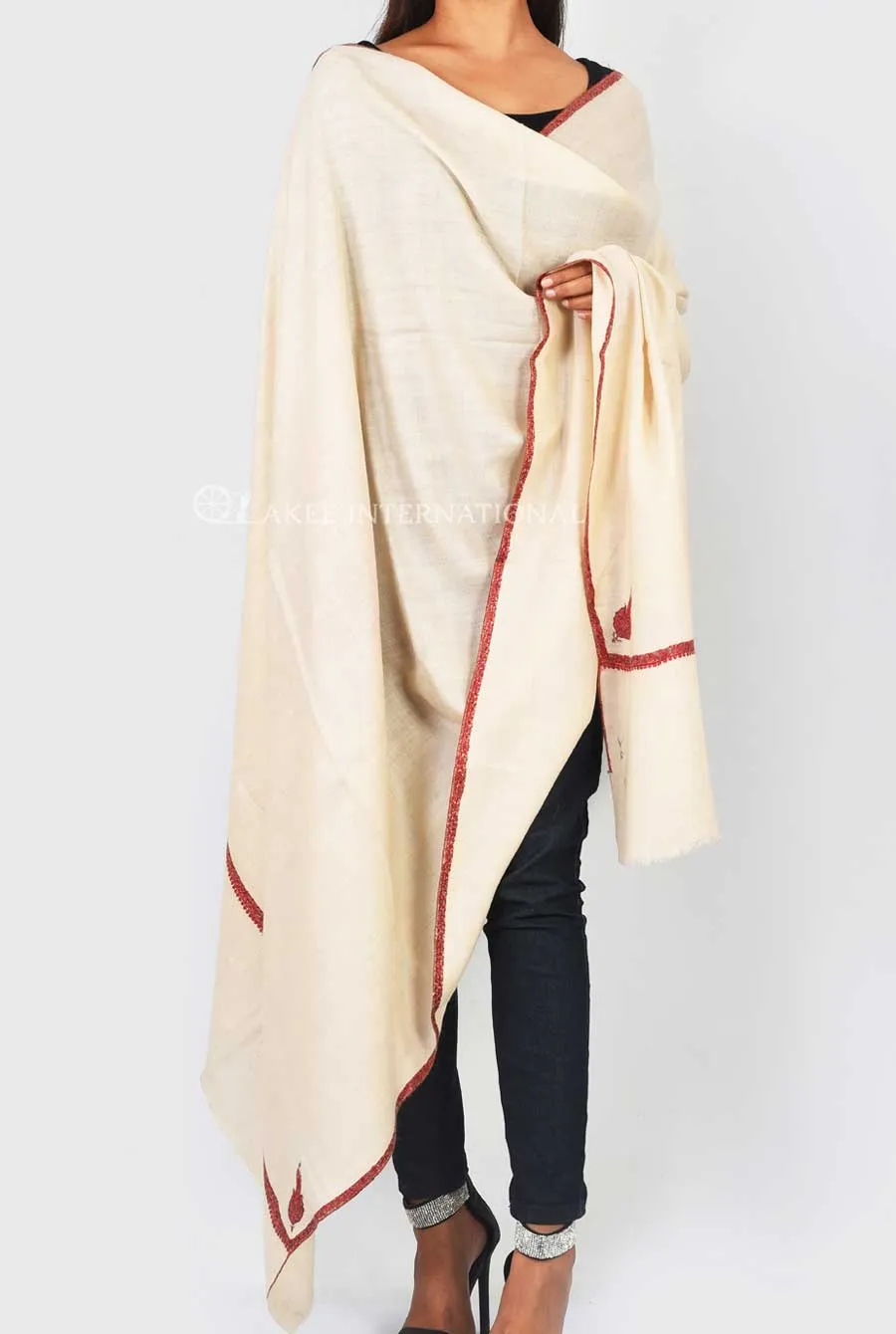
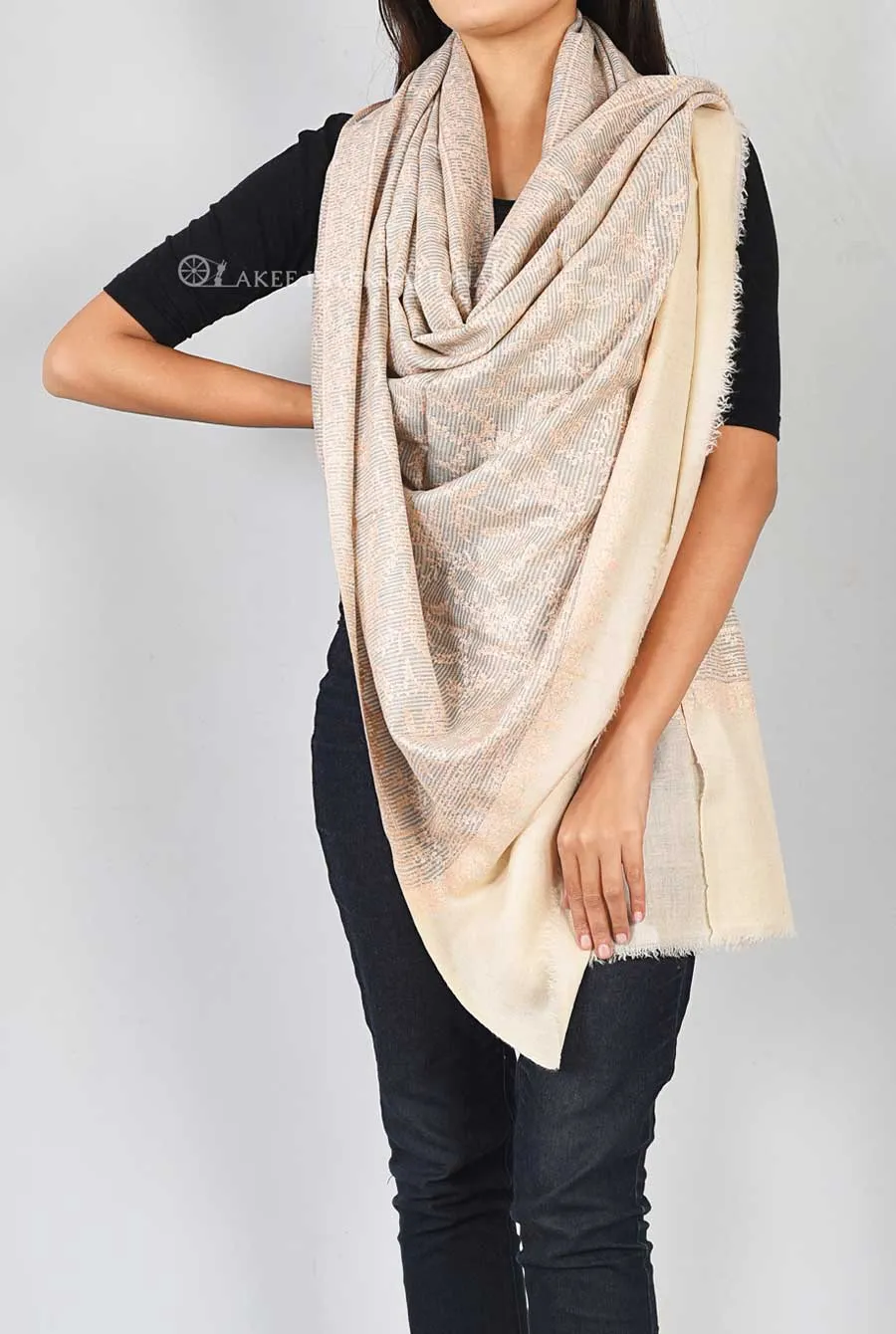
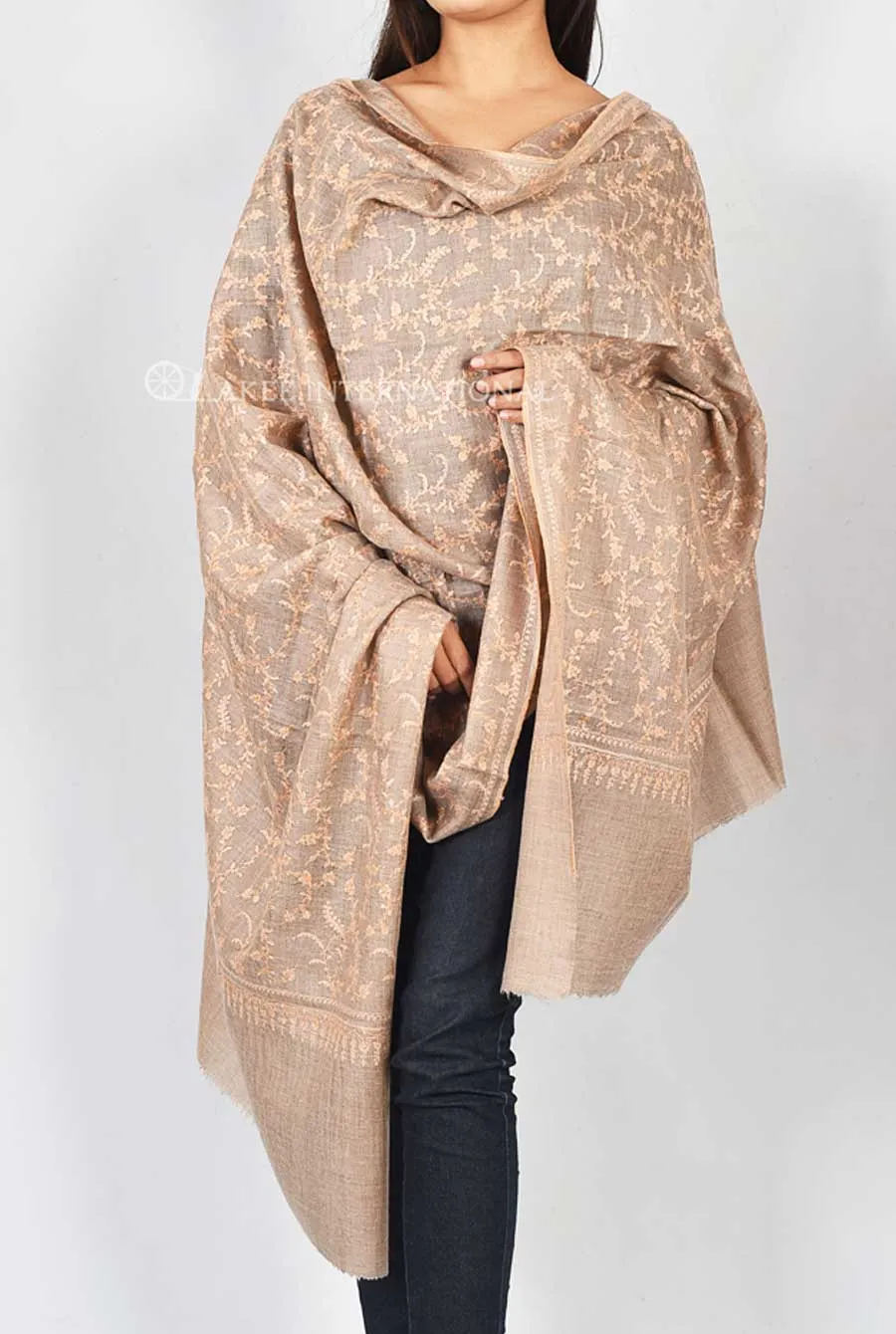
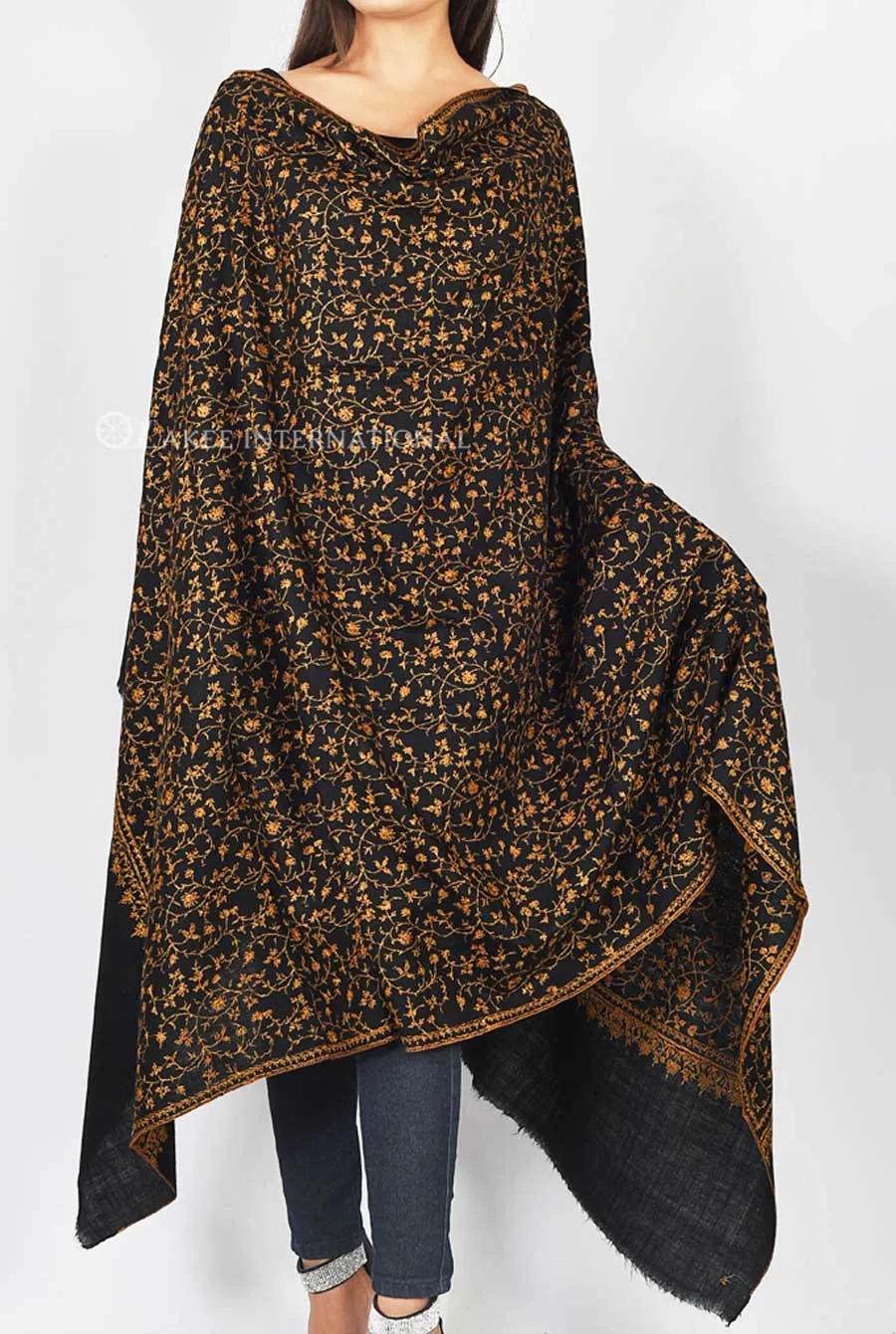
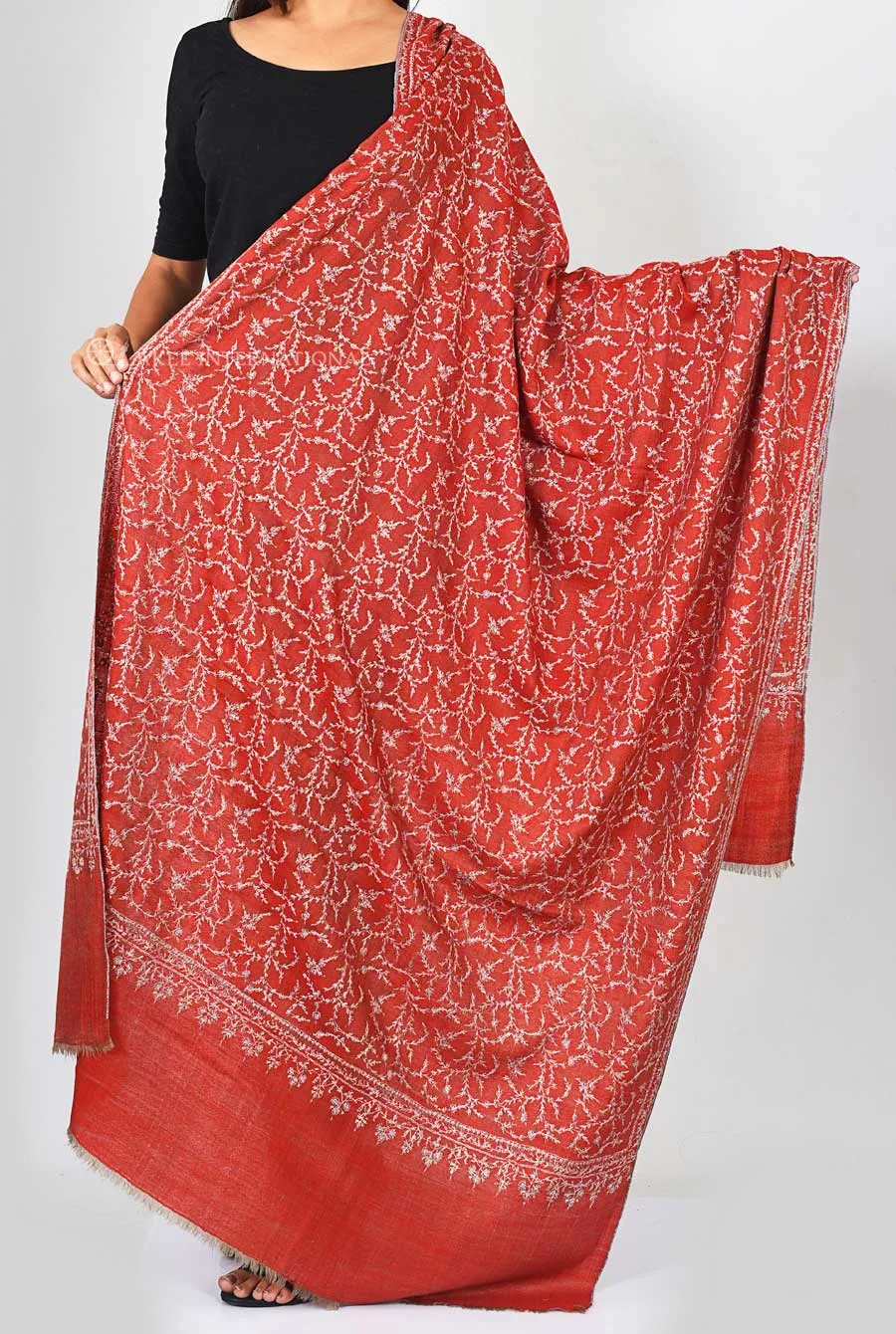
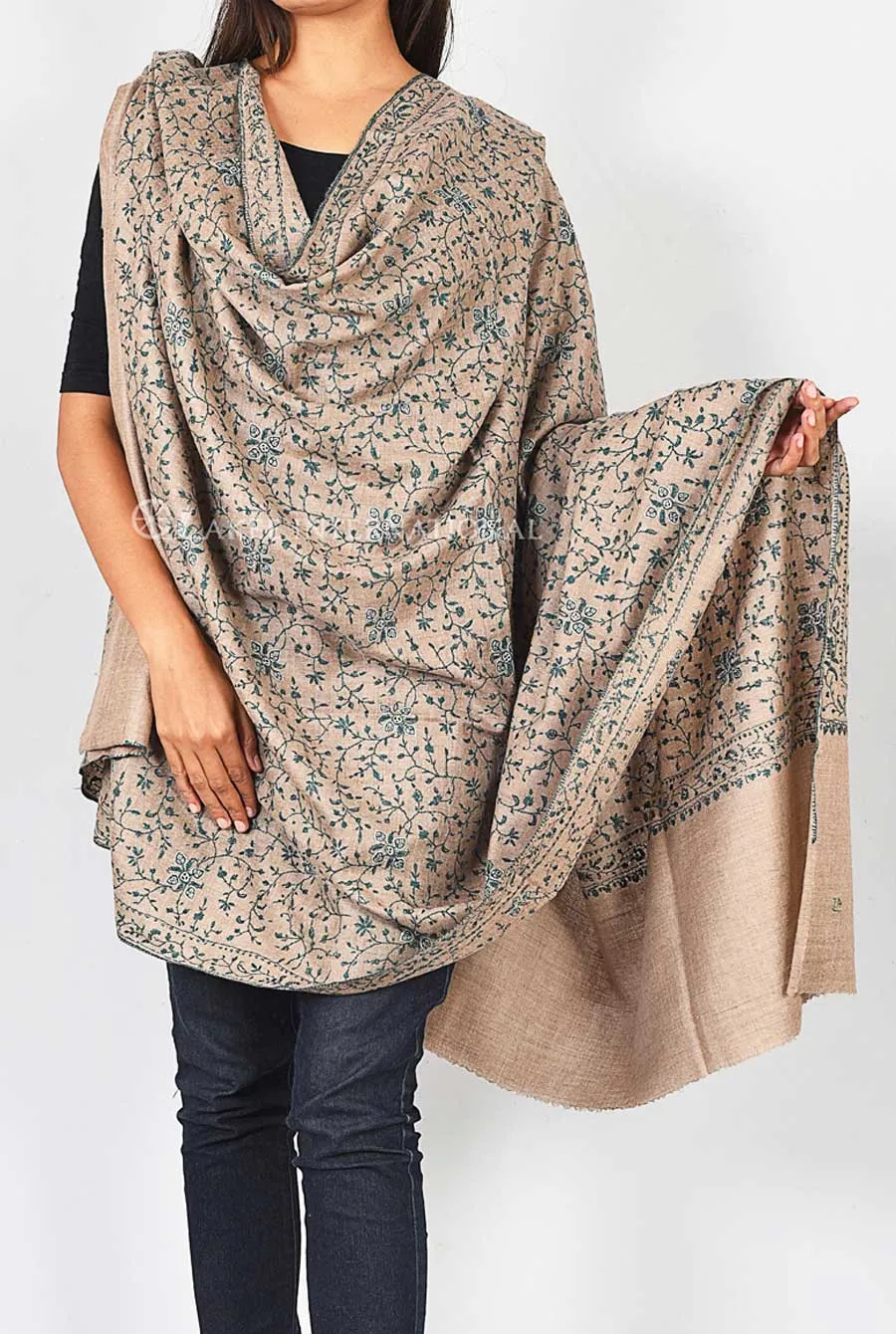
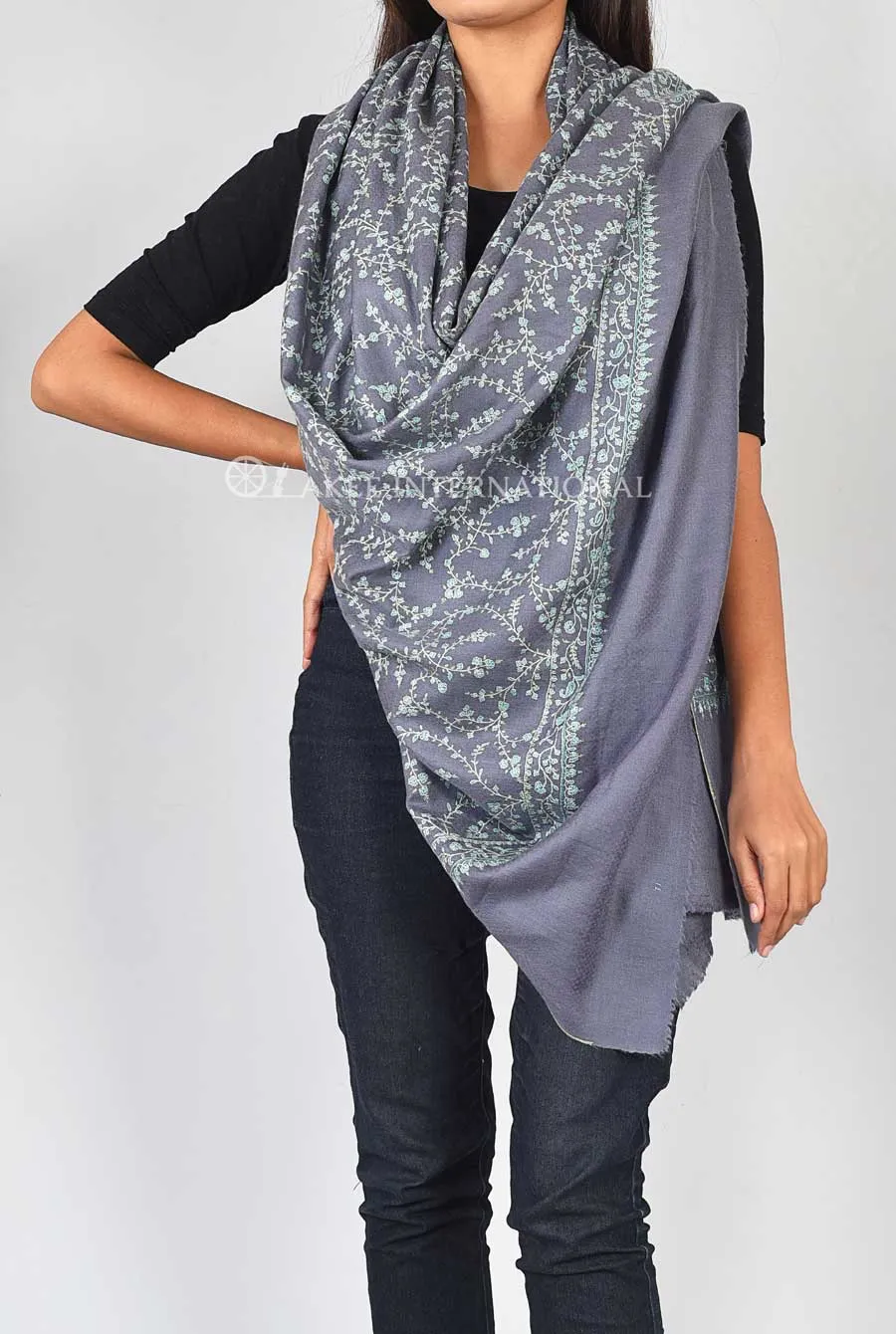
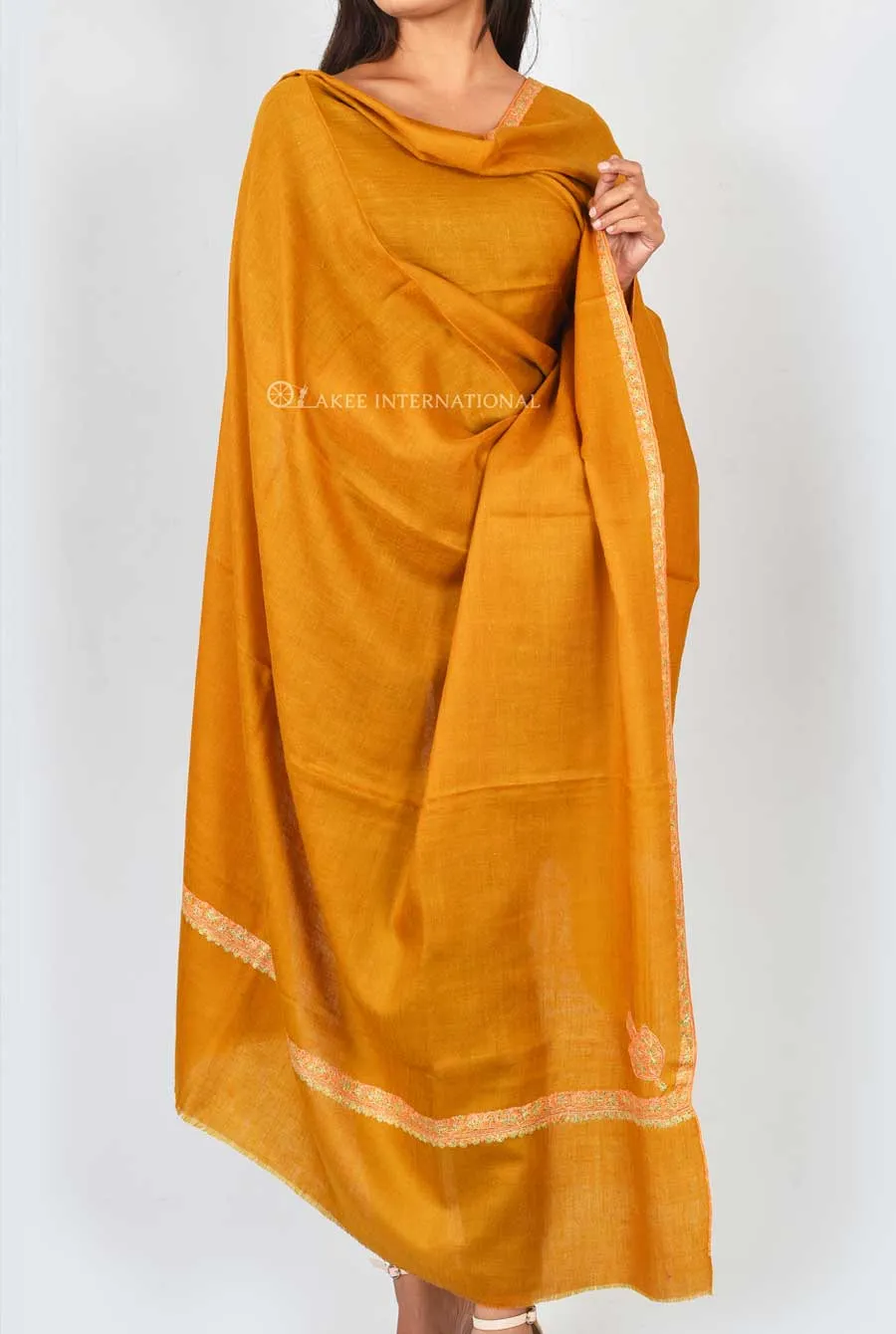
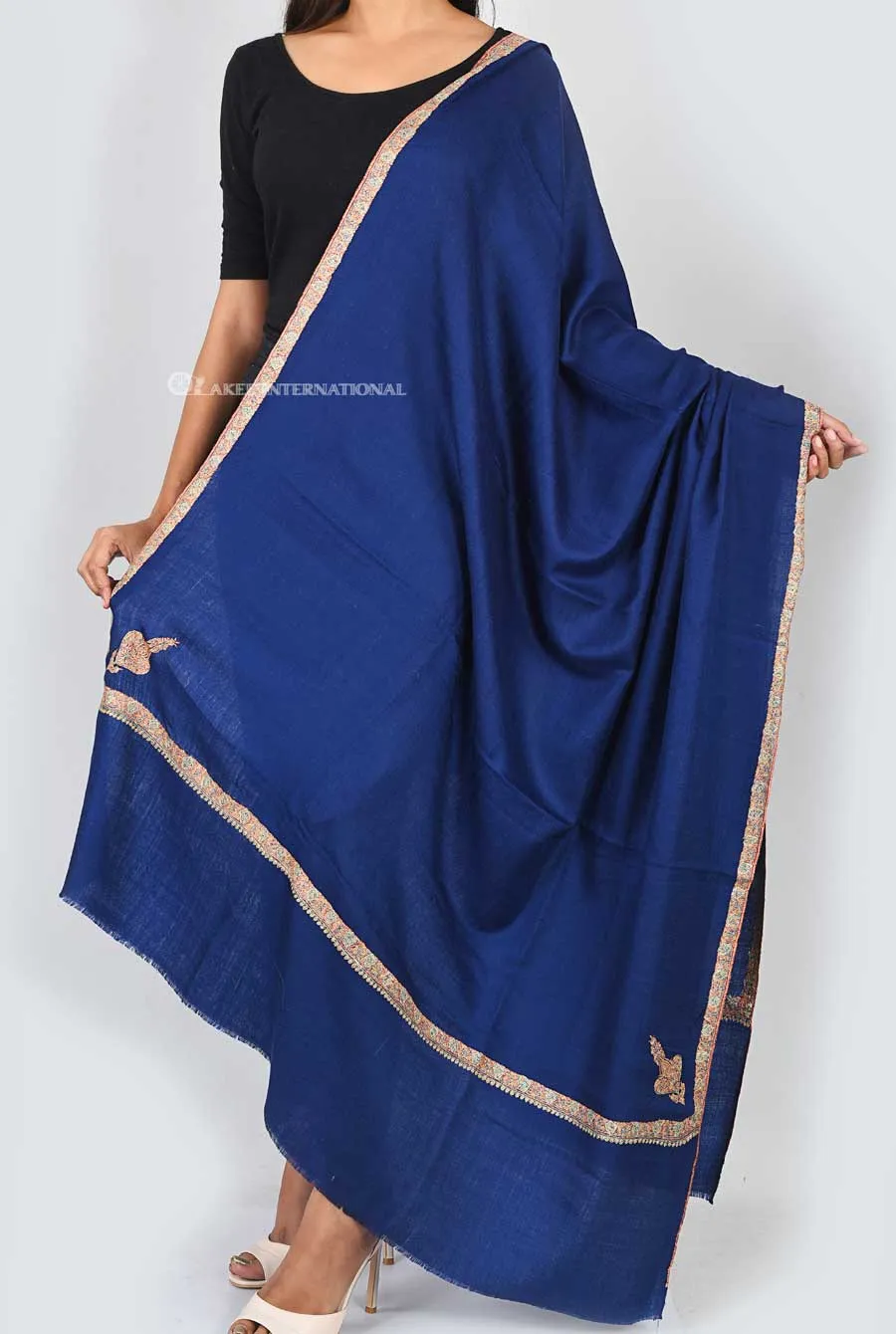
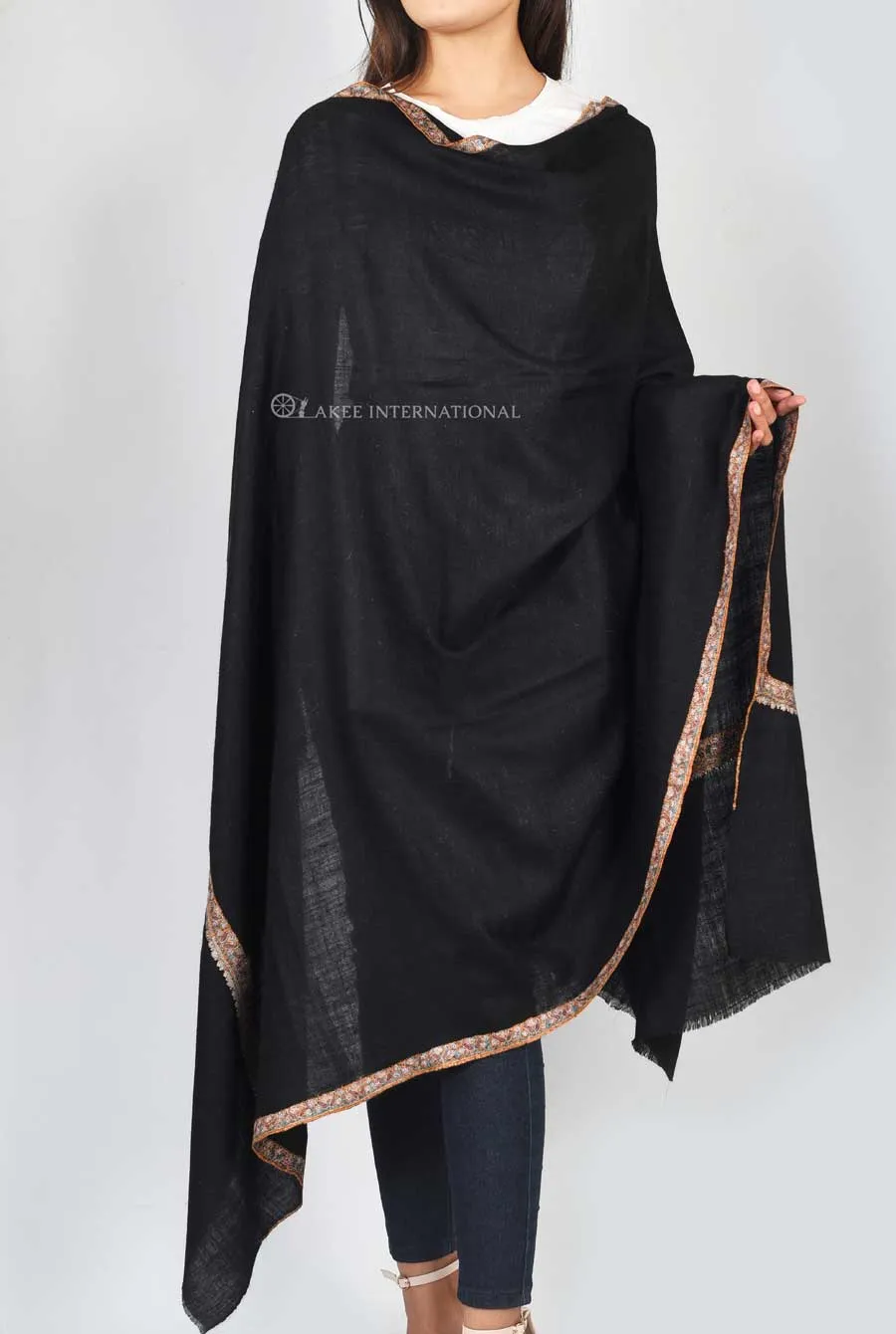
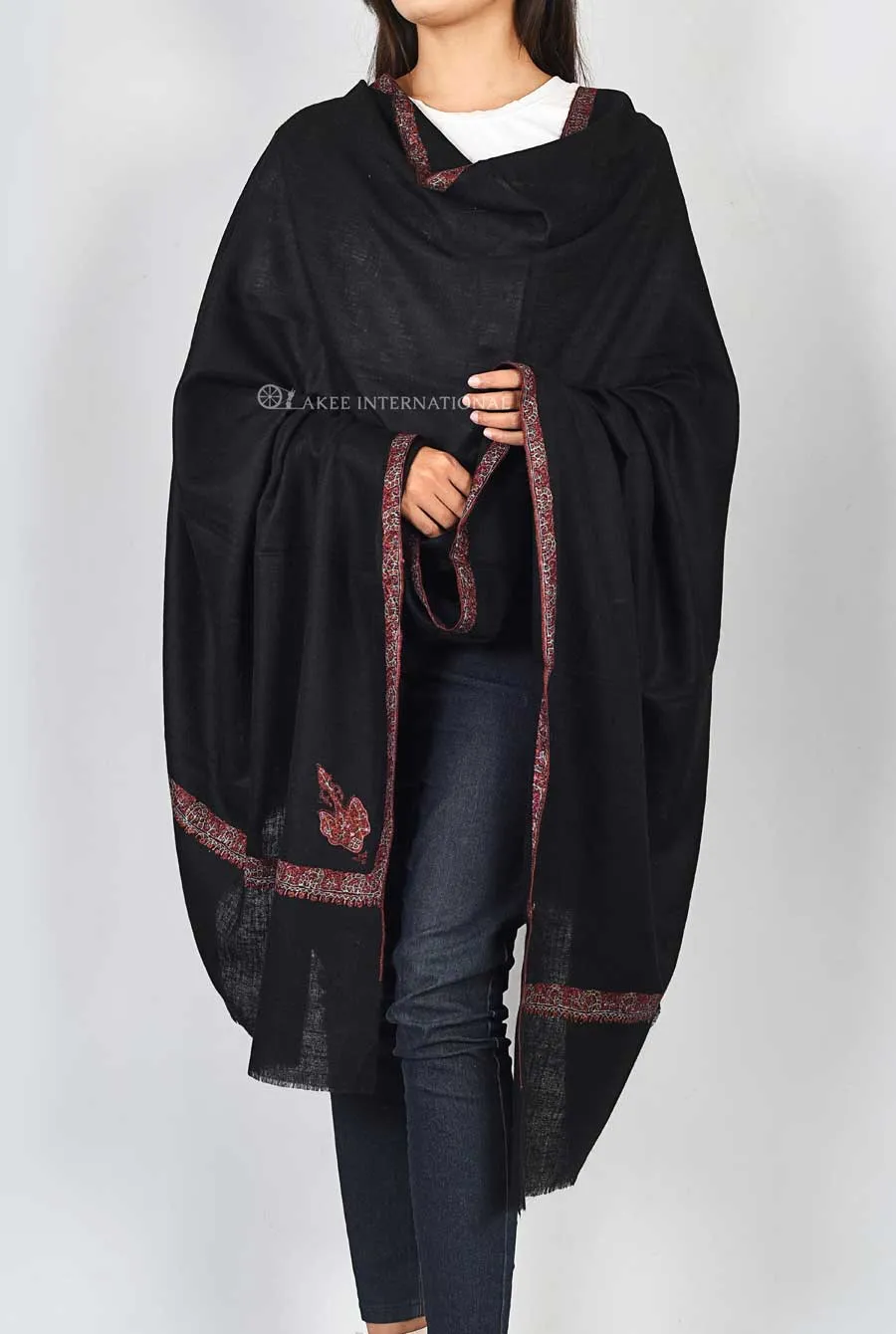
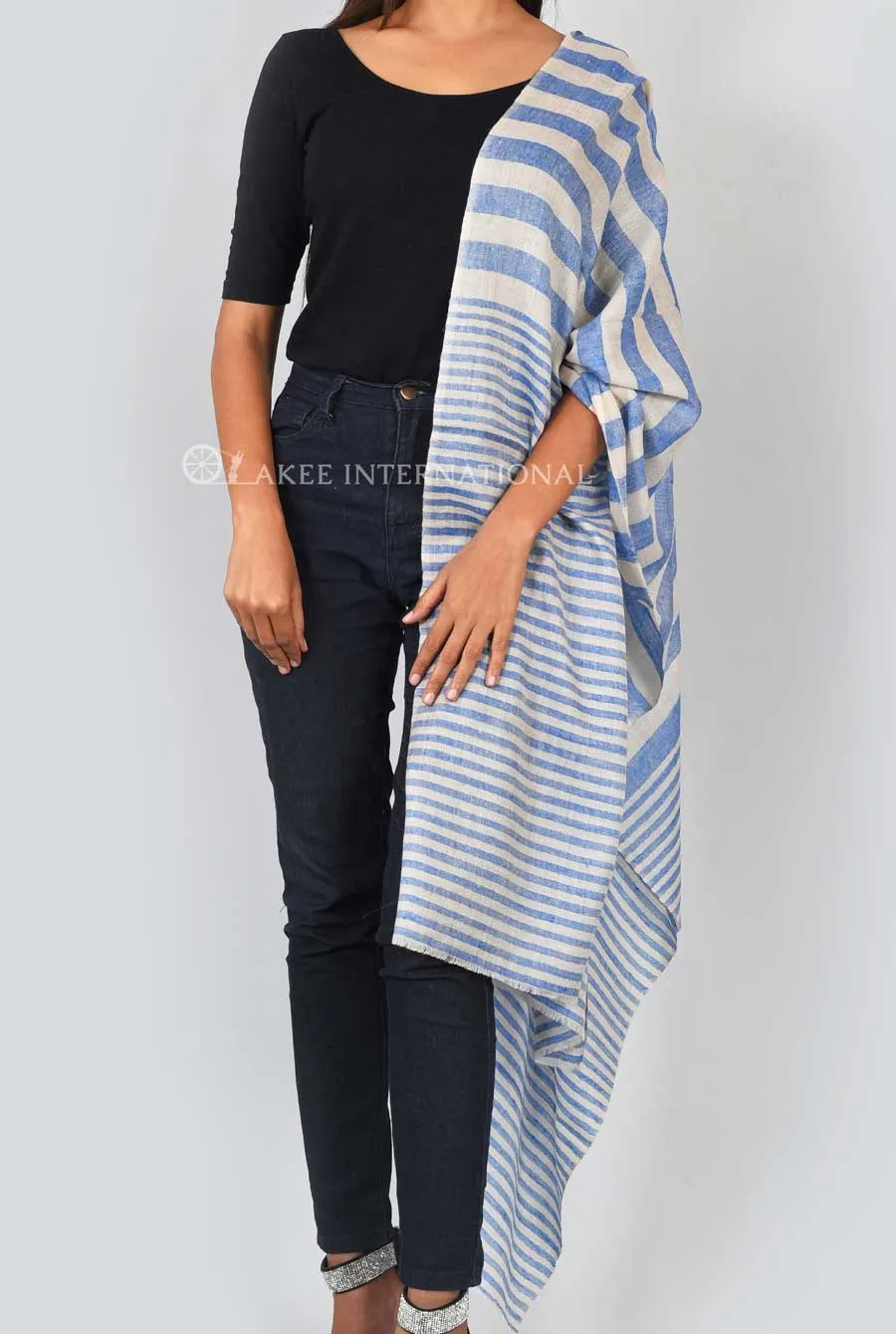
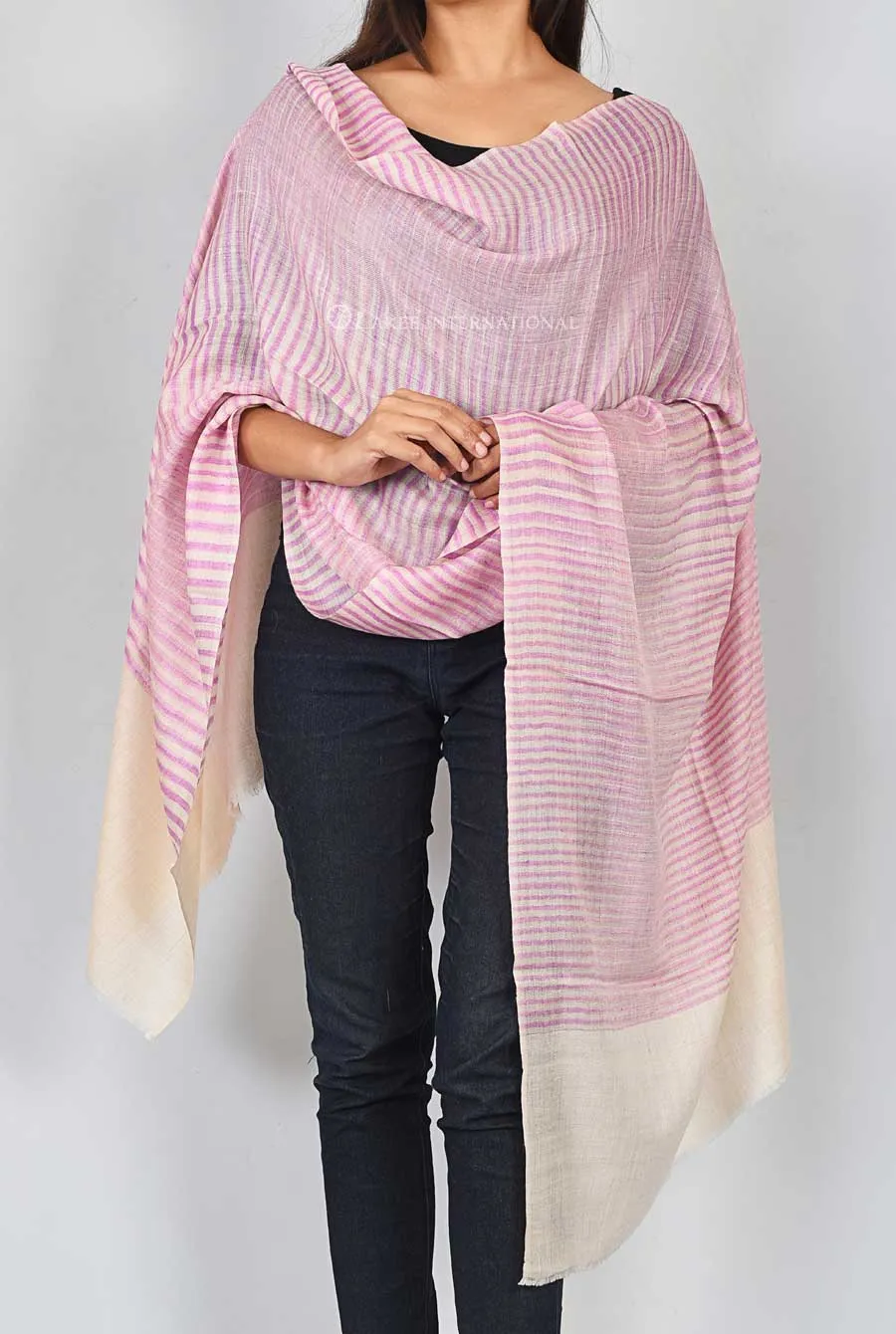
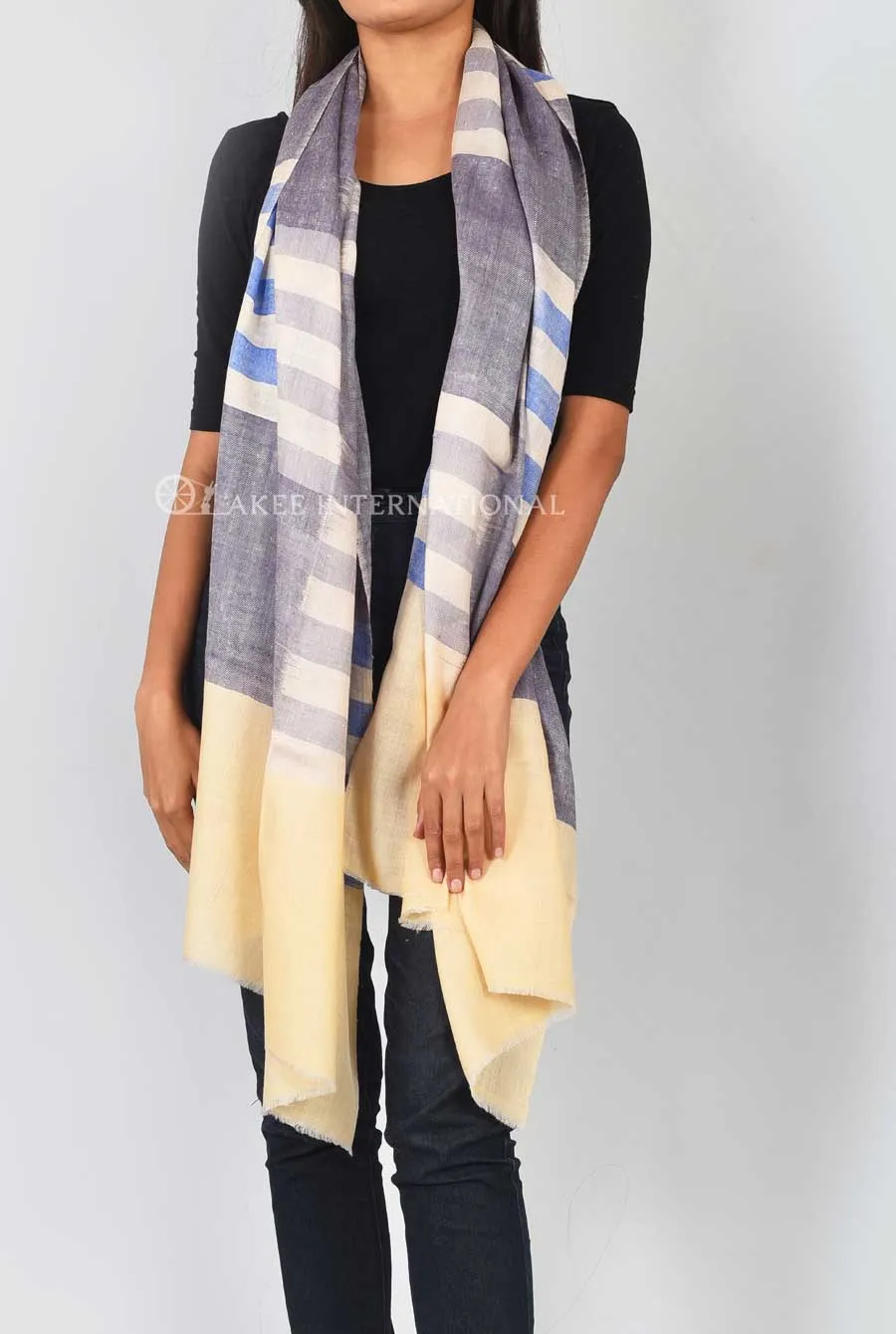
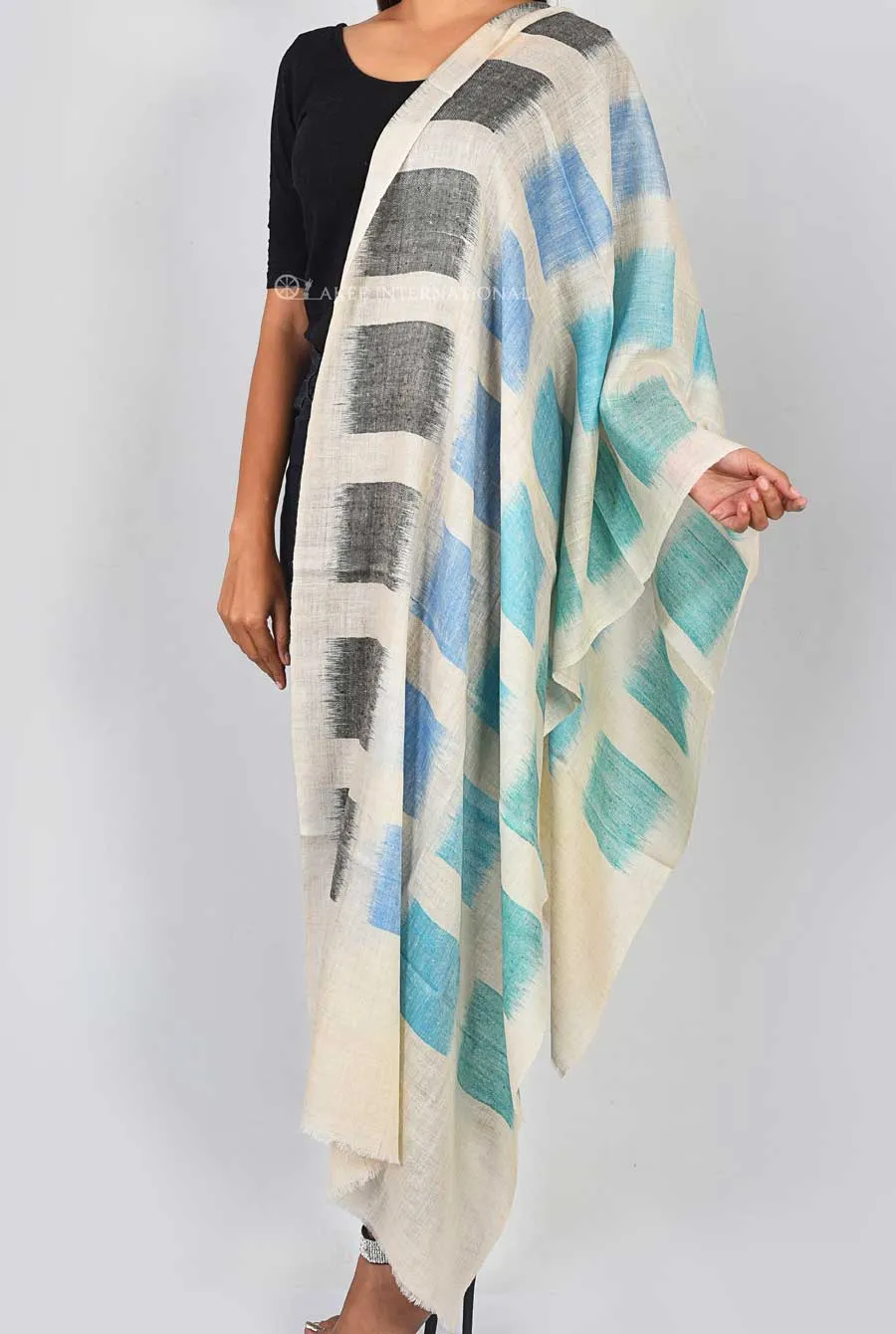
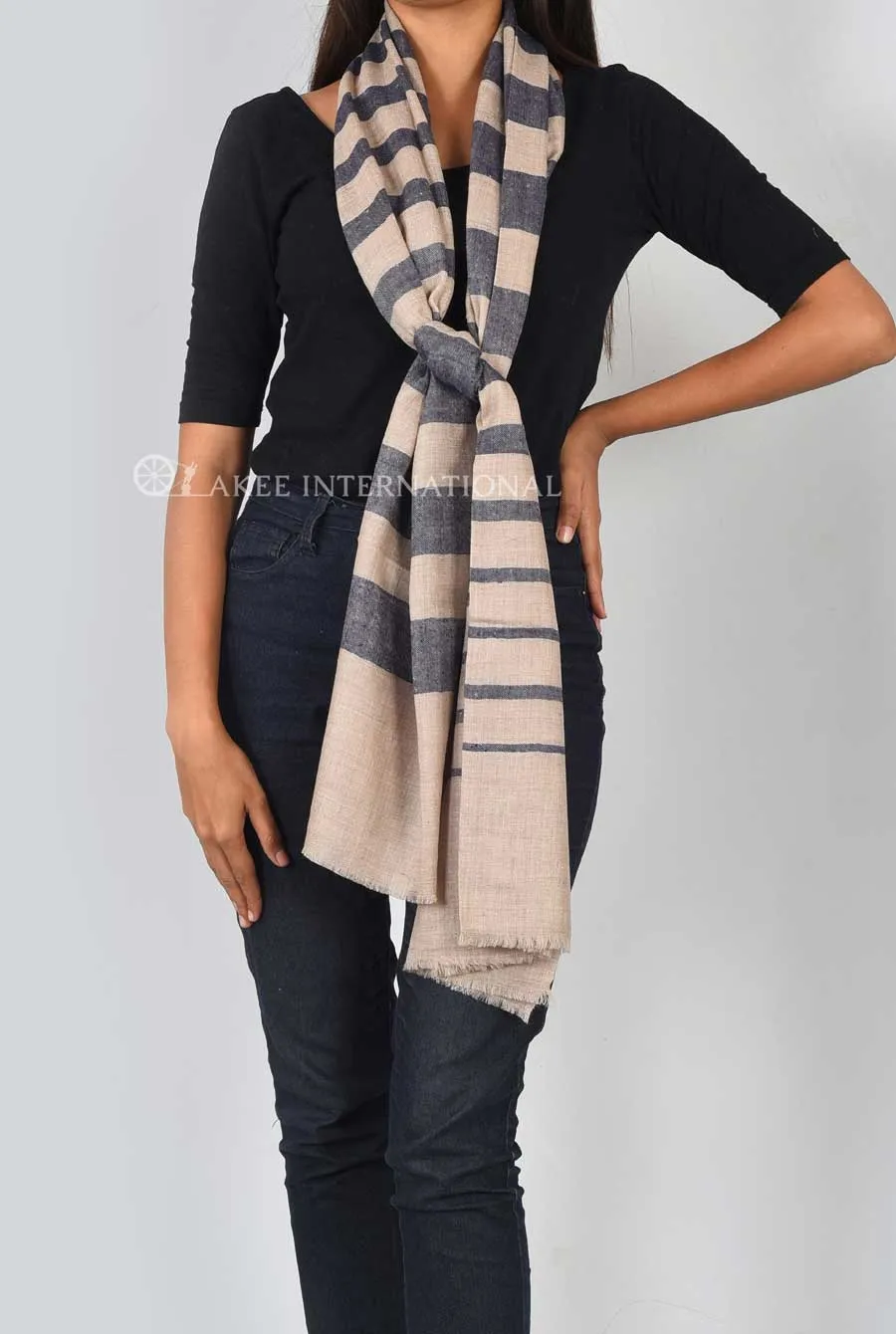
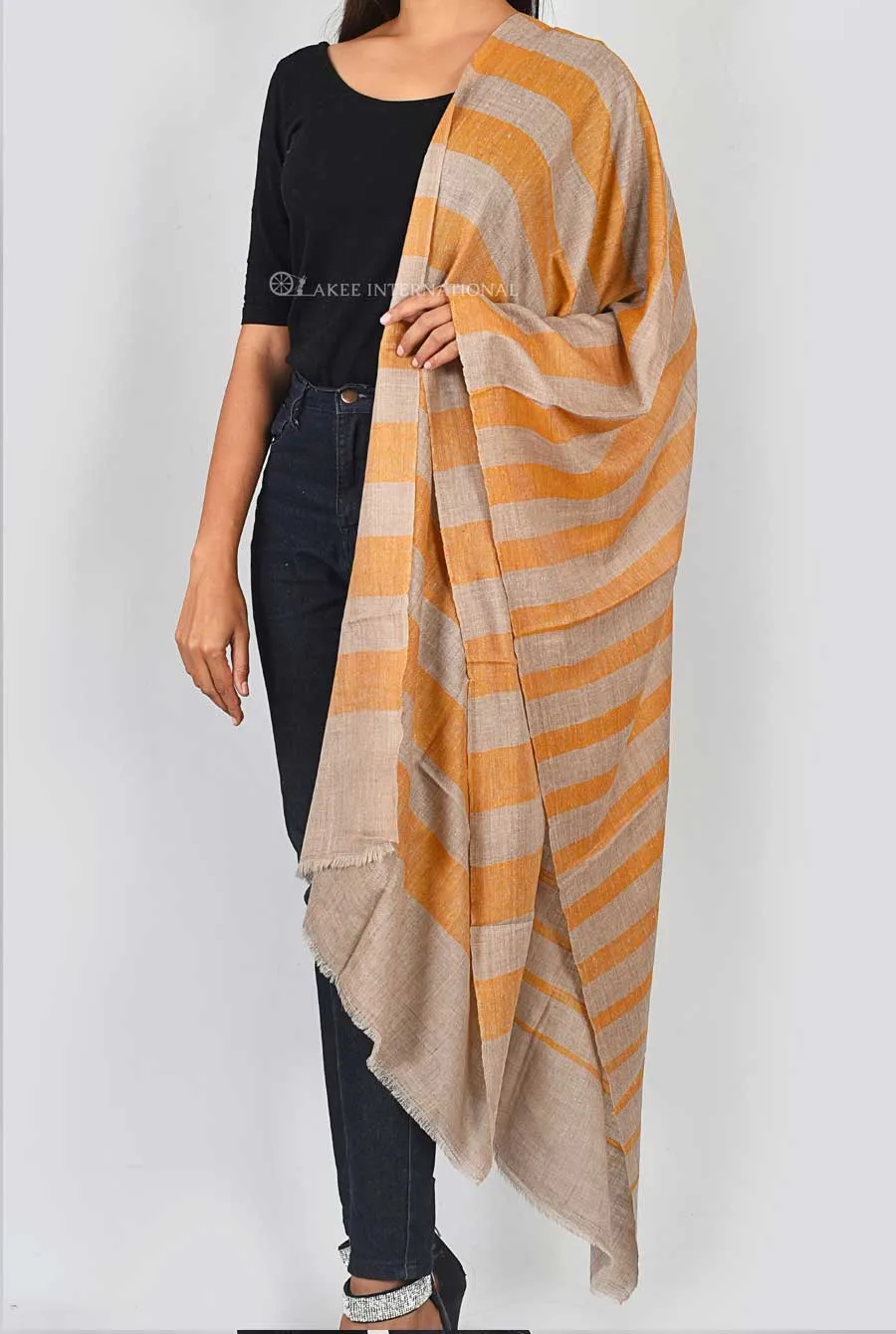
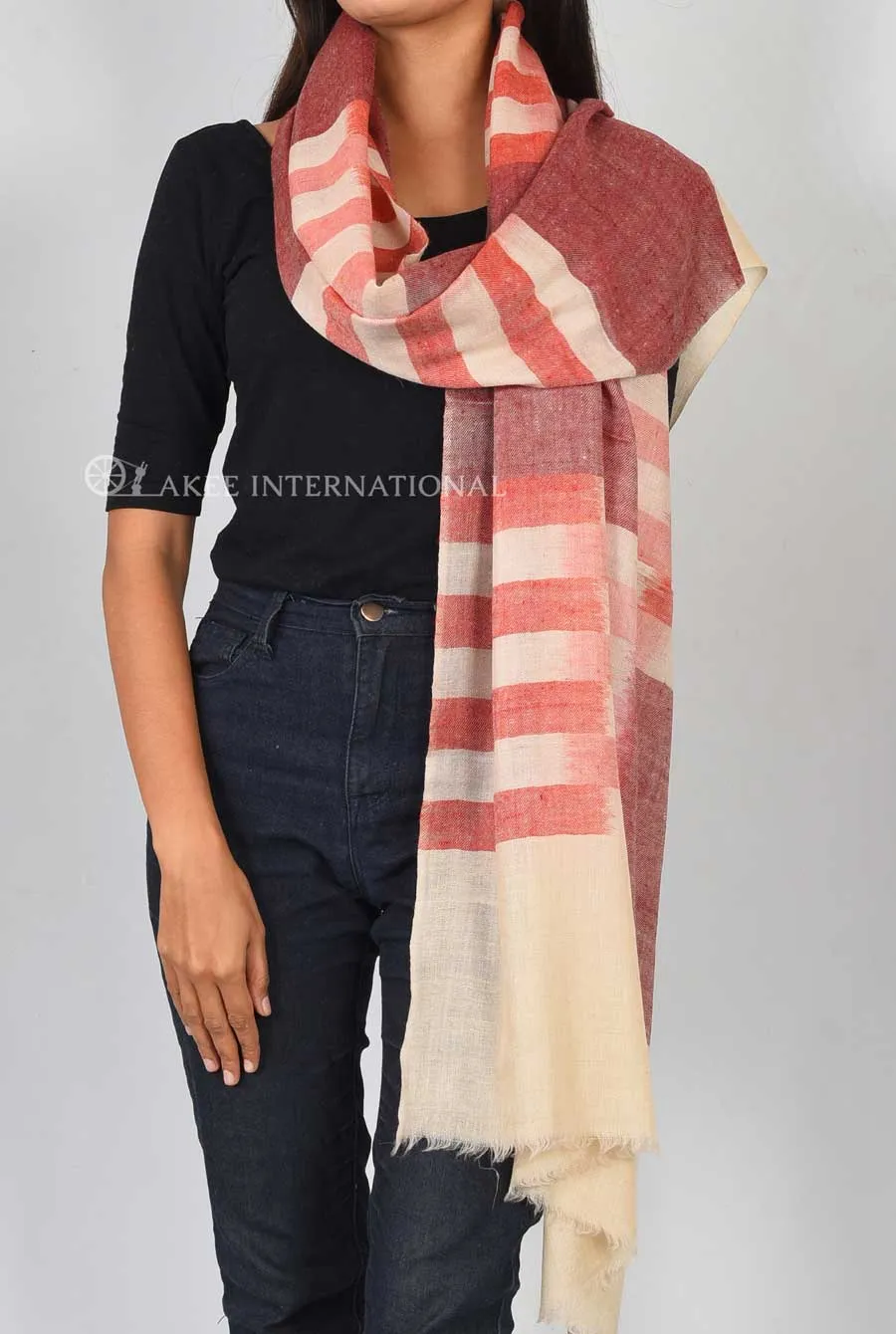
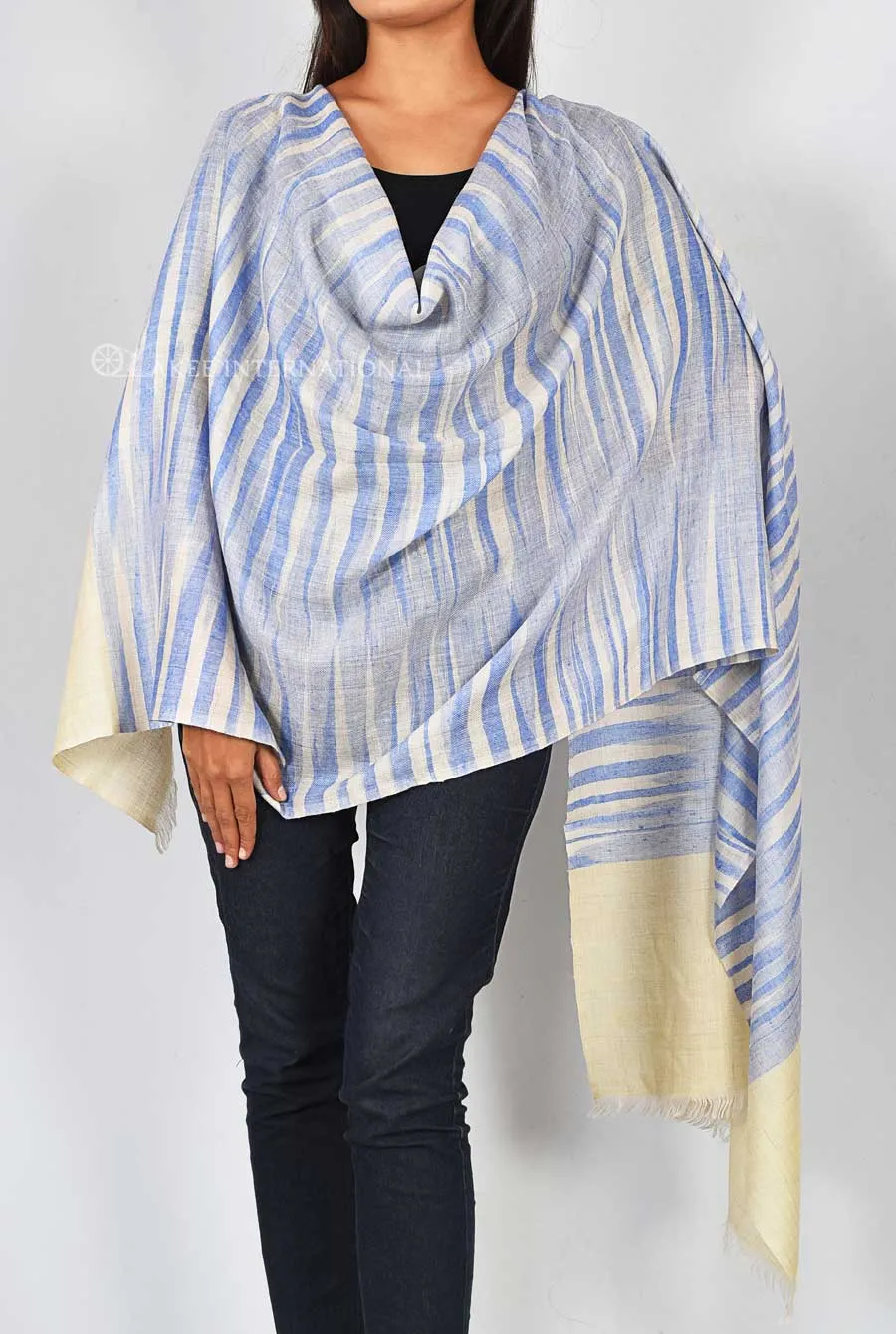
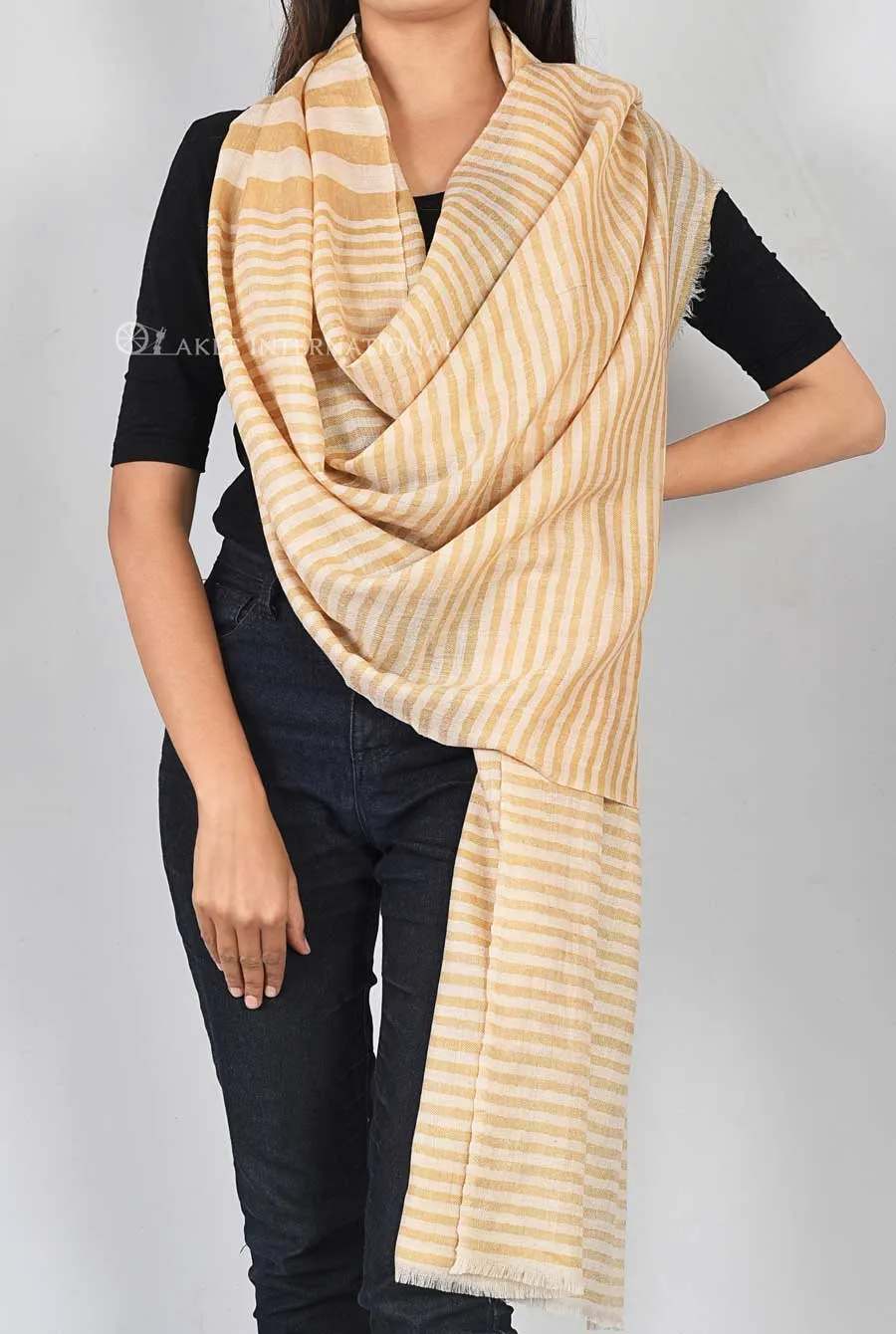
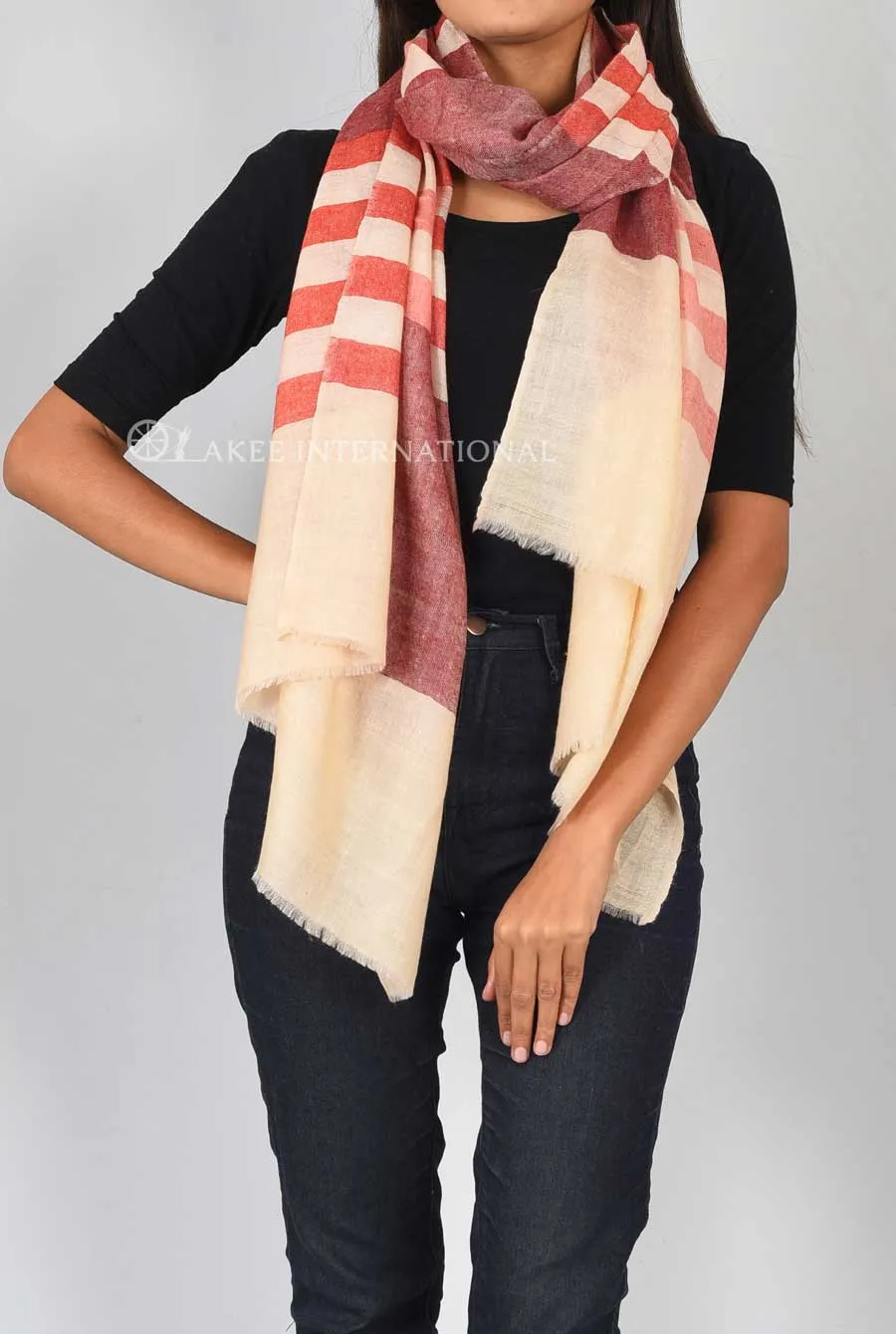
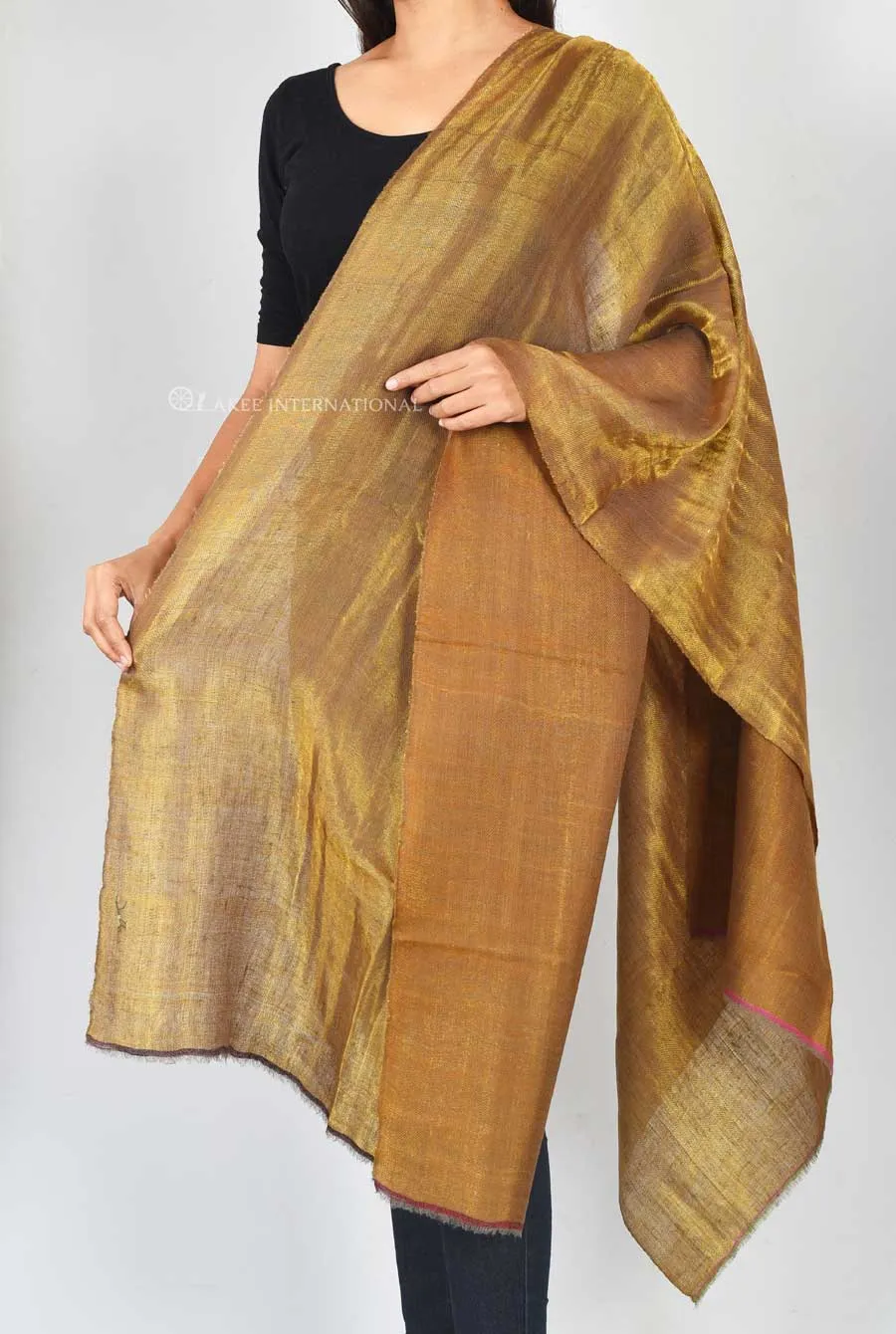
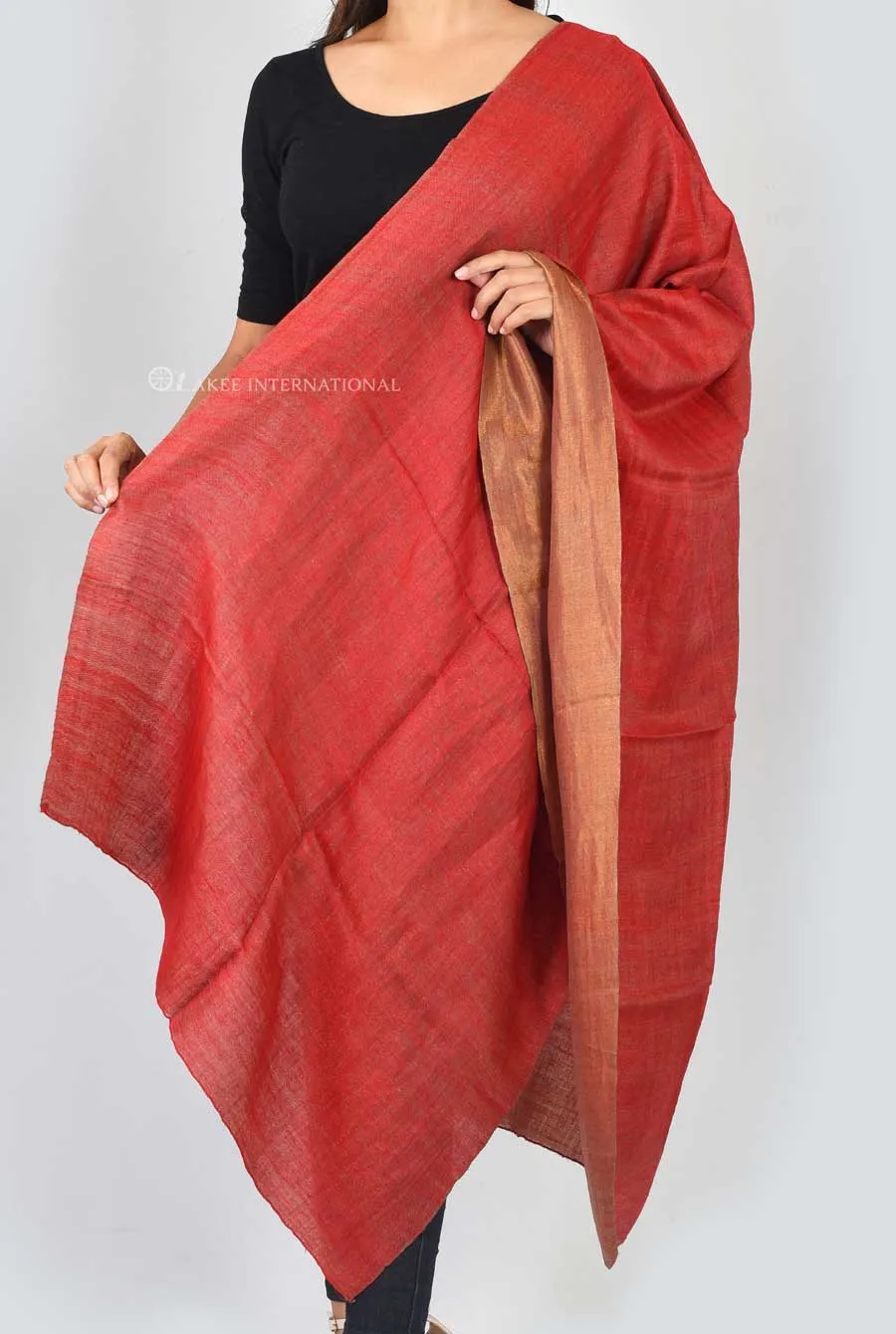
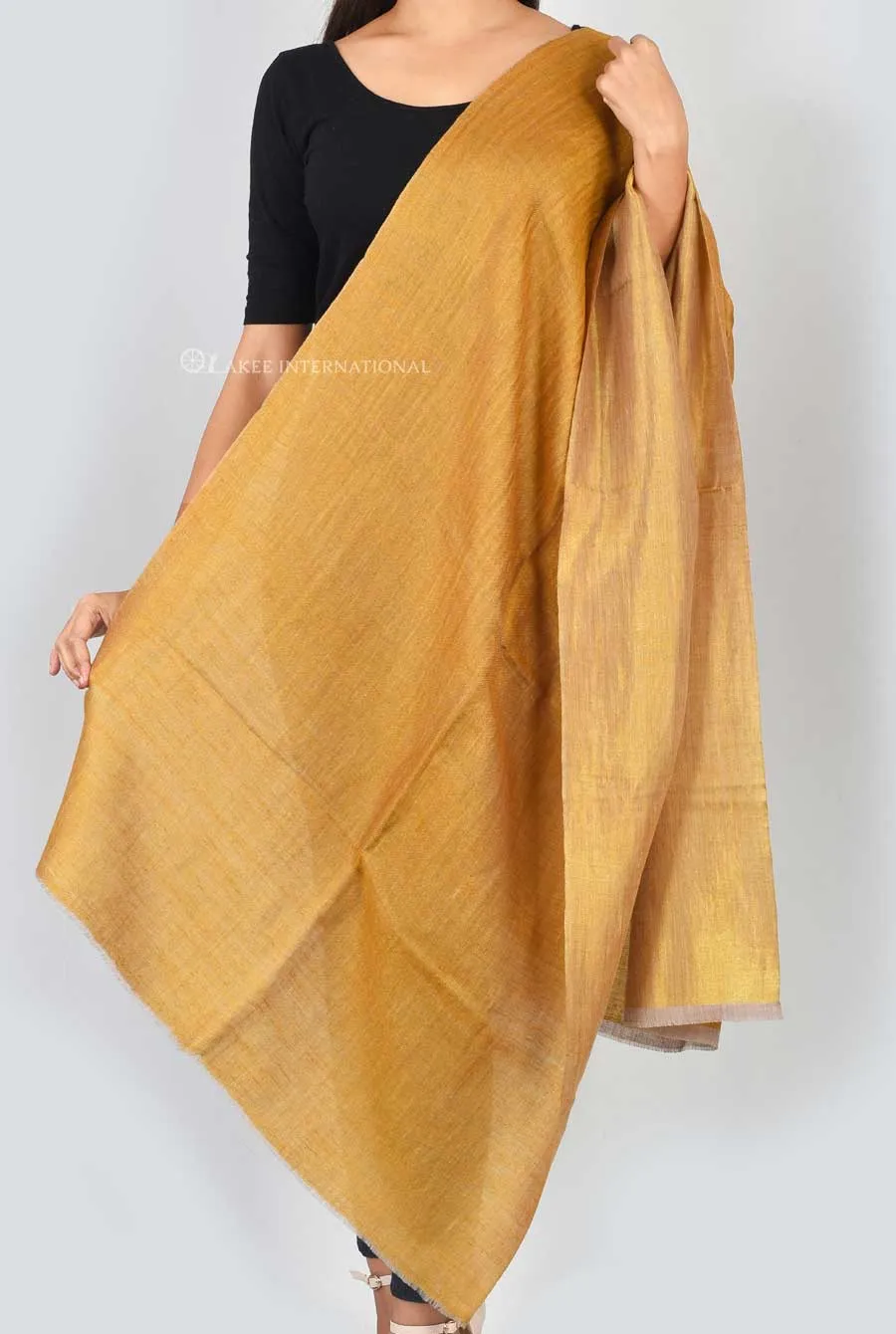
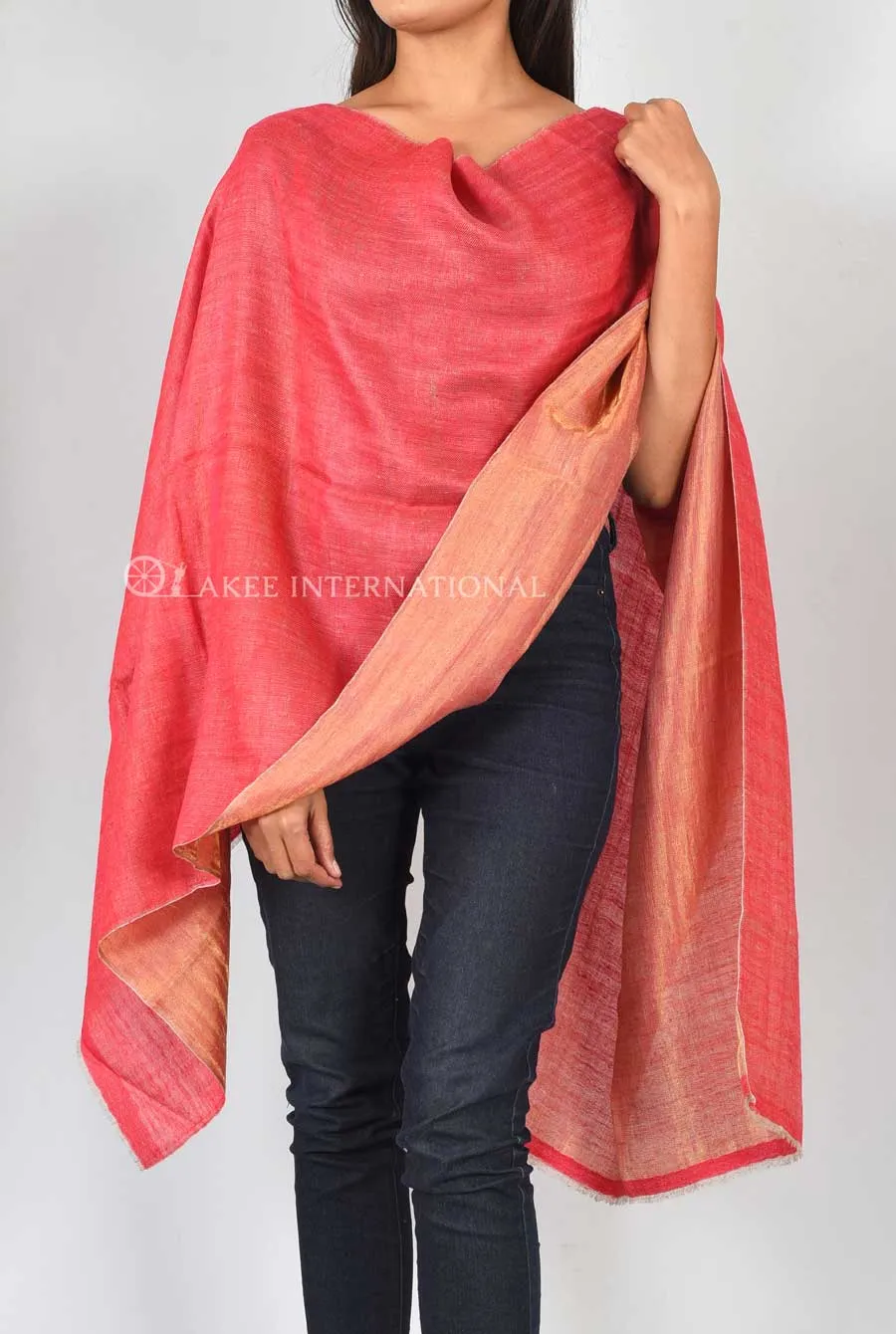
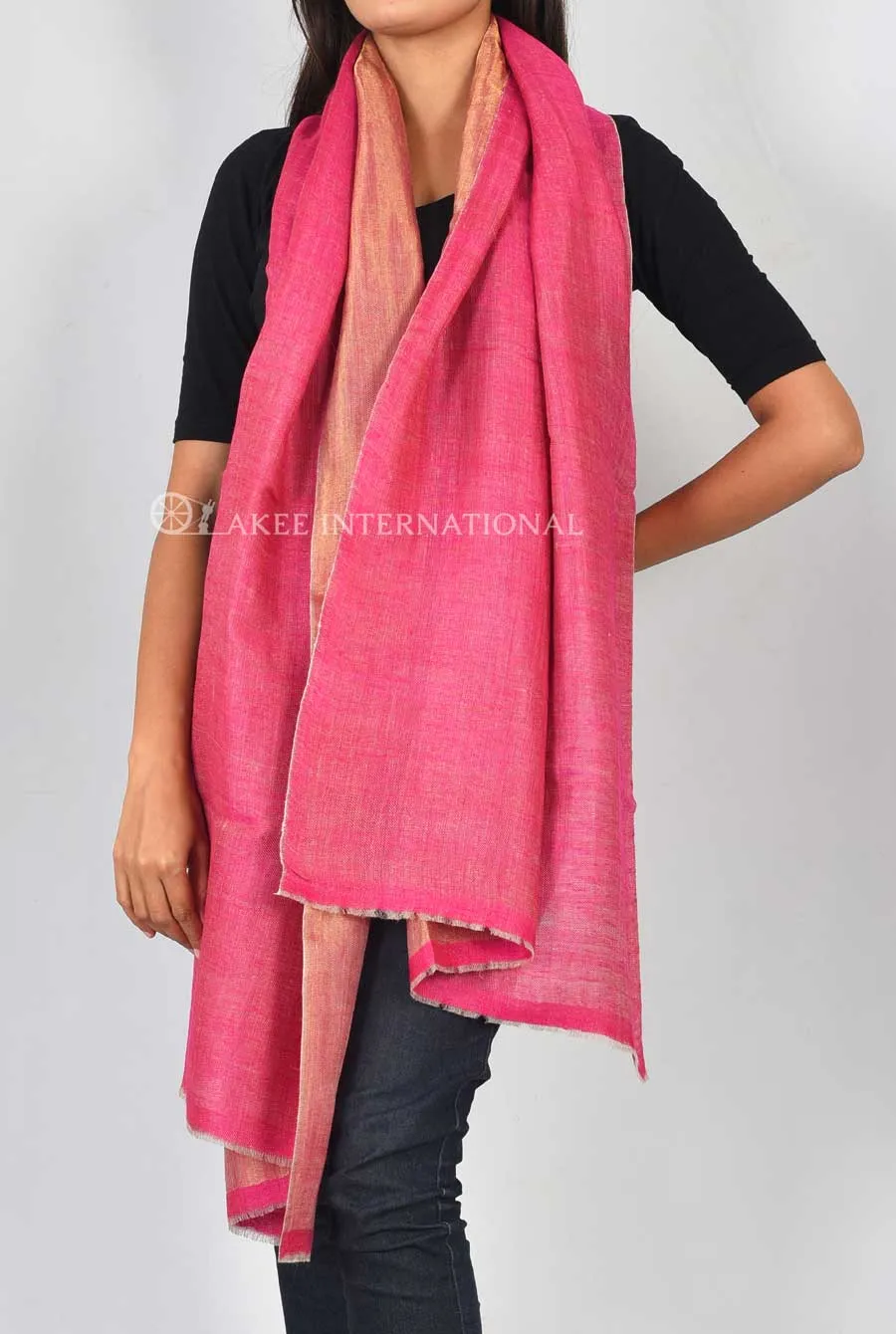
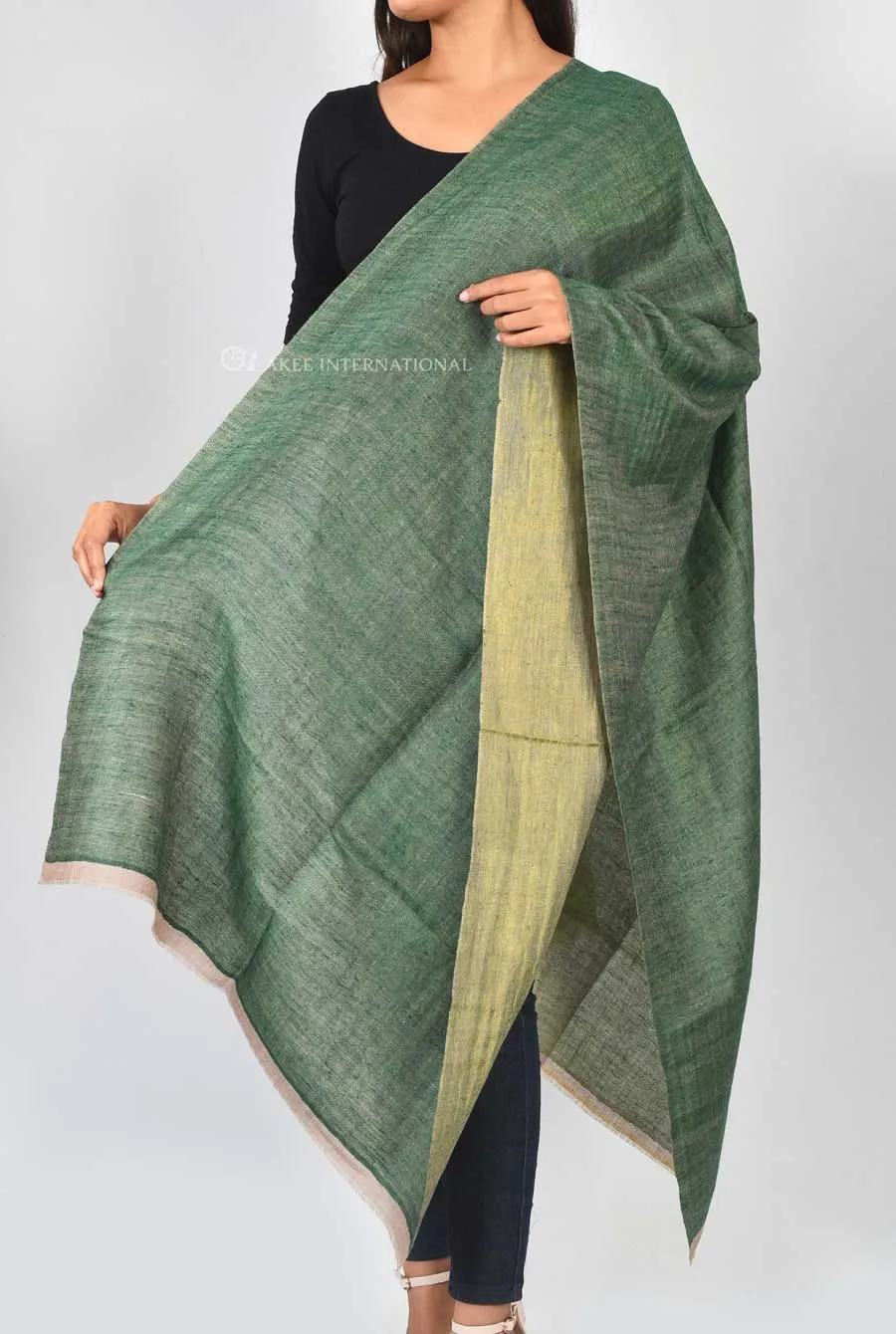
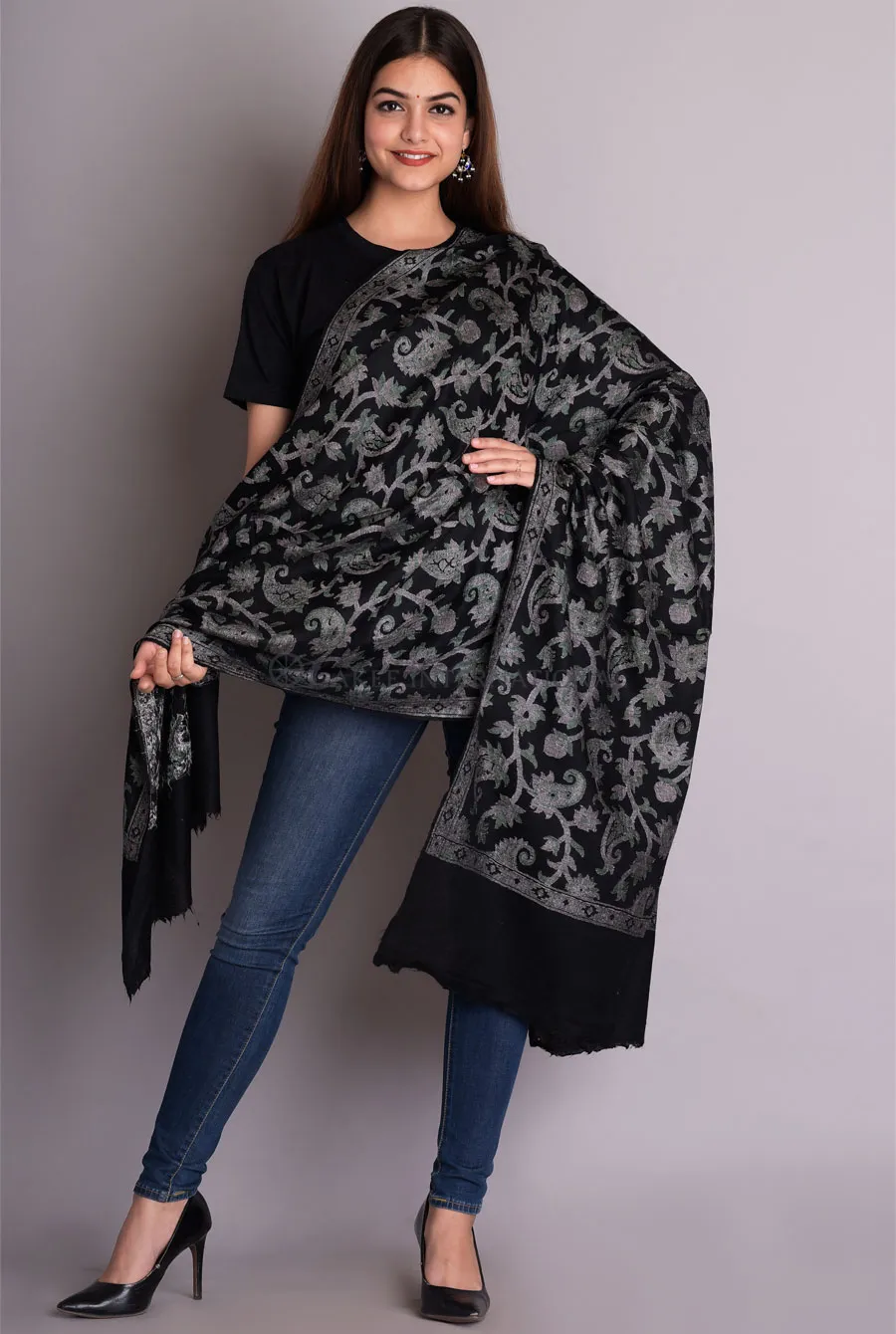
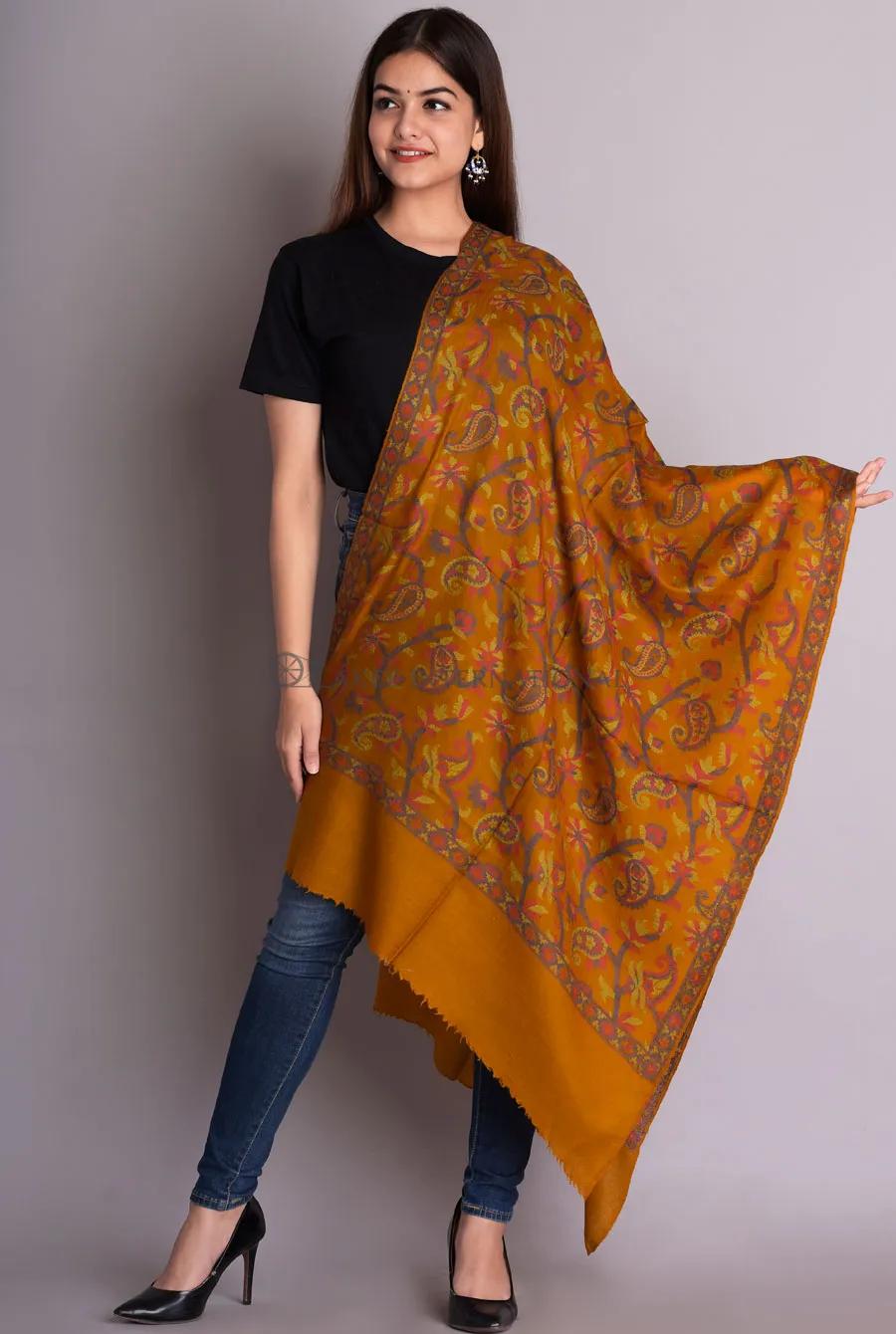
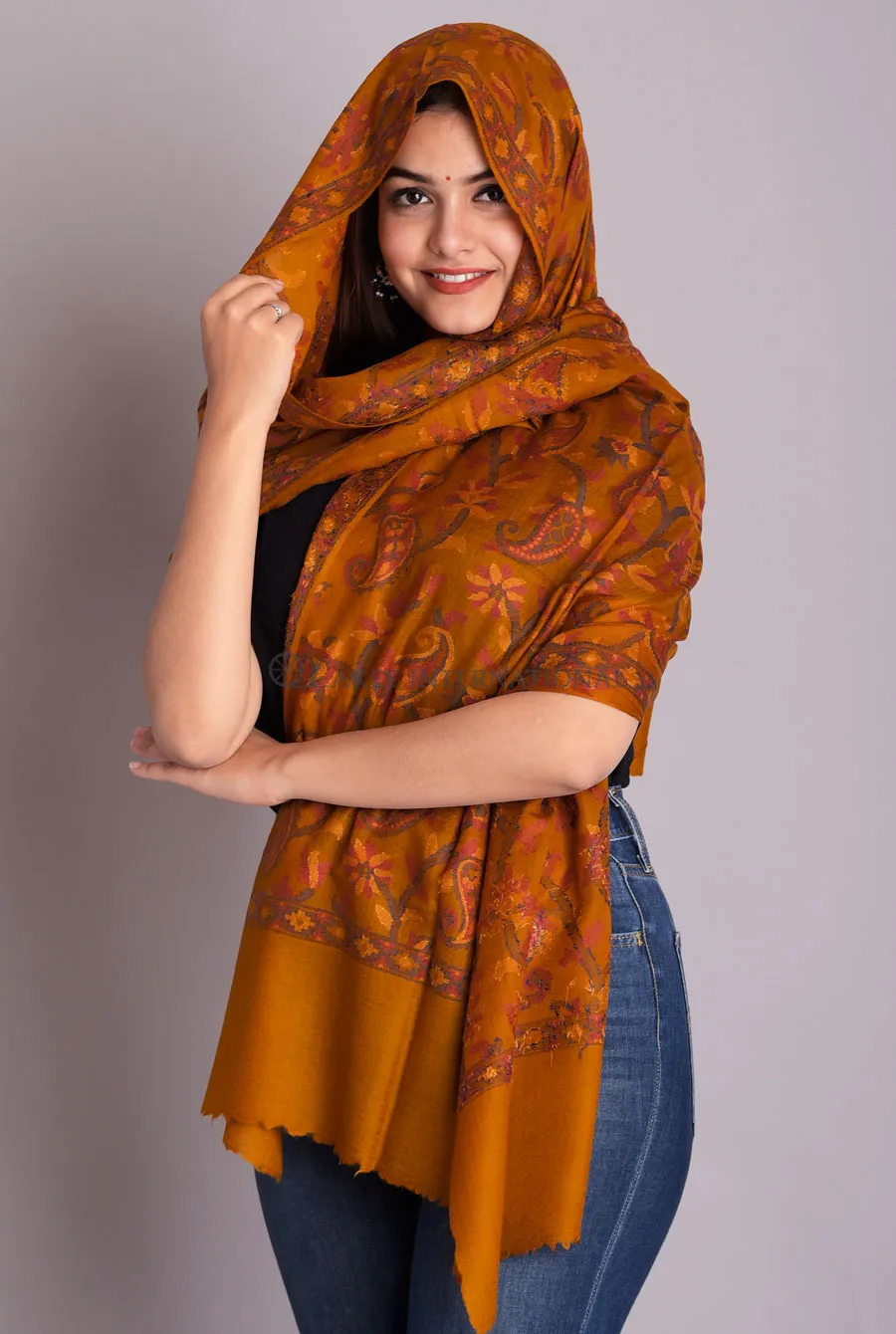
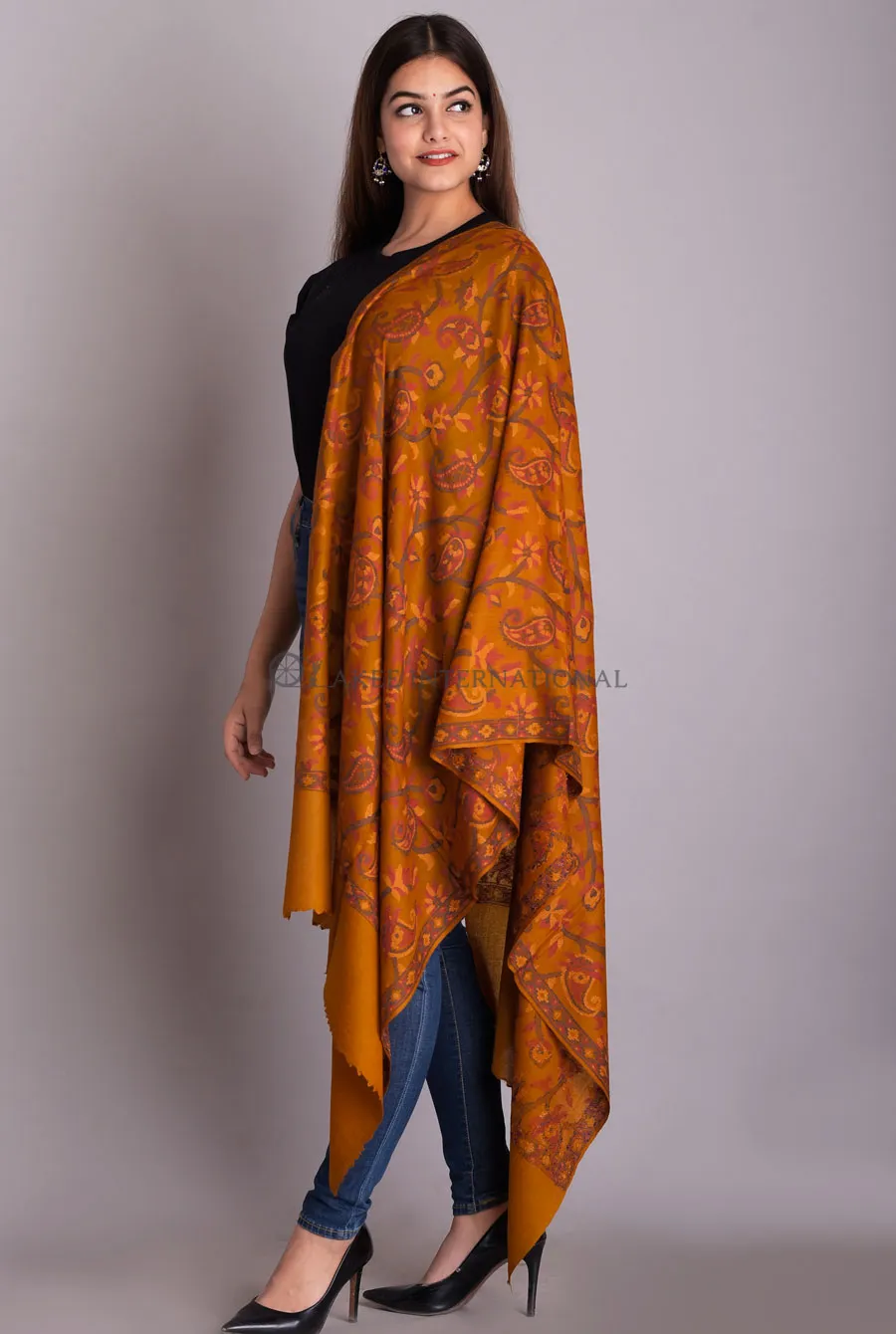
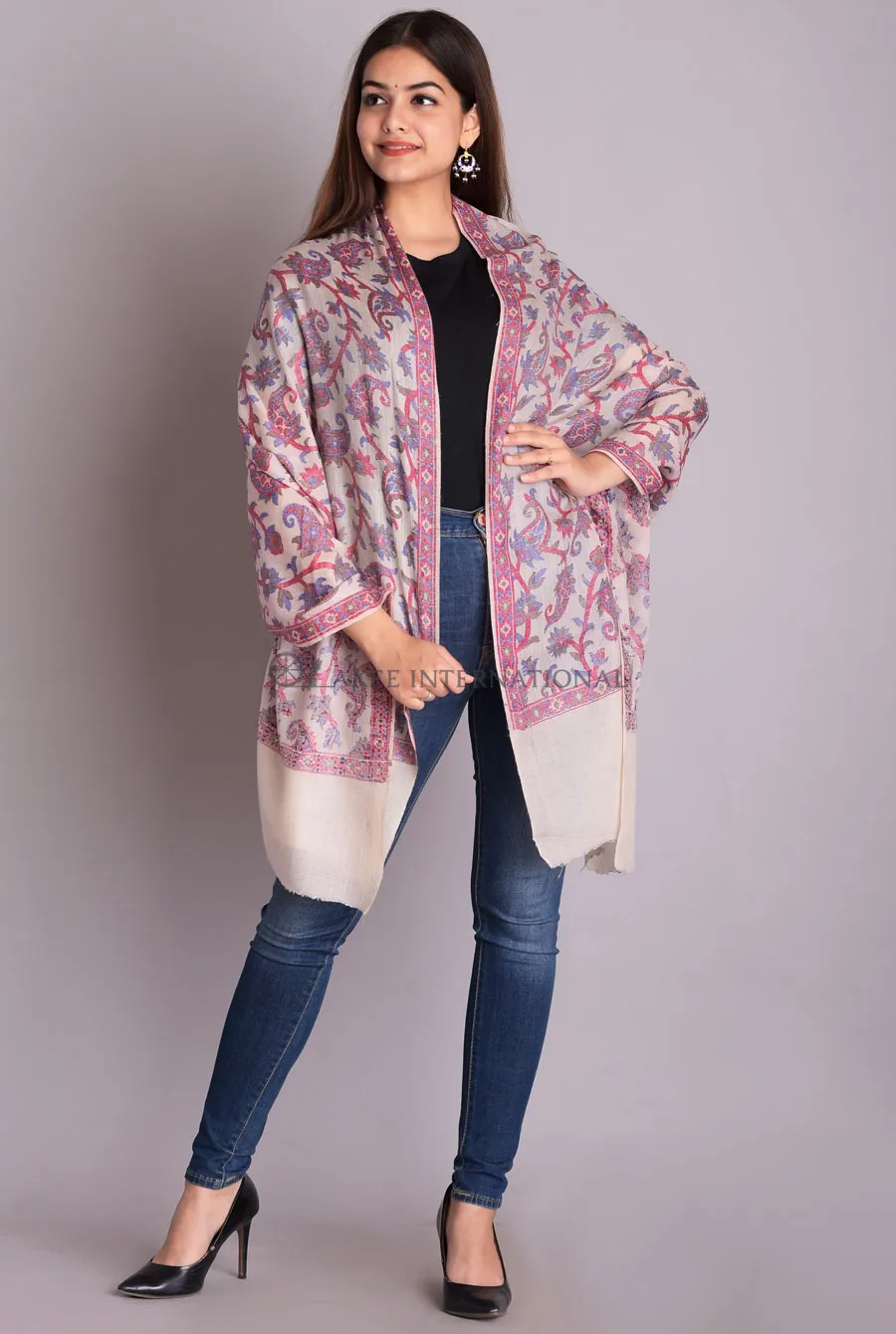
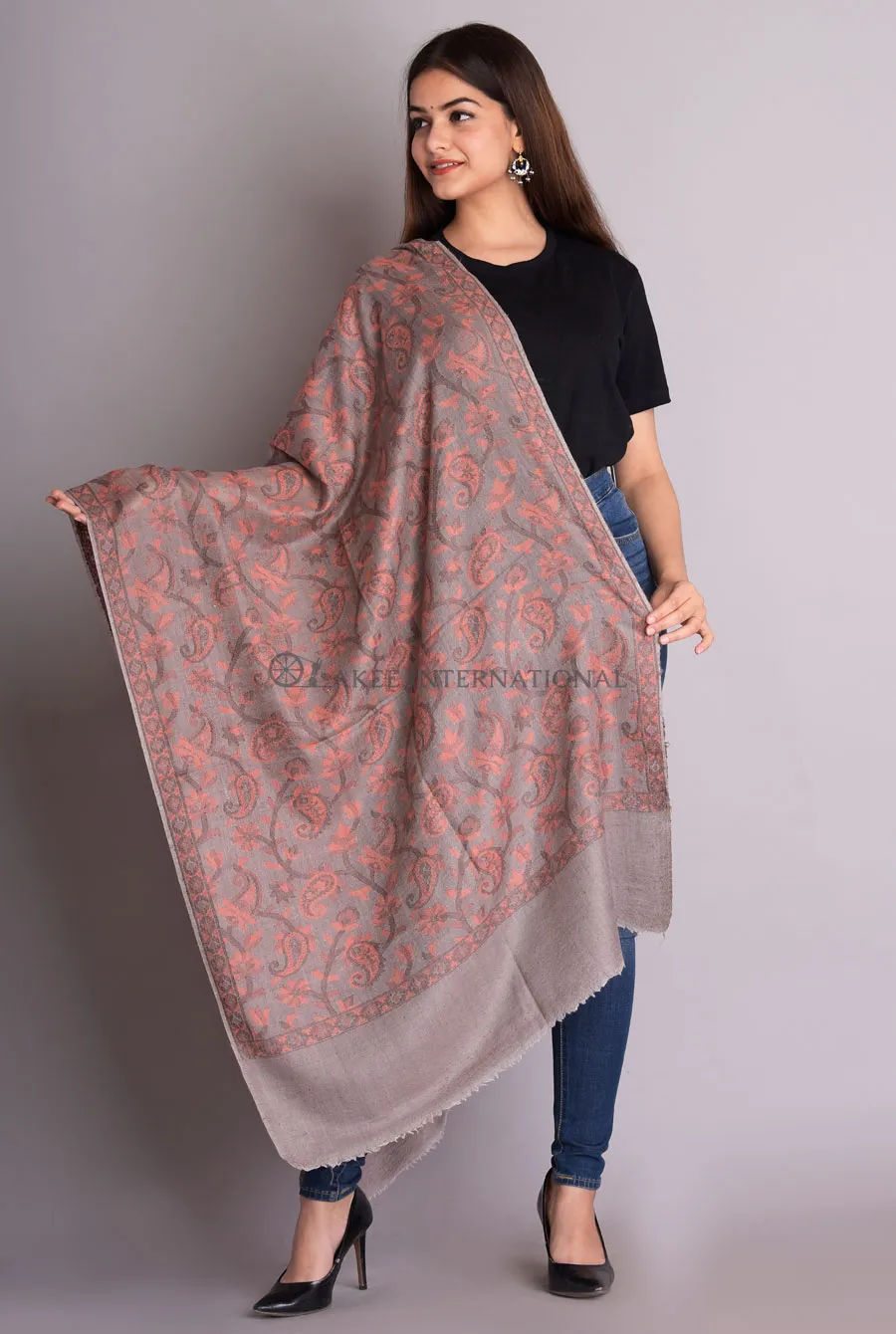
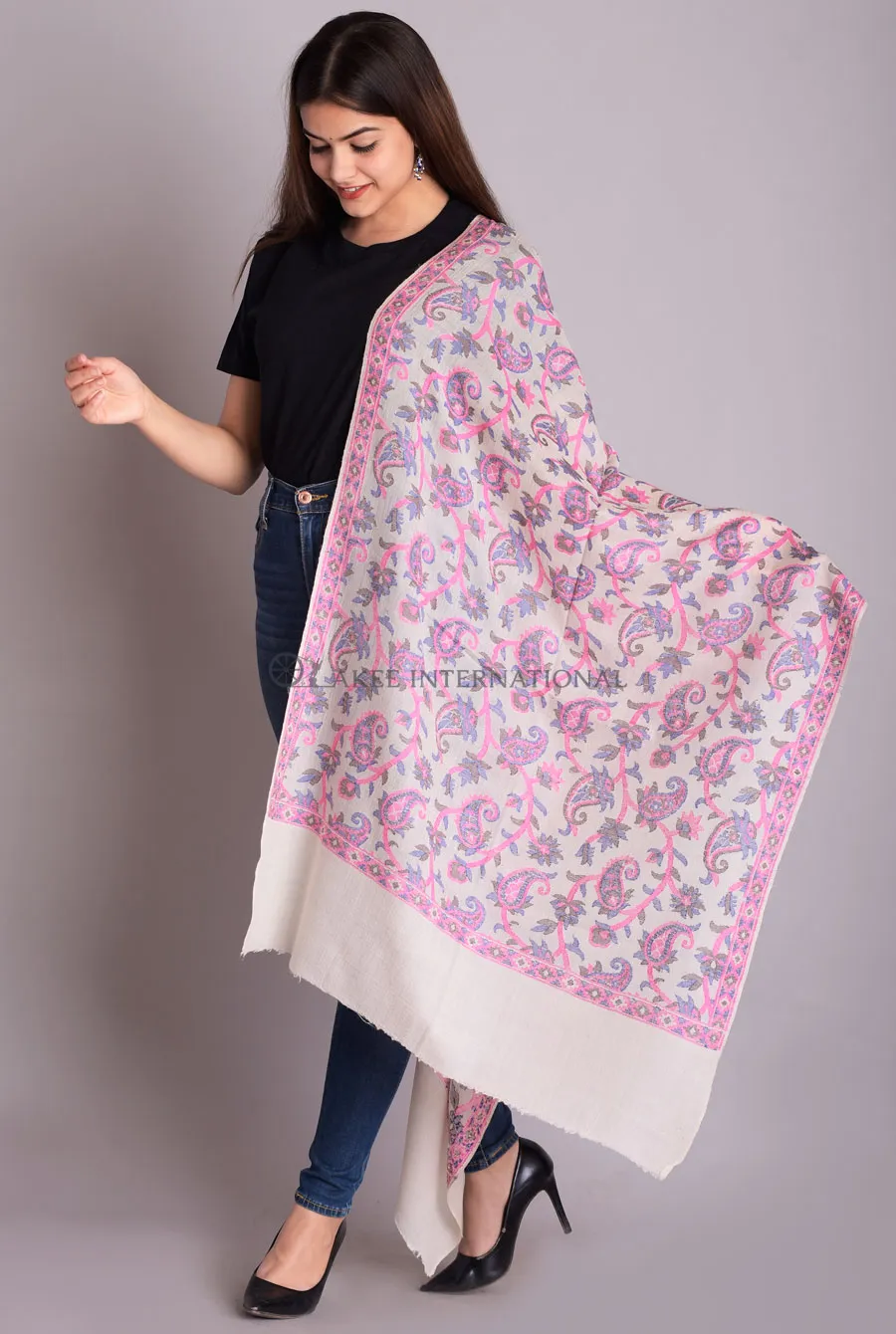
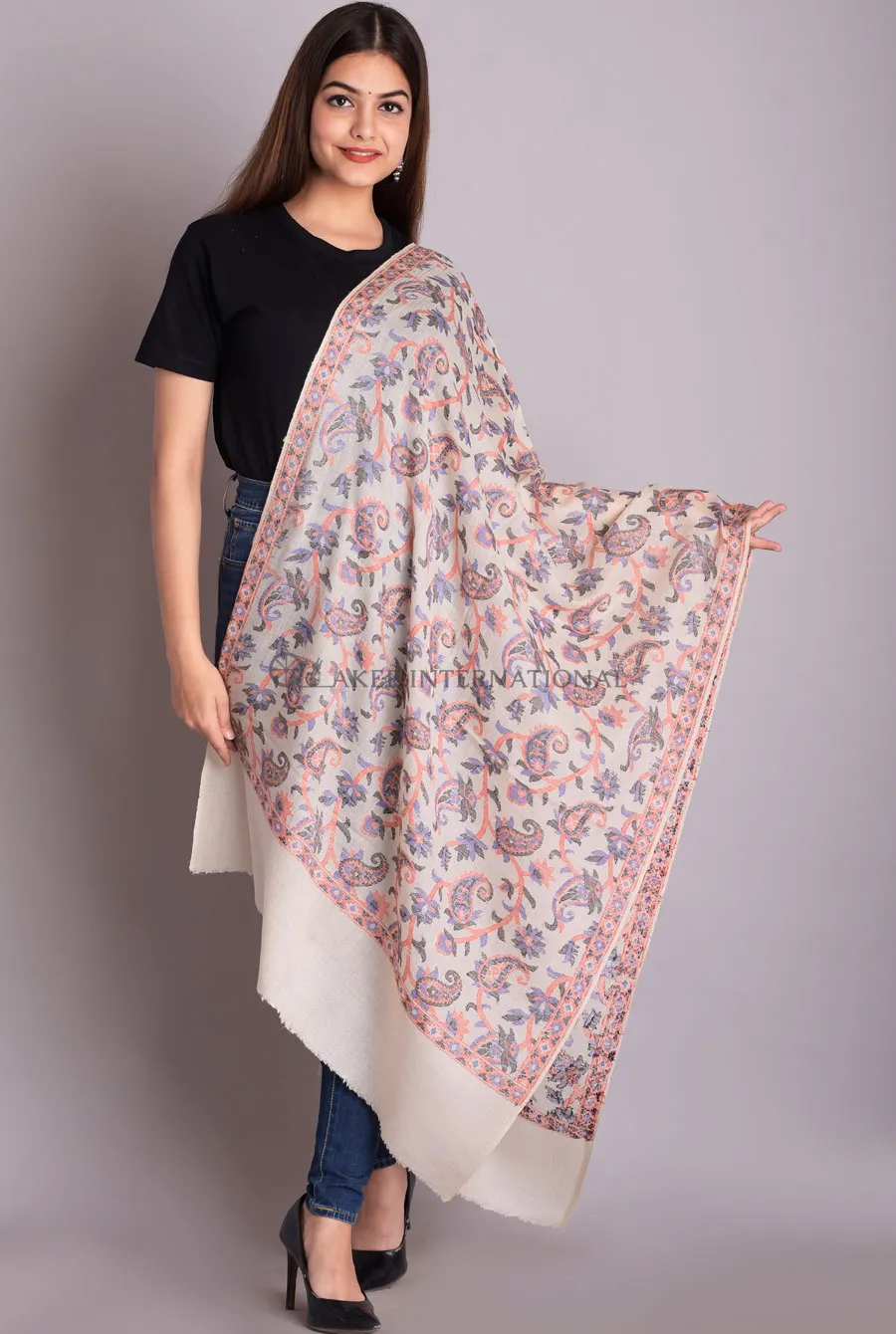
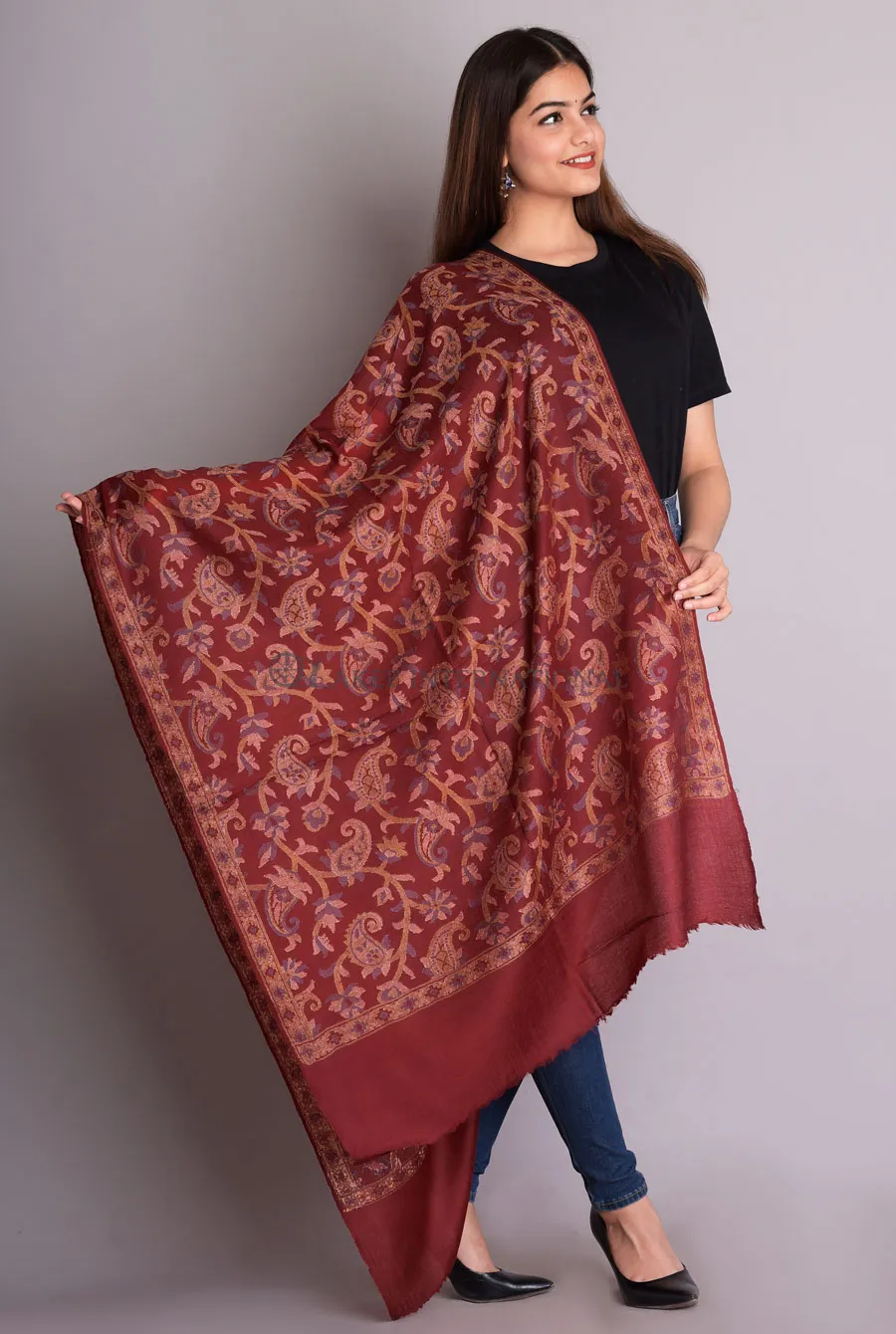
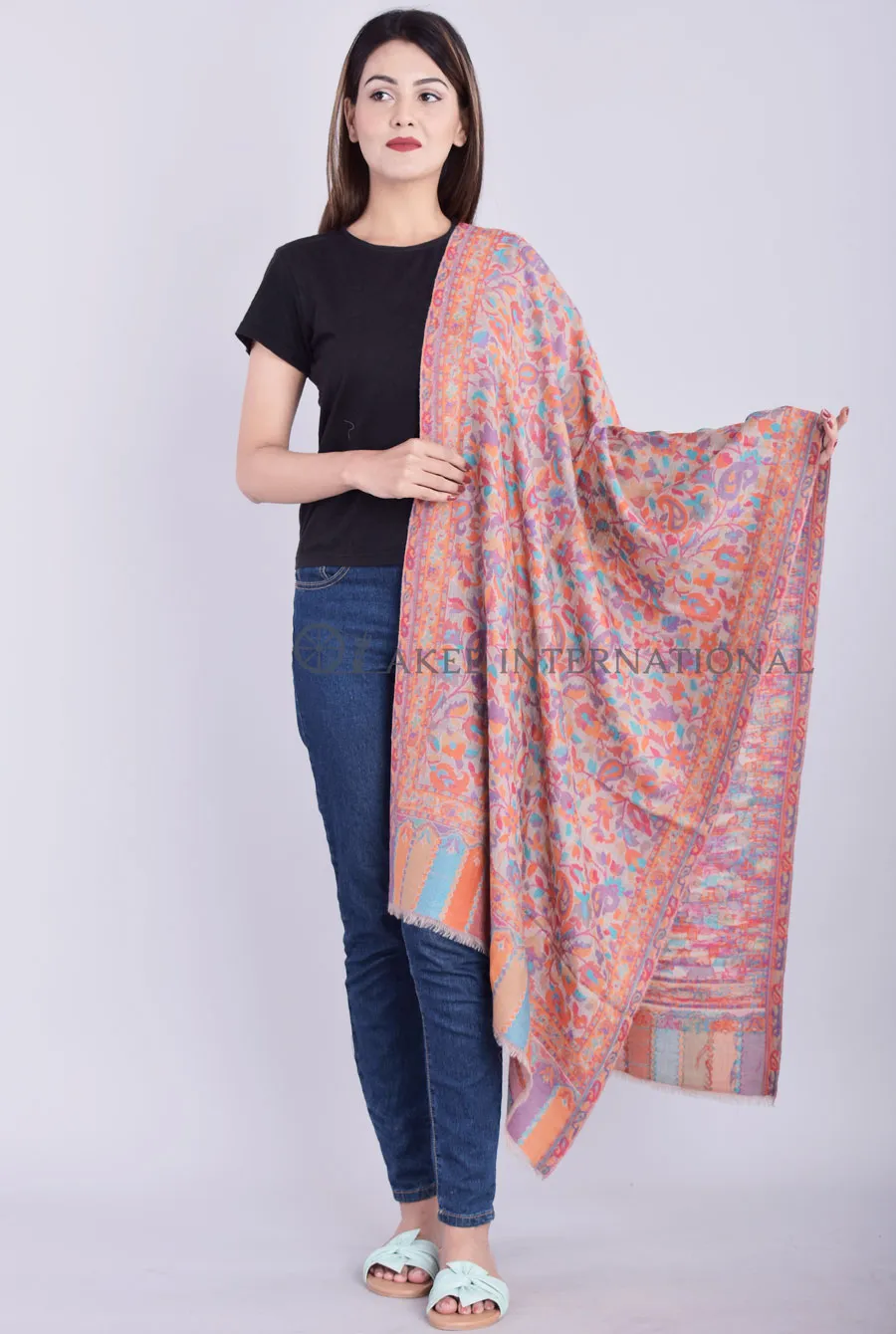
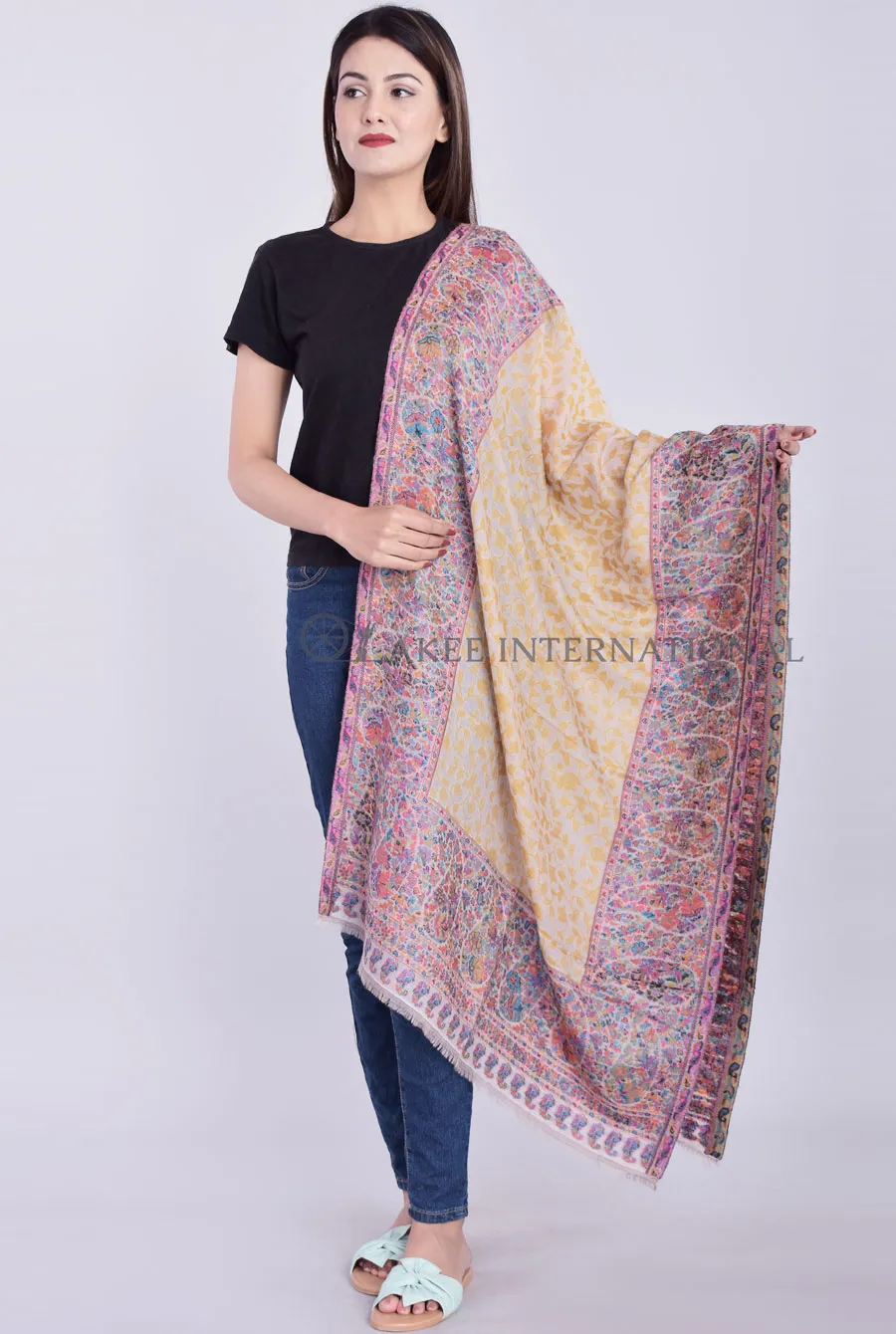
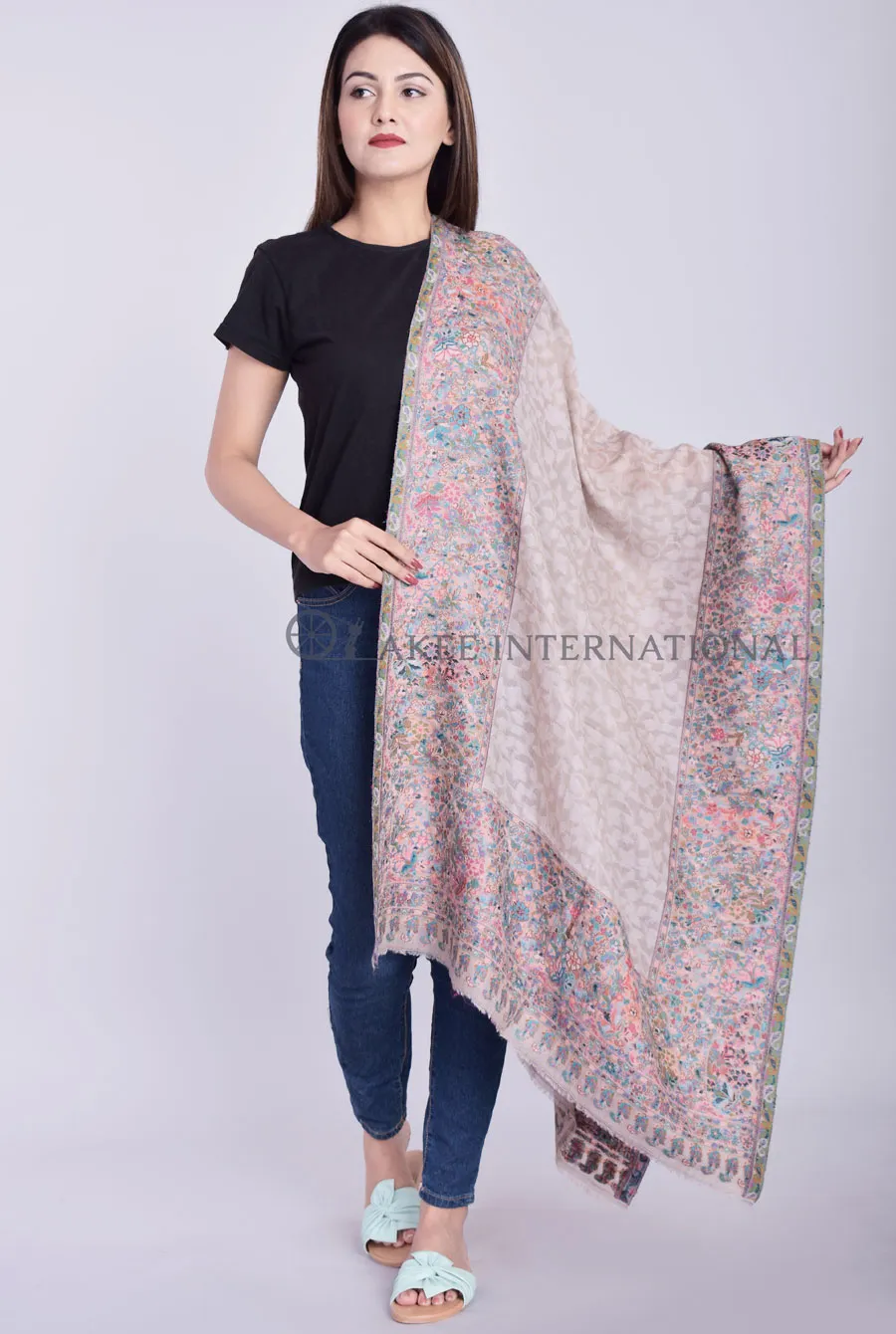
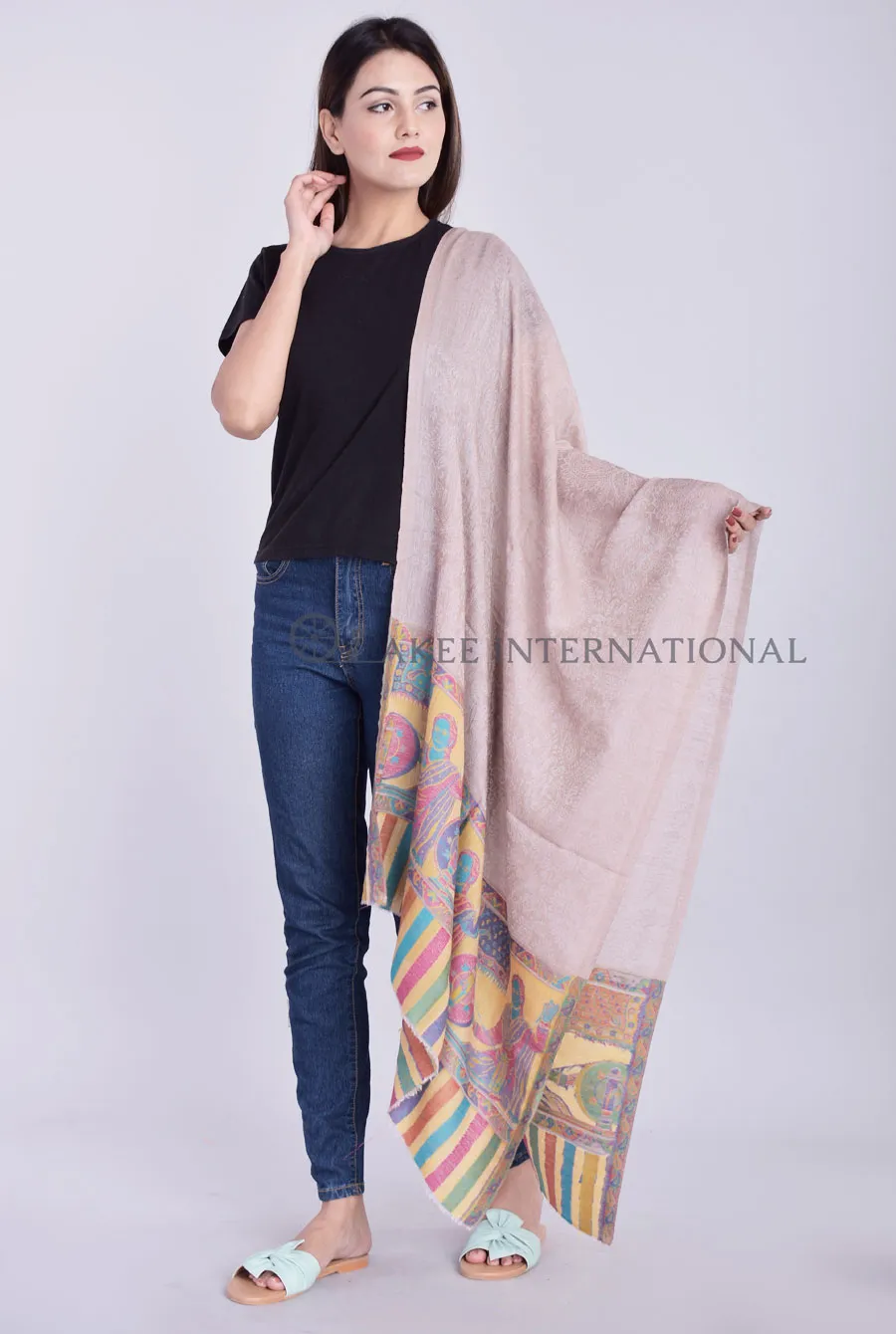
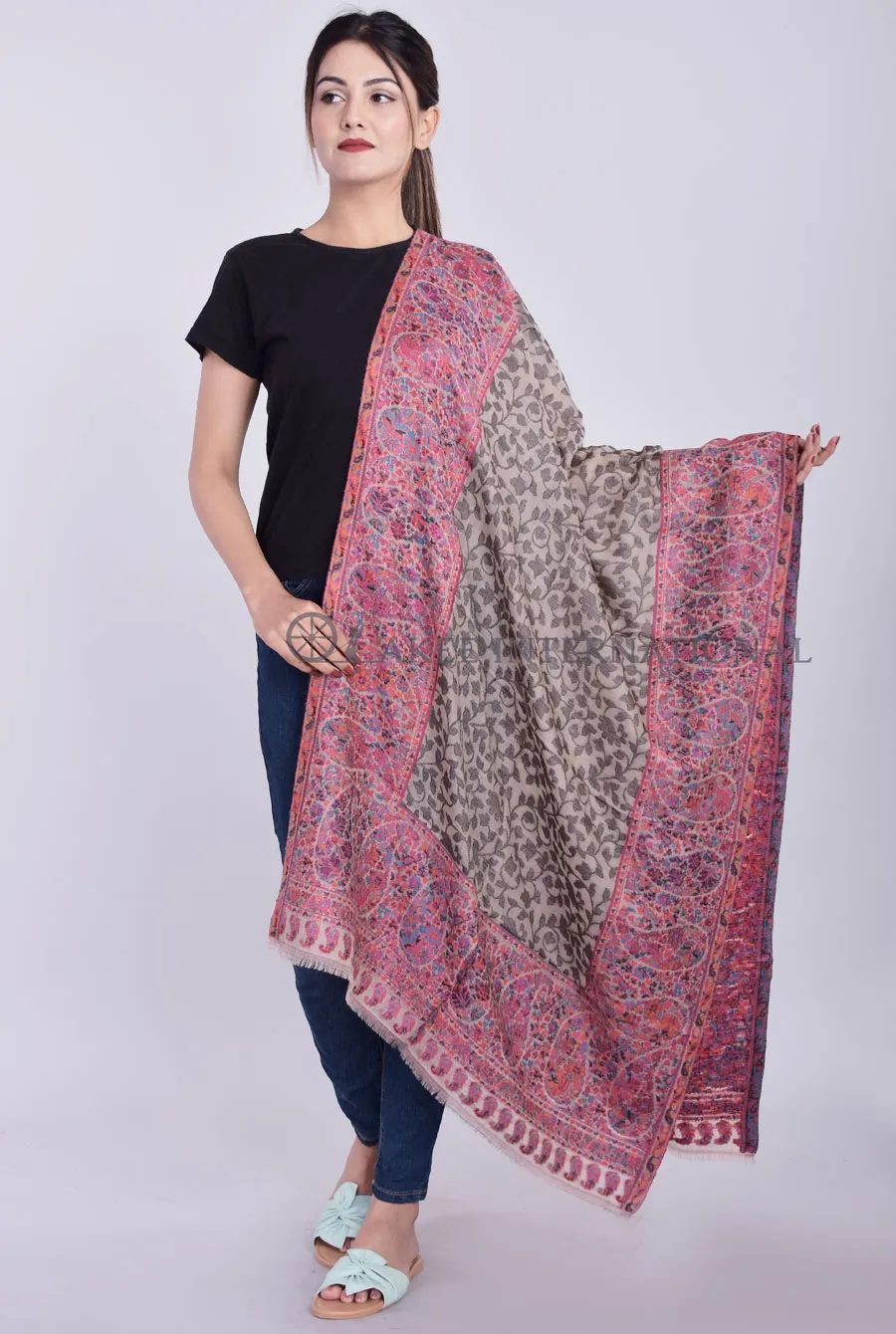
Find Your Perfect Premium Pashmina Shawl
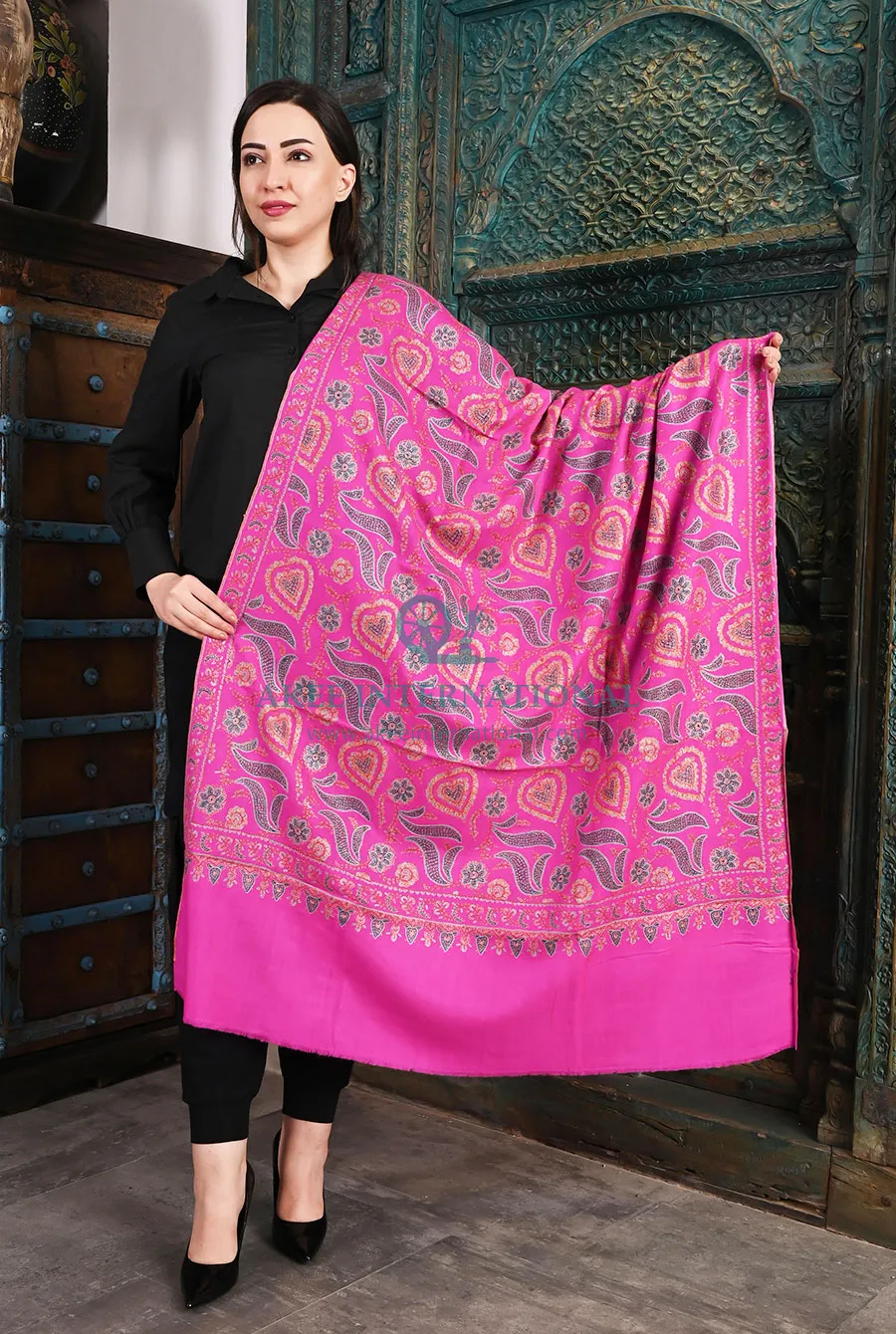
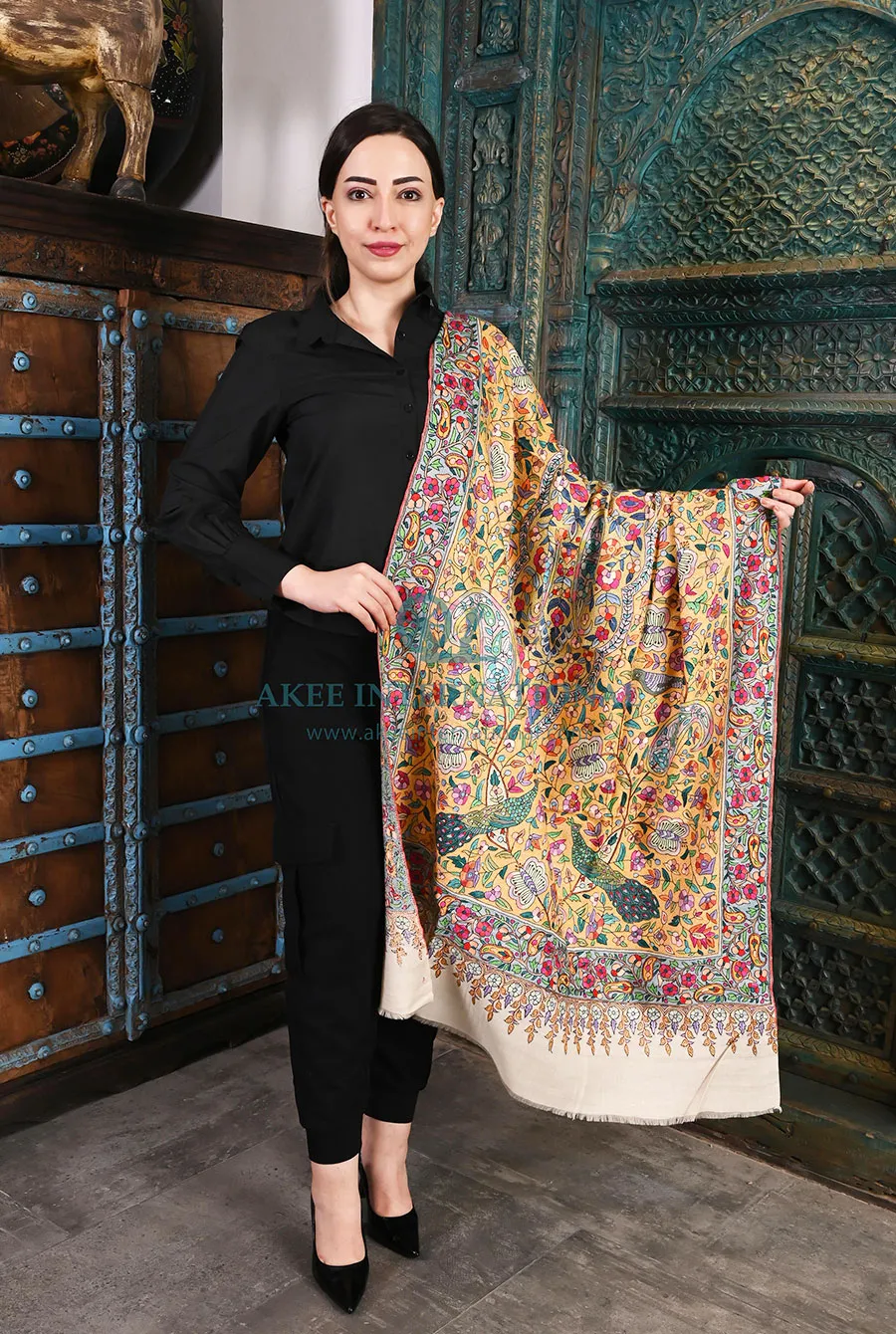
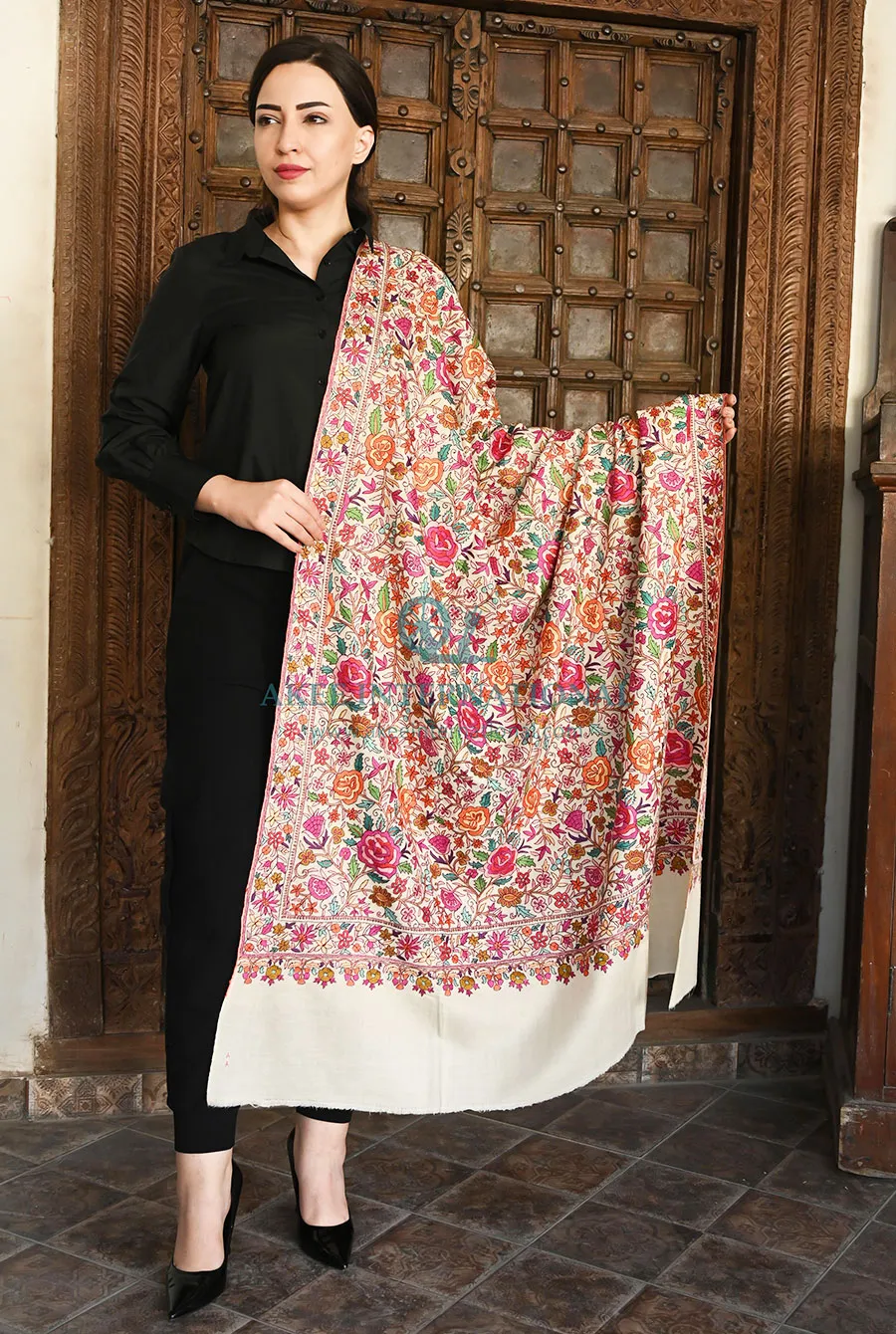
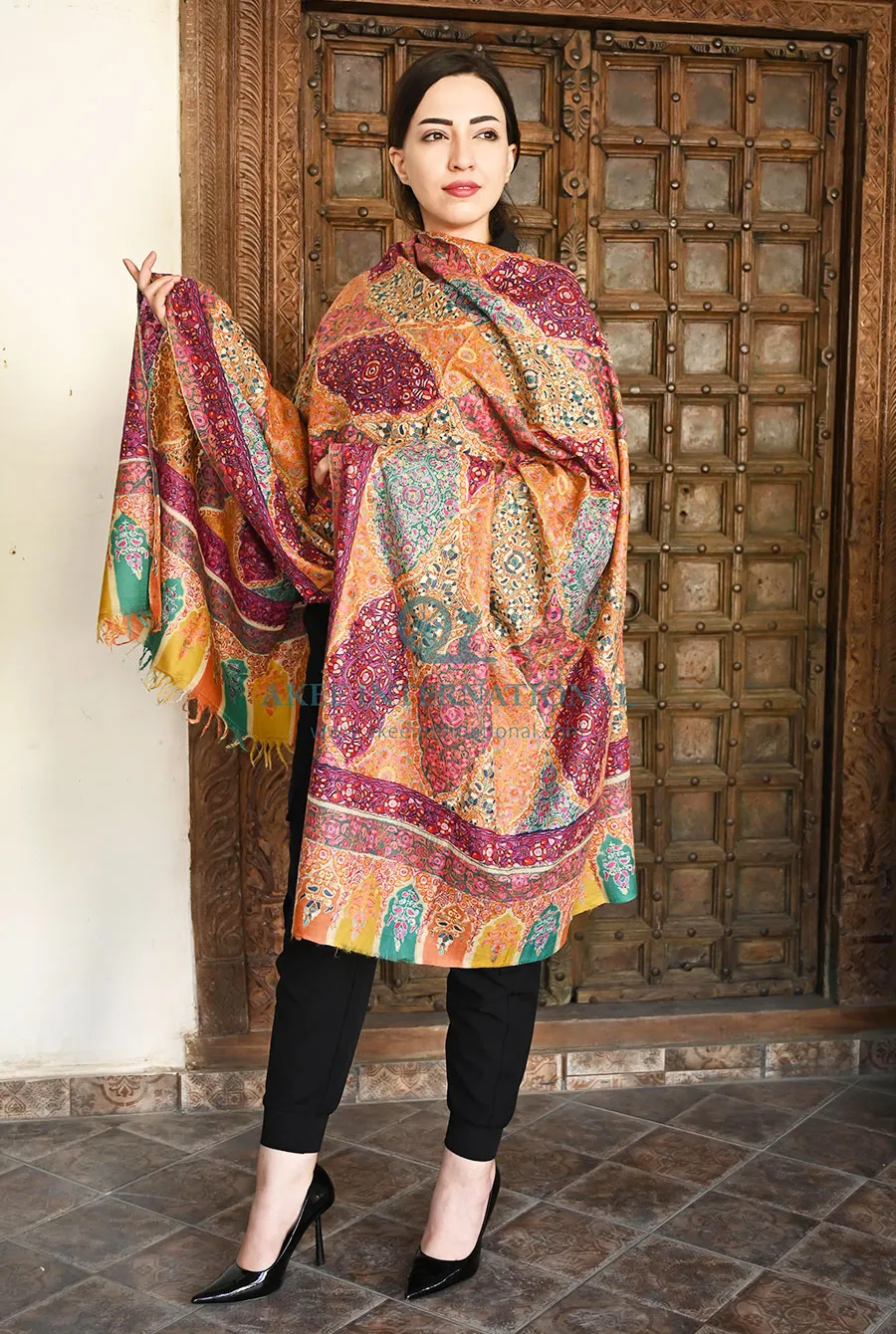
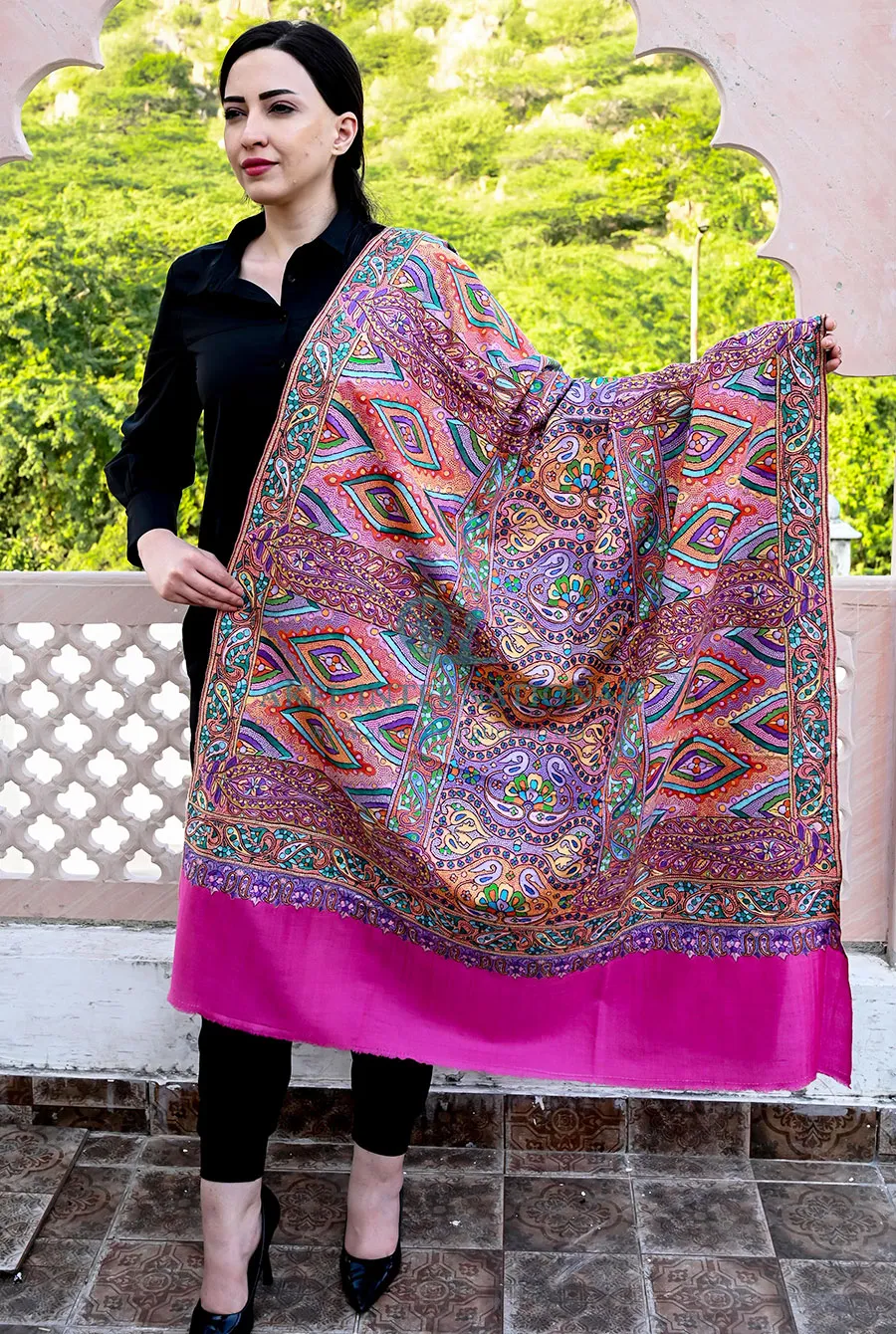
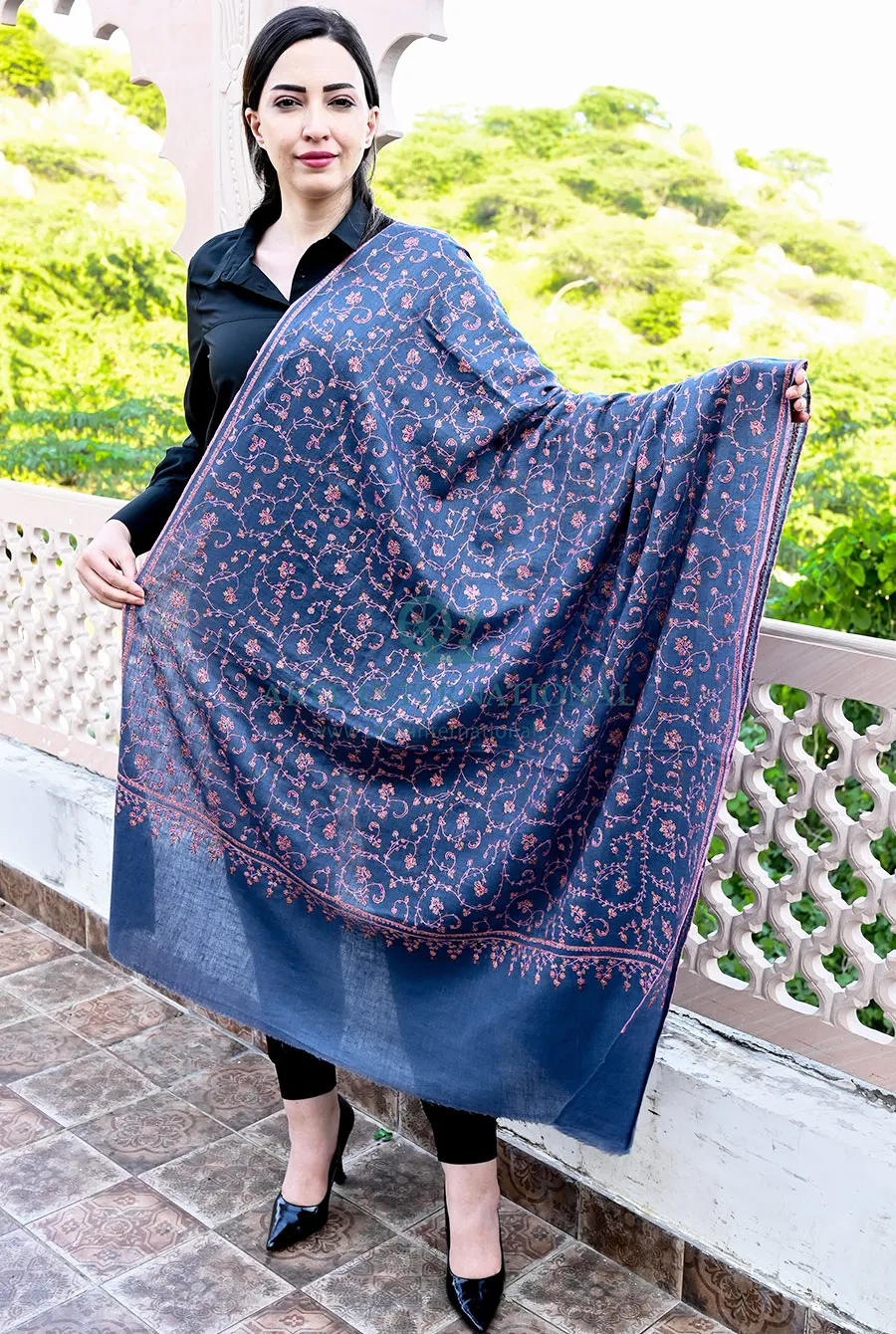
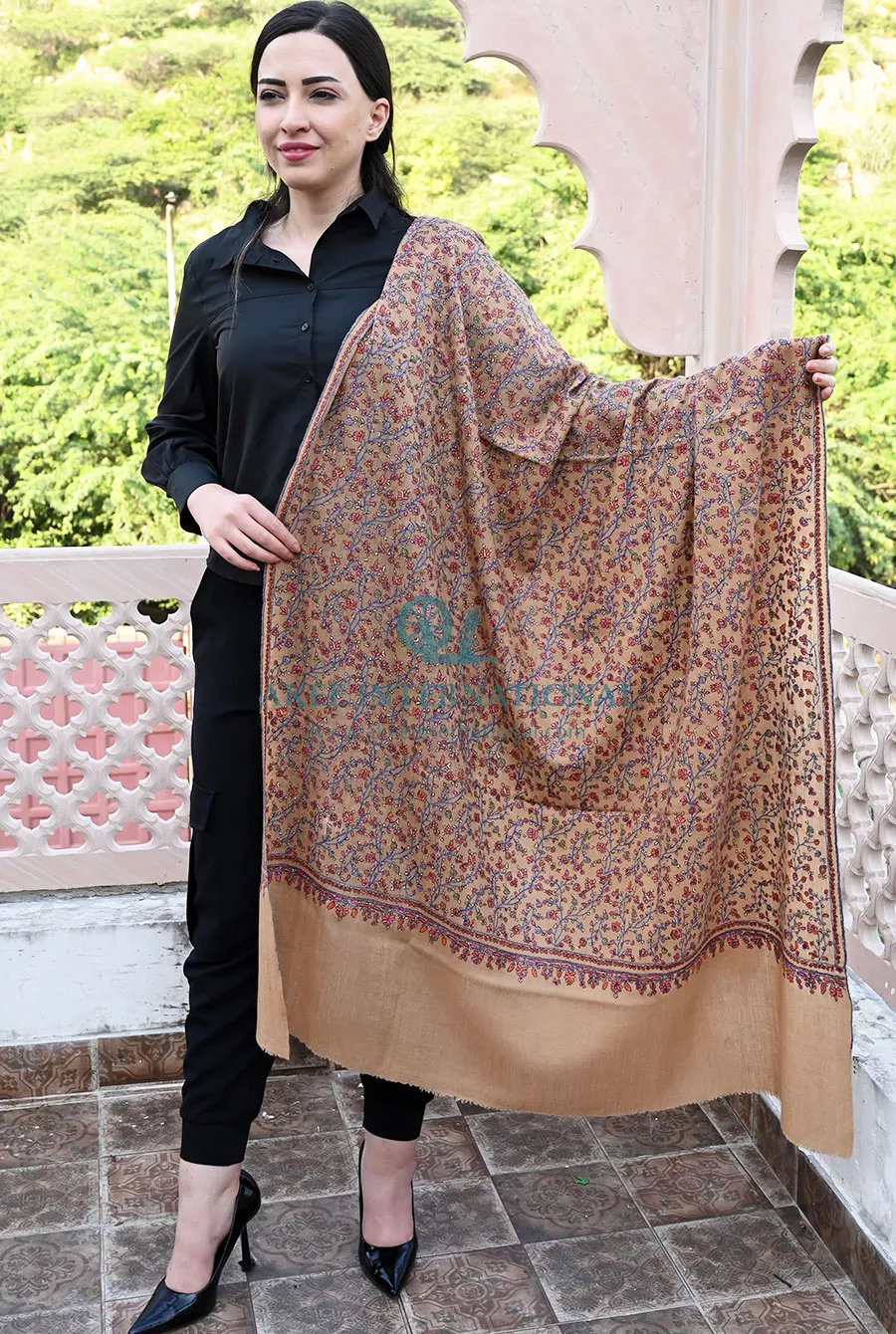
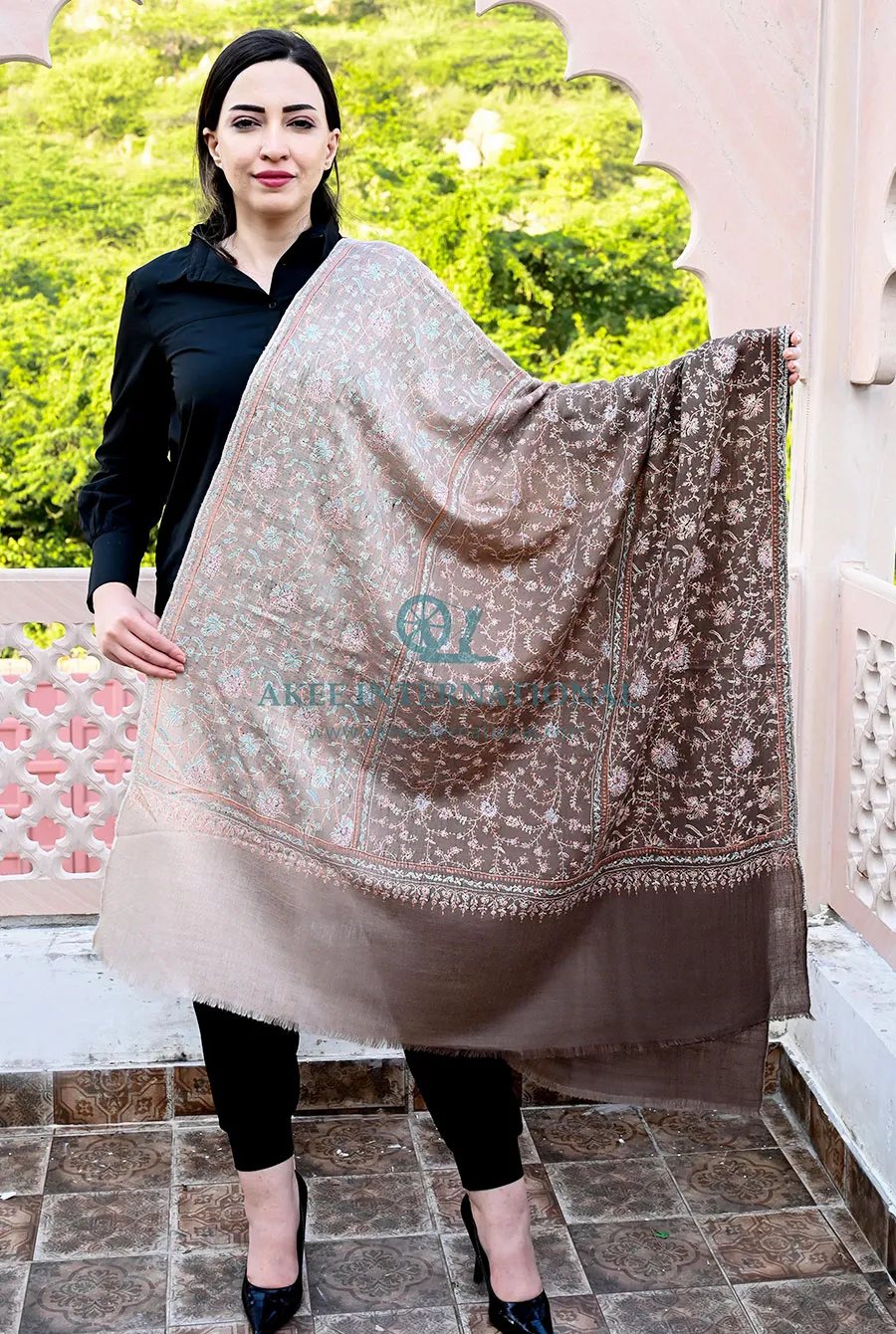
Discover exquisite Pashmina shawls, beautifully crafted with Kashmir’s timeless heritage and artistry.

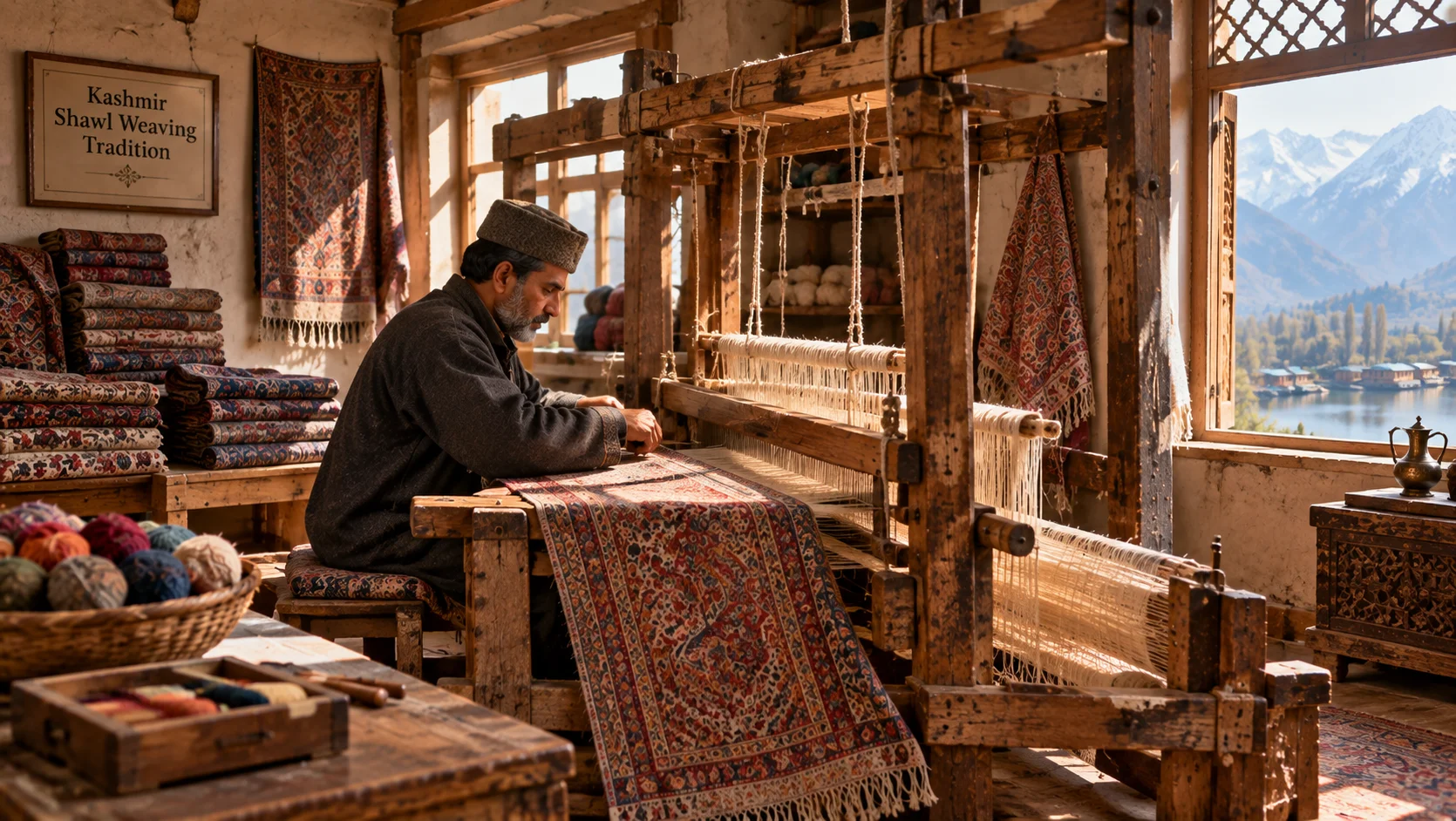
The Kashmiri shawl weaving tradition spans centuries of accumulated technique, cultural significance, and artisan skill, evolving through periods of royal patronage, changing trade routes, and generations of family-based apprenticeship. Understanding this broader tradition helps buyers appreciate individual pieces not just as finished products but as continuations of a living craft history. Akee International's production draws directly on this tradition through its Kashmiri artisan workforce and traditional weaving techniques.
Kashmiri shawl weaving traces its most significant historical development to the medieval and Mughal periods, when the region's textile artisans developed increasingly sophisticated weaving and embroidery techniques, partly driven by royal and aristocratic demand for luxurious, distinctive garments. This period established many of the foundational techniques — including early forms of what would become Jamawar and Kani weaving — that continue to define the Kashmiri shawl weaving tradition today.
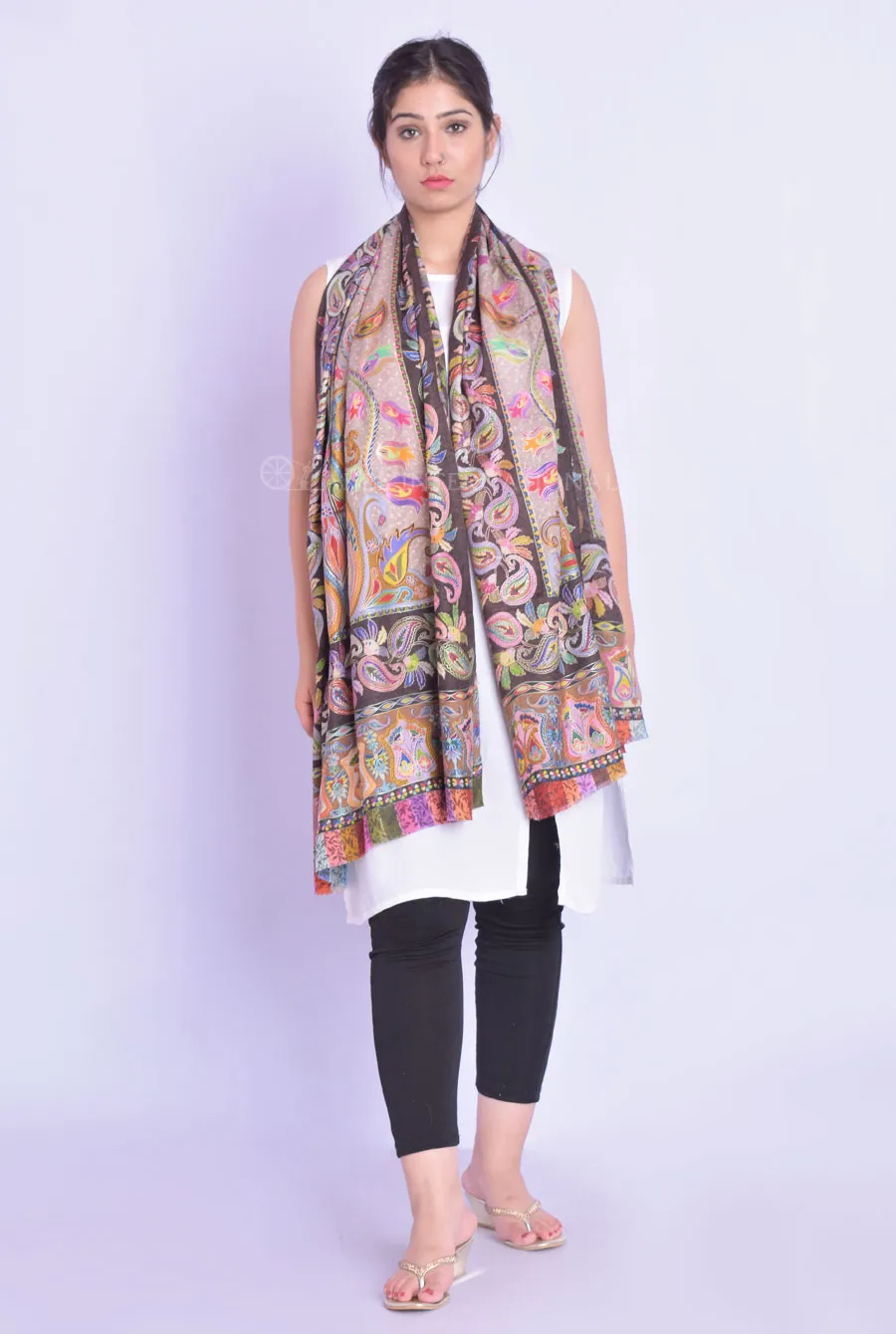
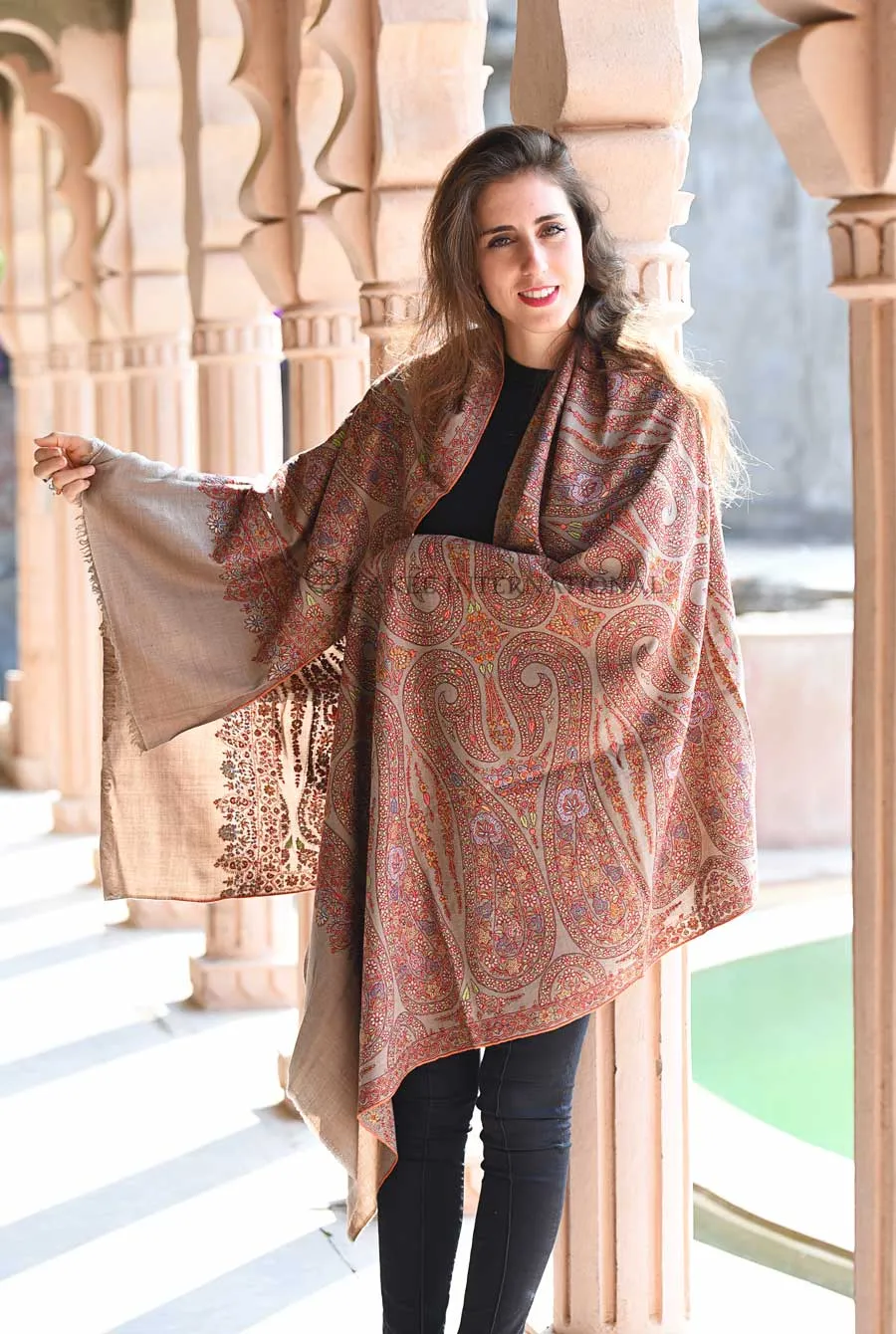
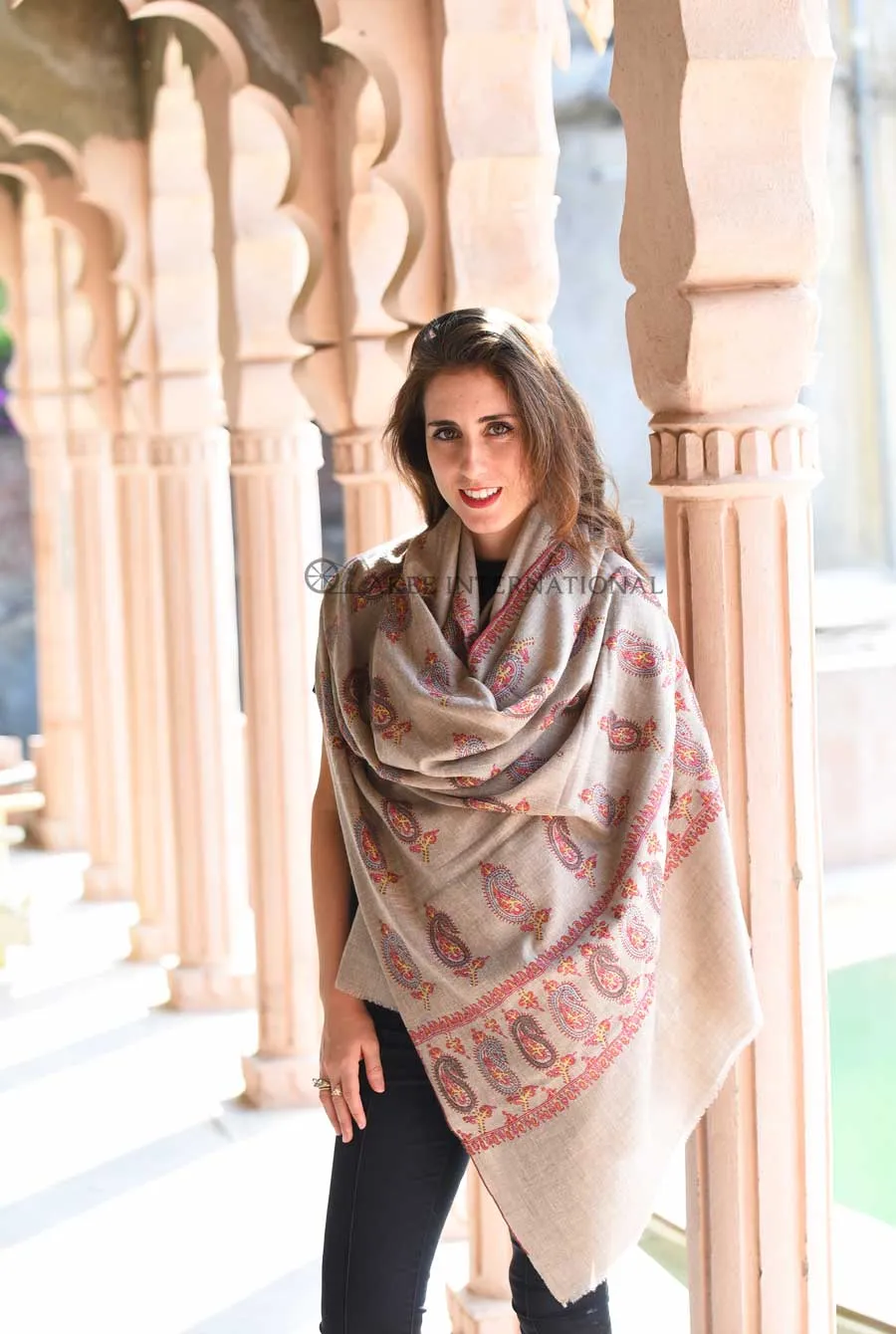
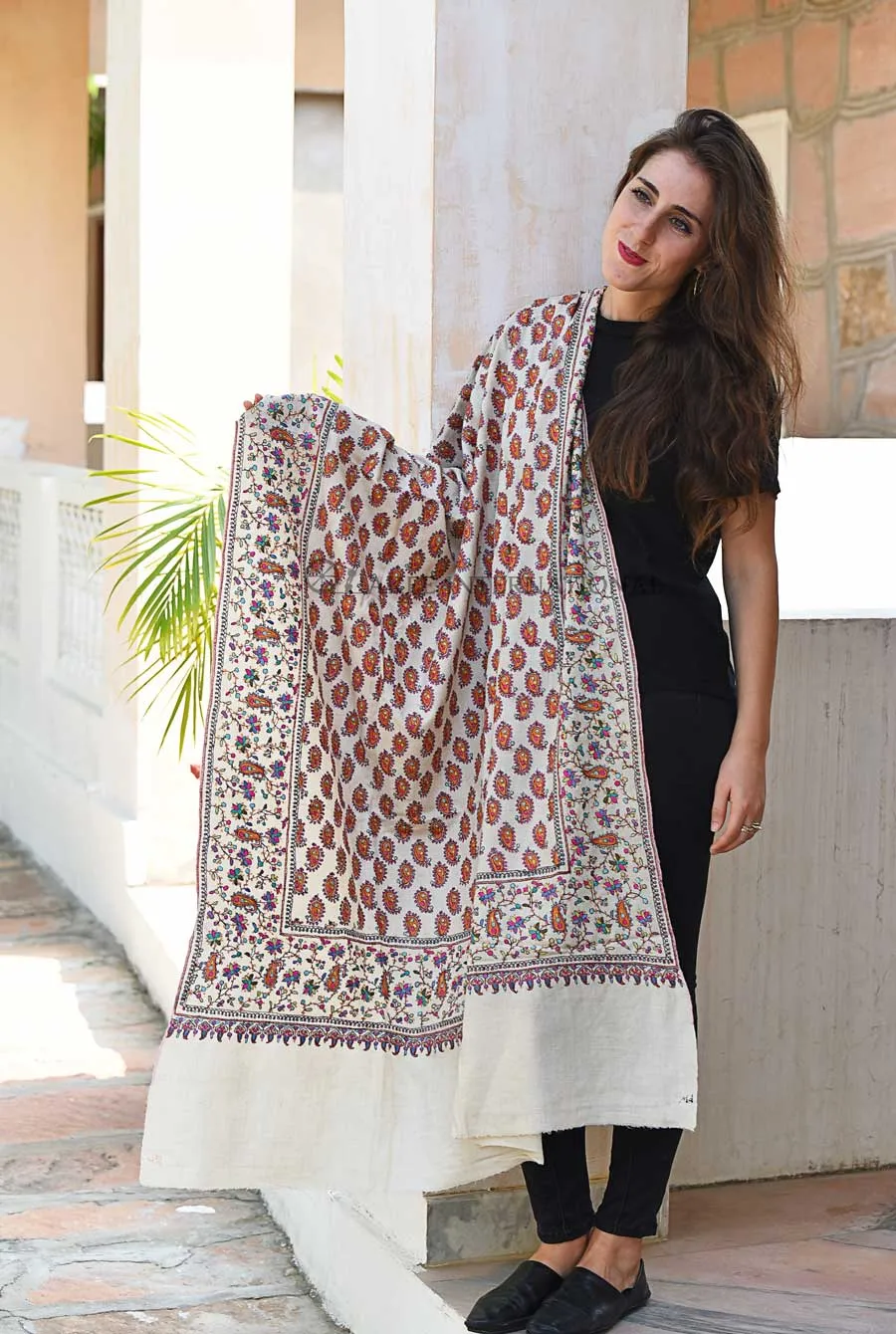
By the eighteenth and nineteenth centuries, Kashmiri shawls had become highly prized luxury items across international trade routes, eventually reaching European markets where they influenced fashion trends and inspired imitation production, including the European "paisley" textile industry that took its name and design inspiration directly from Kashmiri boteh motifs. This historical spread demonstrates the tradition's significant cultural and commercial impact well beyond its immediate regional origins.
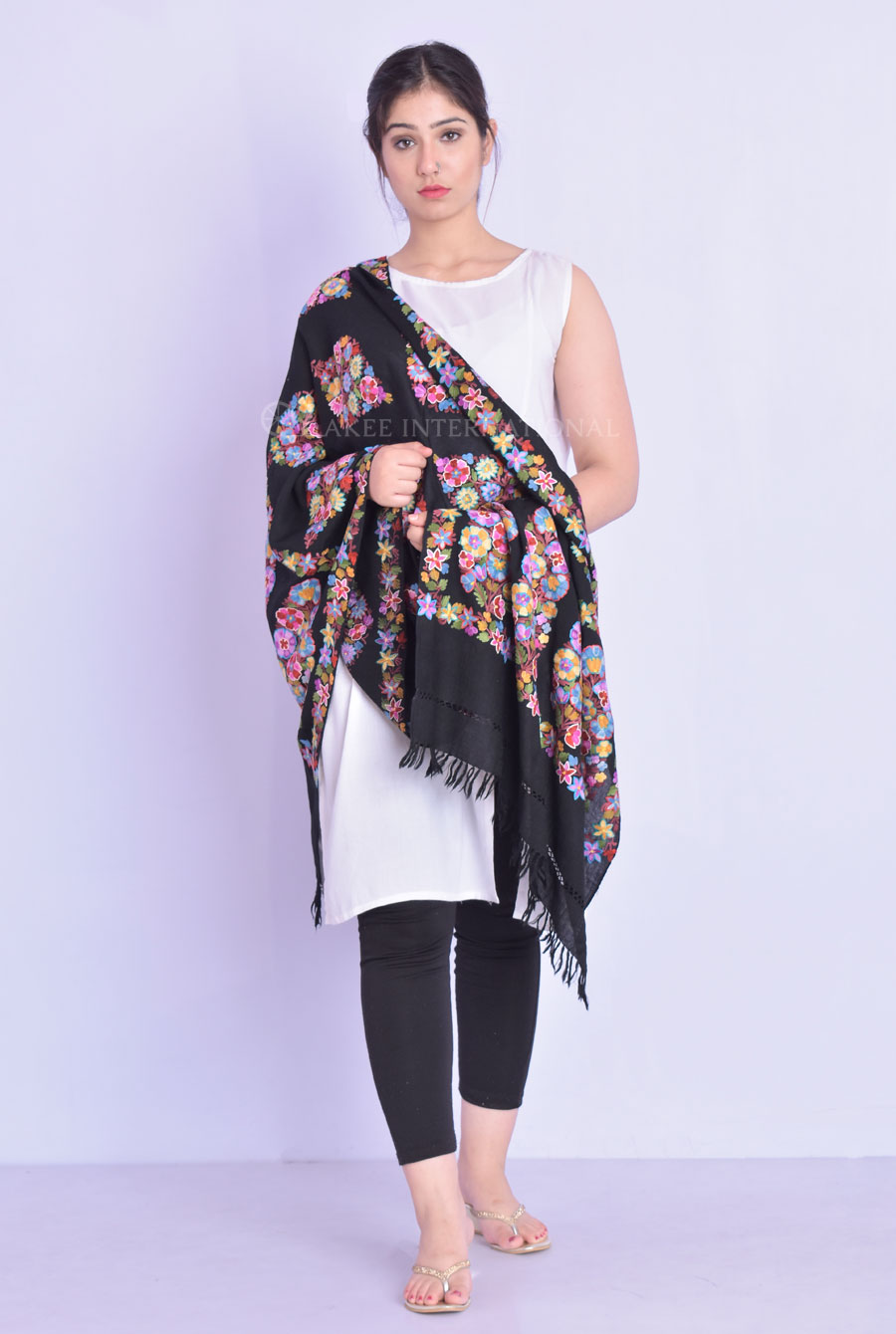
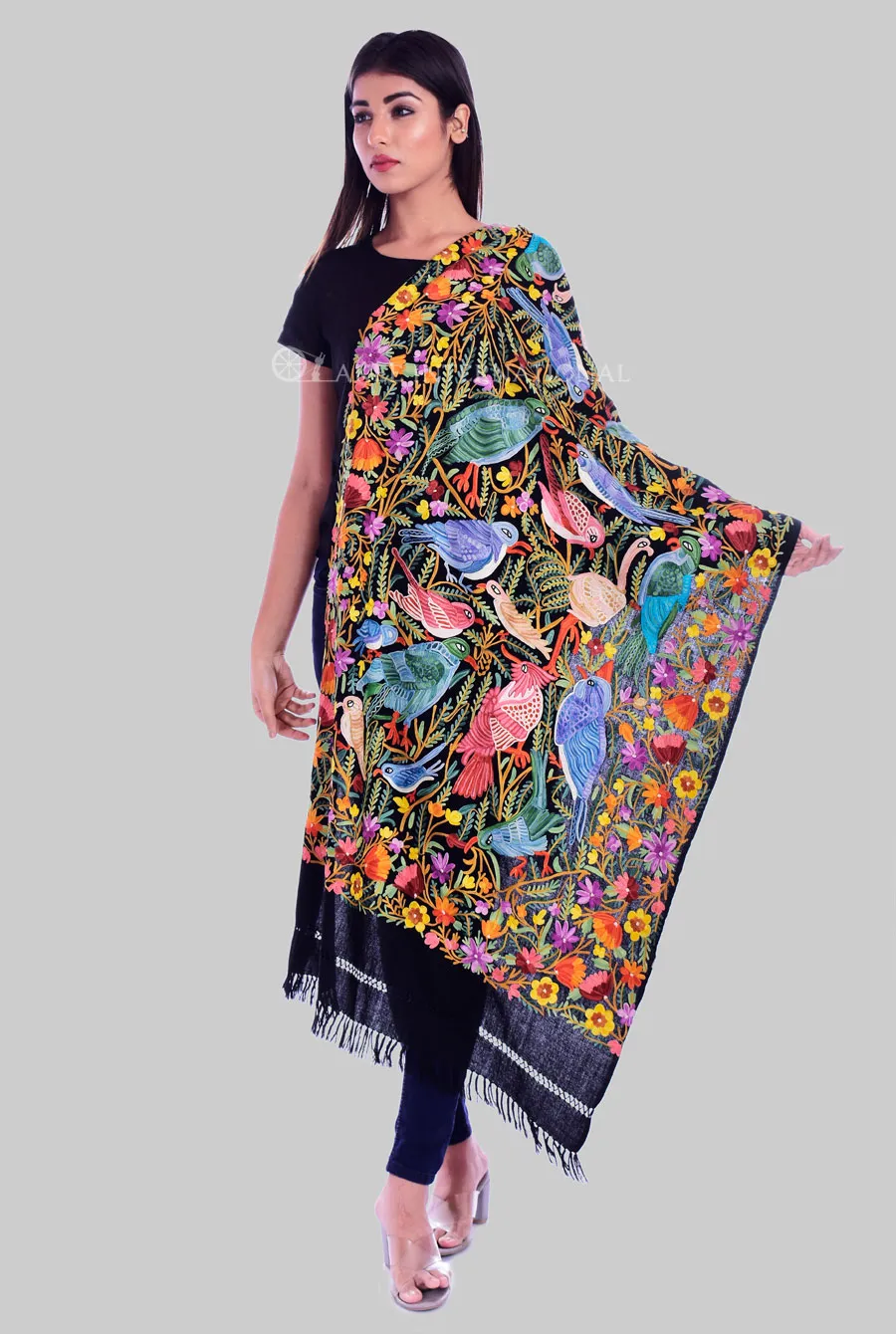
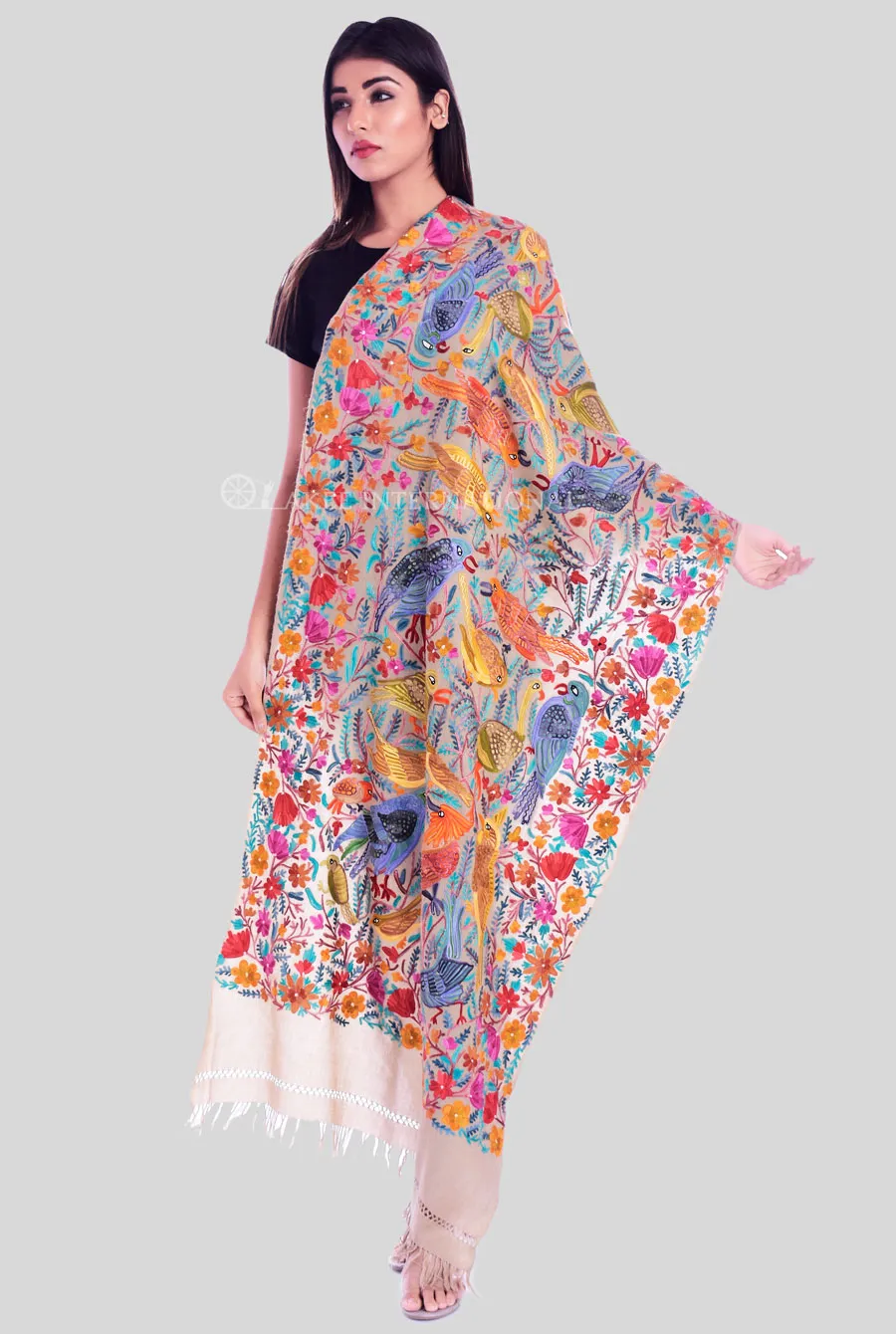
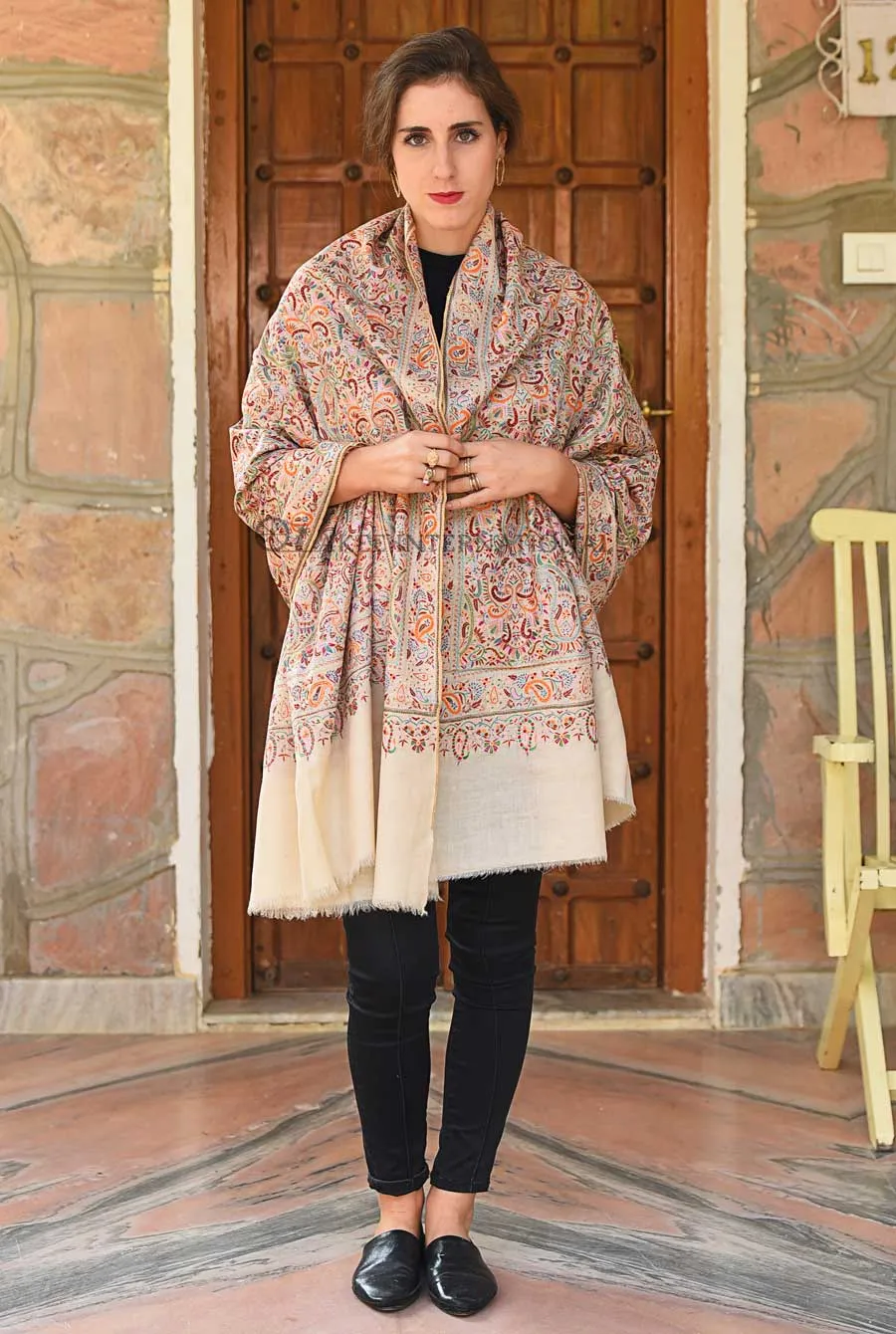
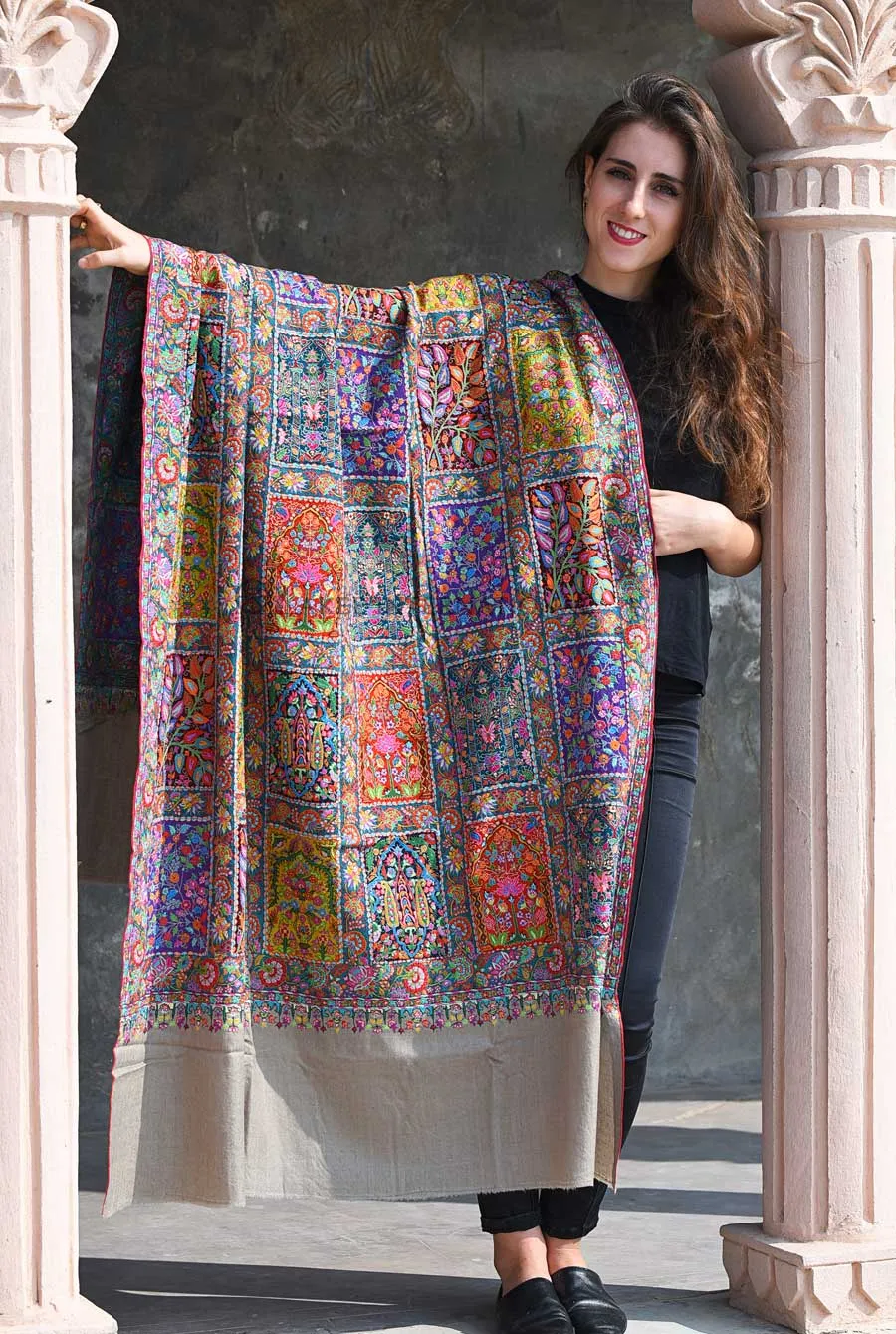
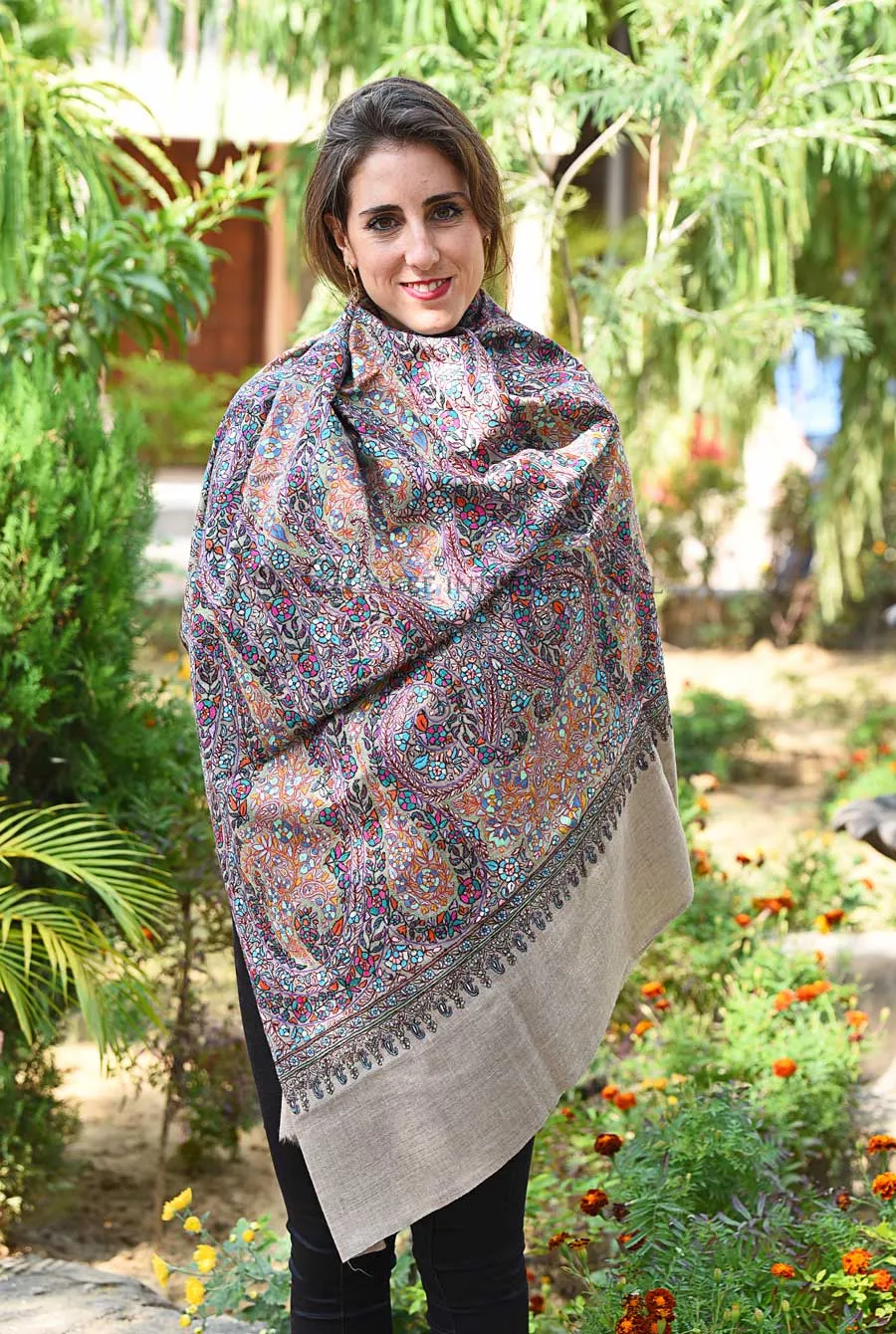
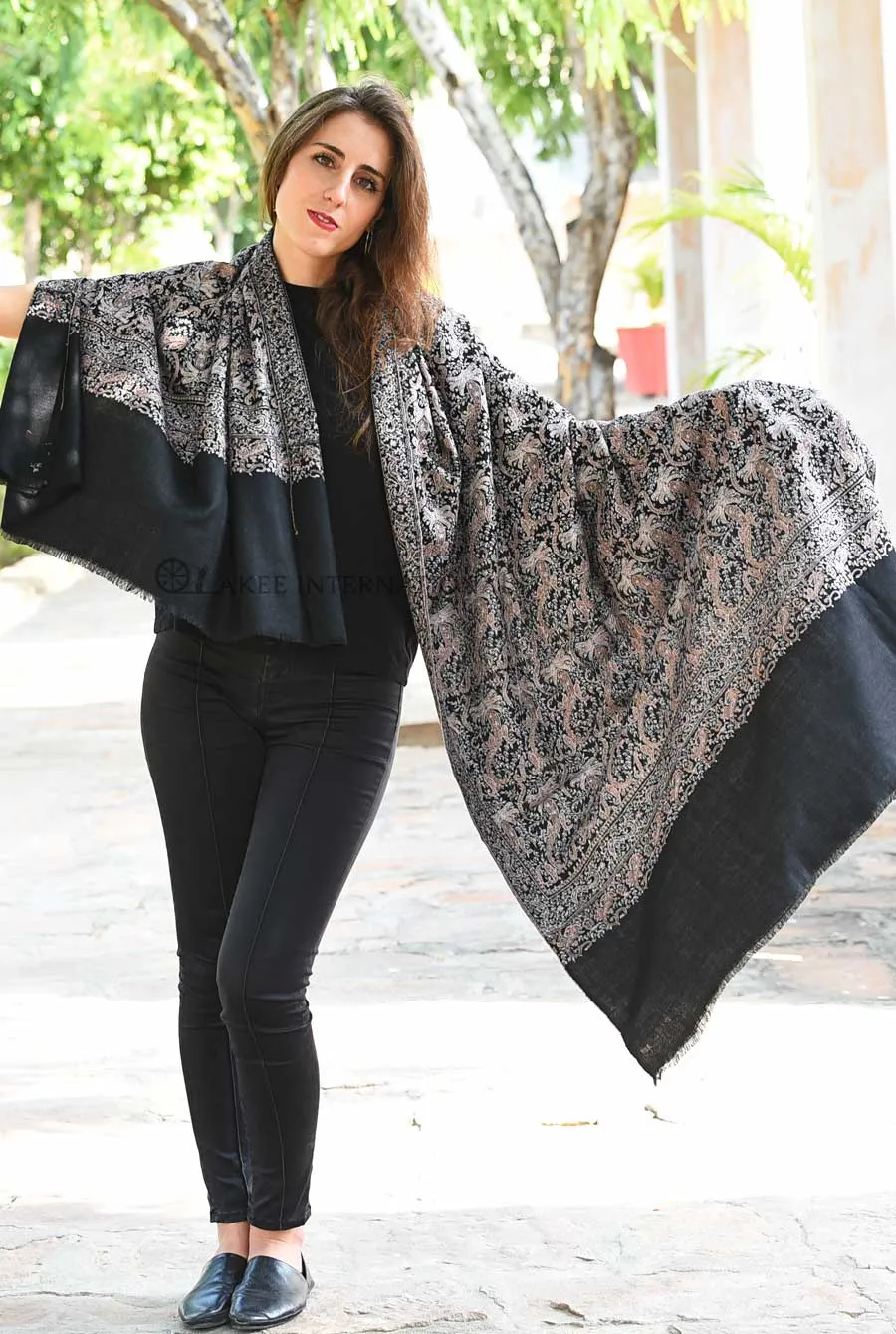
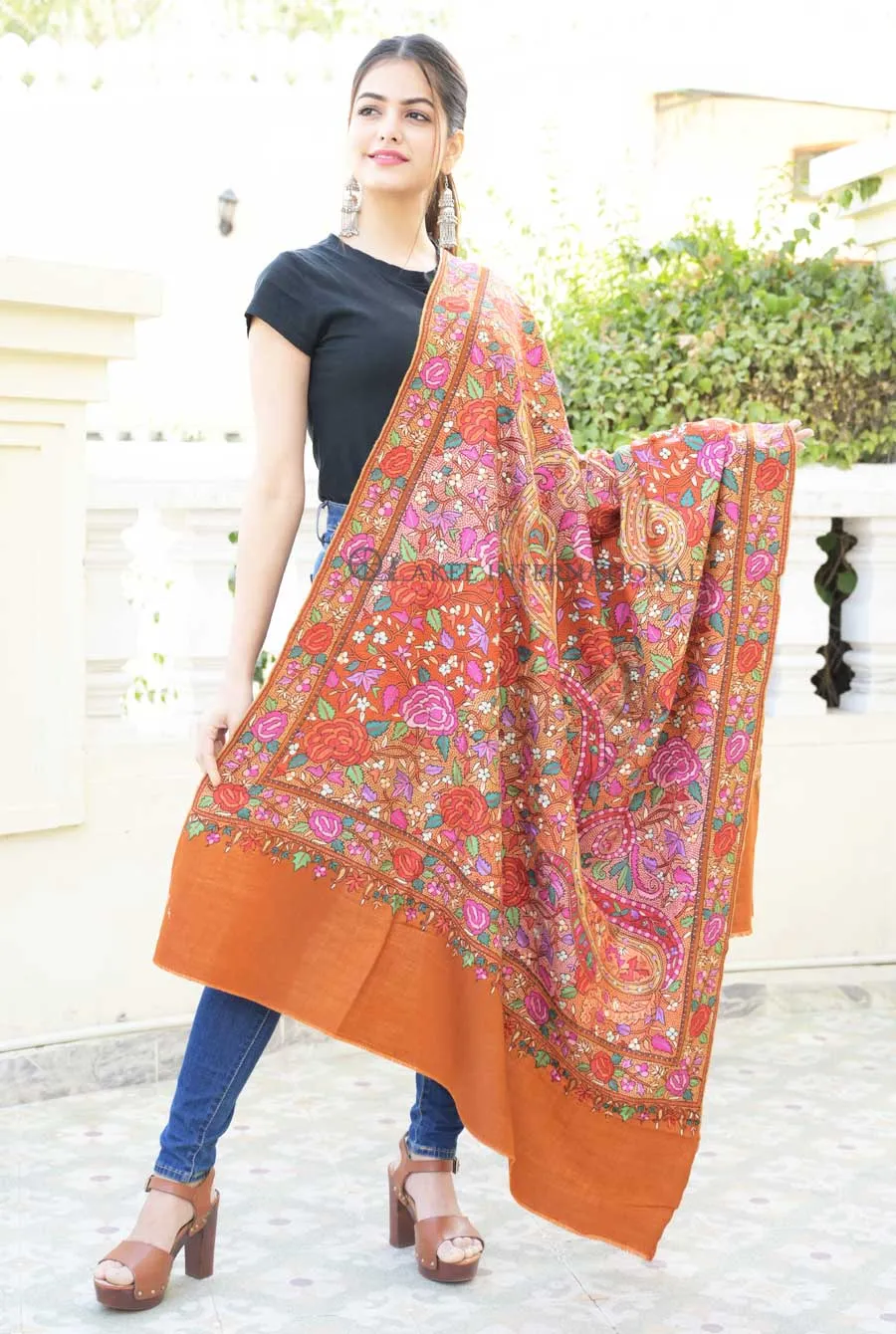
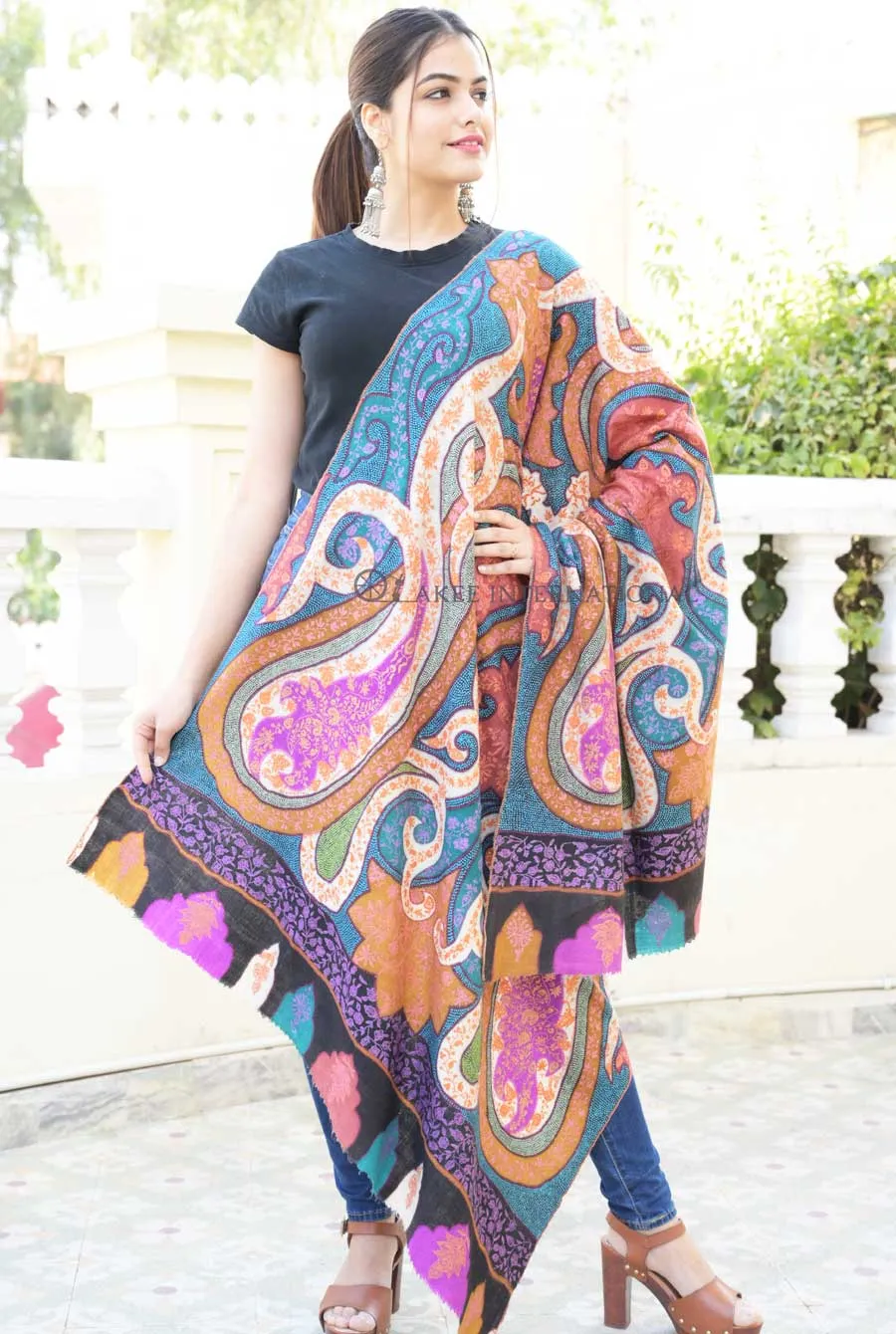
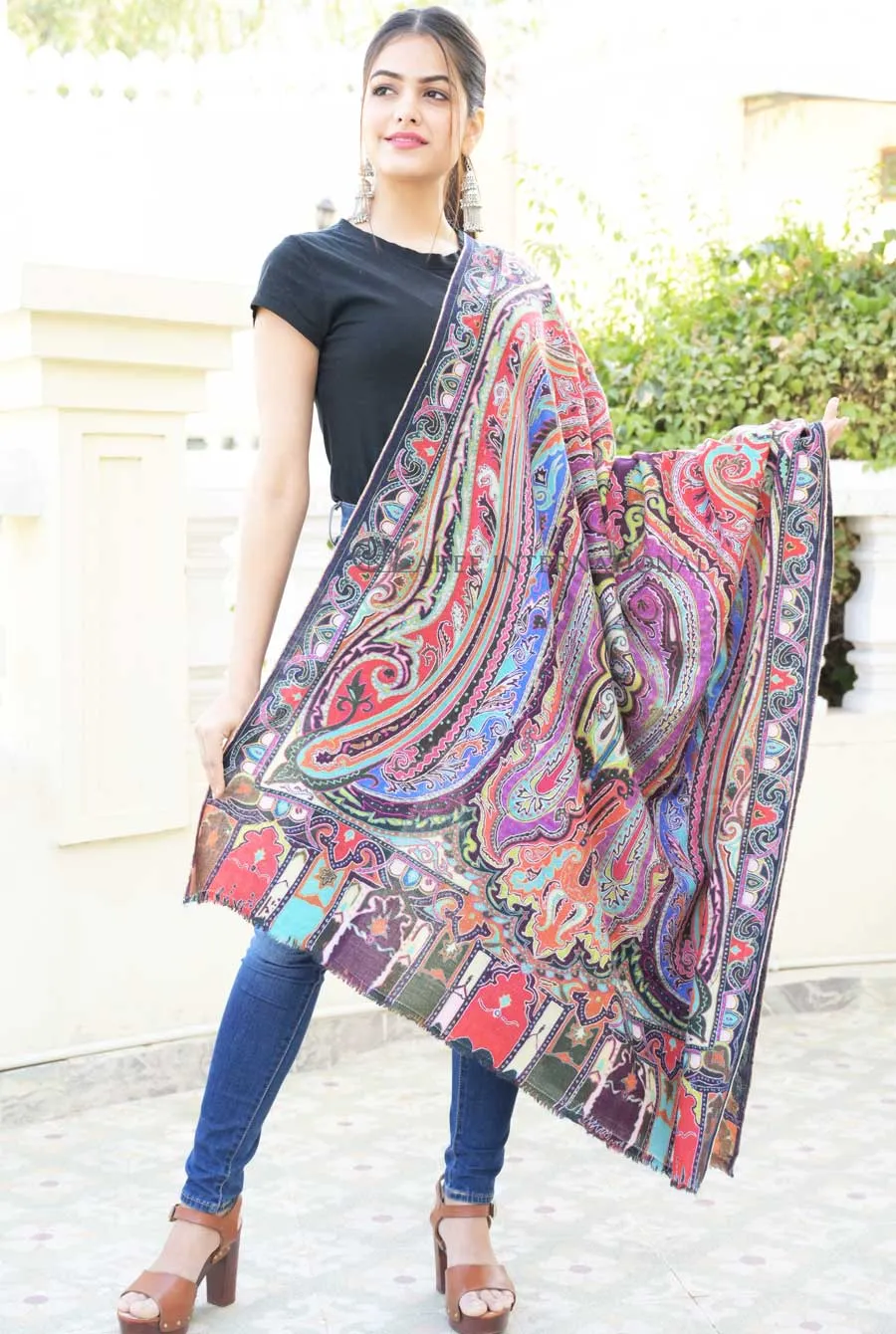
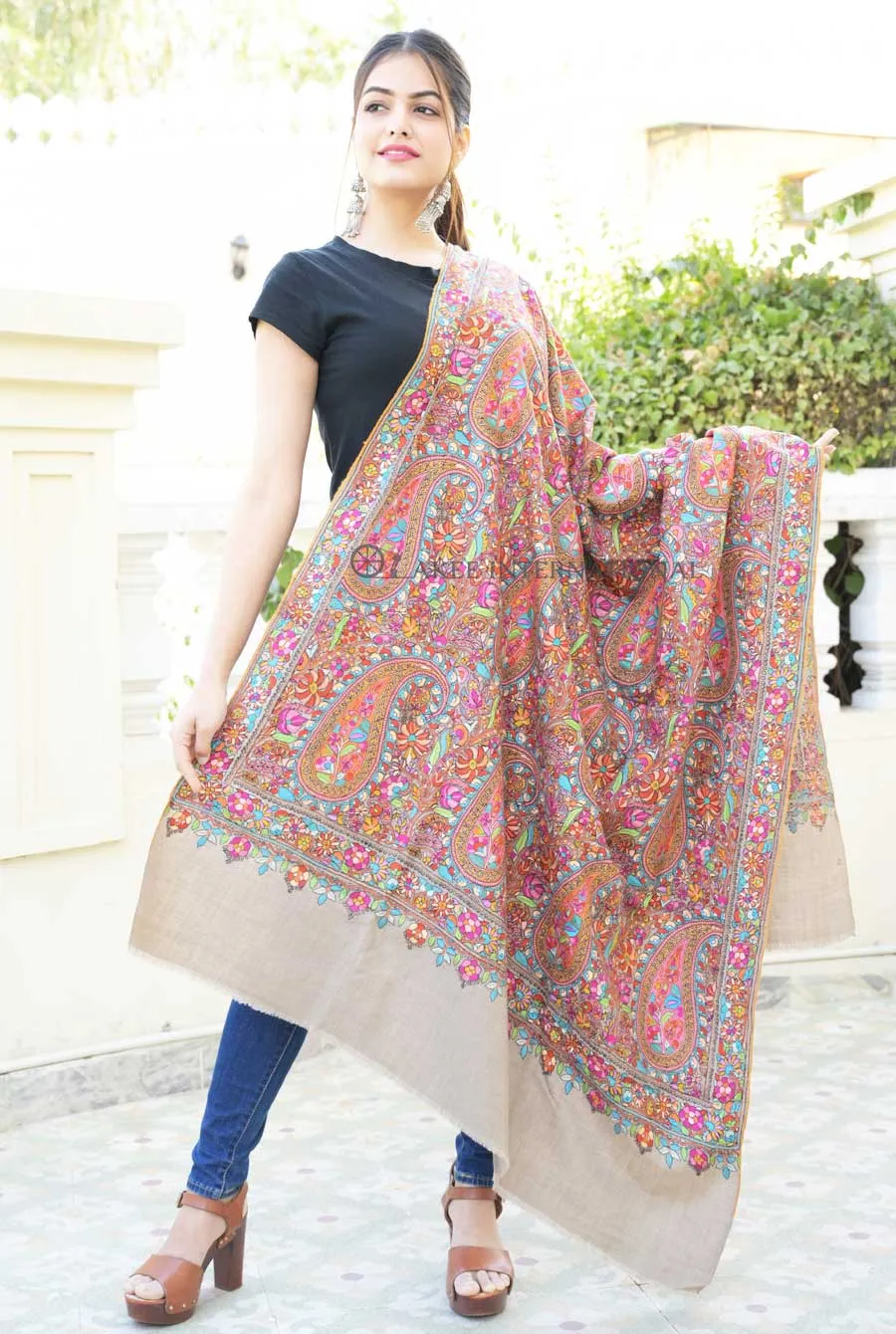
The broader Kashmiri shawl weaving tradition encompasses several distinct techniques, each with its own specific history and skill requirements. Plain hand-weaving forms the foundational skill underlying all Kashmiri pashmina production. Jamawar weaving builds elaborate patterns directly into the fabric using multiple coloured threads. Kani weaving, using small wooden bobbins, represents perhaps the most labour-intensive traditional technique still actively practiced. Alongside these weaving methods, embroidery traditions like Sozni and Ari add further decorative dimension to woven pieces.
Knowledge within the Kashmiri shawl weaving tradition has historically passed down through family-based apprenticeship, with skills transferred from one generation to the next within specific artisan communities and family lineages. This method of knowledge transfer has preserved remarkably detailed technical knowledge across centuries, though it also means the tradition's survival depends directly on younger generations continuing to commit to years of apprenticeship rather than pursuing alternative livelihoods.
The Kashmiri shawl weaving tradition faces real pressure in the modern era, as machine-made alternatives offer faster, cheaper production, and fewer young people commit to the extended apprenticeship traditional techniques require. Businesses like Akee International that maintain direct employment relationships with traditionally trained artisans play a role in sustaining continued practice of these techniques, providing the economic viability that keeps the tradition alive for future generations.
Traditional Kani and Jamawar weaving relies on a coded pattern notation system called "talim," historically used by master weavers to record and communicate complex pattern instructions to other artisans without needing a visual reference constantly on hand. This system, itself a significant part of the Kashmiri shawl weaving tradition, has allowed intricate historical patterns to be preserved and reproduced accurately across generations, functioning almost like a musical notation system but for woven pattern instructions rather than sound.
Different areas within Kashmir historically developed particular associations with specific weaving techniques, with certain villages and regions becoming especially known for Kani weaving expertise, while others specialised more heavily in Sozni embroidery or Jamawar production. This regional specialisation, developed over generations, meant that historically, sourcing a specific technique often meant working with artisans from a particular part of the valley known specifically for that skill, a pattern of specialisation that continues to some degree in how artisan networks are organised today.
For questions about the history behind a specific technique or piece, contact the team through Contact Us or WhatsApp at +91-9772777770. The full product catalogue reflects the living continuation of this centuries-old weaving tradition.
Discover exquisite Pashmina shawls, beautifully crafted with Kashmir’s timeless heritage and artistry.
Discover exquisite Pashmina shawls, beautifully crafted with Kashmir’s timeless heritage and artistry.
It's believed to have flourished significantly from the 15th century onward, with continued development over subsequent centuries.
Jamawar weaving, Kani weaving, and plain hand-loom weaving are all part of this broader tradition.
Yes, though facing modern challenges, it continues through skilled artisan communities including our own workforce.
Our founder's family has generations of direct involvement in Kashmiri weaving and embroidery.
Yes, our Jaipur showroom offers live demonstrations for visitors.
Yes, Kashmir Pashmina's traditional methods are recognized under India's GI framework.
Competition from faster machine production and generational shifts in artisan career paths are key challenges.
Choosing genuinely handmade, authentic products directly supports the artisans preserving this craft.
Depending on complexity, it can take days for simple pieces to months for intricate designs.
Explore our detailed guides on Jamawar and Kani weaving for deeper insight into each technique.
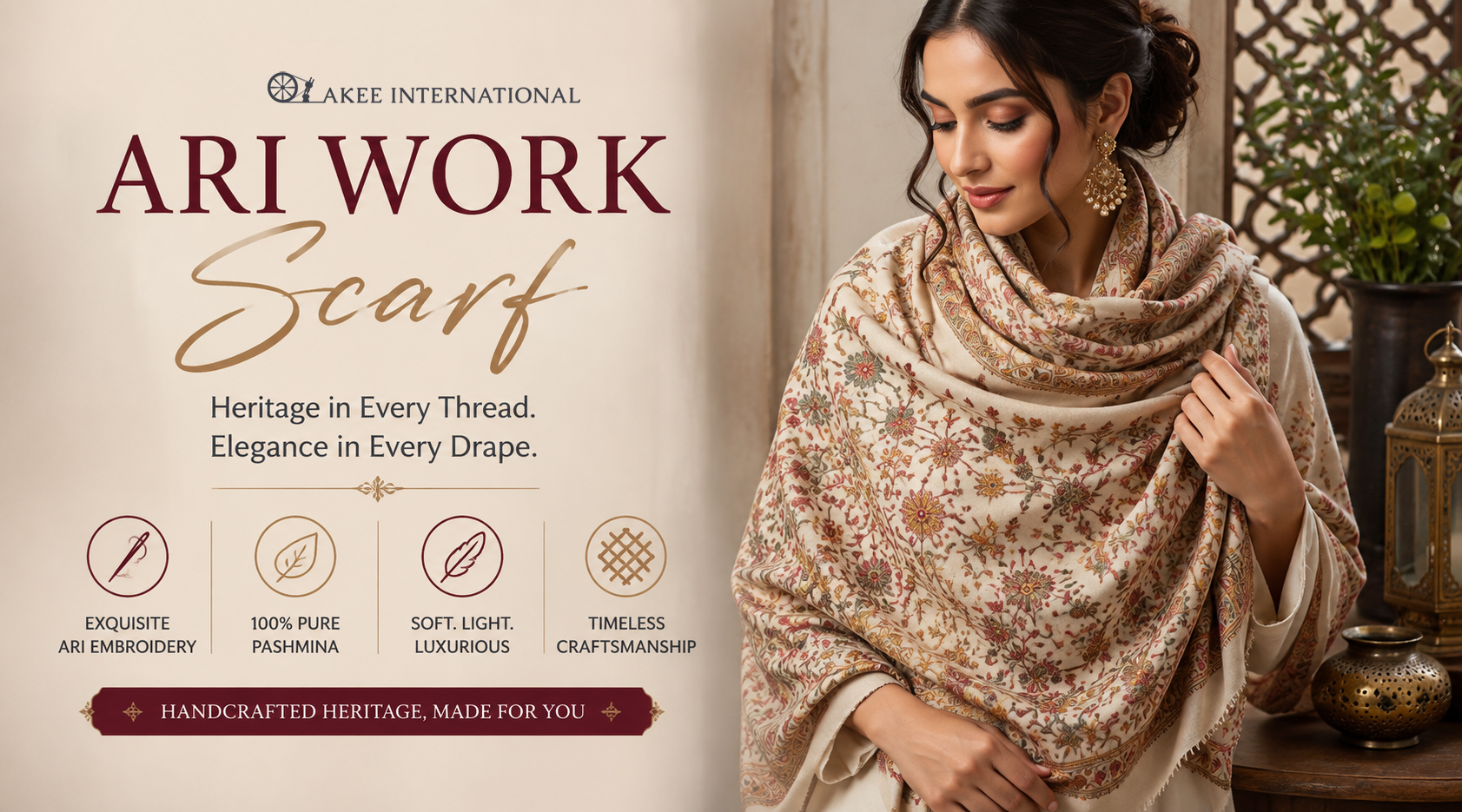
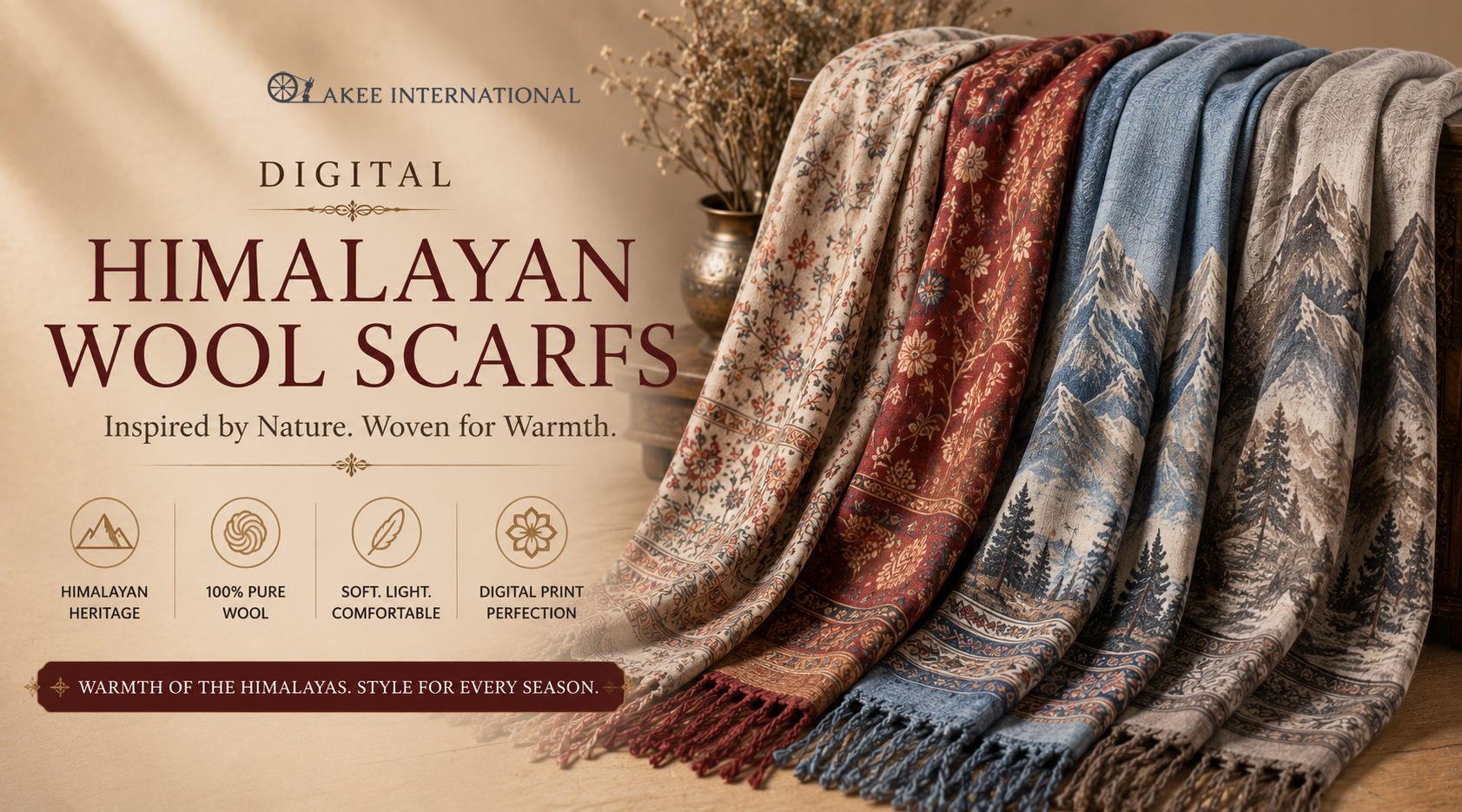
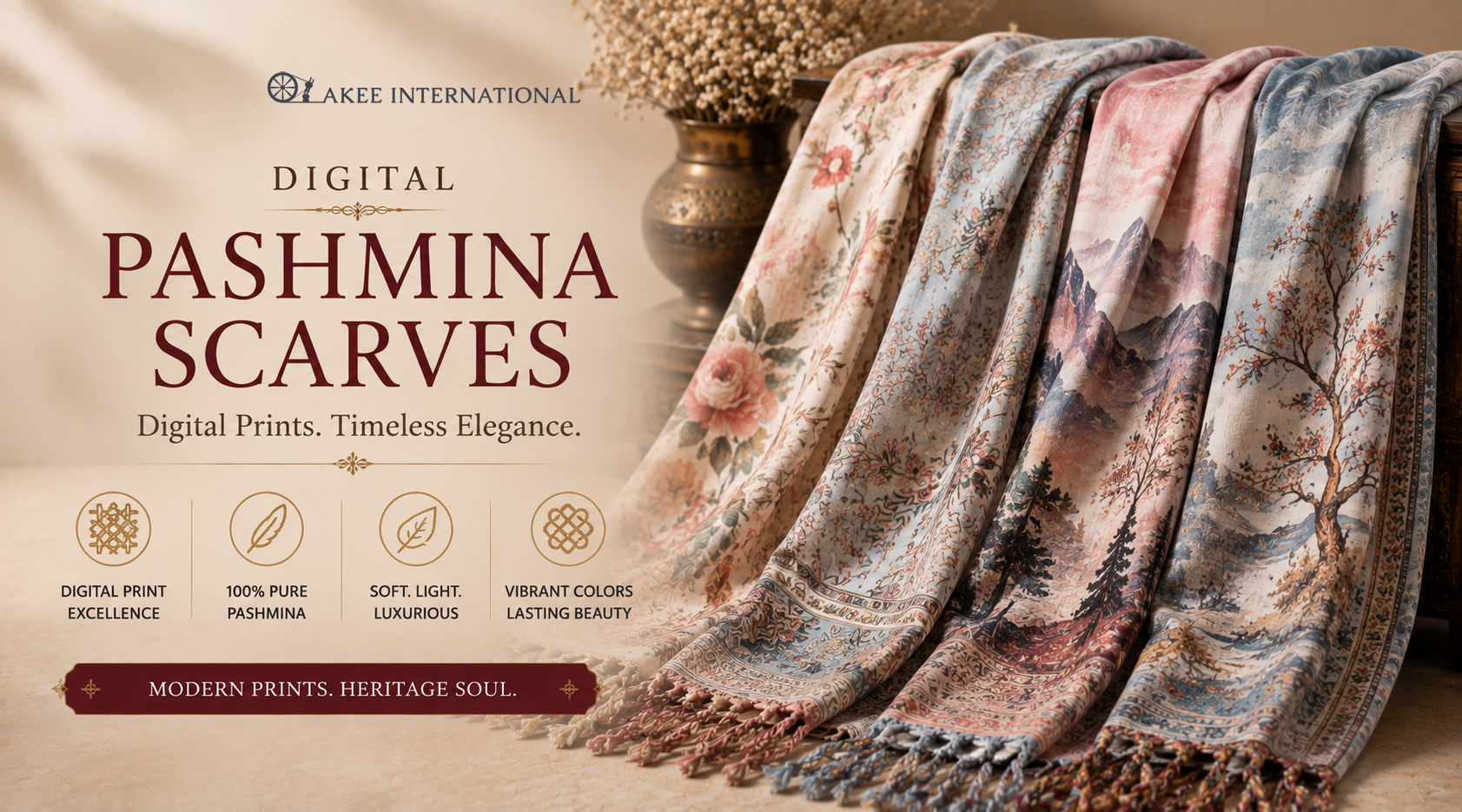
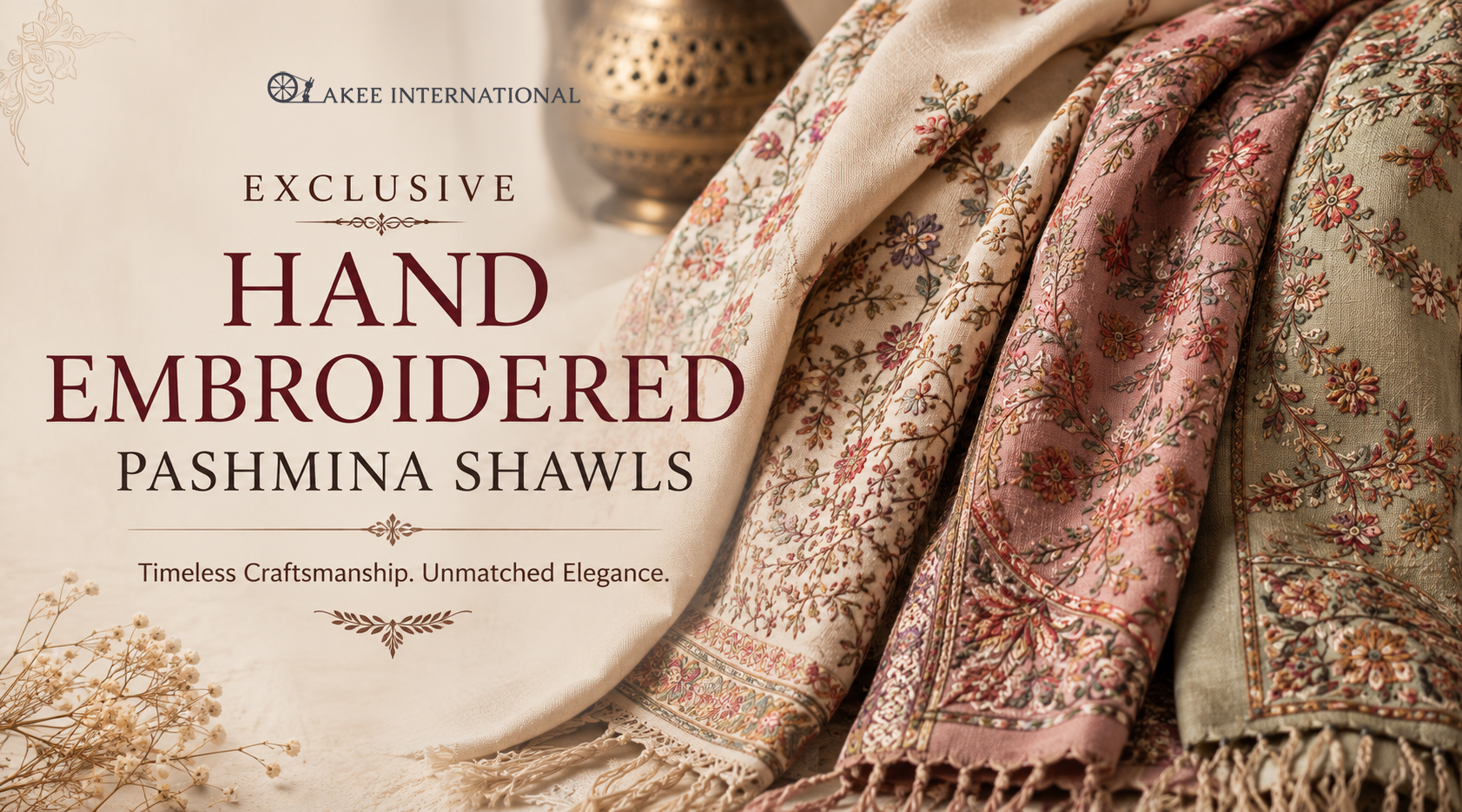
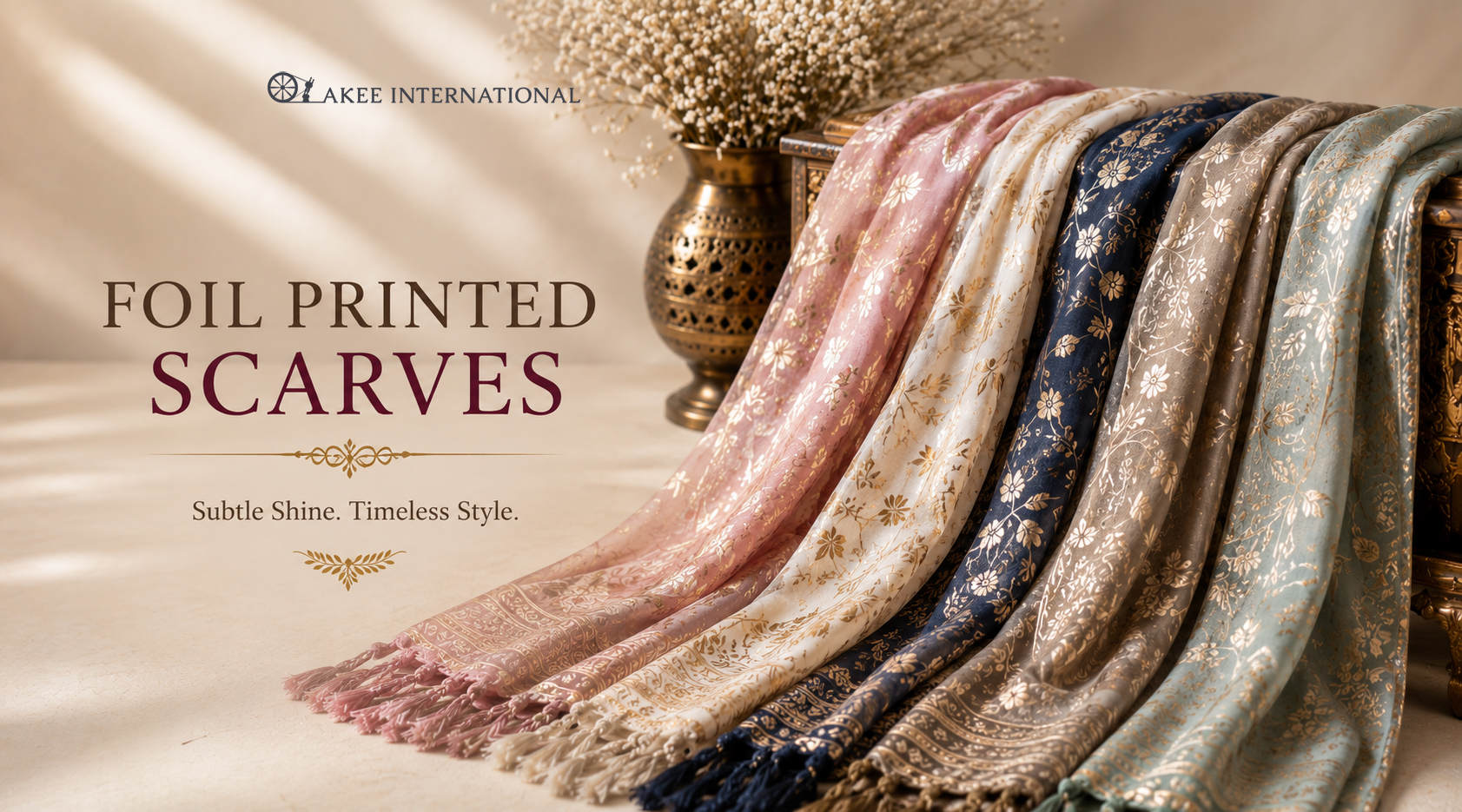
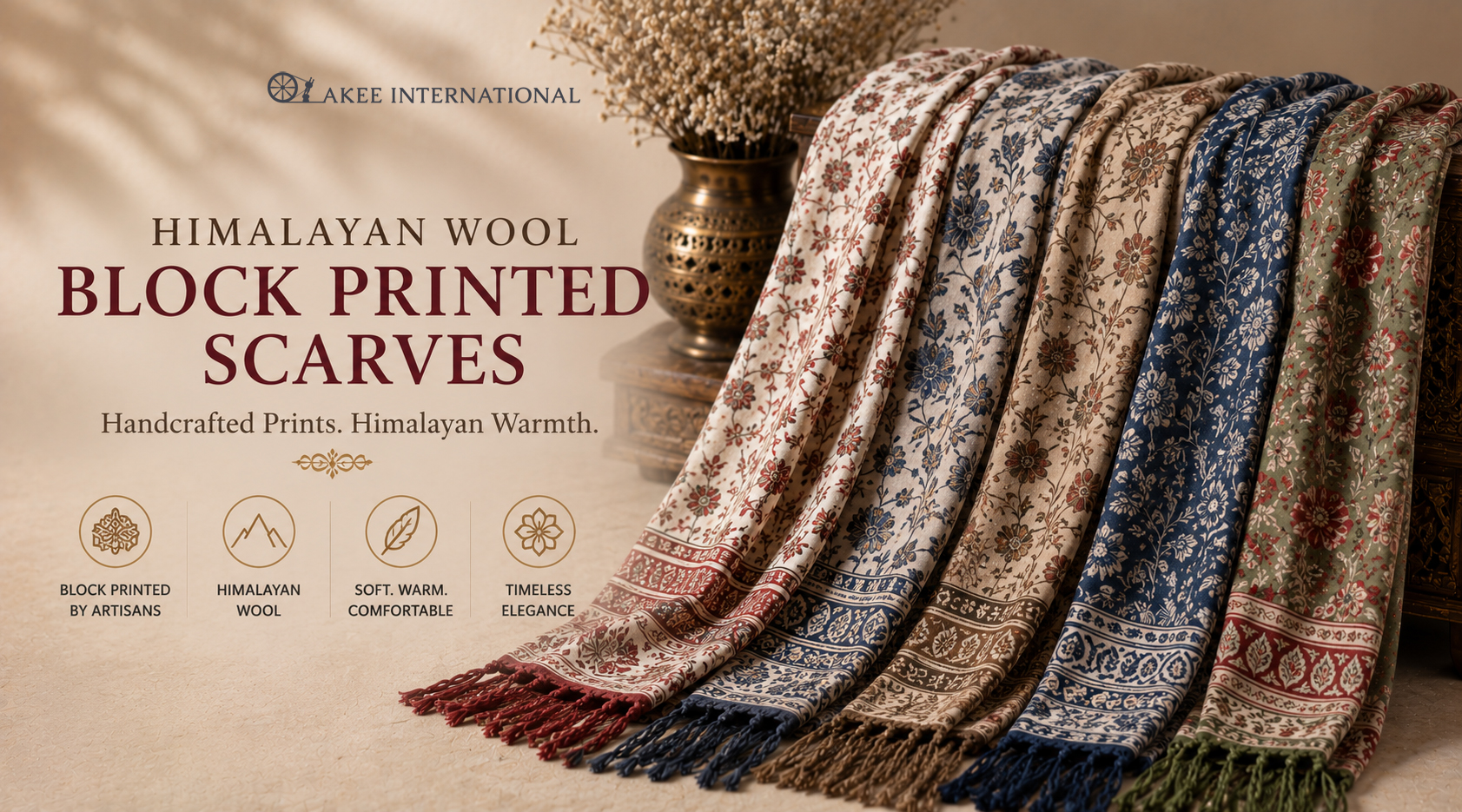
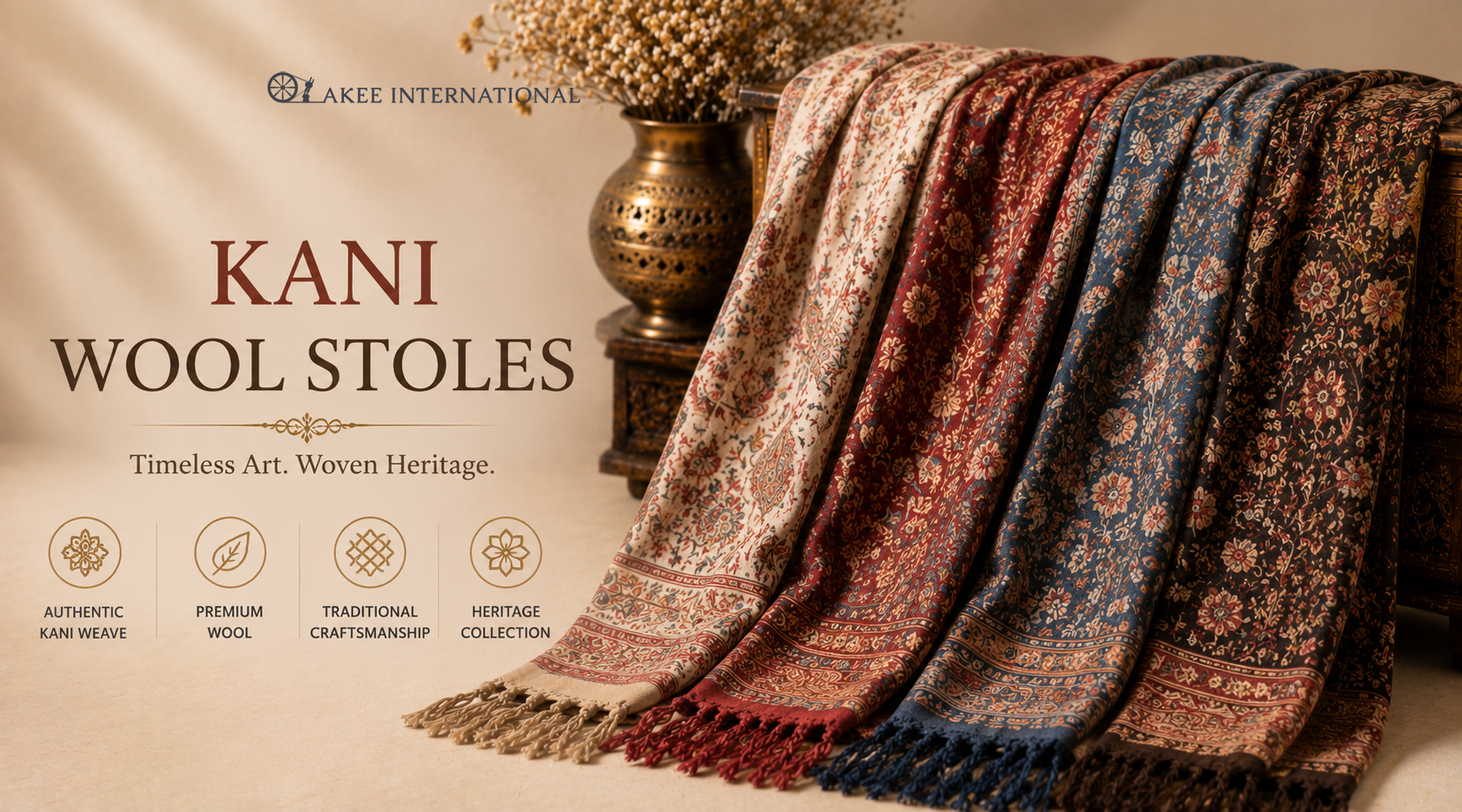
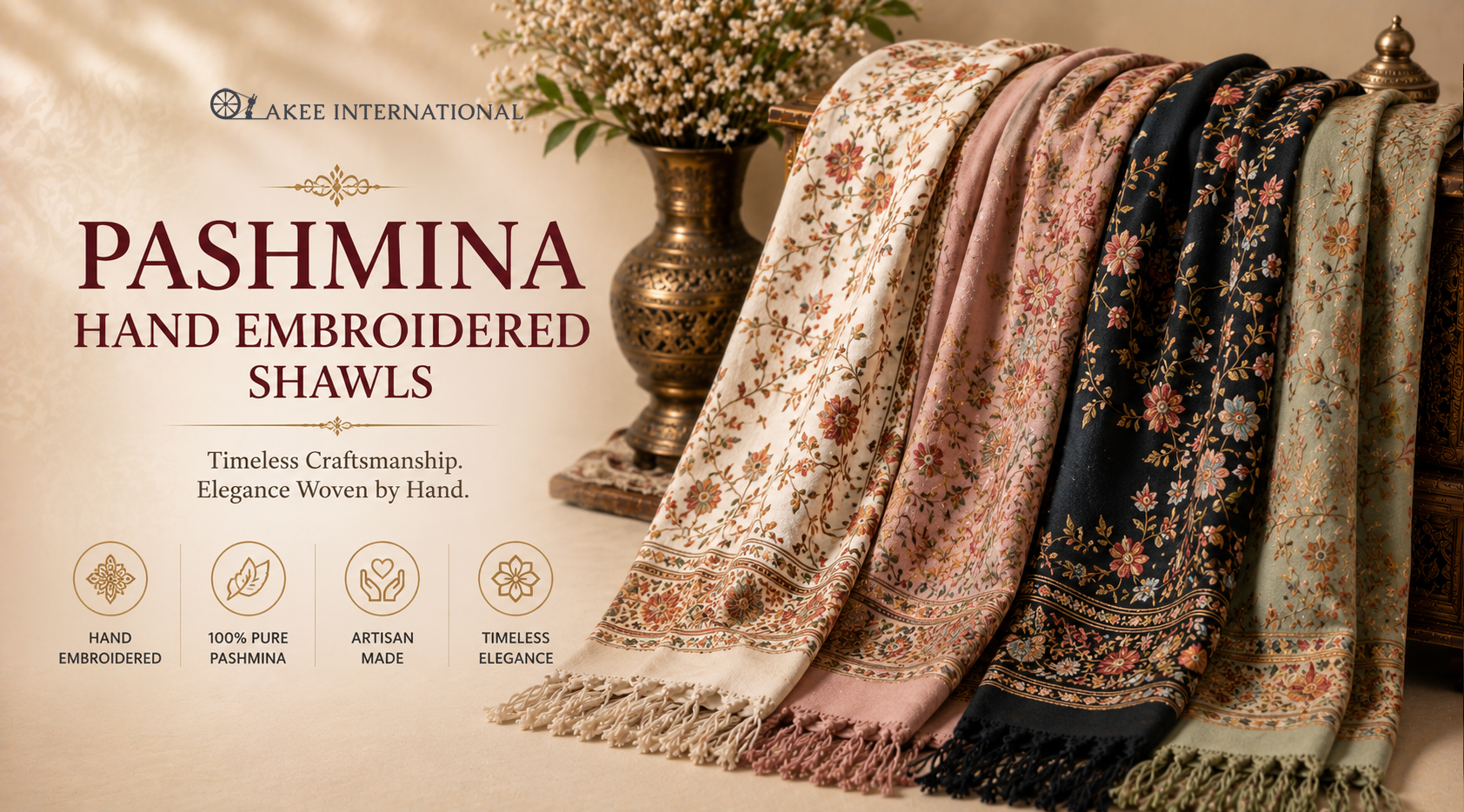
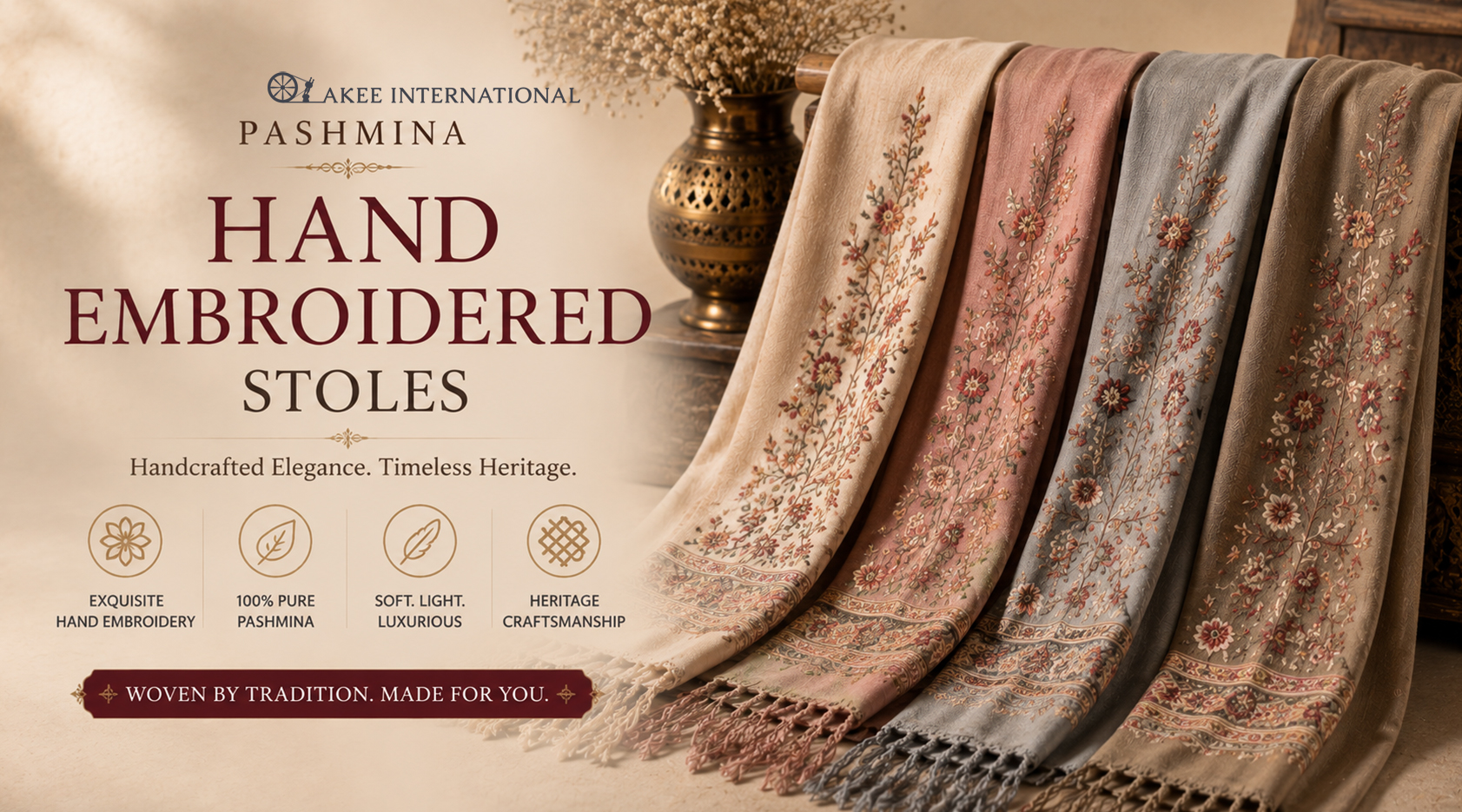
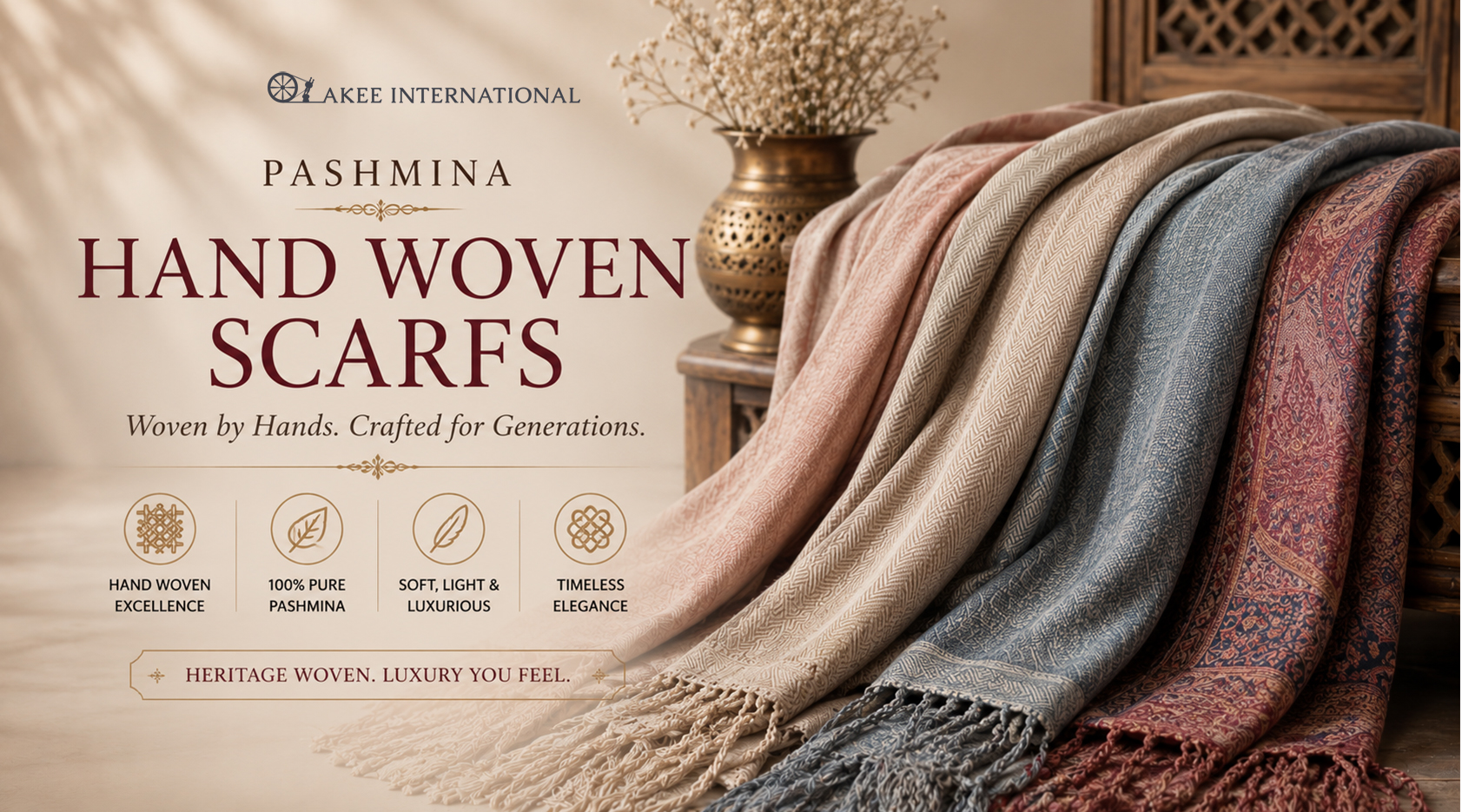
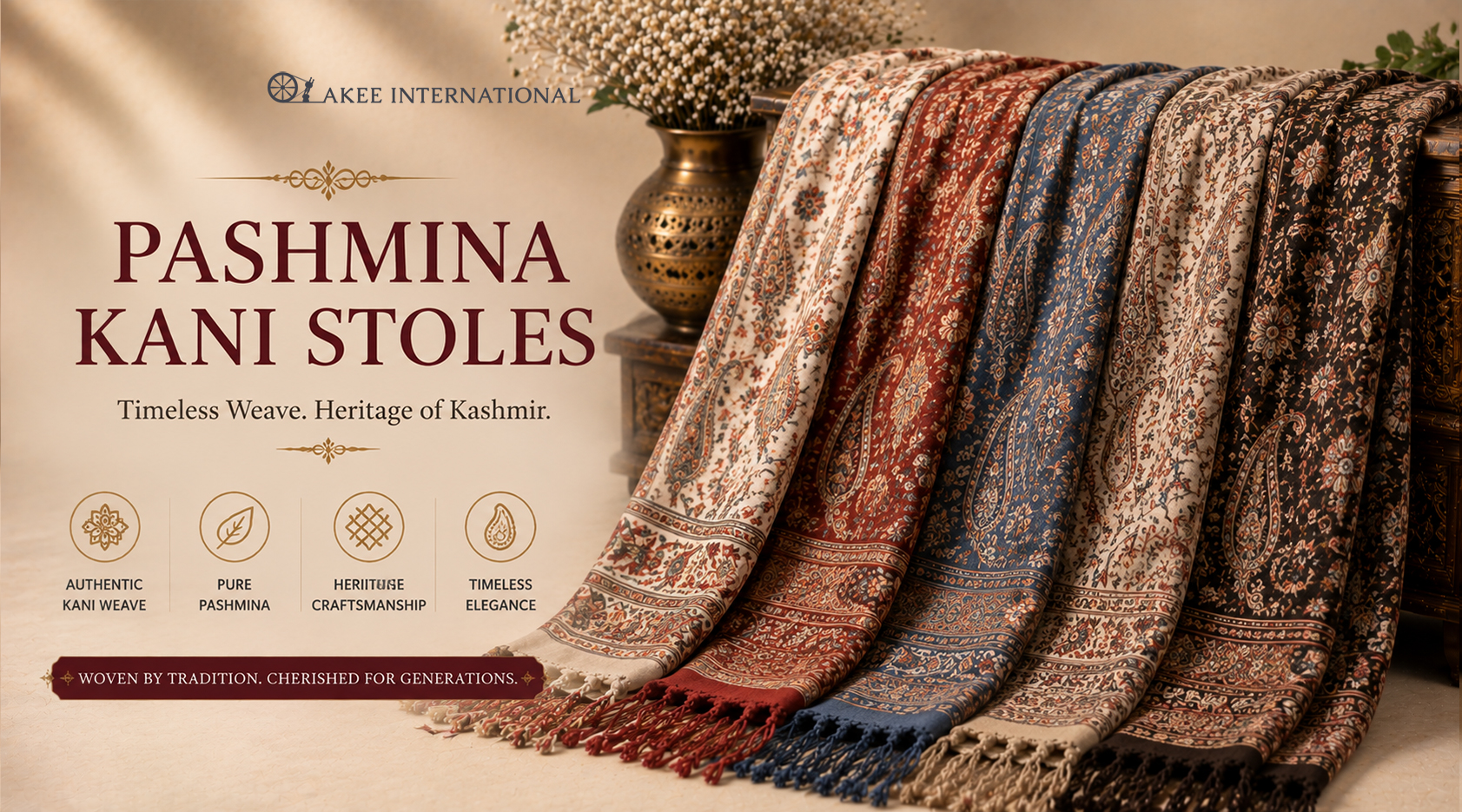
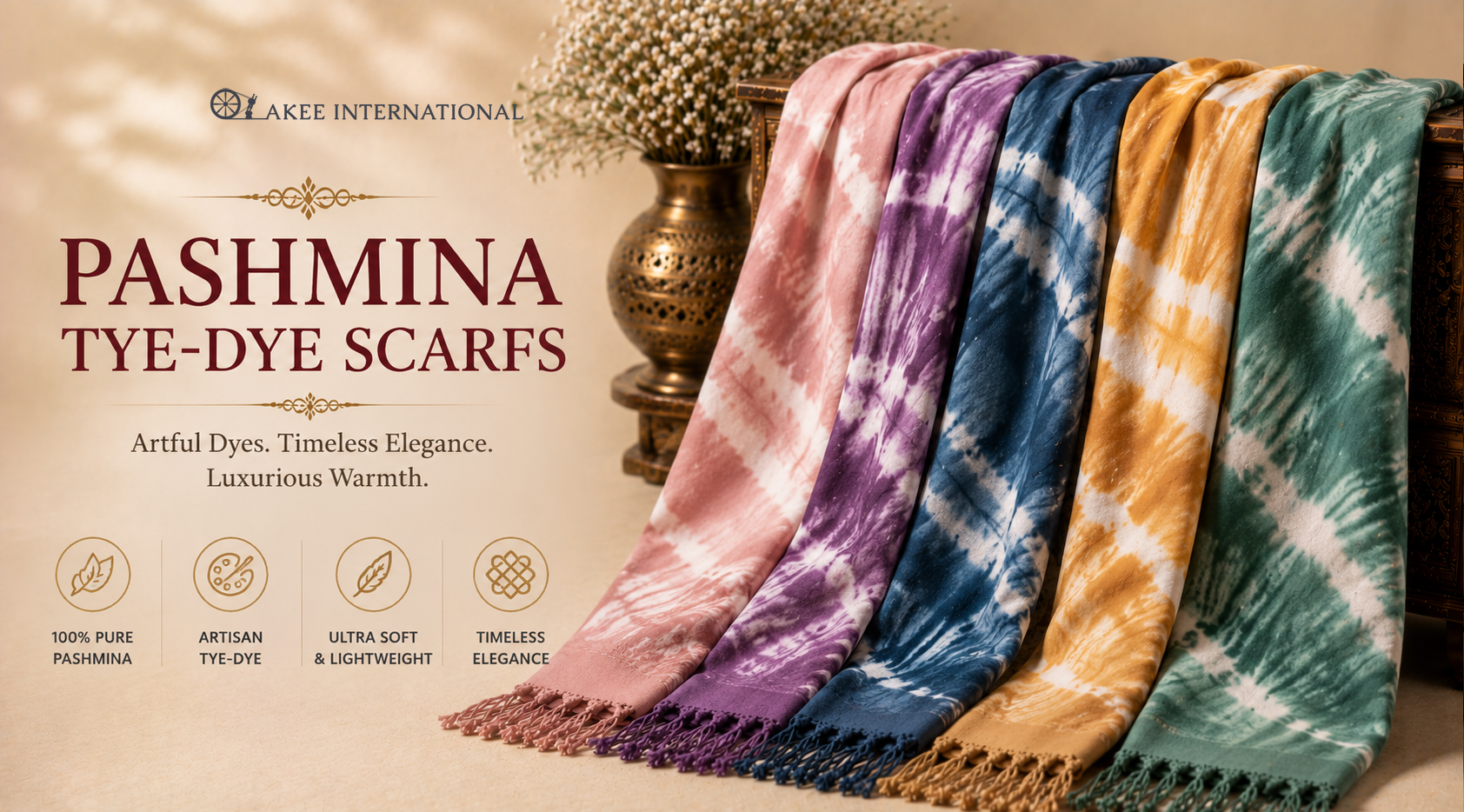
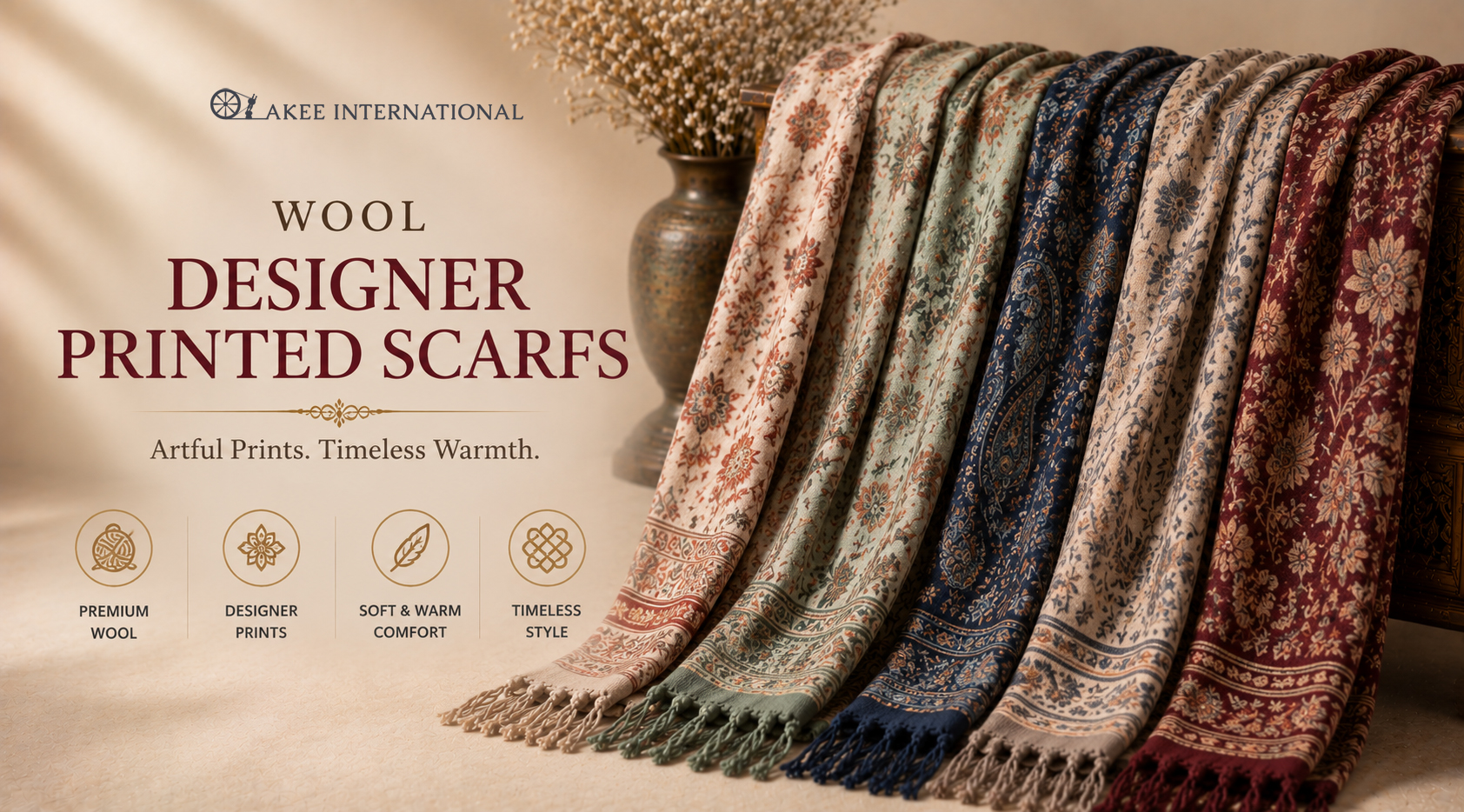
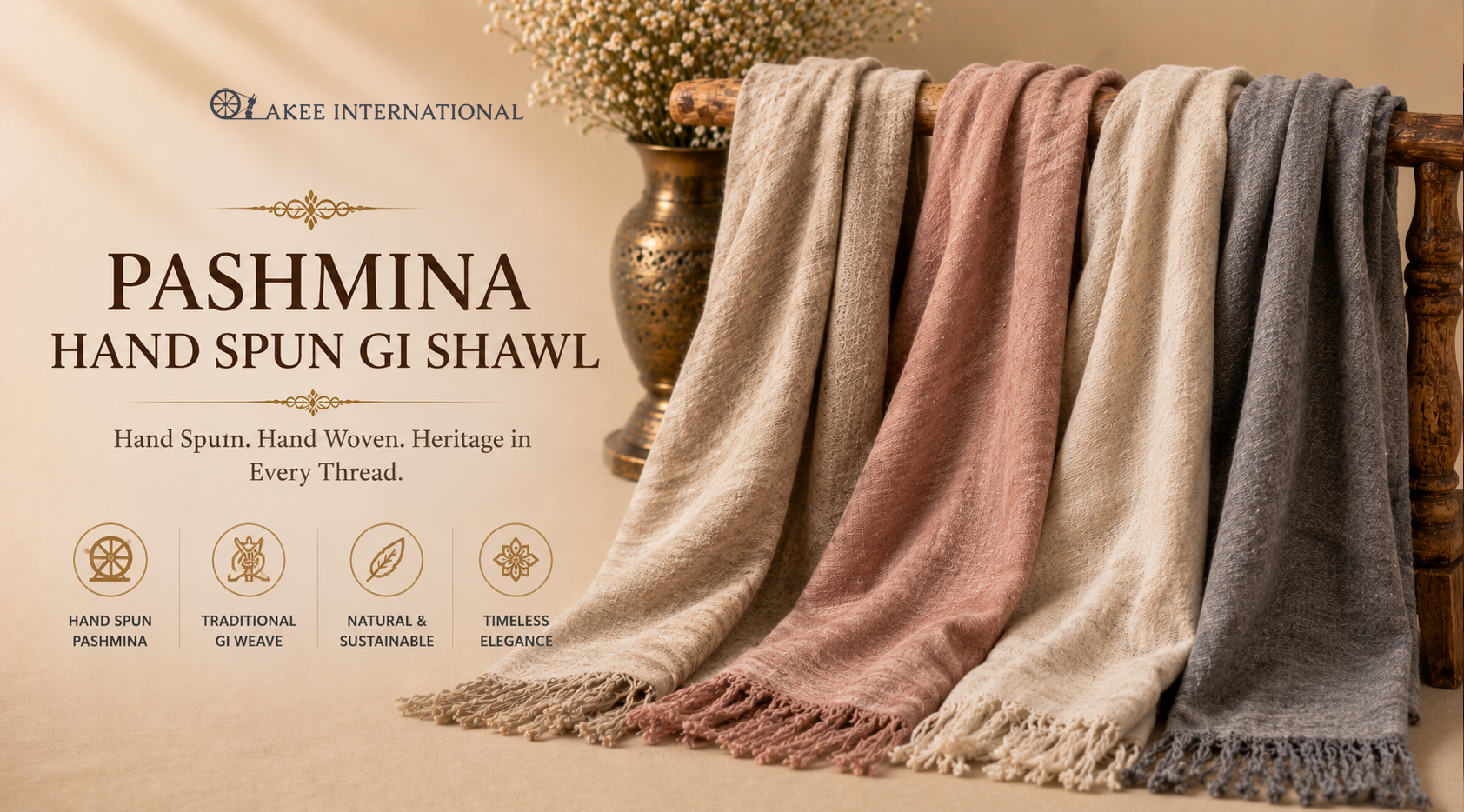
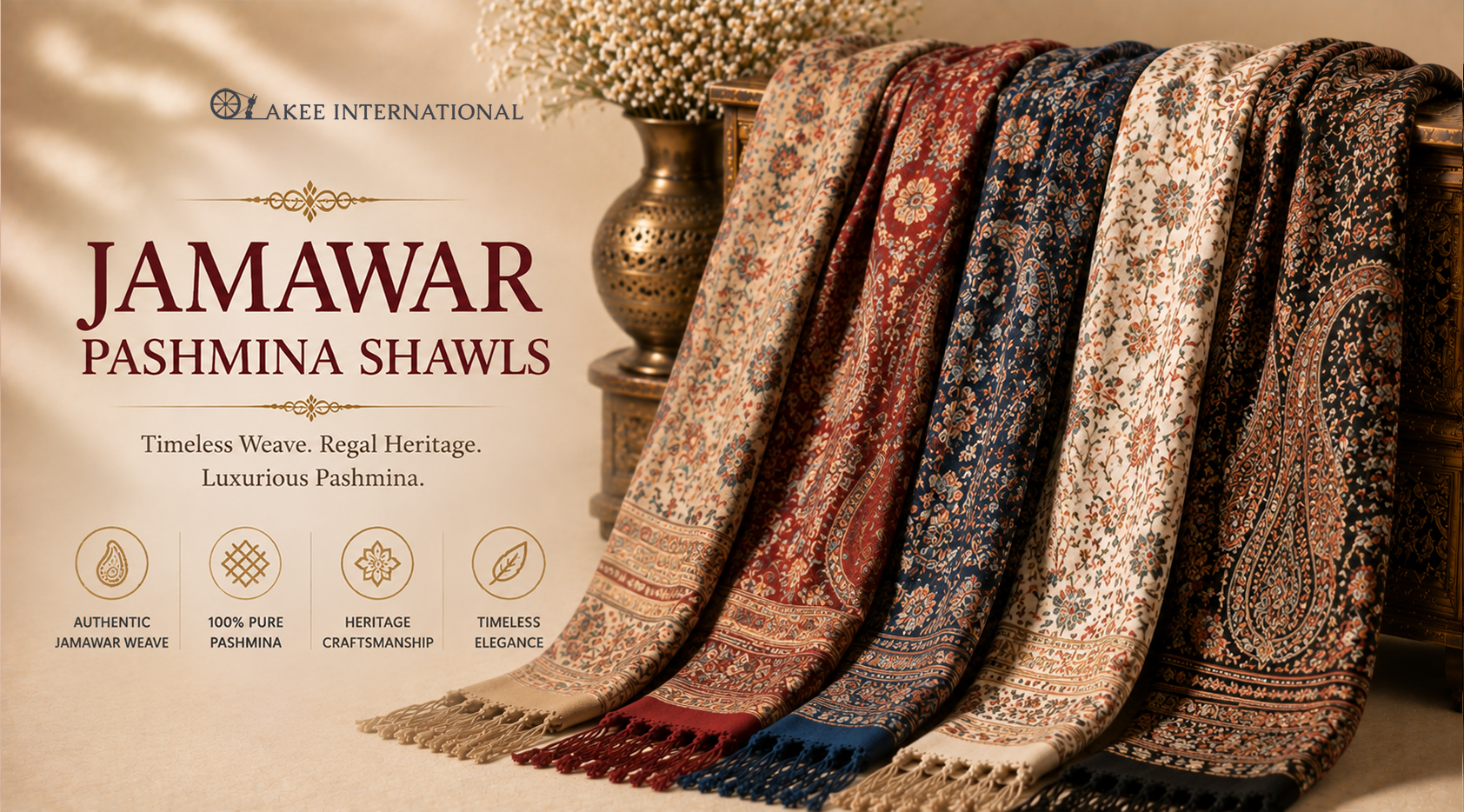
Discover exquisite Pashmina shawls, beautifully crafted with Kashmir’s timeless heritage and artistry.
"Read what our clients say about their experience with Akee International's luxurious Pashmina shawls and impeccable service."

Nai Mata Mandir Road, Thathar Road, Delhi By Pass, Amer, Jaipur 302028, Rajasthan India
Get directions Call Now Whatsapp 4.9 based on 269 reviews

Rating: 4.6/5 | 85 Reviews

Rating: 4.9/5 | 269 Reviews

TrustScore: 4.9 | 100 Reviews