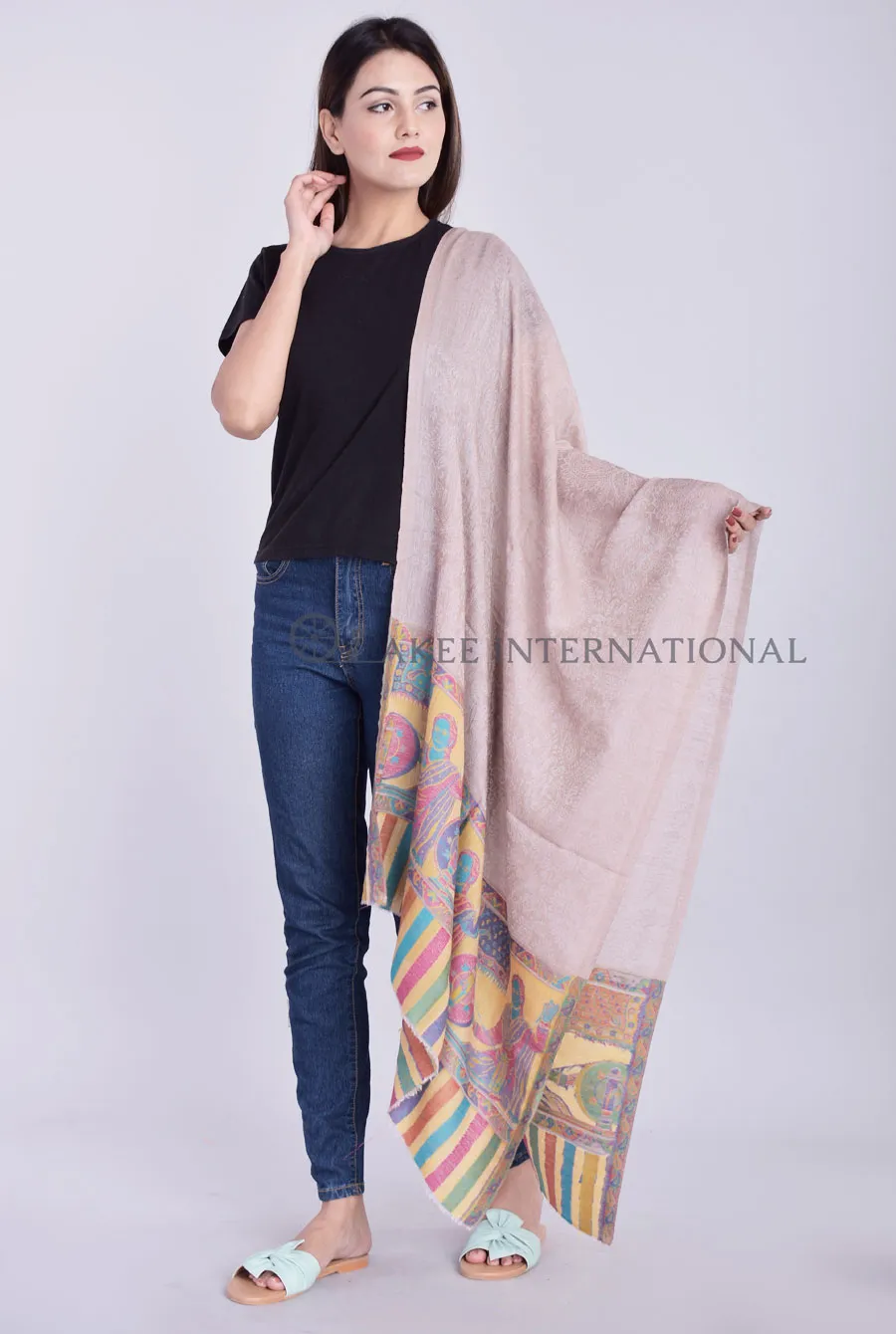
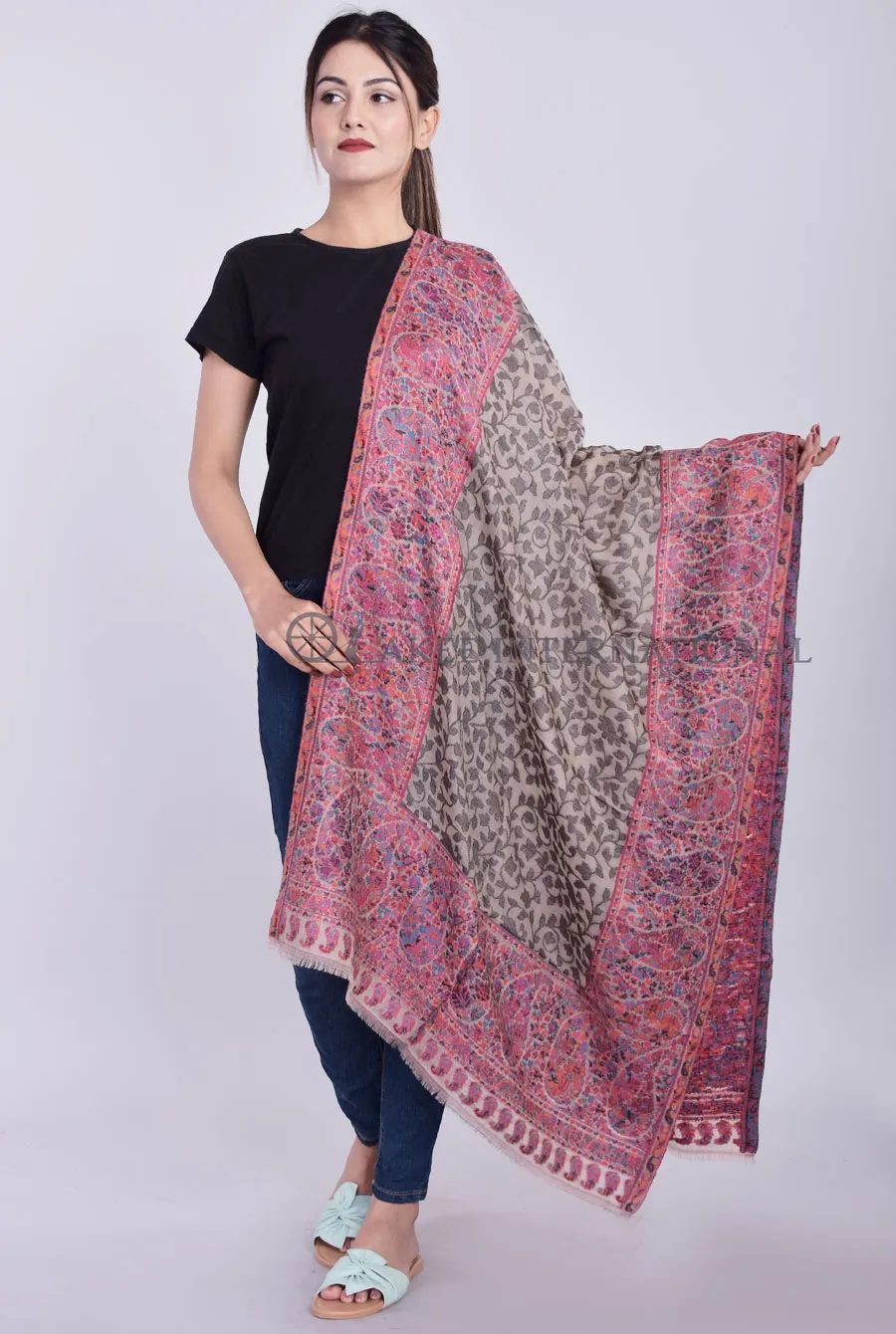
Find Your Perfect Premium Pashmina Shawl
Discover exquisite Pashmina shawls, beautifully crafted with Kashmir’s timeless heritage and artistry.

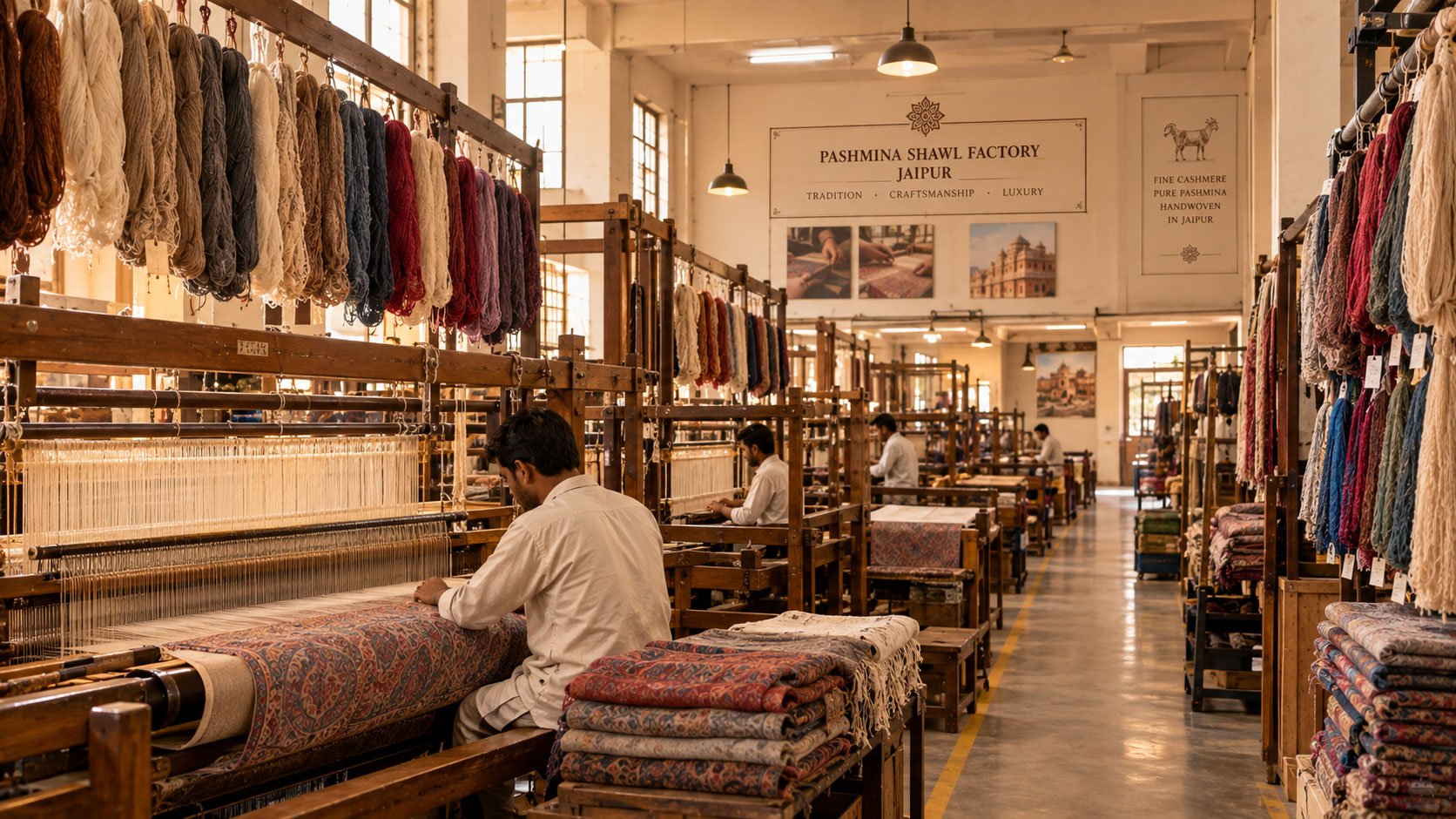
The word "factory" tends to conjure images of assembly lines and machines, which is almost the opposite of what a genuine pashmina shawl factory in Jaipur actually looks like. Real pashmina is hand-spun and hand-woven, a process no machine can fully replicate without losing the qualities that make the fabric valuable in the first place. Akee International runs its production this way, and describing the operation as a factory is accurate only in the sense of organised scale — not in the sense of mechanised manufacturing replacing artisan skill.
Walk into a genuine pashmina shawl factory in Jaipur and what you find isn't rows of looms running unattended — it's individual artisans, each working a hand-spinning wheel or a traditional hand-loom, producing fabric at a pace that machines simply cannot be substituted for without changing the end product entirely. Akee International's production floor runs on more than seventy trained artisans and craftspeople, each specialising in different stages of the process, from raw wool preparation through spinning, weaving, and finally hand-embroidery for pieces that call for it. This is labour-intensive in a way that mechanised textile manufacturing isn't, and it's the entire reason genuine pashmina costs what it does compared to machine-made wool blends sold under the same name.
The production chain starts well before anything resembling a shawl exists. Raw Changthangi goat wool, sourced from Kashmir and Ladakh, arrives at the factory and goes through cleaning and sorting before hand-spinning begins — a stage where an experienced artisan can tell by feel whether the fibre is genuine pashmina or has been mixed with a cheaper wool. Once spun into yarn, the material moves to hand-looming, where a shawl, stole or scarf takes its actual shape over hours or days depending on complexity. Pieces destined for embroidery then pass to artisans specialising in Sozni or Ari needlework, a stage that can add weeks to a single elaborate piece. Nothing about this chain is instant, which is part of why factory capacity is measured in skilled hands available rather than machine hours logged.
Being a real pashmina shawl factory in Jaipur at any meaningful scale means solving a specific tension: how do you produce enough volume to serve retail, wholesale, and export demand simultaneously without turning artisan work into an assembly line that strips out what makes the product genuine. Akee International's answer has been to grow the artisan workforce and organise specialisation across stages rather than mechanise any part of the chain, currently supporting production of over 2,000 tons of pashmina and cashmere products annually across more than 450 specialized designs. That's a serious volume for a fully hand-based process, and it's achieved through workforce depth rather than shortcuts.
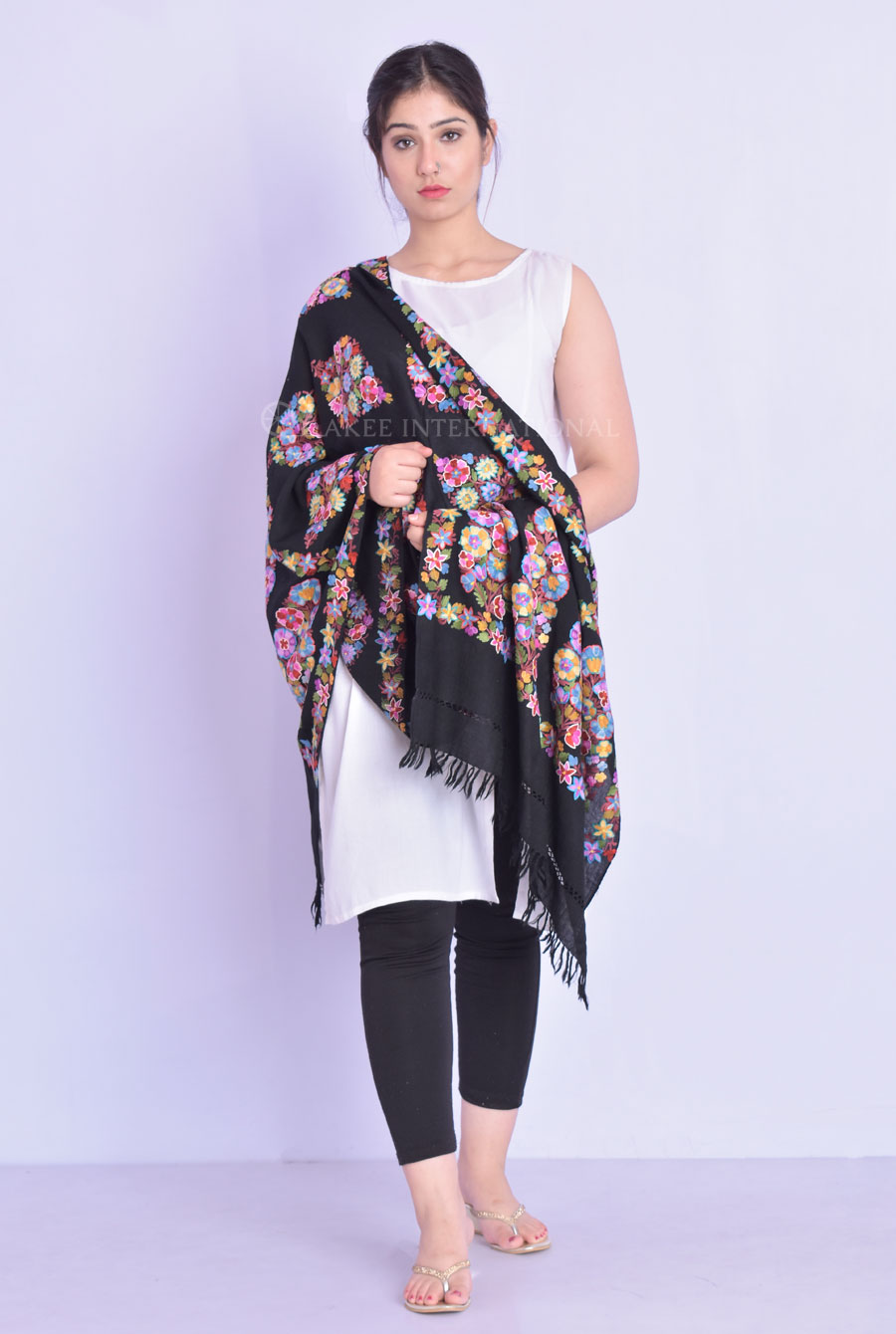
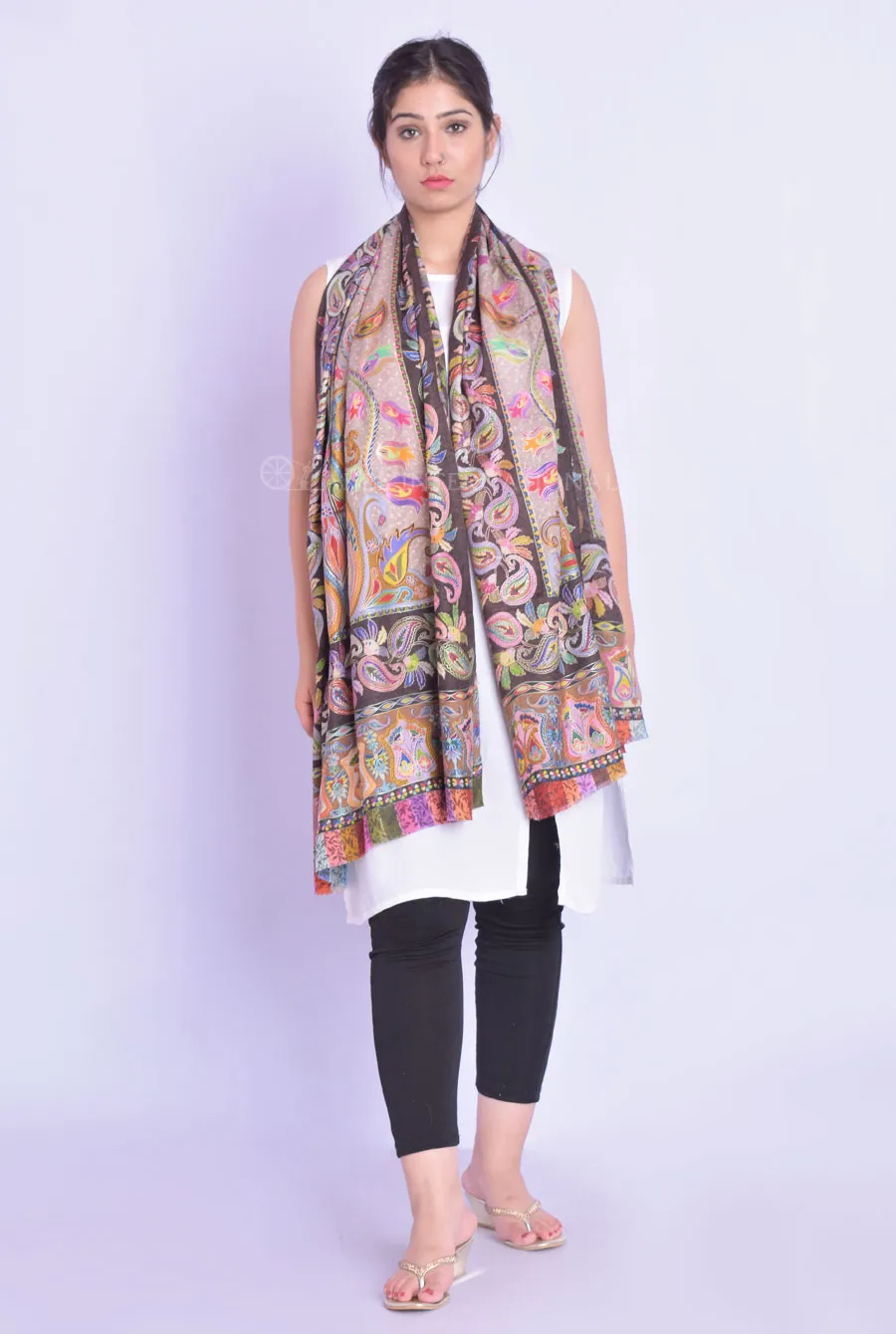
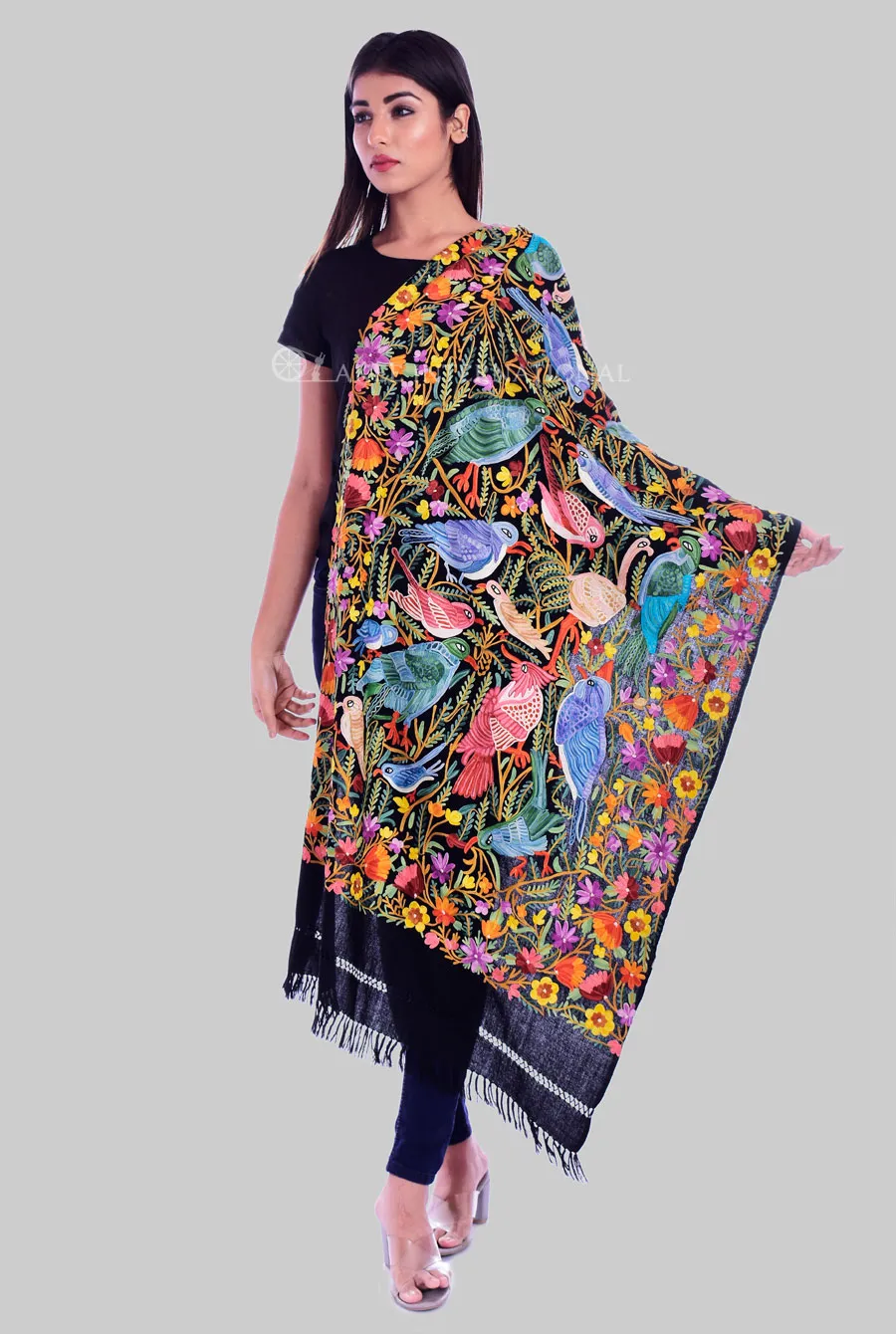
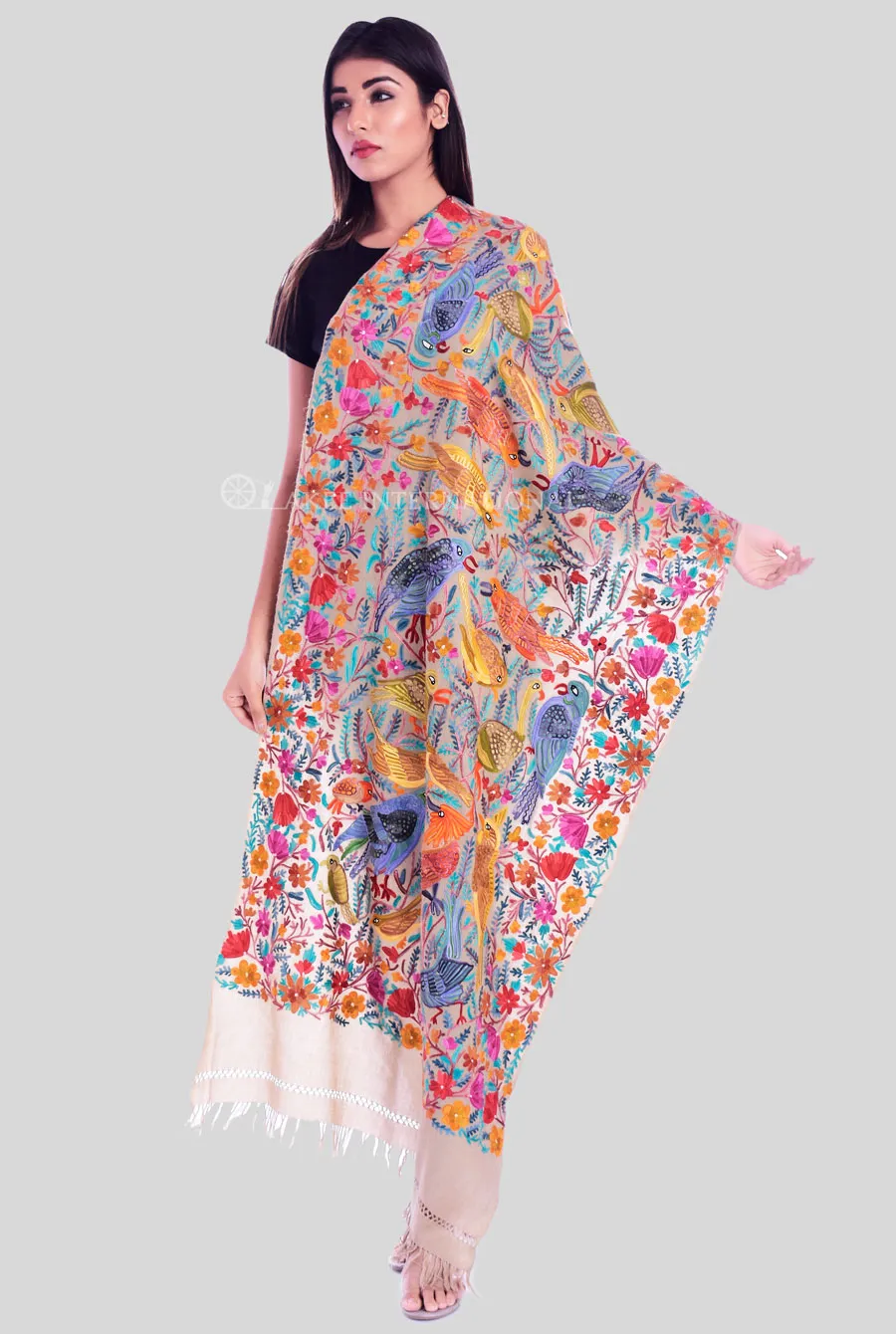
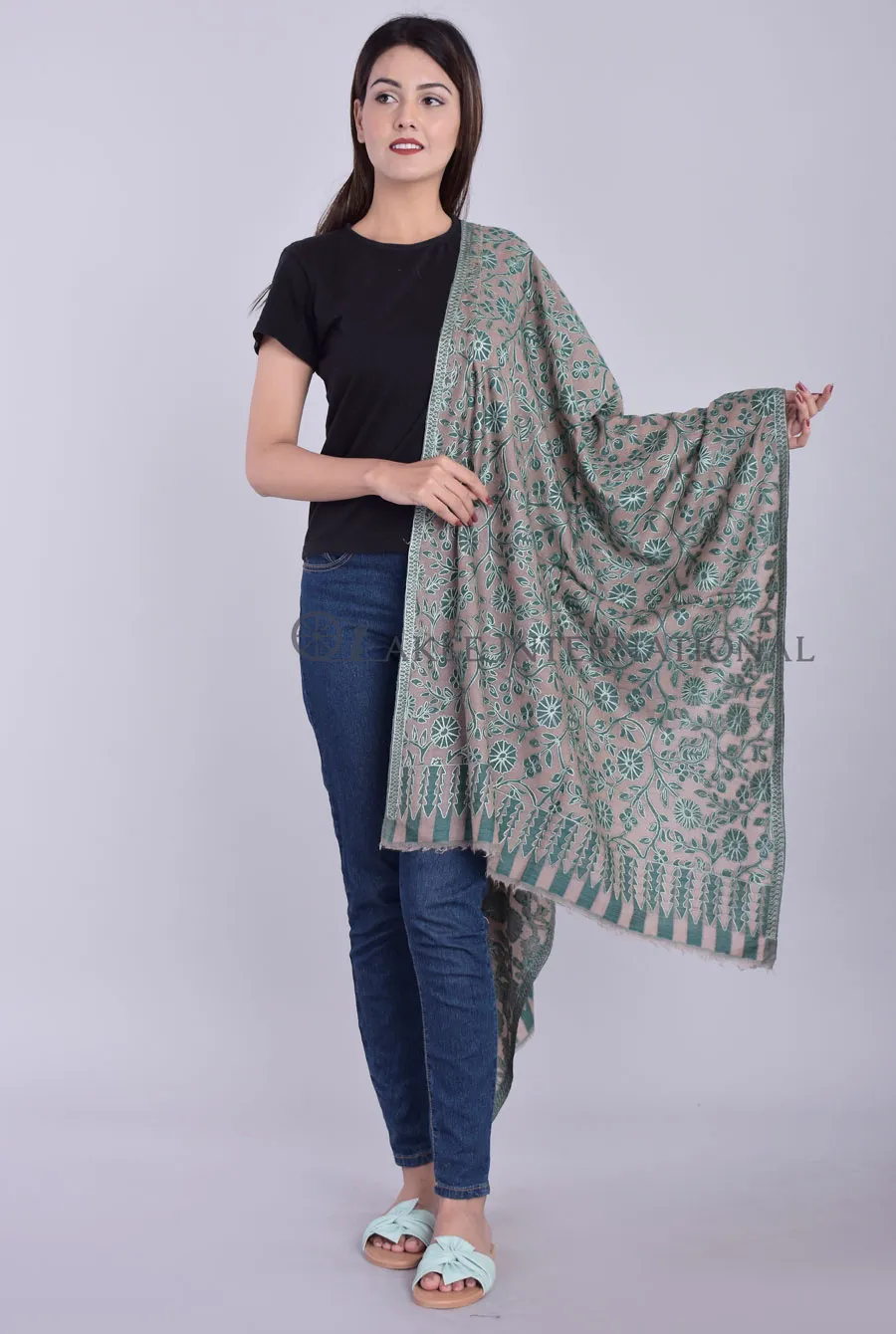
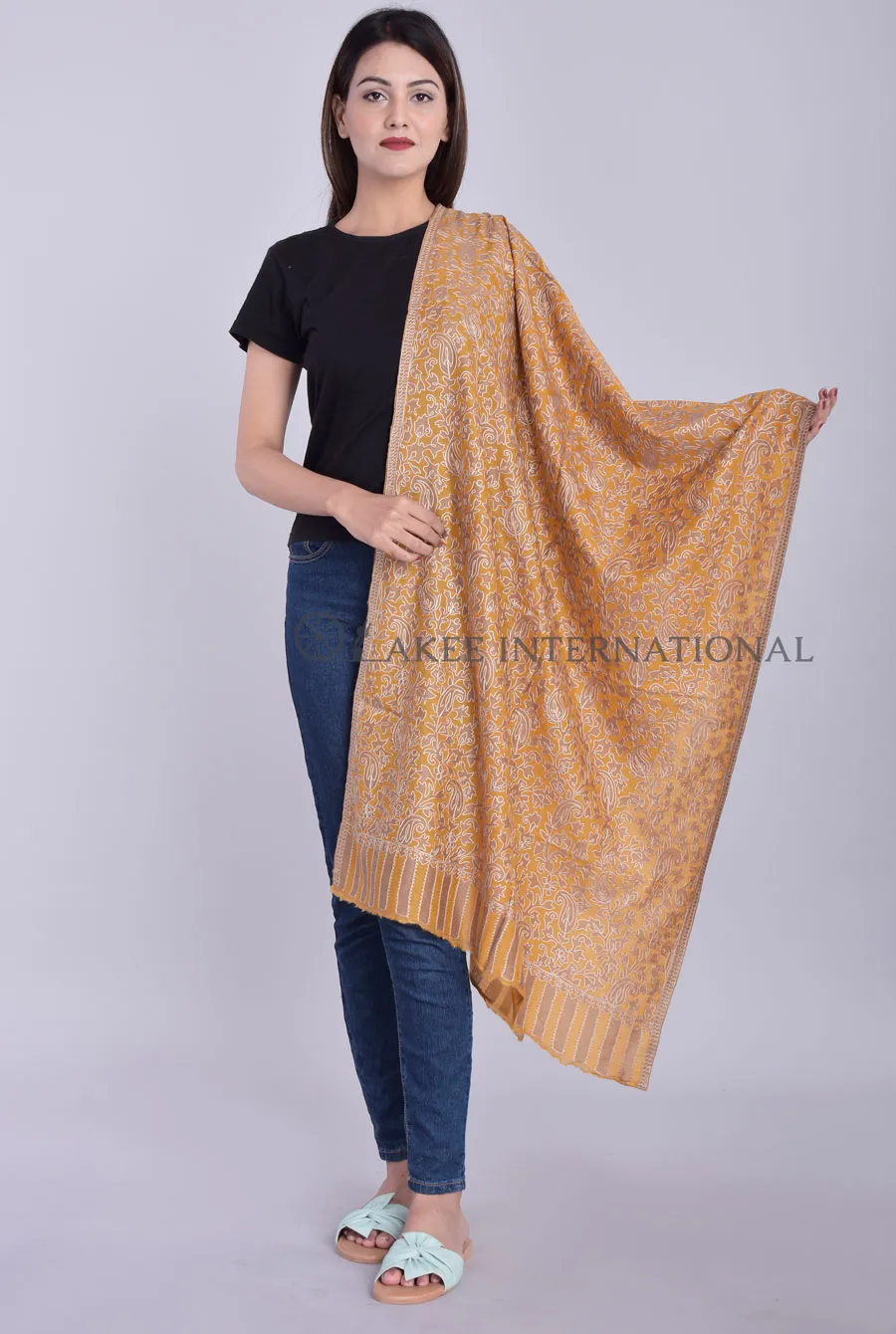
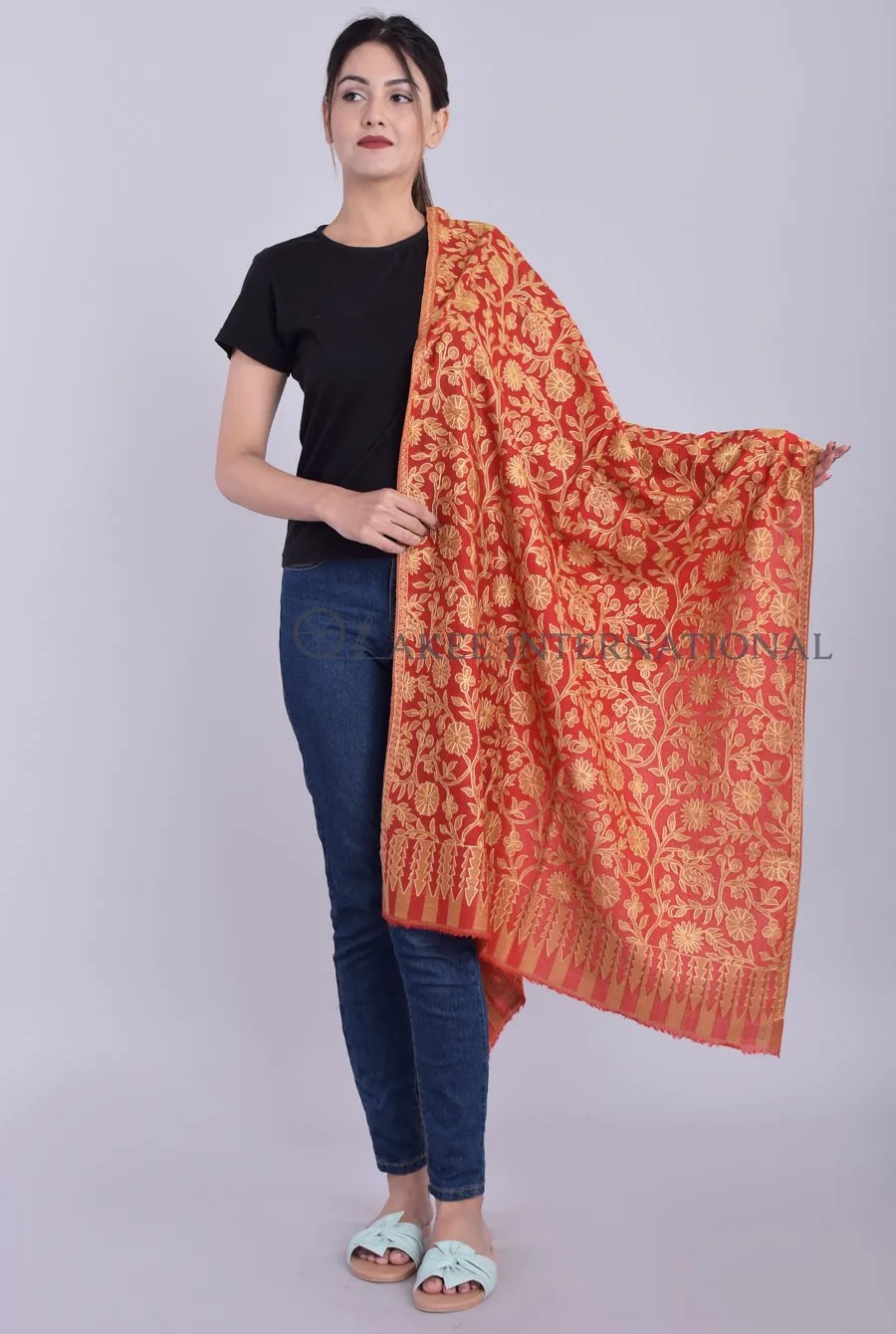
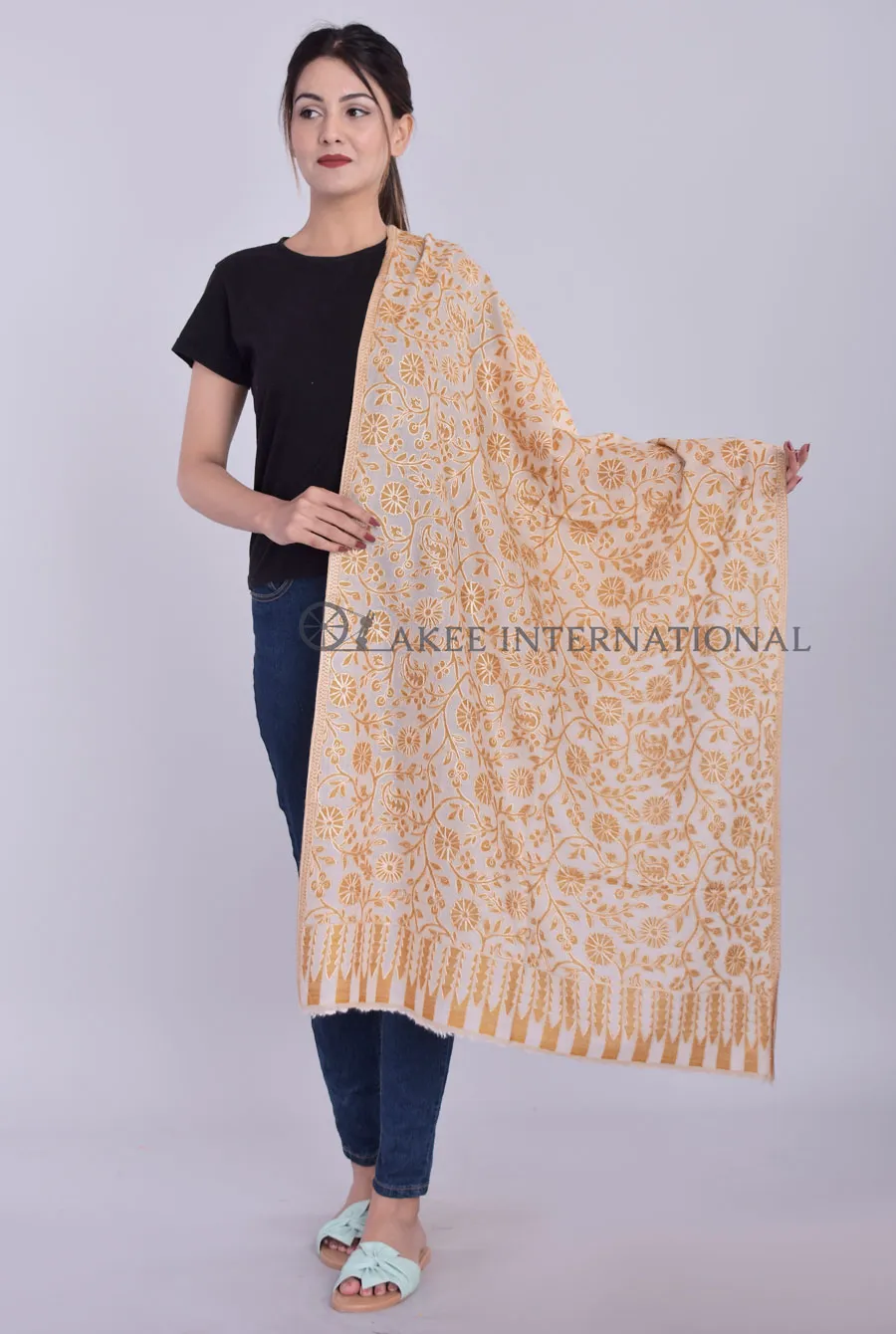
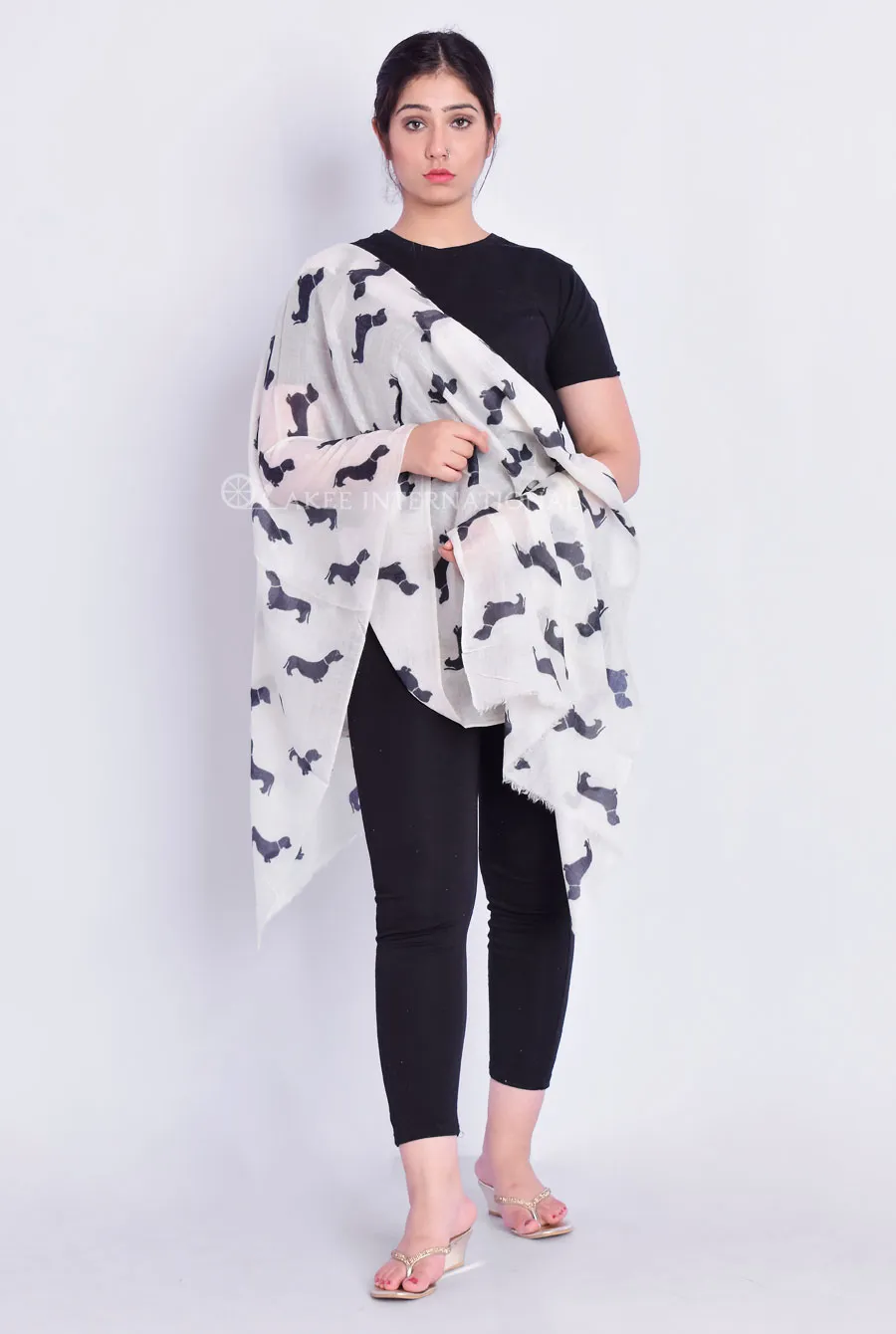
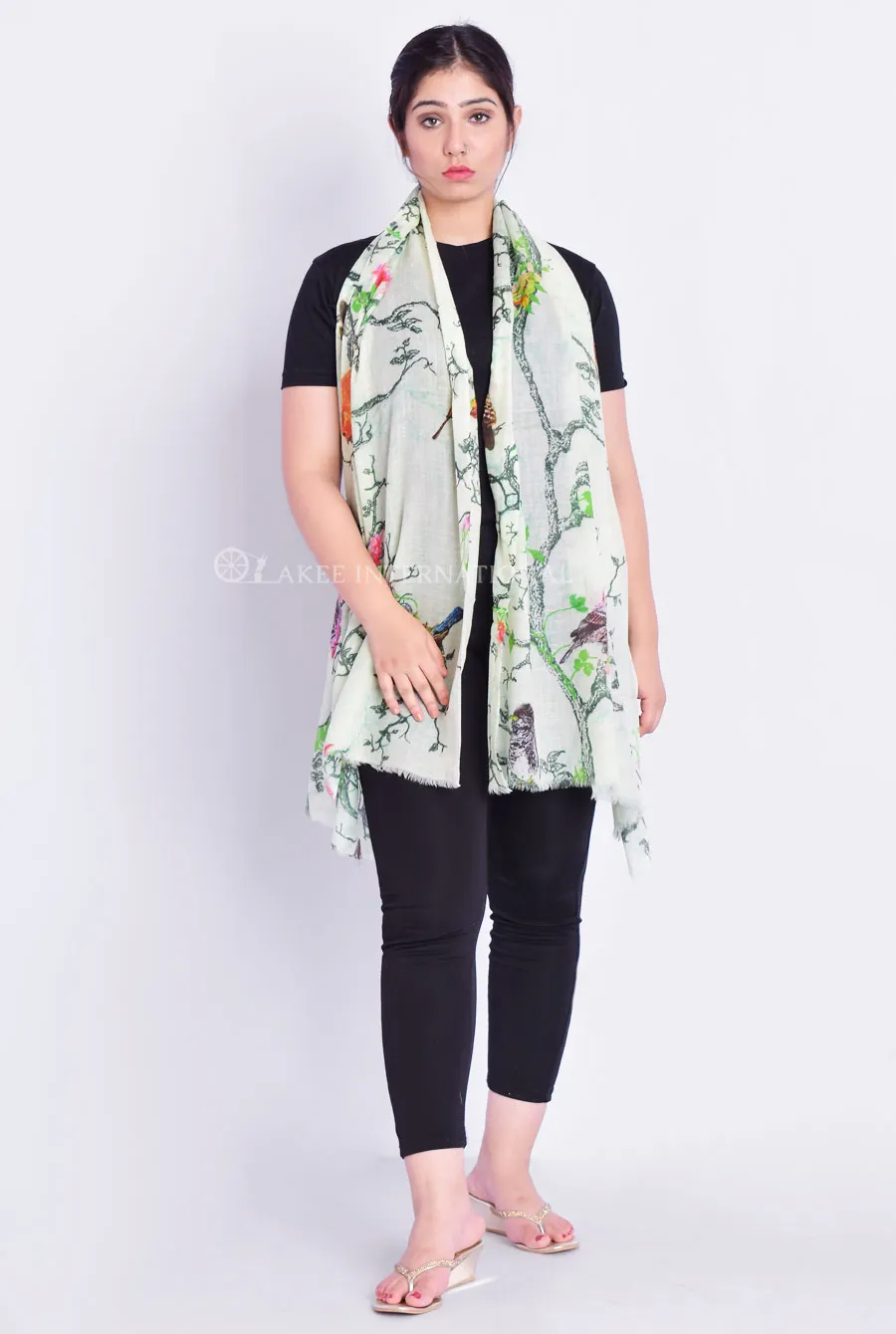
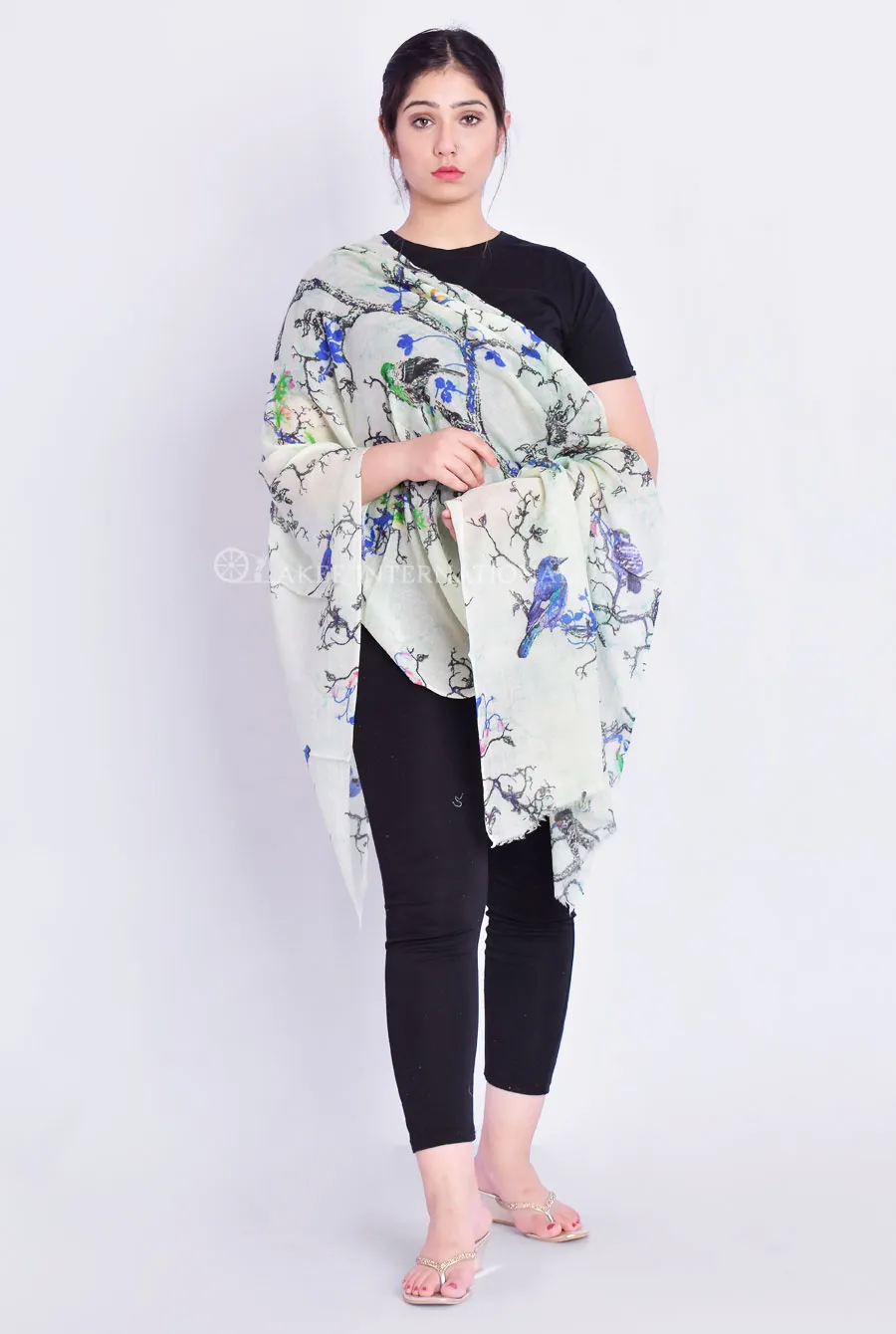
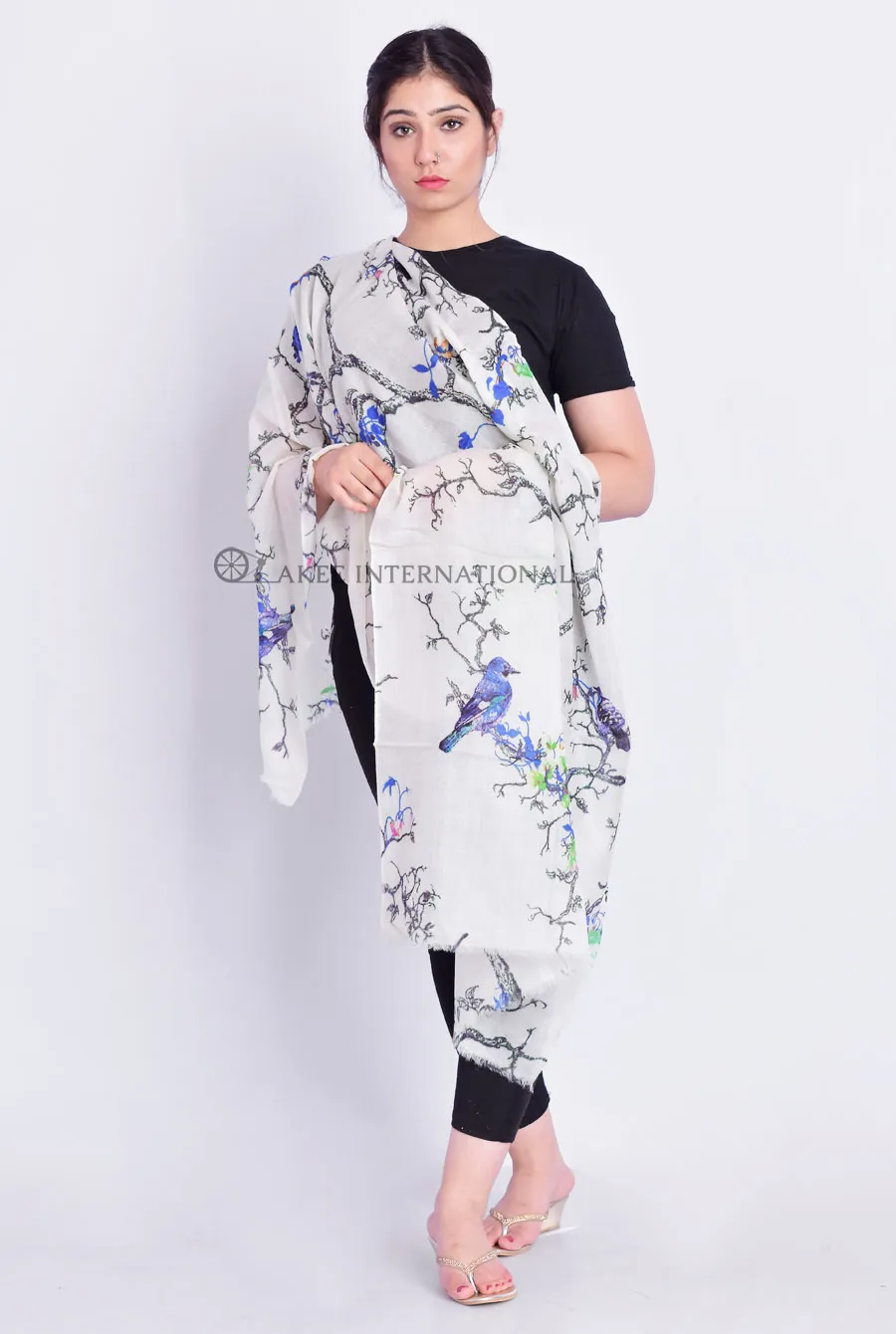
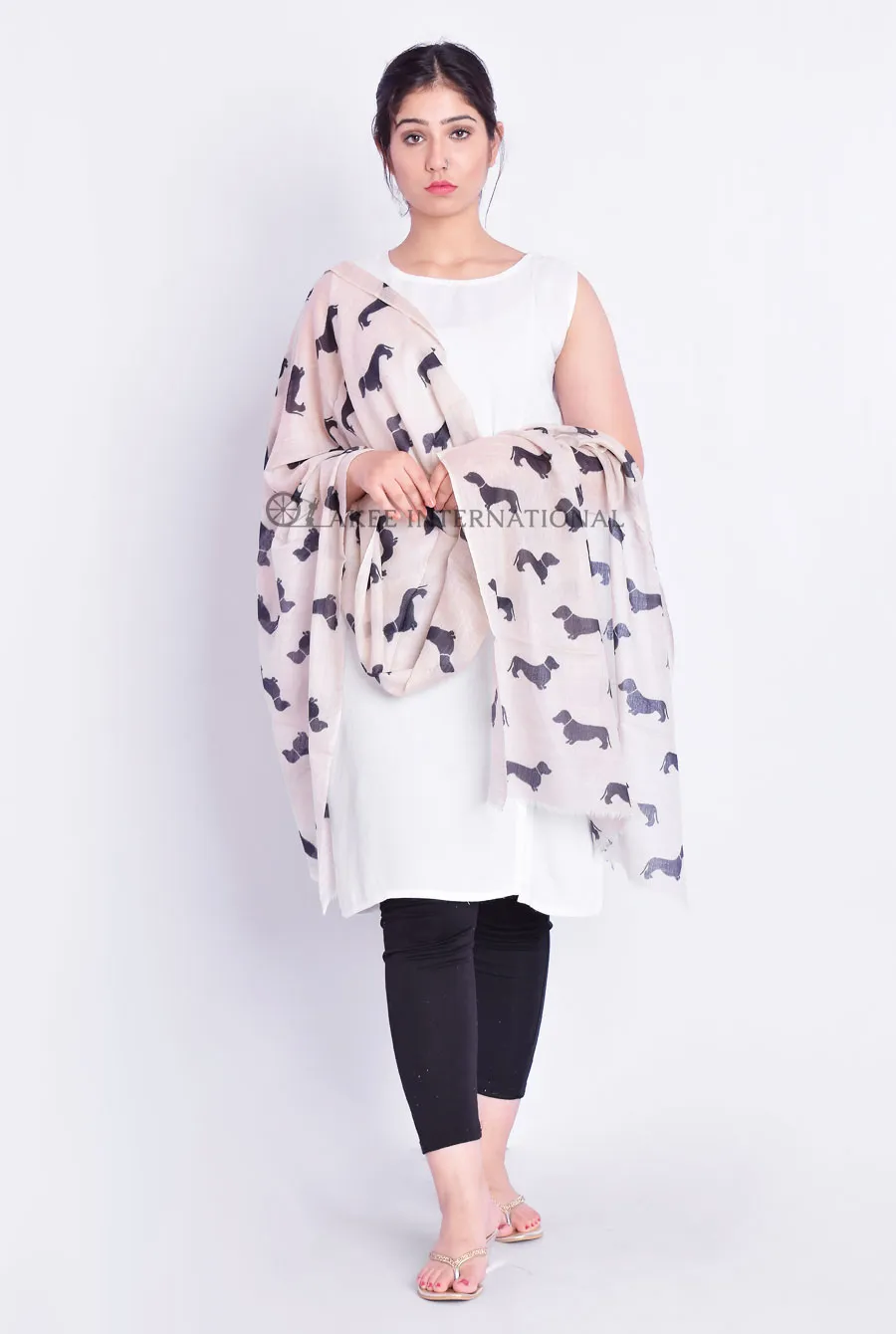
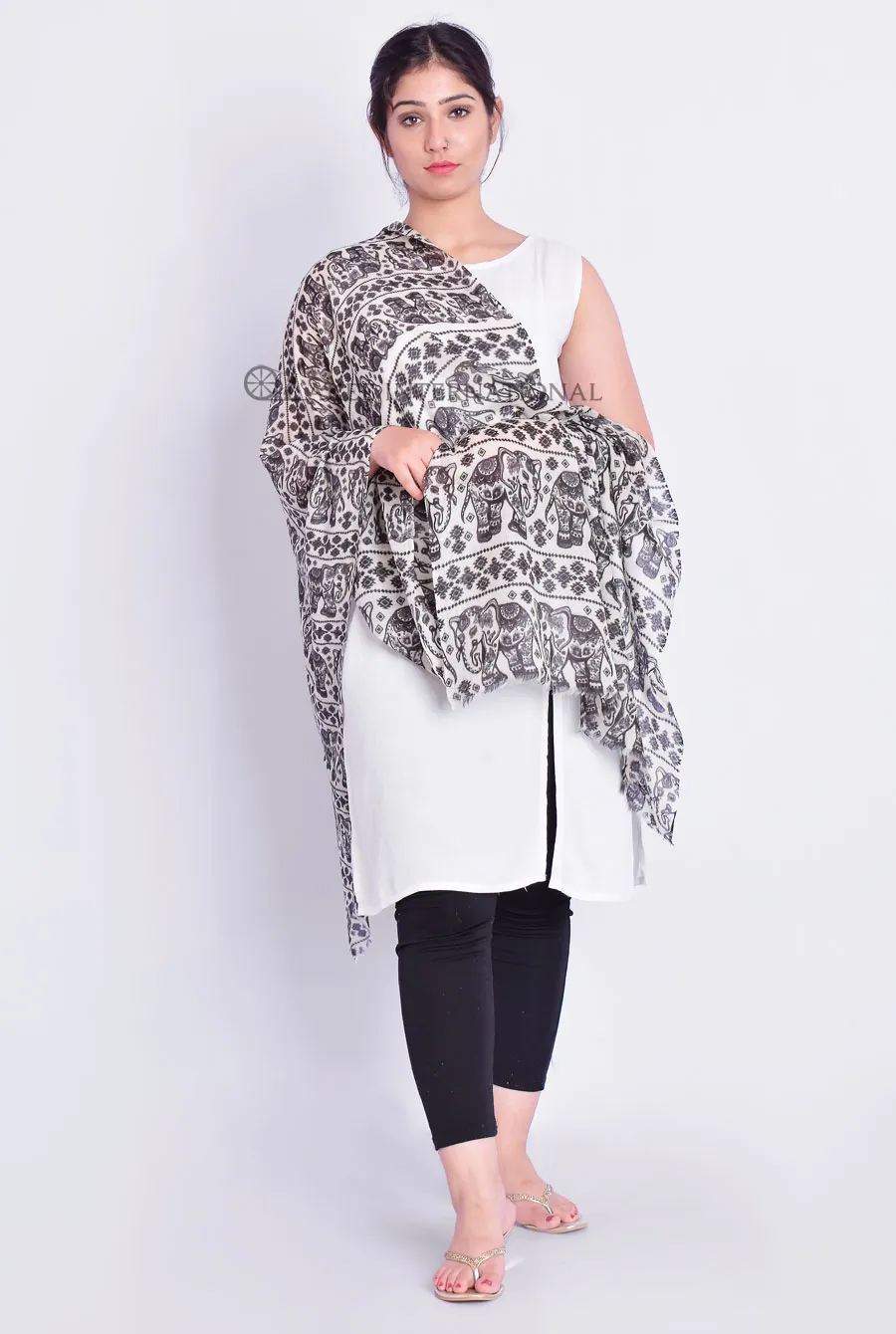
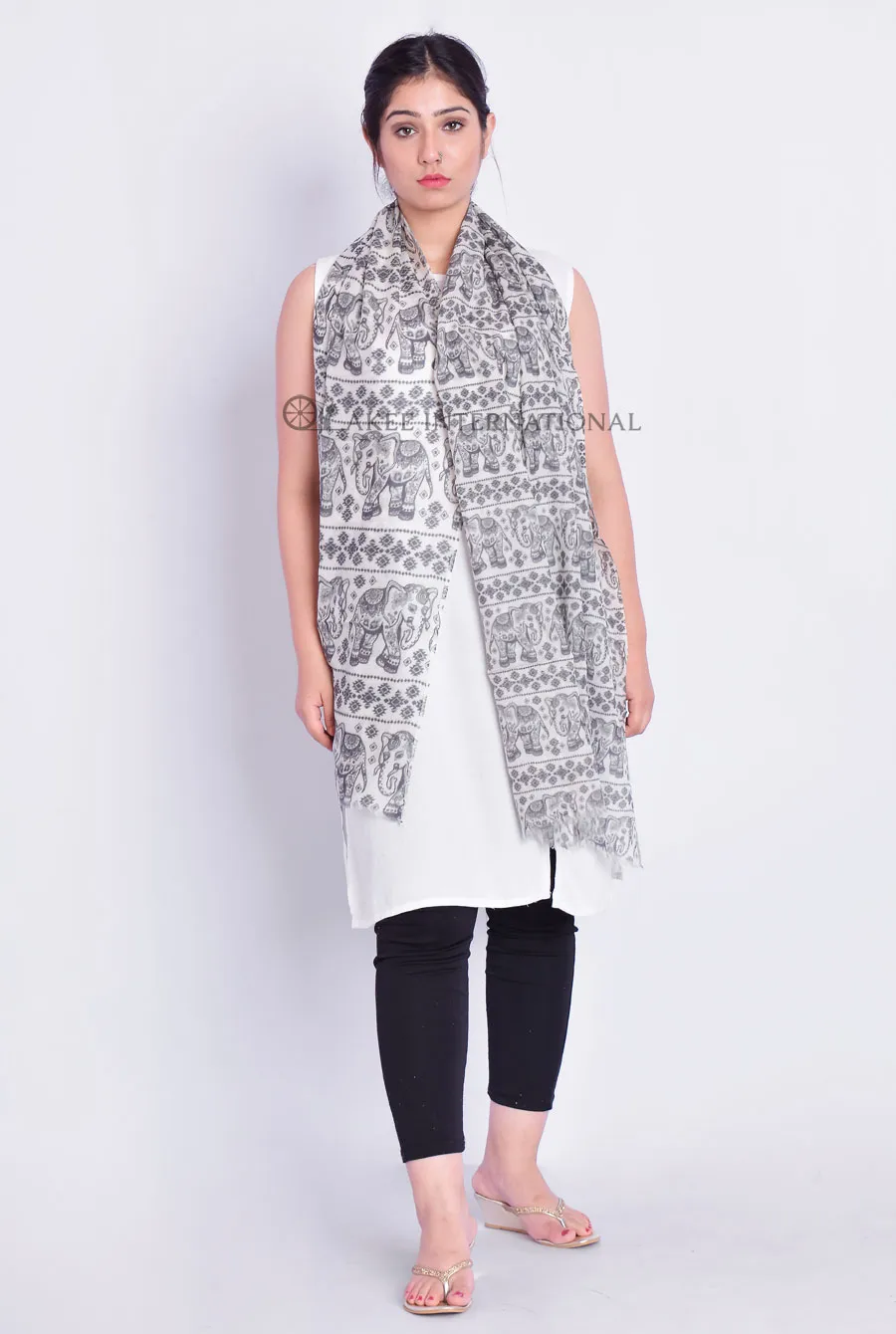
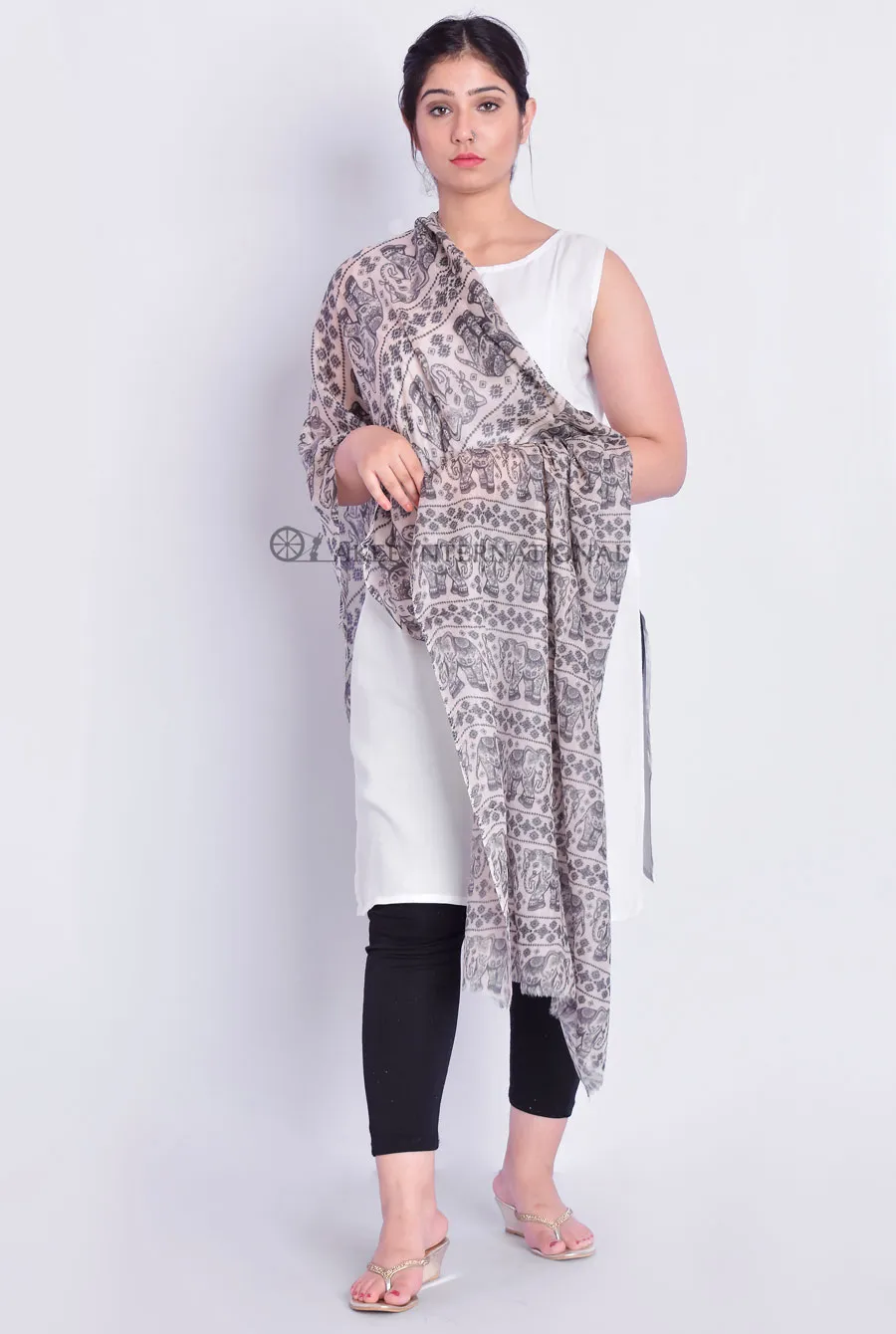
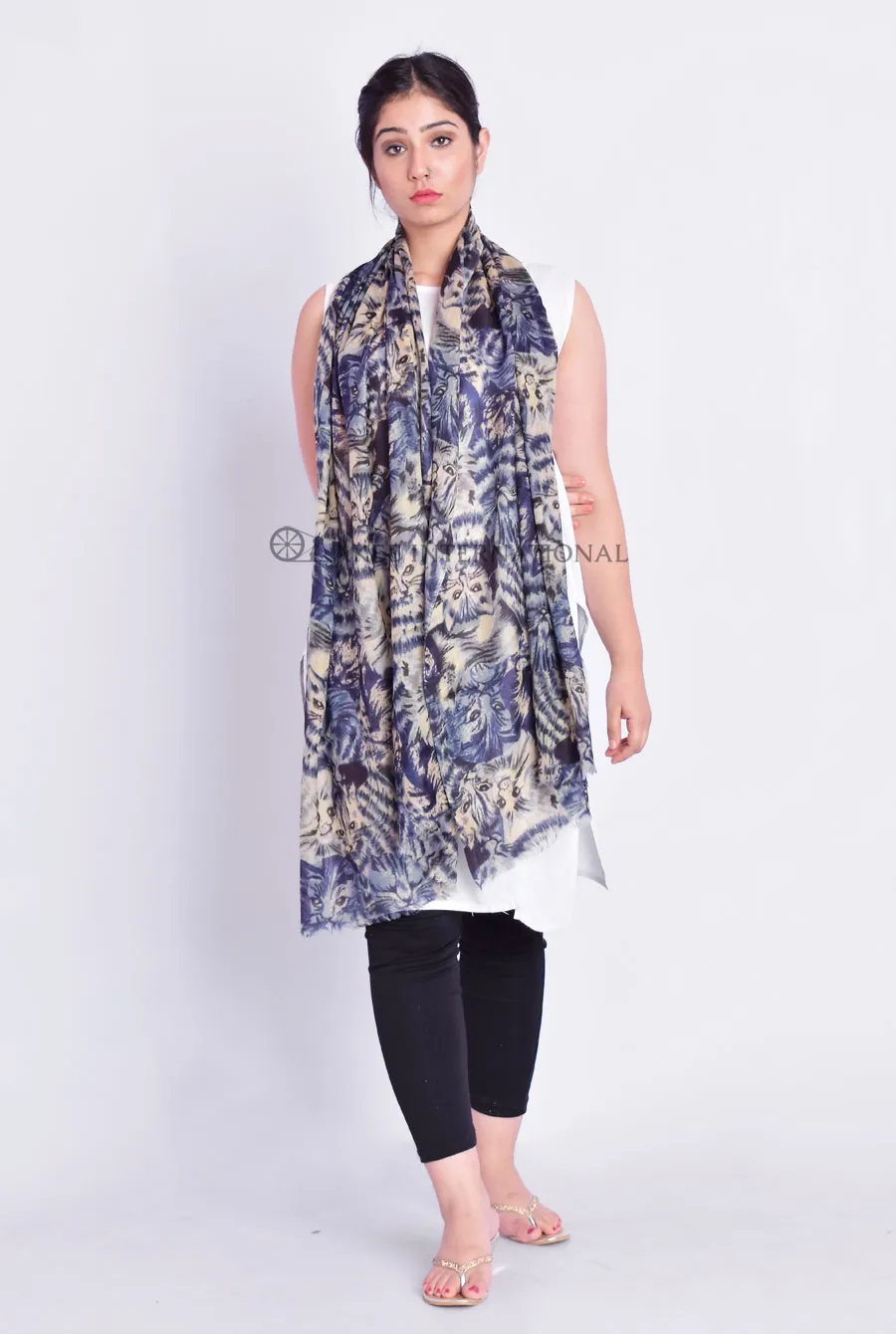
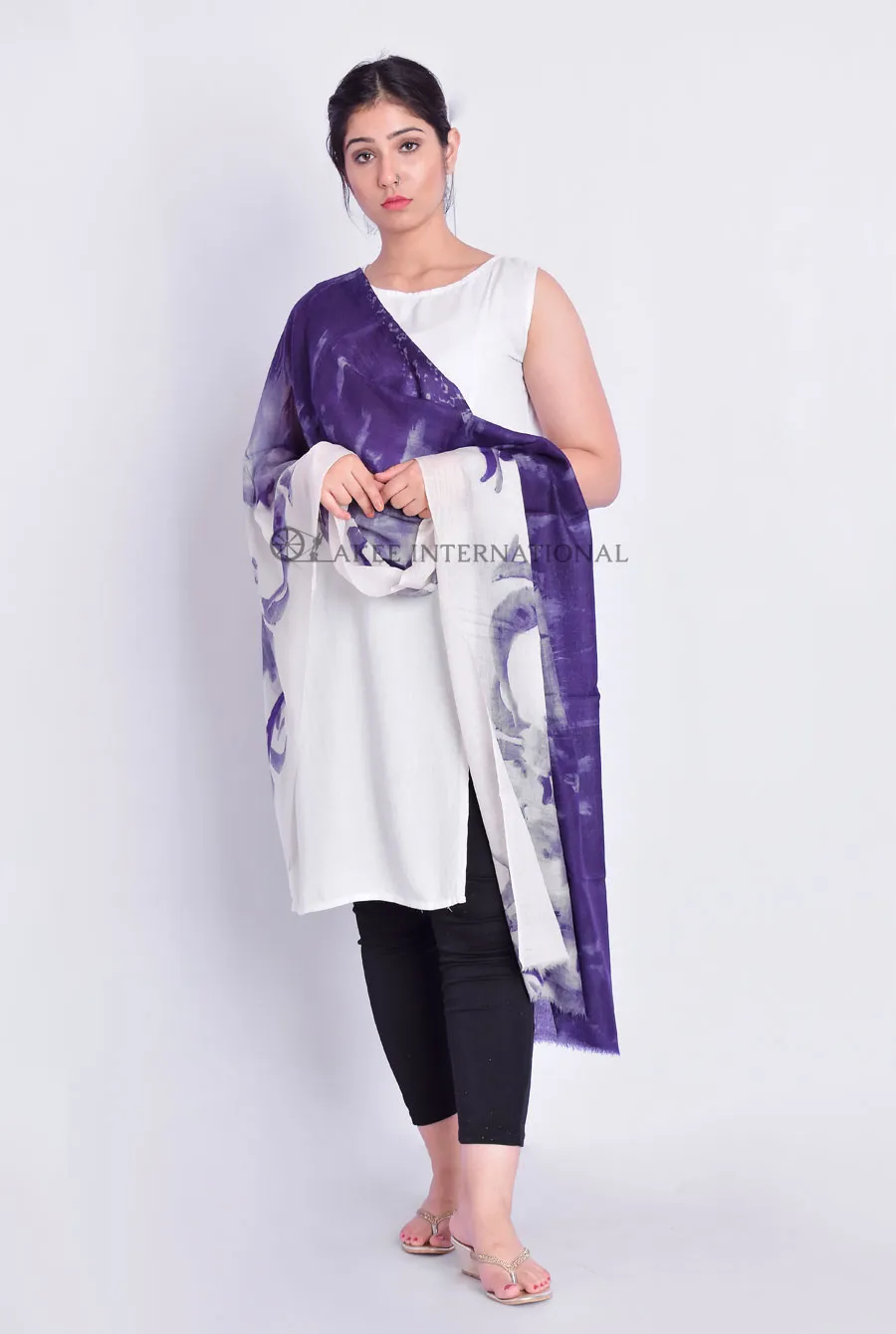
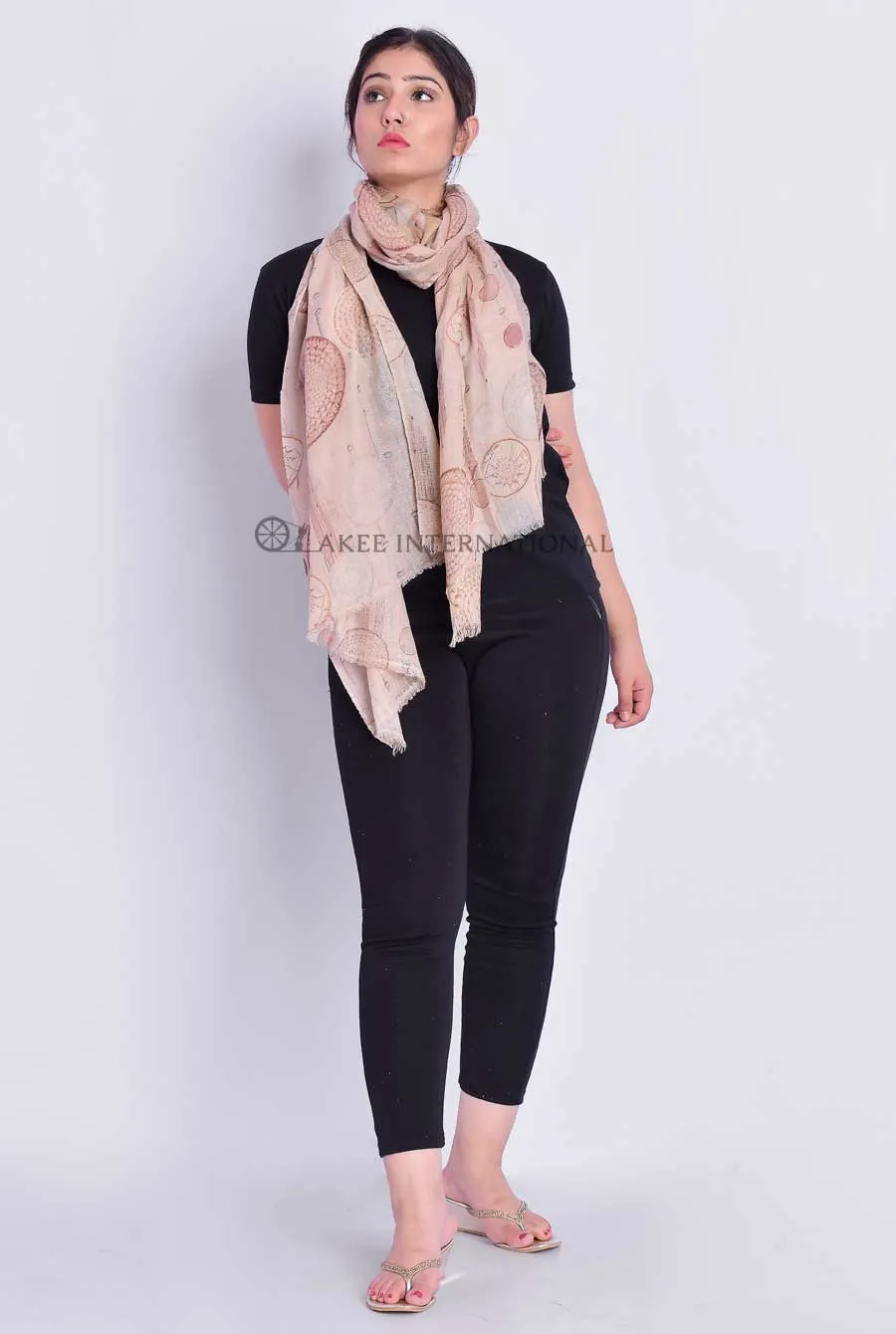
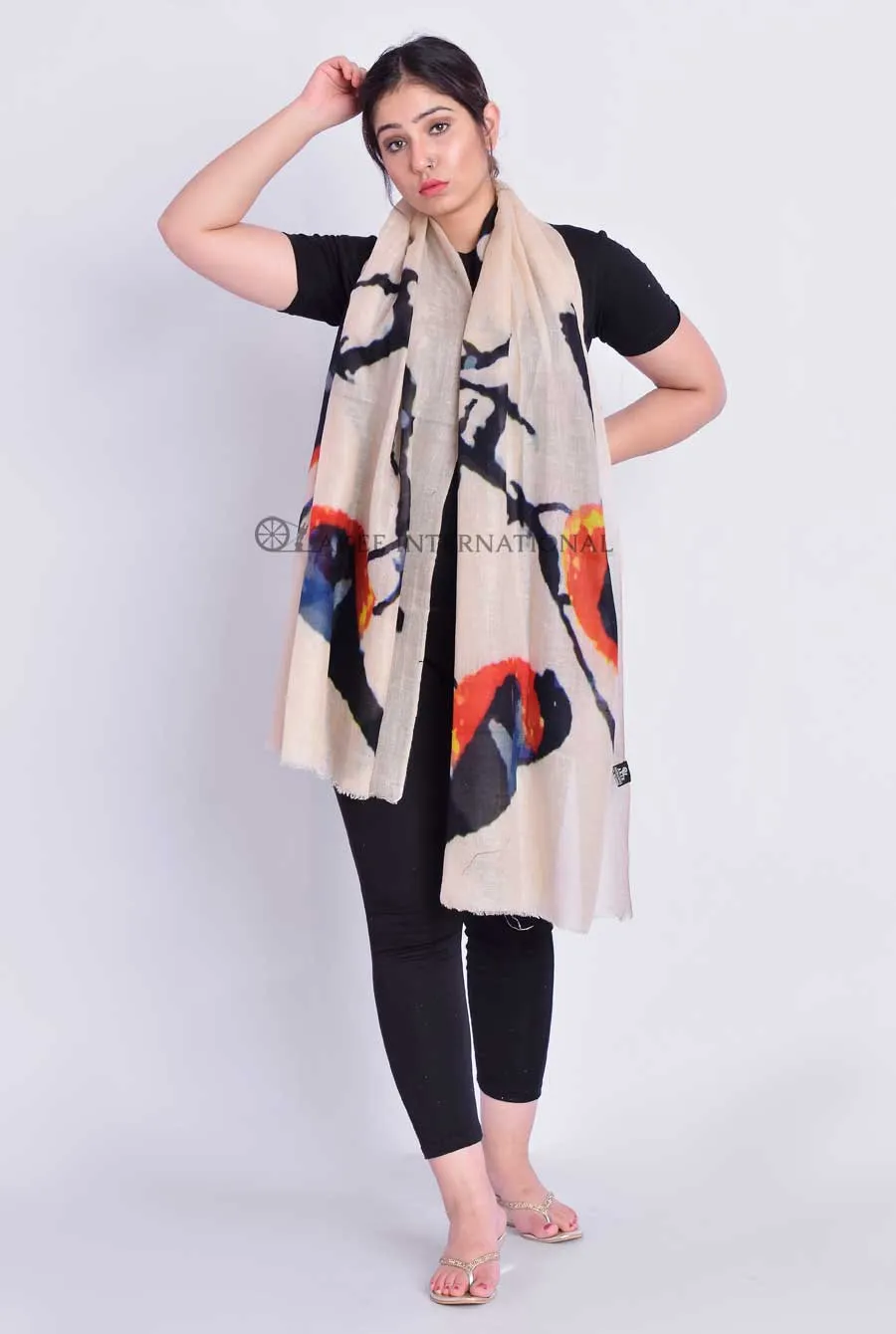
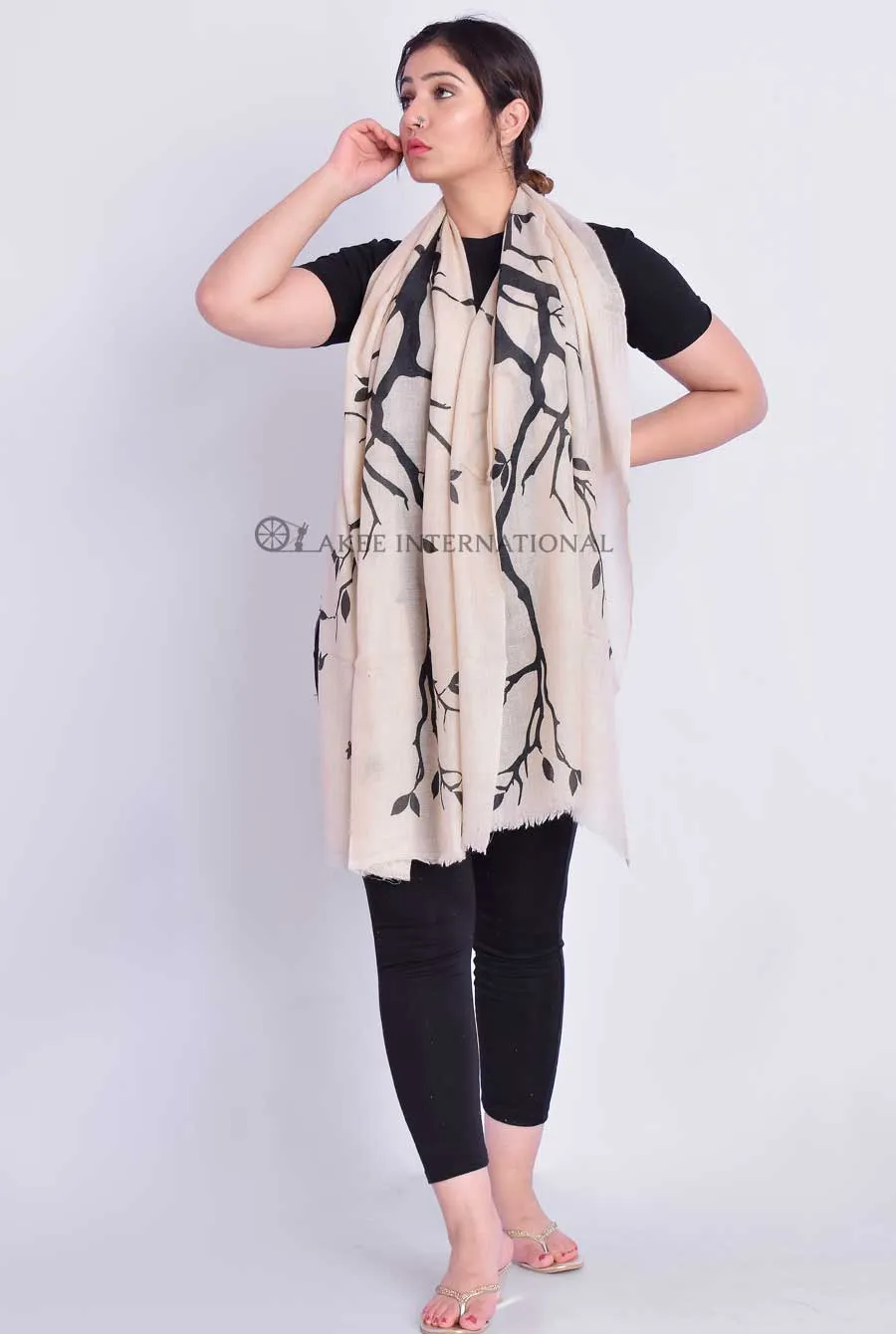
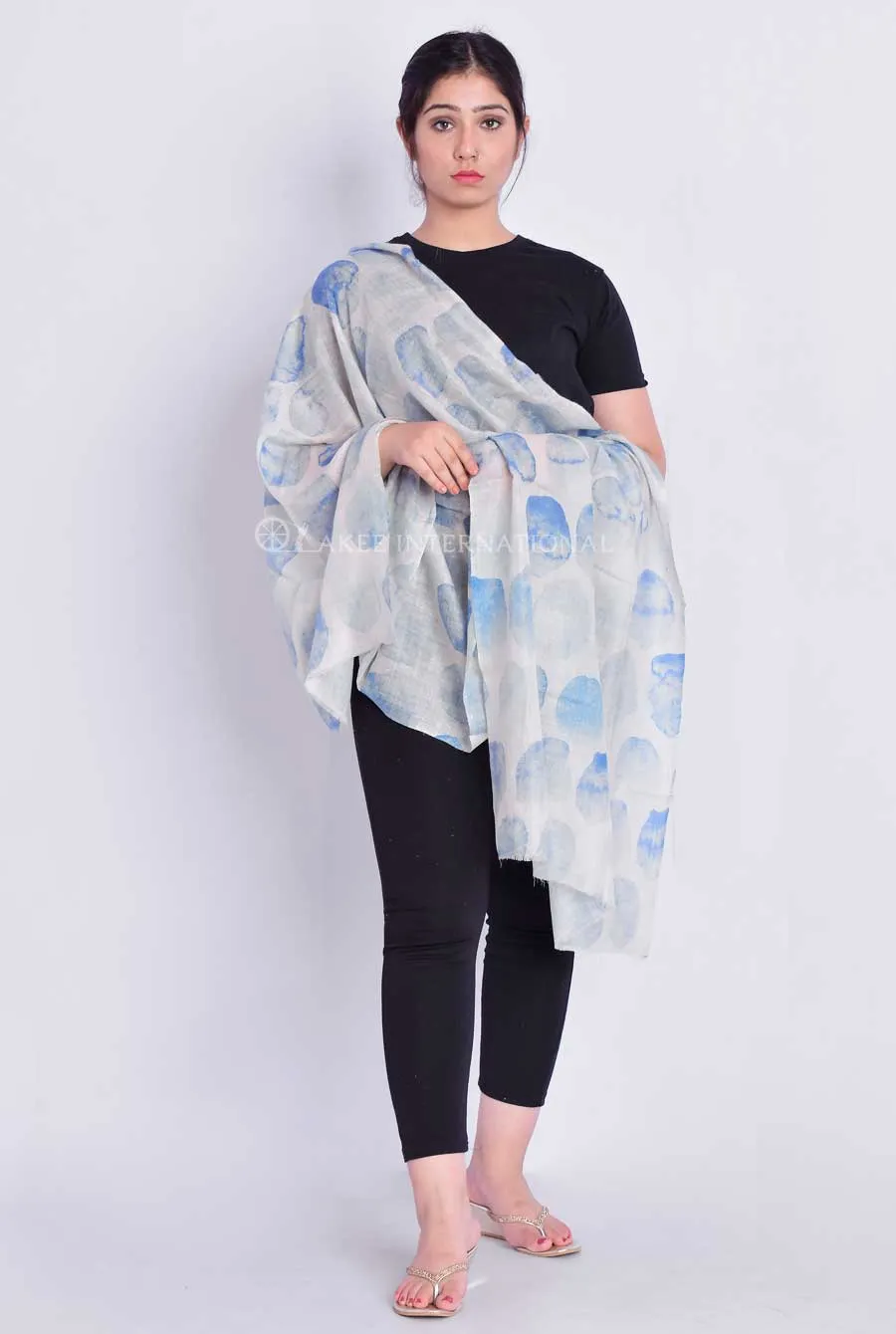
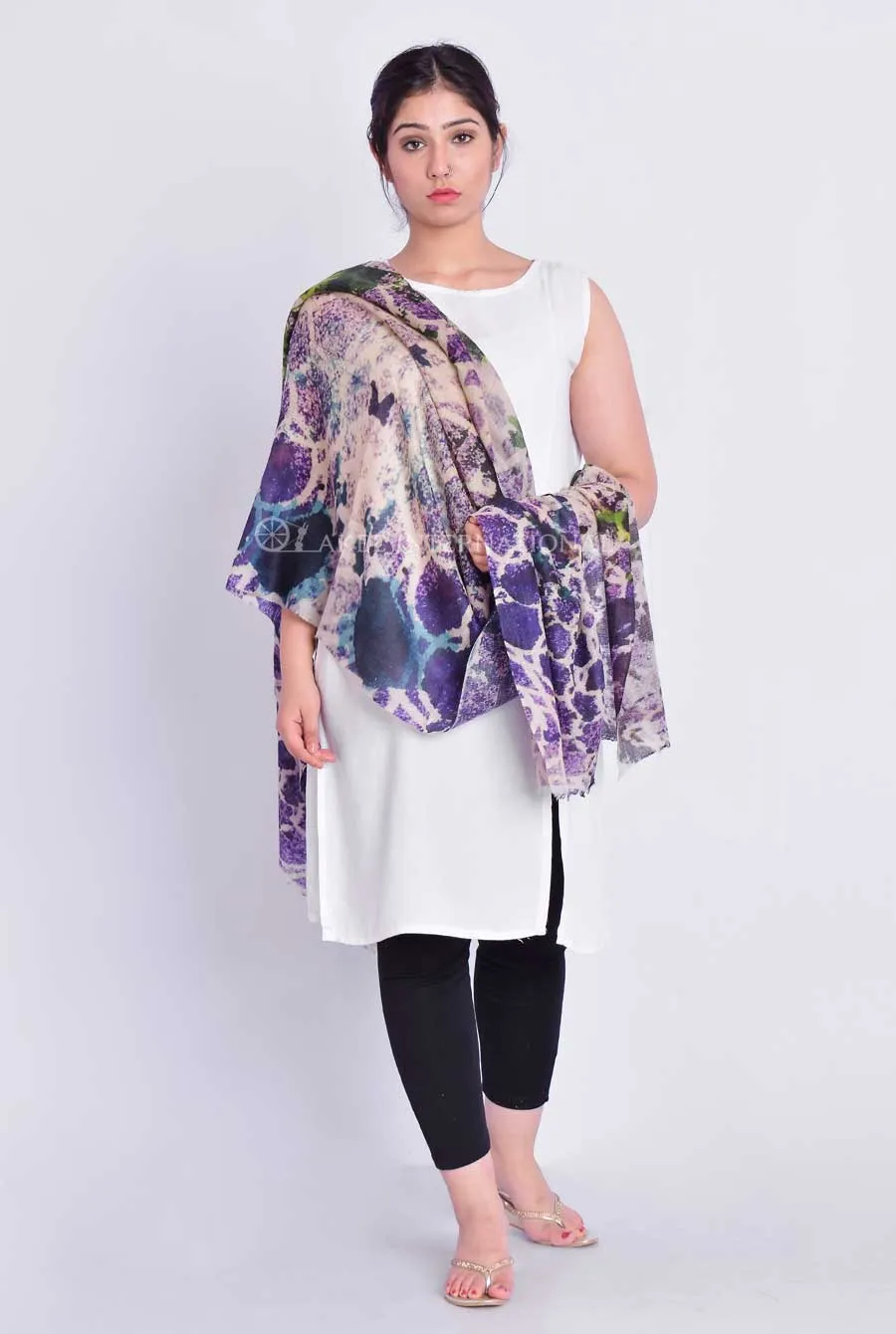
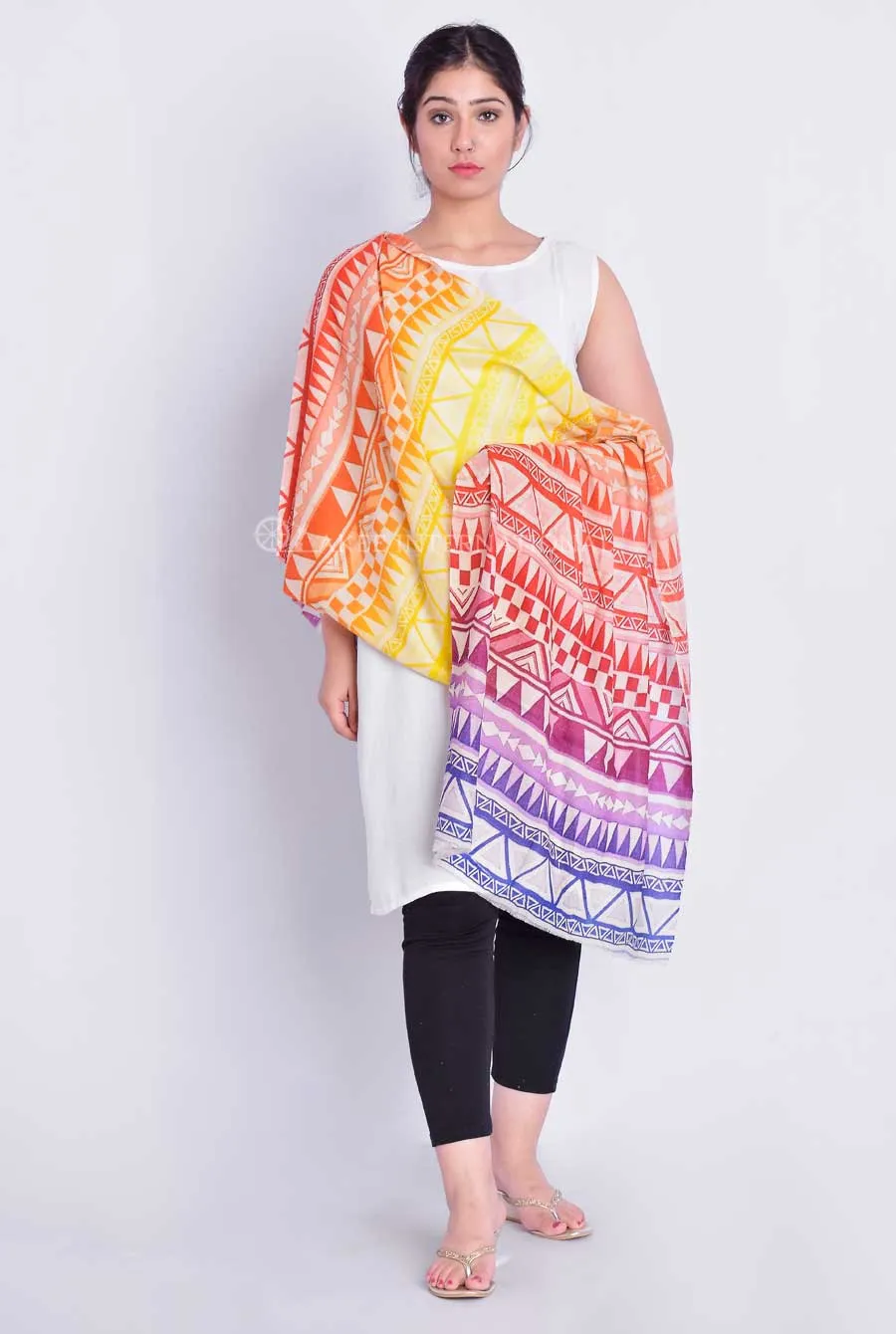
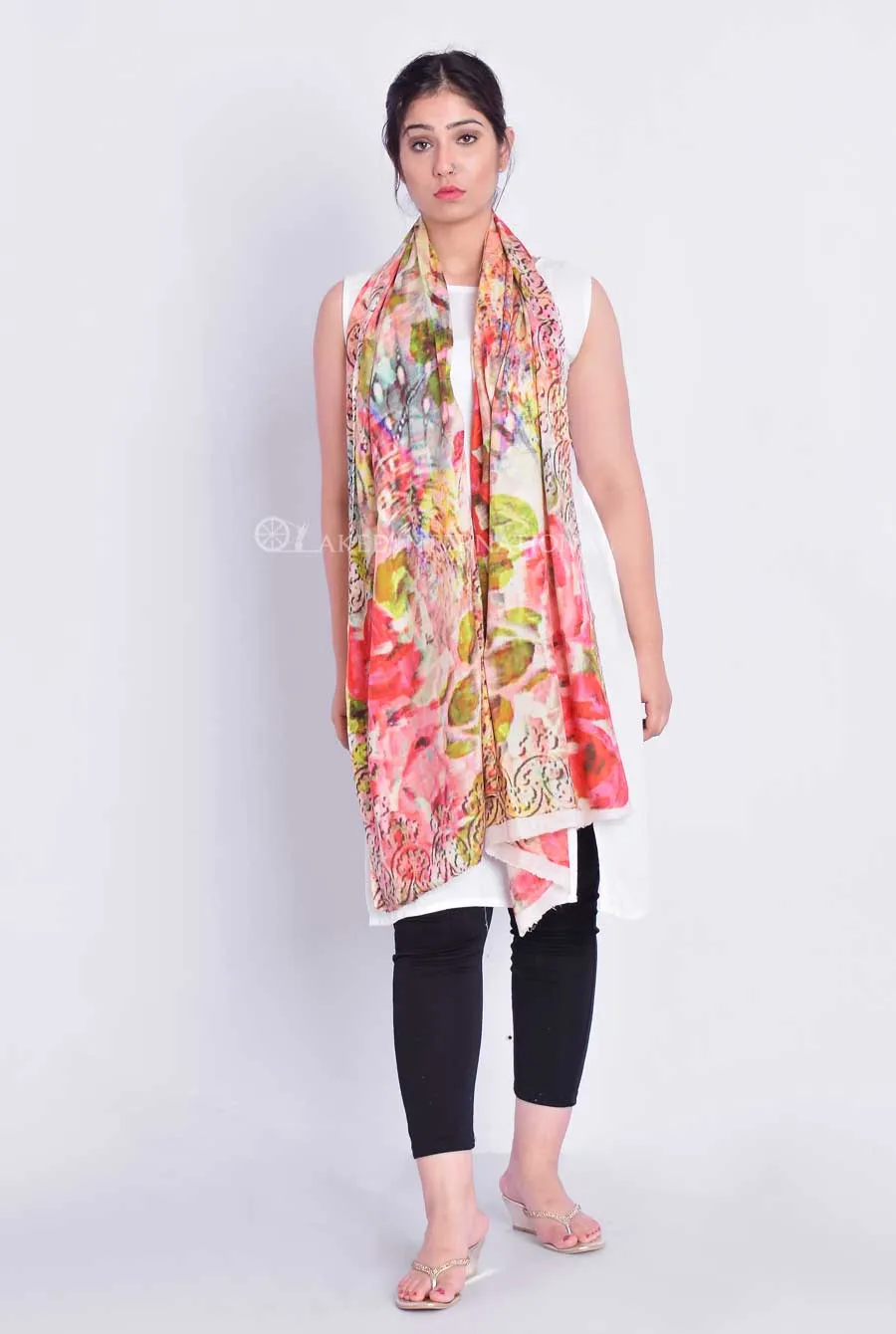
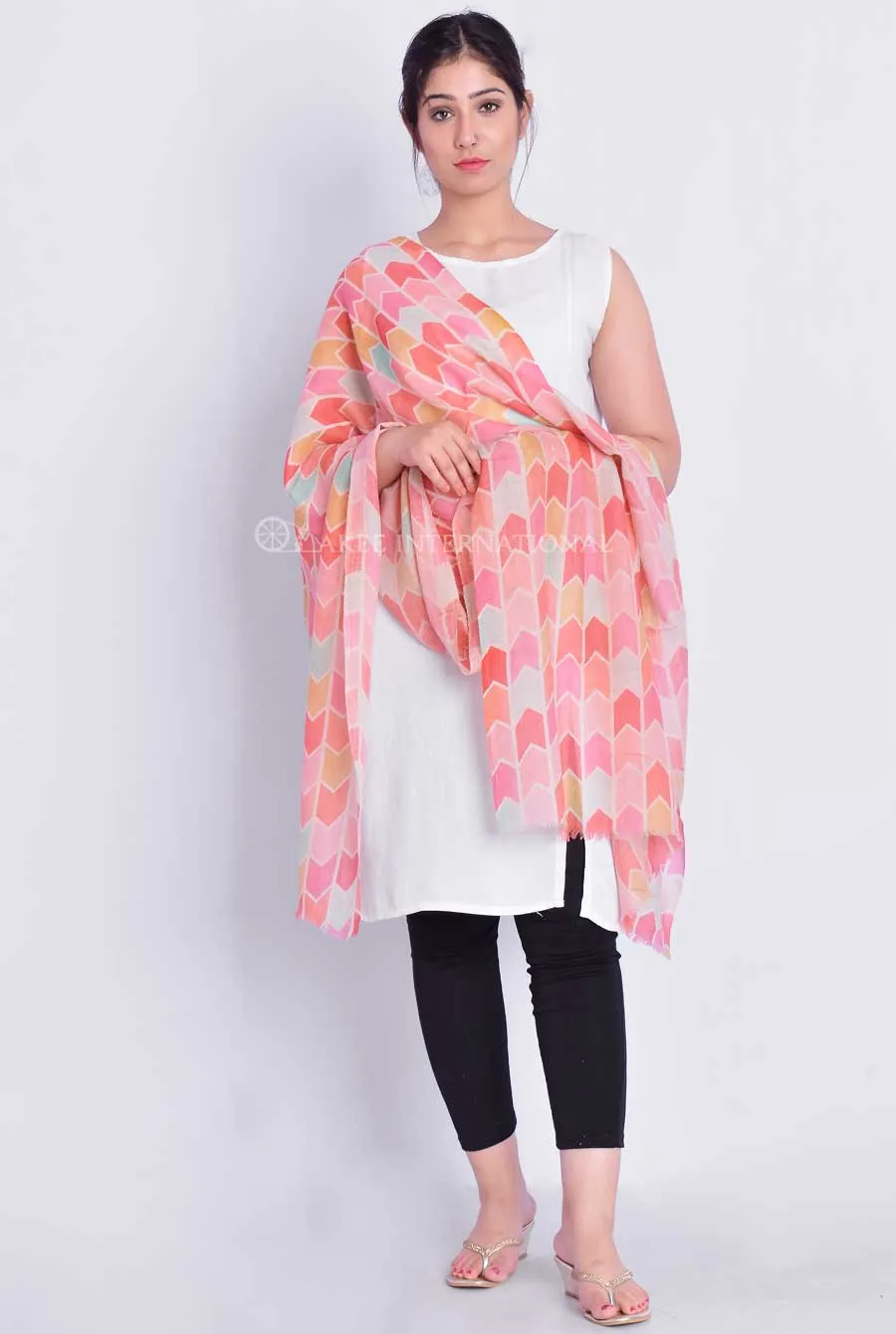
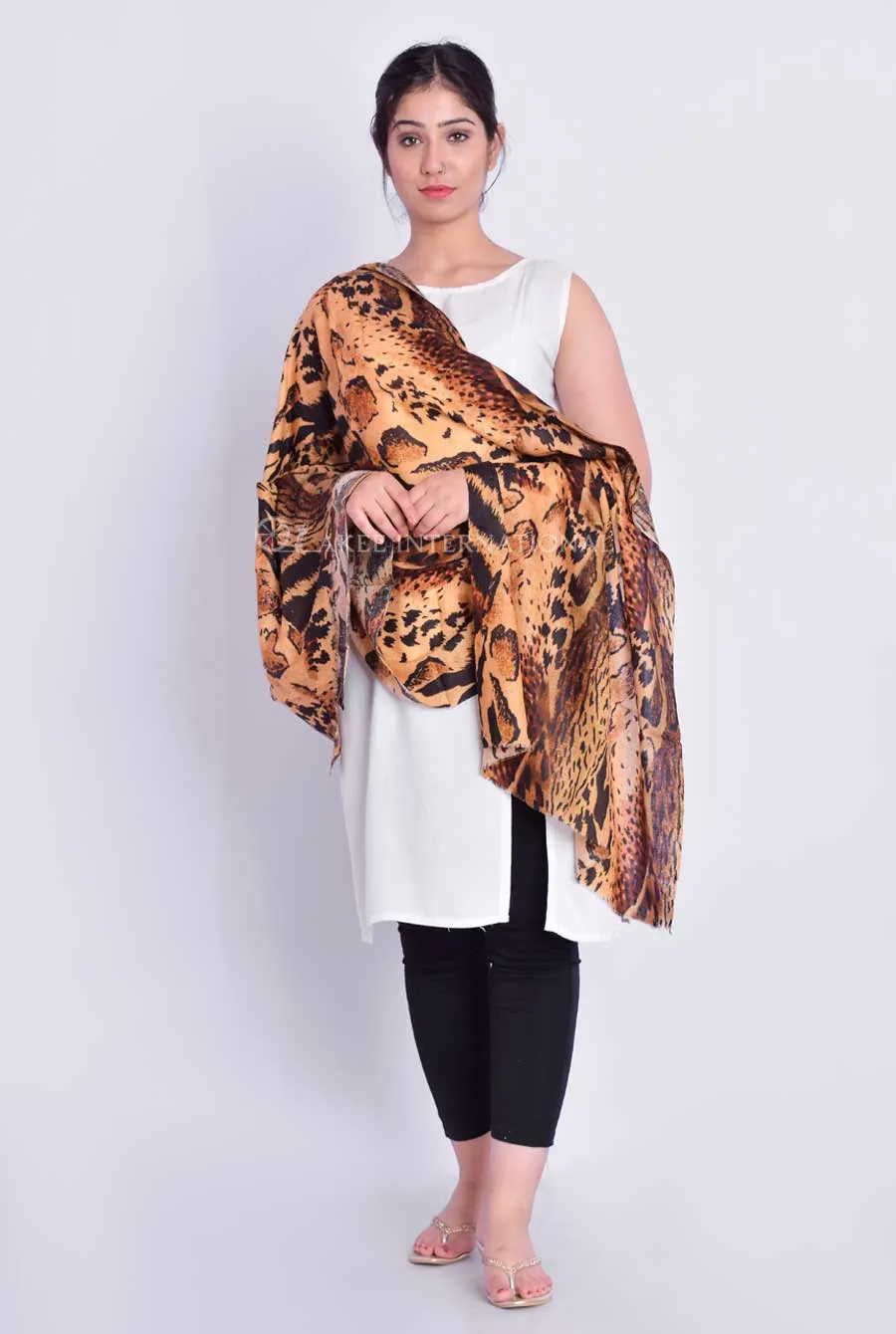
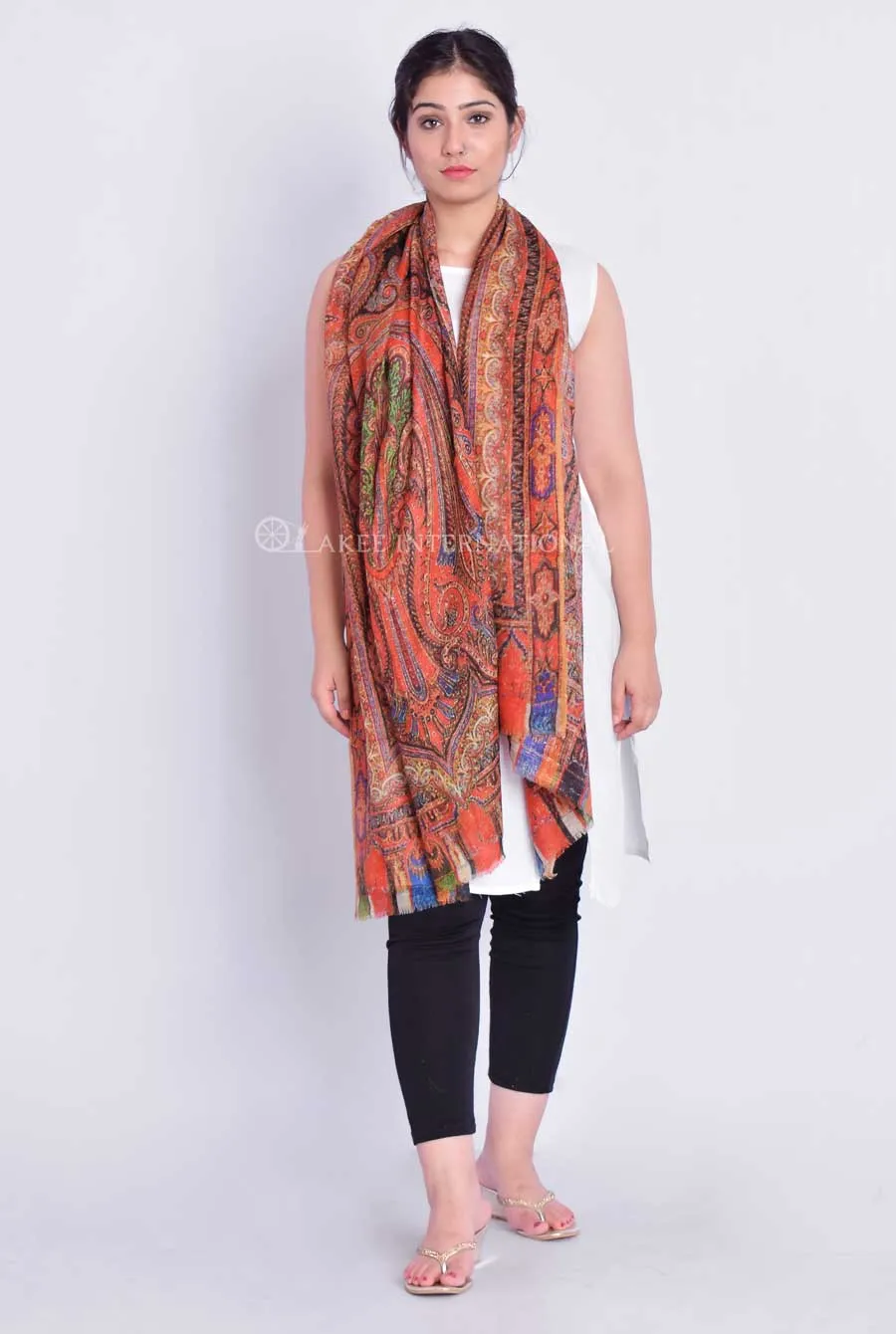
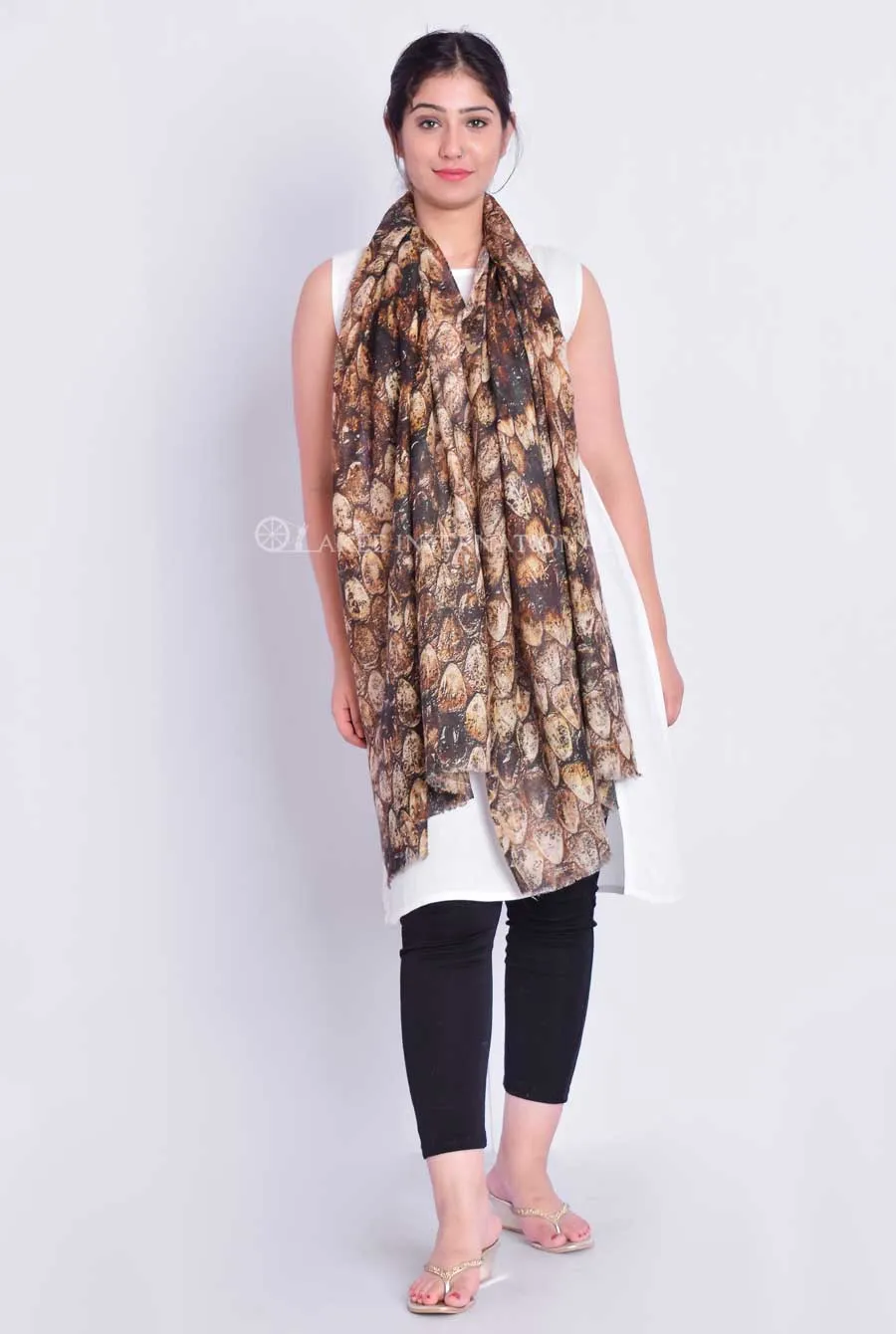
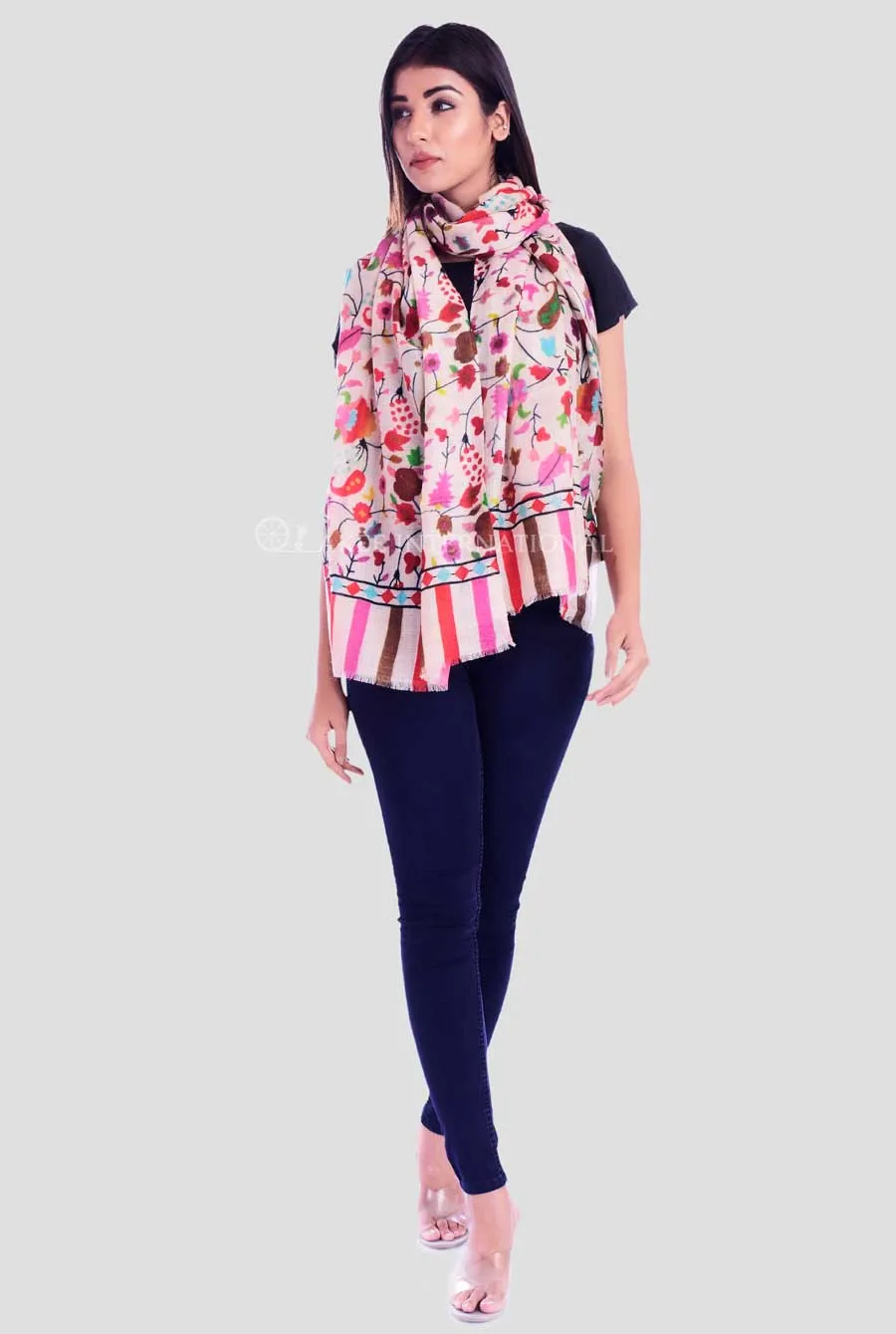
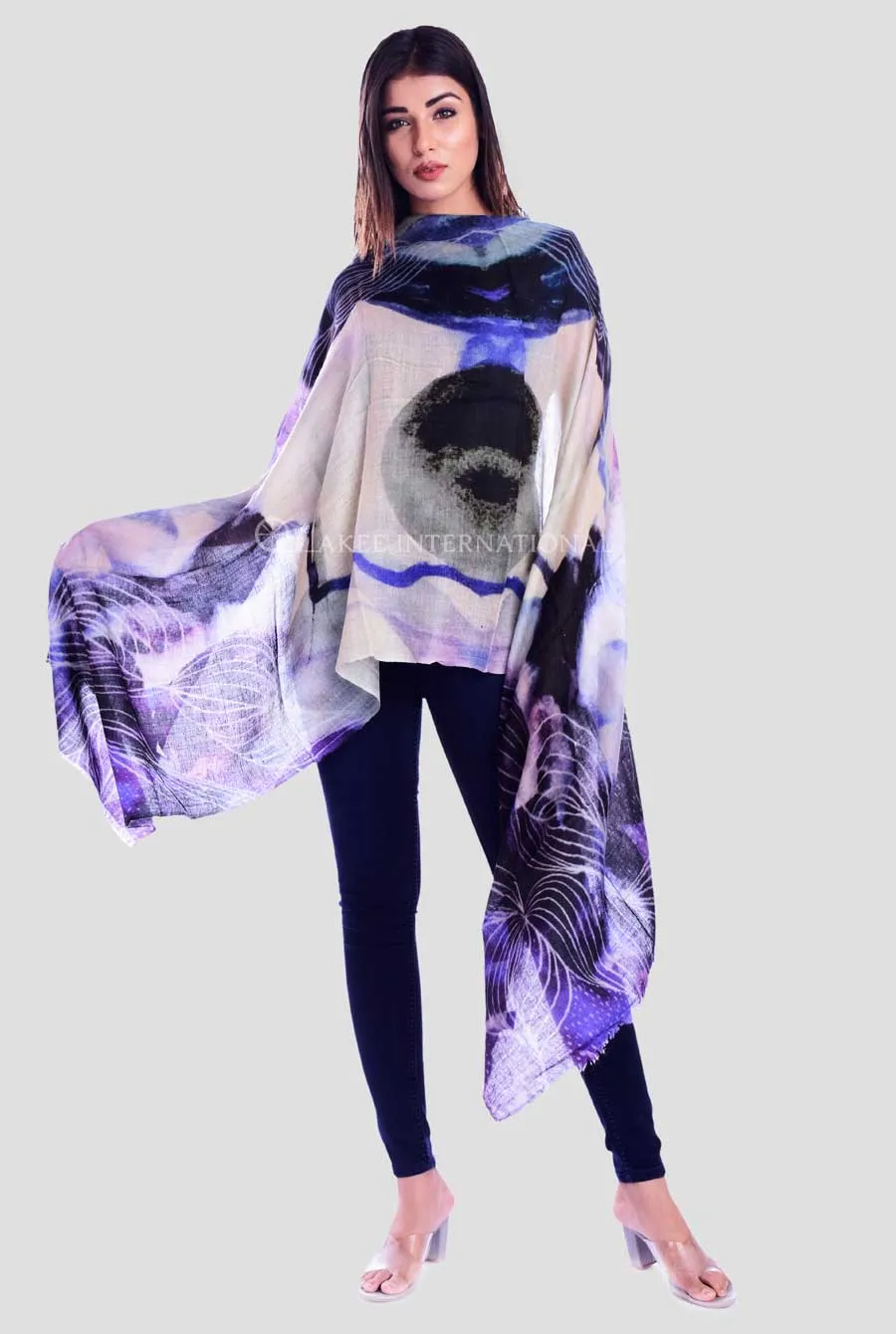
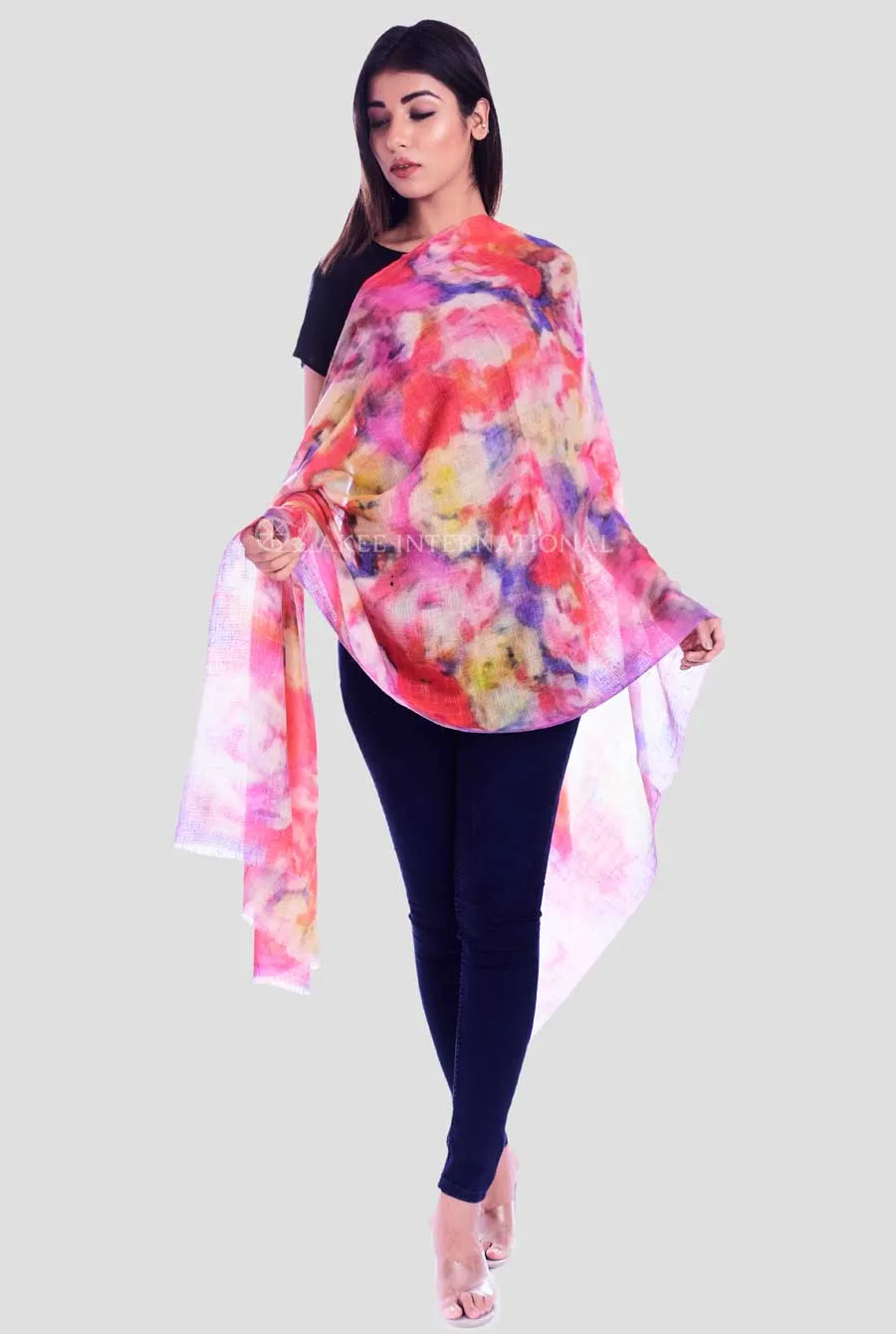
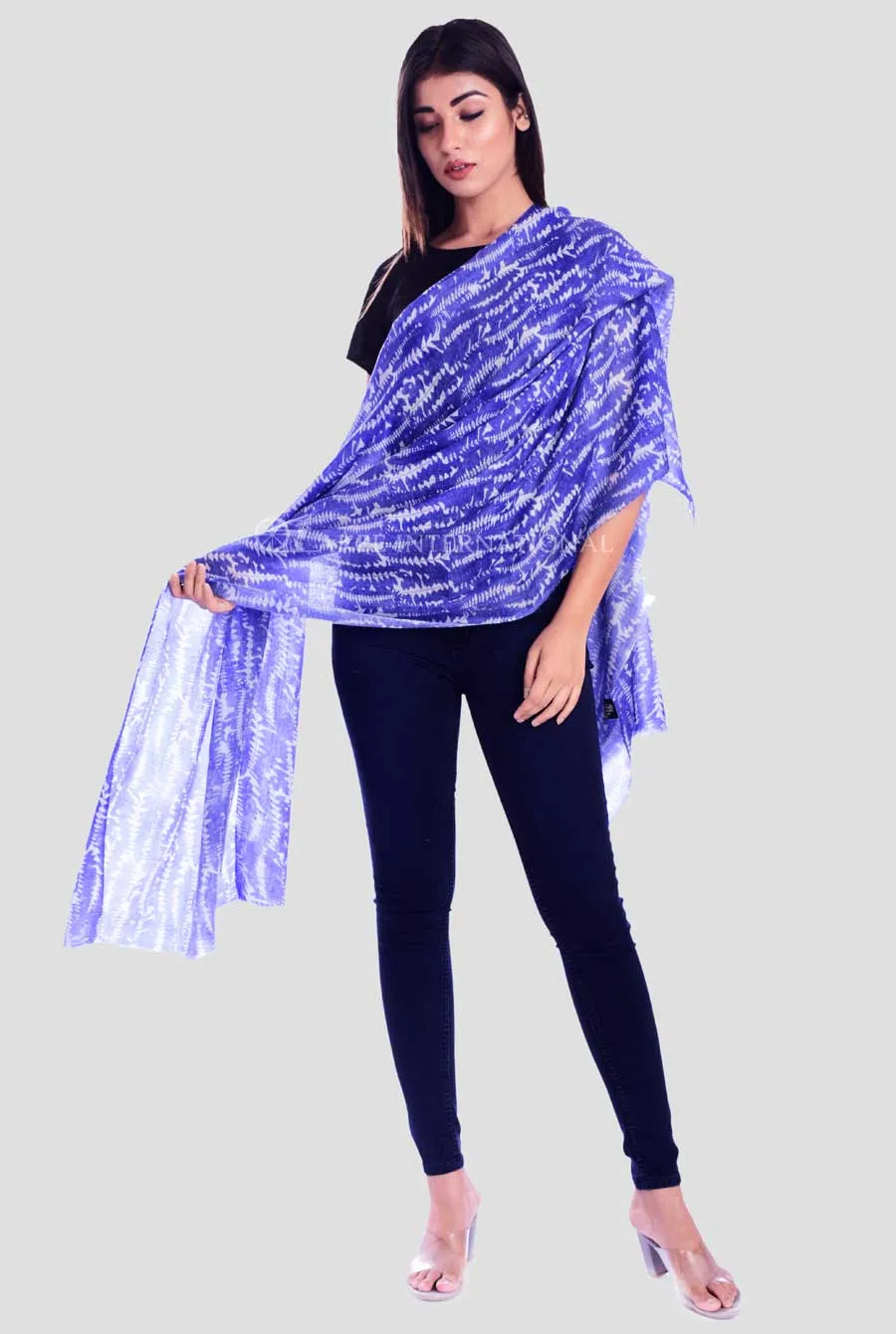
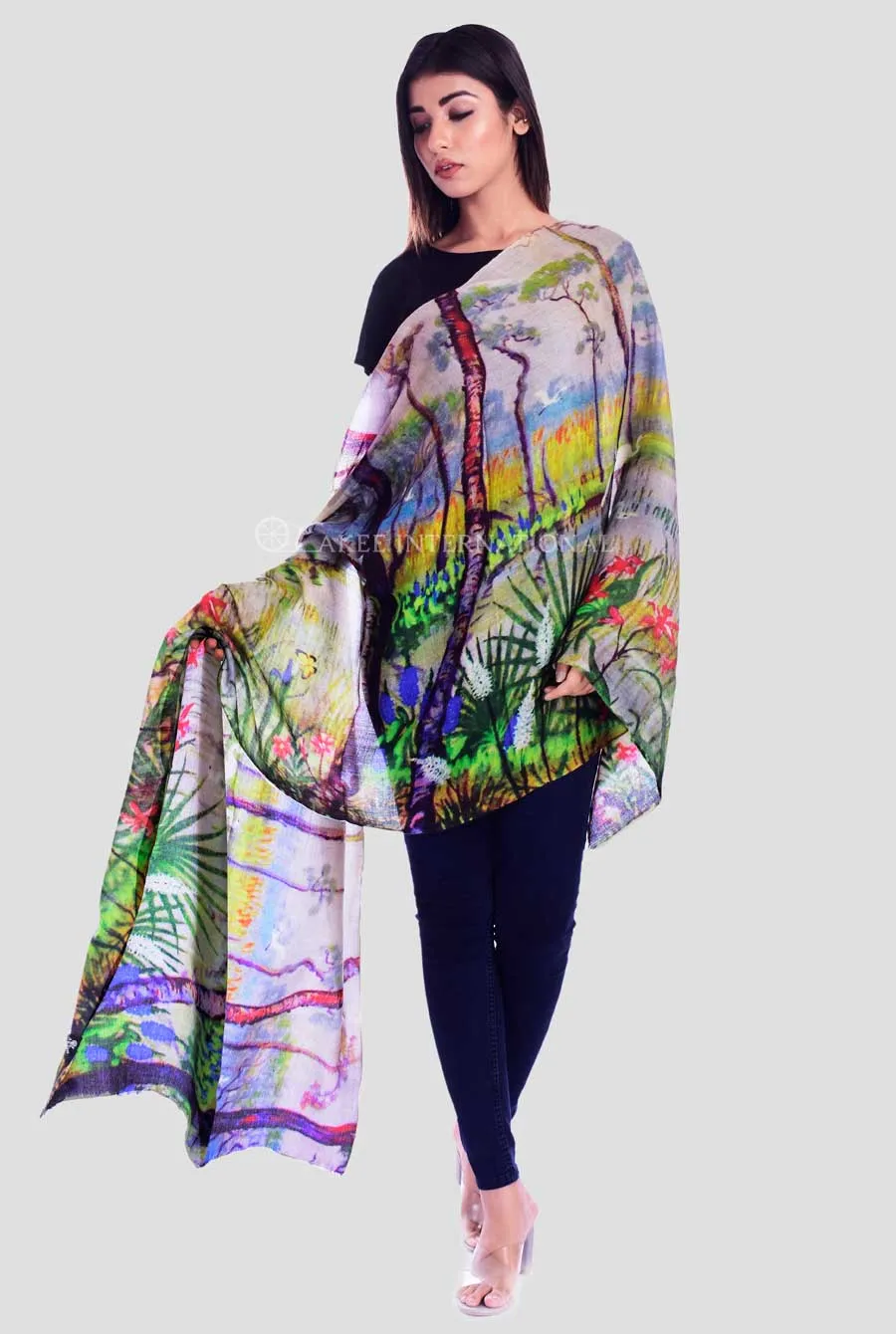
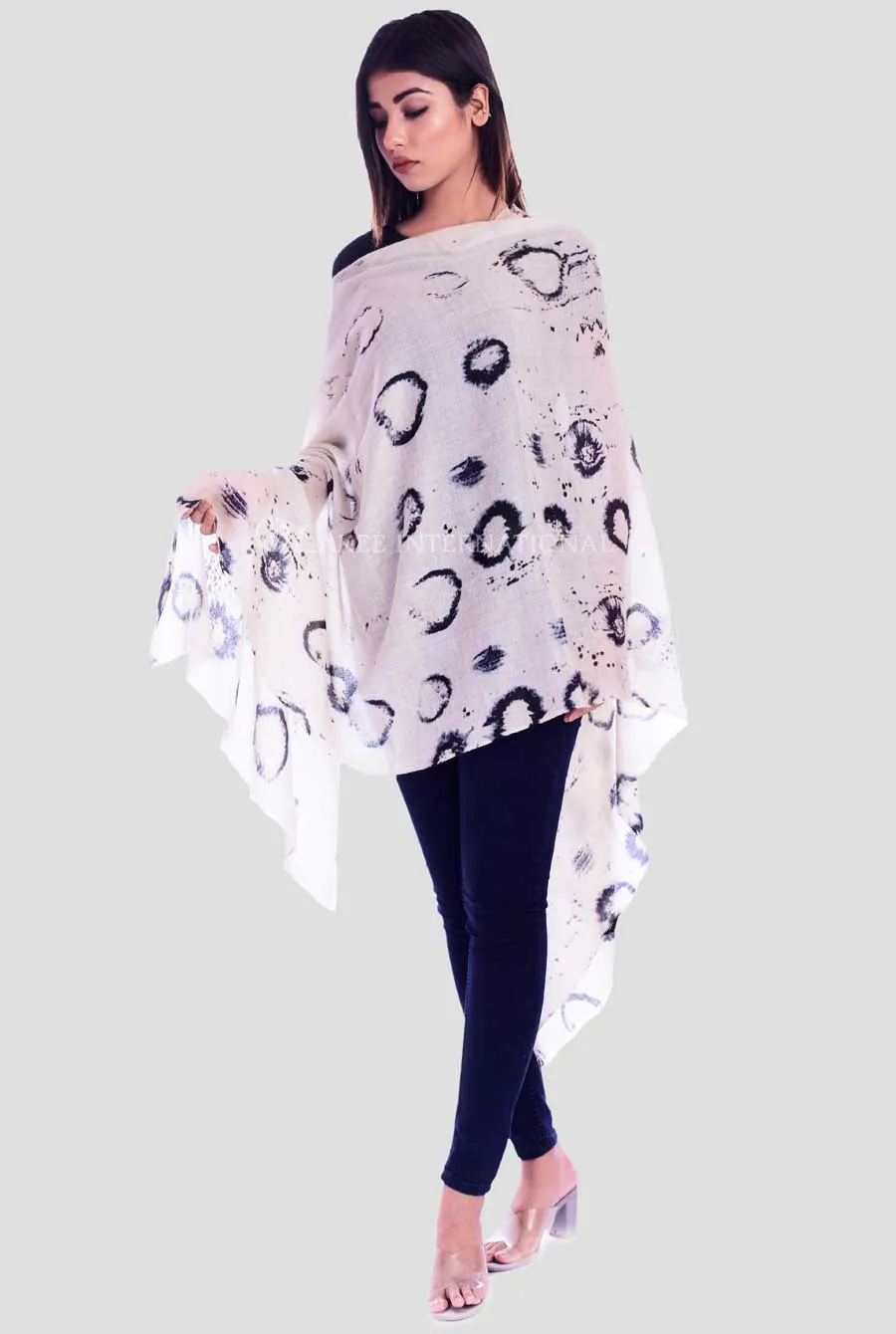
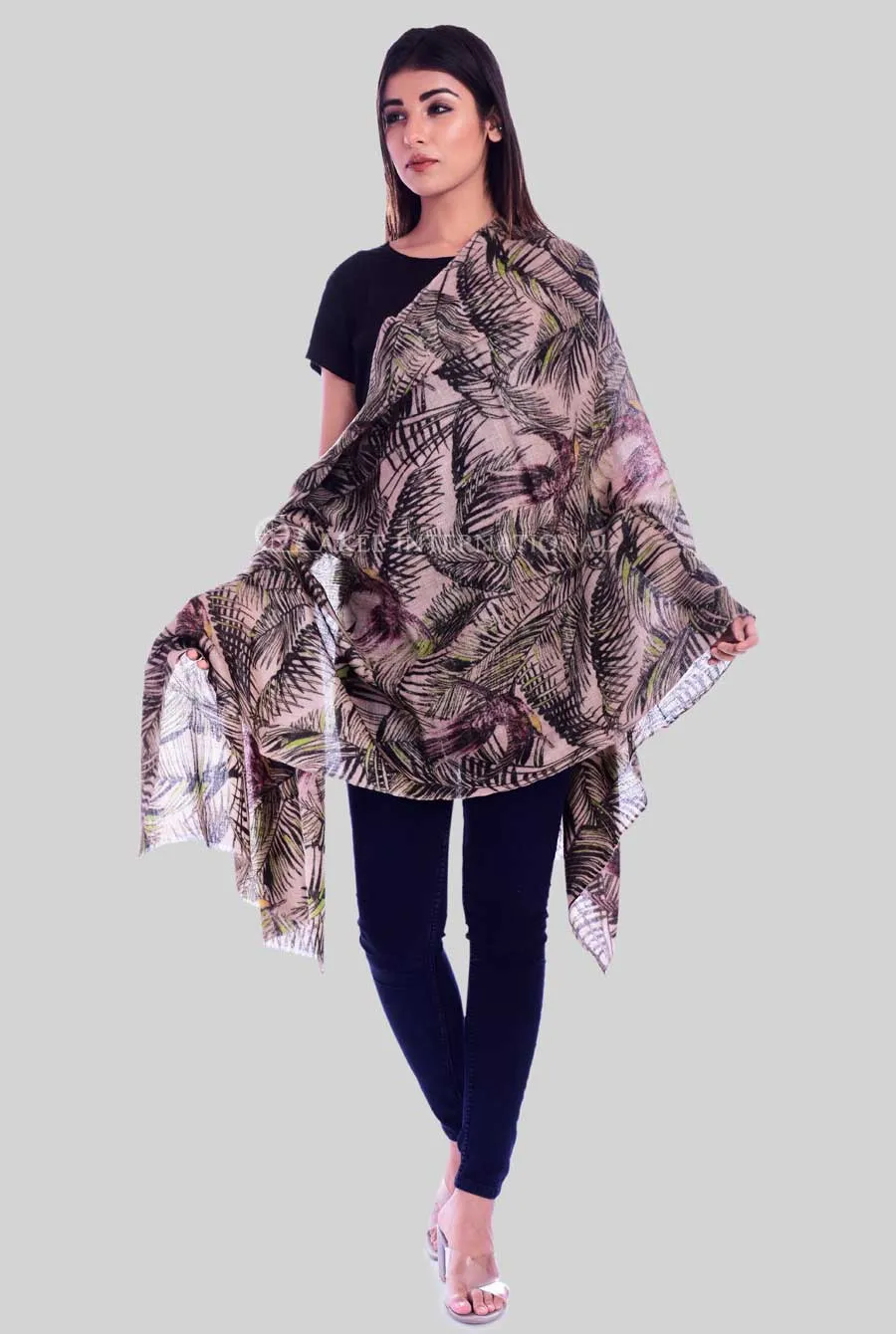
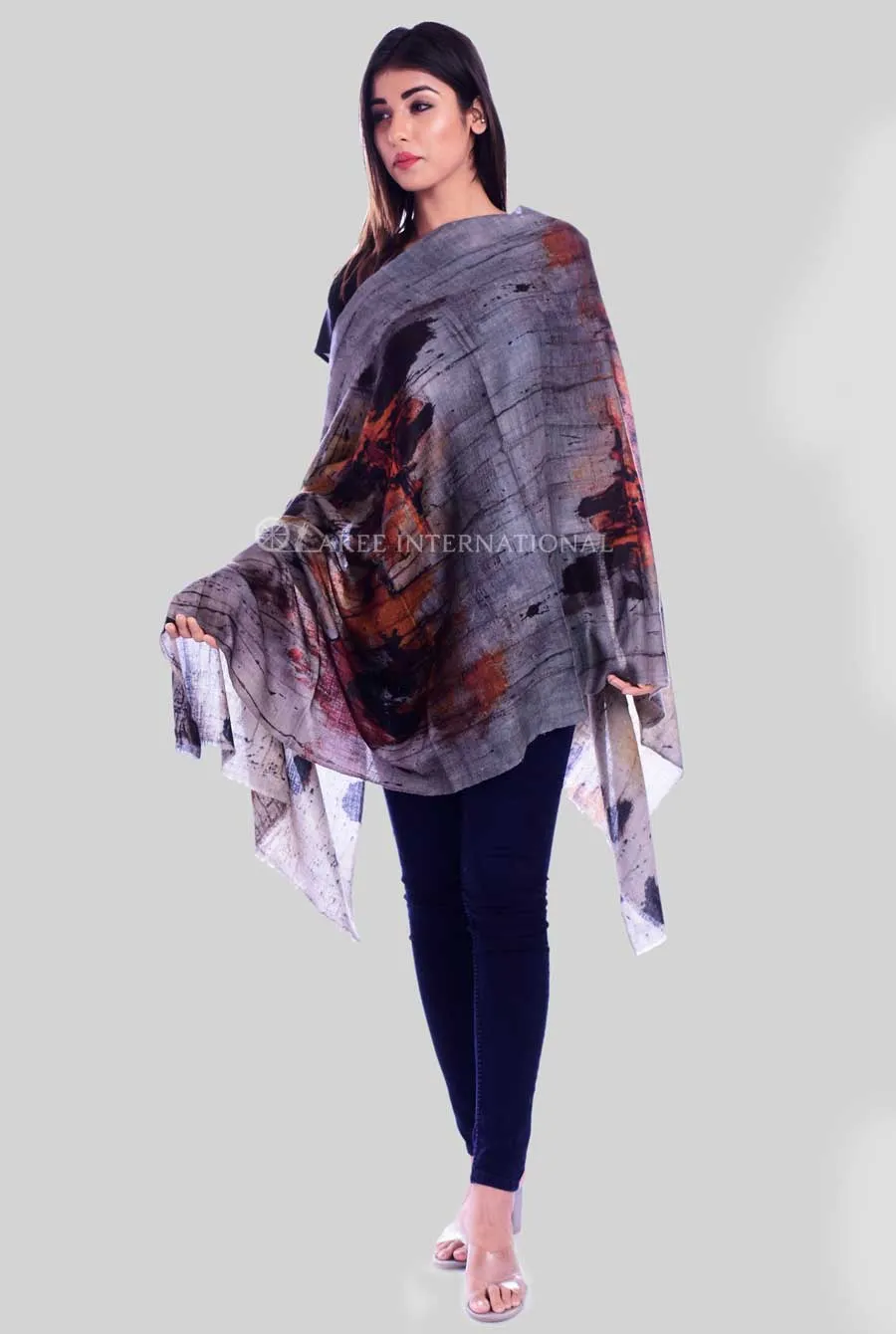
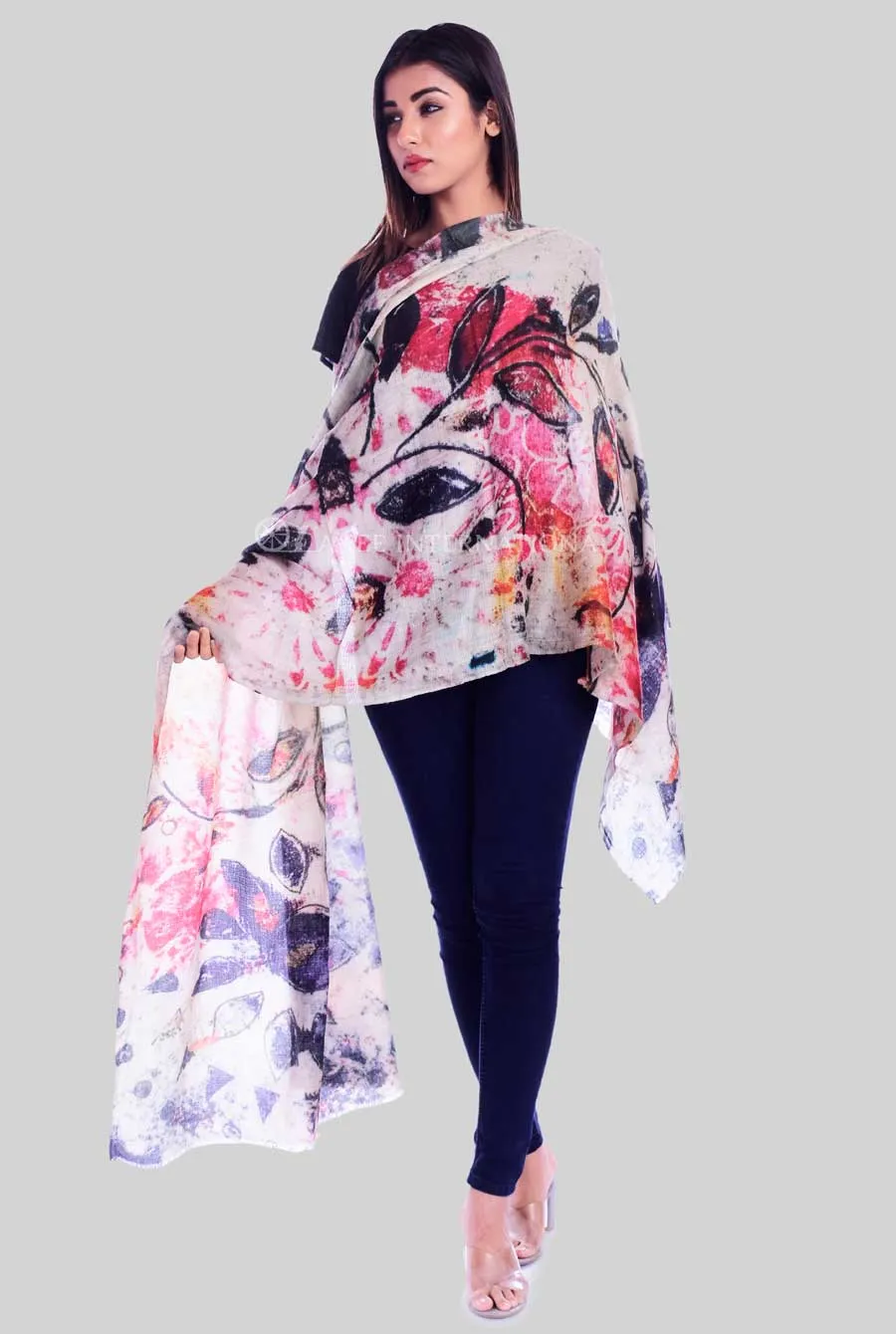
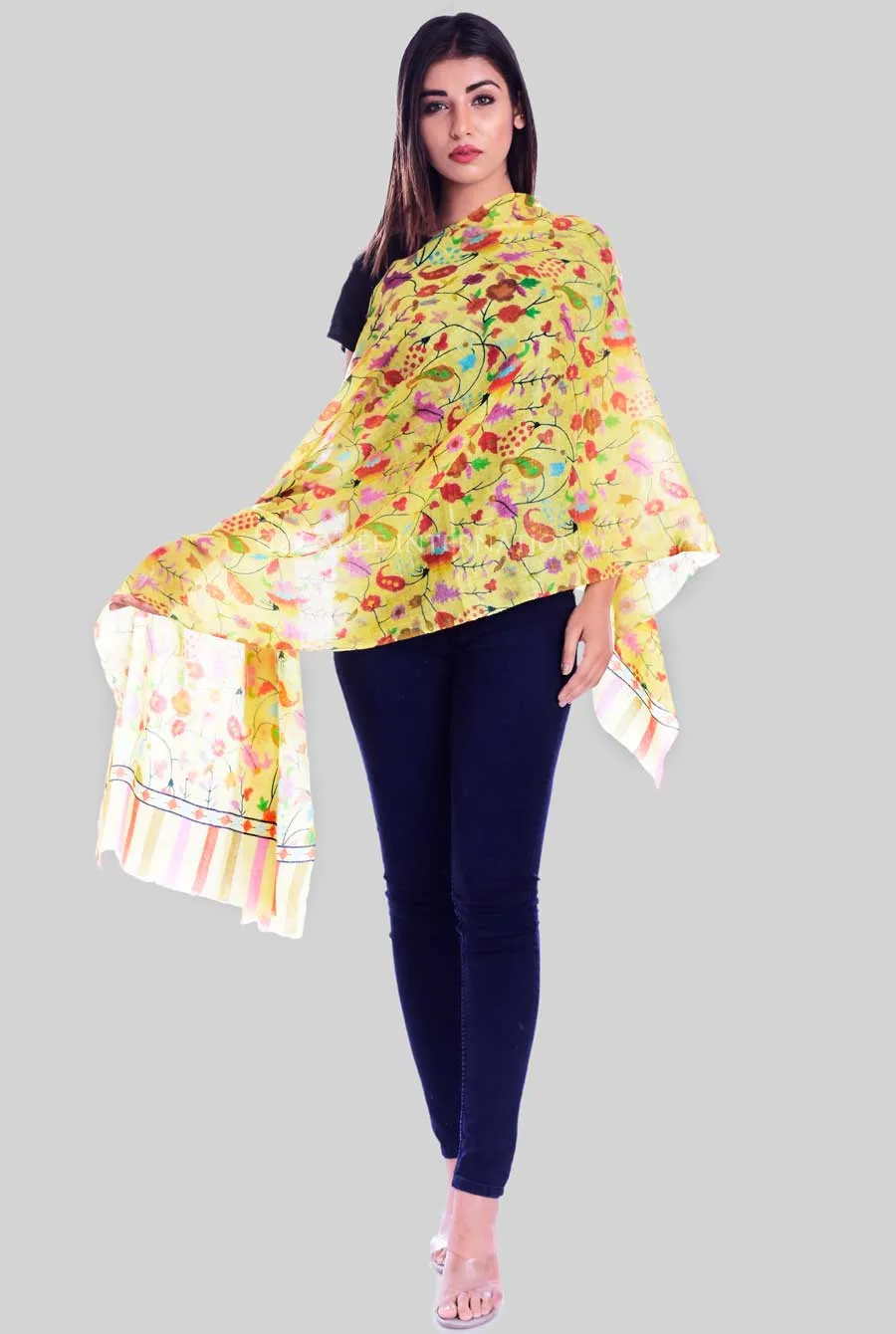
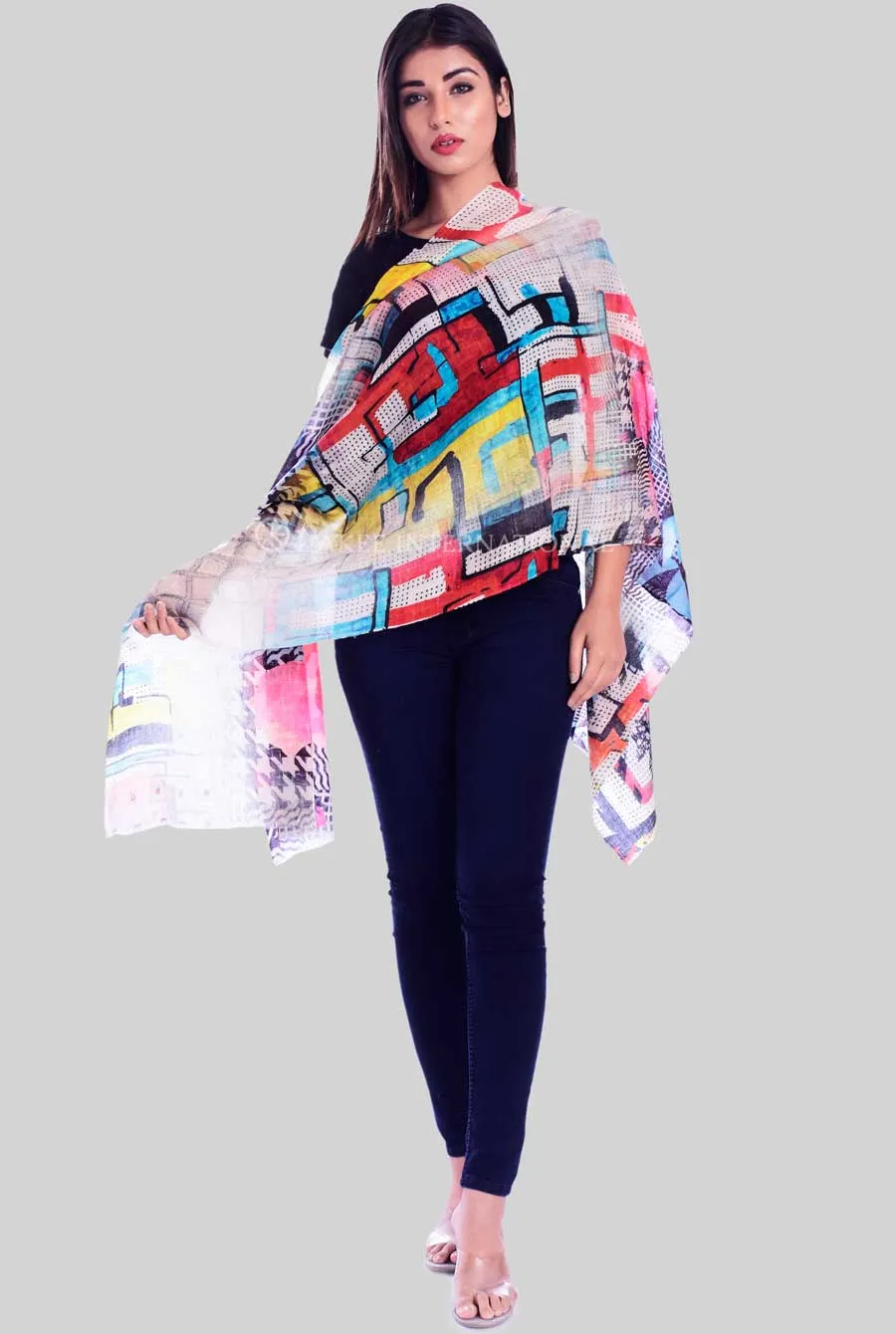
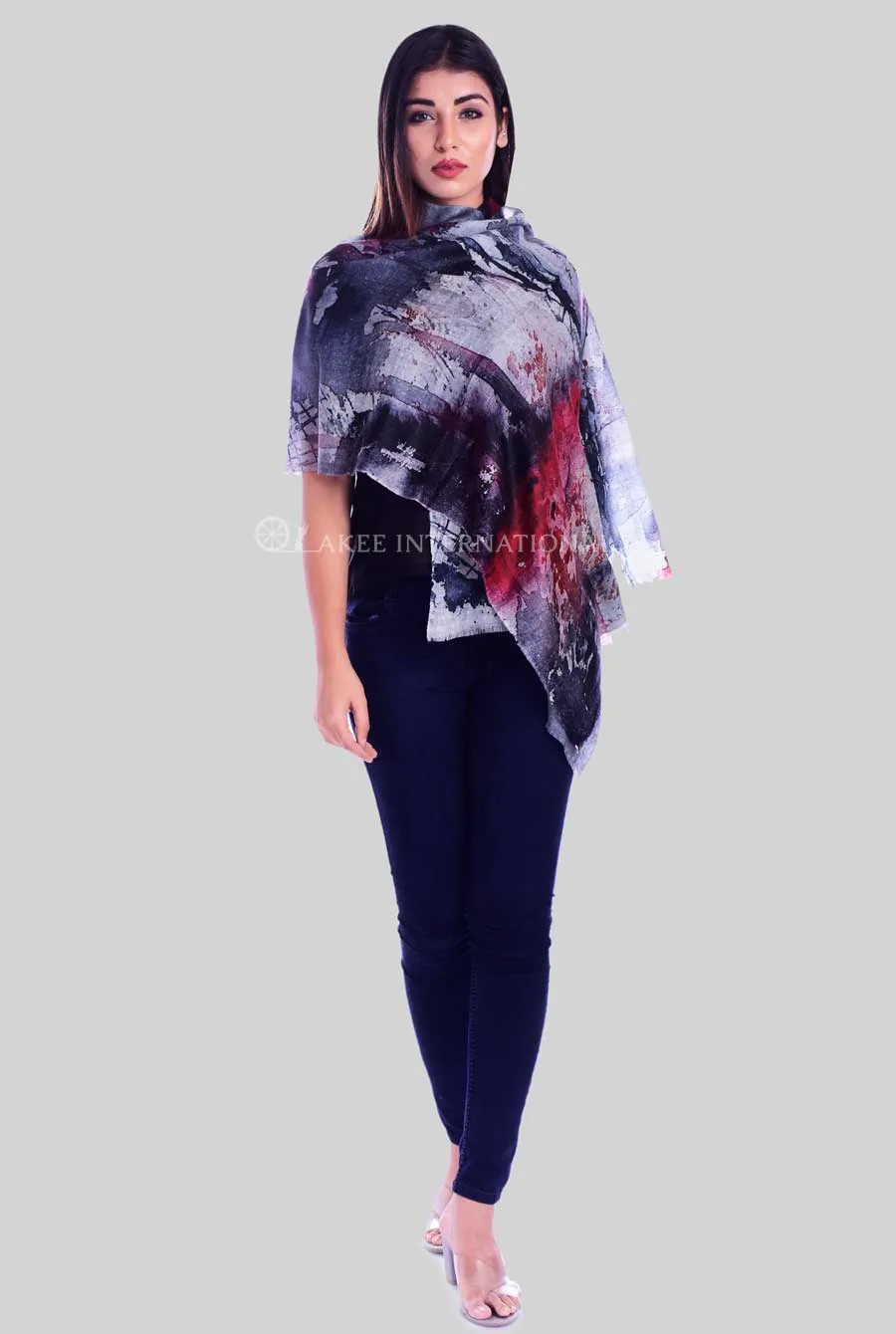
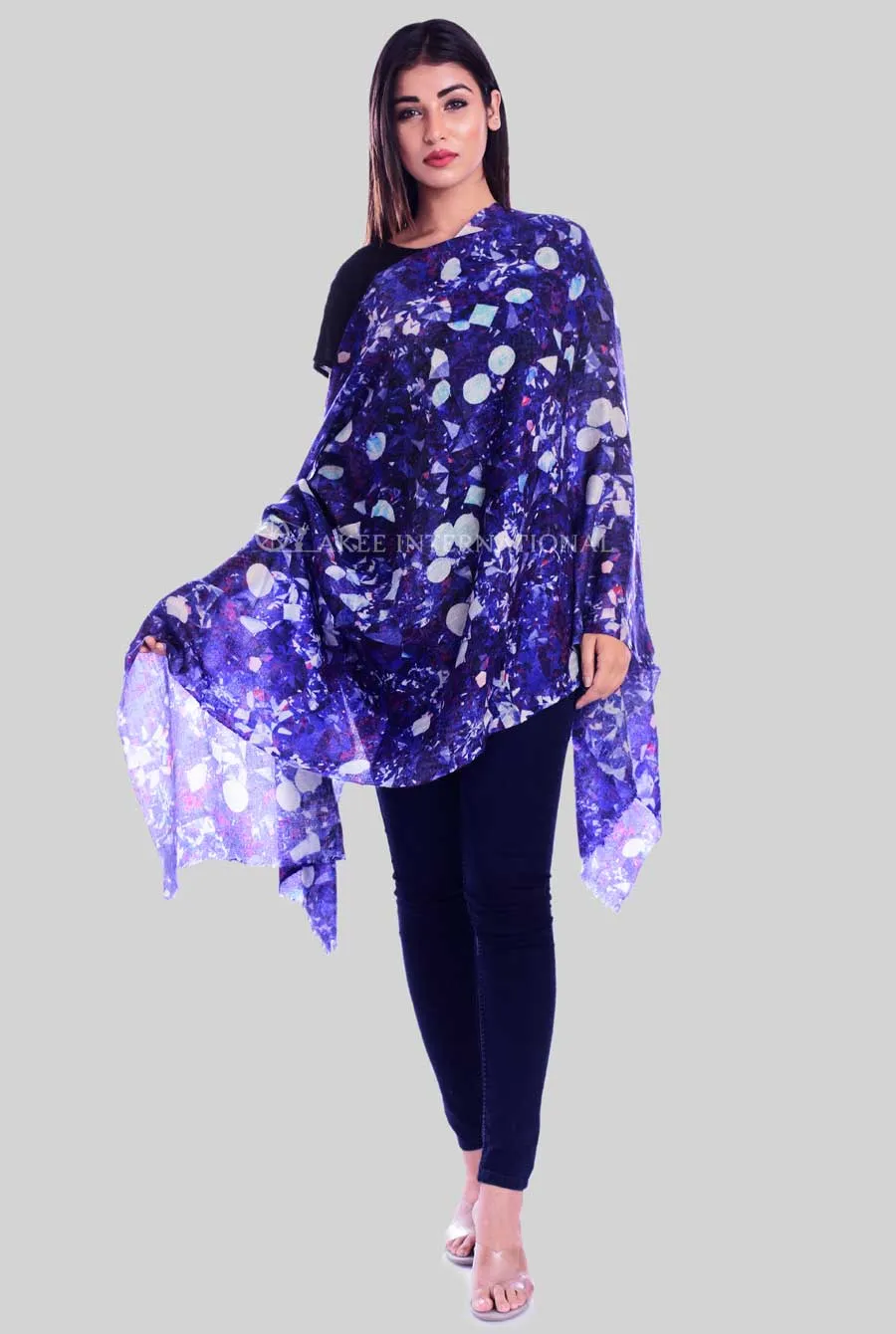
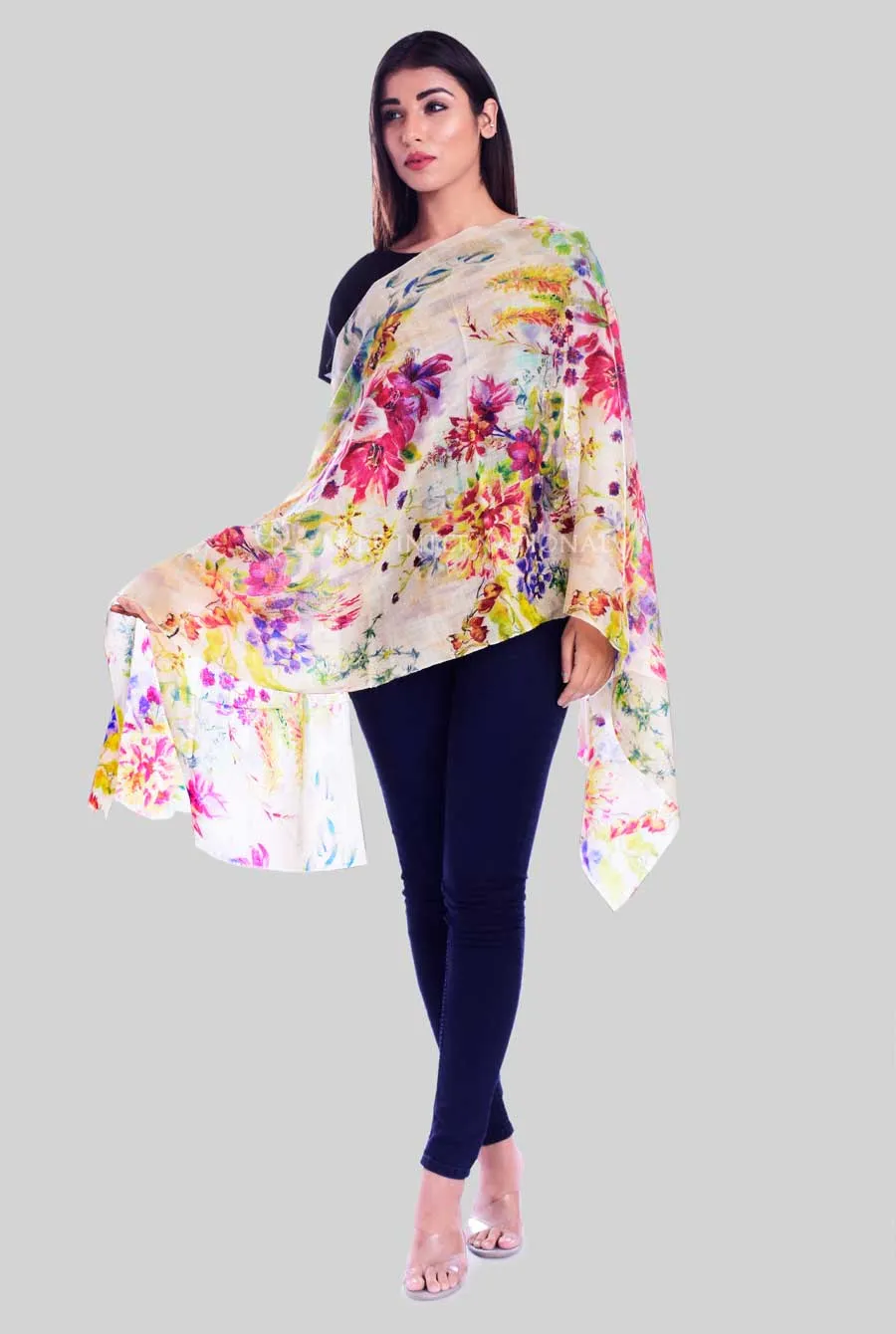
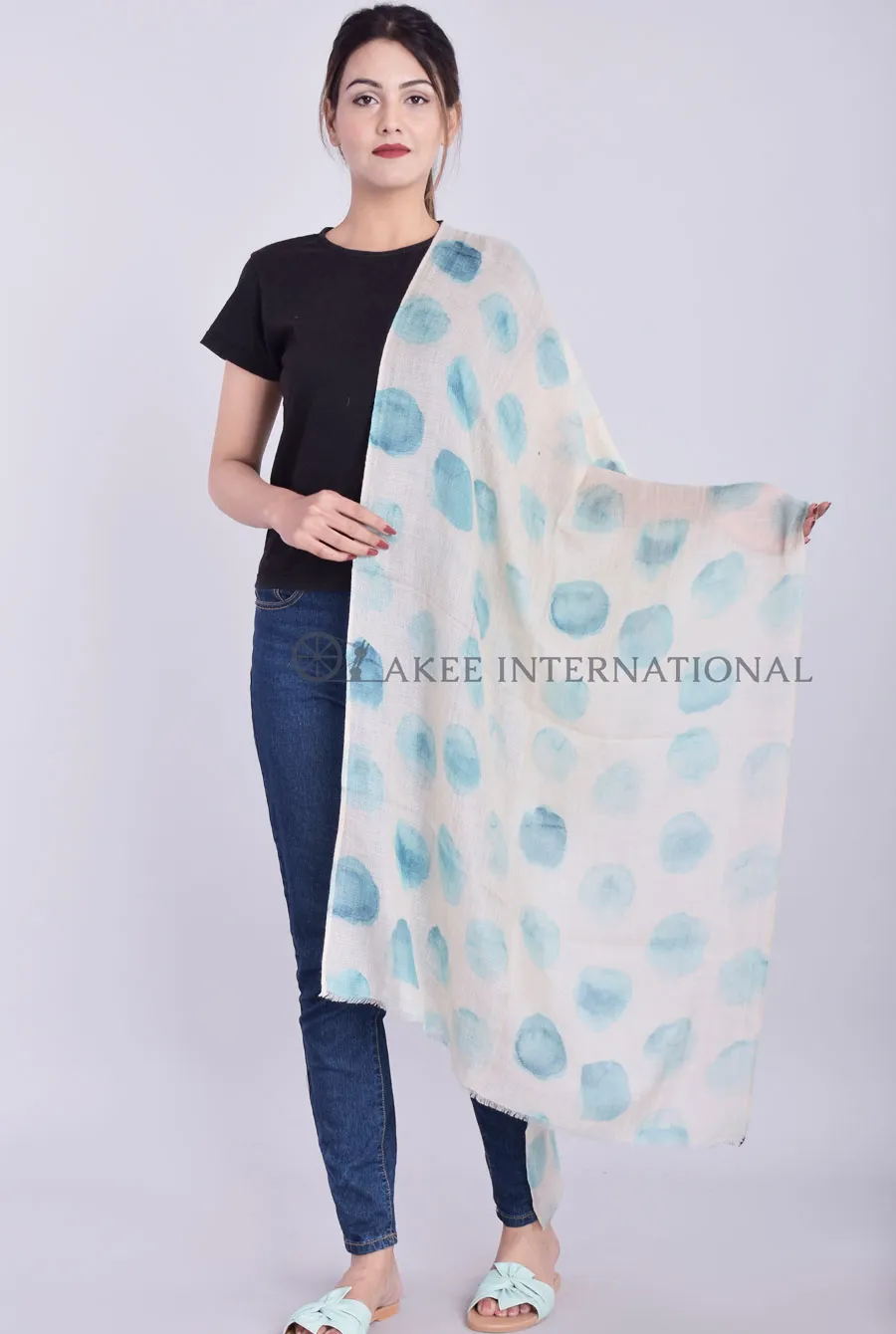
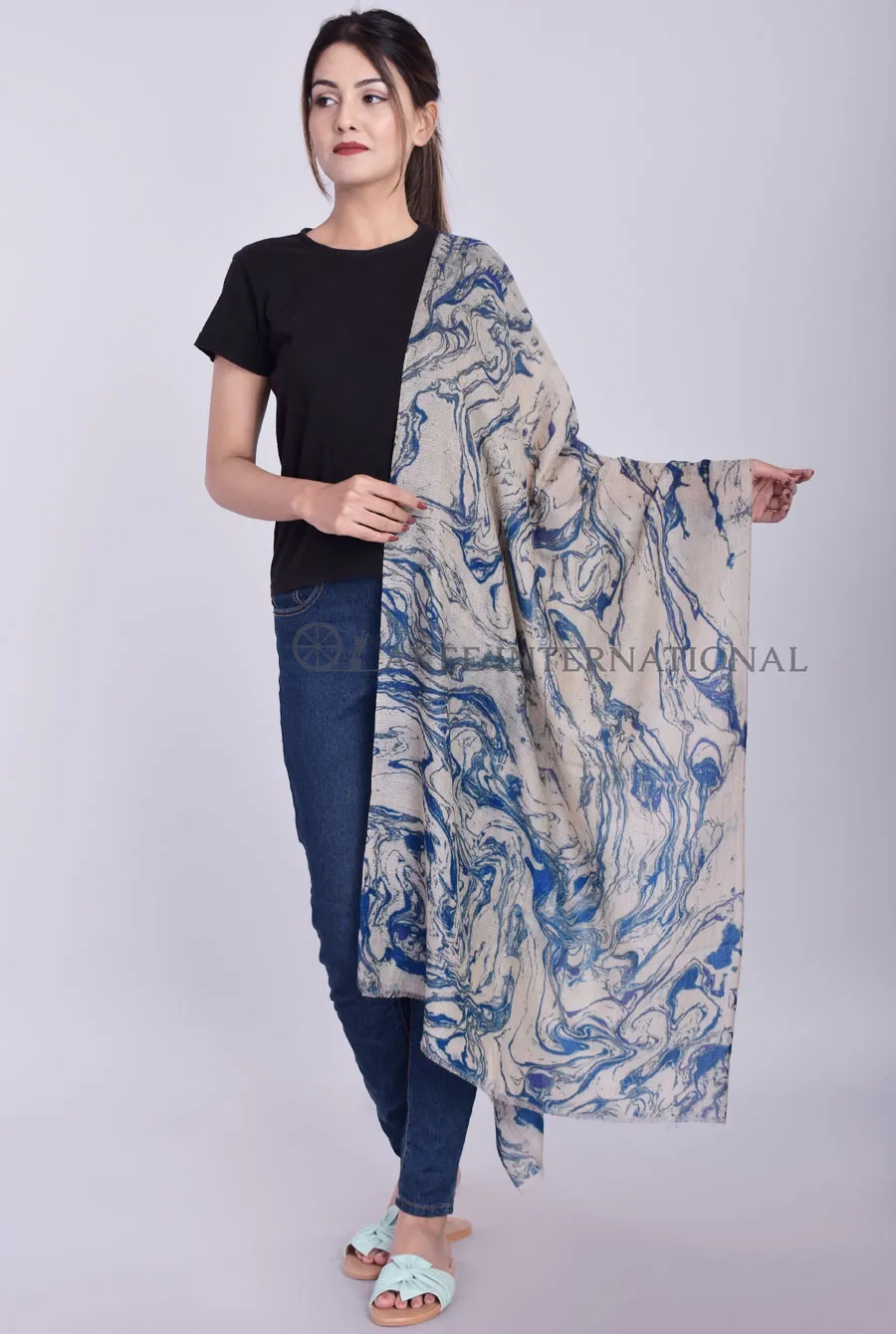
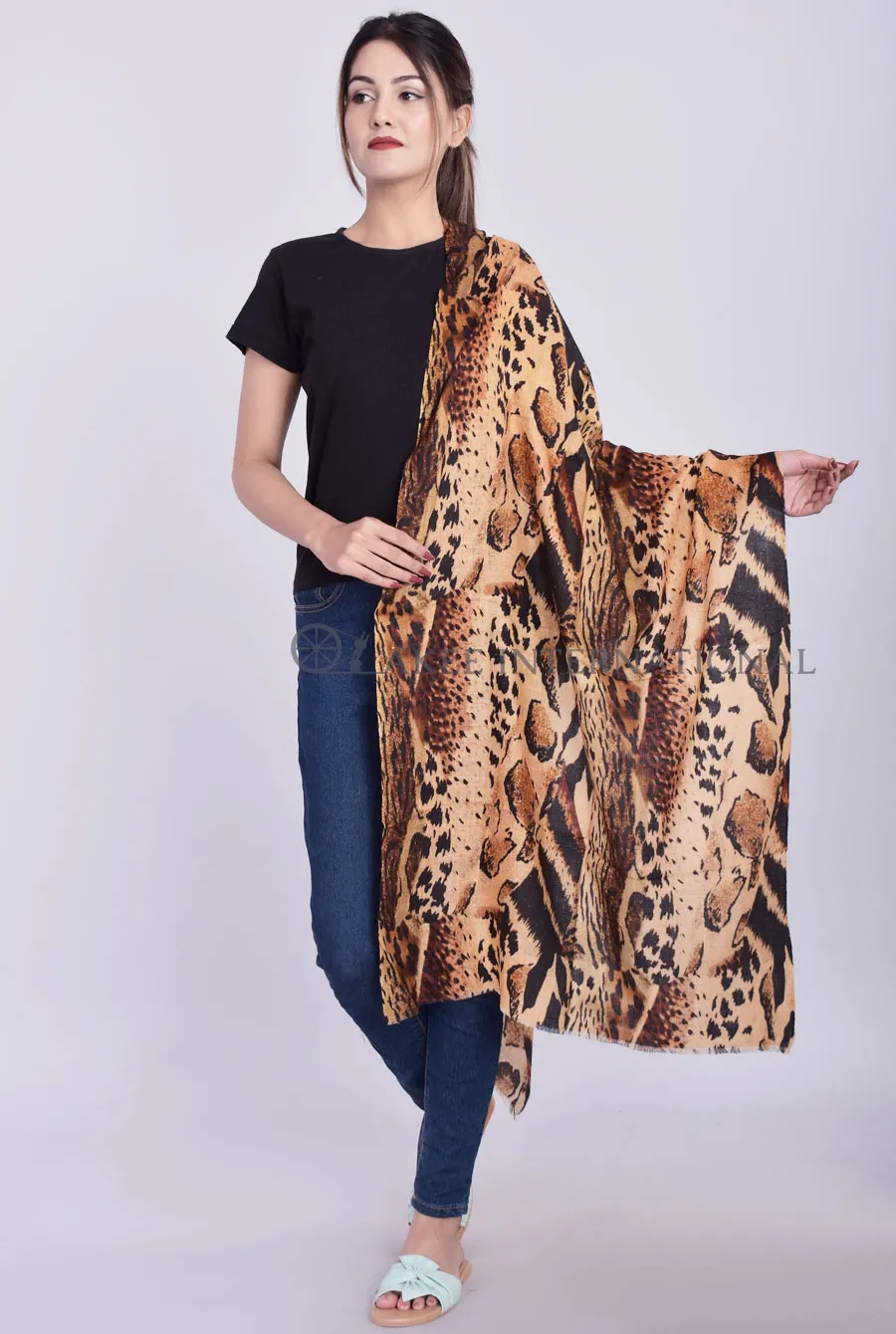
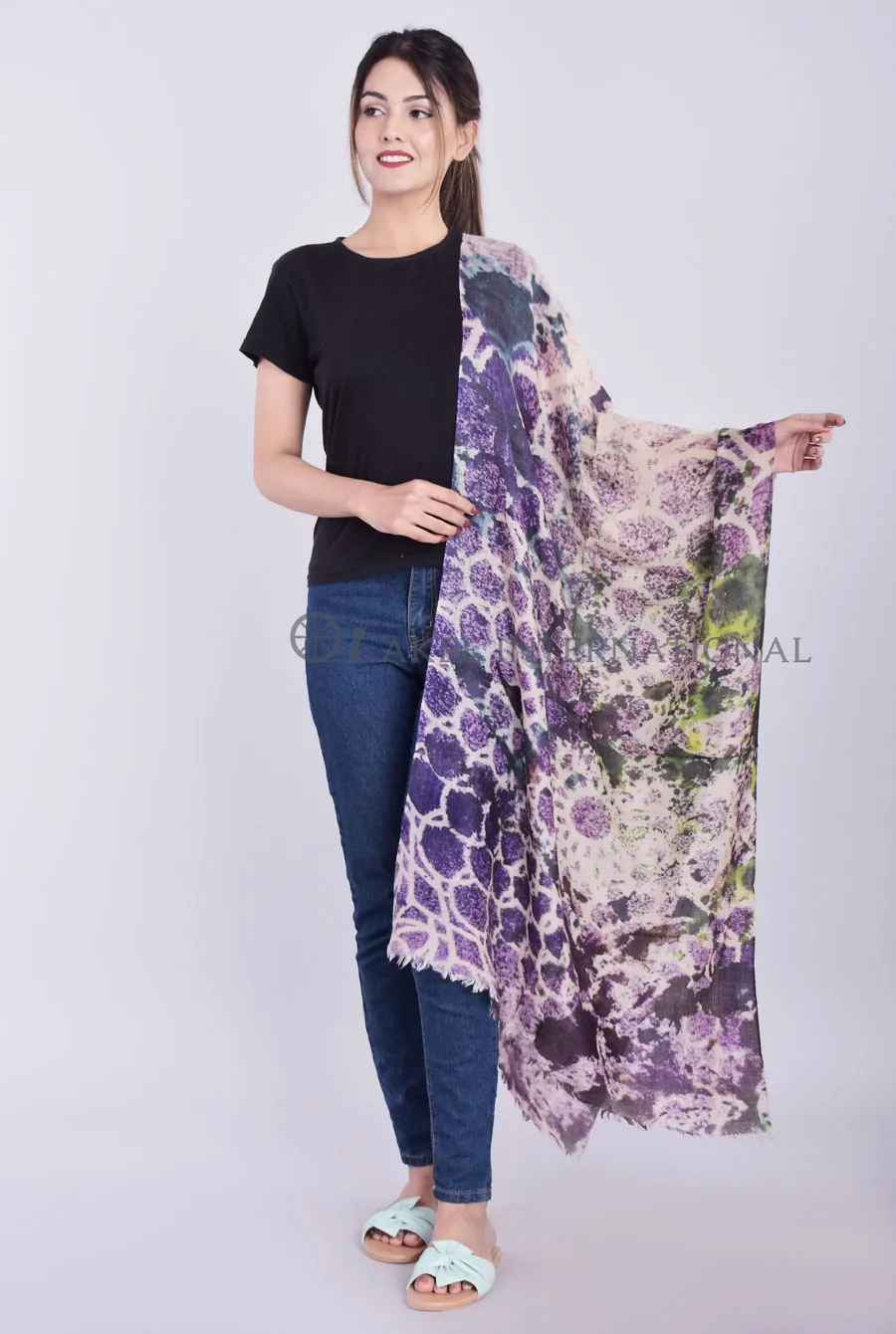
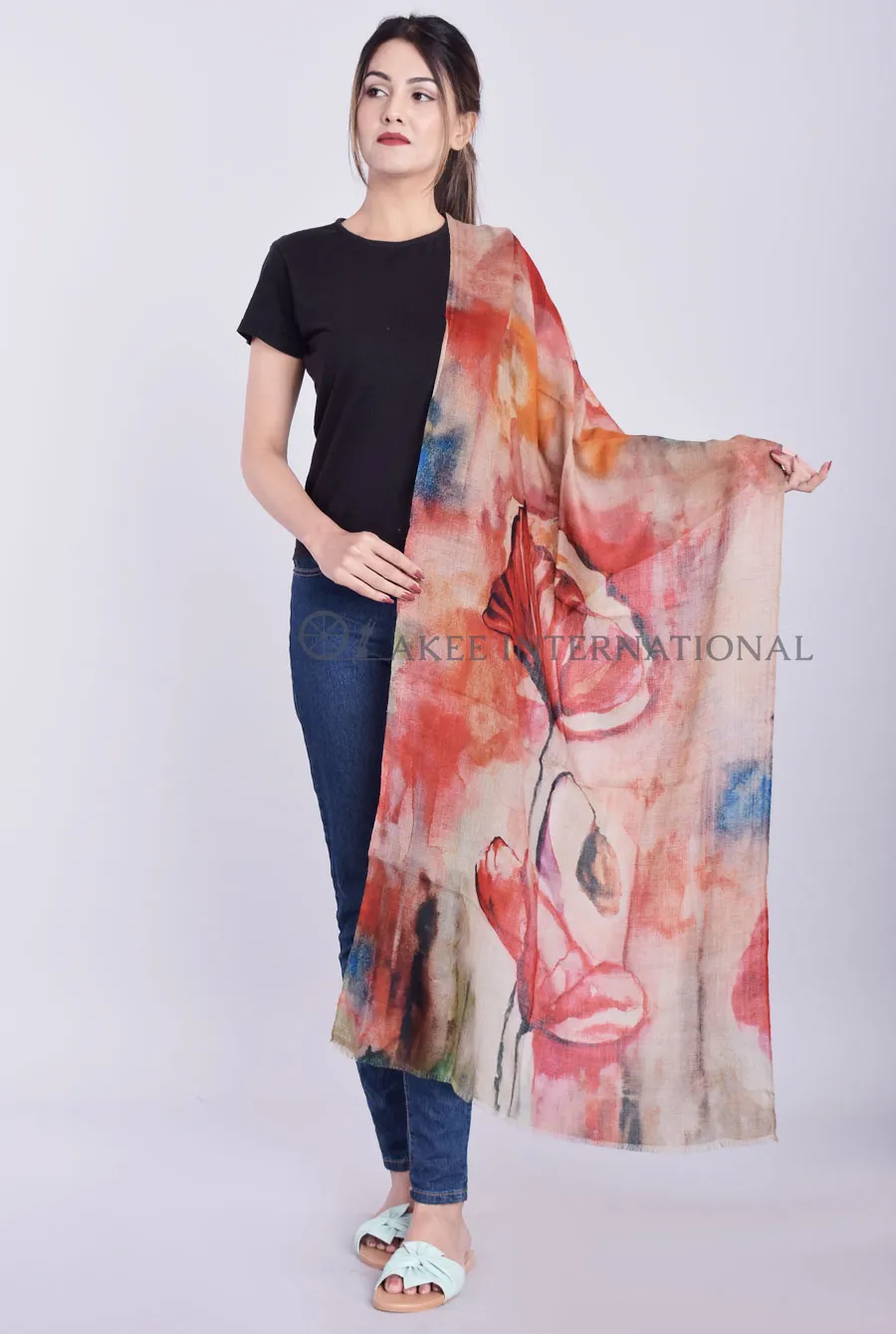
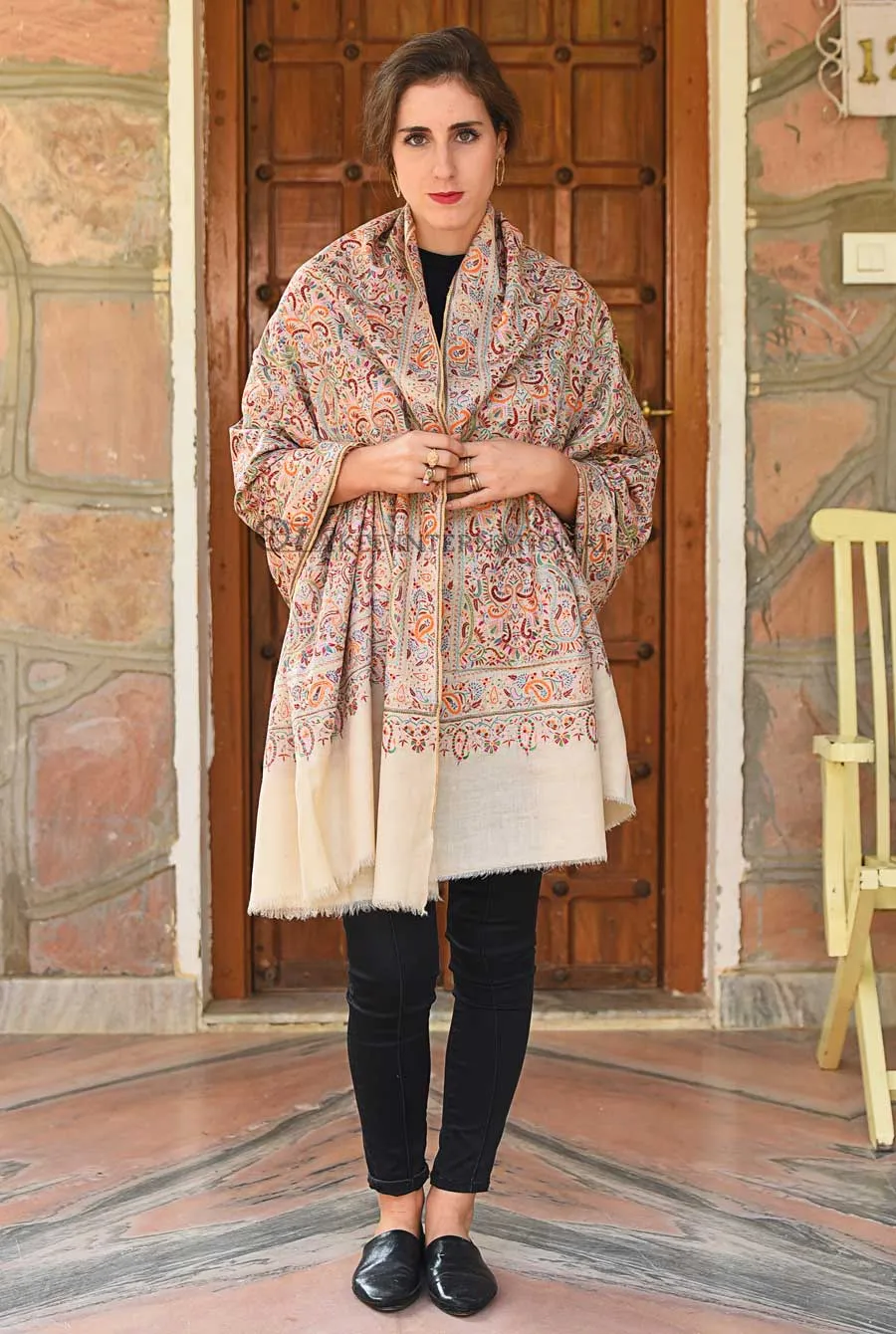
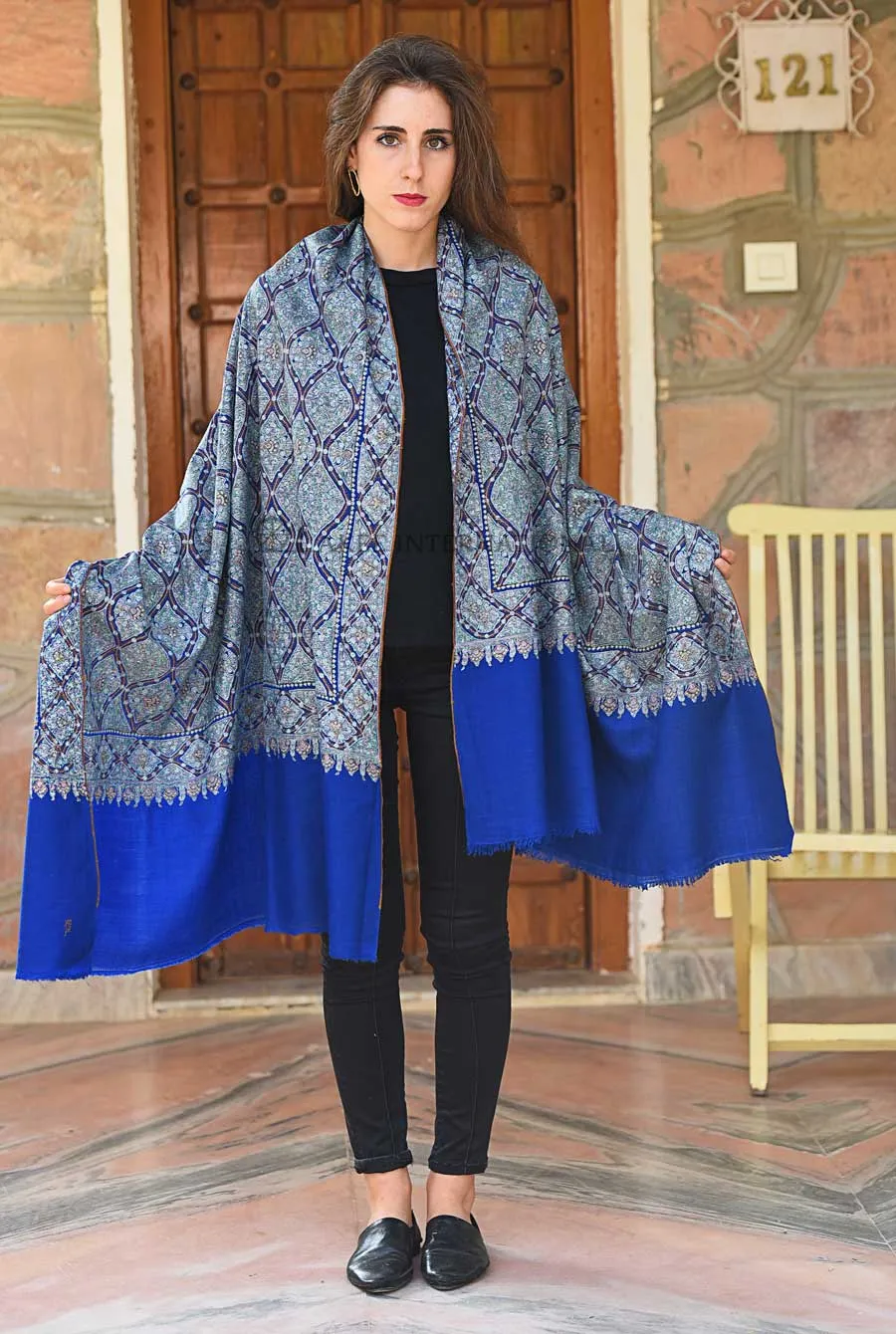
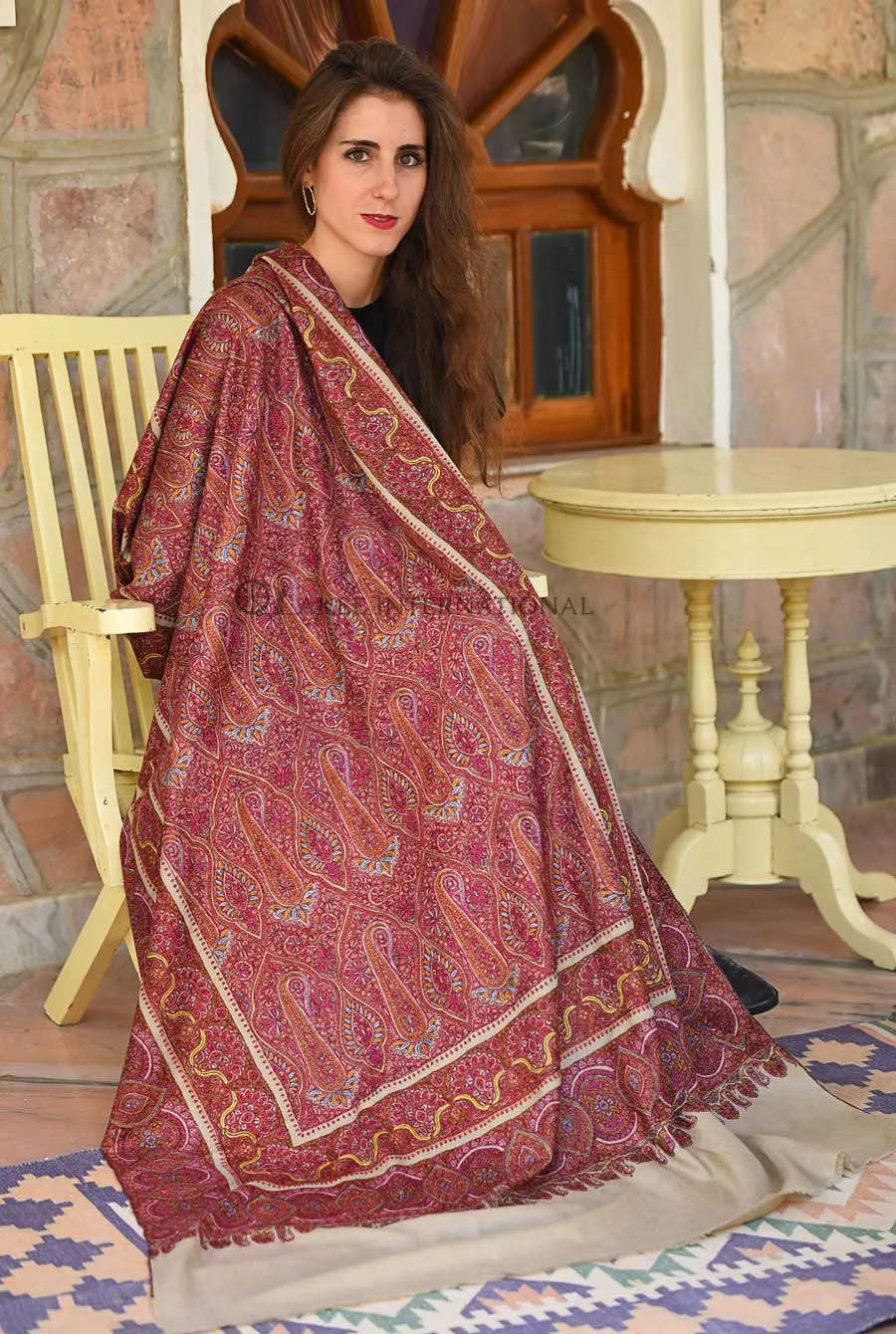
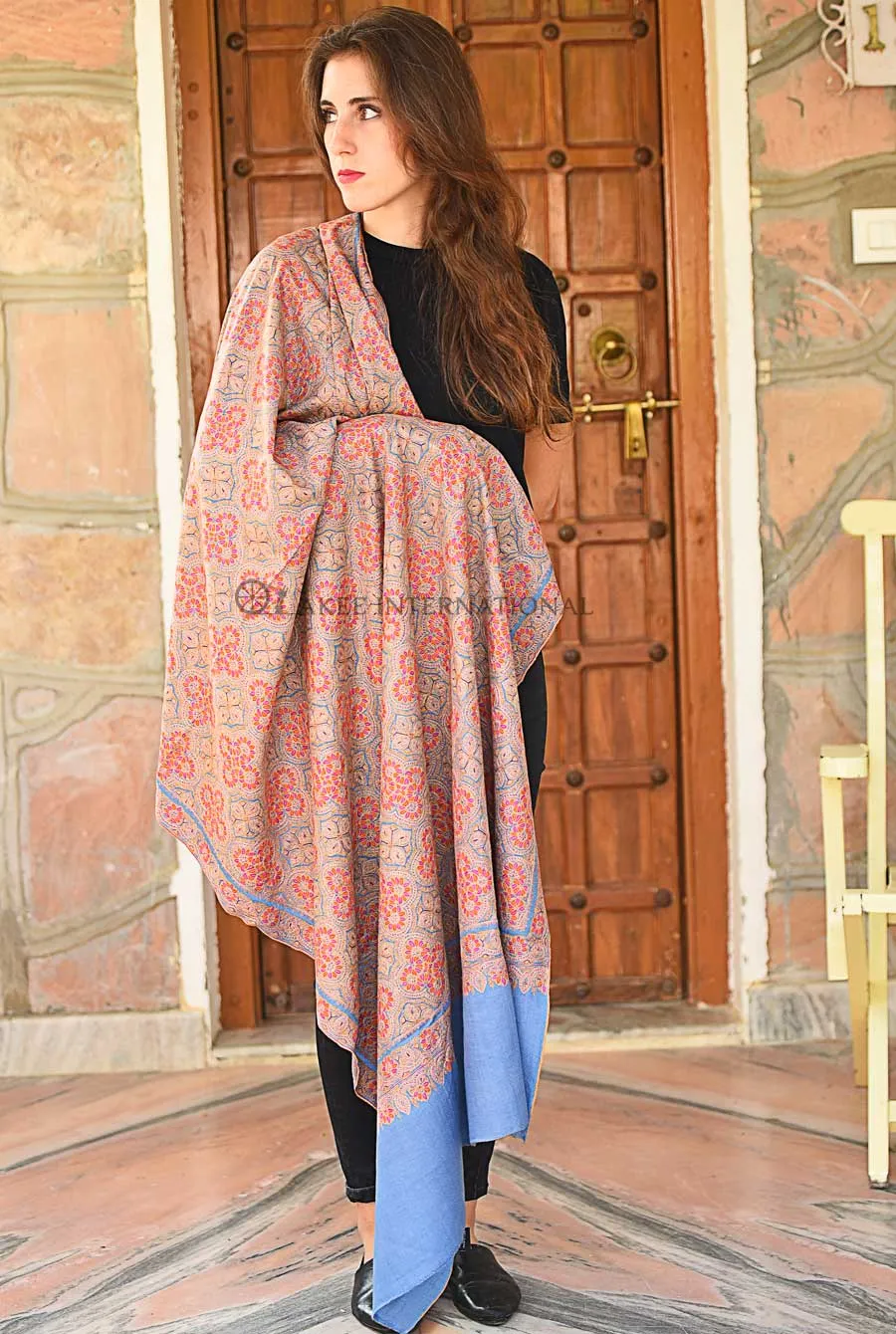
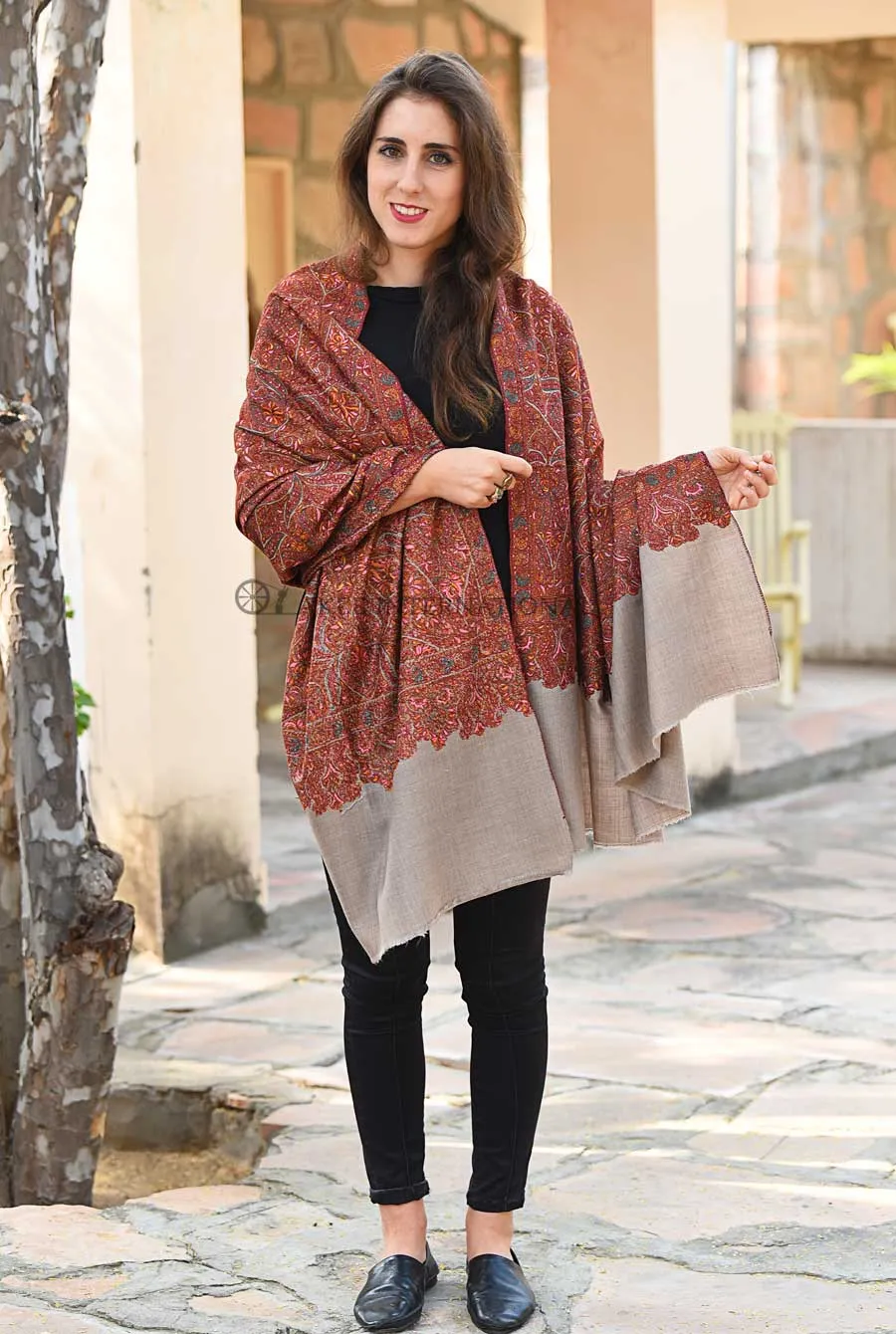
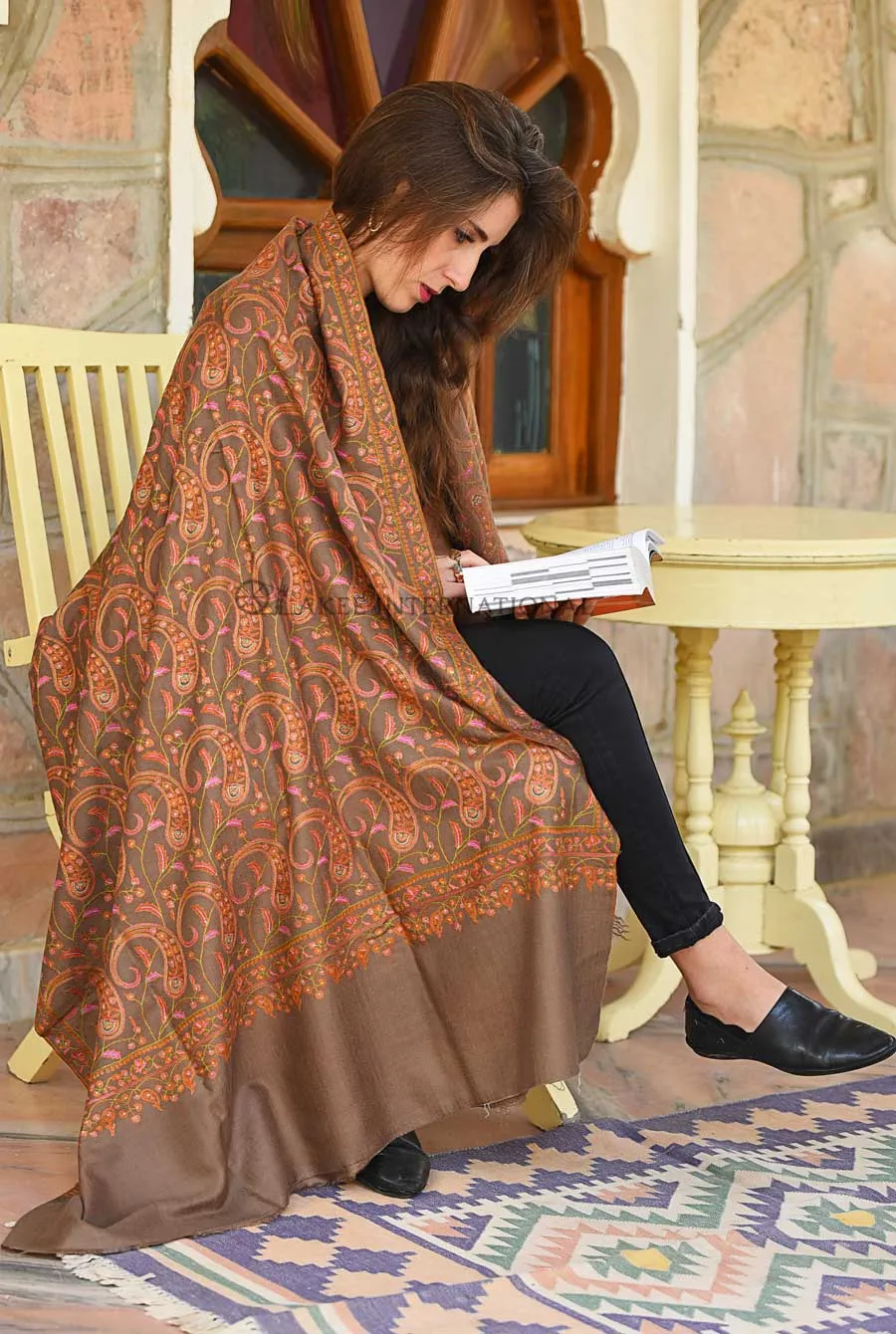
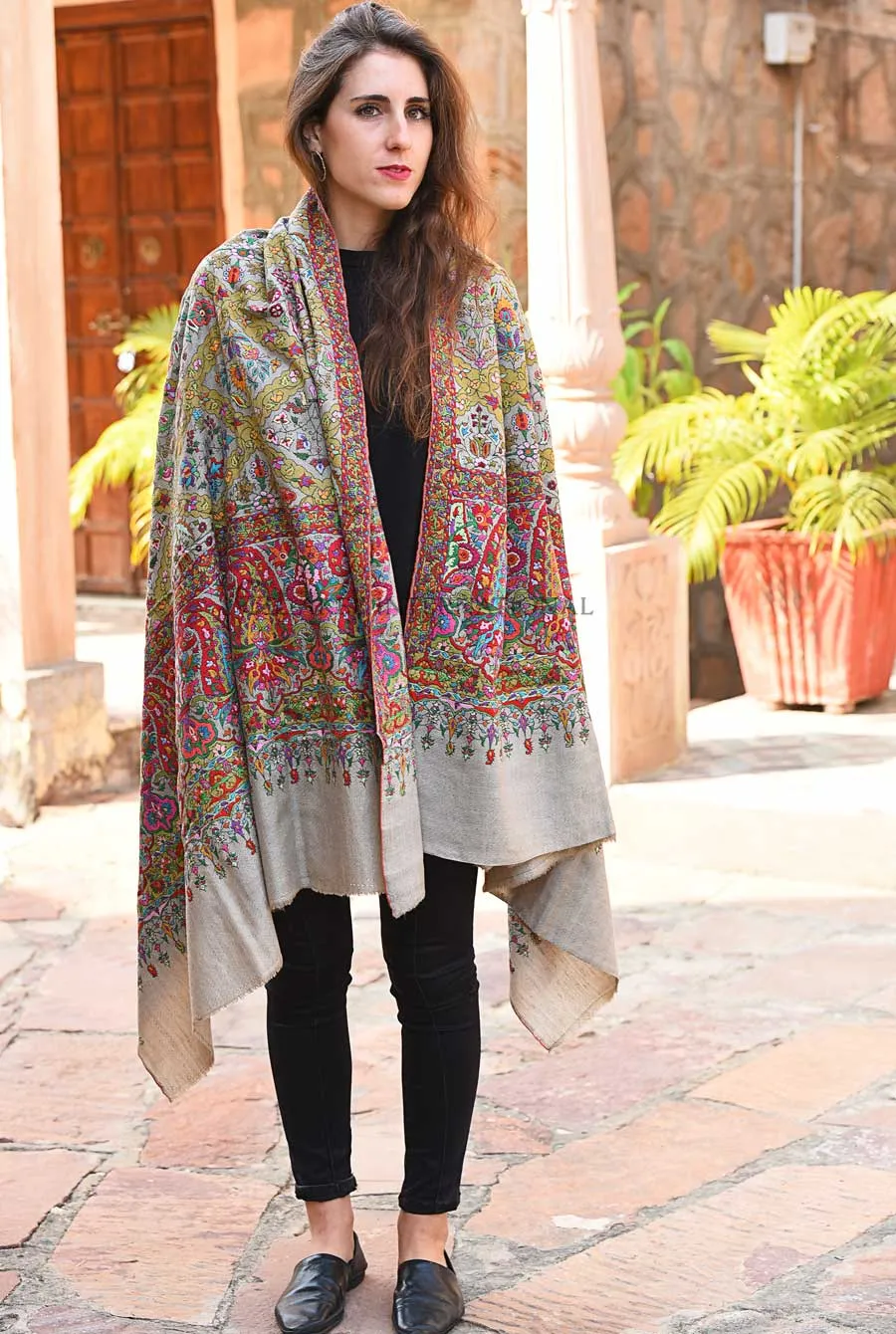
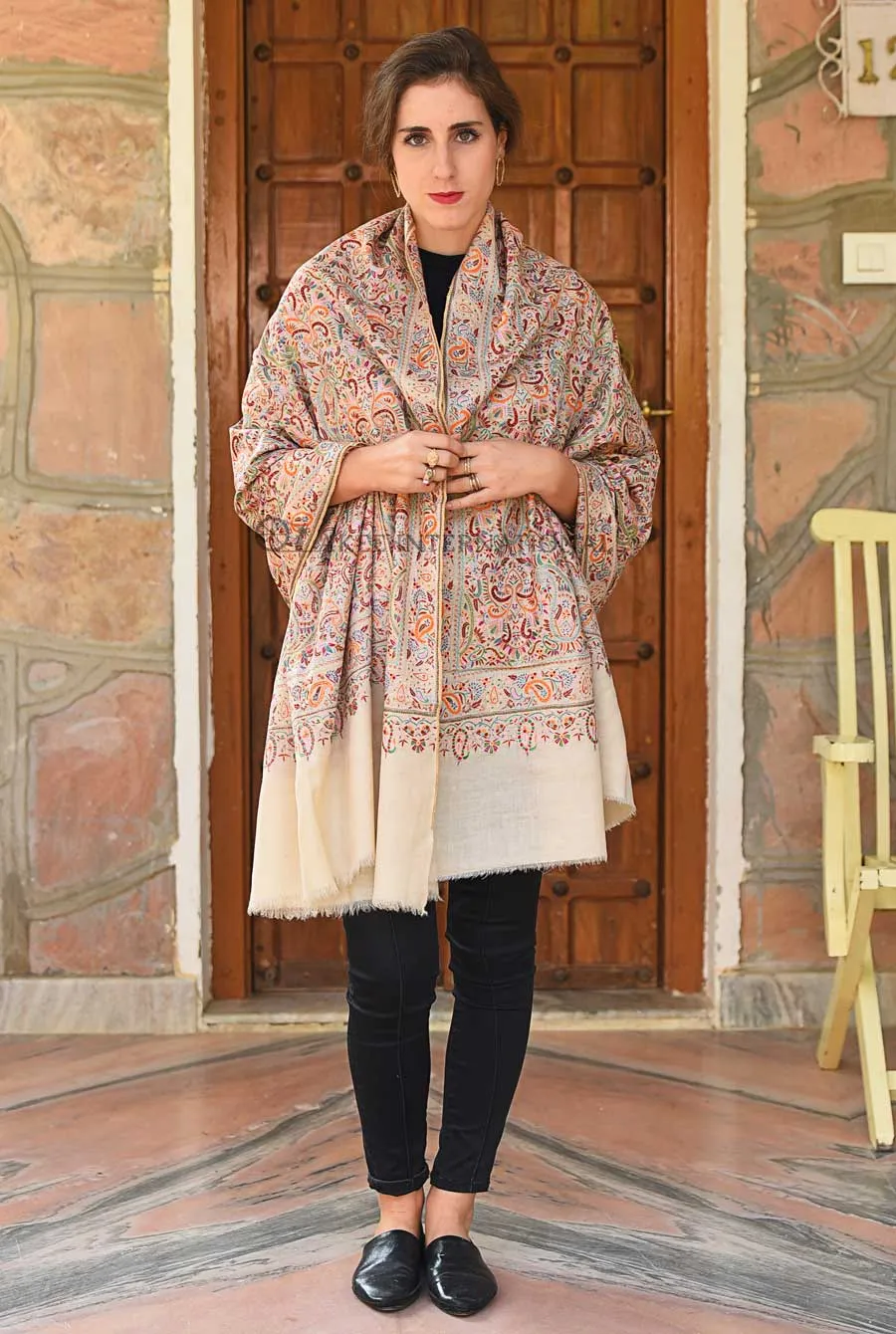
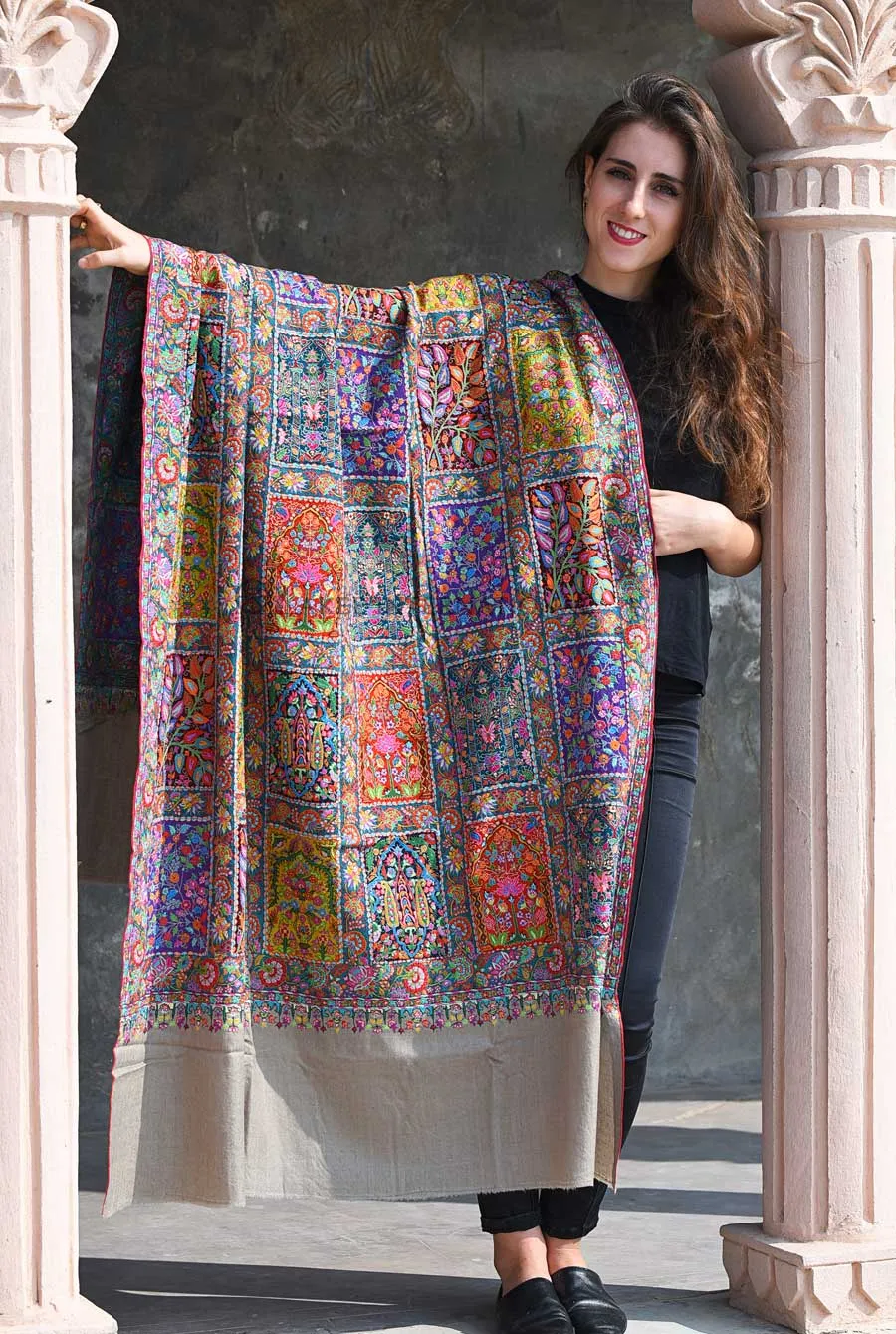
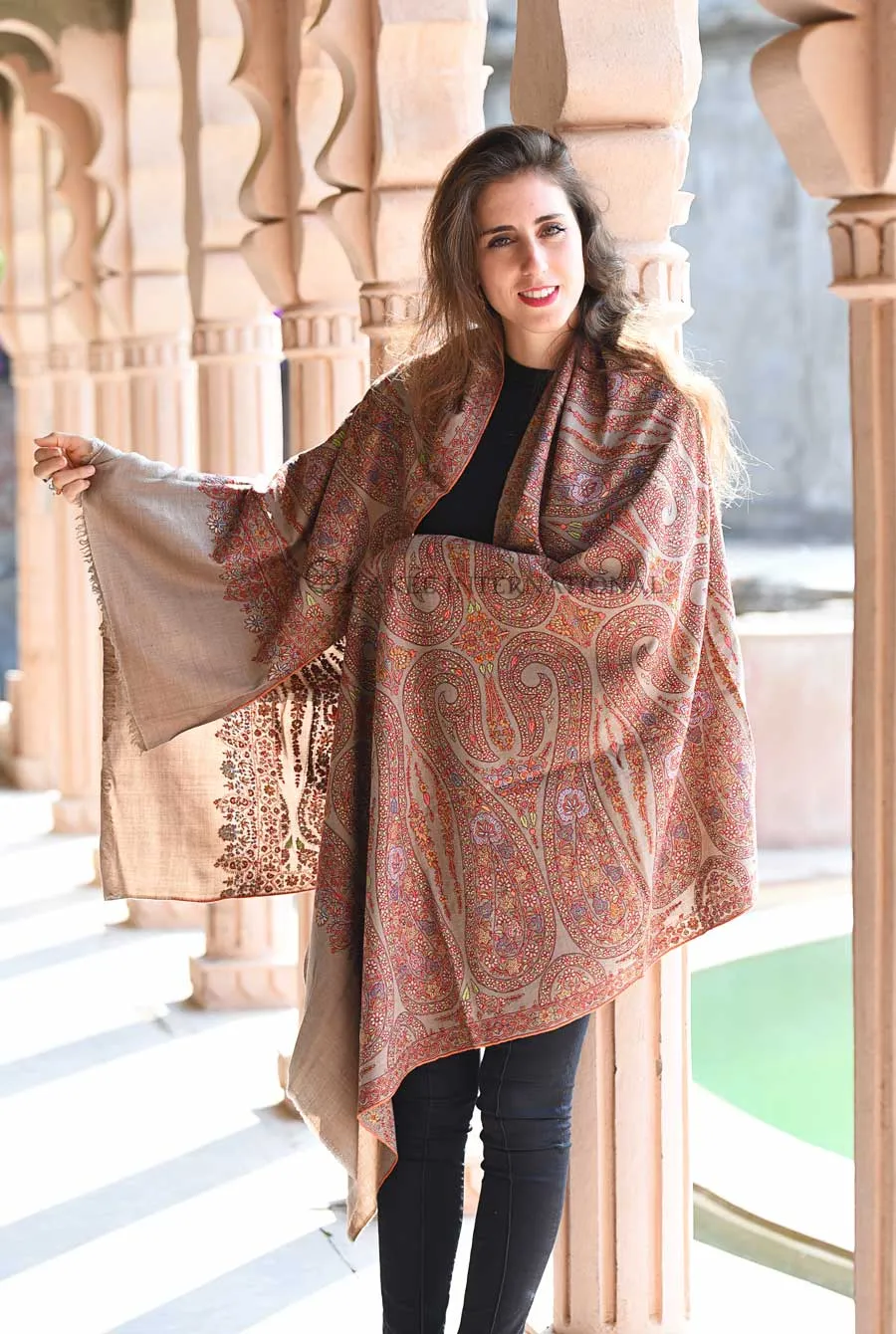
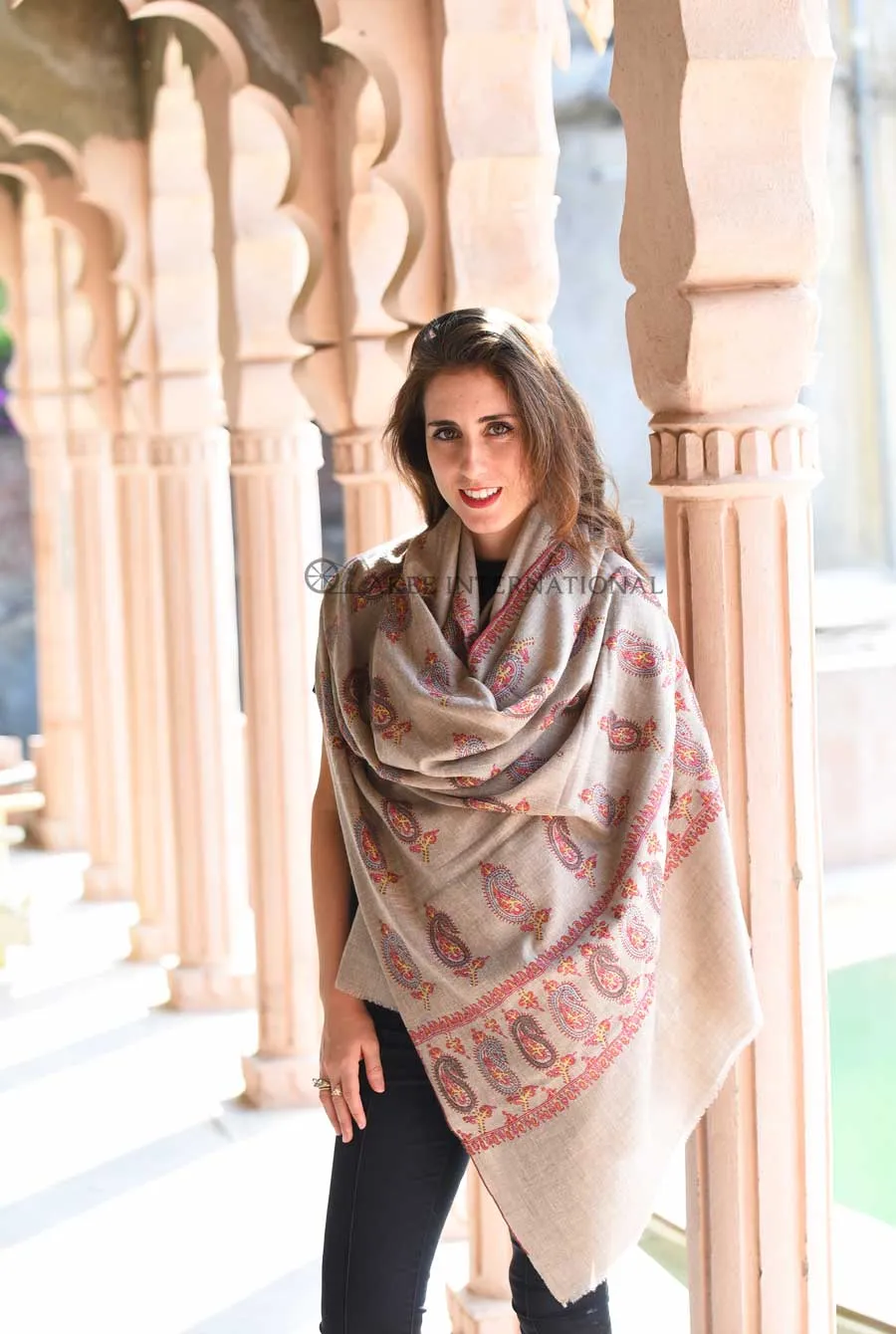
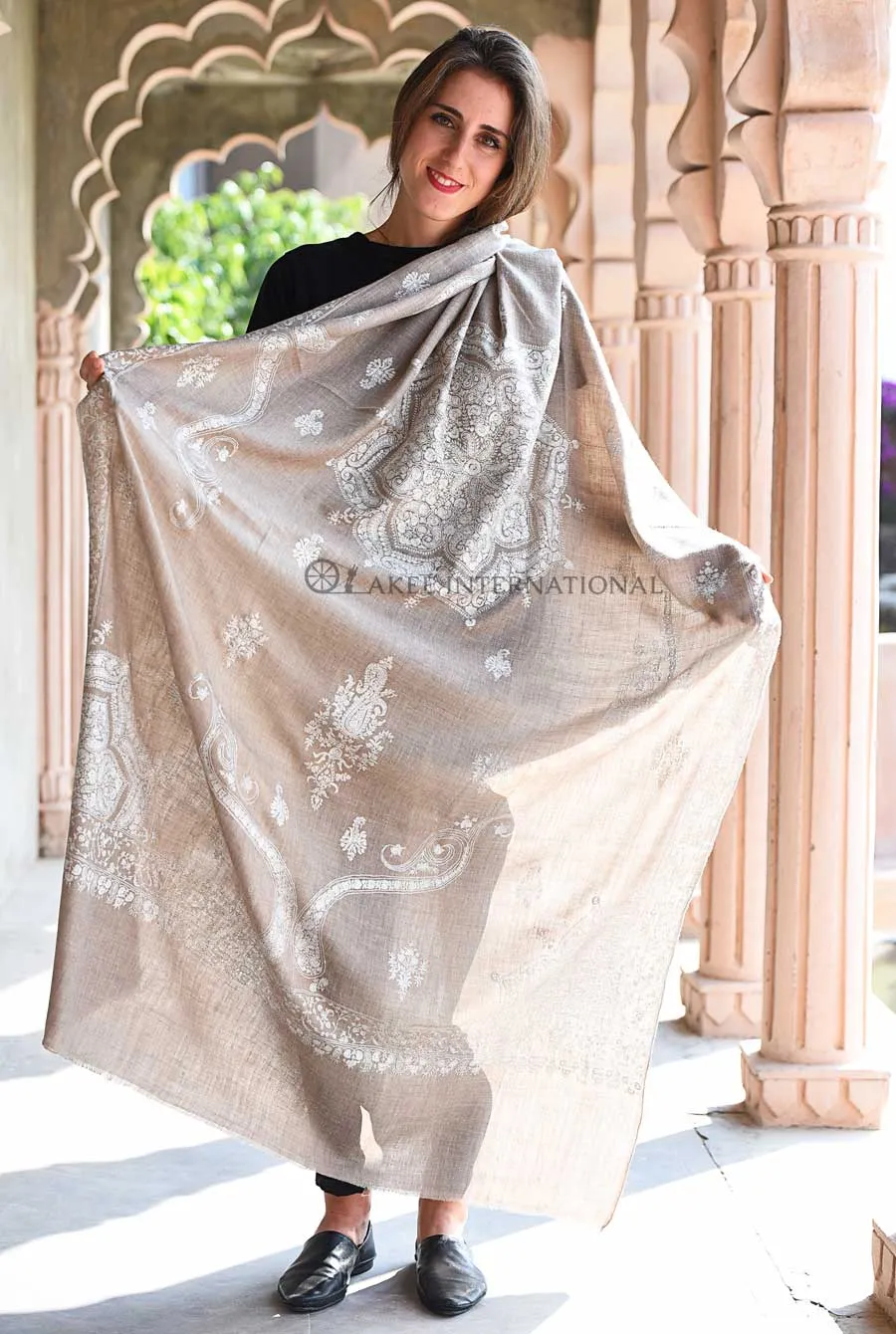
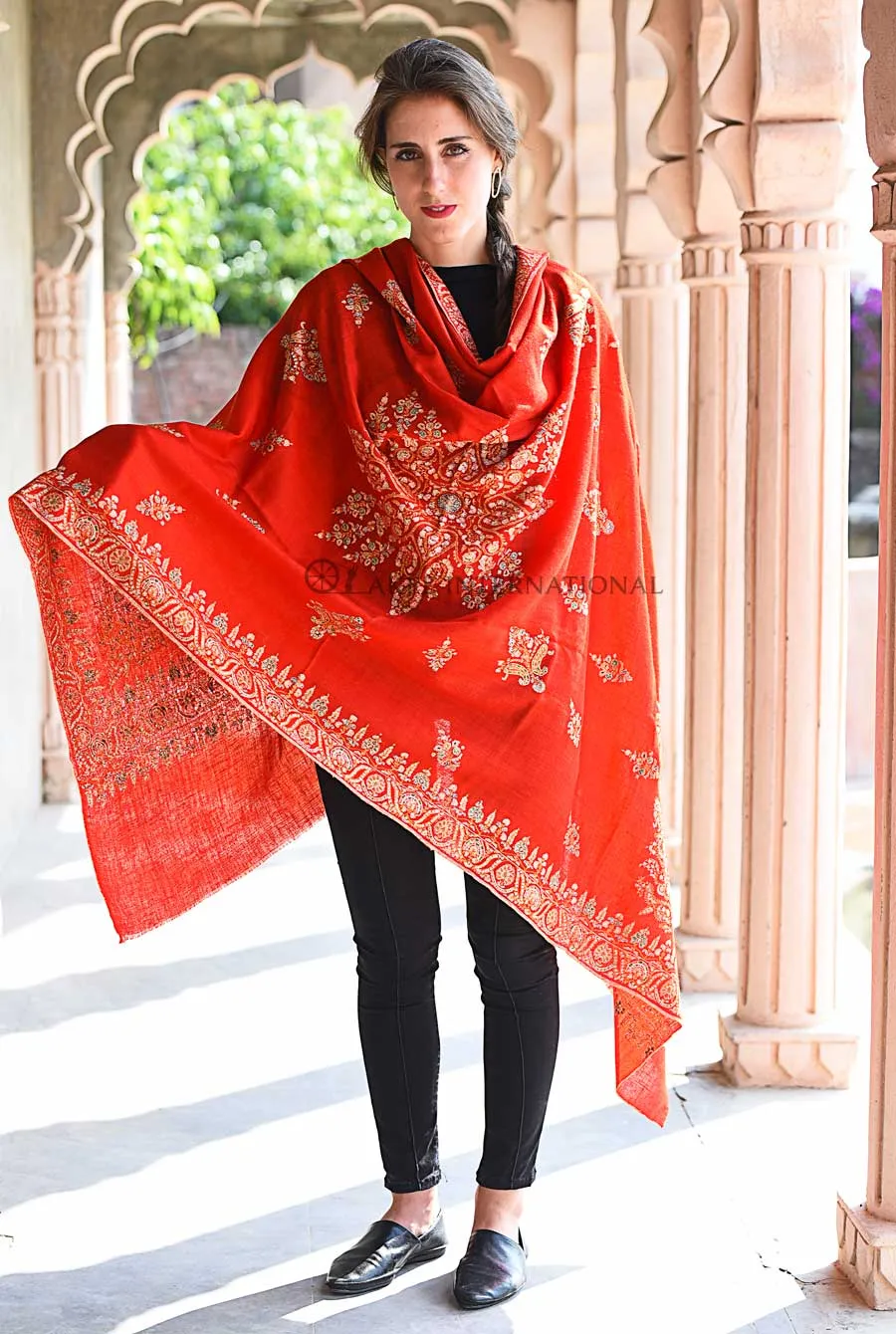
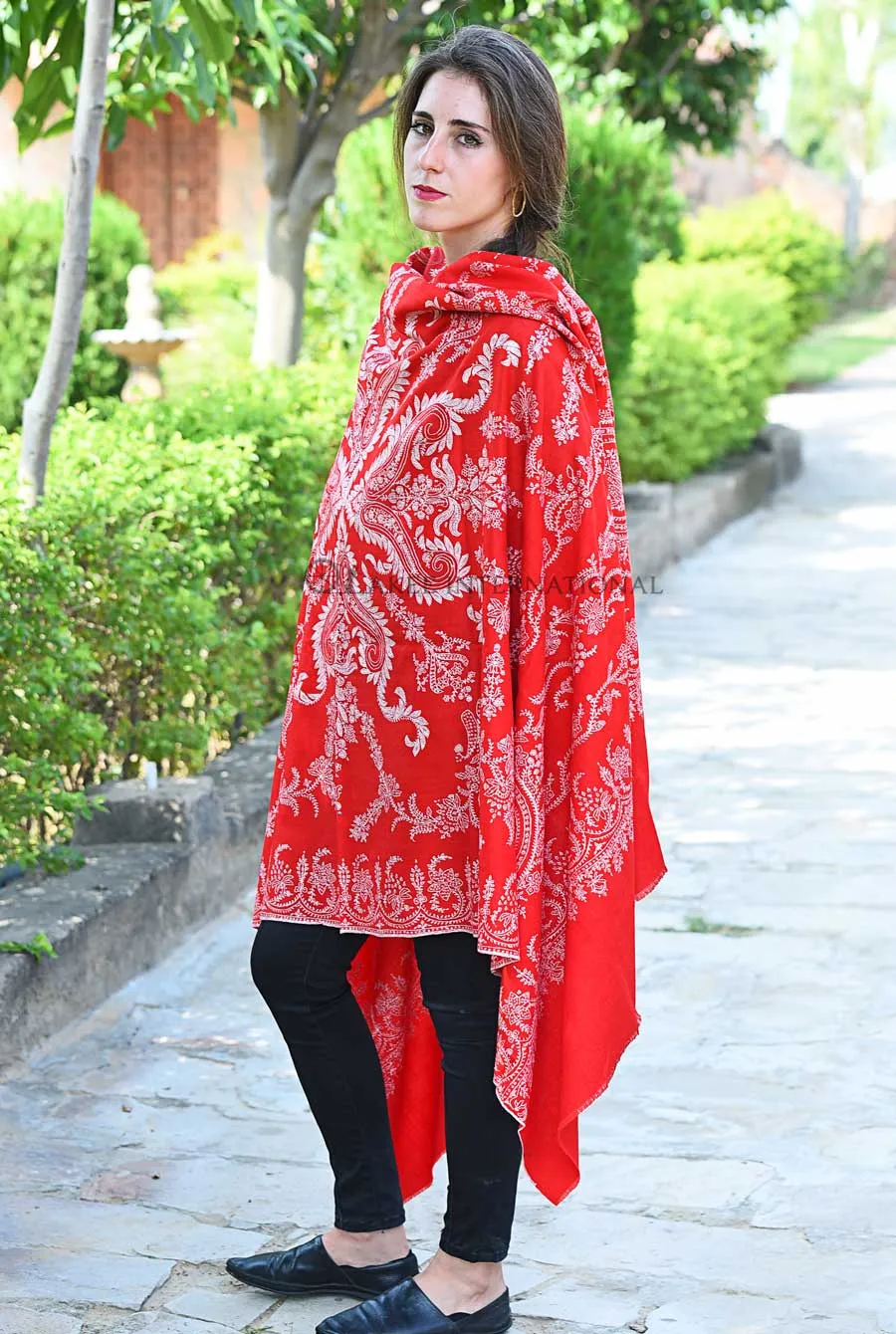
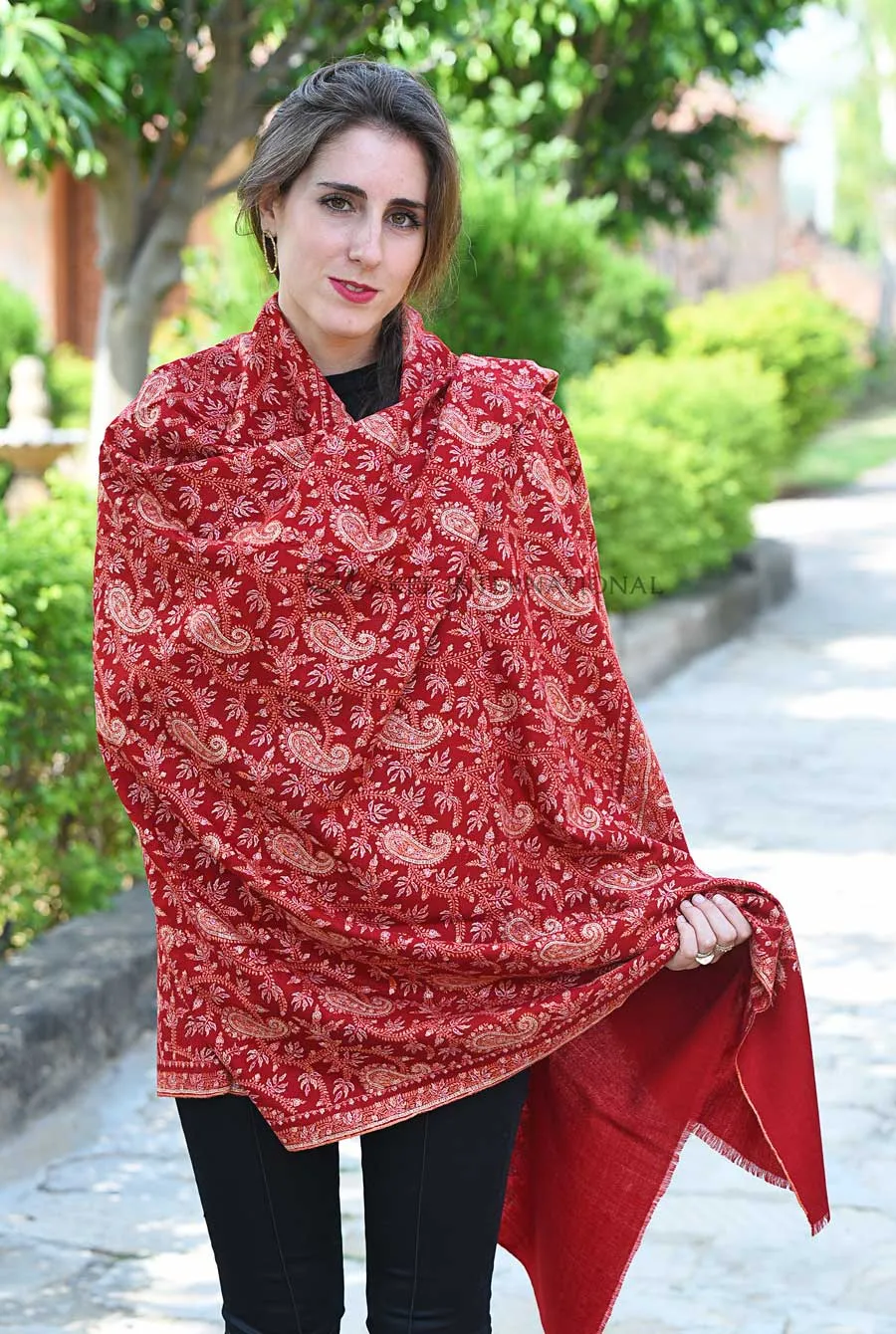
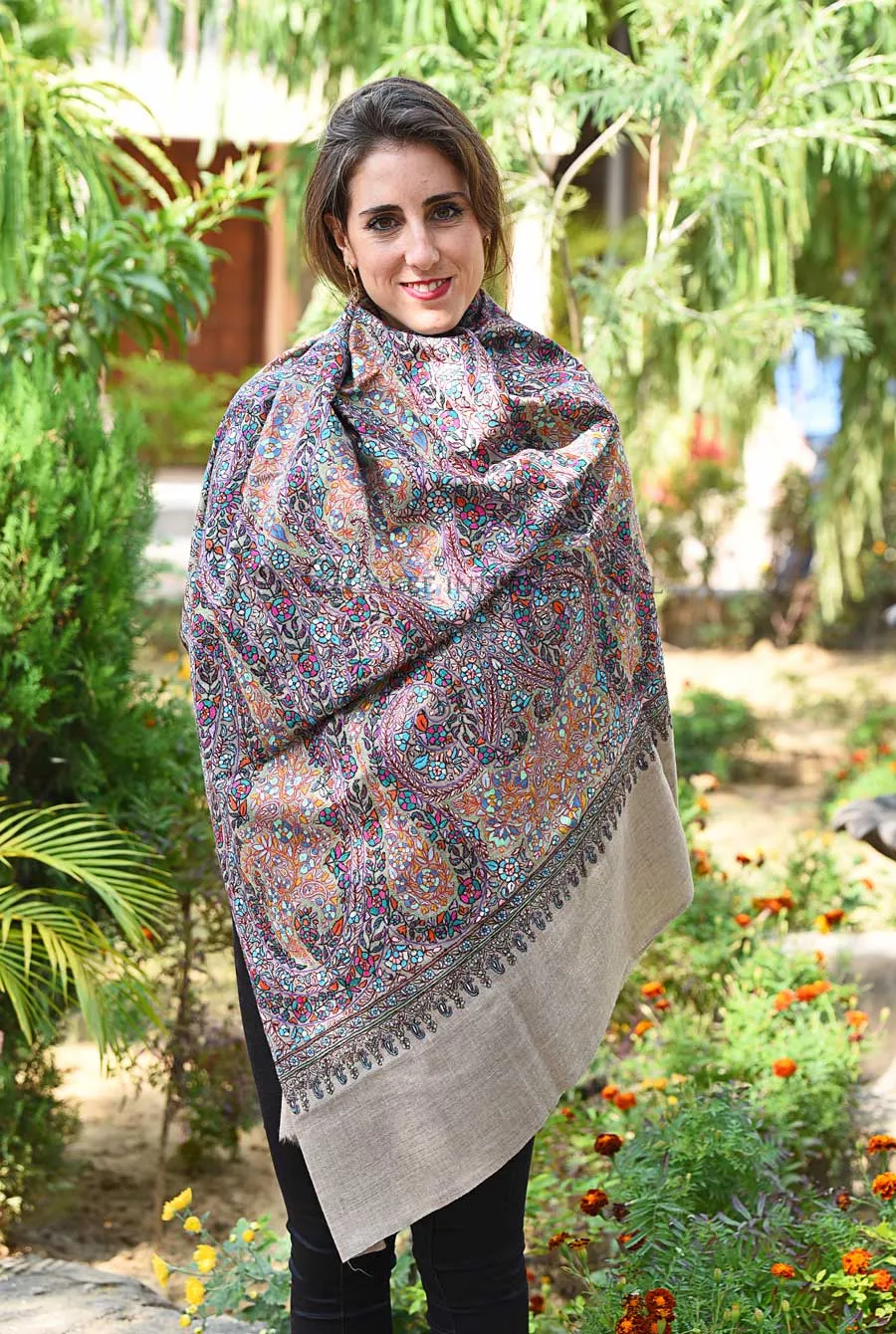
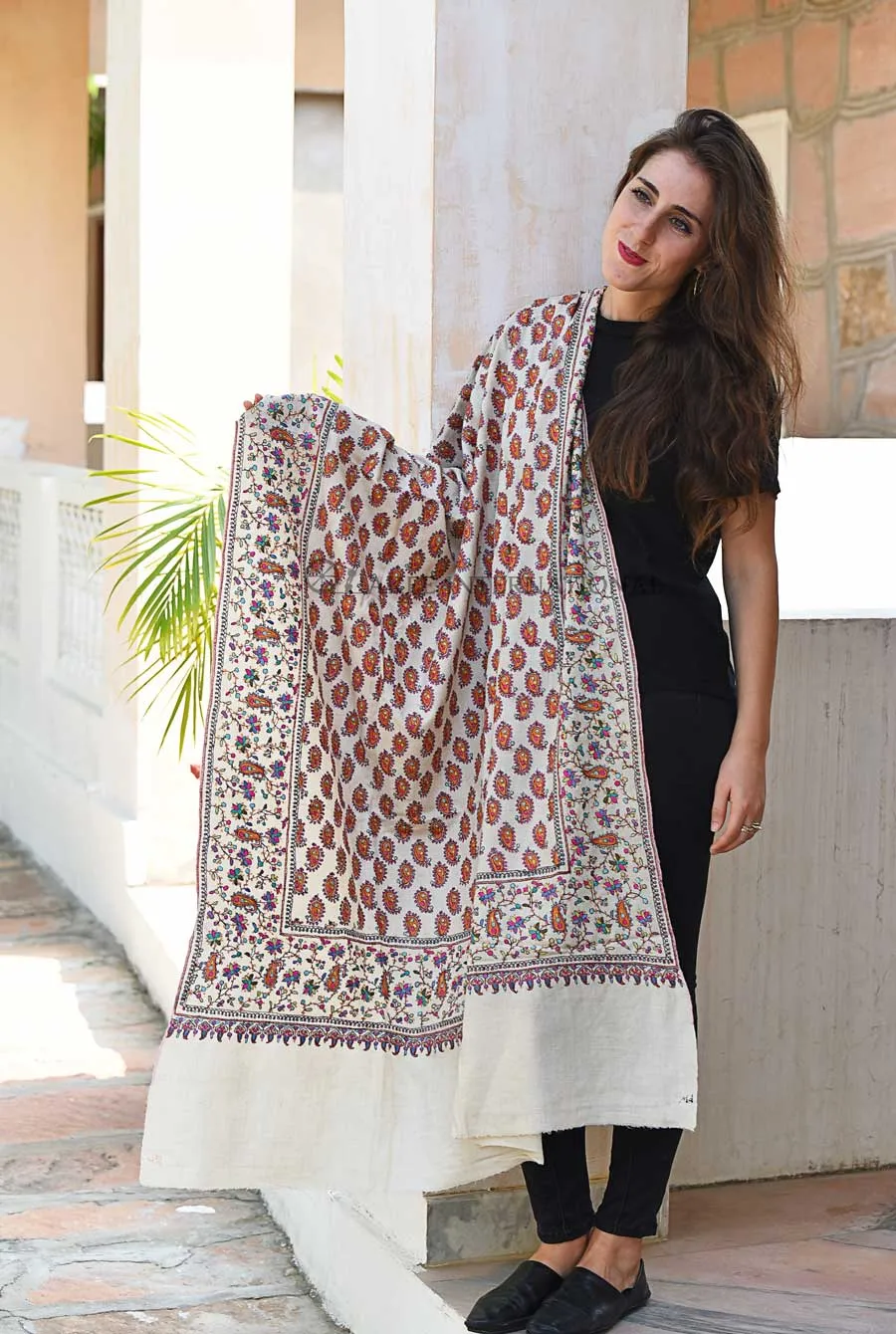
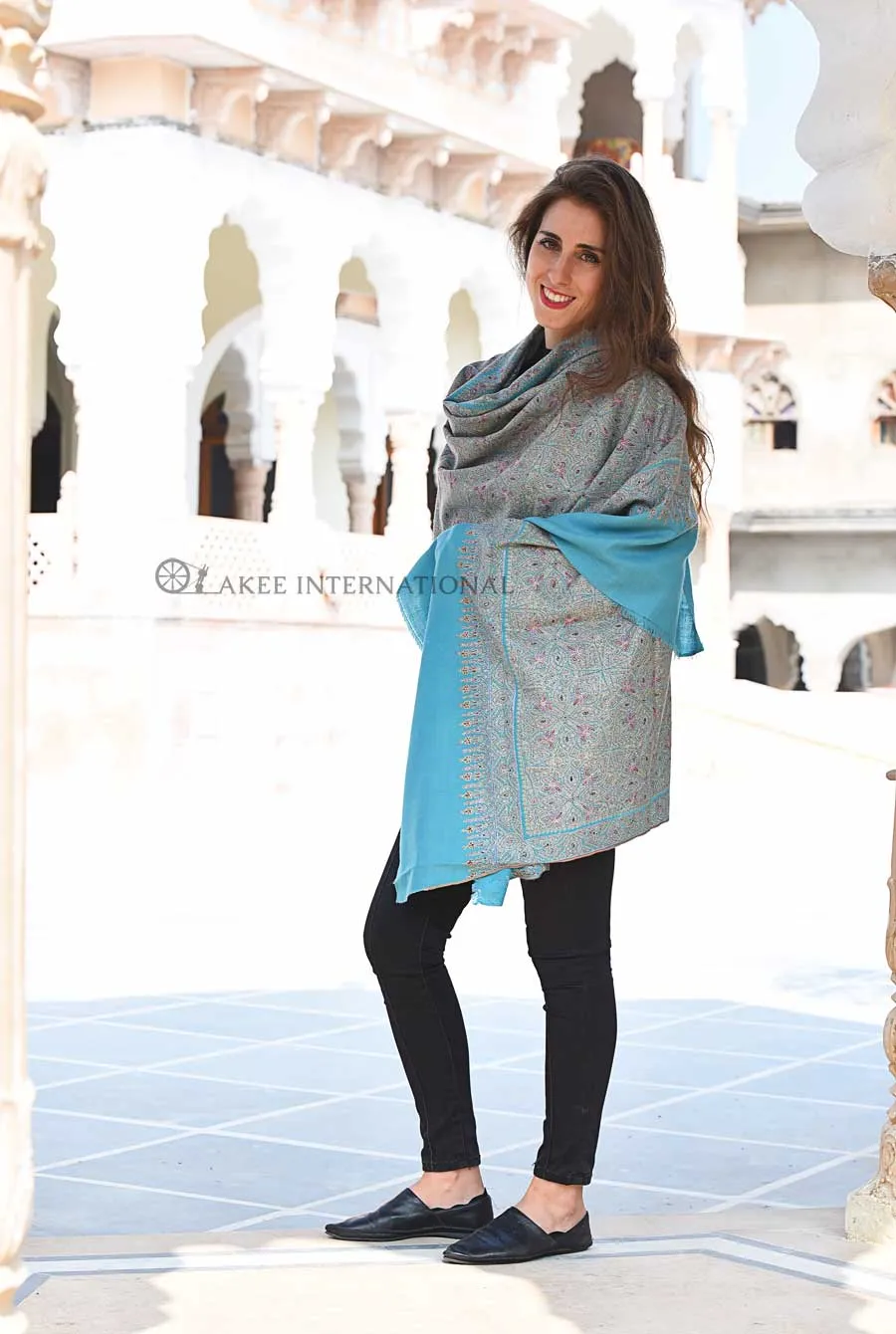
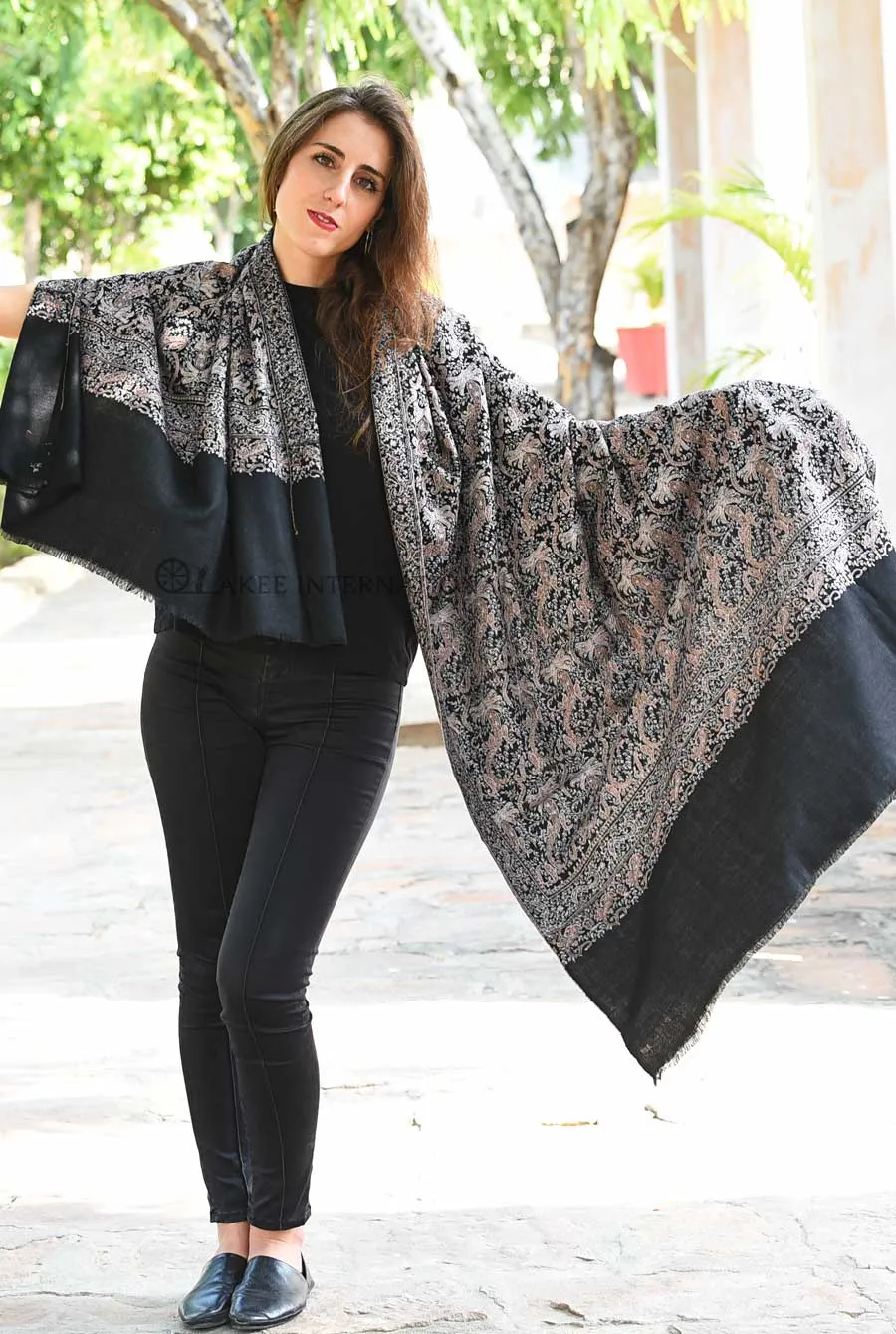
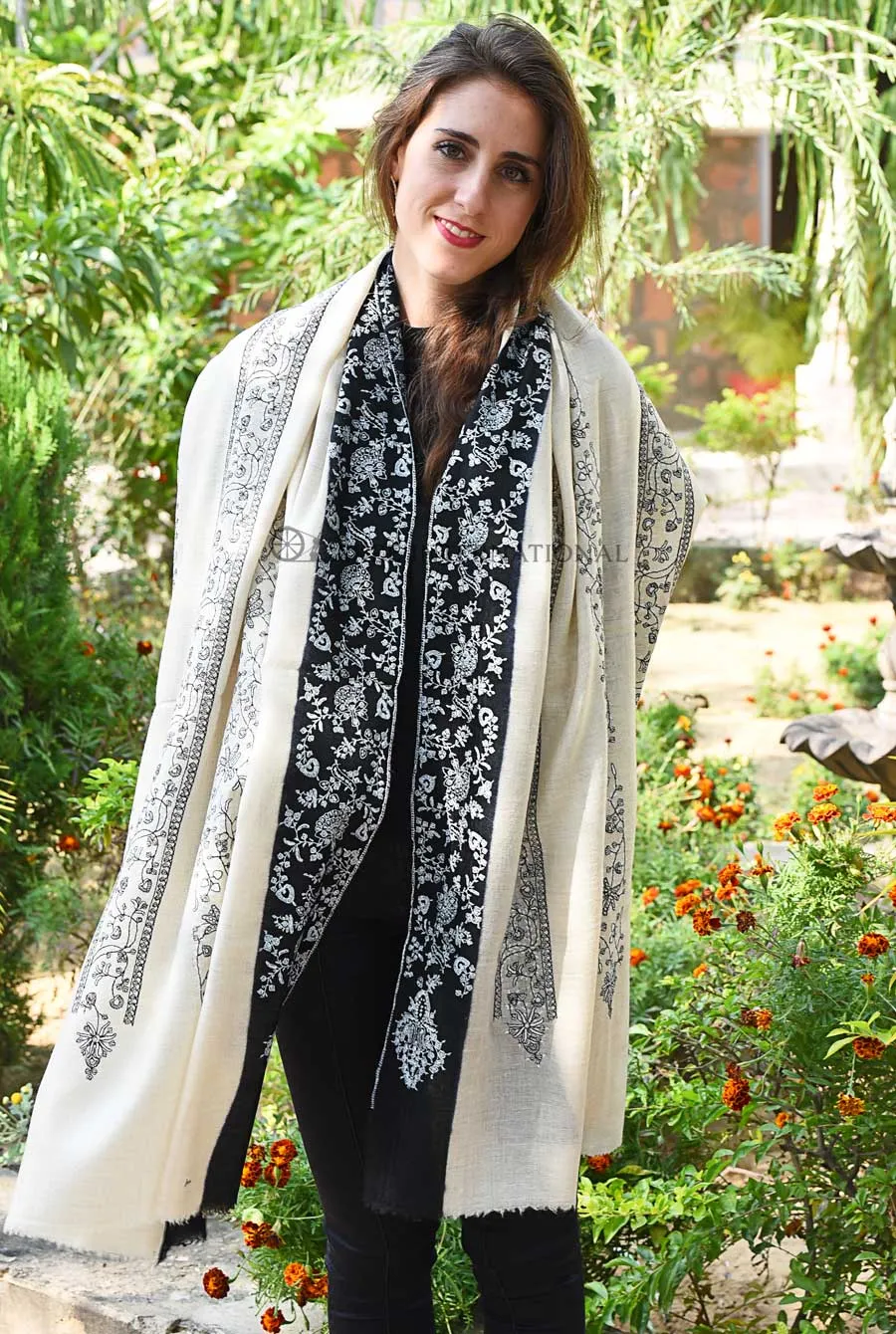
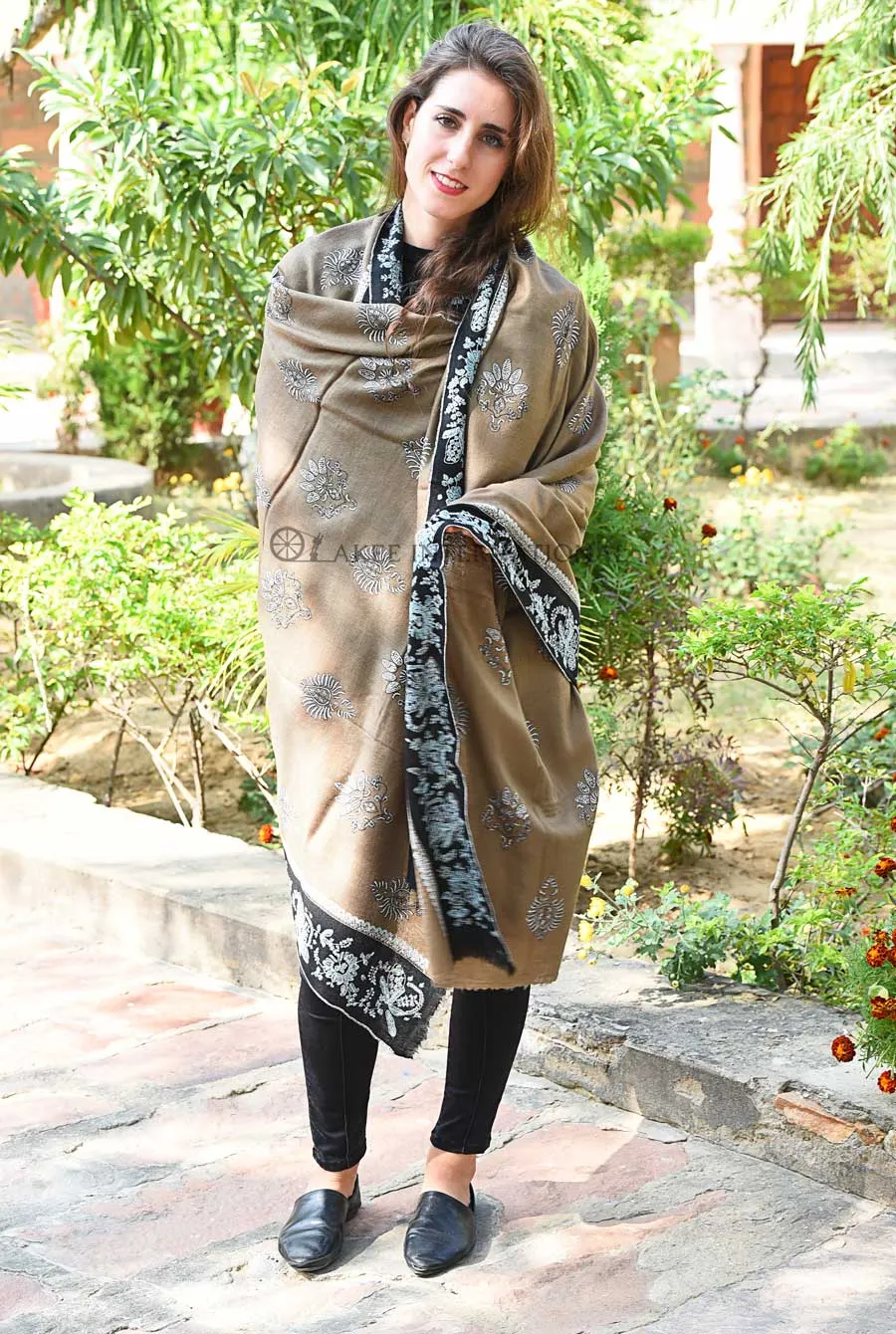
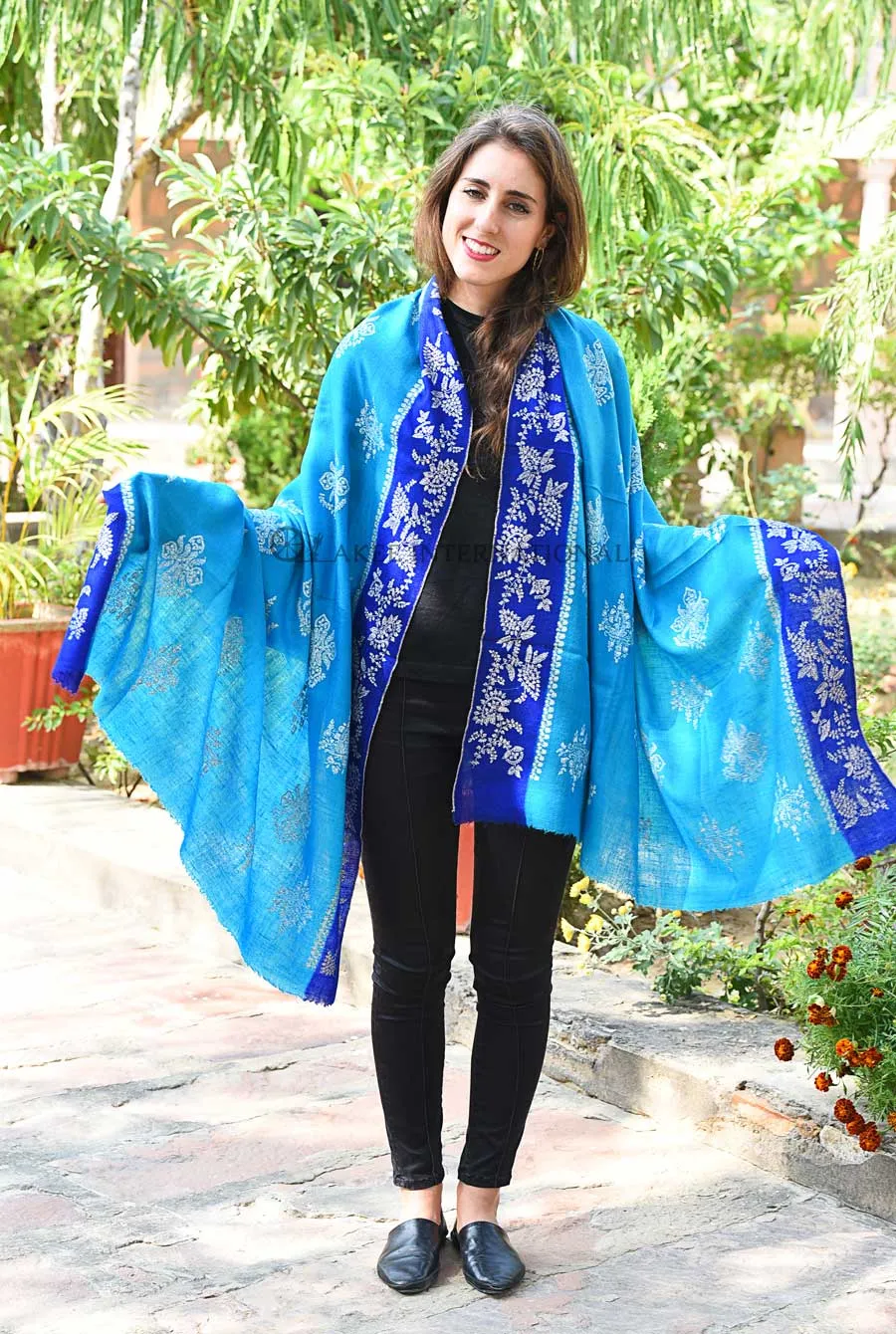
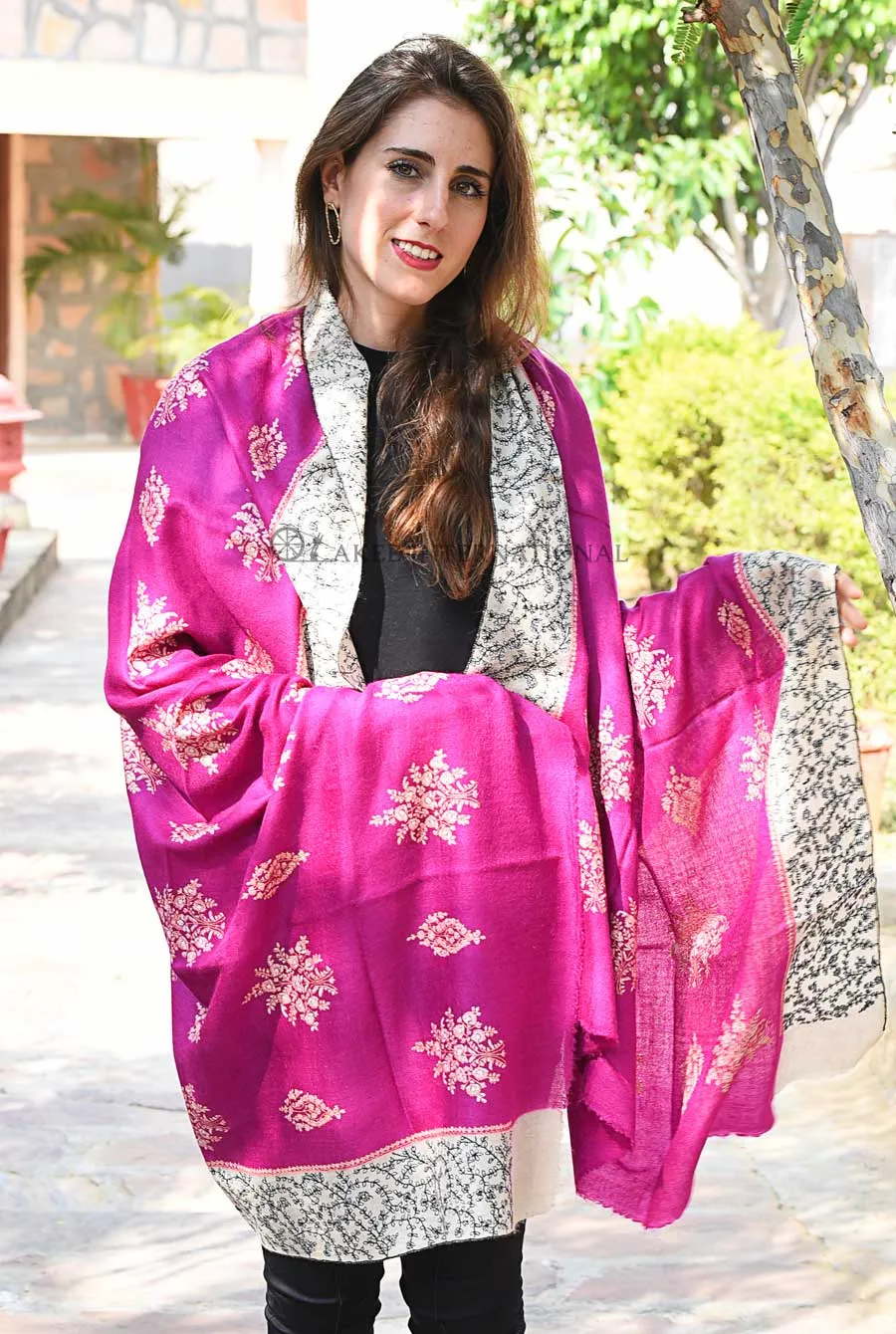
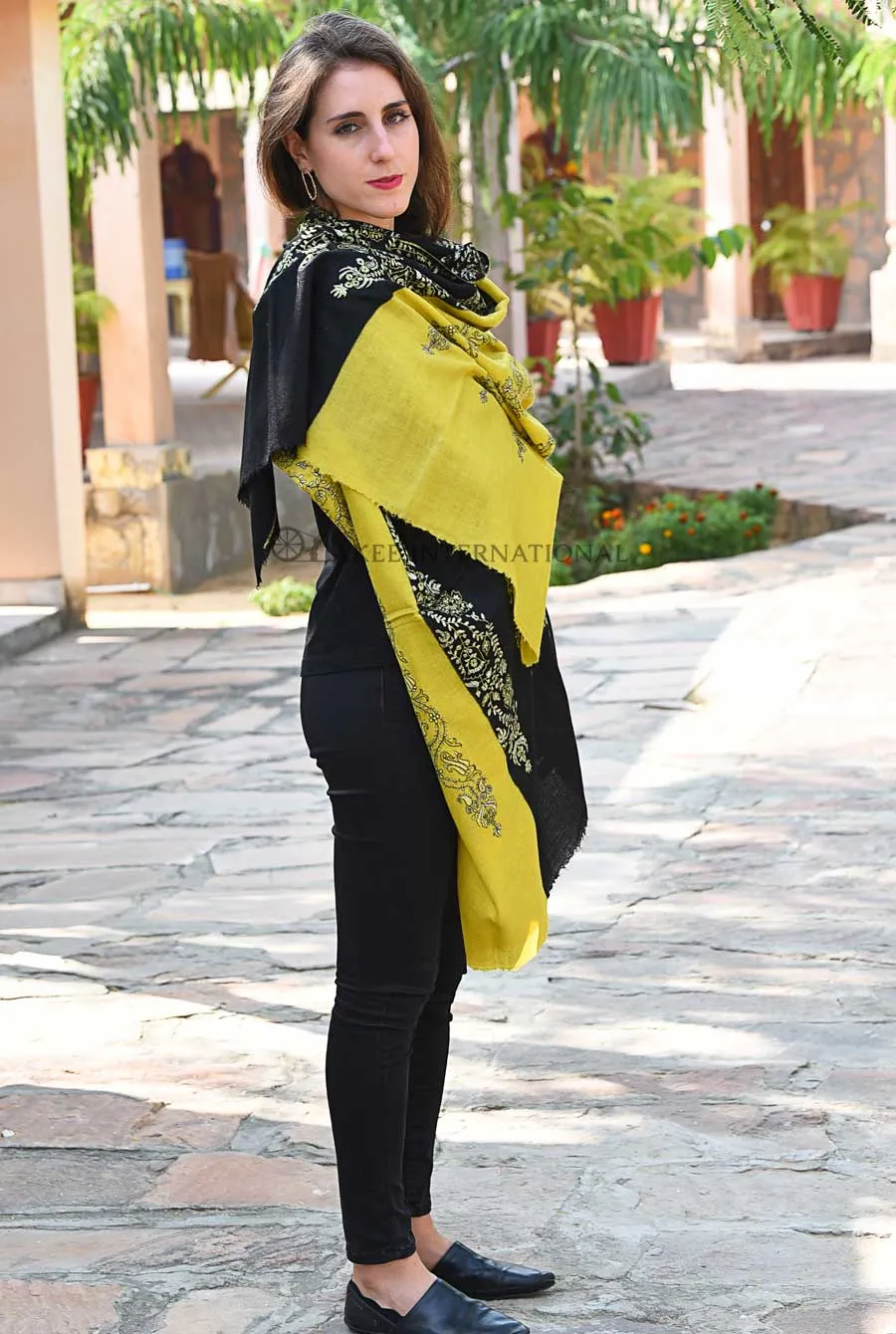
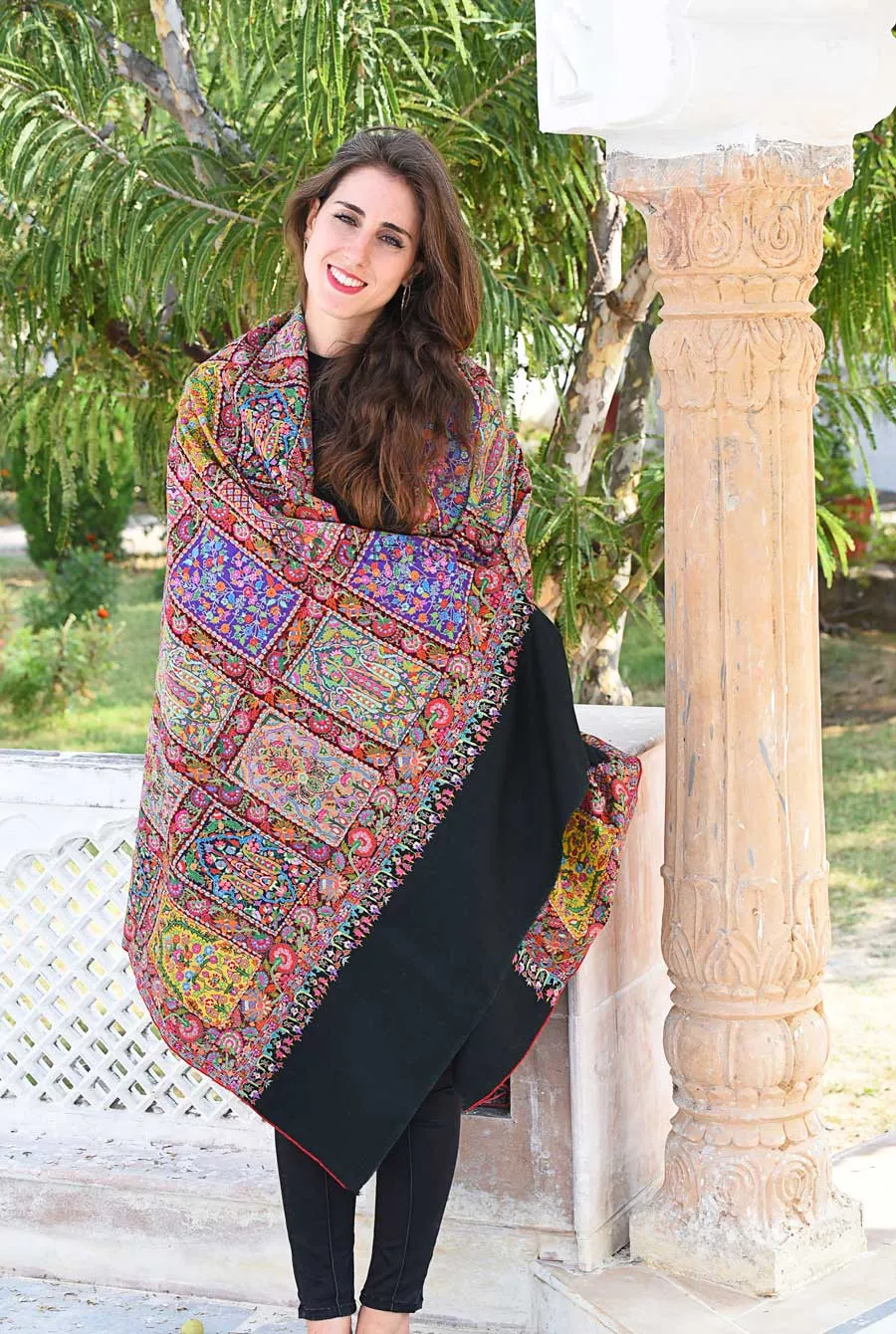
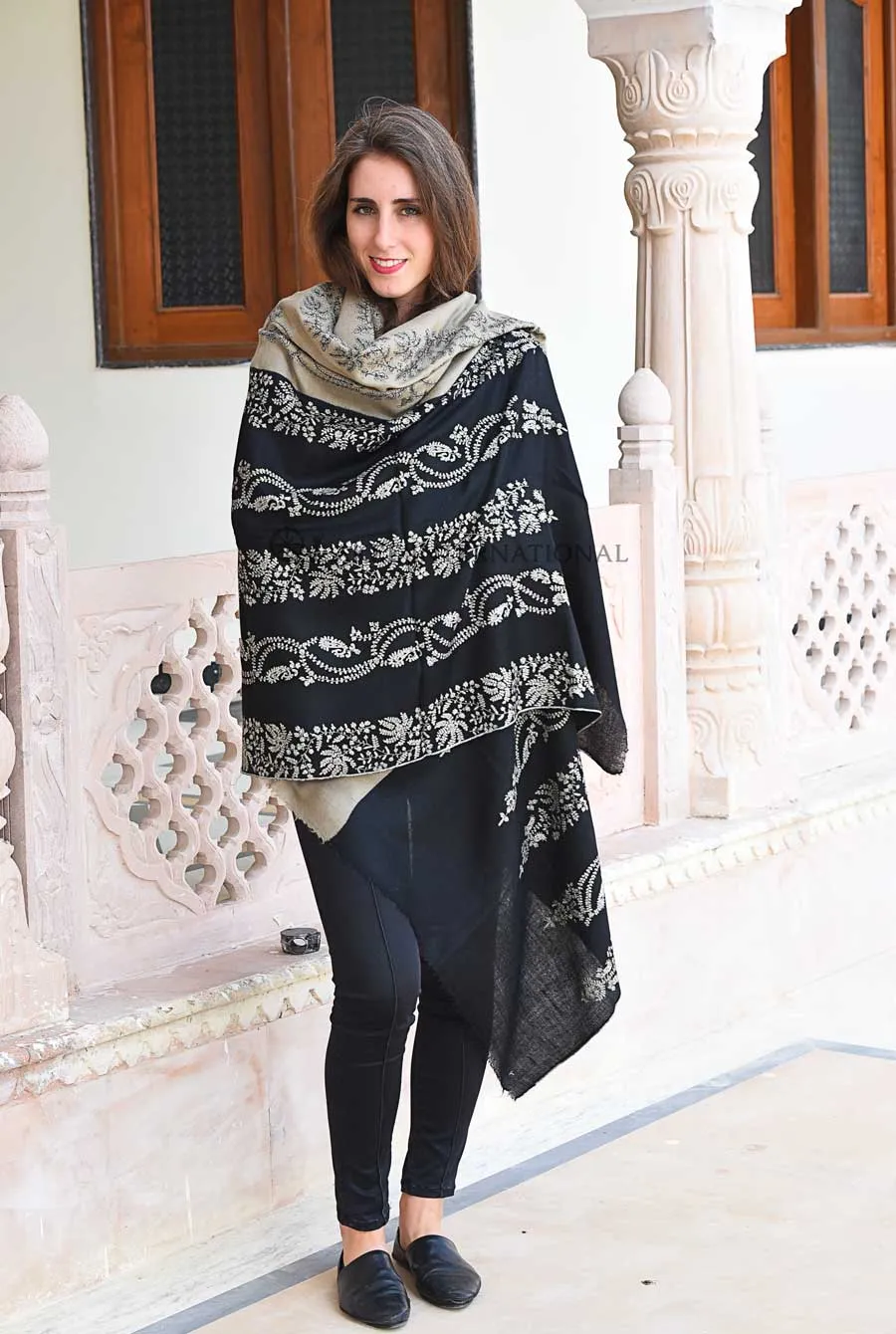
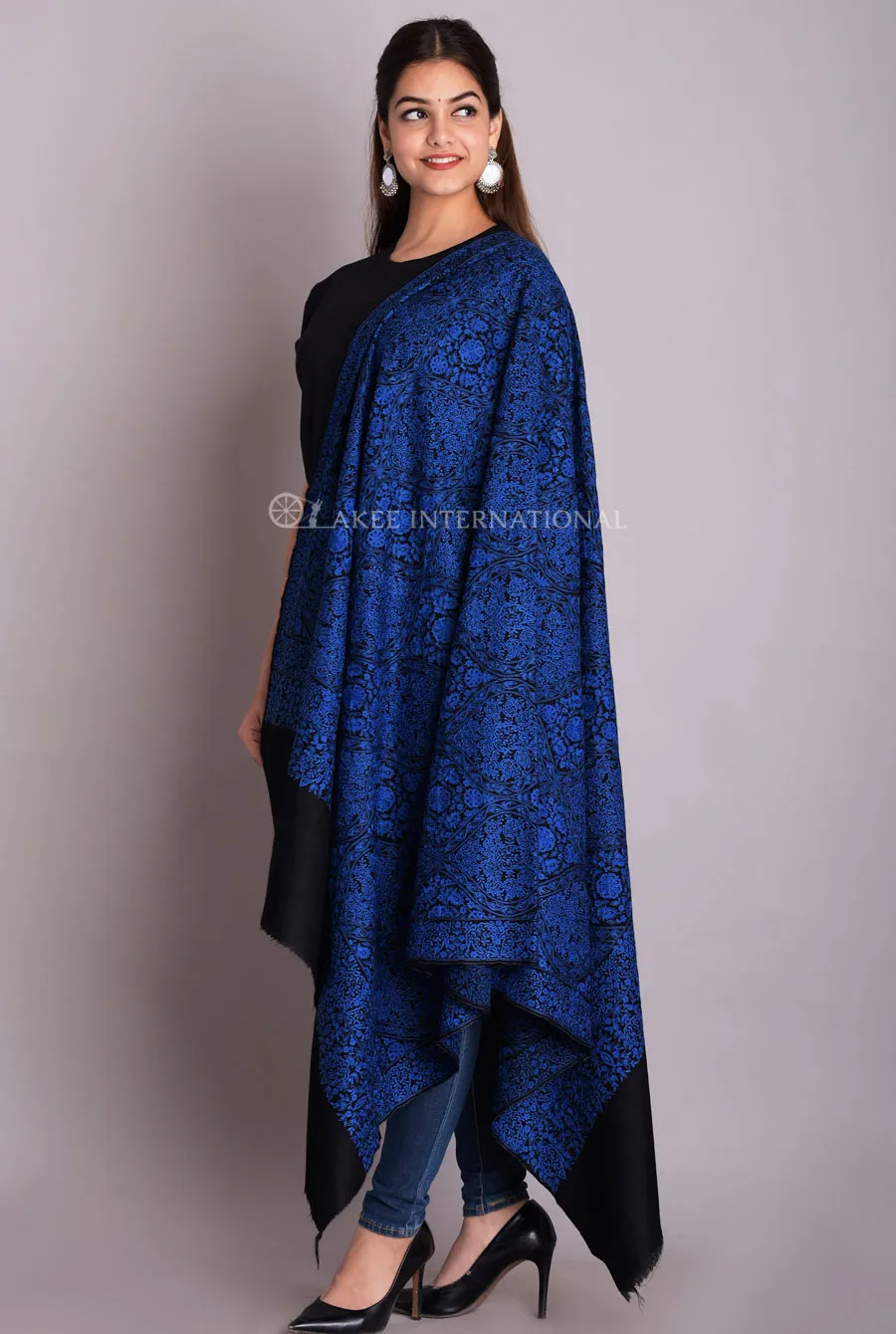
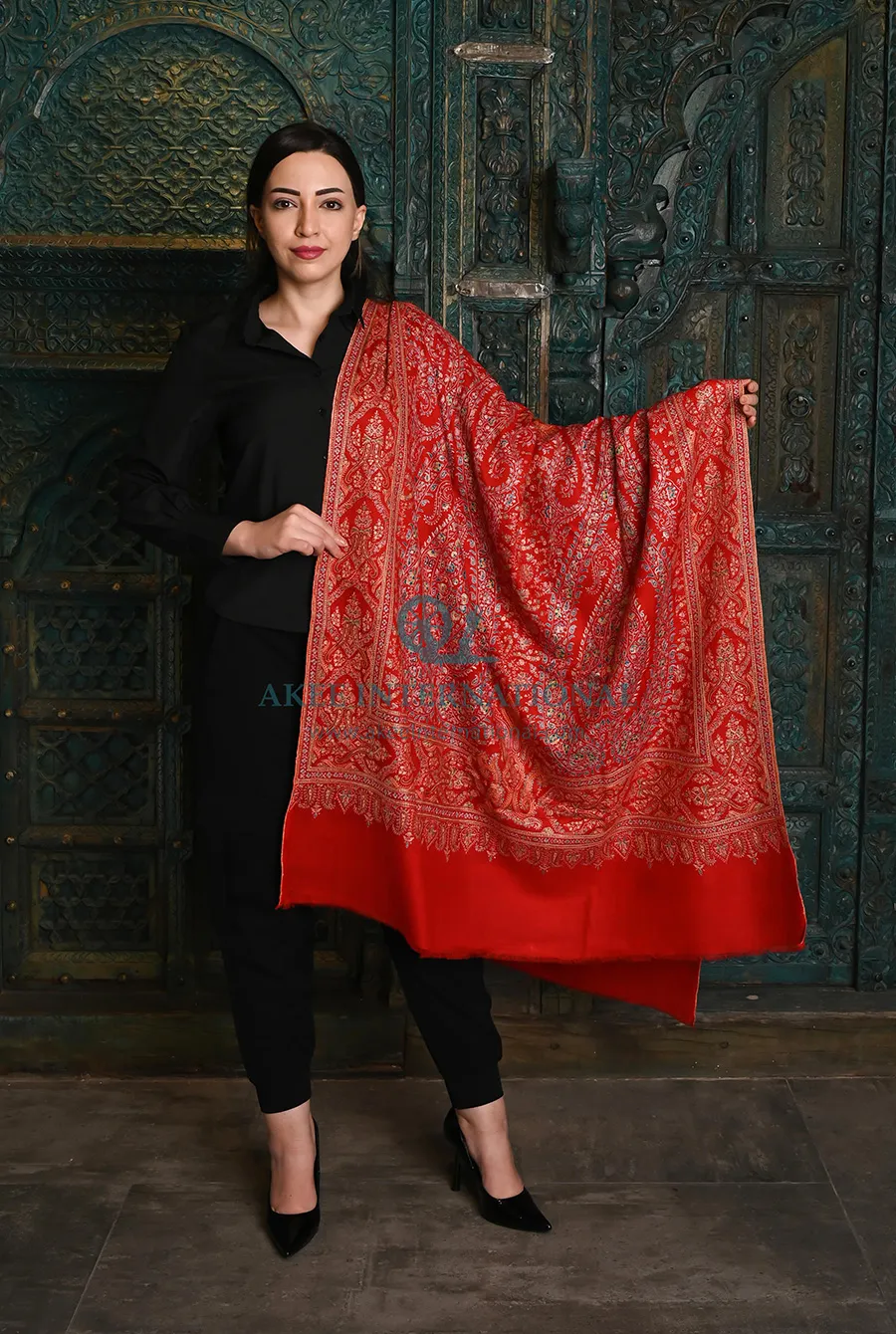
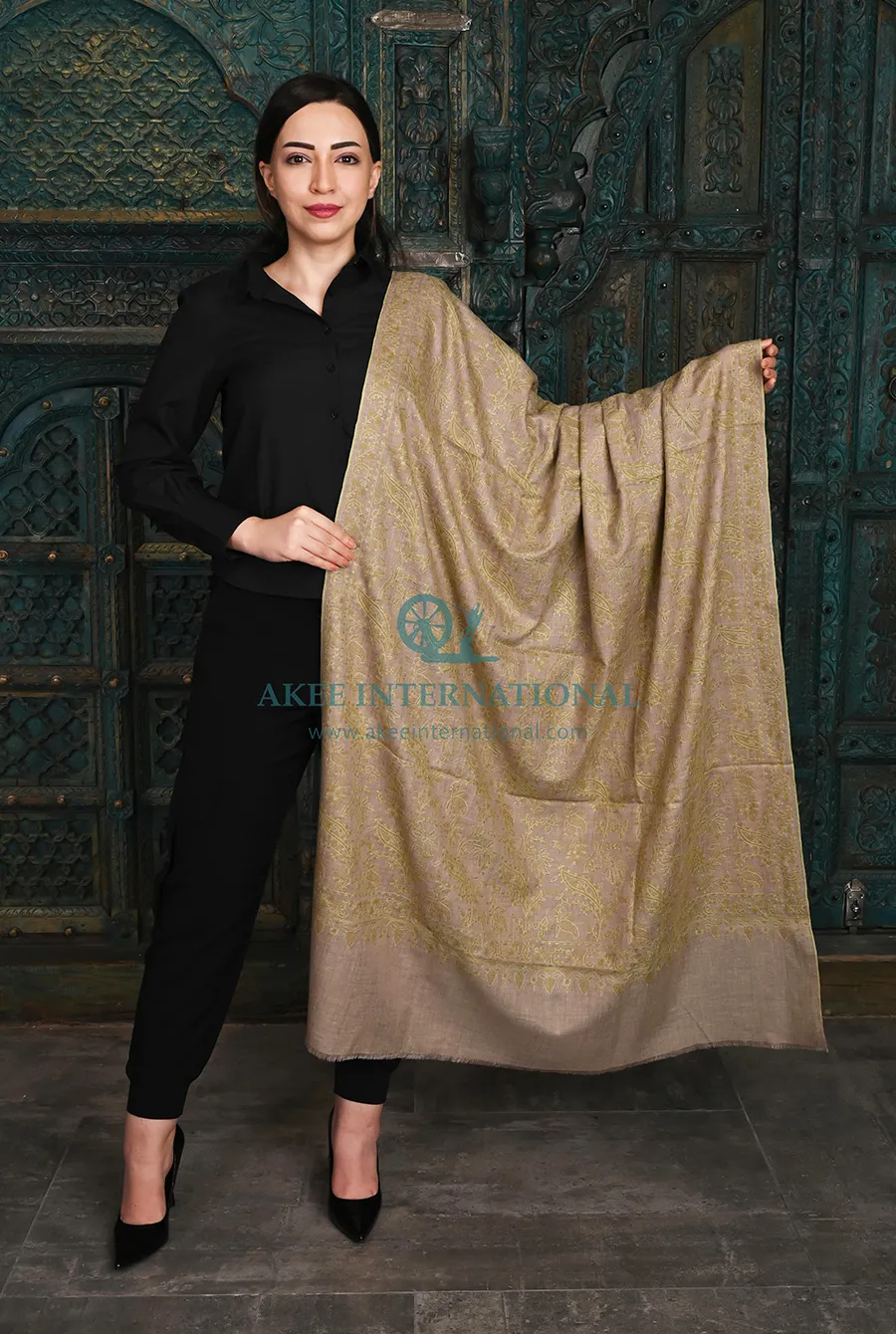
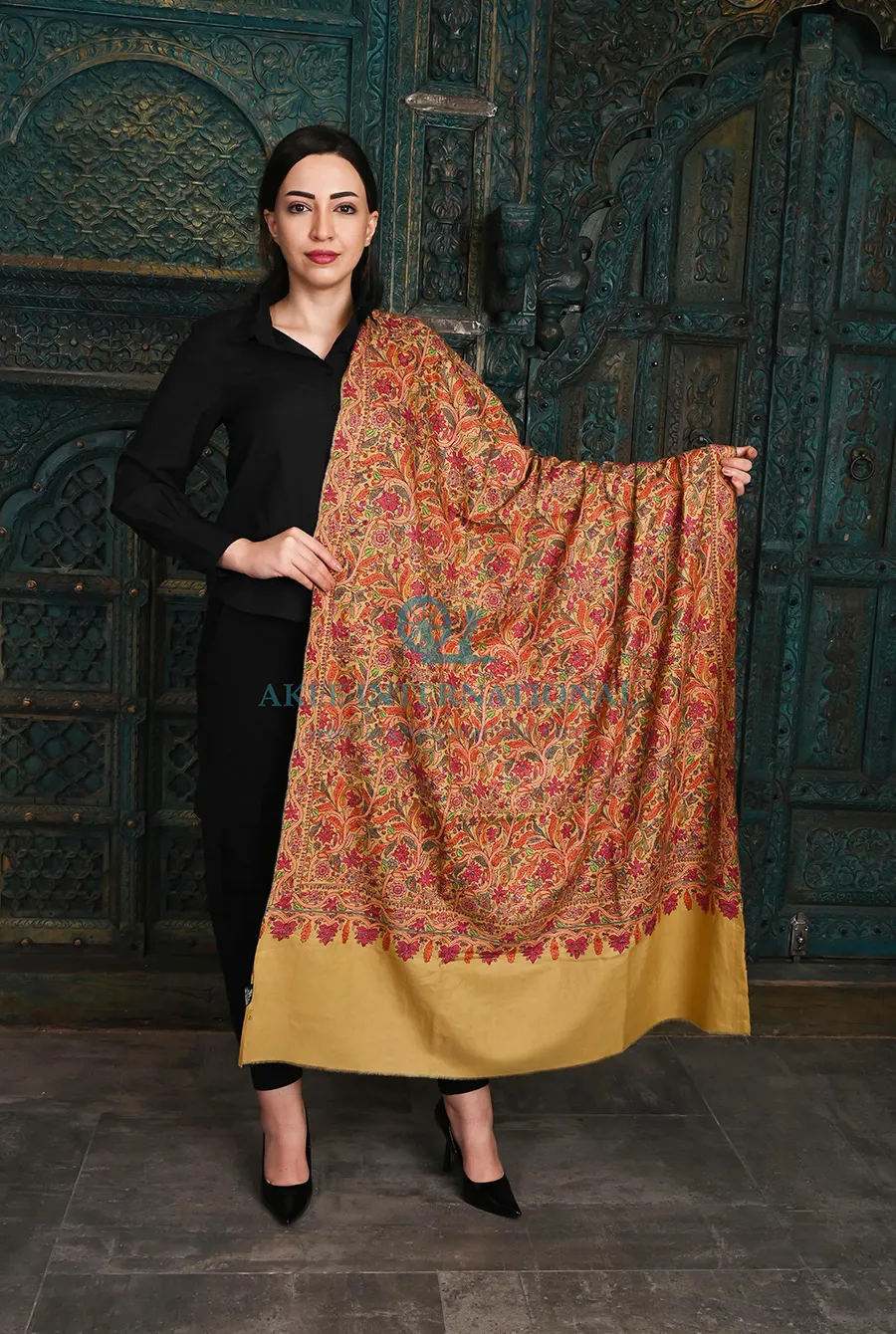
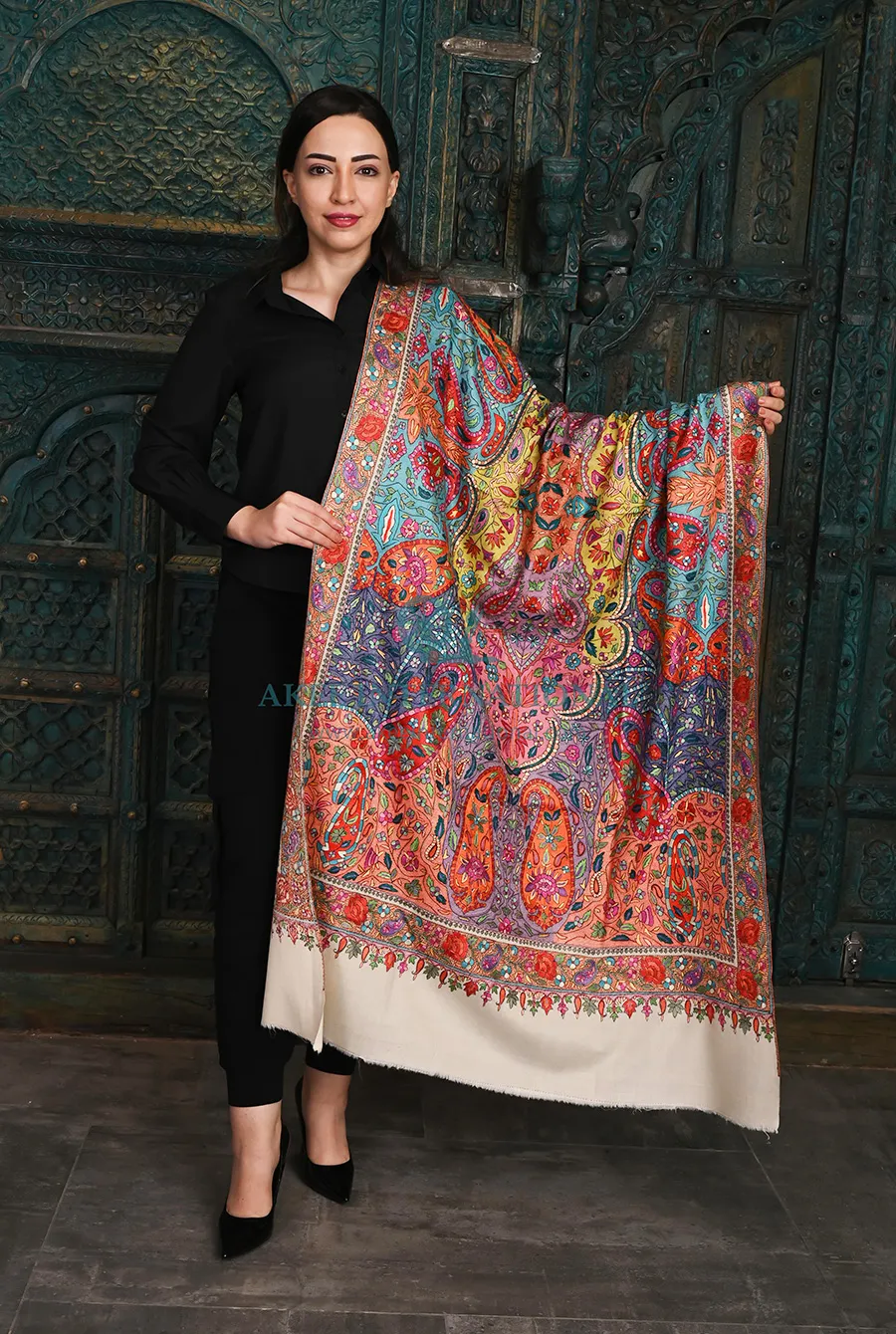
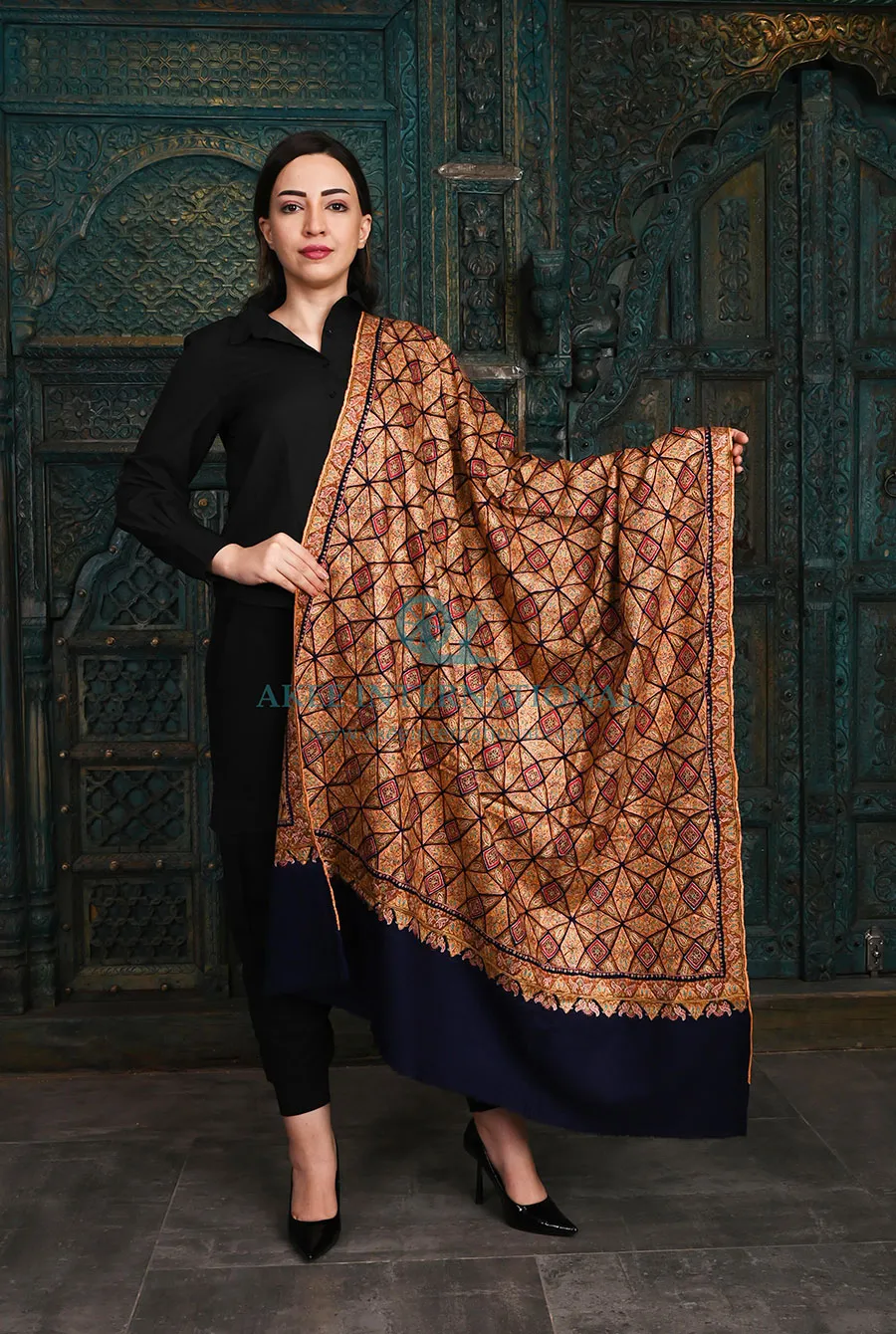
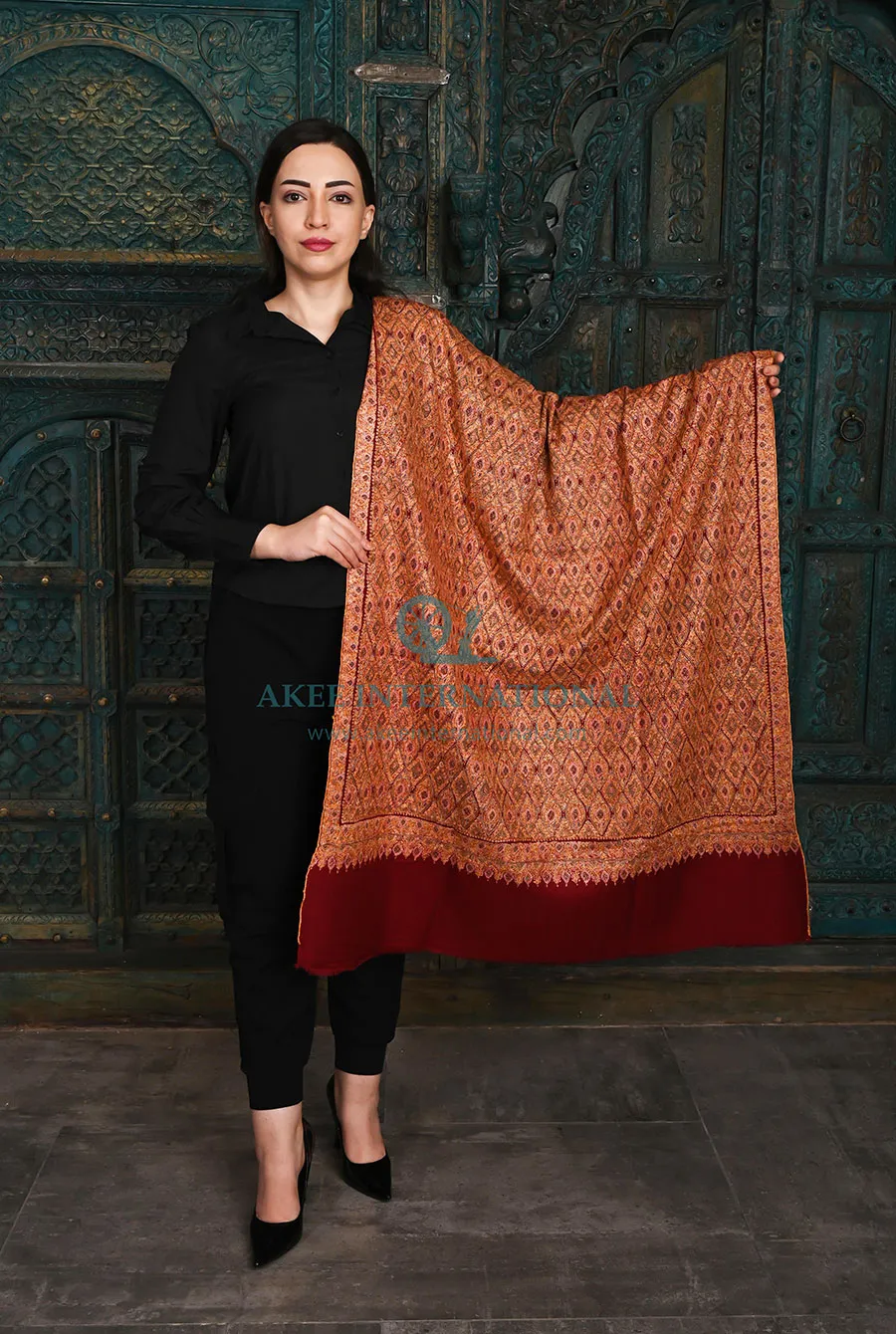
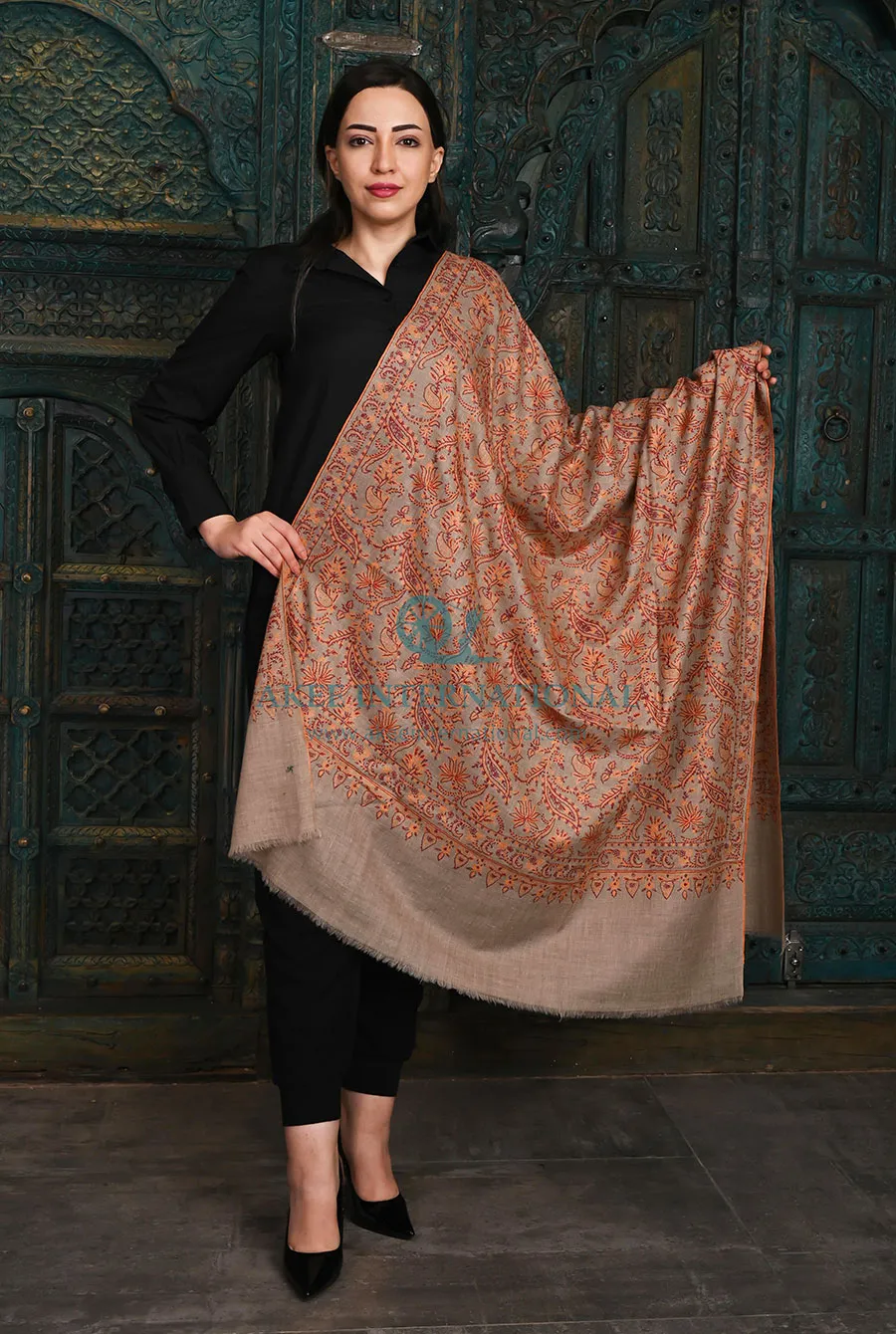
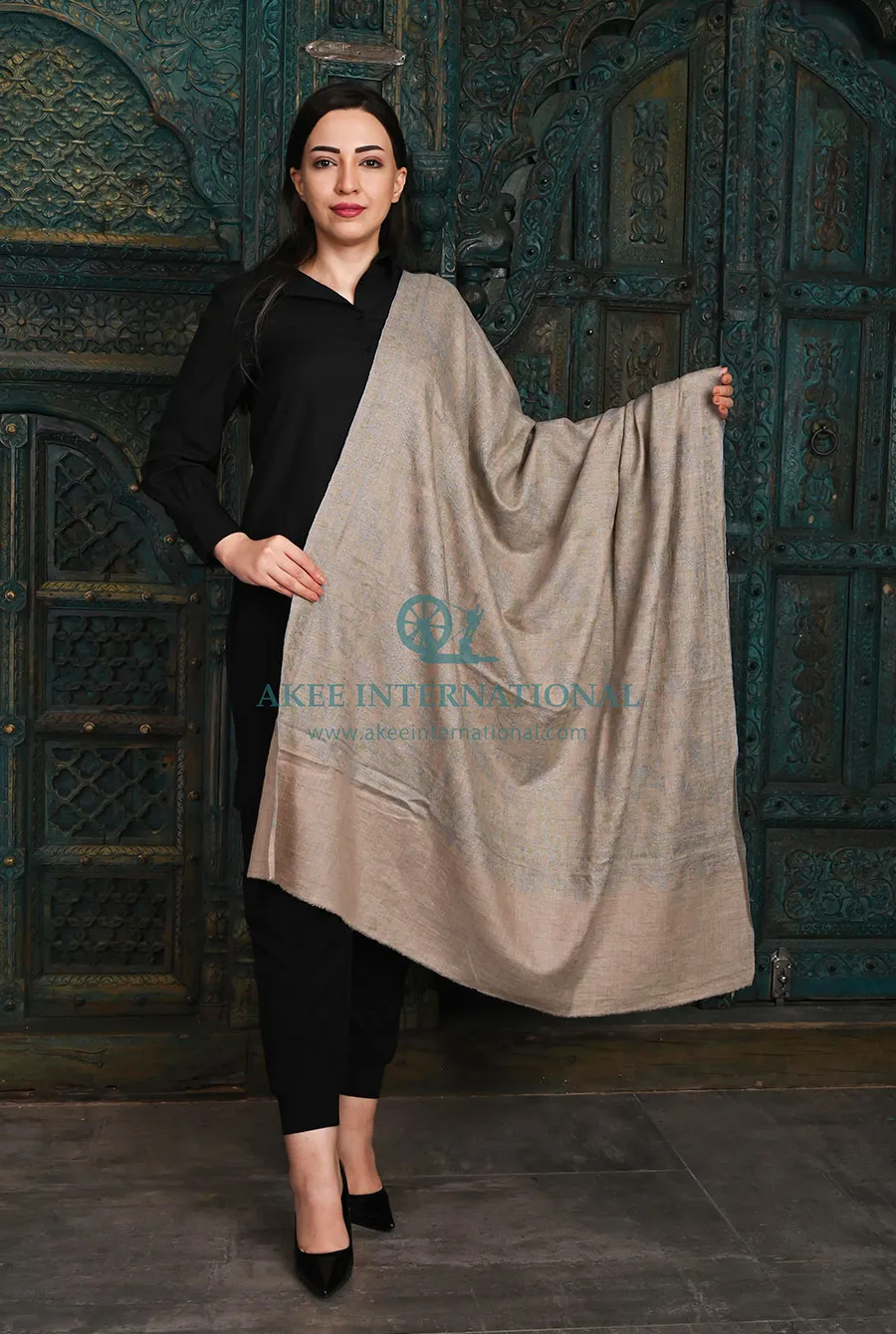
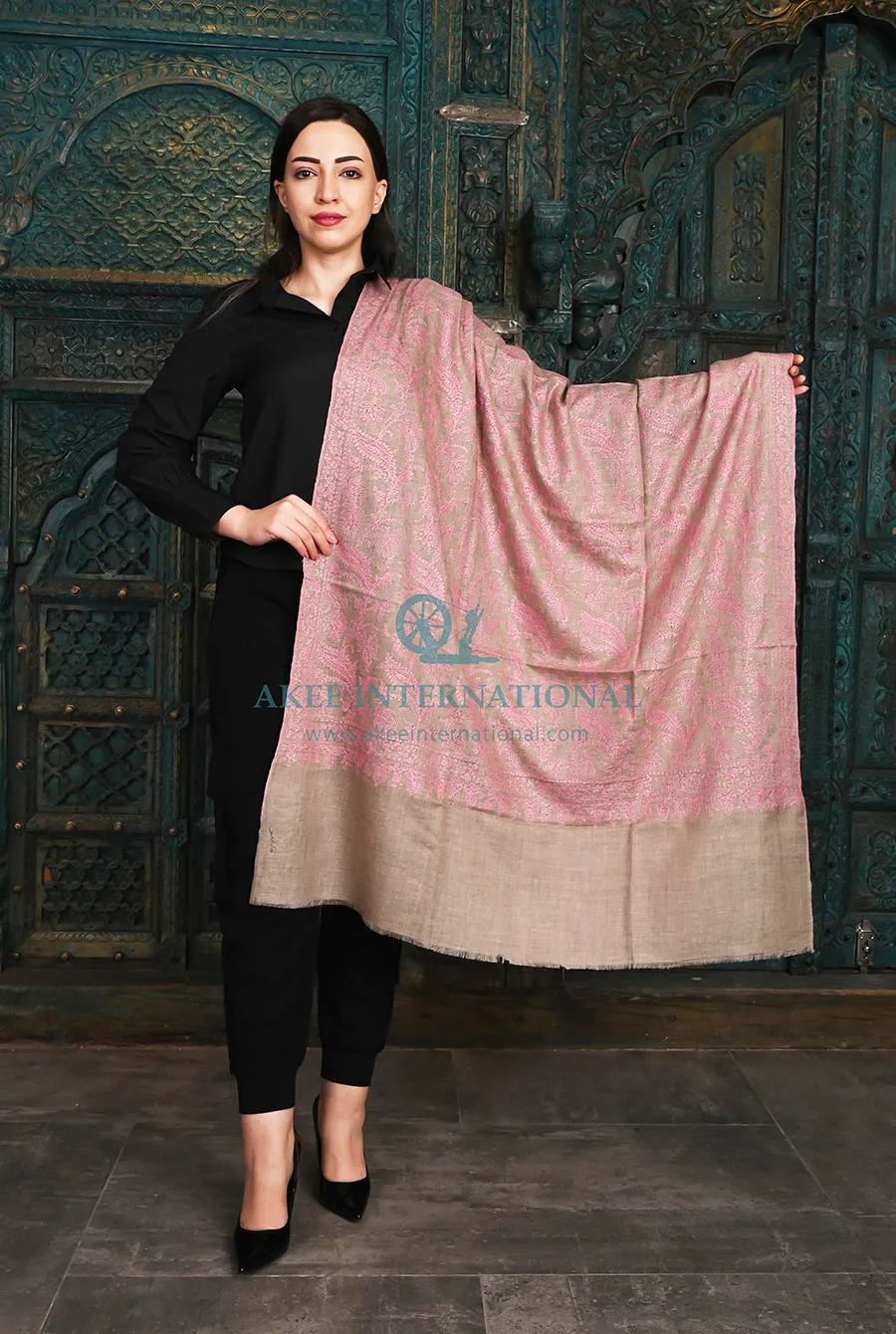
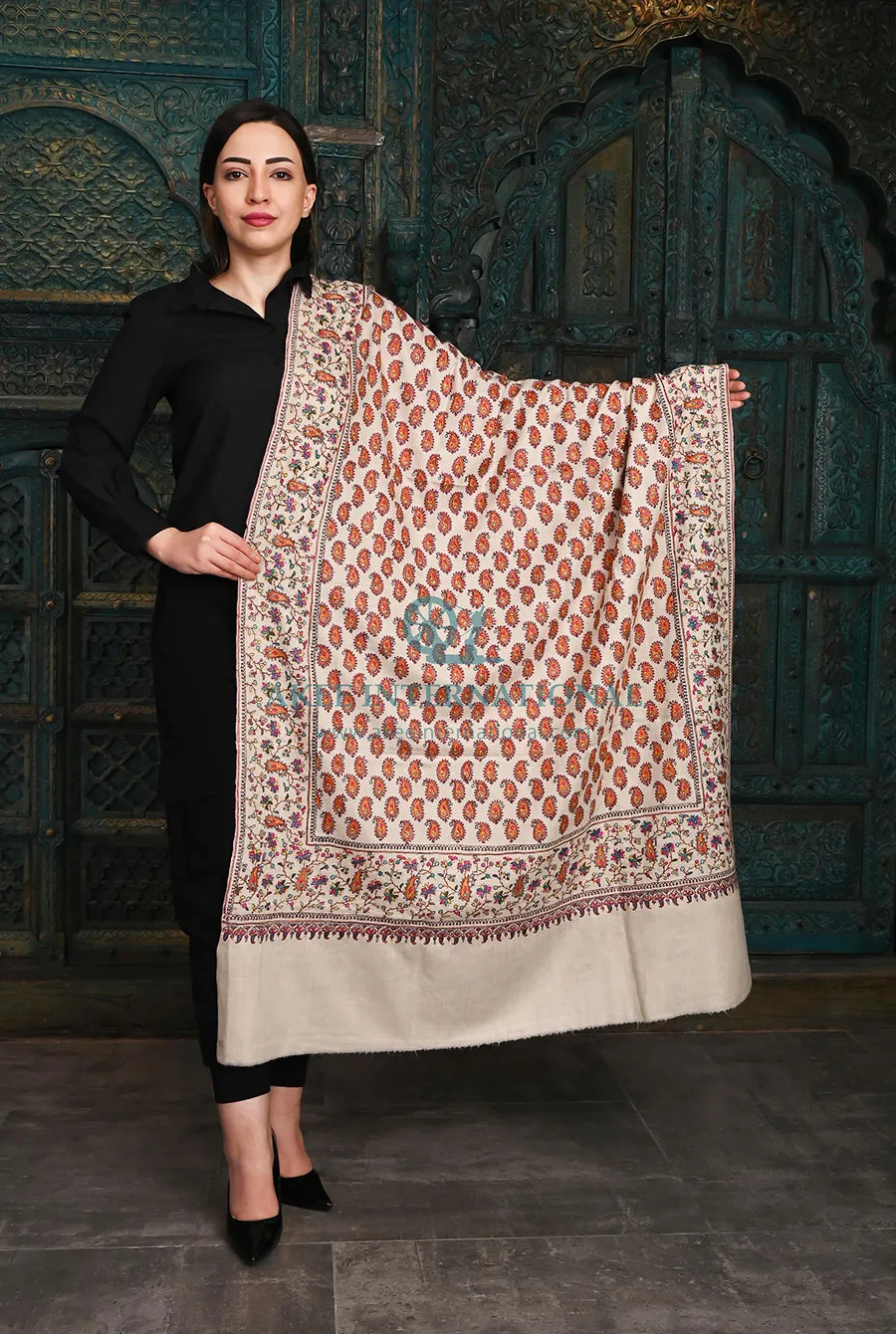
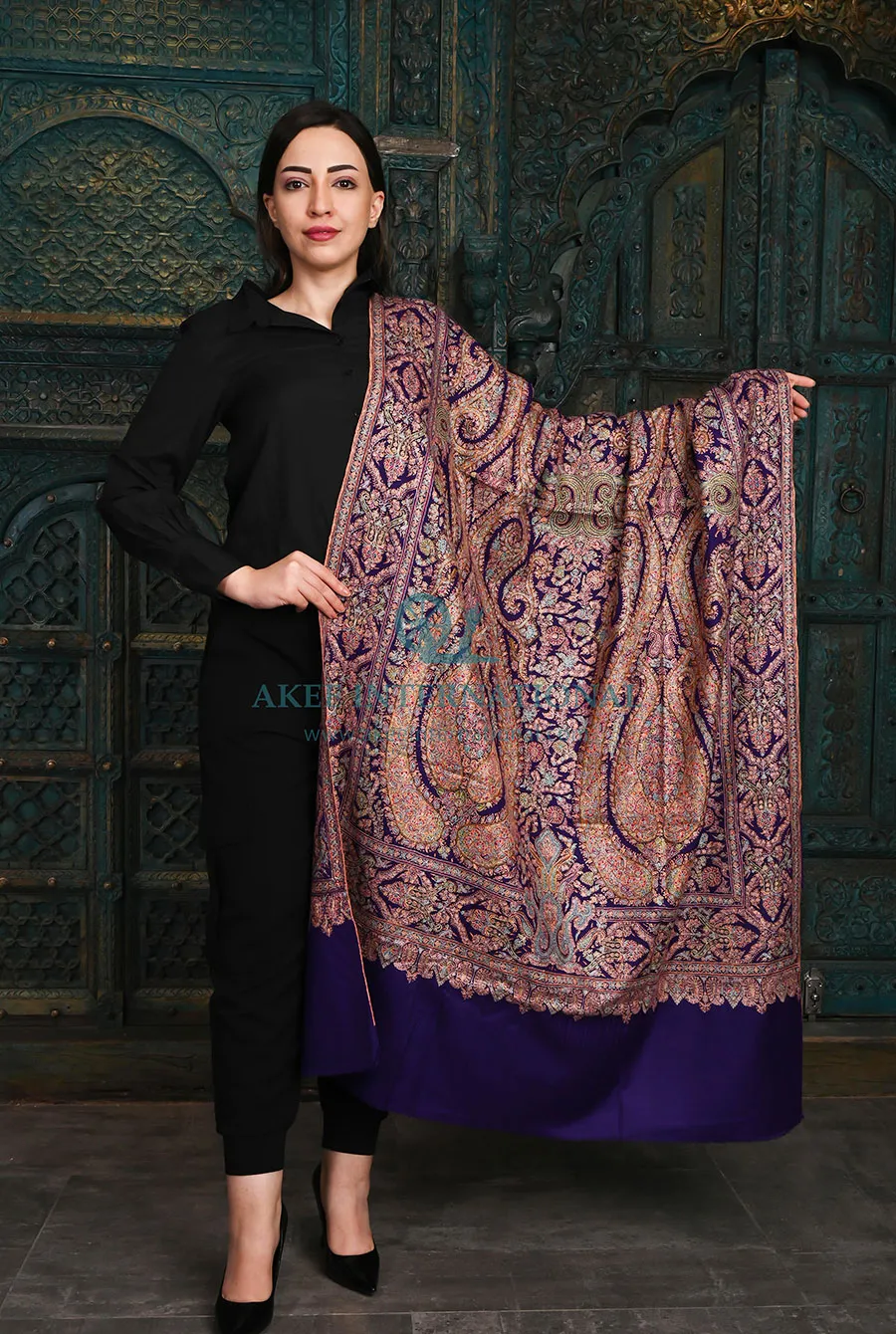
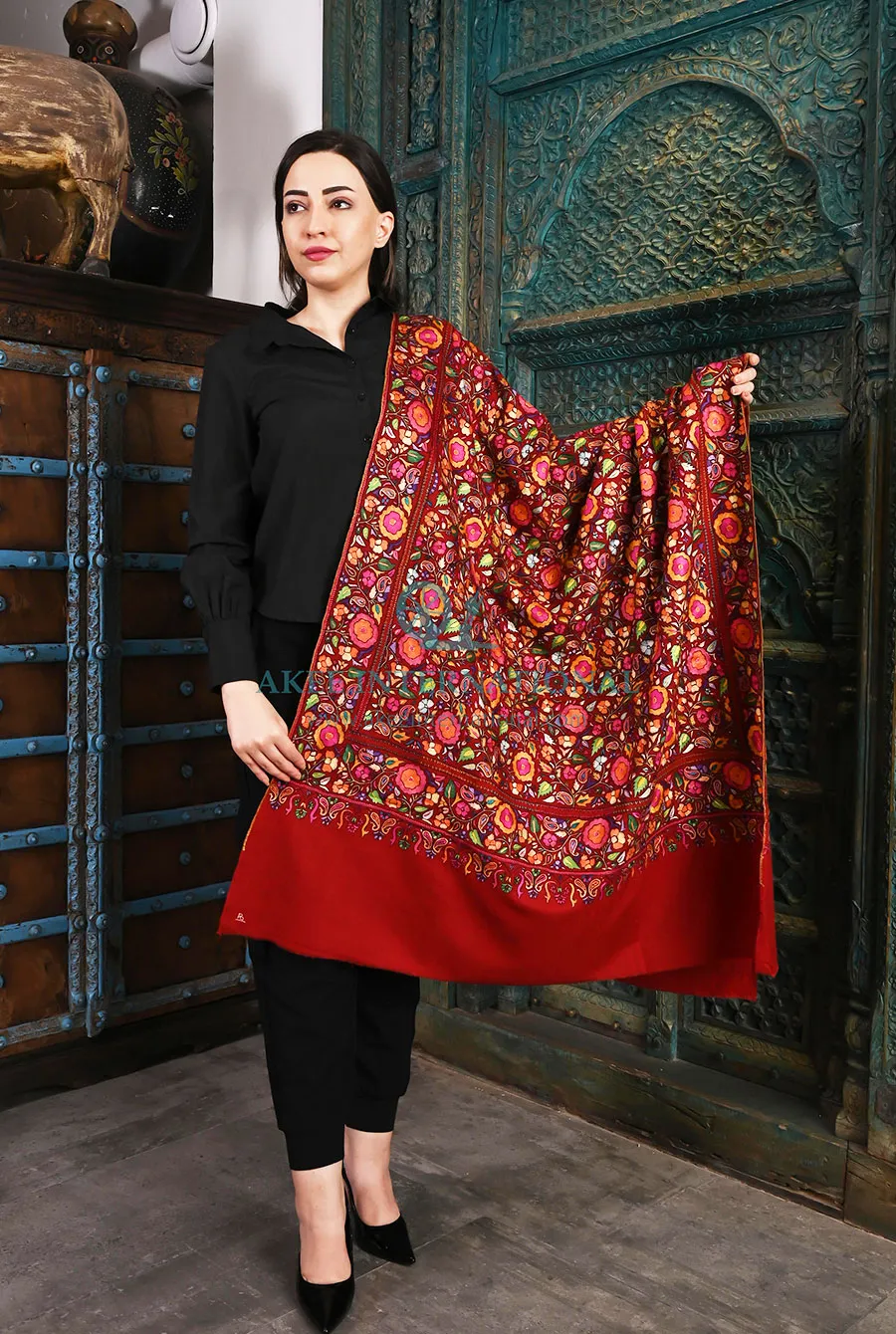
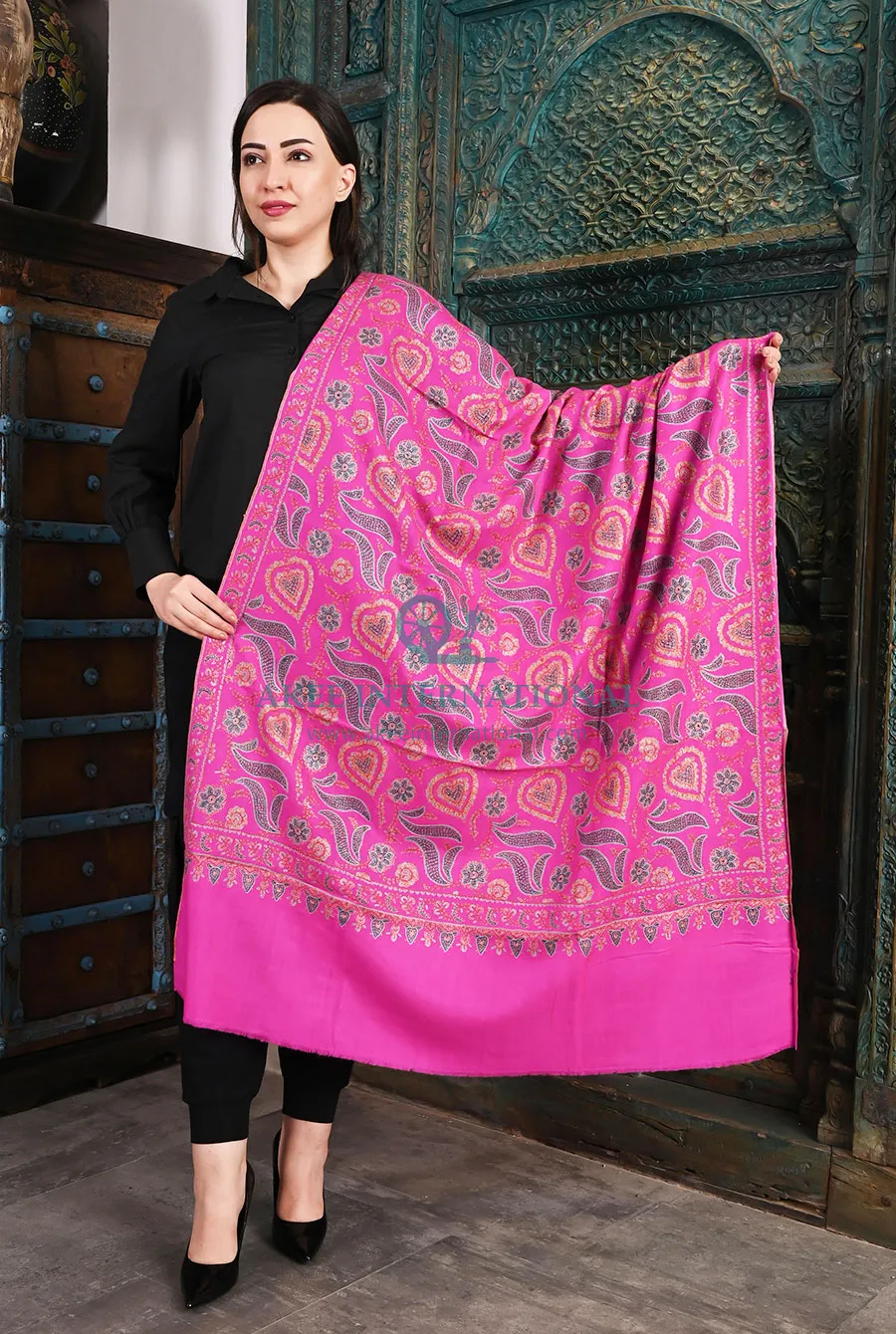
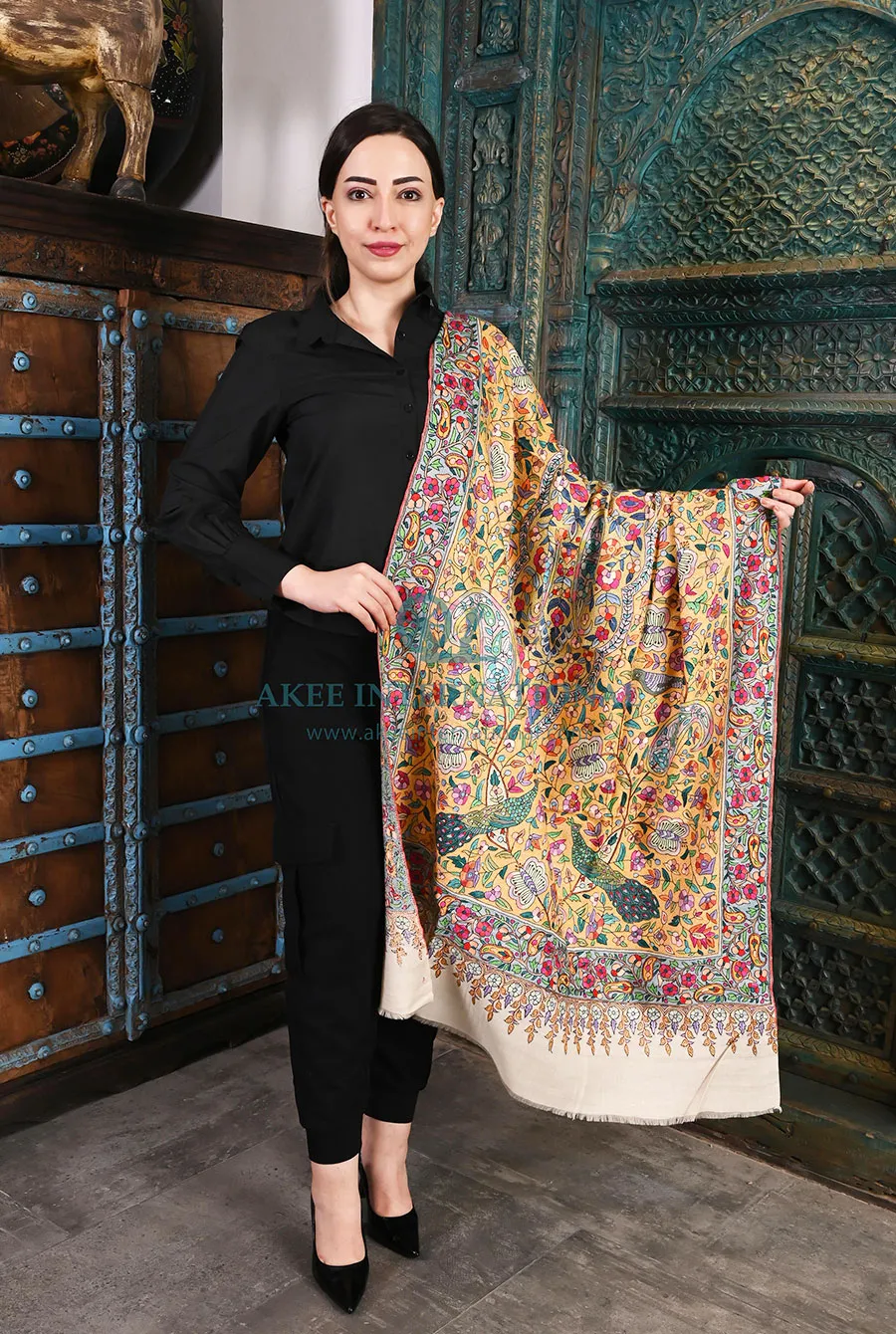
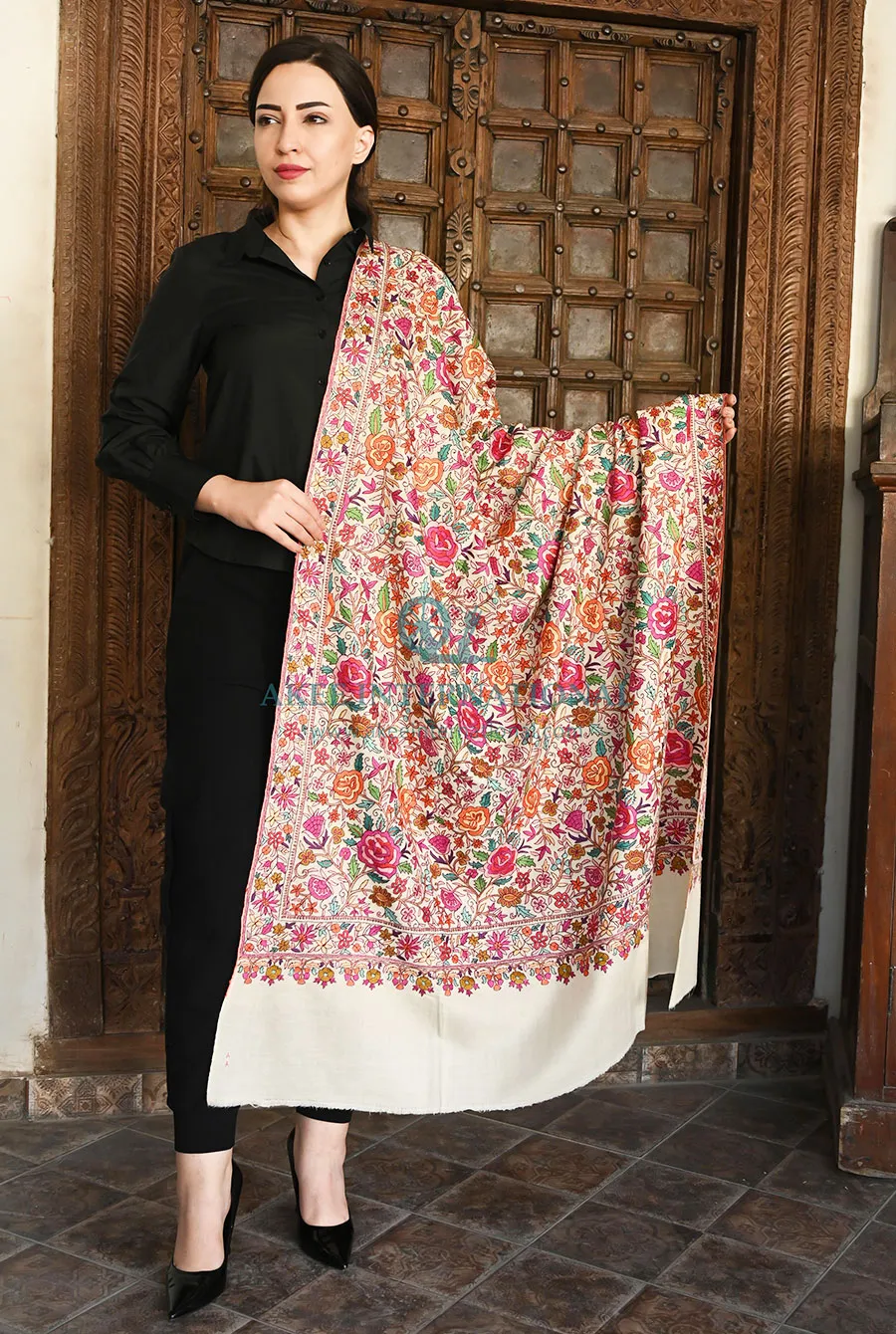
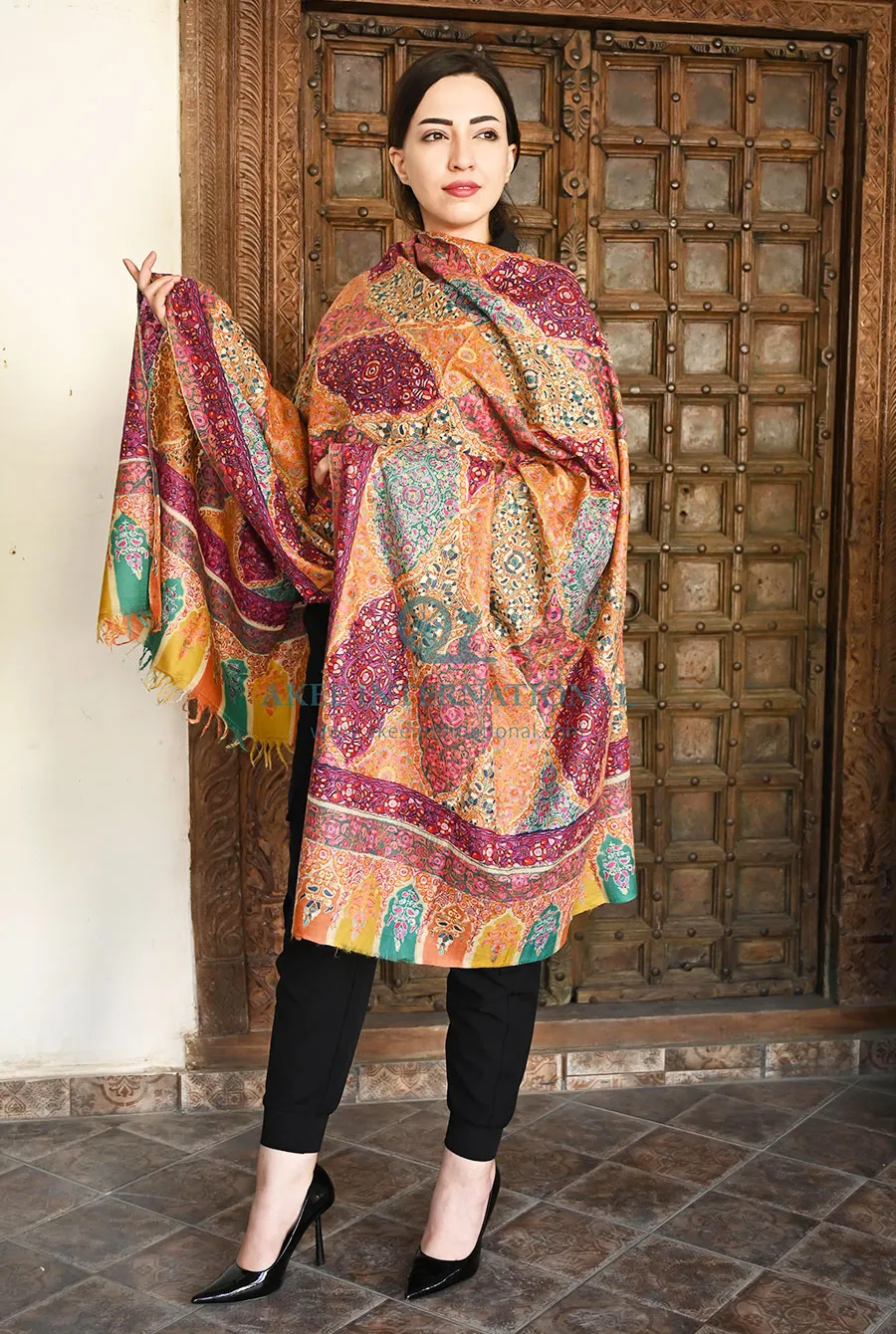
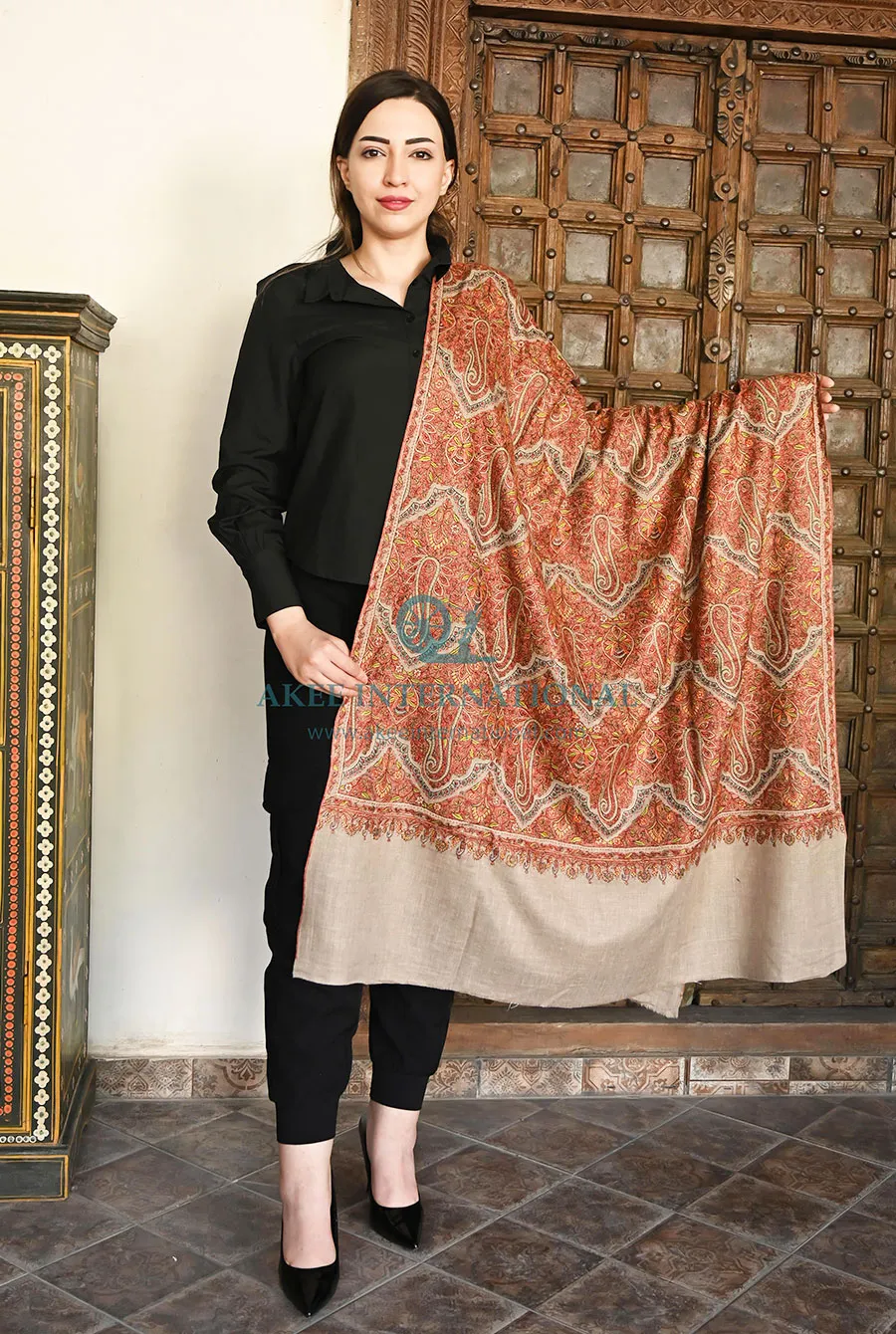
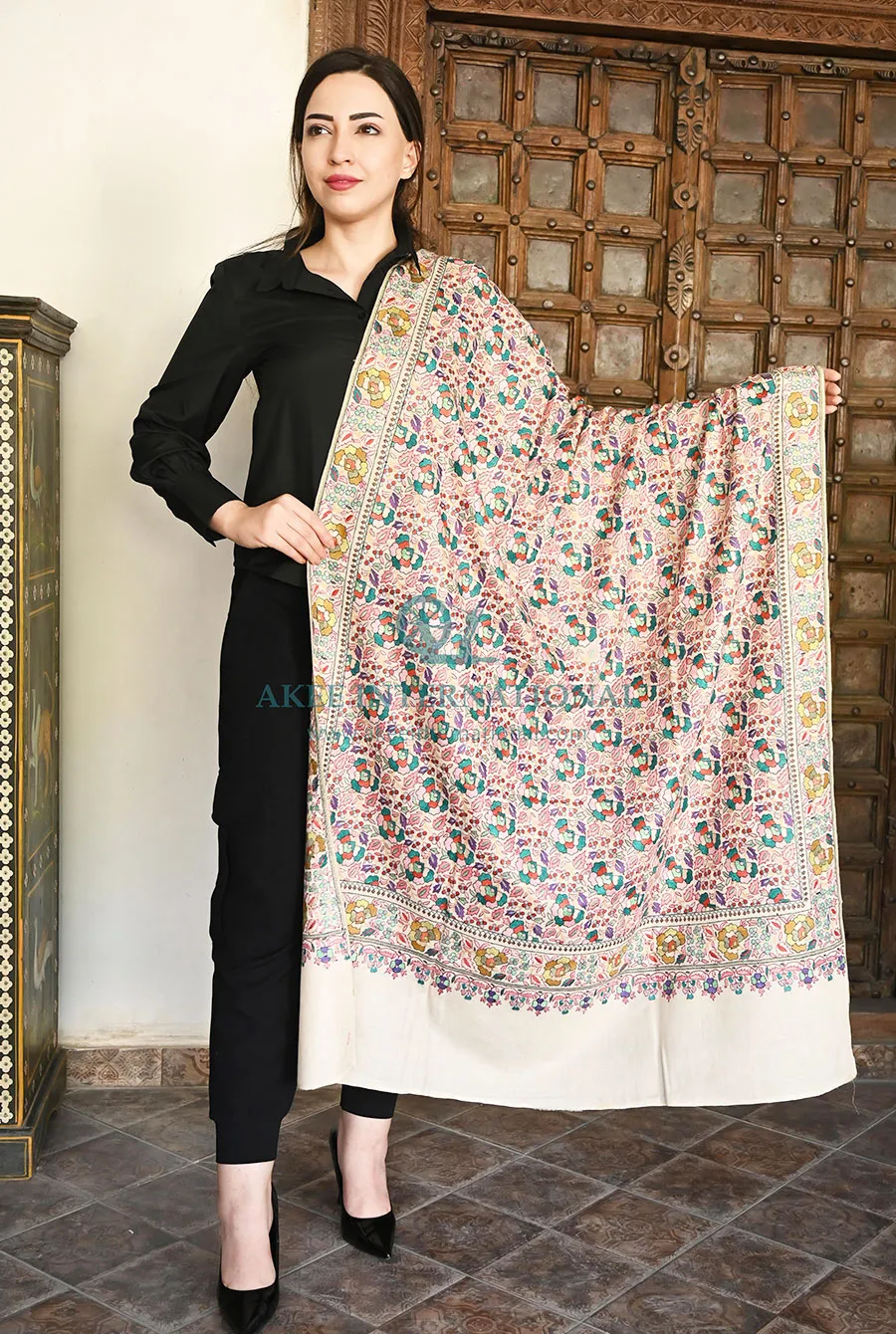
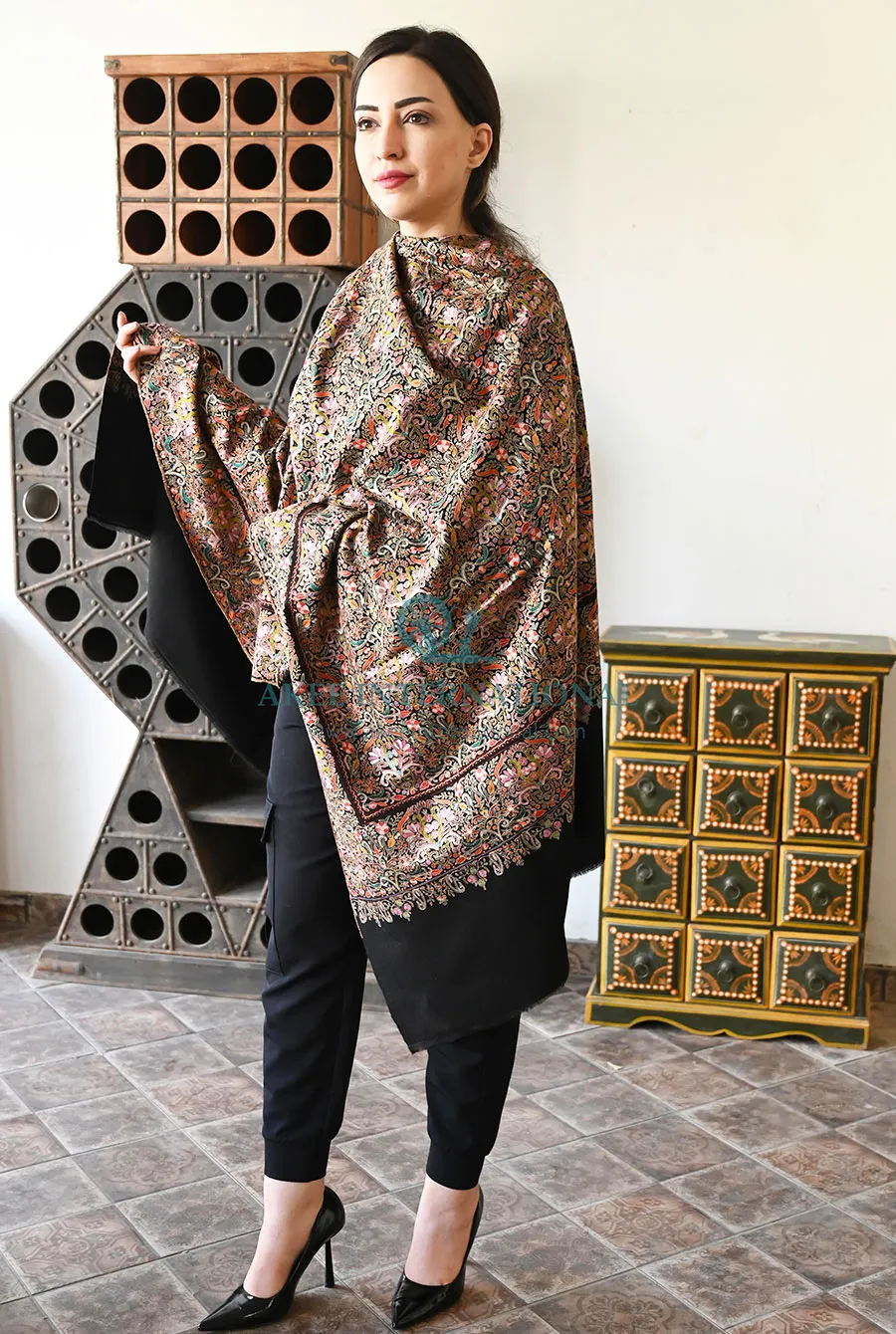
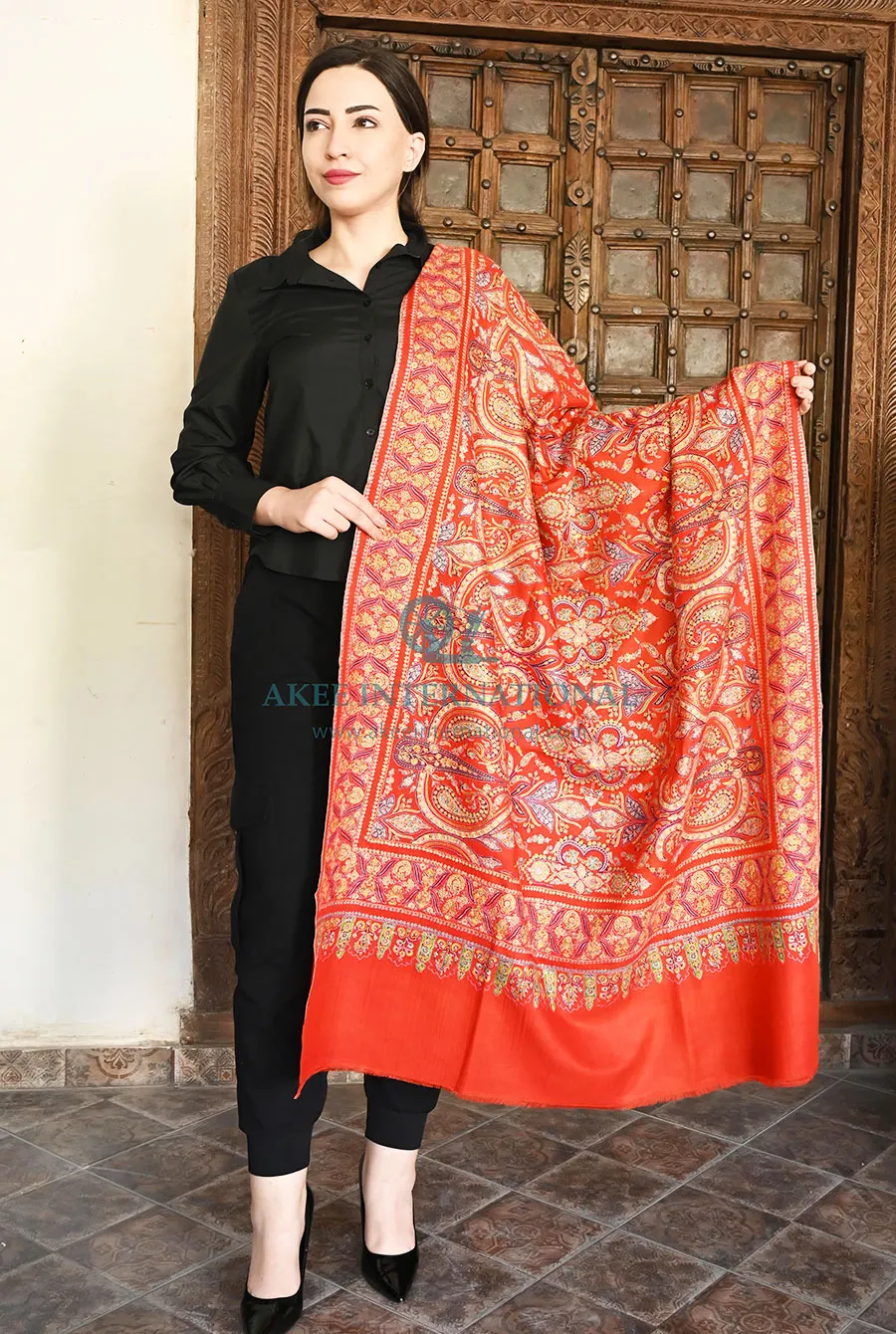
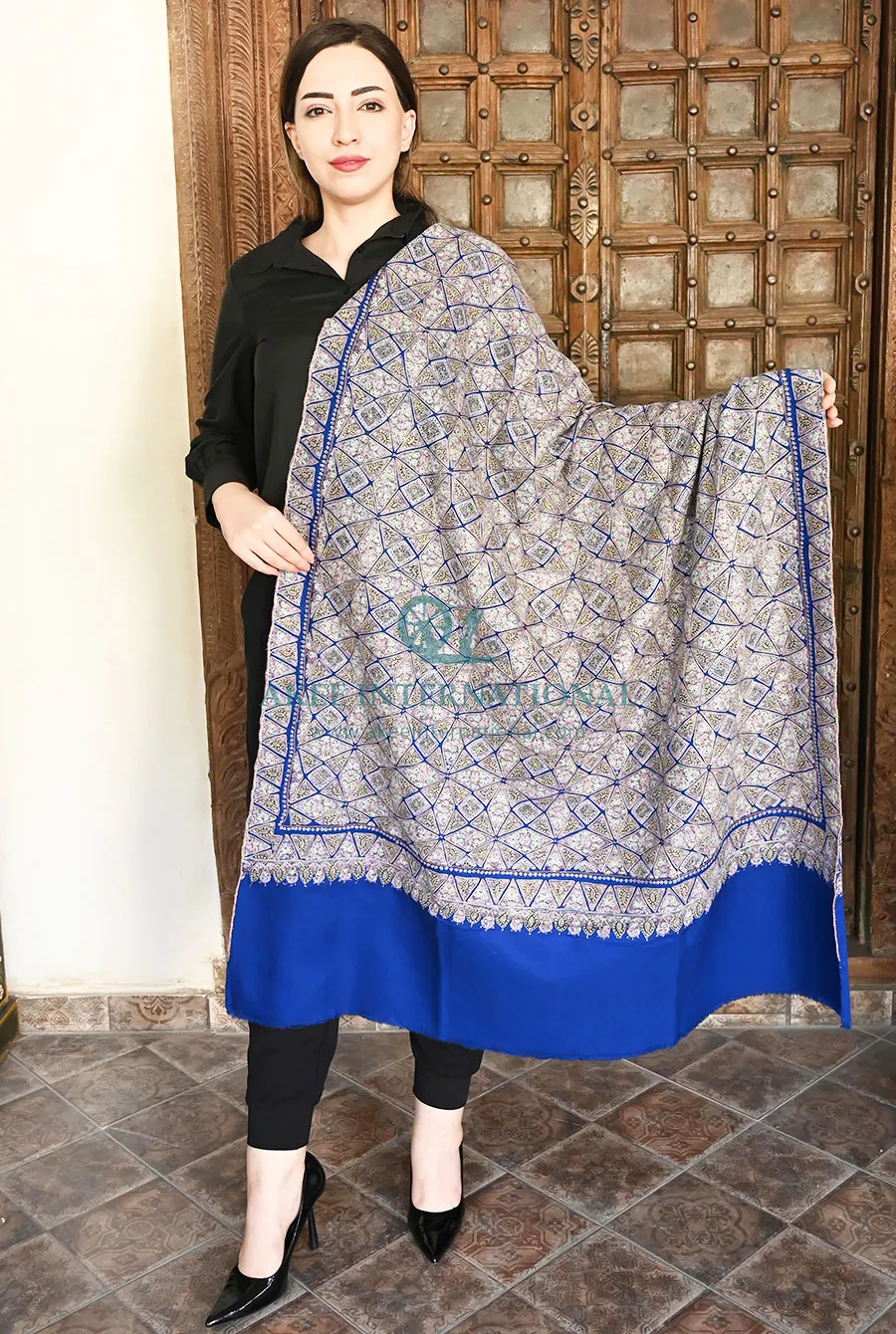
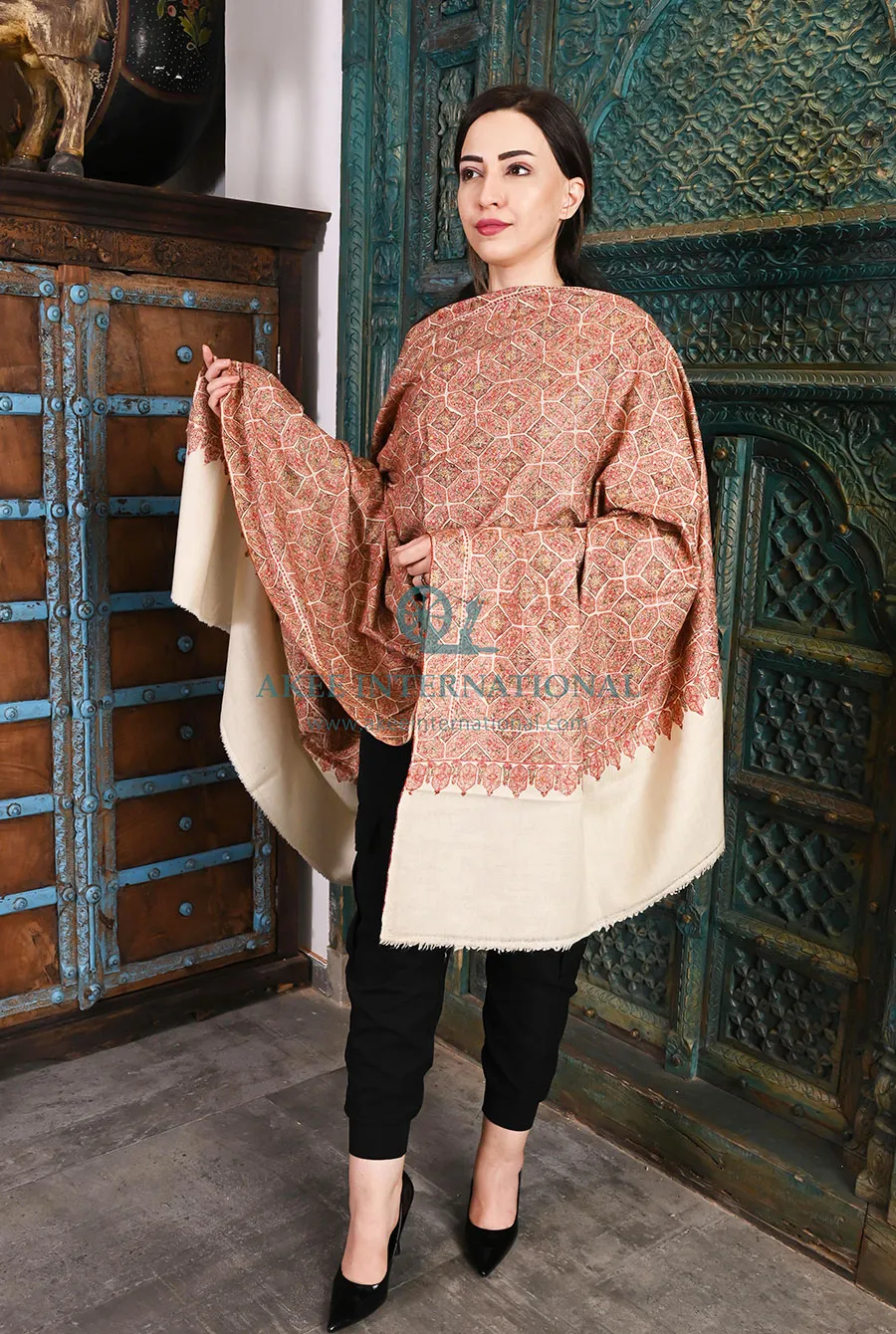
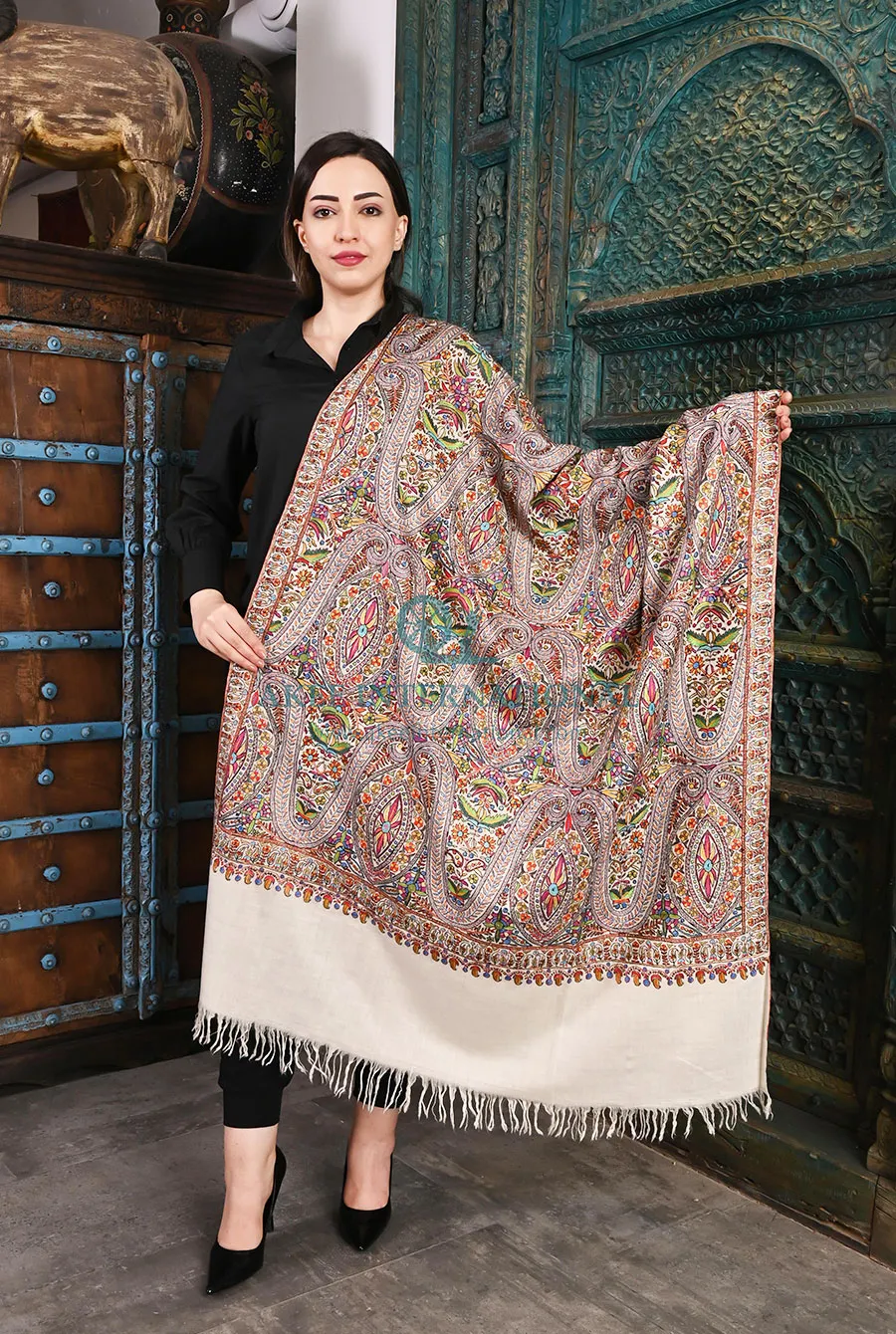
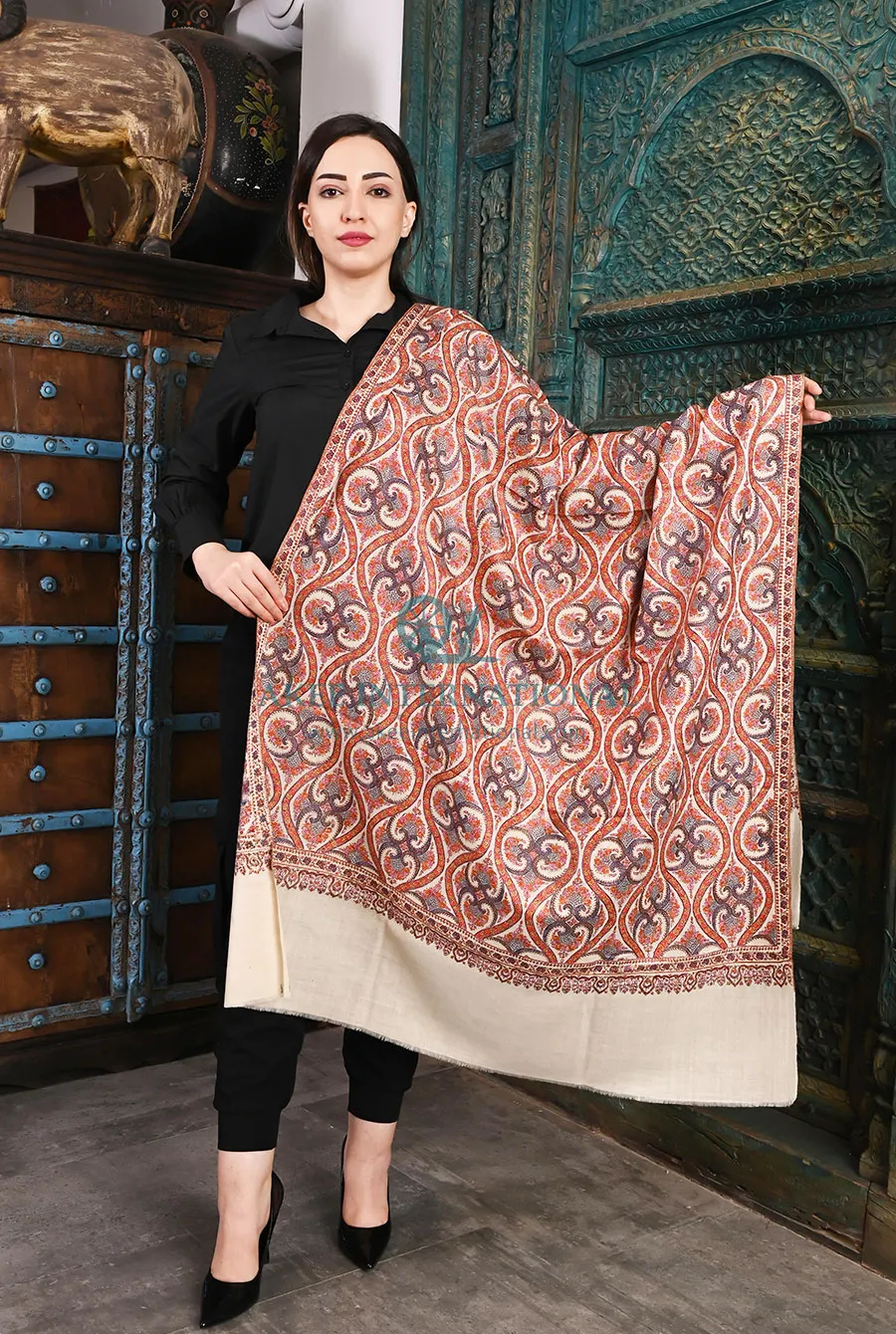
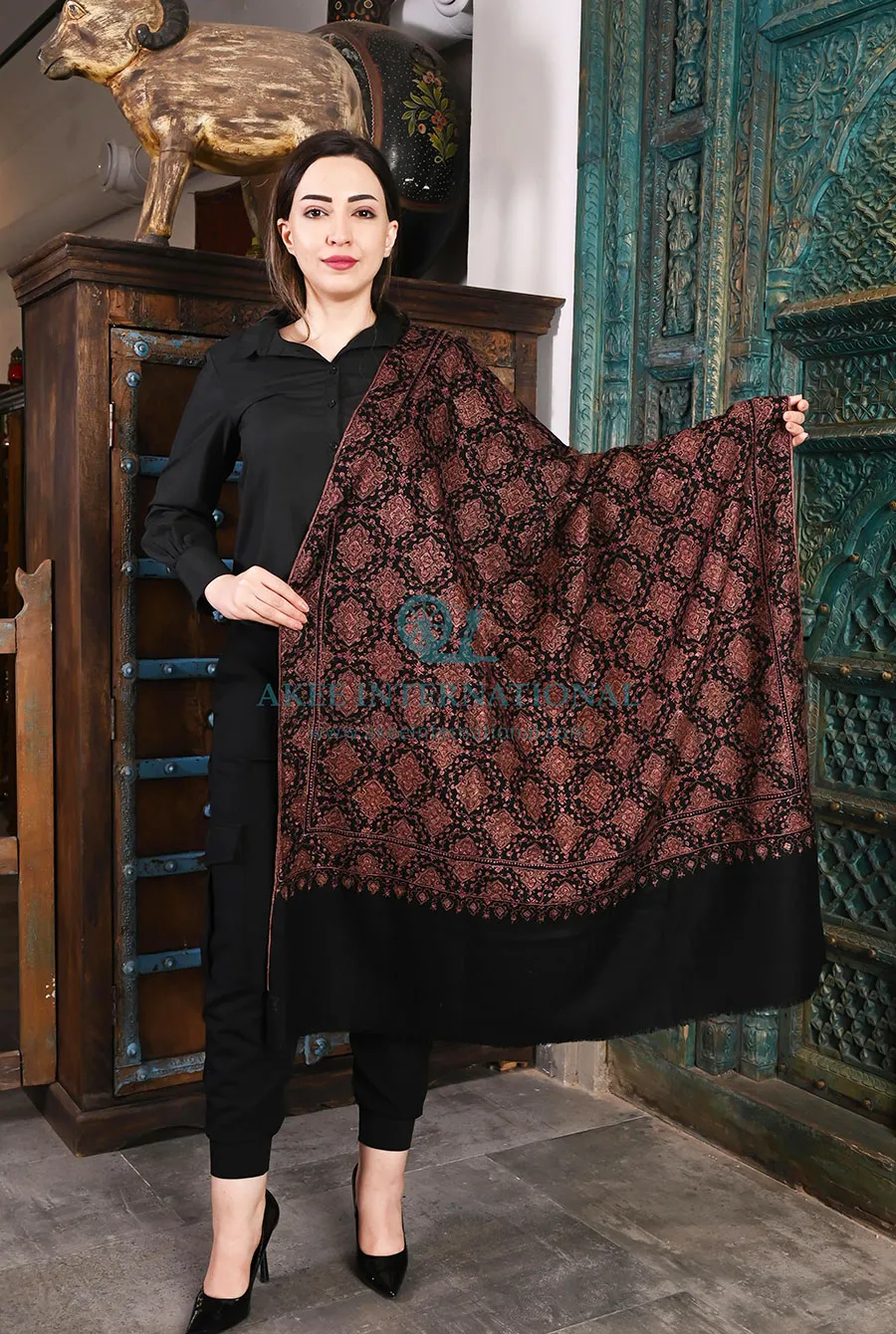
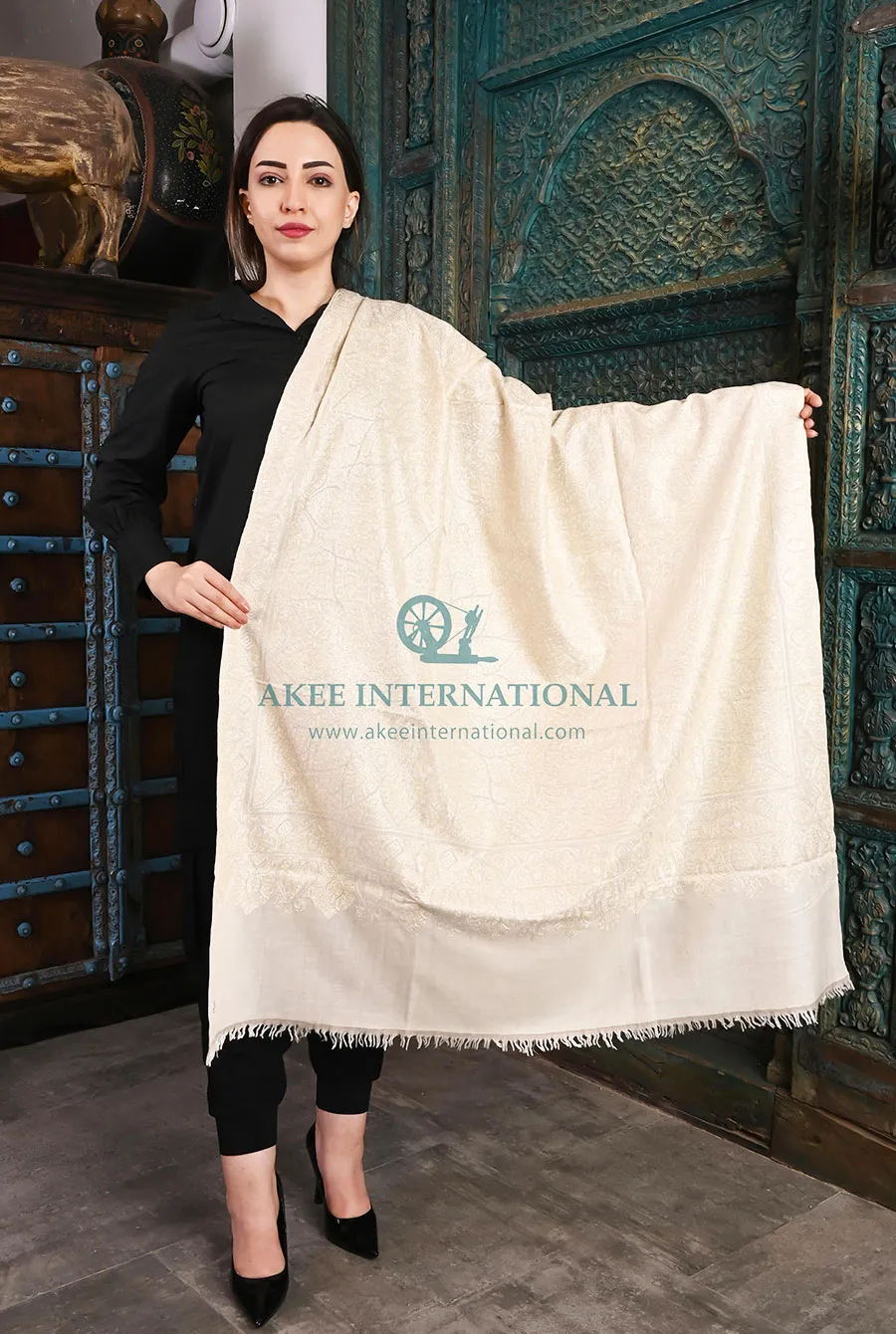
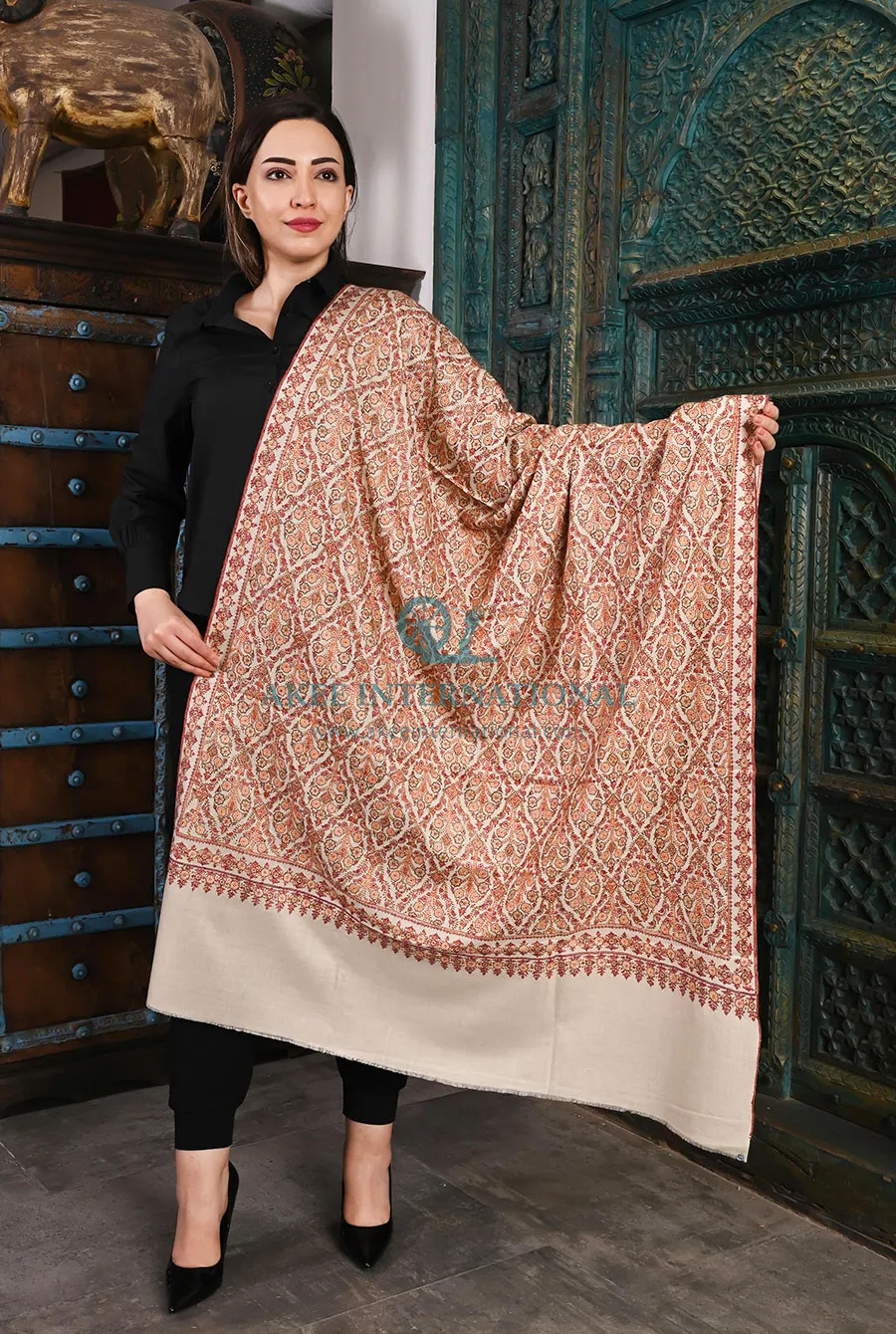
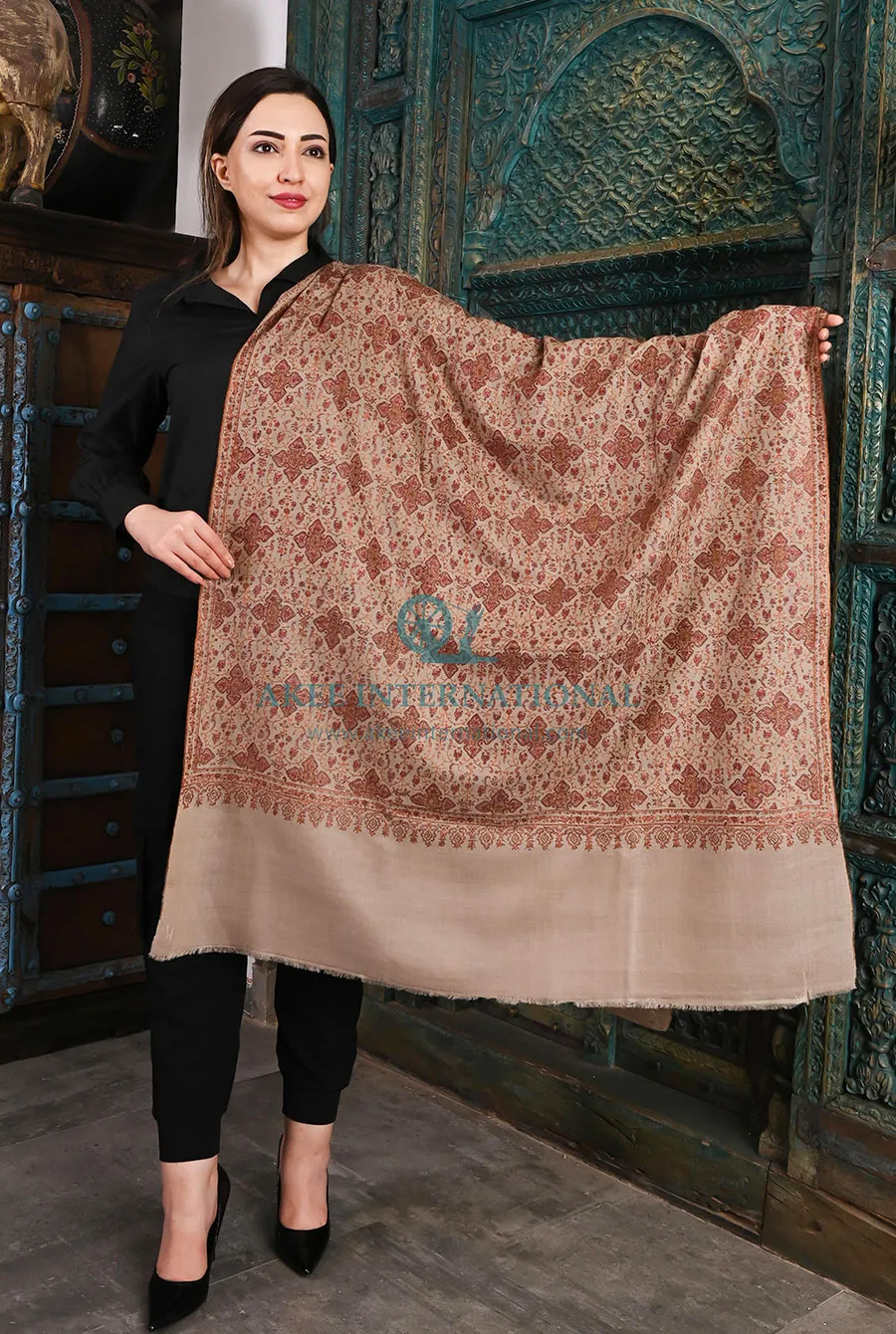
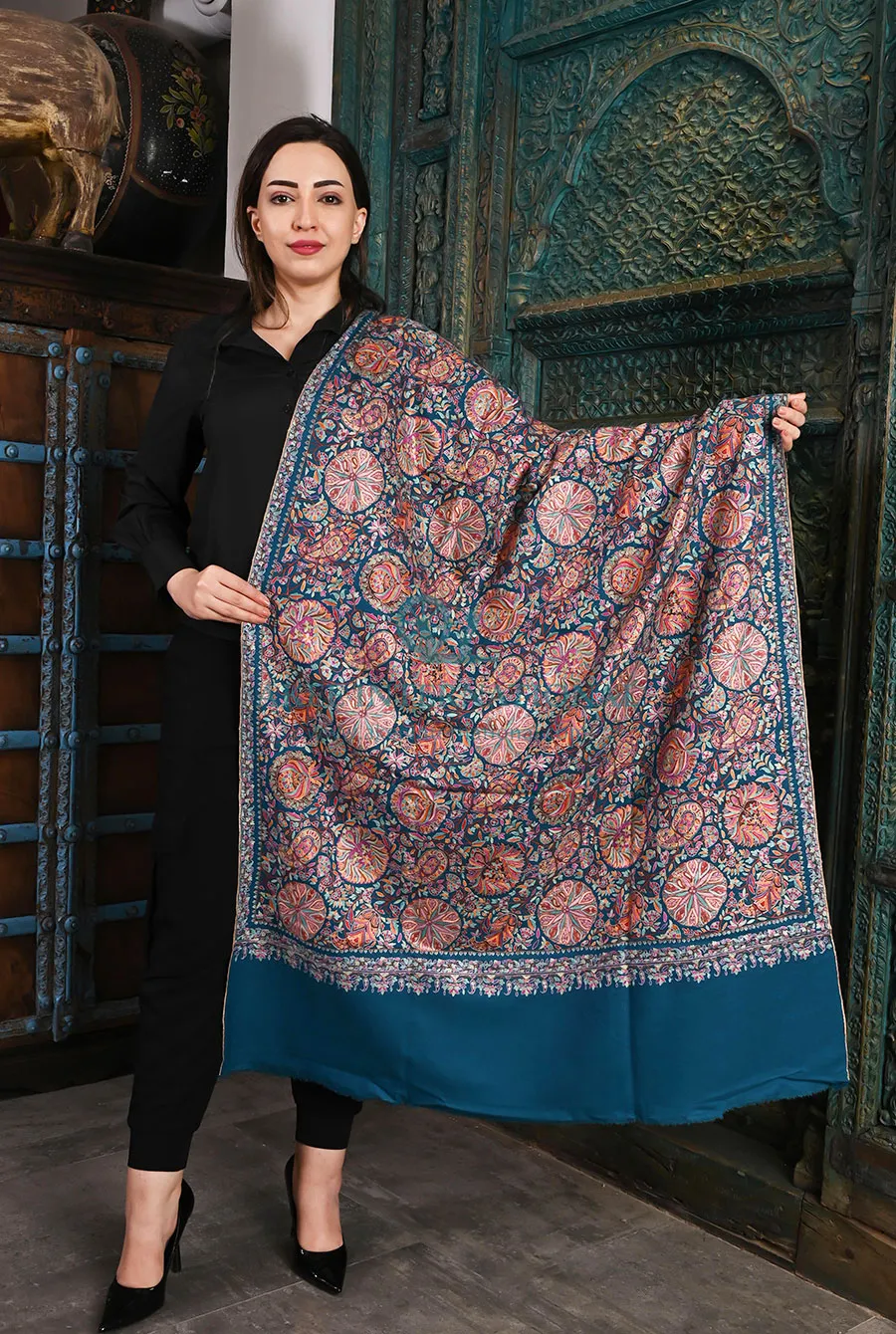
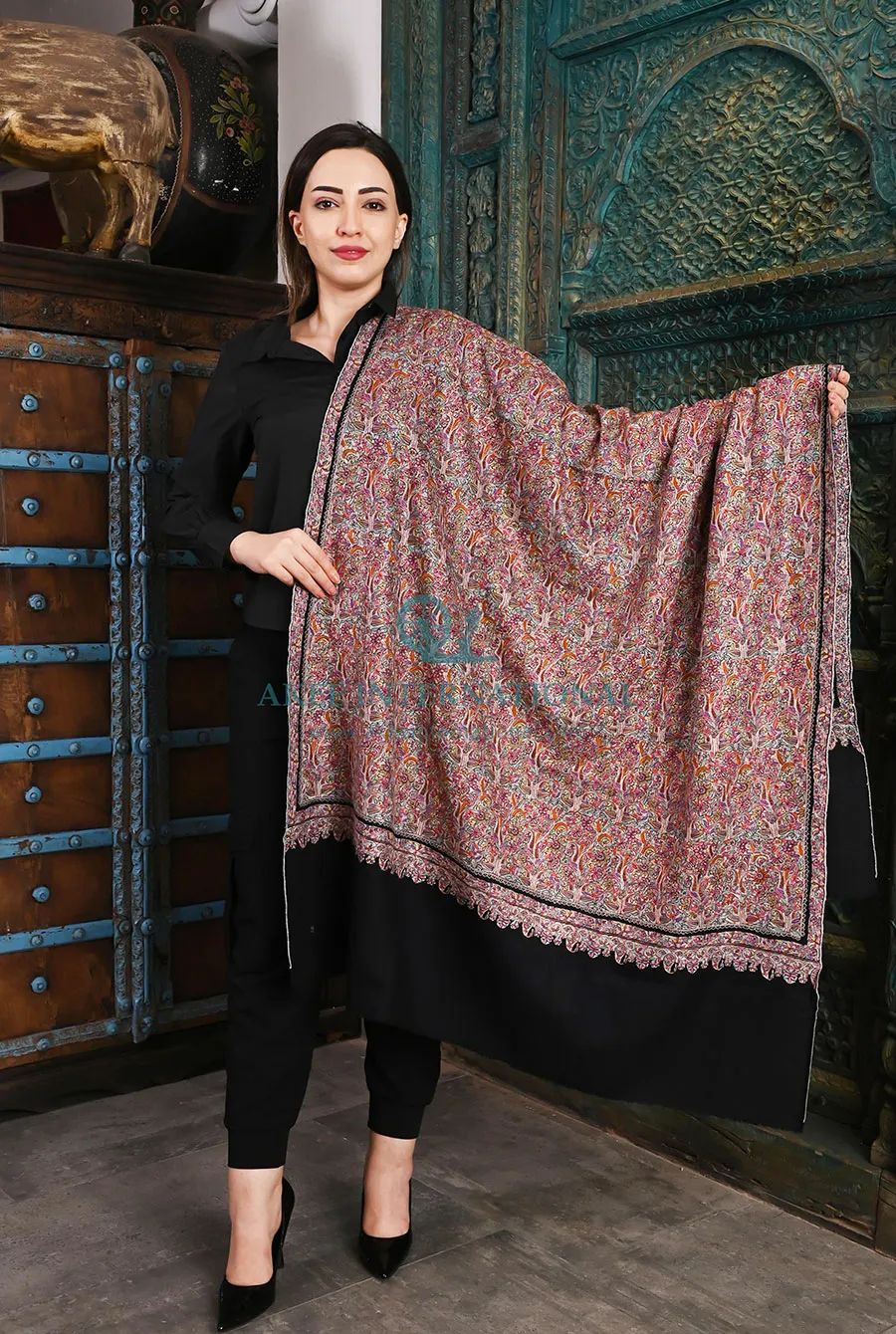
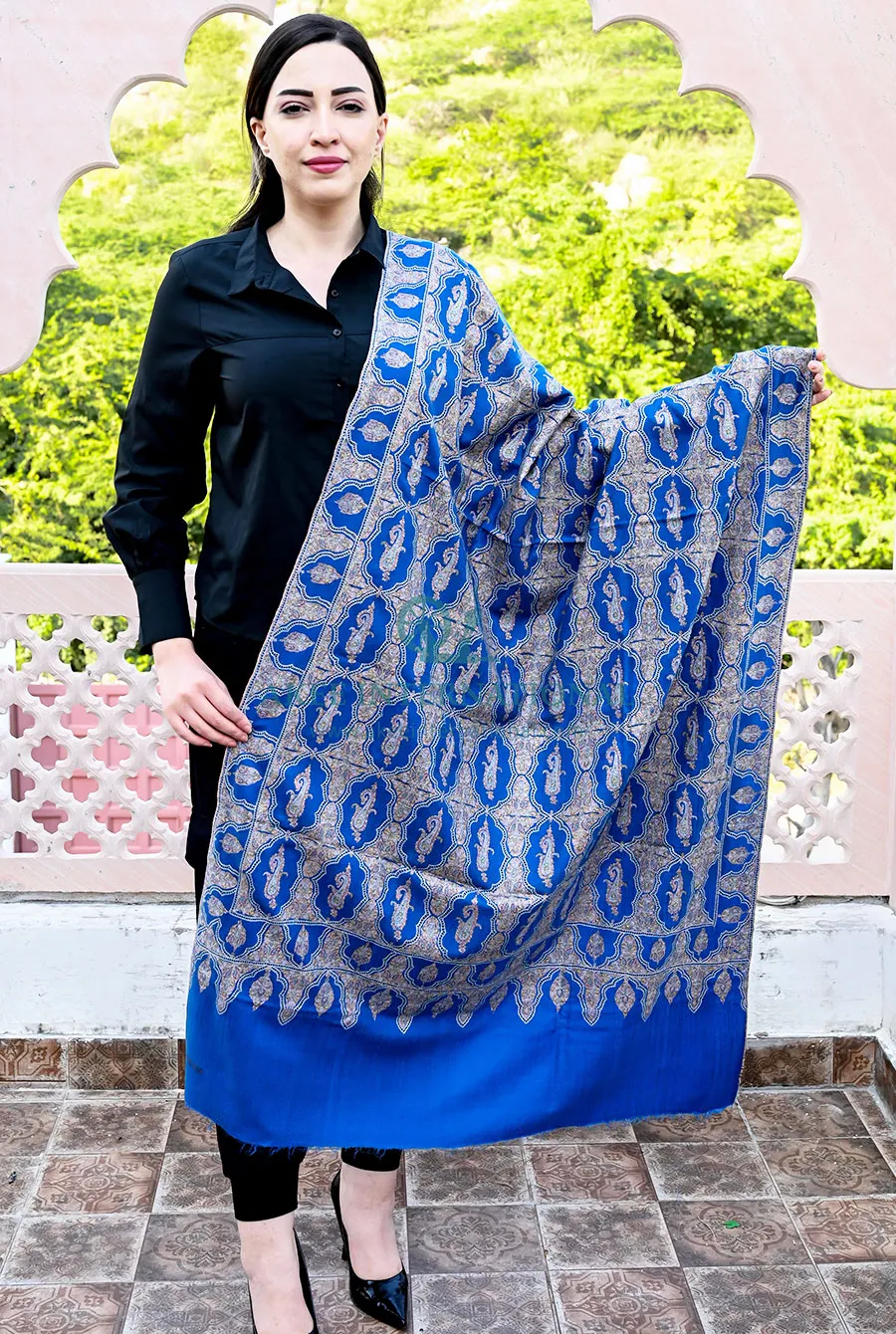
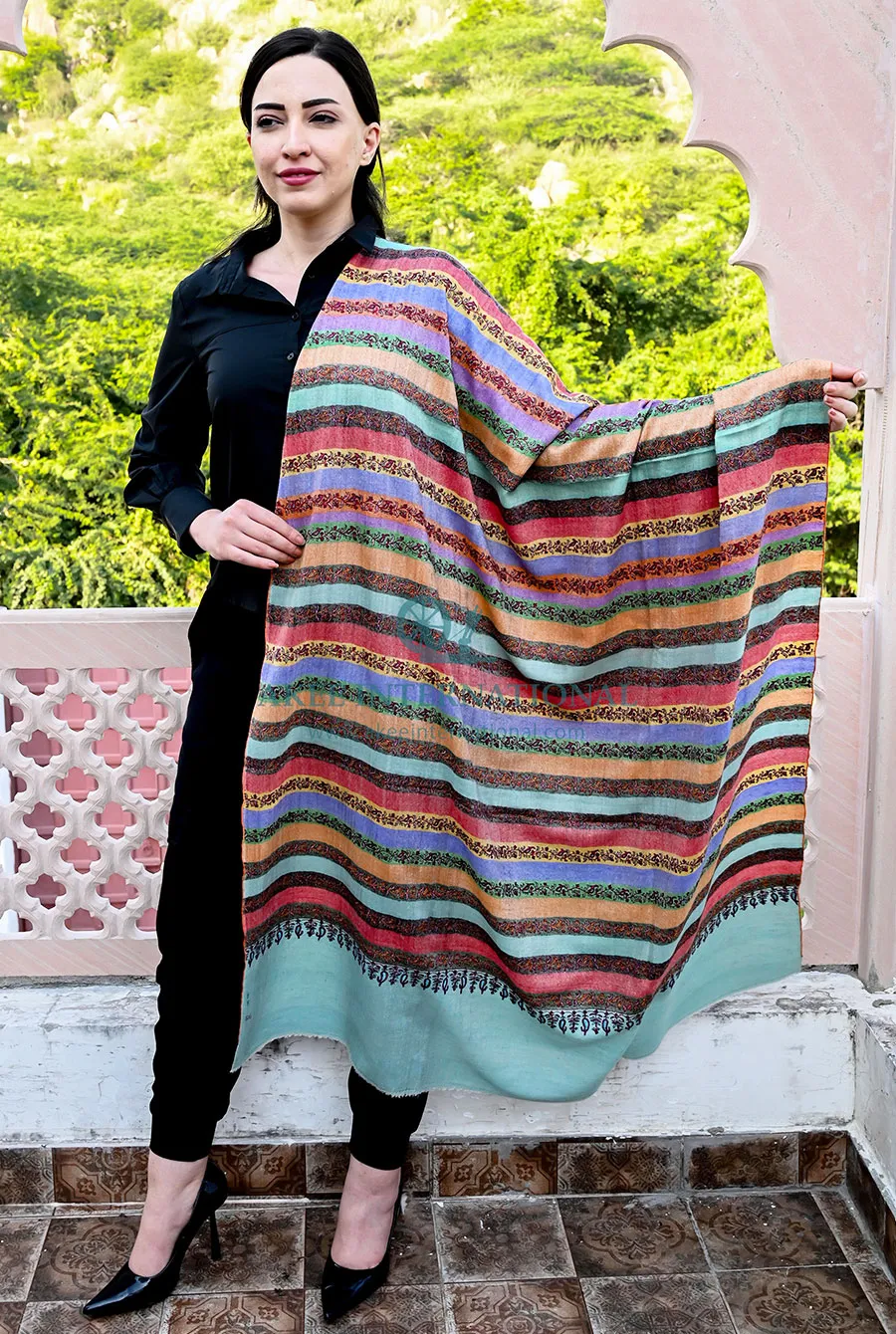
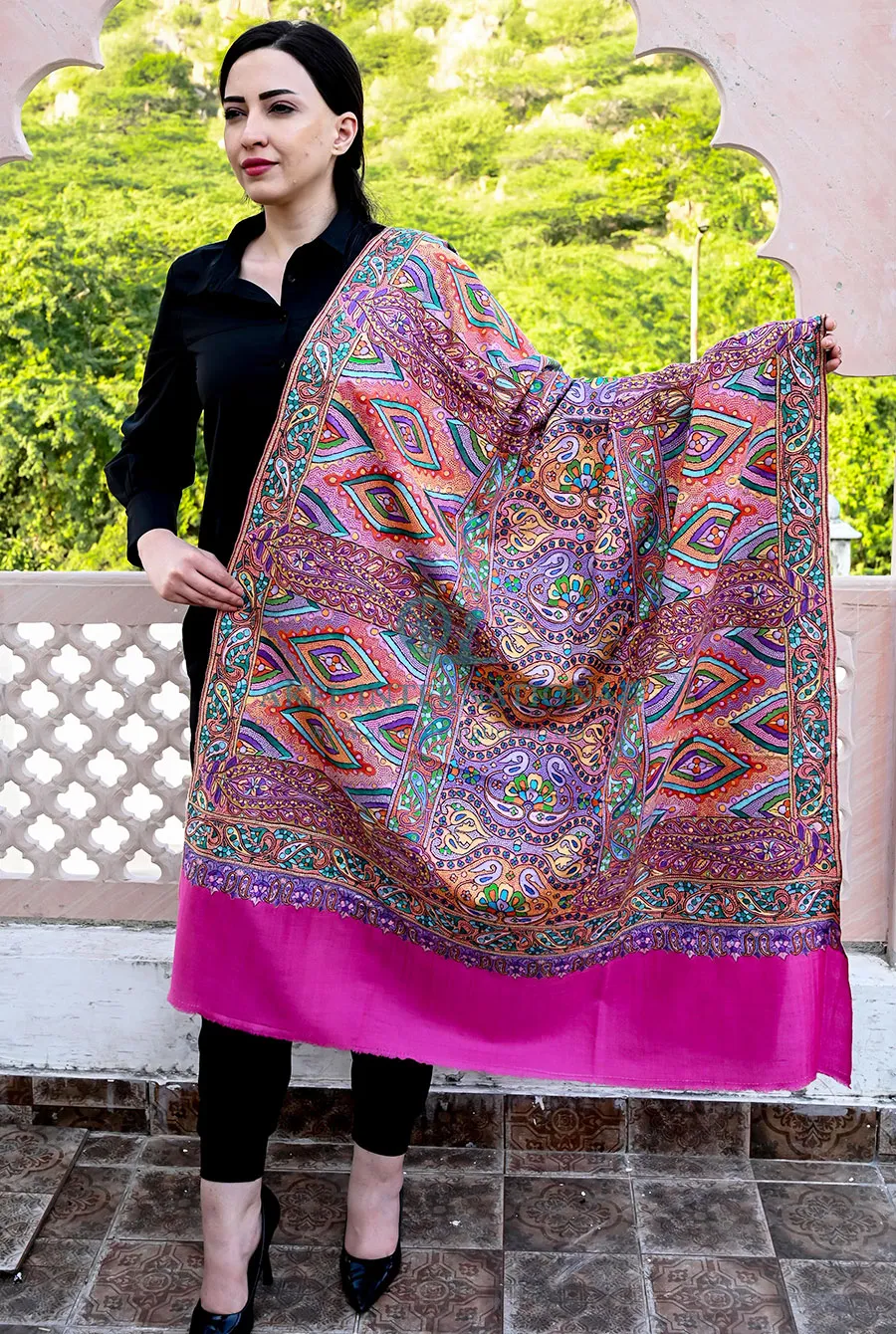
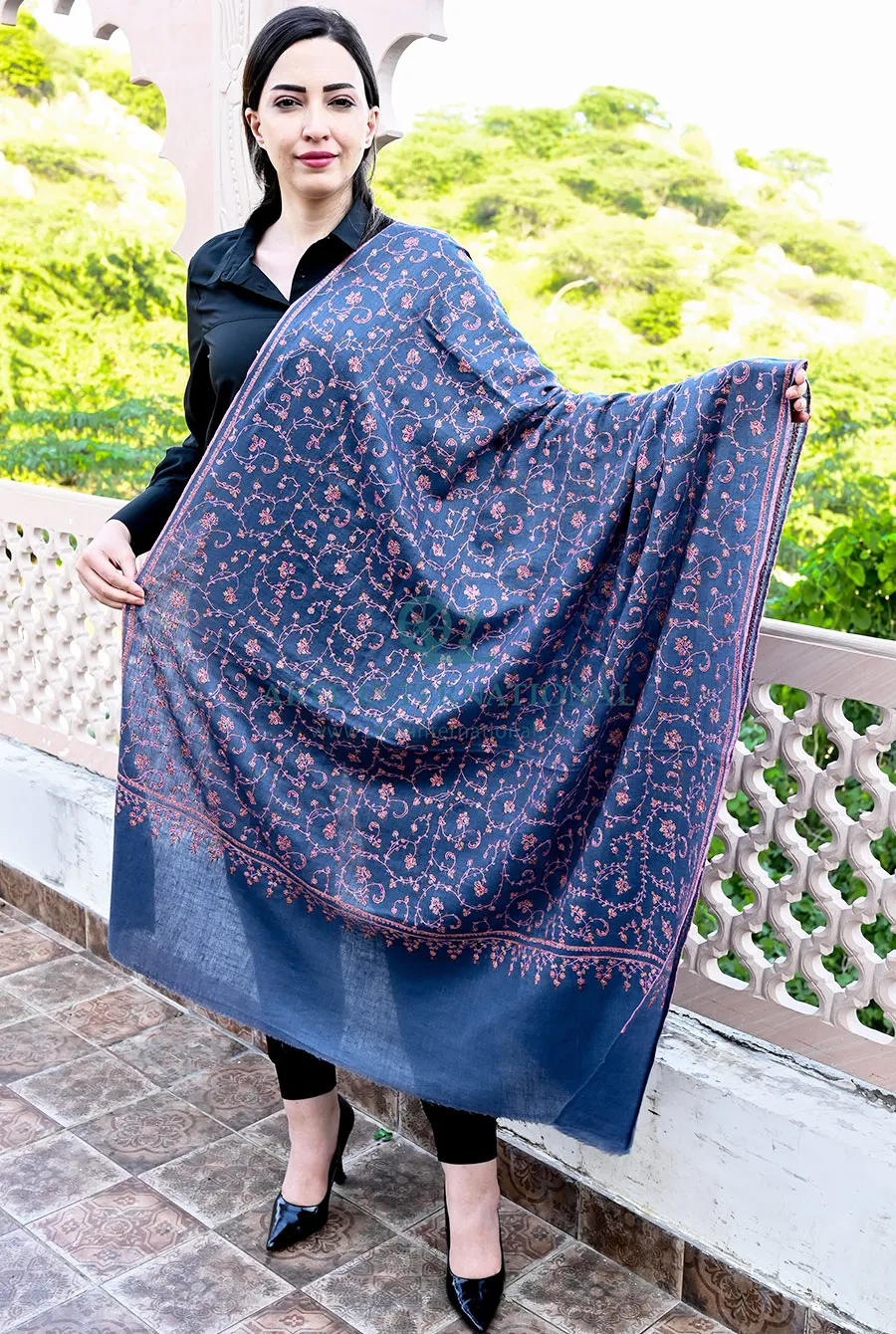
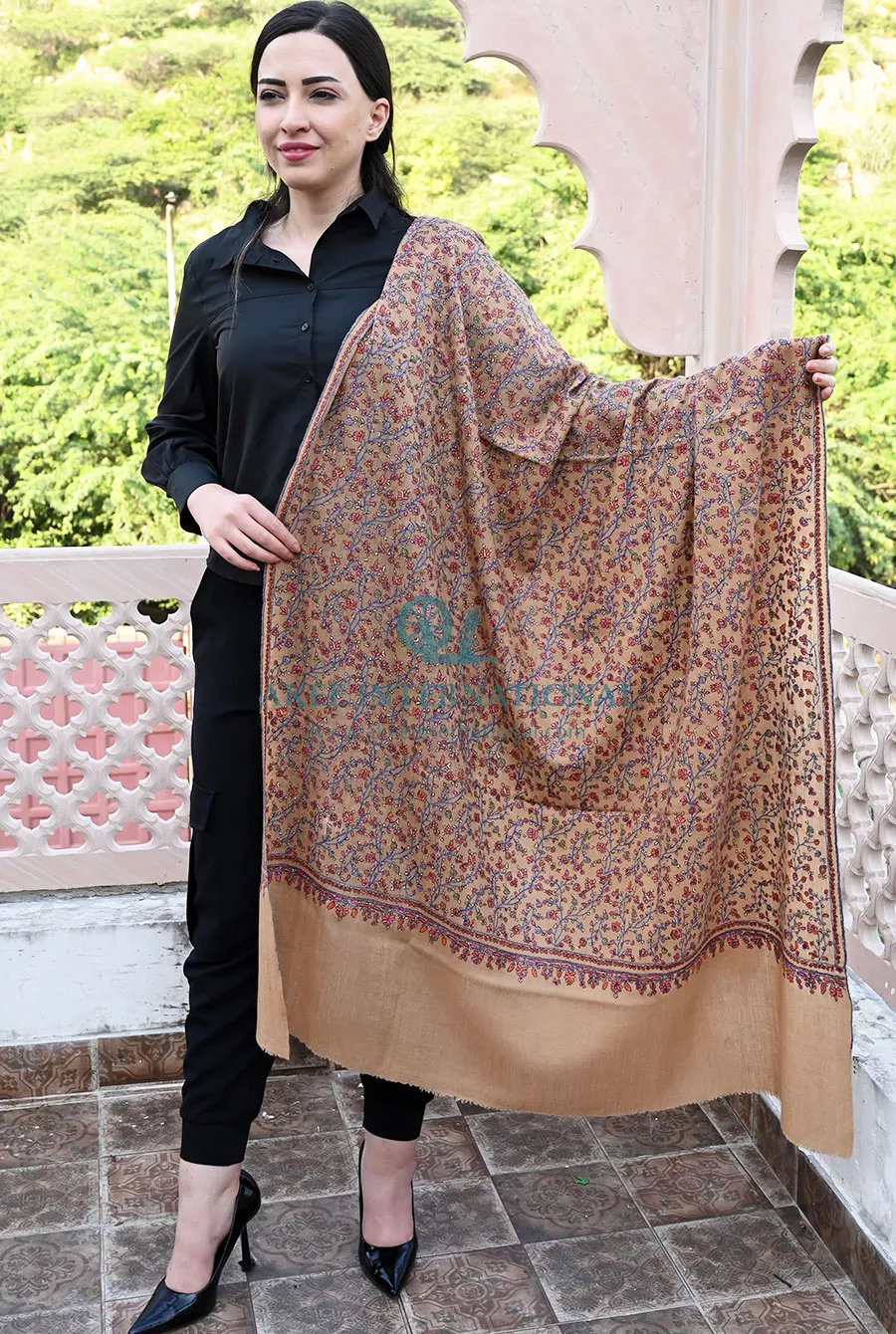
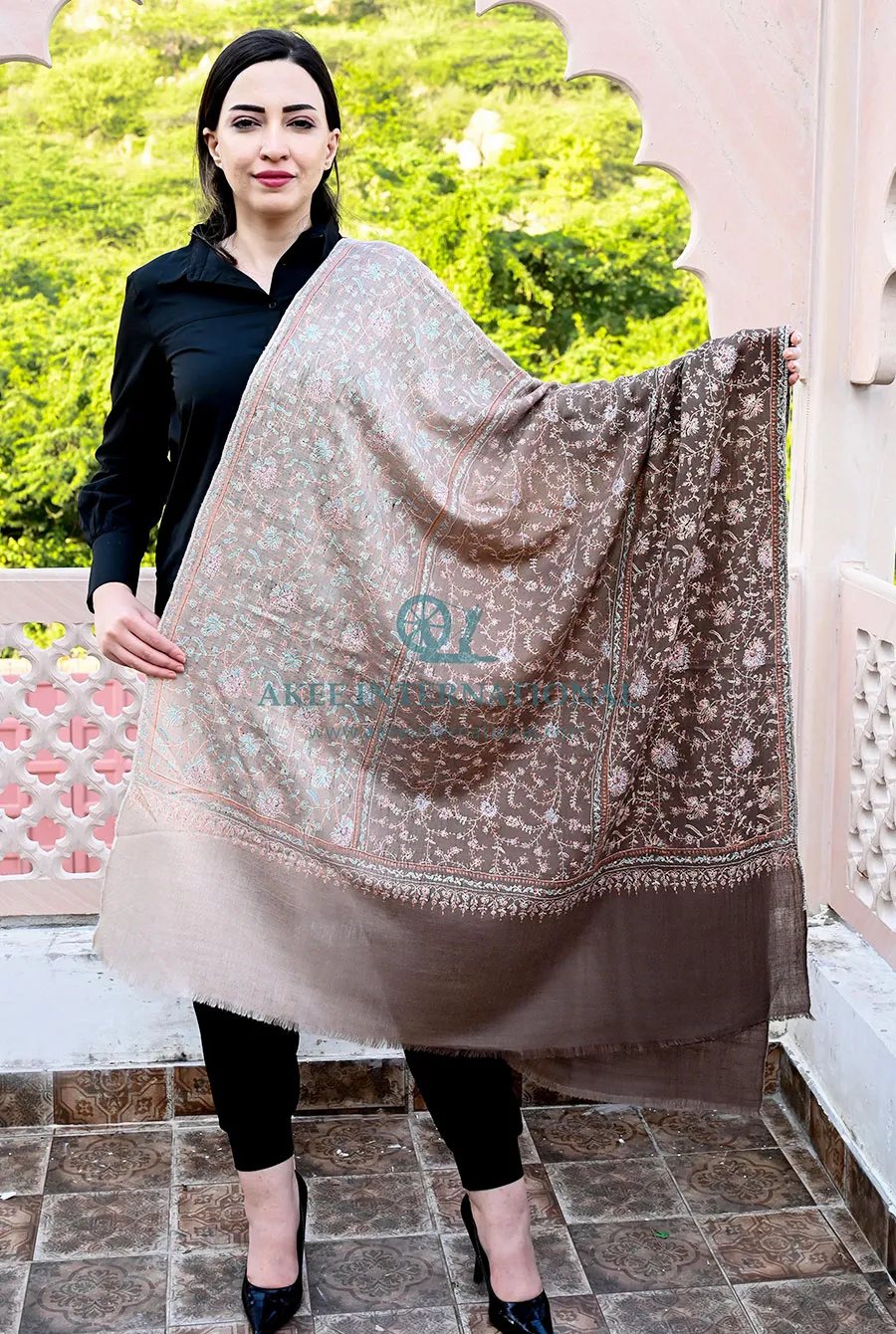
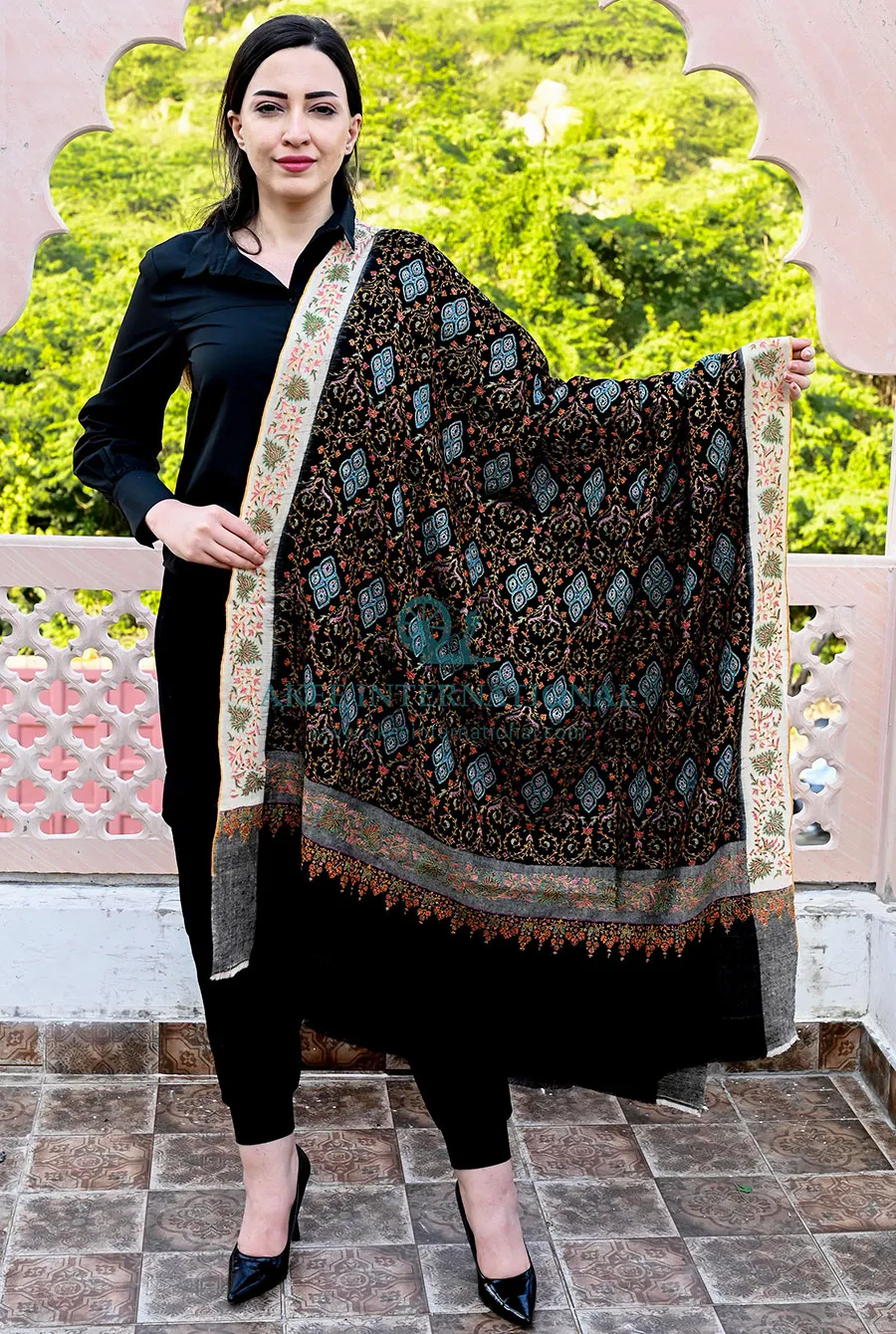
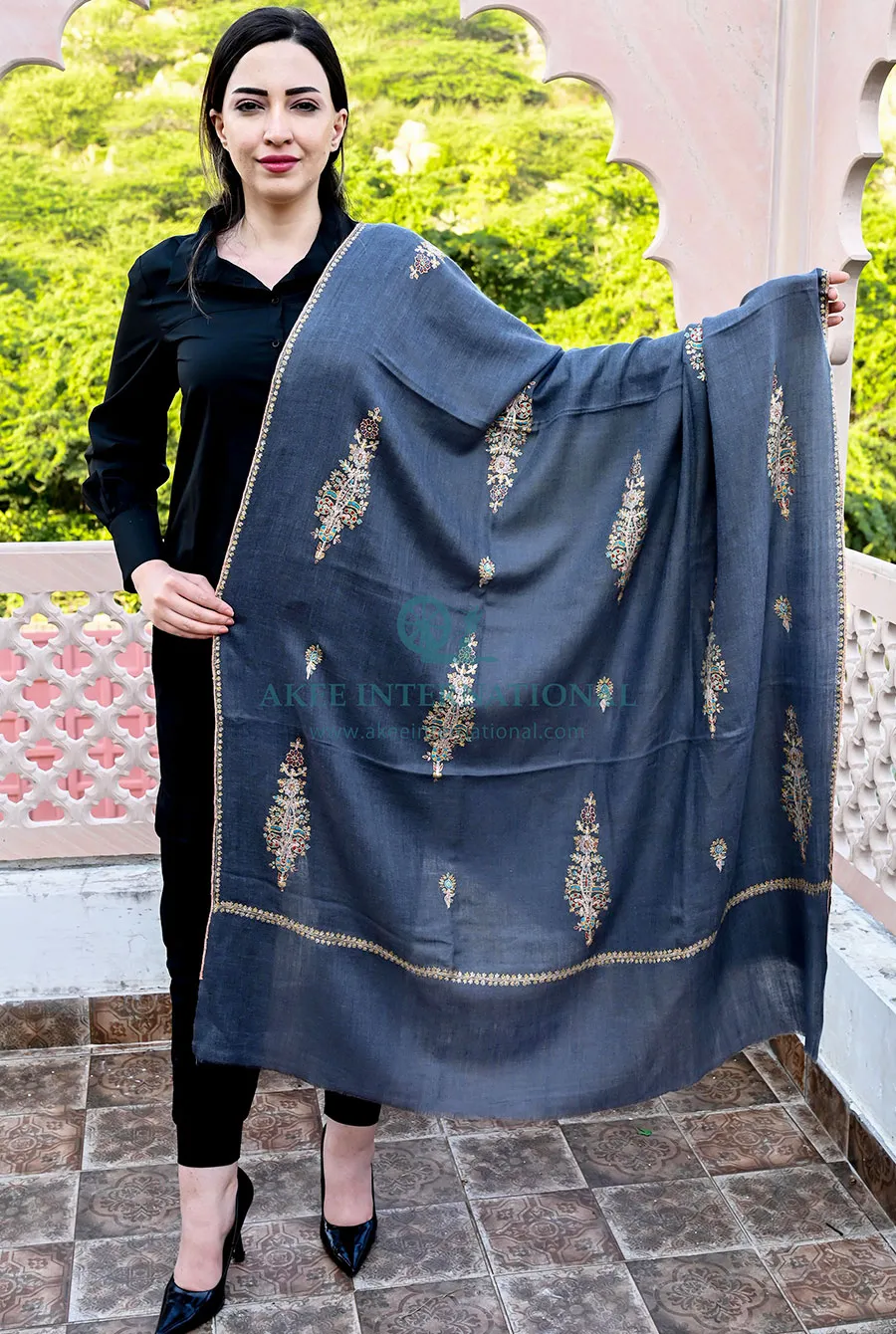
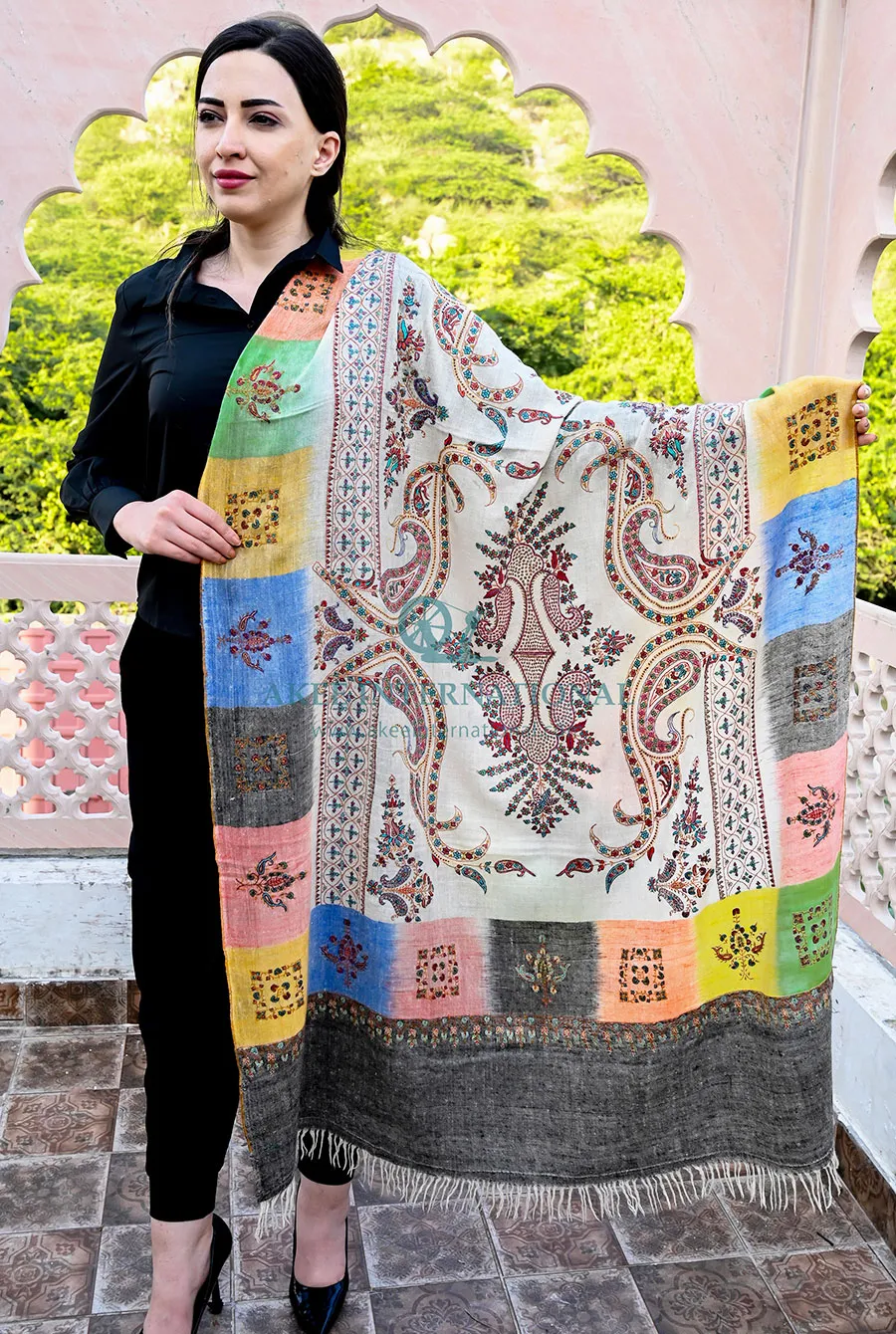
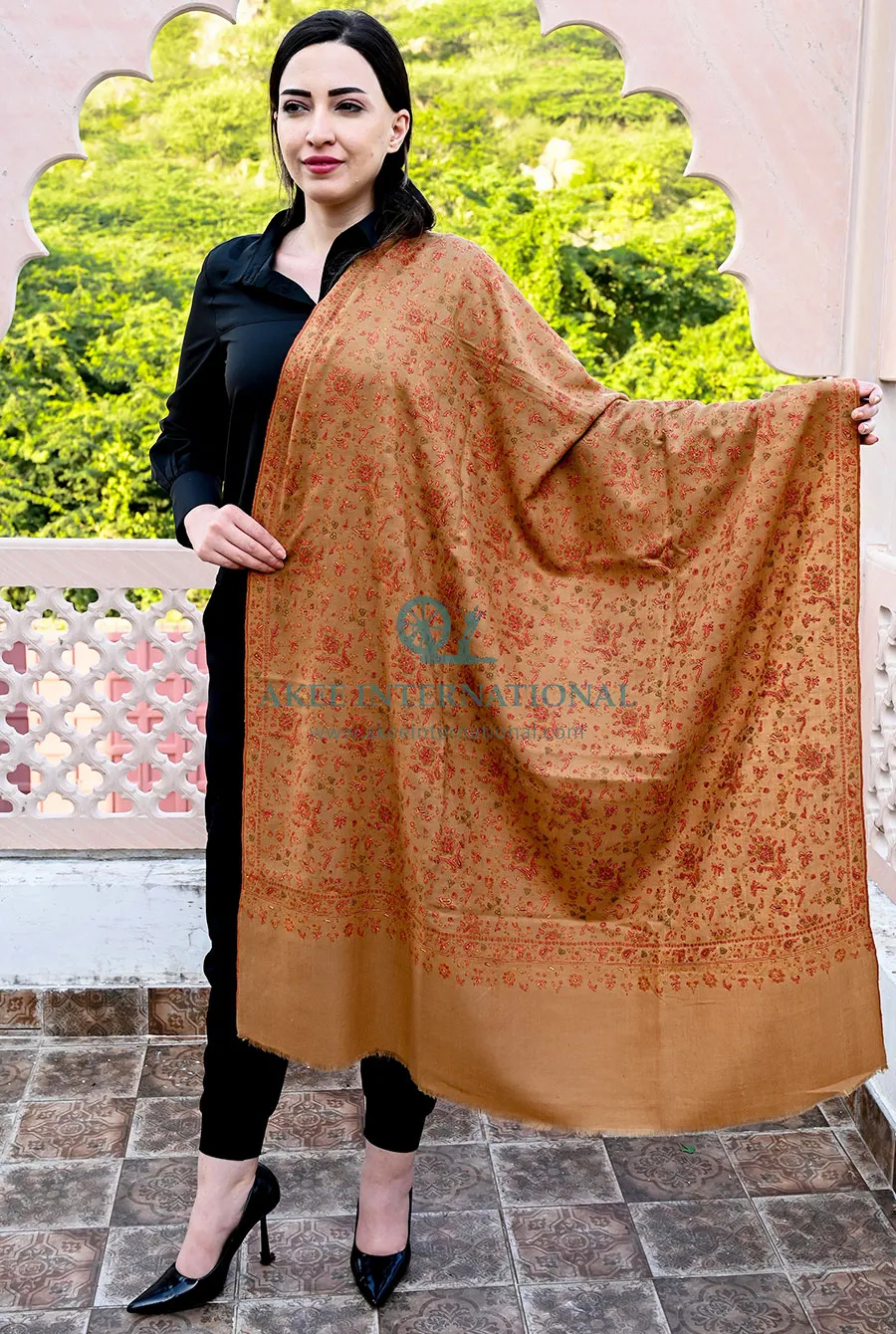
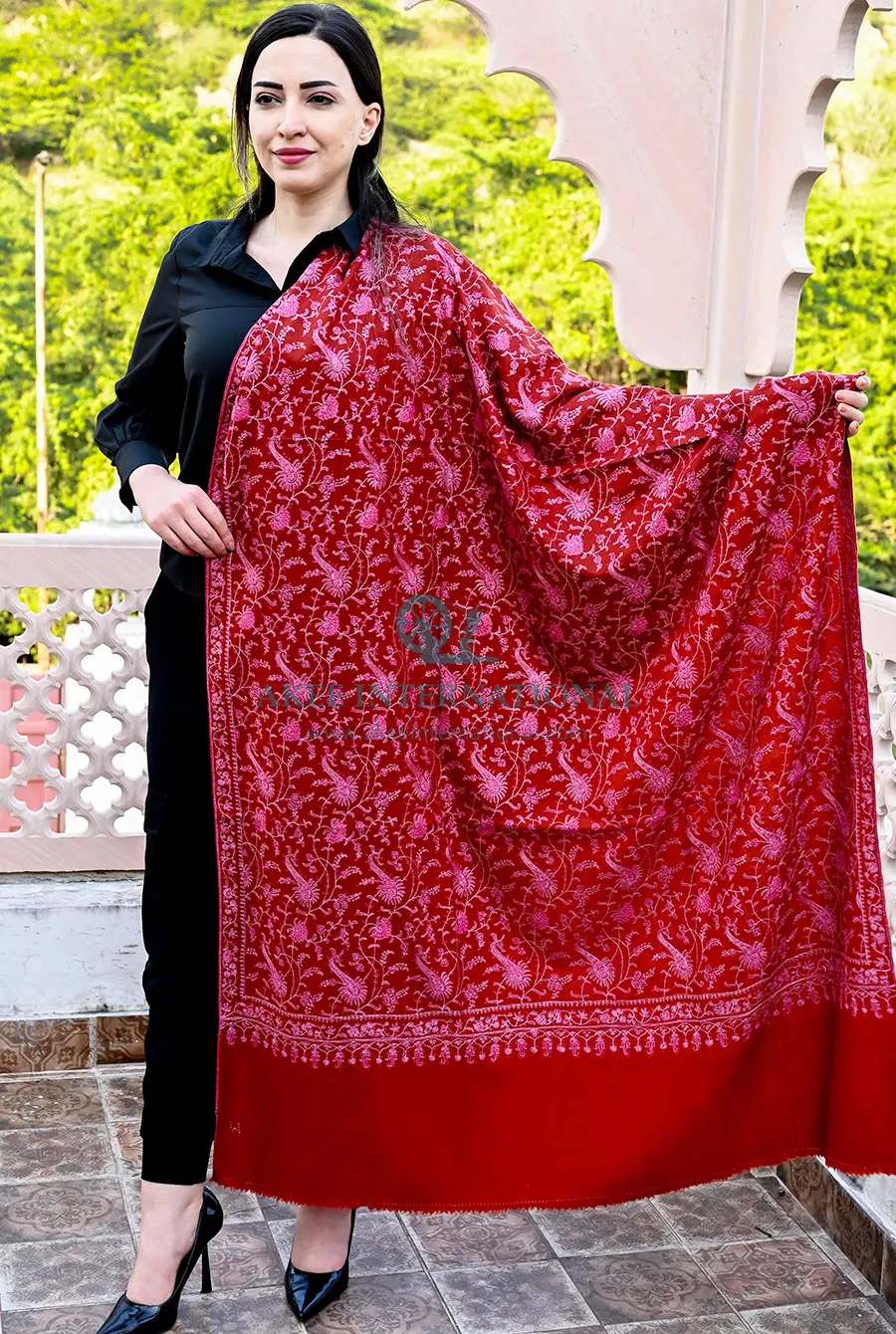
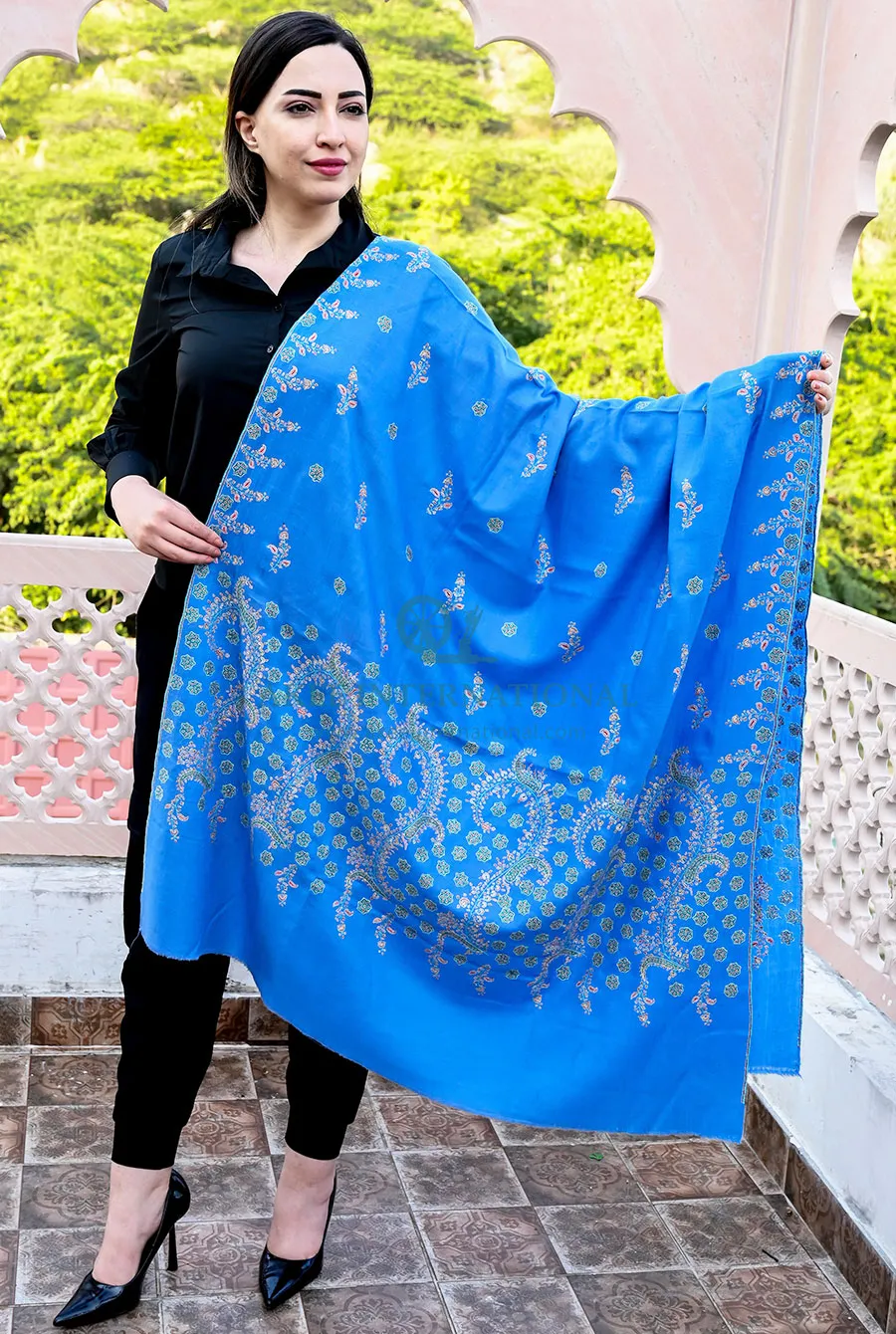
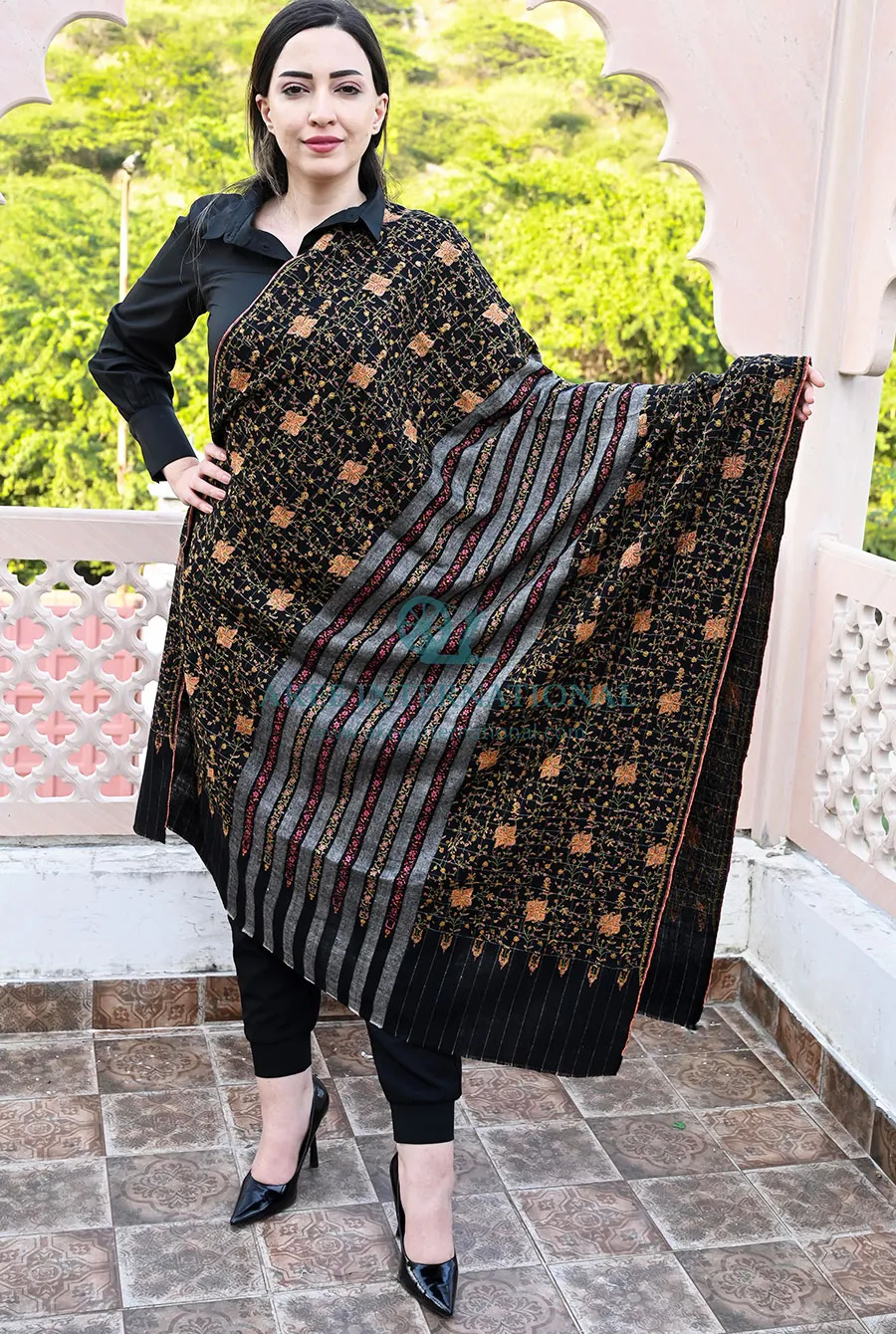
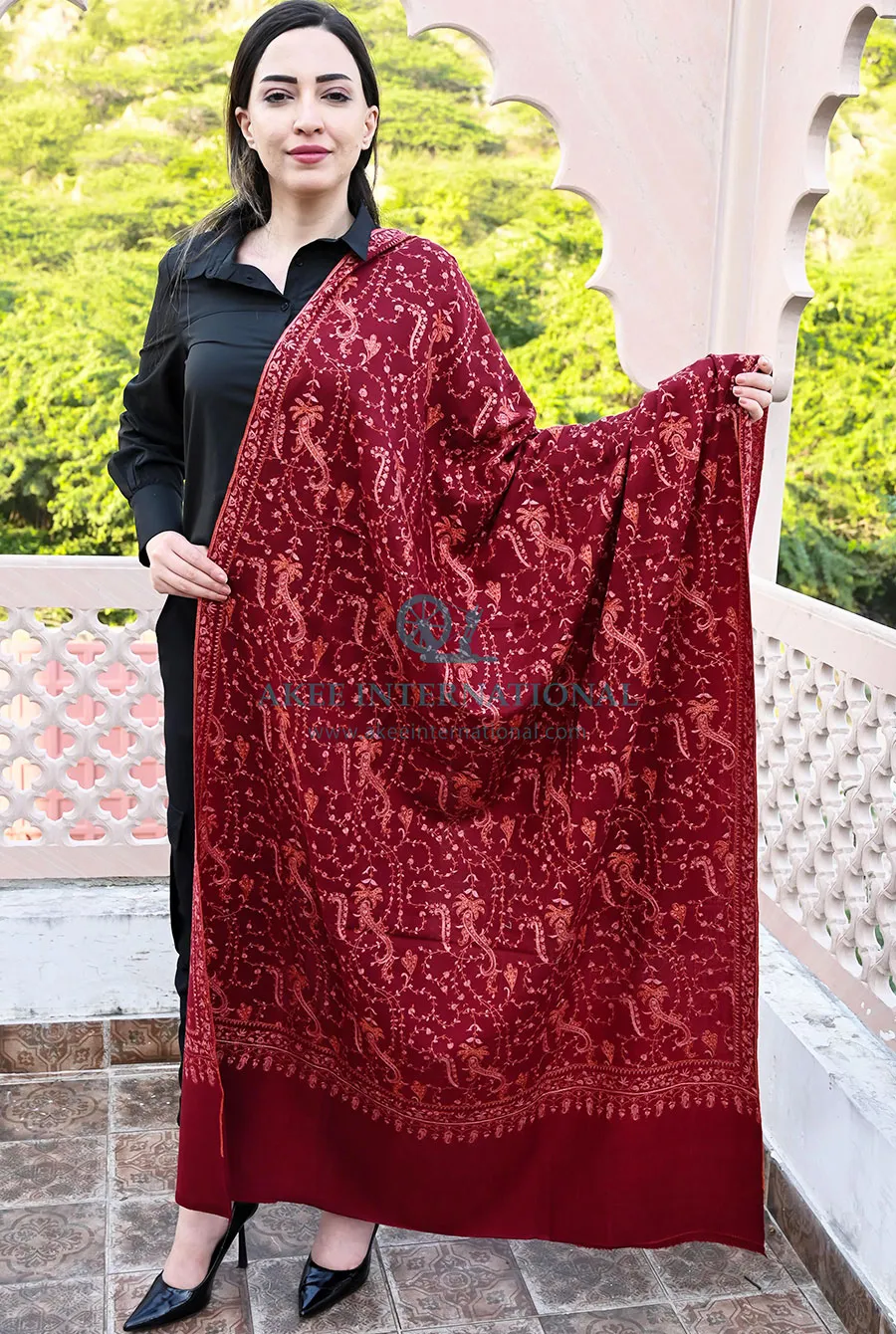
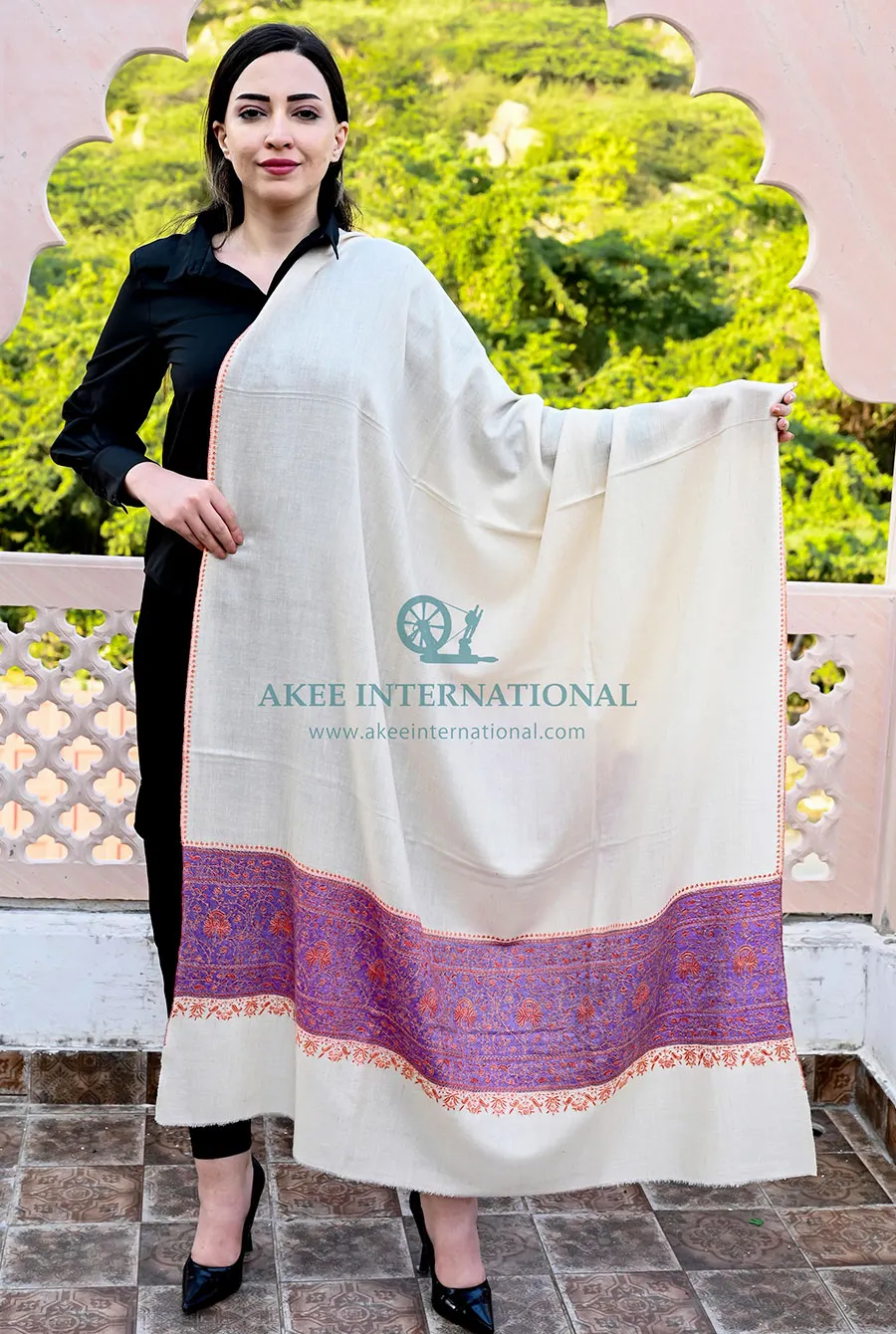
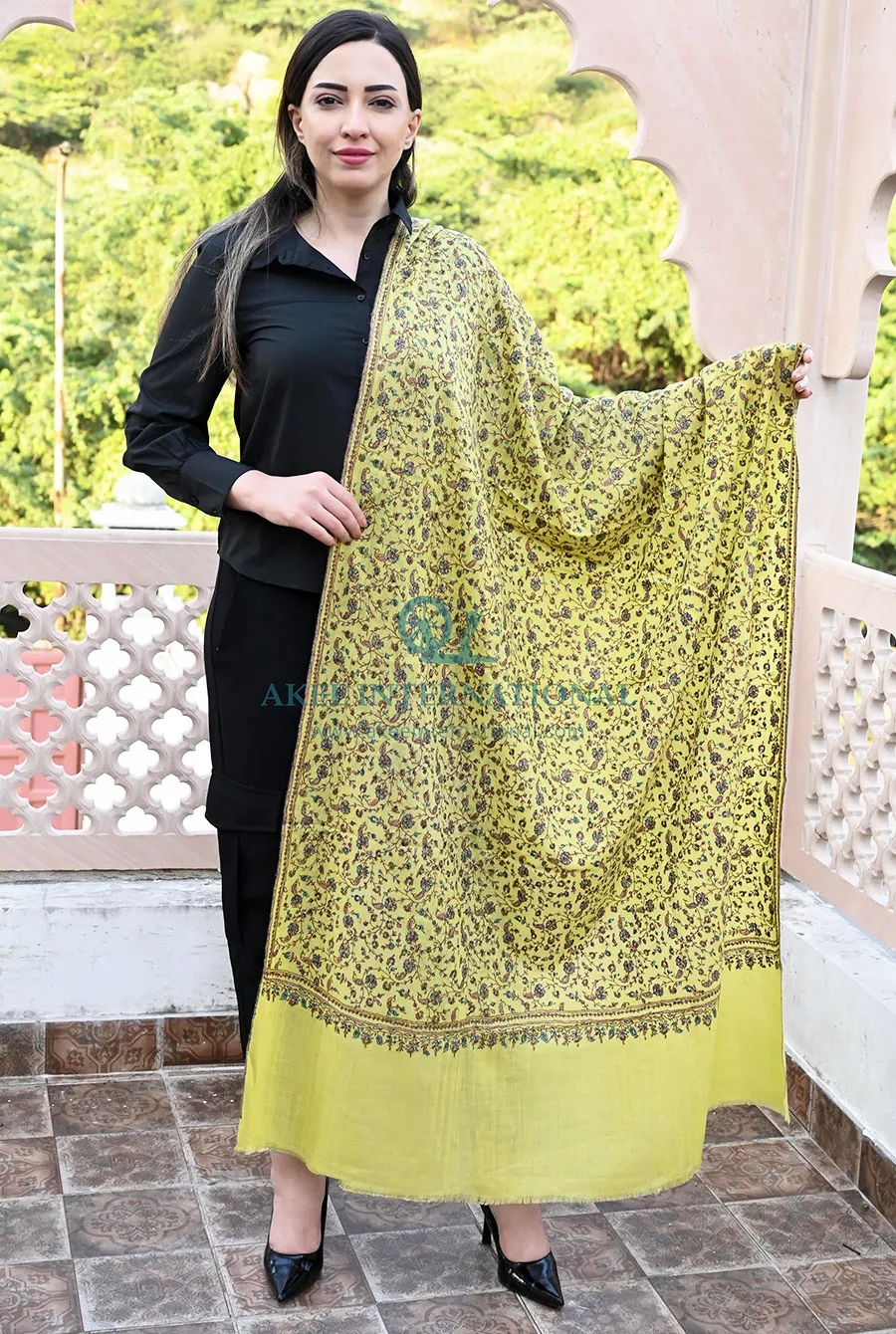
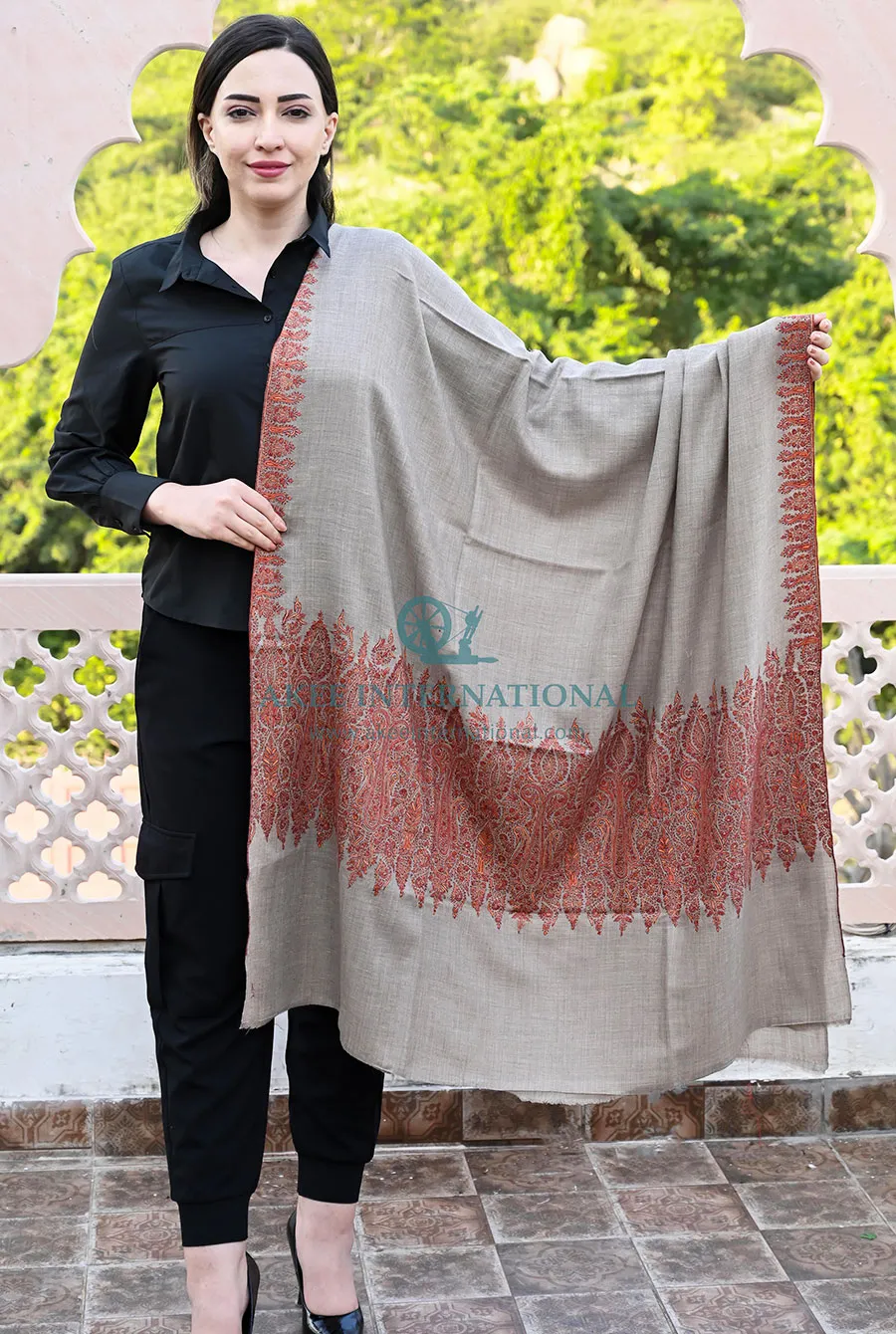
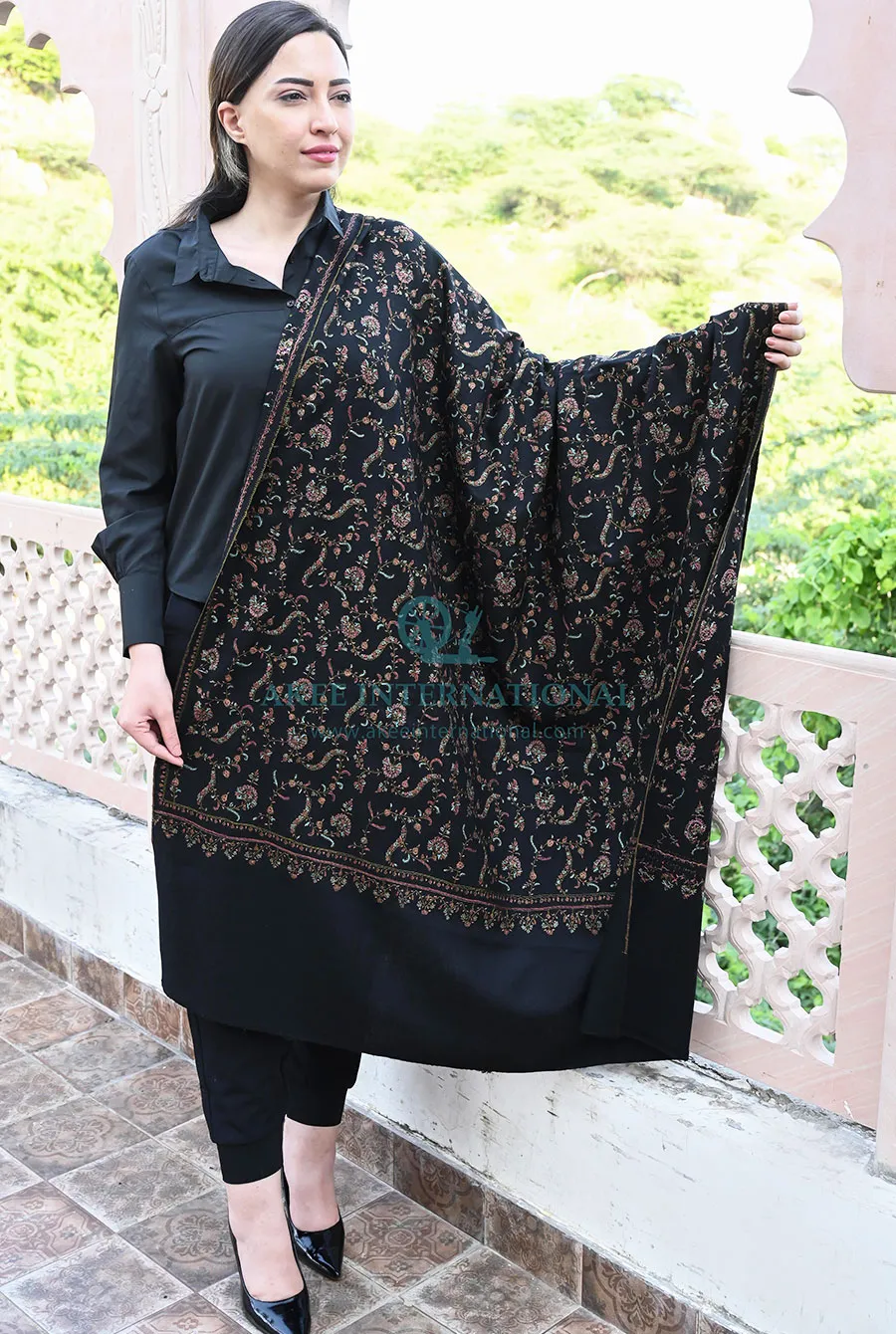
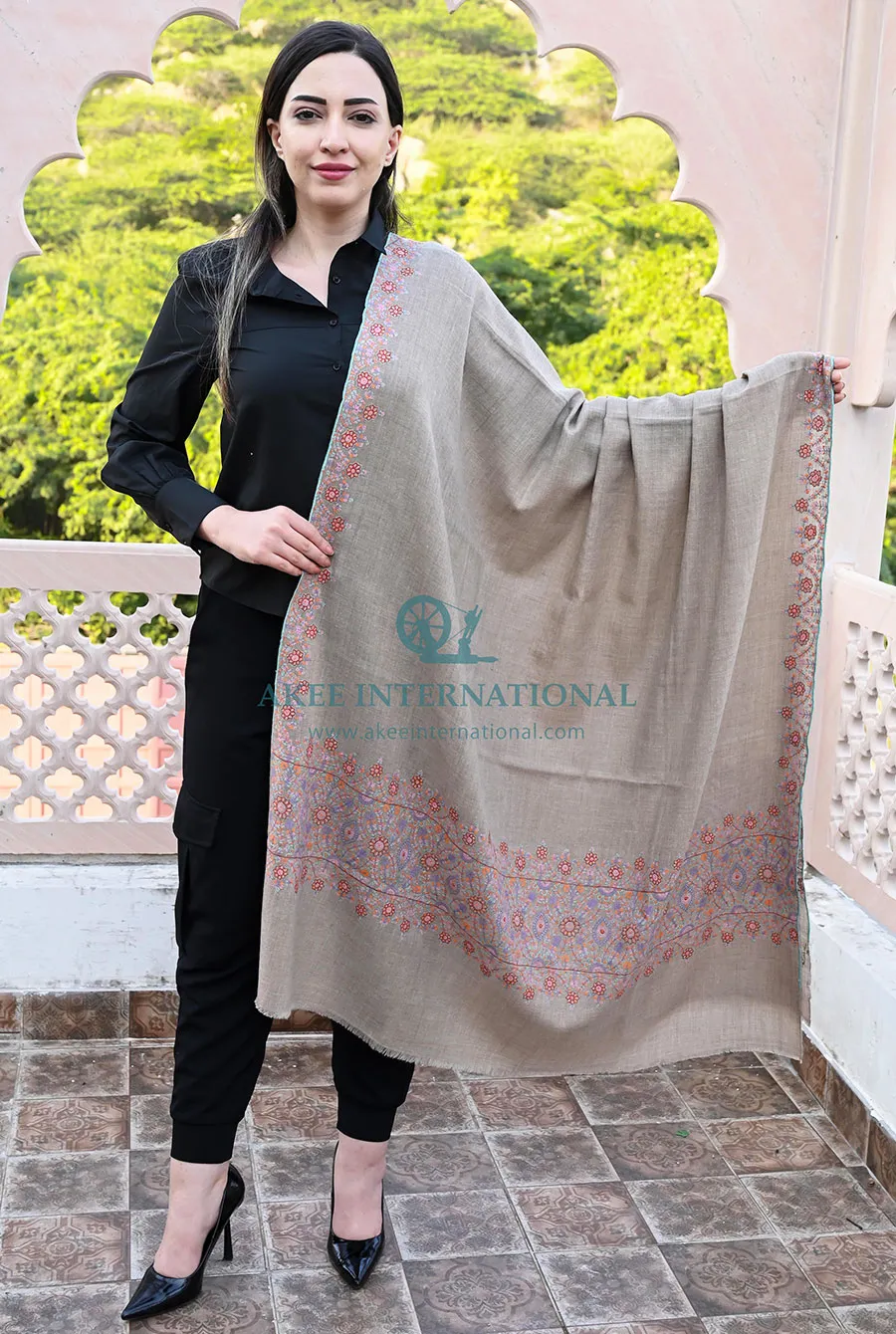
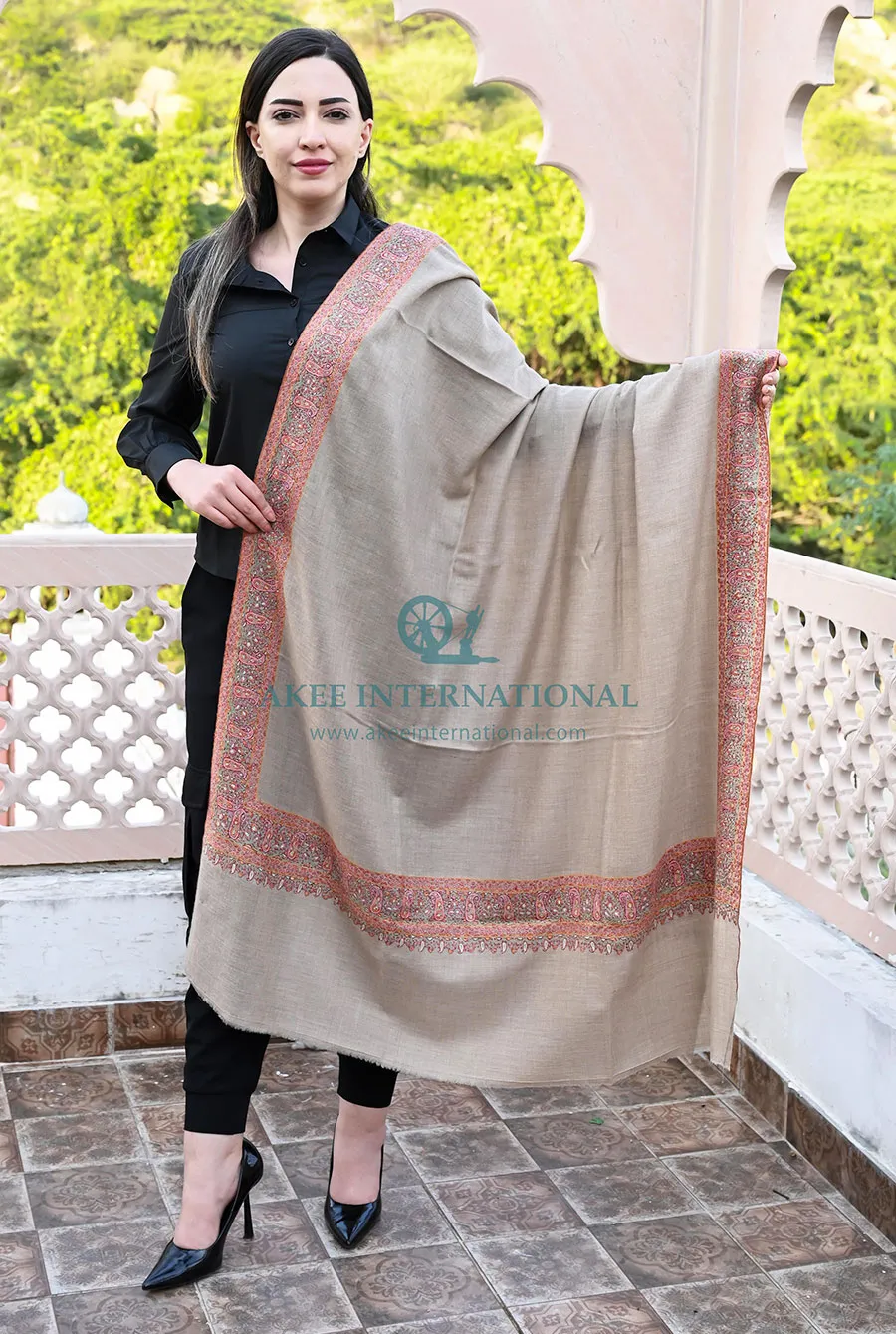
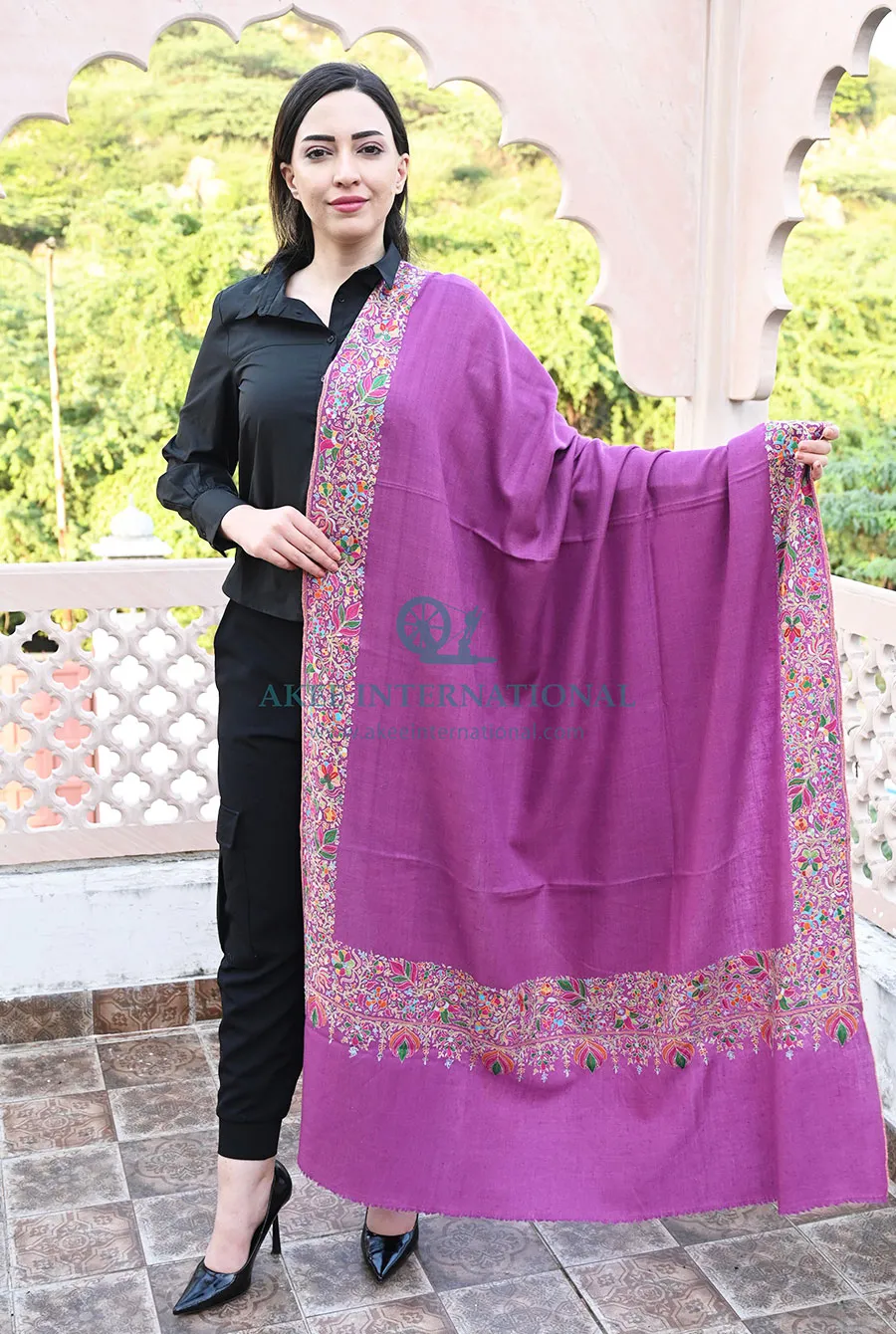
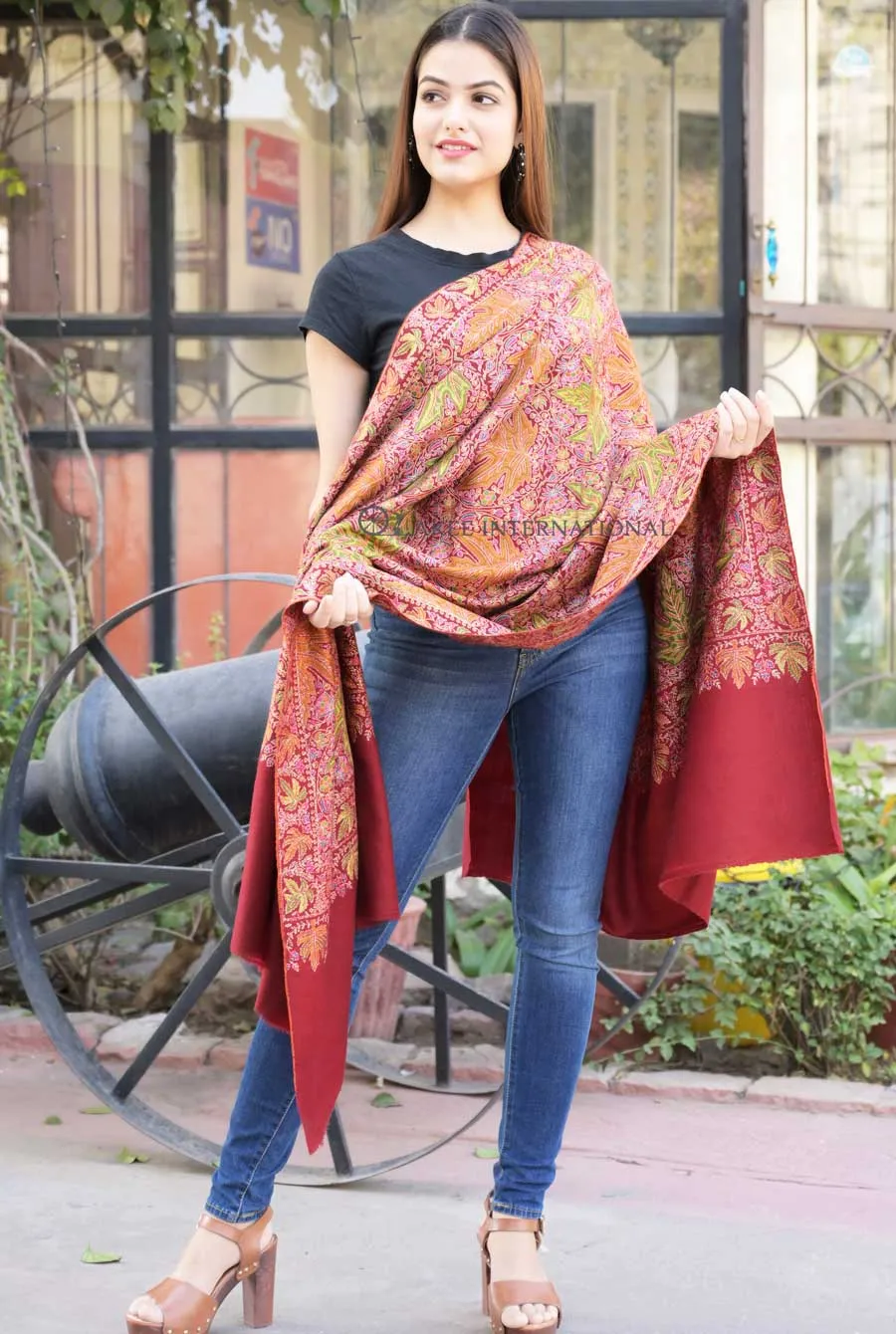
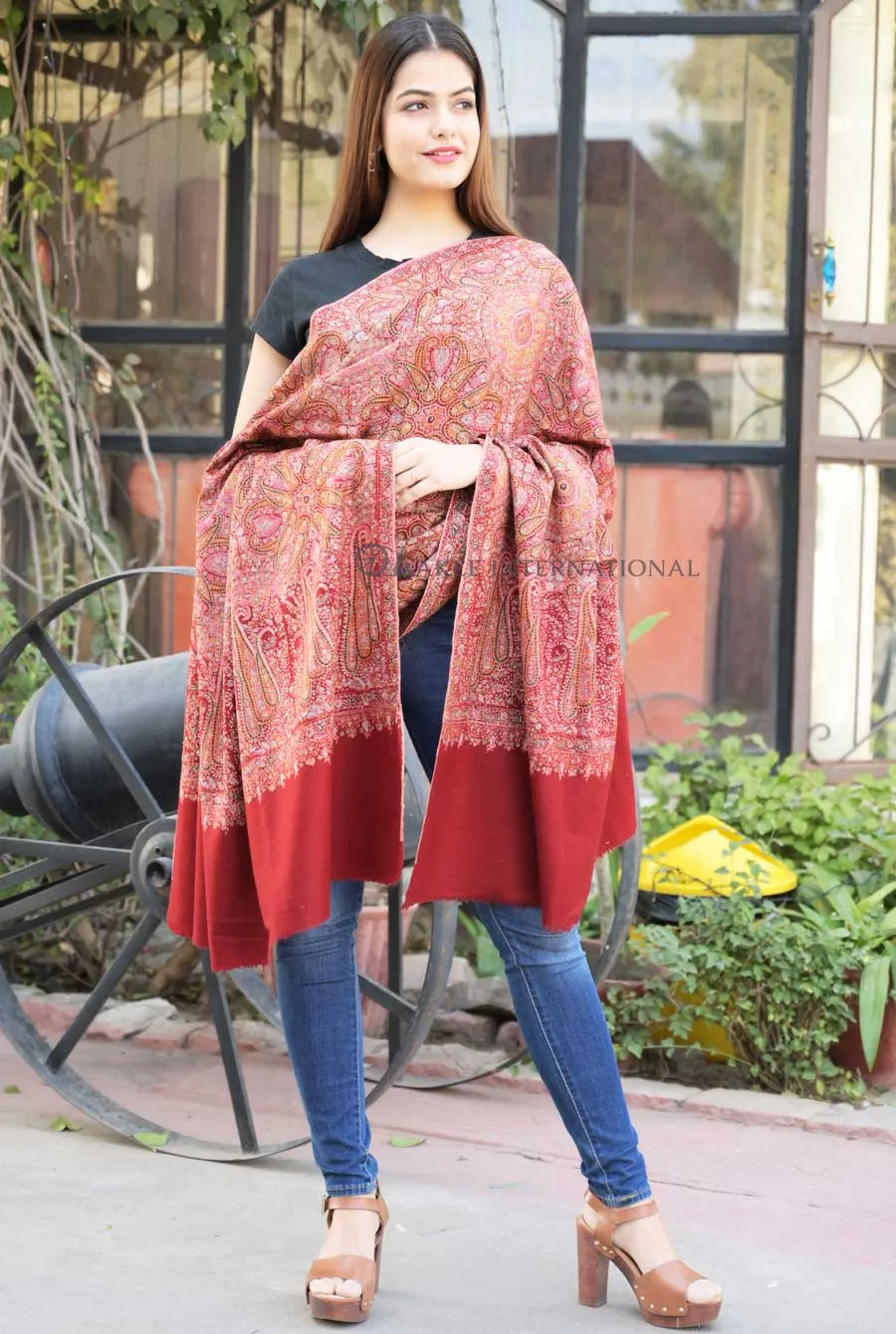
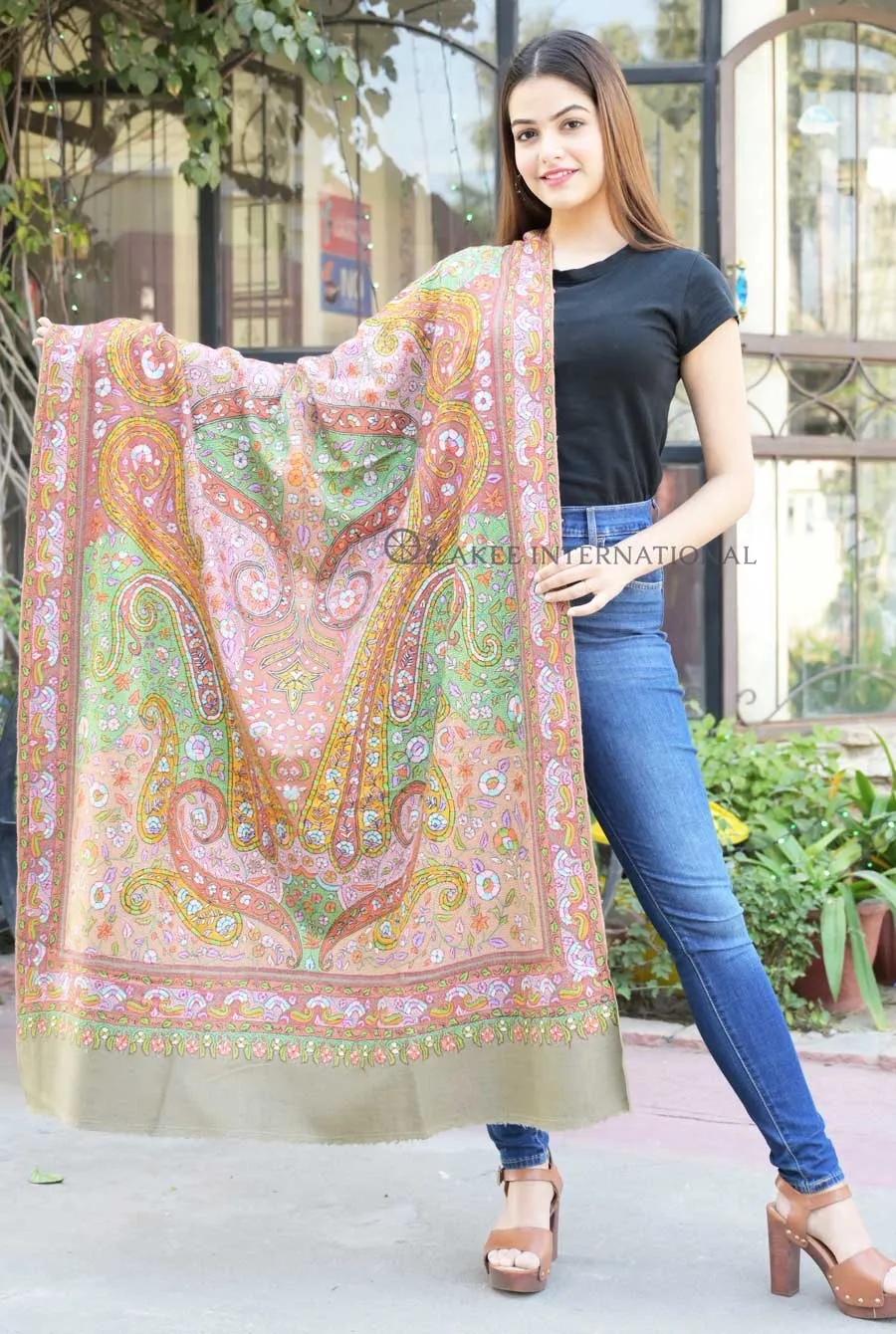
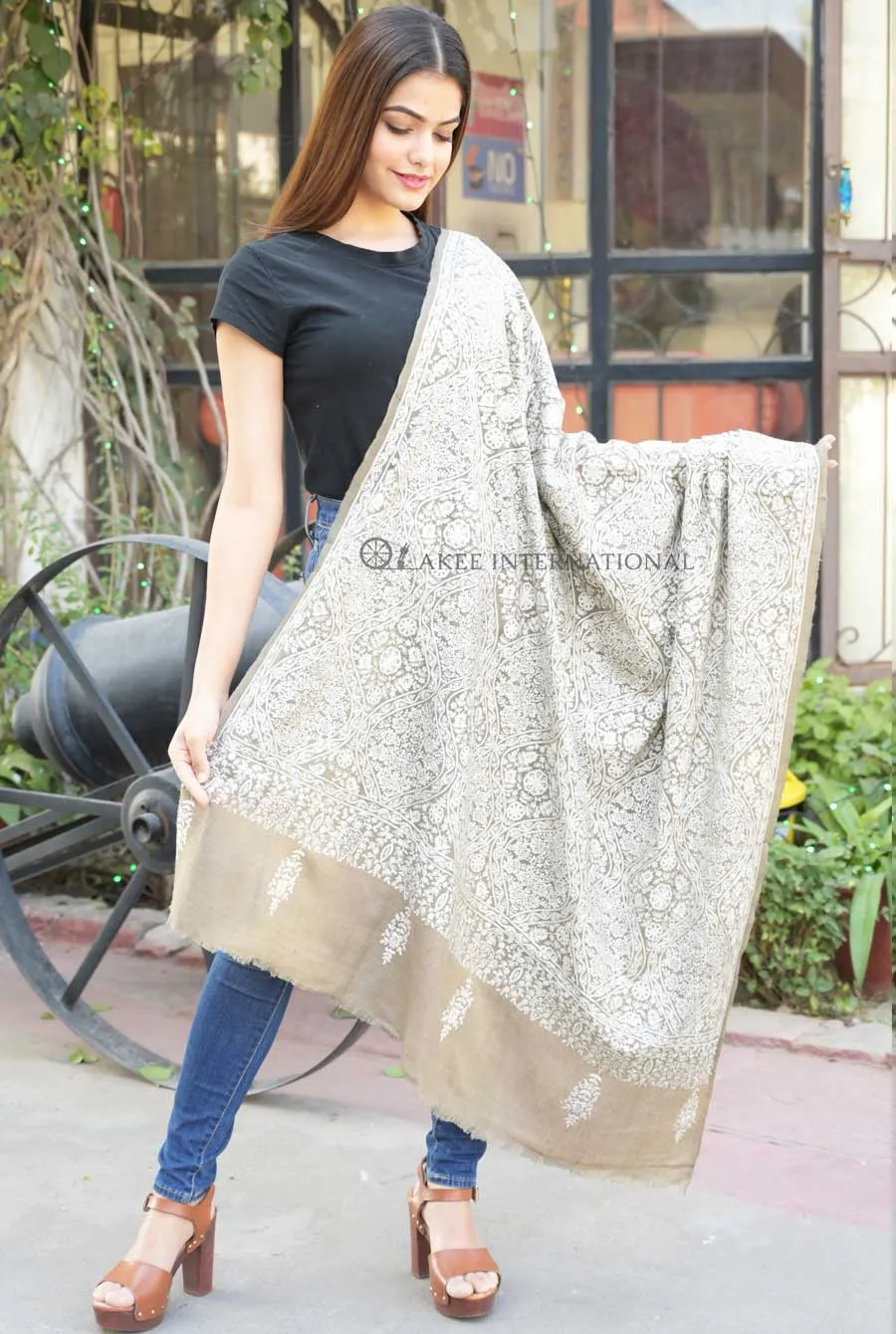
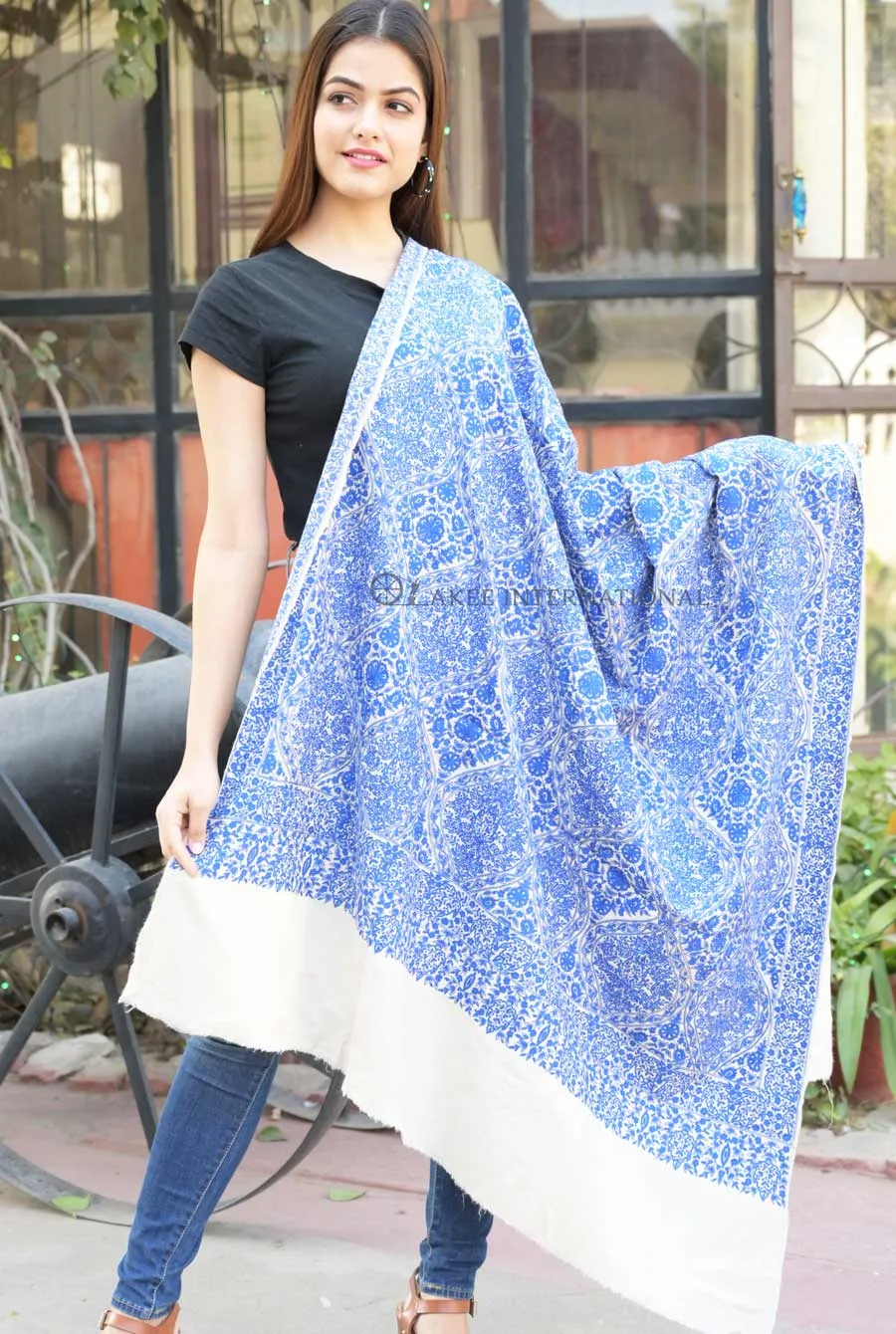
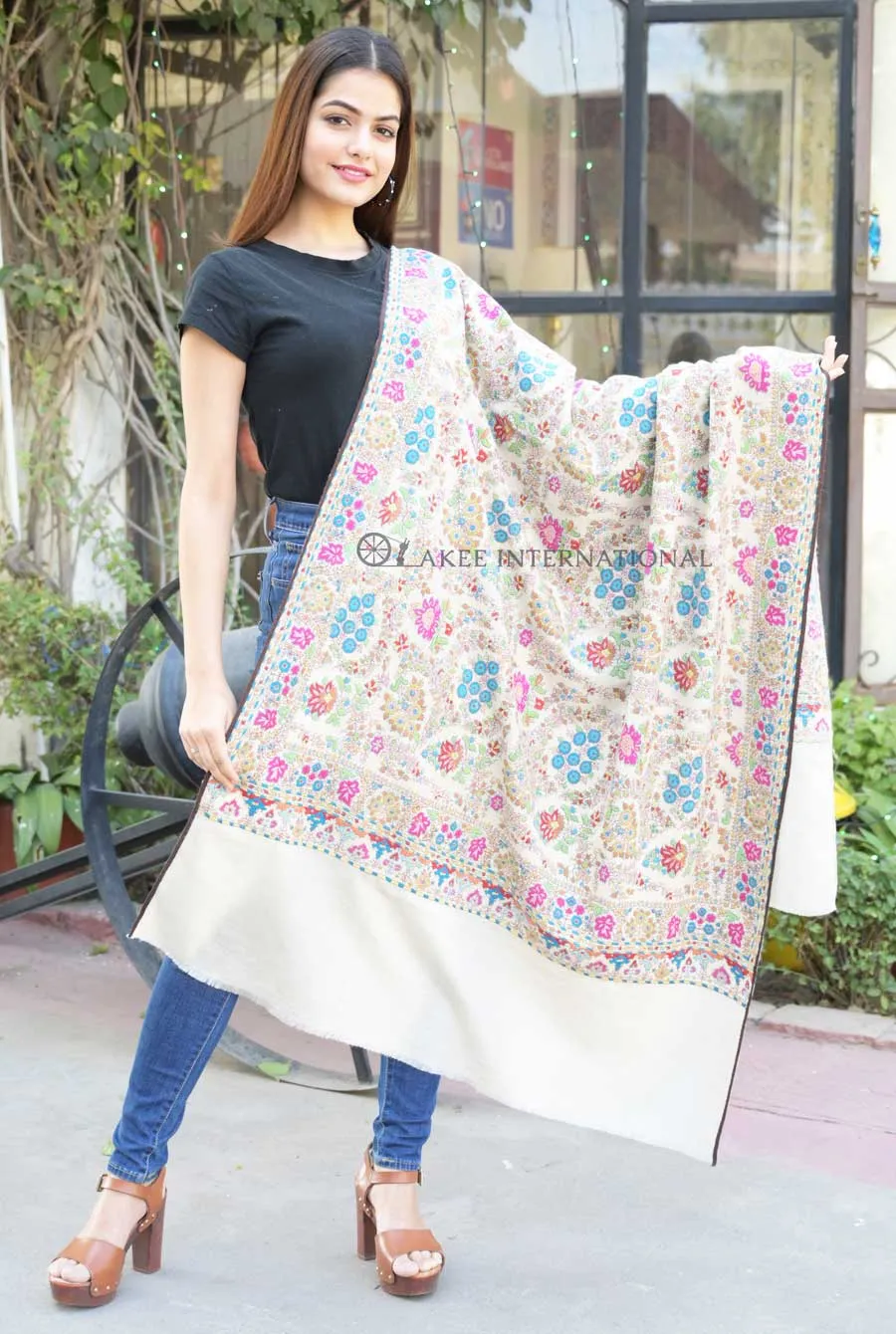
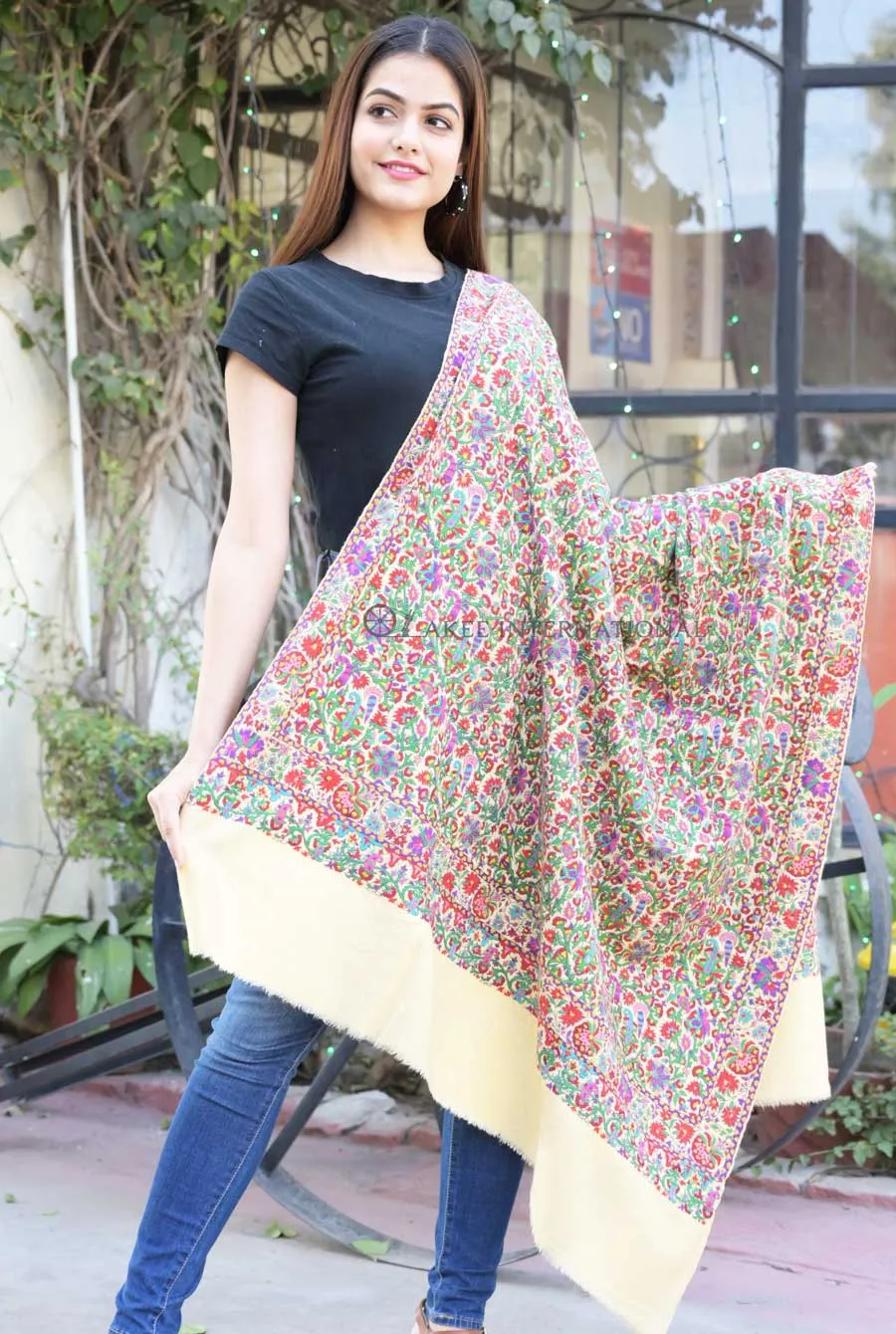
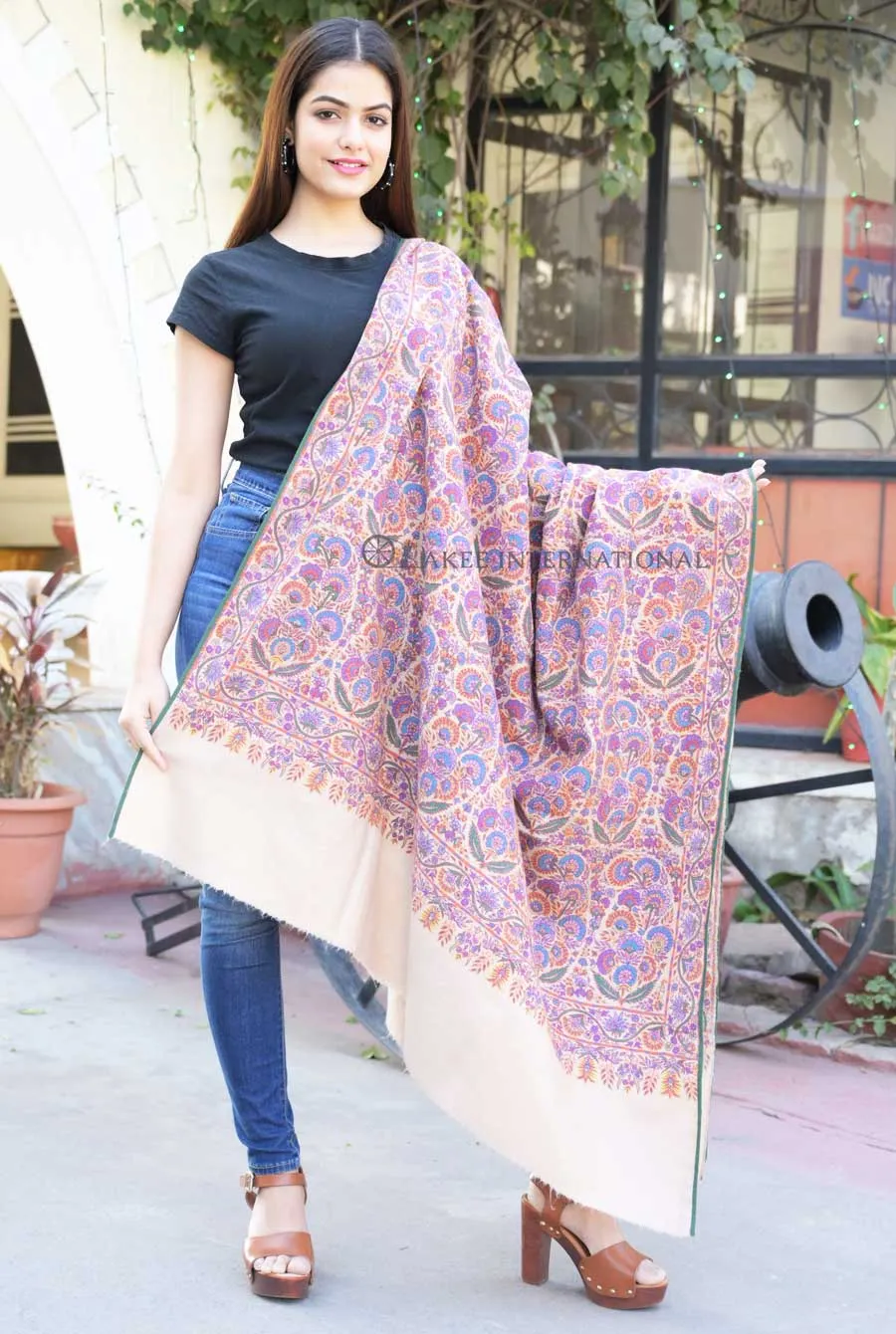
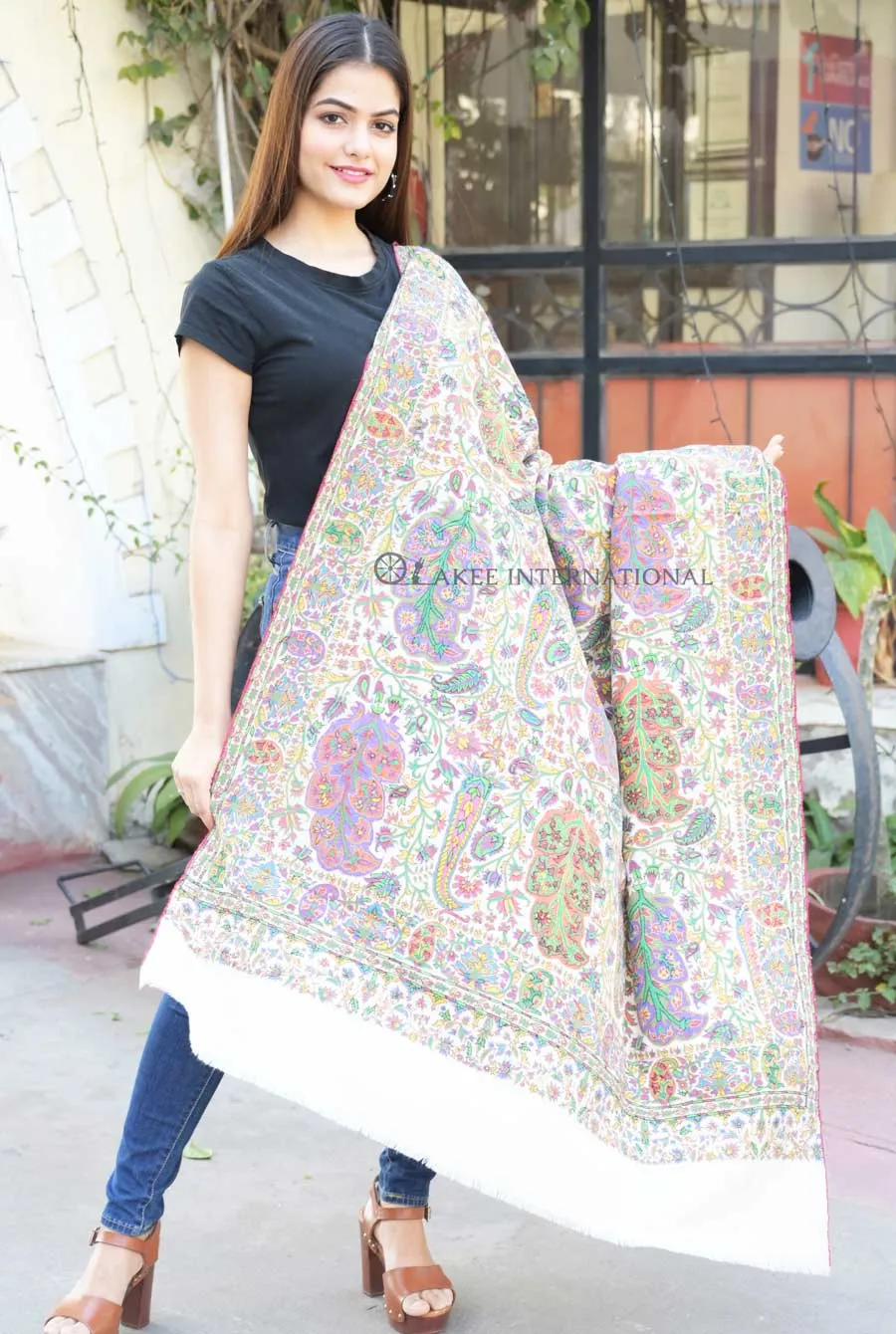
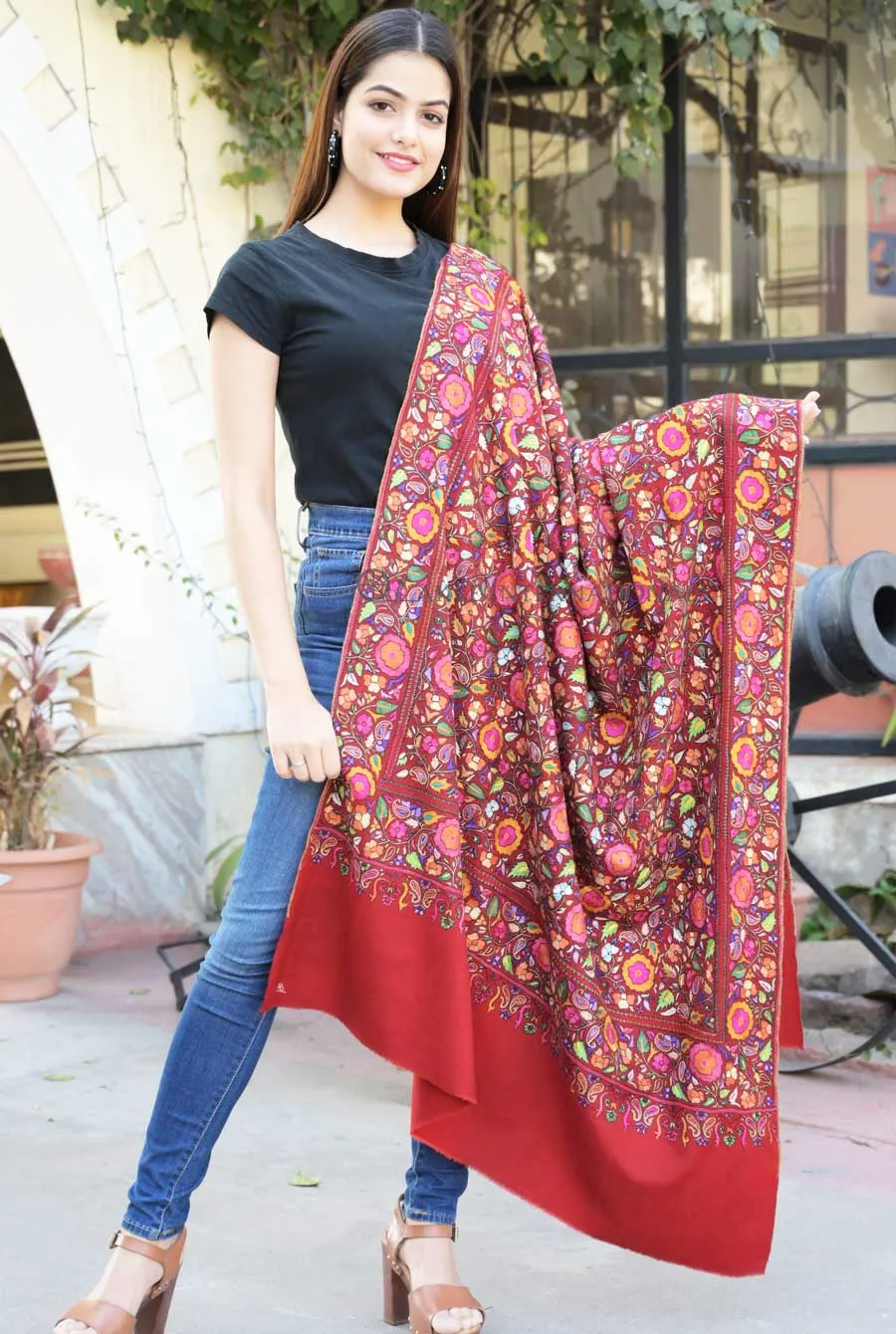
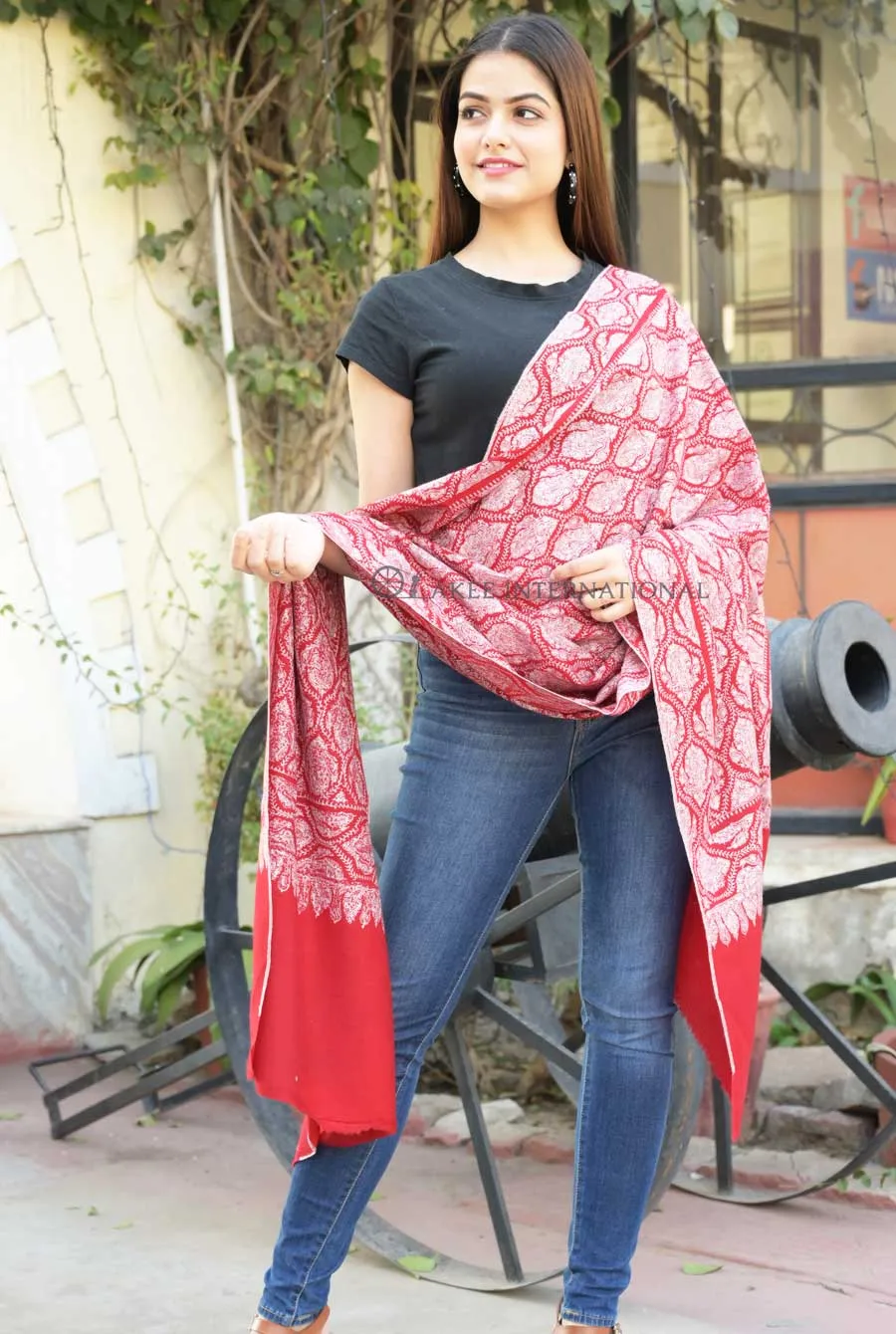
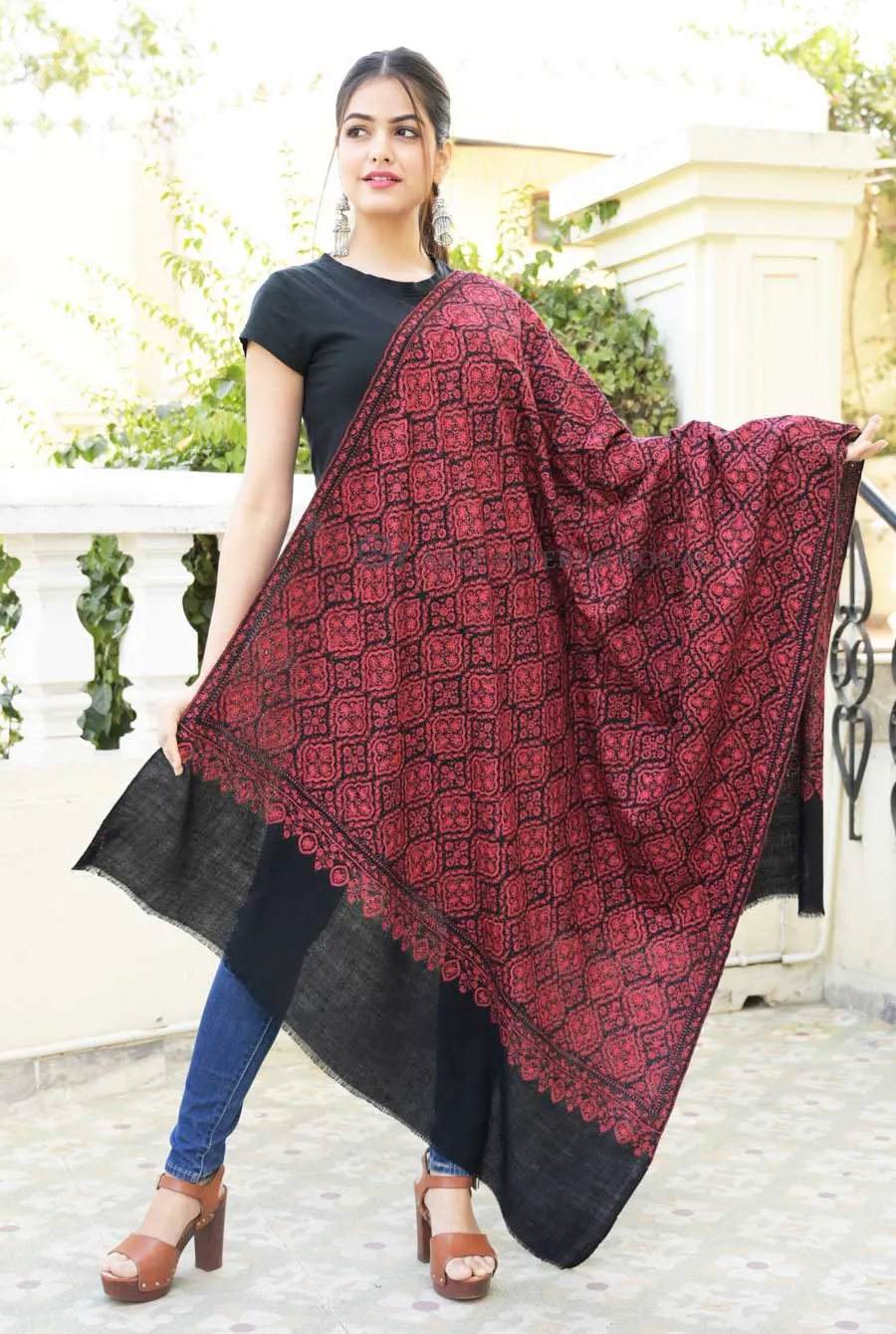
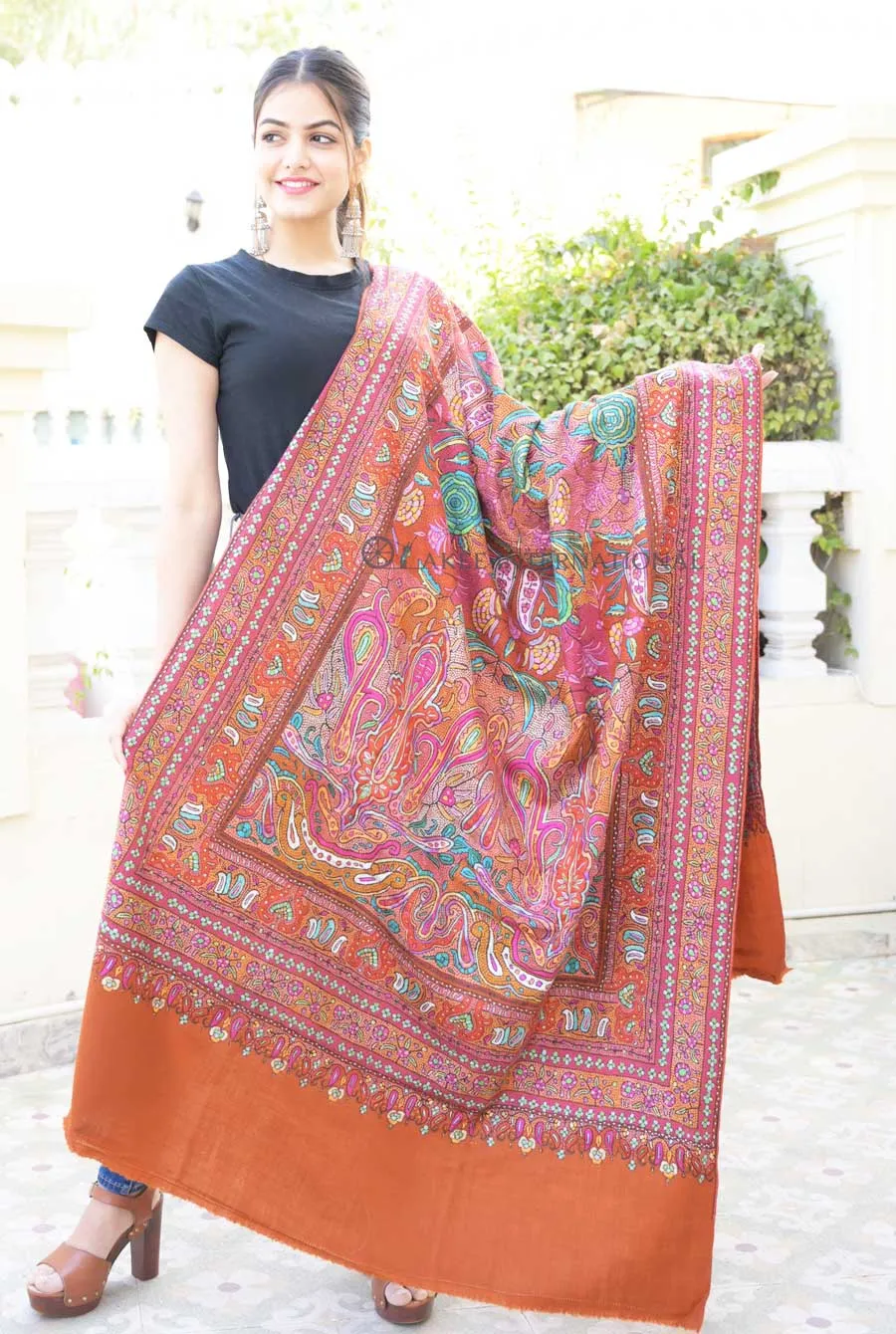
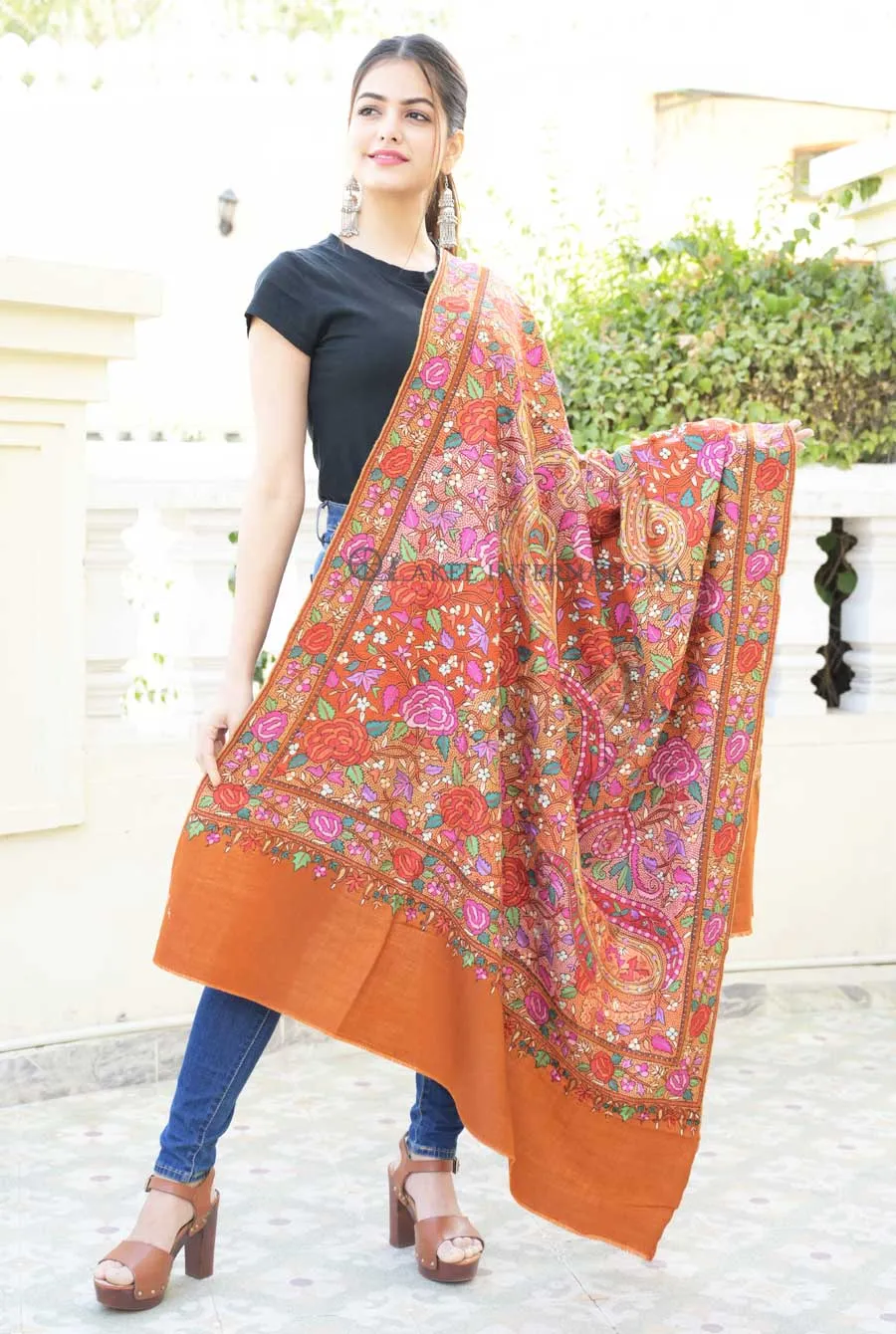
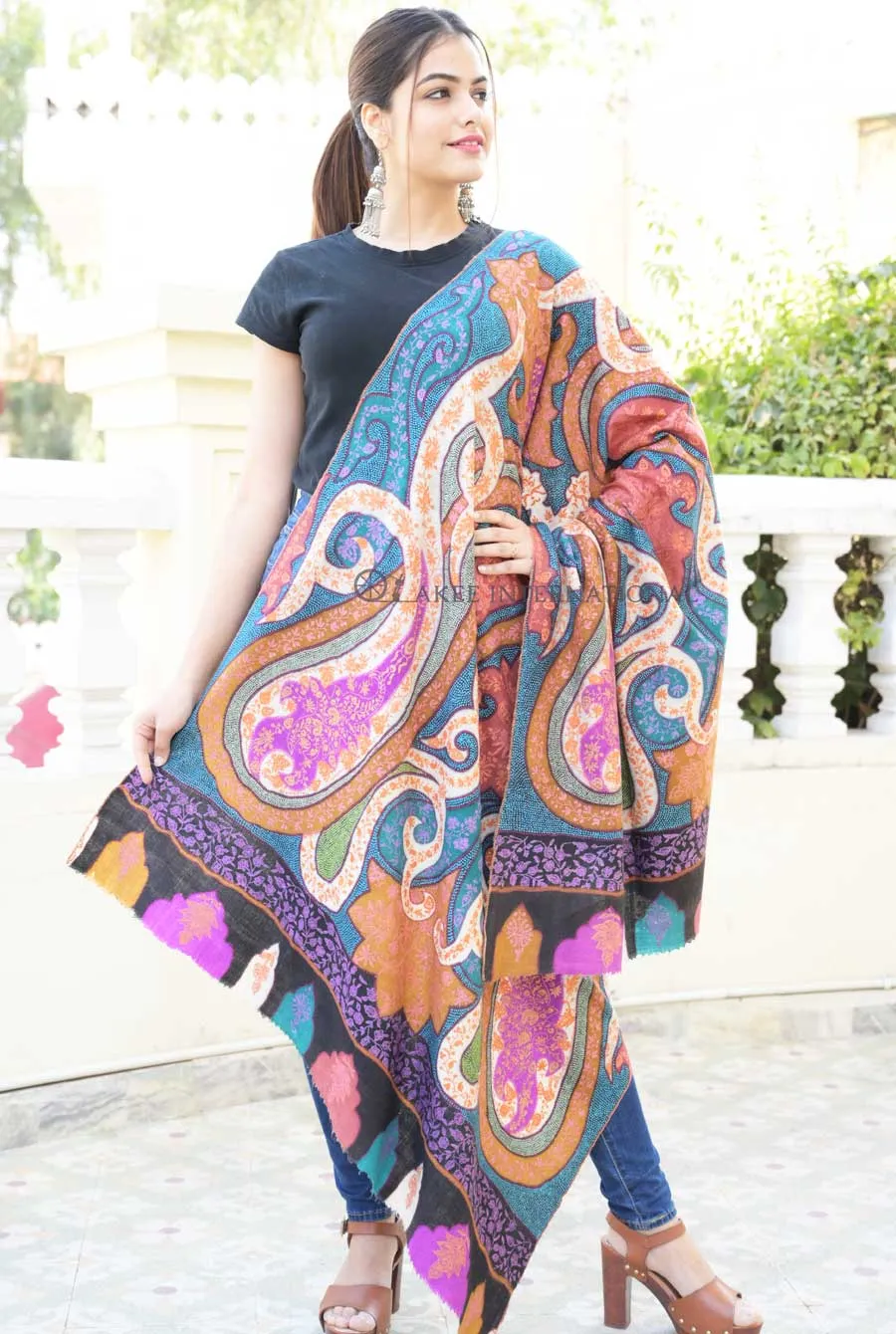
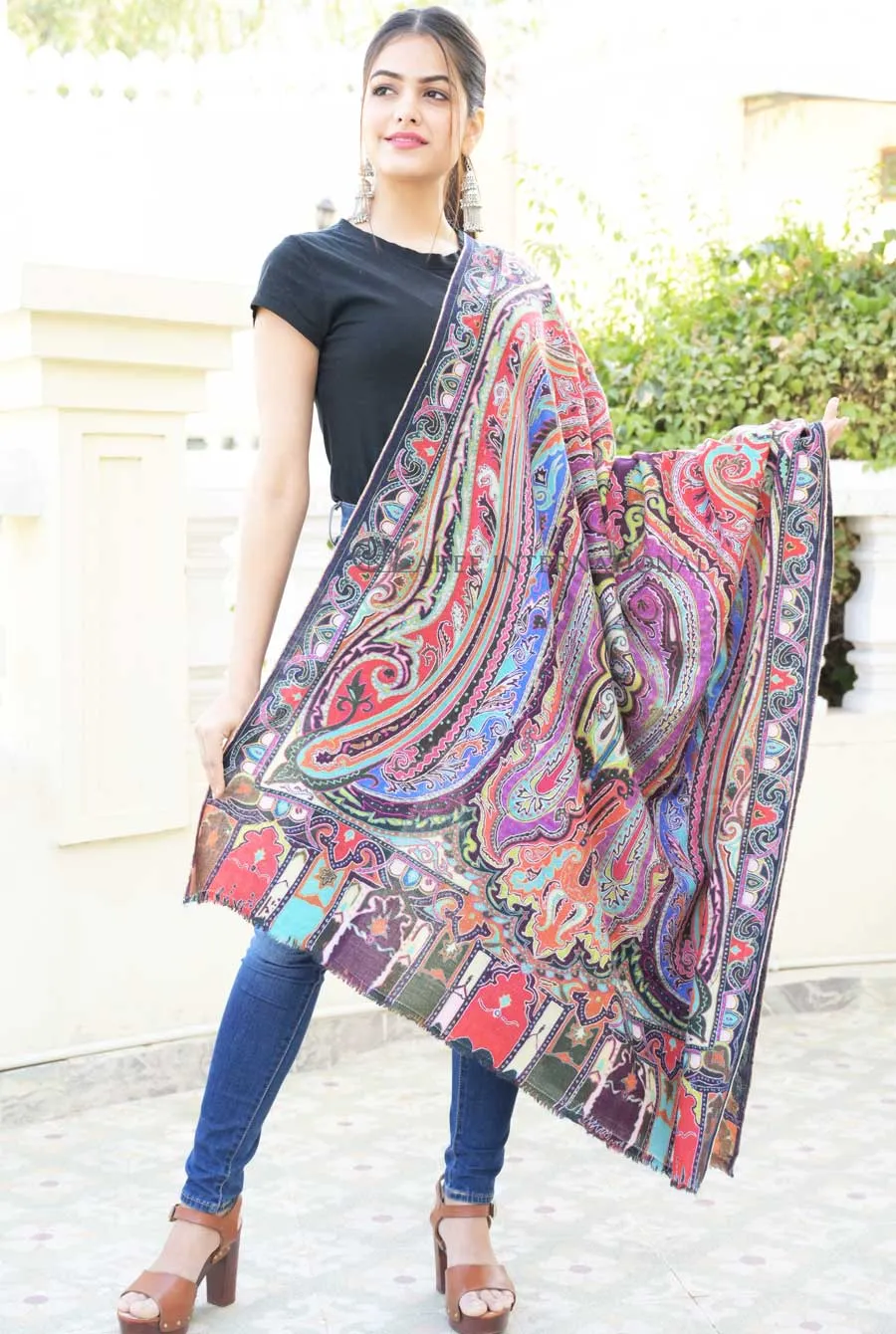
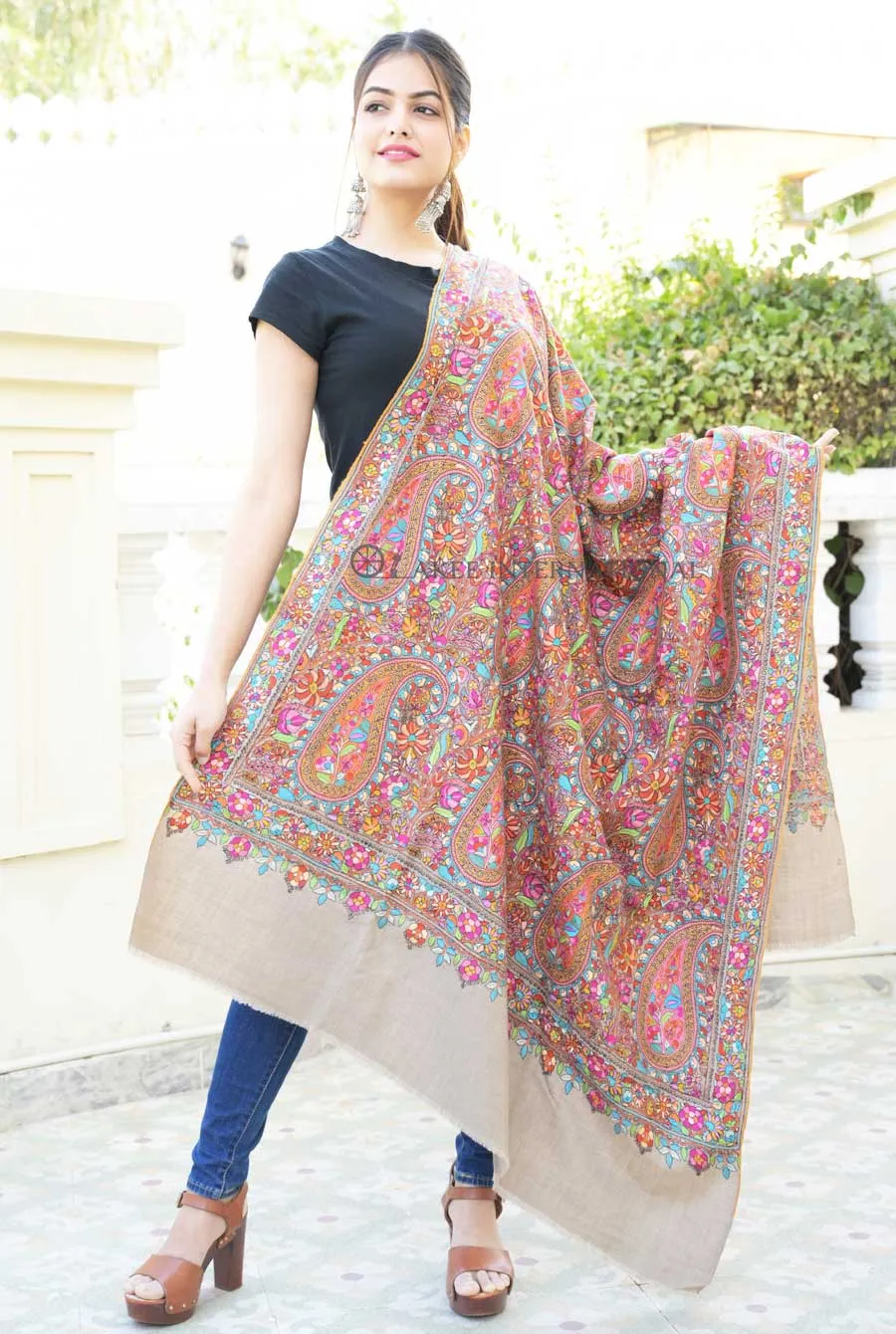
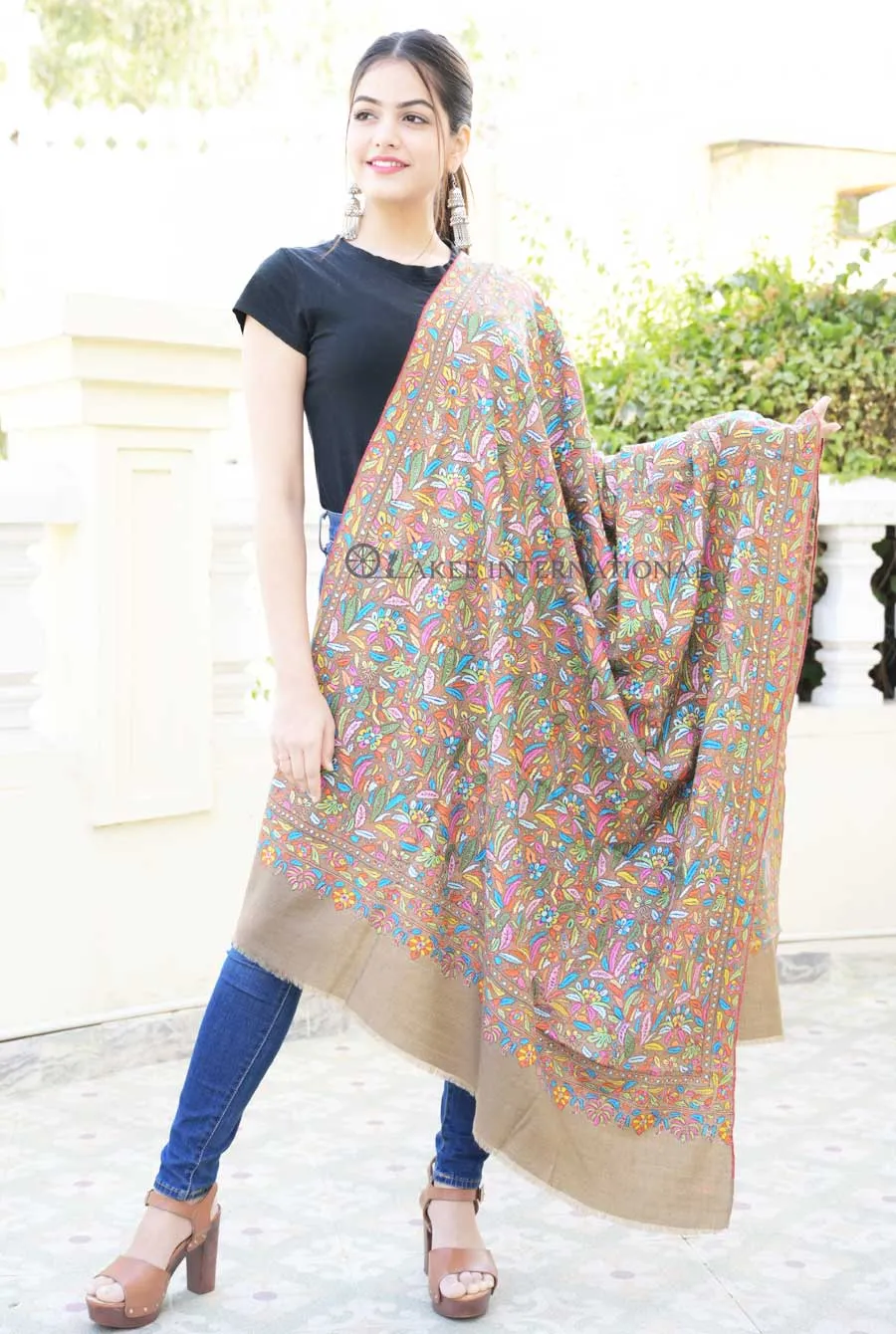
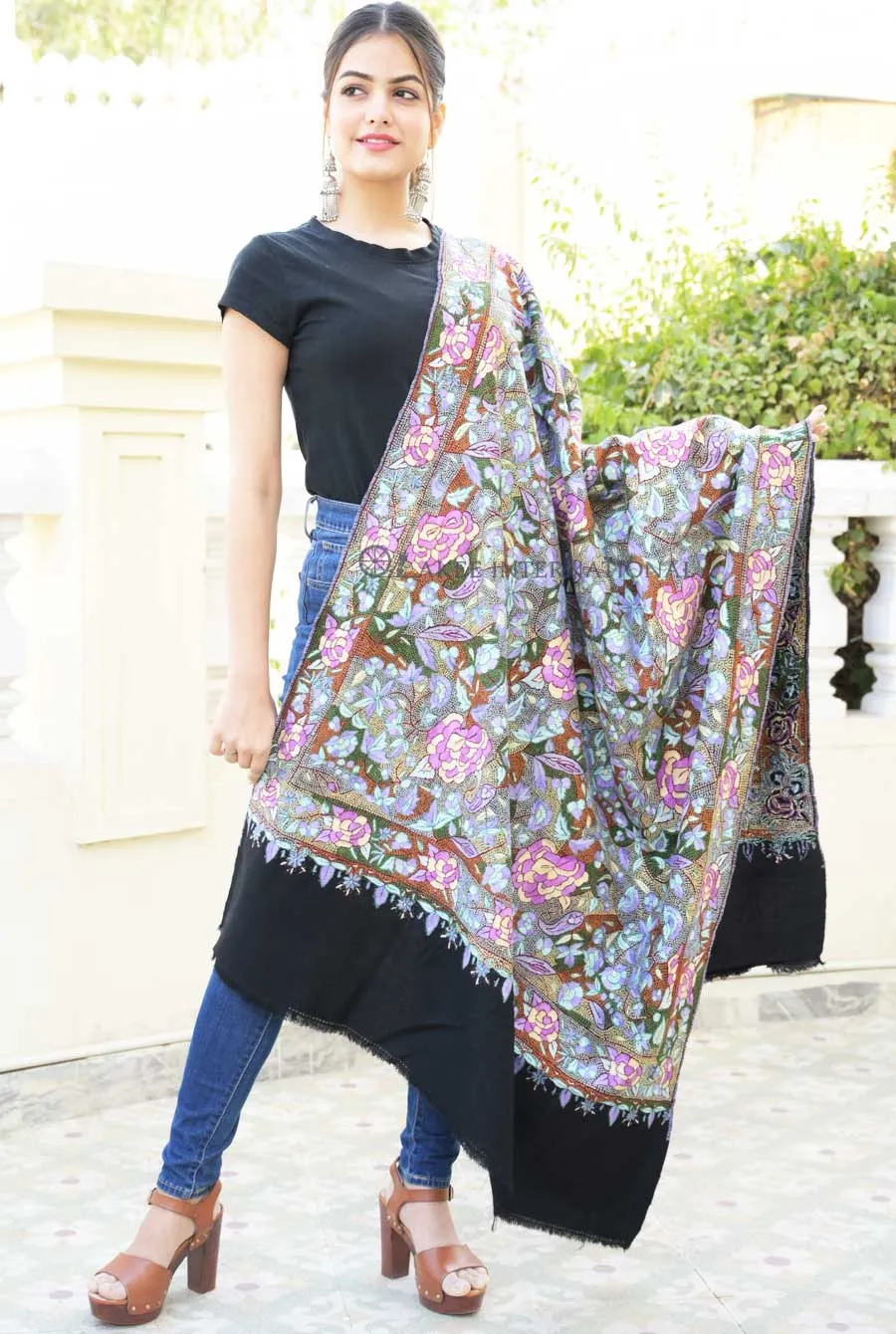
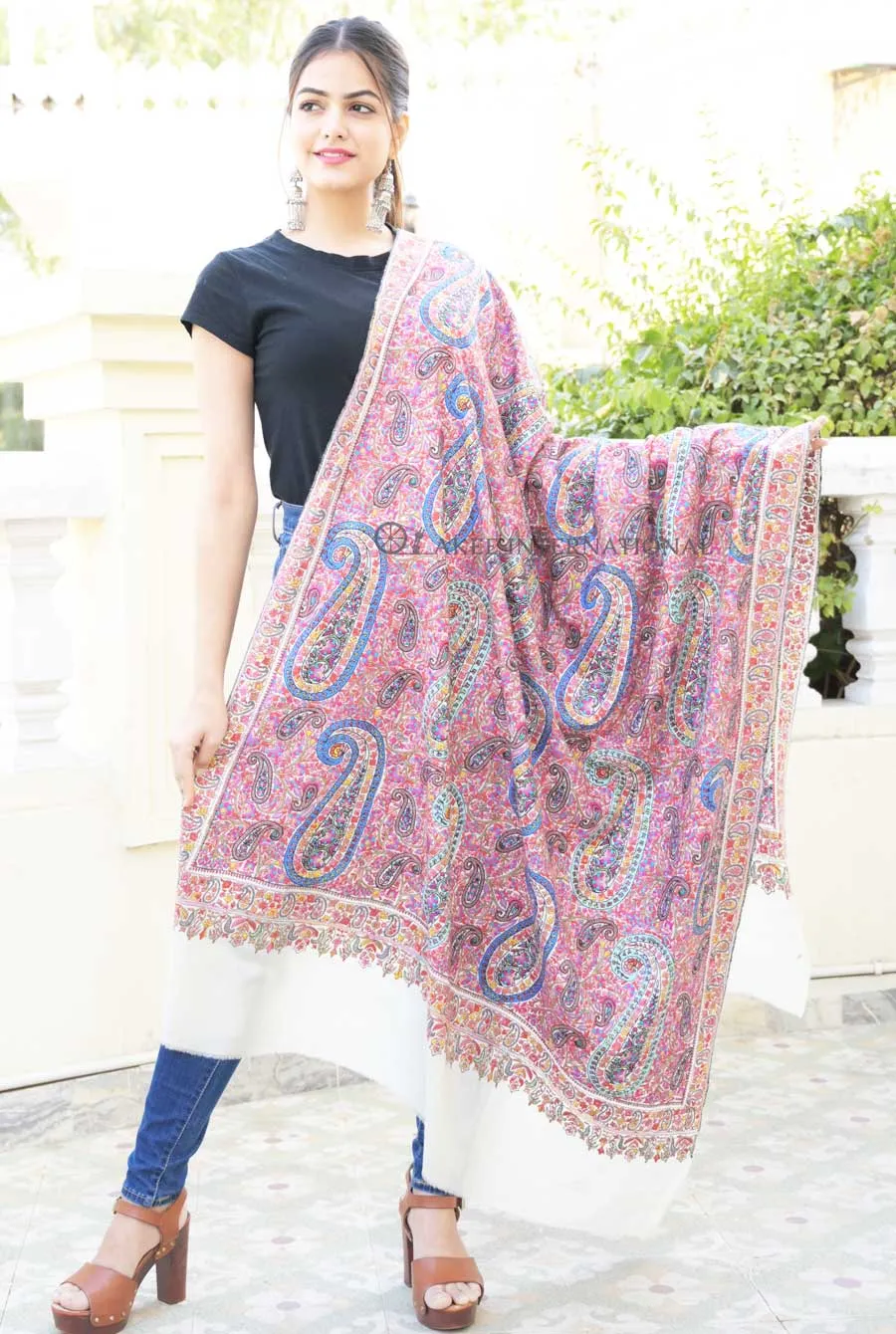
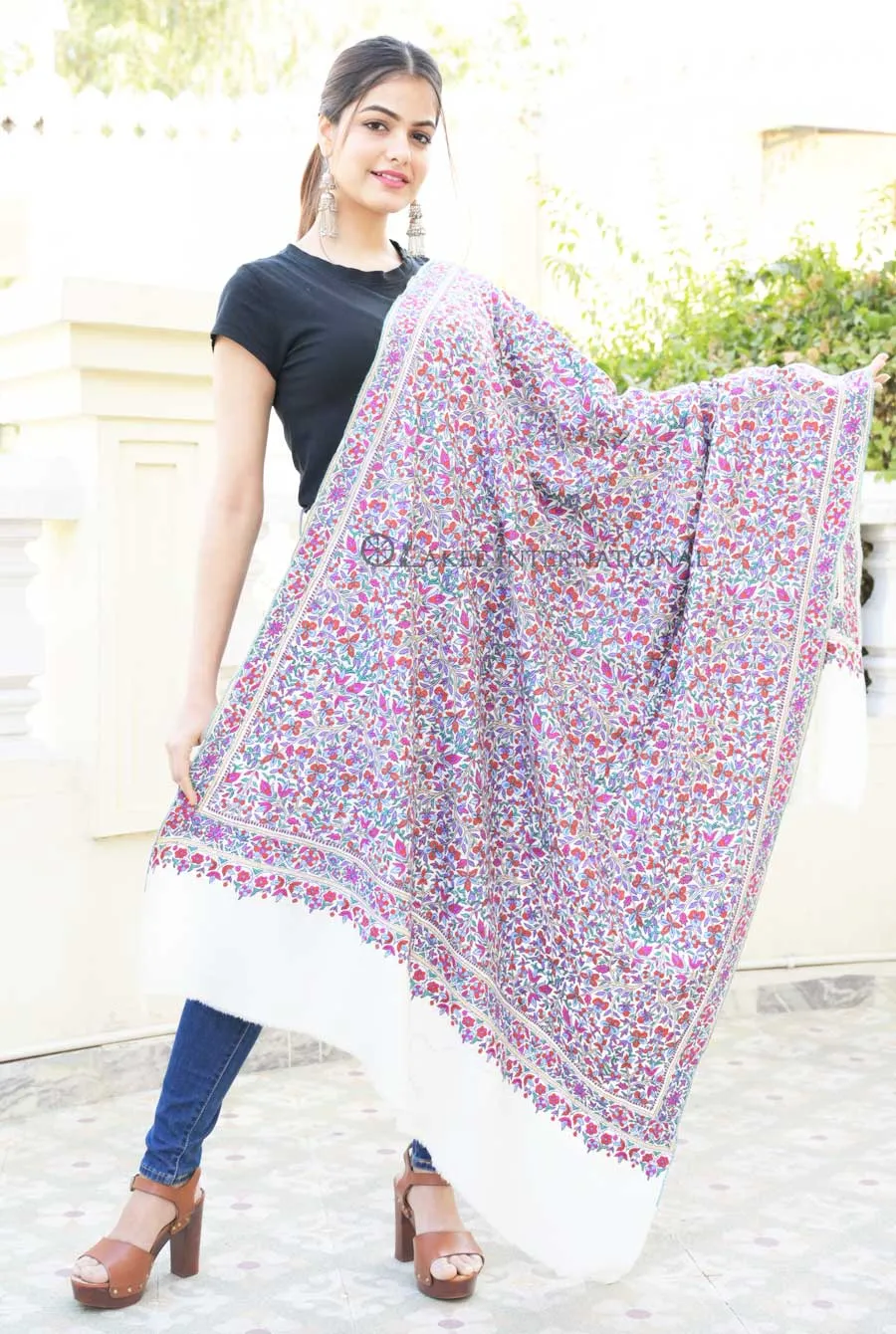
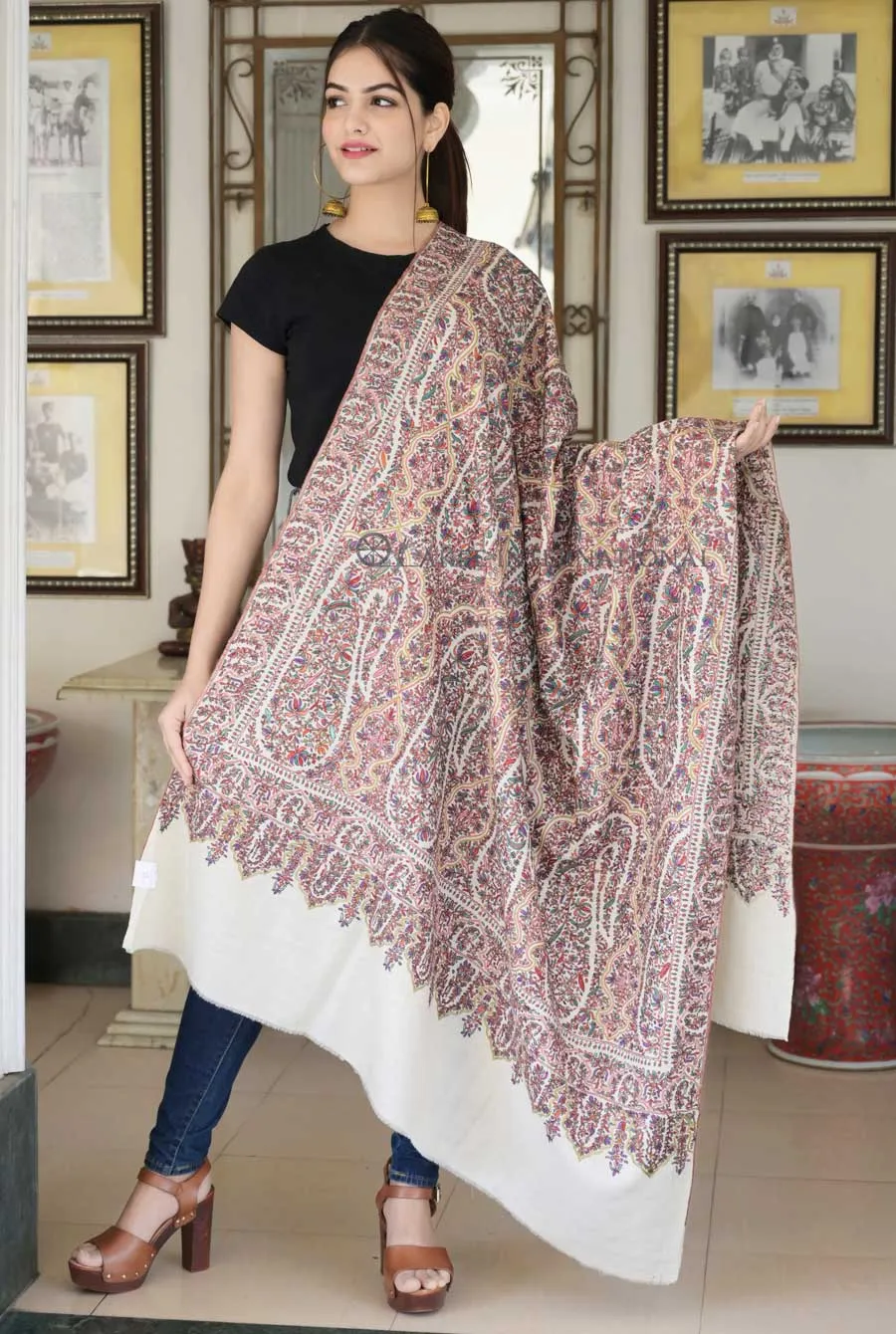
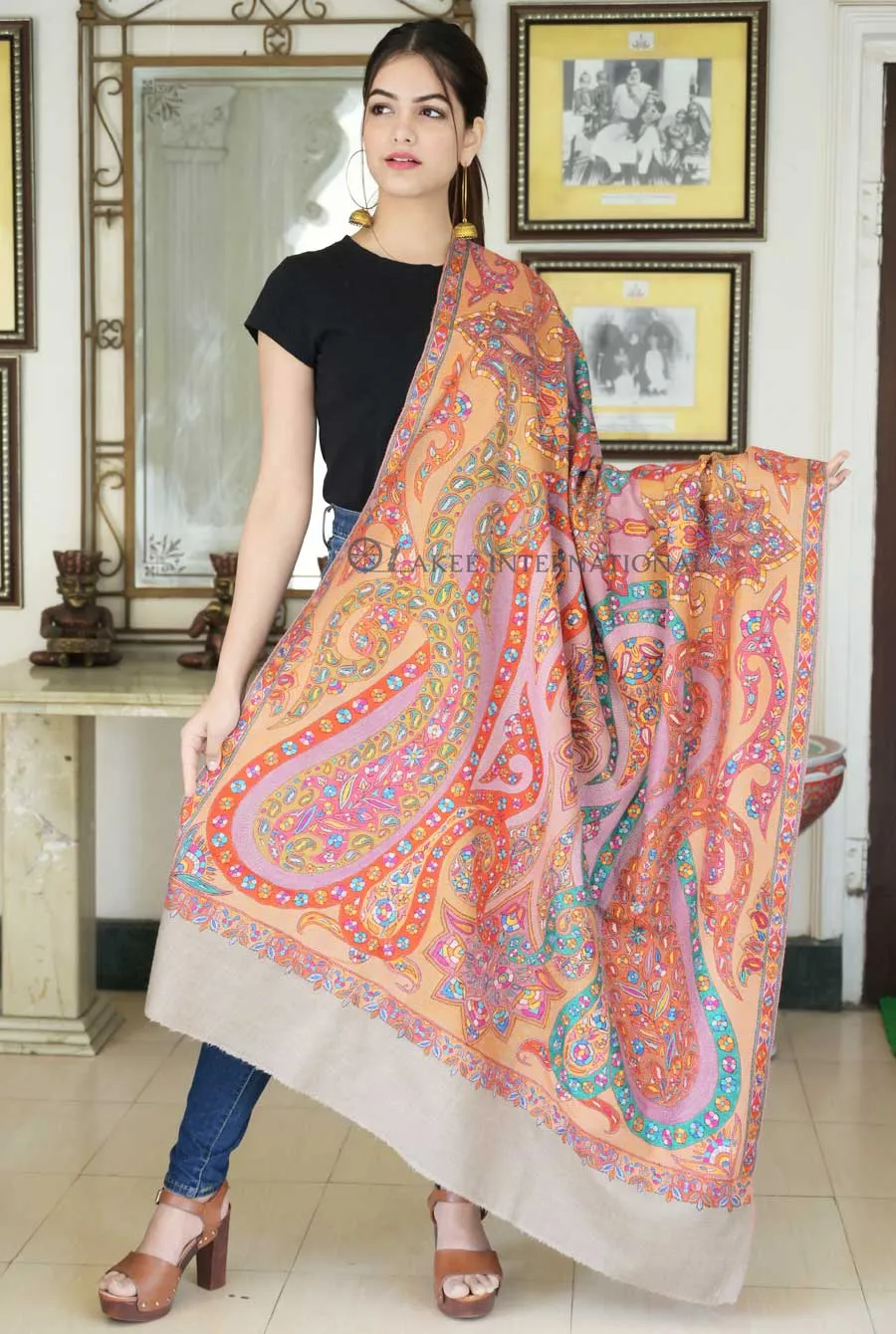
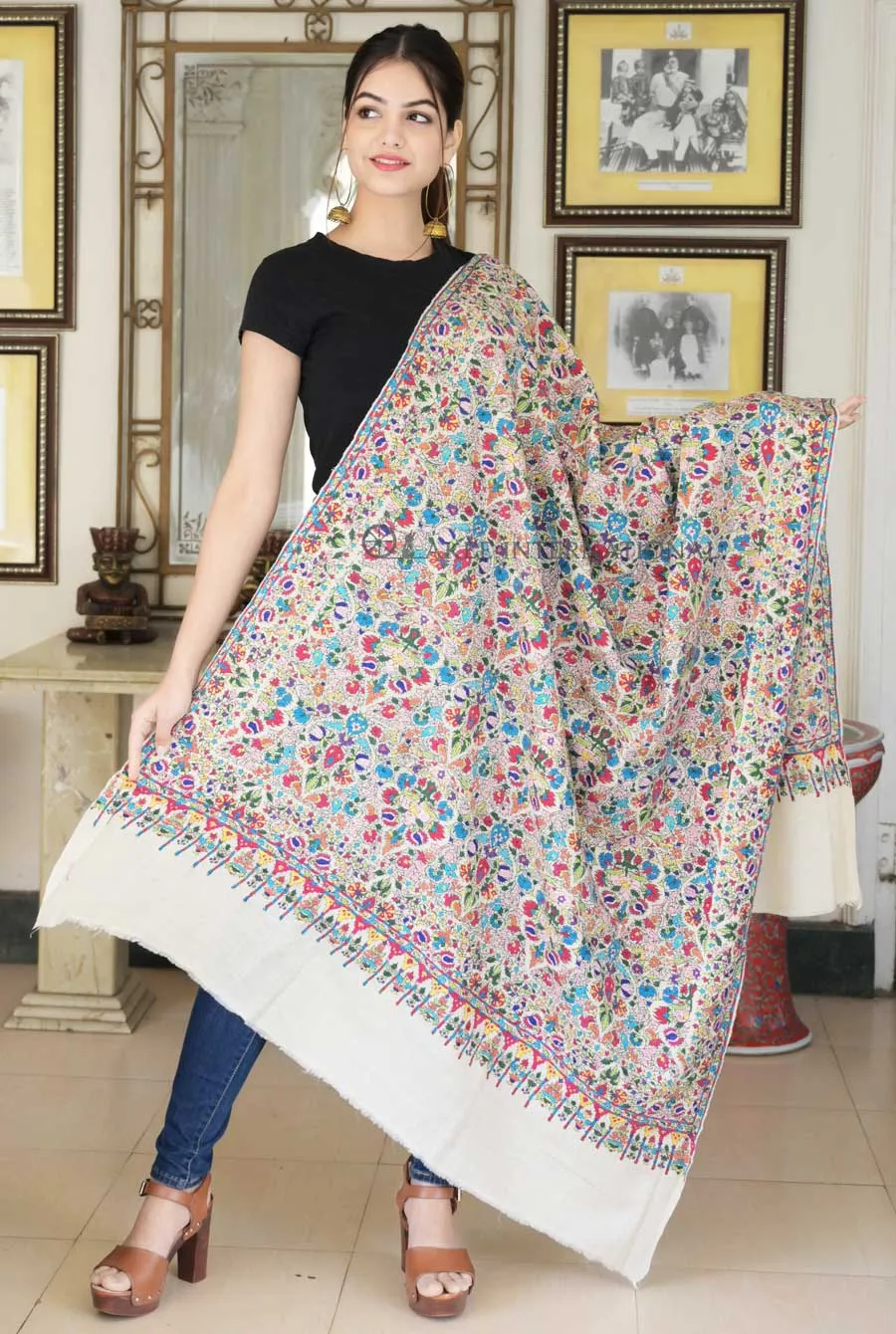
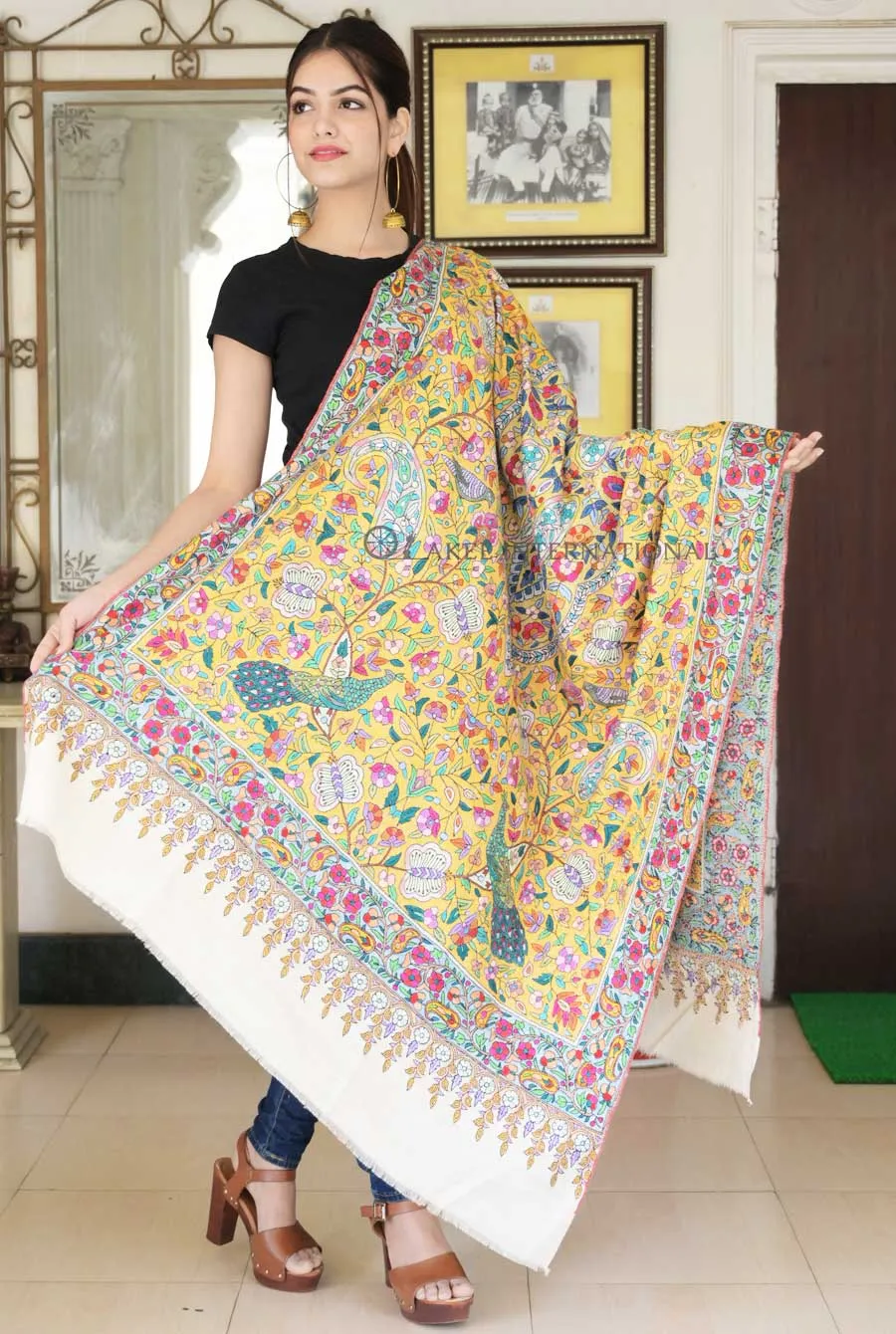
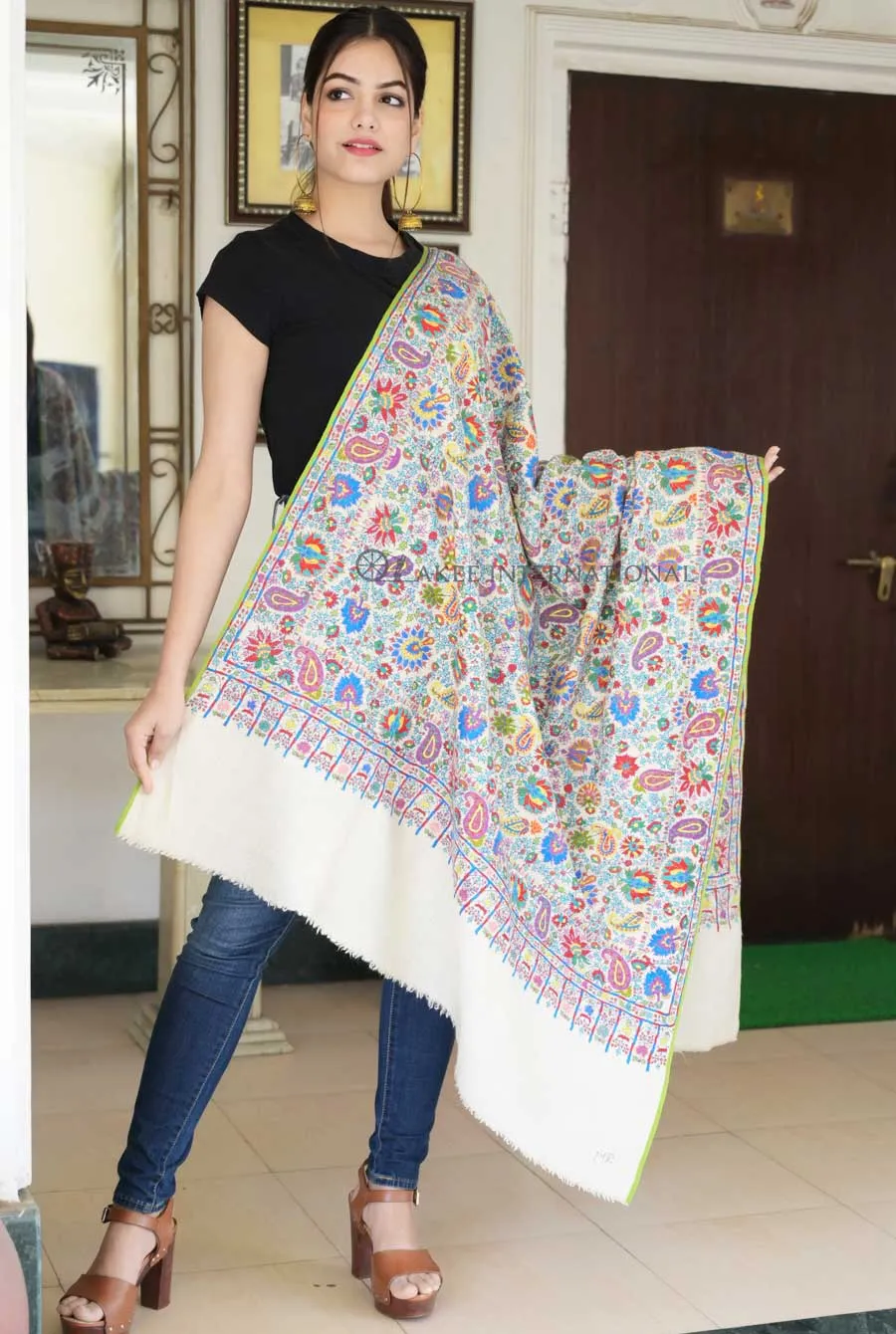
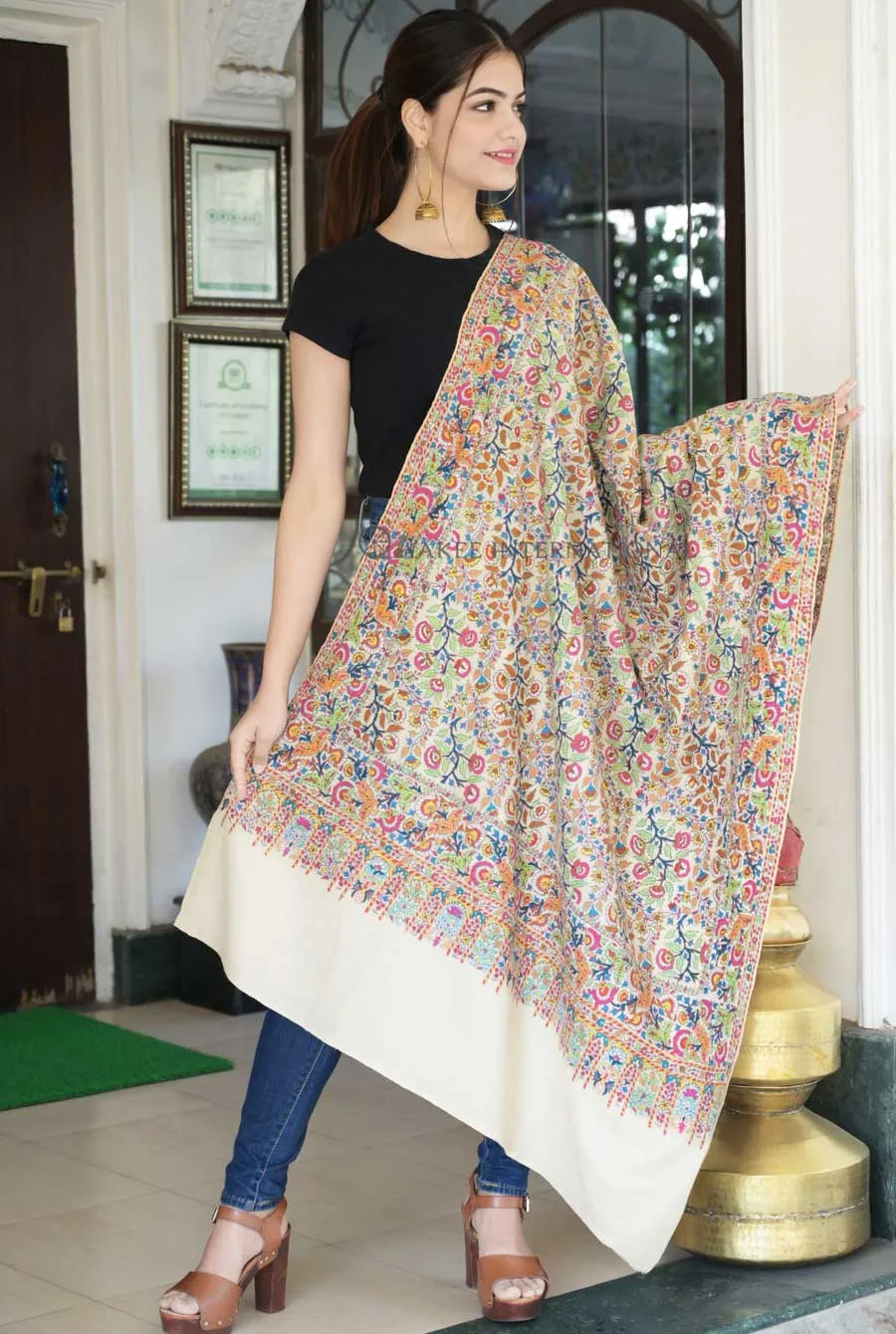
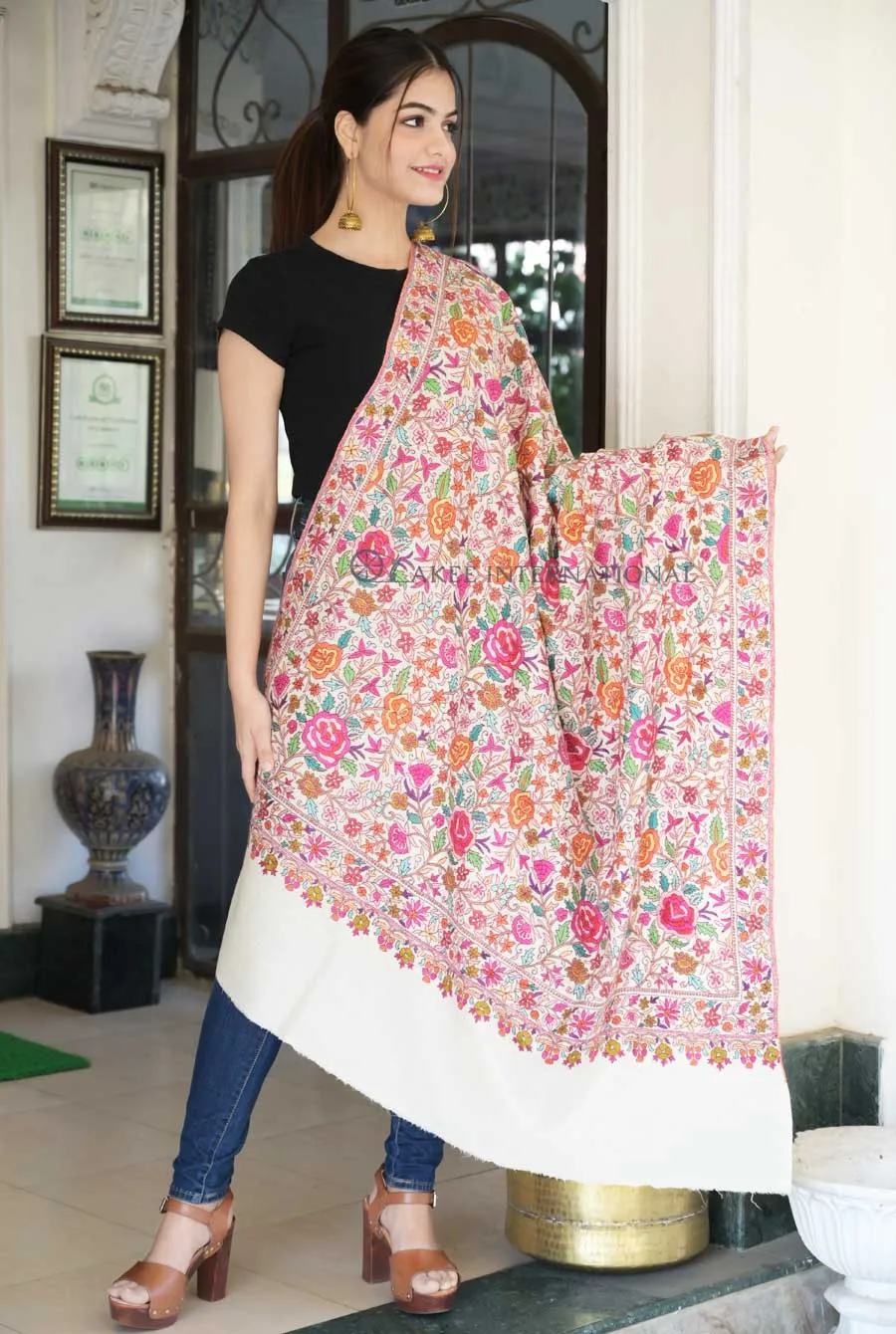
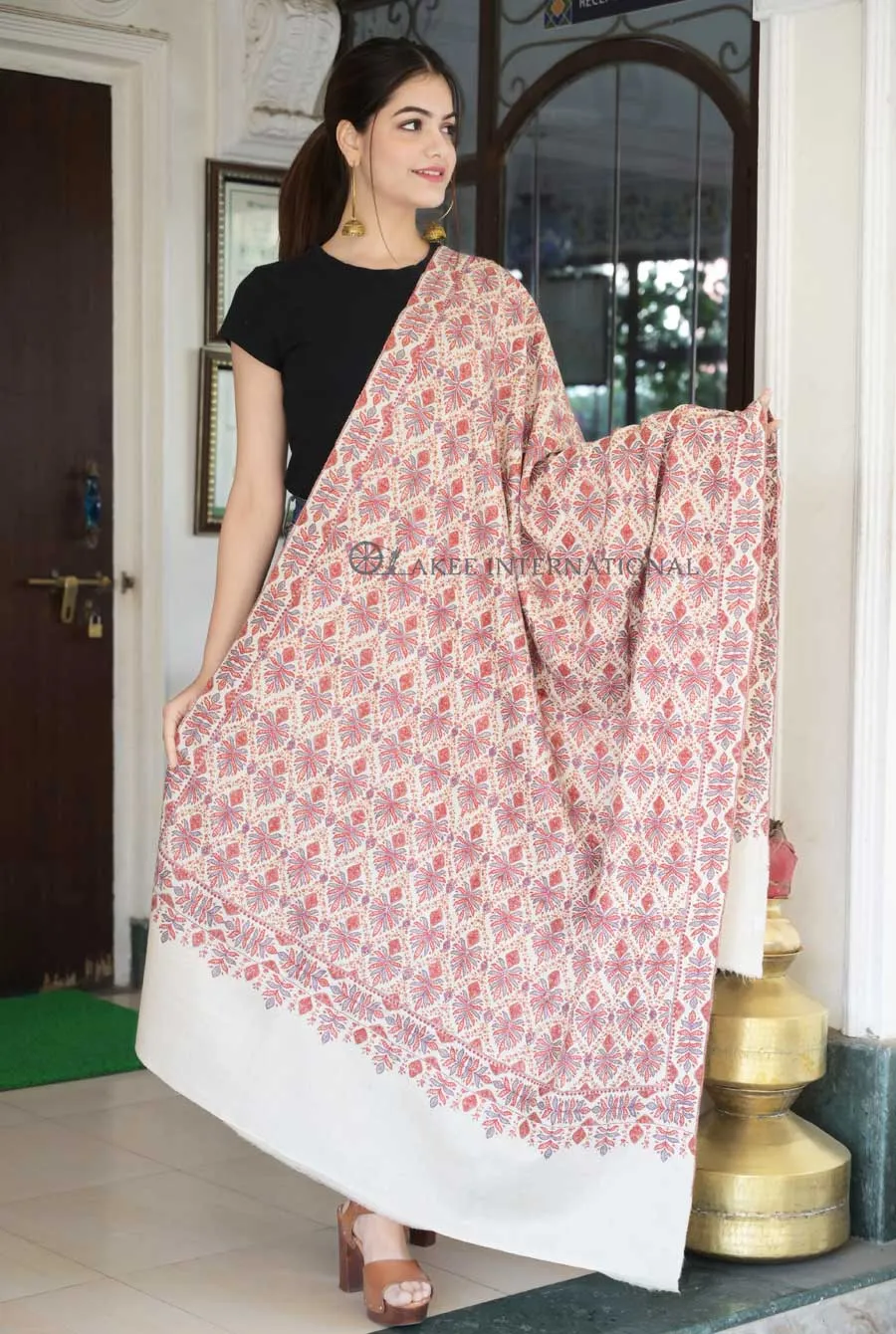
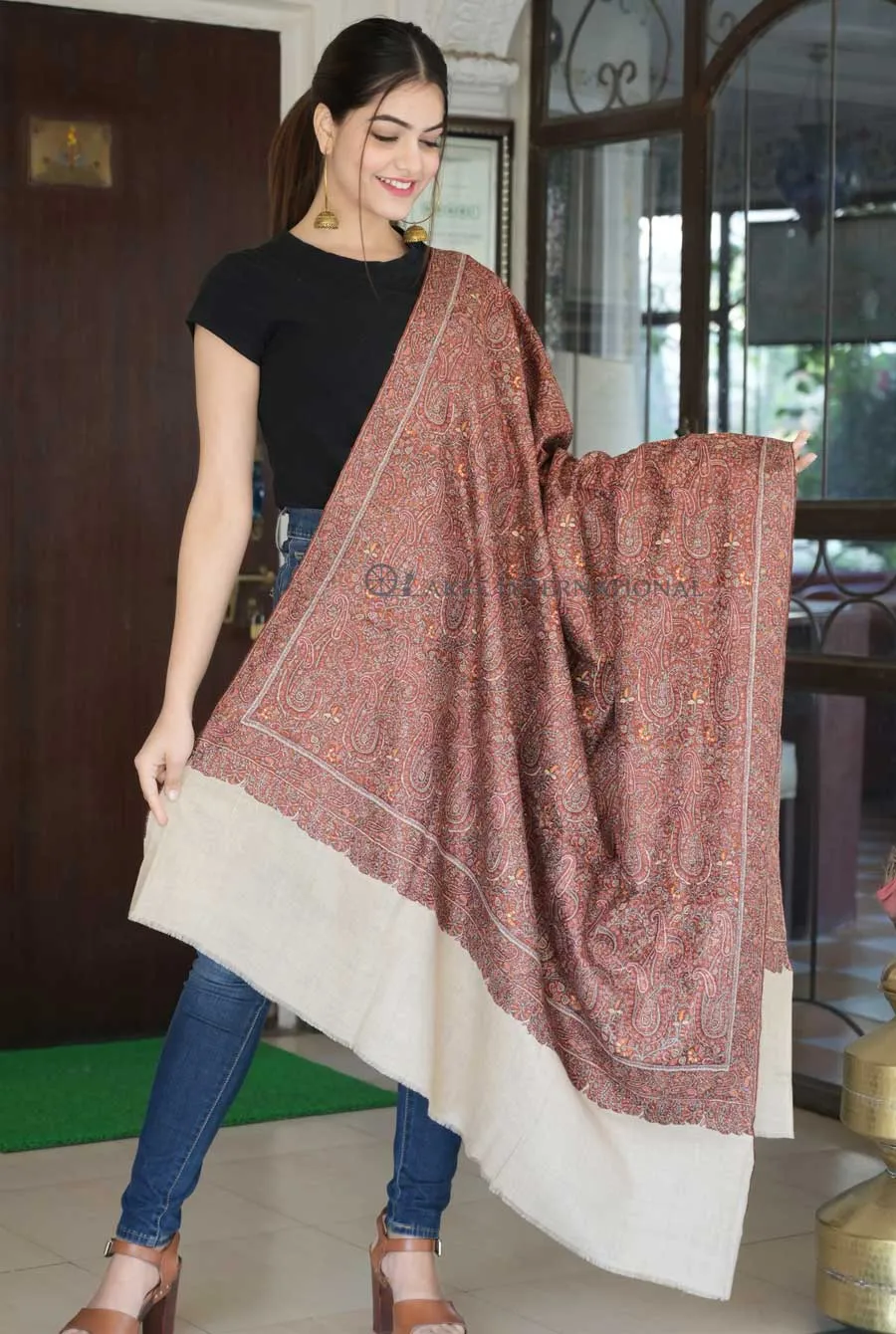
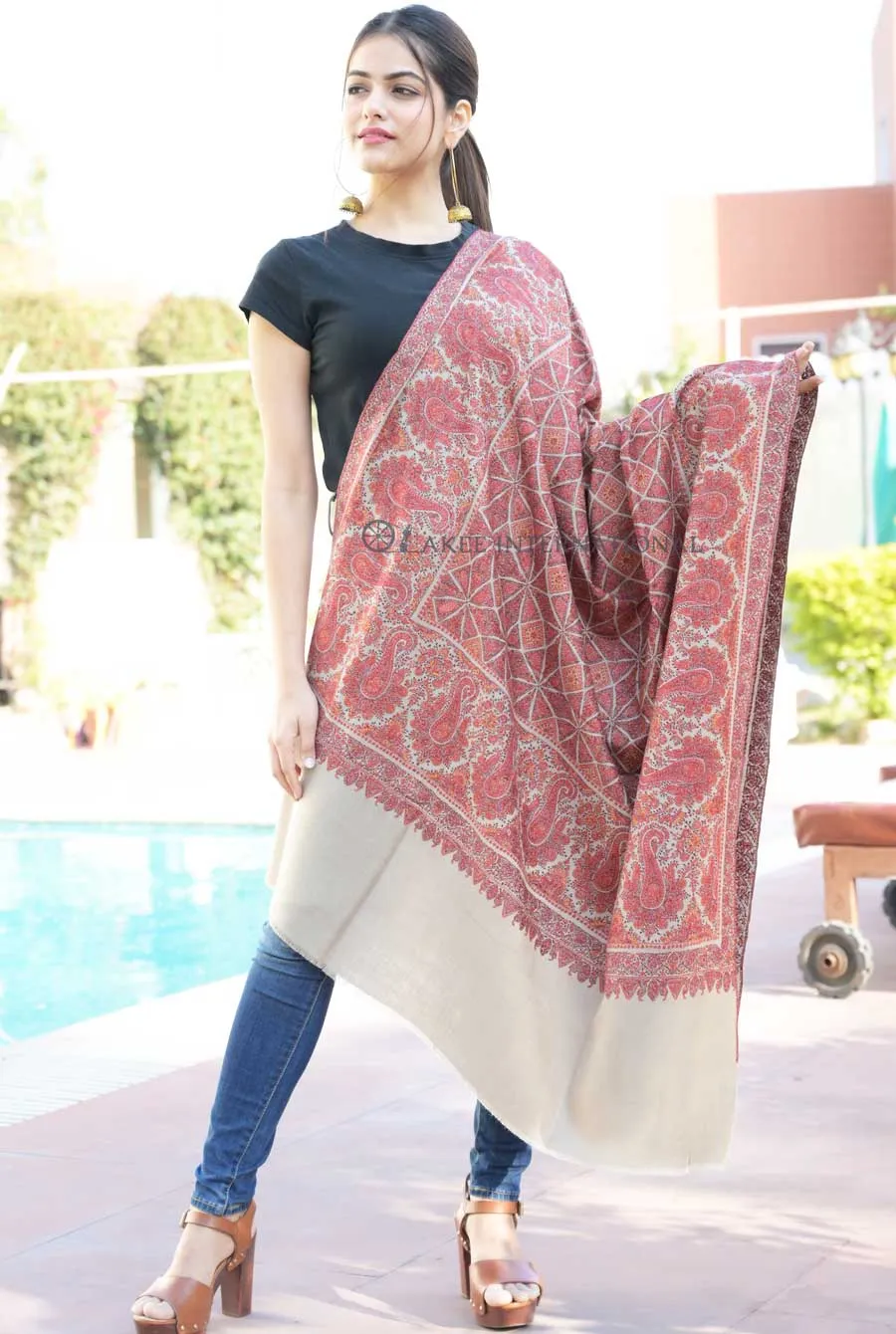
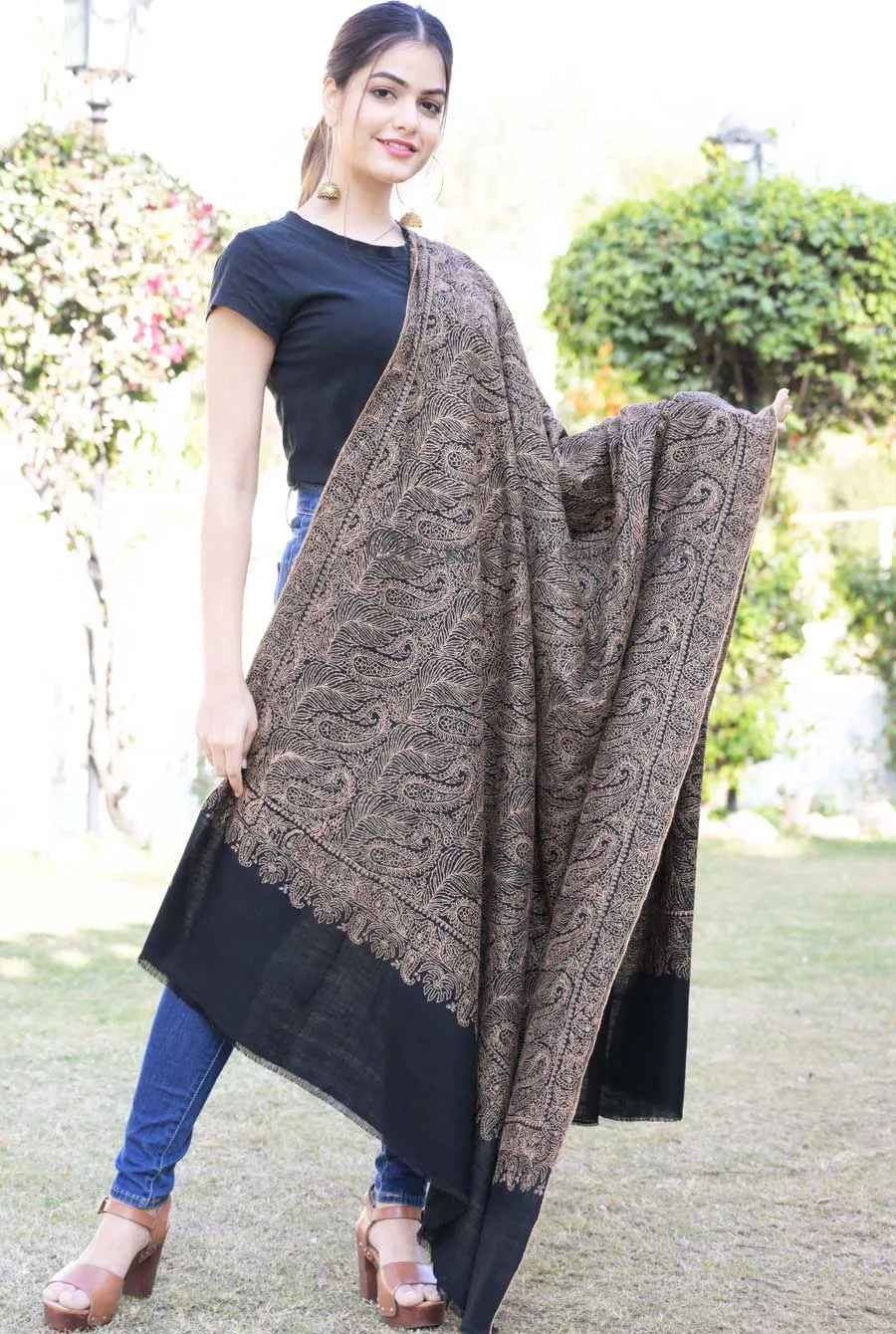
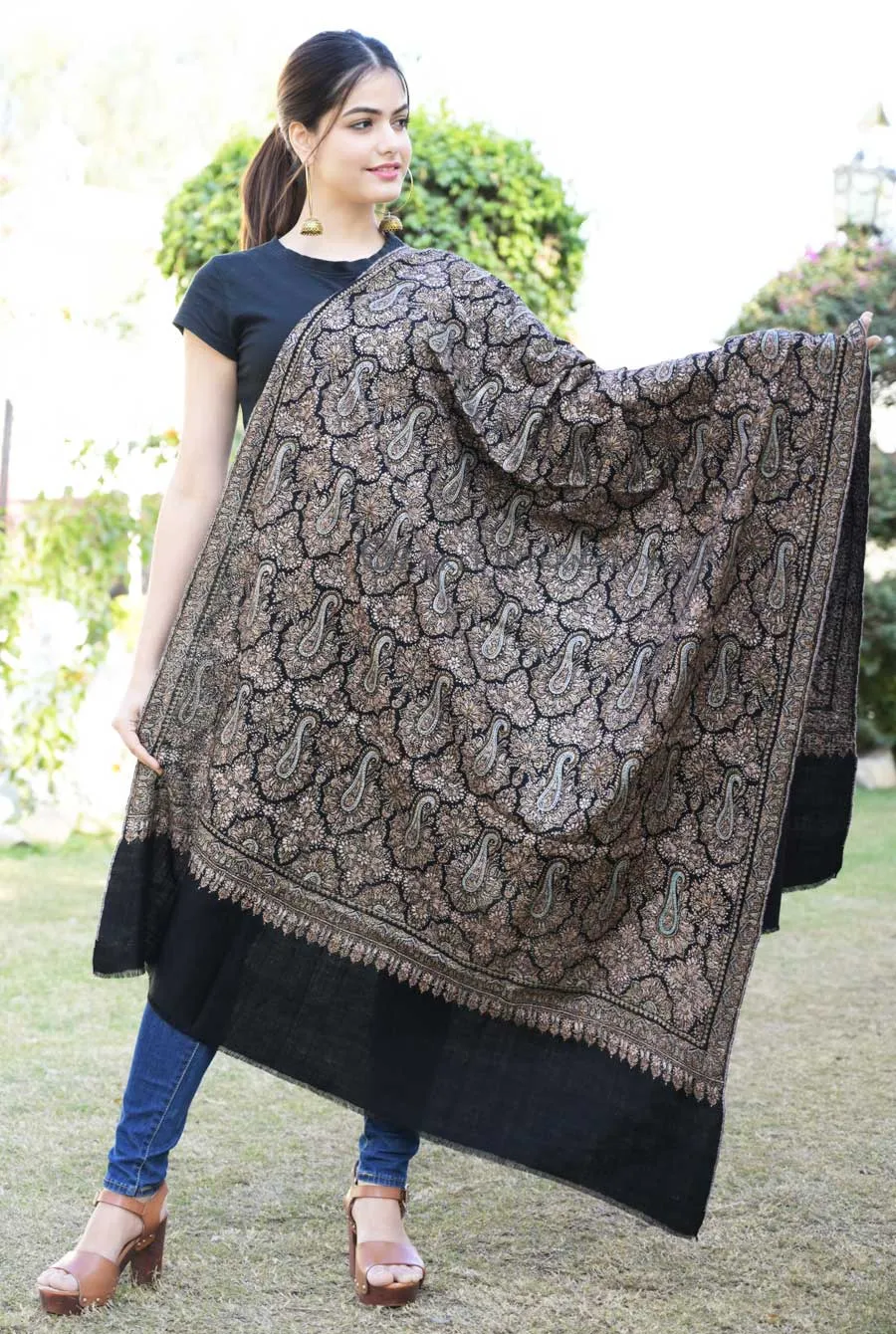
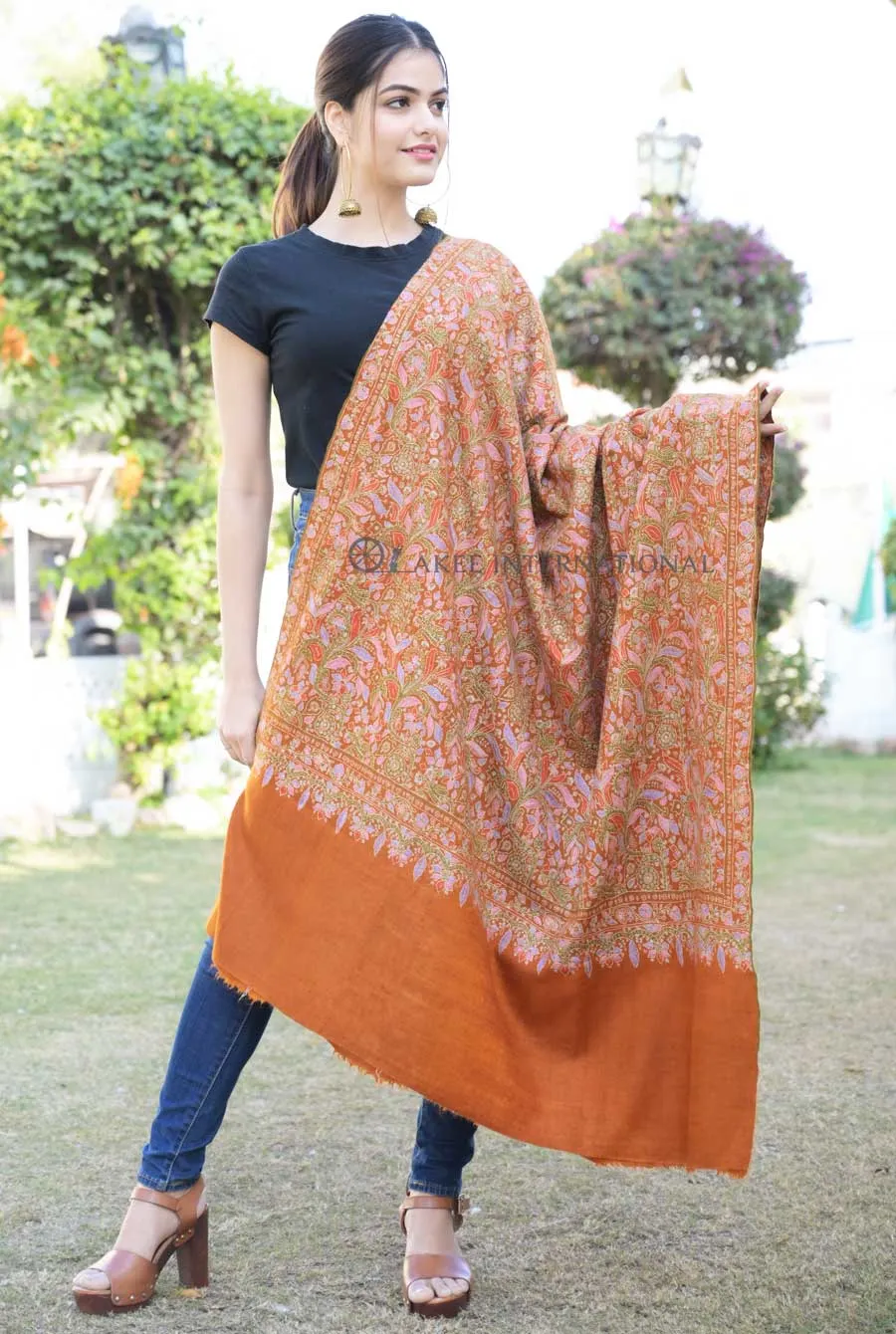
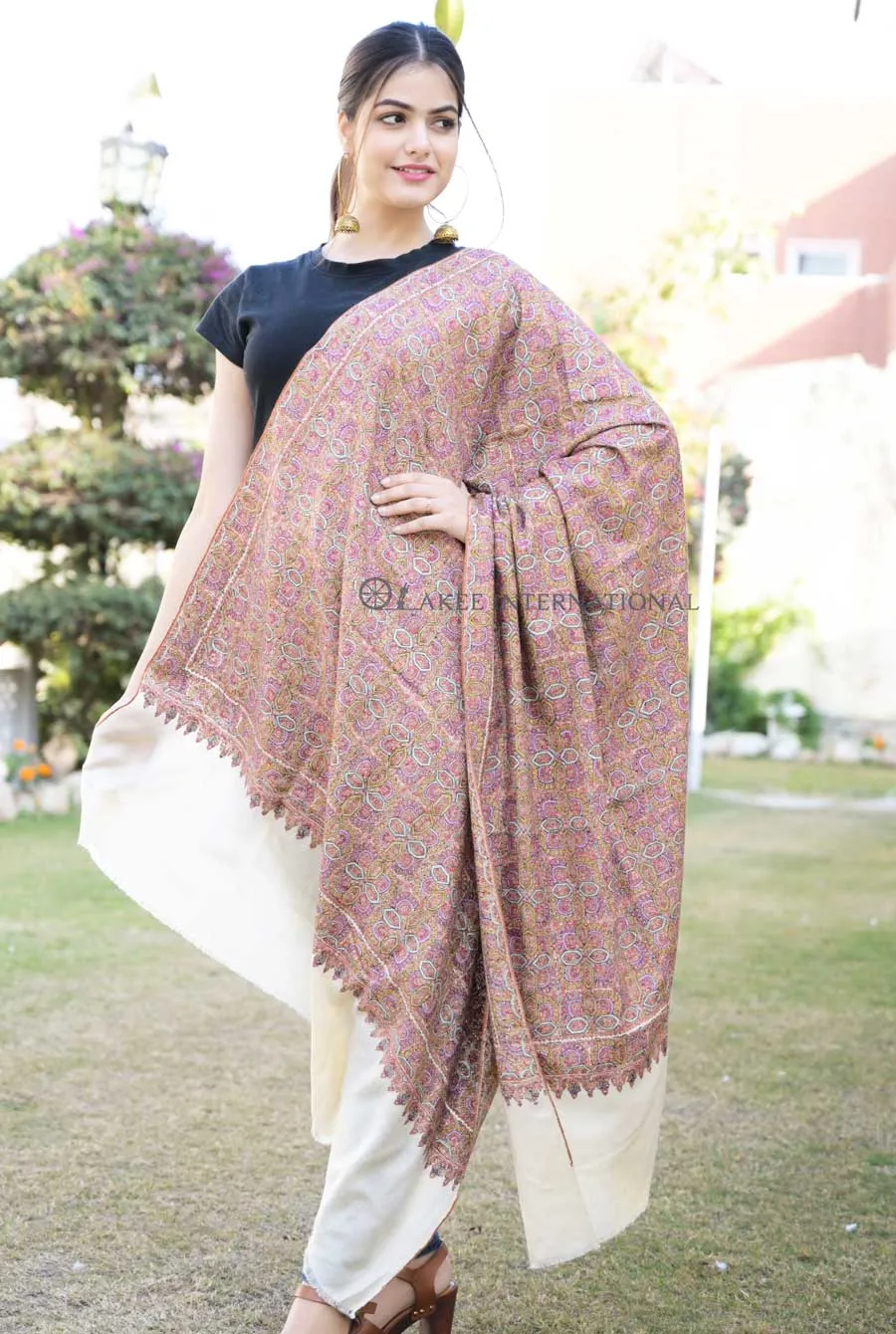
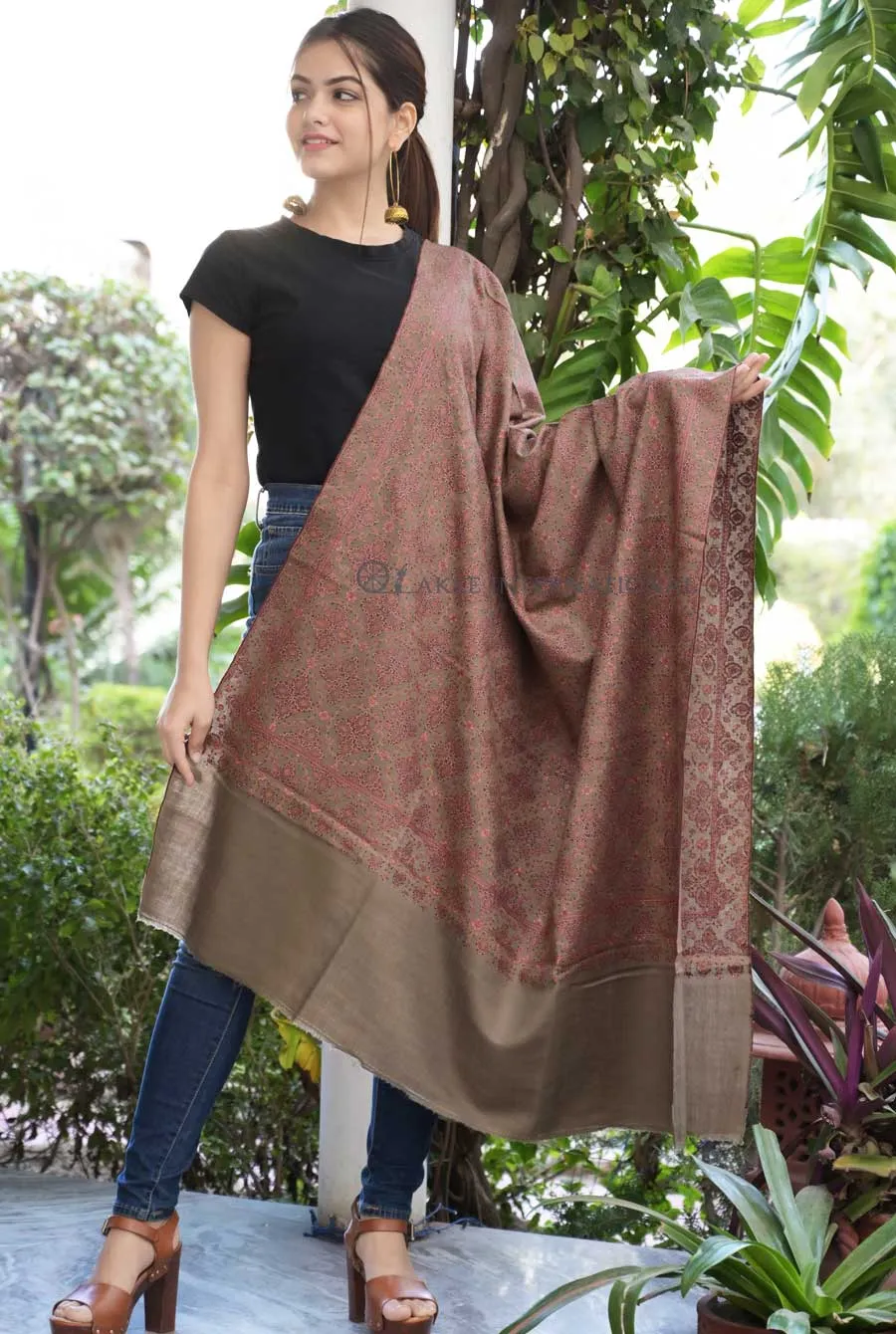
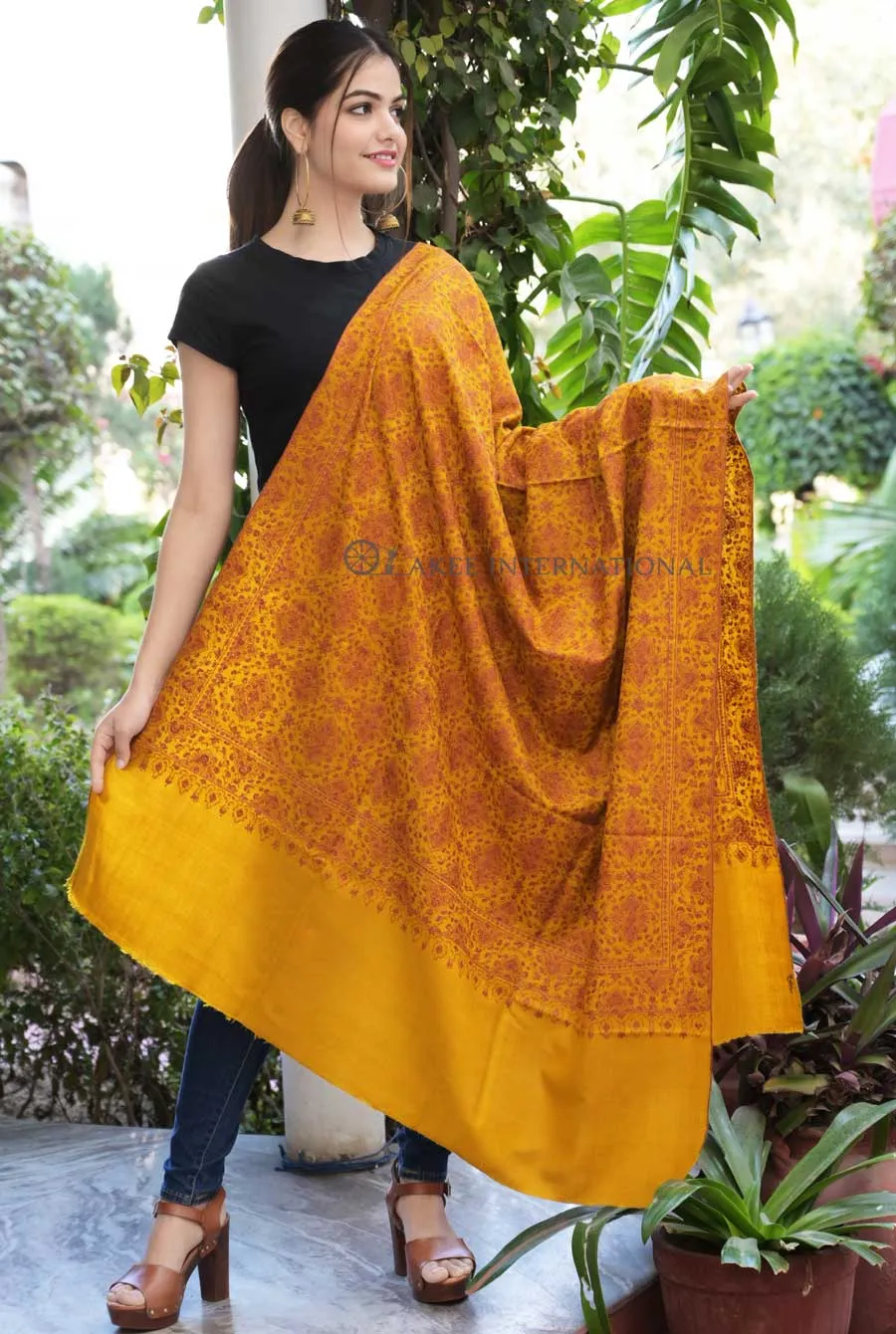
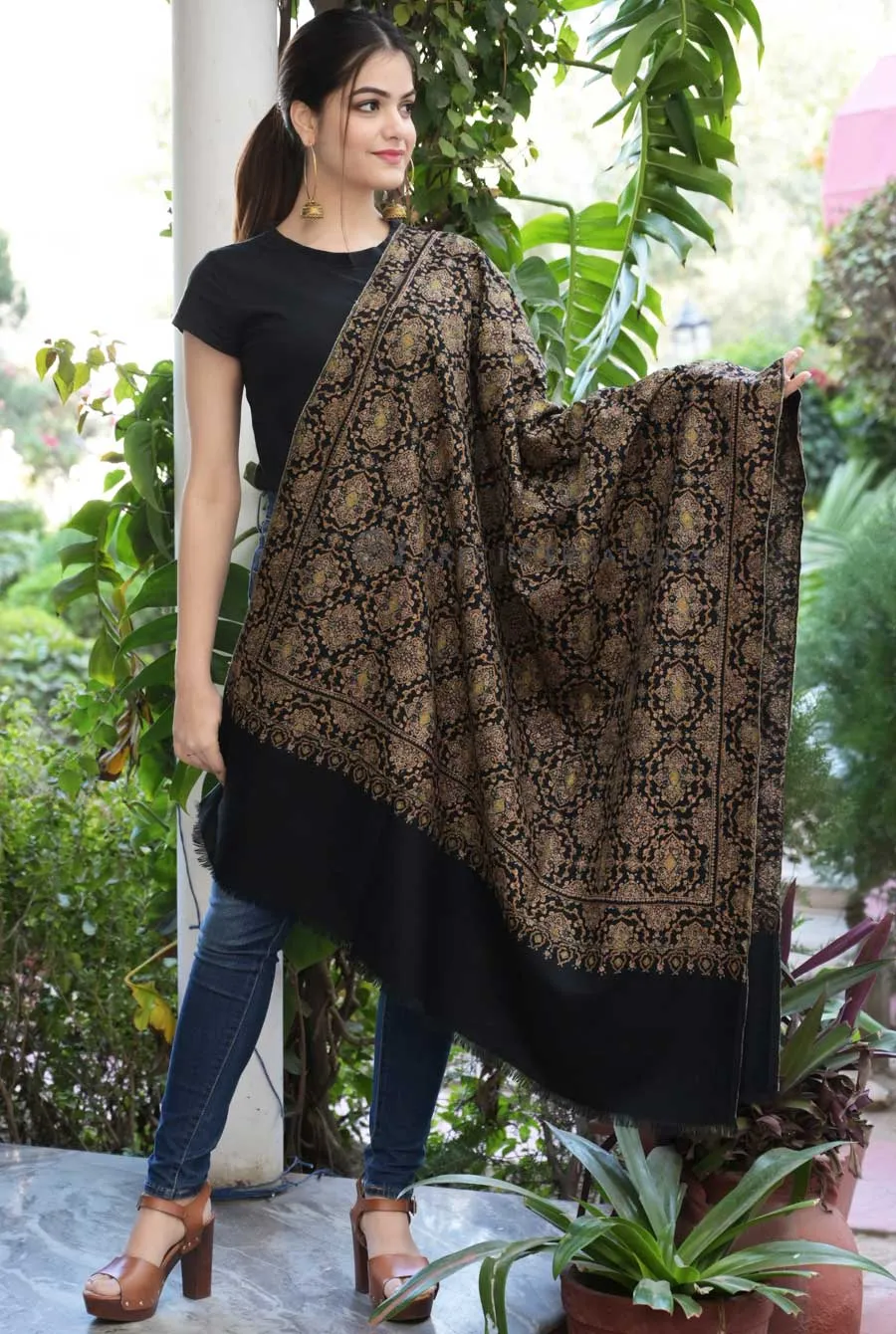
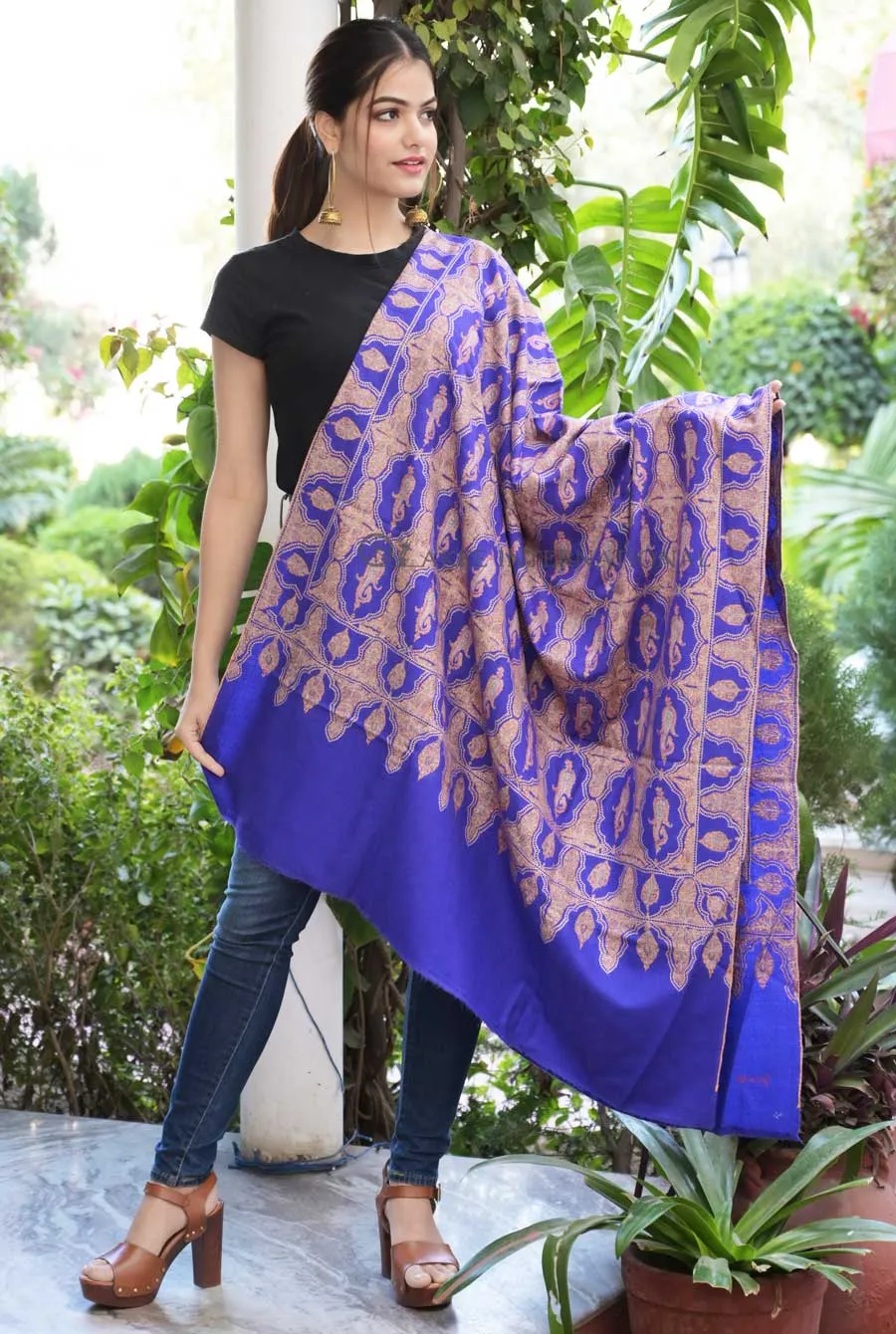
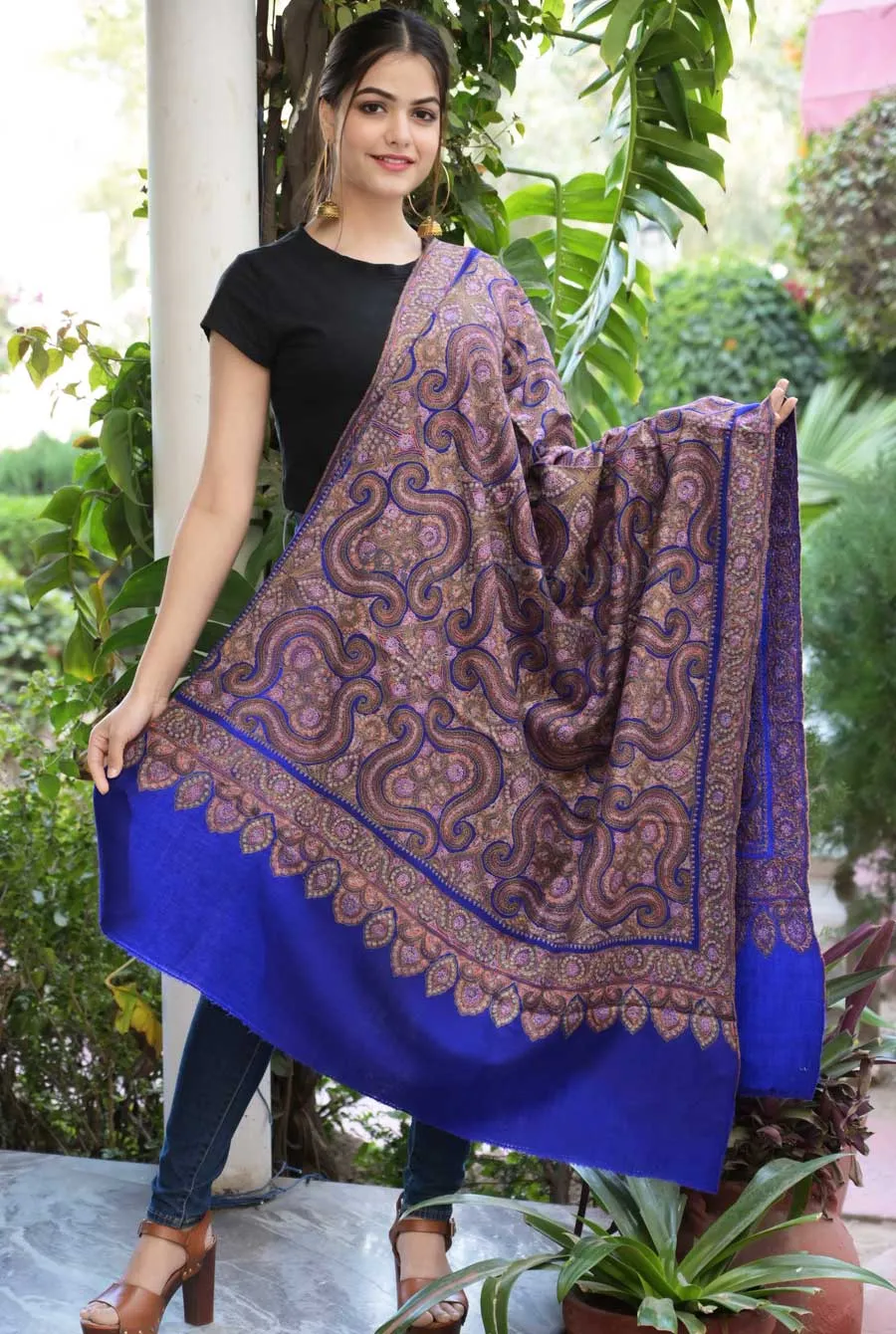
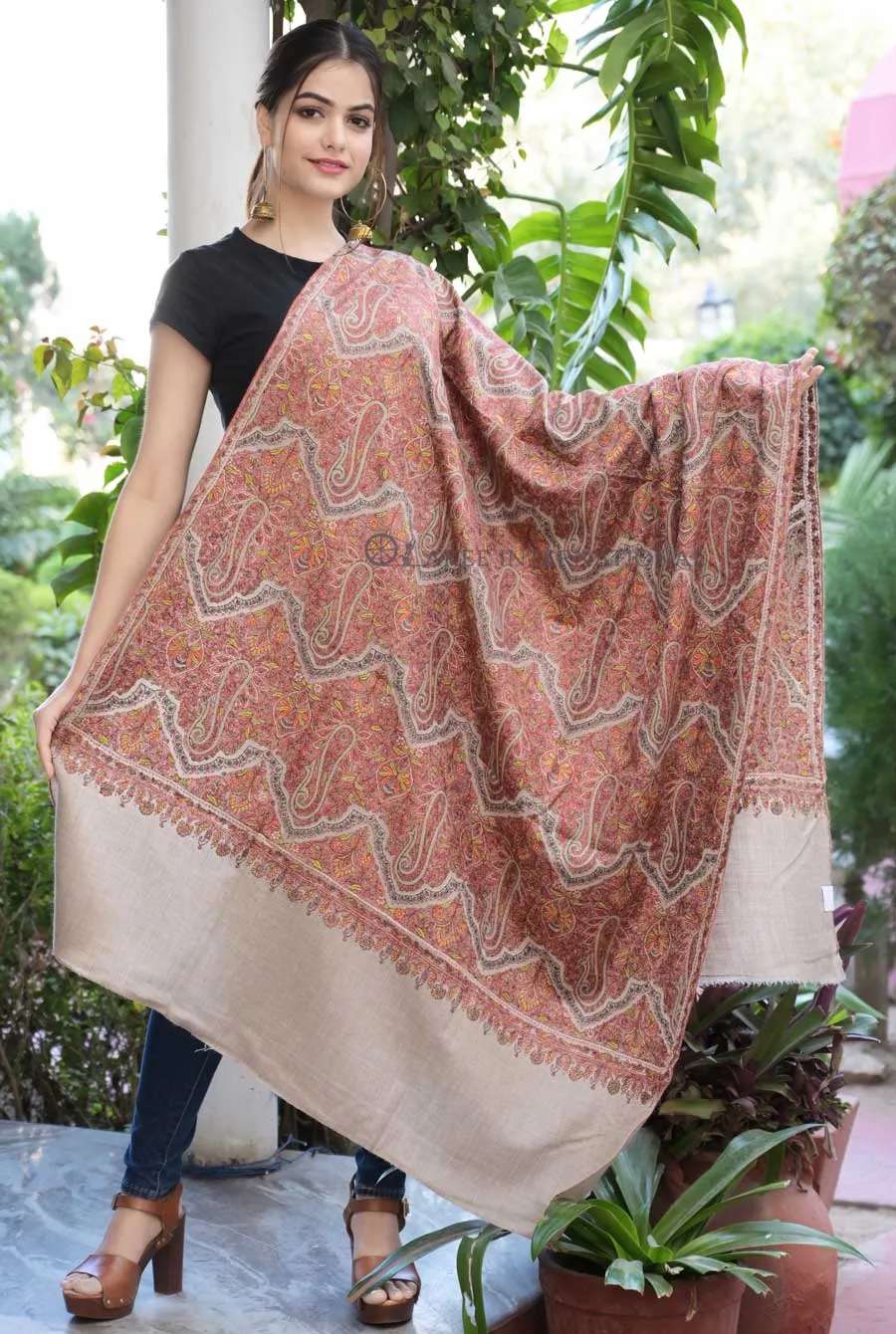
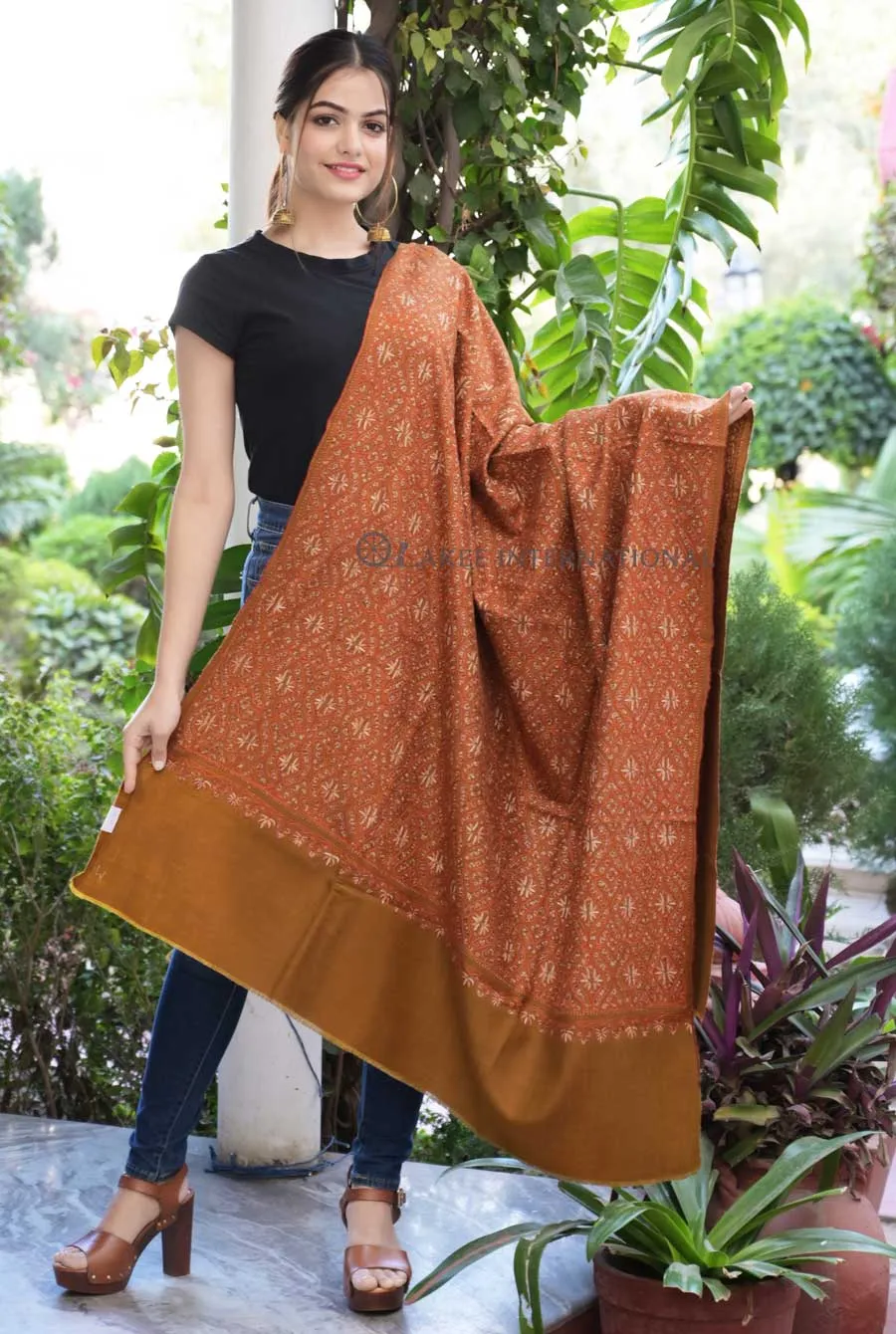
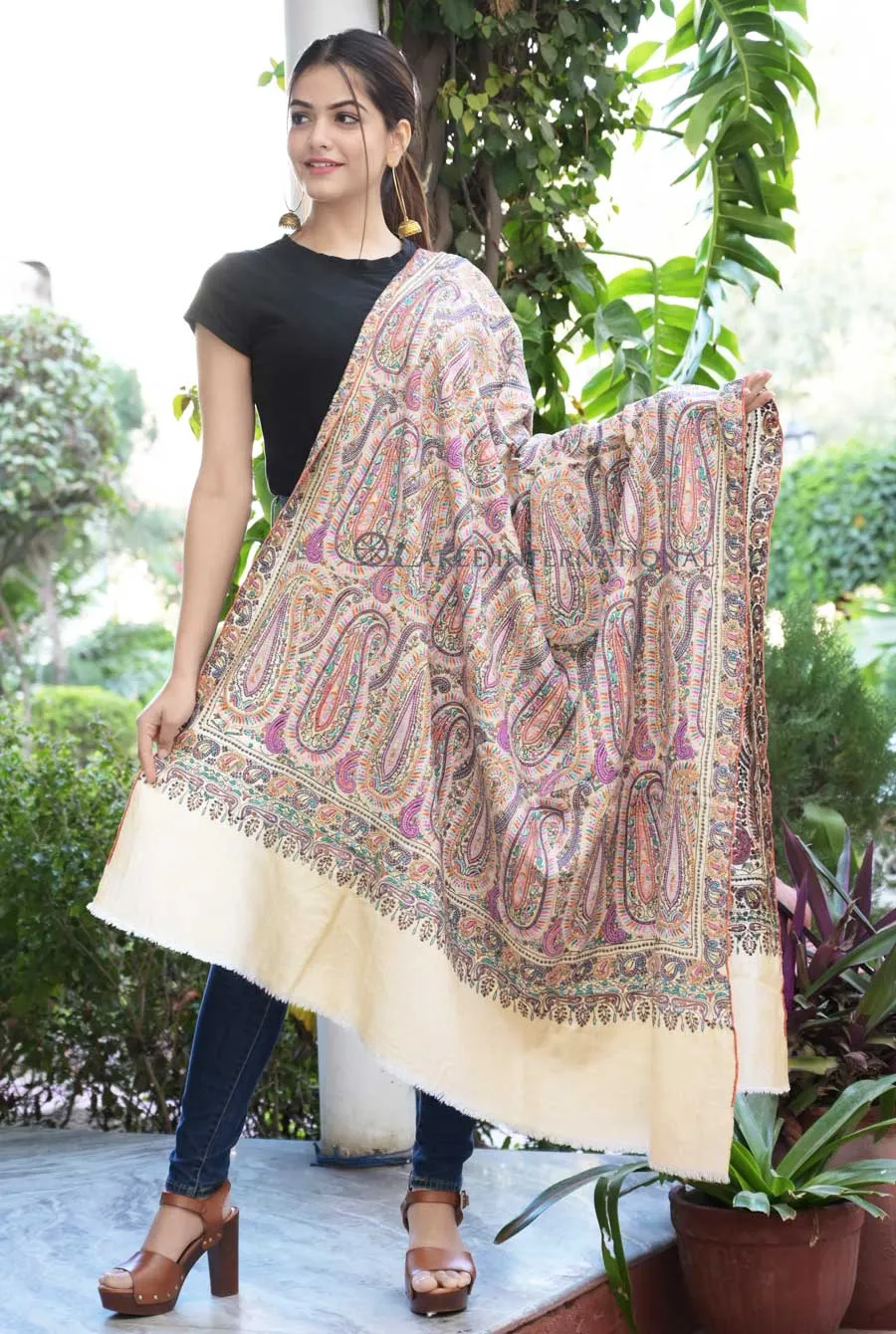
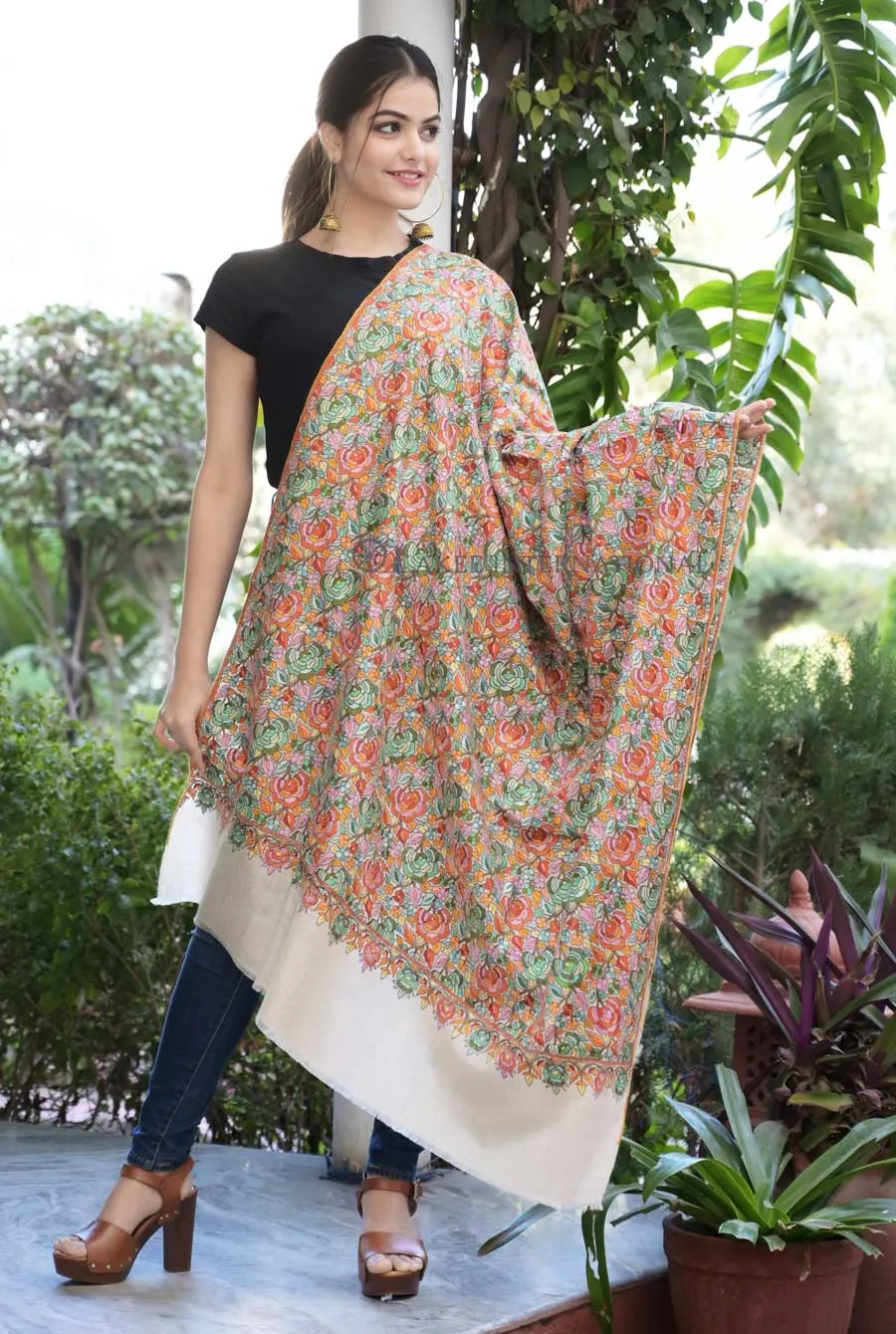
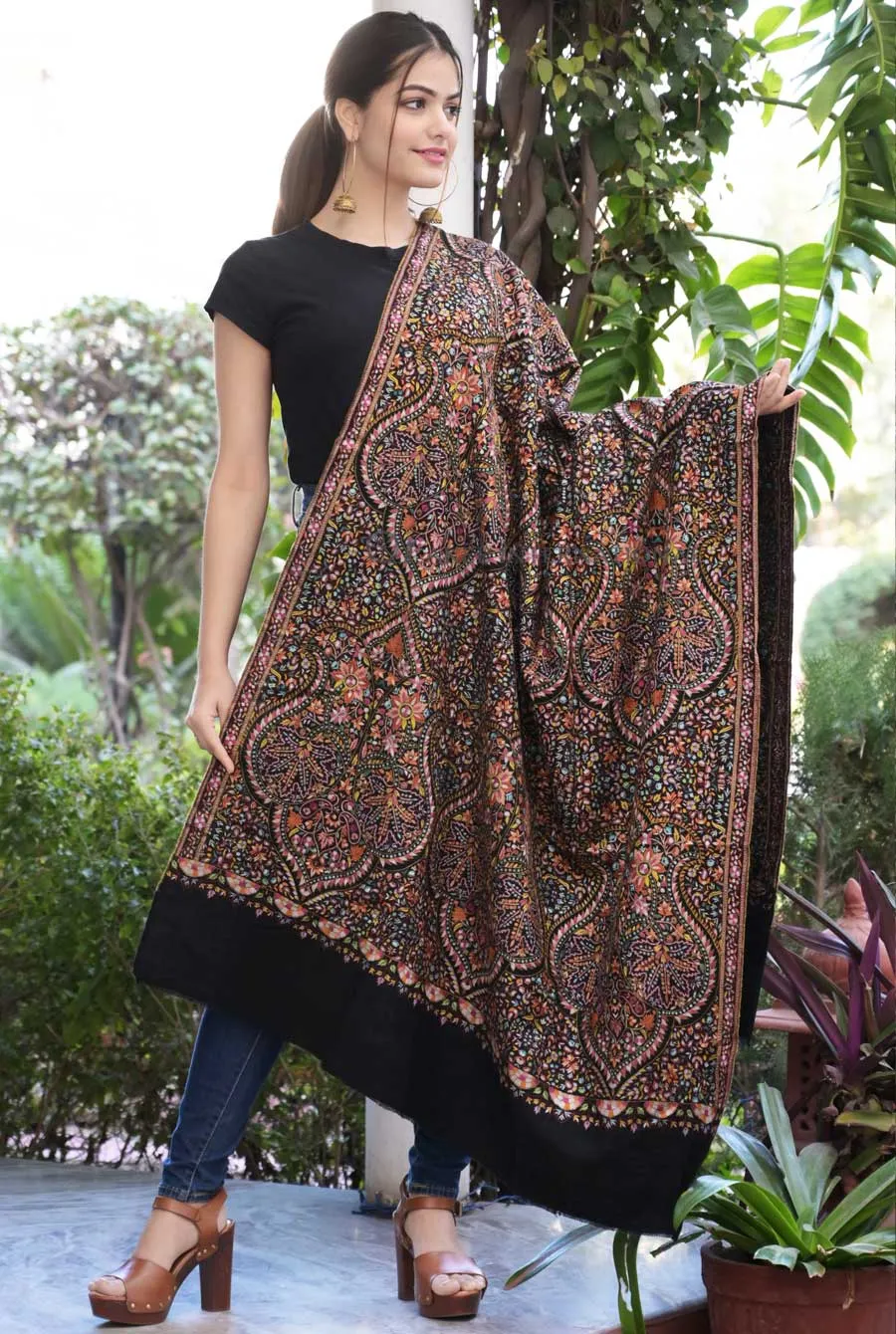
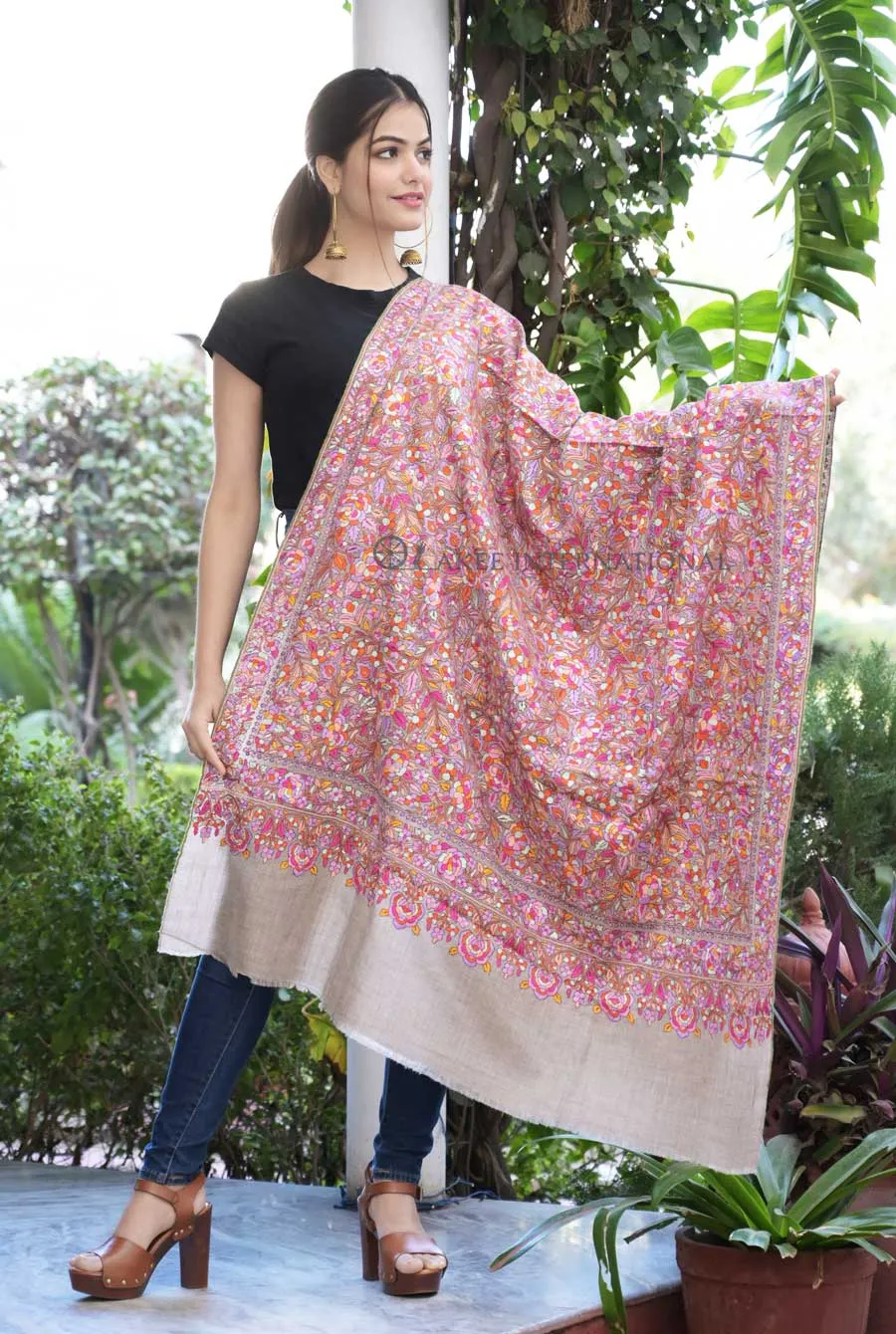
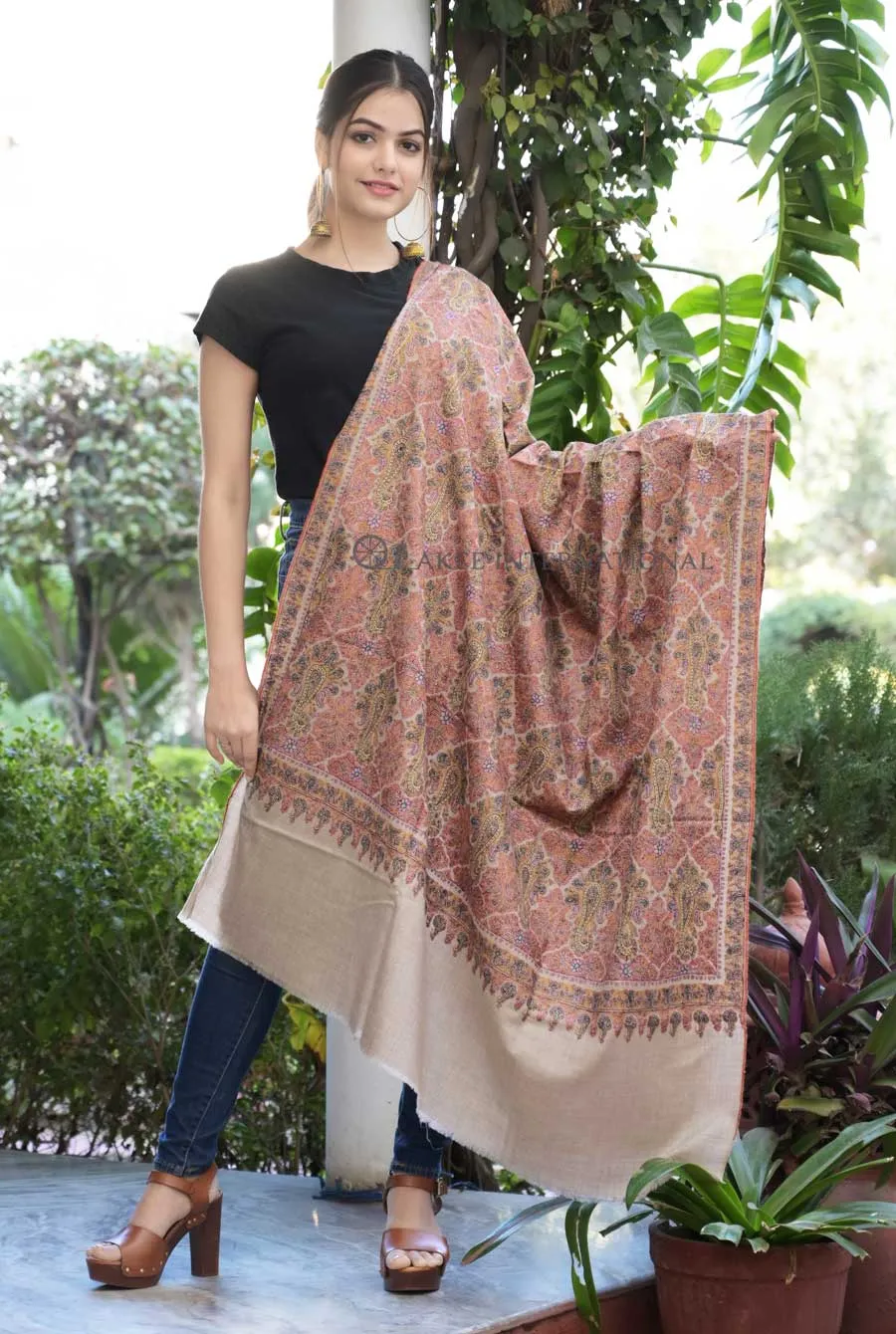
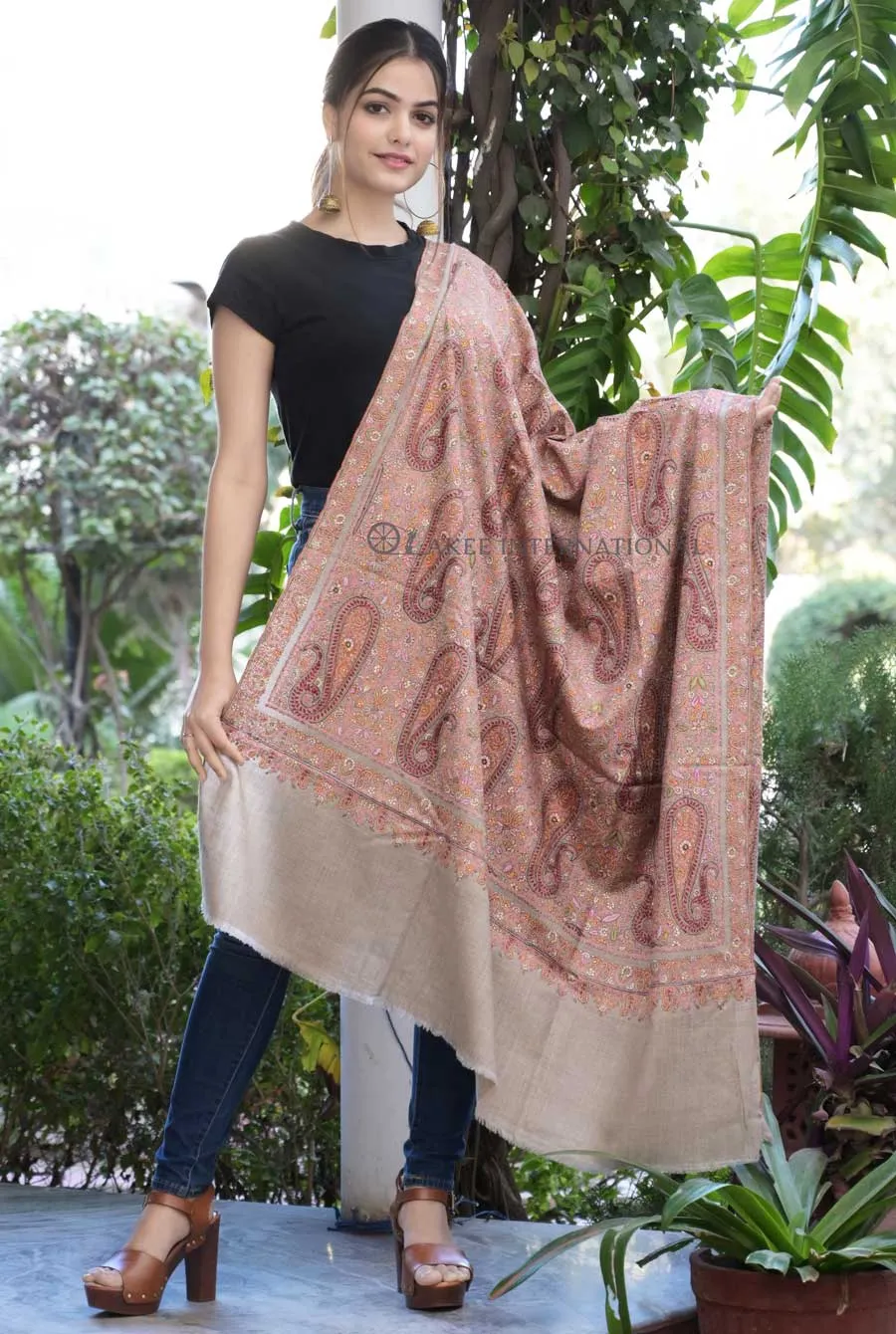
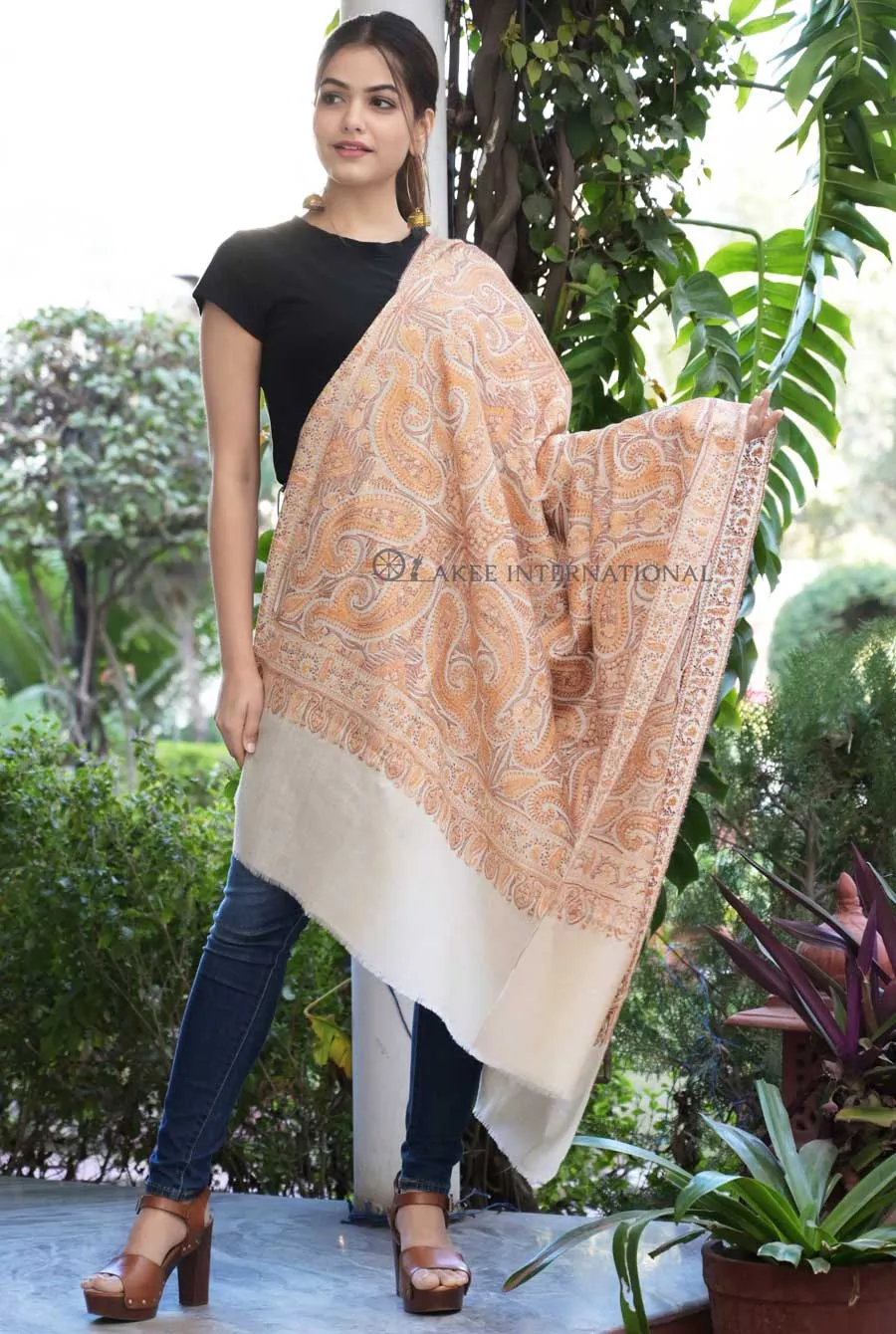
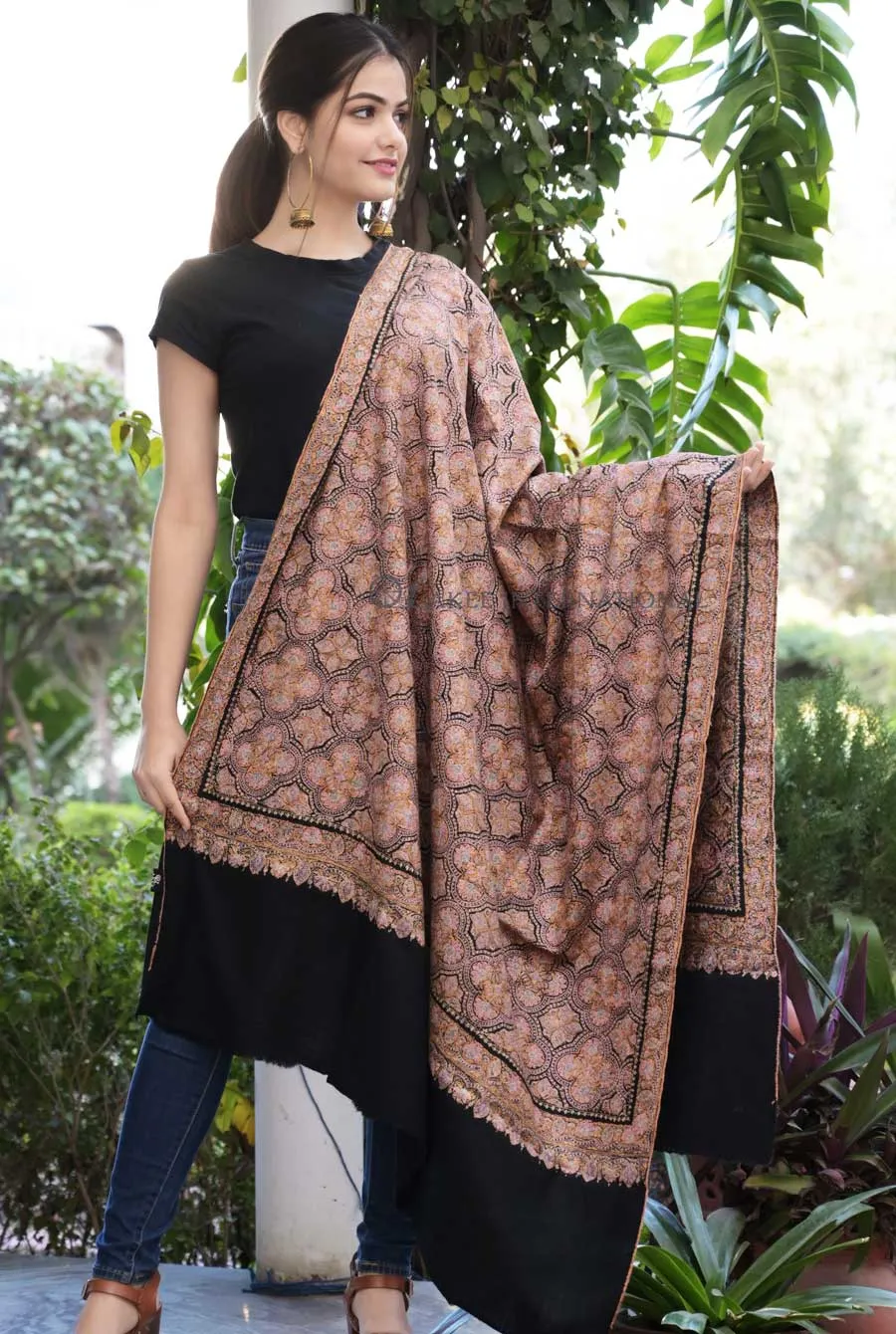
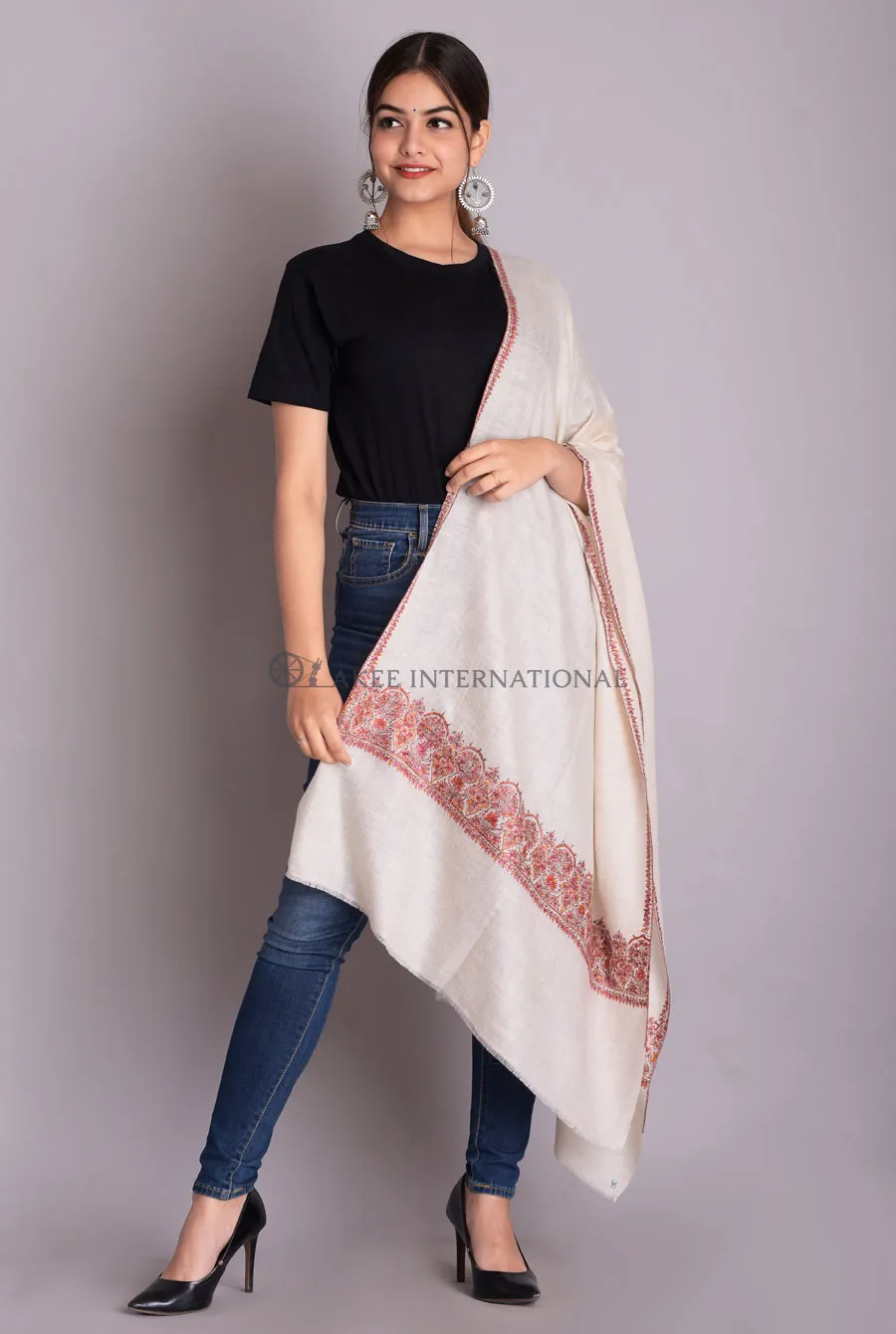
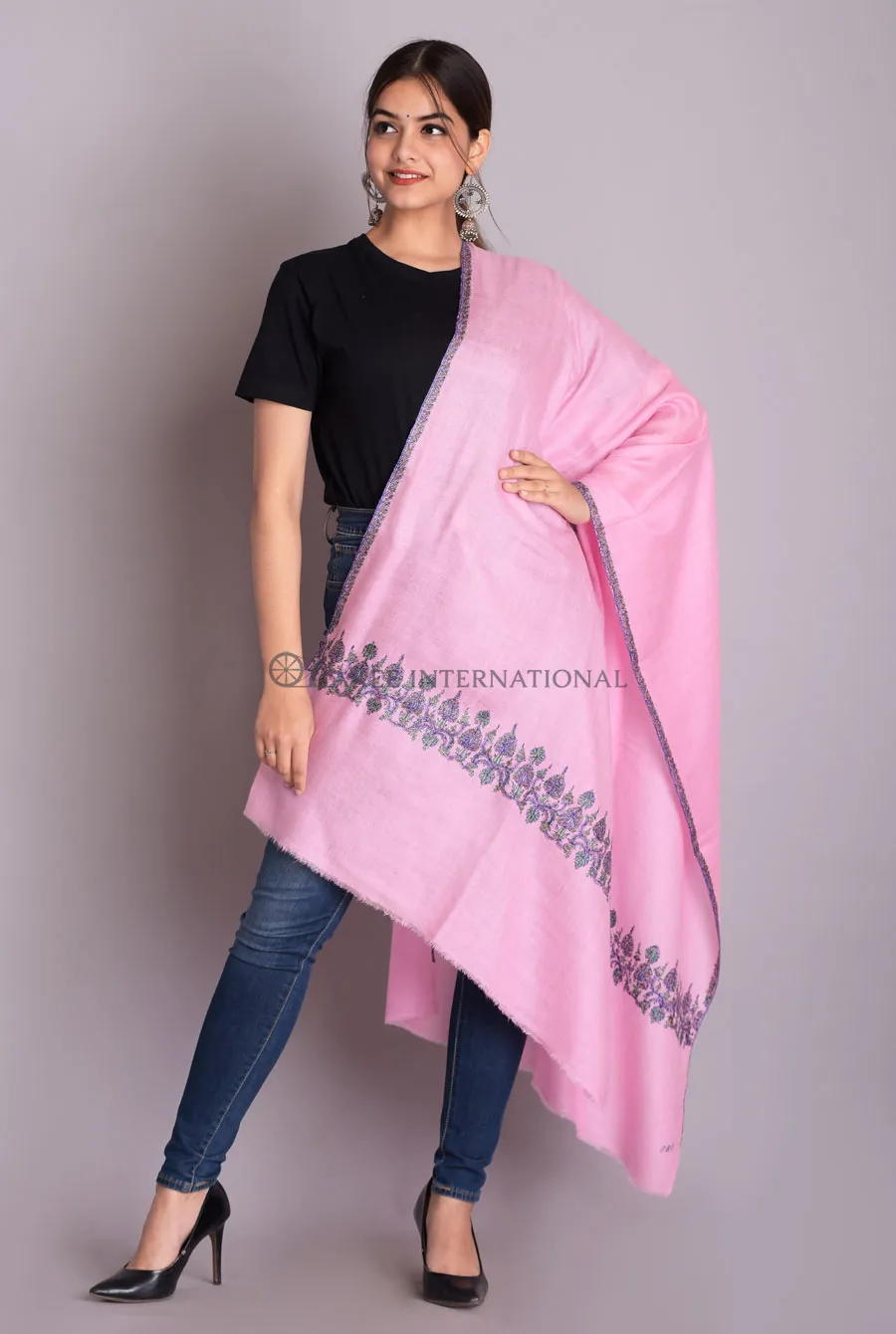
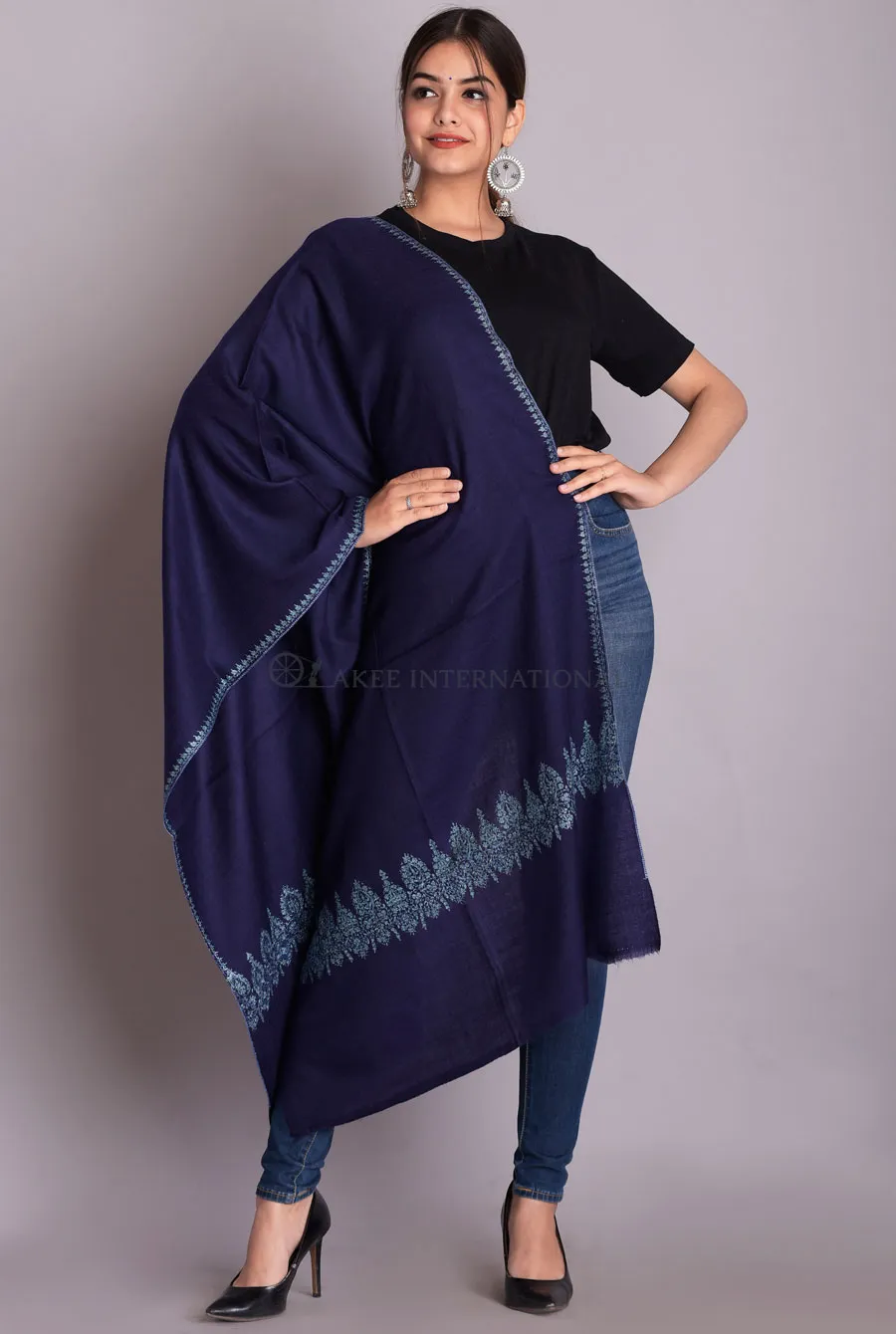
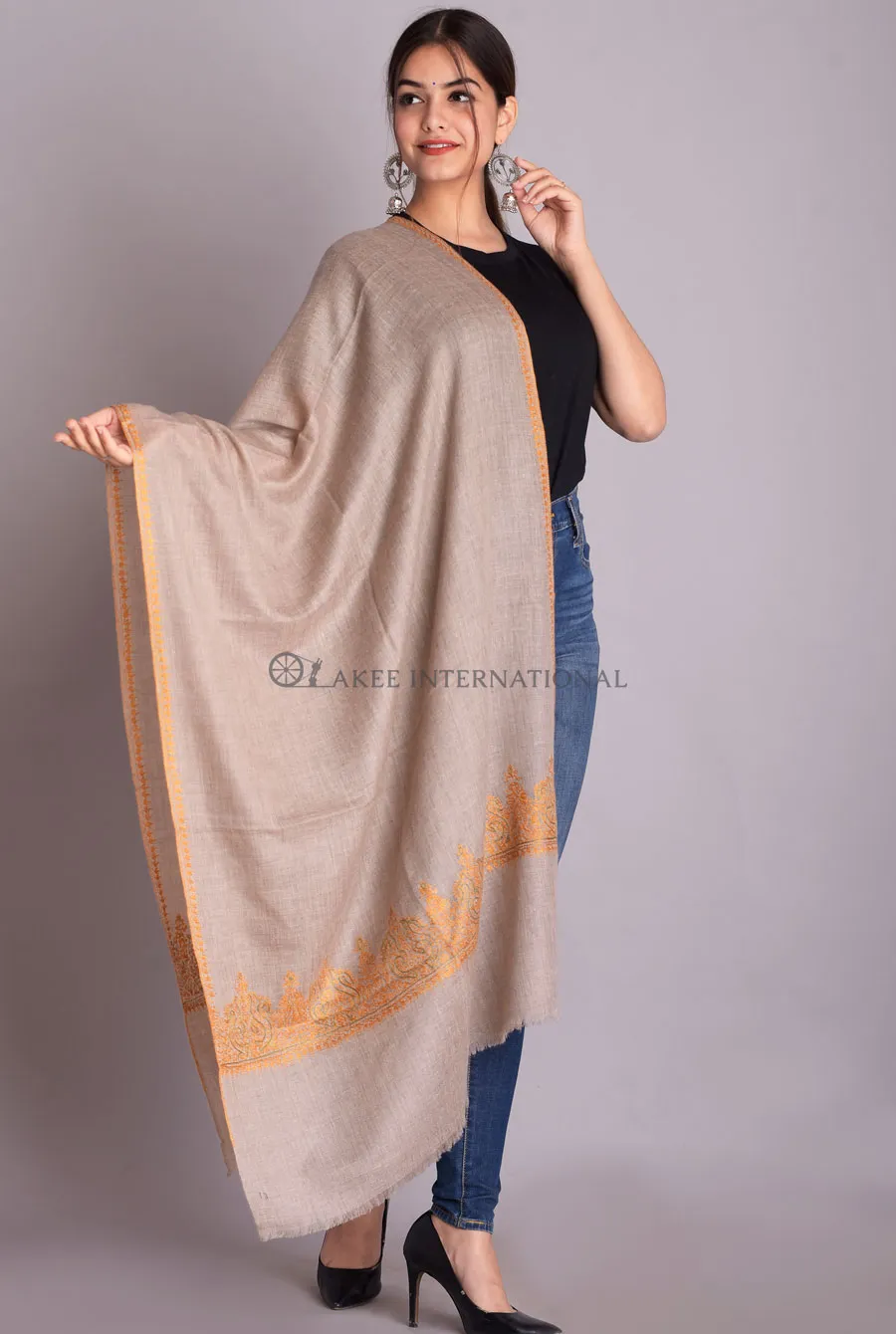
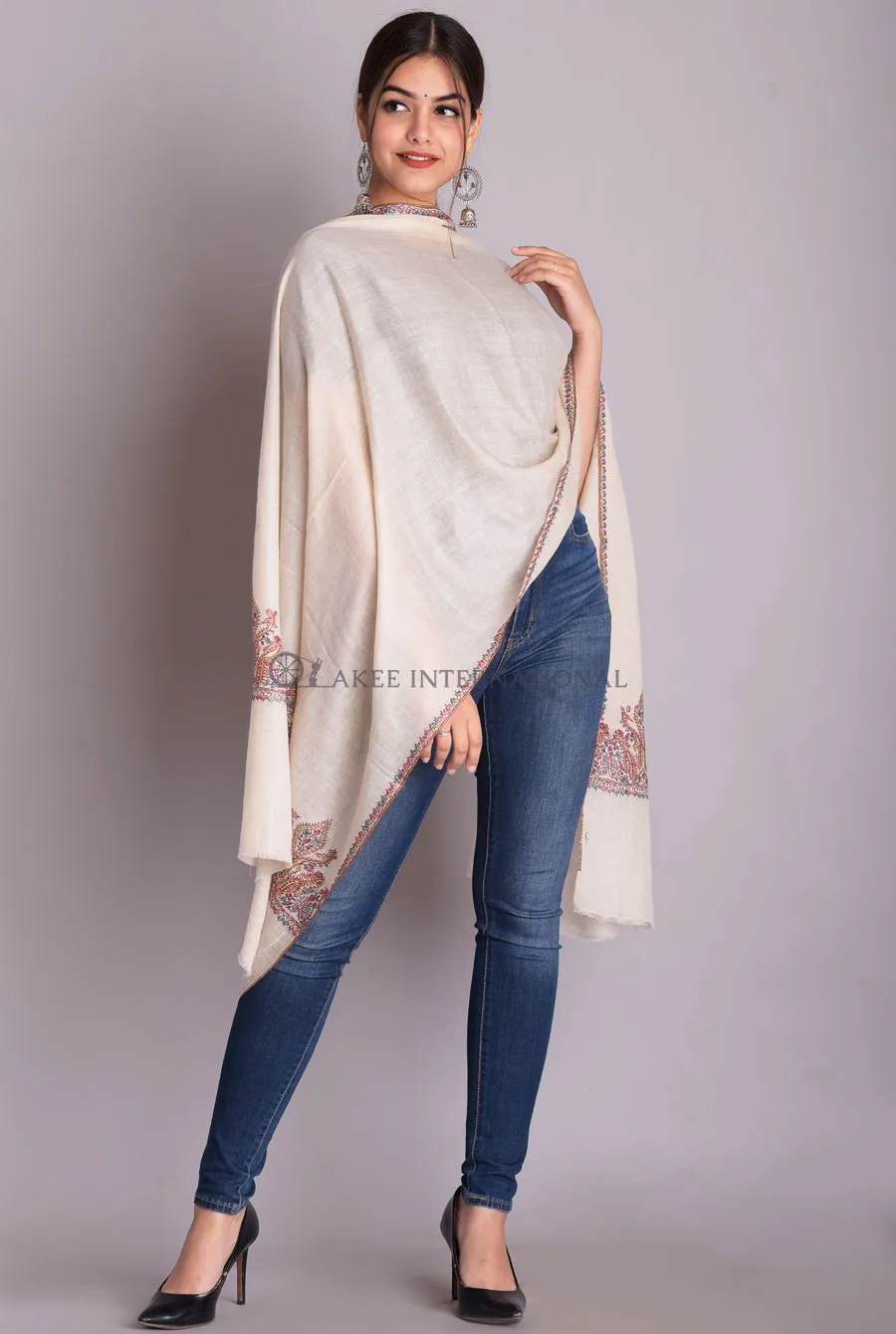
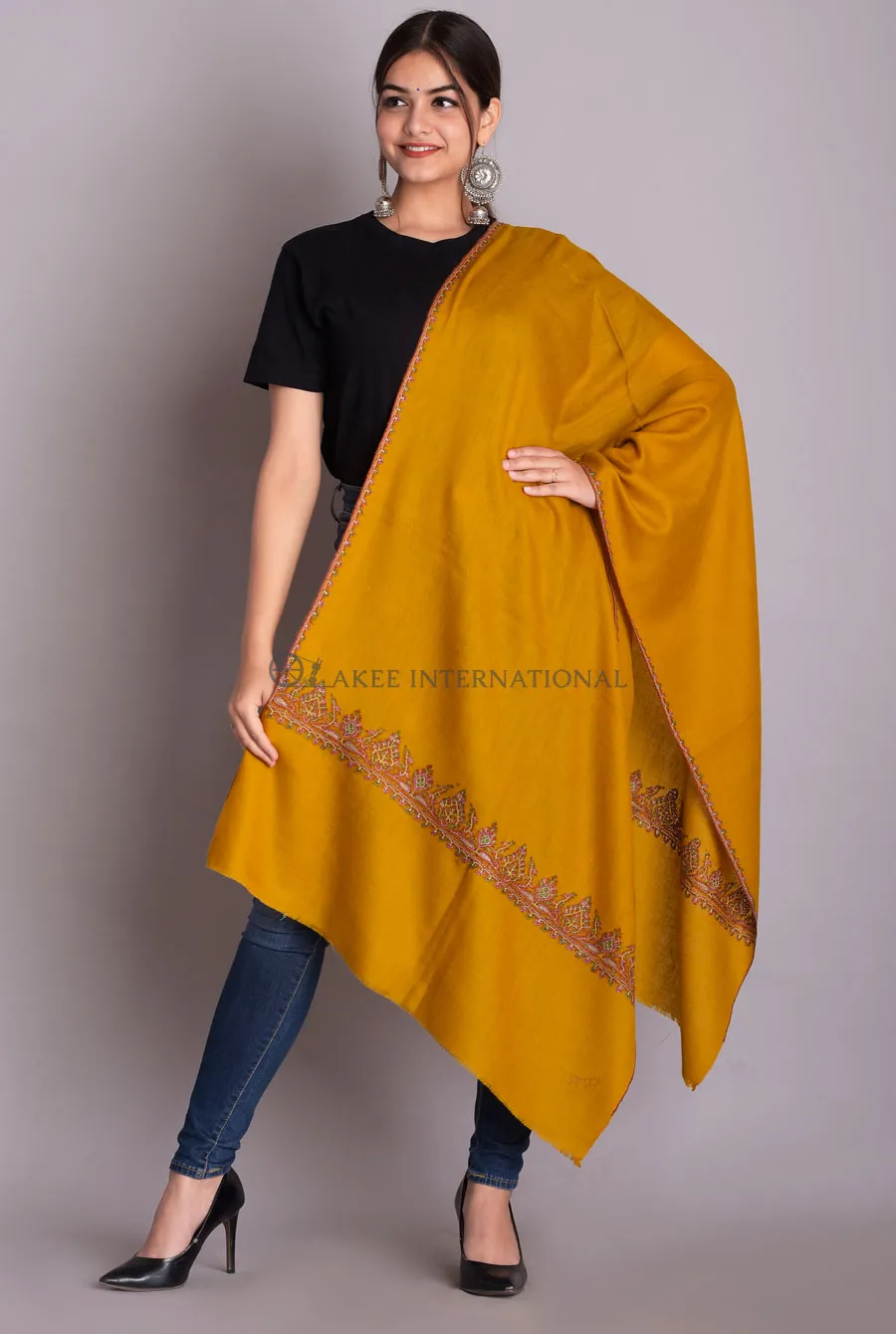
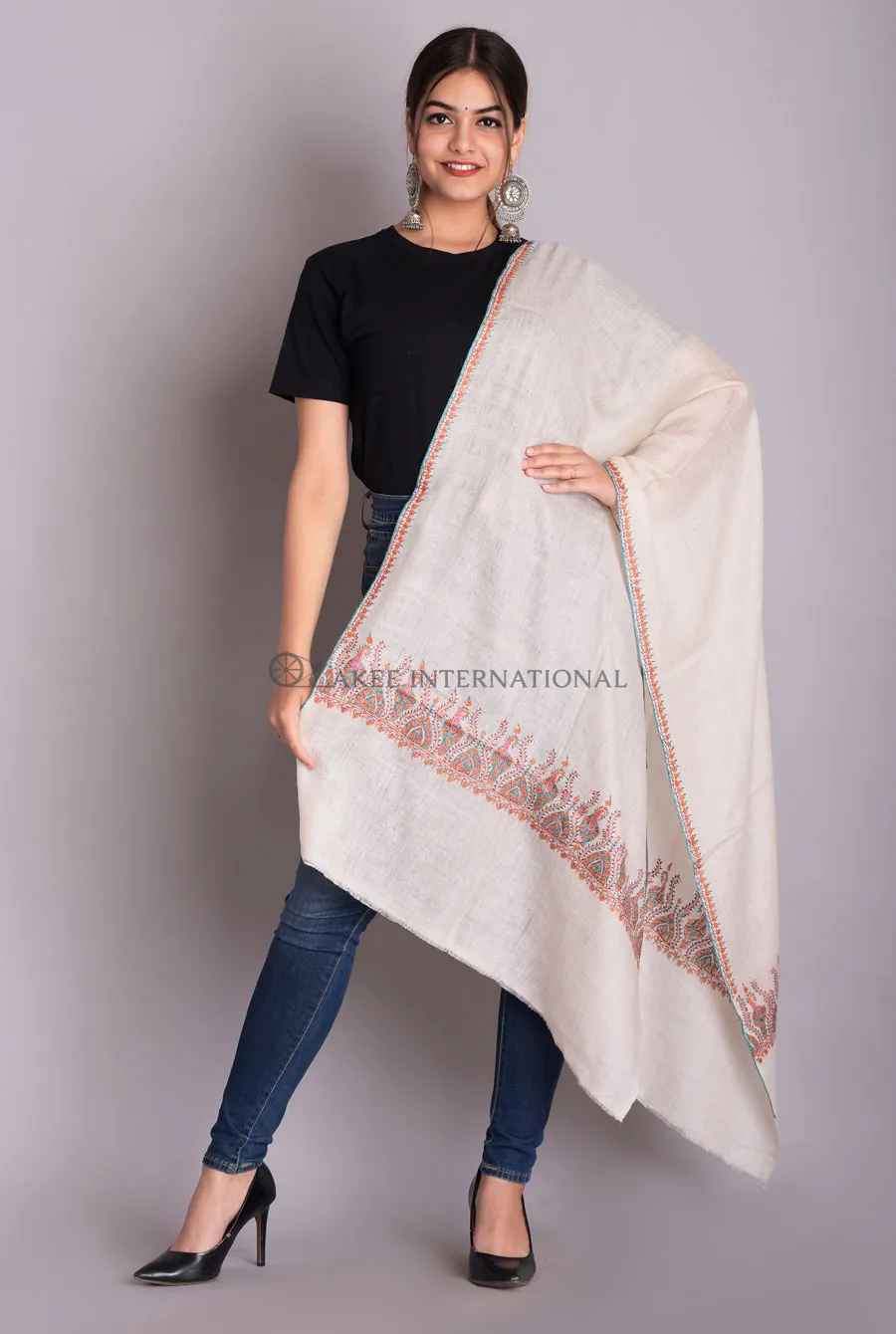
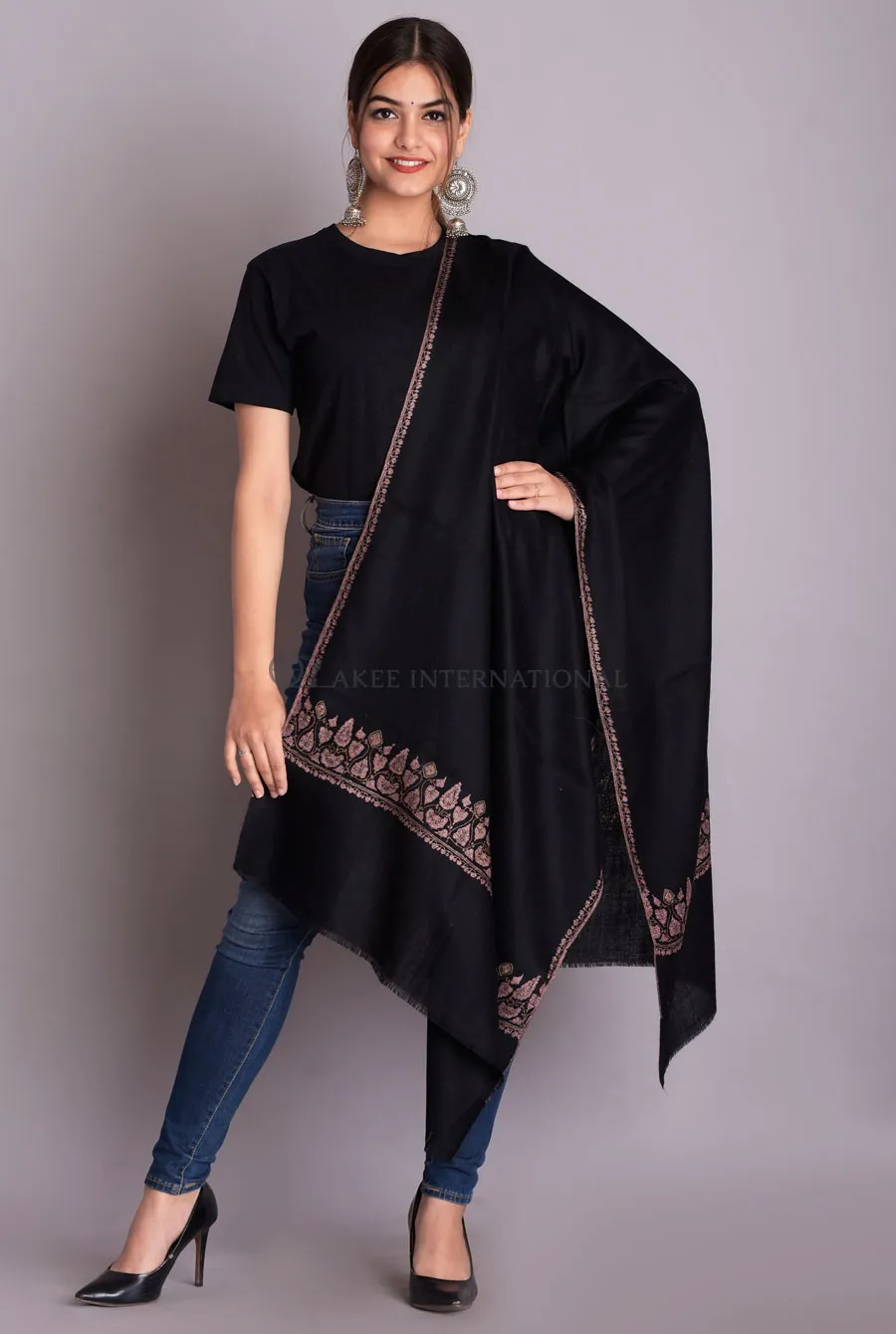
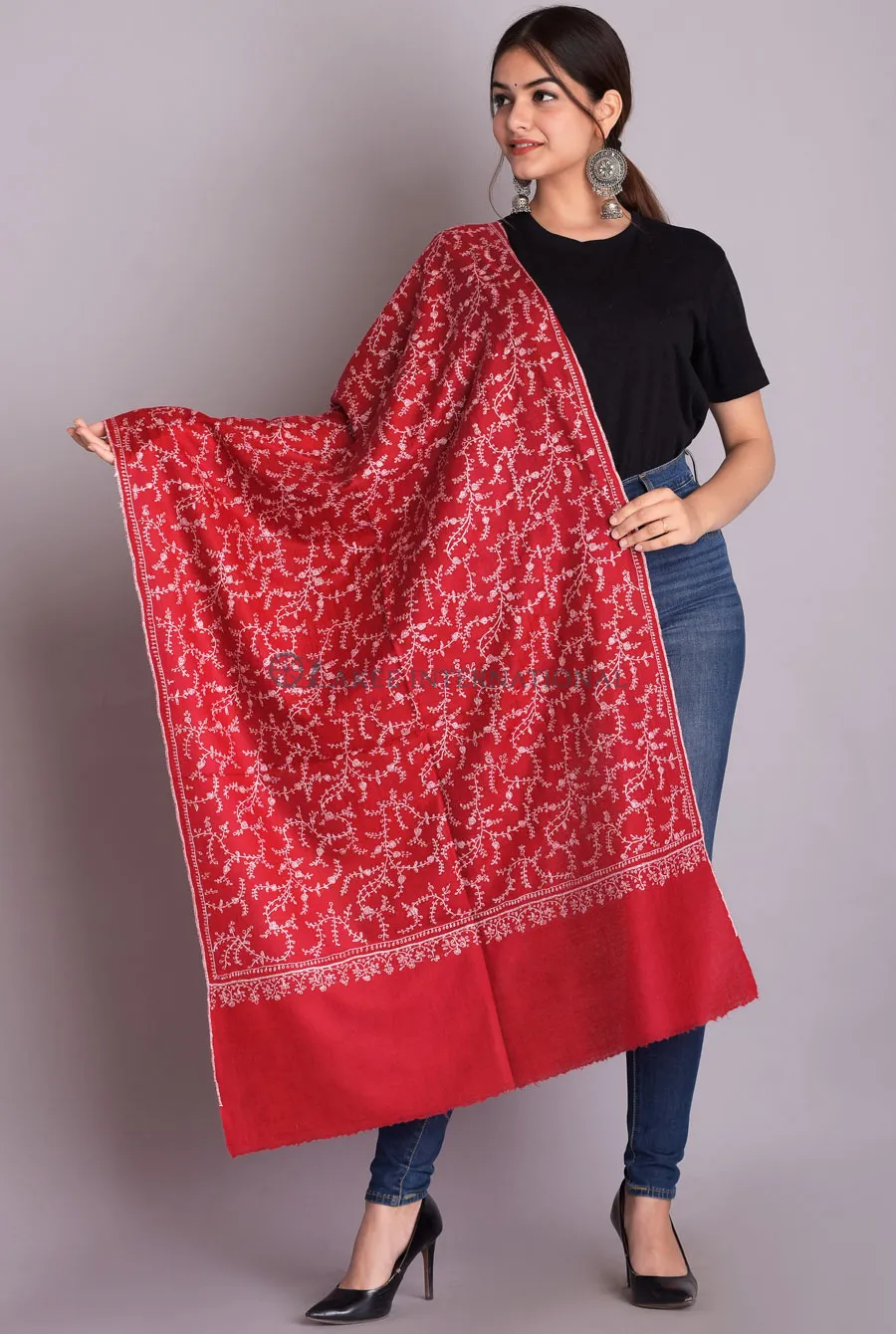
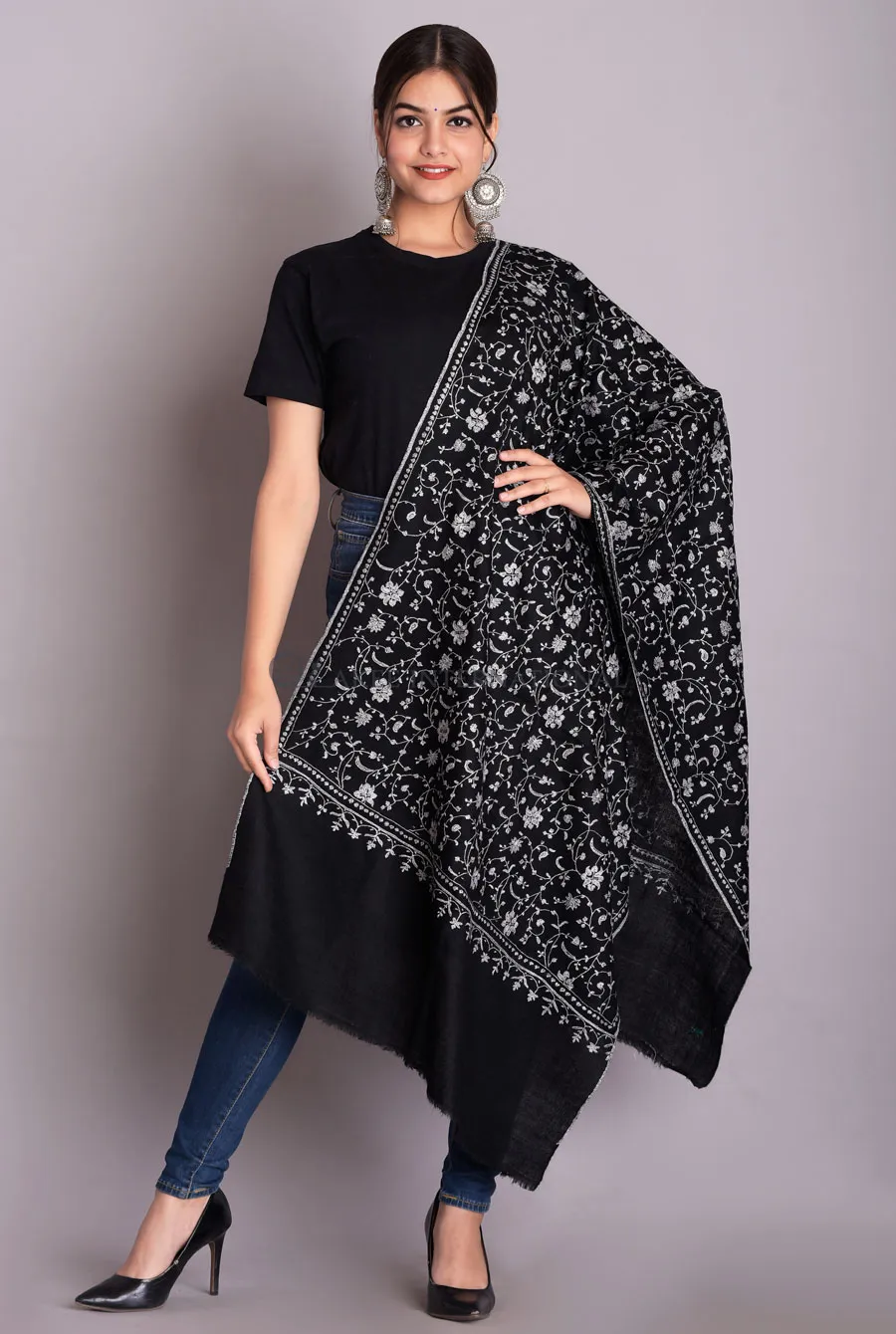
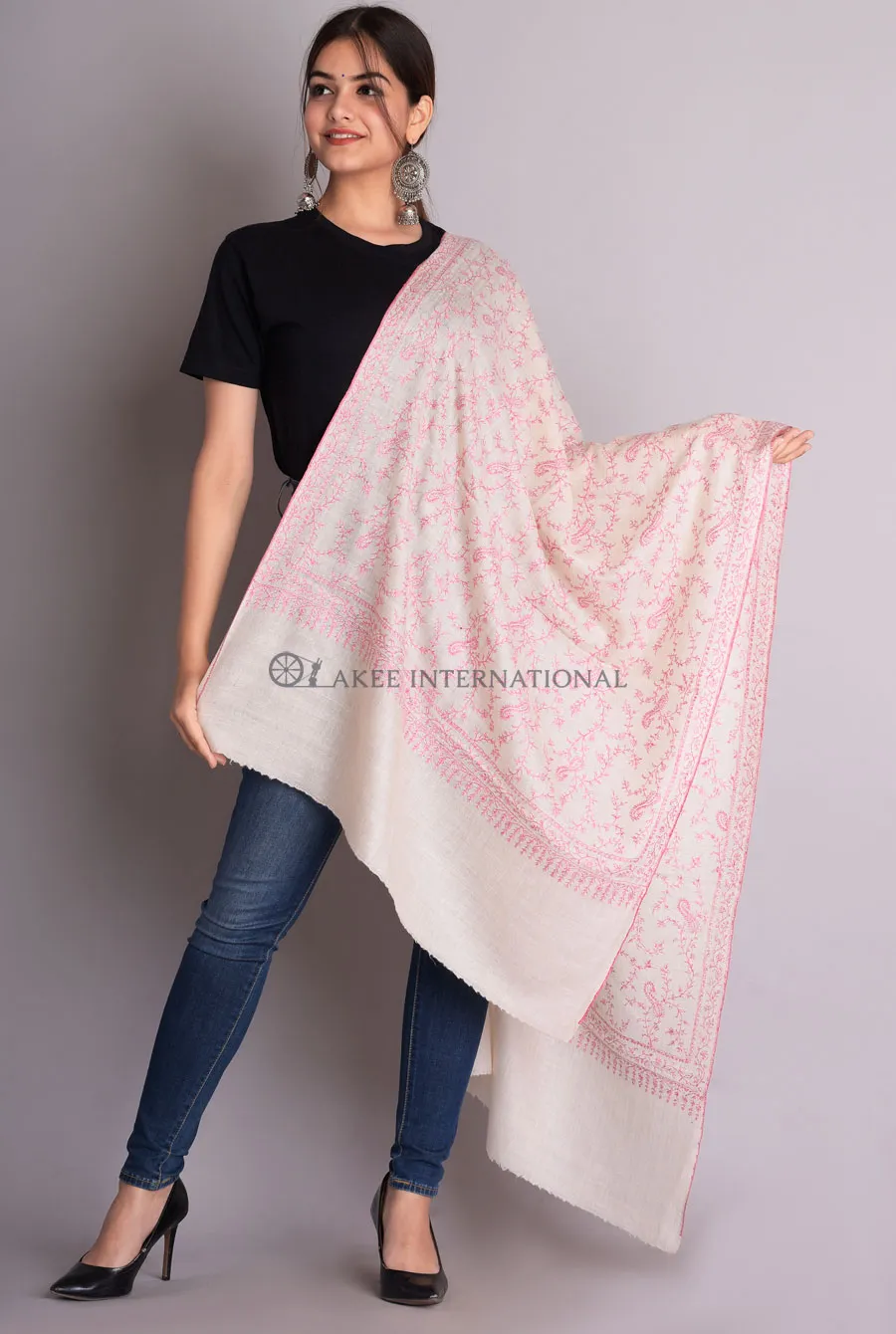
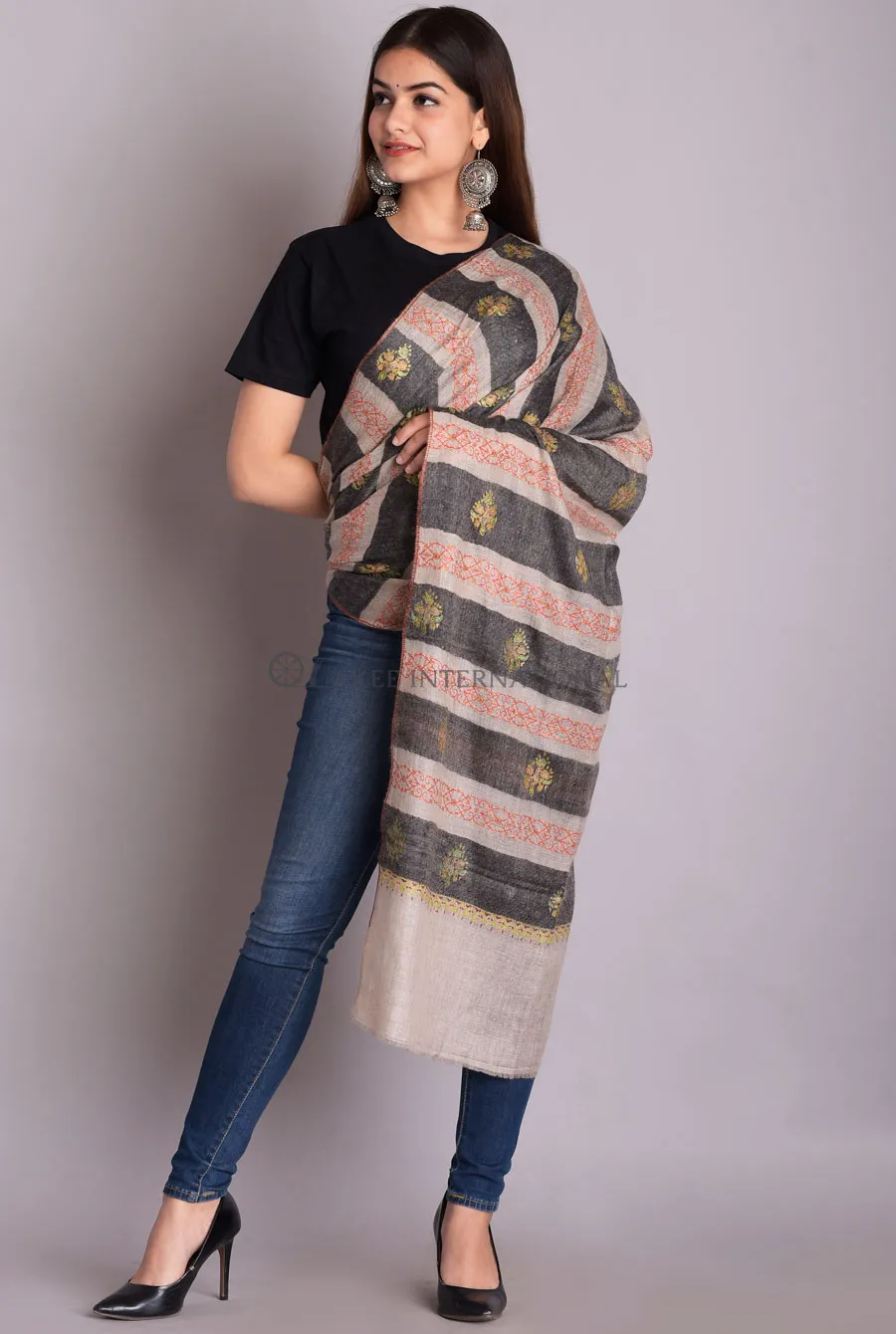
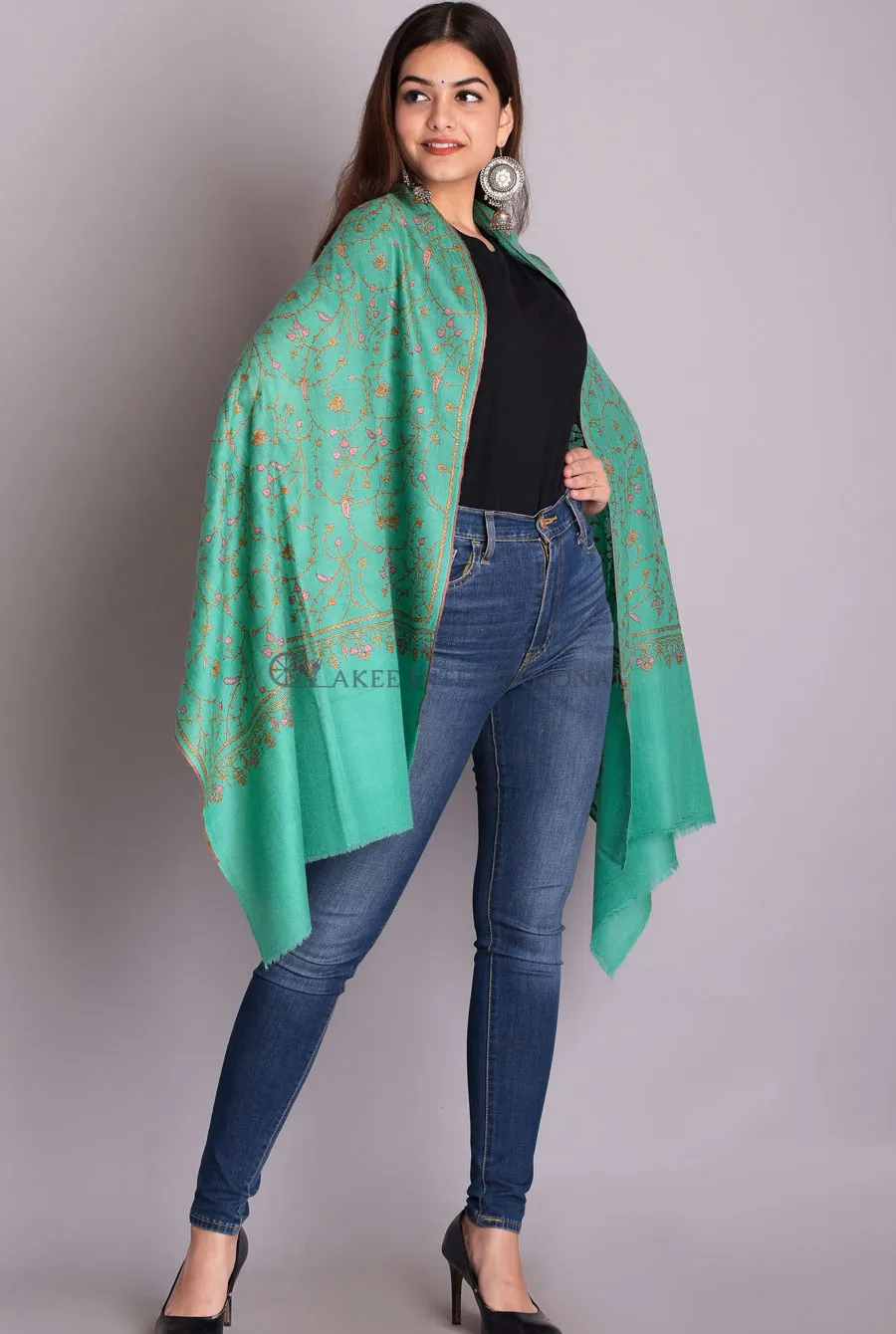
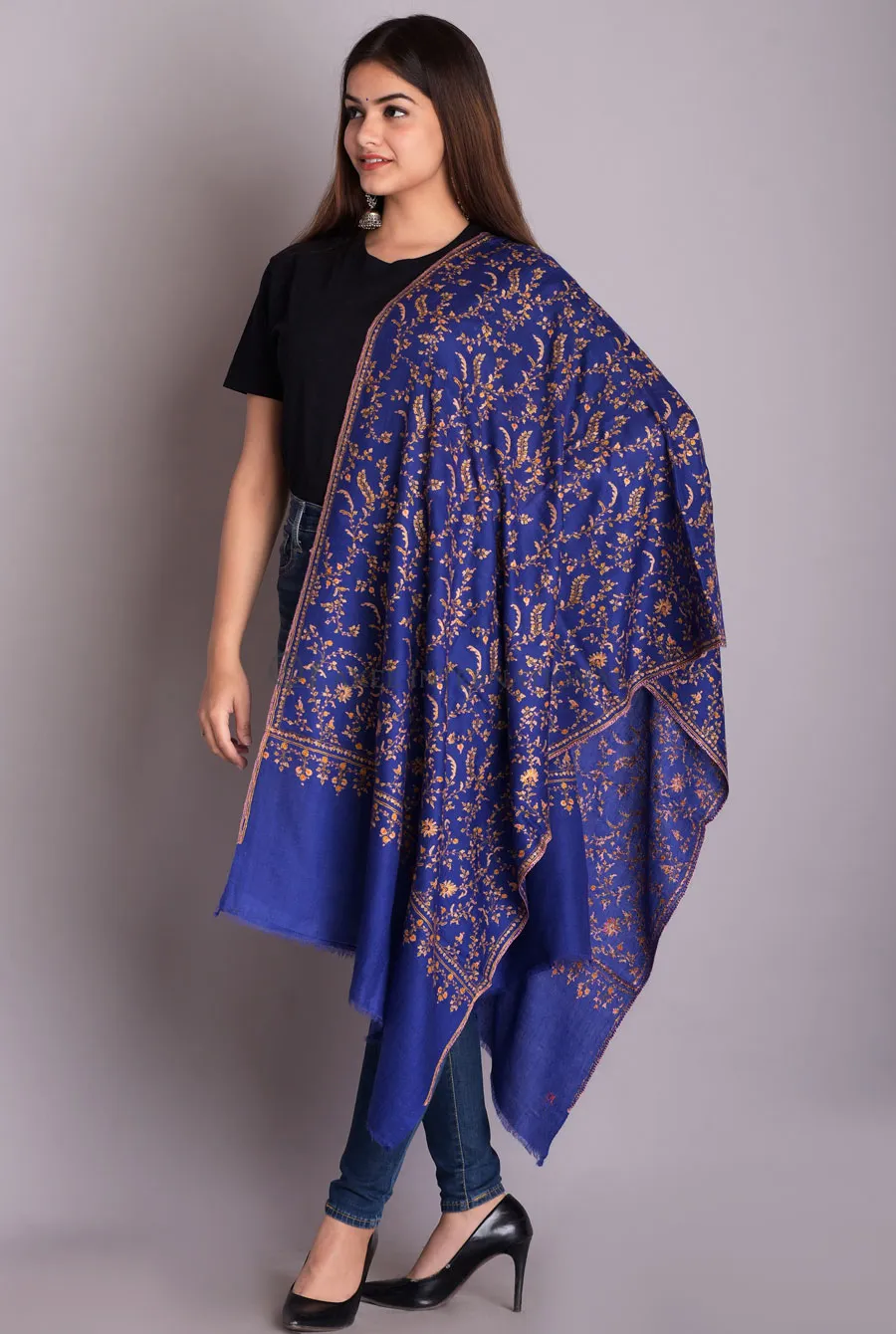
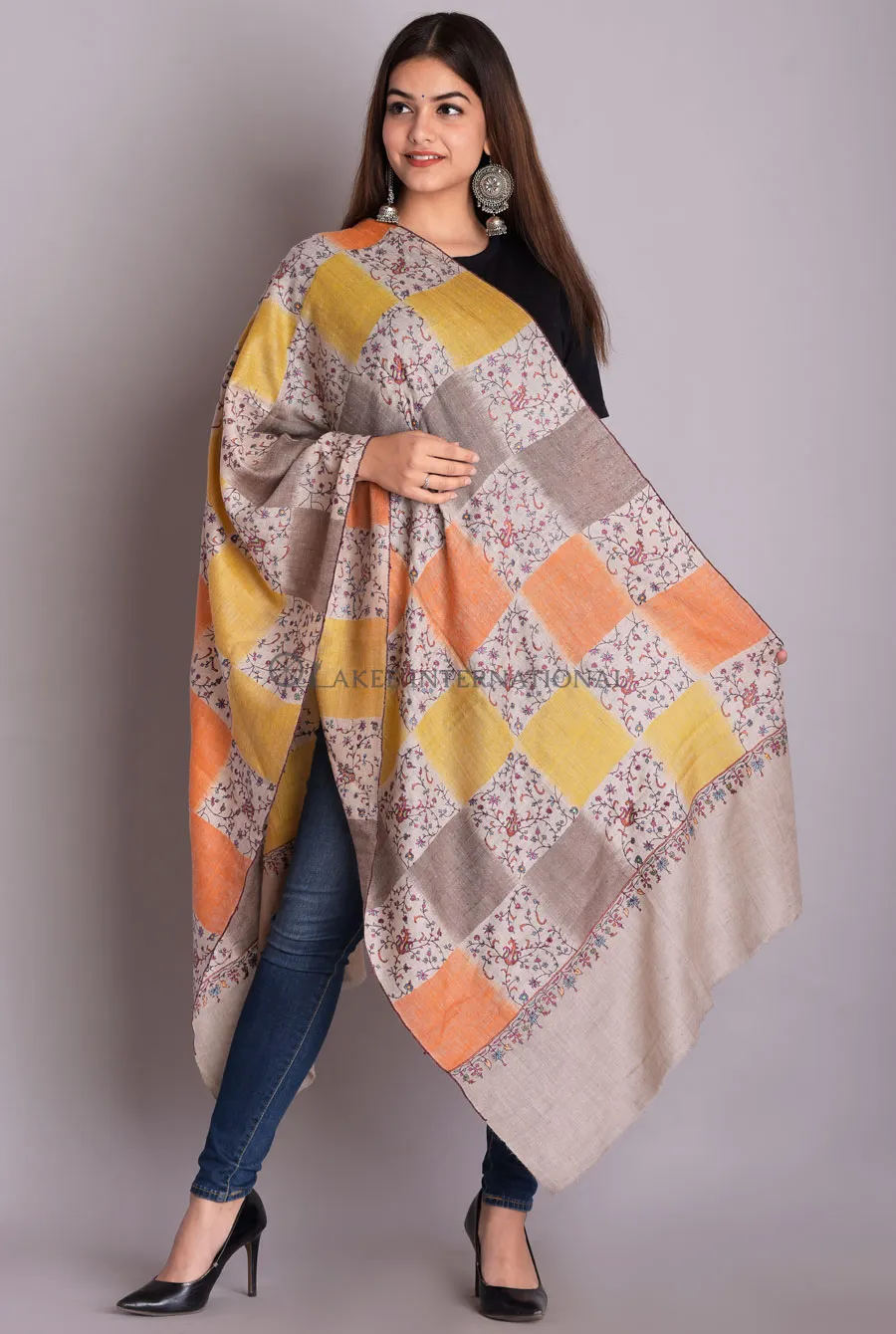
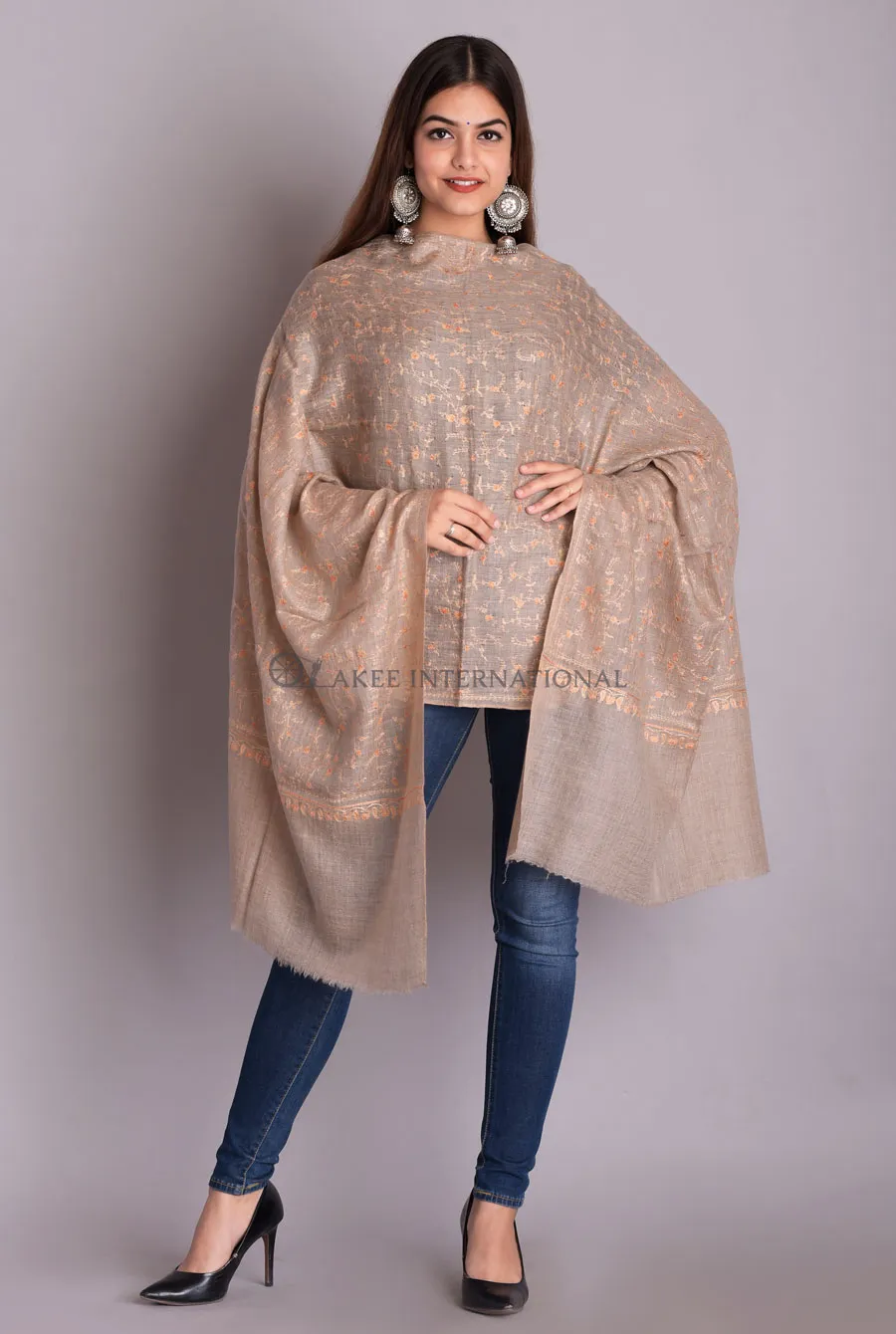
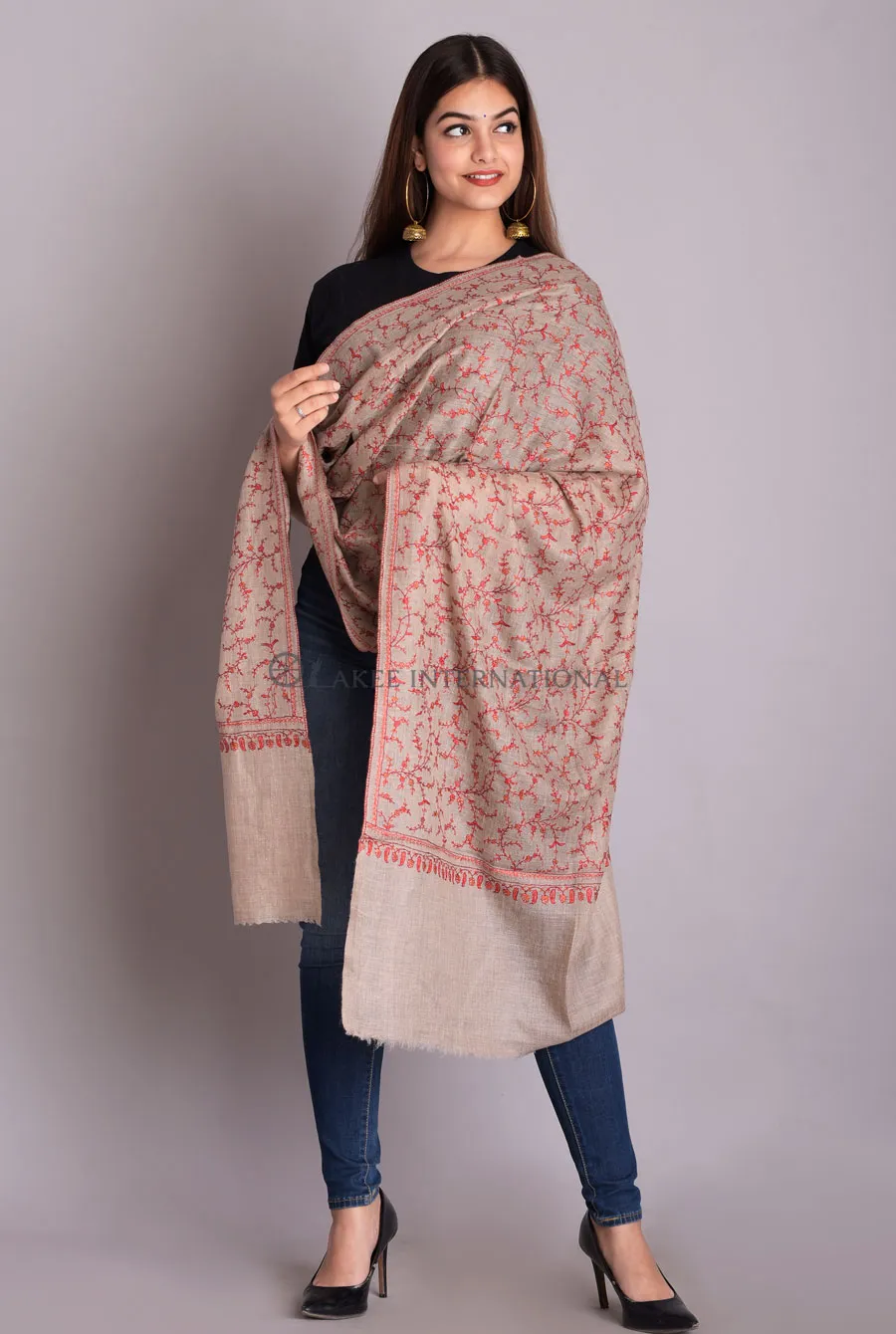
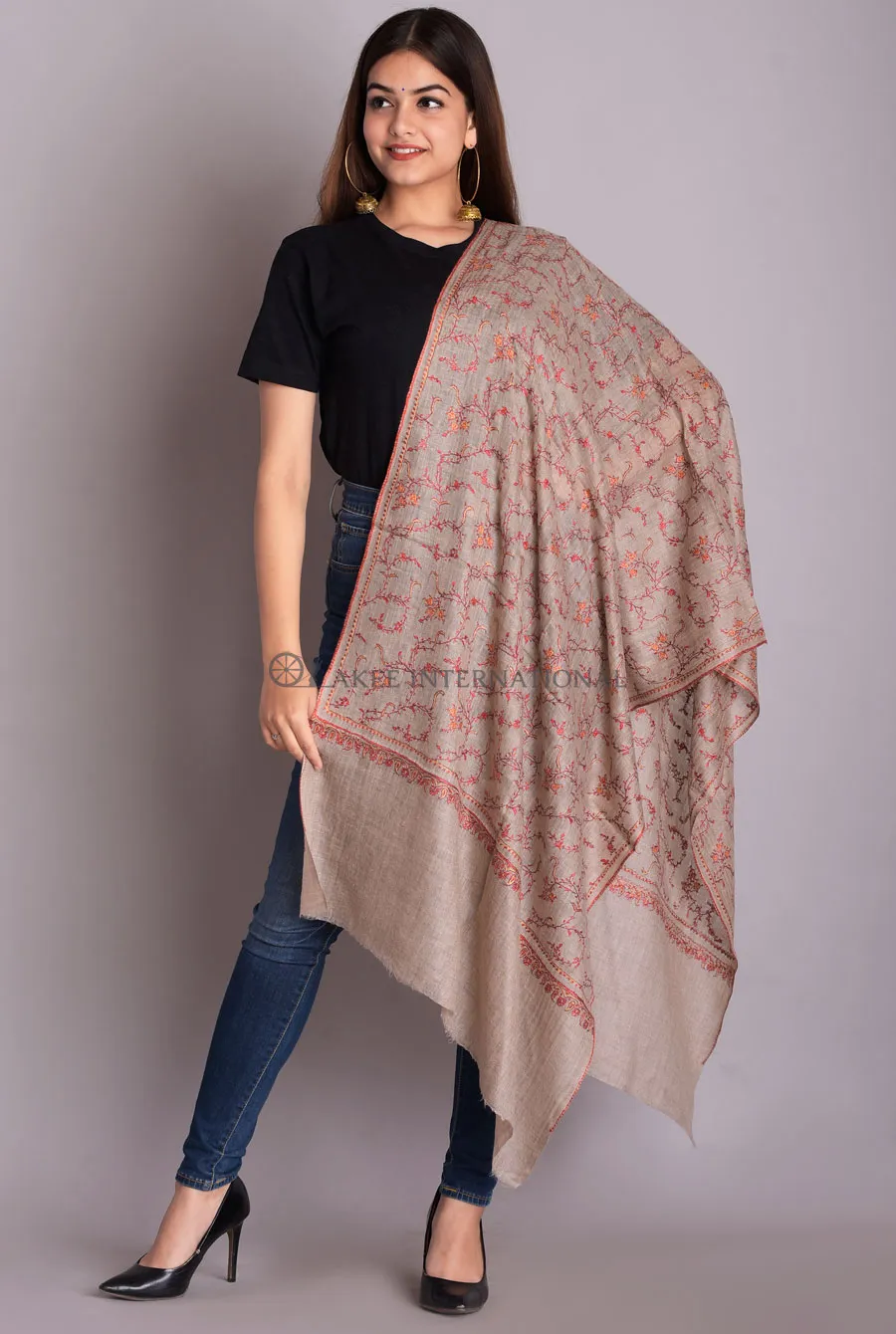
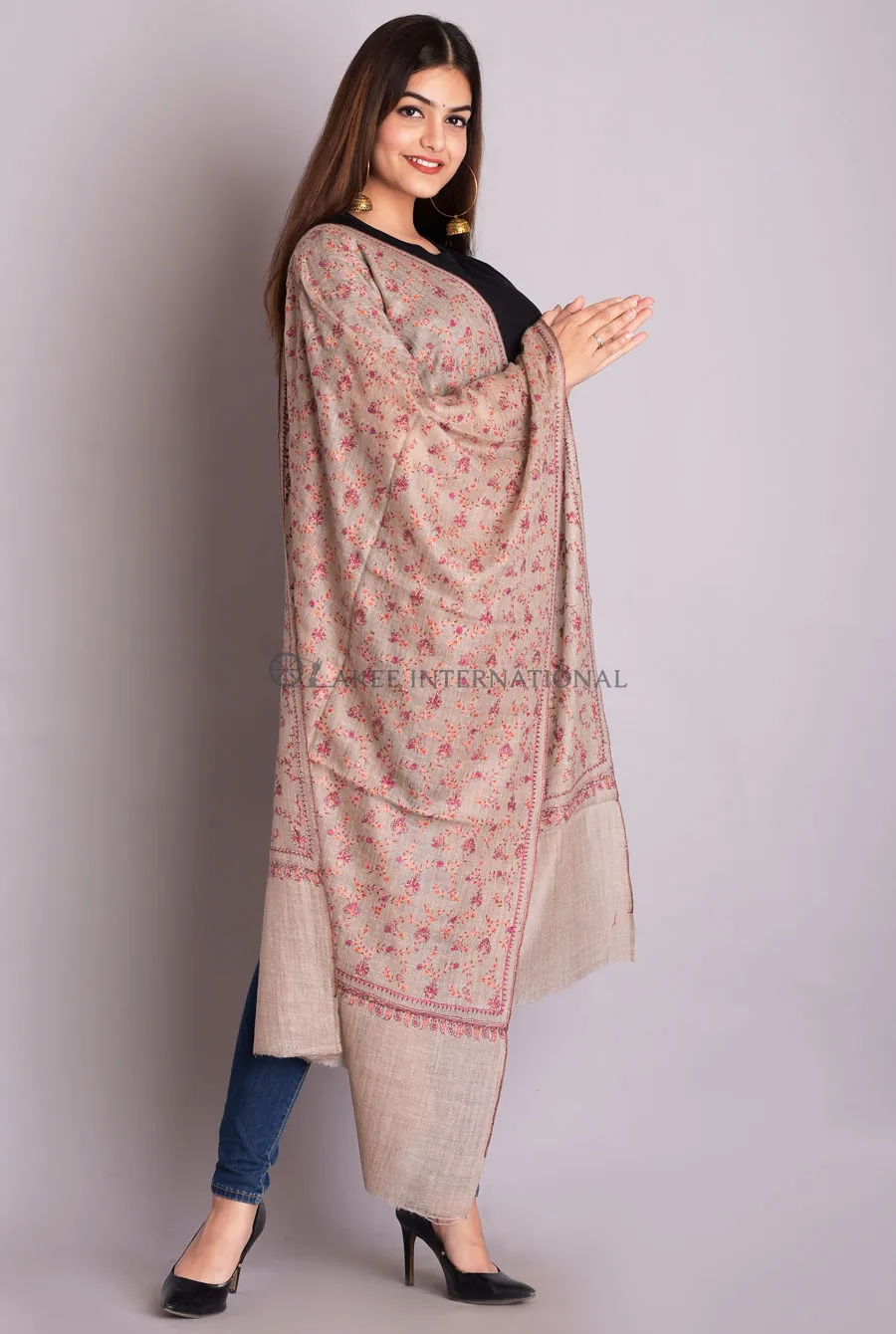
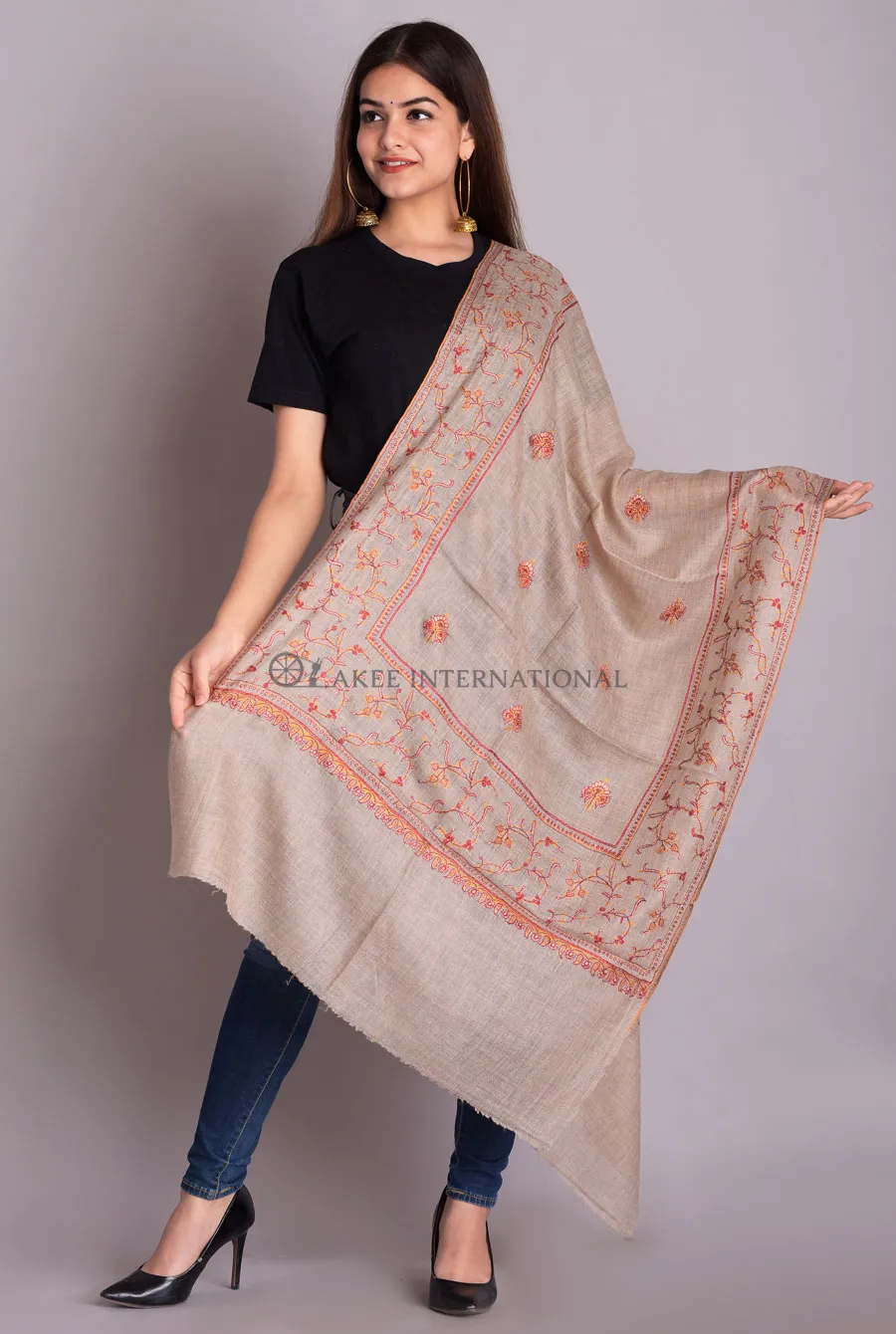
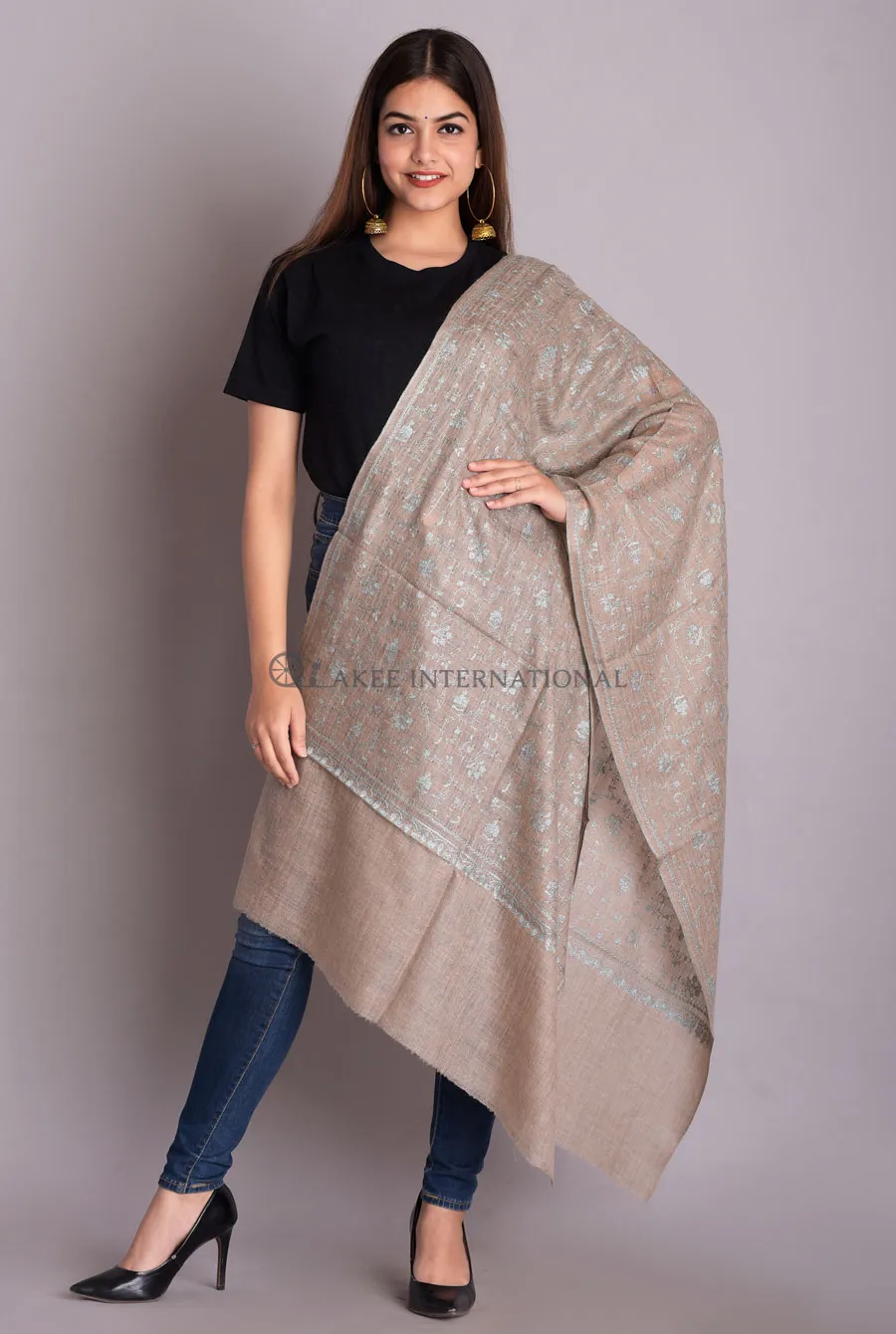
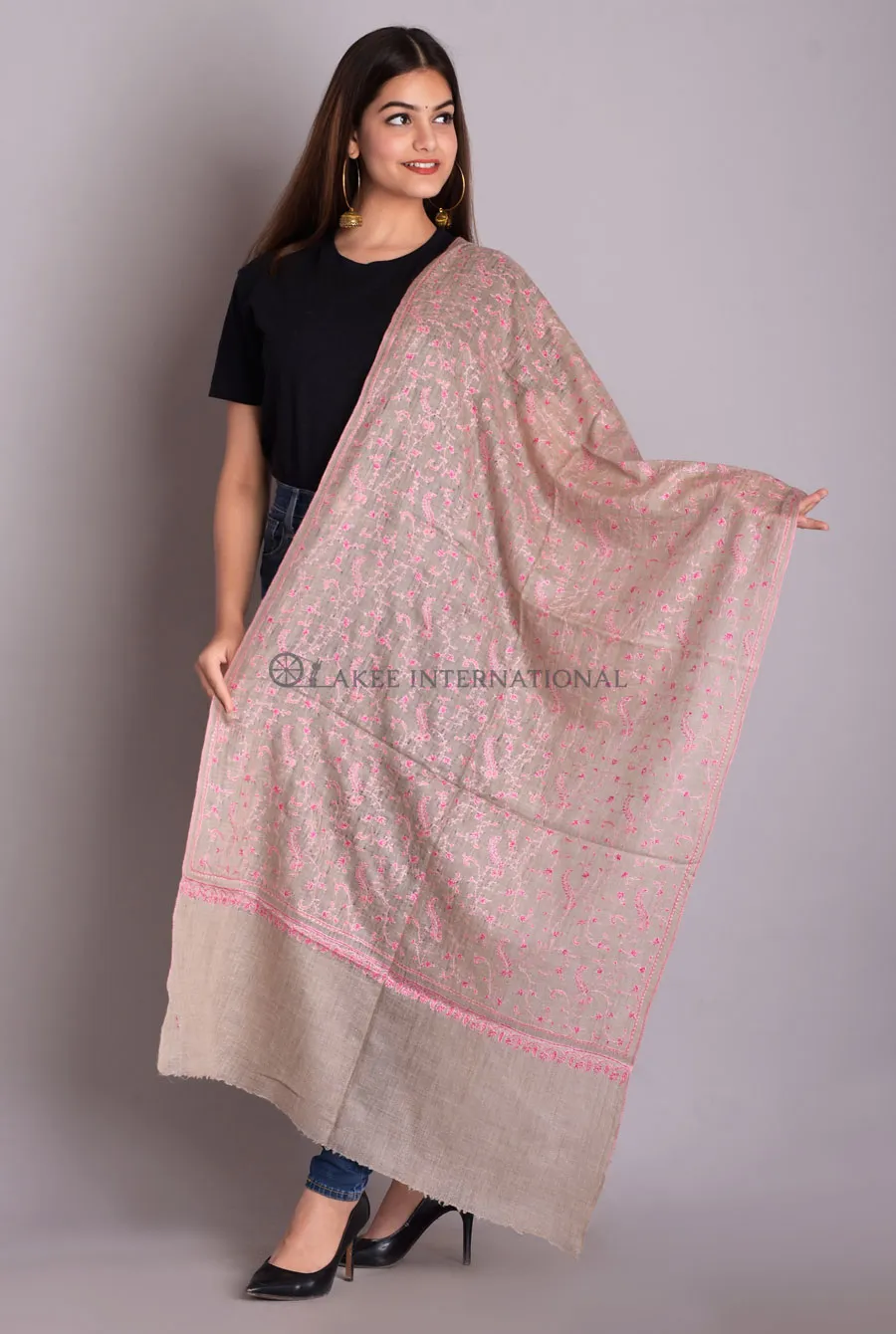
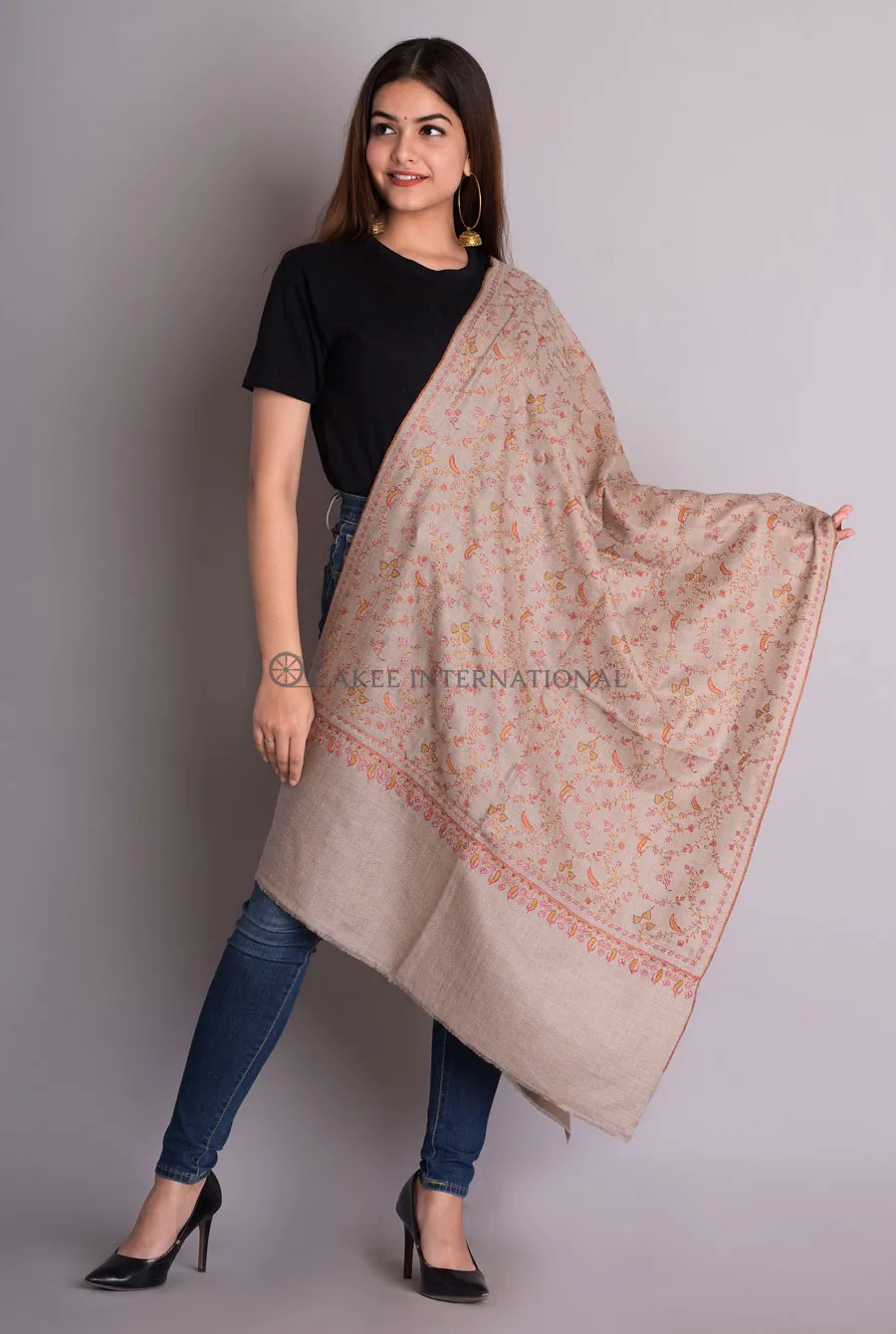
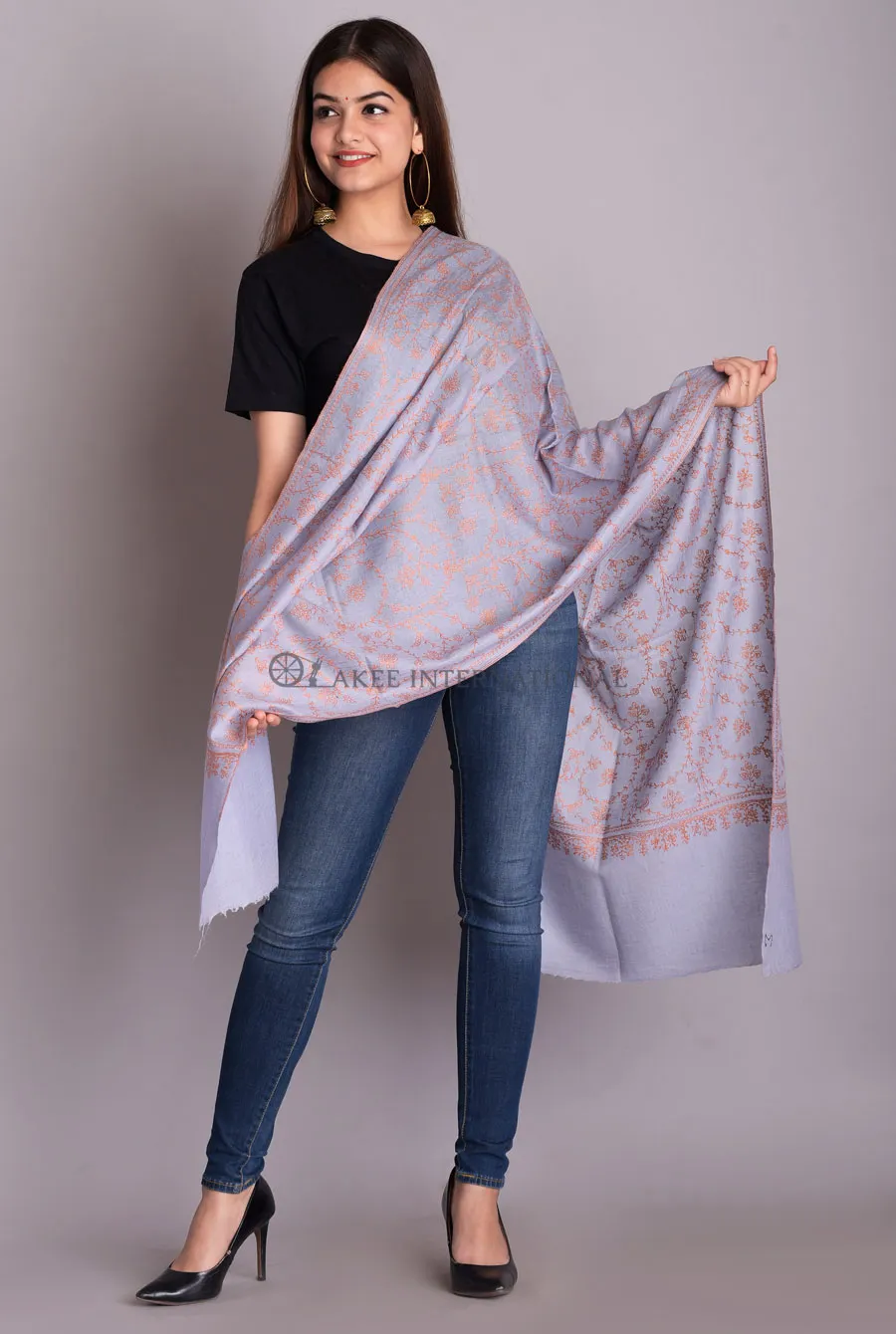
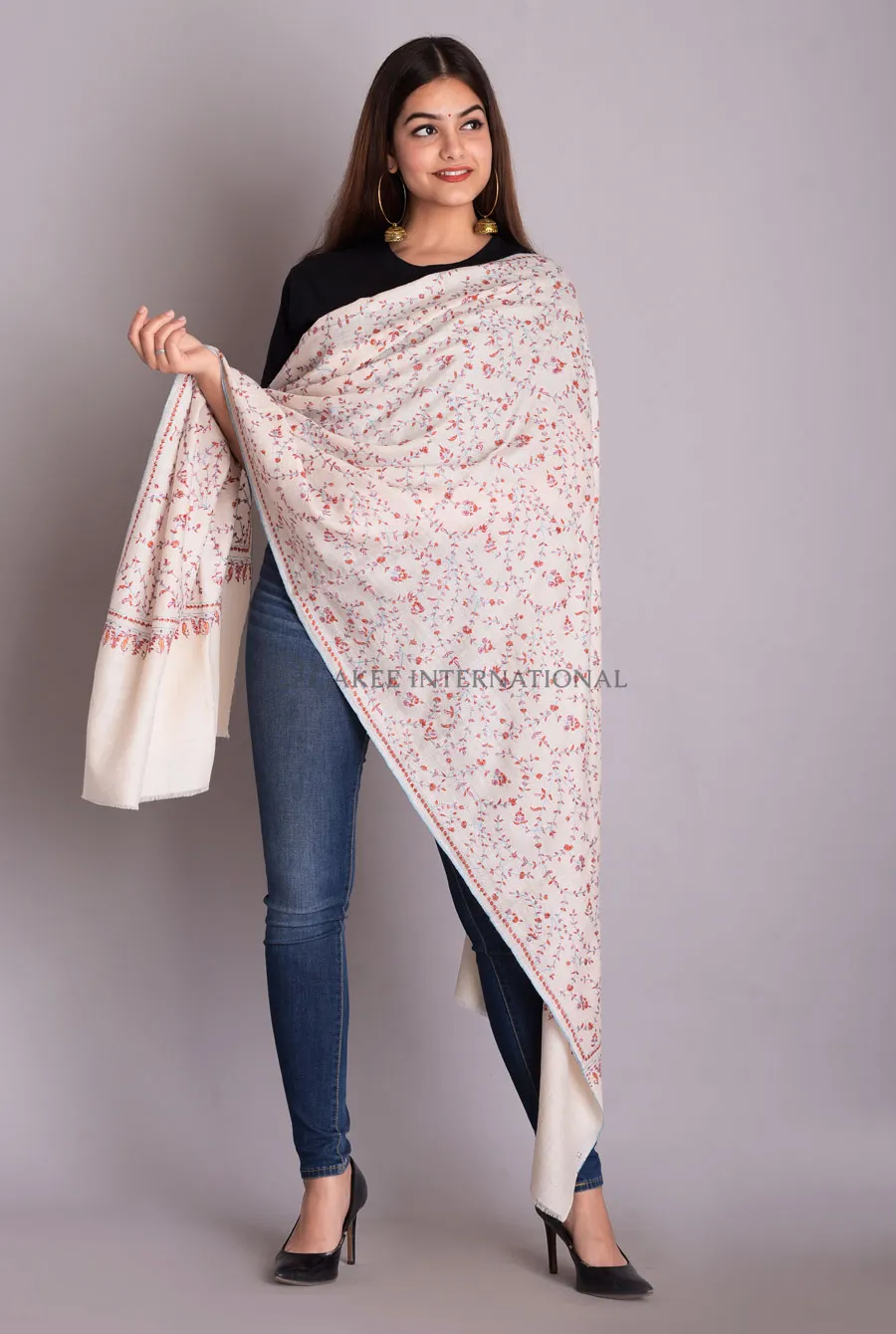
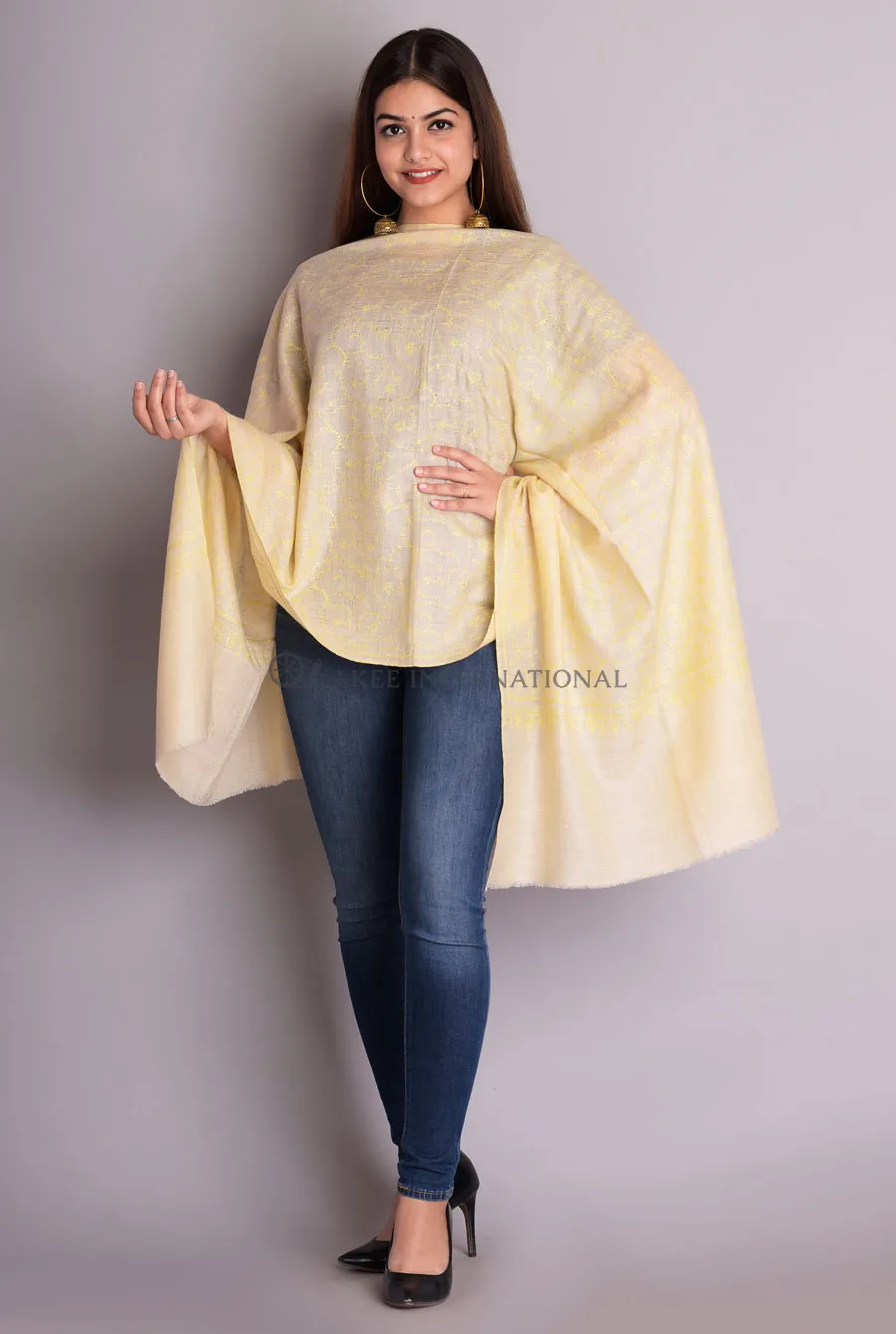
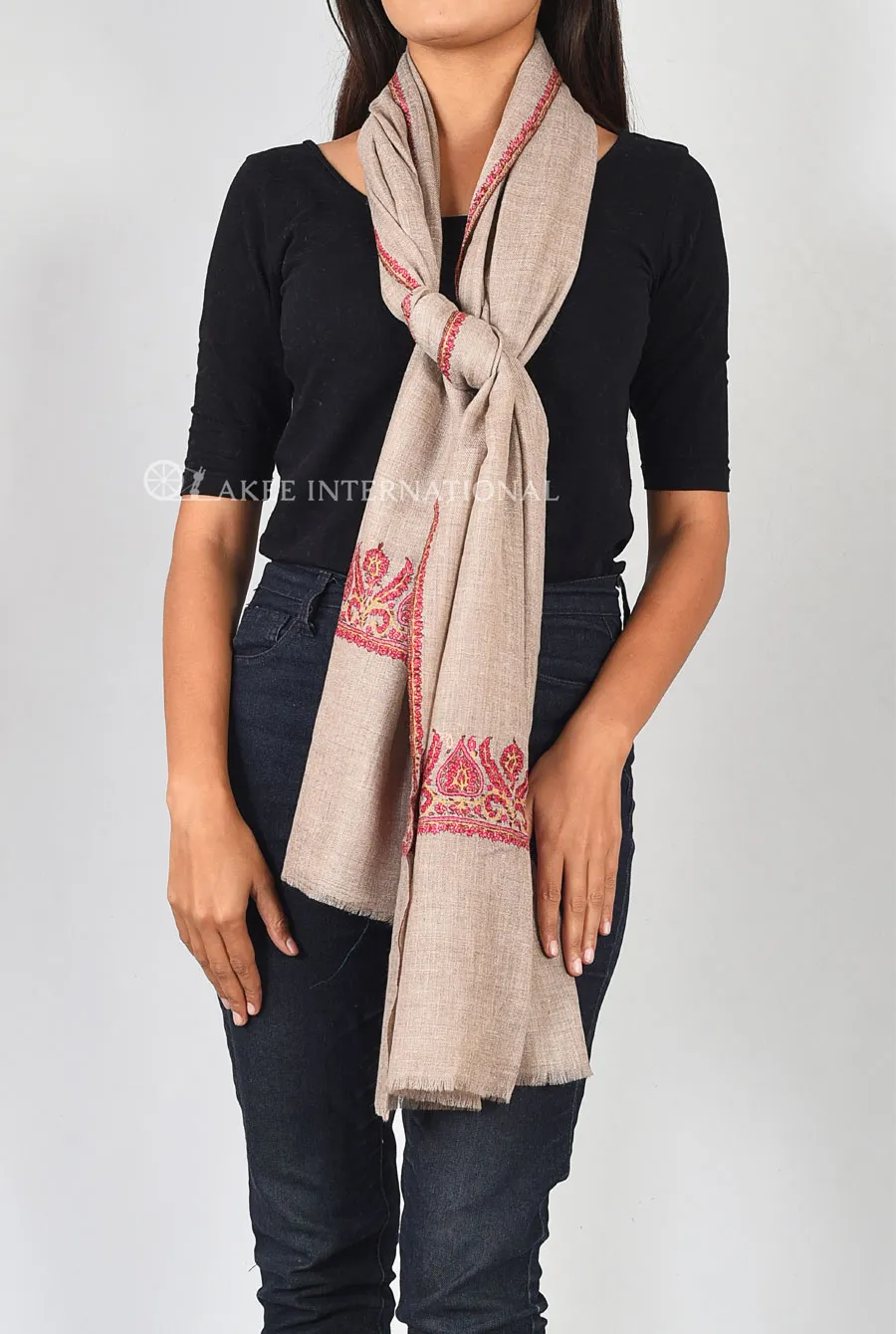
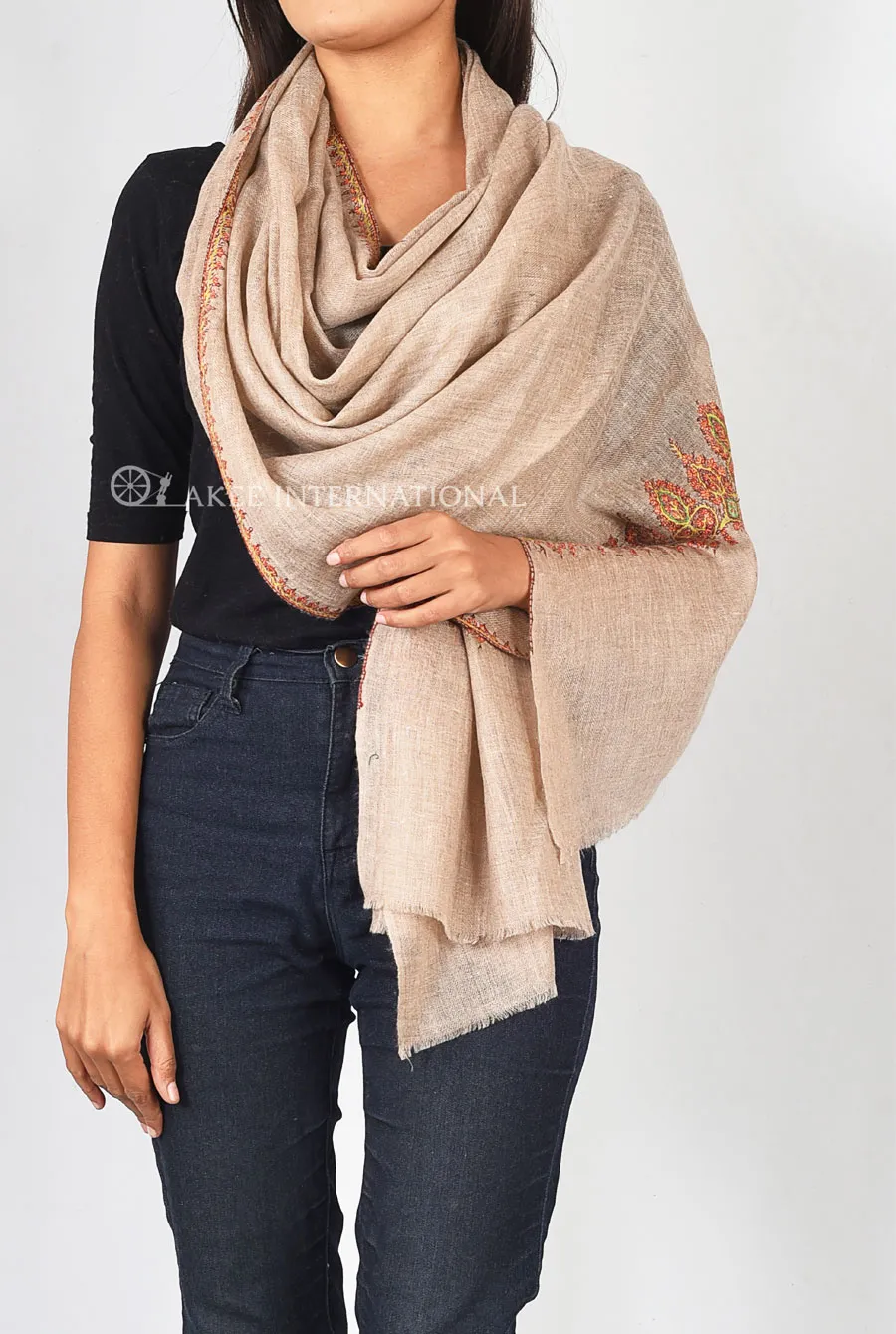
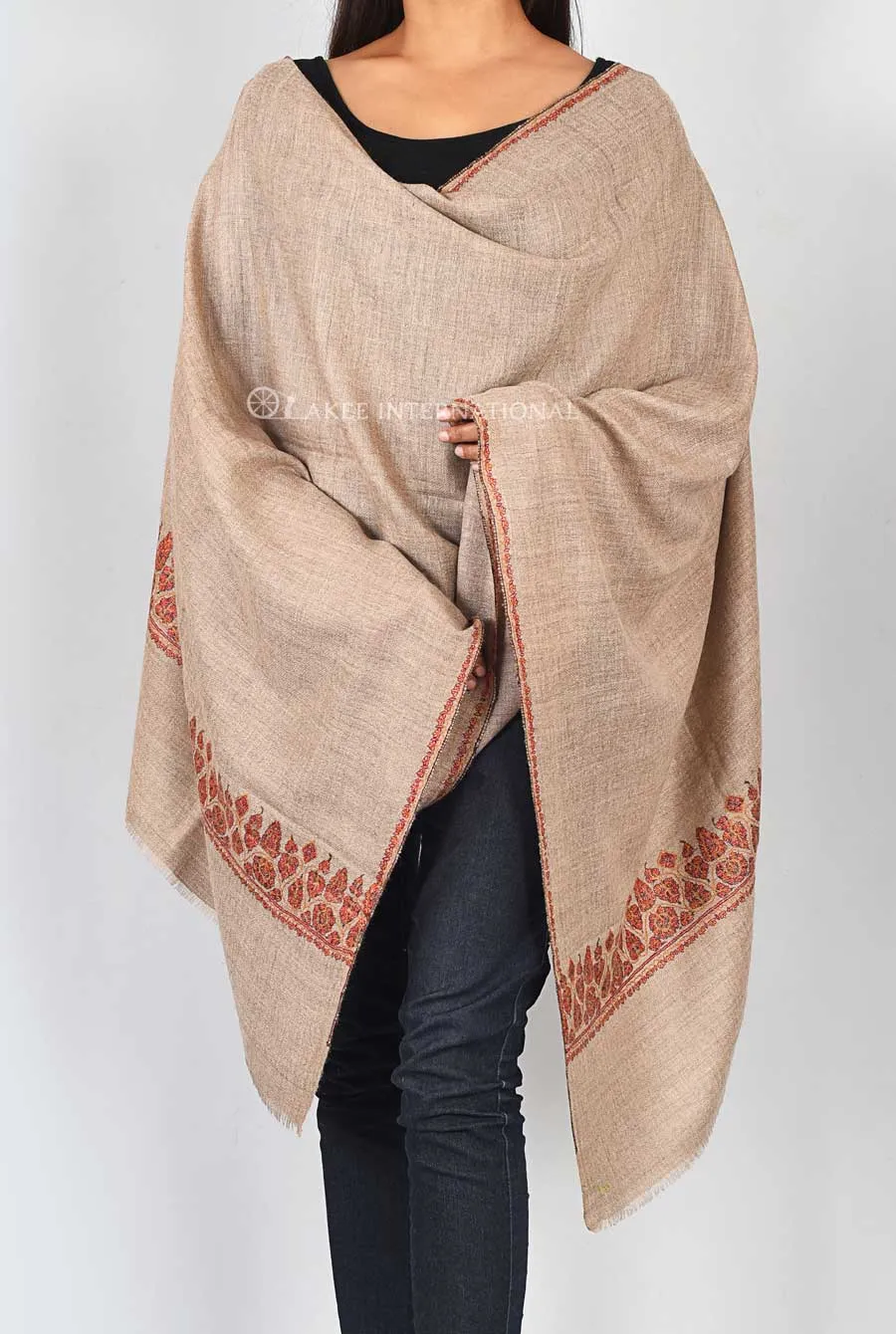
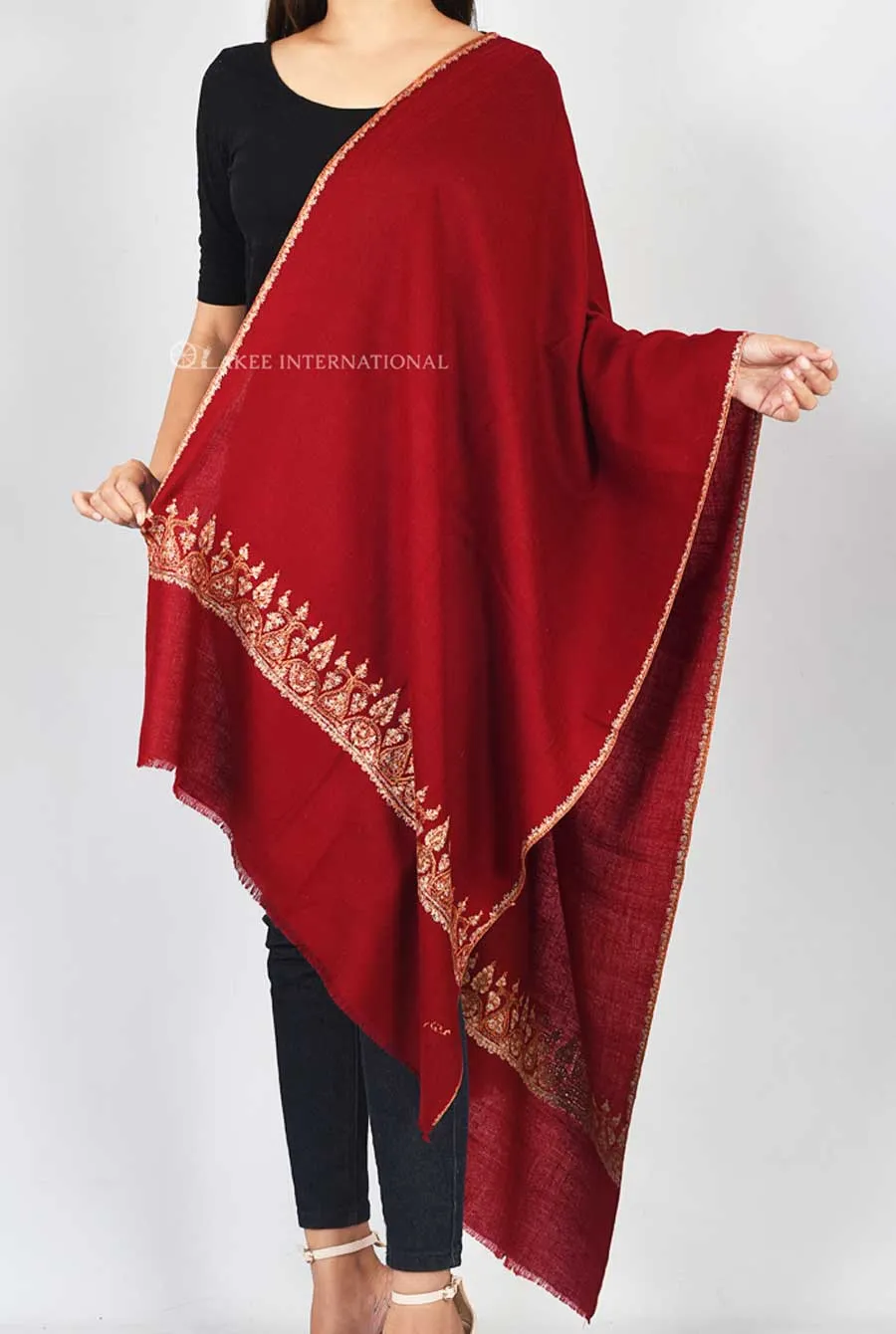
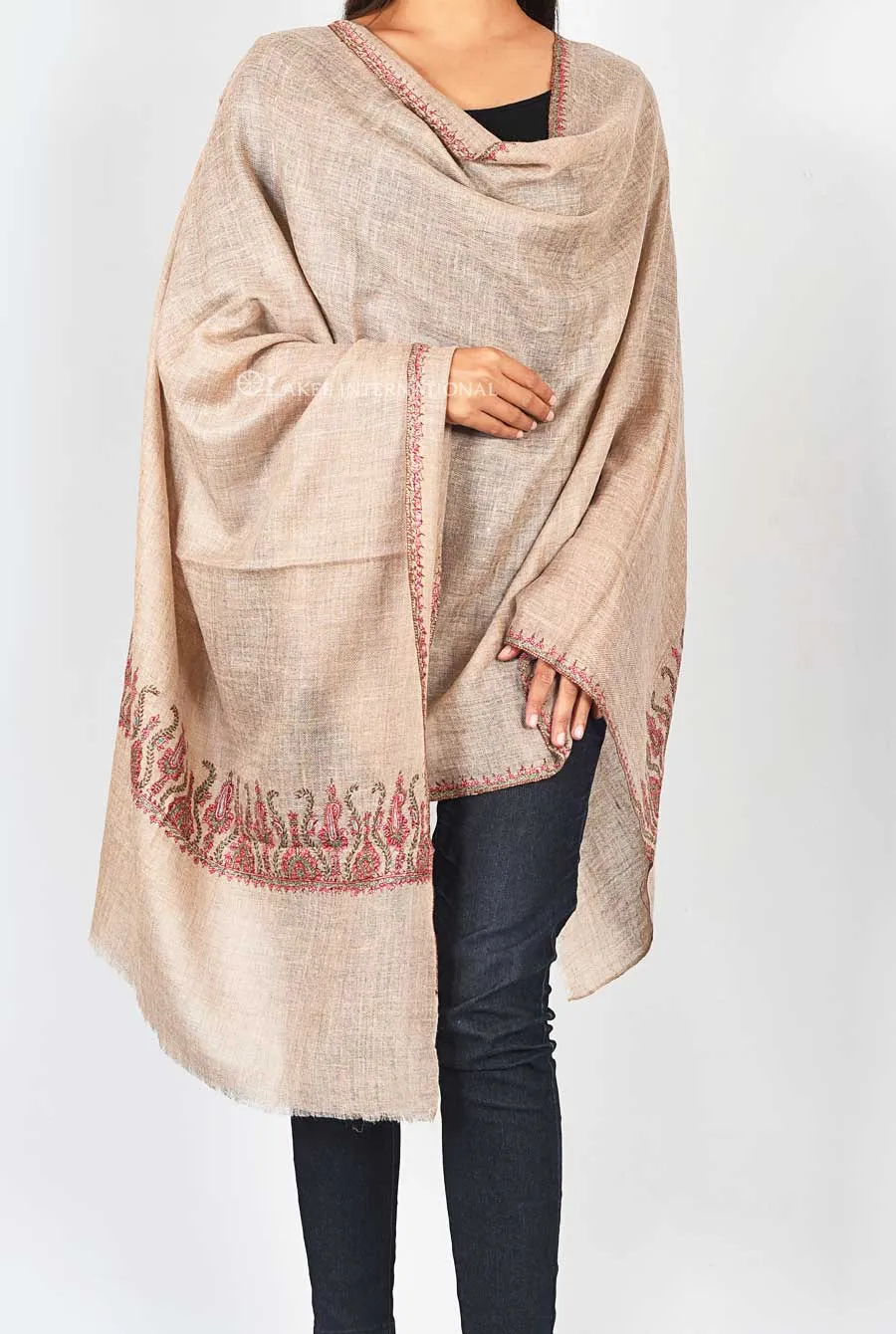
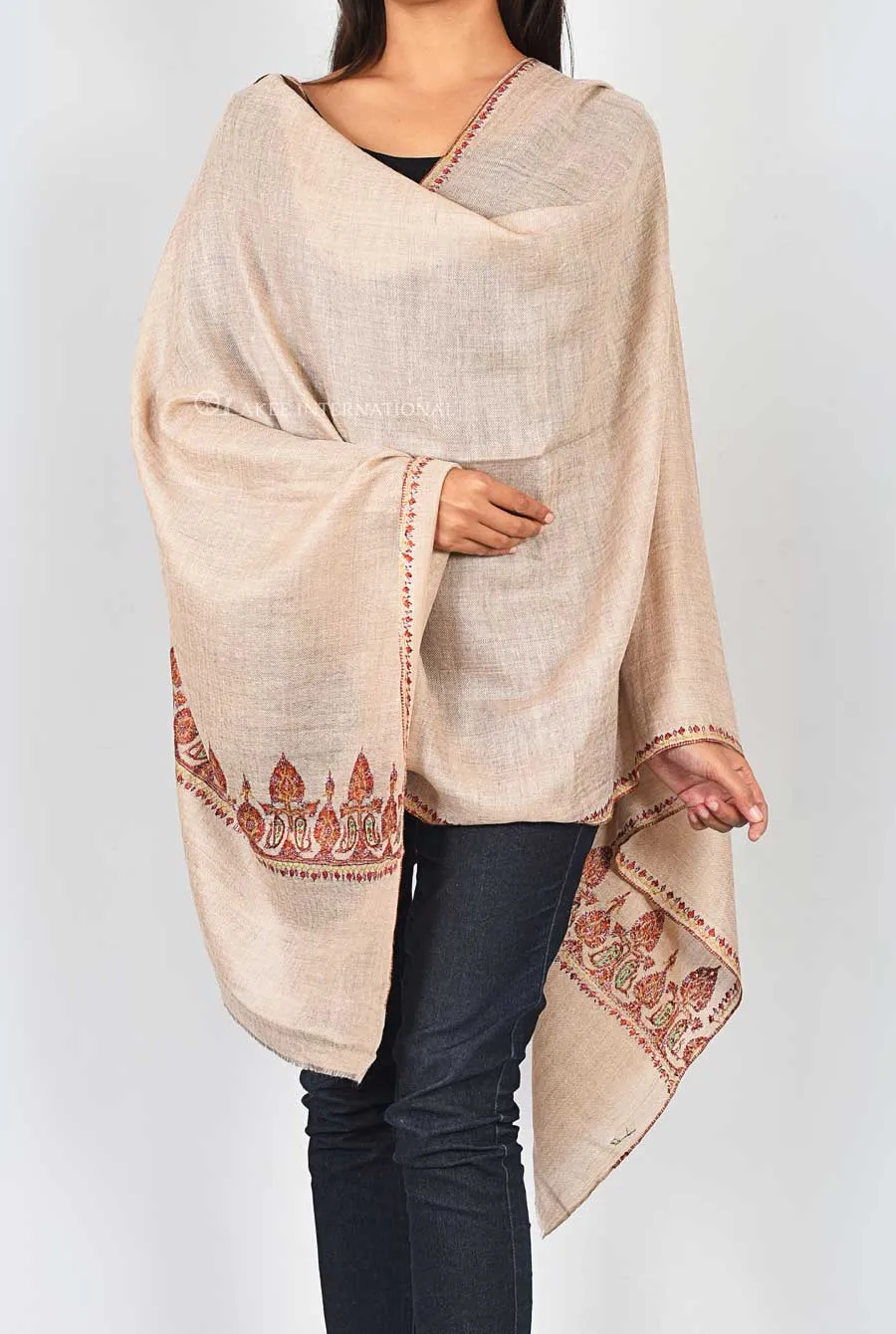
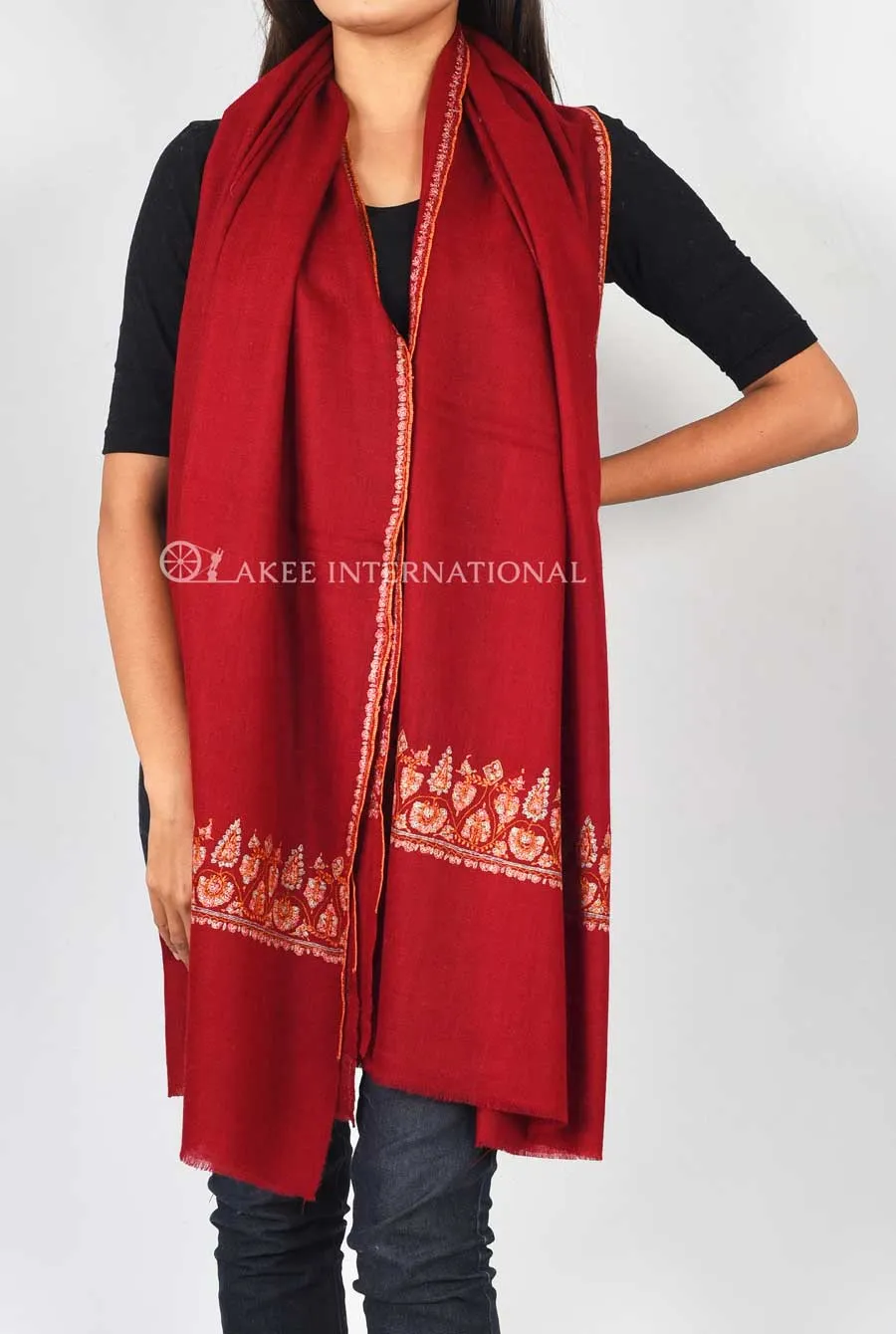
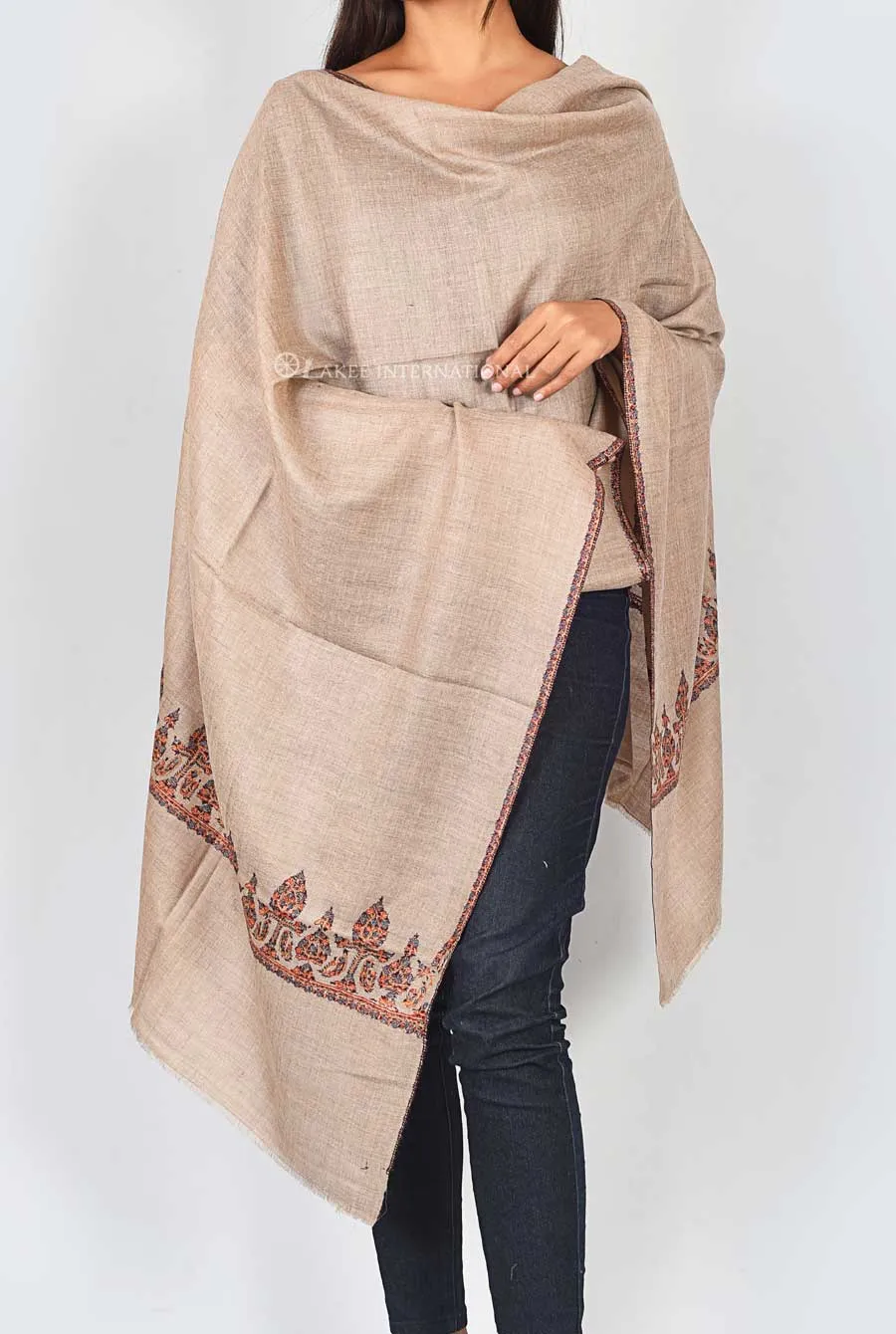
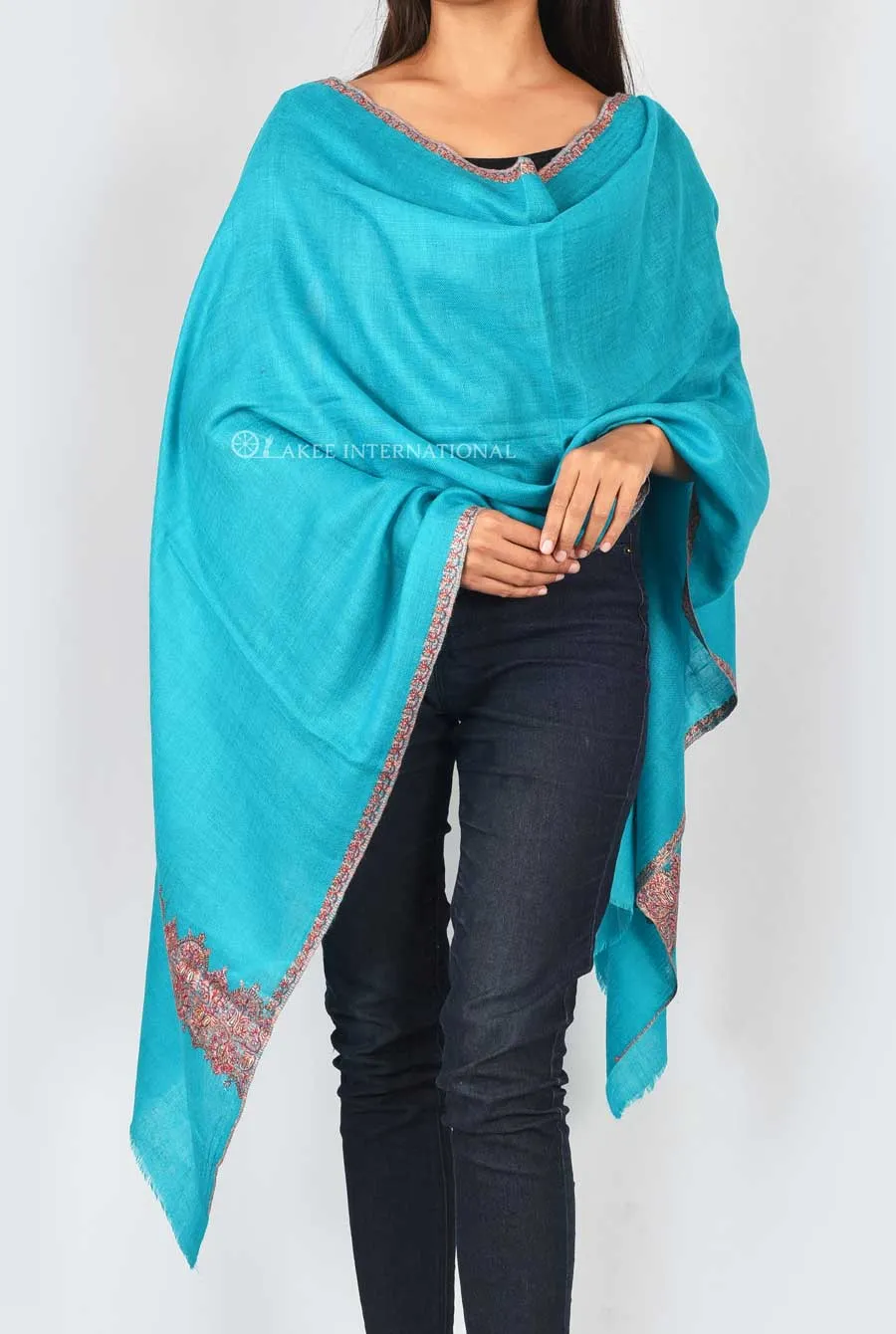
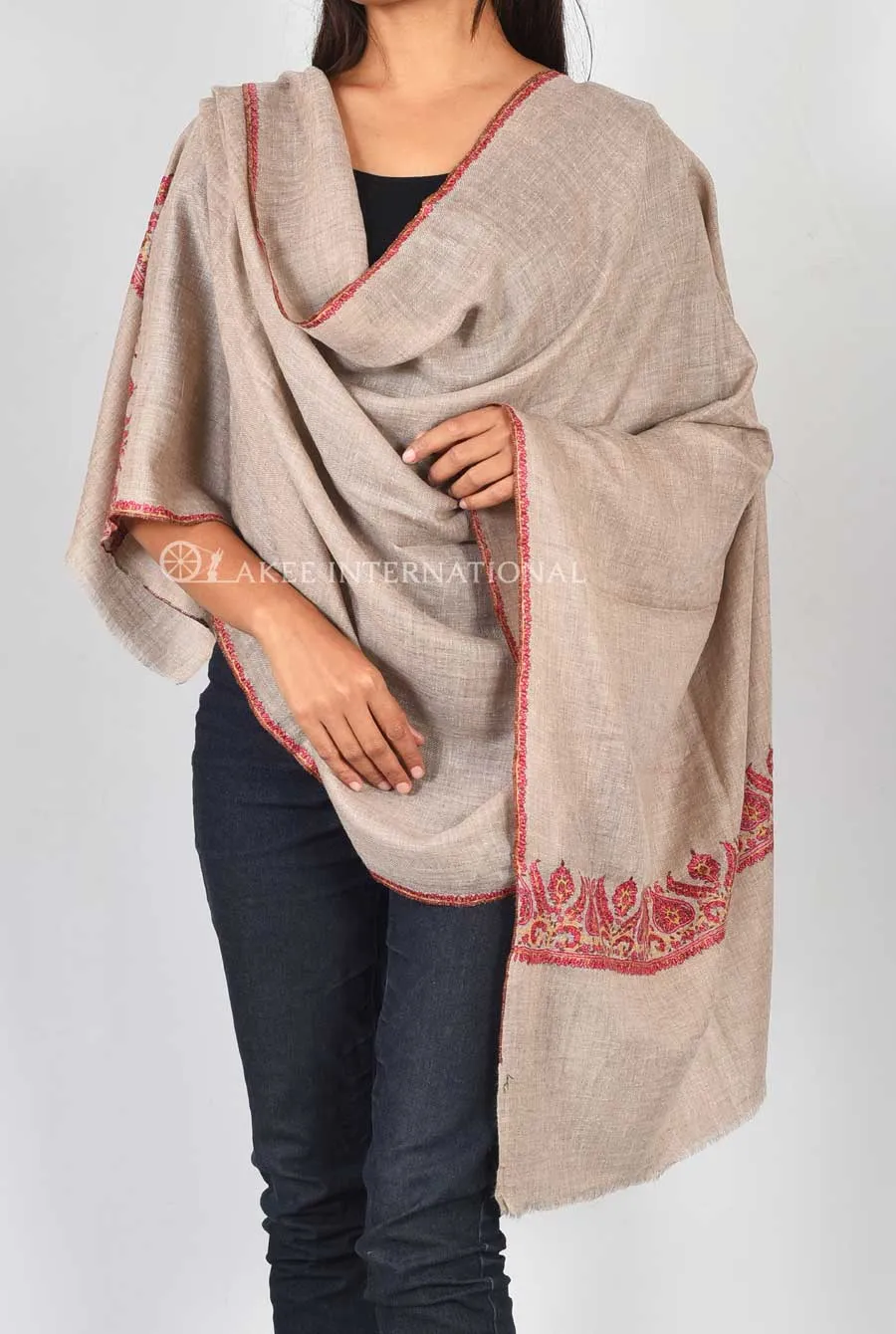
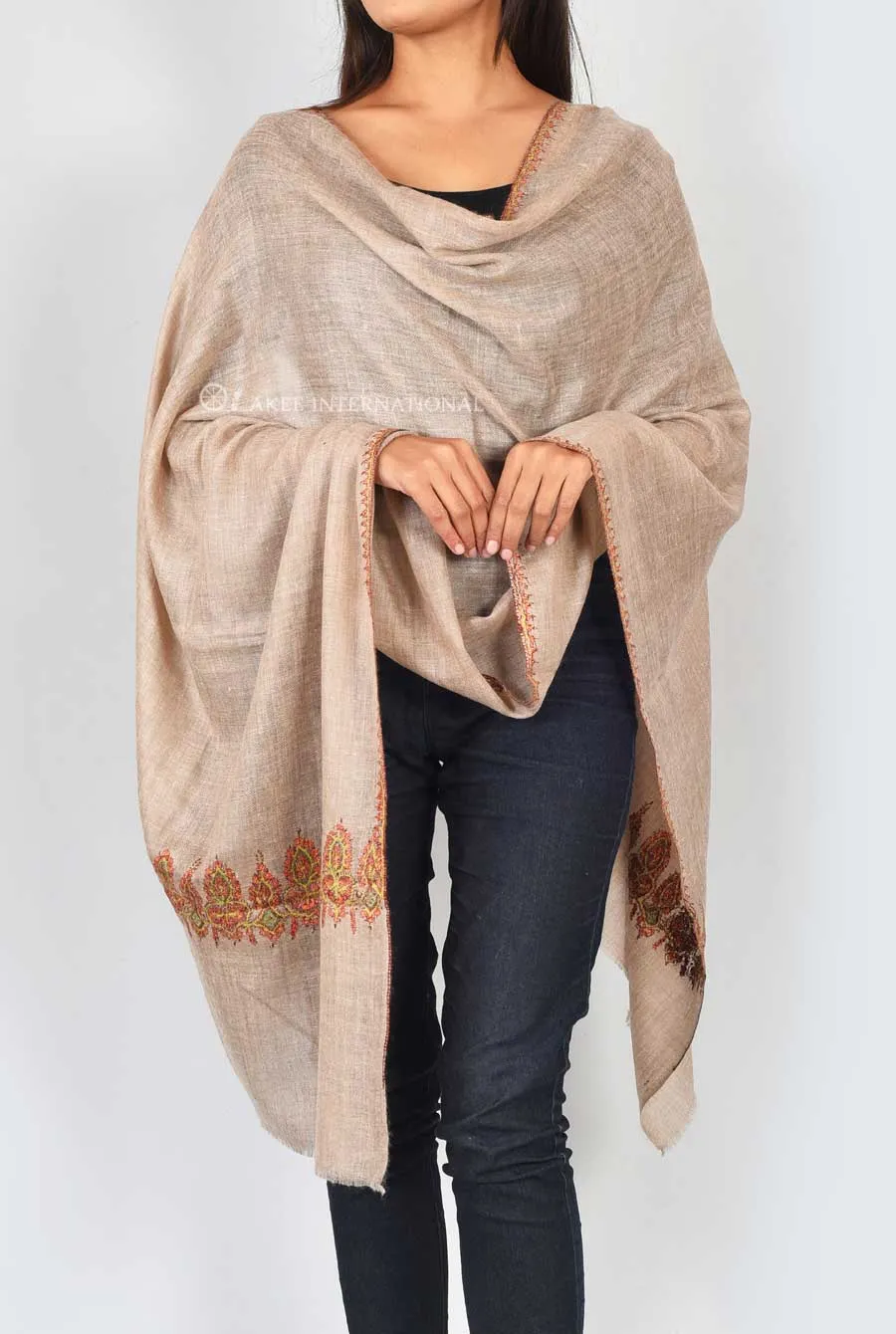
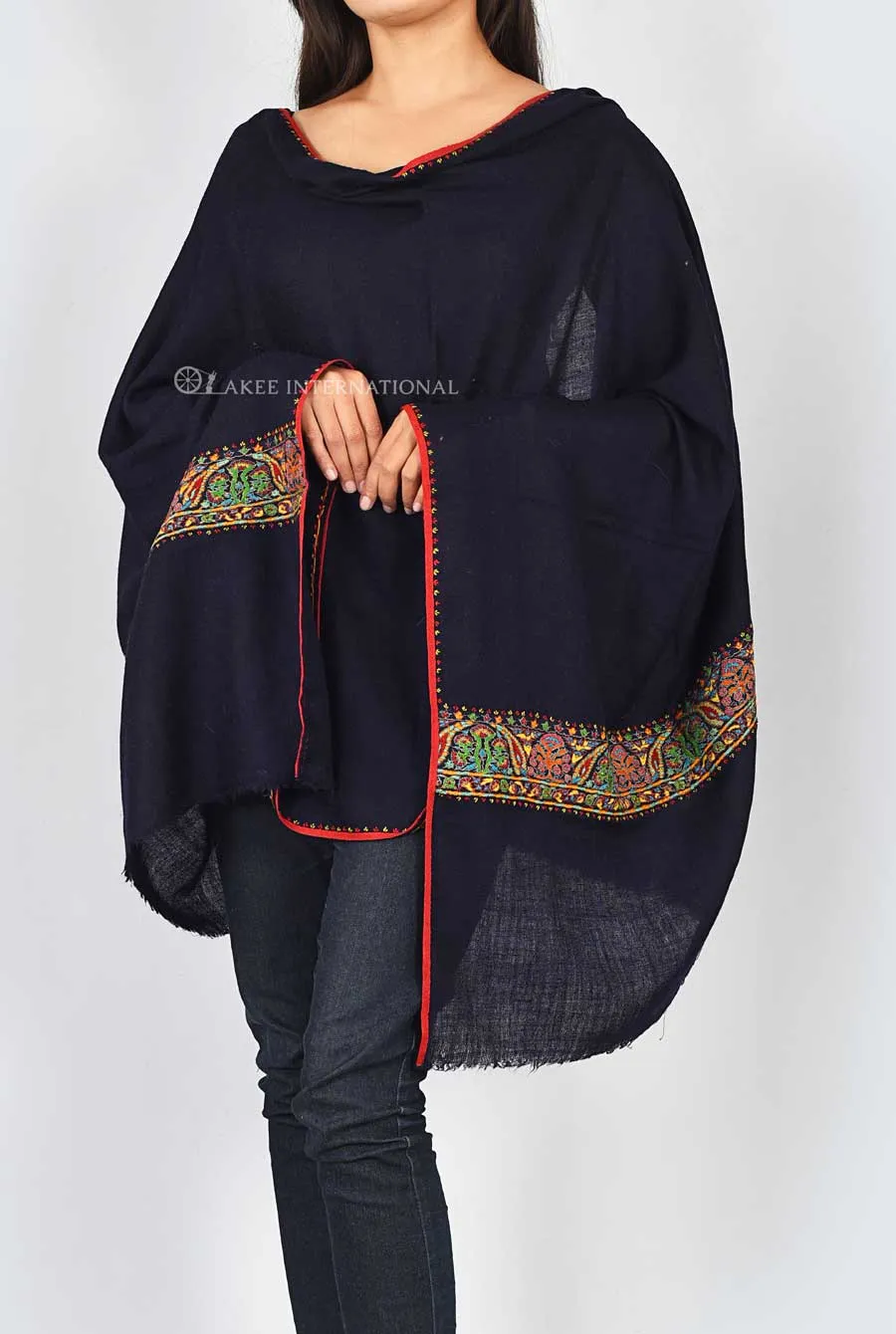
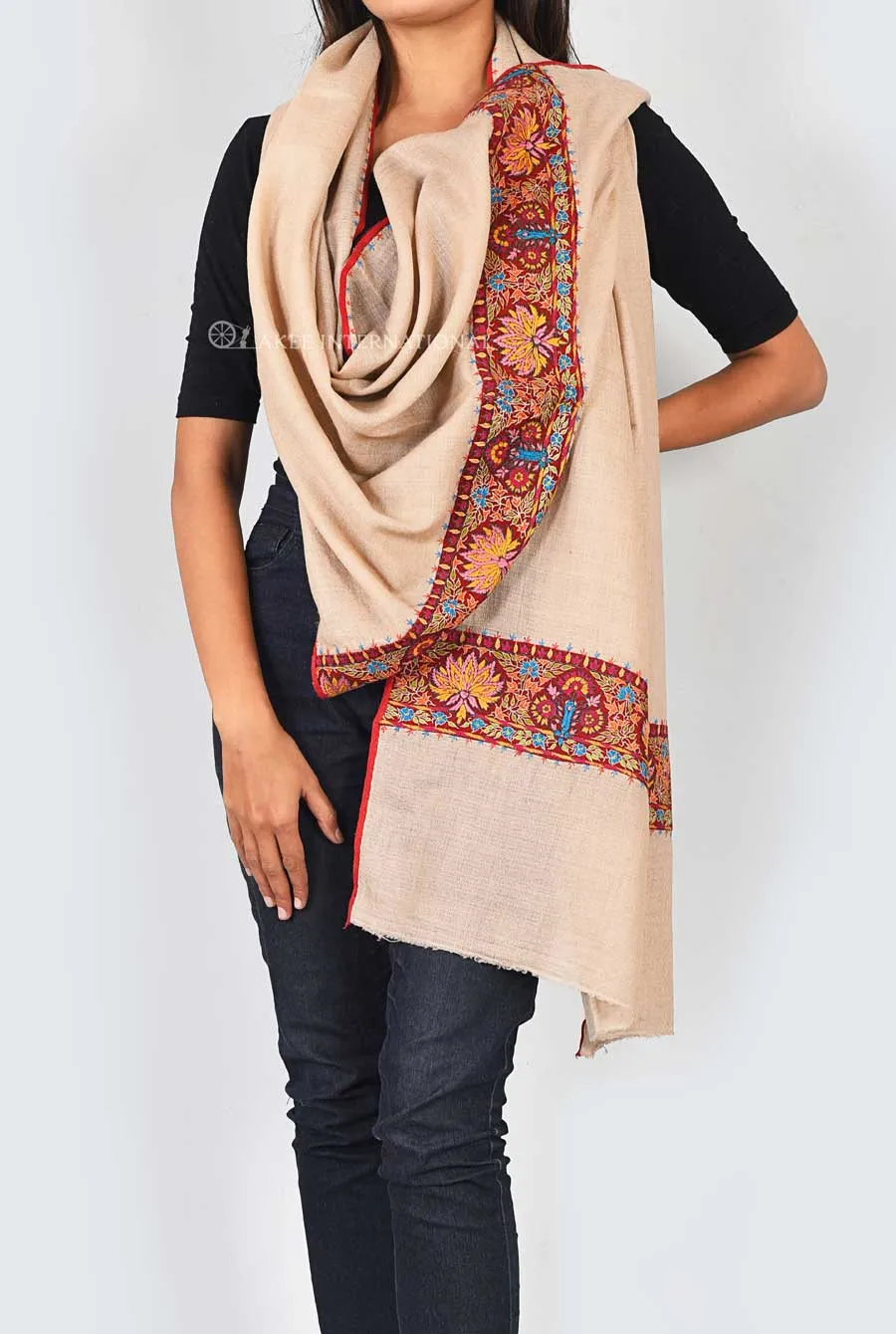
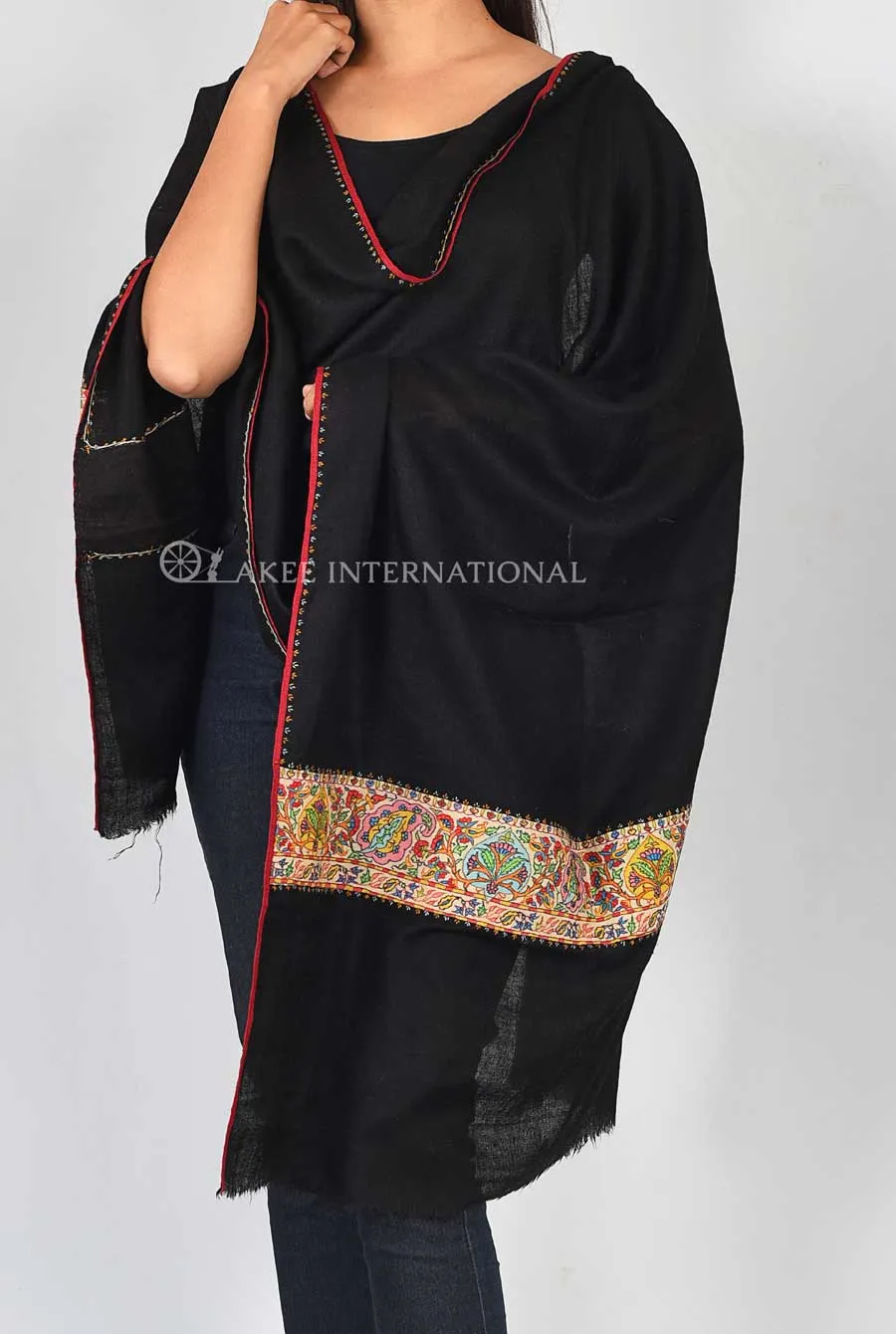
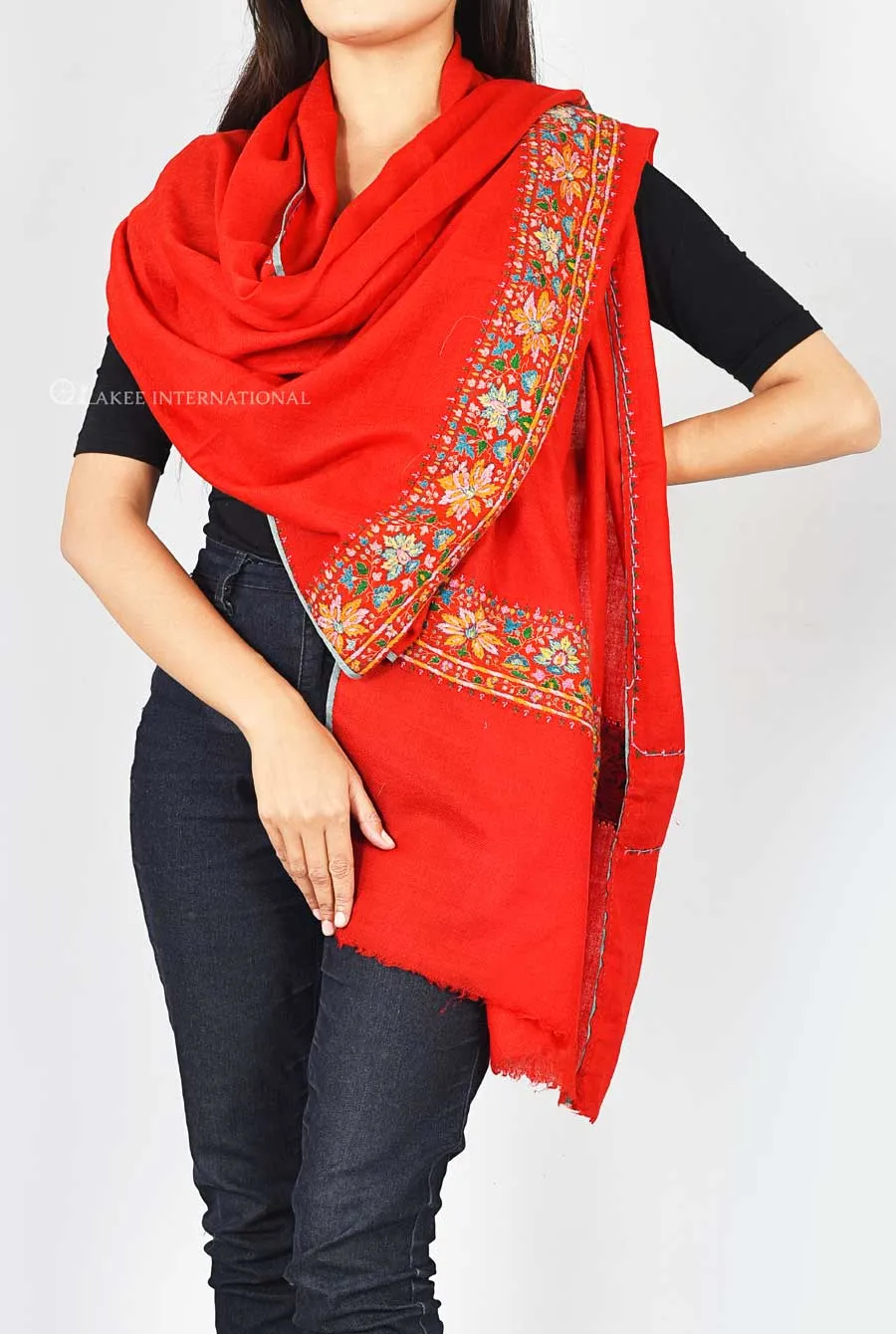
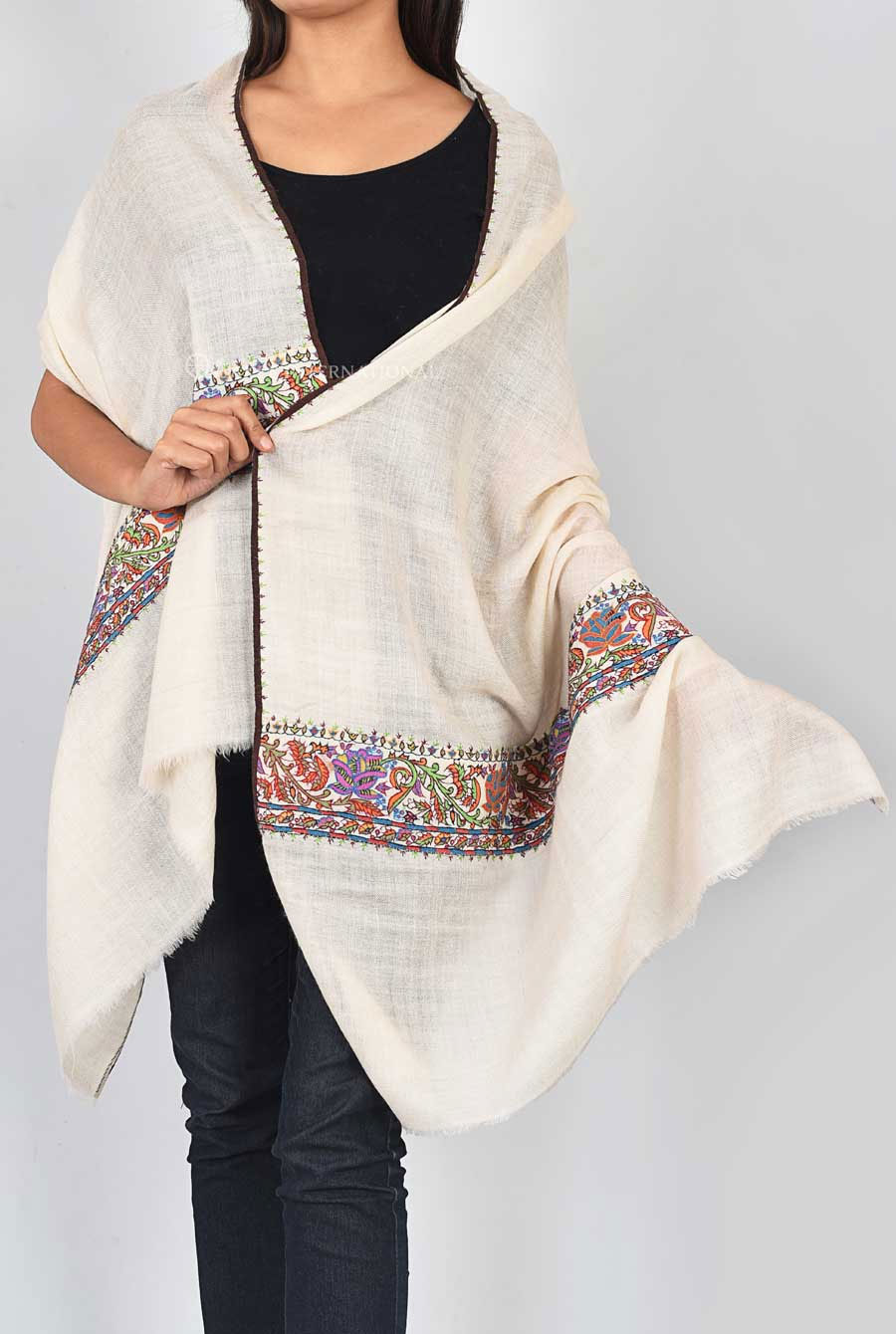
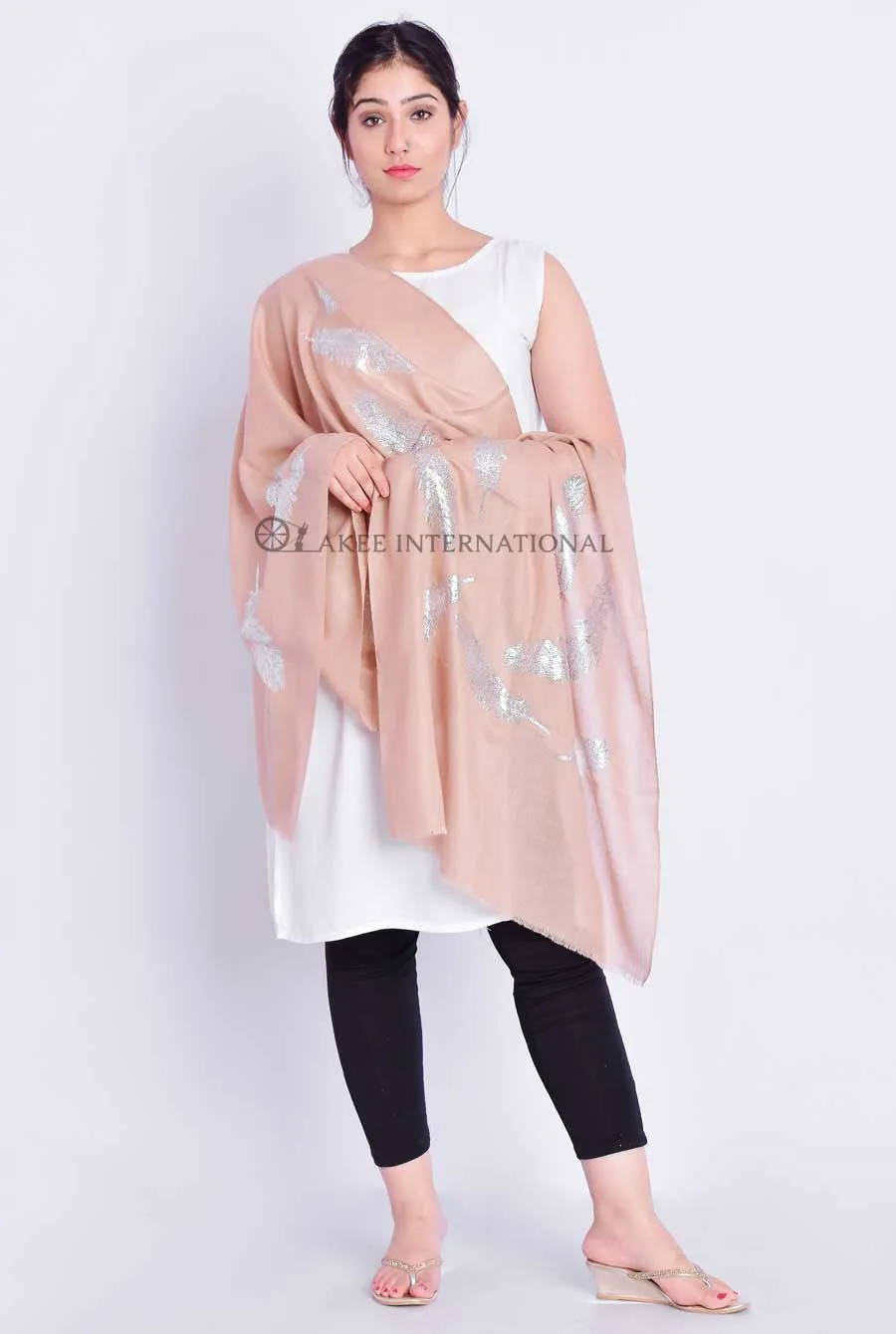
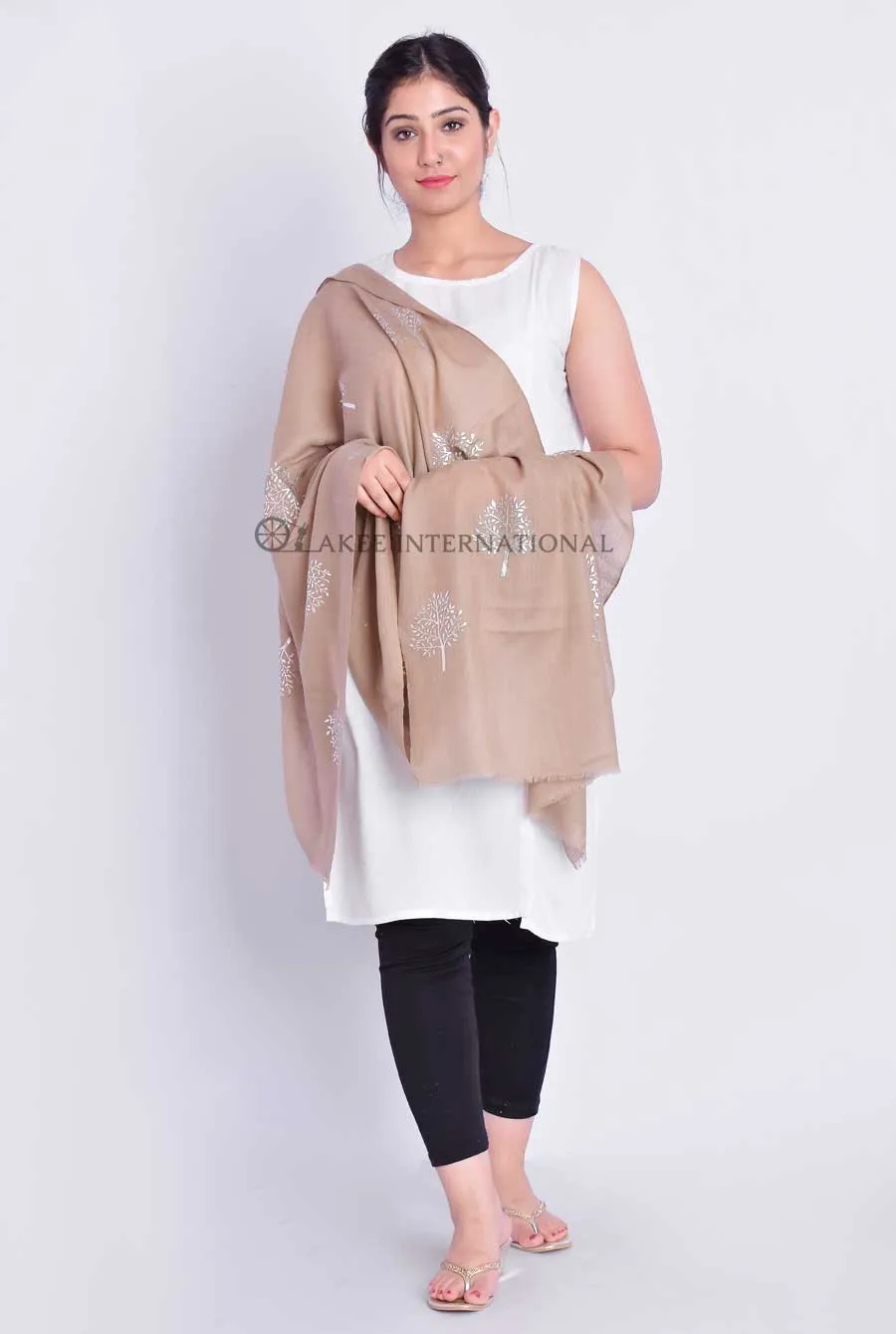
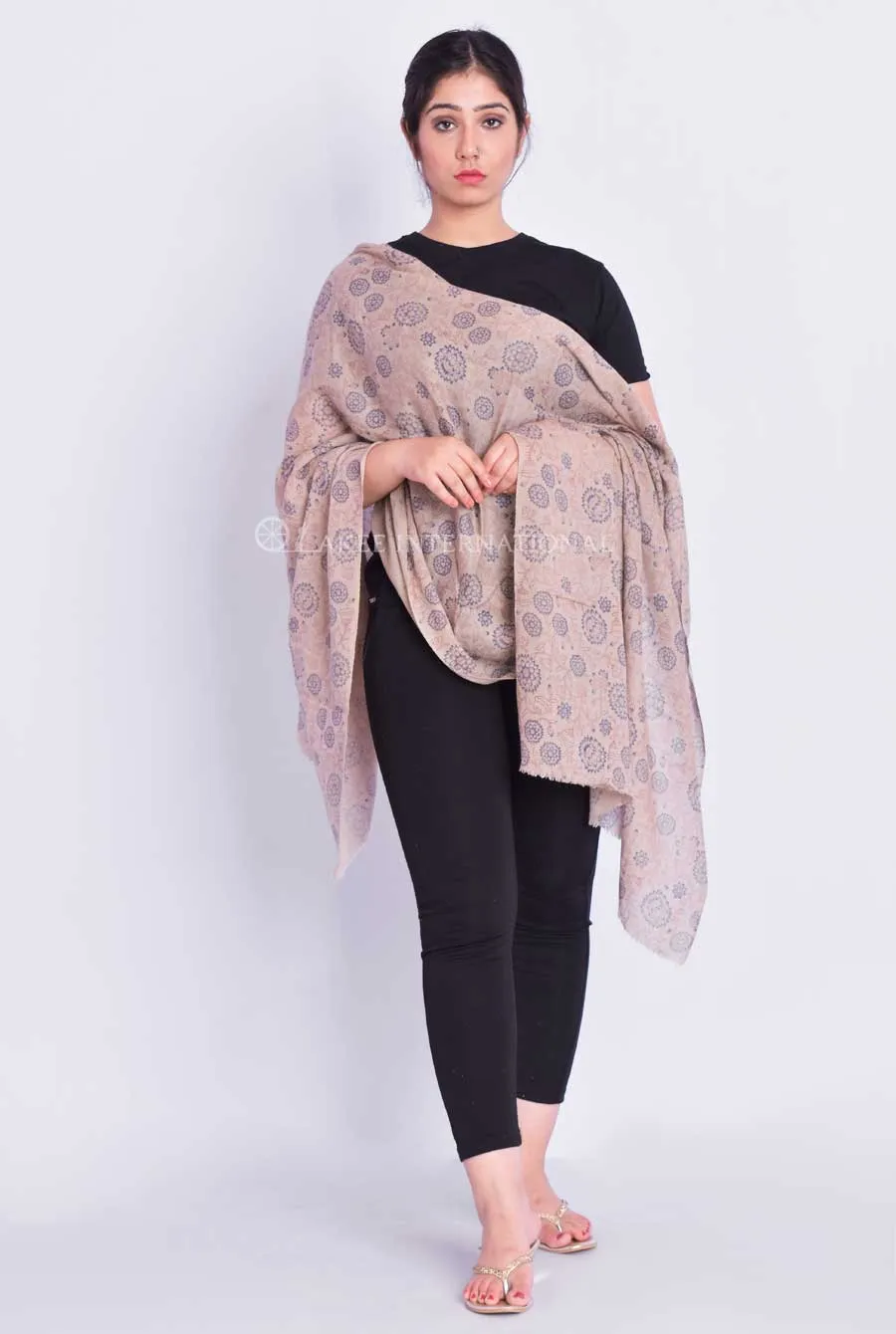
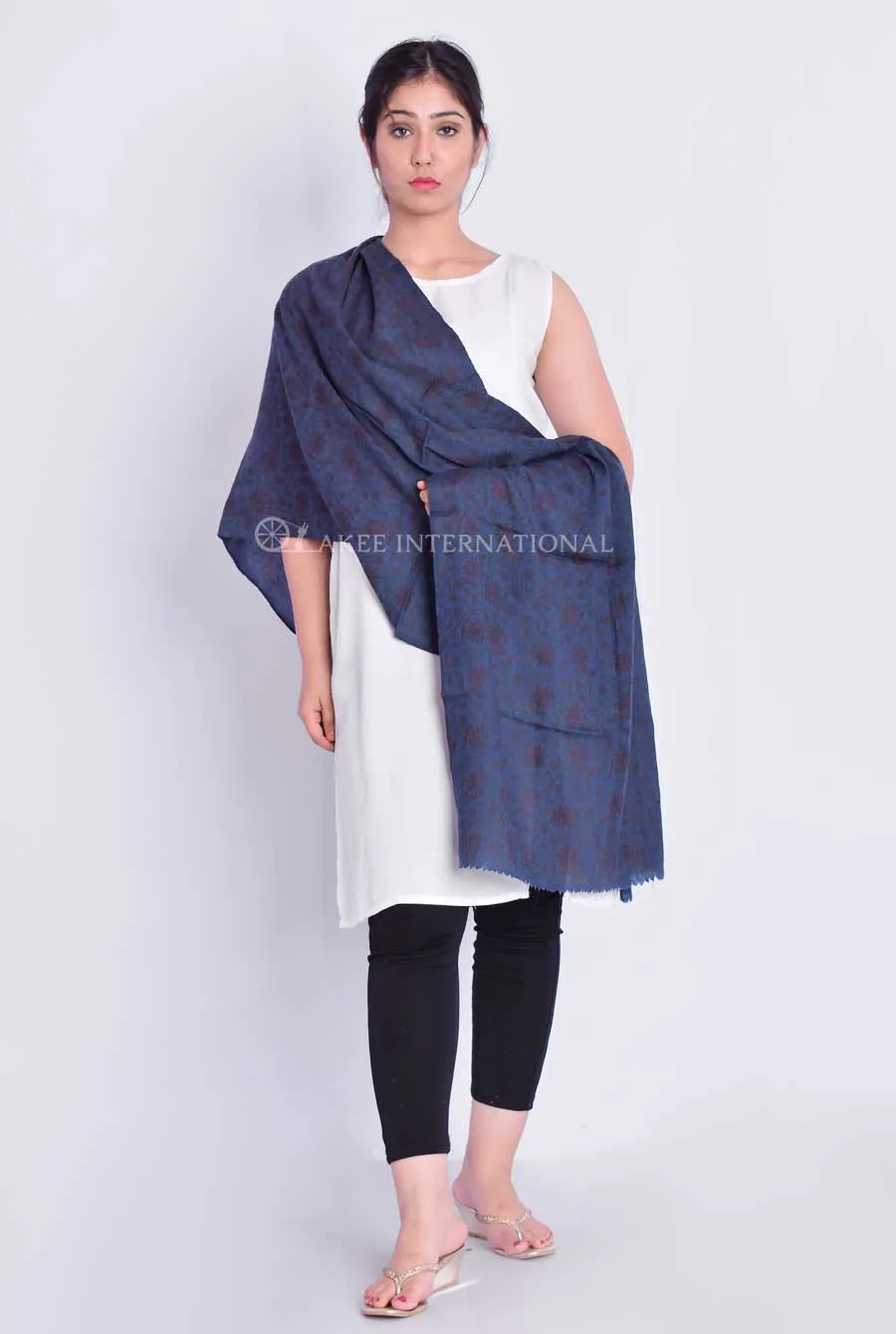
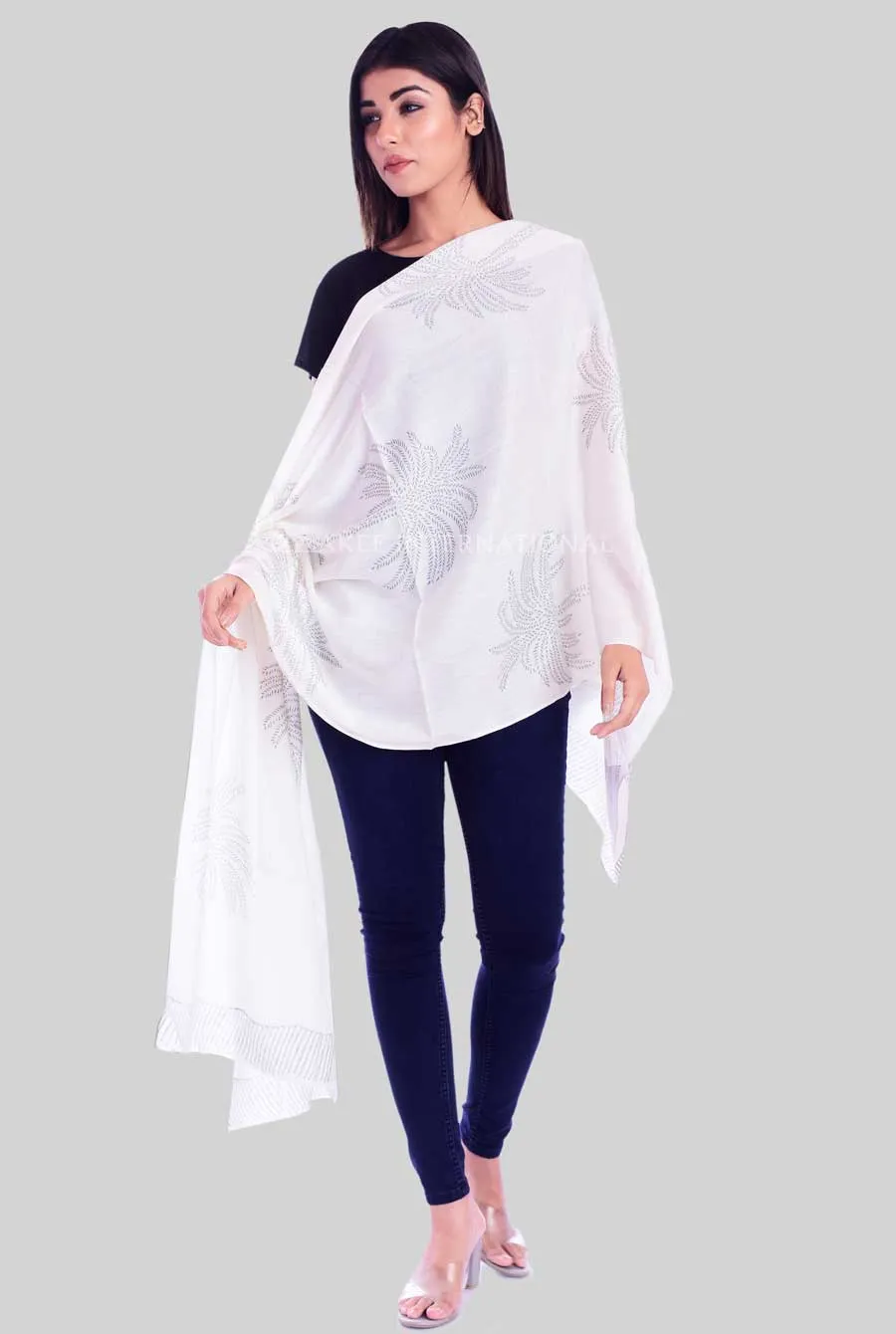
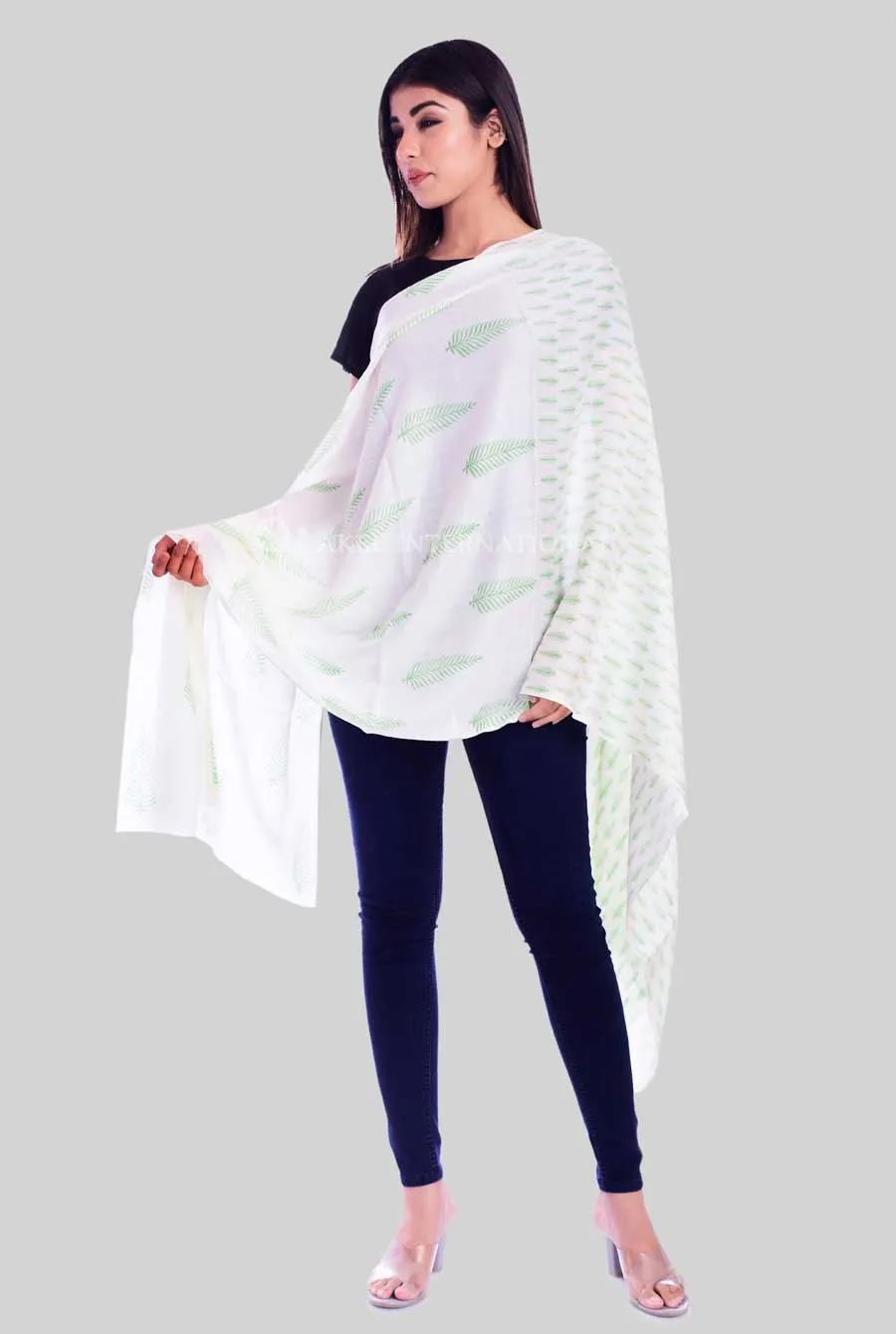
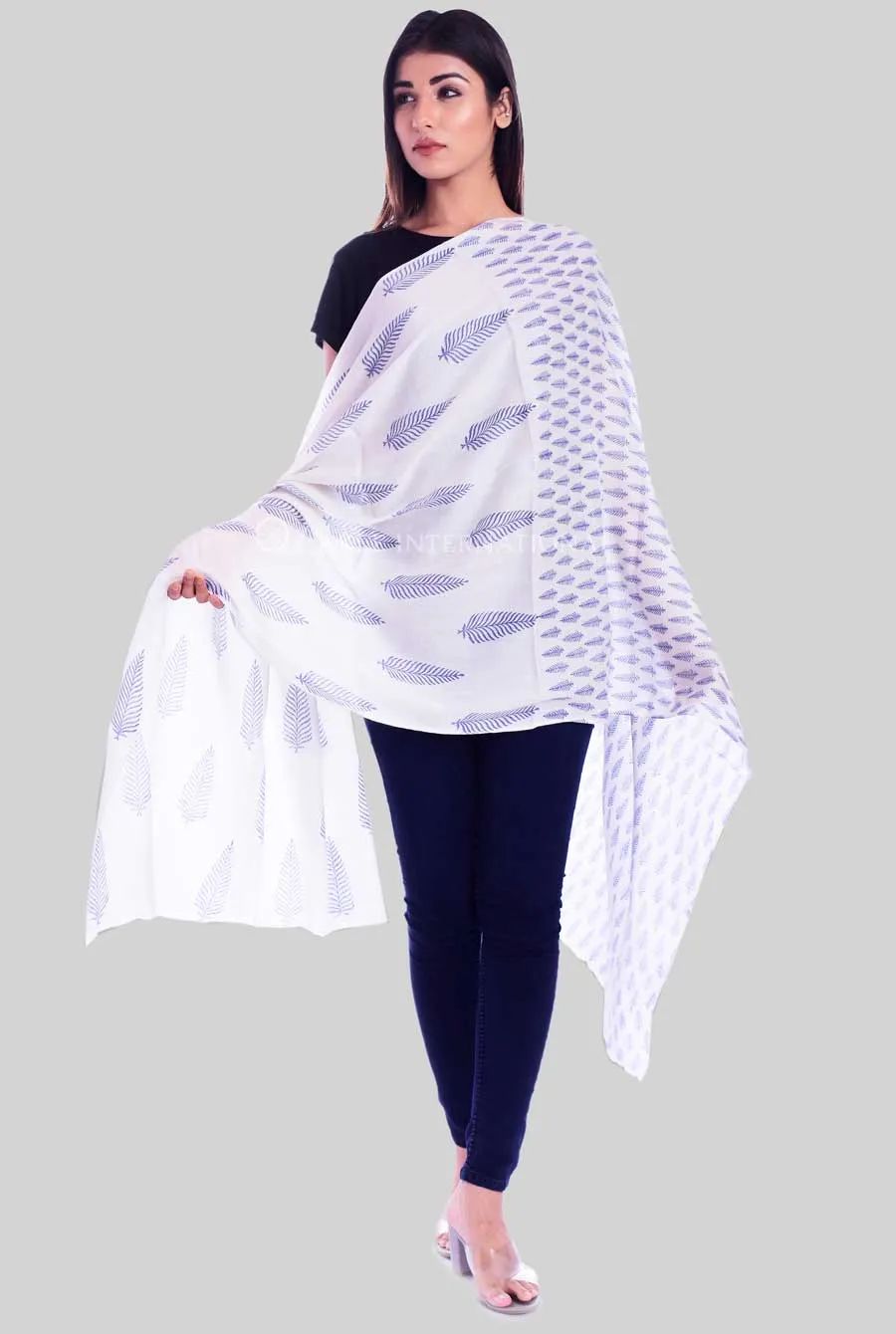
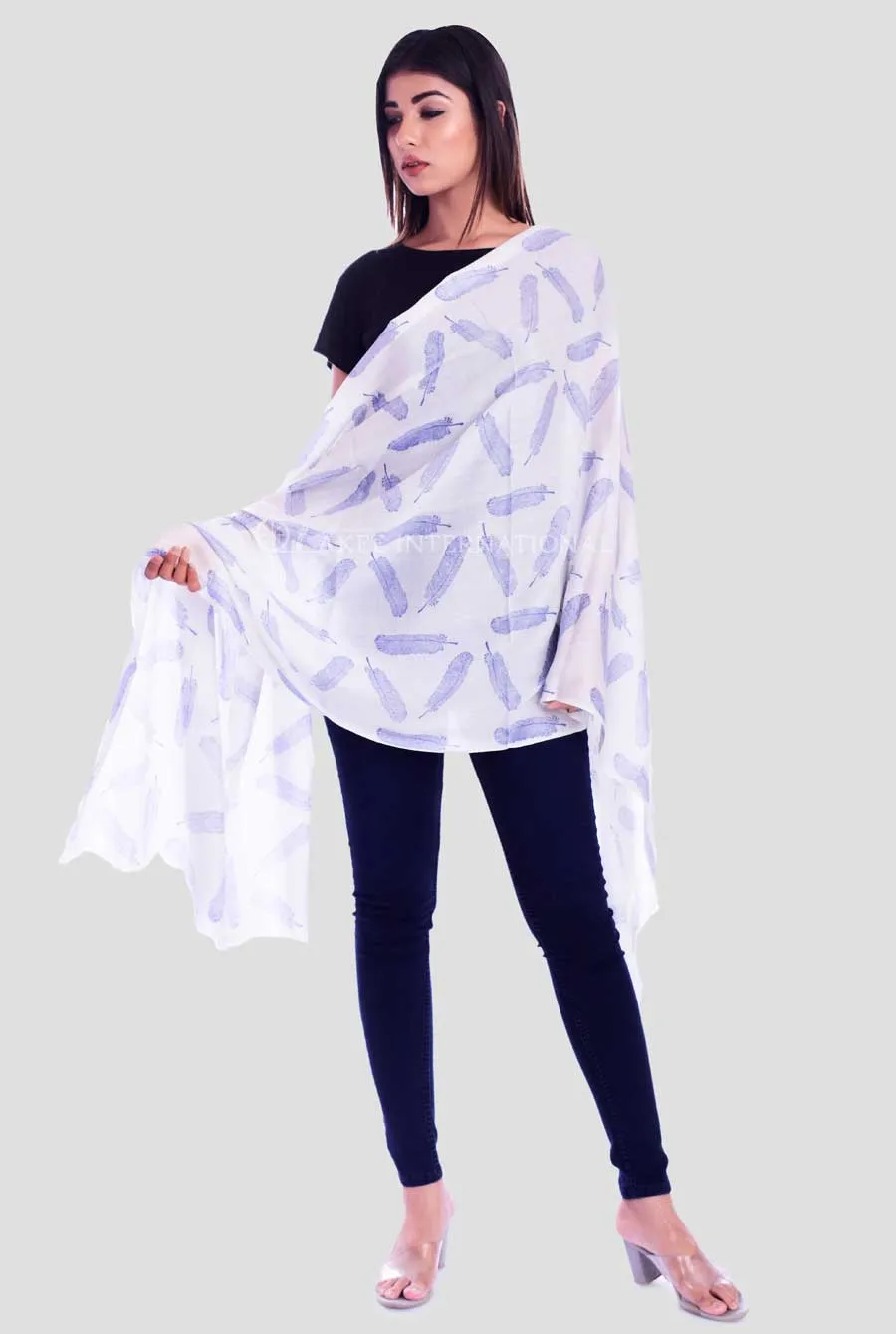
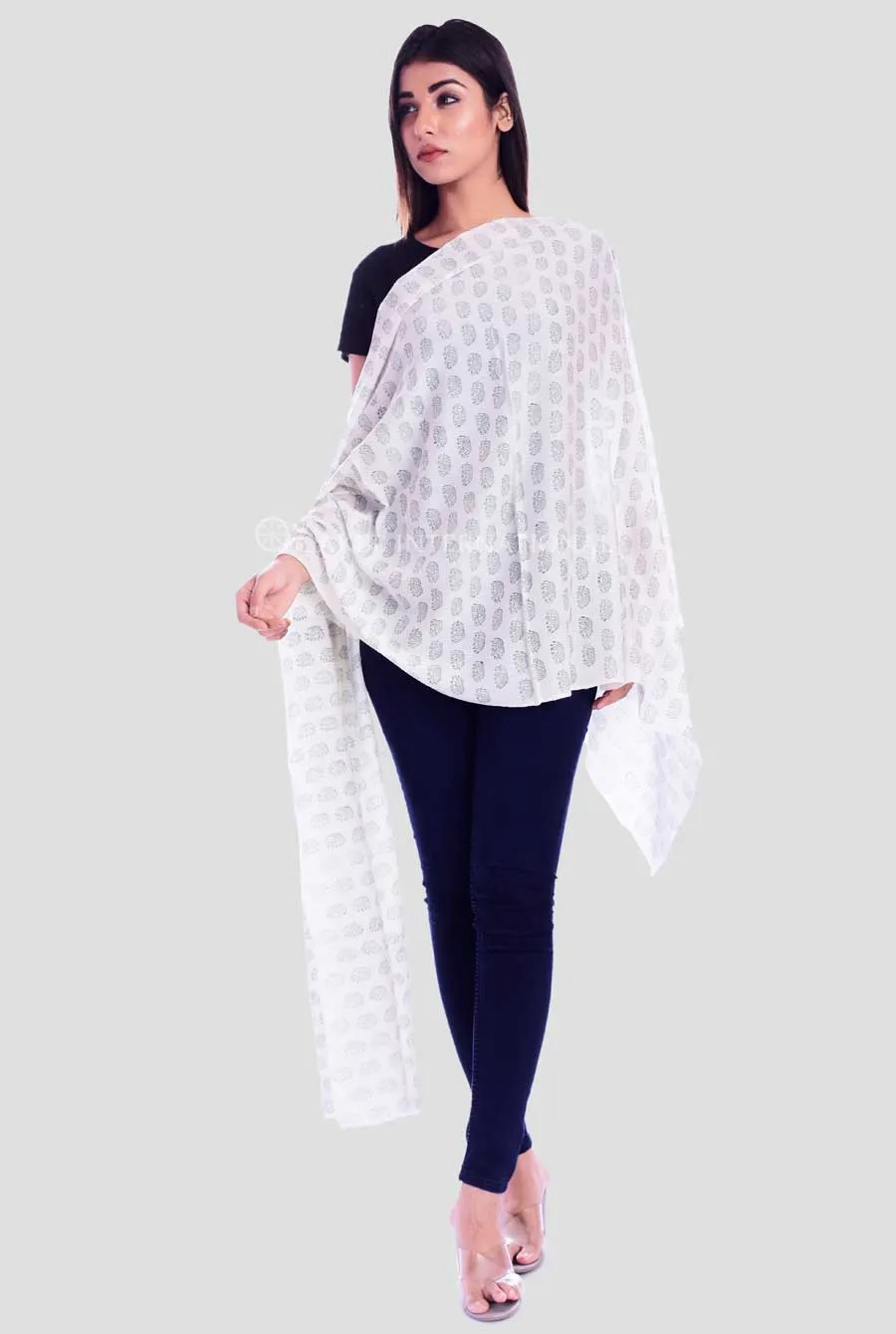
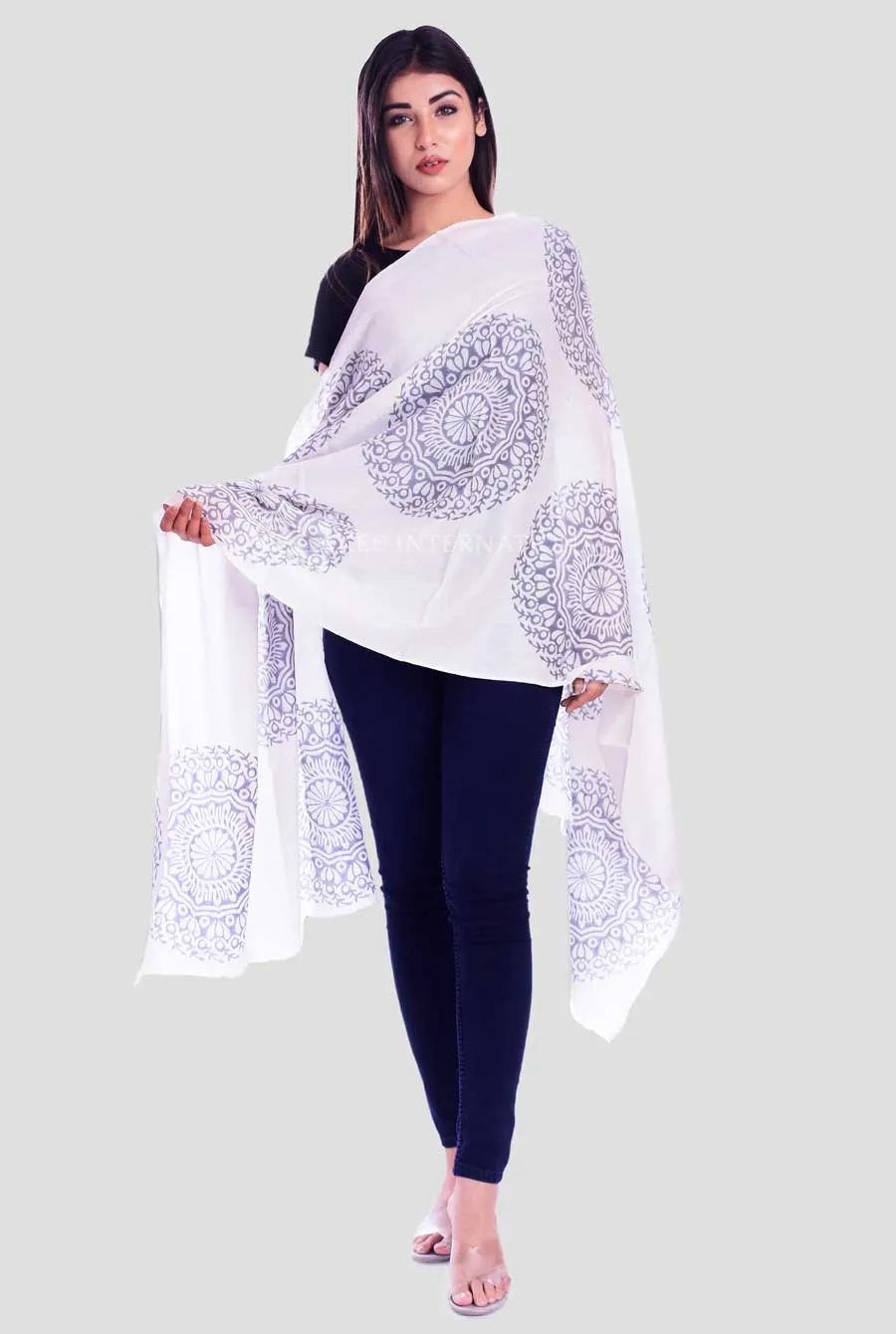
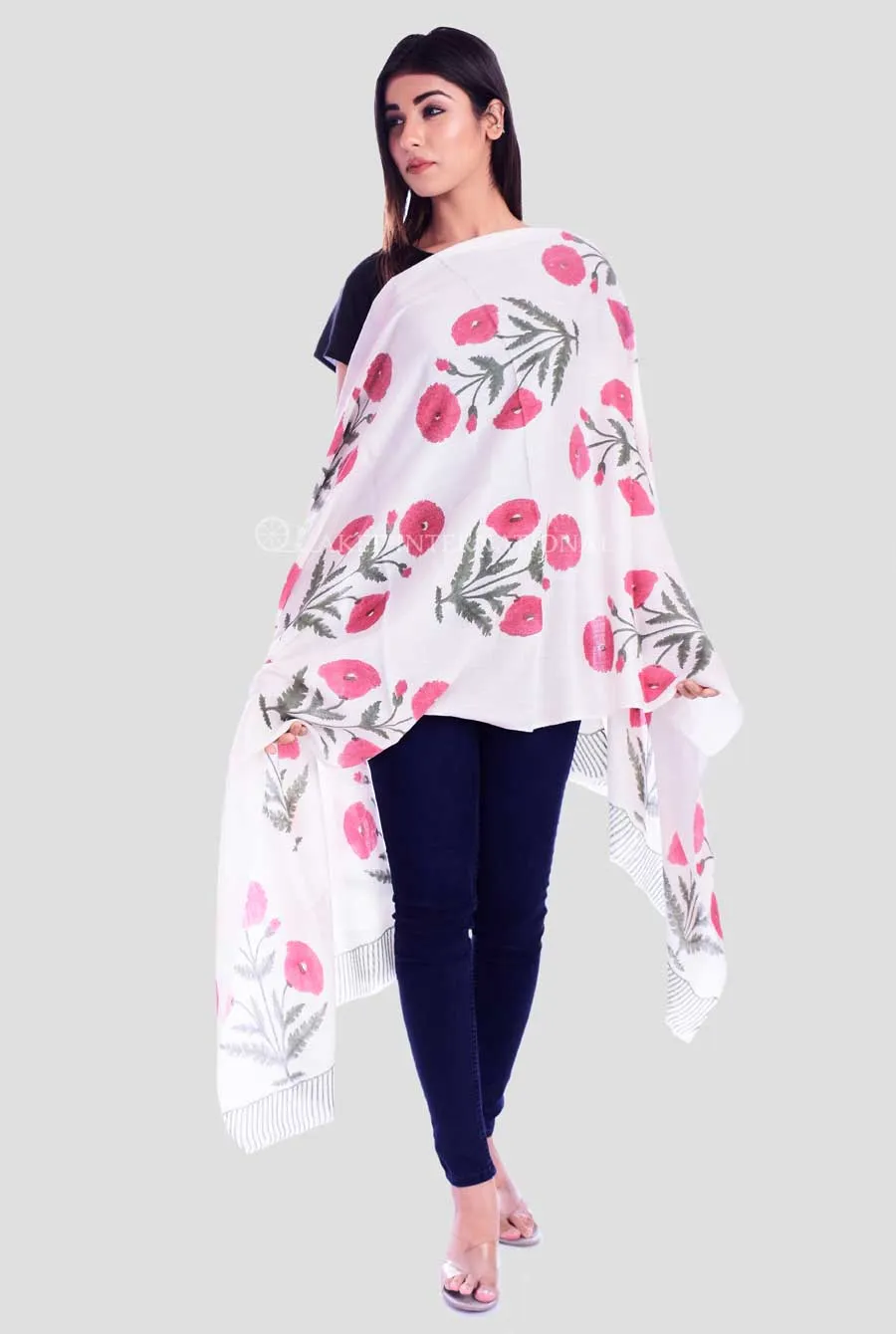
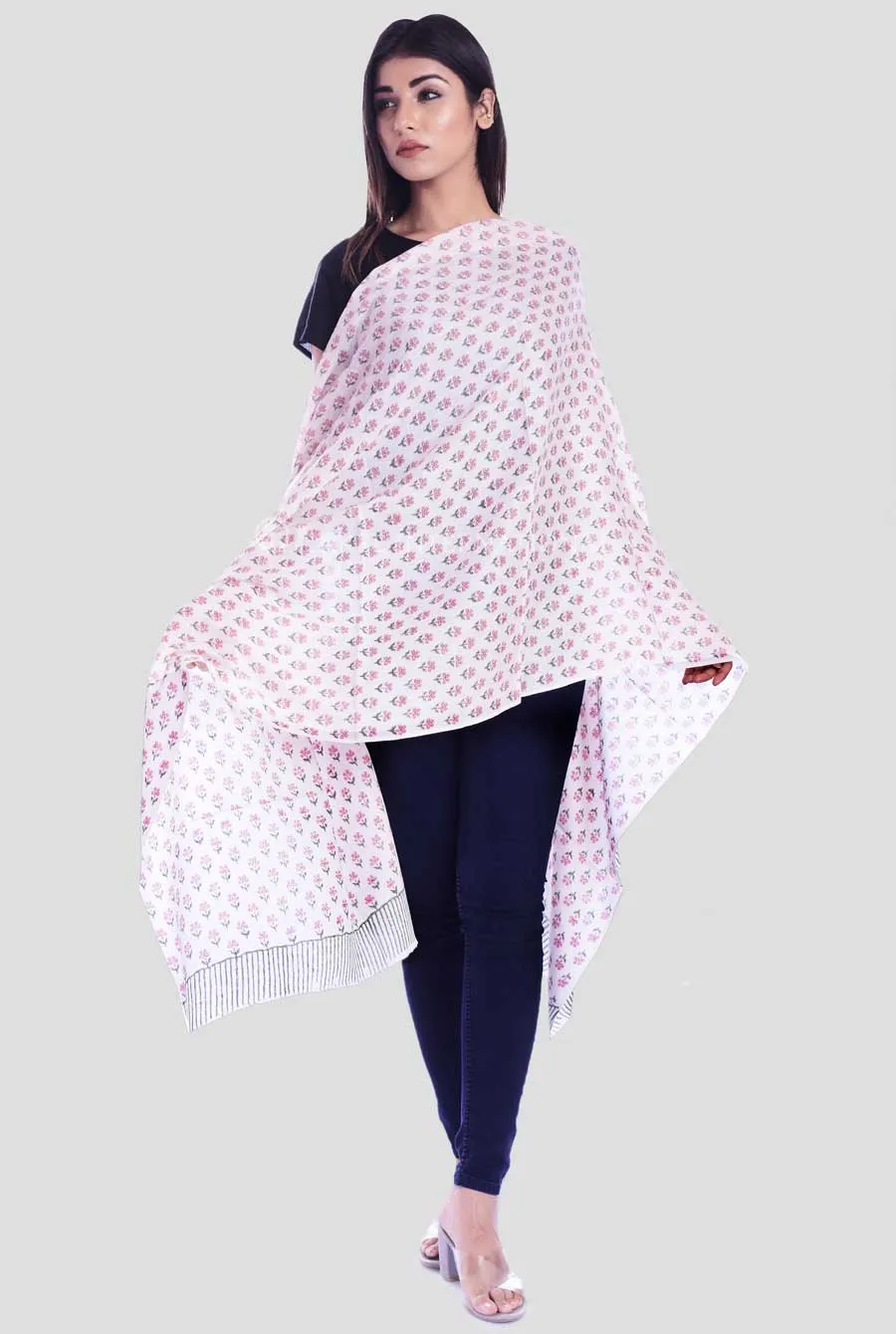
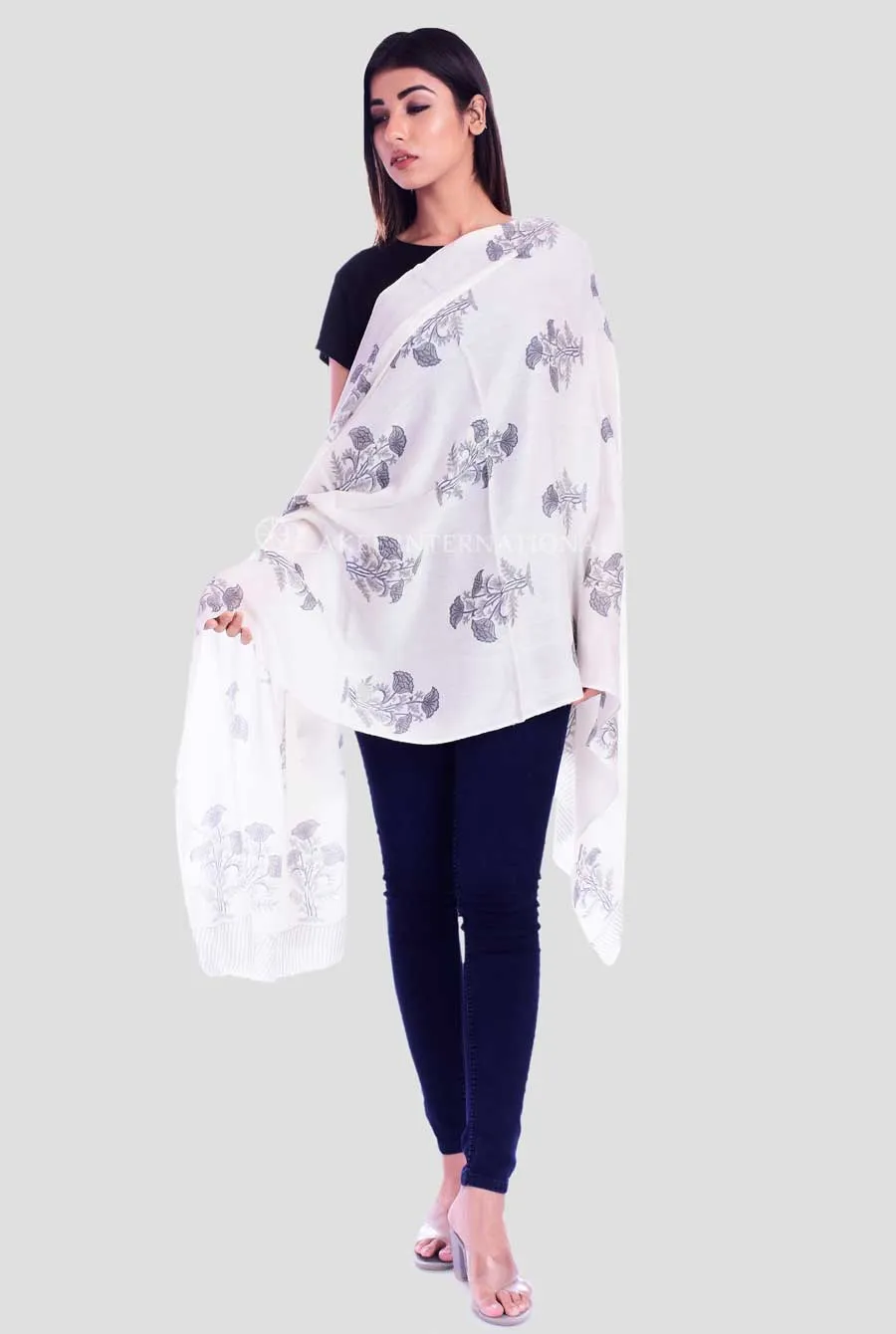
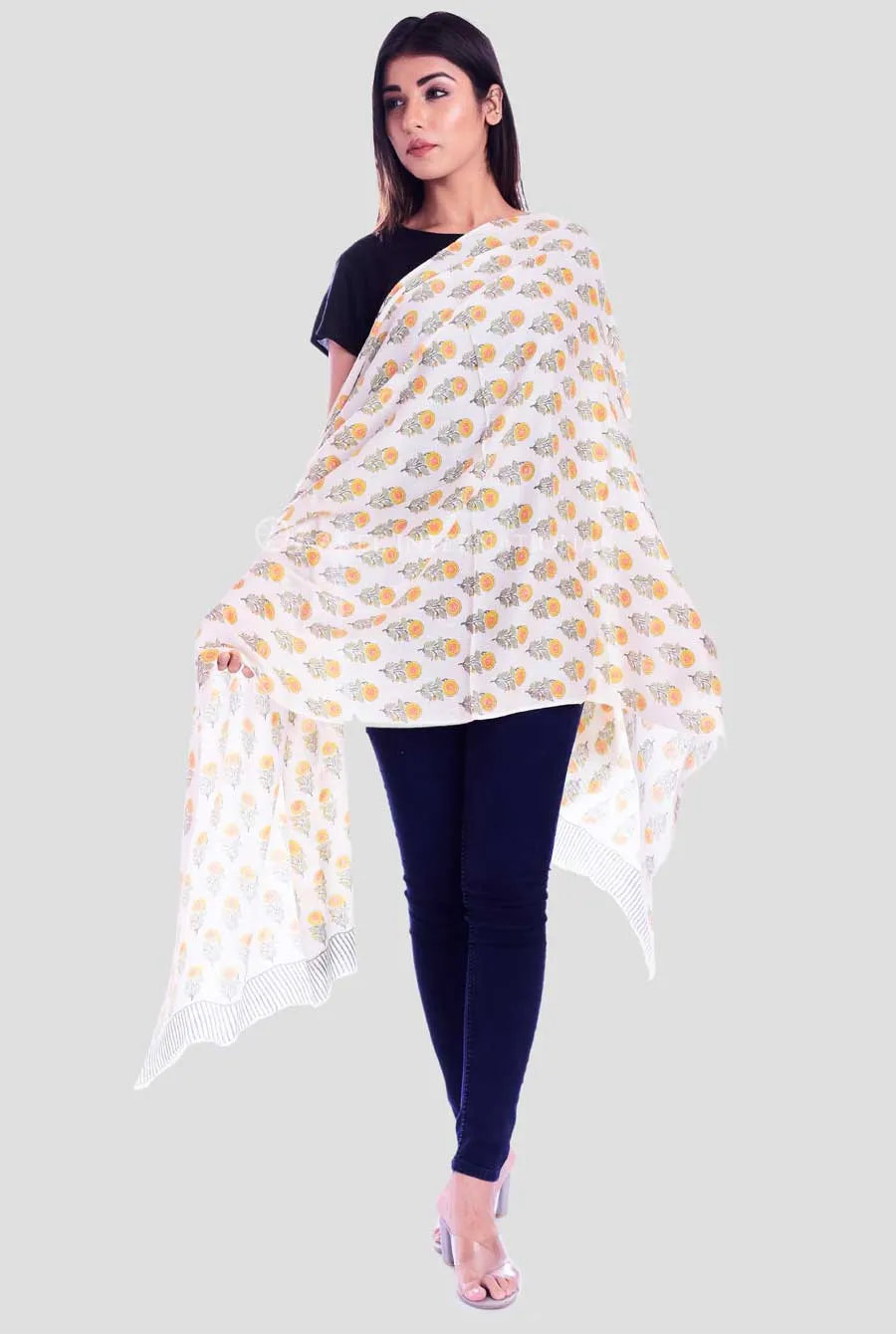
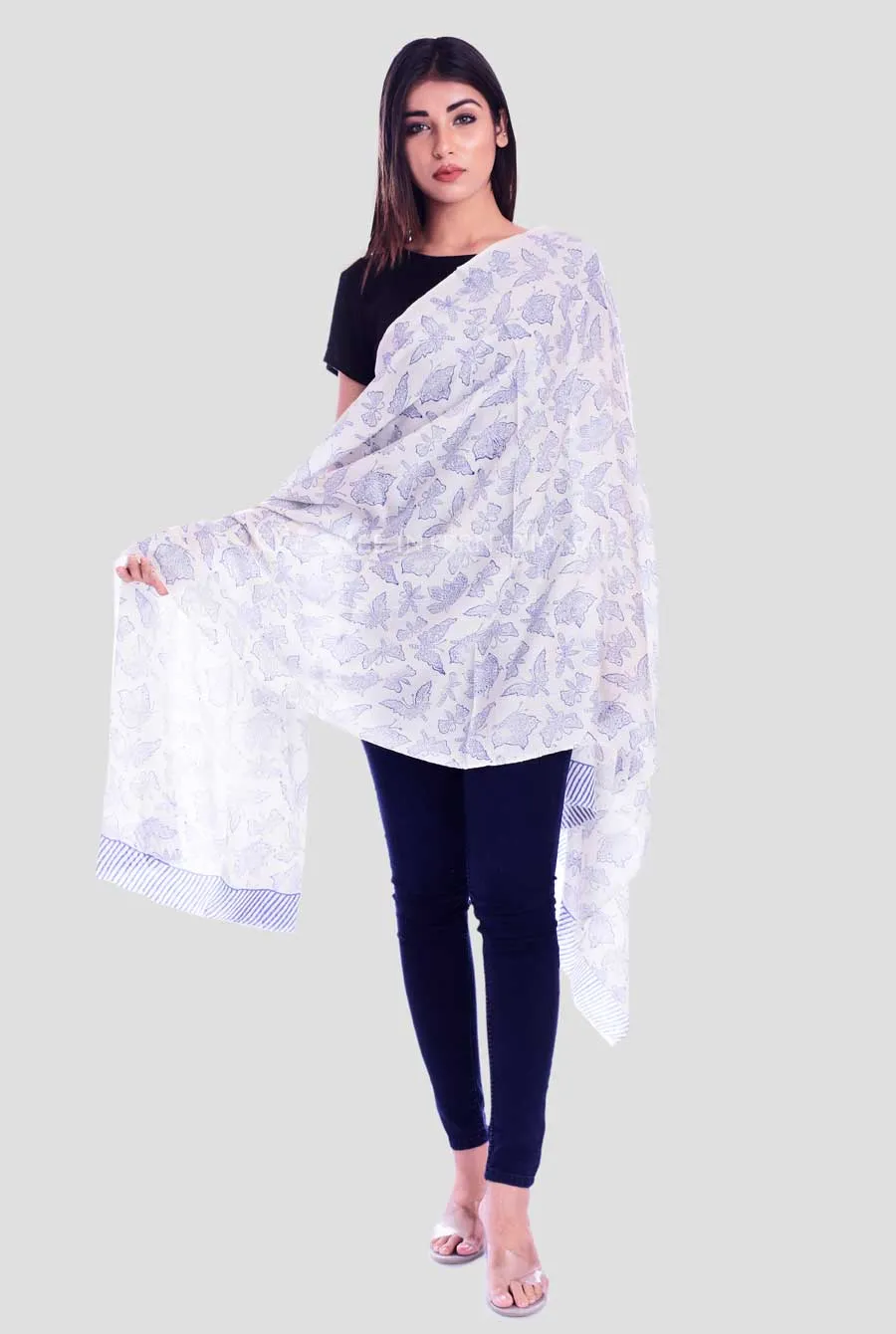
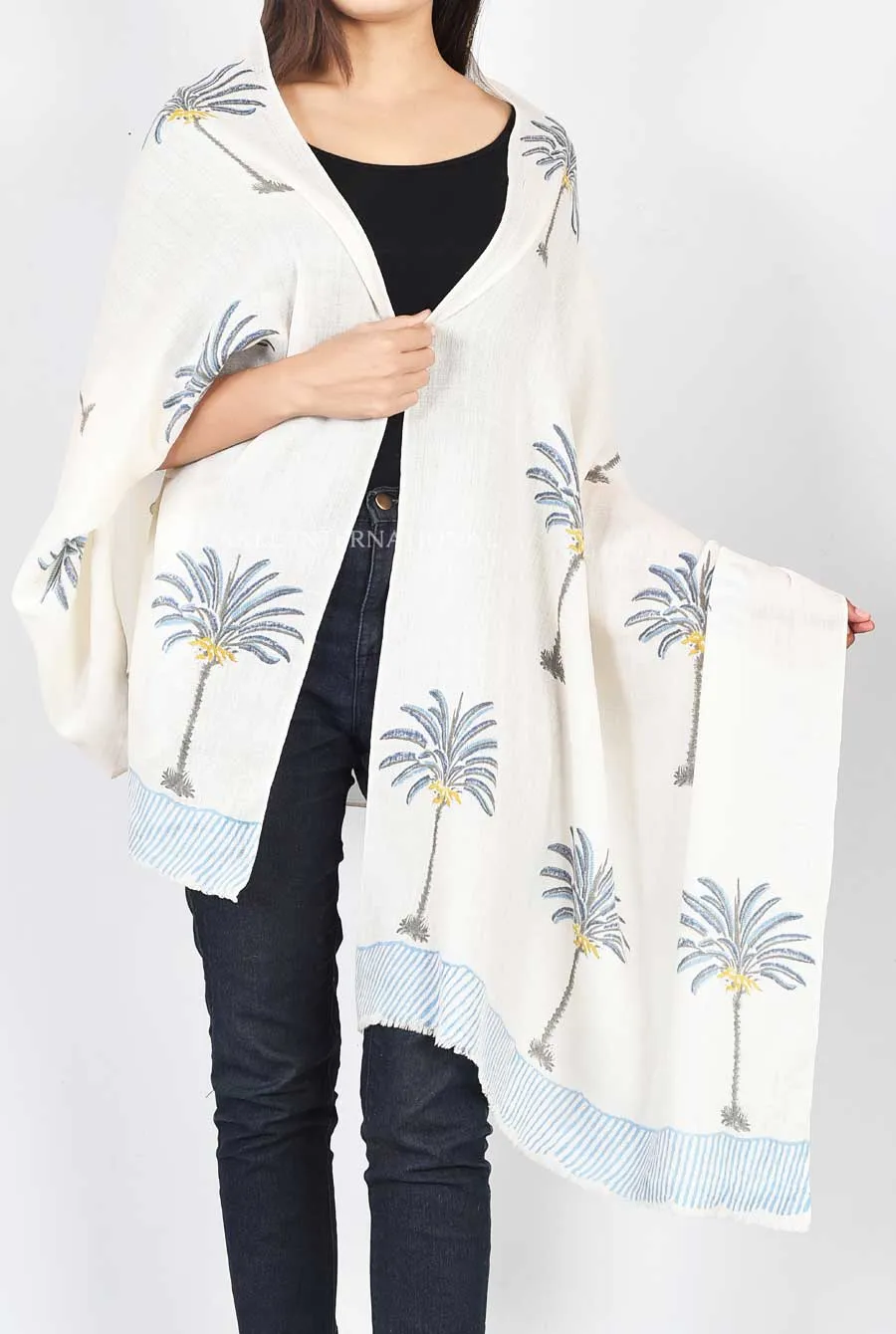
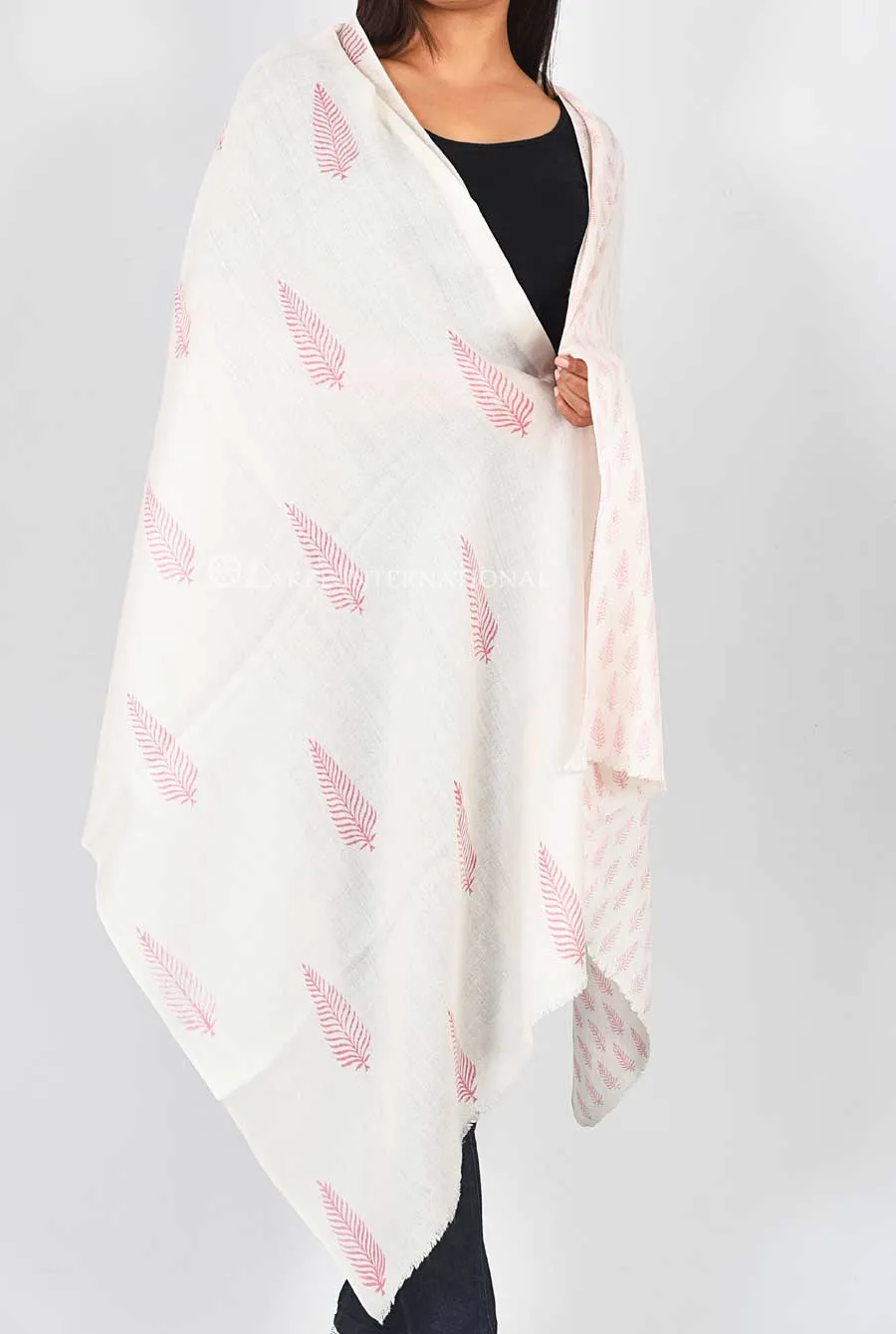
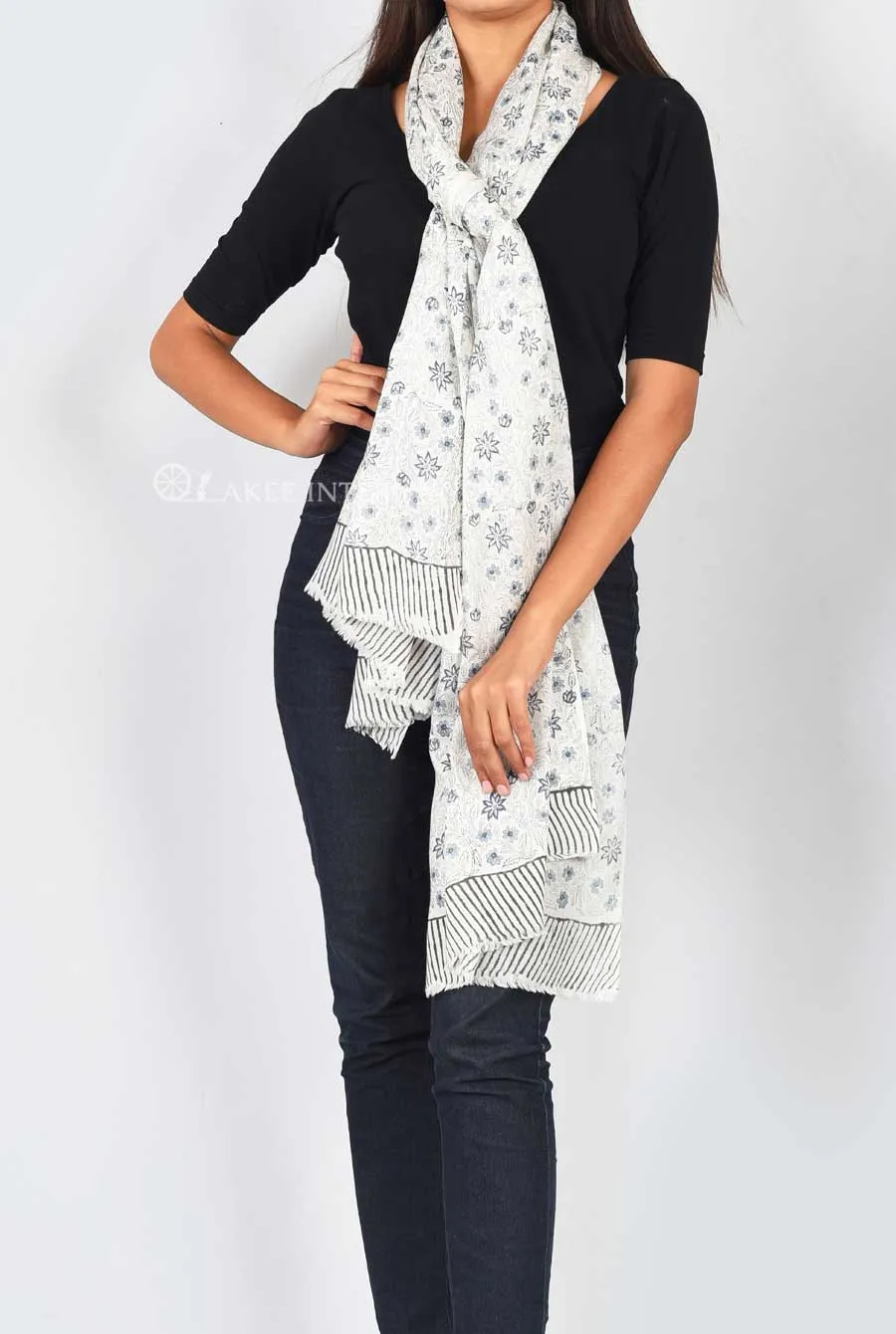
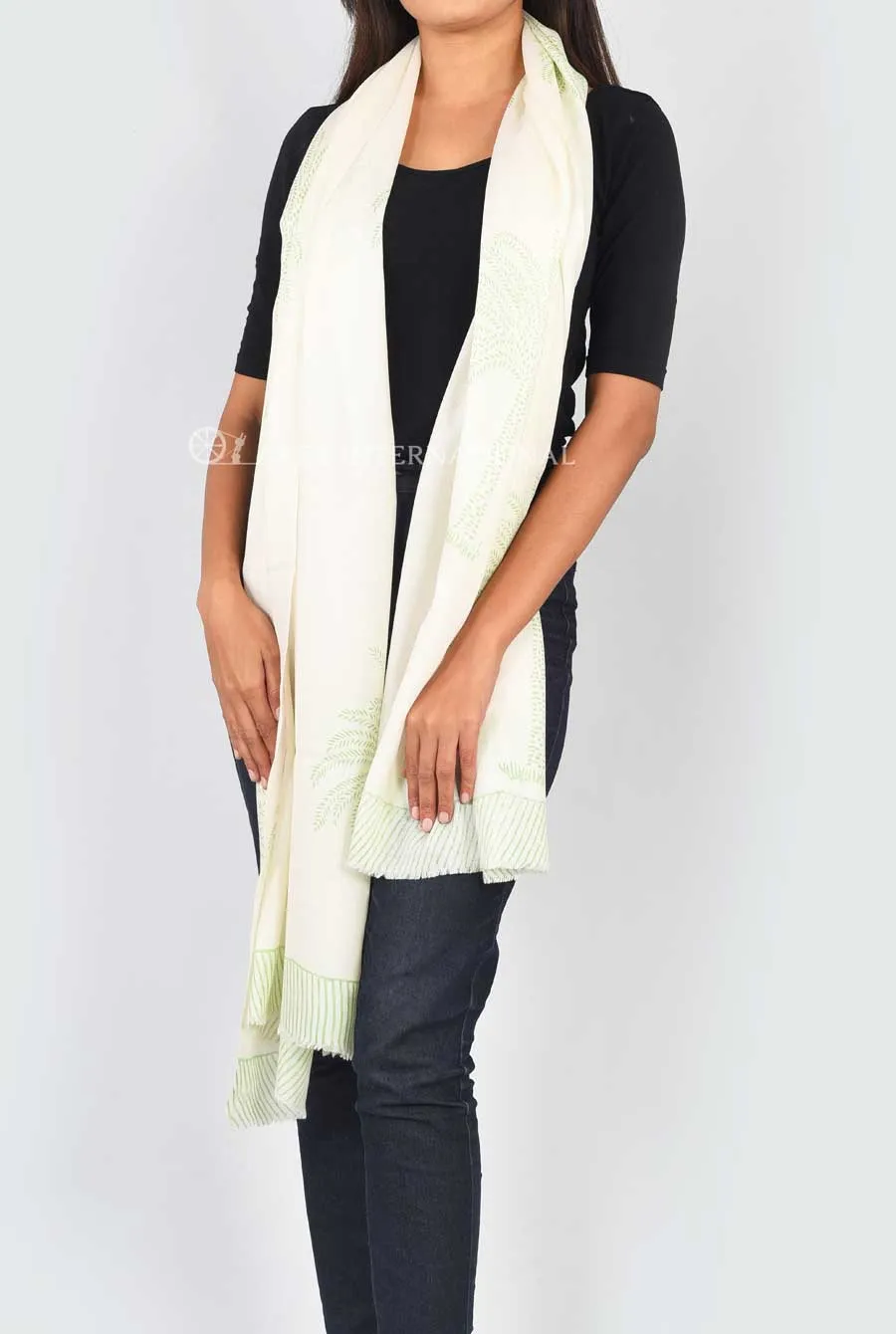
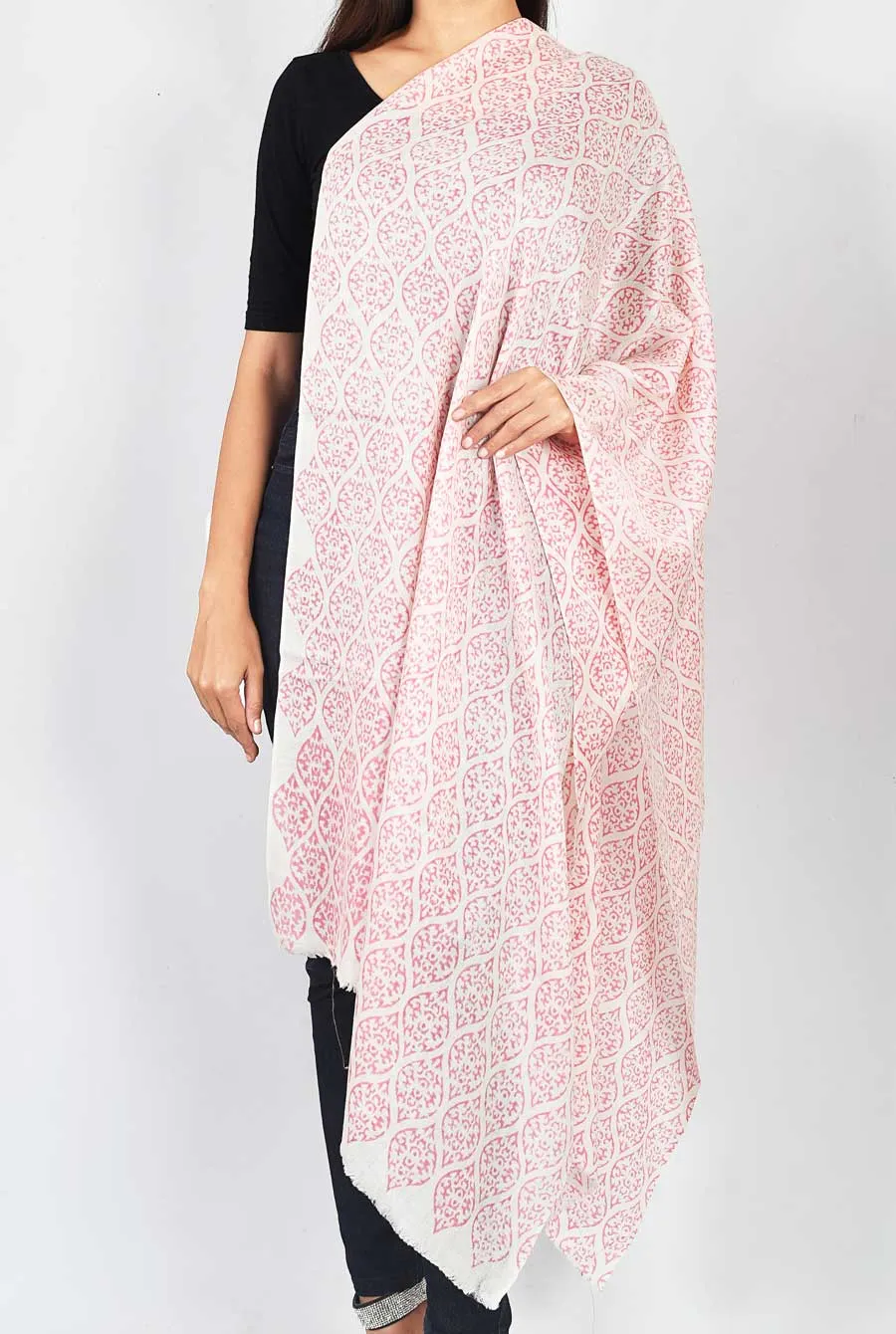
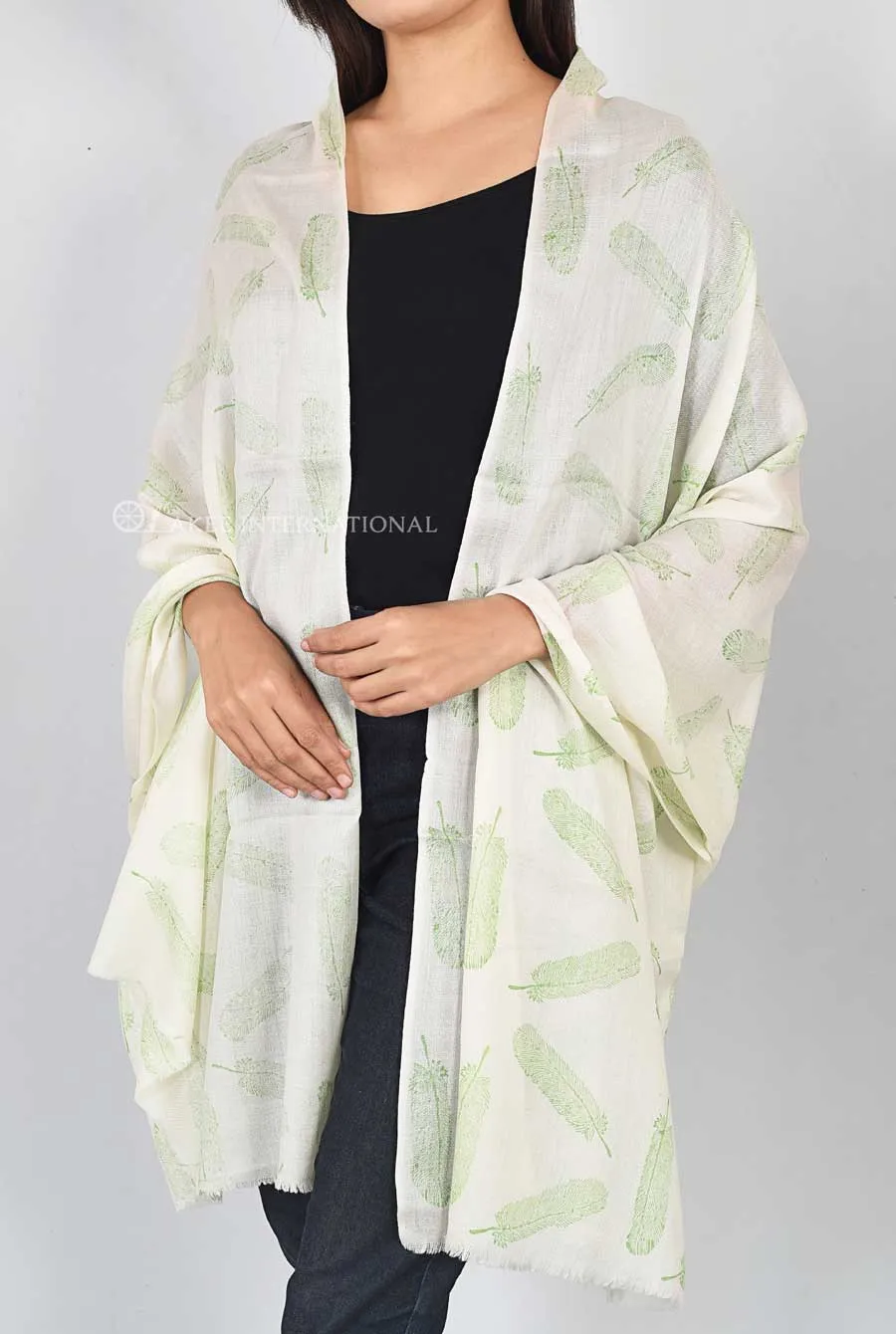
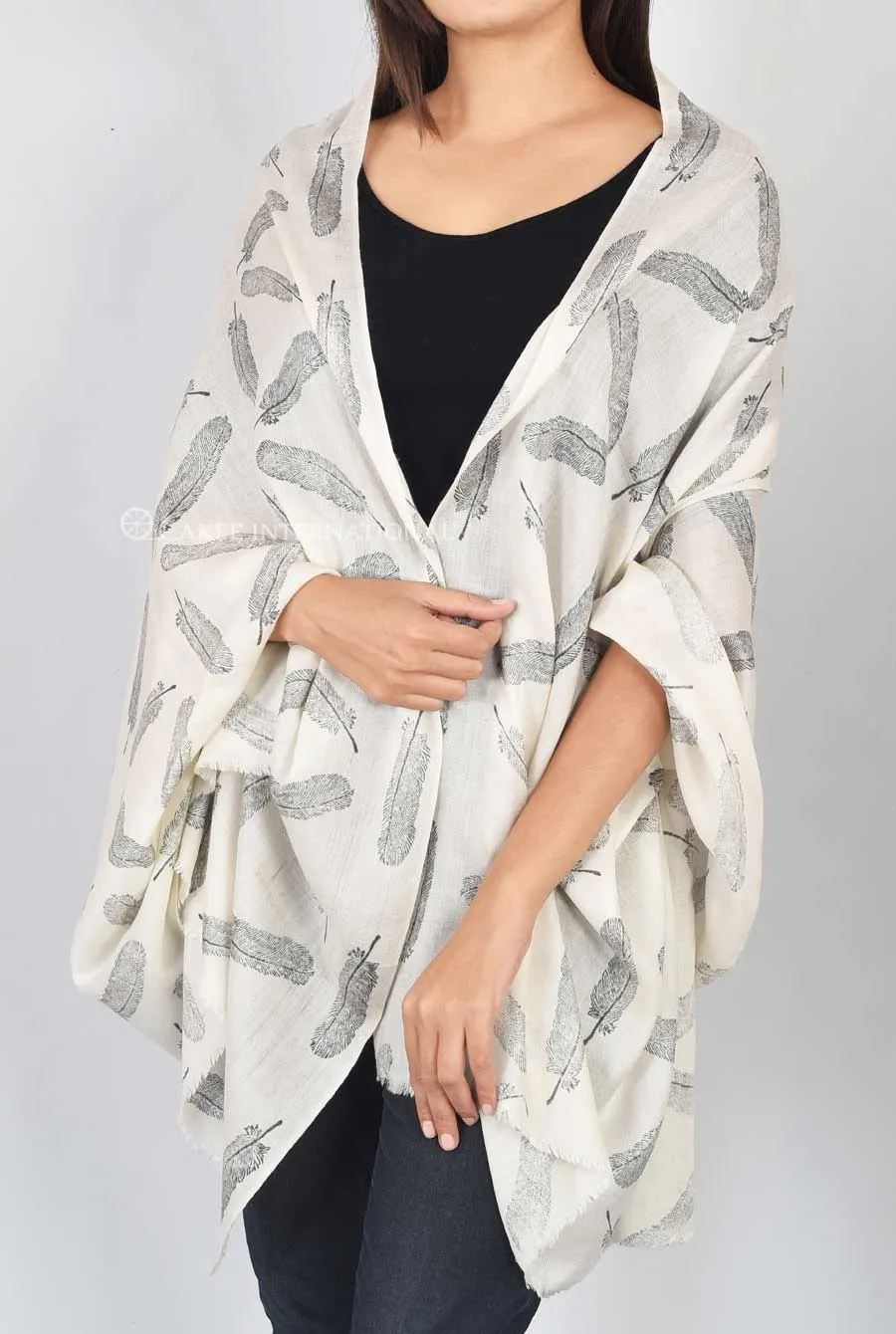
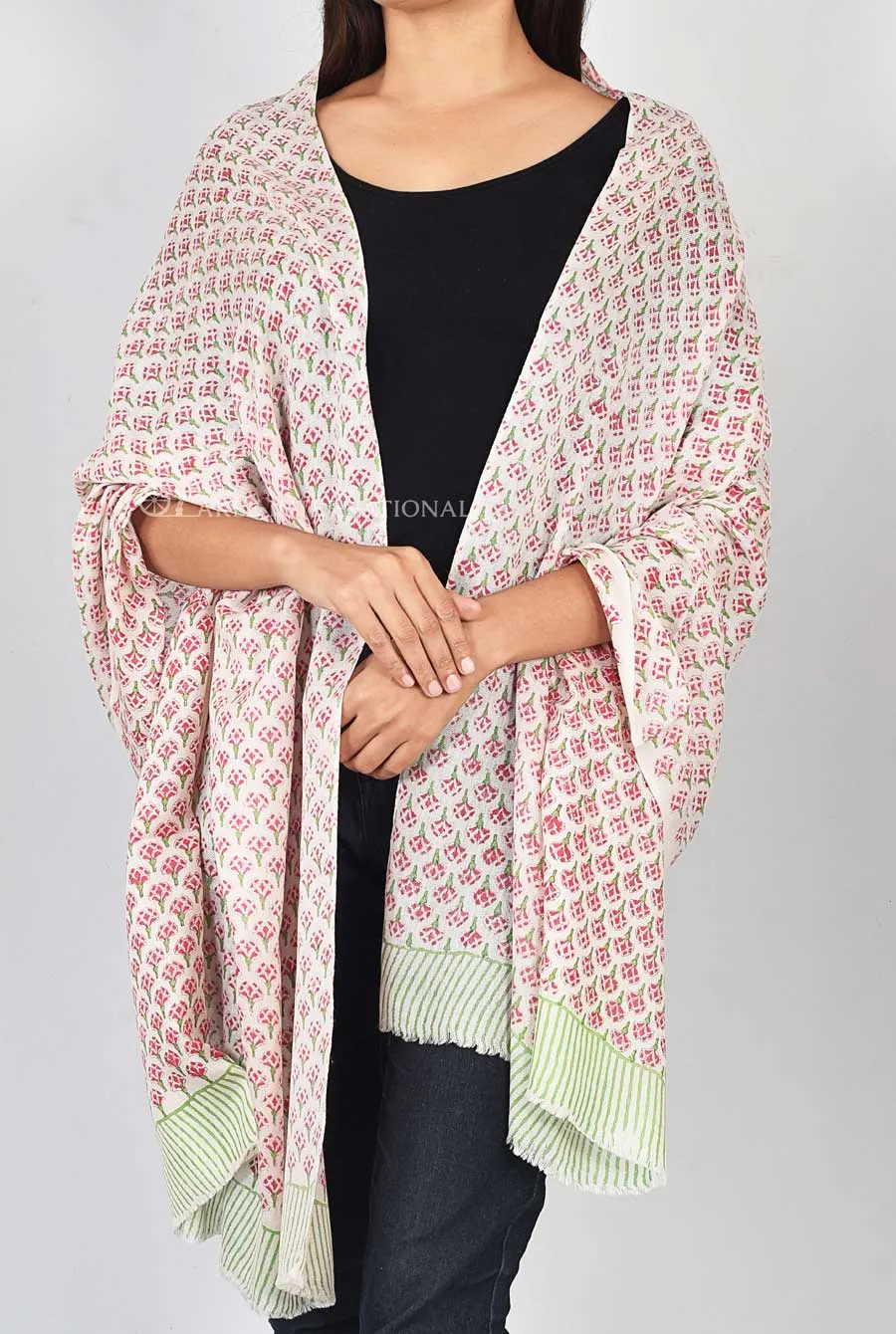
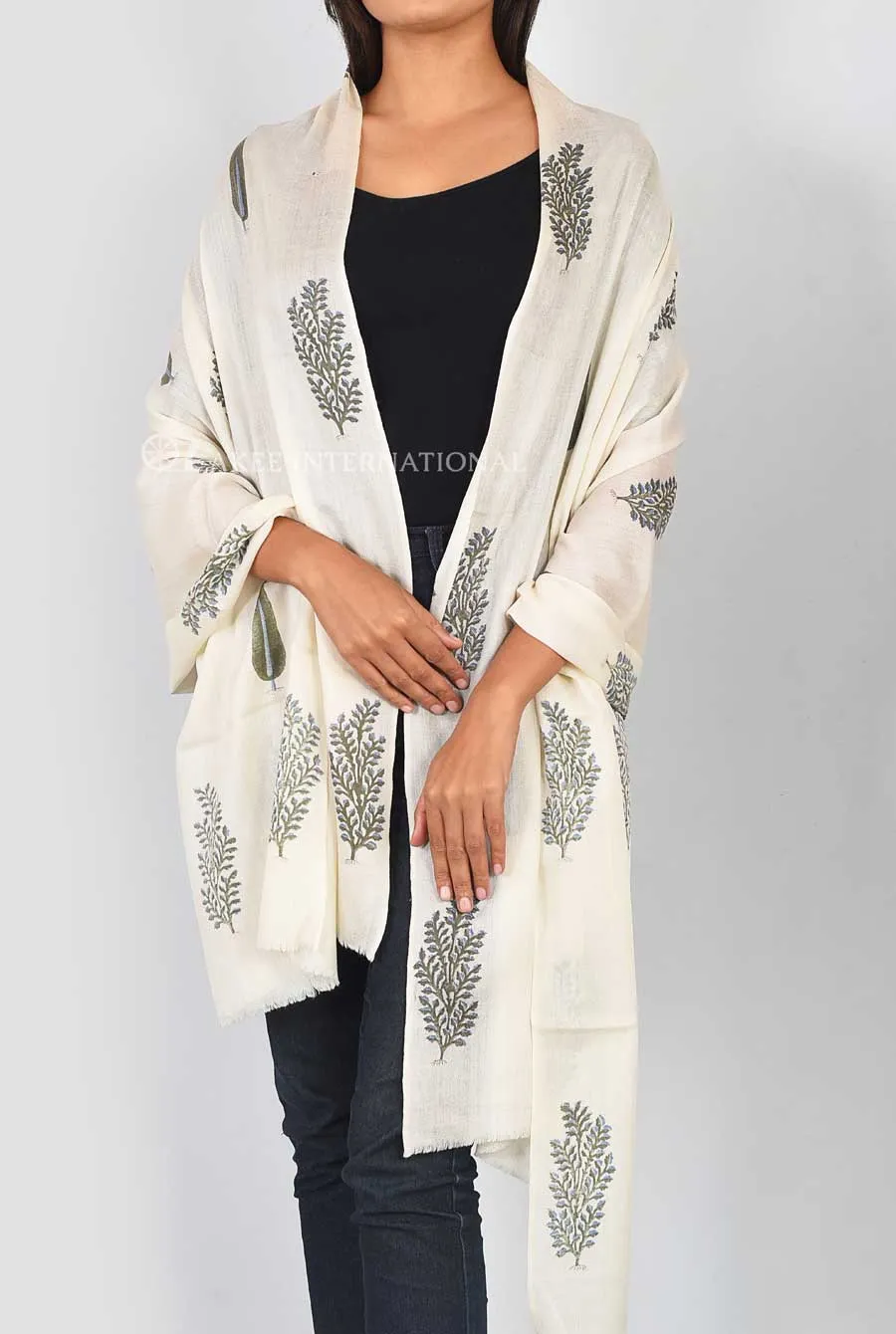
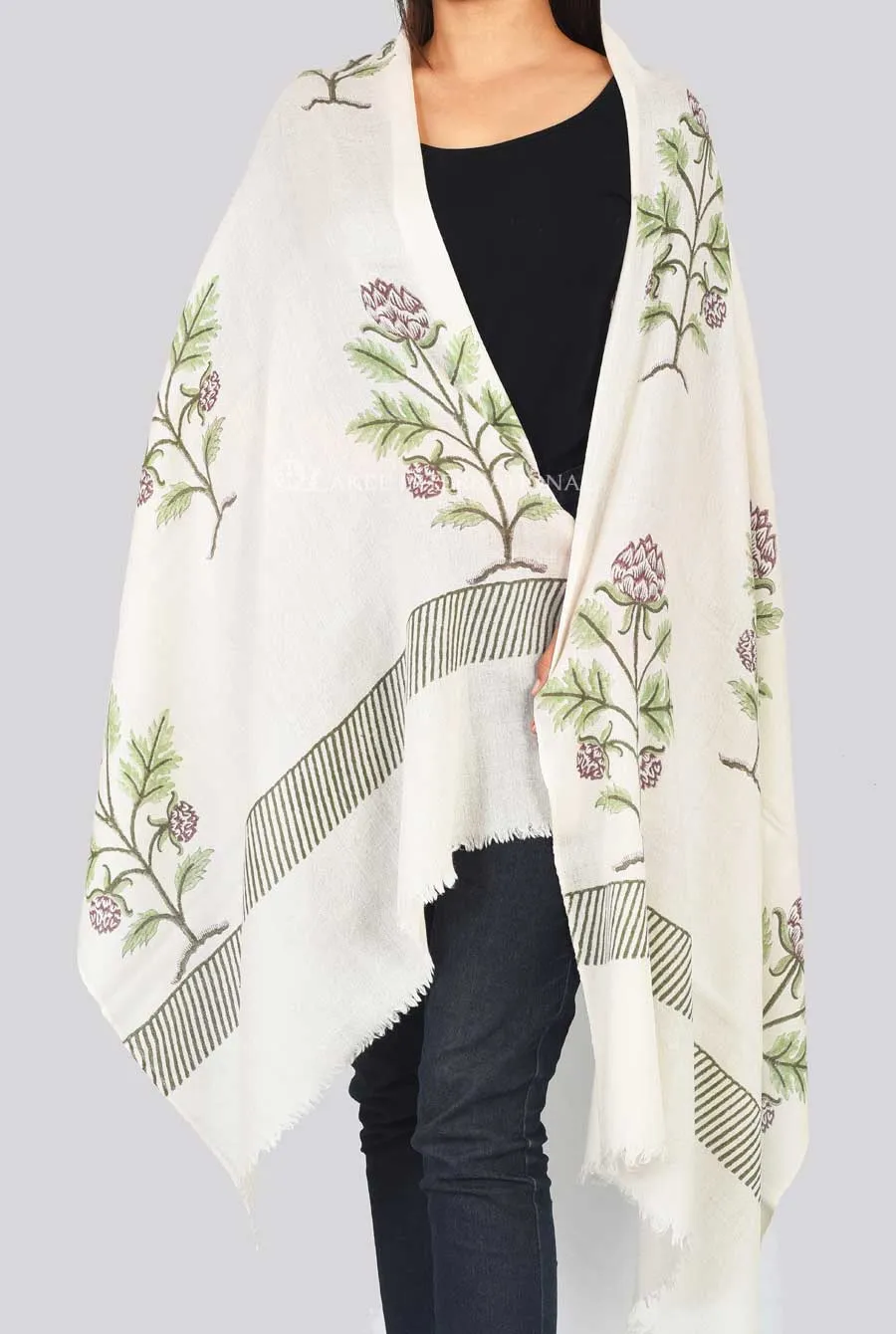
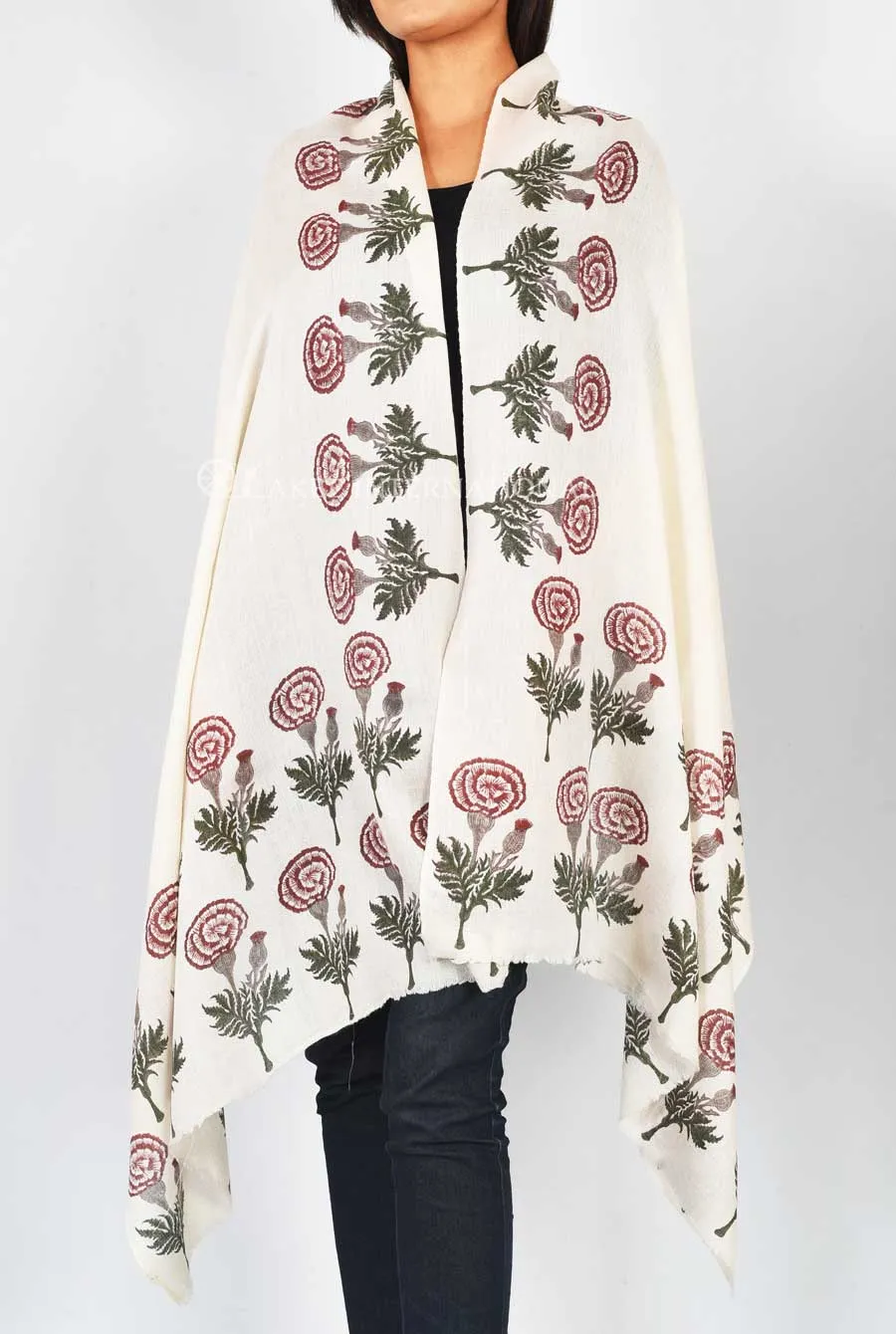
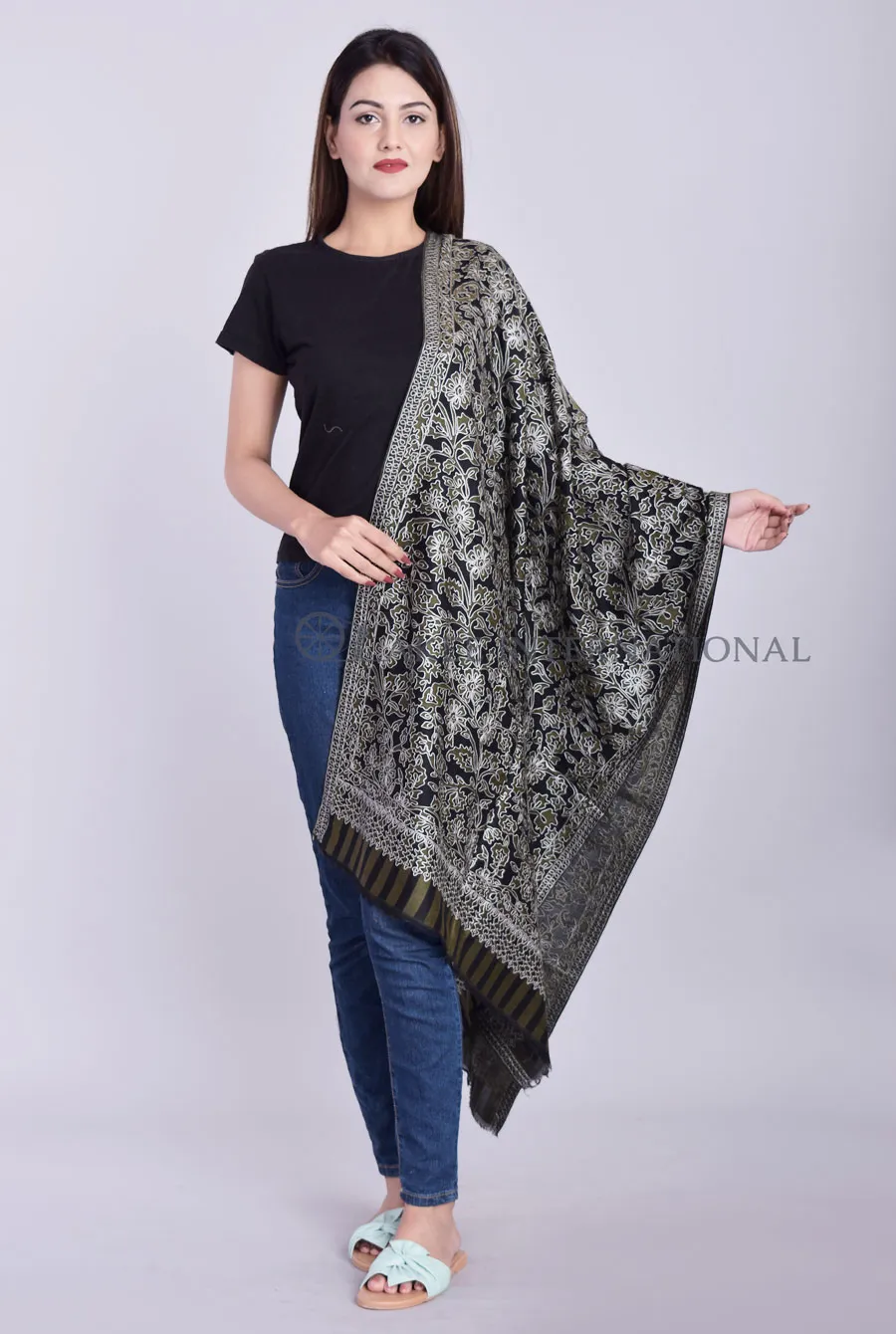
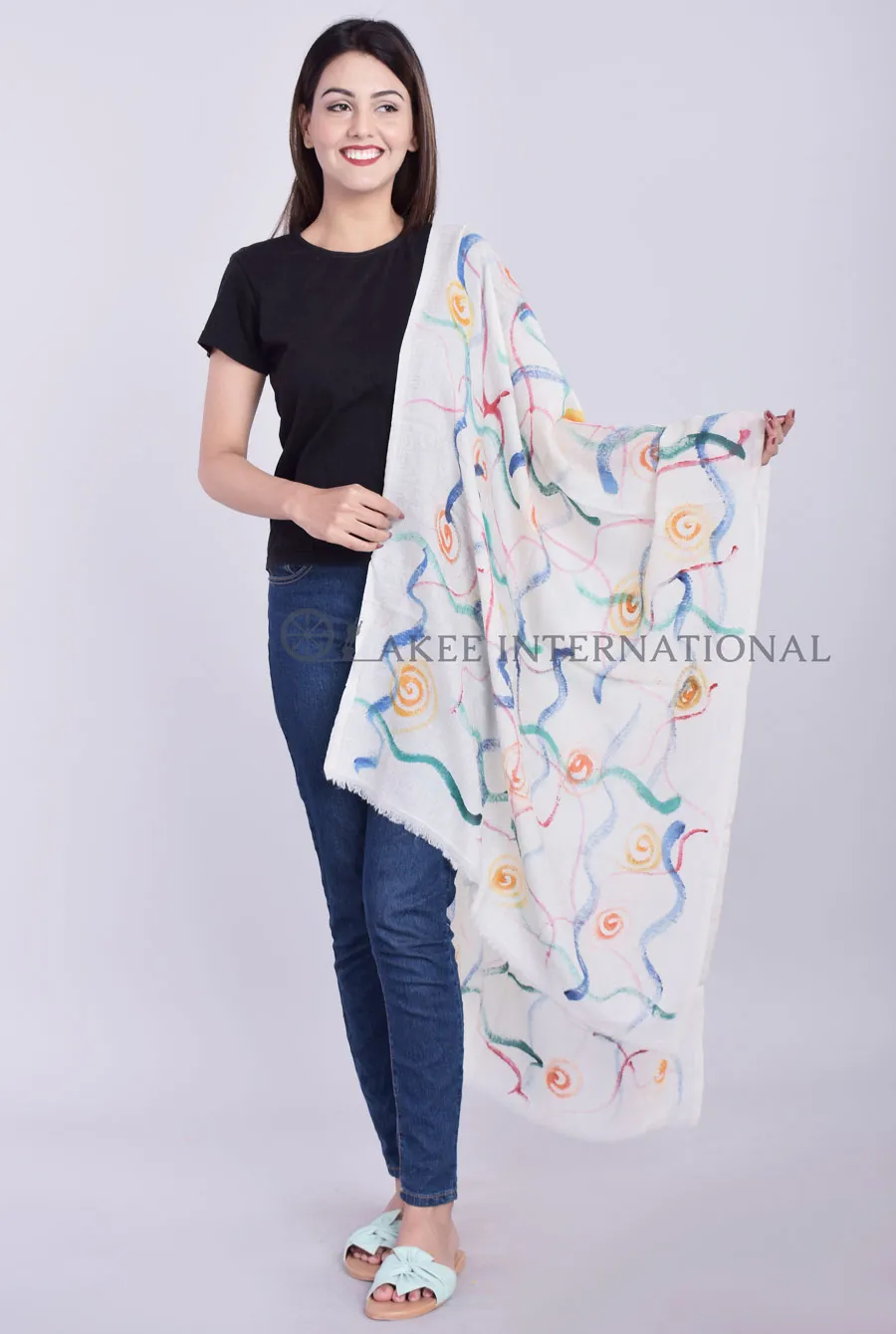
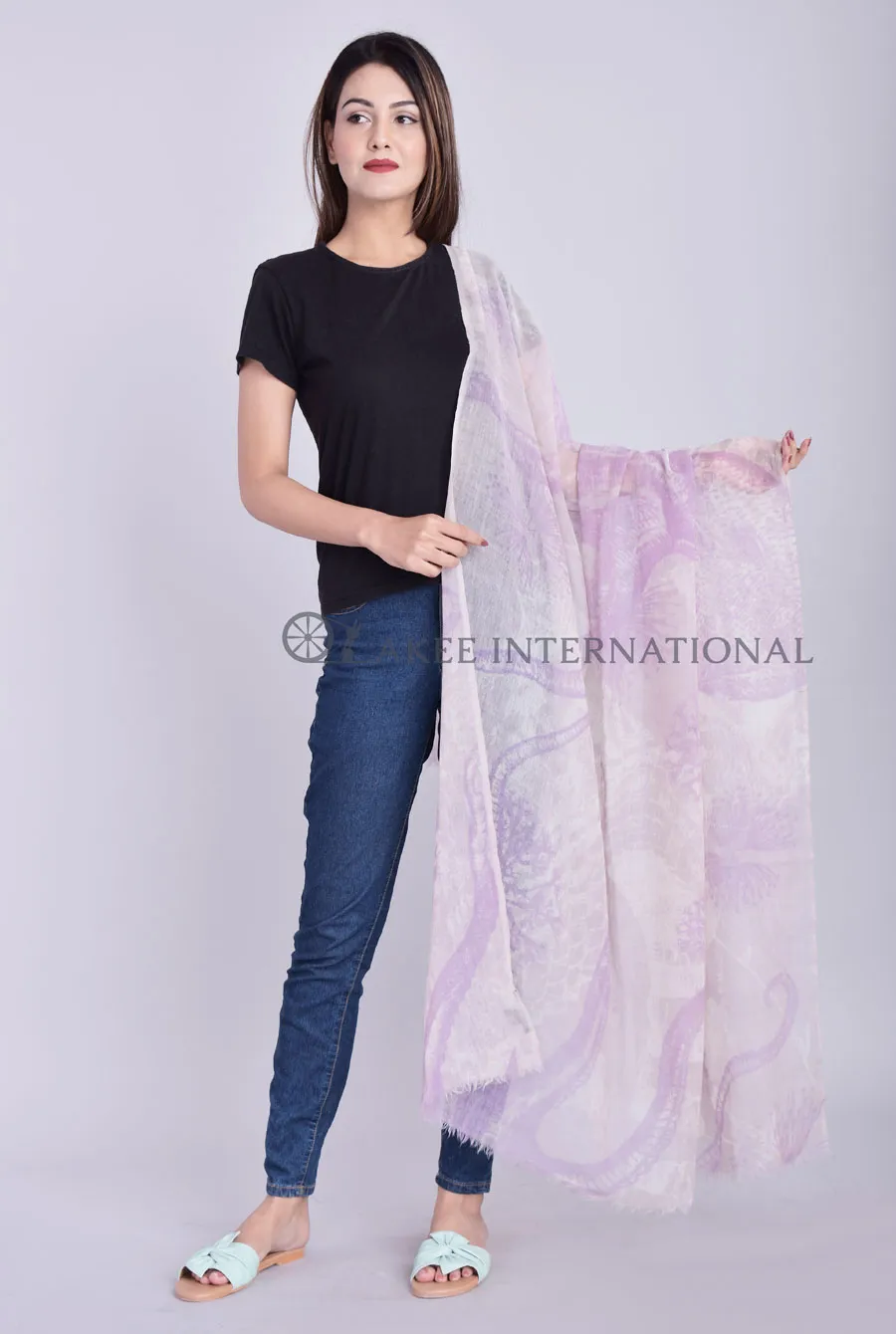
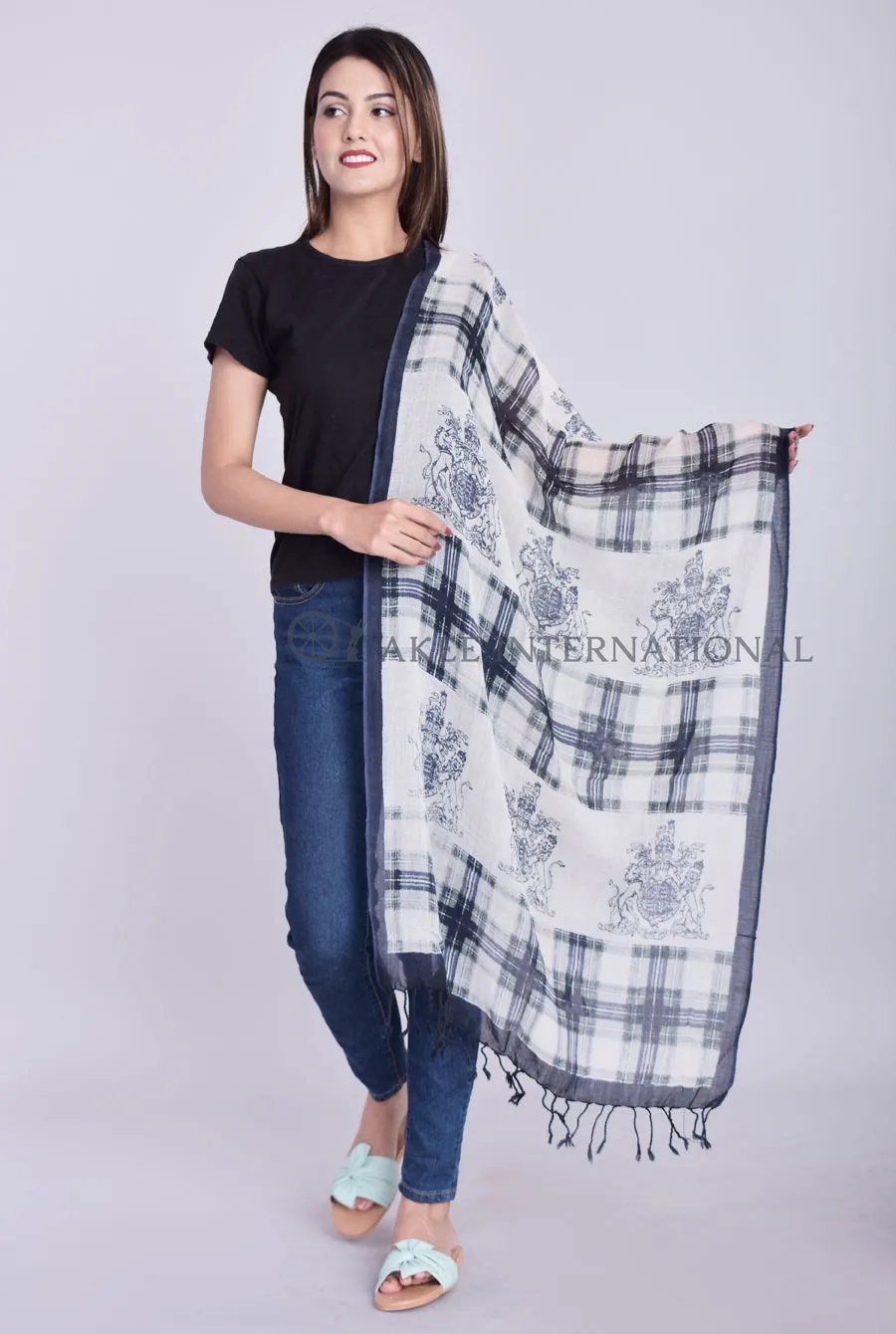
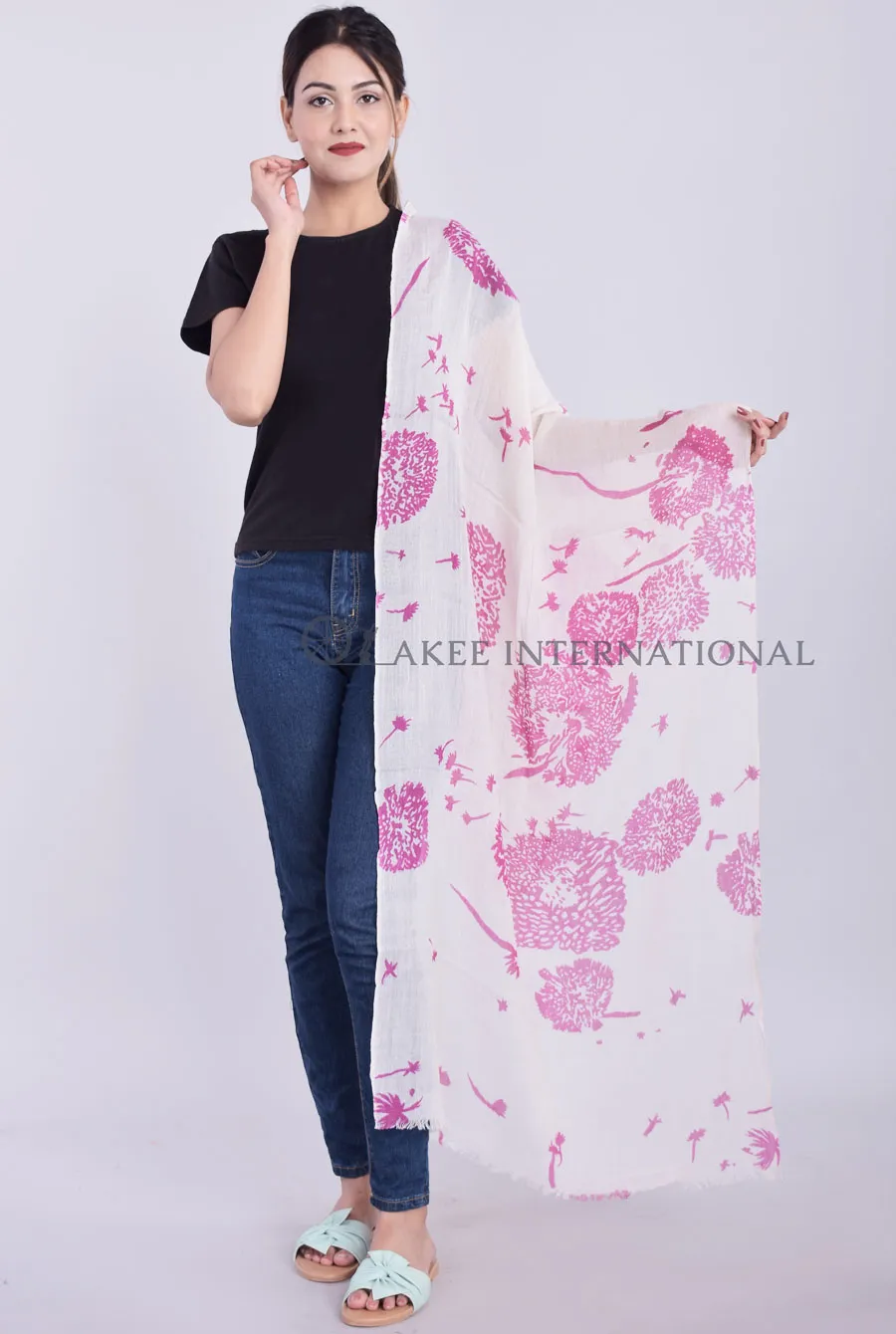
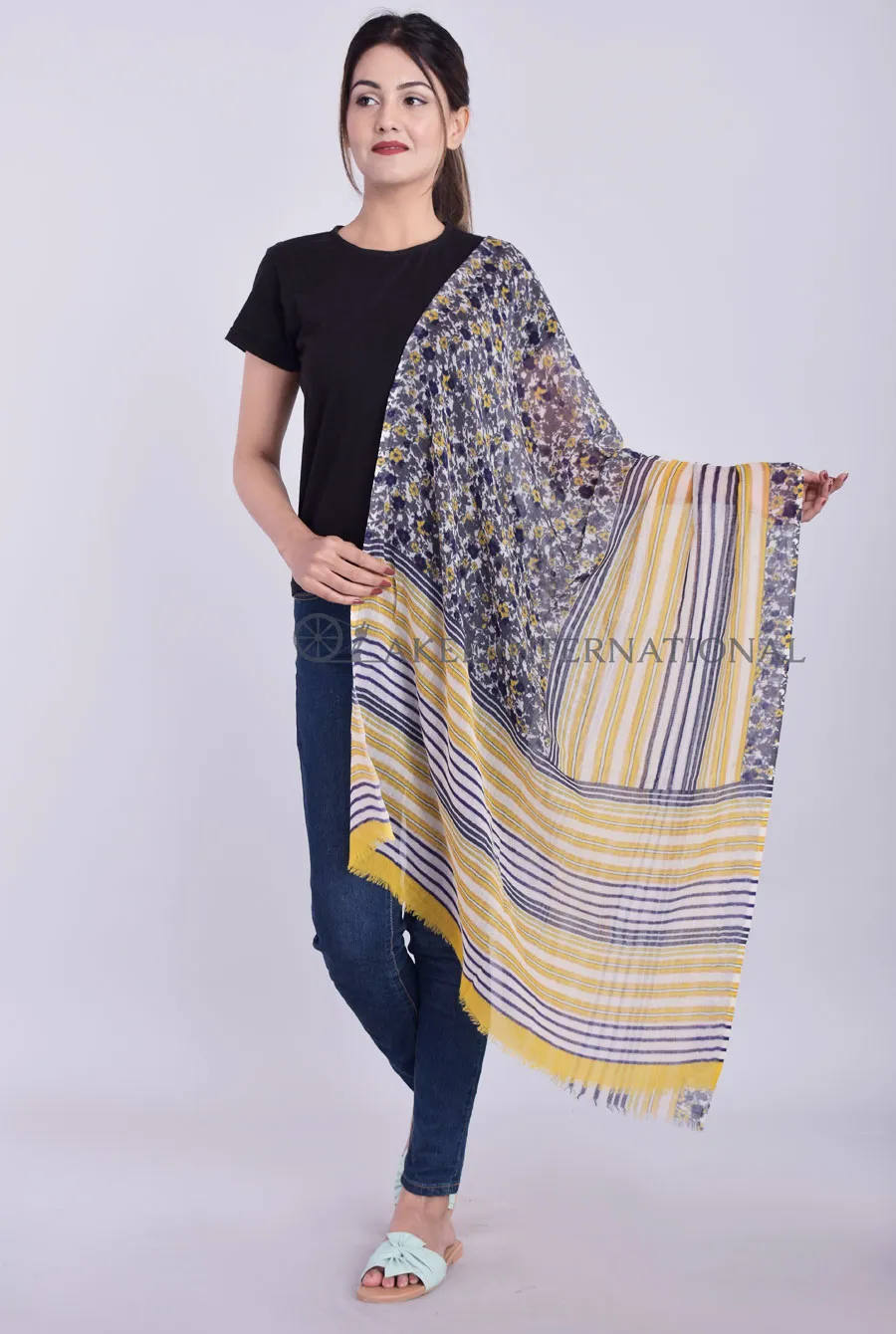
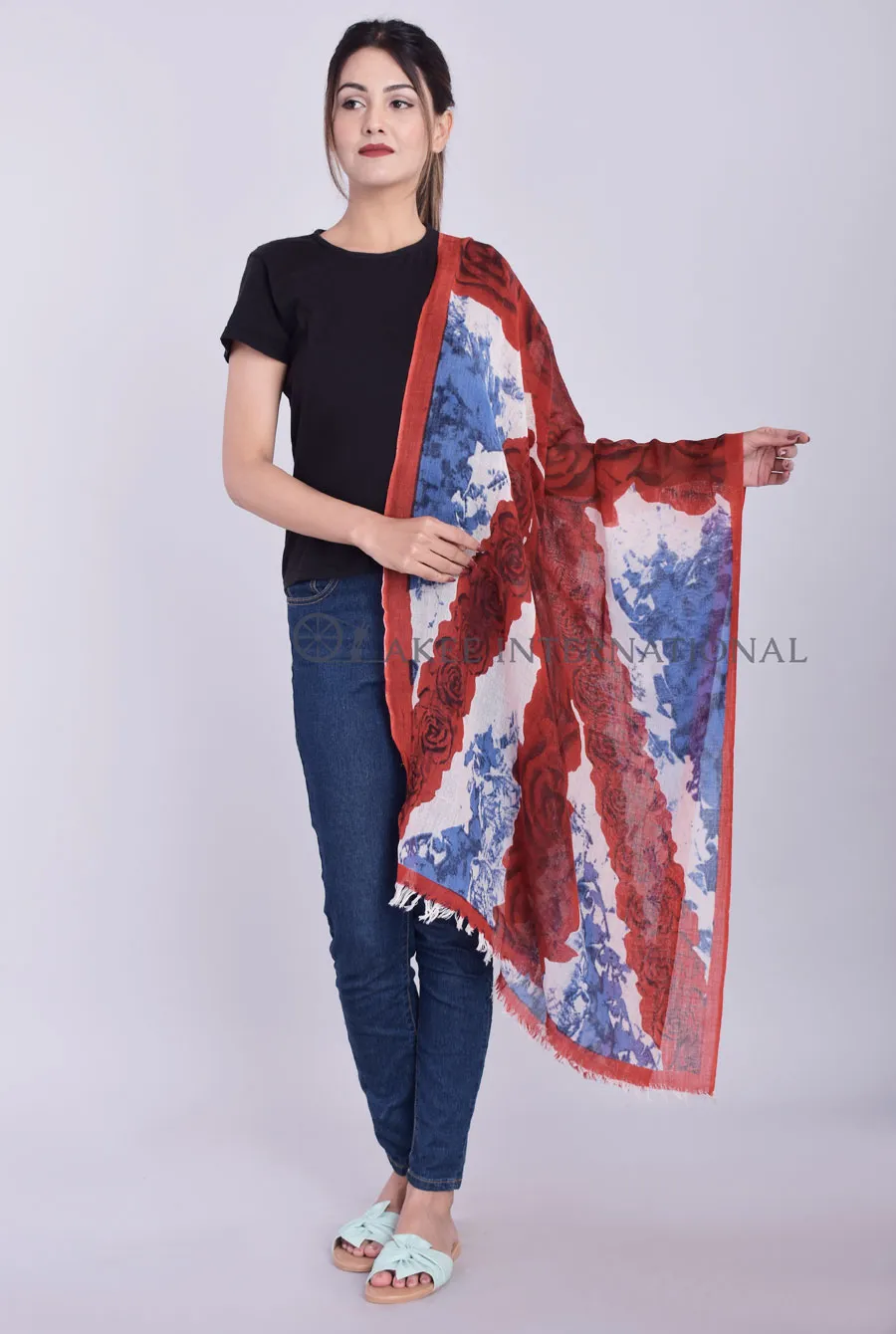
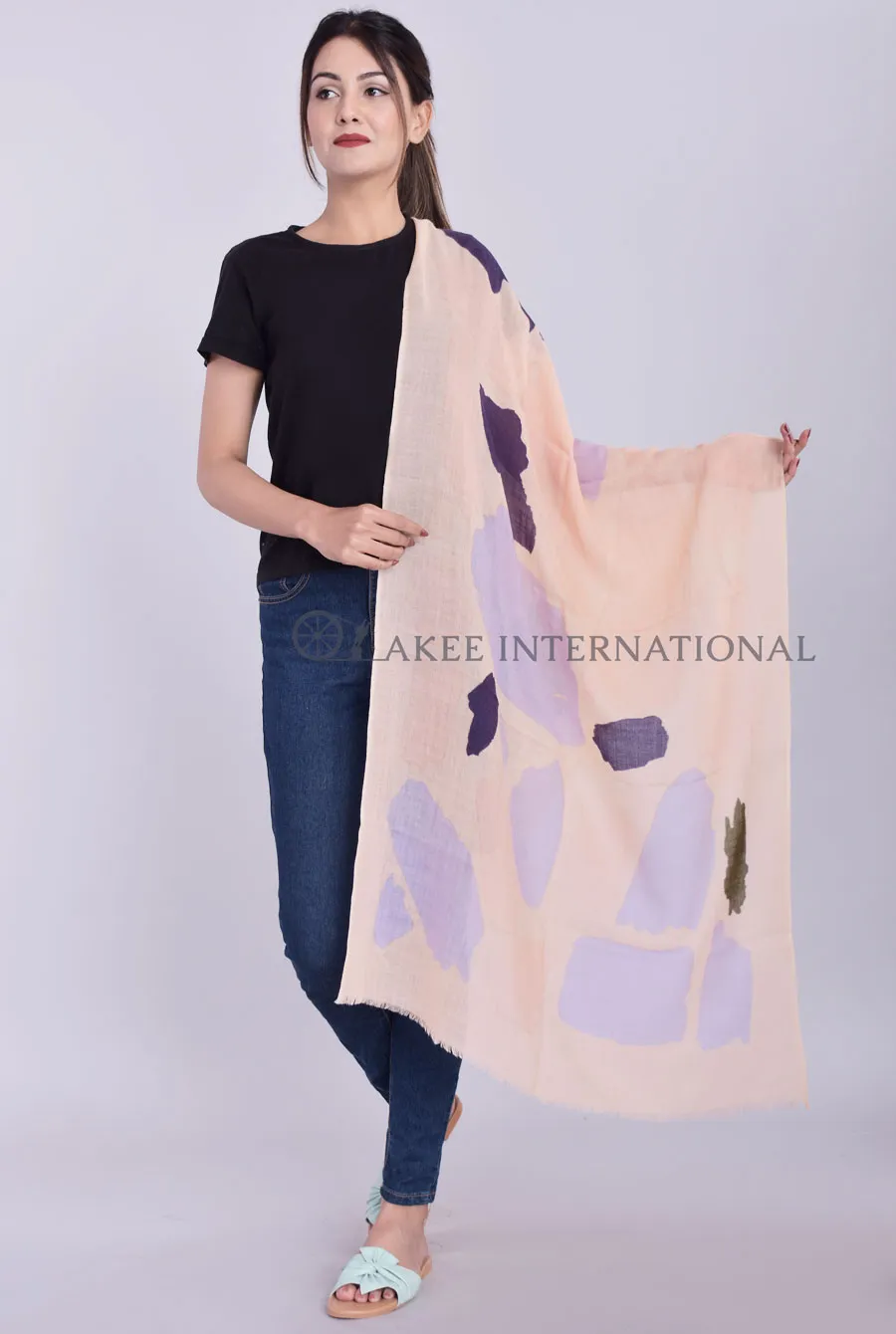
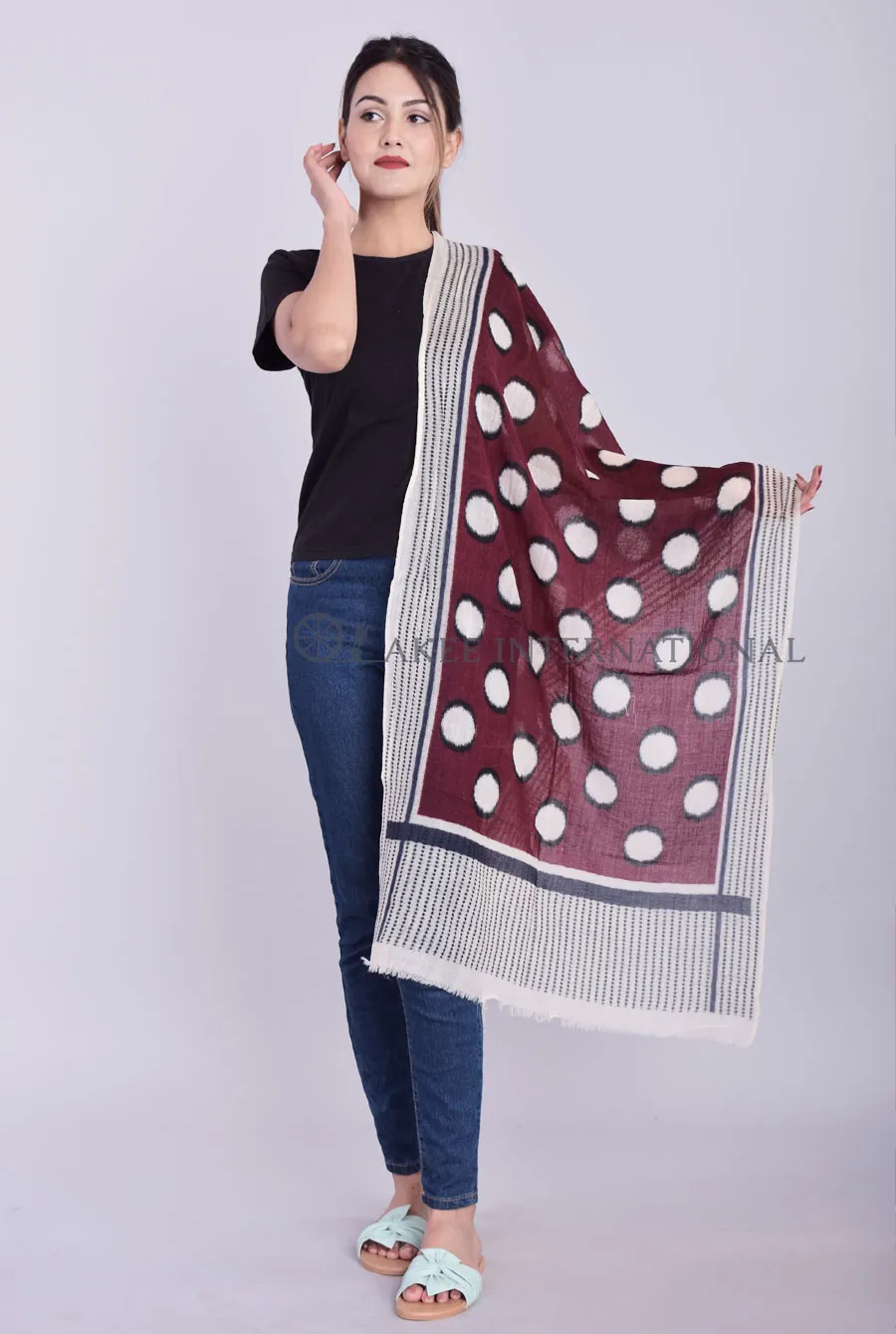
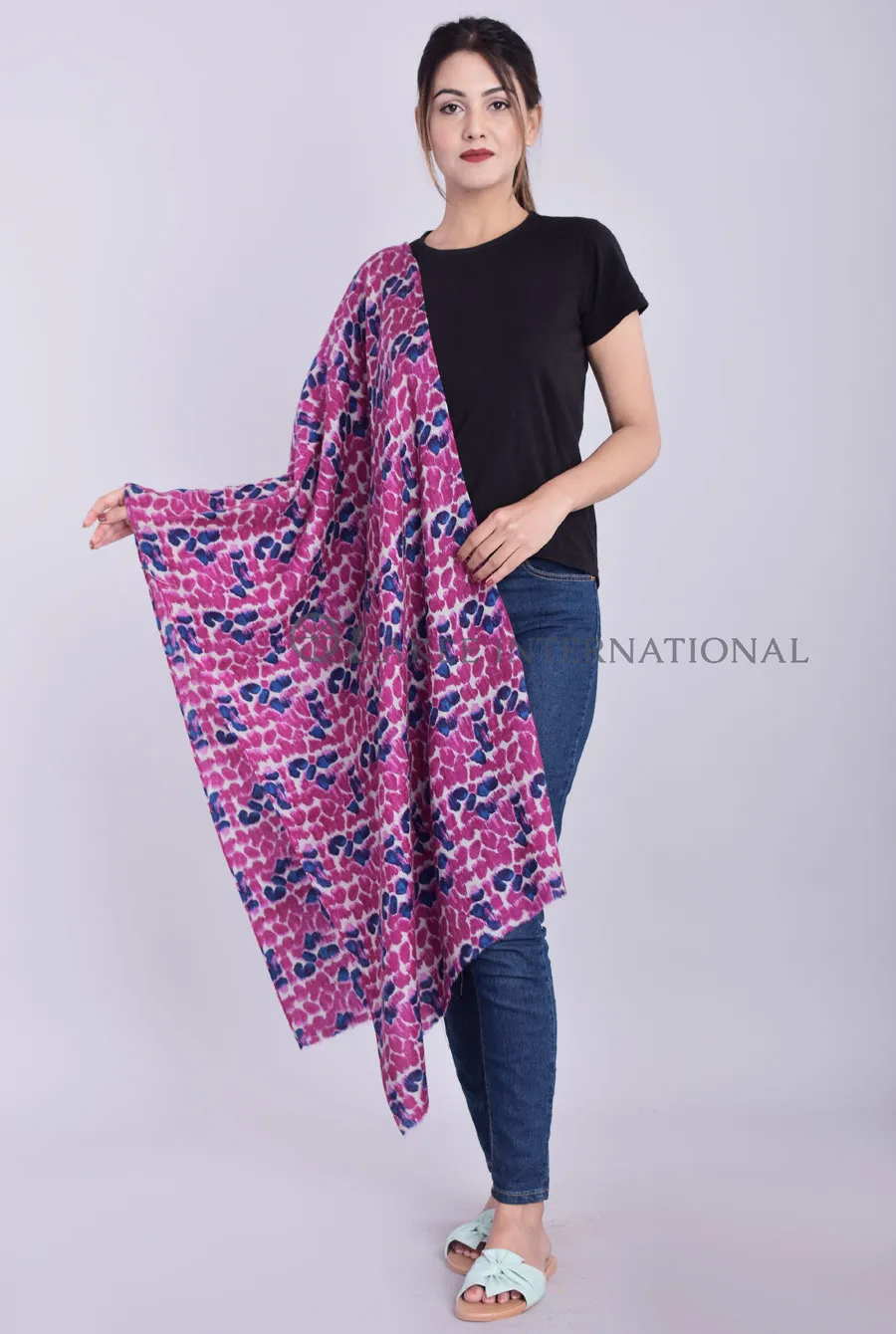
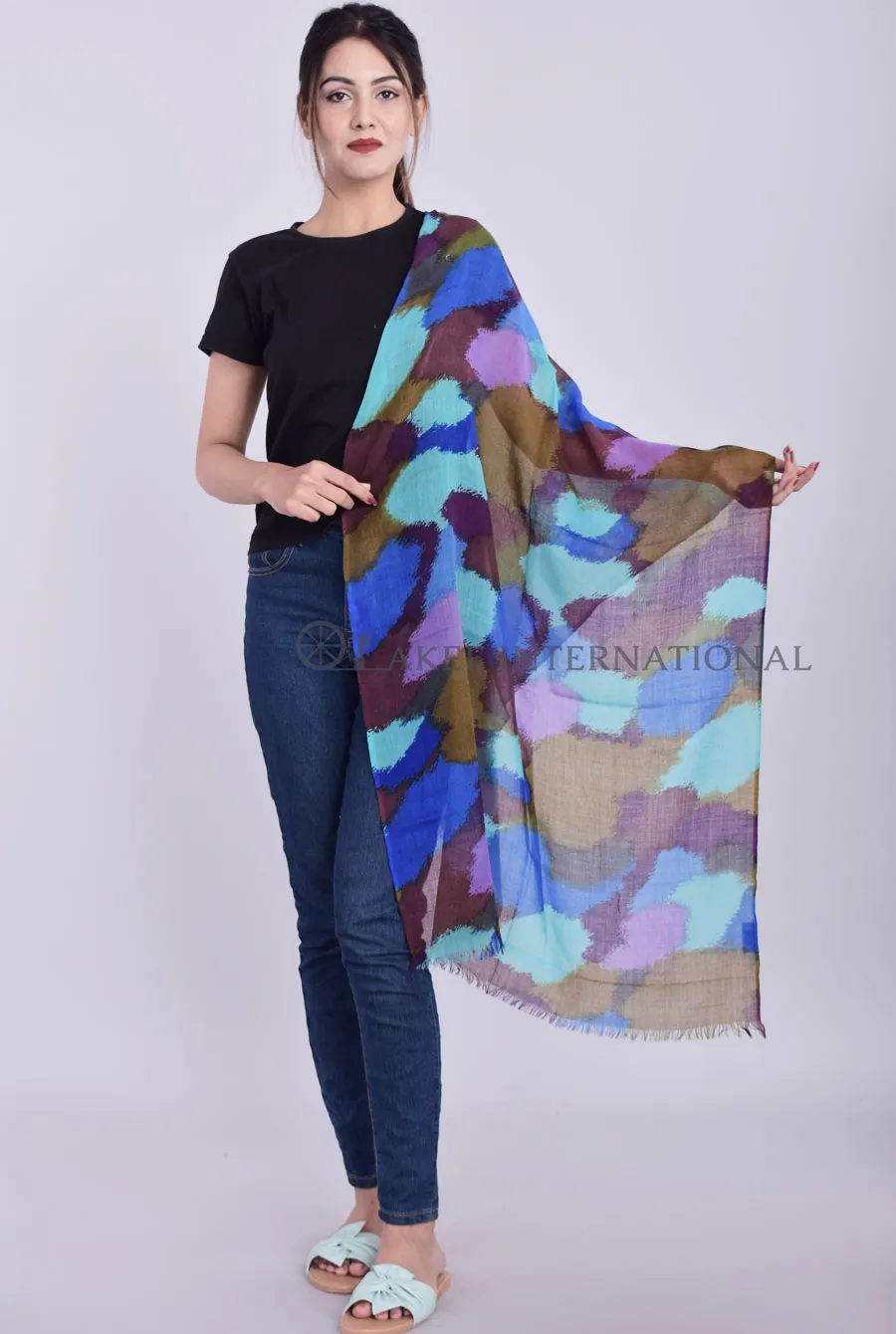
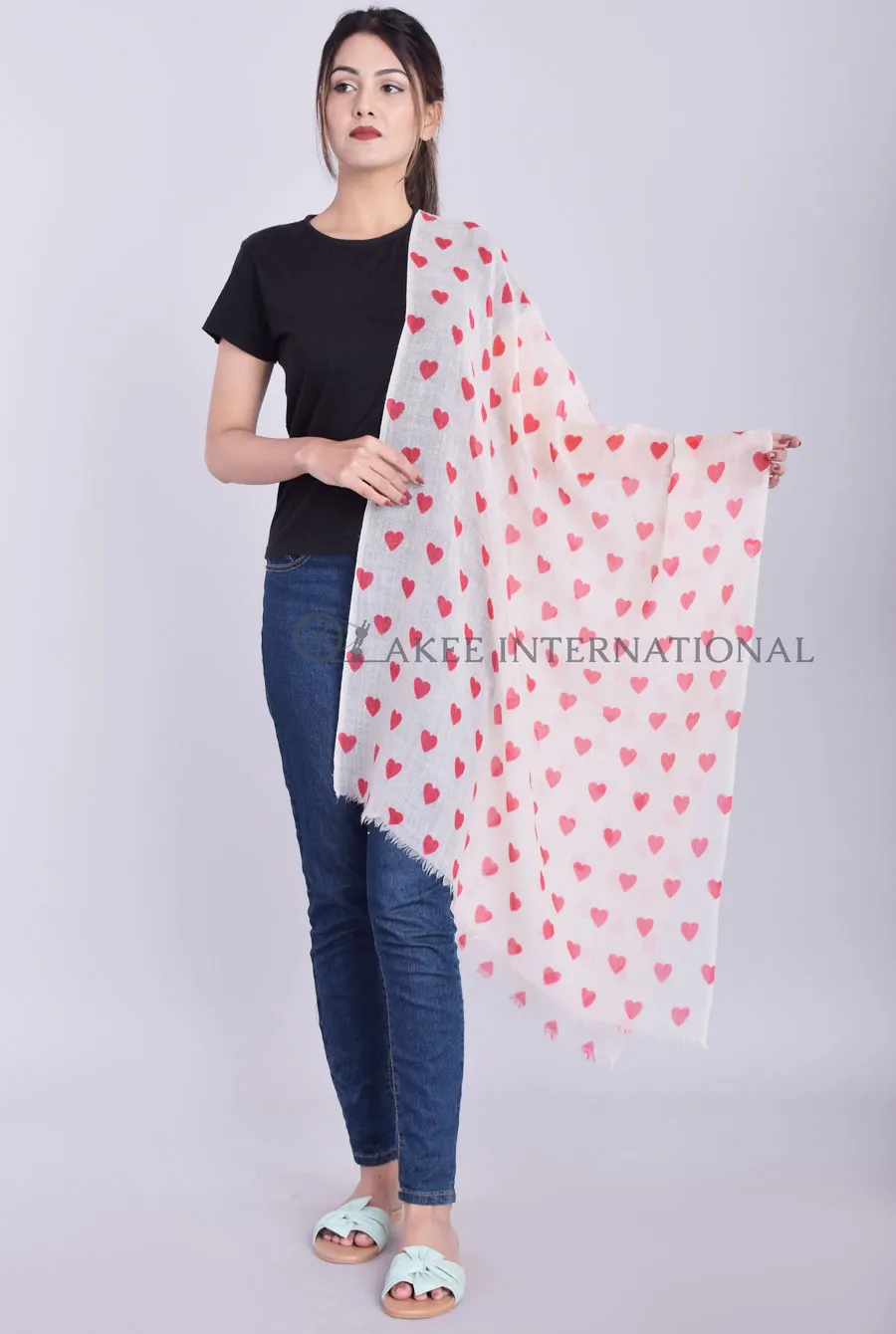
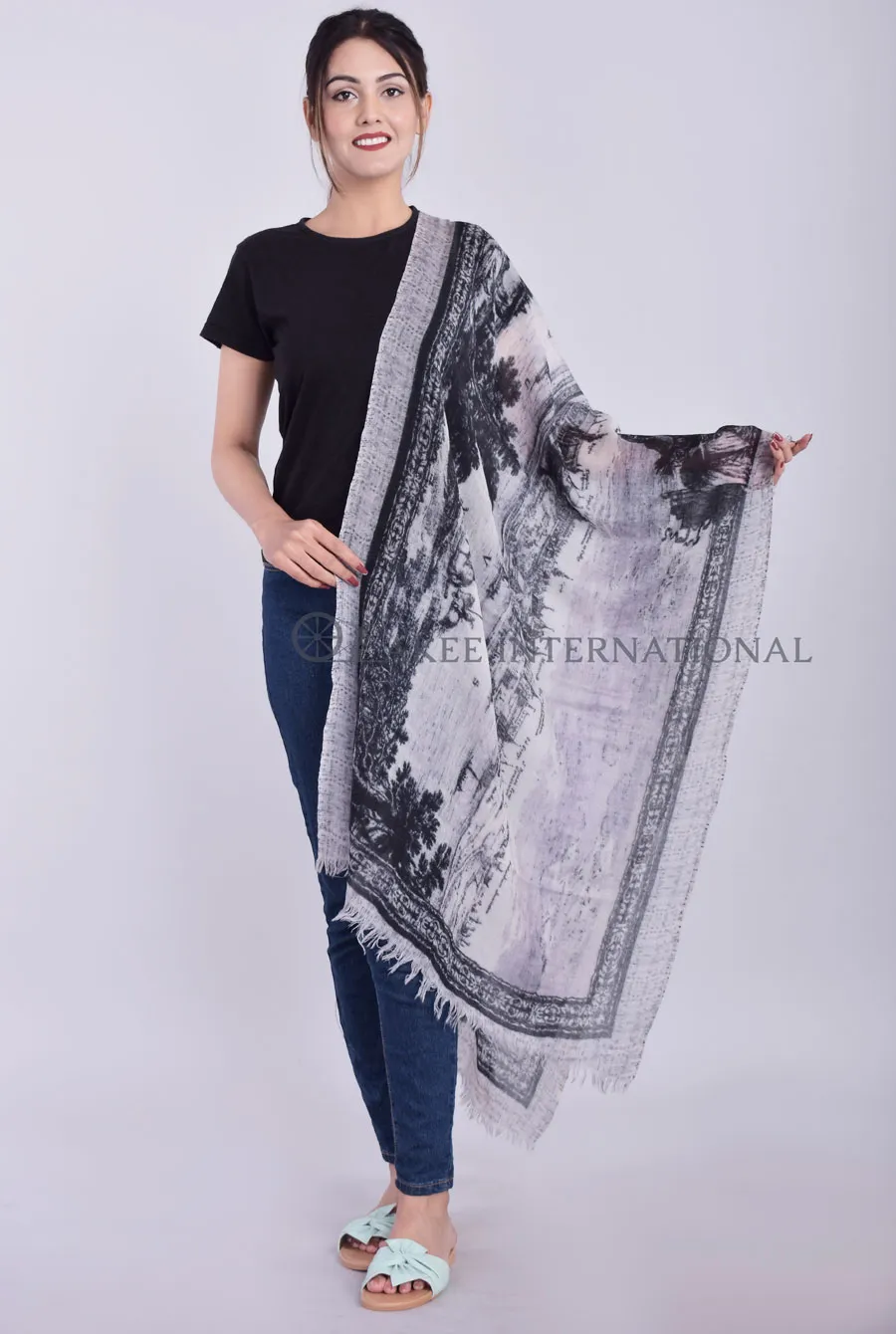
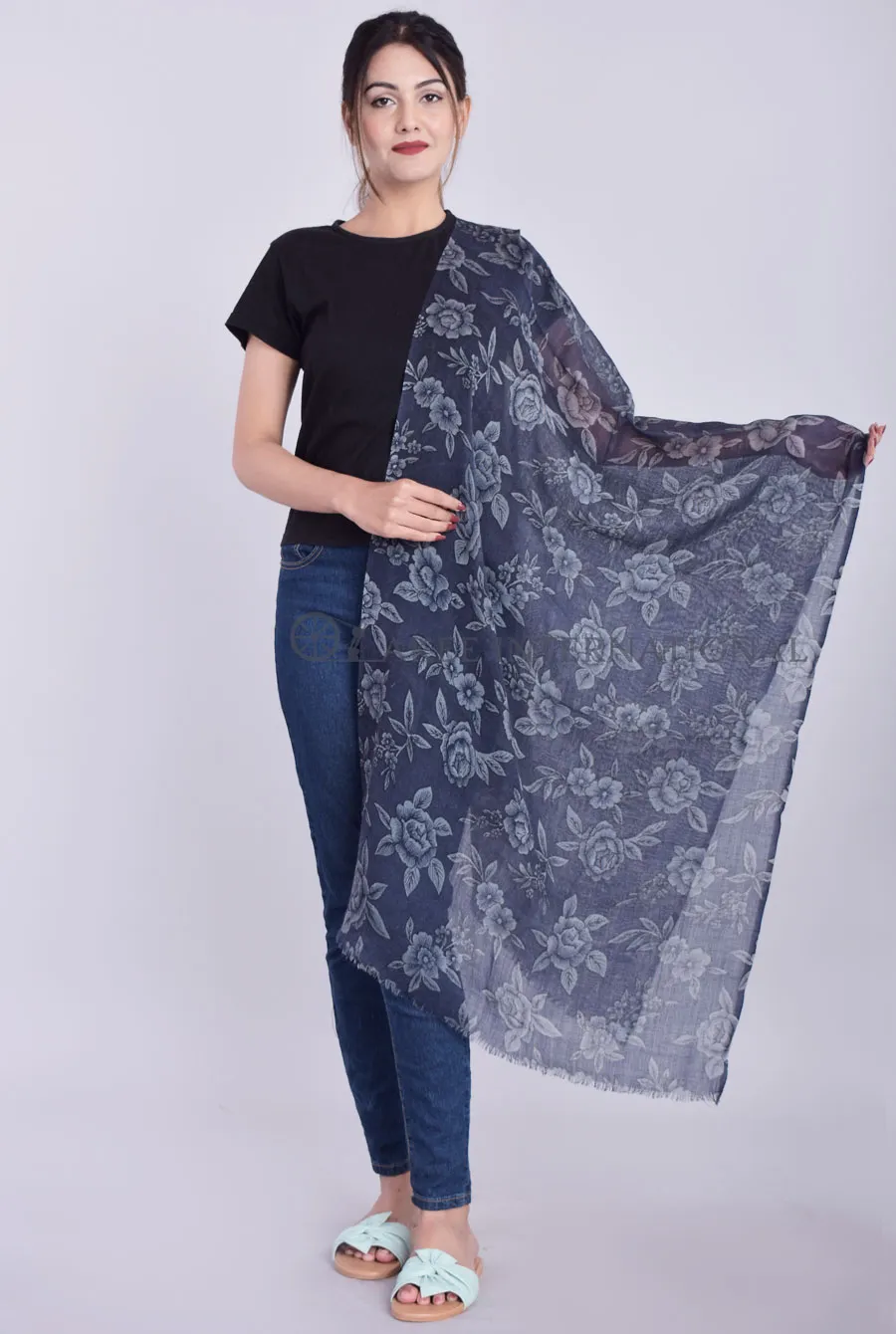
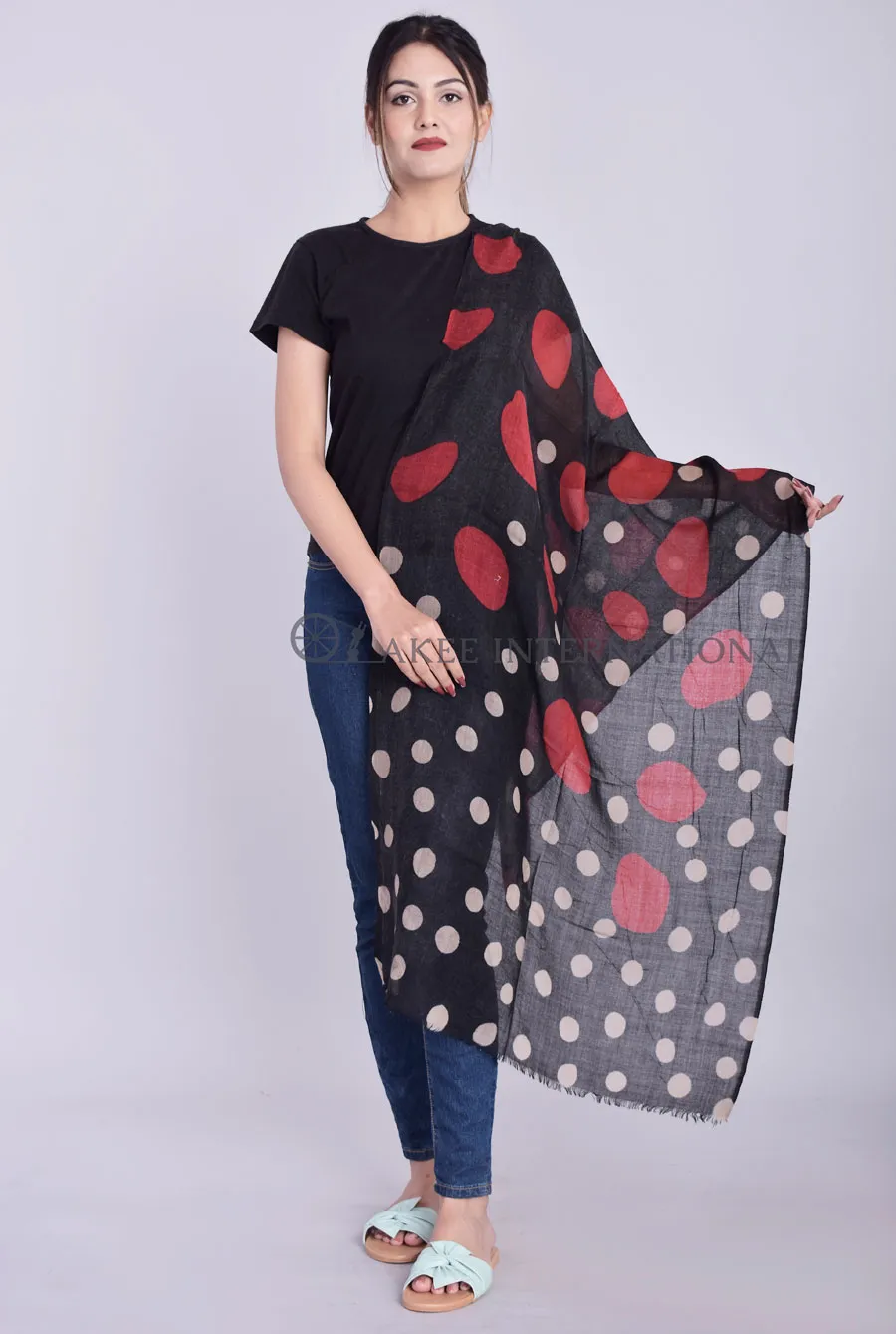
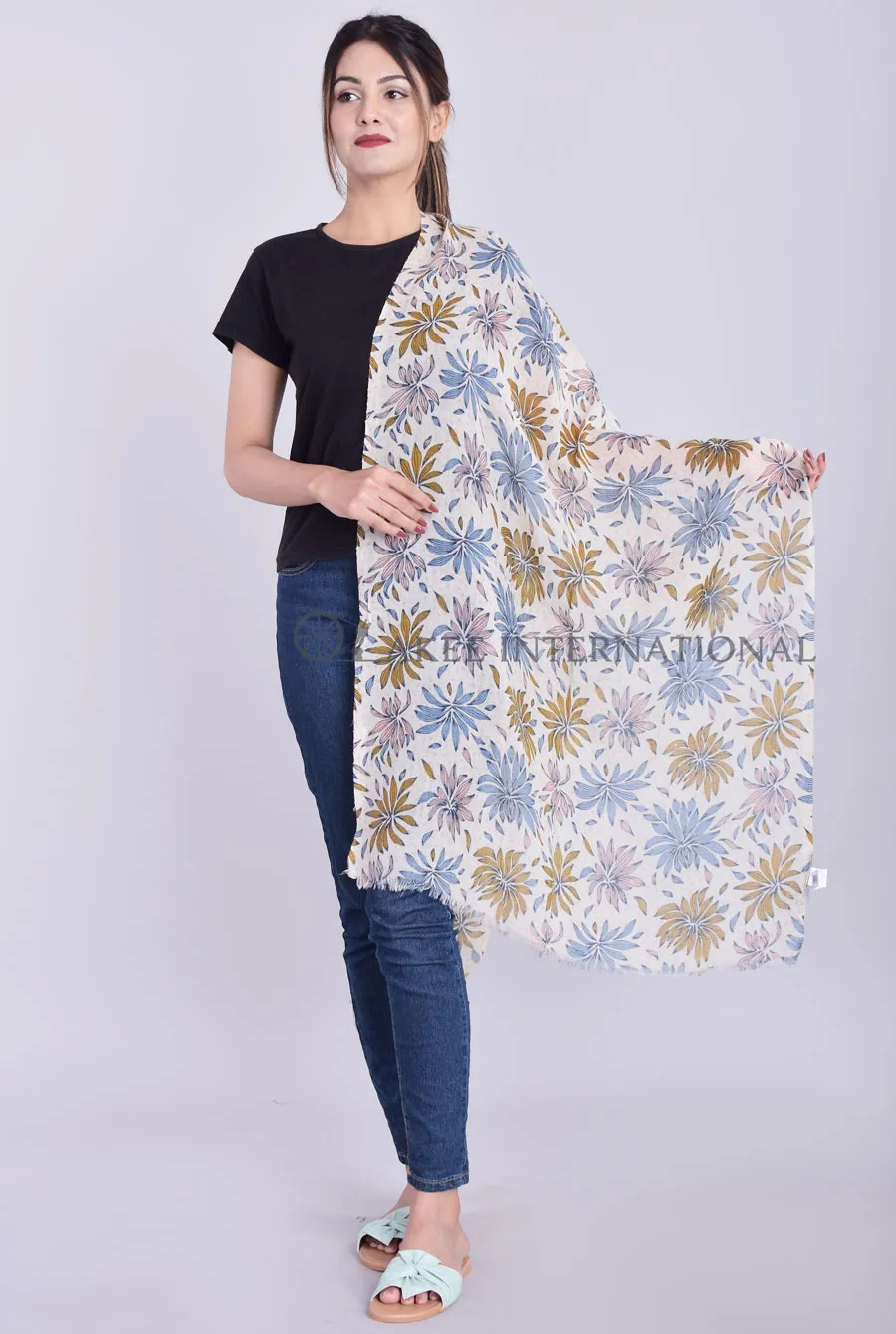
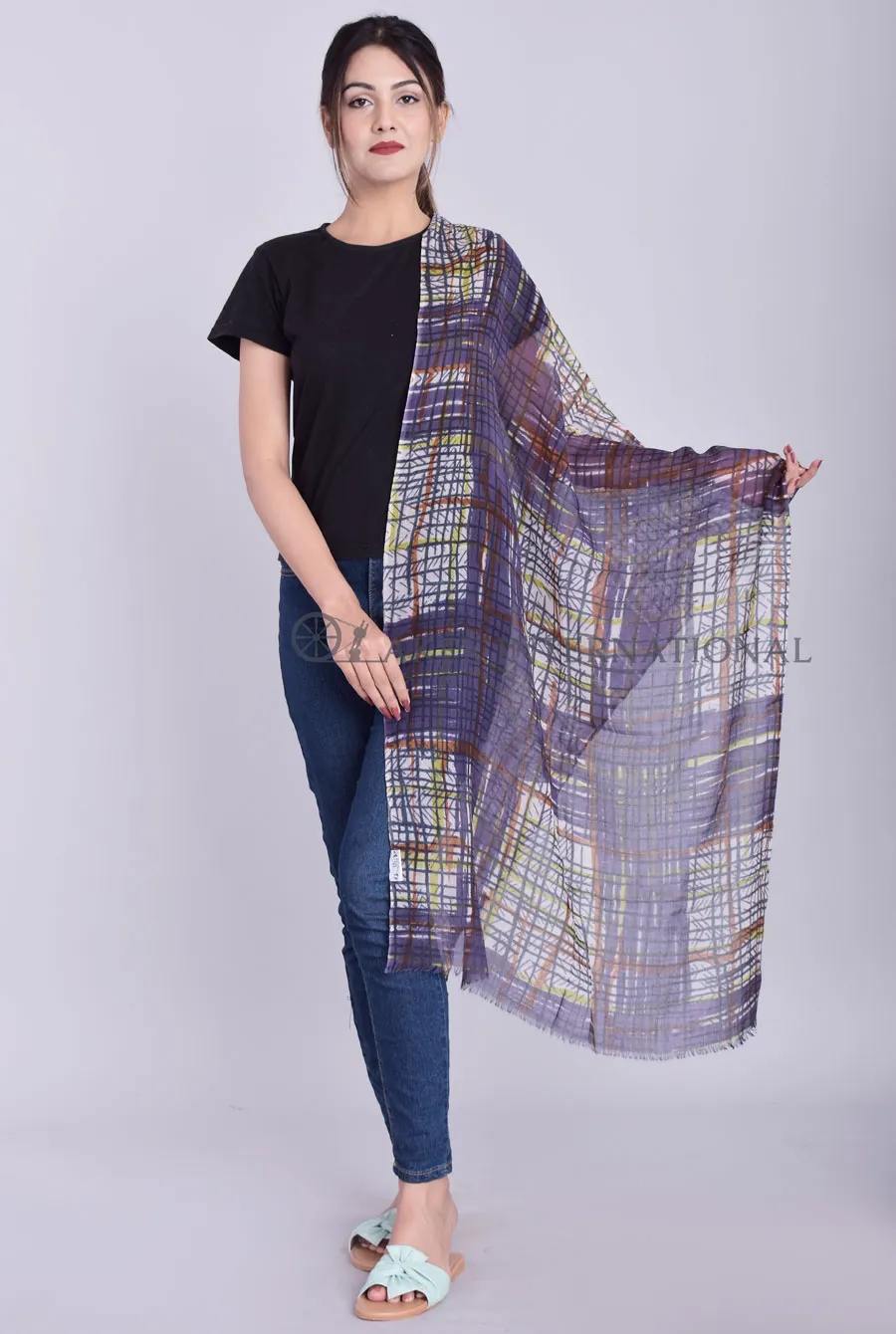
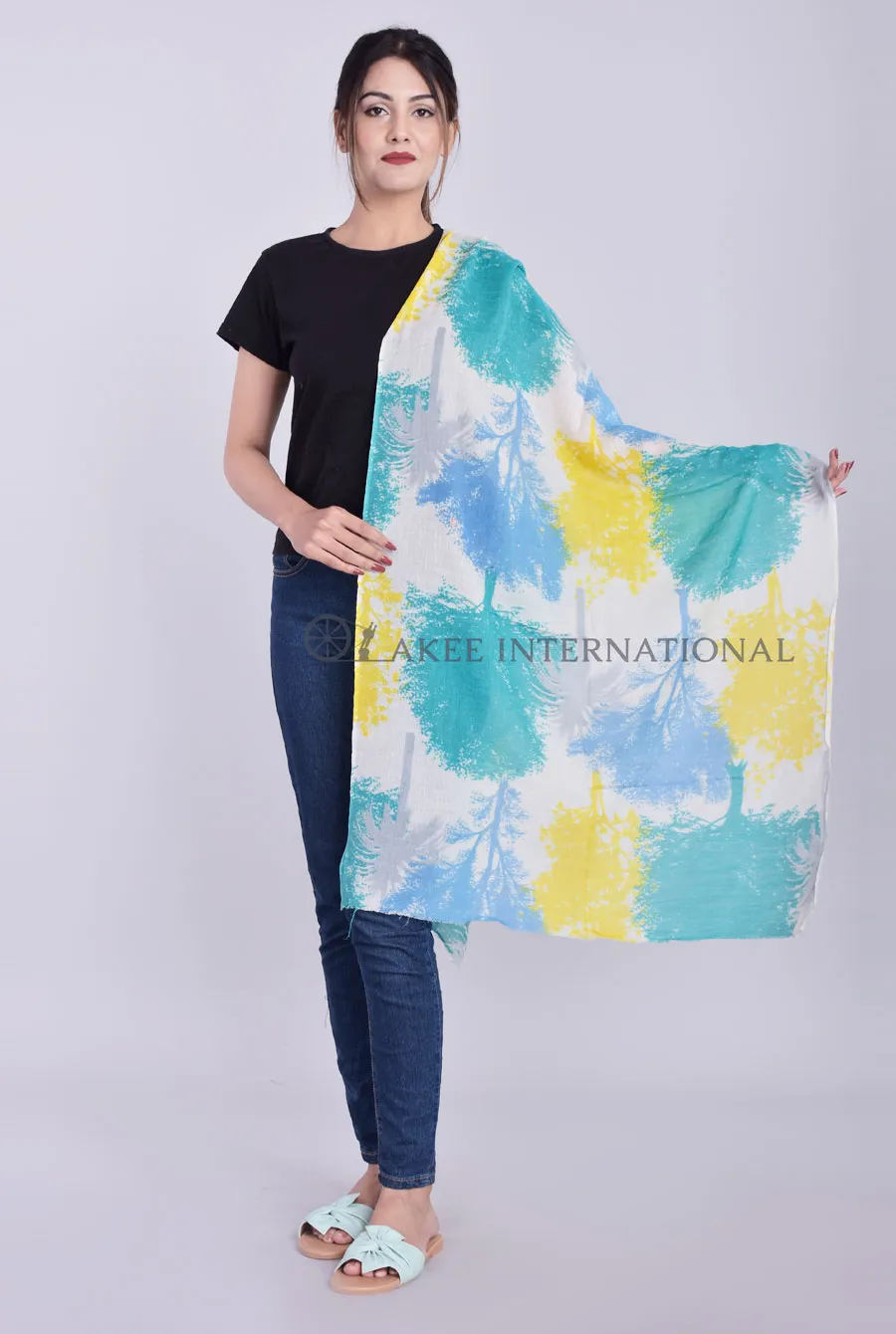
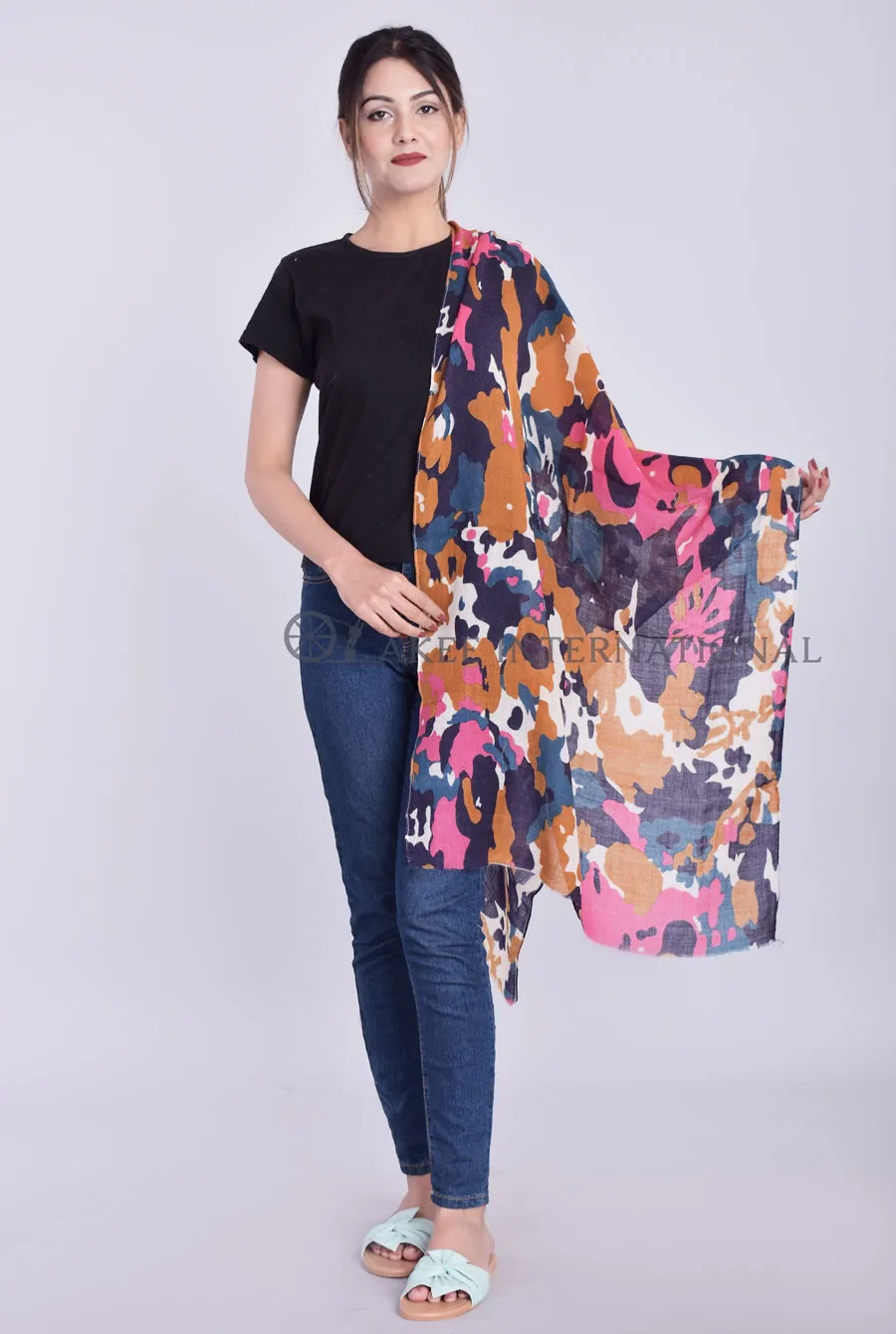
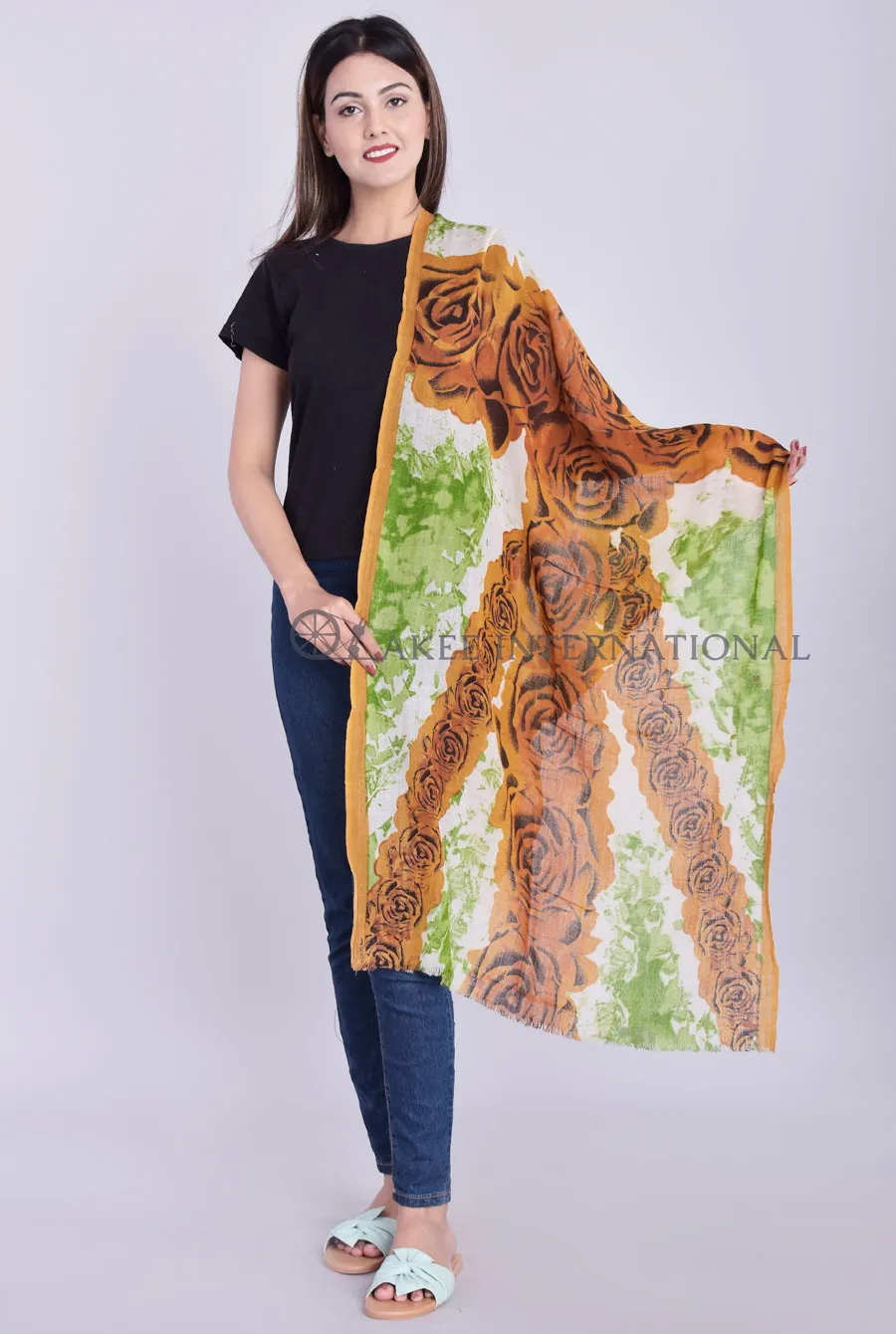
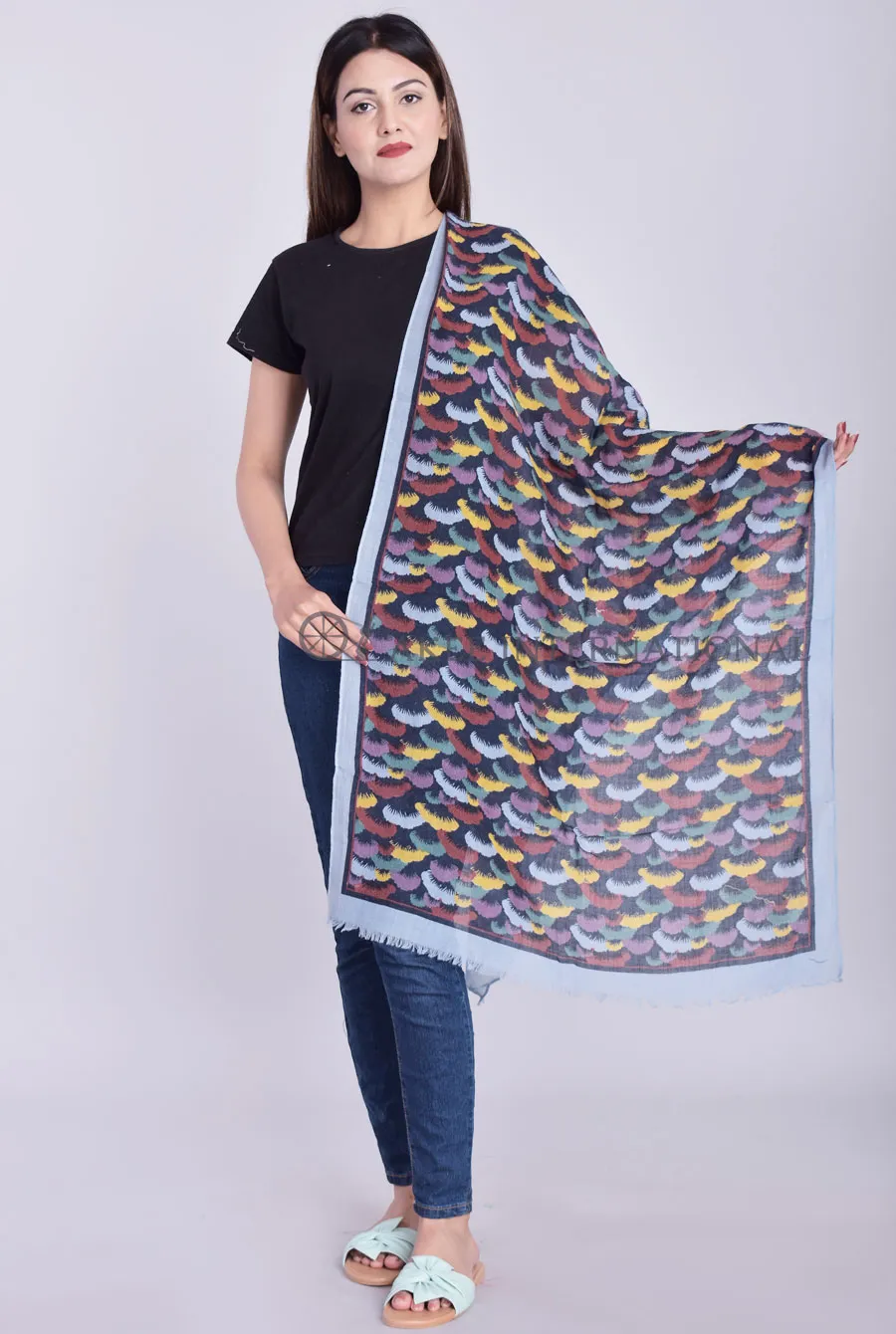
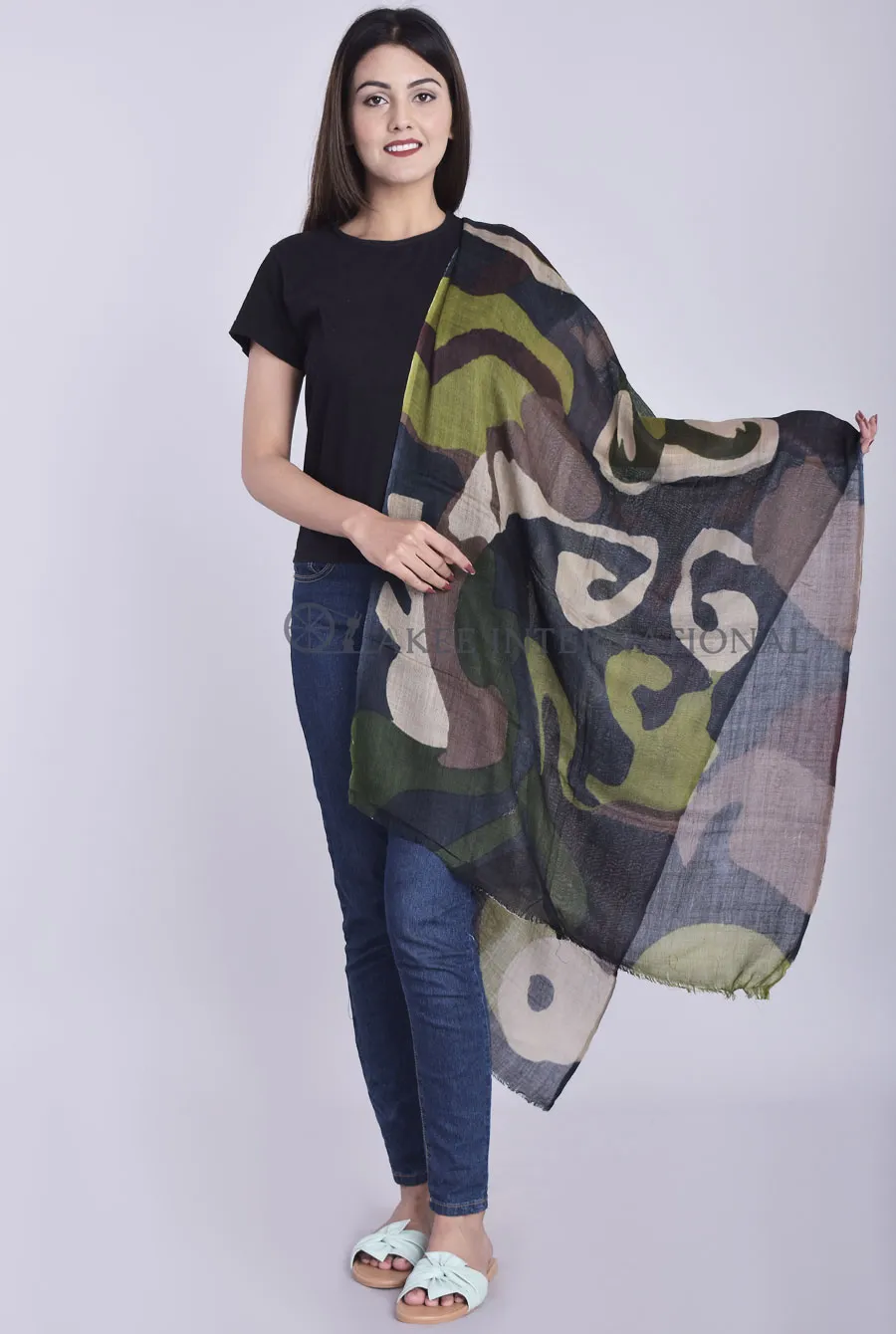
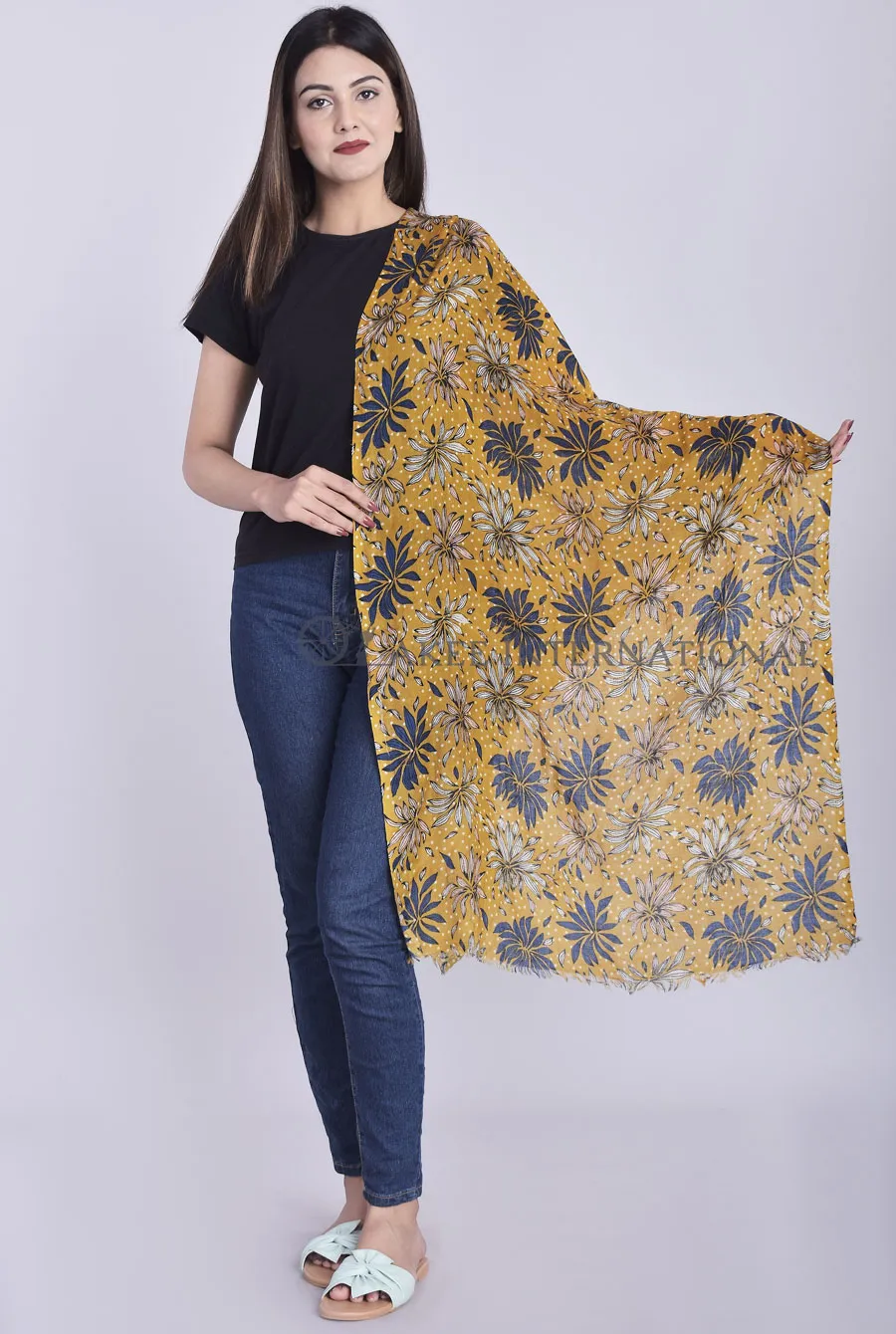
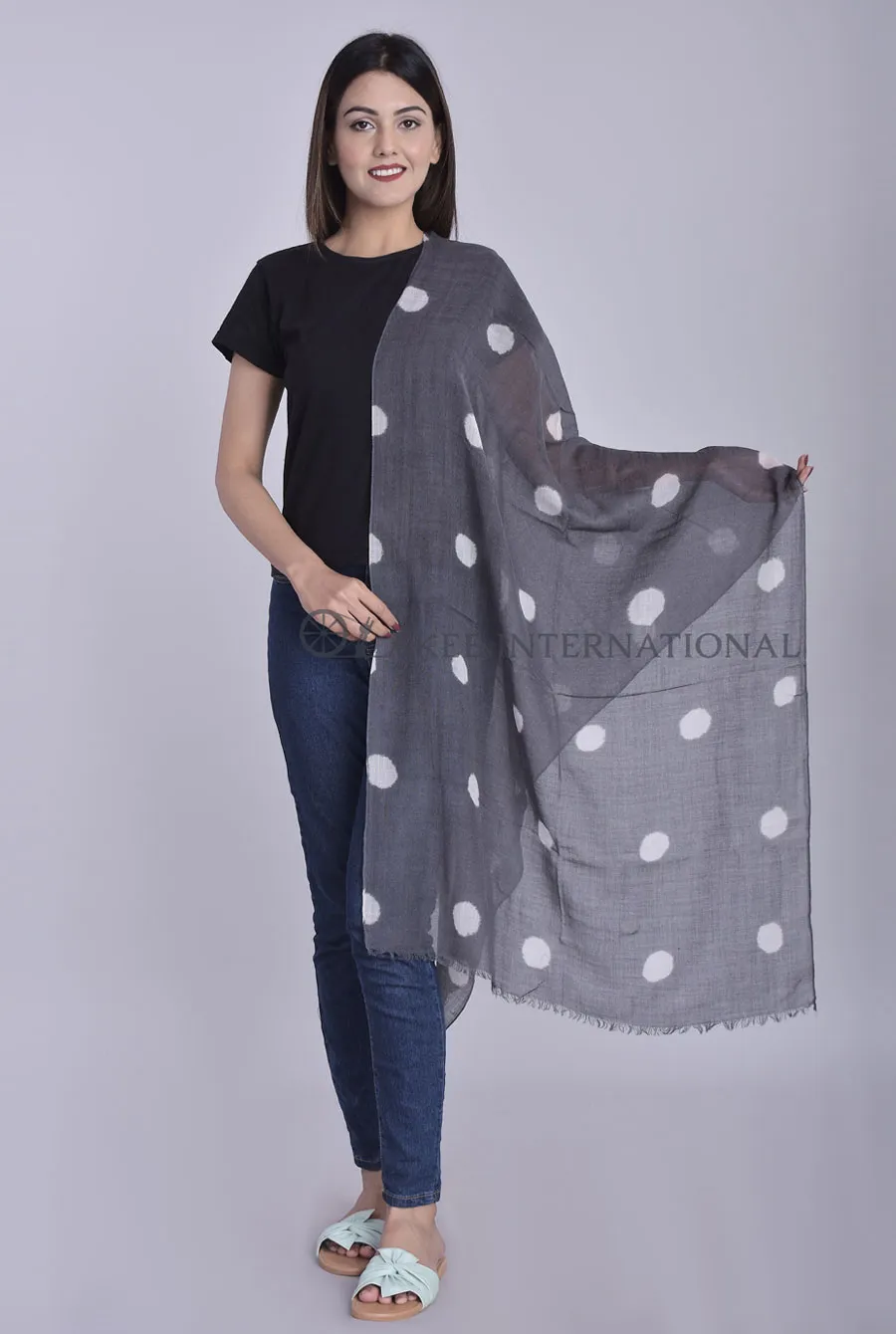
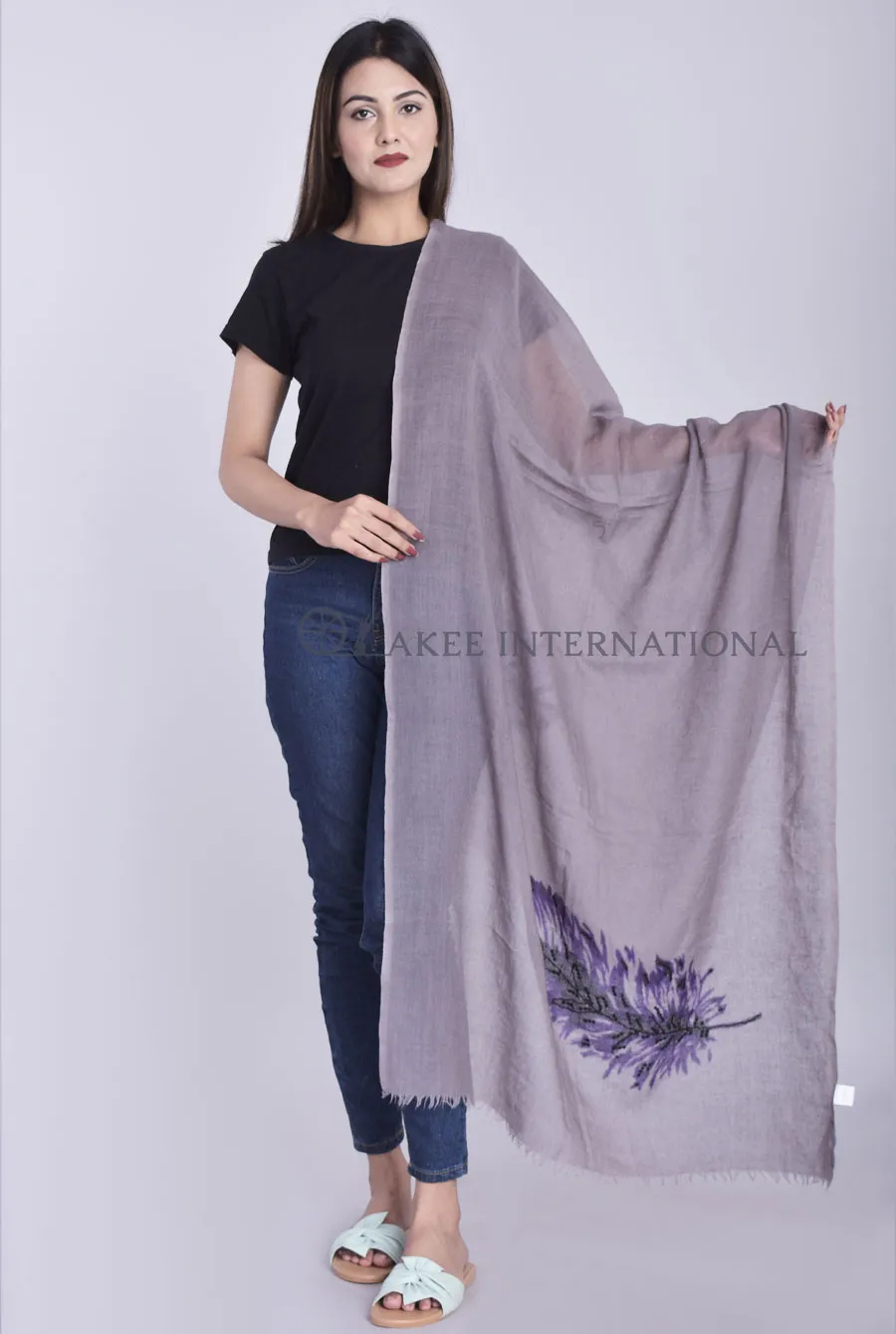
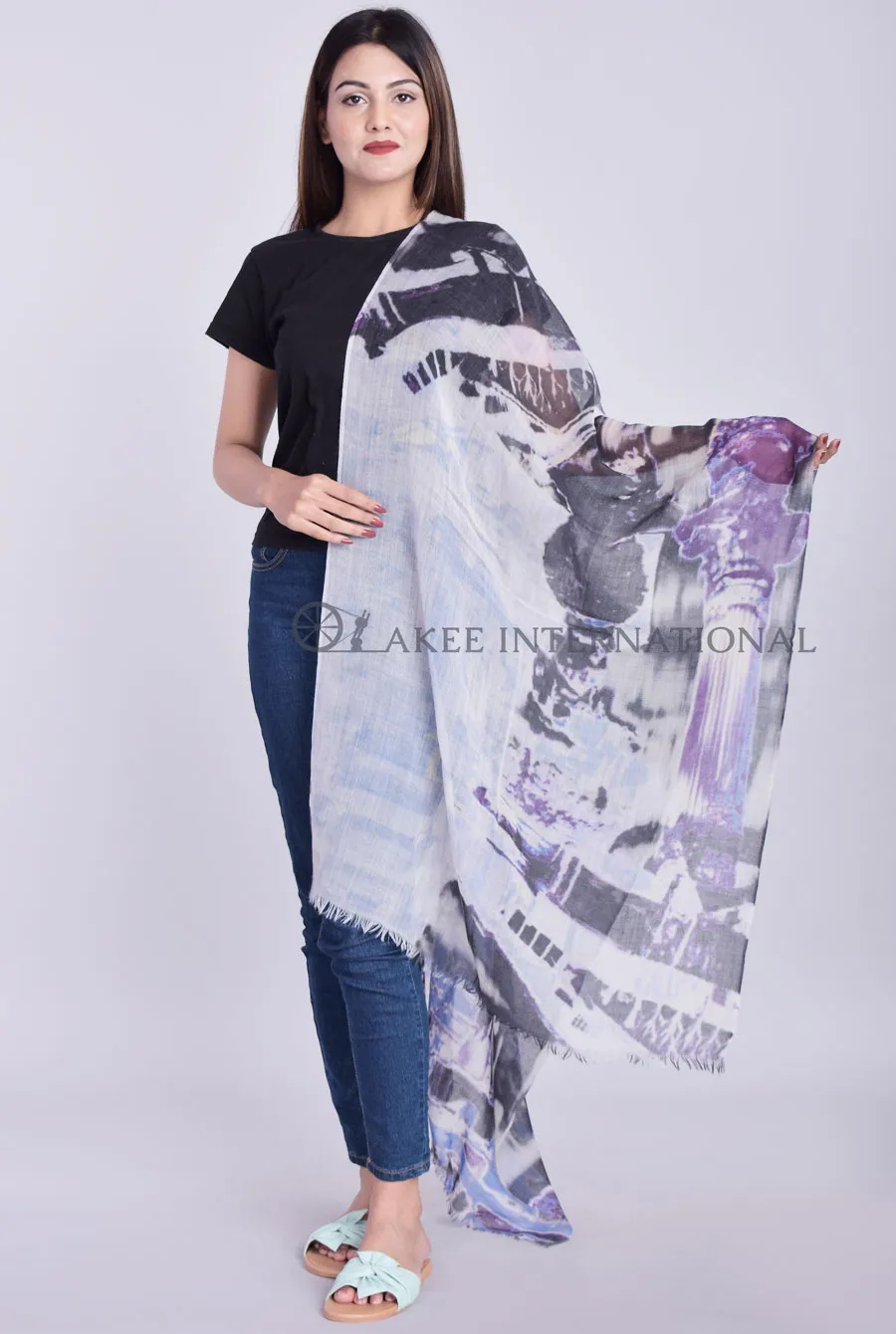
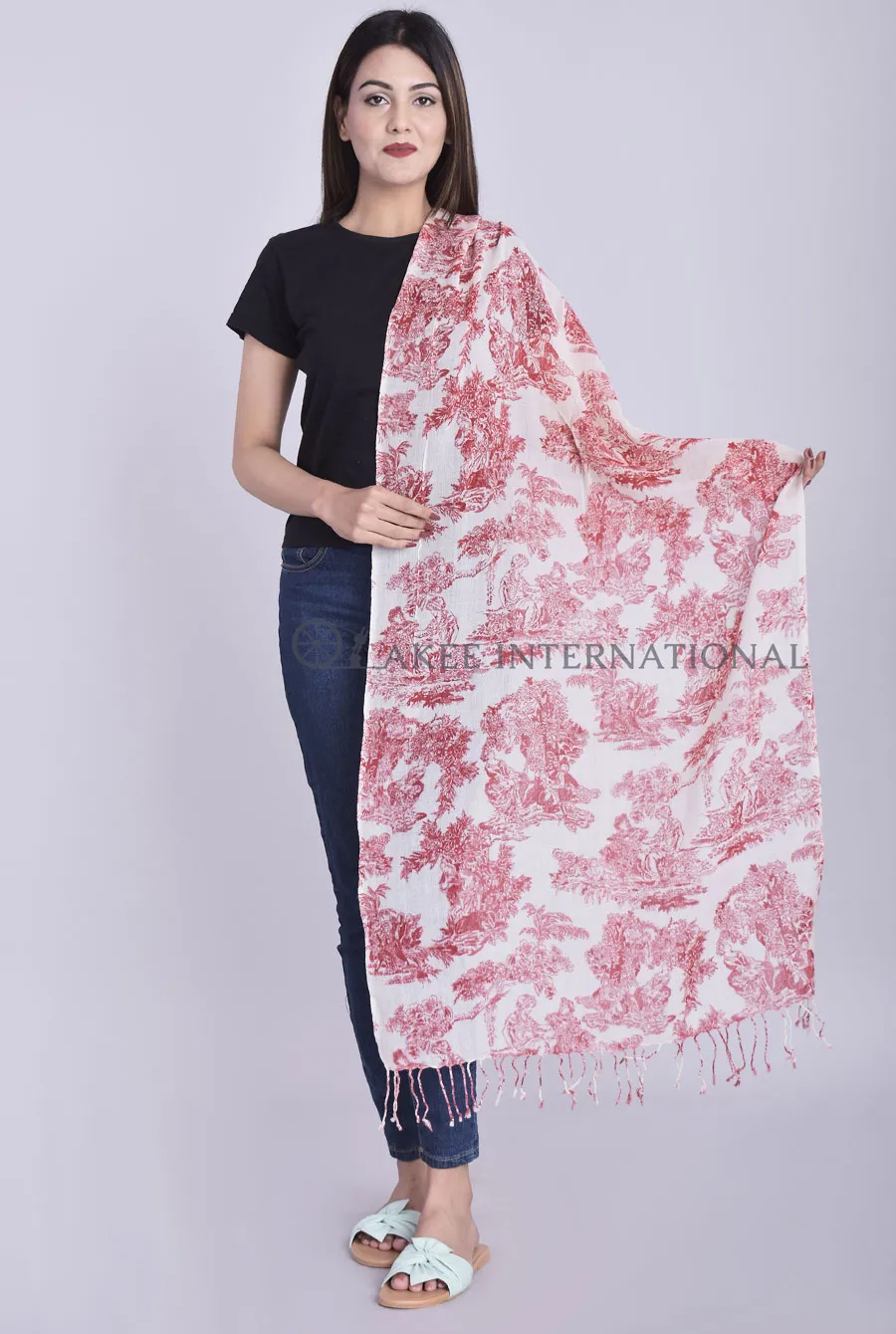
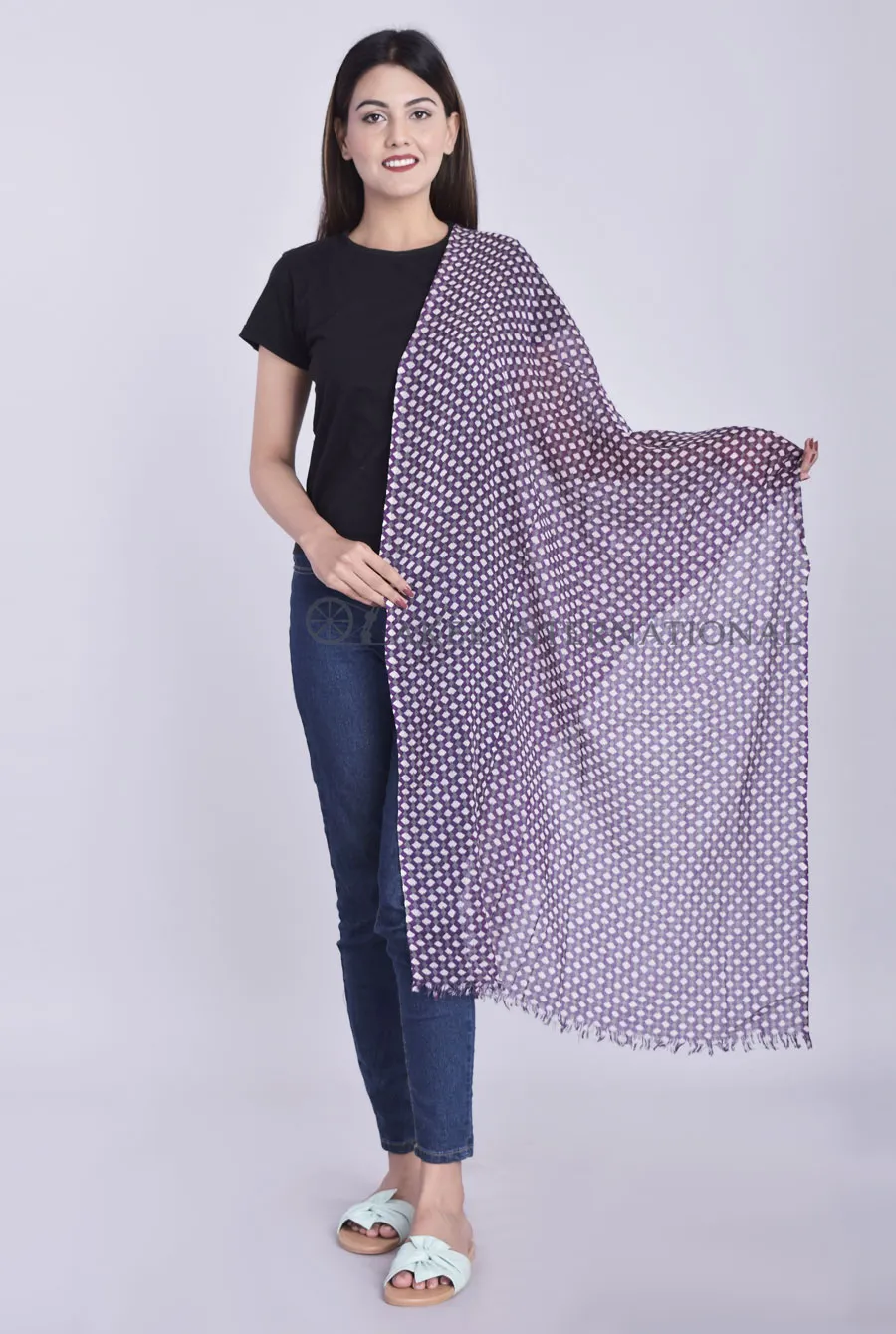
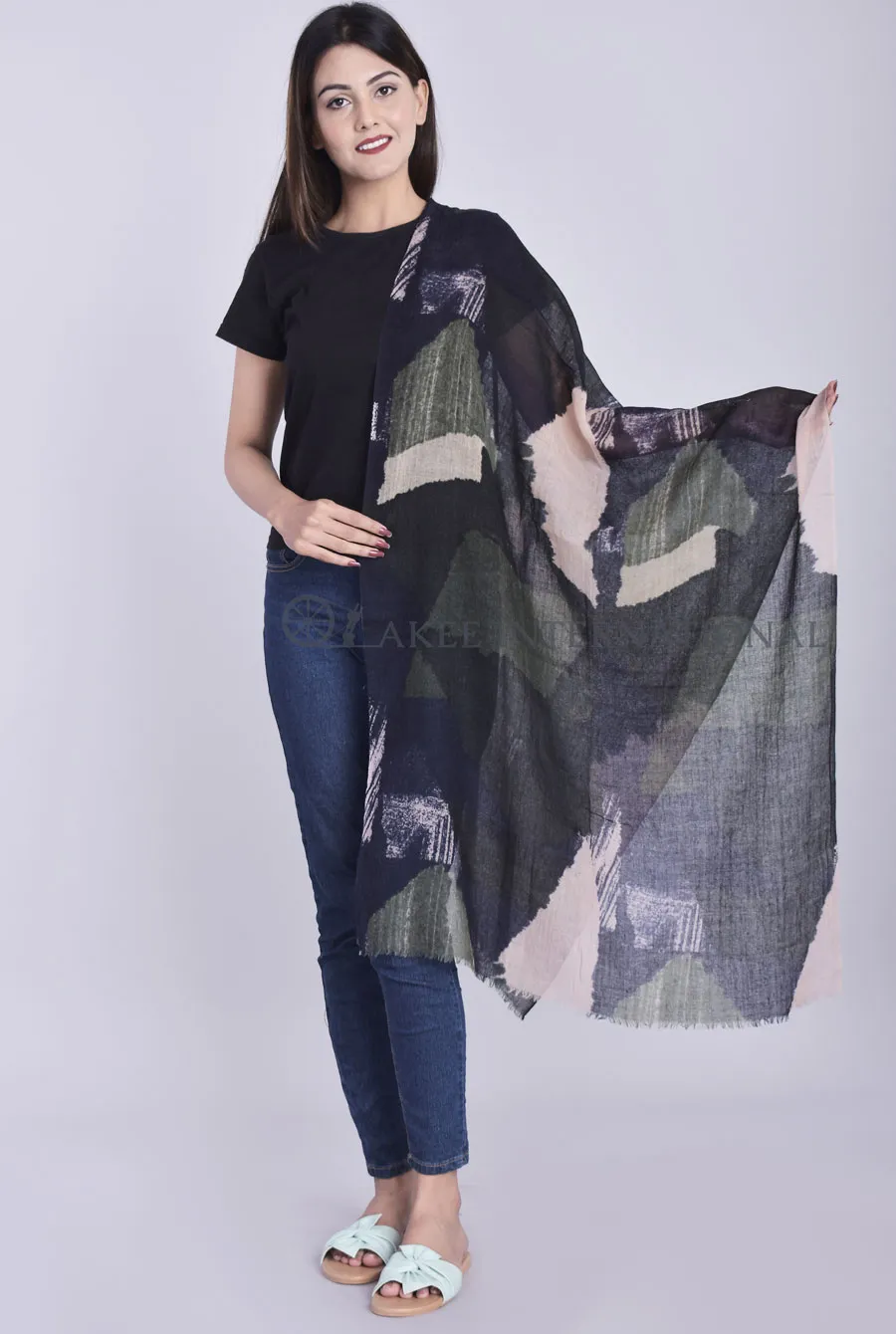
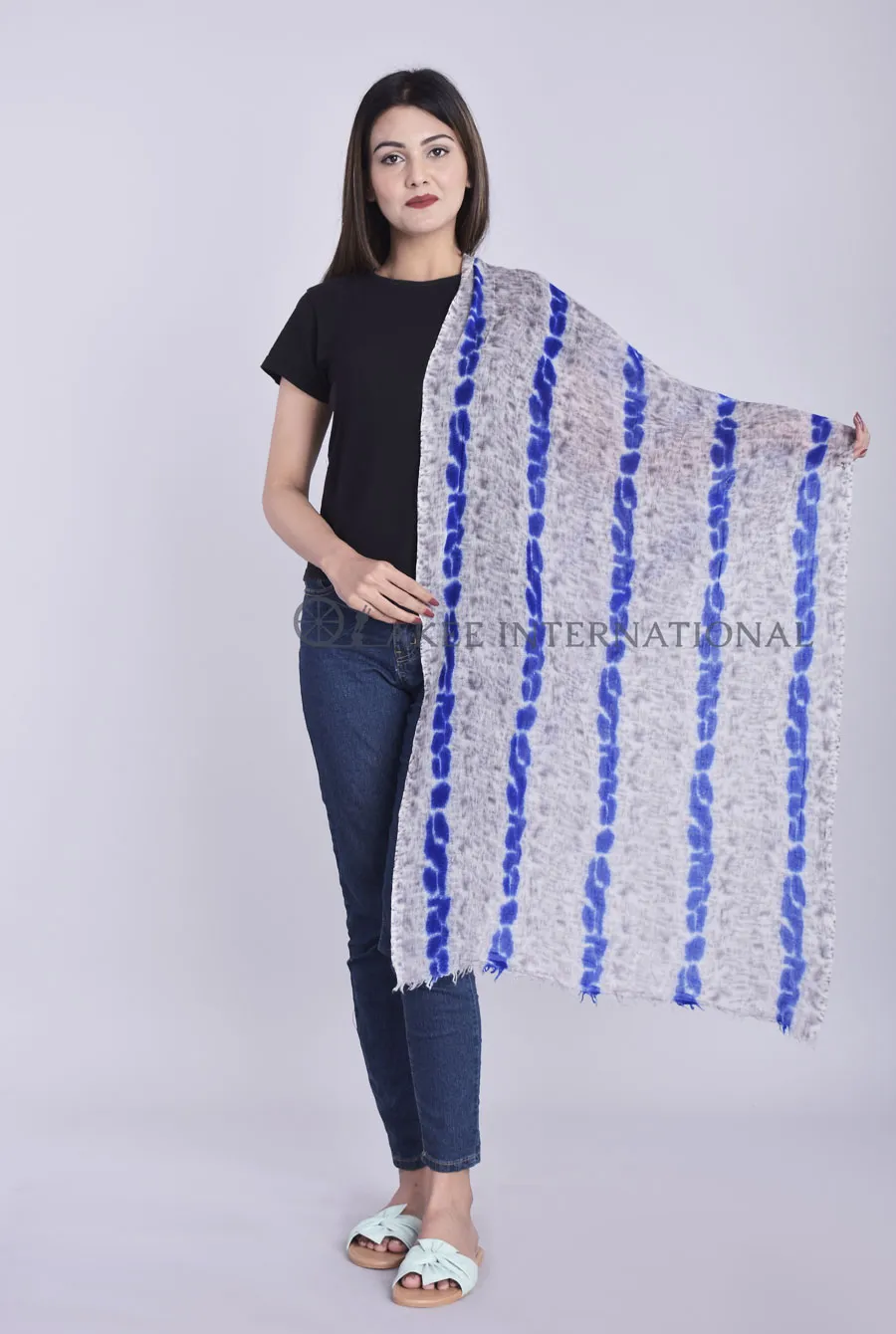
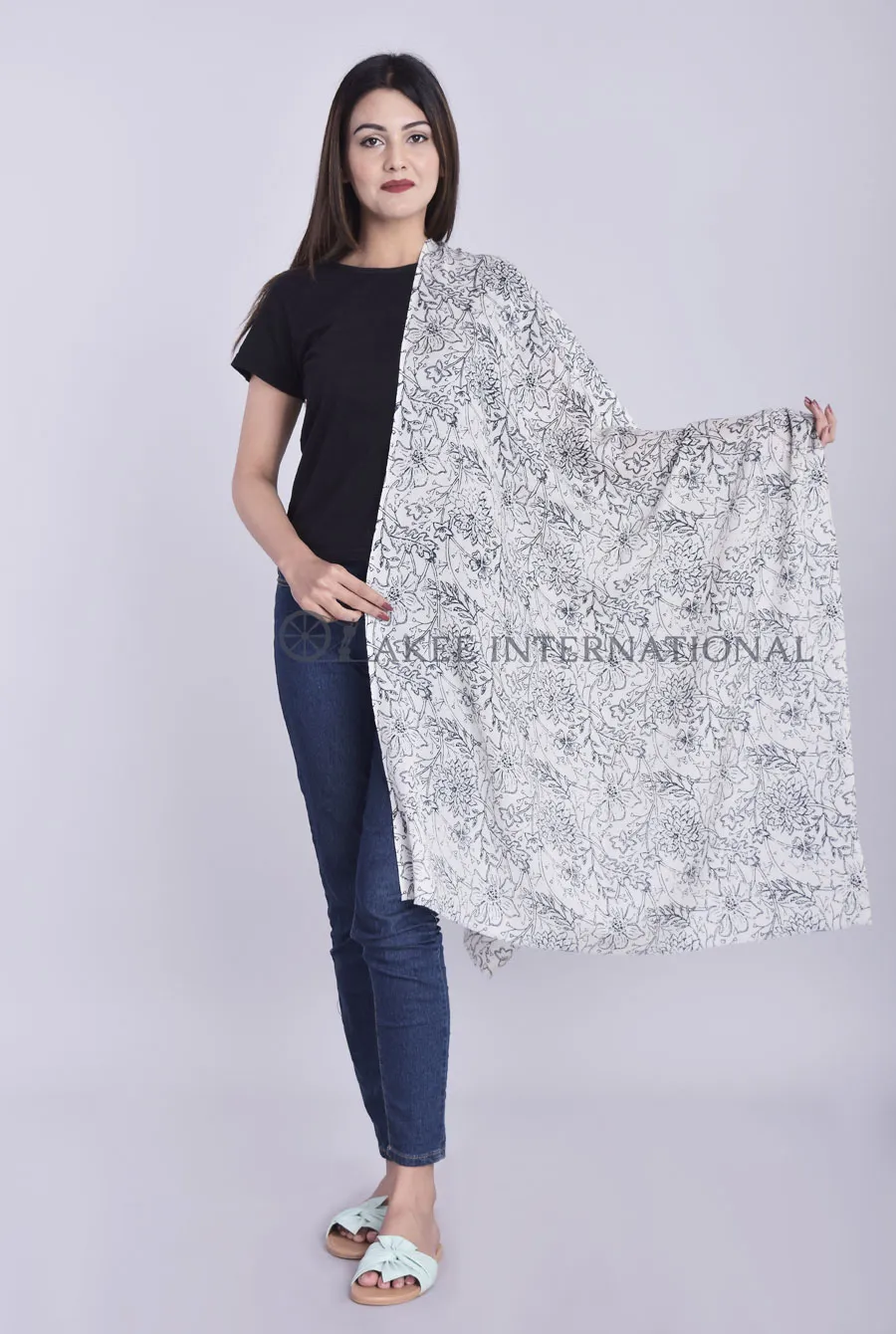
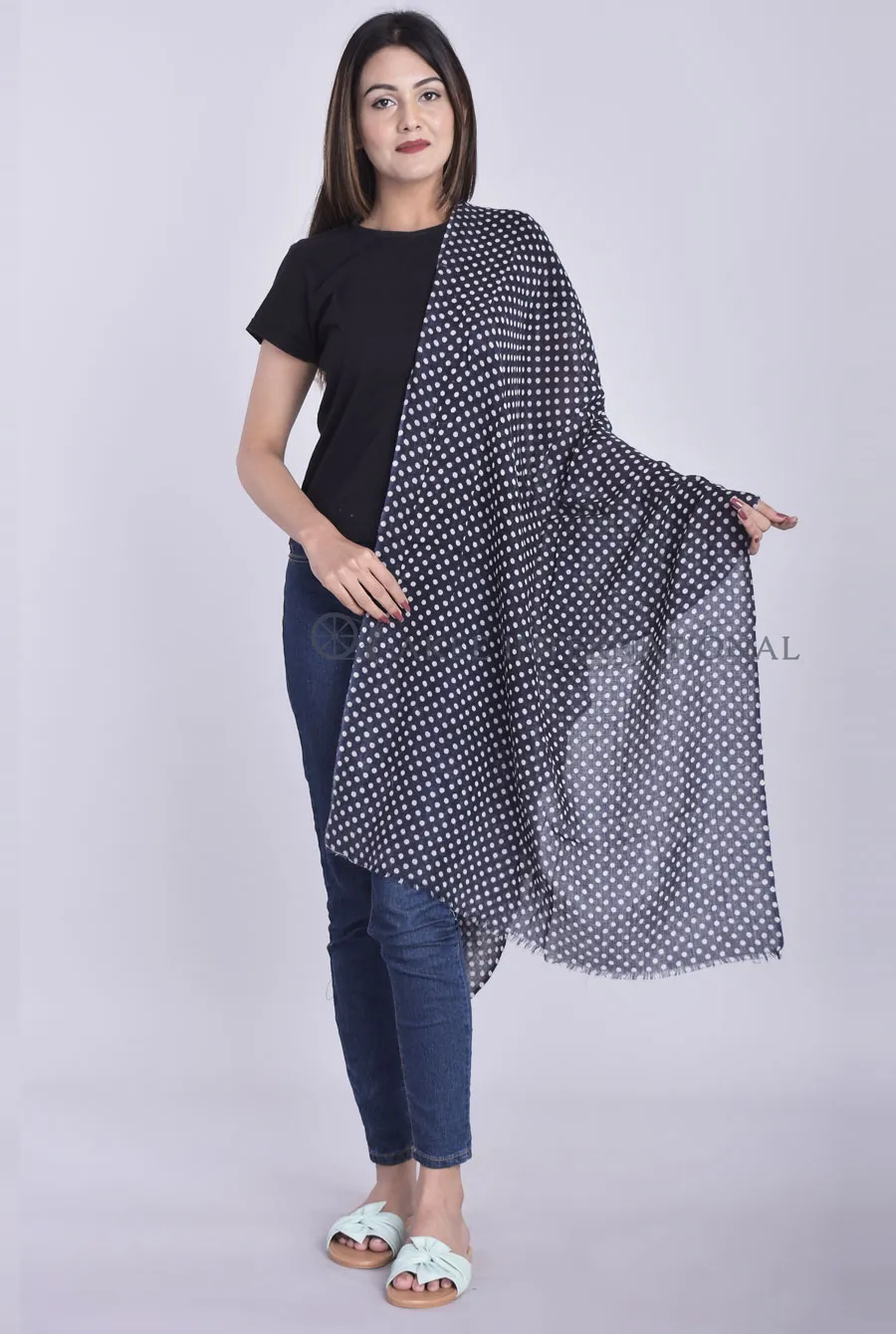
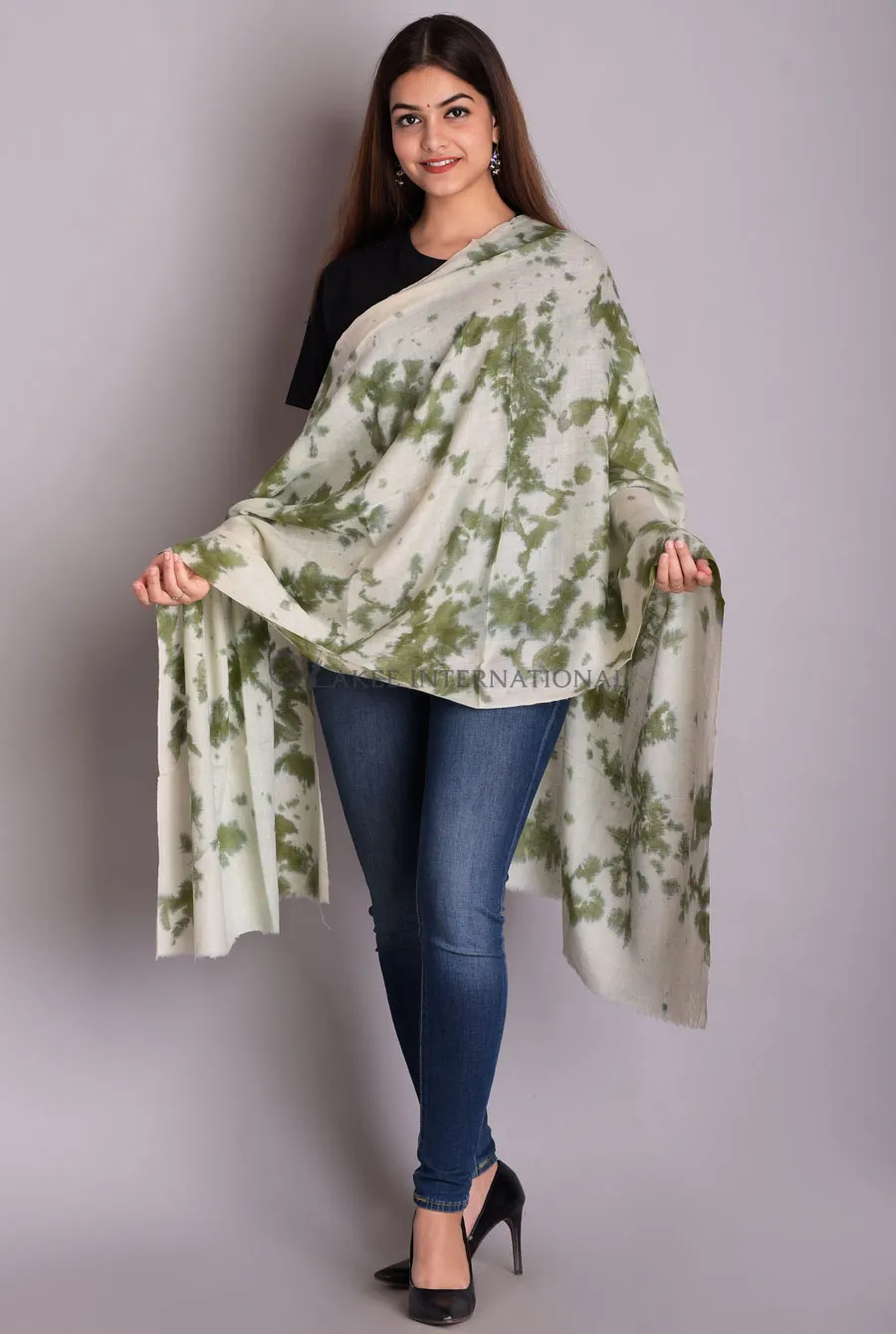
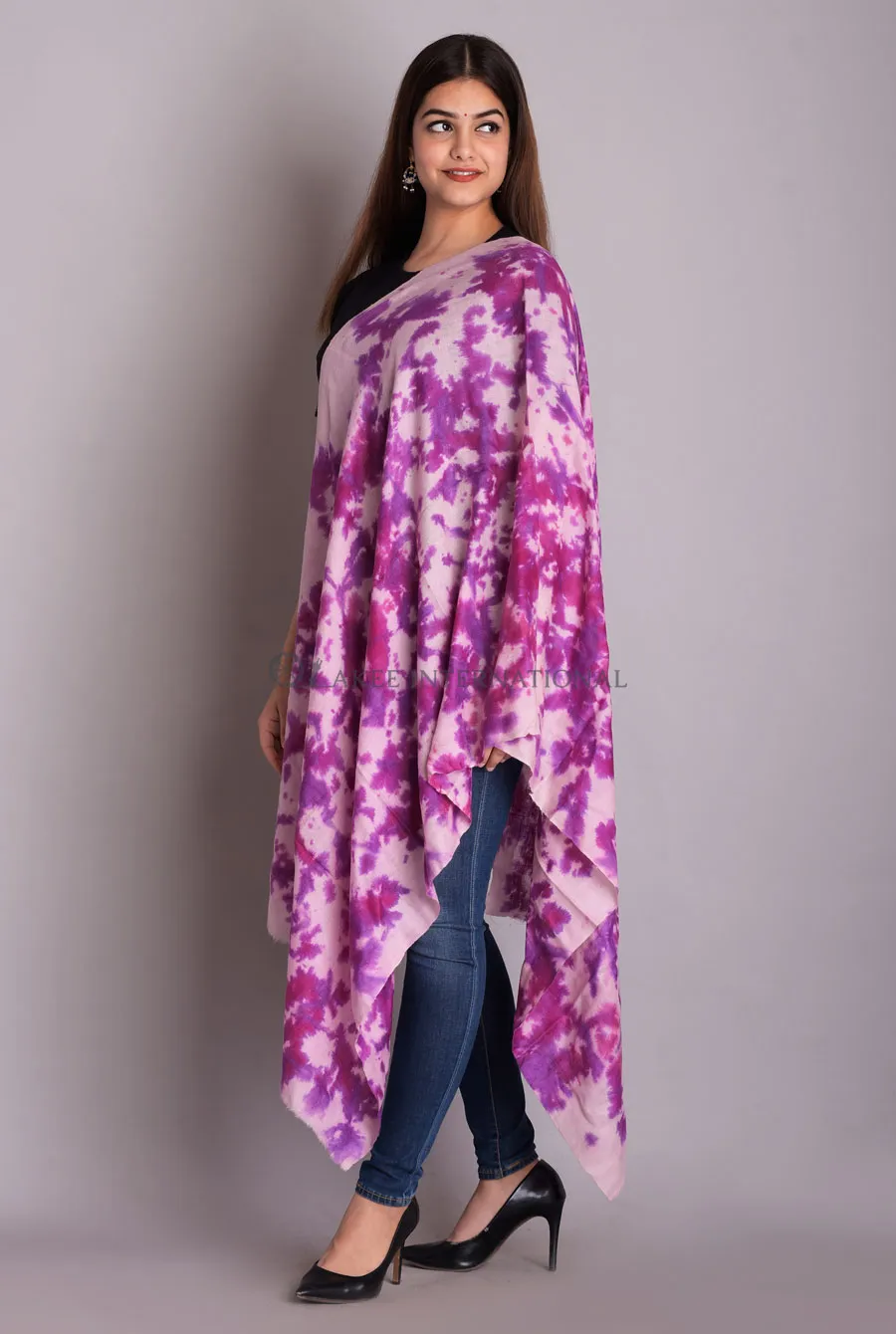
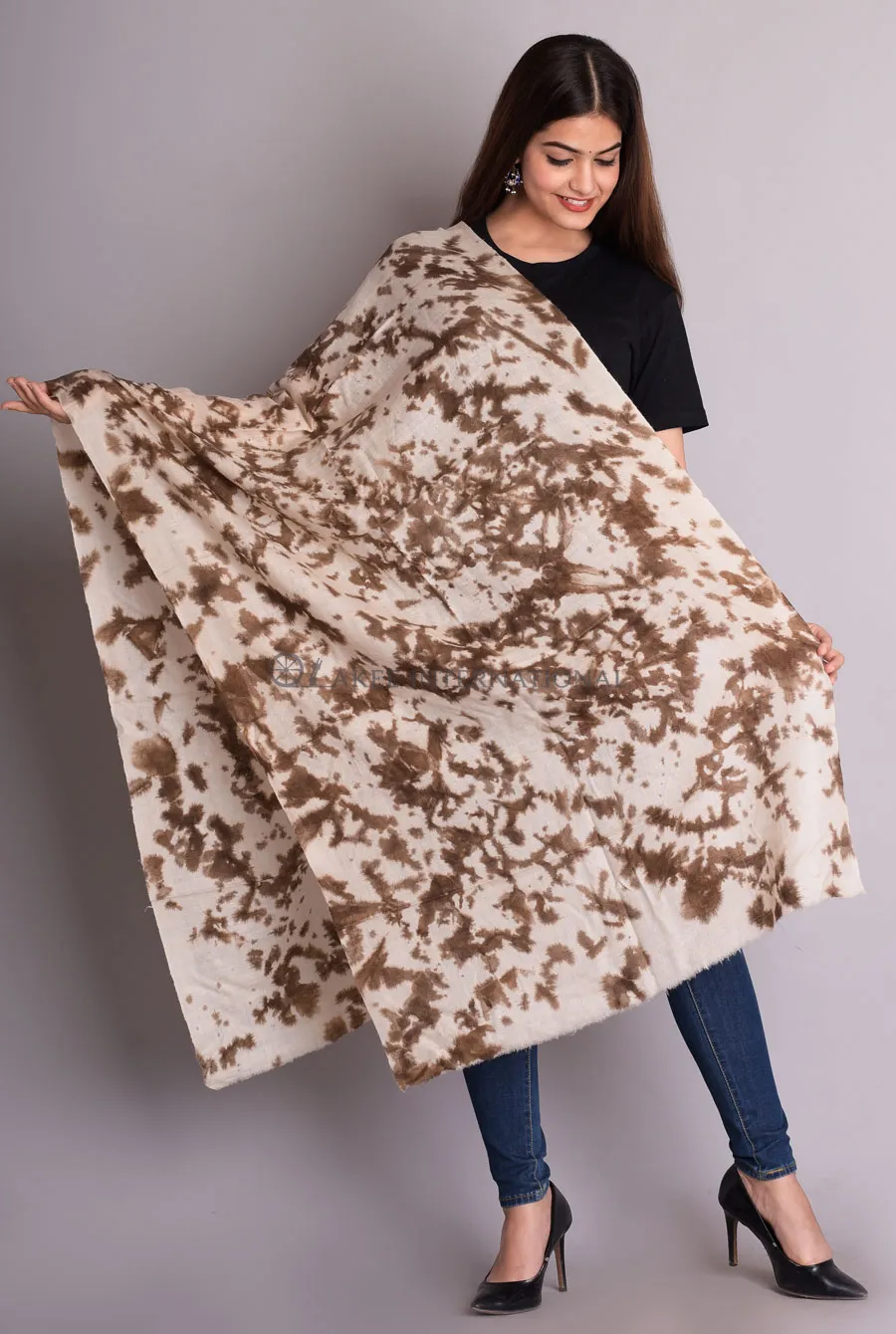
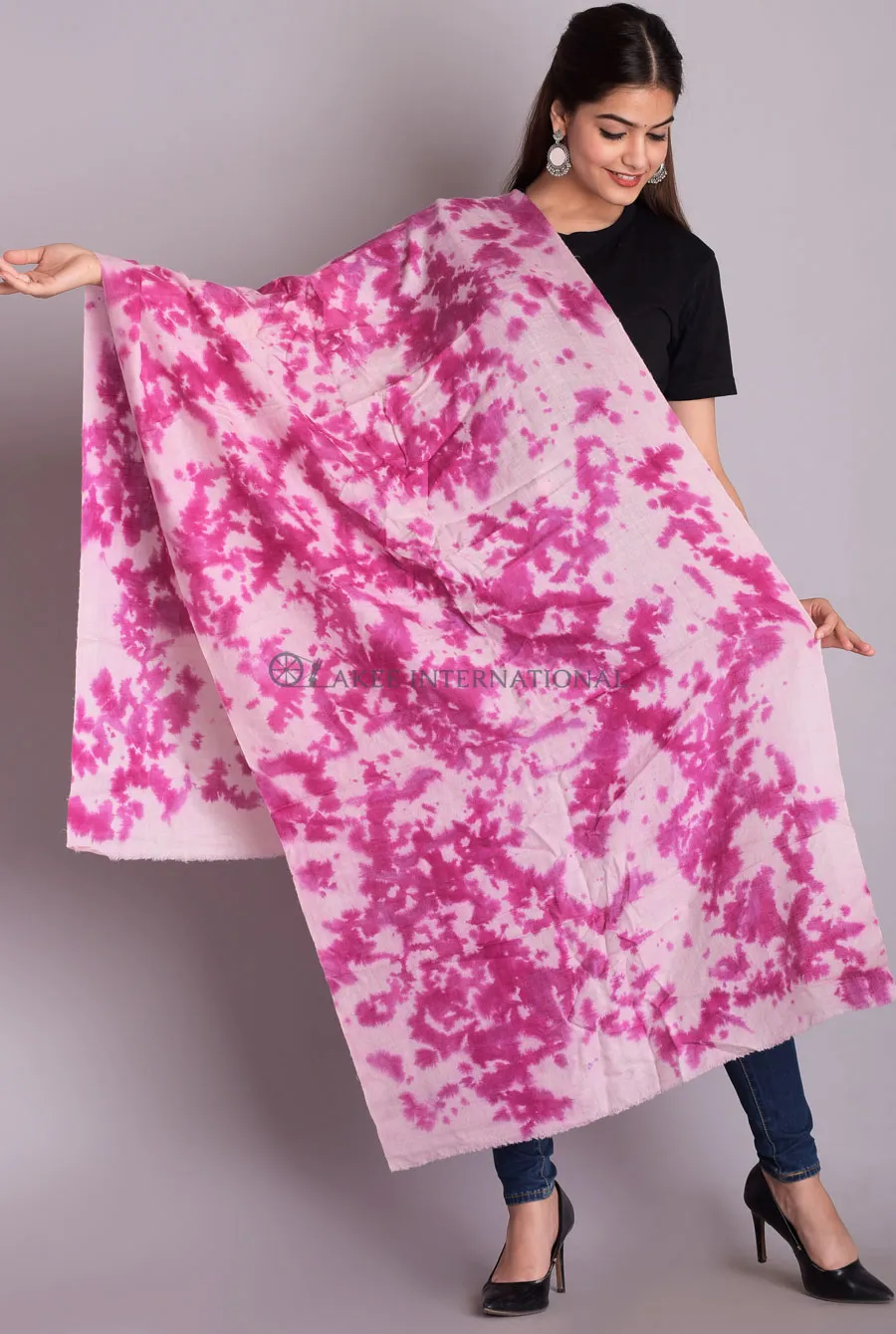
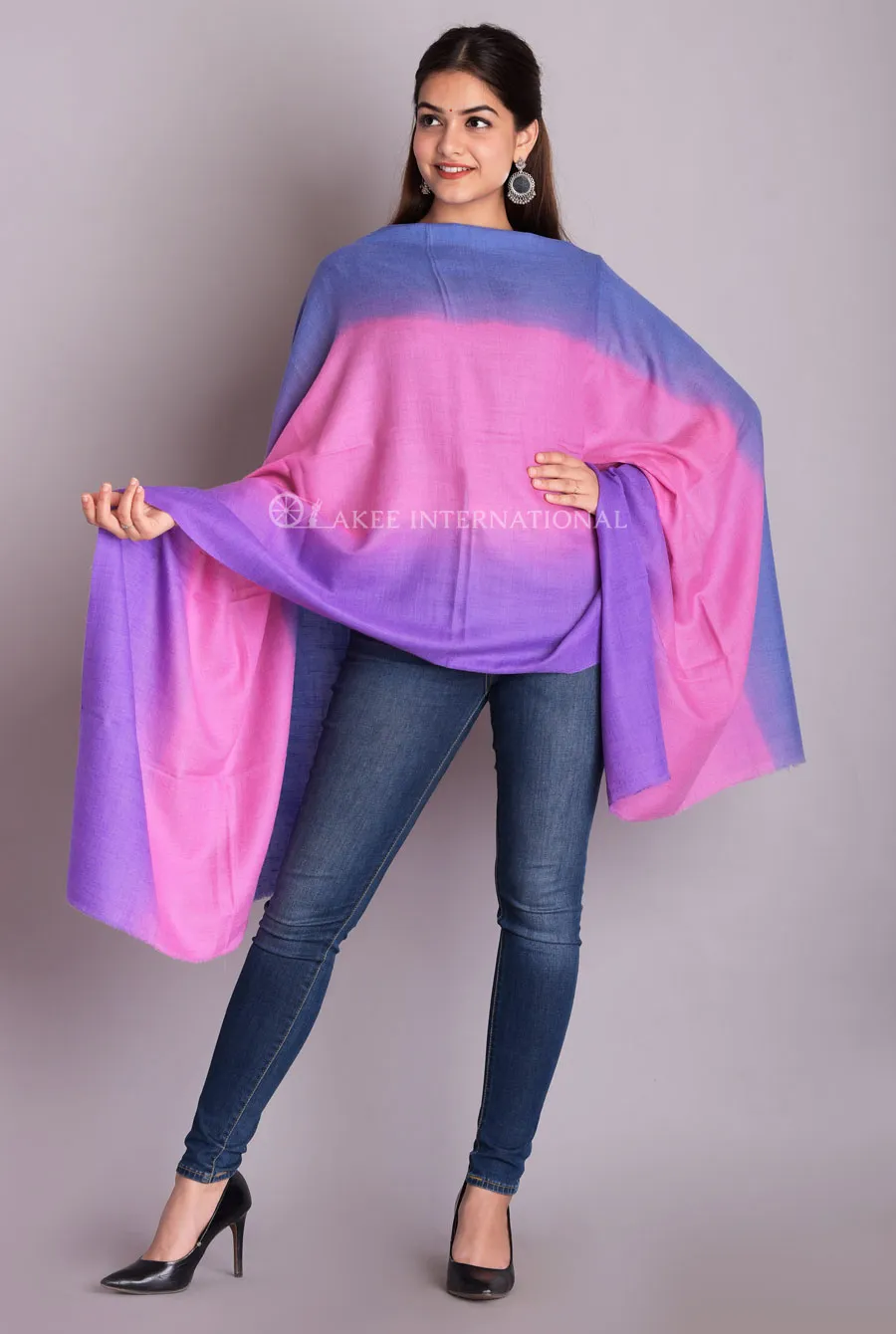
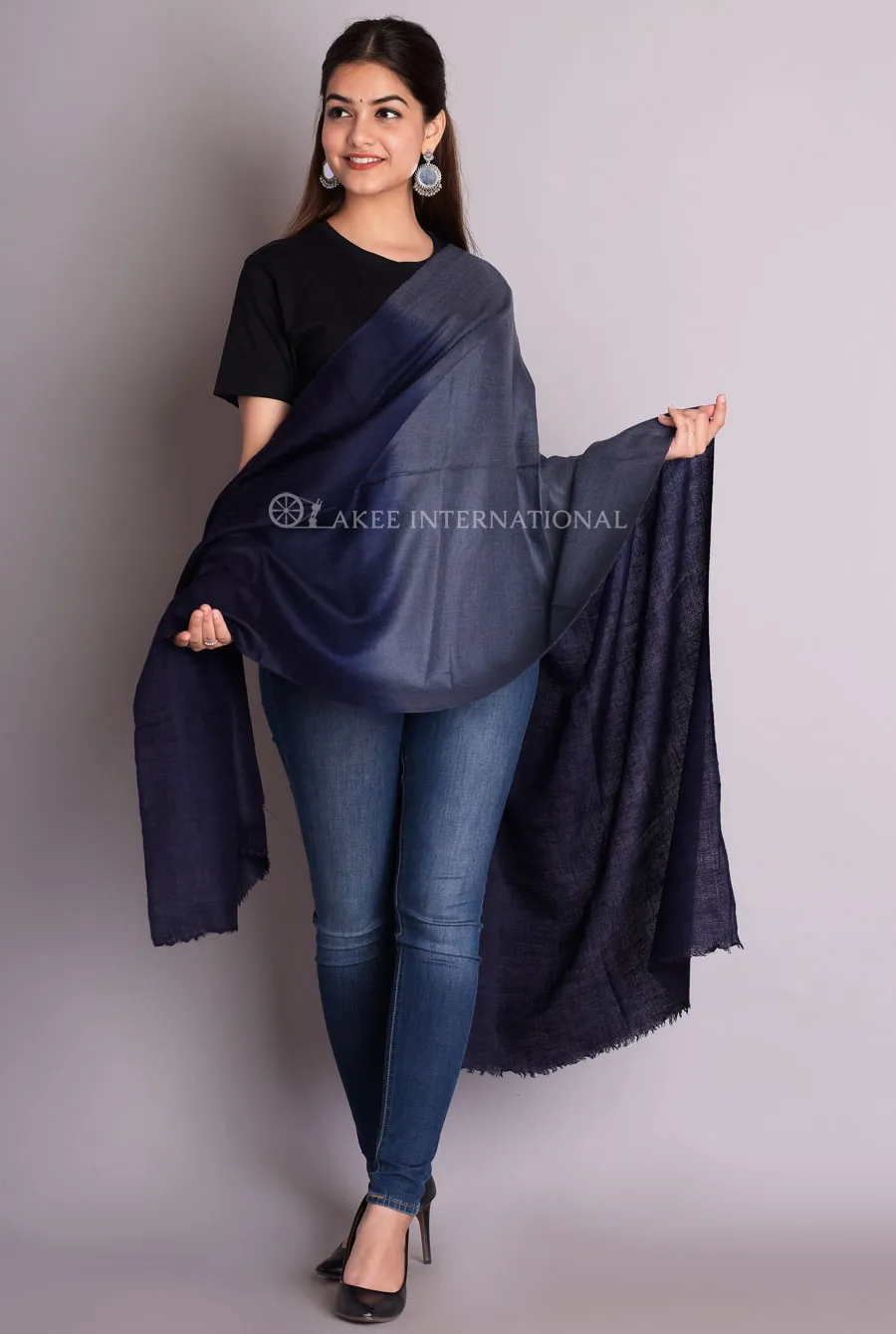
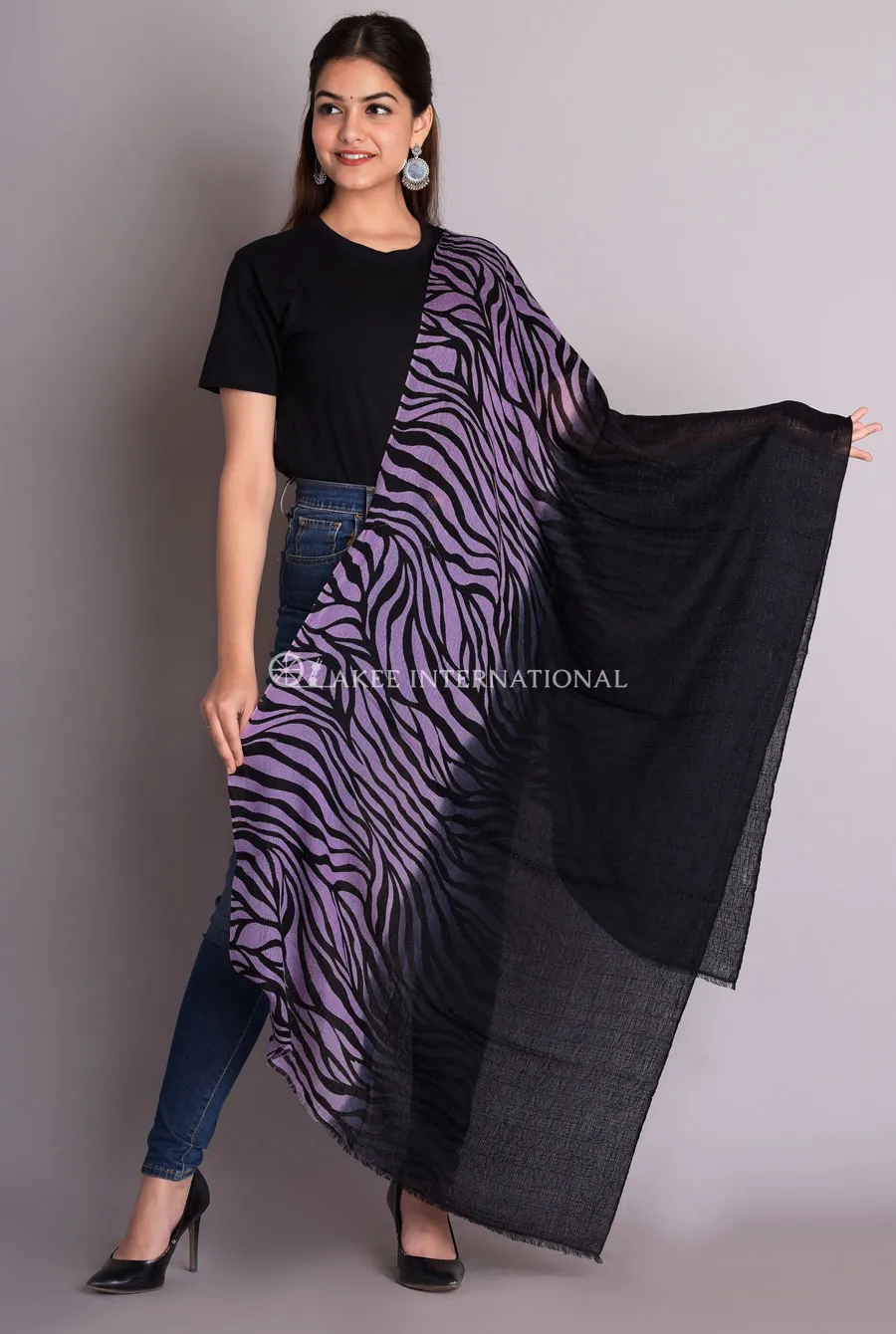
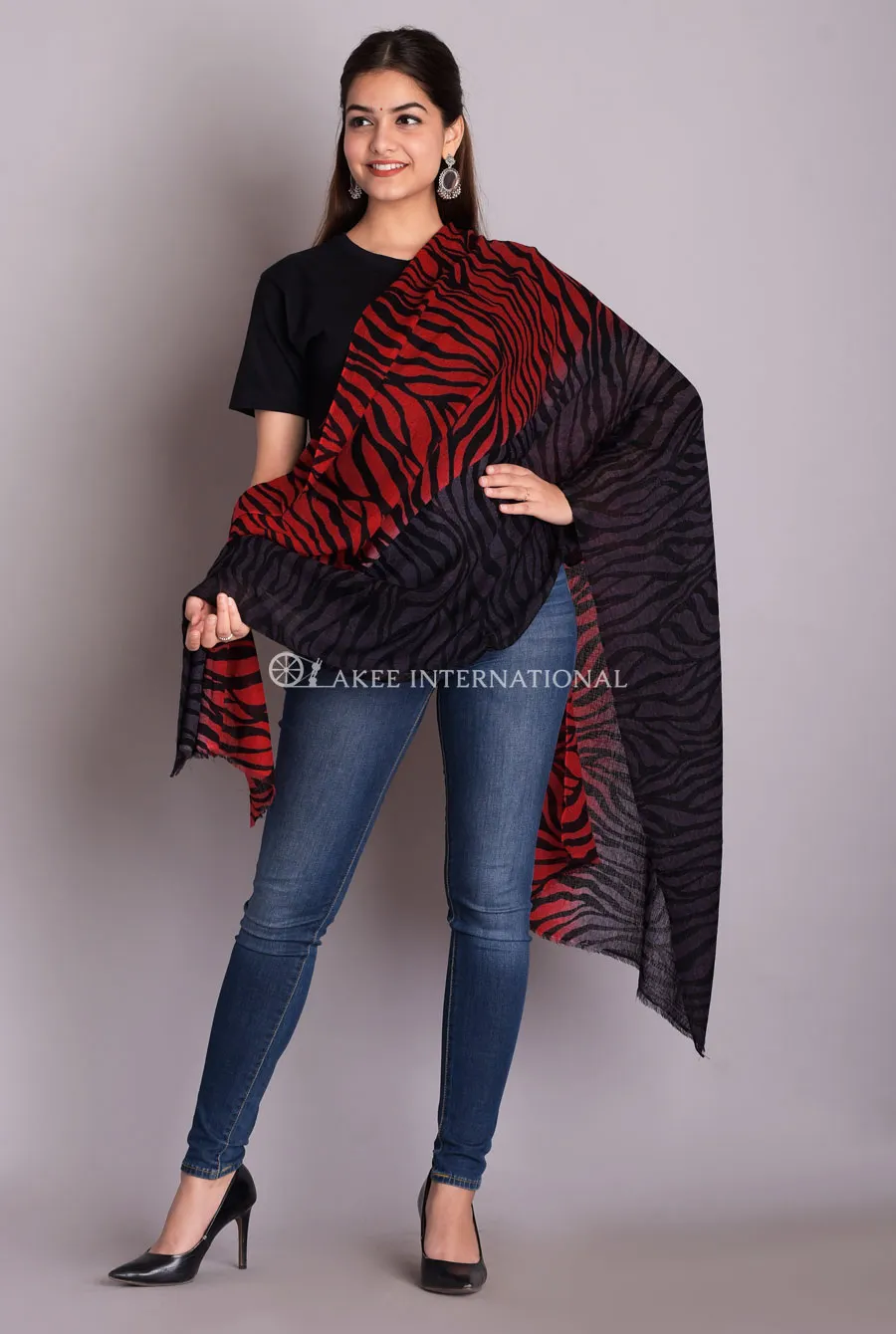
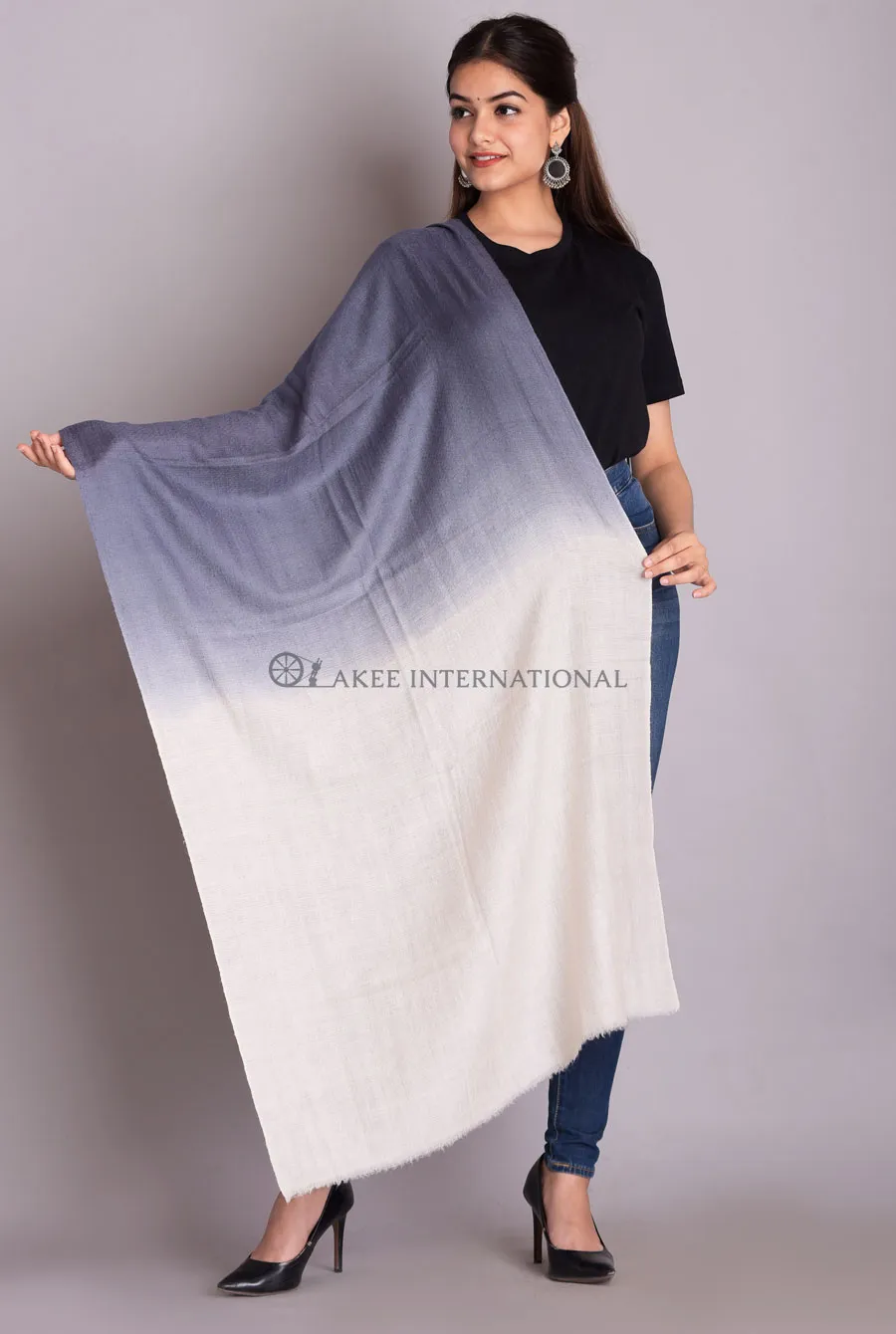
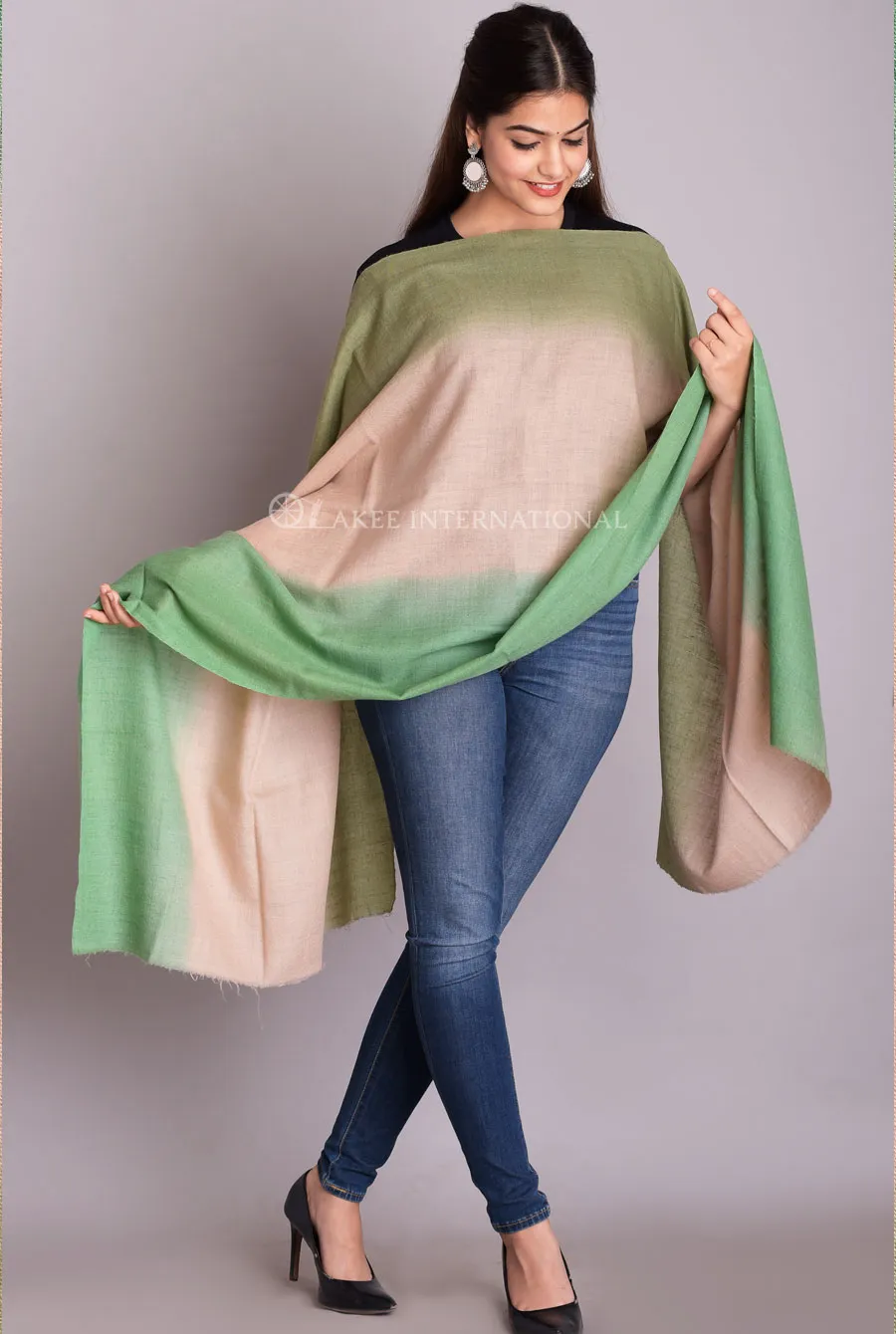
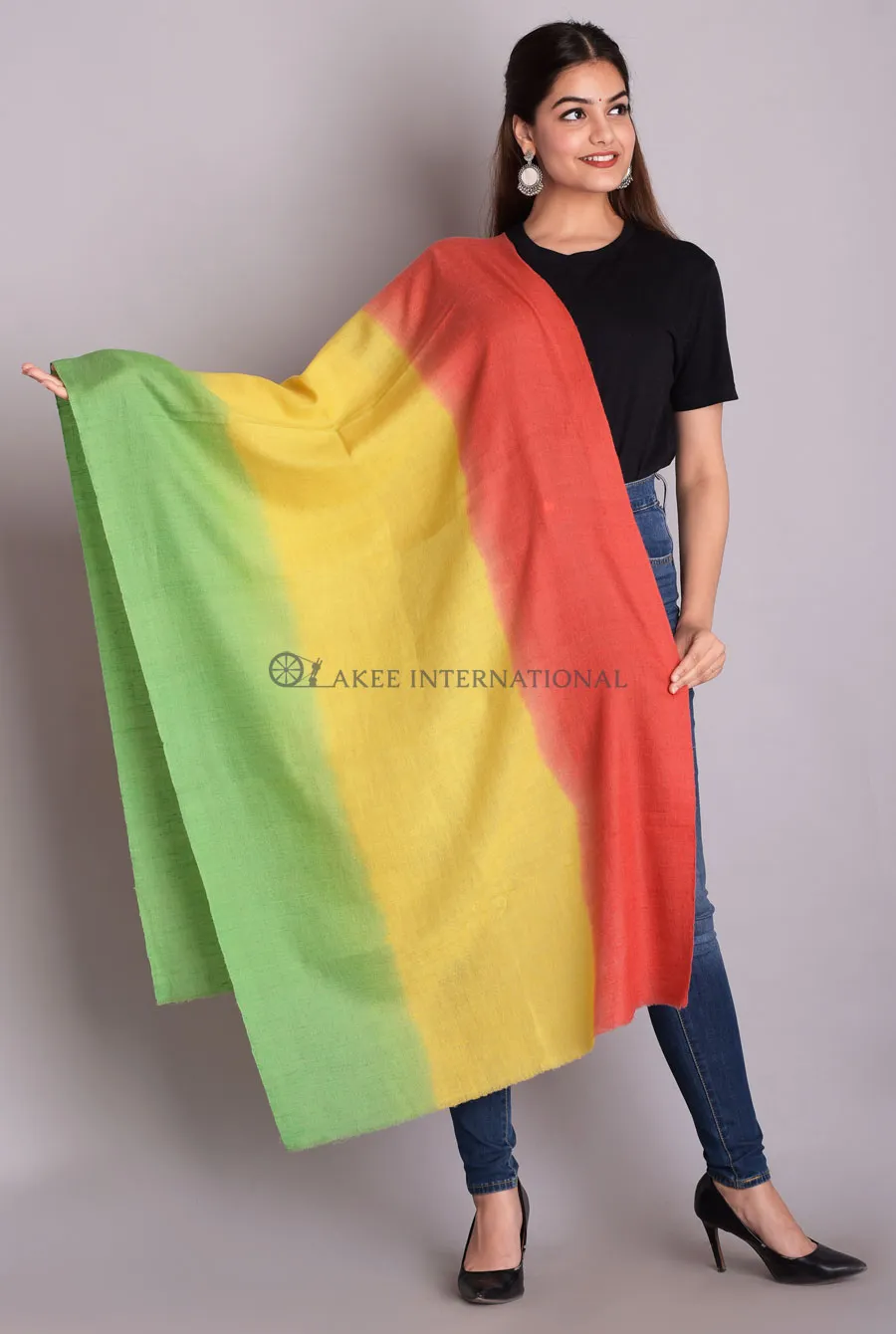
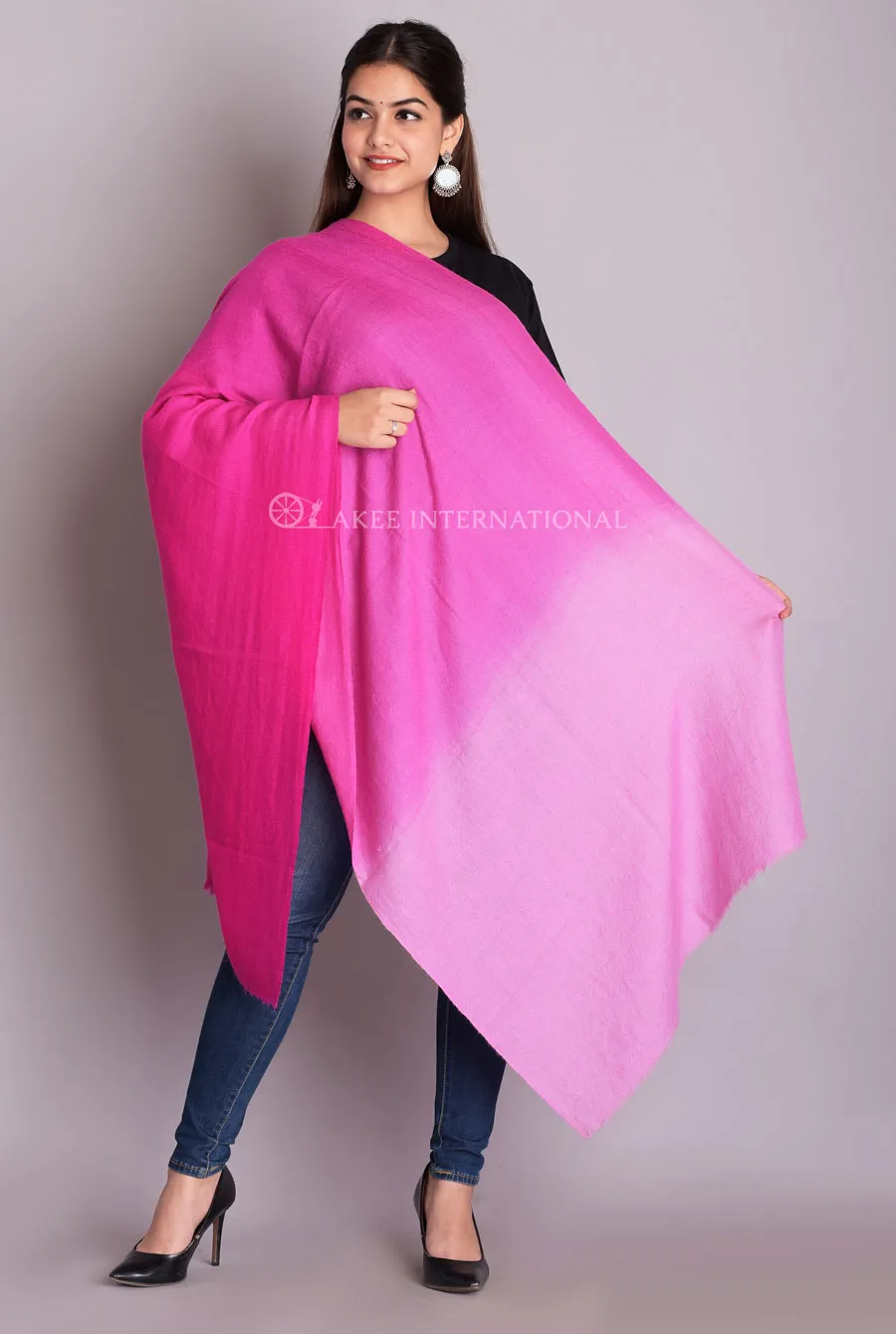
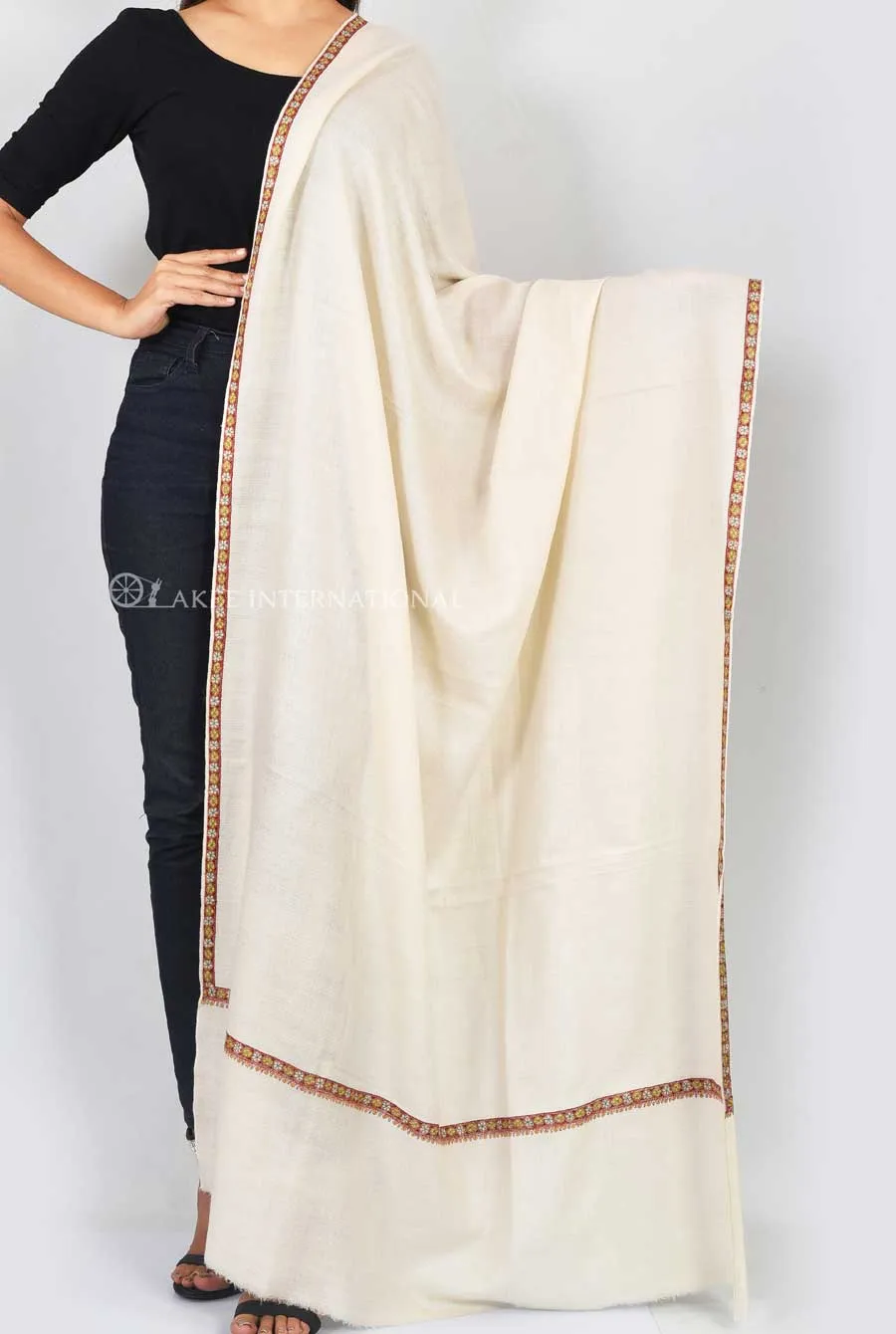
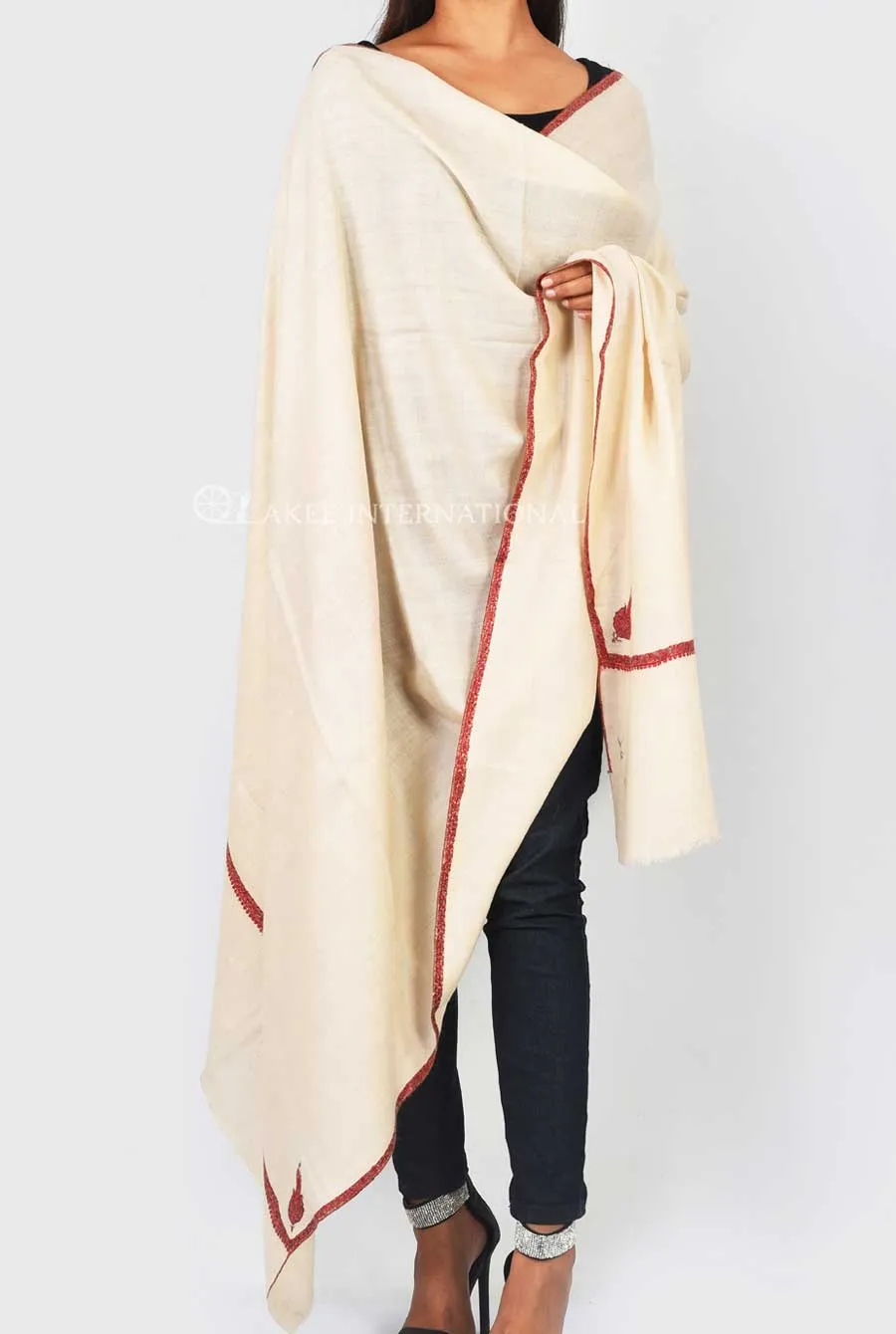
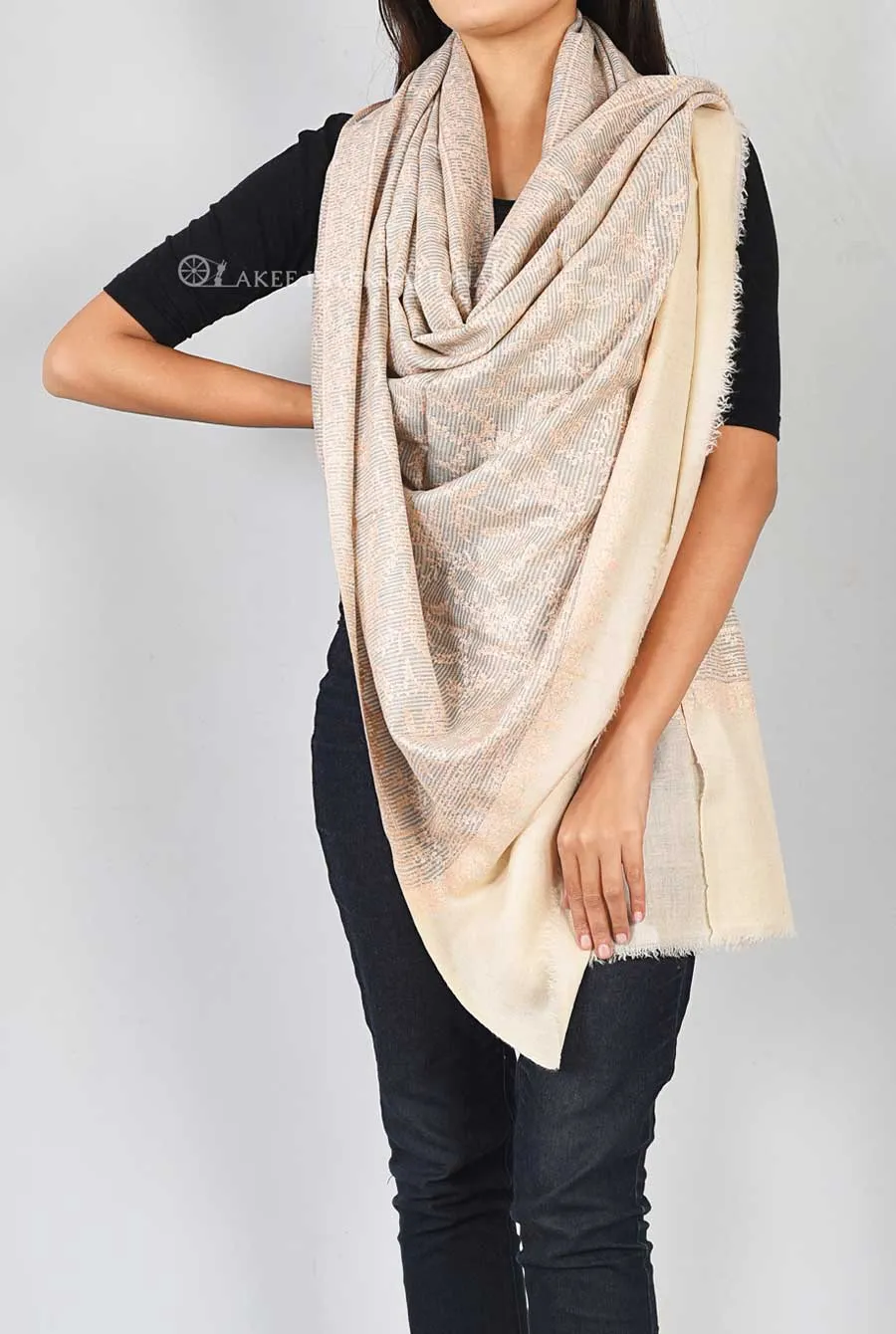
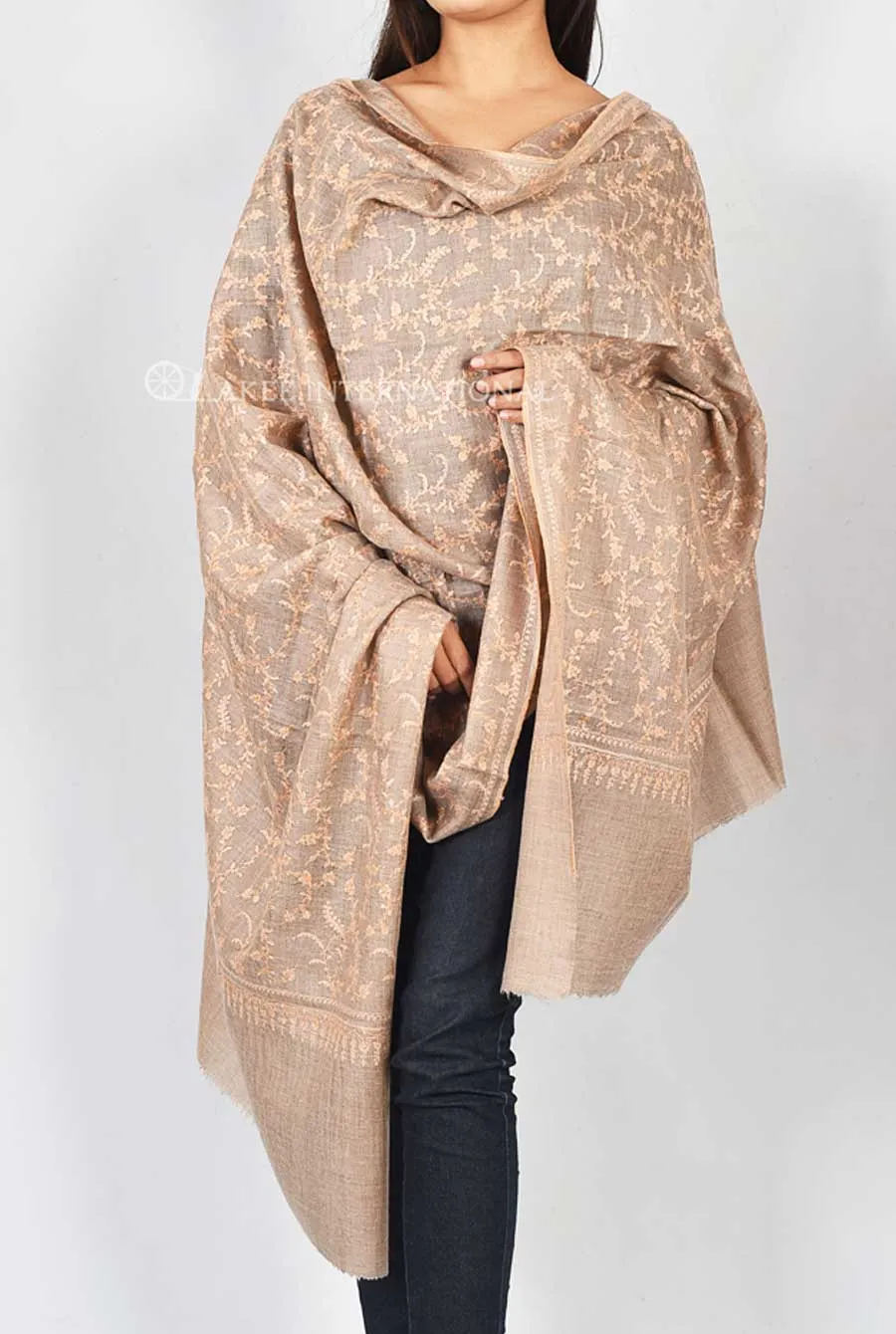
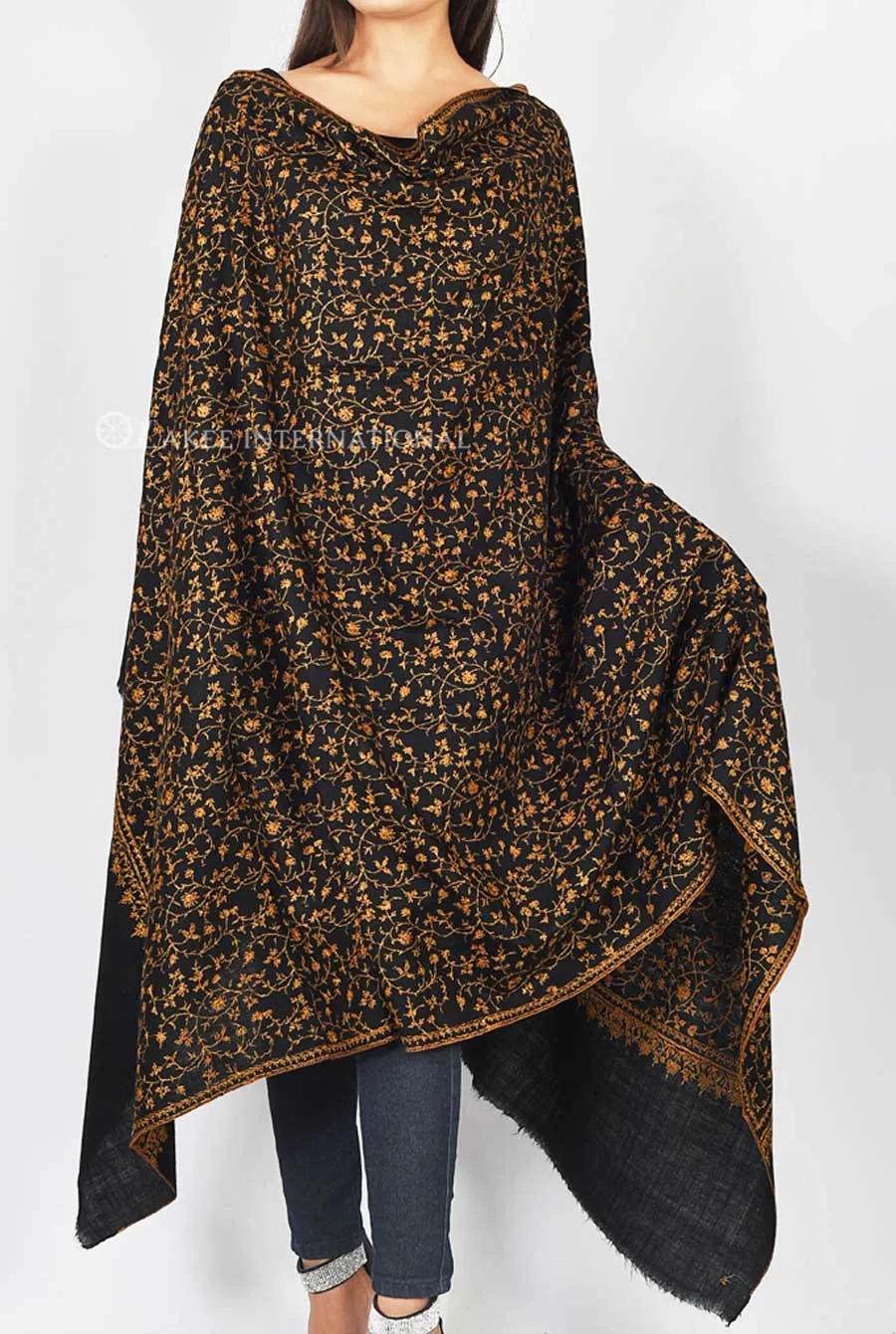
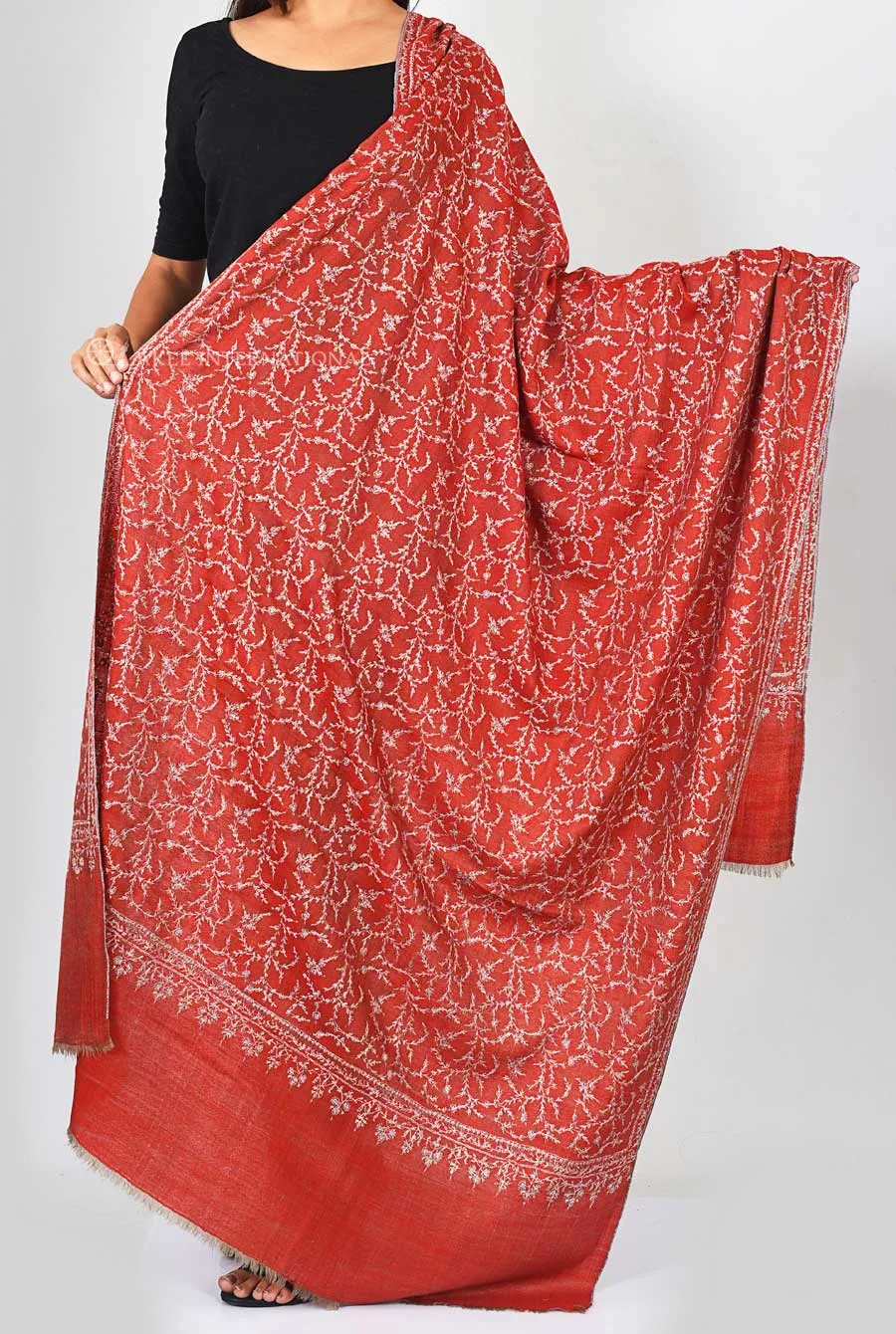
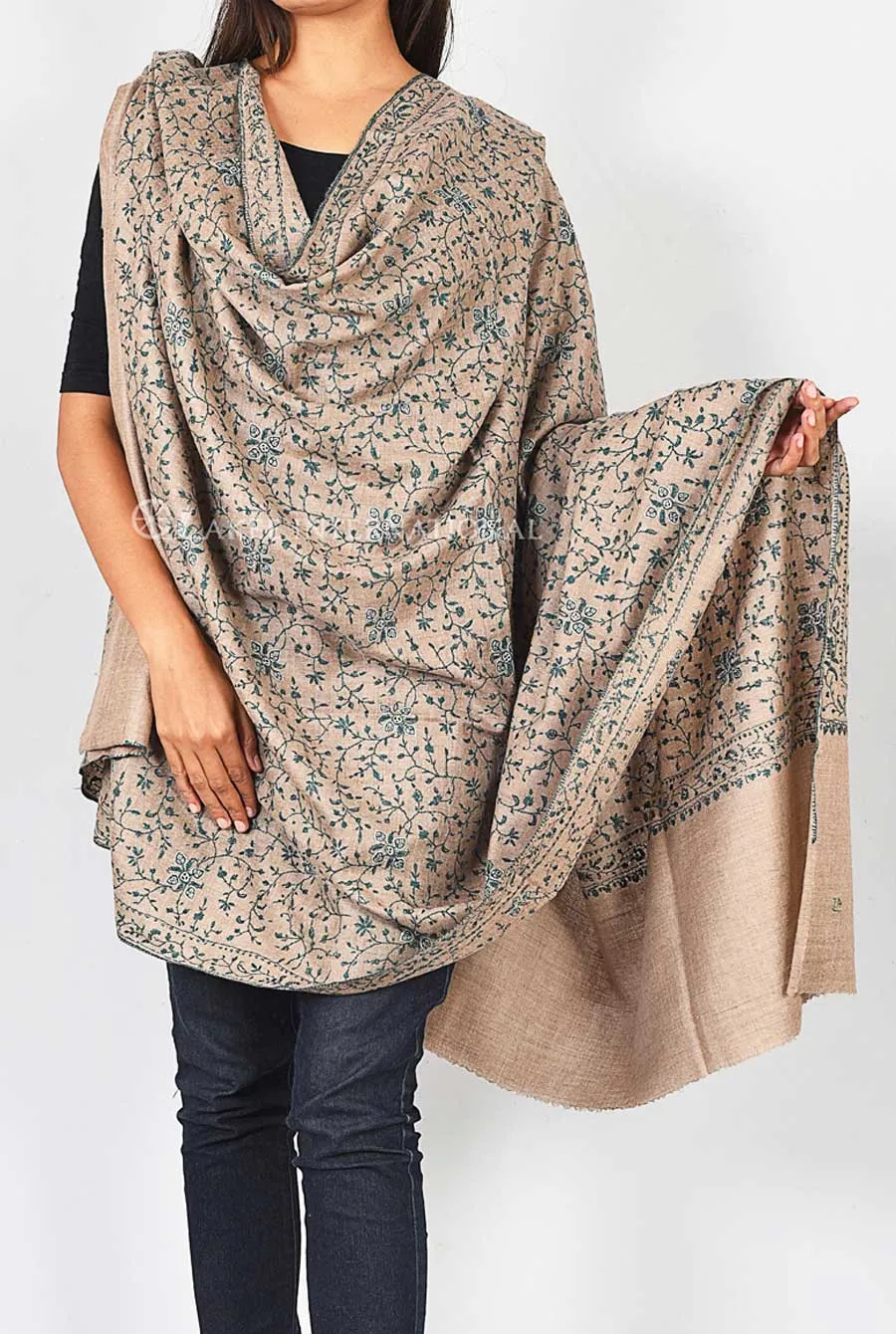
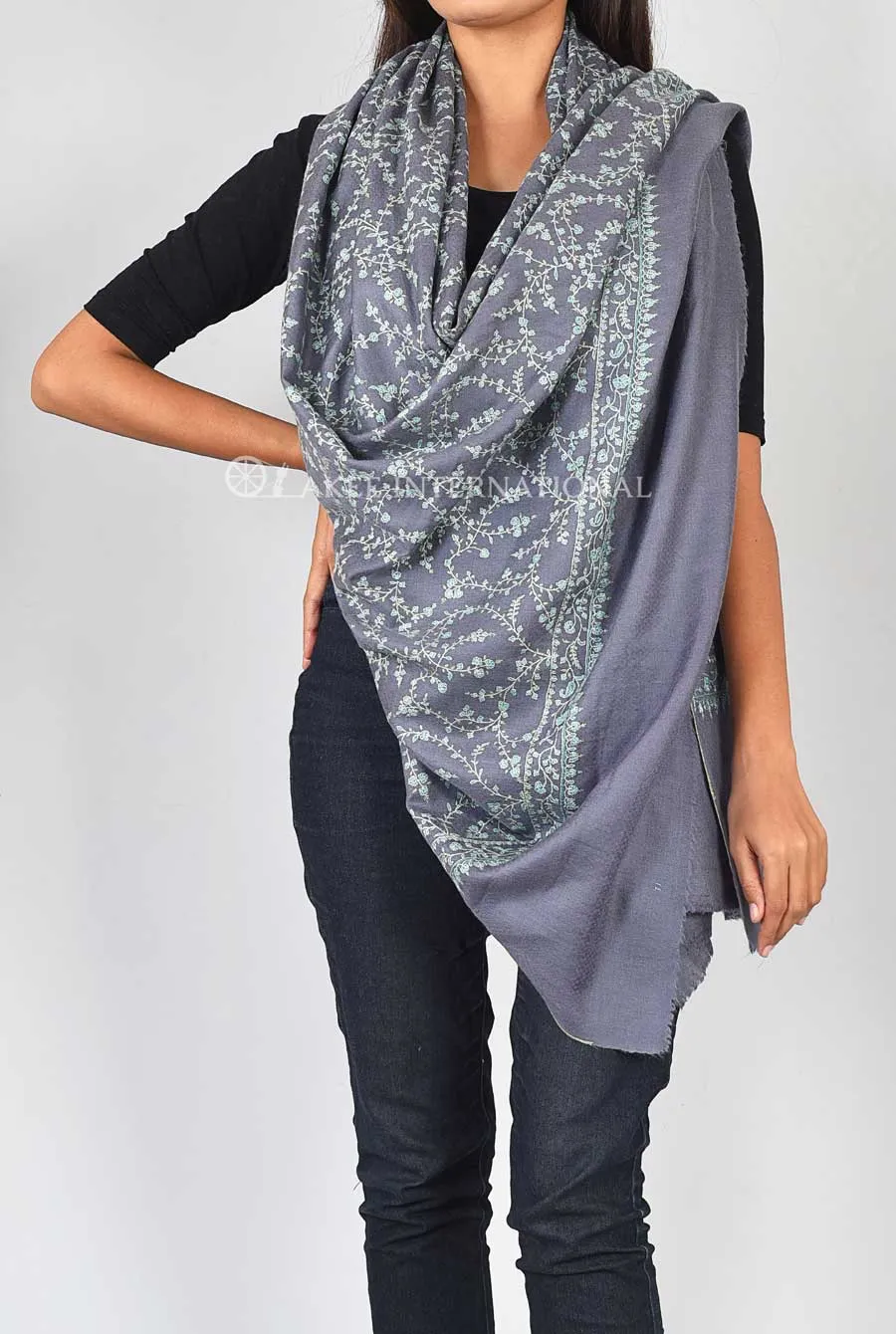
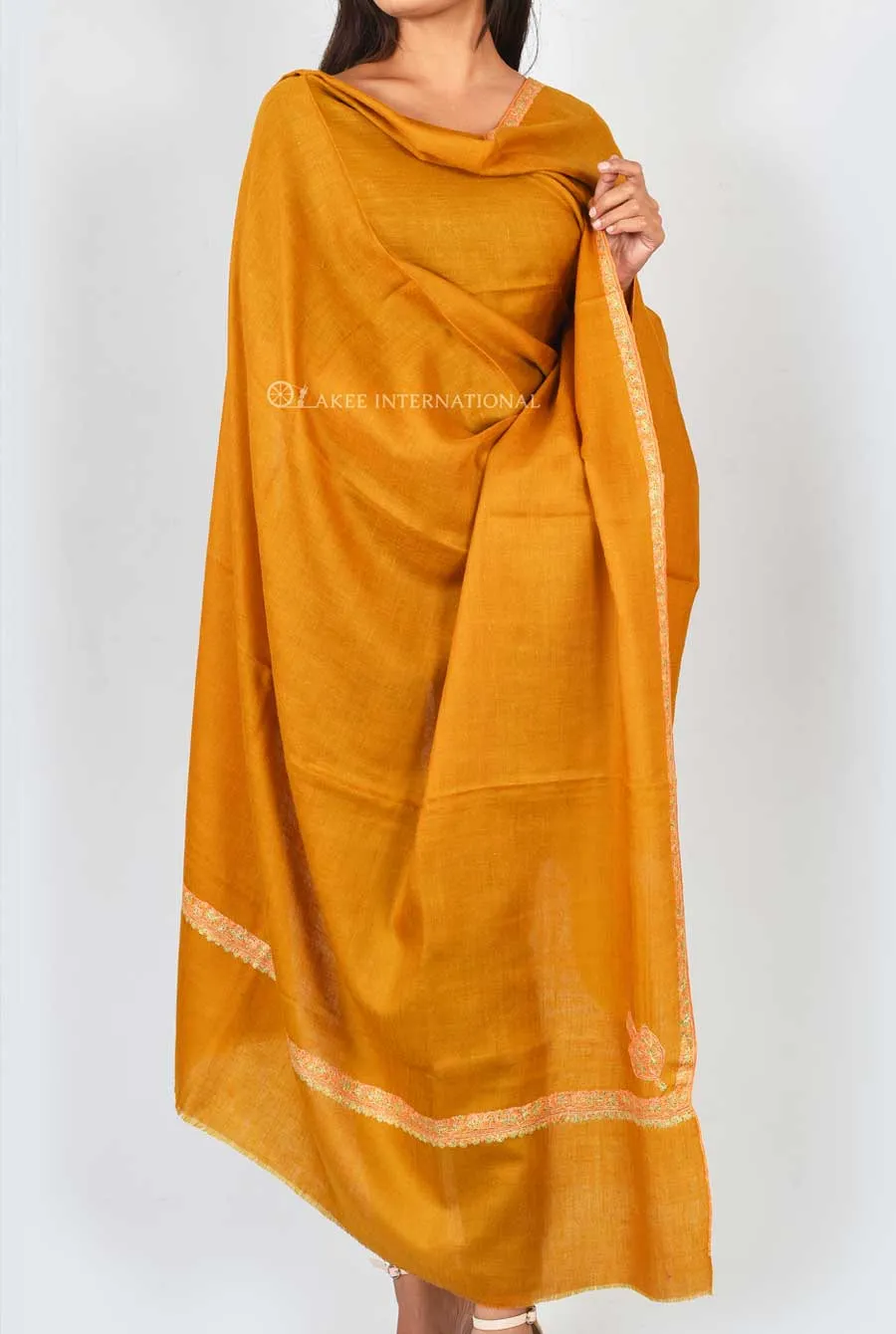
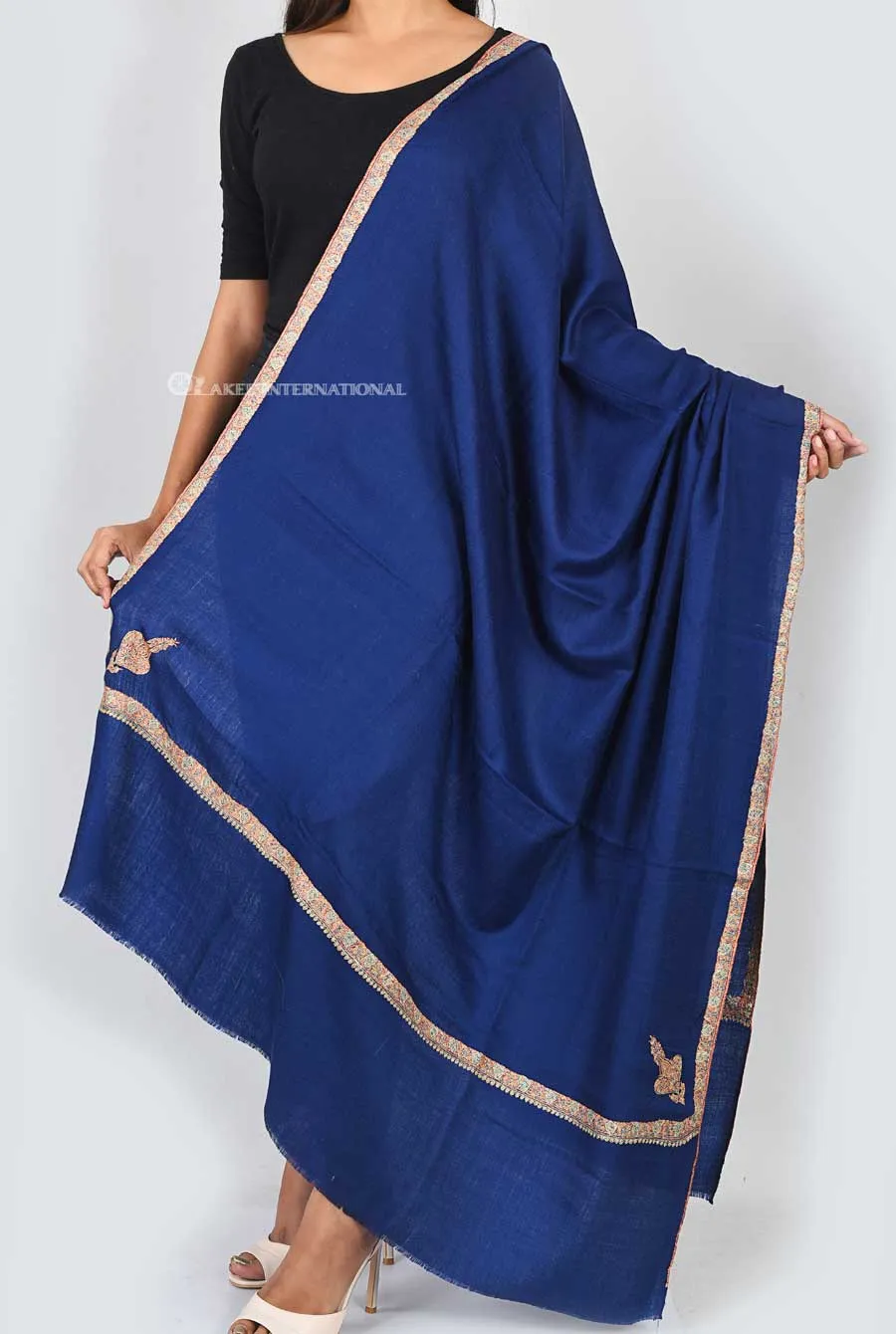
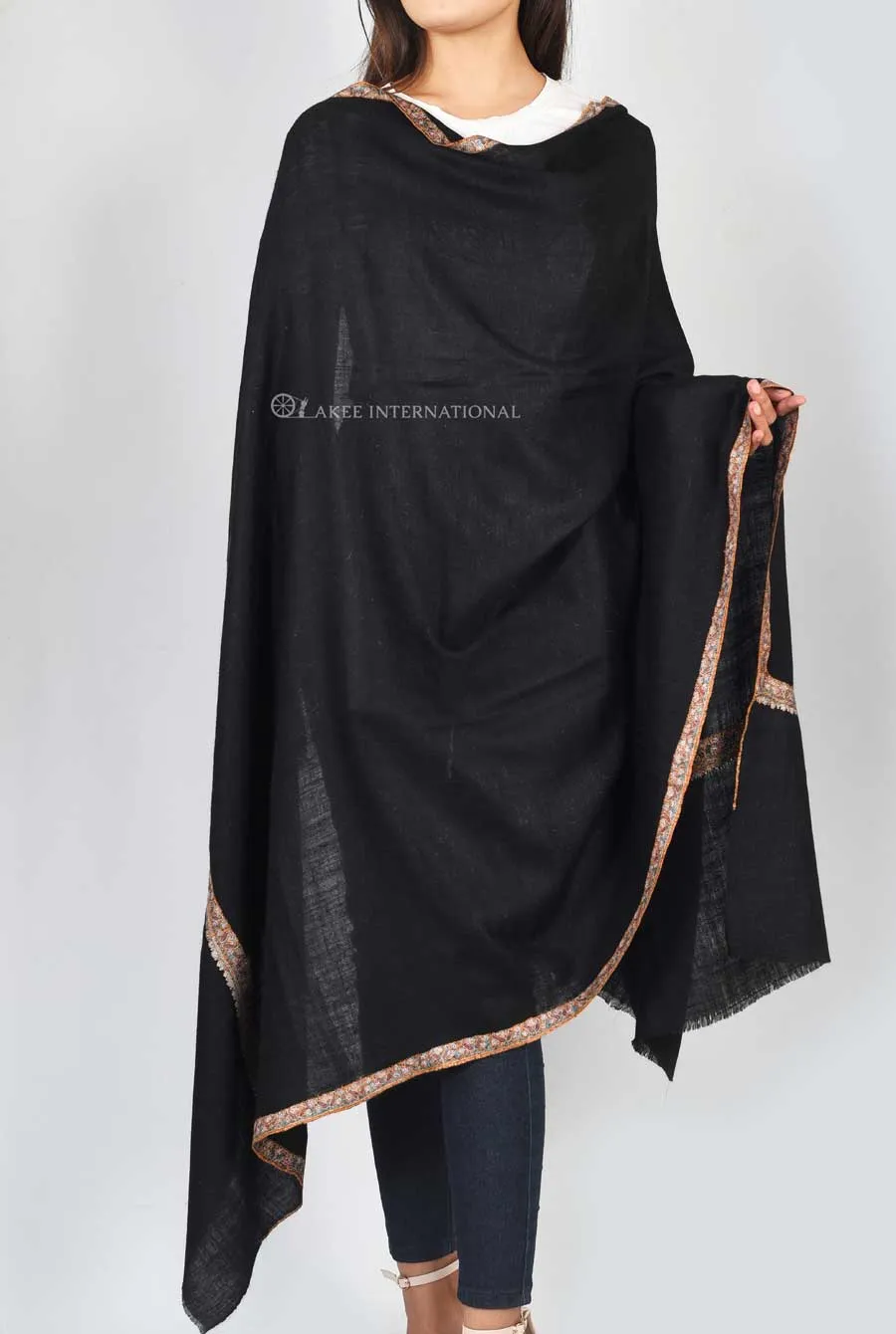
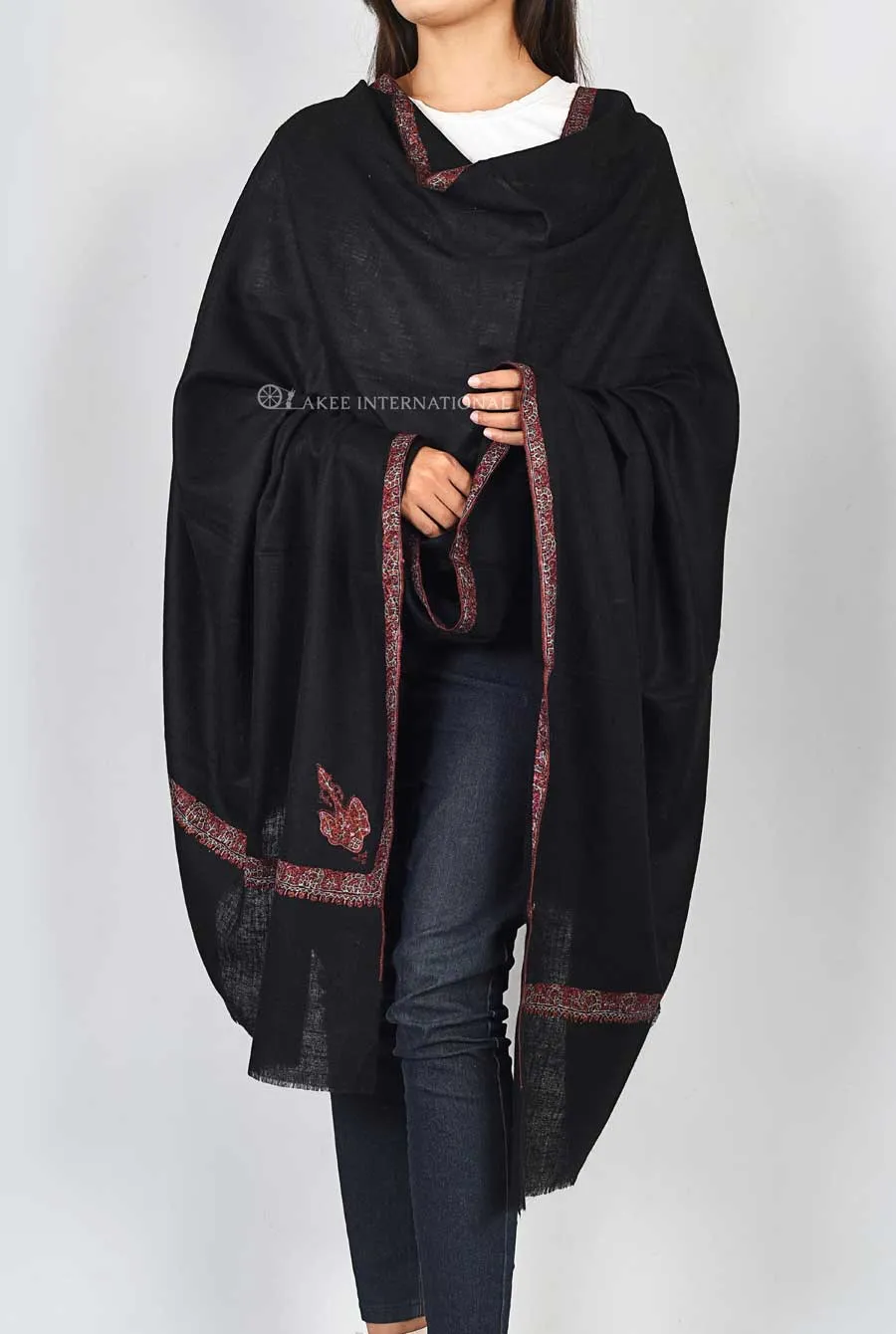
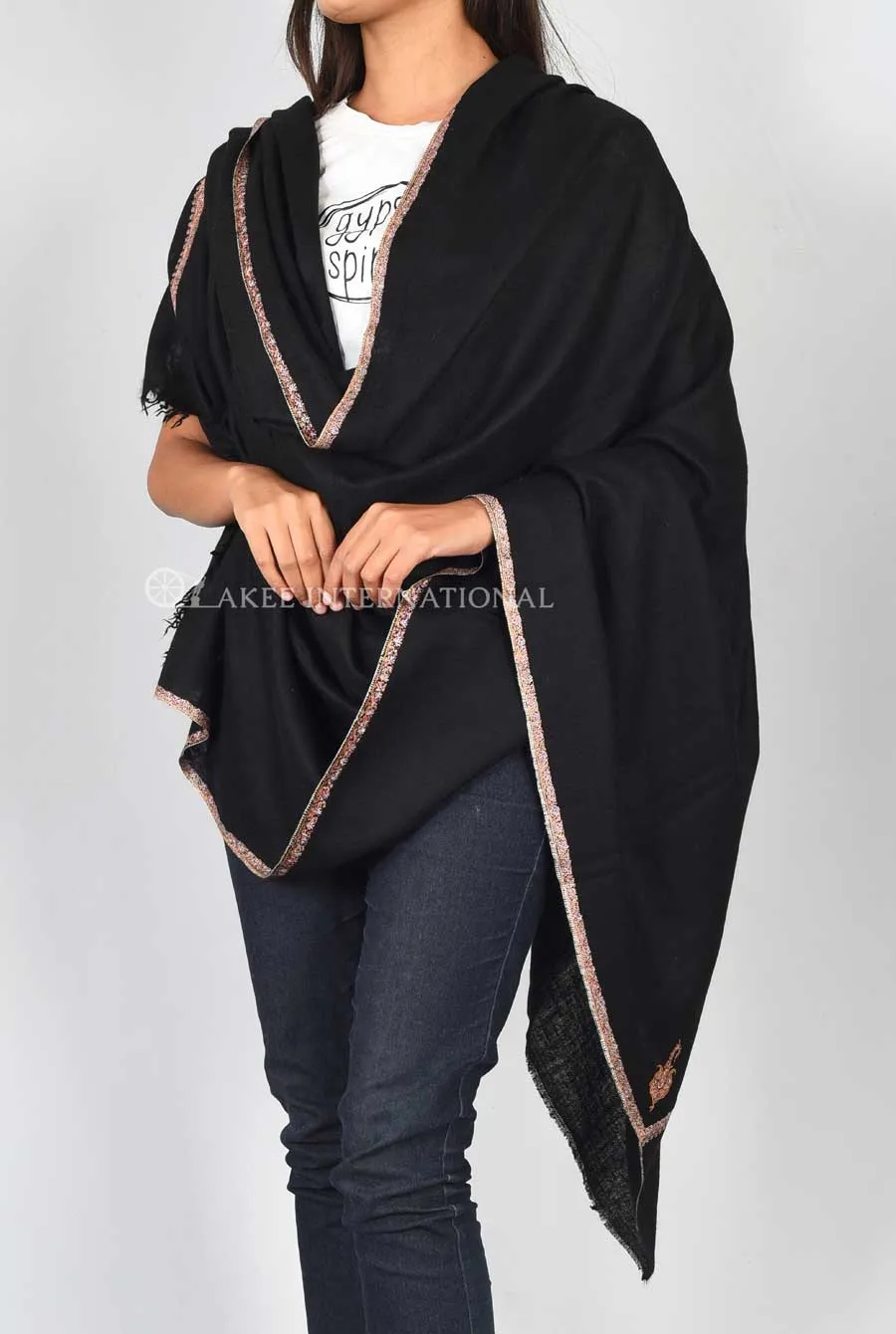
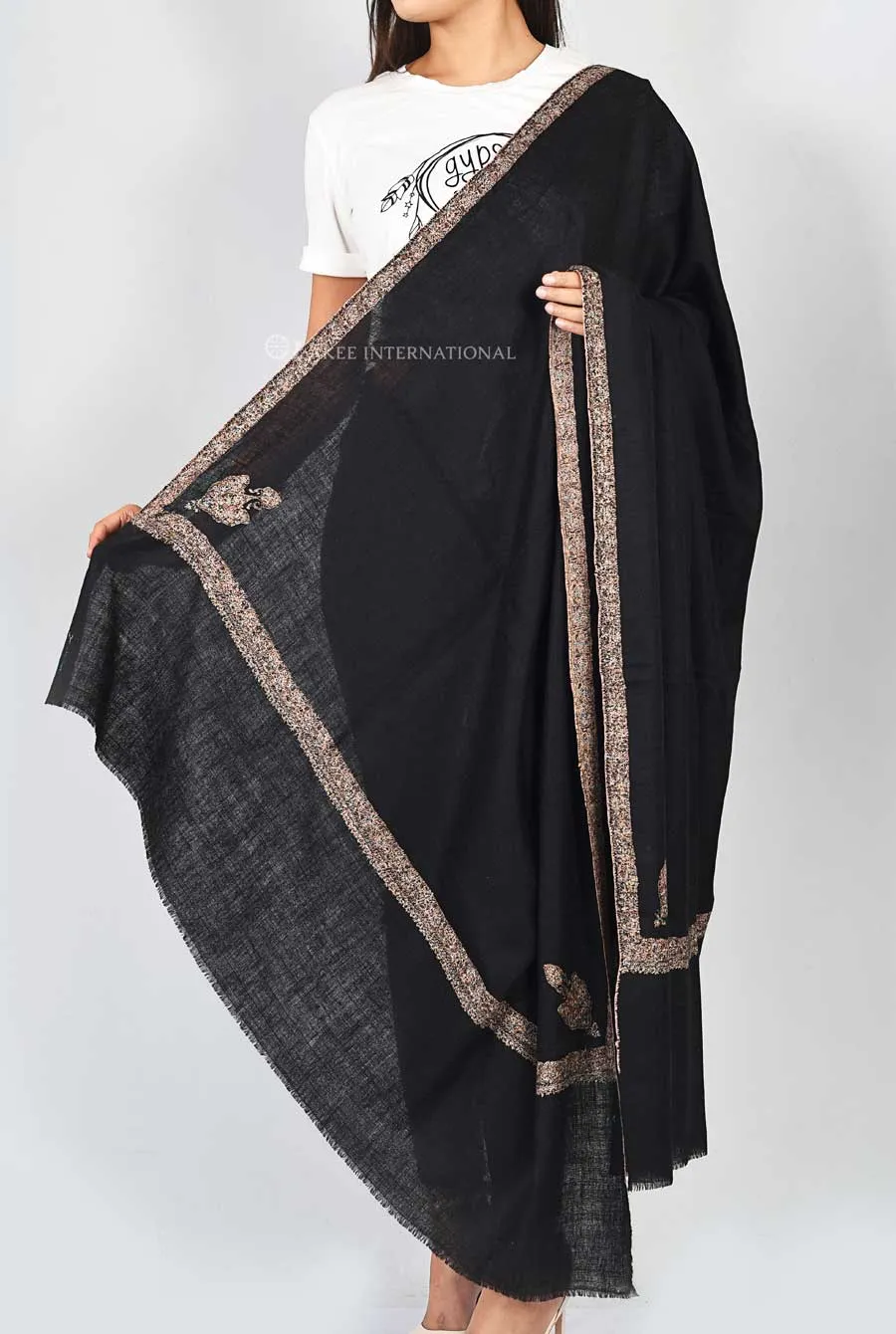
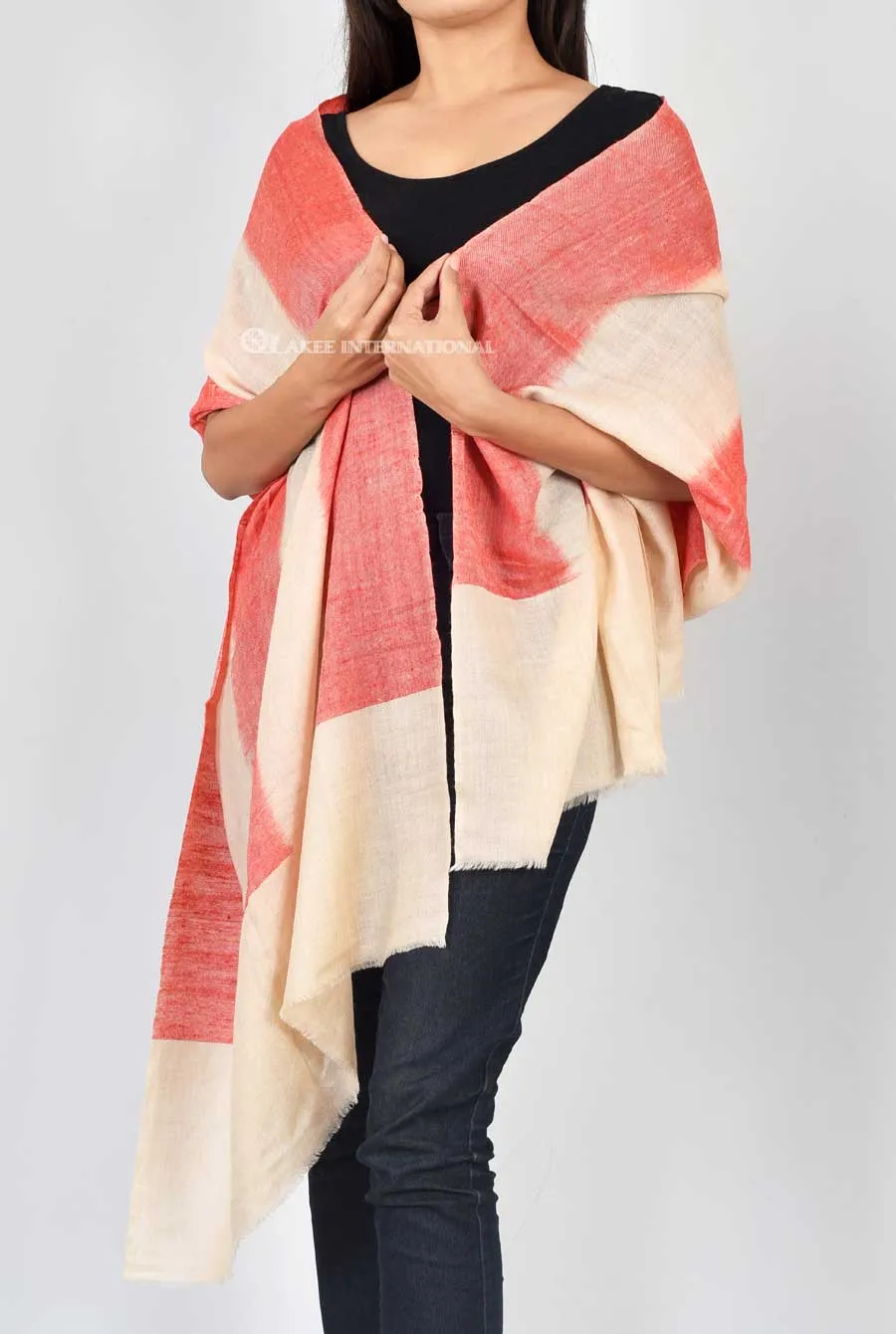
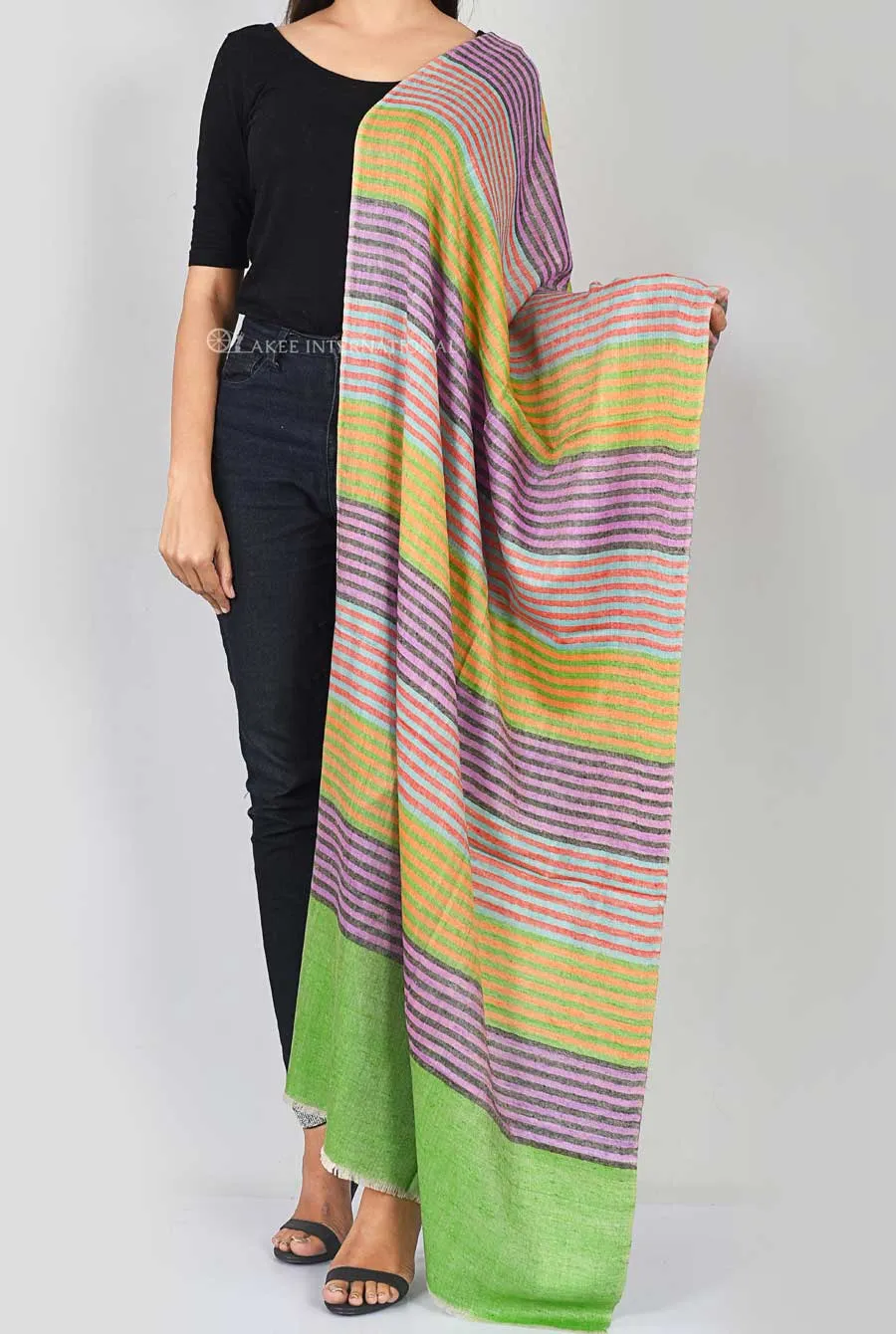
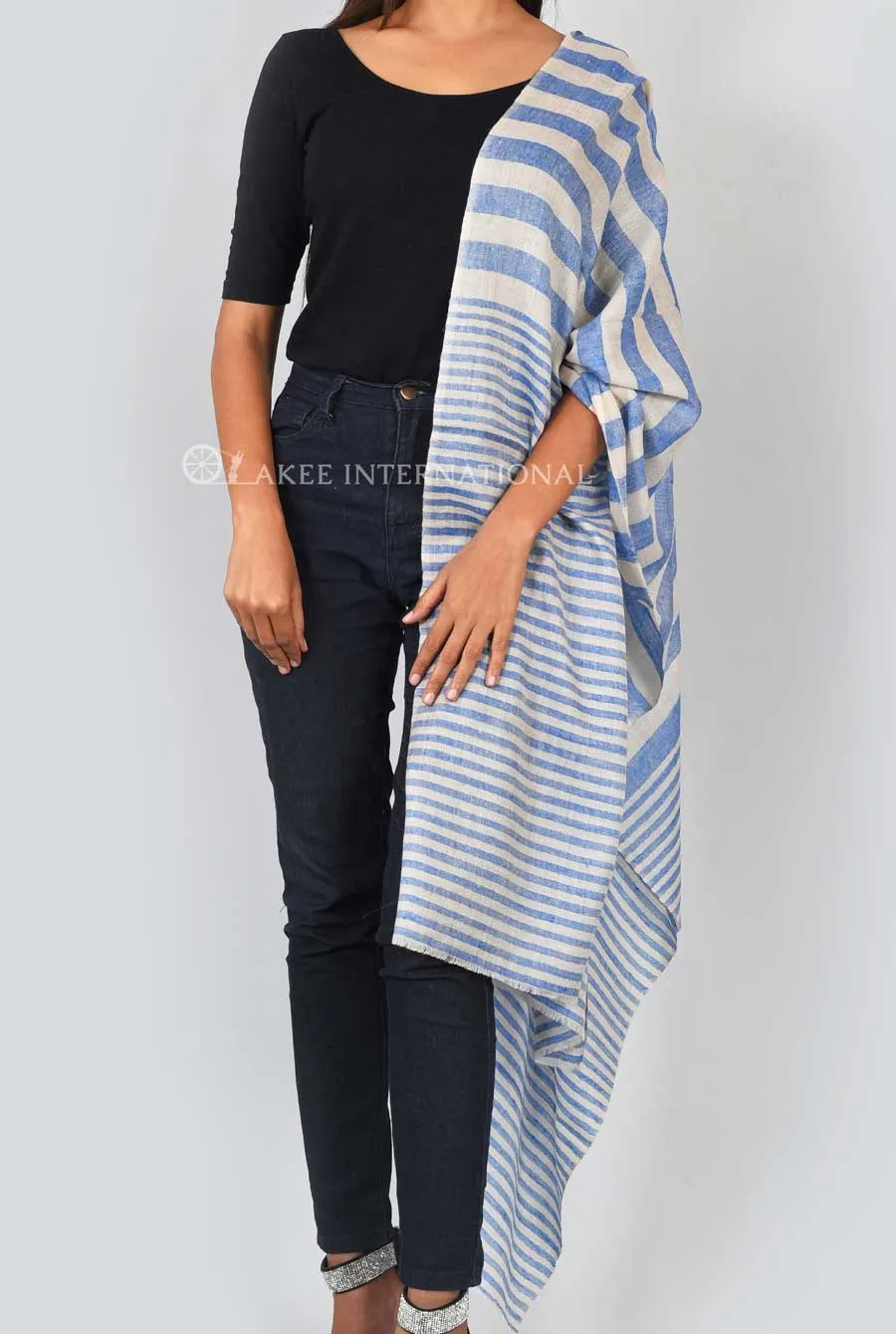
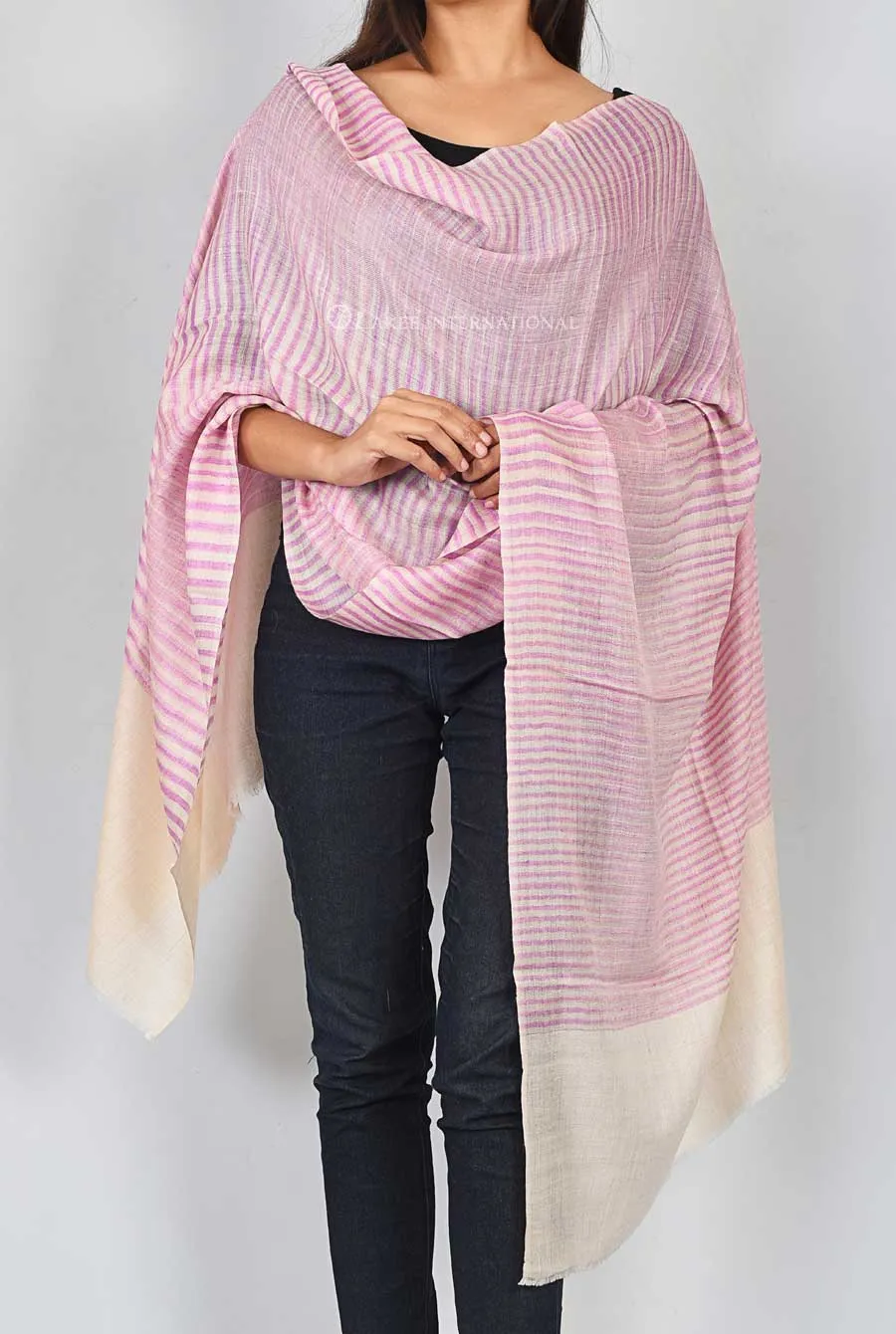
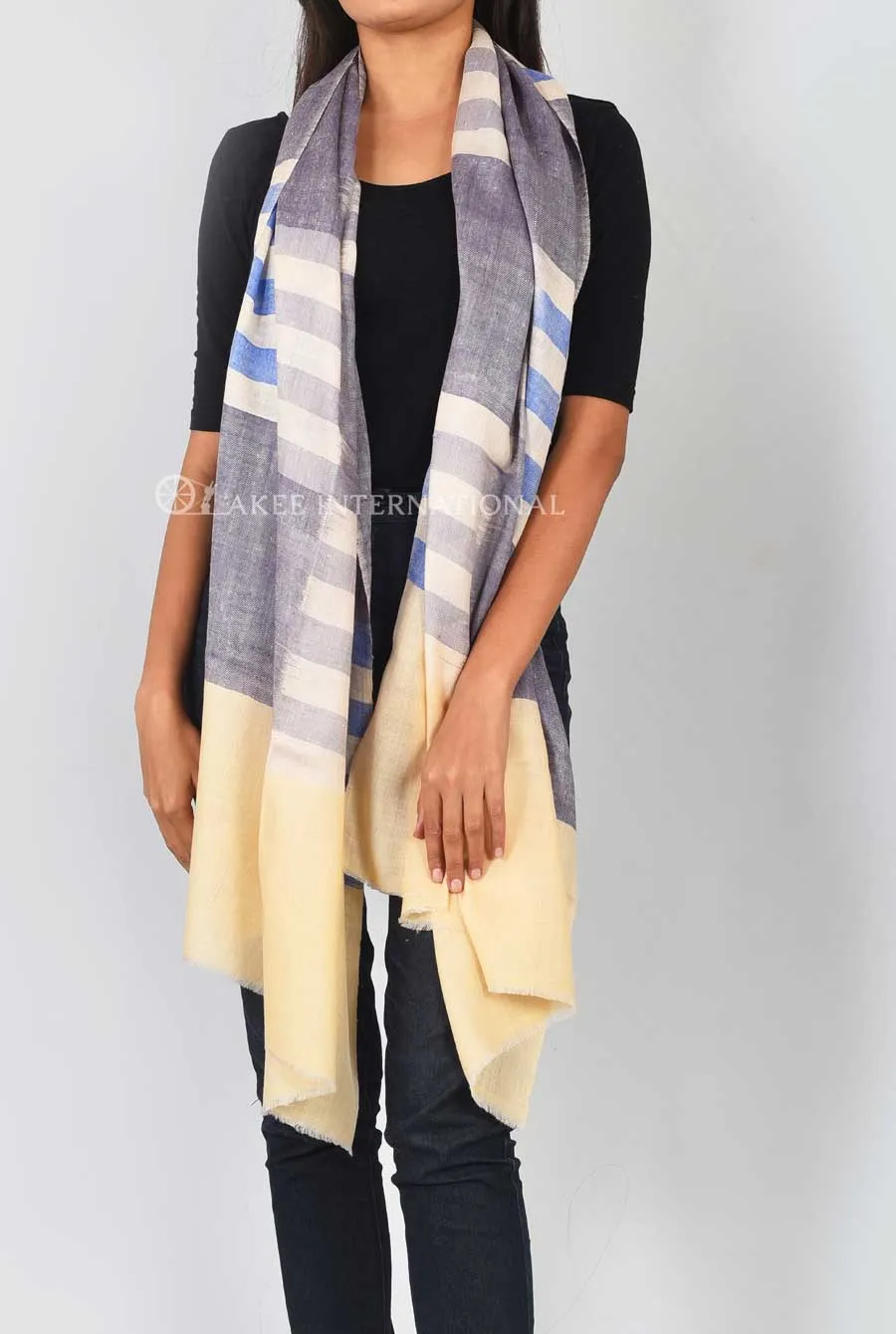
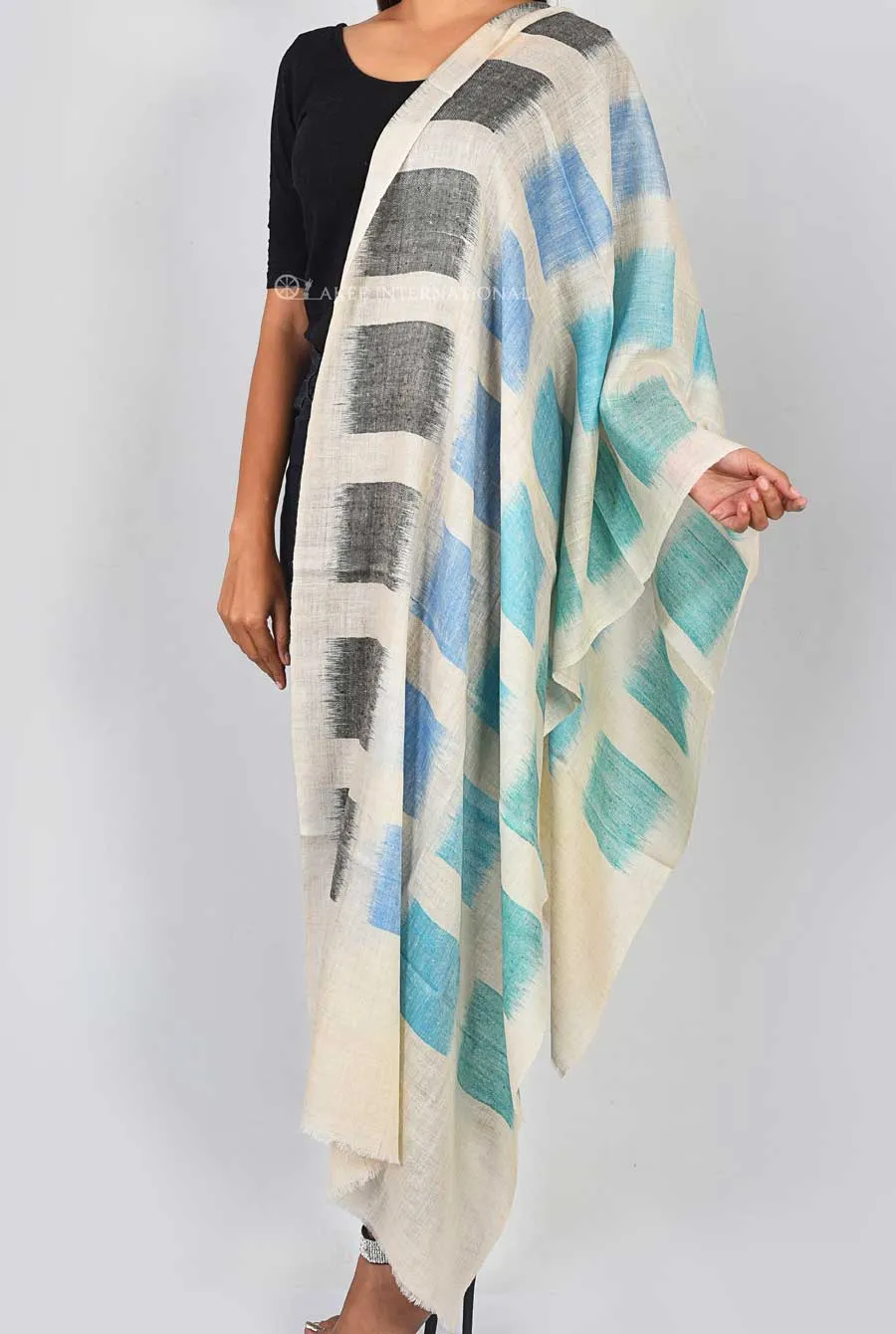
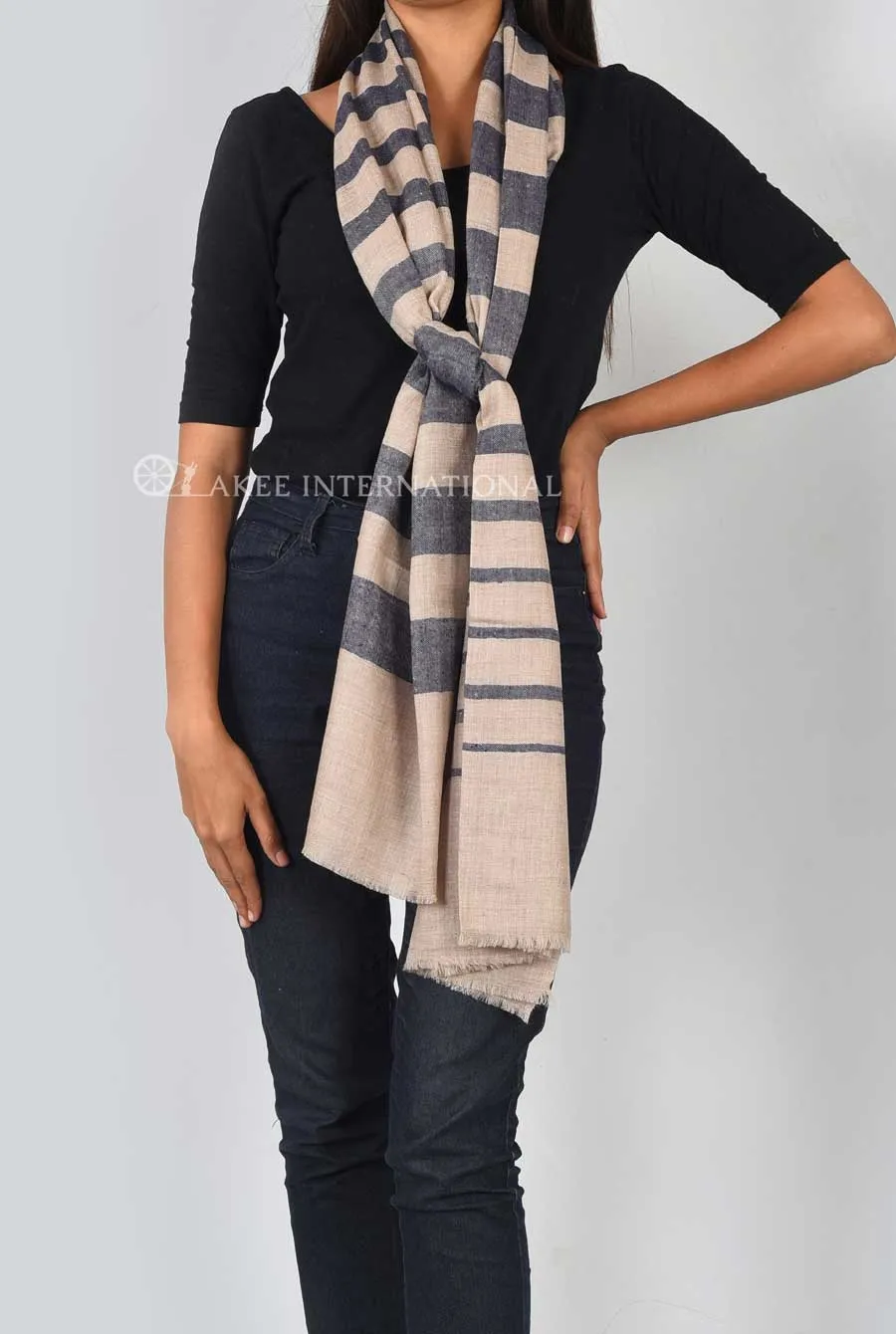
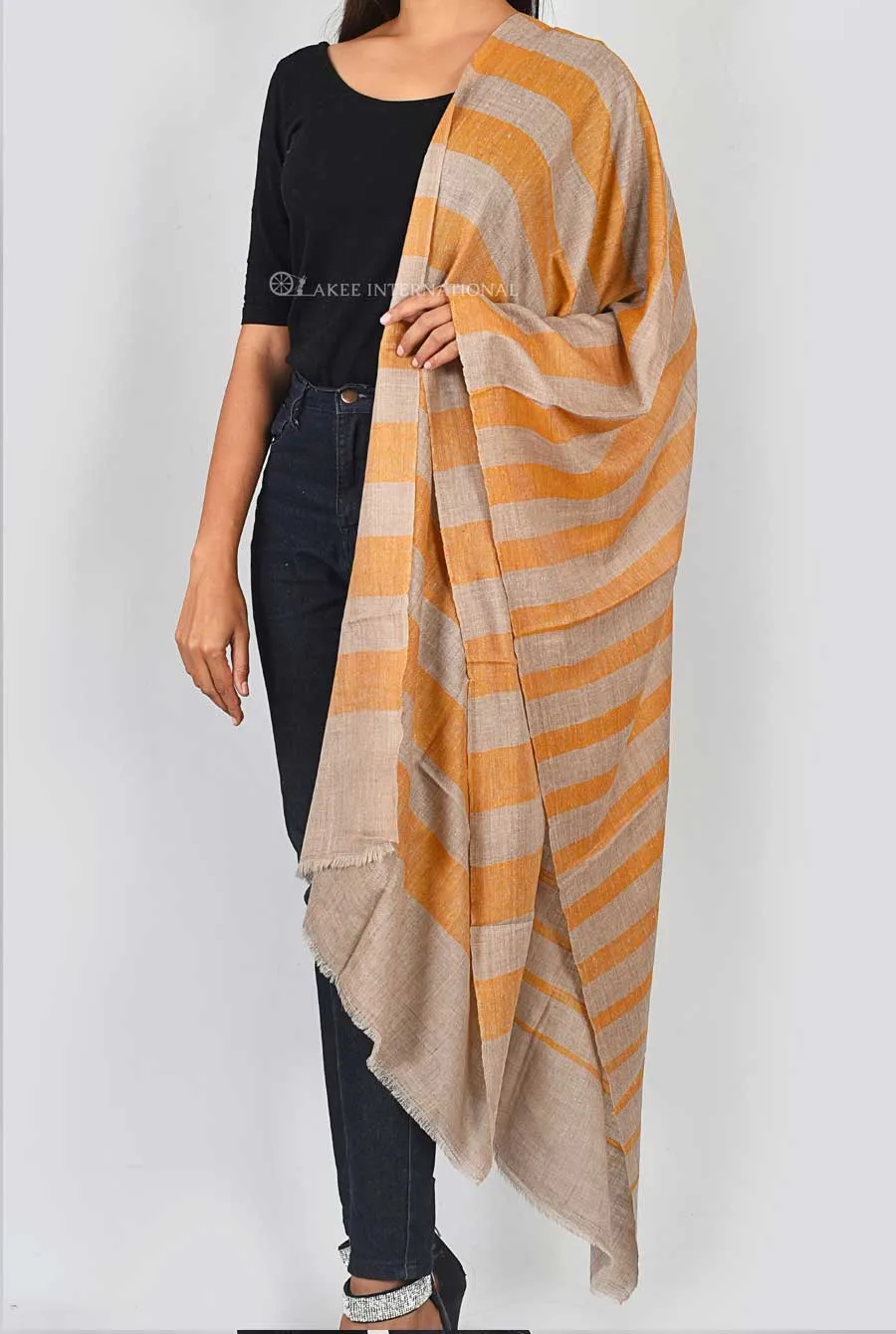
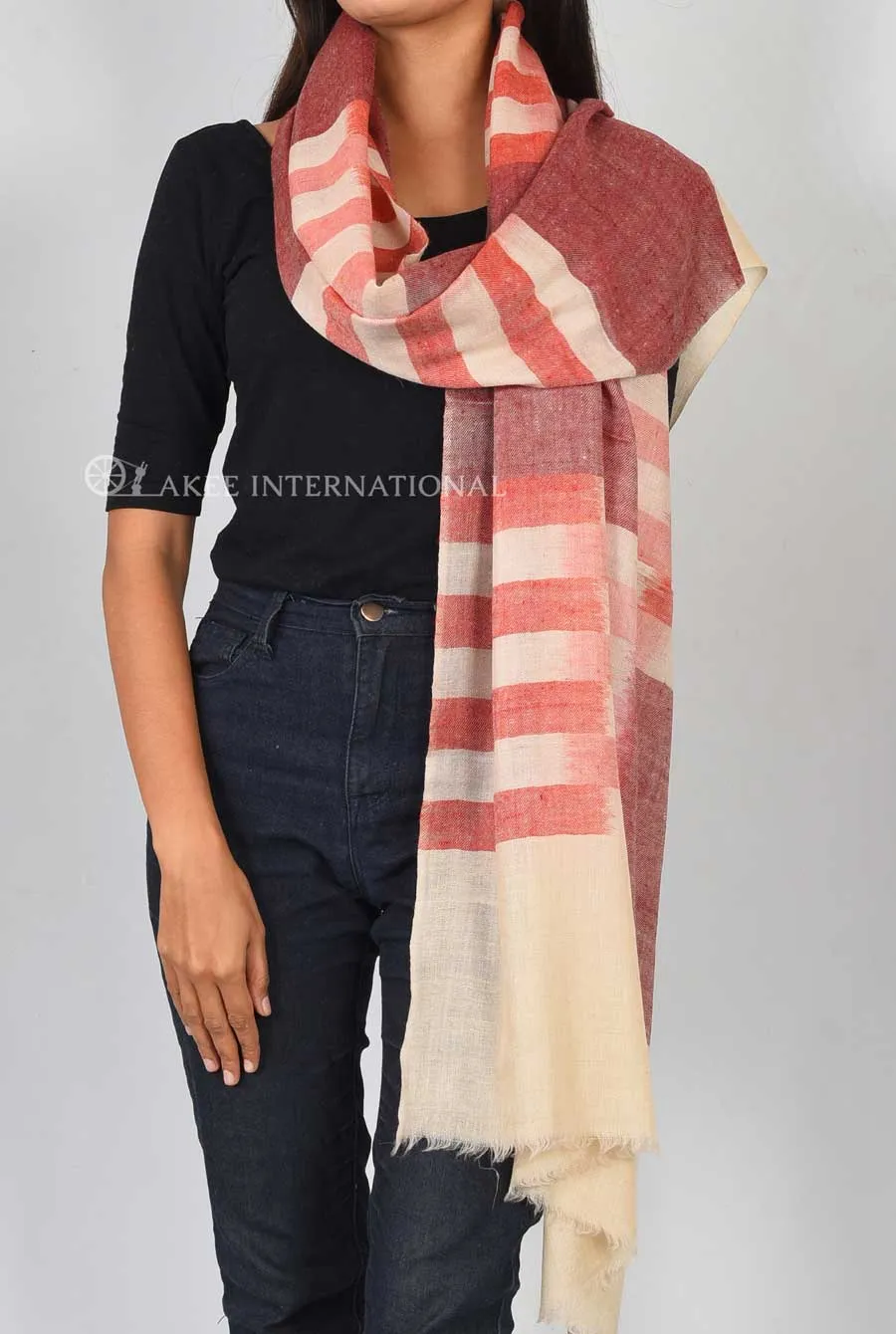
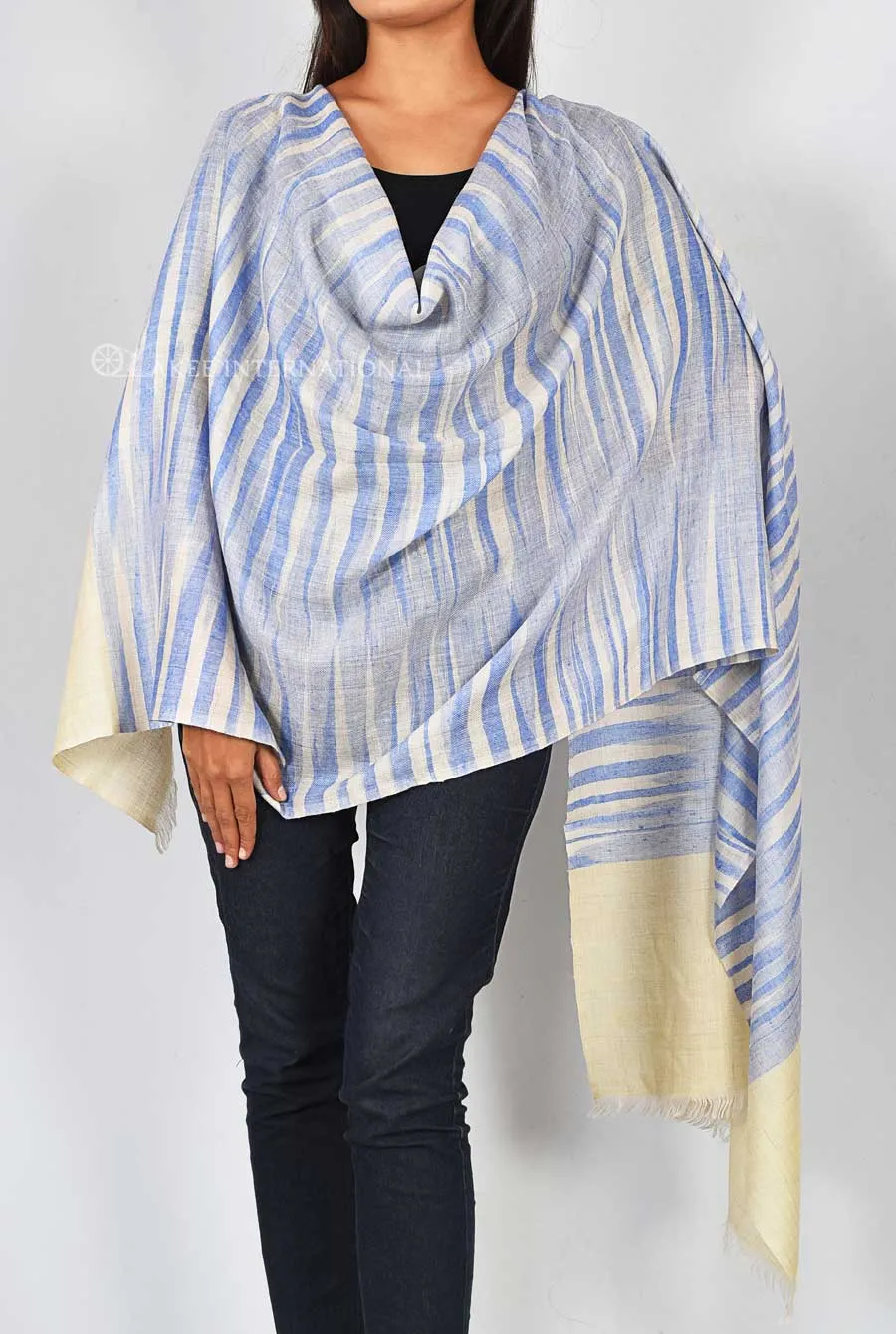
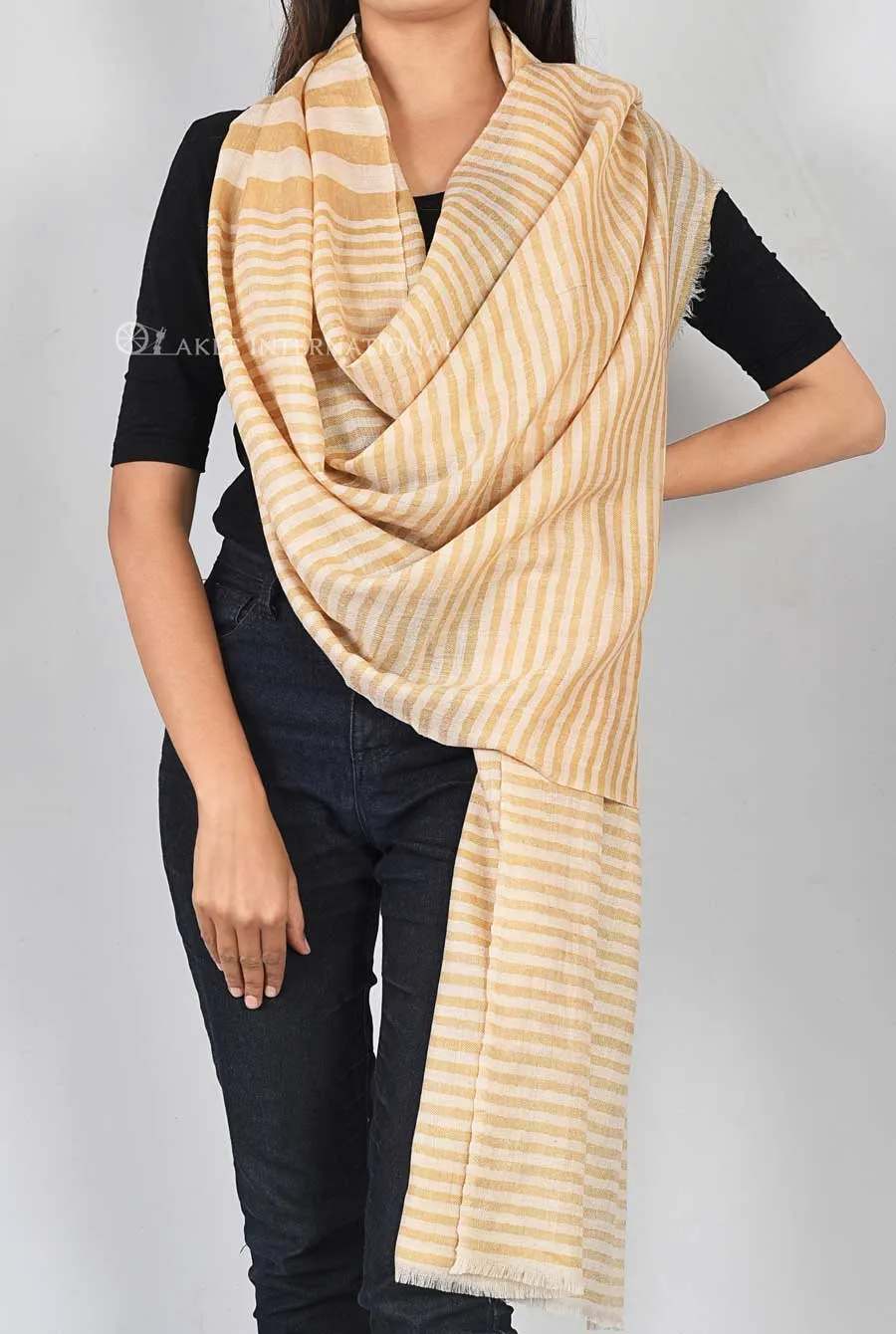
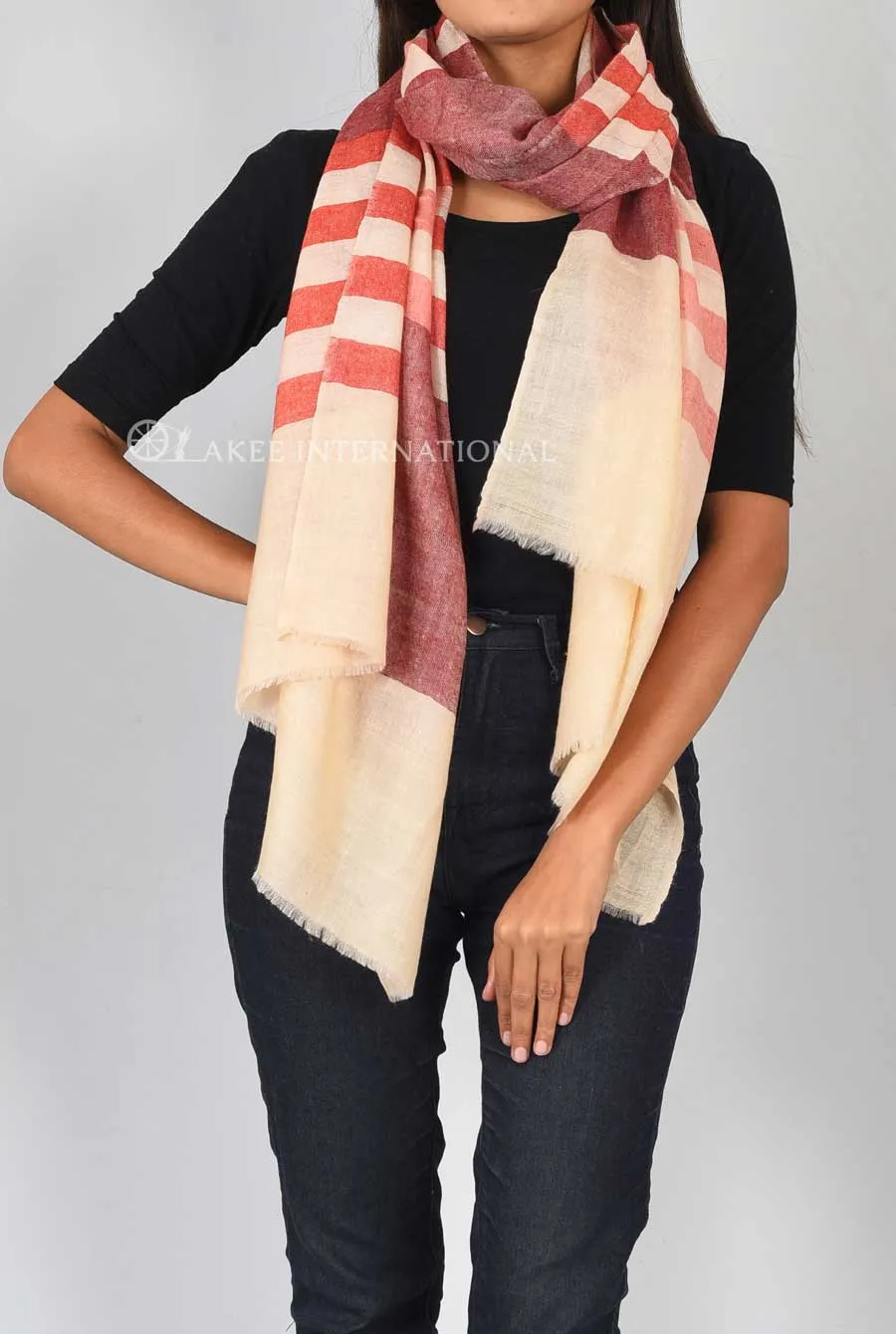
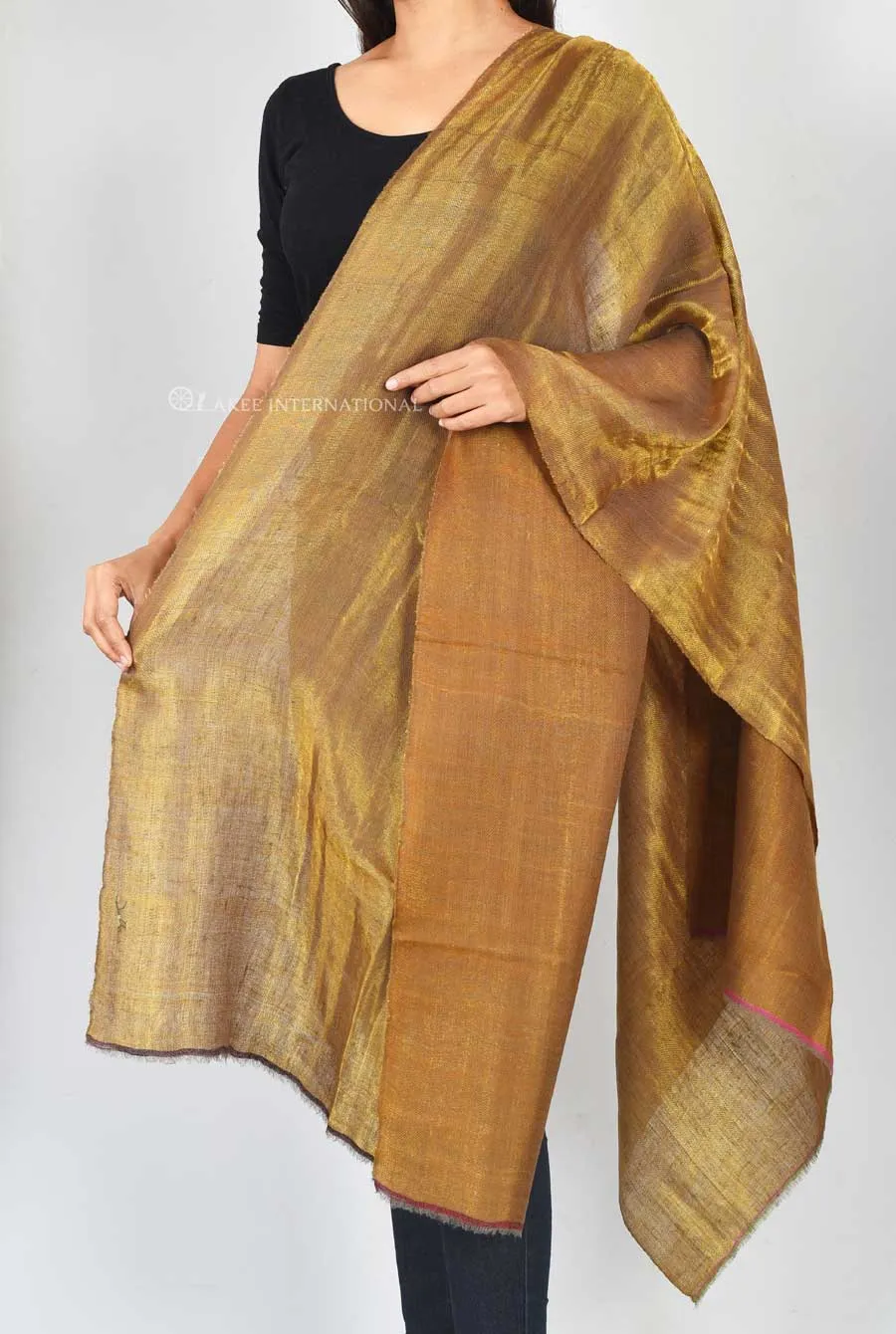
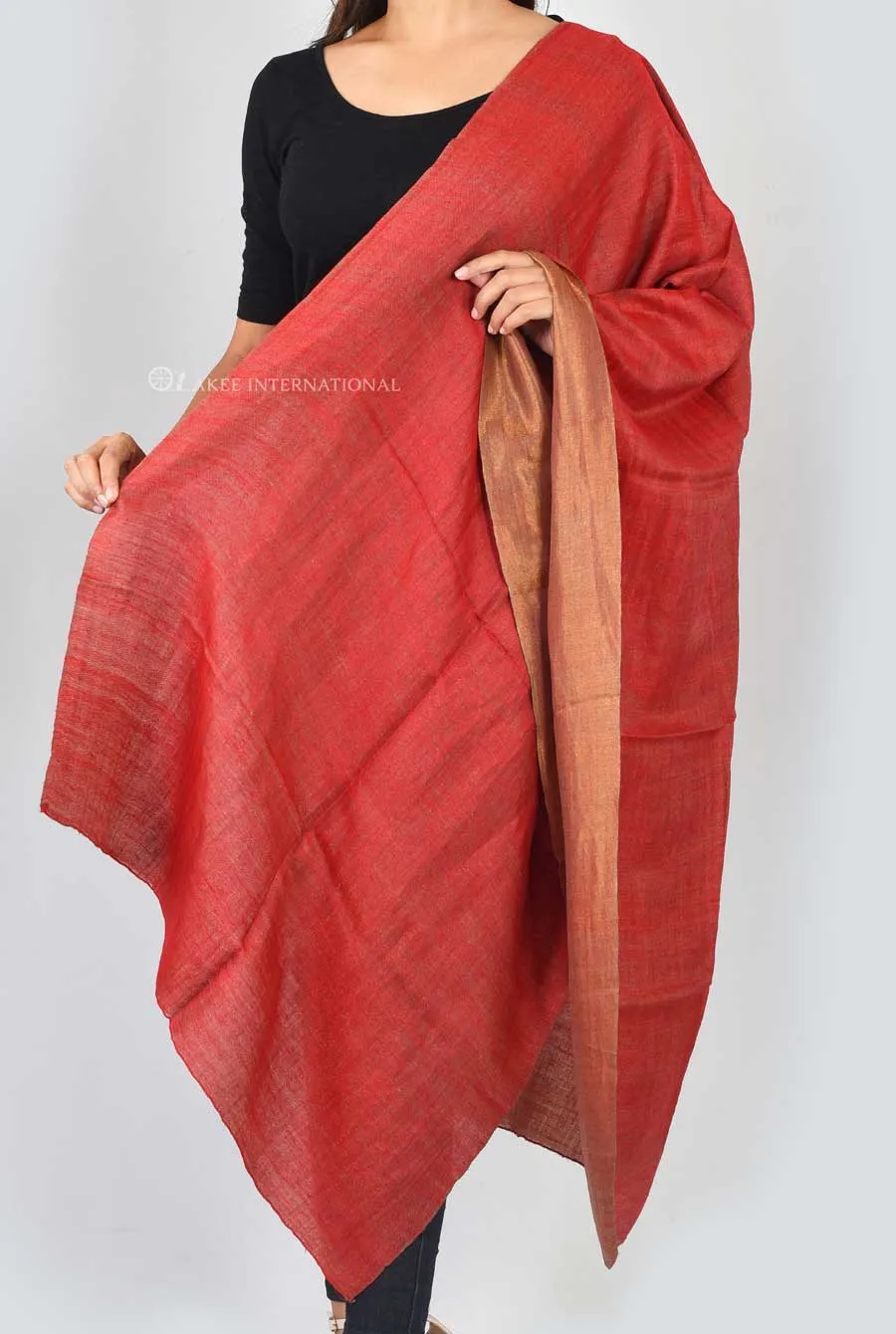
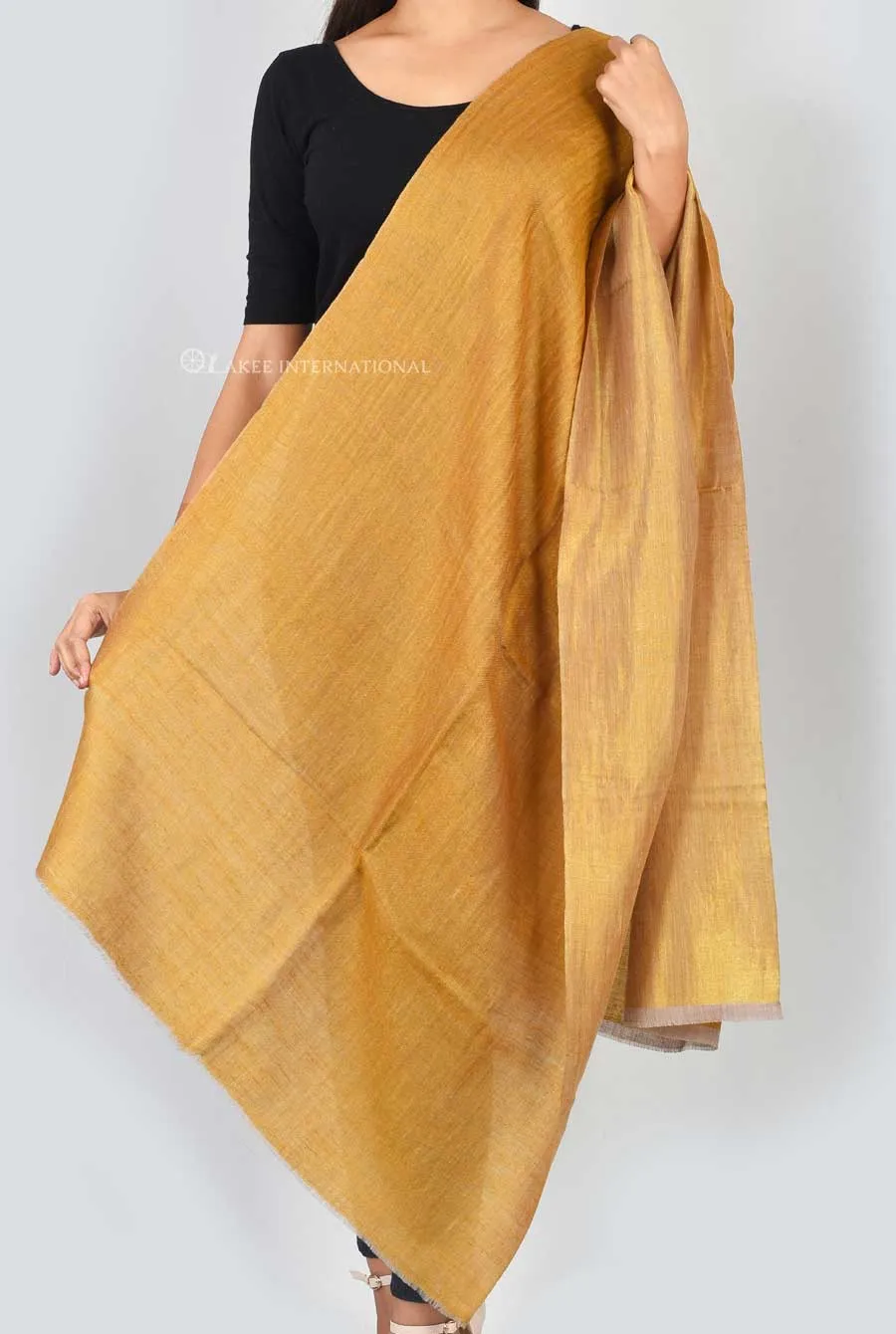
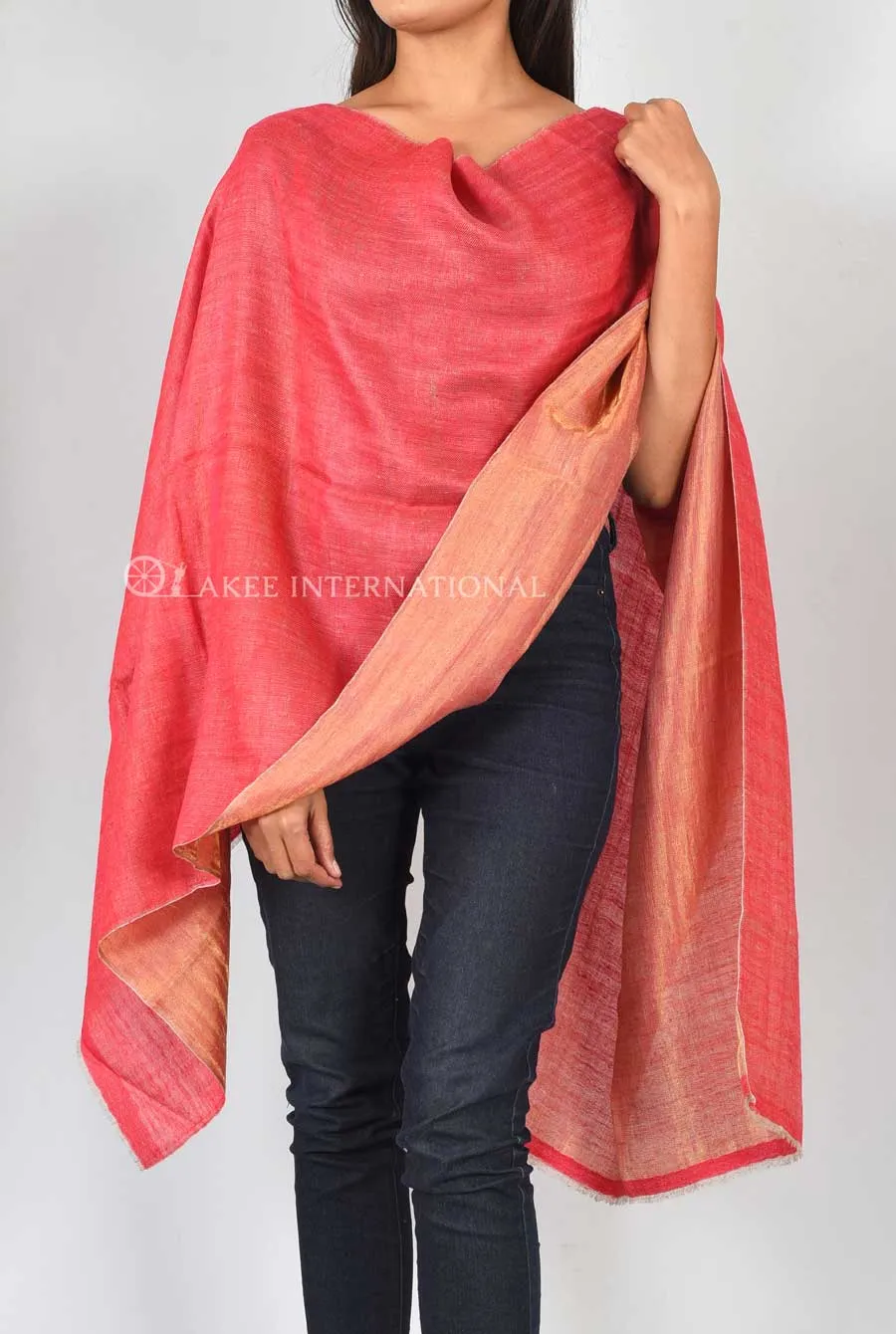
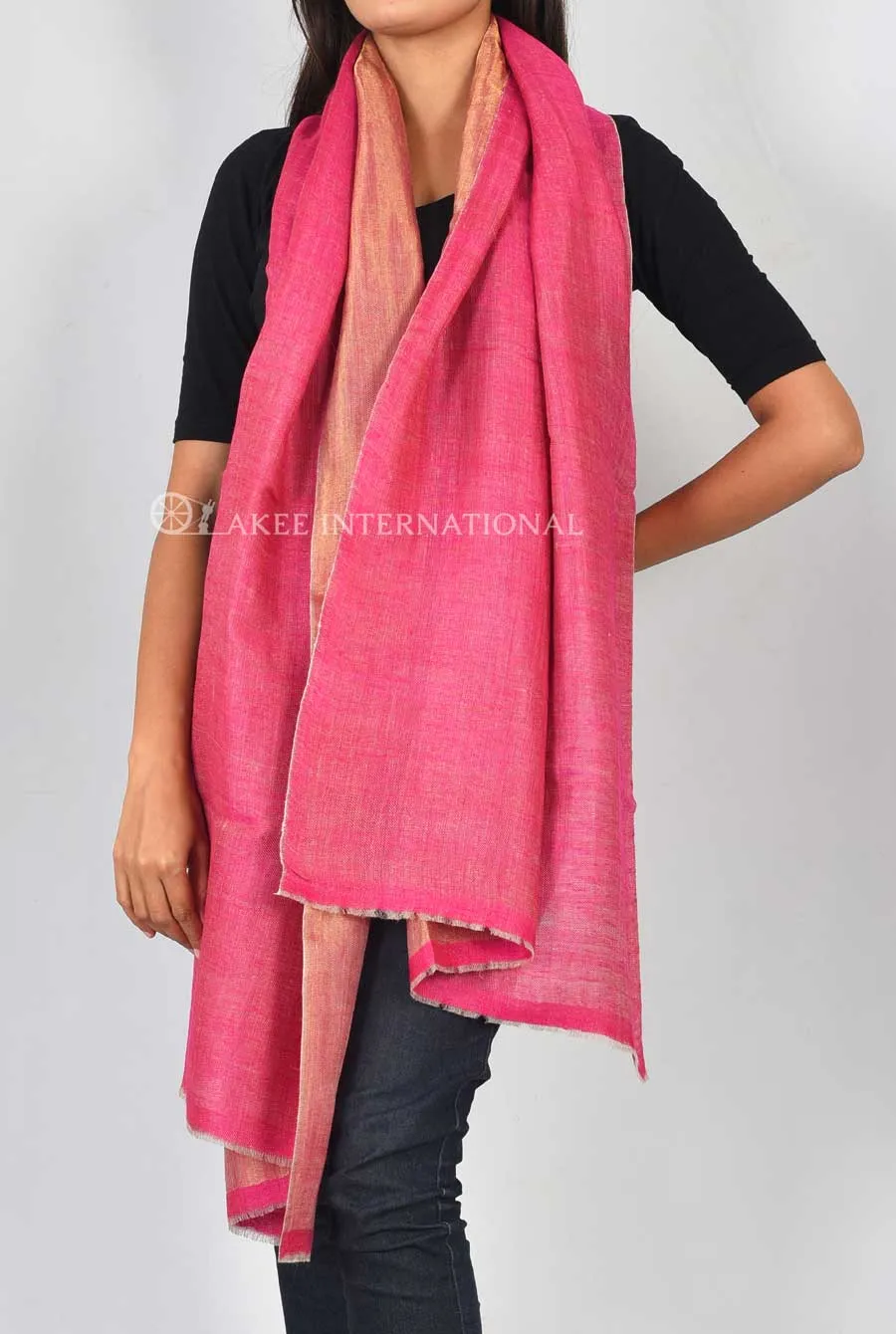
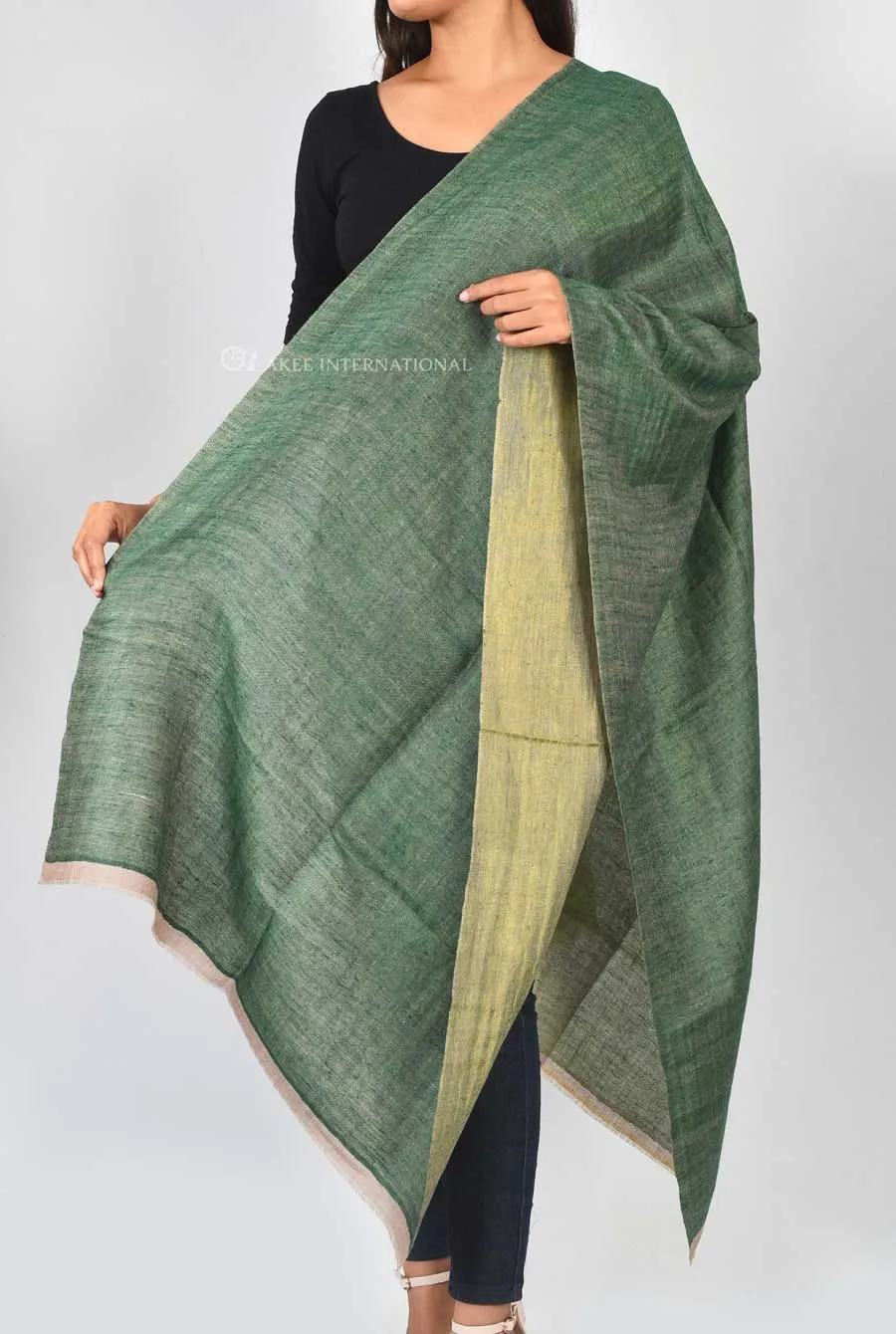
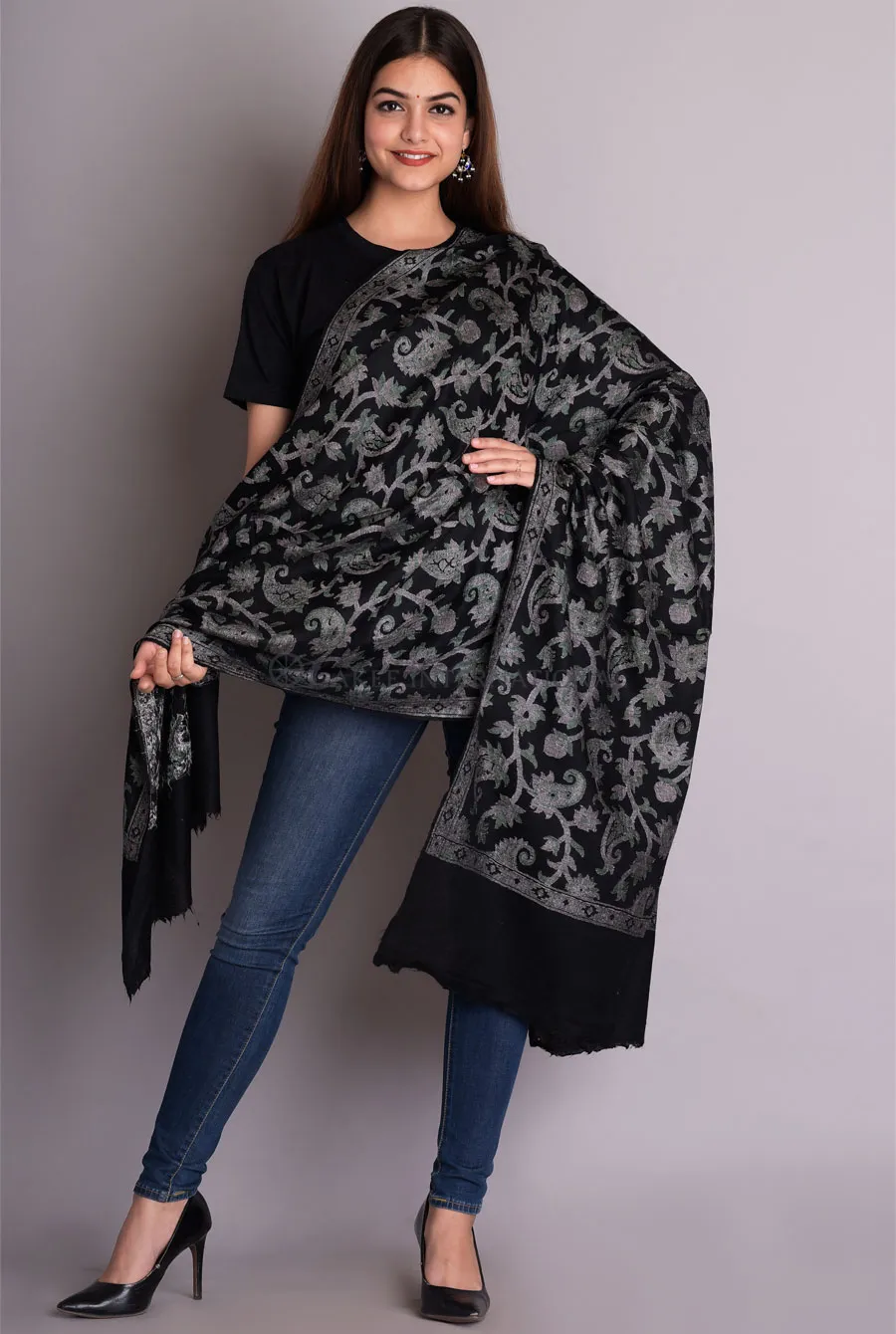
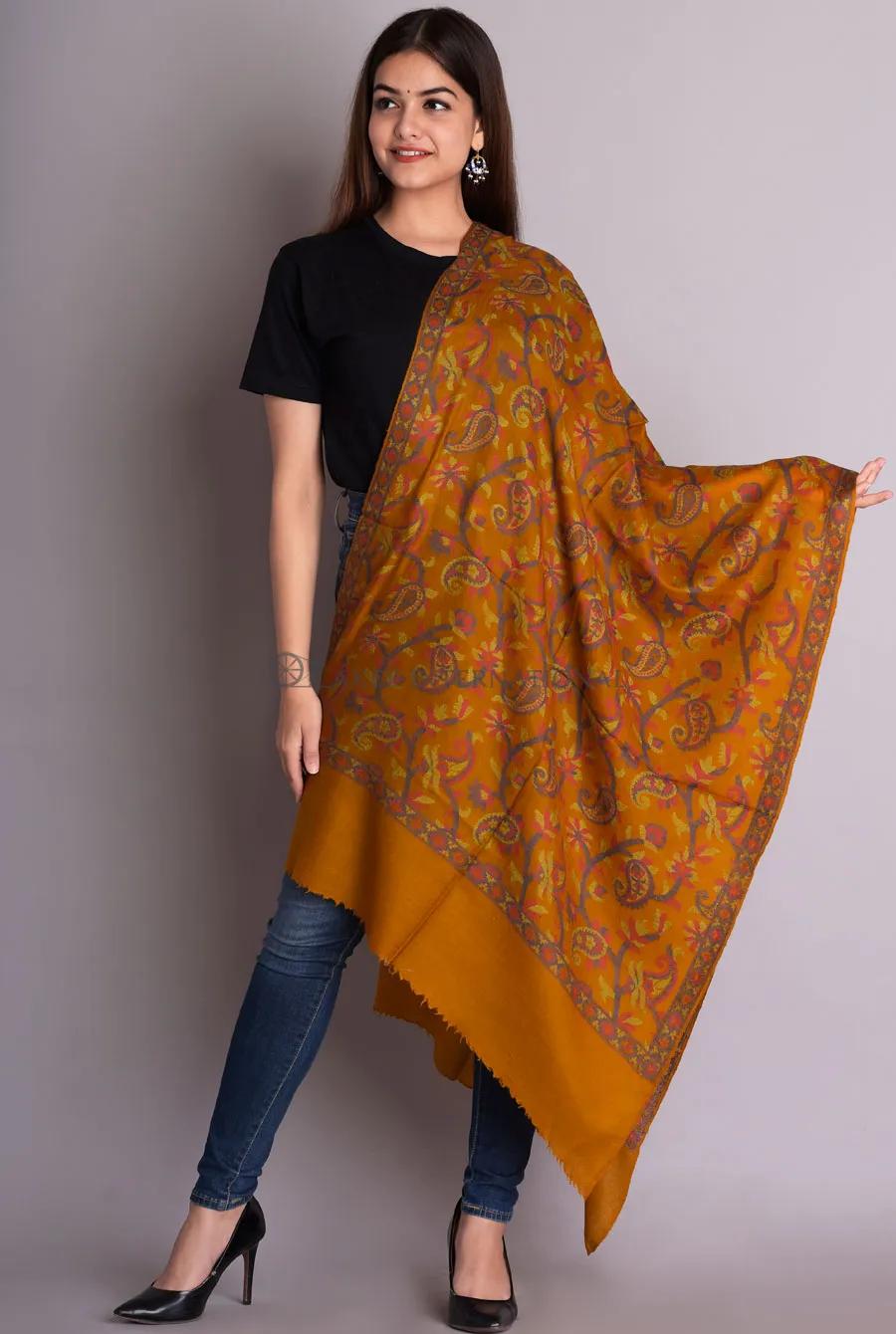
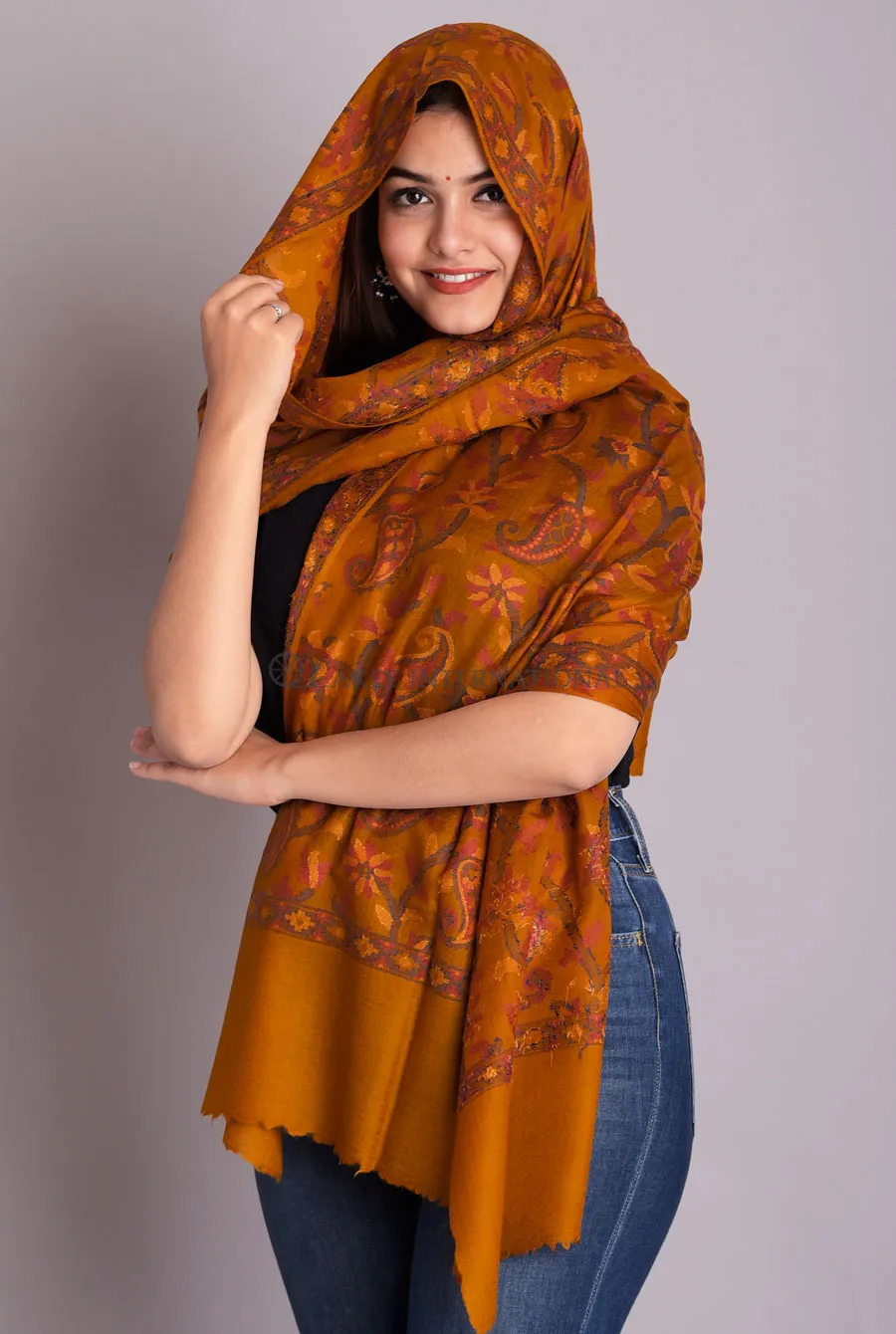
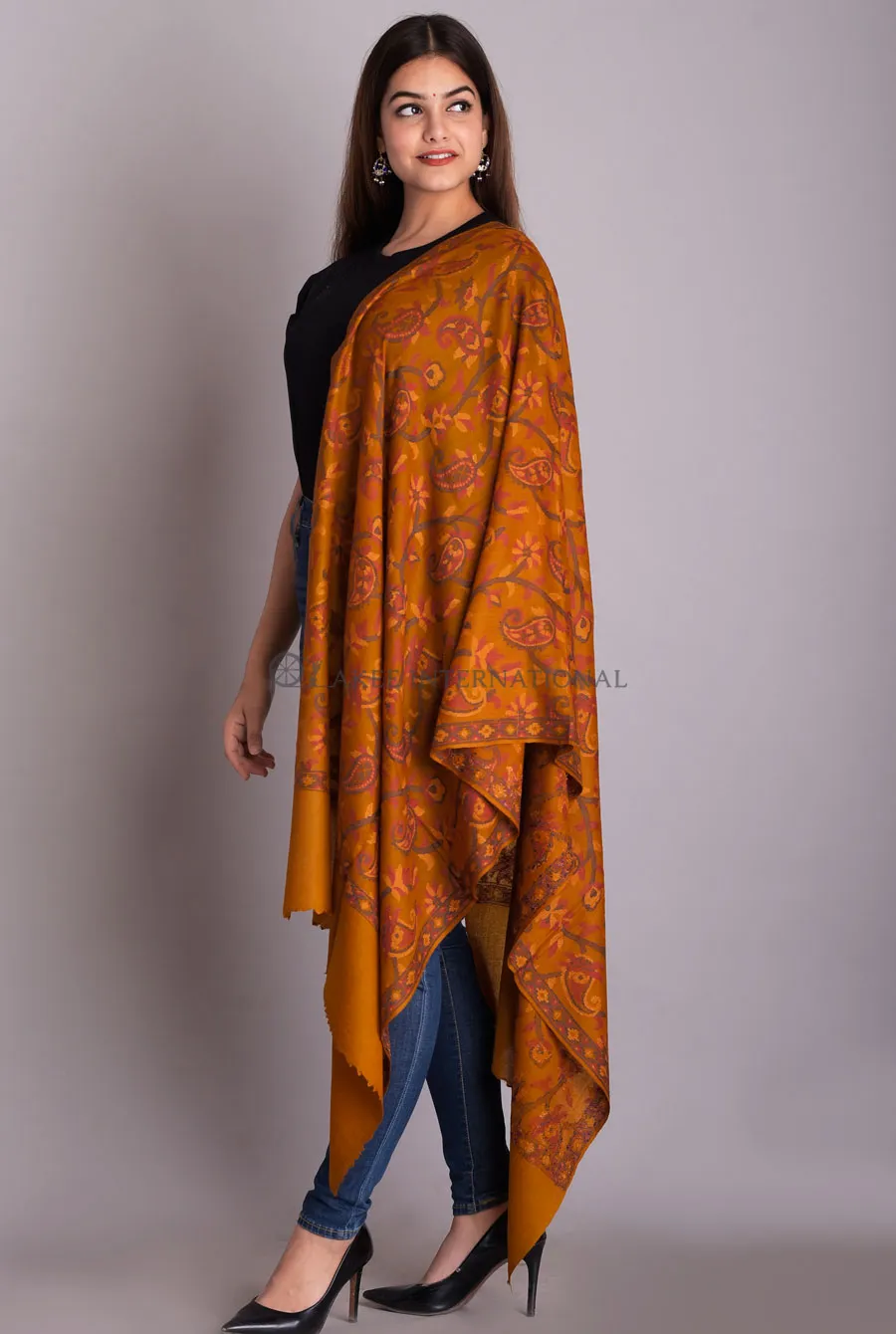
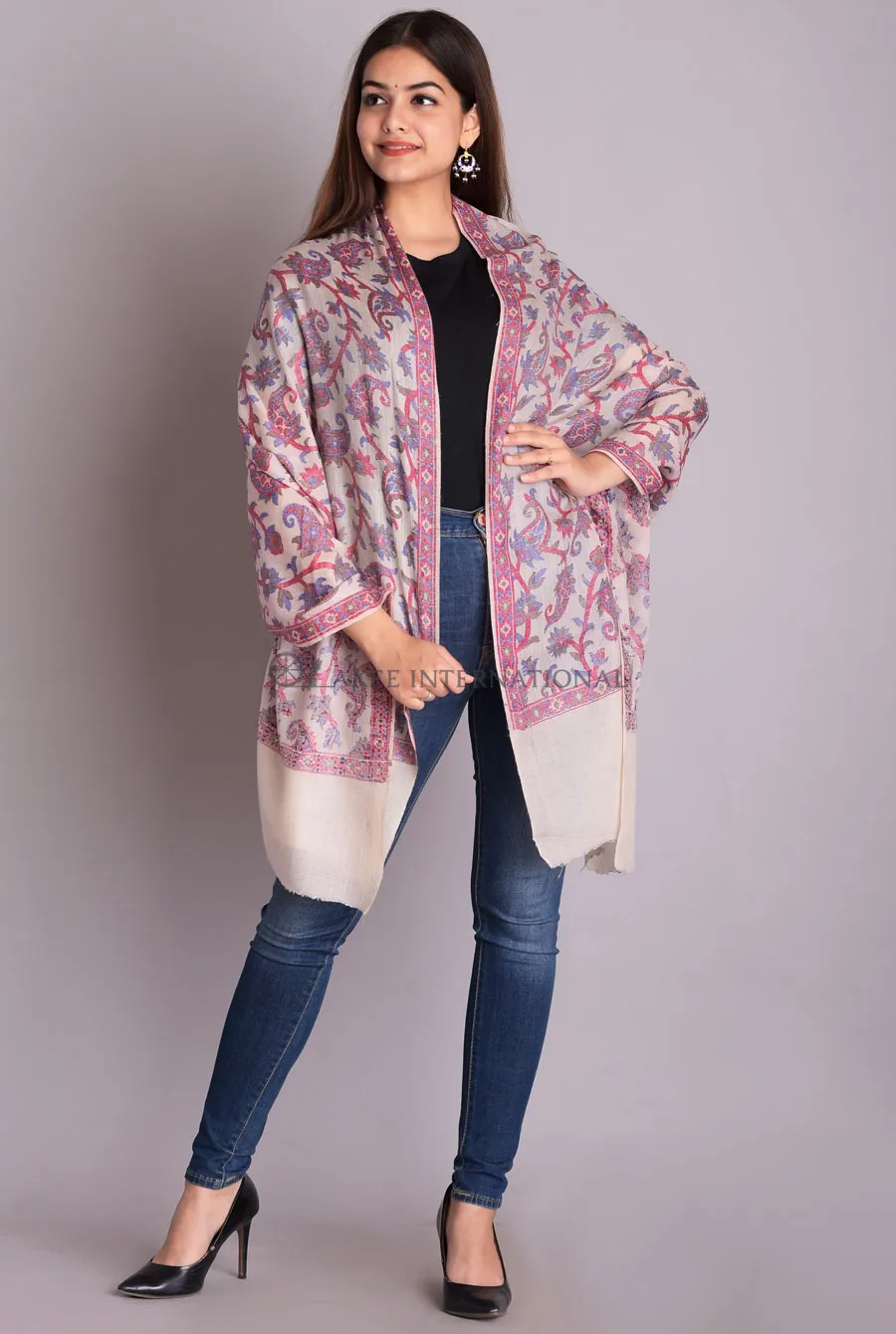
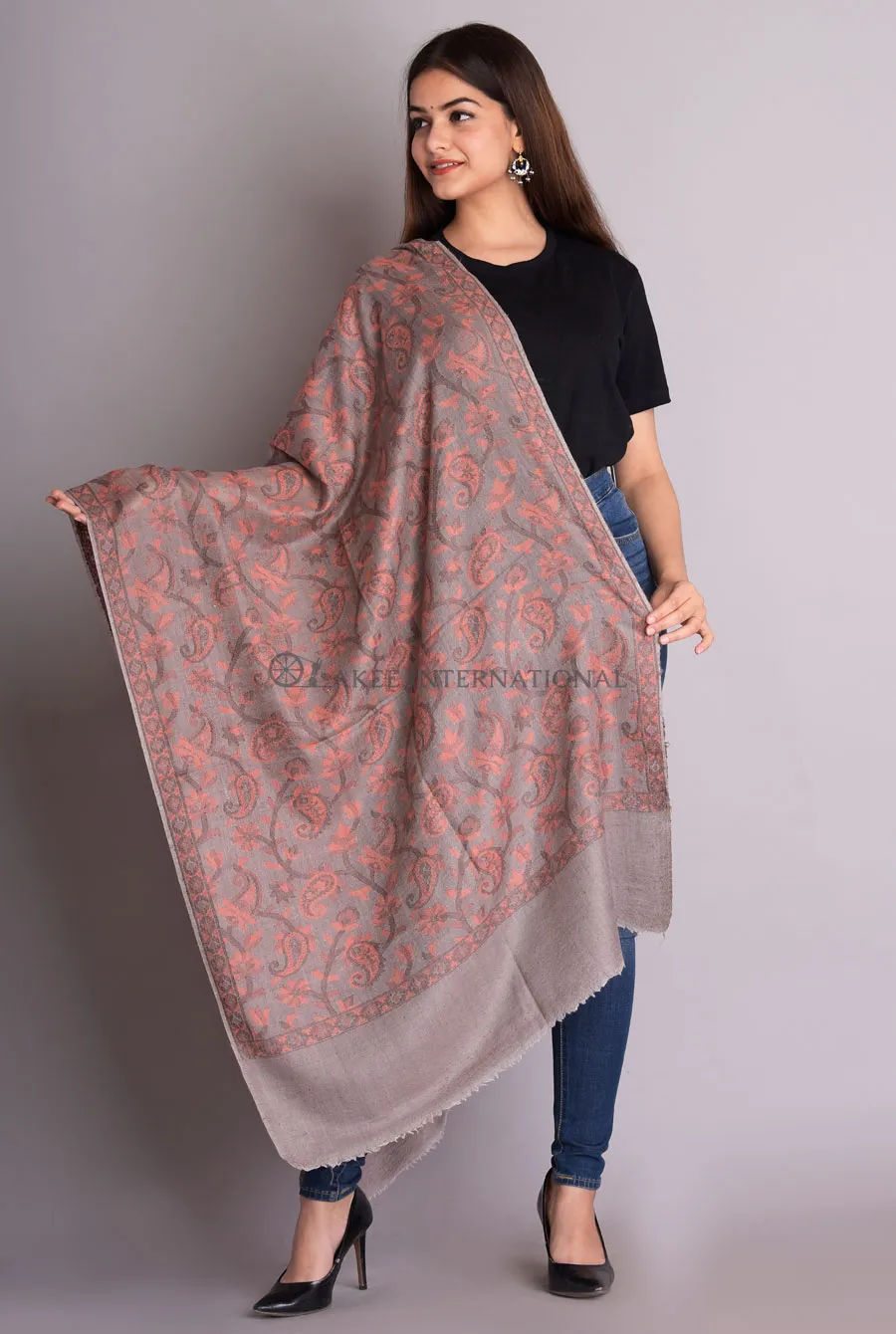
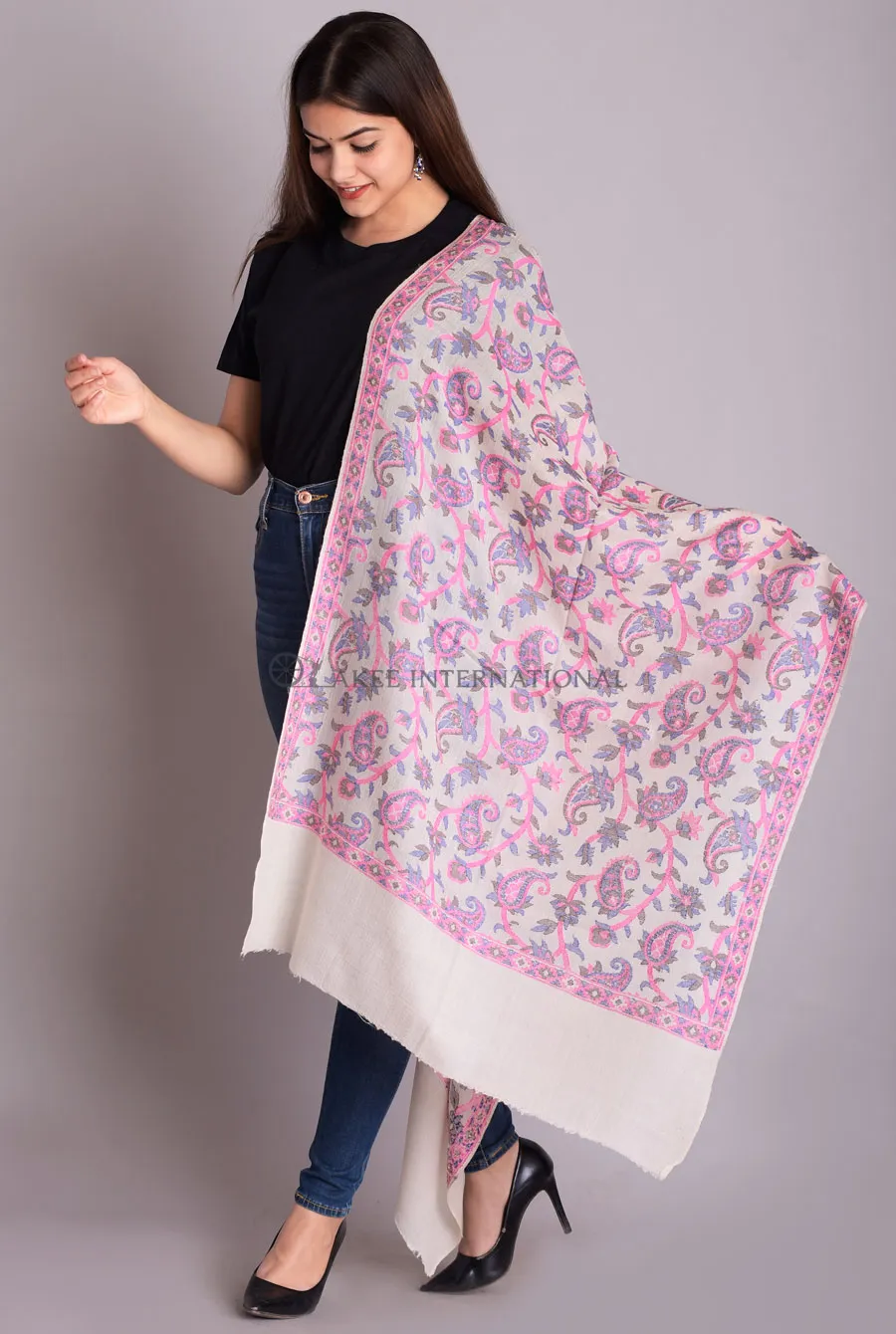
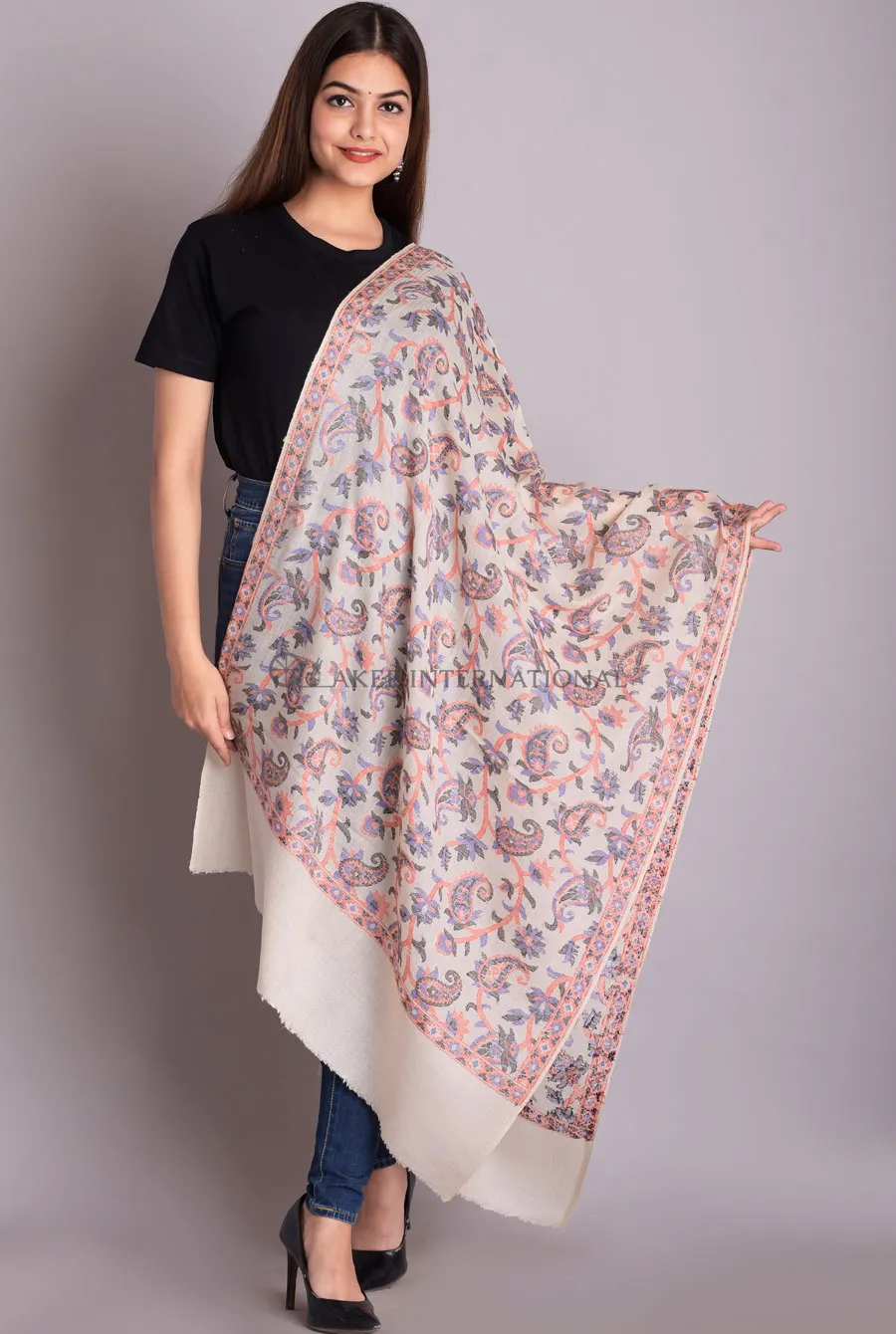
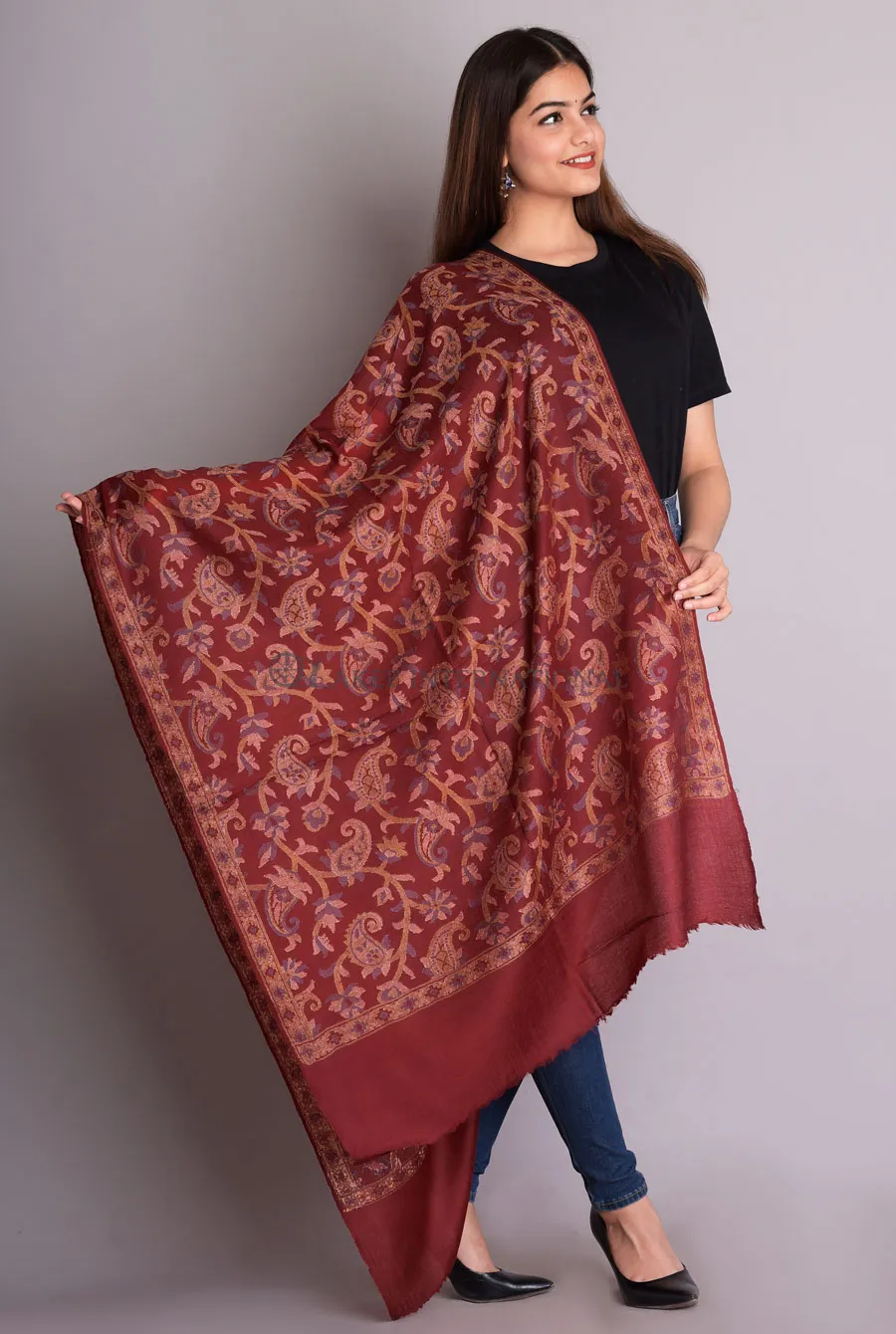
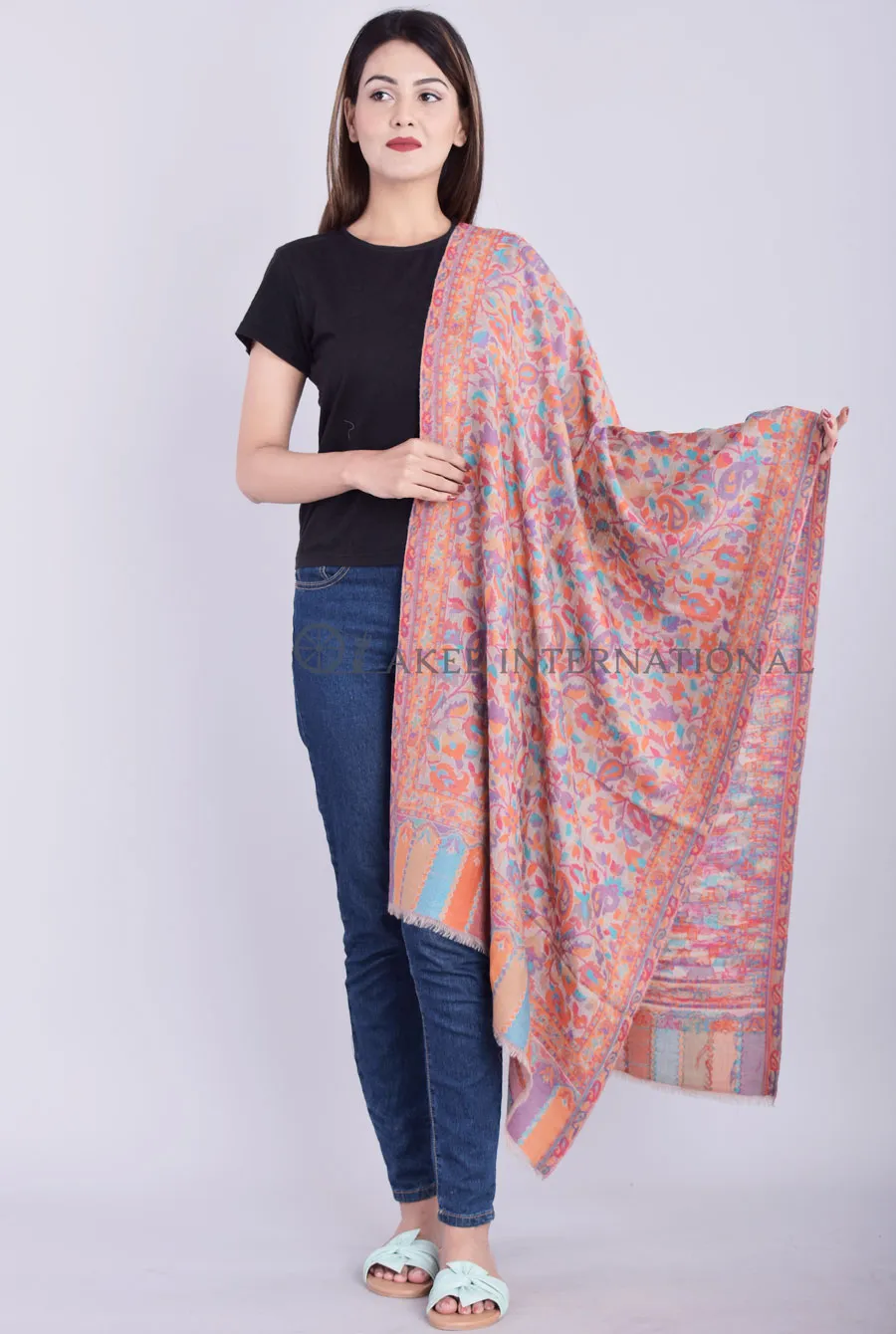
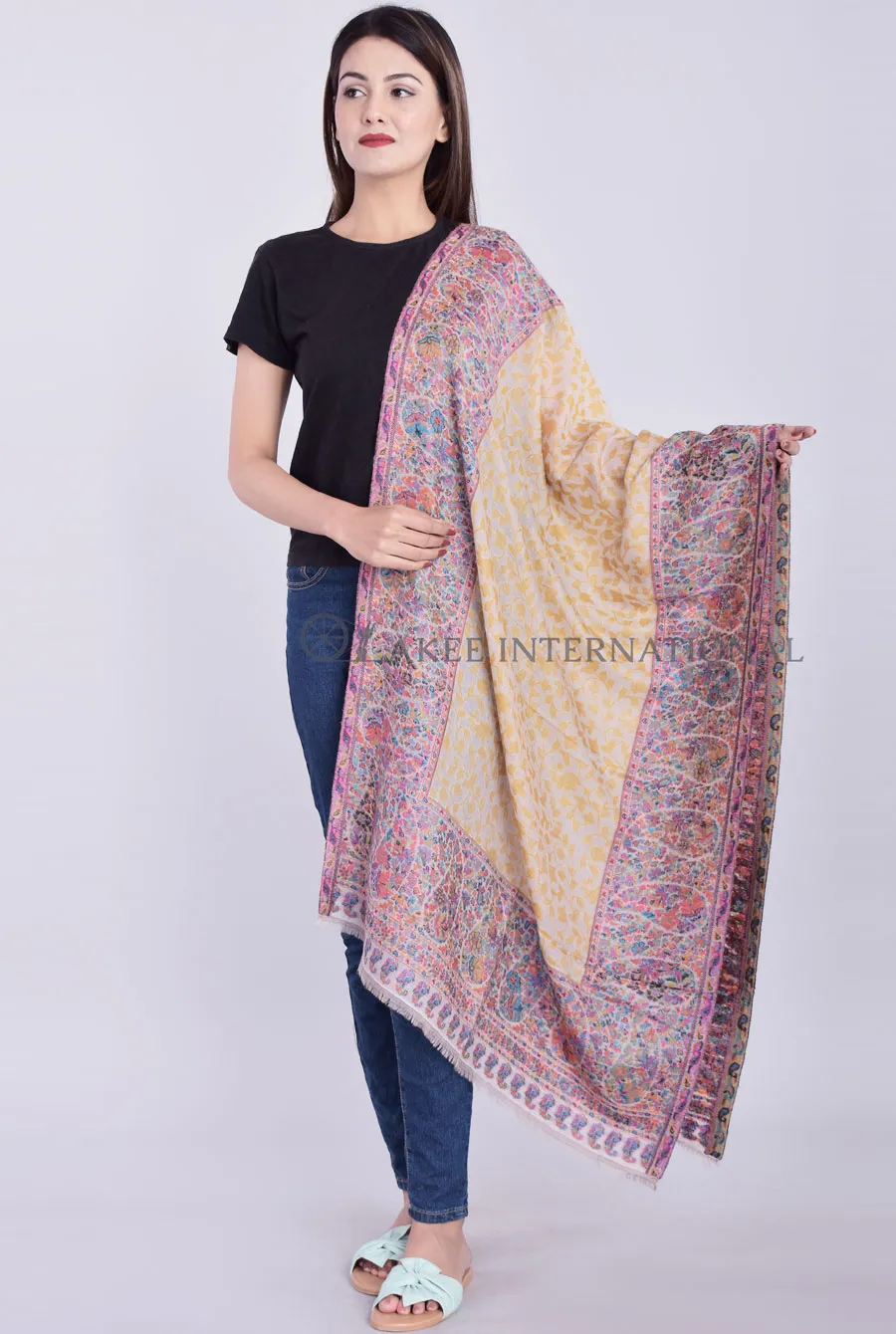
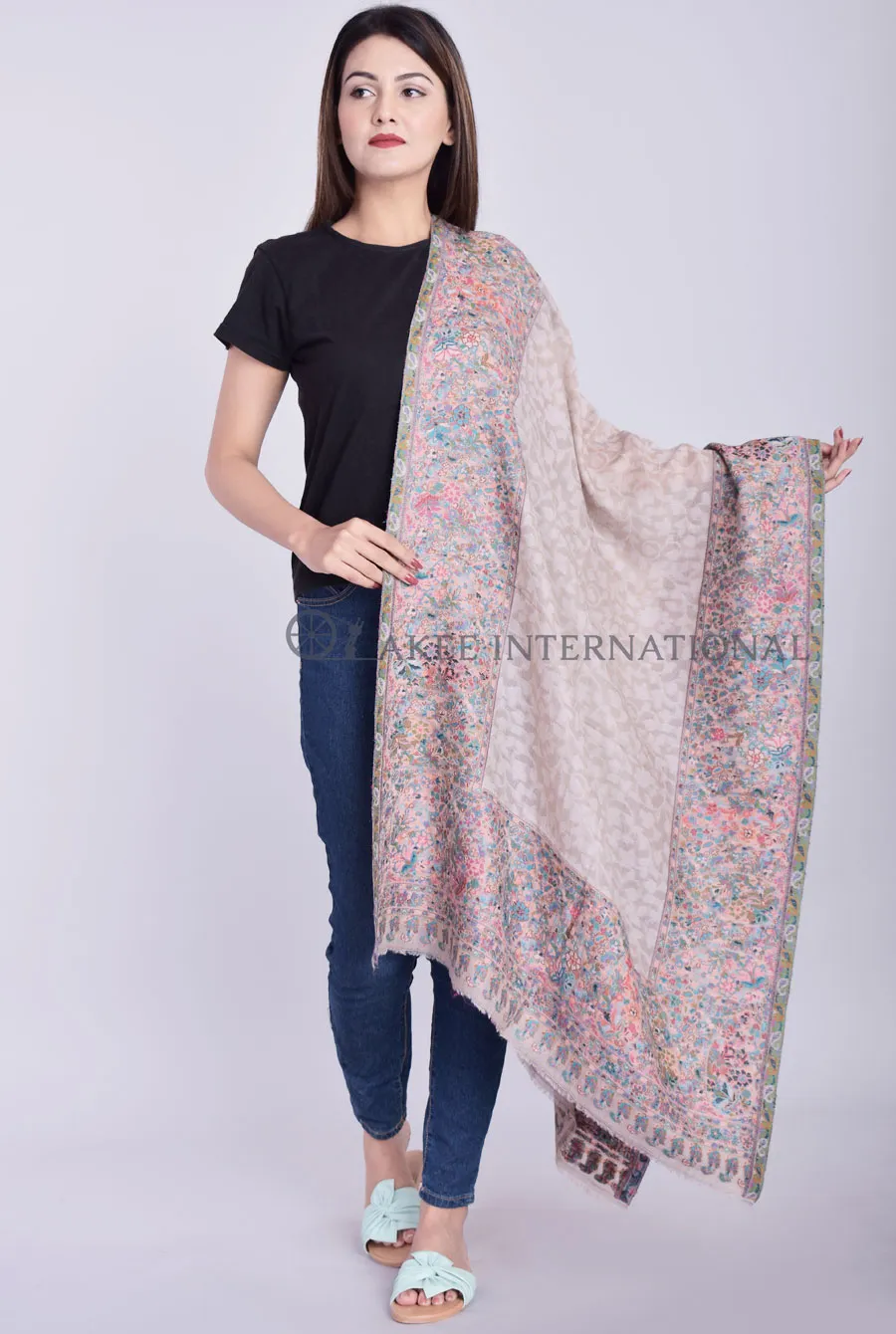
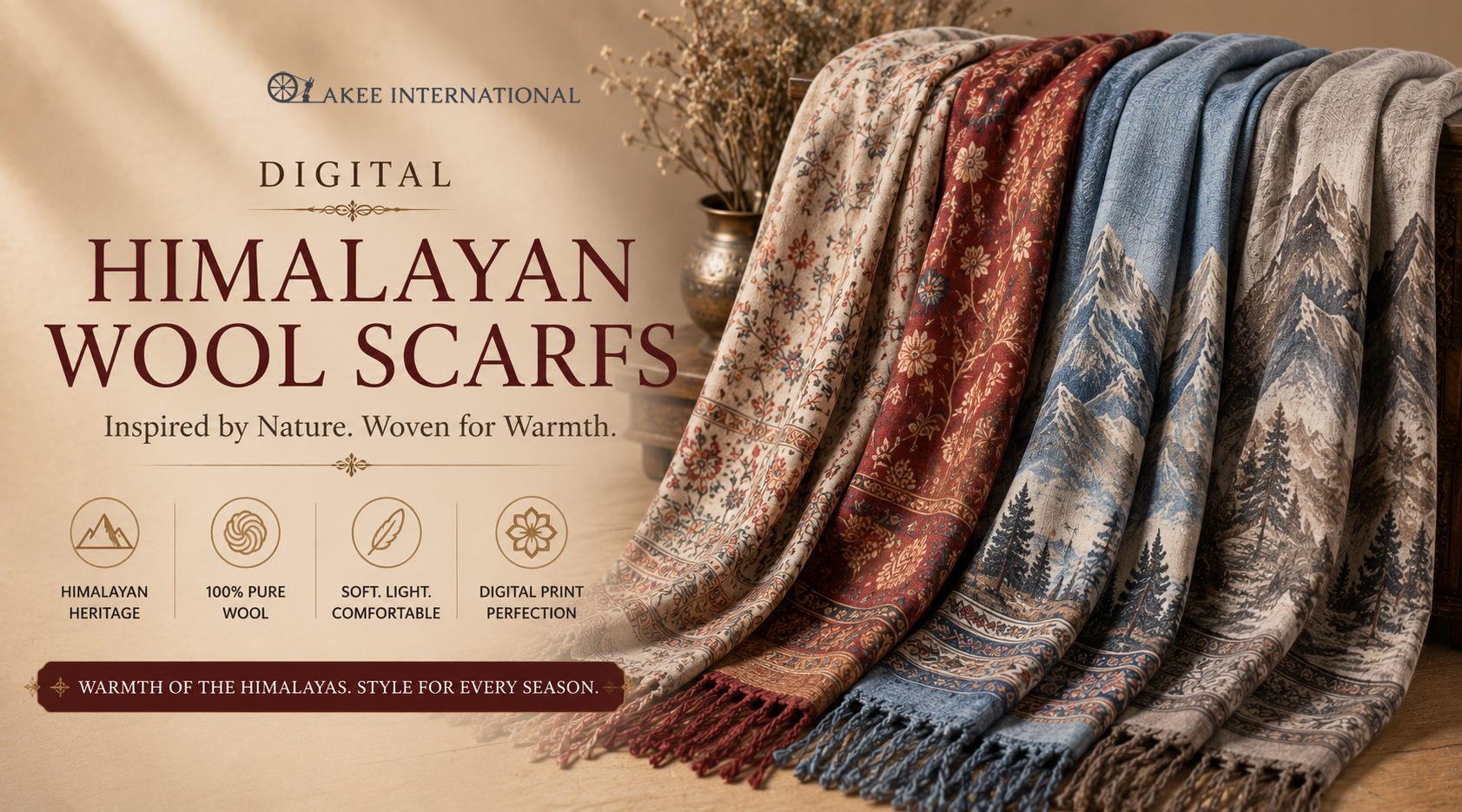
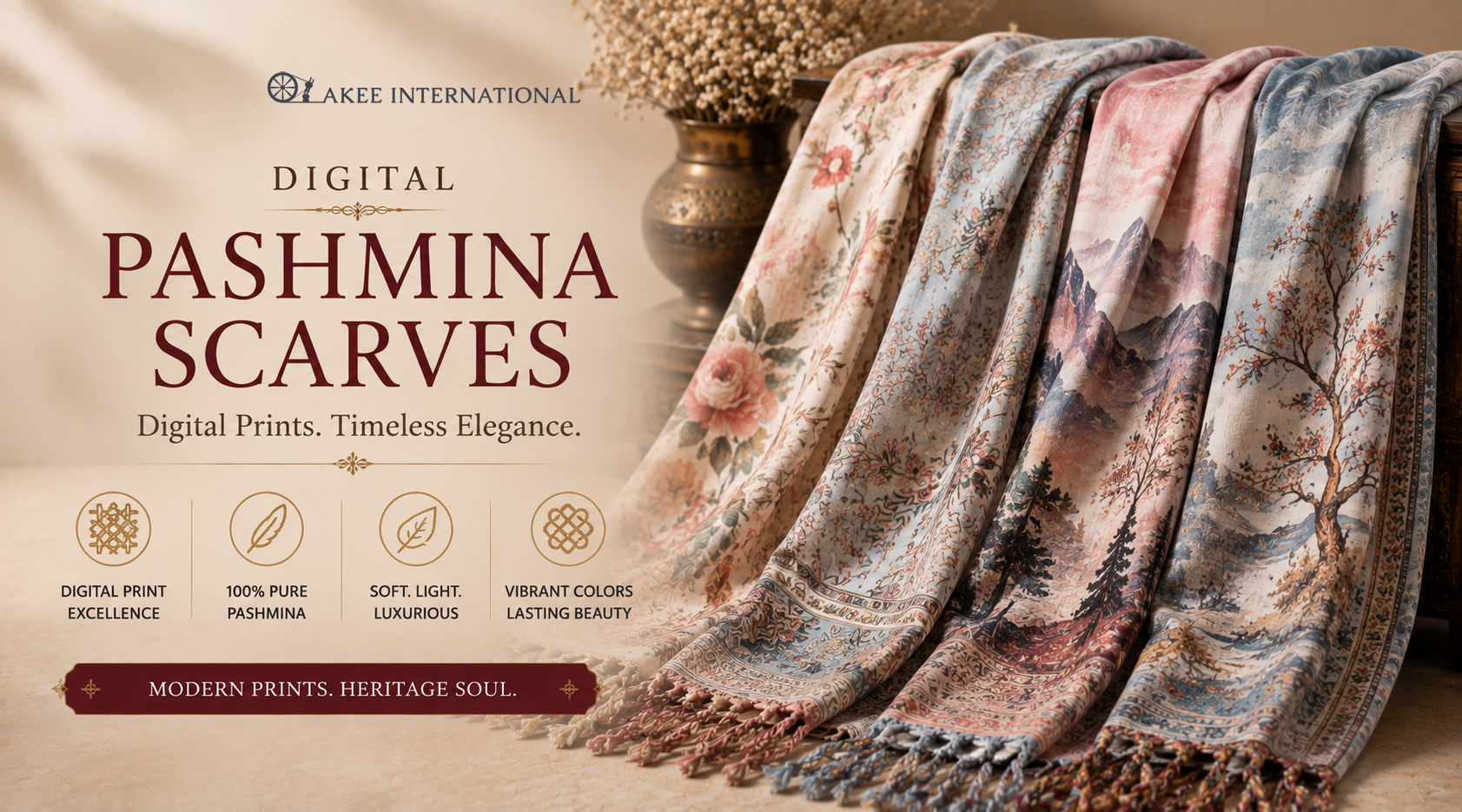
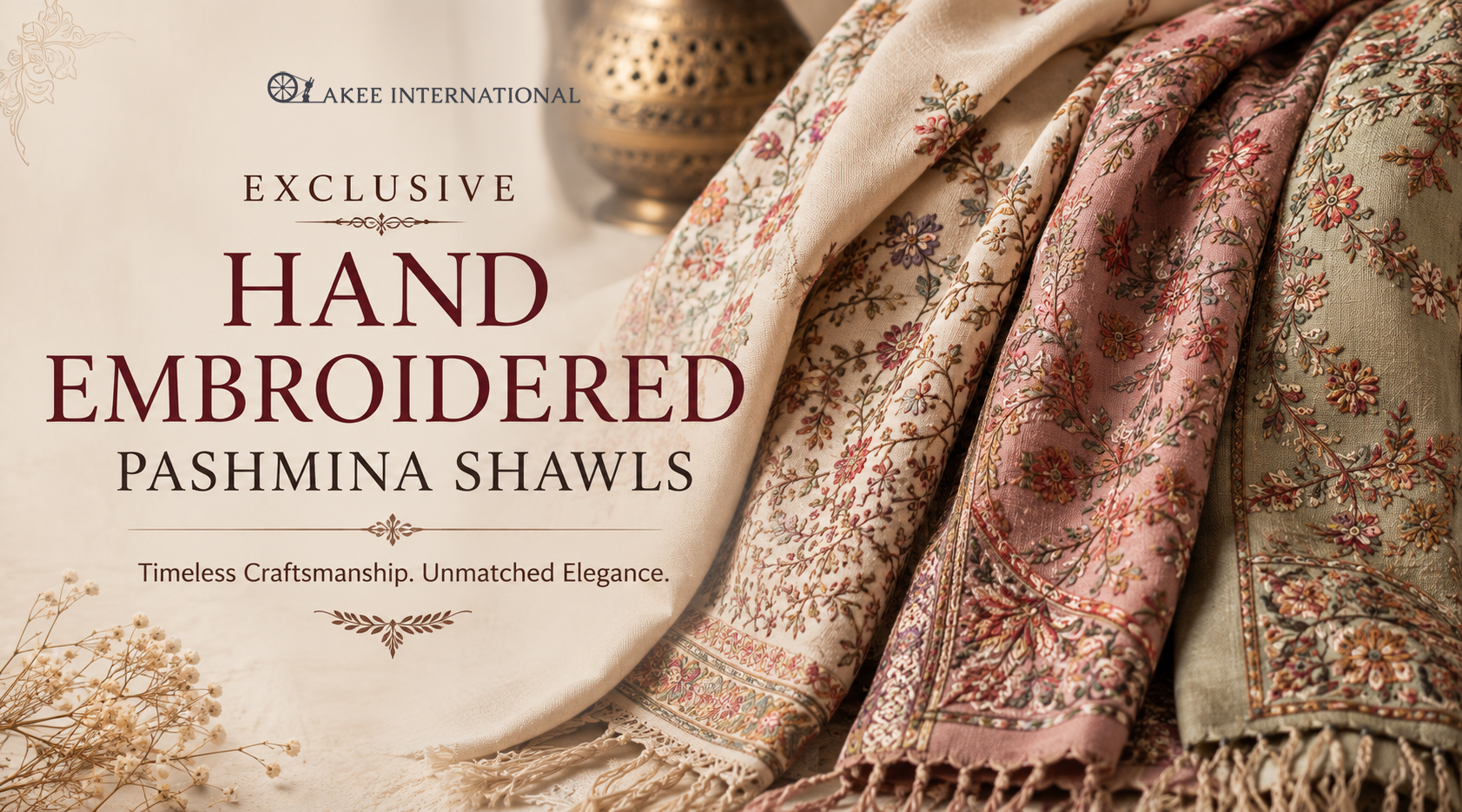
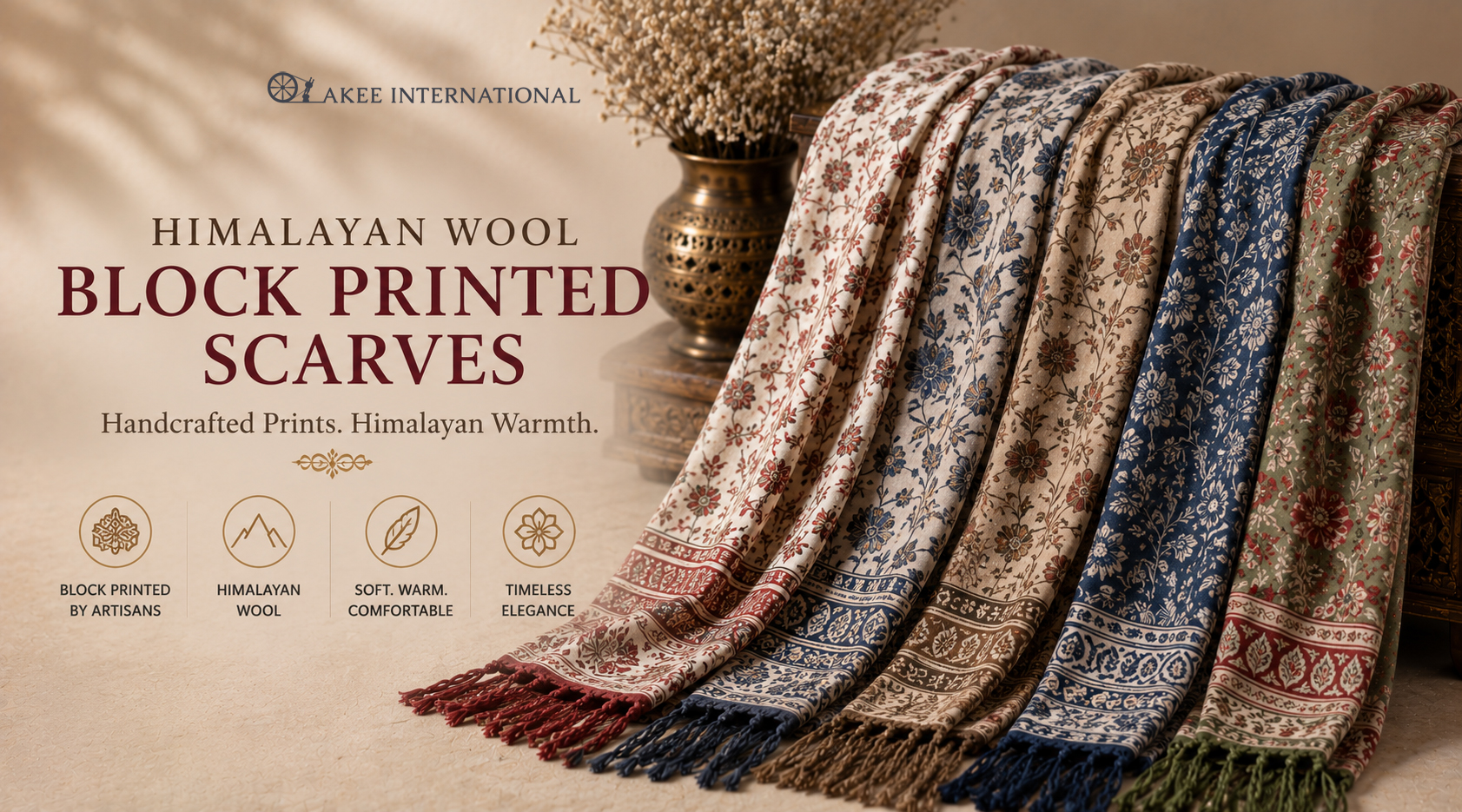
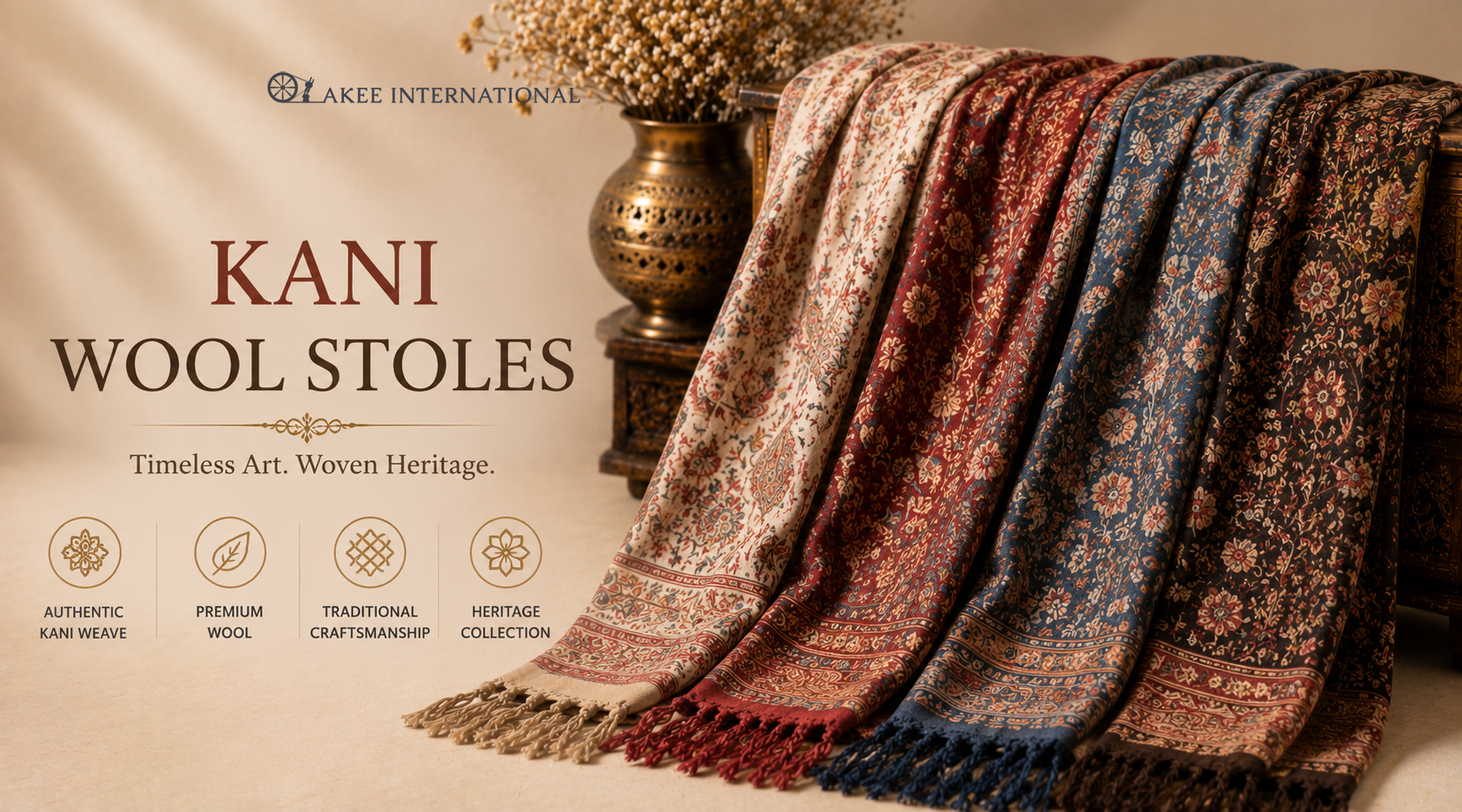
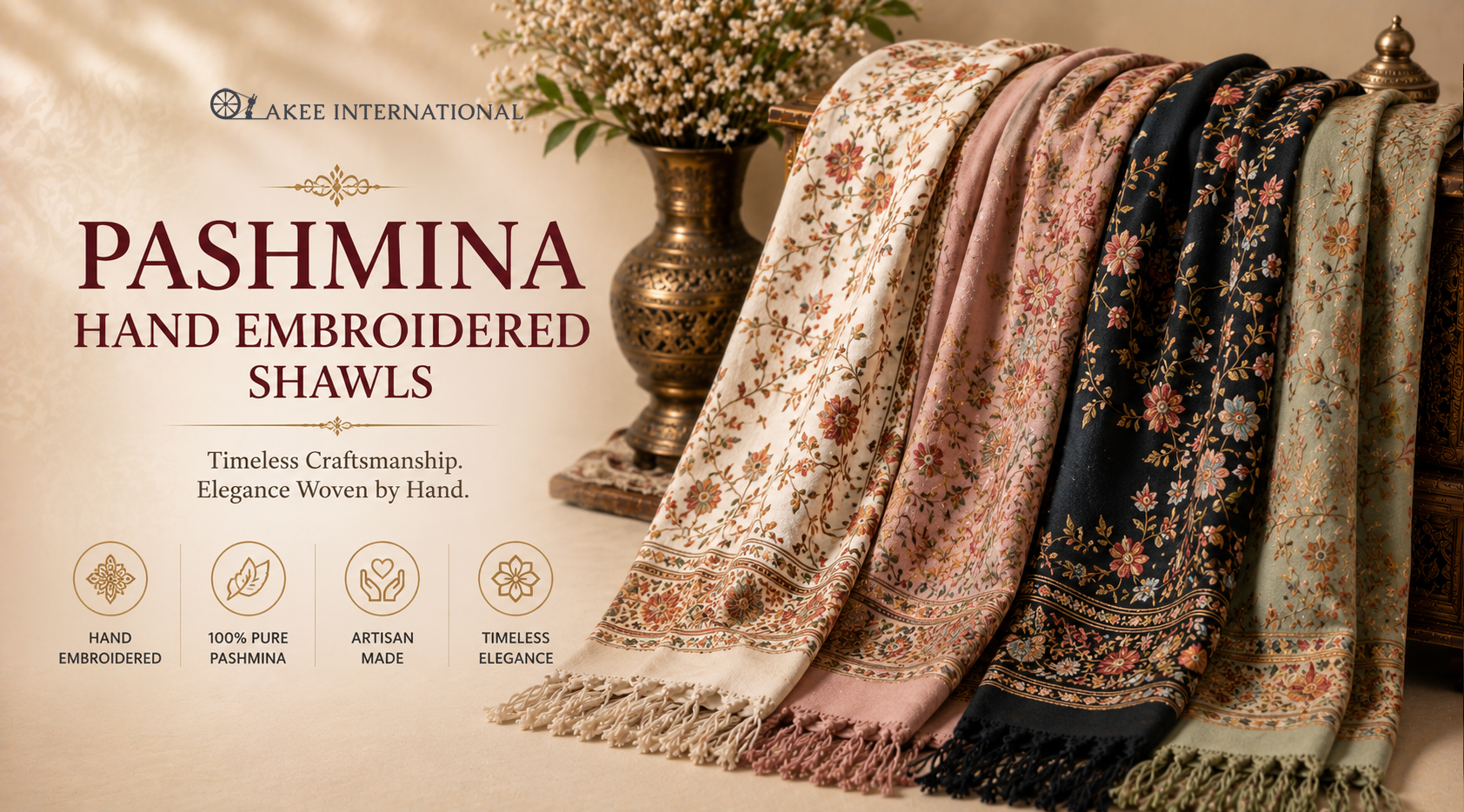
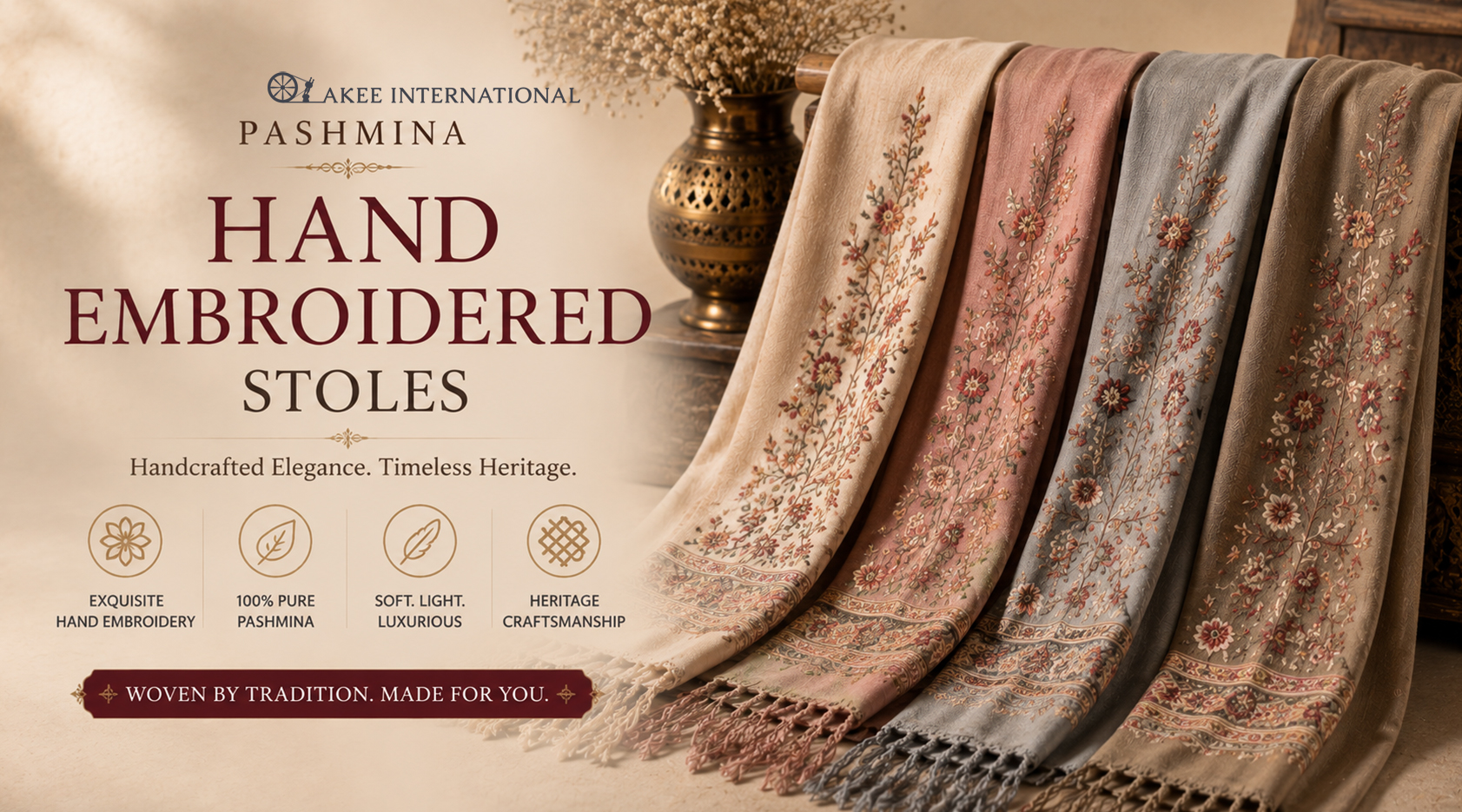
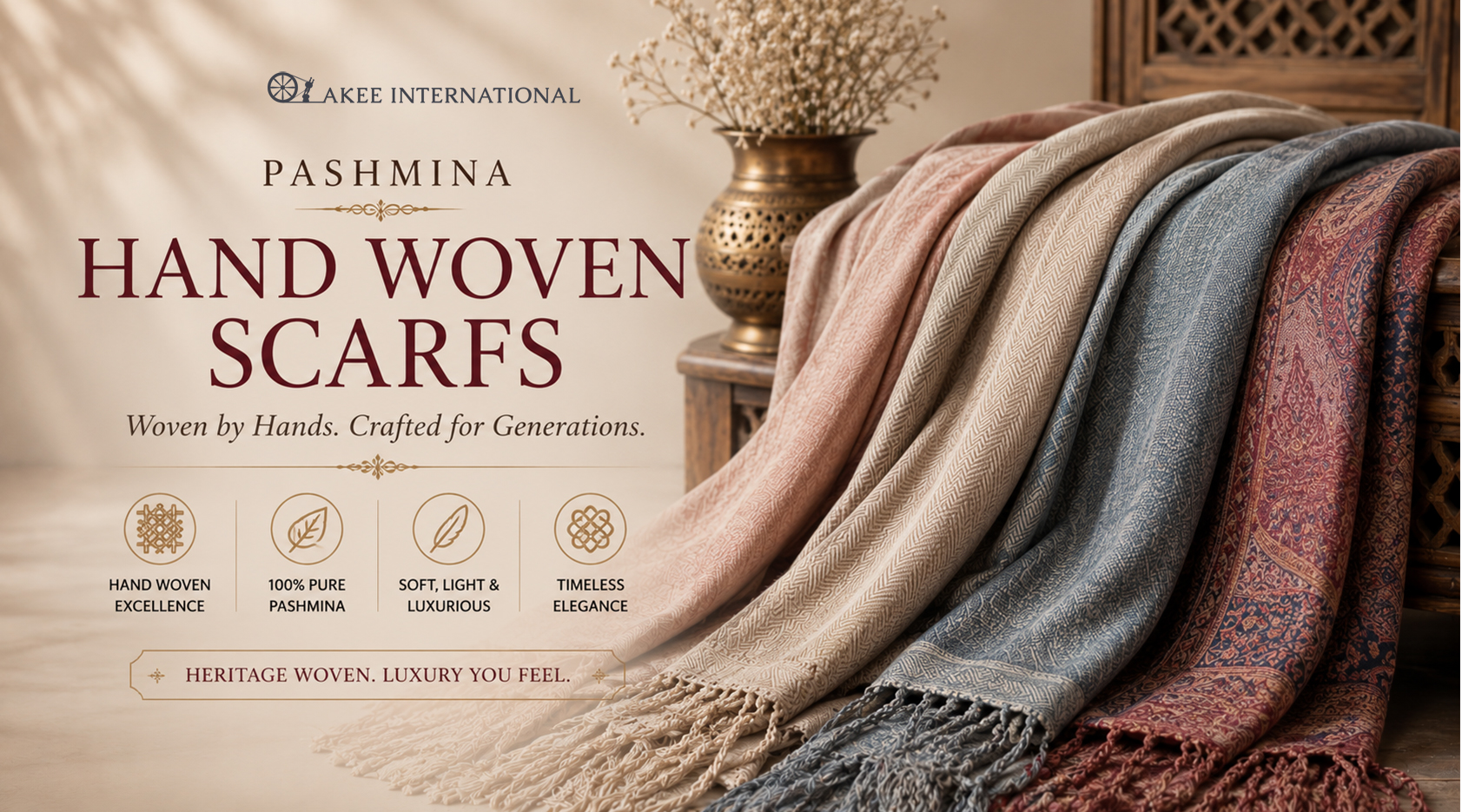
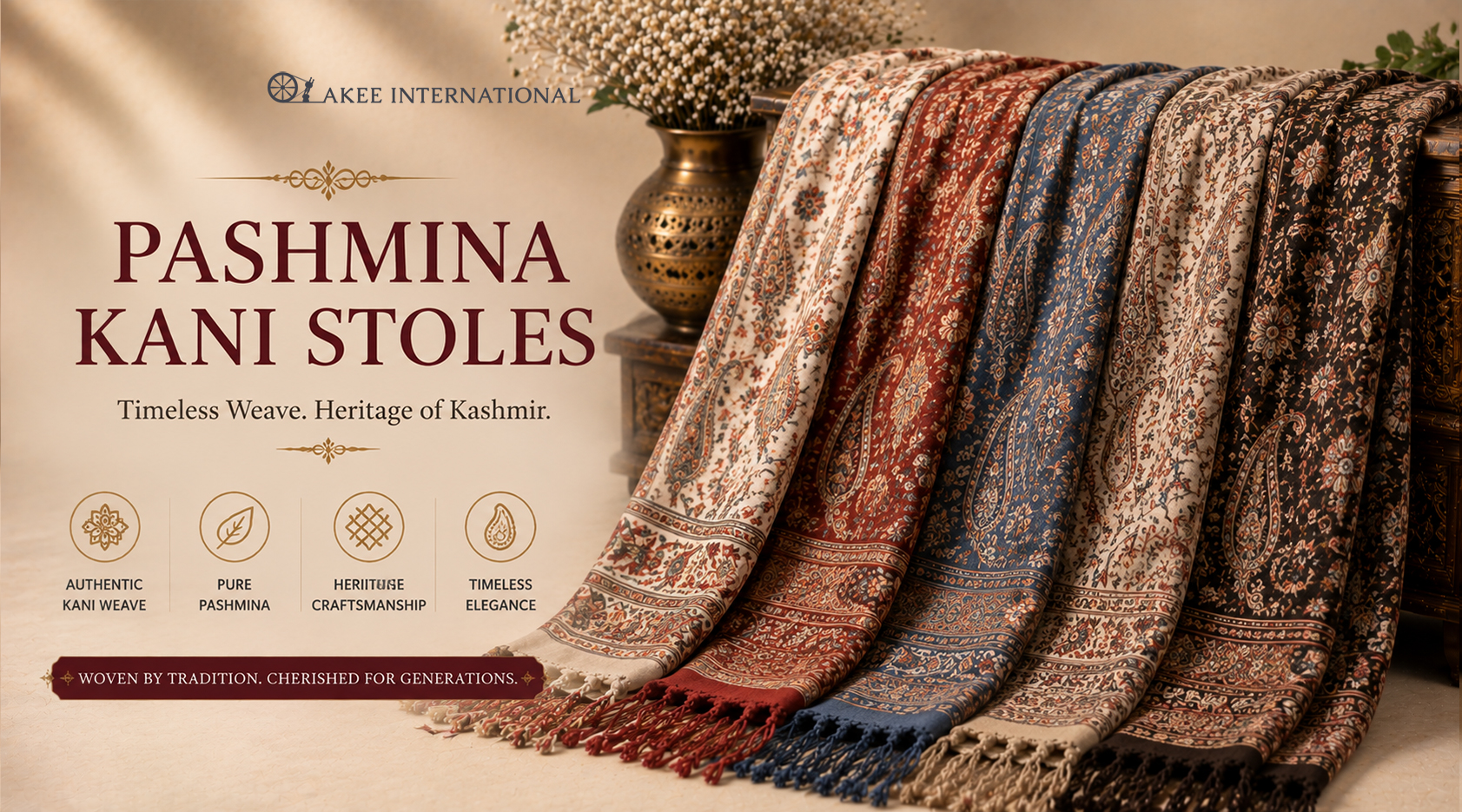
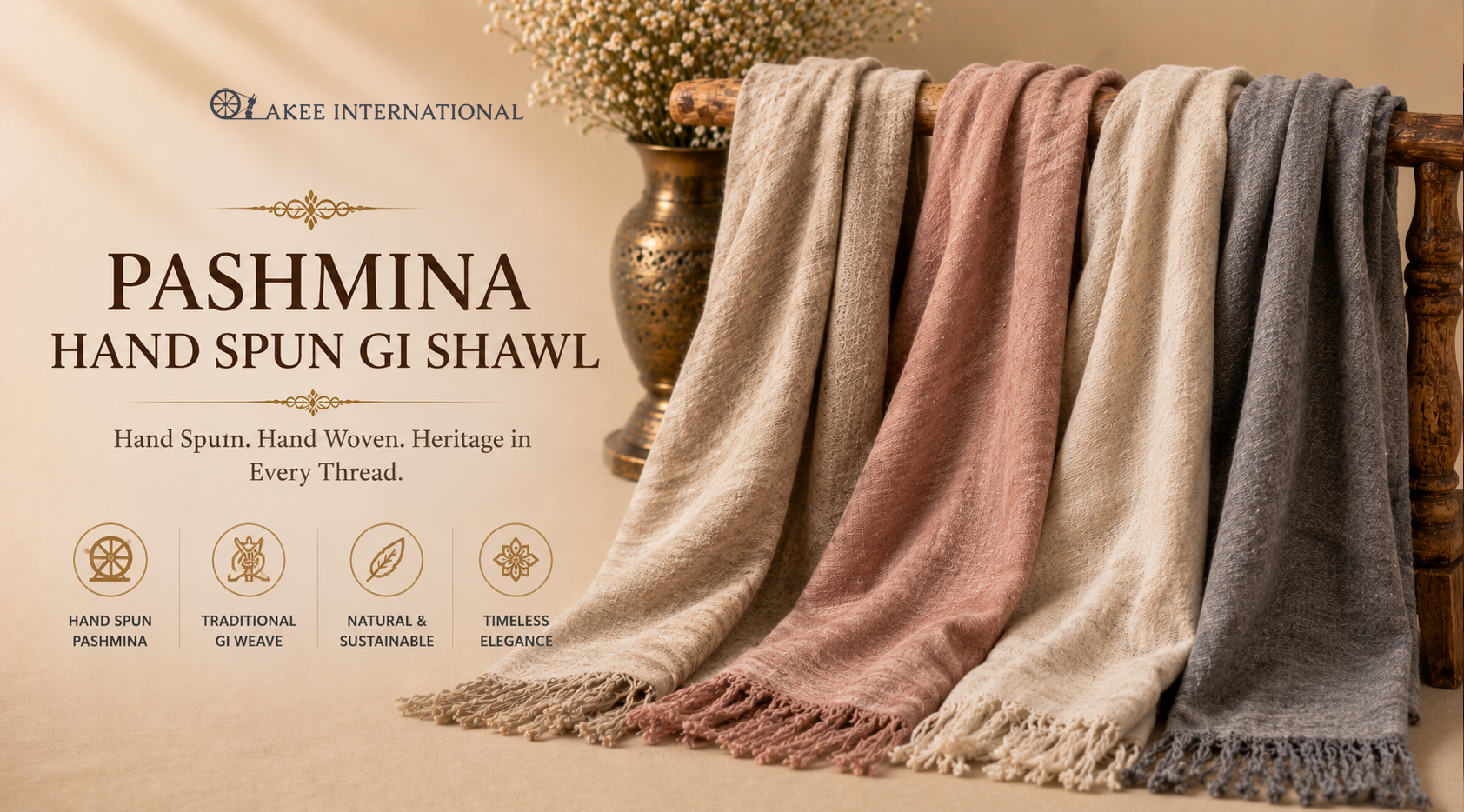
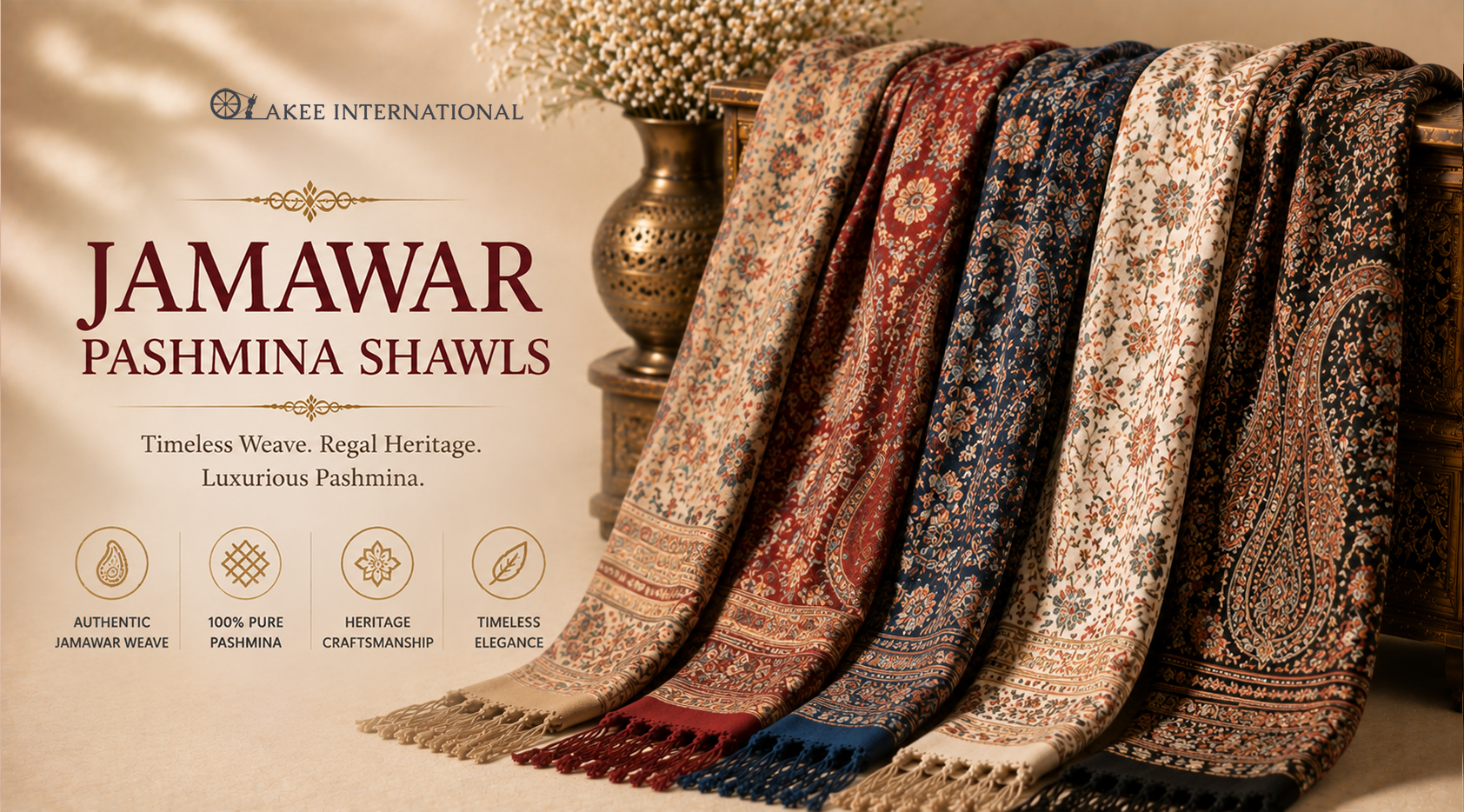
The range coming out of the factory spans the full spectrum of Kashmiri textile craft. Pashmina Hand Woven Scarfs and simpler stoles represent the higher-volume, everyday end of production, while Pashmina Hand Embroidered Shawls and Jamawar Pashmina Shawls sit at the more time-intensive, higher-value end, each piece taking substantially longer per unit given the embroidery or weaving complexity involved. Kani Wool Stoles, produced using one of the more labour-intensive traditional techniques still practiced in Kashmir, and Digital Pashmina Scarfs for more contemporary fashion demand round out a catalogue that lets the factory serve very different buyer needs from a single production base.
Quality control looks different at a genuine pashmina shawl factory in Jaipur than it does on a mechanised production line, because consistency has to be checked by trained eyes and hands rather than by automated sensors. Raw wool purity gets verified before spinning even begins, hand-spinning consistency is checked as yarn is produced, and every finished piece goes through a final inspection before it's approved for sale — whether it's headed to the in-store showroom, a wholesale order, or an export shipment. This matters because hand-based production naturally carries more piece-to-piece variation than machine work, and catching inconsistencies before a shawl reaches a customer is what keeps that variation from becoming a quality problem.
Everything sold through the retail showroom near Amer Fort, offered to Wholesale Pashmina Shawls in Jaipur buyers, or produced for a Private Label Pashmina Shawl Manufacturer arrangement comes off the same production floor, using the same artisans and the same raw material standards. Close to ninety percent of current output is customised for private label or bulk clients, which means the factory's day-to-day work is weighted more toward business-to-business orders than individual retail purchases, even though the retail side remains the most visible face of the operation to visitors and casual browsers of the website.
A hand-based pashmina shawl factory in Jaipur has an inherent sustainability advantage over mechanised wool manufacturing simply by virtue of how little energy-intensive machinery is involved in spinning and weaving compared to industrial textile production. Akee International builds on that baseline by prioritising fair compensation for the goat herders and artisans supplying raw material and labour, and by favouring natural, low-impact dyeing methods wherever a design allows for it rather than defaulting to synthetic dye processes purely for speed or cost. For buyers increasingly asked by their own customers about sourcing ethics, being able to point to a factory built around this approach — rather than a generic sustainability statement with no operational detail behind it — has become a meaningful part of the sourcing conversation.
For business buyers evaluating a pashmina shawl factory in Jaipur as a potential supplier, seeing the production process directly tends to answer more questions than any catalogue or price list can. Akee International accommodates factory visits for serious wholesale and private label enquiries, letting a prospective client see the artisan workforce, raw material handling, and finishing process before committing to an order. This is a different conversation from a casual tourist stop at the retail showroom, and it usually starts with a direct enquiry through Contact Us or a WhatsApp message to +91-9772777770 outlining what the buyer is looking to source.
A buyer choosing between suppliers for a bulk or private label order is really evaluating whether a factory can deliver consistent quality across a large order without the kind of delays or quality drift that come from a workshop operating at the edge of its actual capacity. A factory running 450-plus specialized products already in rotation, with a workforce of seventy-plus trained artisans, has more slack to absorb a large new order without straining quality than a smaller operation taking on its first sizeable client. This is often the deciding factor for boutiques and export houses comparing multiple potential suppliers before settling on one for an ongoing relationship.
A few misunderstandings come up repeatedly when people picture what a pashmina shawl factory in Jaipur actually involves. One is assuming that "factory" automatically means machine-made — as covered above, genuine pashmina production stays hand-based regardless of scale, and any factory claiming otherwise while still using the pashmina name is likely blending in cheaper machine-spun wool. Another is assuming factory pricing is always cheaper than retail — for genuine pashmina, factory-direct pricing mainly removes retail markup on bulk orders, but the underlying cost of hand-spun, hand-woven material doesn't change just because an order is larger. A third misconception is that factory-produced shawls are somehow lower quality than "boutique" pieces — in reality, a factory with this kind of specialized artisan workforce is often producing the exact same embroidery and weaving techniques found in high-end boutique pieces, just organised at a scale that can also serve wholesale demand.
For buyers new to sourcing from a hand-based pashmina shawl factory in Jaipur, lead times are worth understanding upfront rather than assuming they match faster, machine-based manufacturing timelines. A simple hand-woven scarf can be produced relatively quickly given the artisan workforce available, but an elaborately embroidered shawl with fine Sozni needlework can take considerably longer per piece, since that stage of production genuinely cannot be rushed without compromising the embroidery quality. Bulk orders spanning multiple product types are typically planned with staggered delivery in mind — simpler pieces shipping first while more intricate ones are still in progress — rather than the entire order completing on a single date.
Retail shoppers curious about where their shawl actually comes from can browse the full product catalogue to see the range this pashmina shawl factory in Jaipur produces day to day, while business buyers looking to source at scale are better served reaching out directly to discuss volumes, lead times and customisation options before any commitment is made.
Discover exquisite Pashmina shawls, beautifully crafted with Kashmir’s timeless heritage and artistry.
Discover exquisite Pashmina shawls, beautifully crafted with Kashmir’s timeless heritage and artistry.
Our factory prioritizes traditional hand-spinning and hand-weaving, supported by organized production processes.
We produce over 2,000 tons annually across 450+ specialized products.
We currently have a skilled workforce of over 70 artisans and staff.
Please contact our team in advance to arrange a factory or showroom visit.
Yes, we work as an OEM and private label manufacturing partner for global brands and boutiques.
We use 100% pure Changthangi goat wool sourced from Kashmir and Ladakh.
Yes, nearly 90% of our production is fully customizable.
We conduct quality checks at every stage, from raw wool to final finishing.
Yes, we export to 12+ countries directly from our Jaipur facility.
Contact our team via WhatsApp or our website with your product requirements and quantities.
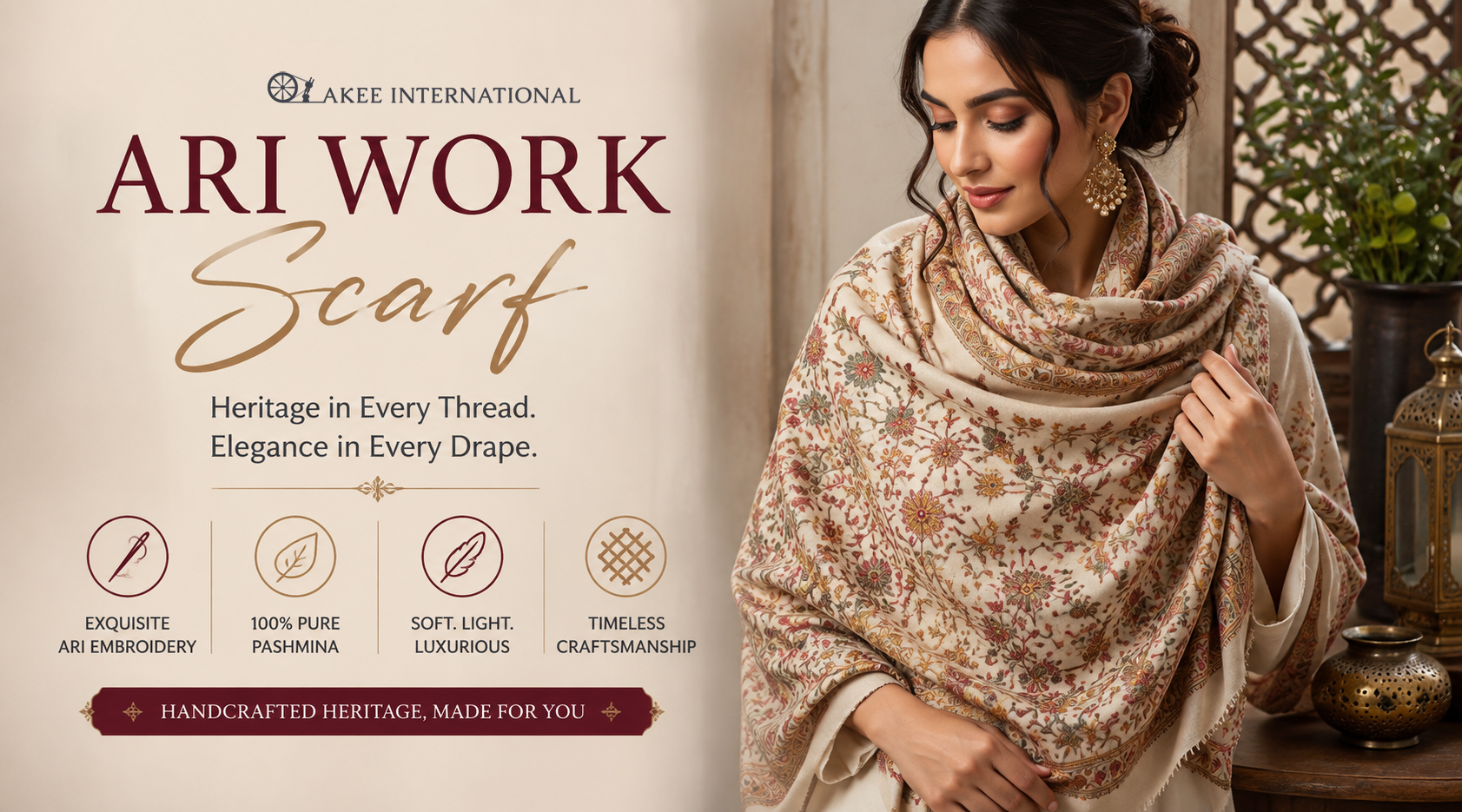
Discover exquisite Pashmina shawls, beautifully crafted with Kashmir’s timeless heritage and artistry.
"Read what our clients say about their experience with Akee International's luxurious Pashmina shawls and impeccable service."

Nai Mata Mandir Road, Thathar Road, Delhi By Pass, Amer, Jaipur 302028, Rajasthan India
Get directions Call Now Whatsapp 4.9 based on 269 reviews

Rating: 4.6/5 | 85 Reviews

Rating: 4.9/5 | 269 Reviews

TrustScore: 4.9 | 100 Reviews