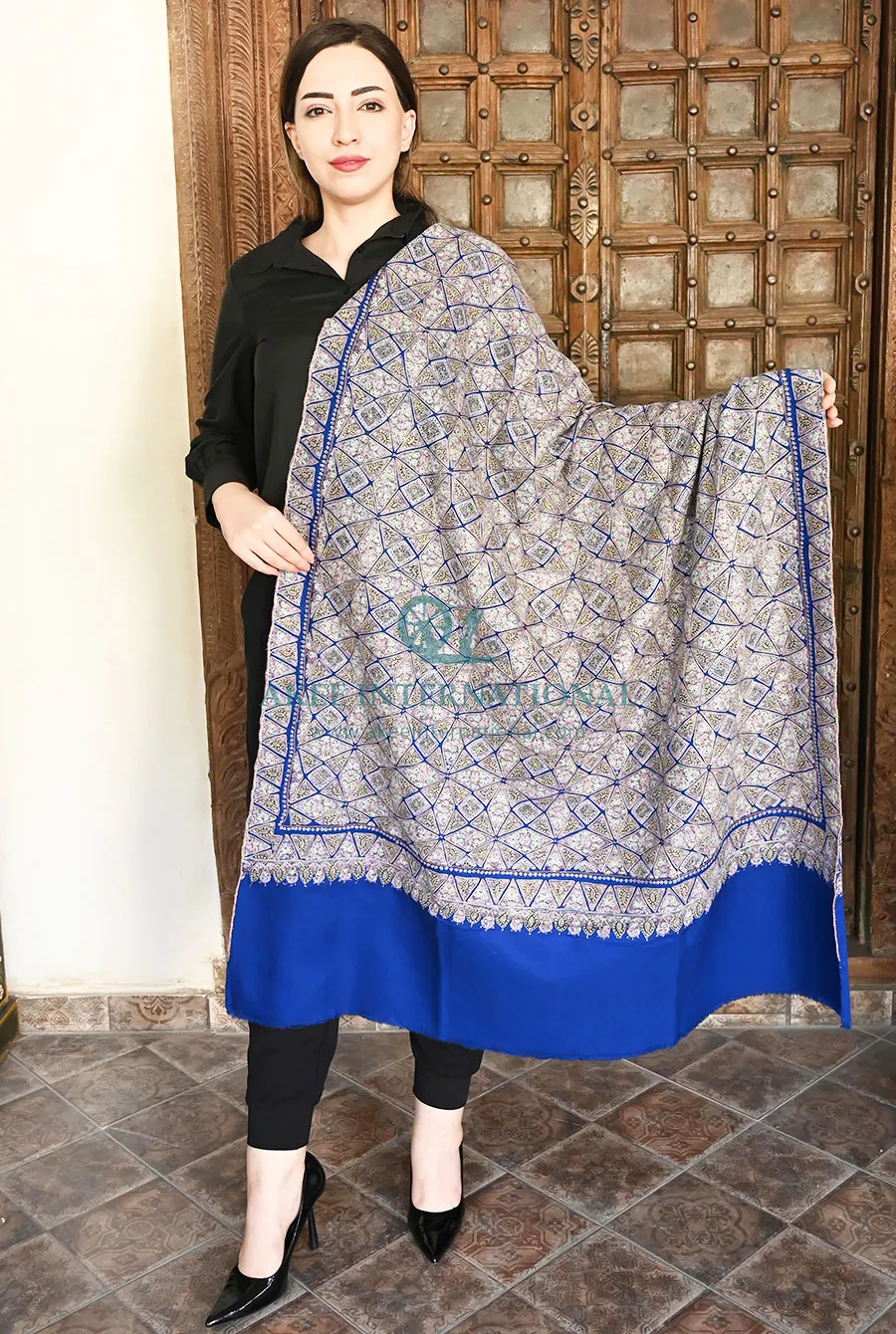
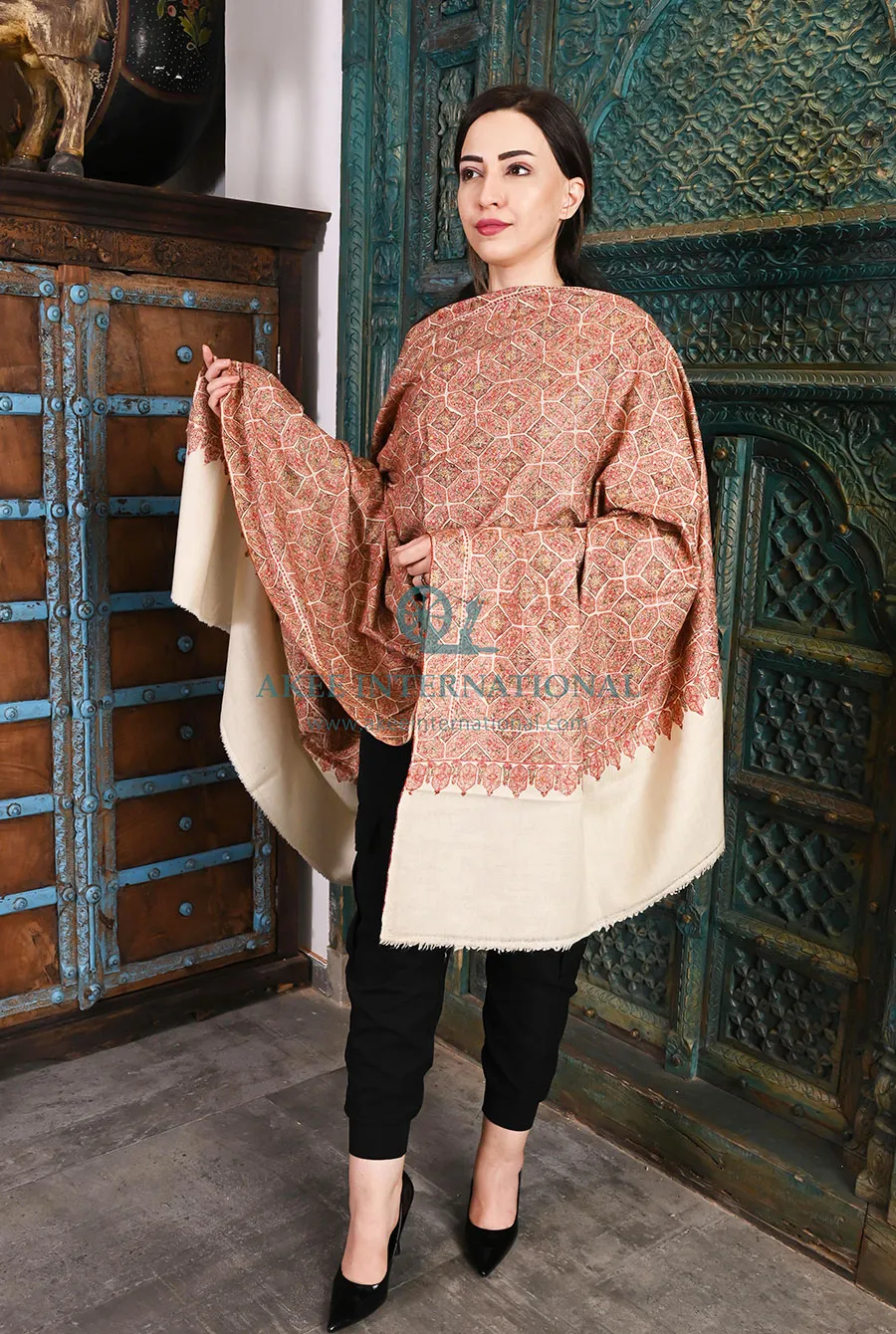
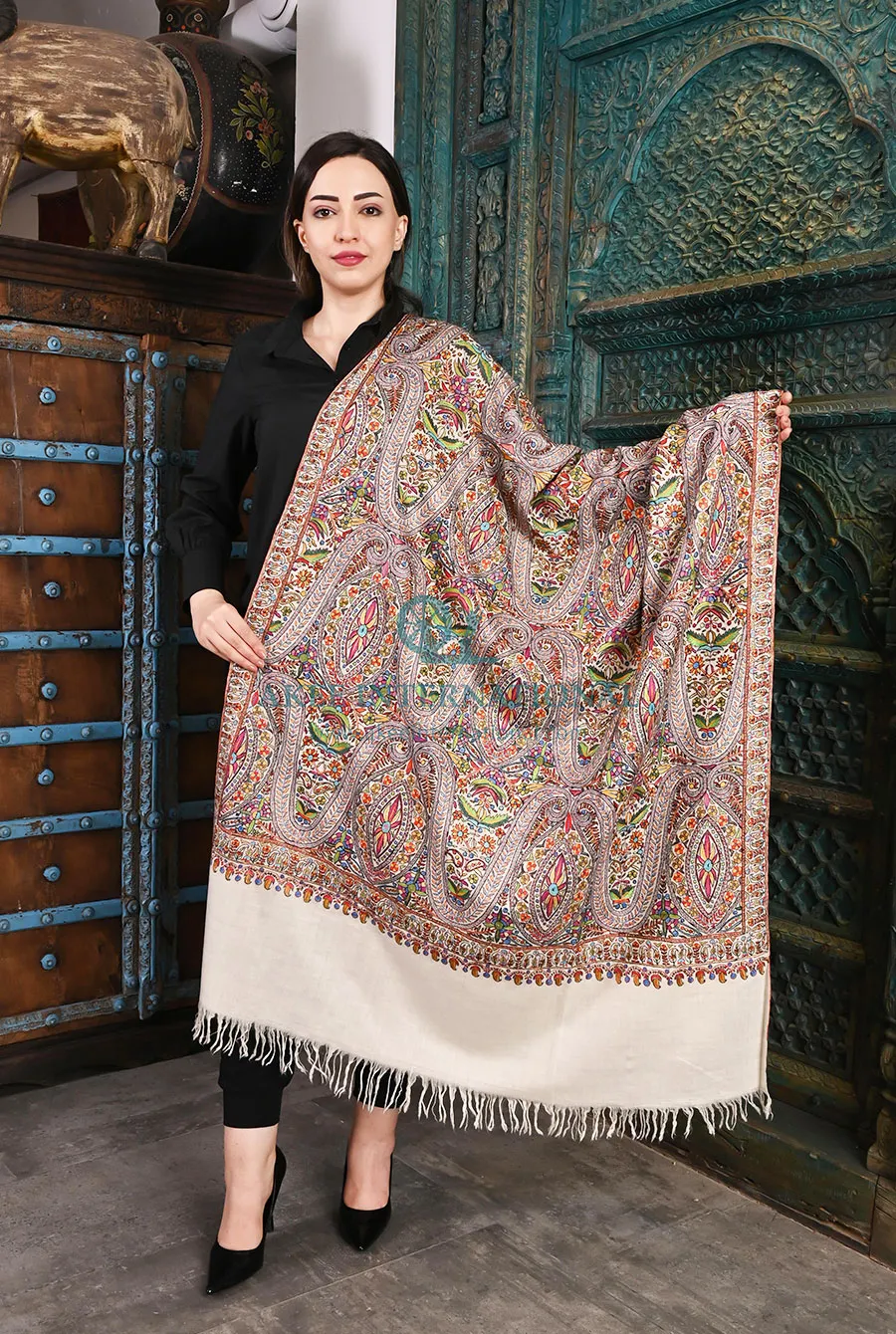
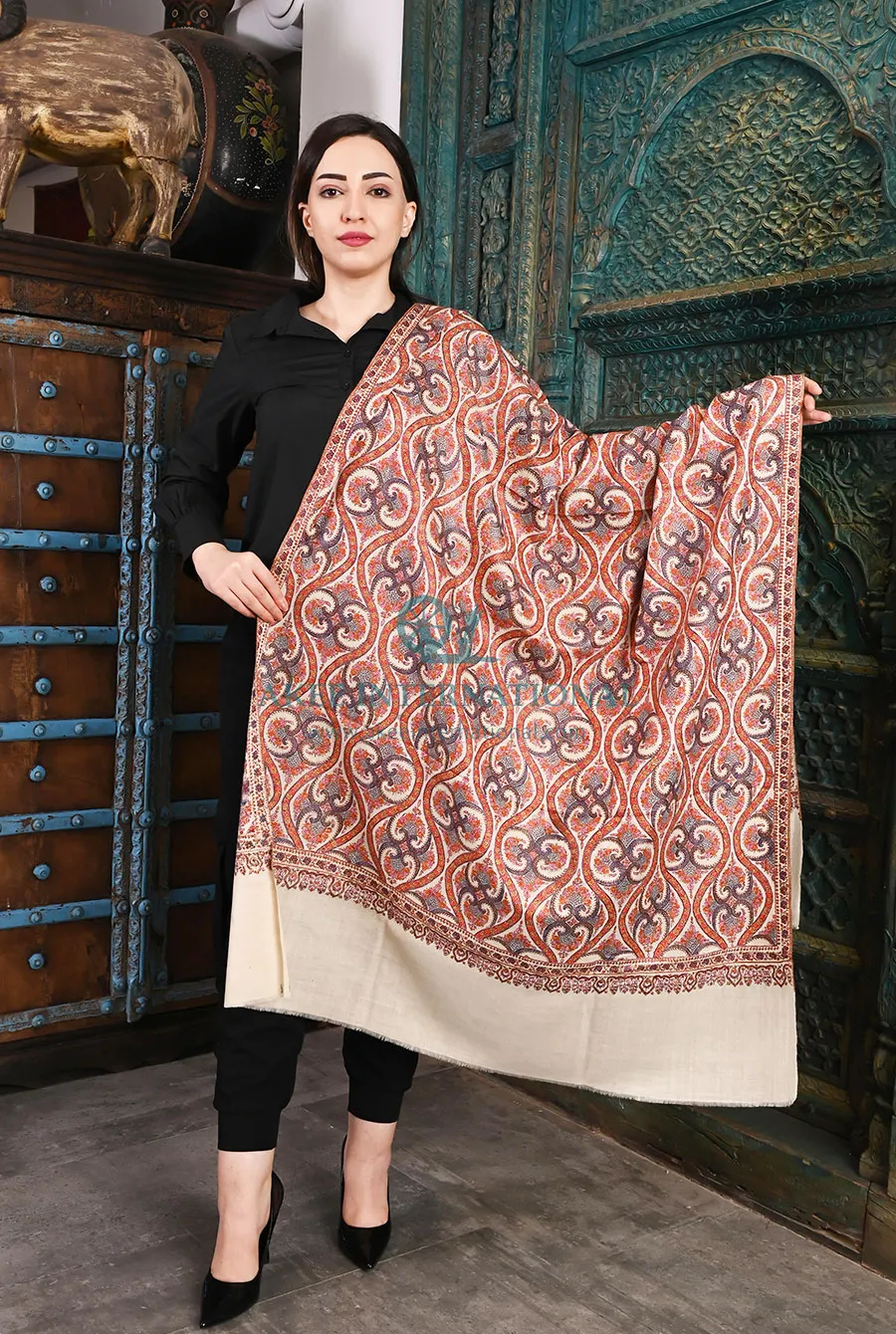
Find Your Perfect Premium Pashmina Shawl
Discover exquisite Pashmina shawls, beautifully crafted with Kashmir’s timeless heritage and artistry.

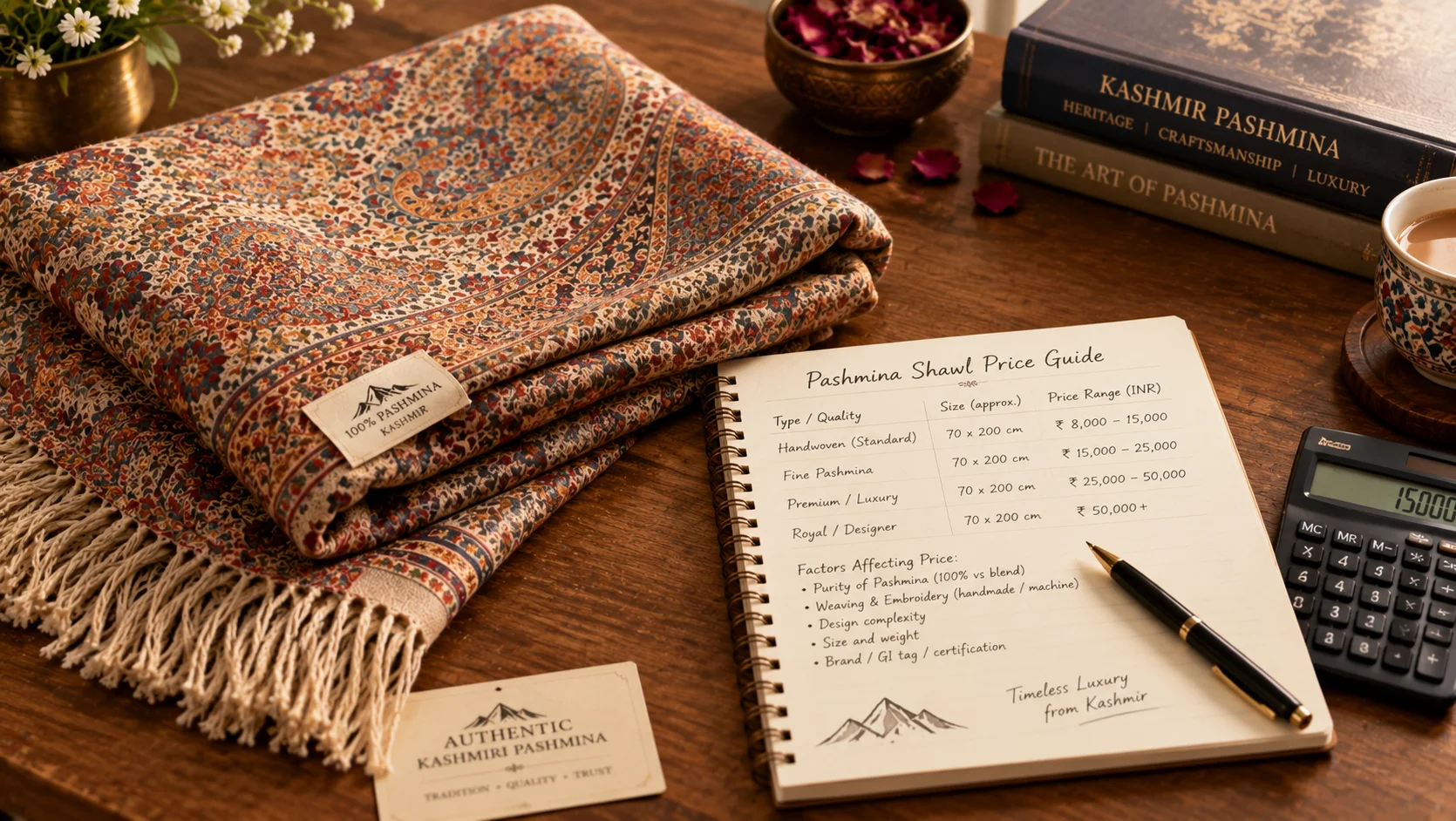
Pashmina prices vary dramatically across the market, from relatively affordable plain scarves to elaborately embroidered heirloom shawls costing many times more, and understanding what drives this range helps buyers make informed decisions rather than judging value by price alone. This pashmina shawl price guide breaks down the main factors affecting cost, giving buyers a clearer framework for evaluating whether a specific price represents fair value for what's actually being offered.
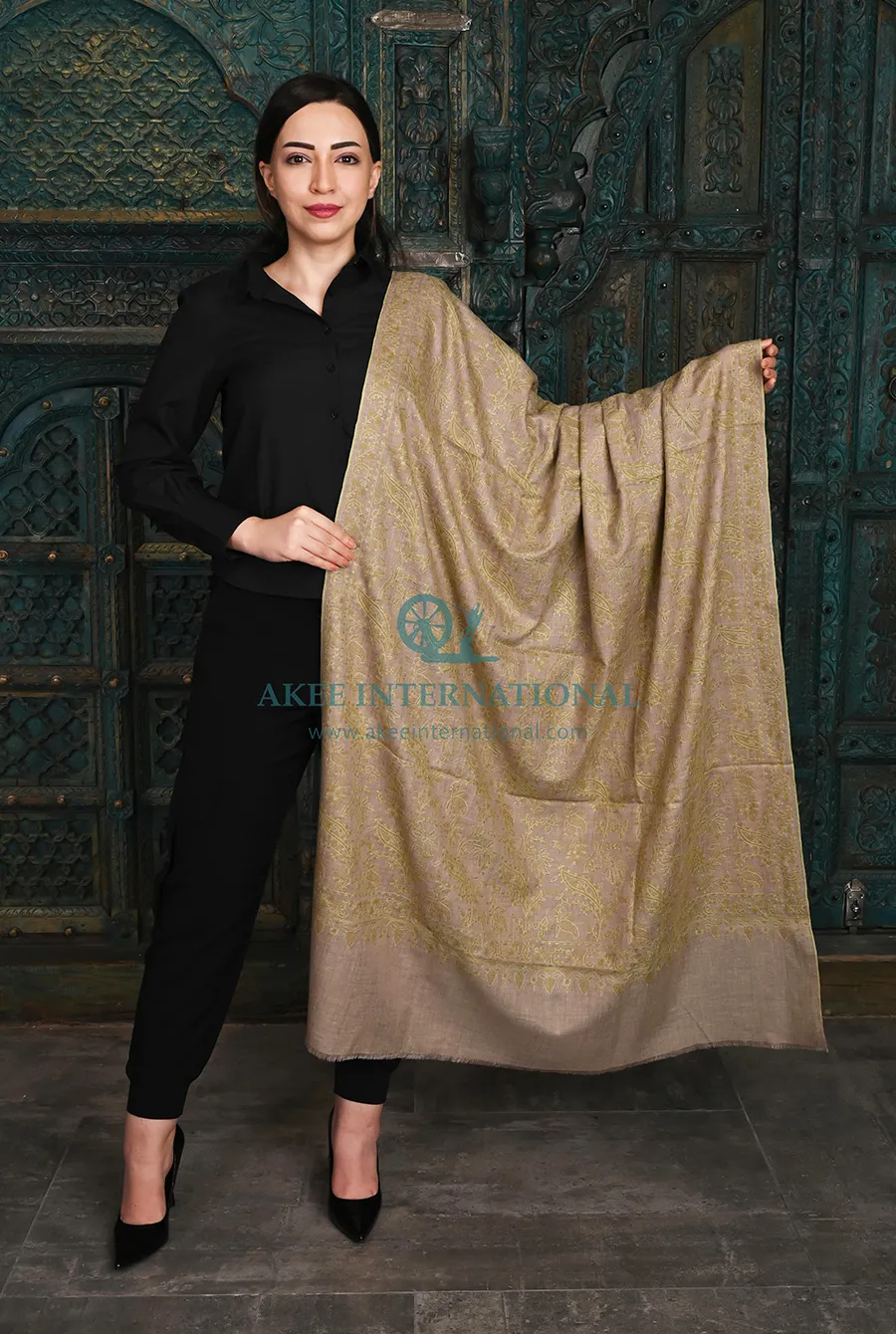
The single biggest factor in any pashmina shawl's price is fibre purity. Genuine 100% Changthangi goat wool costs considerably more than wool blends incorporating cheaper fibres, and this cost difference carries through to the final retail price regardless of other factors like embroidery or size. A plain, unembroidered piece made from pure pashmina will still cost more than a similarly sized piece made from a wool blend, simply reflecting the raw material cost difference at the foundation of the pricing structure.
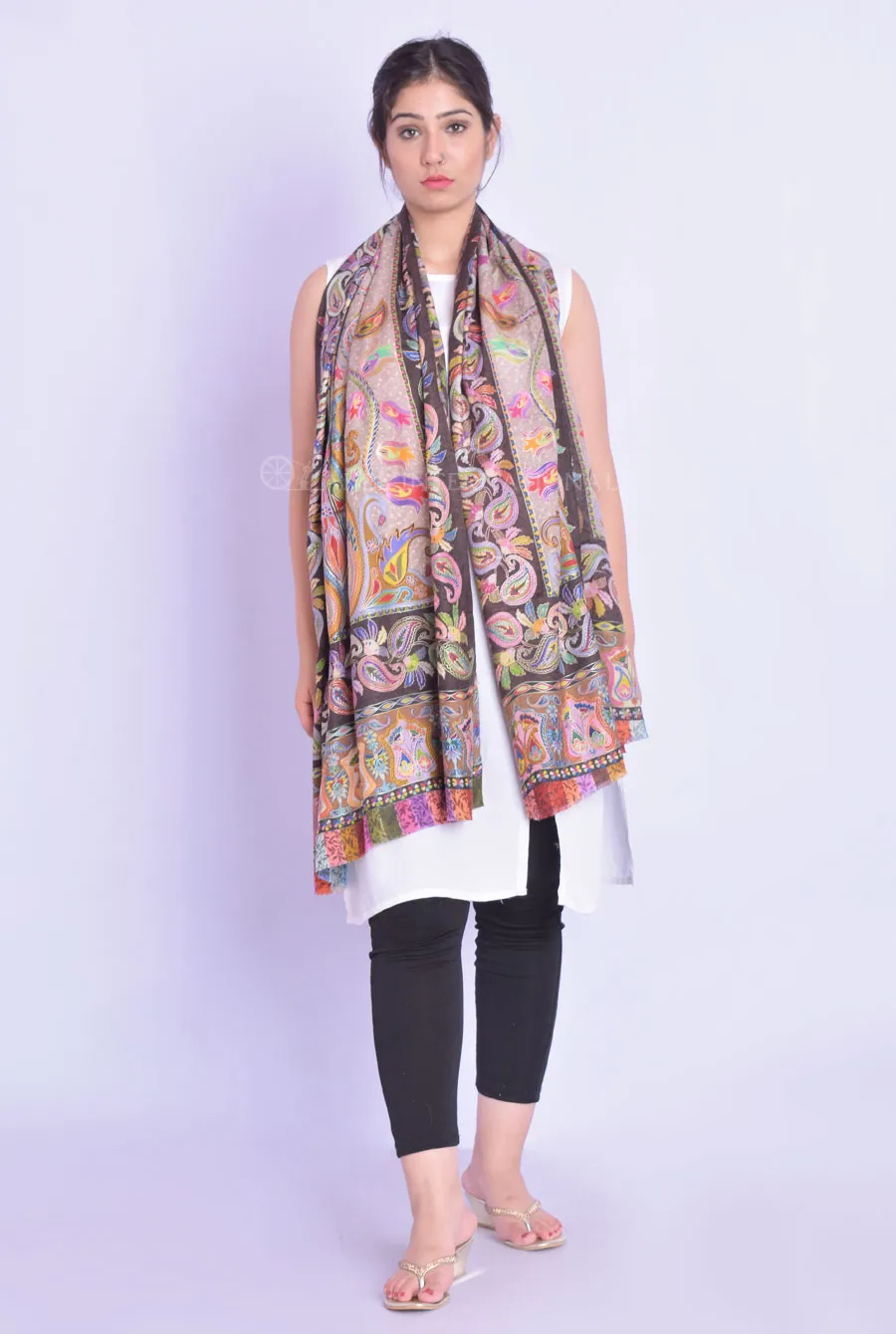
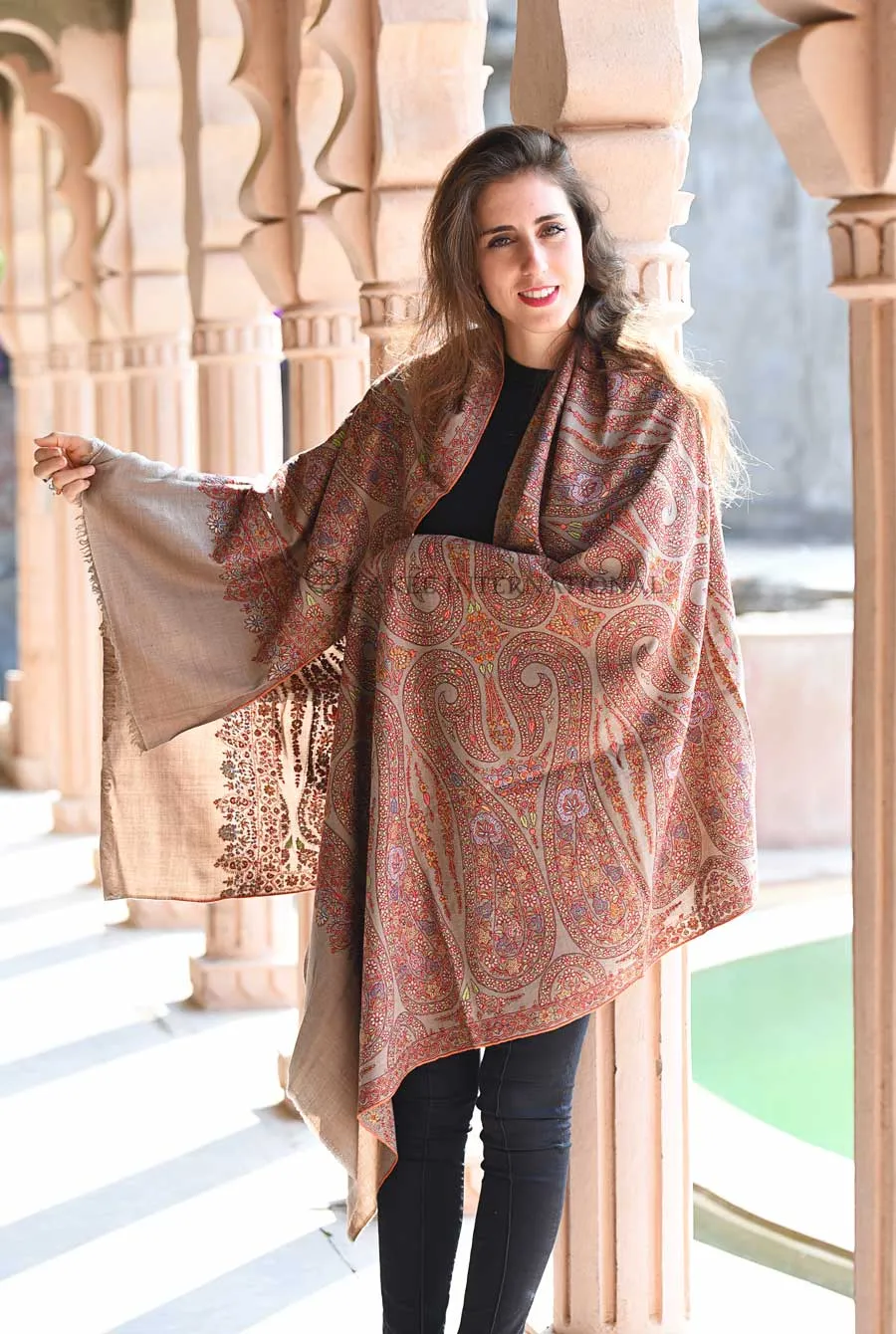
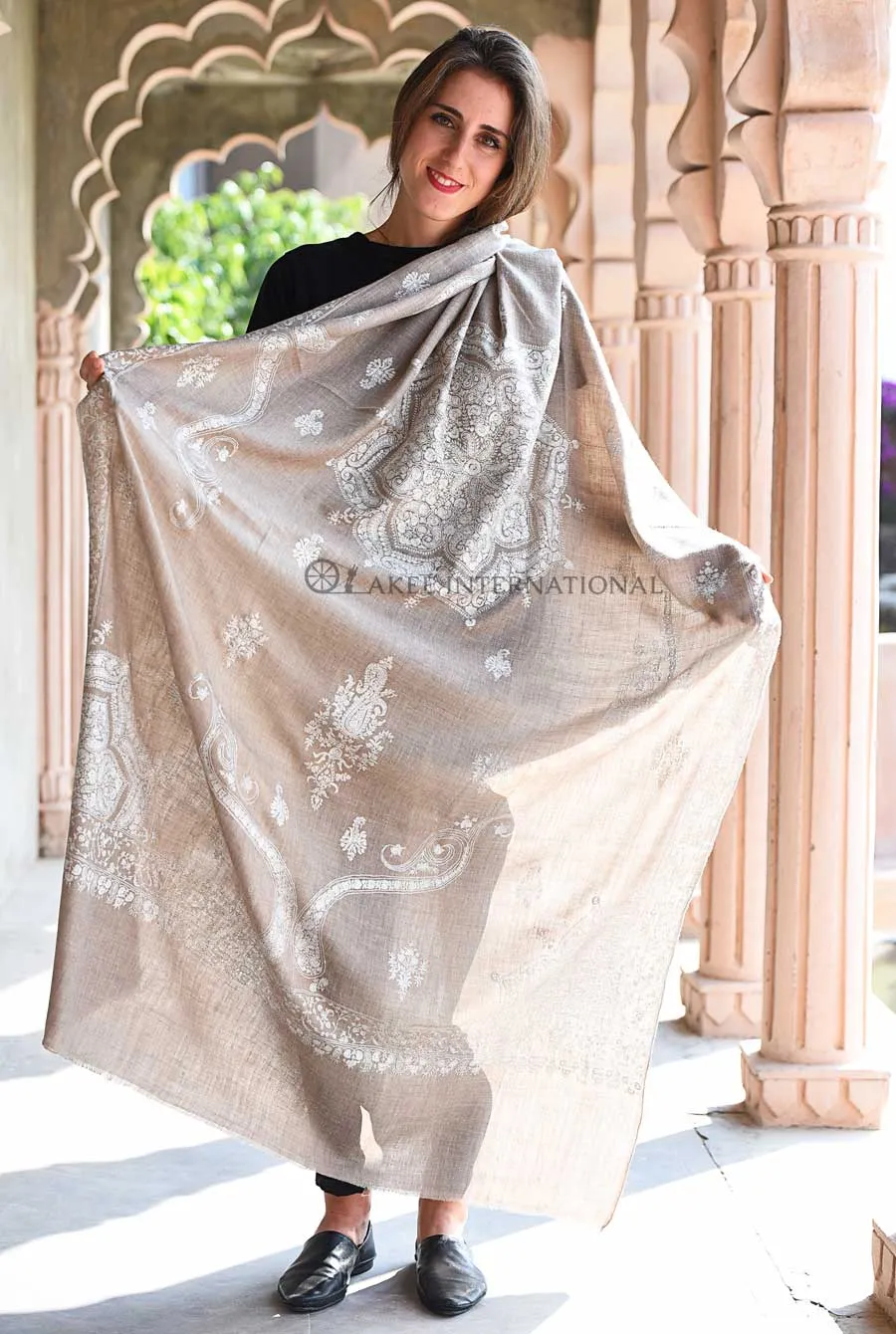
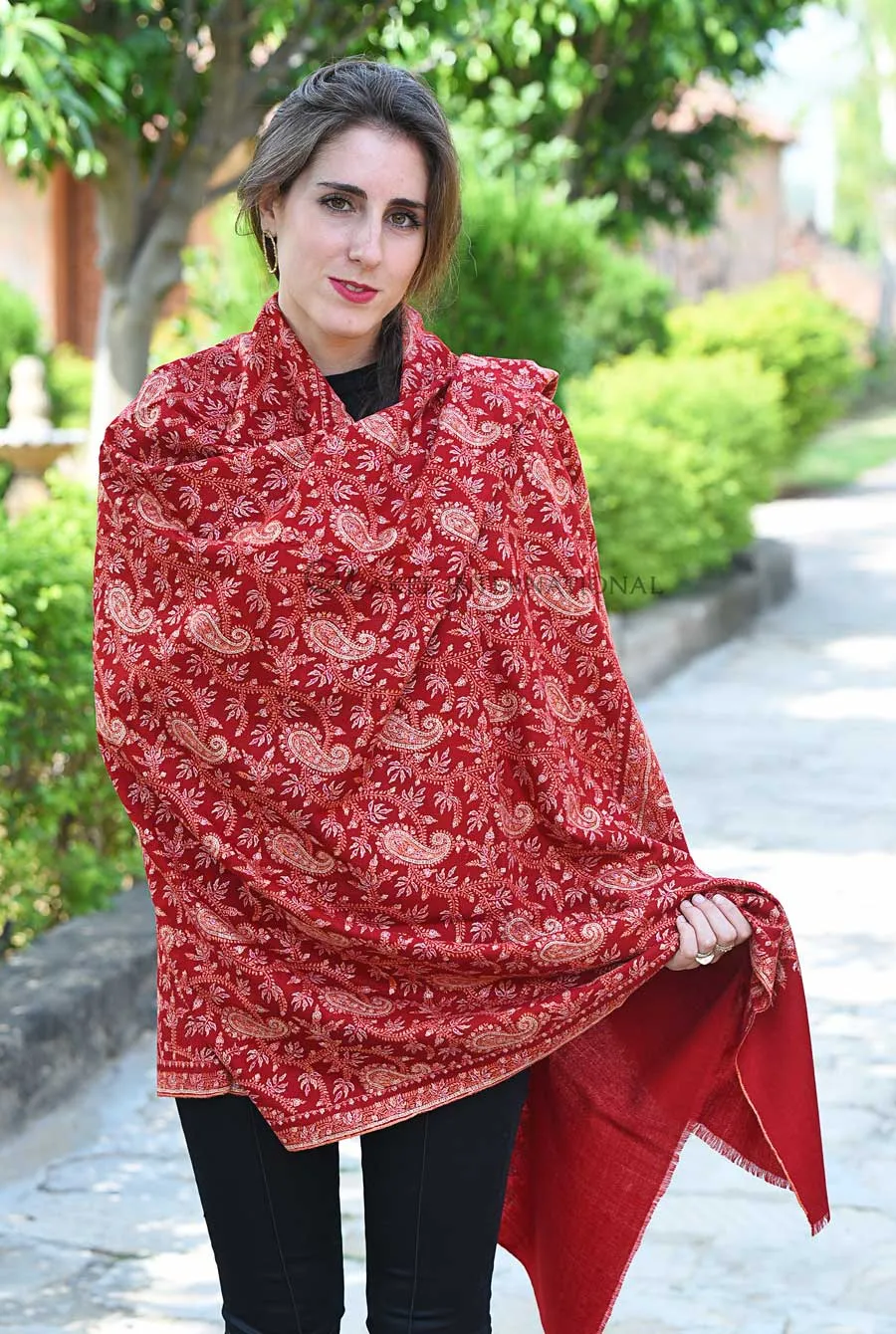
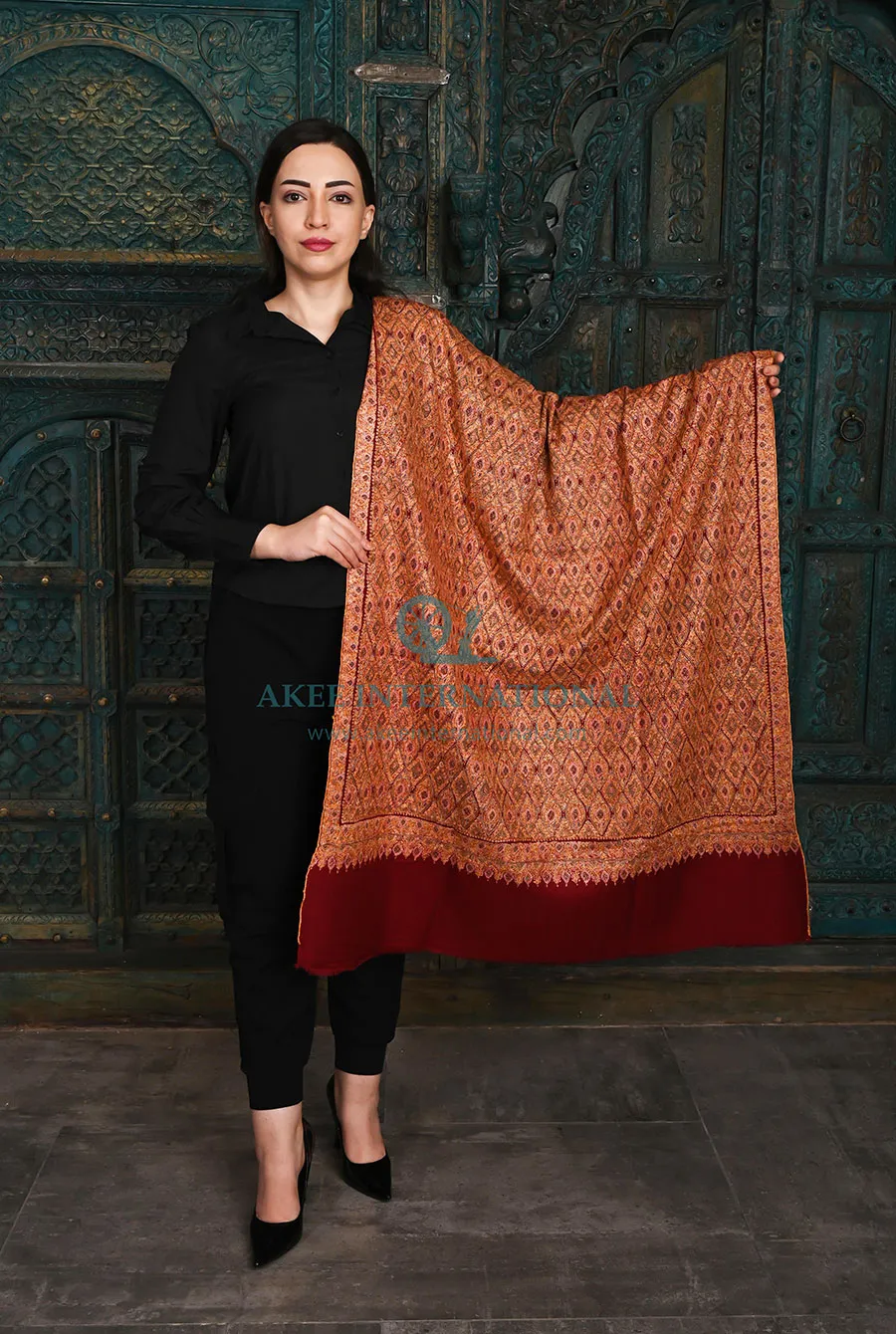
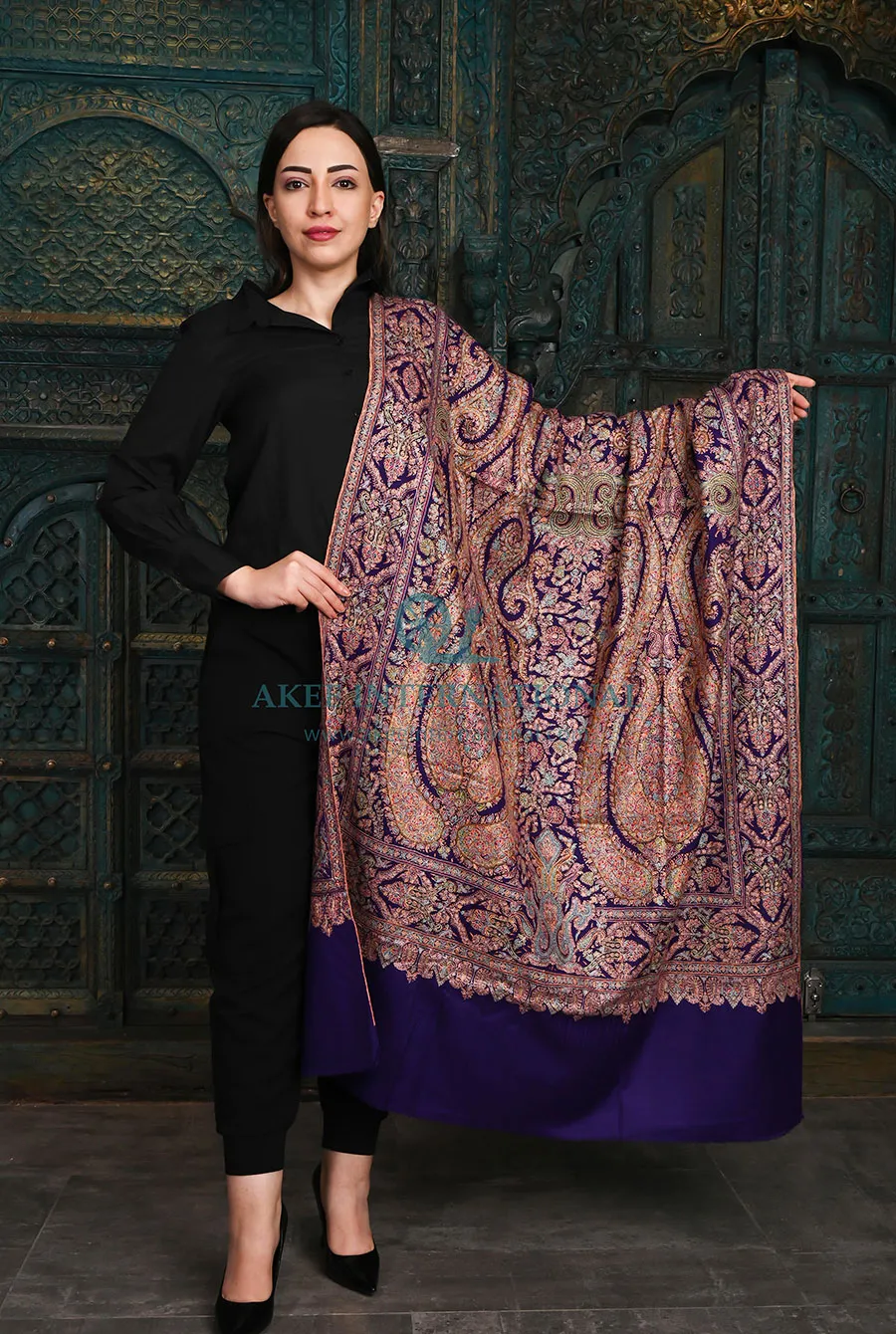
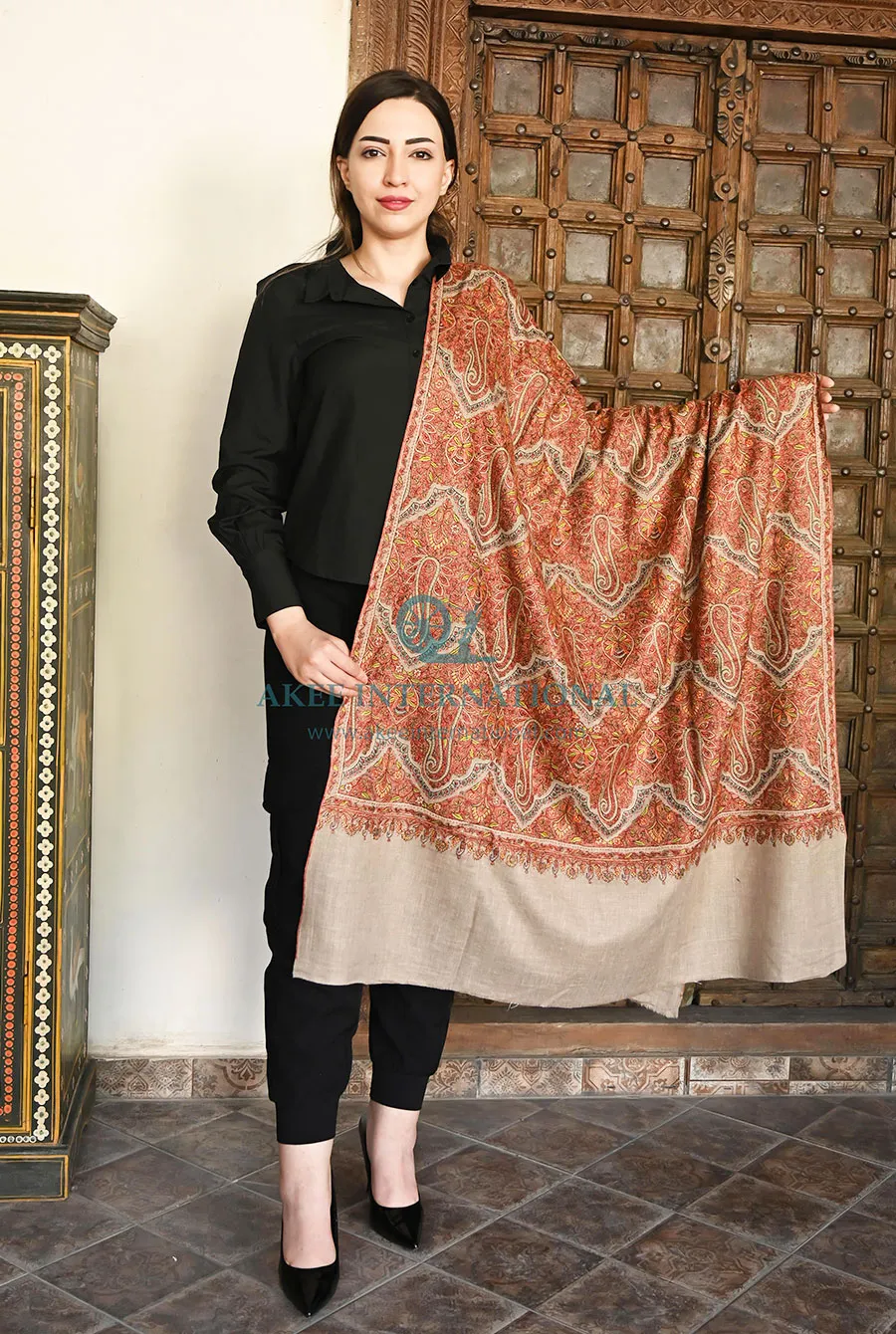
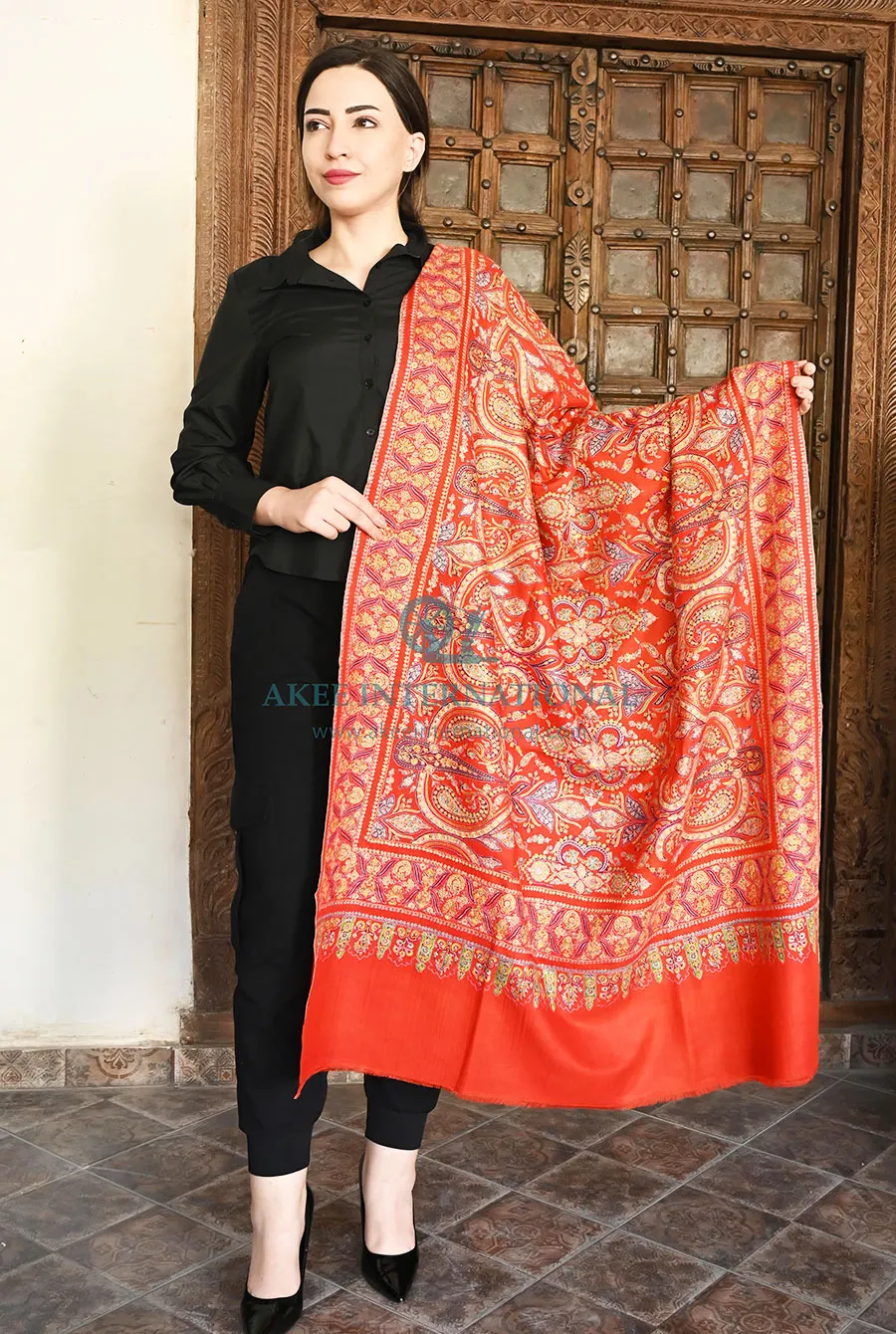
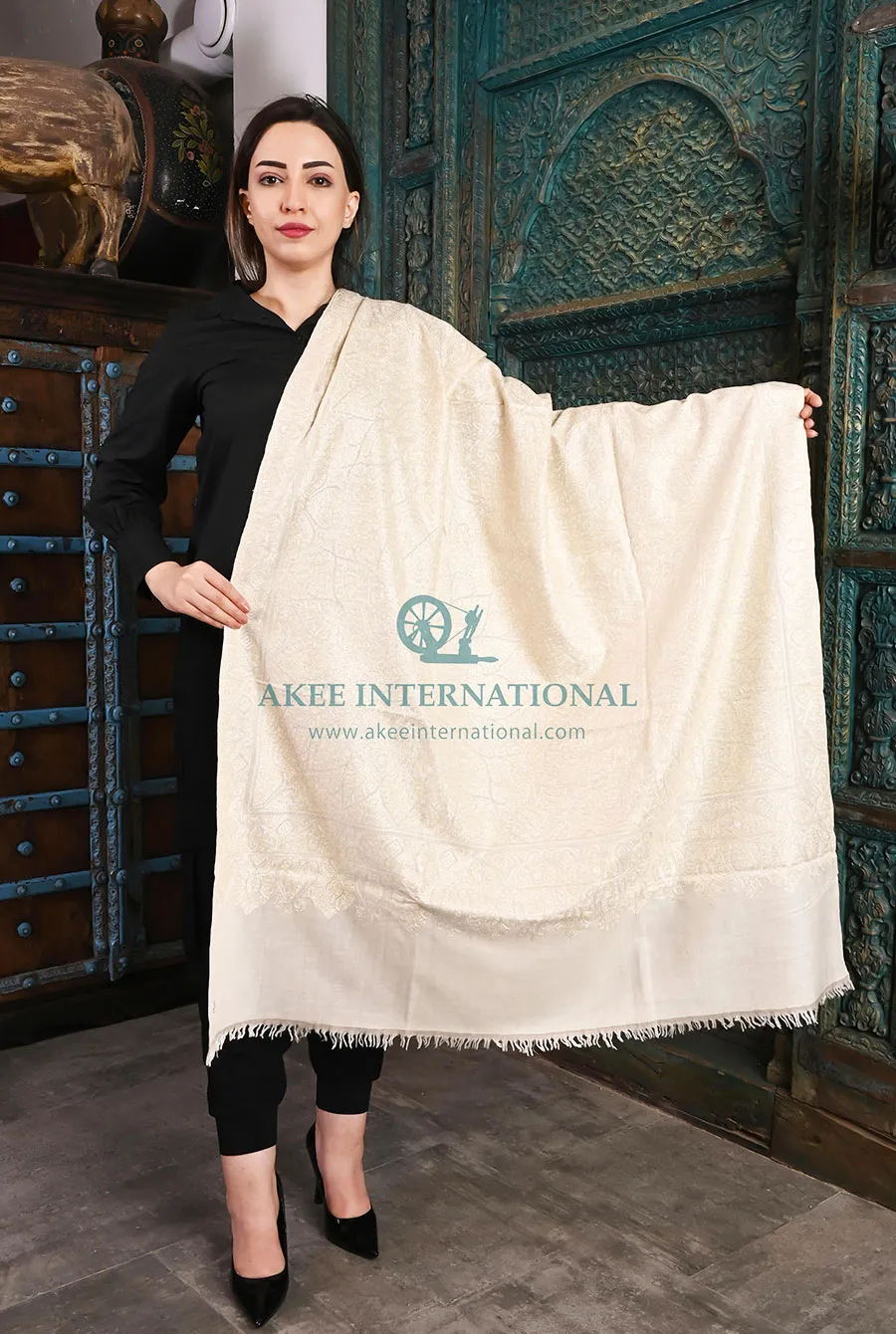
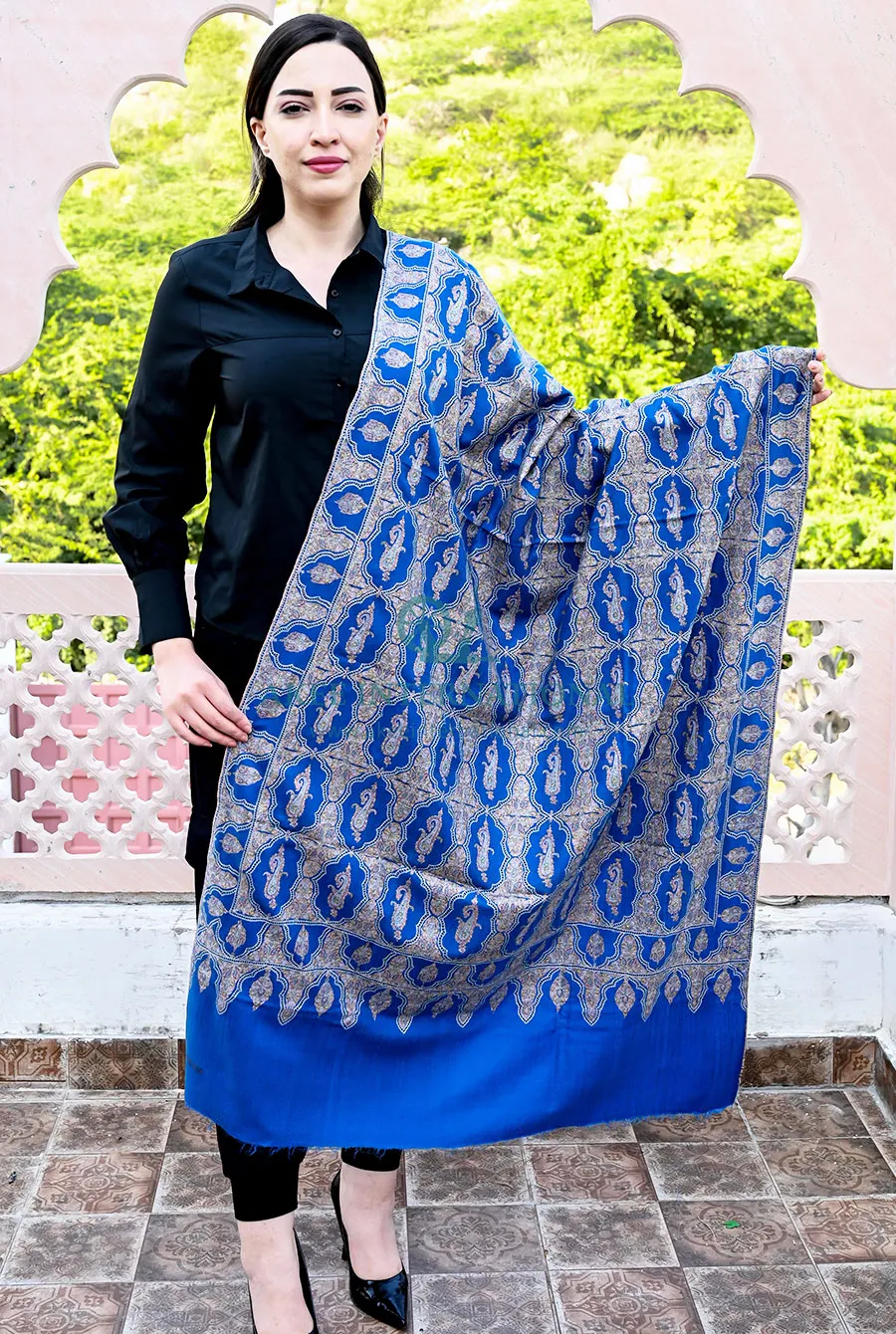
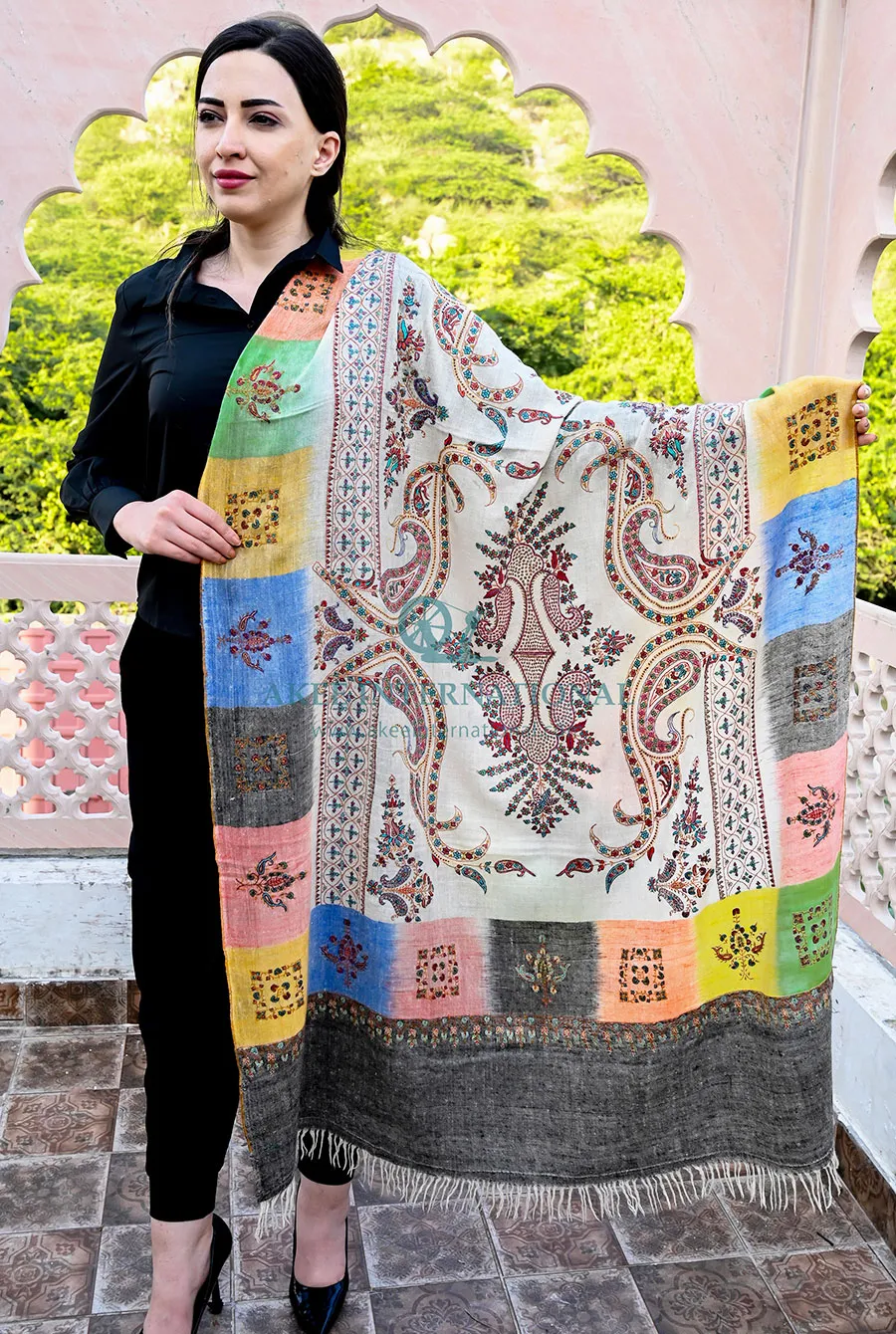
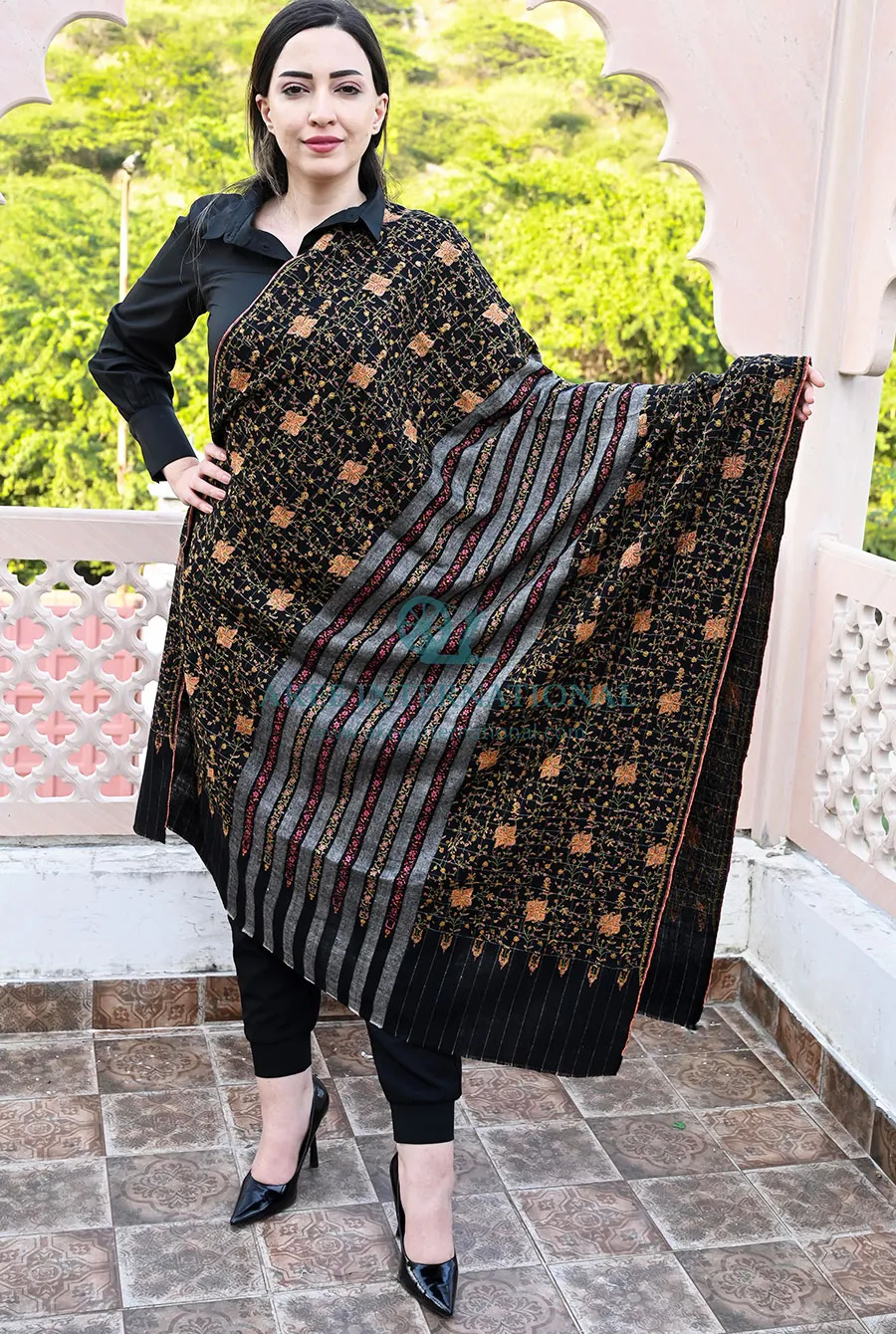
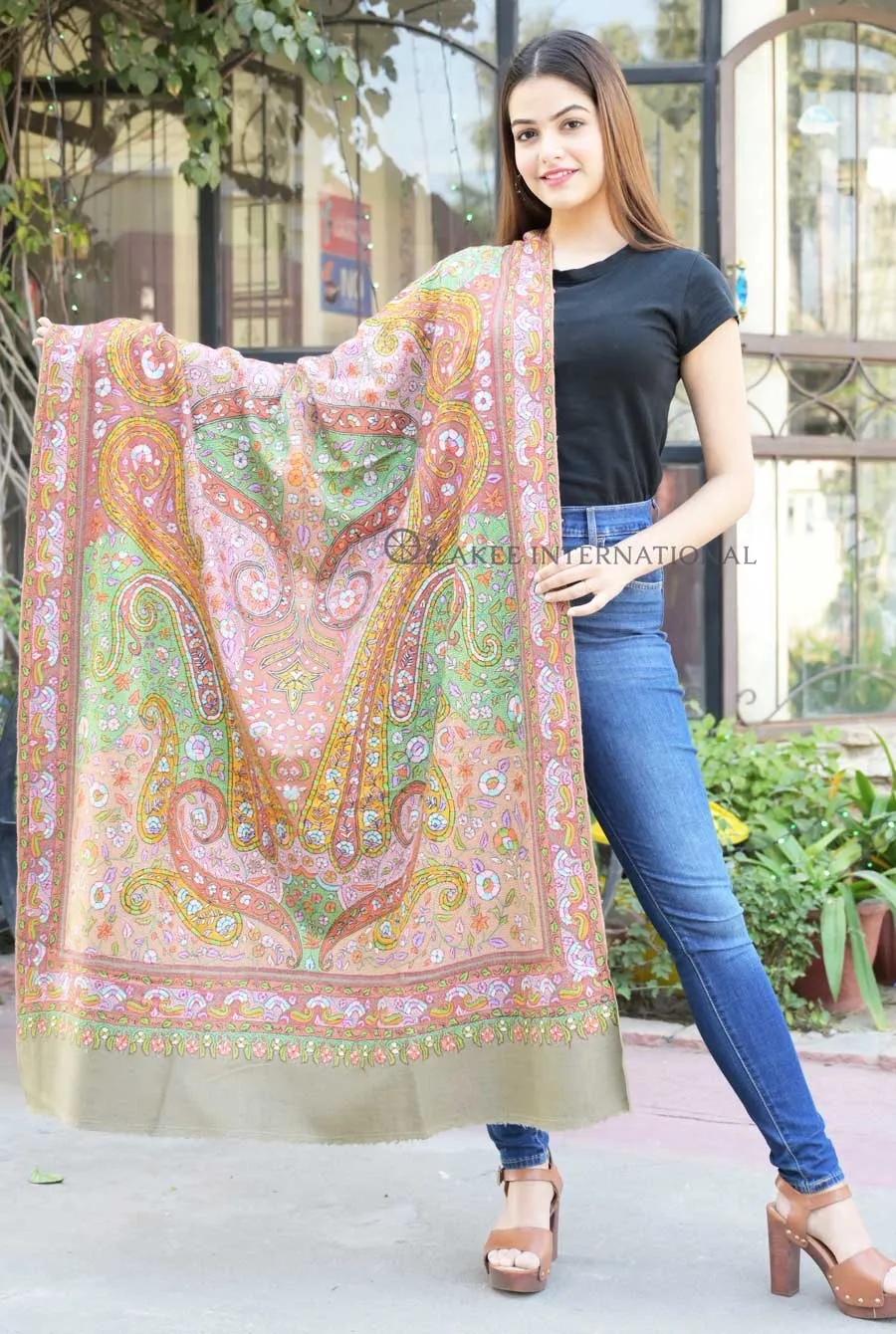
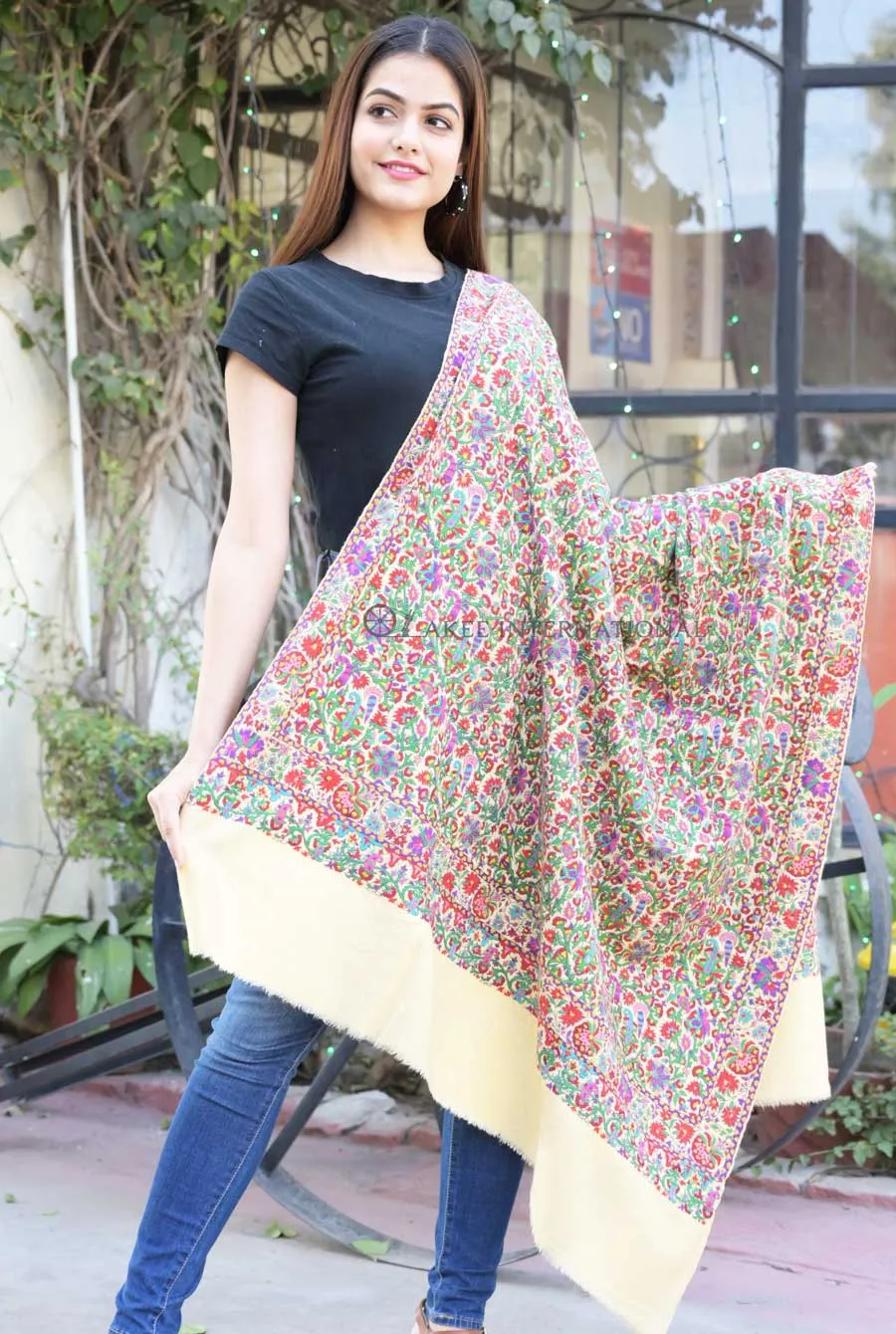
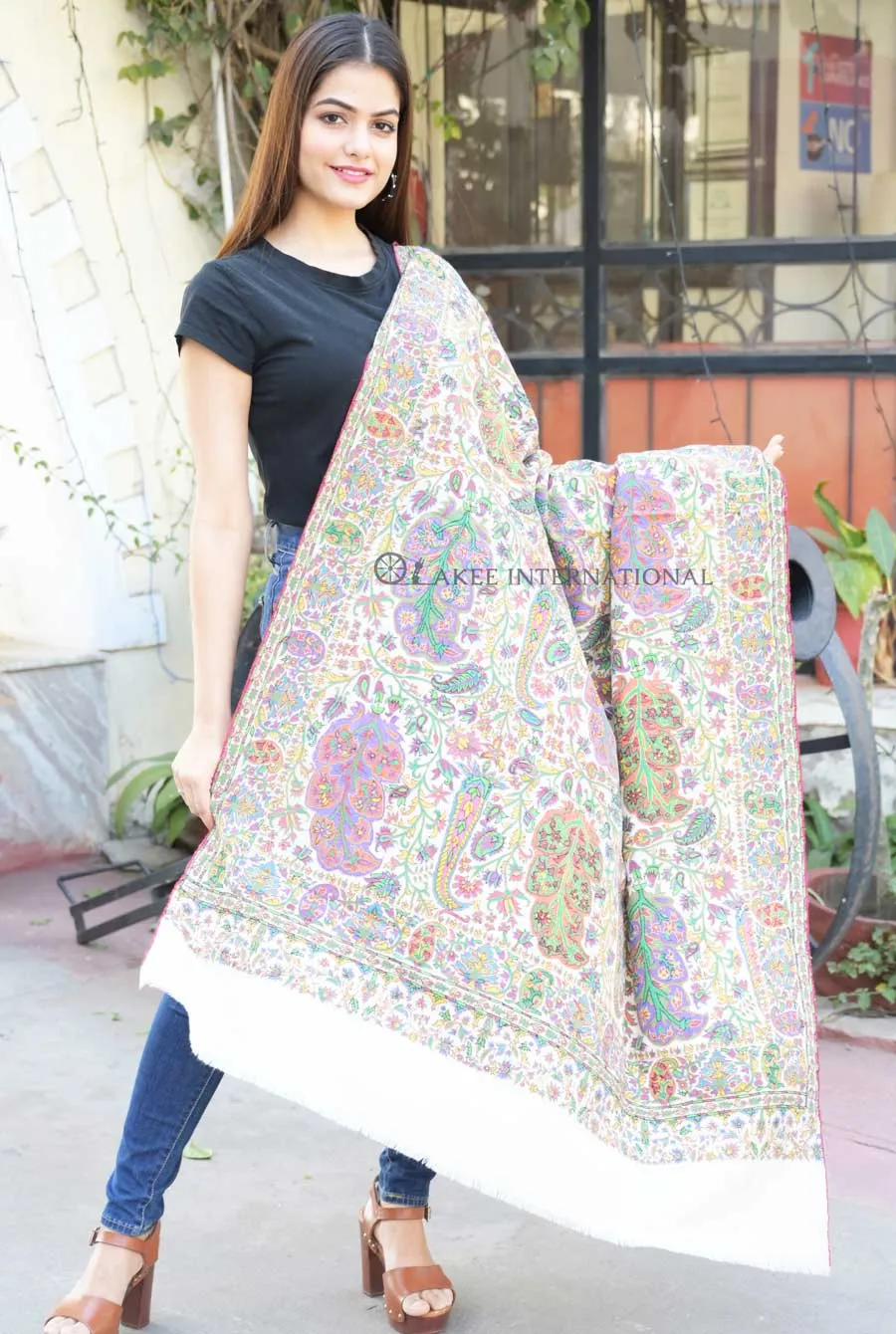
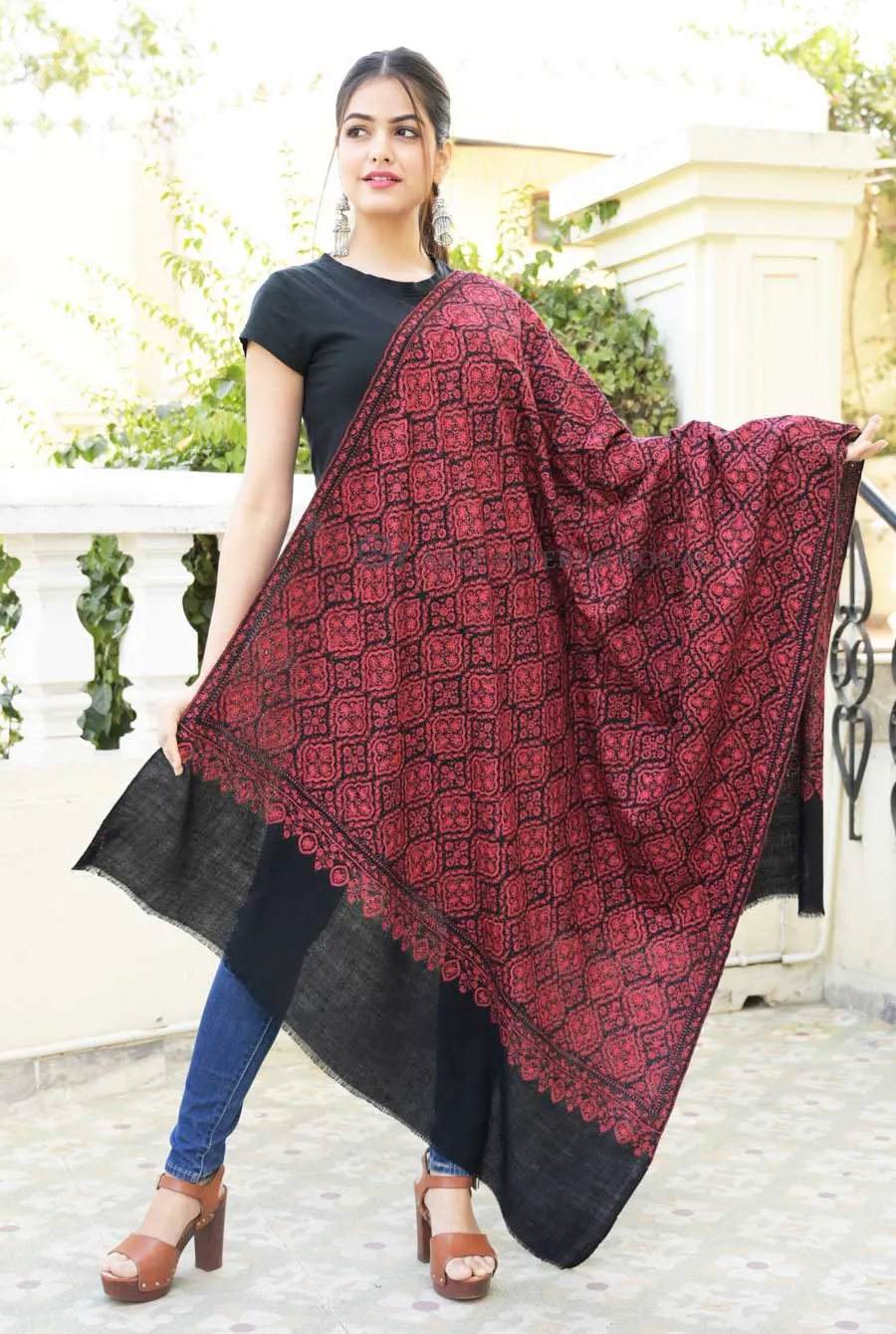
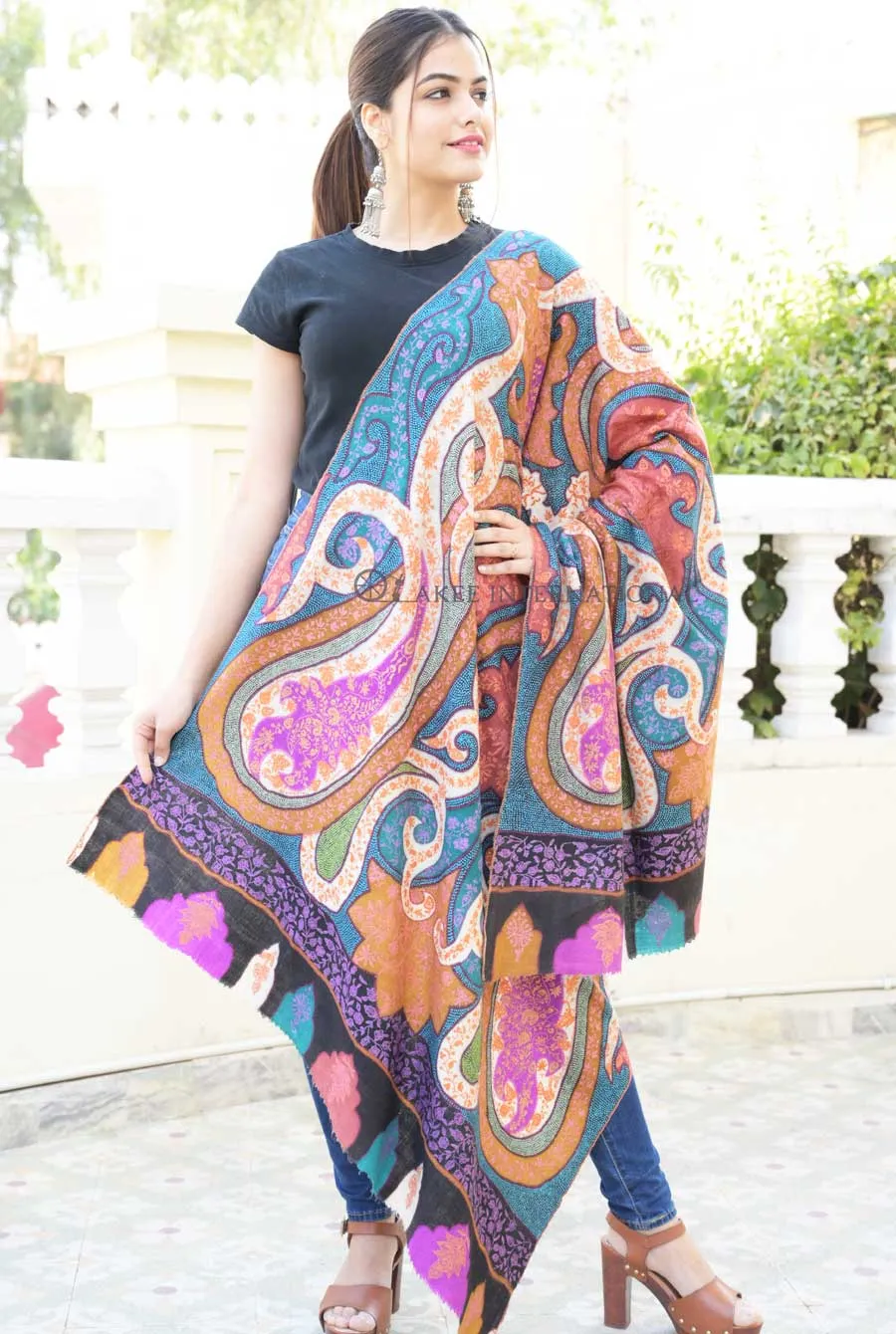
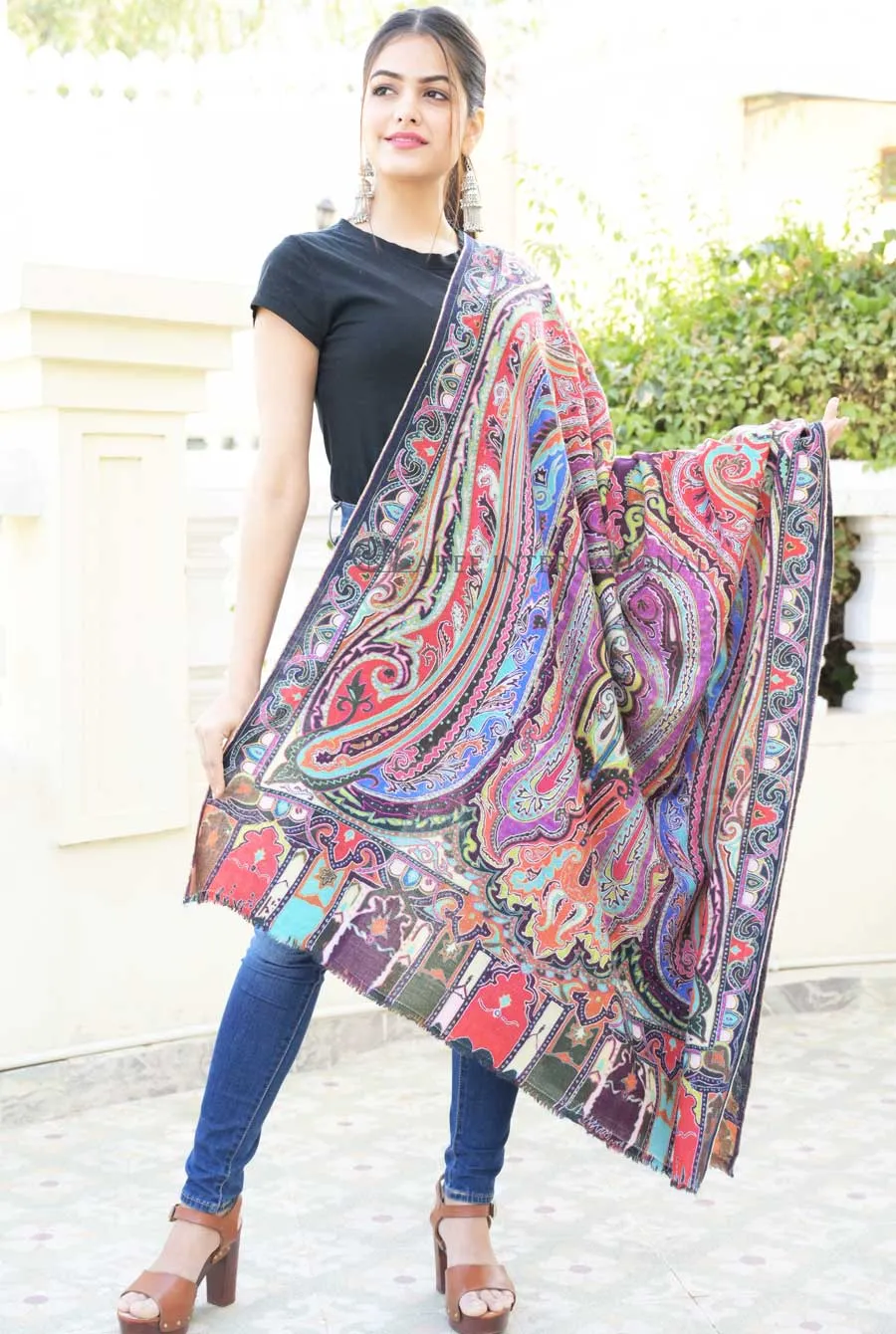
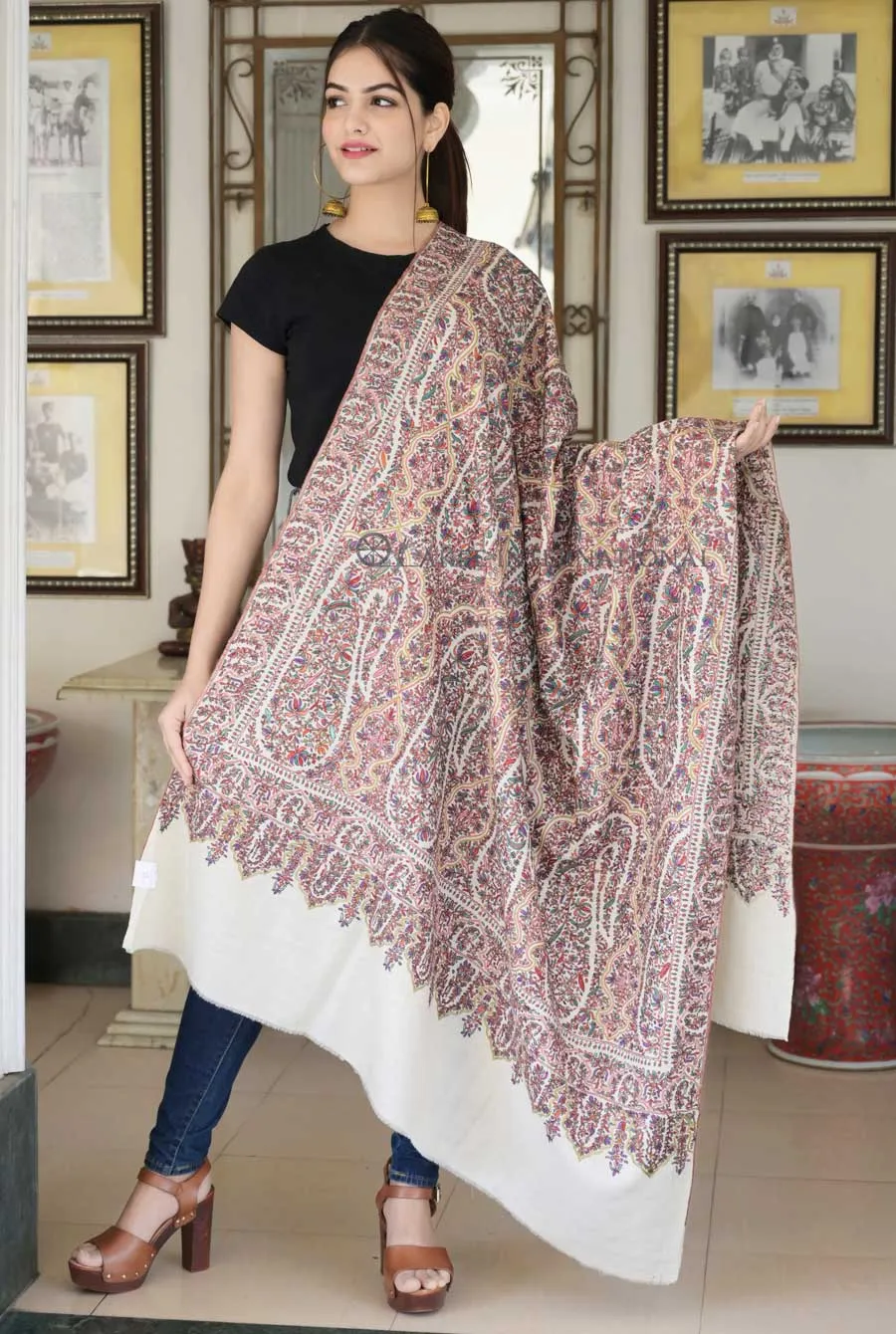
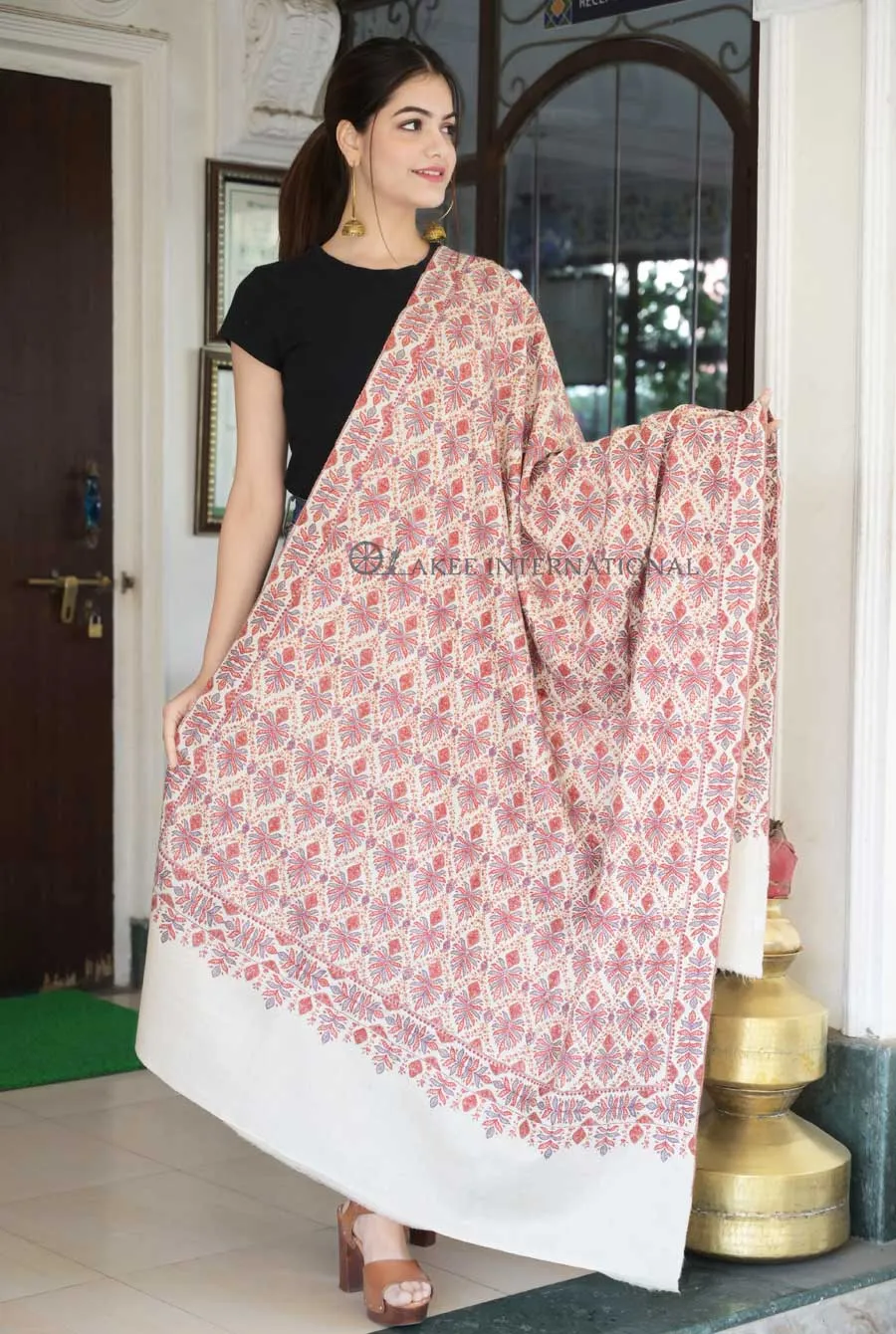
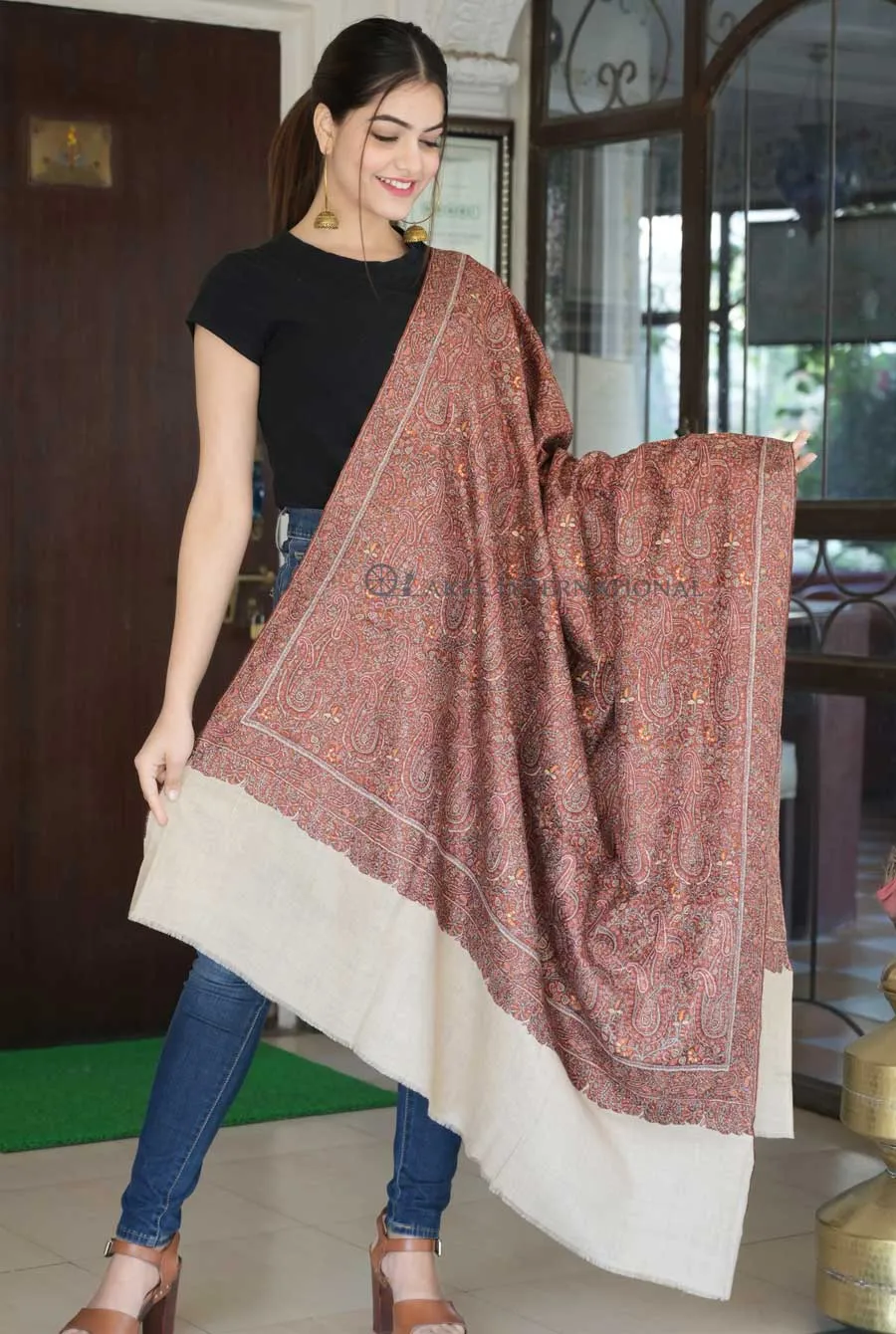
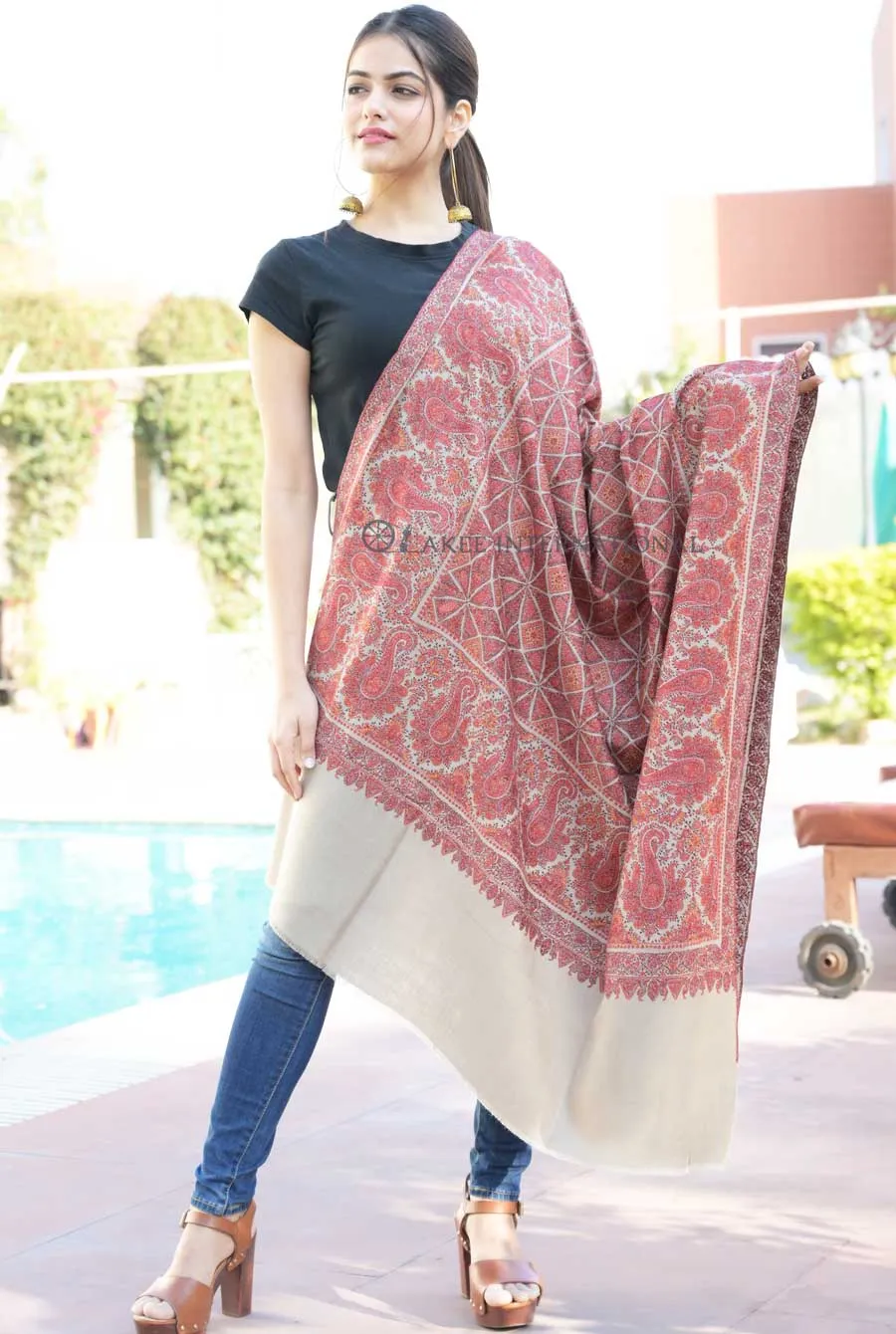
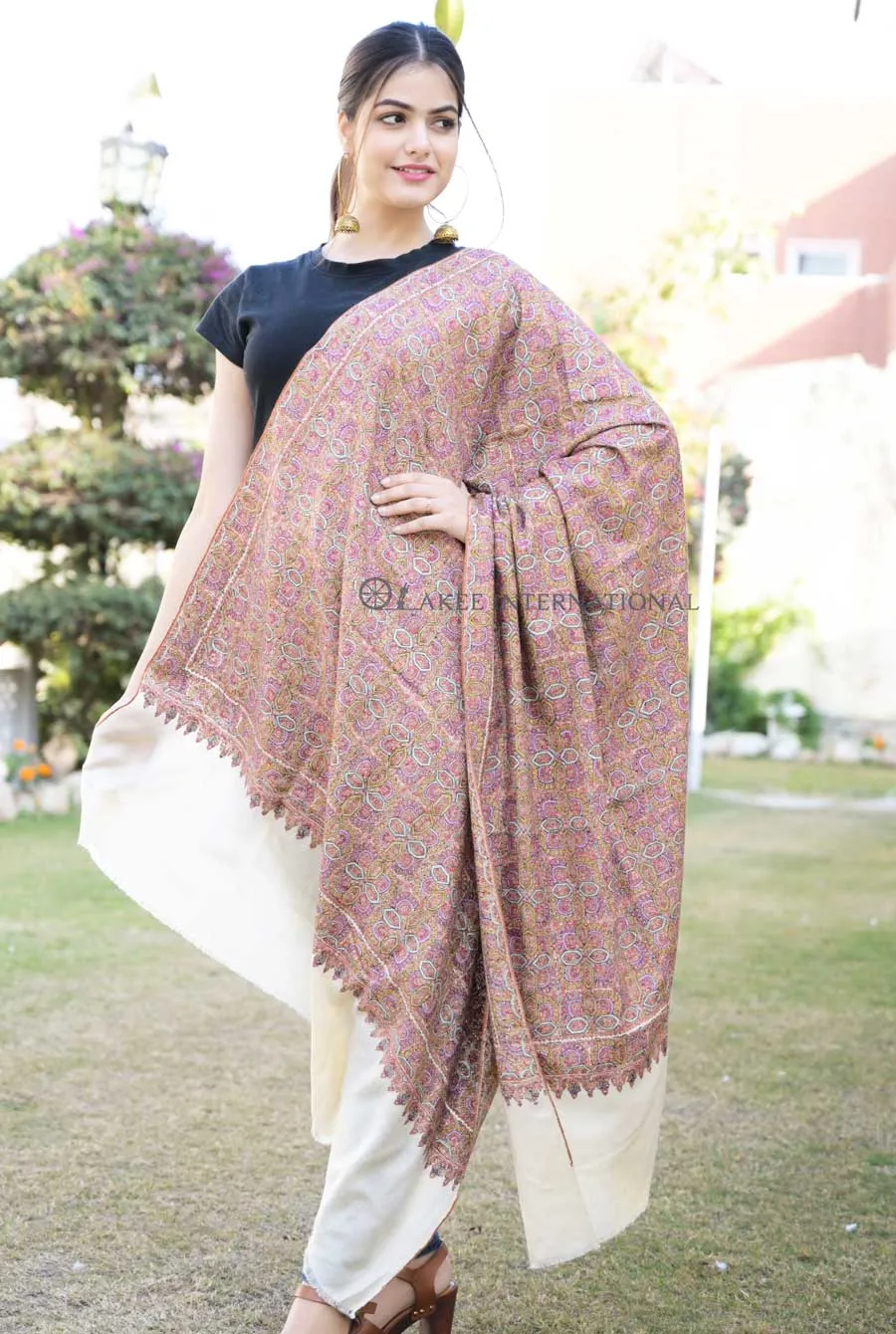
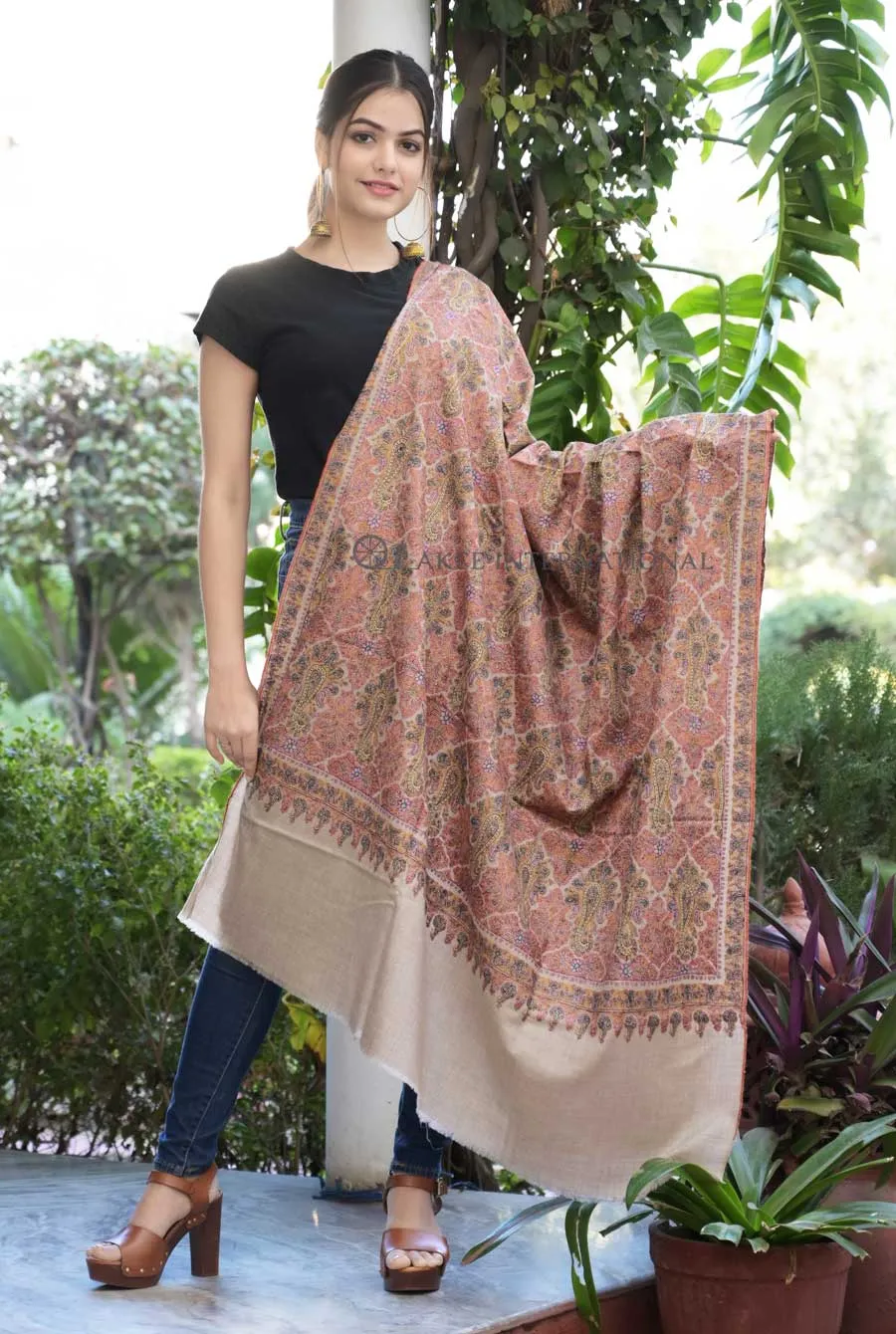
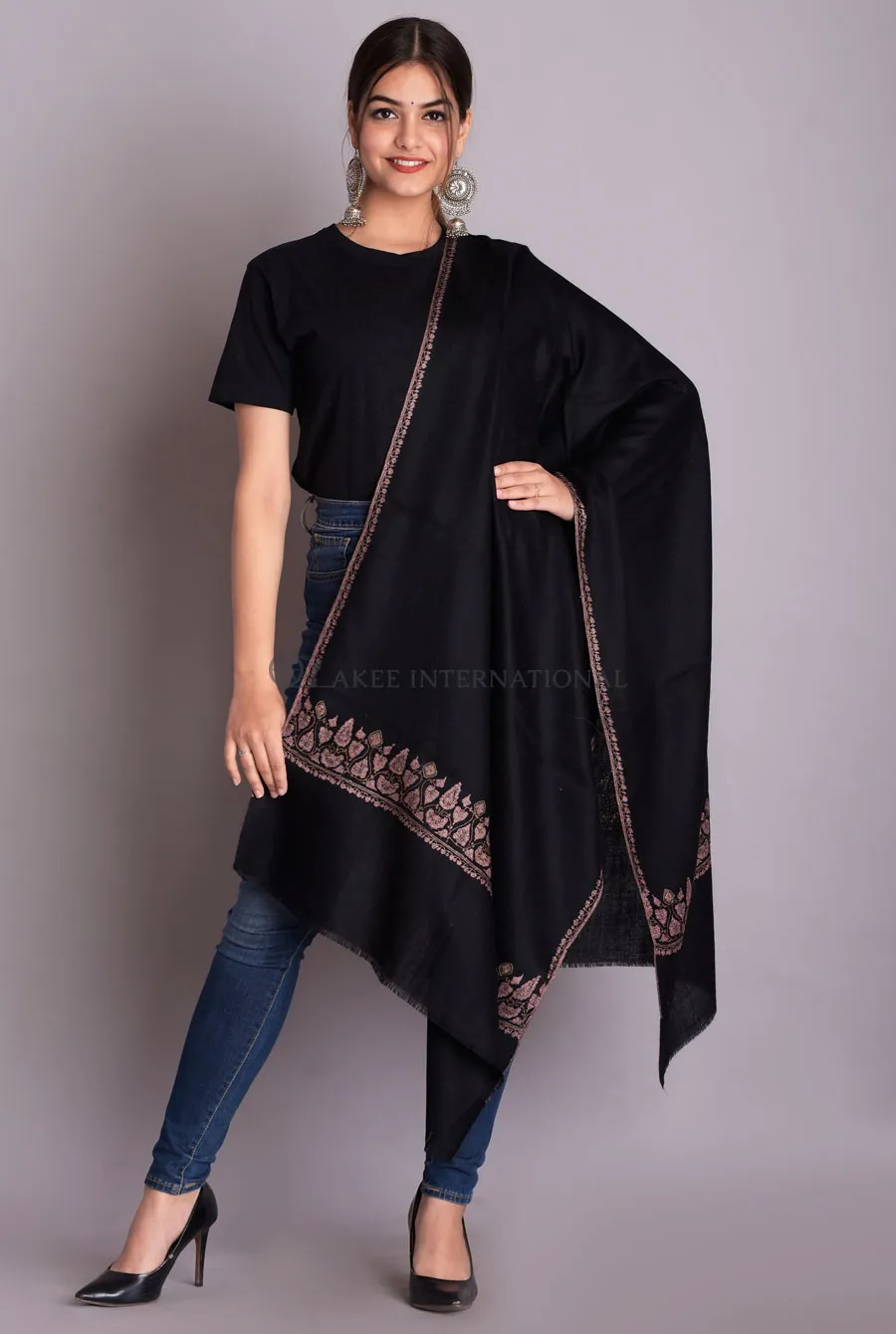
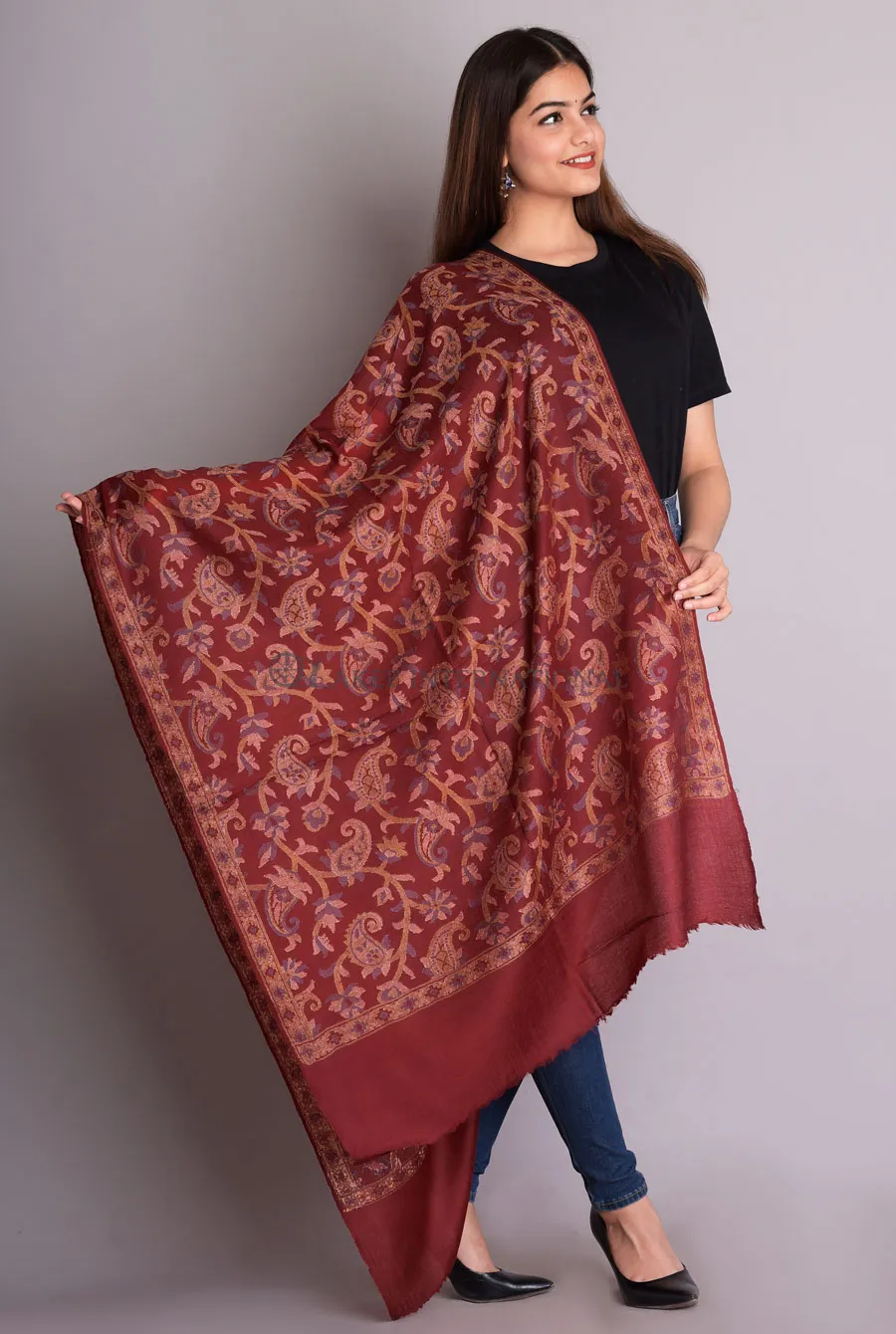
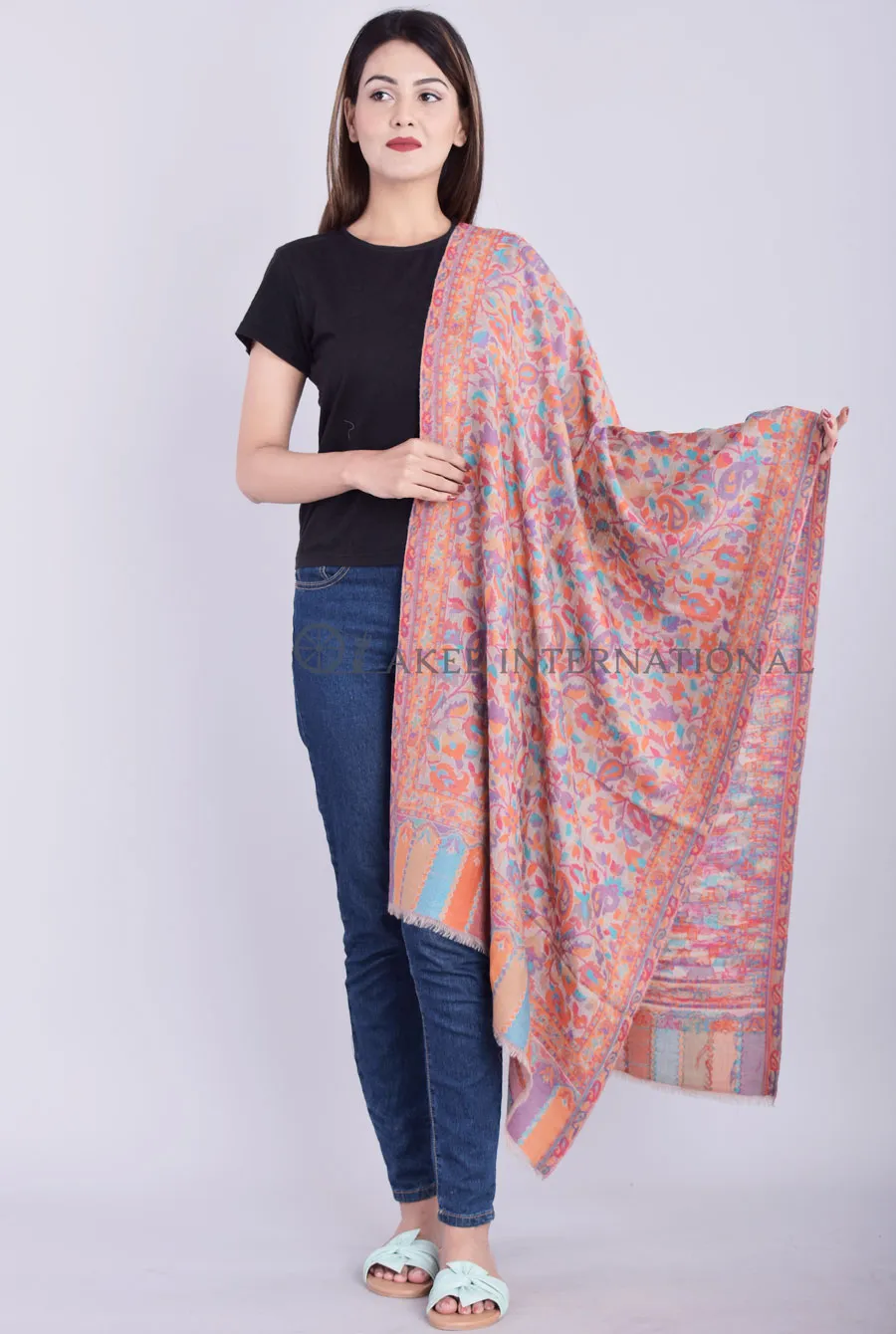
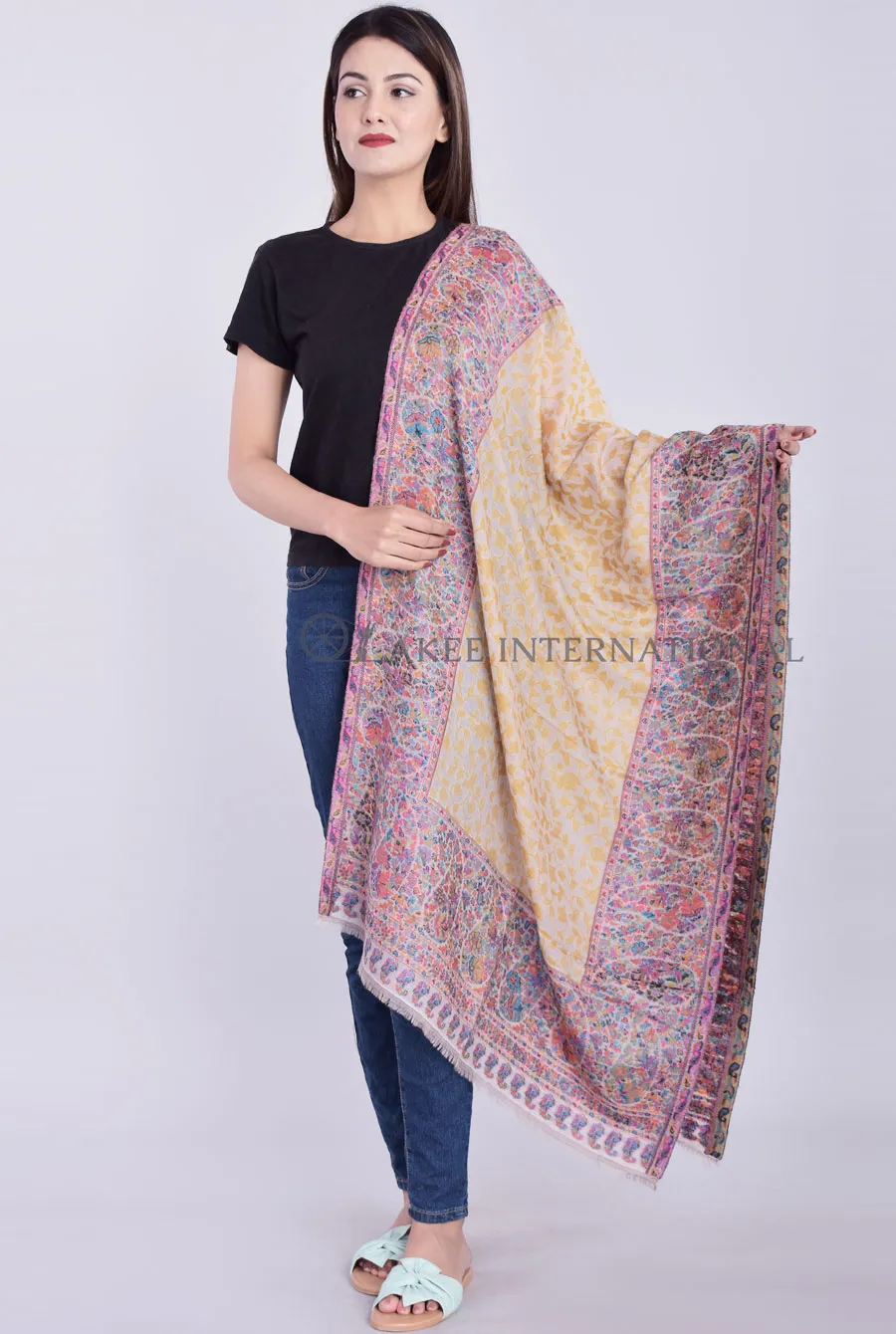
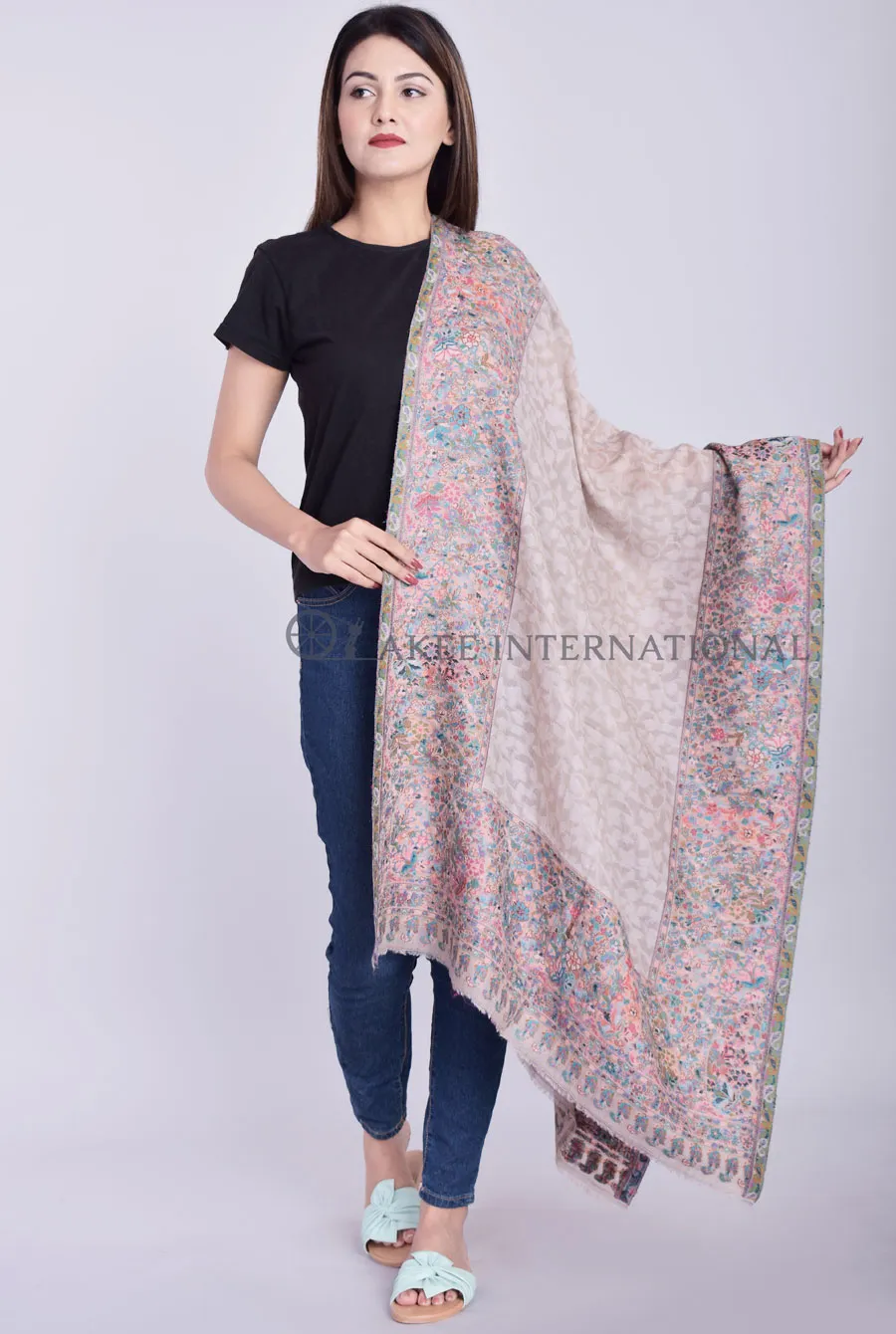
Beyond basic fibre cost, the specific weaving technique used significantly affects price. A simple, plain hand-woven piece sits at the more accessible end of the pricing spectrum, while intricate woven techniques like Jamawar and especially Kani weaving — both of which build complex patterns directly into the fabric rather than adding them afterward — command substantially higher prices given the dramatically increased production time and specialised skill these techniques require.
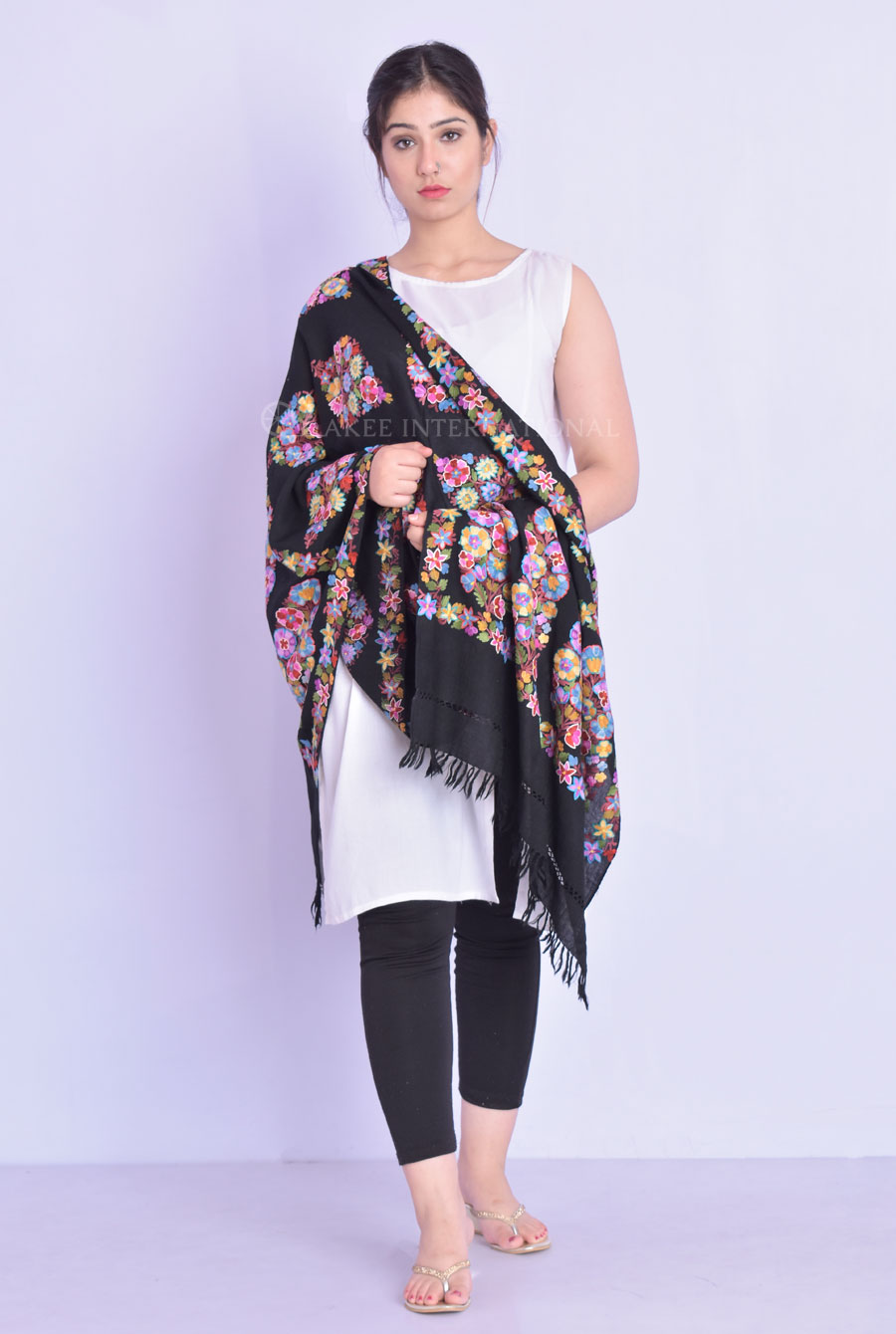
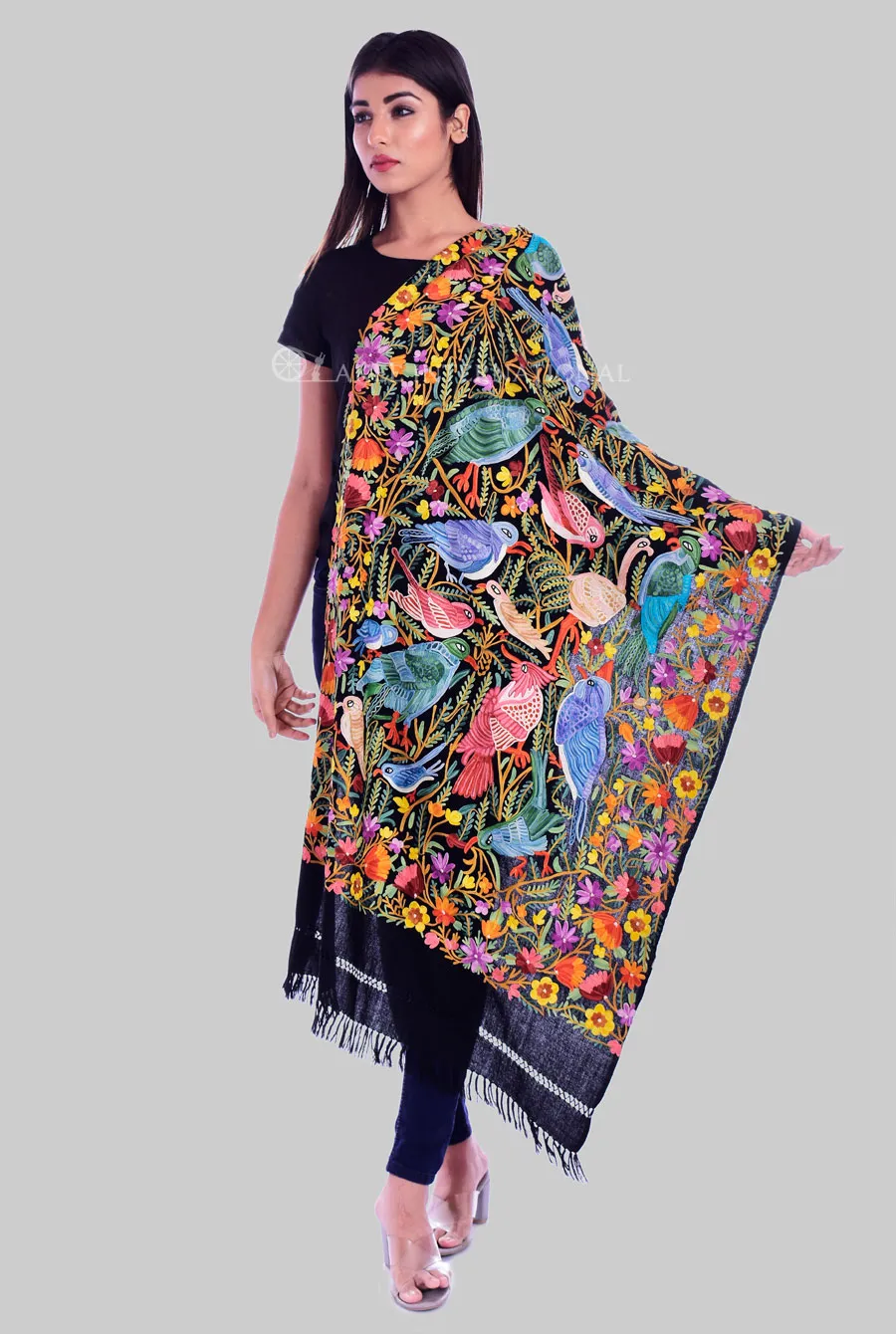
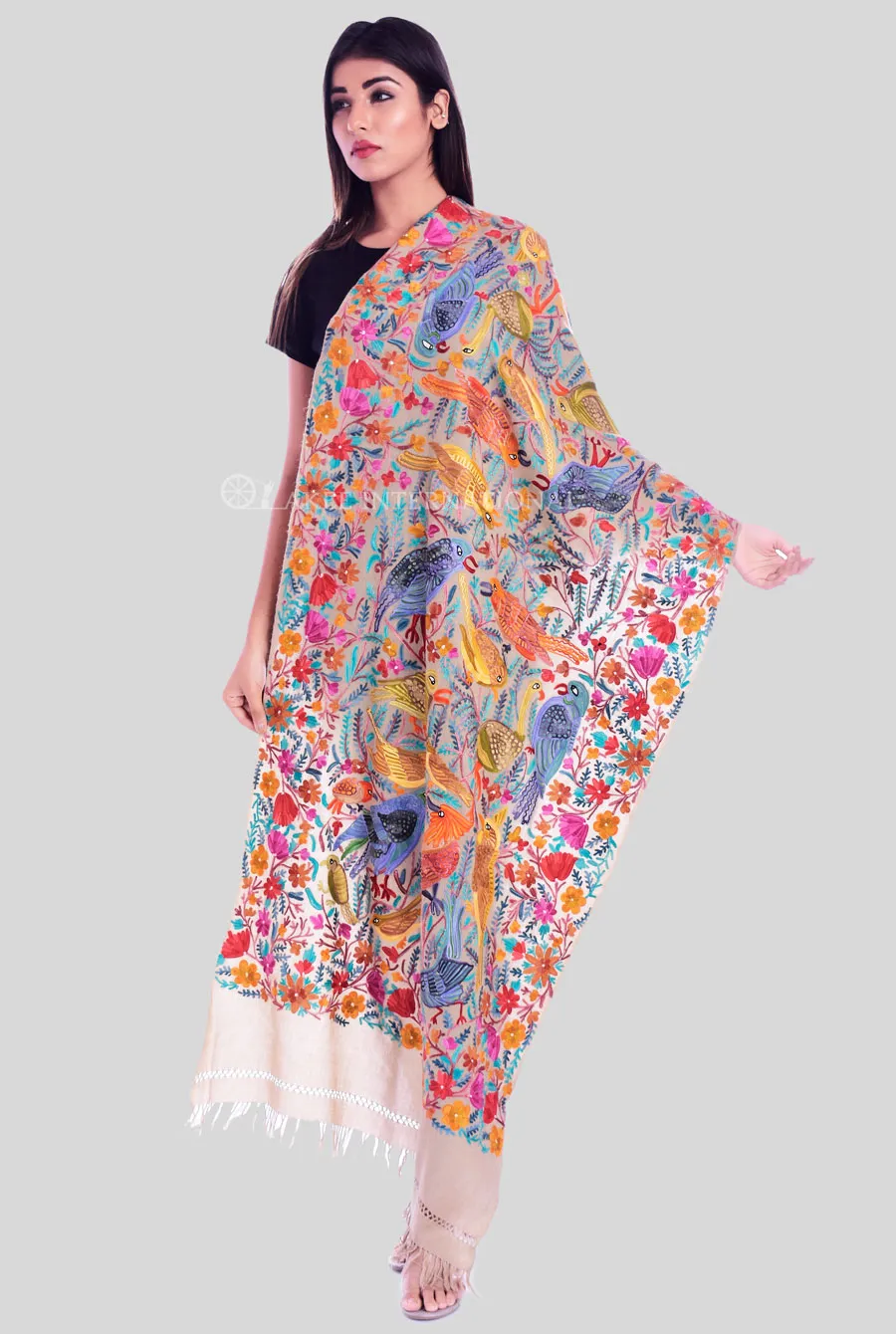
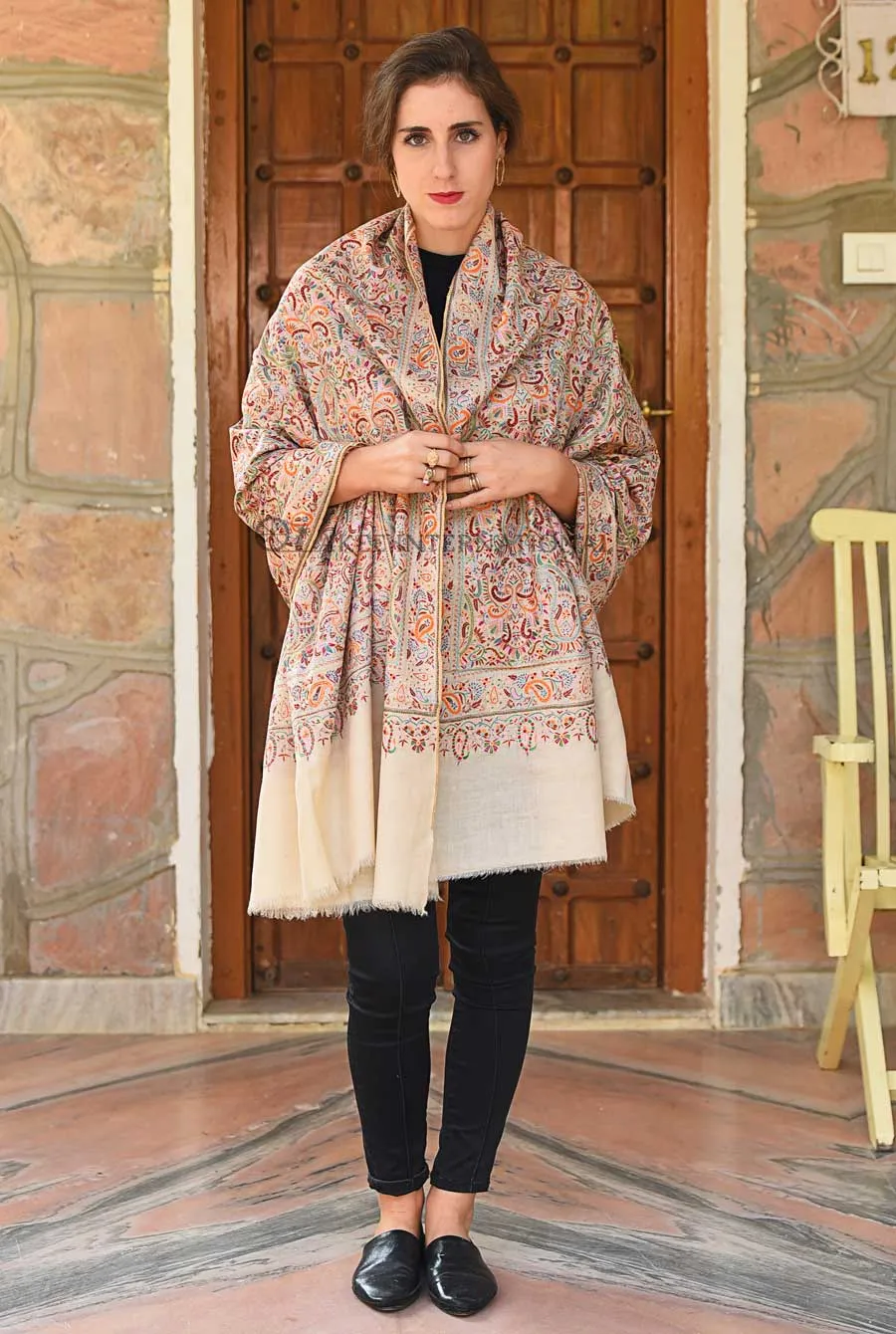
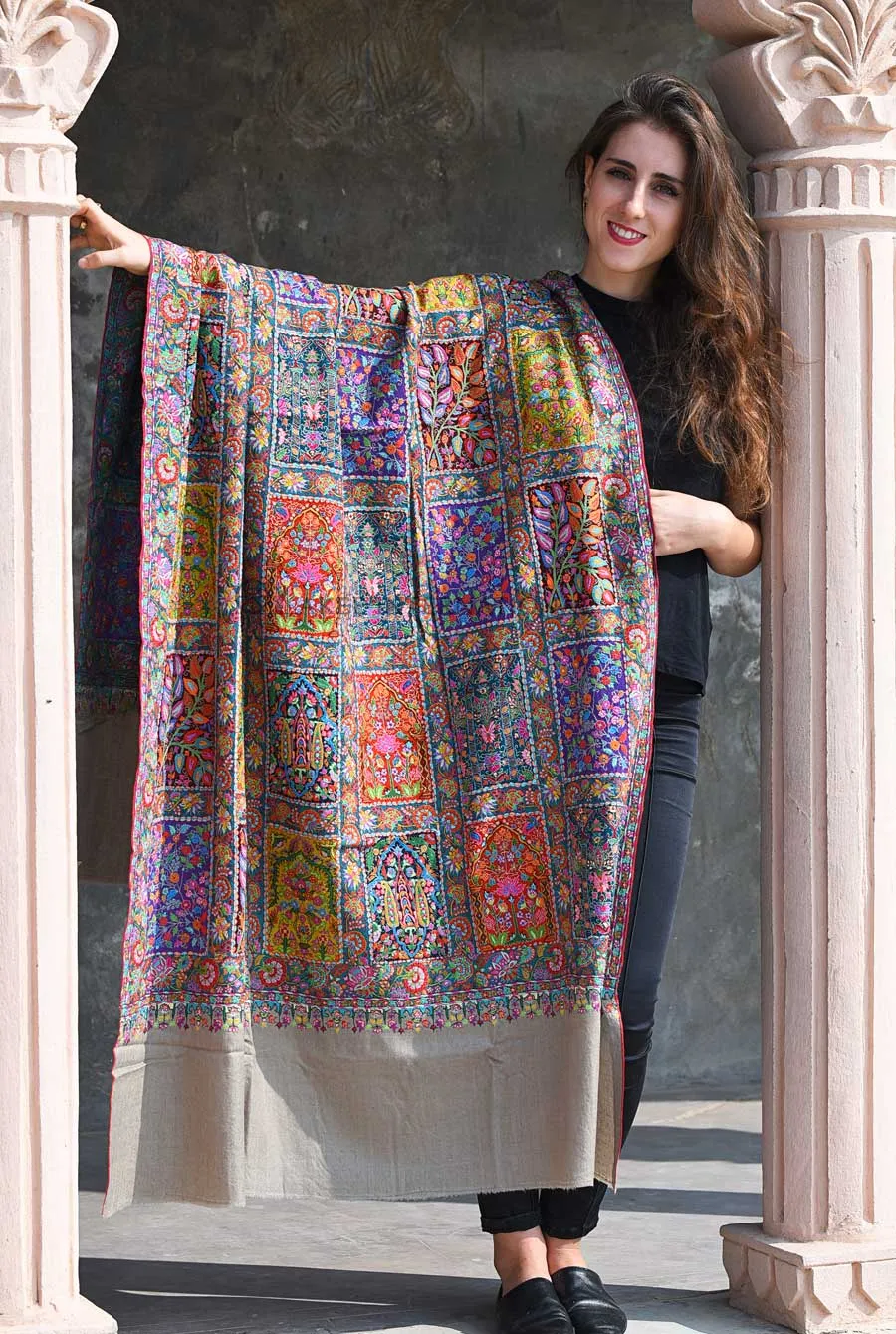
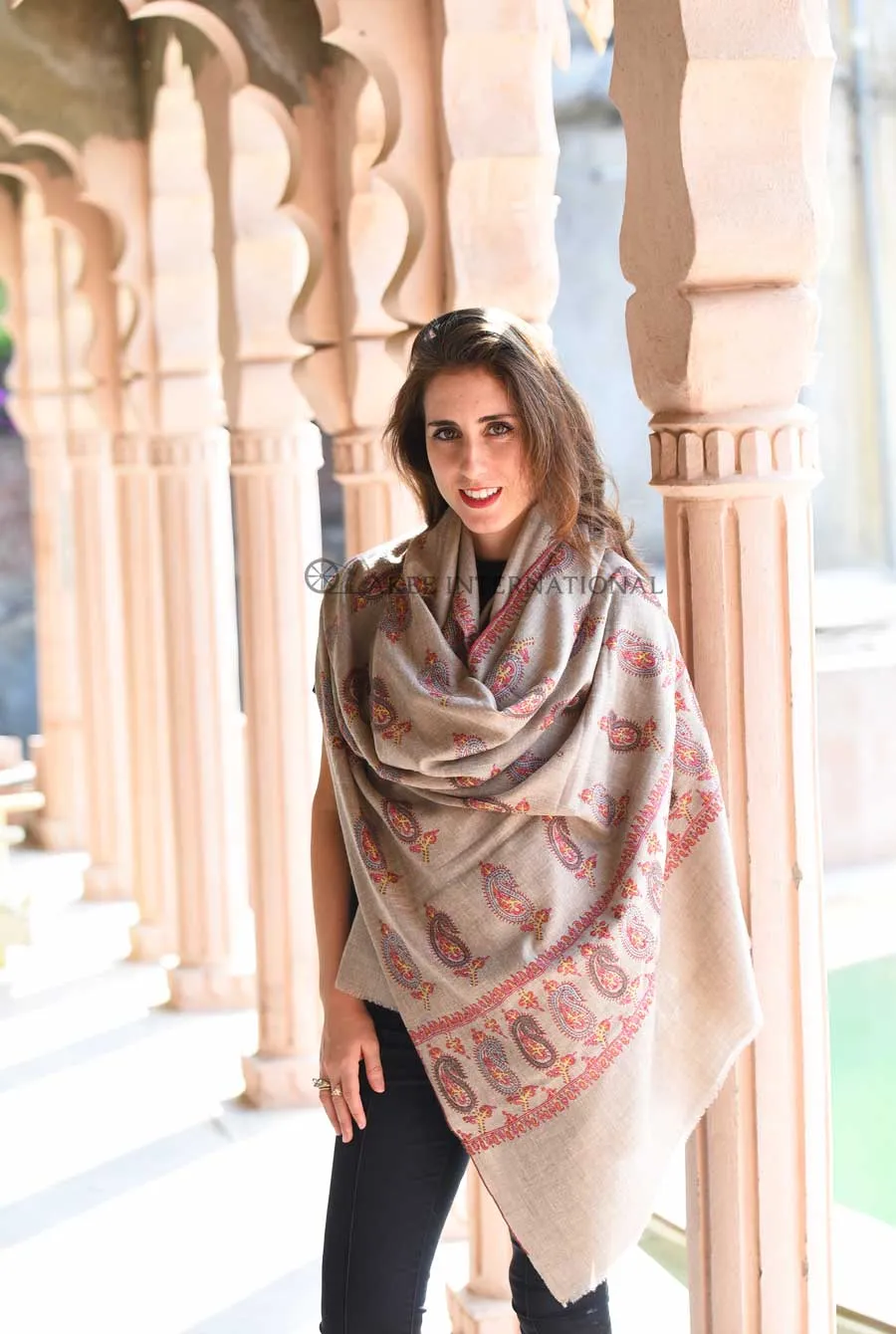
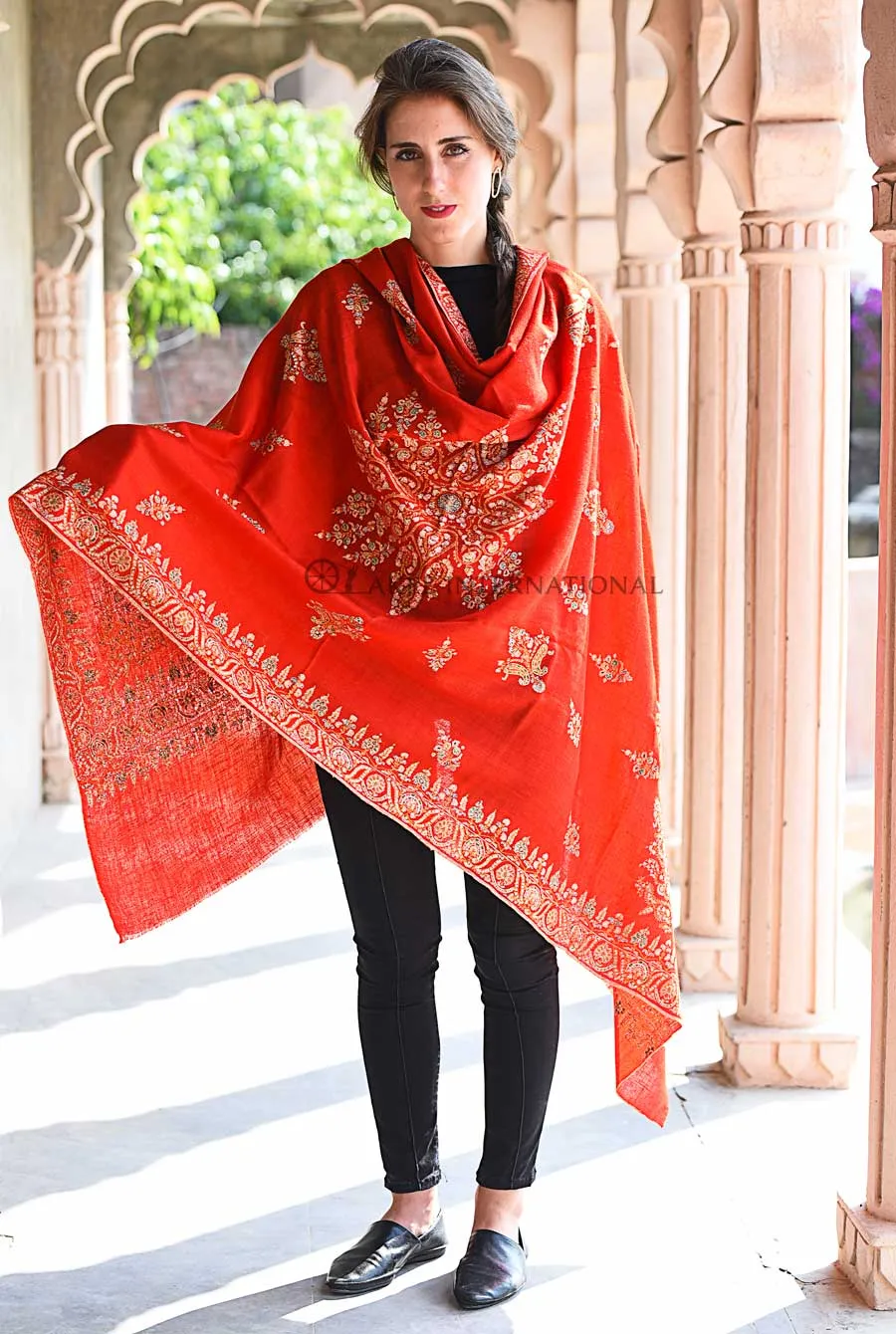
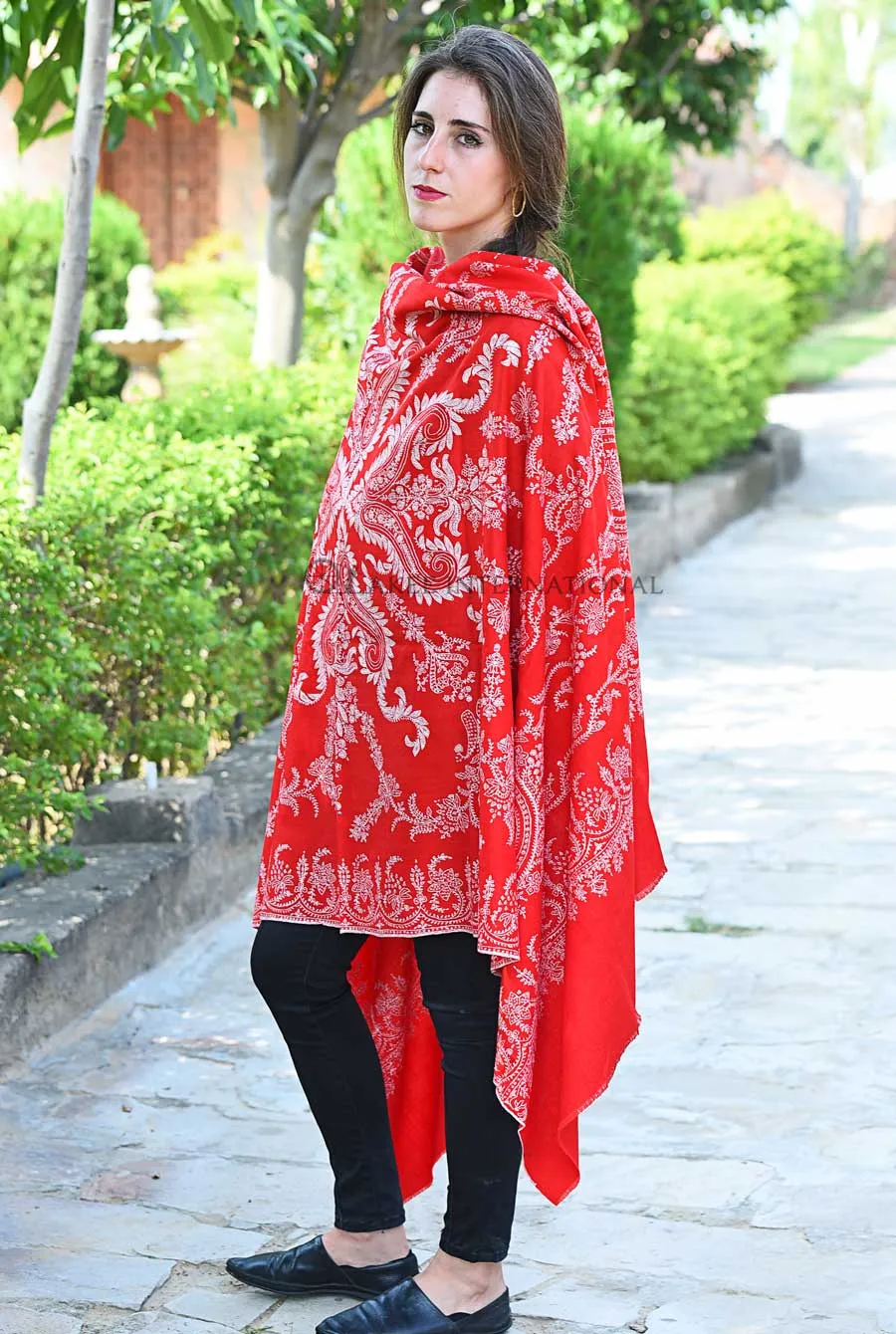
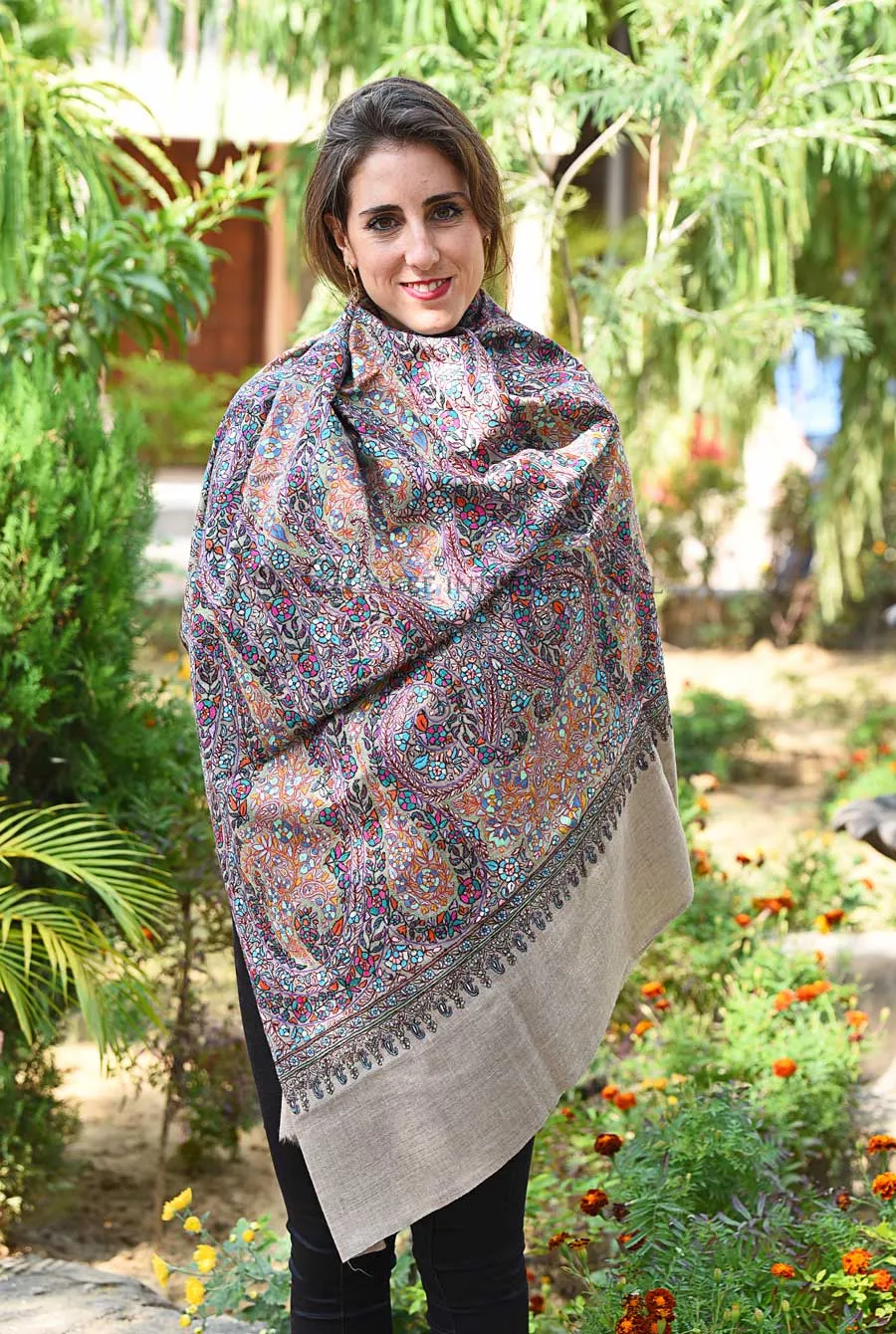
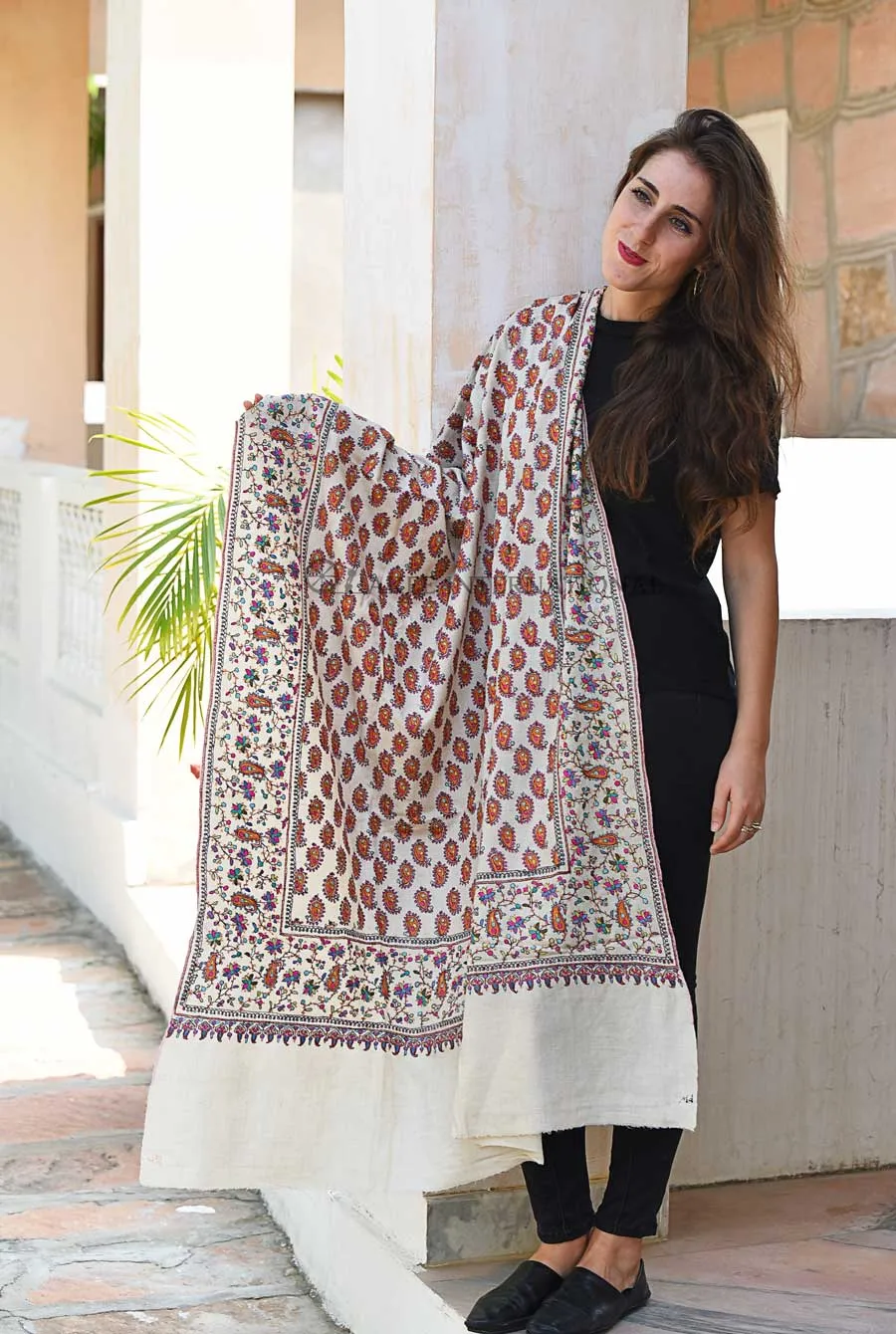
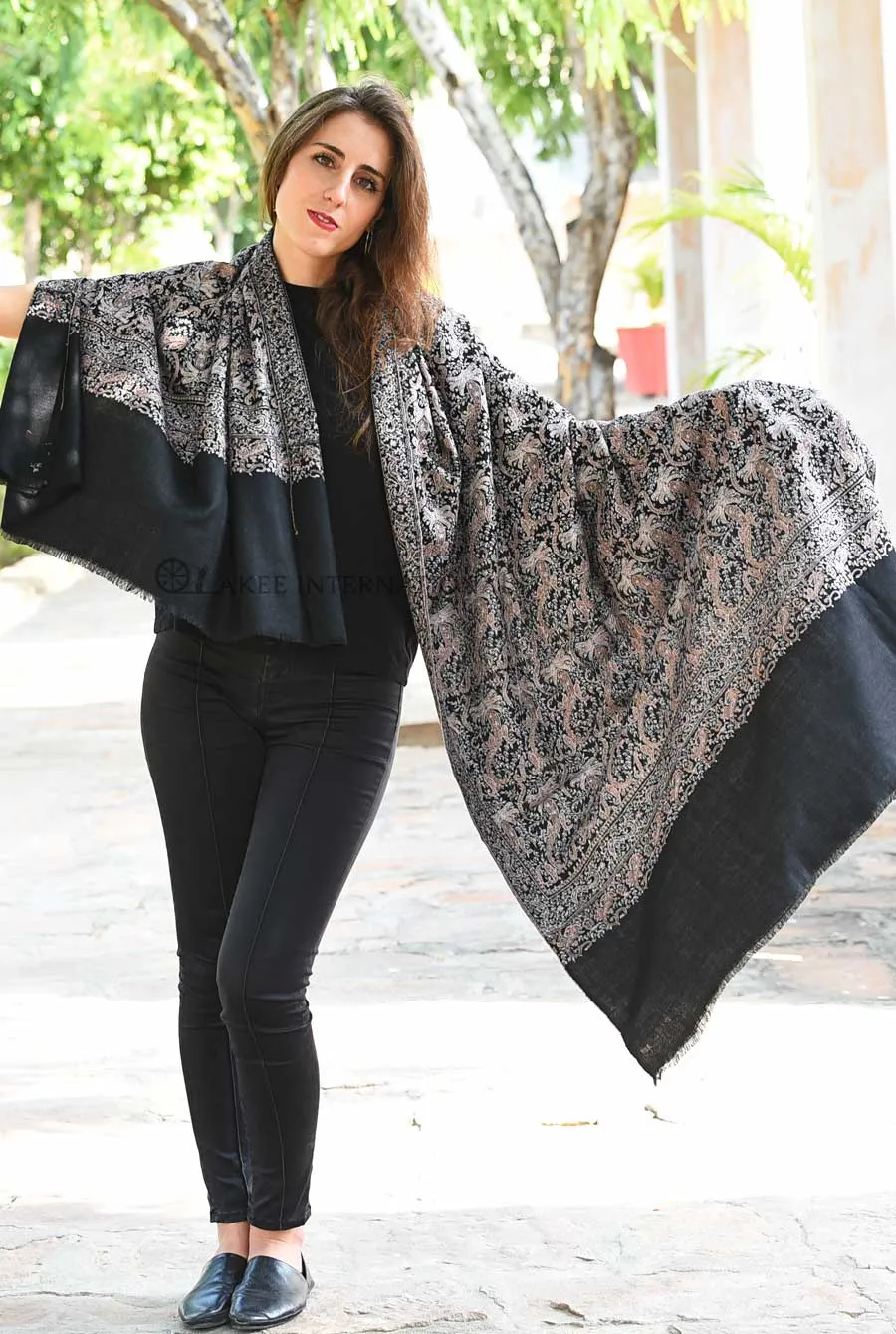
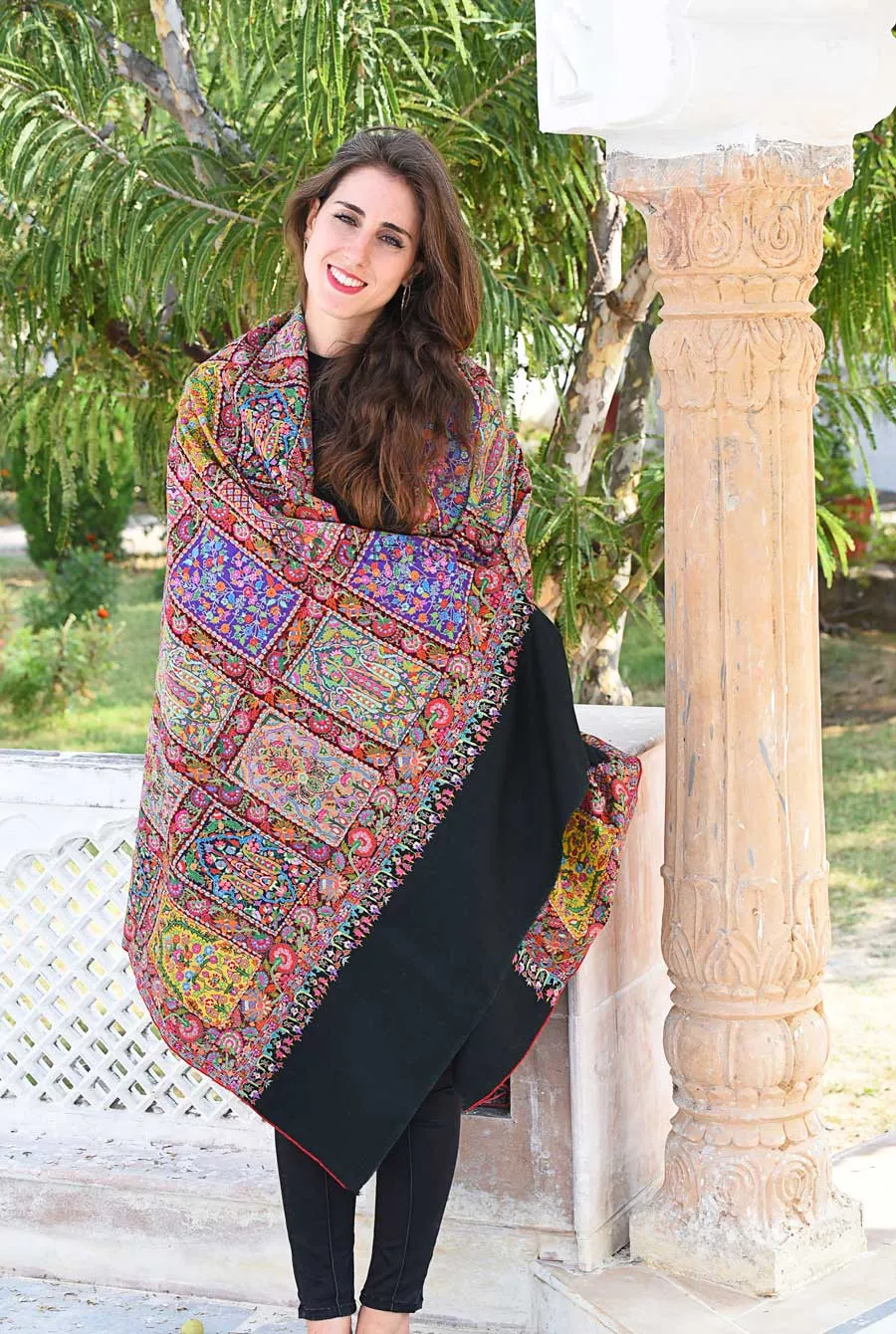
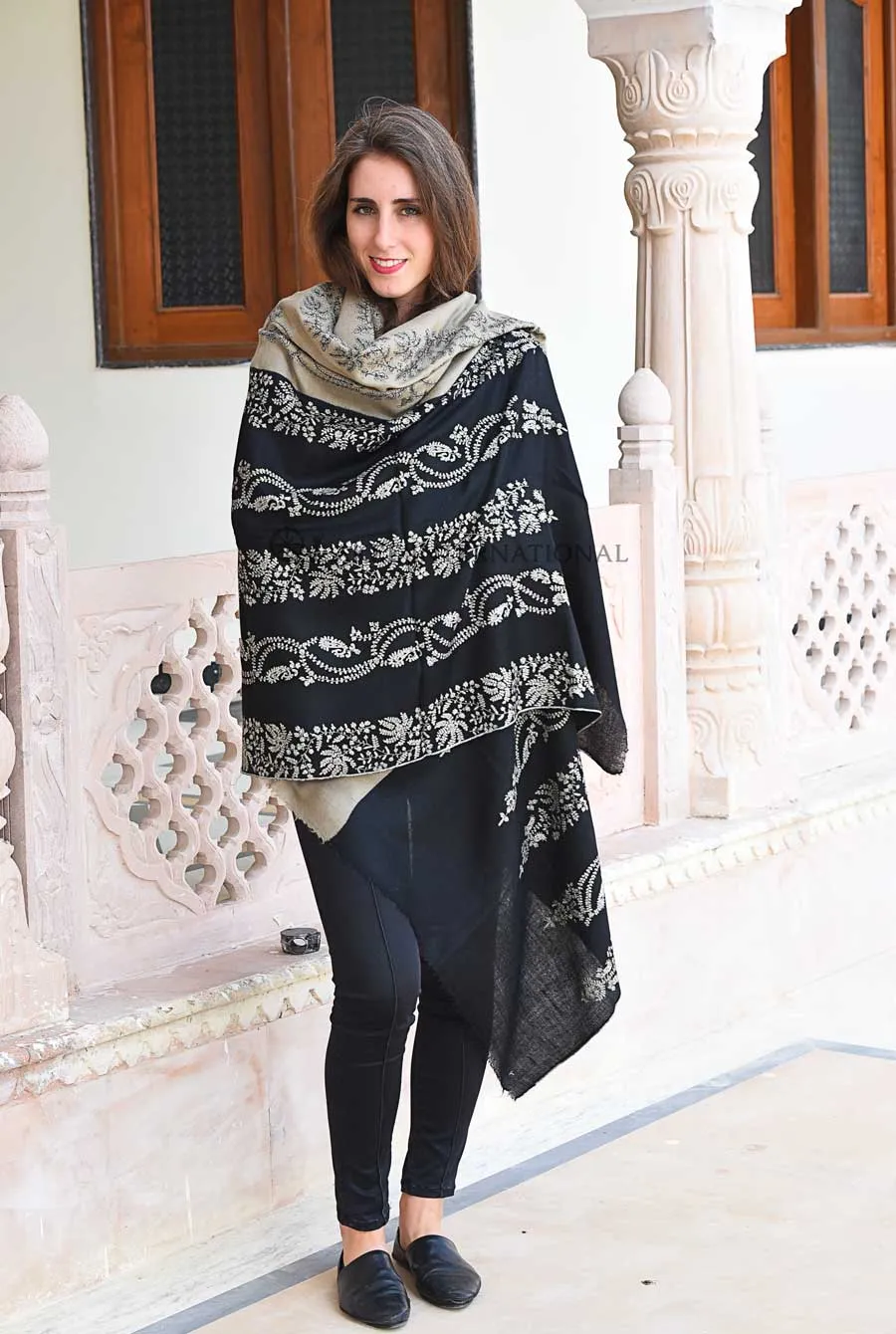
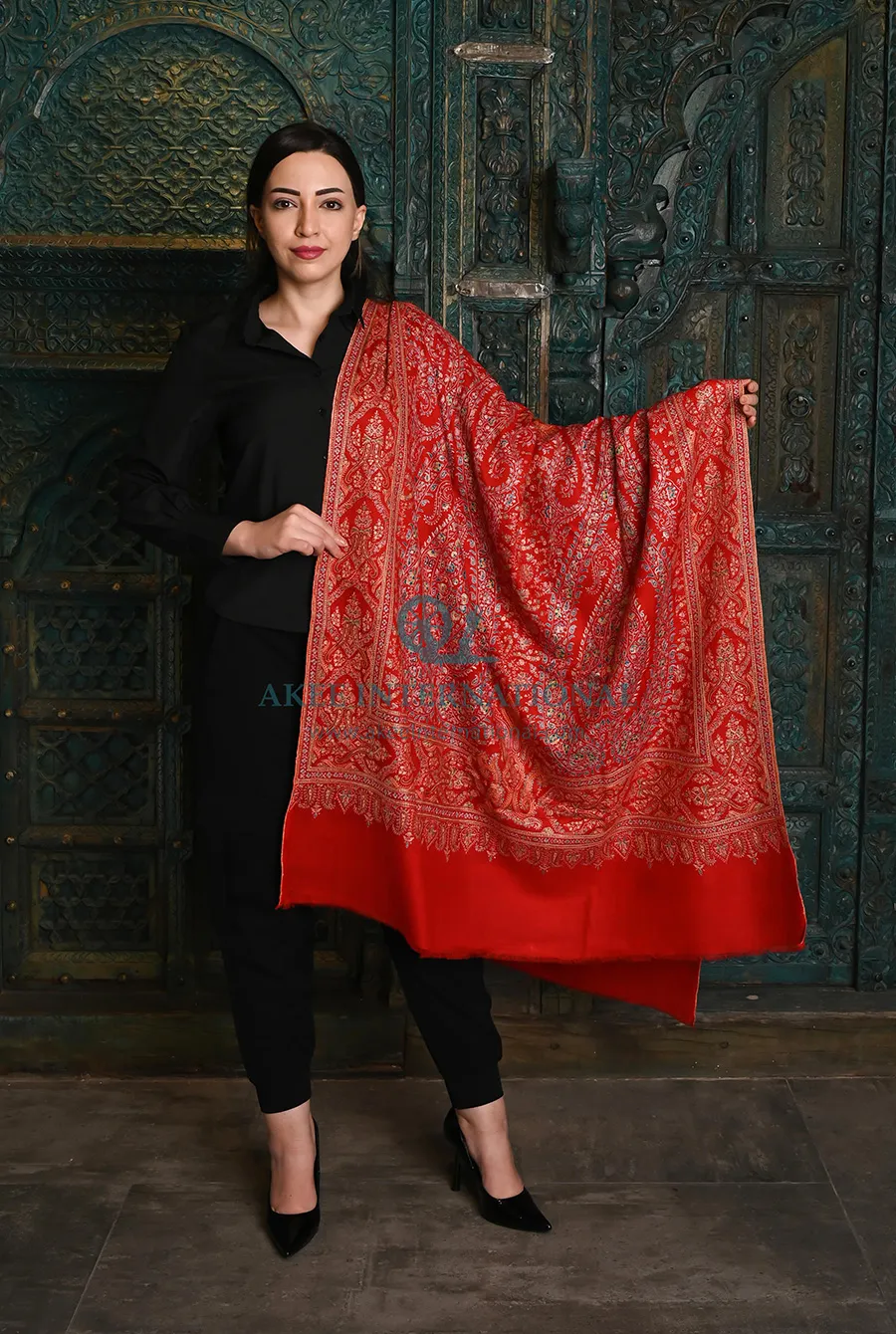
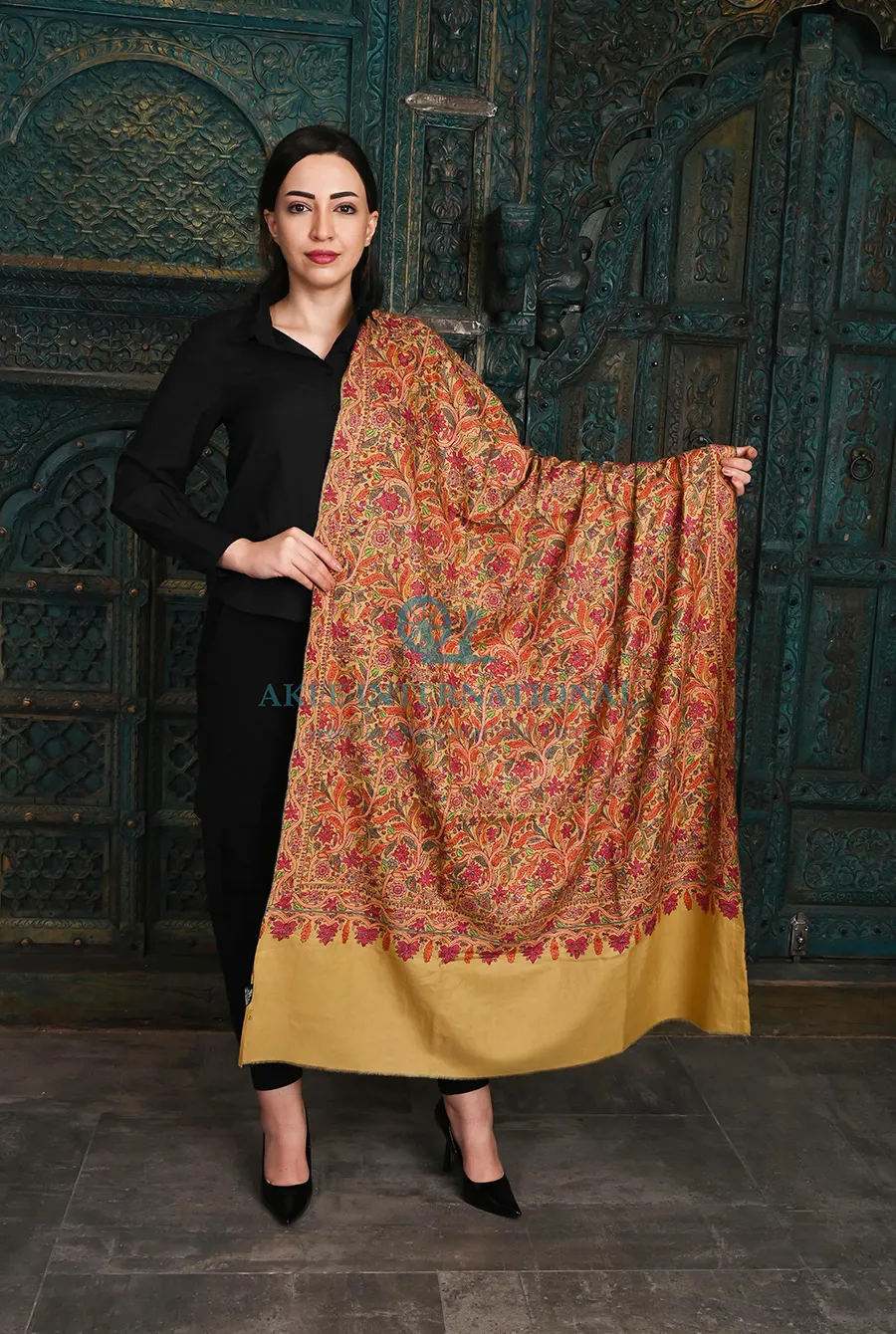
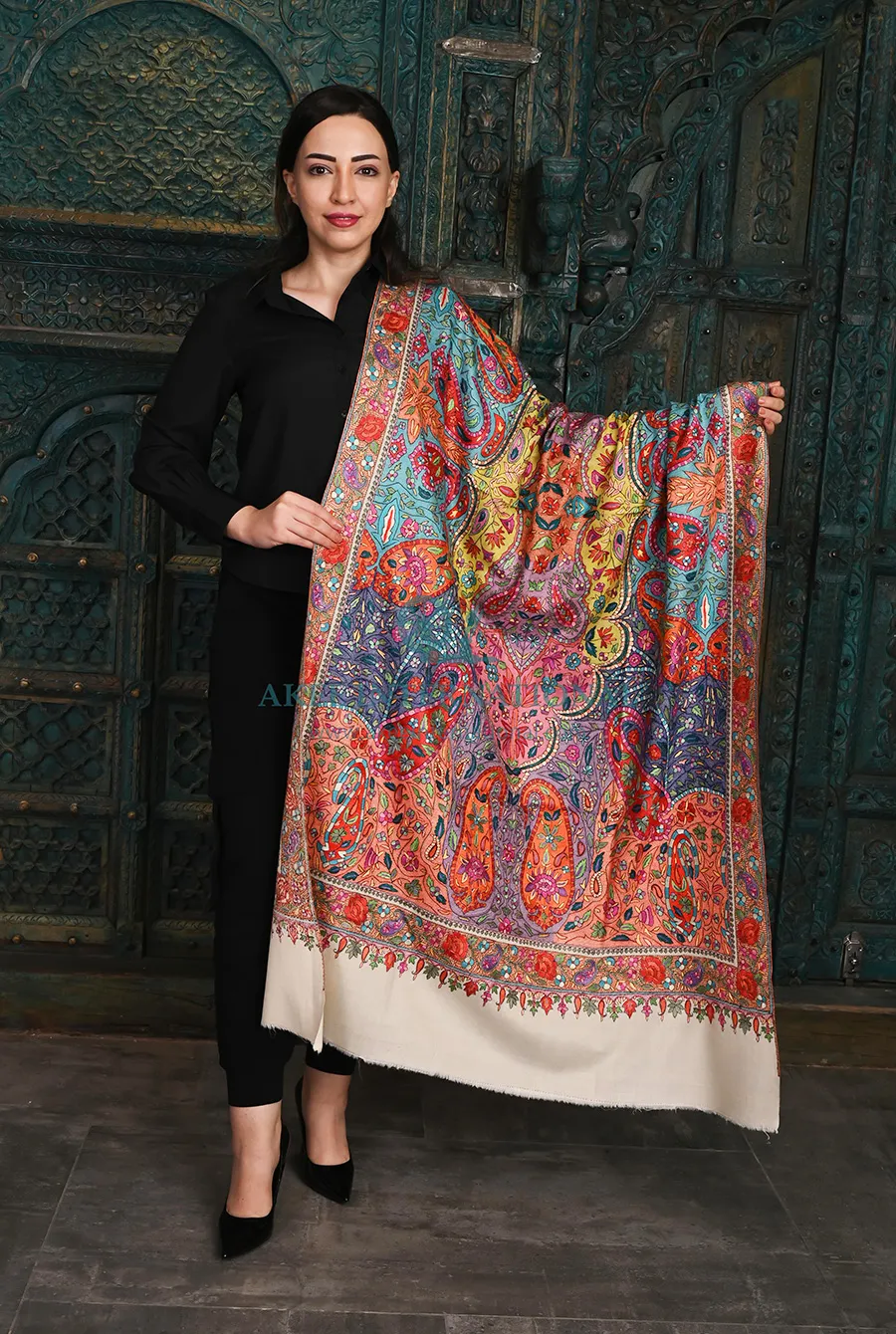
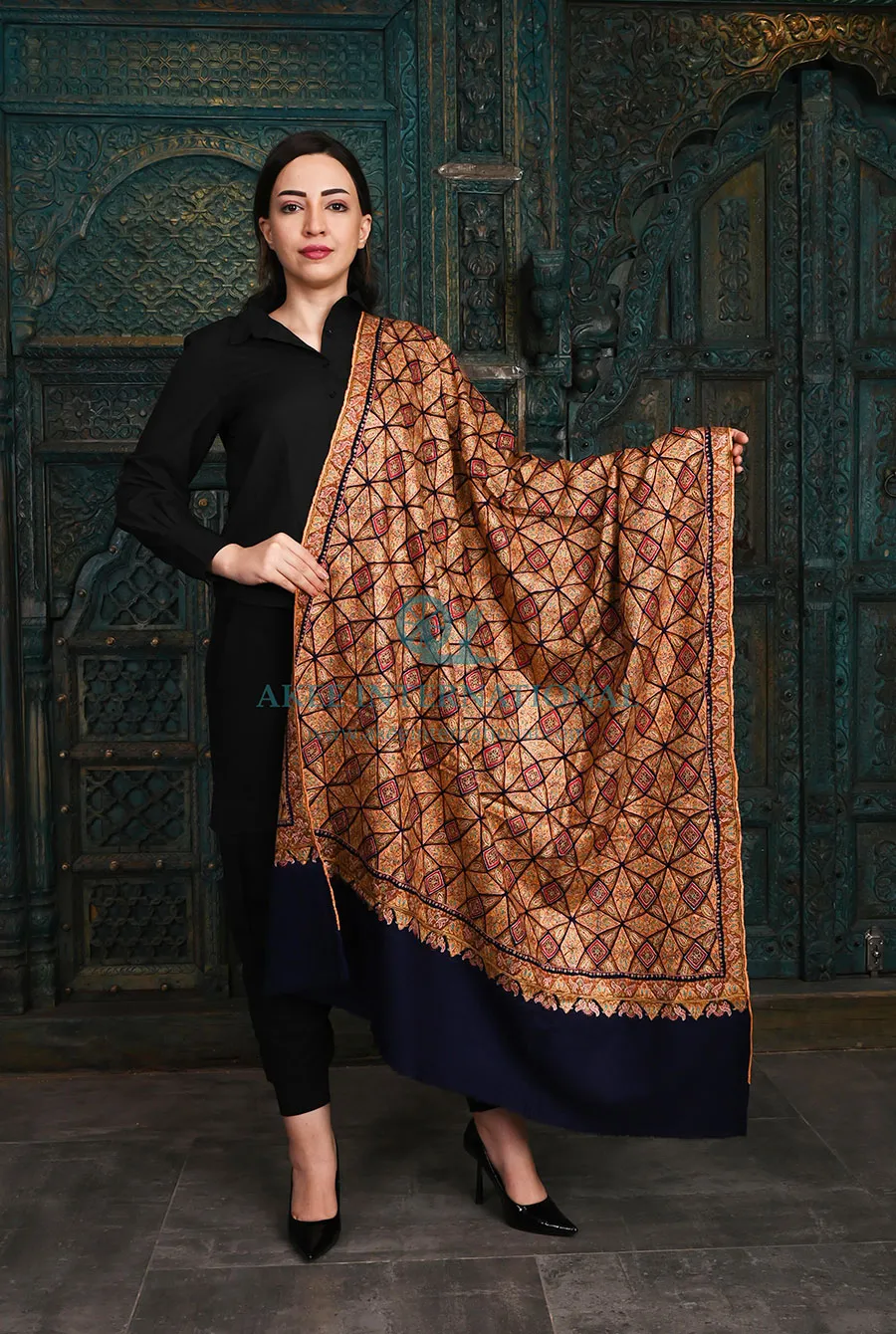
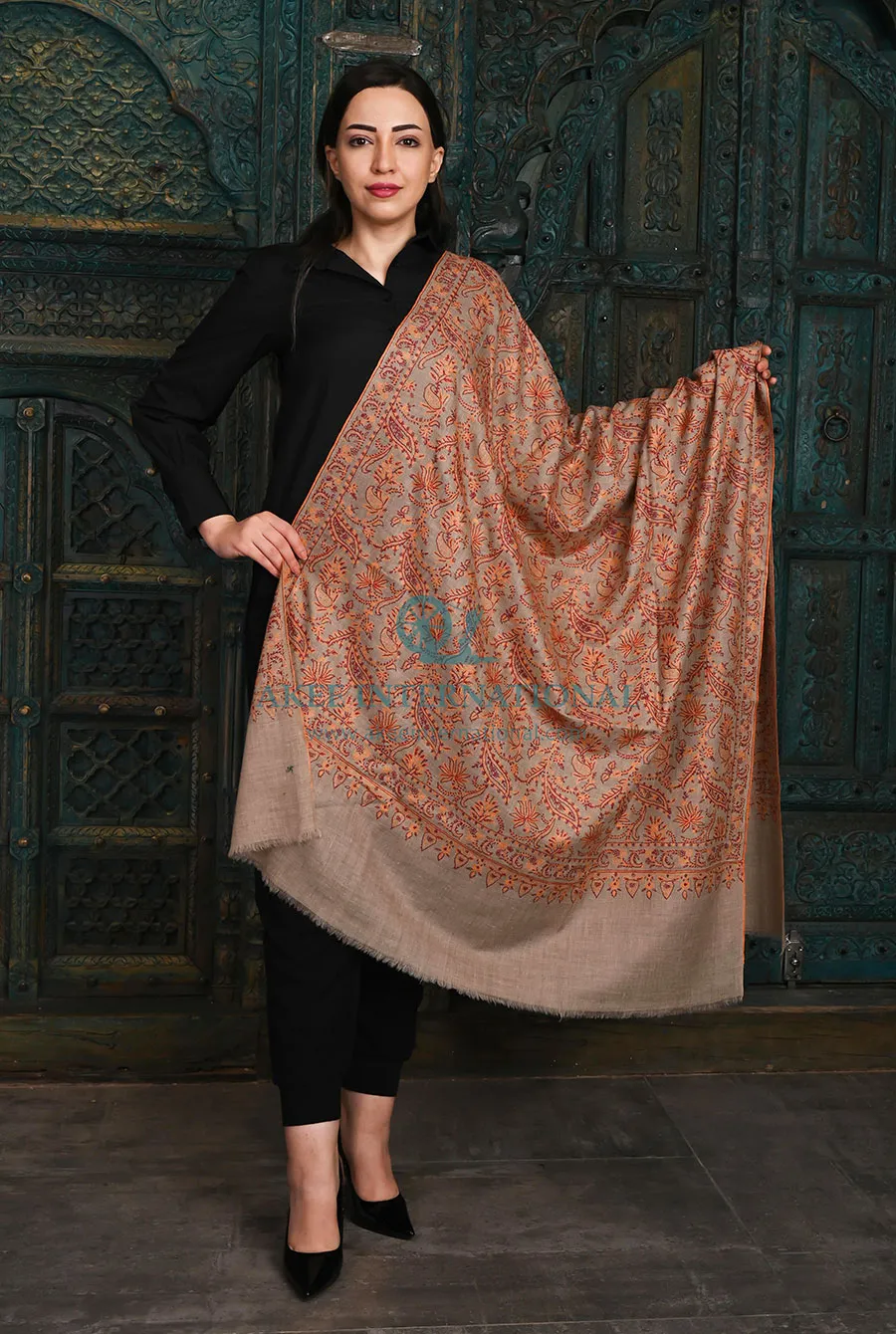
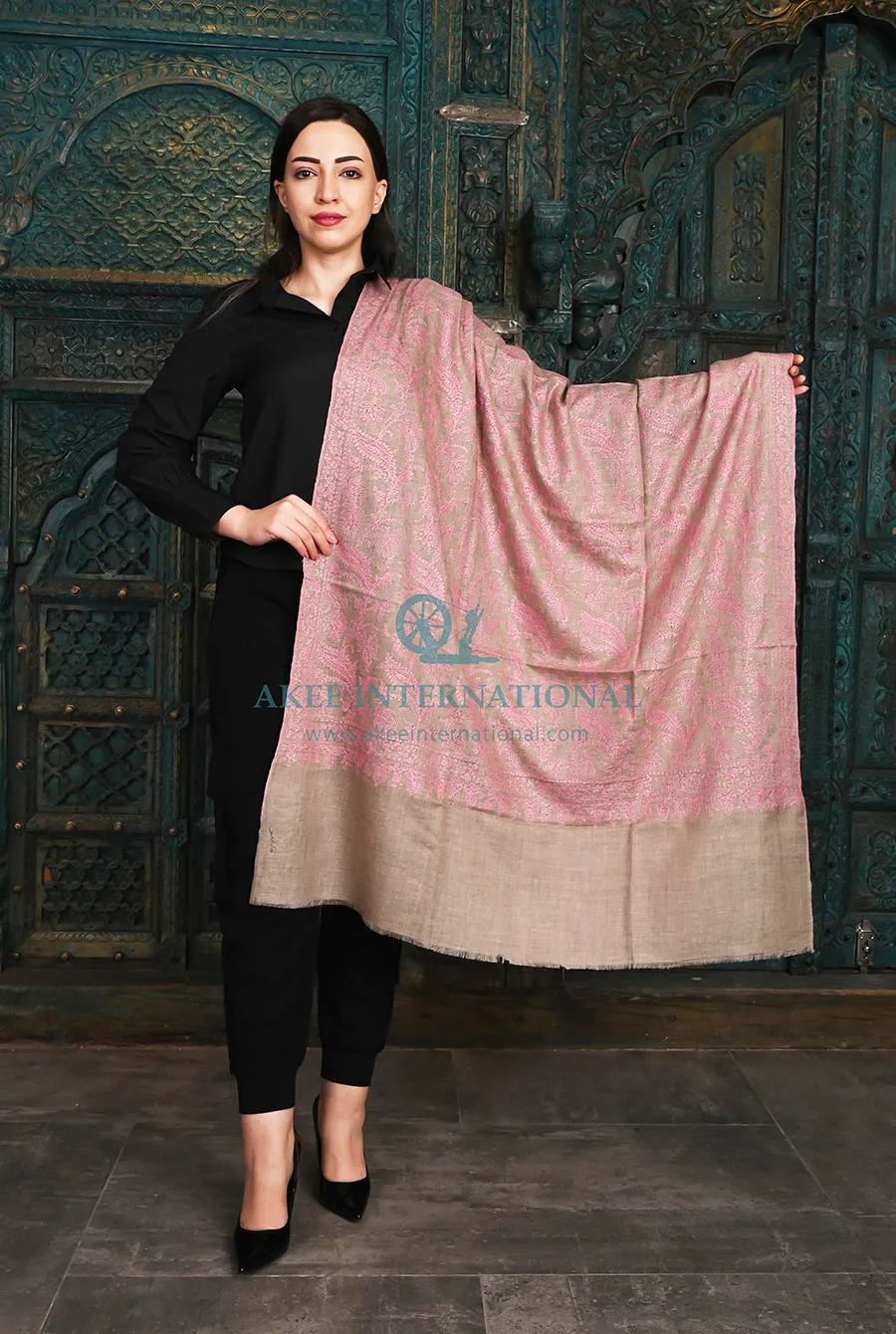
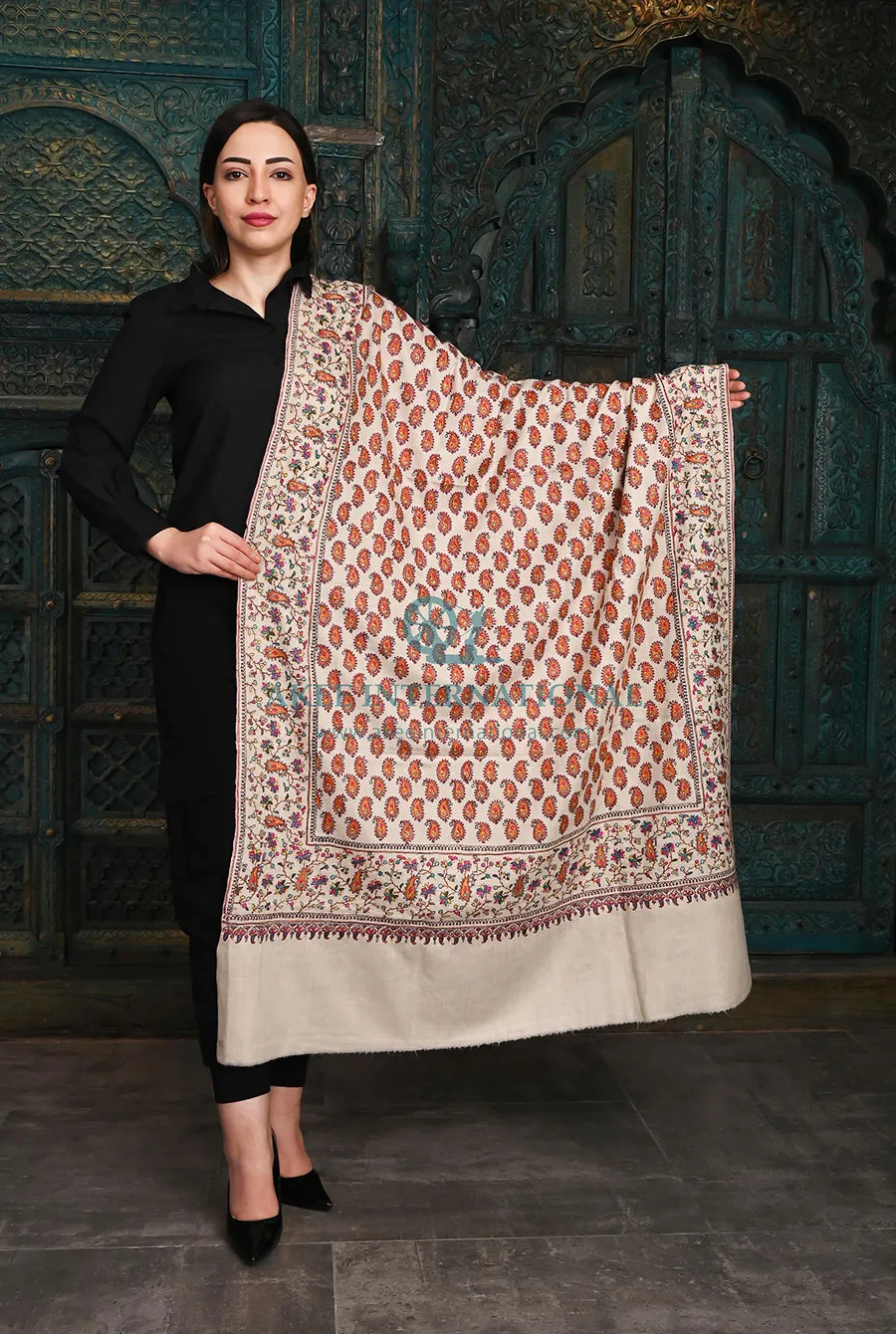
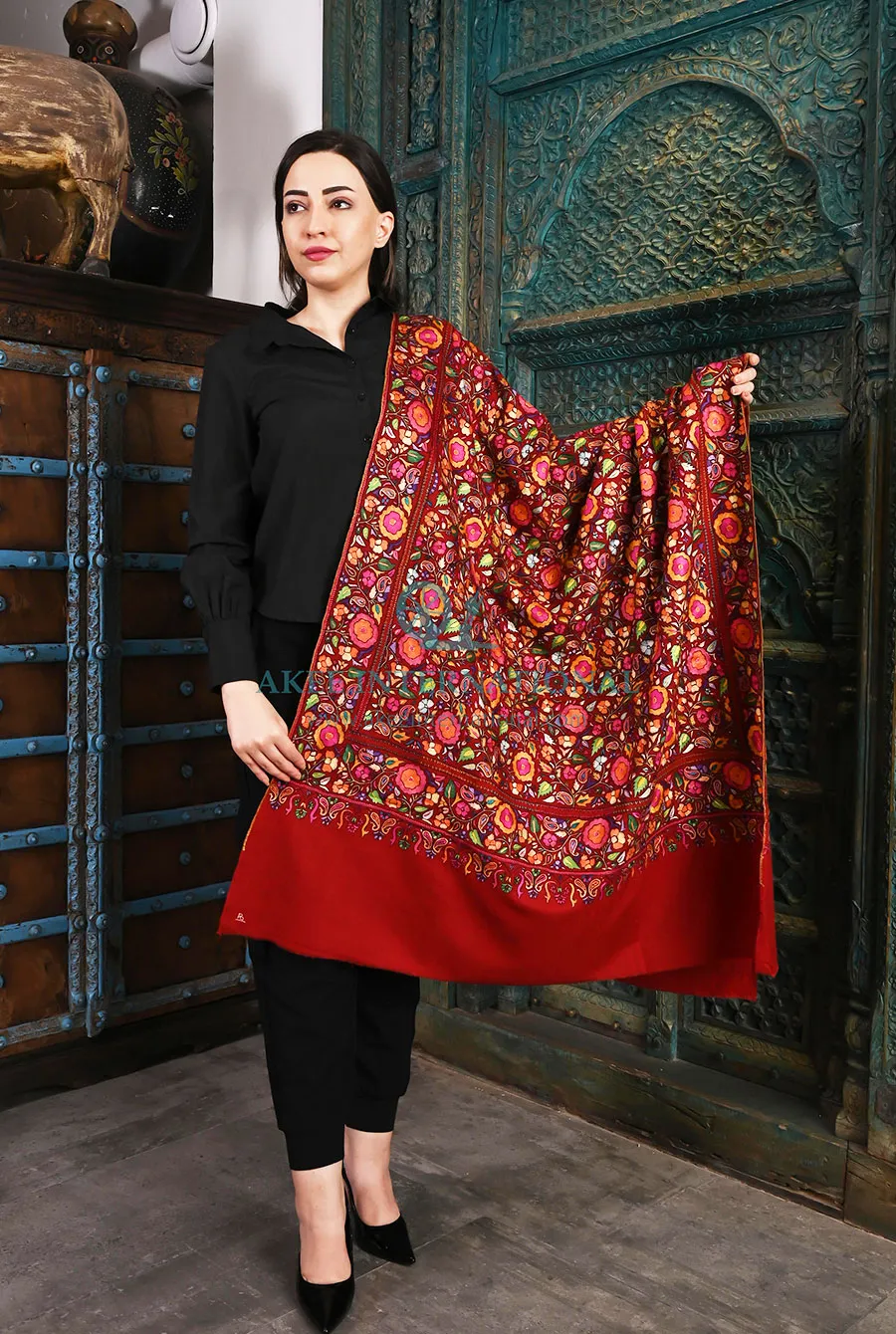
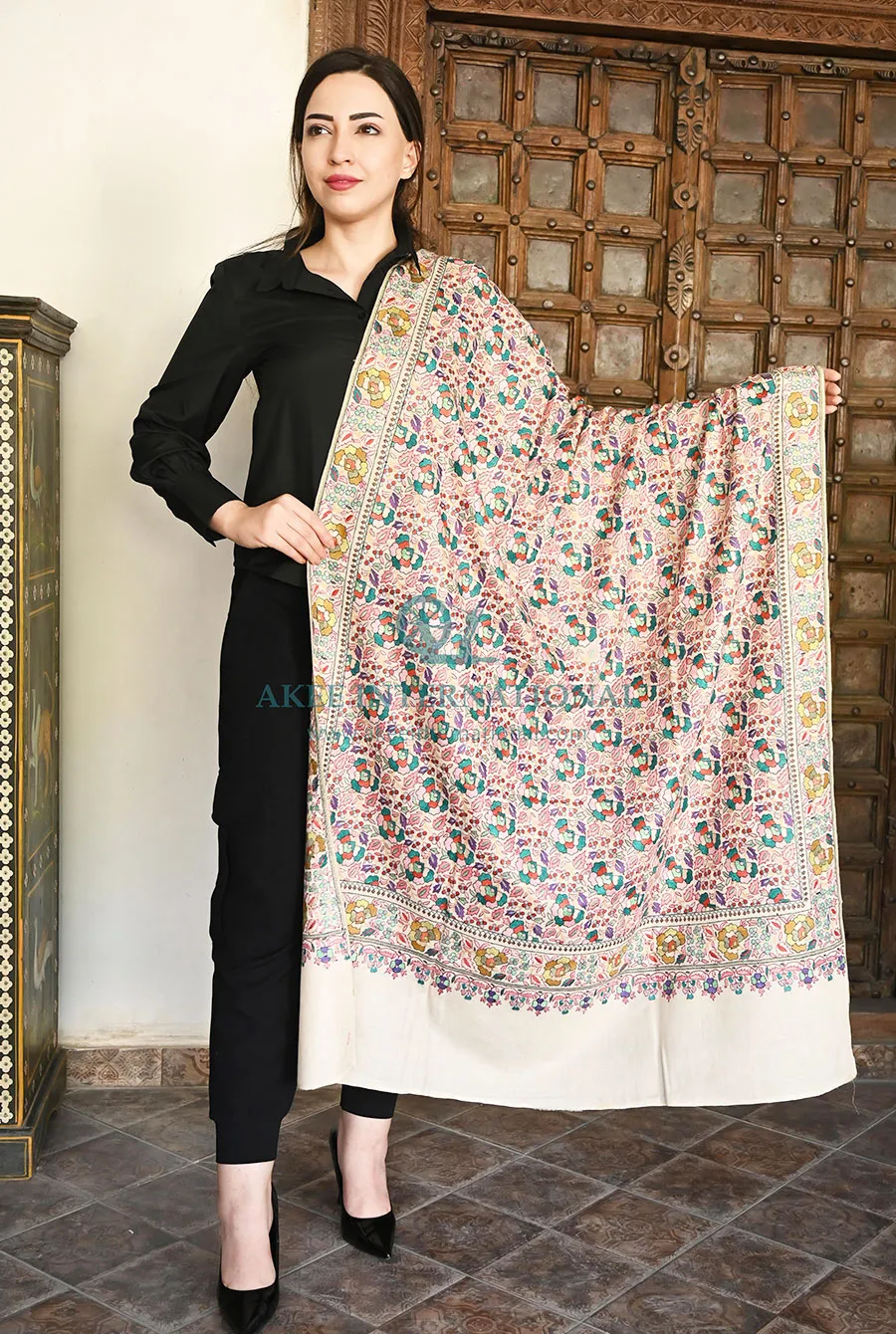
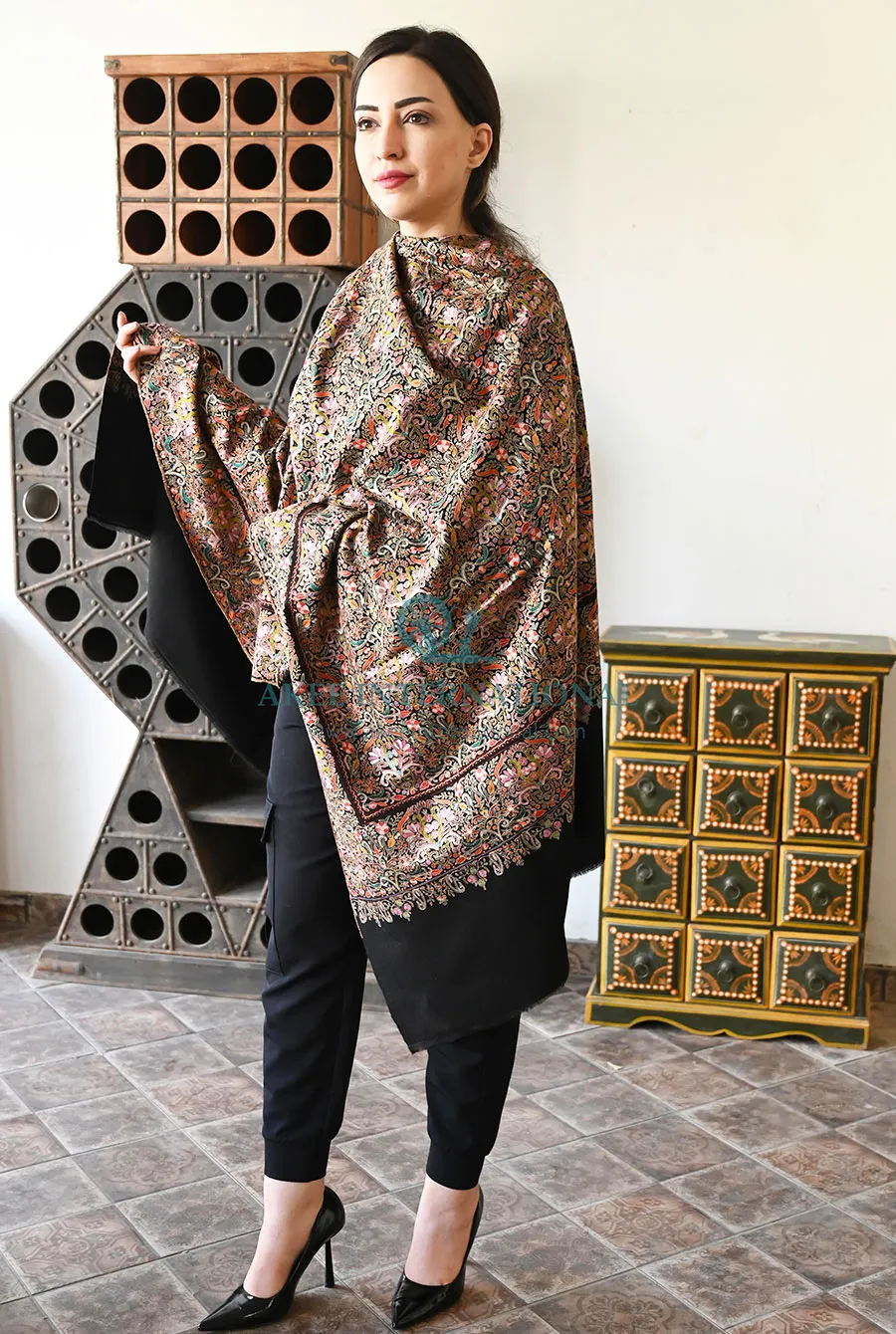
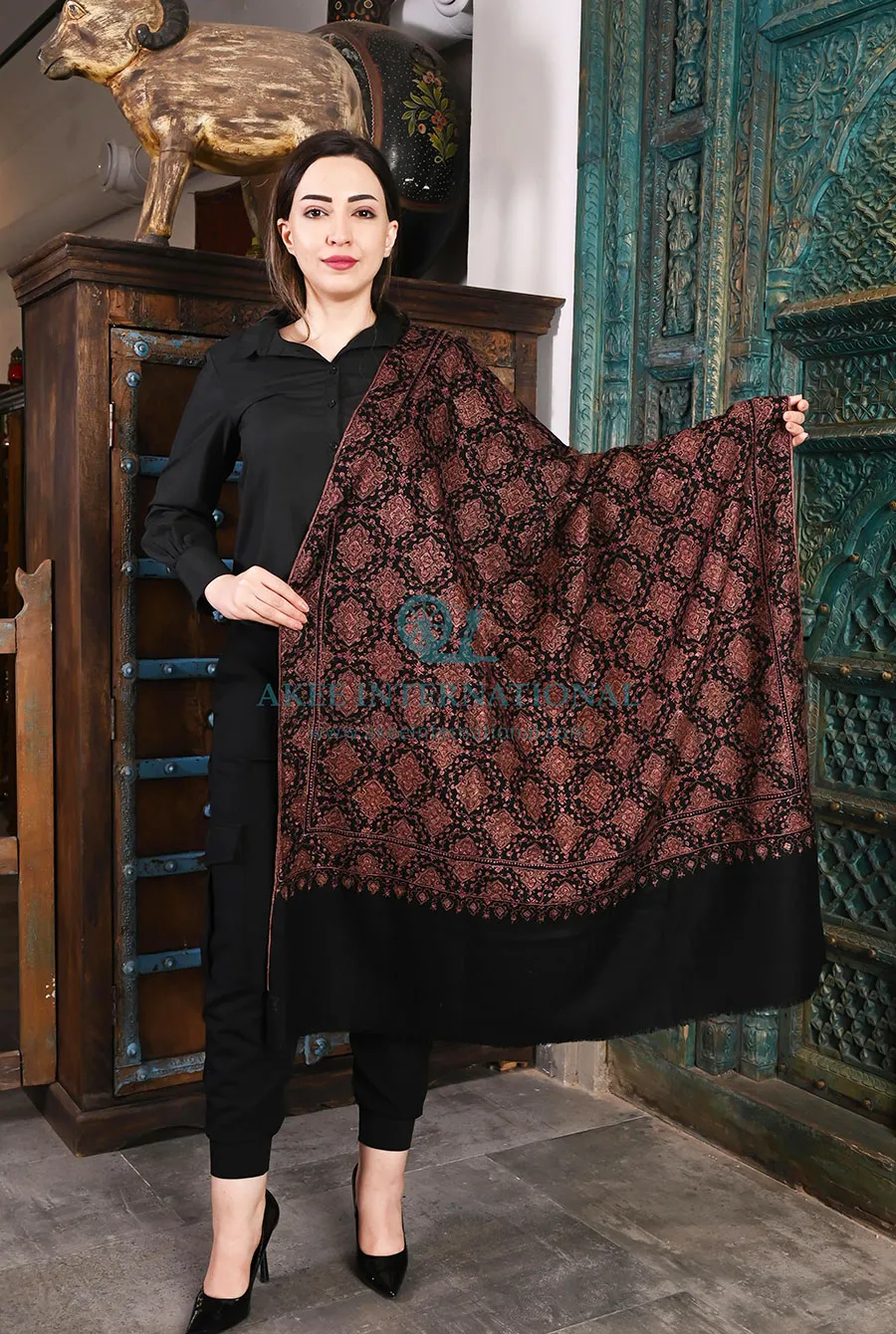
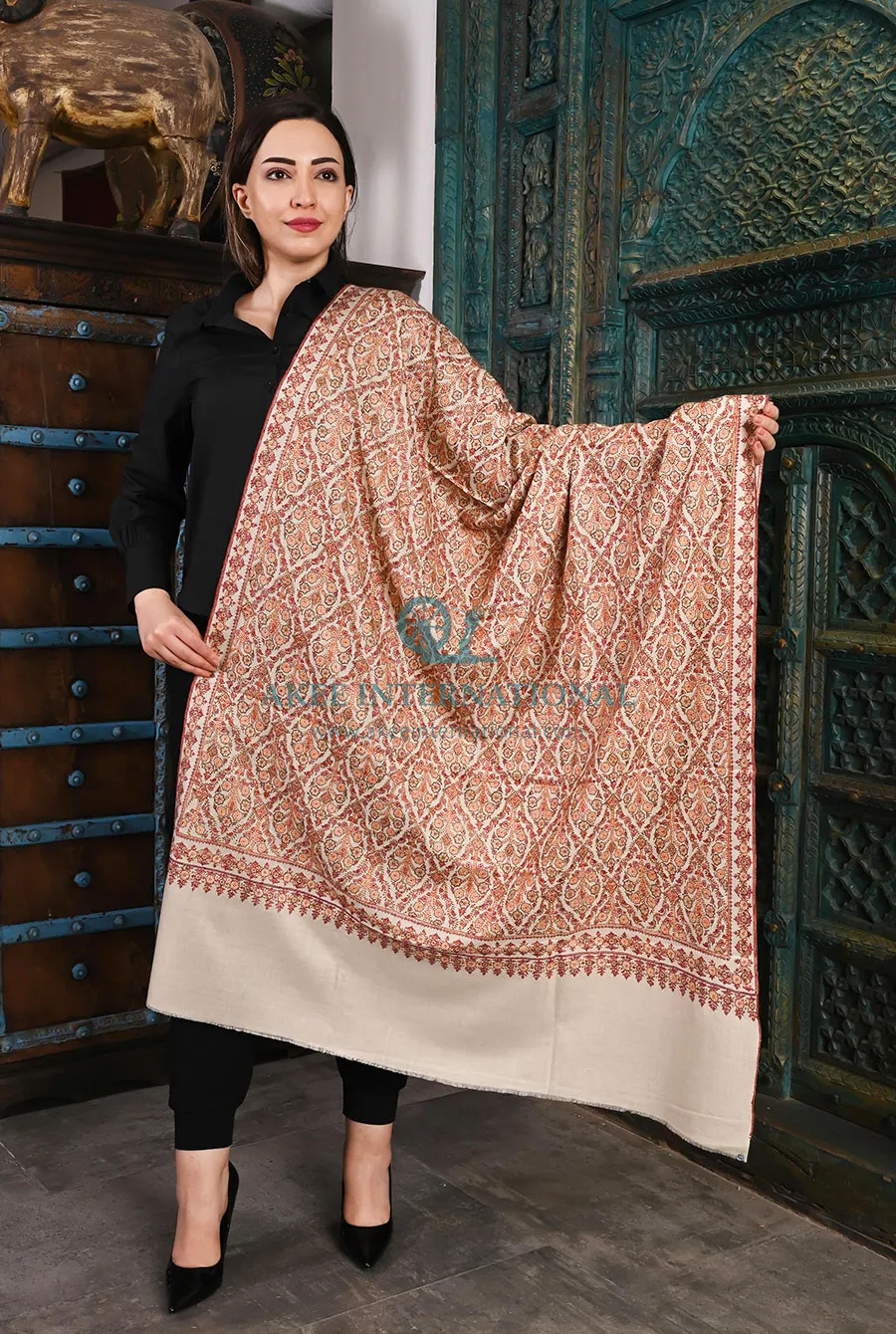
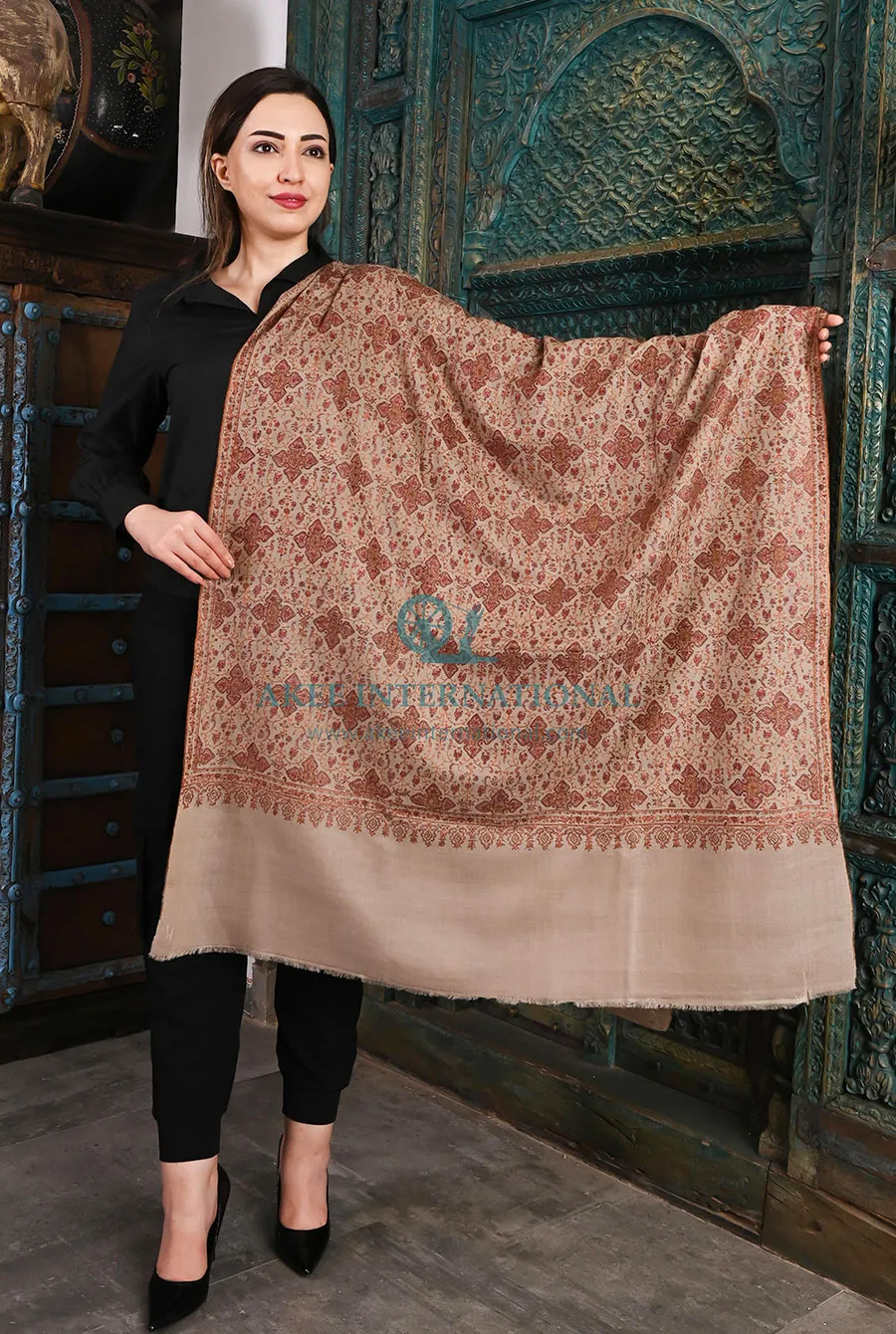
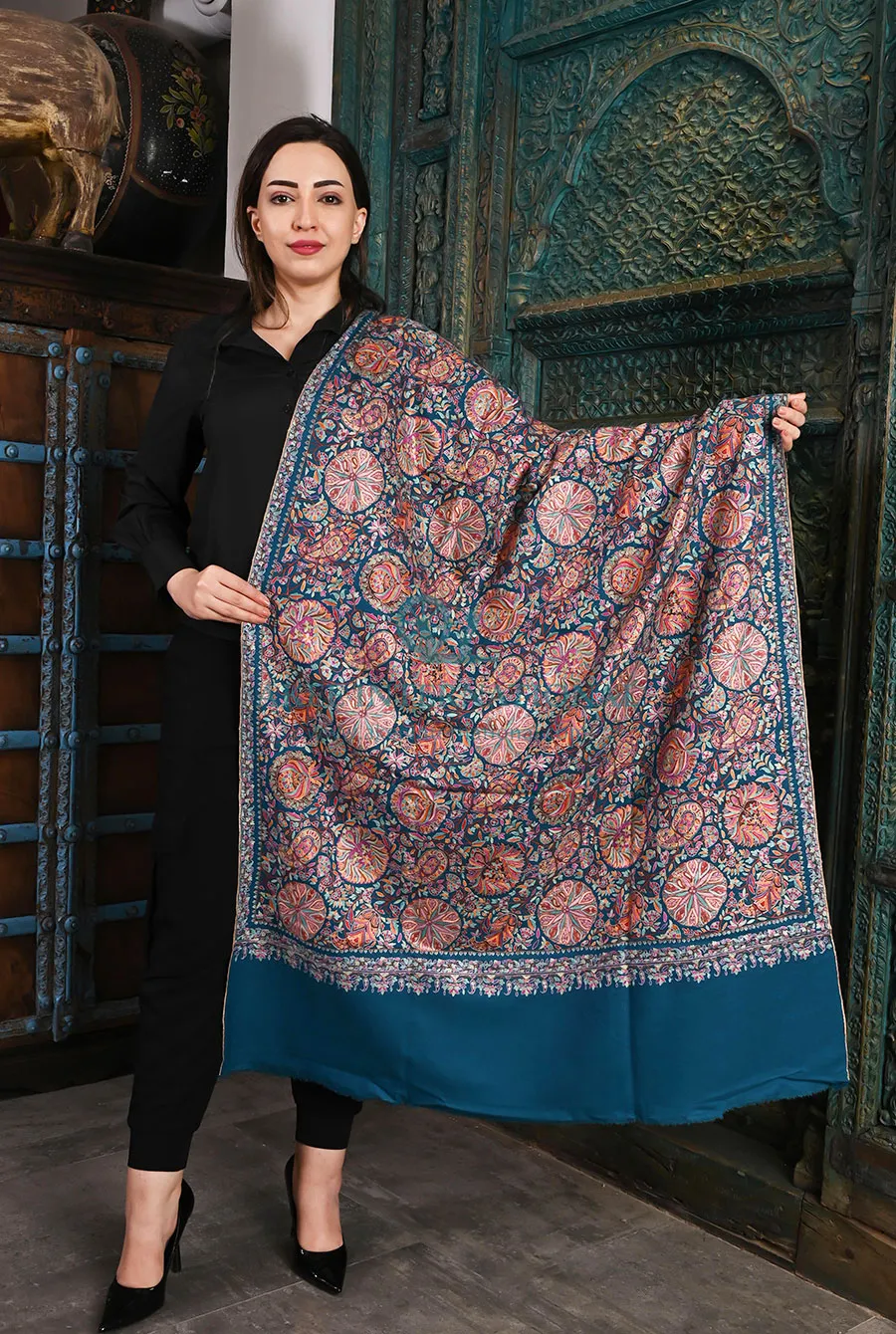
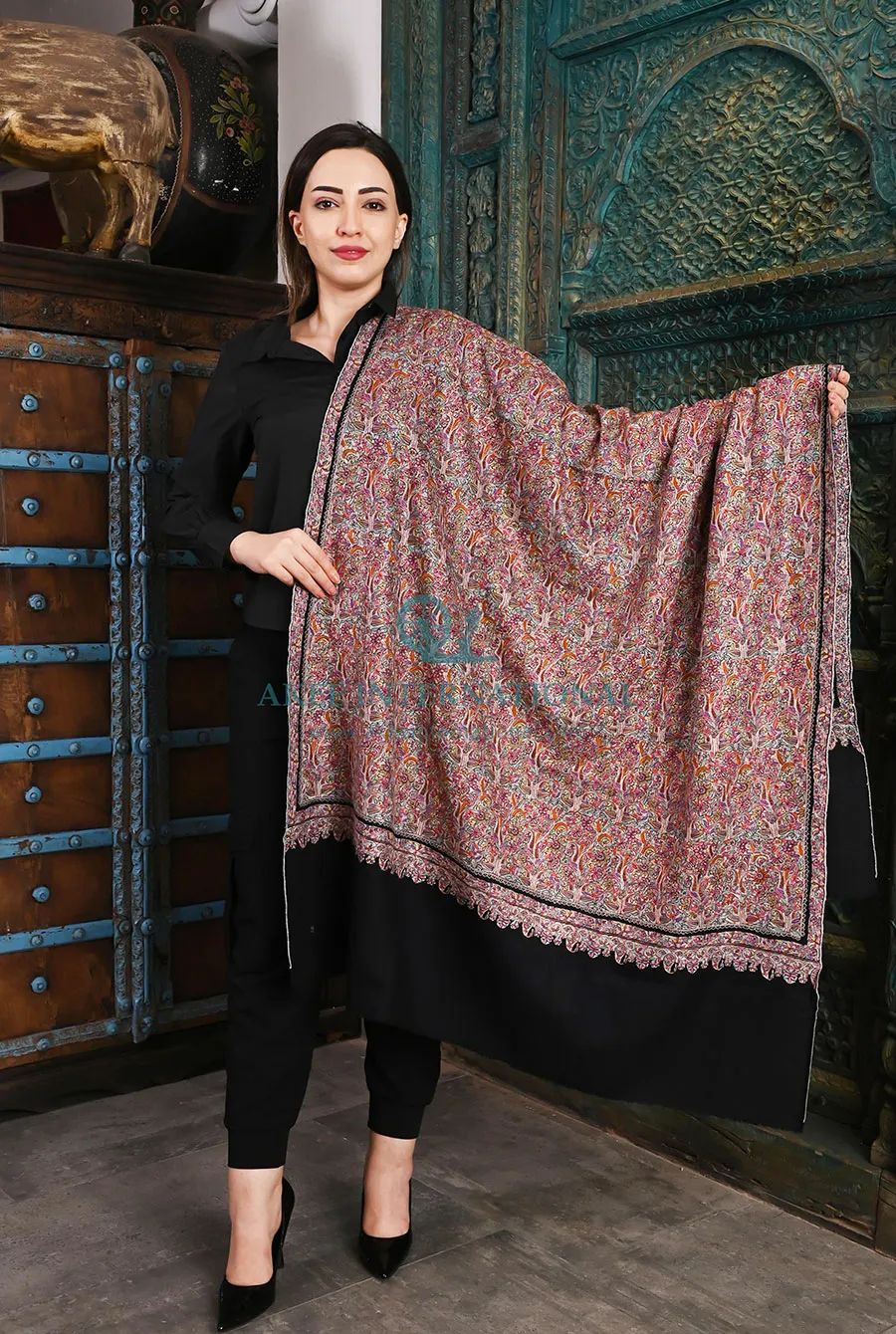
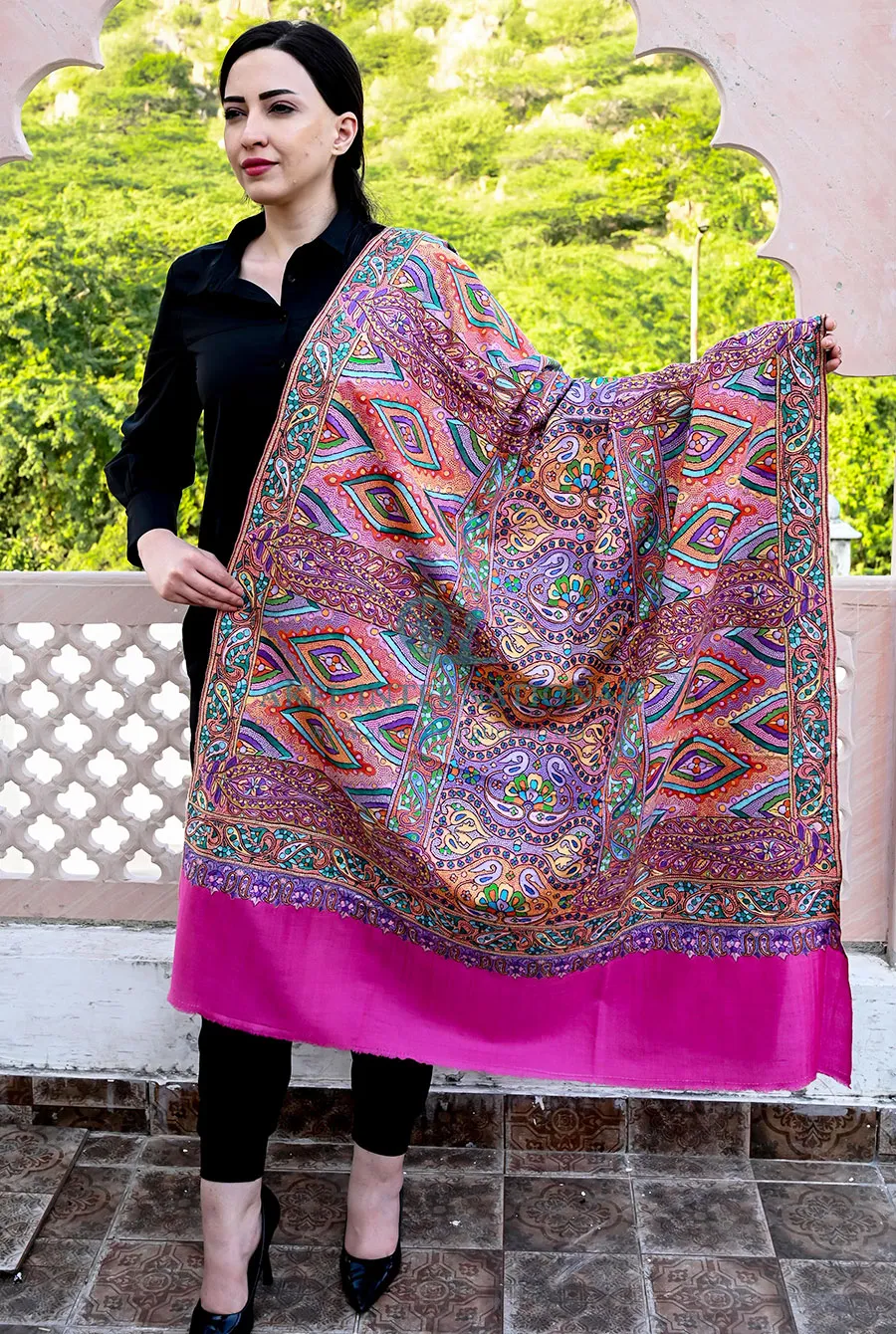
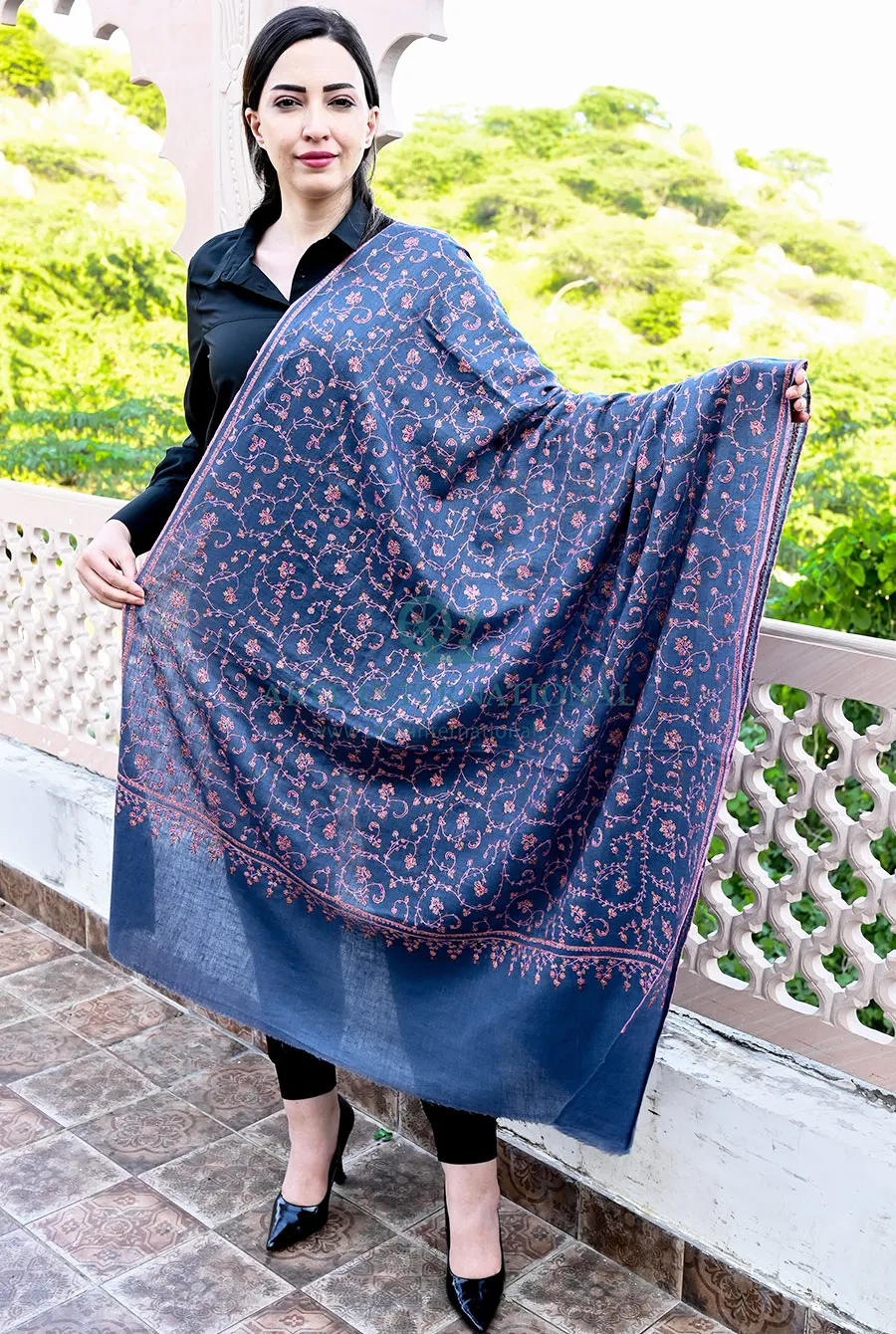
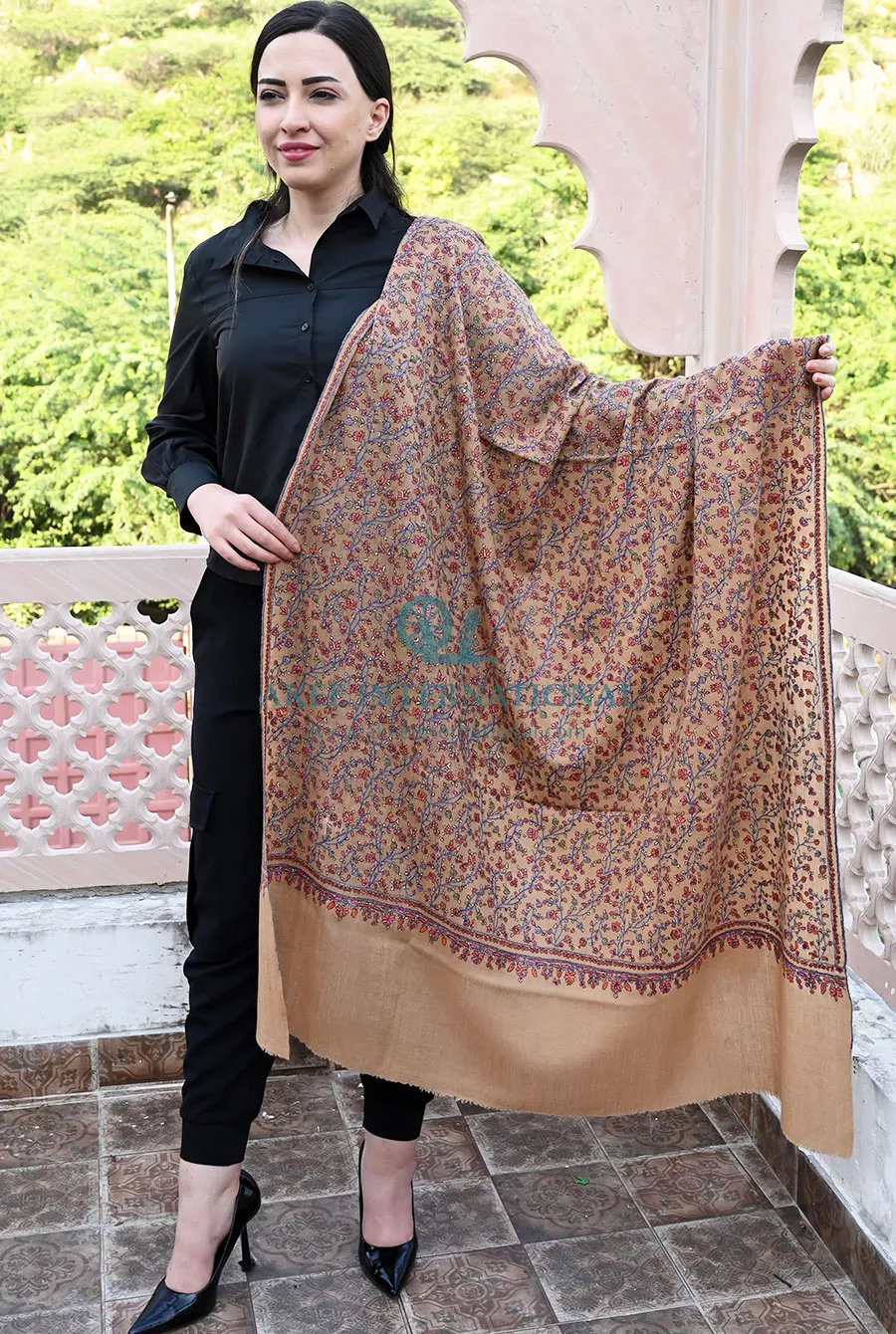
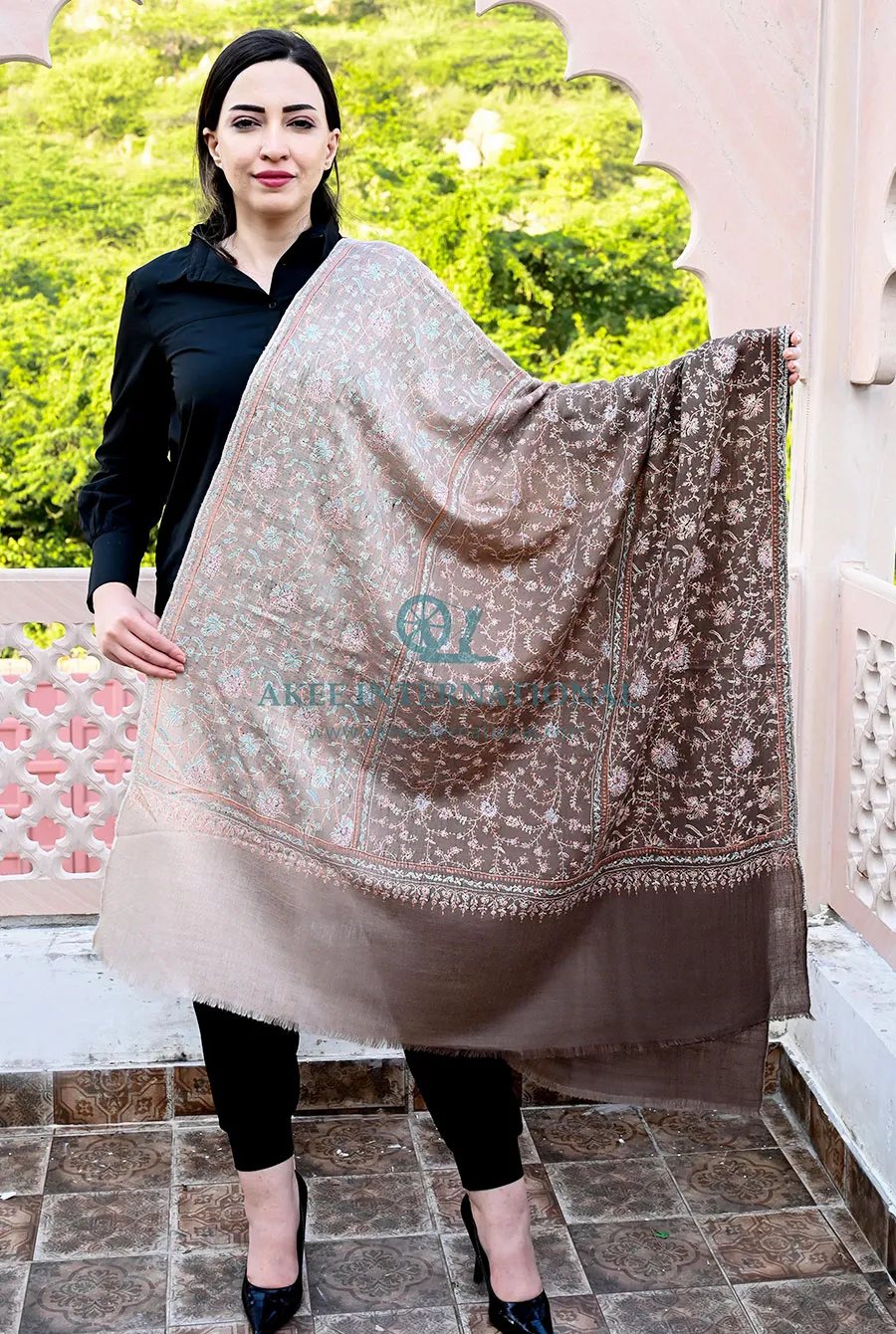
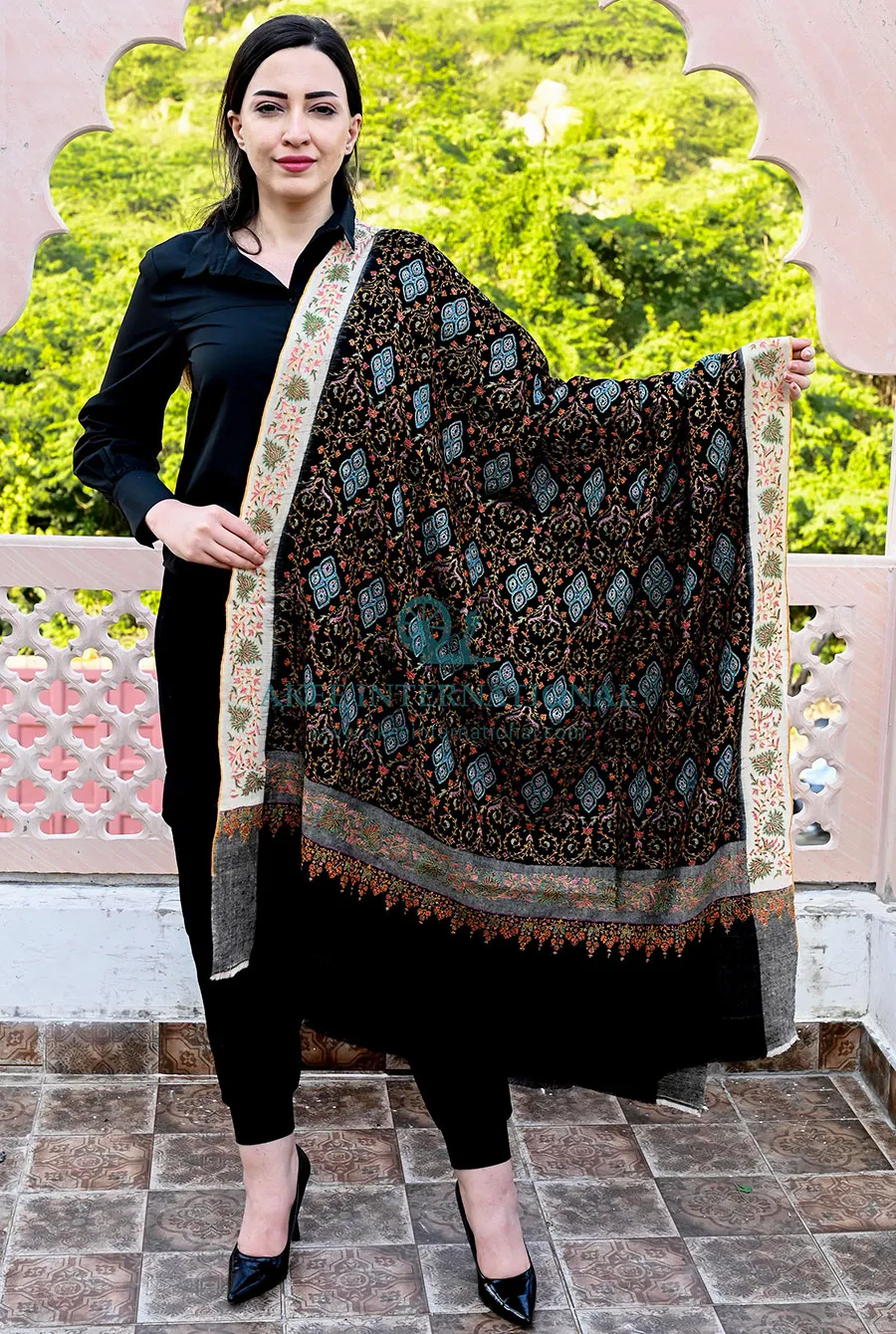
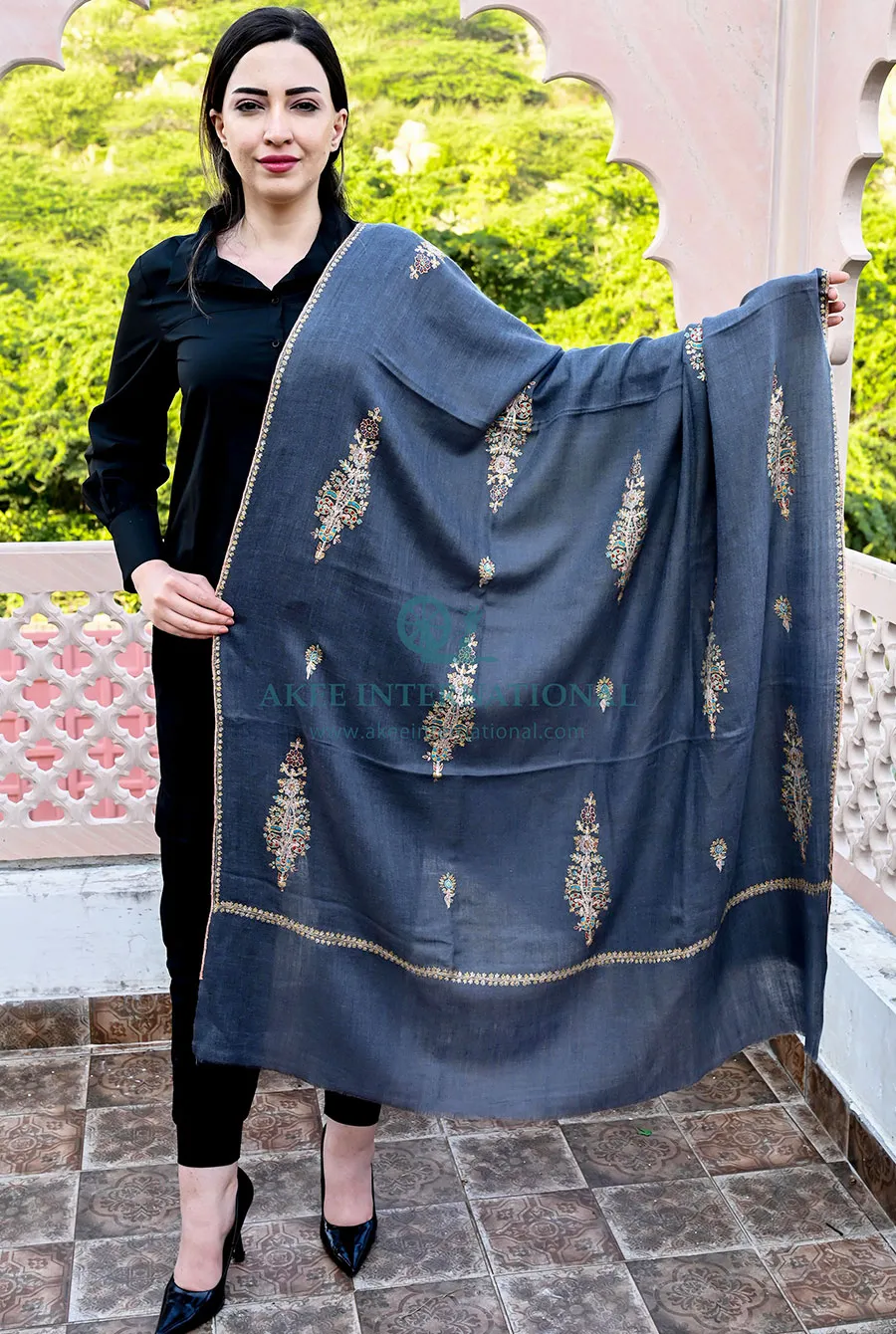
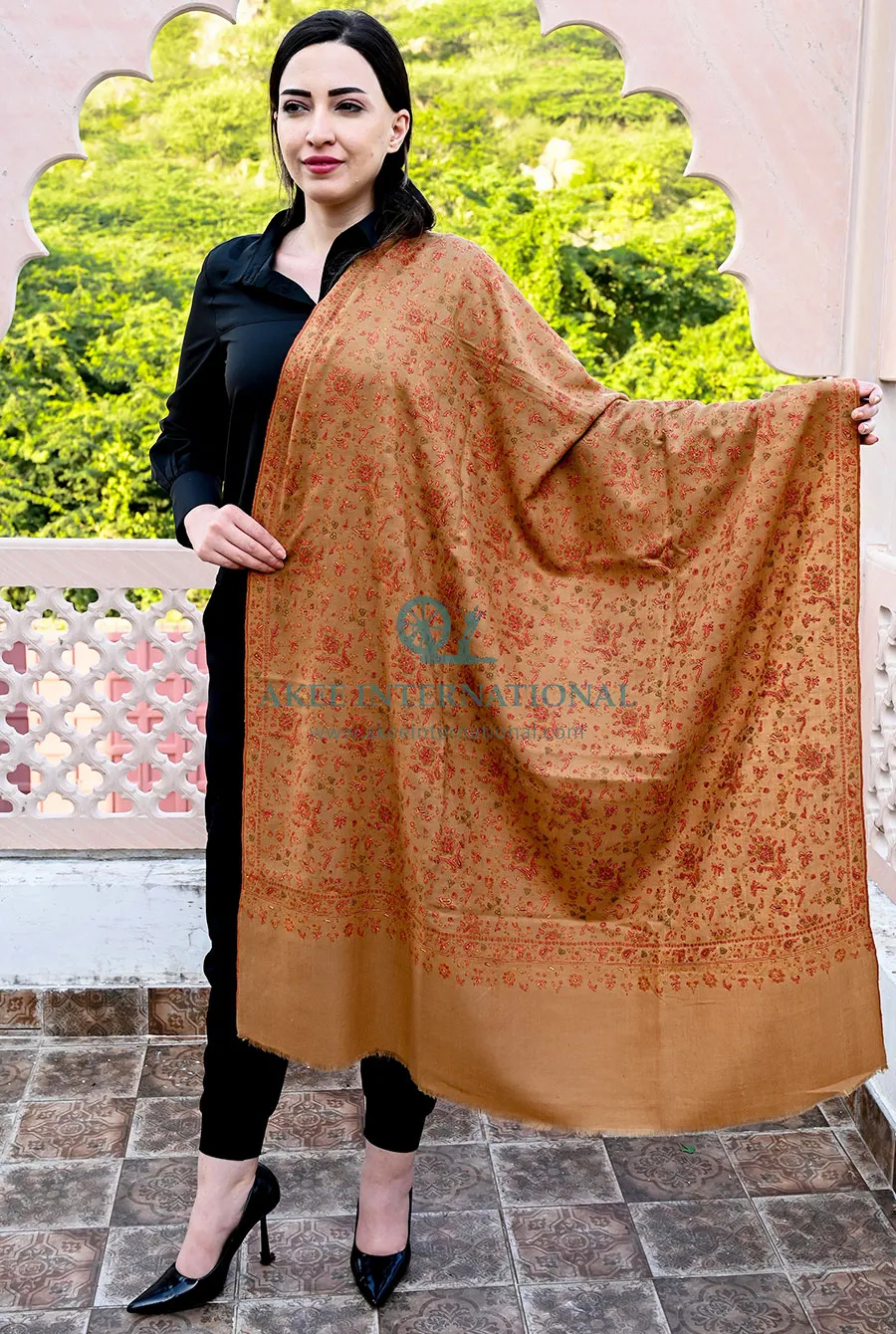
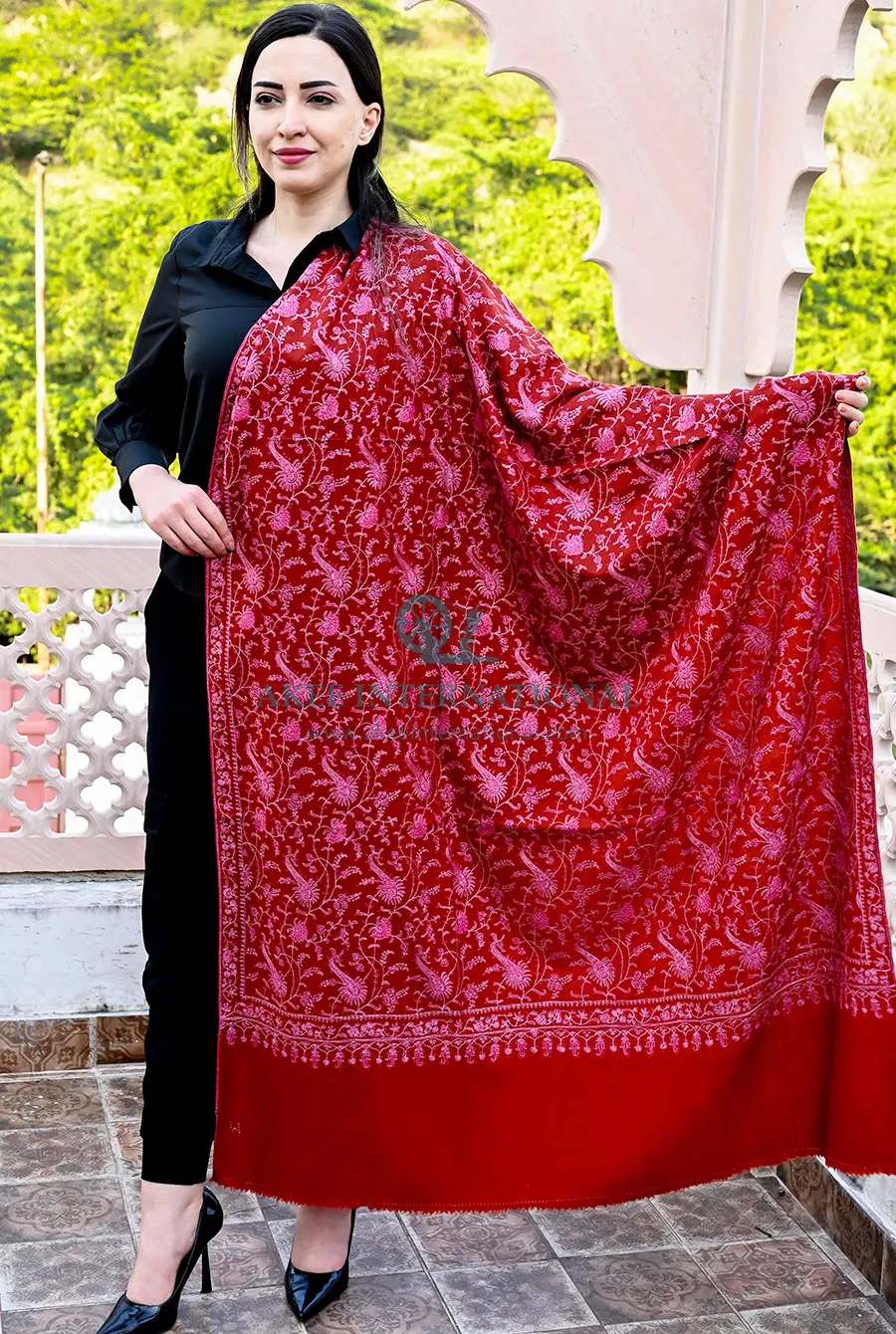
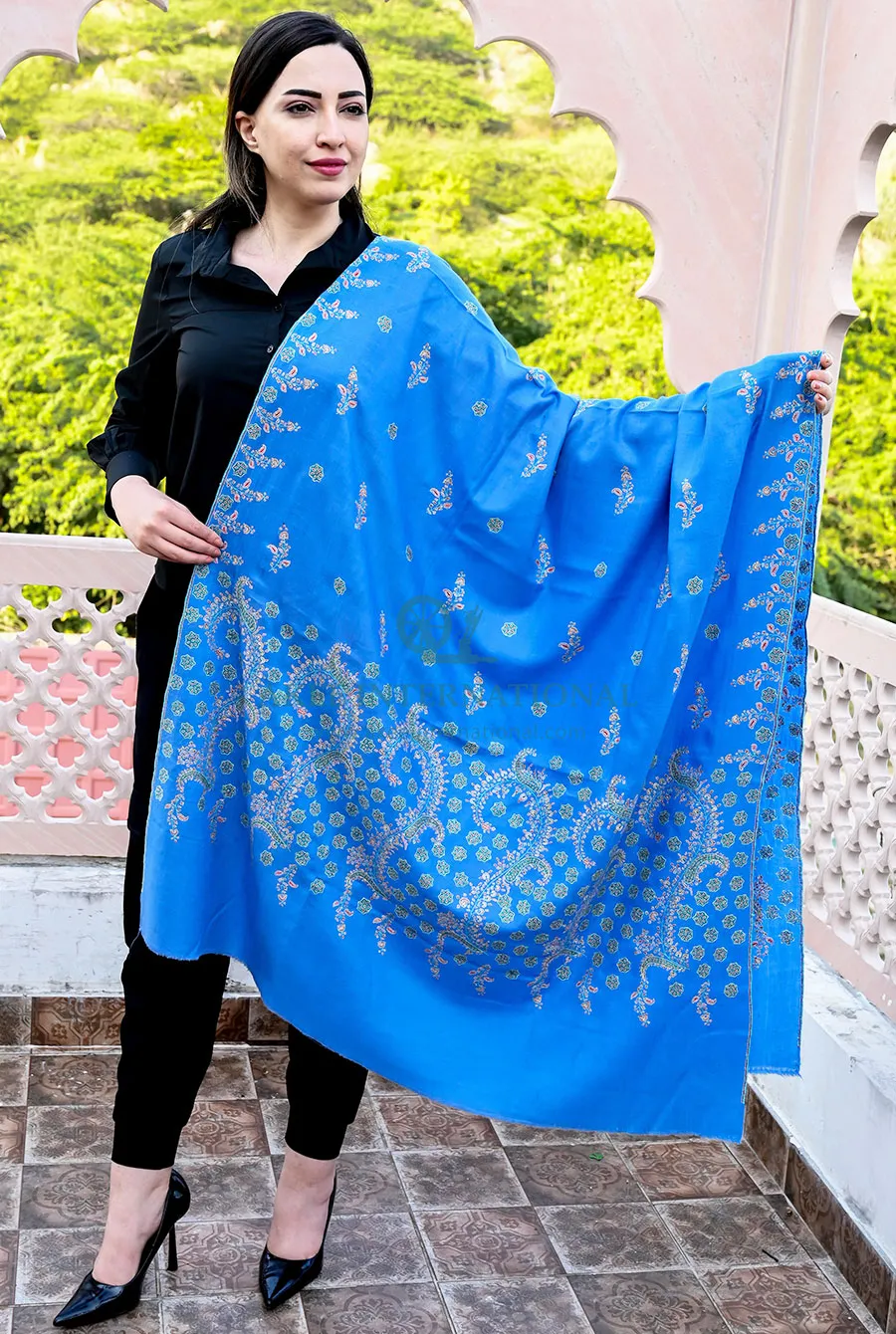
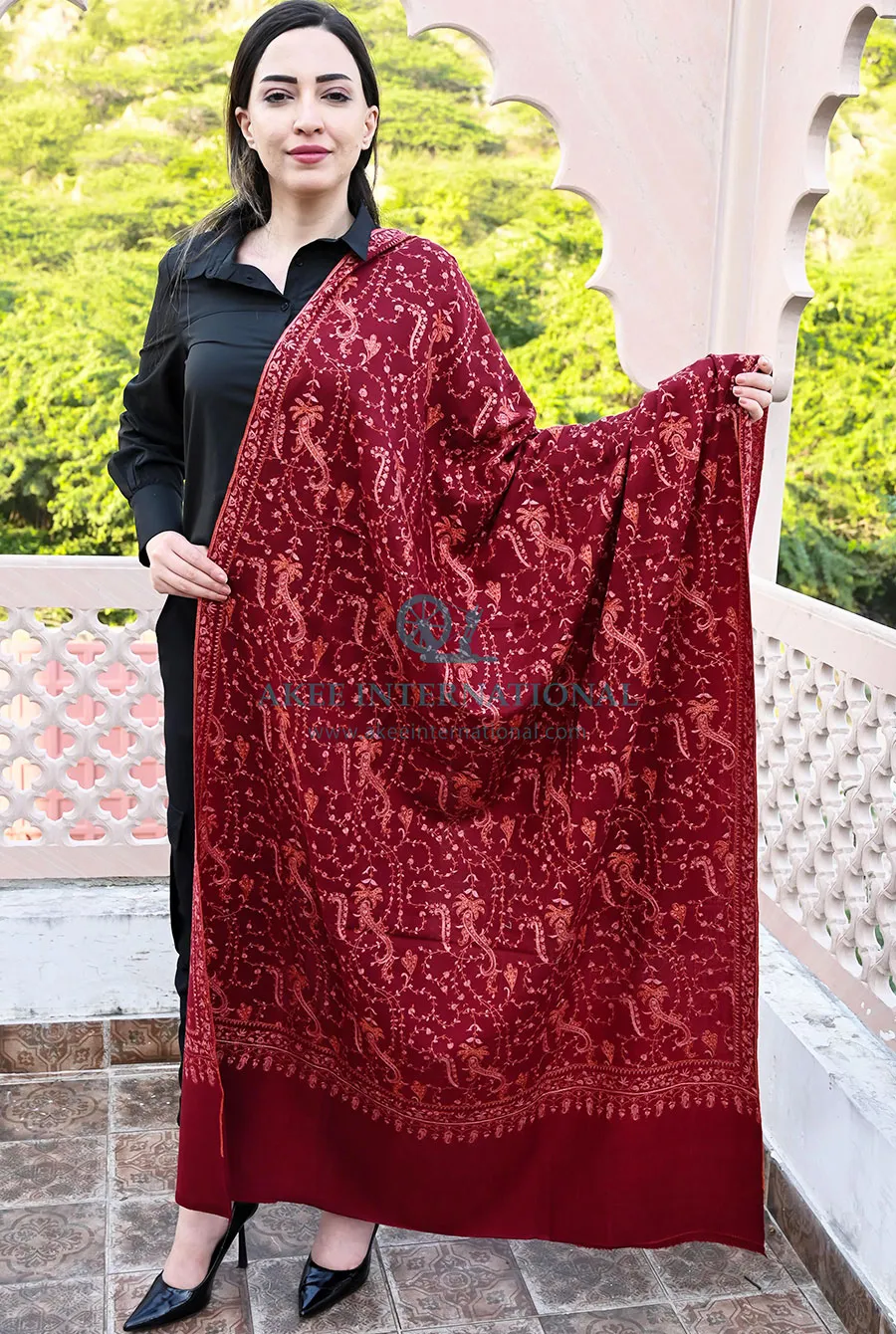
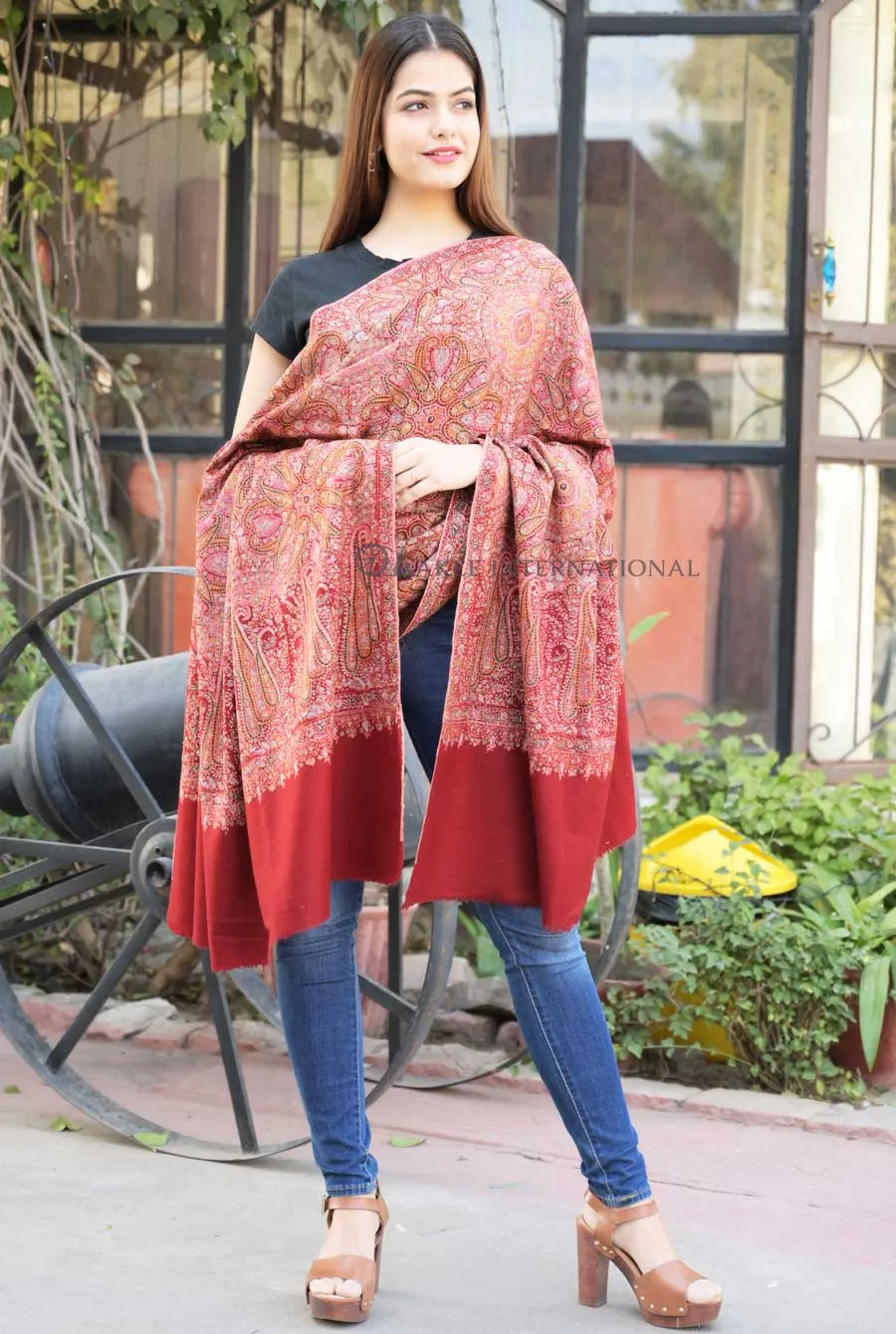
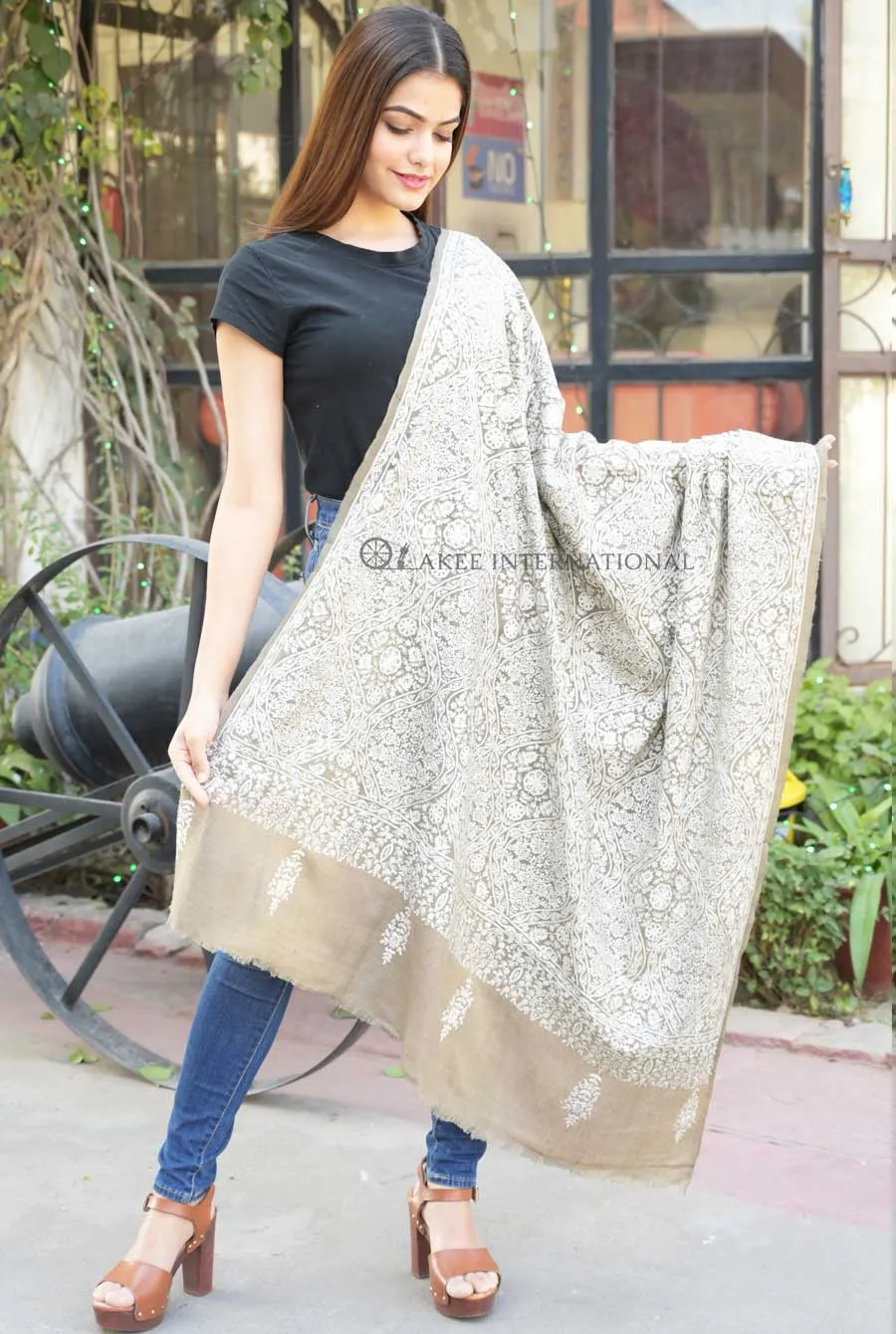
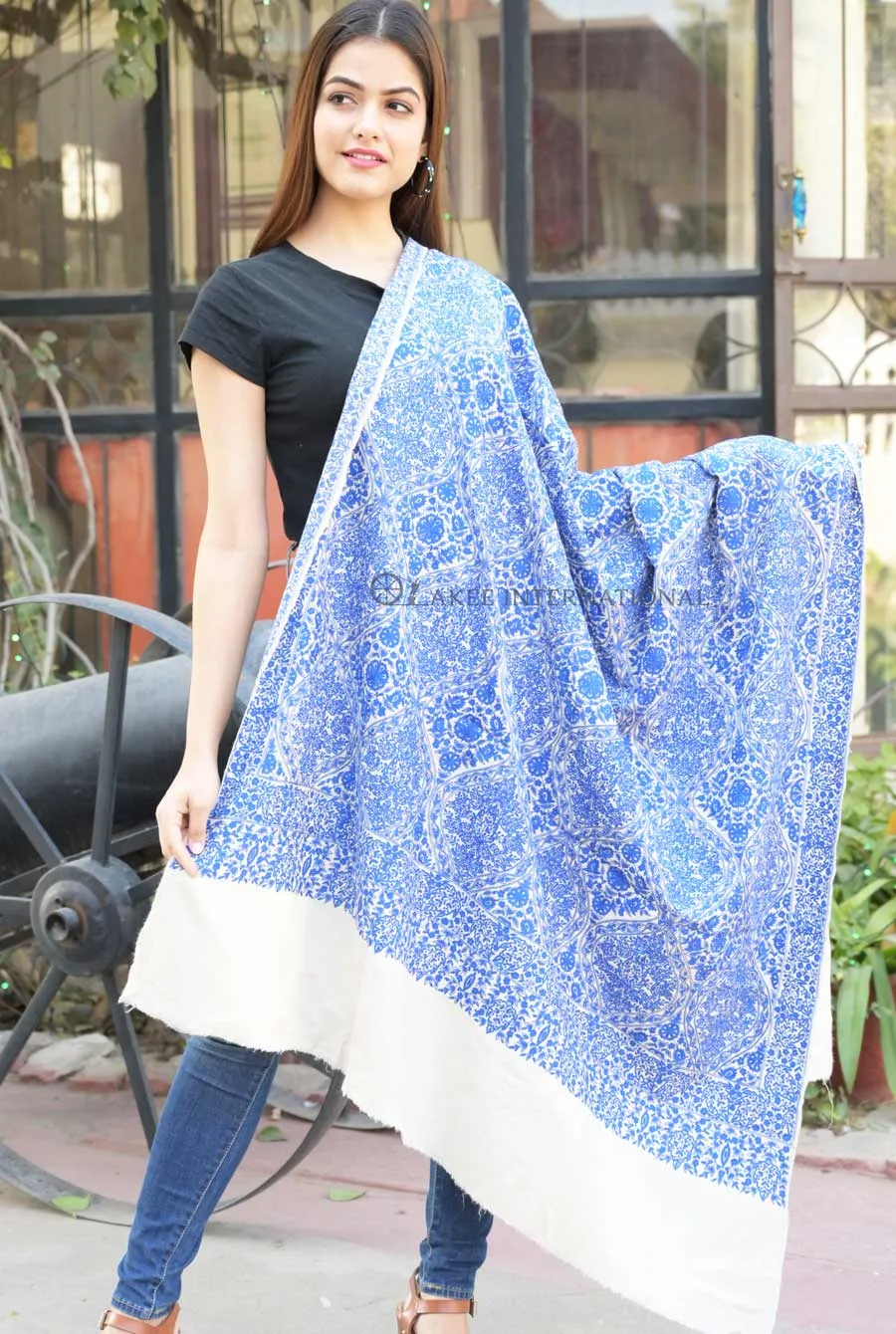
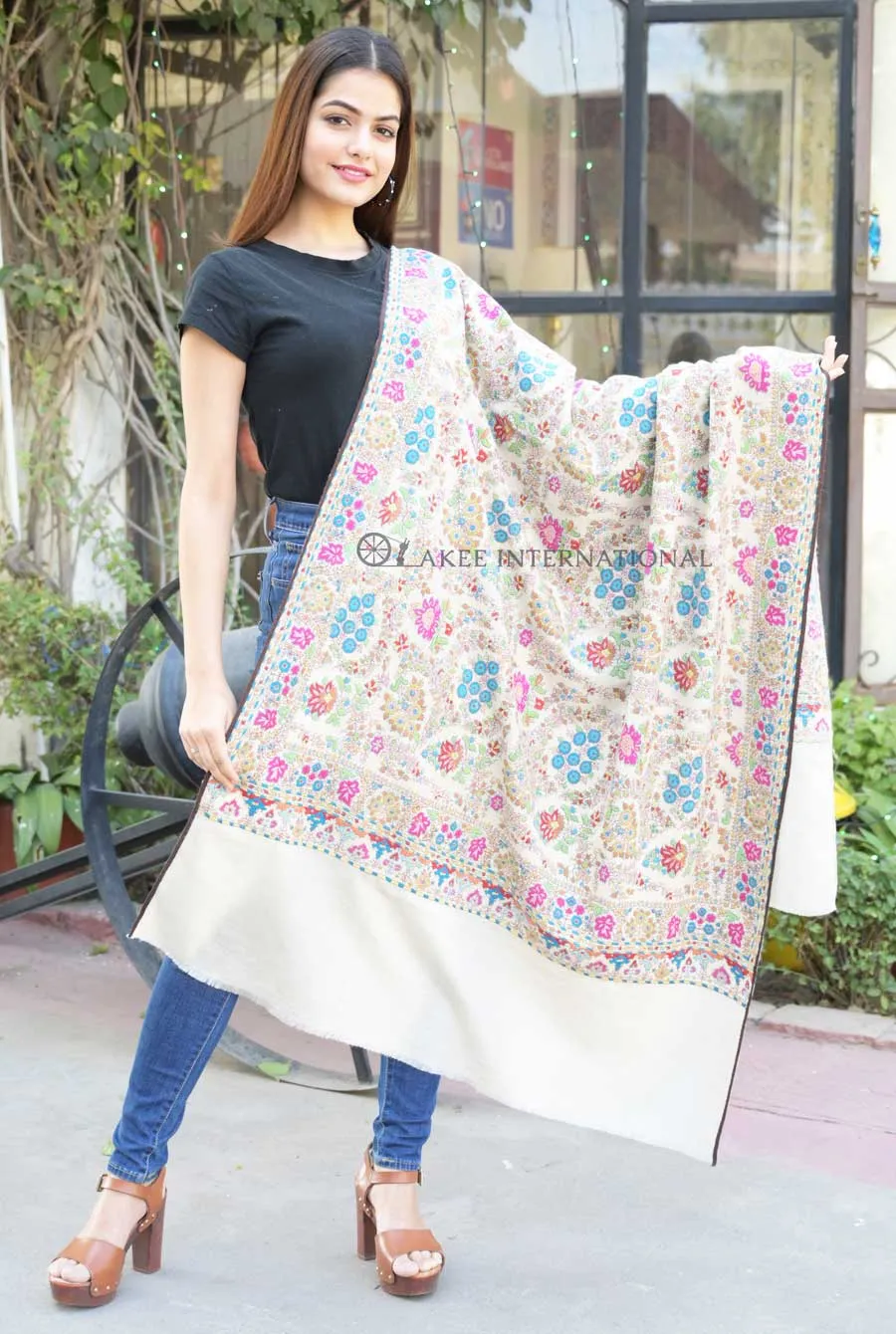
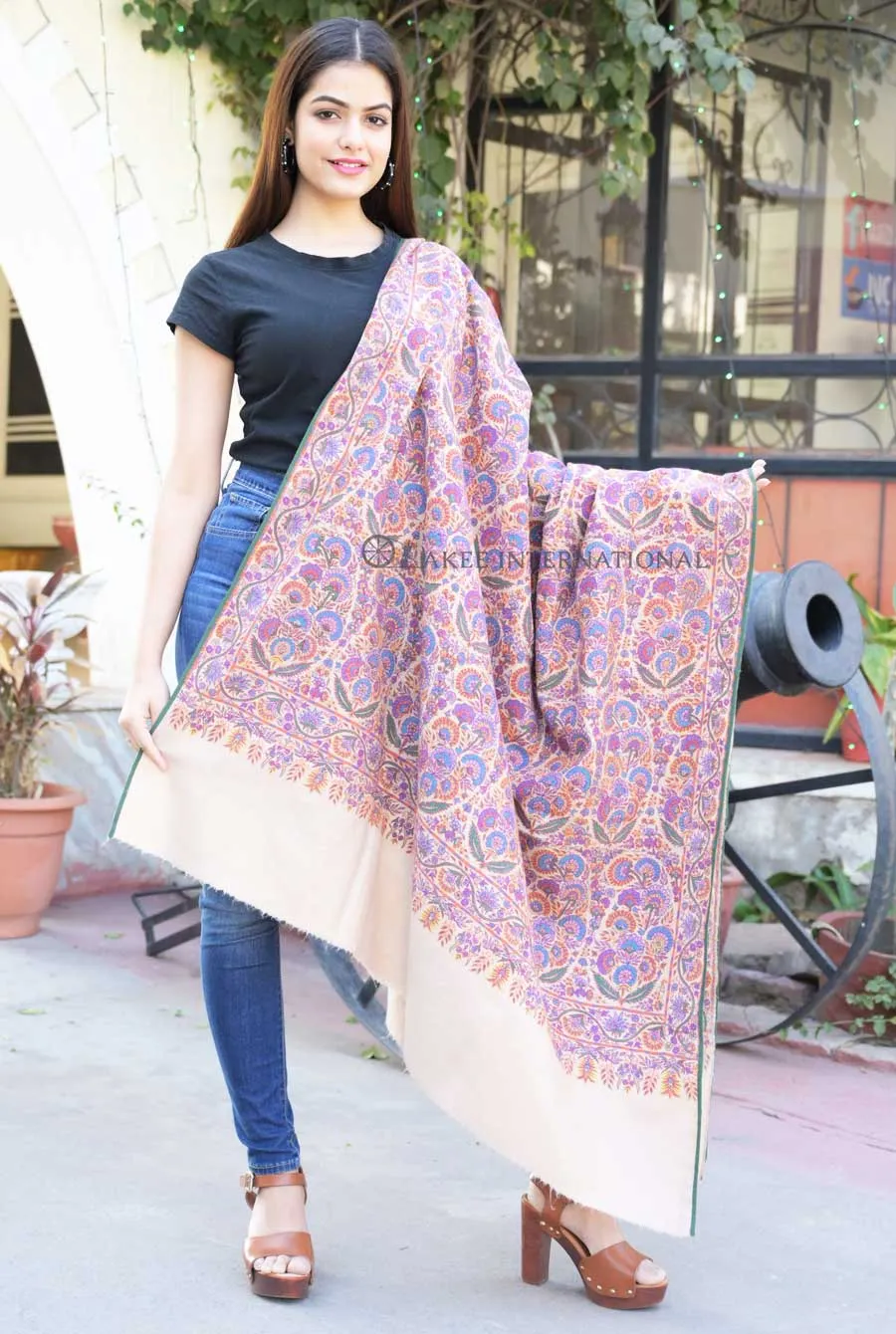
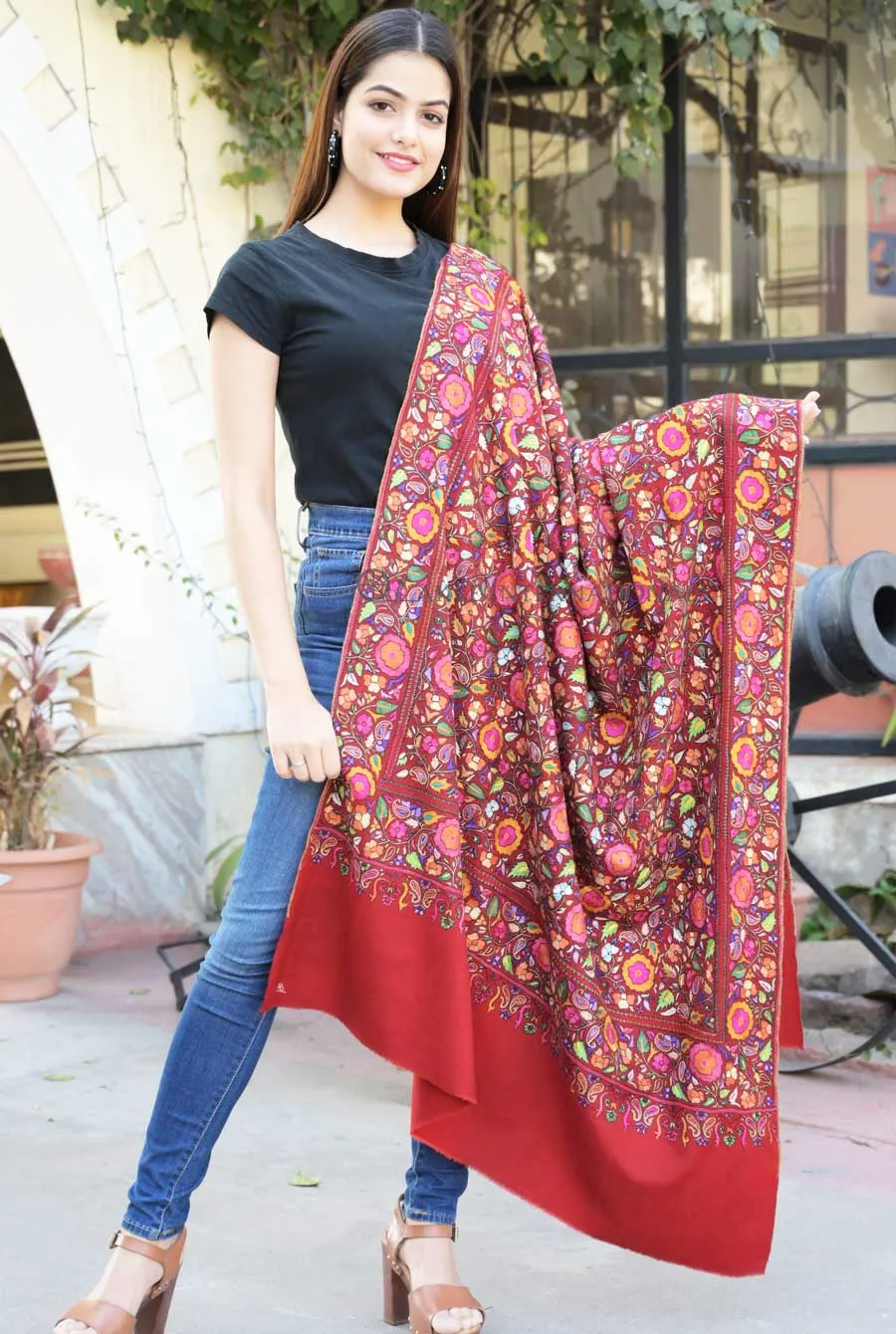
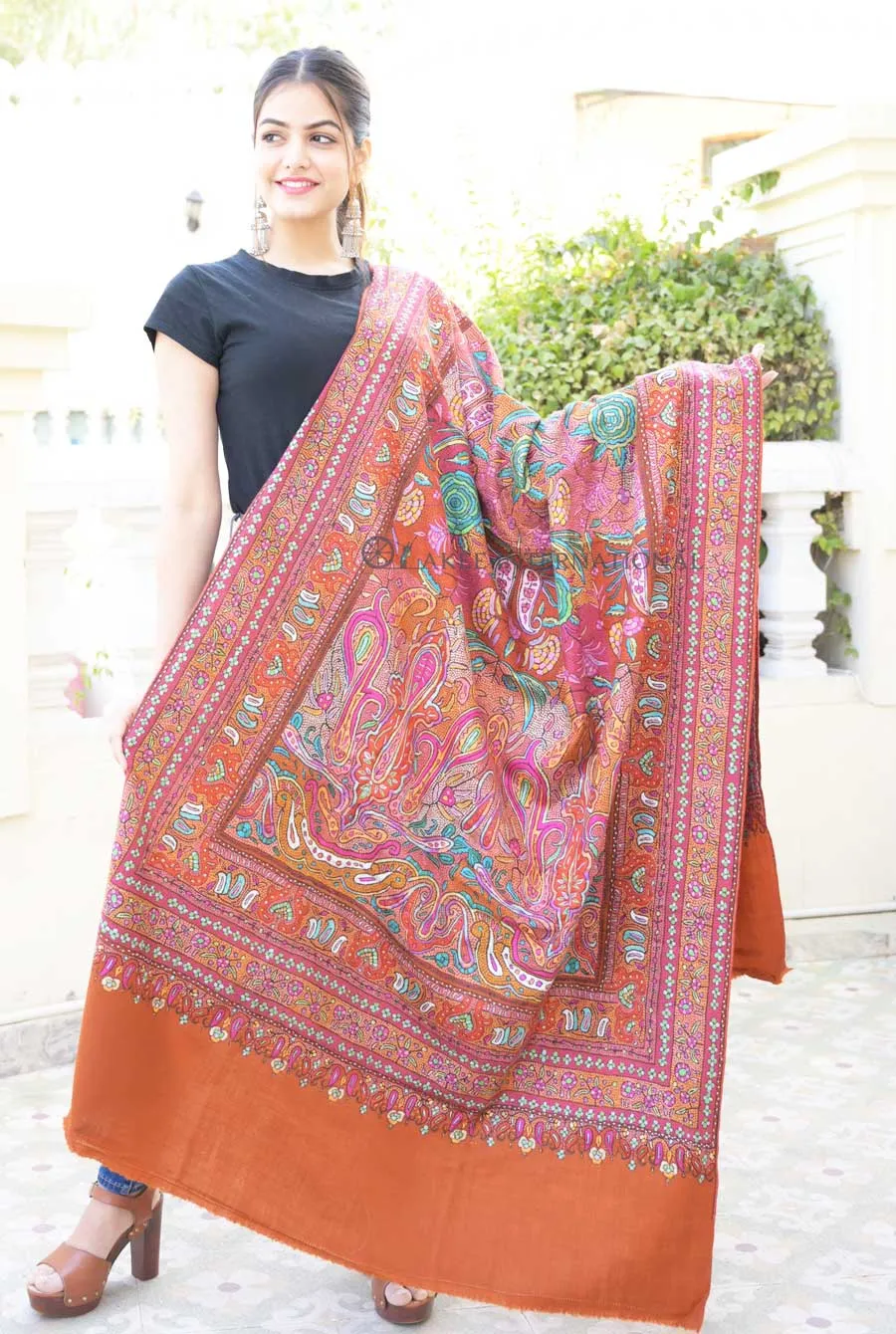
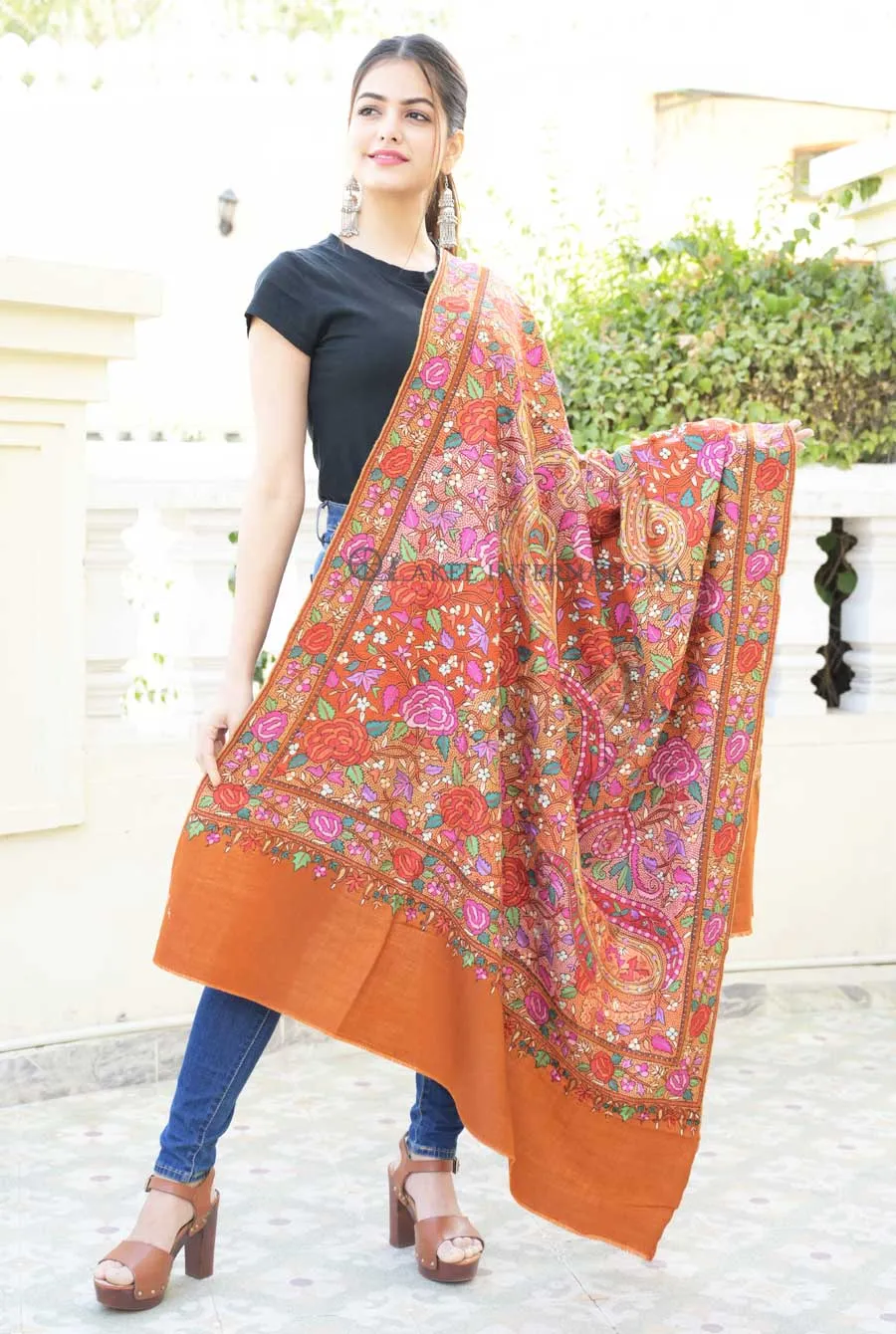
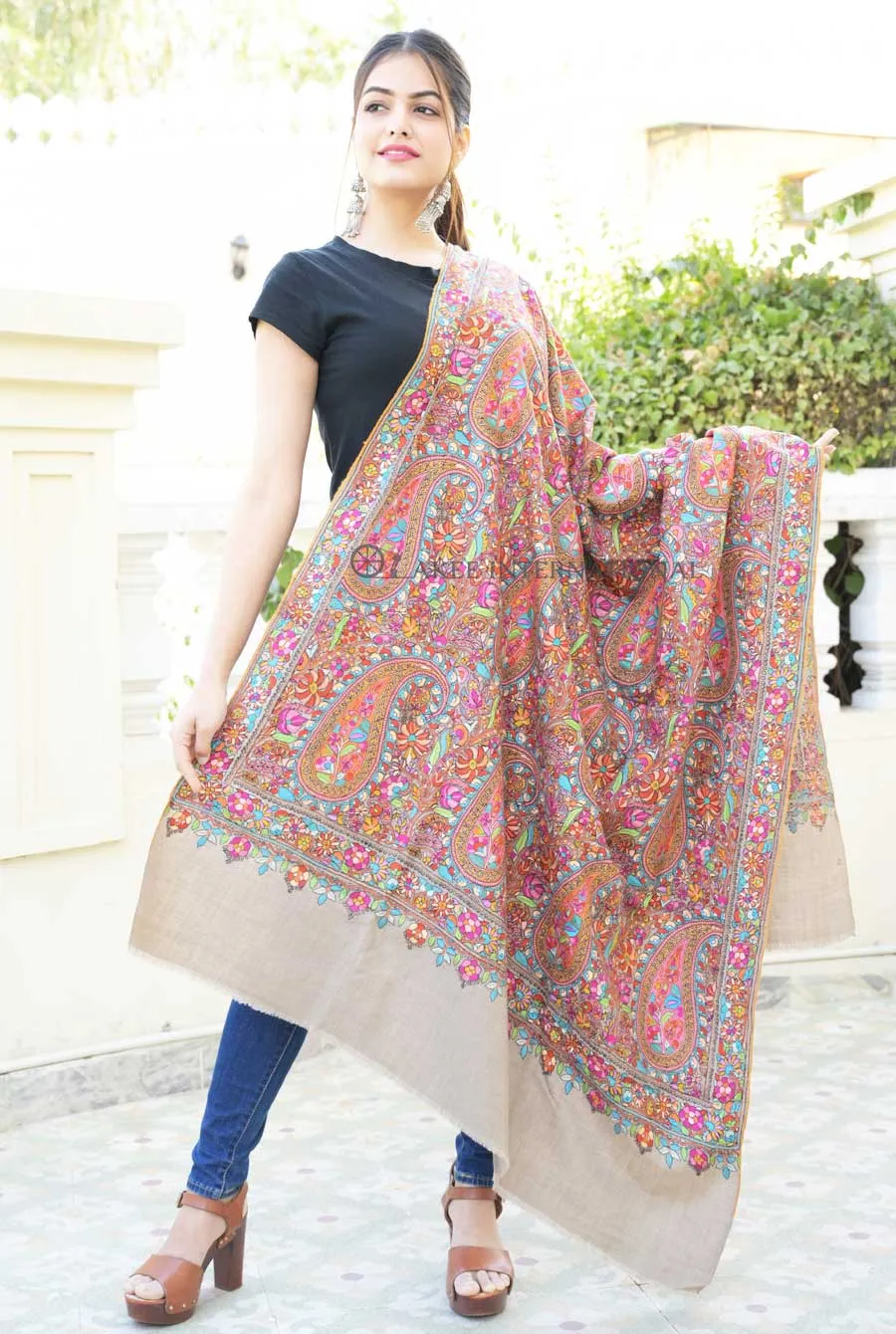
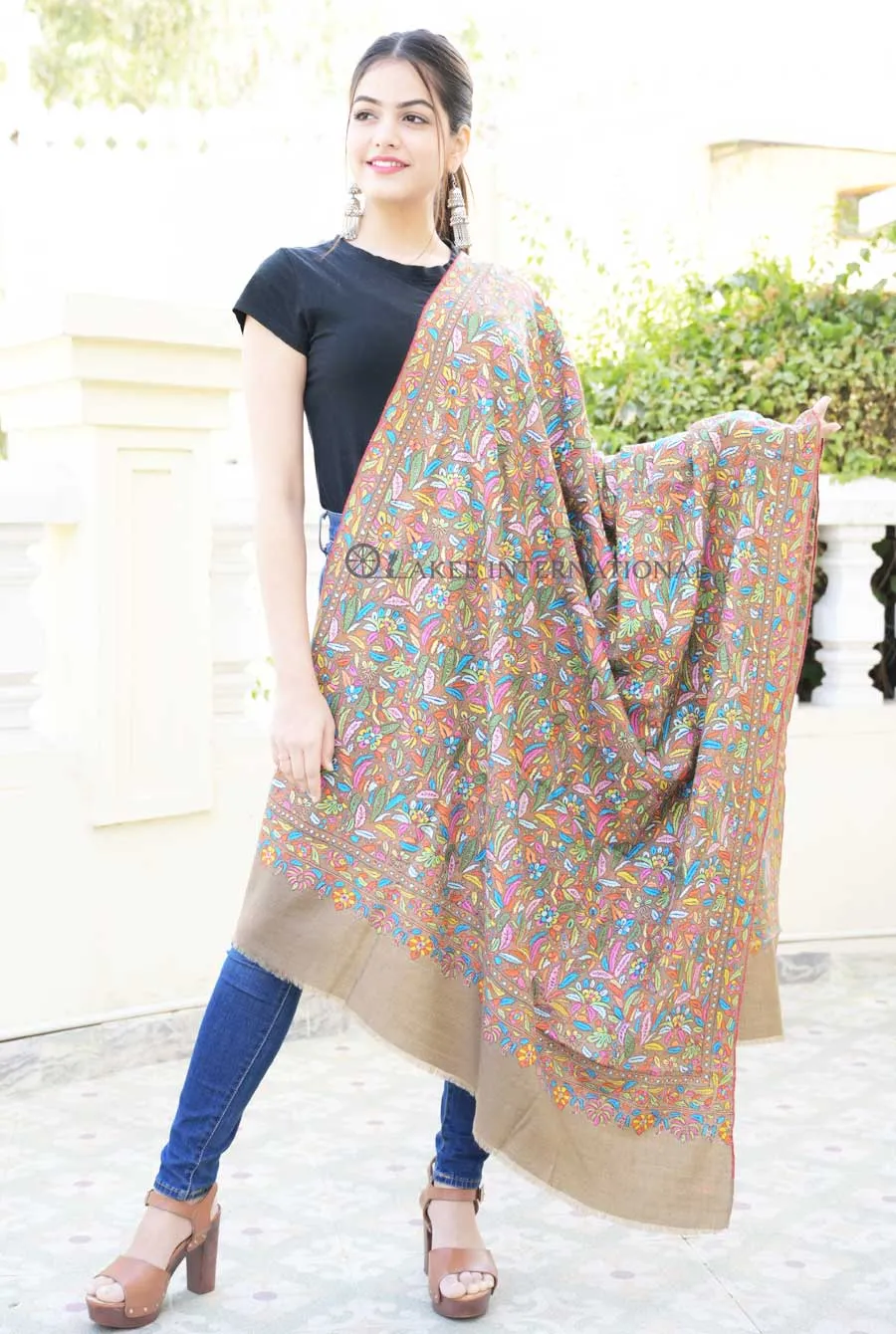
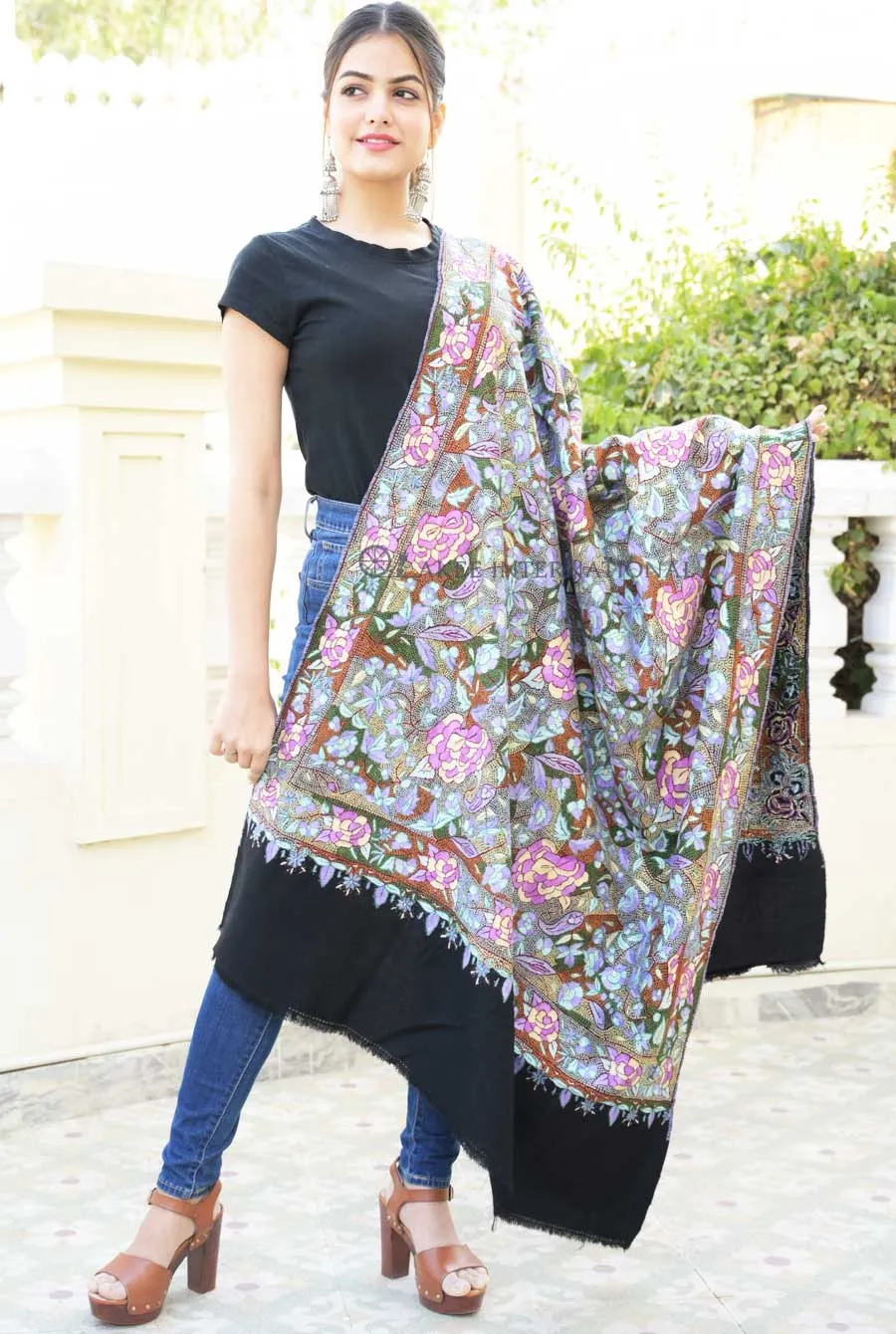
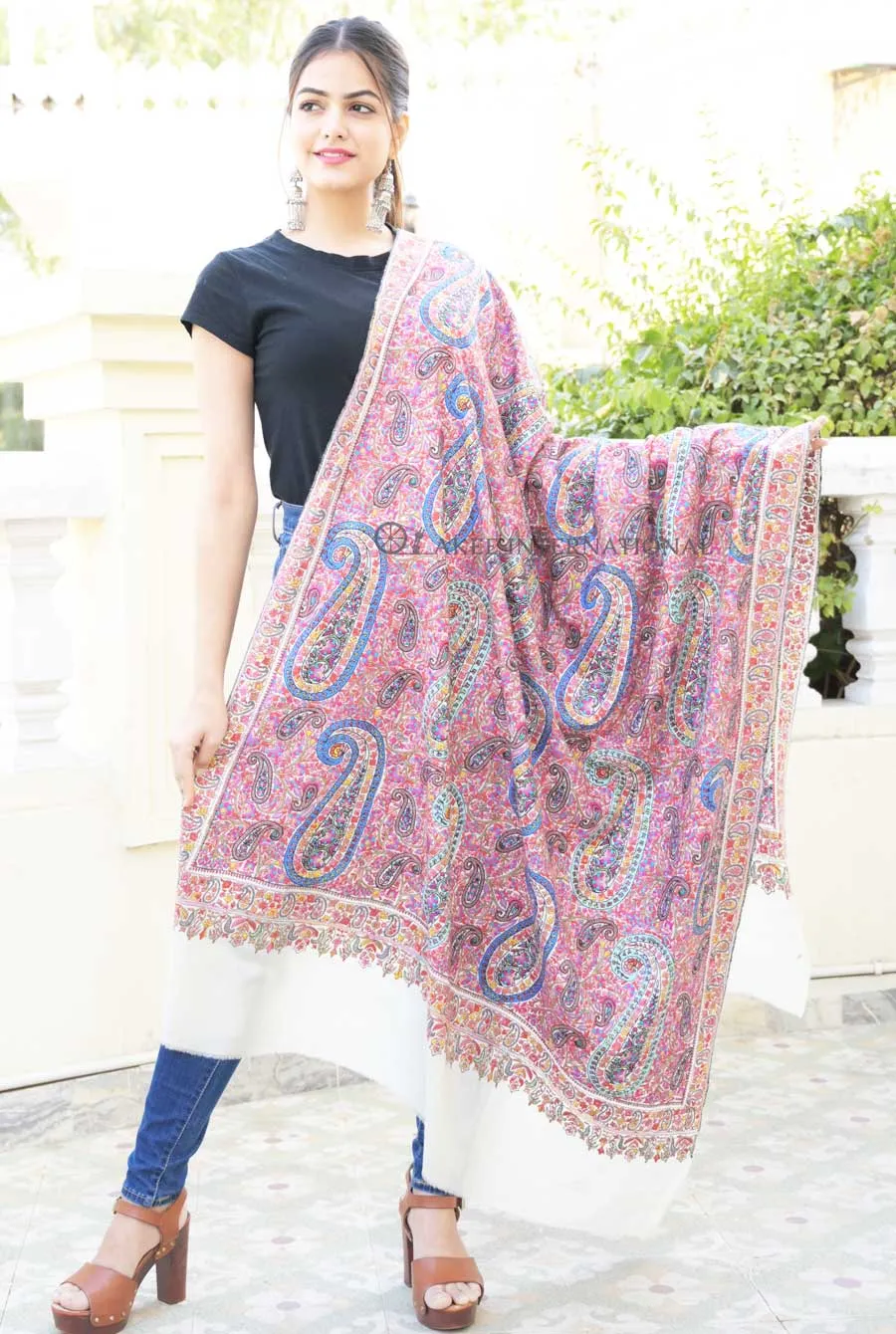
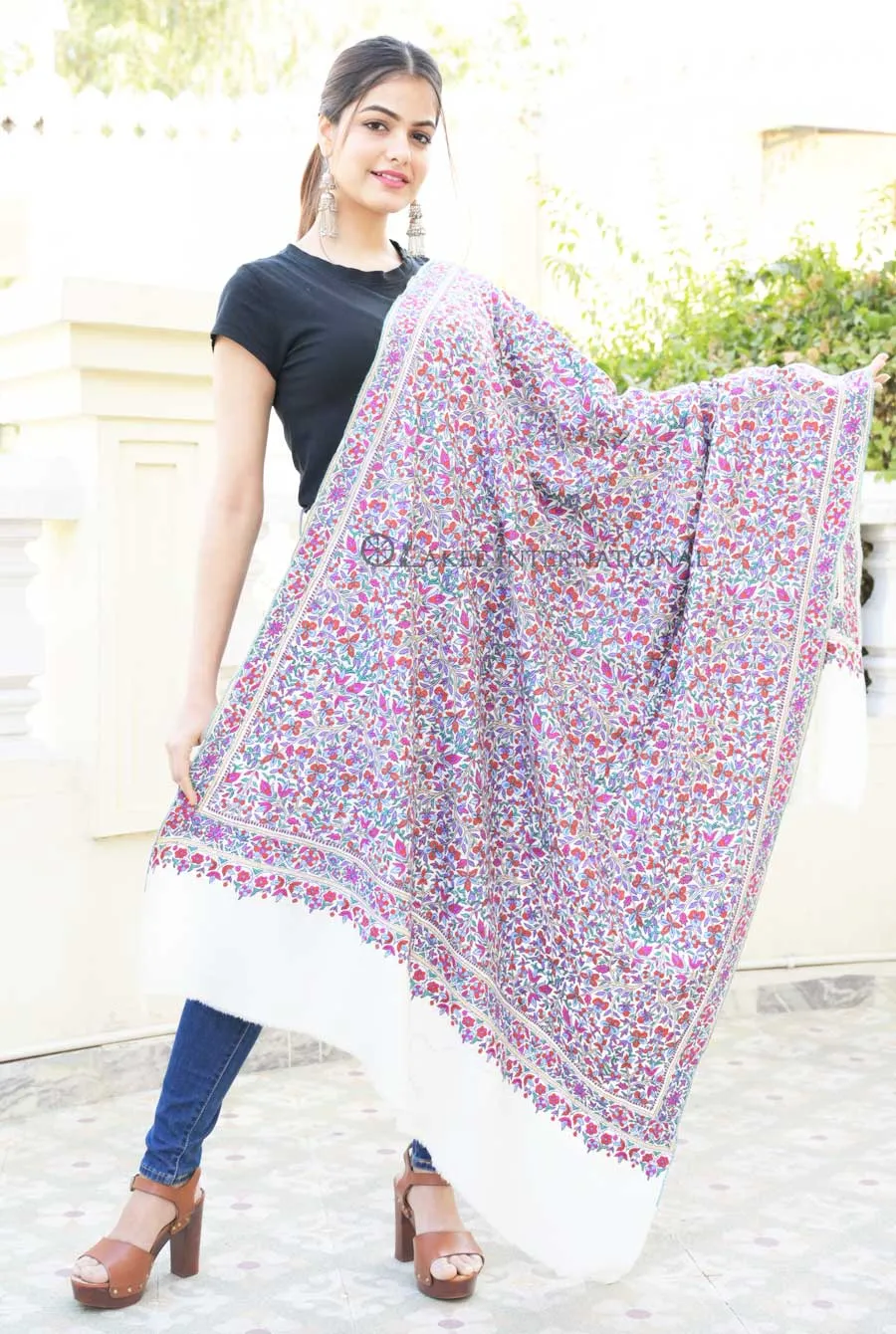
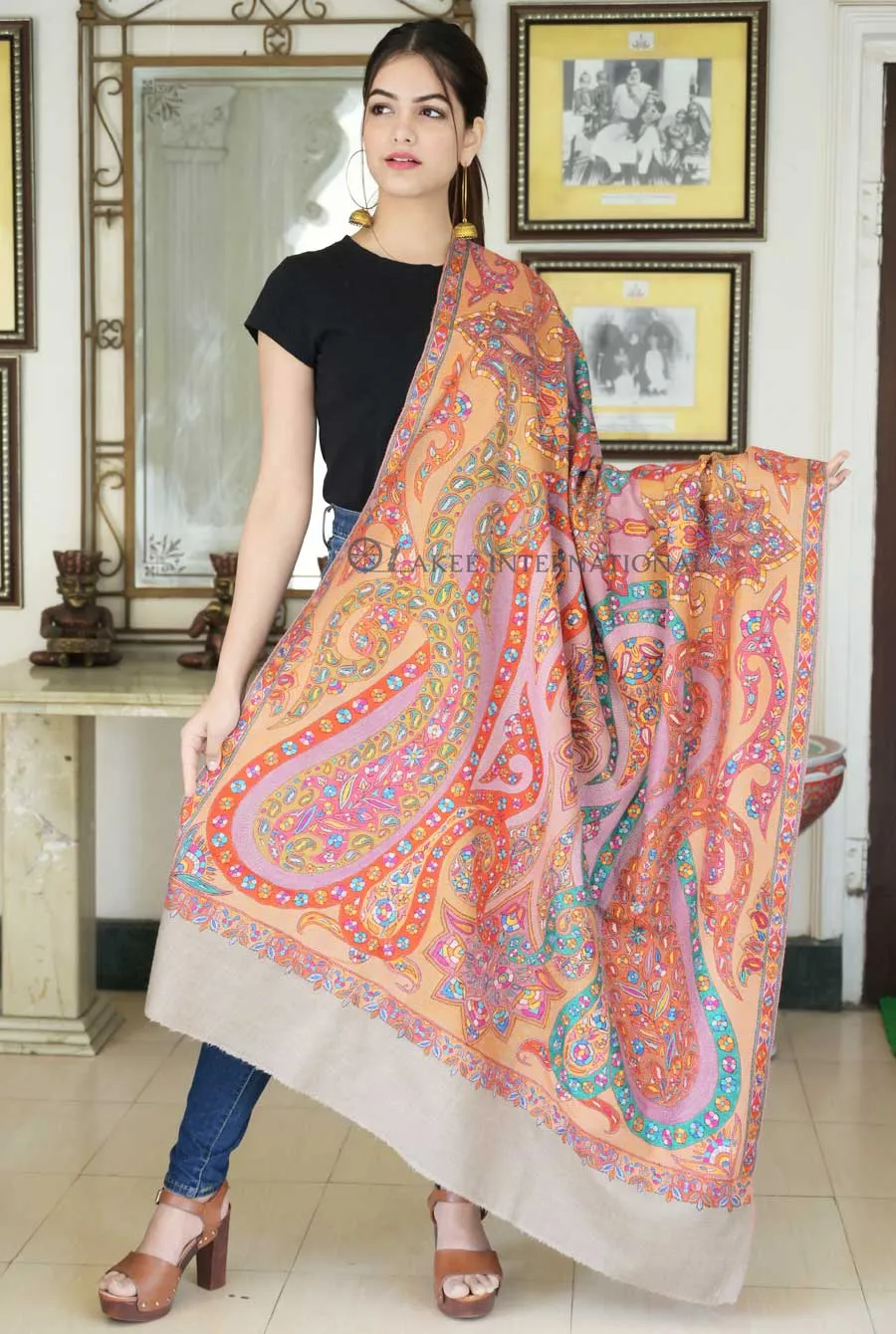
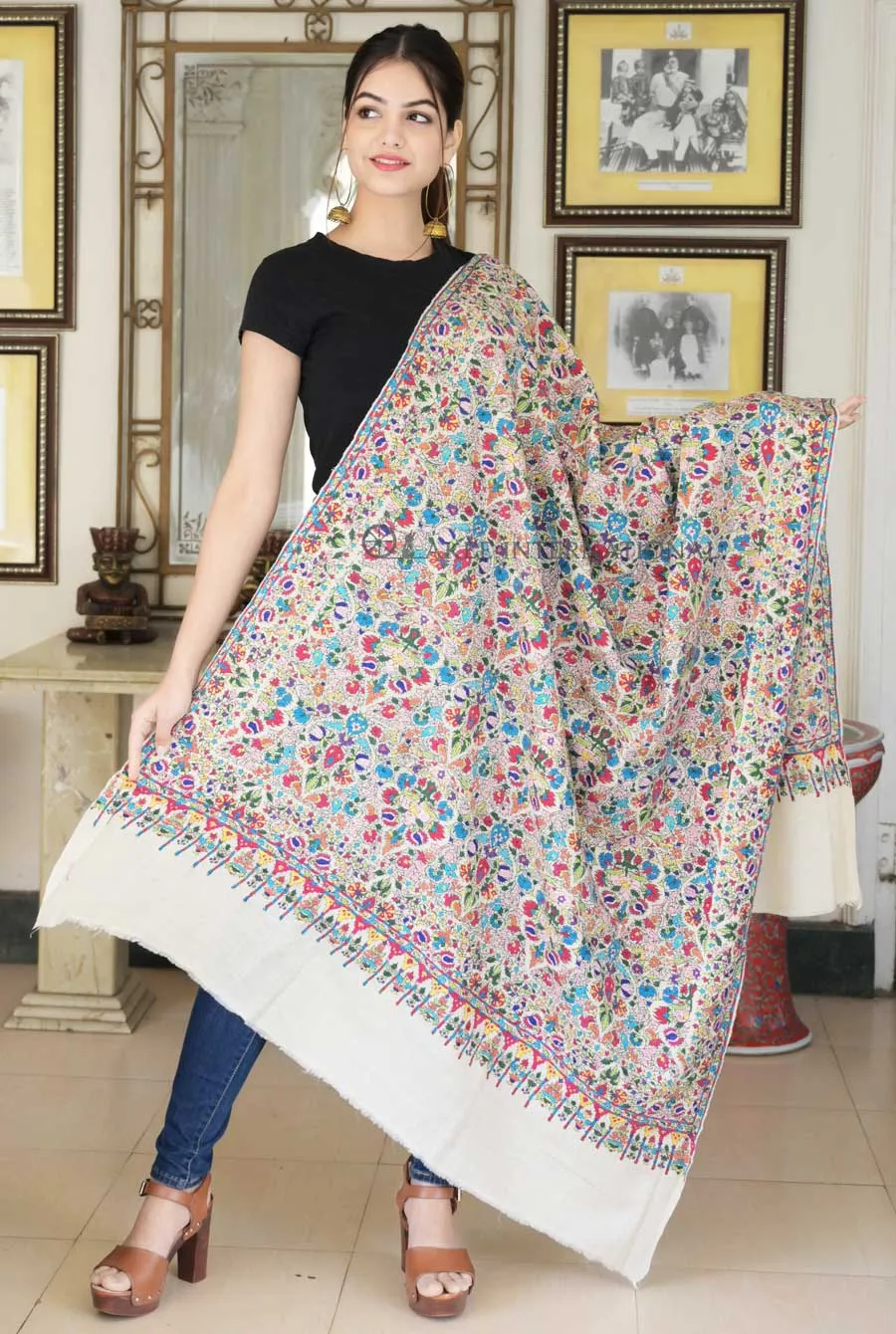
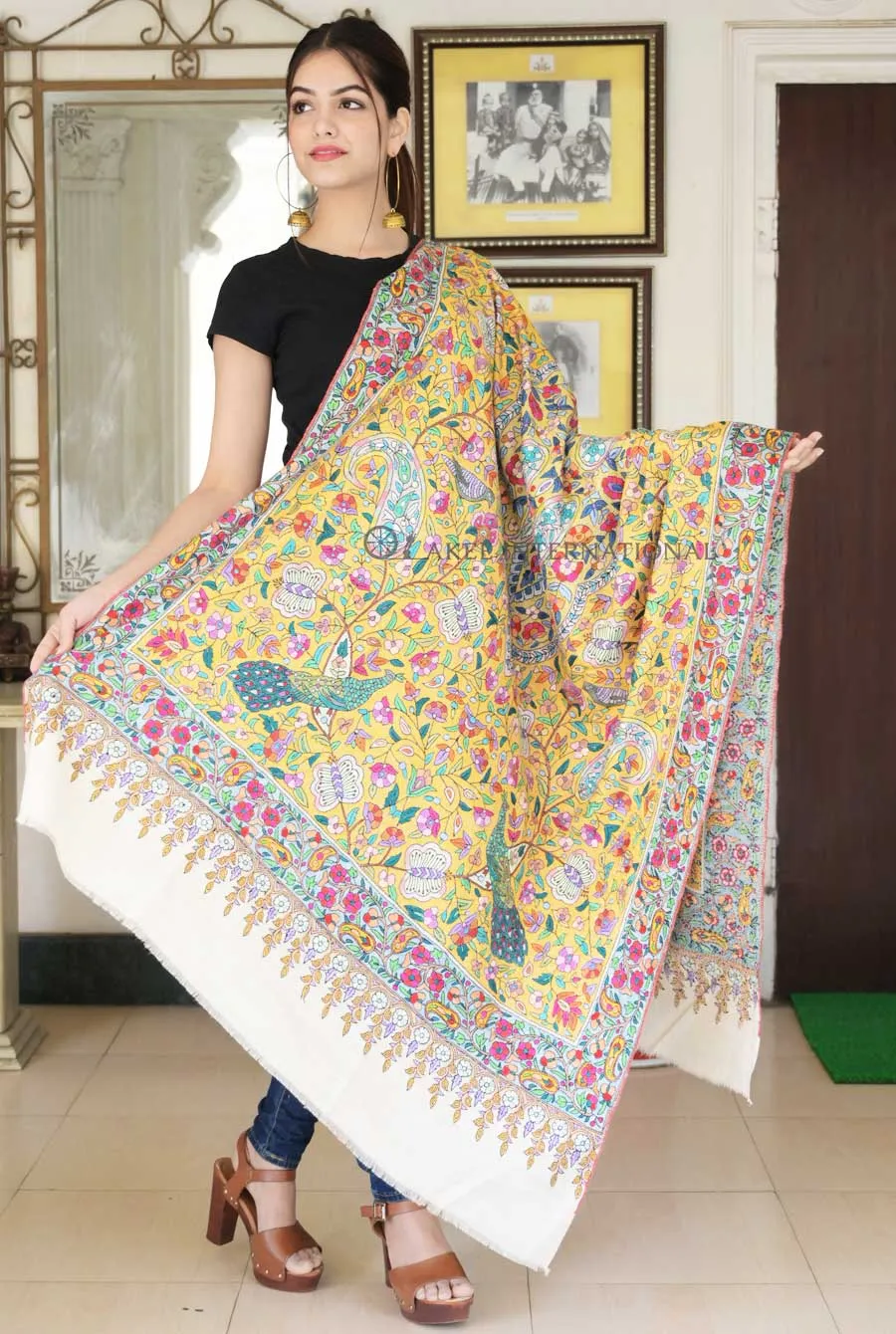
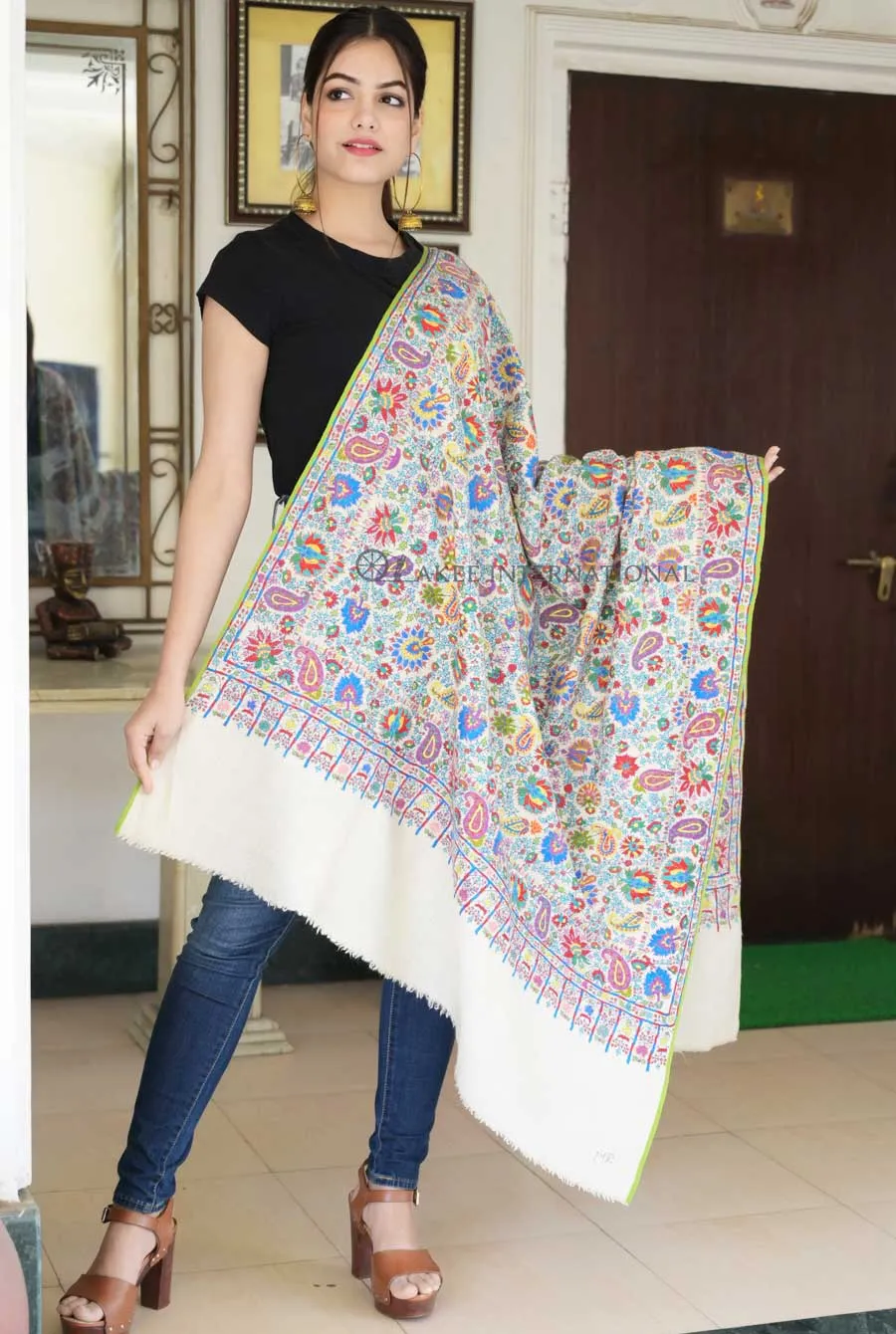
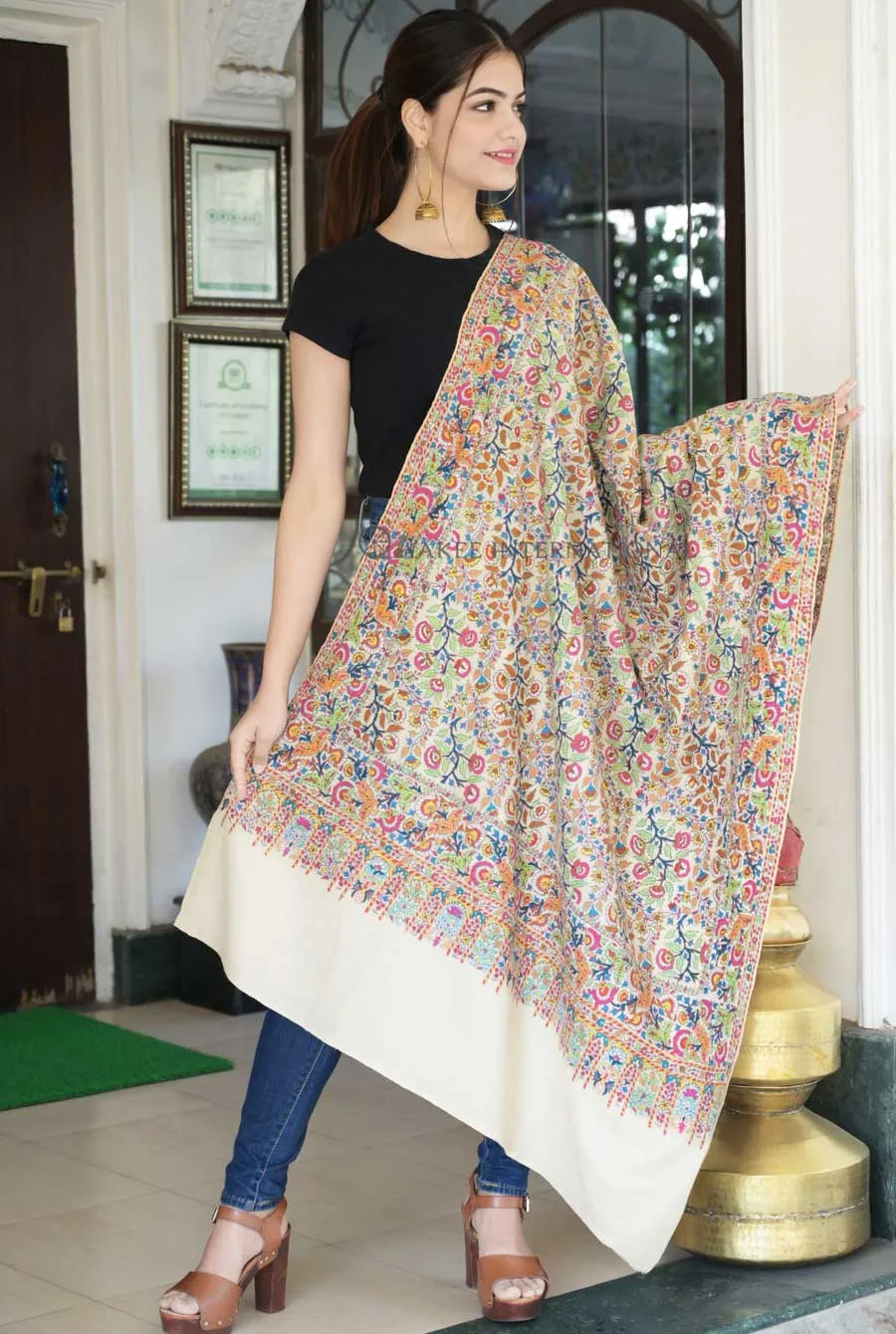
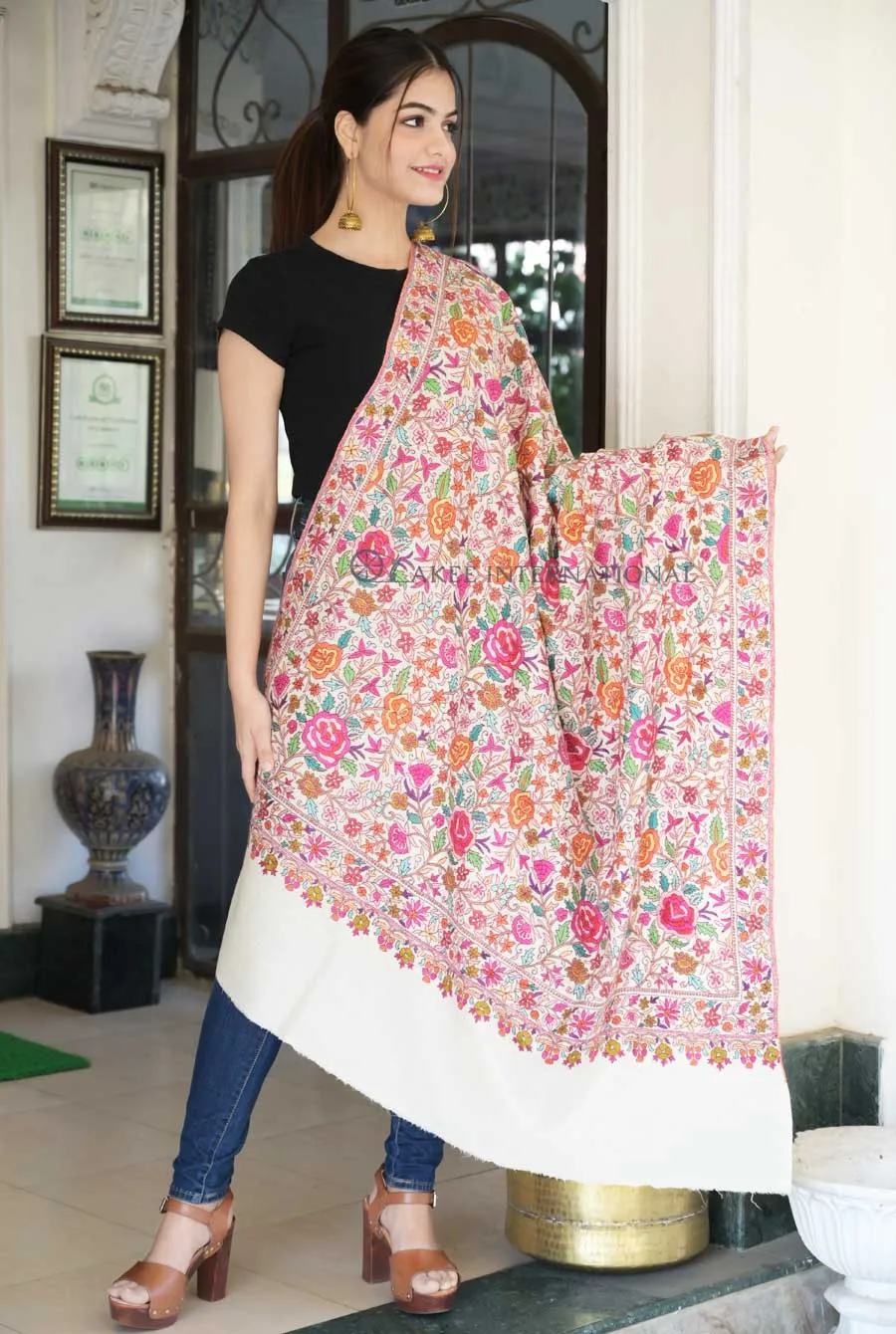
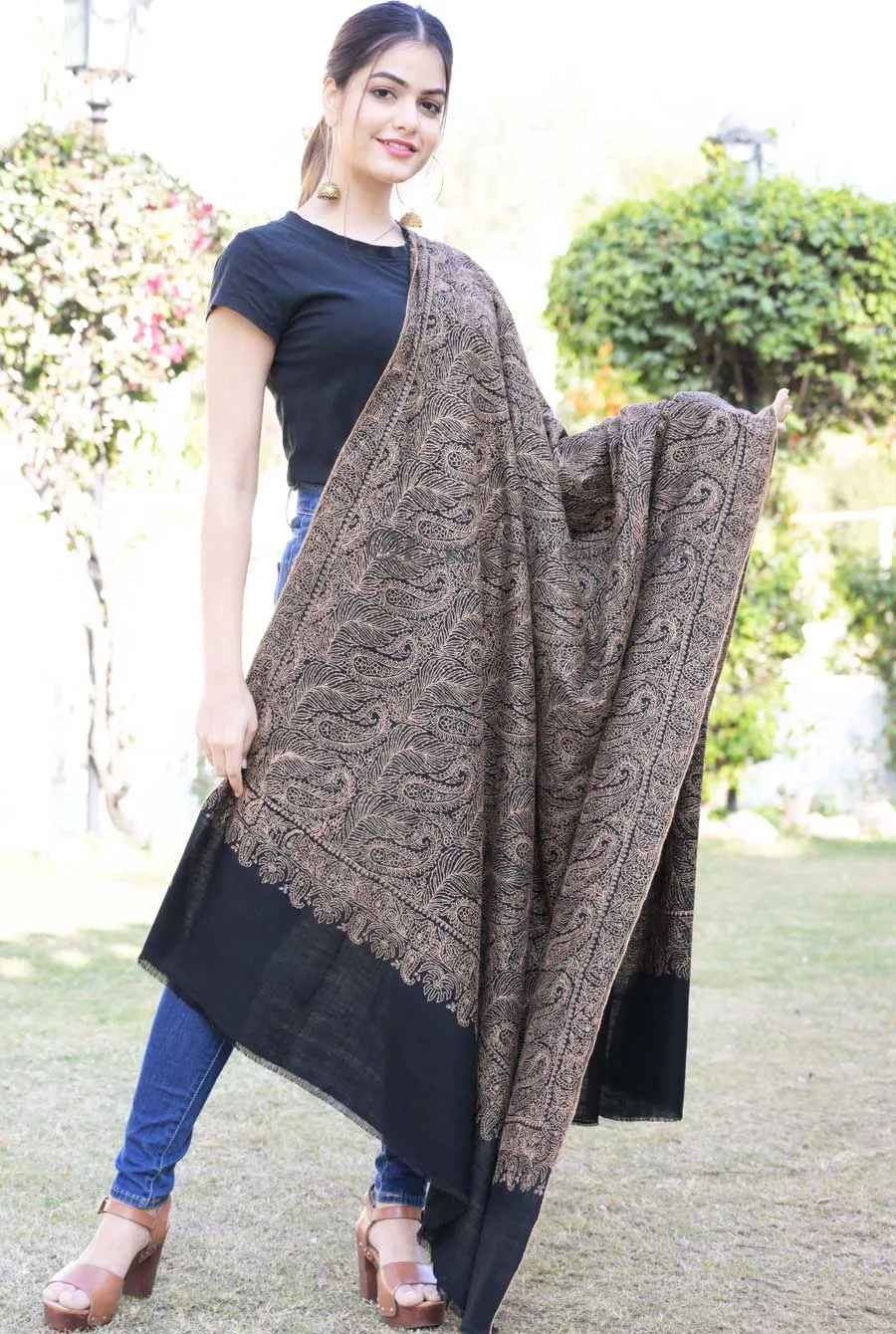
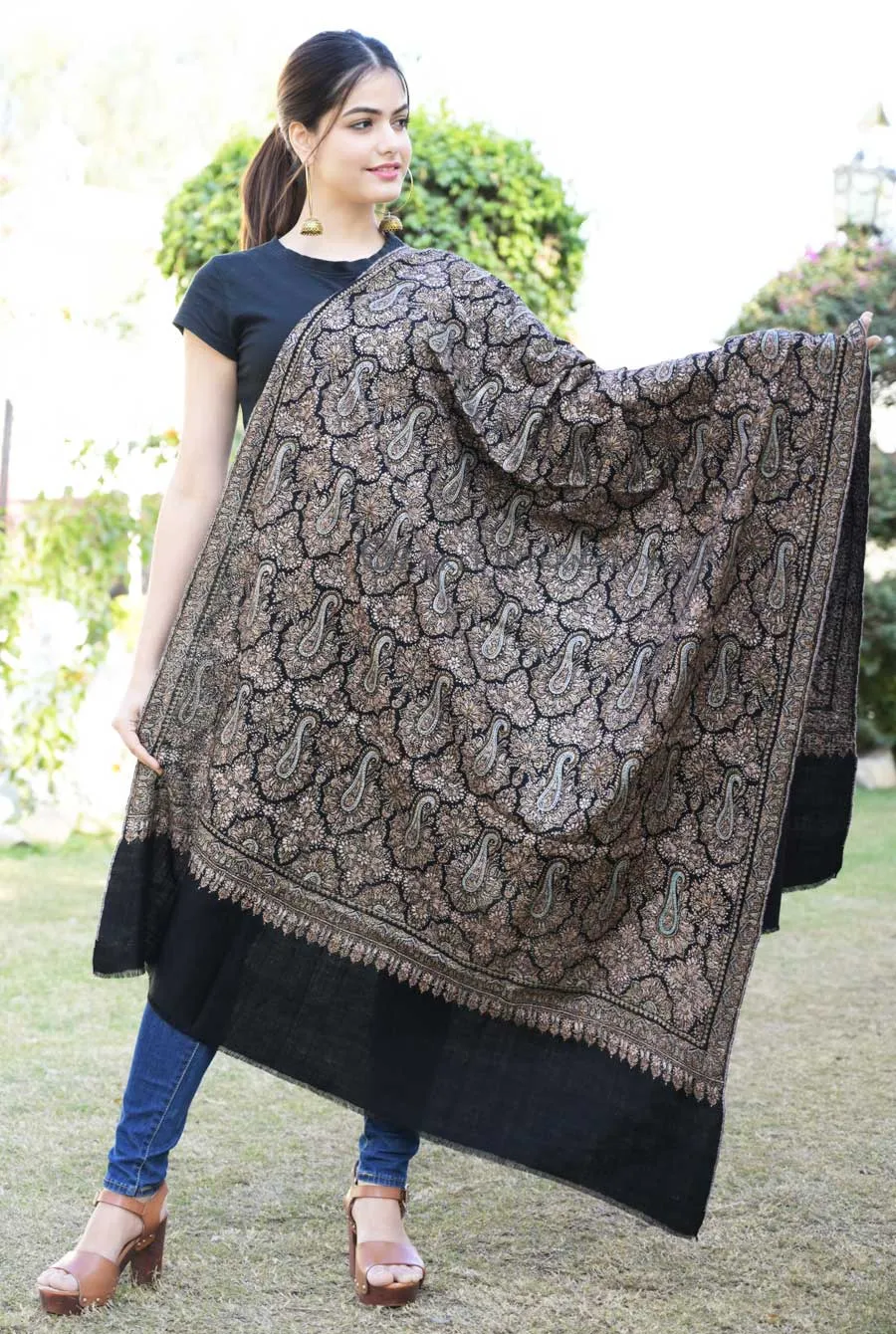
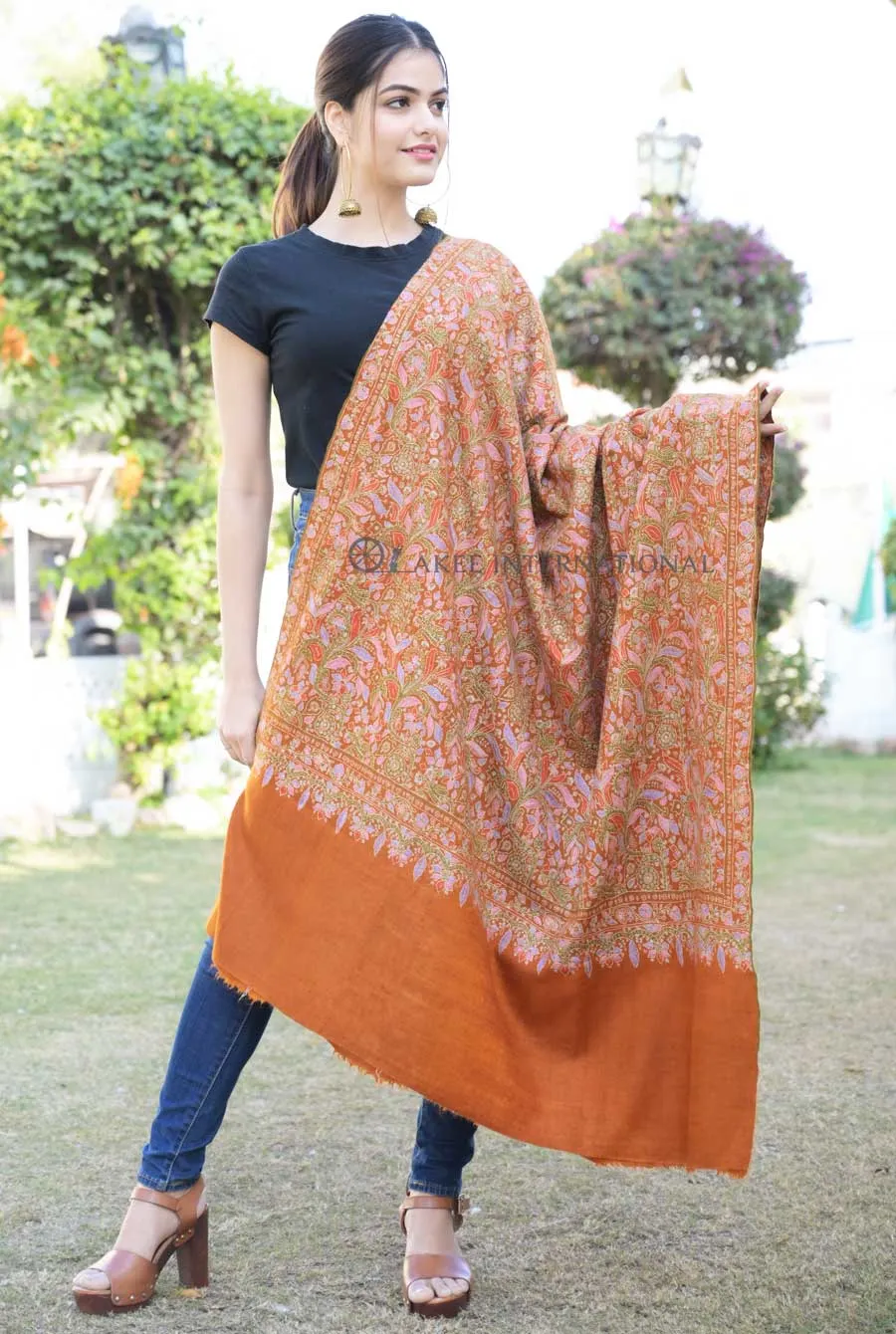
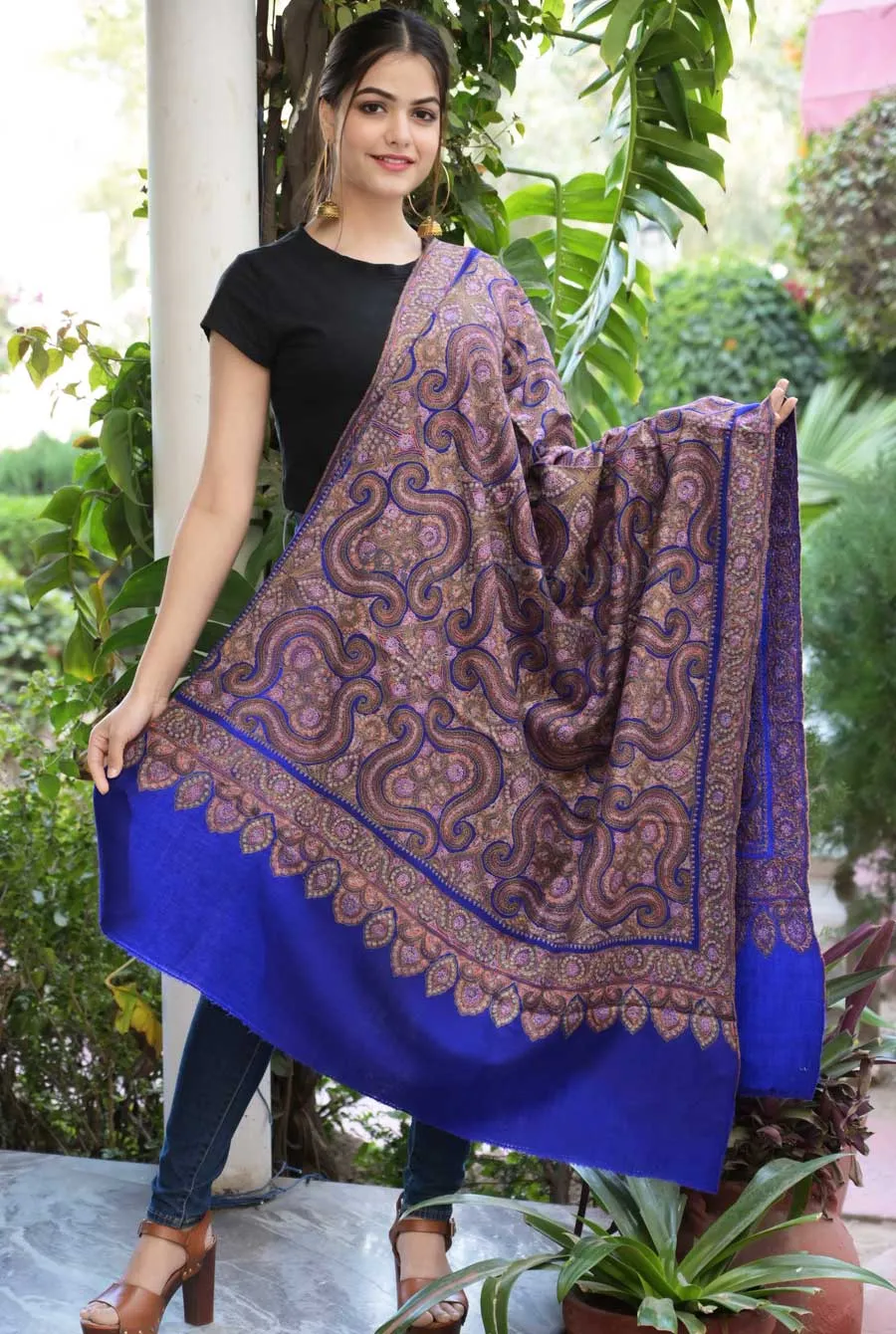
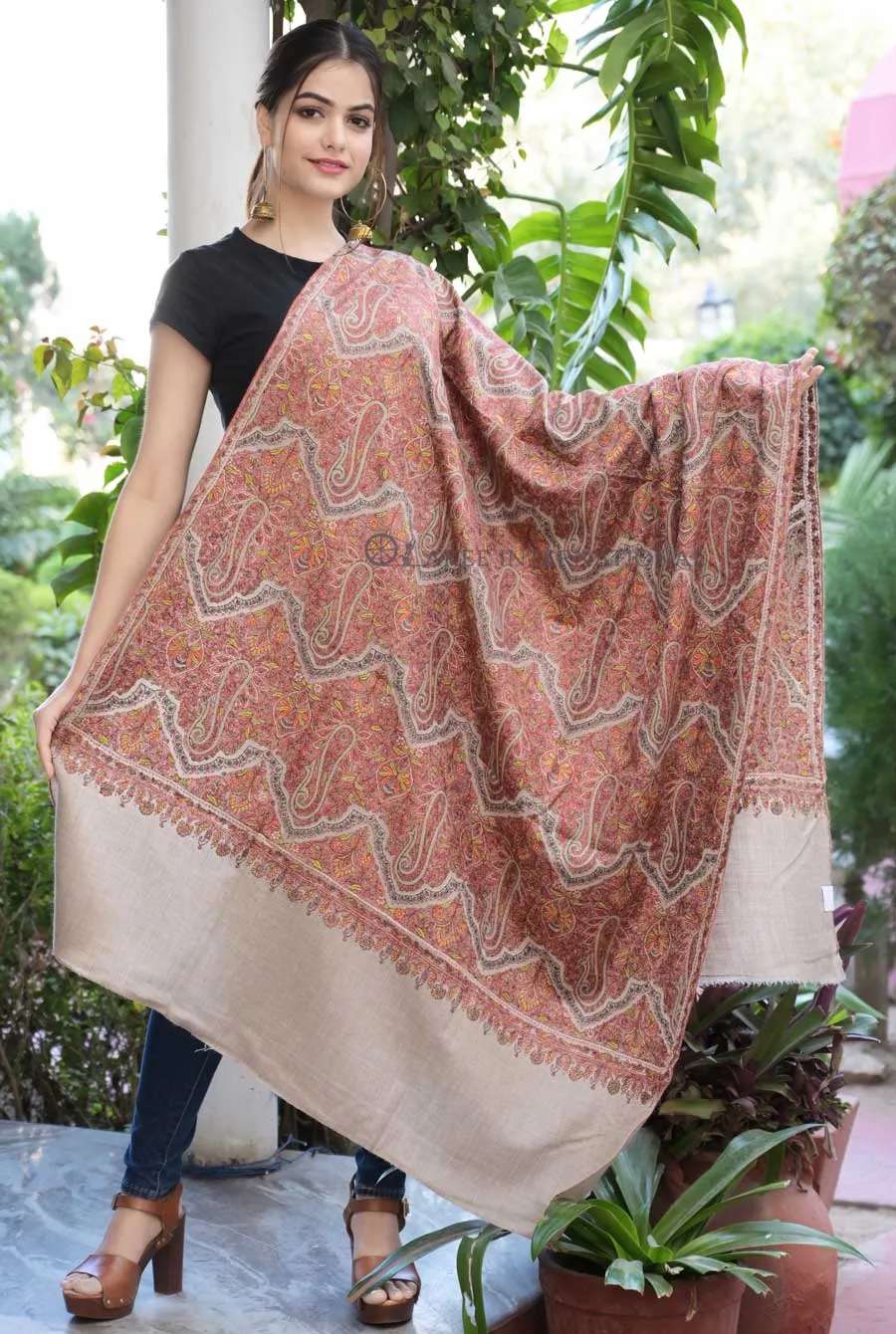
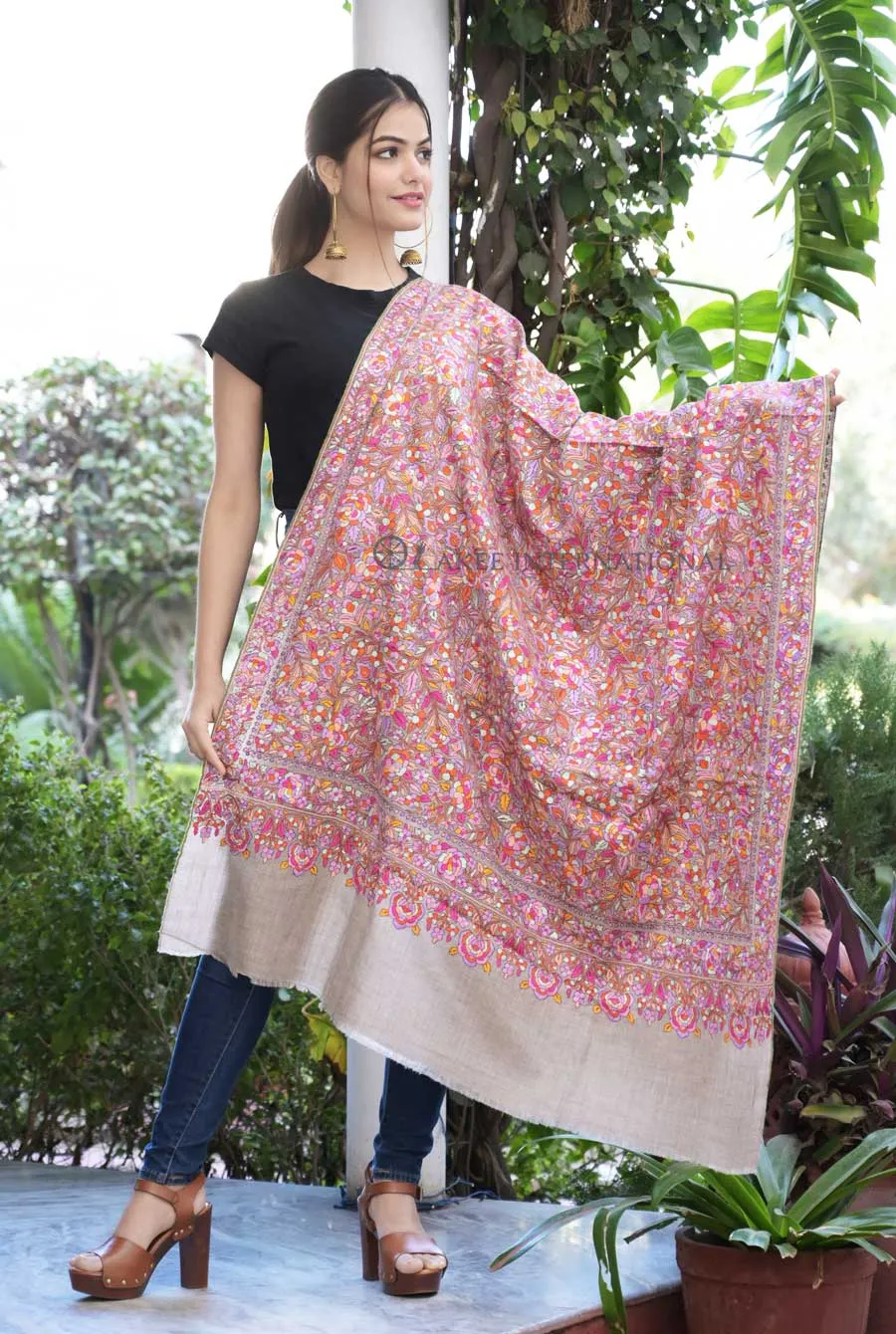
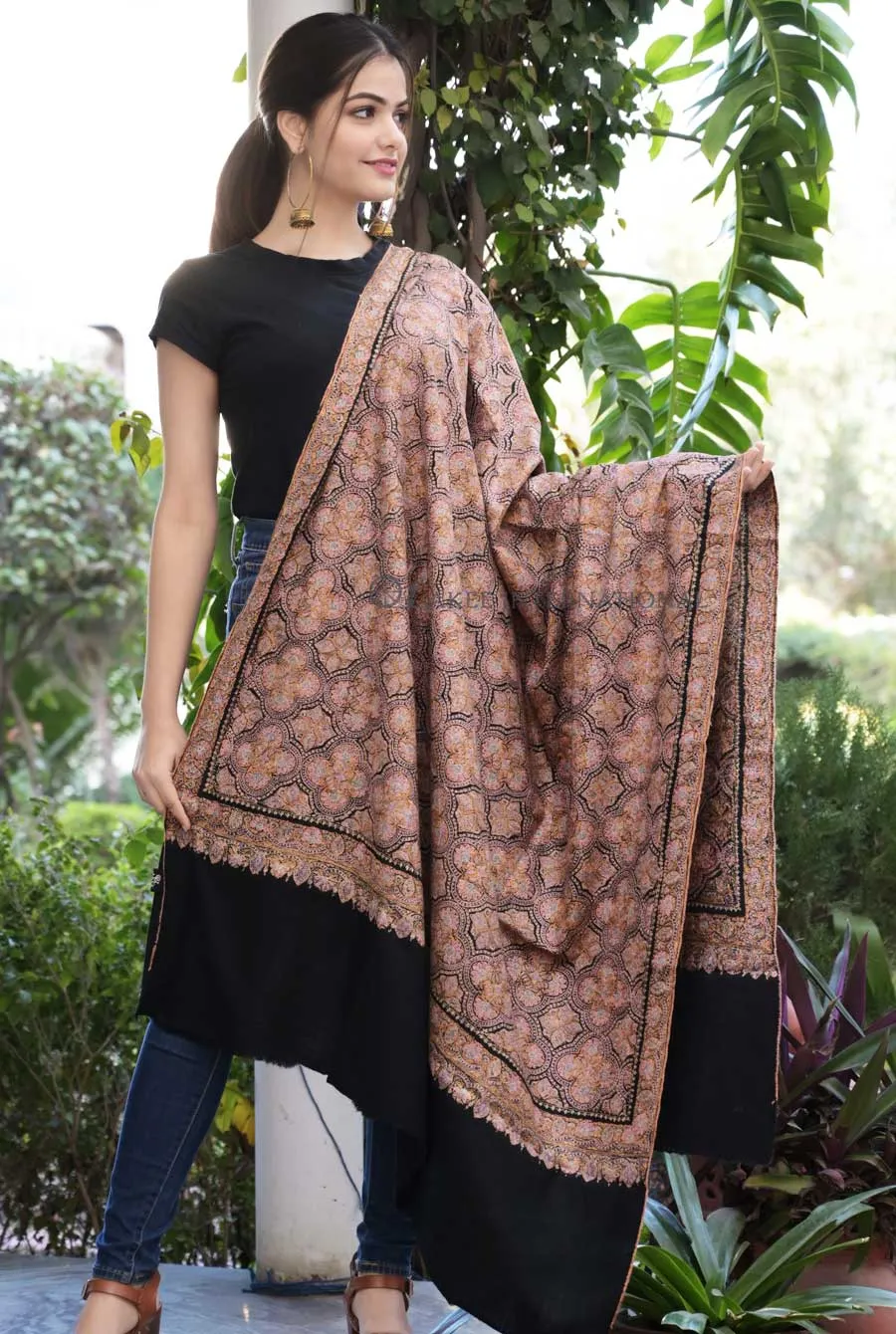
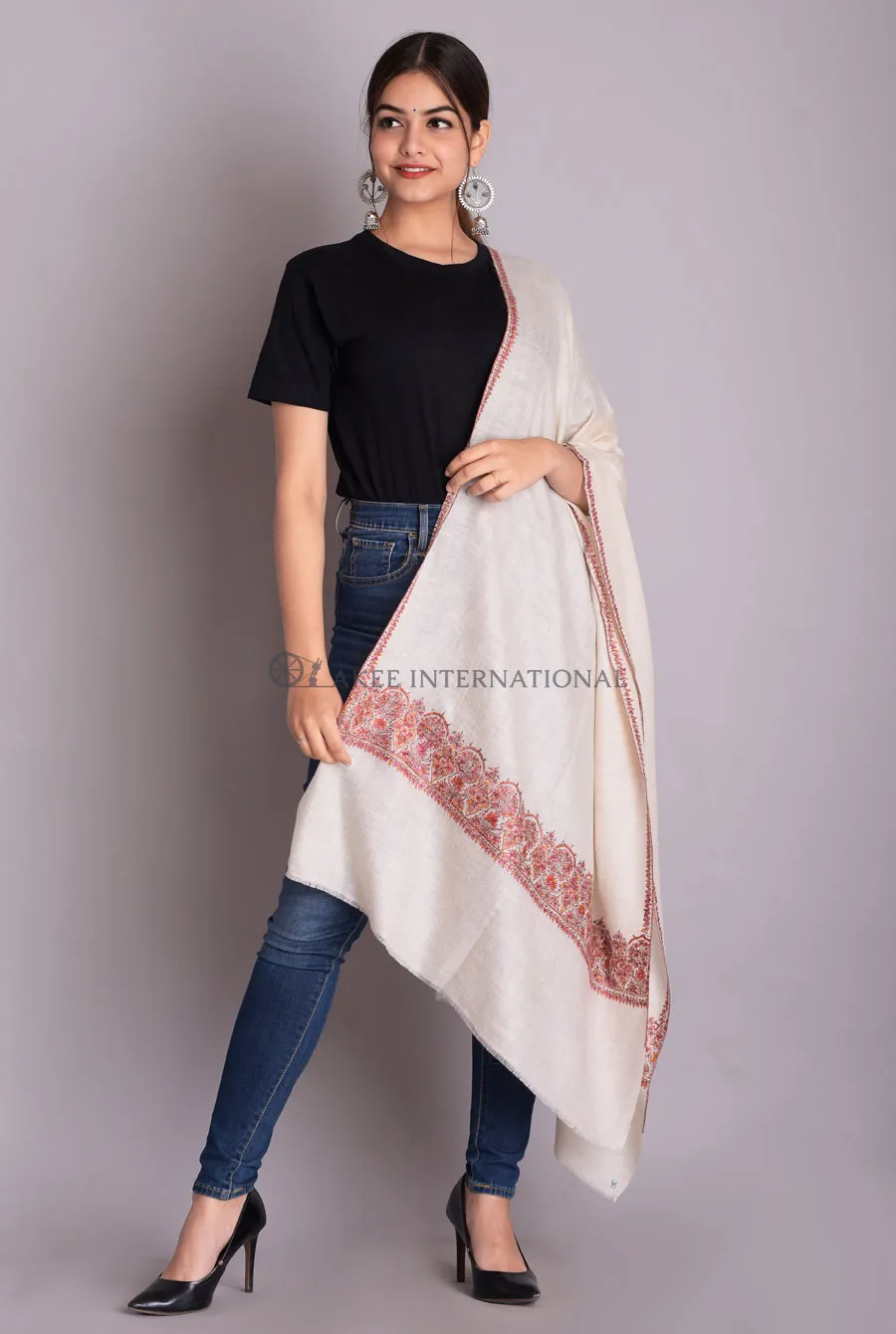
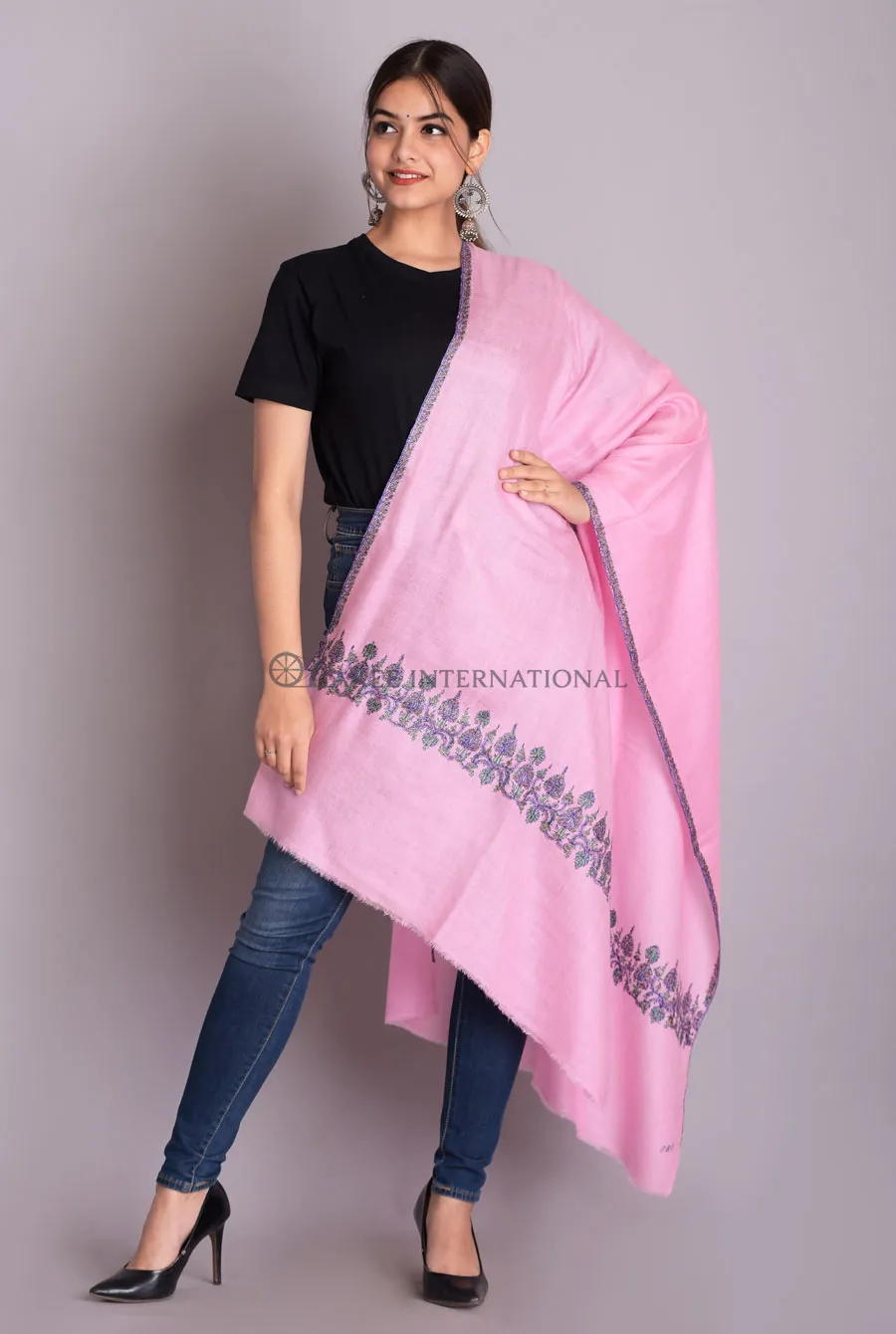
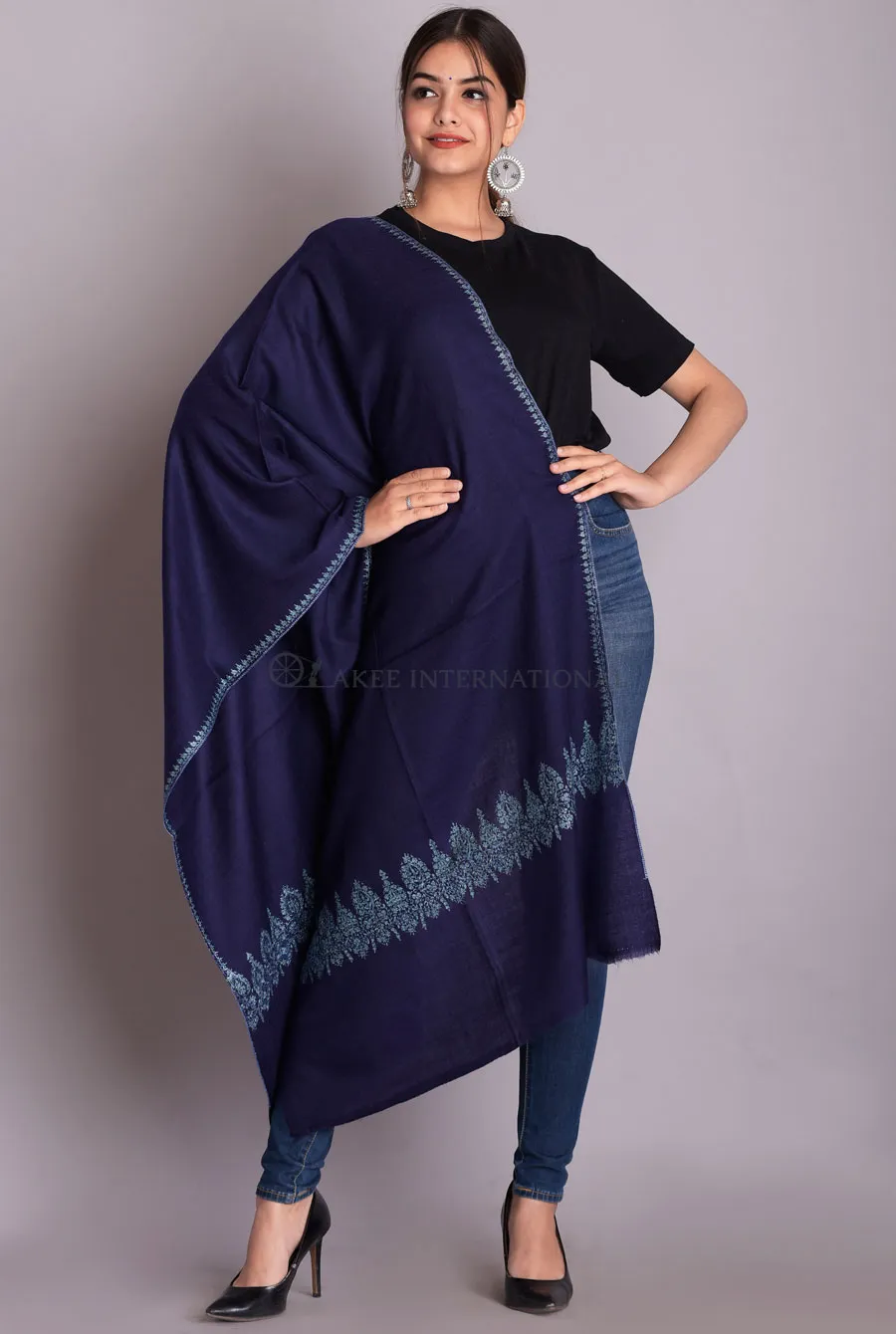
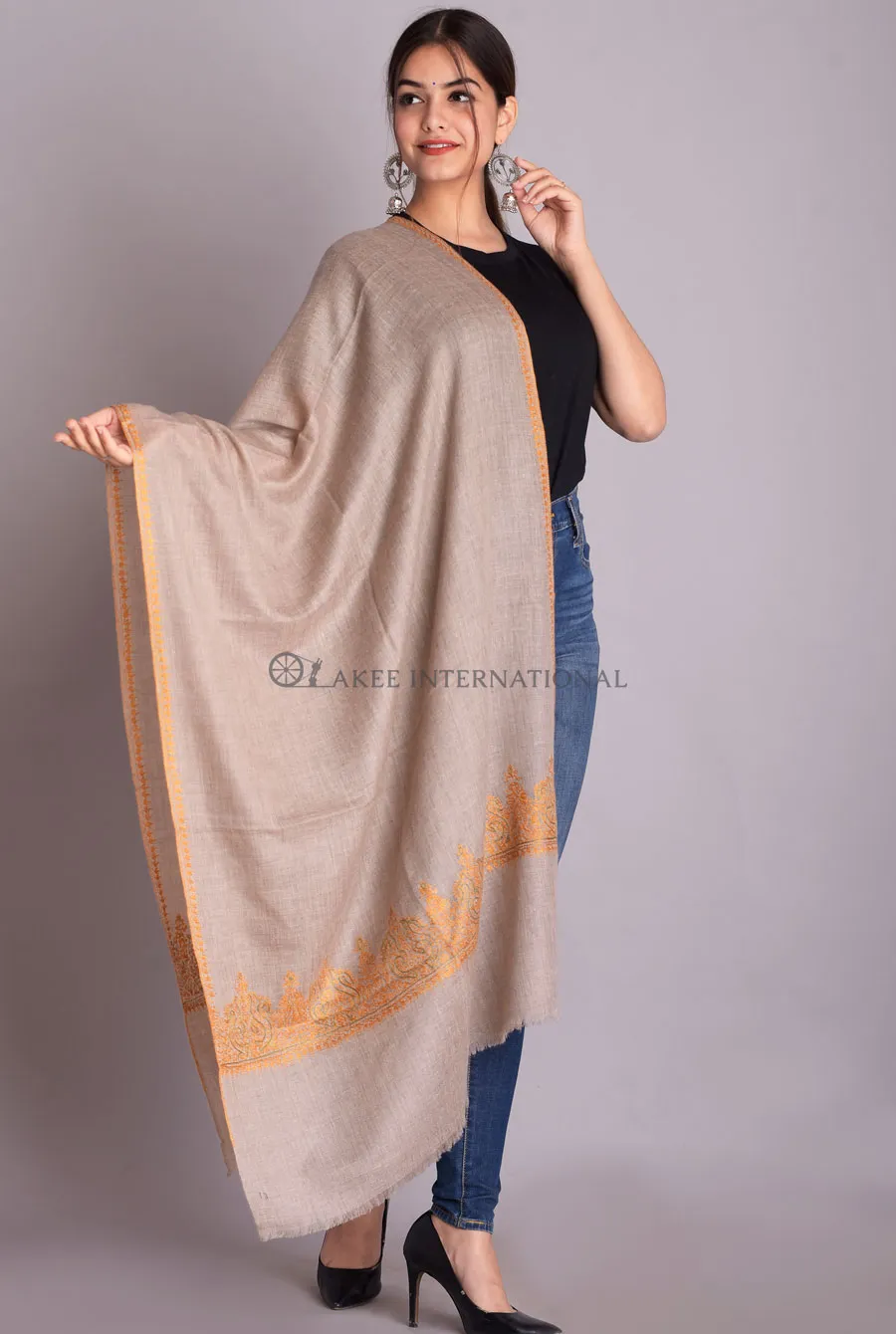
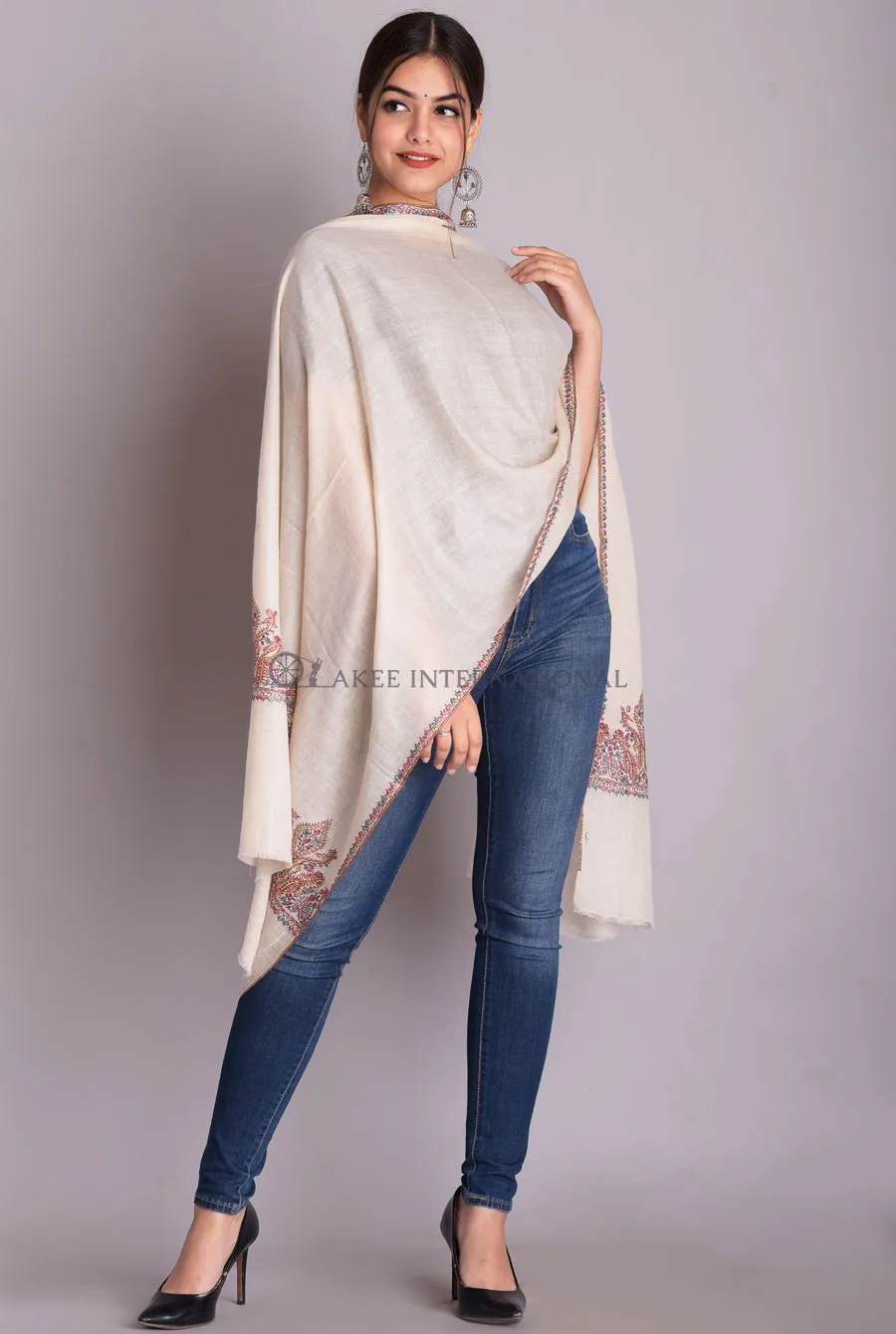
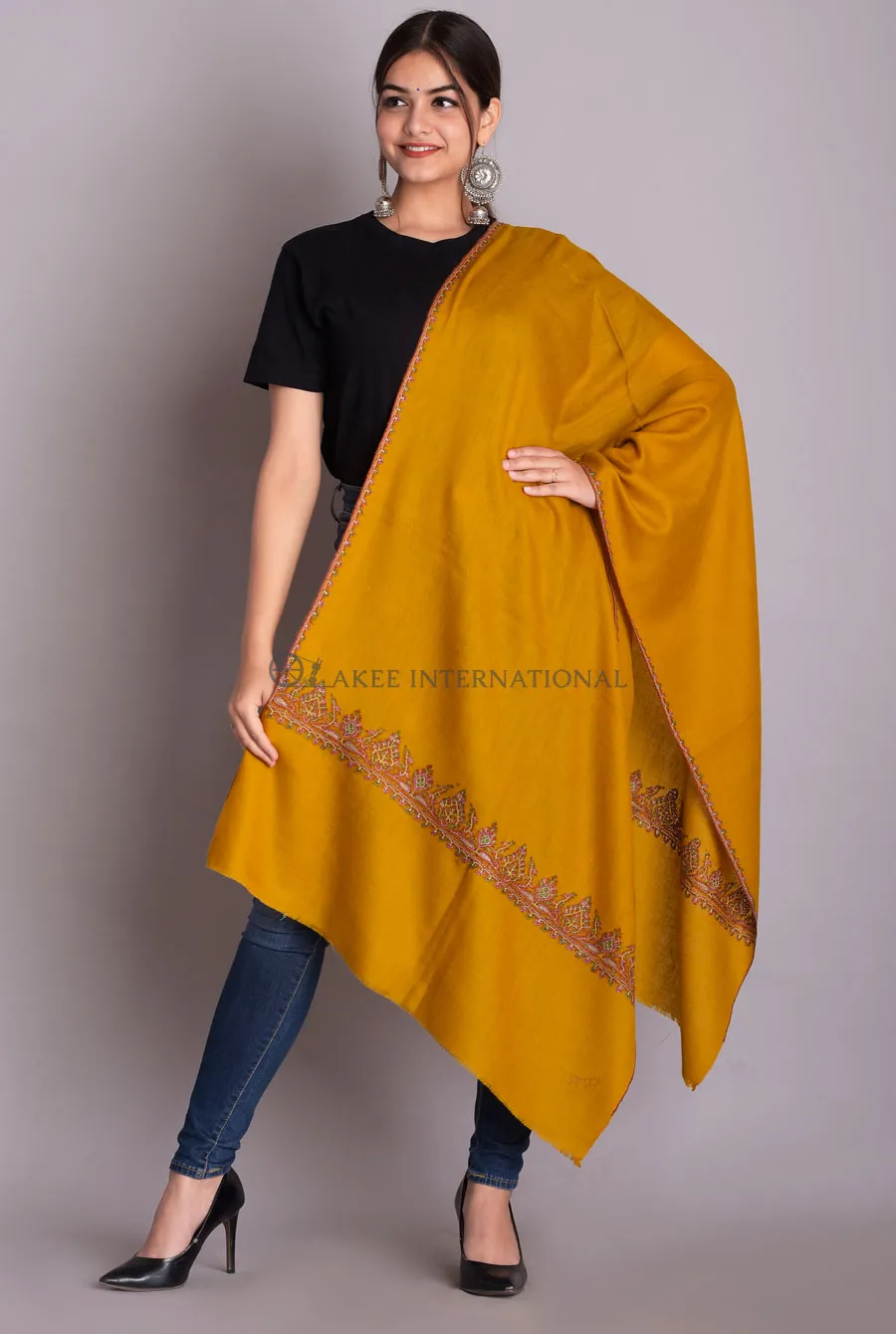
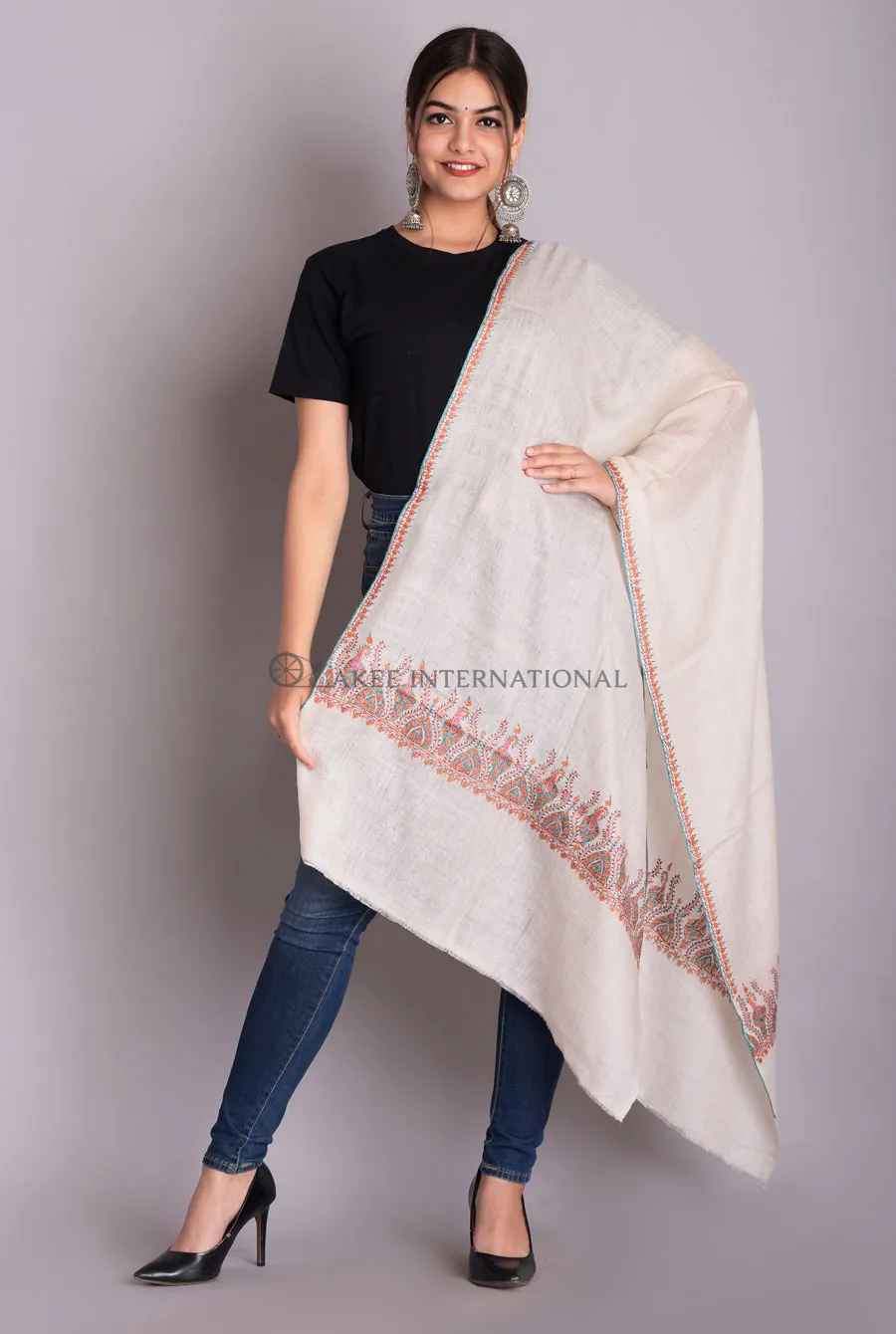
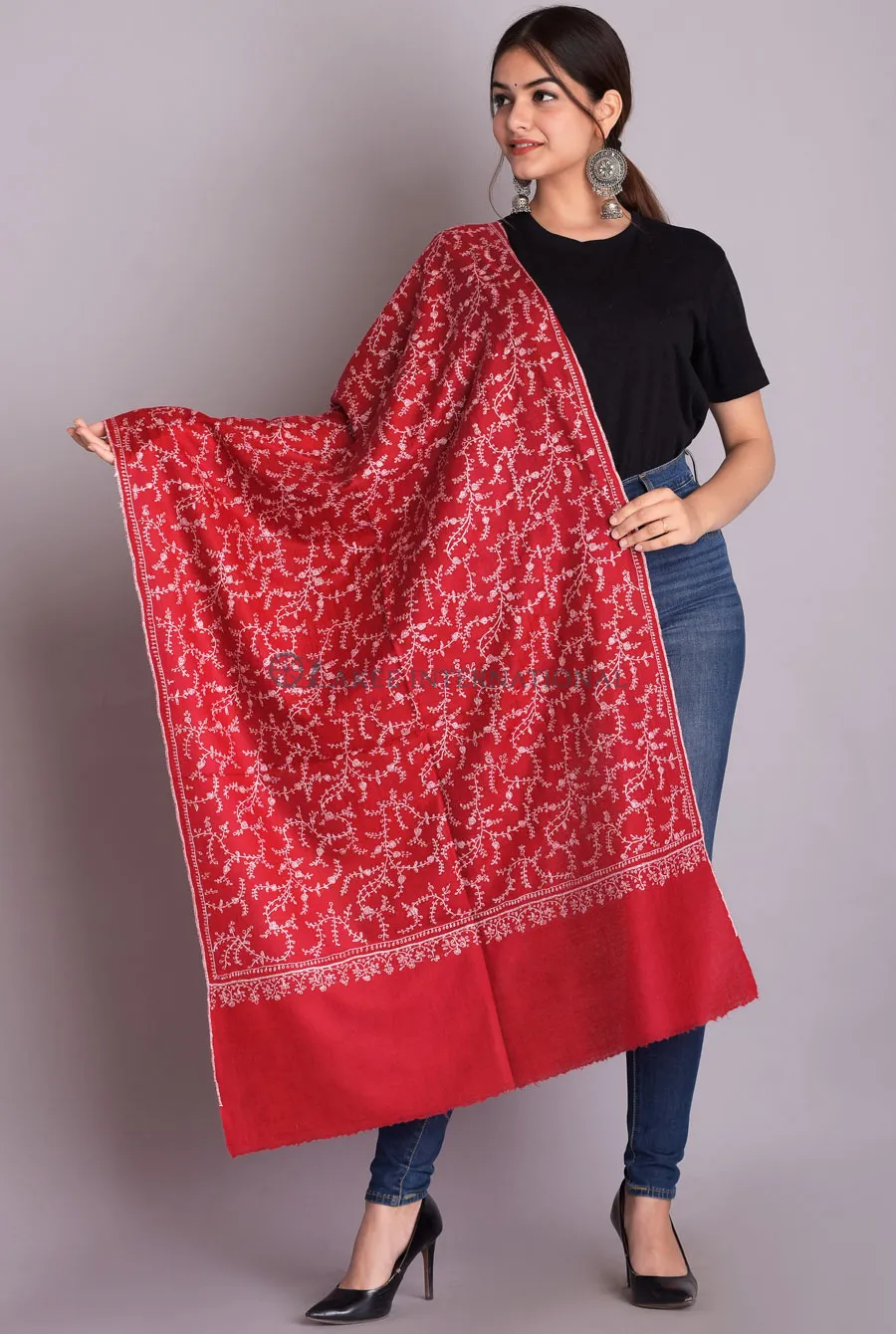
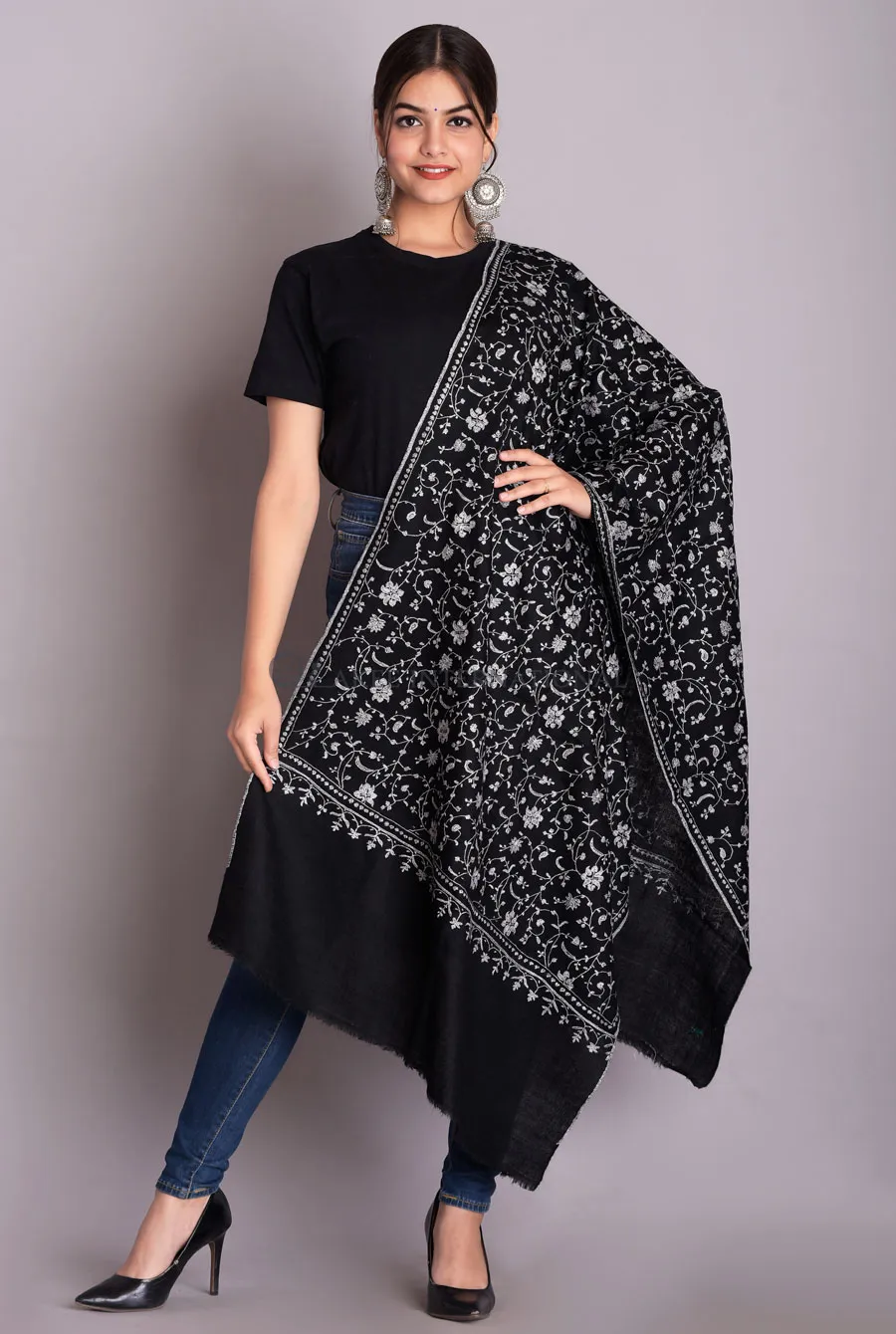
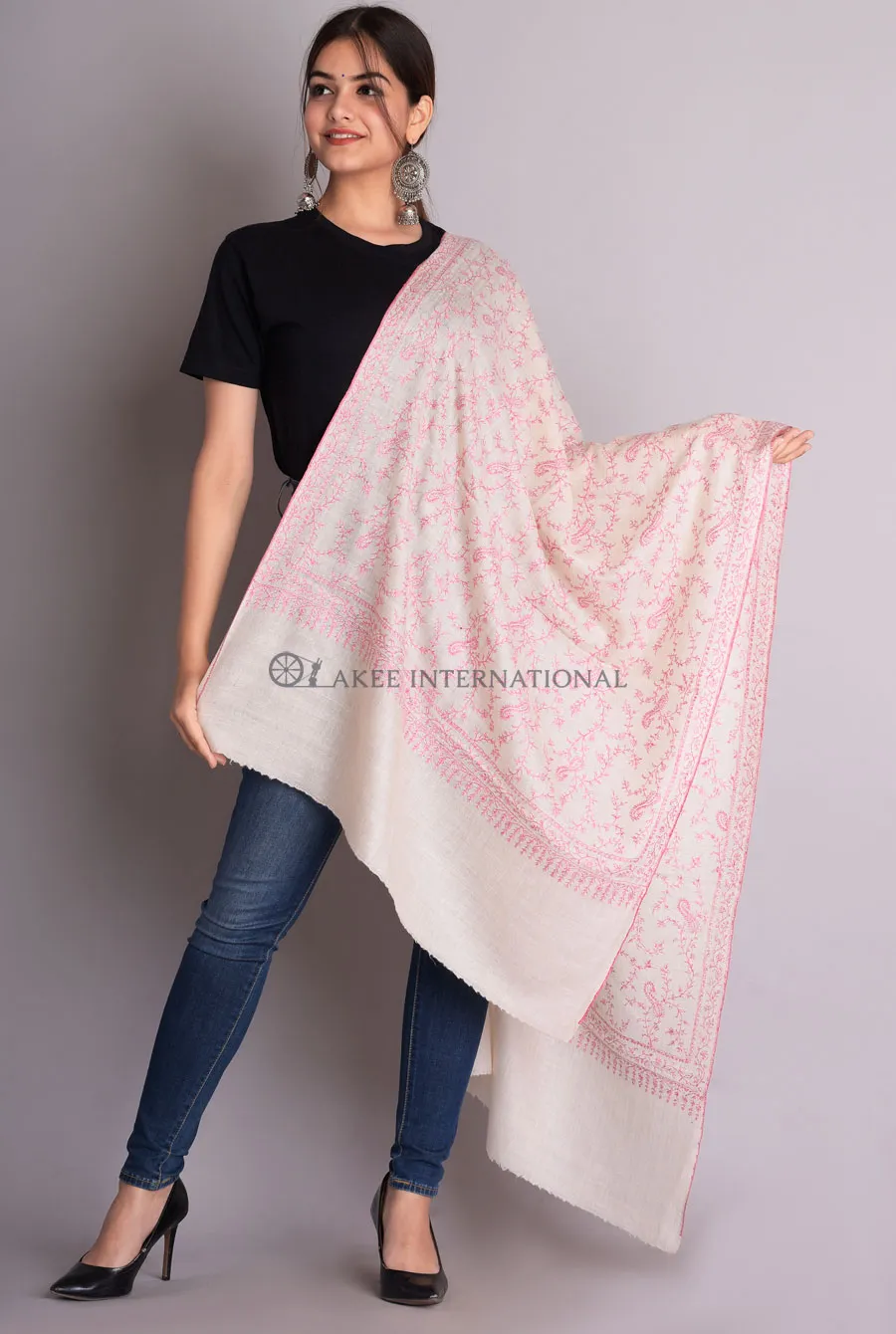
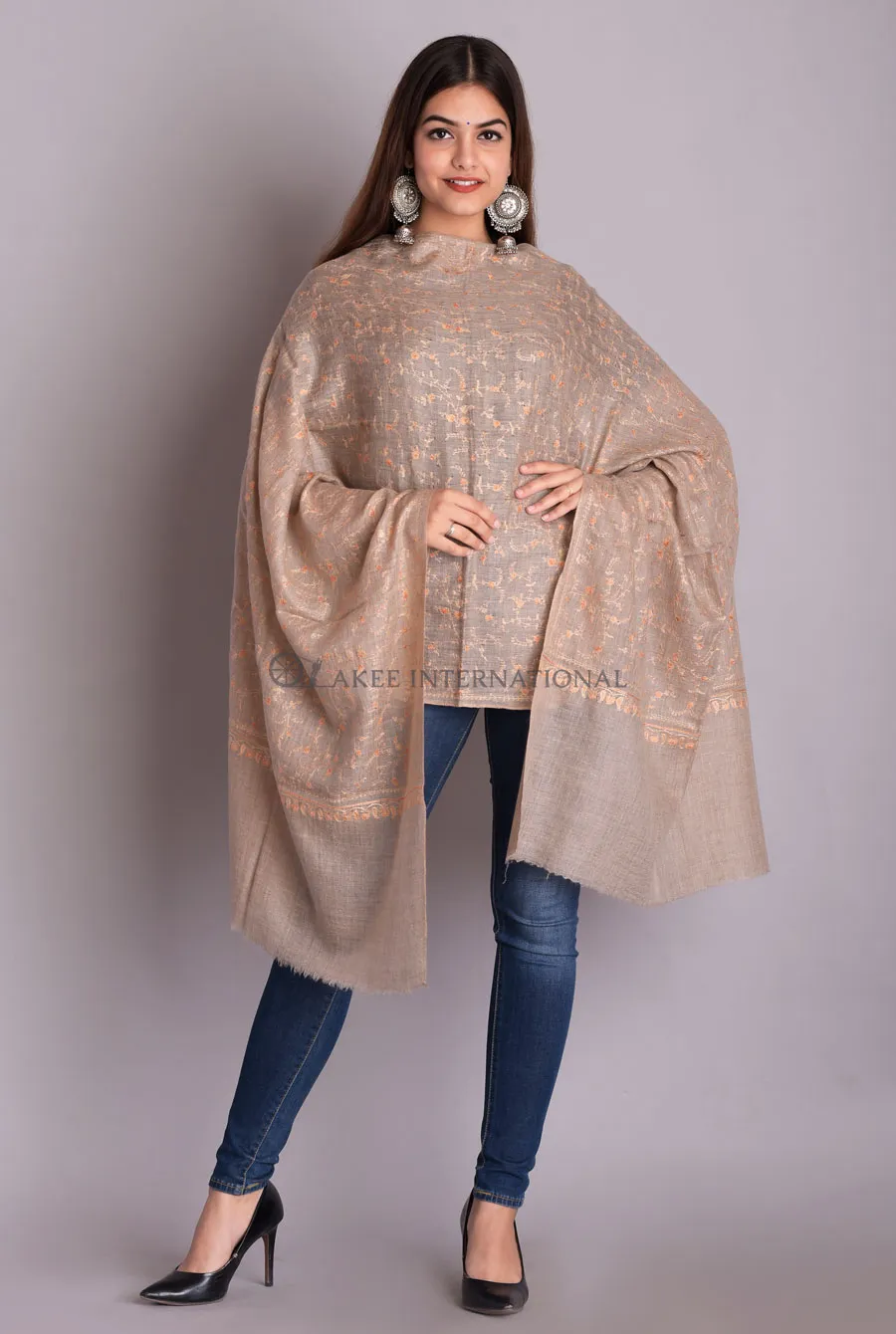
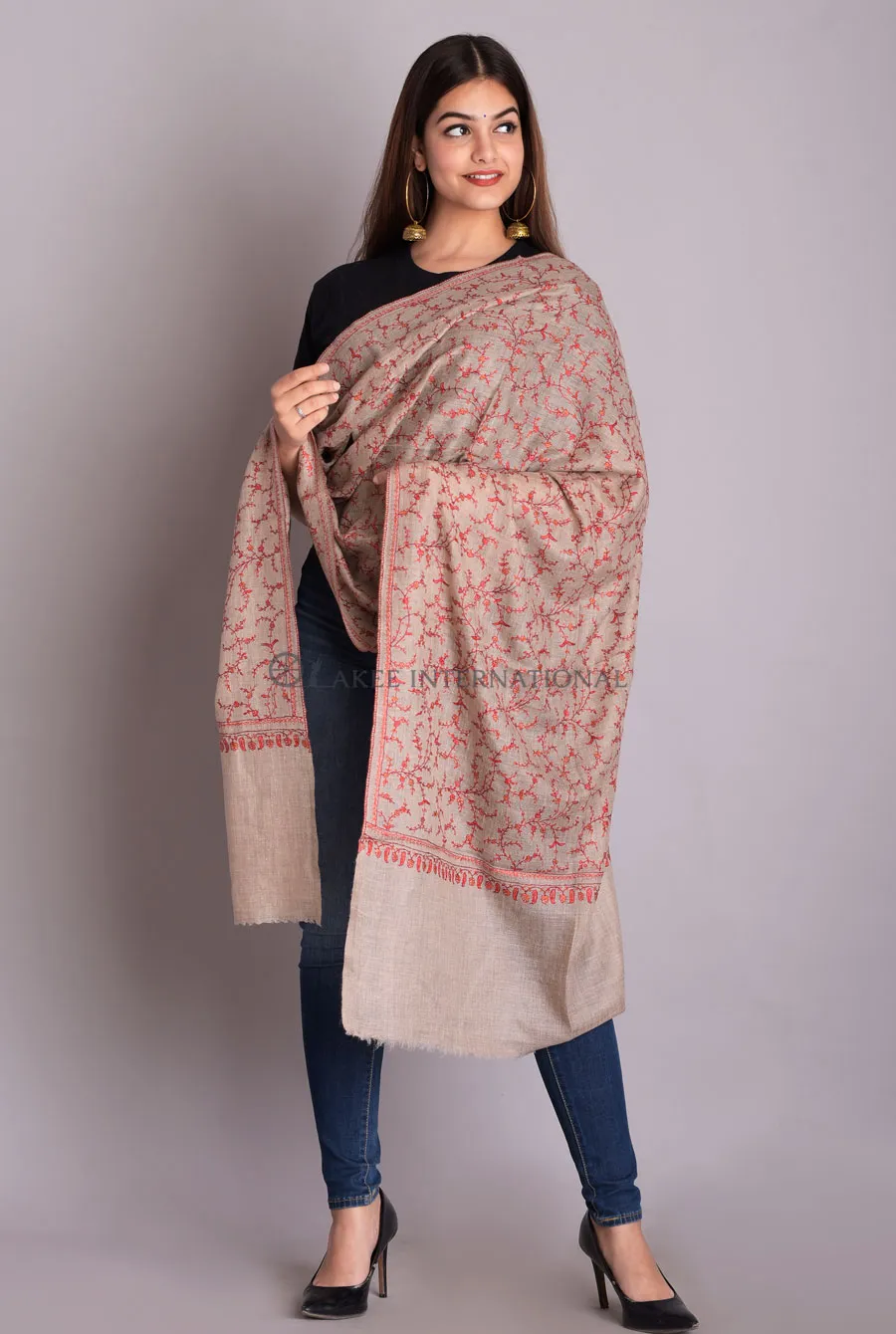
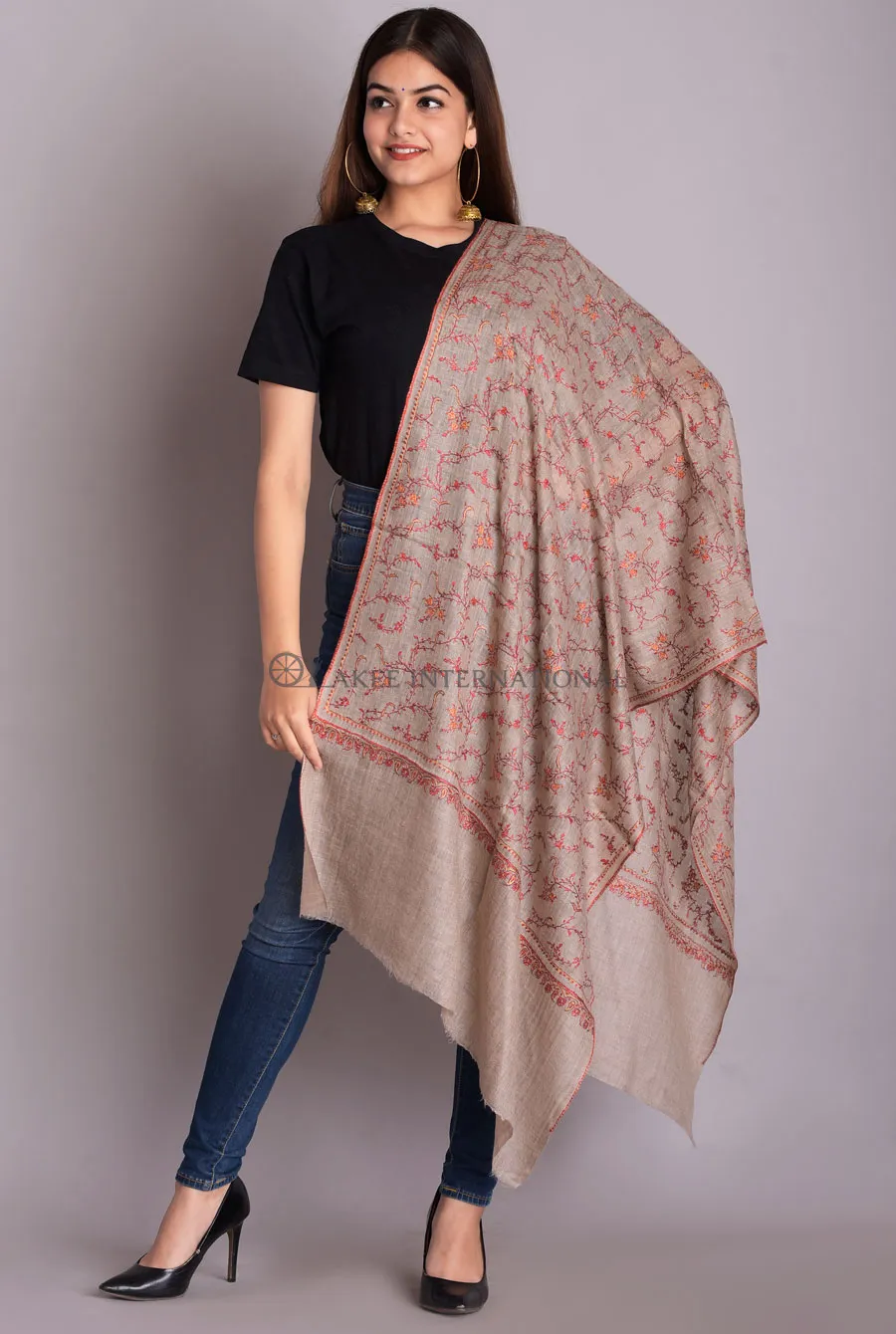
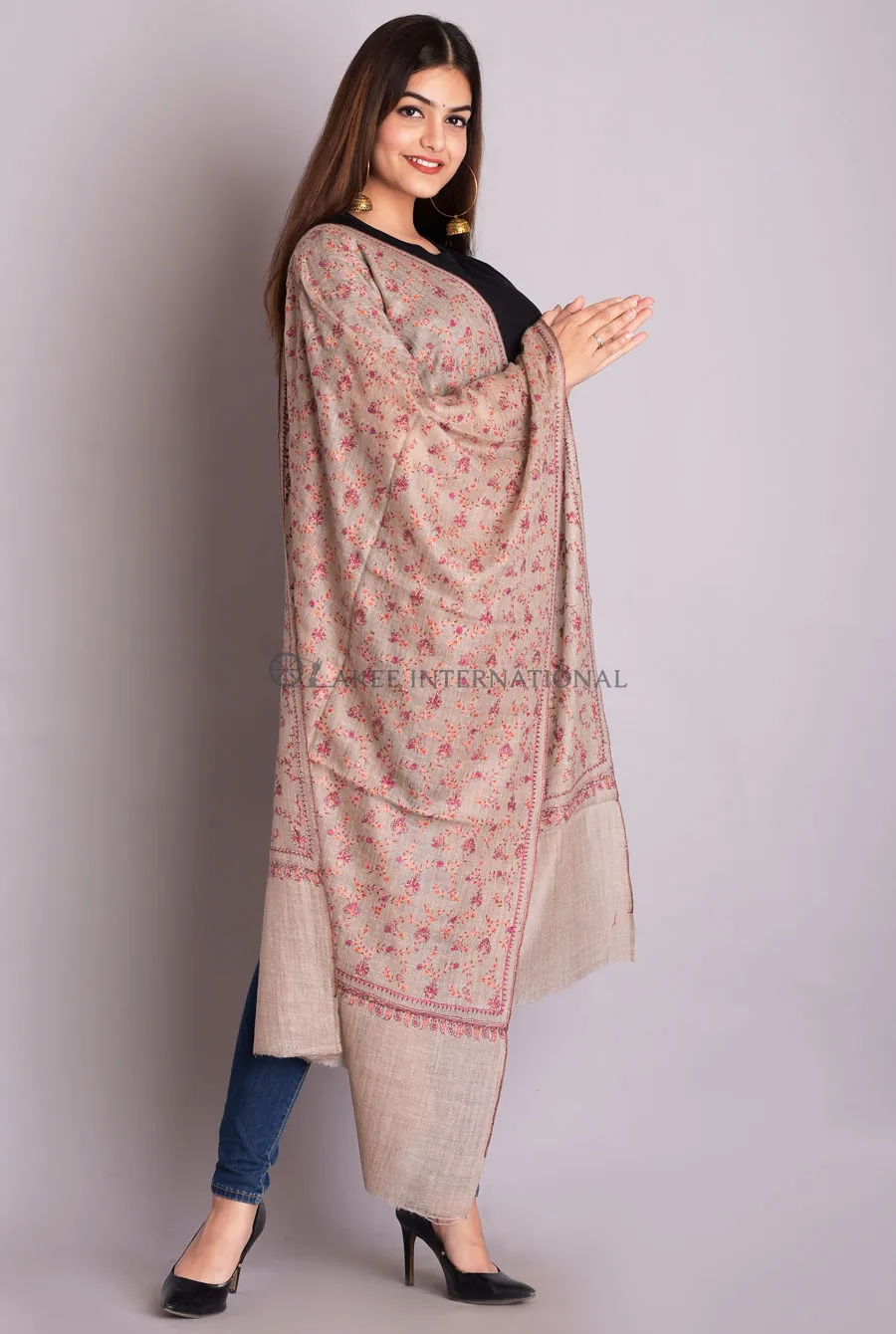
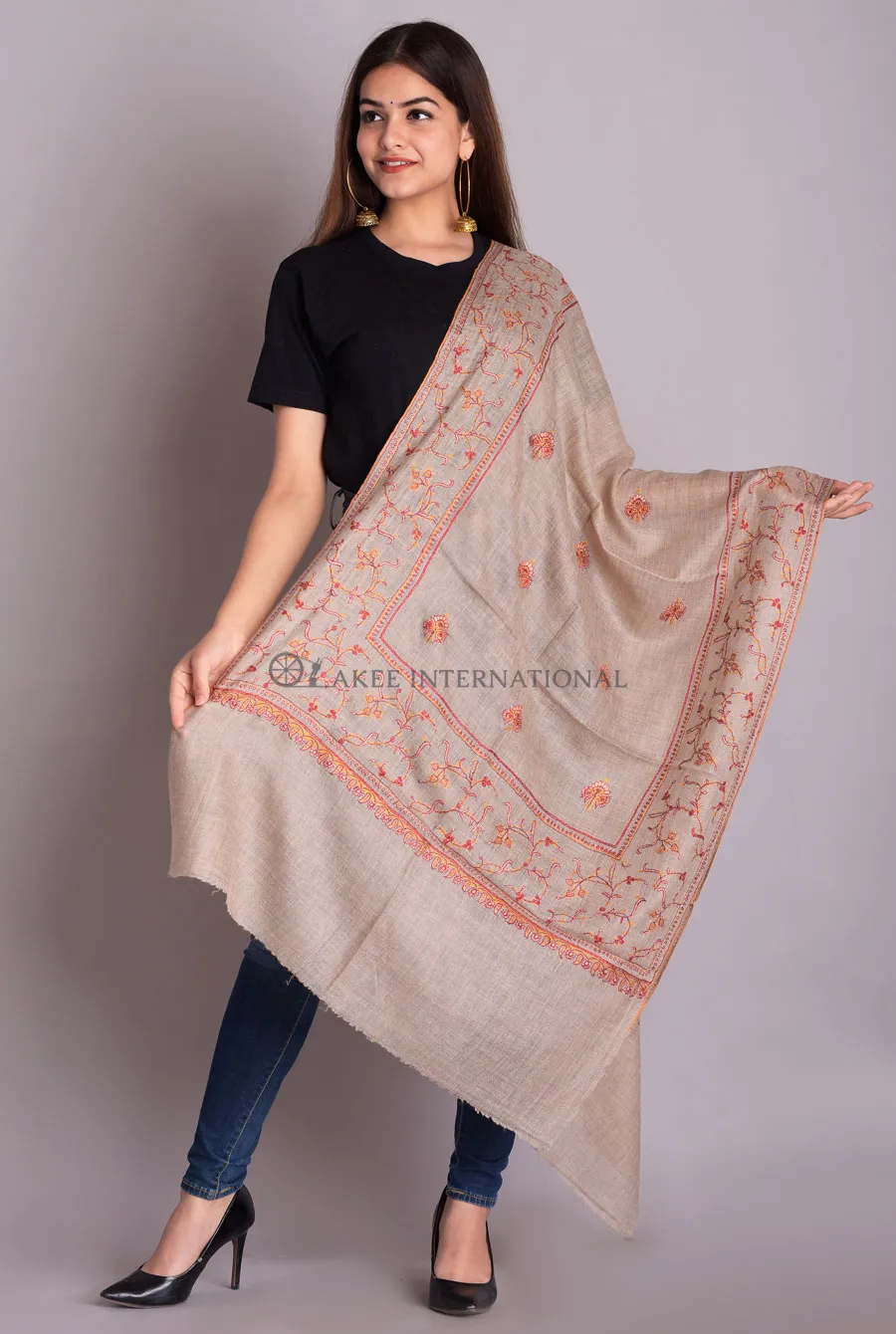
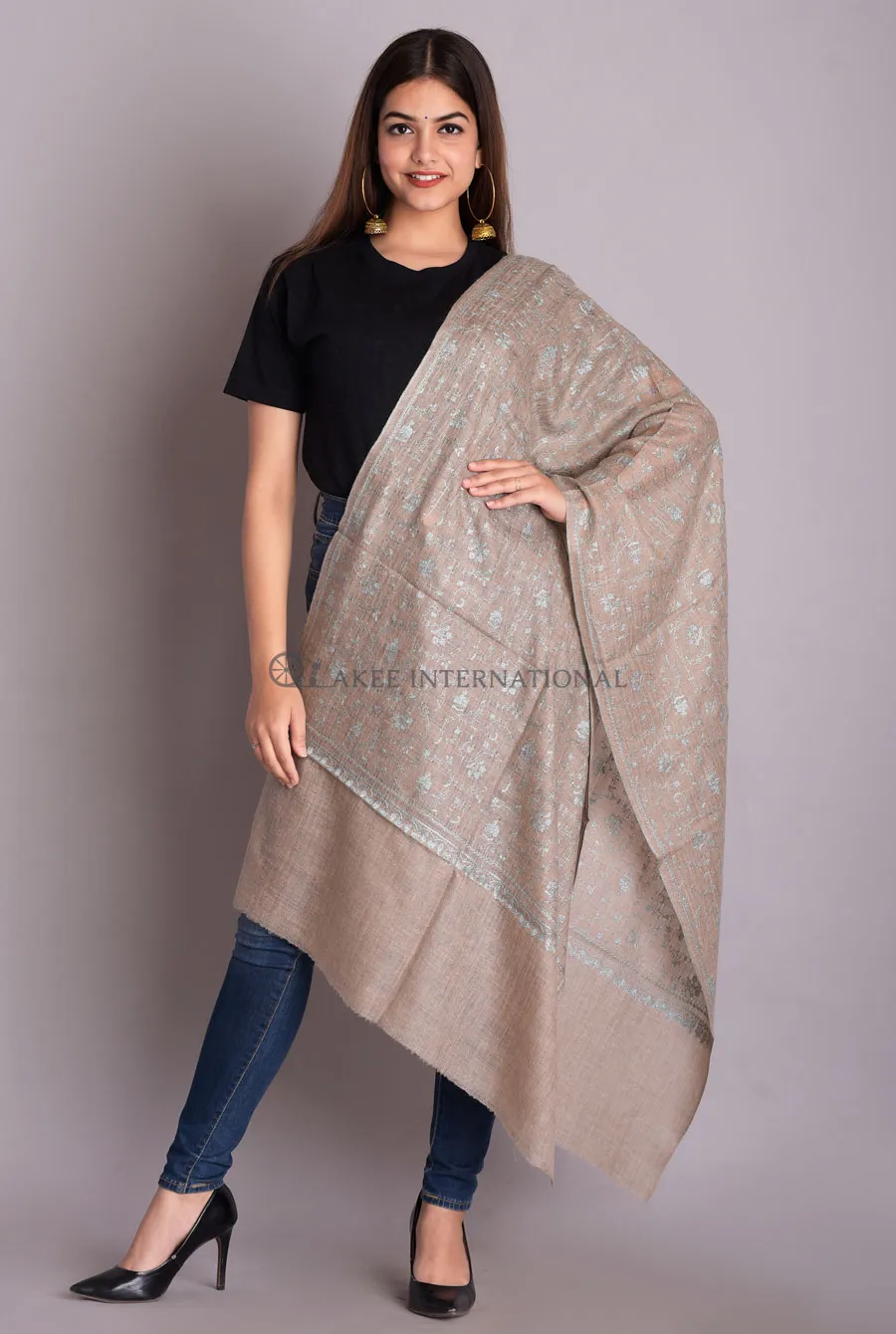
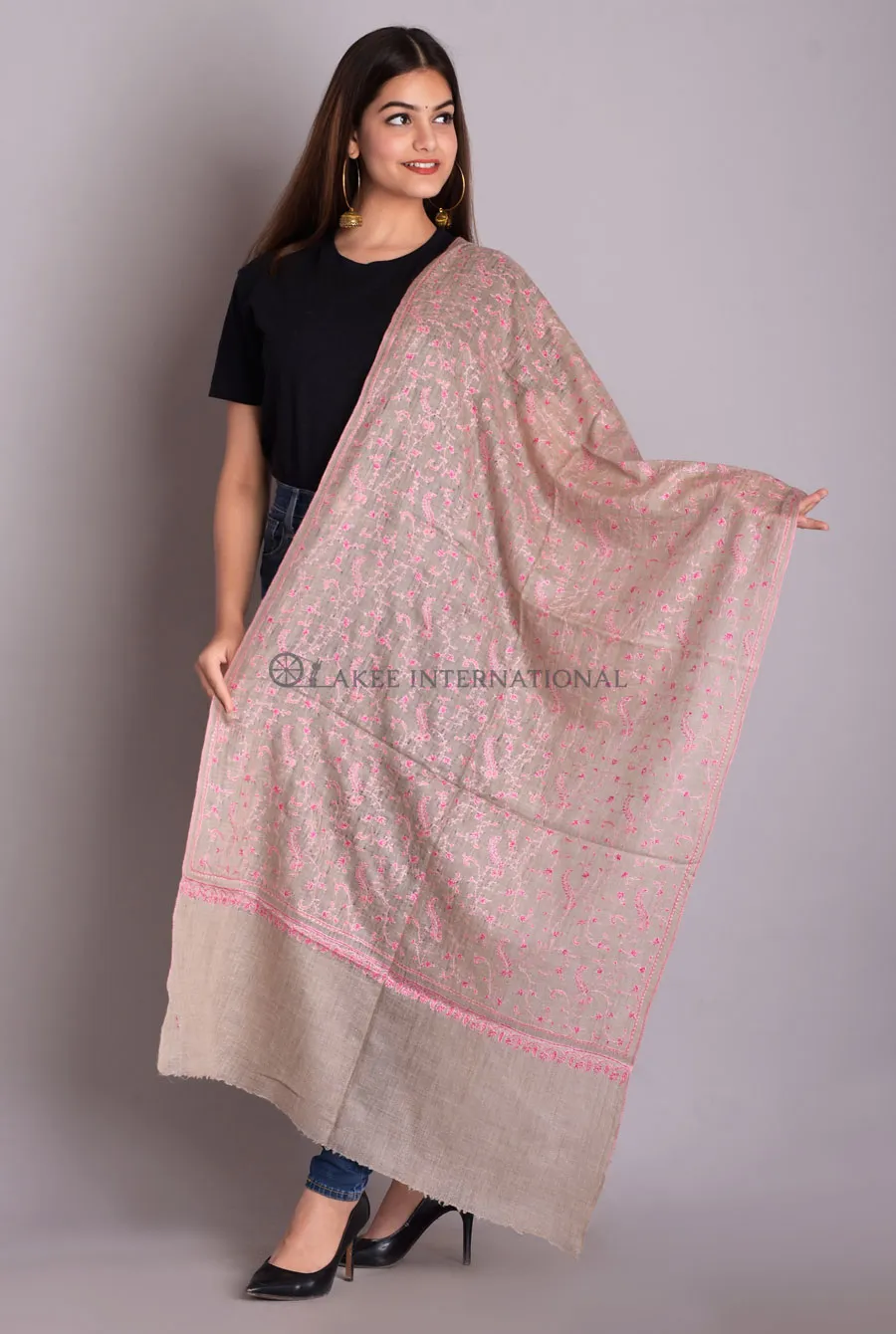
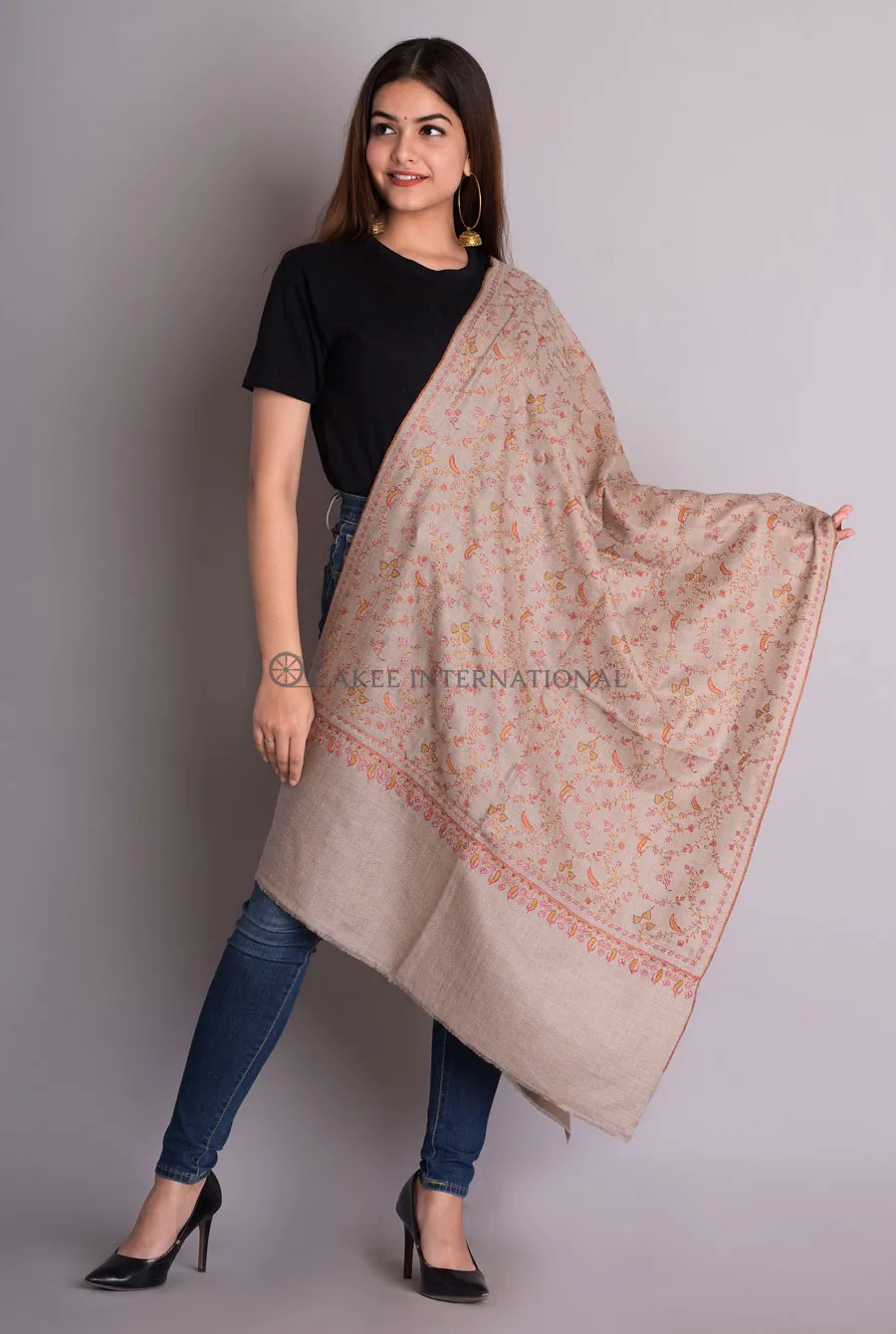
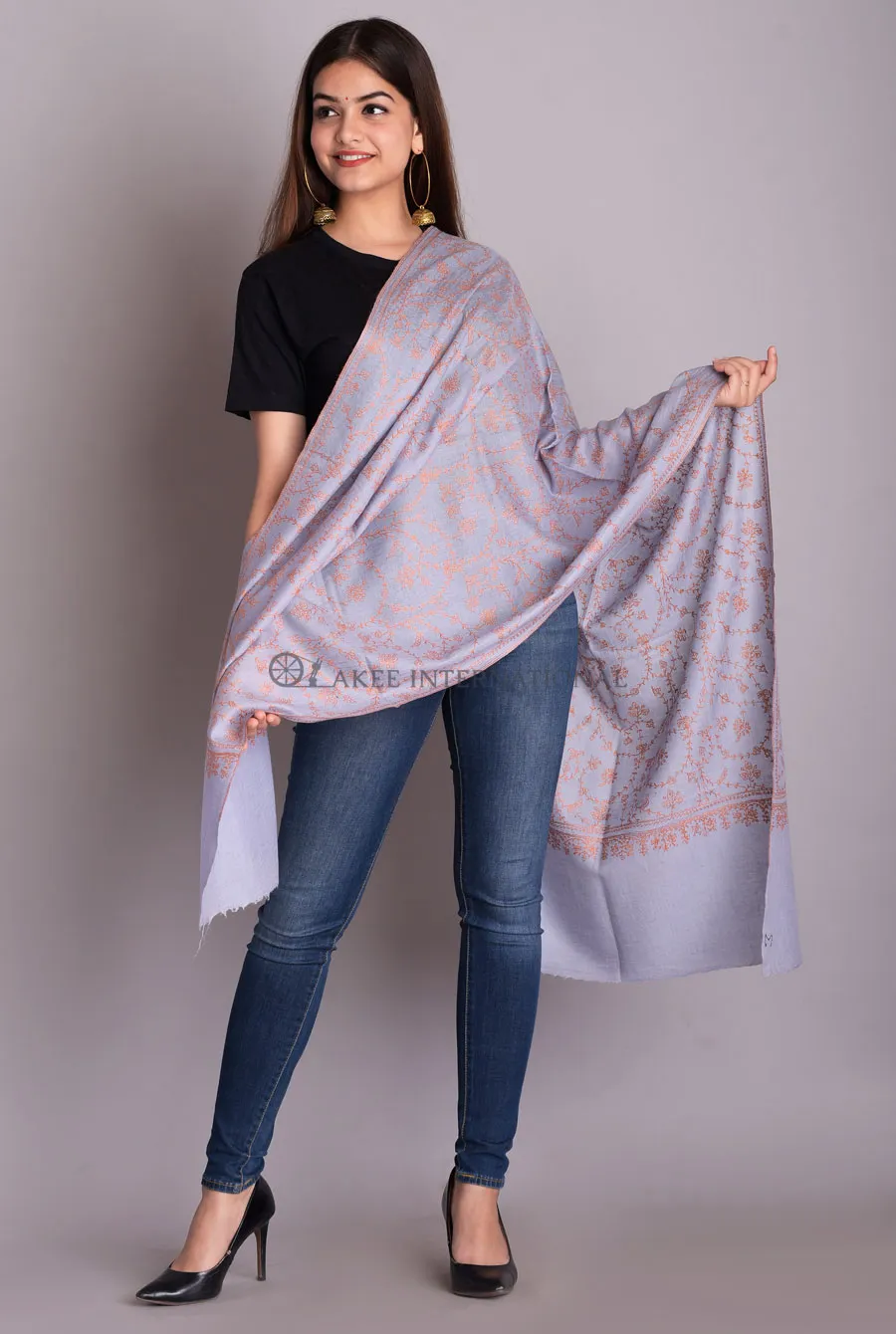
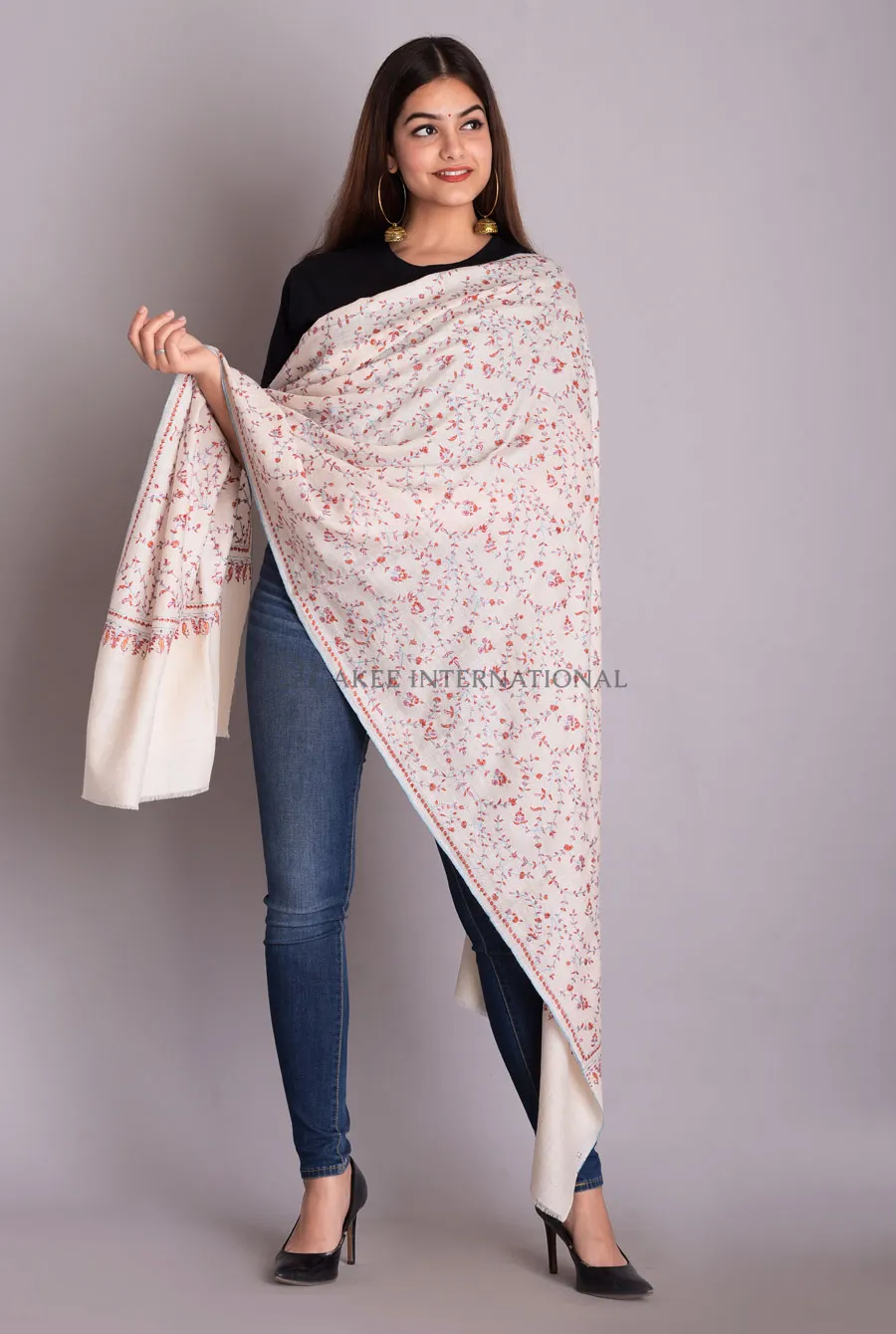
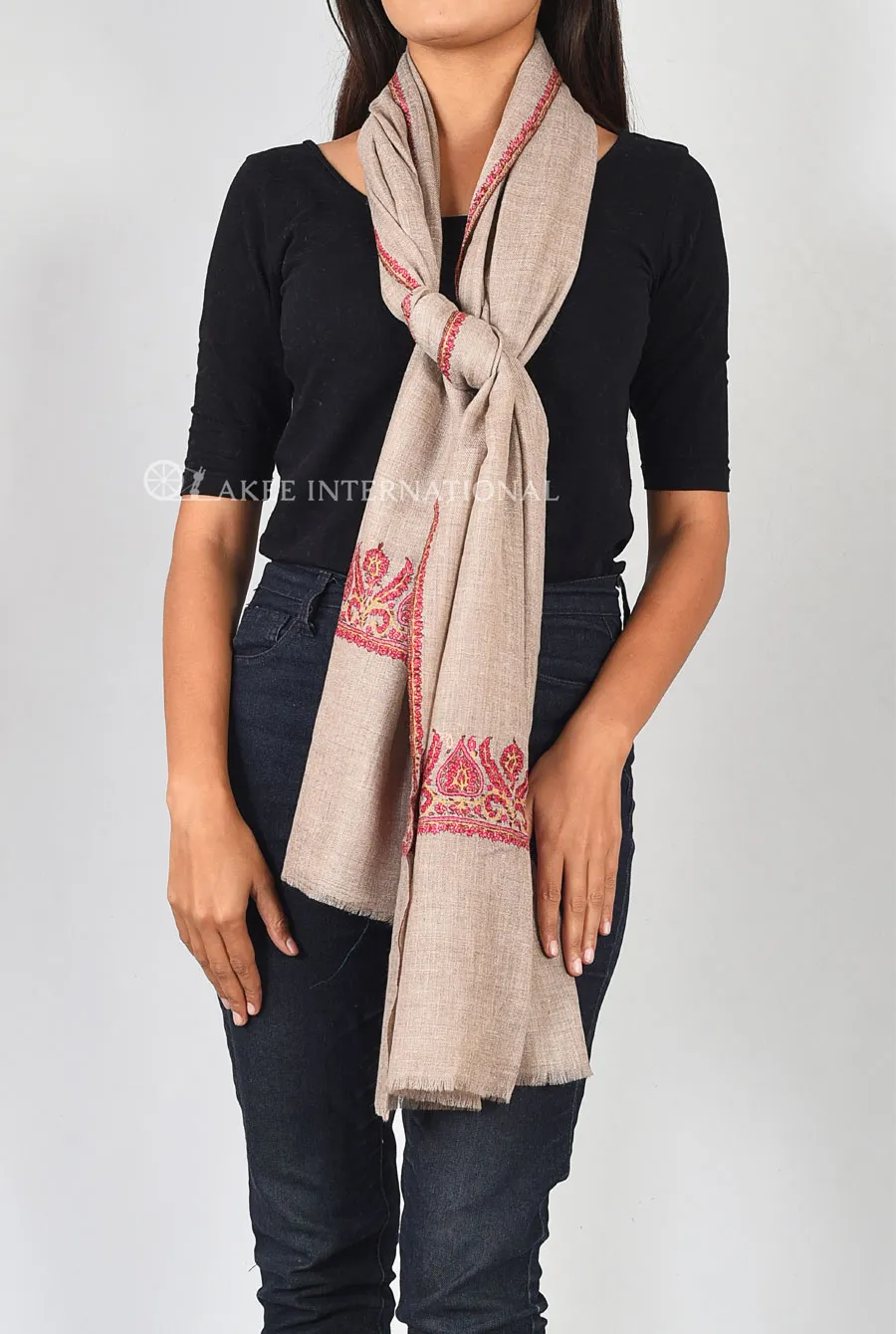
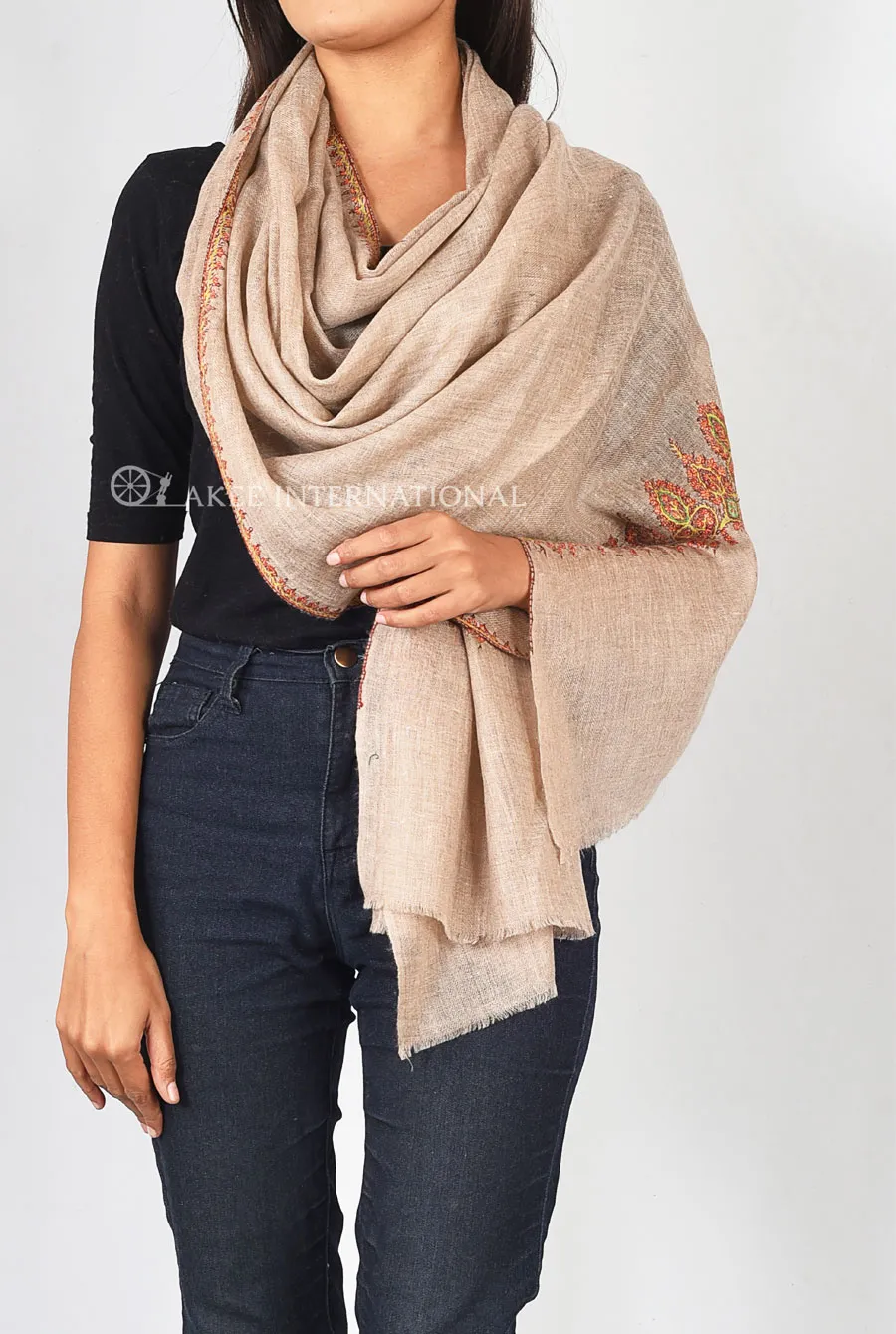
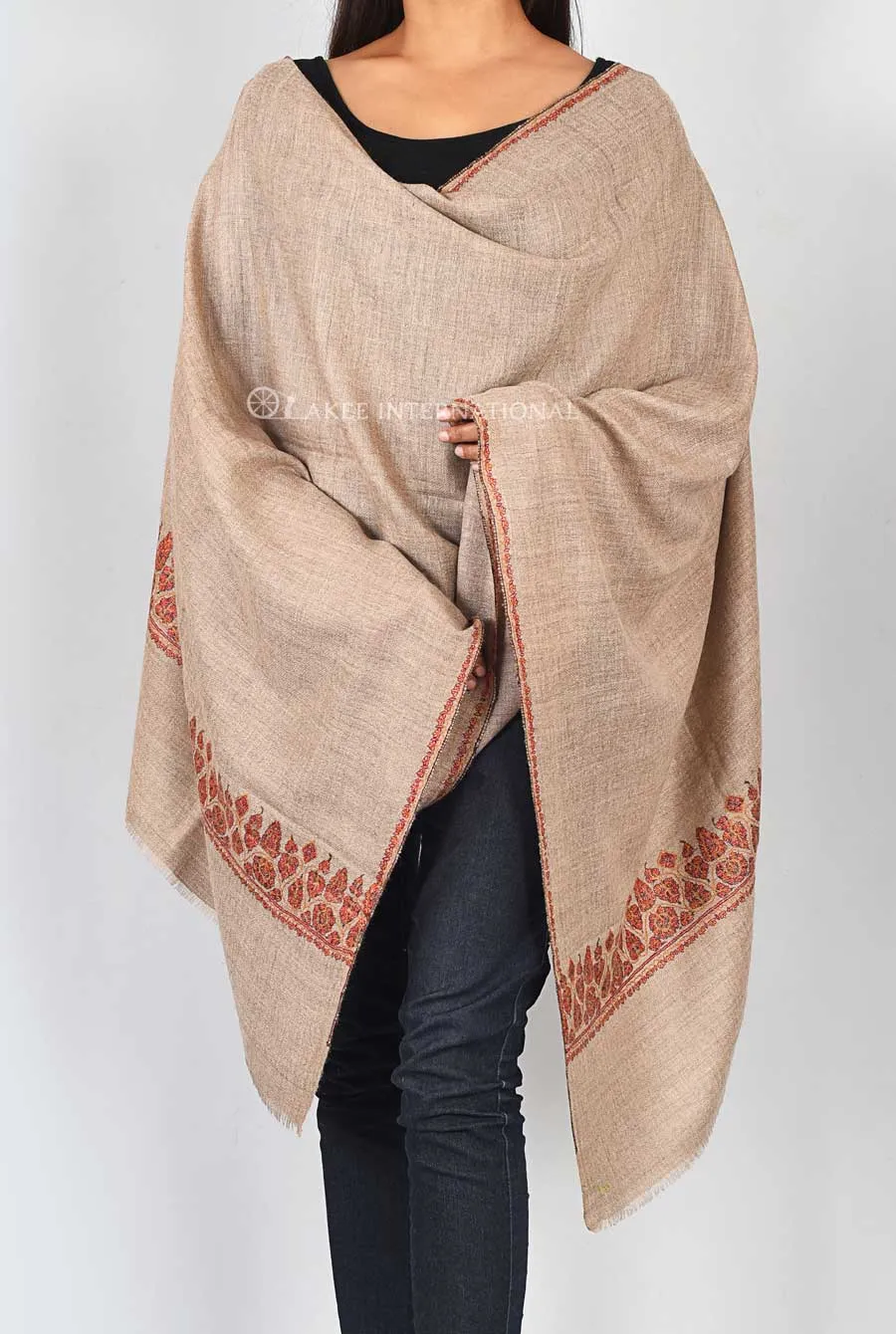
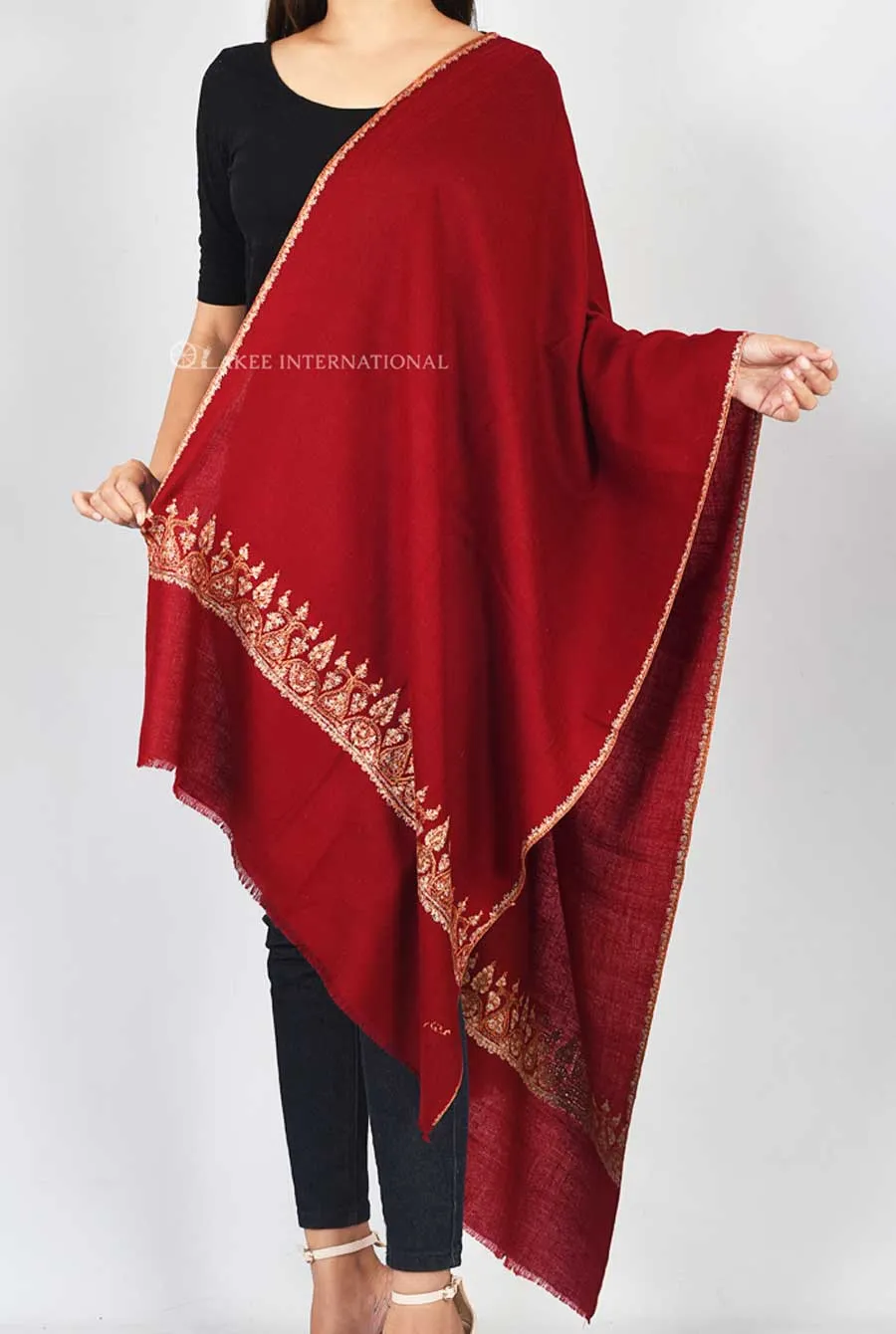
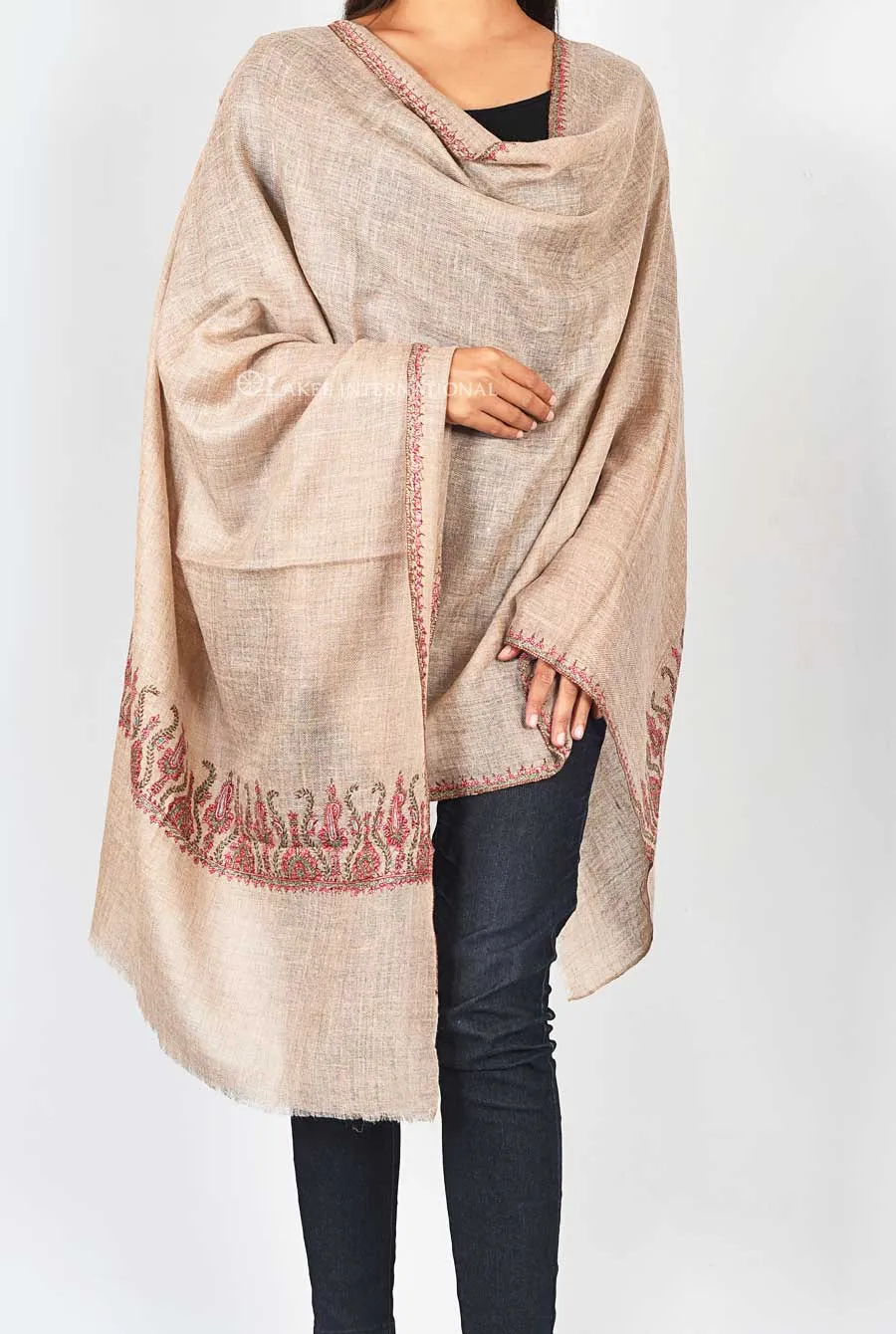
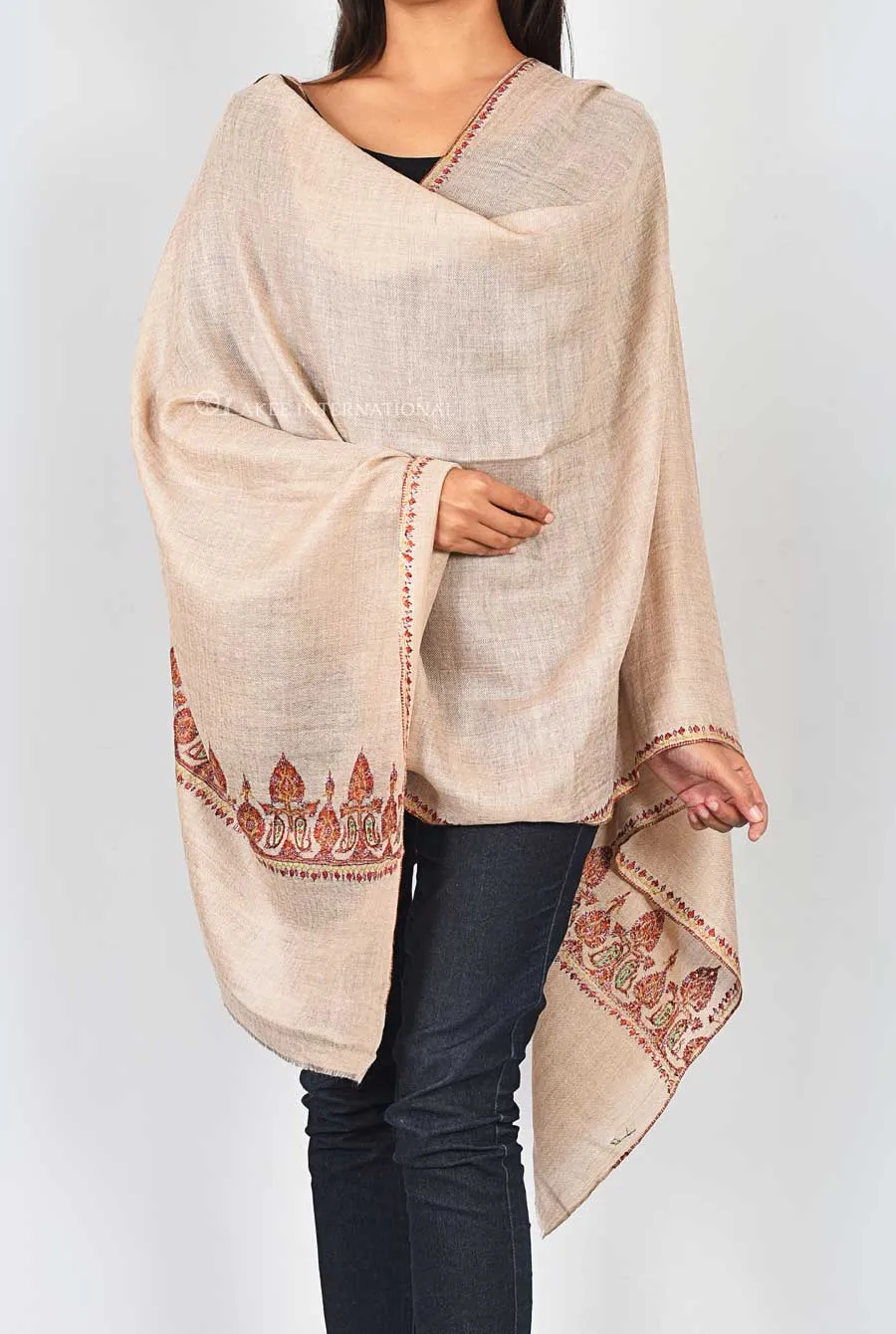
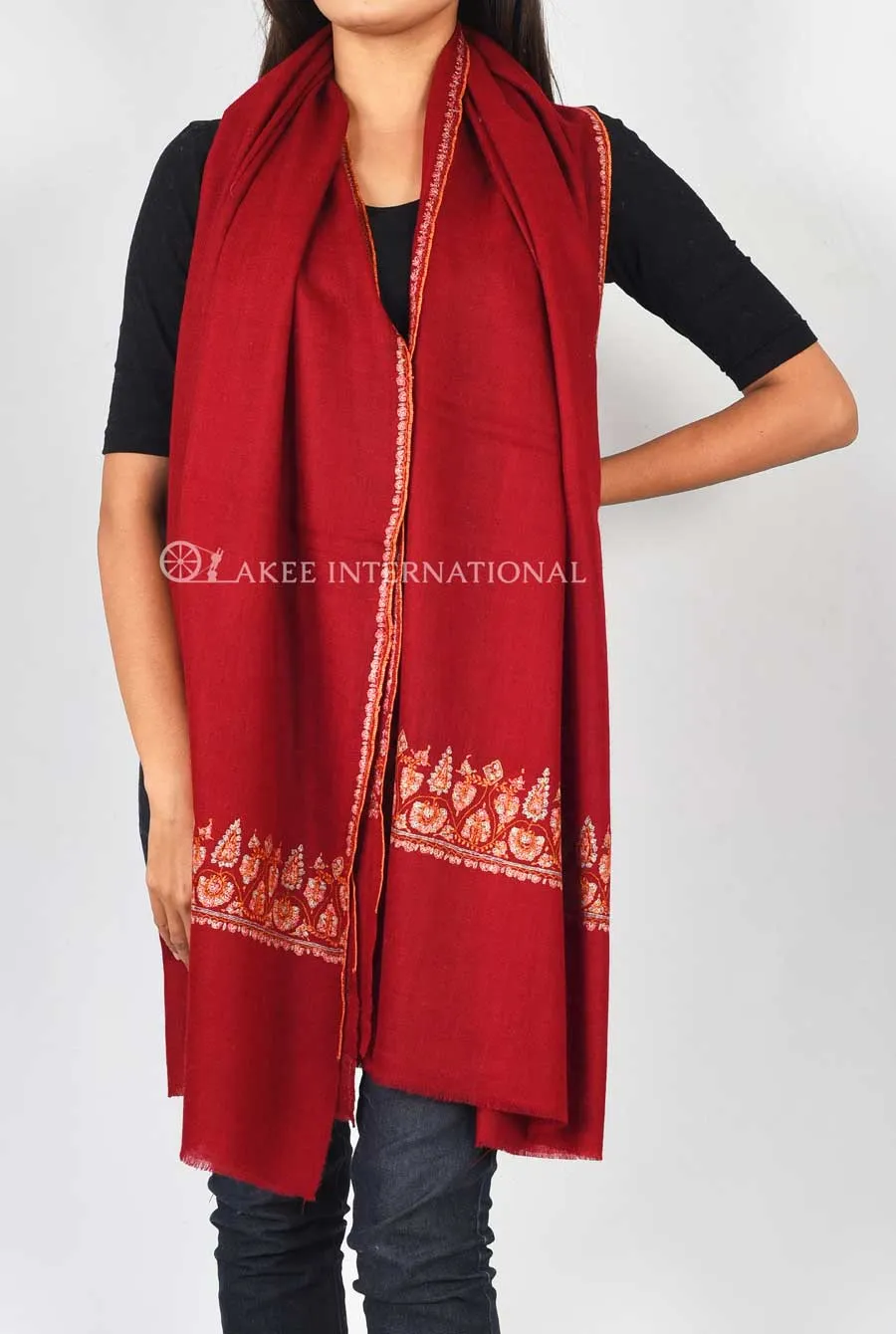
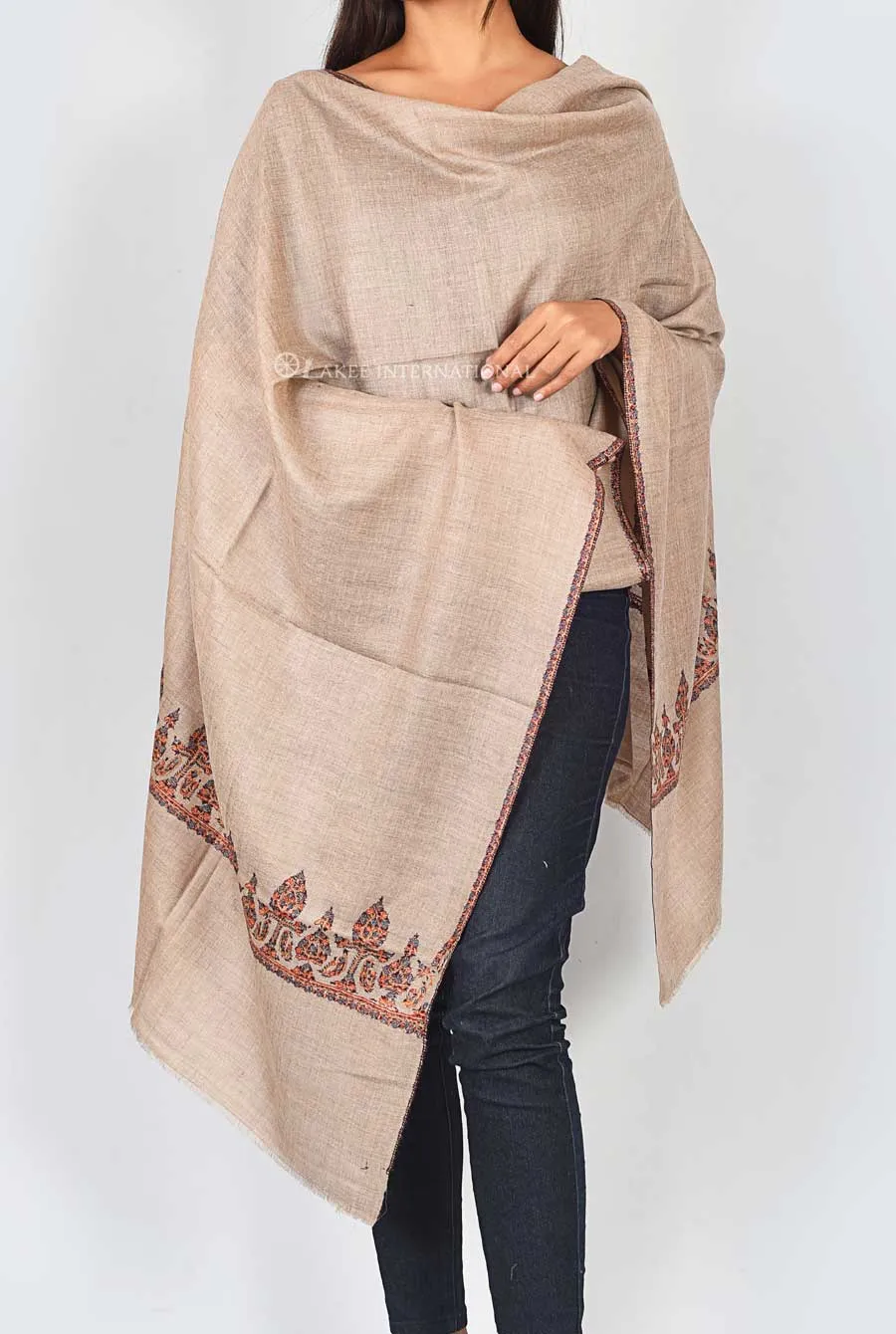
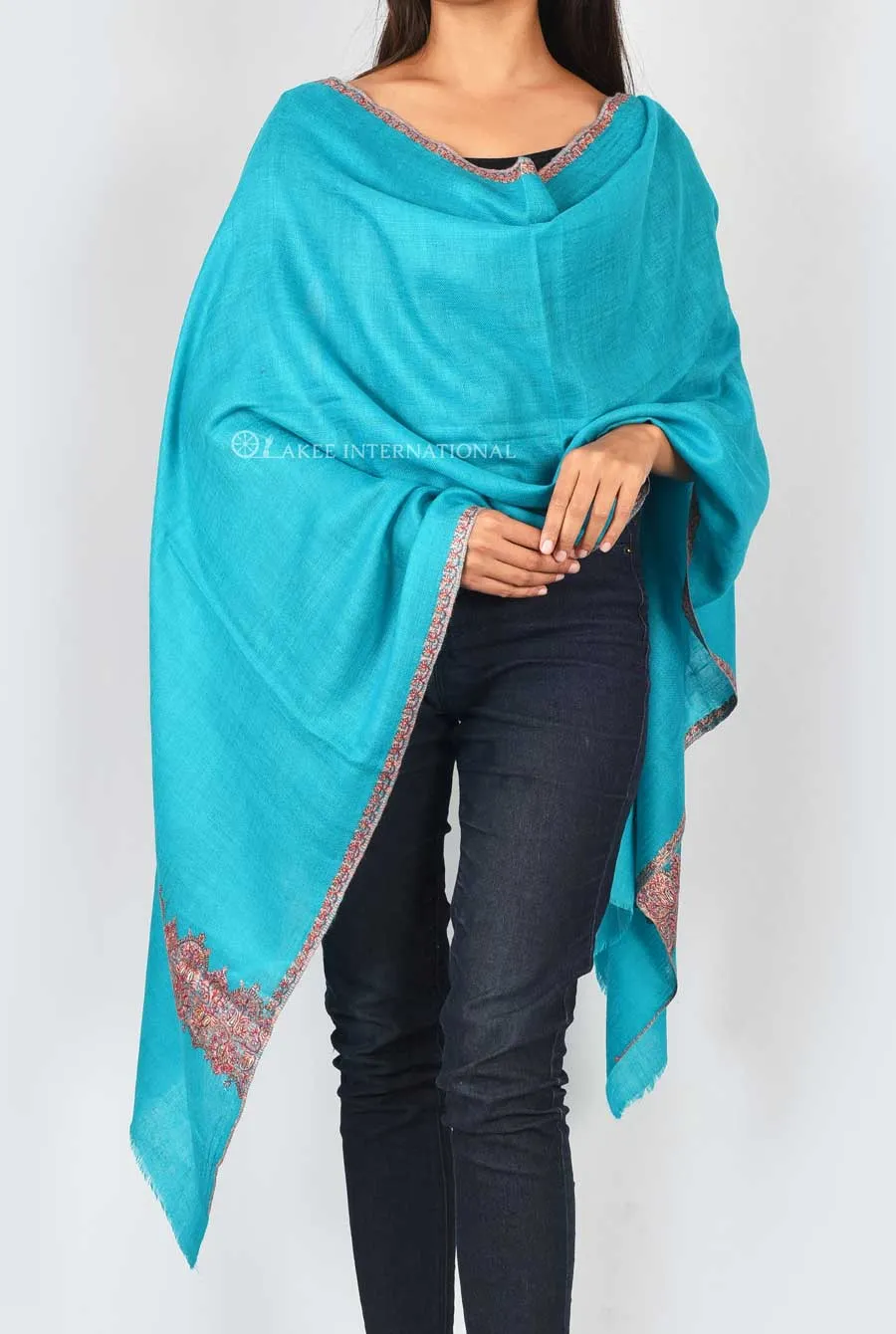
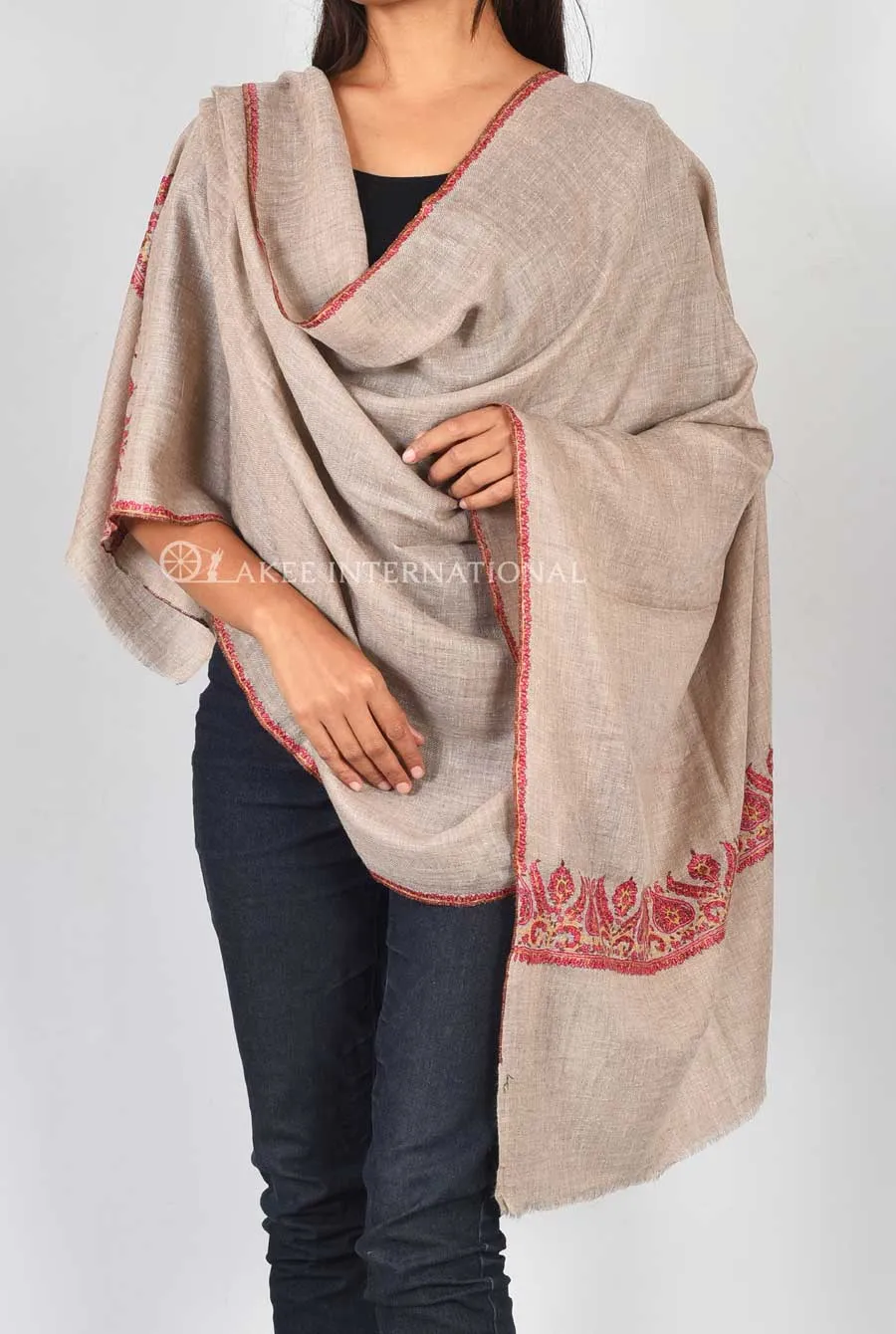
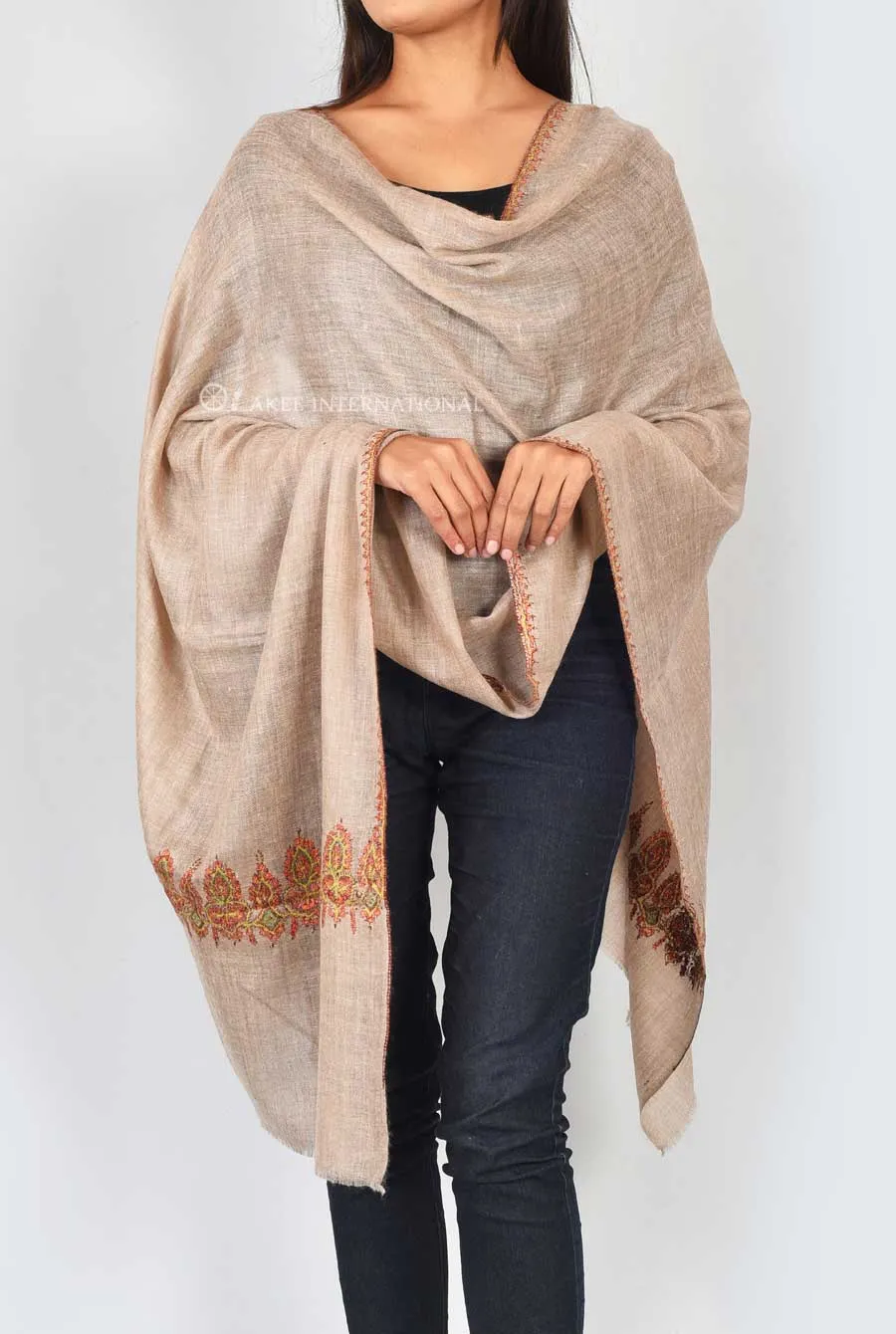
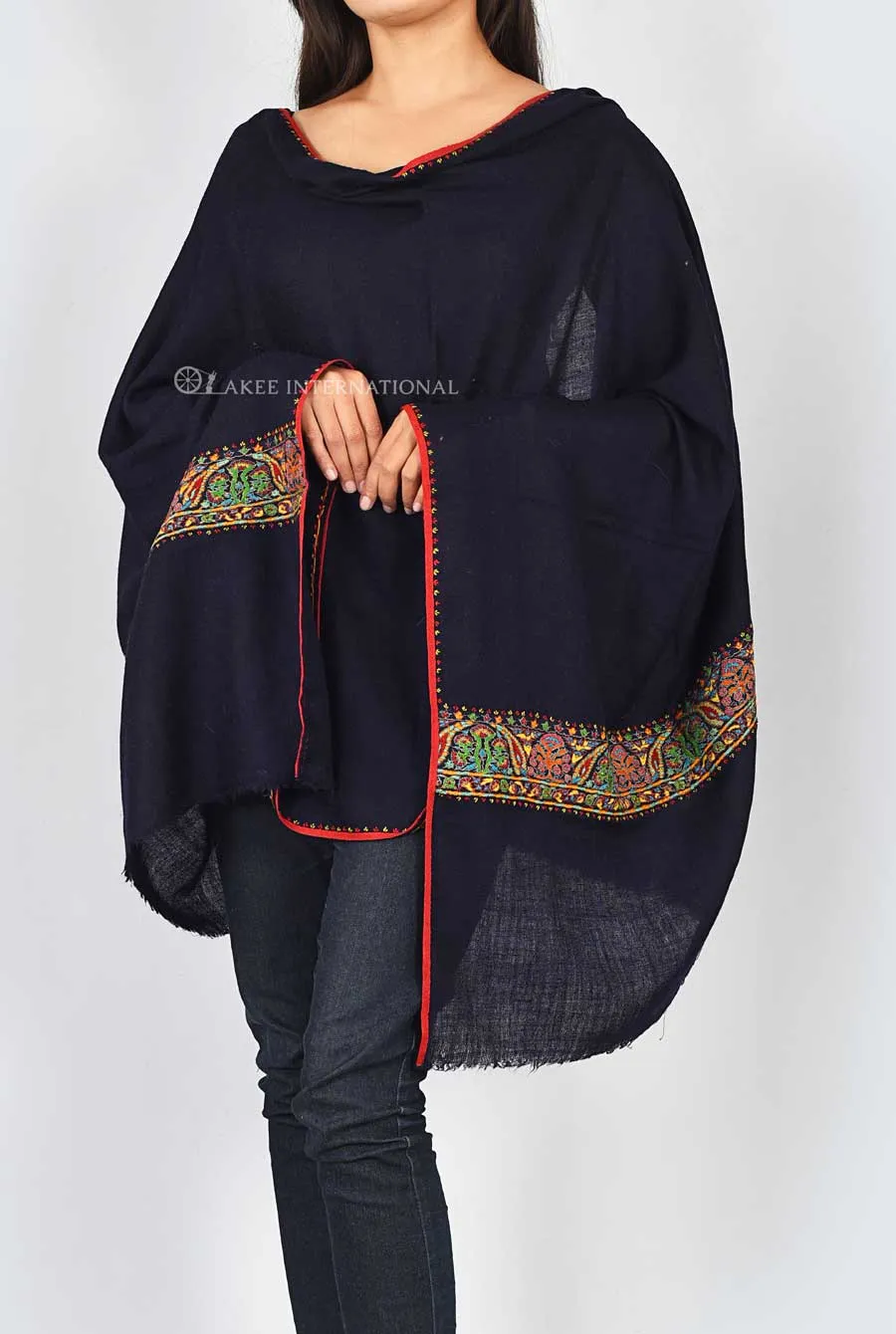
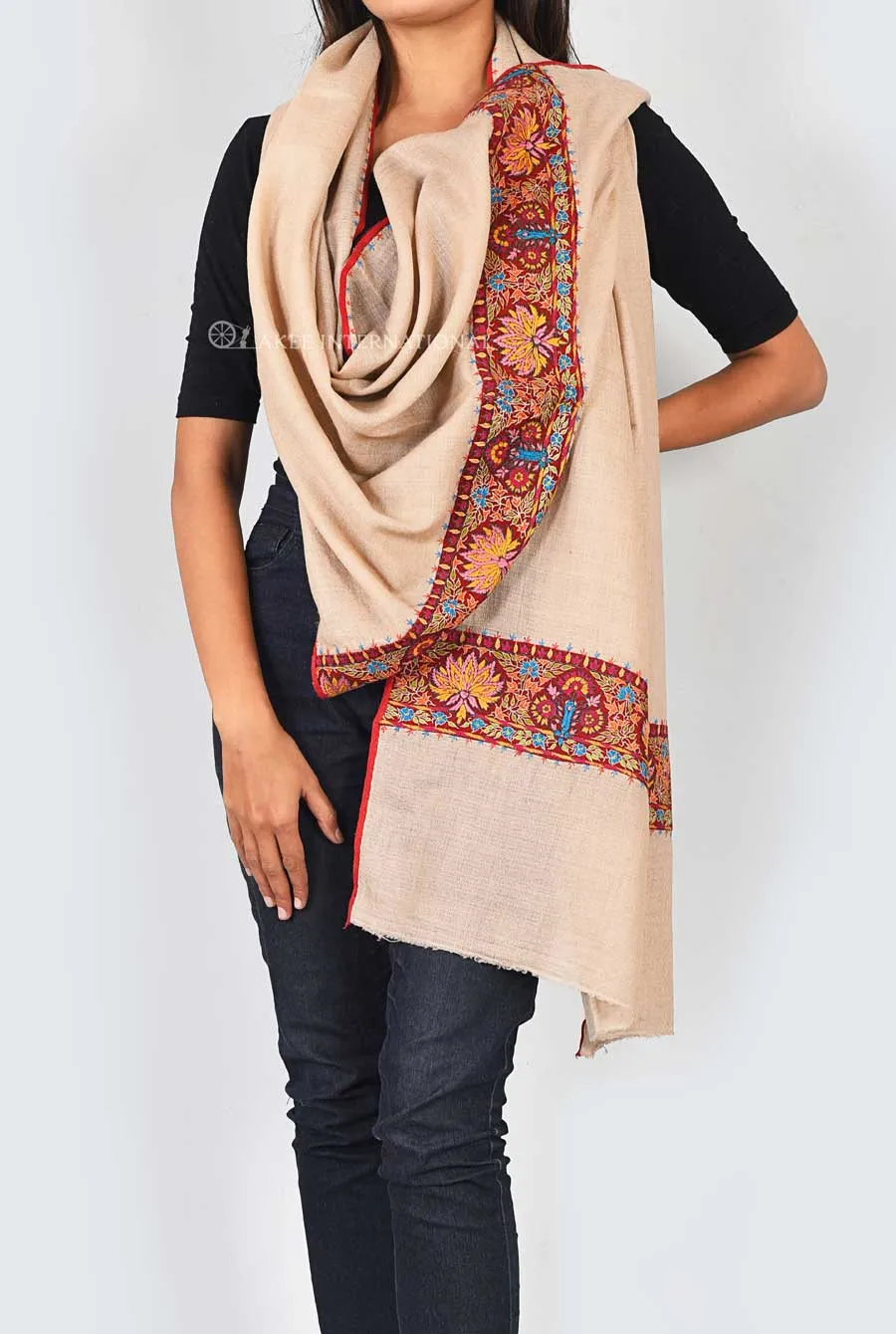
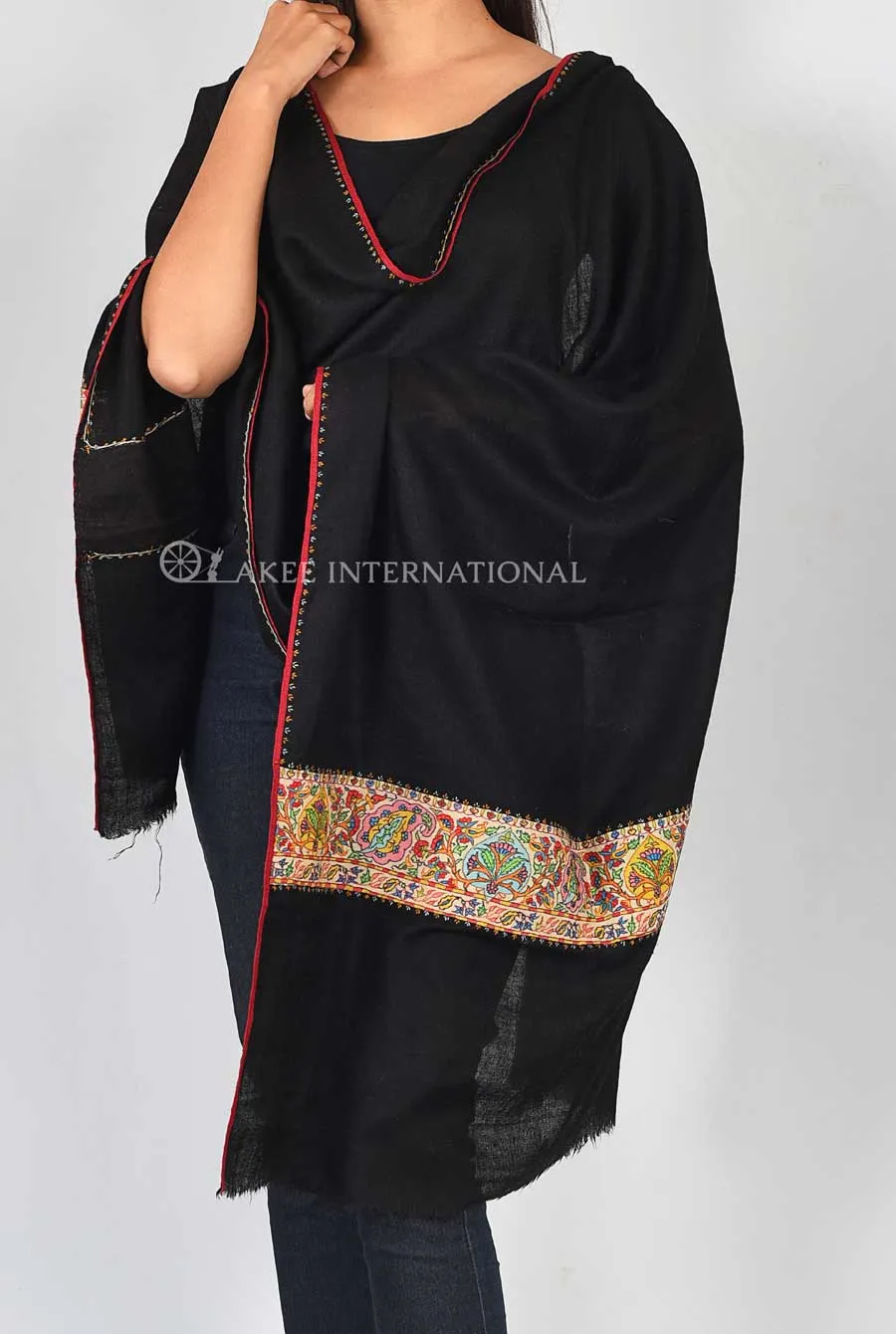
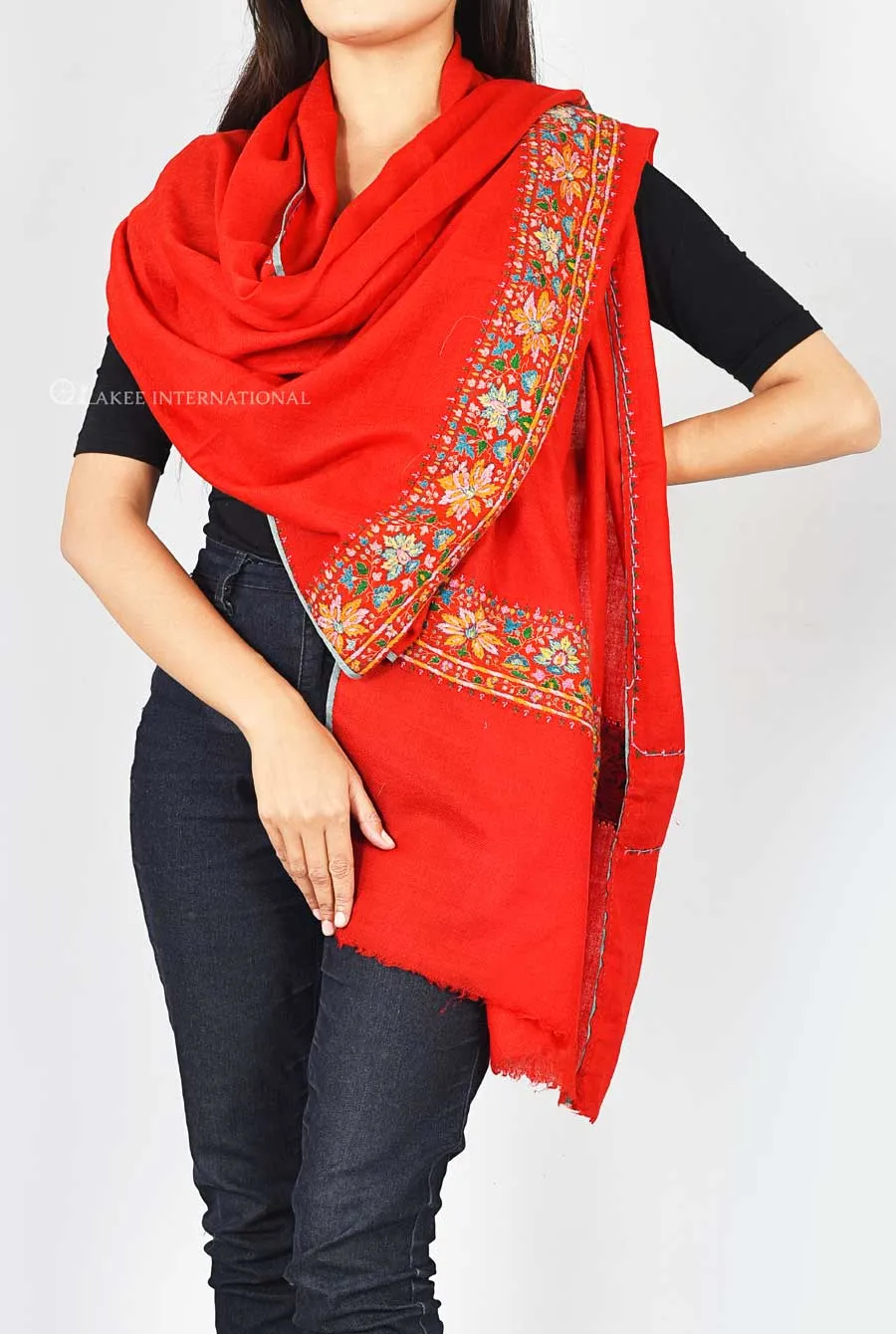
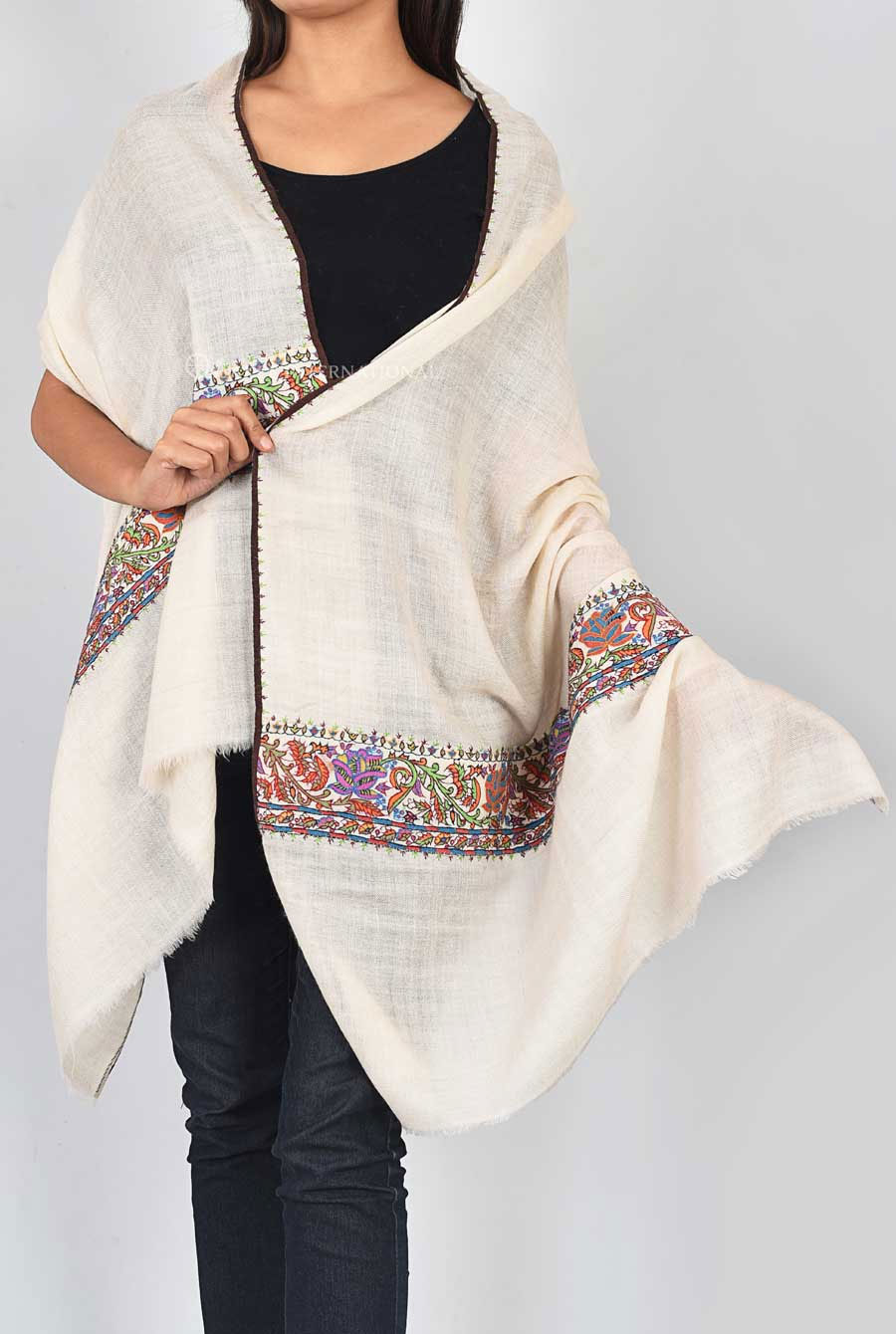
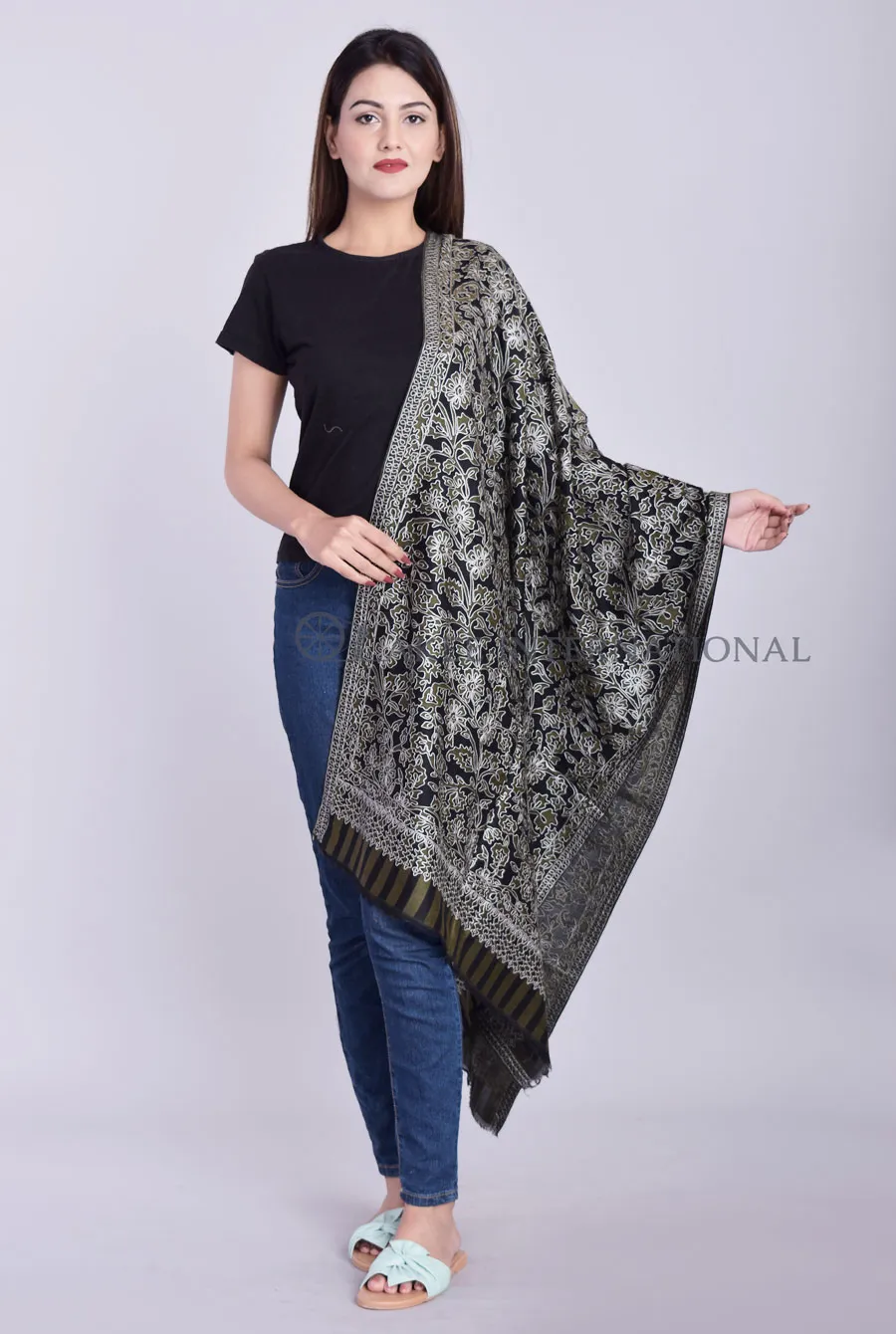
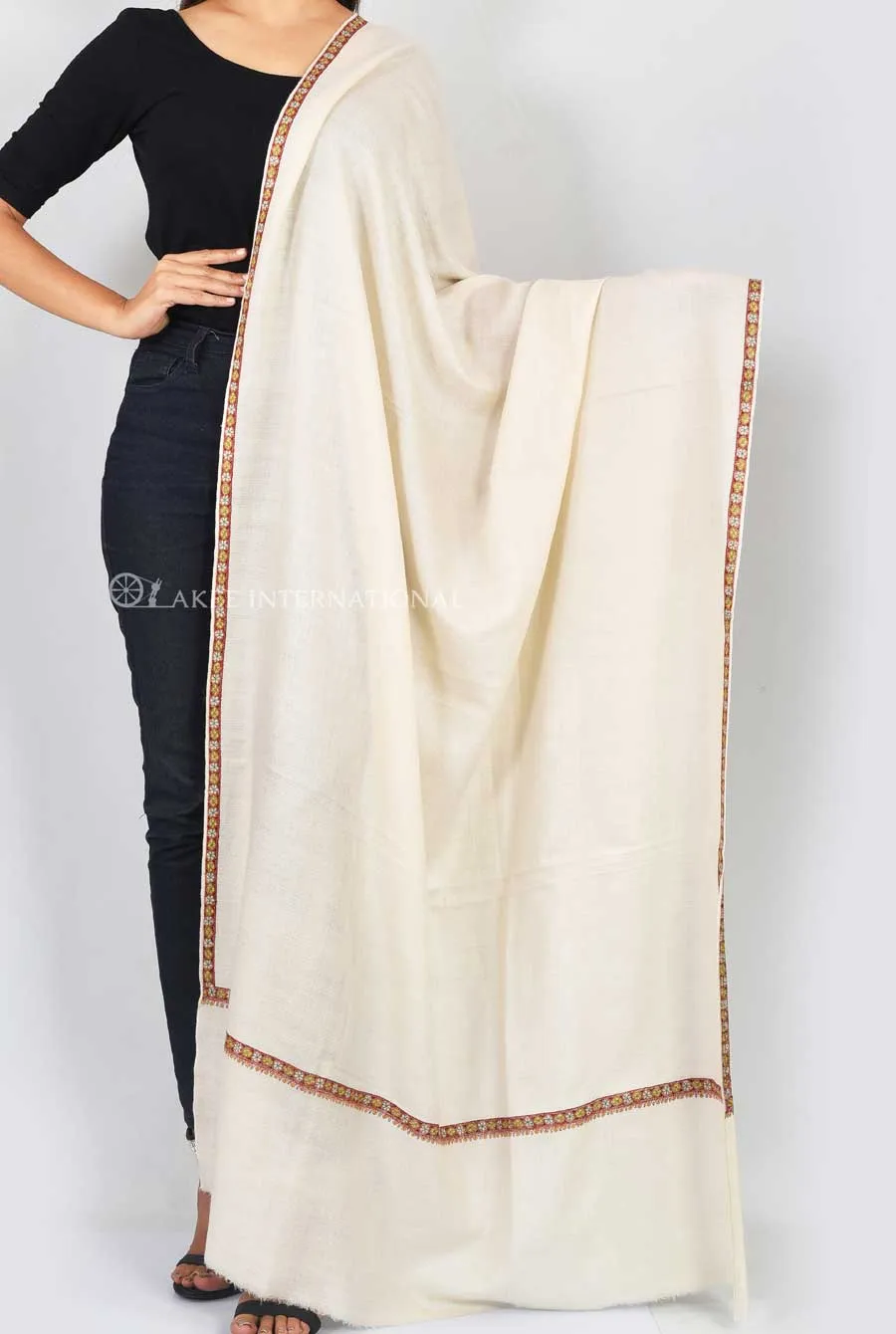
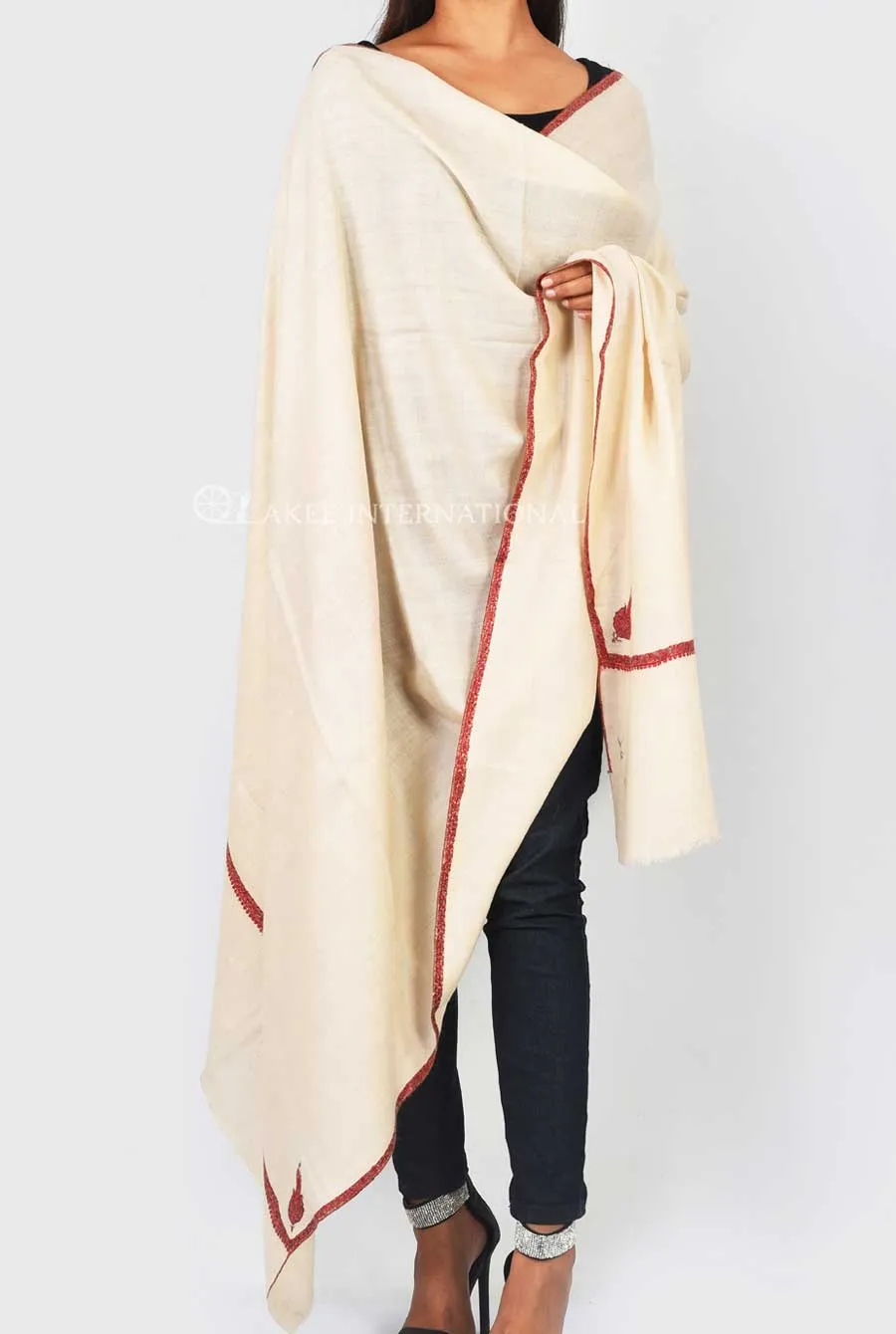
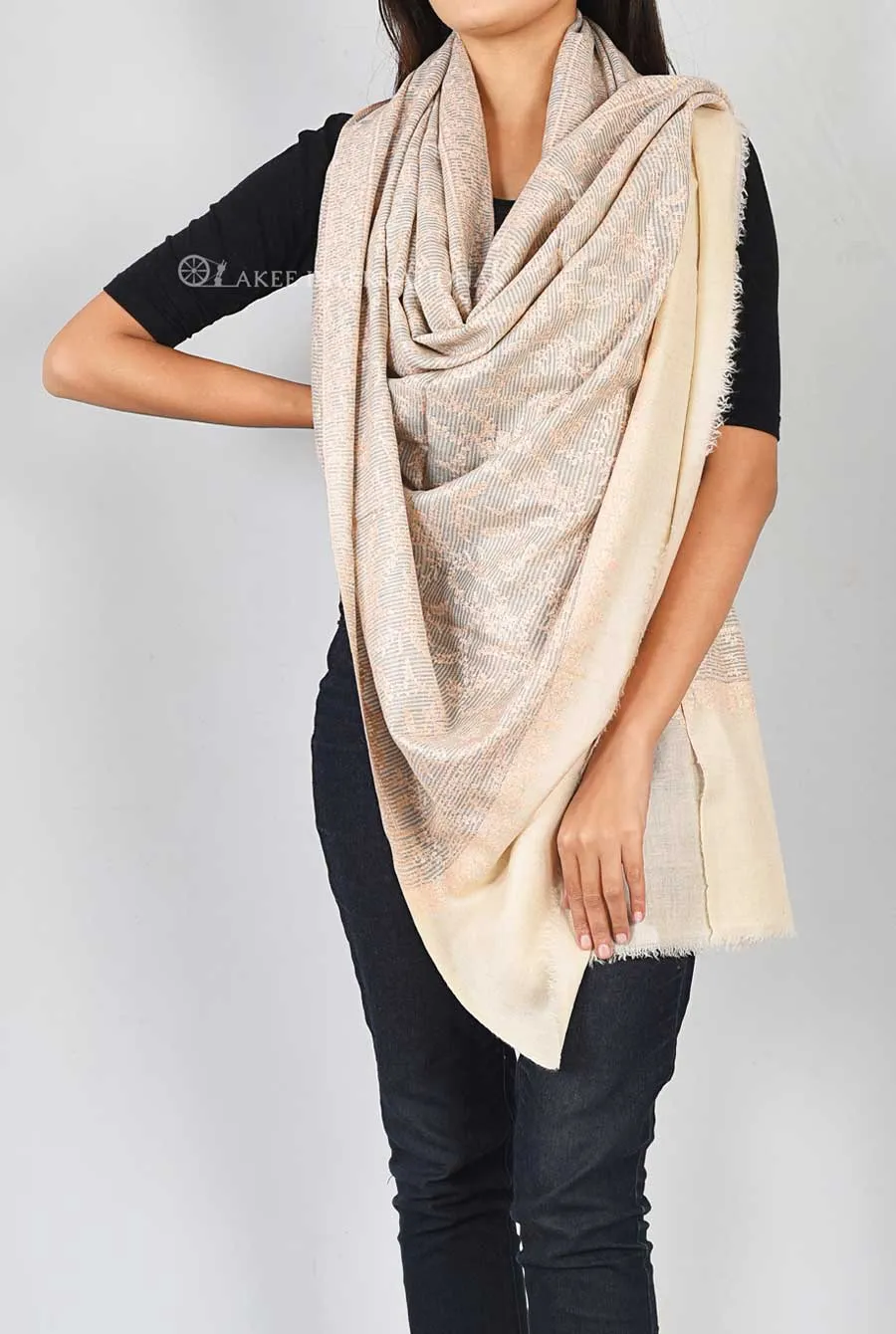
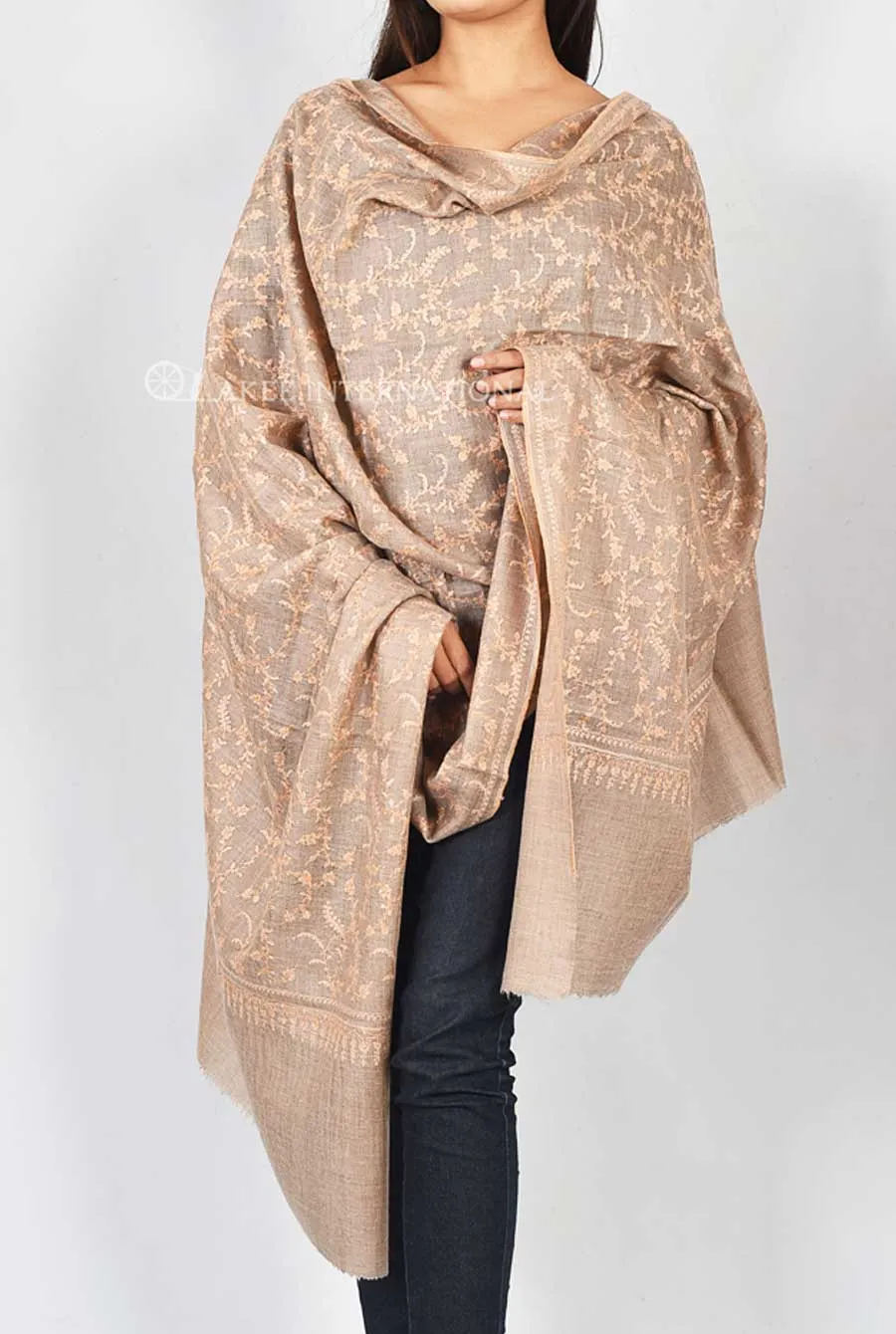
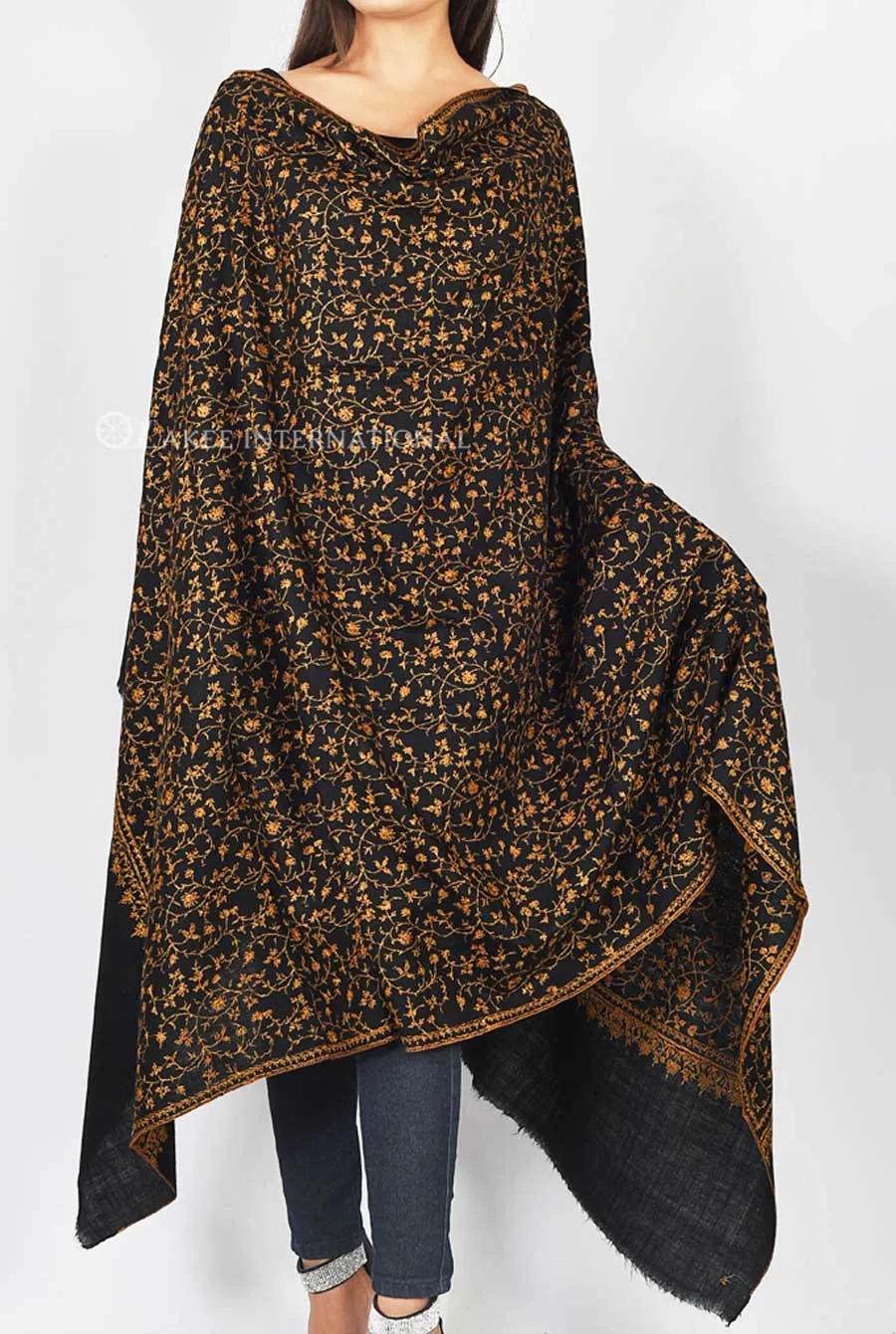
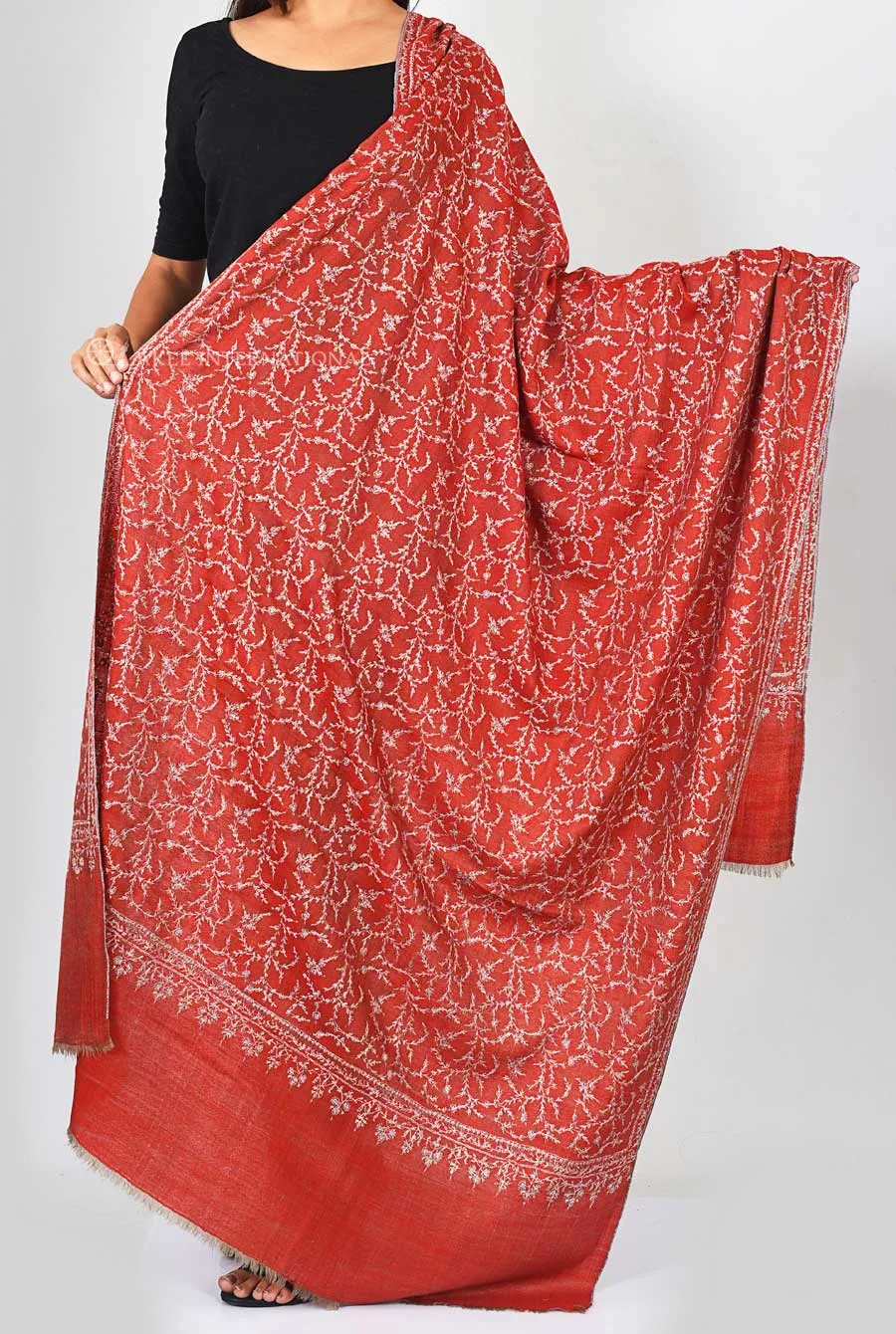
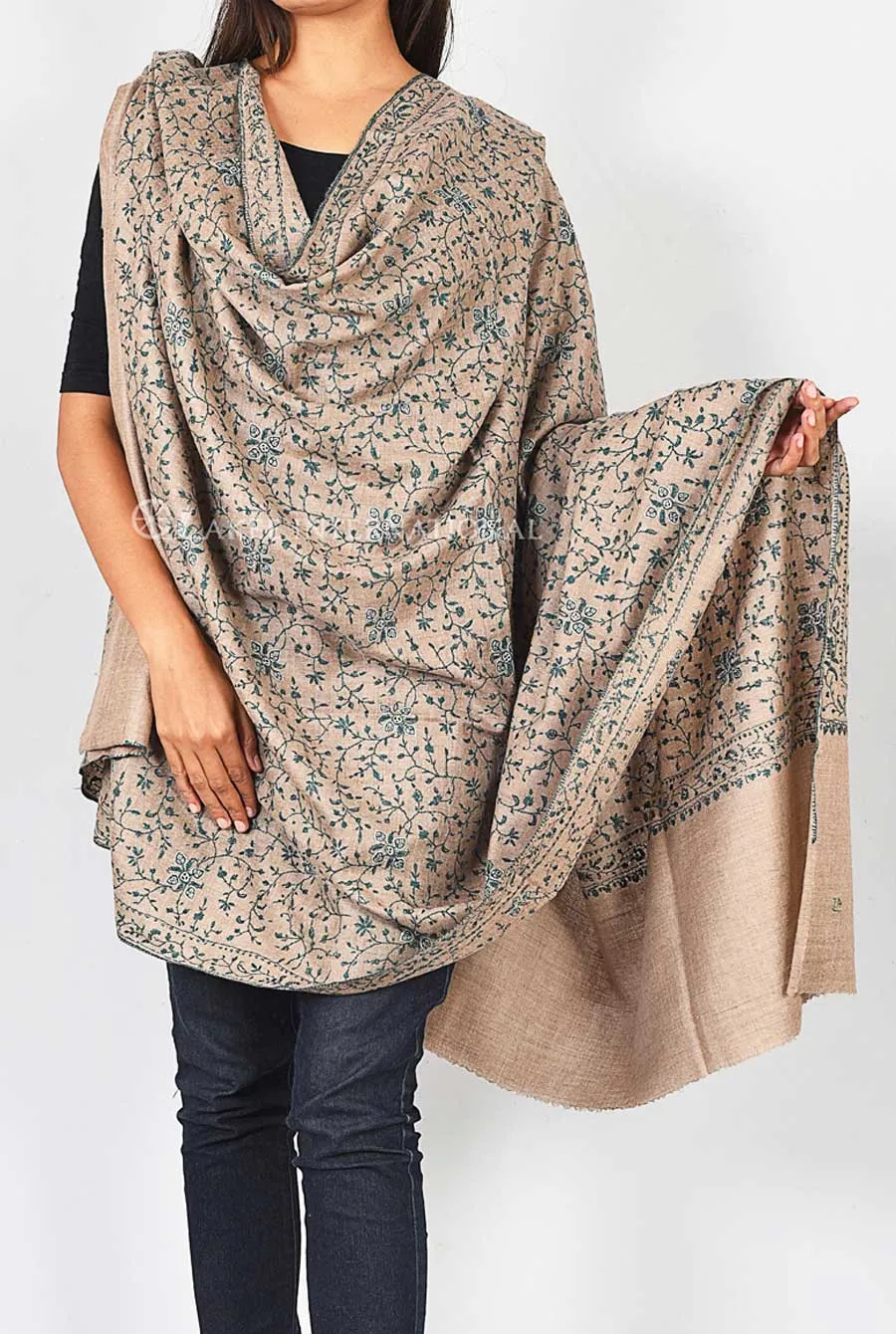
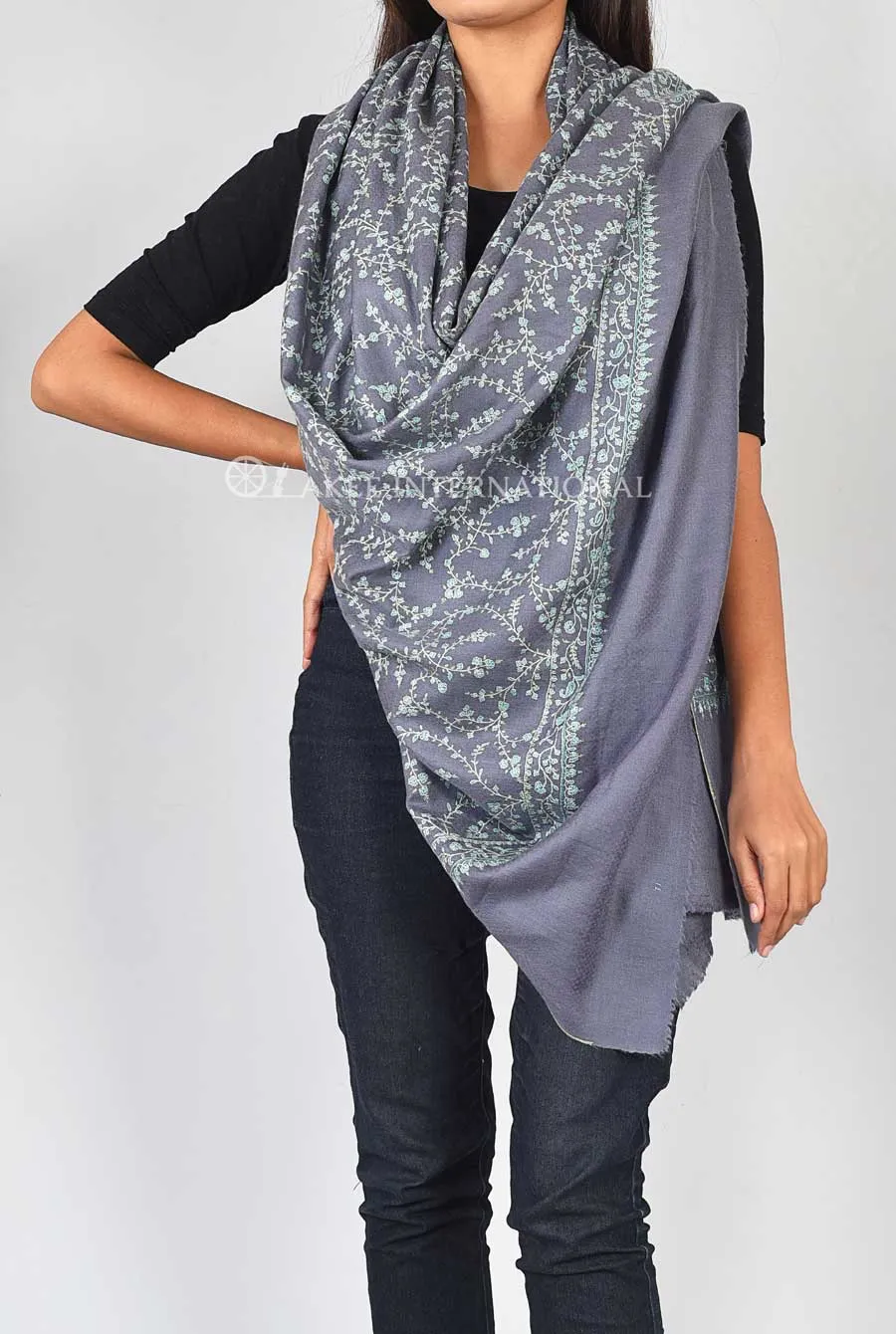
Embroidered pieces add a further pricing dimension on top of base fibre and weaving costs. Border-only embroidery, covering a smaller portion of the shawl, costs less than full-coverage embroidery extending across the entire piece. Embroidery technique matters too — bolder, more efficient Ari work generally costs less than the exceptionally fine, time-intensive Sozni needlework, given the significant difference in production time per unit of coverage between the two techniques.
Larger pieces naturally cost more than smaller ones given the greater material and labour involved, which is why a full shawl typically costs more than an equivalent stole, which in turn costs more than a scarf of similar quality and styling. Buyers working within a specific budget can often access genuine pashmina at a more accessible price point simply by choosing a smaller category — a scarf or light stole — rather than assuming budget constraints require compromising on fibre authenticity.
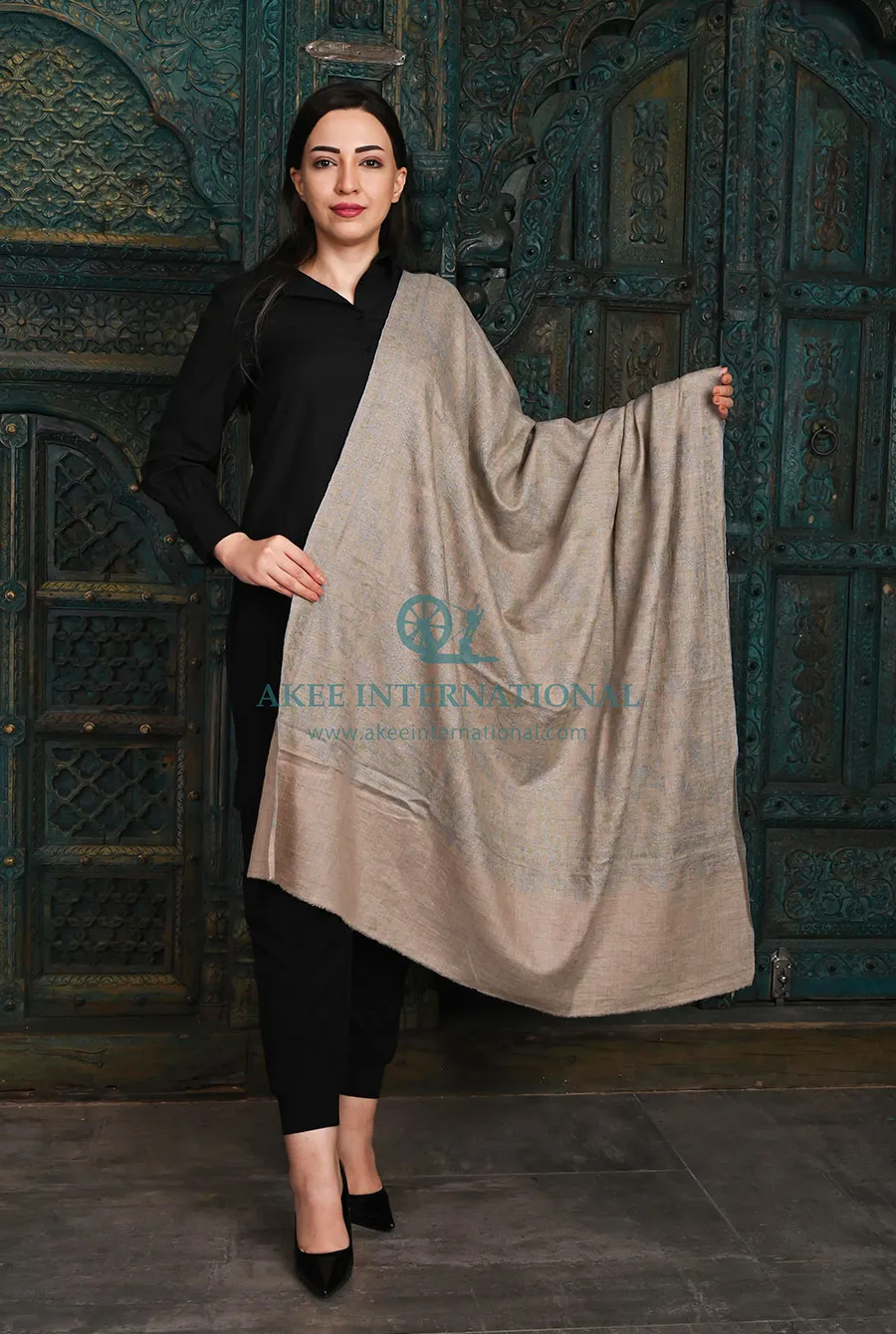
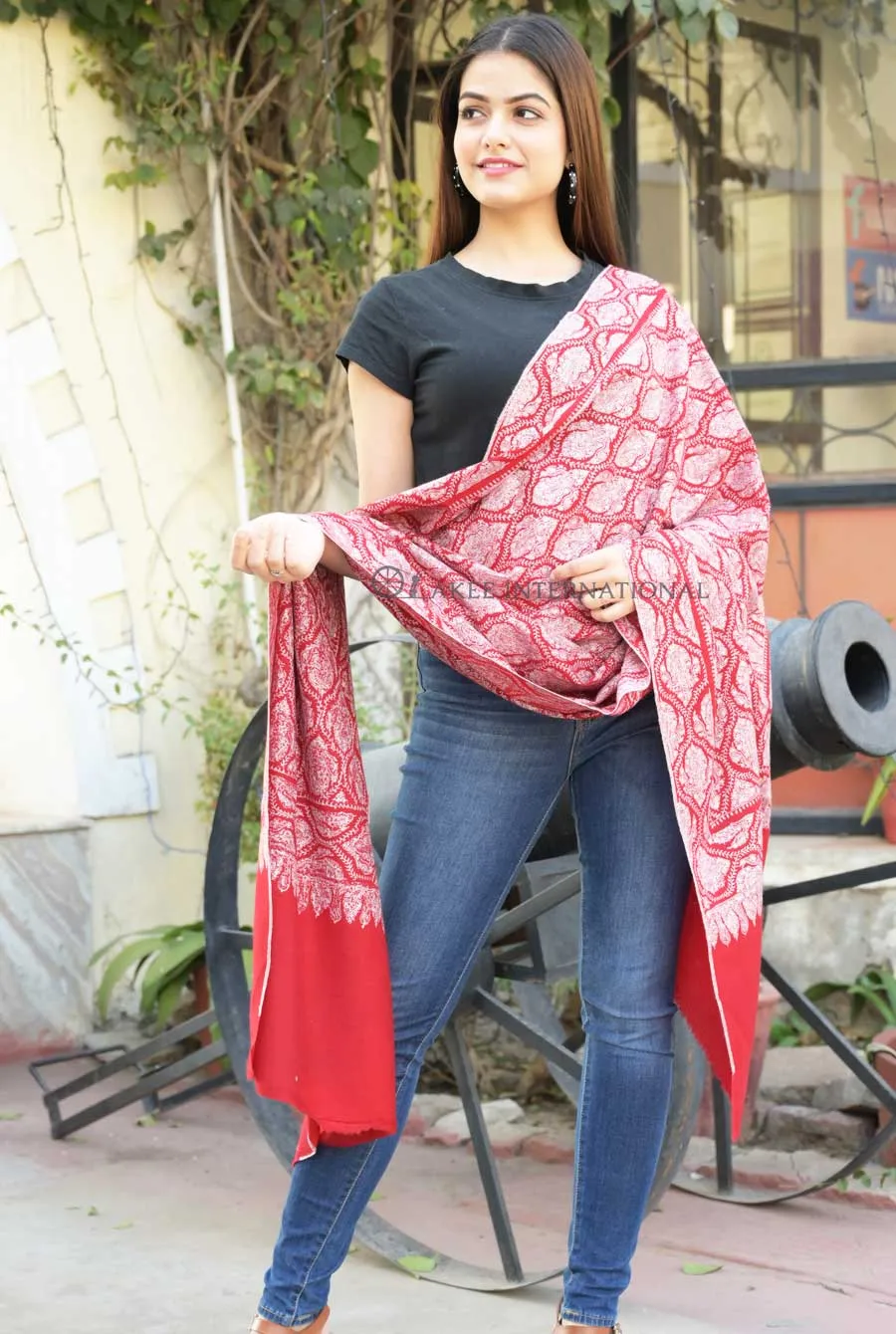
While exact pricing varies by specific piece and current availability, buyers can generally expect plain, unembroidered scarves to sit at the most accessible end of the pashmina price range, with plain shawls costing somewhat more given their larger size. Border-embroidered pieces add a moderate premium over plain equivalents, while full-coverage Ari or Sozni embroidered shawls, and especially genuine Jamawar or Kani woven pieces, command the highest prices within the category, reflecting their substantially greater production time and skill requirements.
When comparing pashmina shawl prices across different sellers, buyers should ensure they're comparing genuinely equivalent products rather than assuming a lower price always represents better value. A significant price difference between two seemingly similar shawls often reflects a real difference in fibre purity, weaving or embroidery technique, or size, rather than one seller simply offering a better deal on an identical product. Asking sellers to specify these details directly allows for a more accurate, apples-to-apples price comparison.
Buyers should treat pricing dramatically below what this guide's factors would suggest as a signal to investigate further rather than assume they've found an exceptional deal. Unusually low prices for claimed pure pashmina, especially for elaborately embroidered or woven pieces, almost always indicate either a wool blend, machine rather than hand production, or a misrepresentation of the actual technique used.
Buyers new to the category and uncertain how much to budget for a first genuine pashmina purchase benefit from starting with a clear sense of priorities — whether the goal is an everyday accessory, a special-occasion statement piece, or a long-term investment item. Starting with a plain or lightly bordered scarf or stole allows a first-time buyer to experience genuine pashmina quality without committing to the higher price point of an elaborately embroidered or woven shawl, building familiarity with the category before considering a larger investment further down the line.
Requesting a custom colour, size, or design modification to an existing piece typically adds to standard pricing, reflecting the additional coordination and, in some cases, production adjustment required beyond a ready-made listing. Buyers planning a custom order should factor this potential premium into their budget planning from the outset, discussing expected cost implications with the team before committing to specific customisation requests, particularly for pieces needed by a fixed deadline like a wedding or gifting occasion.
Given how many variables affect final pricing, the most reliable way to understand cost for a specific need is discussing exact requirements directly with the team — size, fibre preference, weaving or embroidery style, and any customisation needed. Buyers can browse the full product catalogue to see current pricing across different categories, or reach out via WhatsApp at +91-9772777770 for a specific quote.
For pricing questions on any specific pashmina piece, contact the team through Contact Us or WhatsApp at +91-9772777770.
Discover exquisite Pashmina shawls, beautifully crafted with Kashmir’s timeless heritage and artistry.
Discover exquisite Pashmina shawls, beautifully crafted with Kashmir’s timeless heritage and artistry.
Prices vary because "pashmina" covers everything from genuine handmade wool to synthetic blends marketed under the same name.
Wool purity, weaving technique, embroidery, size, and artisan expertise are the primary factors.
No, extremely low prices are a strong indicator of synthetic or blended material rather than genuine pashmina.
Yes, these weaving techniques are significantly more labour-intensive, resulting in higher prices.
Yes, our range spans from accessible scarves to premium exclusive pieces.
Yes, wholesale and bulk buyers receive more competitive per-unit pricing at higher order volumes.
Contact our team directly with your preferences for a personalized quote.
Yes, given proper care, genuine pashmina lasts for decades, making its effective long-term cost lower than cheaper alternatives.
Yes, hand embroidery adds considerable time and skill, which is reflected in the final price.
Yes, we're happy to explain the specific factors behind any product's pricing upon request.
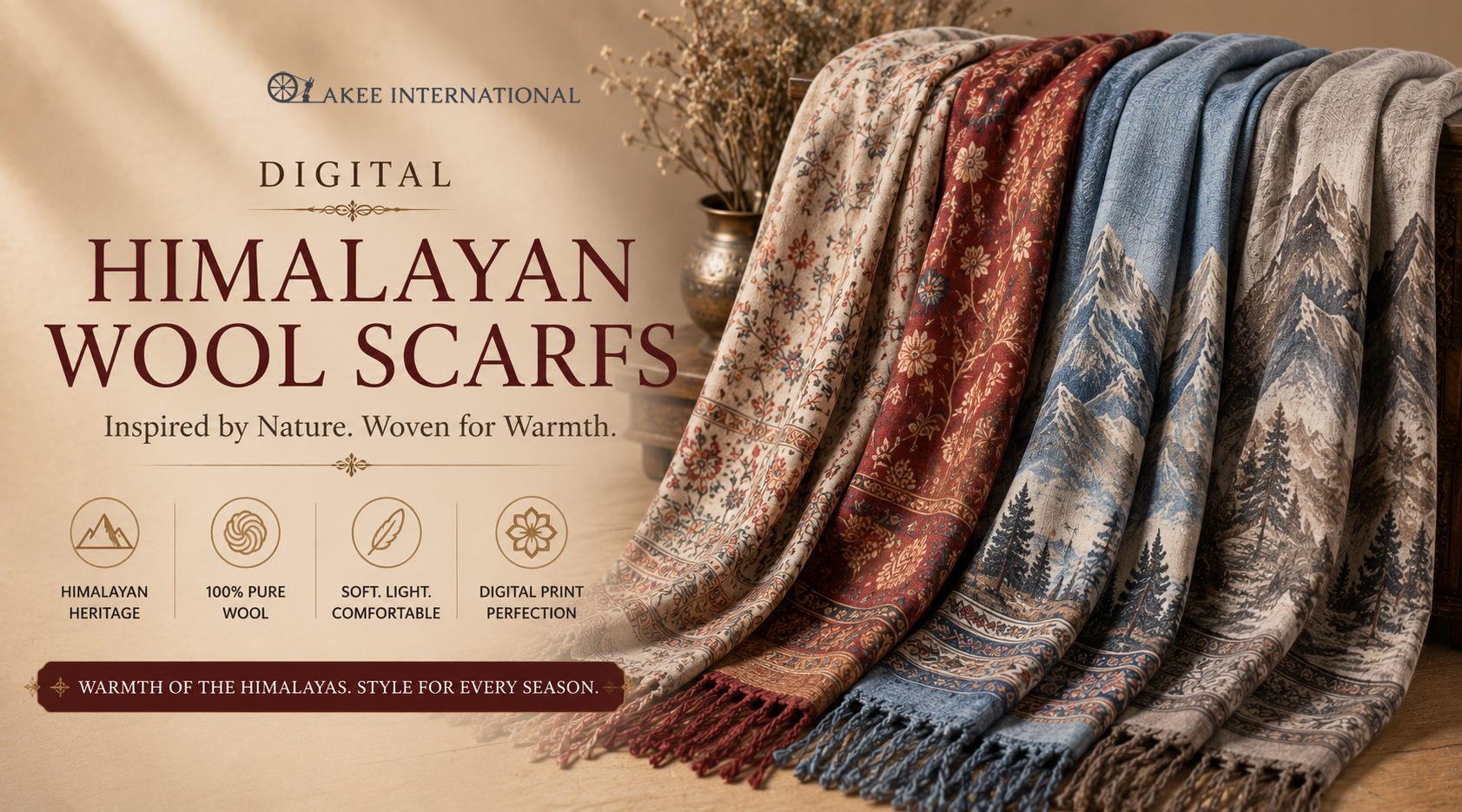
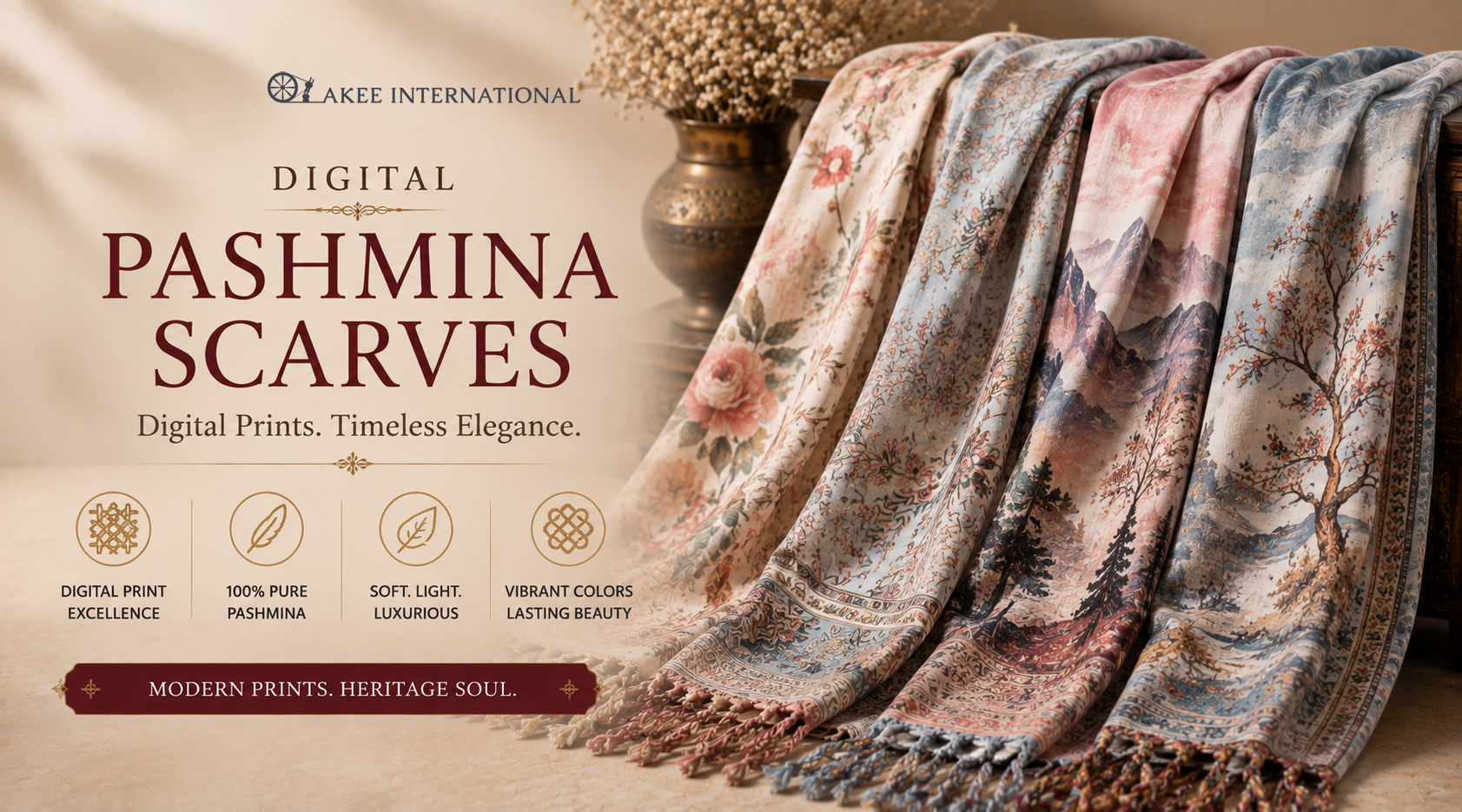
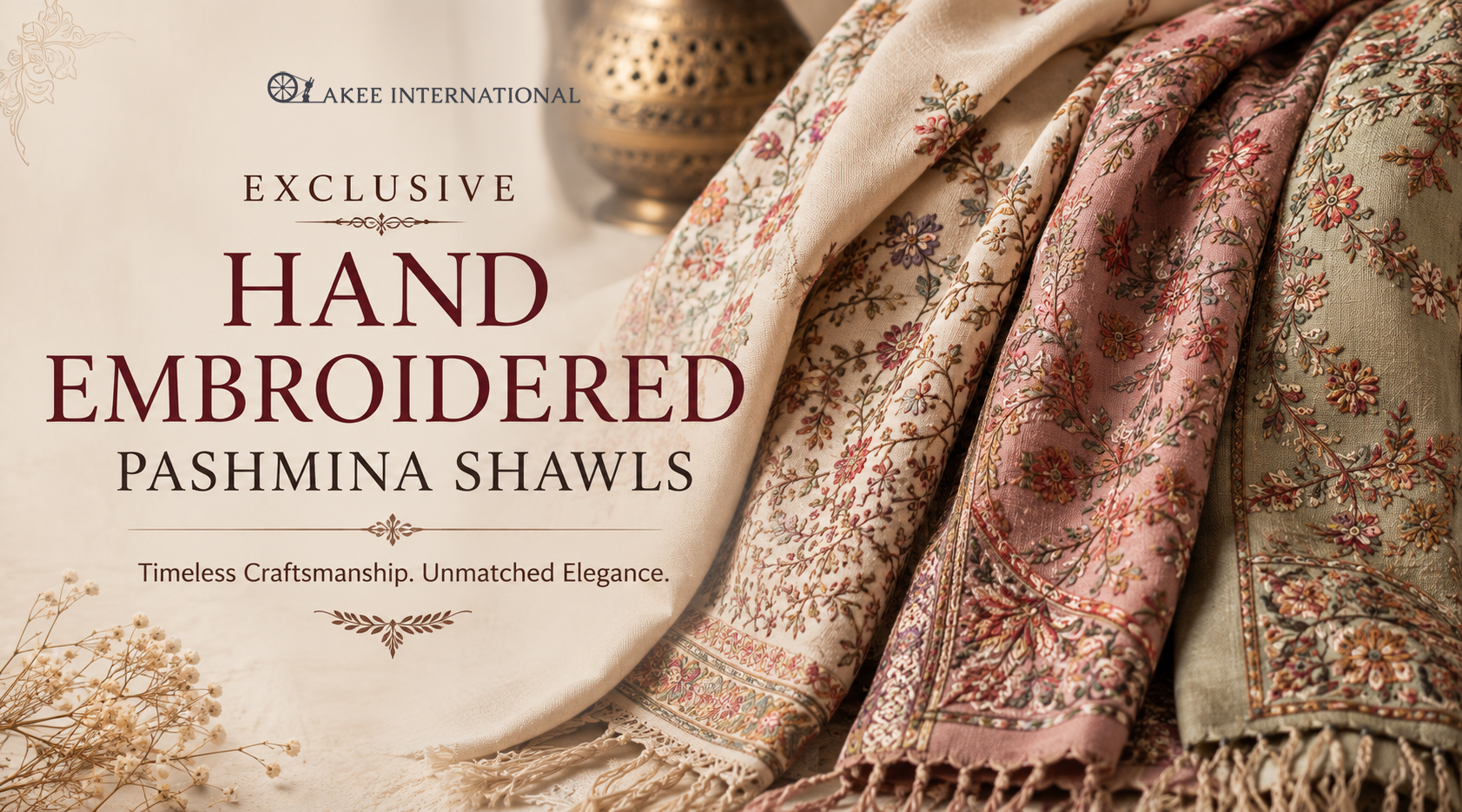
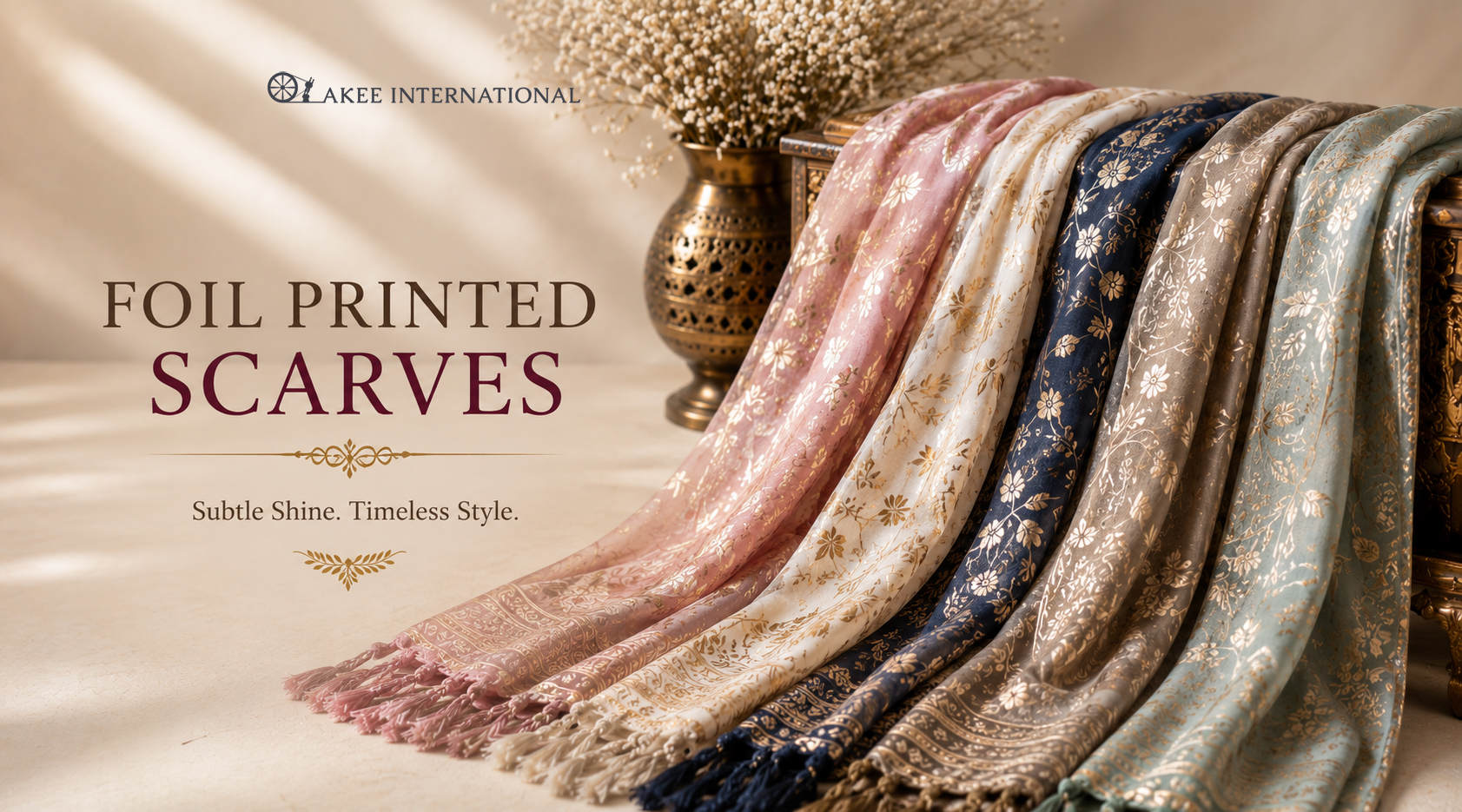
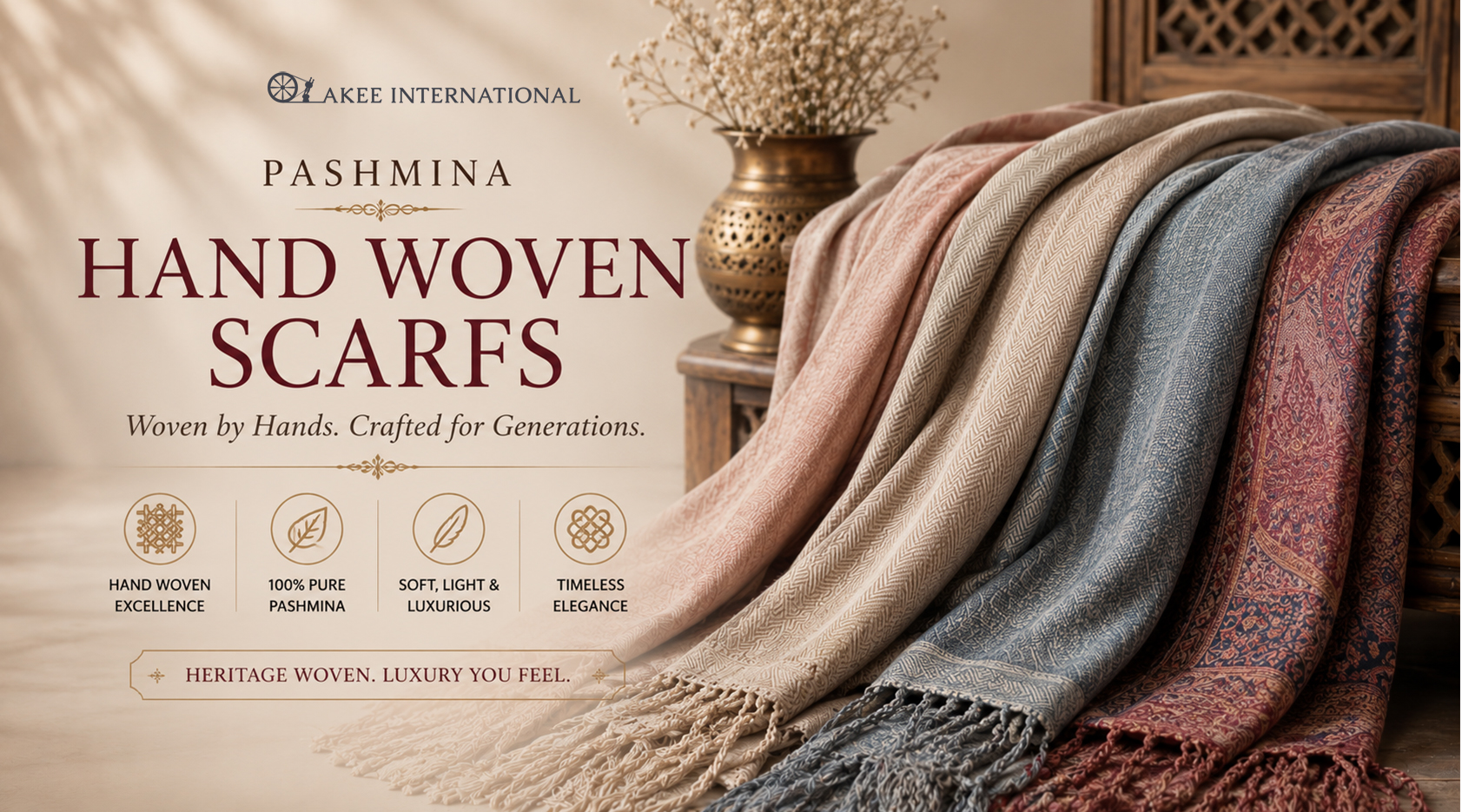
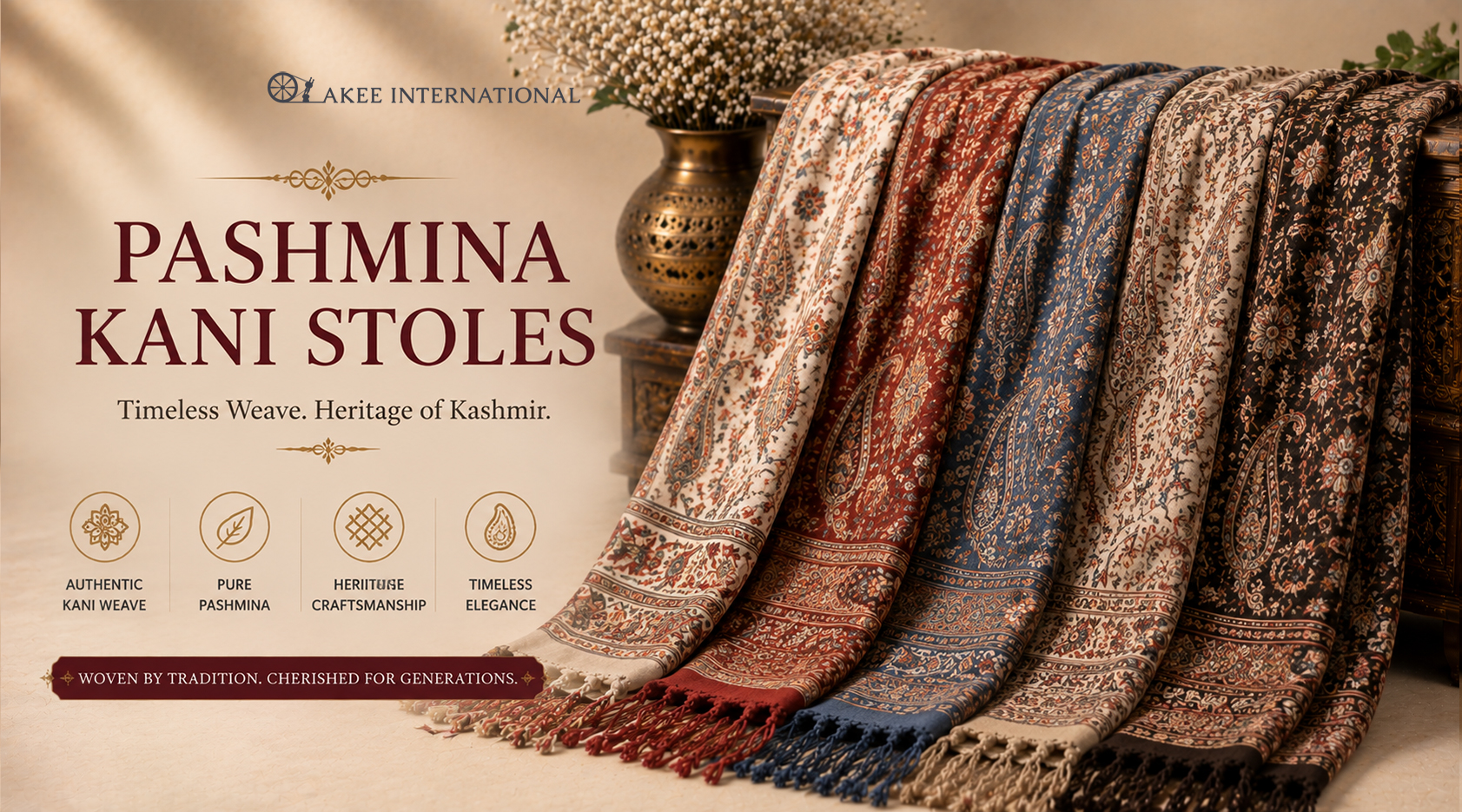
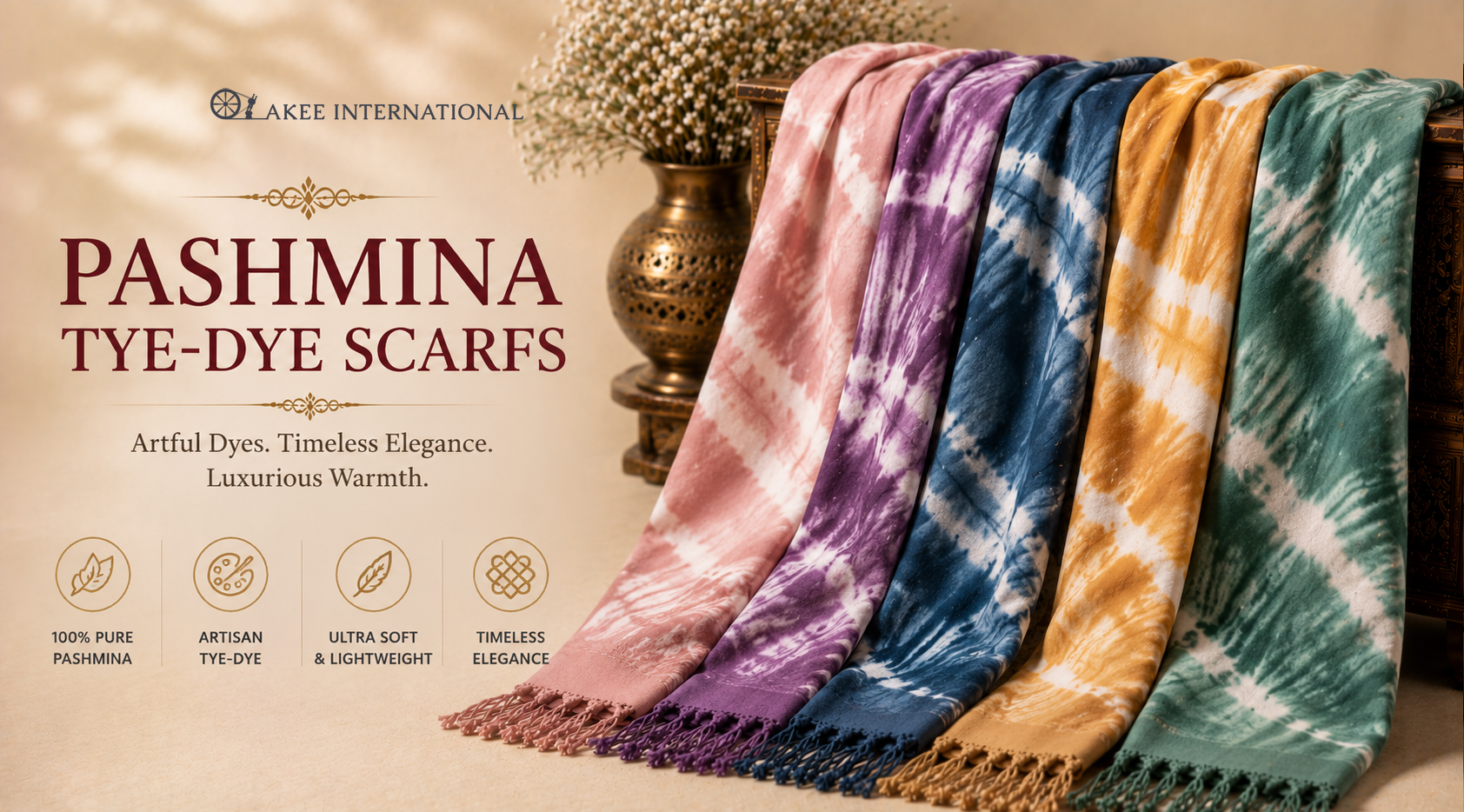
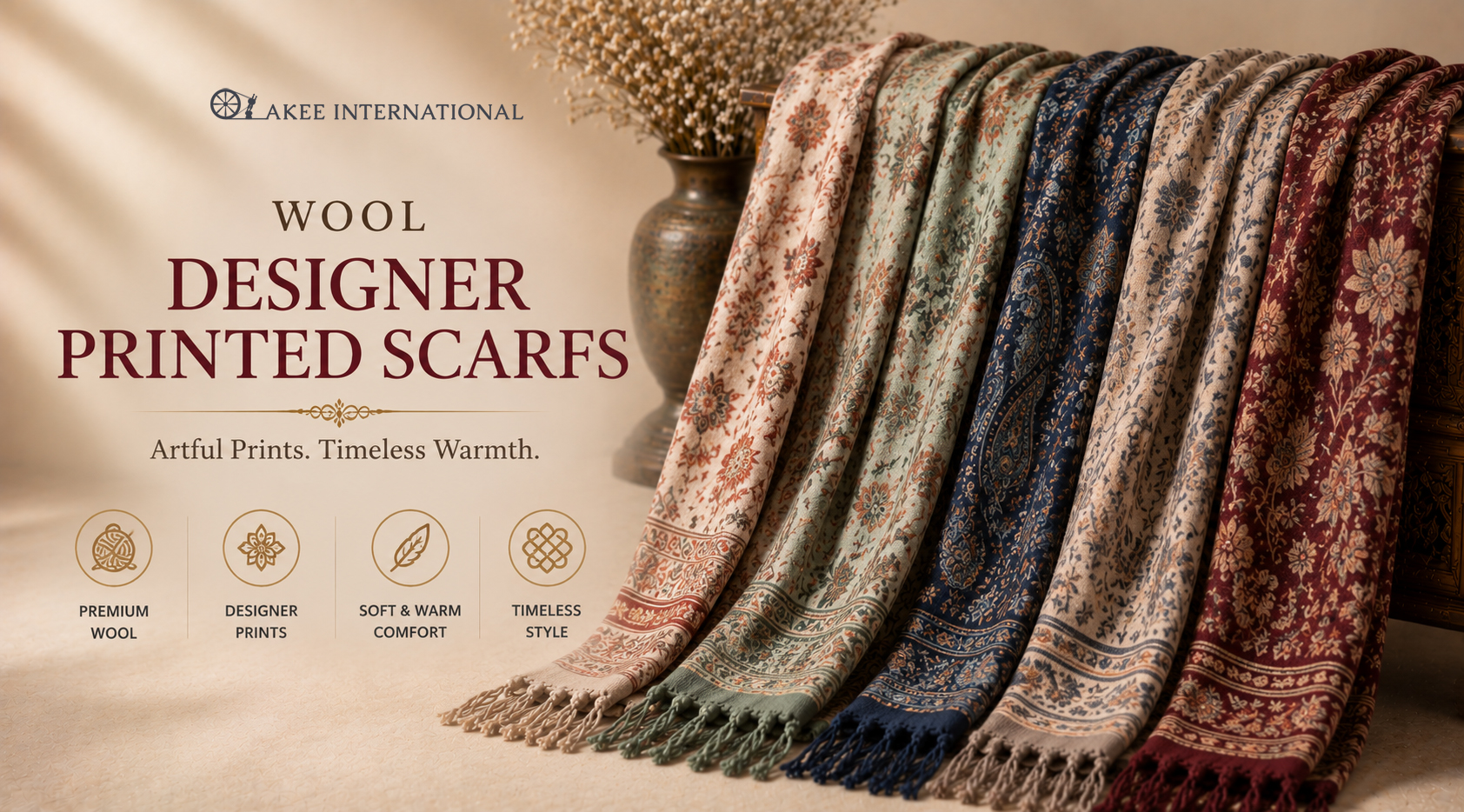
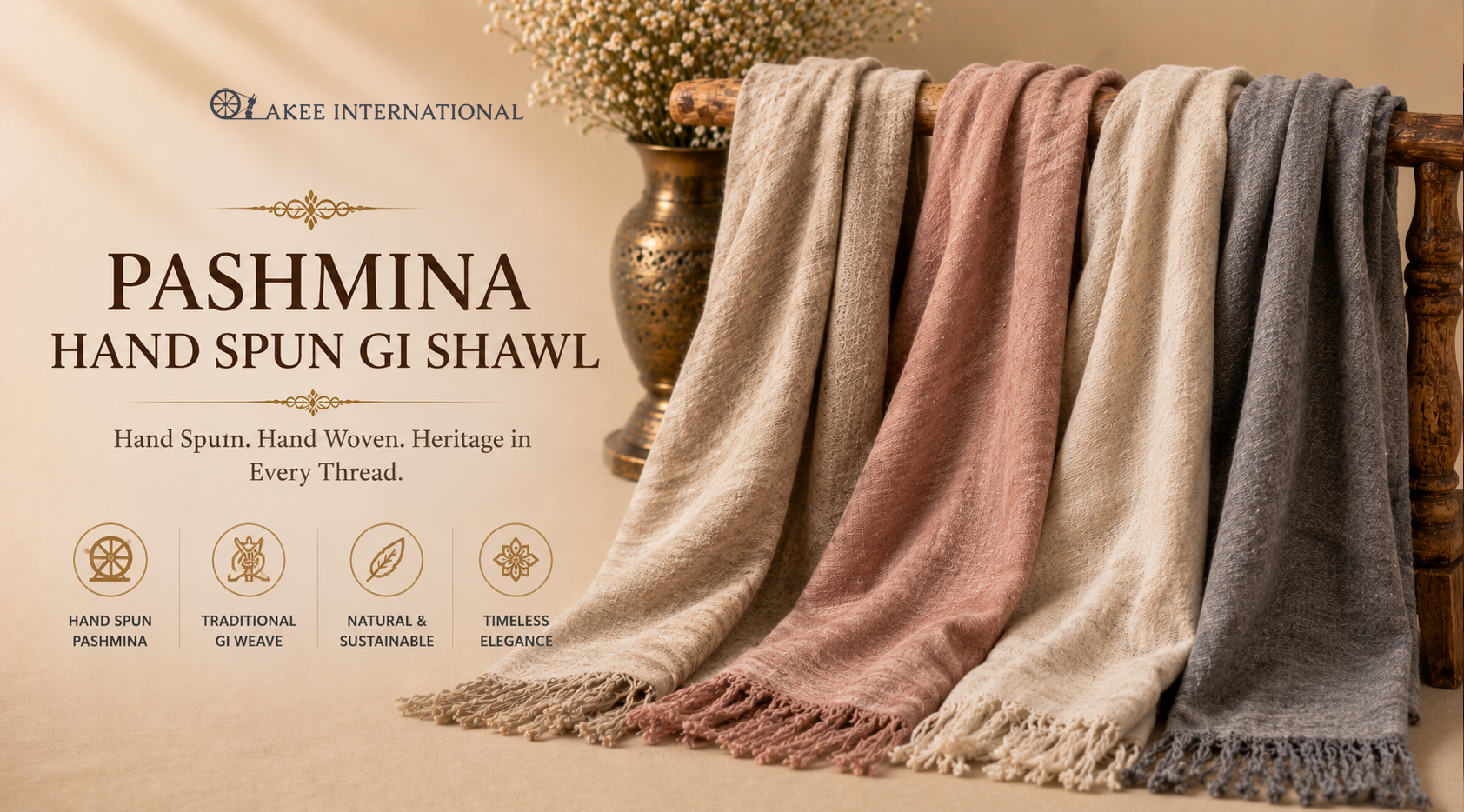
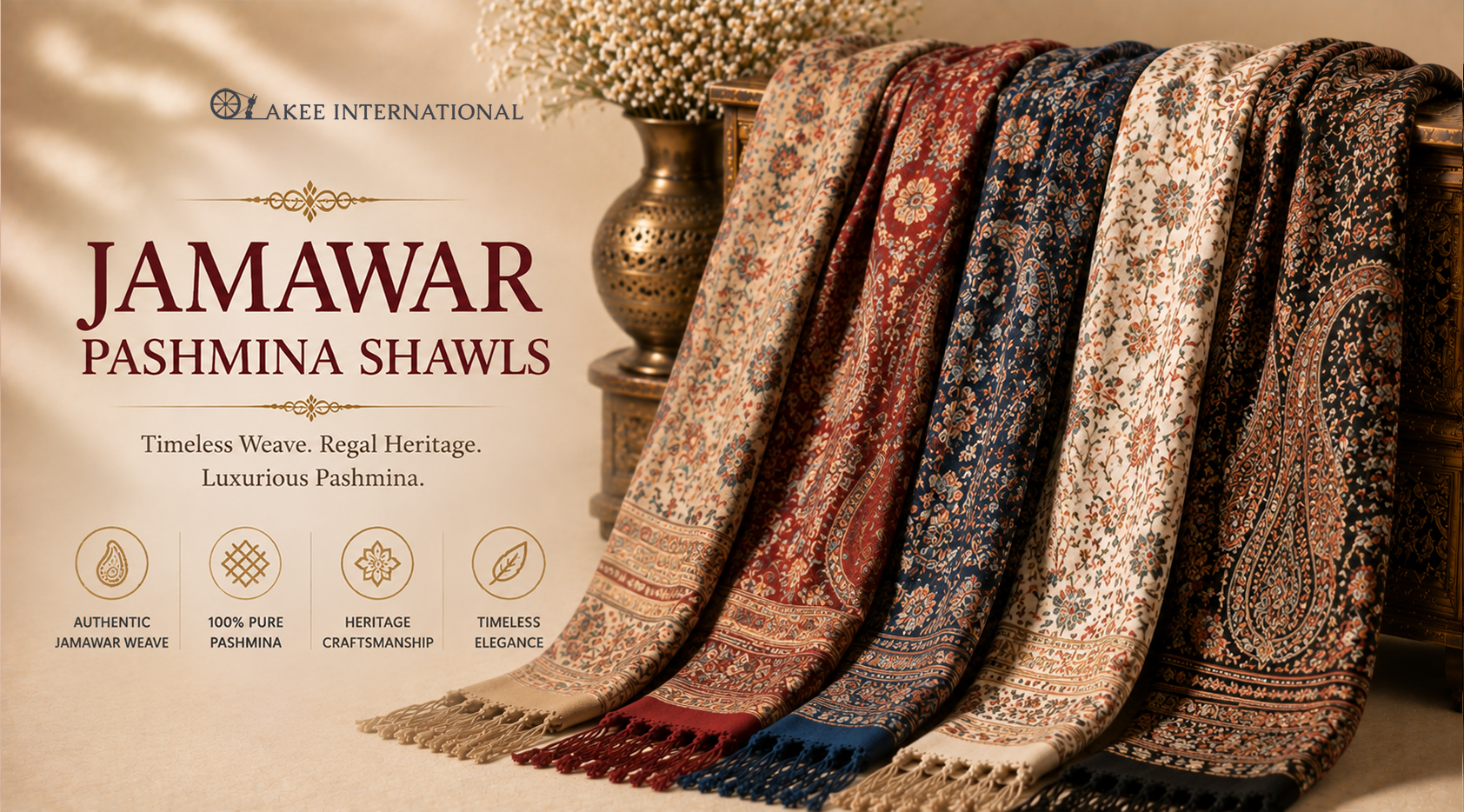
Discover exquisite Pashmina shawls, beautifully crafted with Kashmir’s timeless heritage and artistry.
"Read what our clients say about their experience with Akee International's luxurious Pashmina shawls and impeccable service."

Nai Mata Mandir Road, Thathar Road, Delhi By Pass, Amer, Jaipur 302028, Rajasthan India
Get directions Call Now Whatsapp 4.9 based on 269 reviews

Rating: 4.6/5 | 85 Reviews

Rating: 4.9/5 | 269 Reviews

TrustScore: 4.9 | 100 Reviews