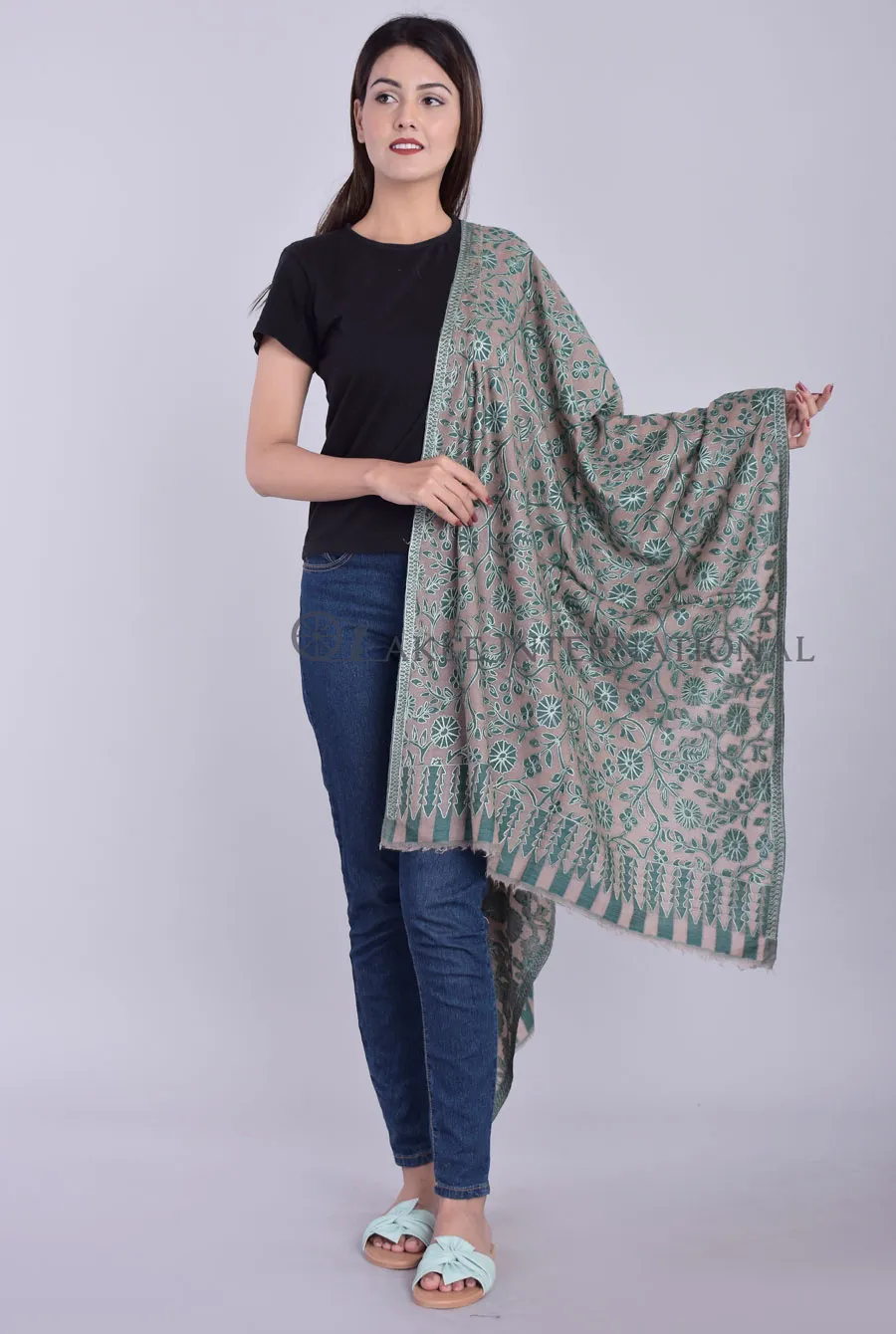
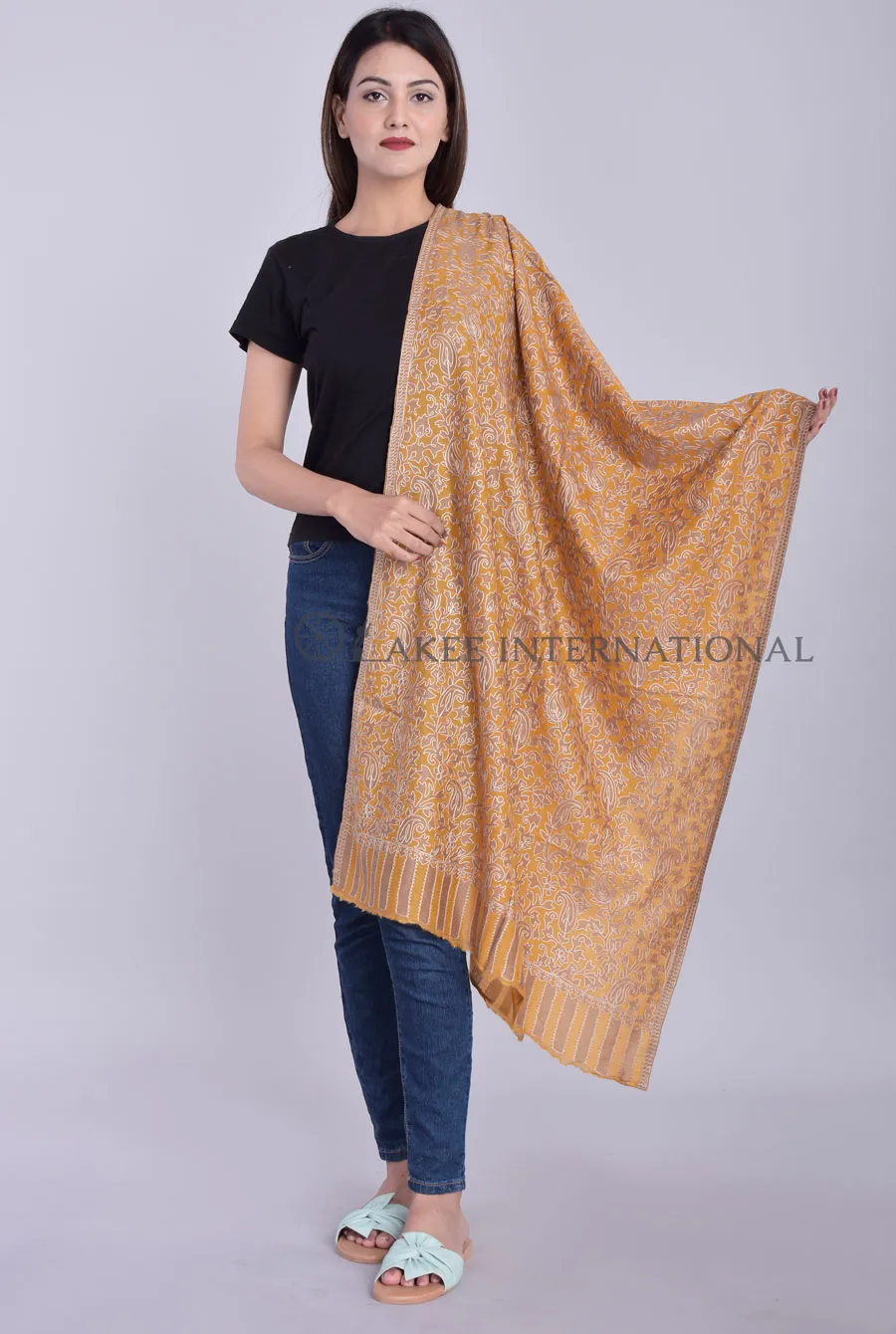
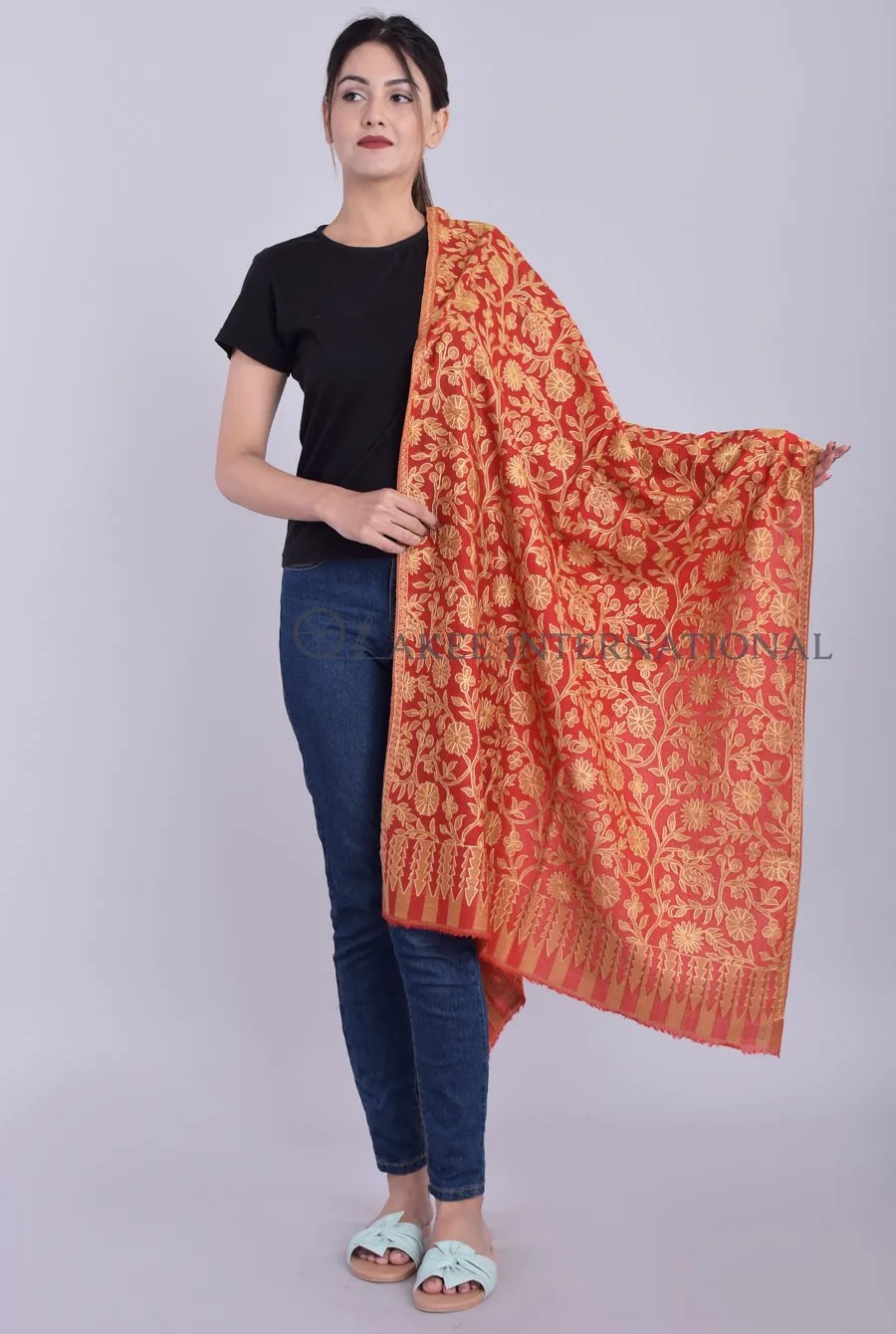
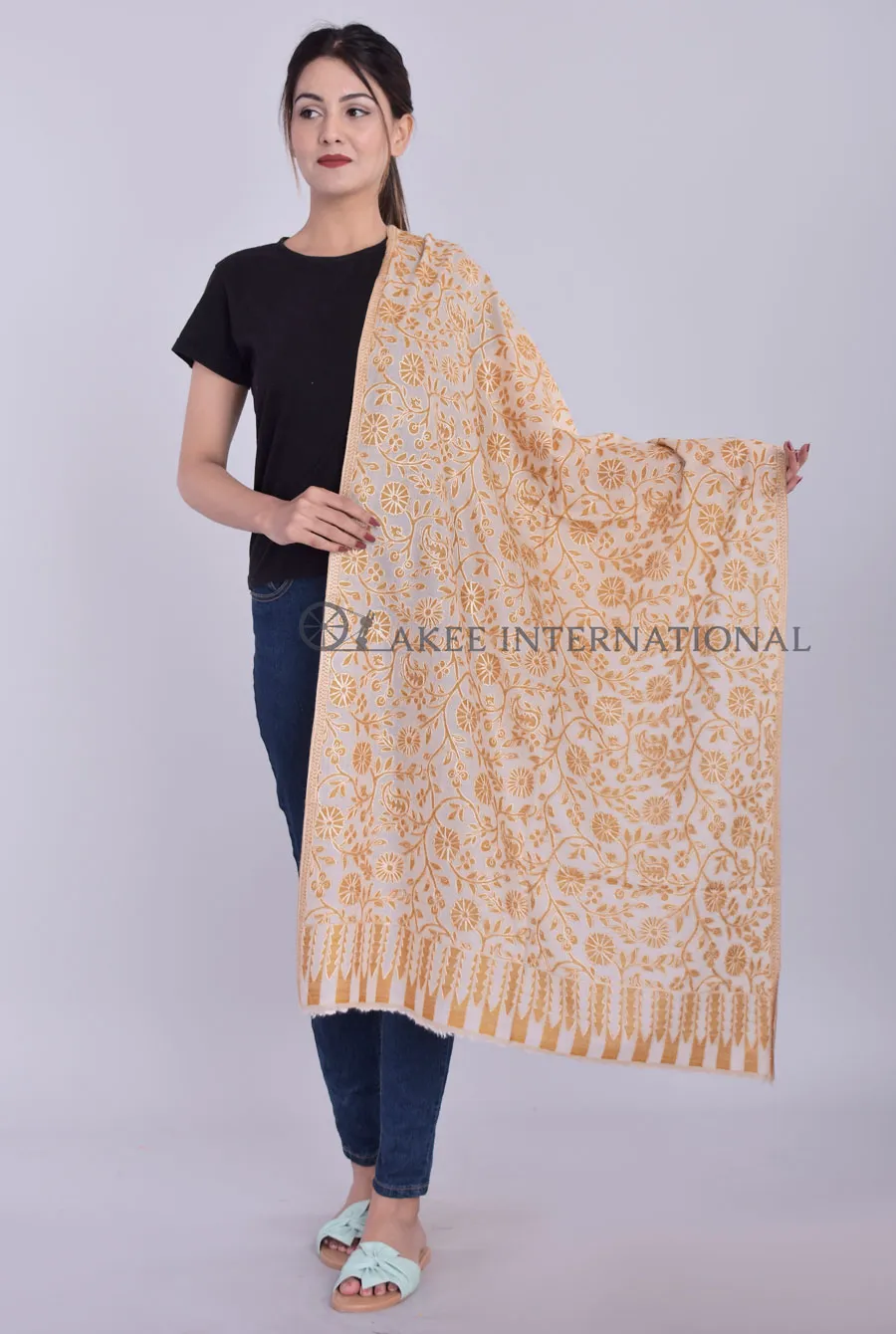
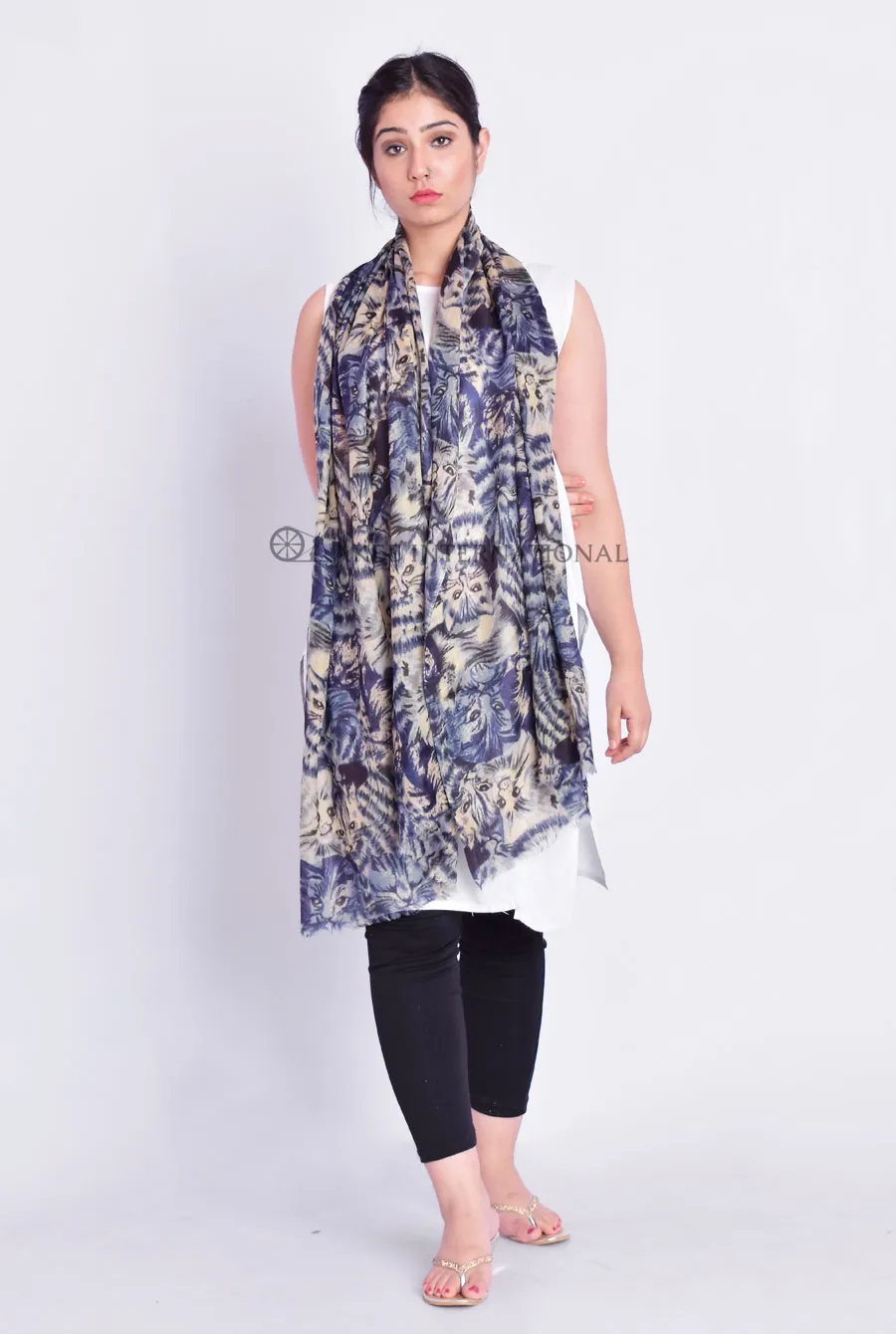
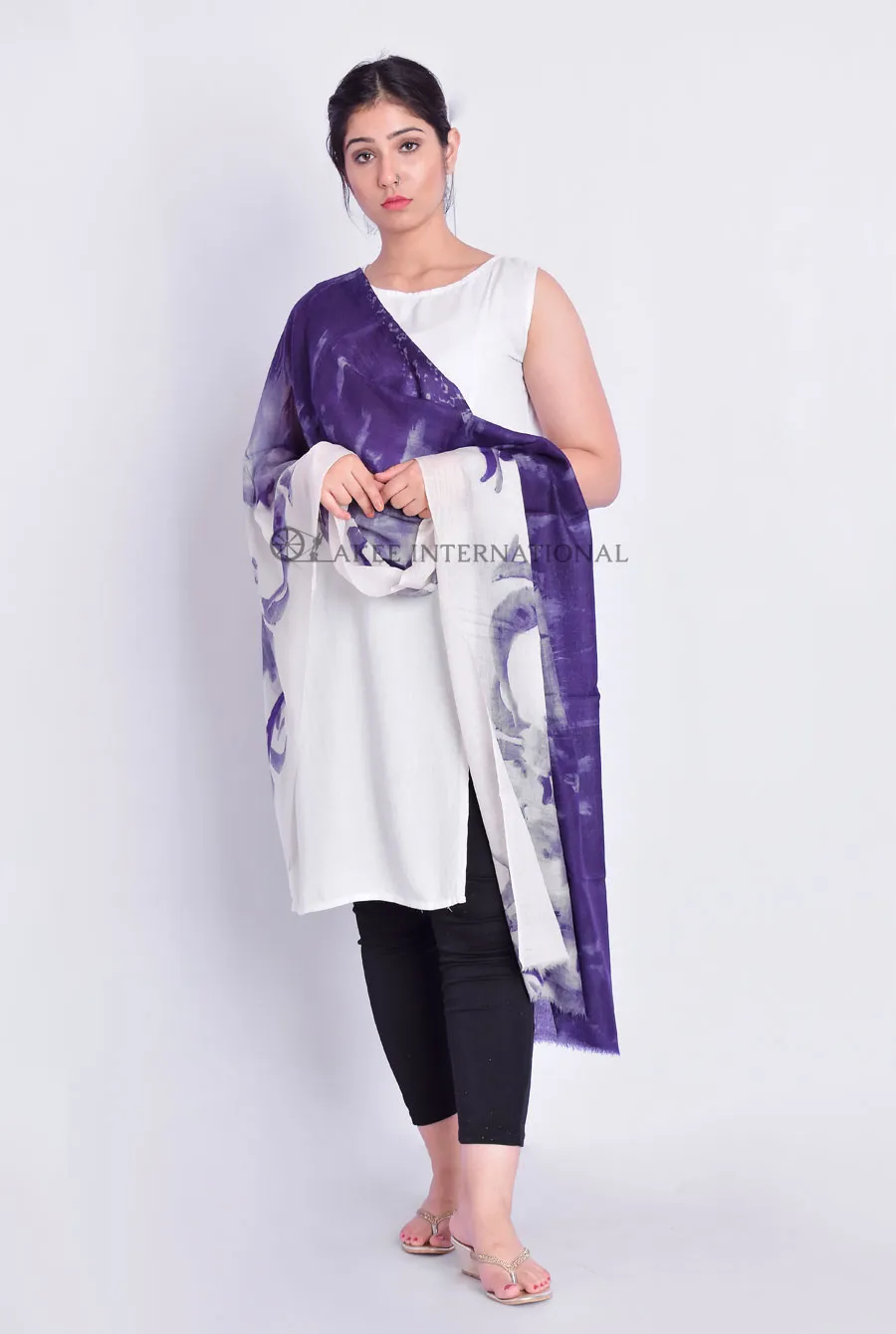
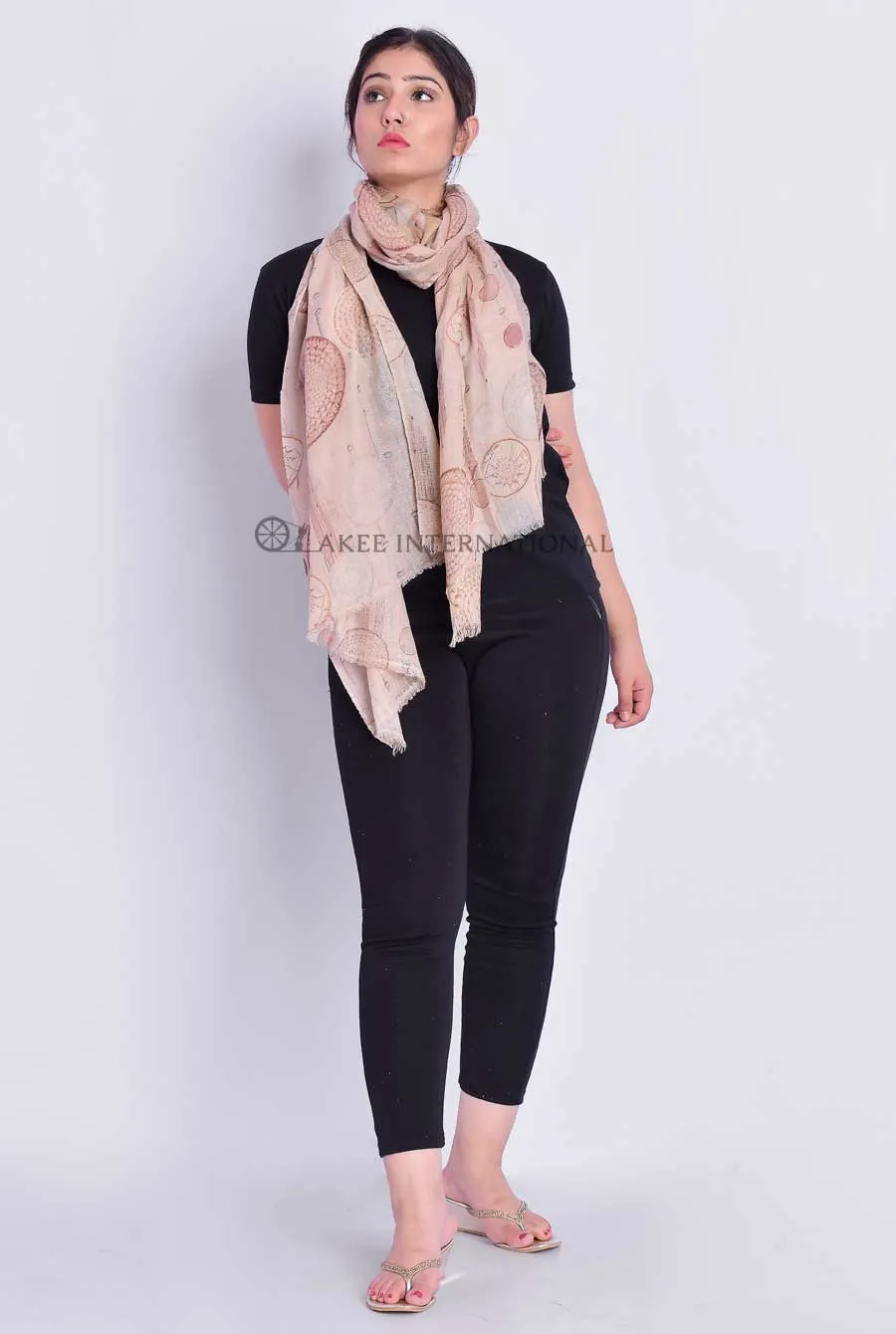
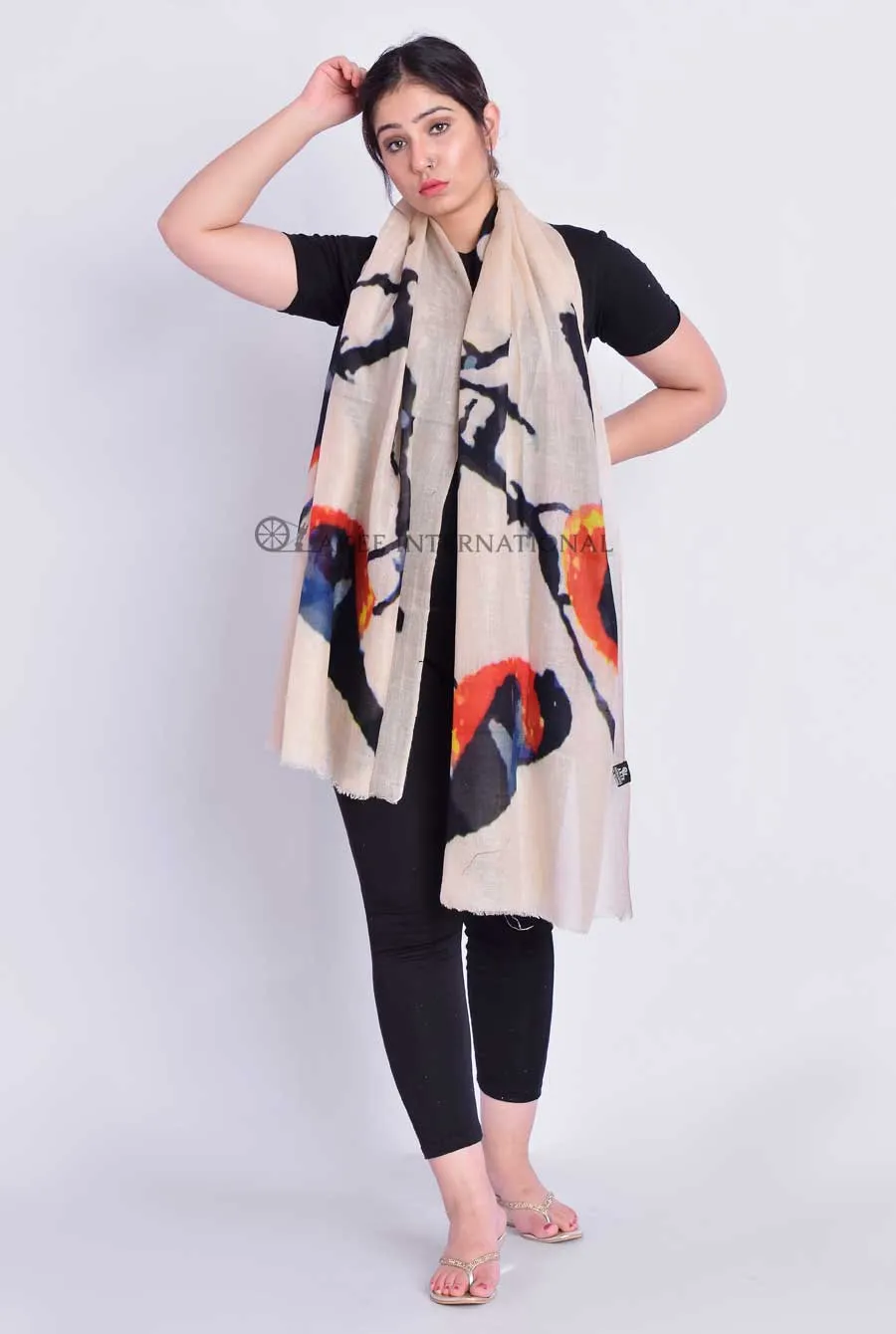
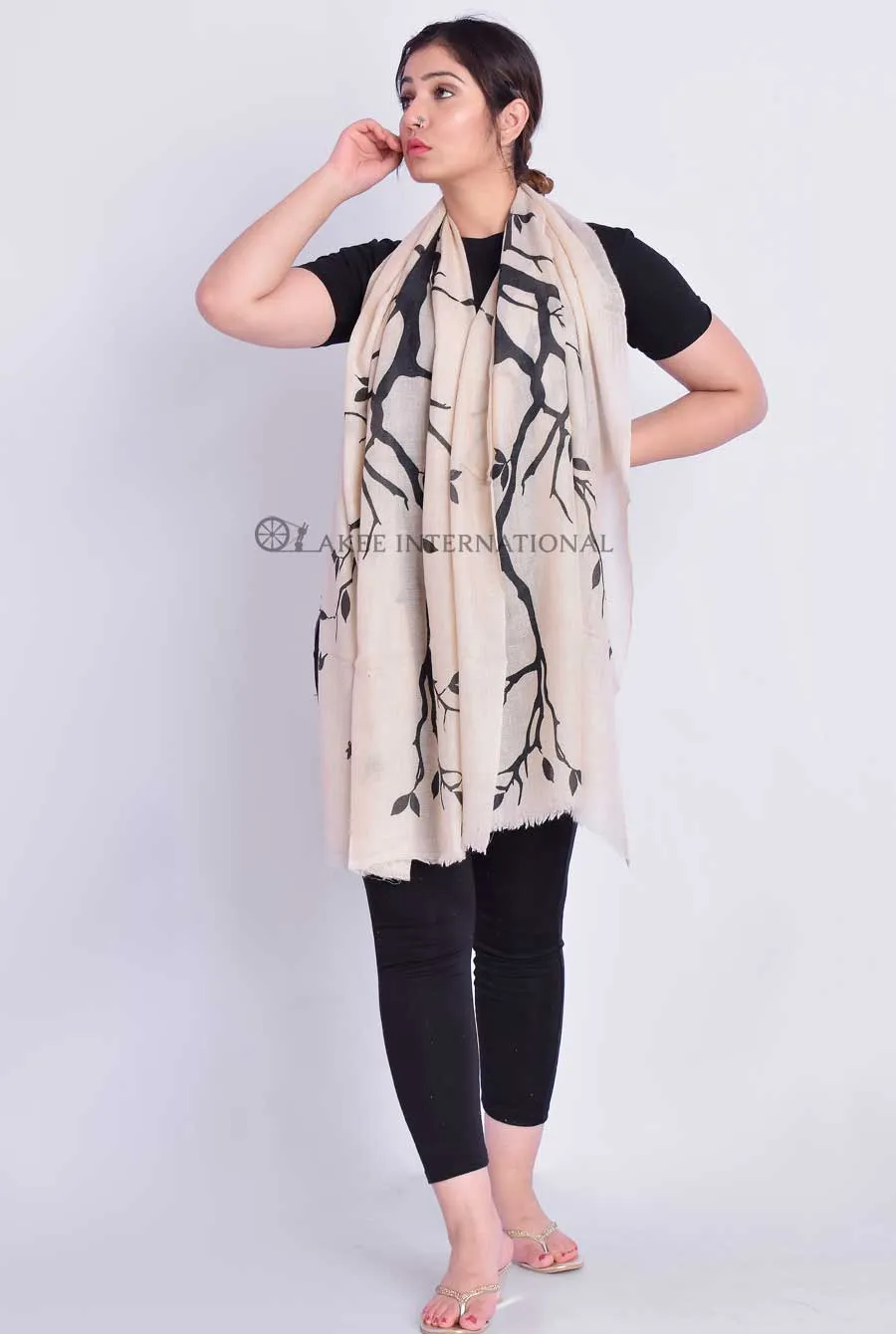
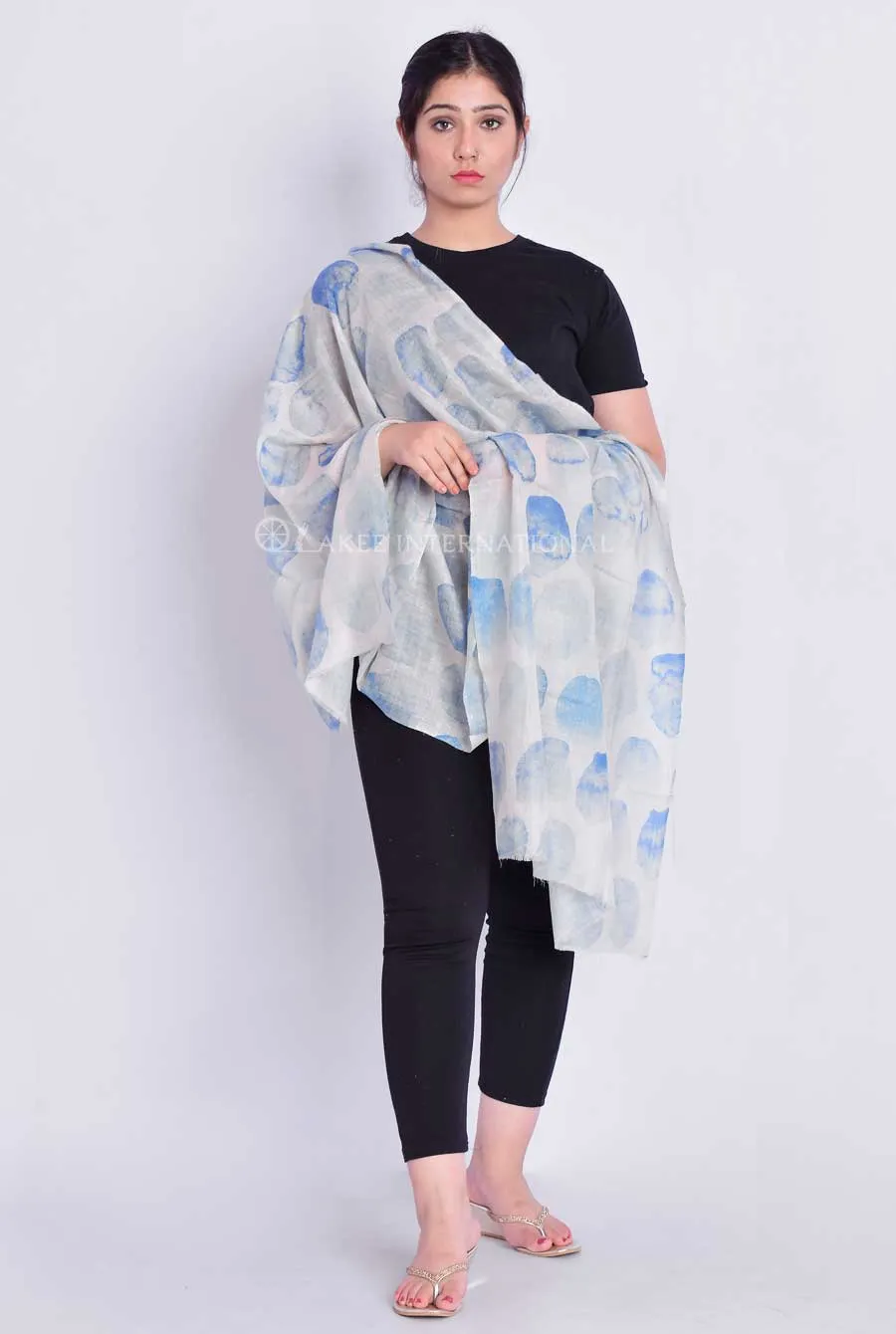
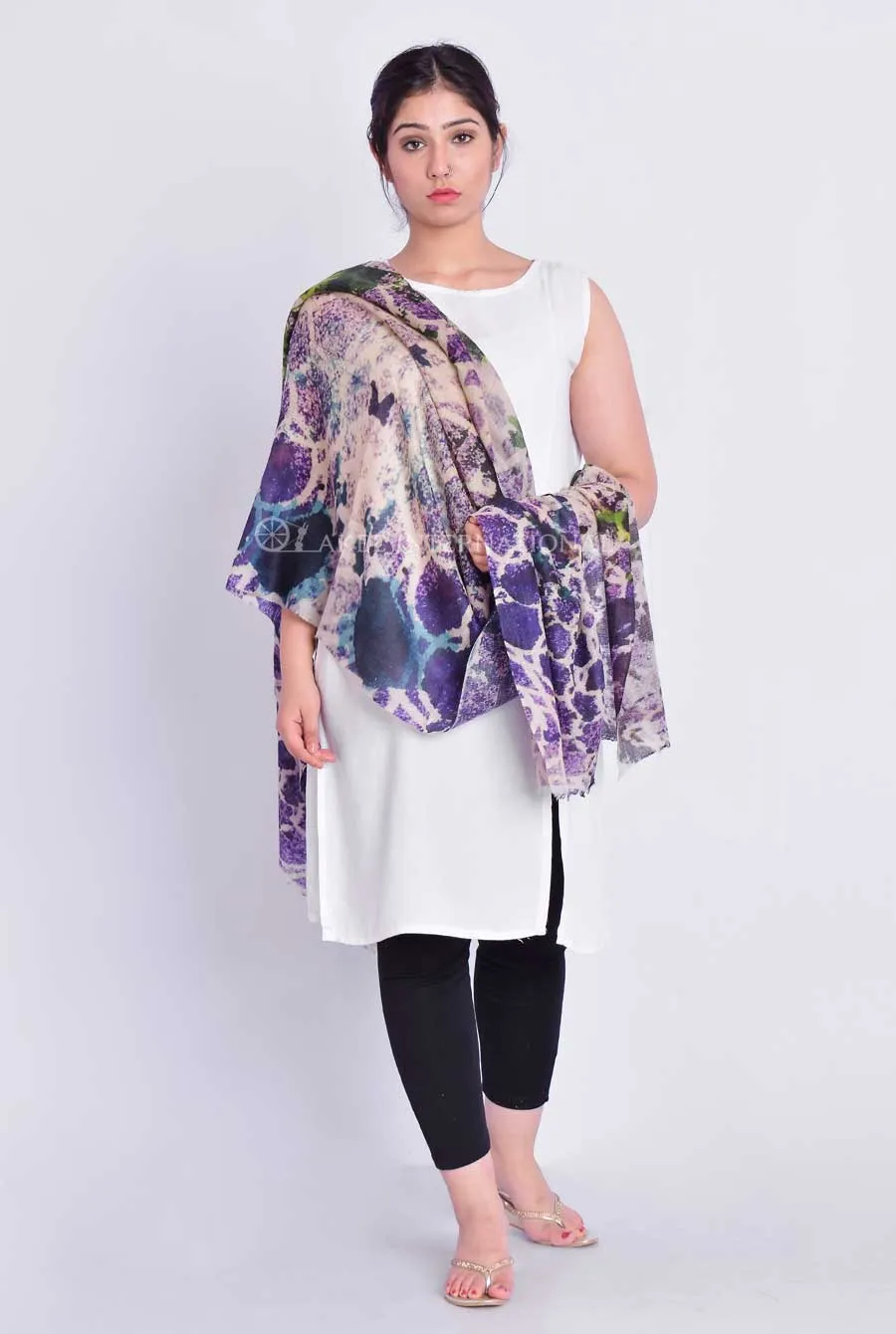
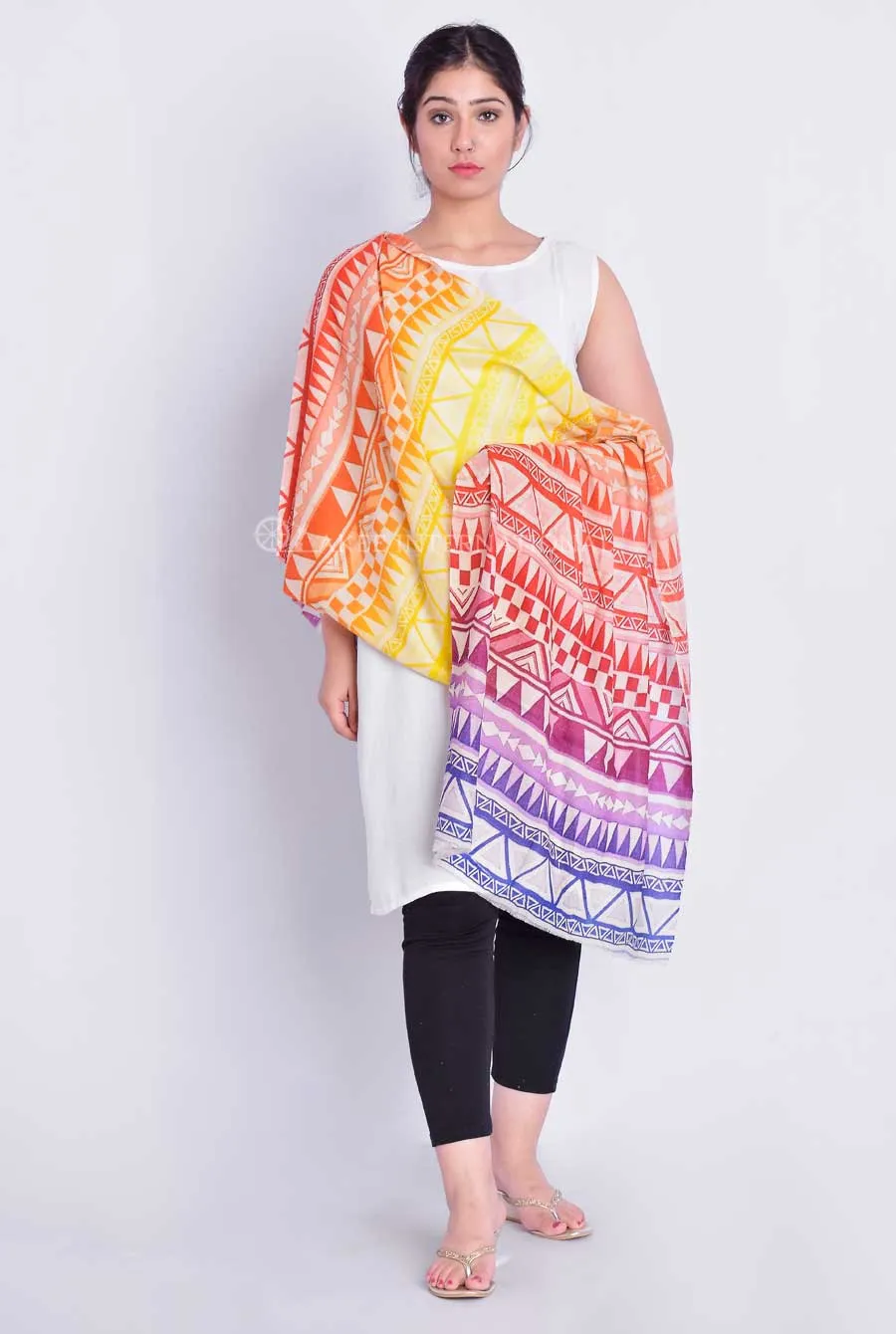
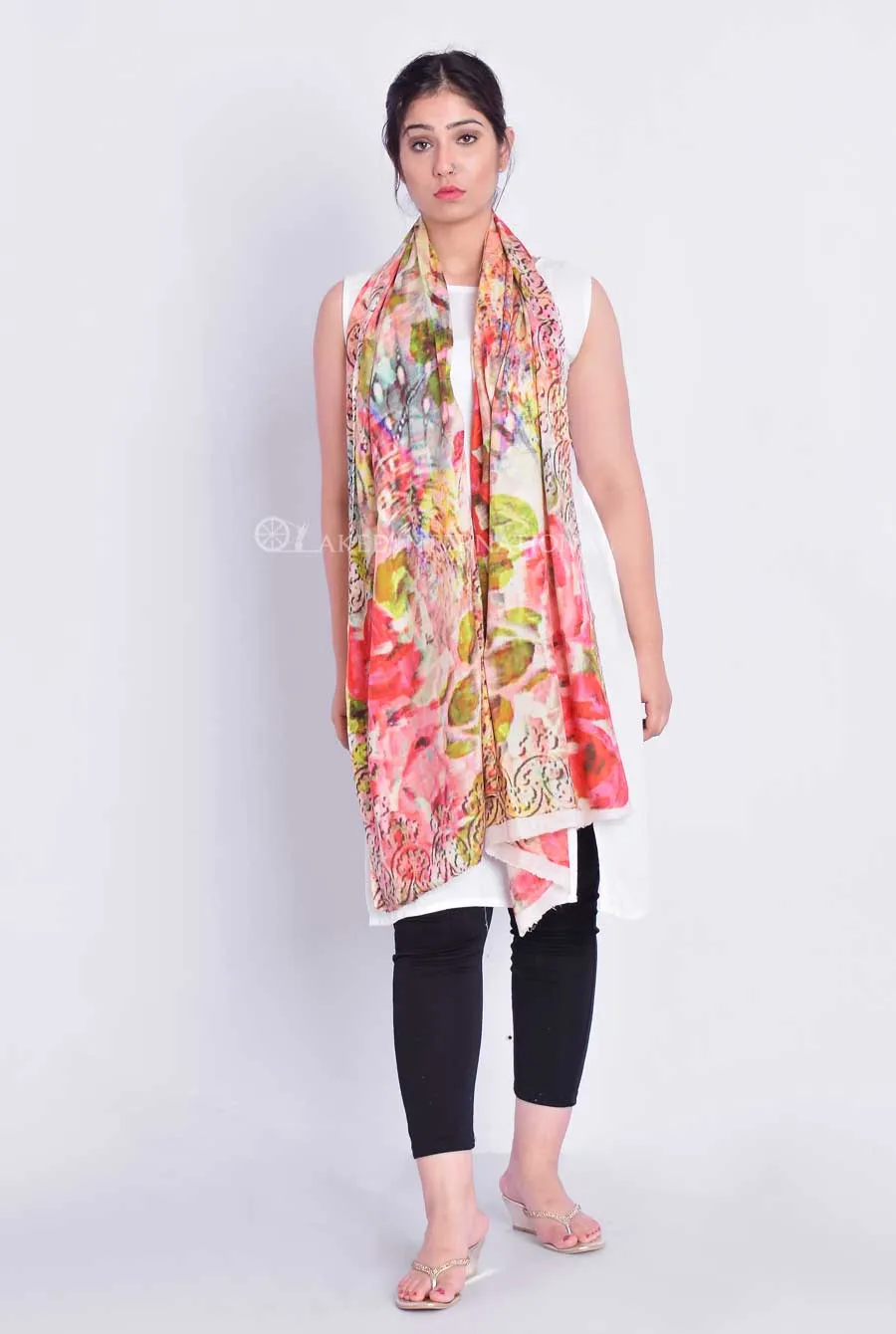
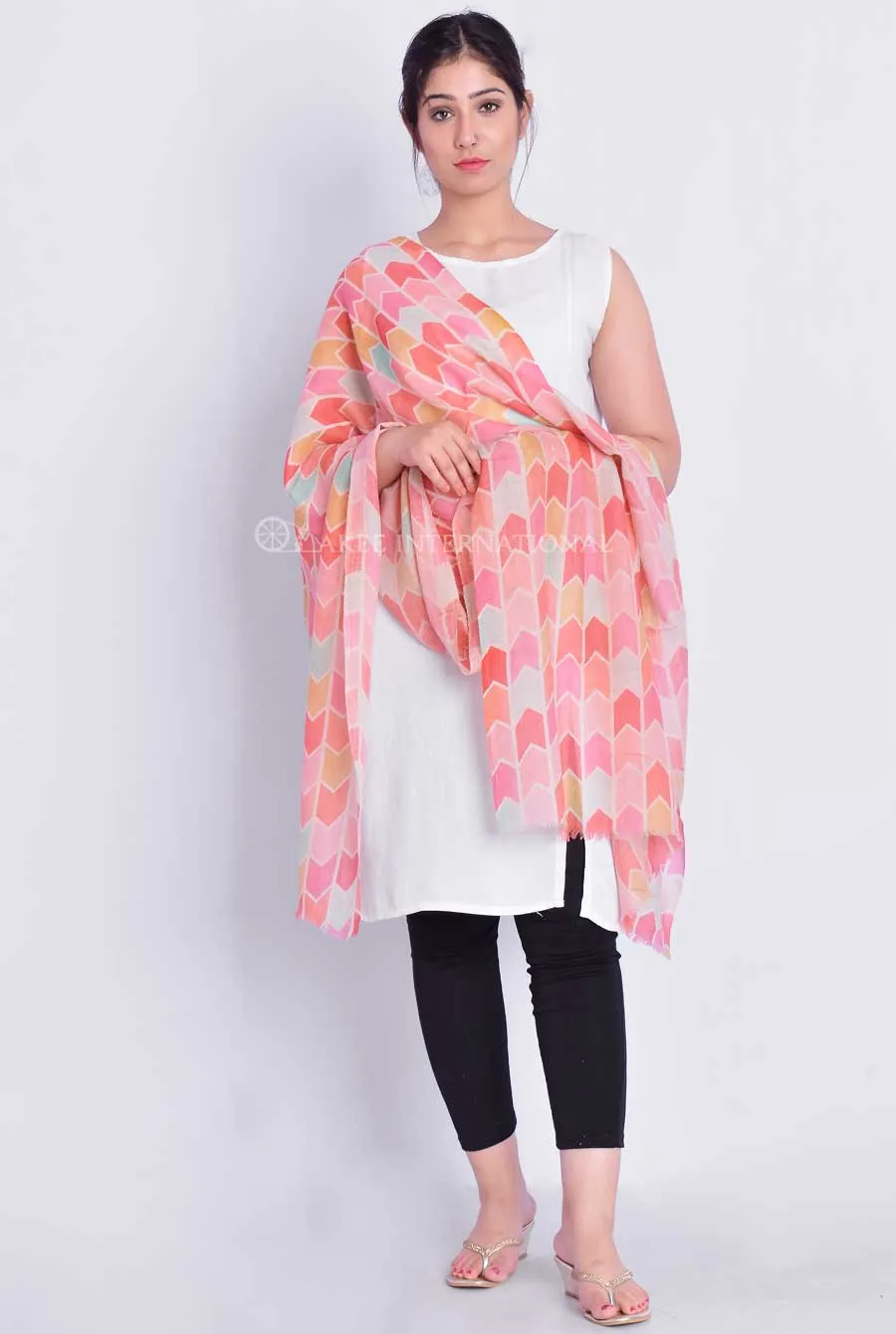
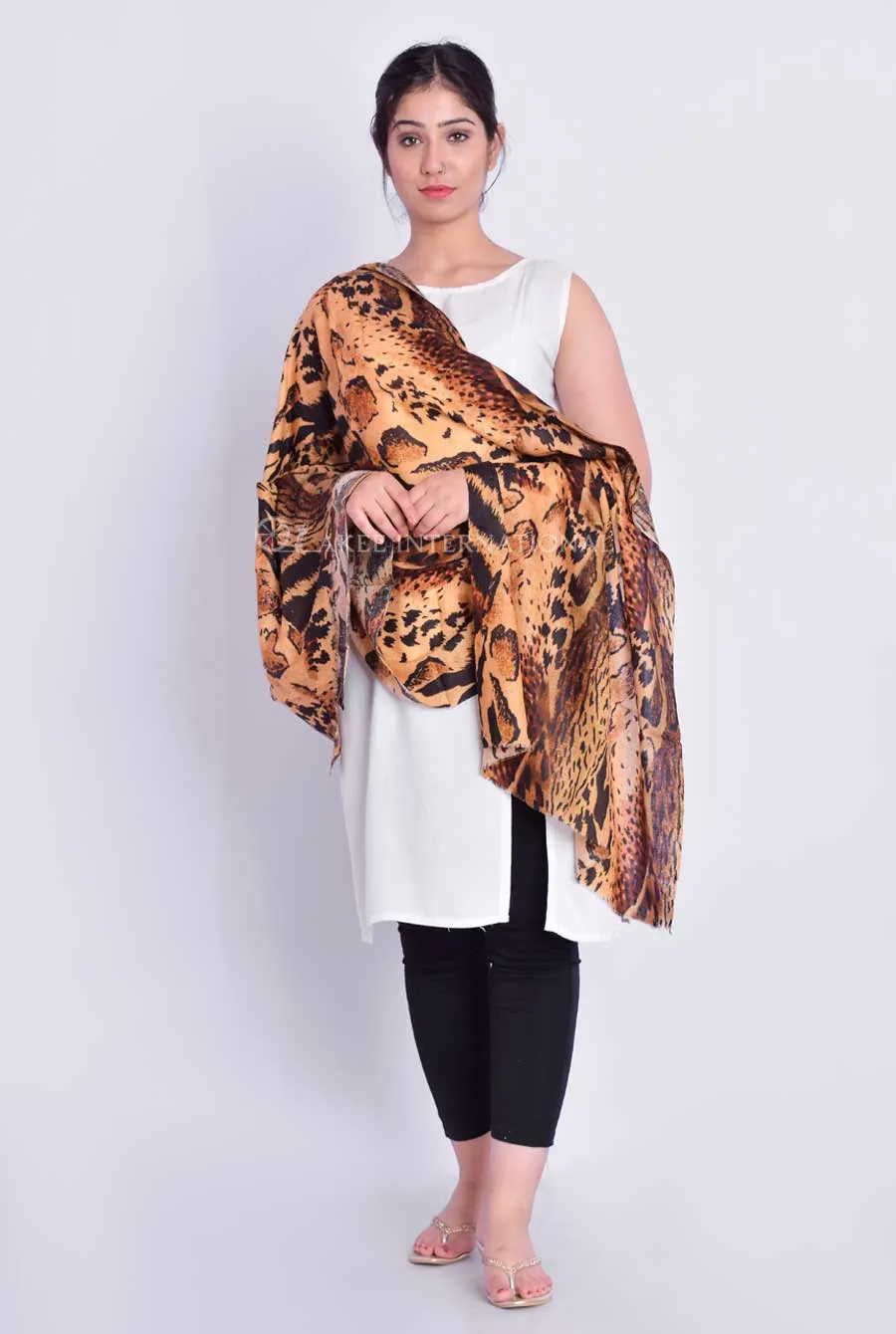
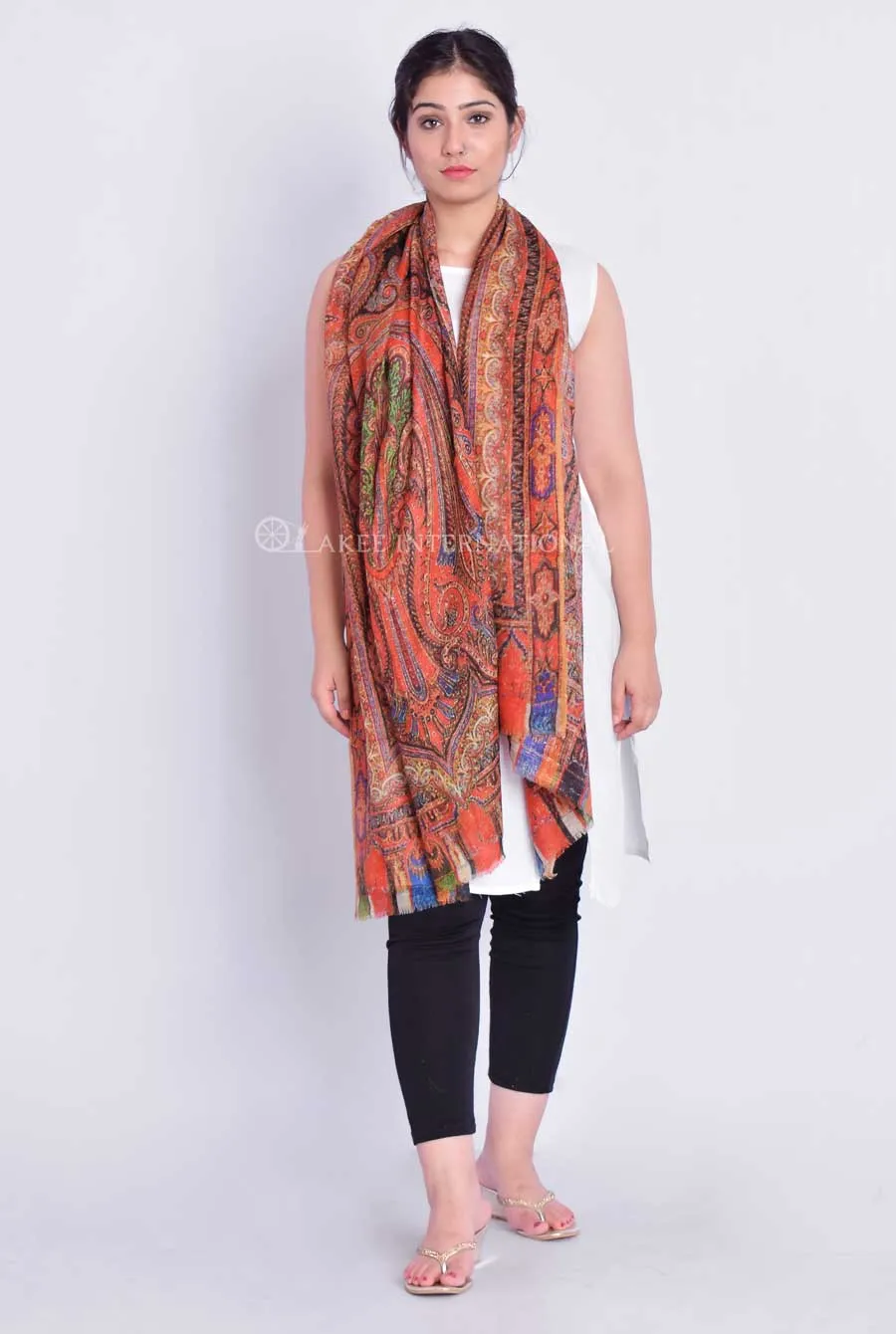
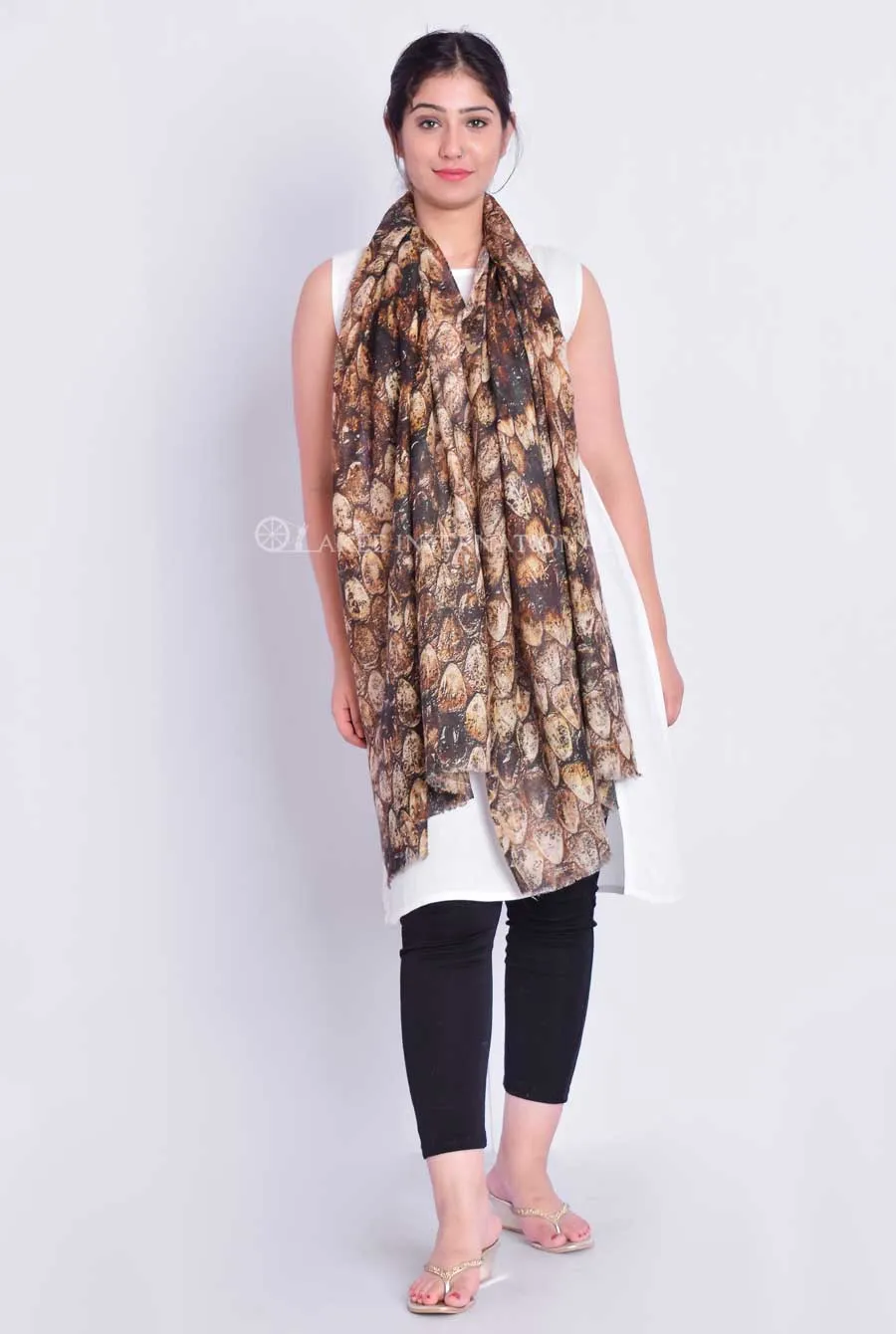
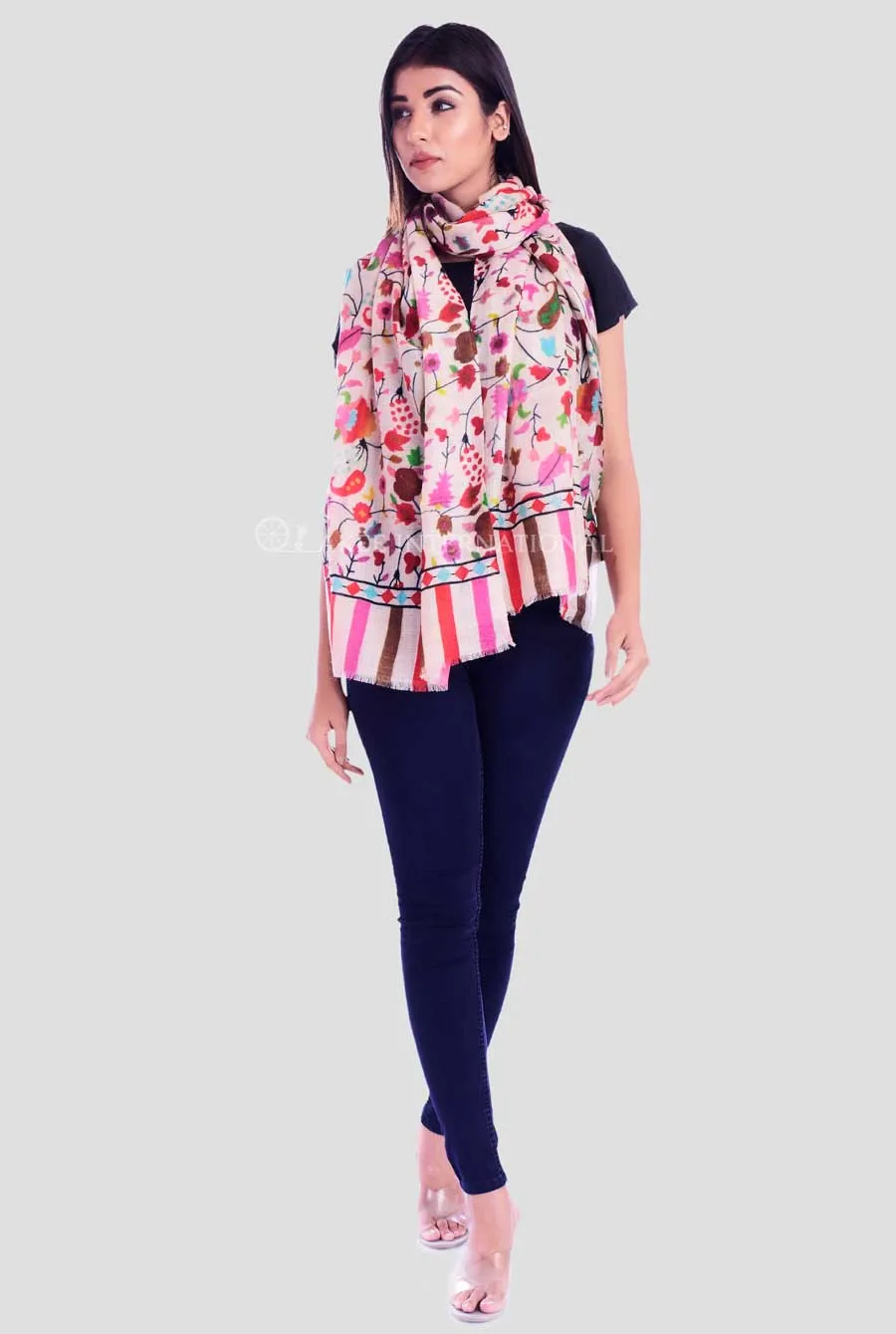
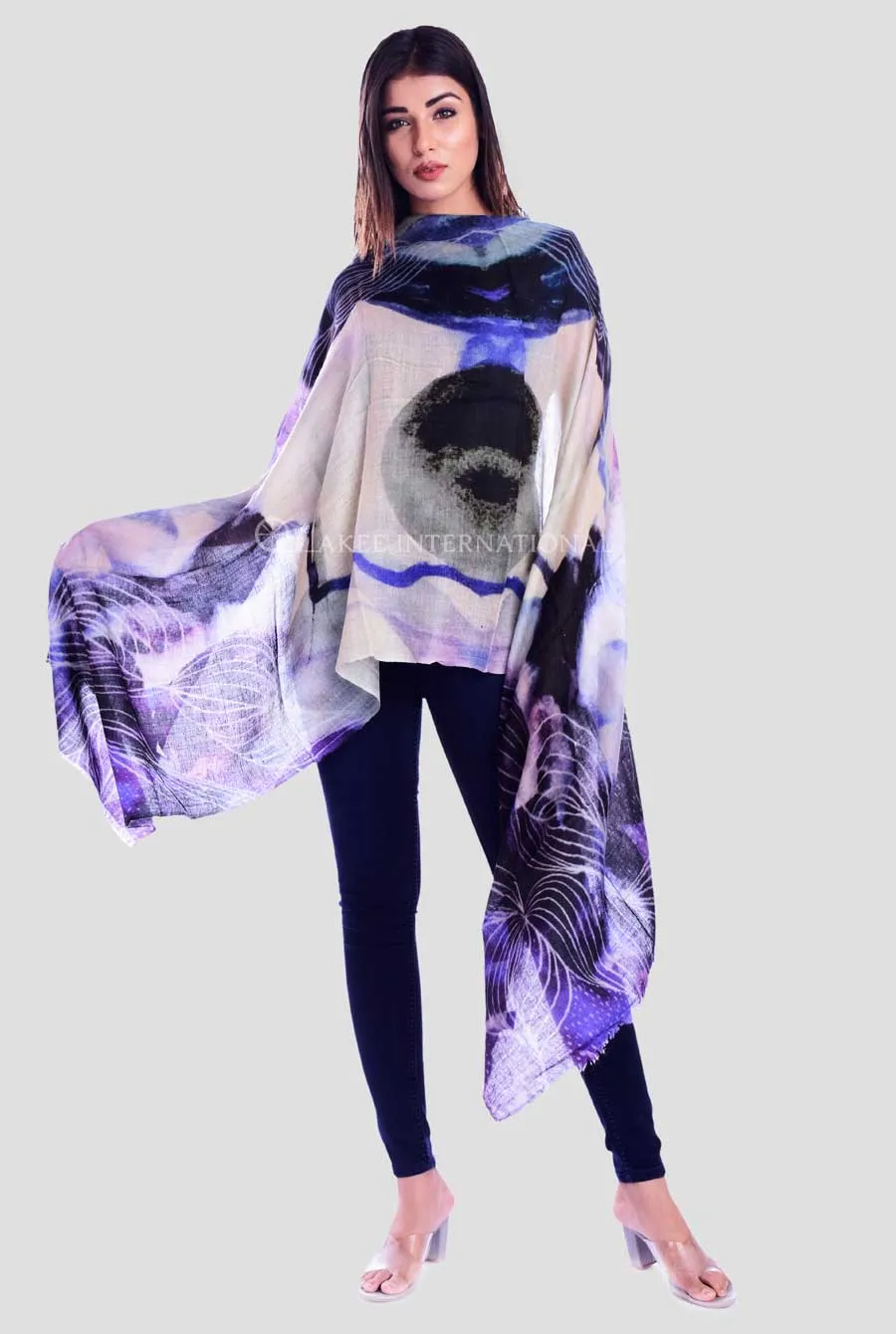
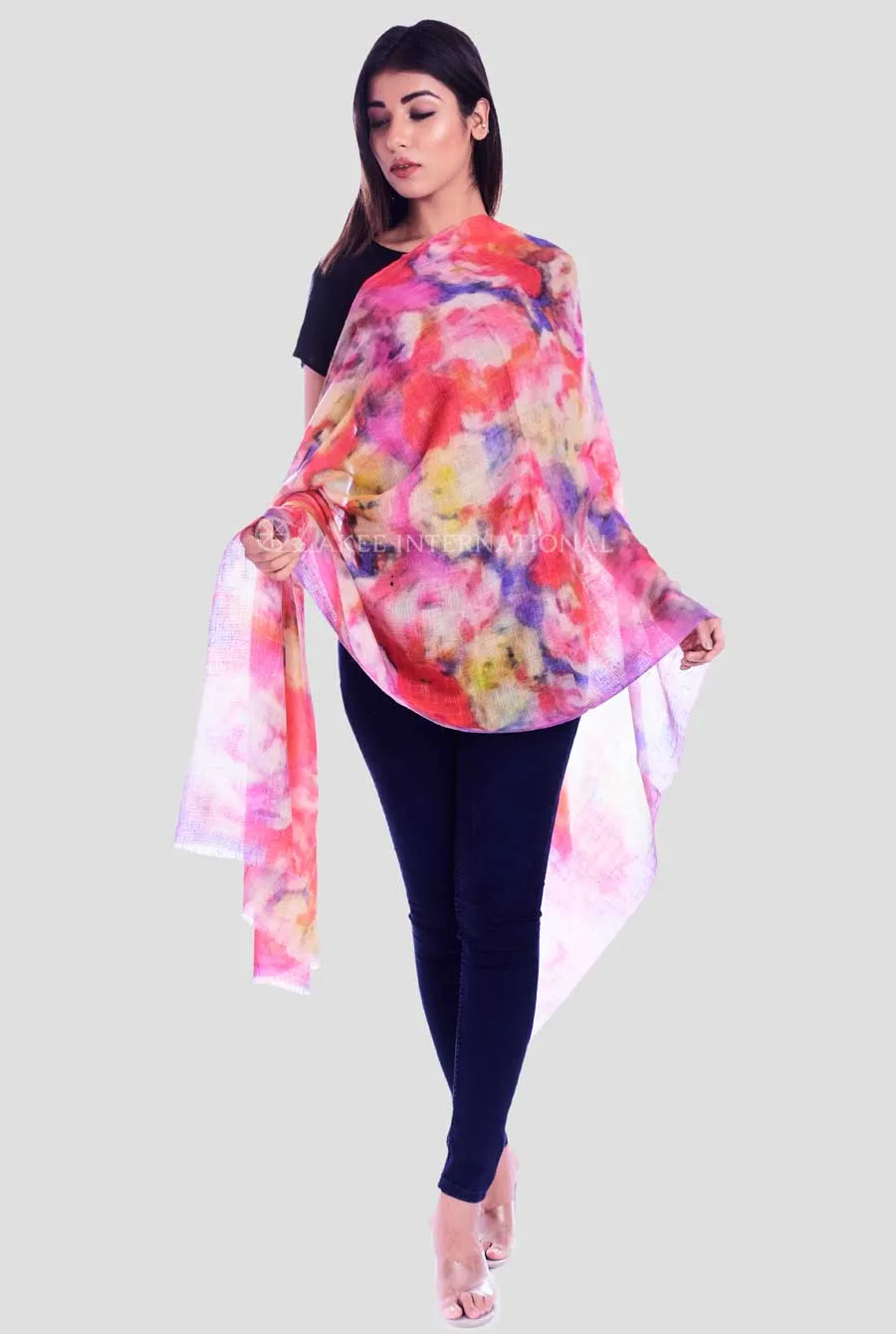
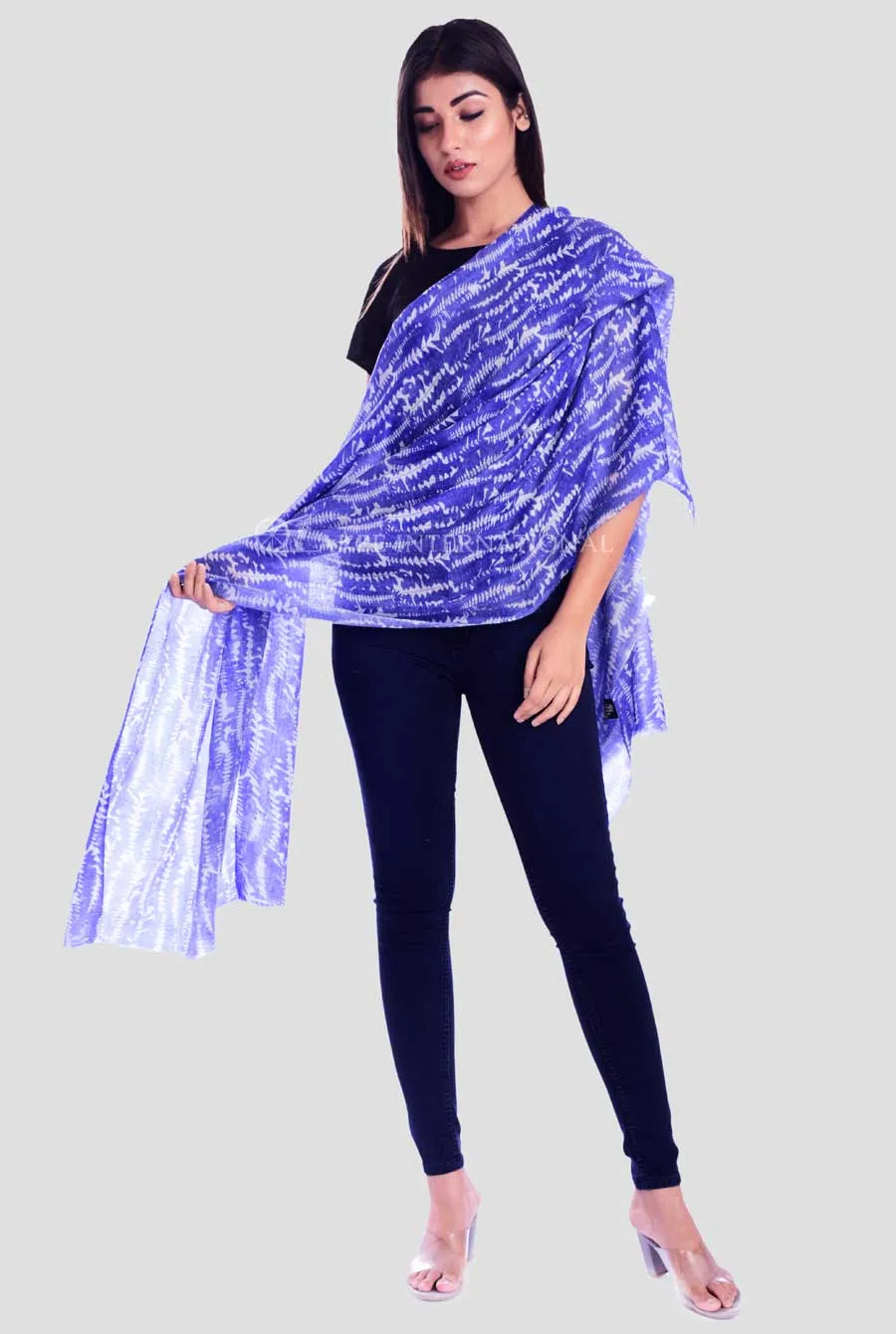
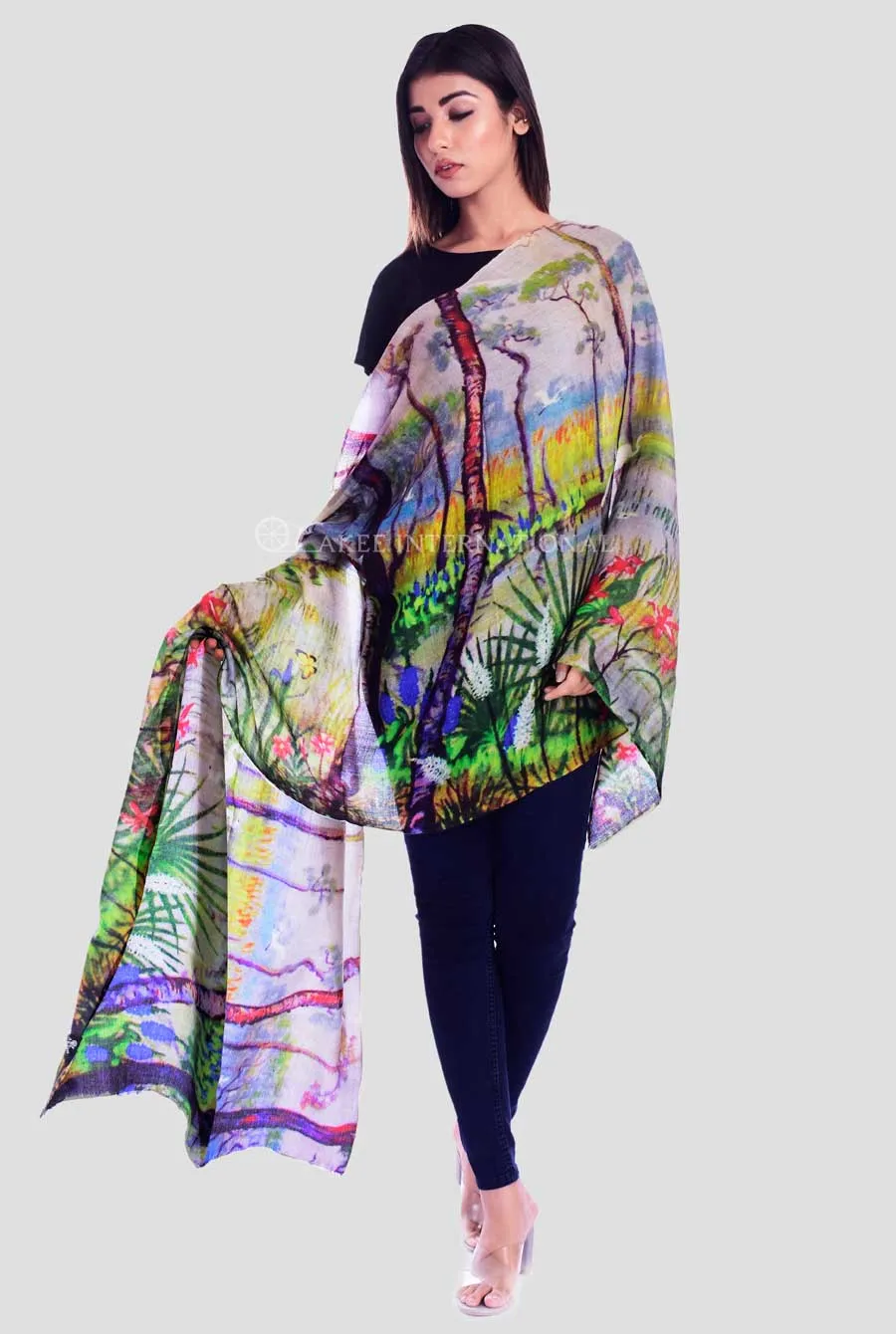
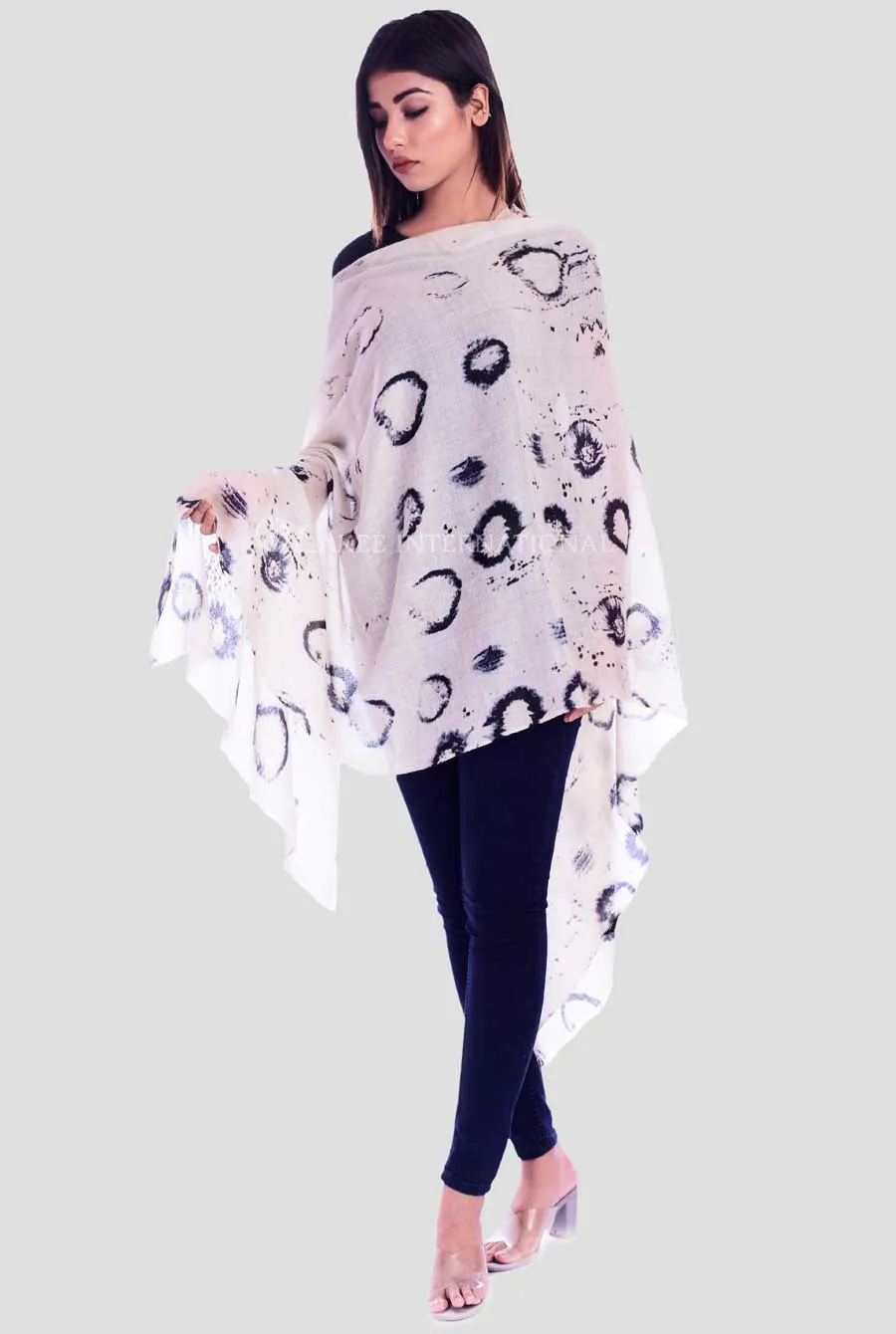
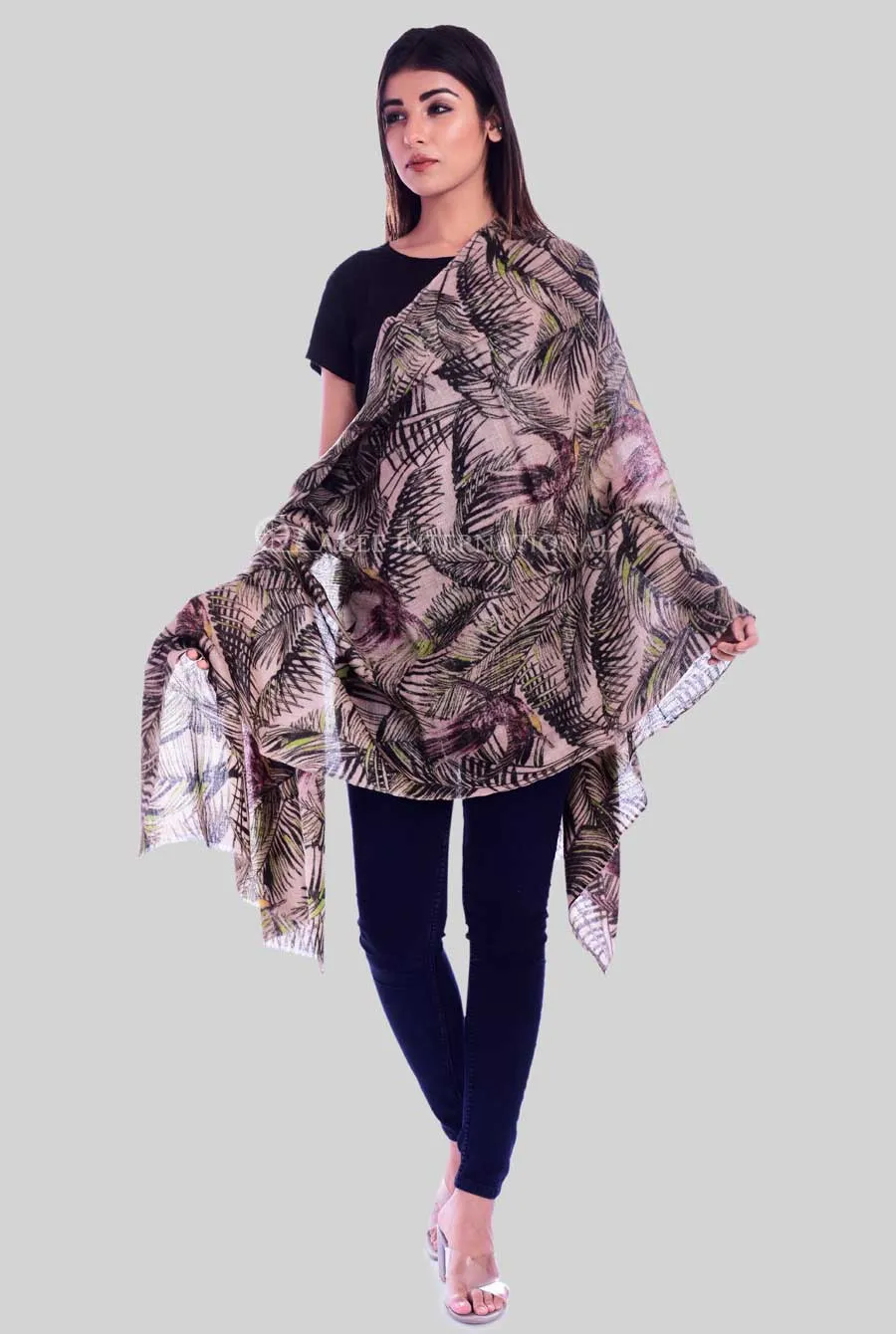
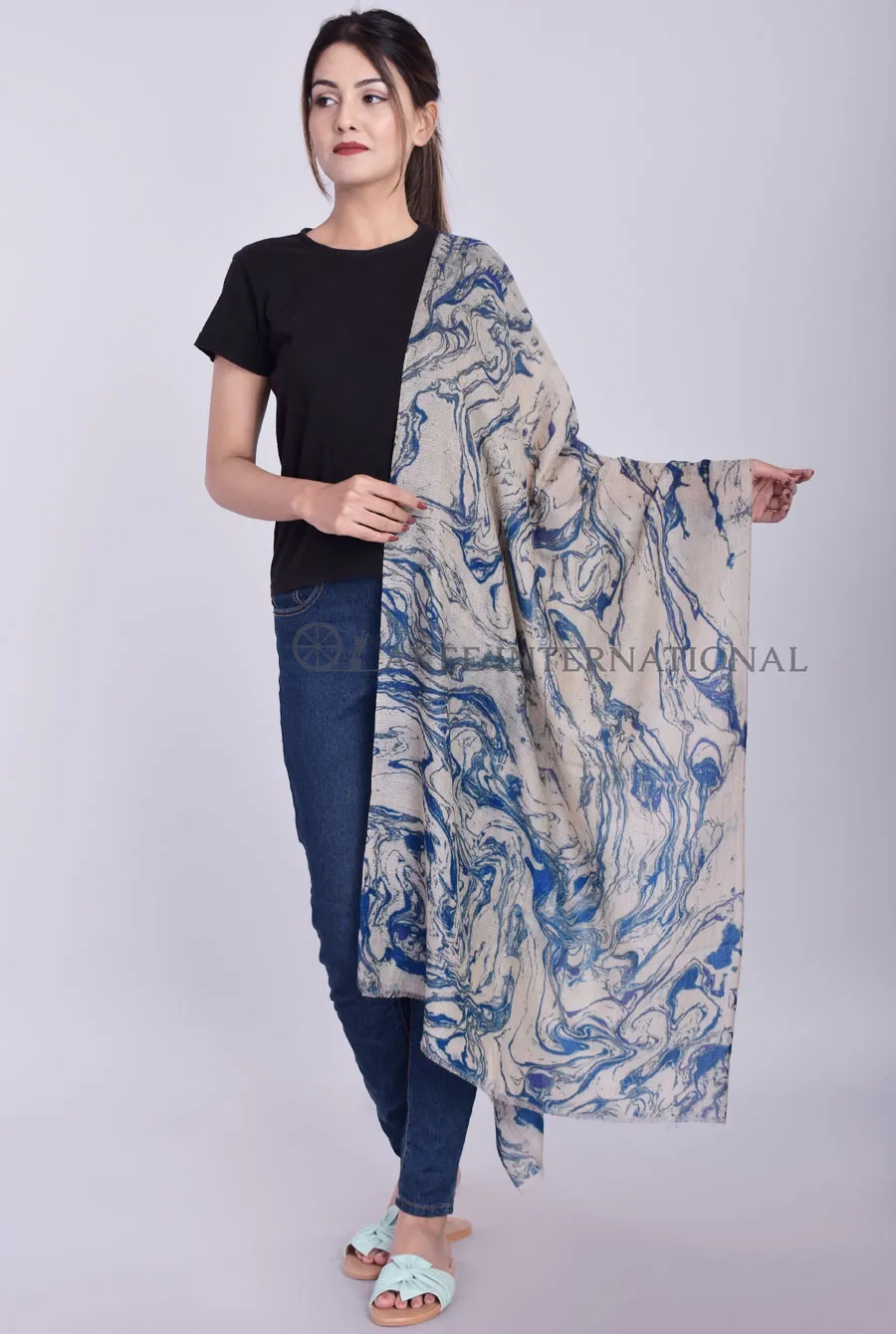
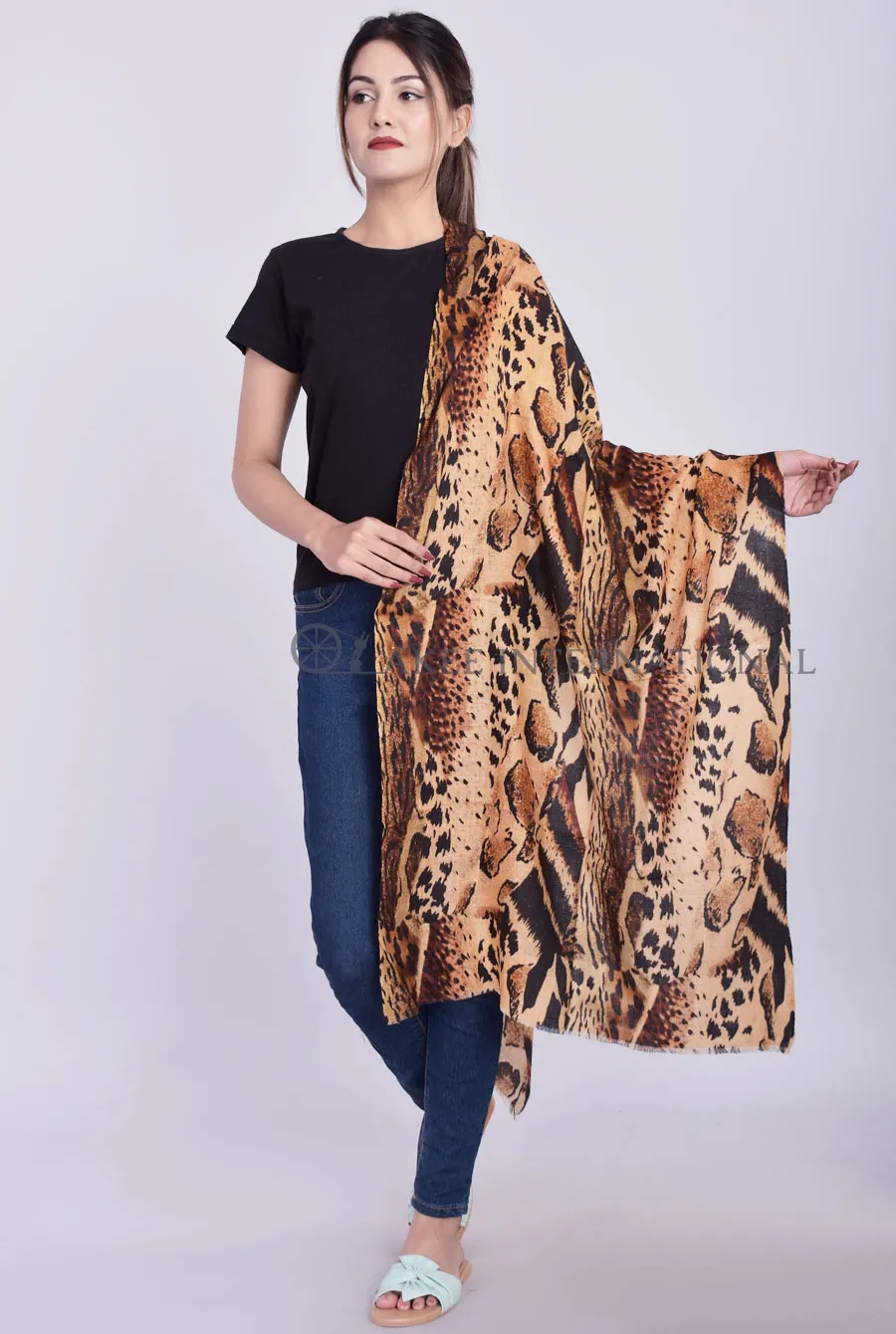
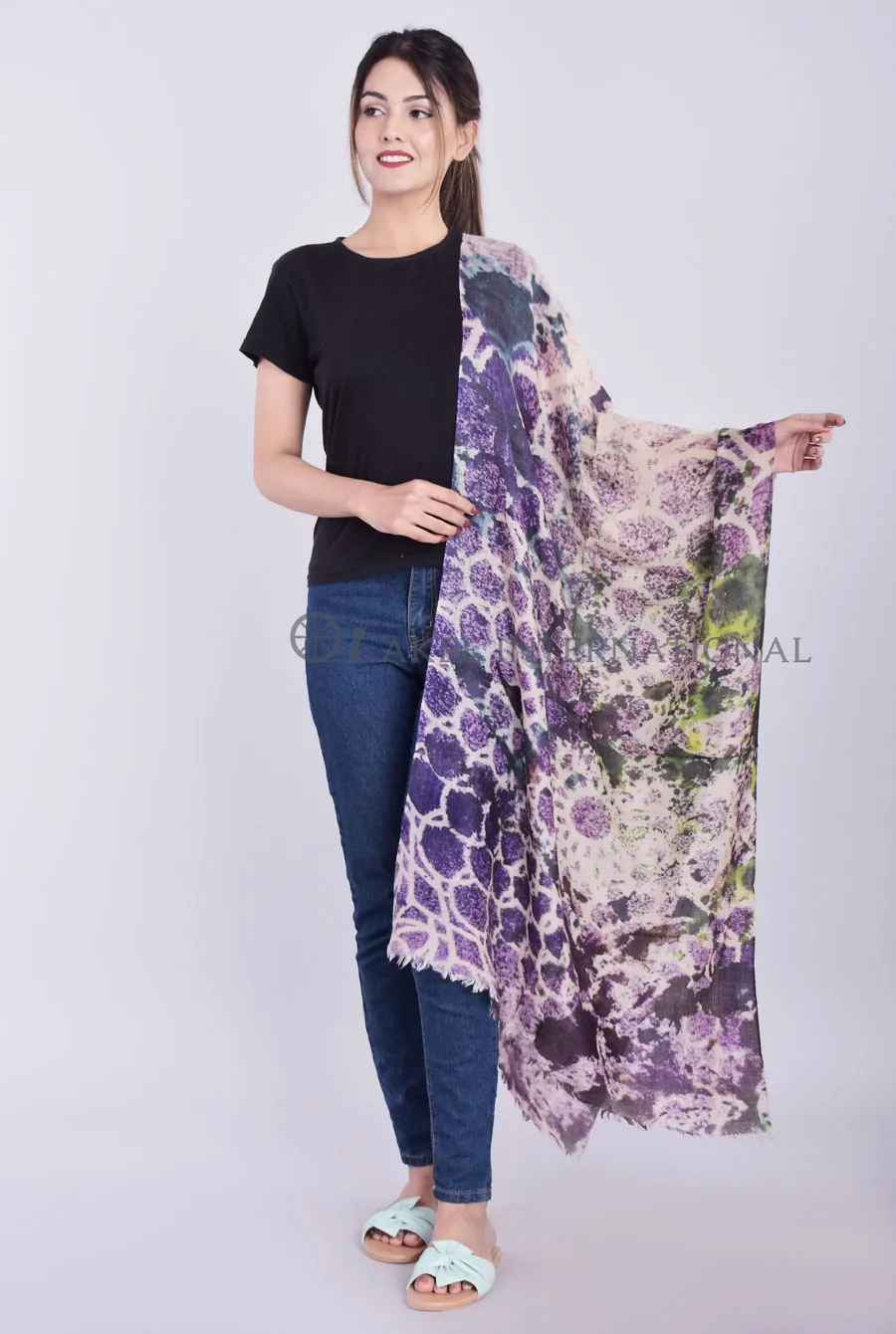
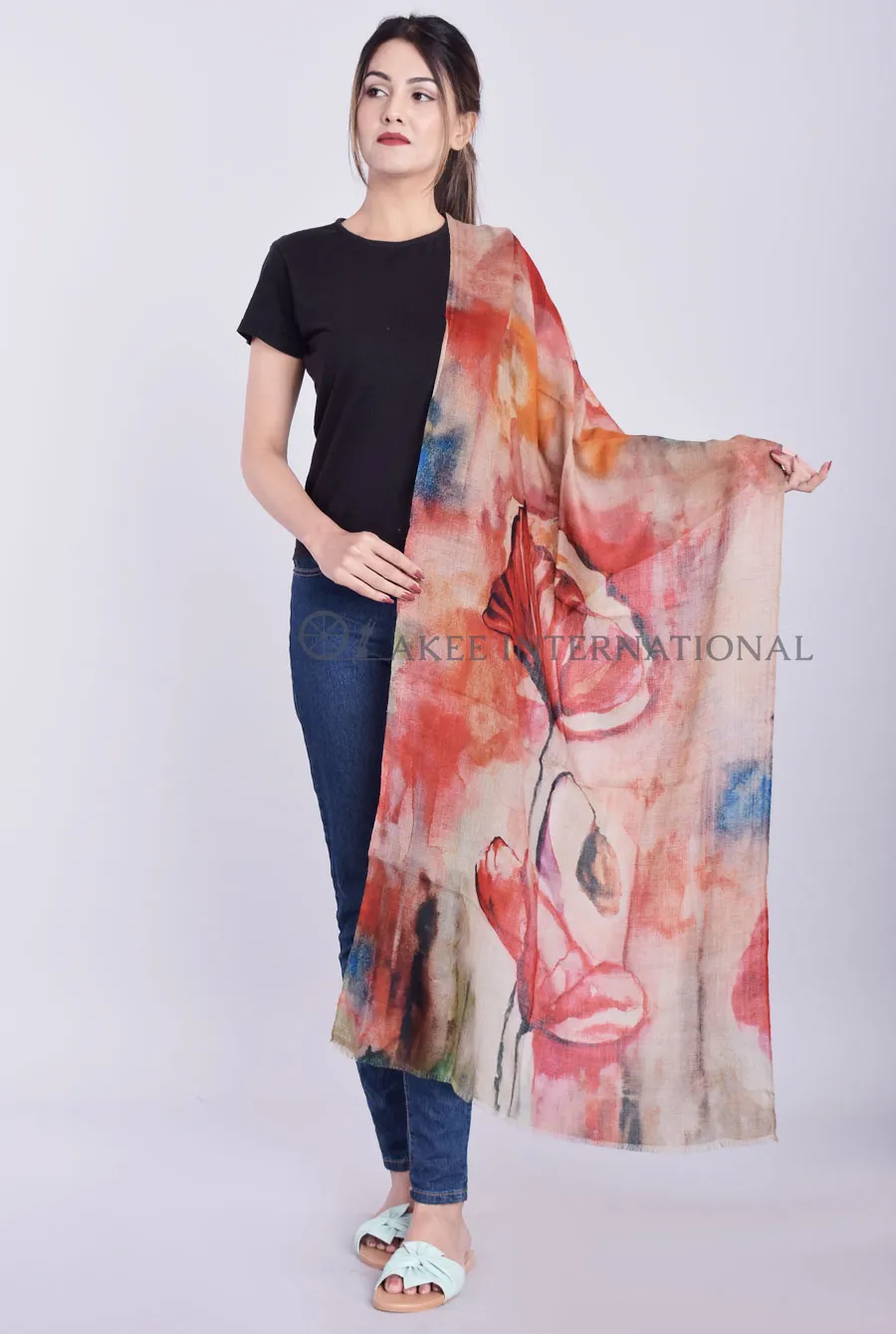
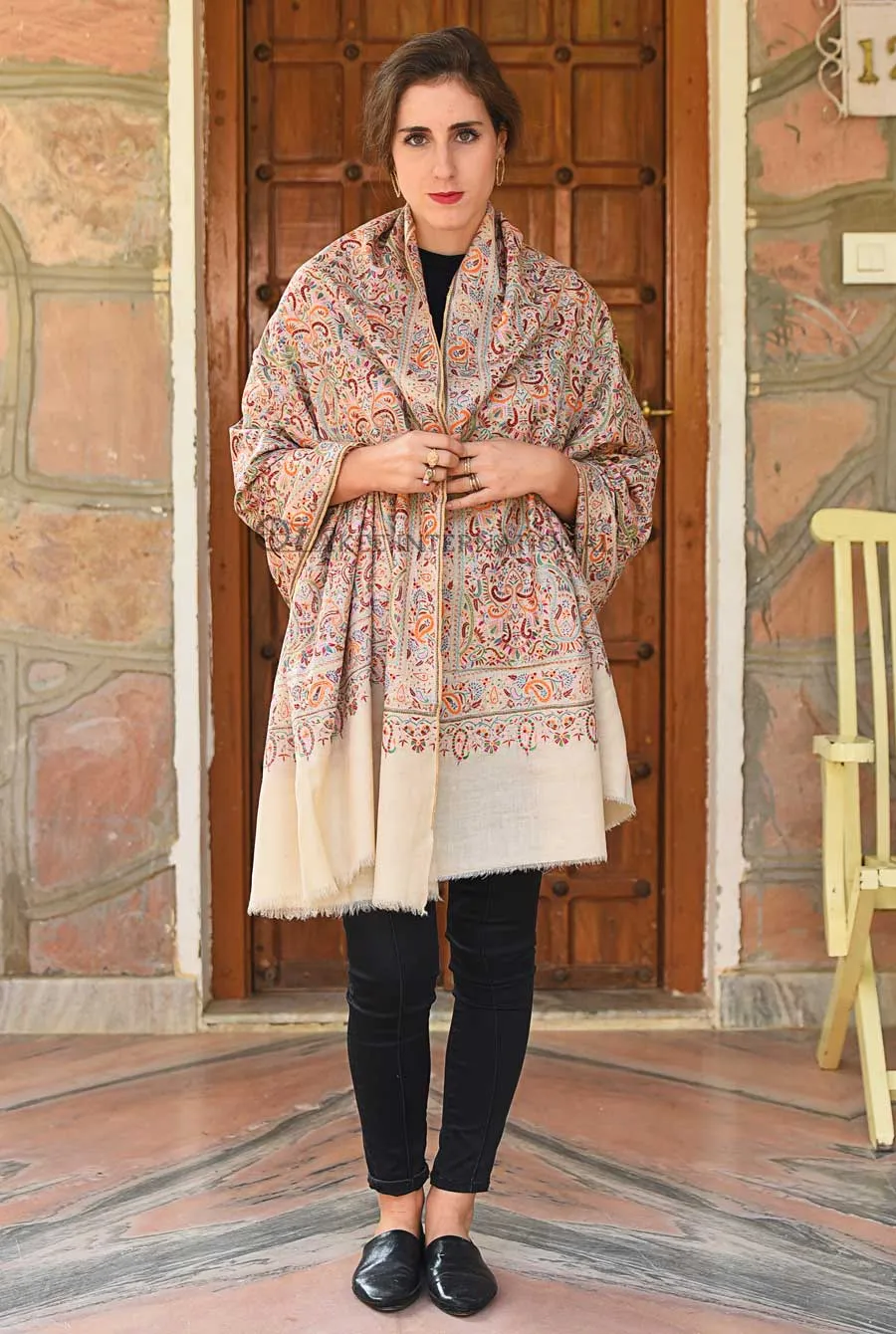
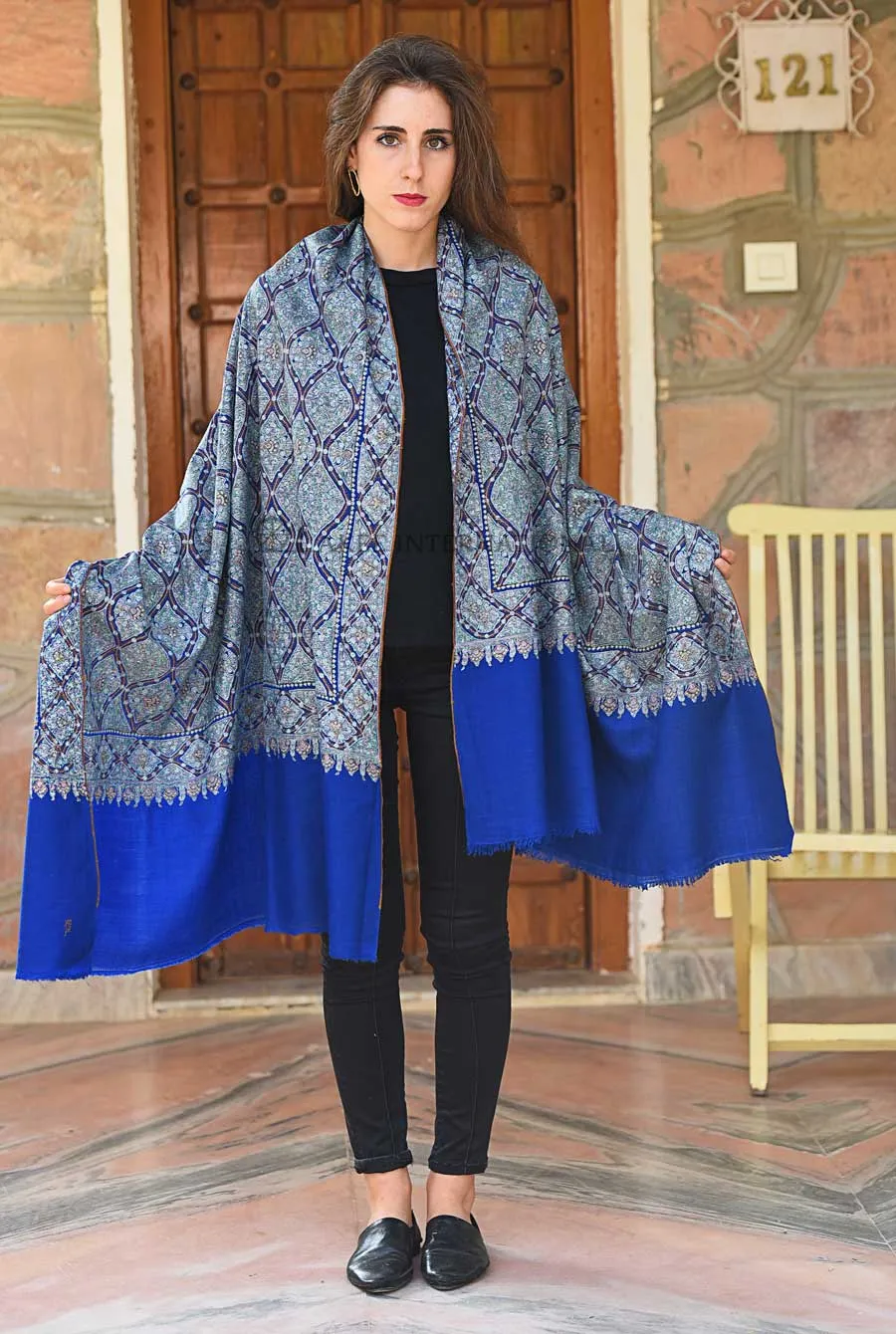
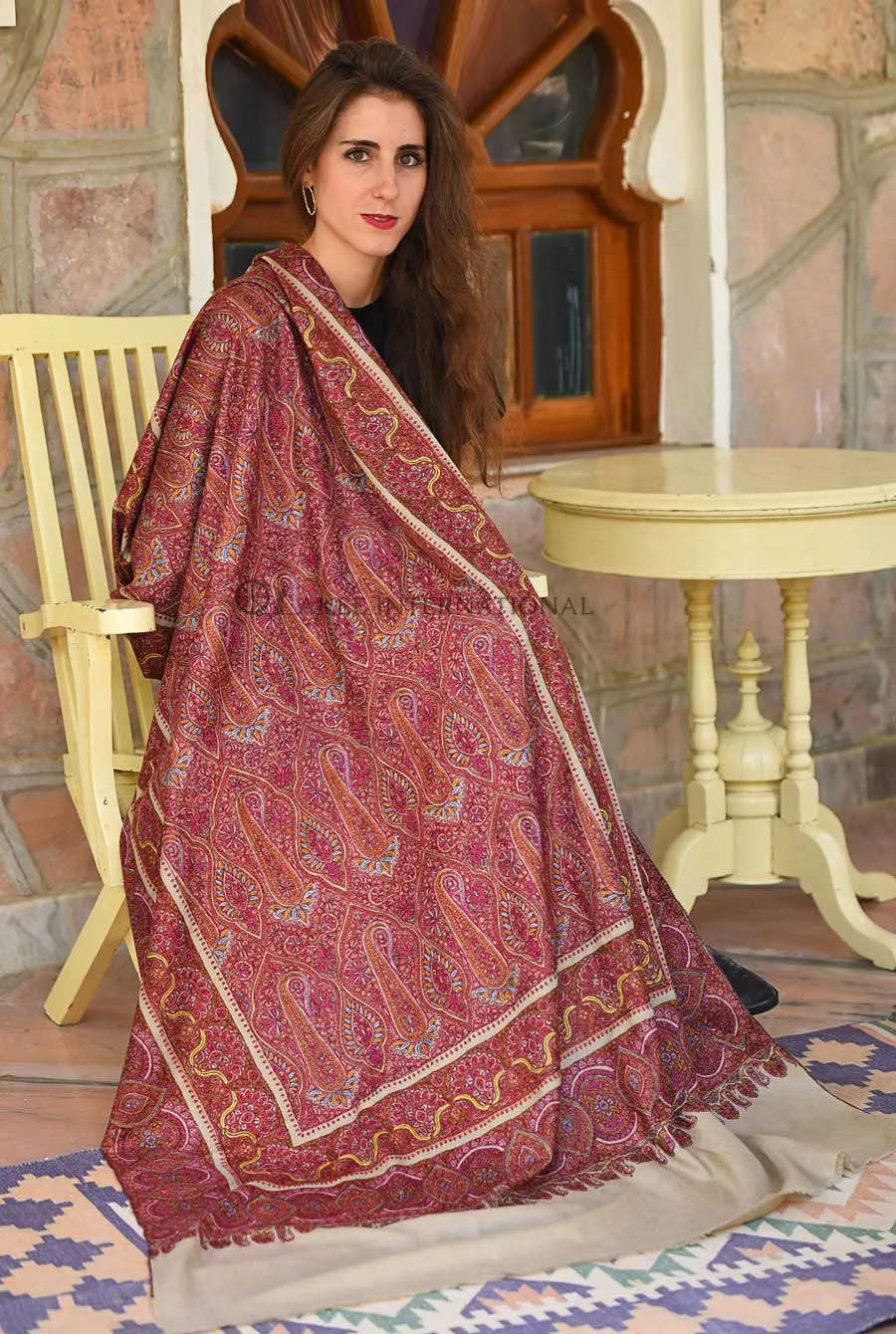
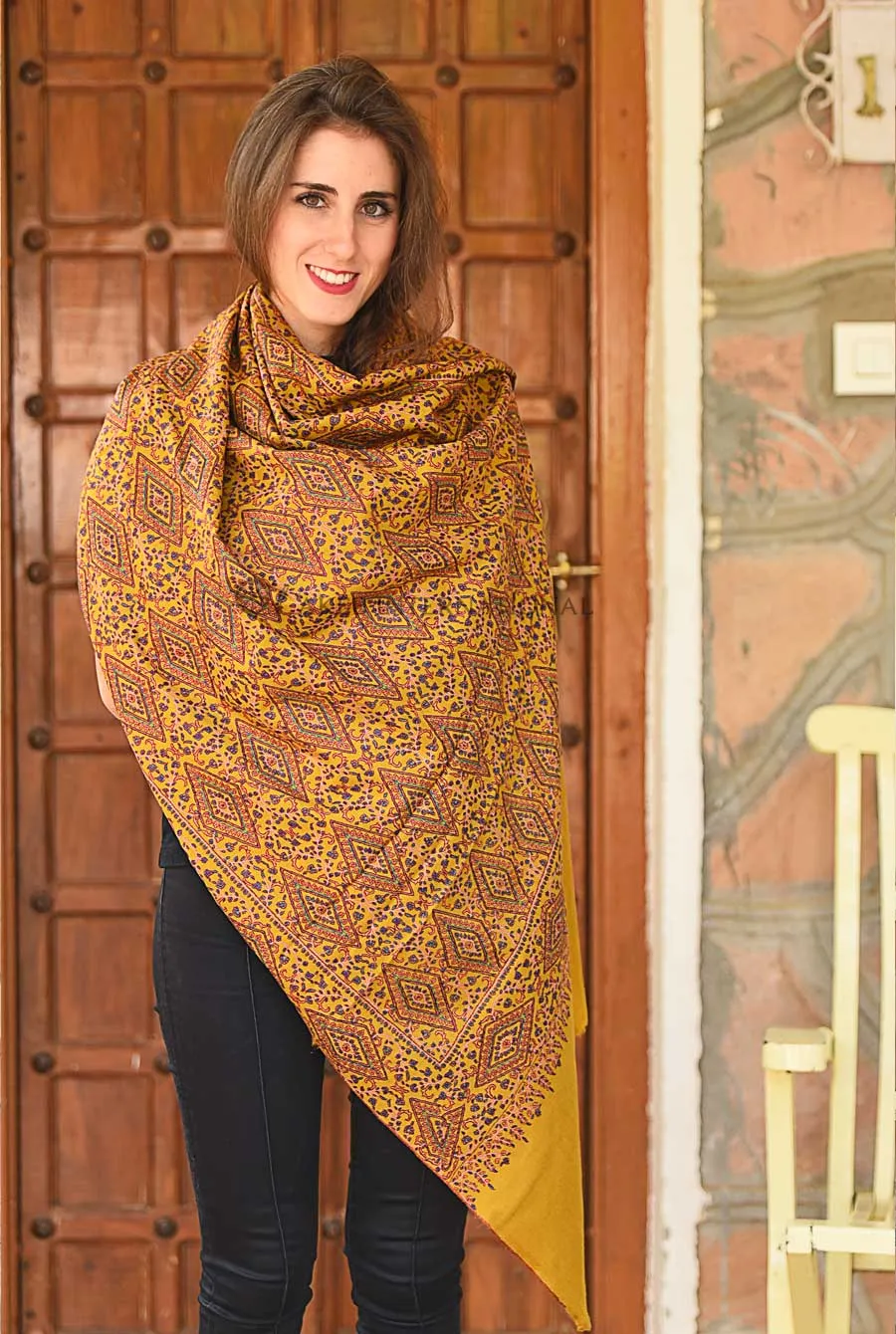
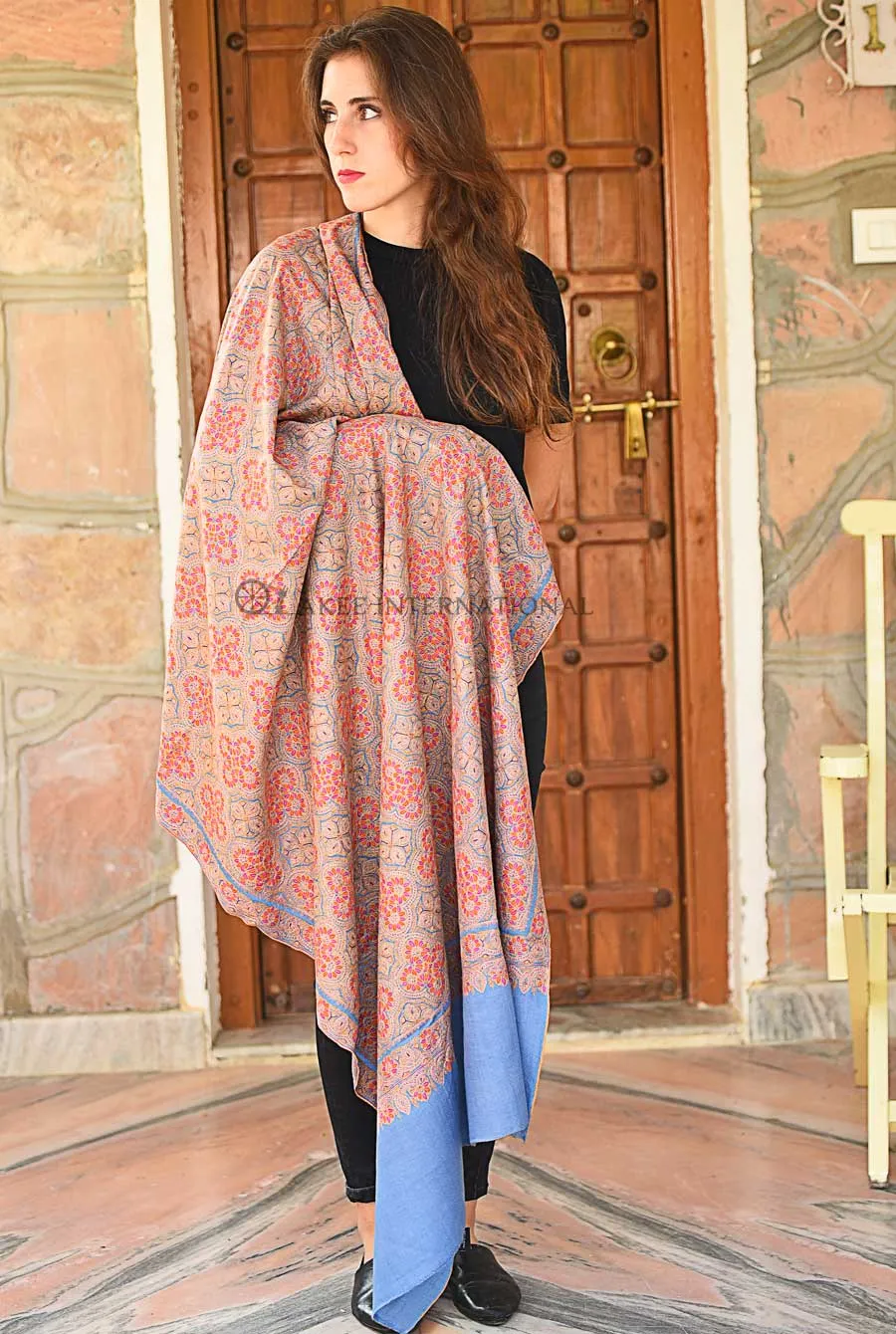
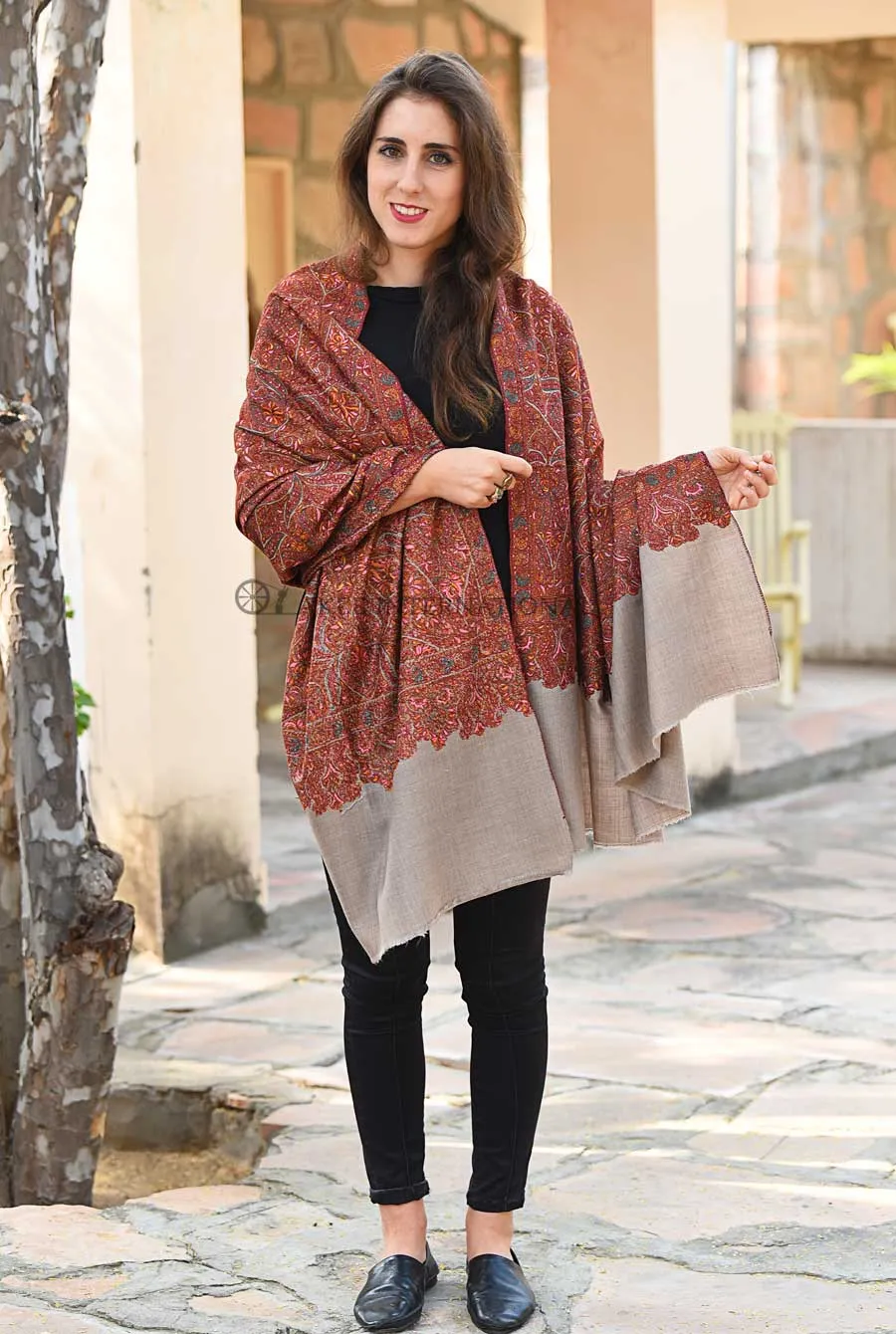
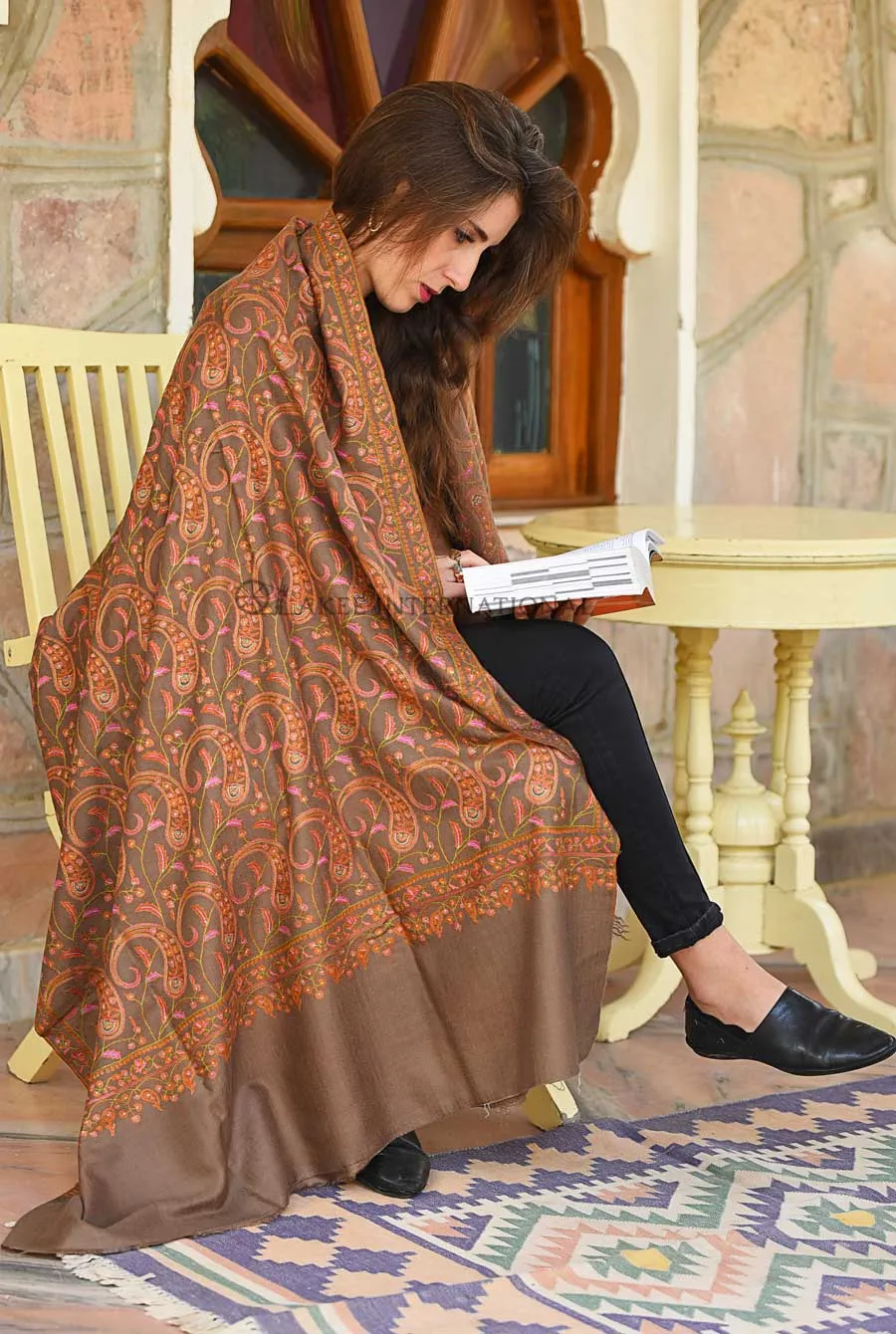
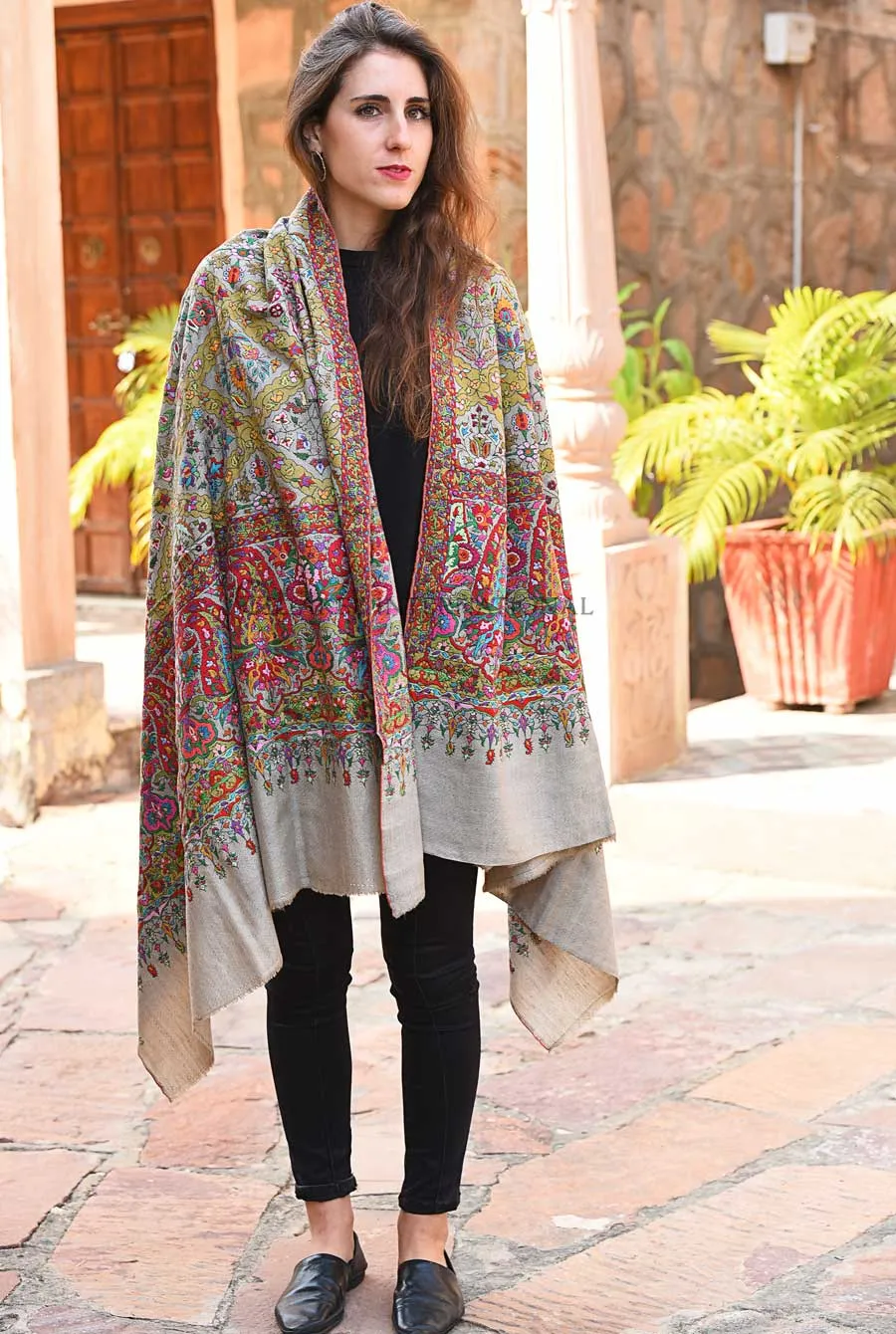
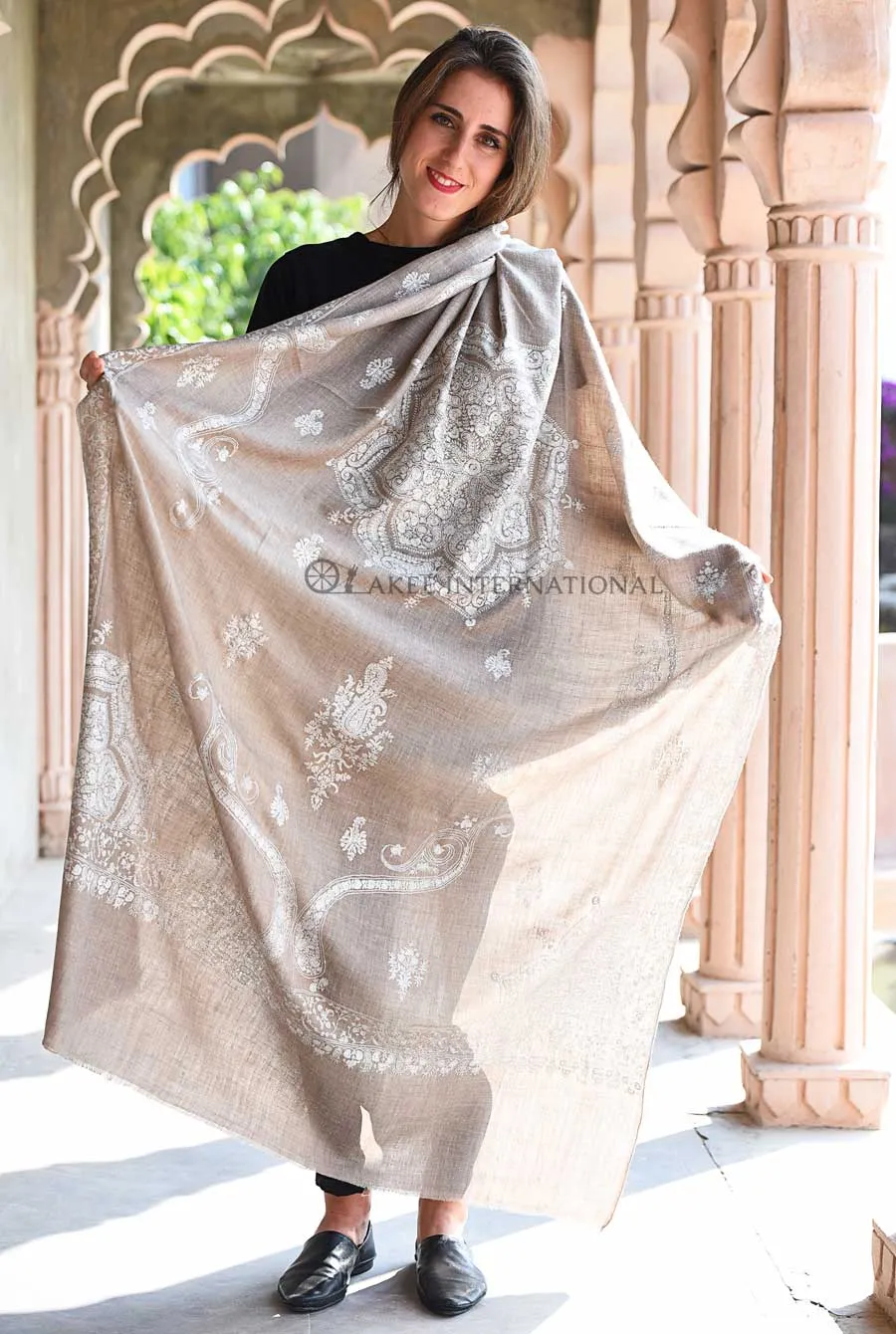
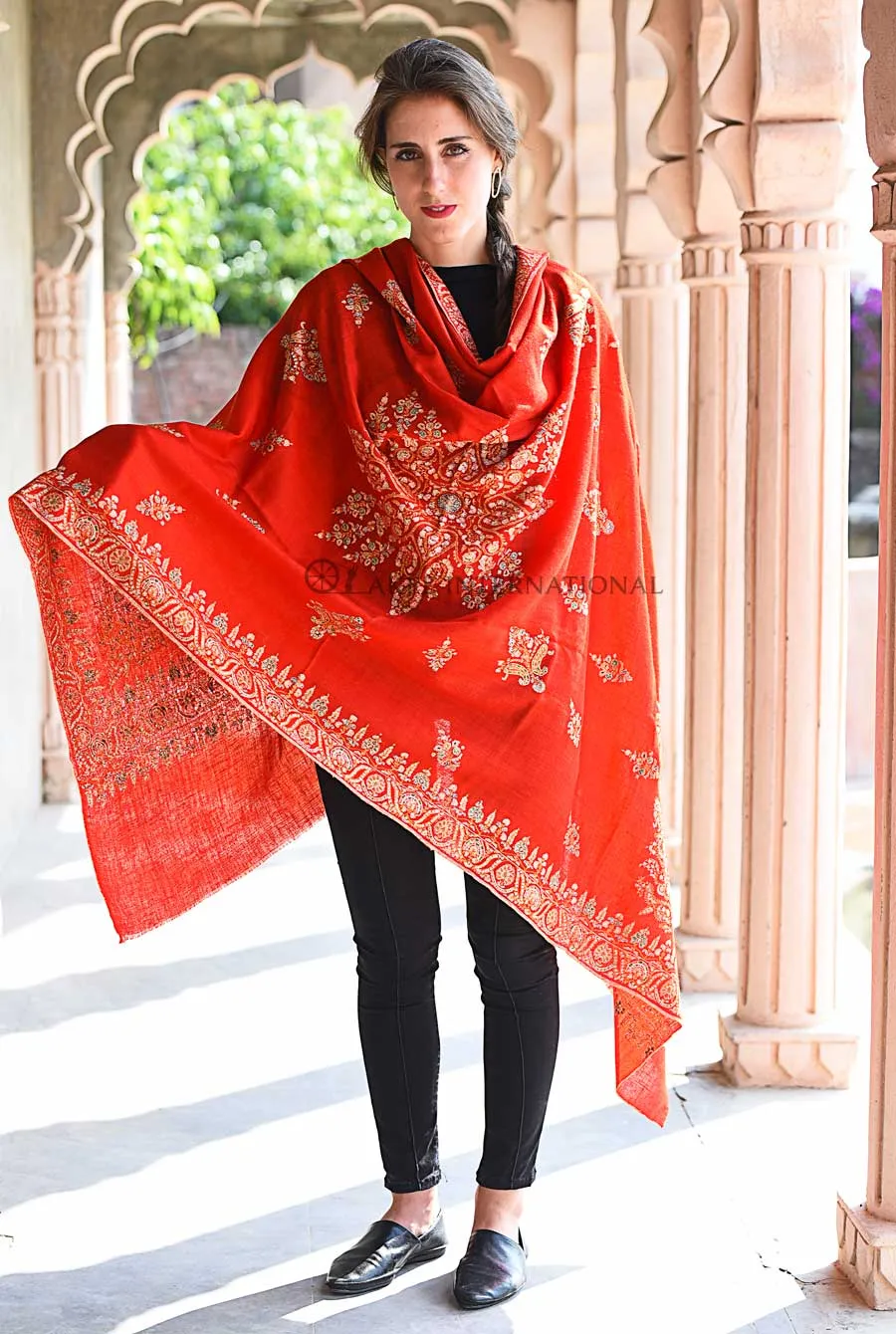
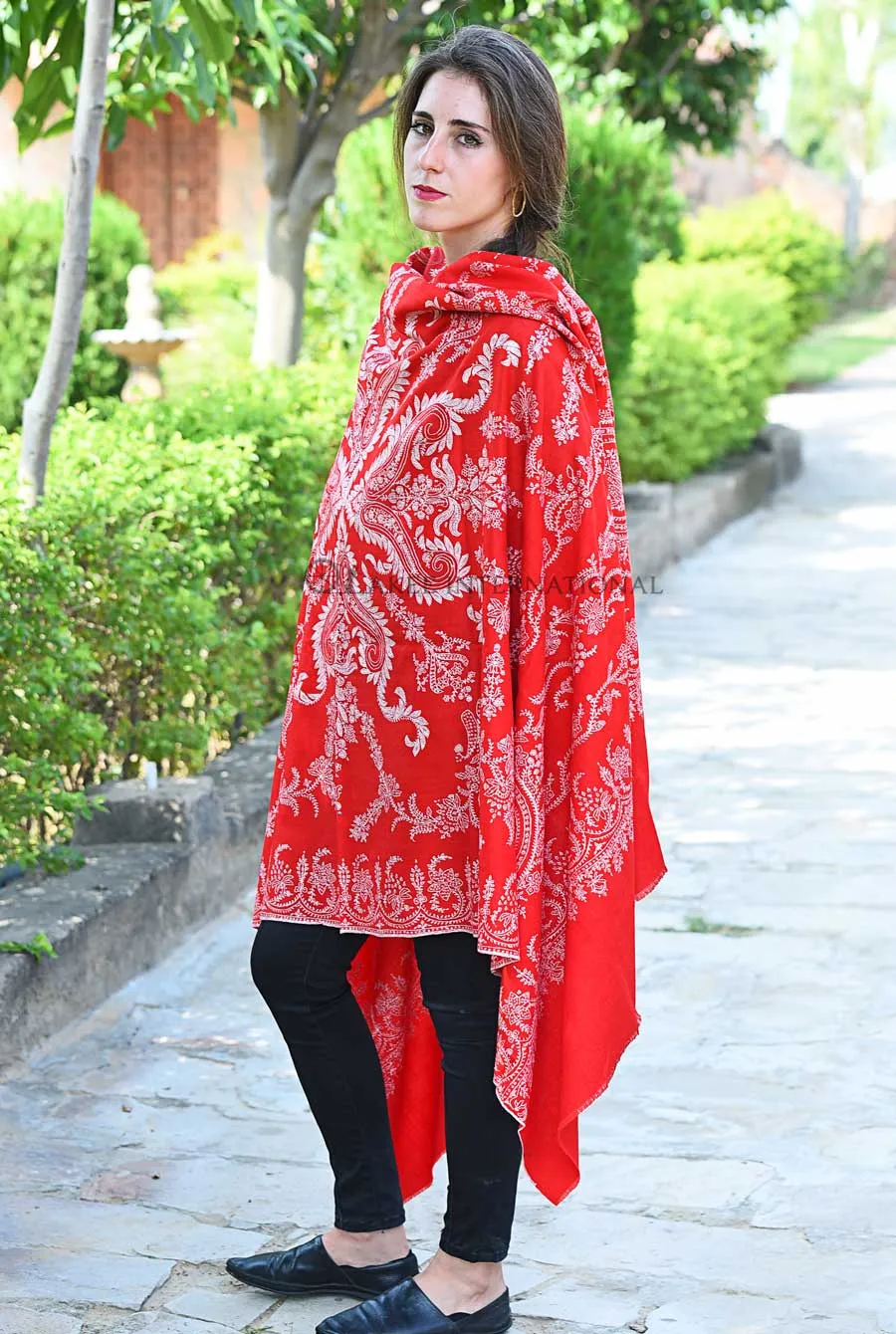
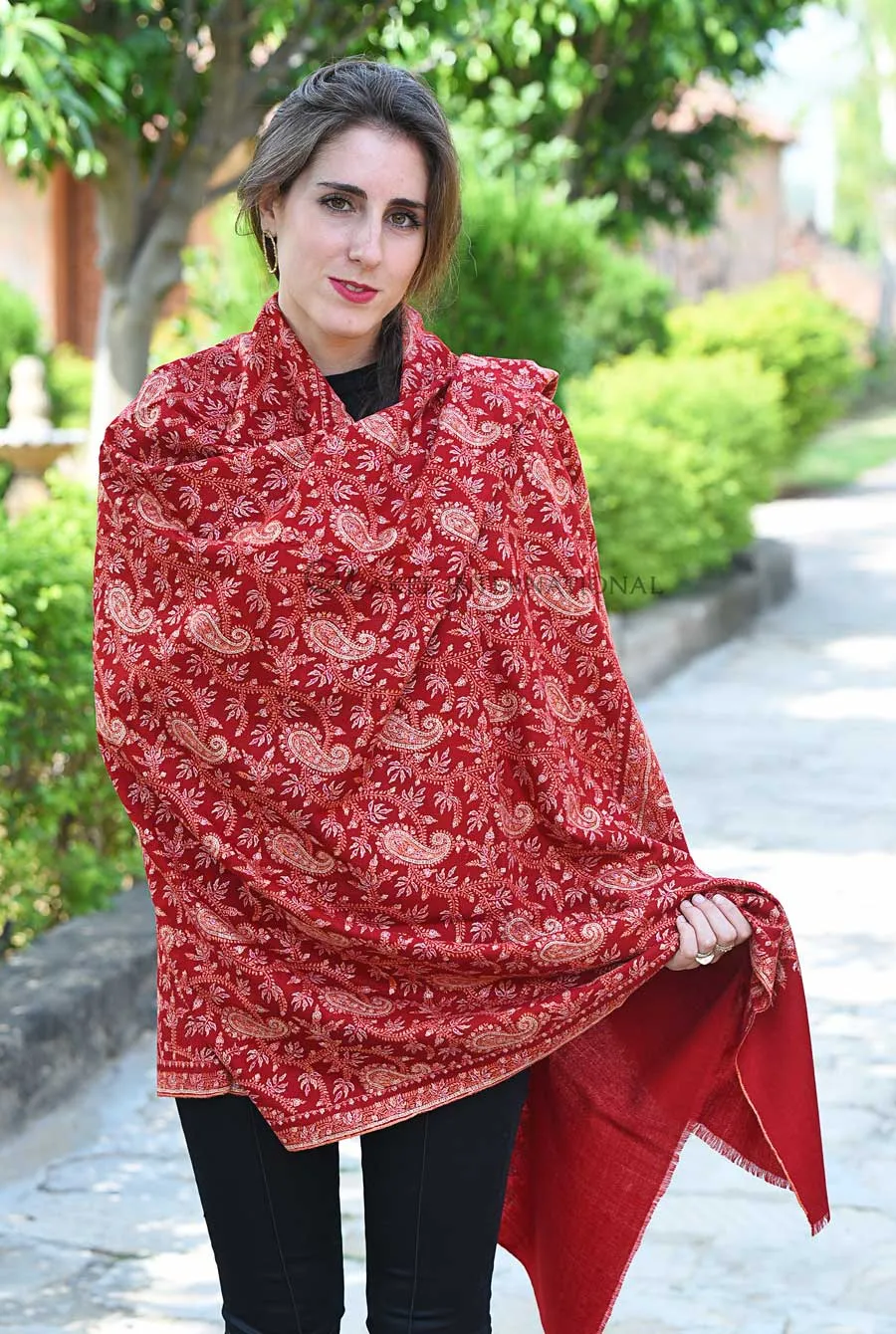
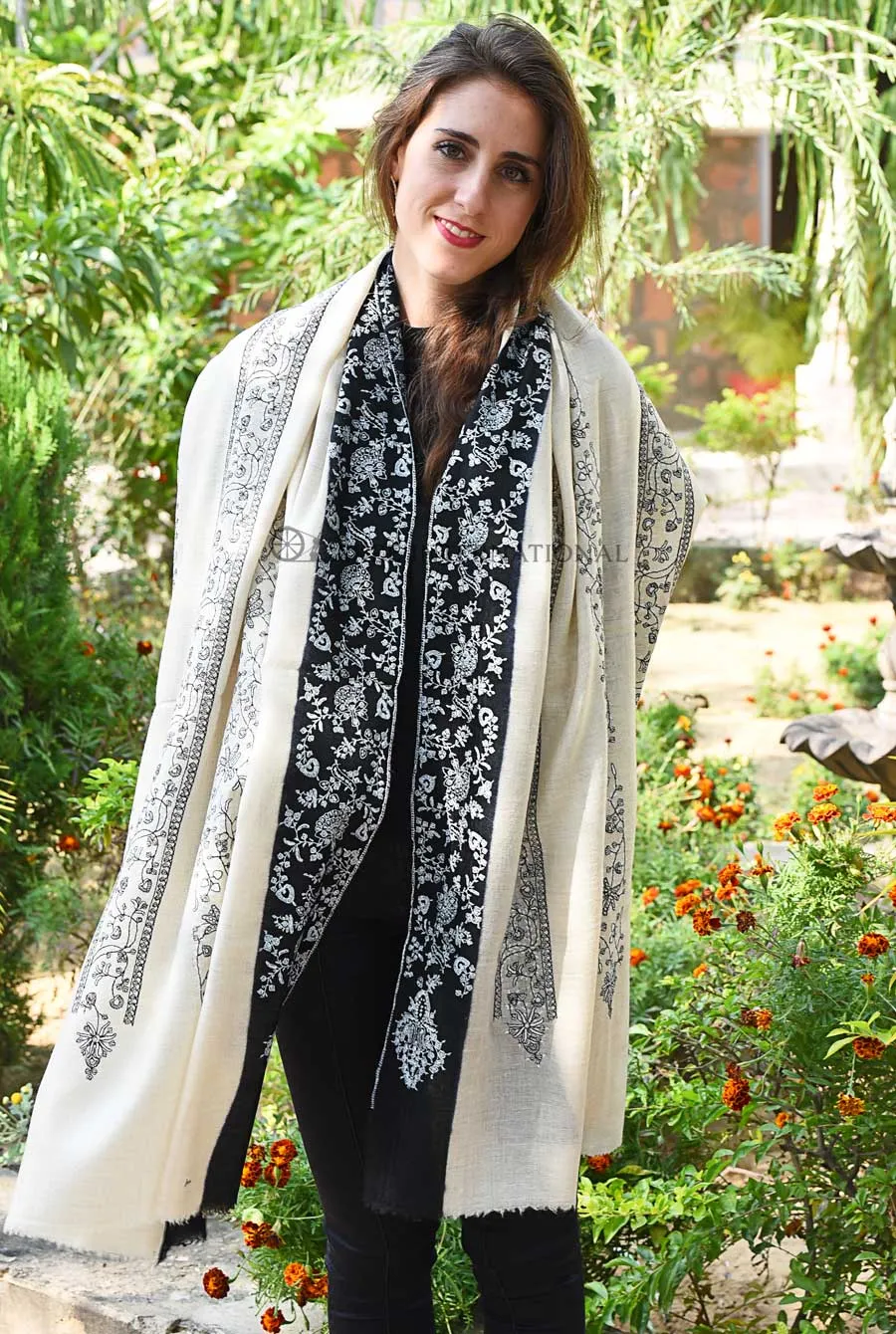
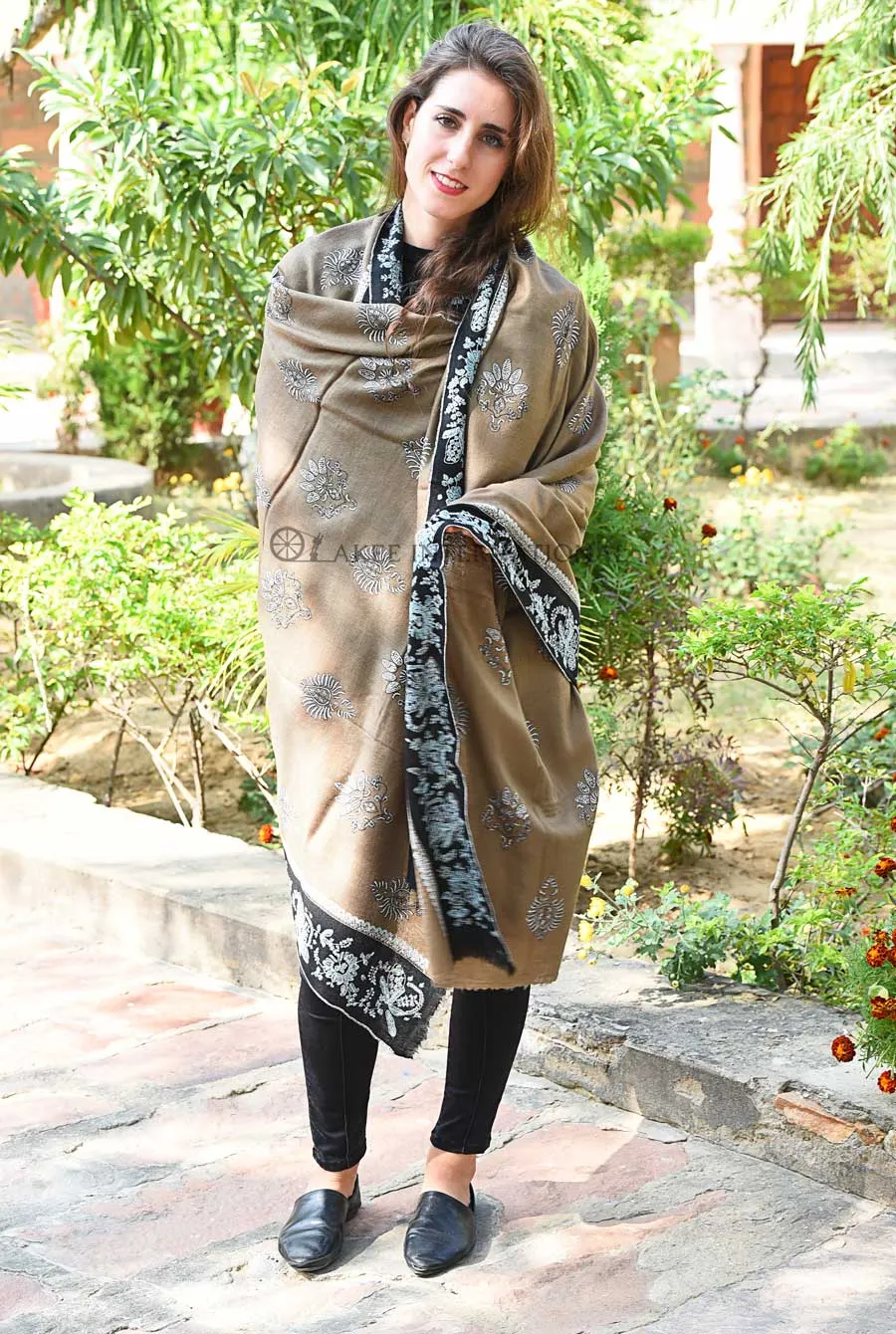
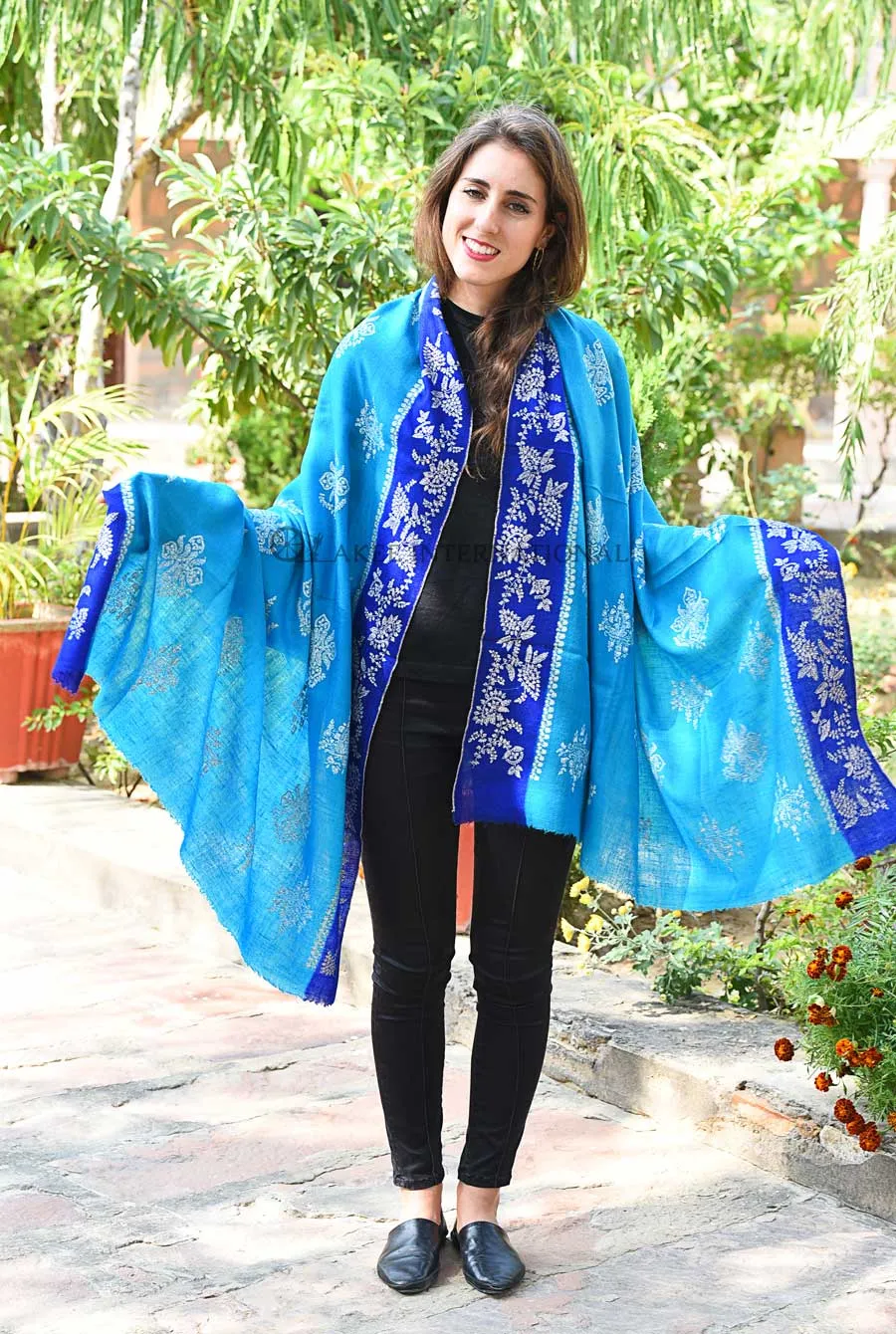
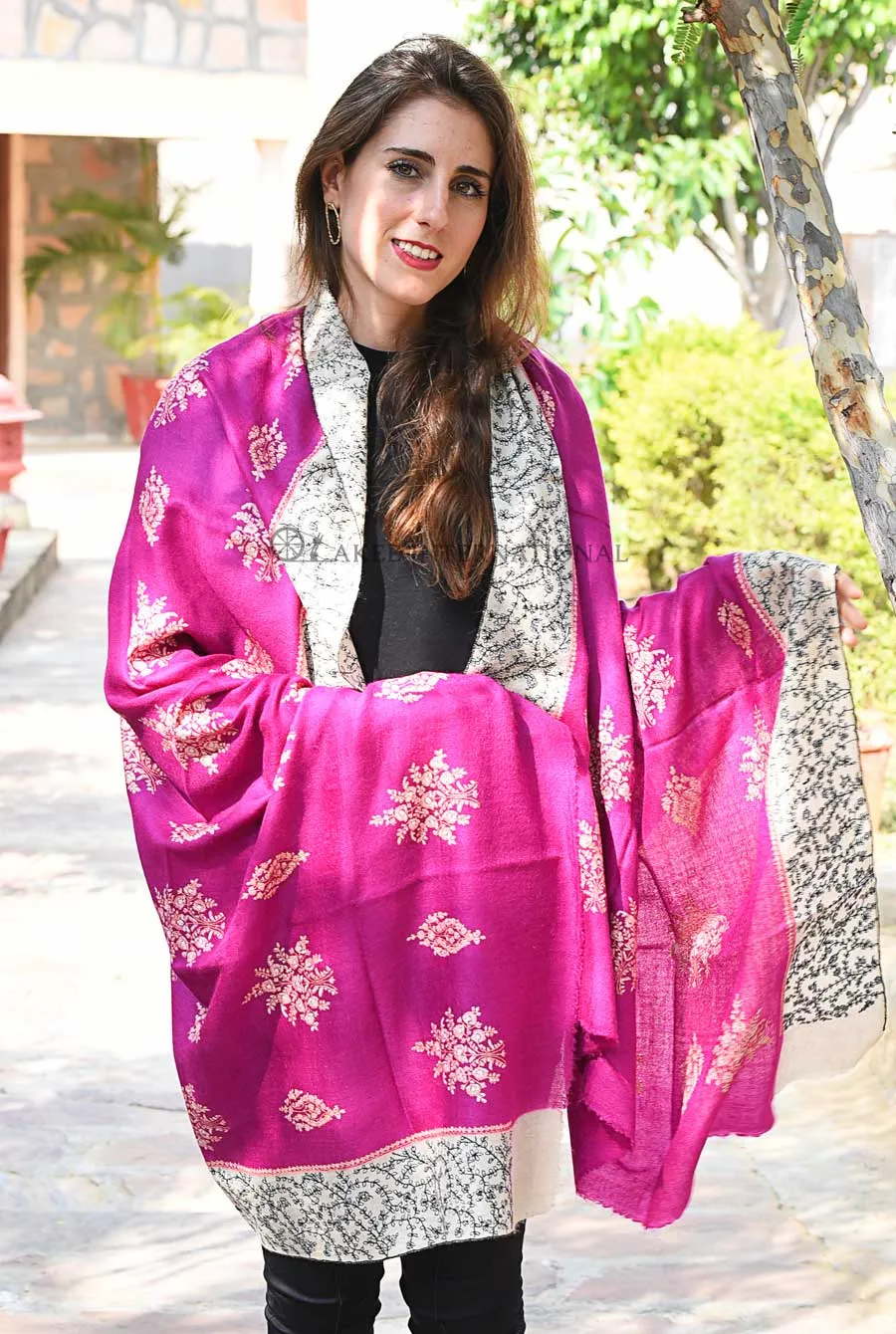
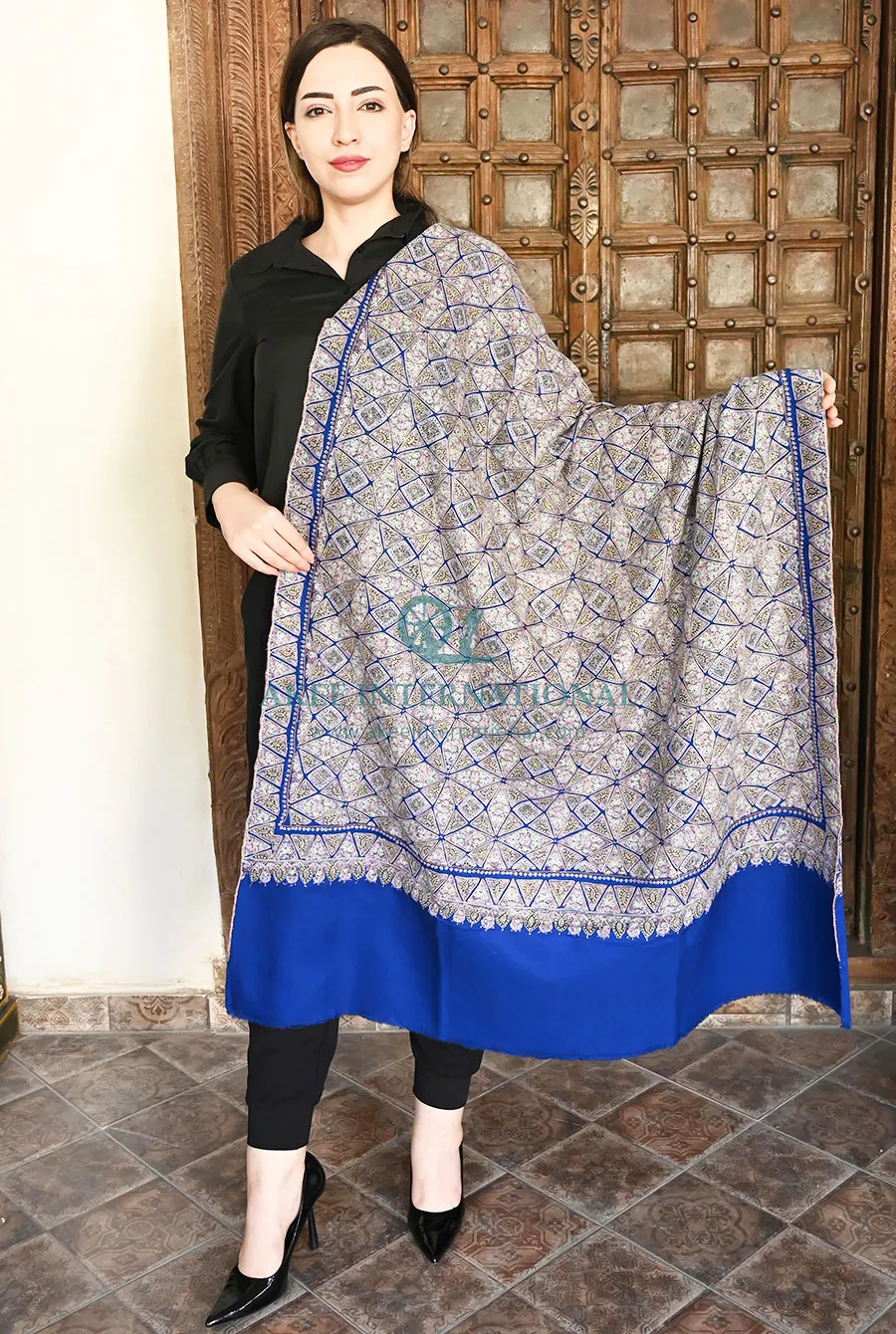
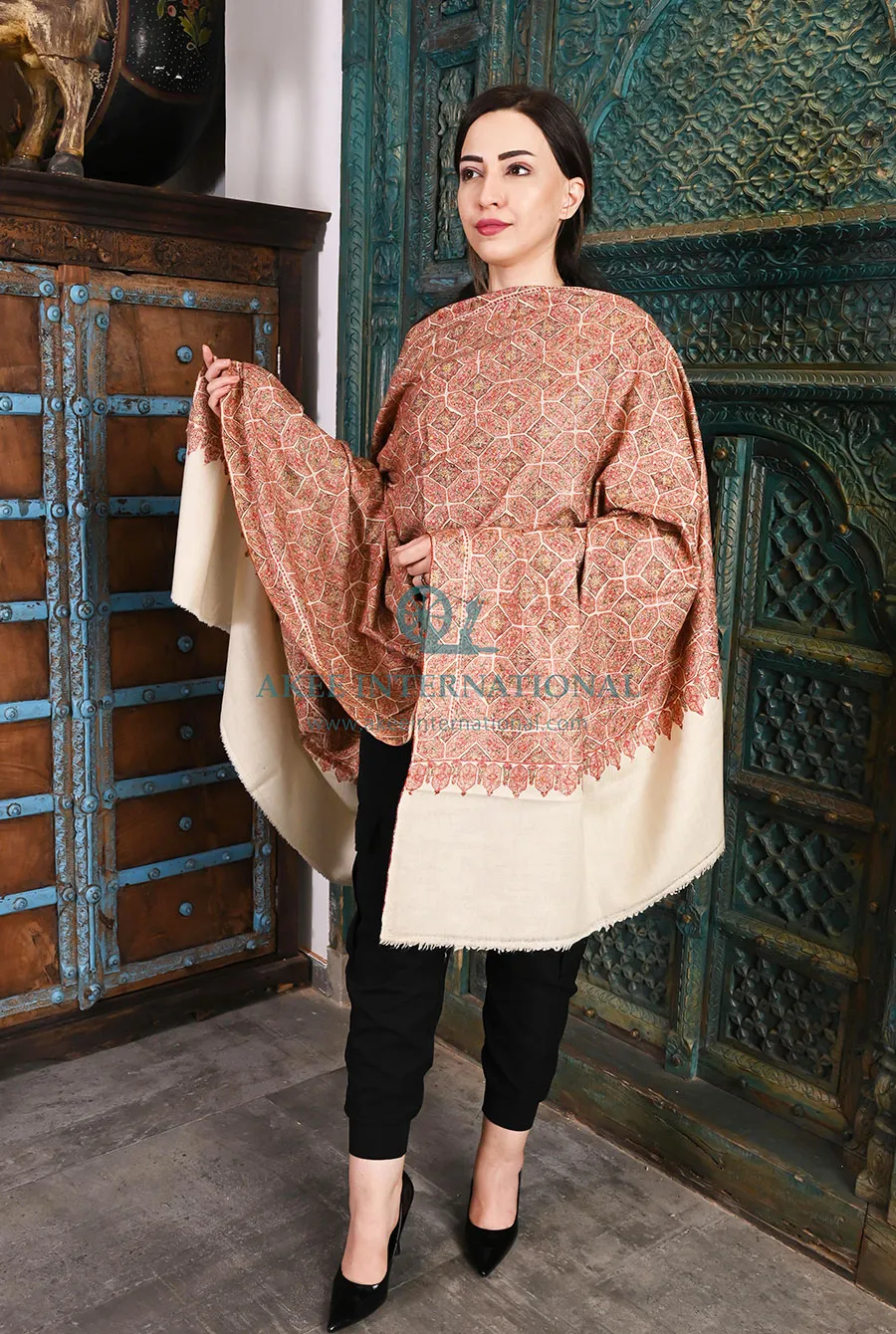
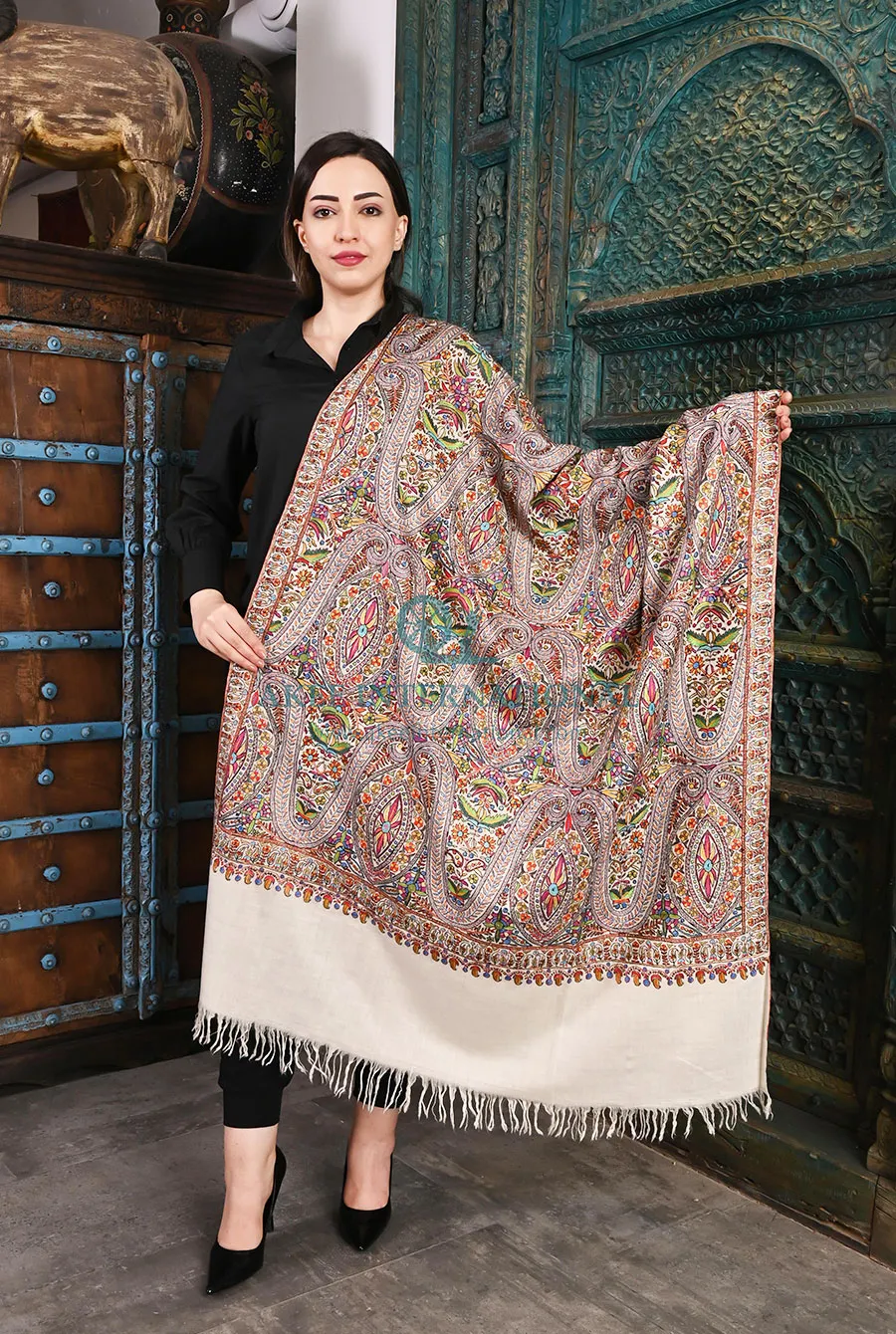
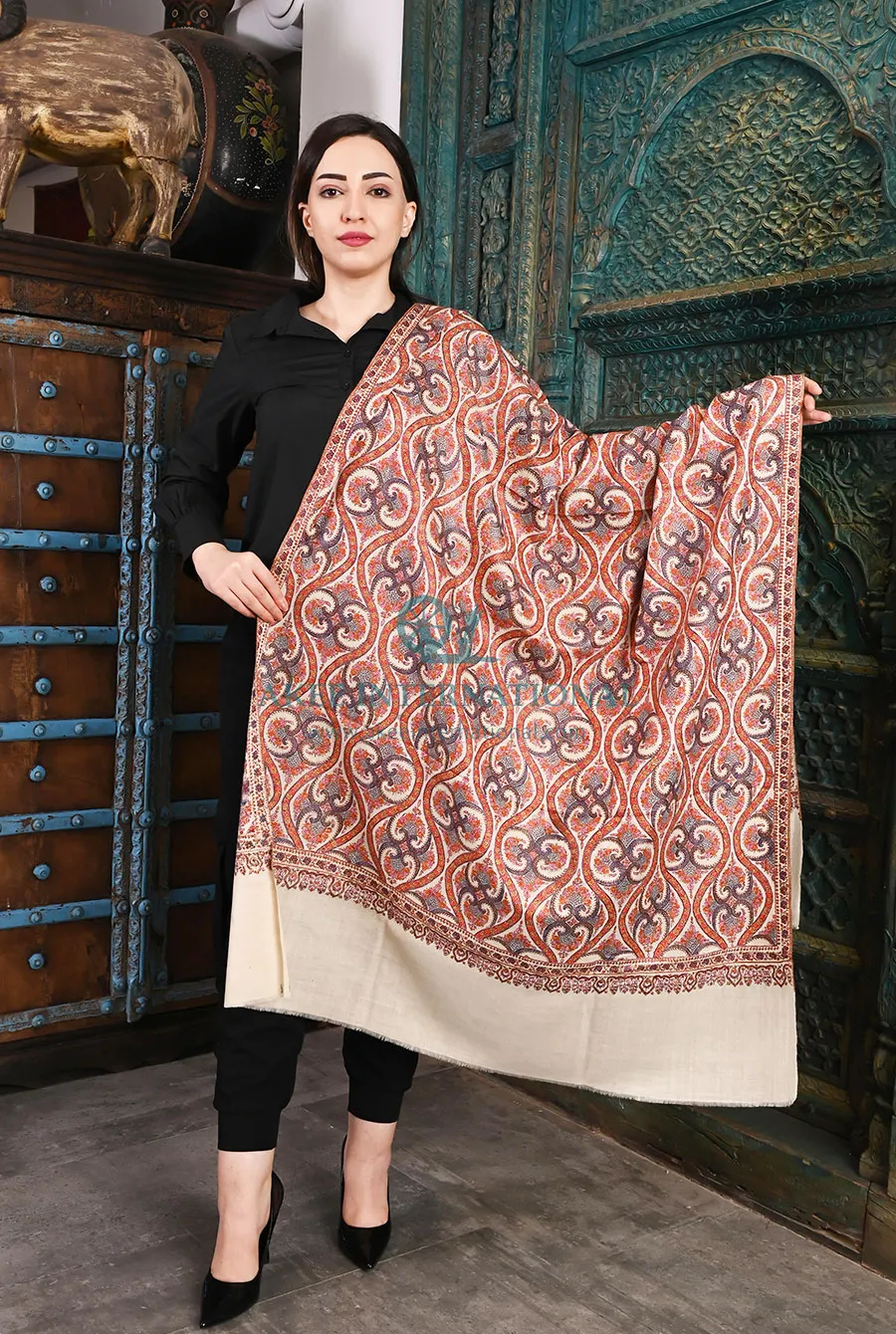
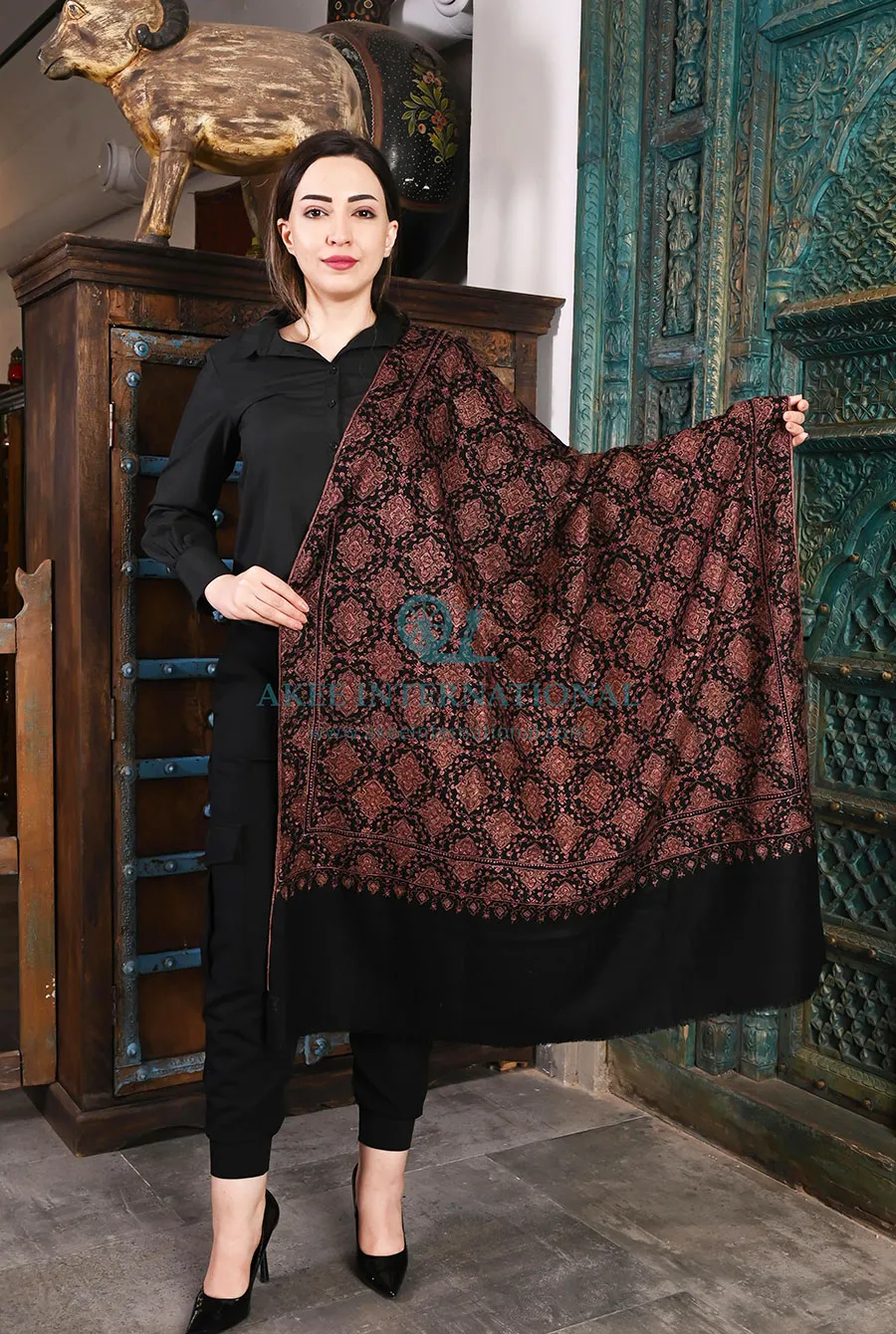
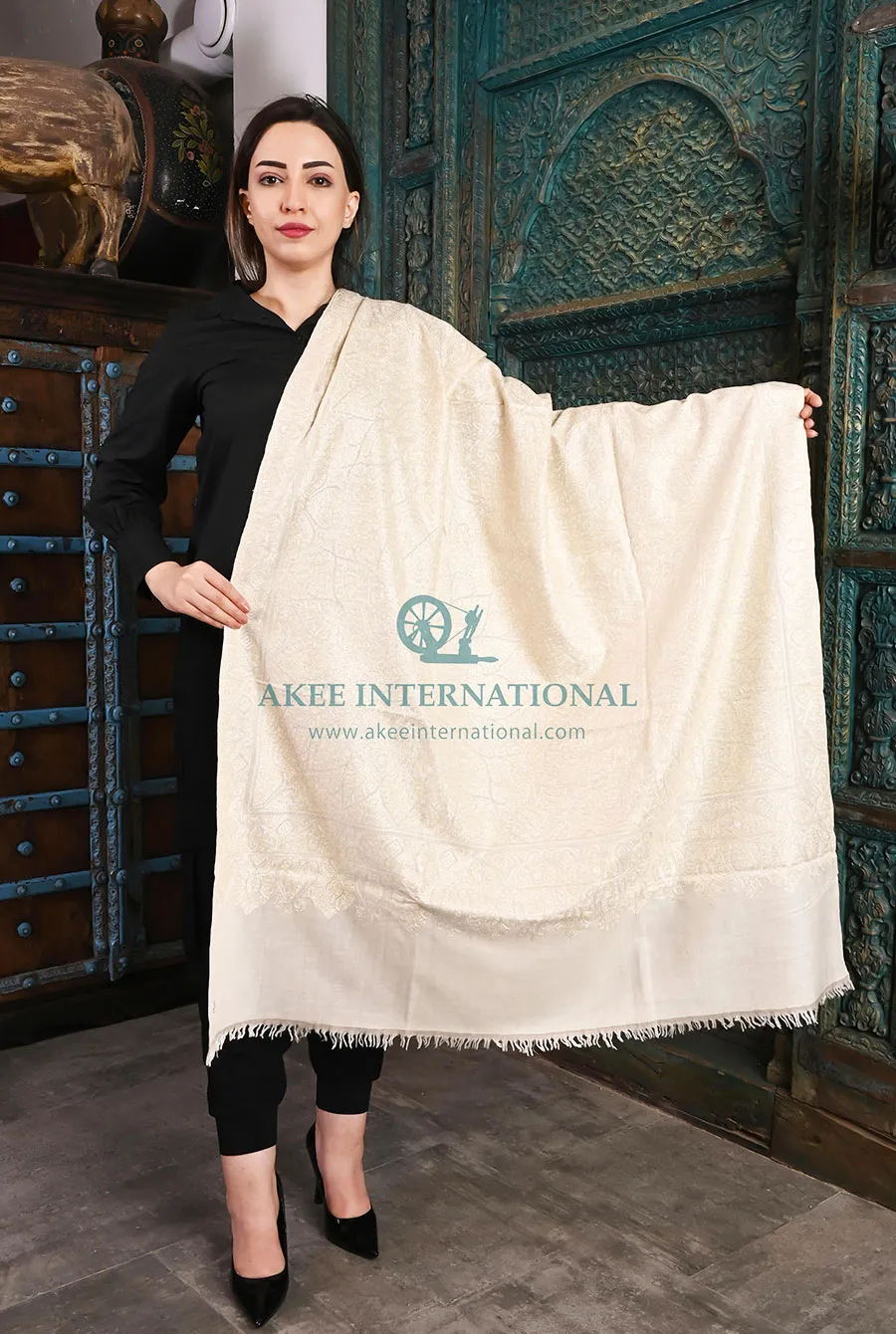
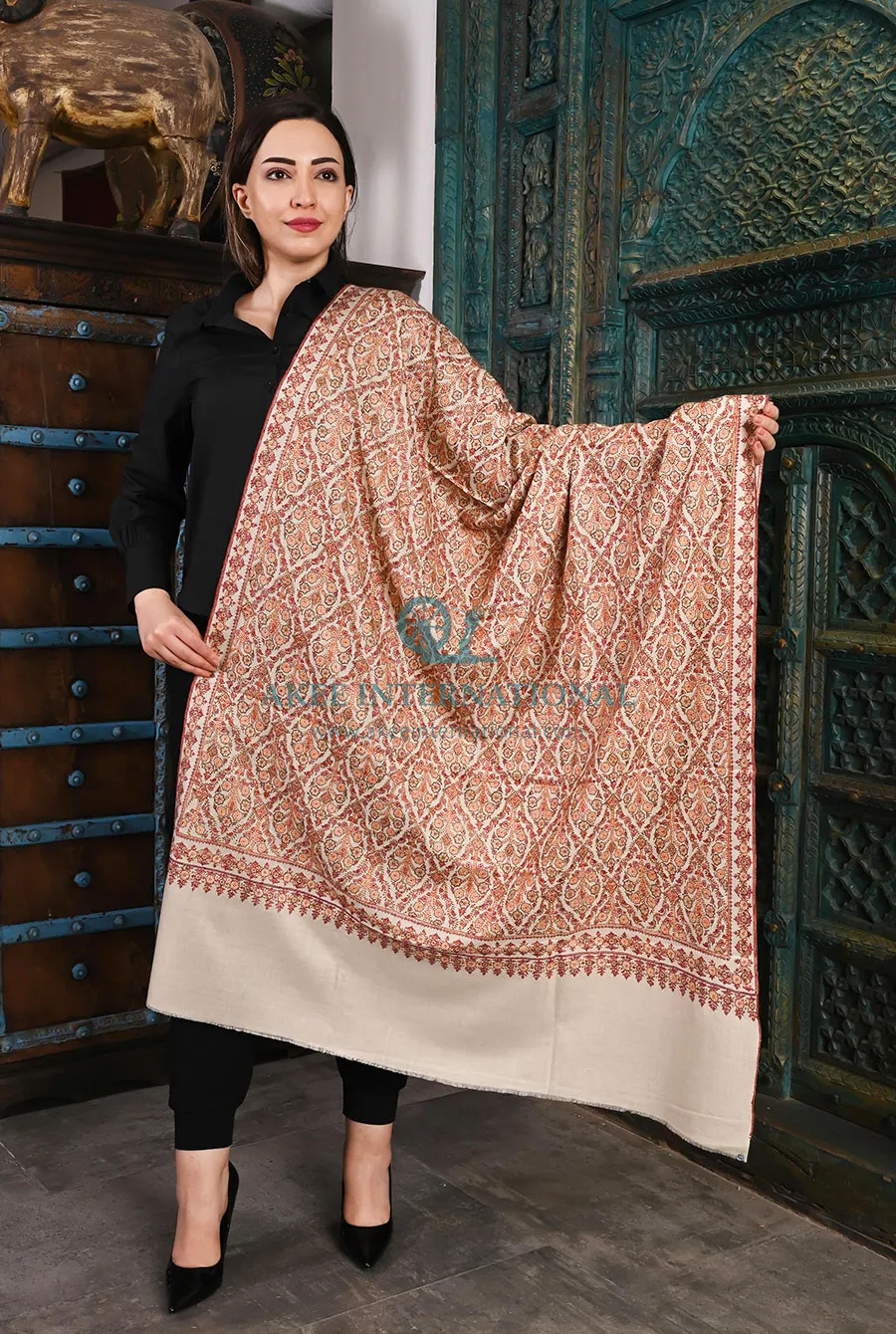
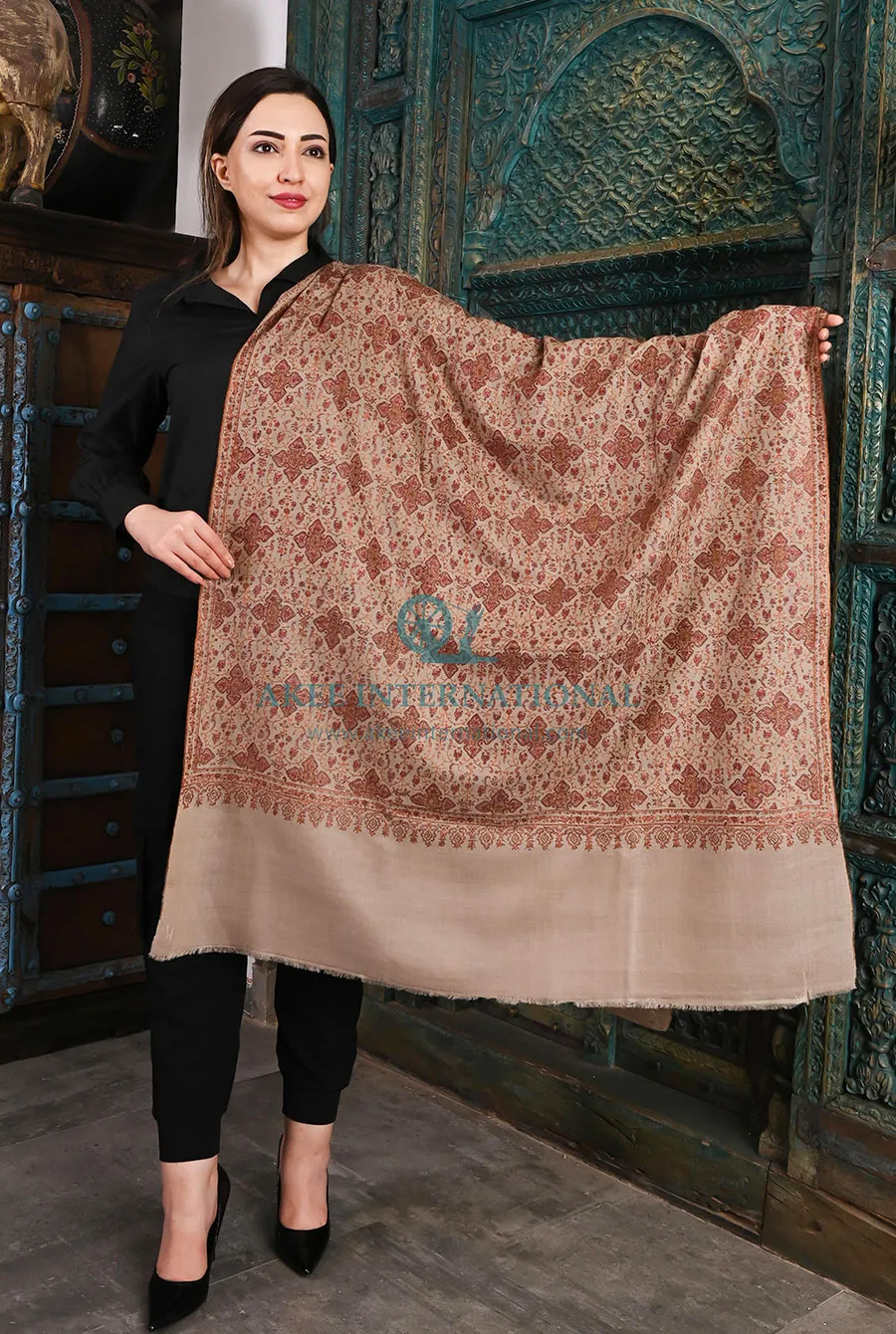
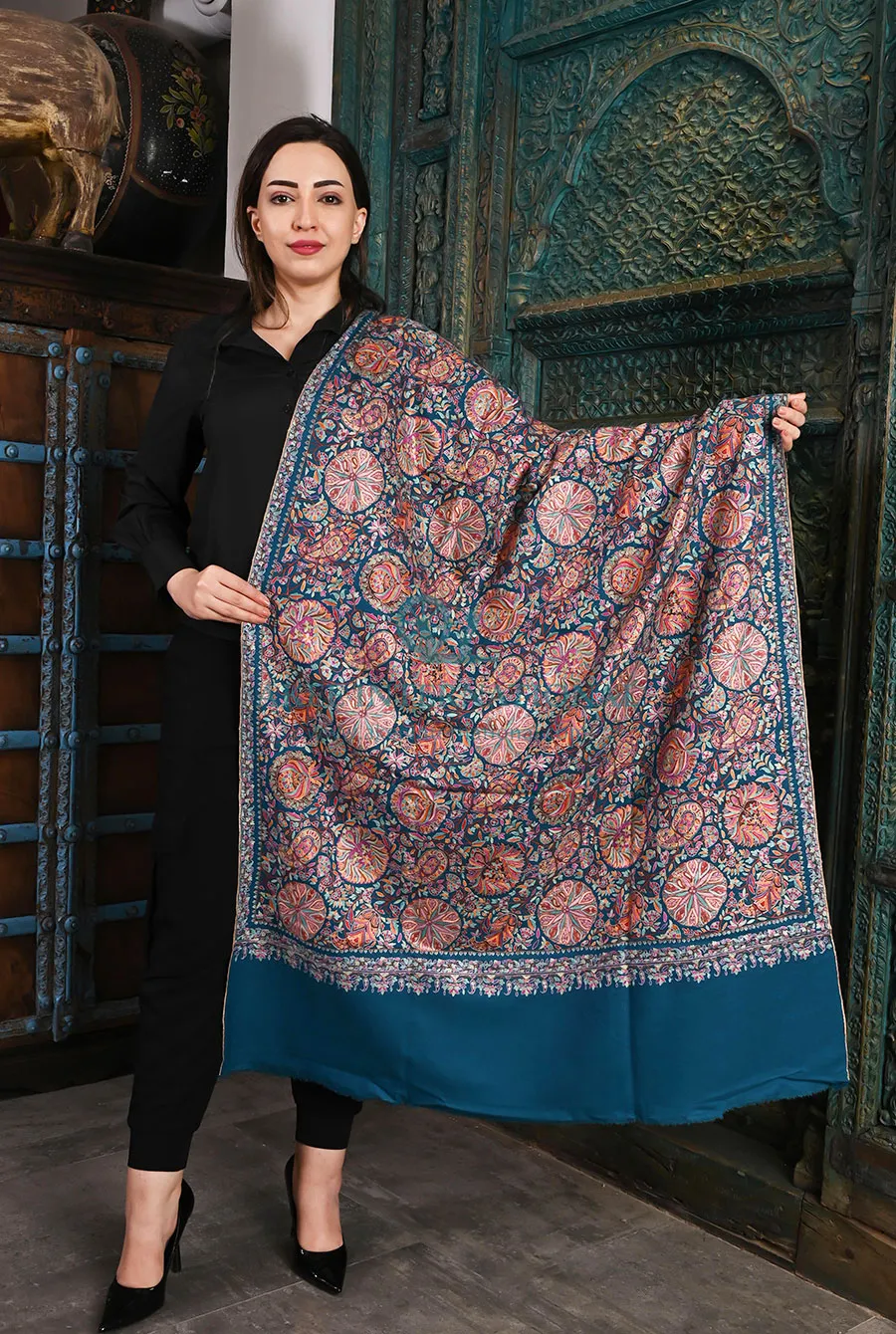
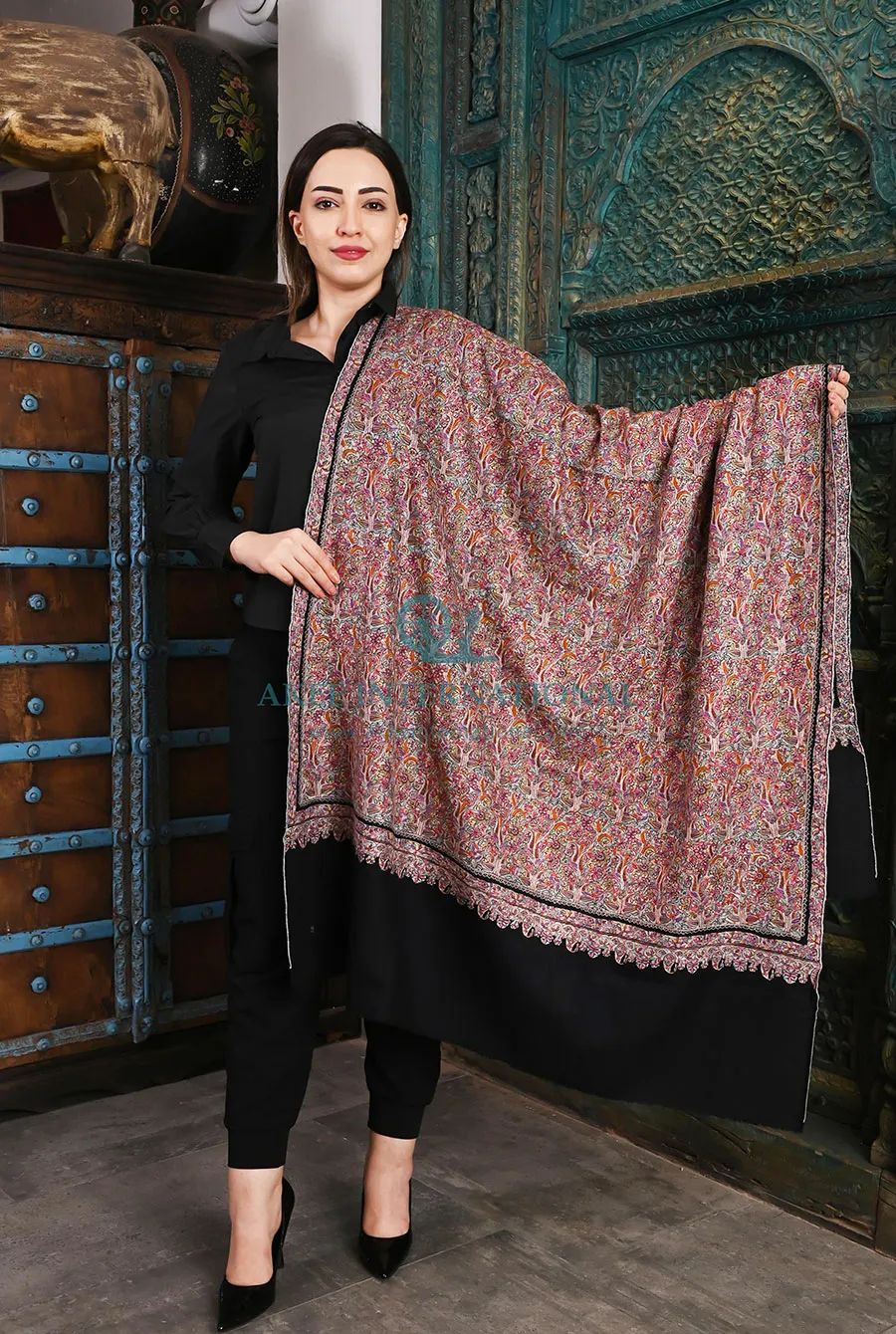
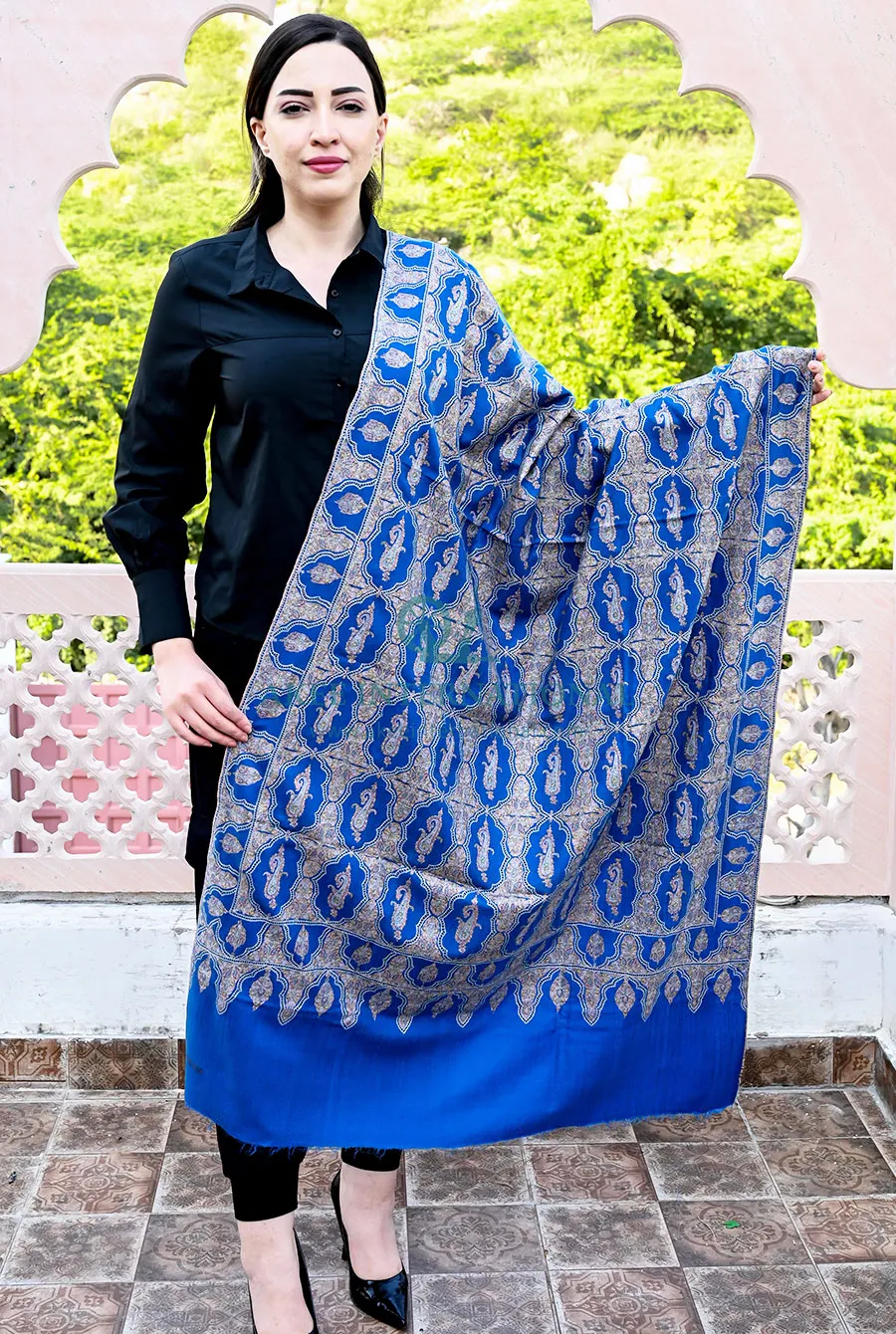
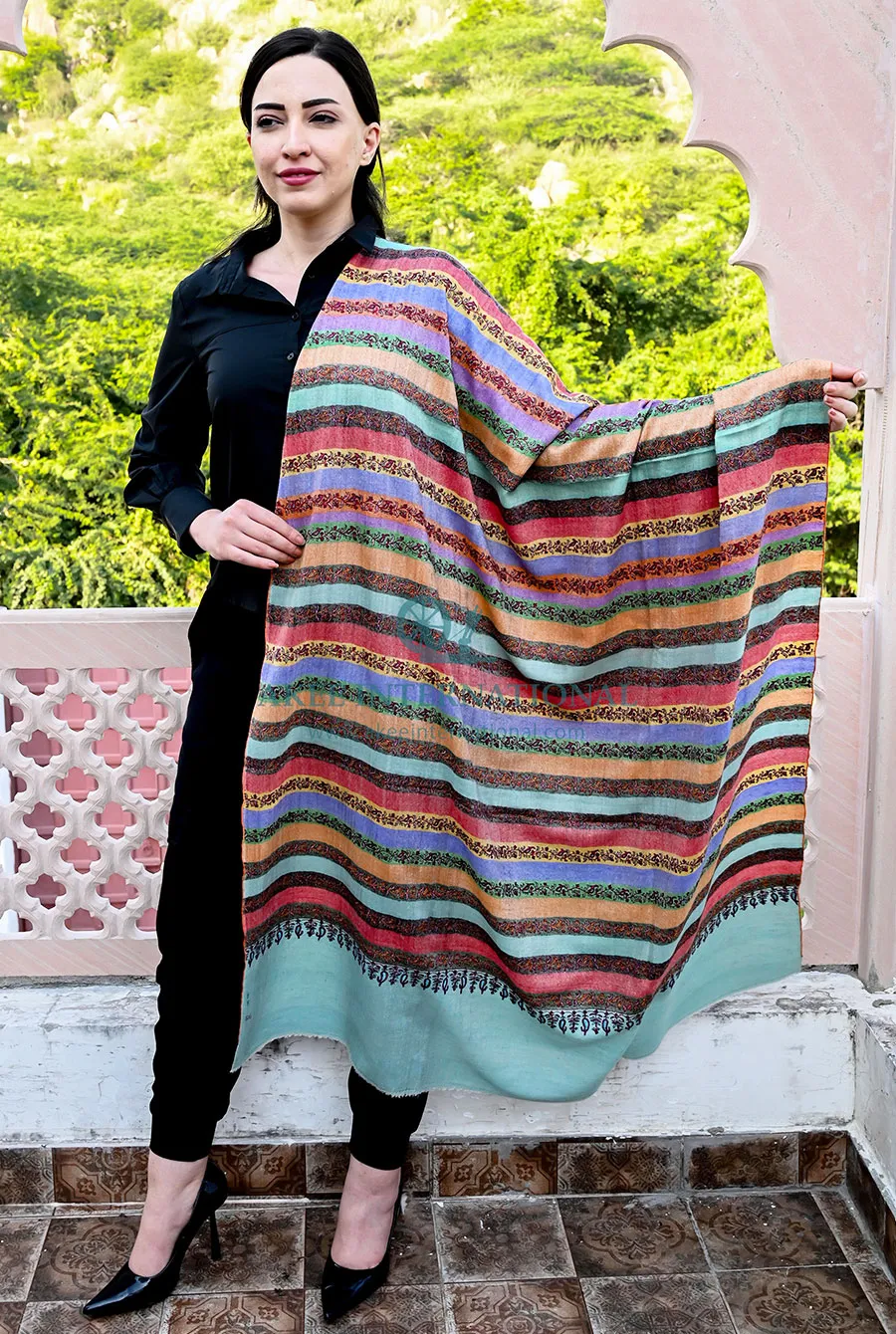
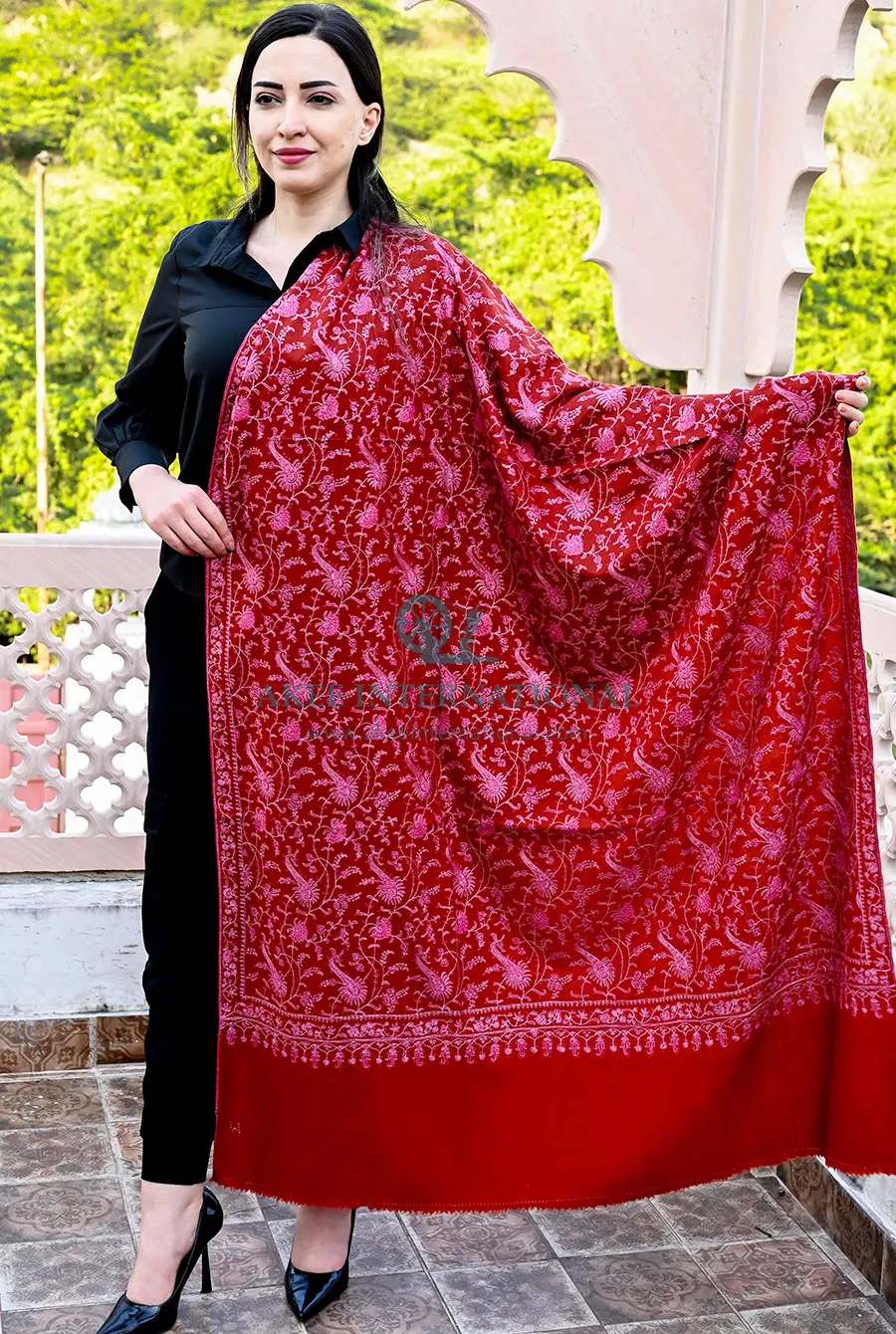
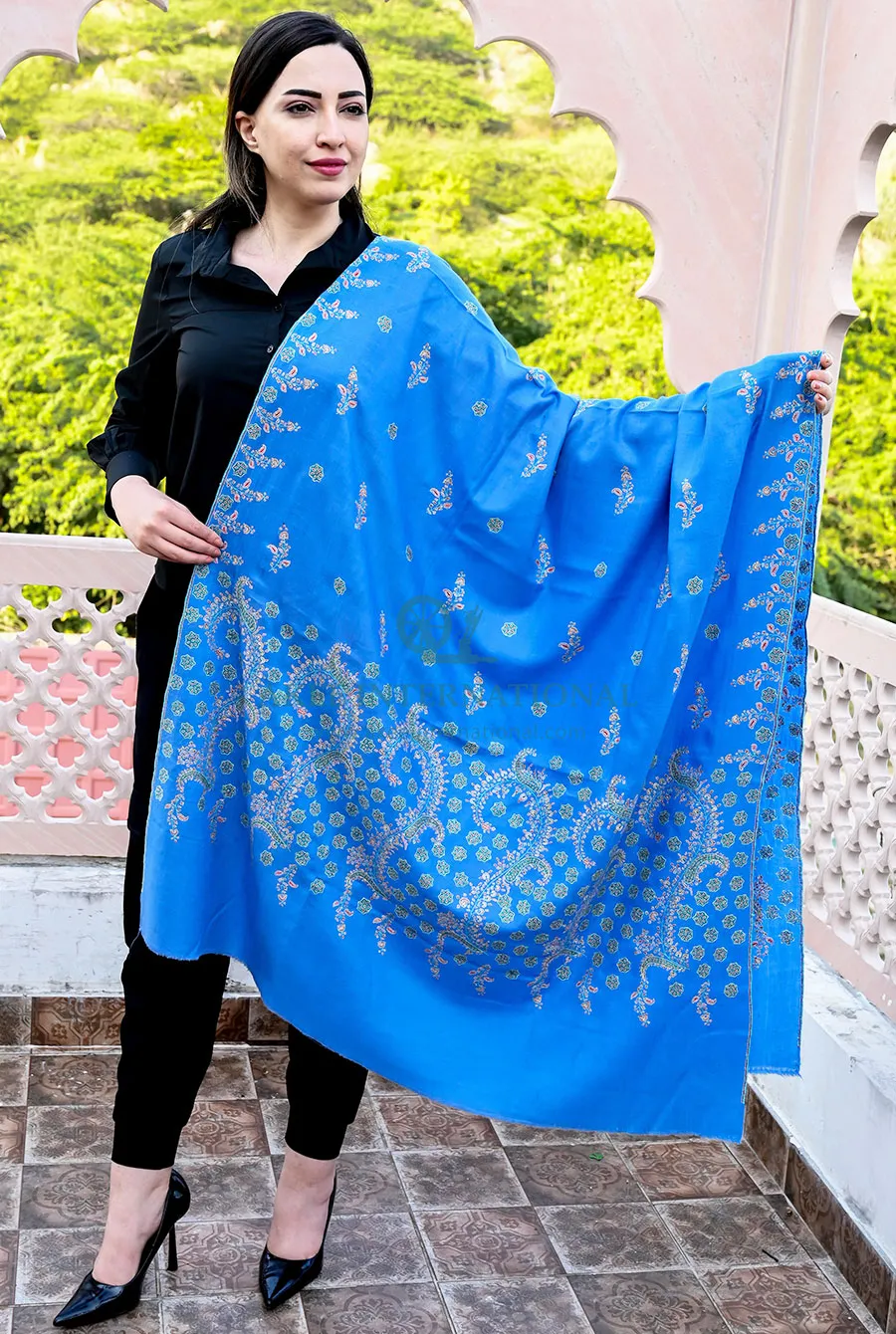
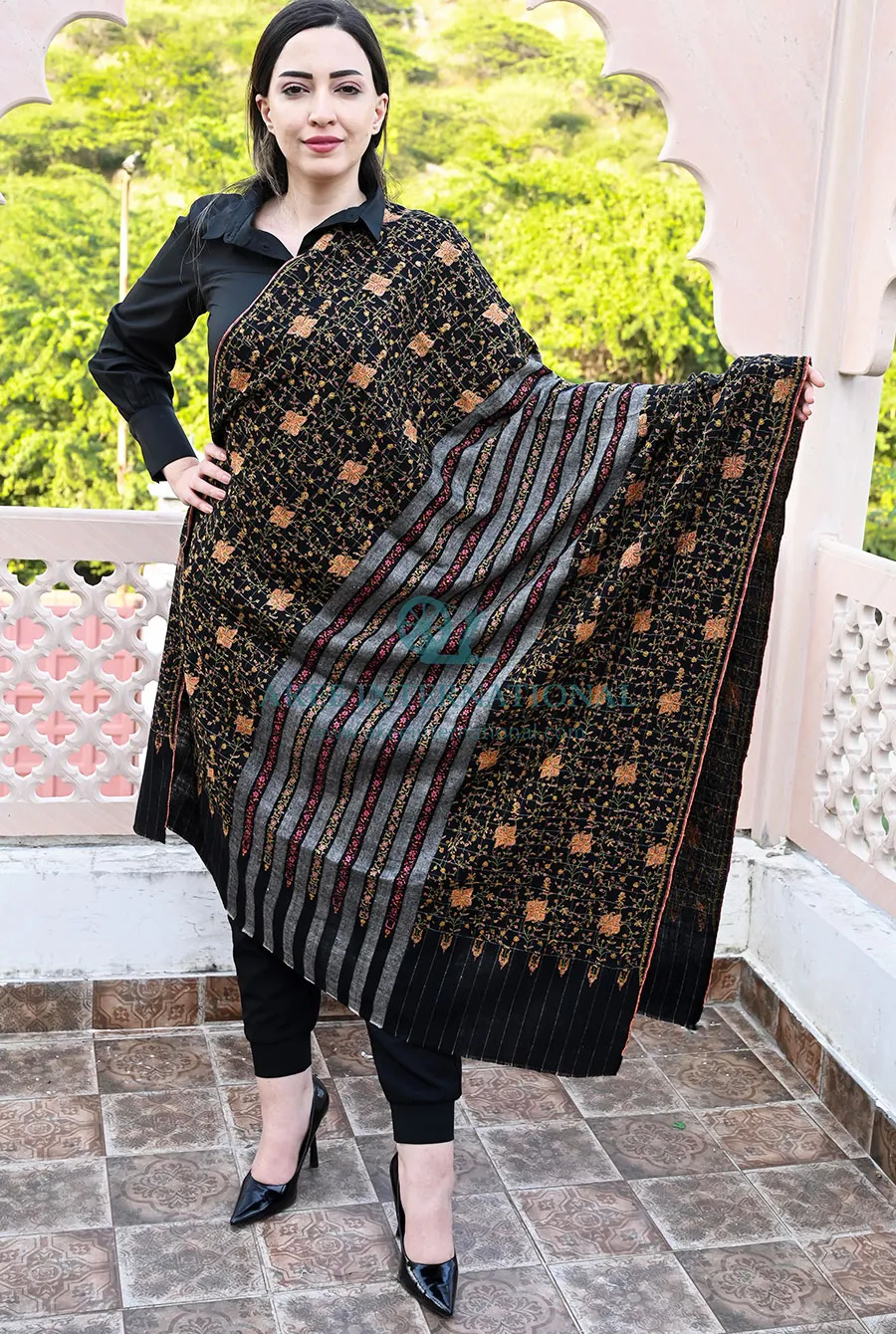
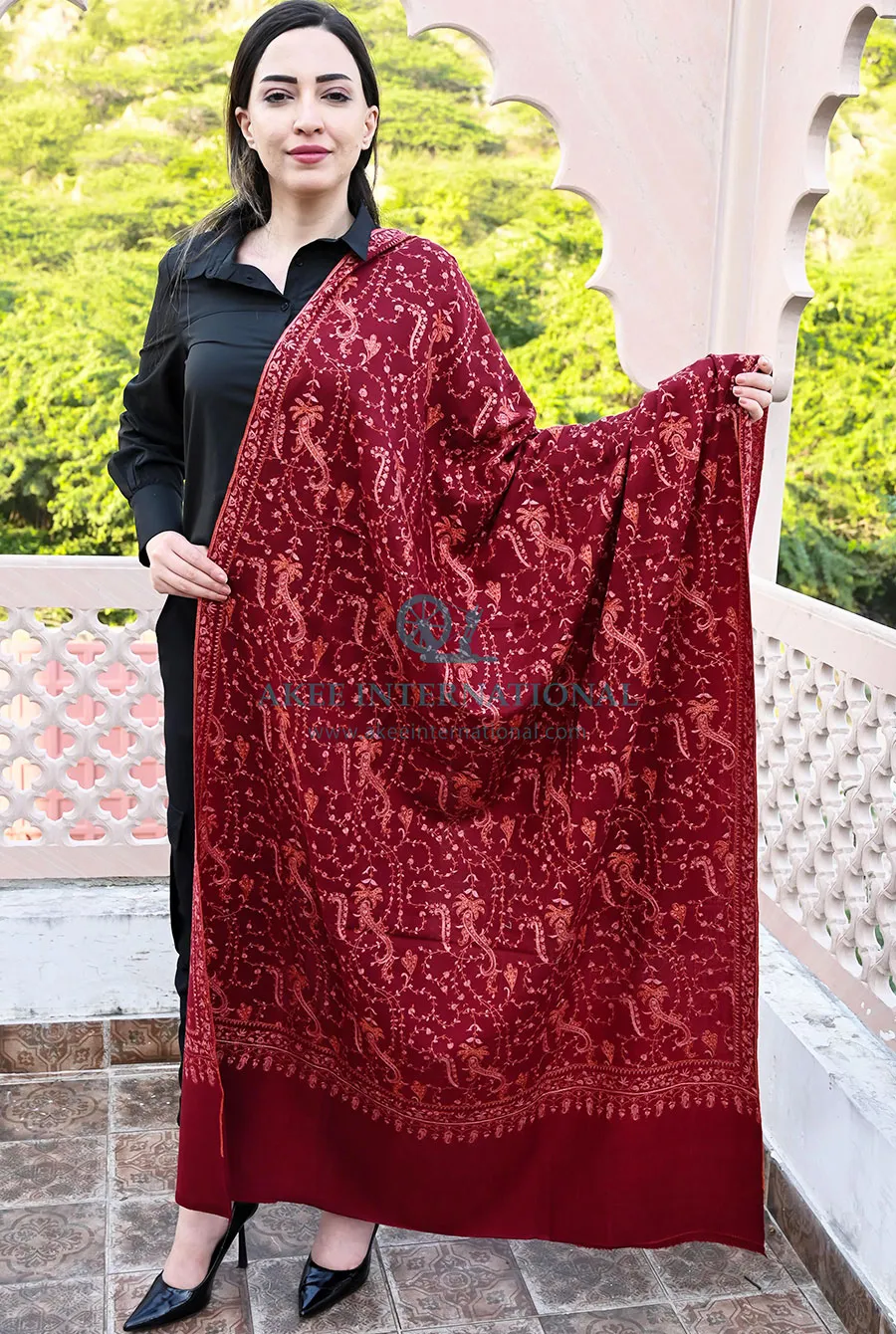
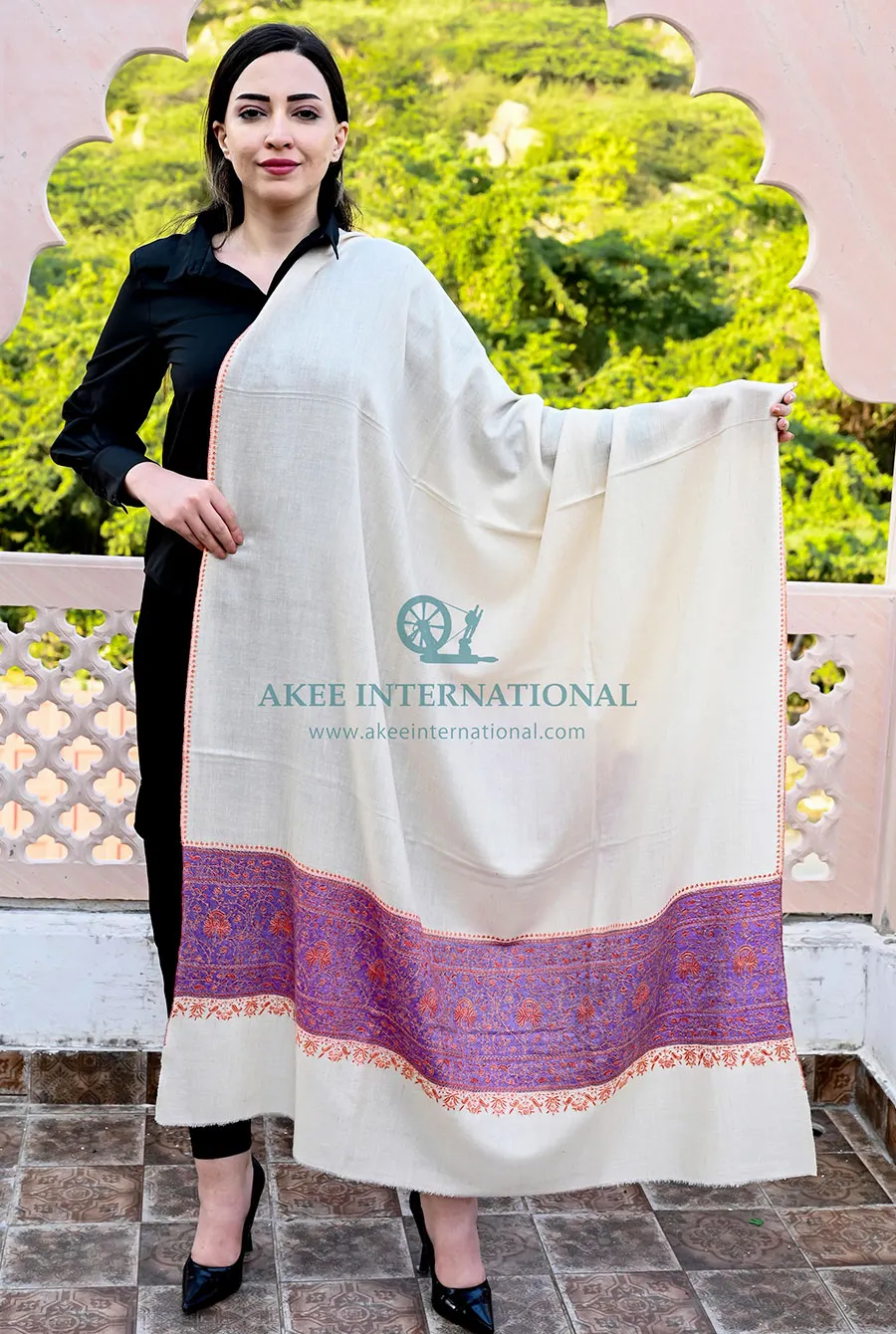
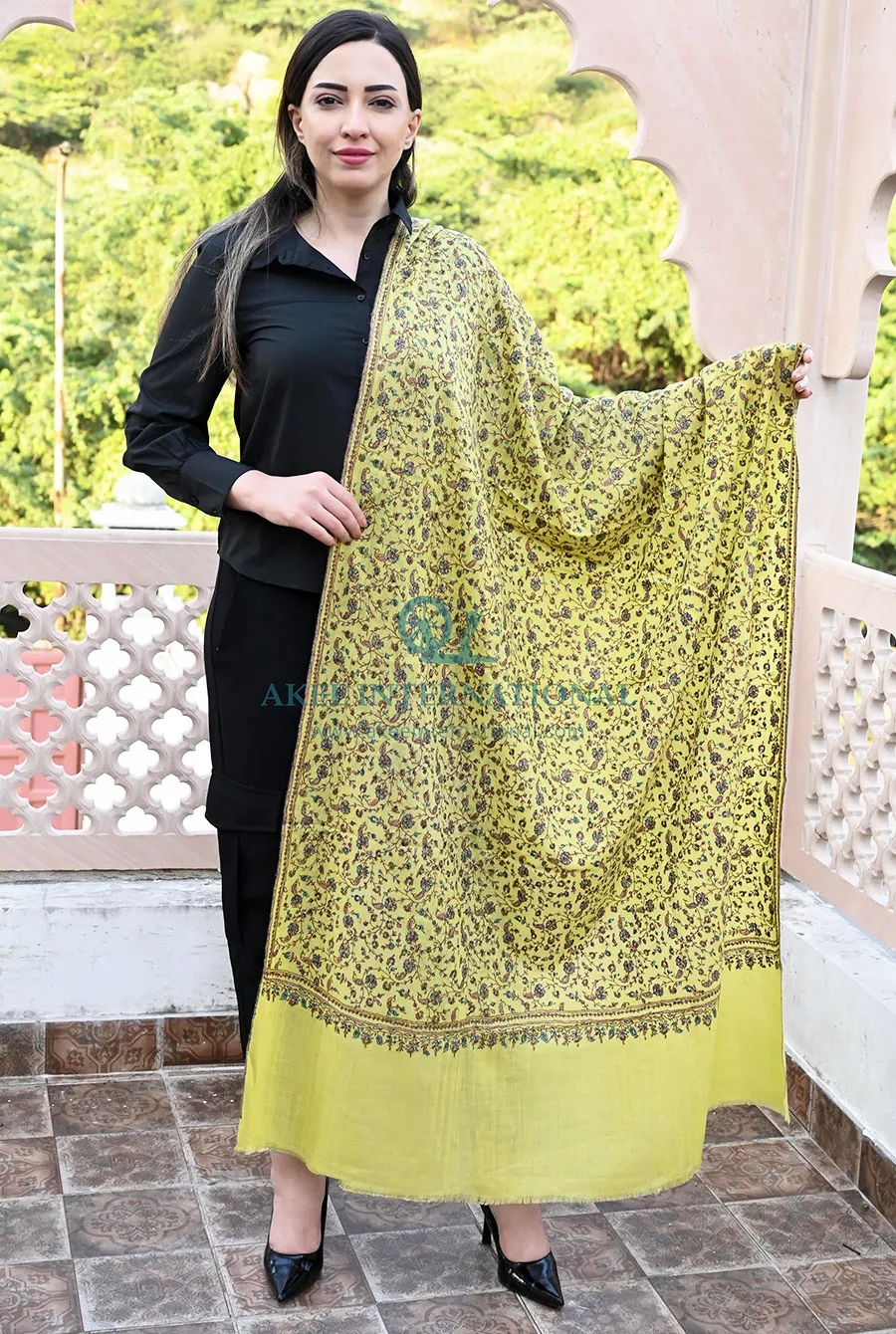
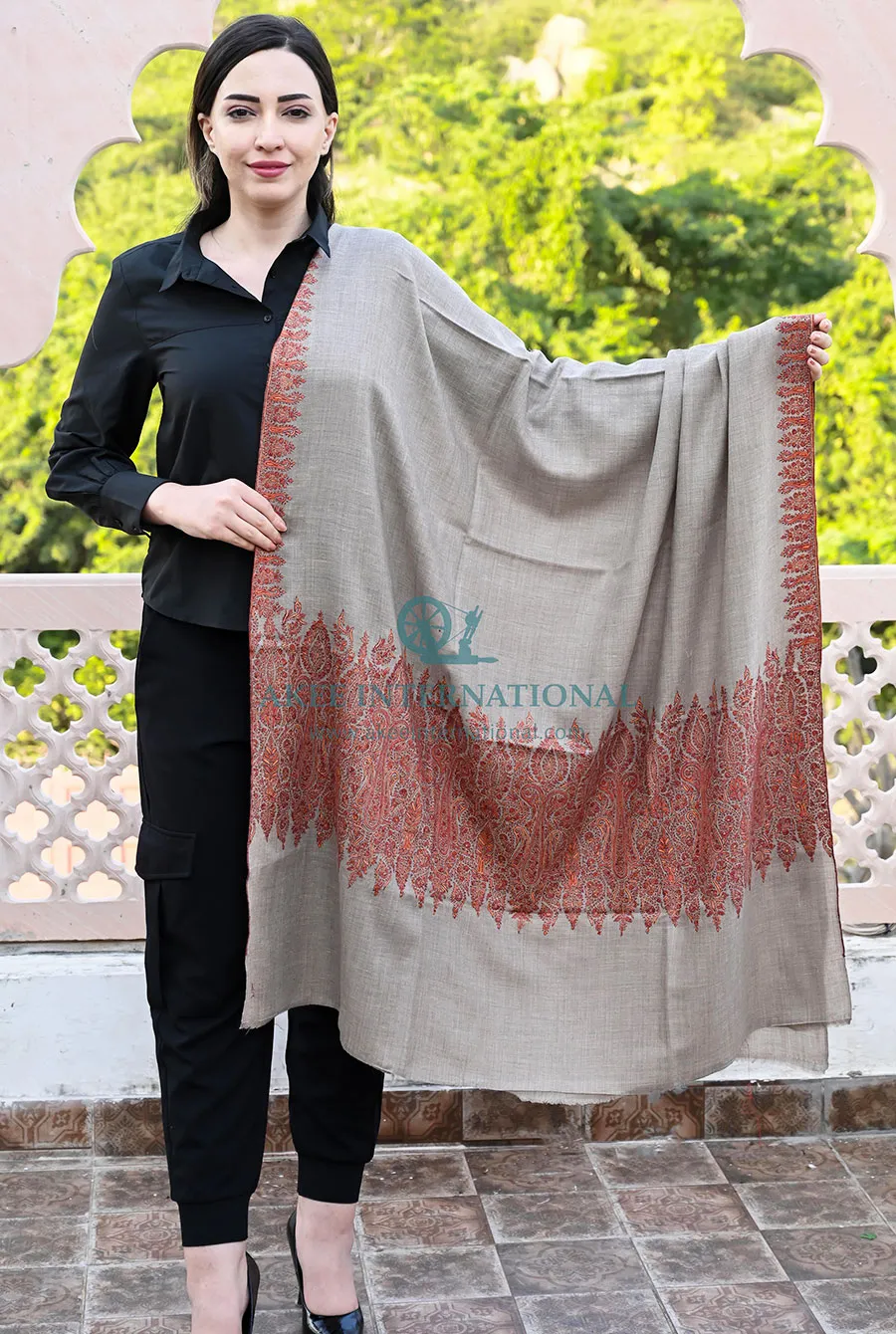
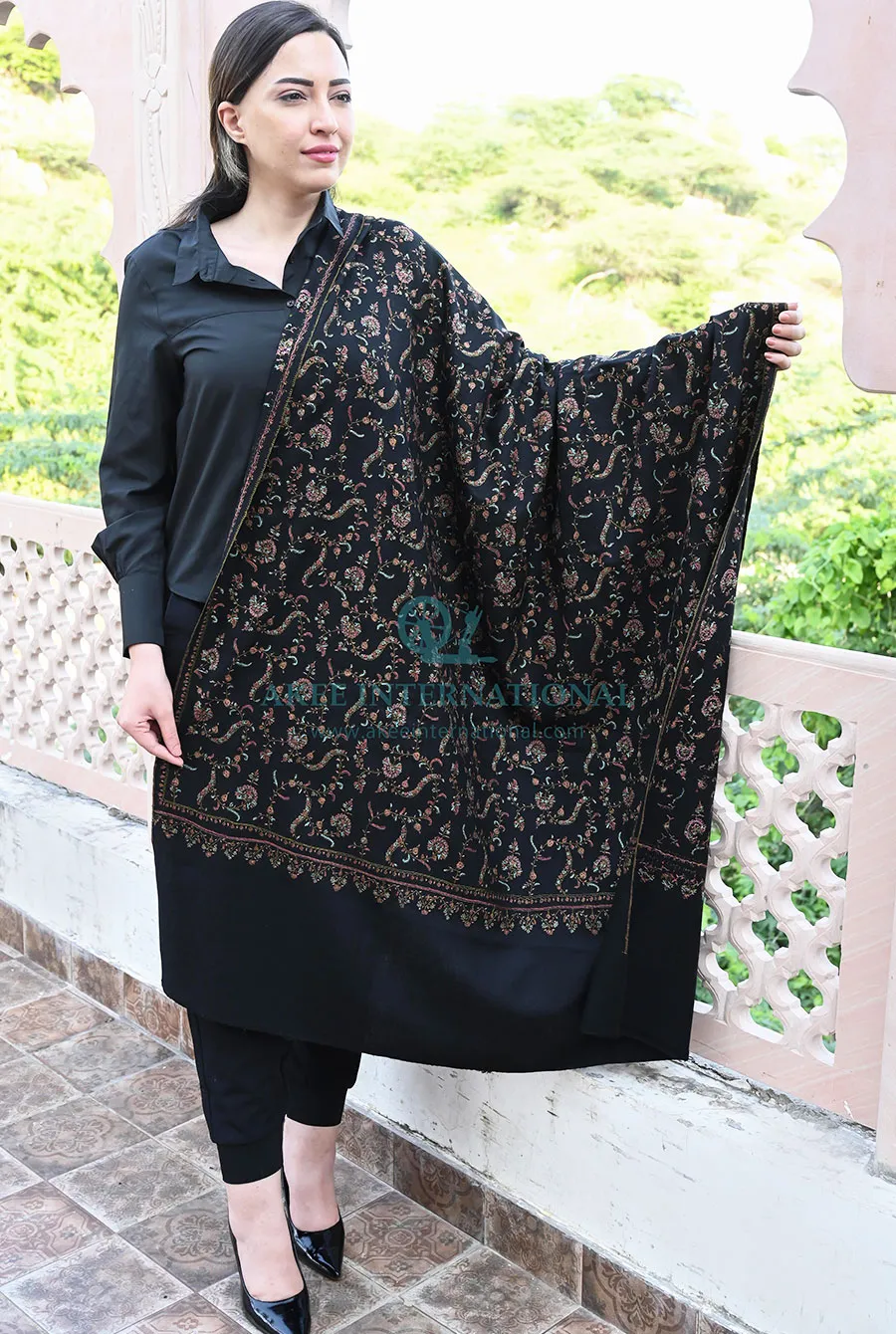
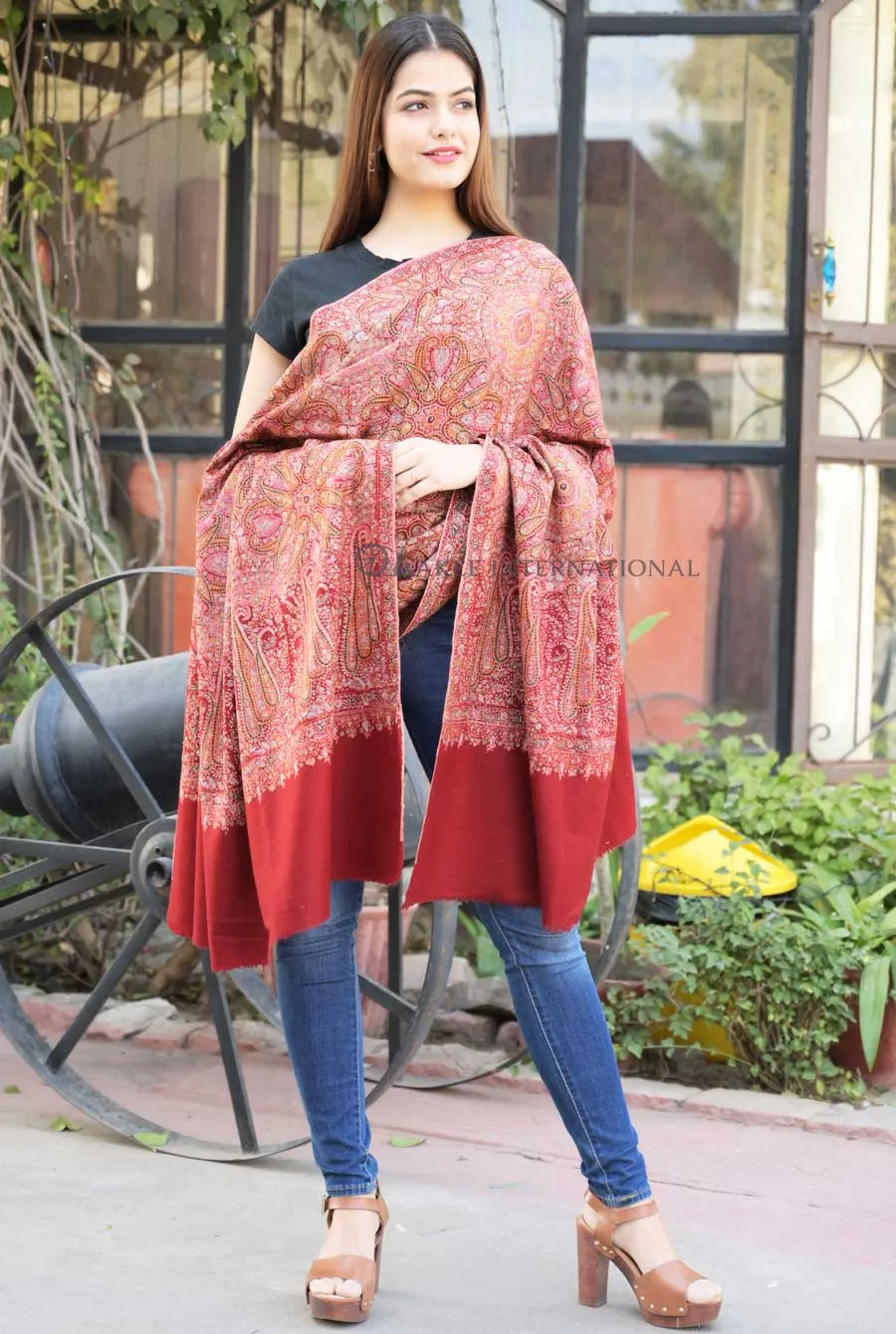
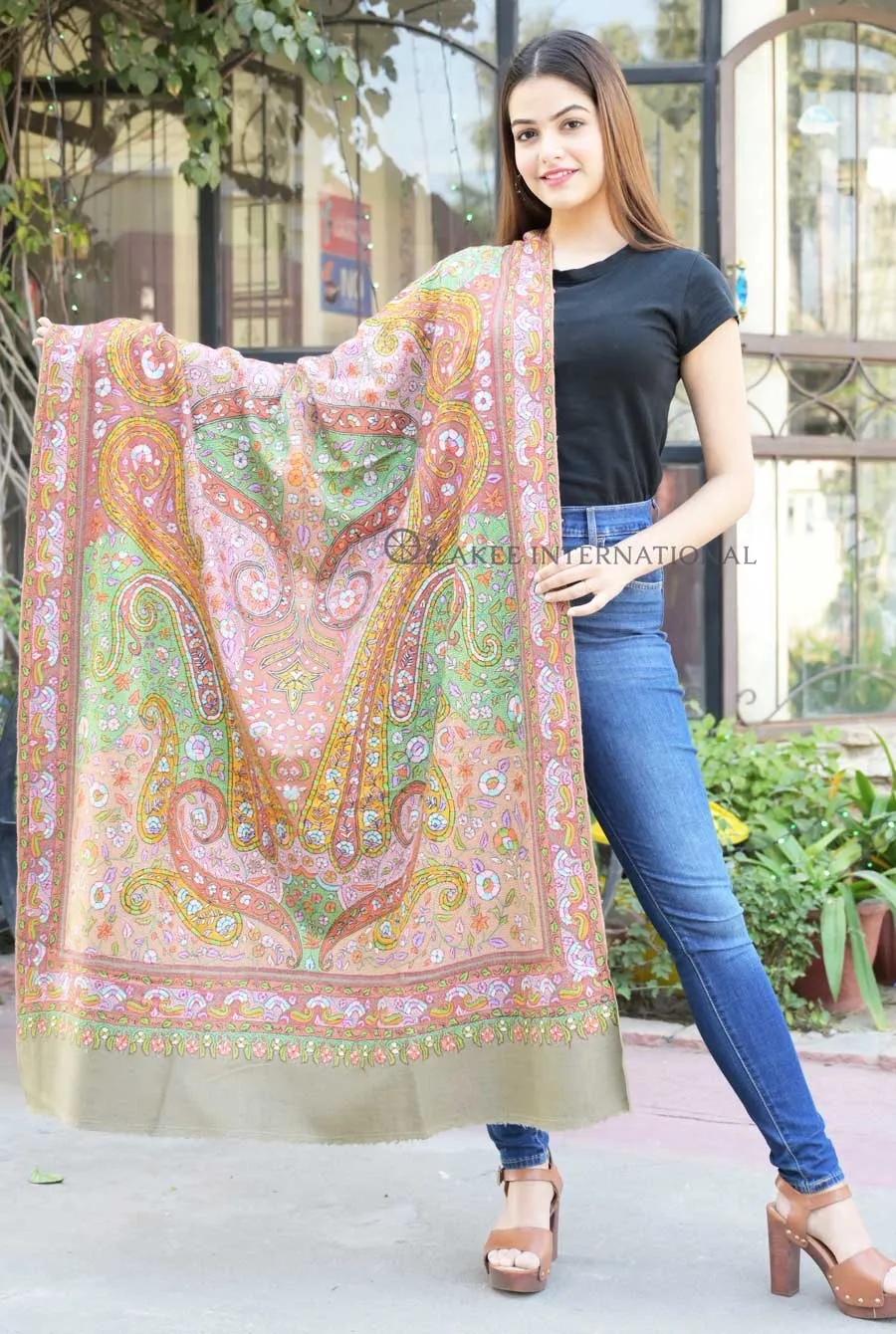
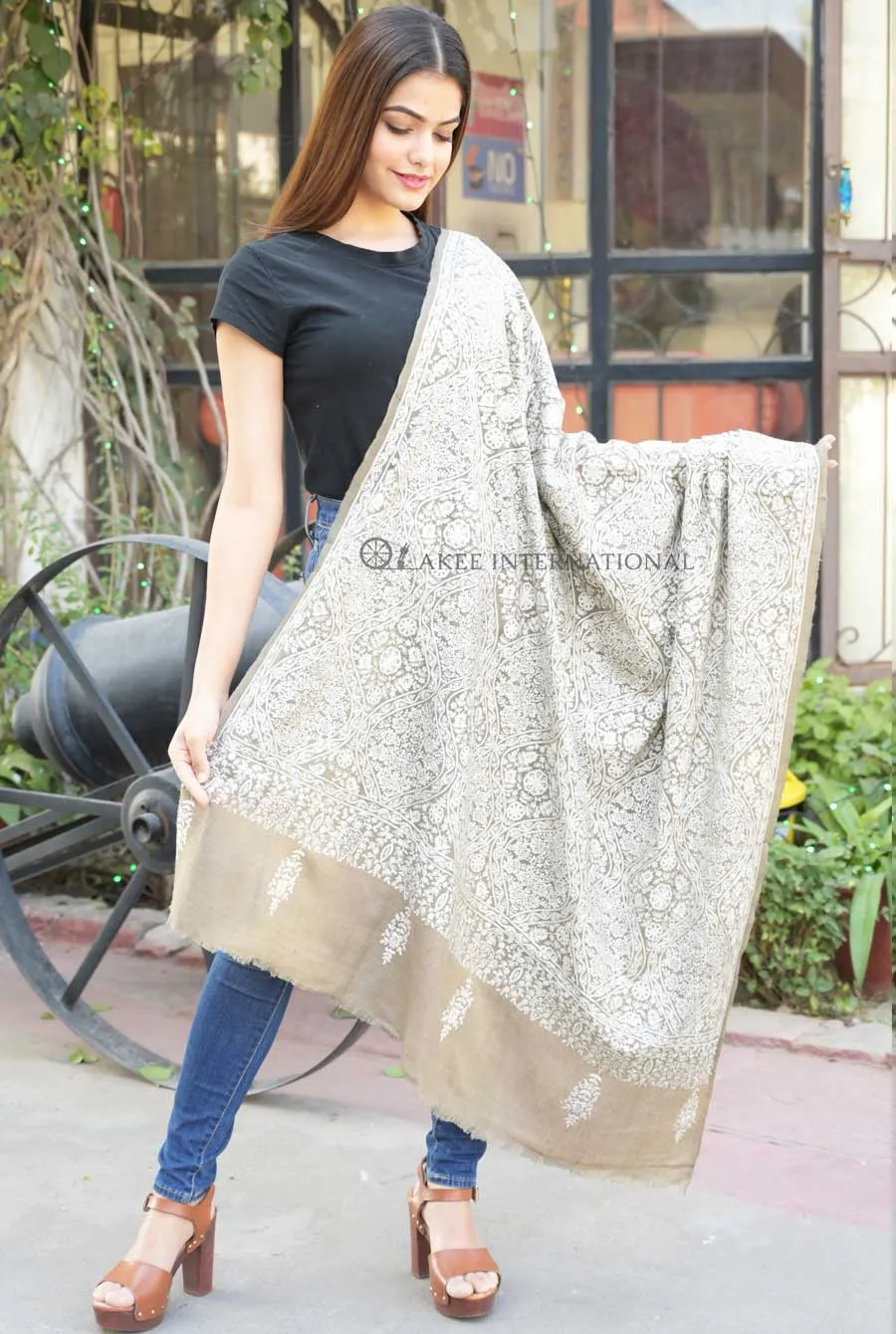
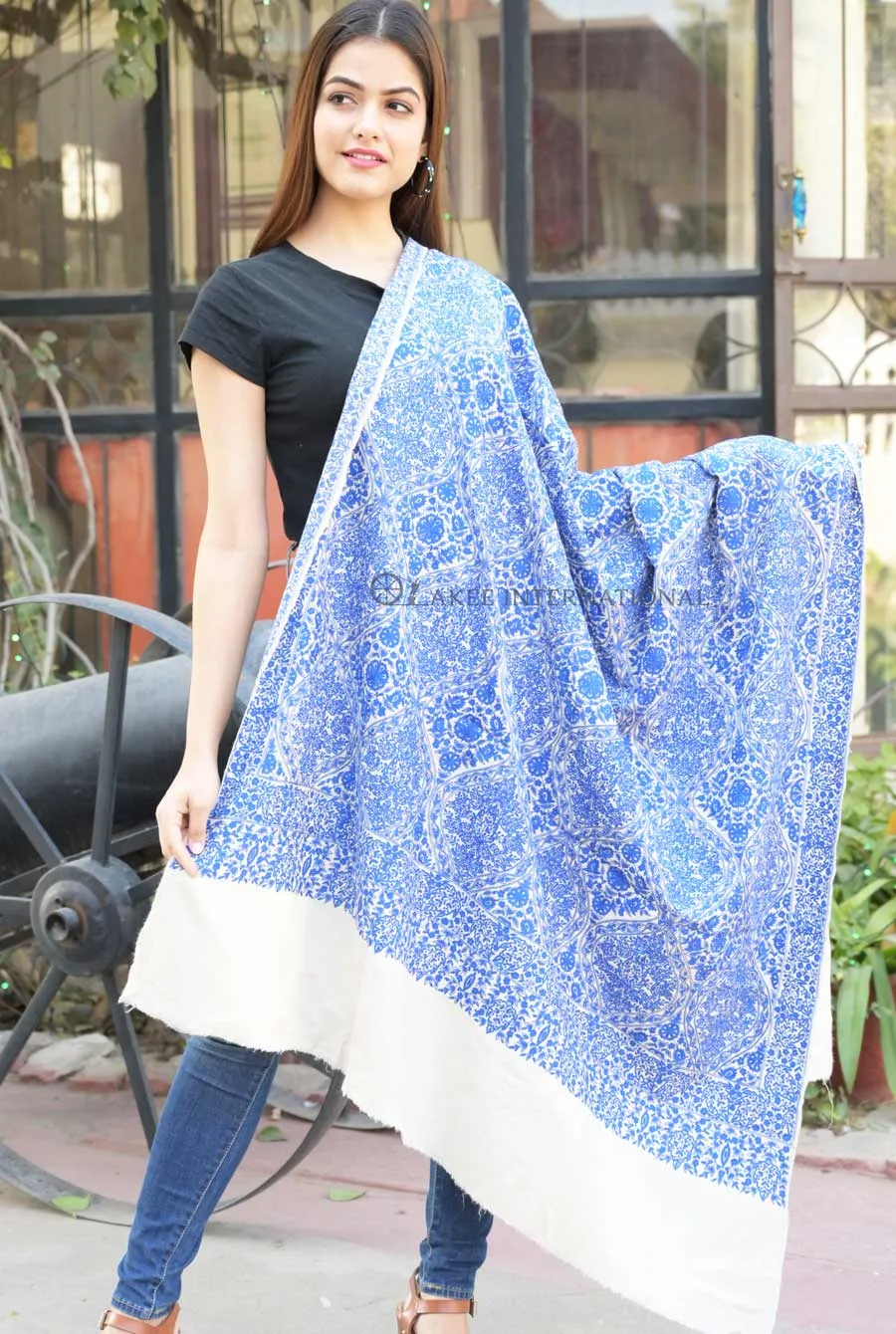
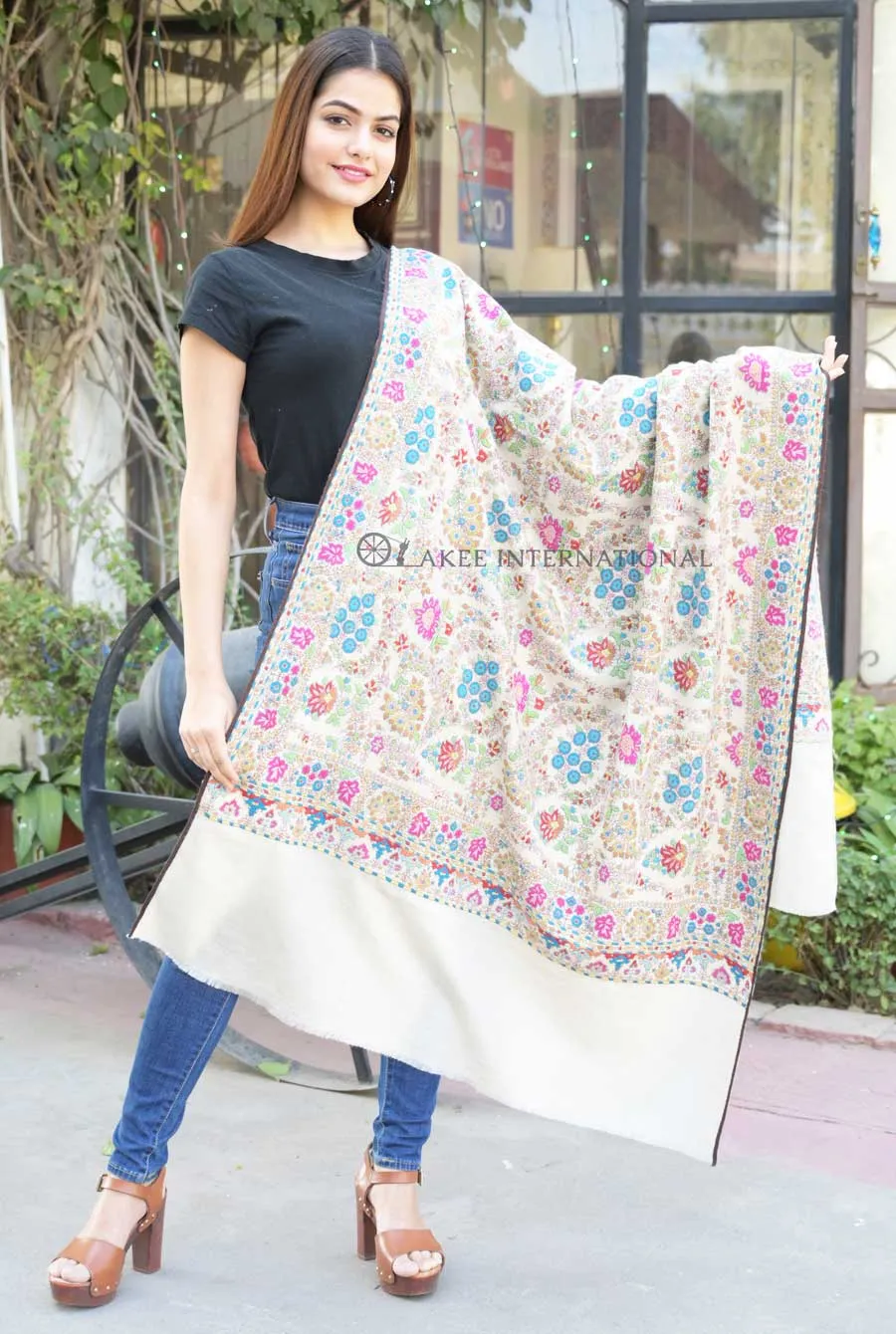
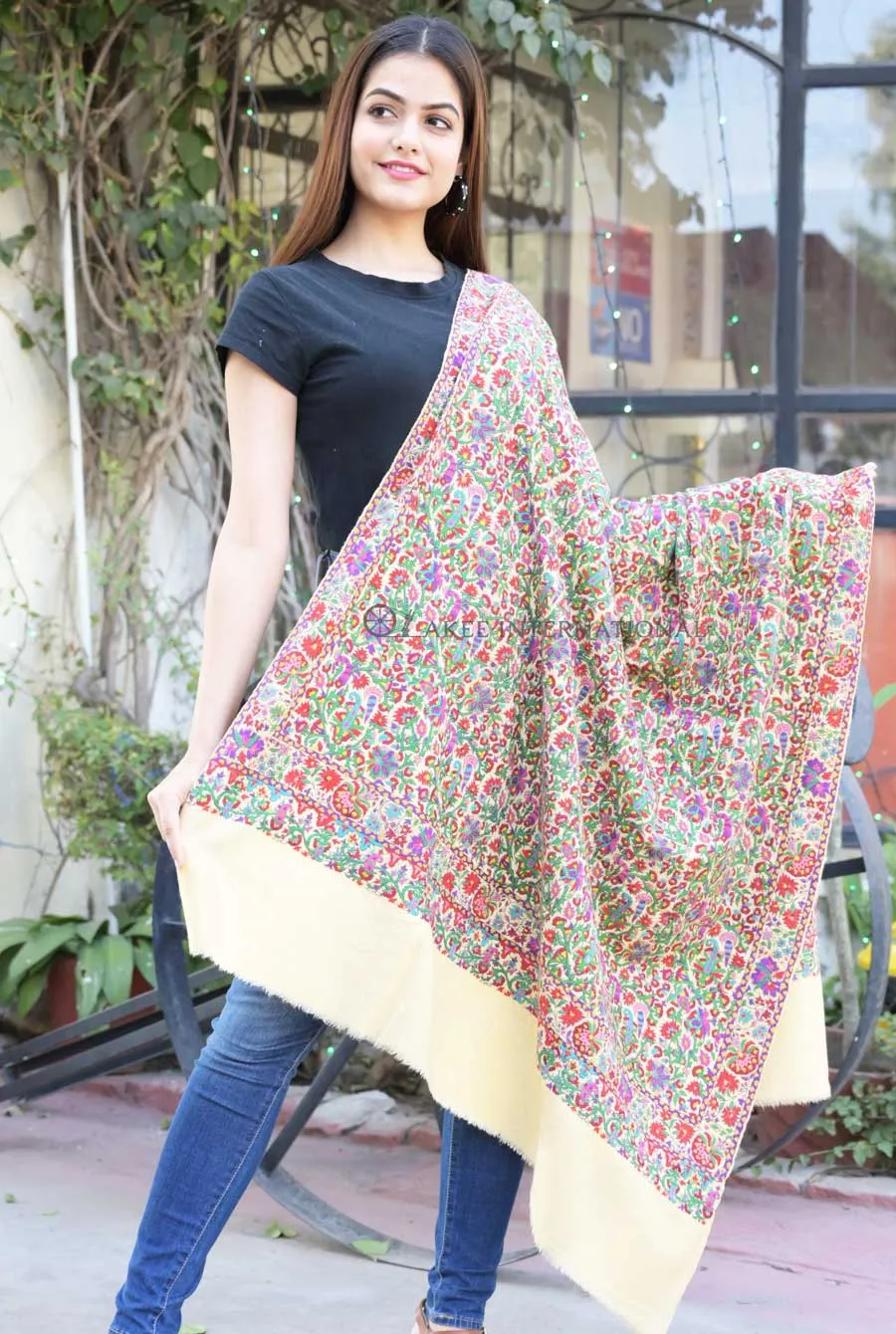
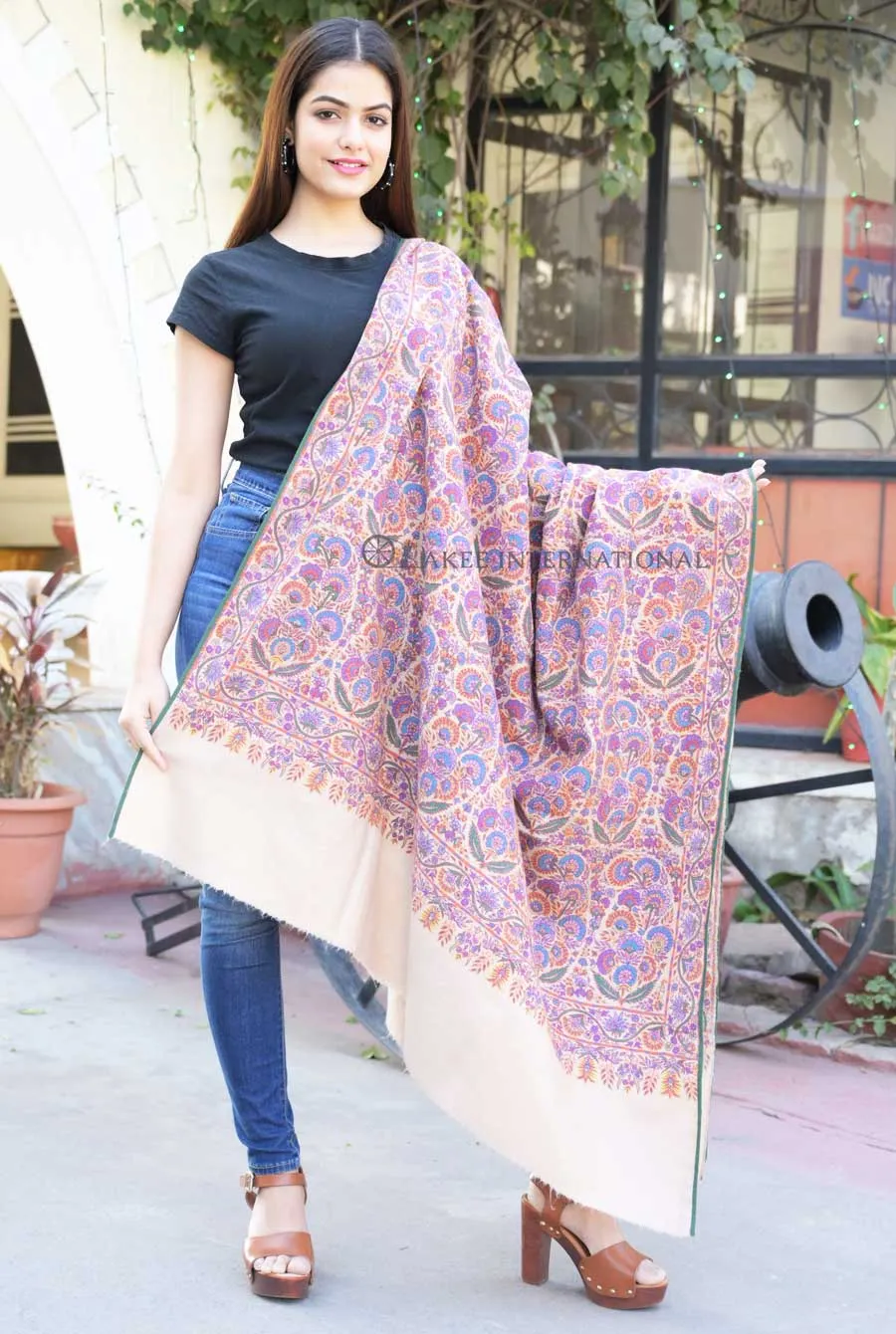
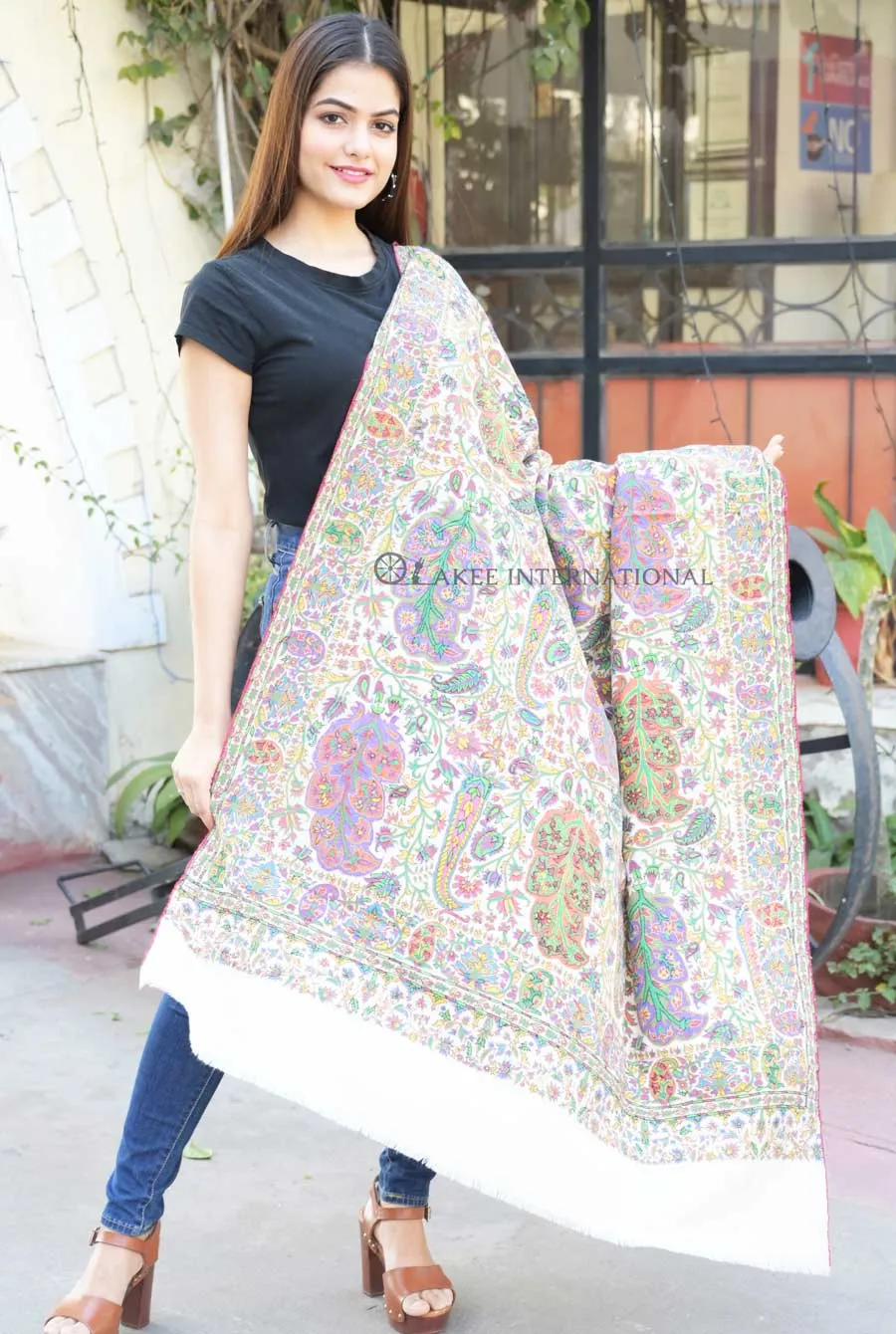
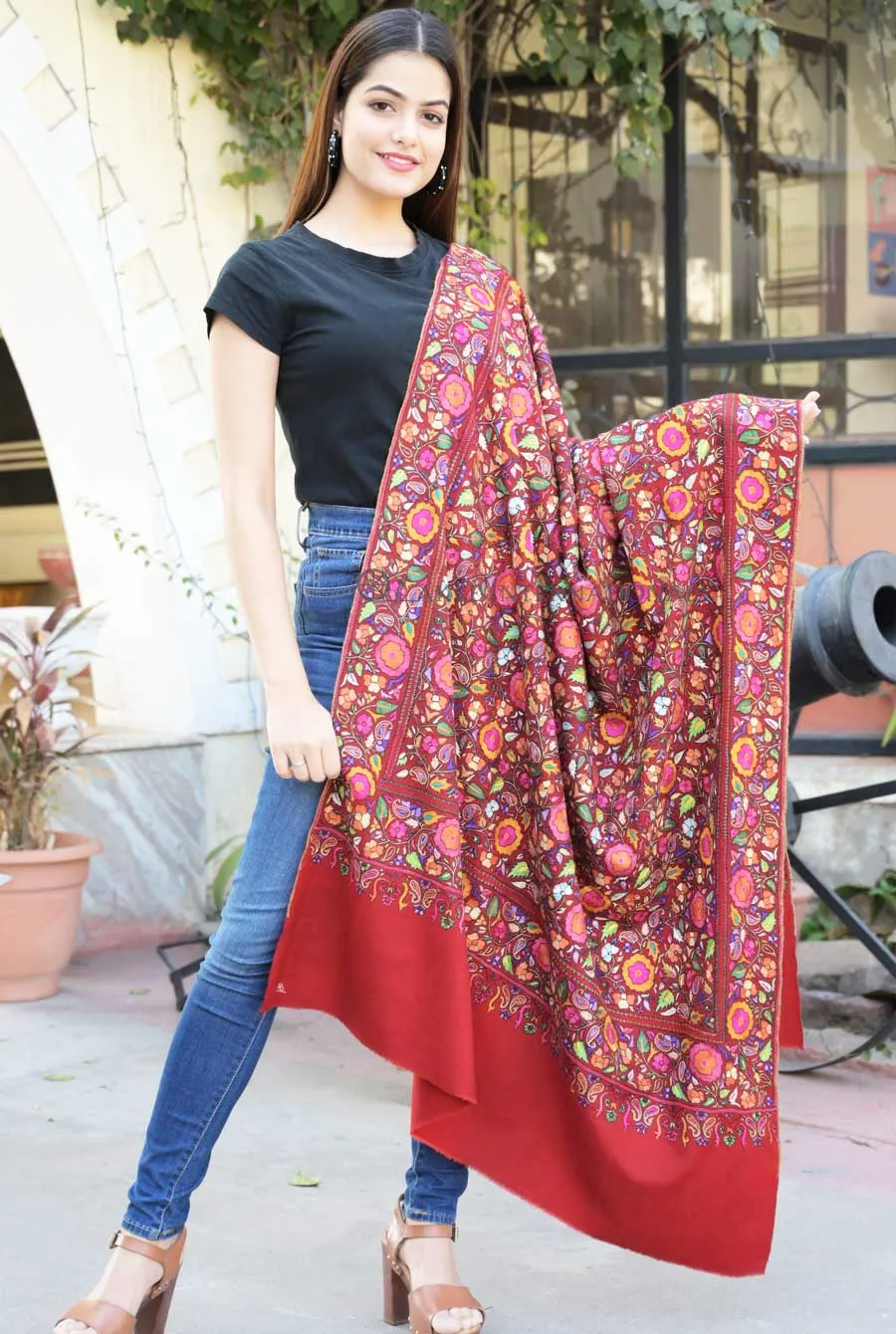
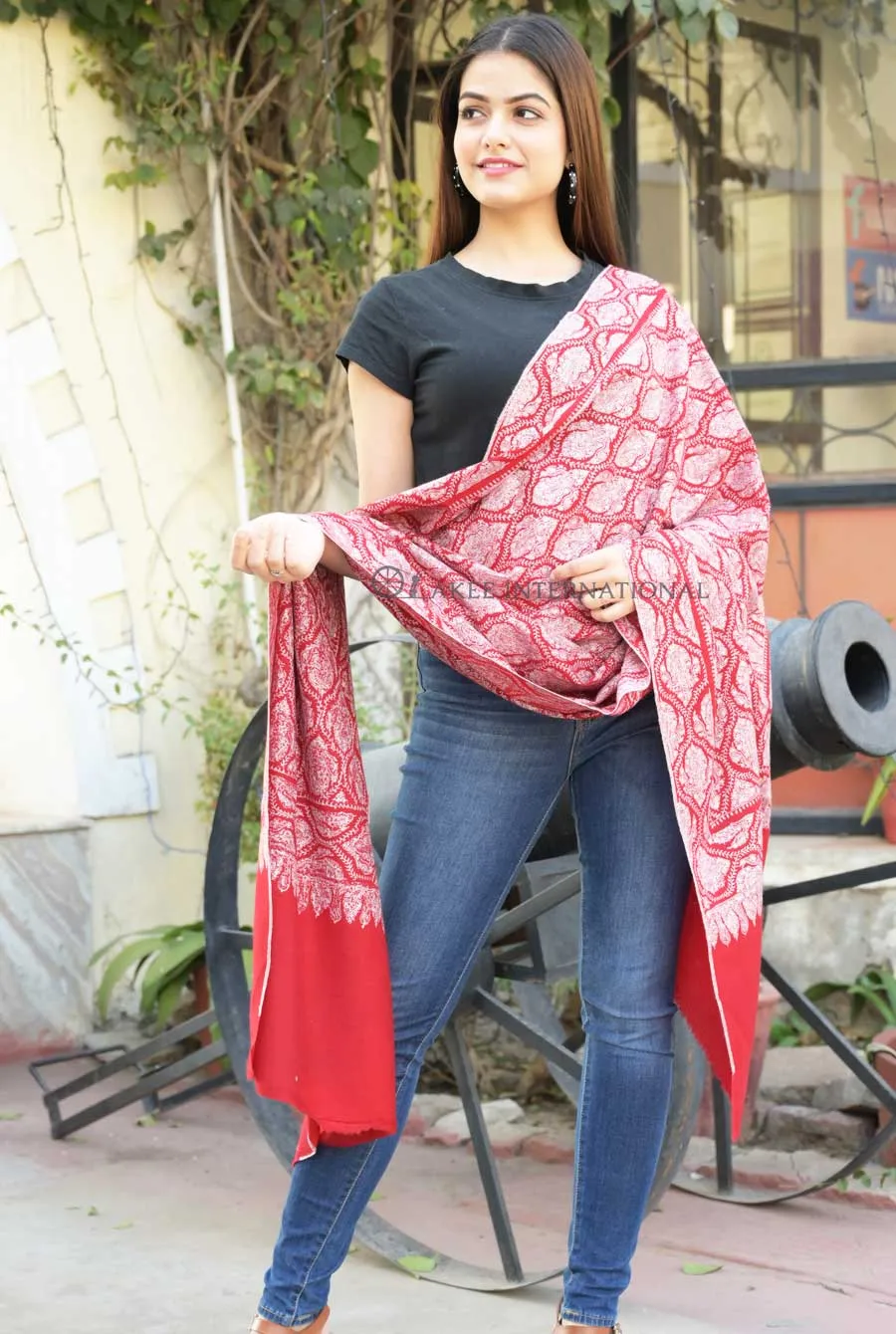
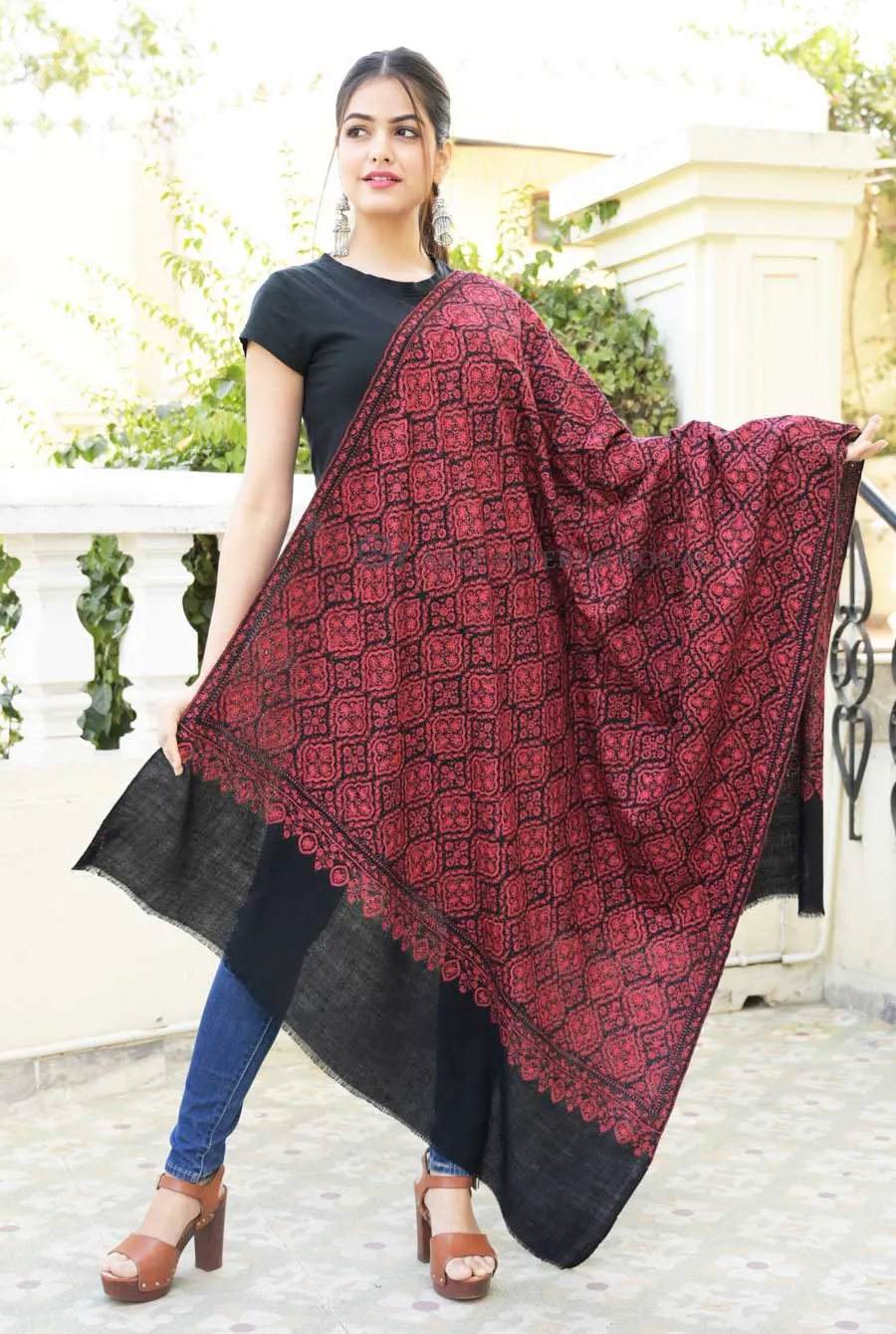
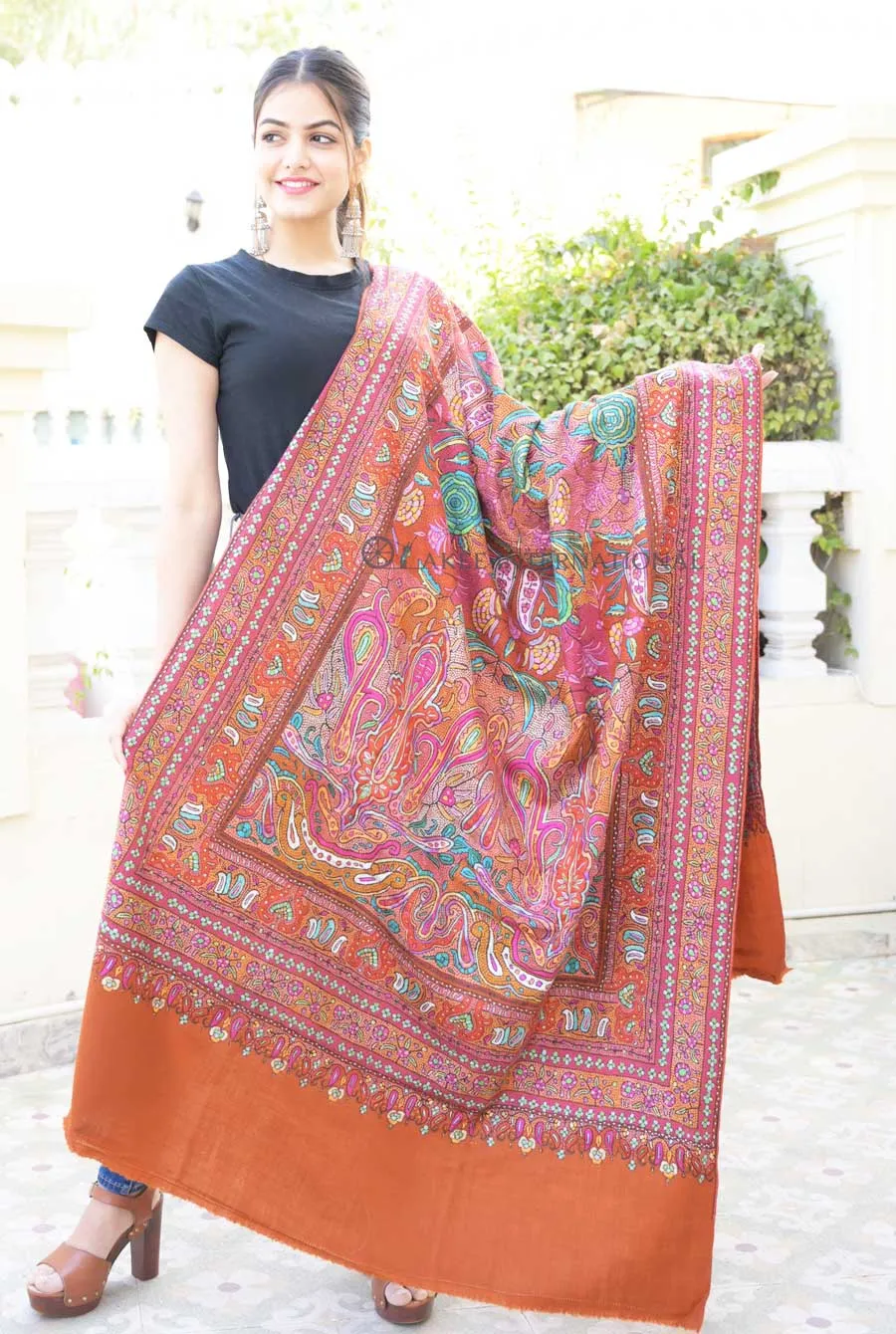
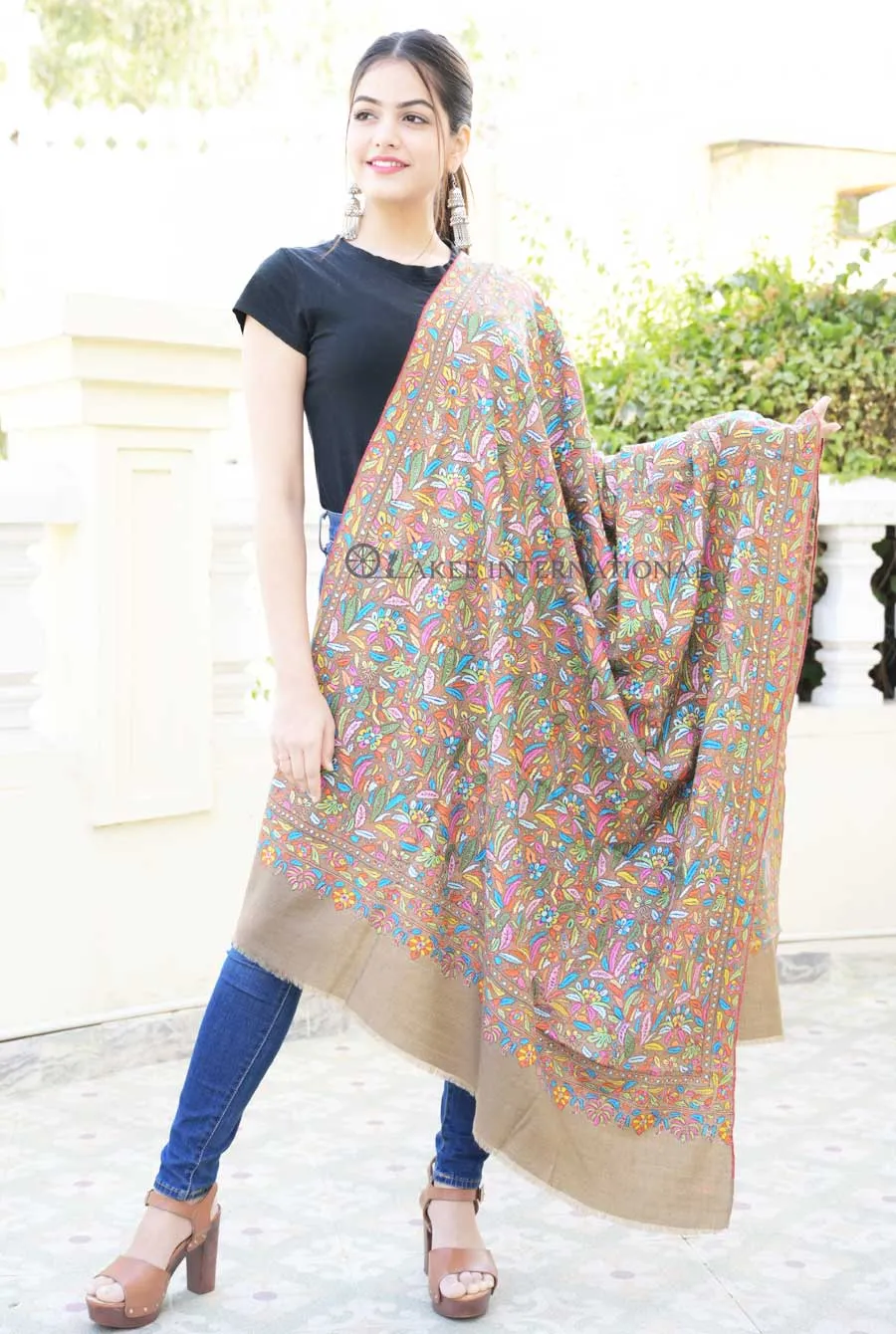
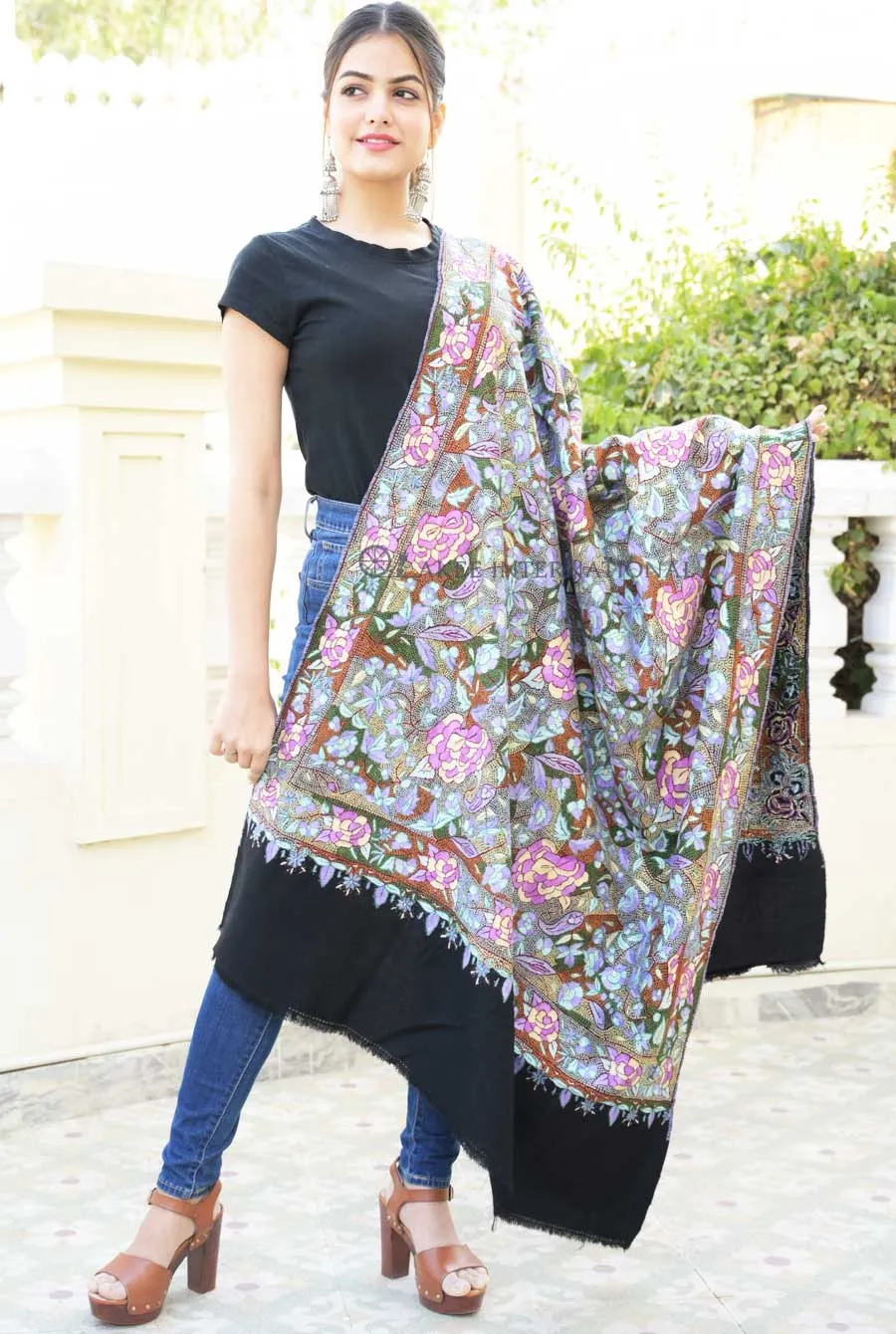
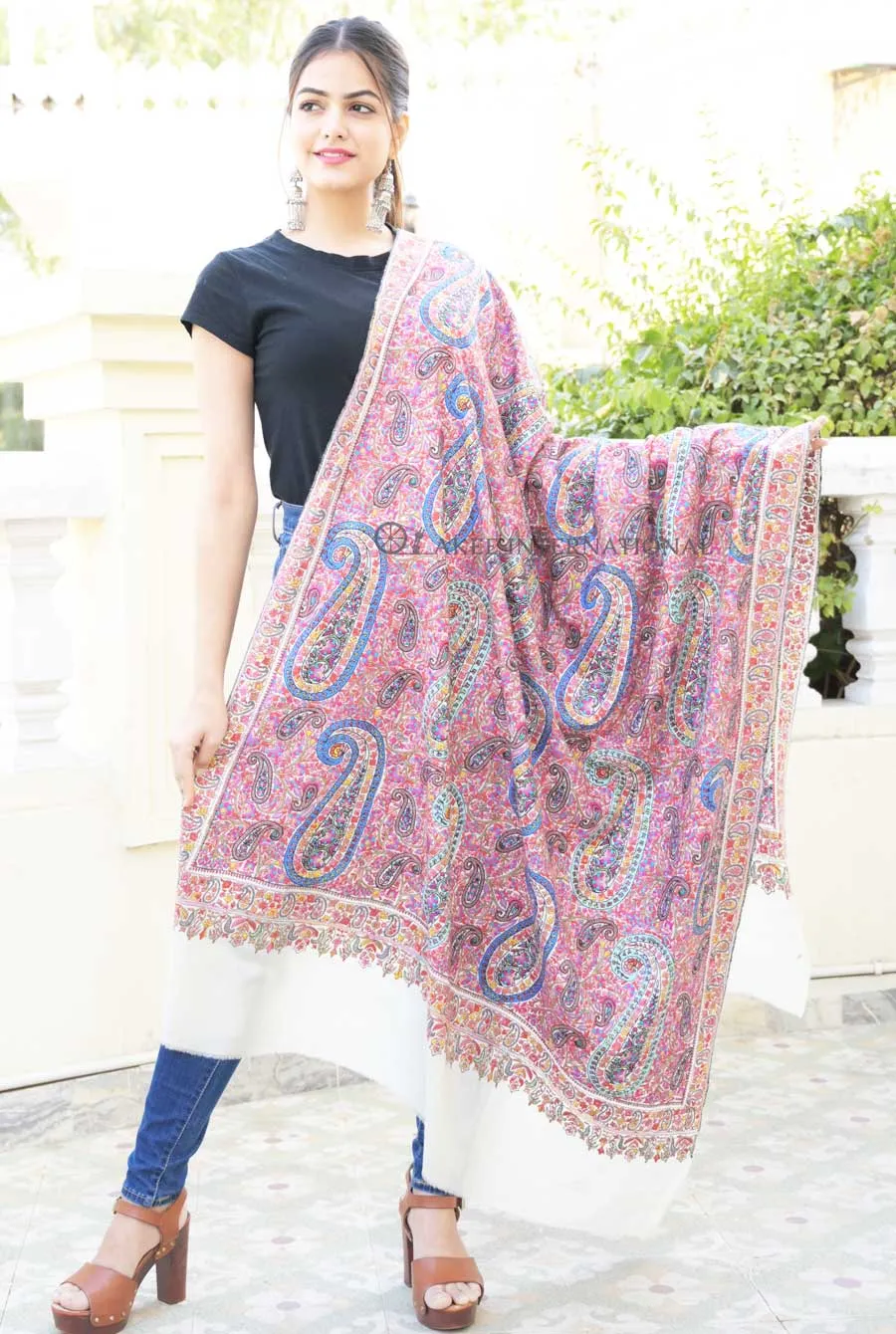
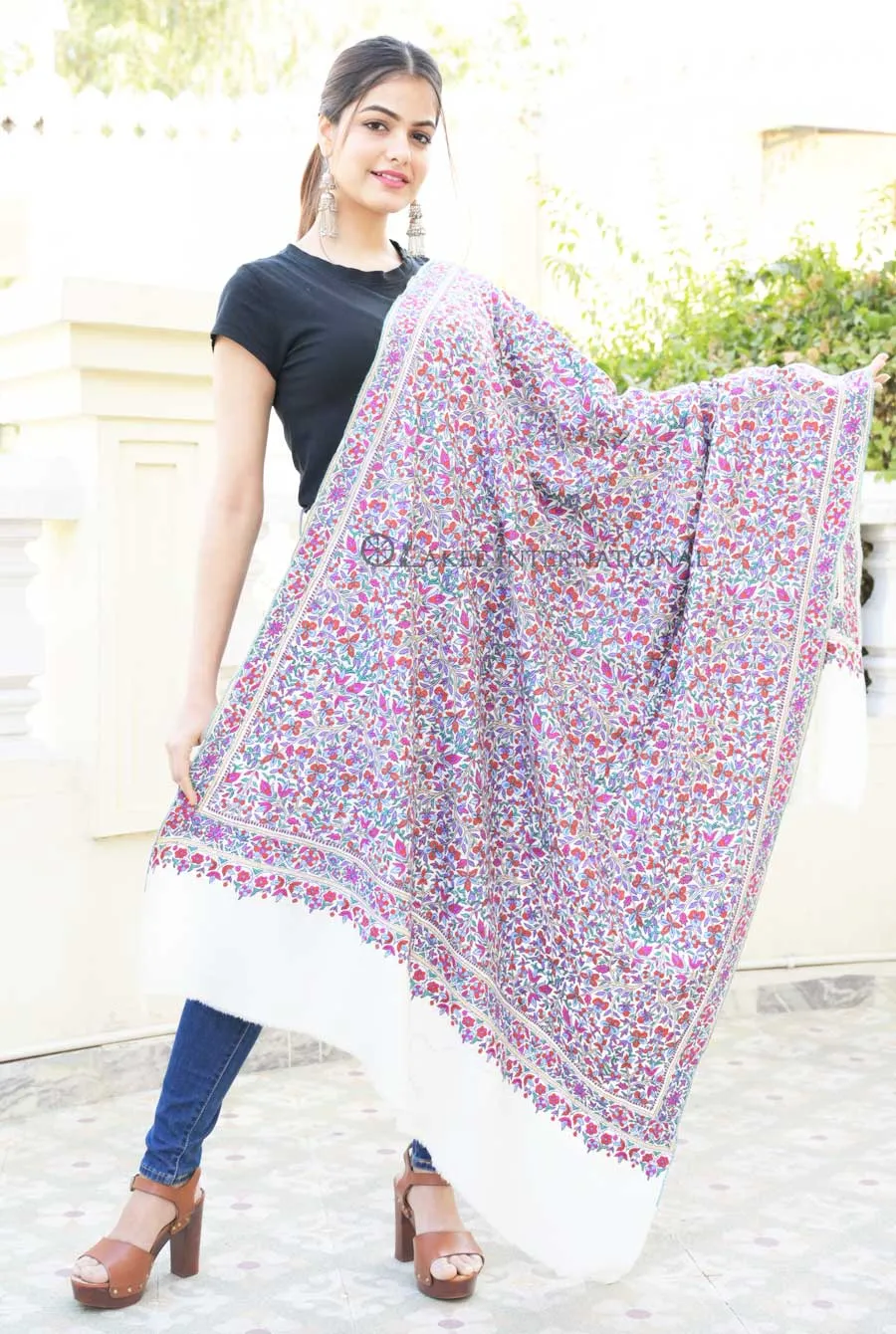
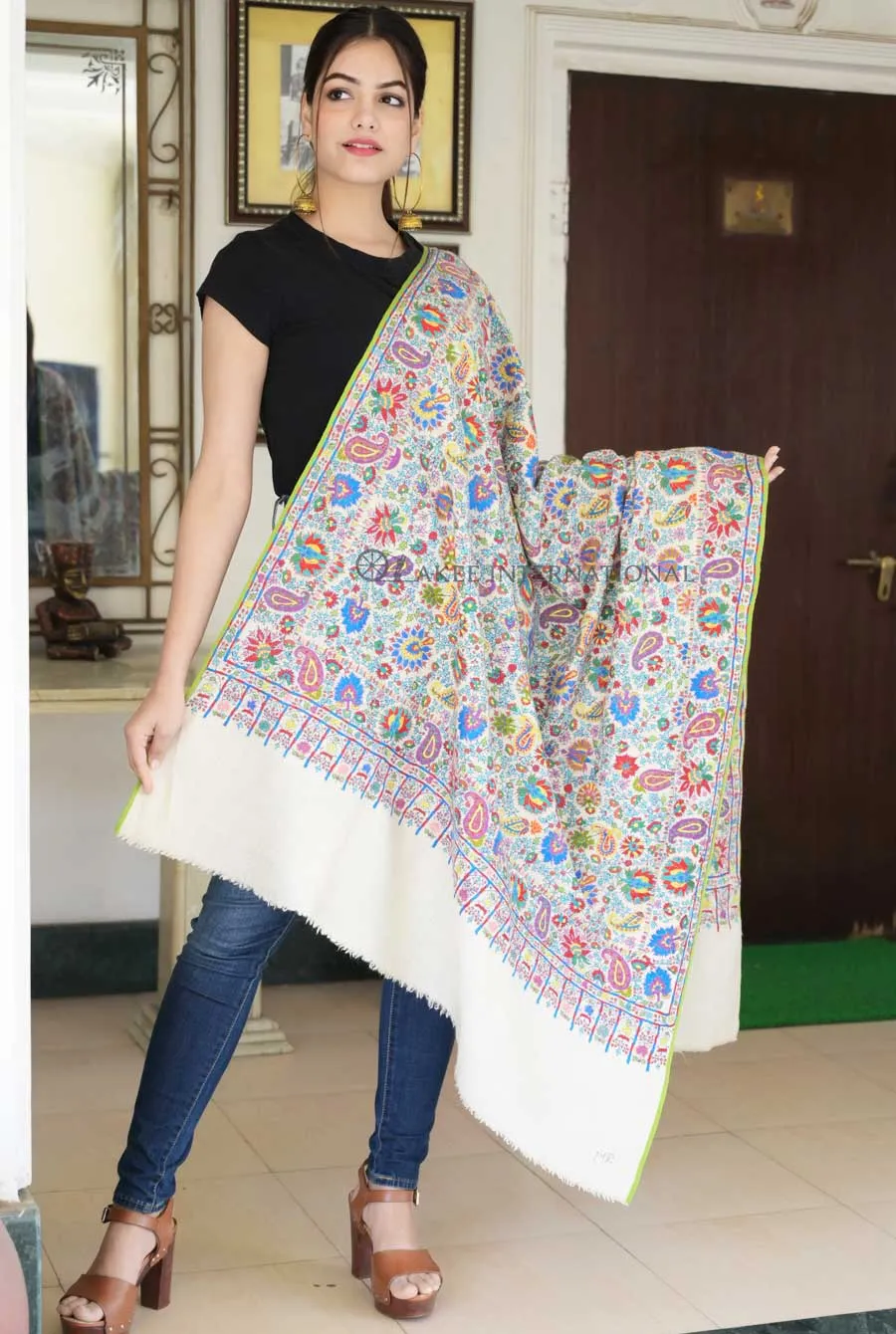
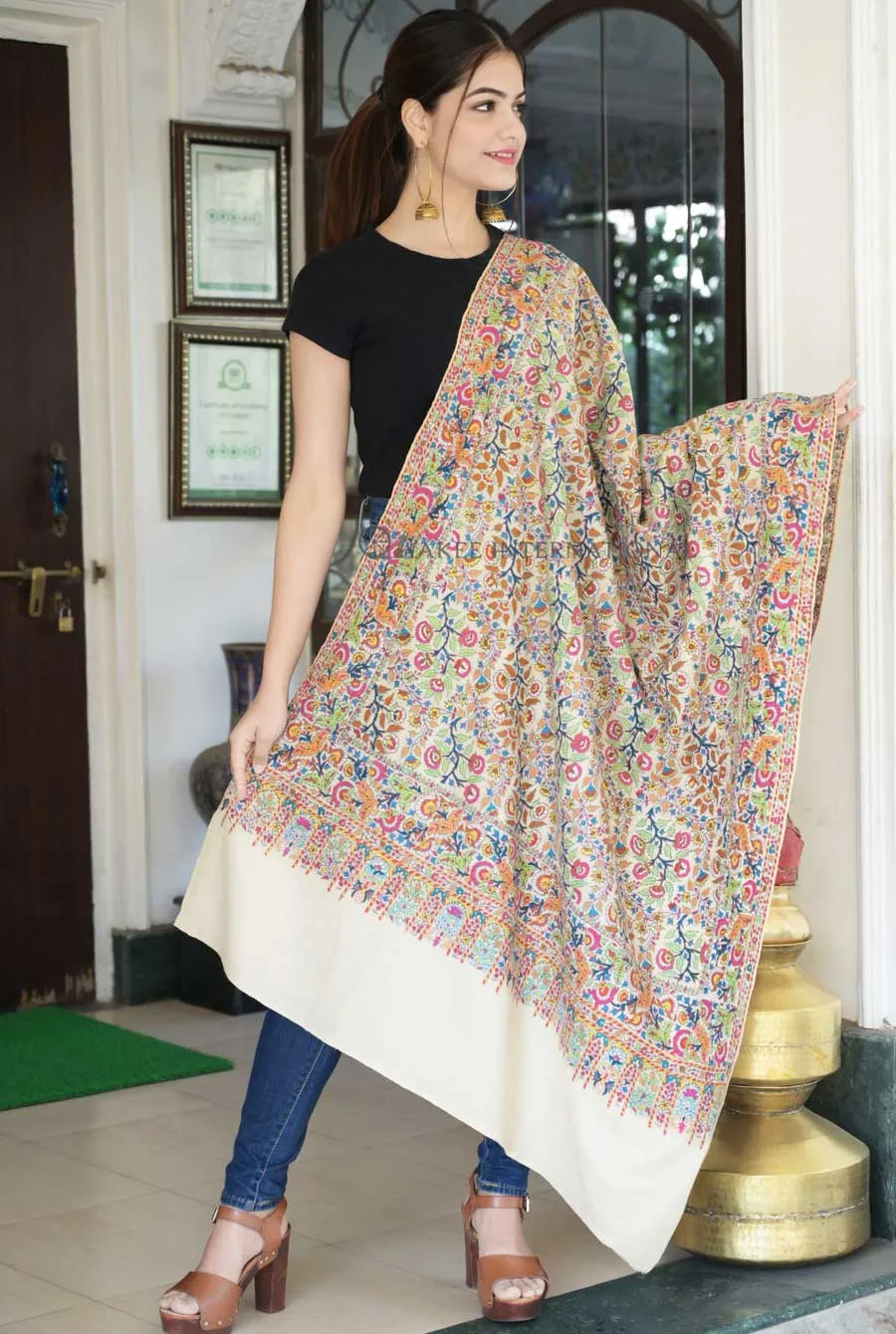
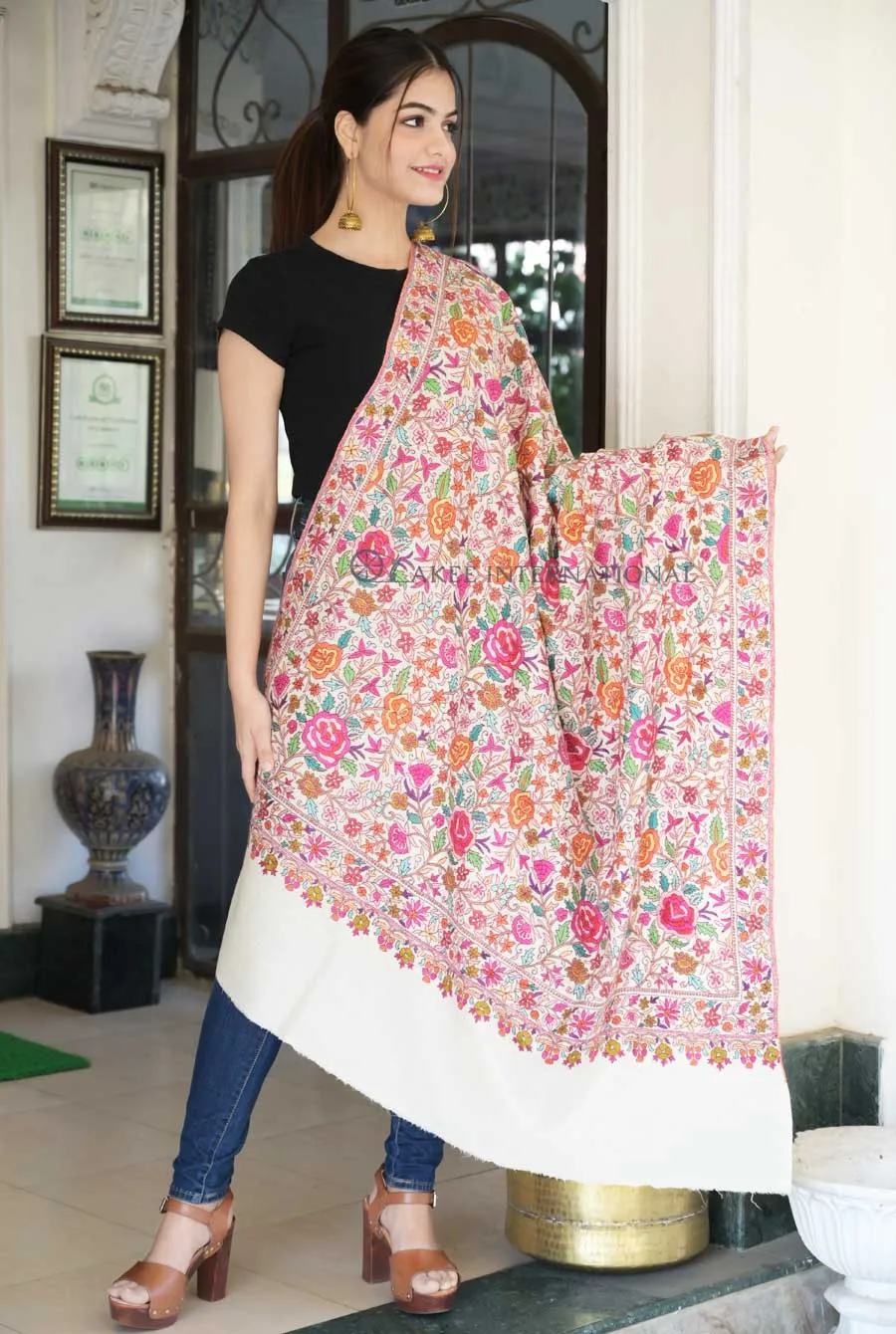
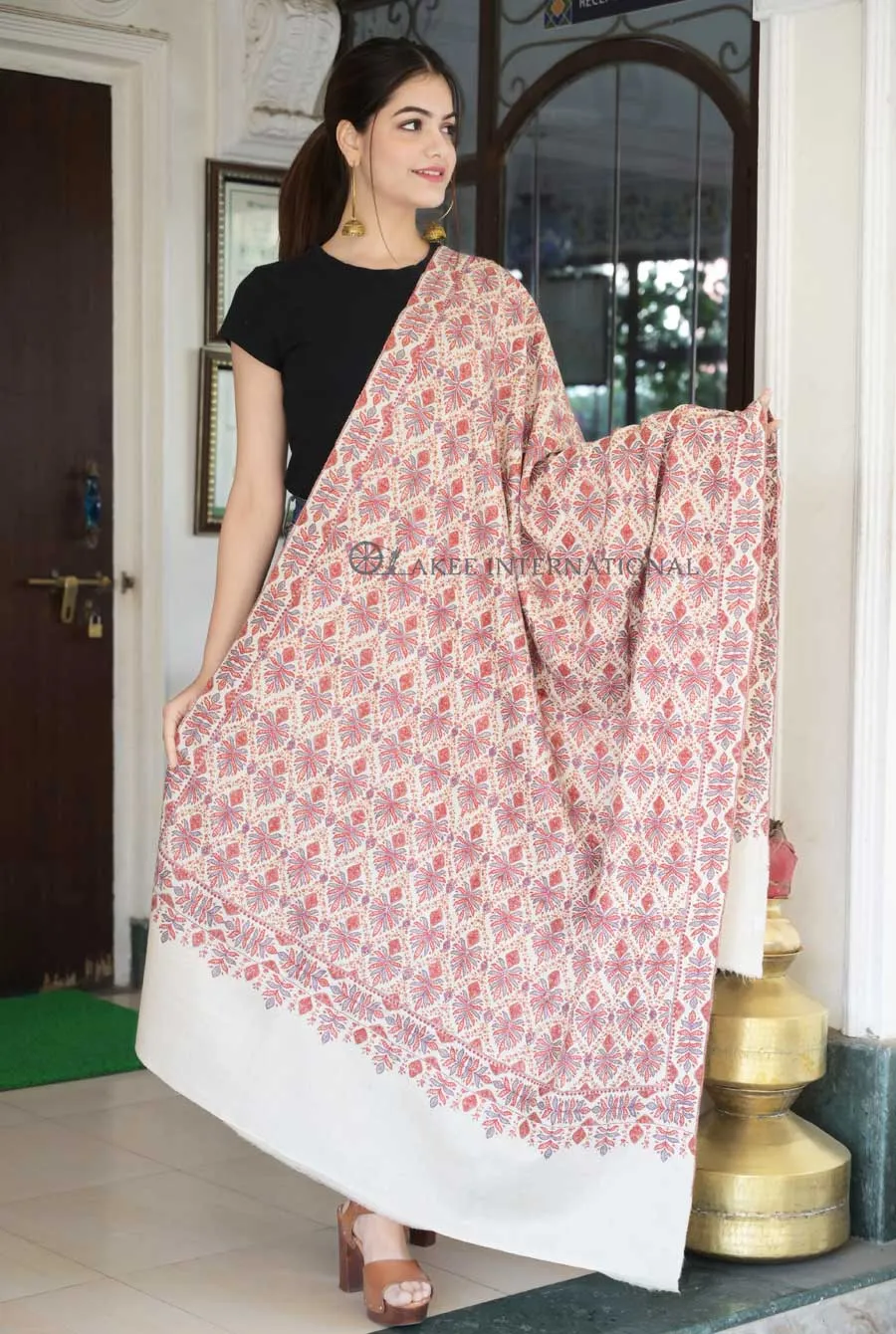
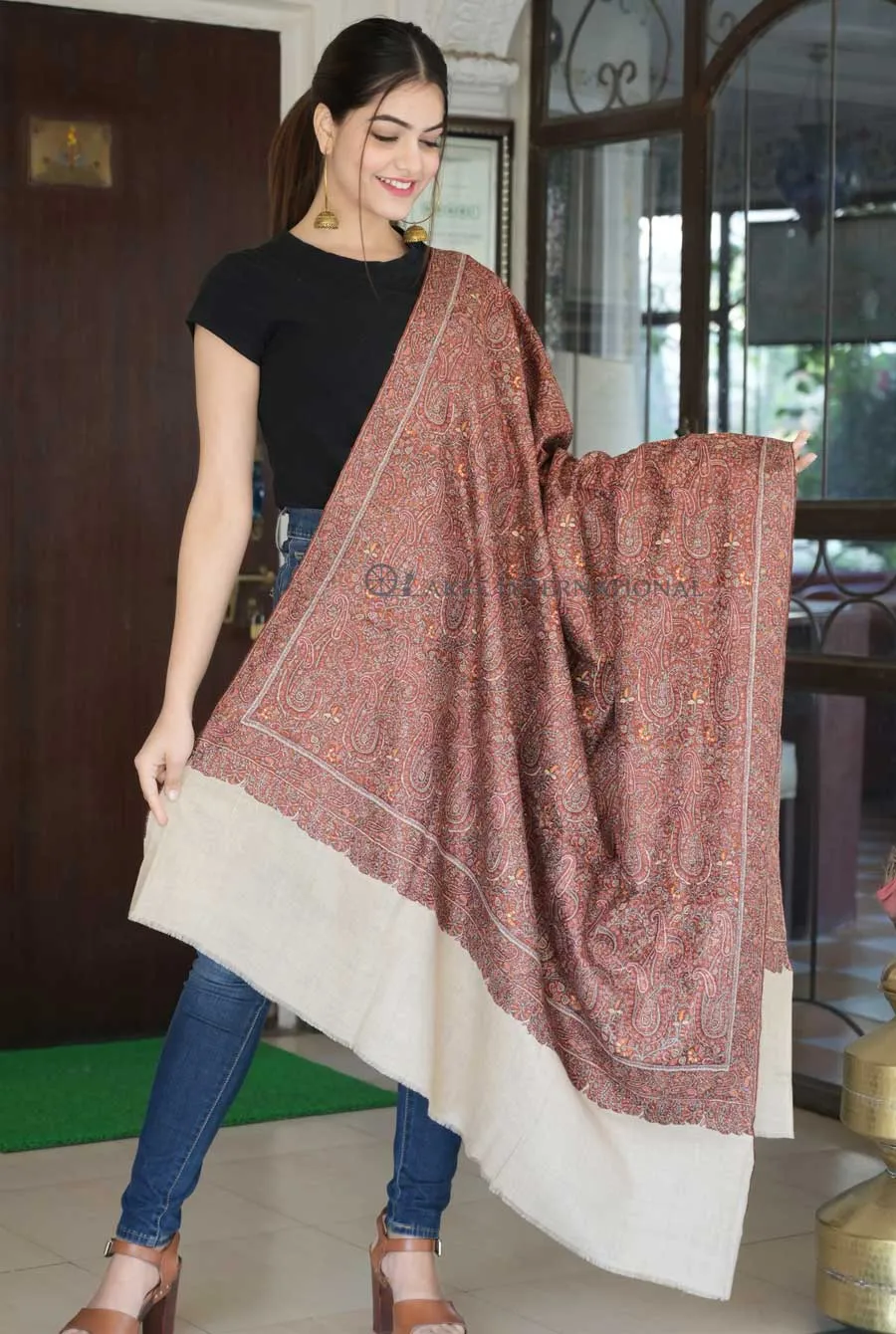
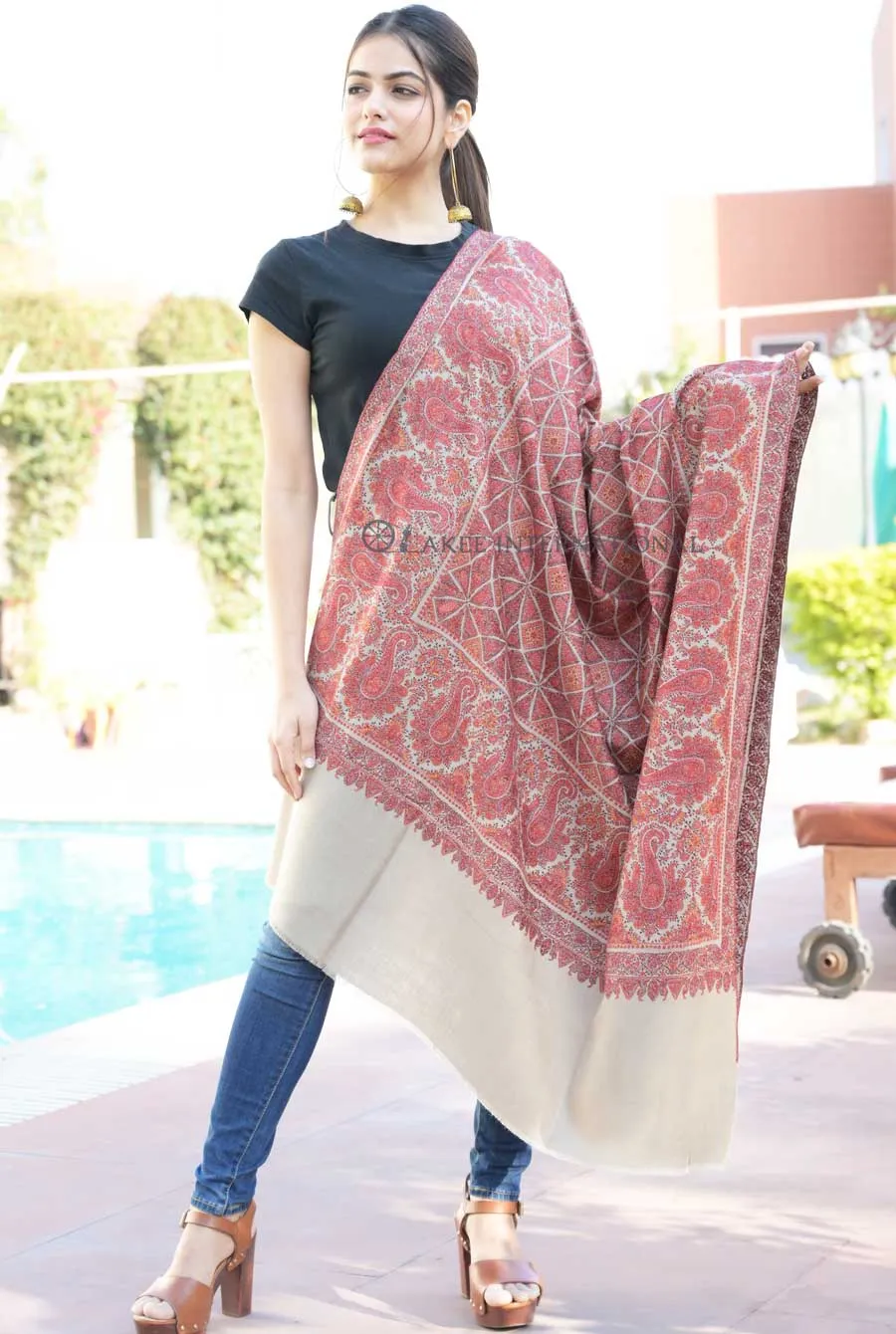
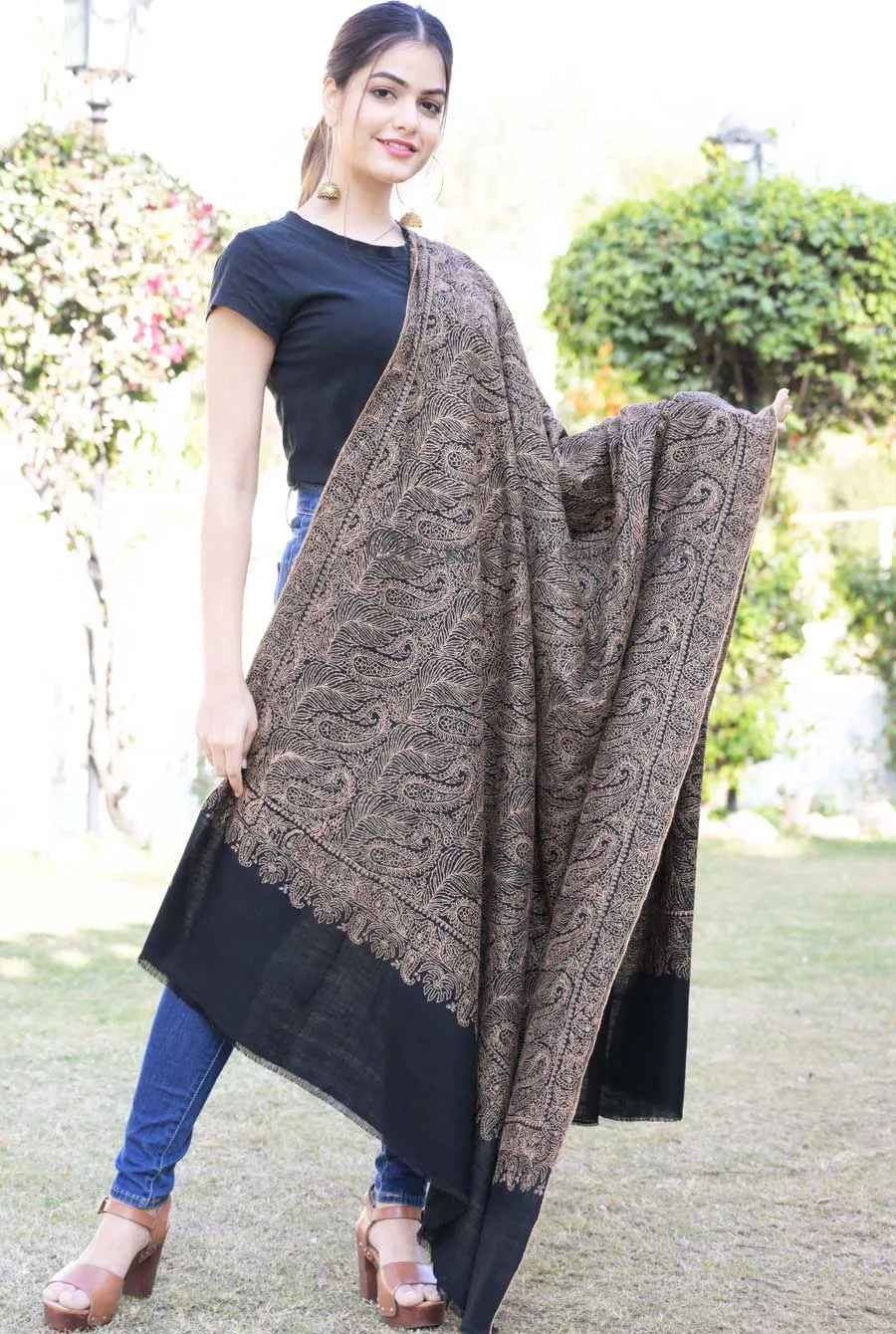
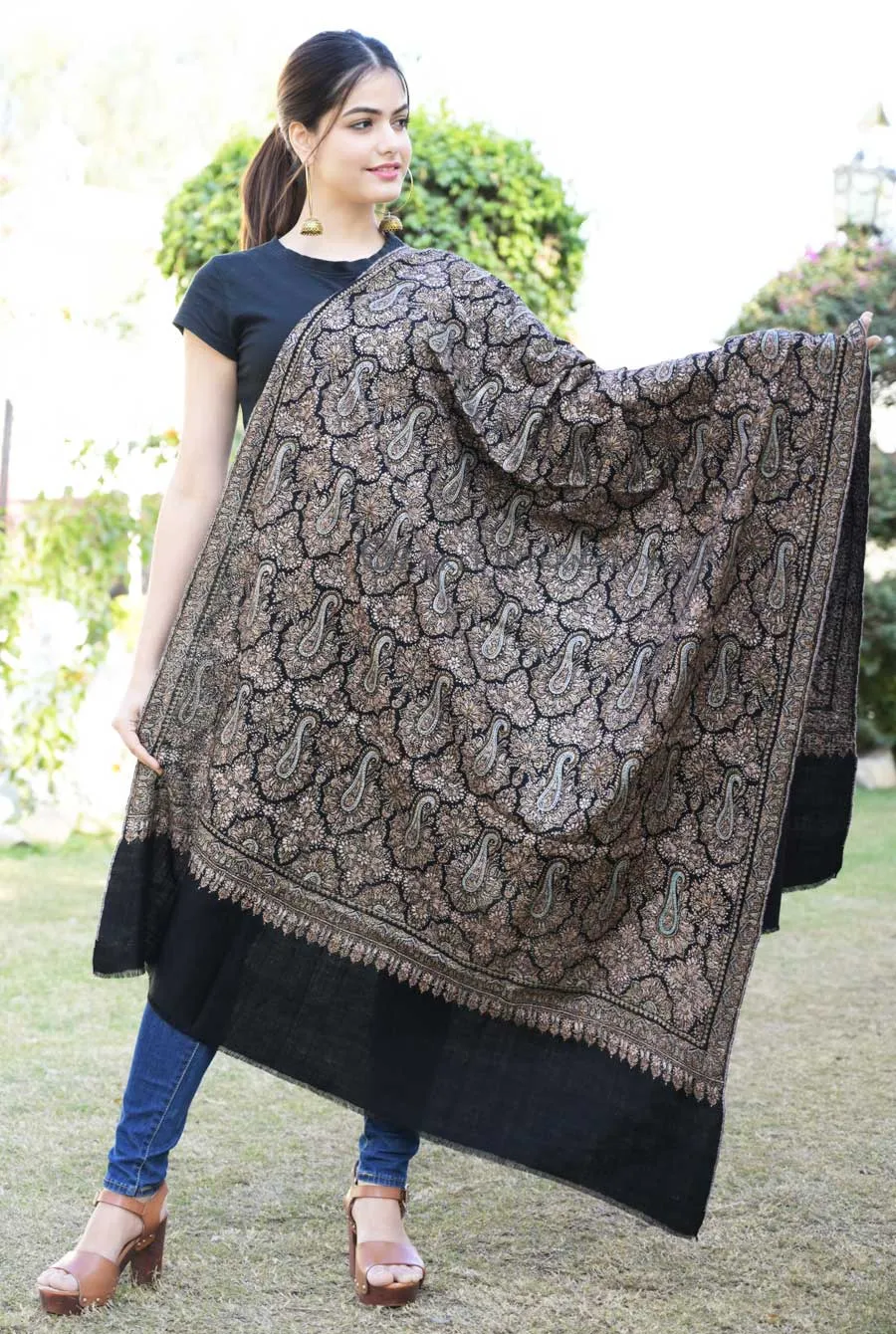
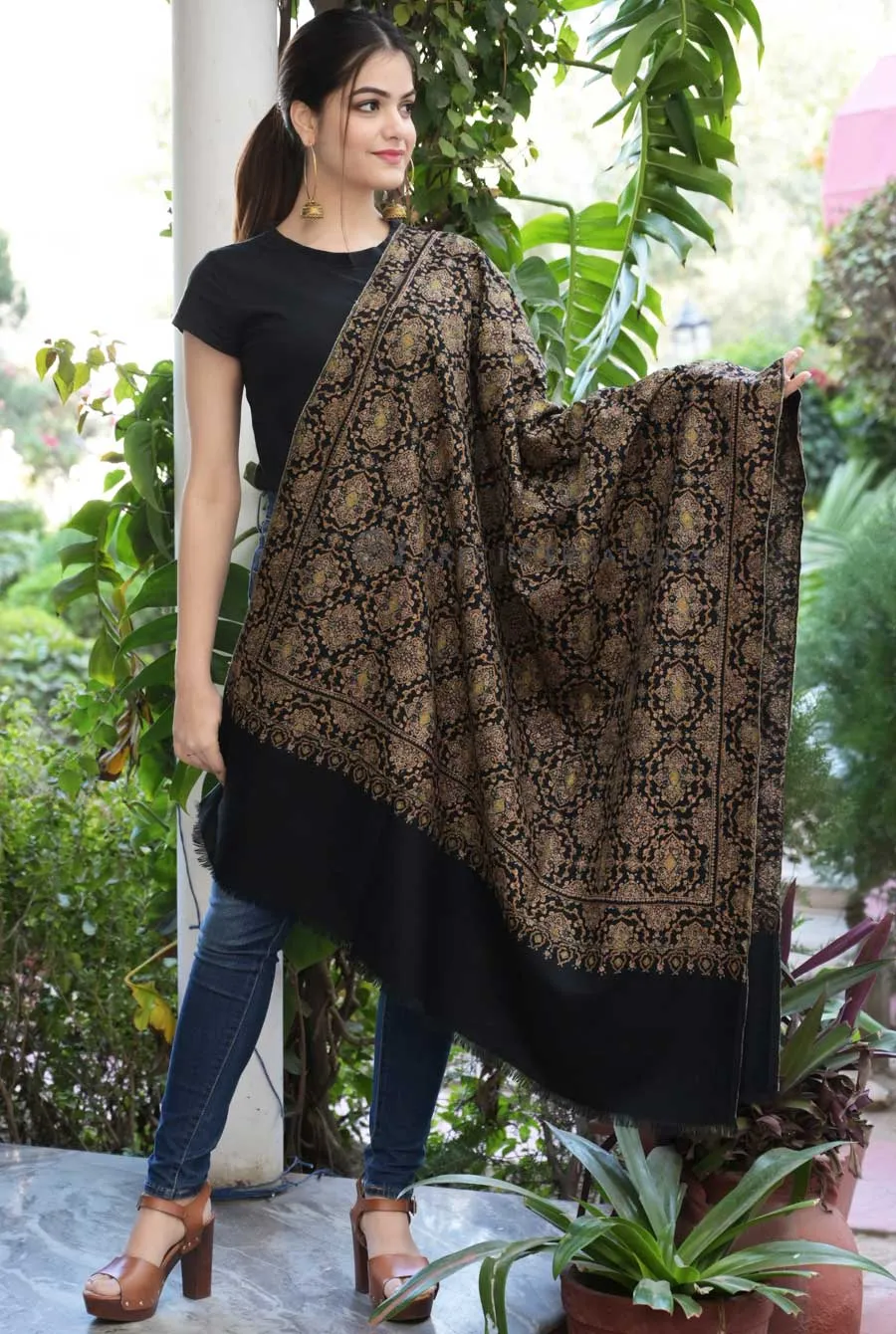
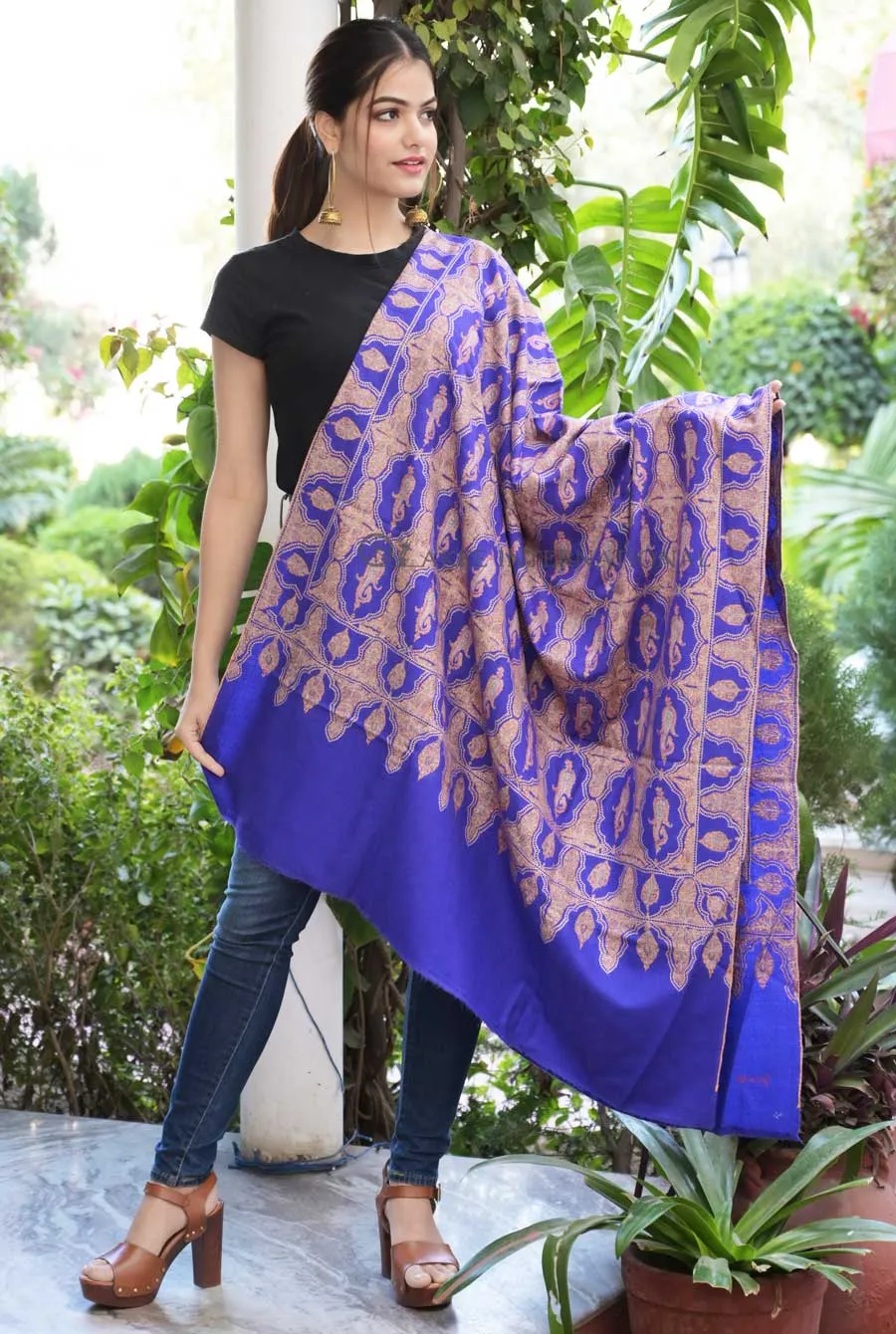
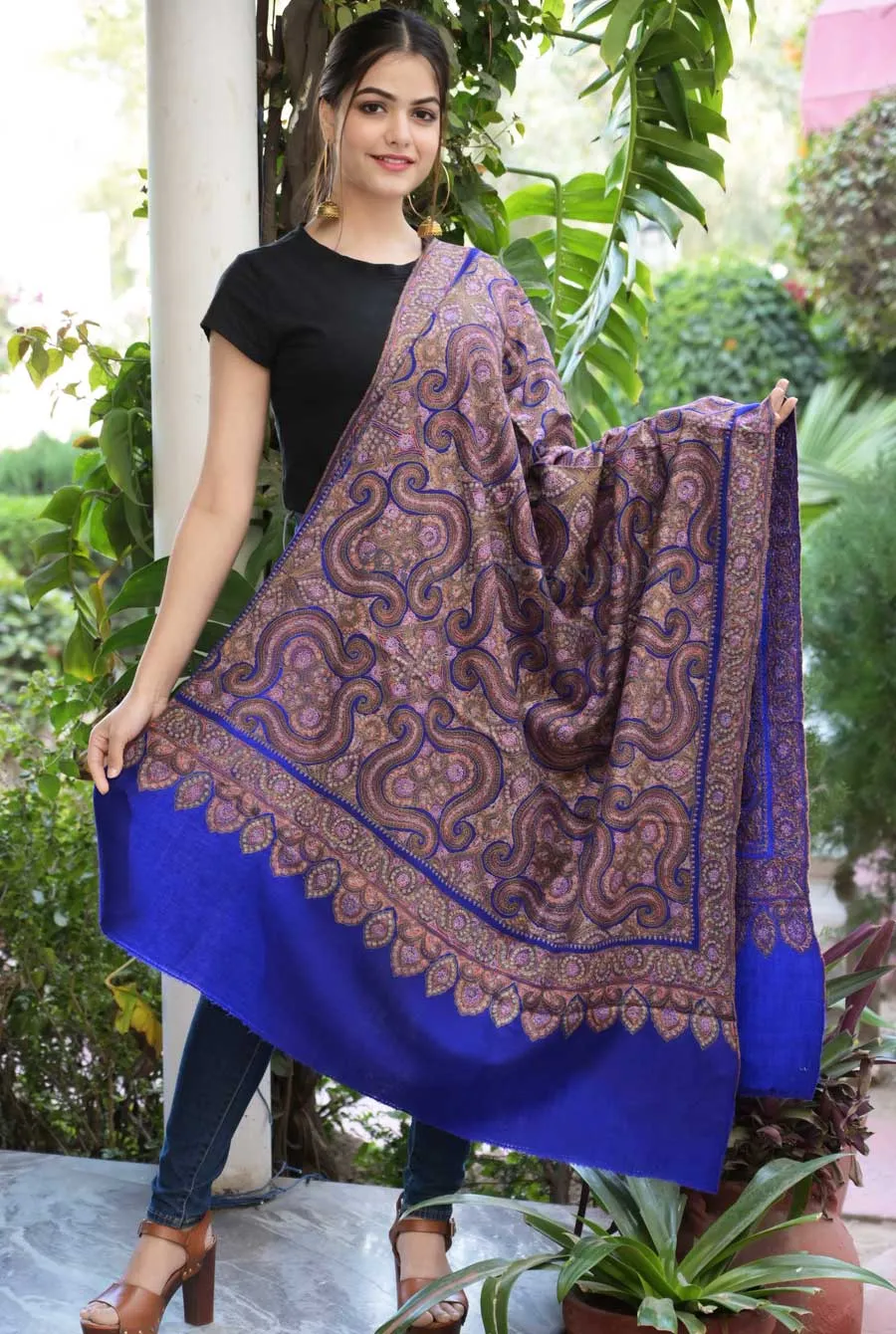
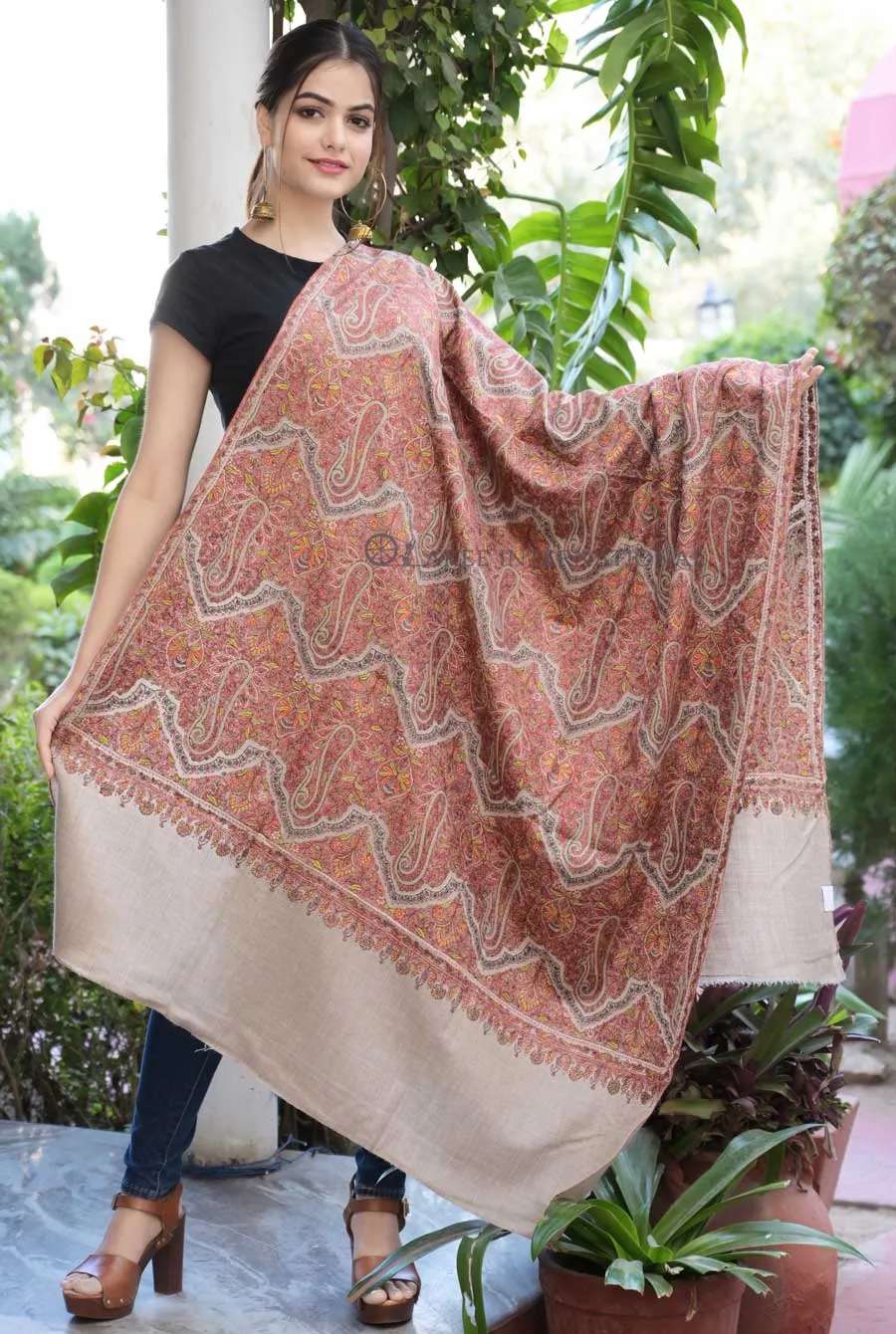
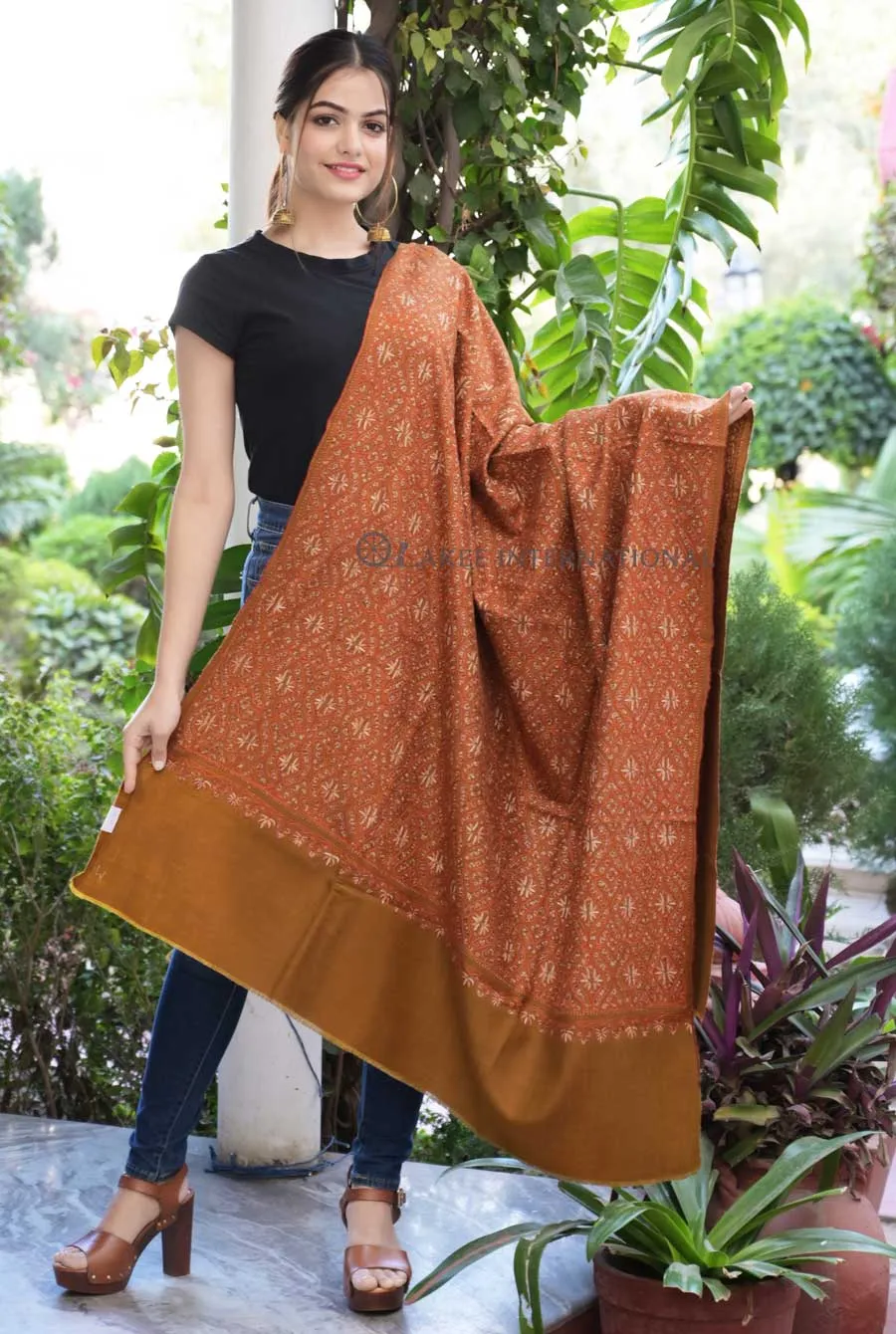
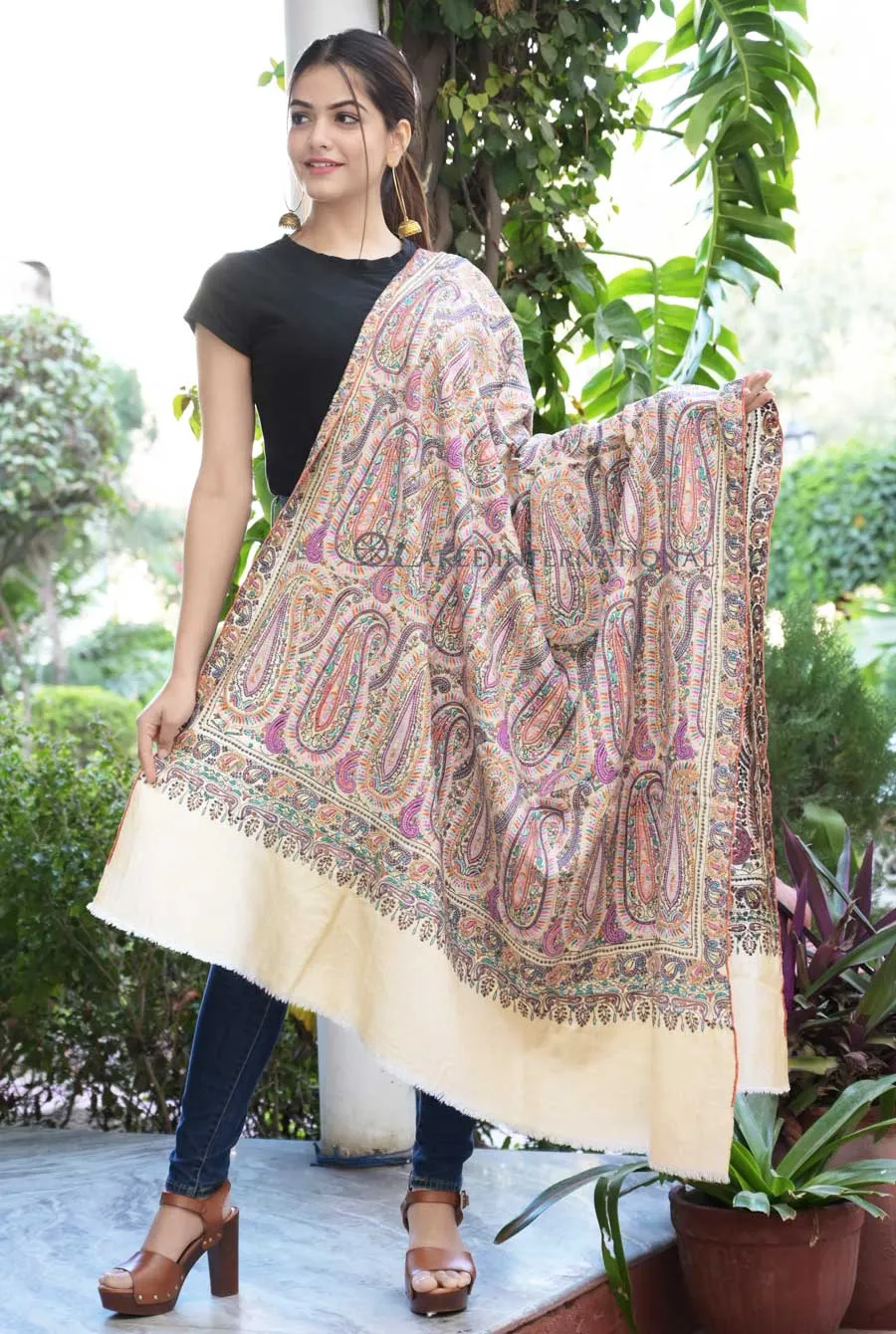
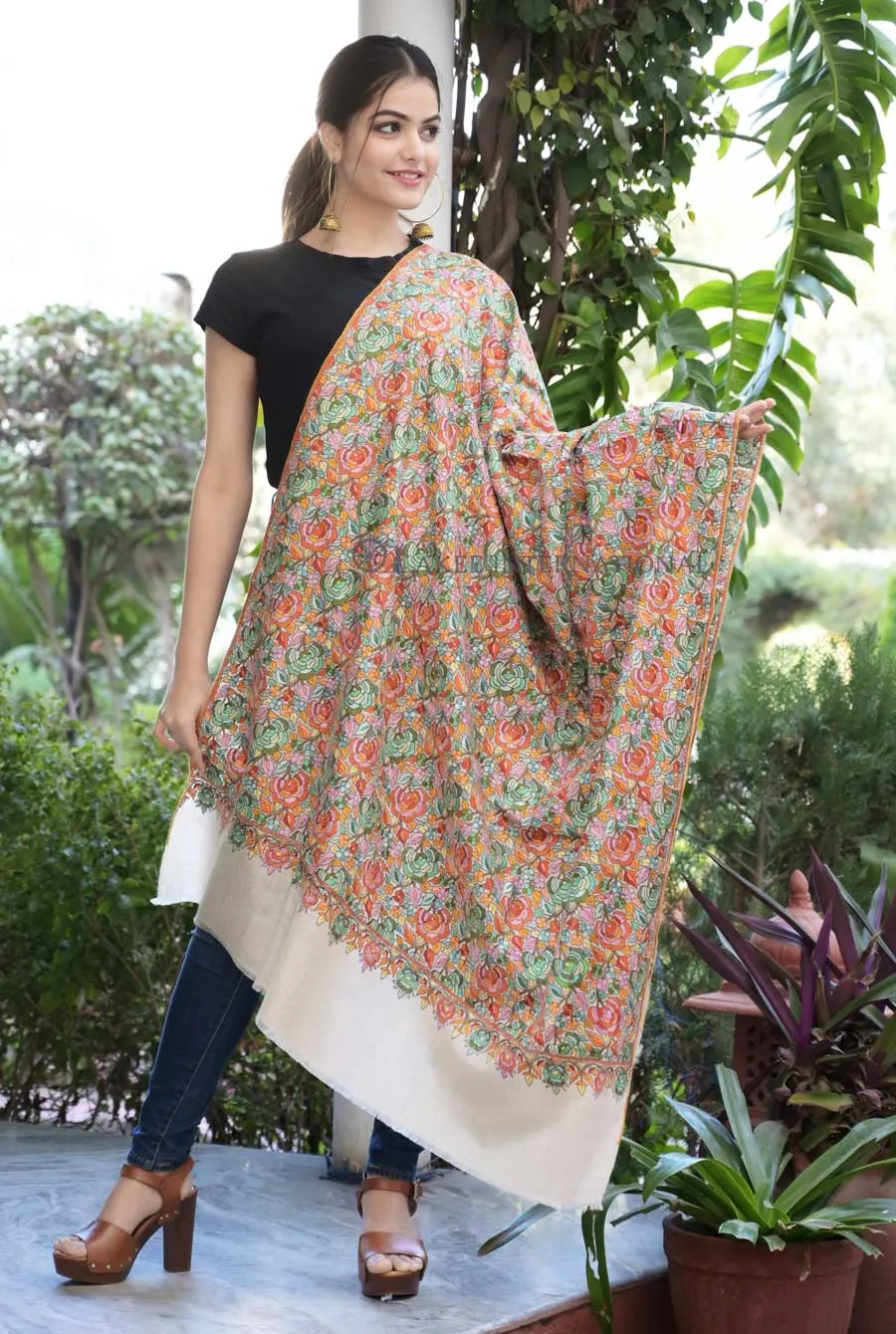
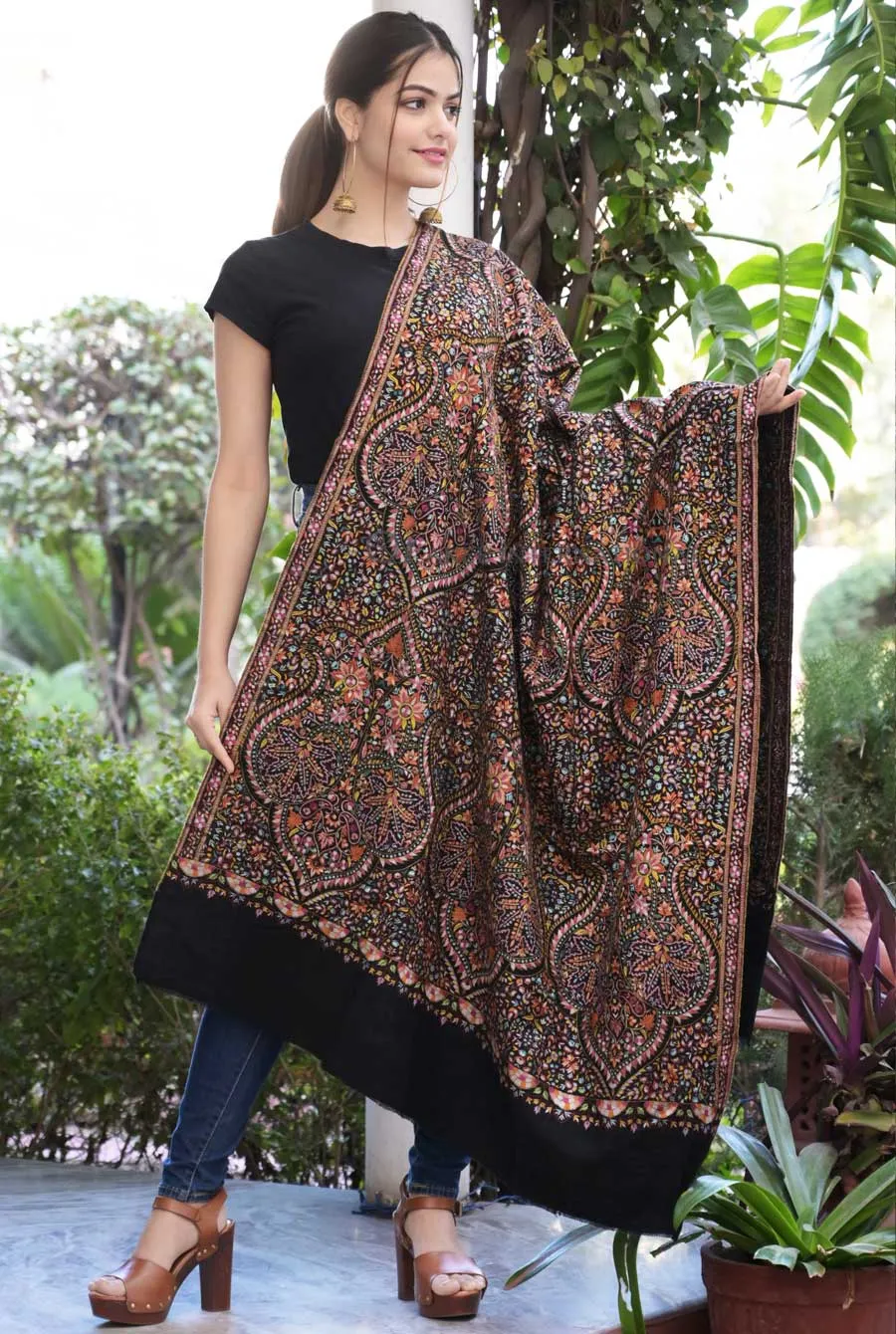
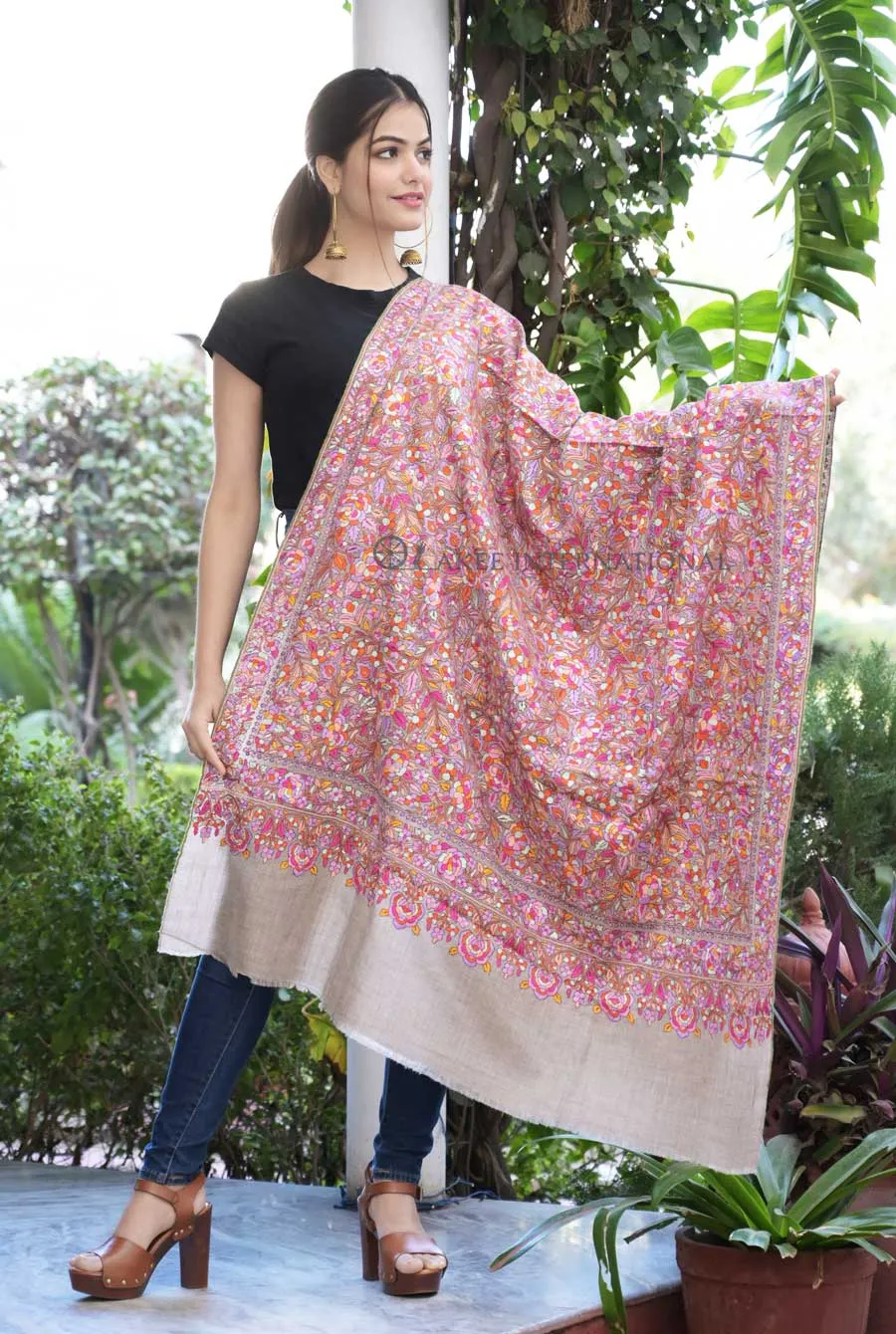
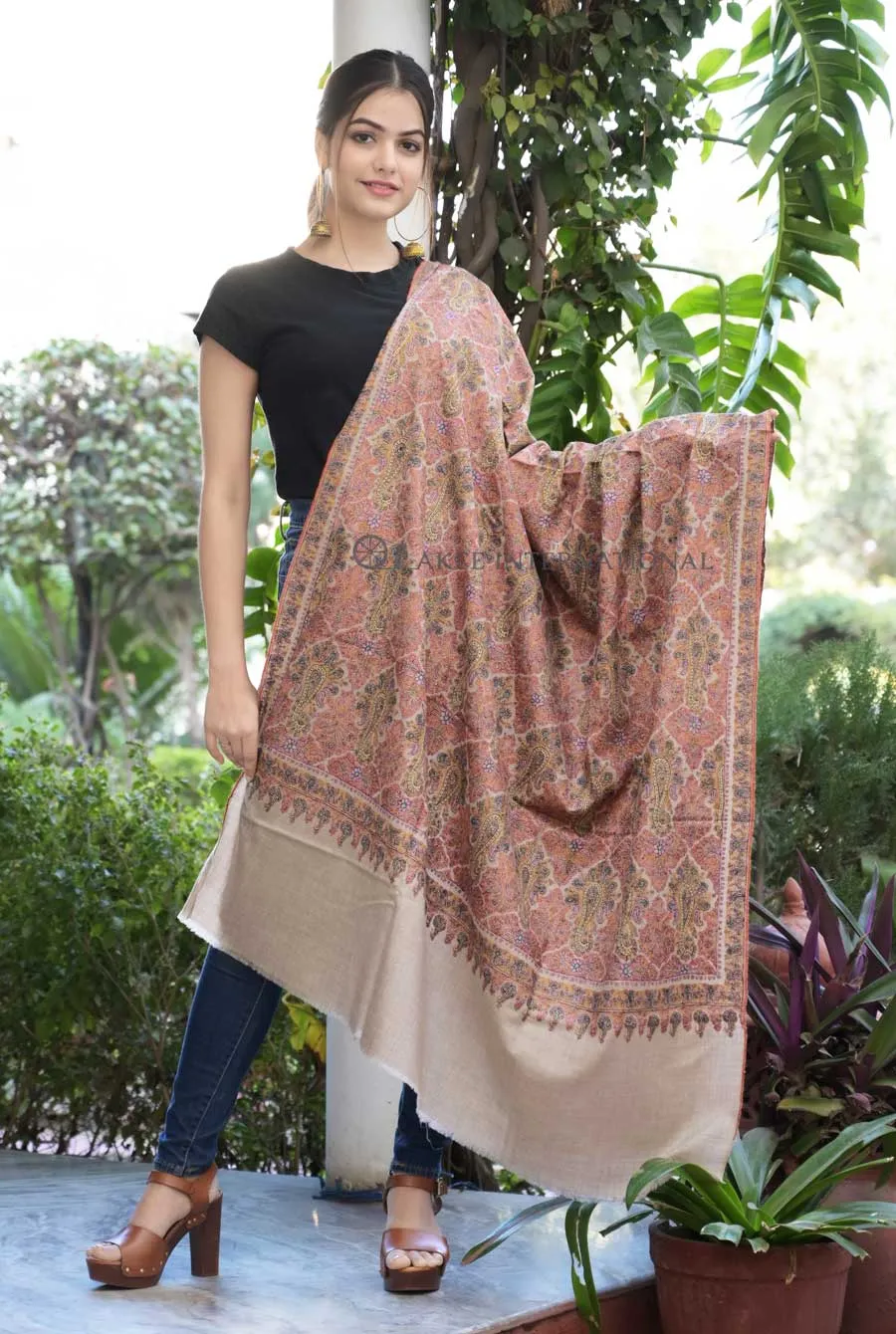
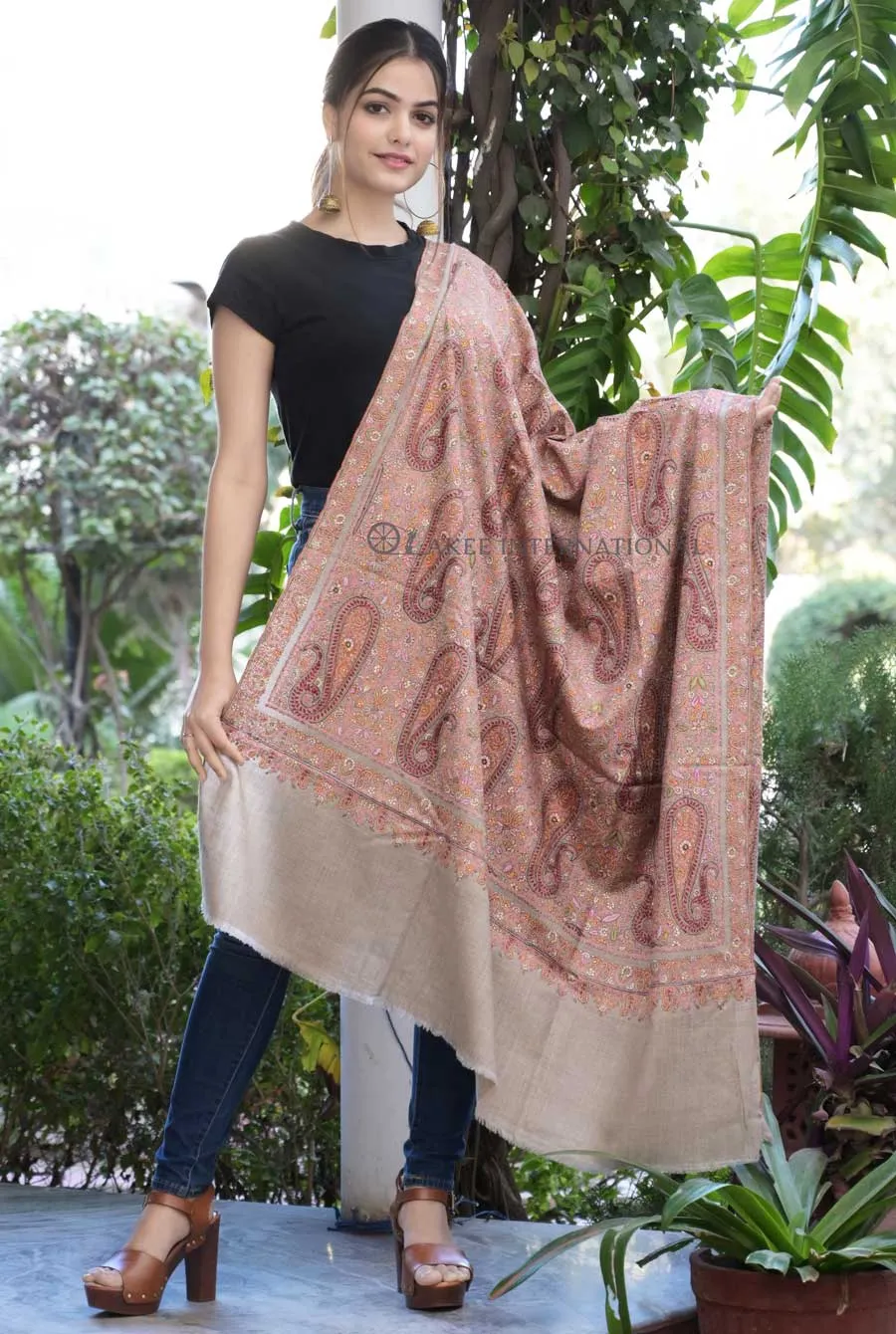
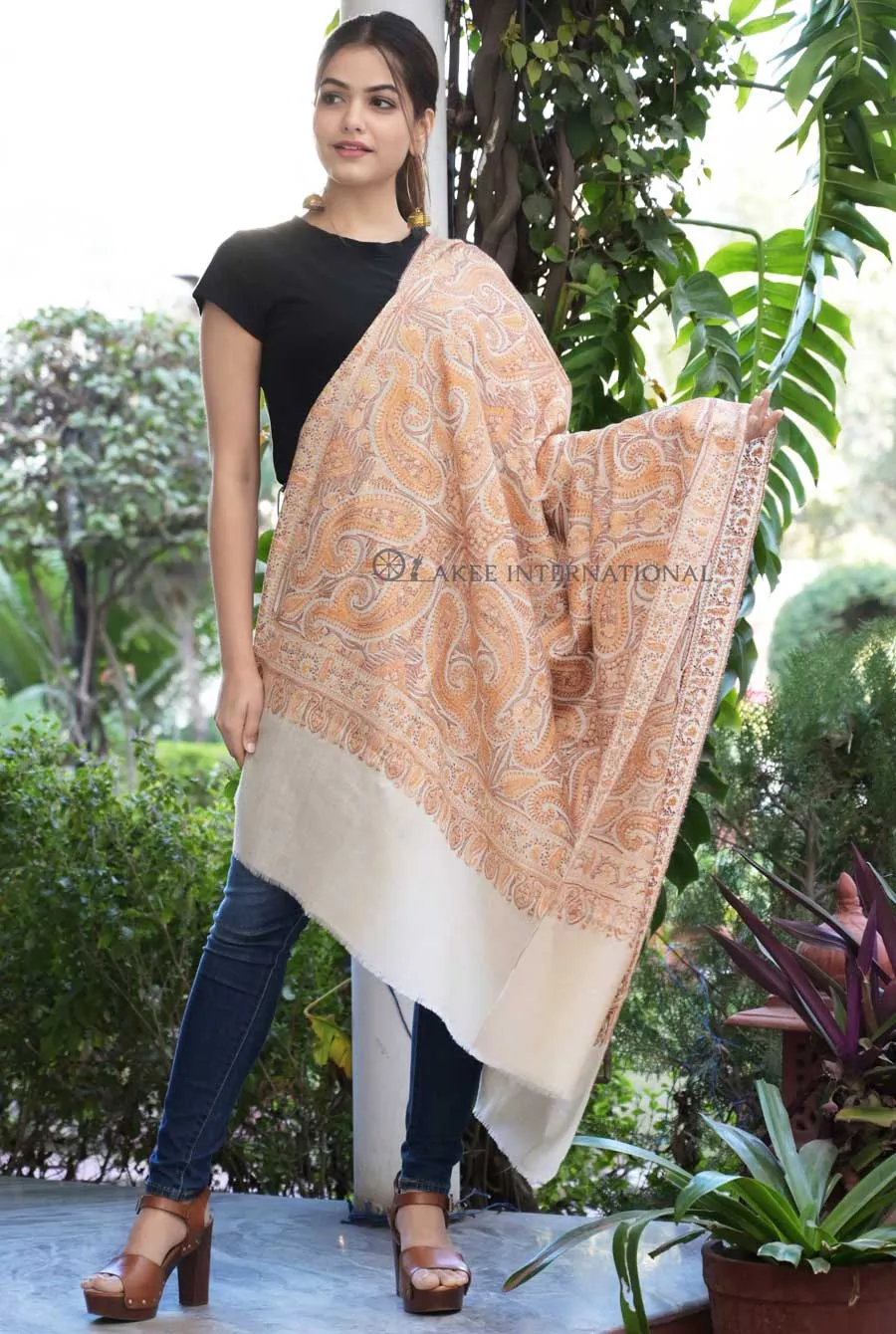
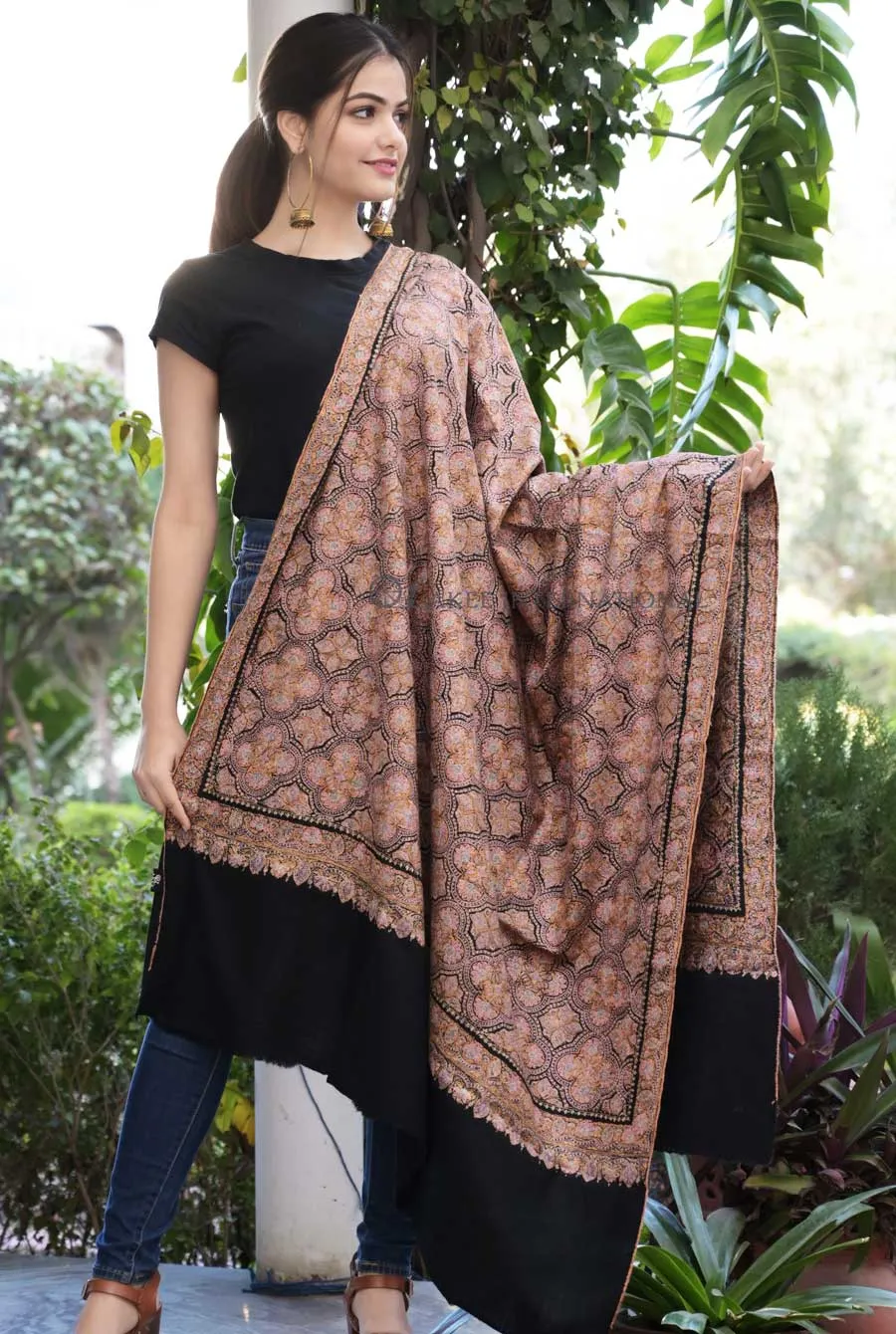
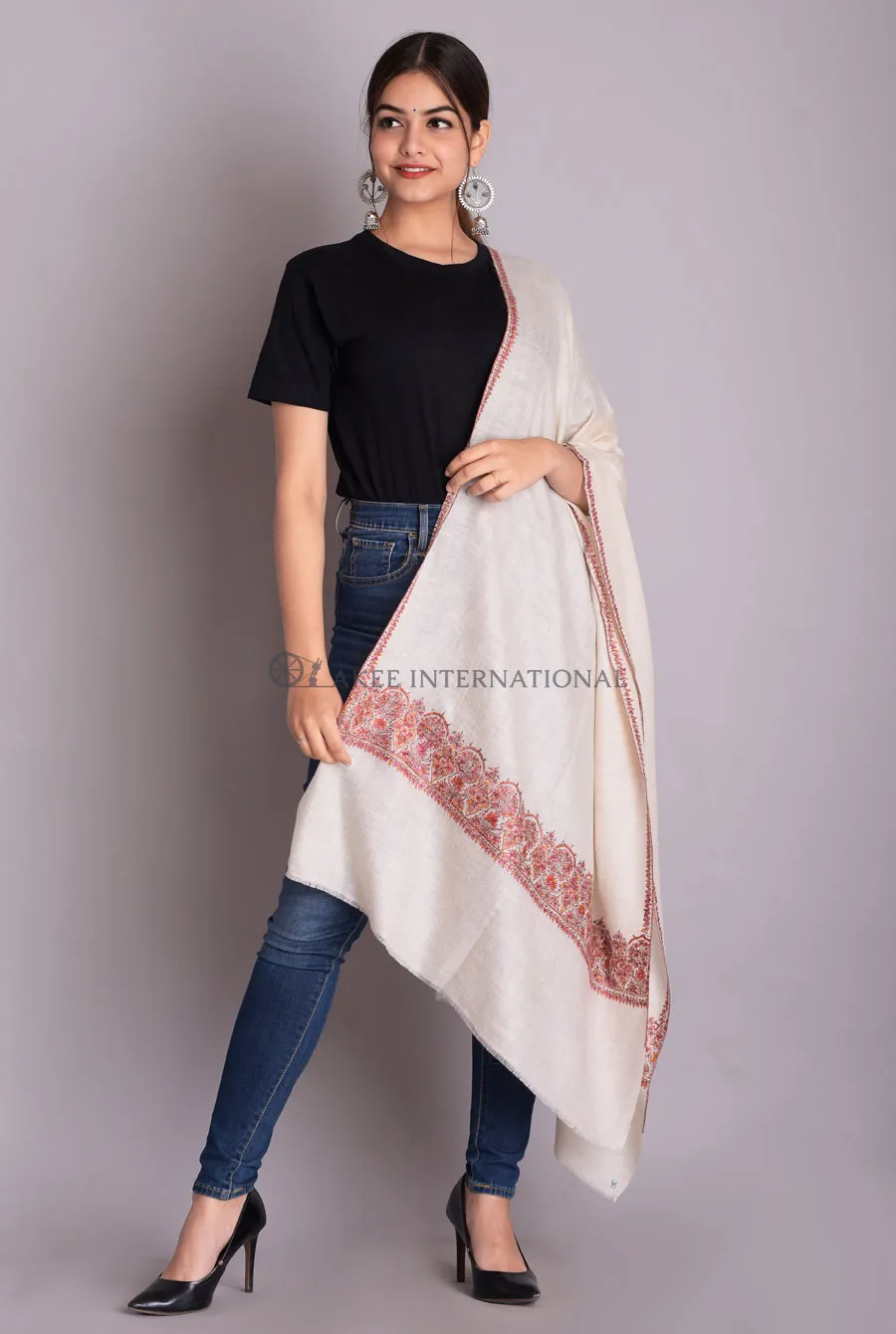
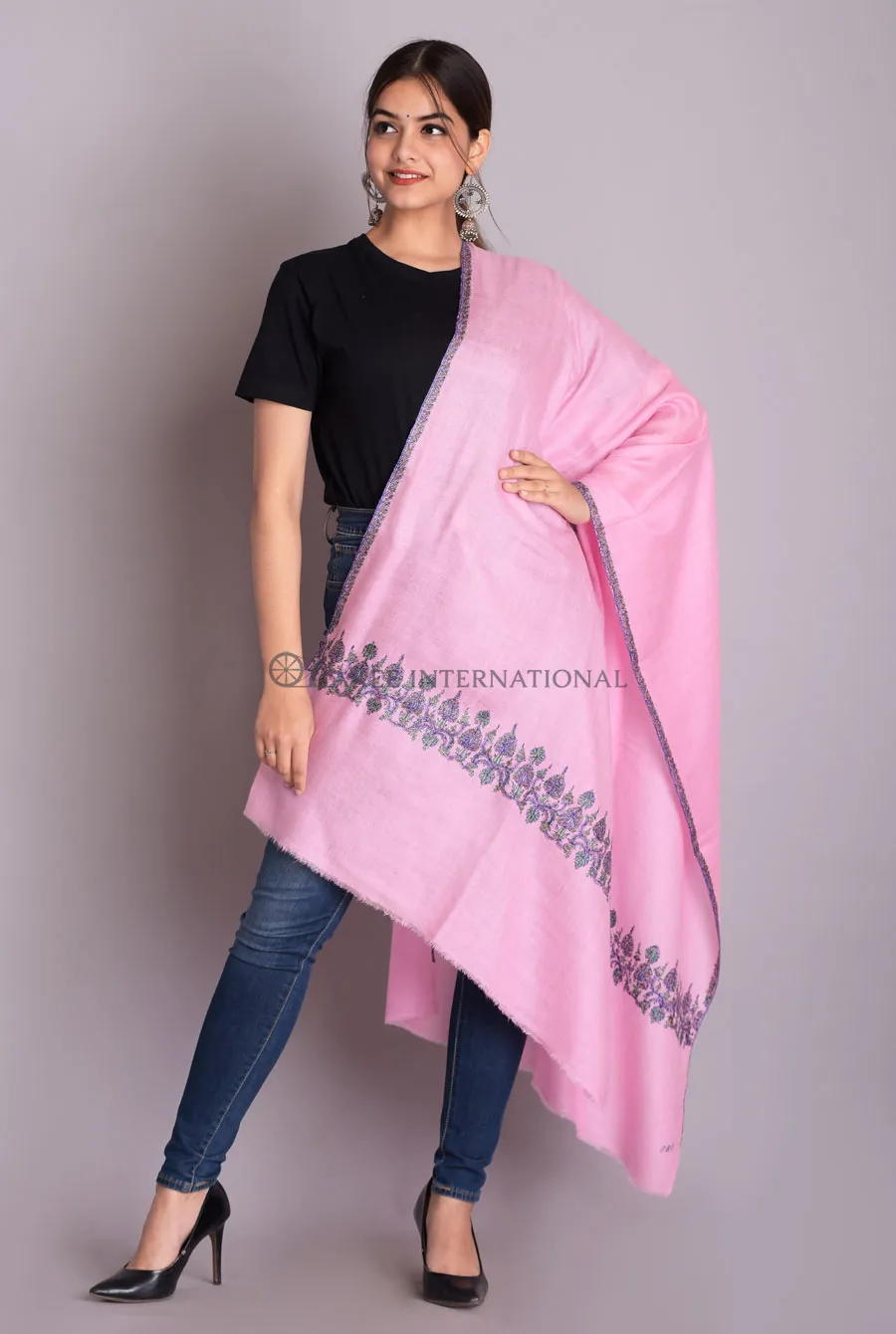
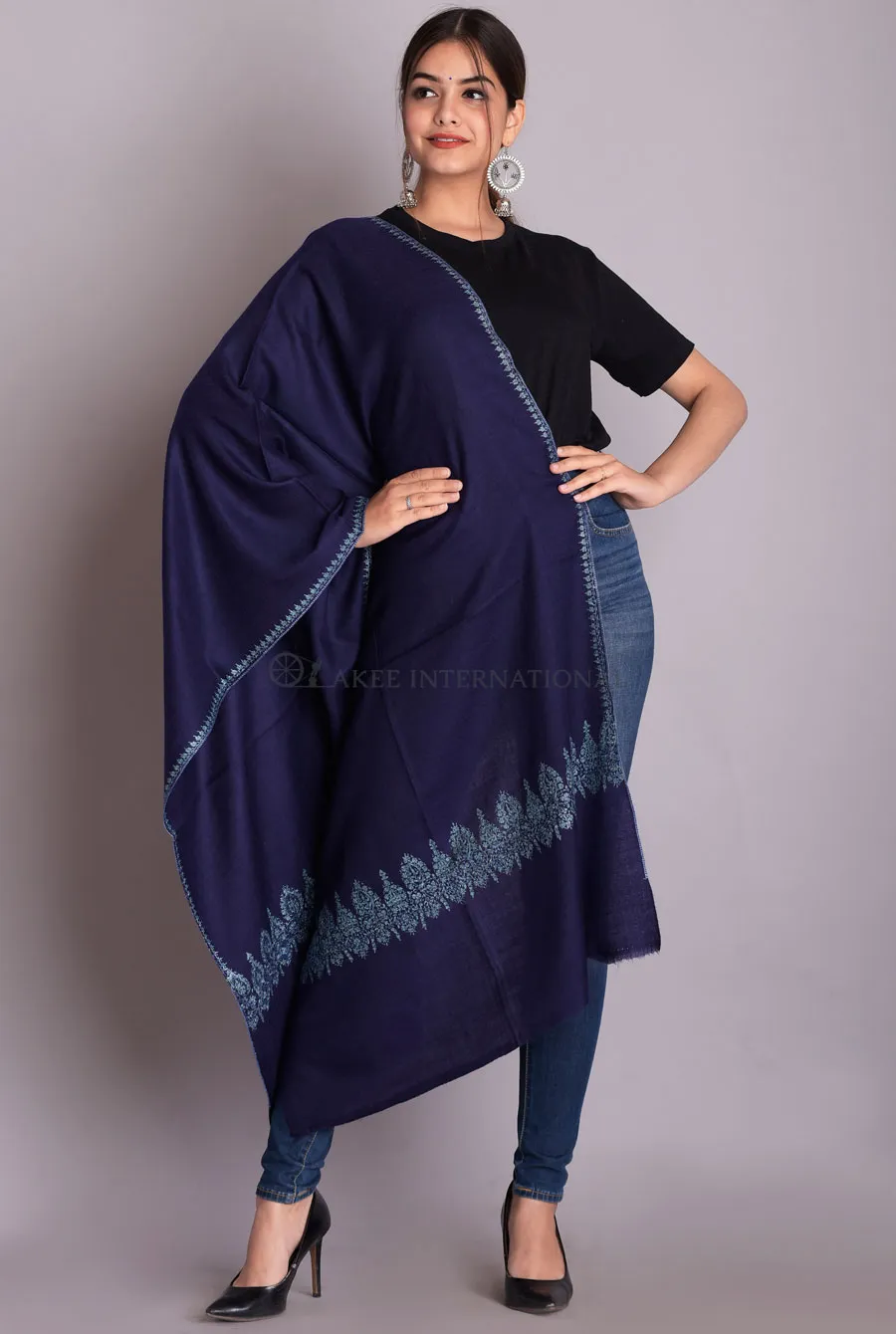
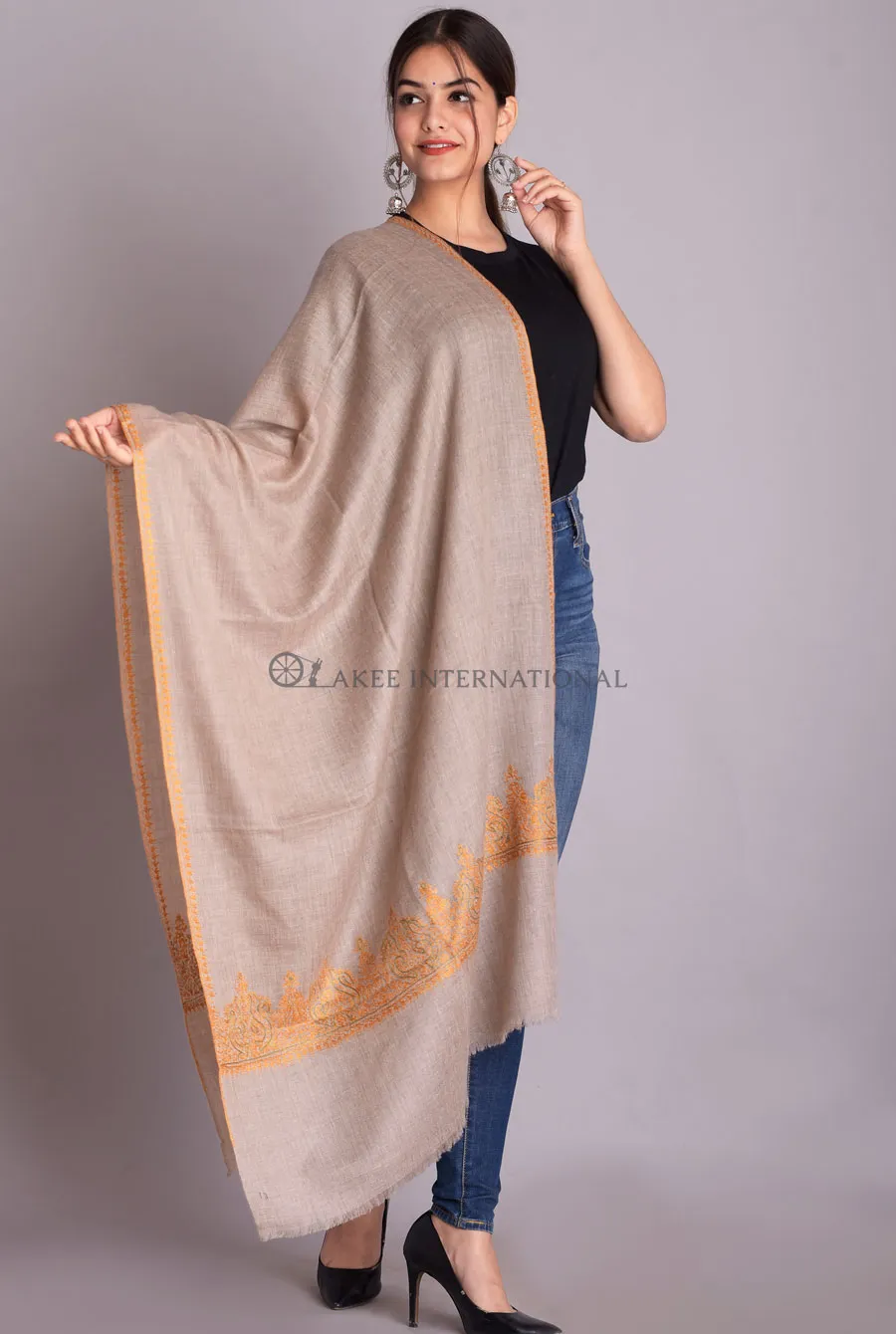
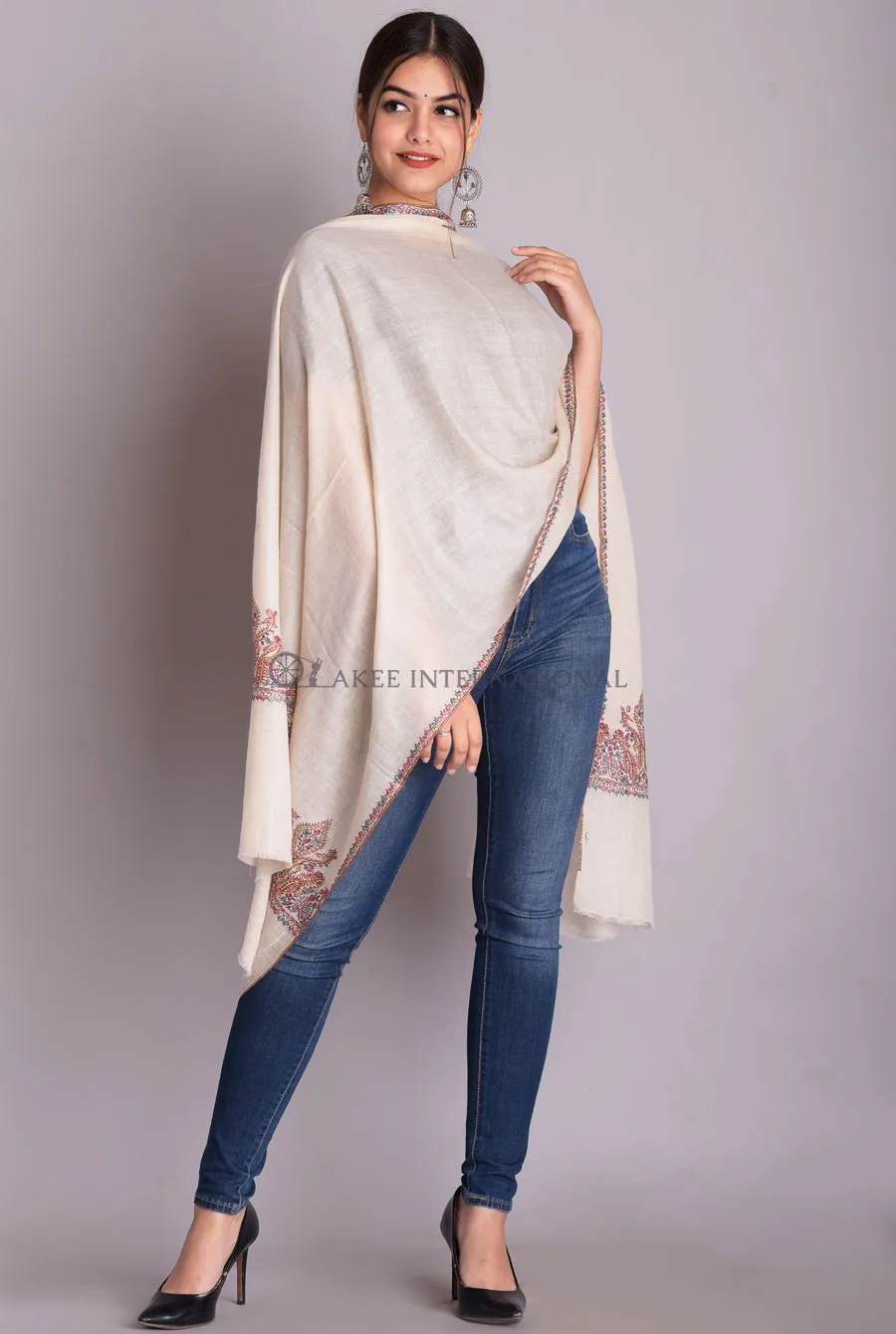
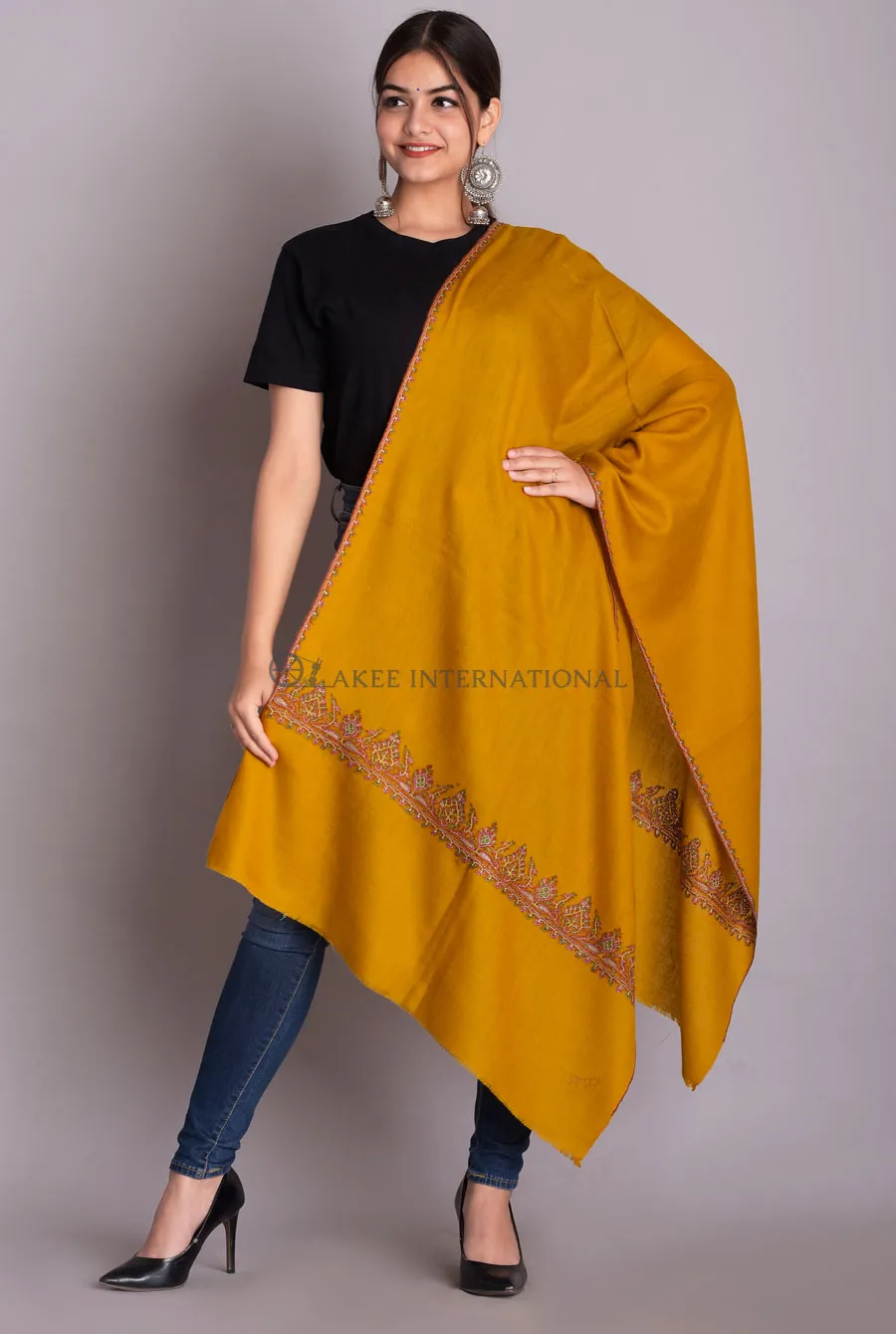
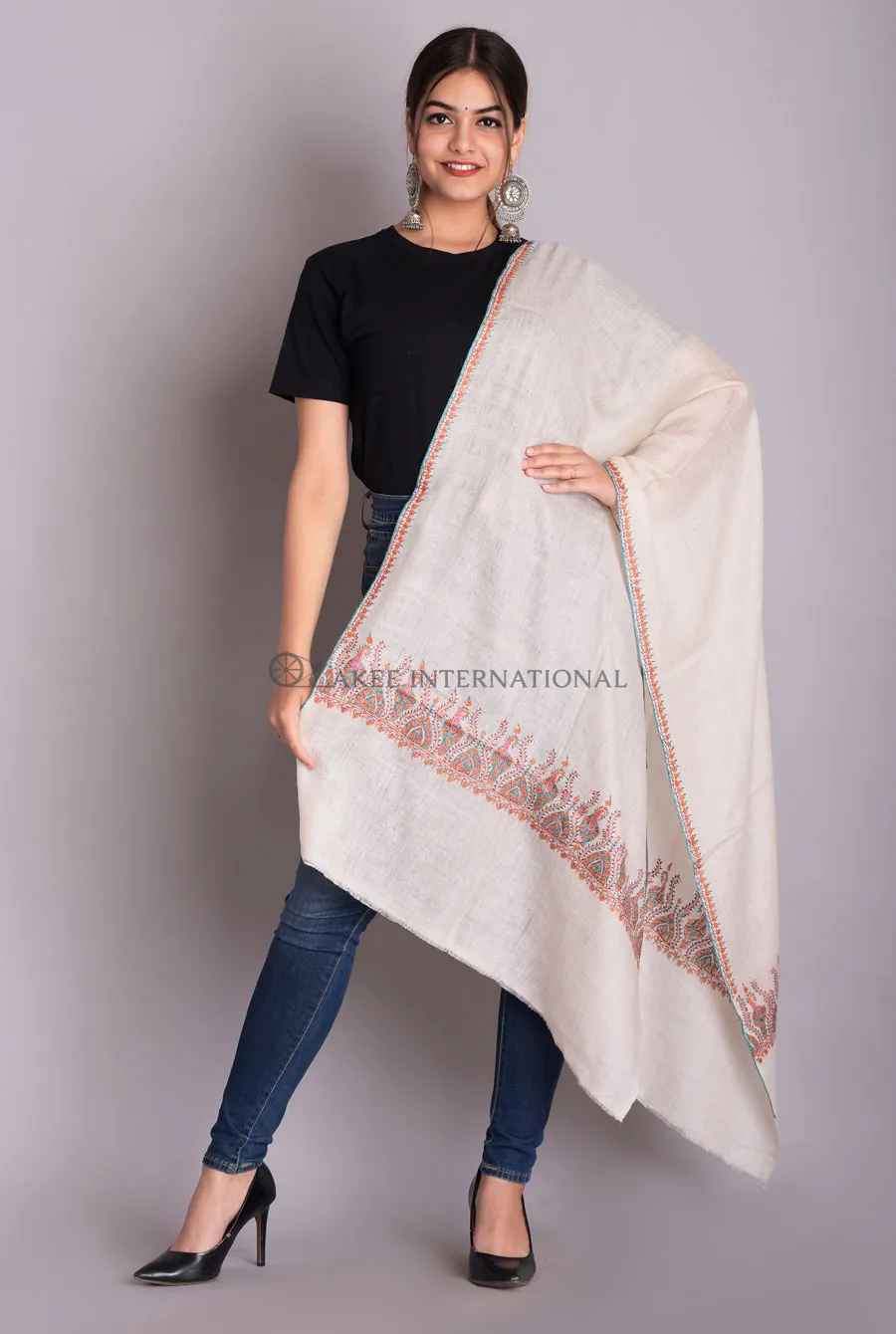
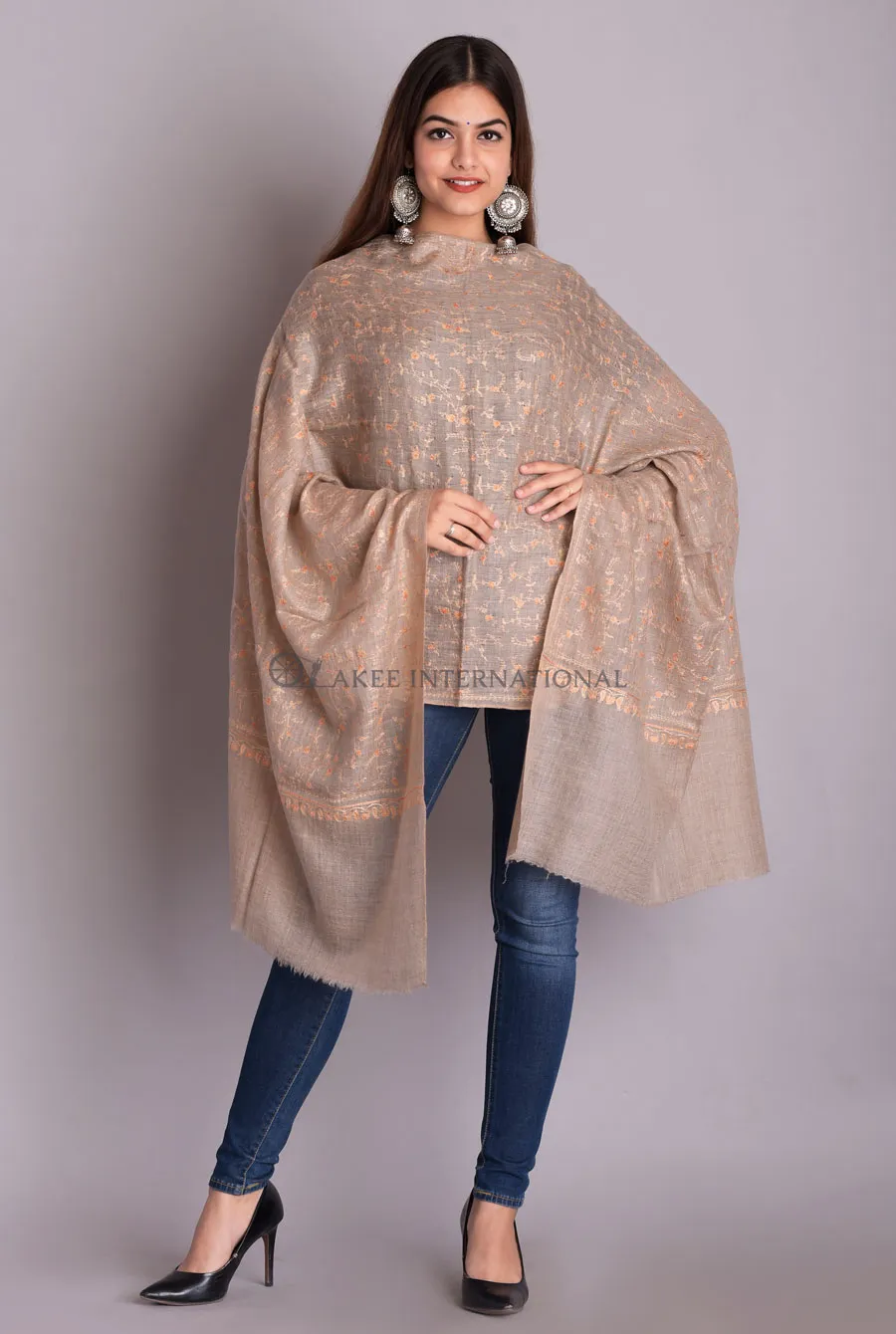
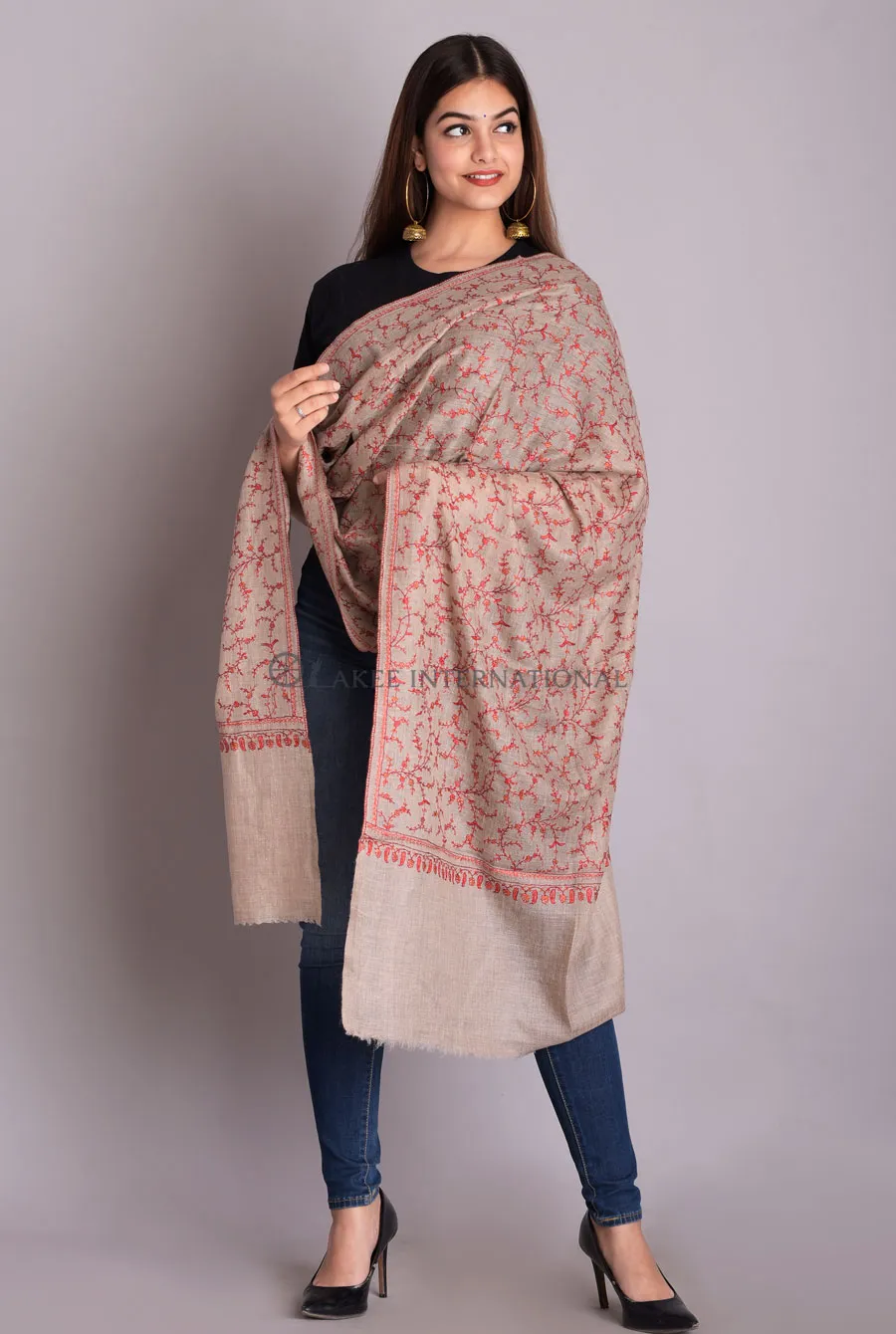
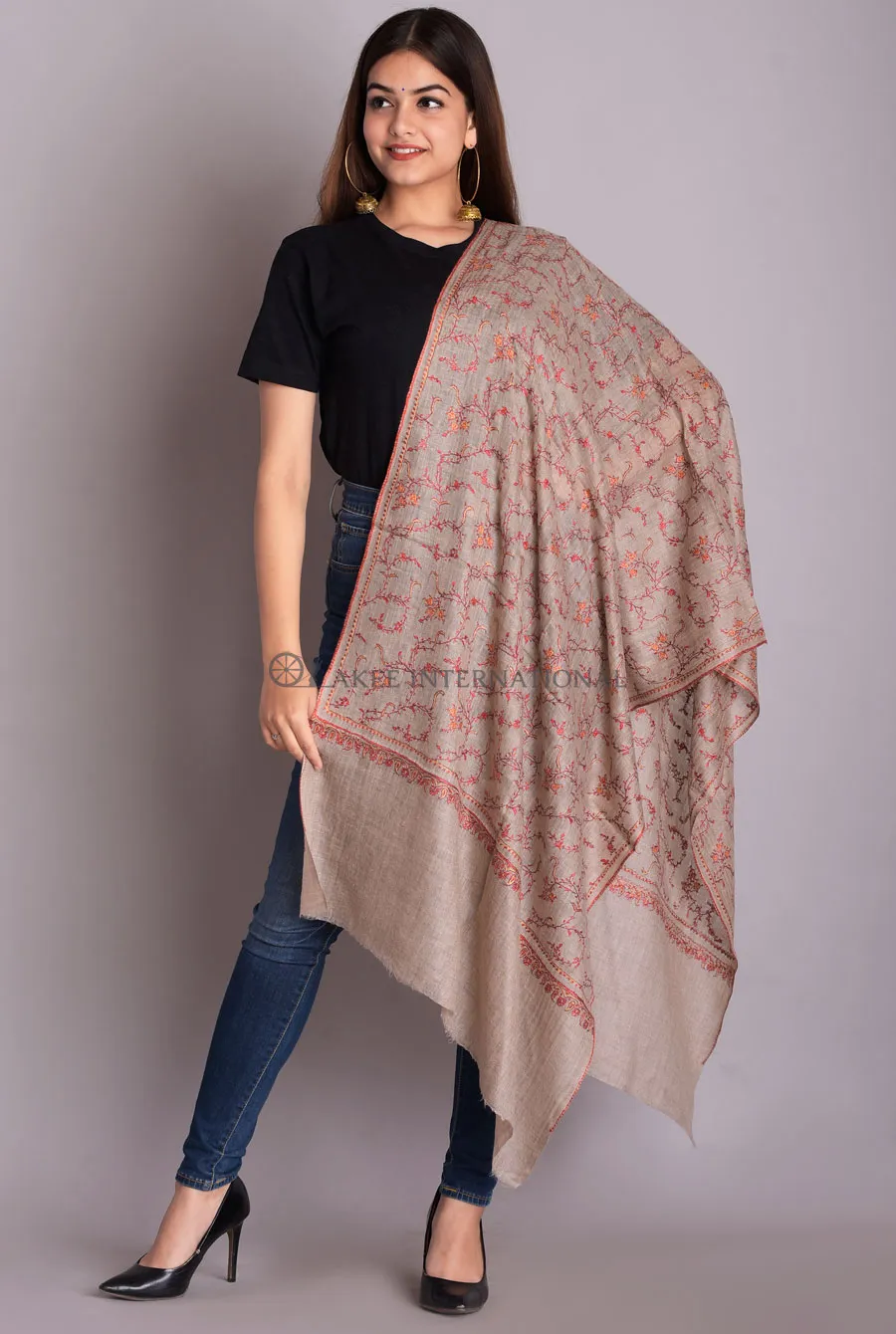
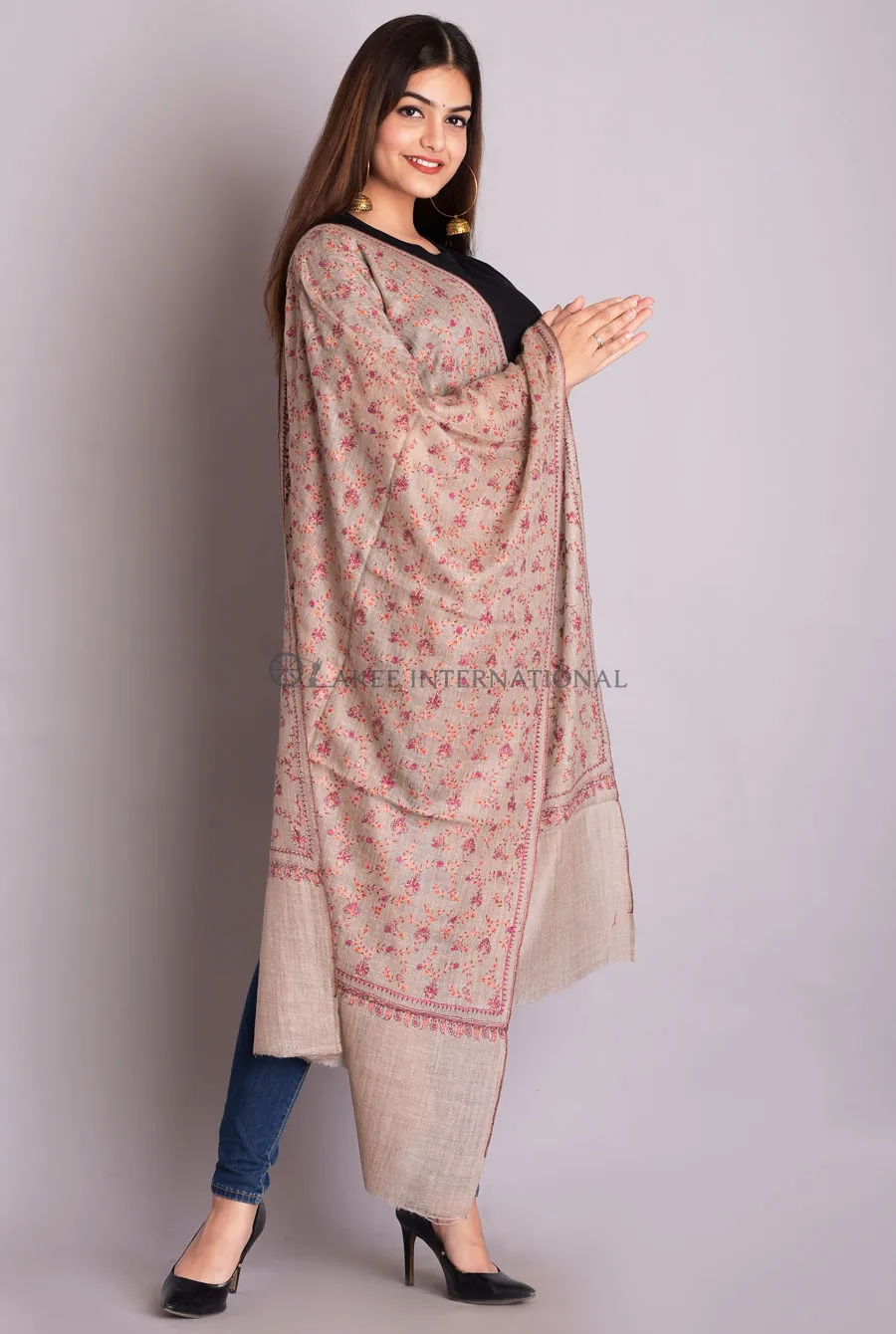
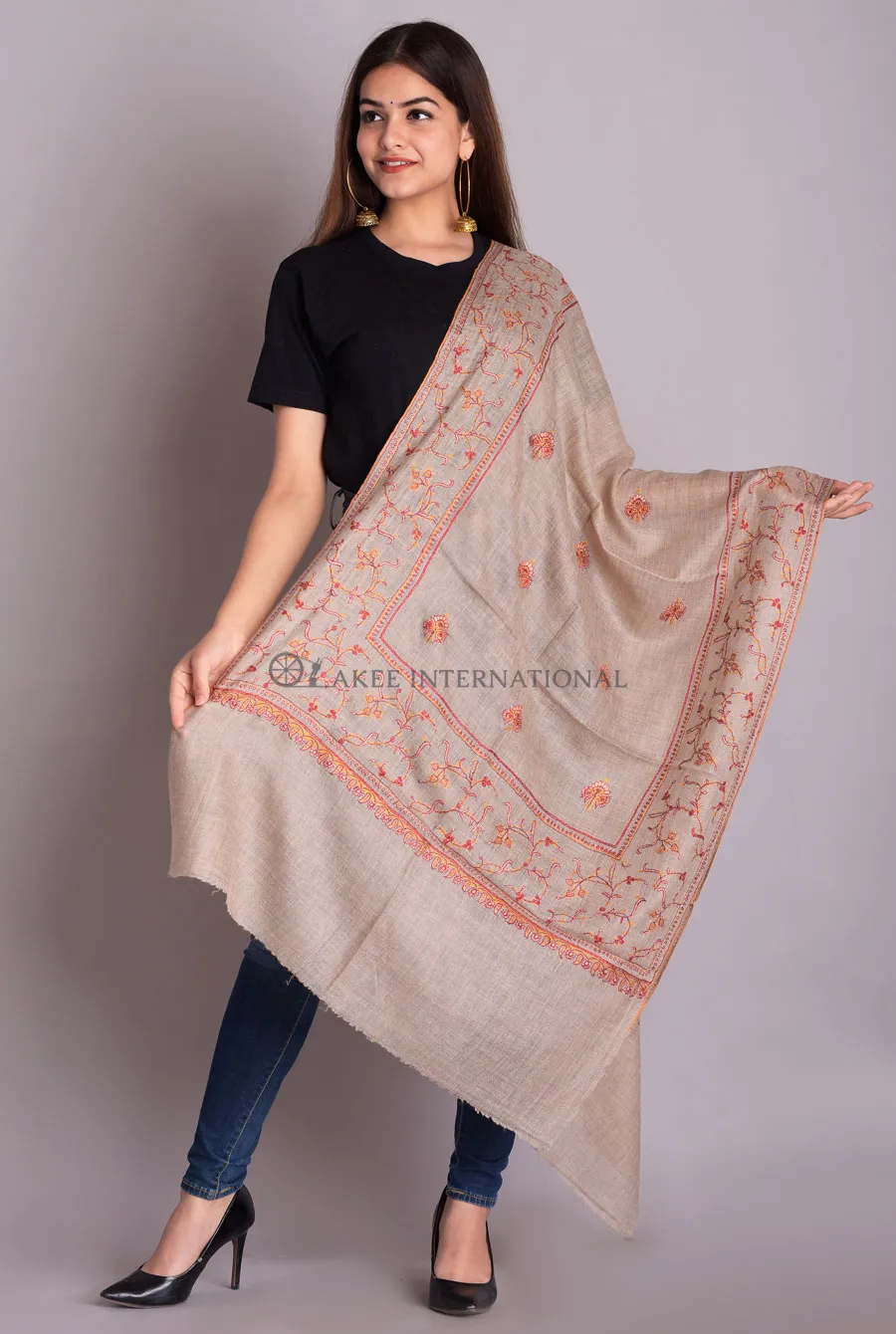
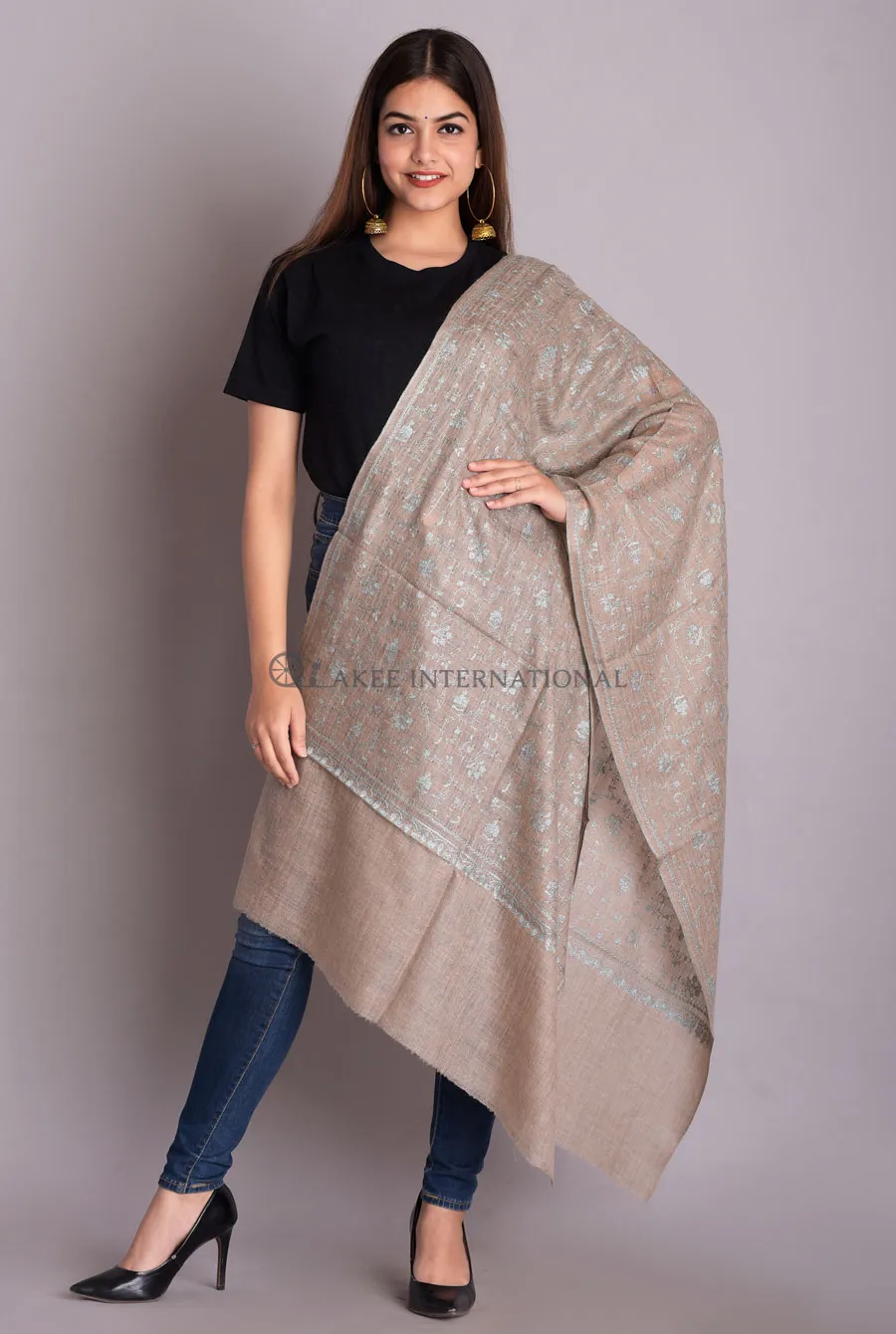
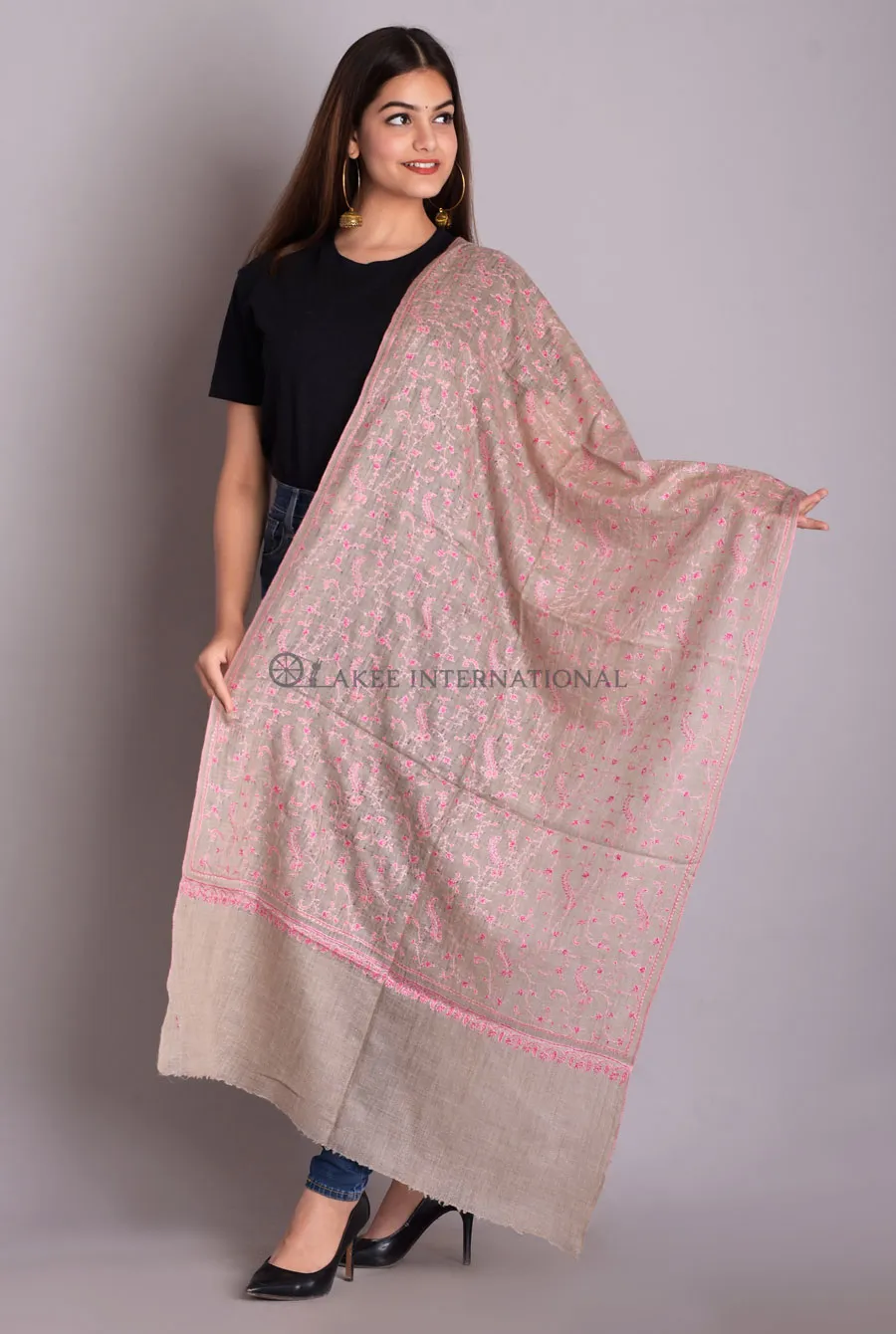
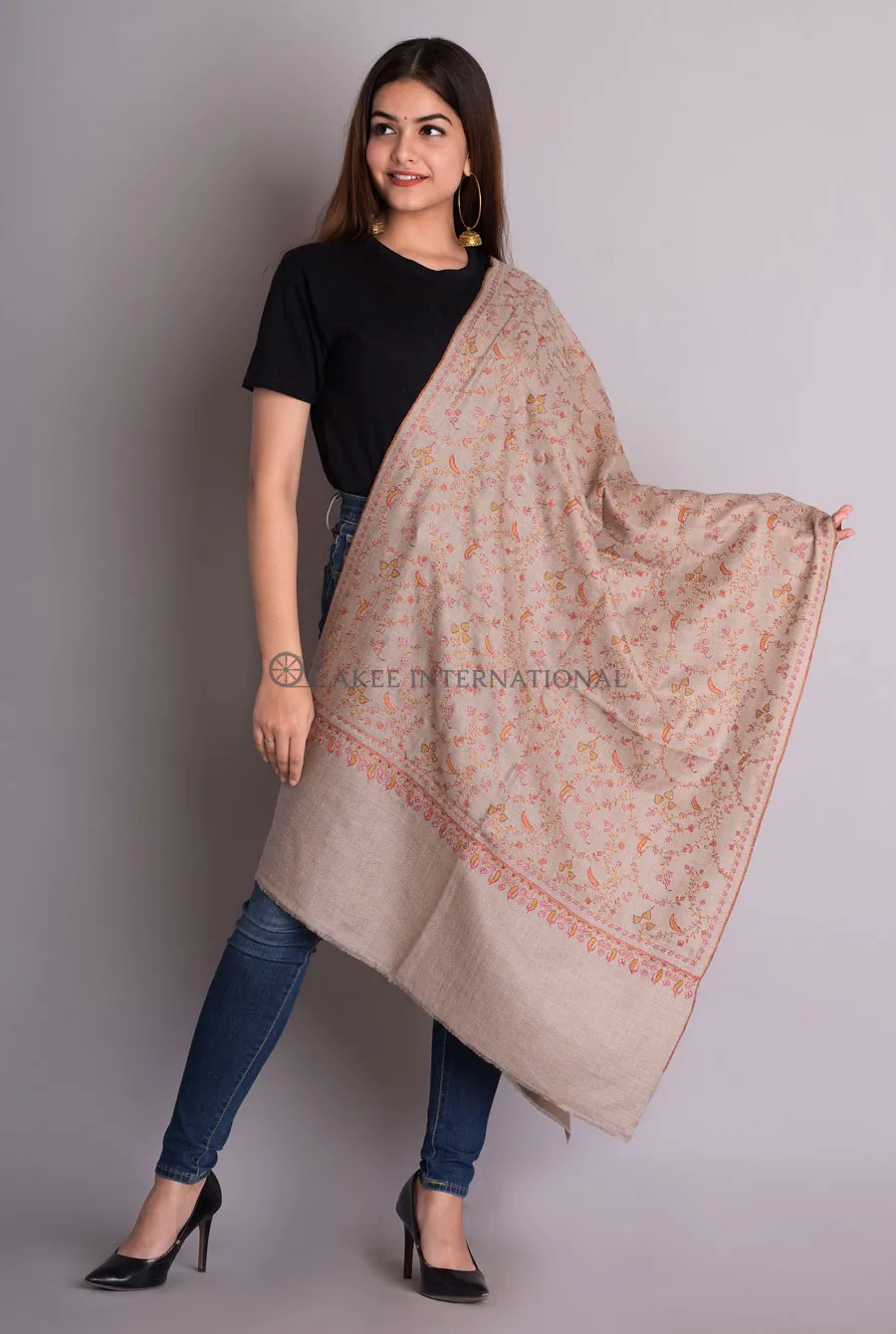
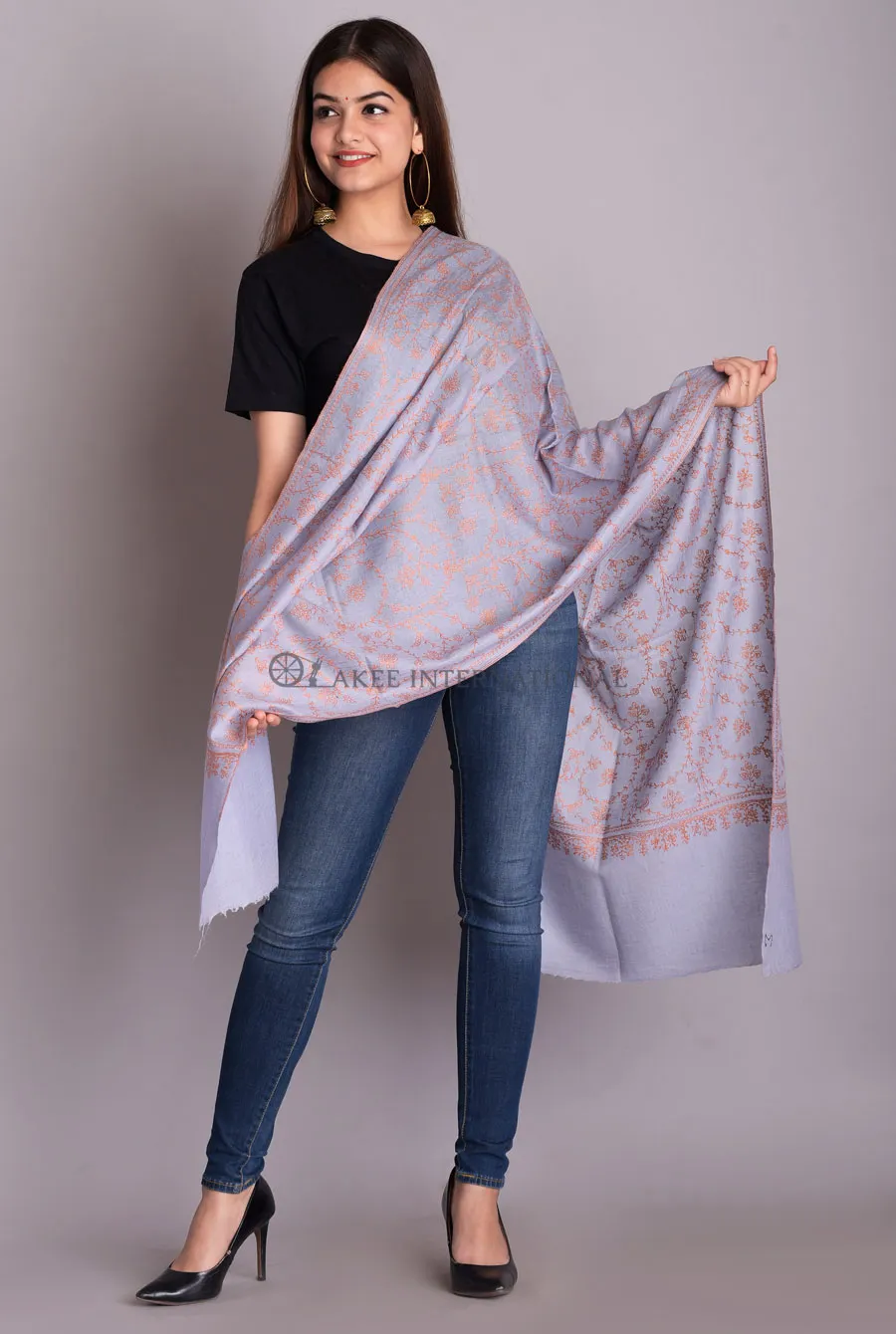
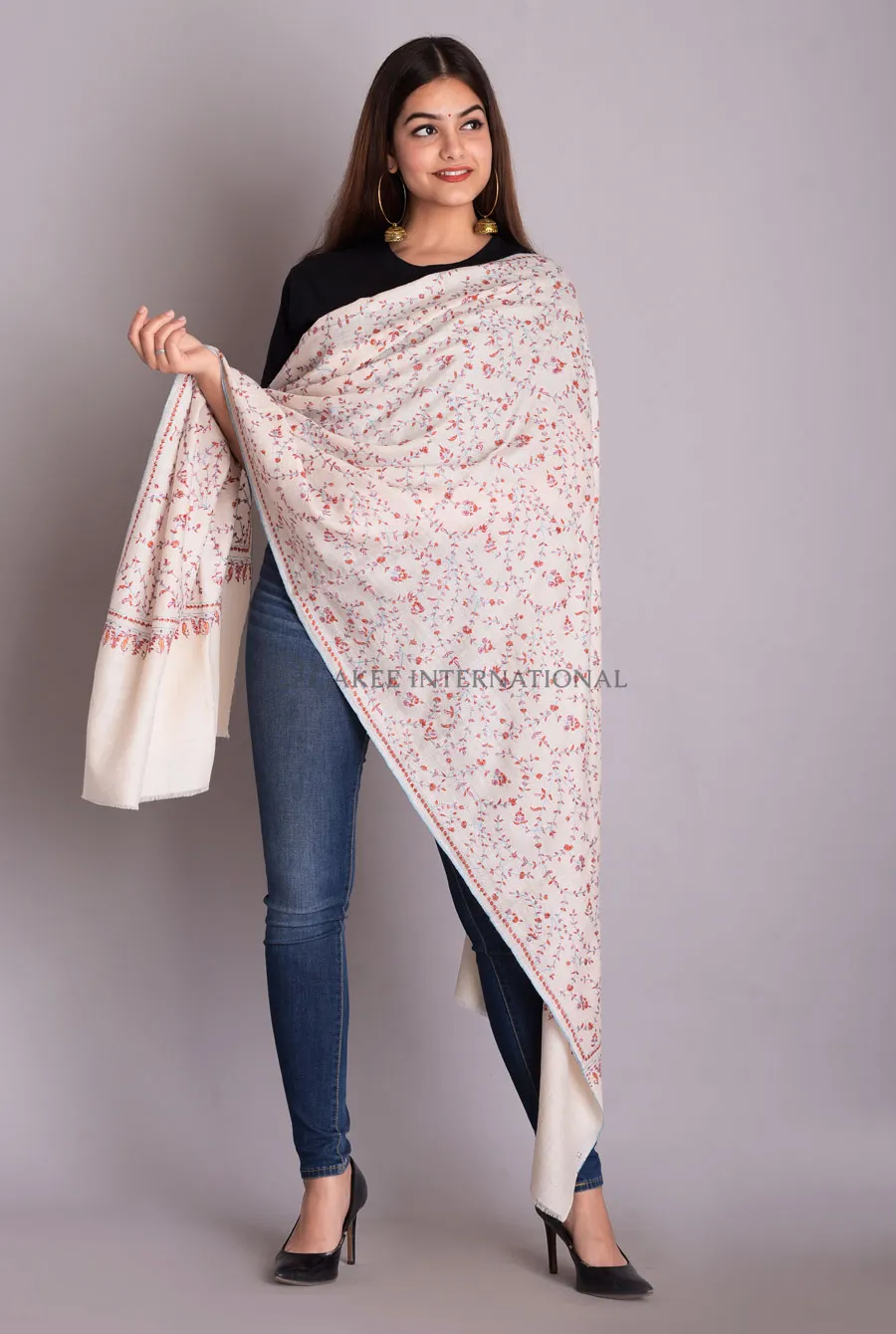
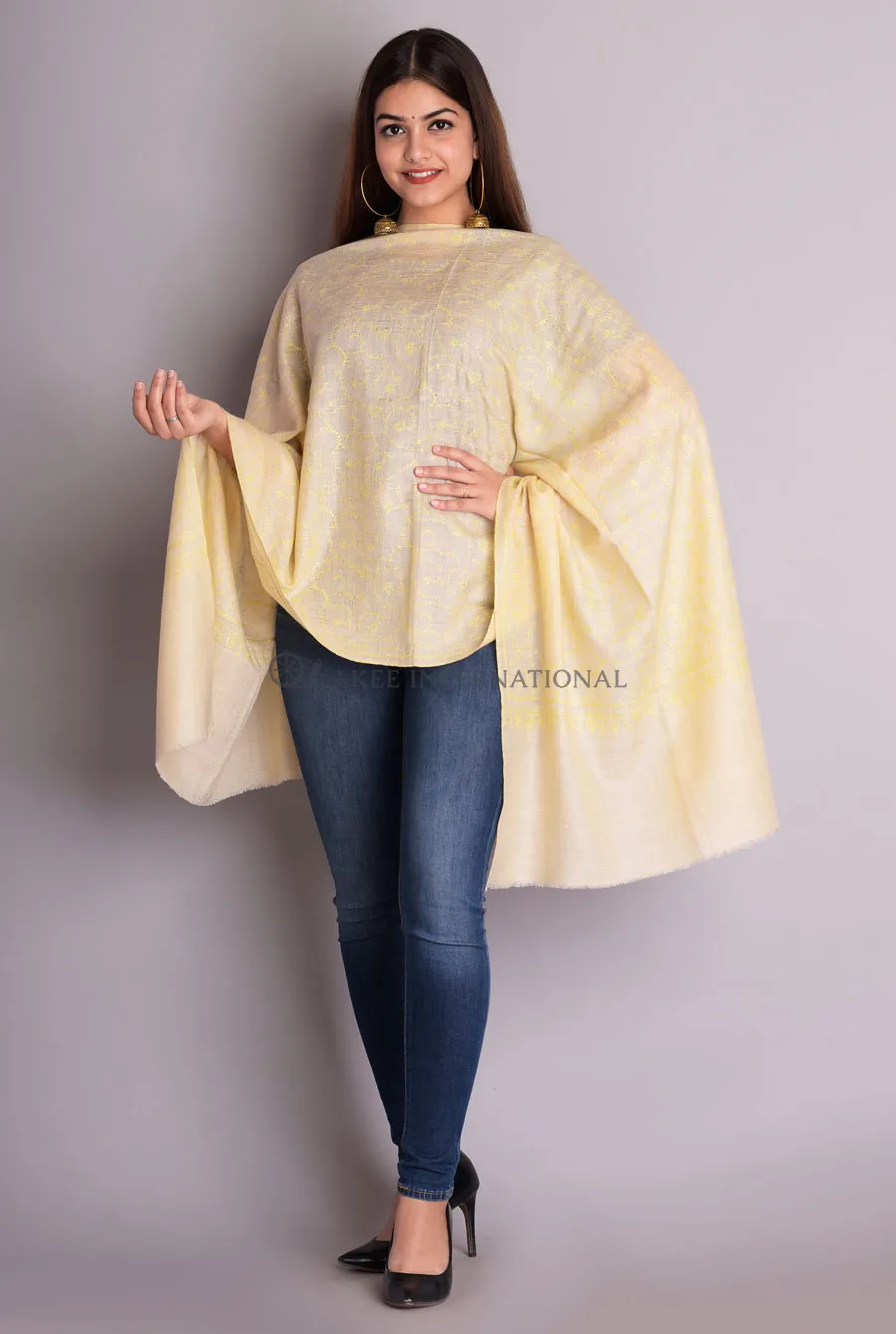
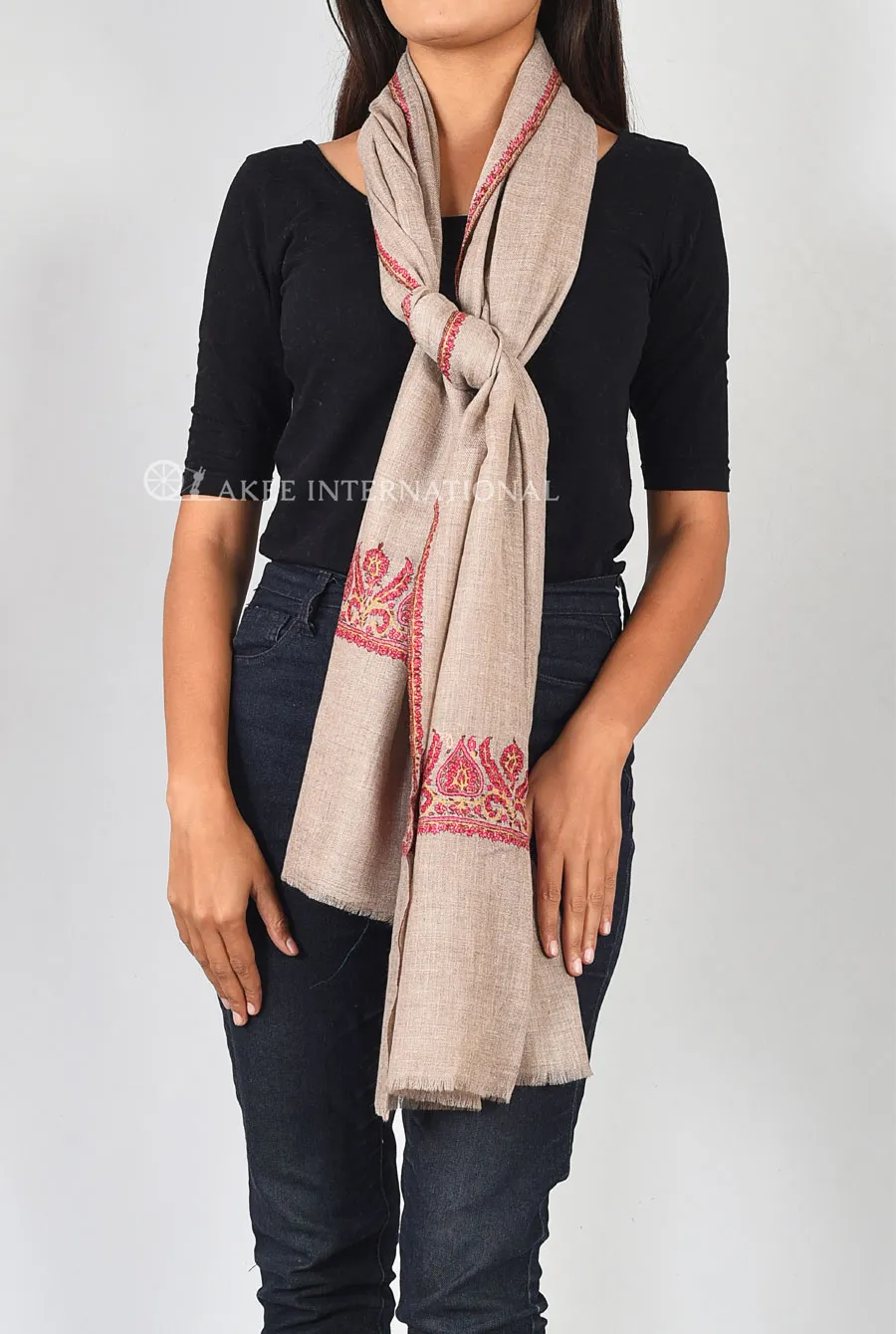
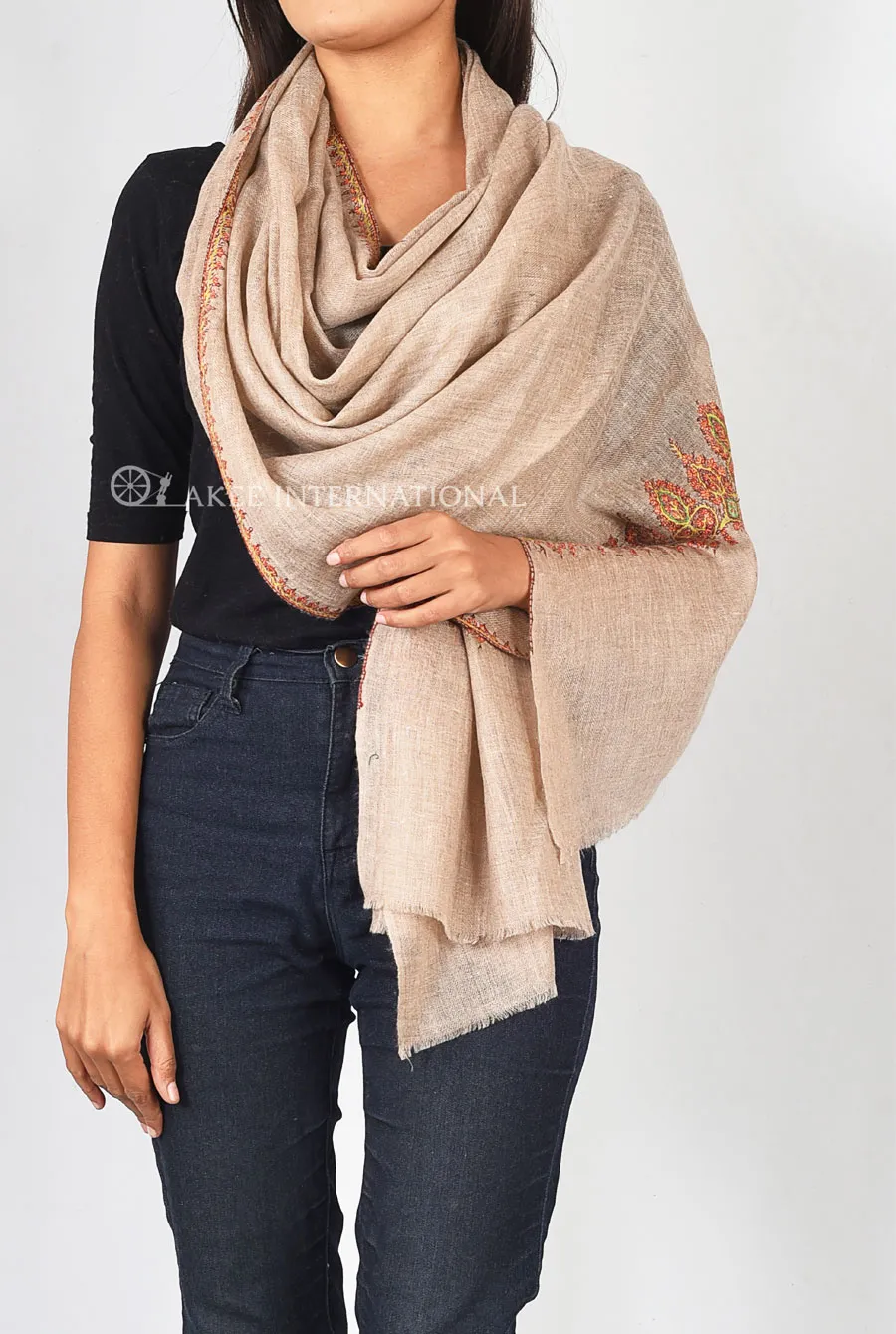
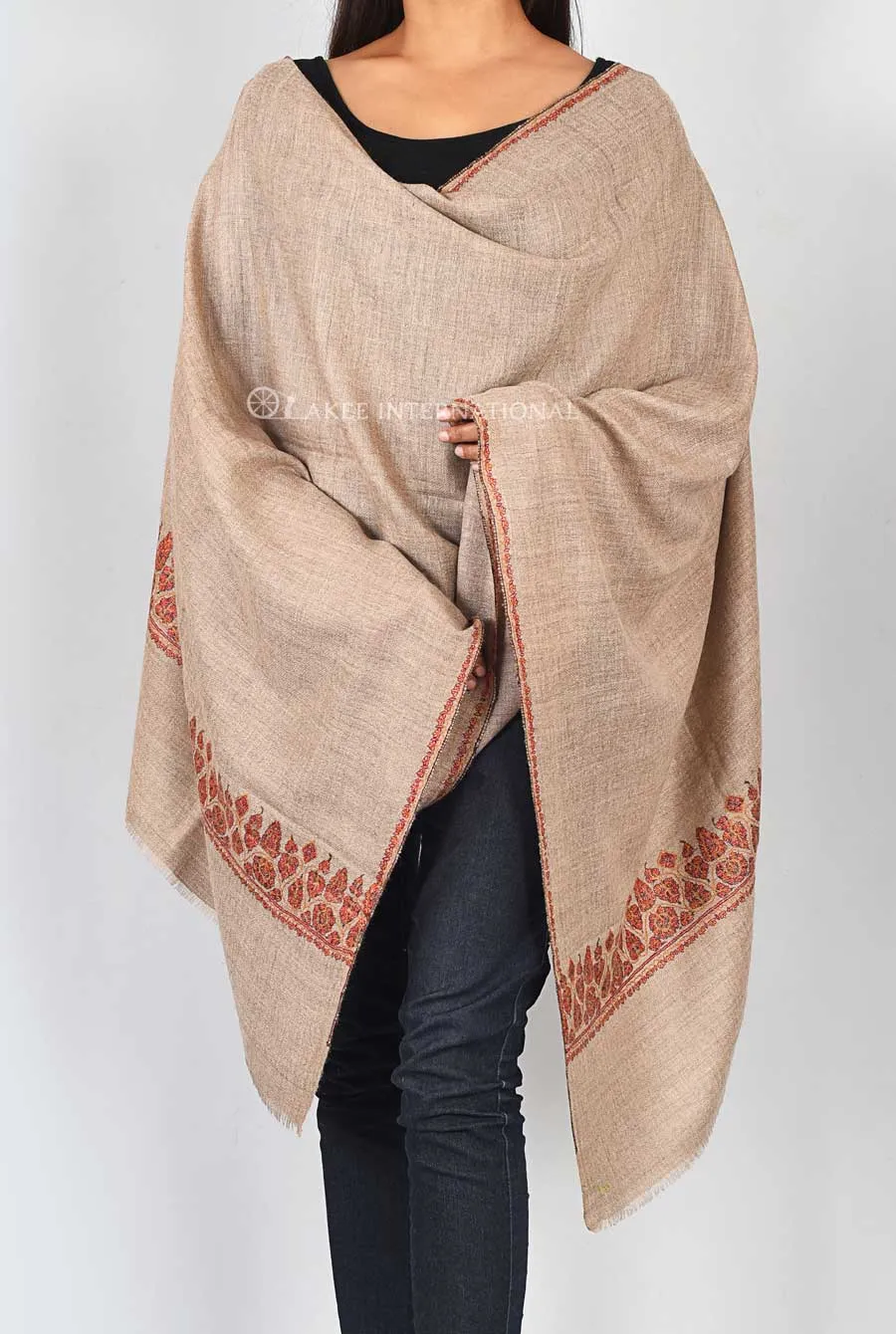
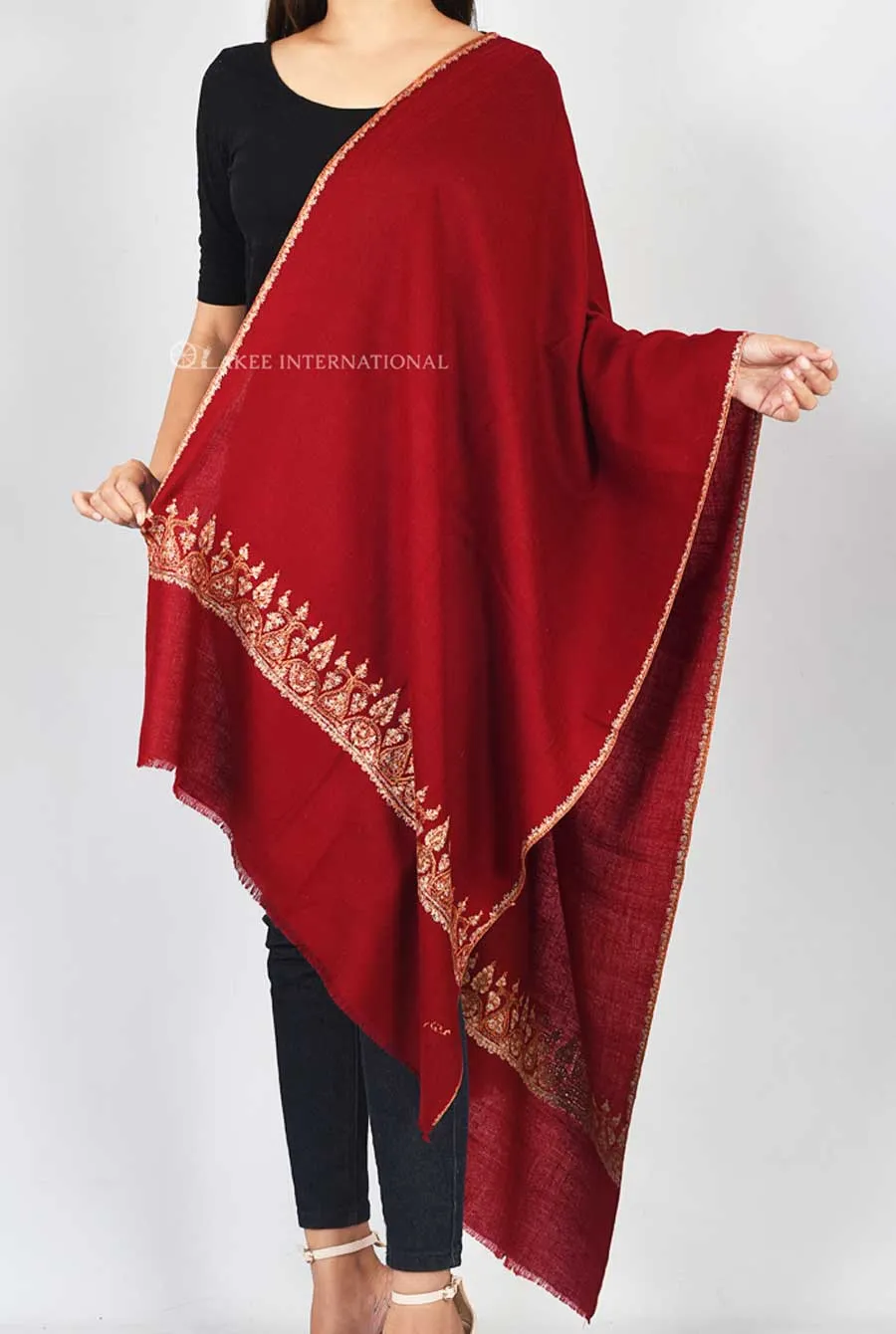
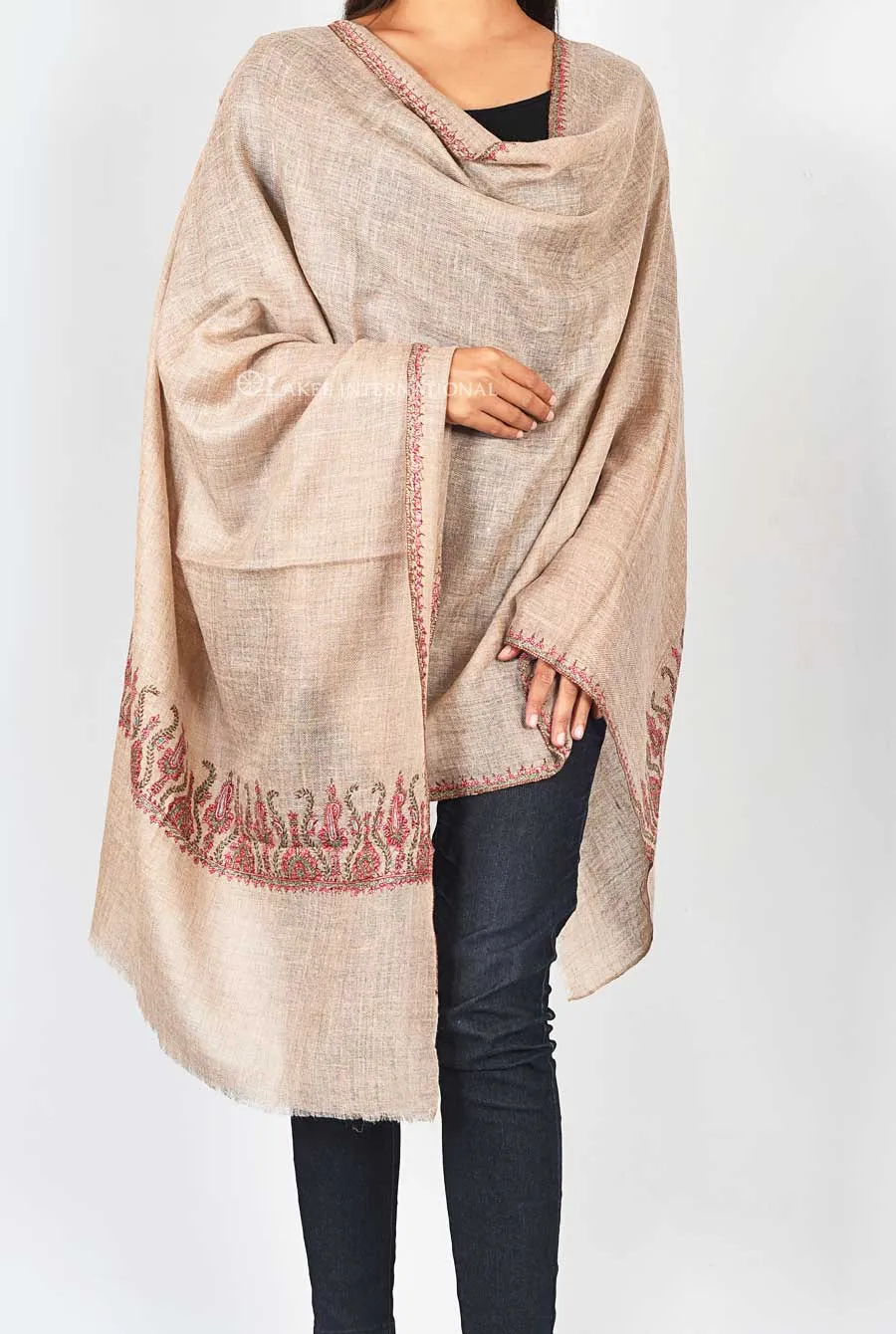
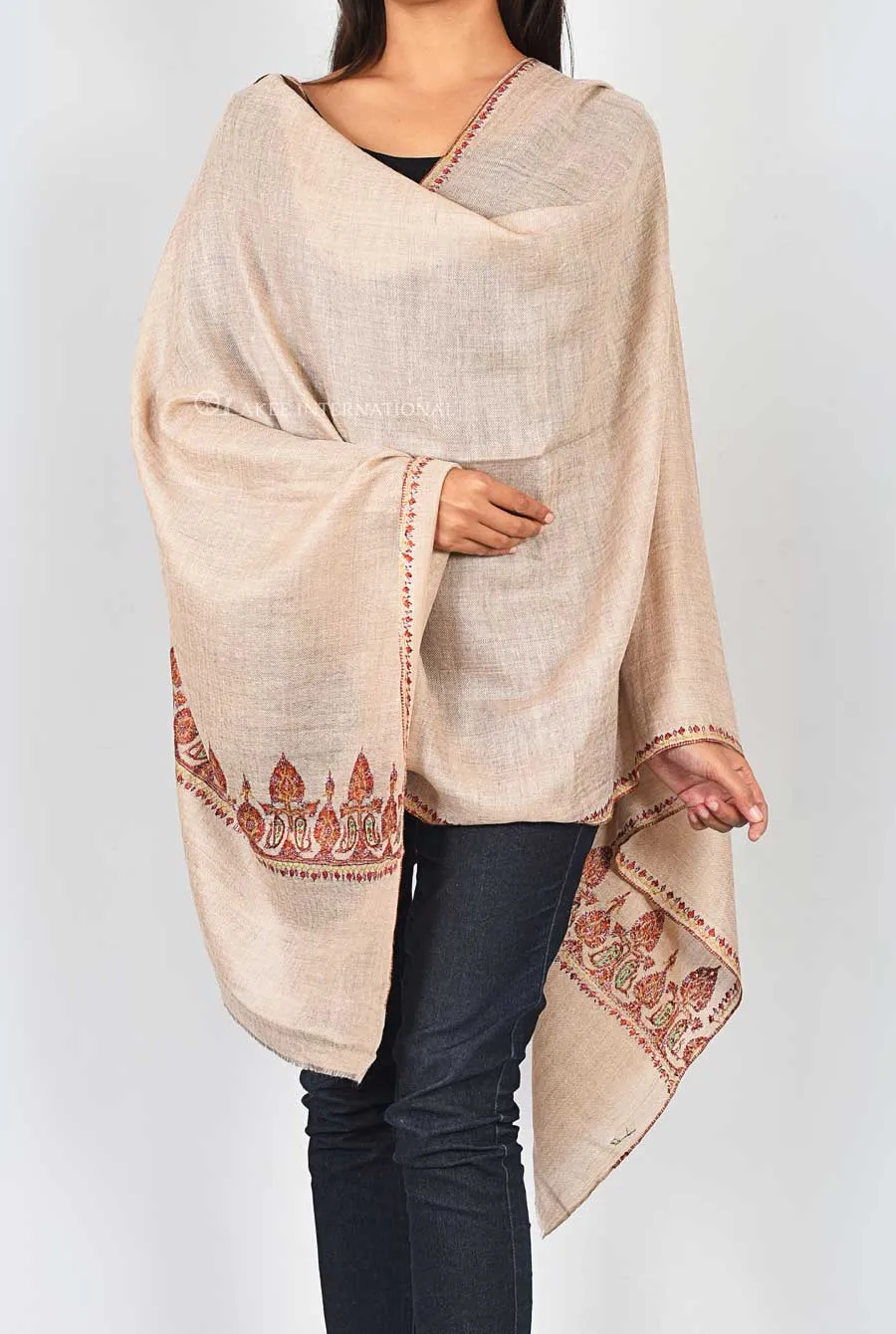
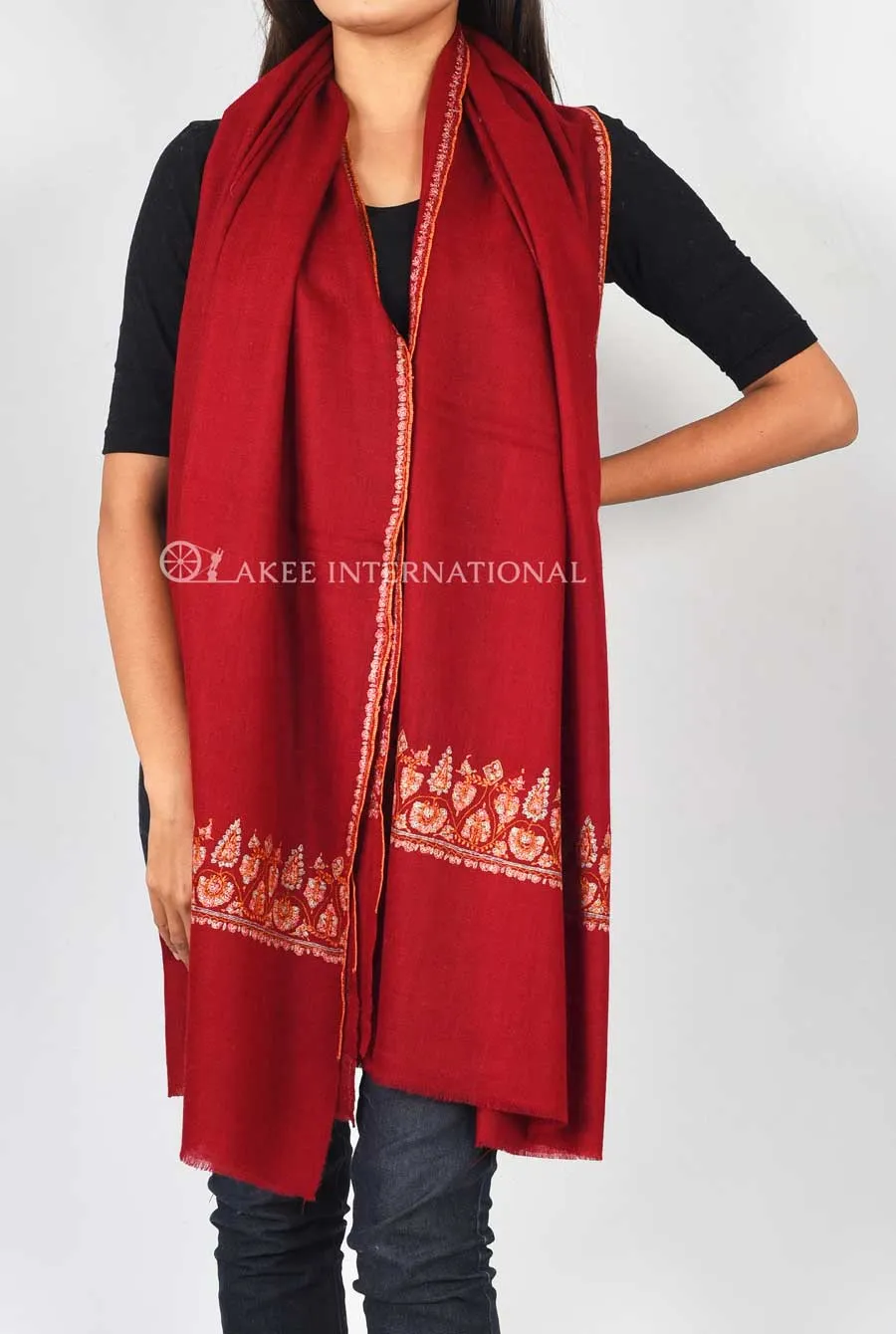
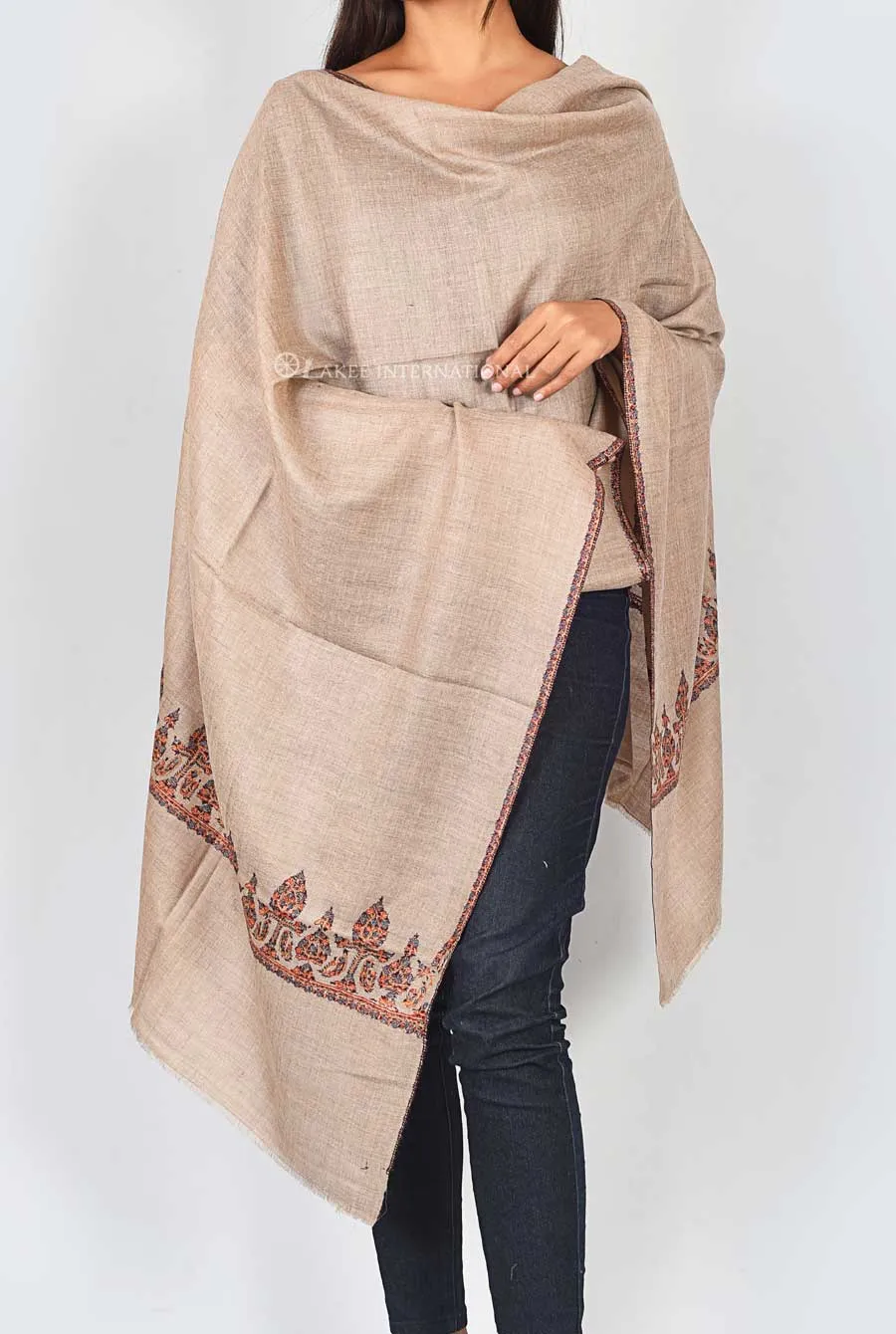
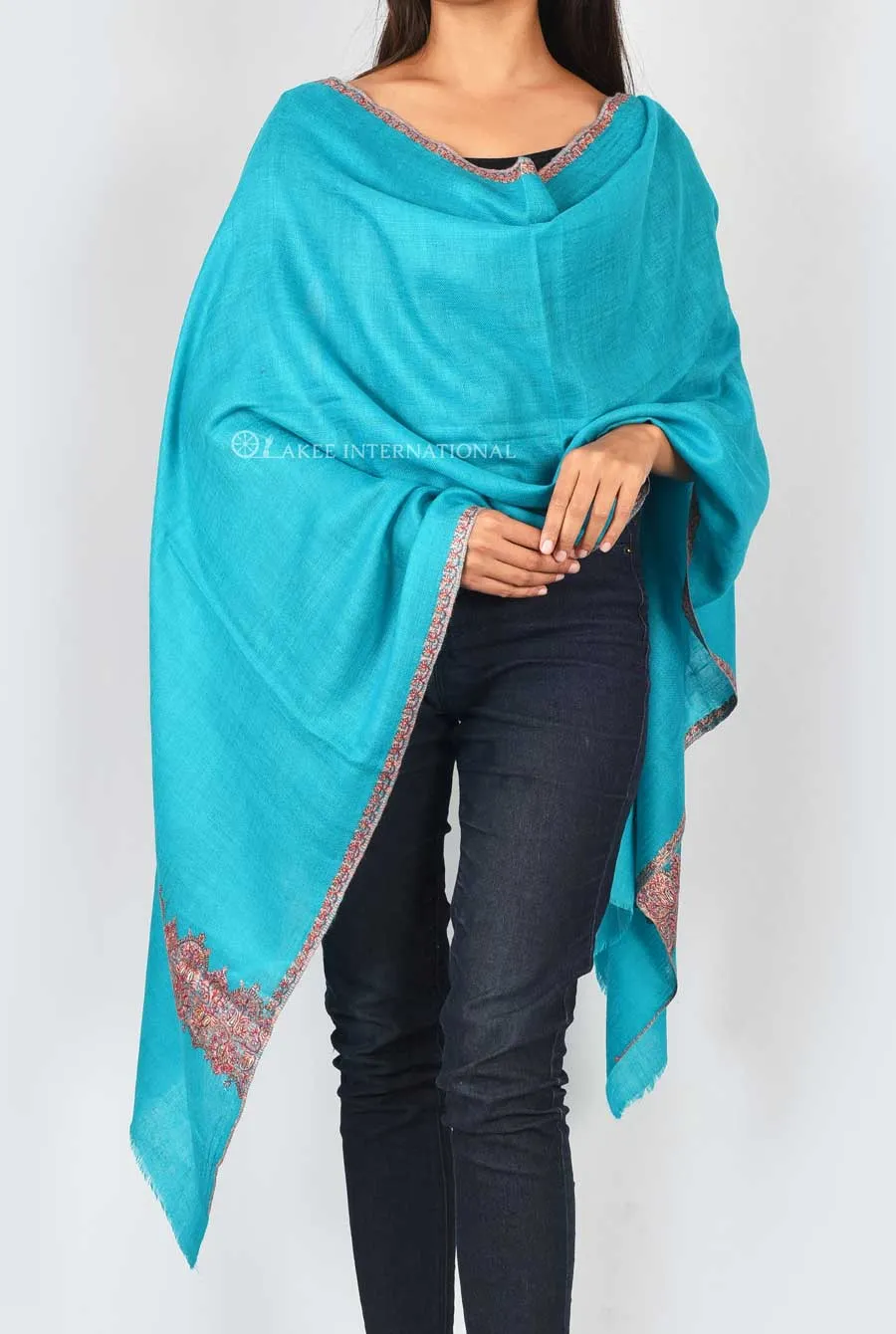
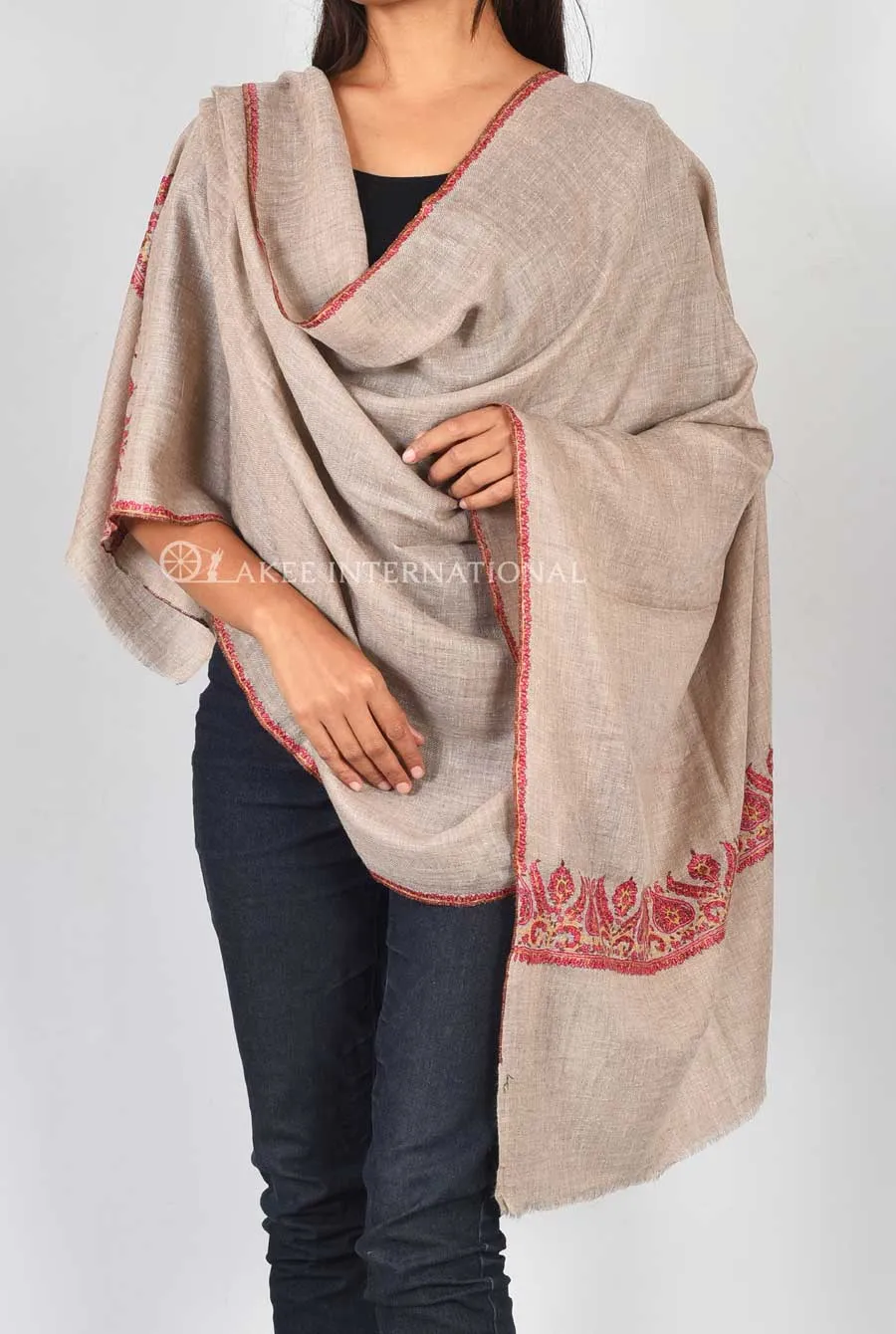
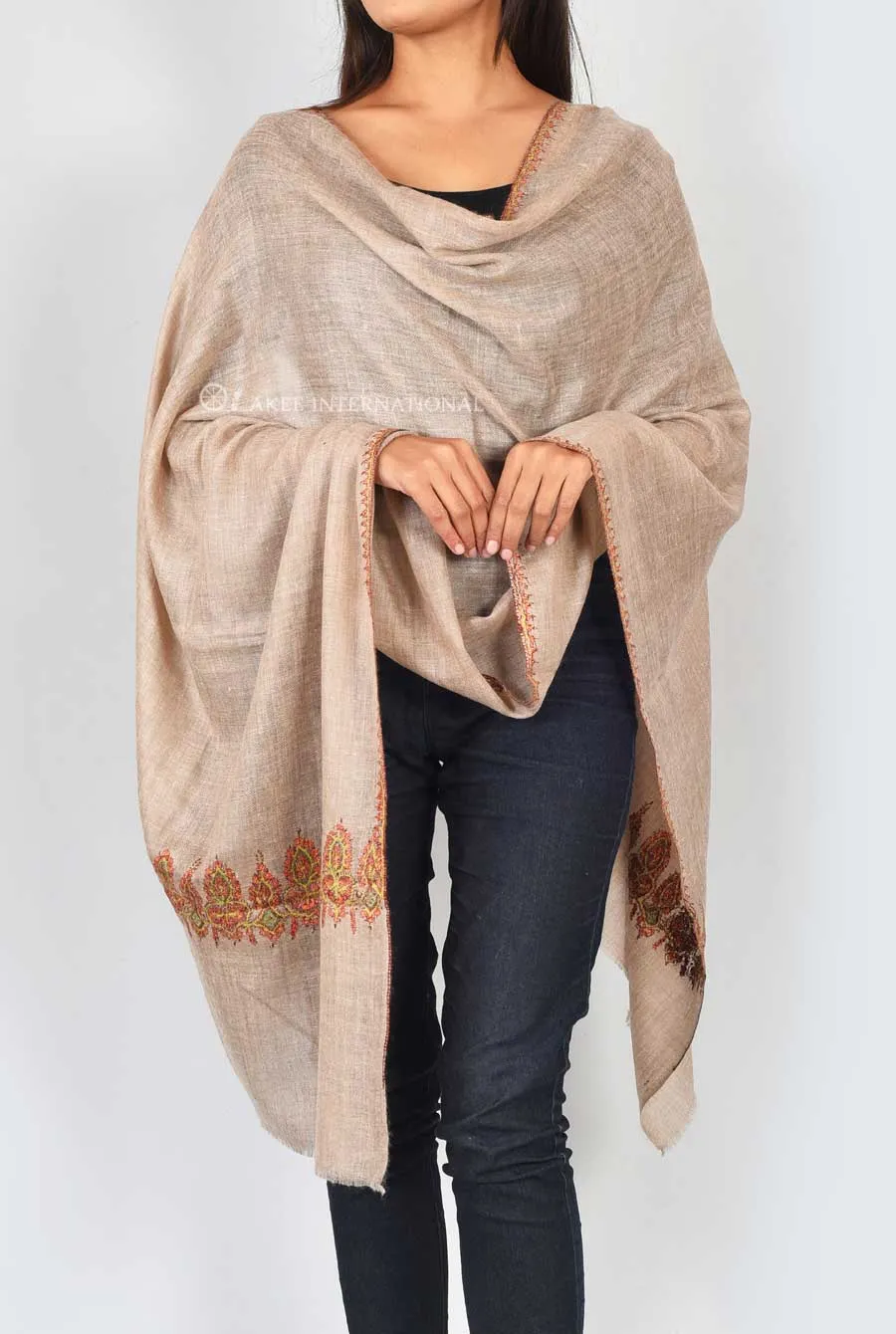
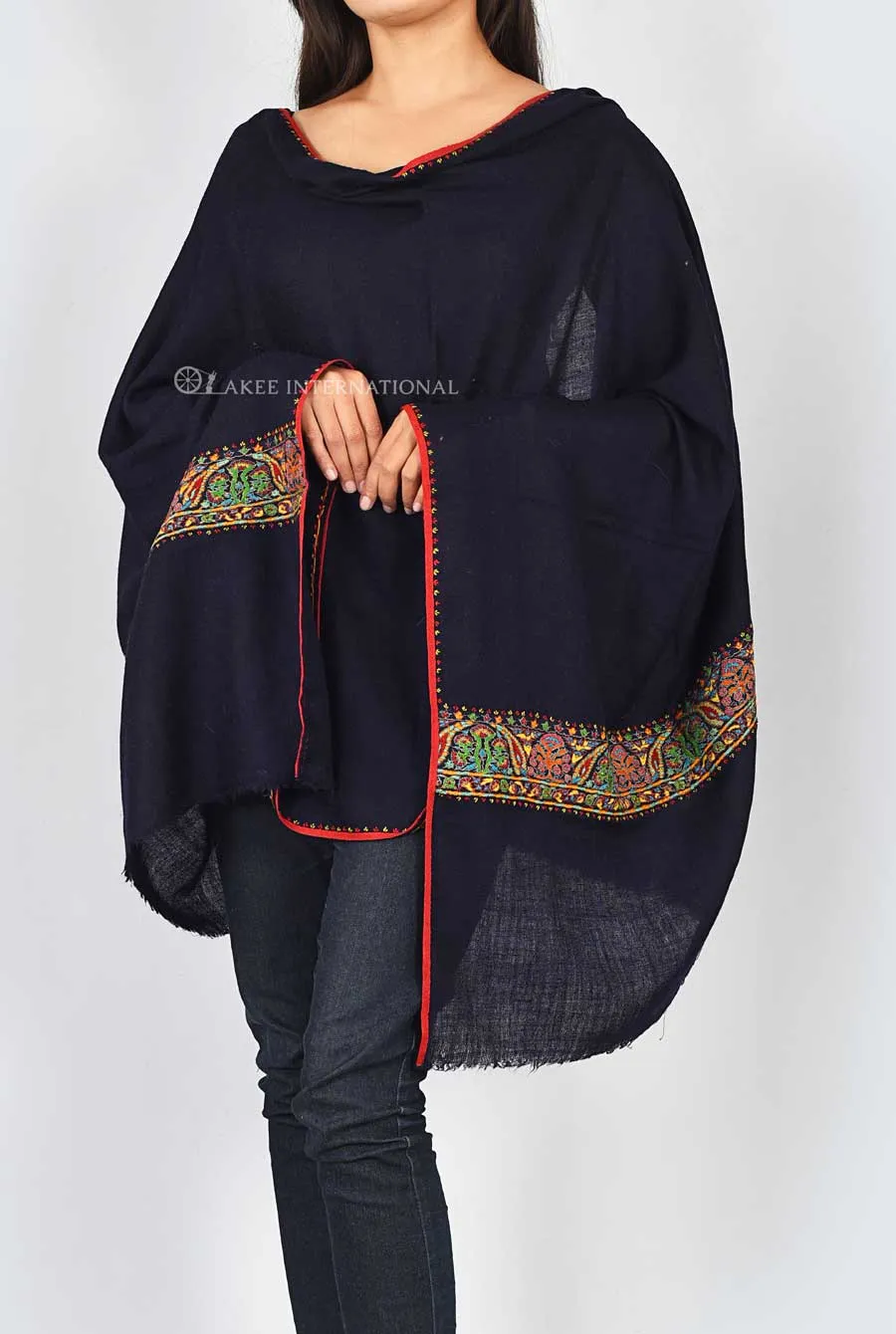
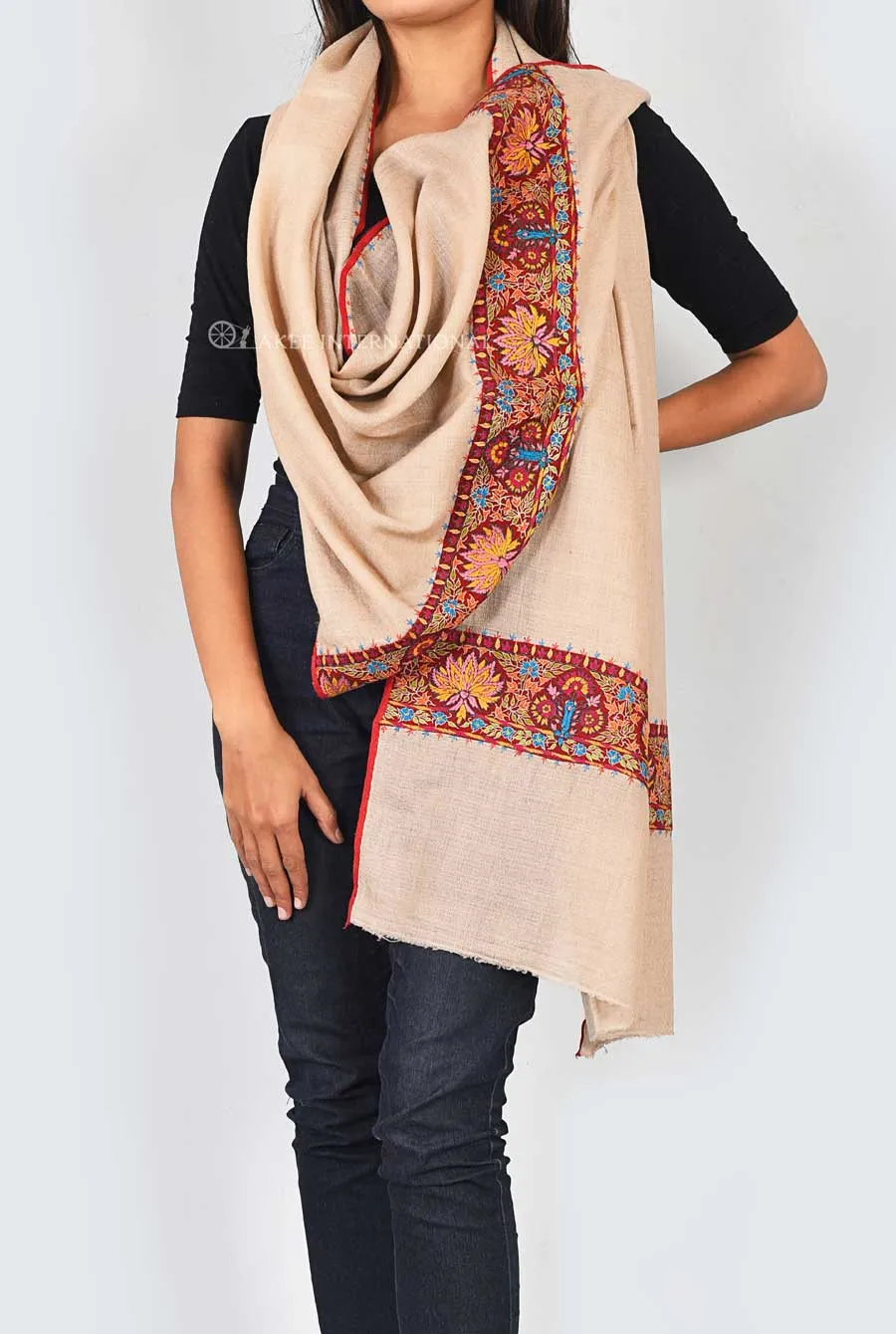
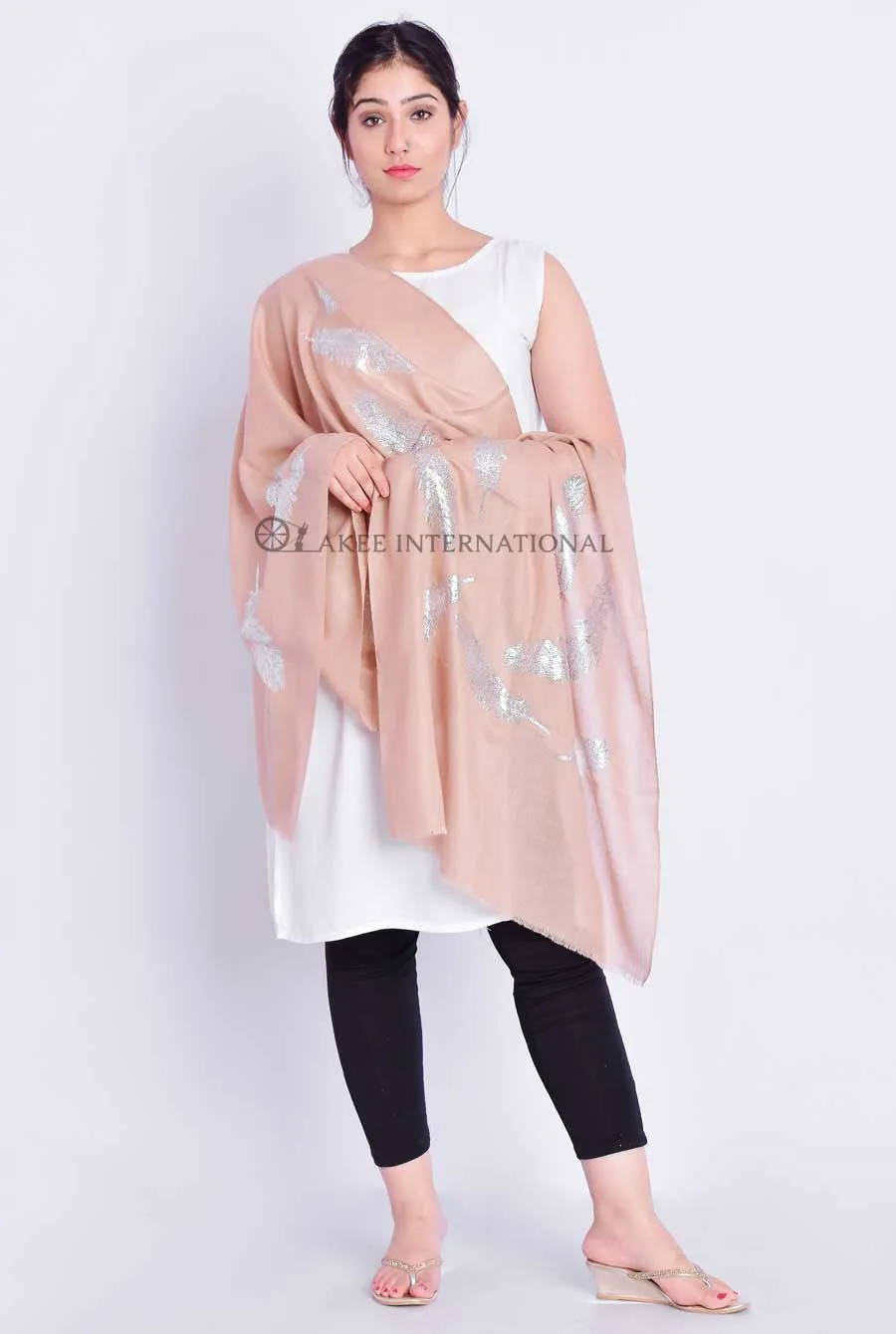
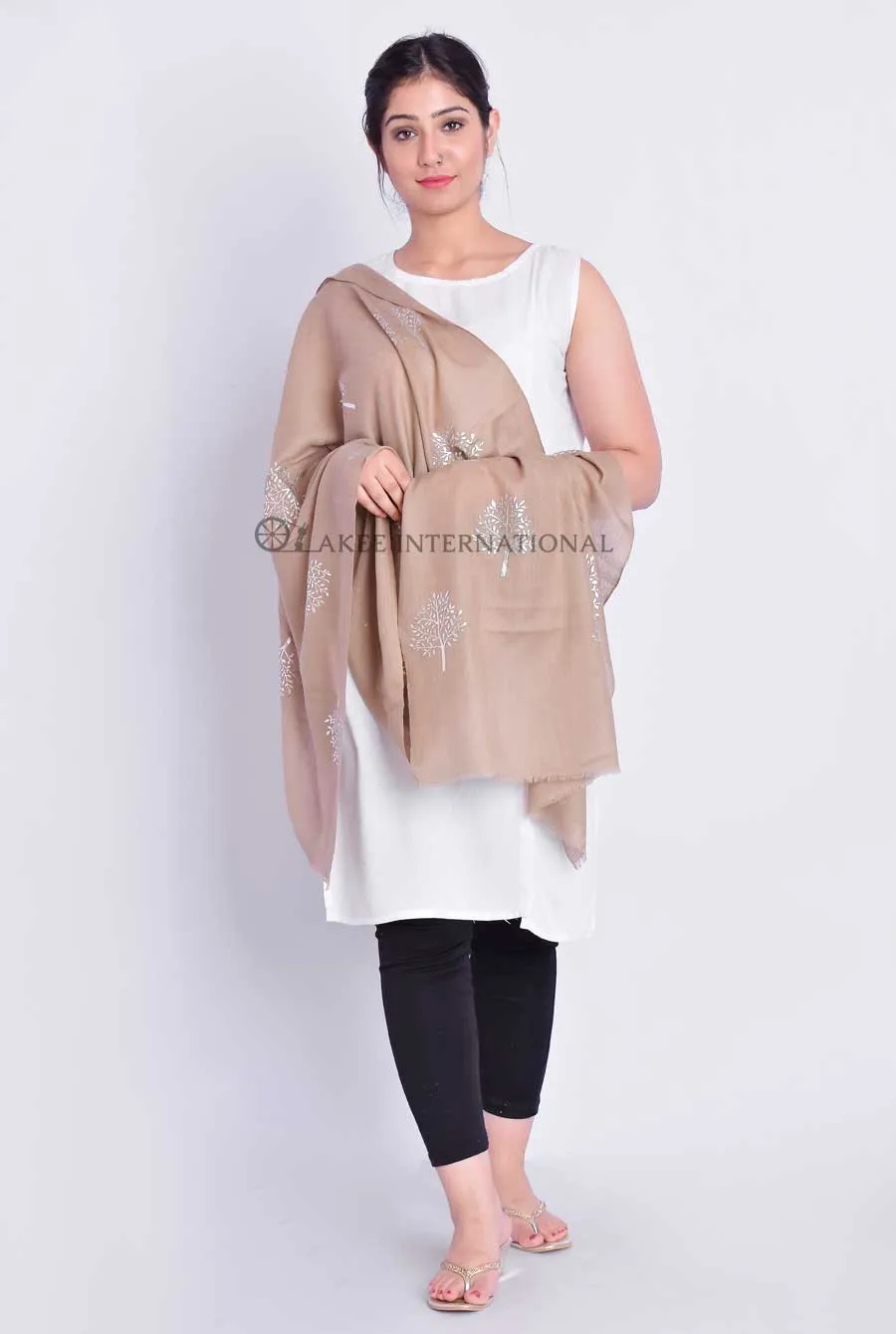
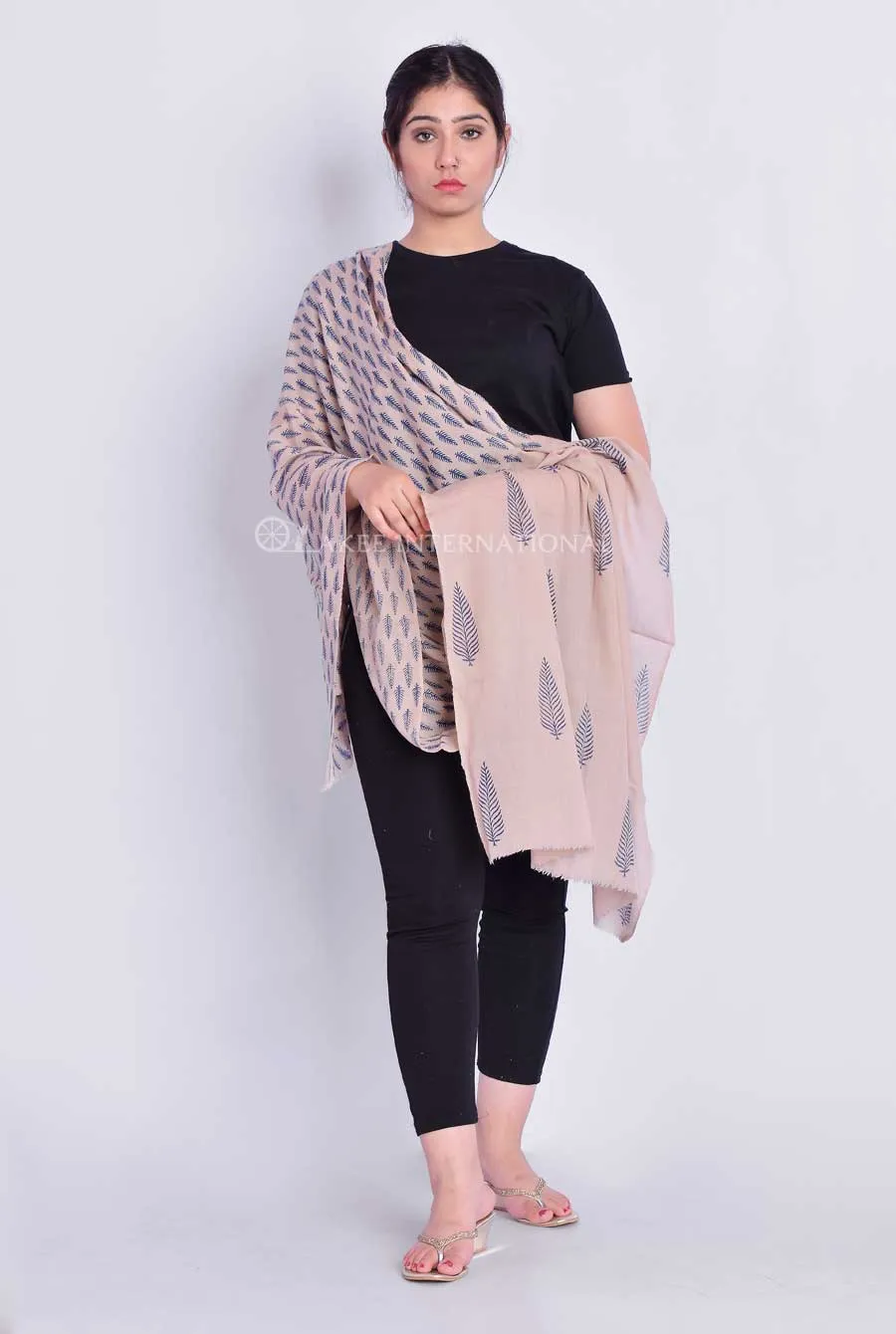
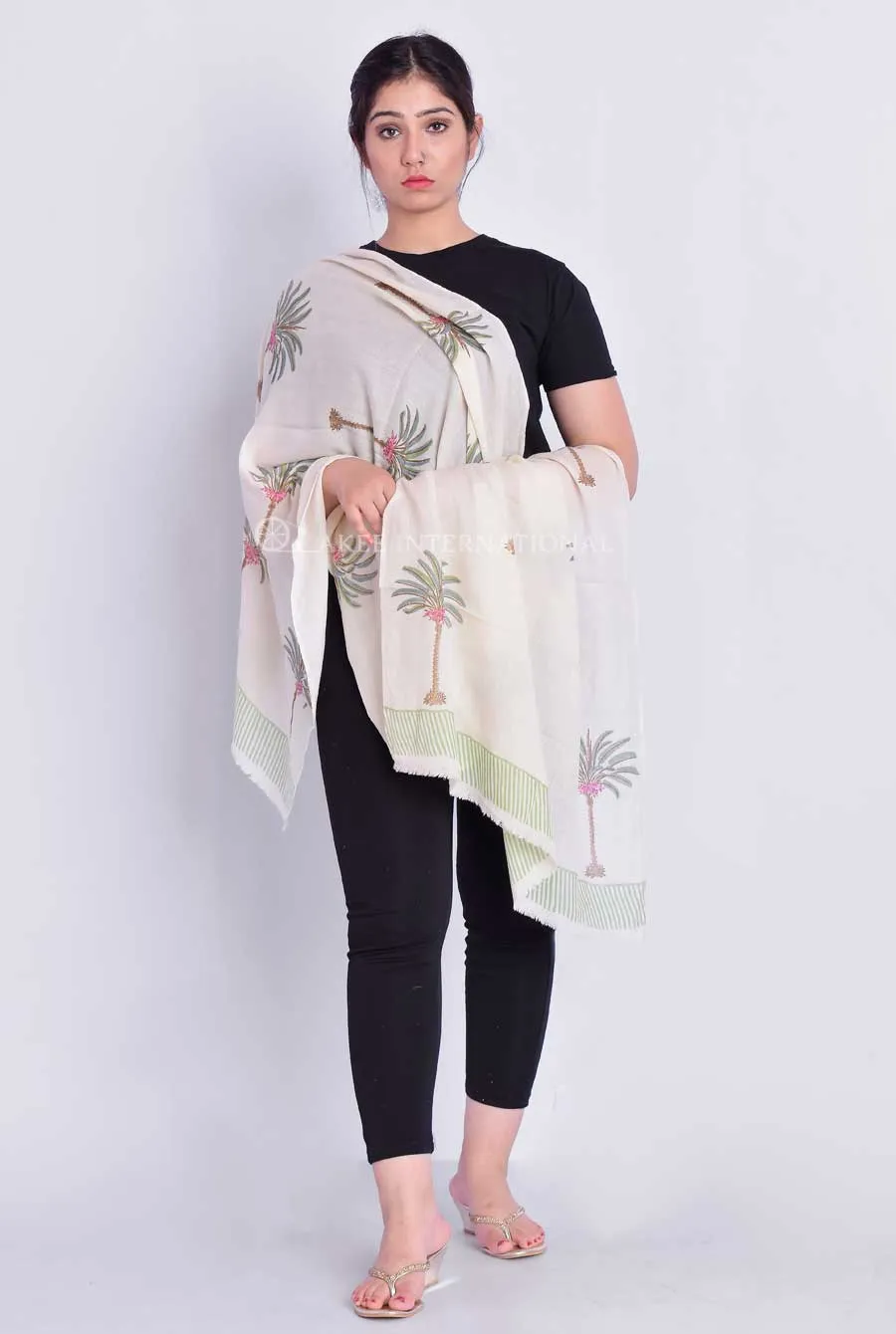
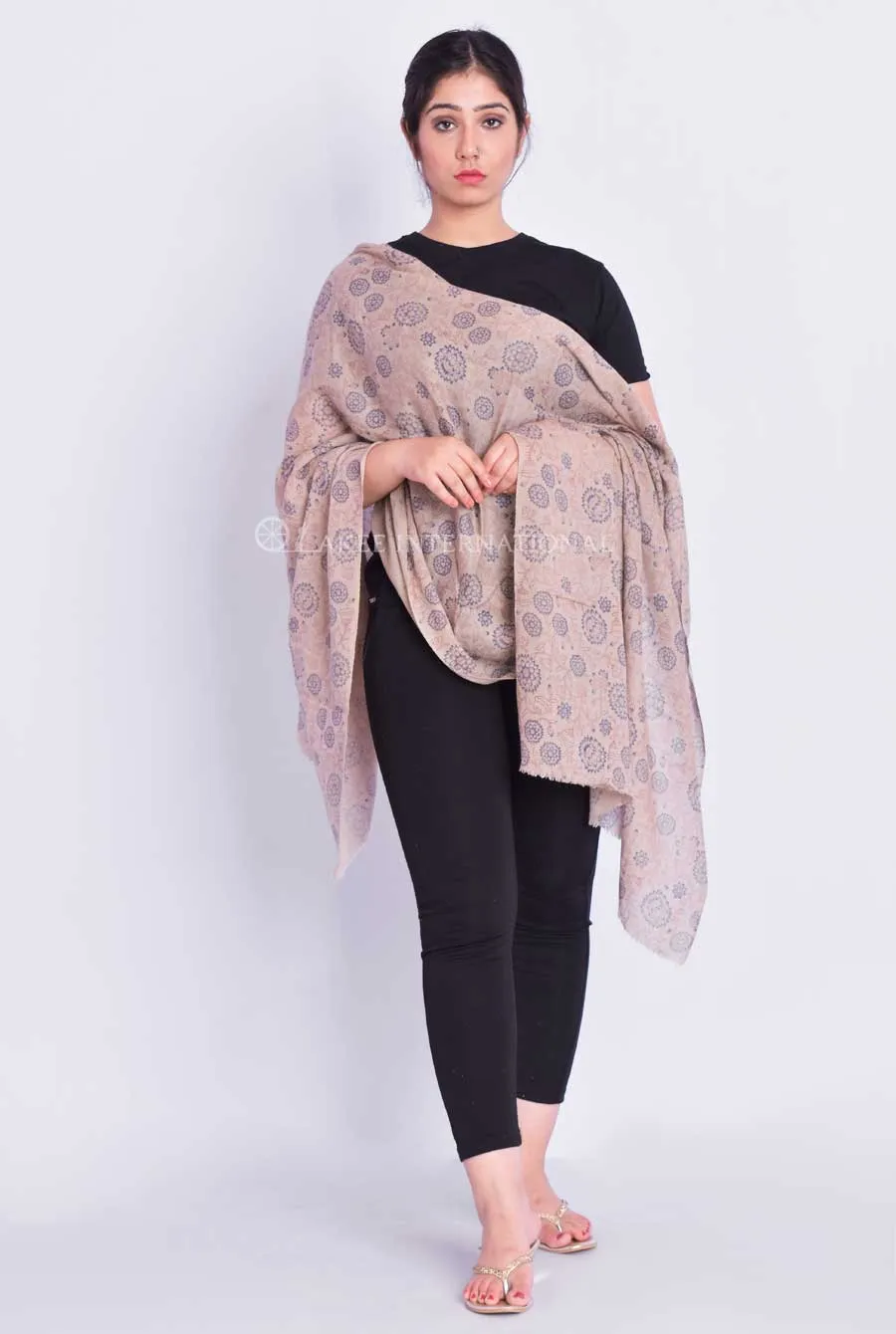
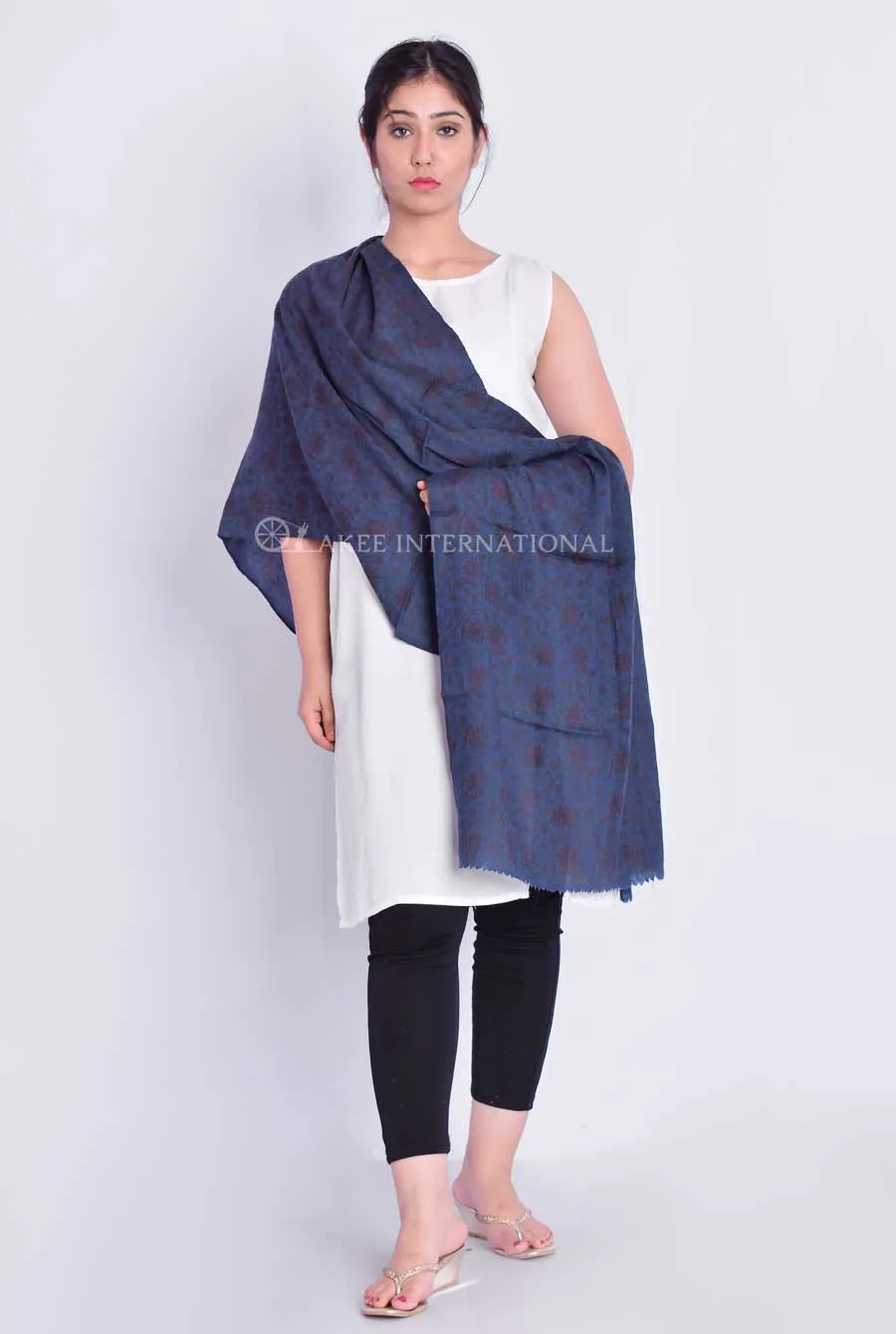
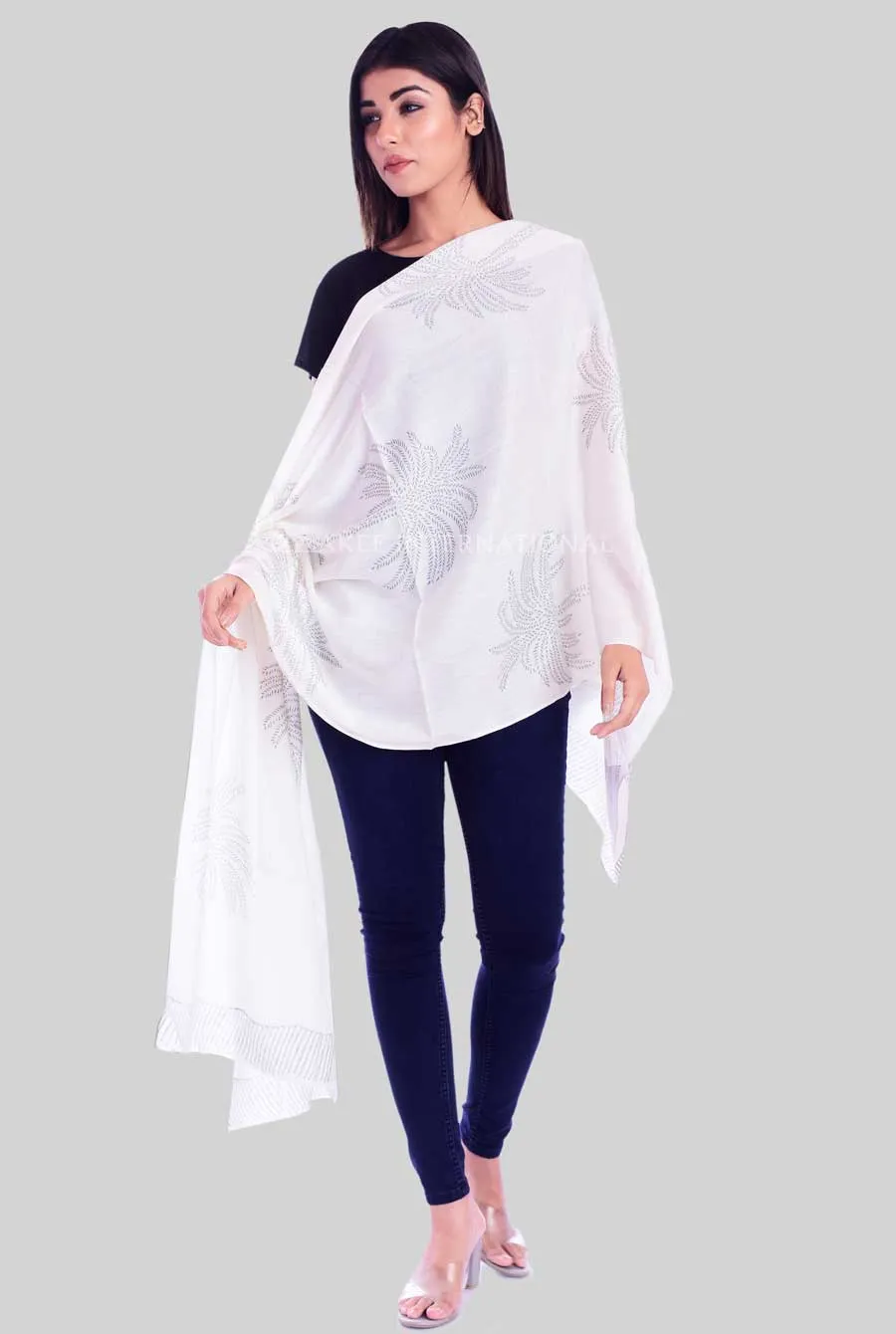
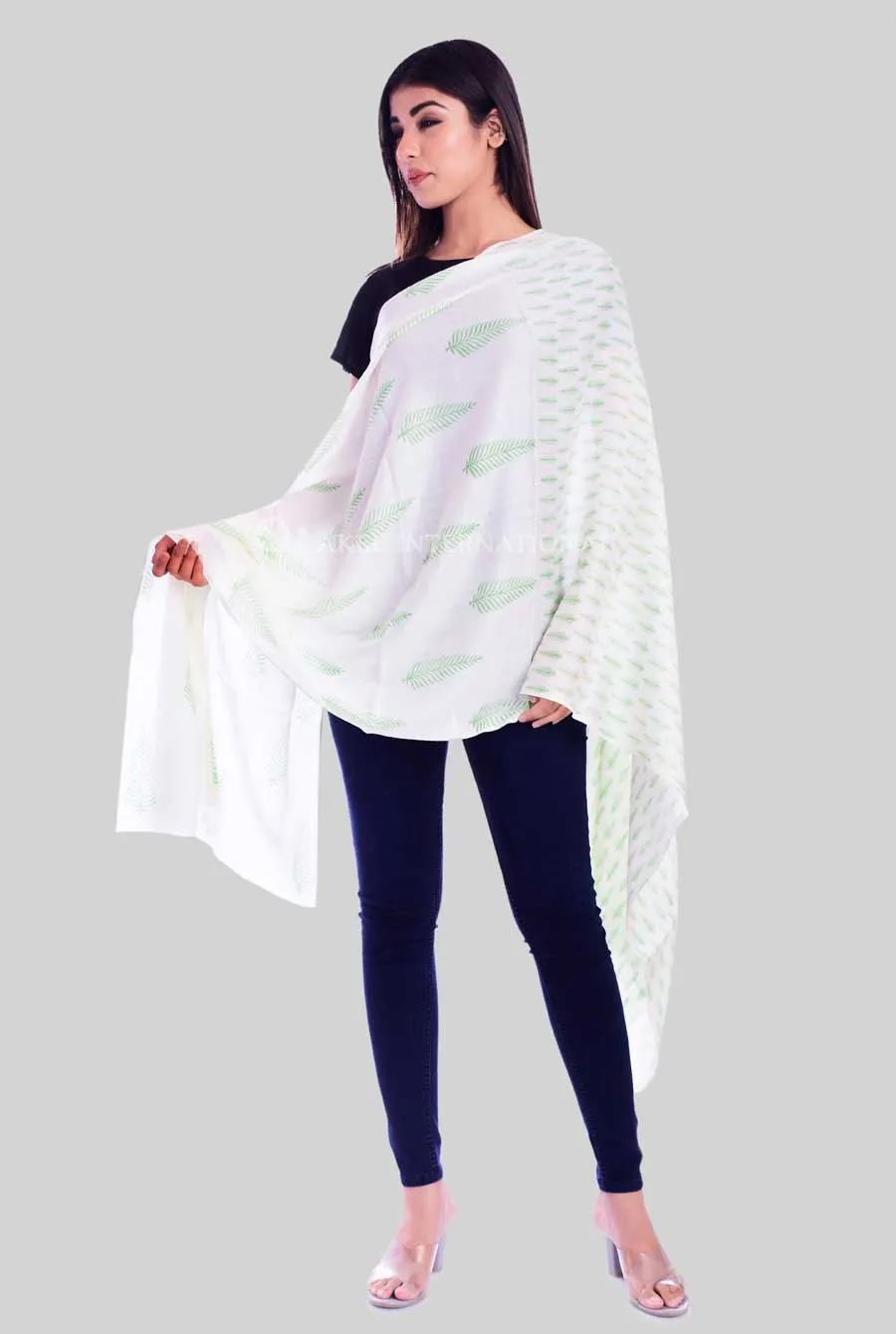
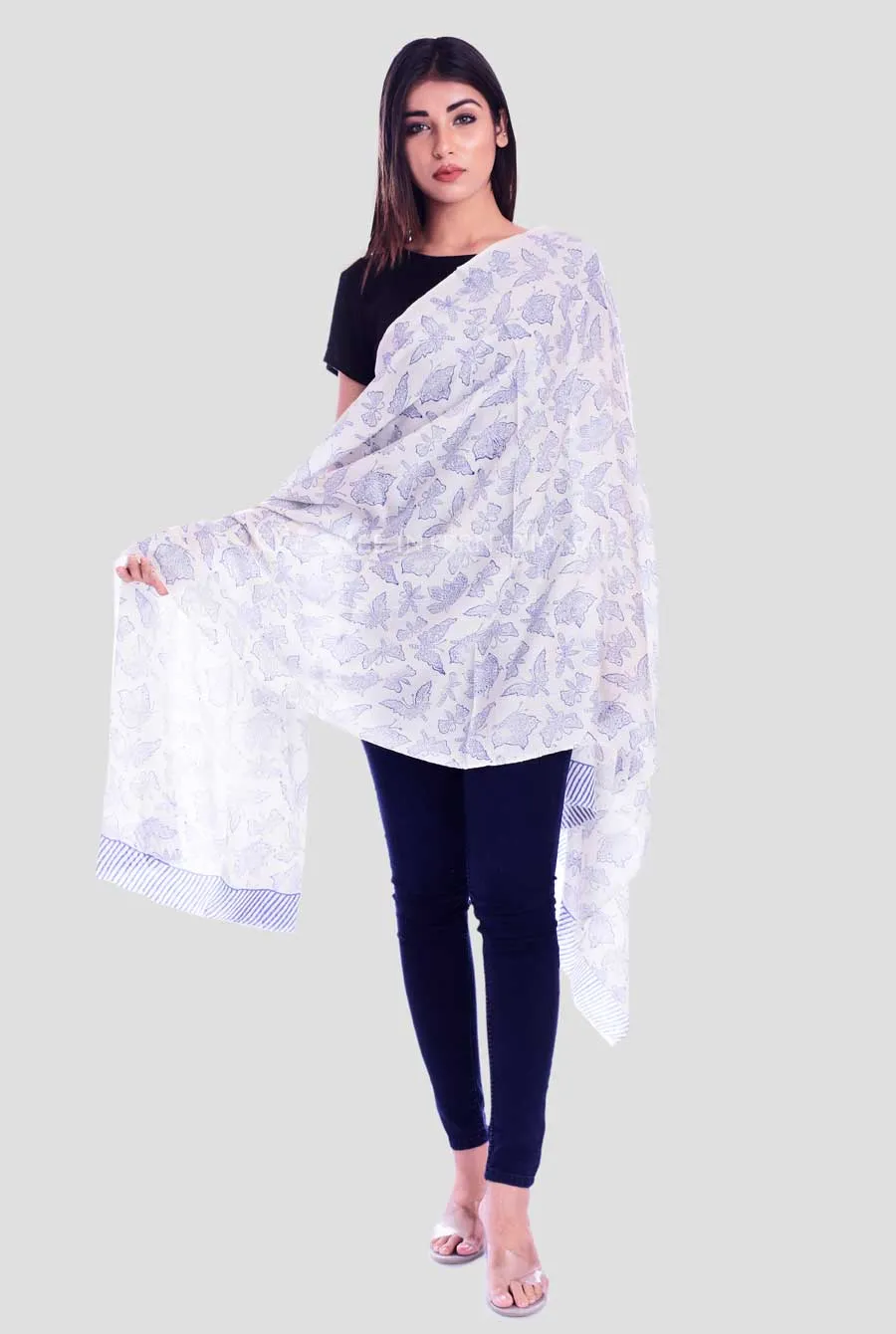
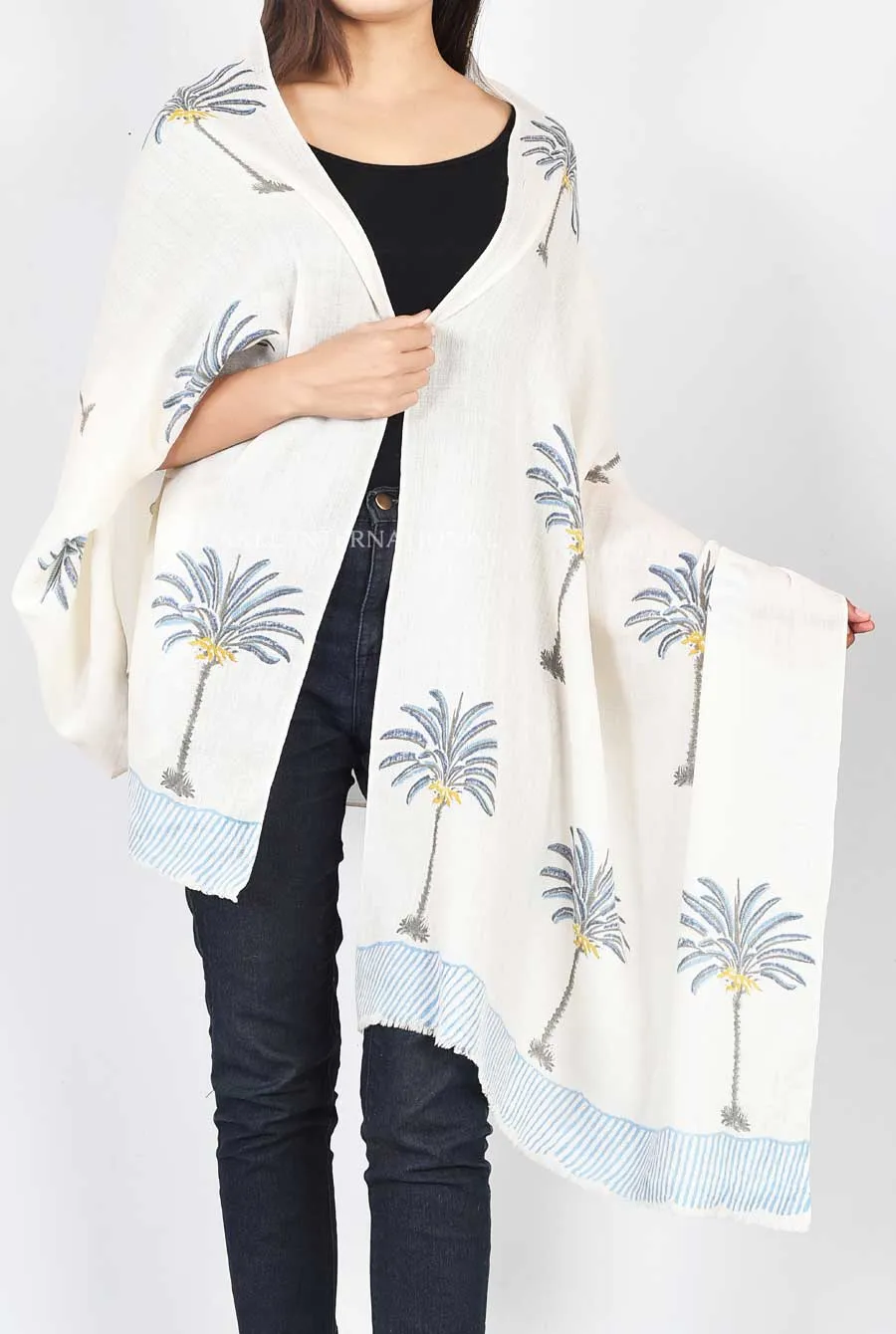
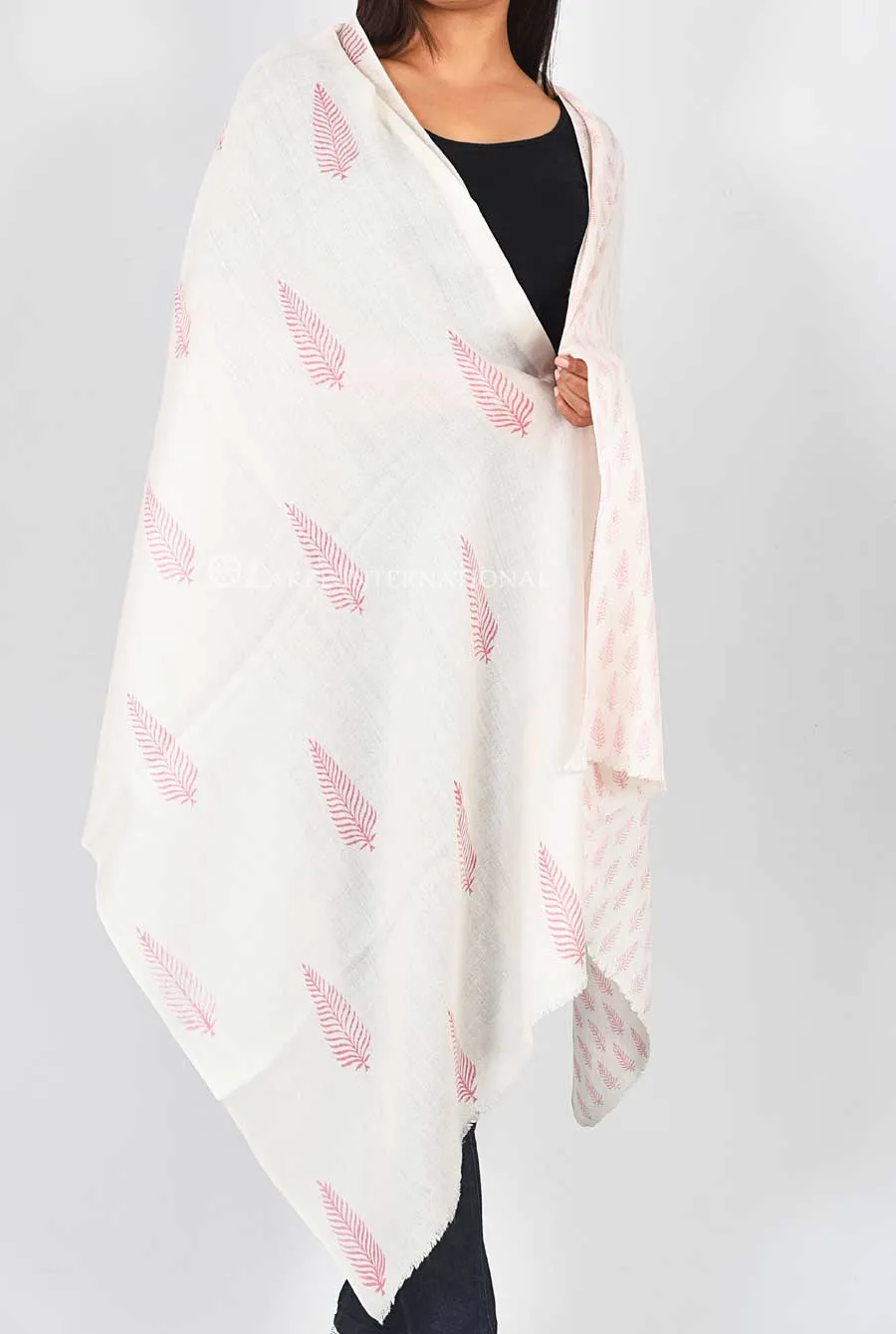
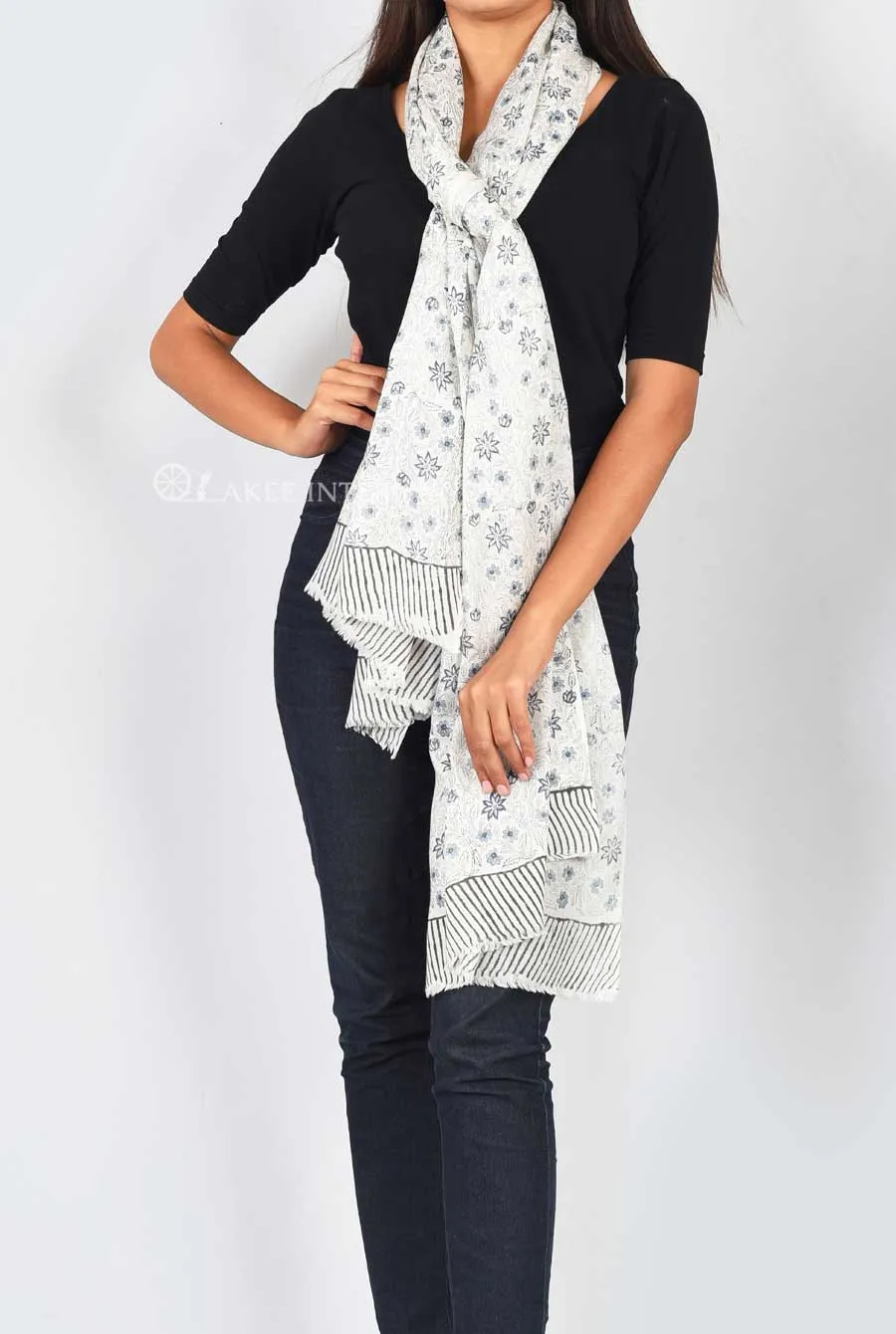
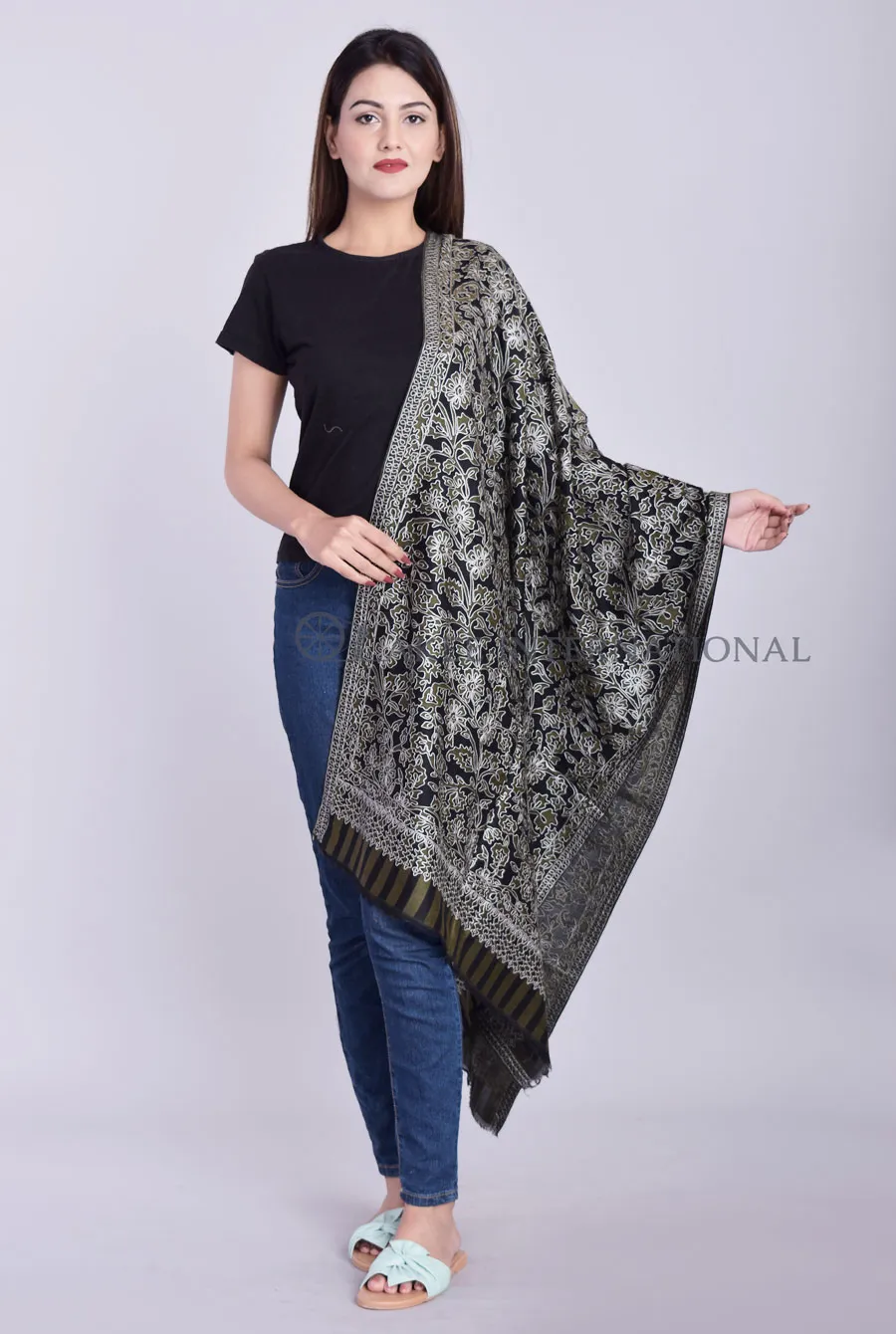
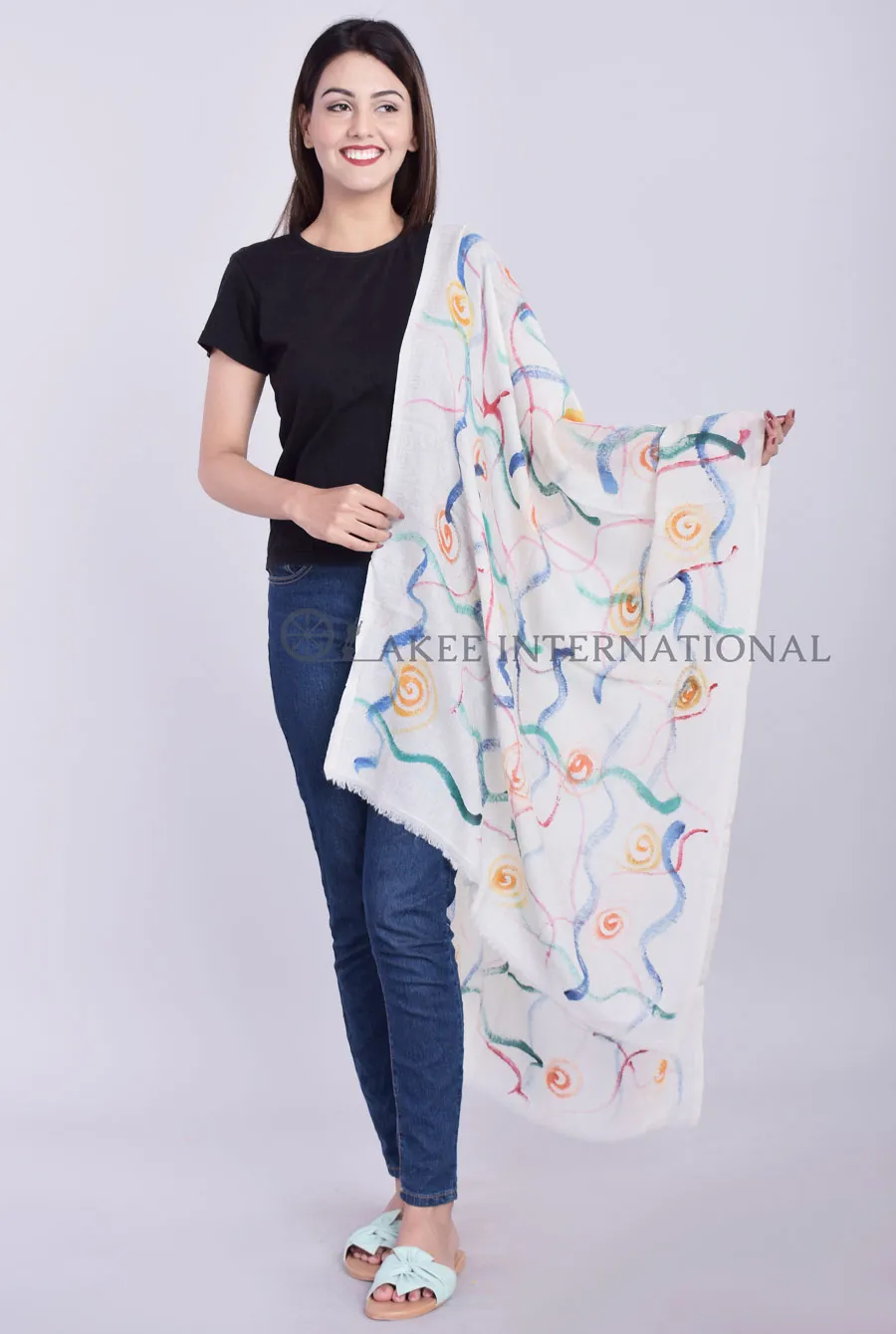
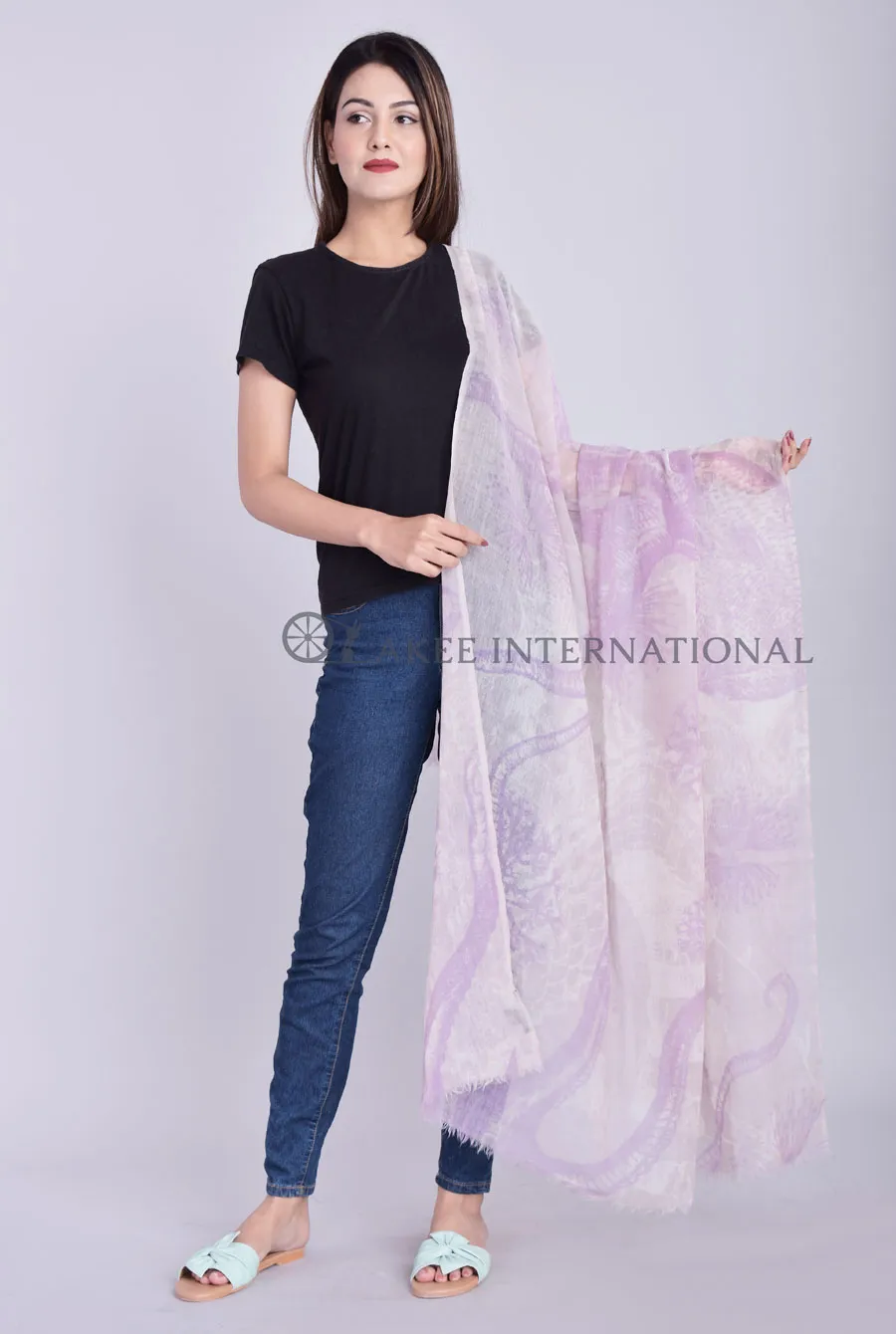
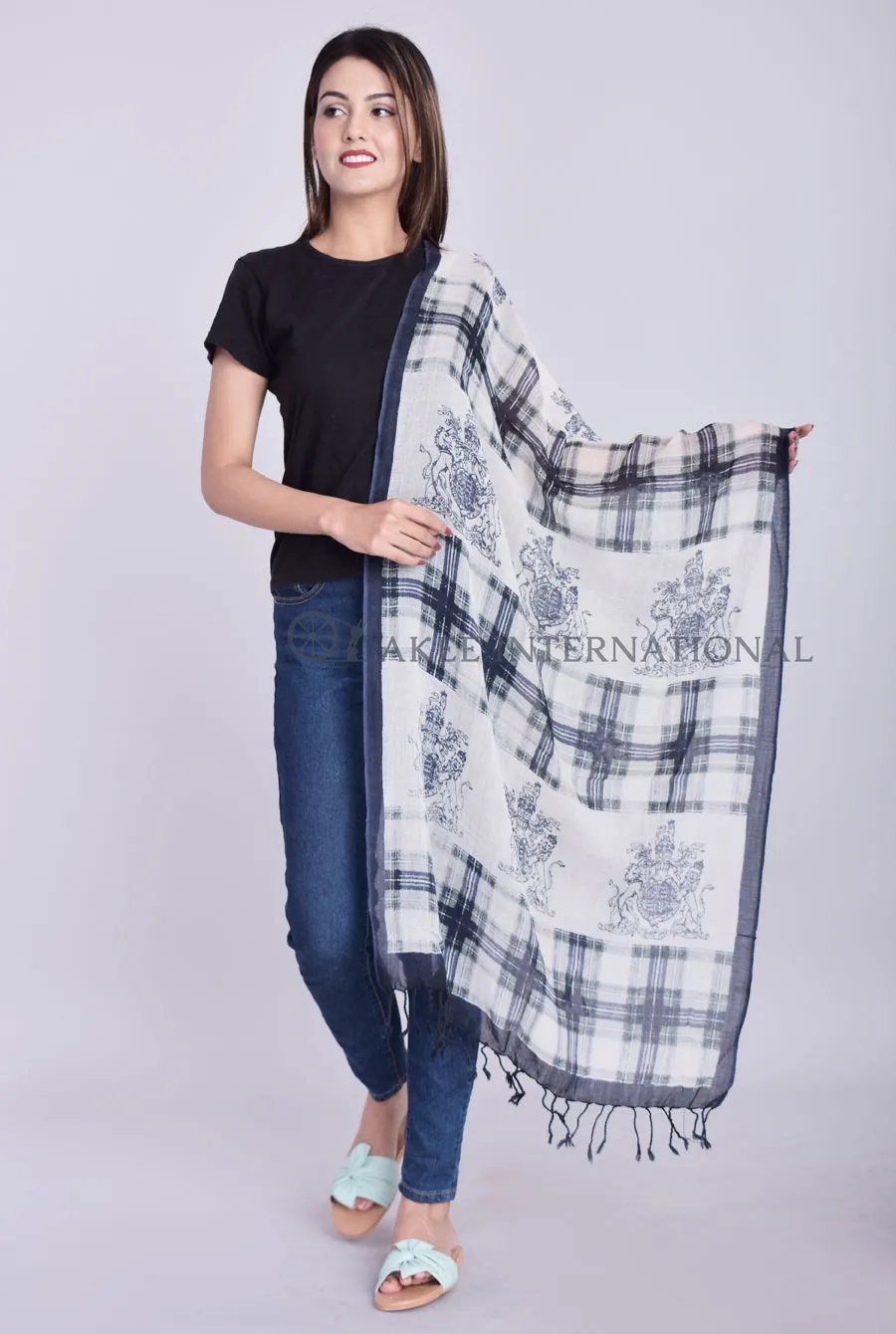
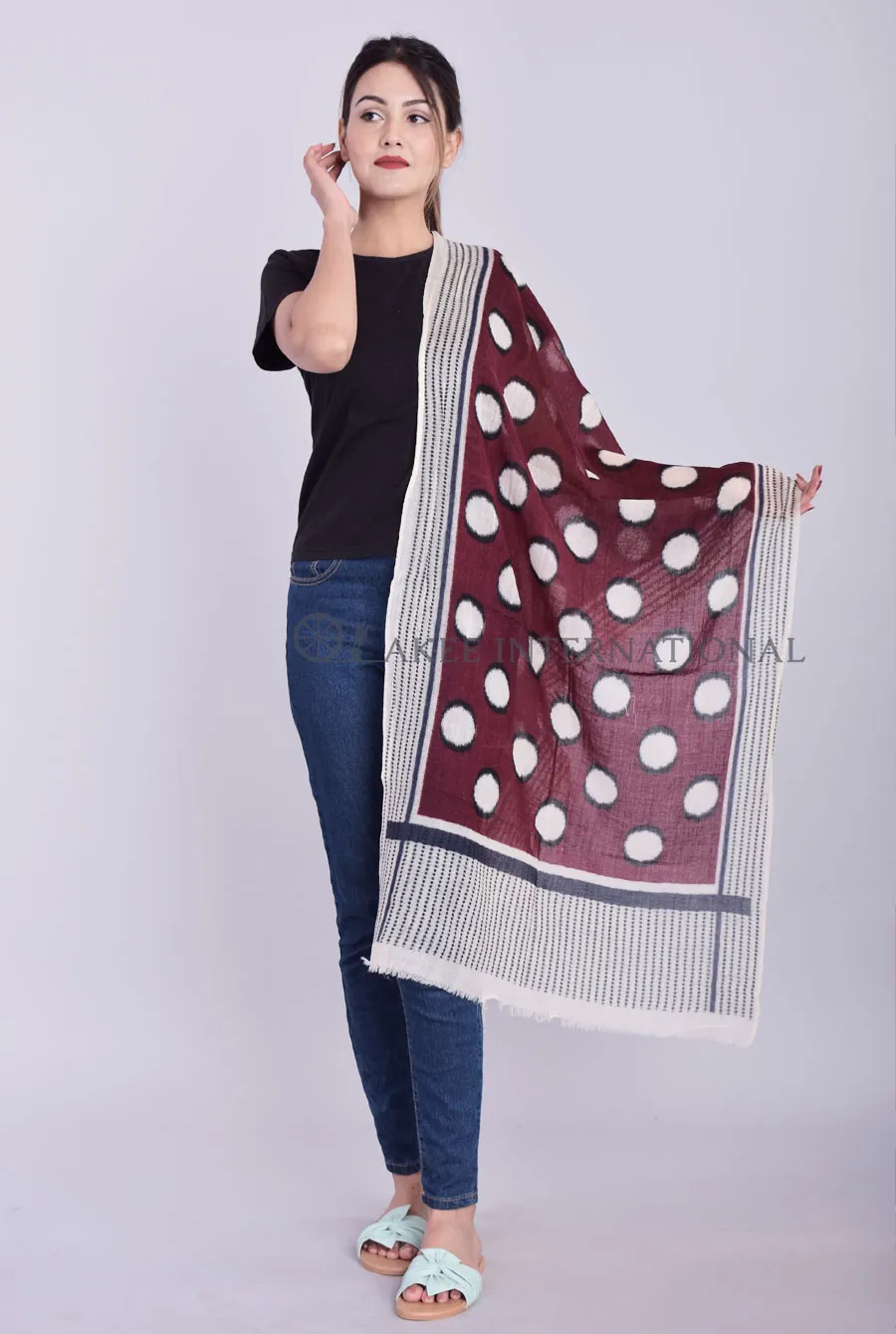
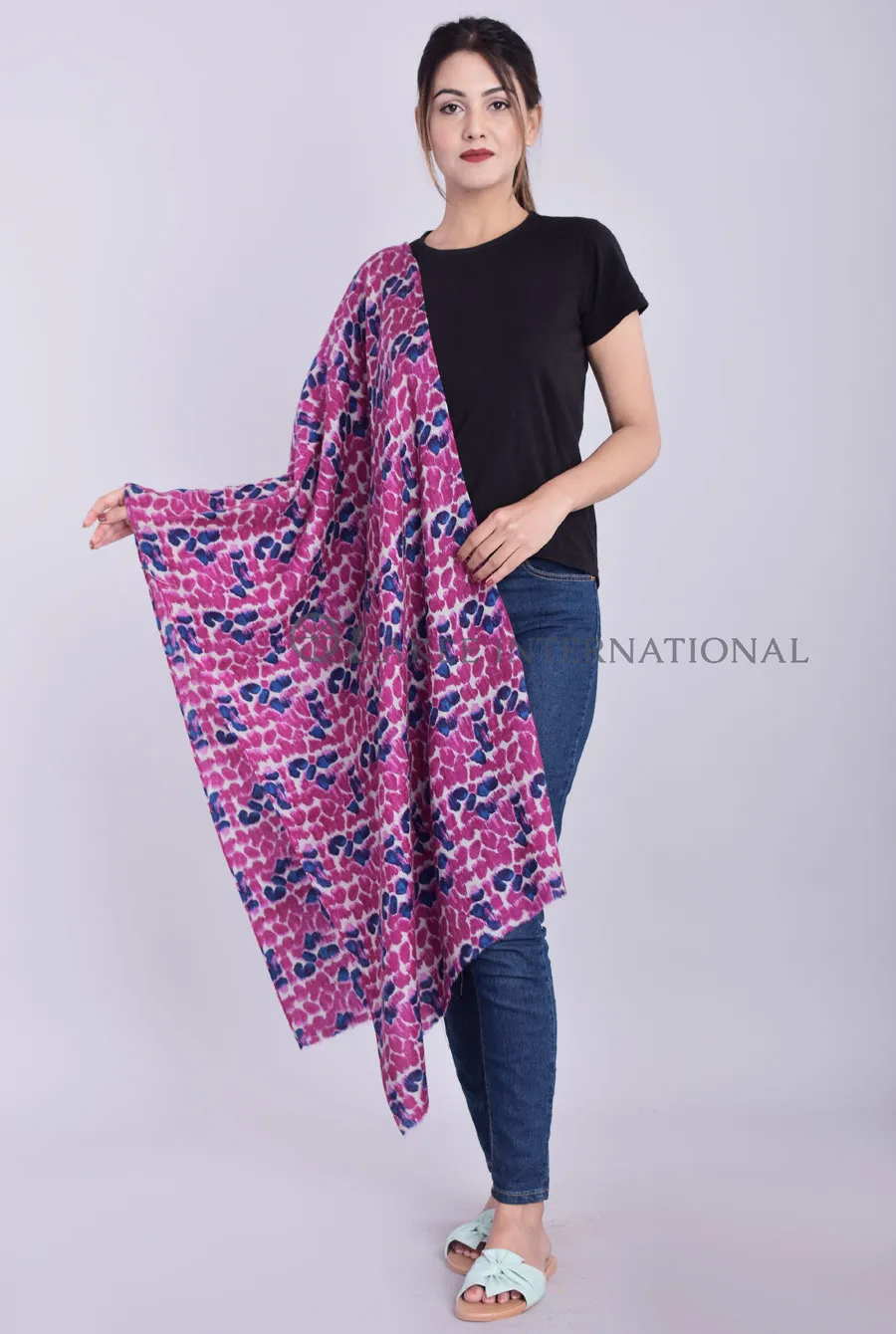
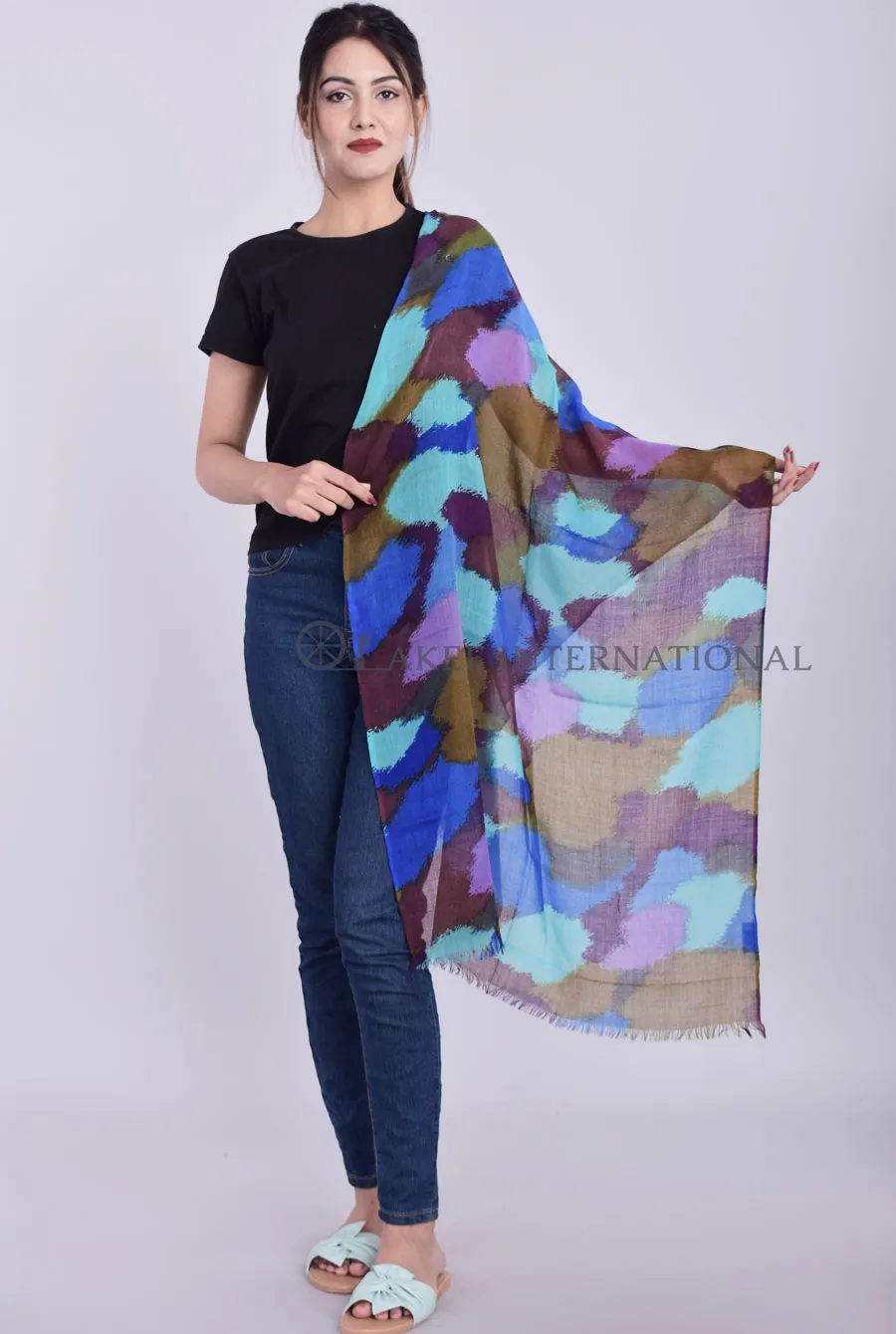
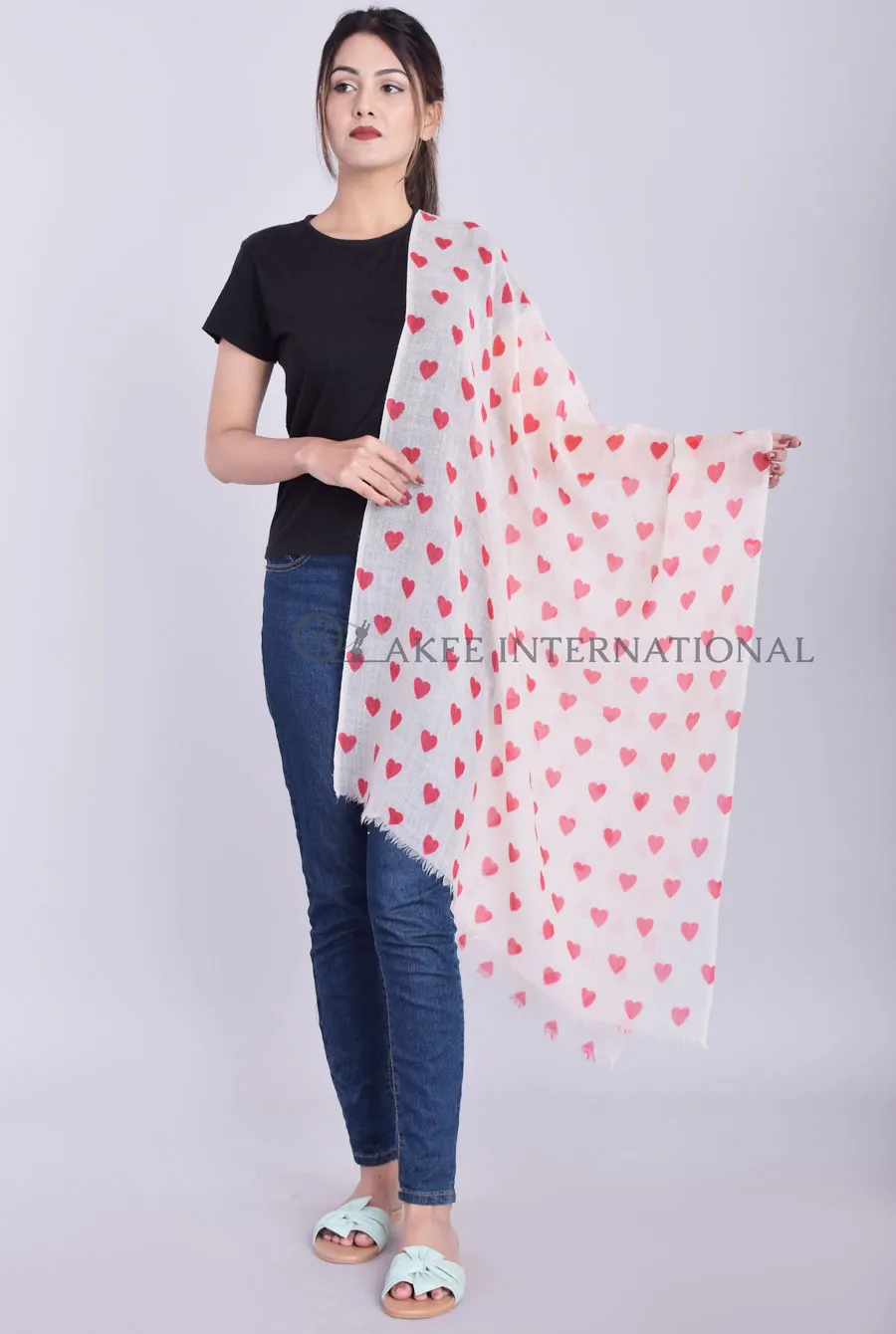
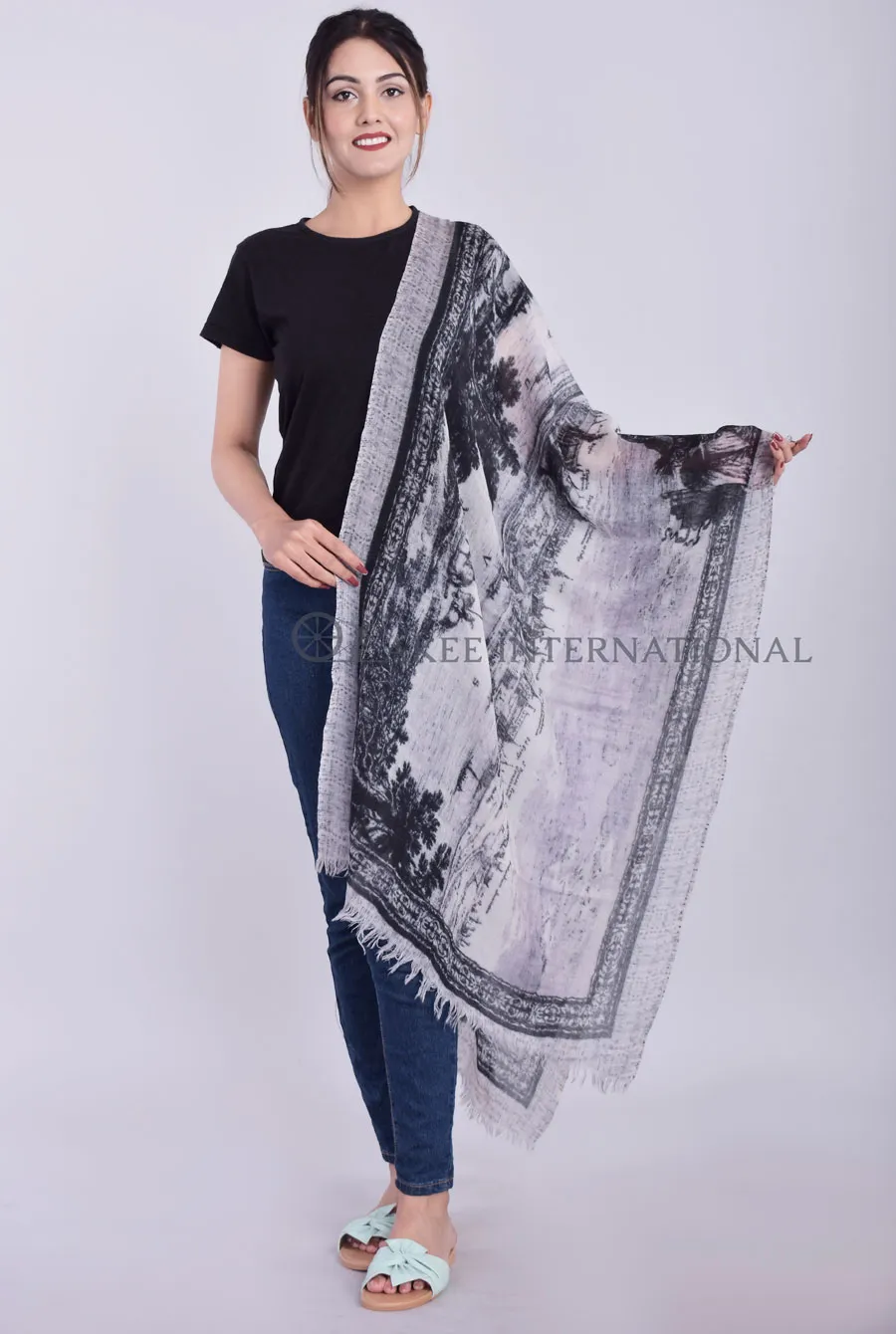
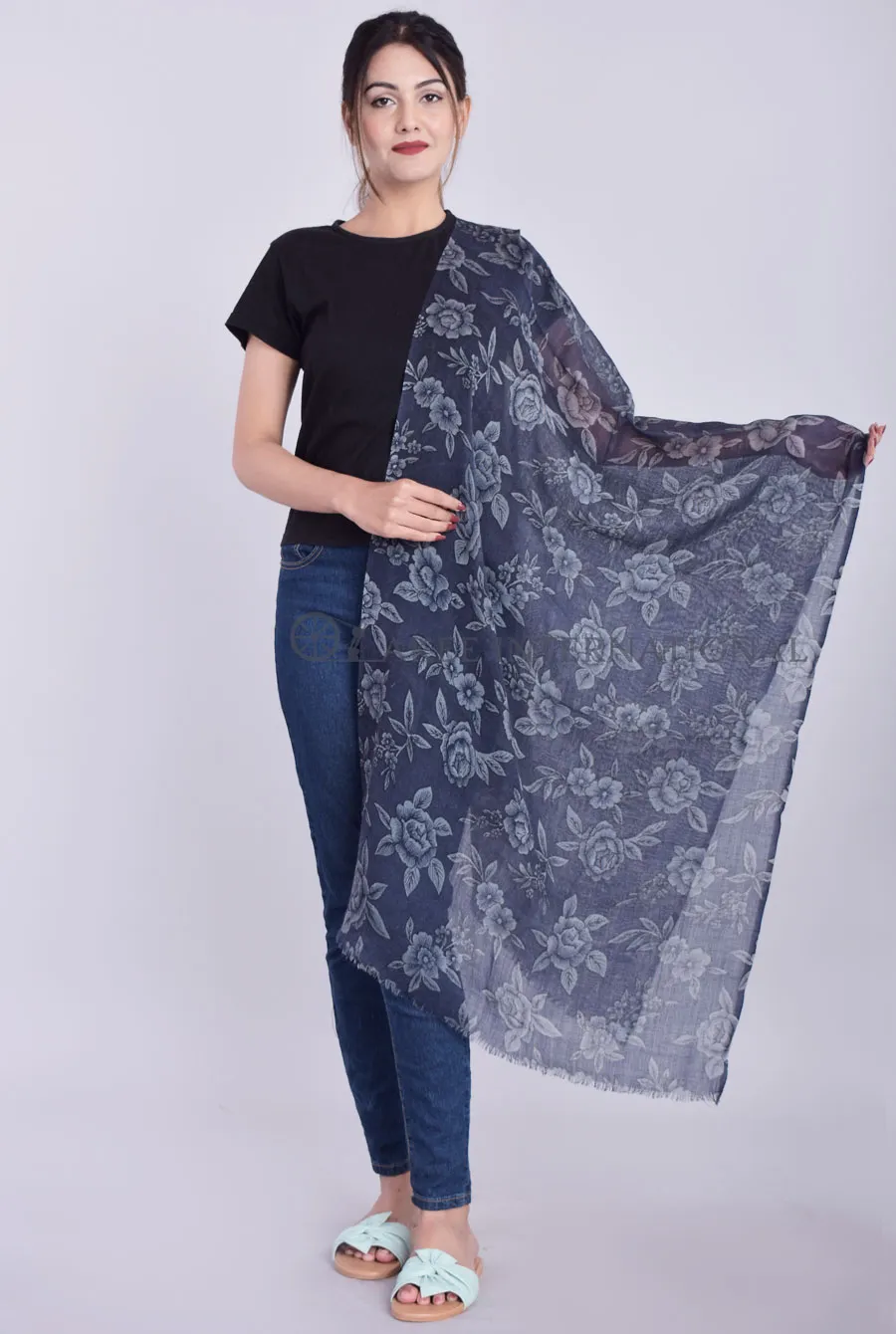
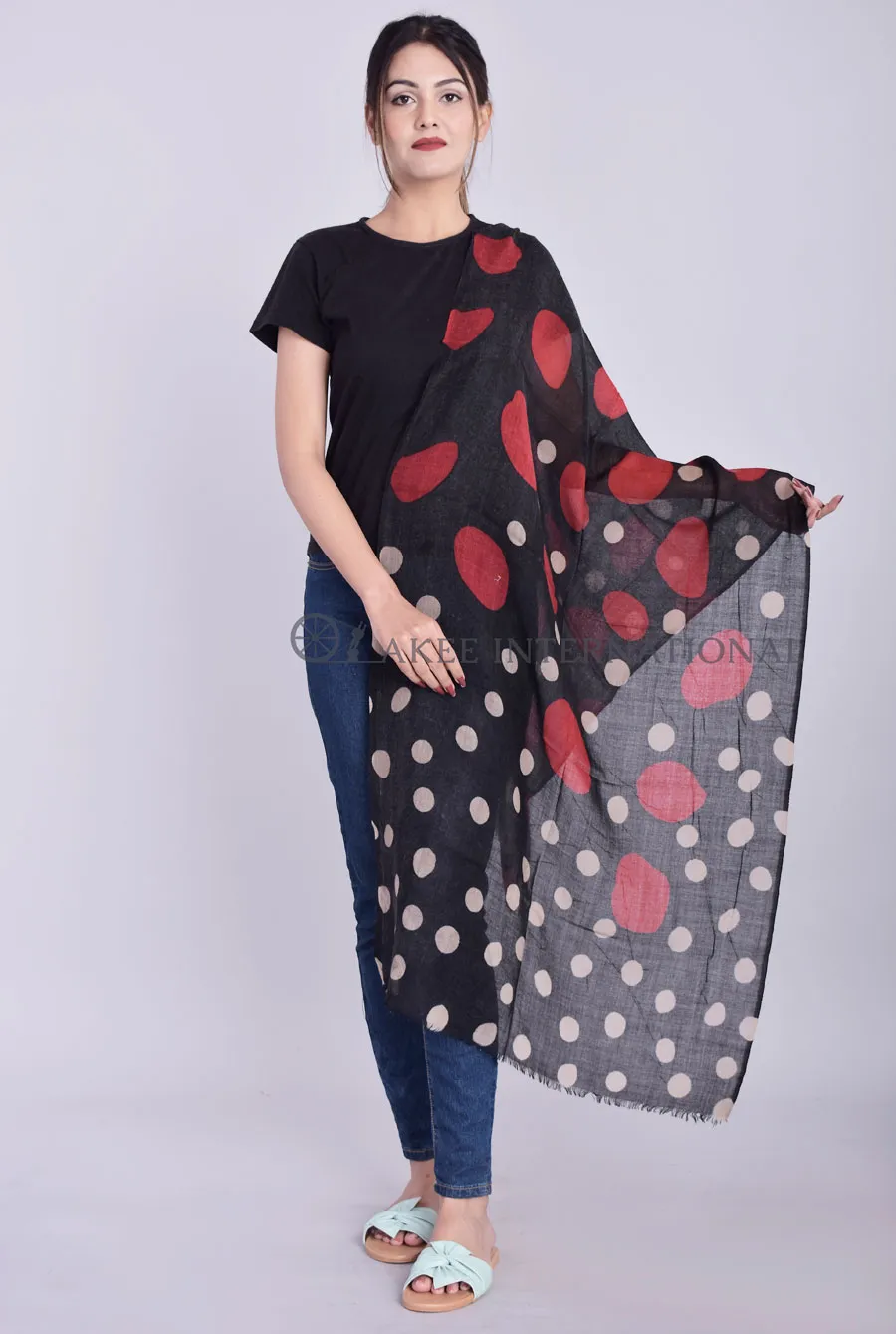
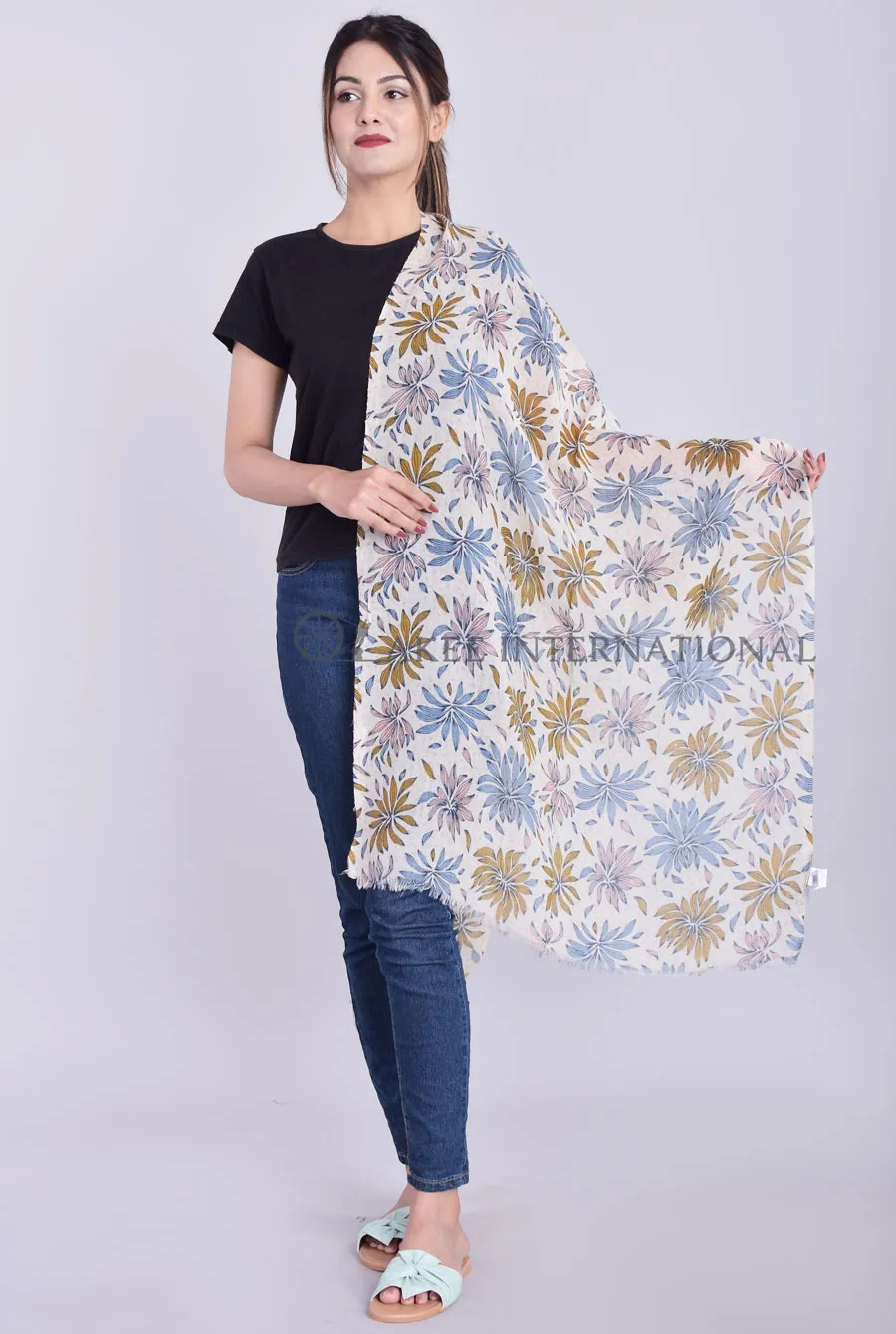
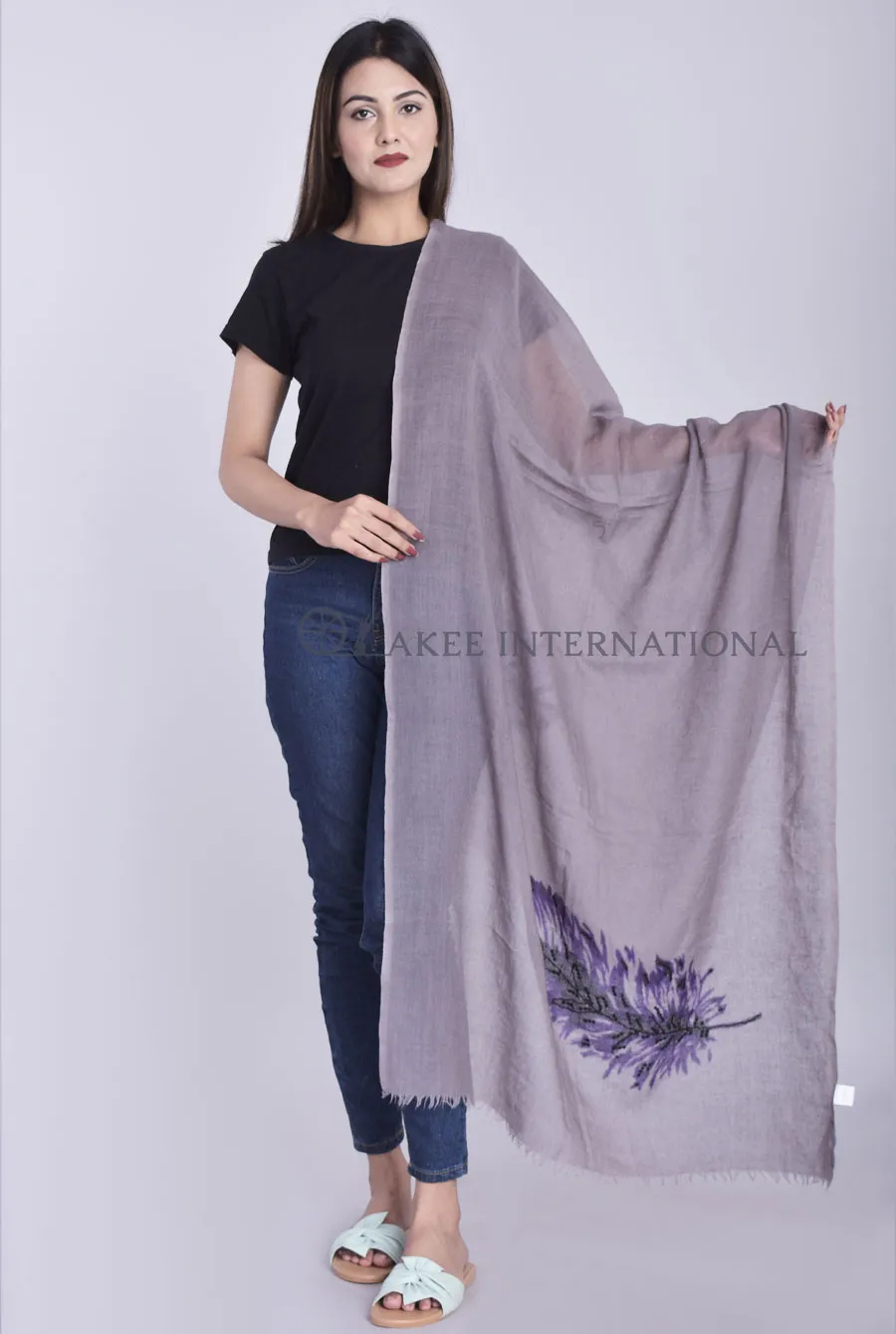
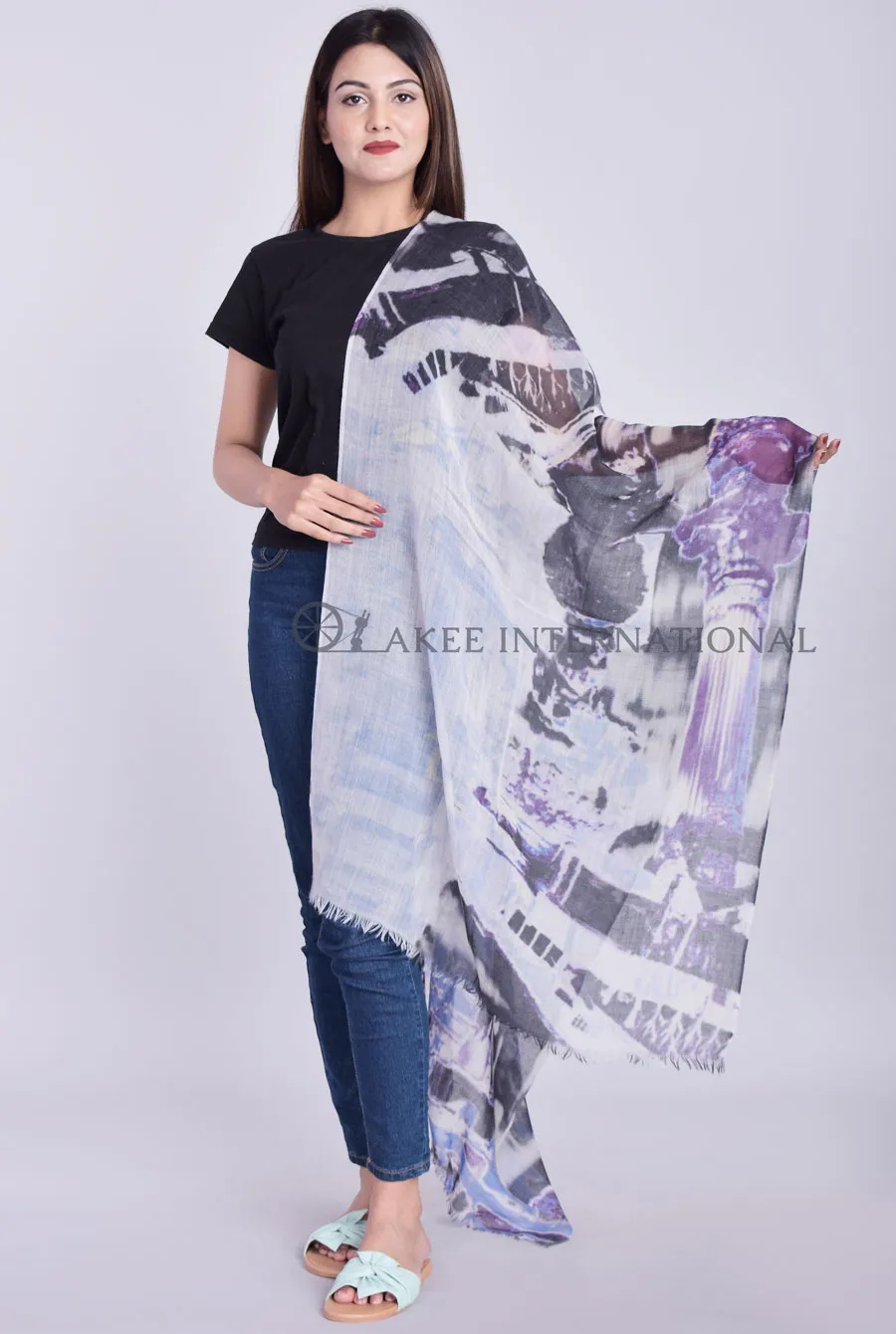
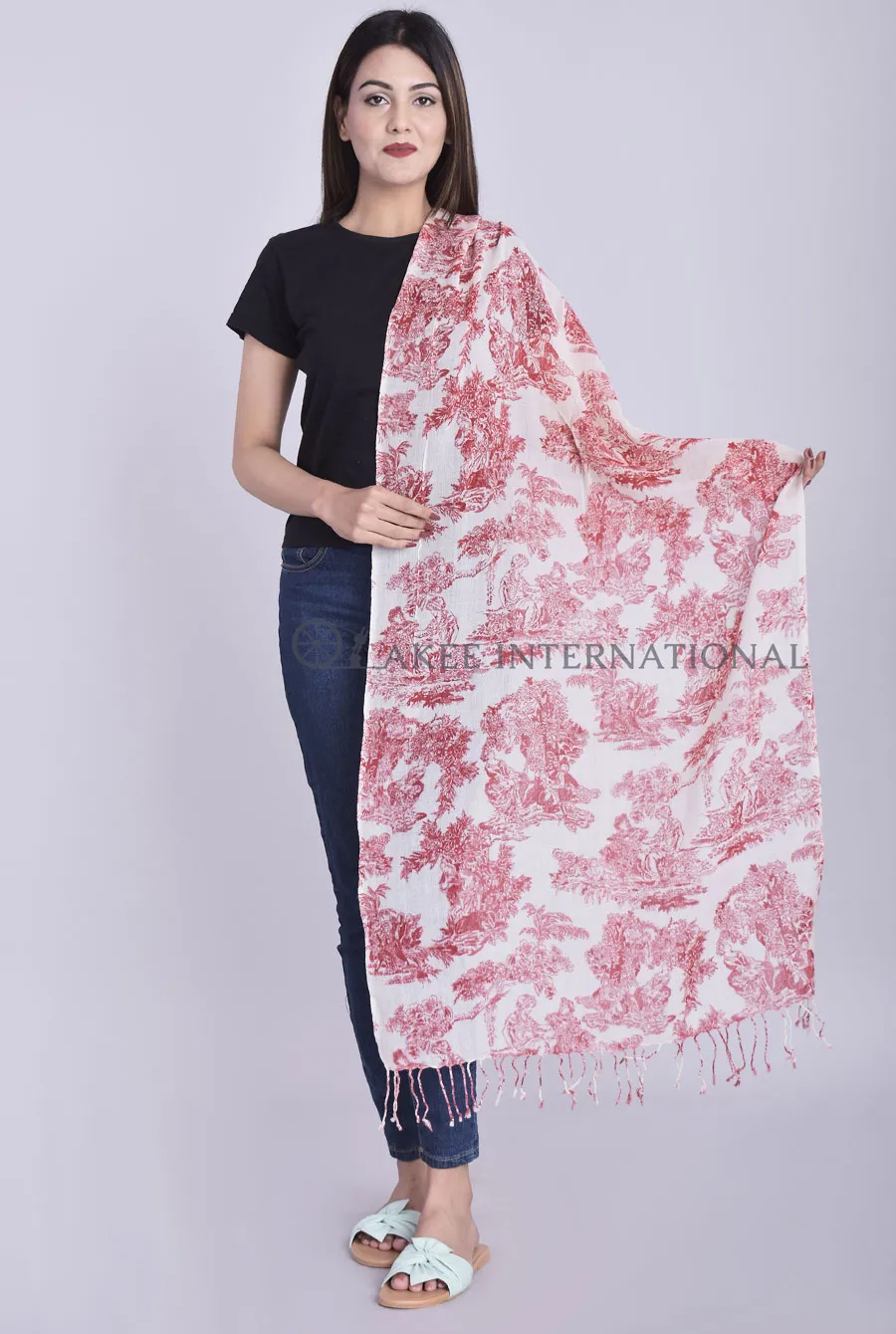
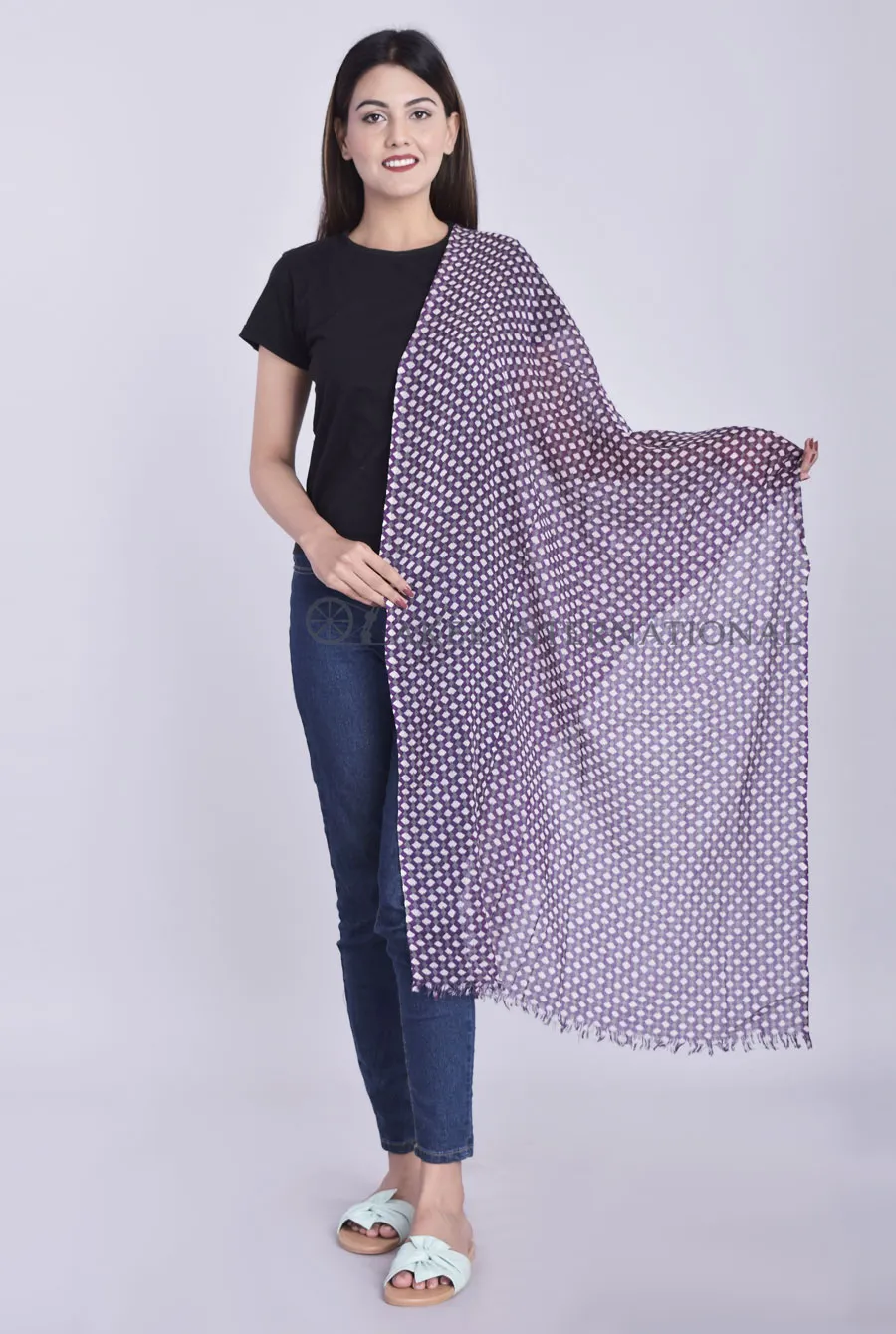
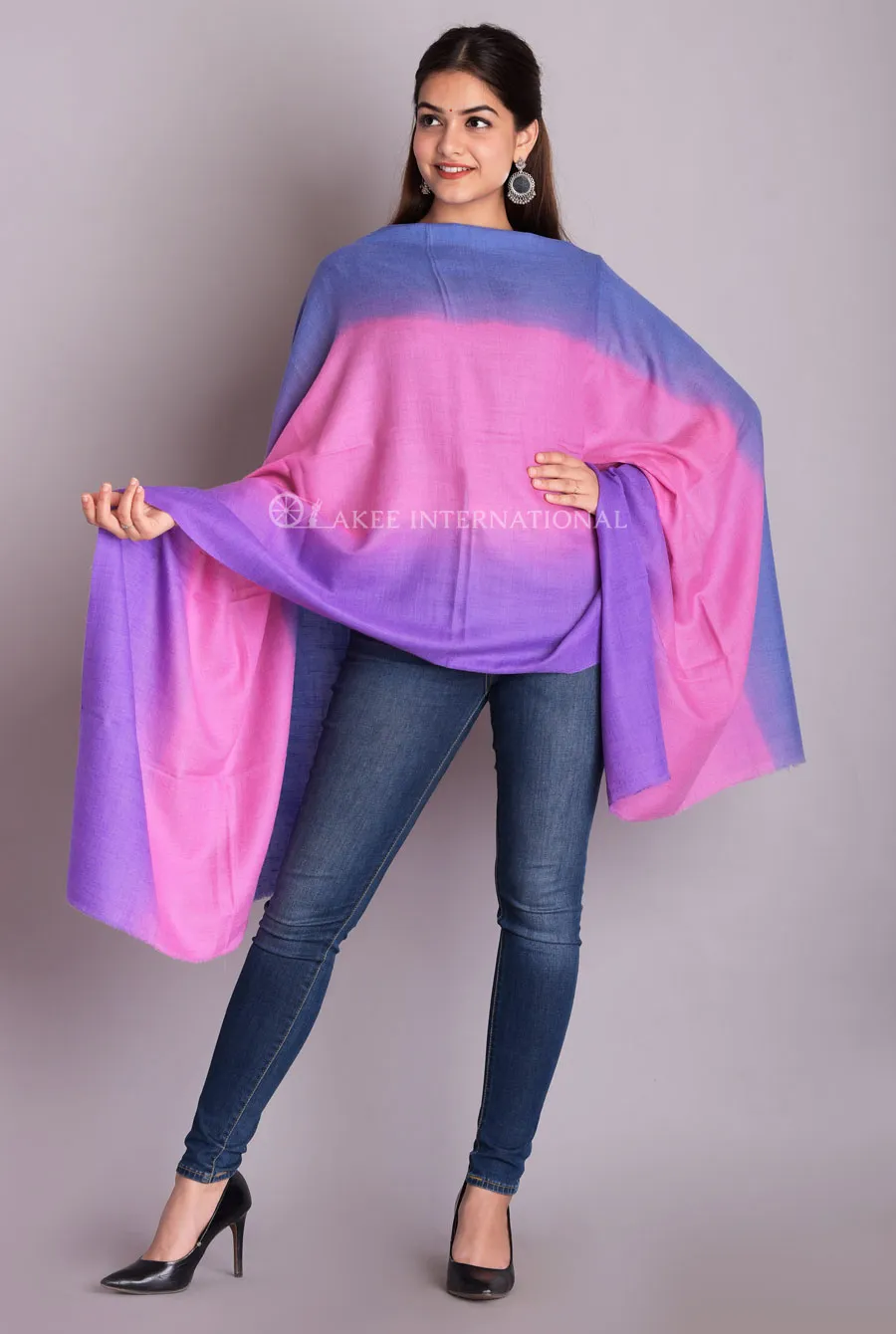
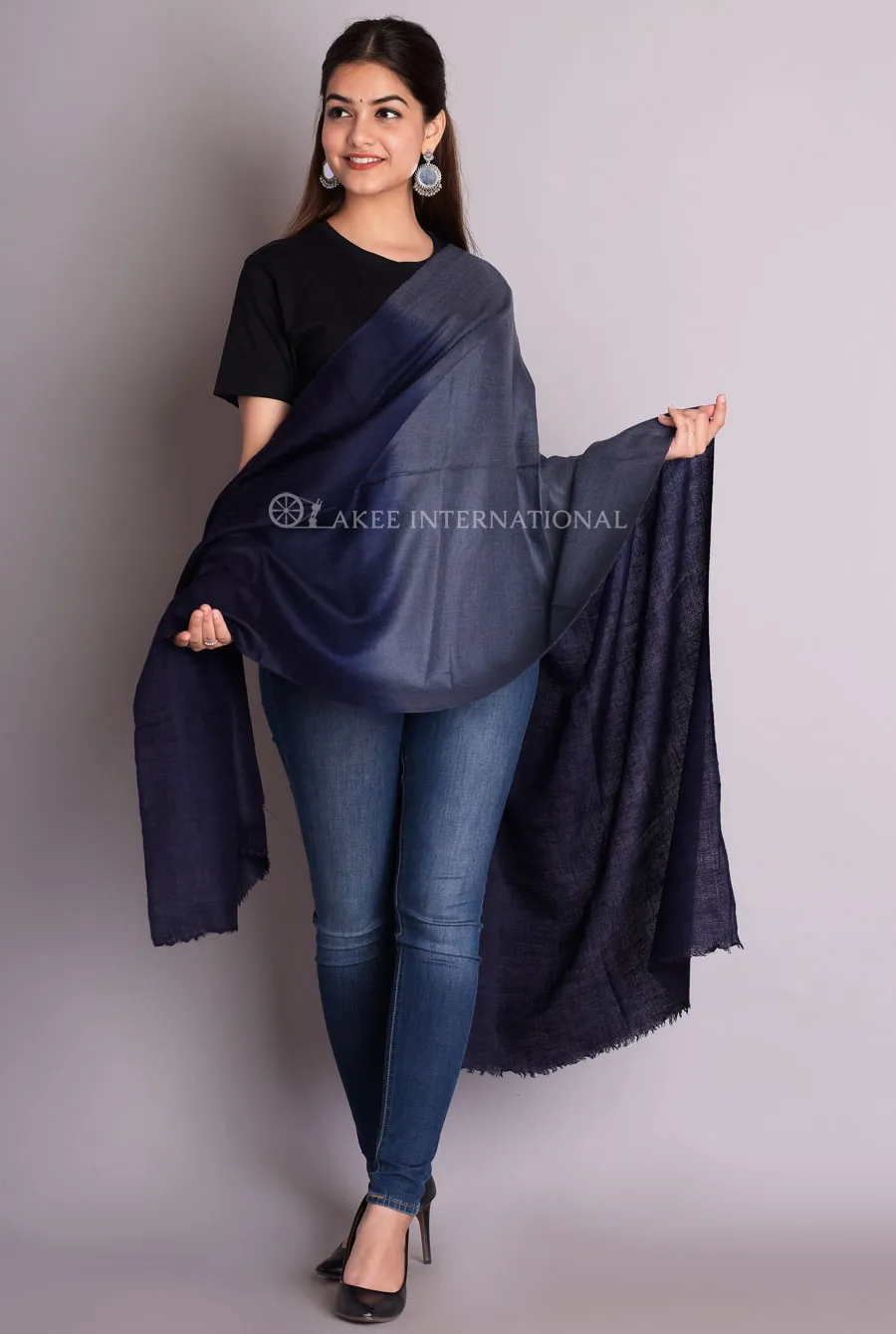
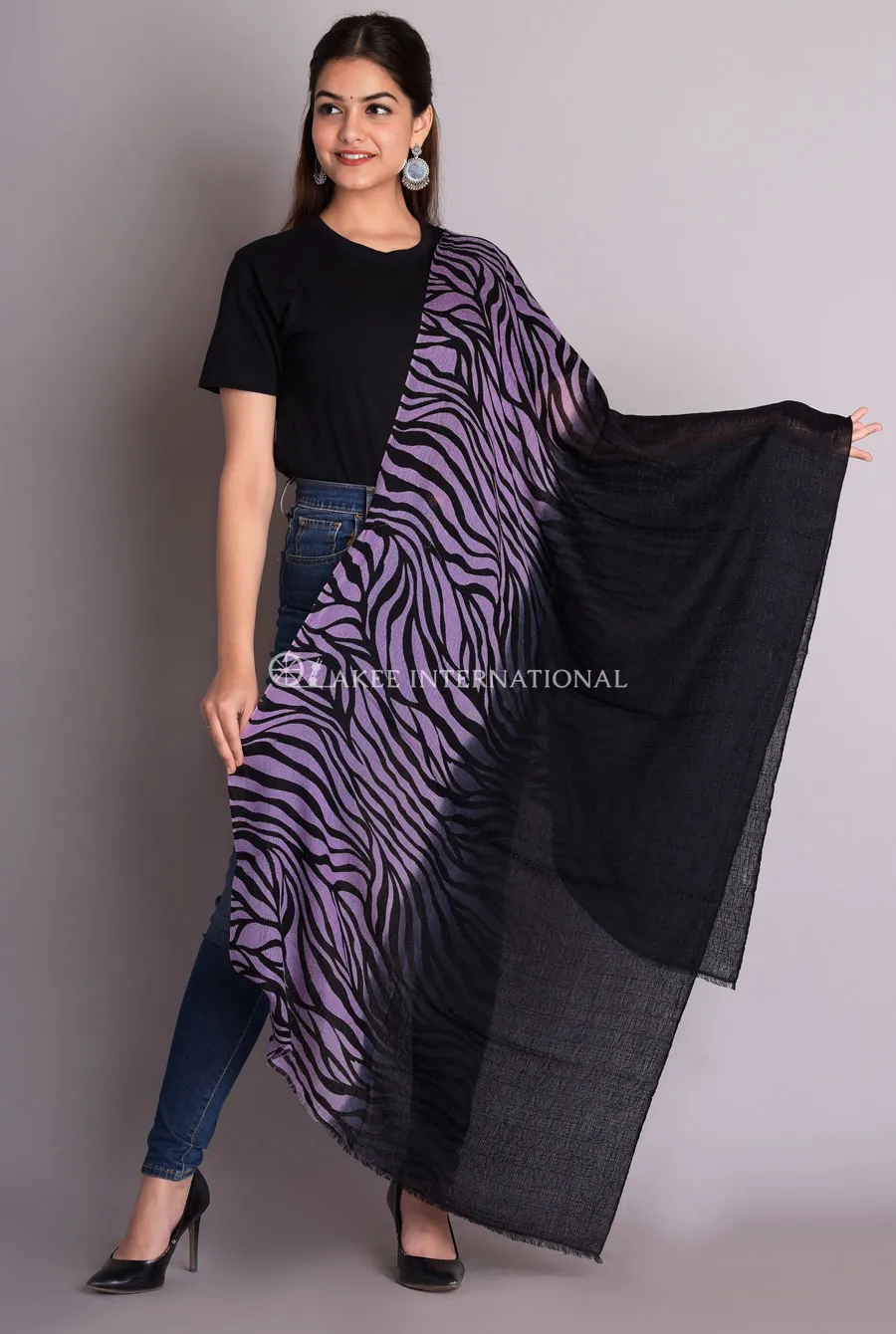
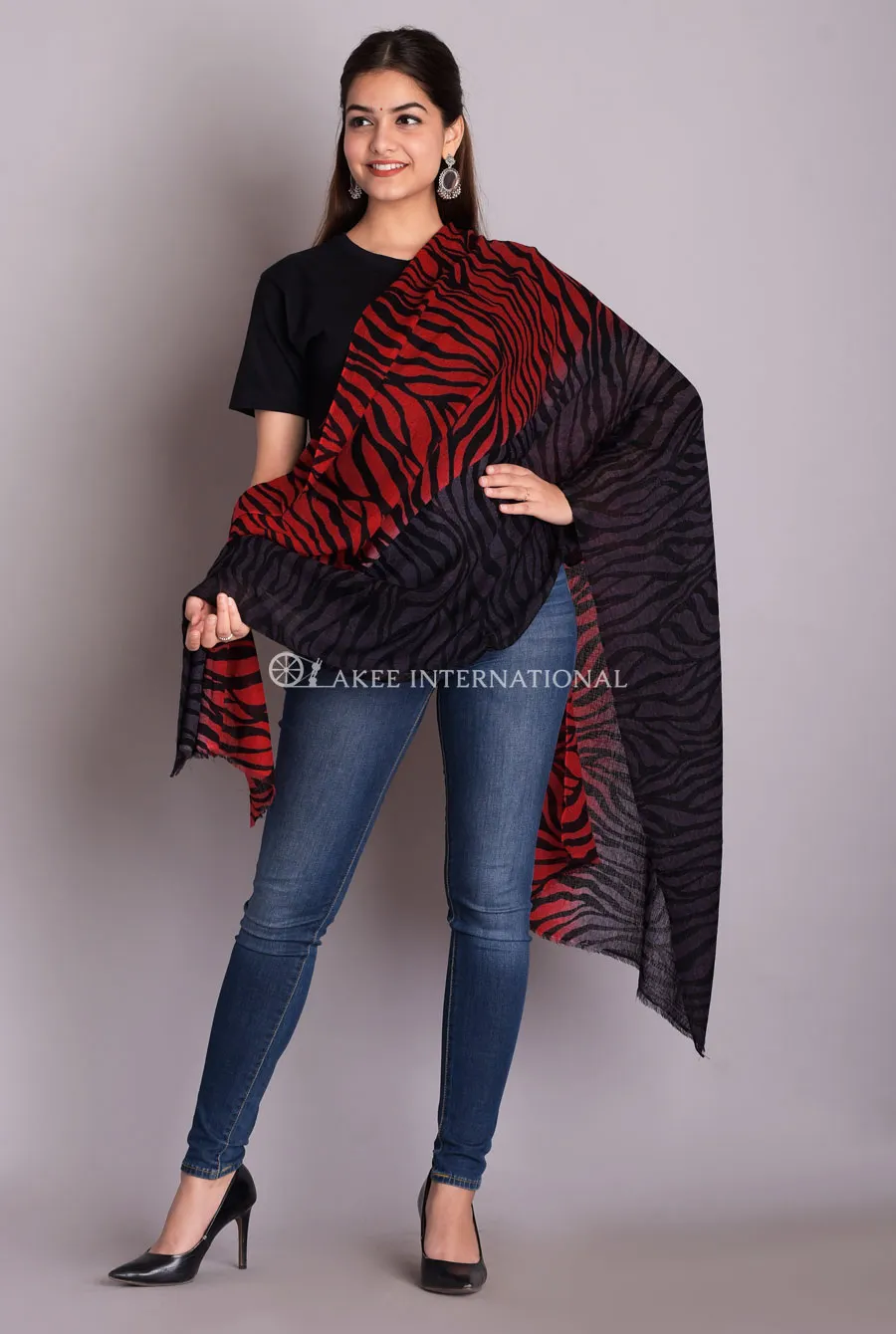
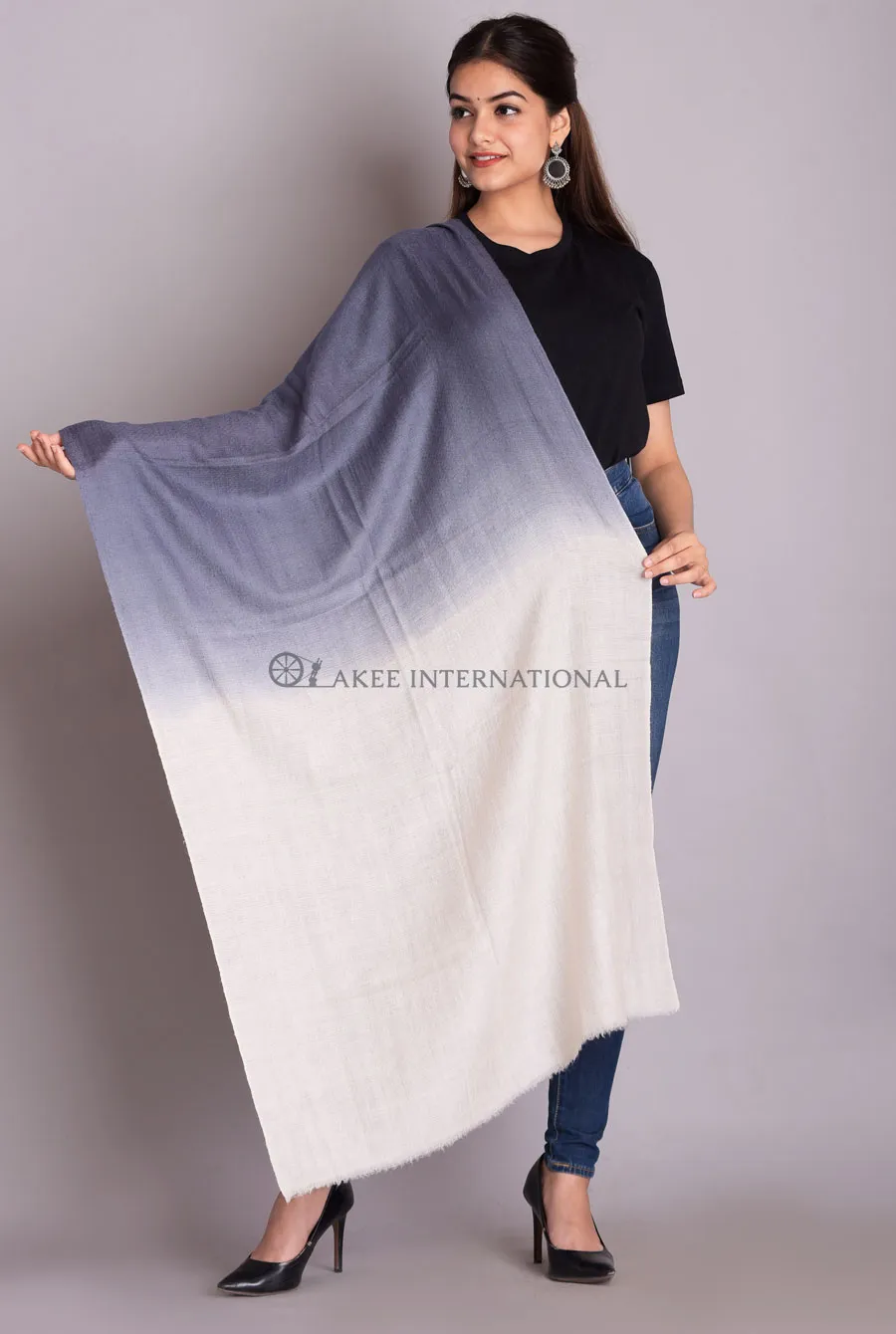
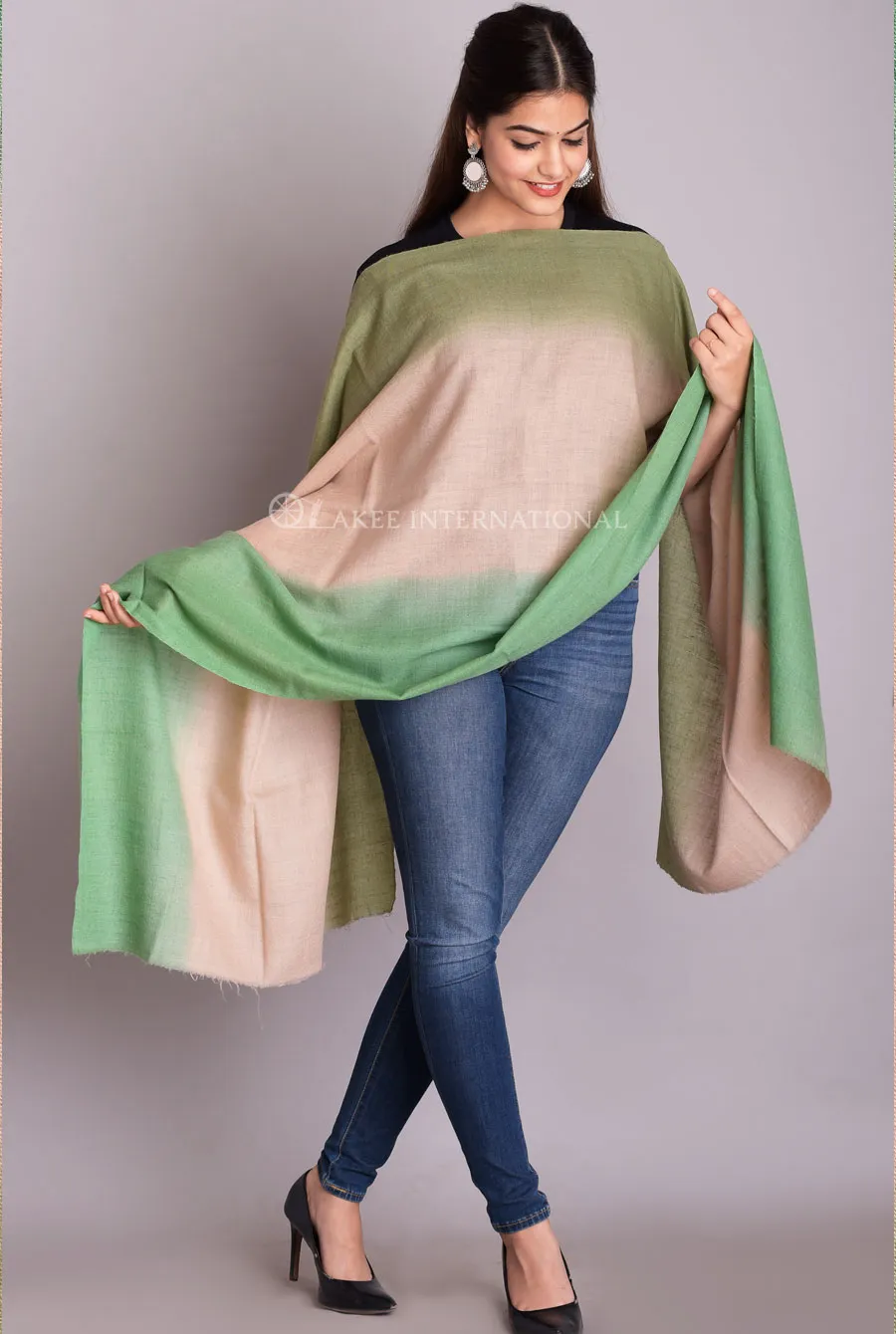
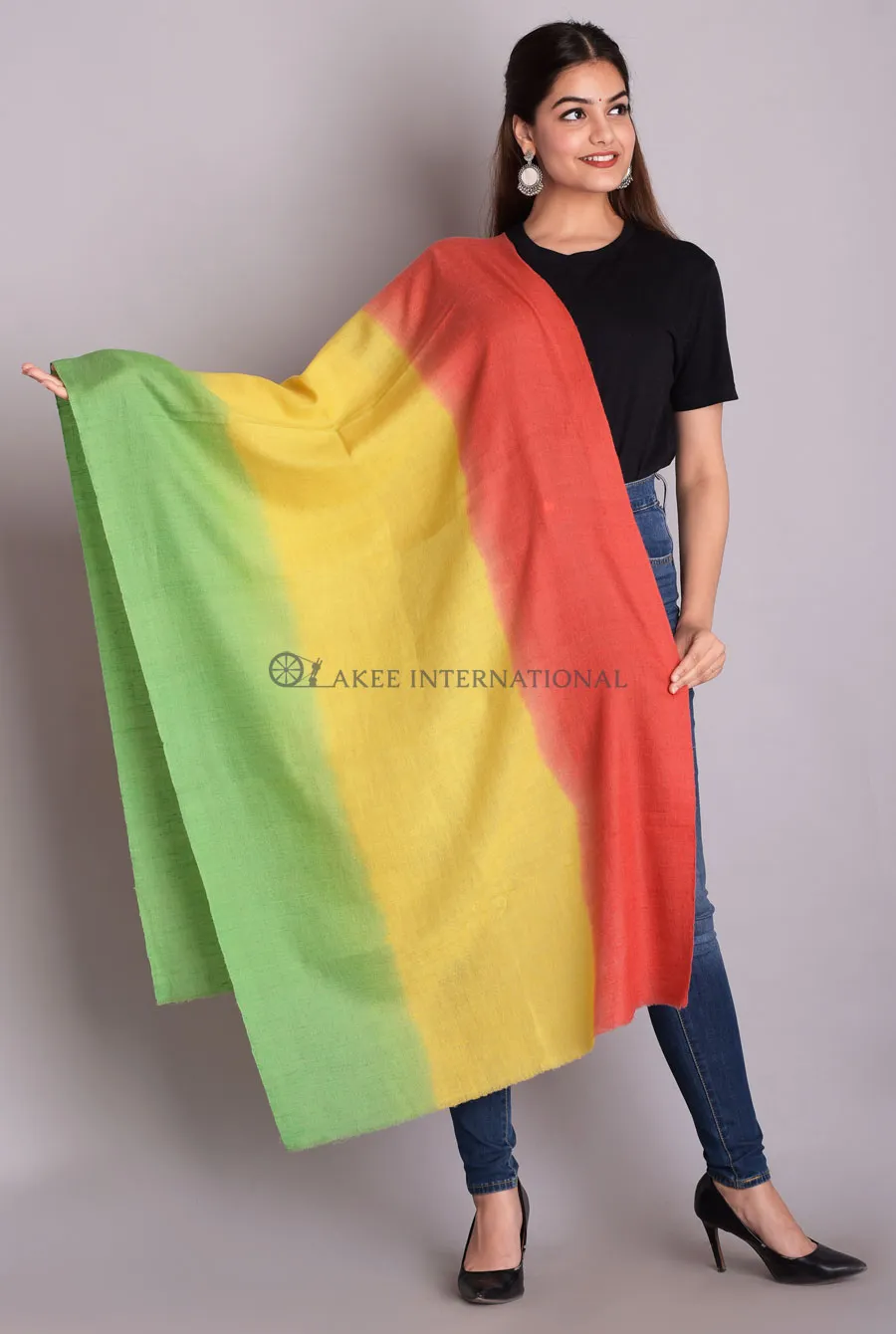
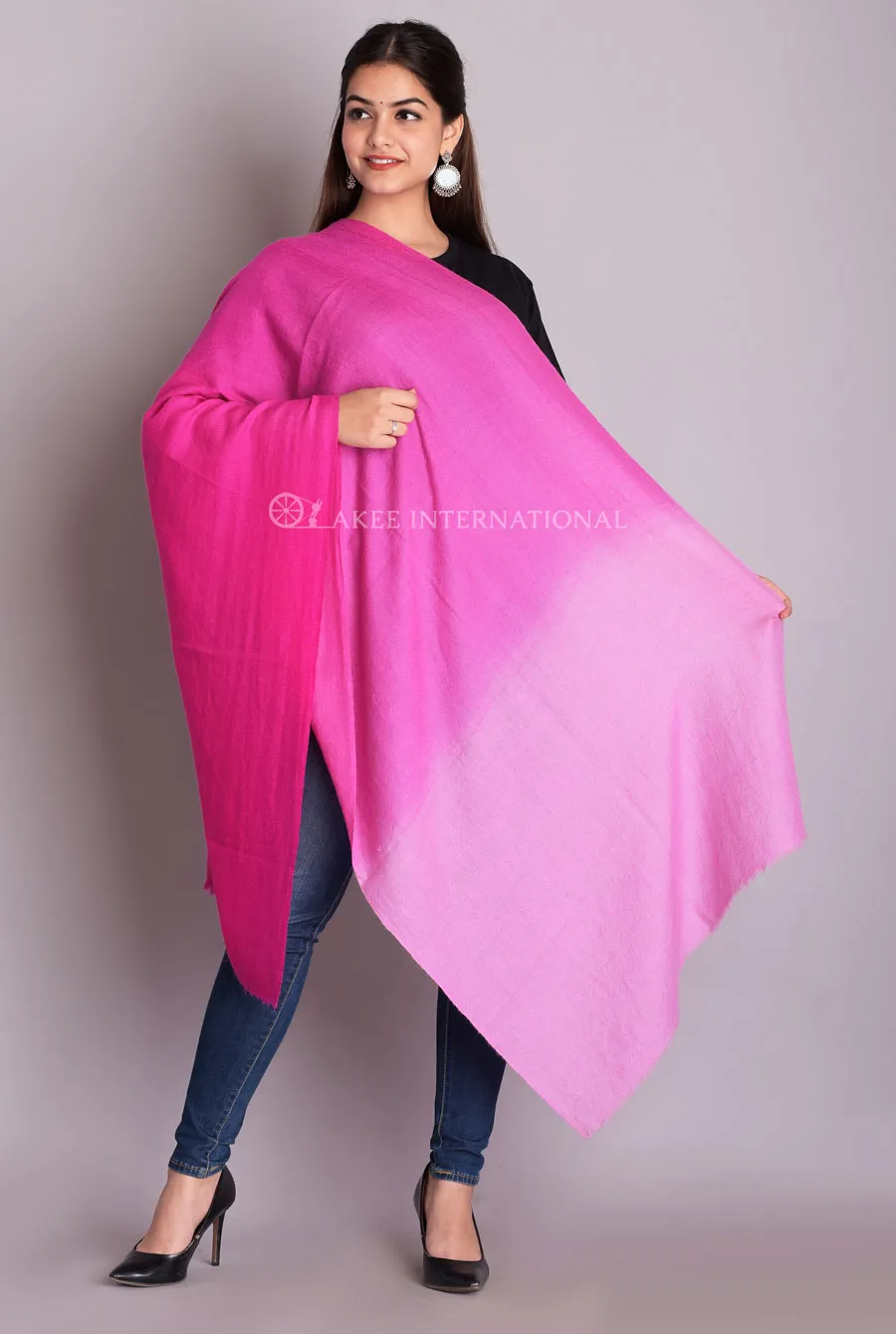
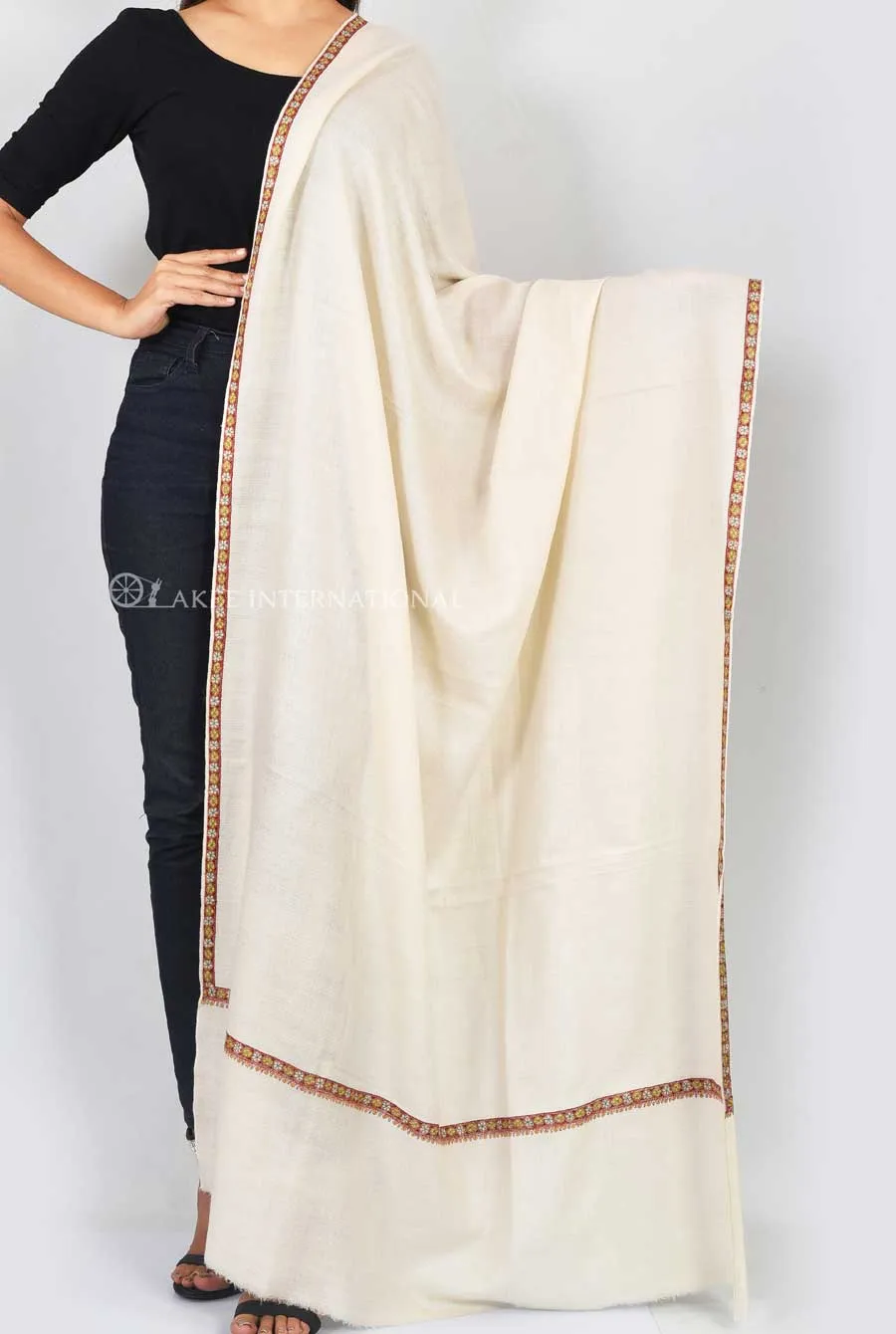
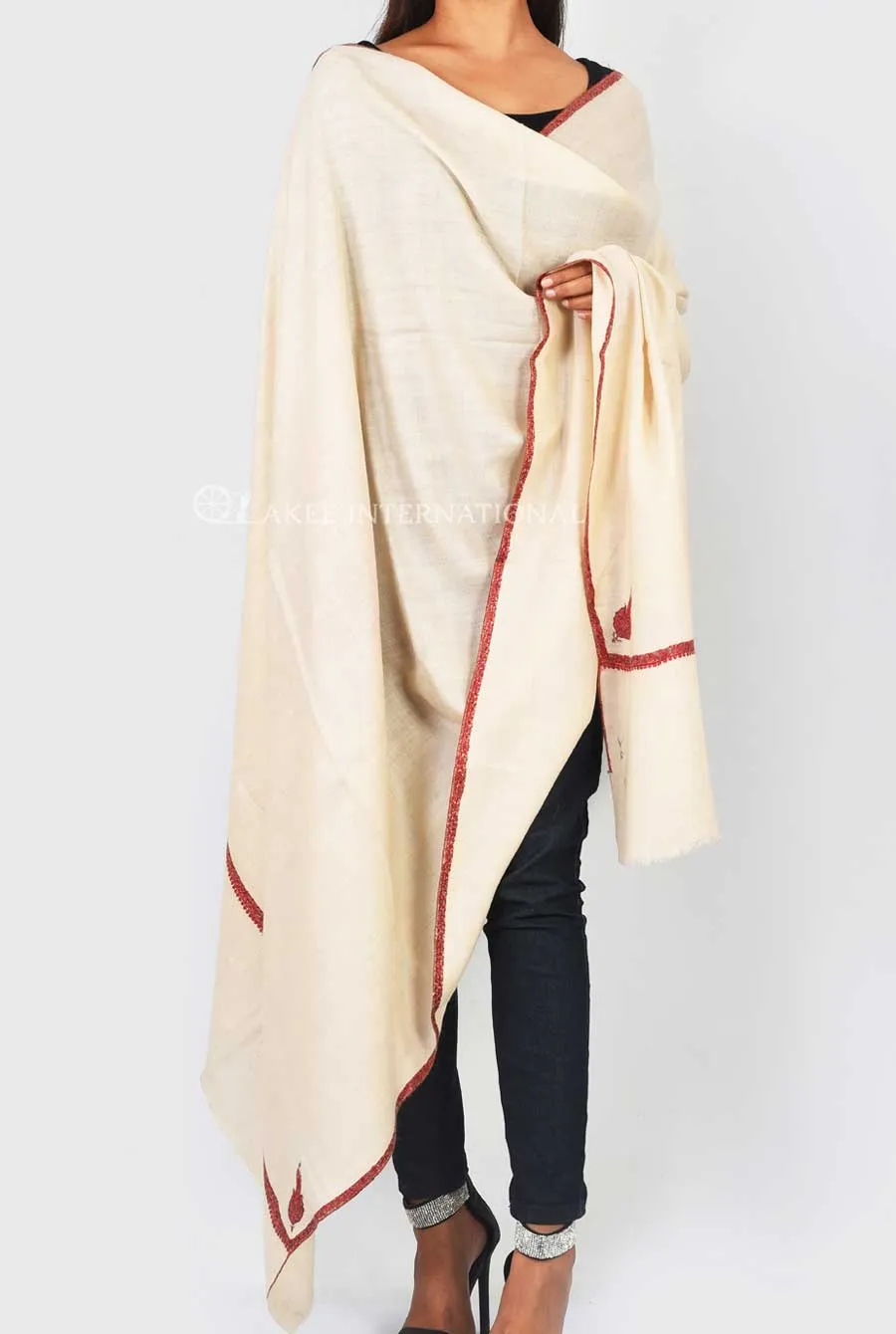
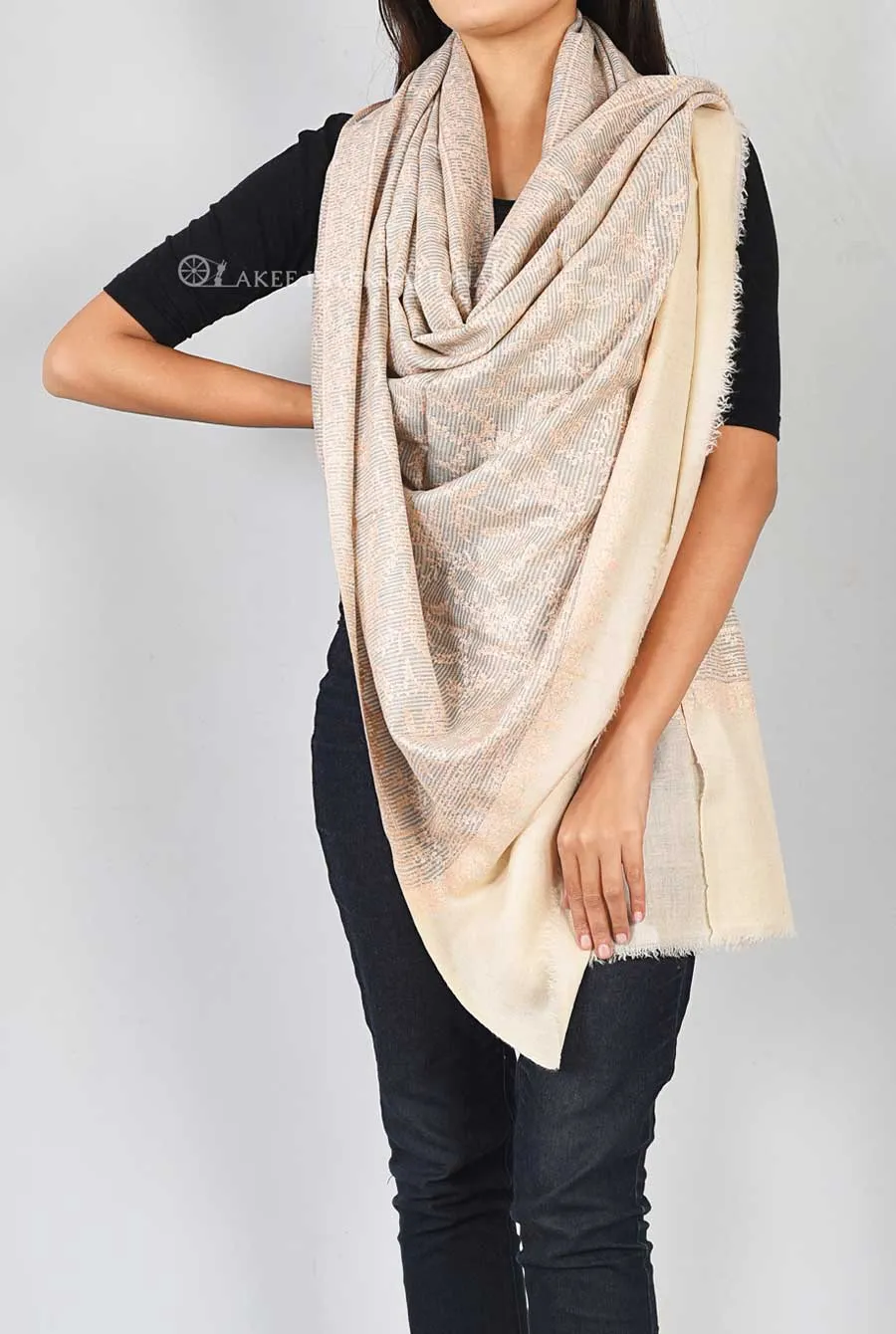
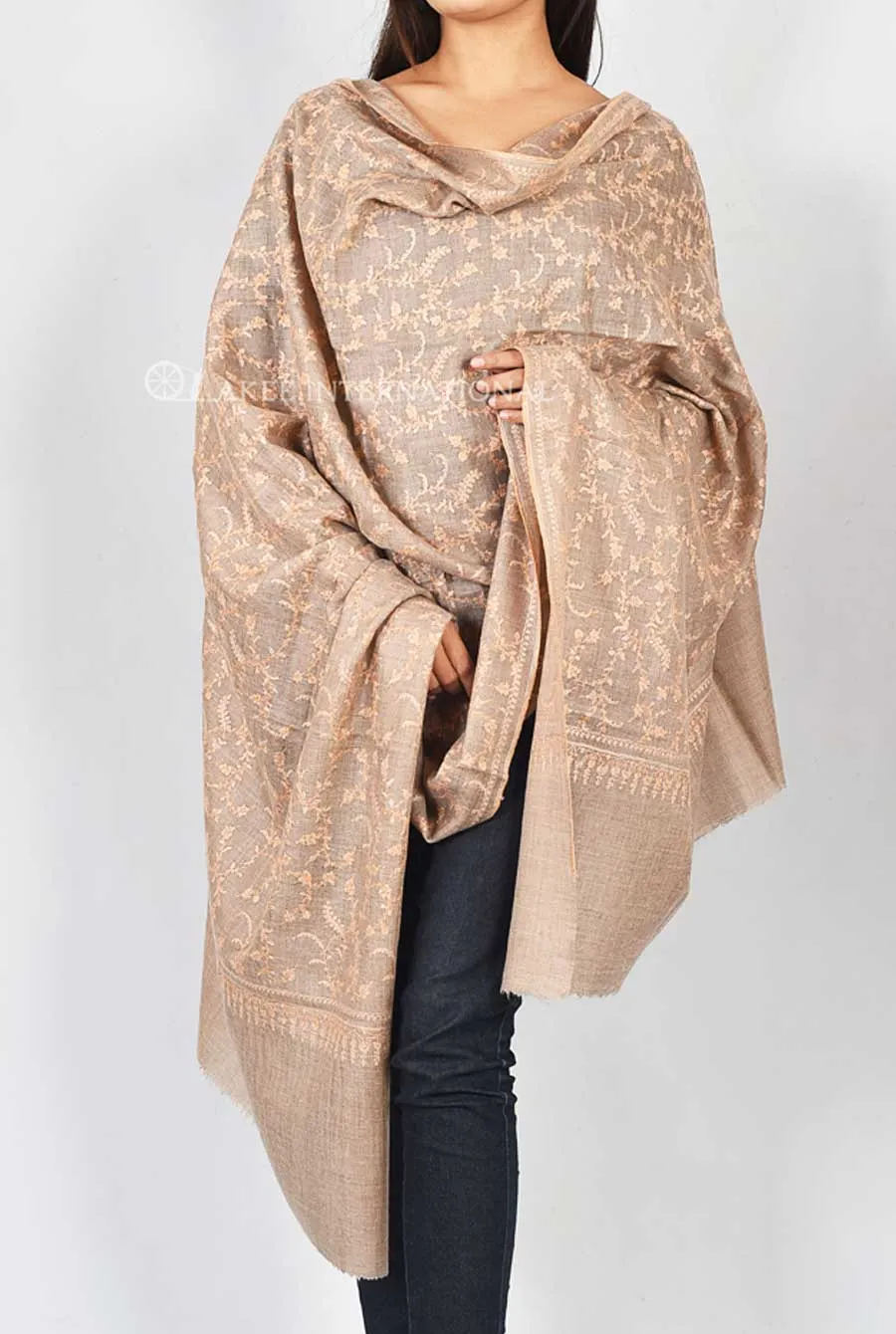
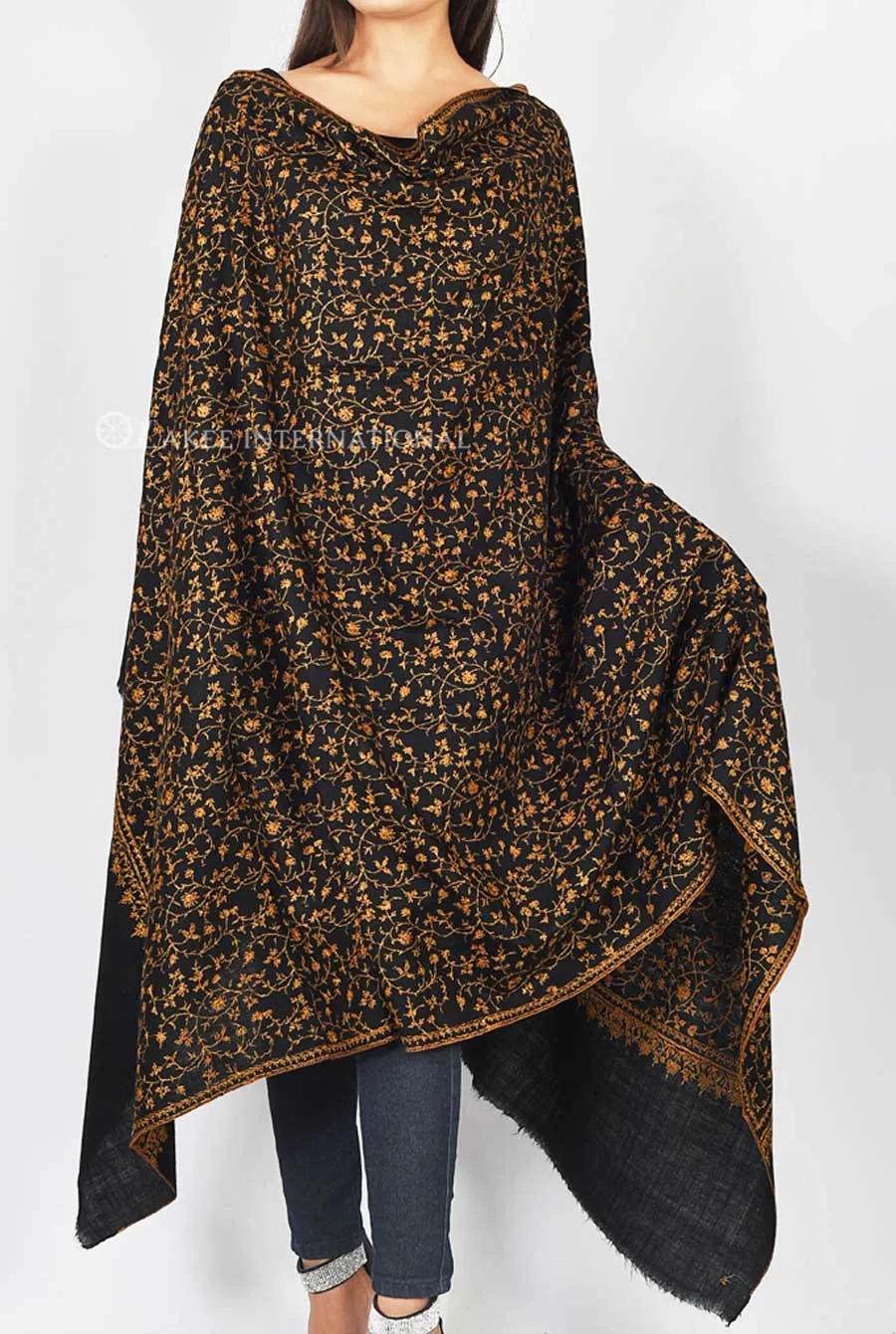
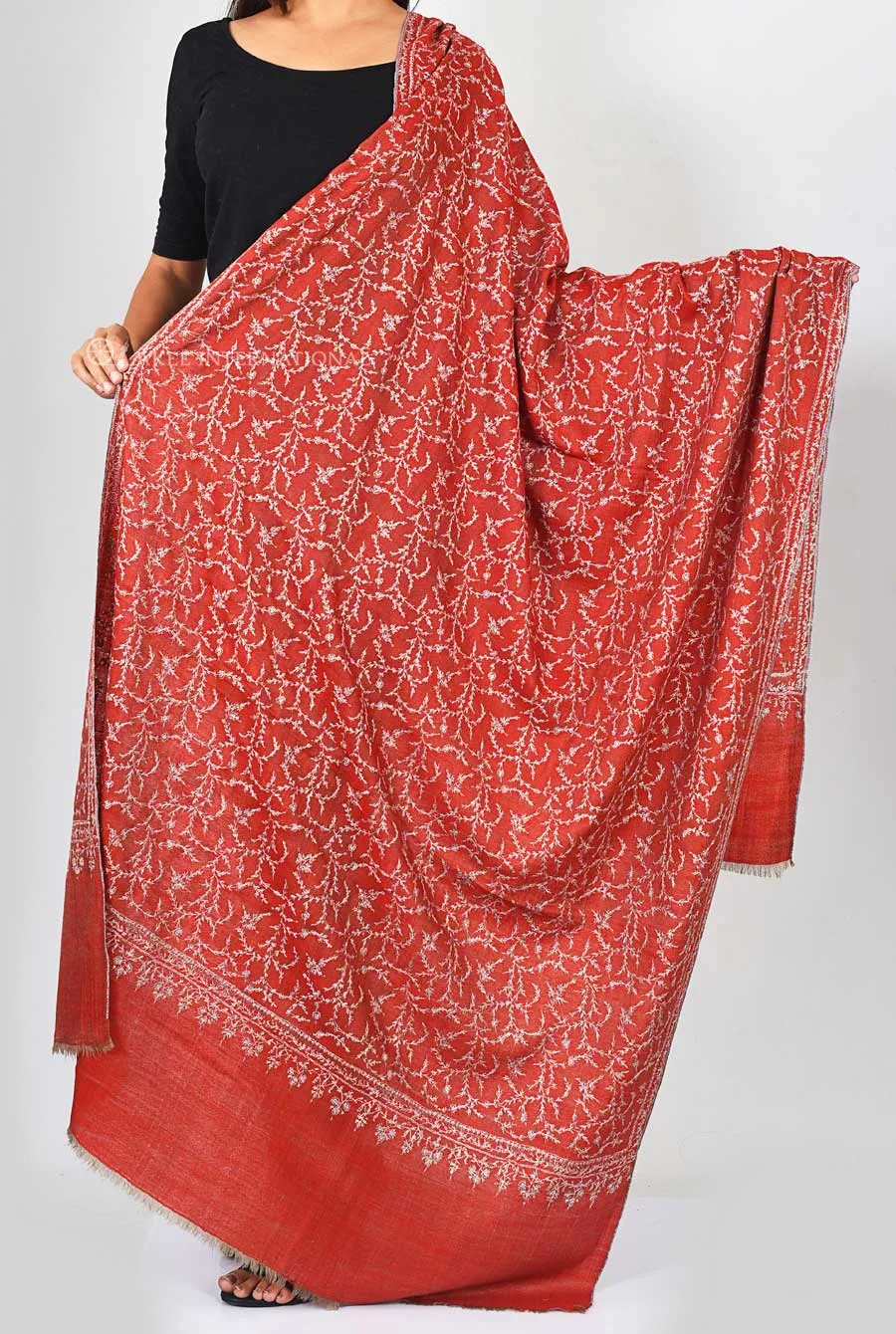
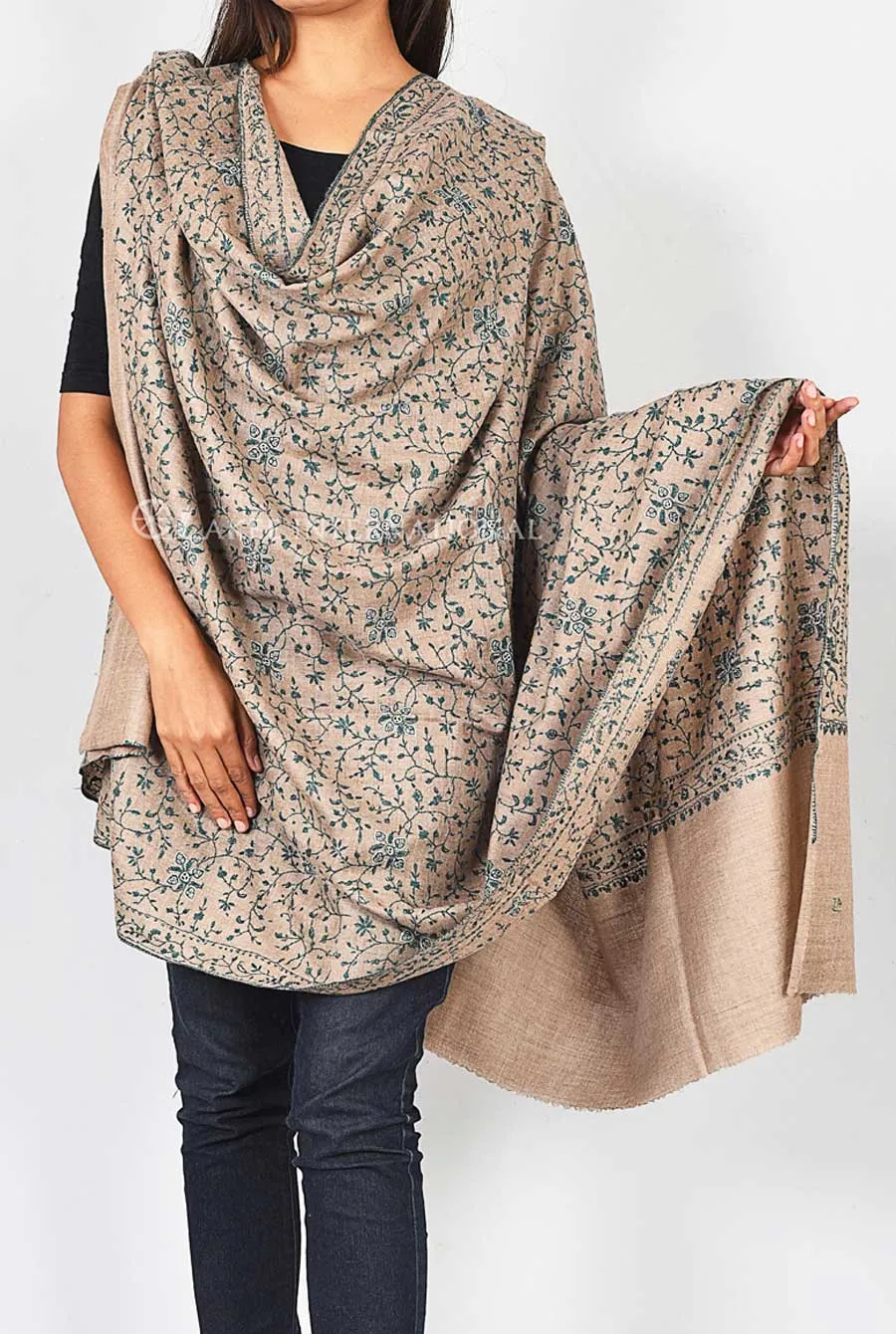
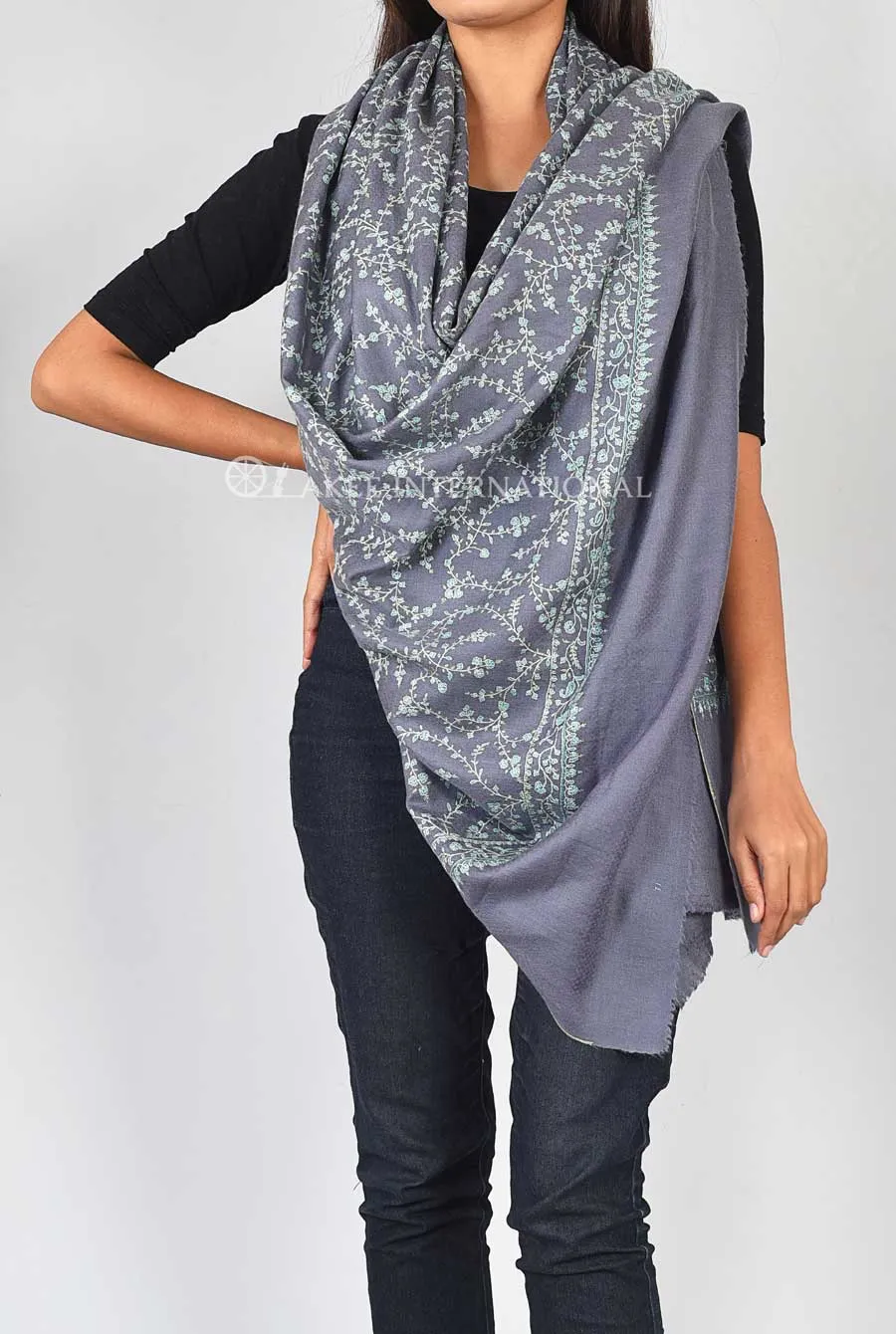
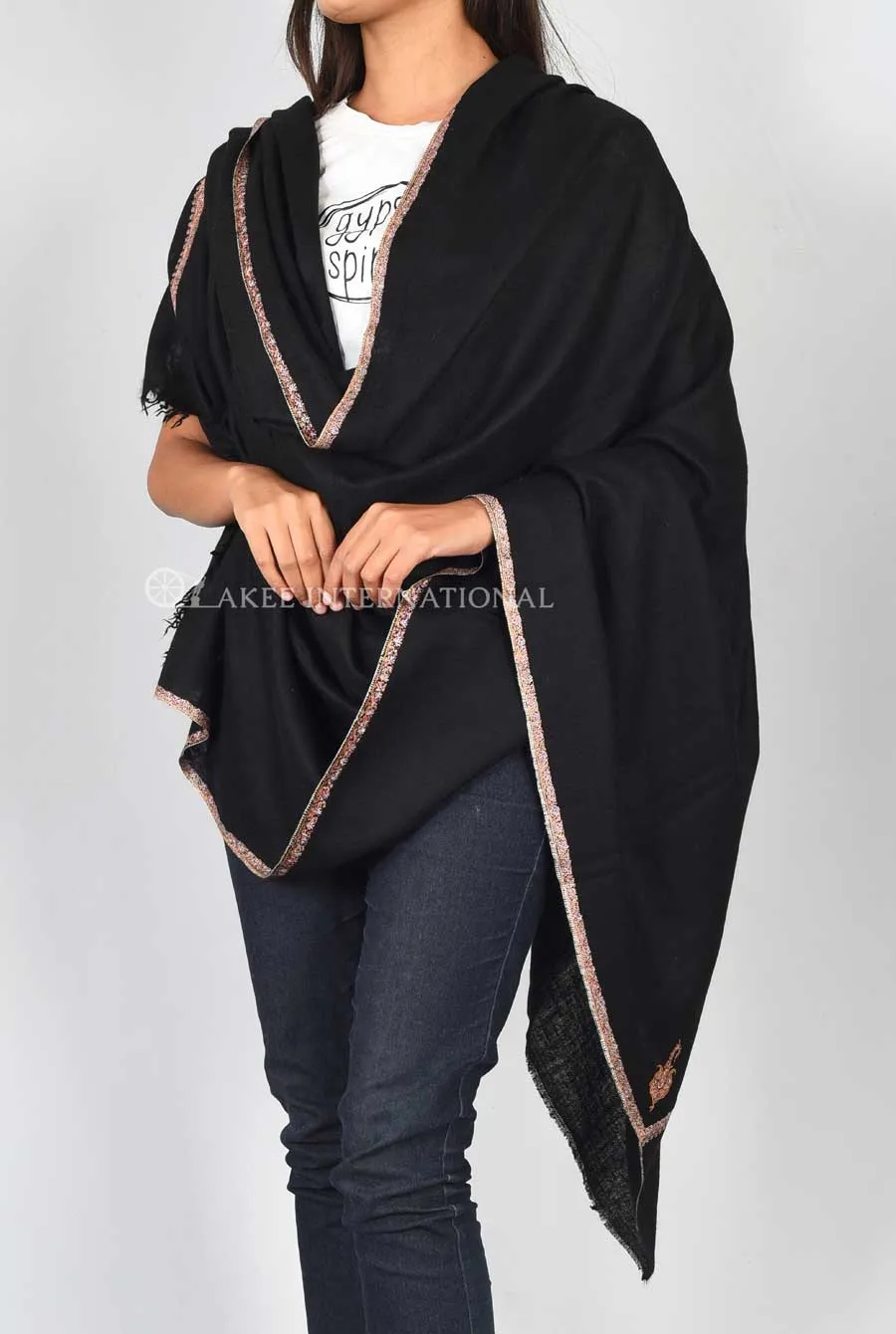
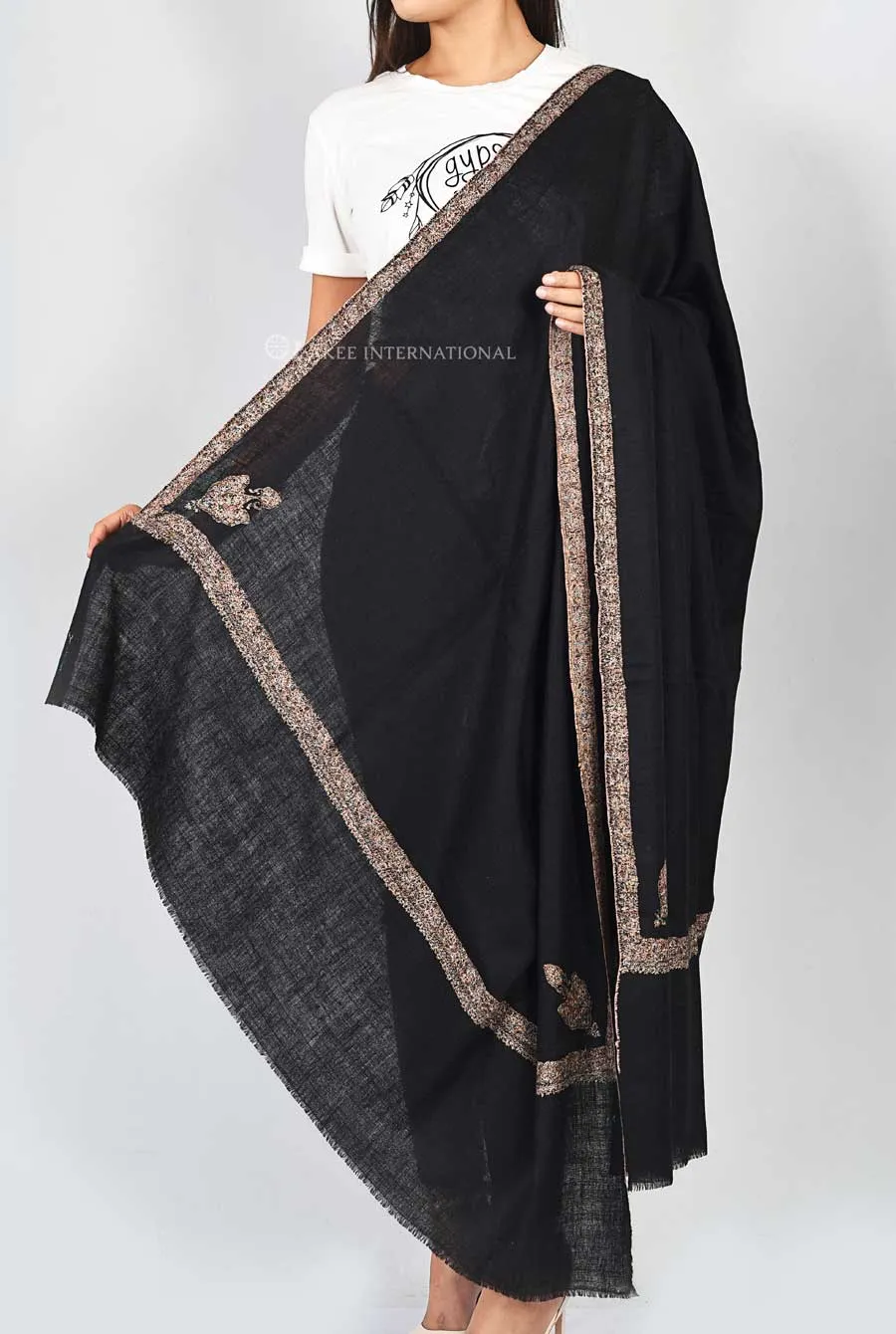
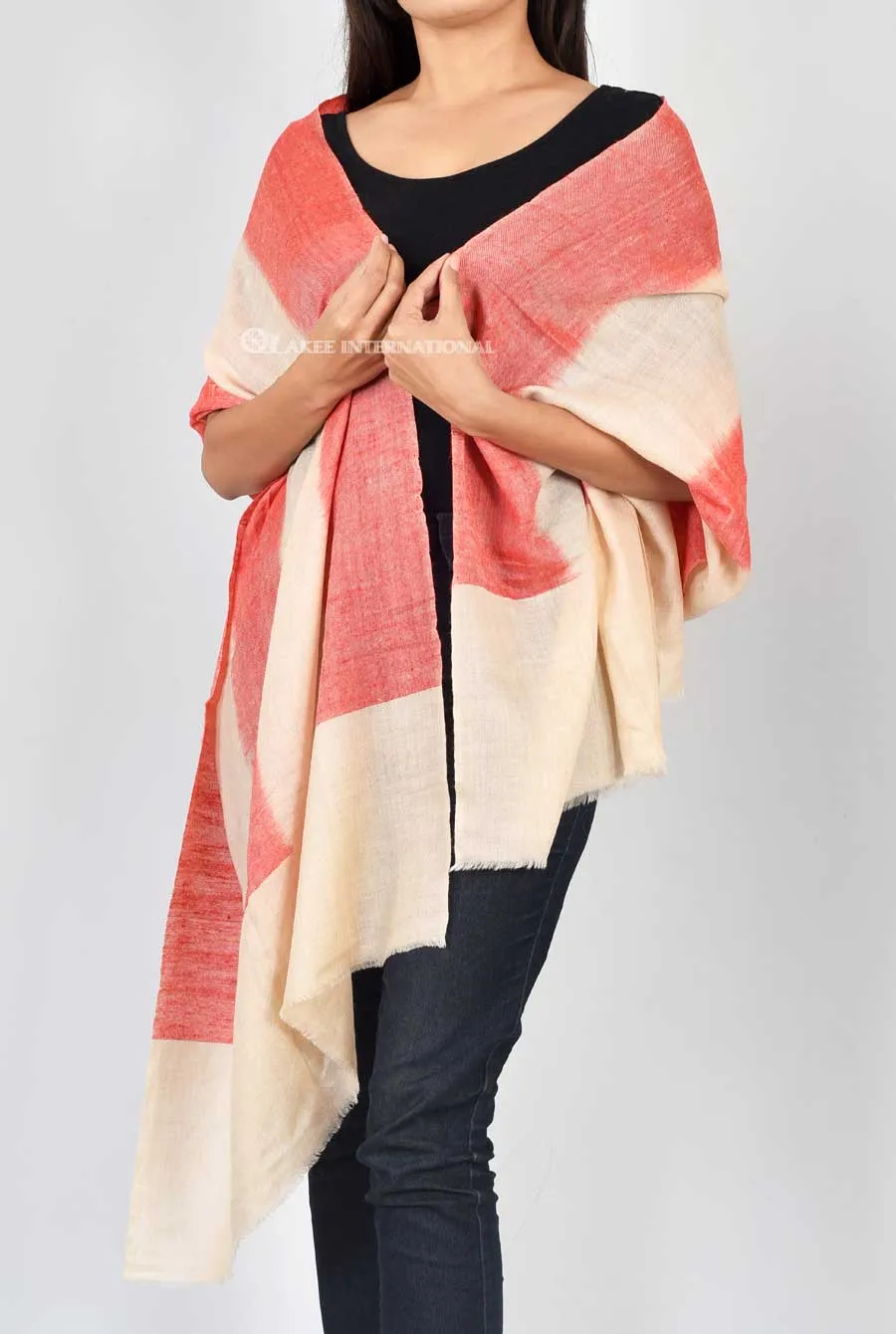
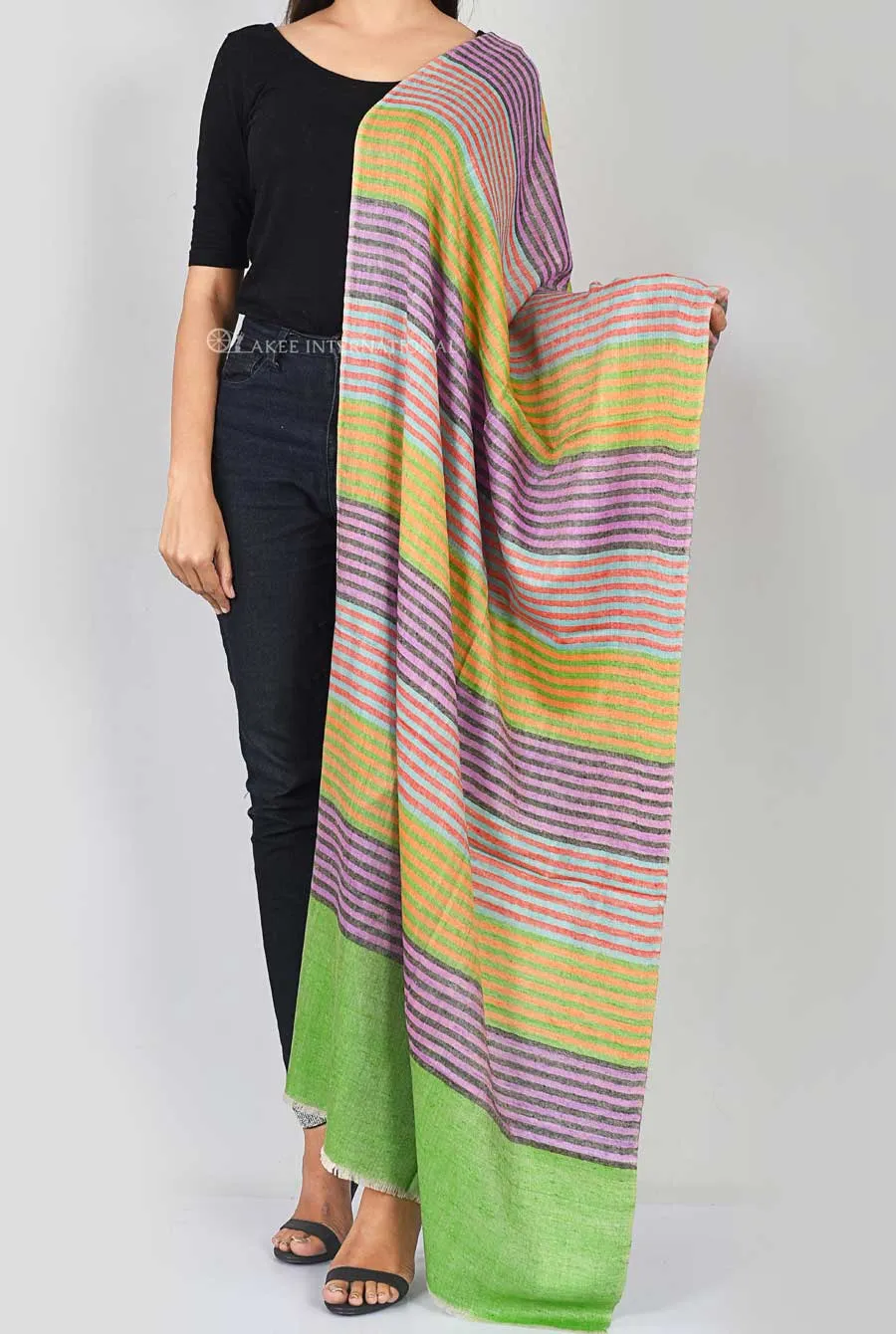
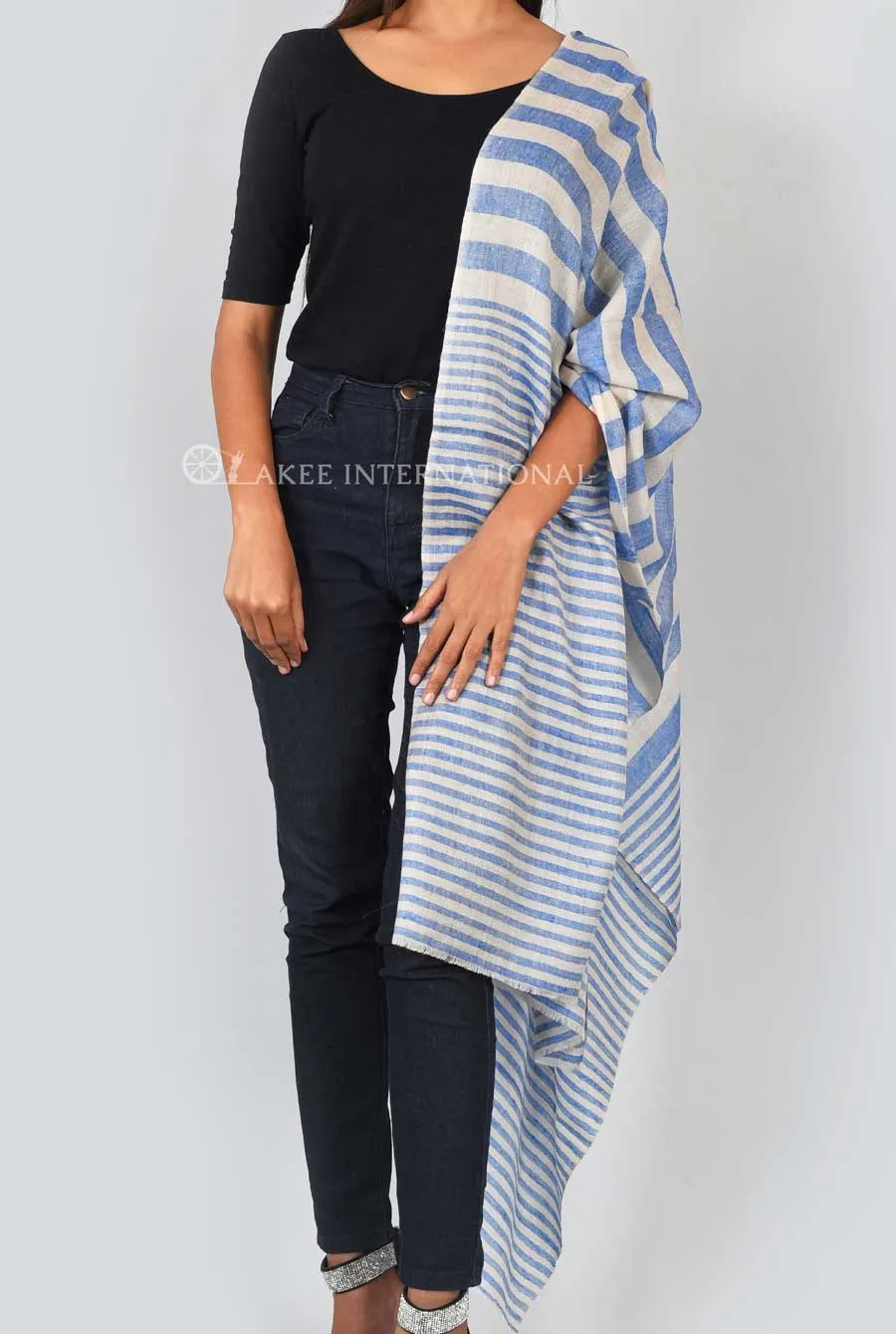
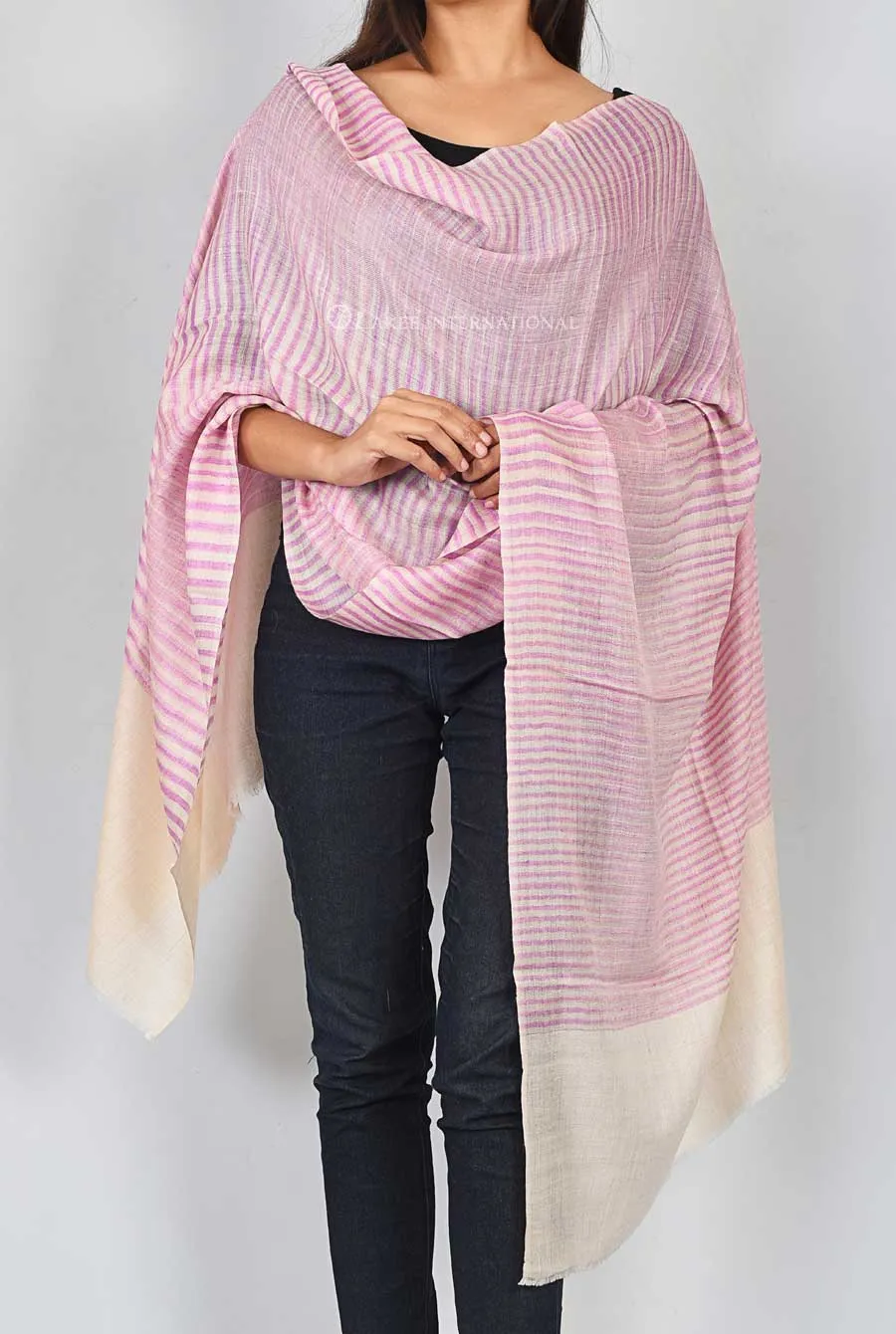
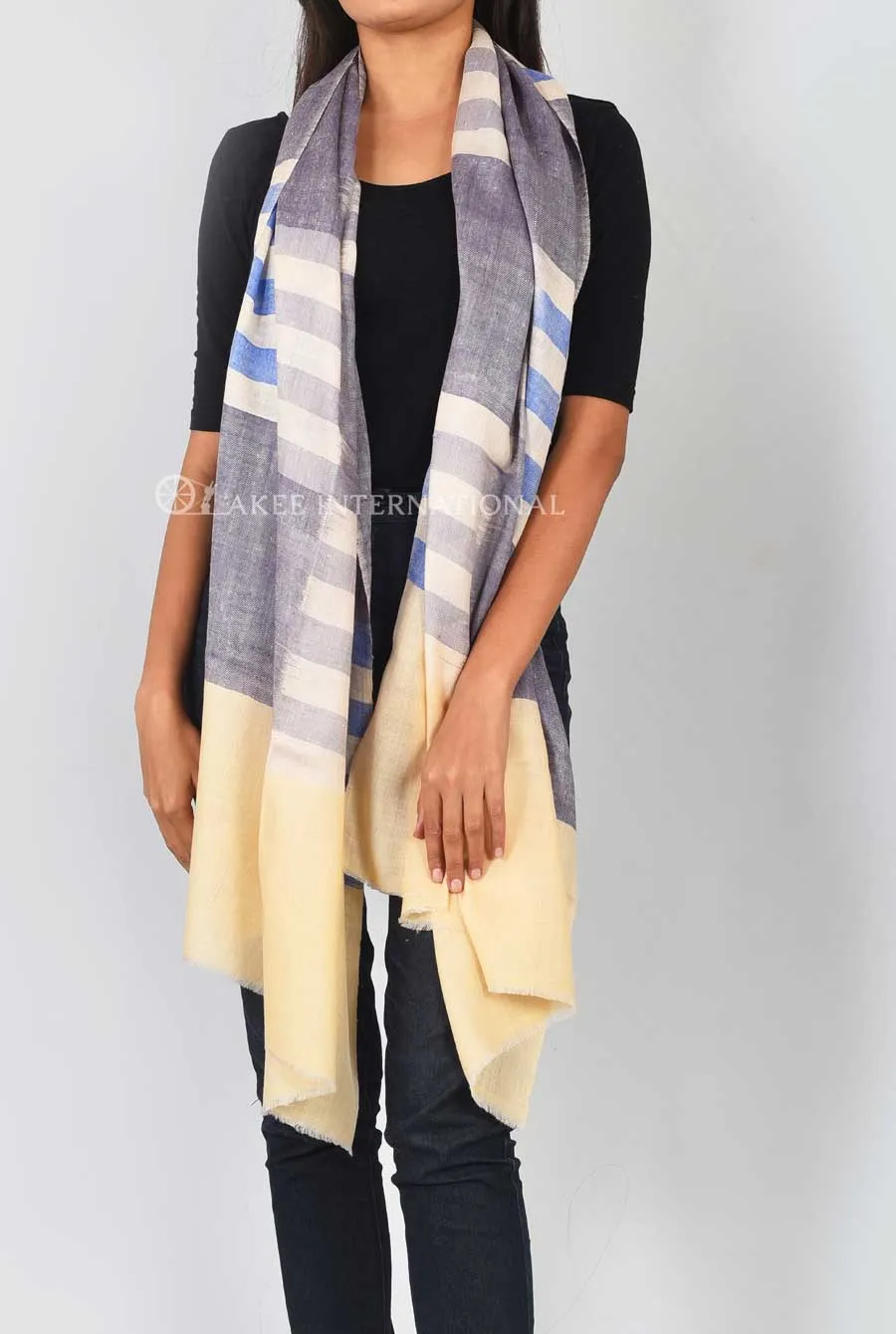
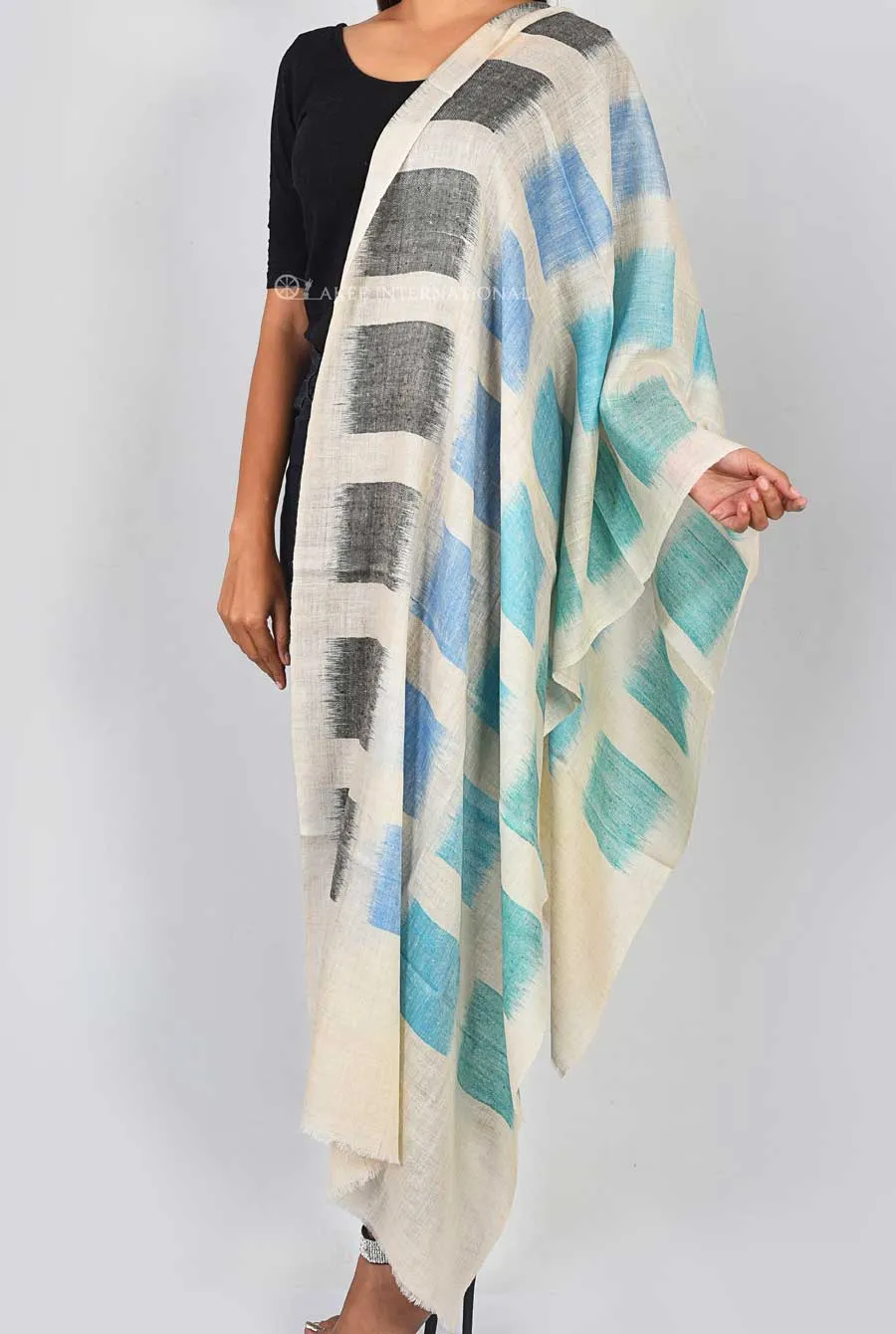
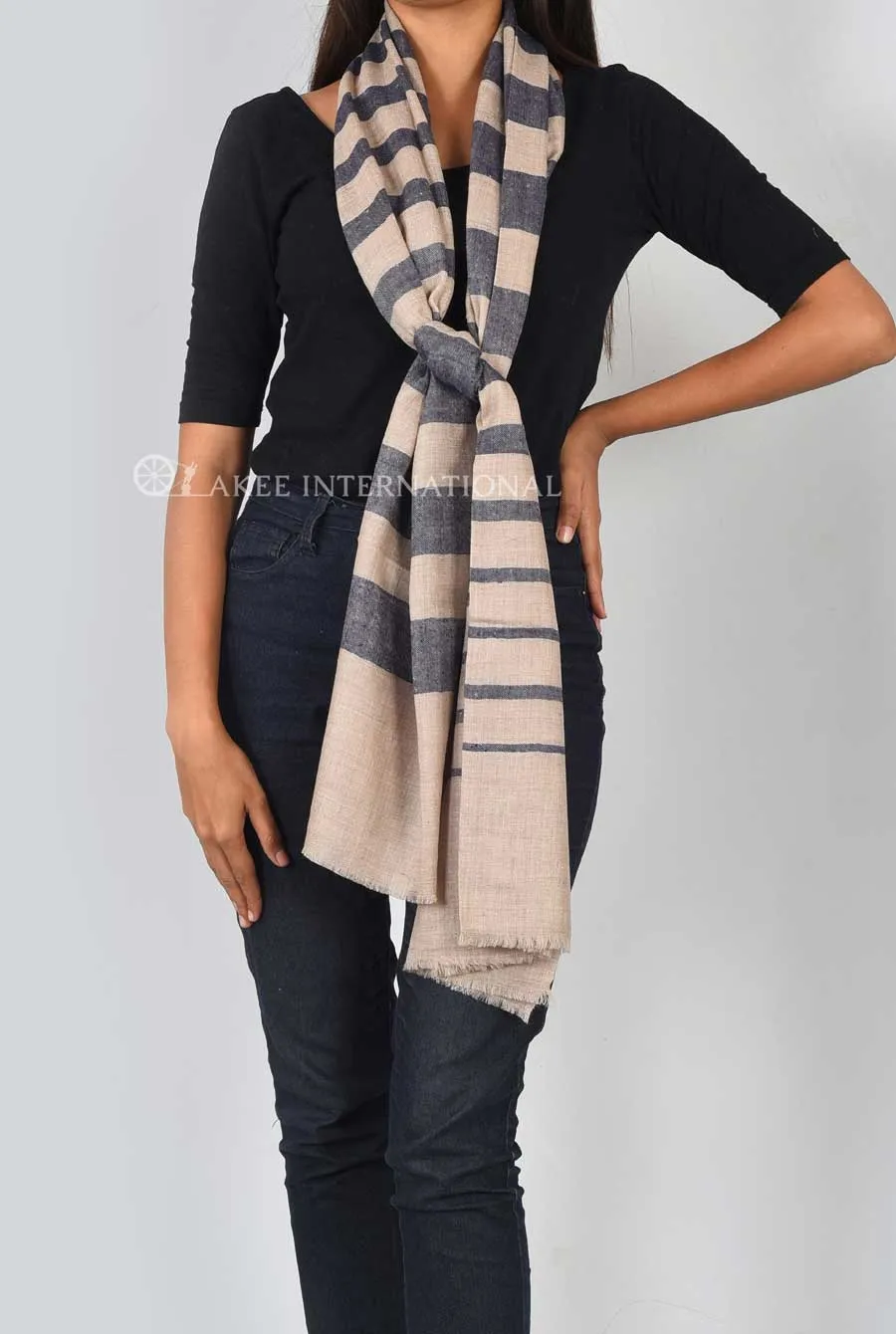
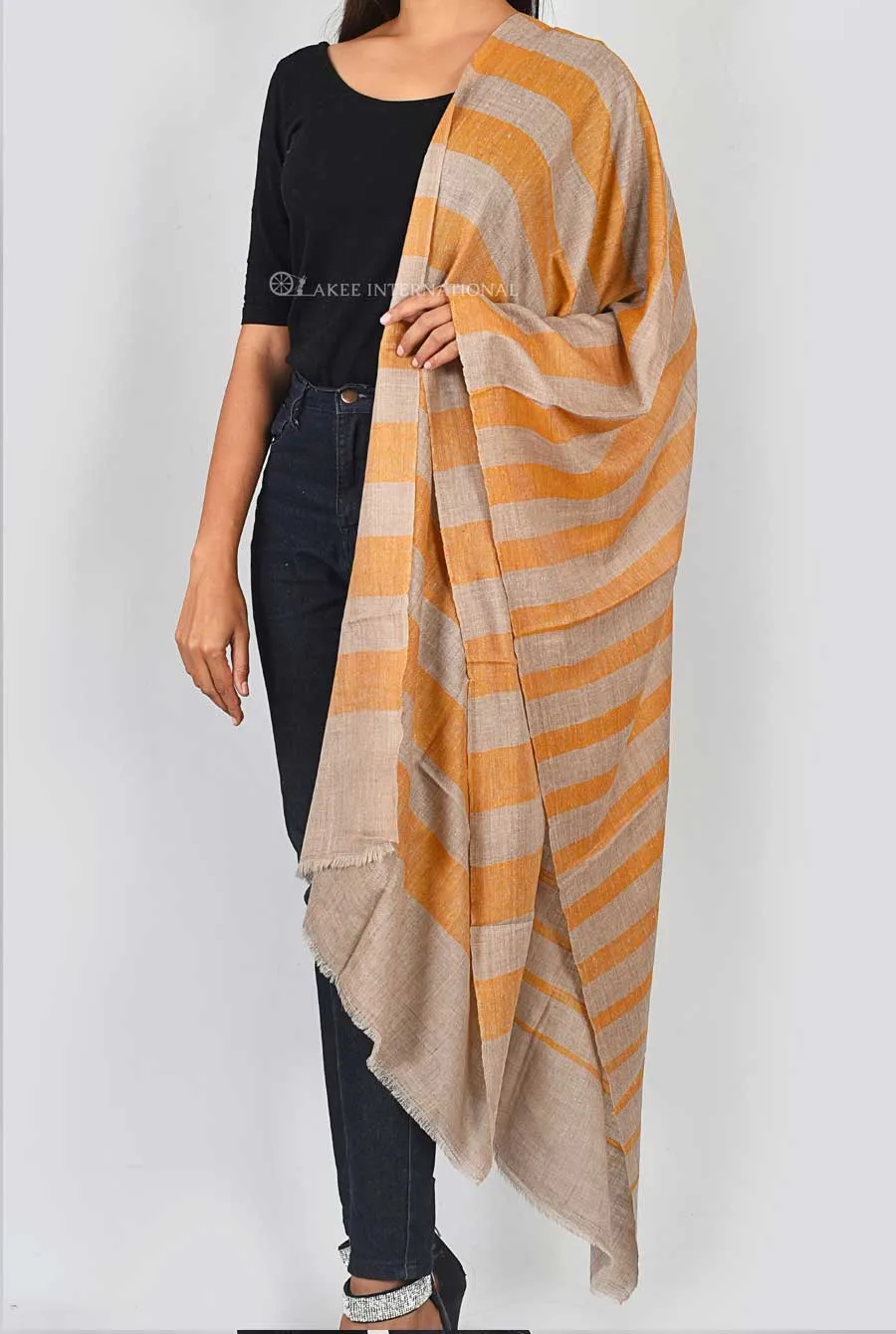
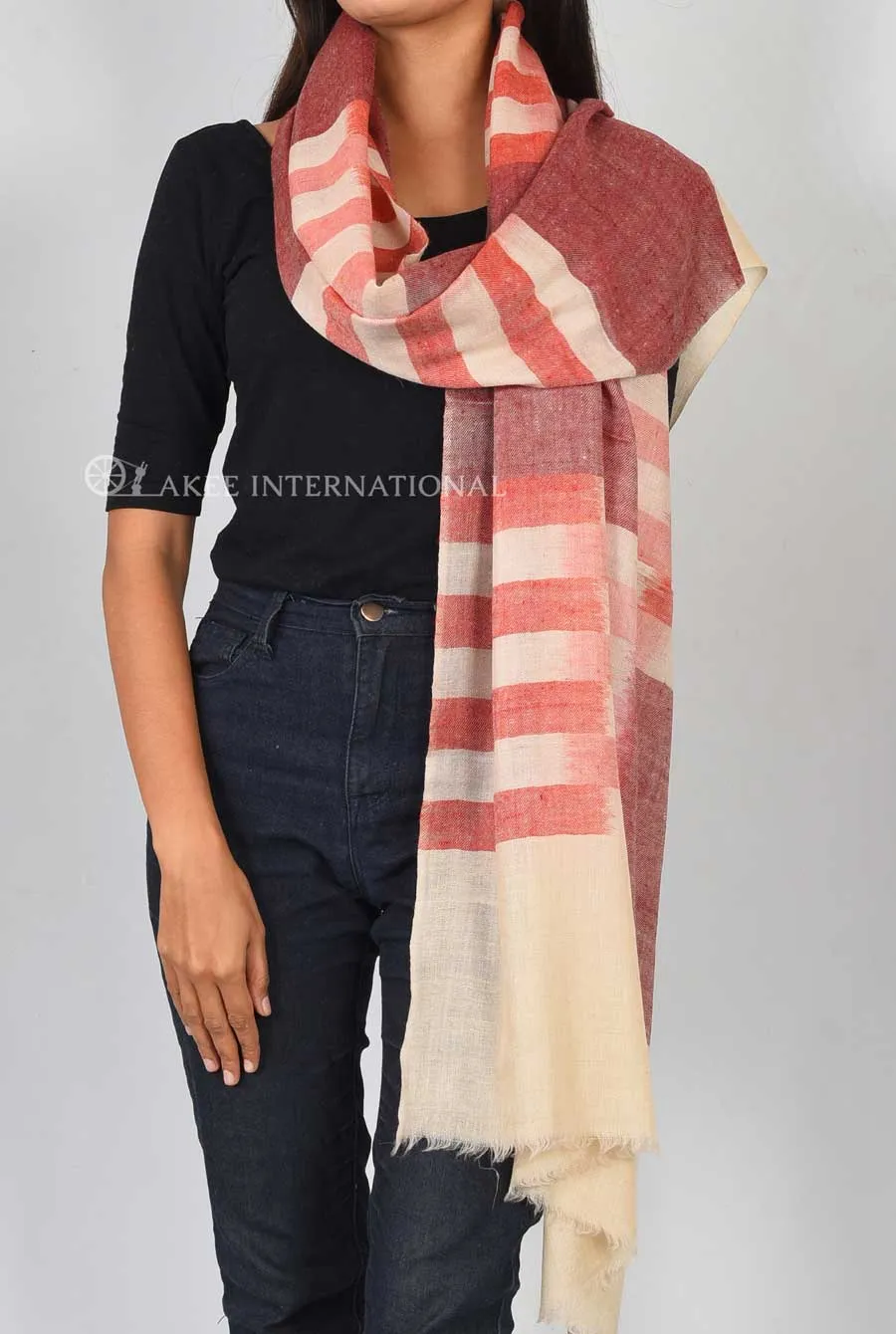
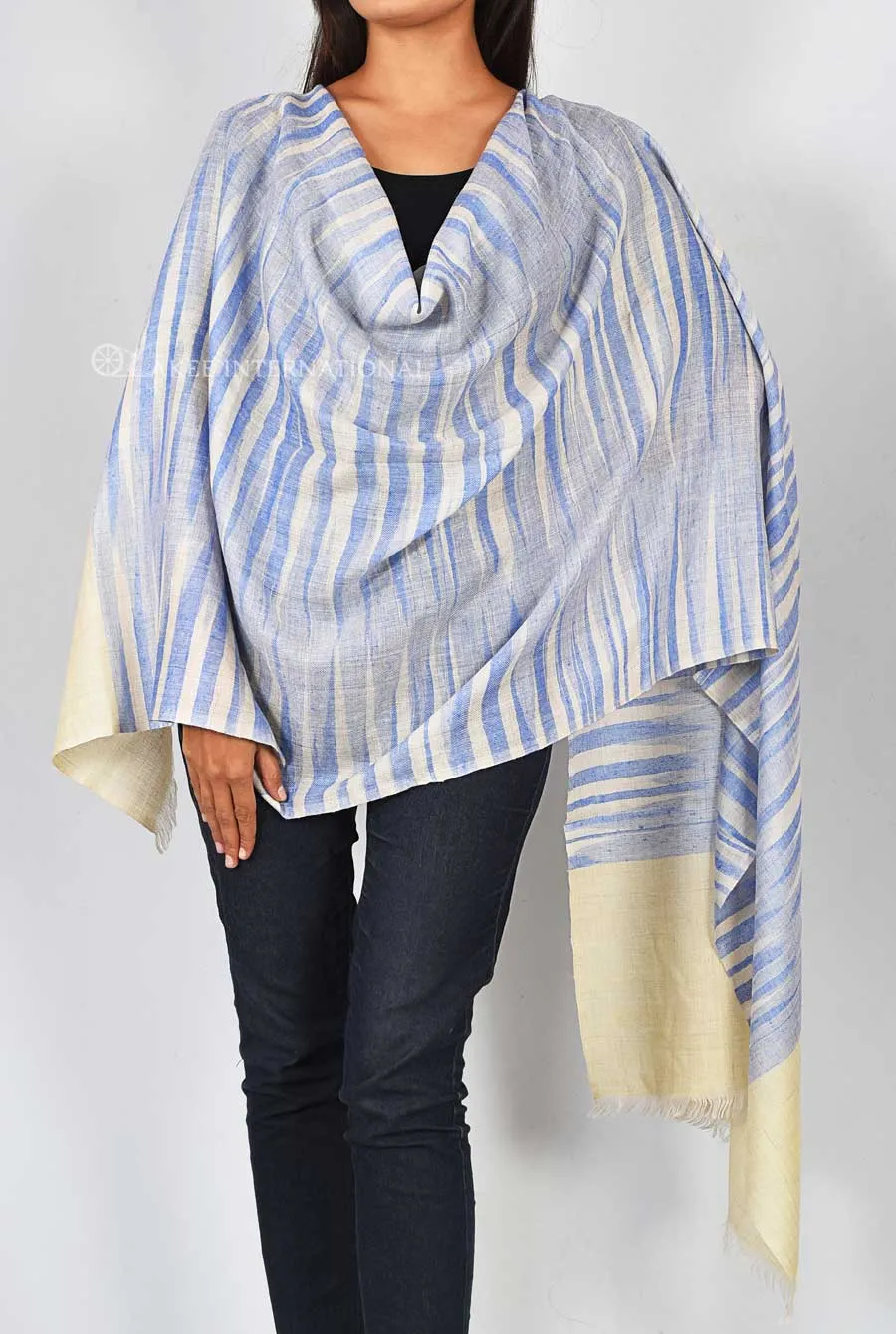
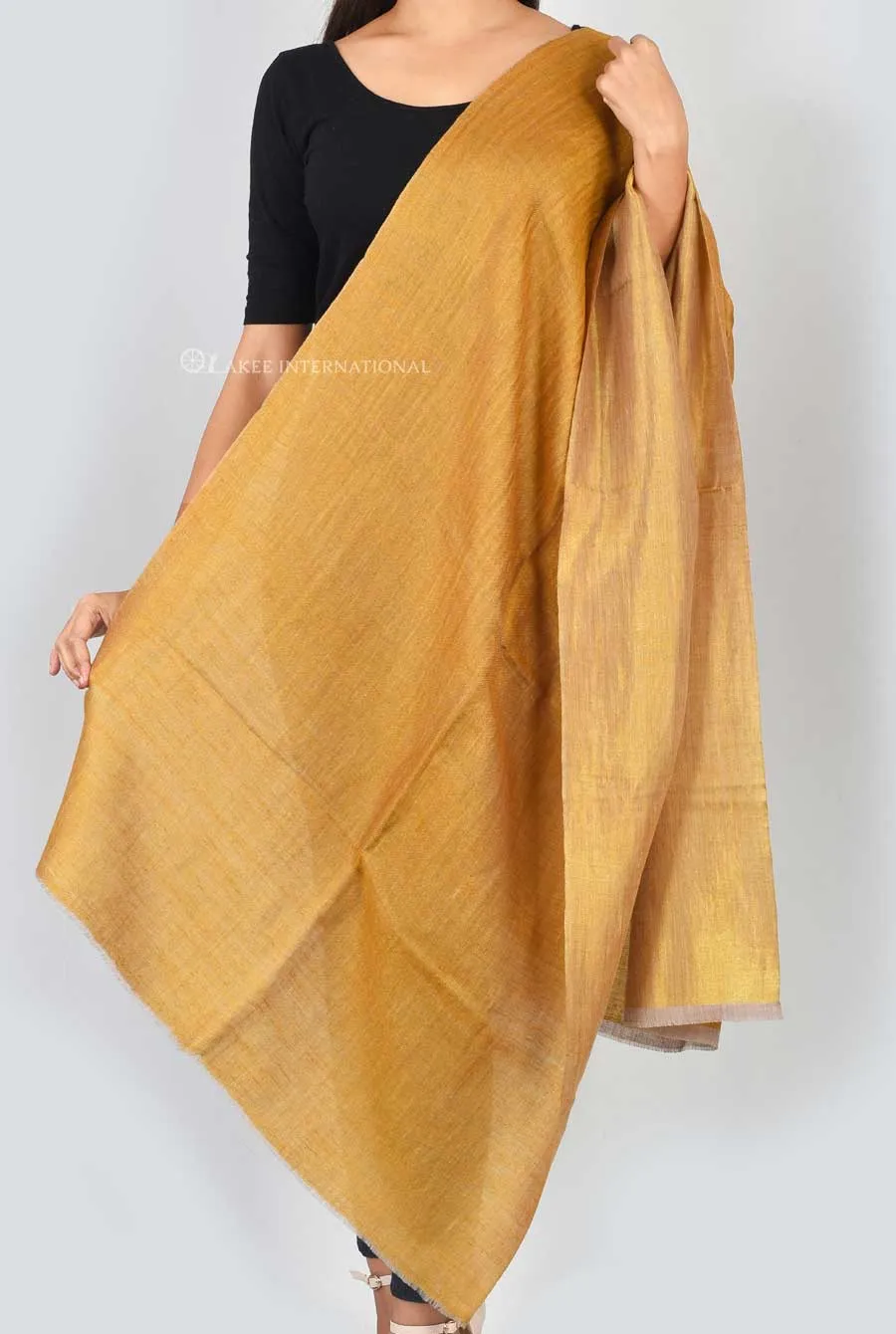
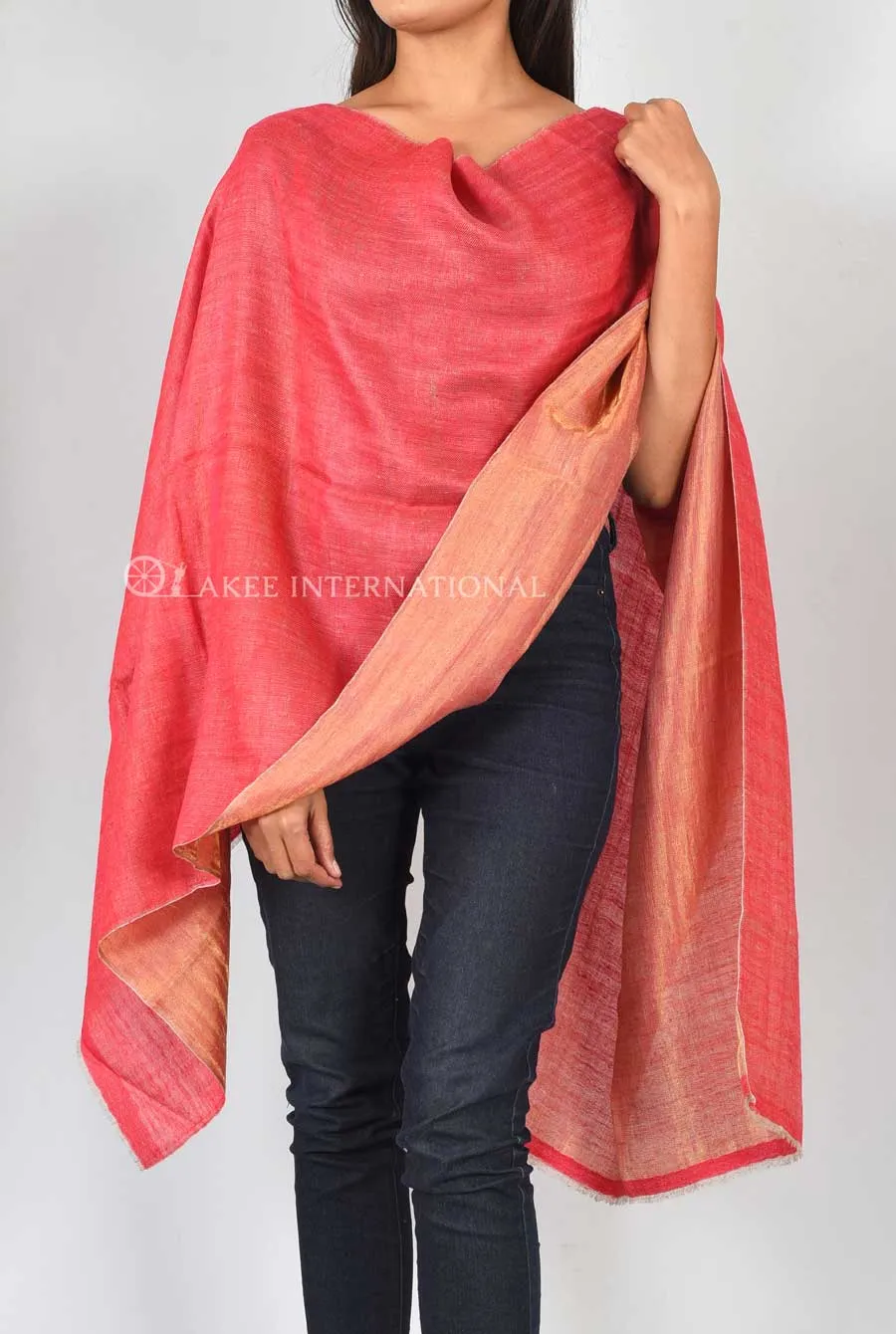
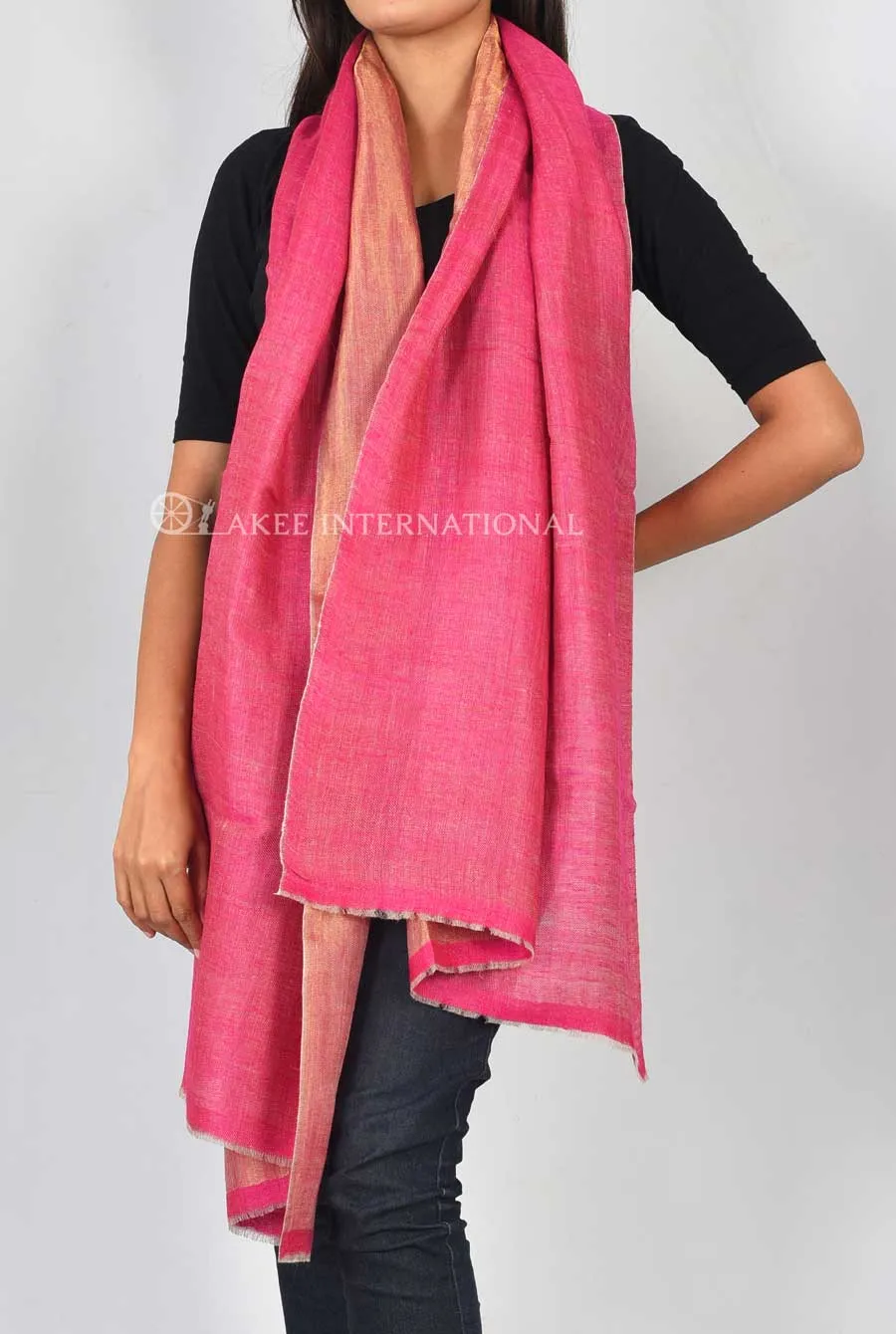
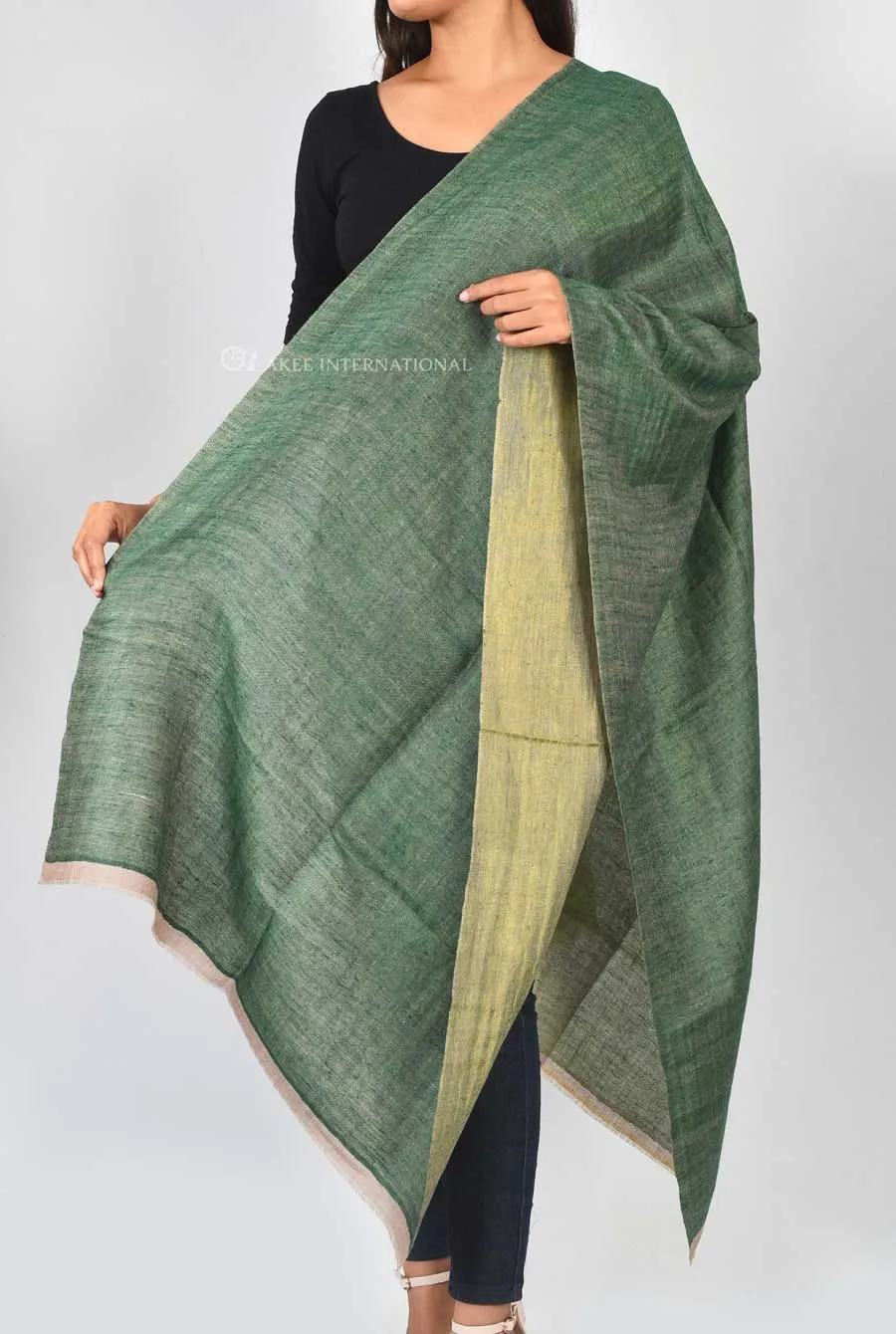
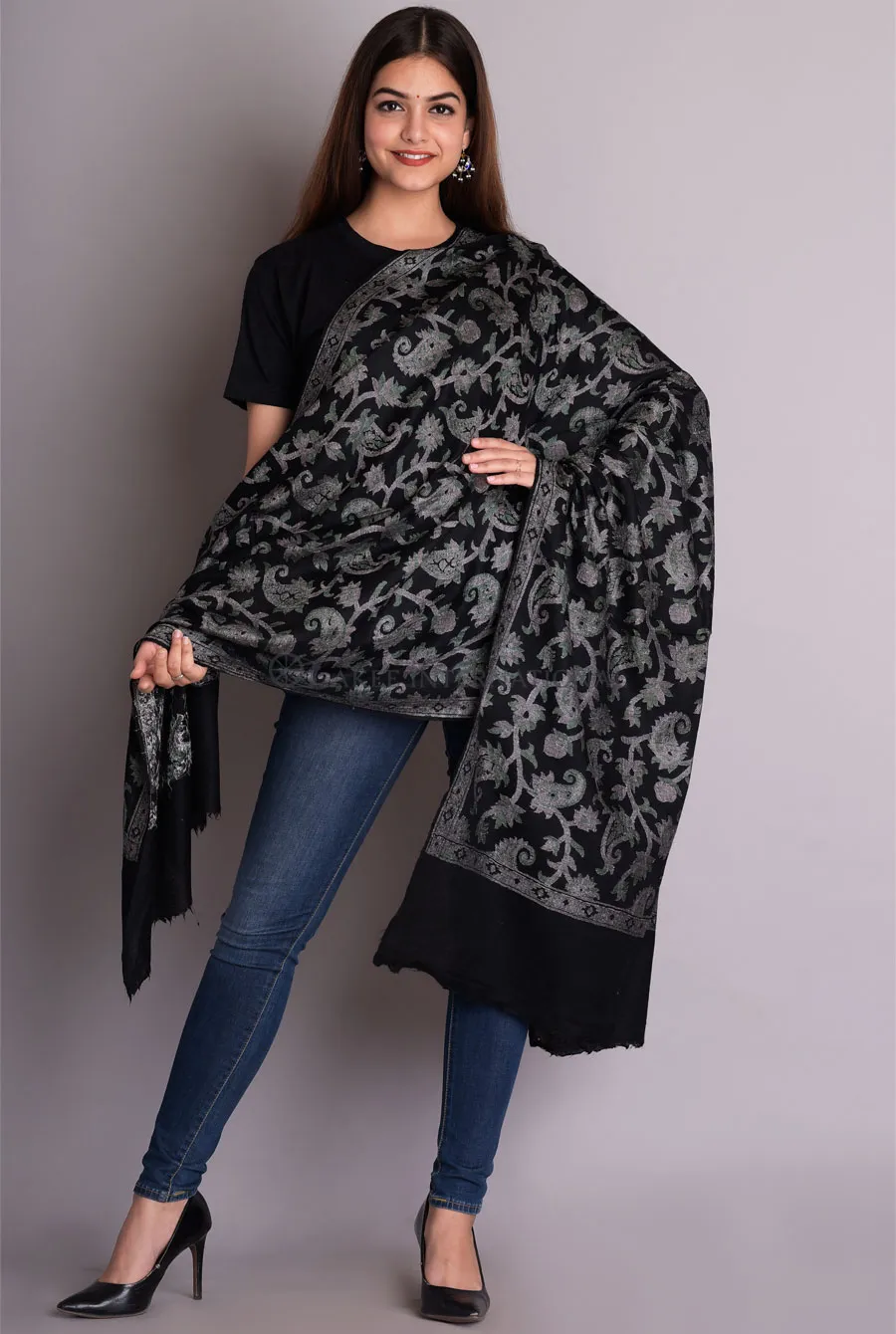
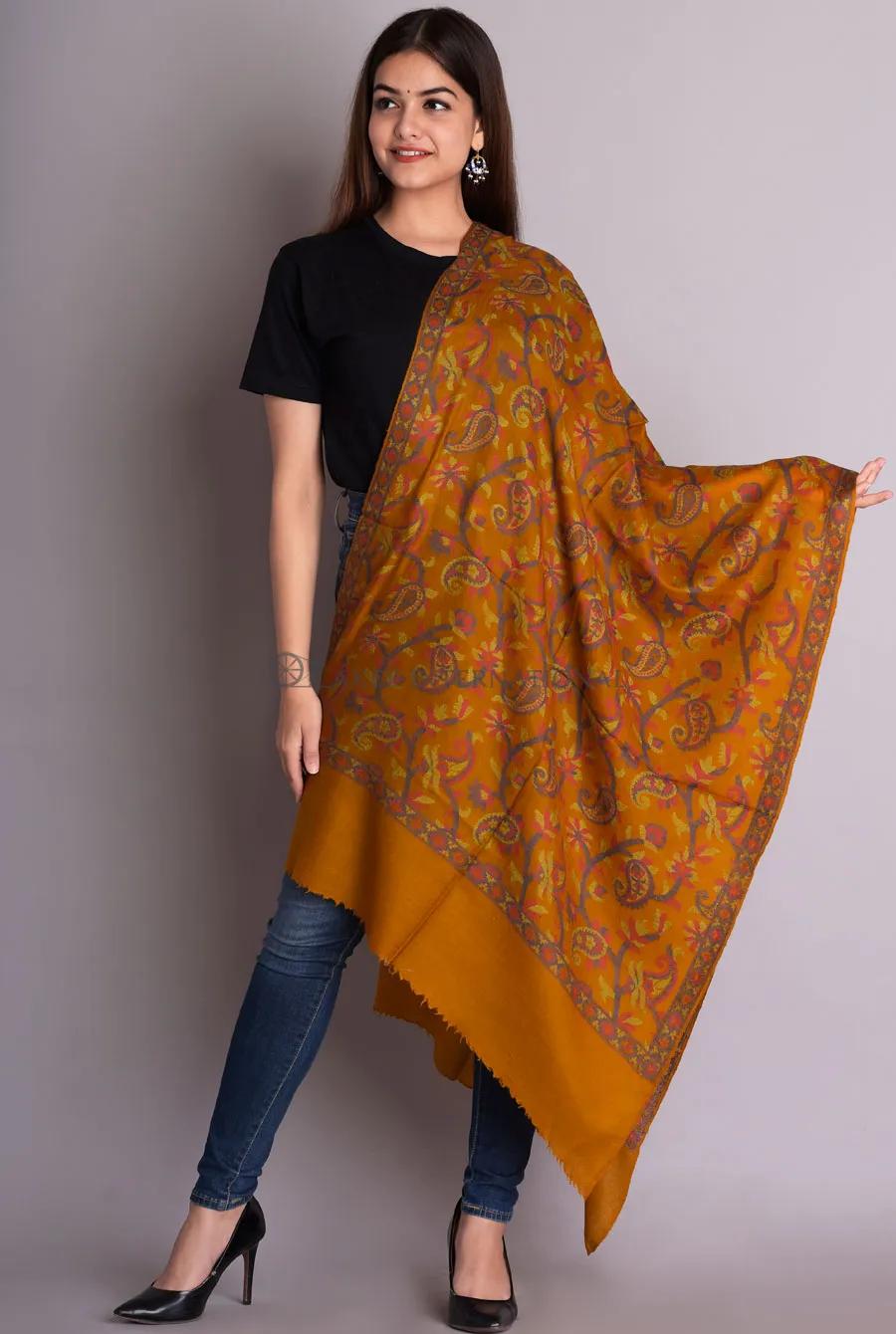
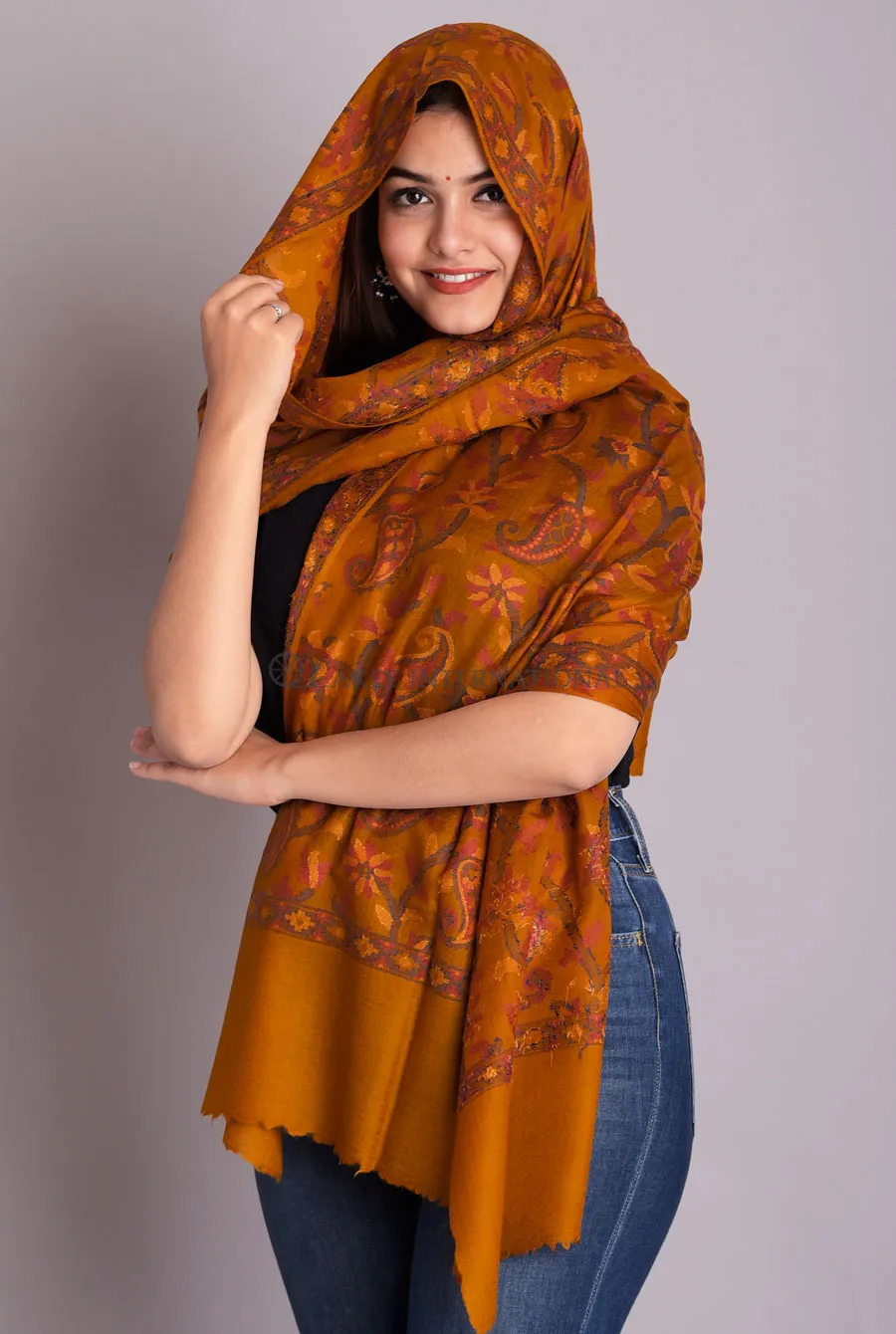
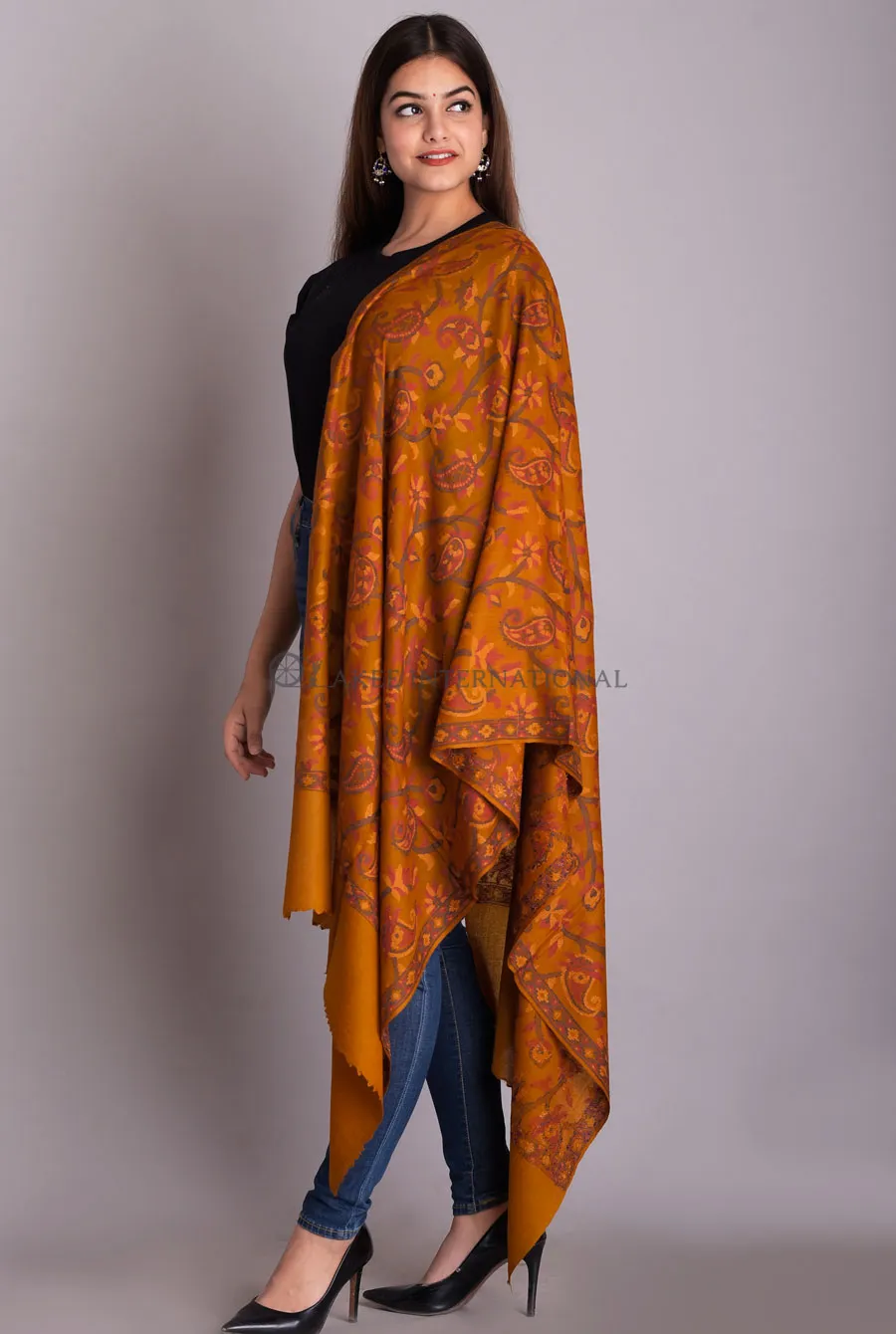
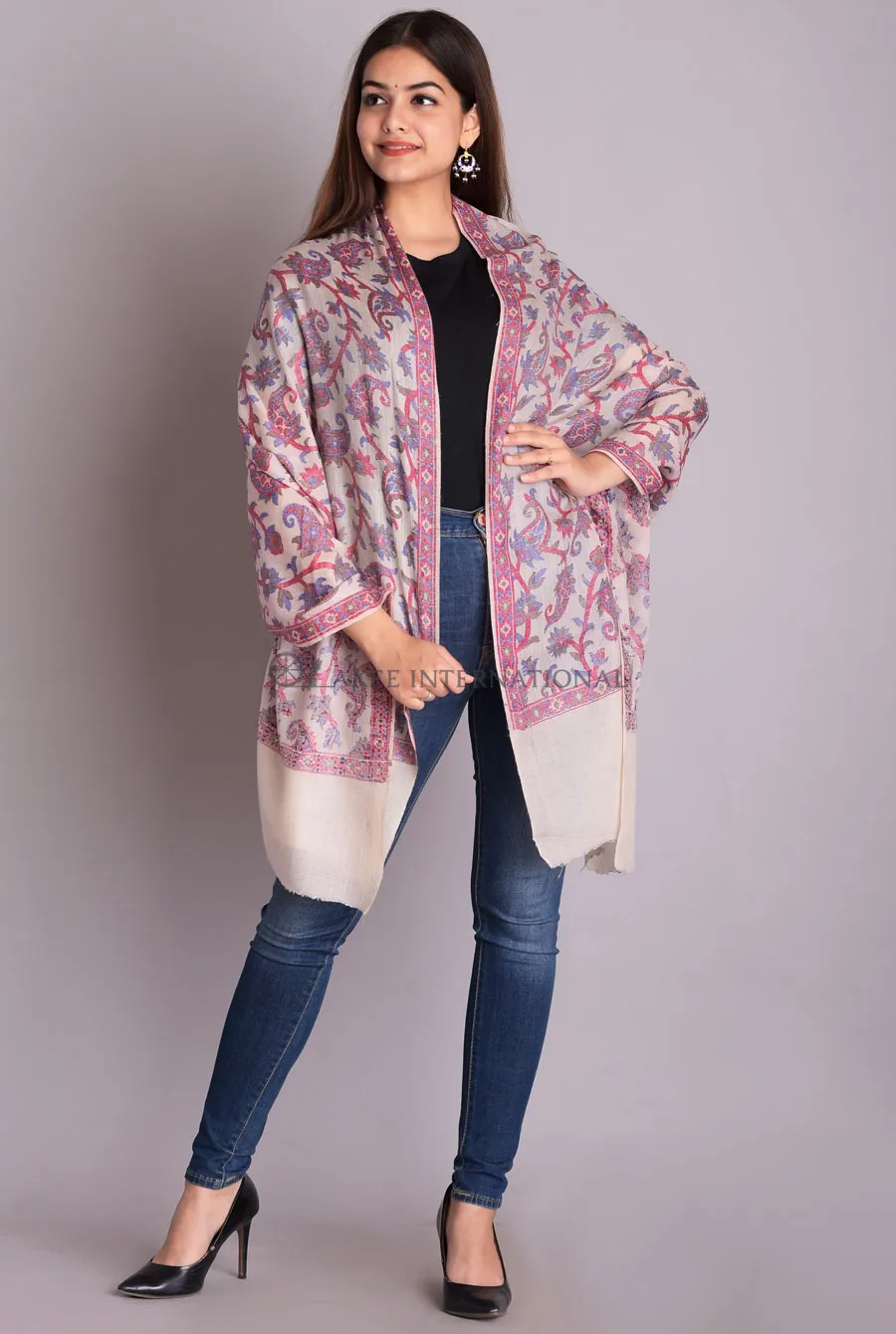
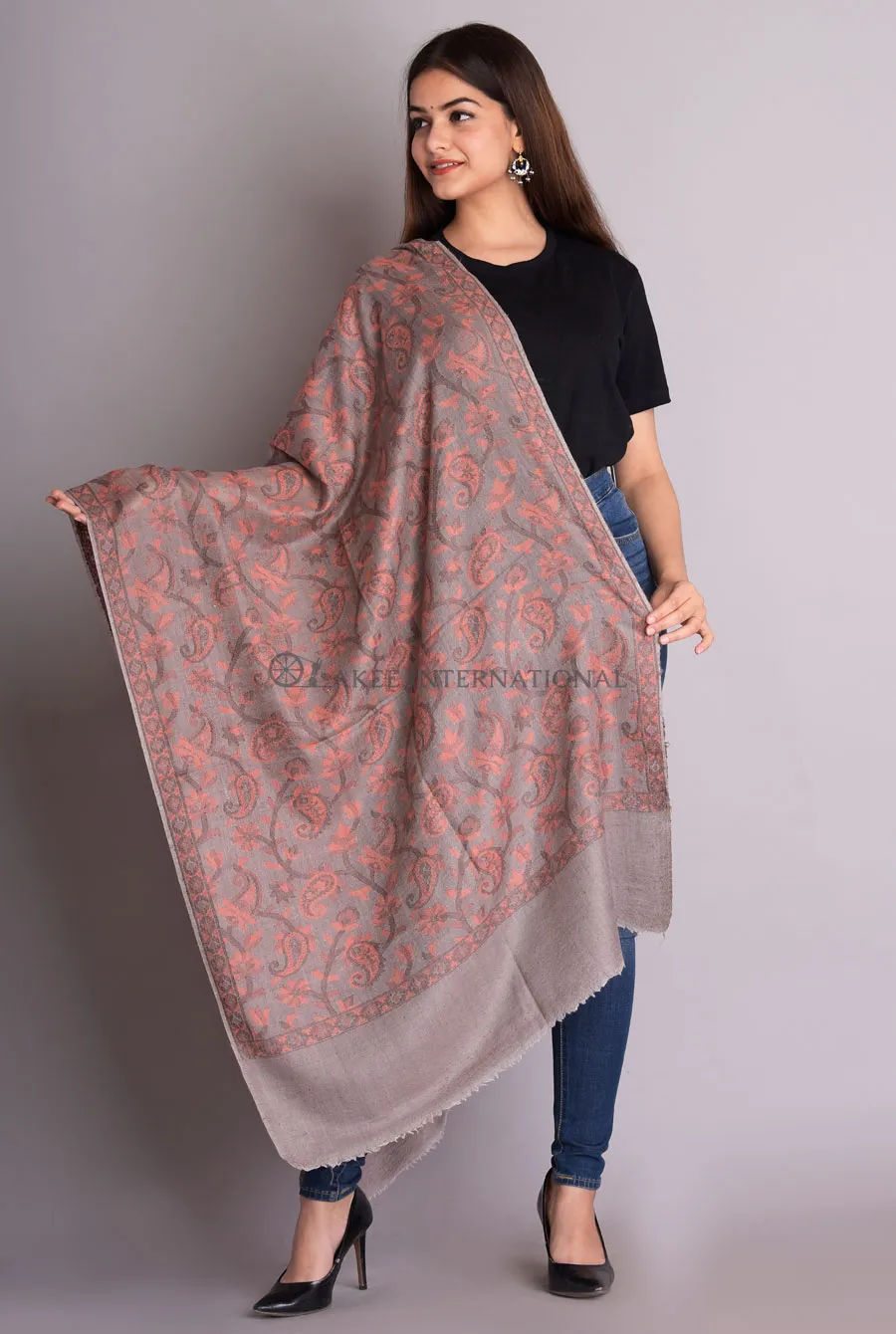
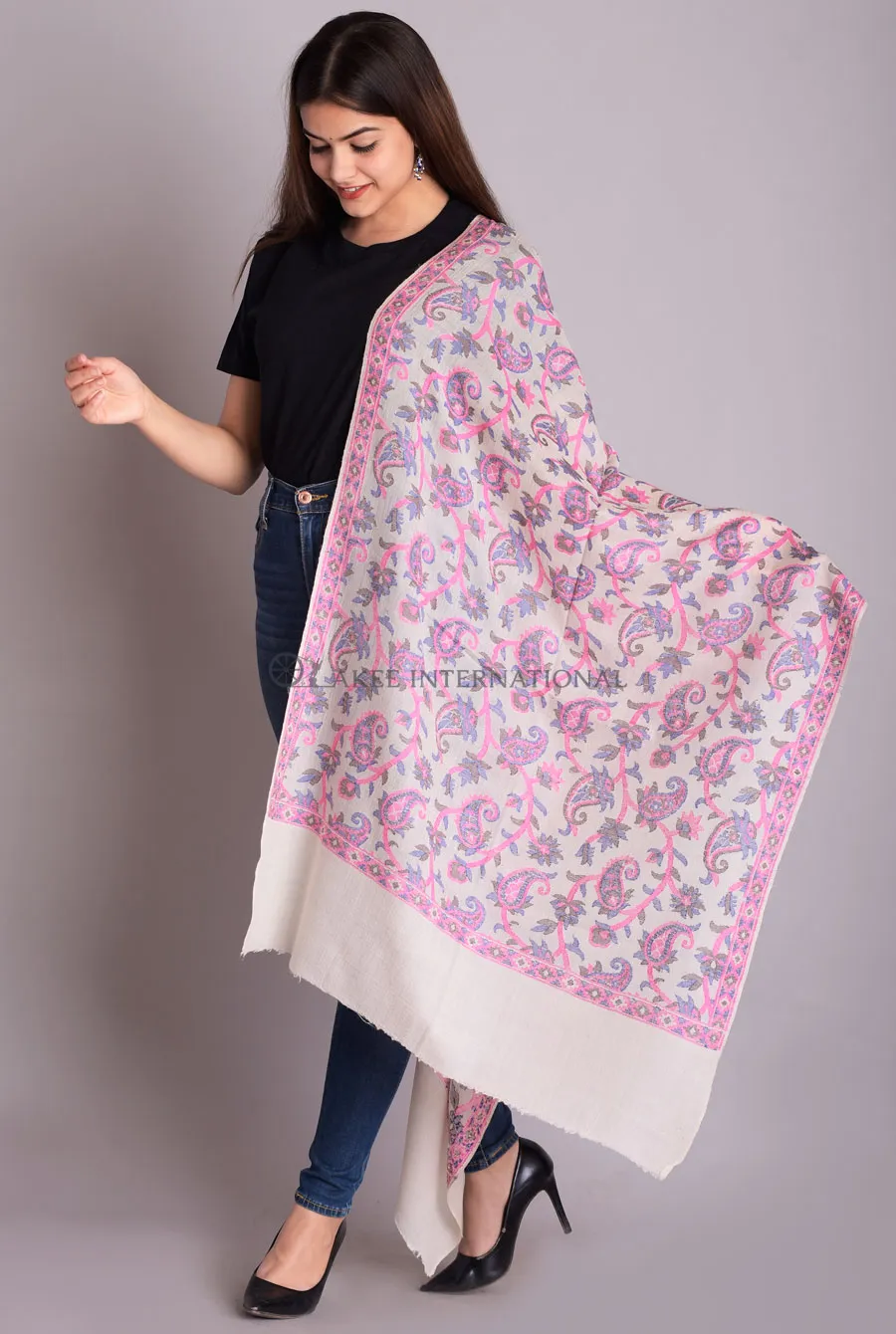
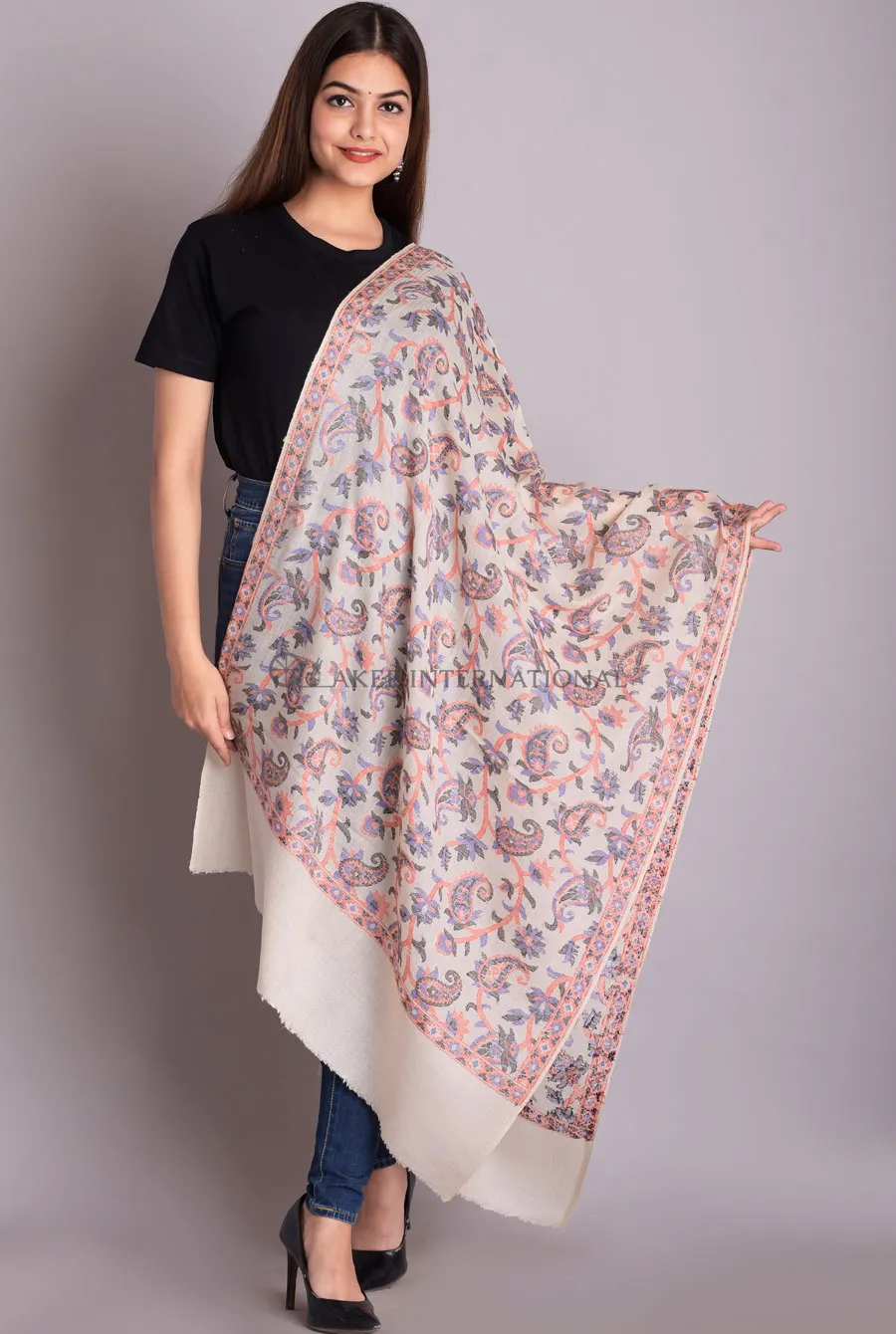
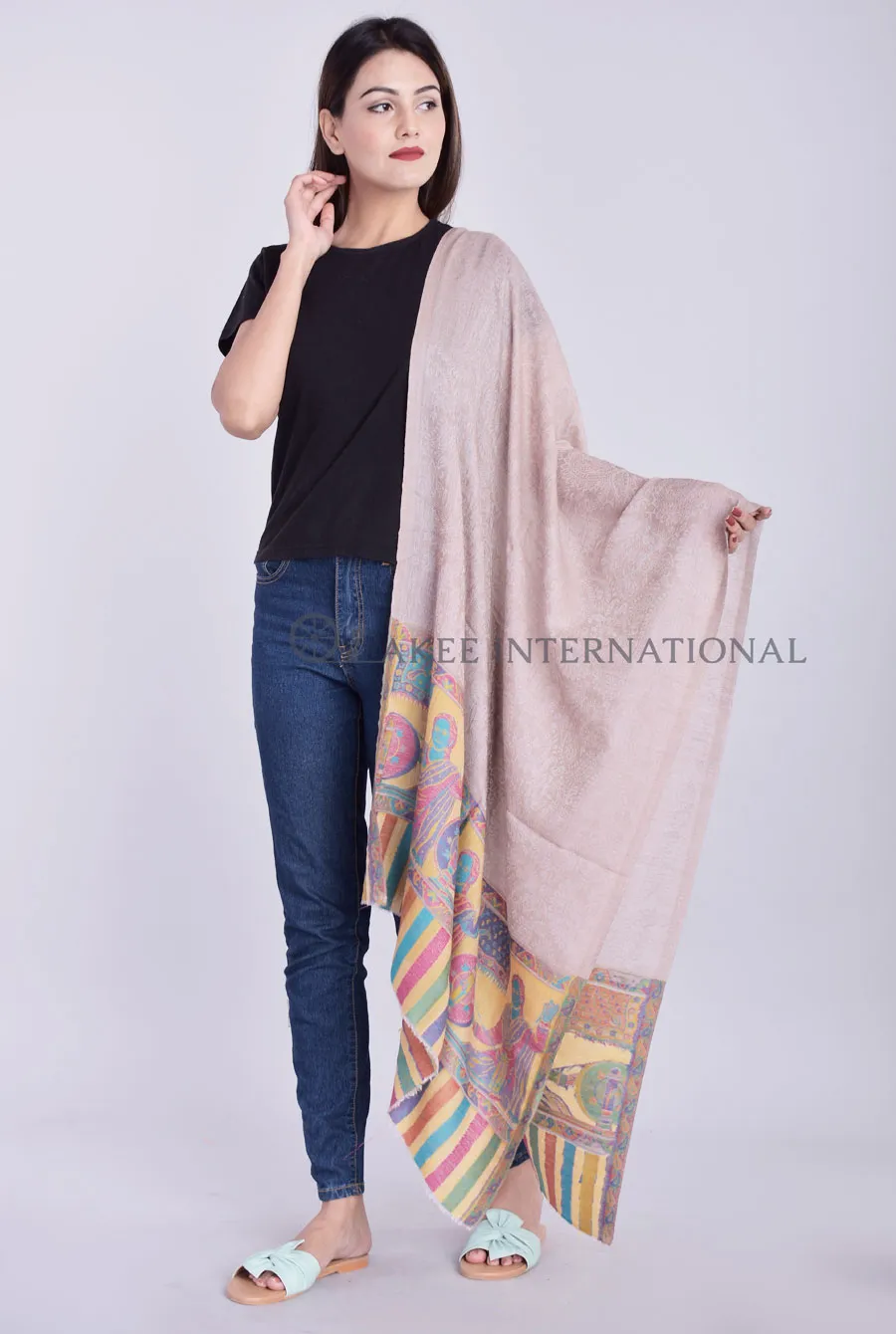
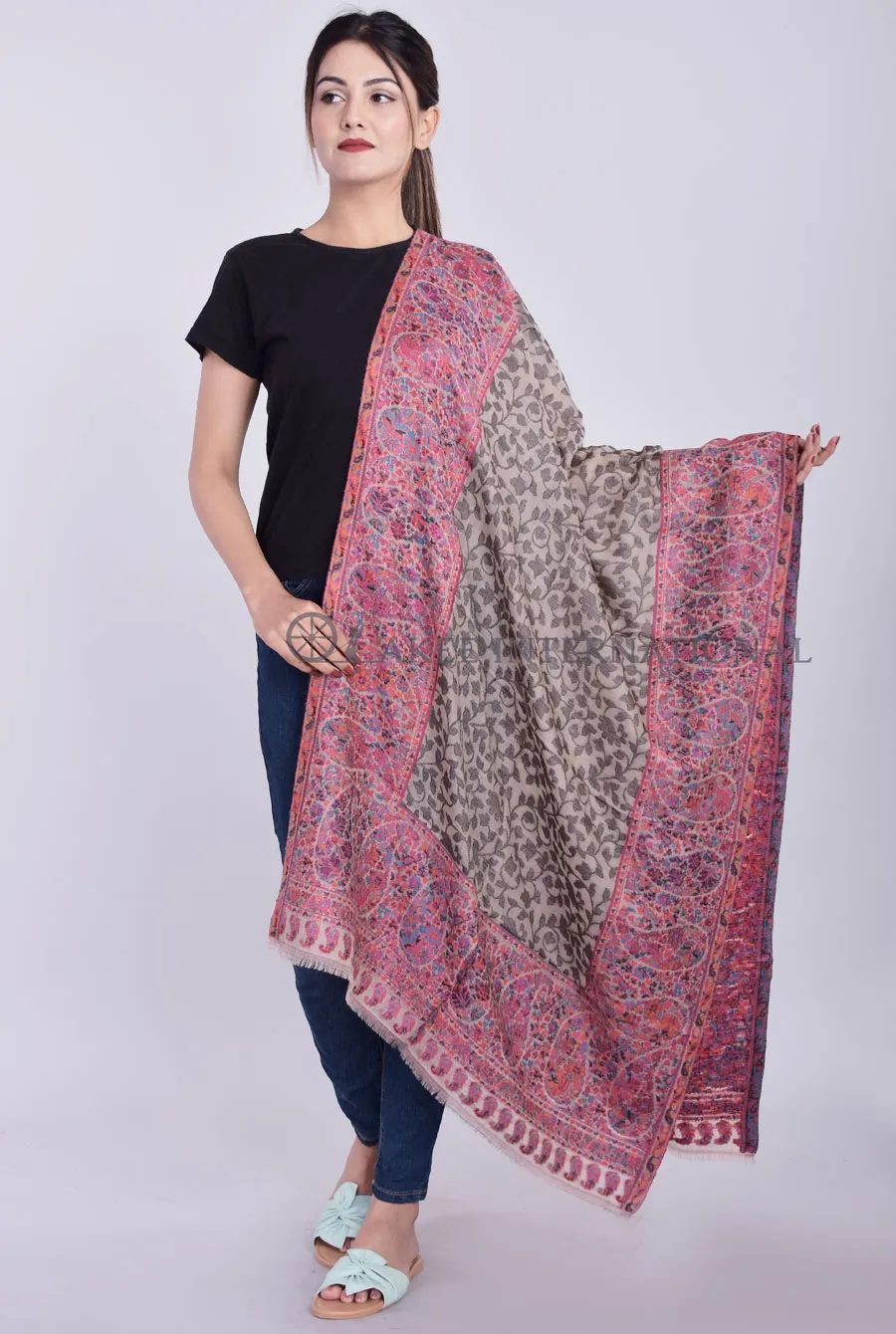
Find Your Perfect Premium Pashmina Shawl
Discover exquisite Pashmina shawls, beautifully crafted with Kashmir’s timeless heritage and artistry.

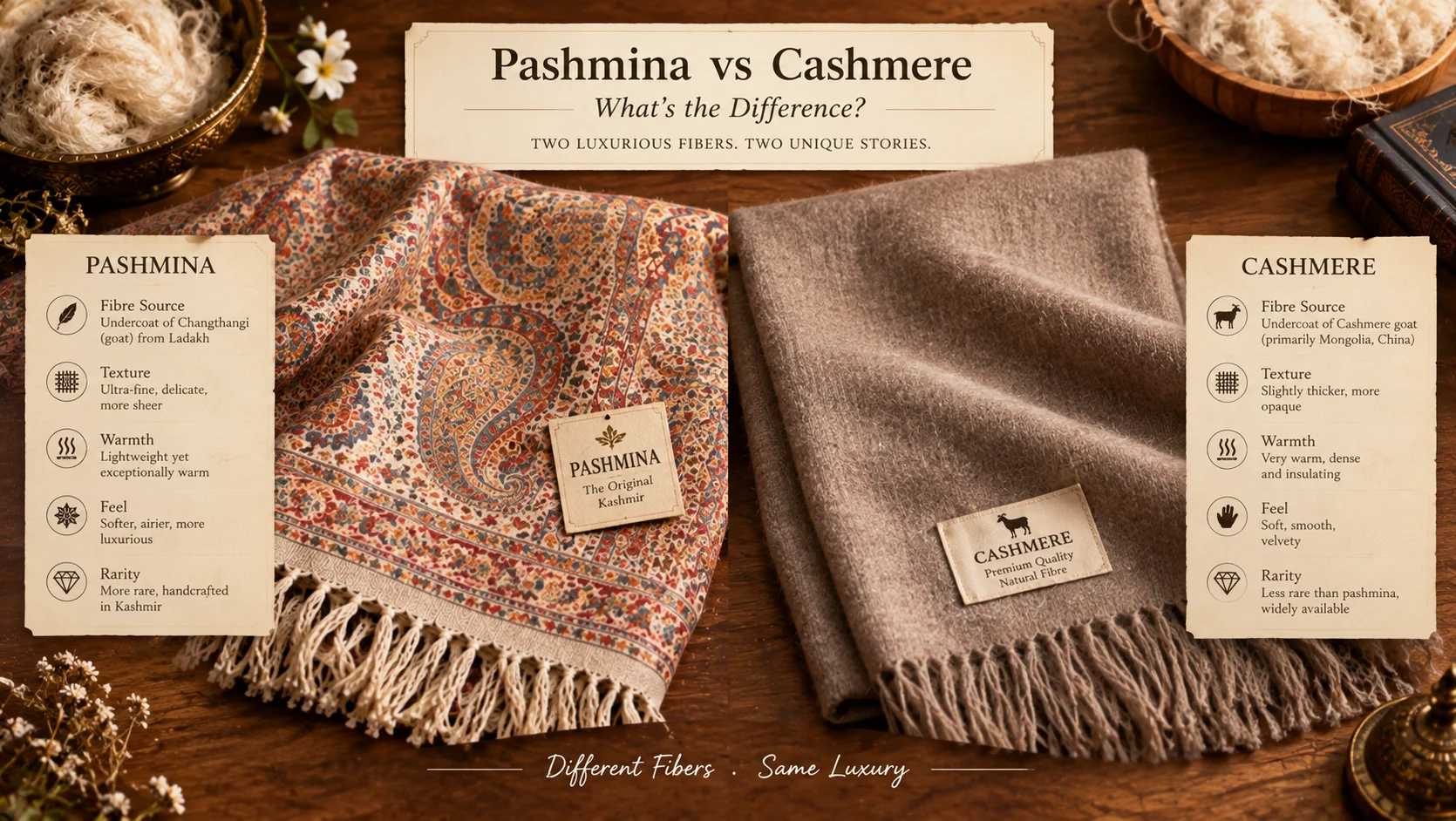
The pashmina vs cashmere question comes up constantly among buyers shopping for fine wool textiles, and the confusion is understandable given how often the two terms get used interchangeably in retail marketing. The short answer is that pashmina is actually a specific, especially fine type of cashmere, sourced exclusively from the Changthangi goat found in the Himalayan regions of Ladakh and Kashmir — meaning all genuine pashmina is cashmere, but not all cashmere qualifies as pashmina. Akee International specialises specifically in genuine pashmina, and understanding this distinction helps buyers know exactly what they're paying for.
Cashmere is a general term for wool sourced from cashmere goats raised across several regions worldwide, including Mongolia, China, Iran, and the broader Himalayan region. Cashmere goats produce a soft undercoat beneath their outer guard hair, and this undercoat is what gets processed into the cashmere wool used in a wide range of commercial garments. Fibre fineness, softness, and quality vary considerably across different cashmere-producing regions and goat breeds, which is why "cashmere" alone doesn't guarantee the exceptional quality specifically associated with pashmina.
Pashmina refers specifically to cashmere wool sourced from the Changthangi goat breed, raised at high altitudes across Ladakh and parts of Kashmir, where the extreme cold drives the goats to develop an exceptionally fine, soft undercoat considerably finer than cashmere from most other regions. This extreme fineness — pashmina fibre diameter typically measures under 14 microns, finer than most other cashmere varieties — is what gives genuine pashmina its distinctive lightweight warmth and exceptional softness, setting it apart even from otherwise high-quality cashmere sourced elsewhere.
Beyond fibre source, processing methods often differ significantly between pashmina and more commercially available cashmere. Genuine pashmina is traditionally hand-spun and hand-woven by artisans in Kashmir, a labour-intensive process that machine processing simply cannot replicate without losing some of the fibre's natural qualities. Much commercial cashmere, by contrast, is machine-spun and machine-woven at industrial scale, which is more efficient and less expensive but produces a noticeably different final texture and drape compared to authentic hand-processed pashmina.
Given how loosely both terms get used in retail marketing, buyers benefit from a few practical checks when trying to distinguish genuine pashmina from more general cashmere. Checking whether a product specifies "pashmina" or "Changthangi wool" specifically, rather than the broader "cashmere" term alone, is a useful first step. Feeling the fabric for exceptional lightness combined with warmth — pashmina typically feels noticeably finer and lighter than standard cashmere of similar size — and asking the seller directly about fibre origin are both reasonable ways to verify which category a specific piece actually falls into.
Given pashmina's greater fibre fineness and traditional hand-processing, genuine pashmina generally commands a higher price than standard commercial cashmere of comparable size. Buyers should expect this price difference and treat pashmina-labelled products priced similarly to mass-market cashmere with some scepticism, since the labour and material costs behind authentic pashmina rarely allow for pricing at that lower commercial cashmere level.
Cashmere sourced from Mongolia and China represents the largest share of global commercial cashmere production, generally processed through more mechanised methods suited to larger-scale manufacturing. This regional cashmere, while genuinely soft and warm, typically doesn't match the extreme fineness of Changthangi pashmina from Kashmir and Ladakh, nor does it usually carry the same traditional hand-spinning and hand-weaving heritage. Buyers specifically seeking the combination of exceptional fibre fineness and traditional craftsmanship should look for pashmina specifically labelled with its Kashmiri or Changthangi origin rather than generic cashmere sourced from these other, larger-scale producing regions.
A few misconceptions come up repeatedly in discussions comparing pashmina vs cashmere. One is assuming the two terms describe entirely separate, unrelated fibres, when in fact pashmina is a specific, superior subset within the broader cashmere category rather than a completely different material. Another is assuming any product labelled "pashmina" automatically meets the true Changthangi wool standard, when in practice the term gets applied loosely across the market to products that may not meet this specific origin requirement at all. Understanding pashmina as the premium tier within cashmere, rather than a separate category entirely, helps buyers navigate marketing language more accurately.
Many products marketed with "pashmina" in their name actually contain a blend of pashmina and other fibres — sometimes silk, sometimes standard sheep's wool, and sometimes synthetic fibres added to reduce cost. These blends aren't necessarily fraudulent if disclosed accurately, since a pashmina-silk blend, for instance, can offer a different but still legitimate textile with its own characteristics. However, buyers specifically seeking 100% pure pashmina should check fibre content percentages carefully rather than assuming any product using the pashmina name meets that full standard.
The choice between pashmina and broader cashmere ultimately depends on what a buyer values most. Those prioritising the absolute finest fibre quality, traditional hand-craftsmanship, and a piece with genuine heritage significance tend to choose pashmina specifically. Those wanting a softer alternative to standard wool at a more accessible price point, without necessarily needing the extreme fineness pashmina offers, might find broader commercial cashmere adequately meets their needs at a lower cost.
For questions about the pashmina vs cashmere distinction, or to verify the fibre content of a specific piece, contact the team through Contact Us or WhatsApp at +91-9772777770. The full product catalogue specifies genuine pashmina content across every listed piece.
Discover exquisite Pashmina shawls, beautifully crafted with Kashmir’s timeless heritage and artistry.
Discover exquisite Pashmina shawls, beautifully crafted with Kashmir’s timeless heritage and artistry.
Pashmina is a specific, finer type of cashmere; all pashmina is cashmere, but not all cashmere is pashmina.
Pashmina is generally softer due to its finer fibre, typically 12-16 microns compared to cashmere's 16-19 microns.
Its rarity, finer fibre, and entirely hand-processed production make it more labour-intensive and costly than machine-processed cashmere.
Genuine pashmina comes exclusively from Changthangi goats native to Ladakh and Kashmir's high-altitude regions.
No, much commercial cashmere is machine-processed, unlike genuine pashmina, which is entirely hand-spun and hand-woven.
Yes, Kashmir Pashmina holds a Geographical Indication (GI) tag recognizing its authentic regional origin.
It can be difficult visually; texture, softness, and asking about fibre source and production method are more reliable indicators.
All our products are made from genuine, fine-micron Changthangi pashmina wool, not standard cashmere.
This depends on budget and preference; pashmina offers superior softness and heritage, while cashmere can be a more accessible luxury option.
Ask about micron count, production method, and origin — genuine sellers should be able to answer these clearly.
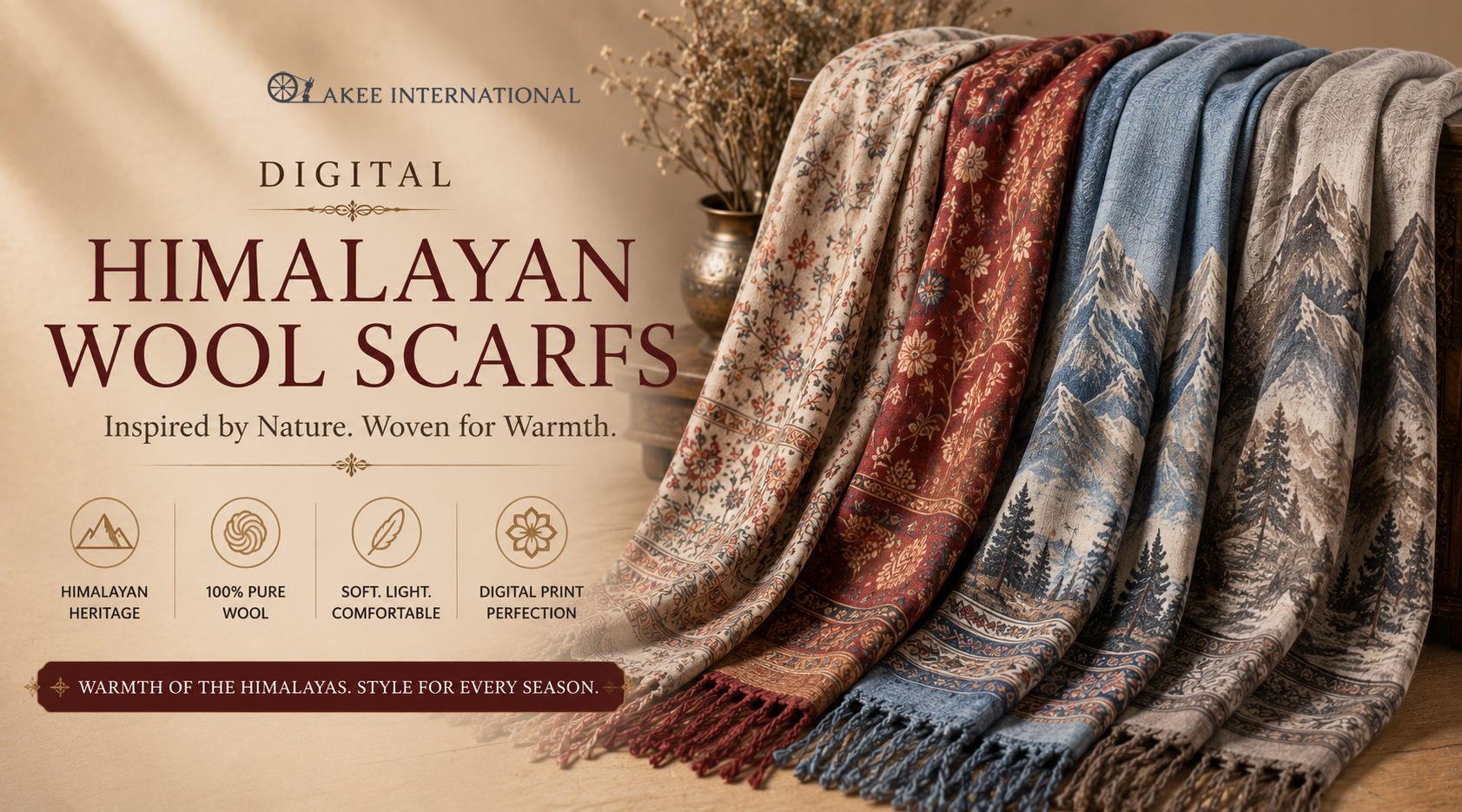
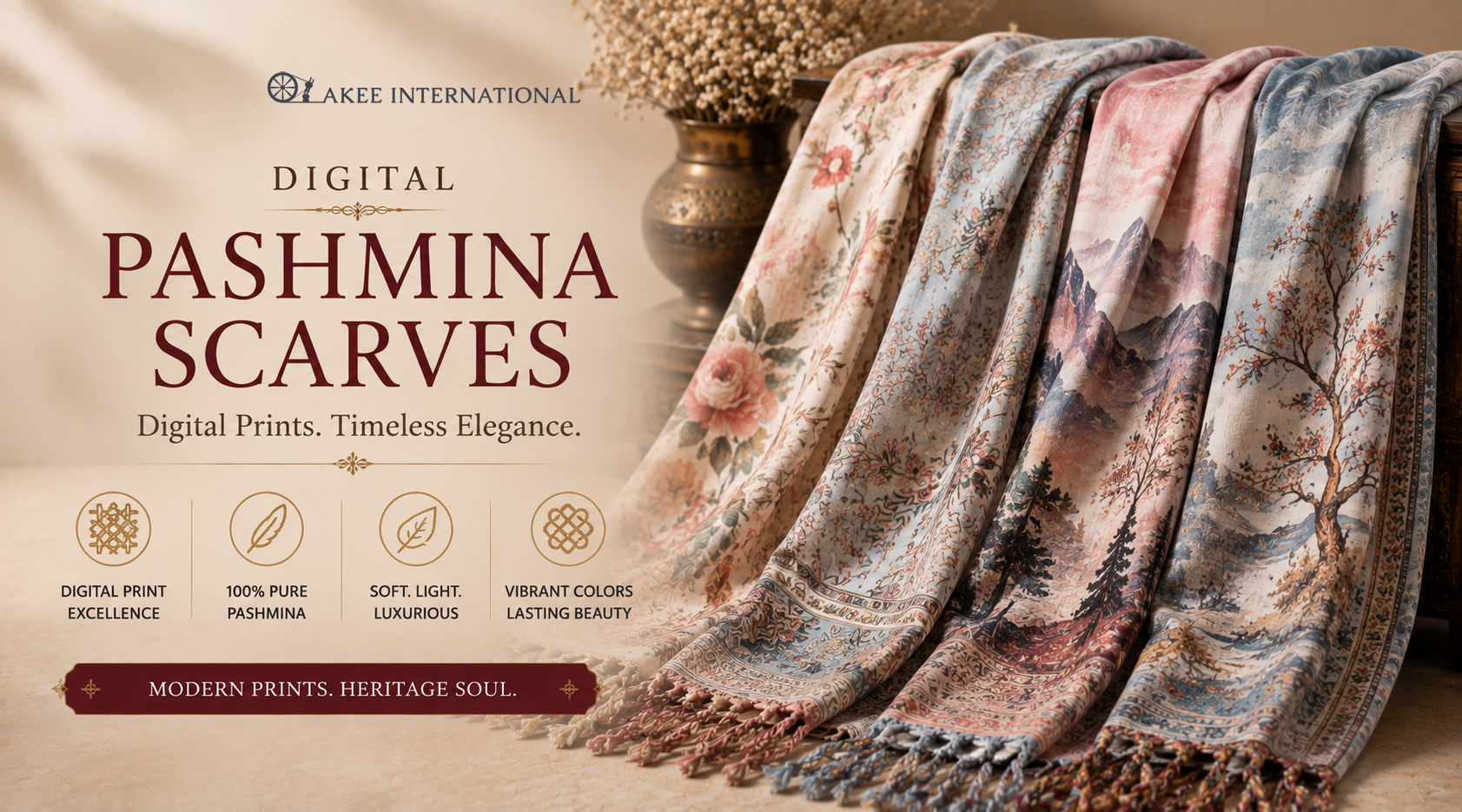
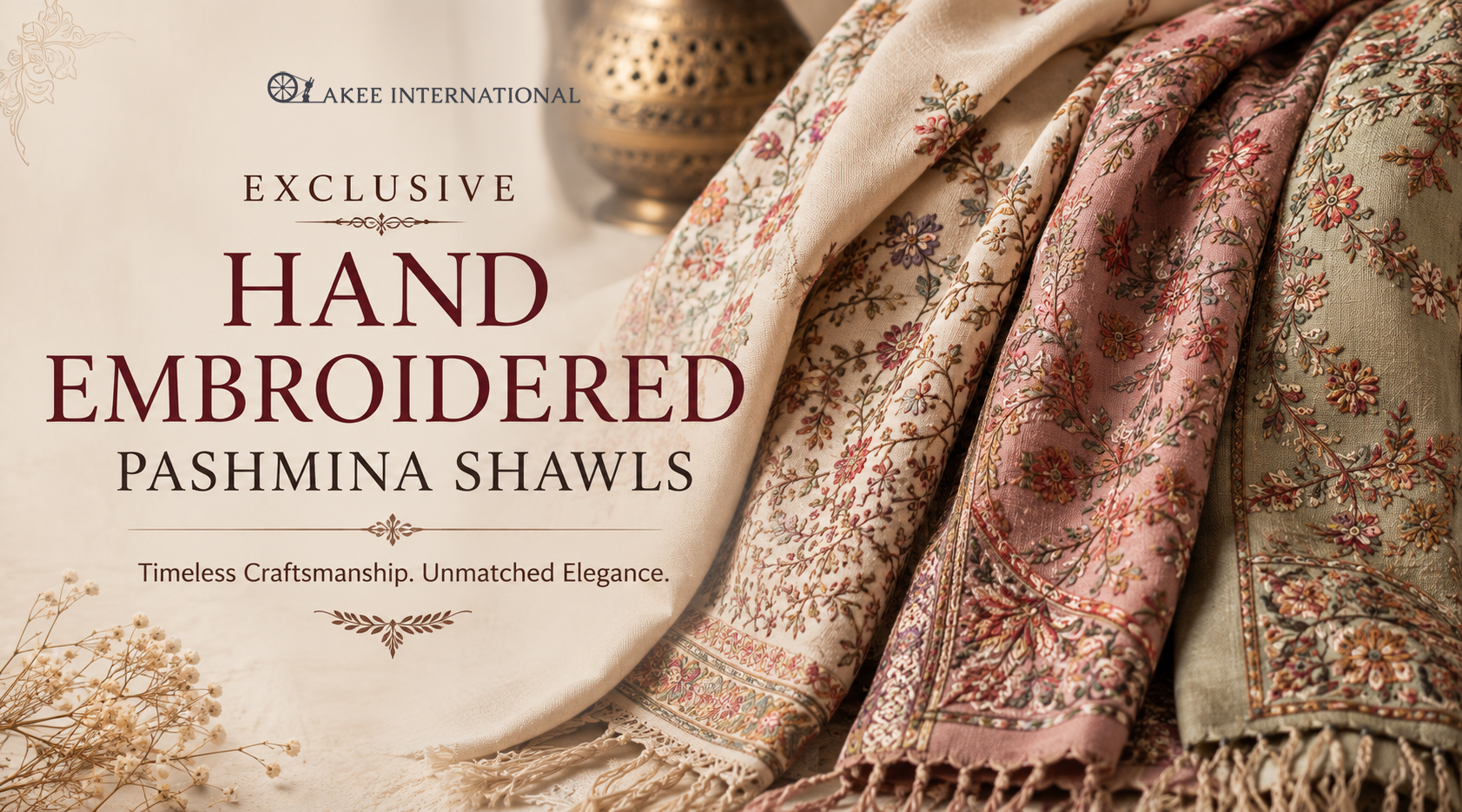
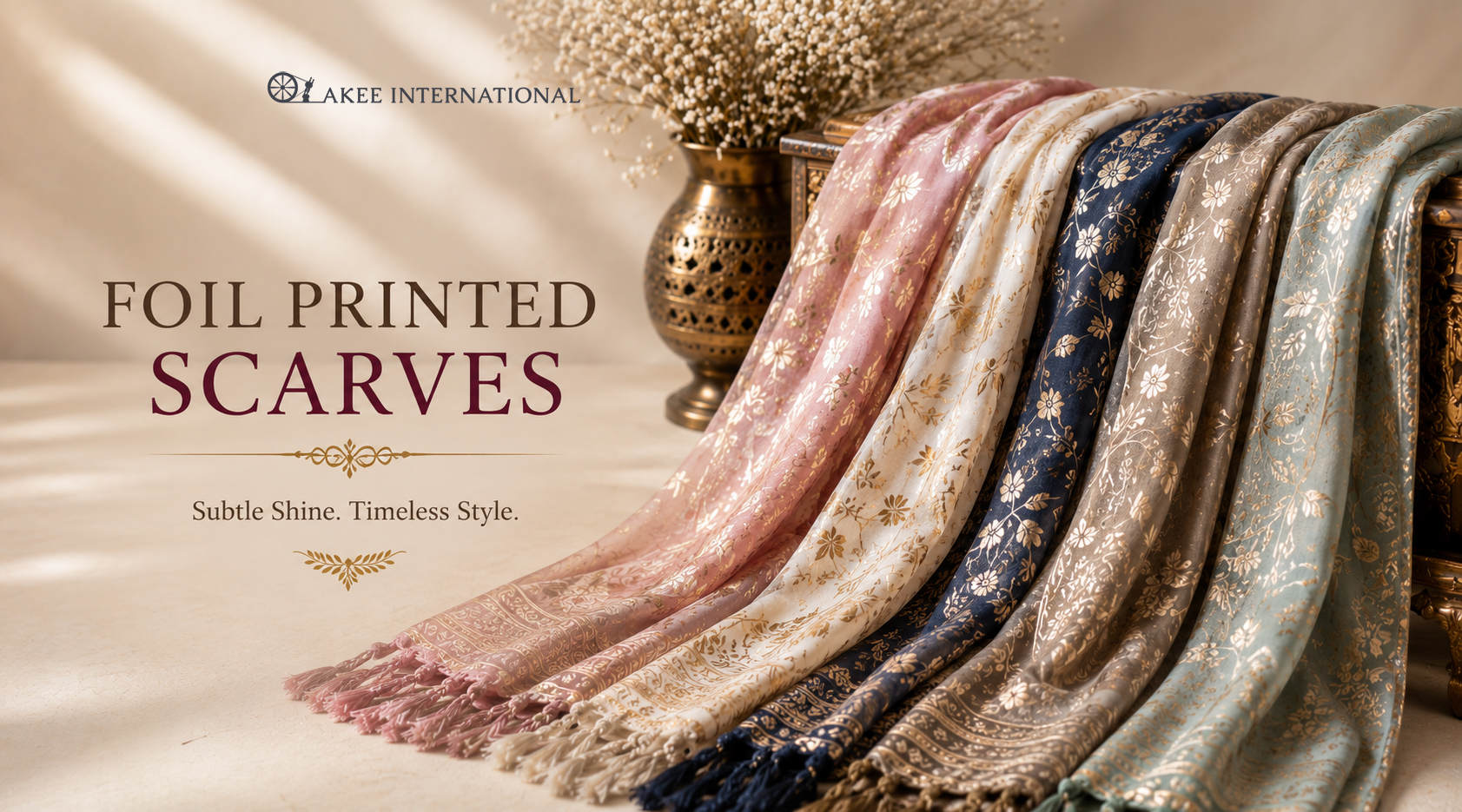
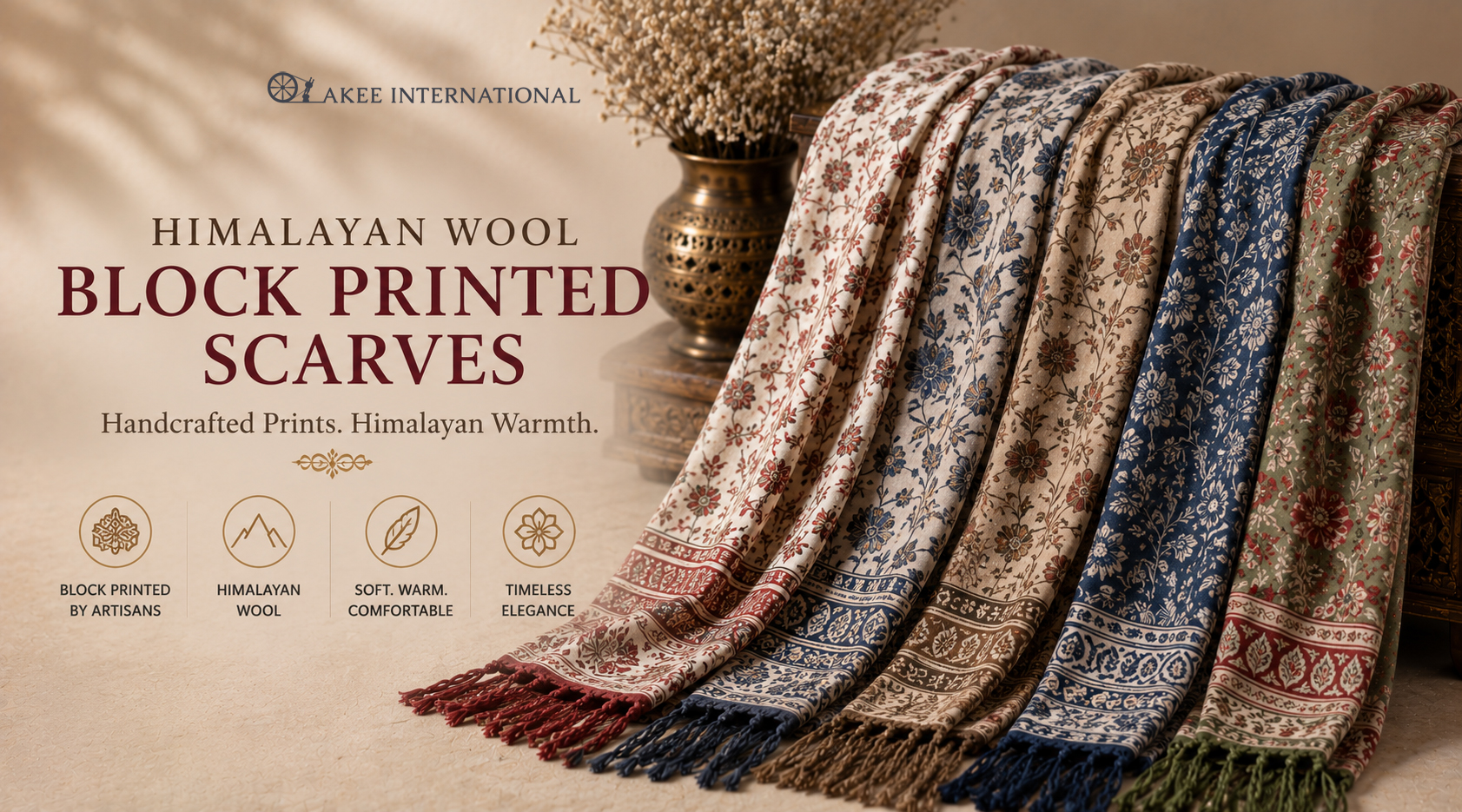
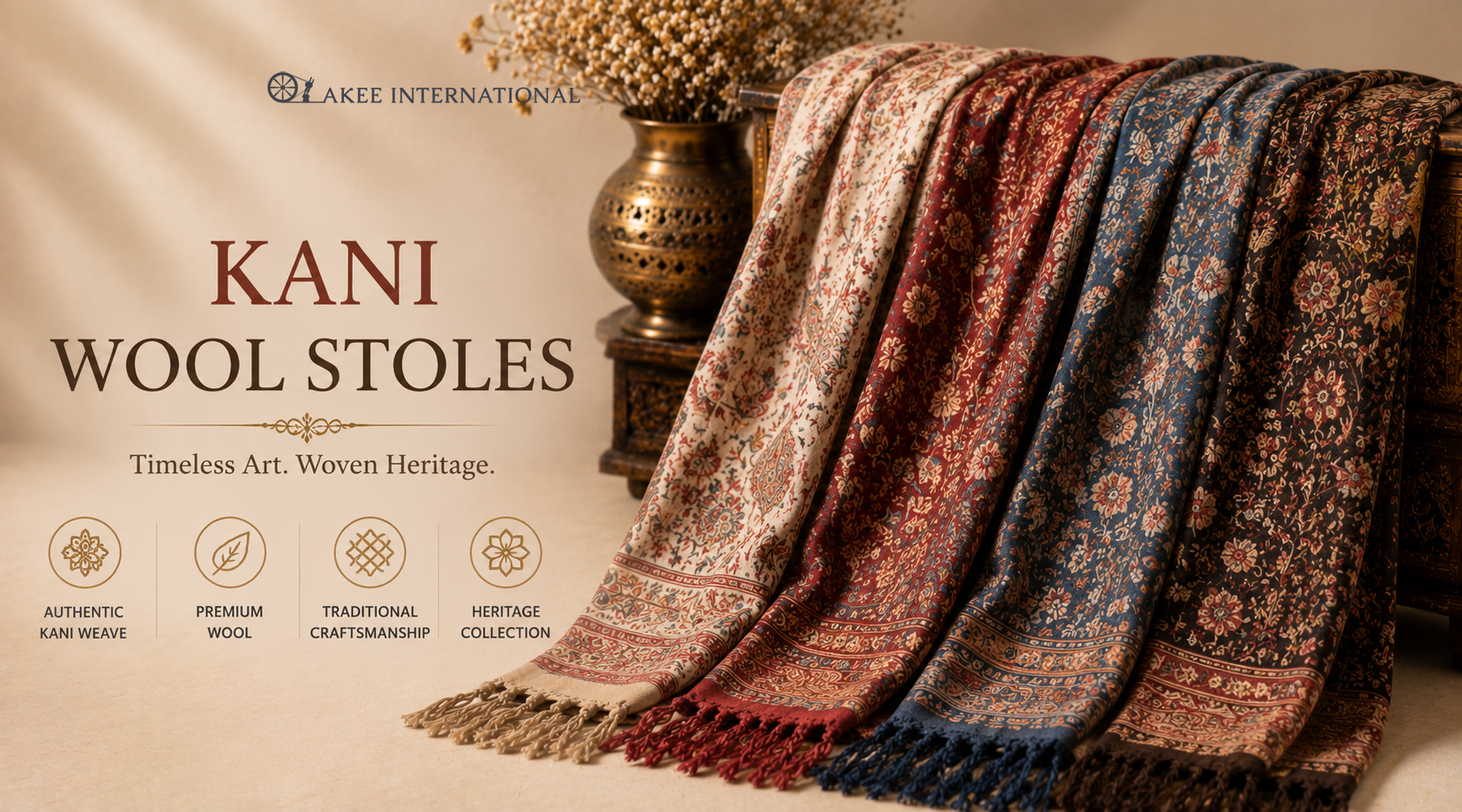
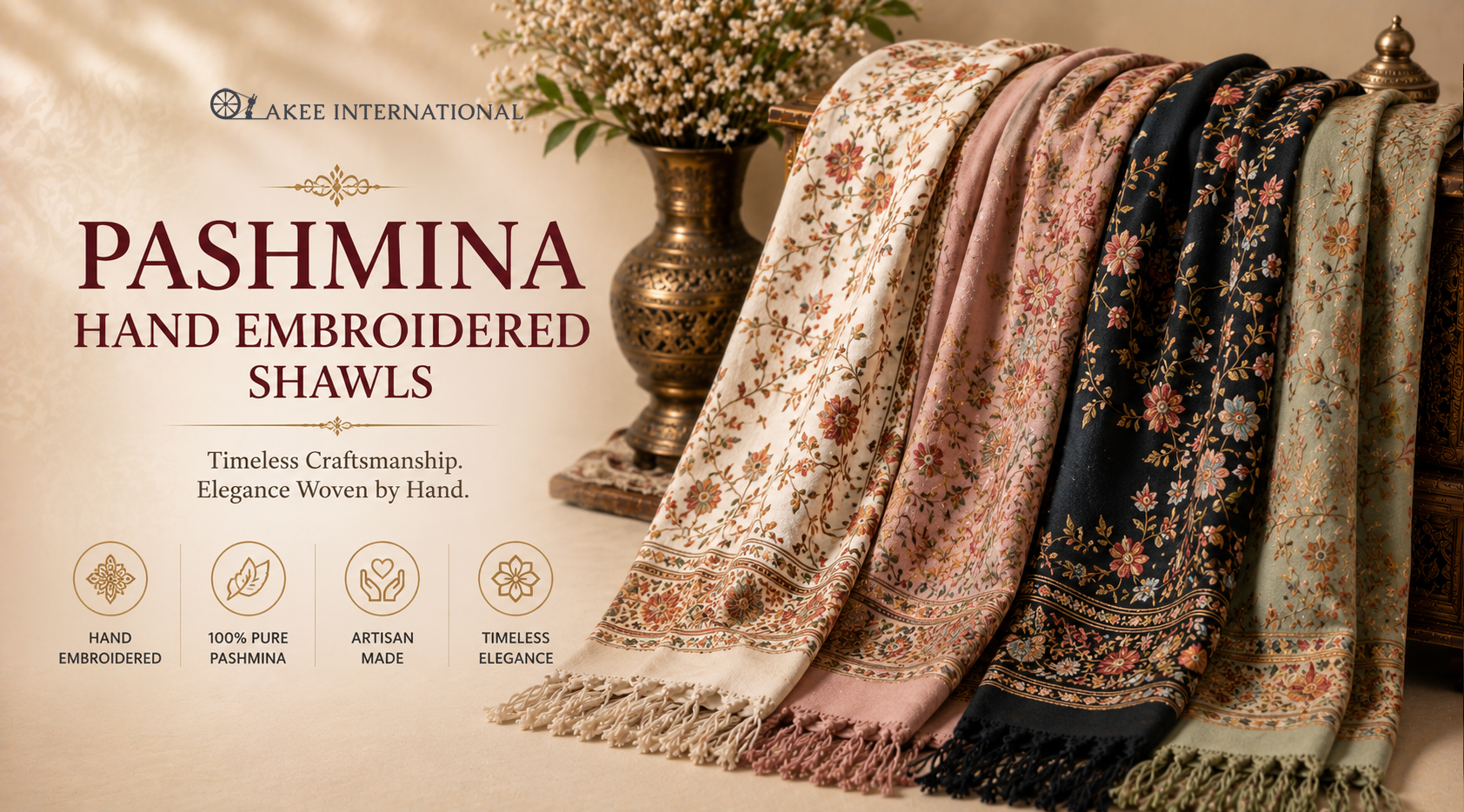
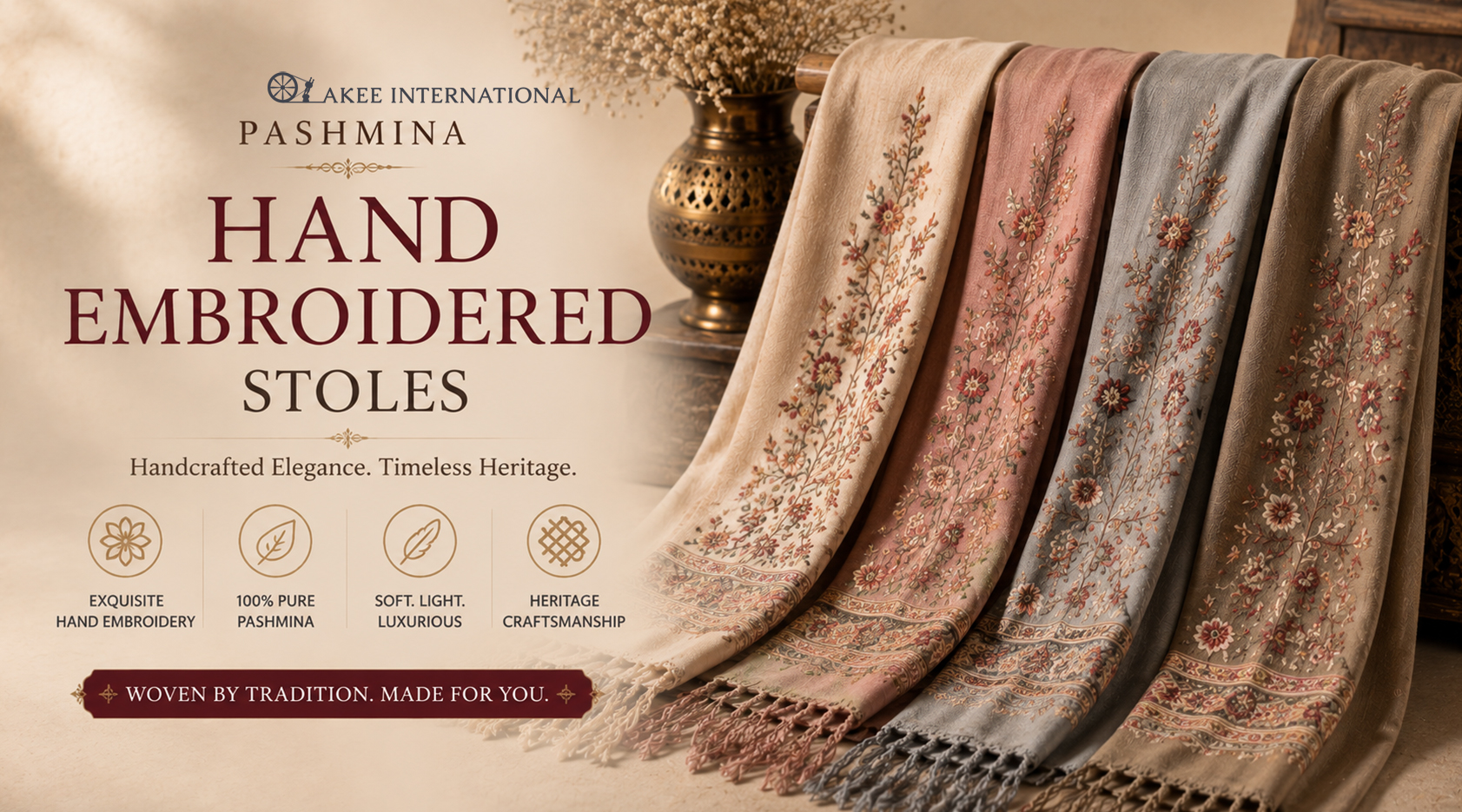
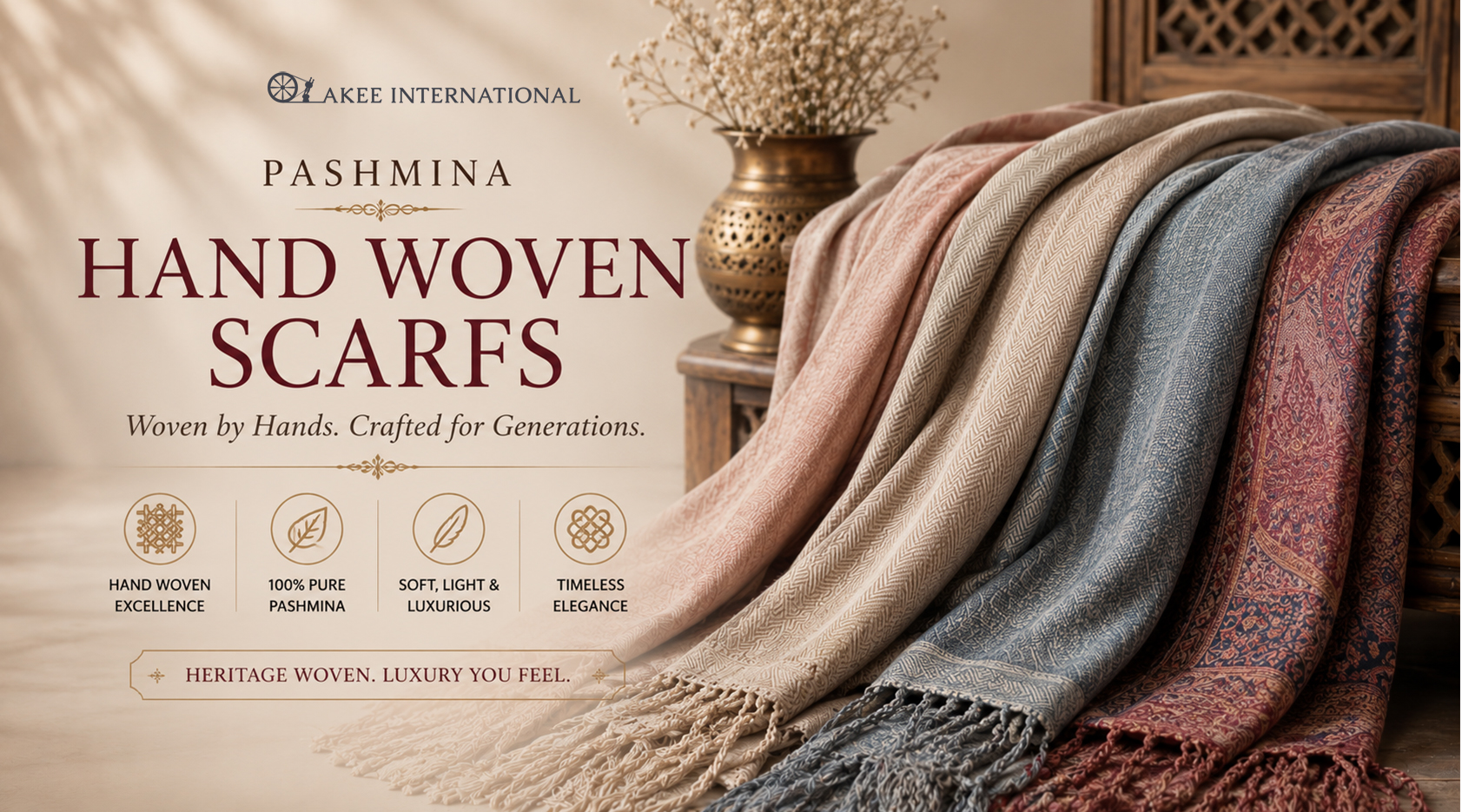
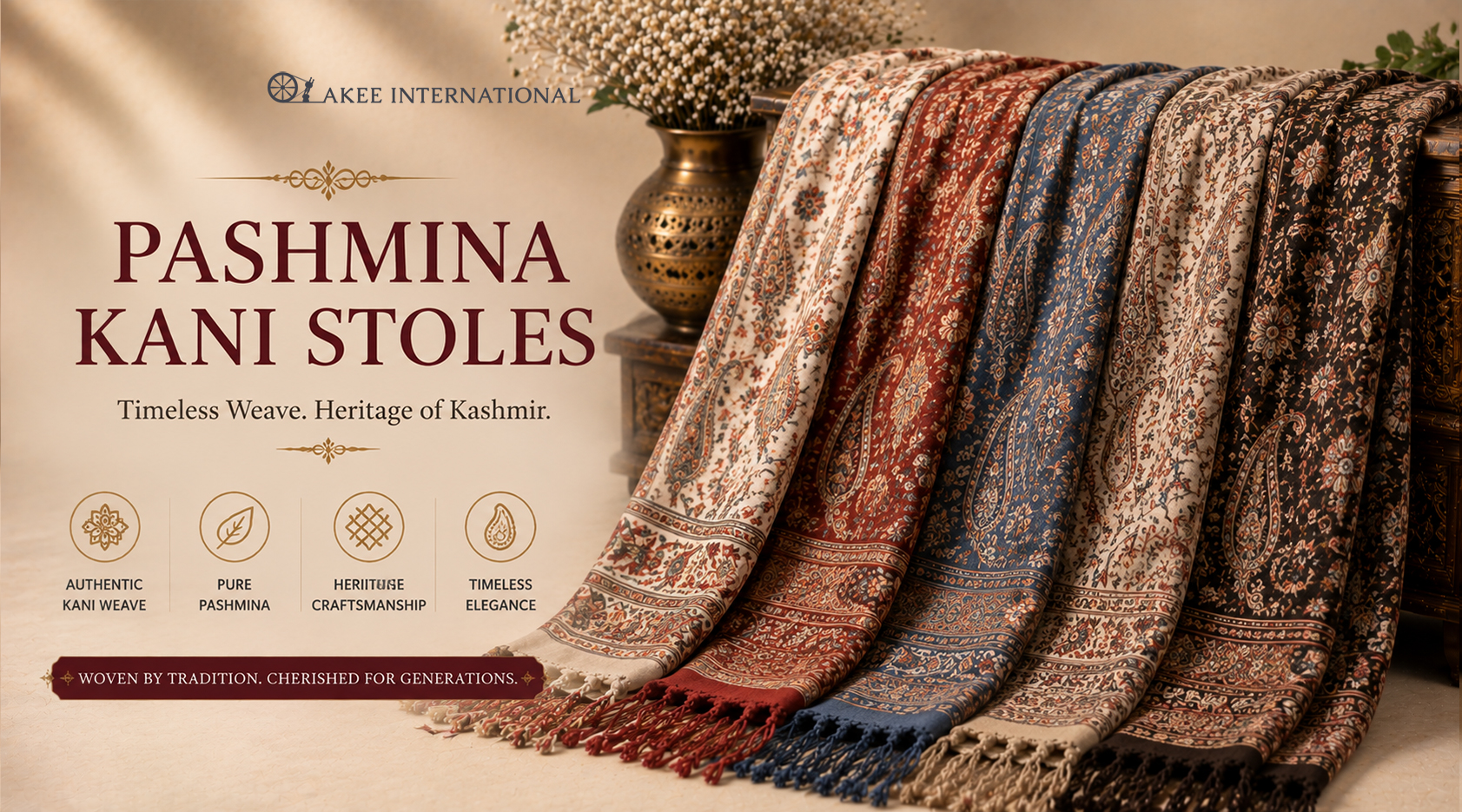
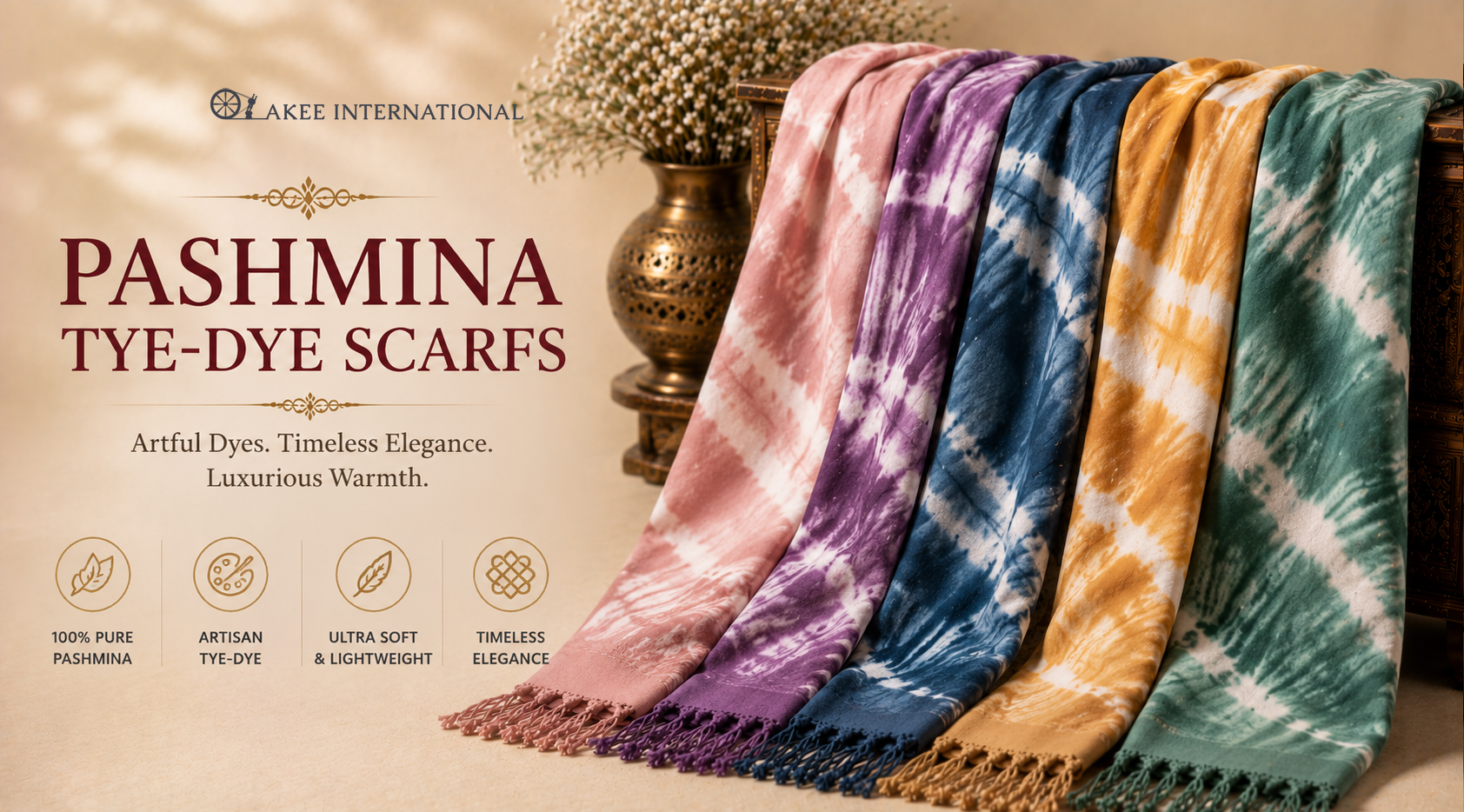
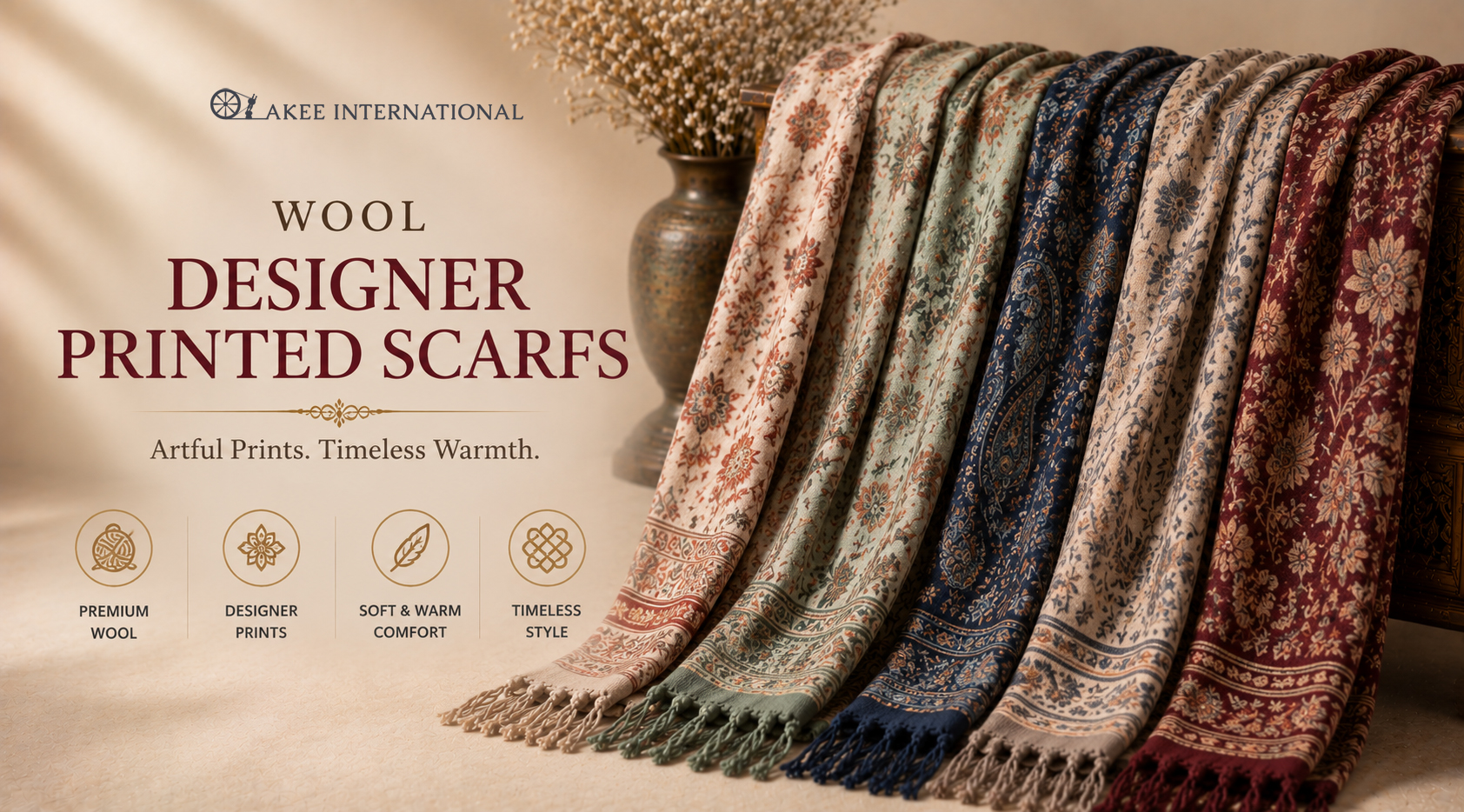
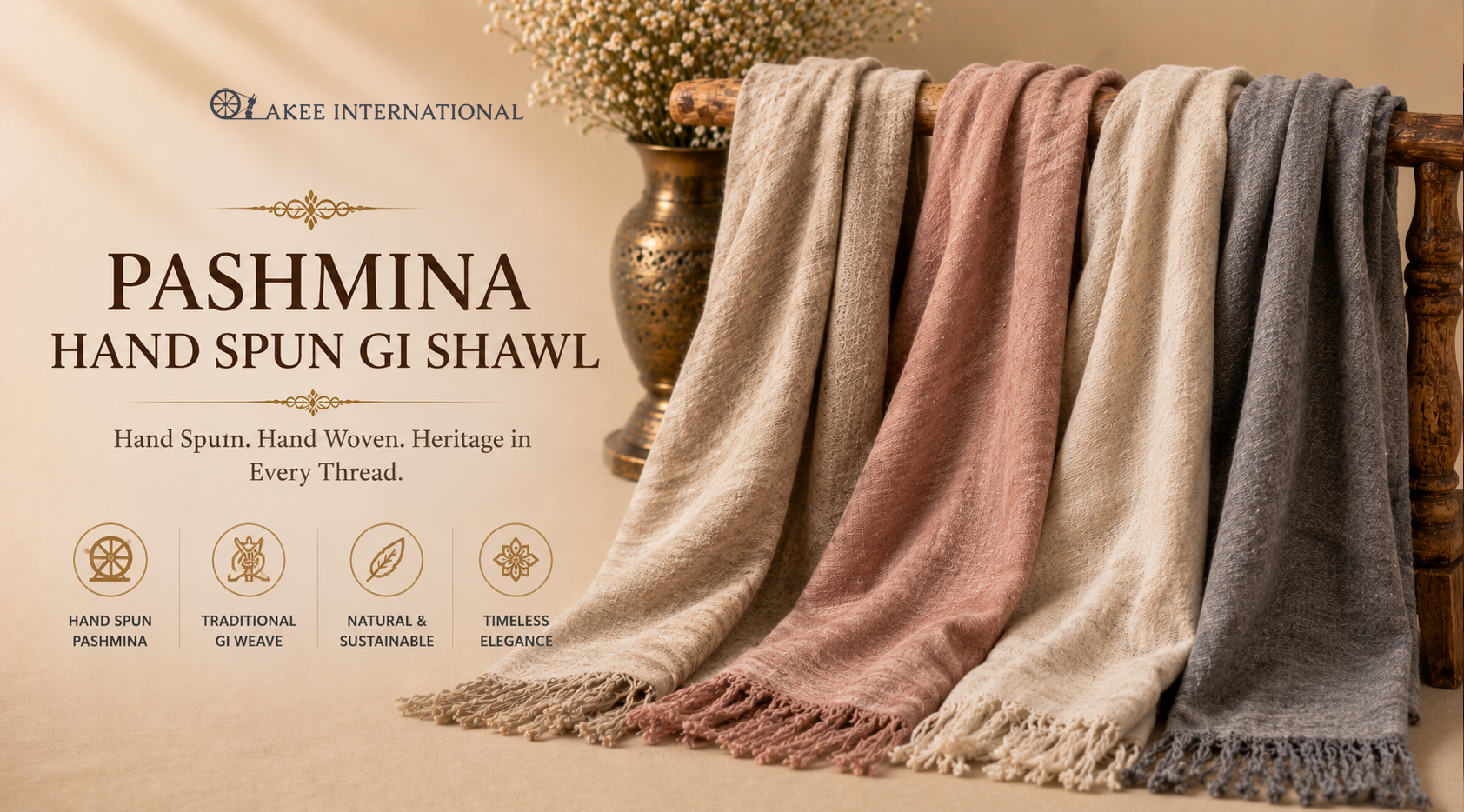
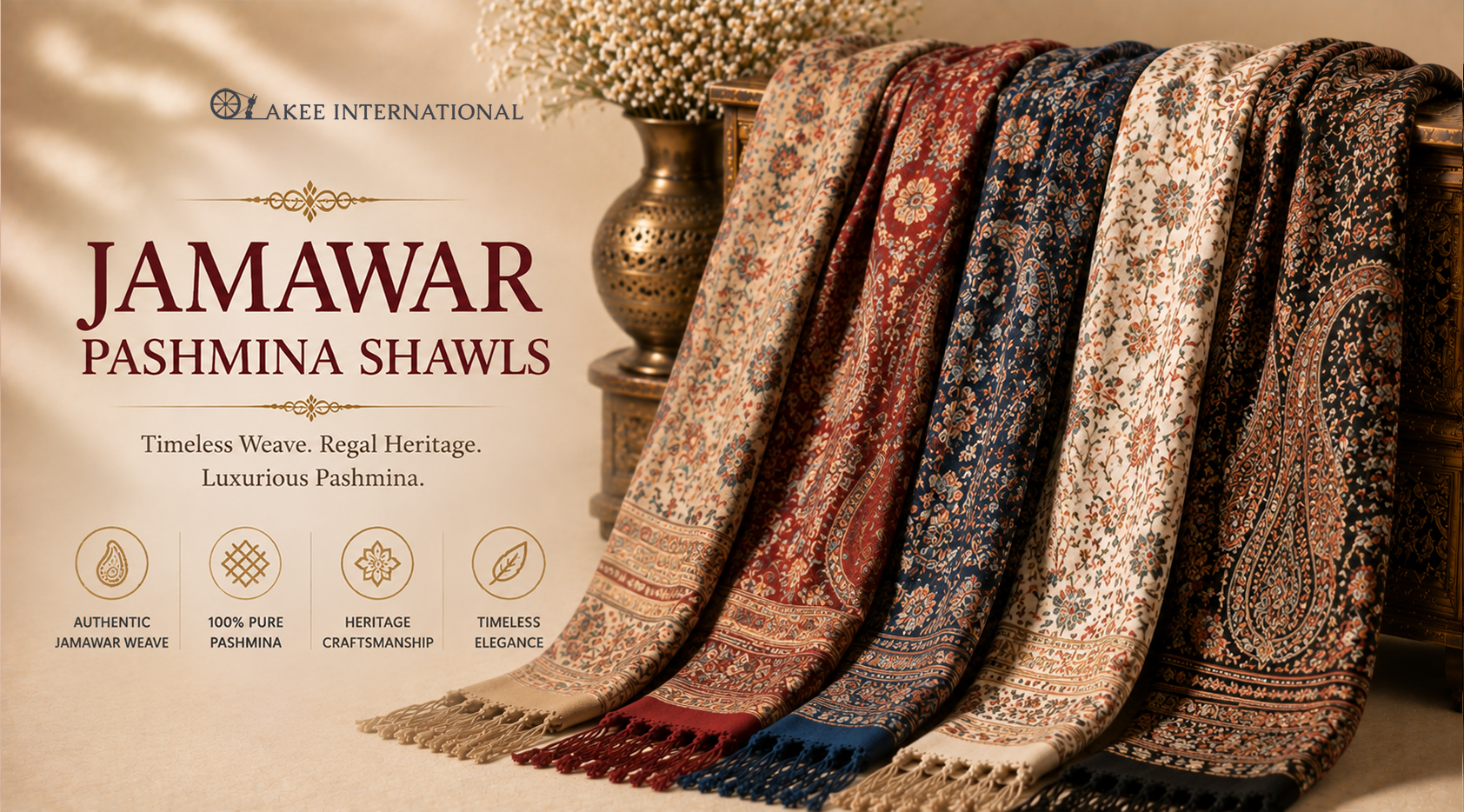
Discover exquisite Pashmina shawls, beautifully crafted with Kashmir’s timeless heritage and artistry.
"Read what our clients say about their experience with Akee International's luxurious Pashmina shawls and impeccable service."

Nai Mata Mandir Road, Thathar Road, Delhi By Pass, Amer, Jaipur 302028, Rajasthan India
Get directions Call Now Whatsapp 4.9 based on 269 reviews

Rating: 4.6/5 | 85 Reviews

Rating: 4.9/5 | 269 Reviews

TrustScore: 4.9 | 100 Reviews