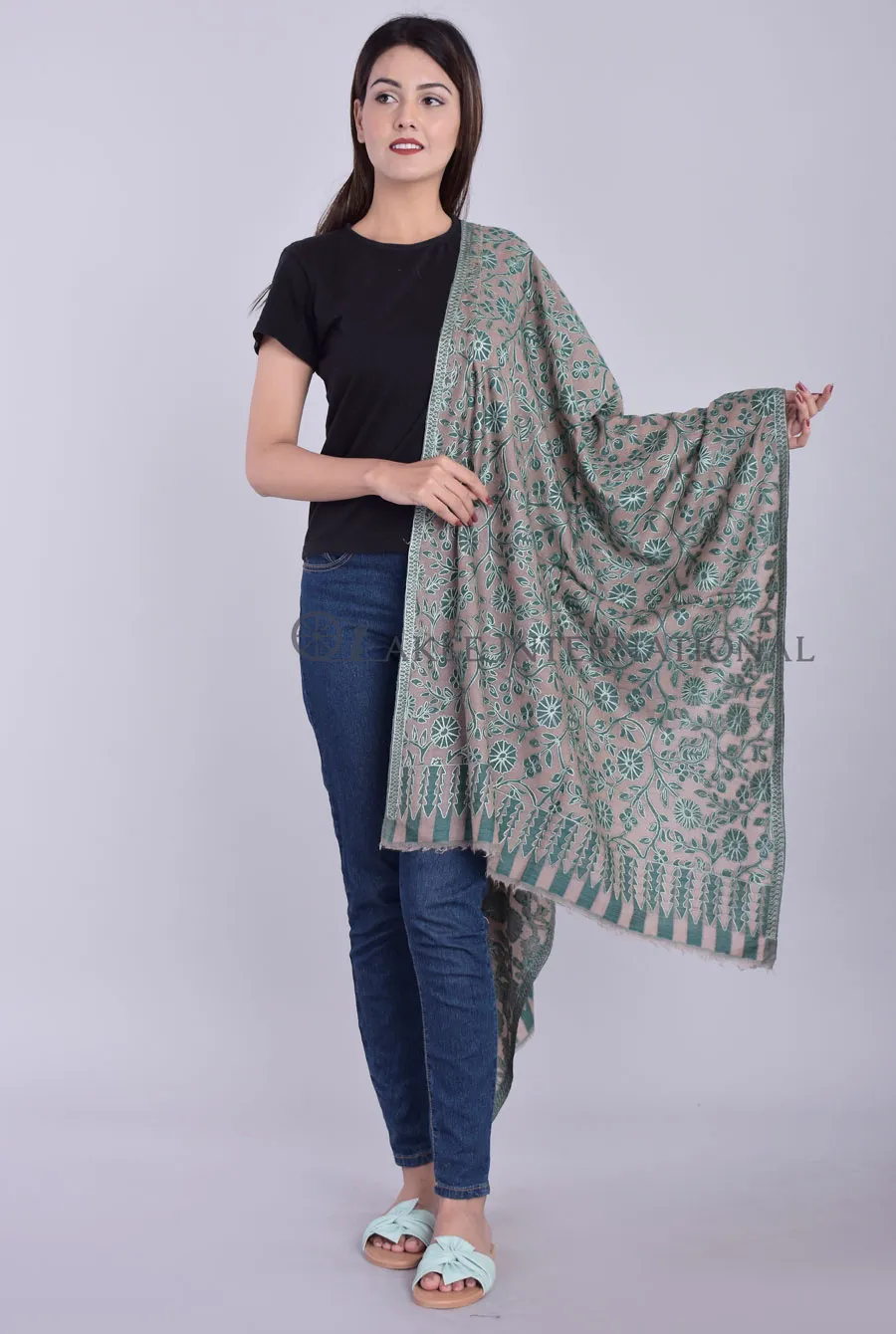
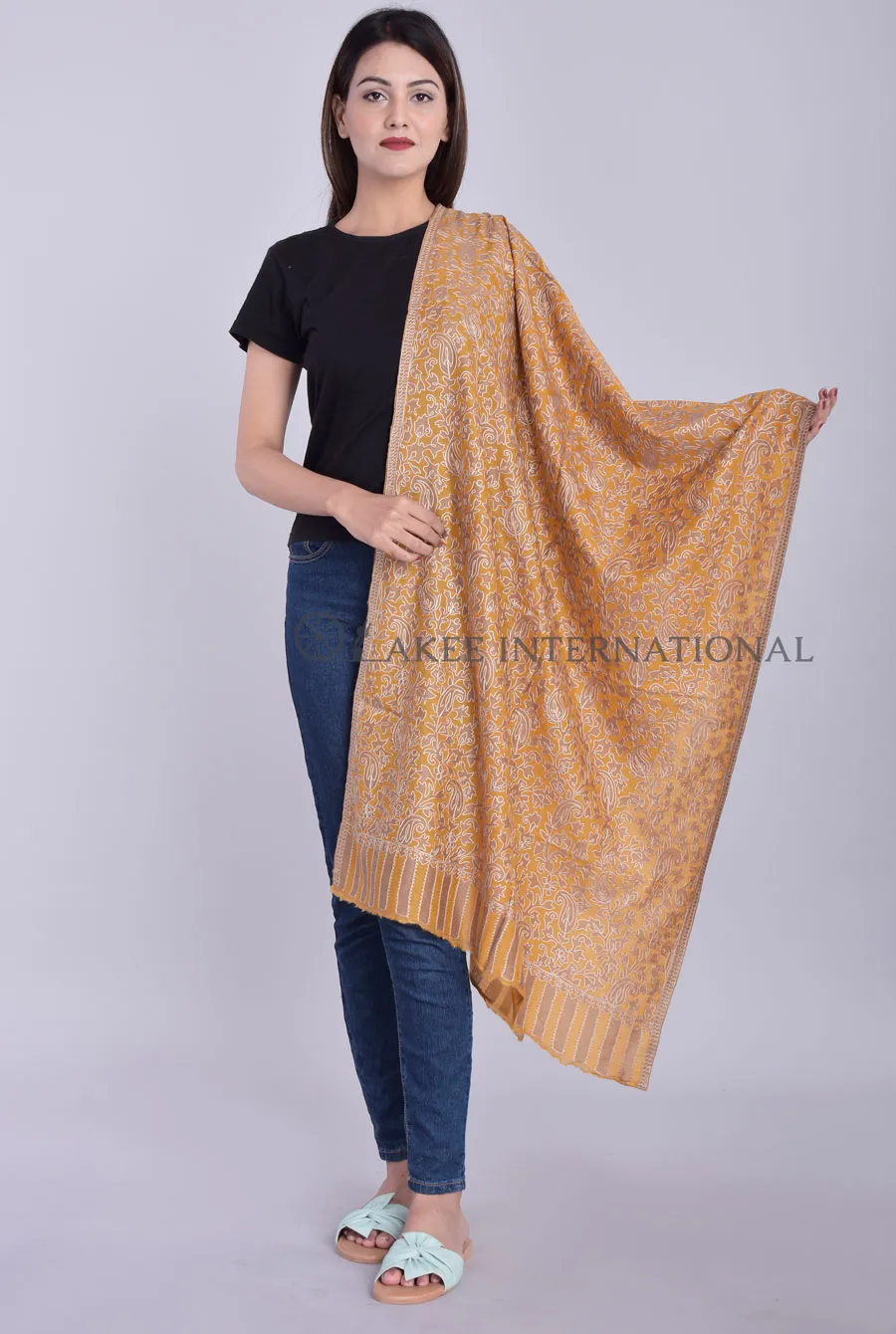
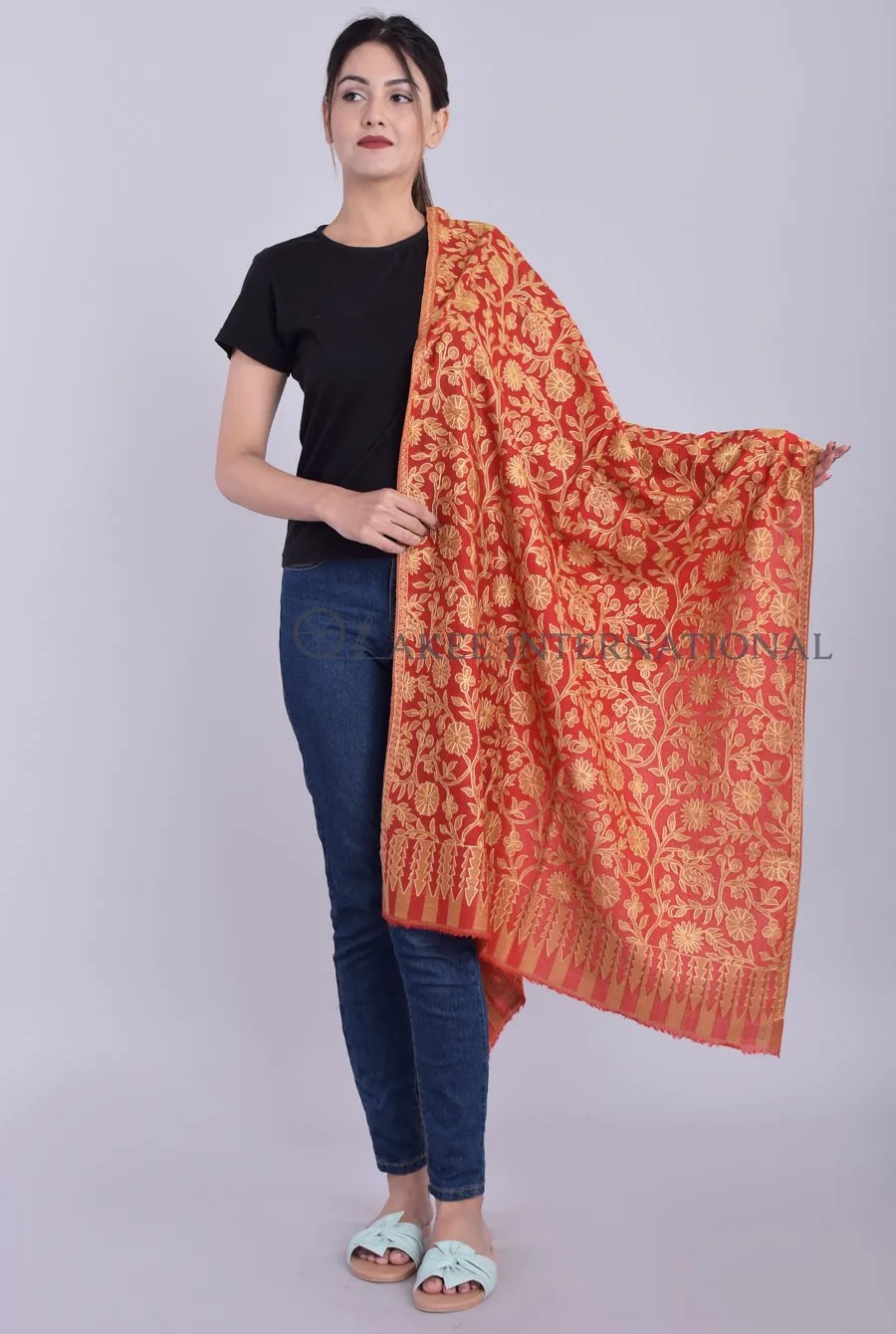
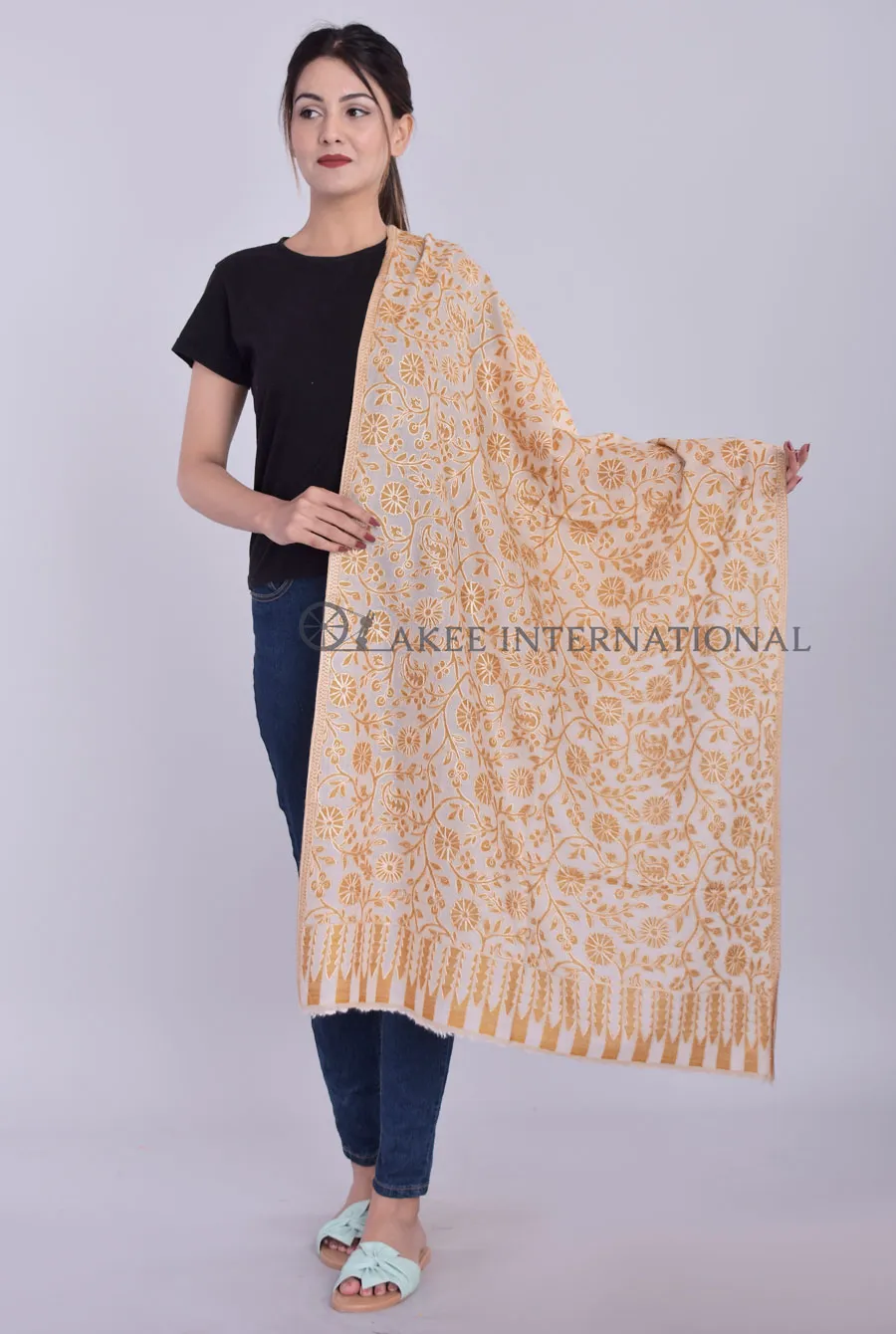
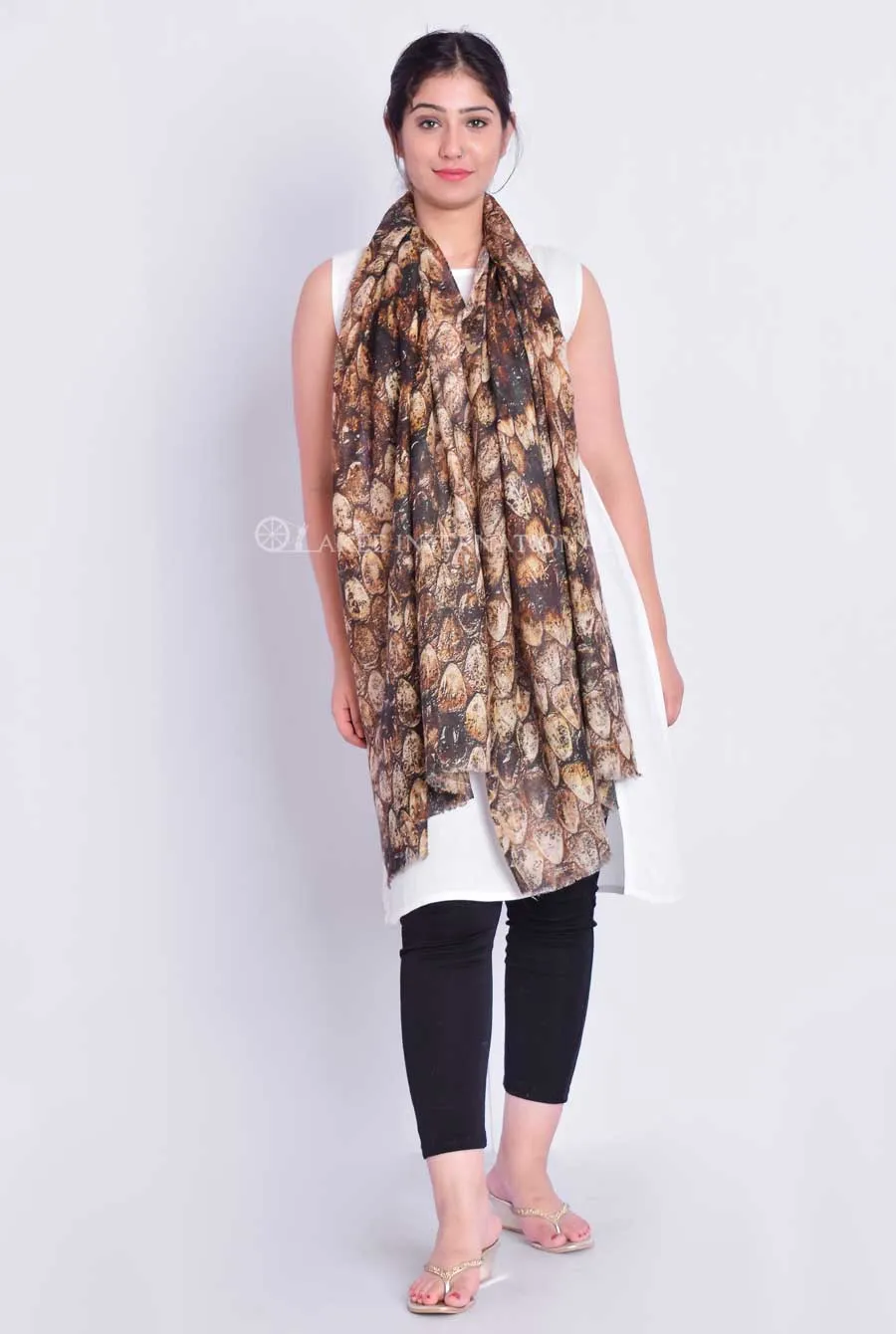
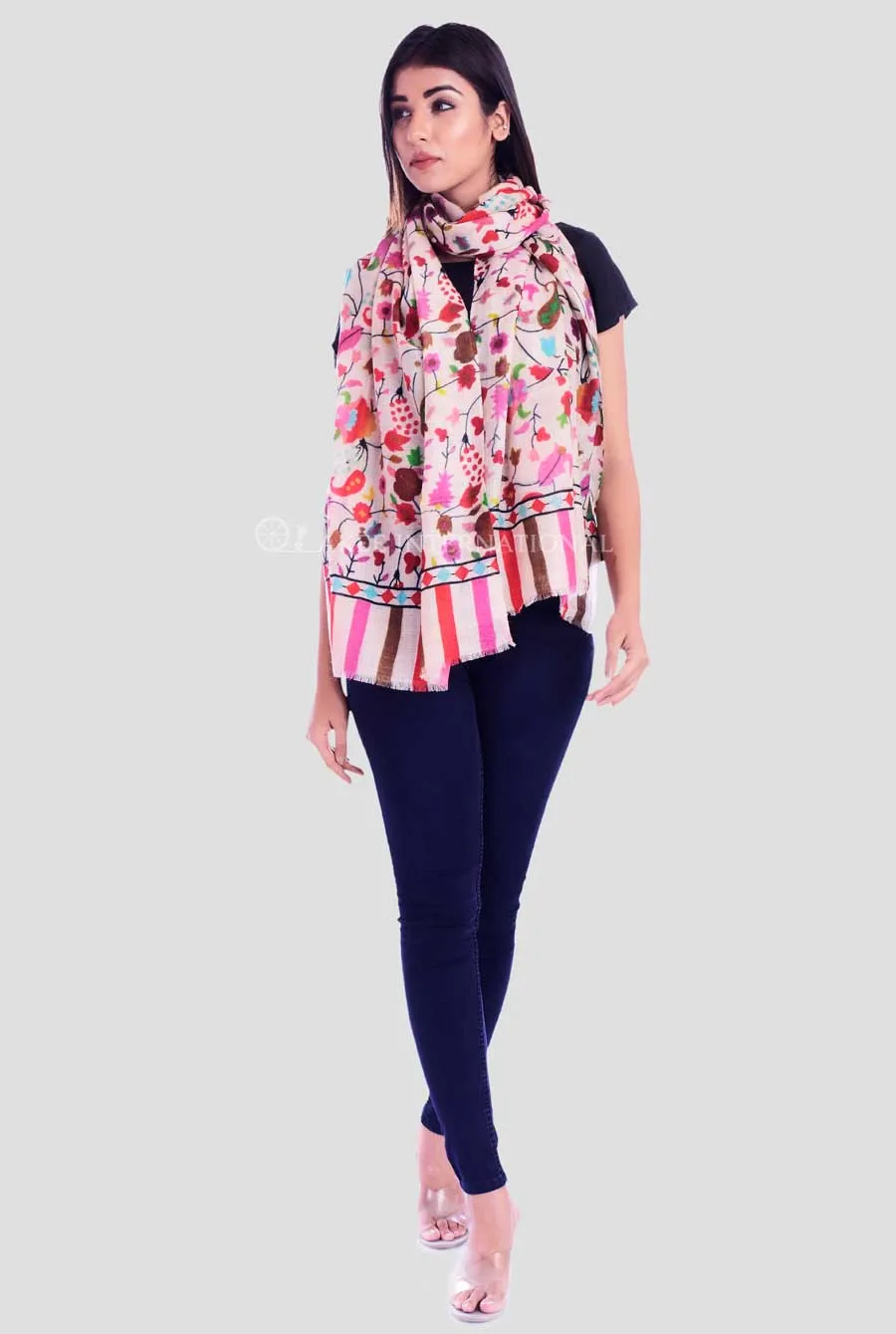
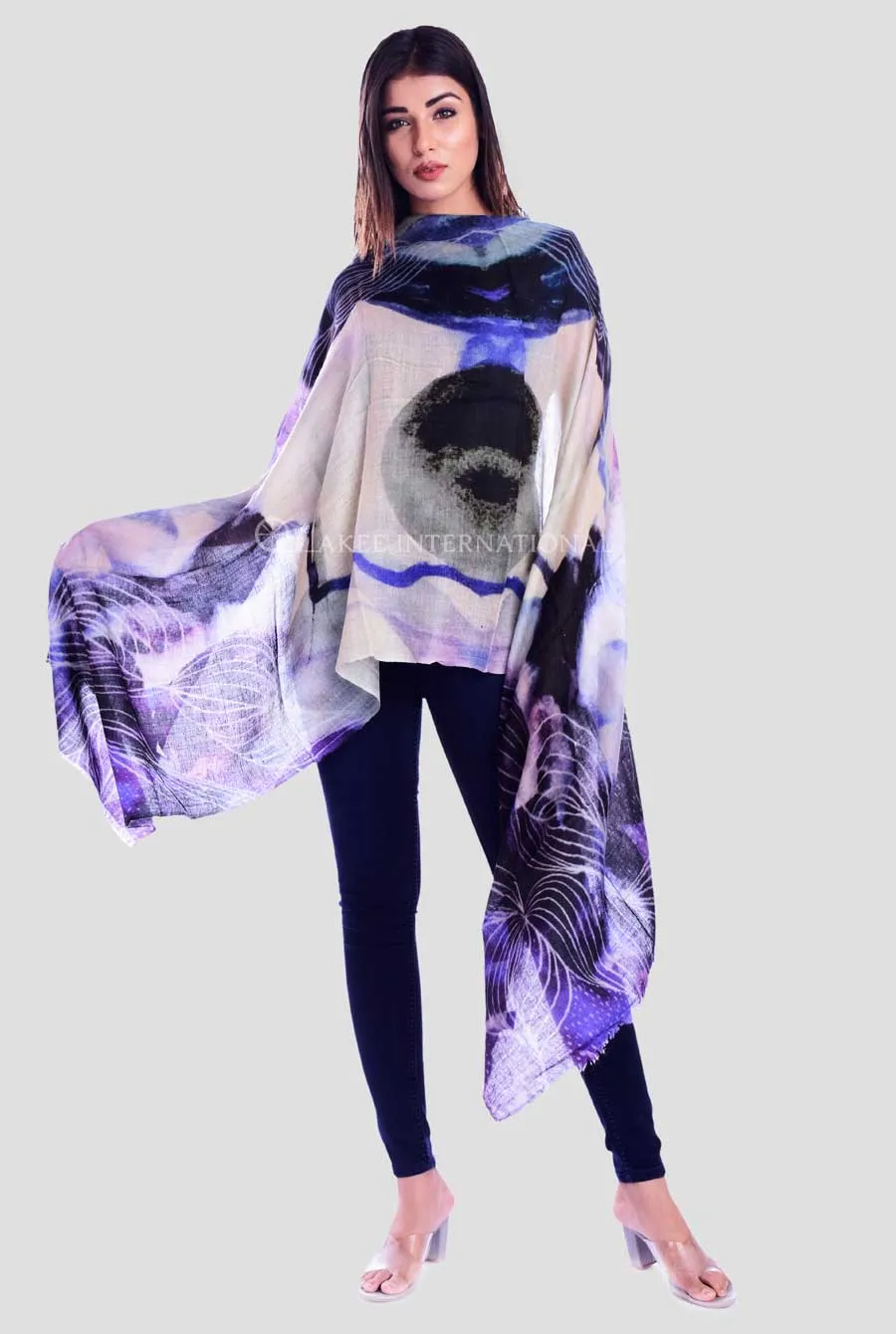
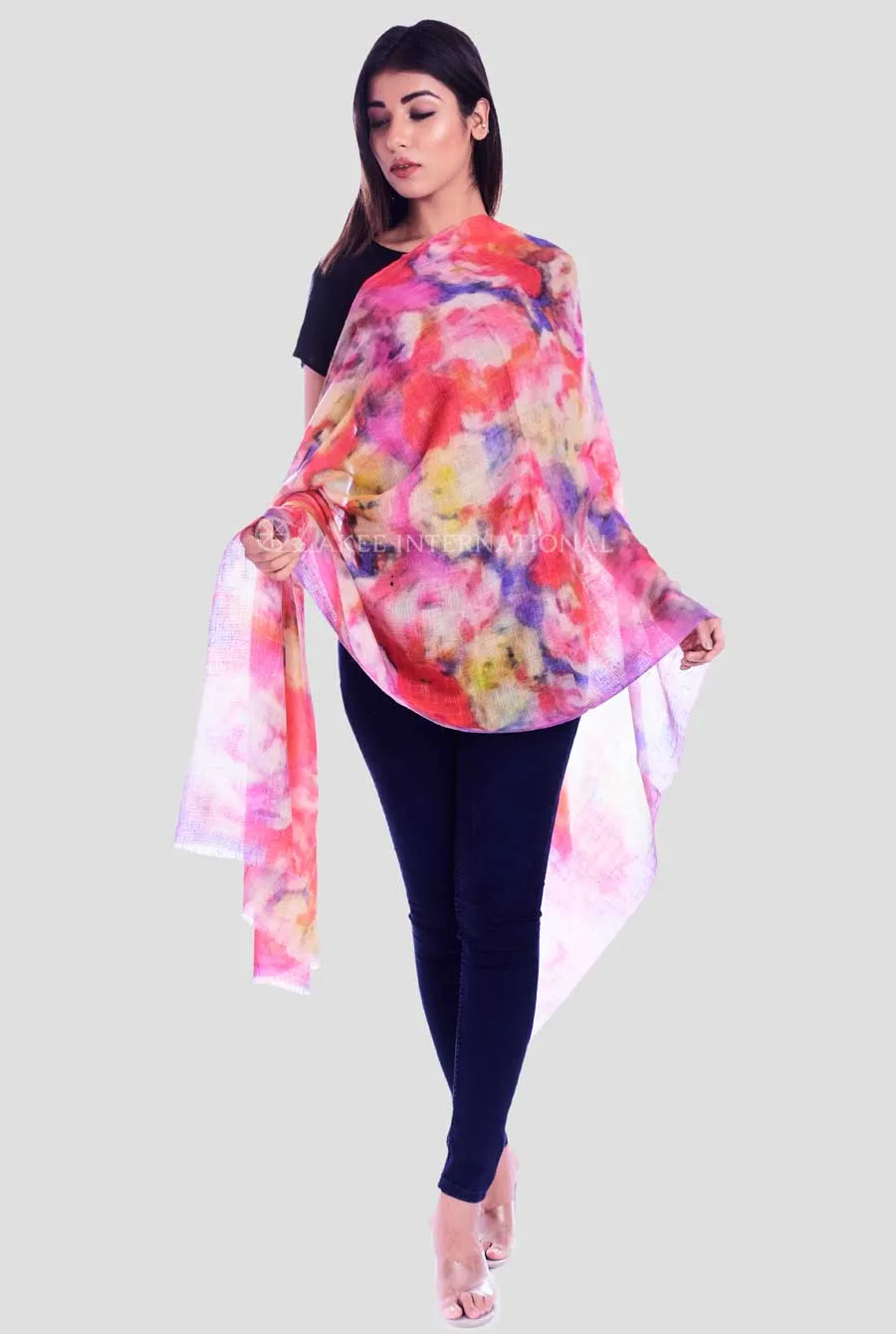
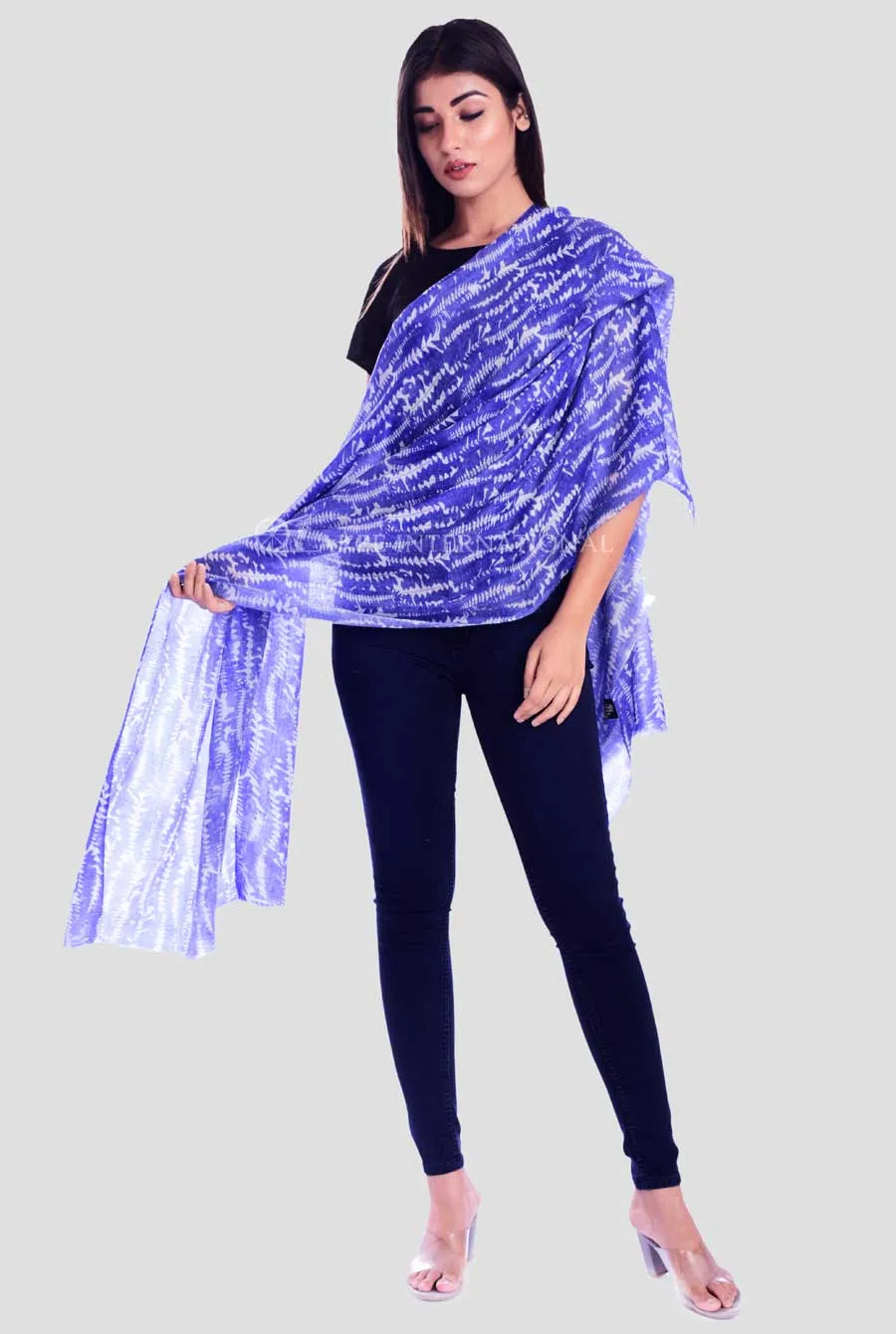
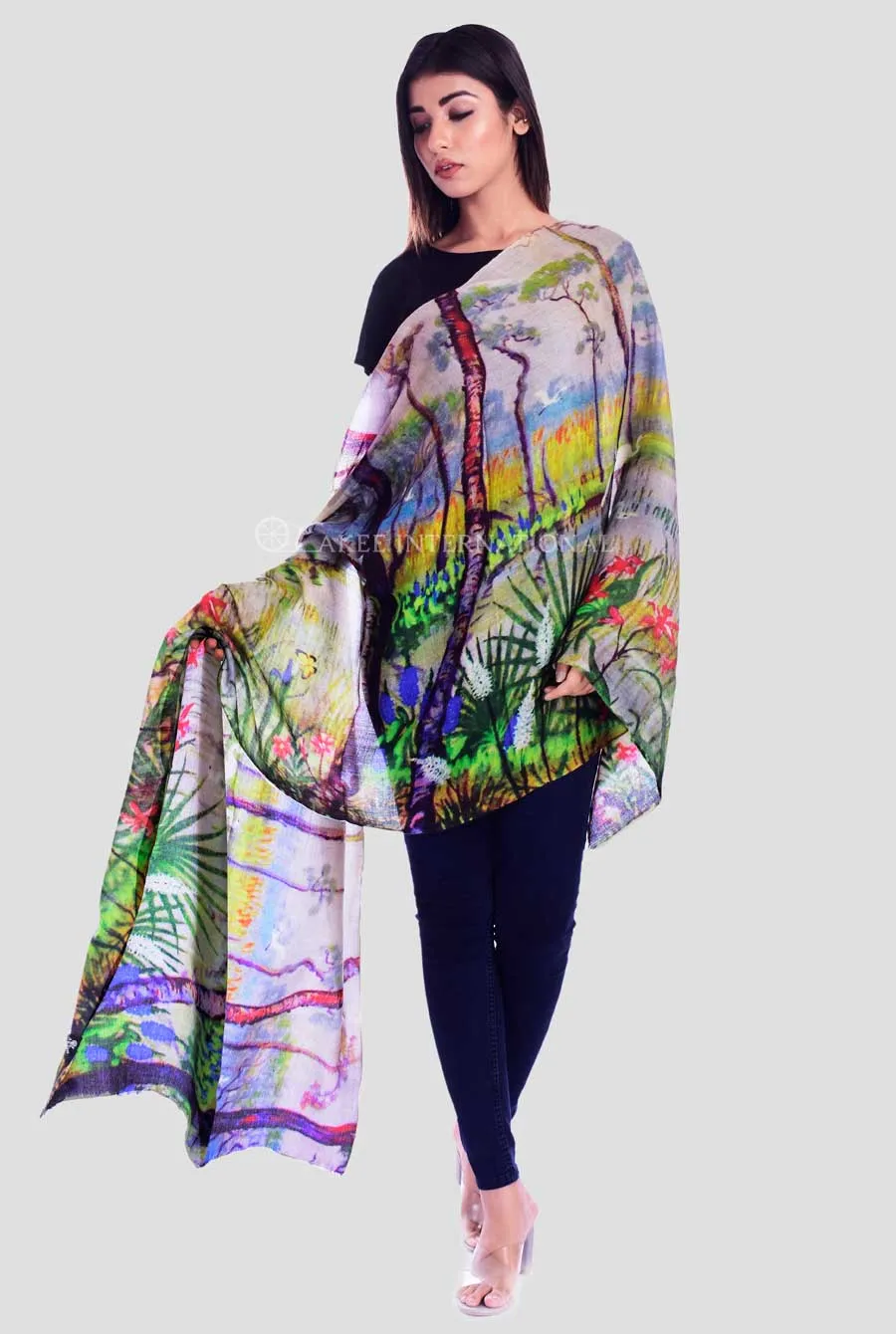
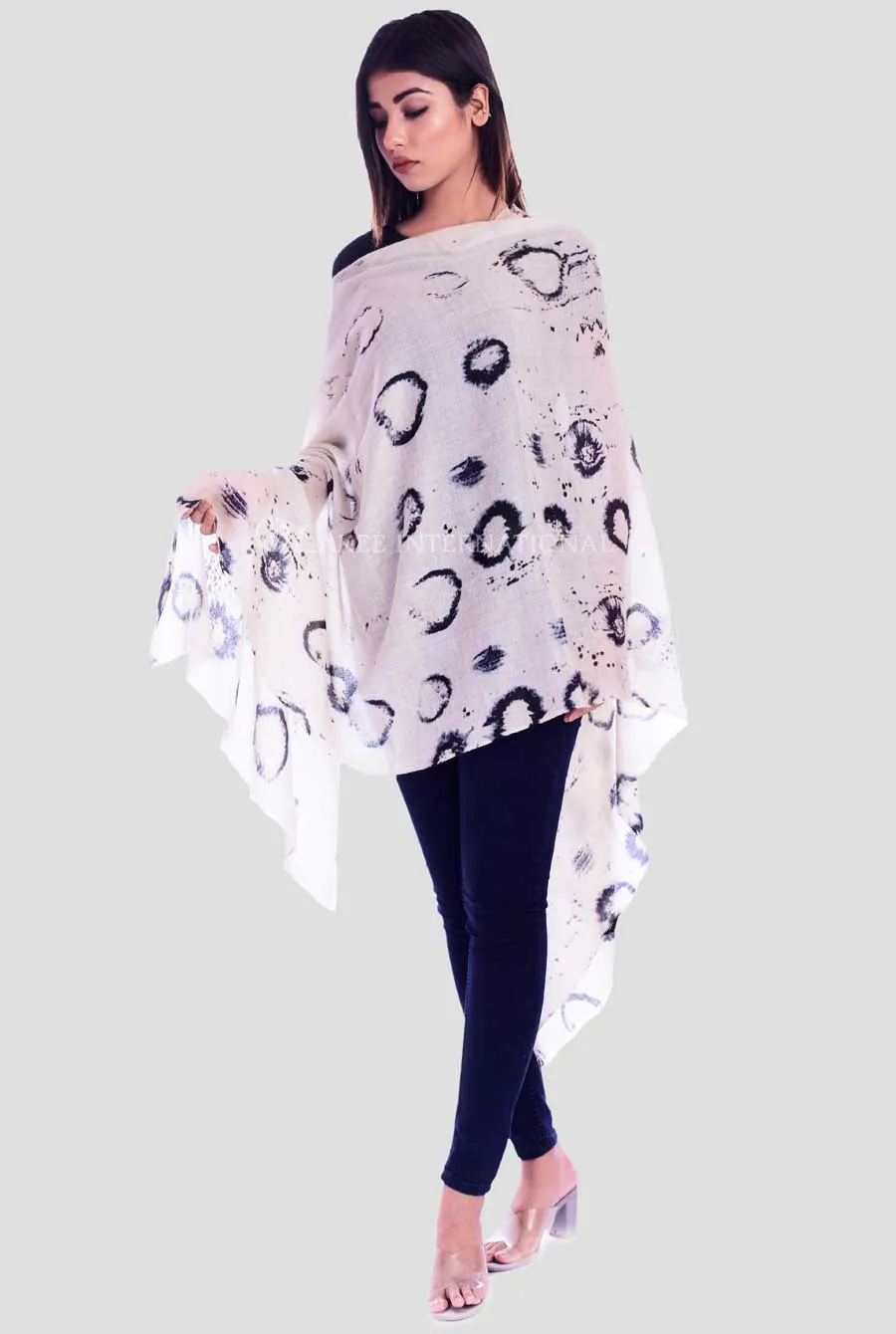
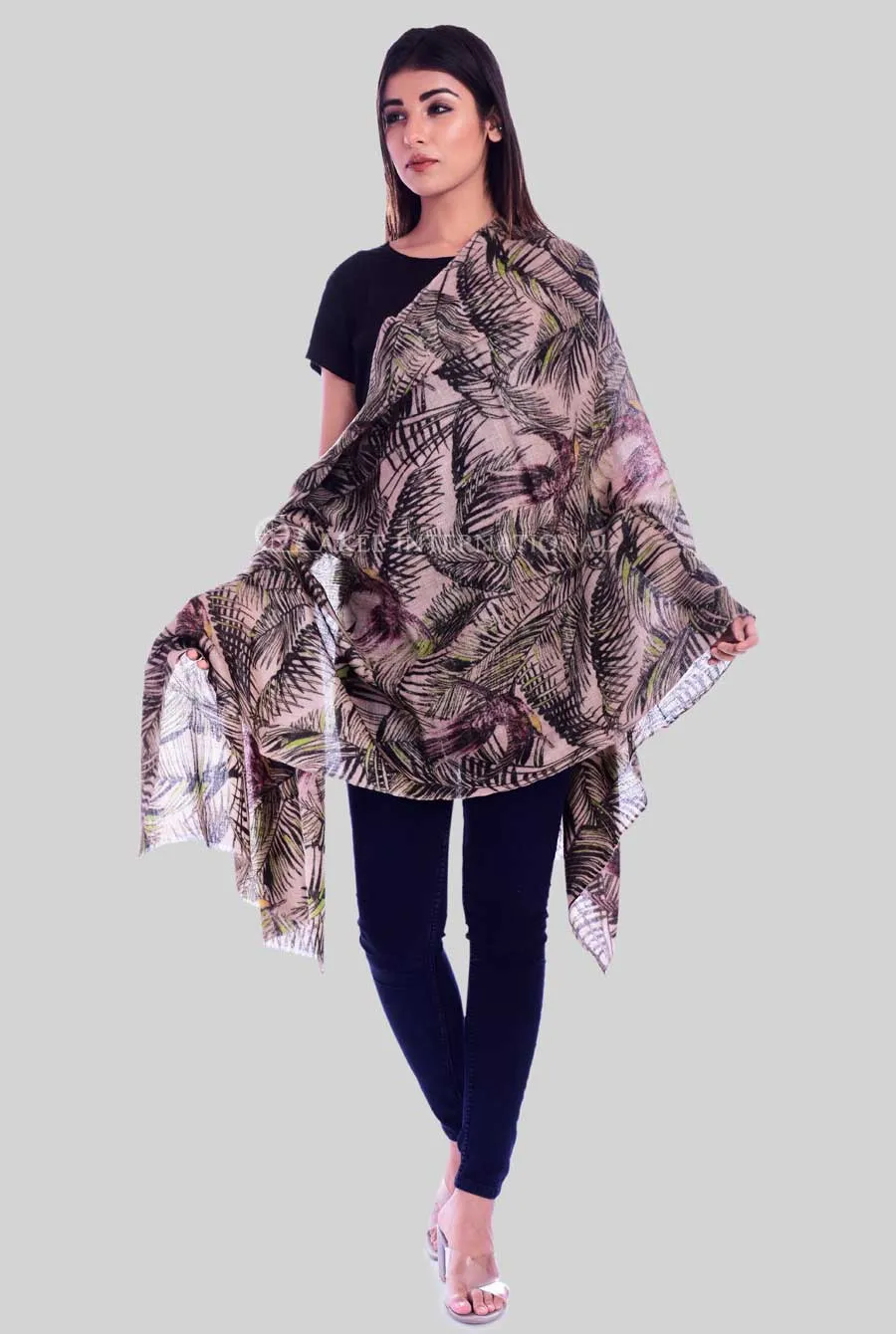
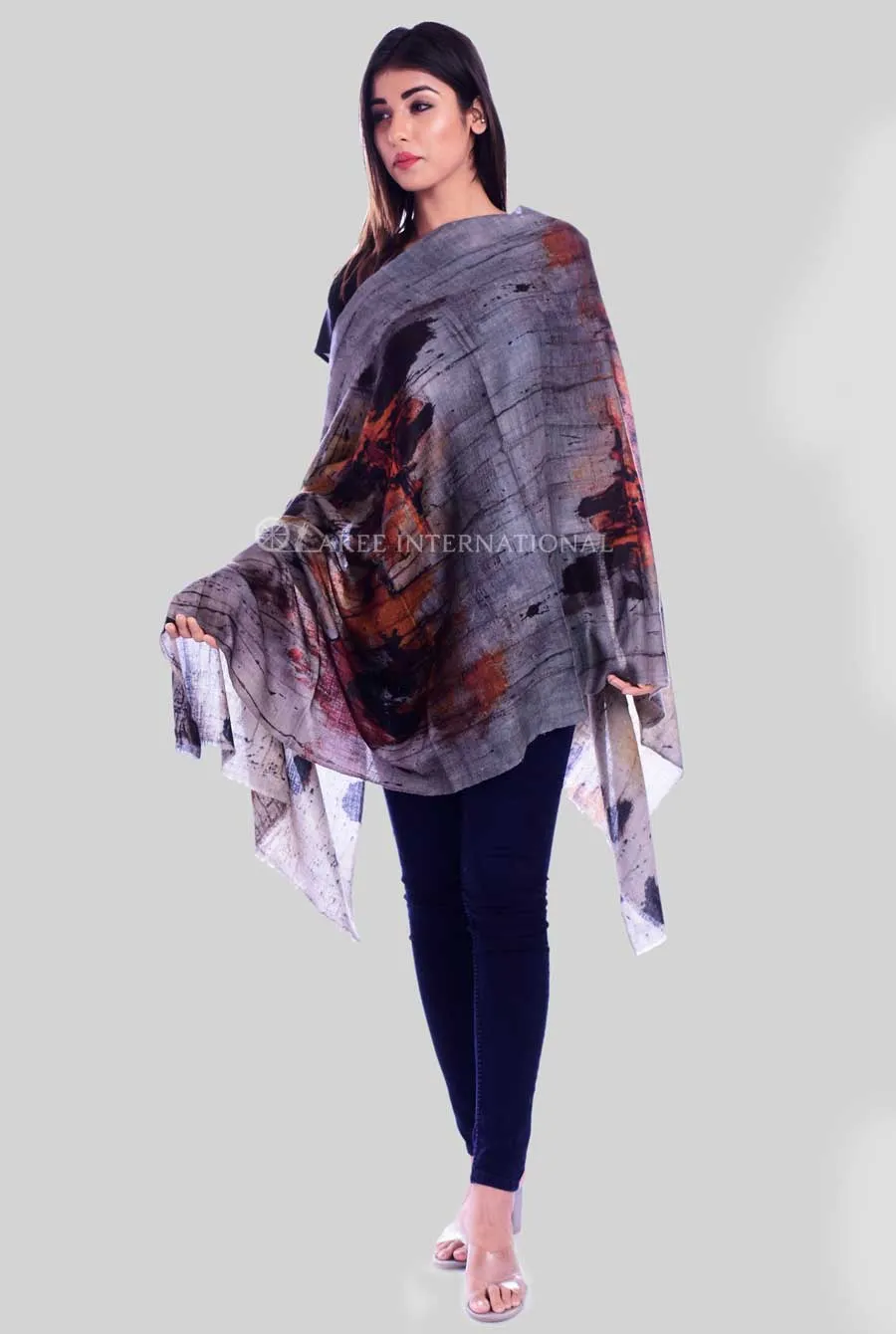
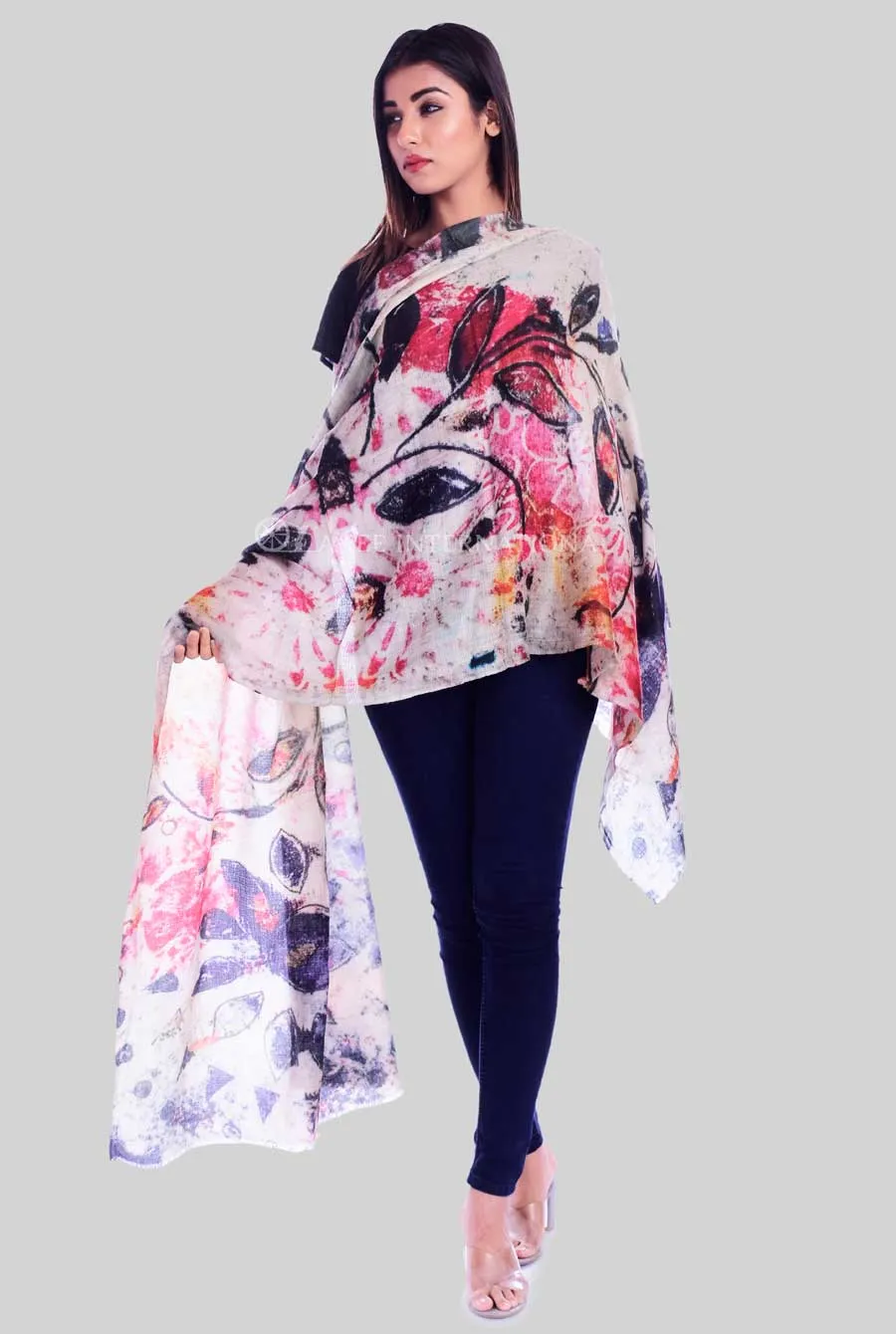
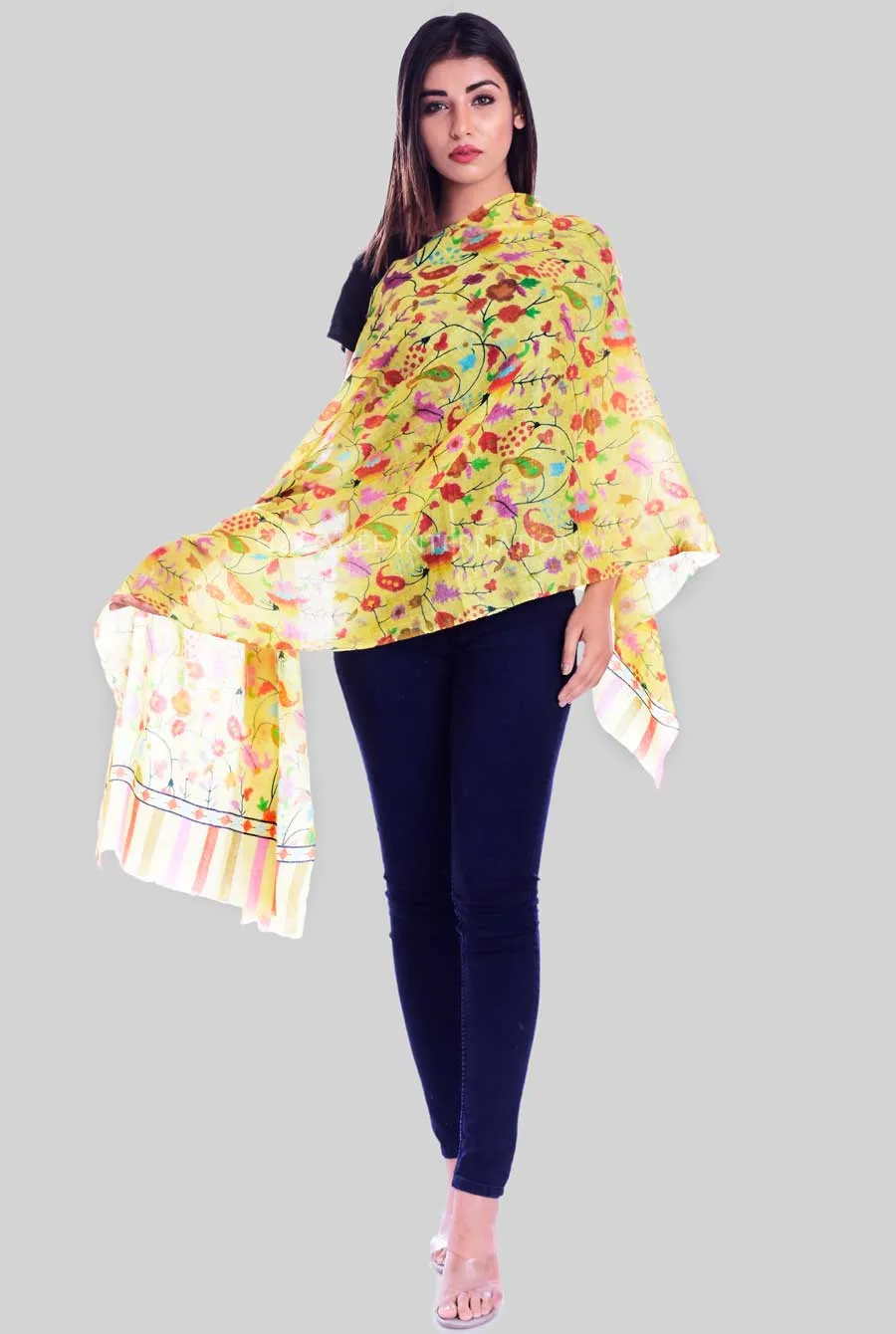
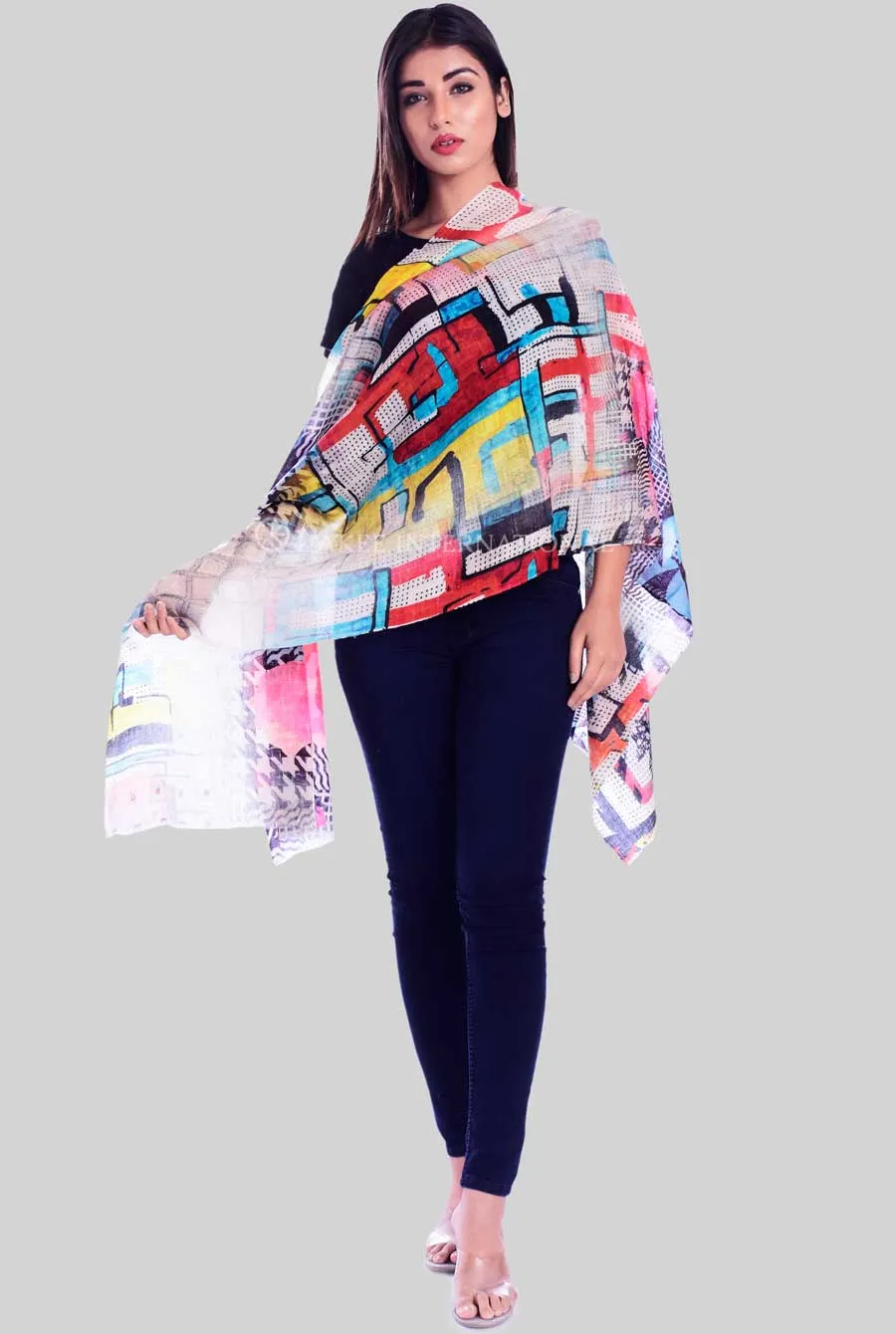
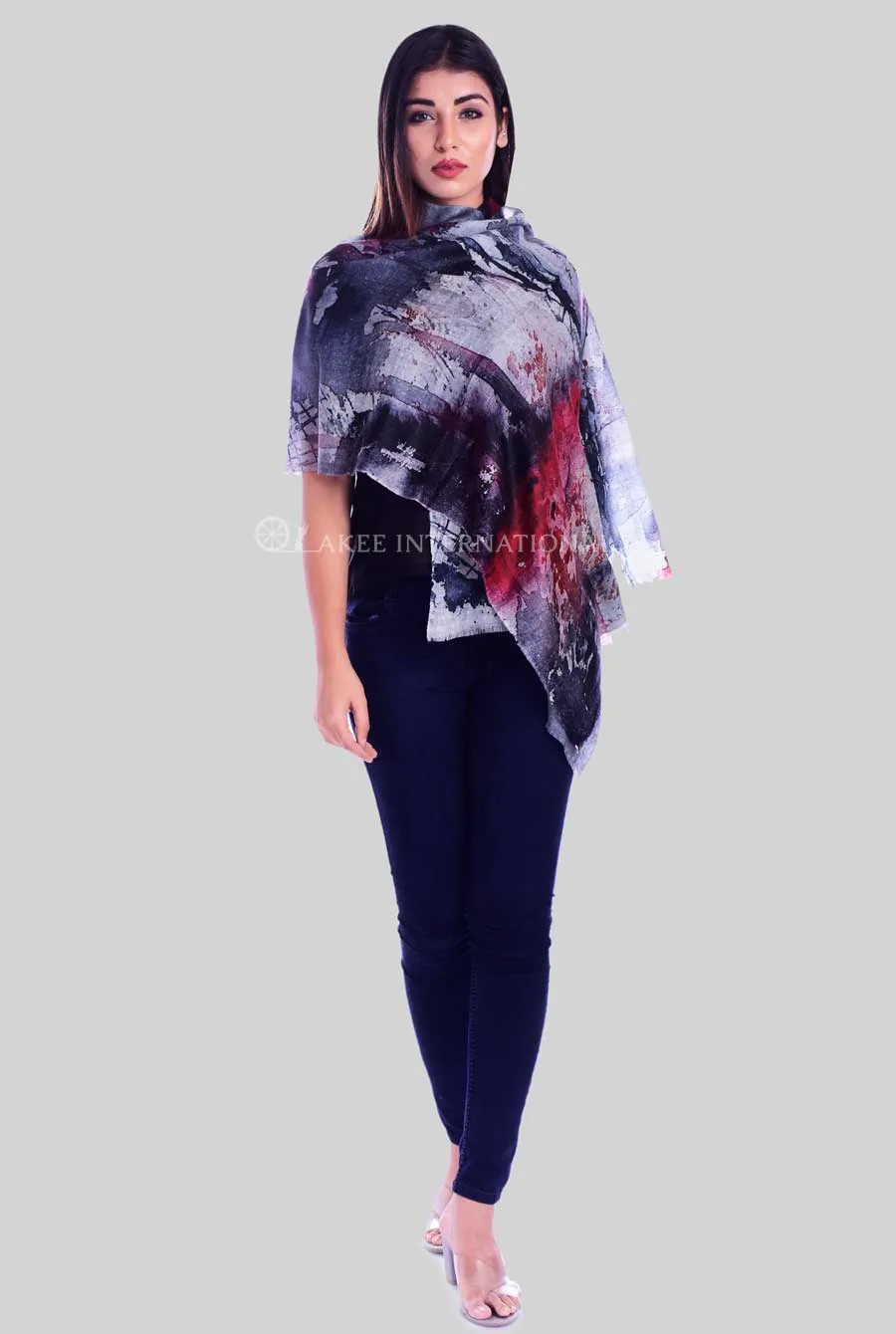
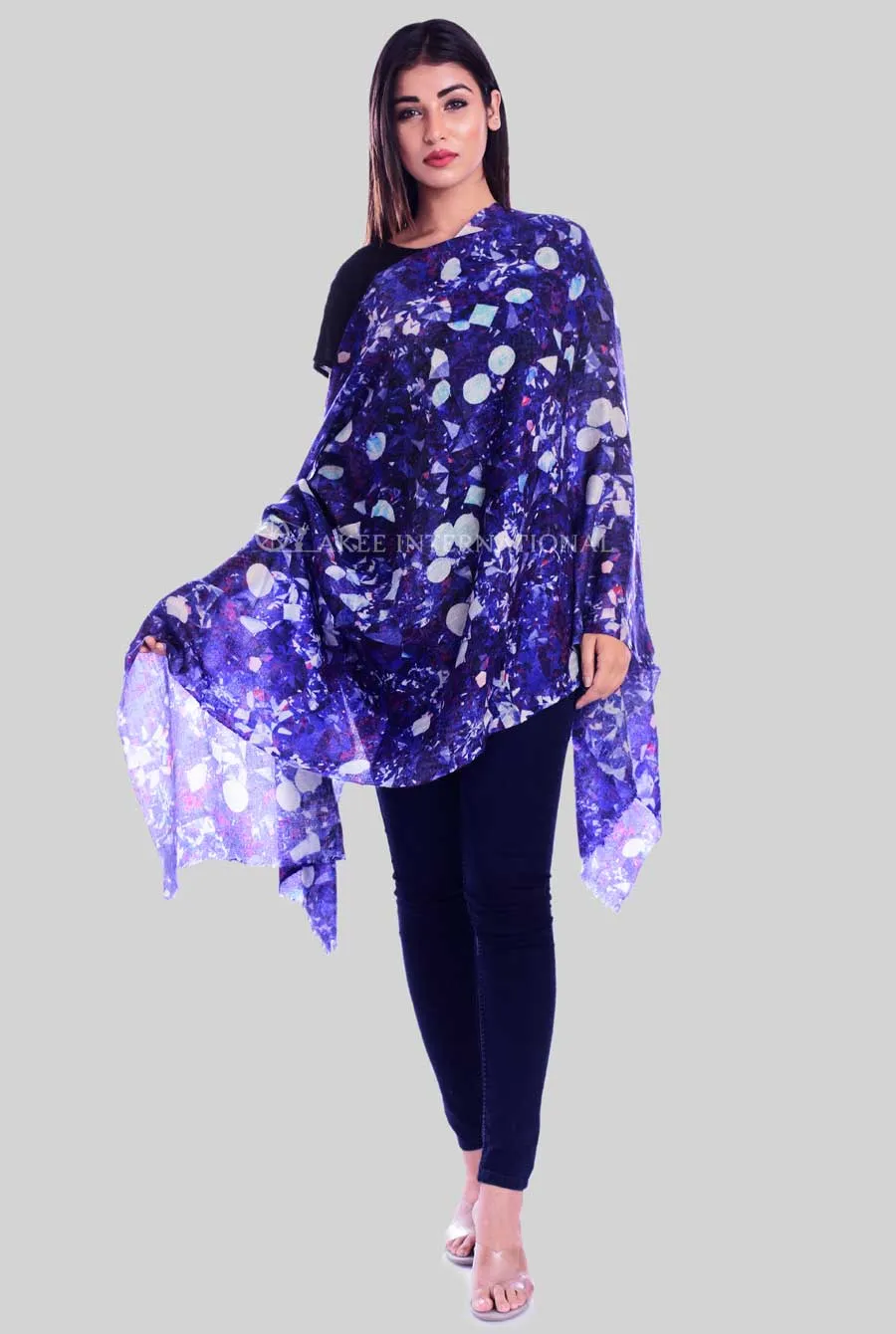
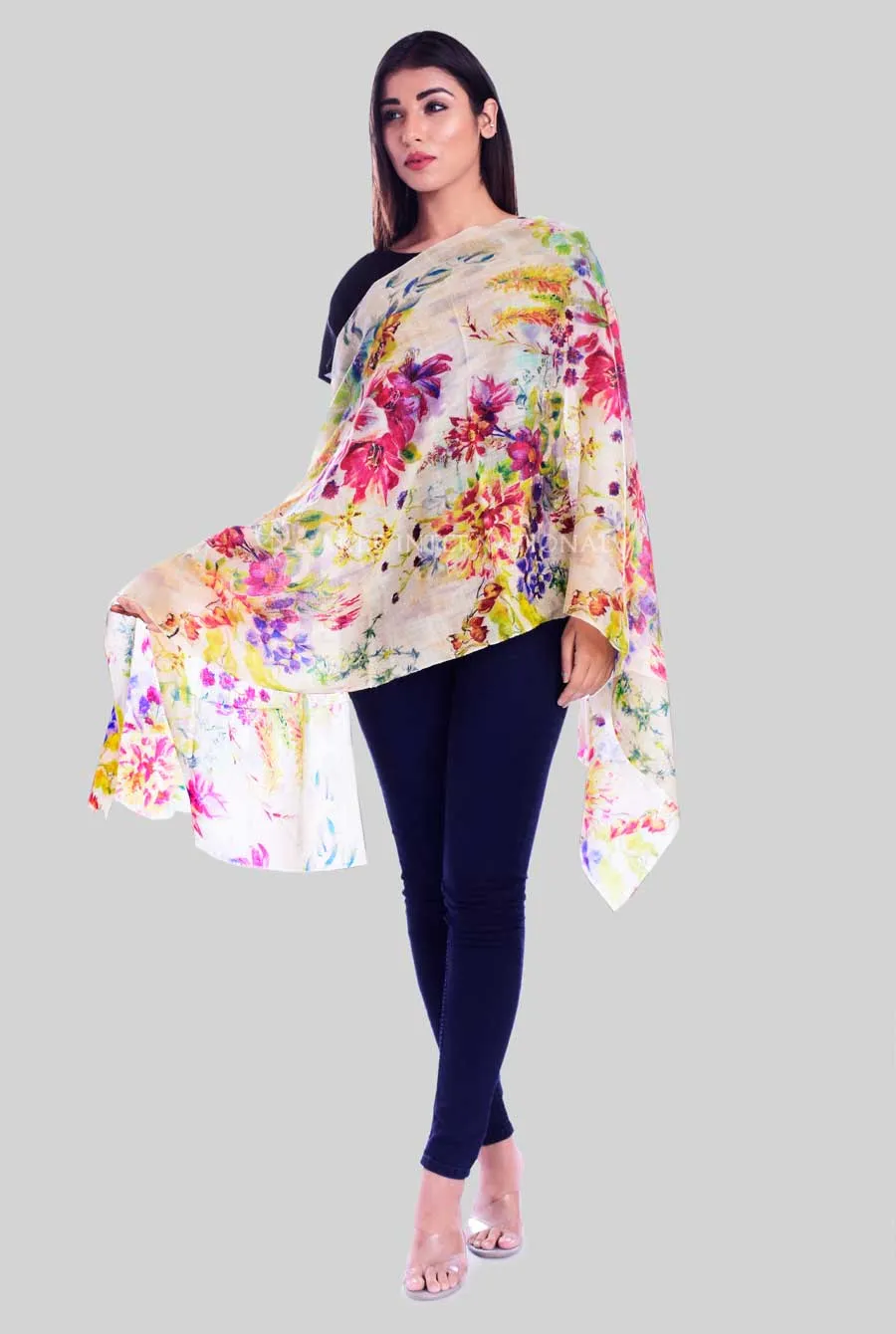
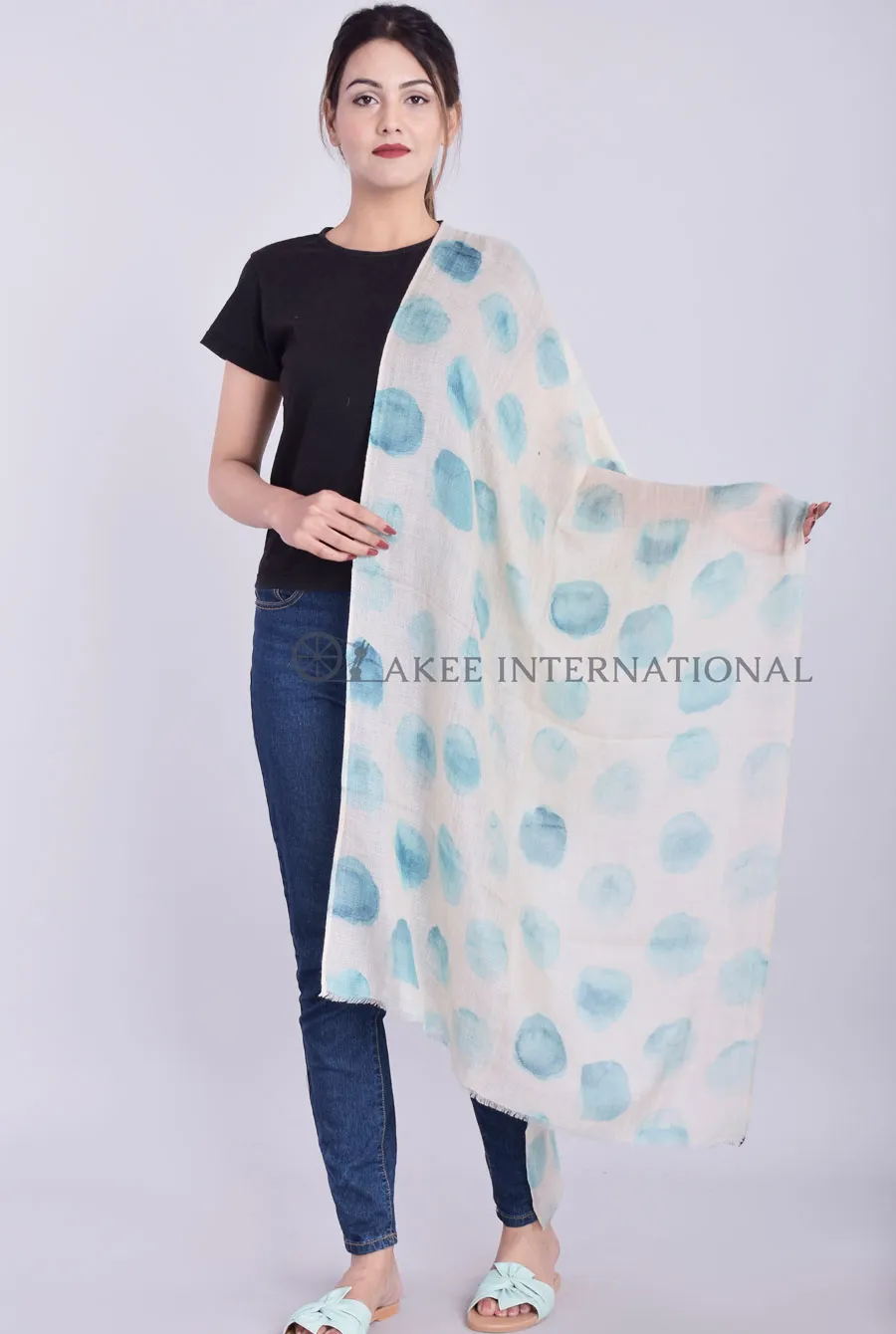
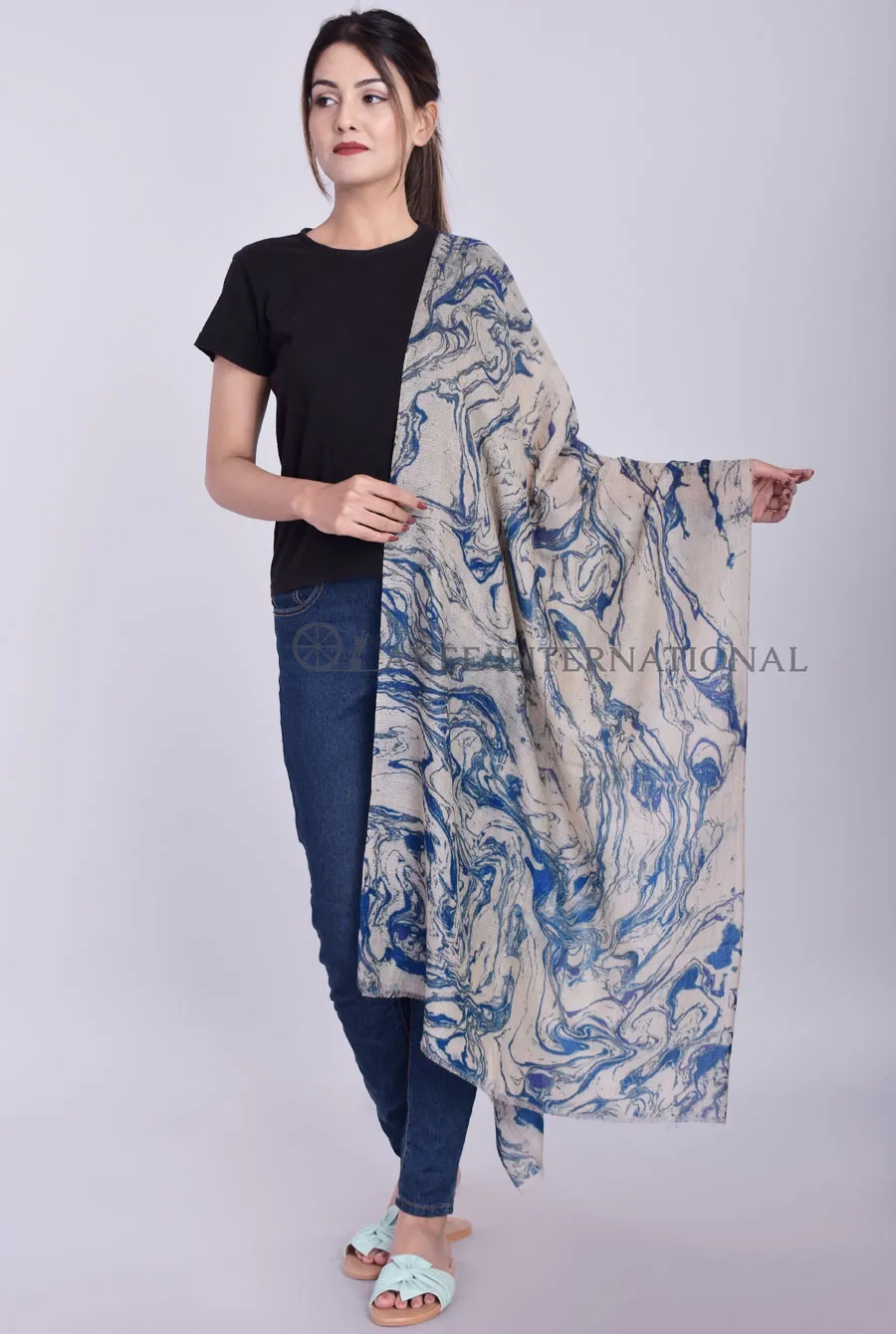
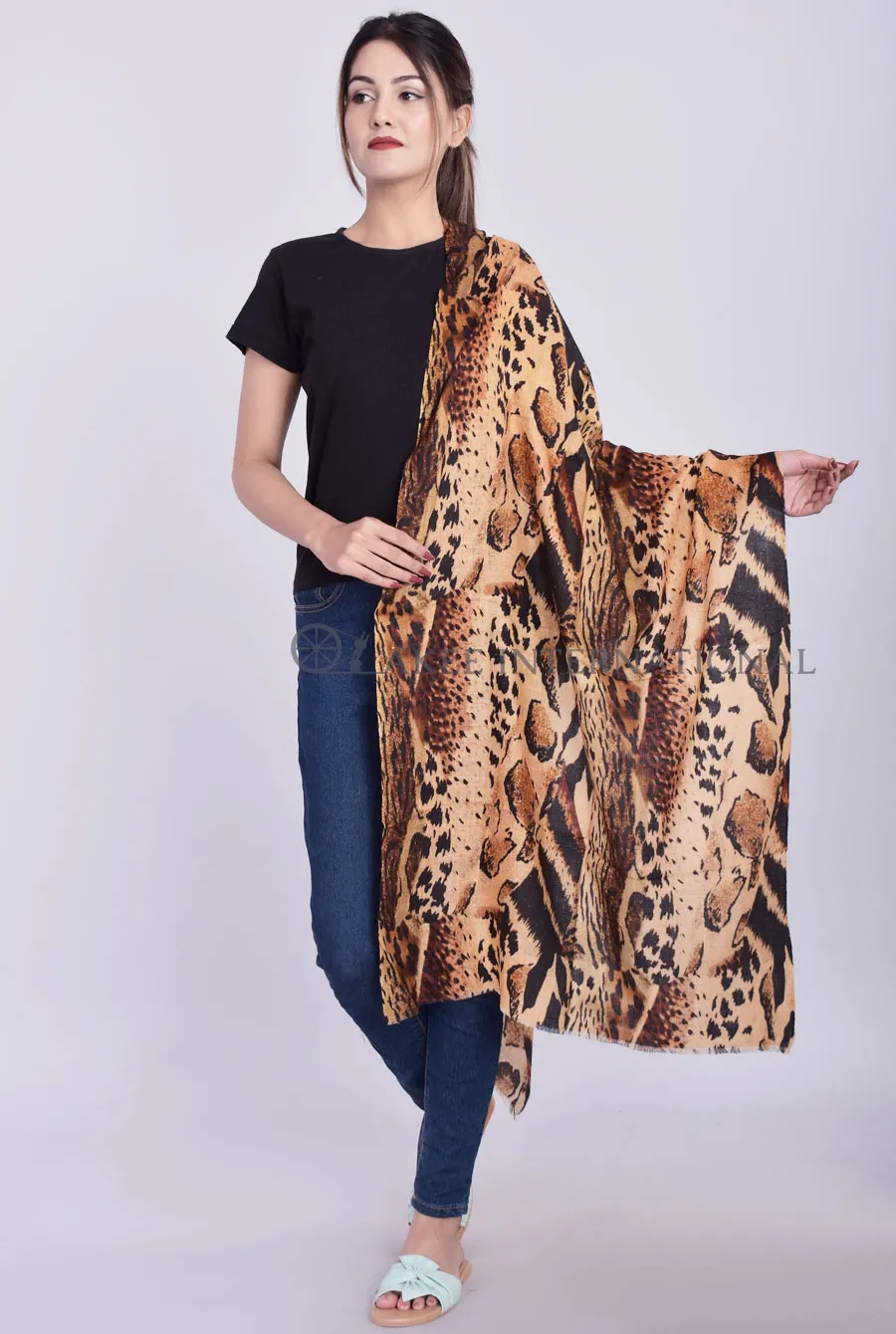
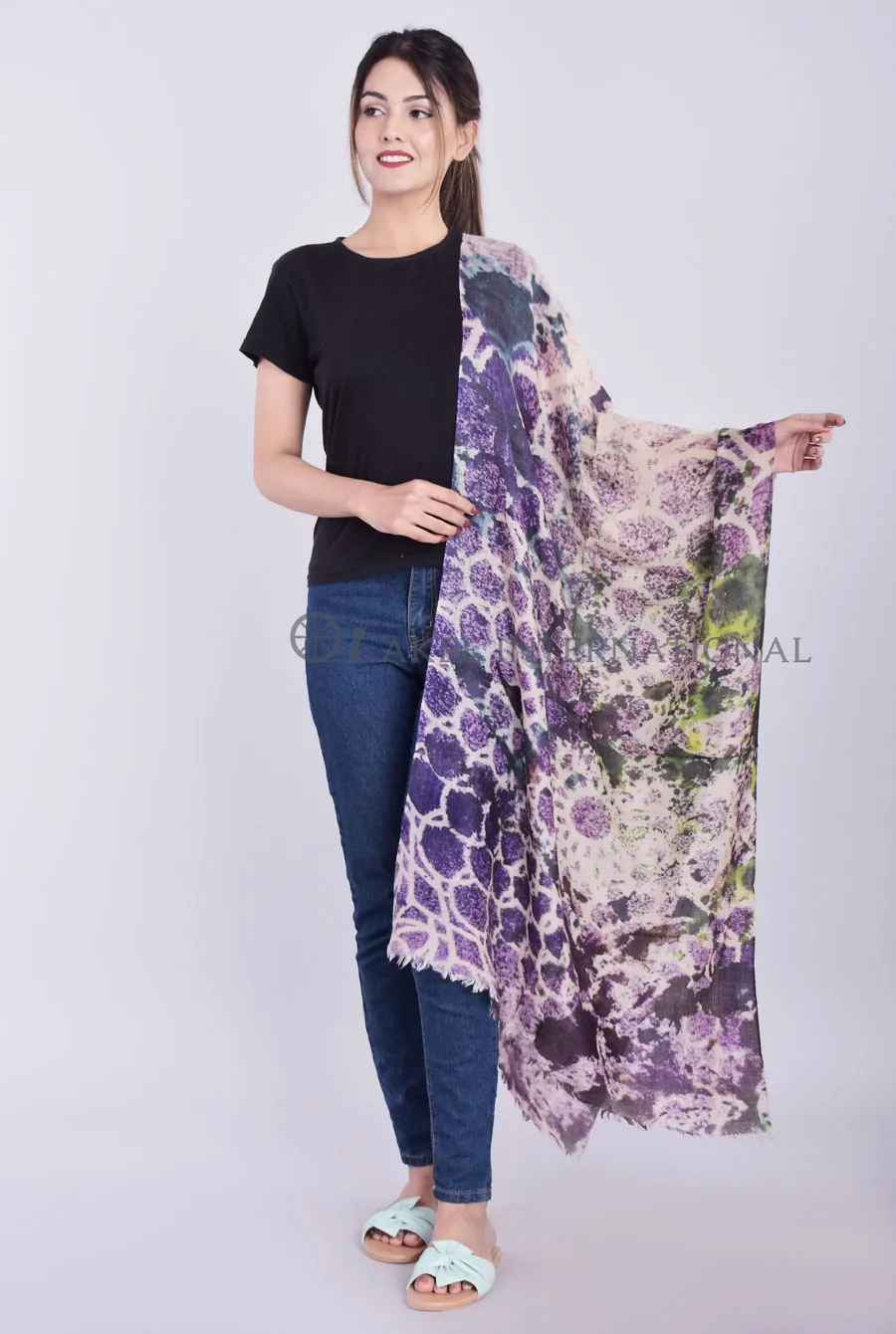
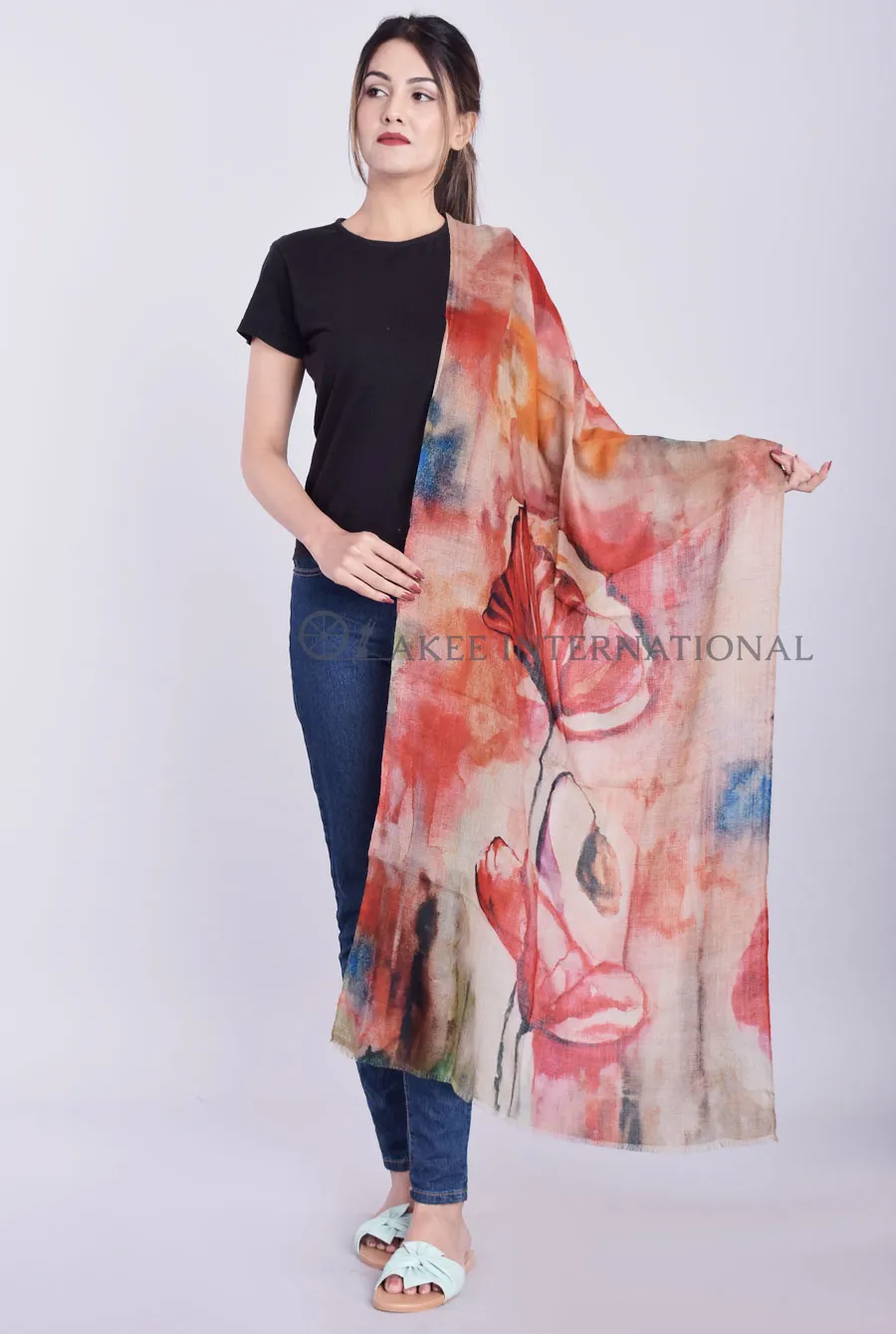
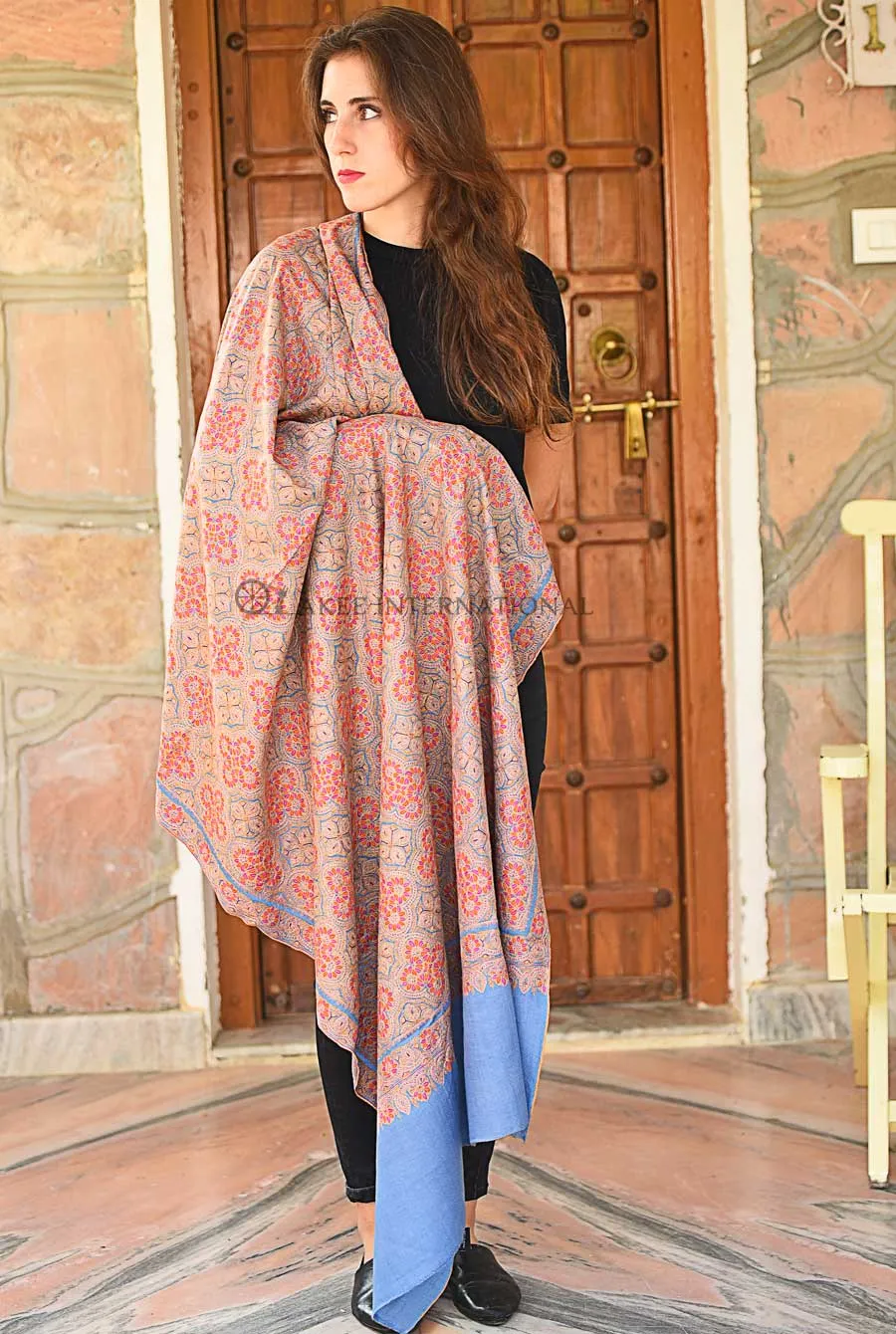
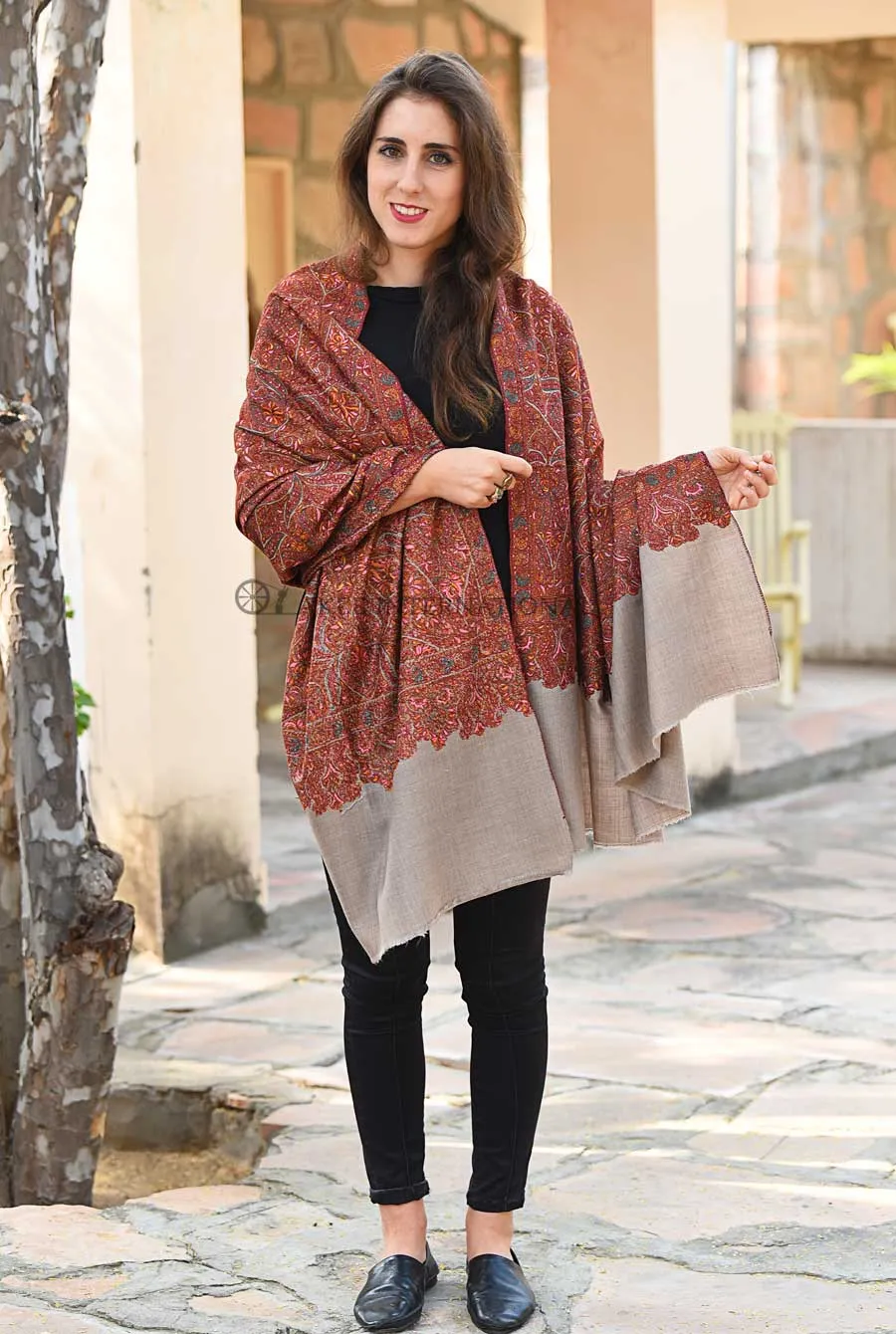
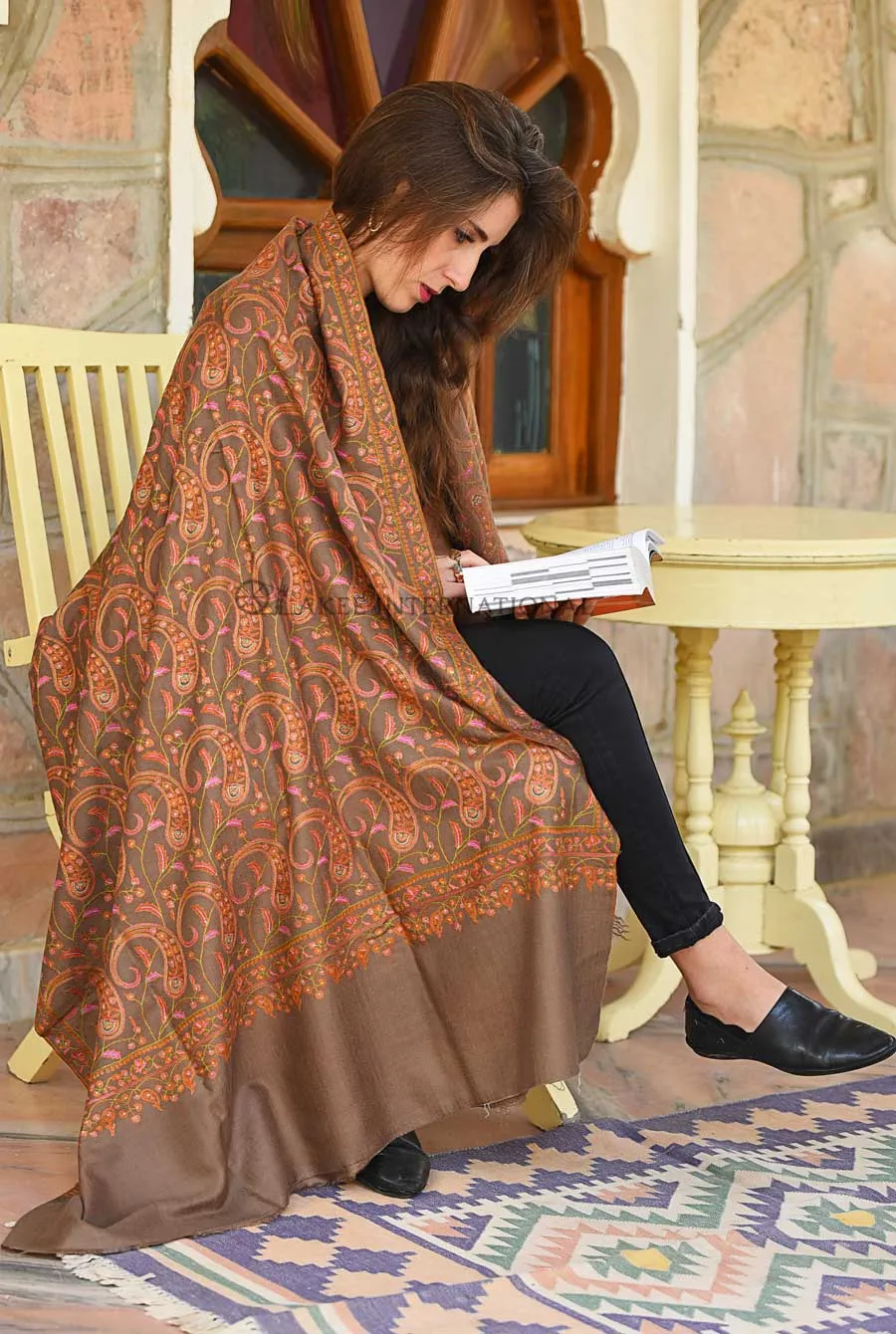
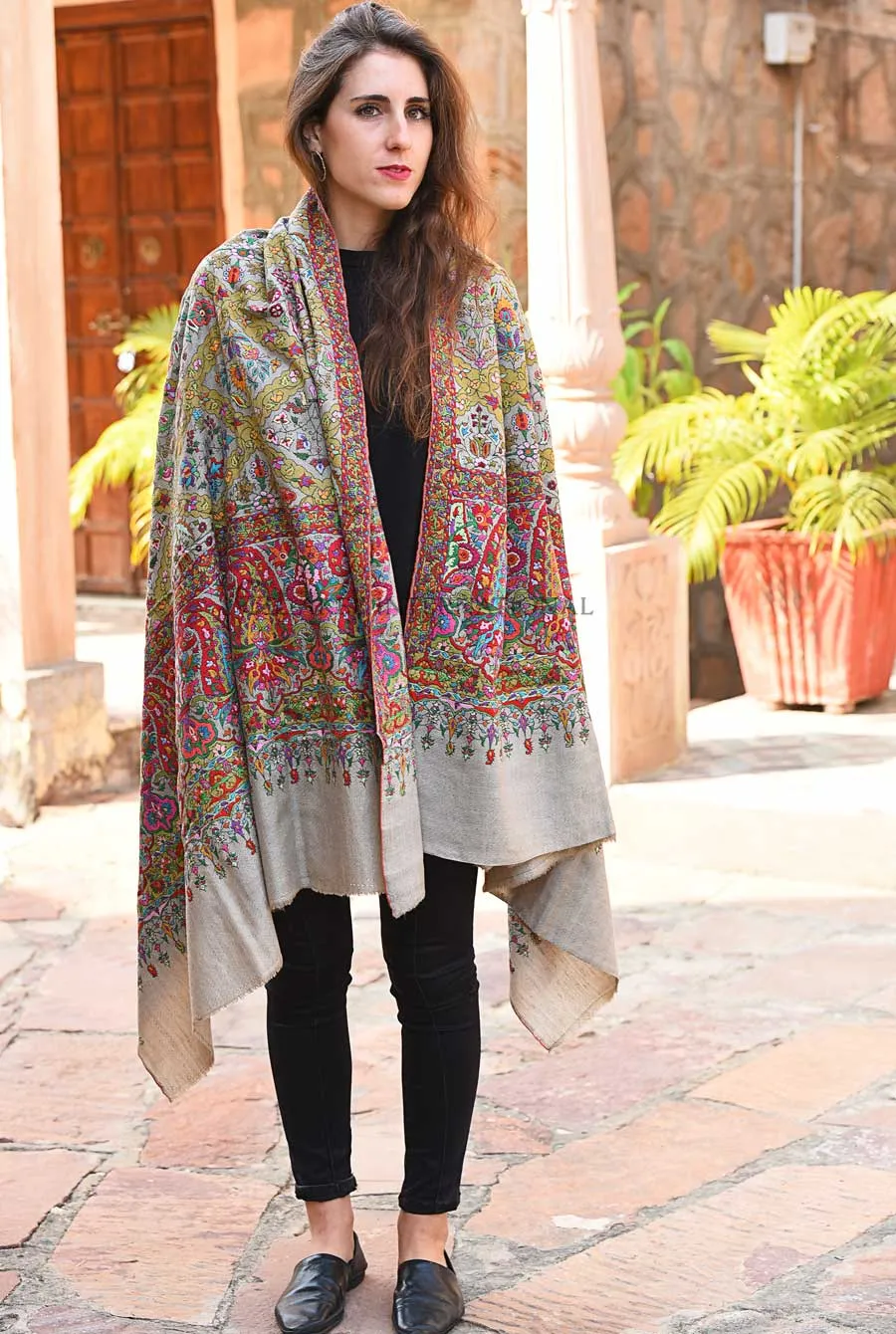
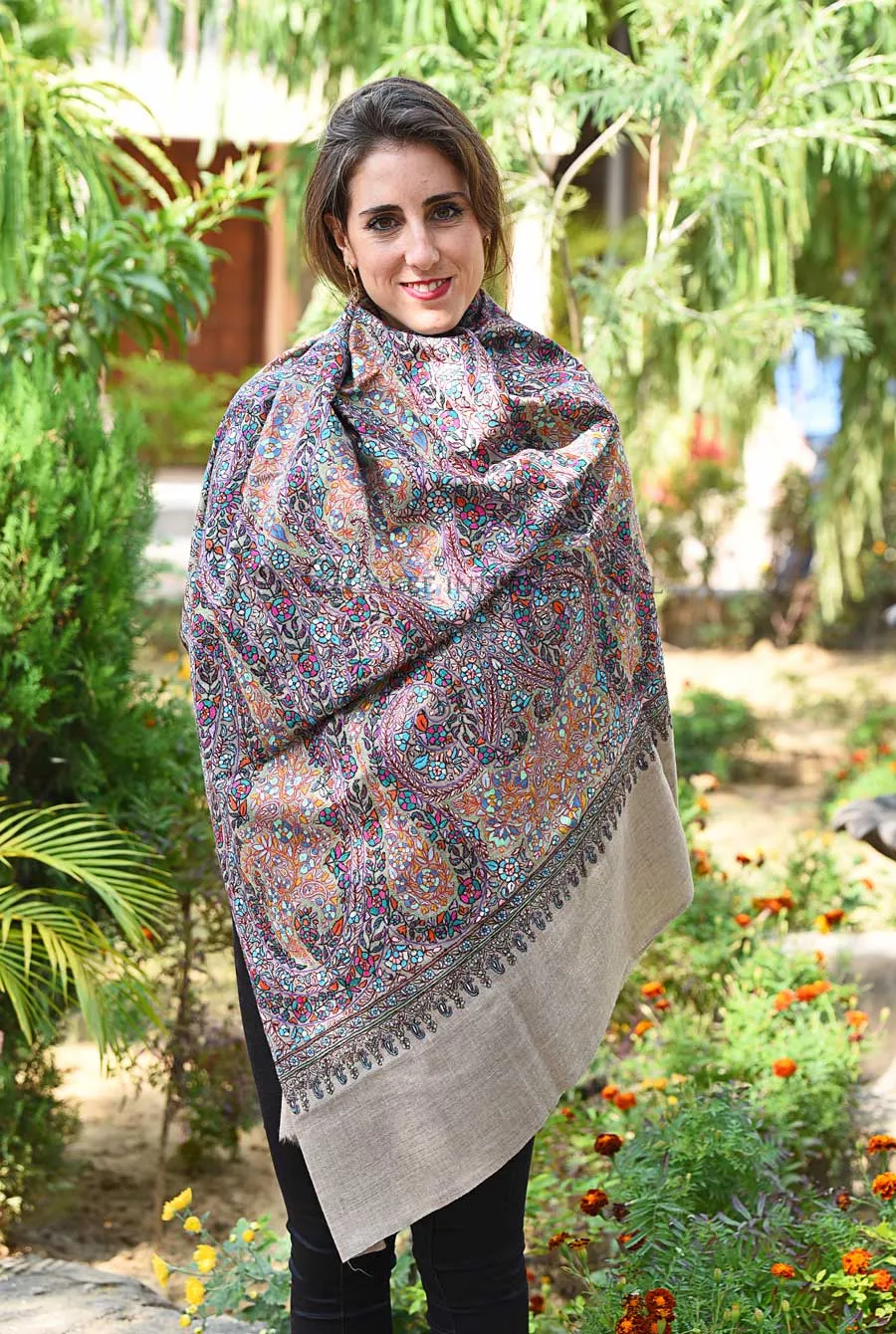
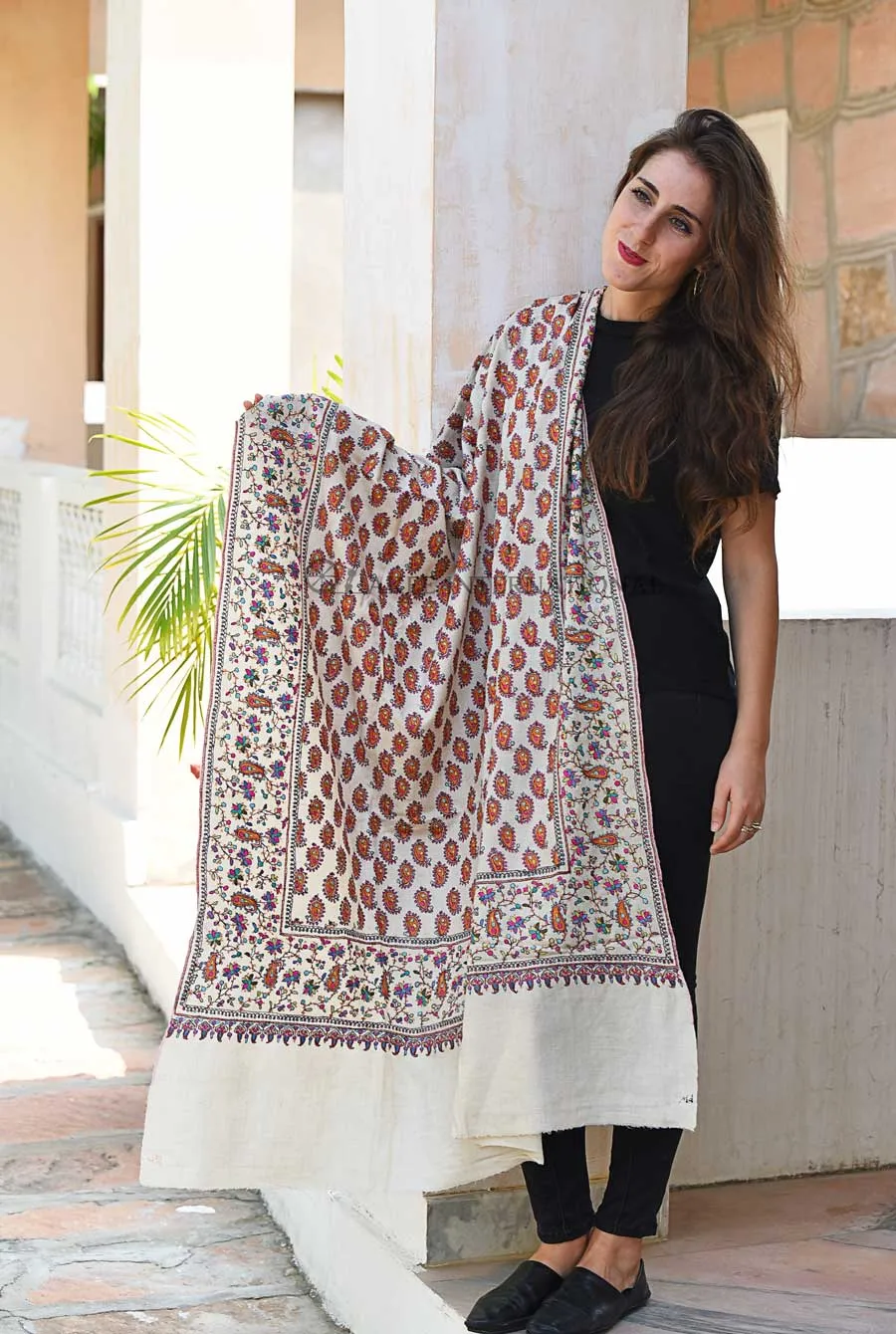
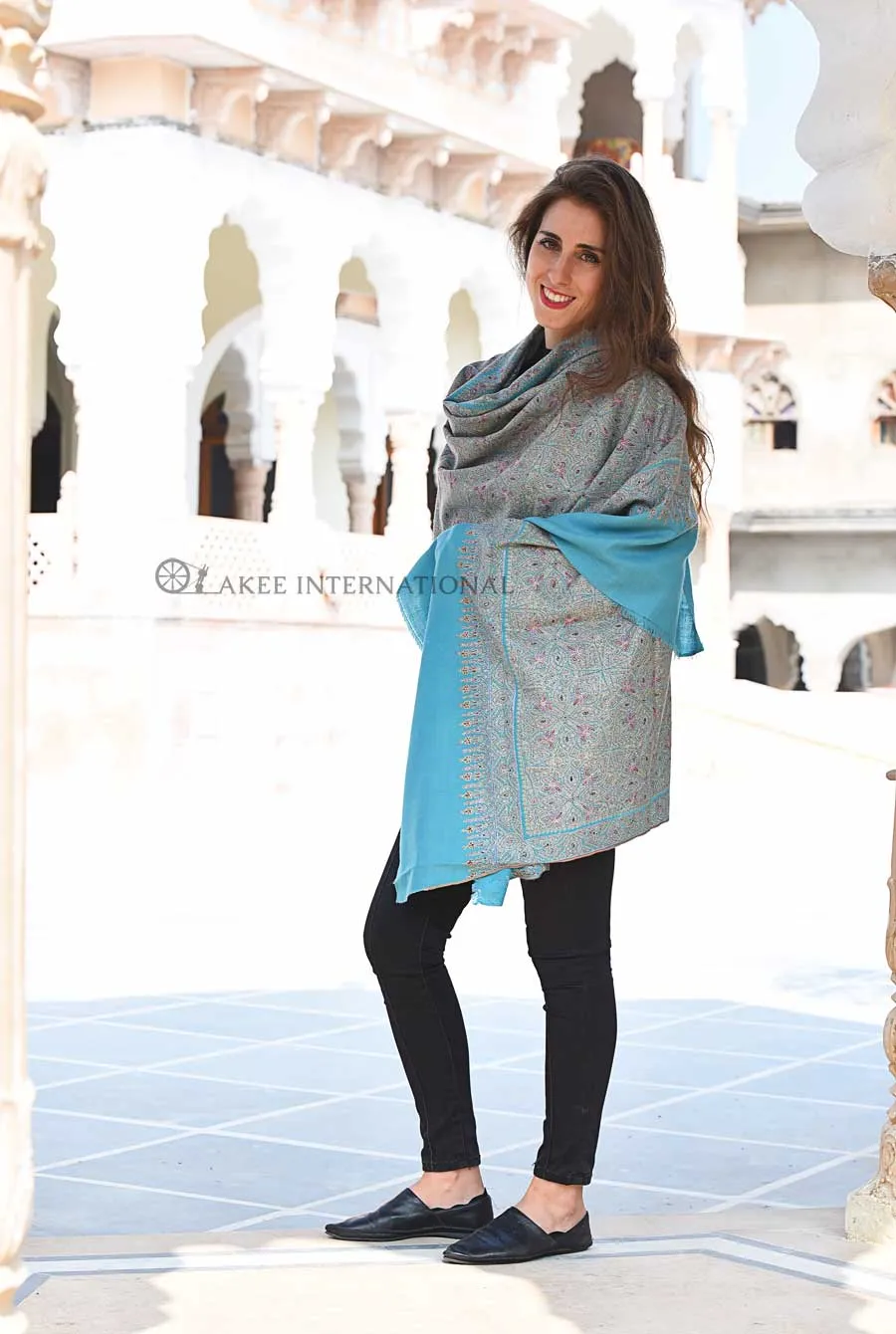
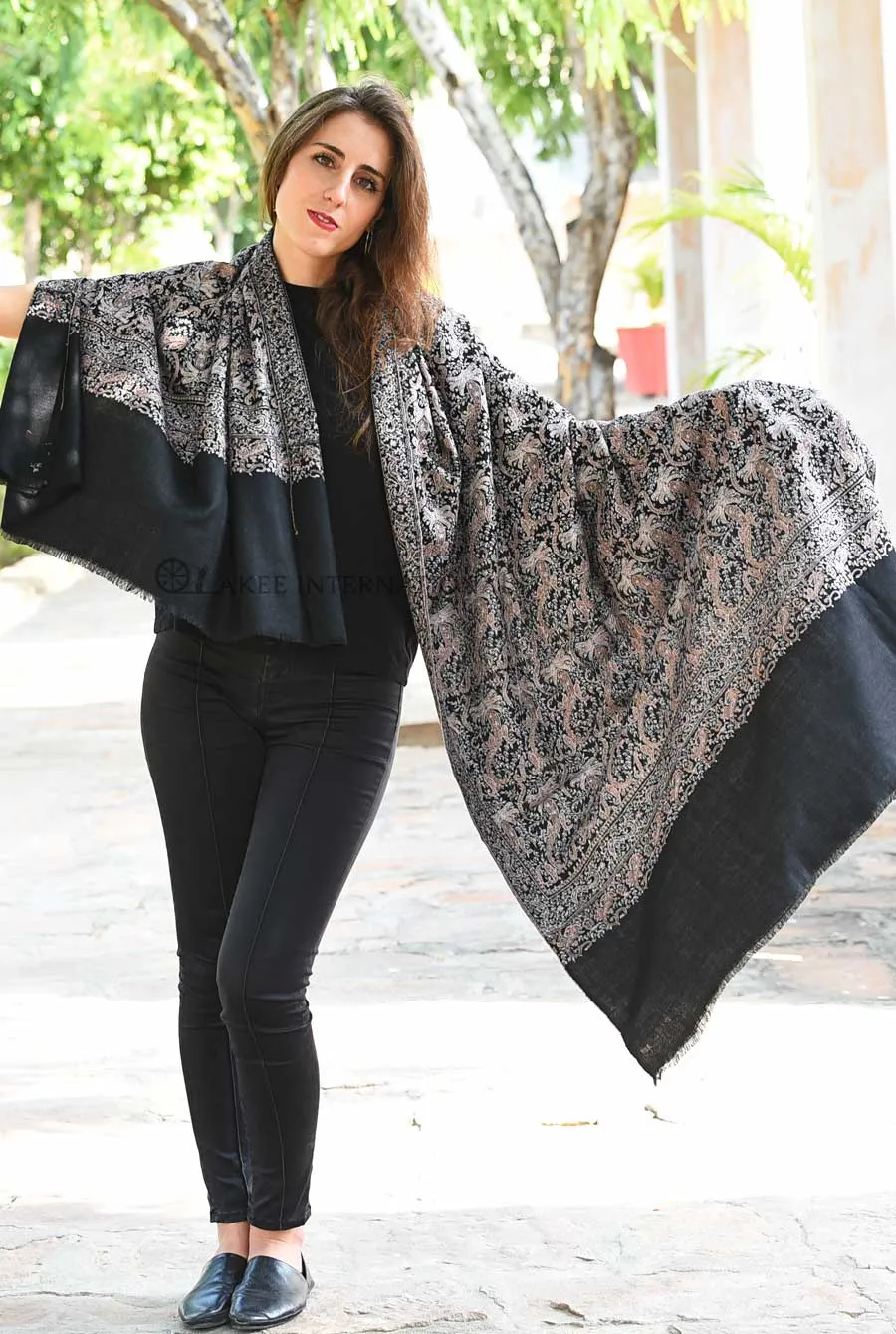
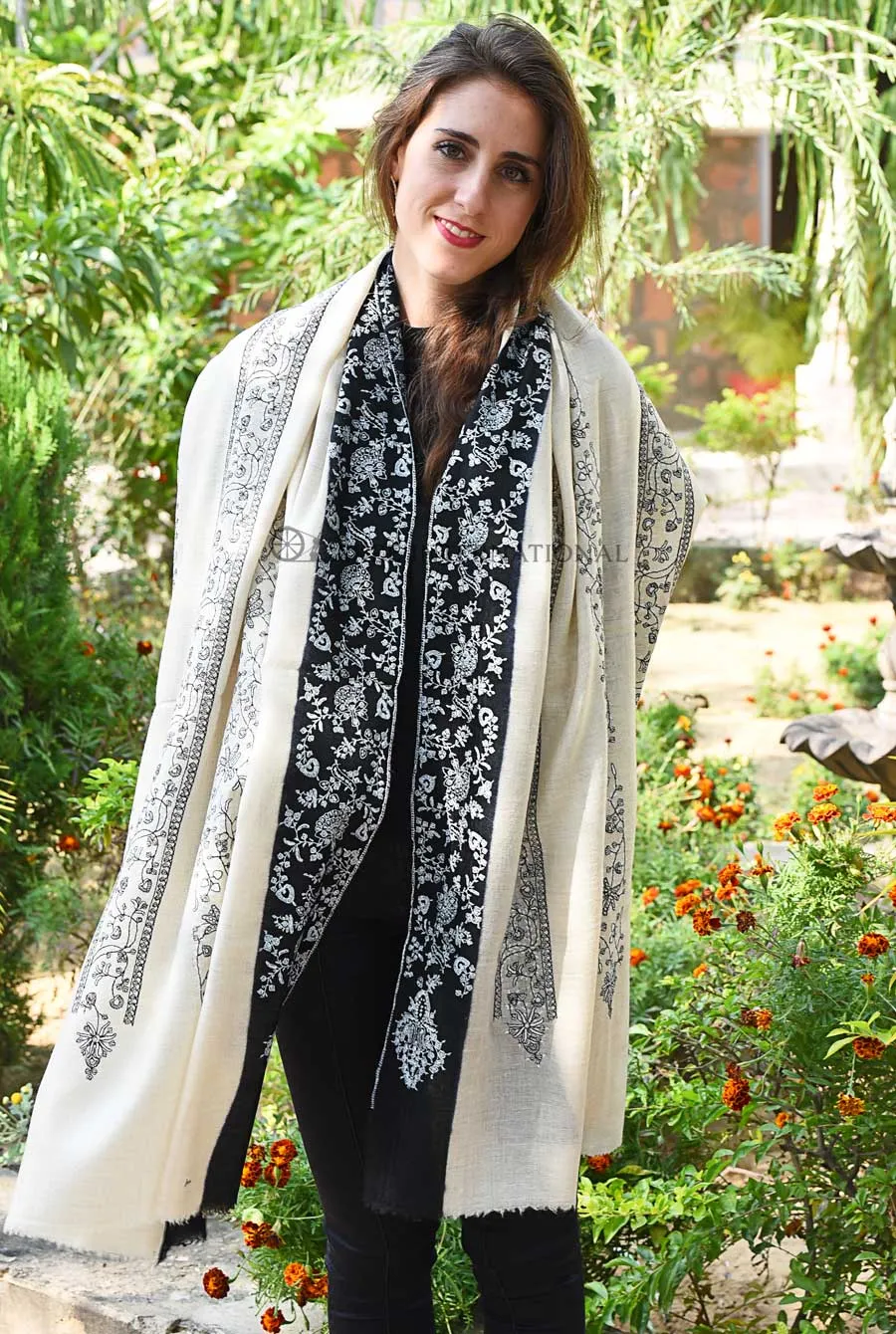
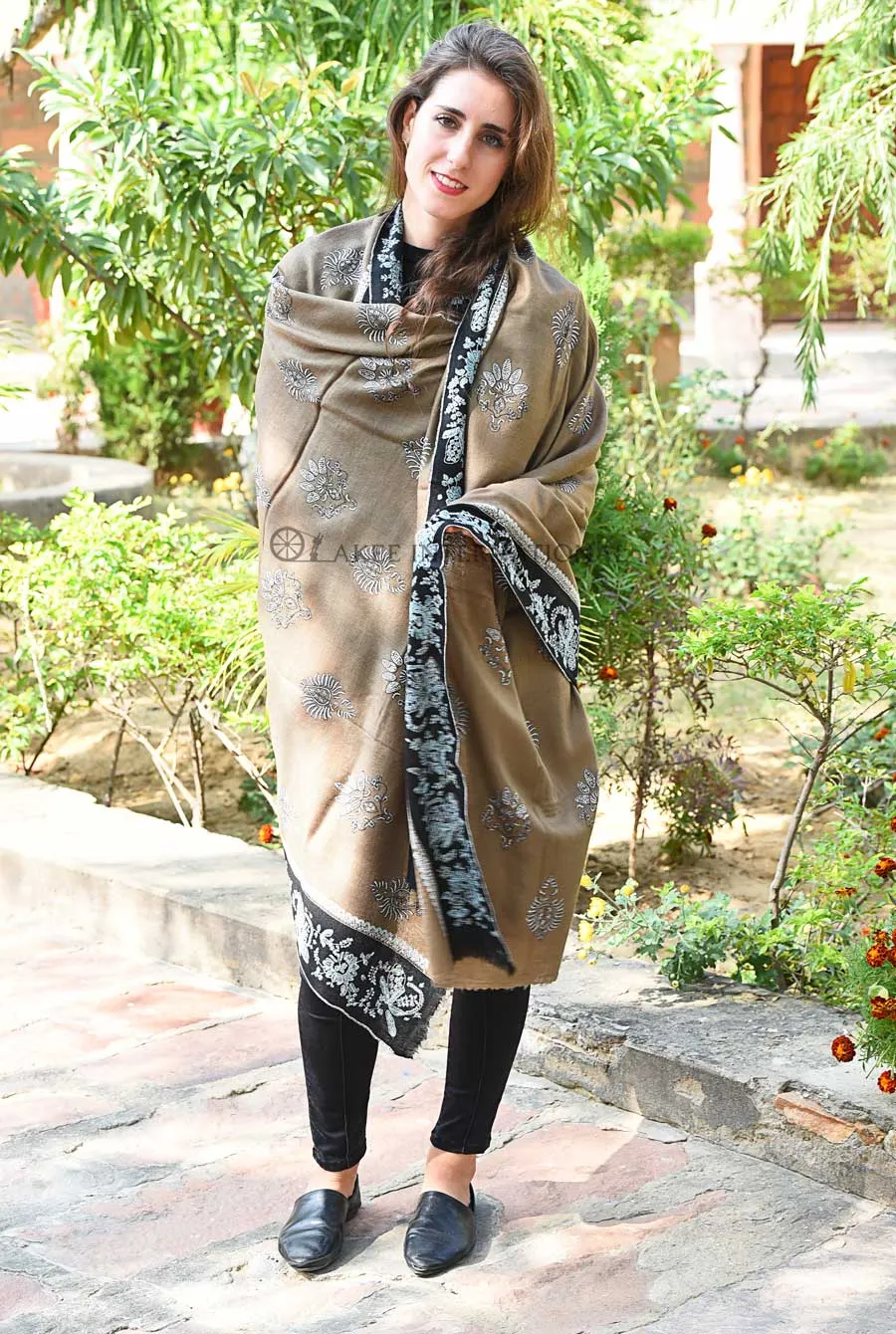
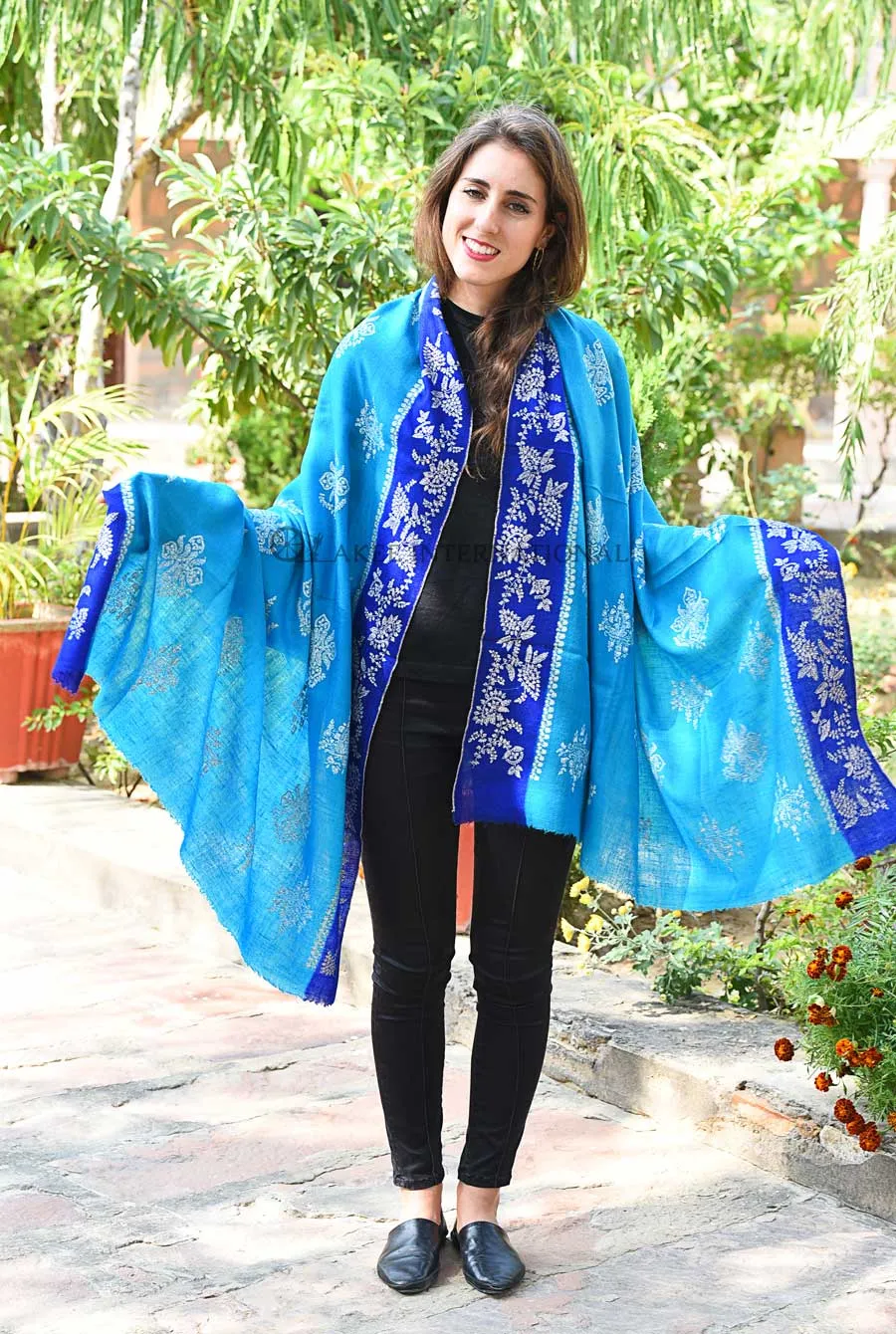
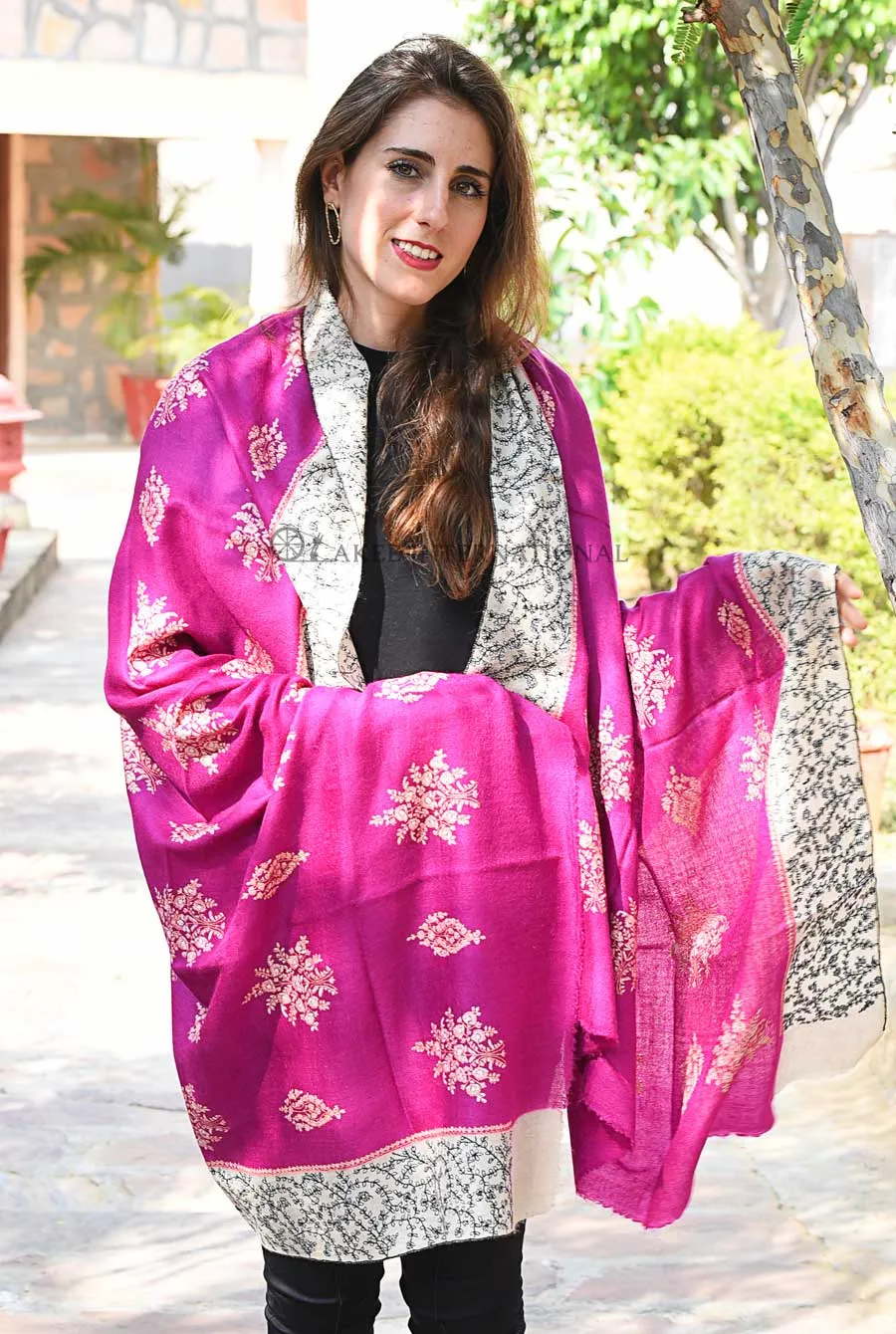
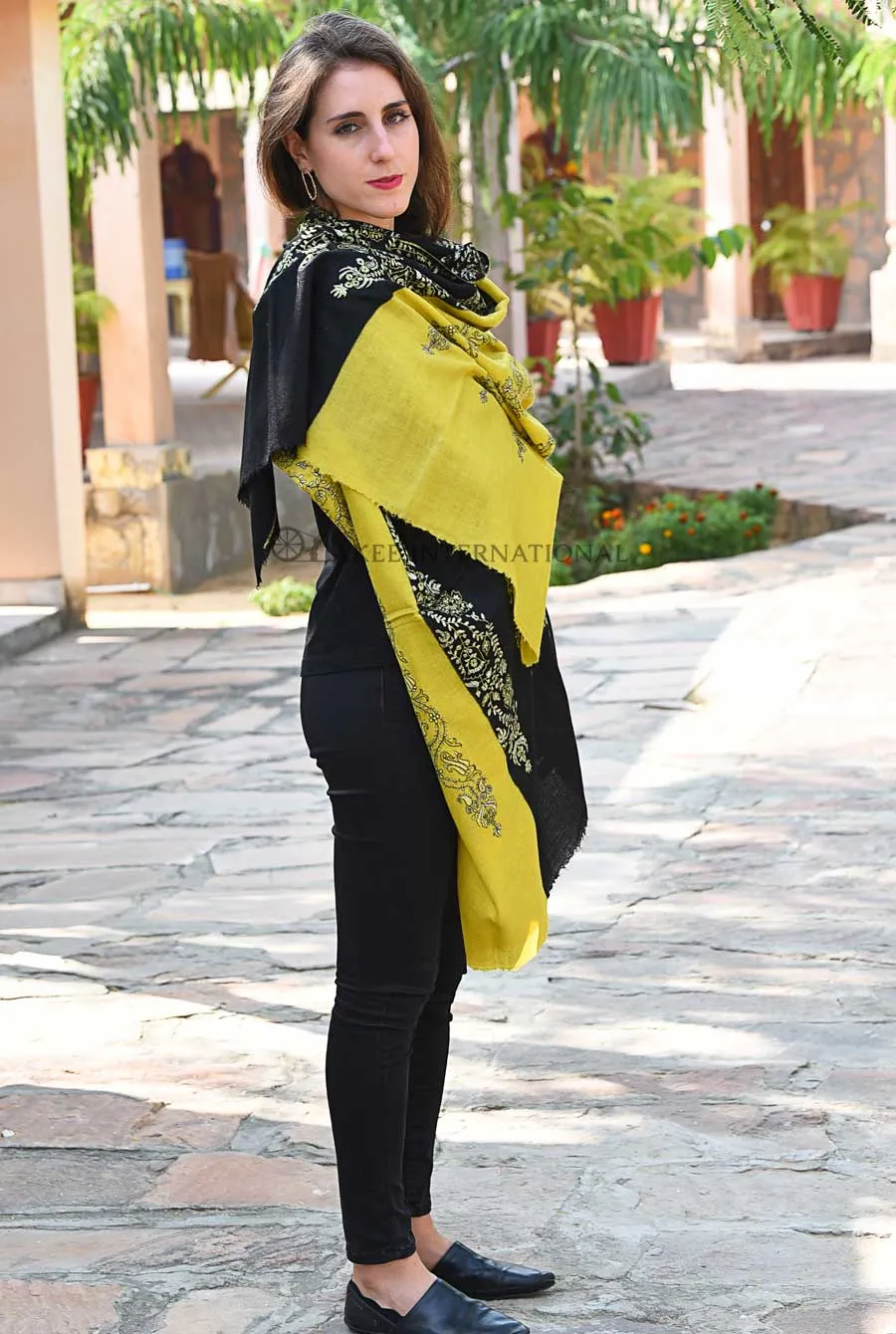
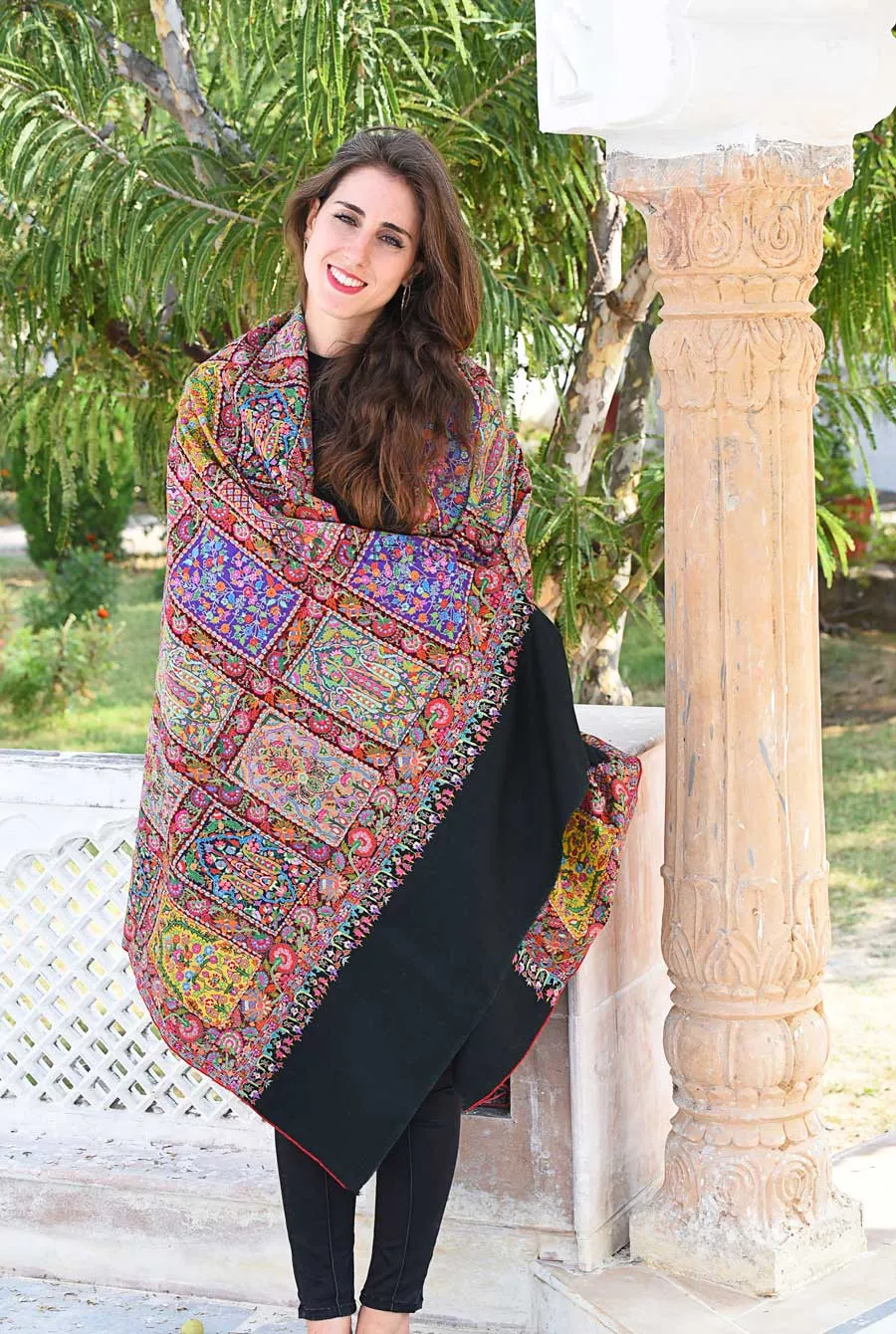
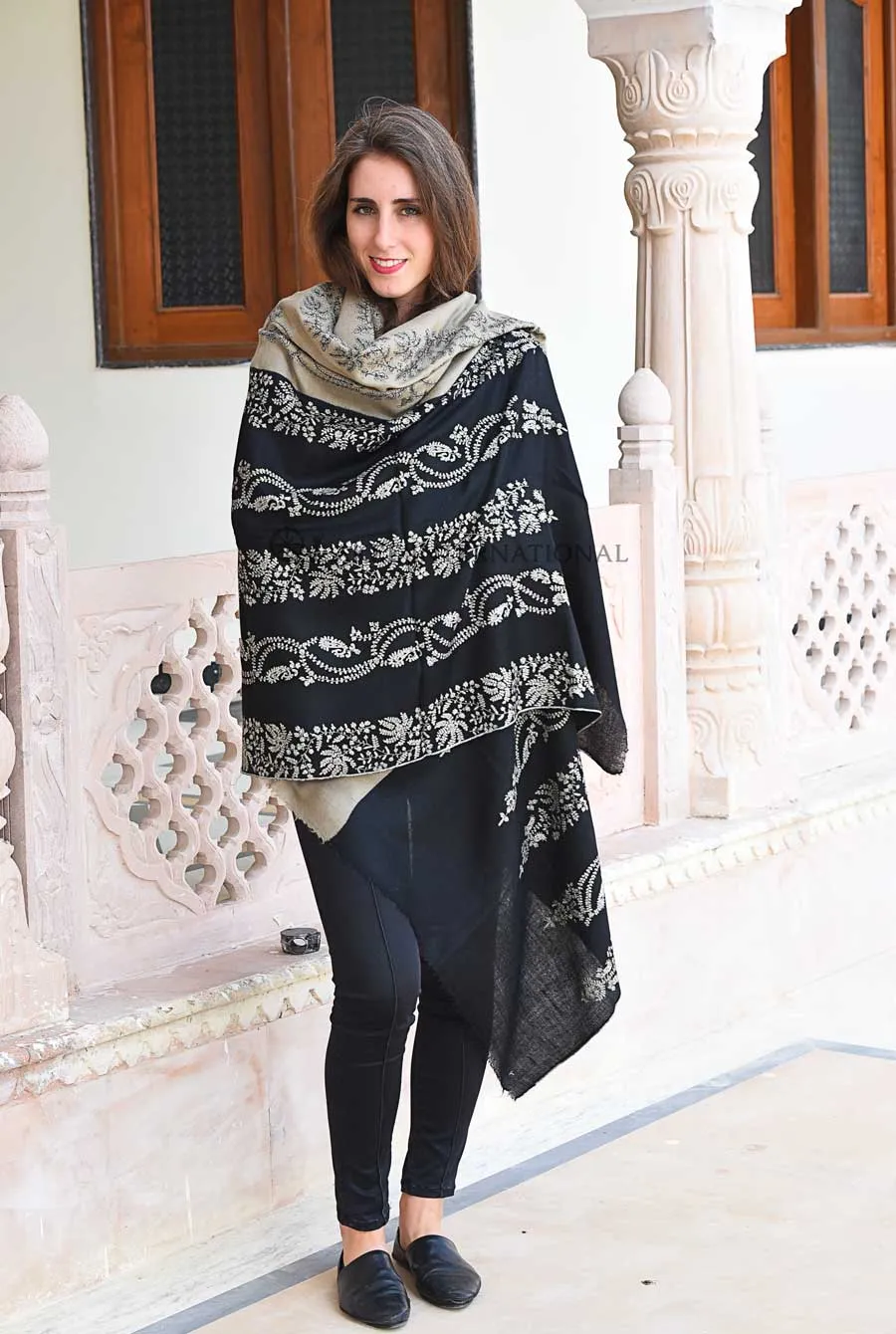
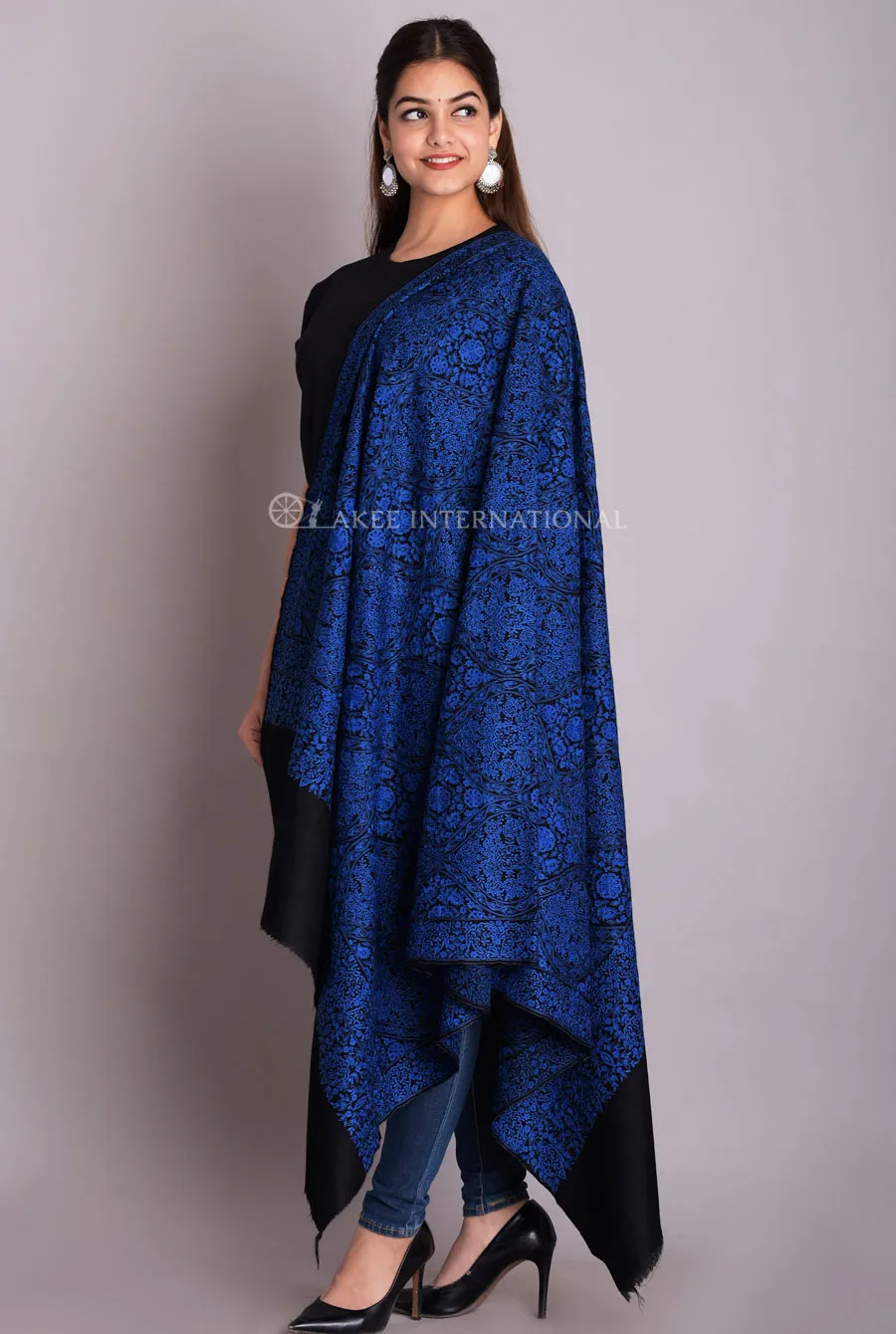
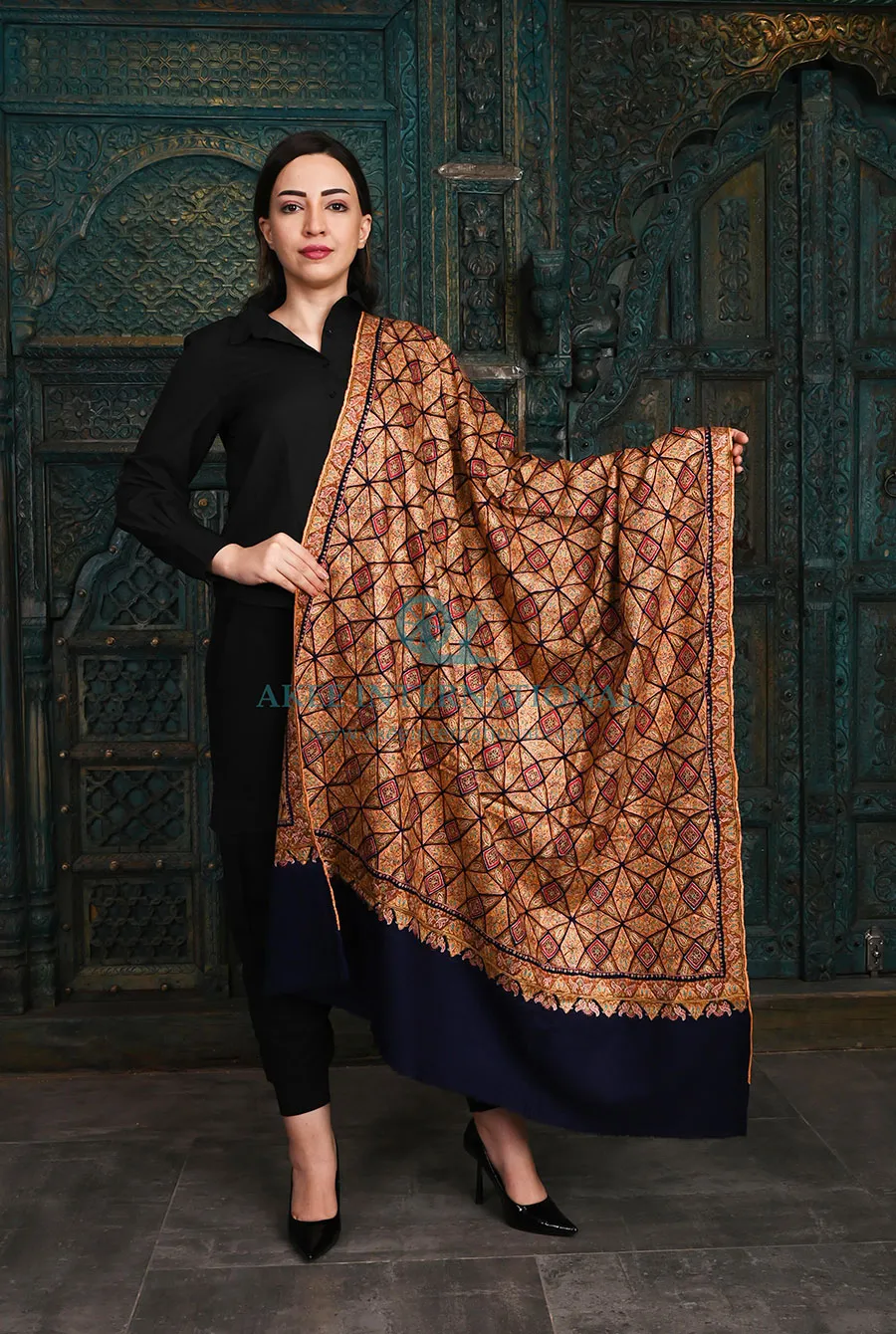
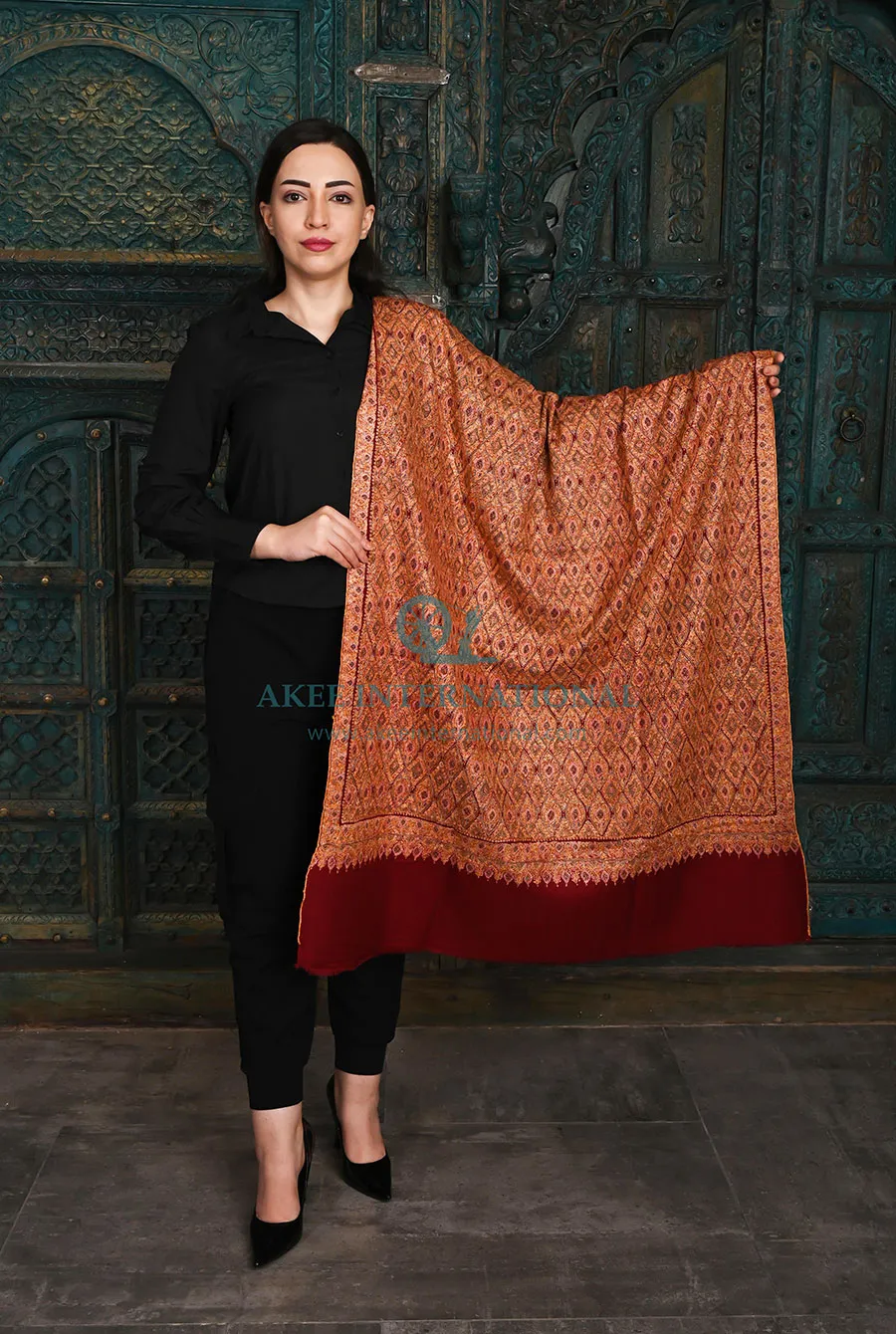
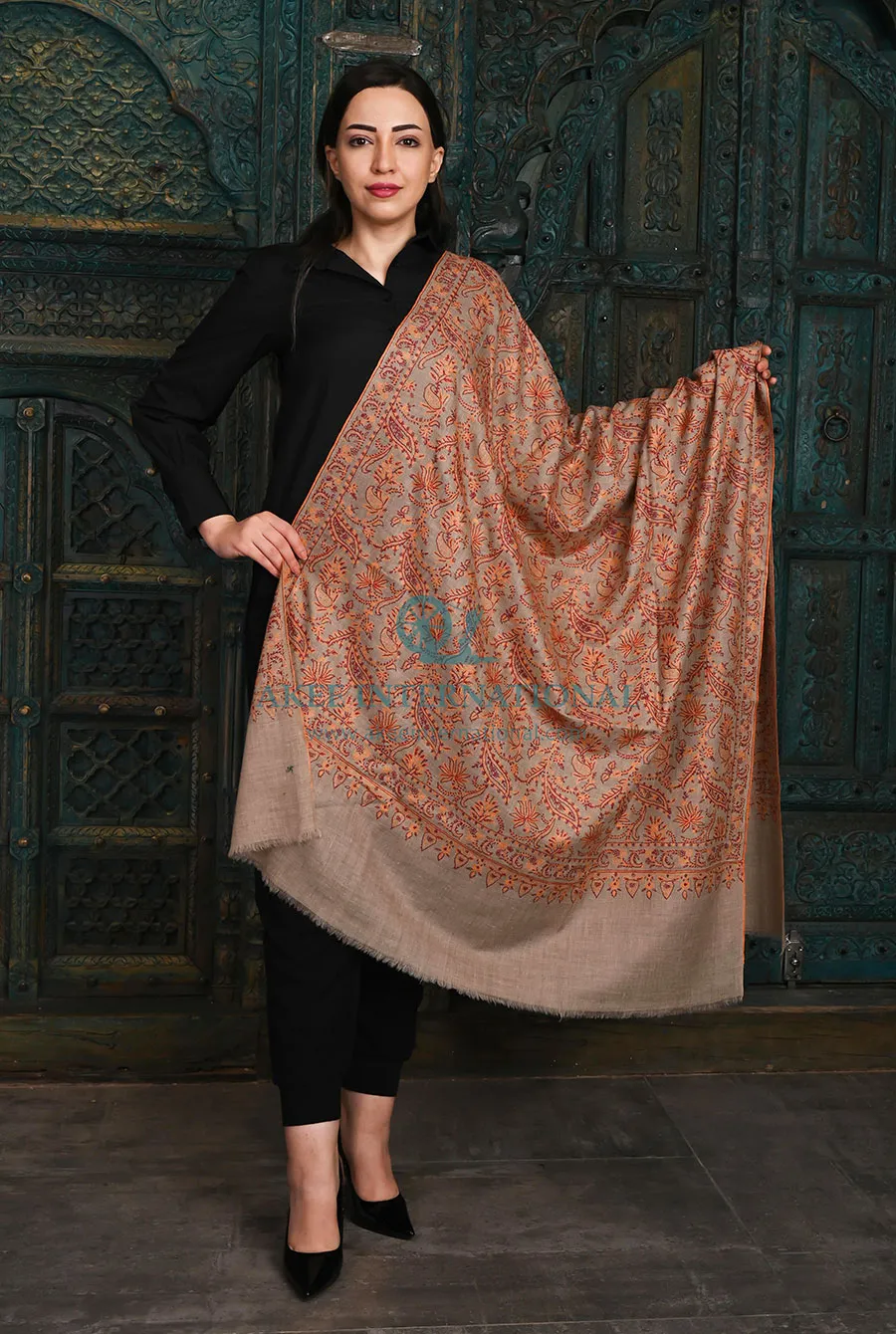
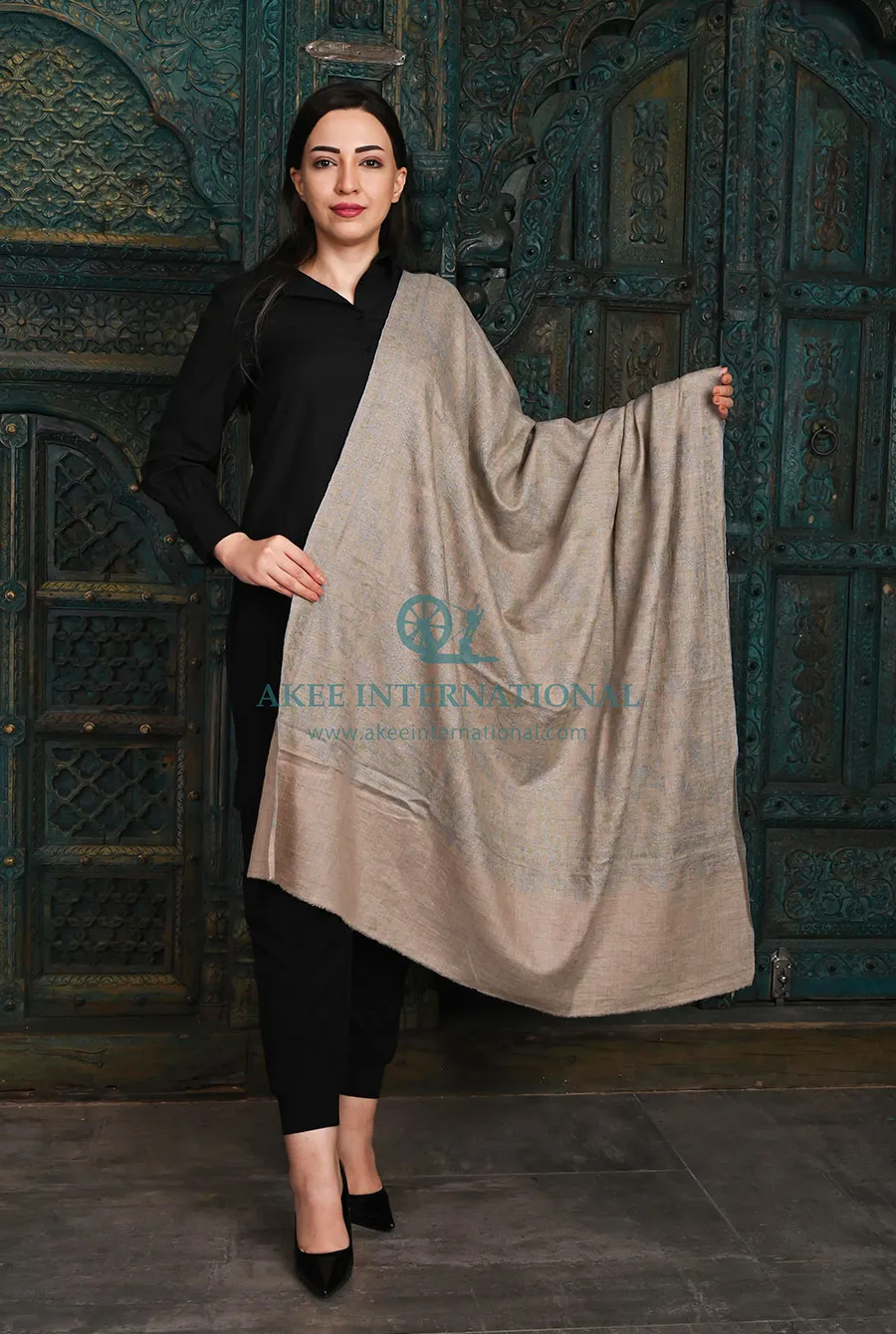
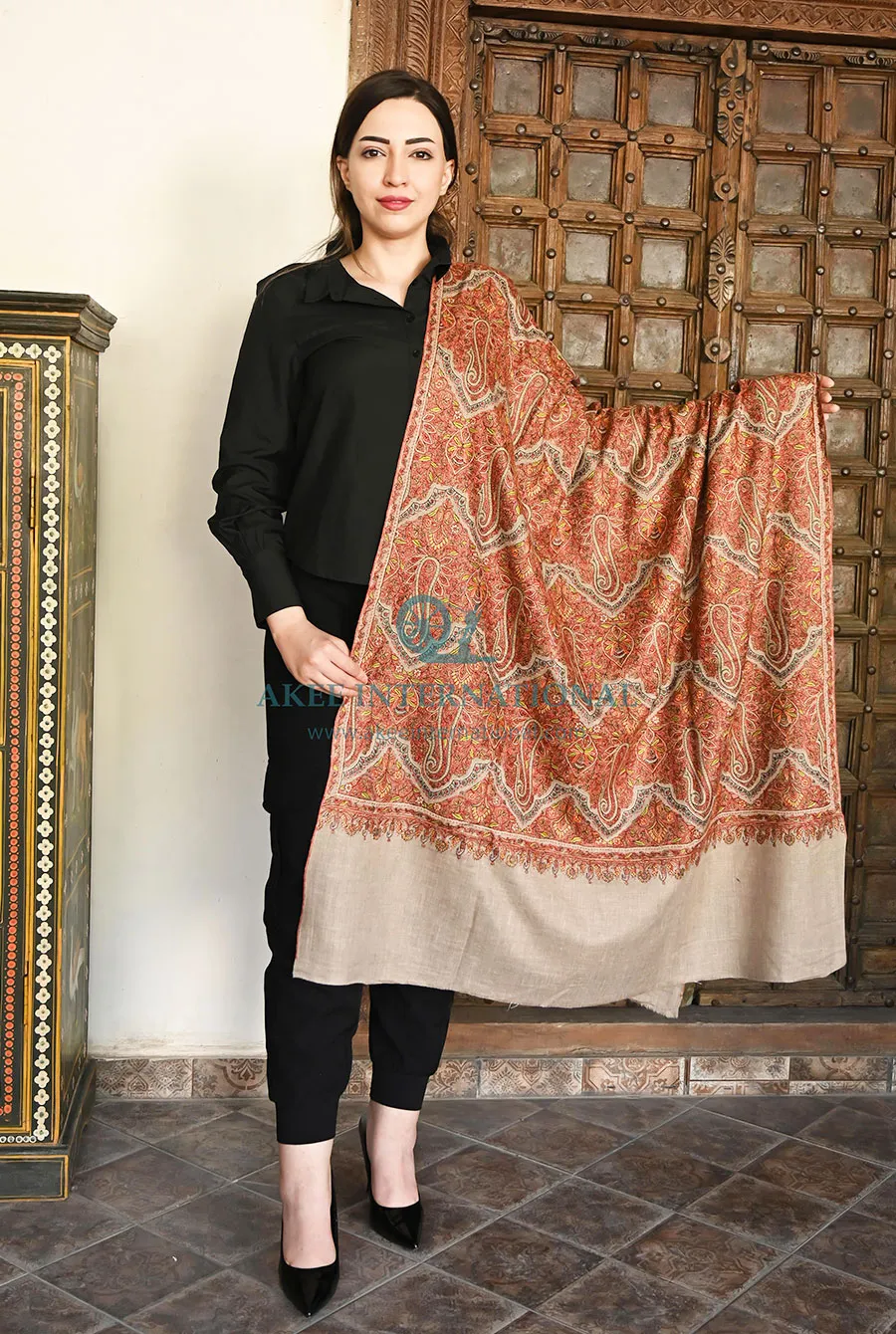
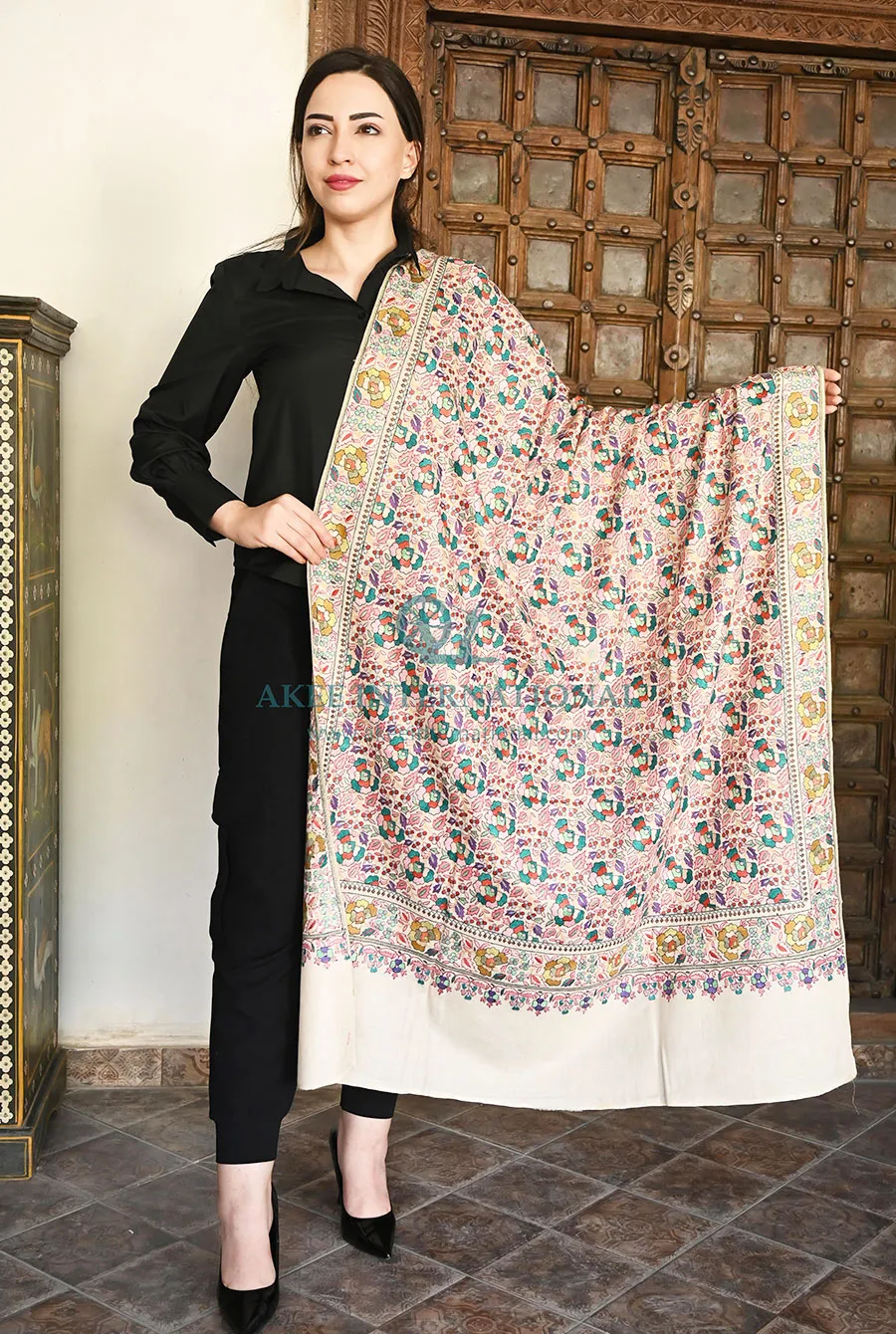
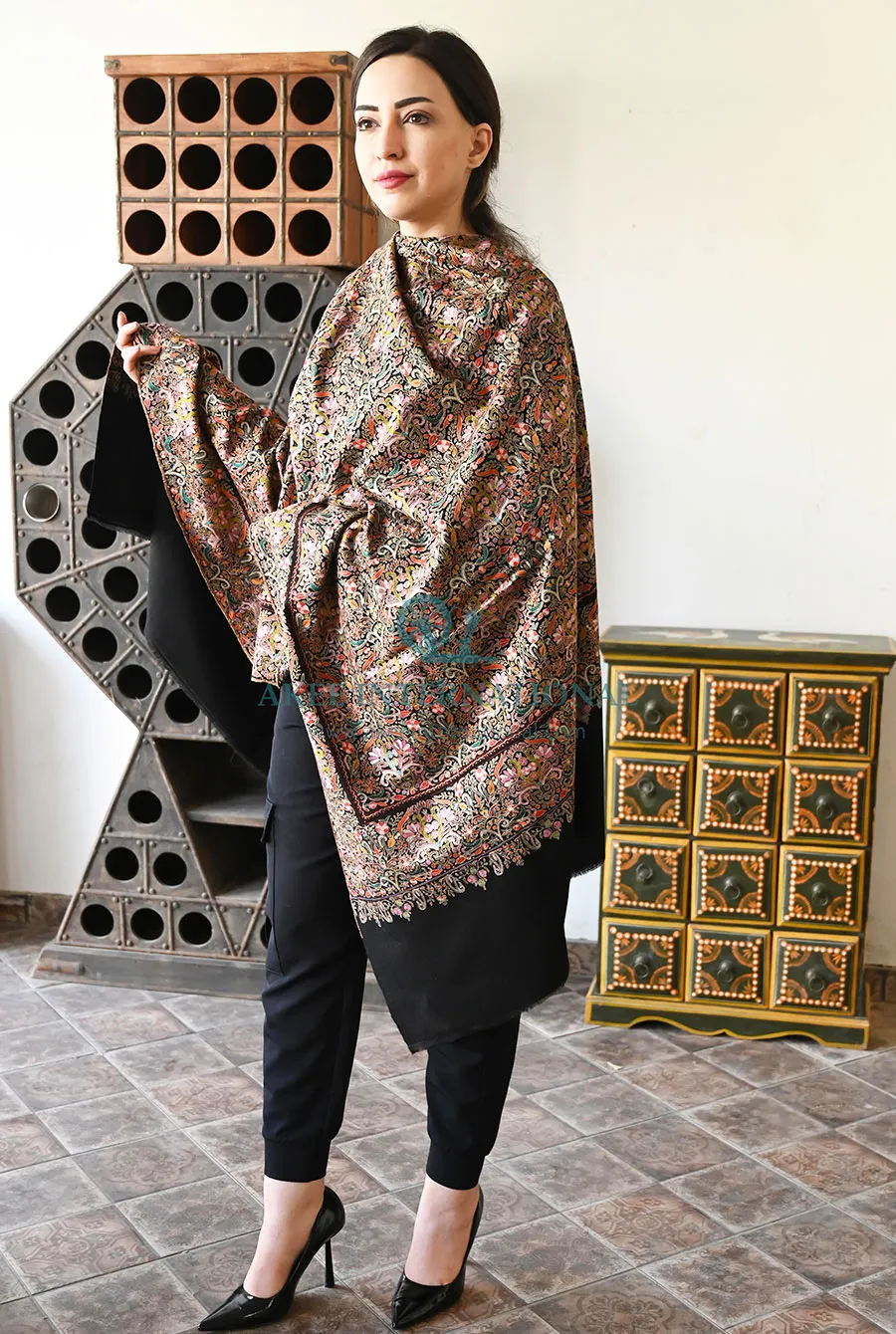
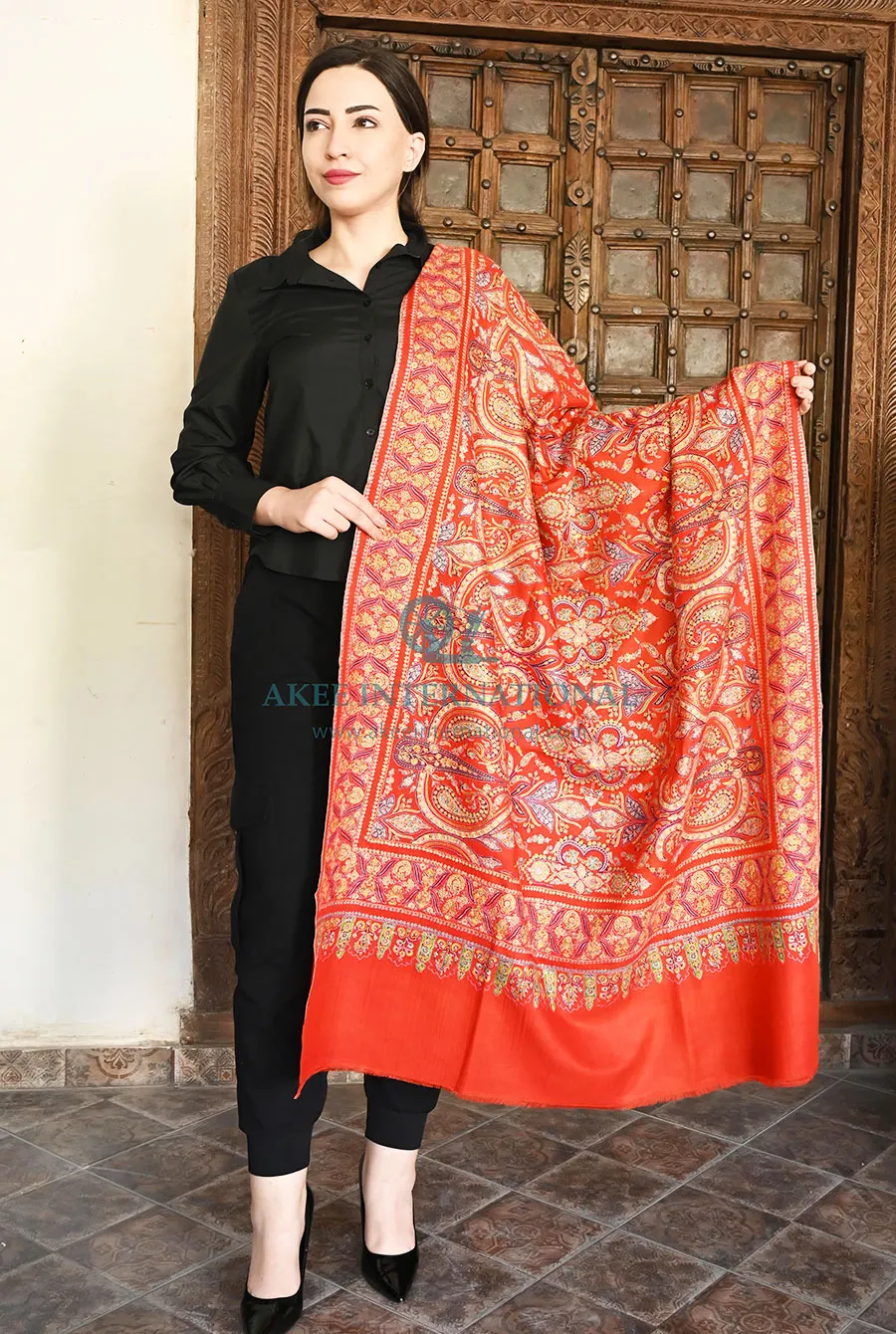
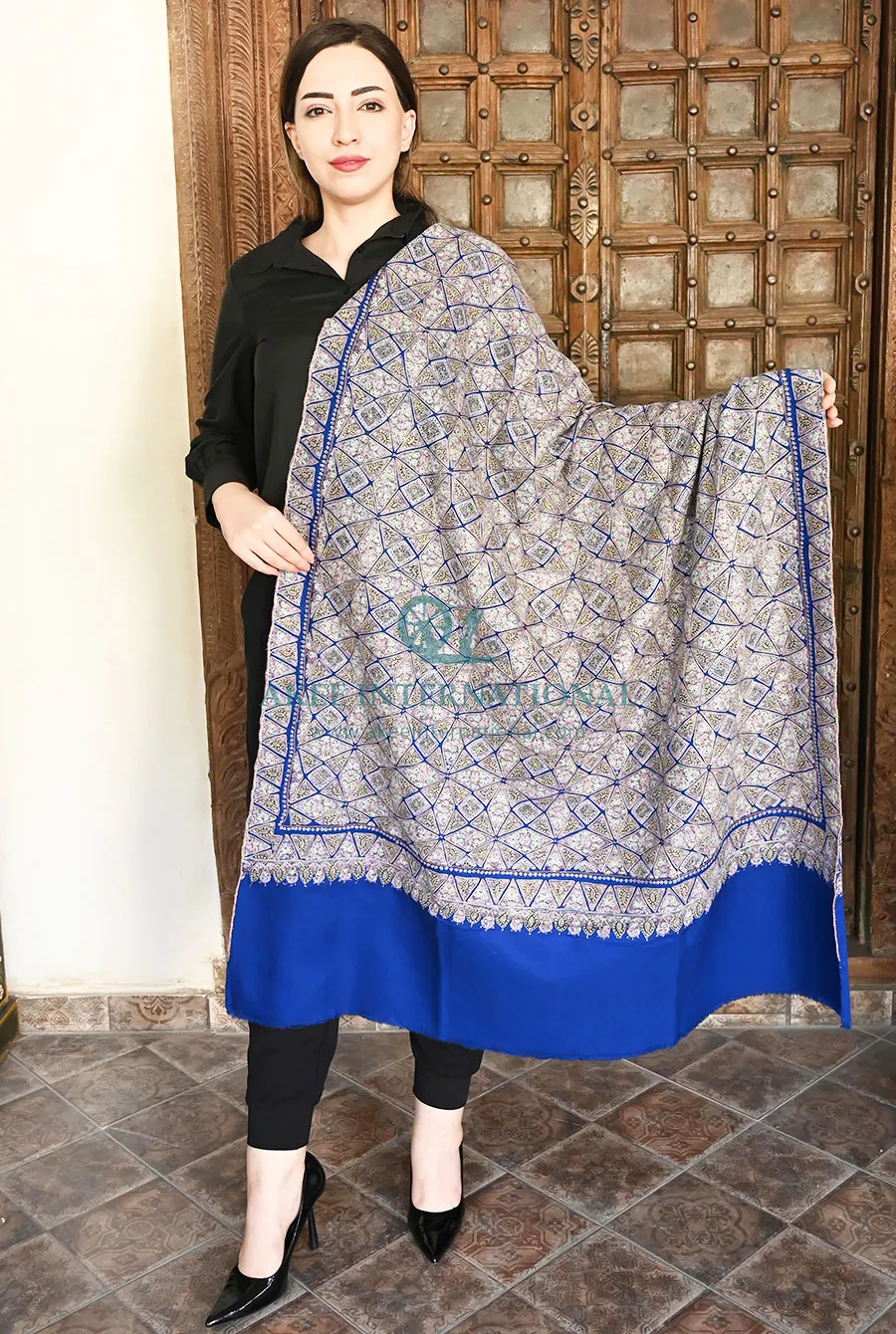
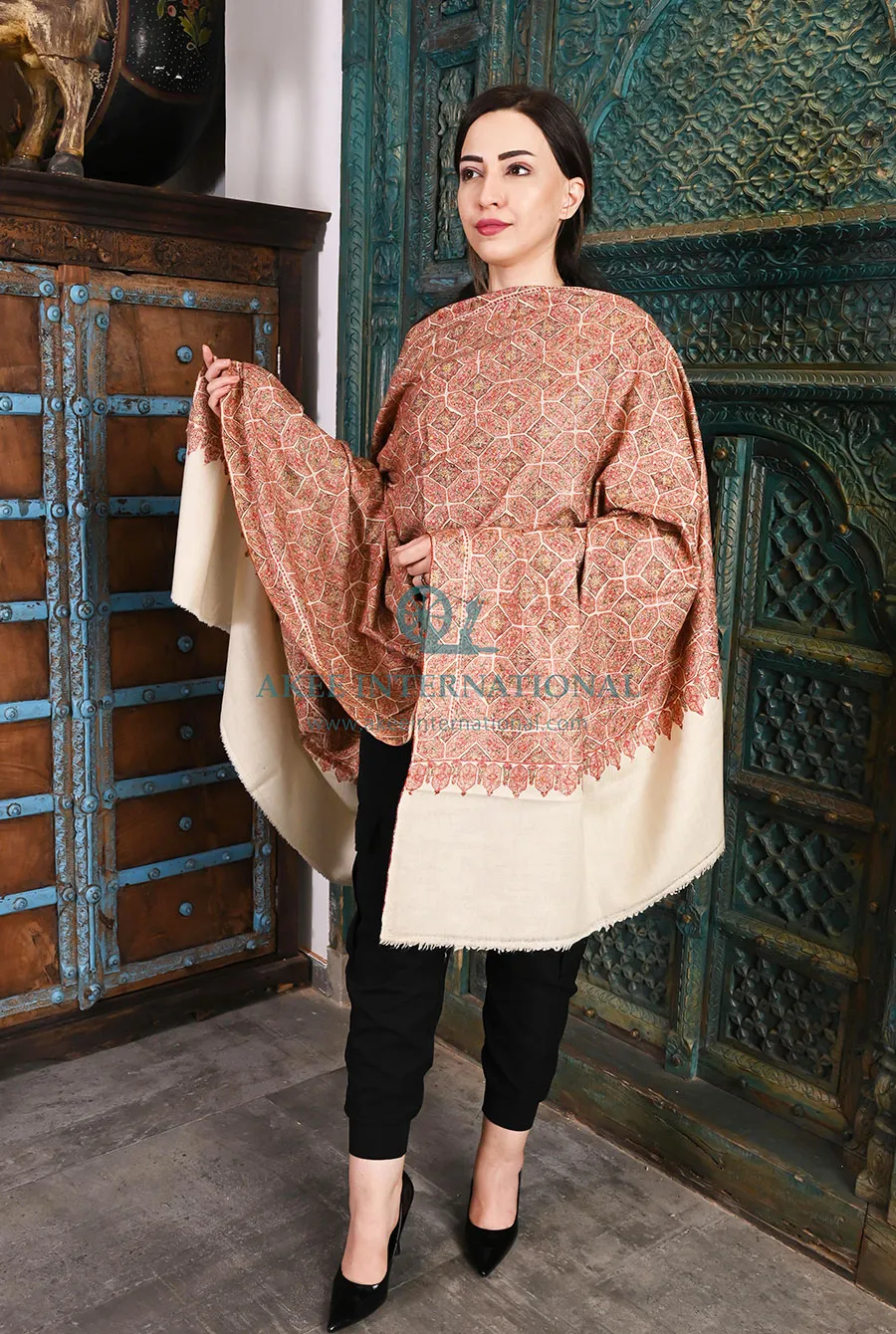
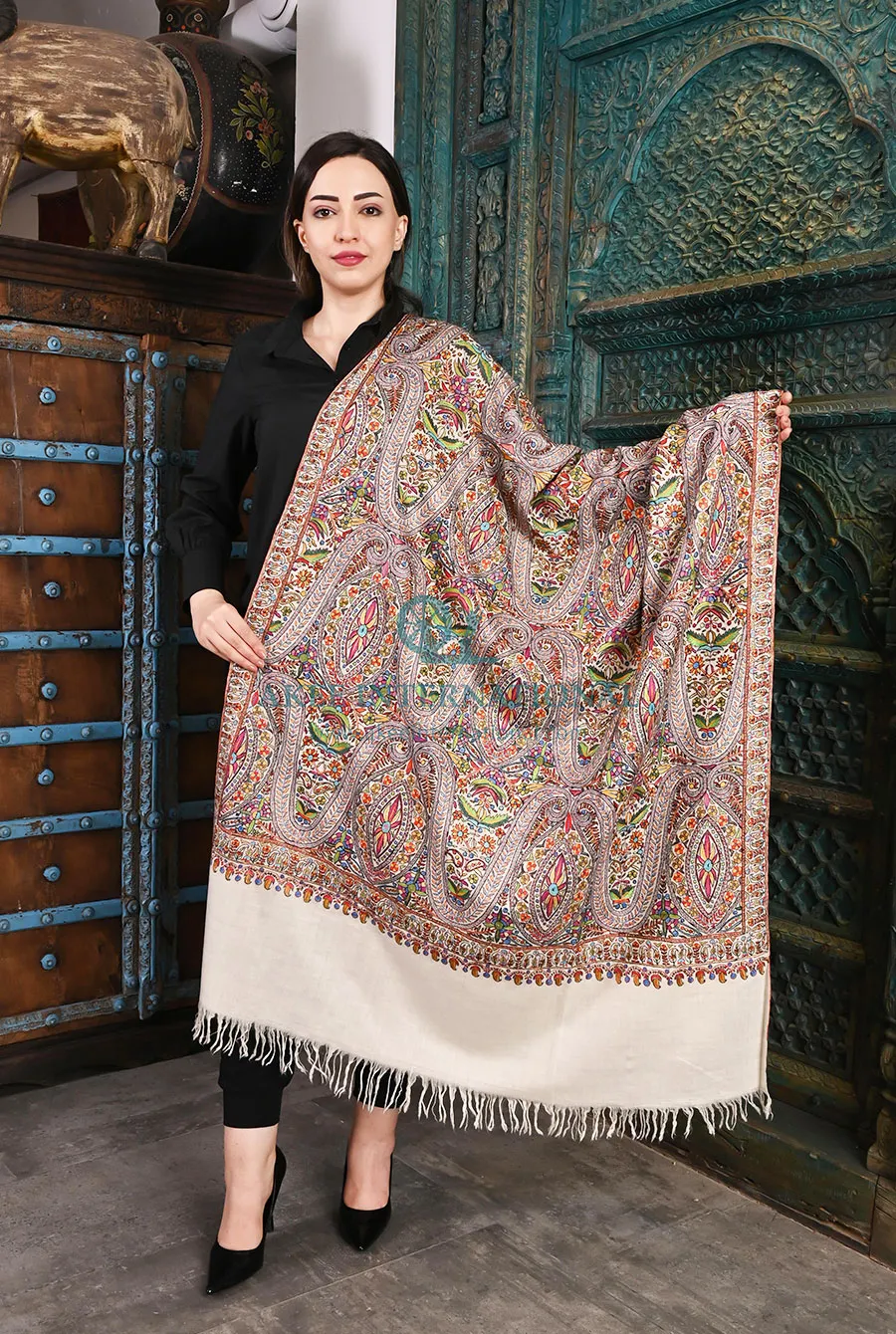
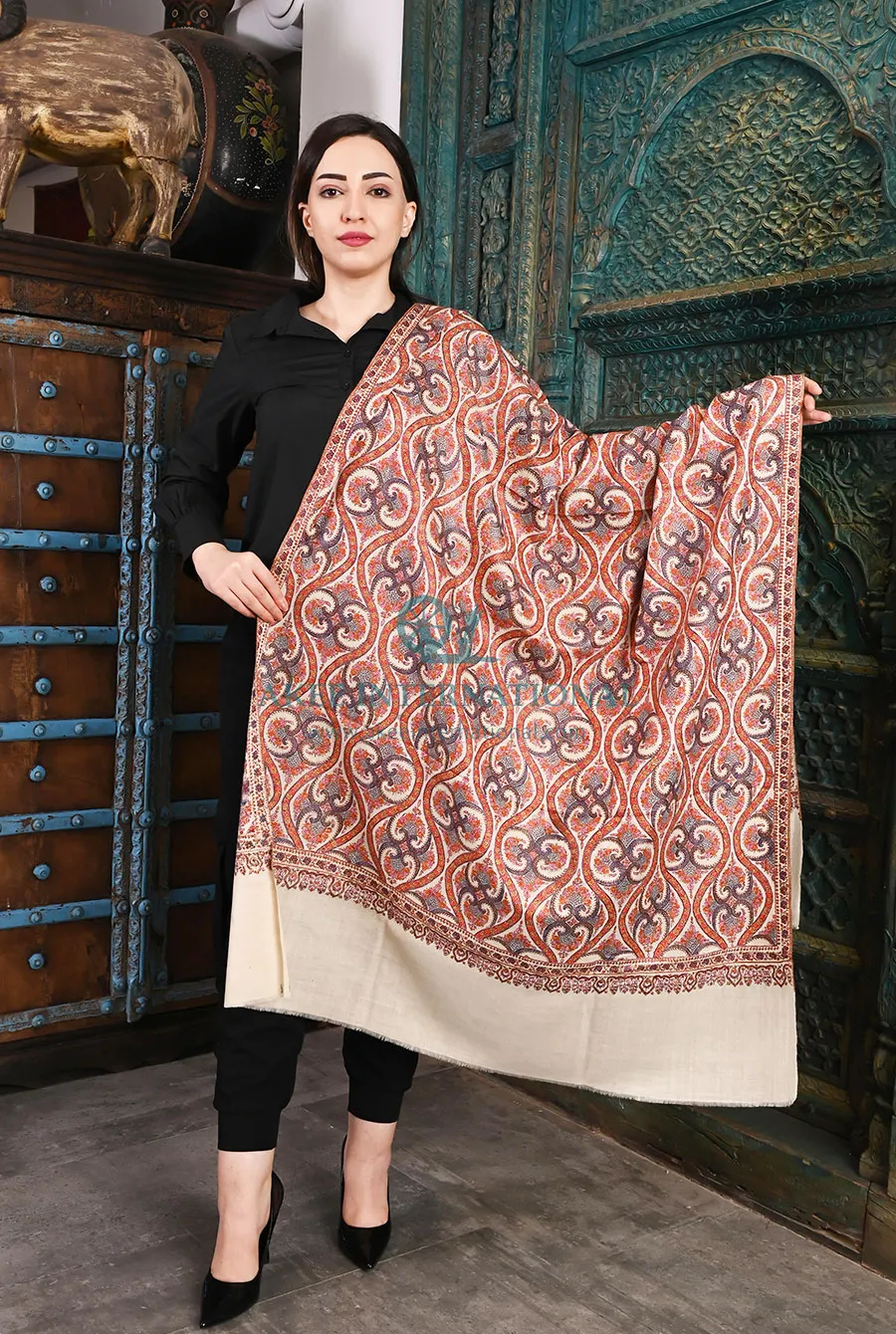
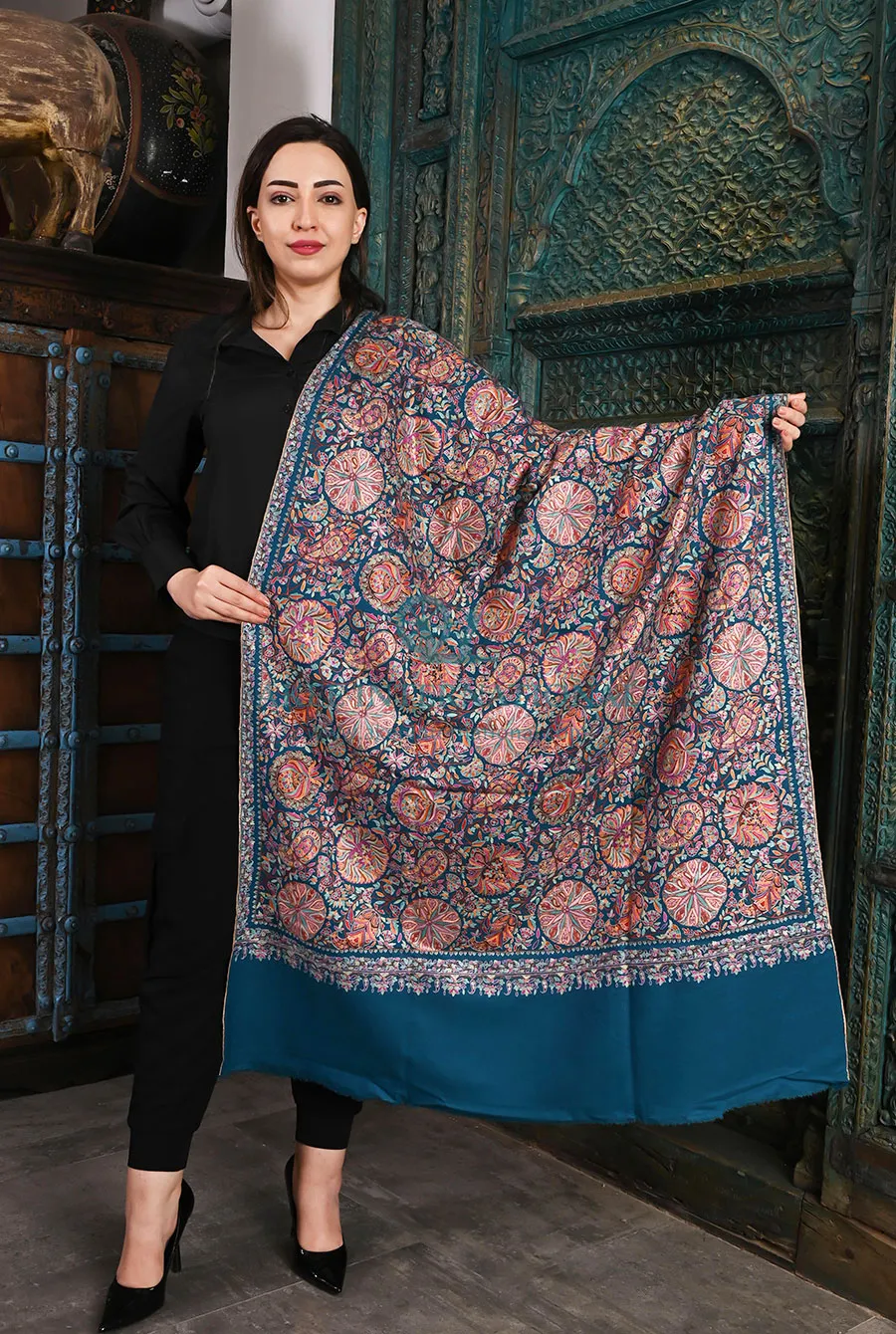
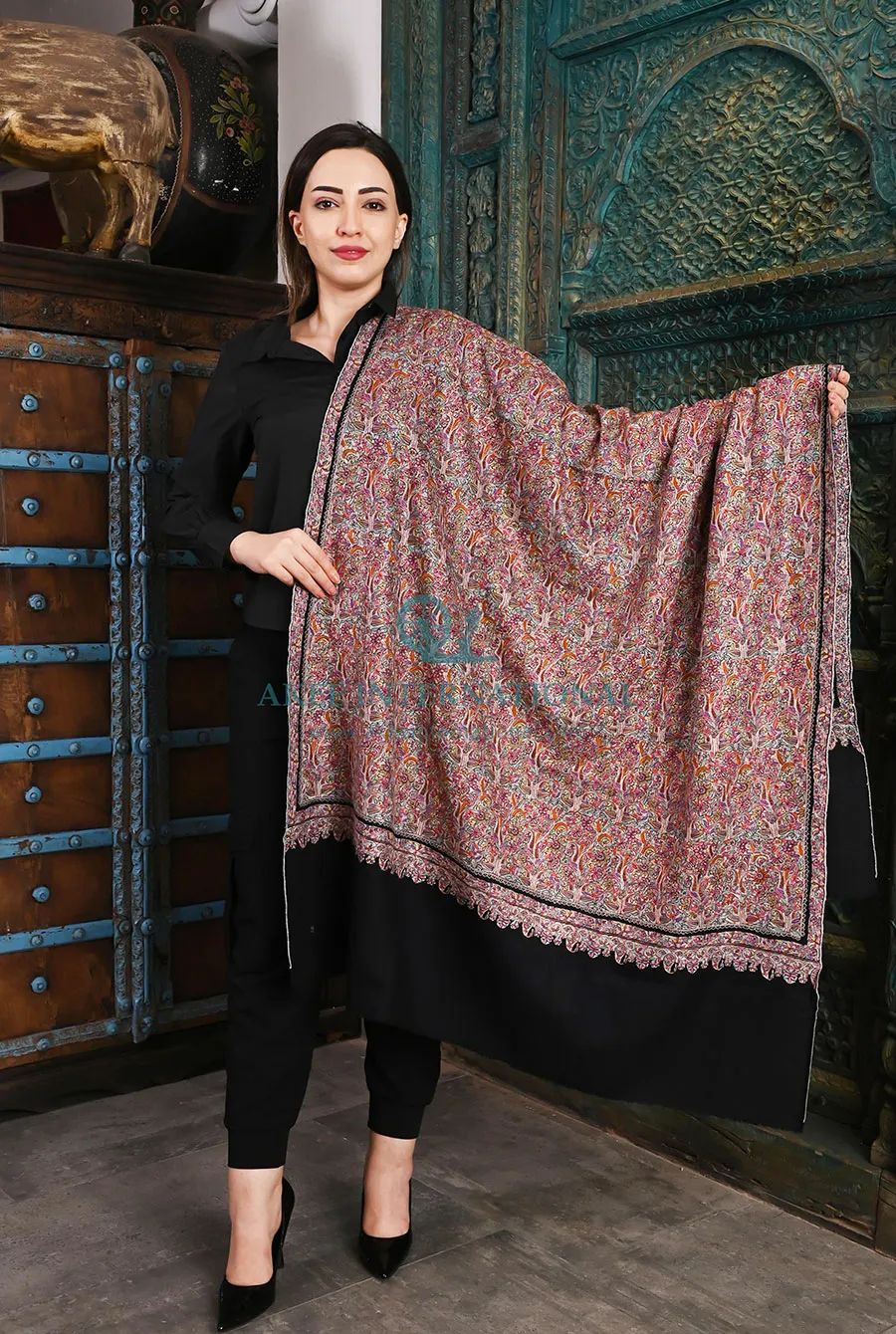
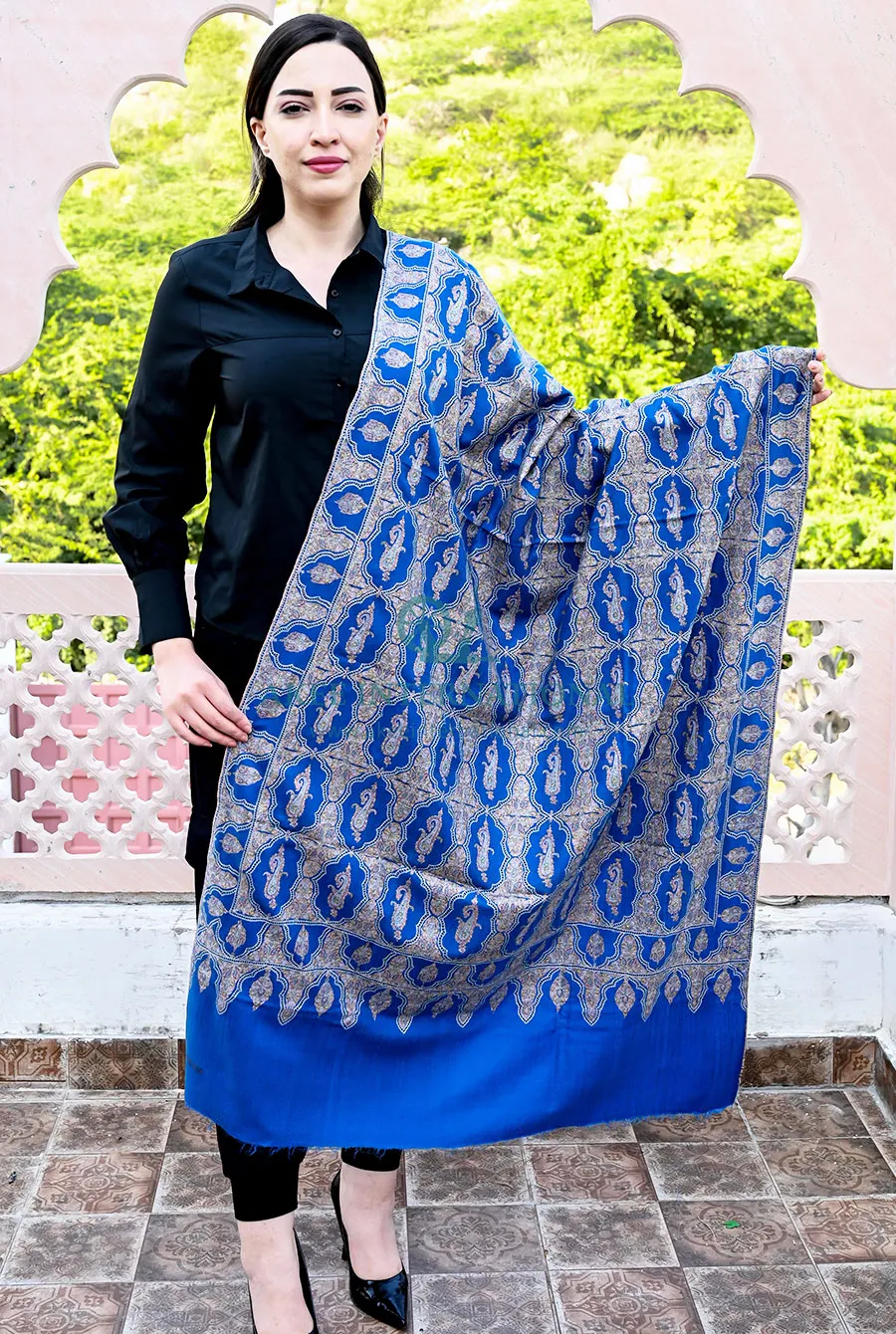
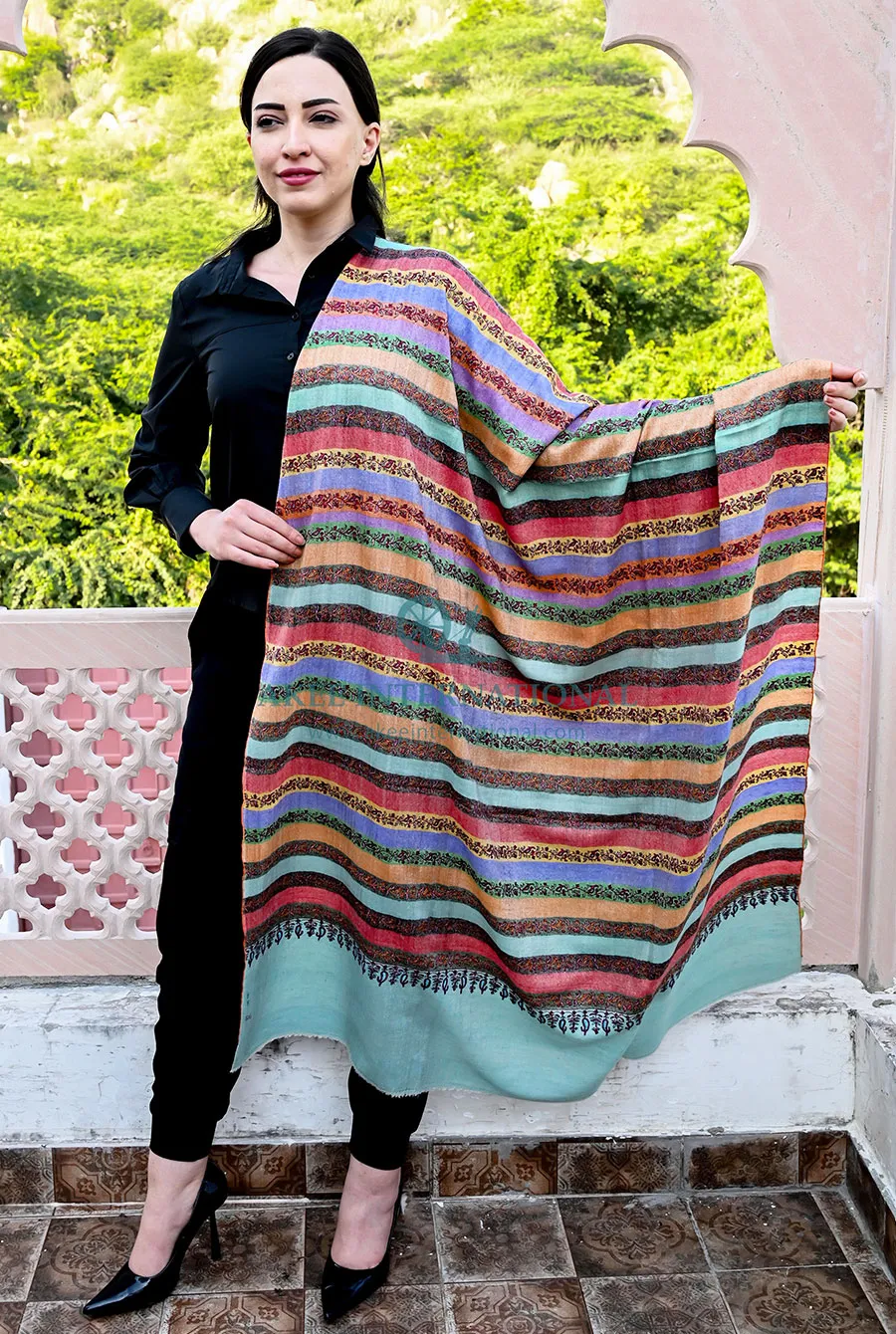
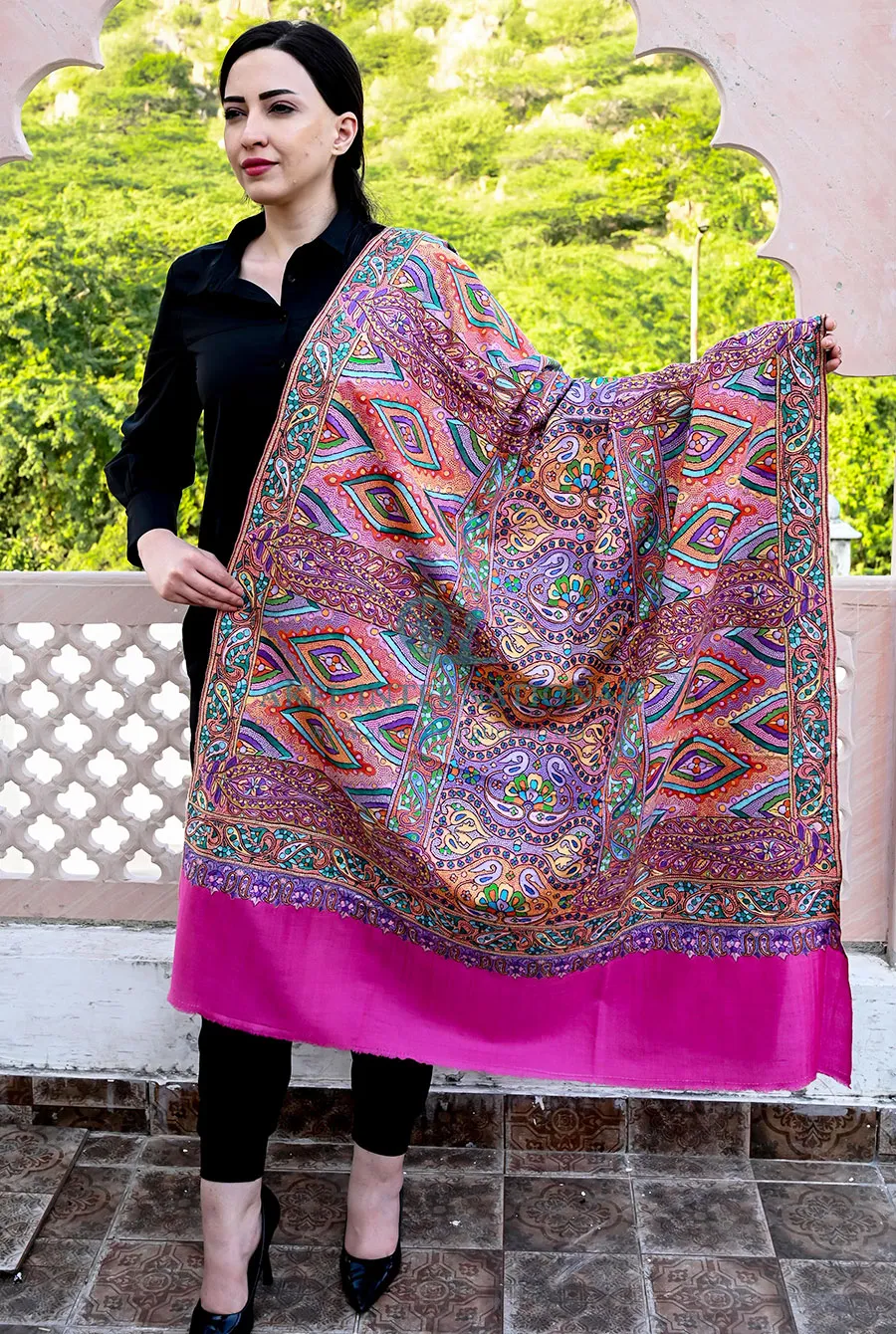
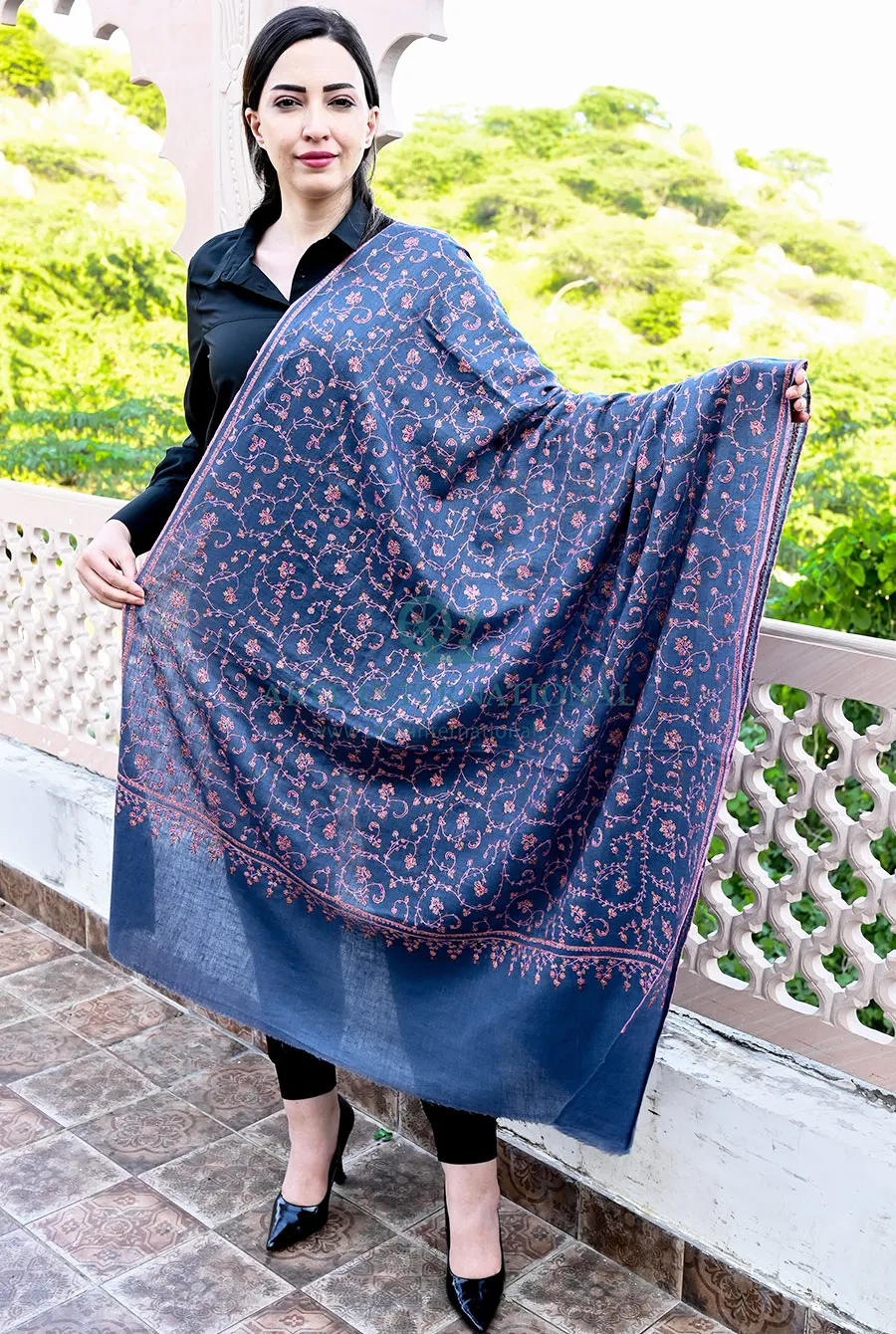
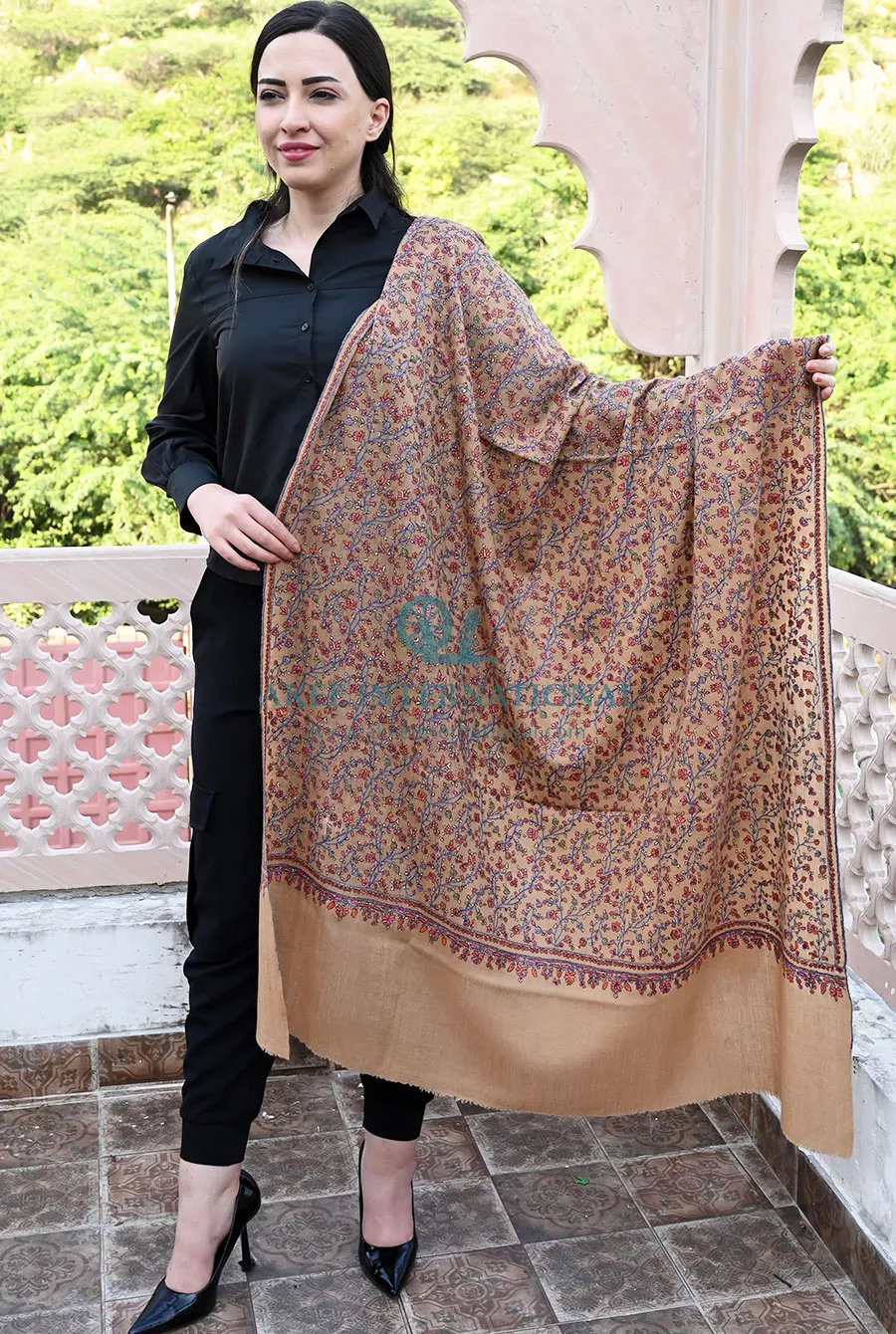
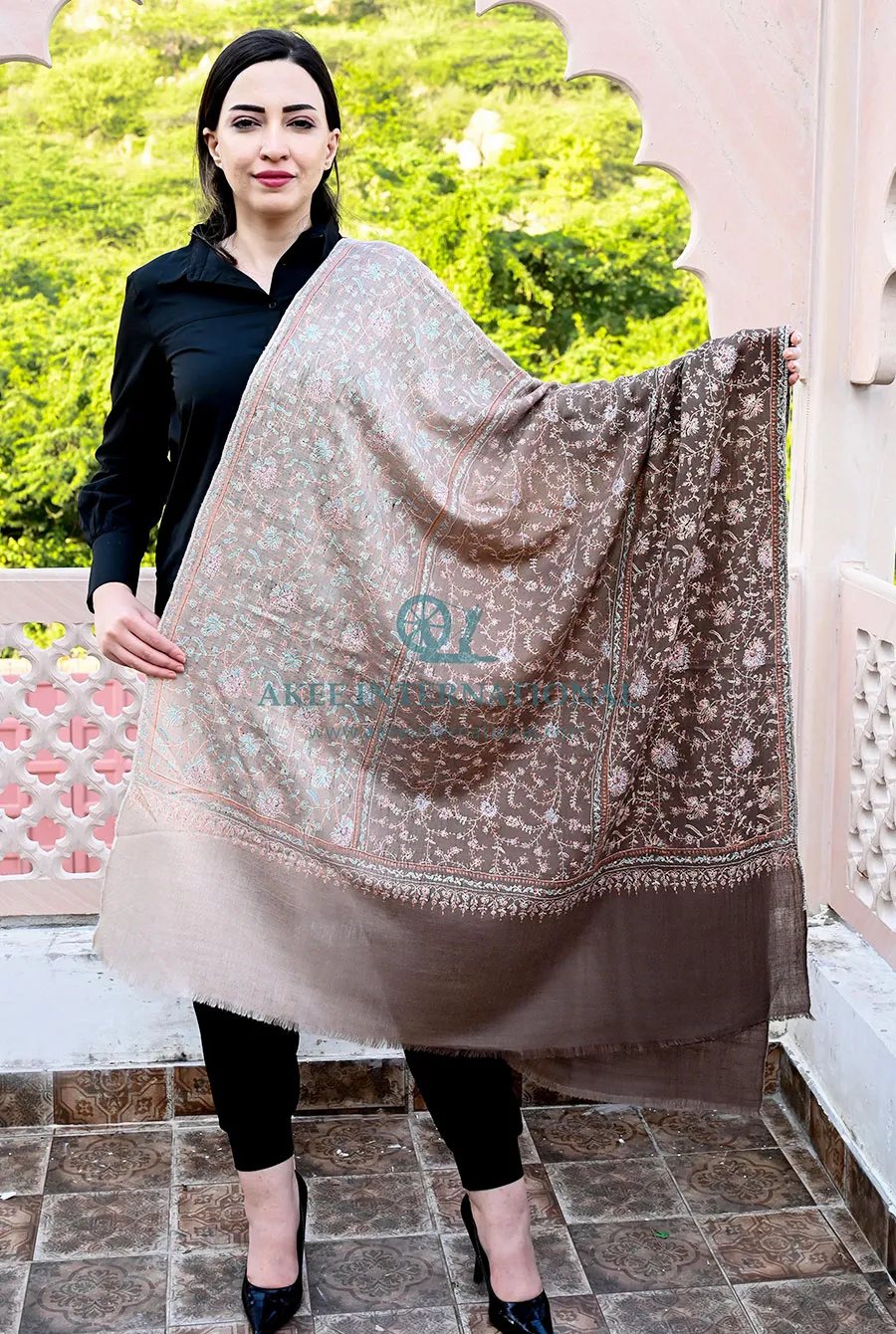
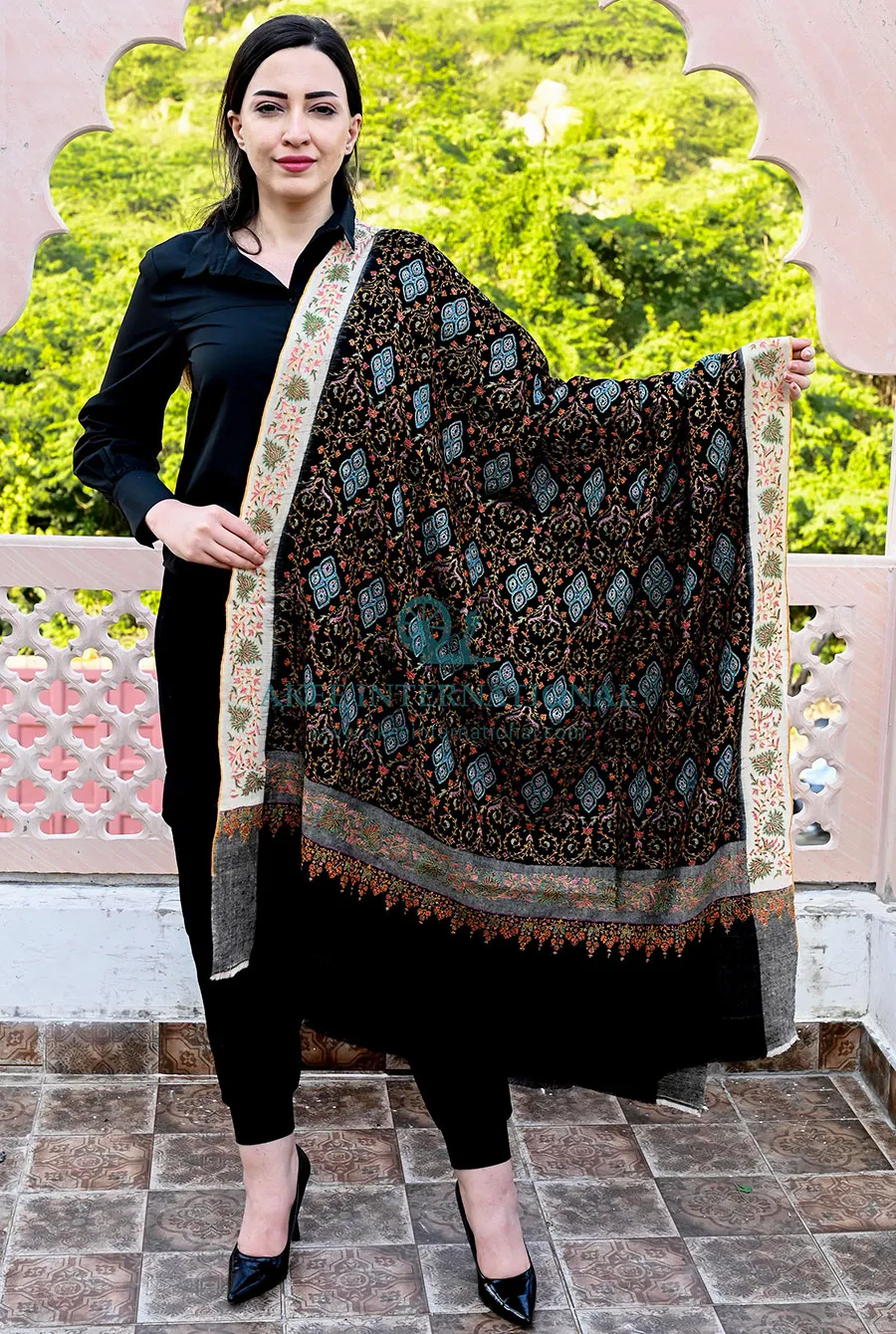
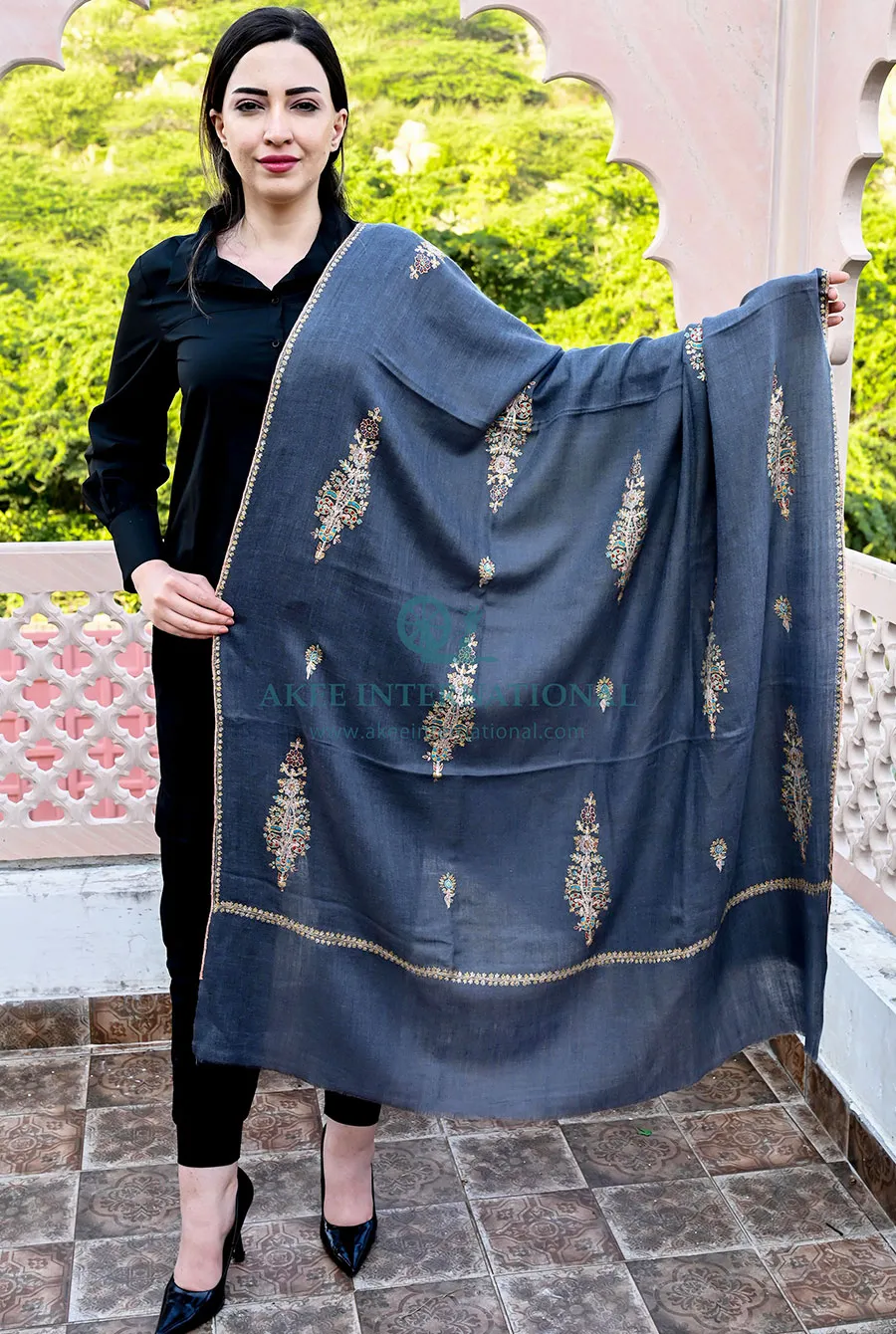
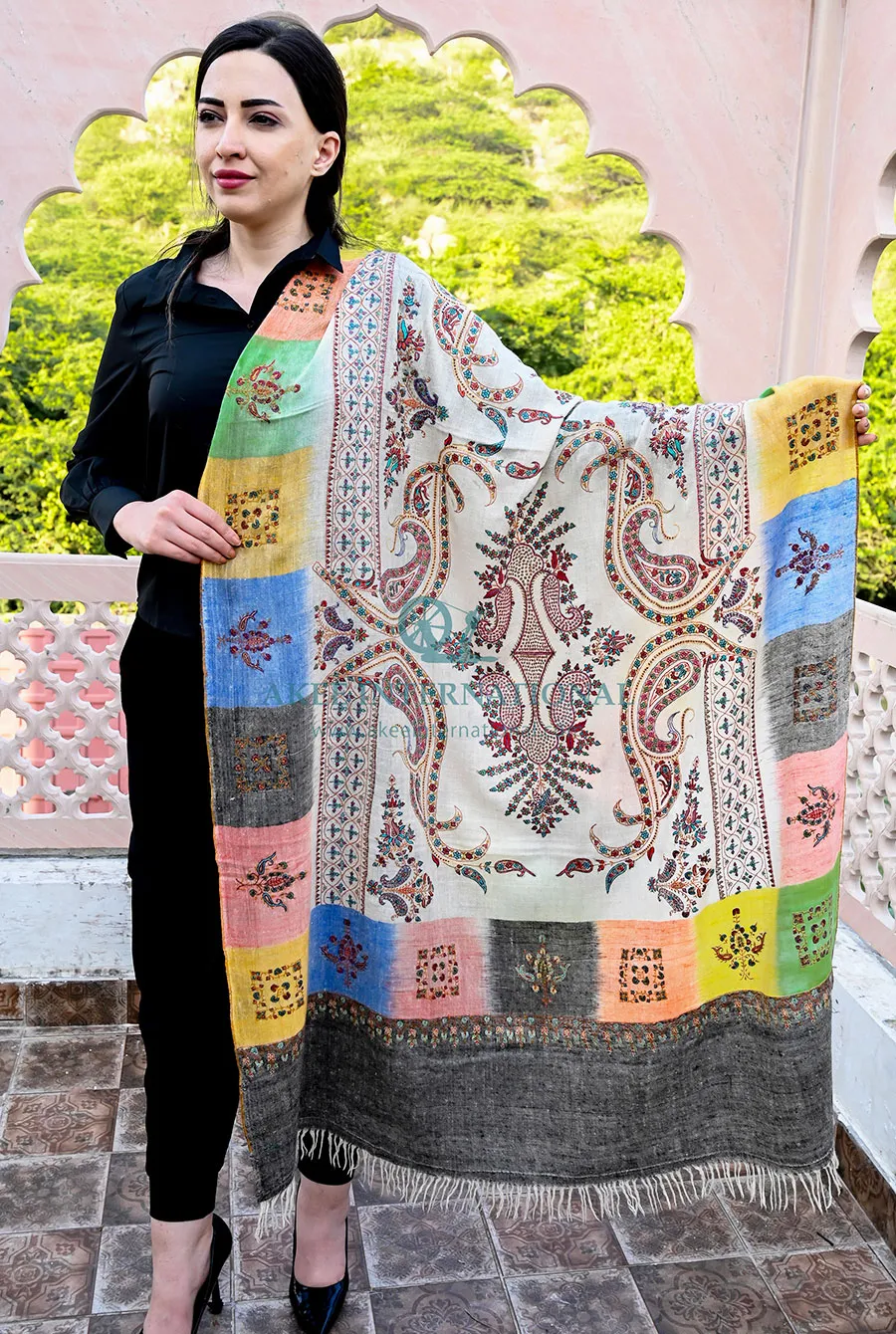
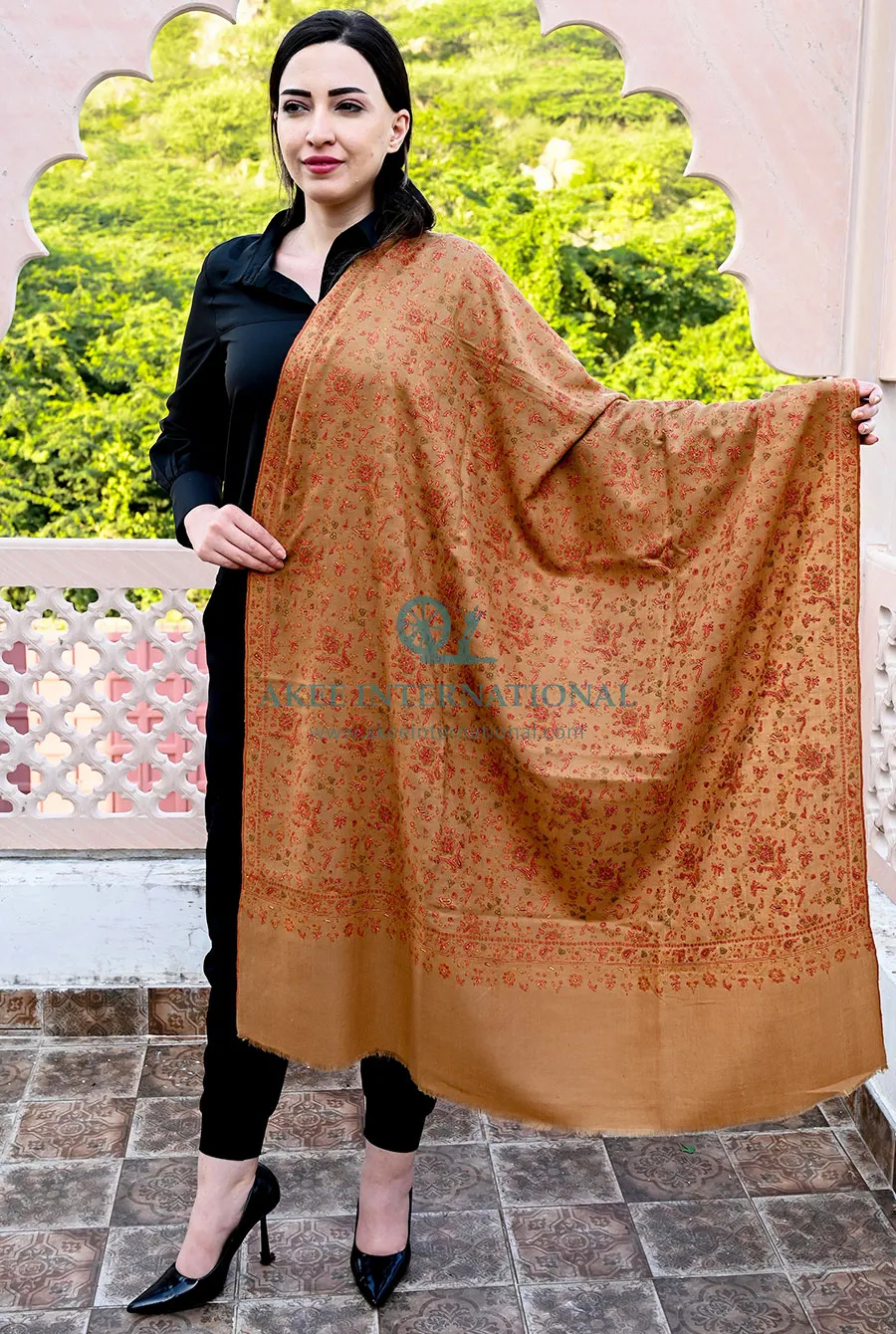
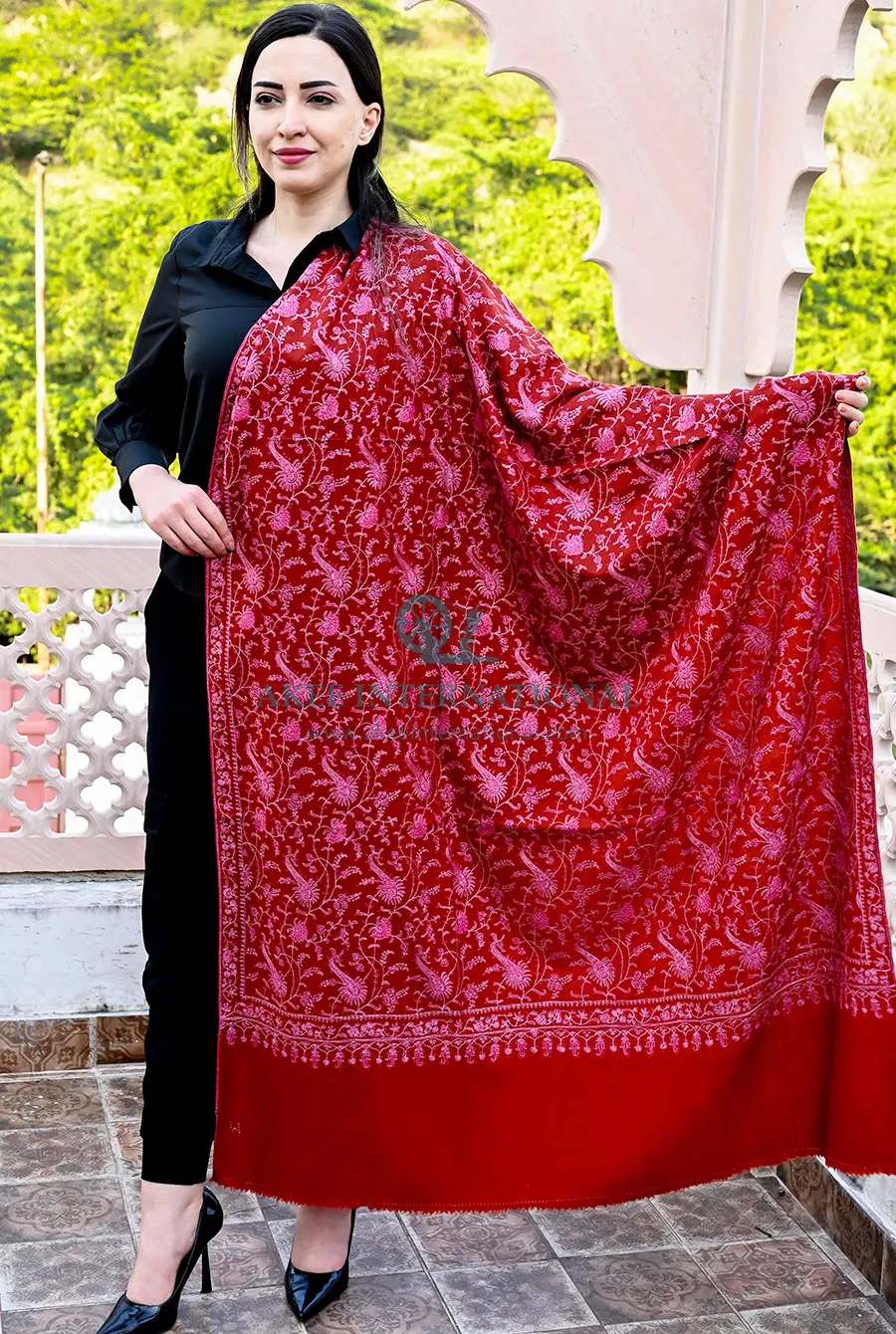
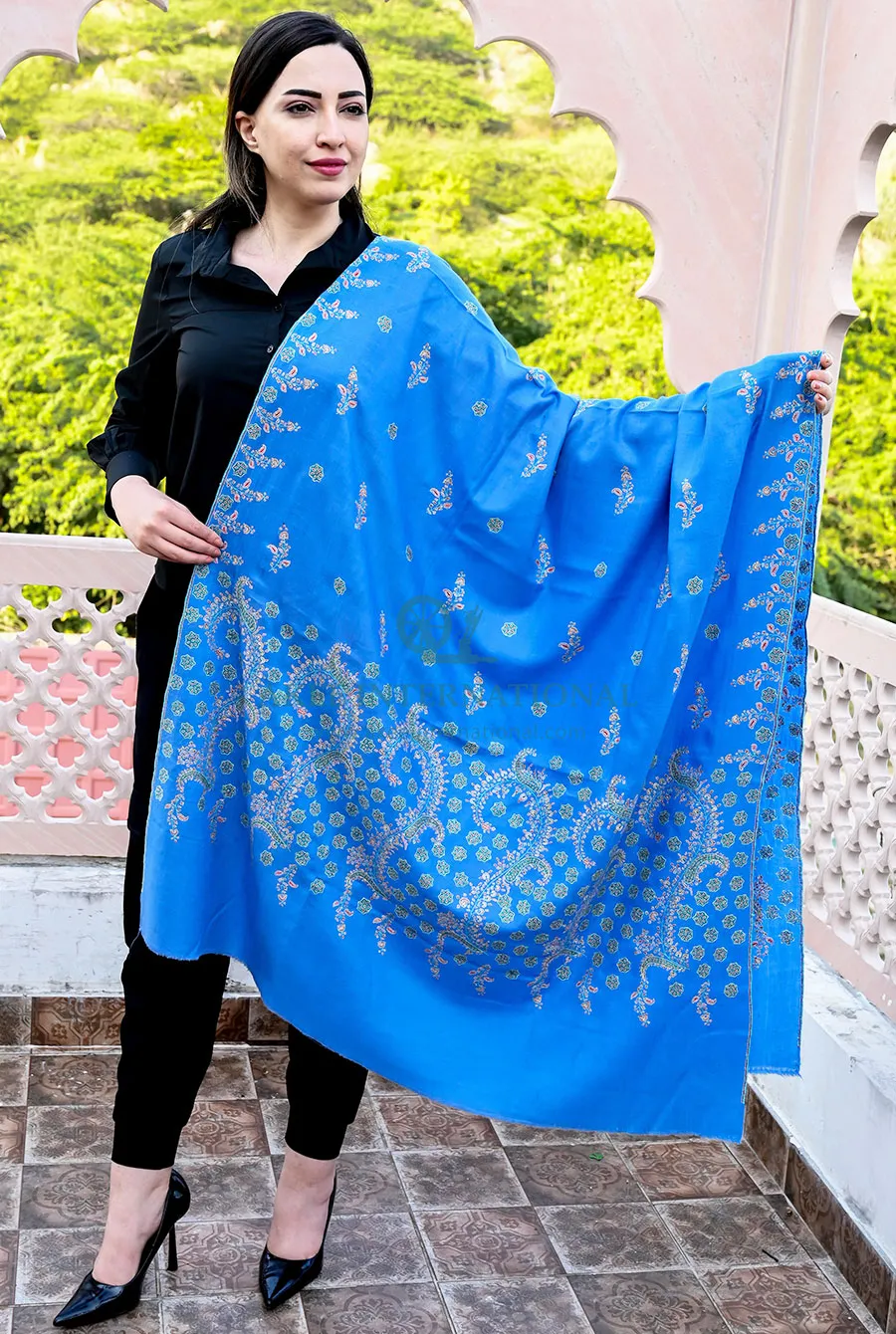
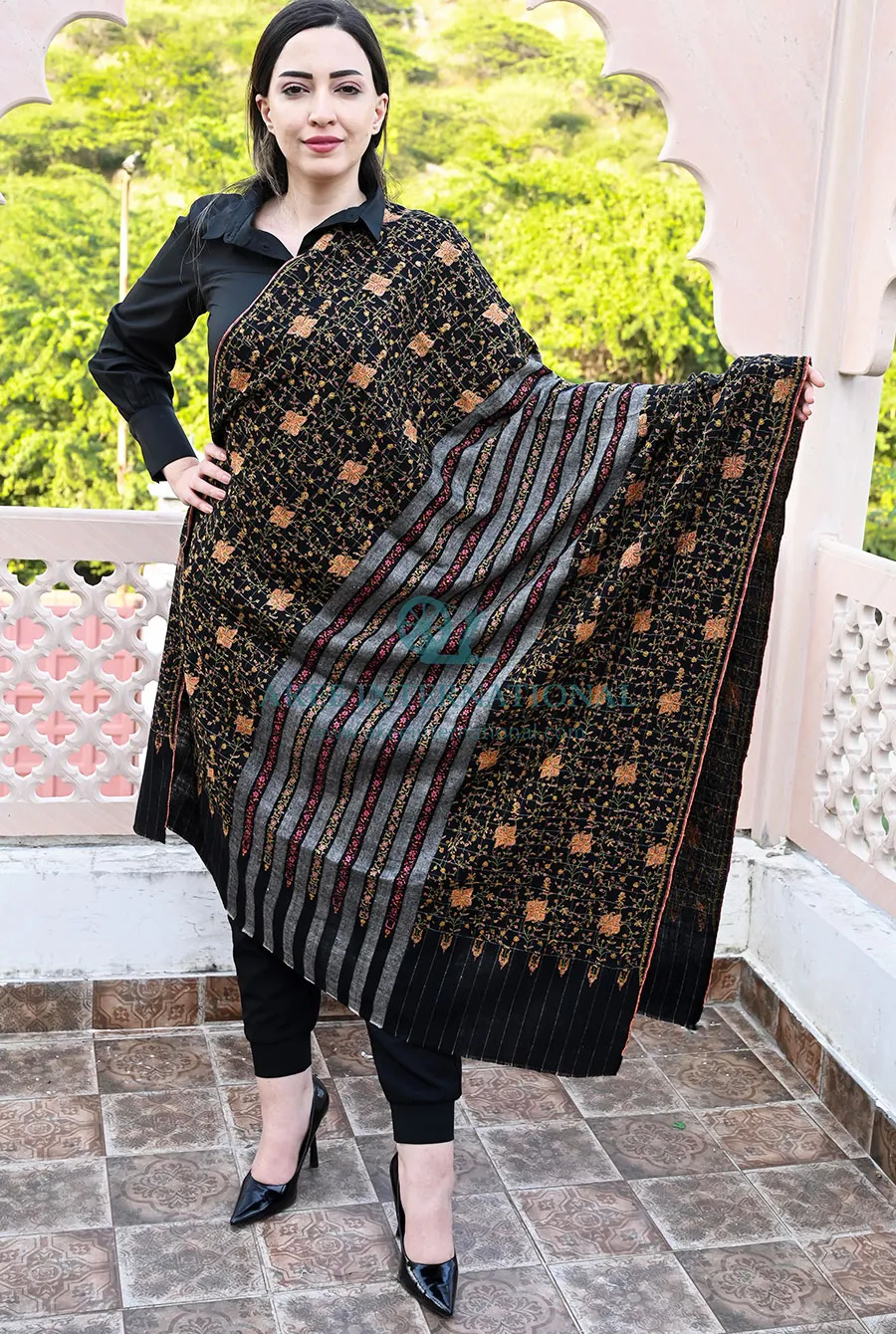
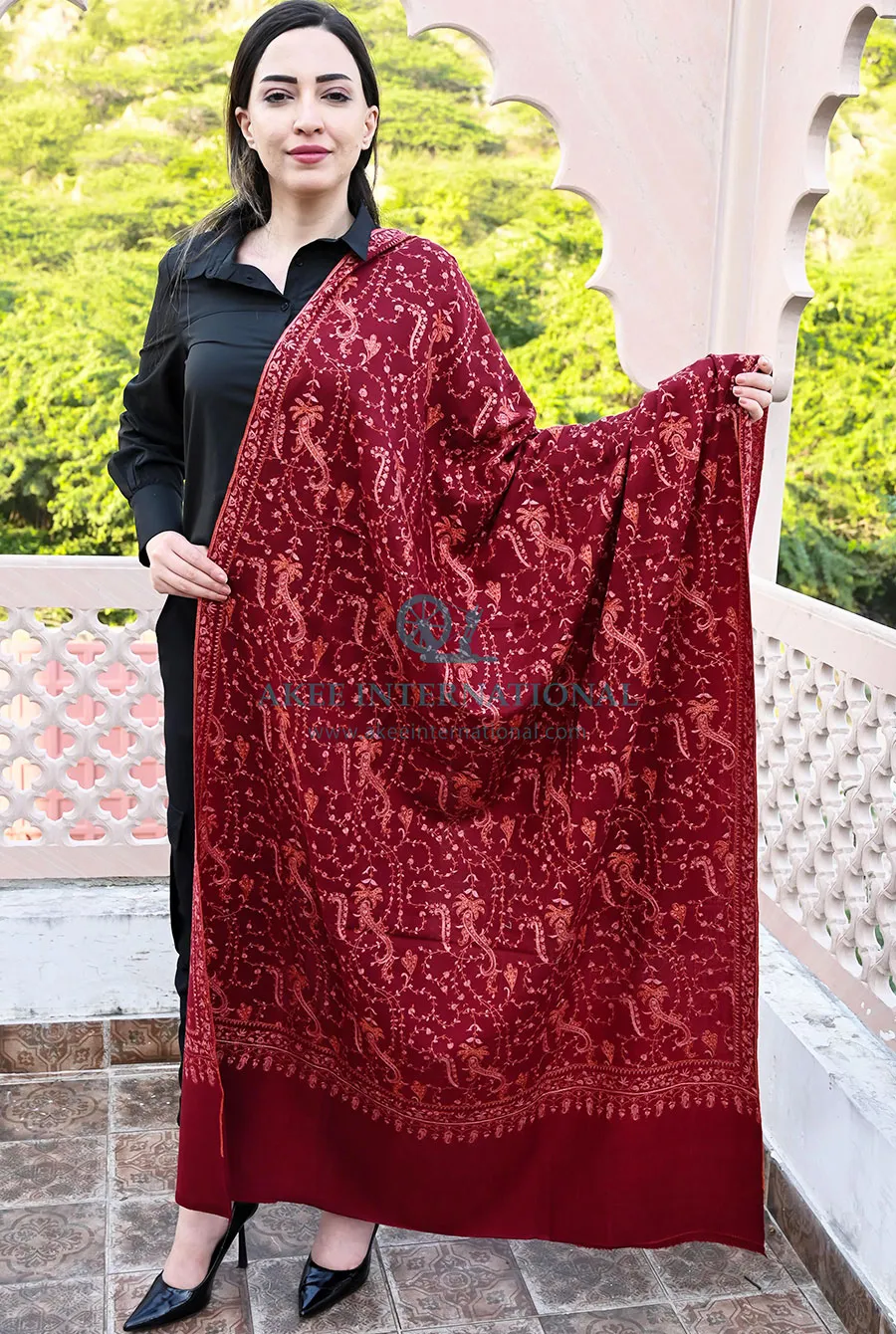
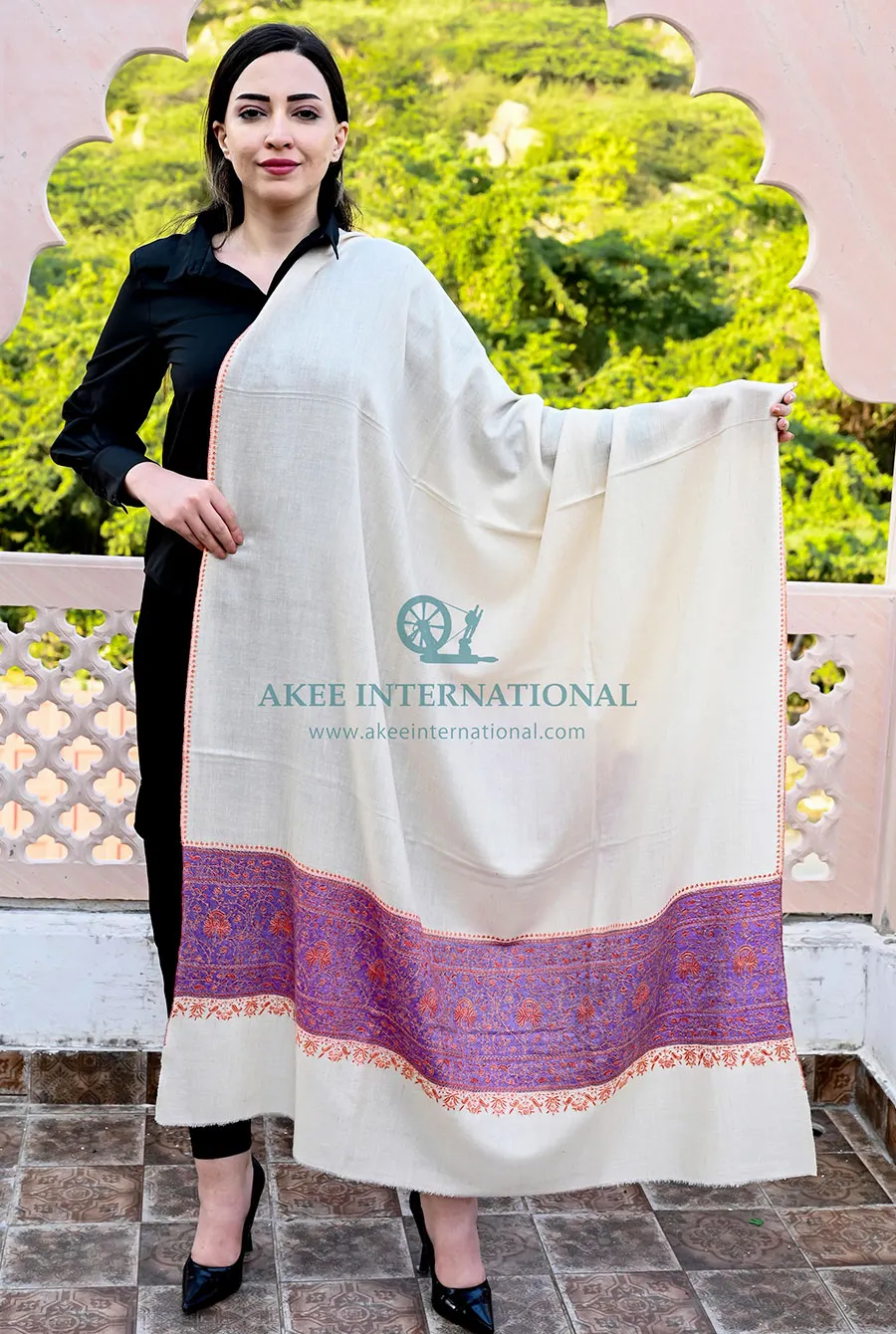
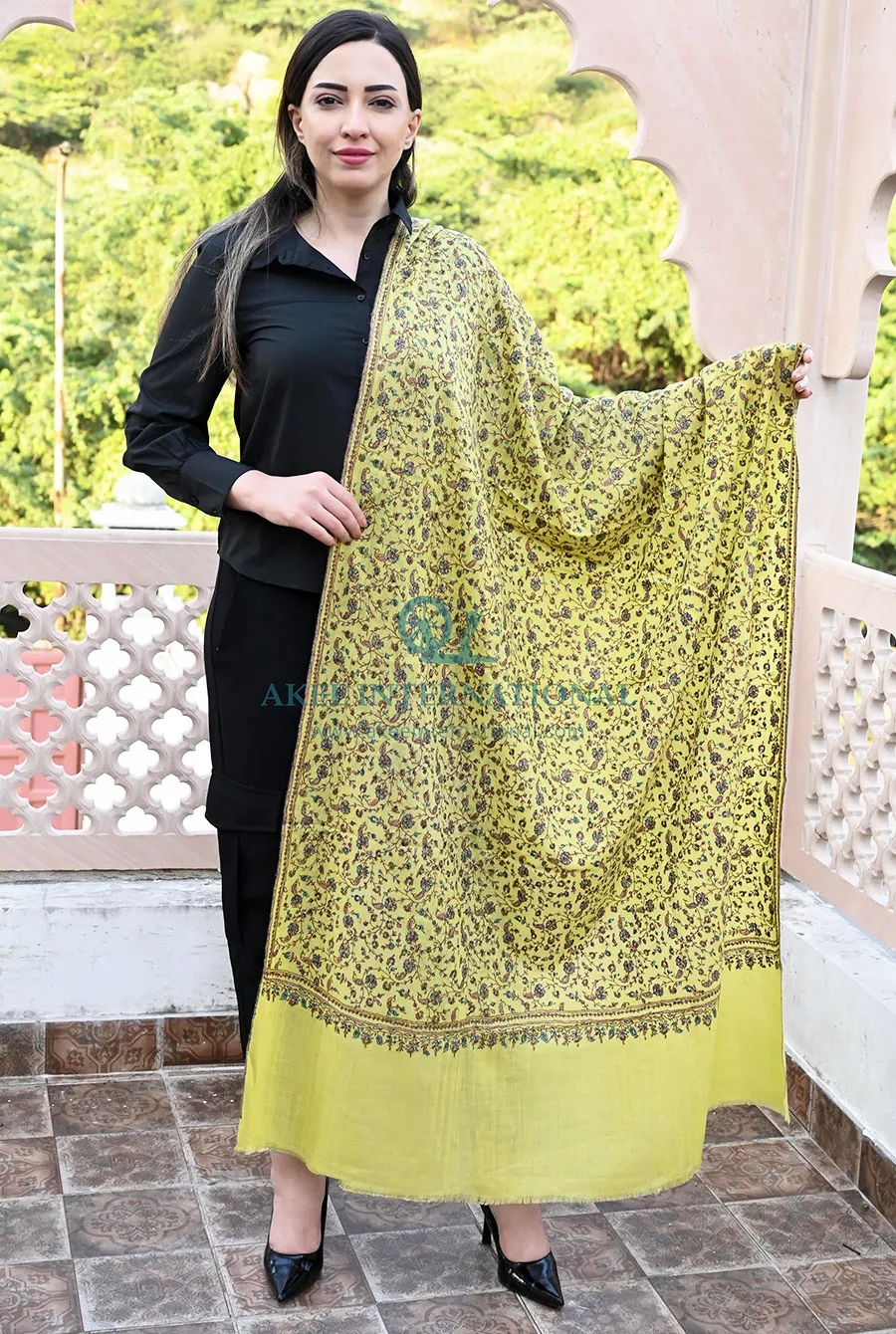
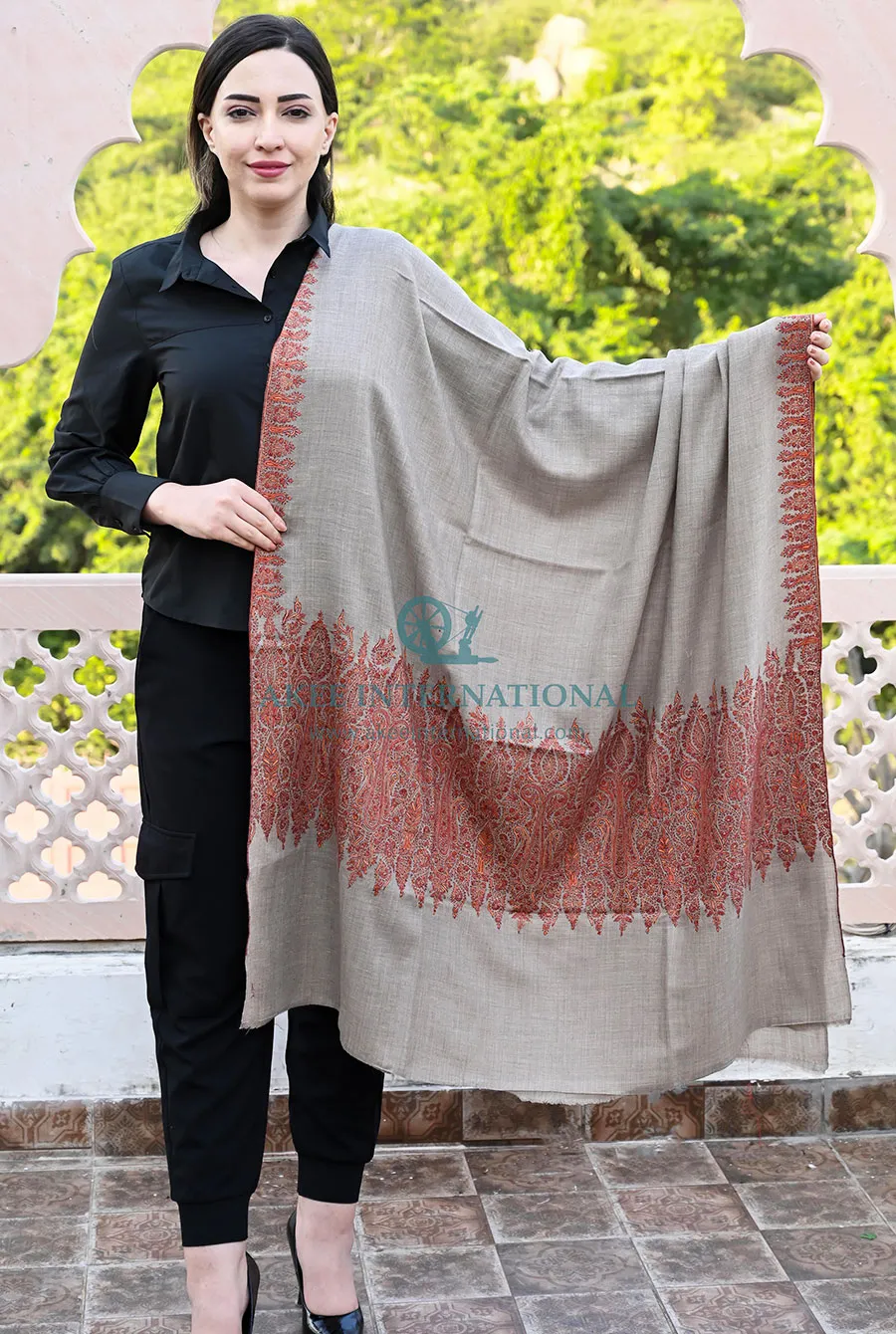
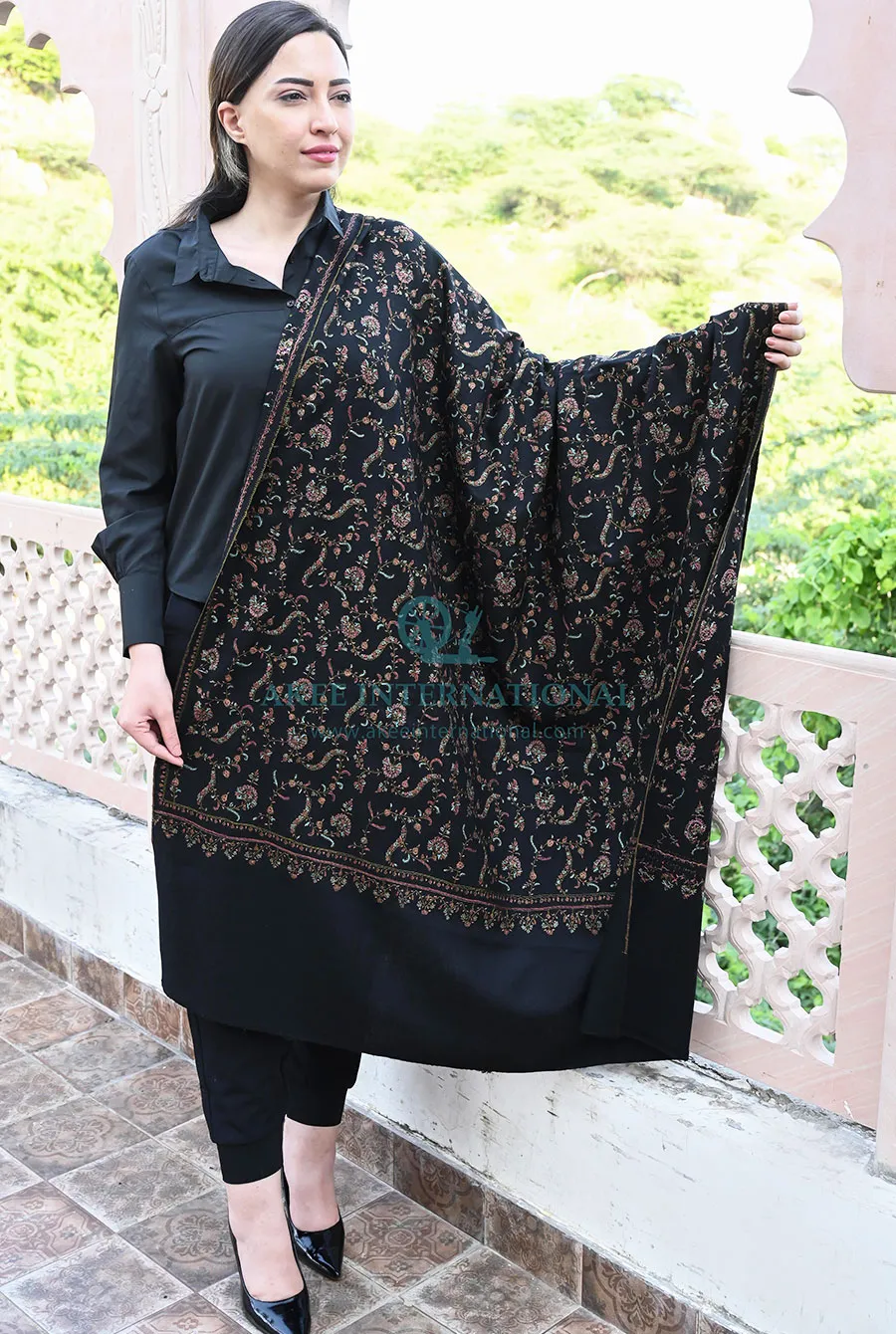
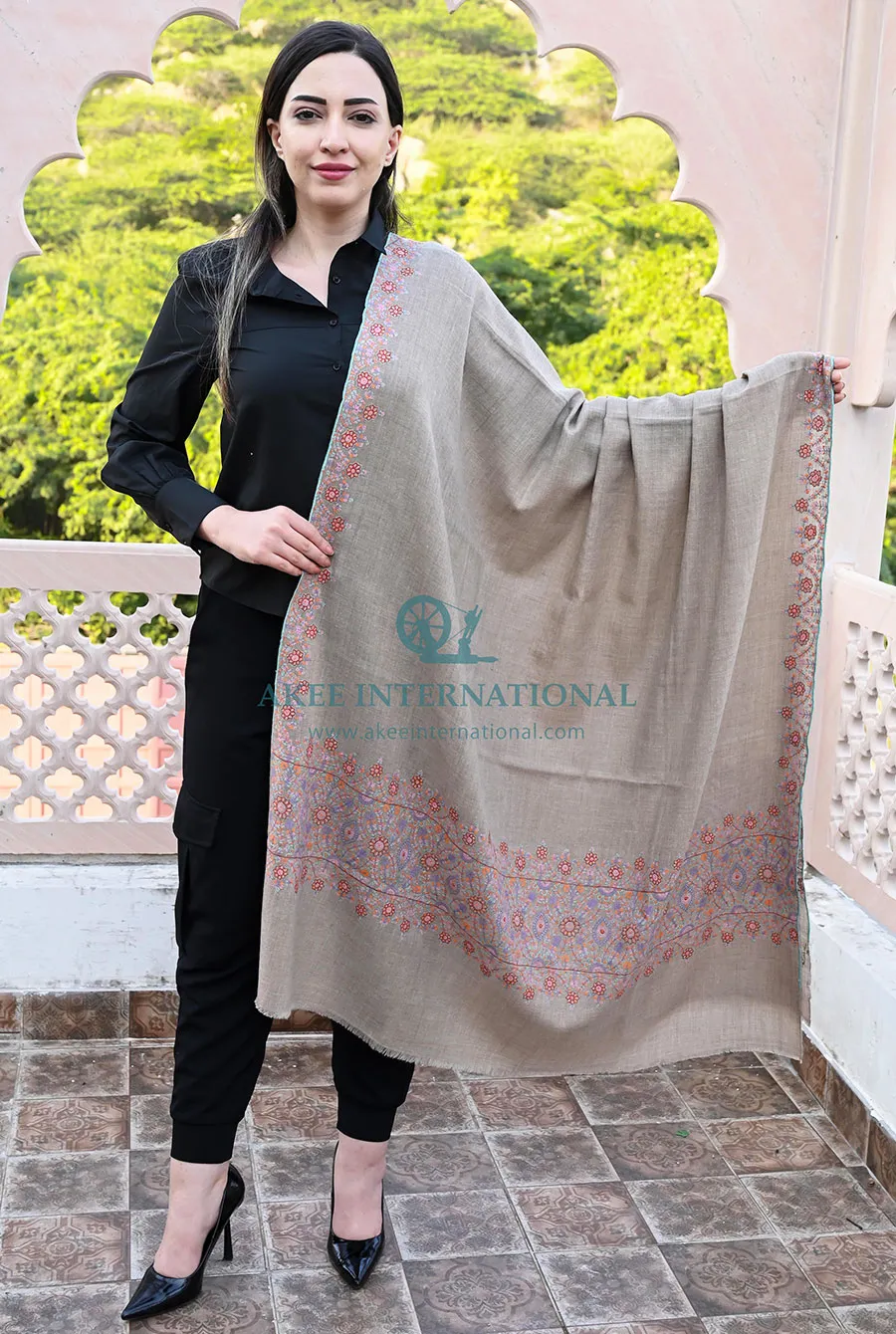
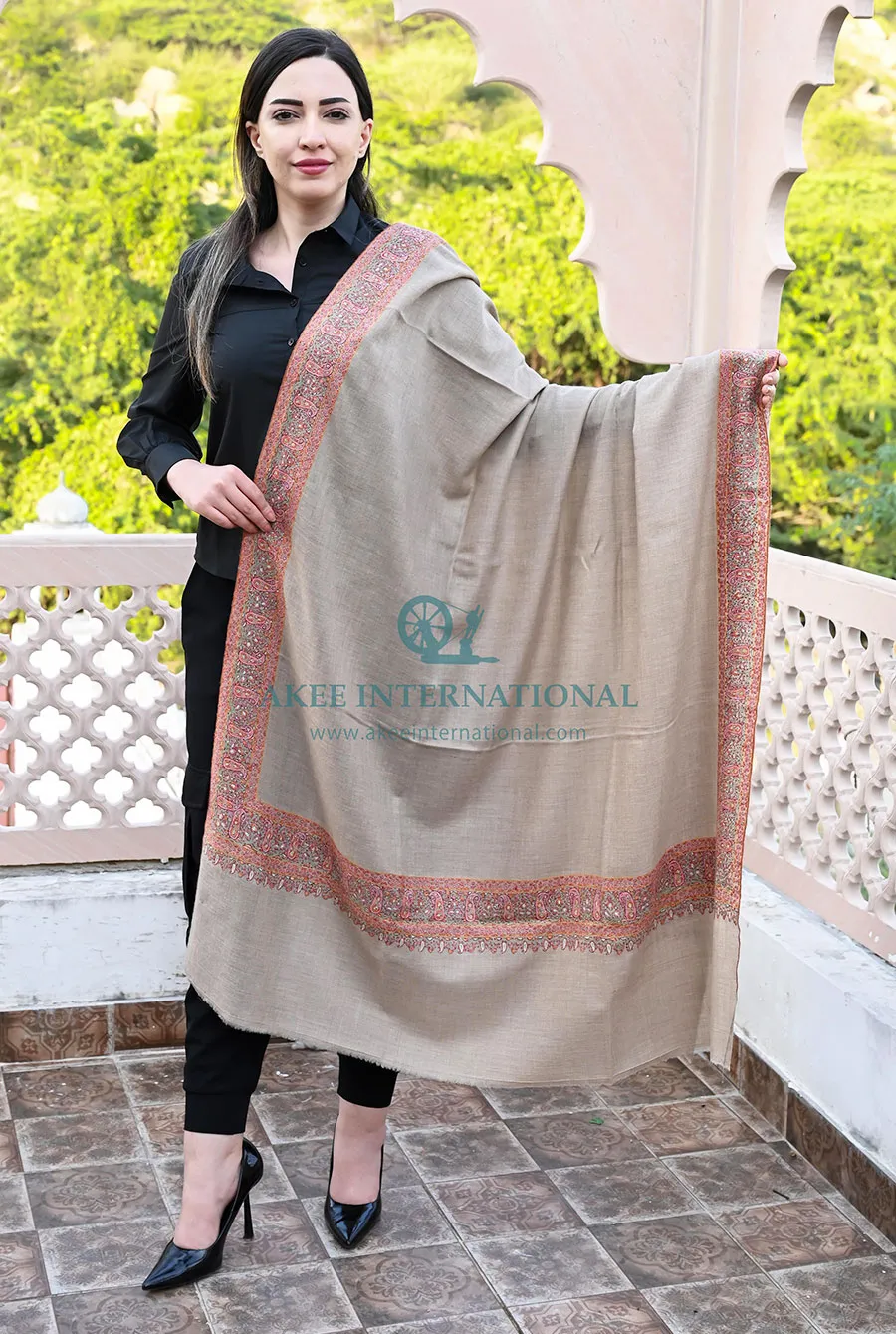
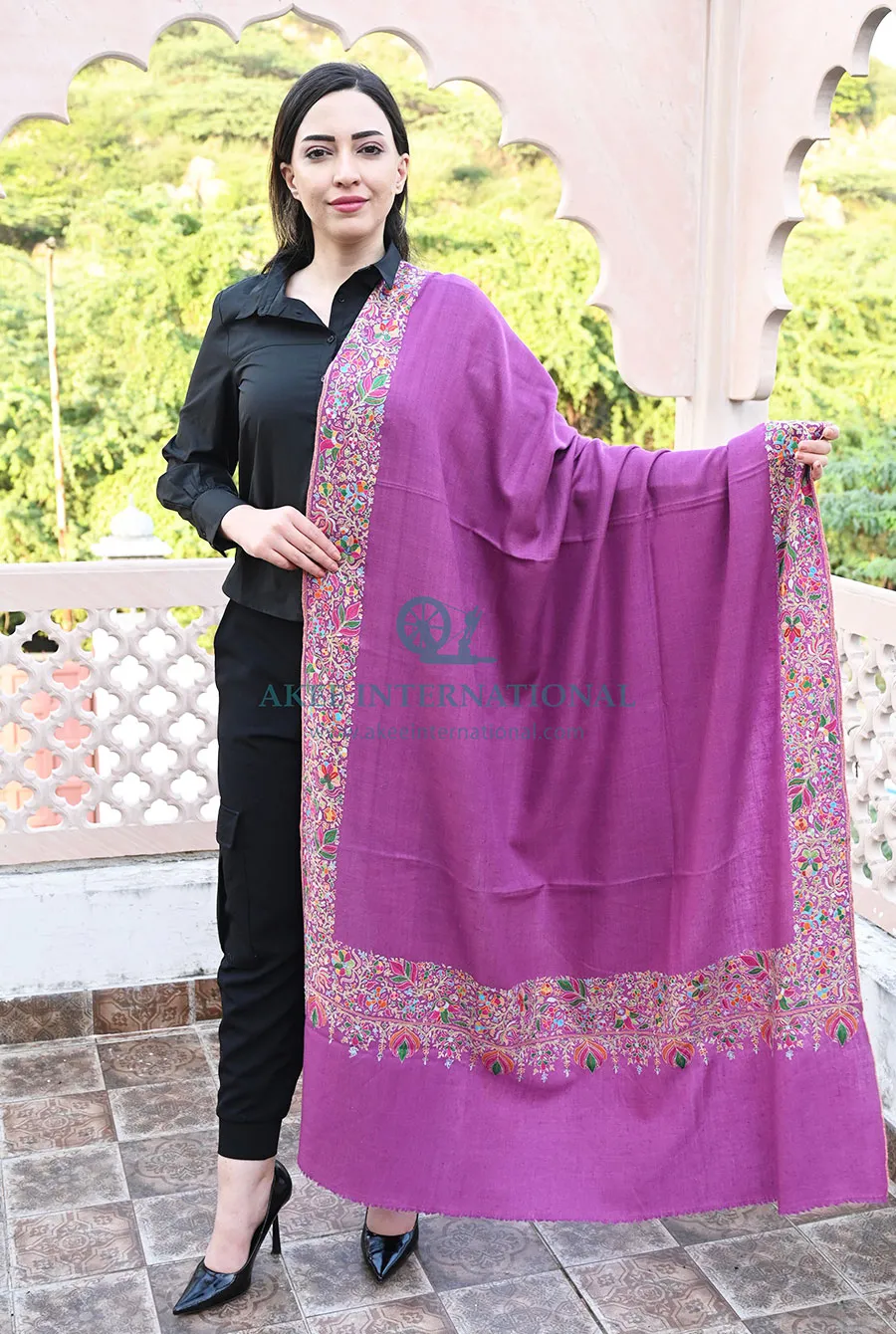
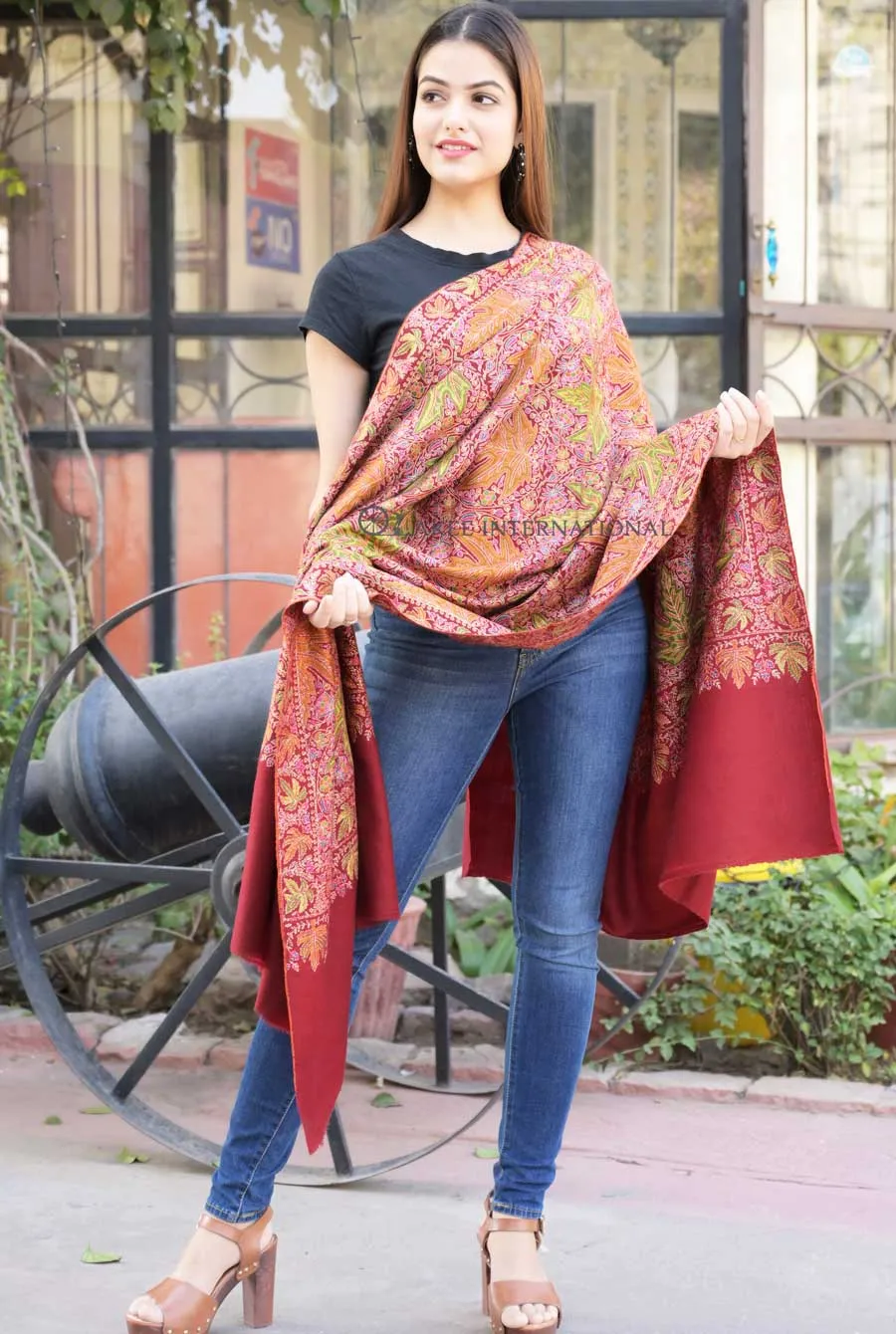
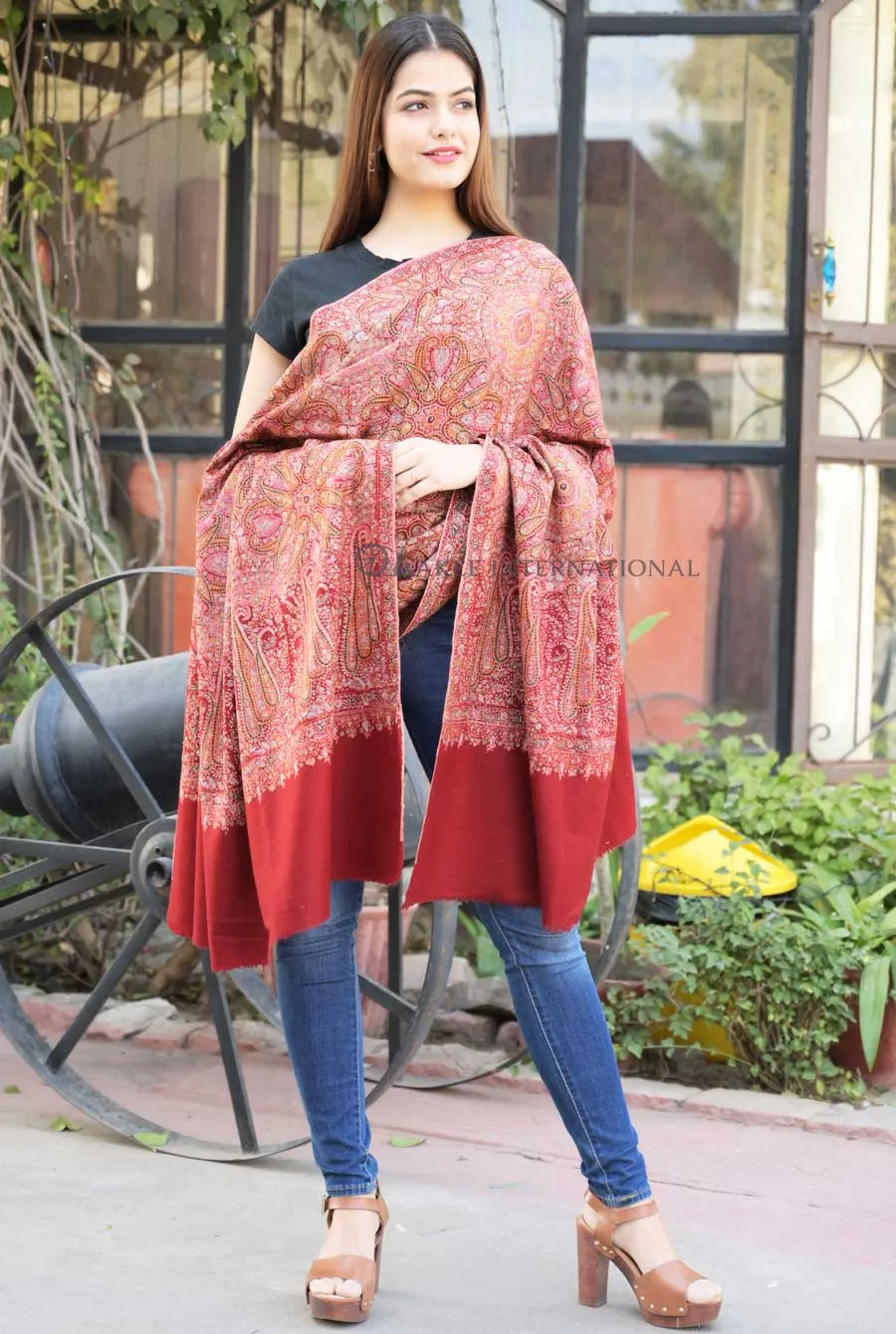
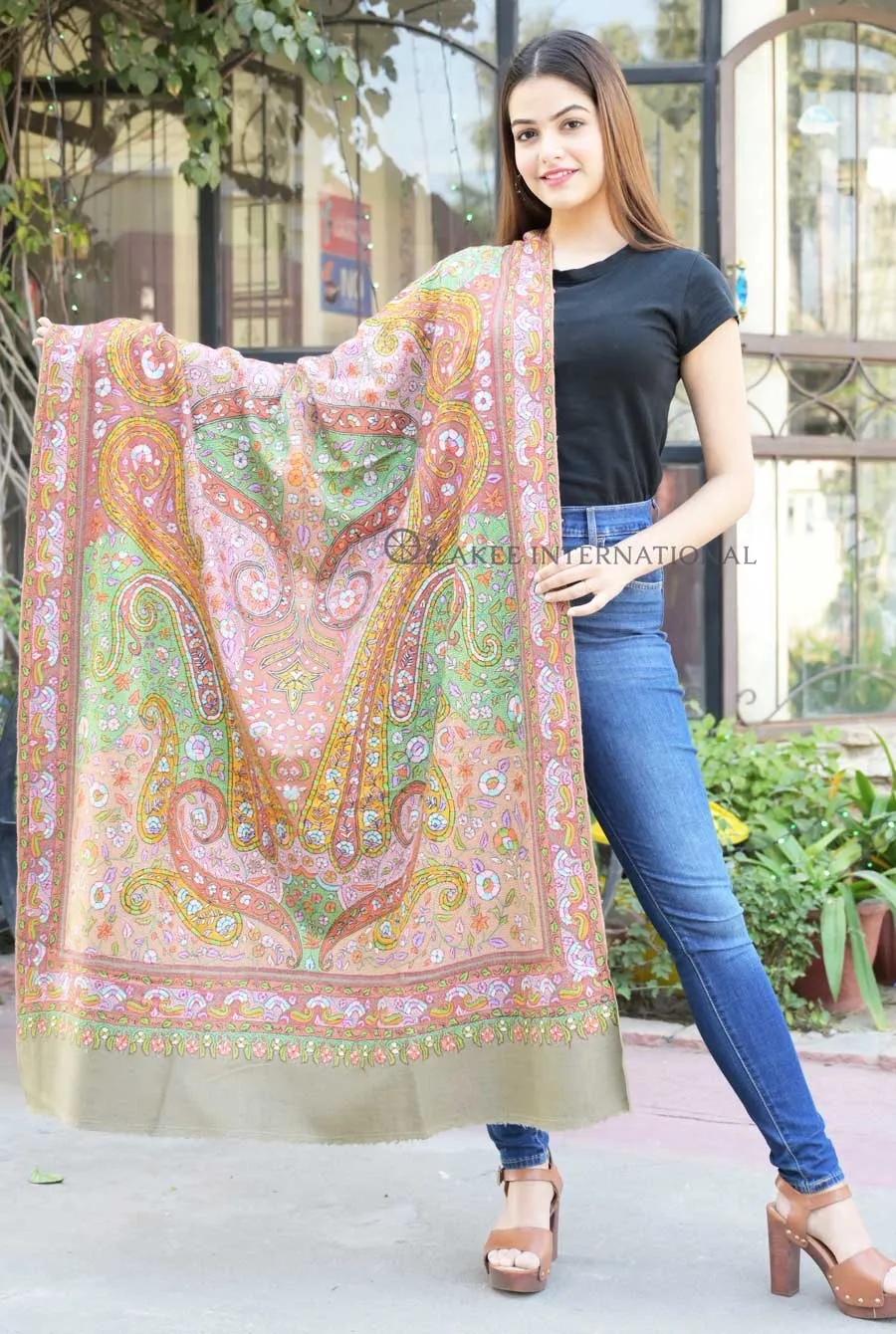
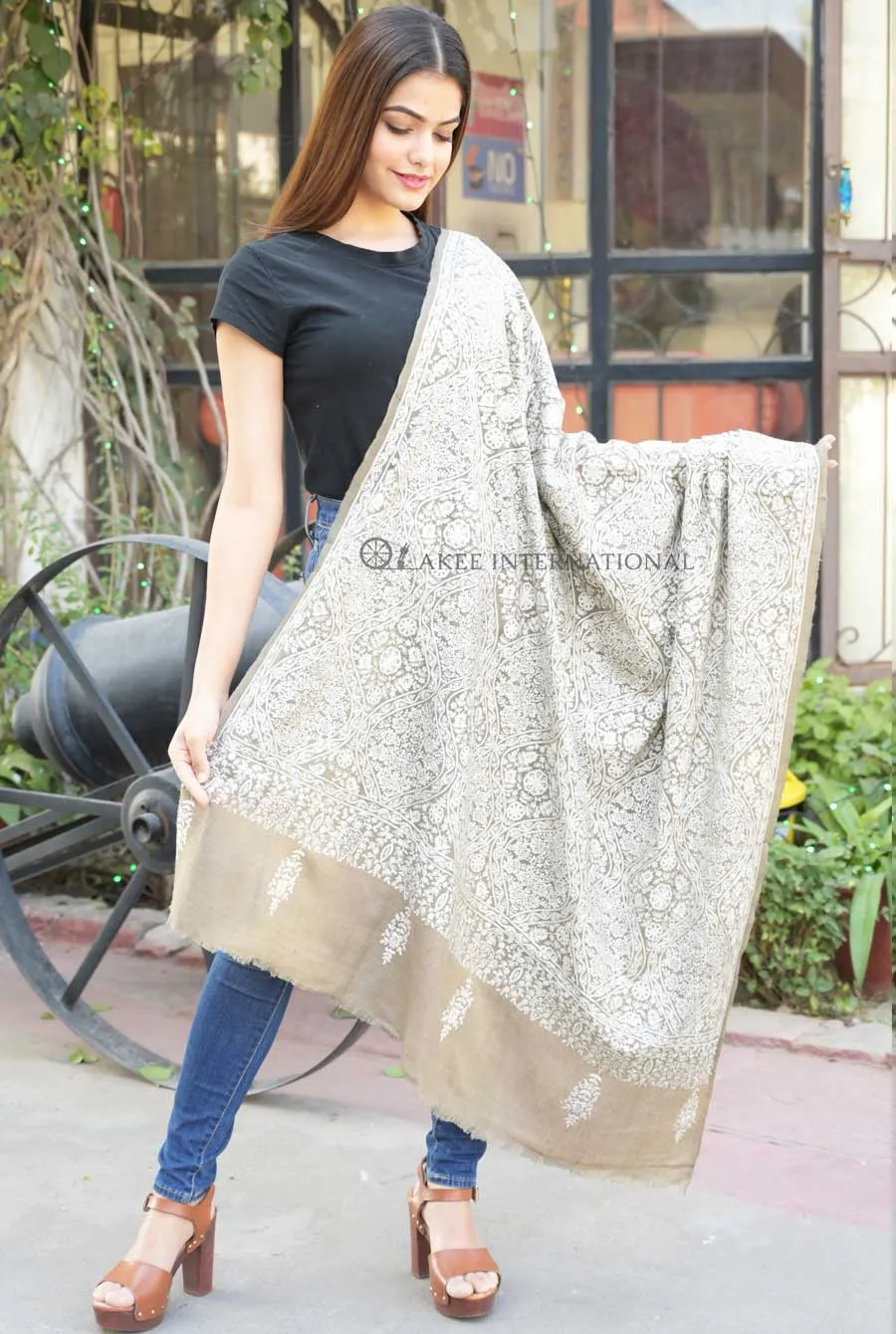
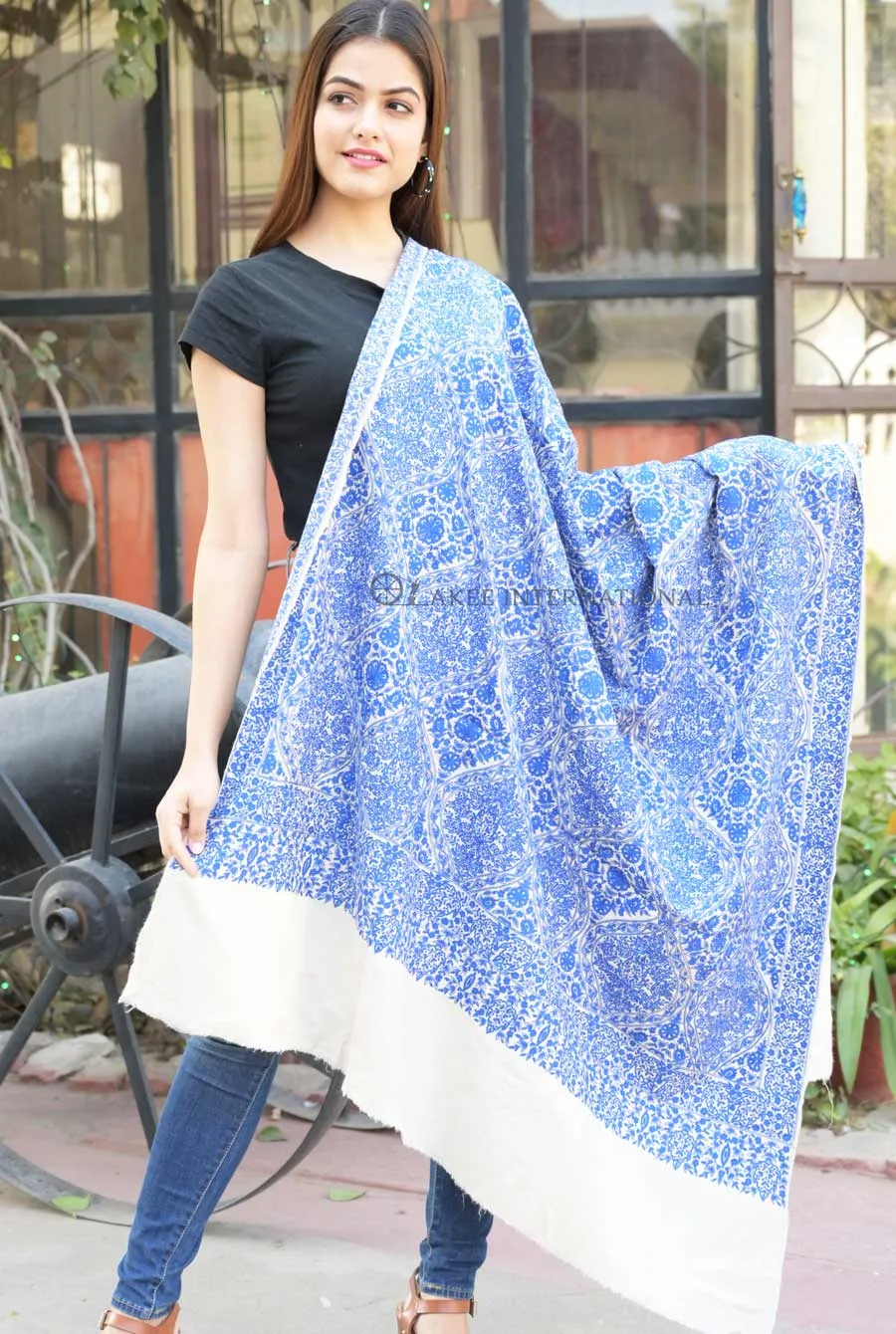
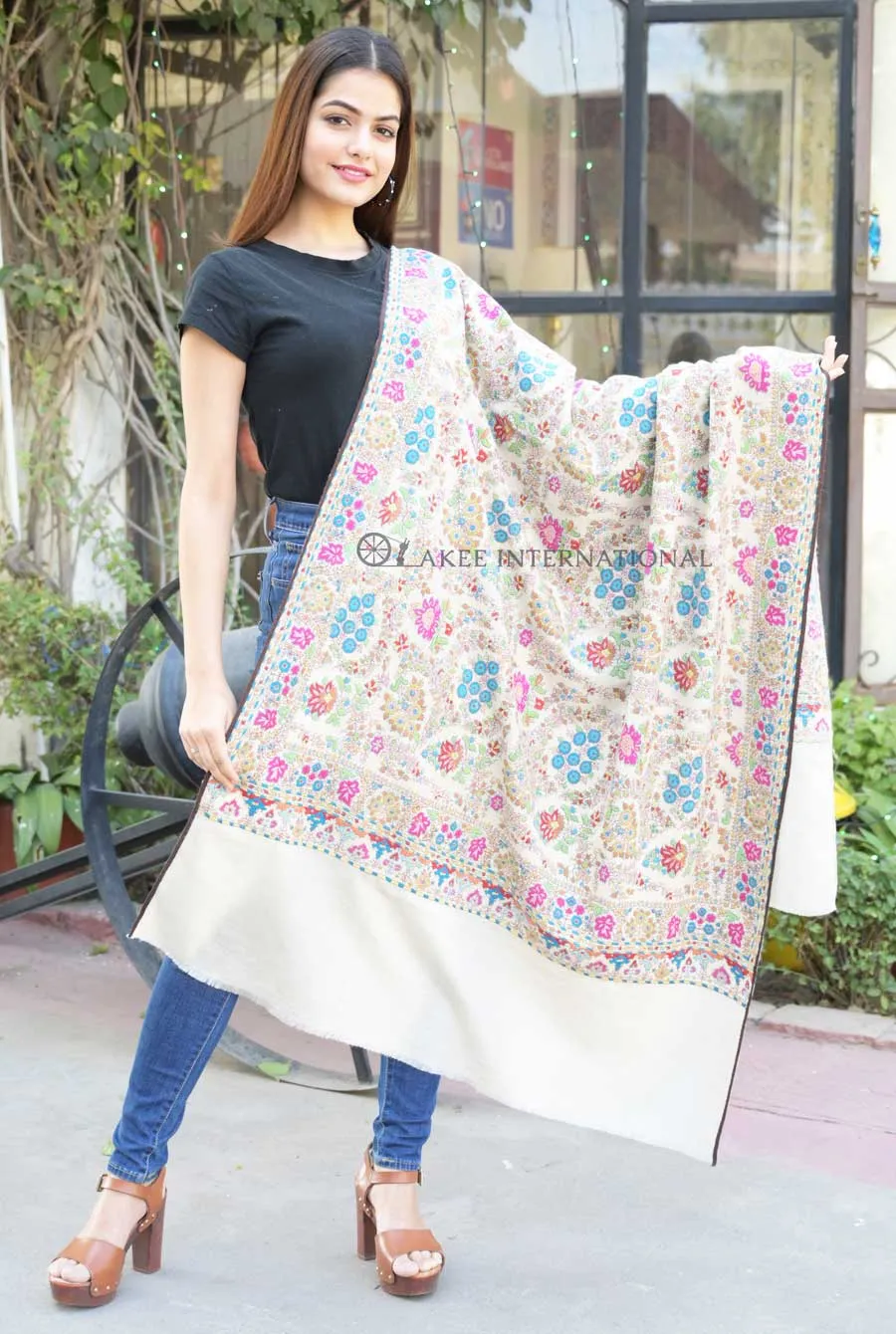
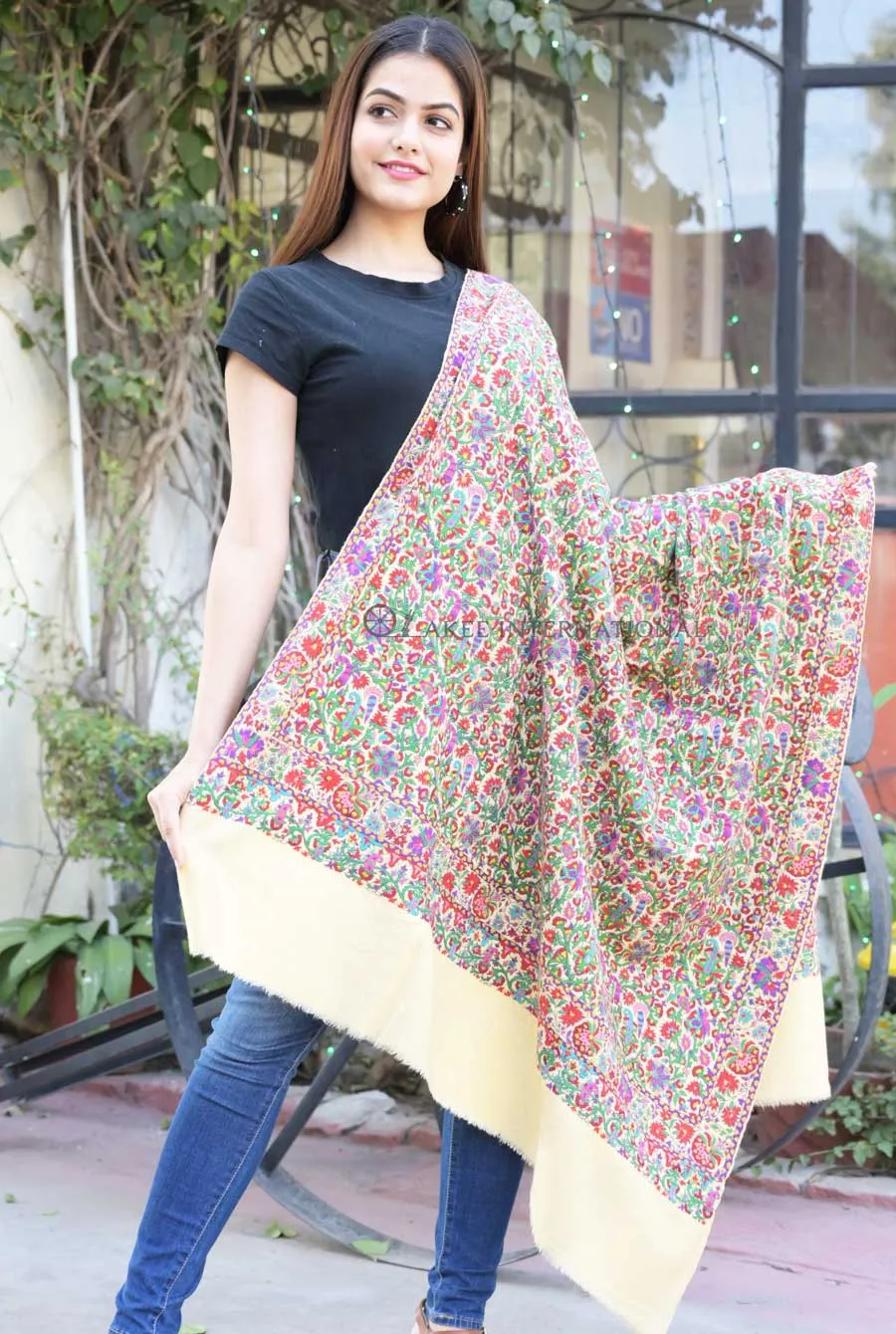
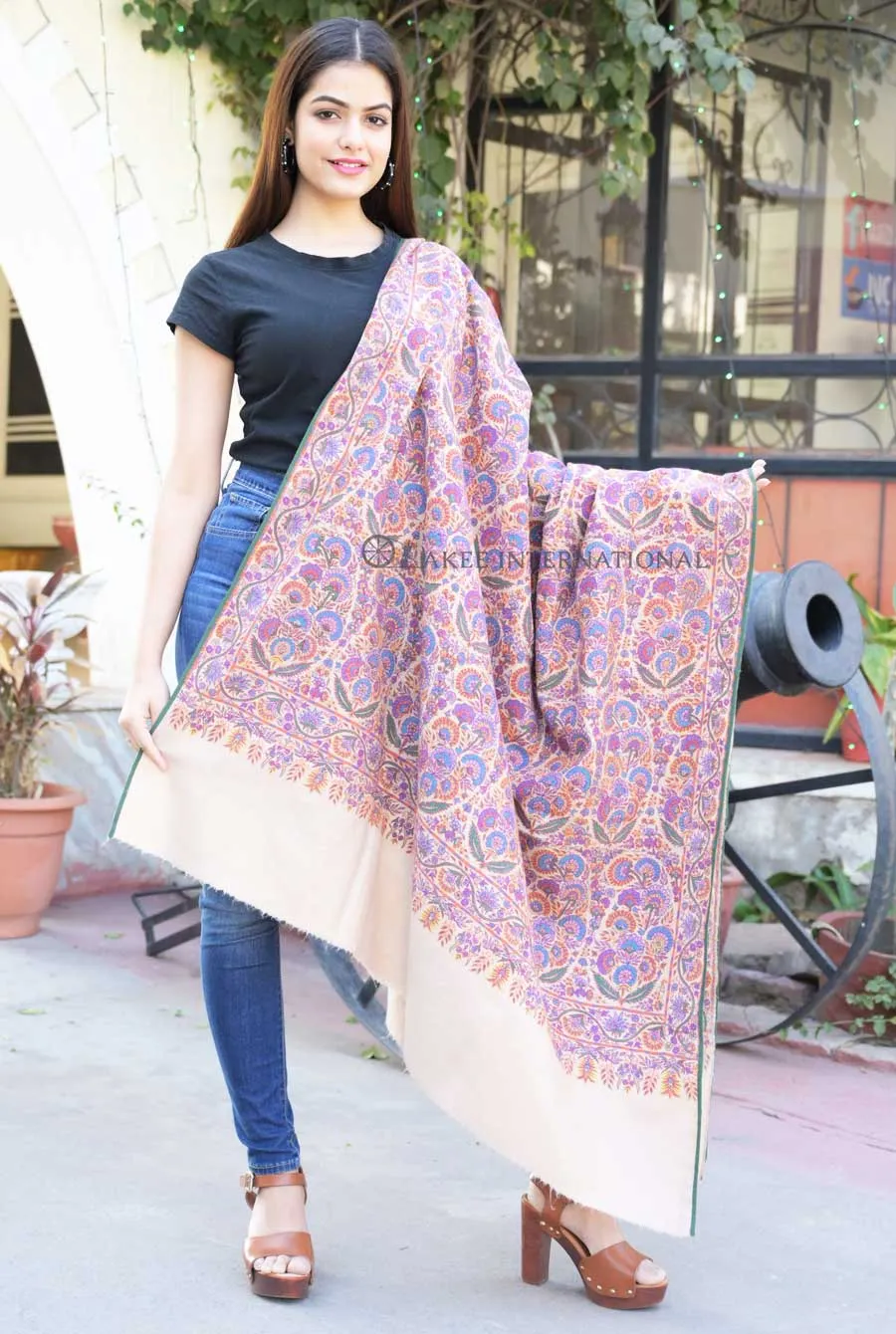
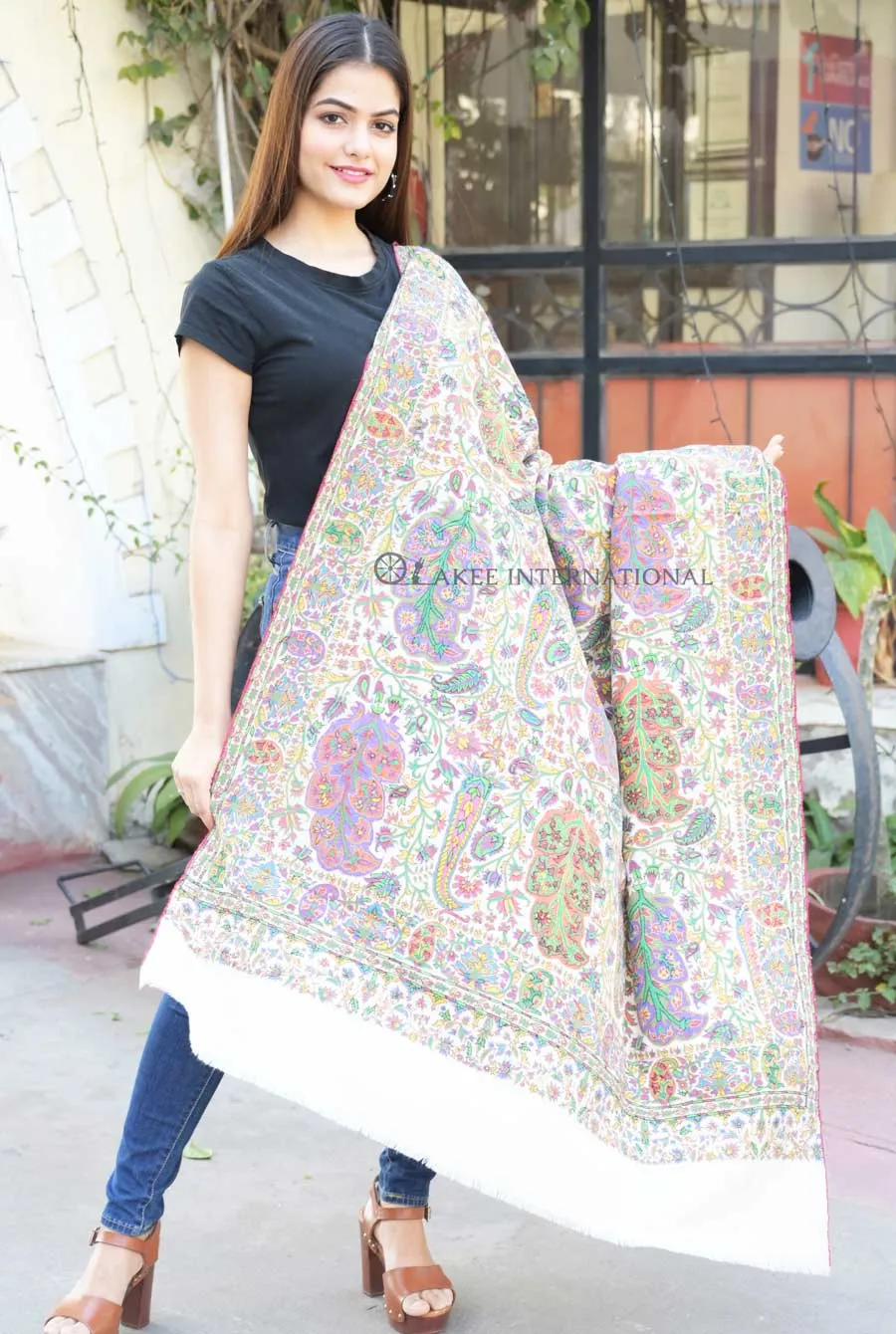
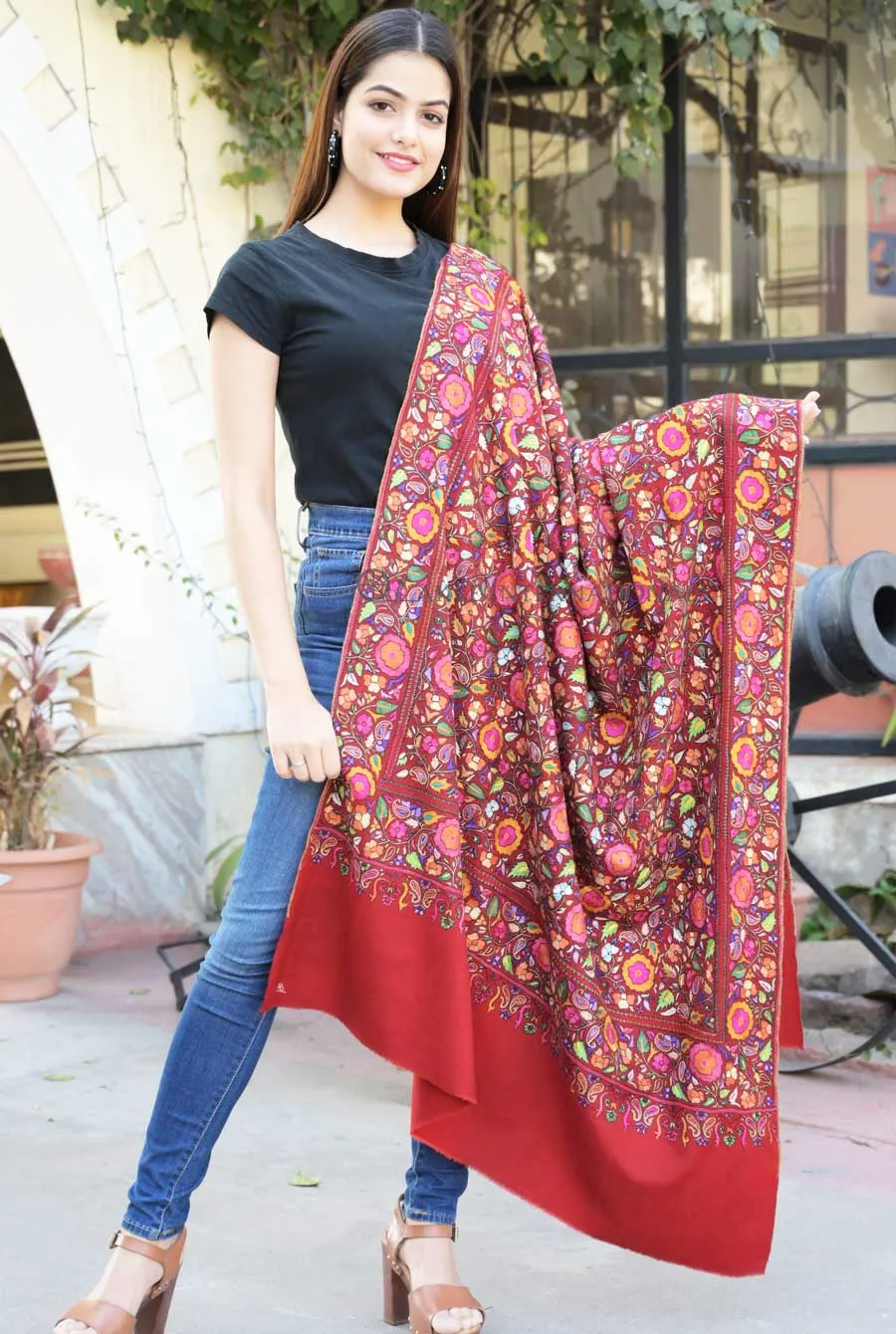
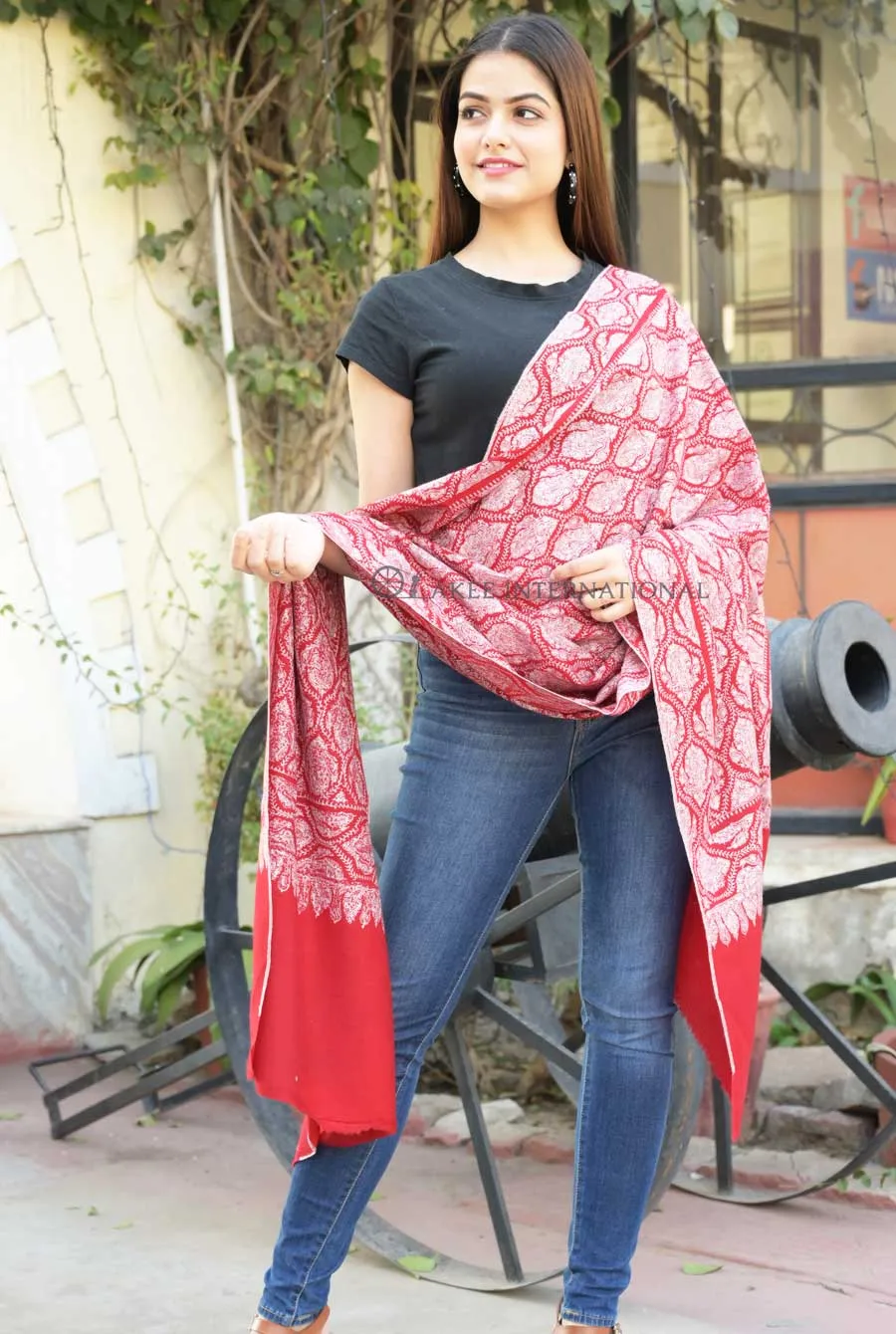
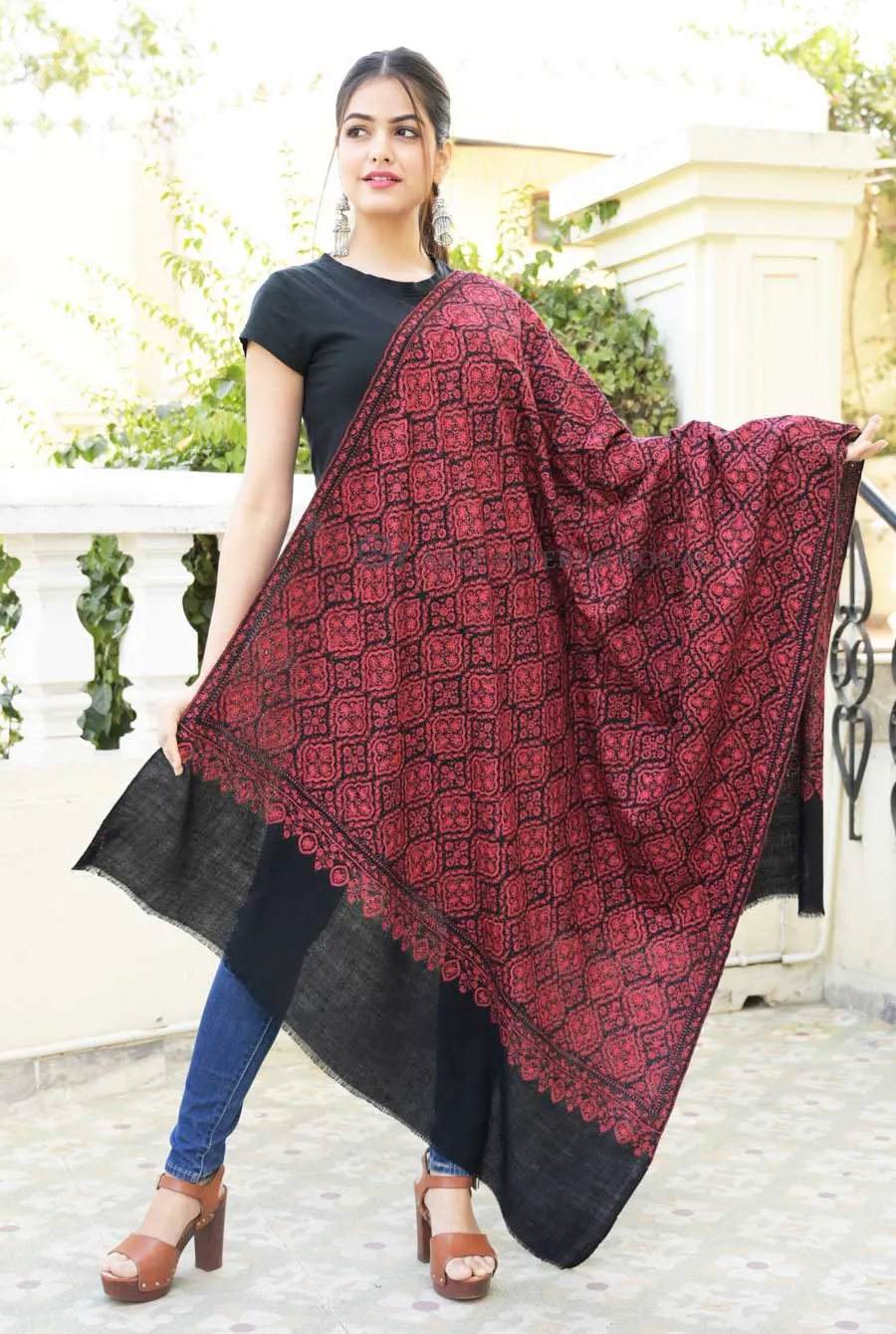
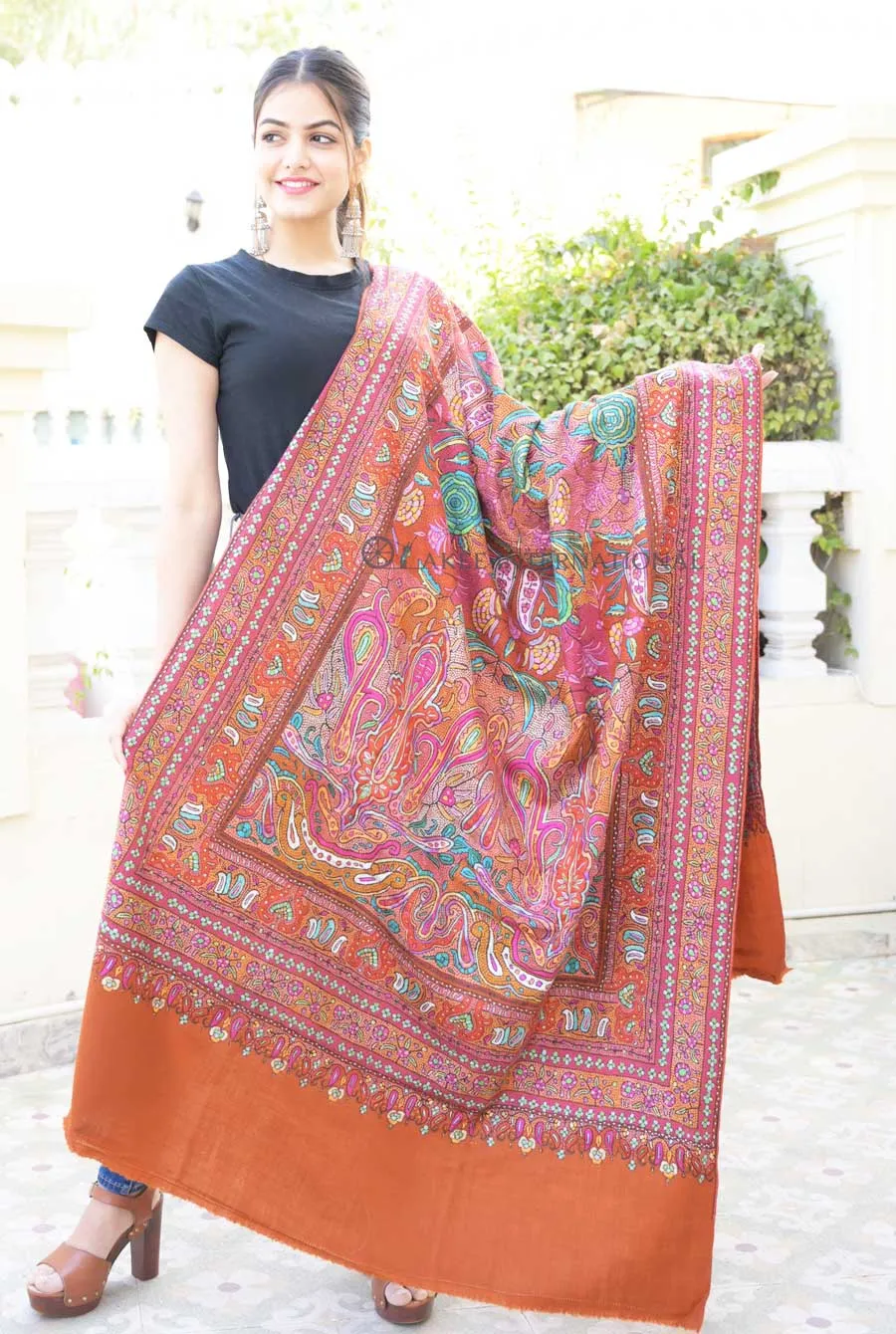
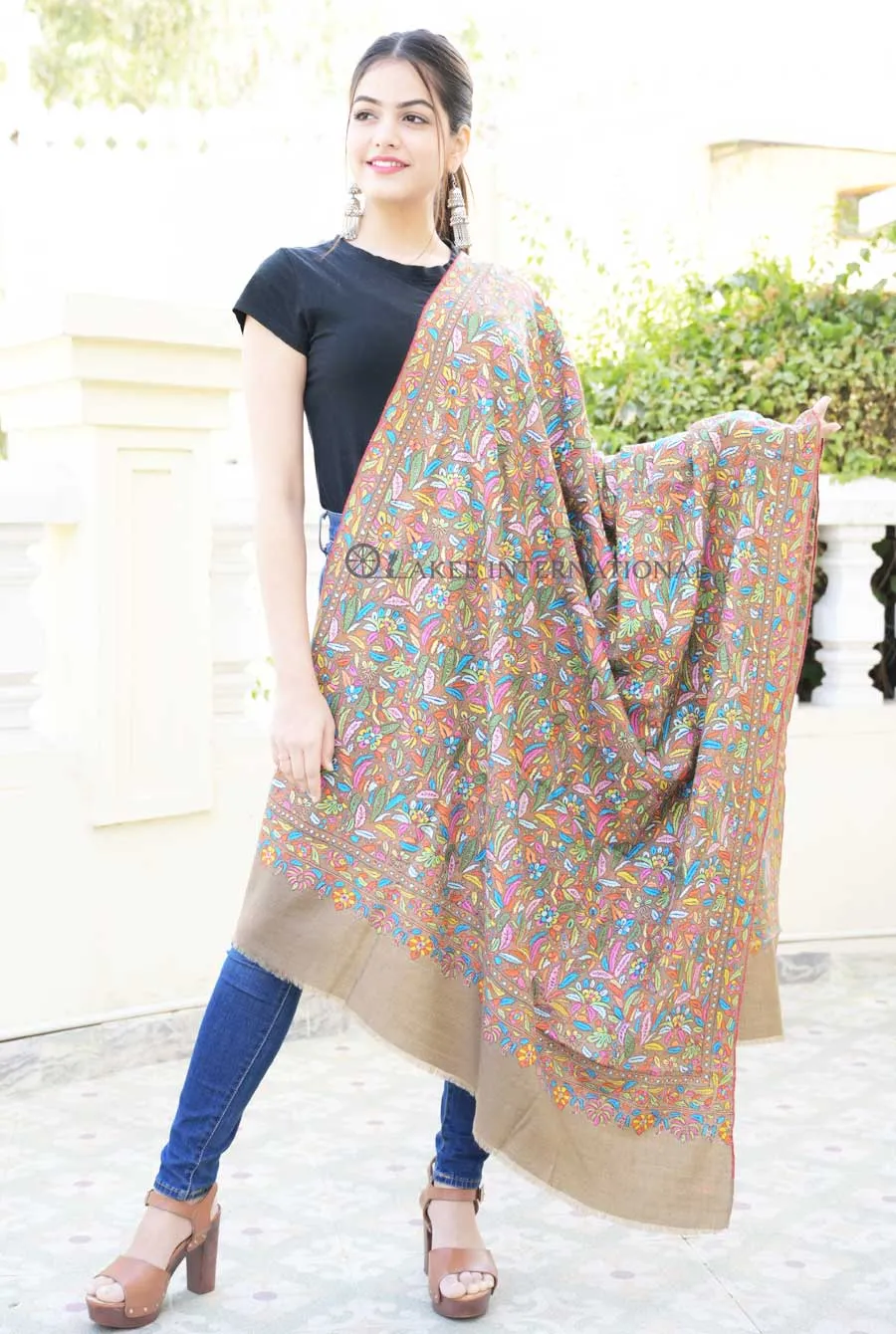
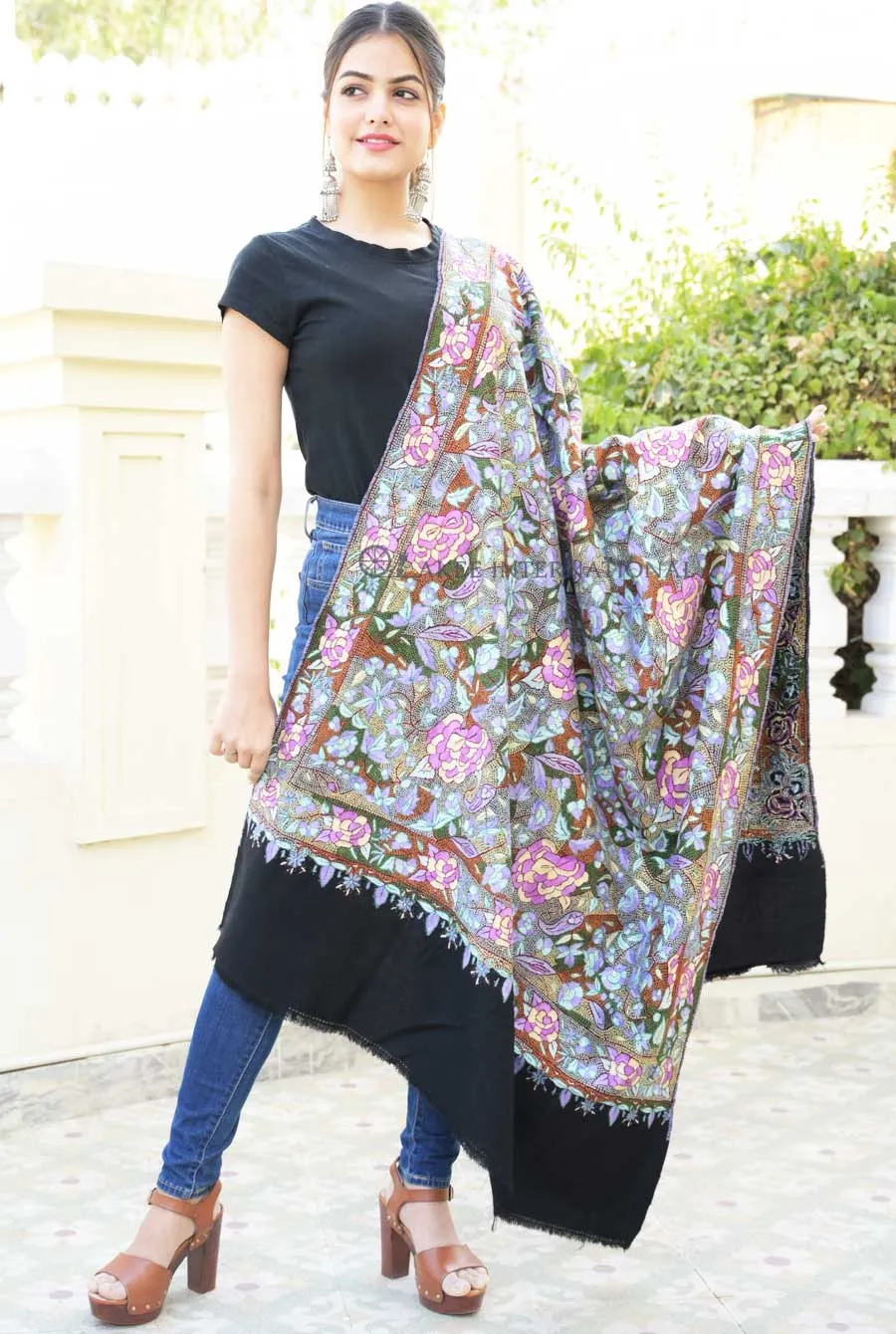
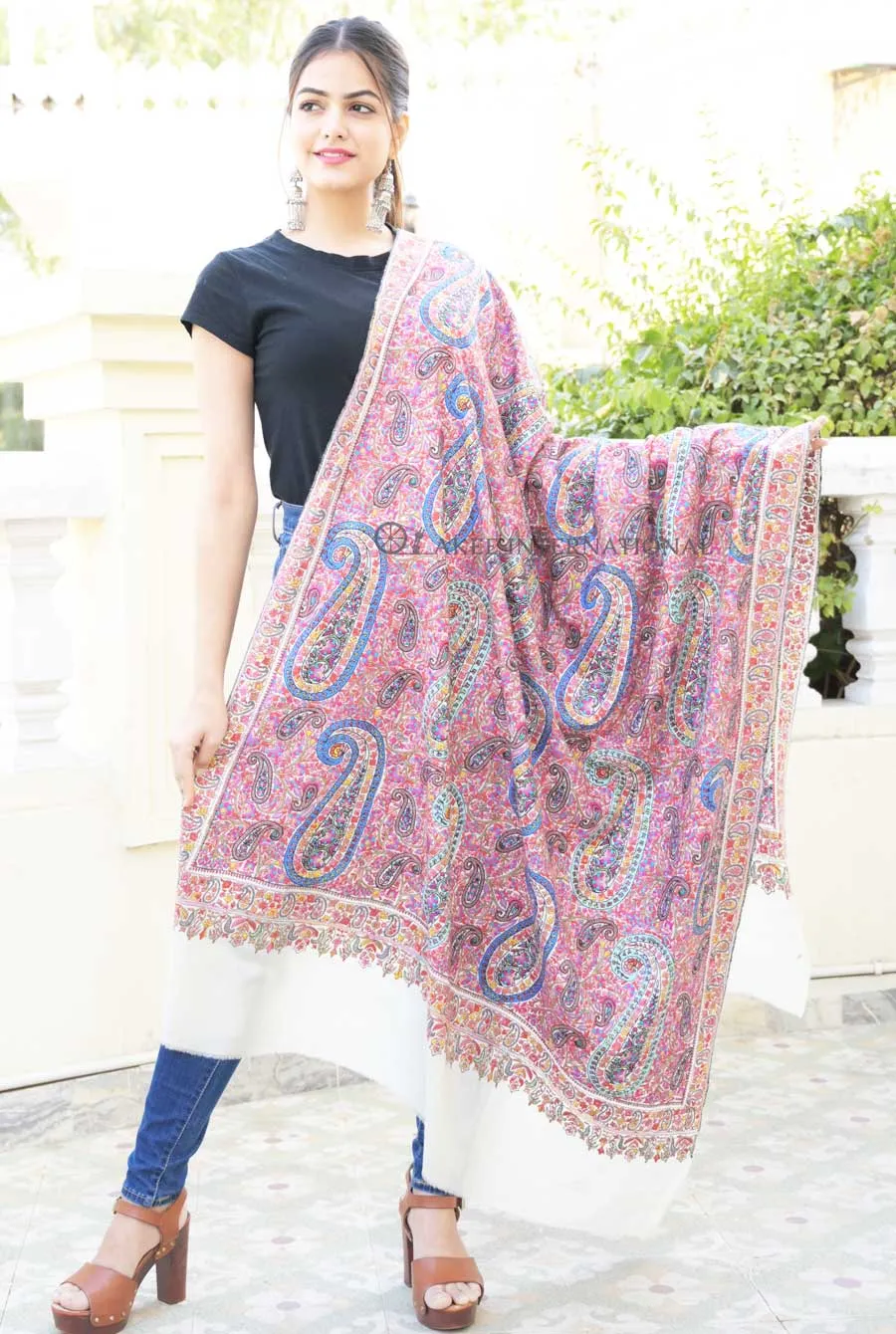
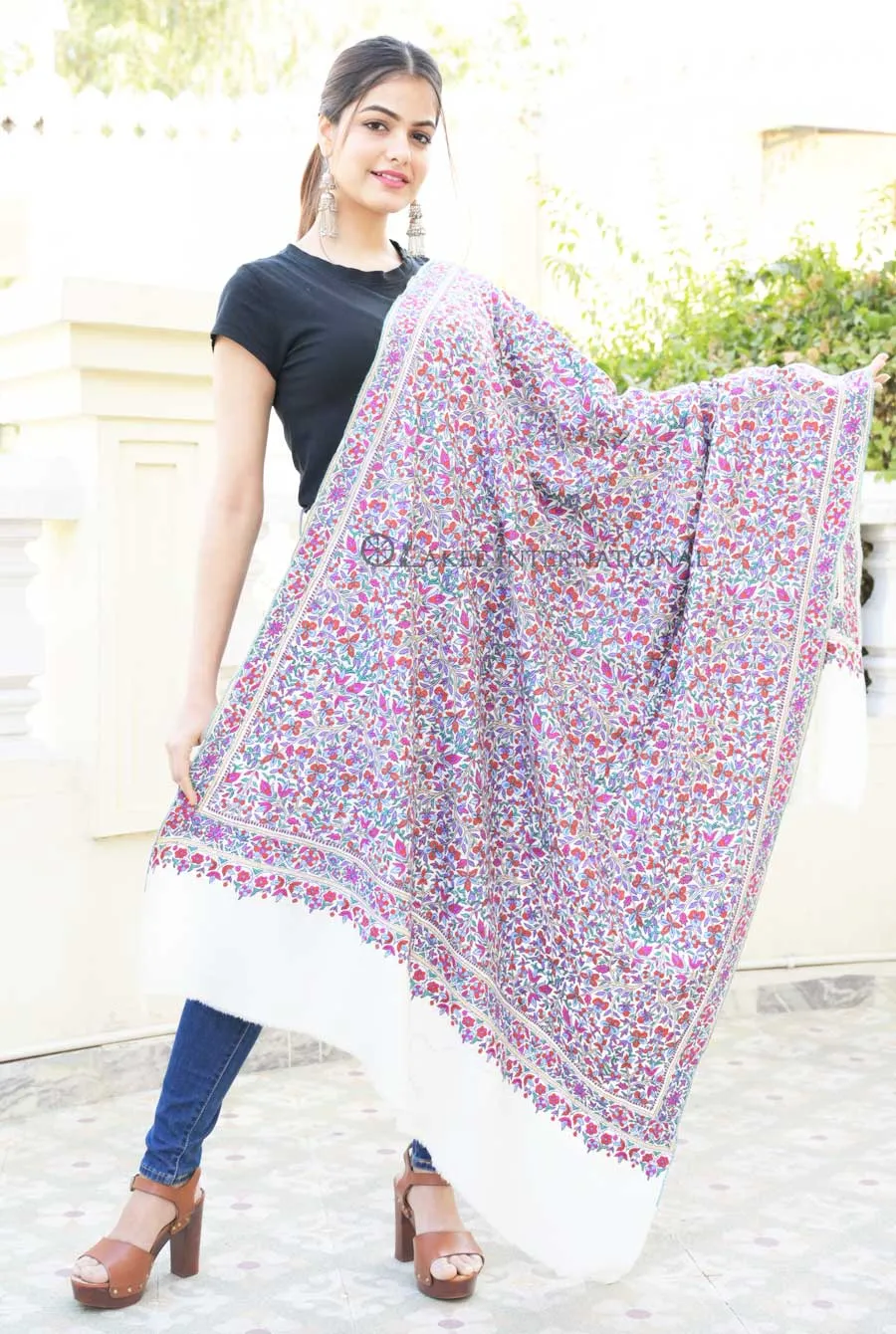
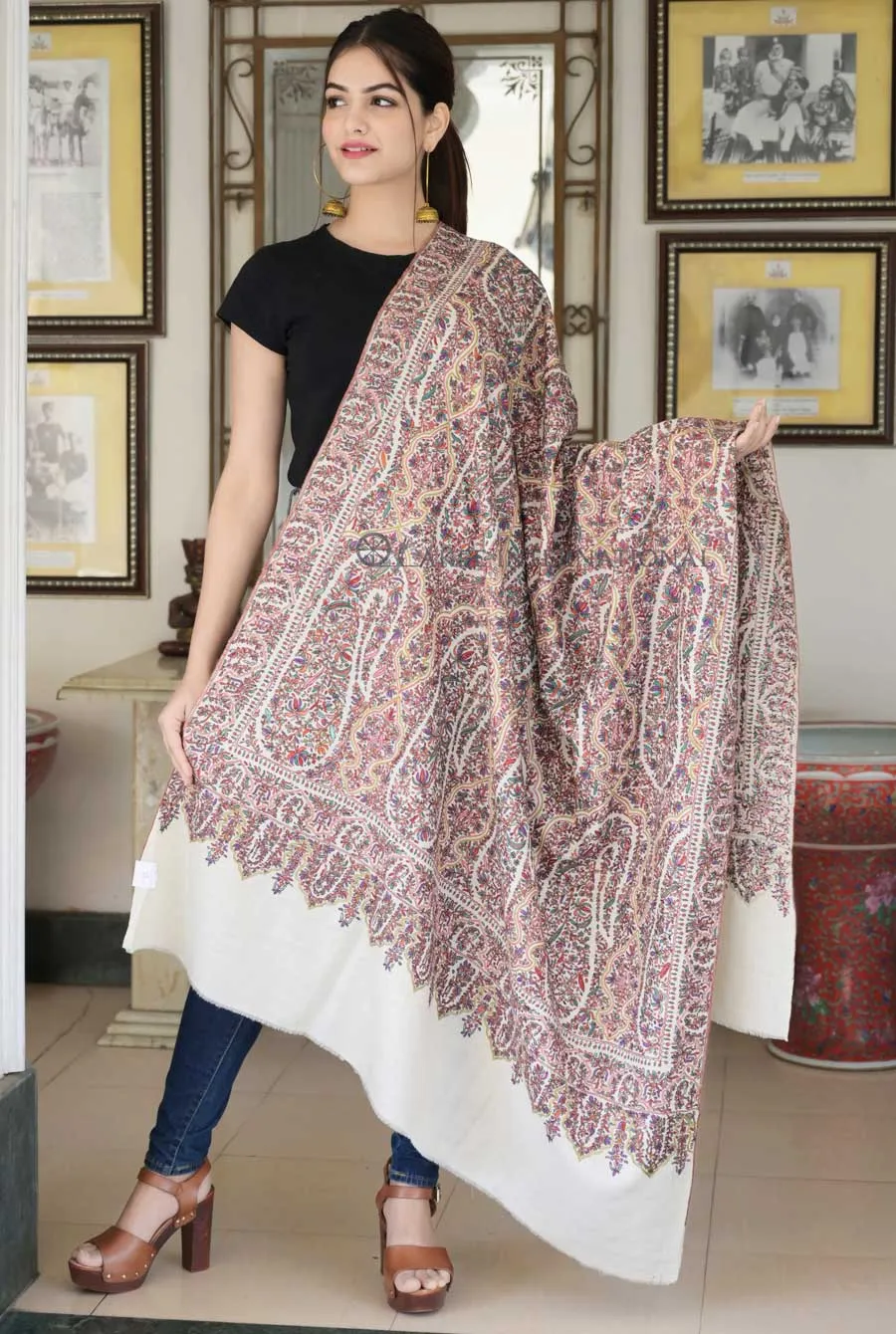
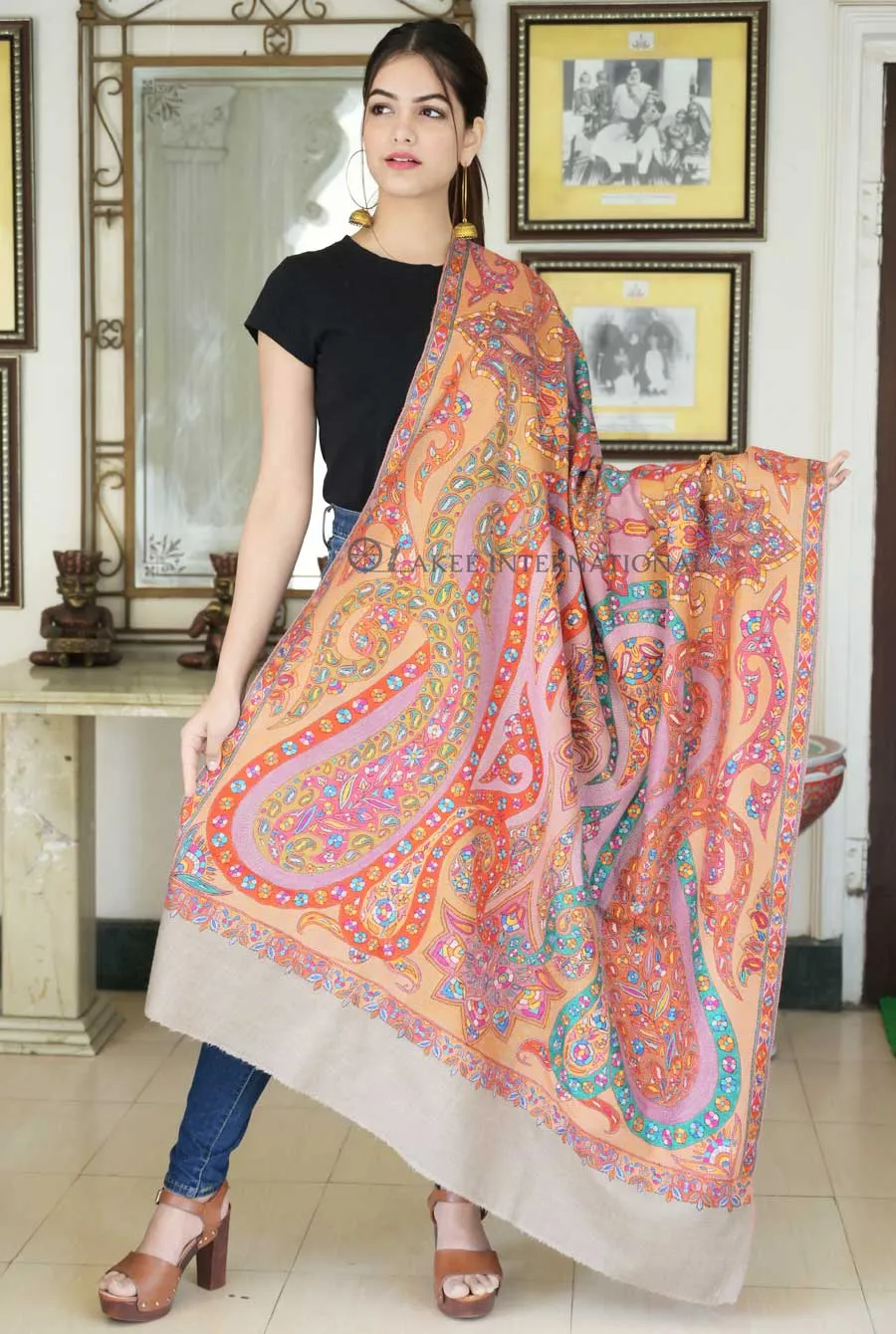
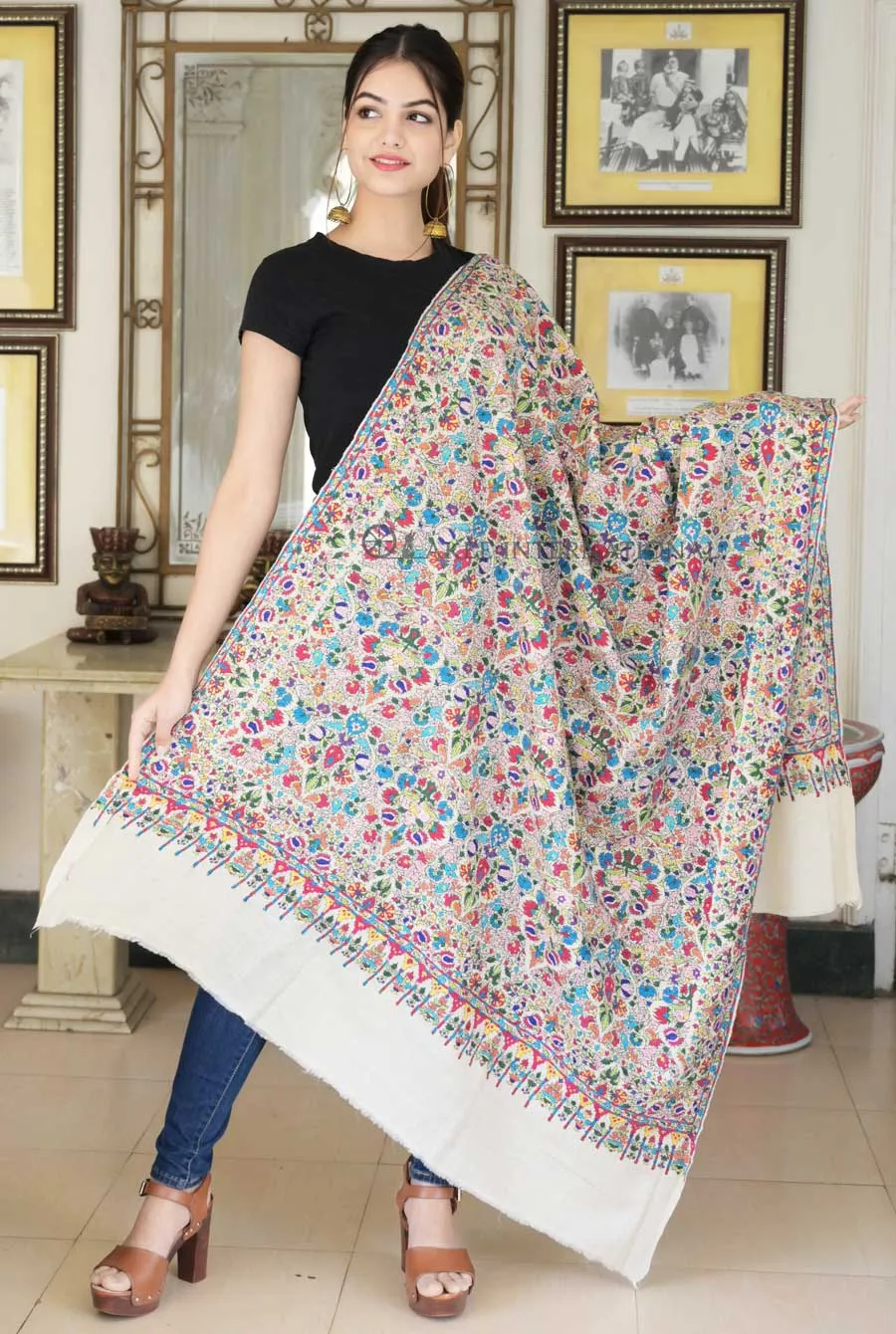
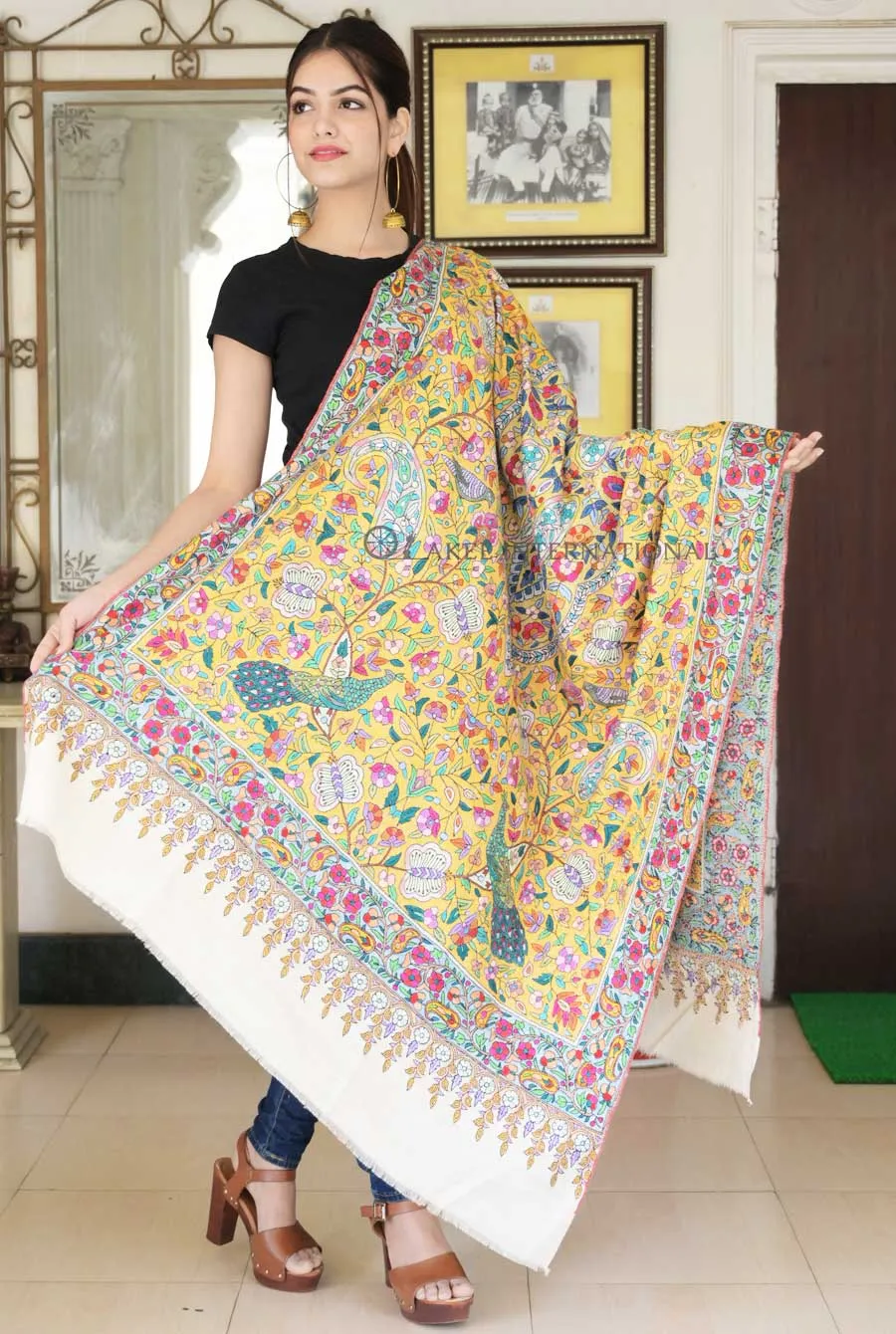
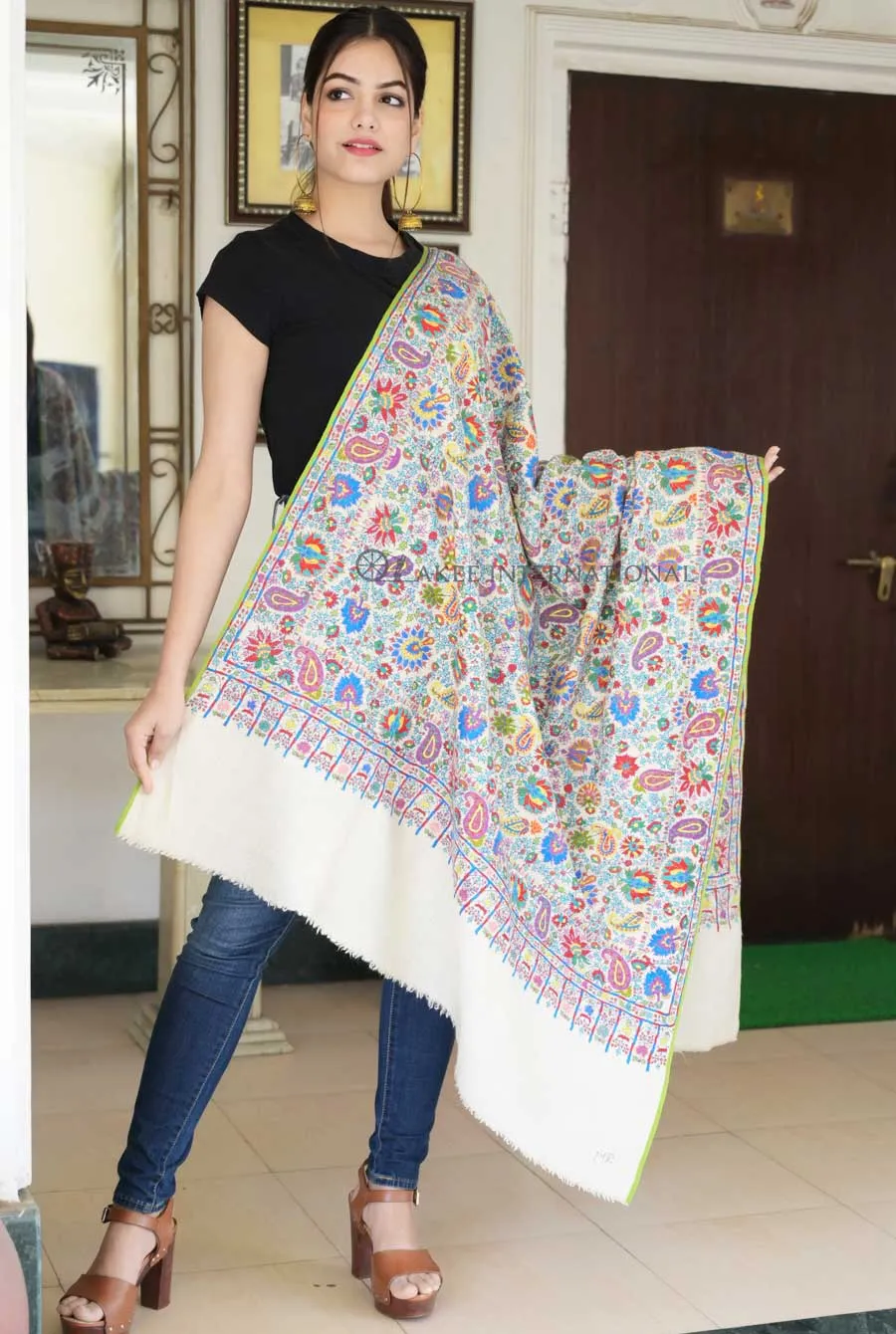
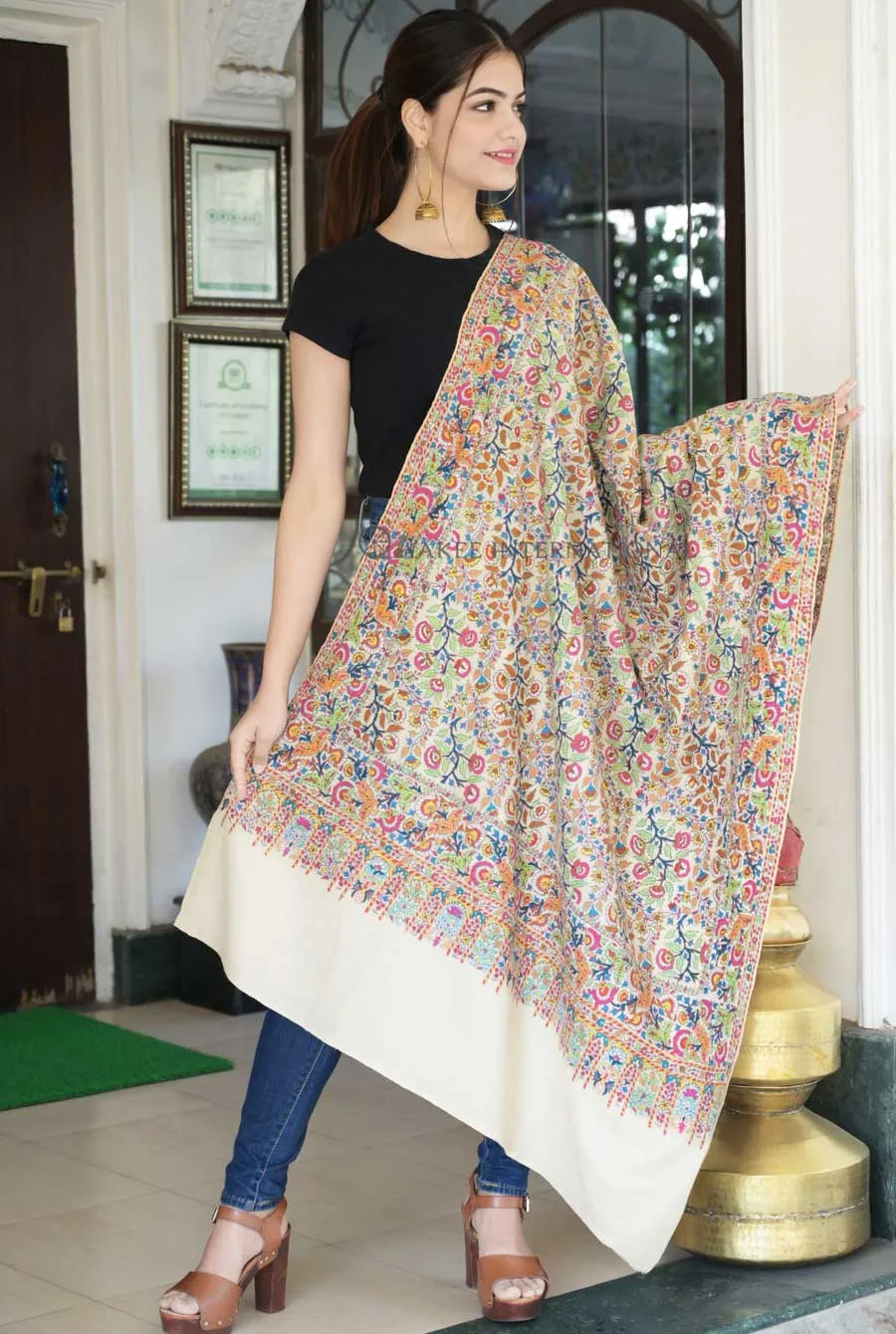
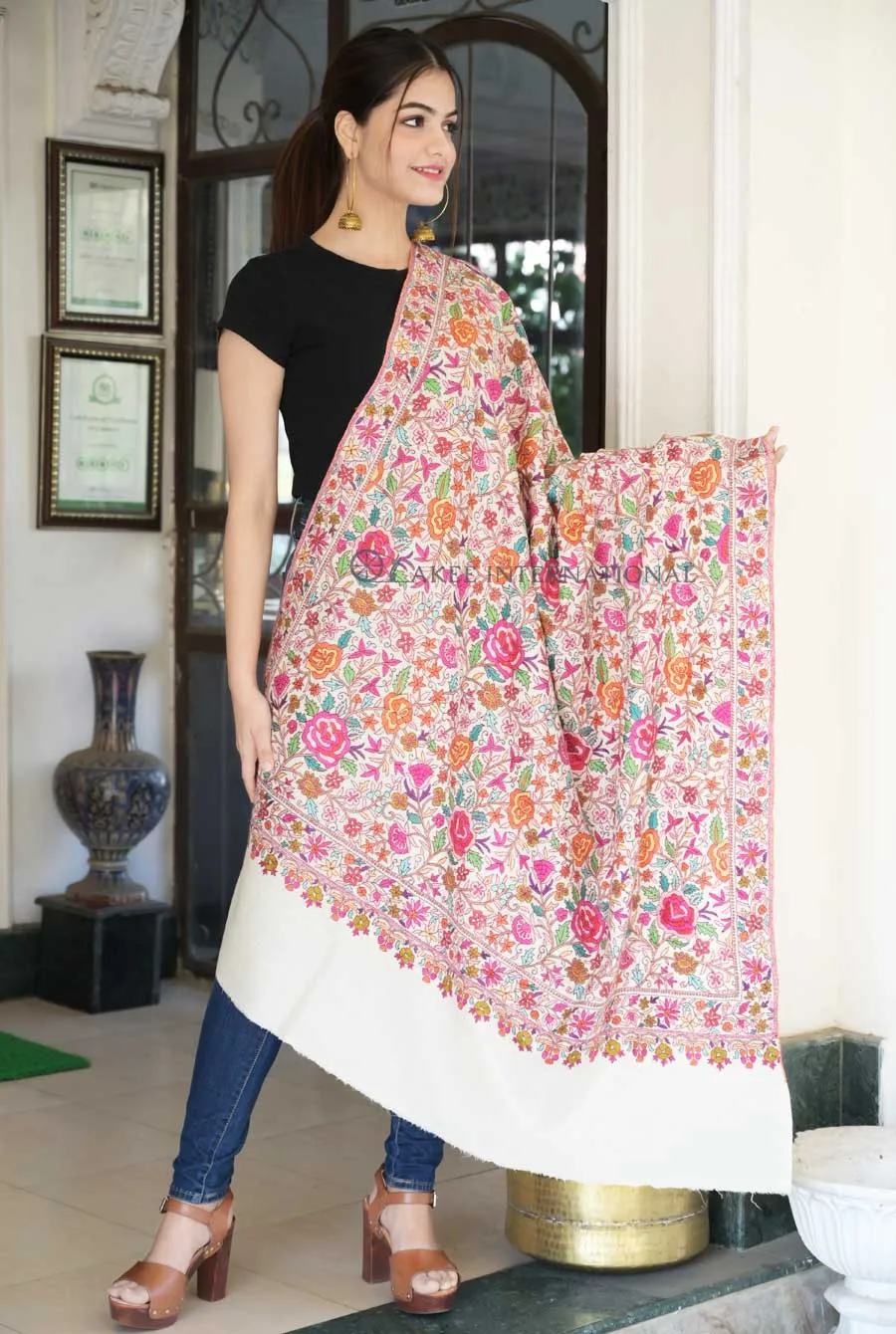
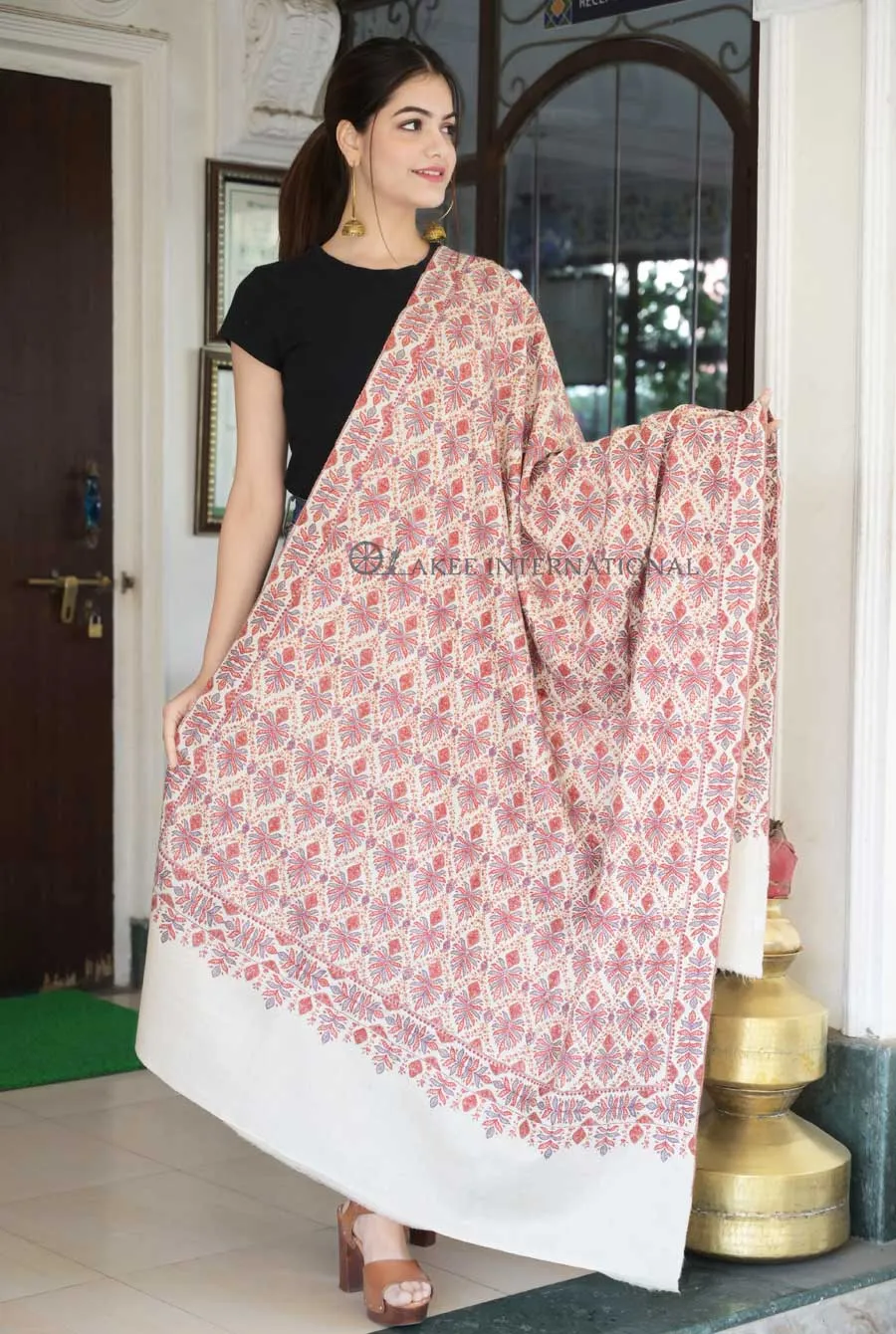
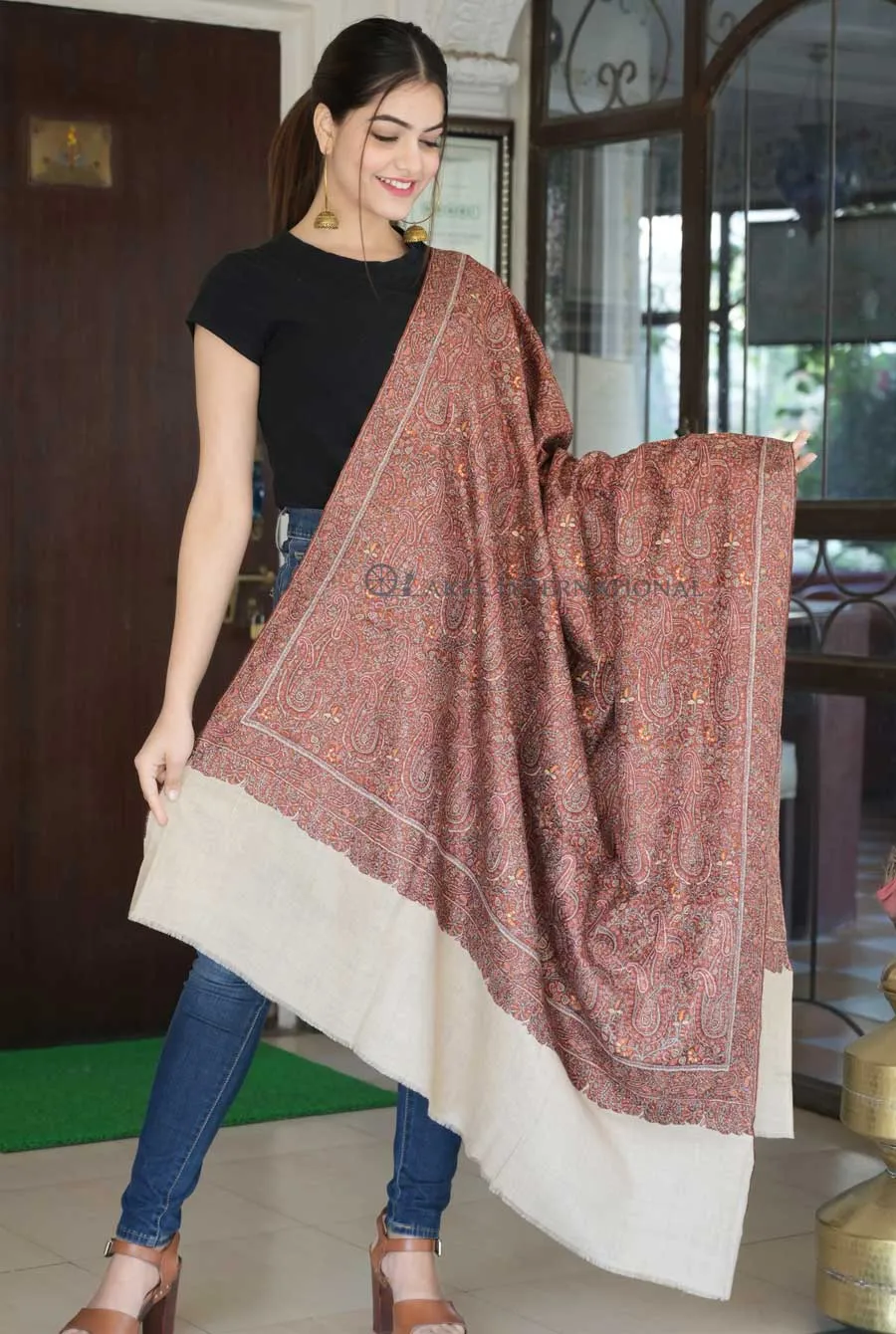
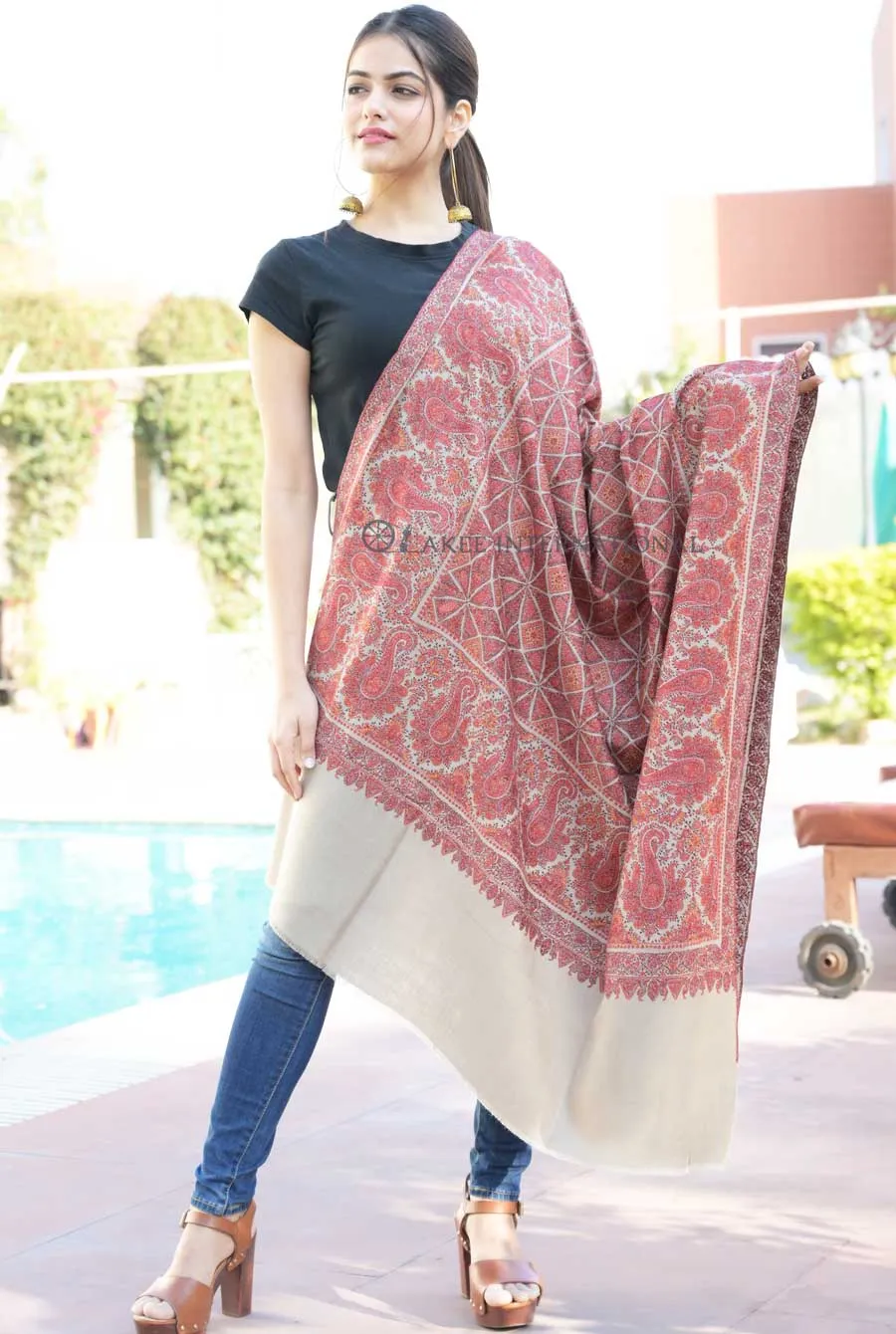
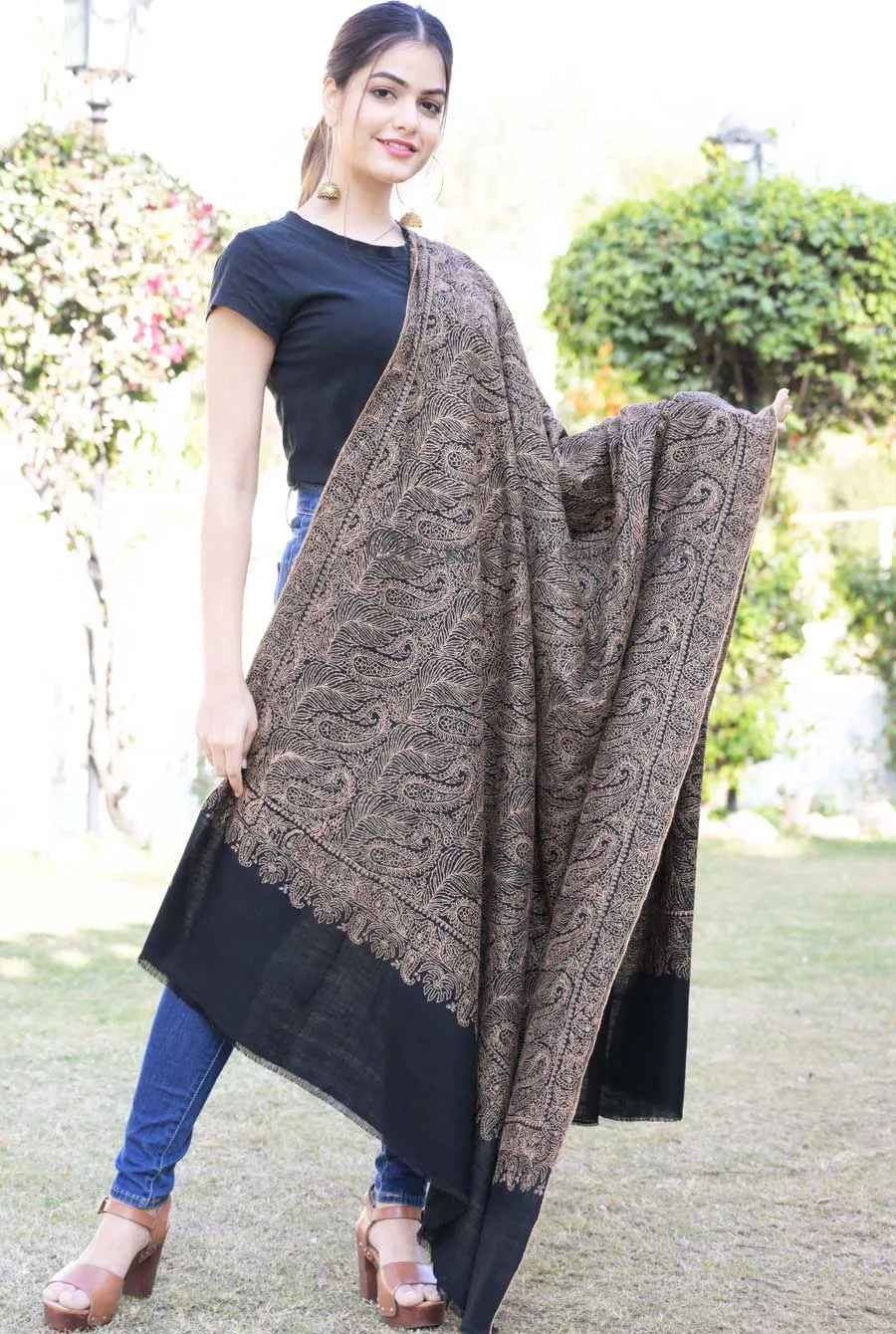
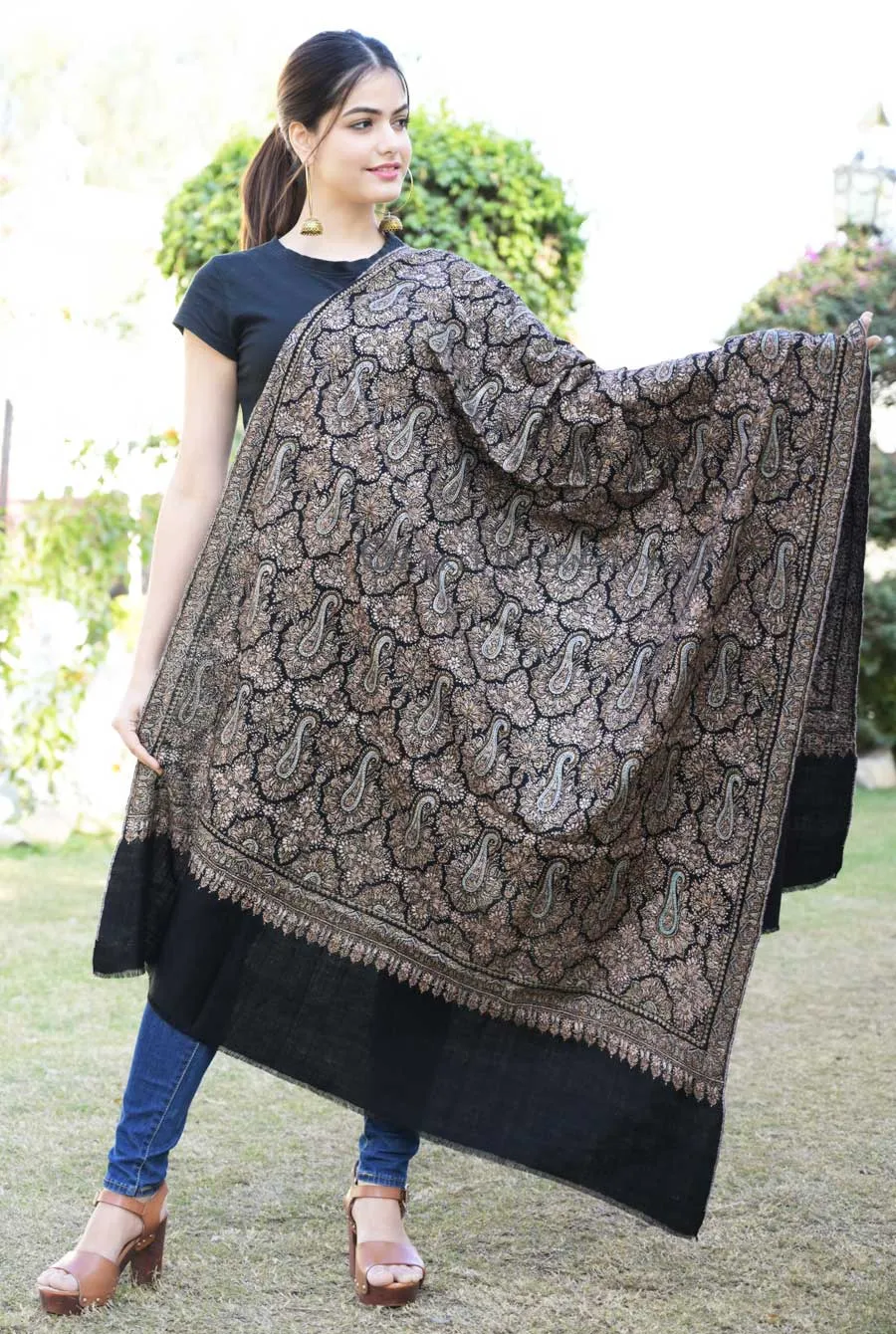
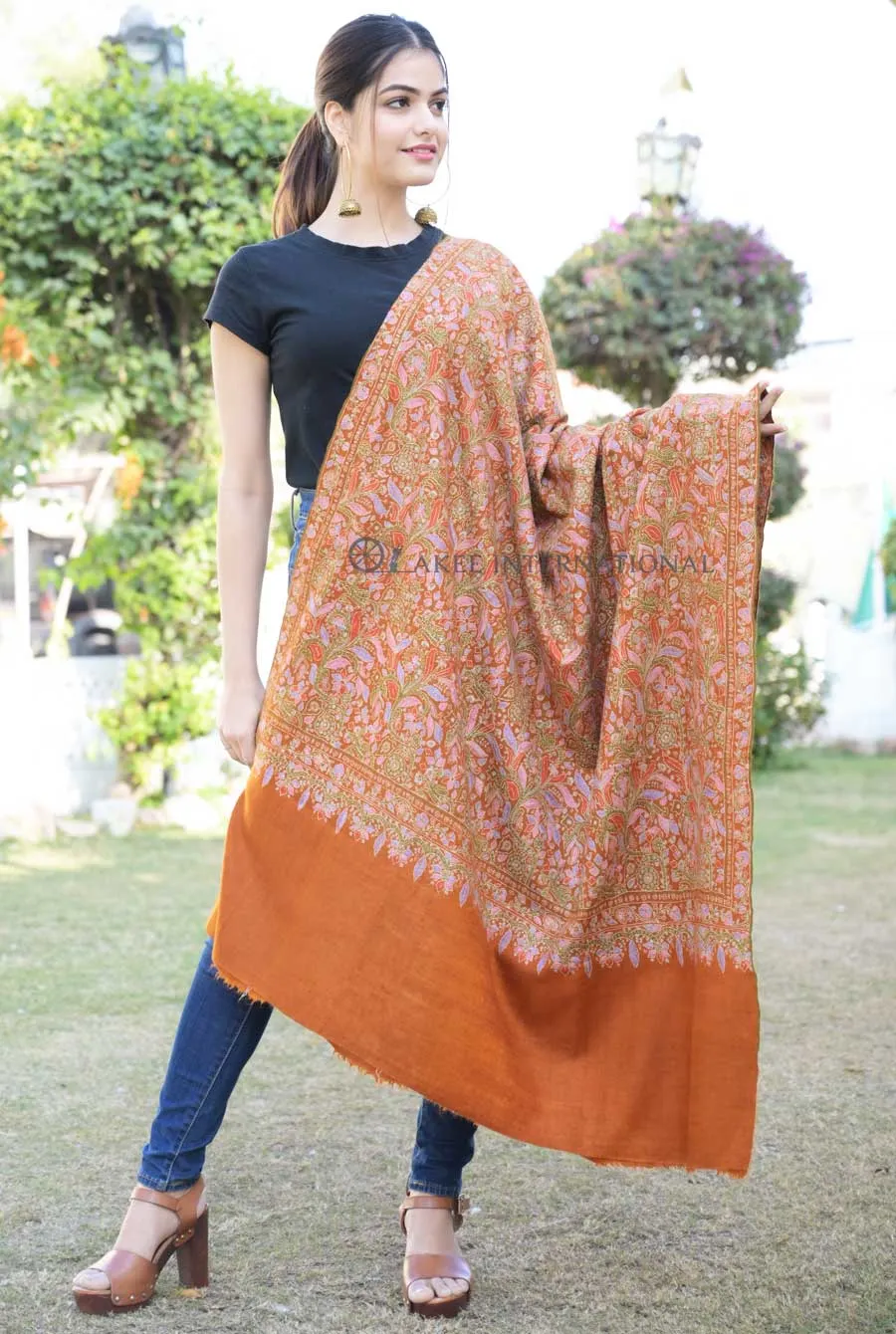
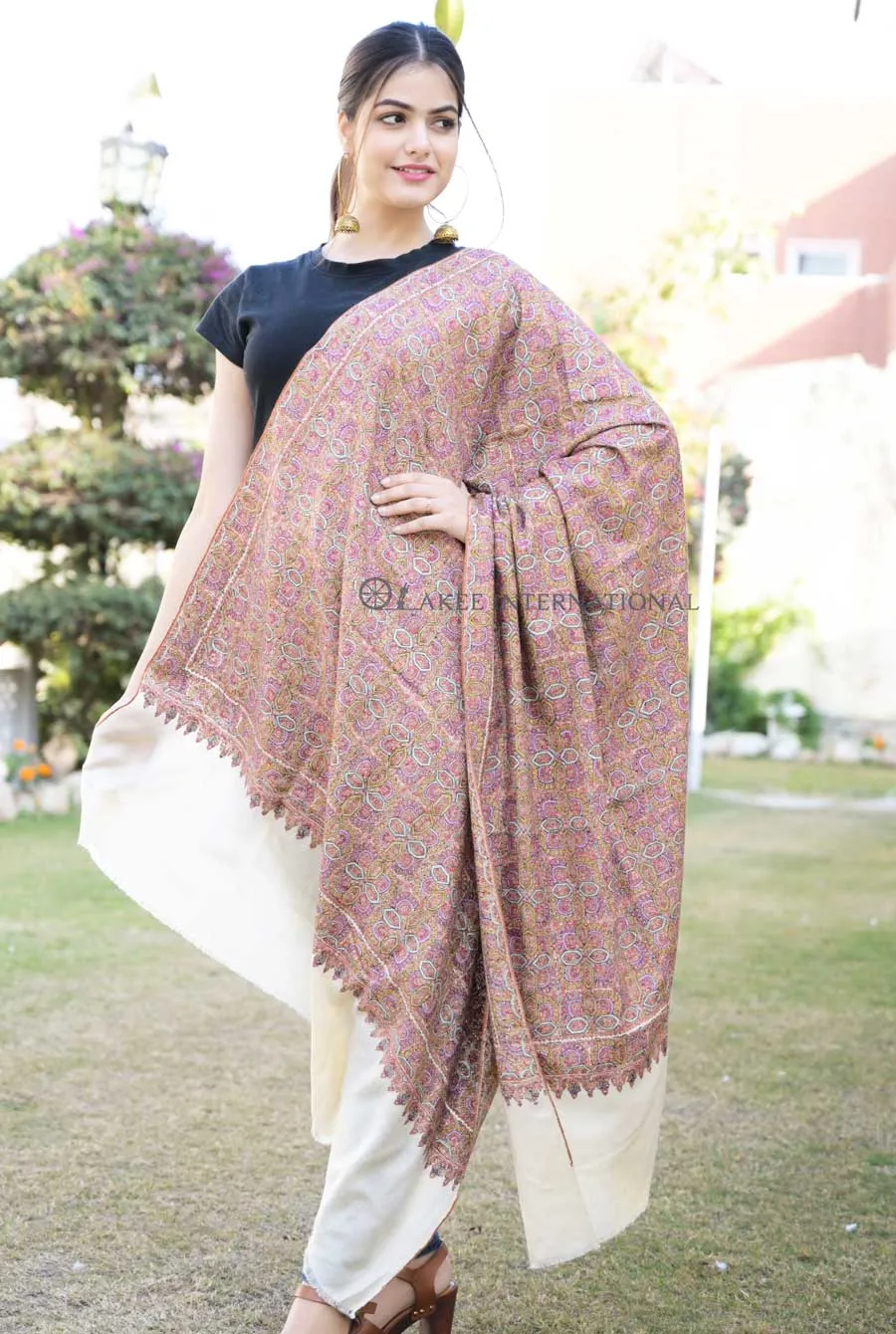
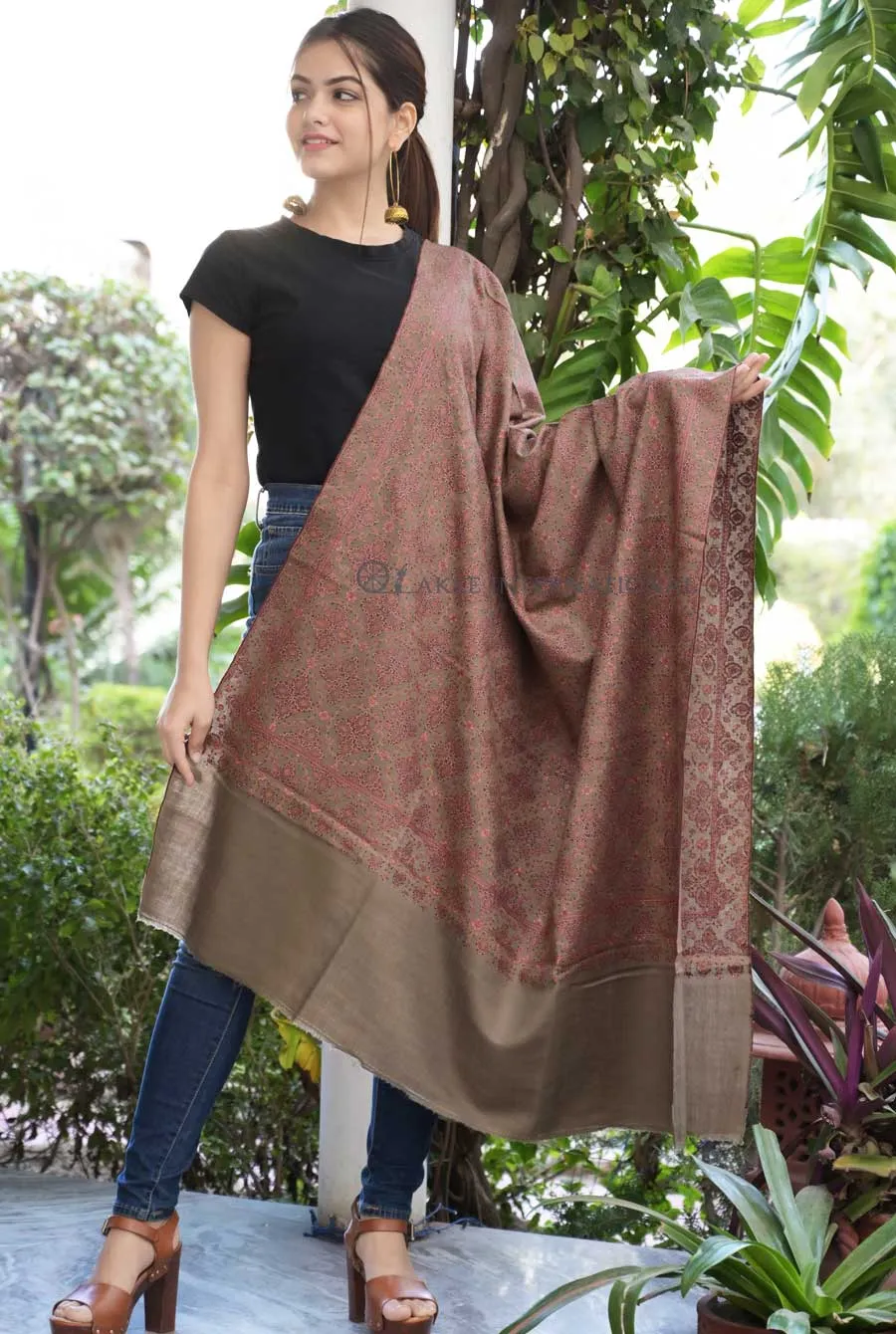
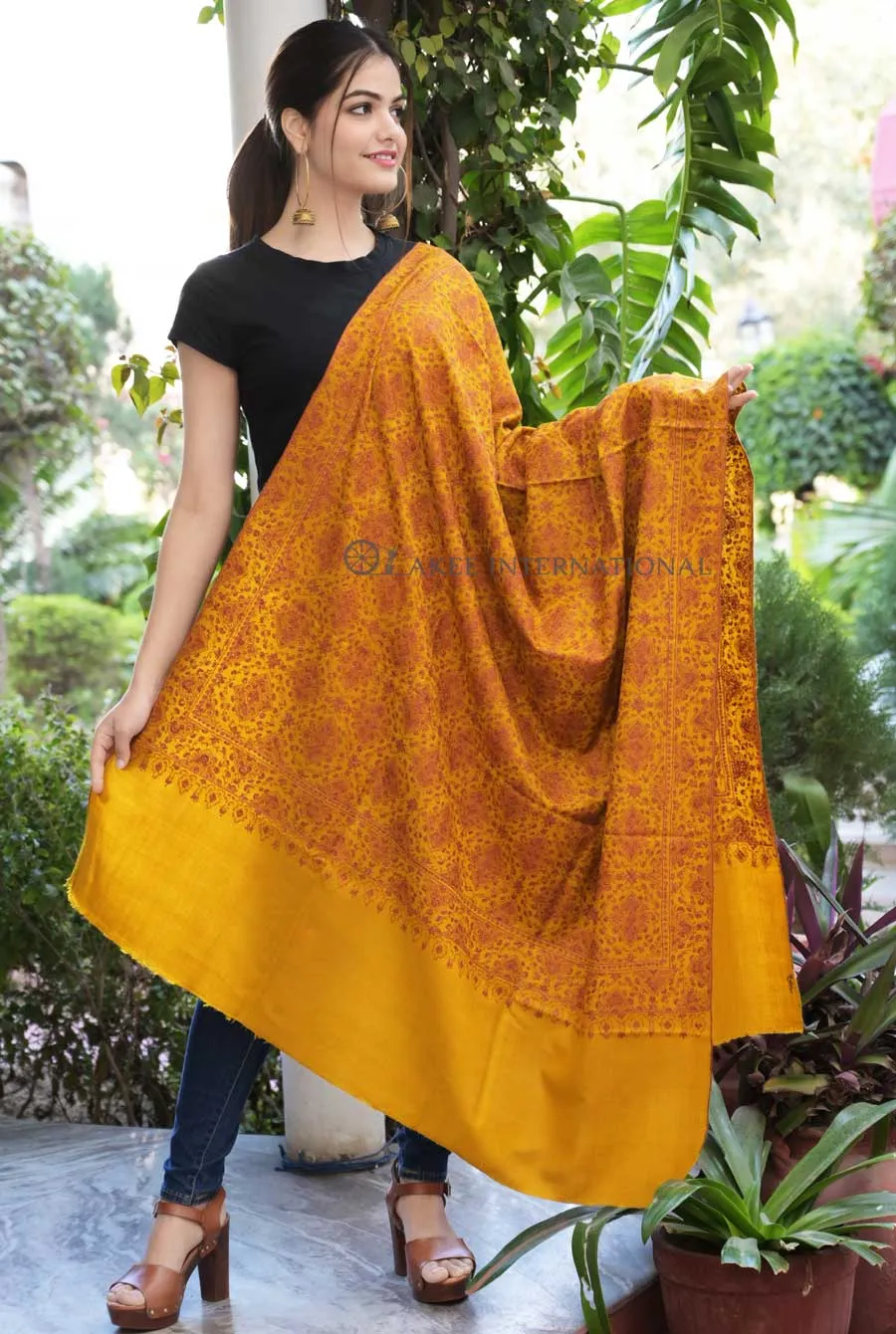
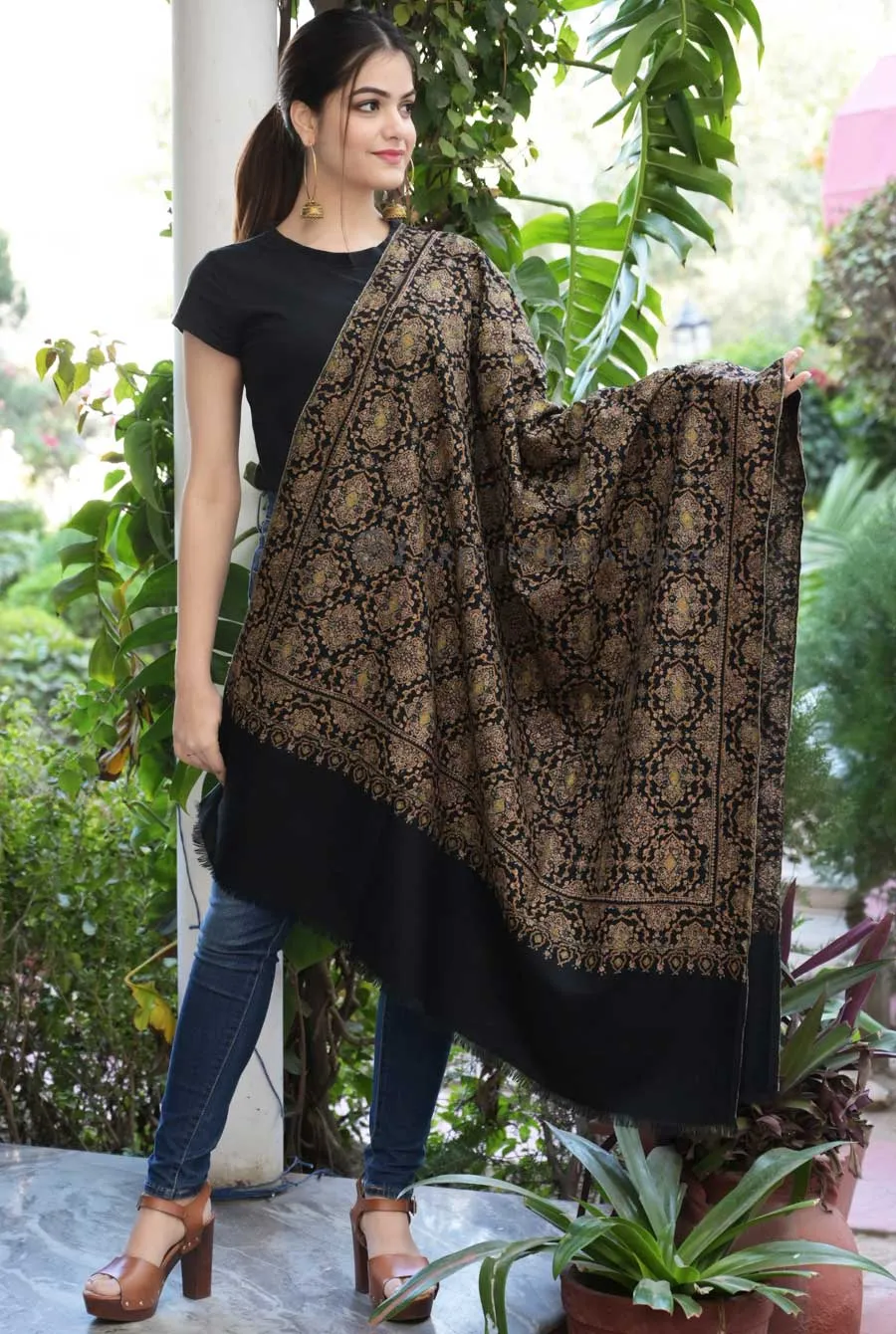
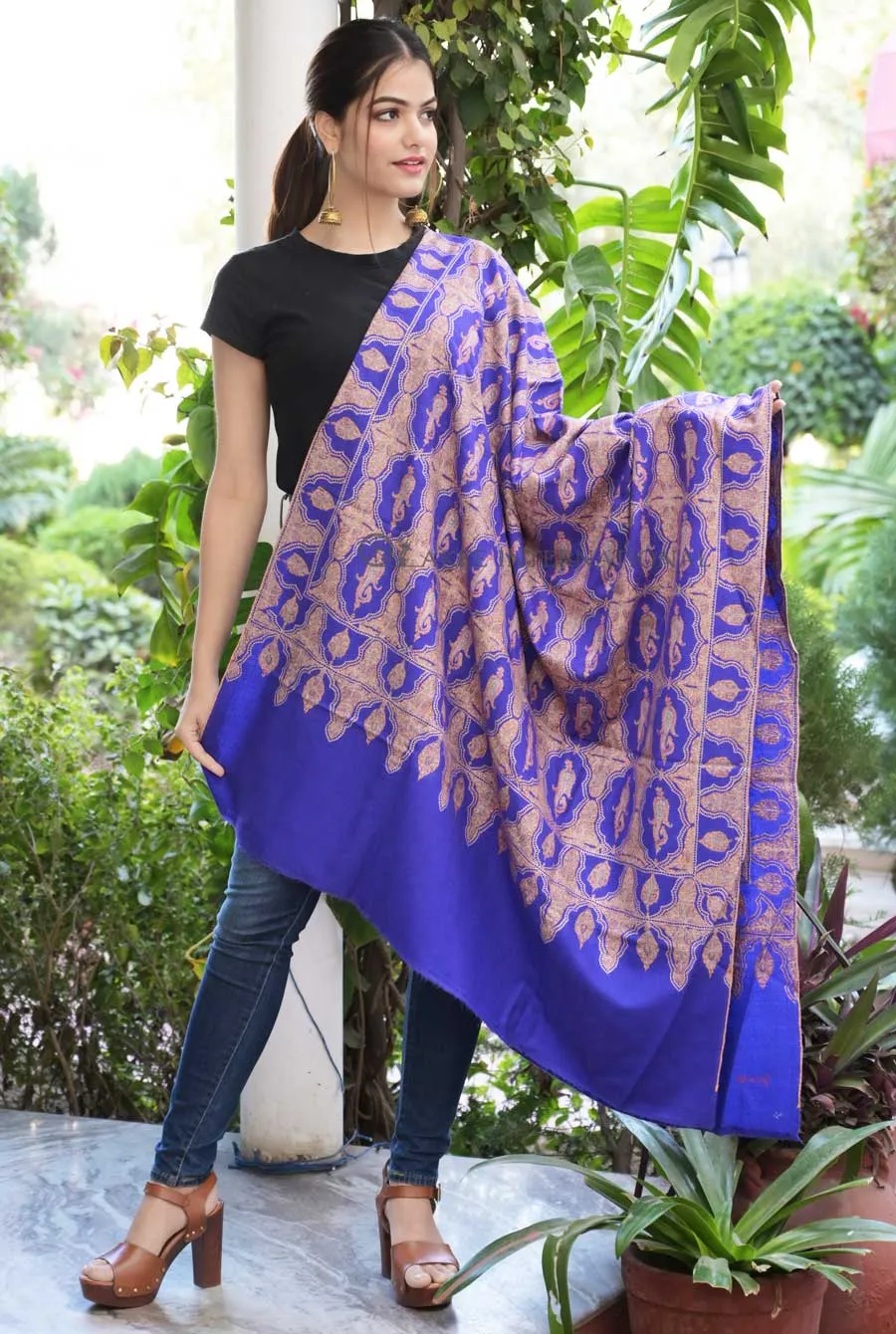
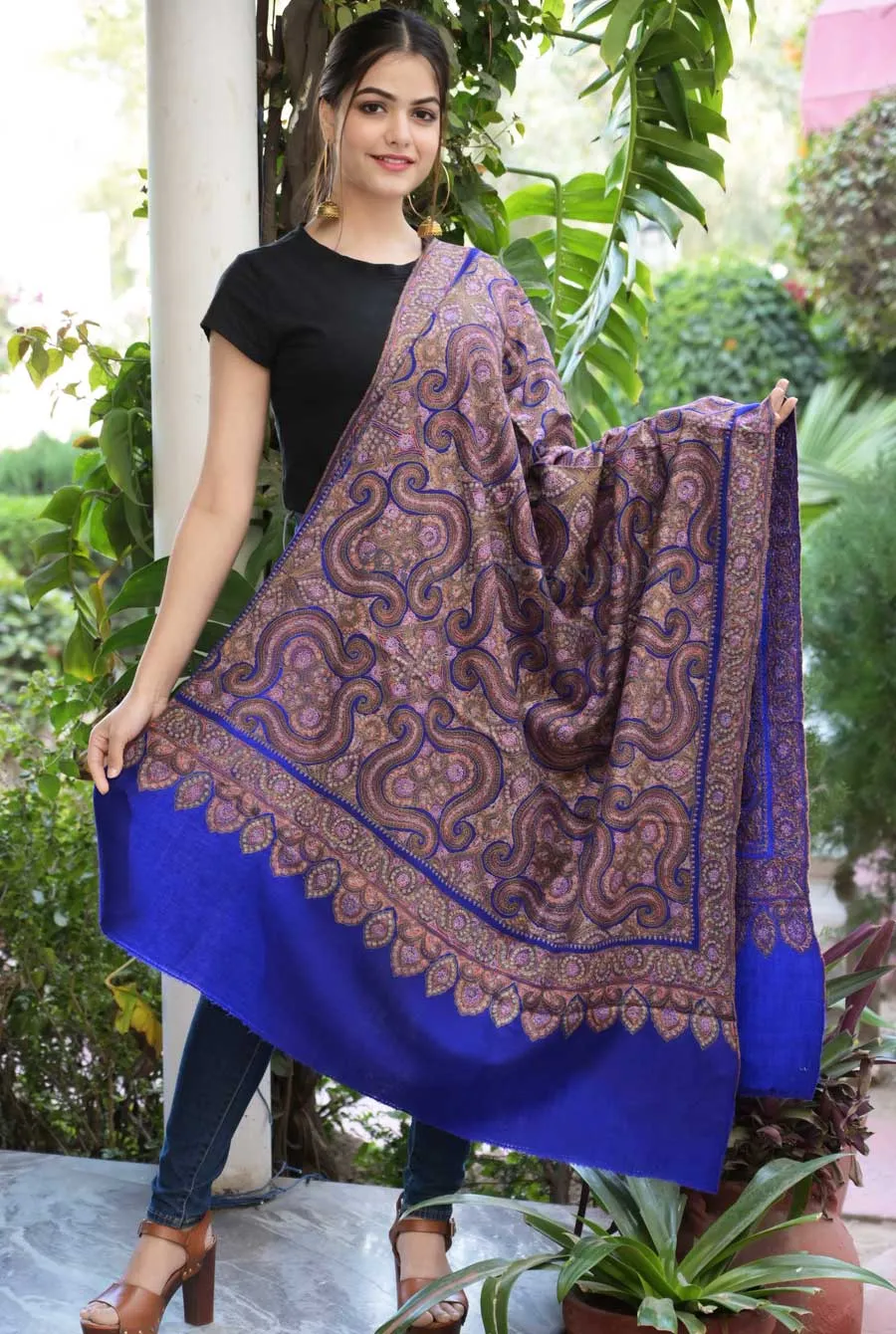
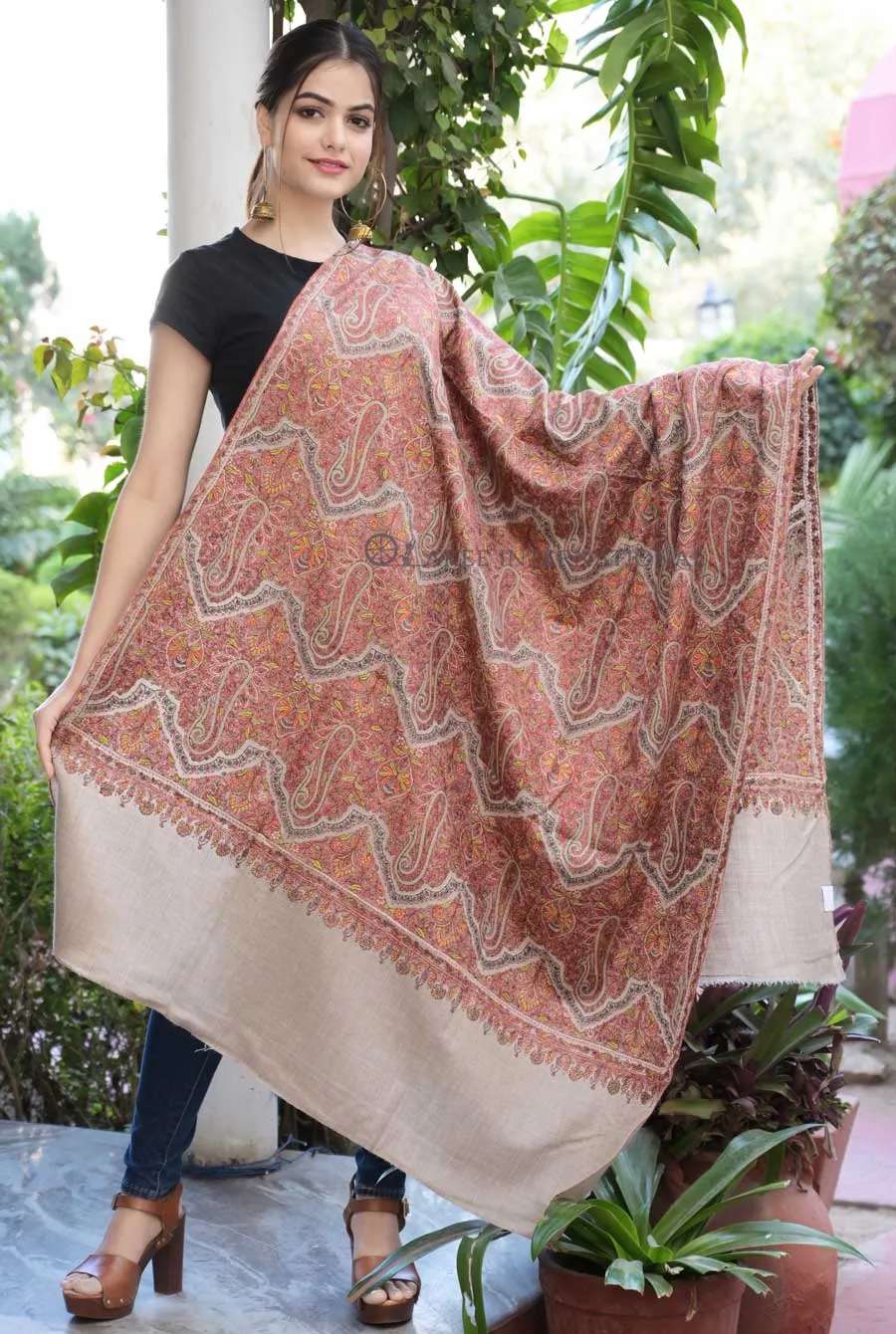
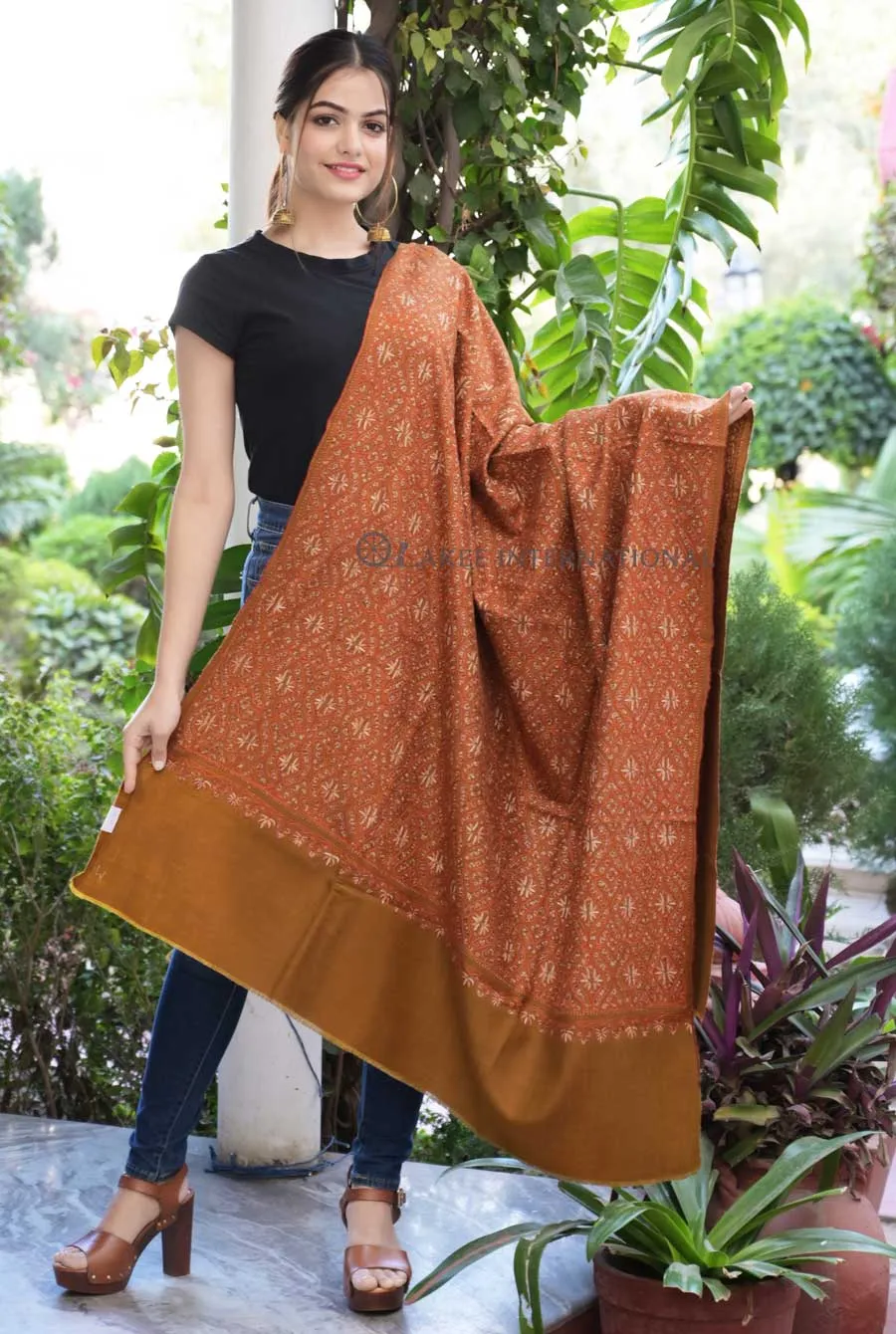
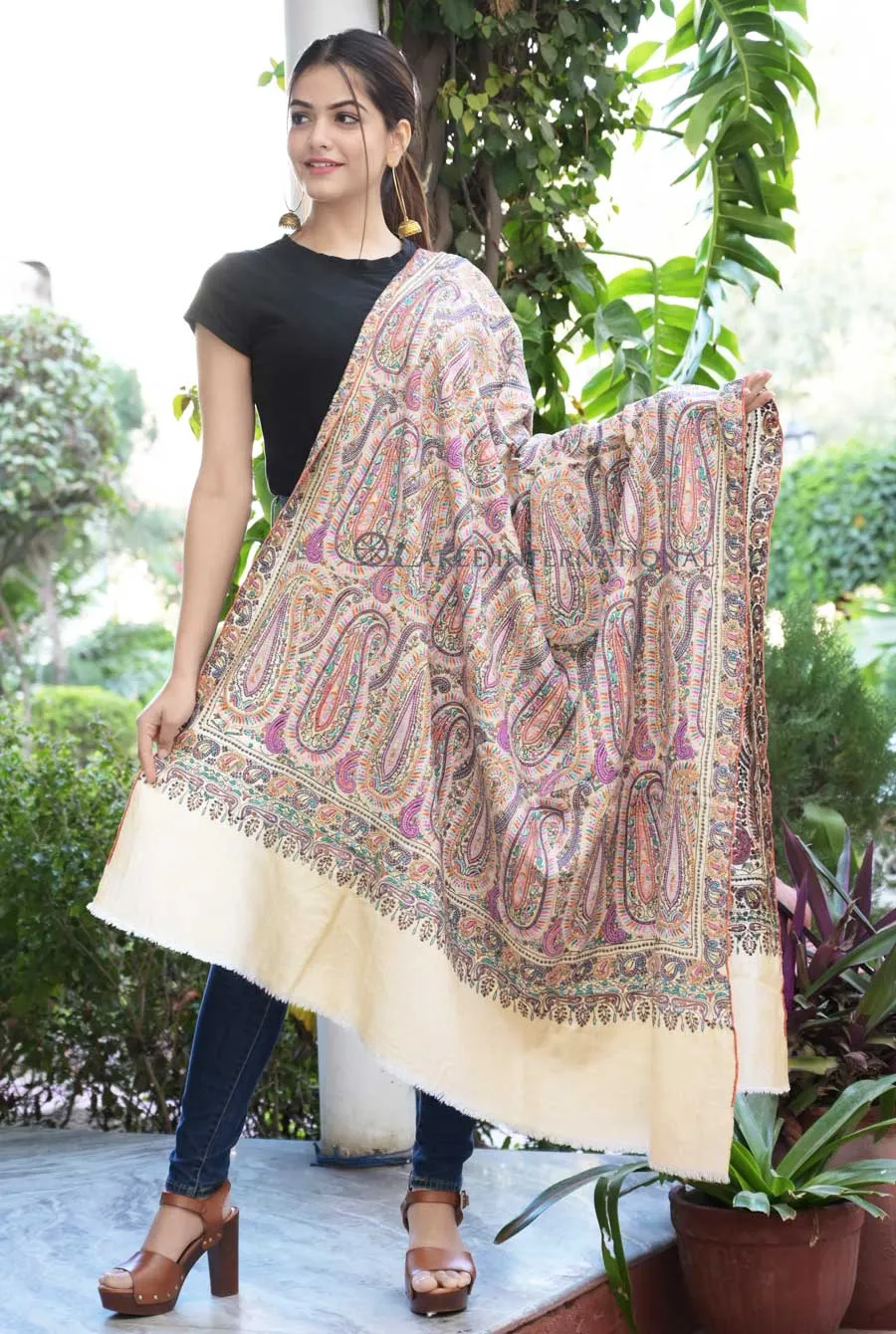
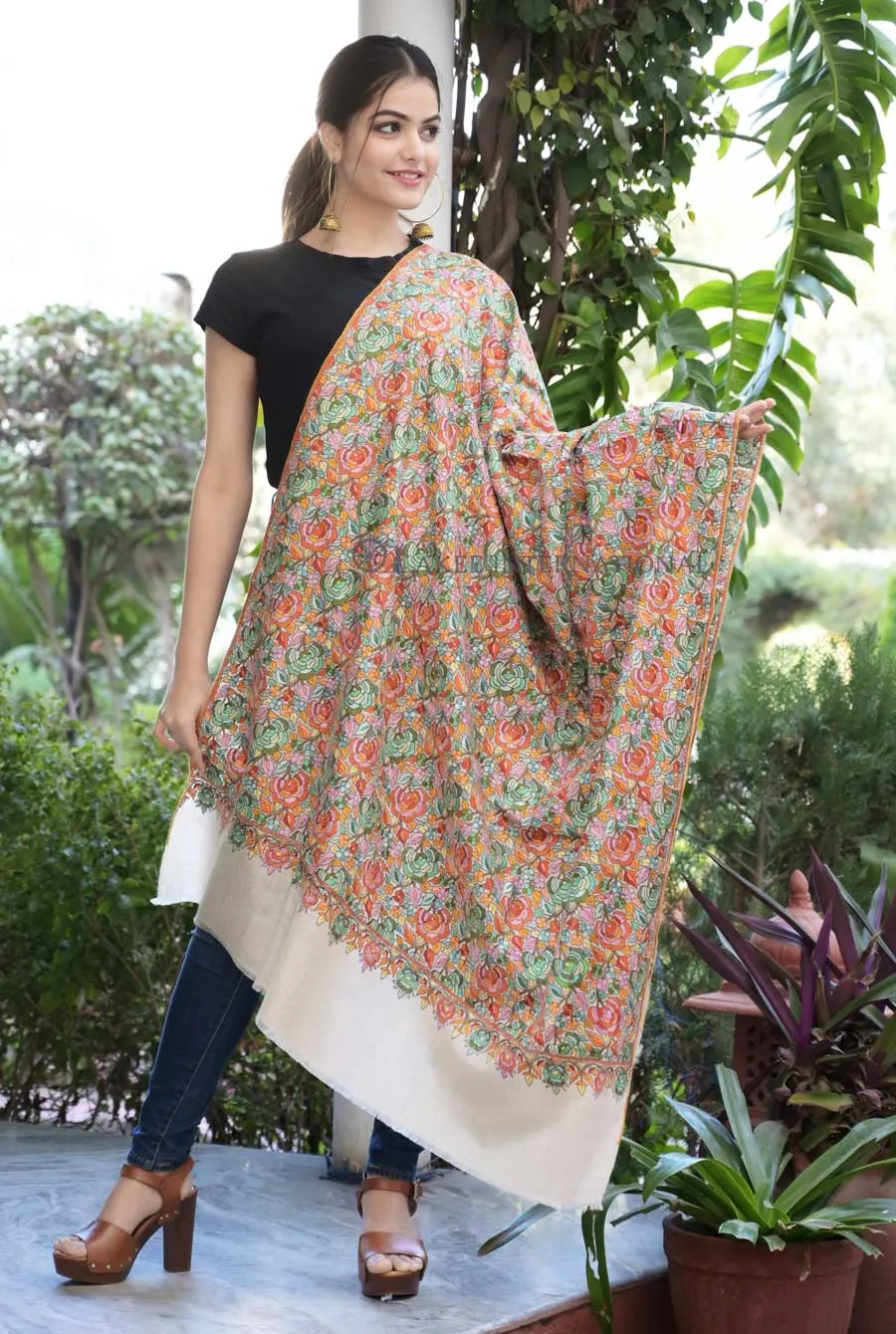
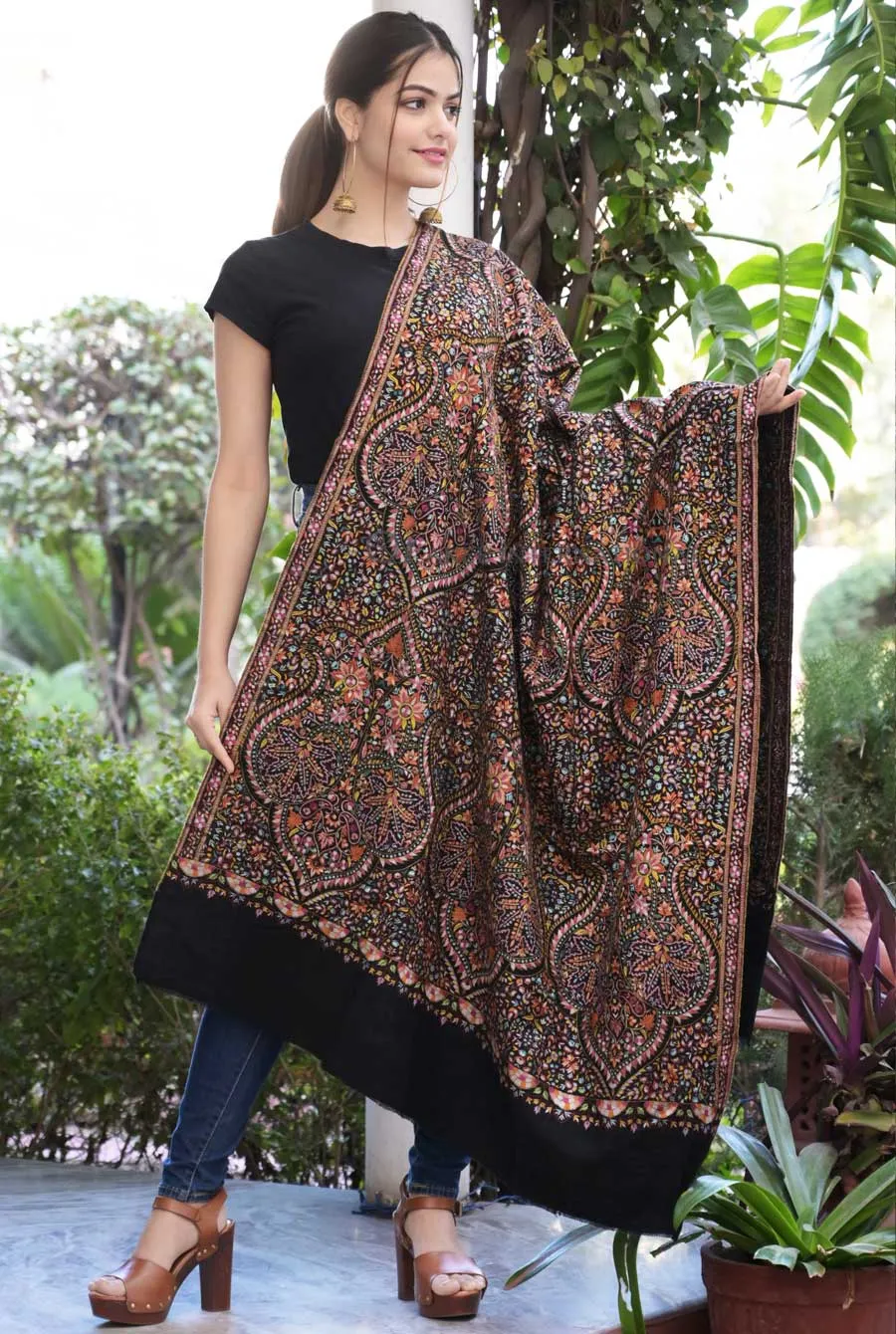
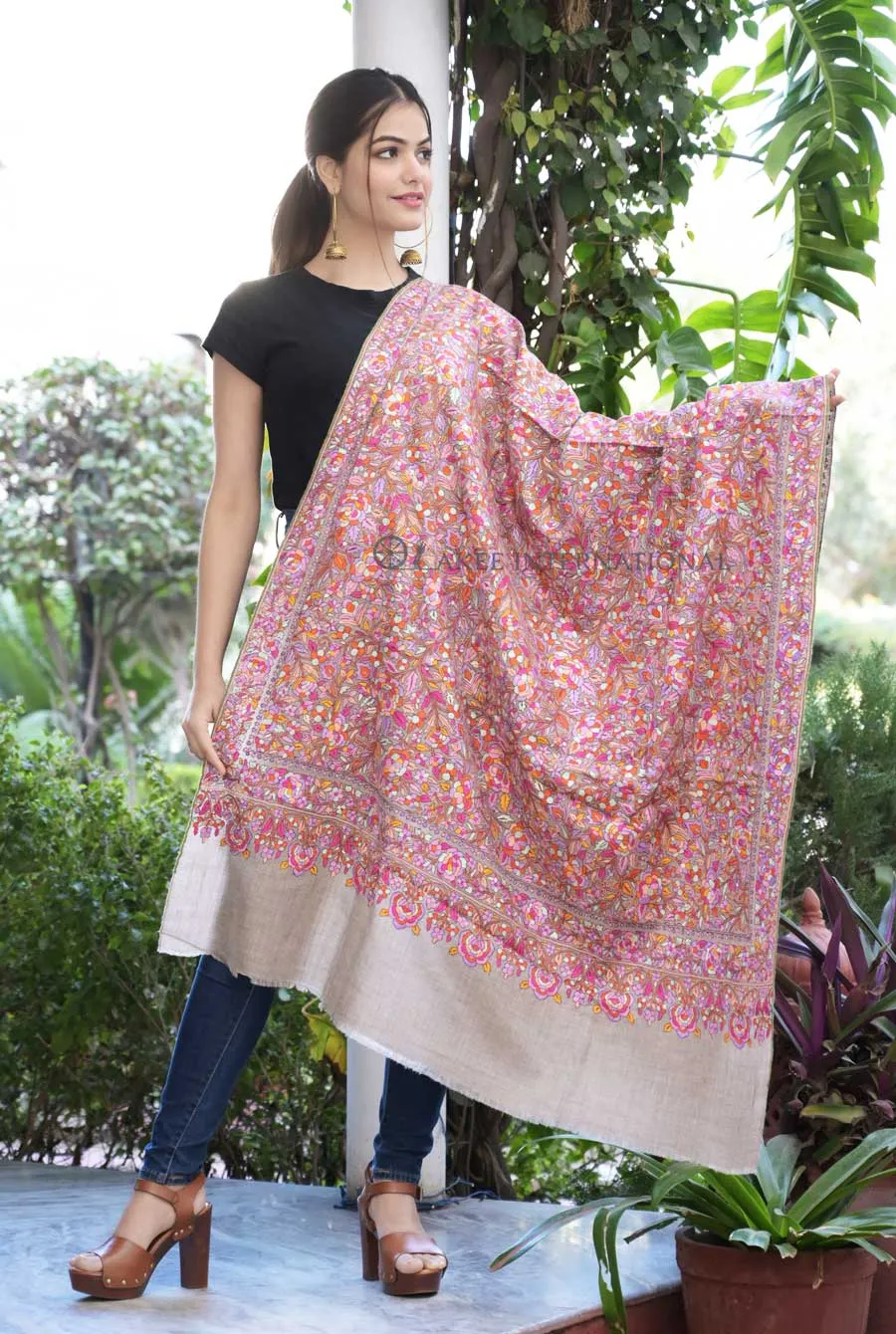
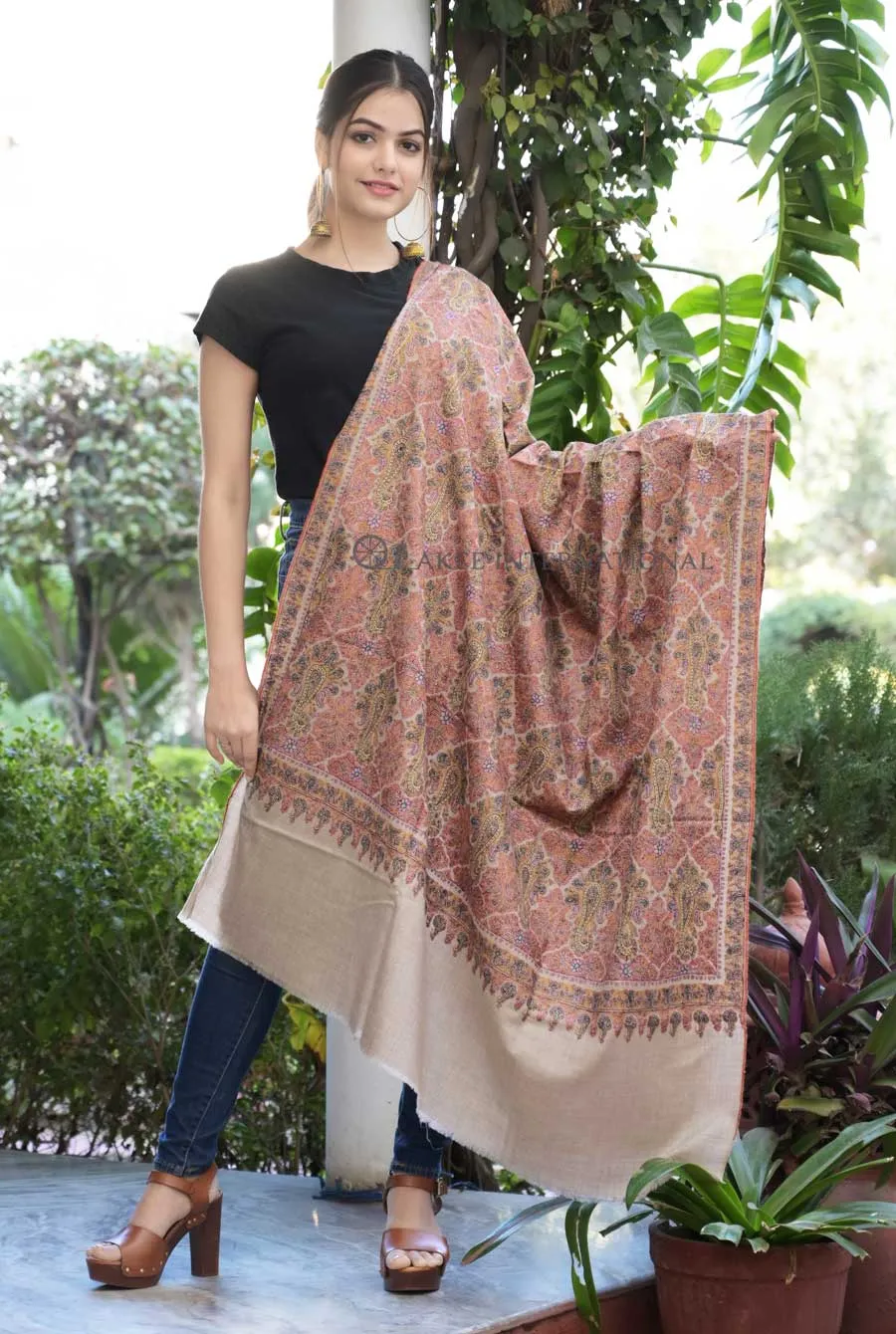
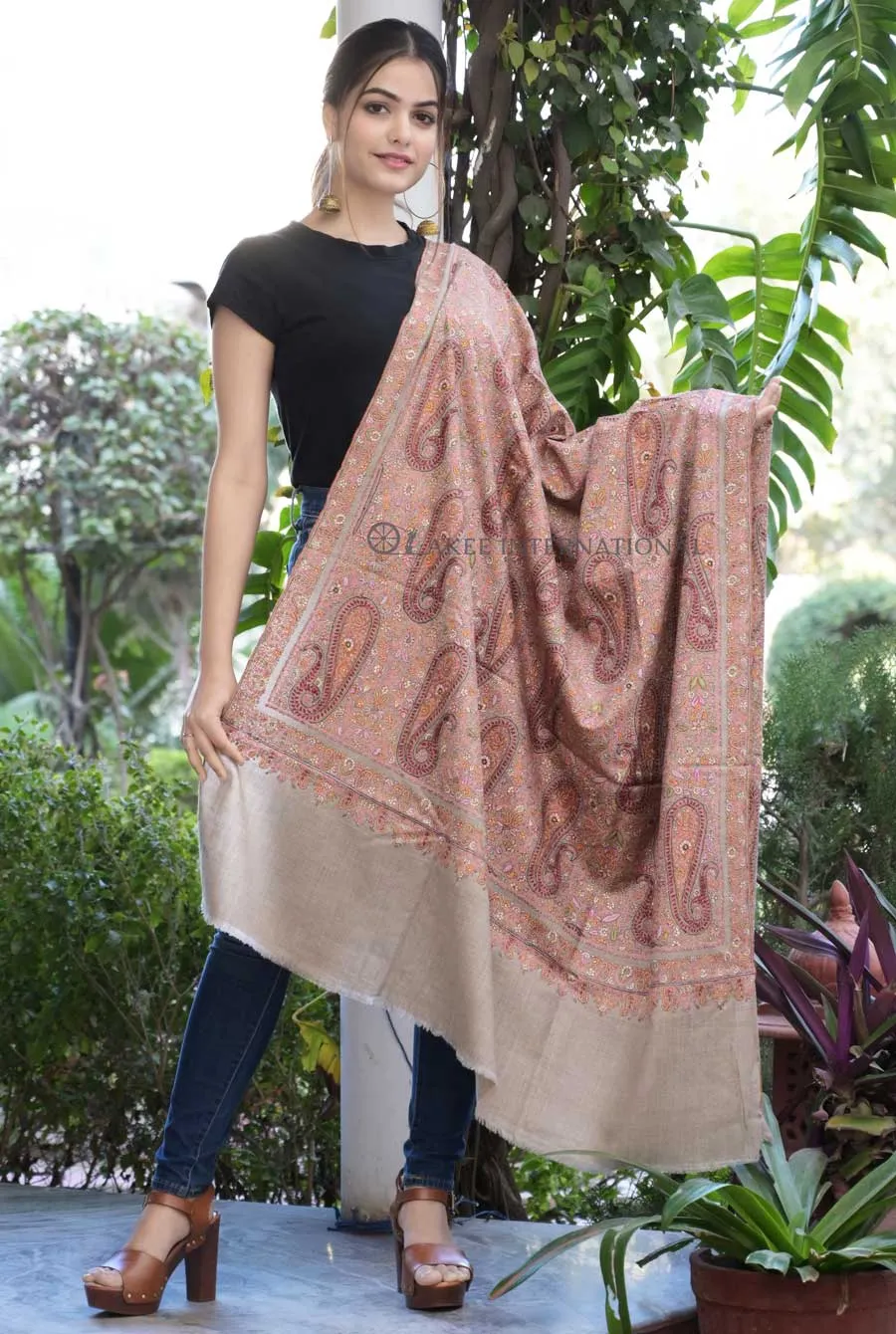
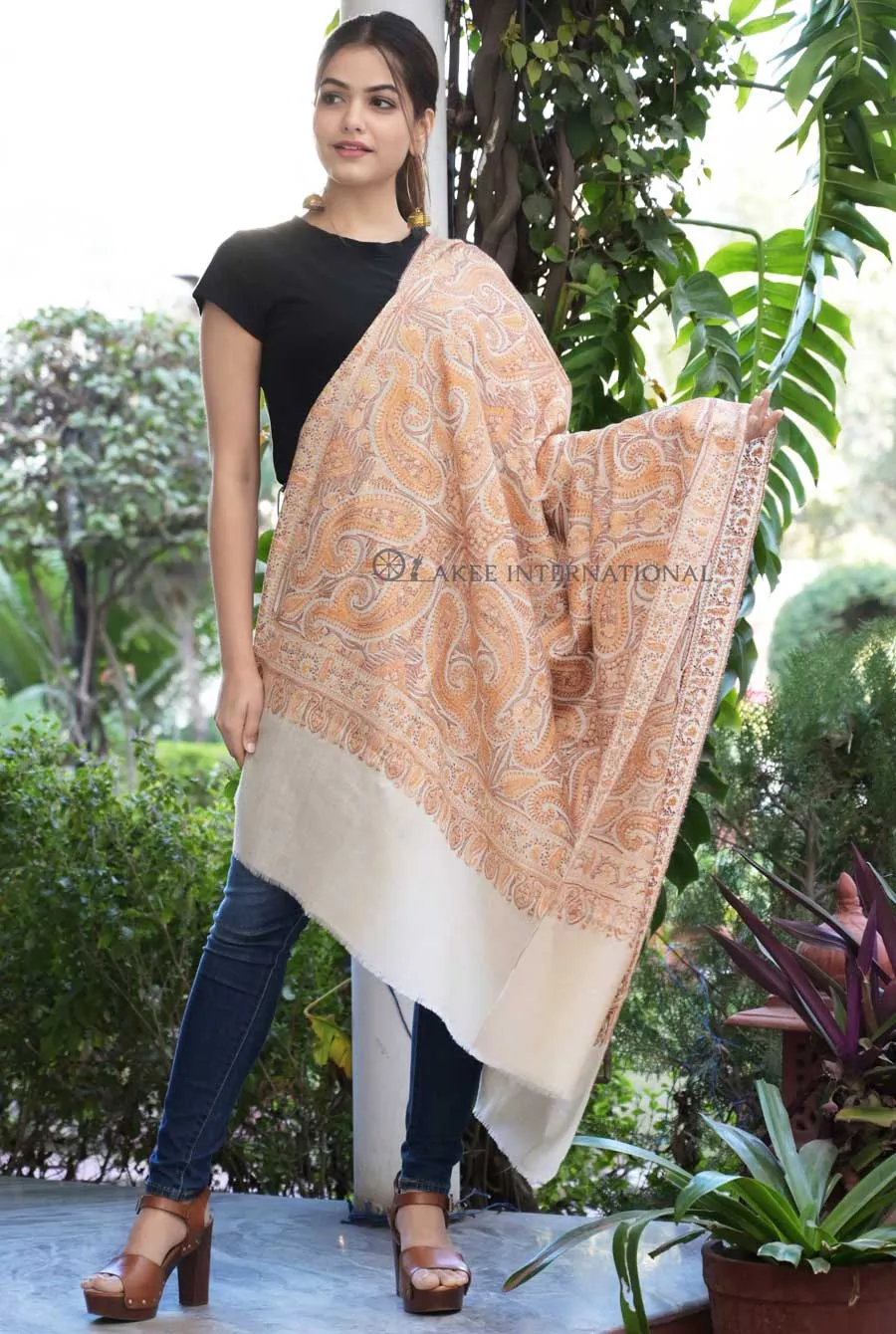
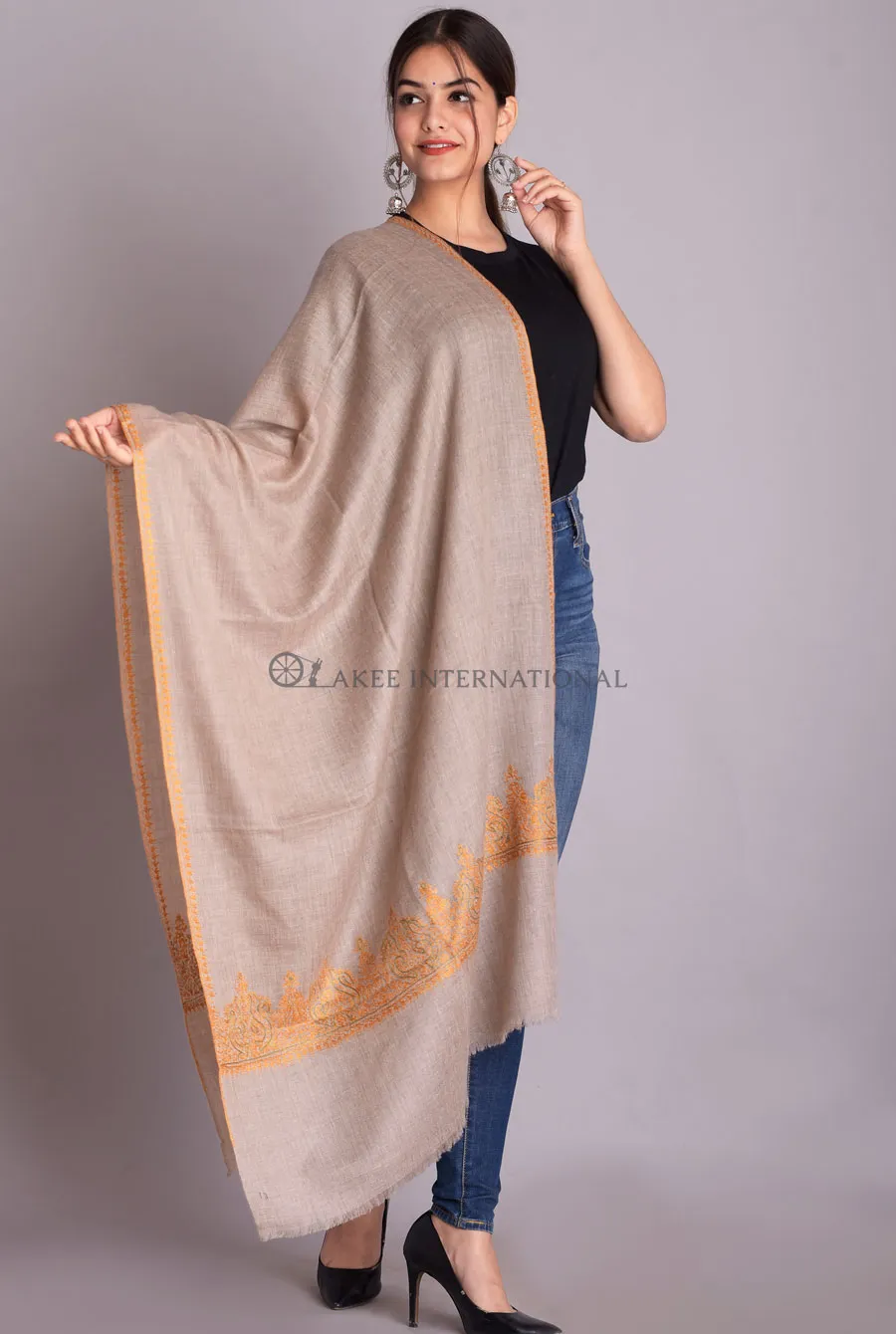
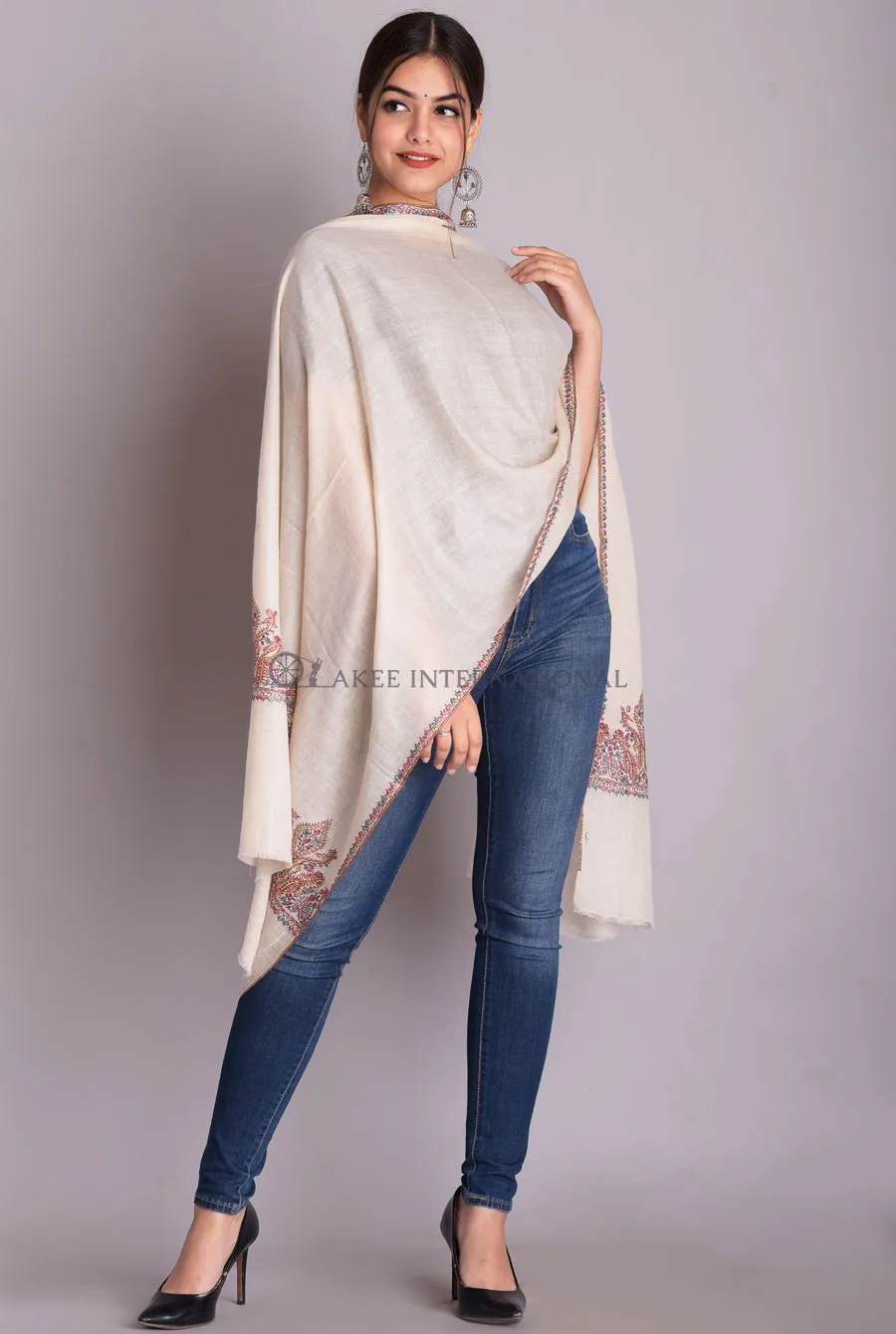
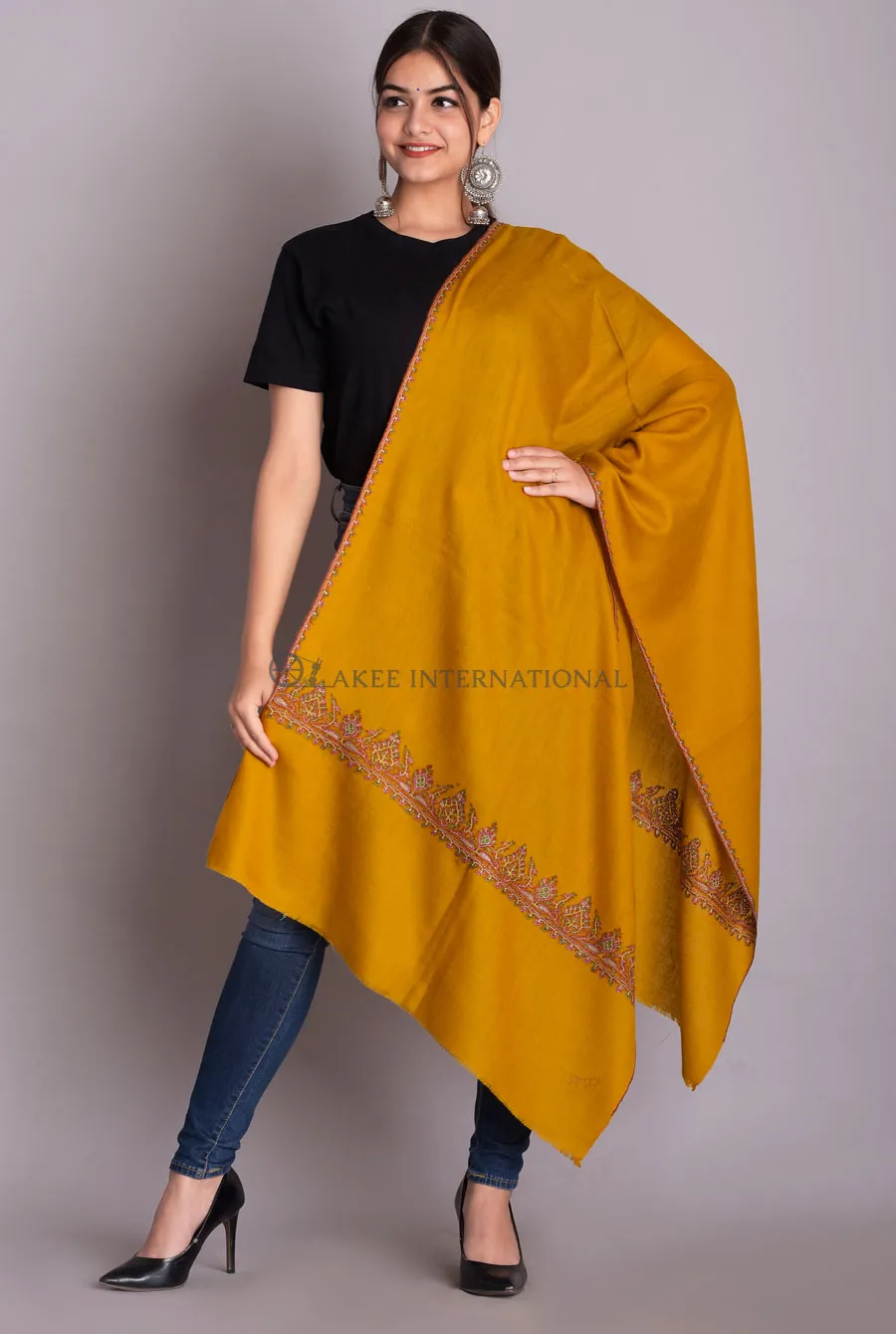
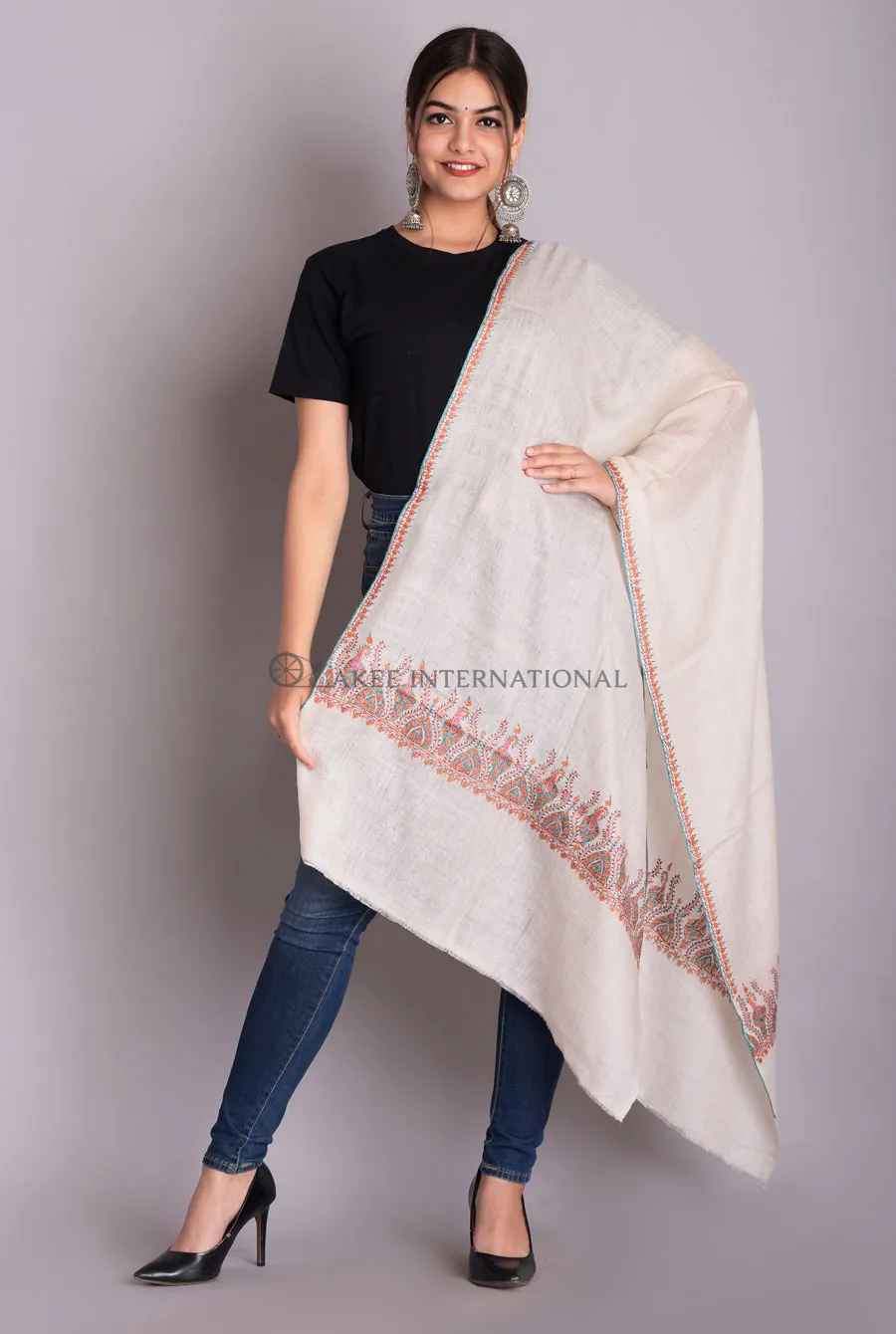
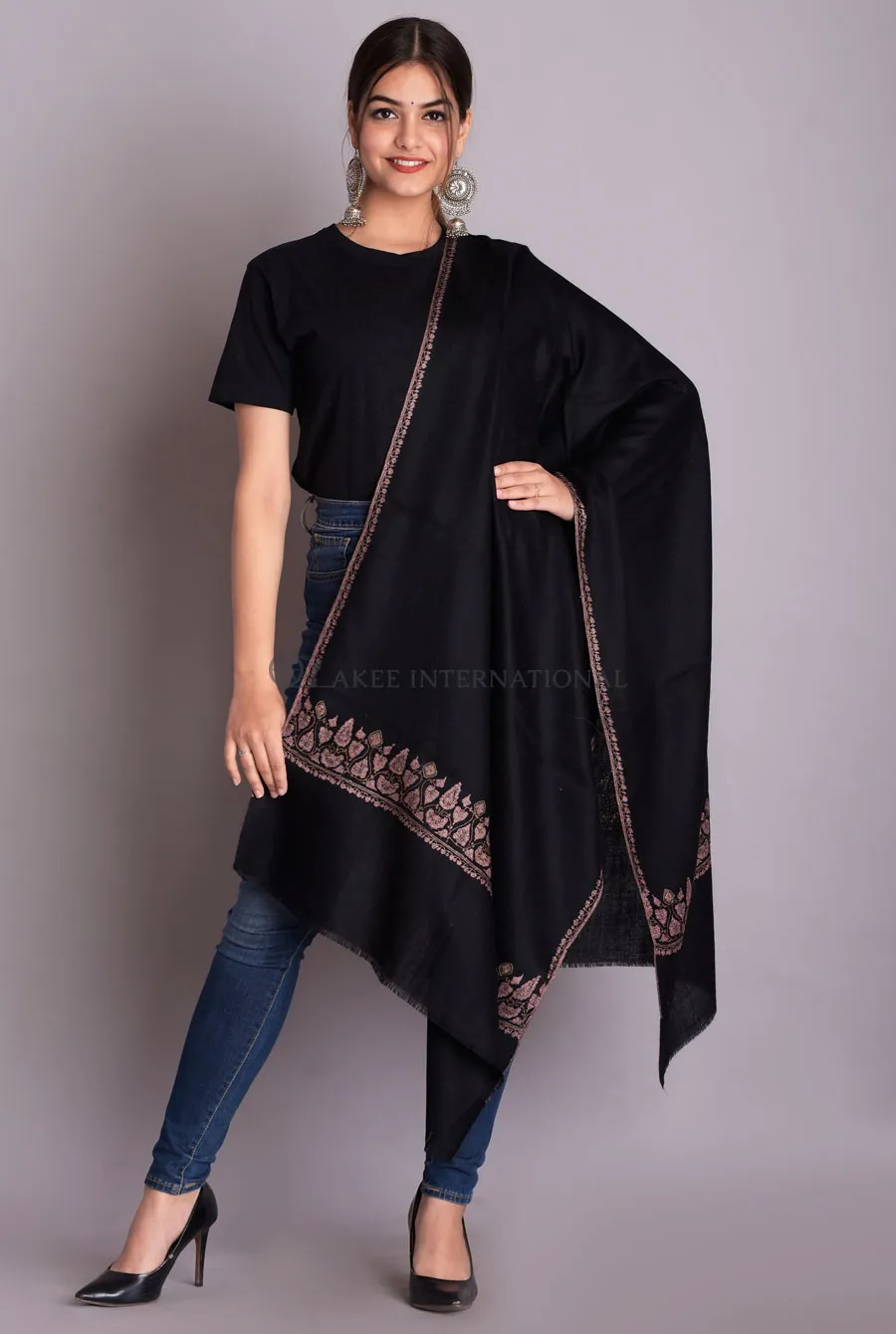
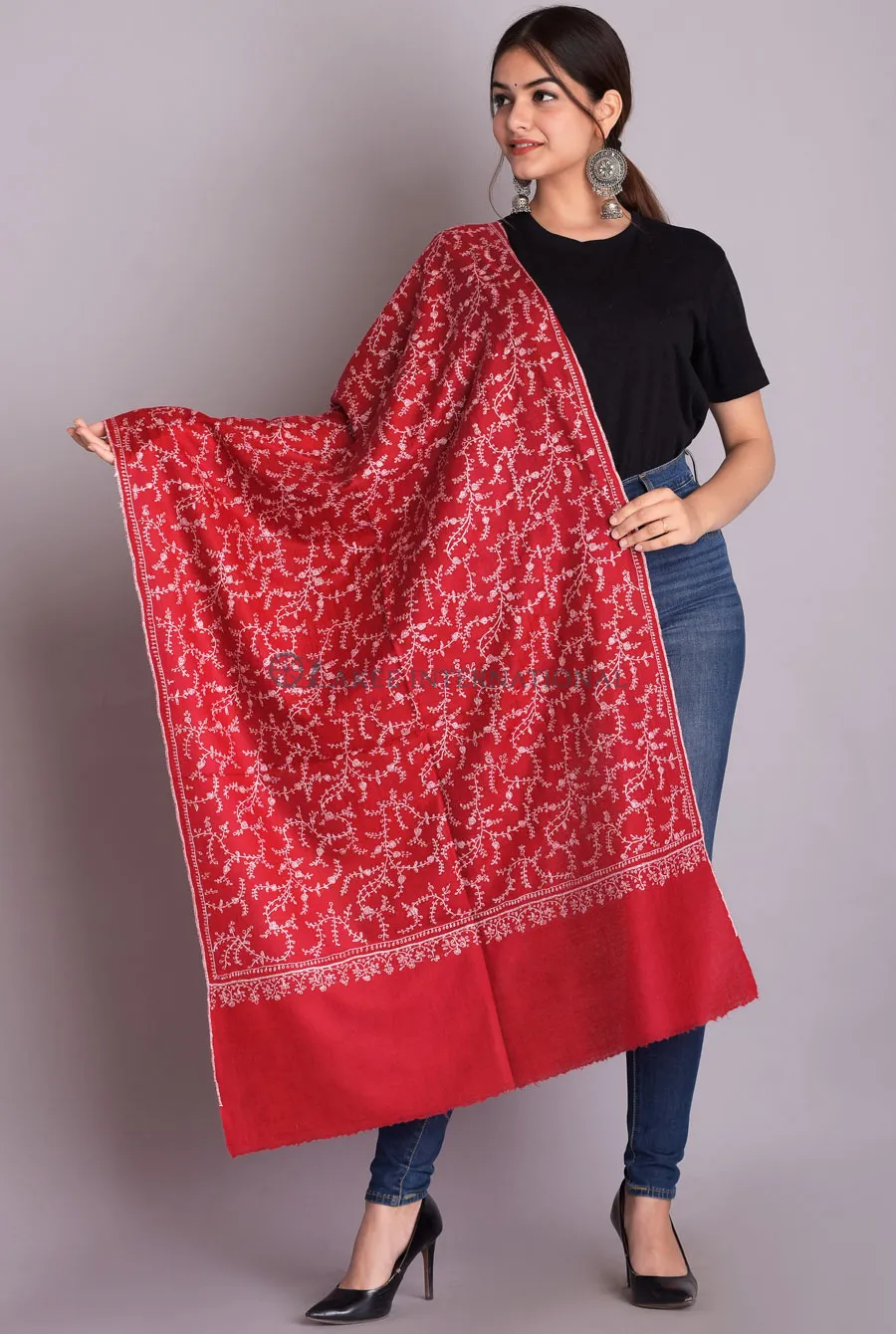
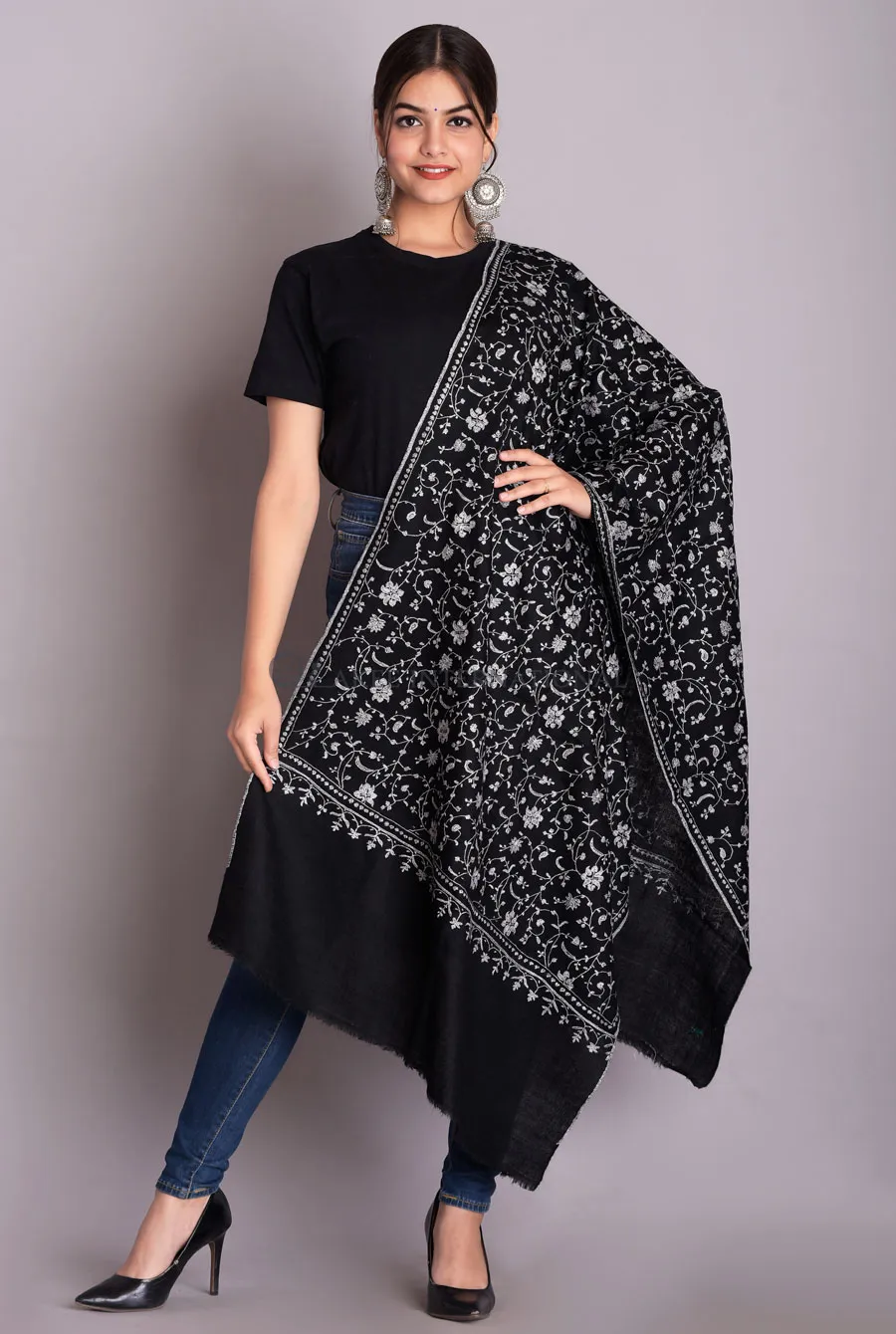
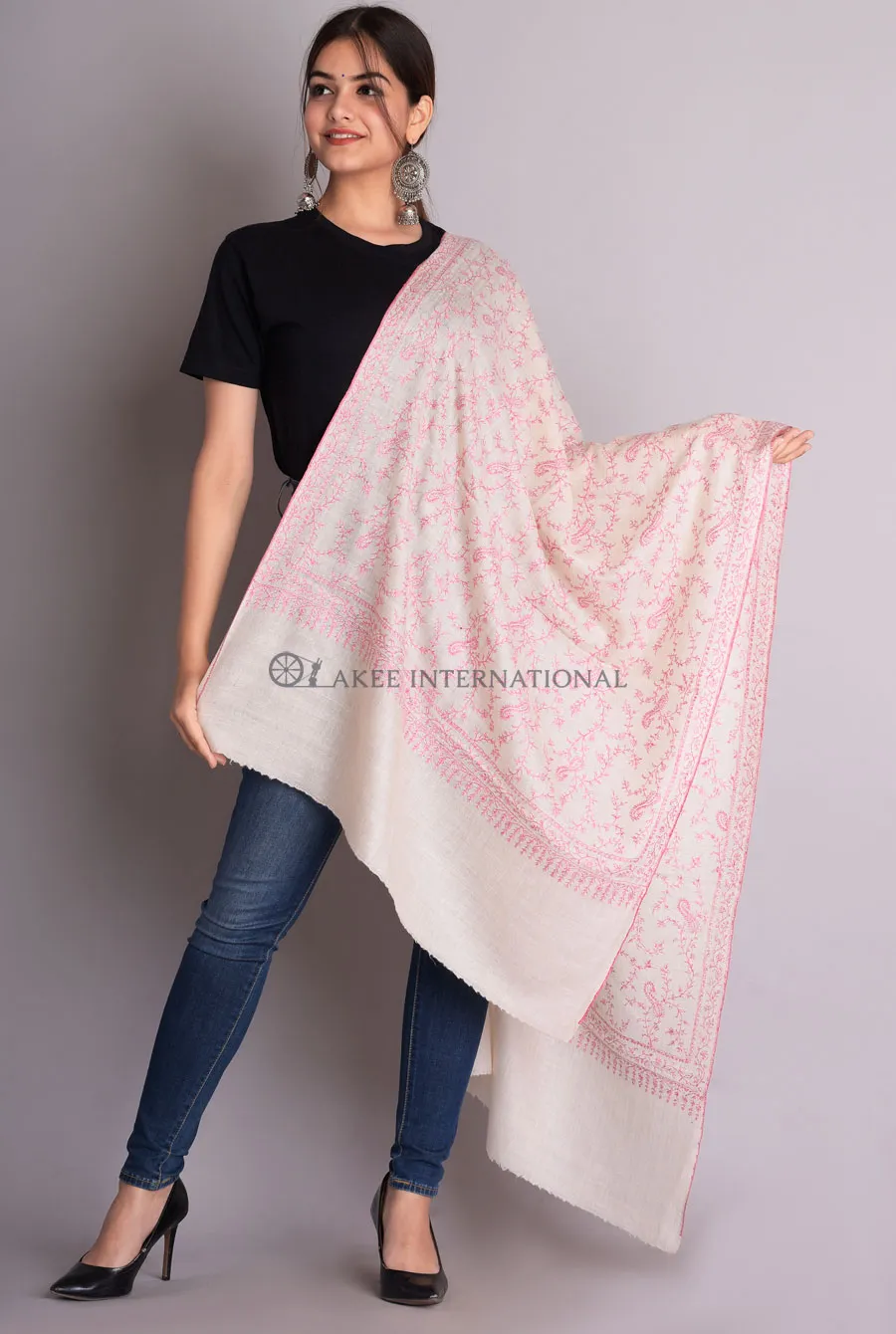
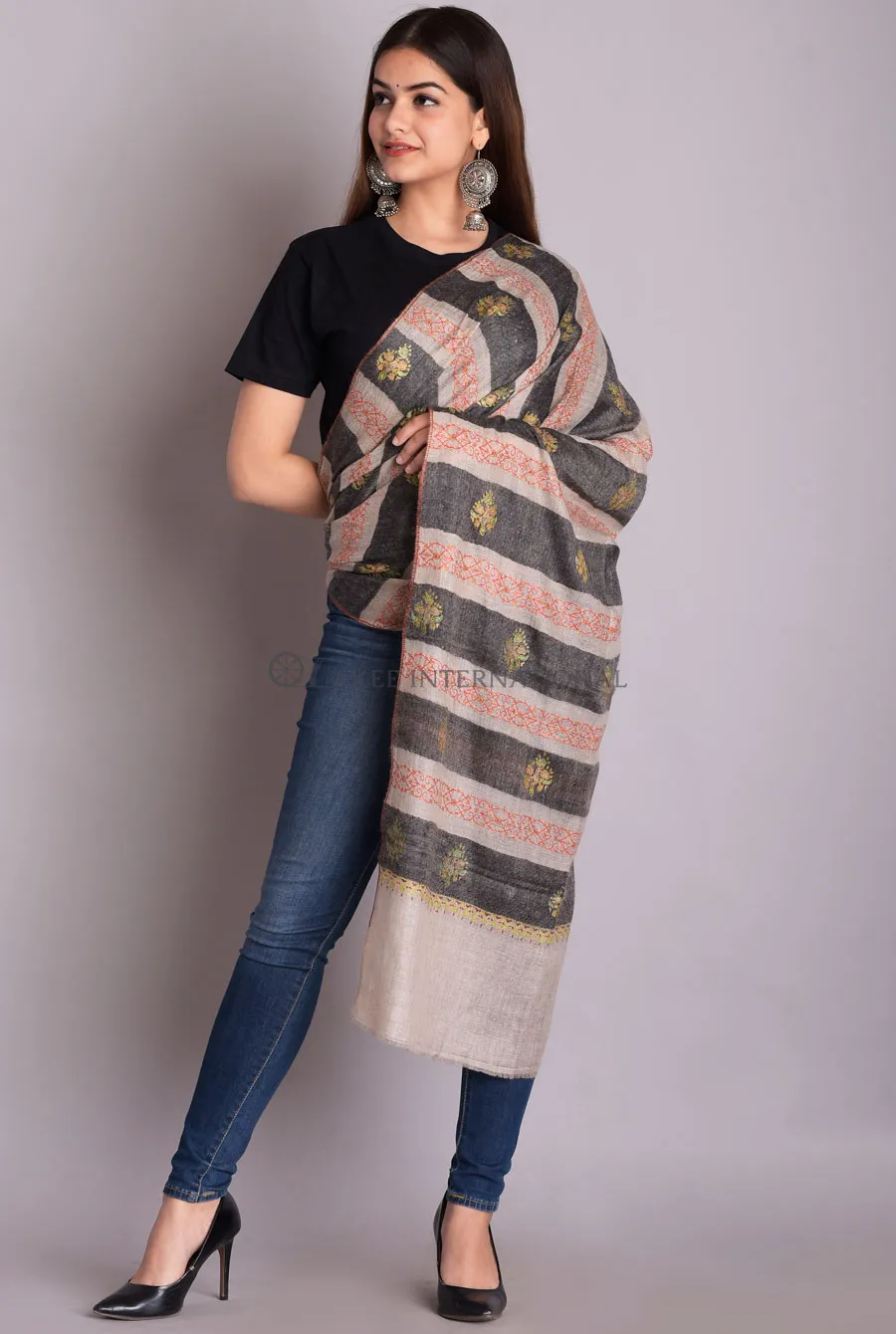
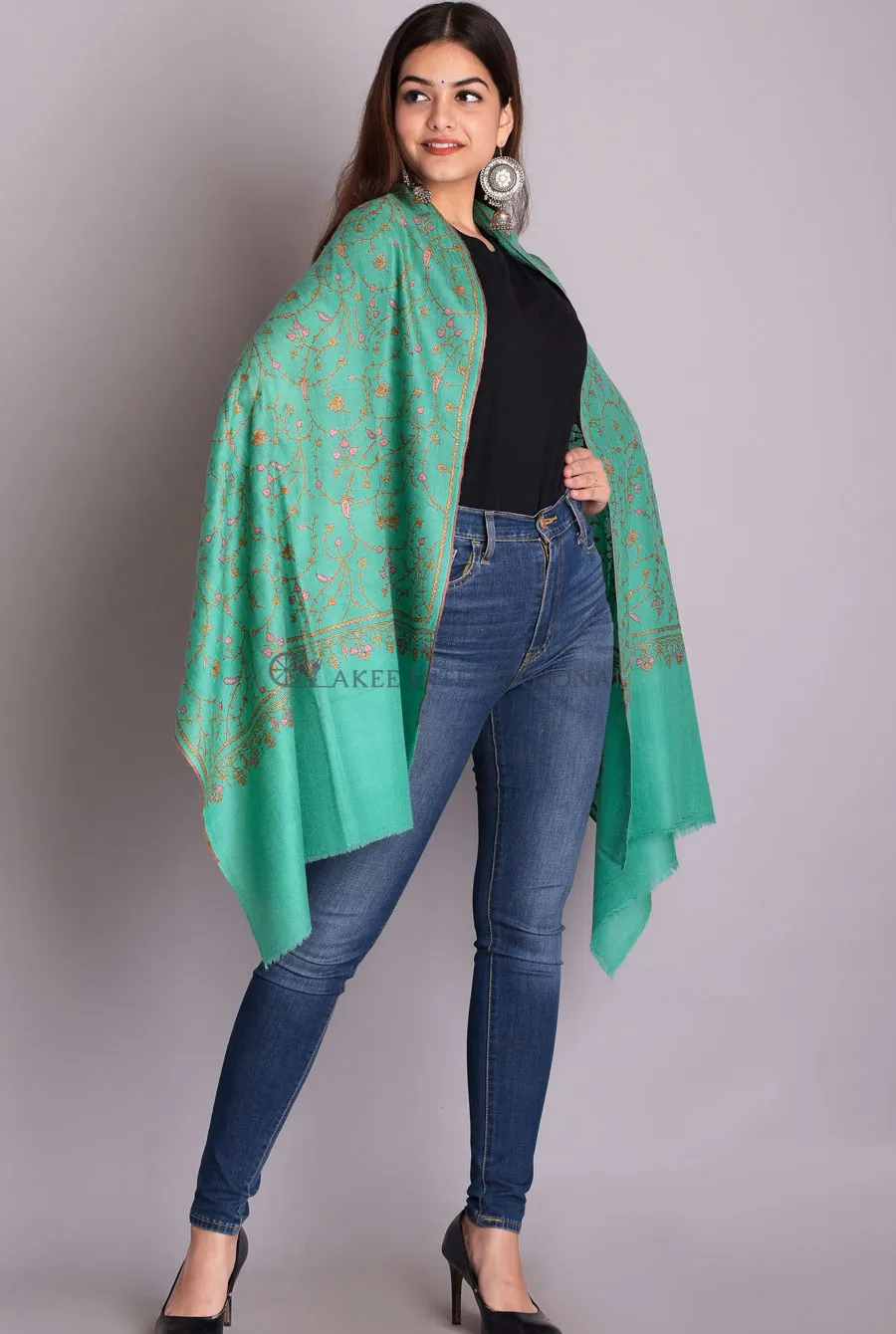
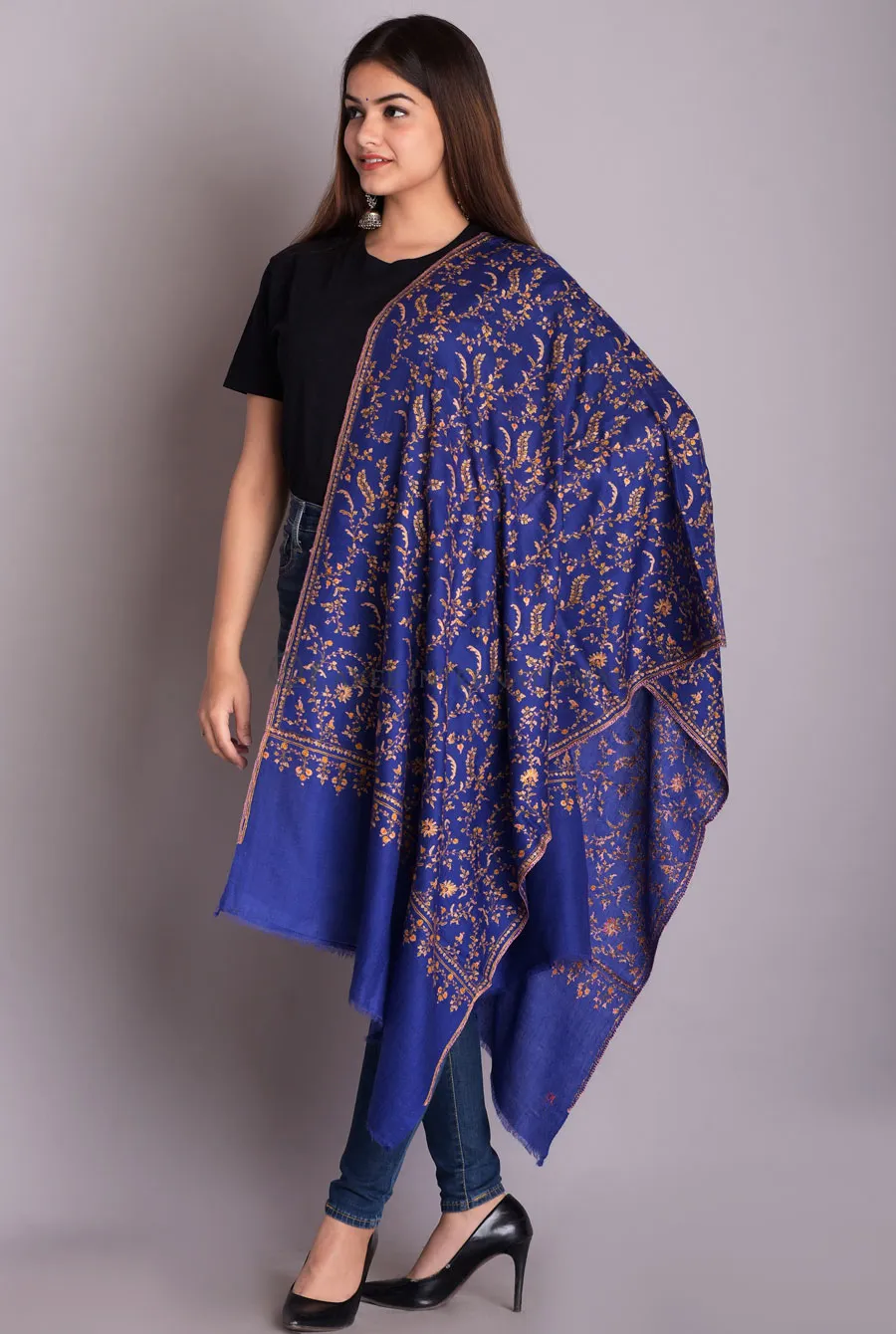
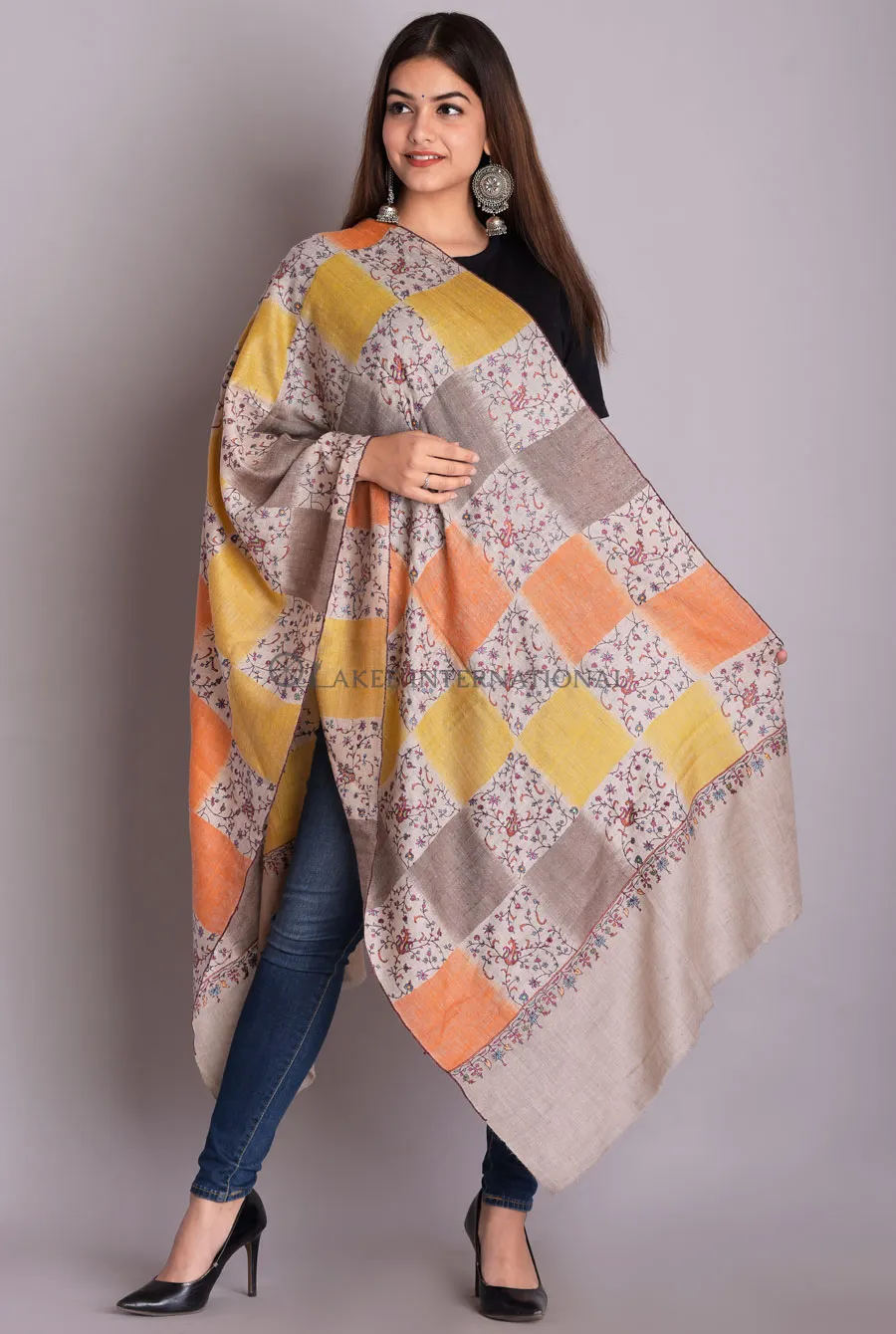
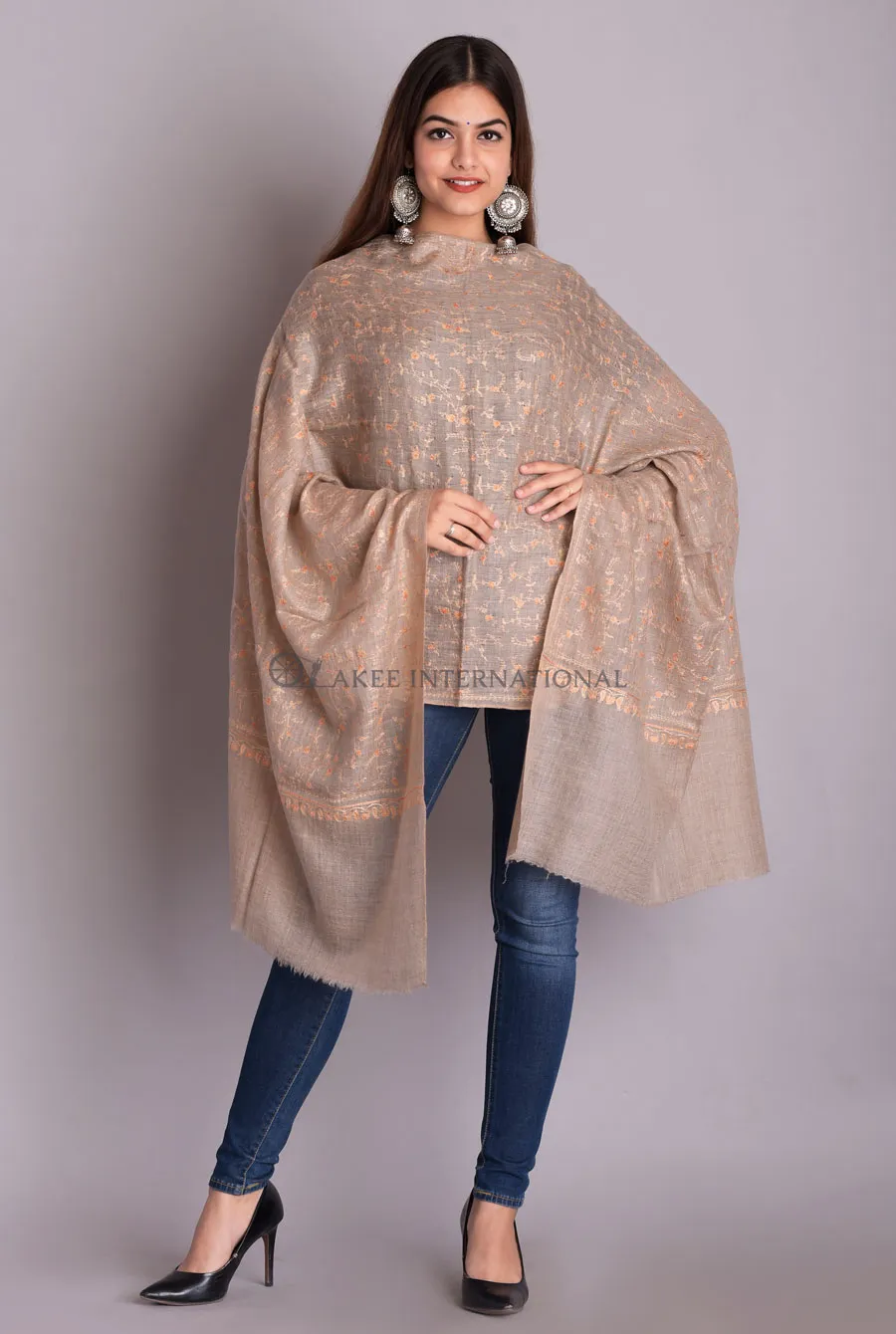
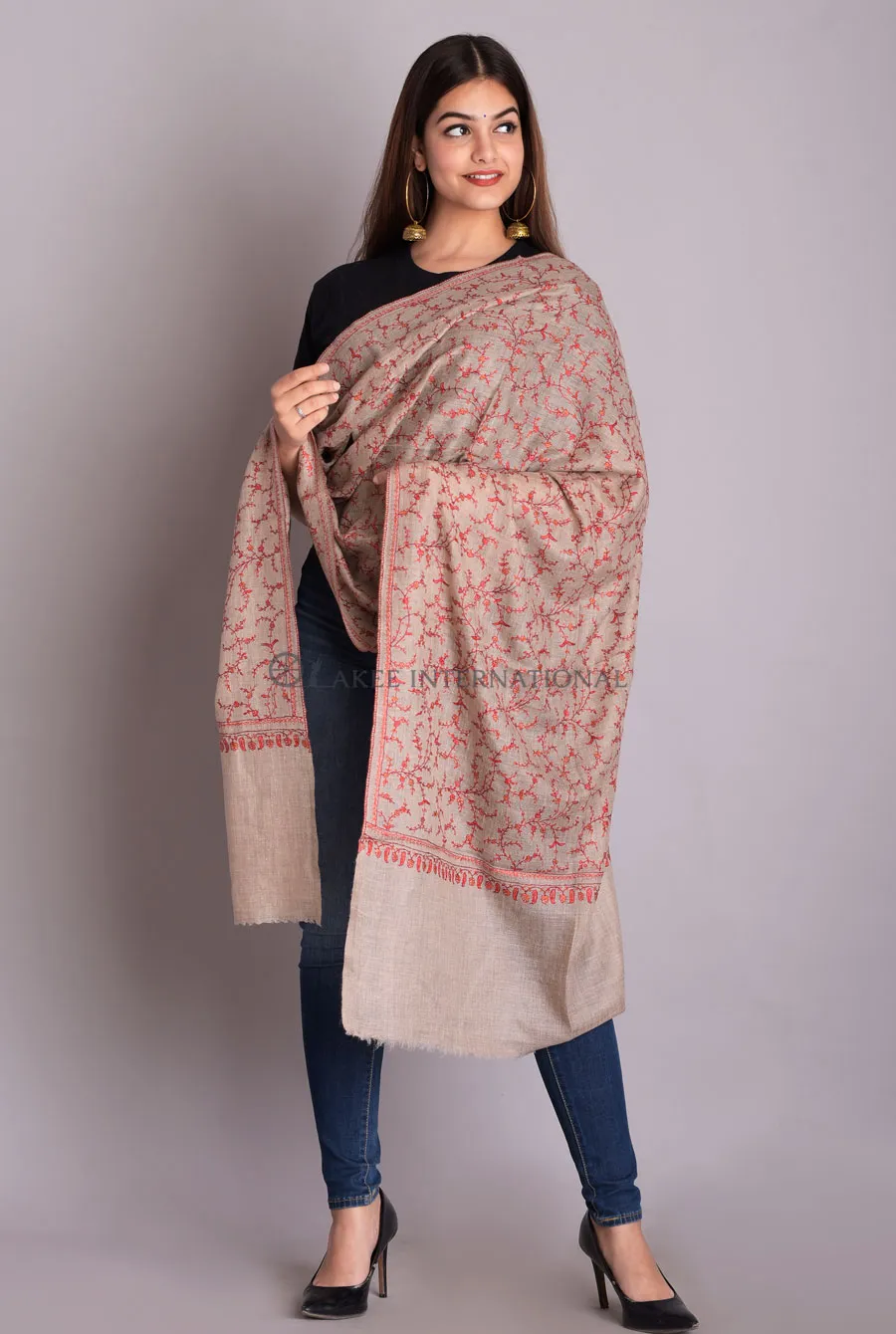
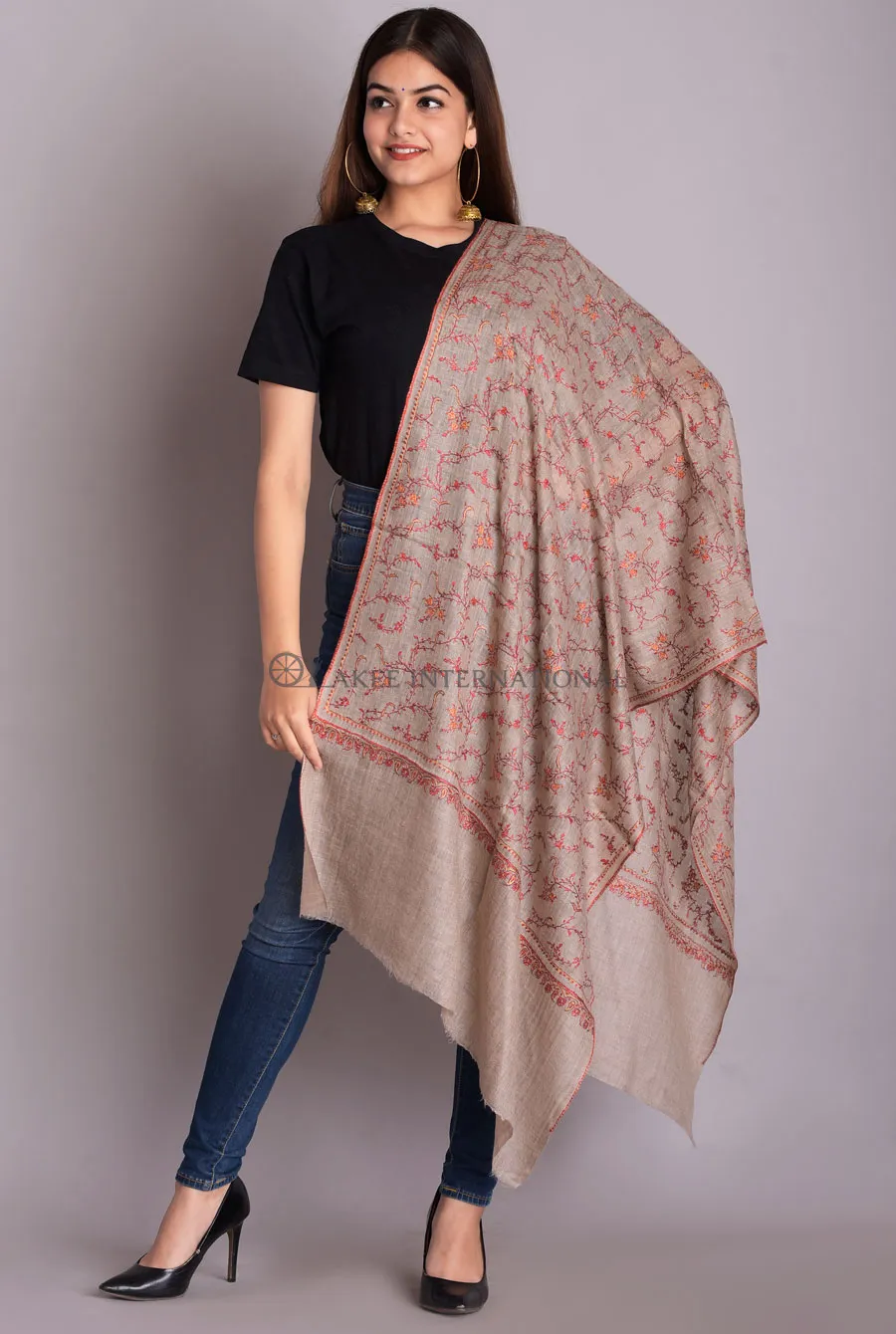
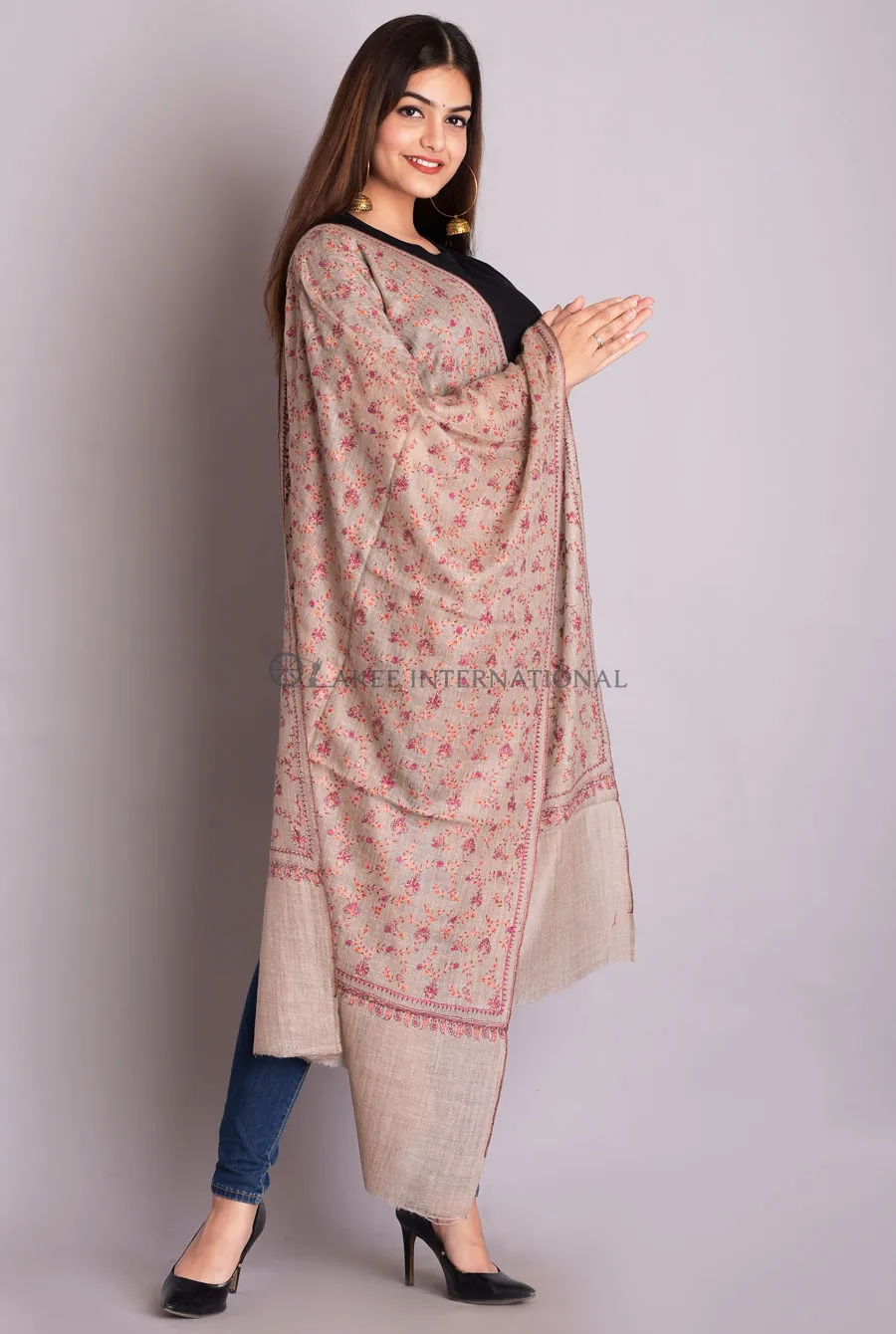
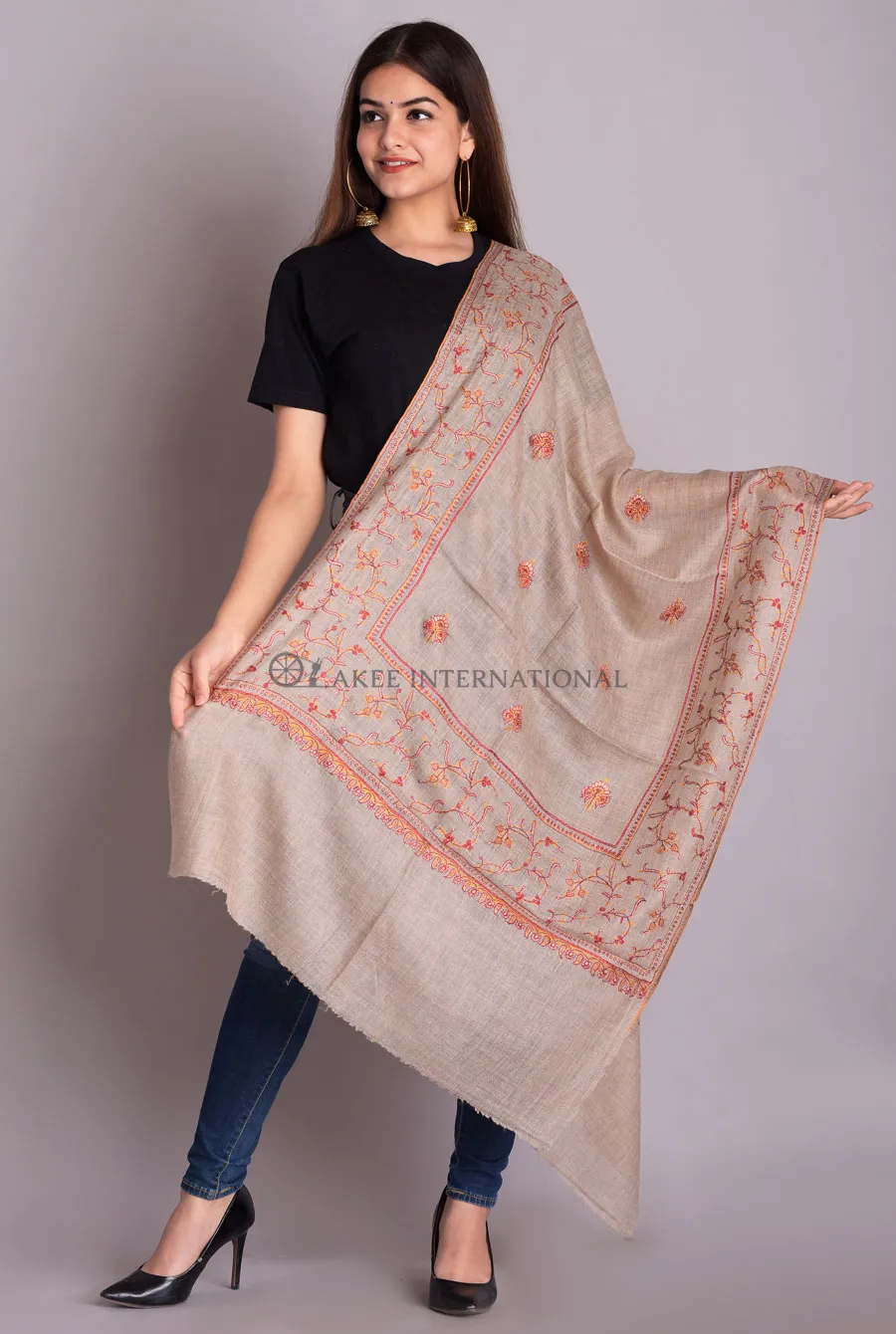
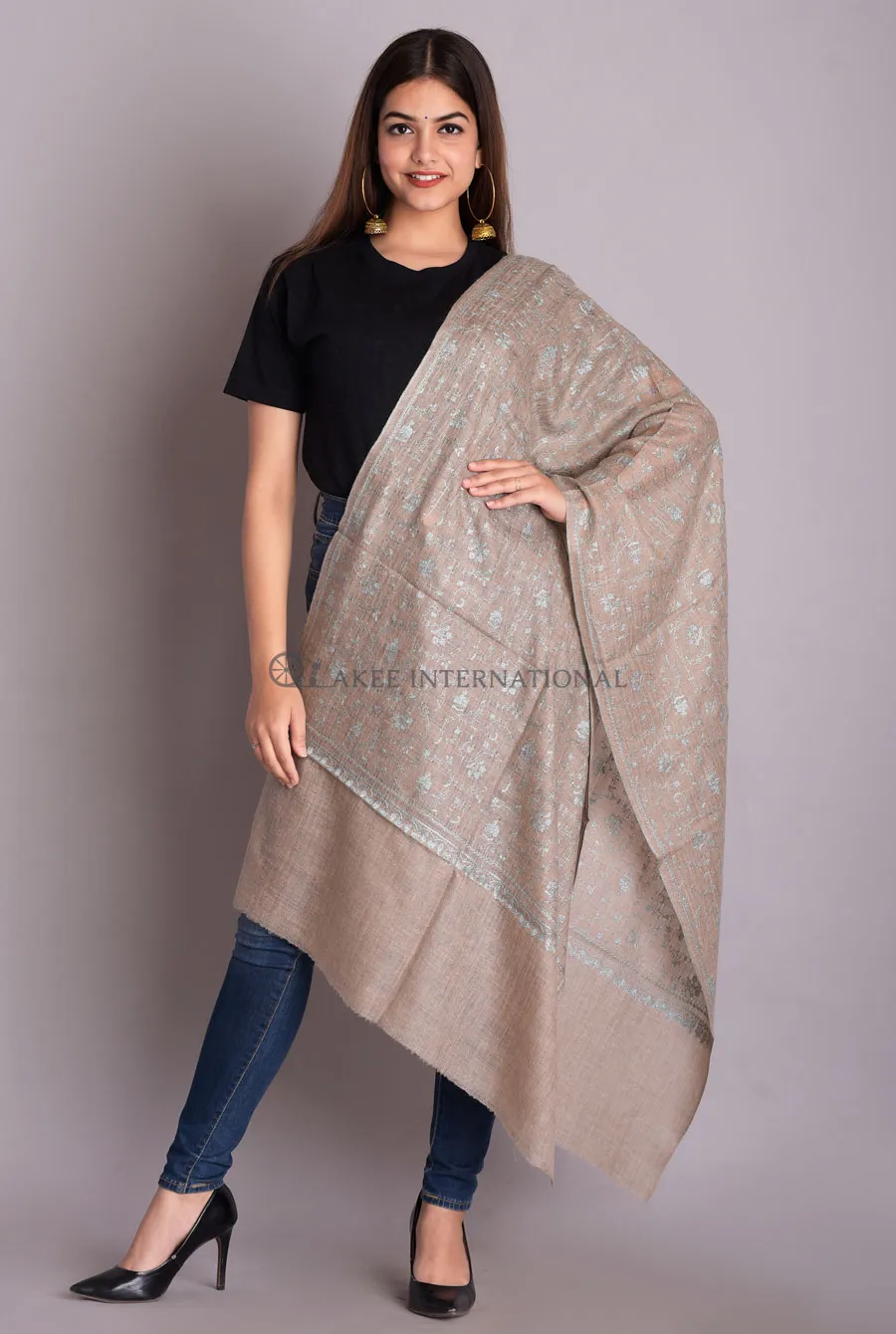
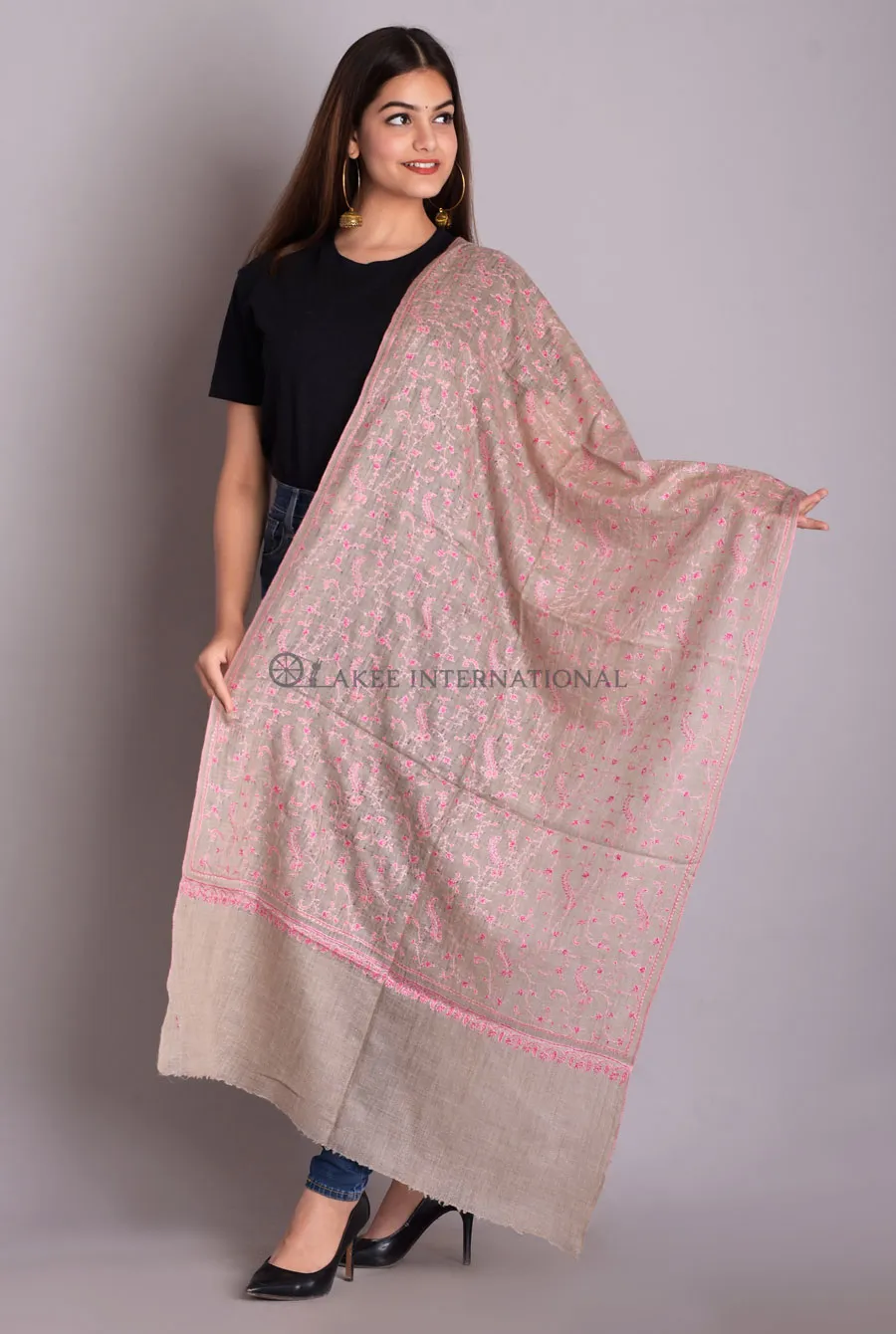
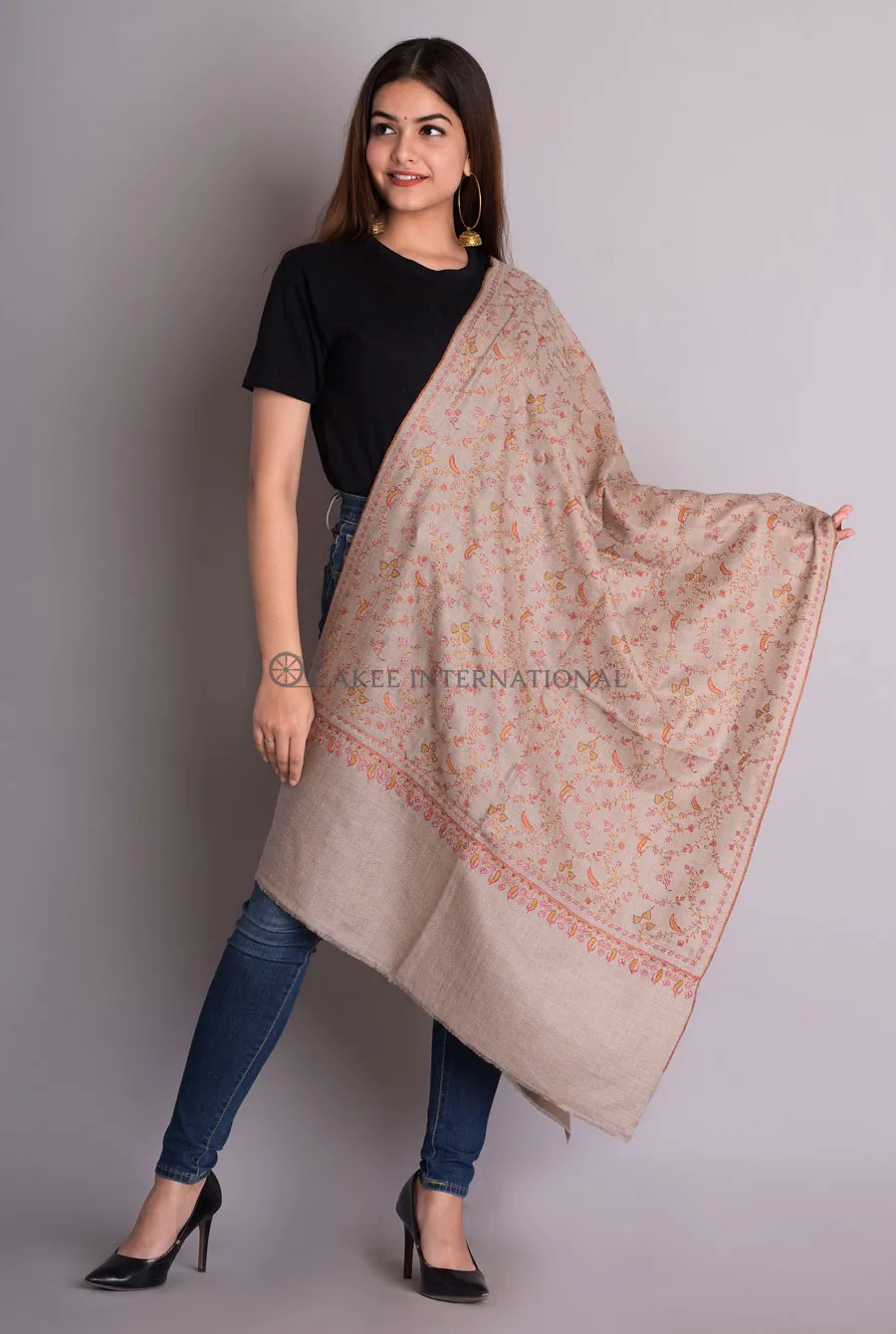
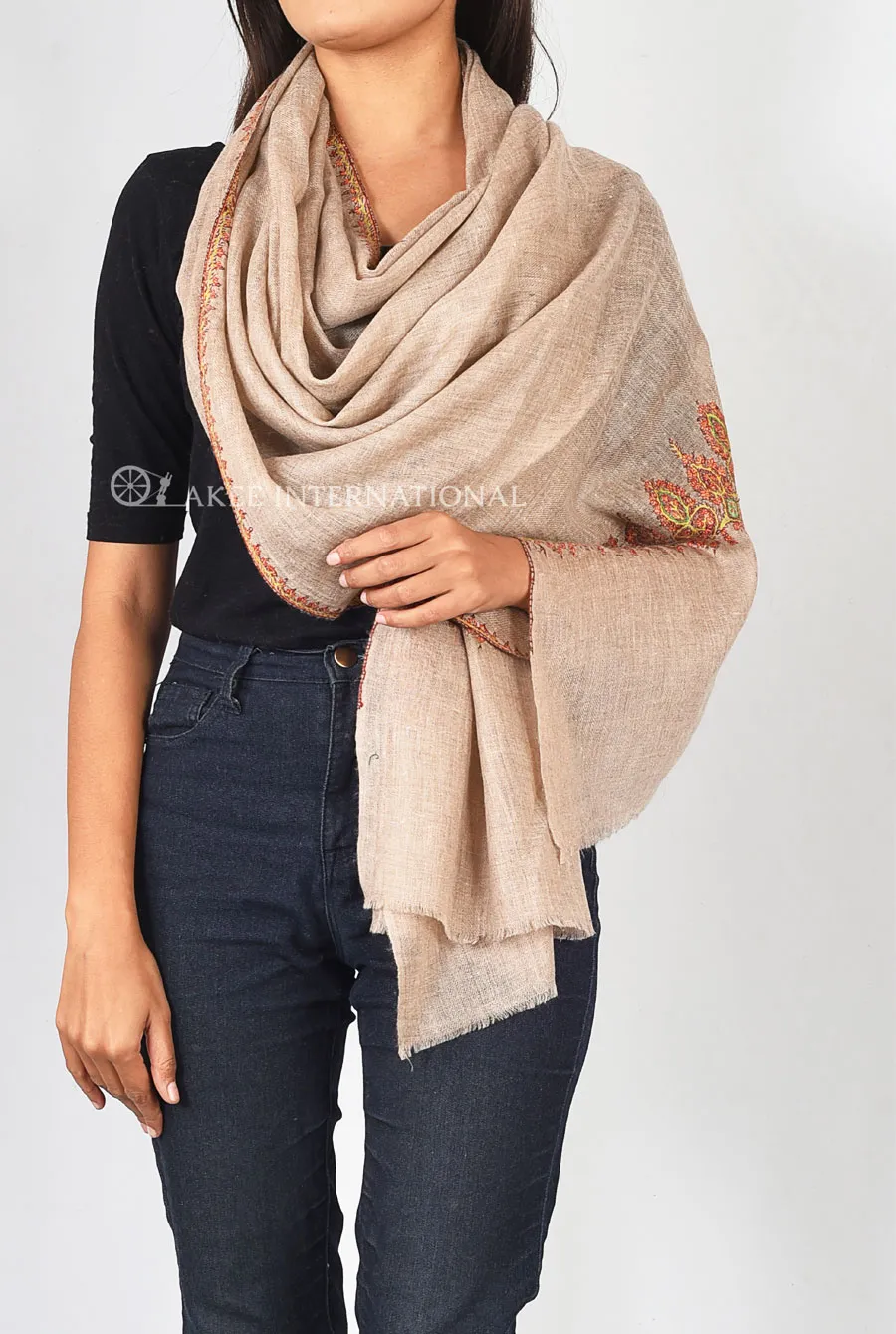
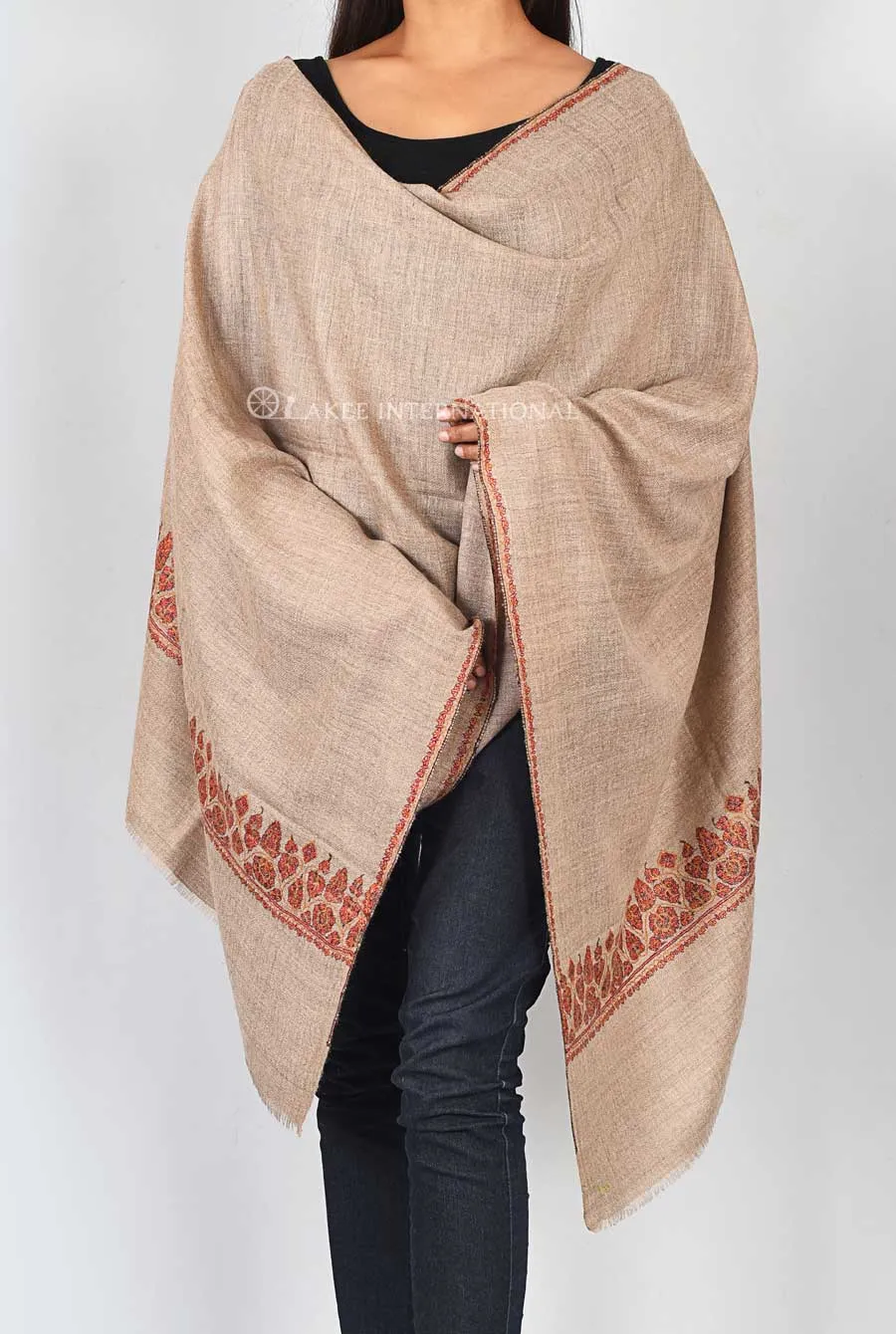
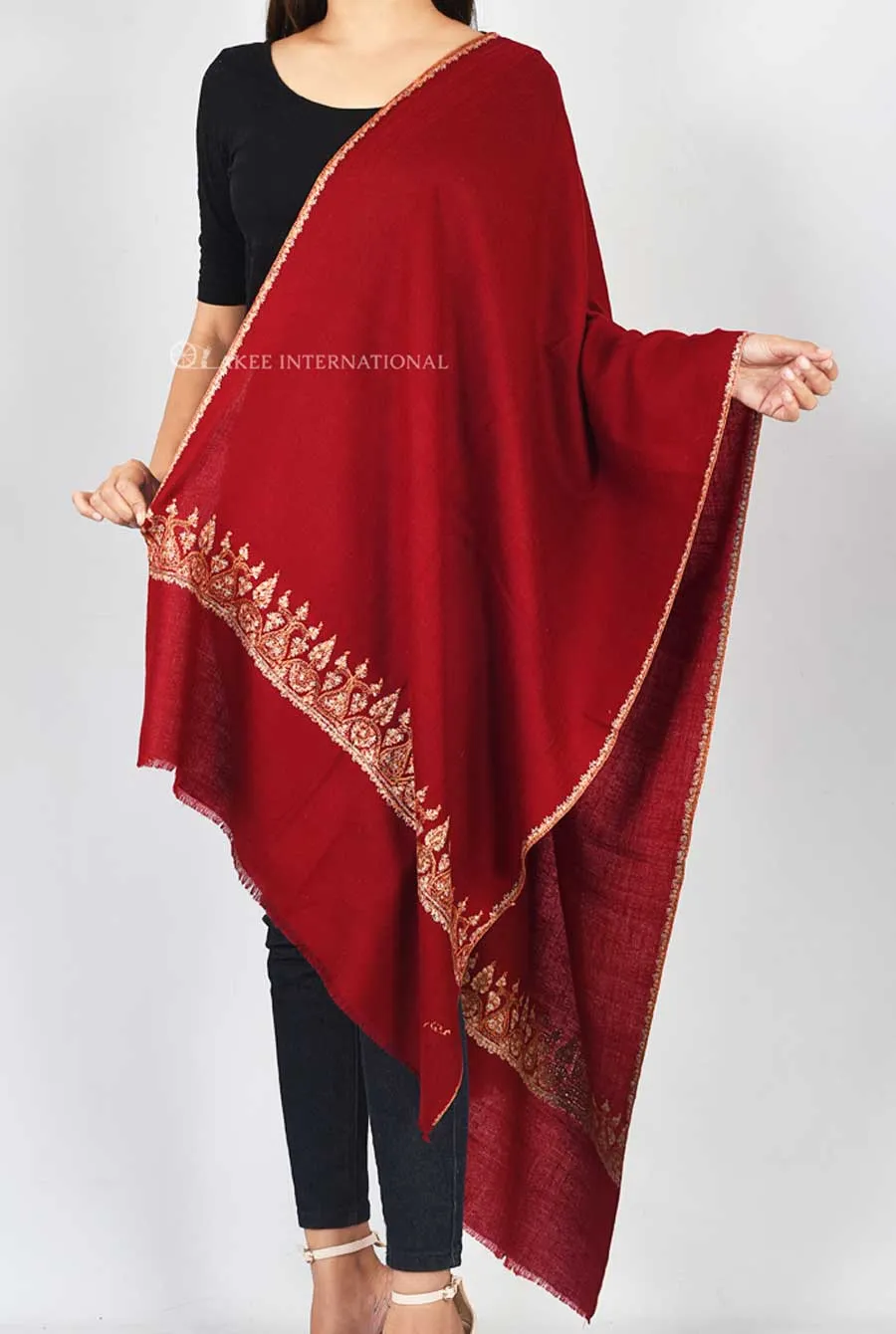
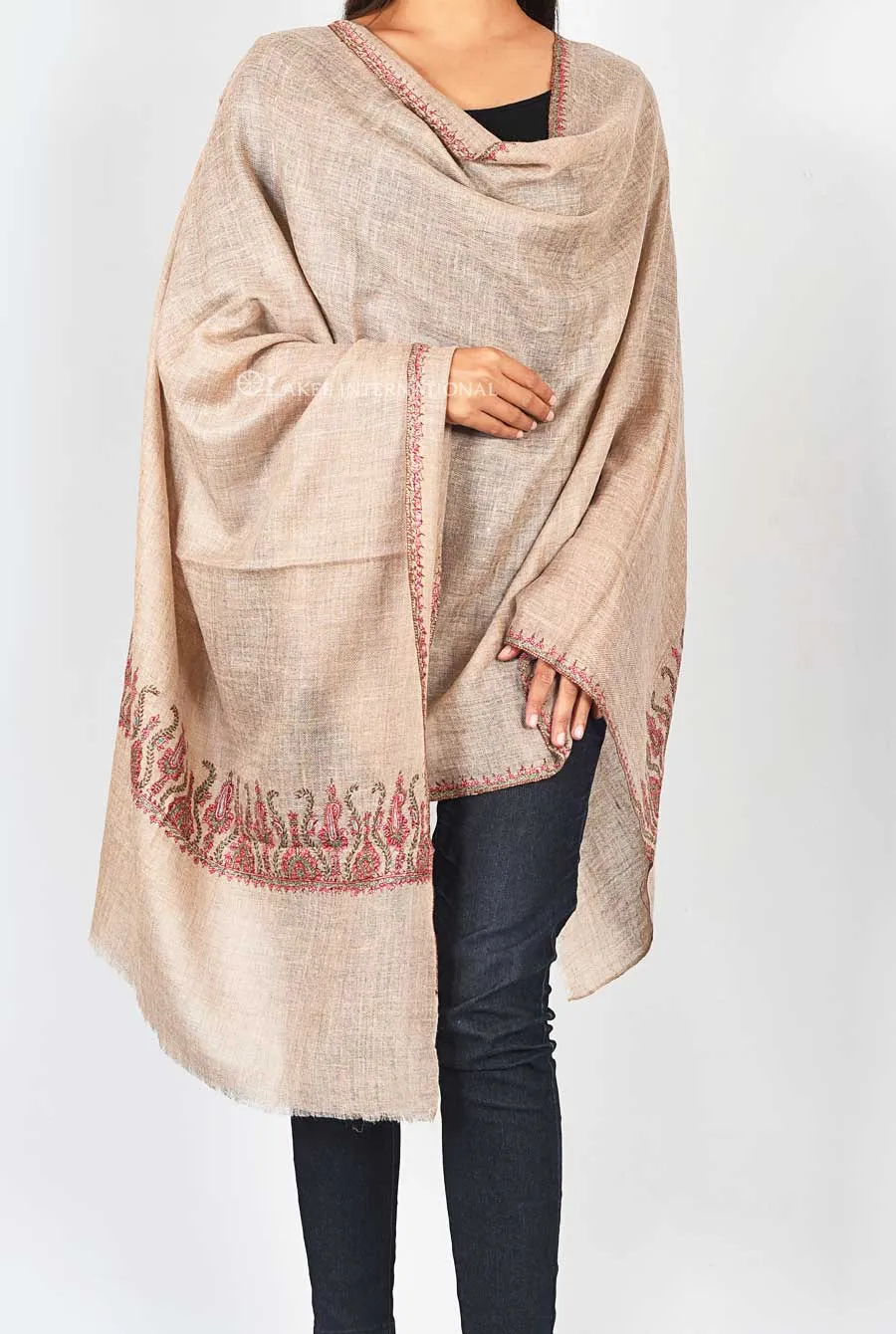
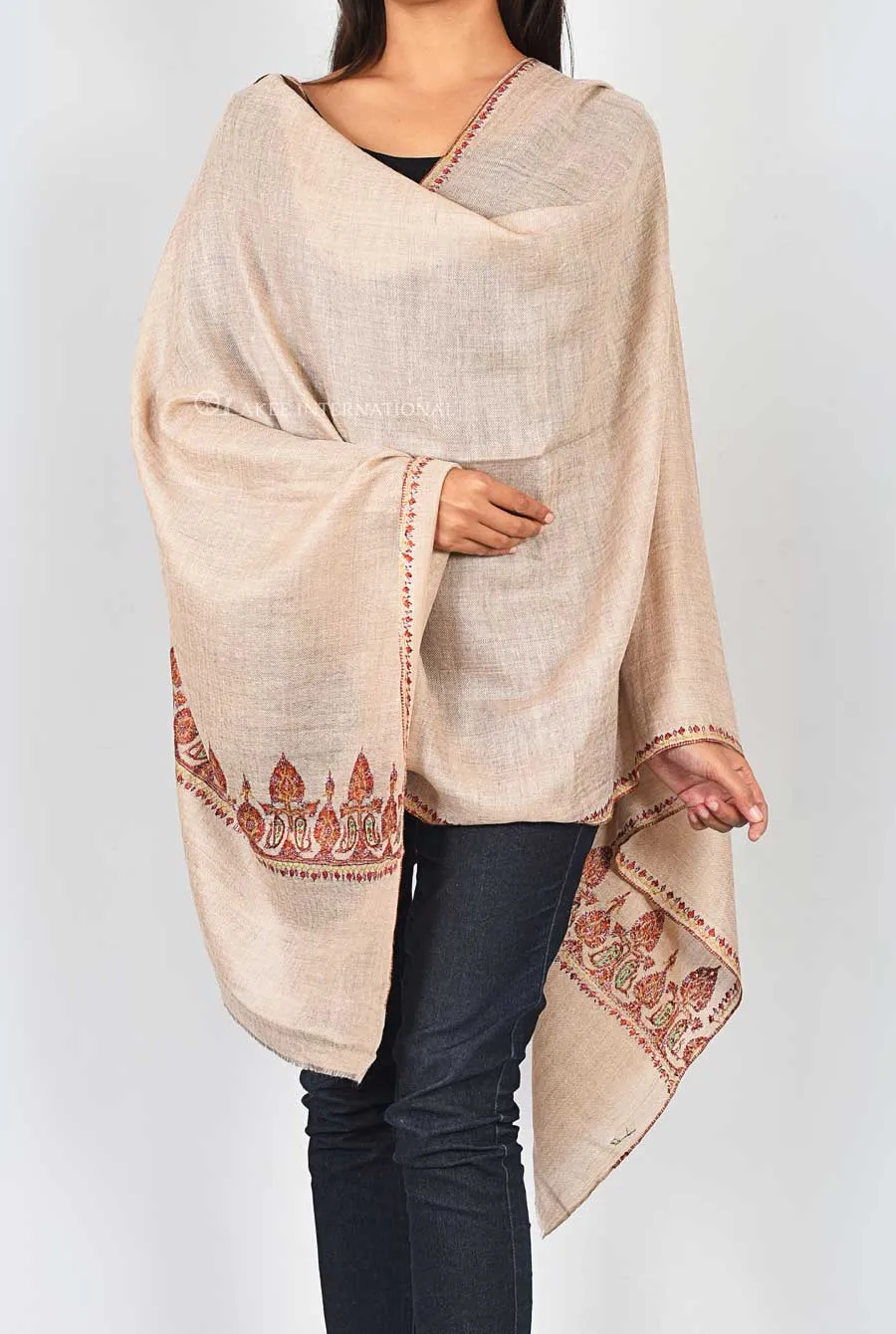
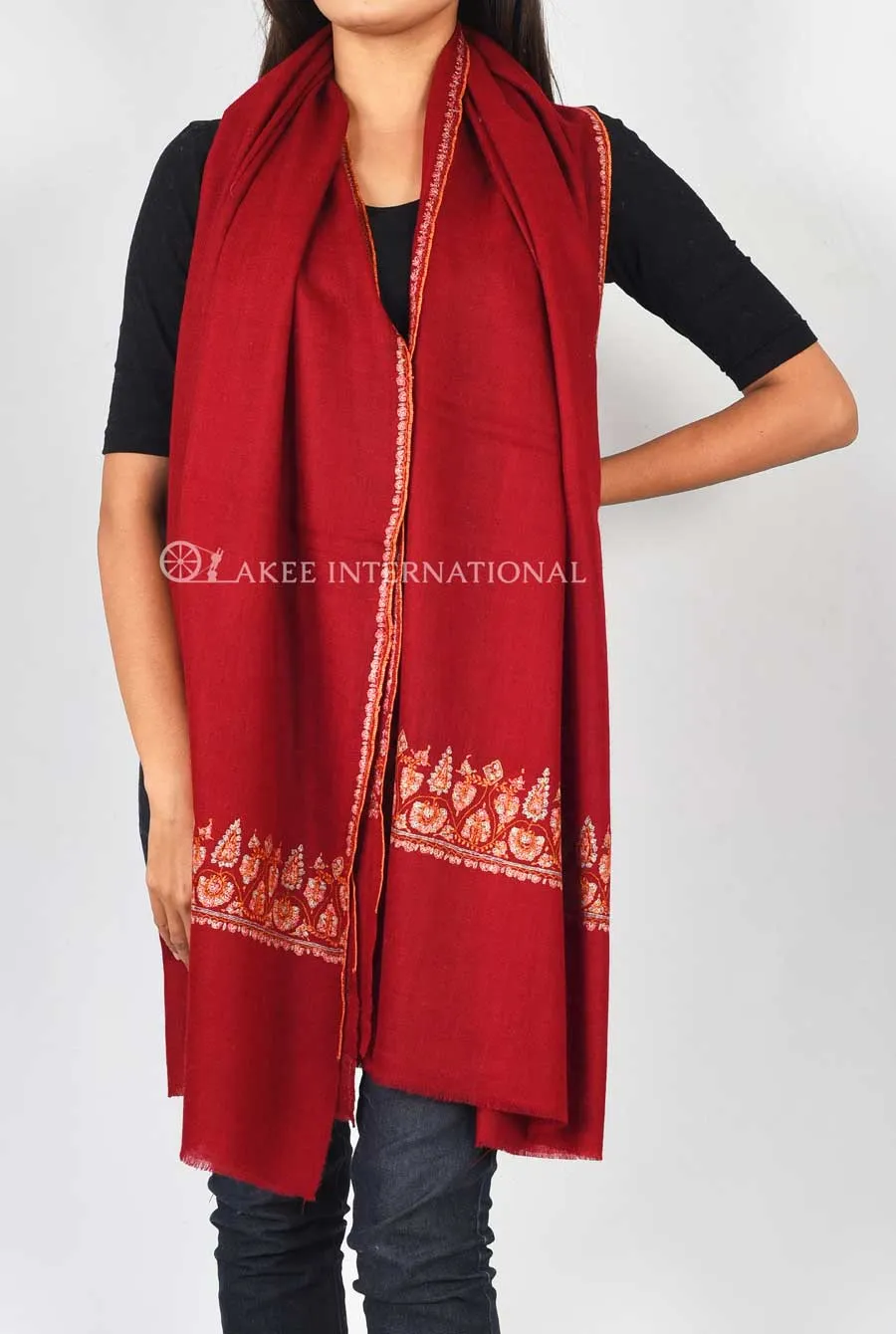
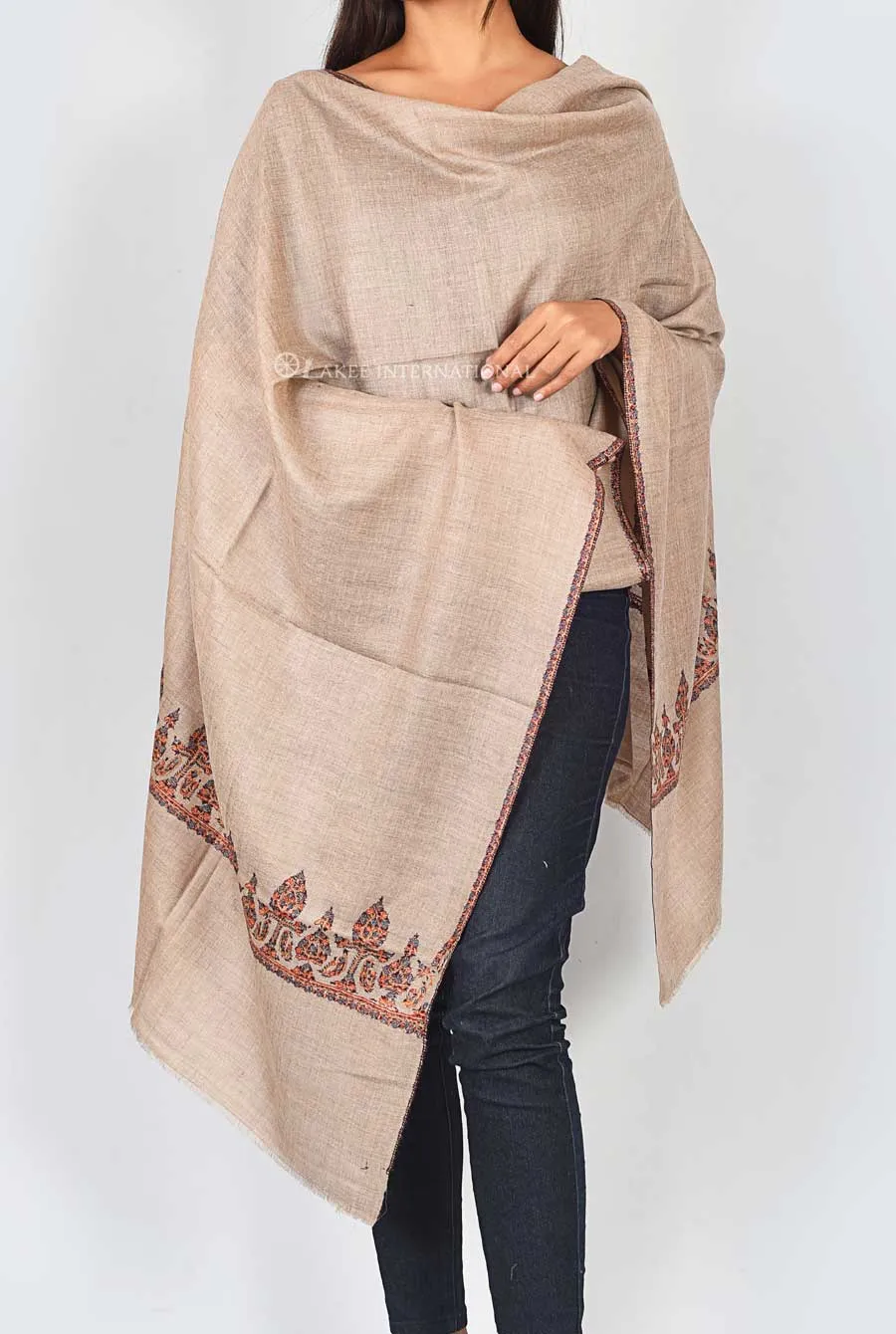
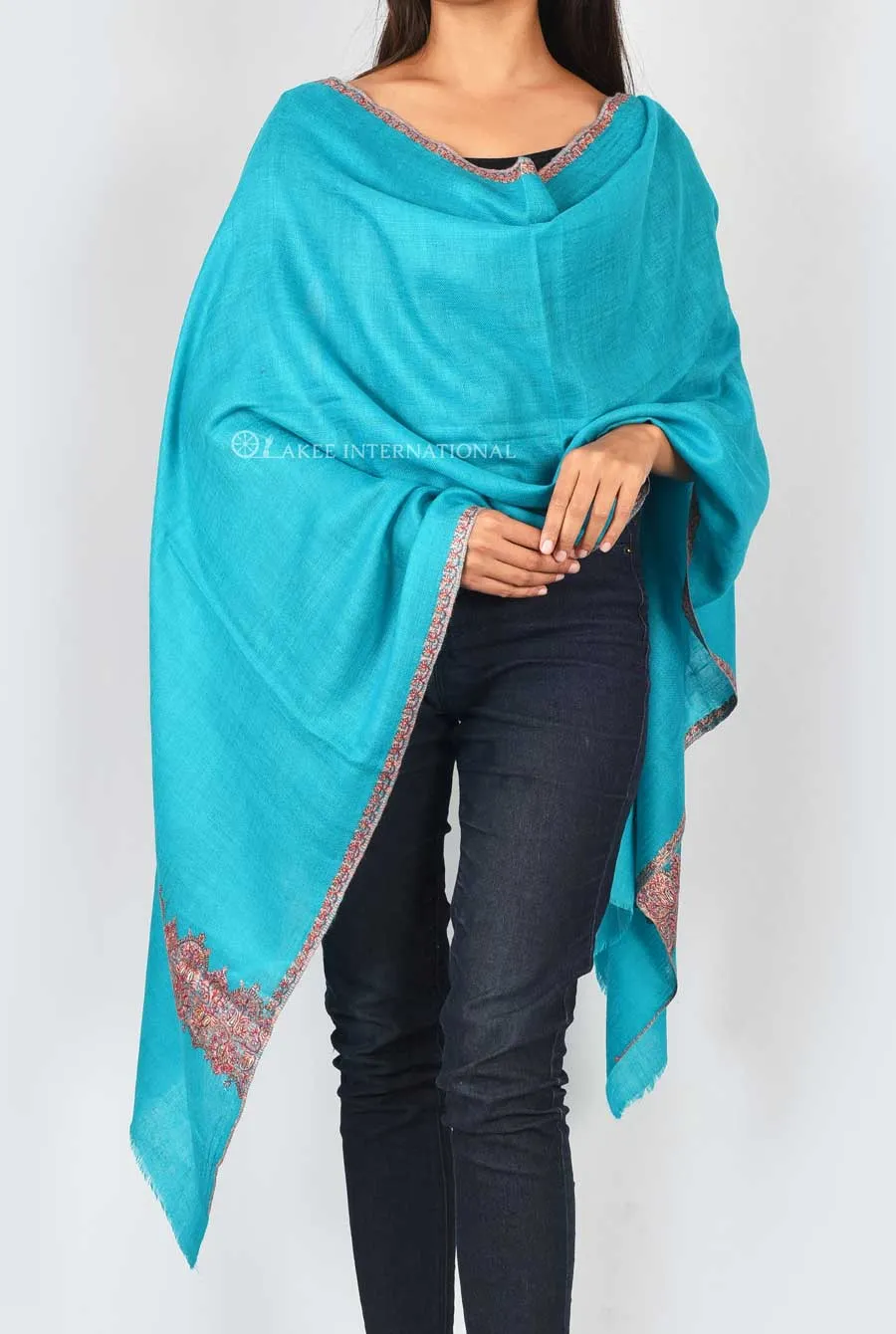
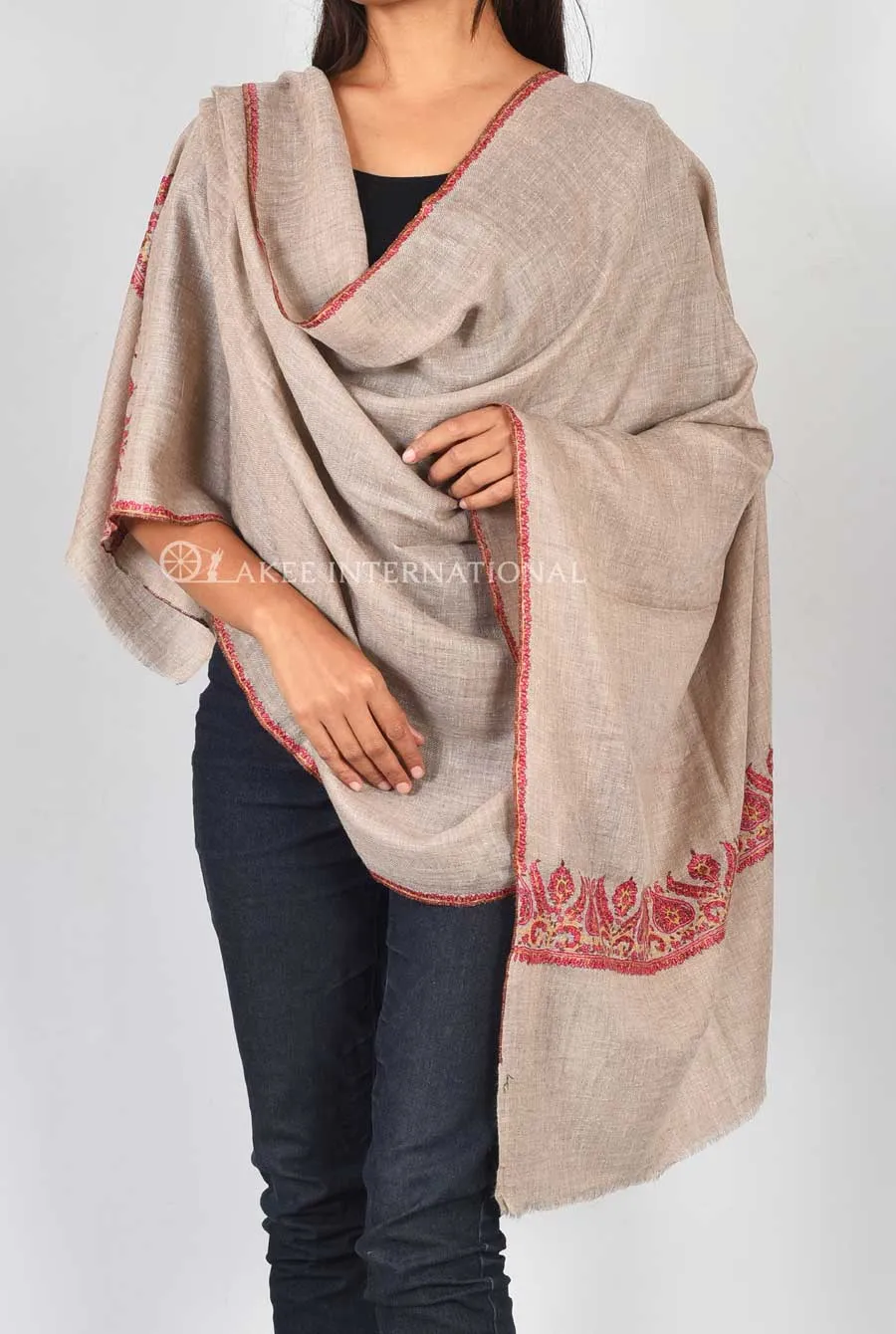
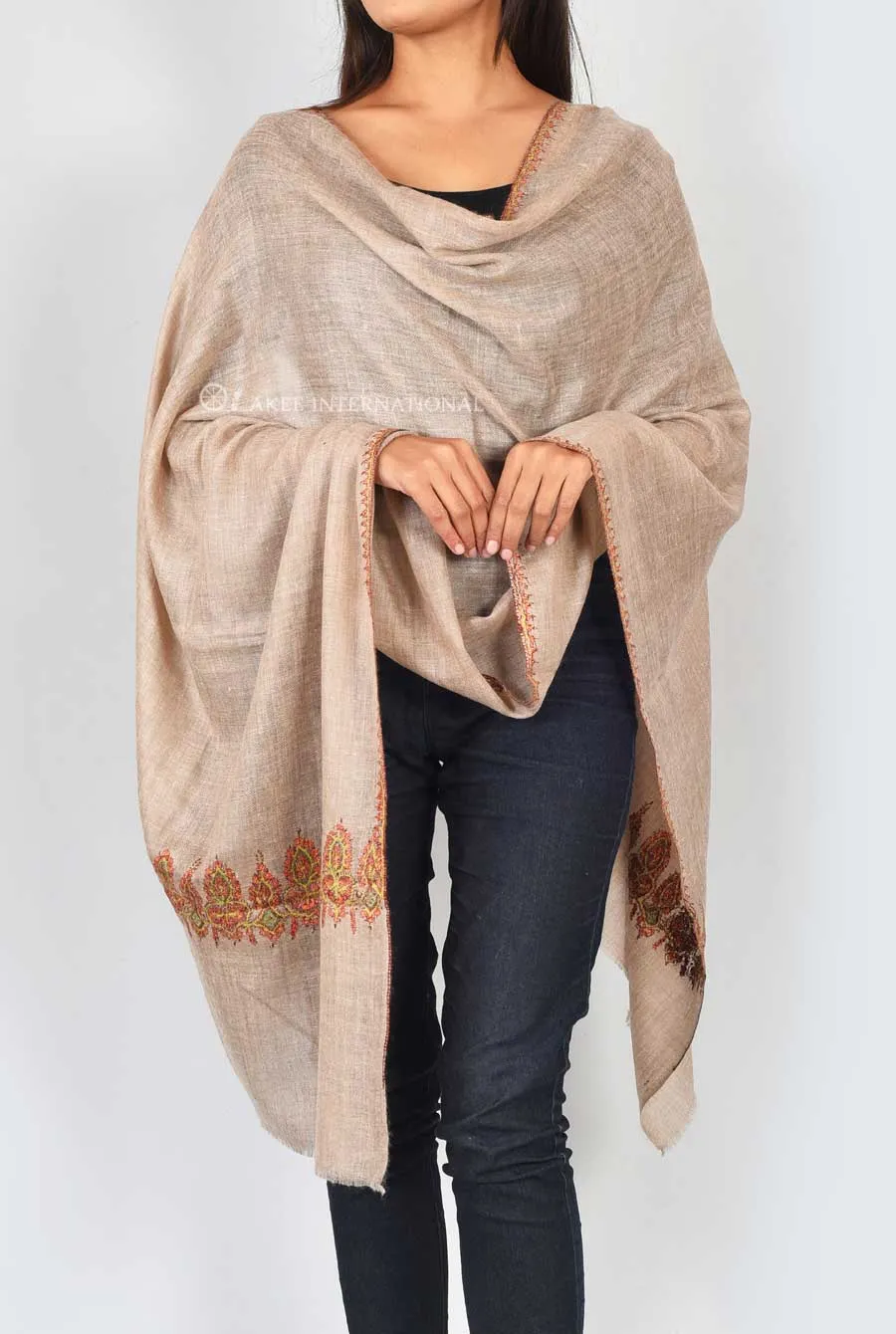
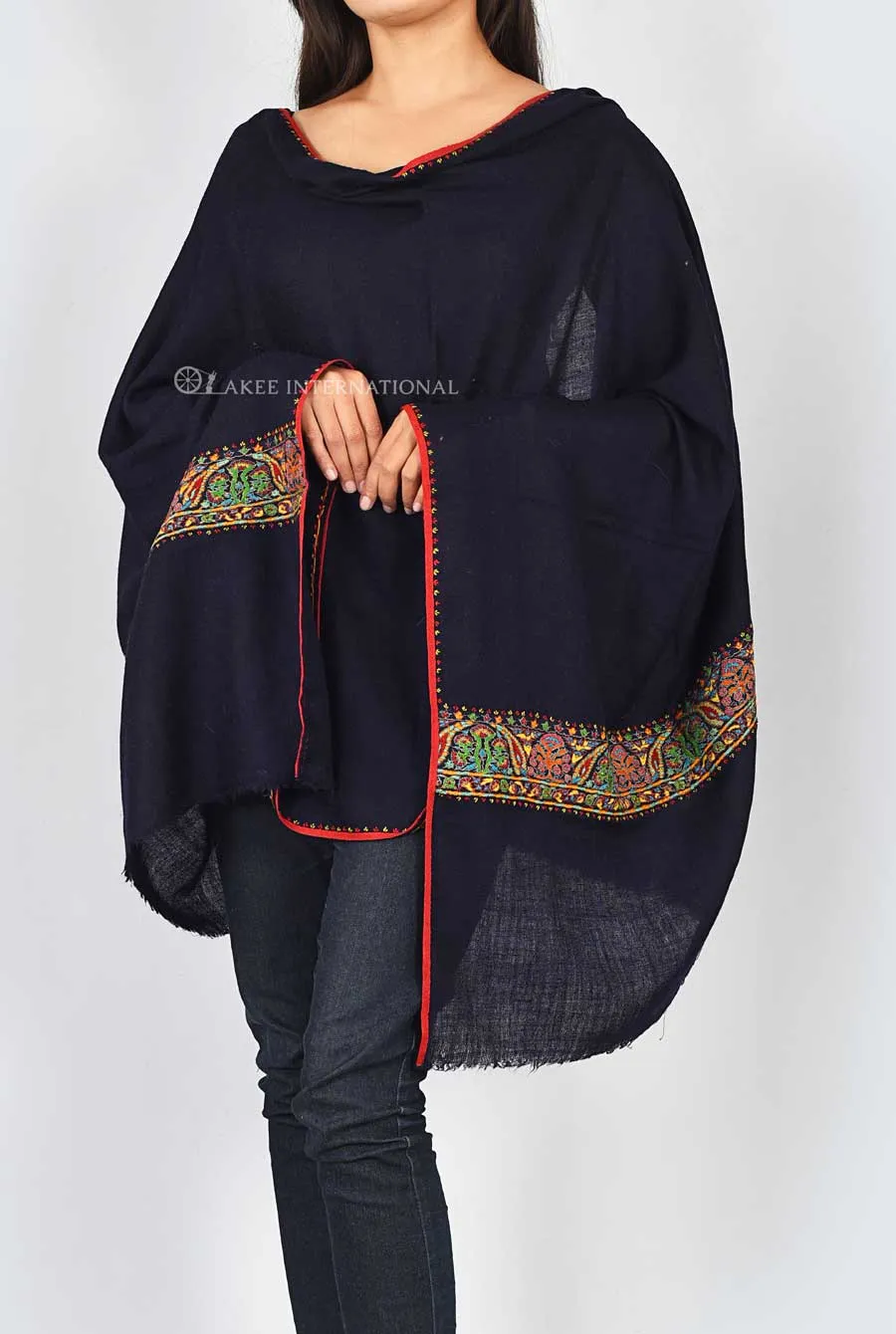
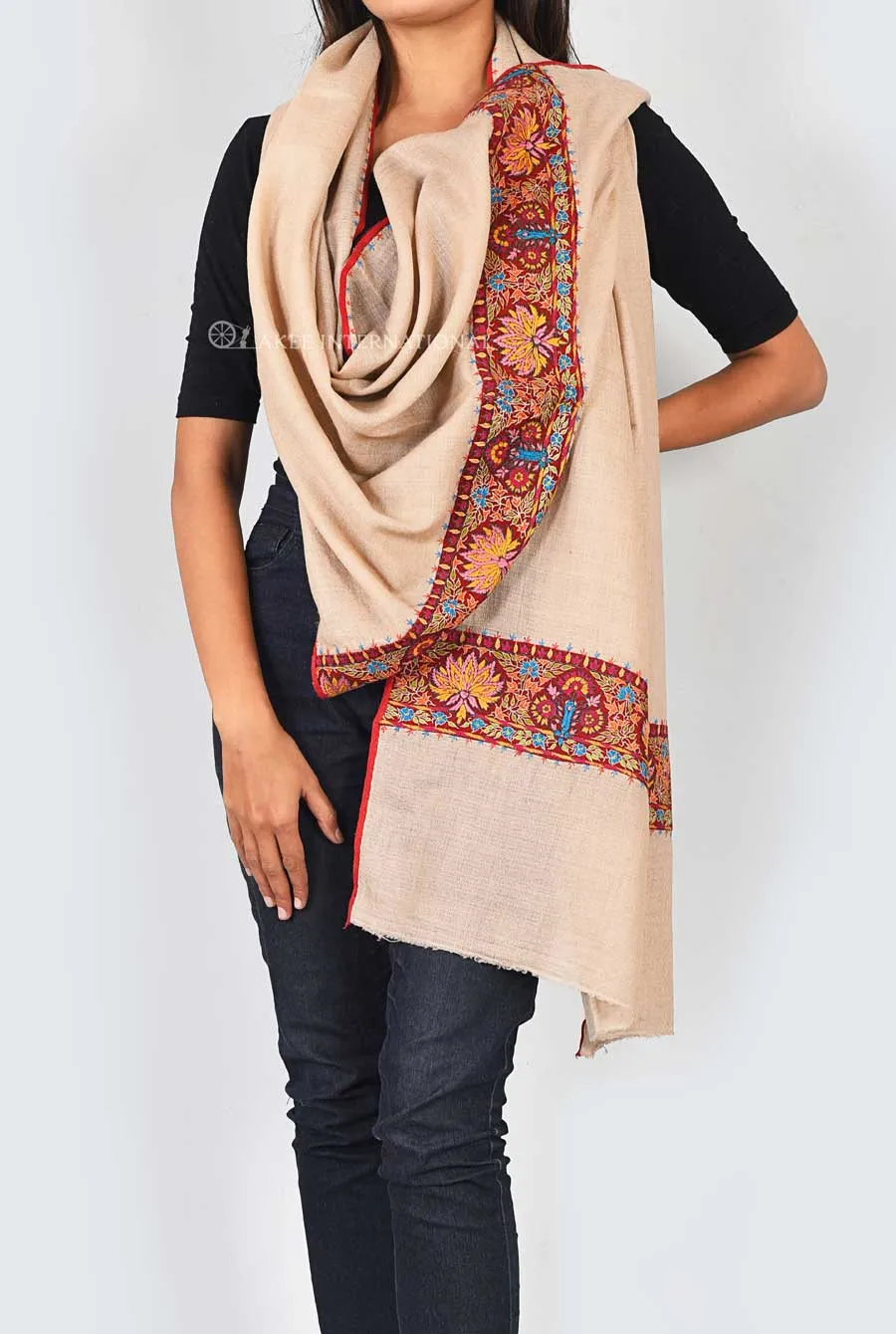
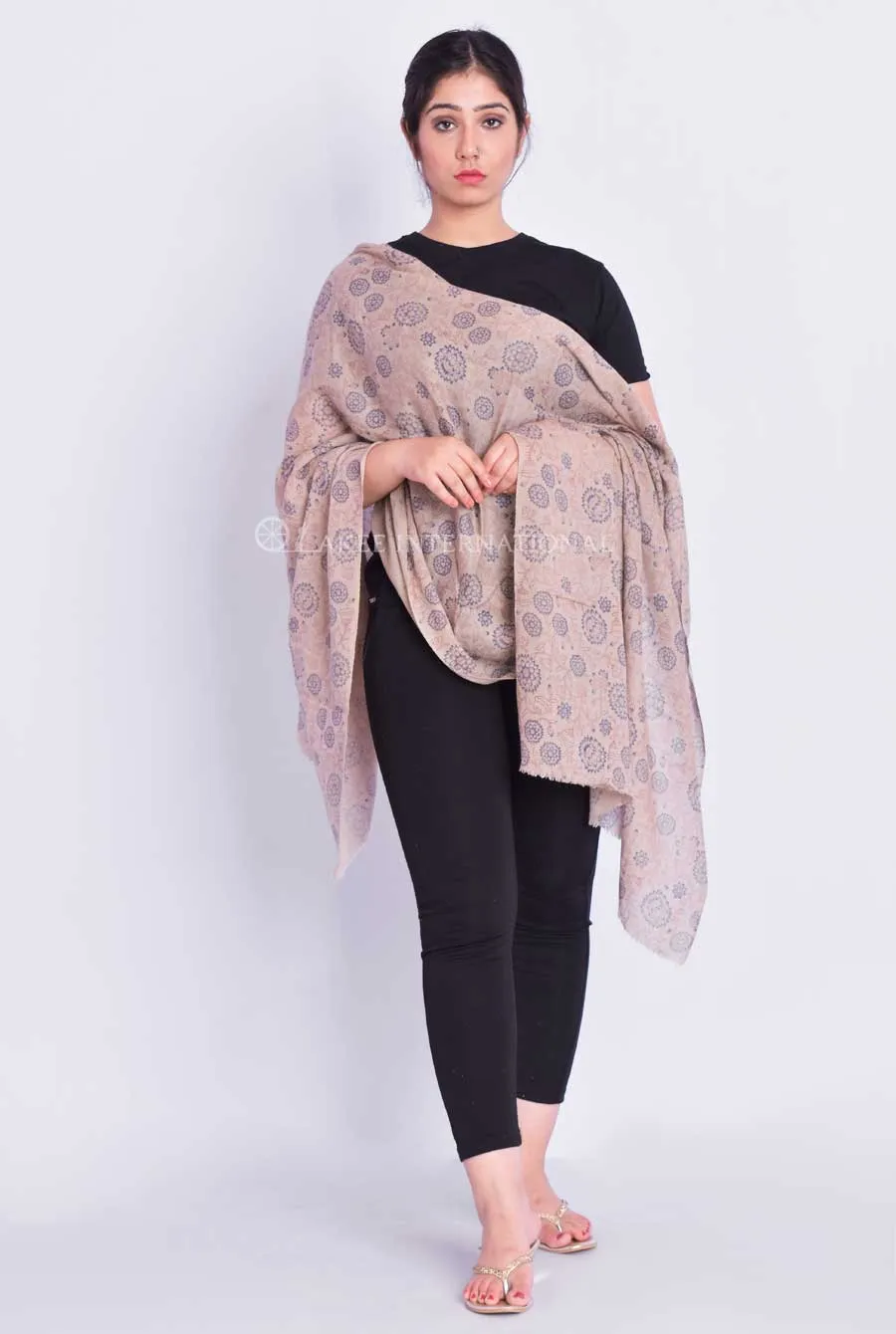
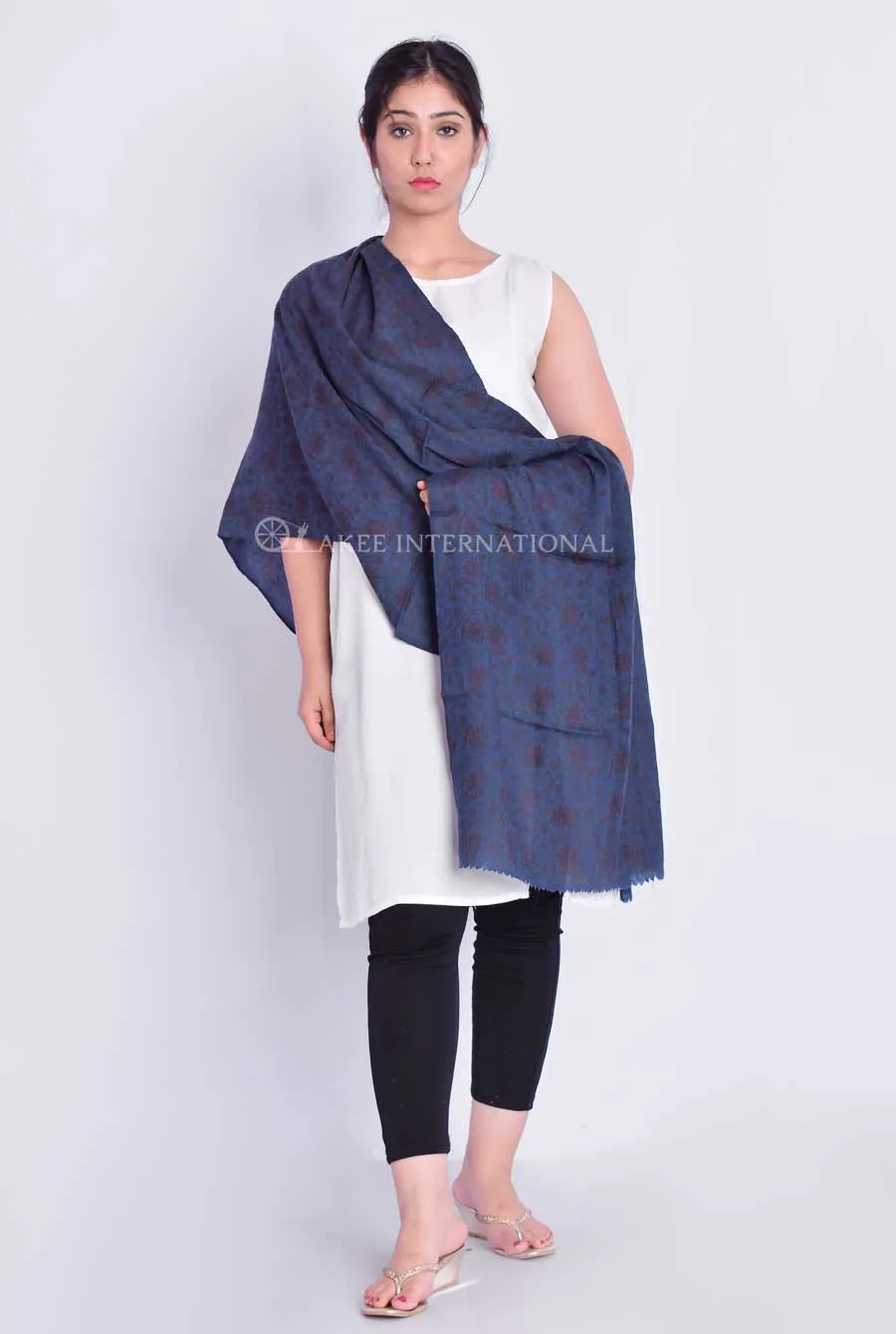
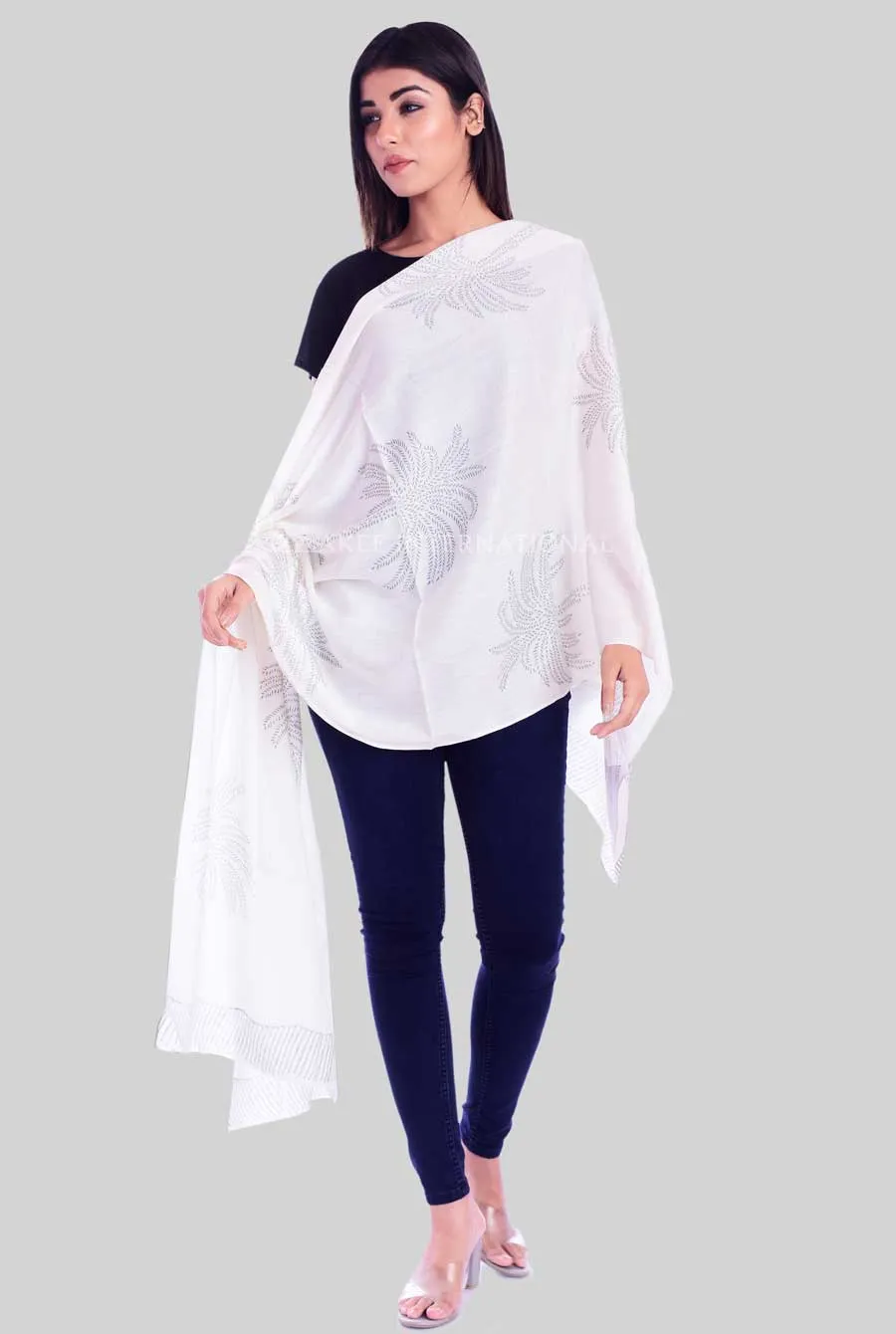
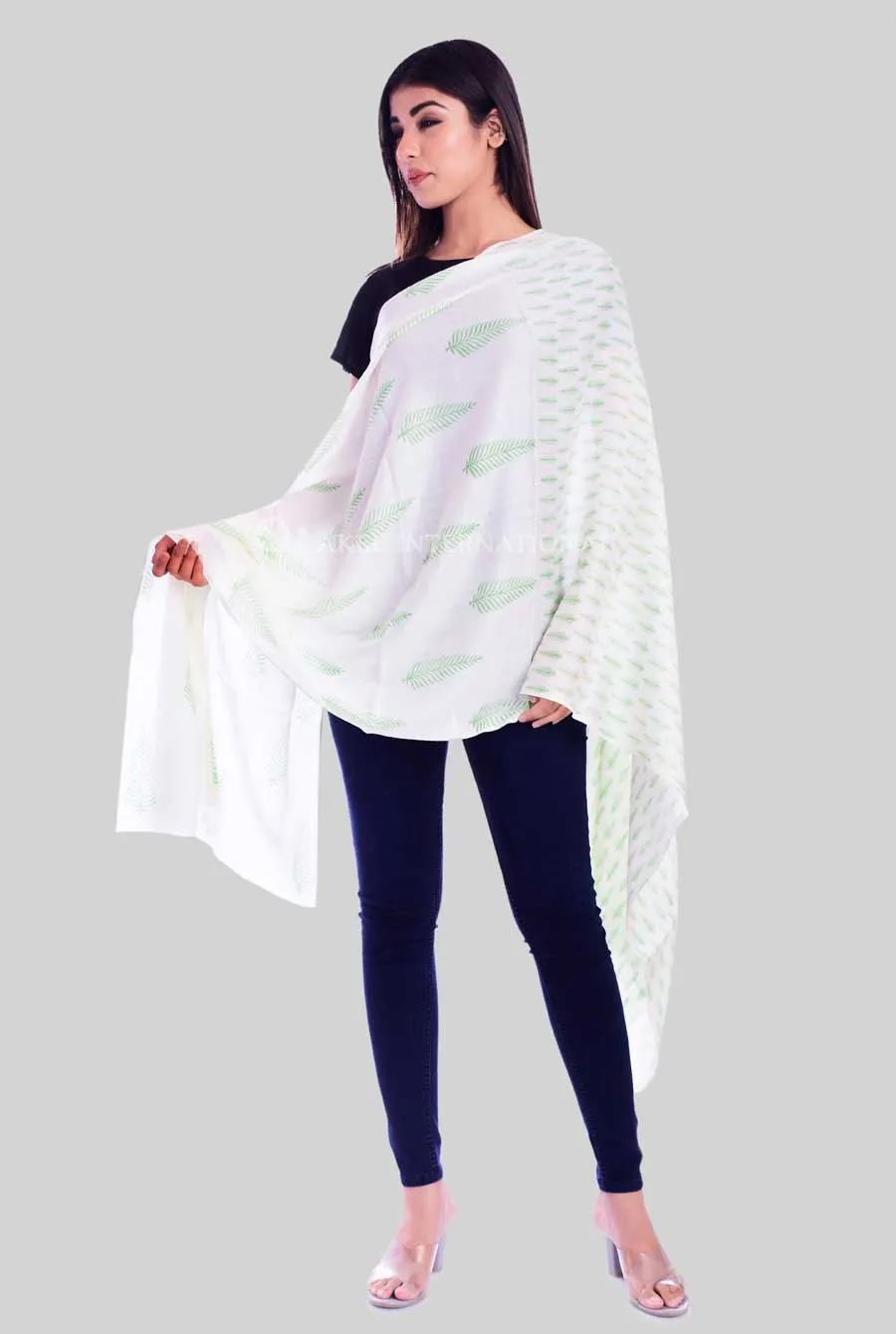
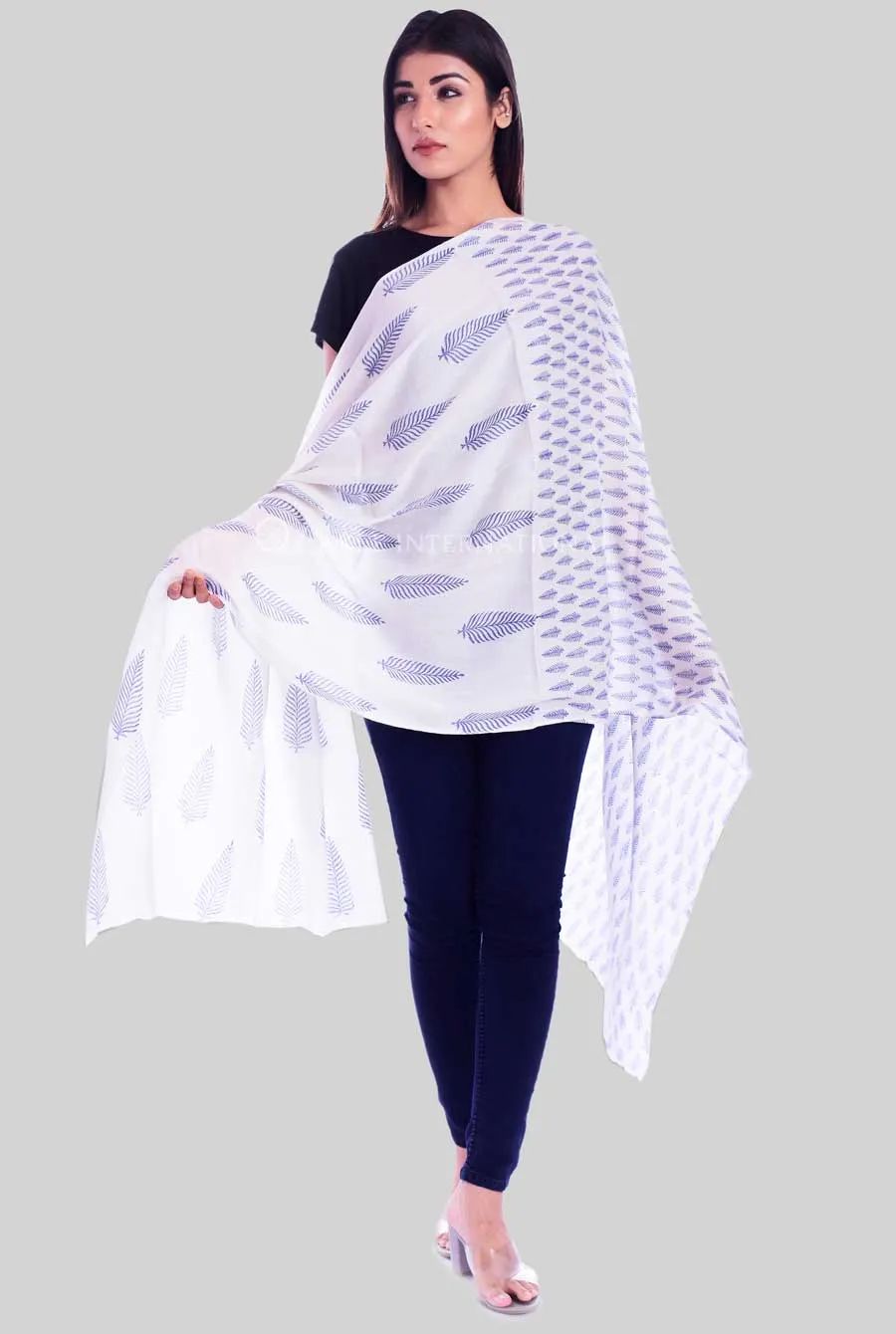
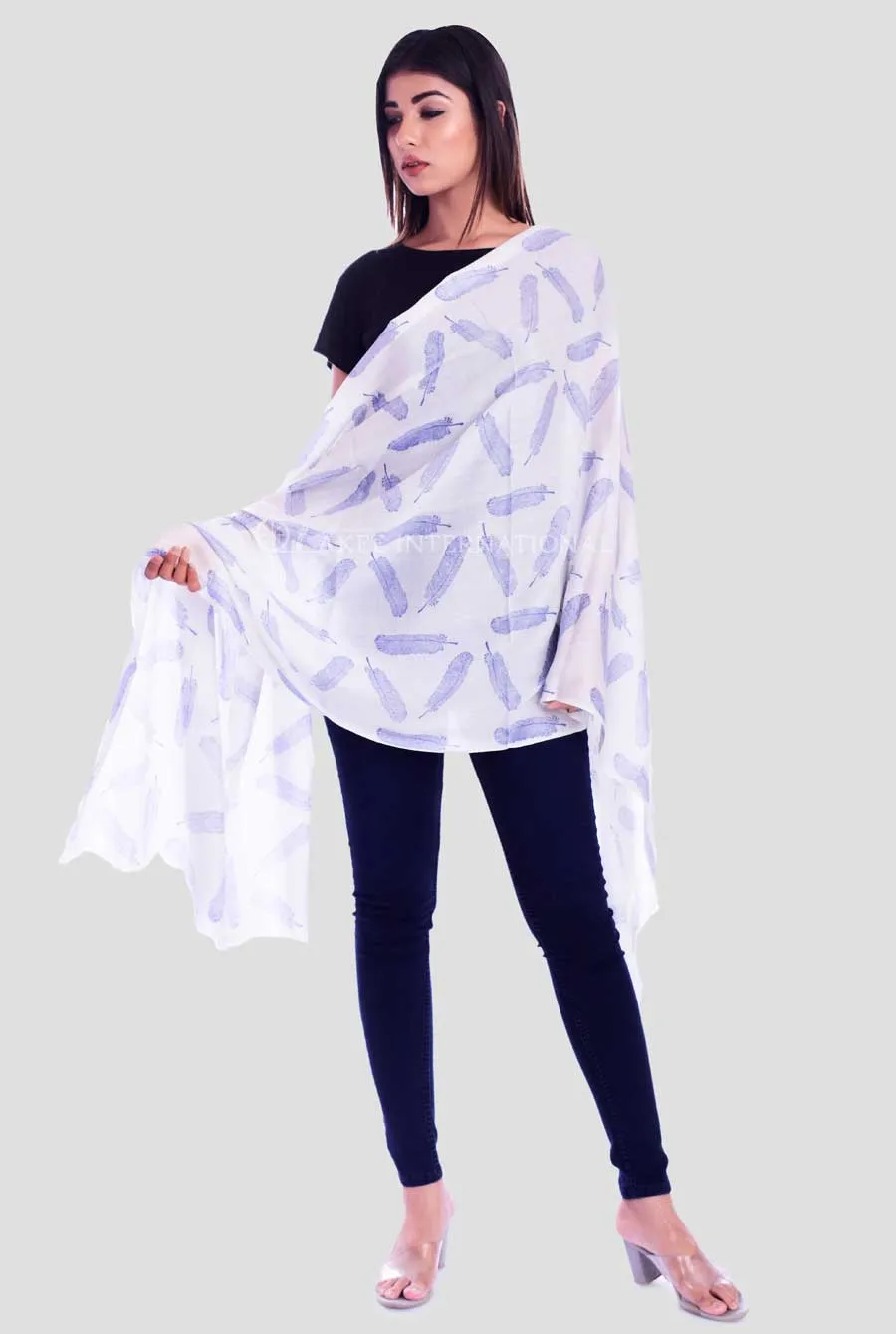
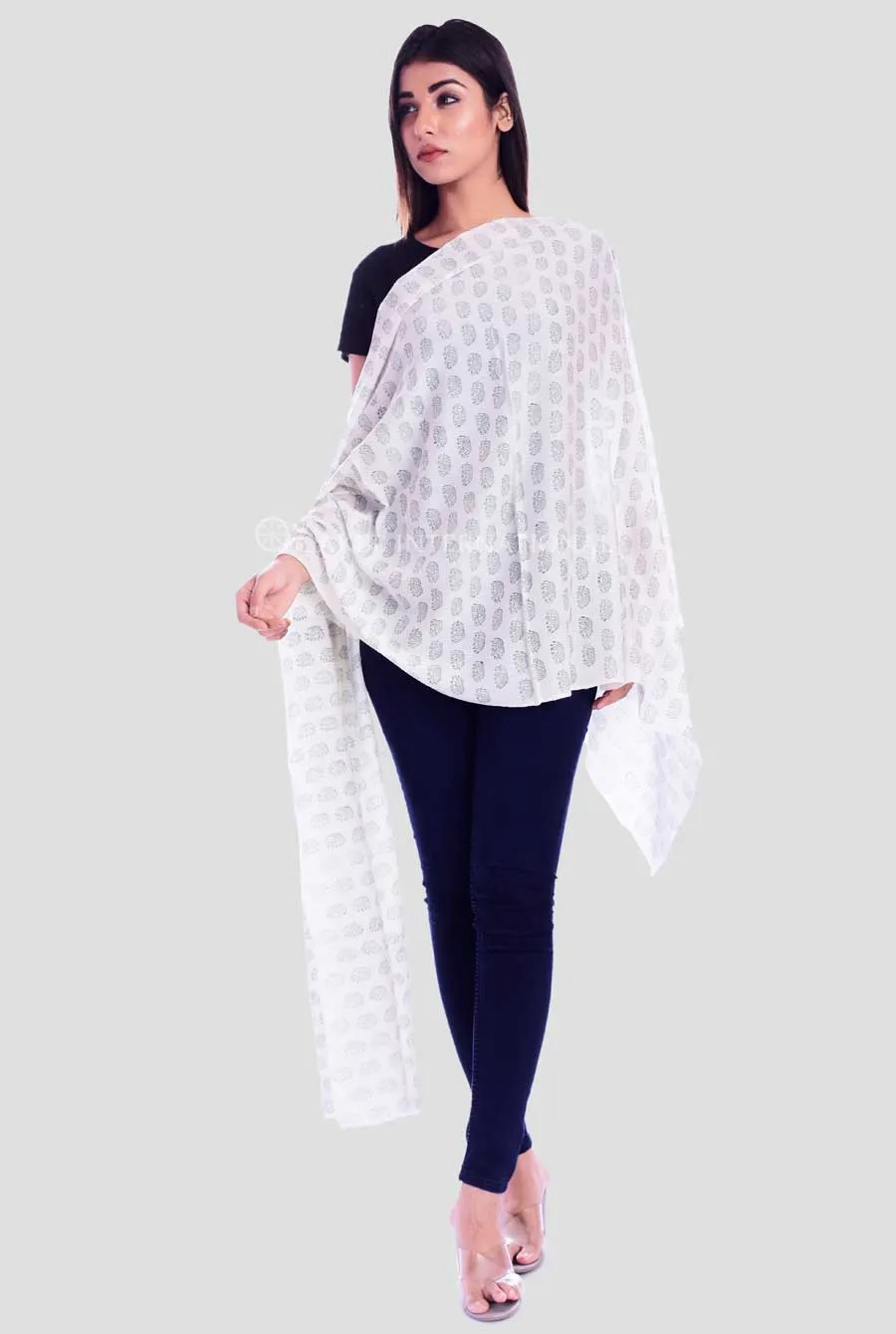
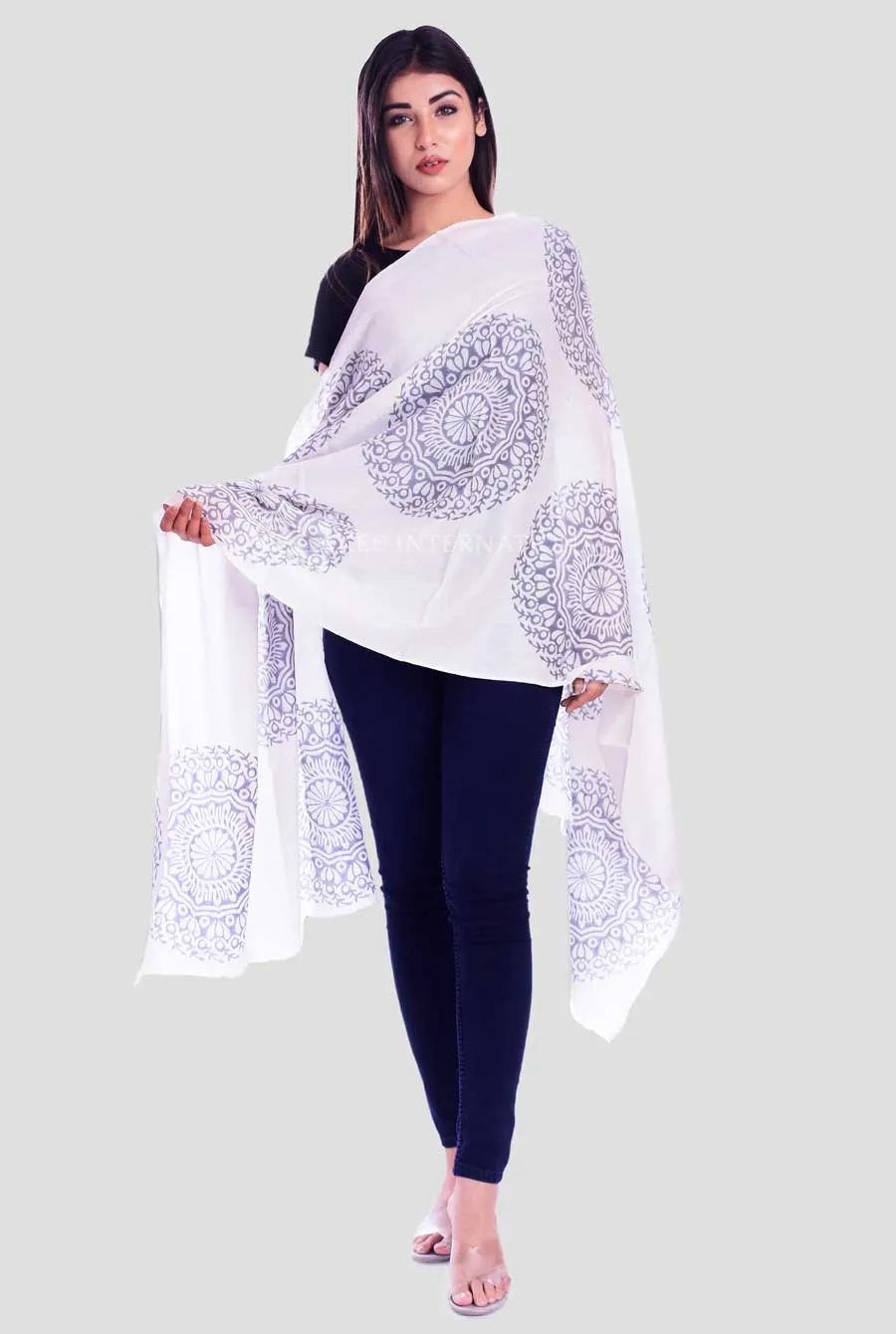
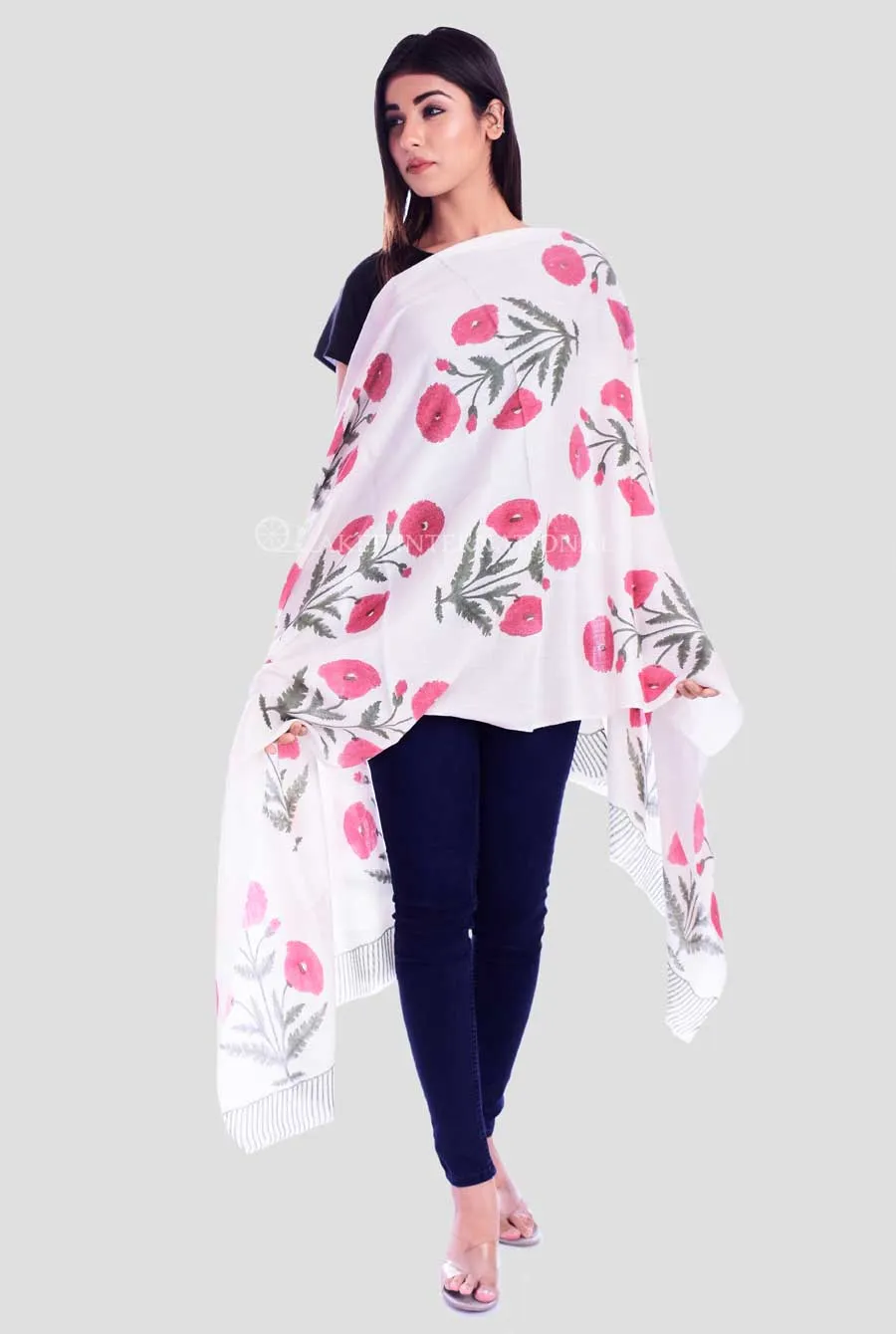
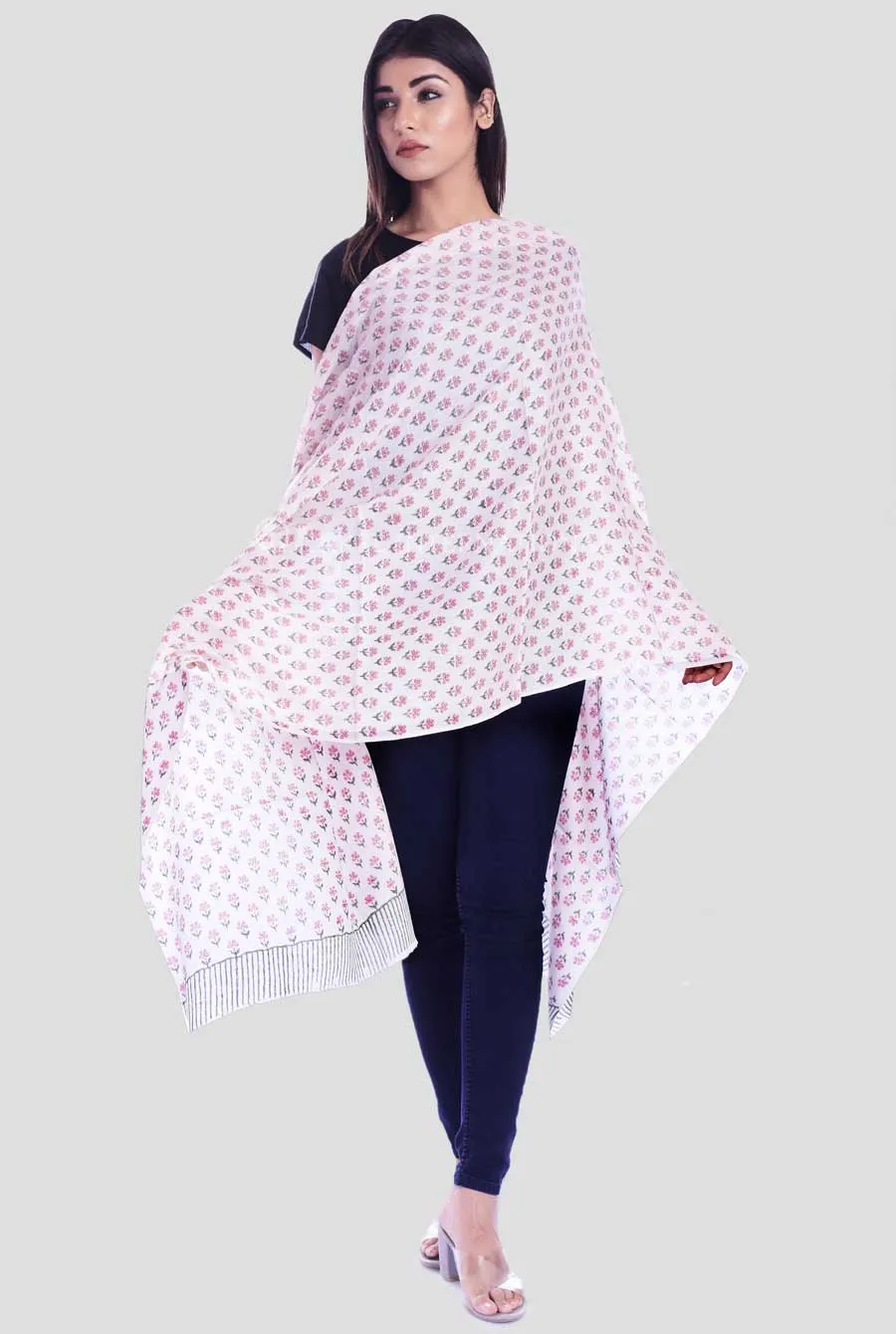
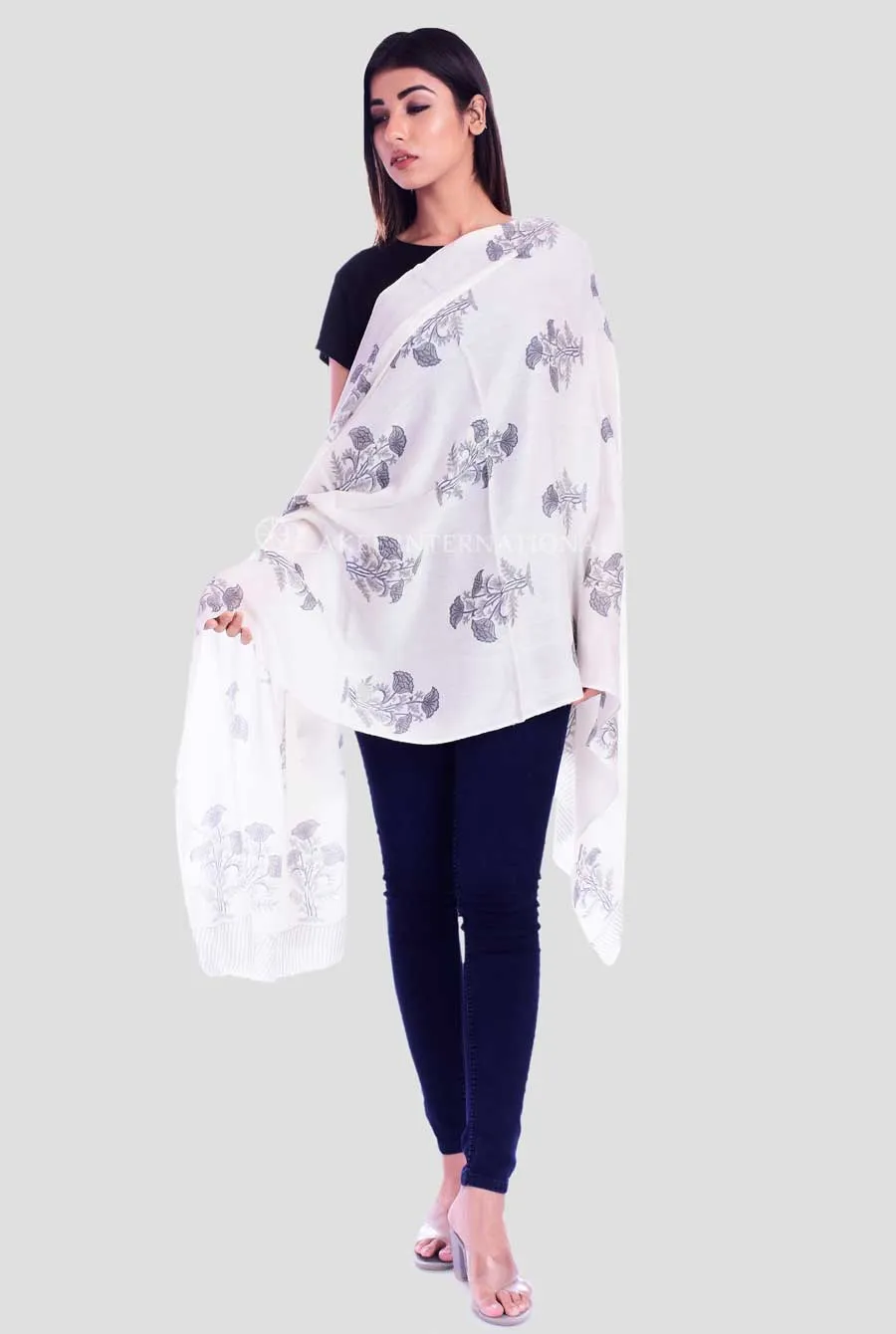
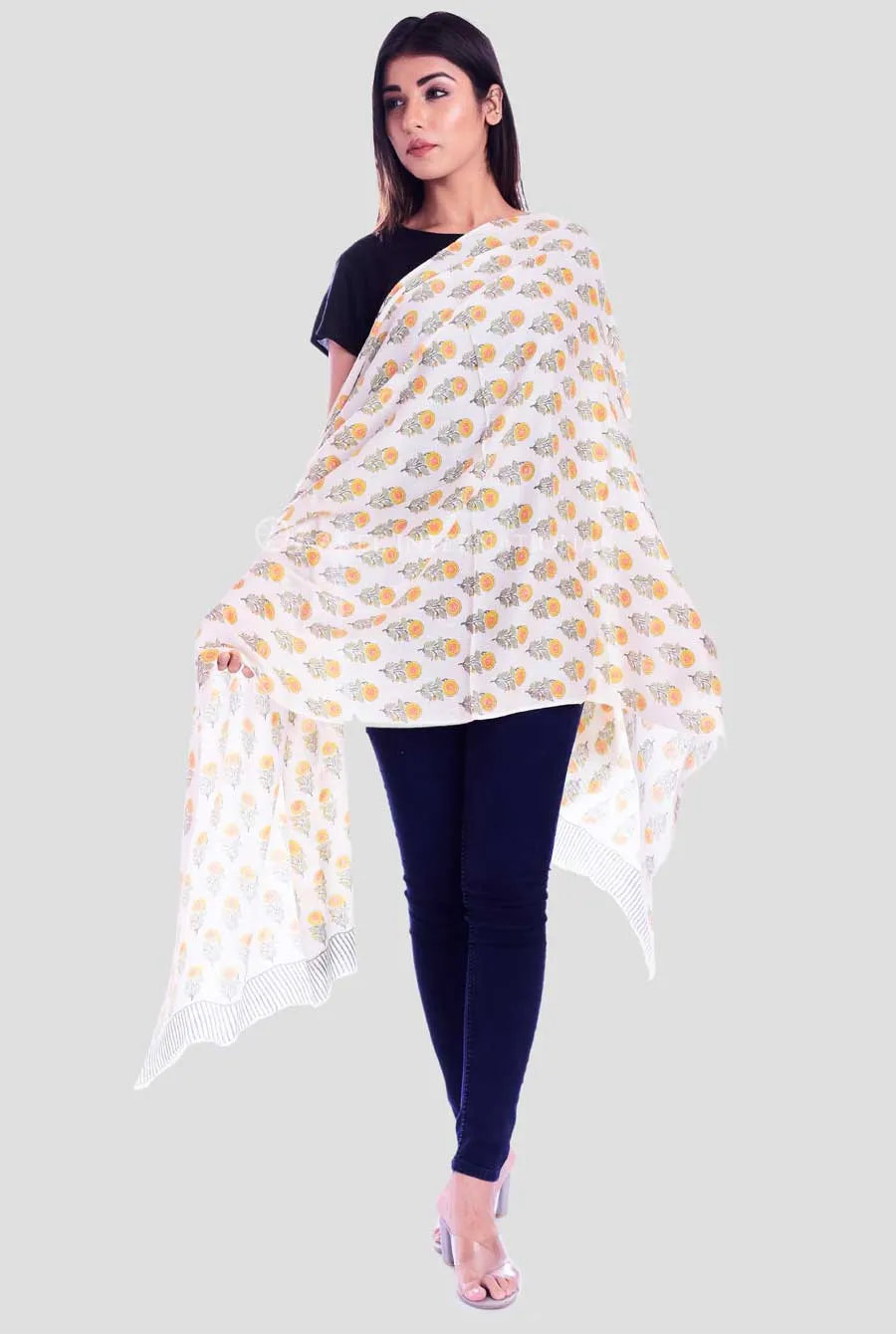
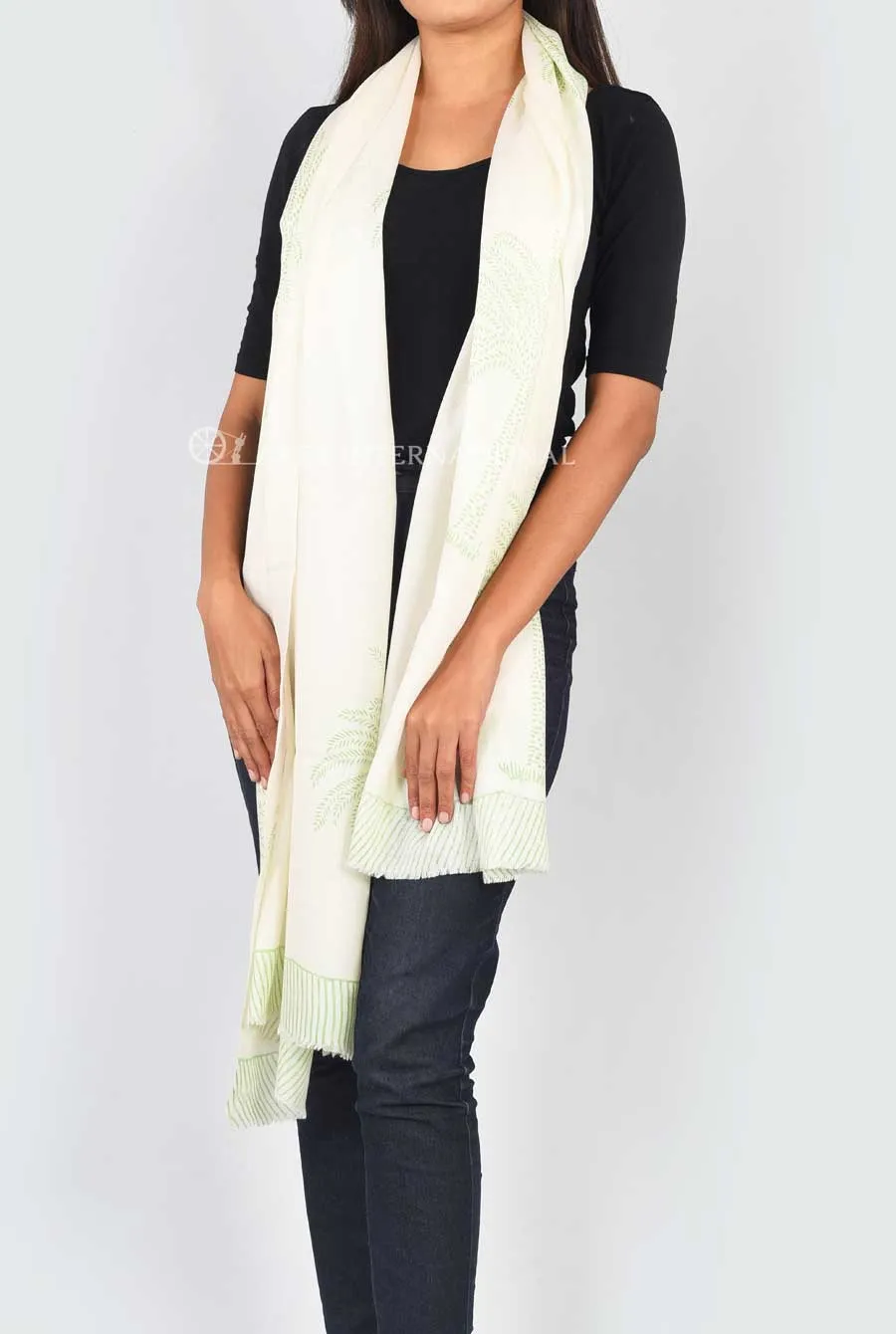
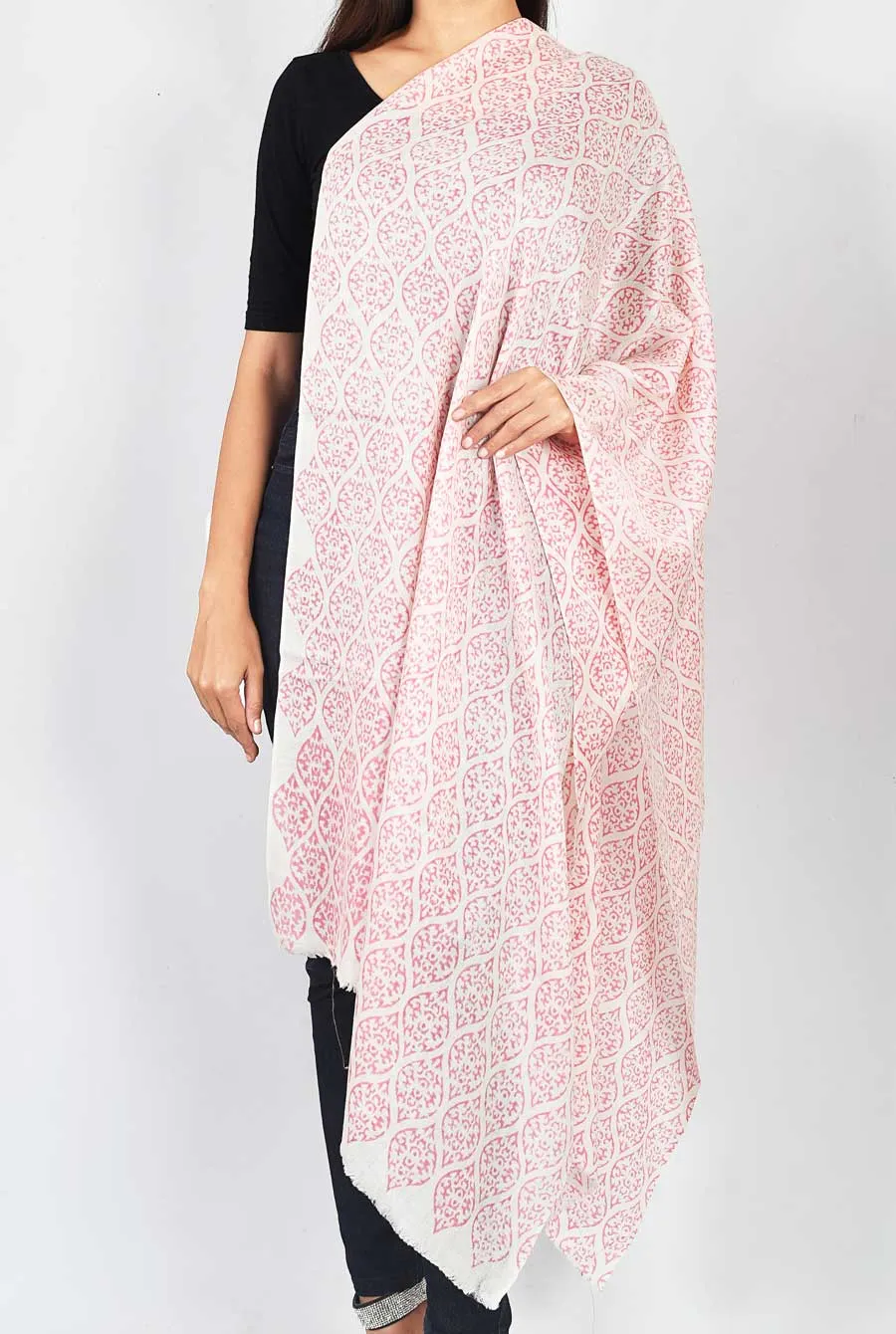
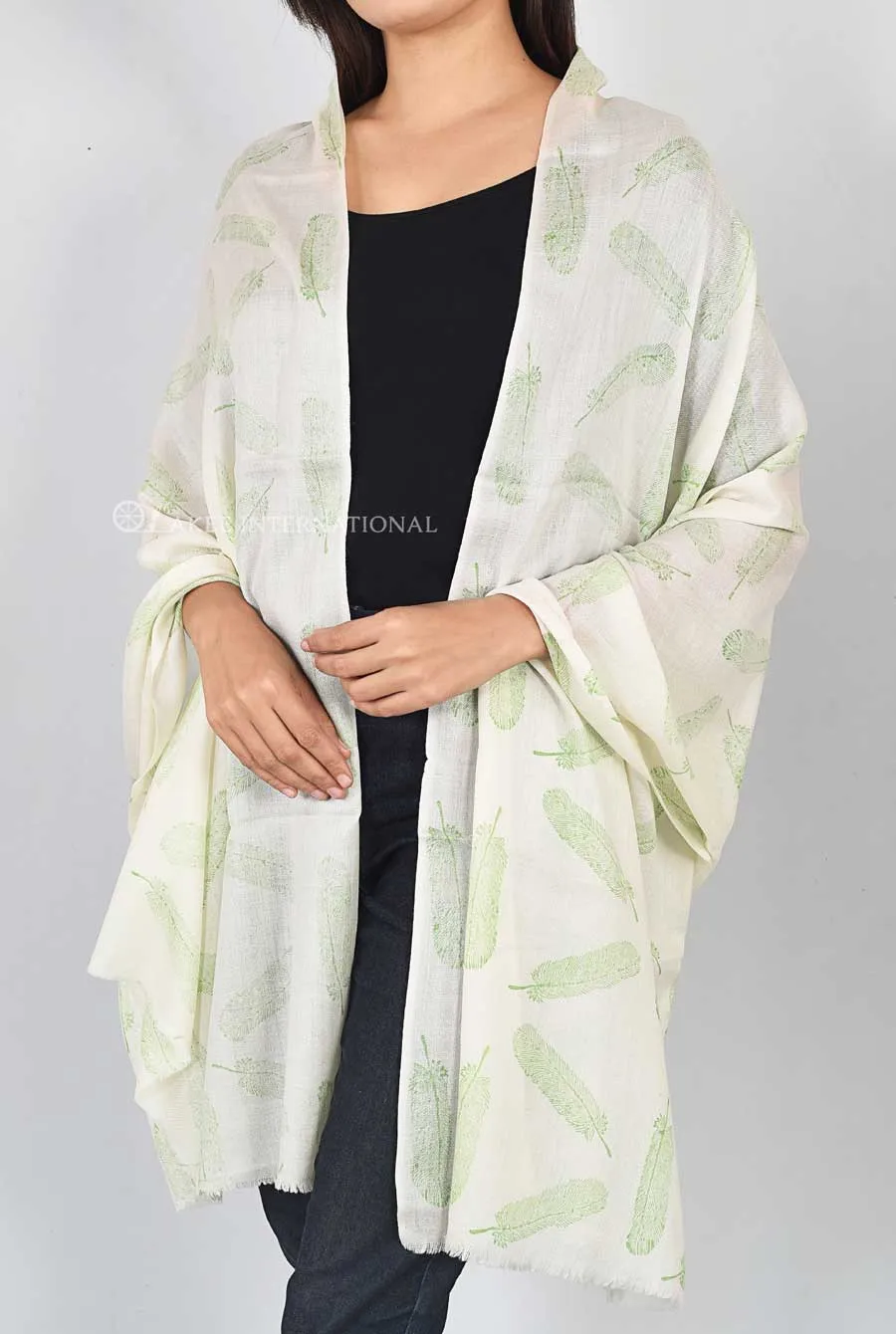
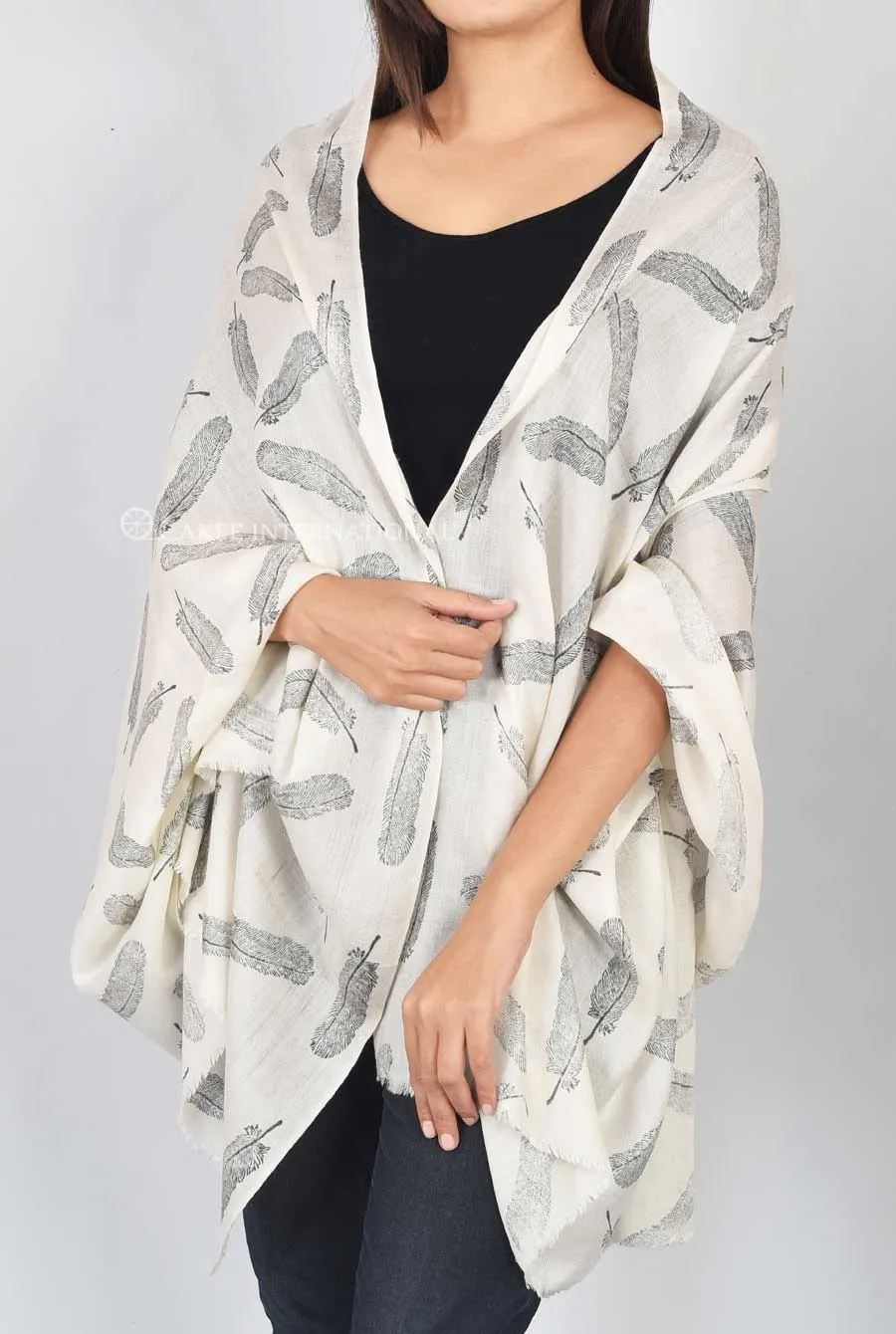
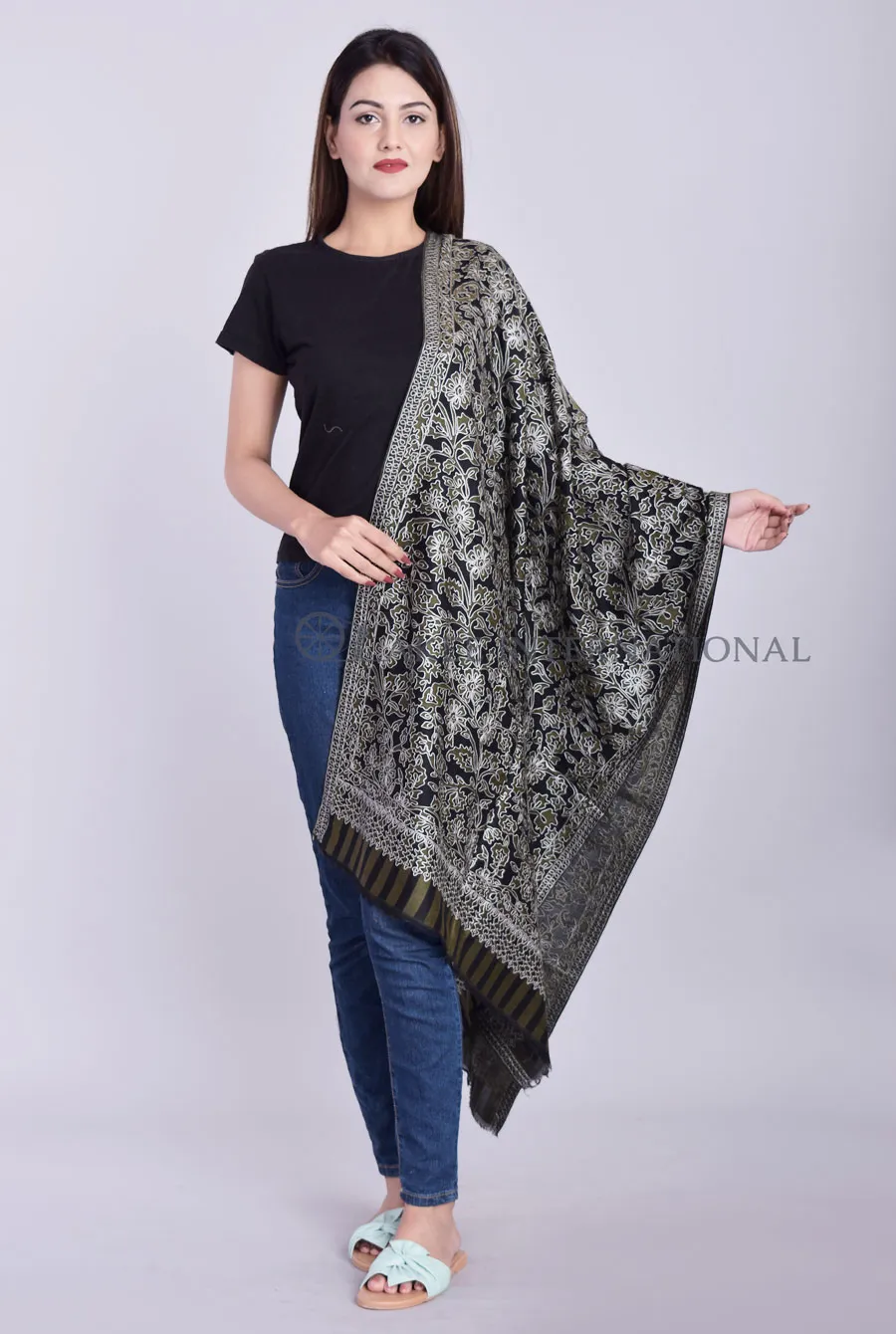
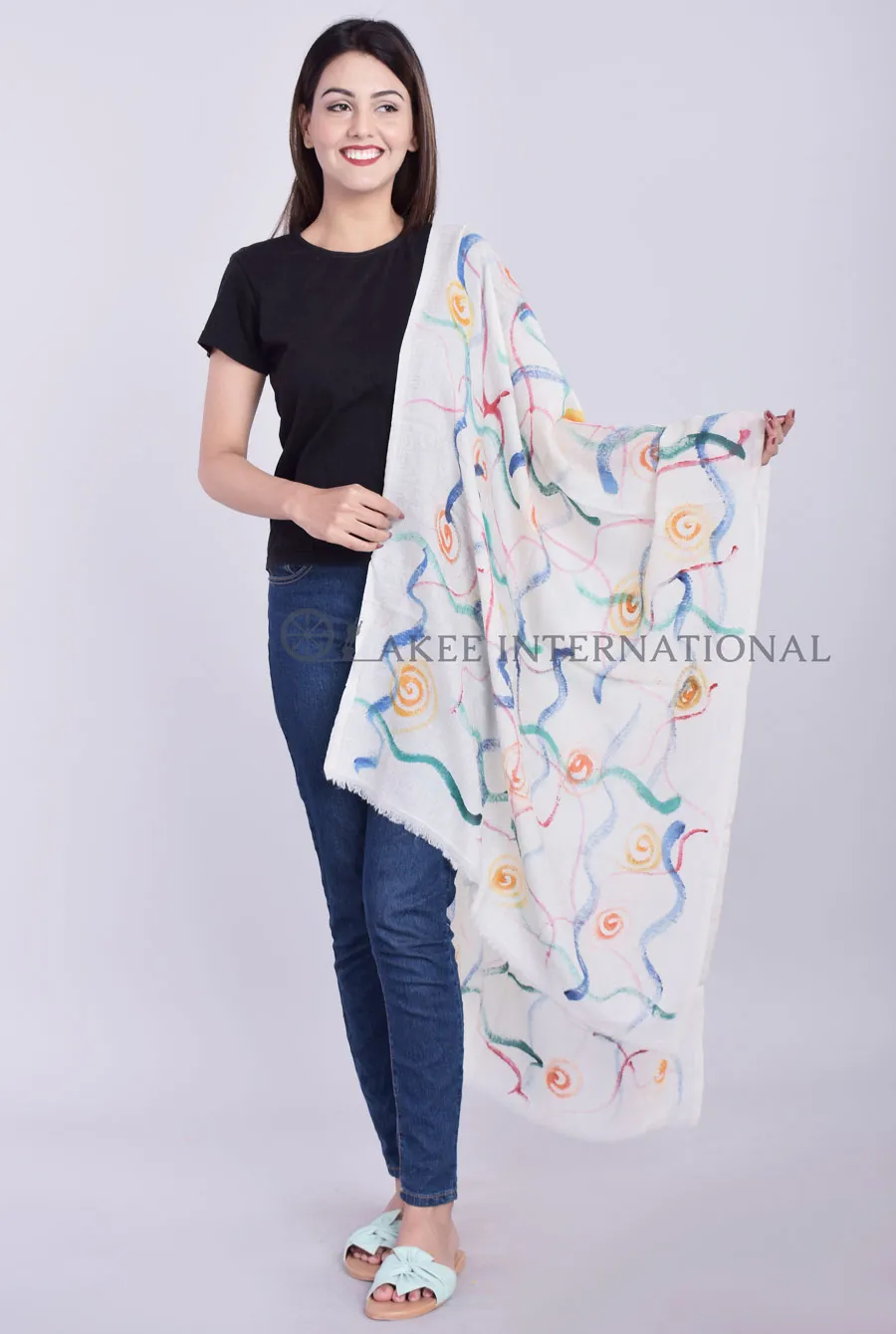
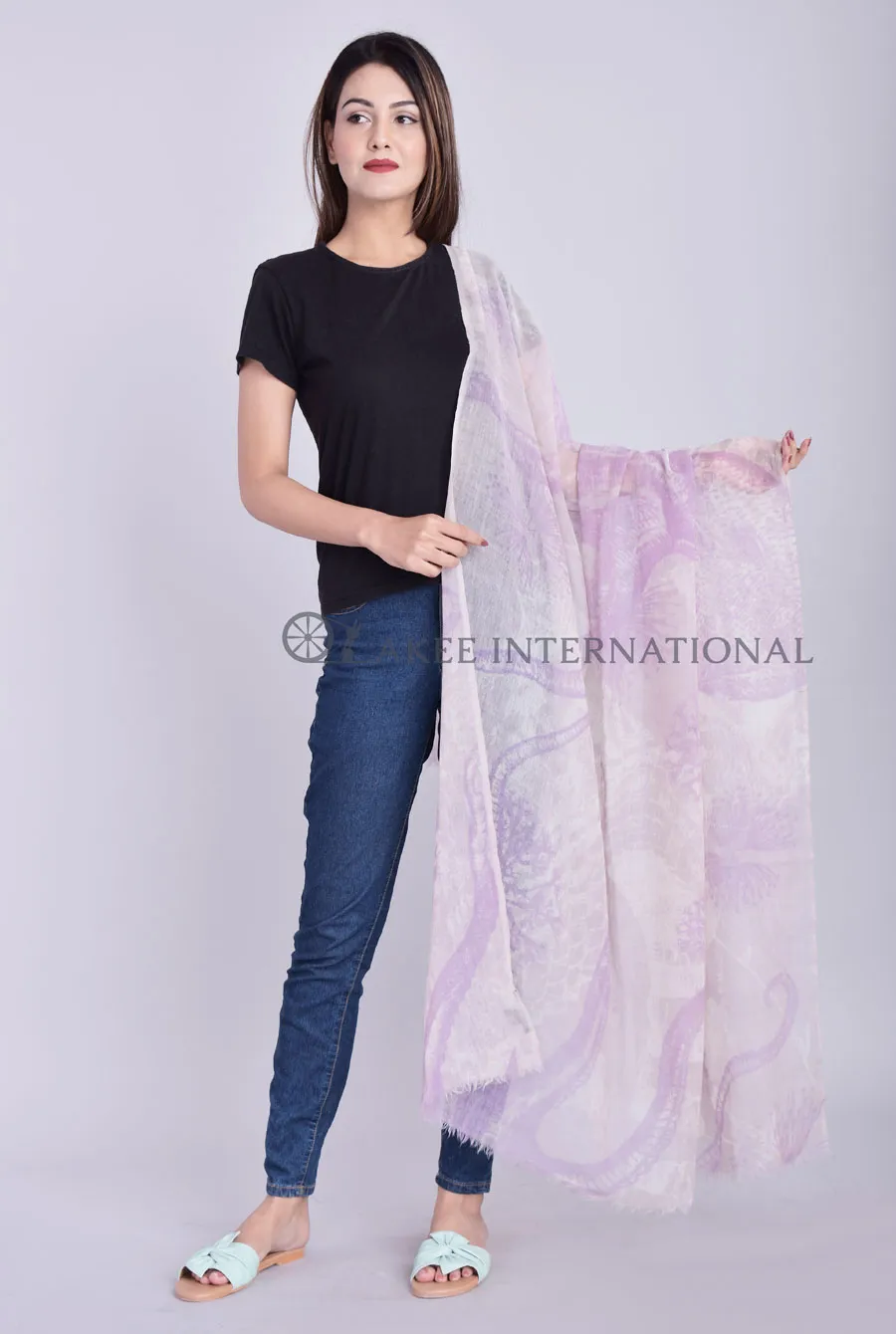
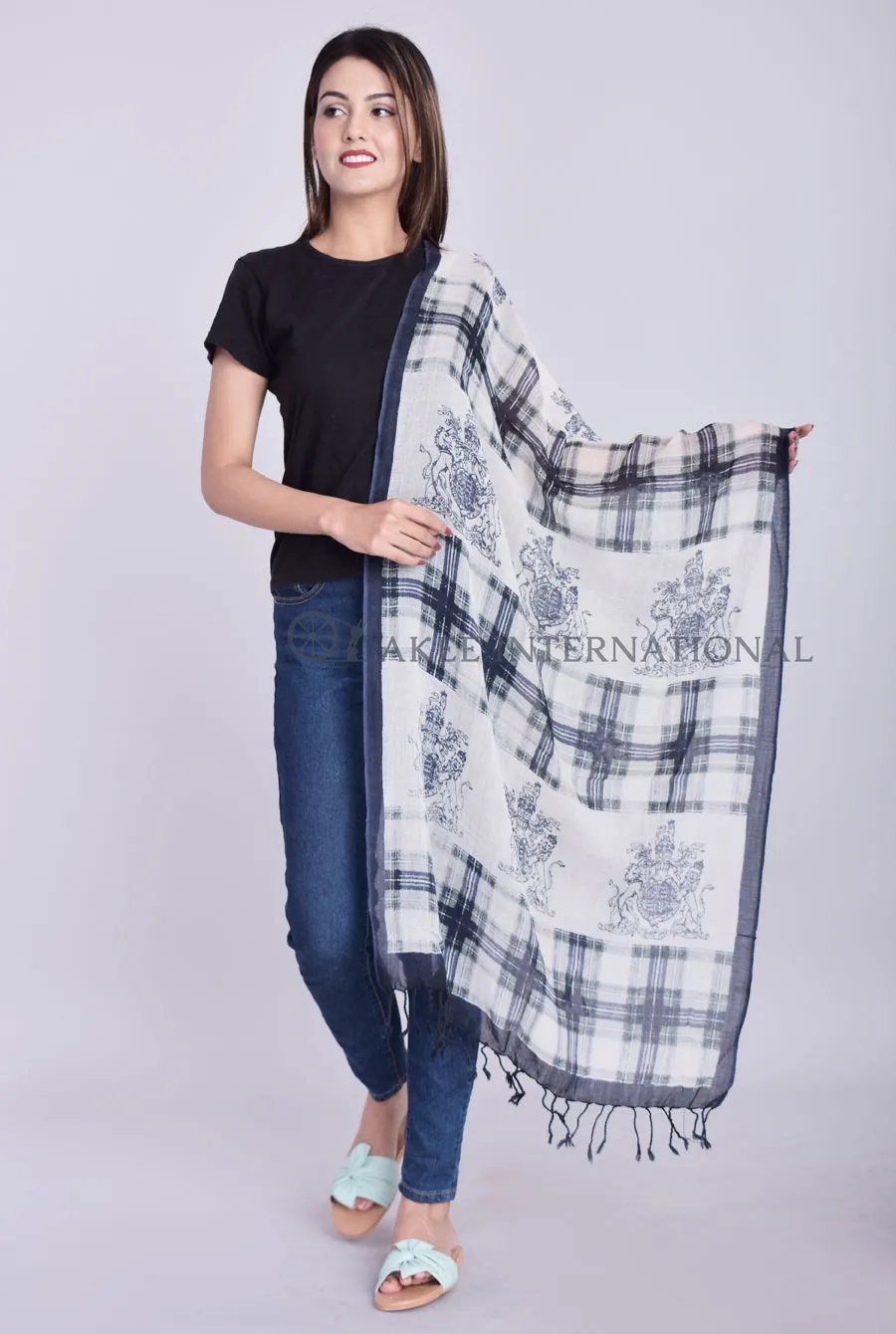
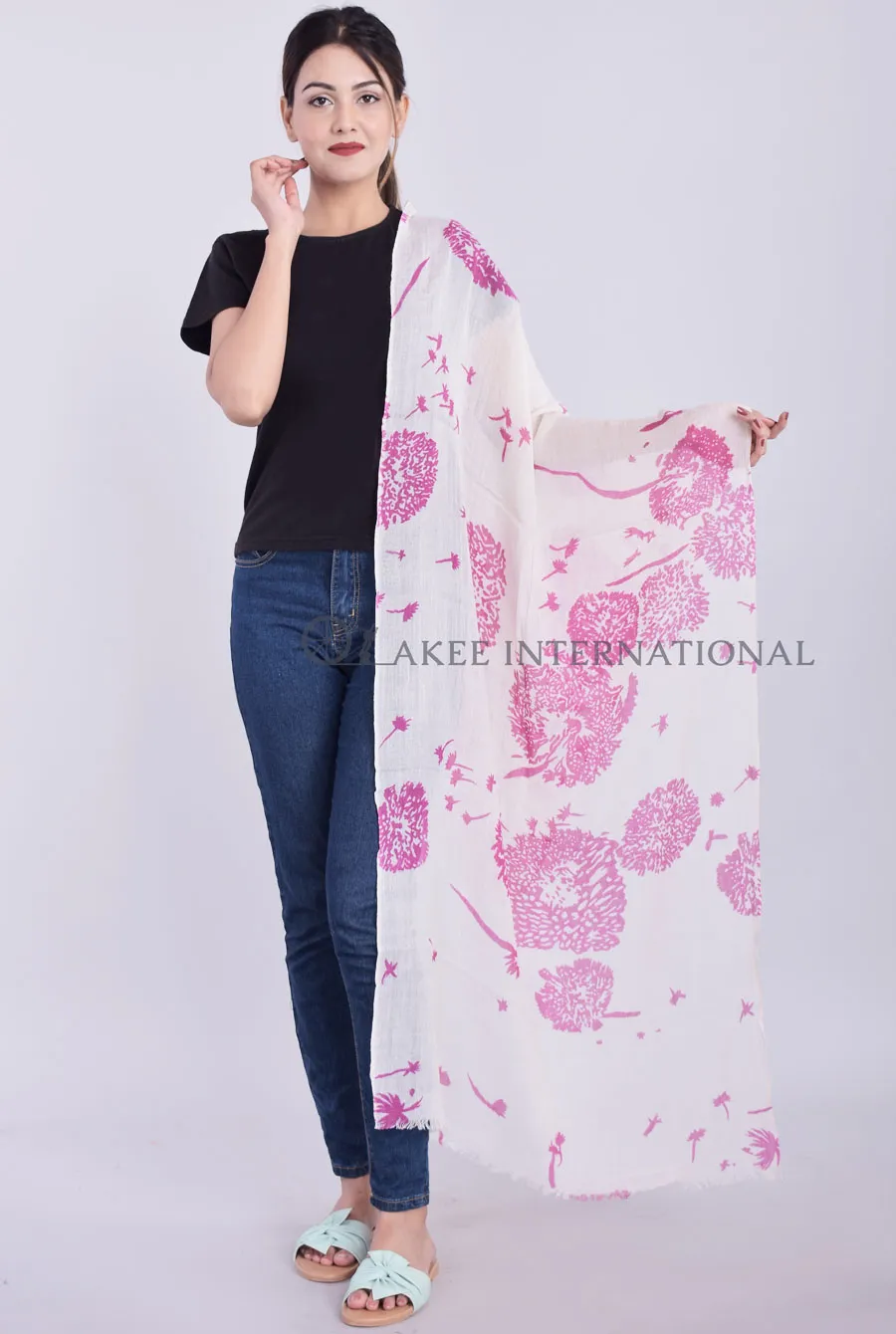
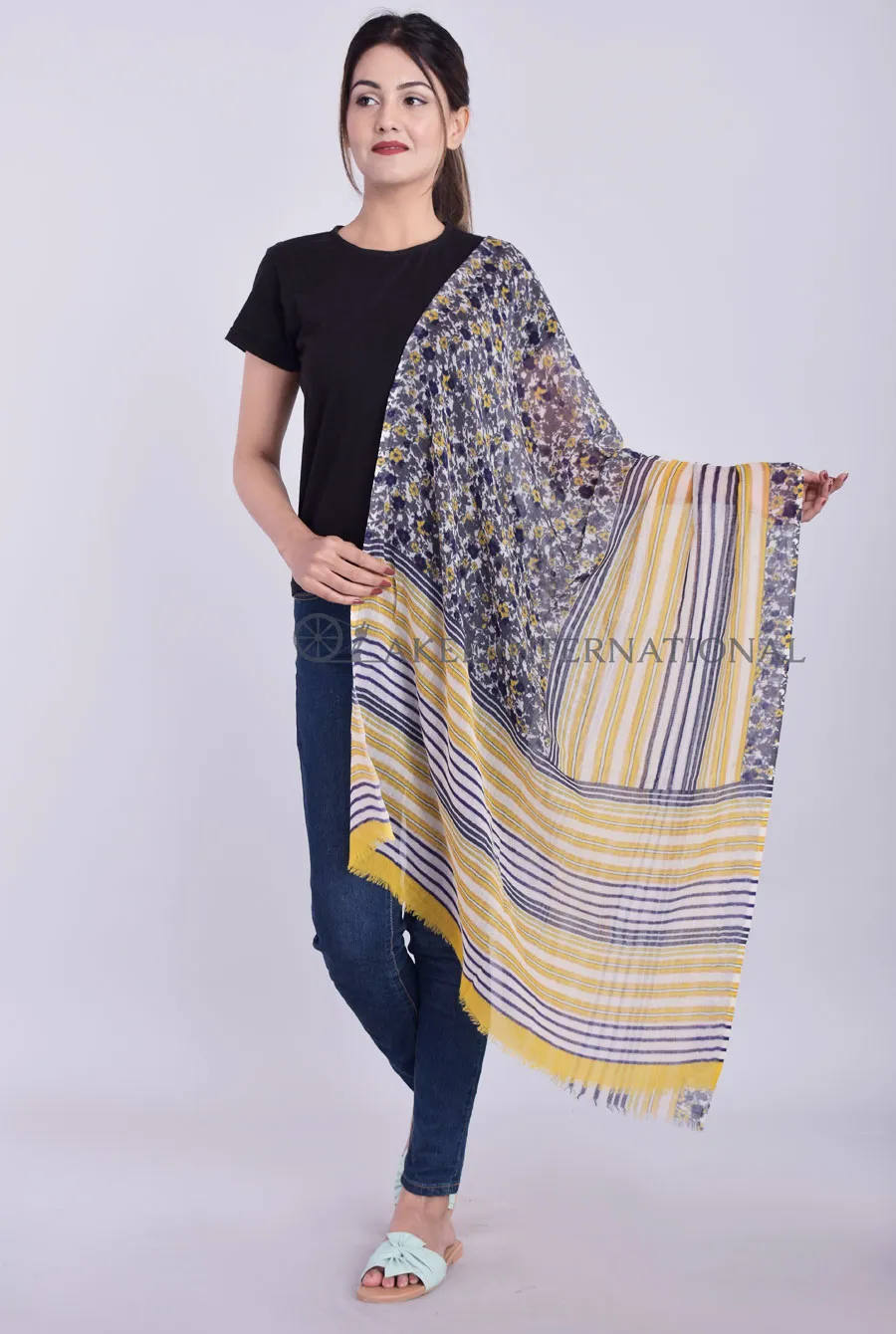
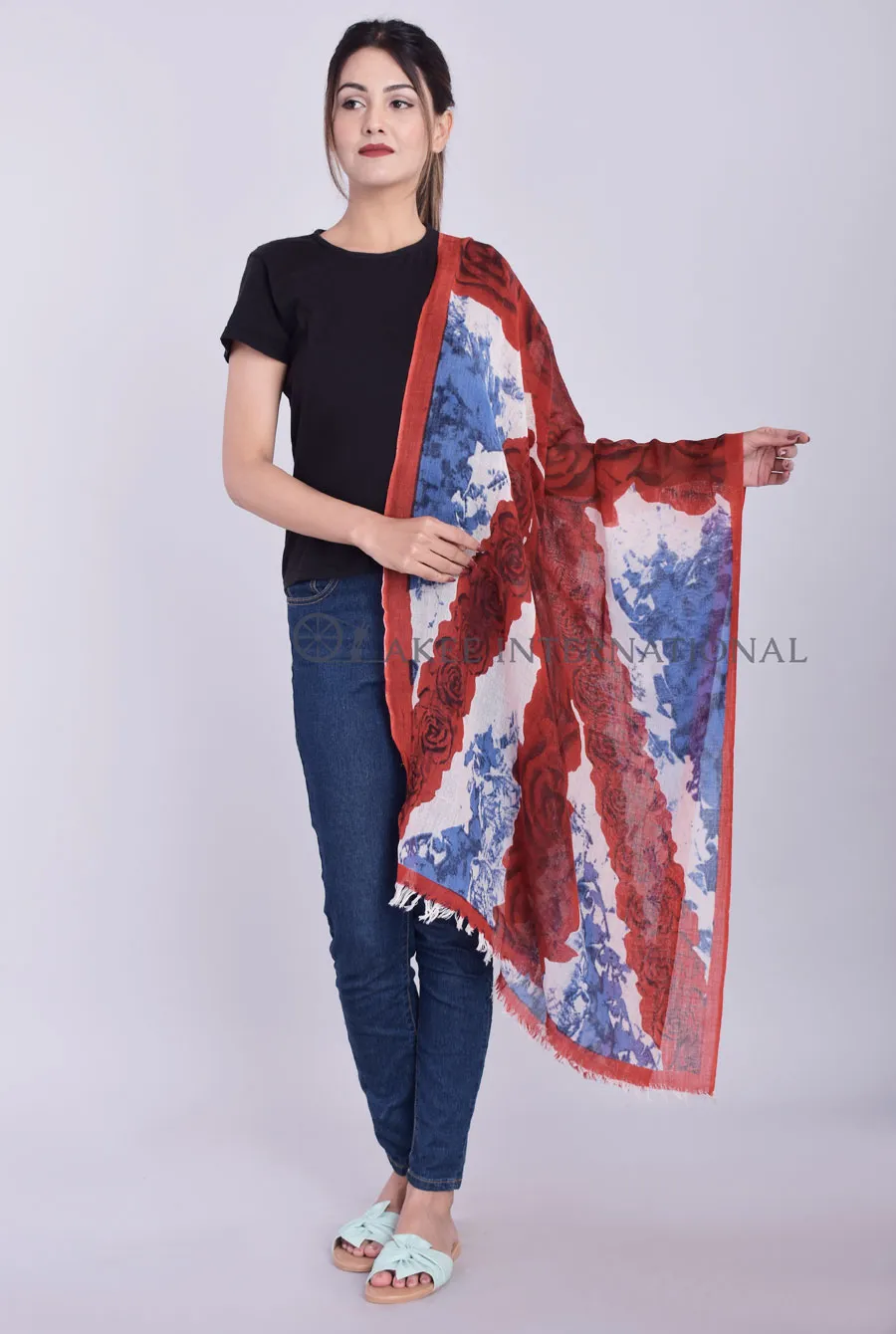
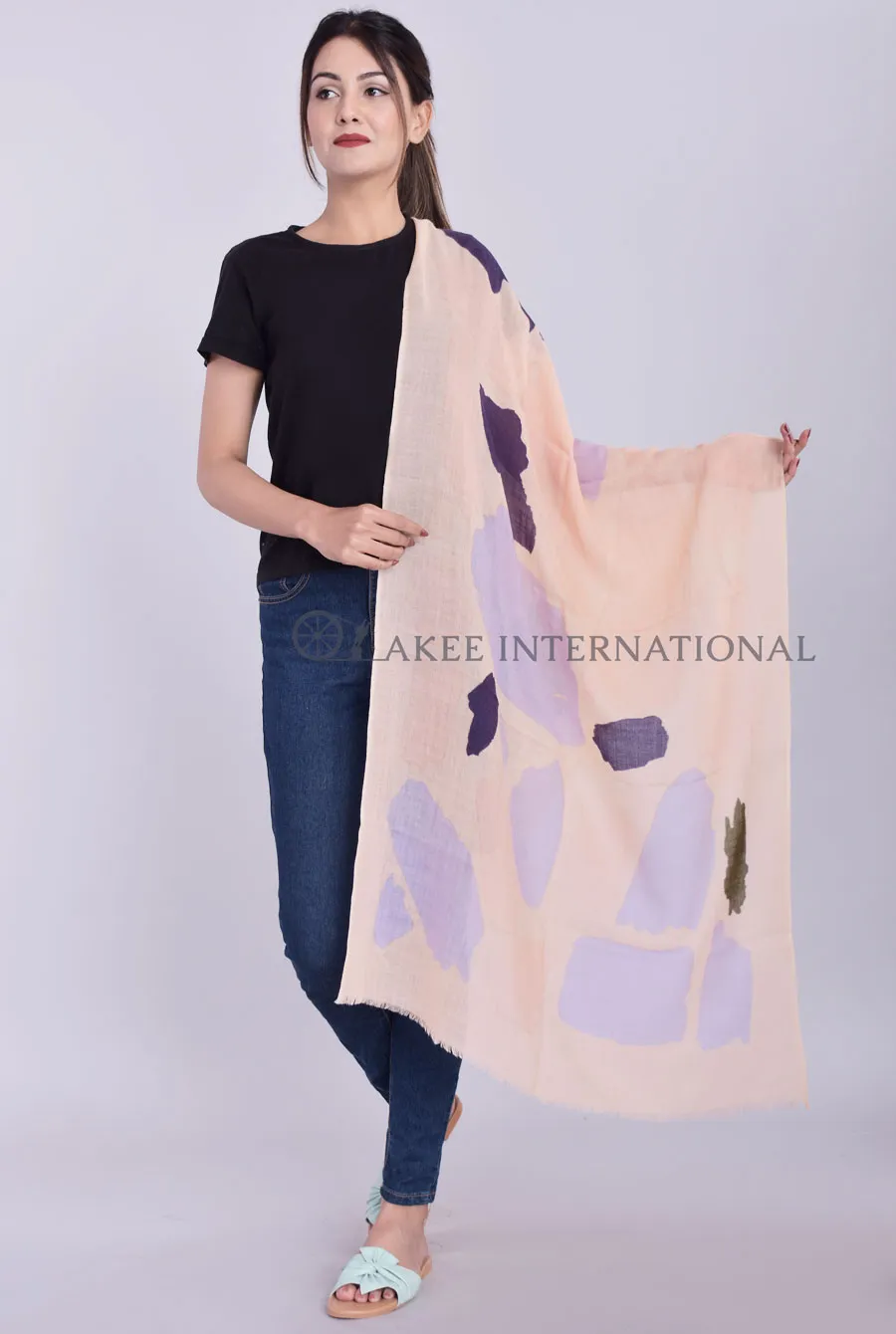
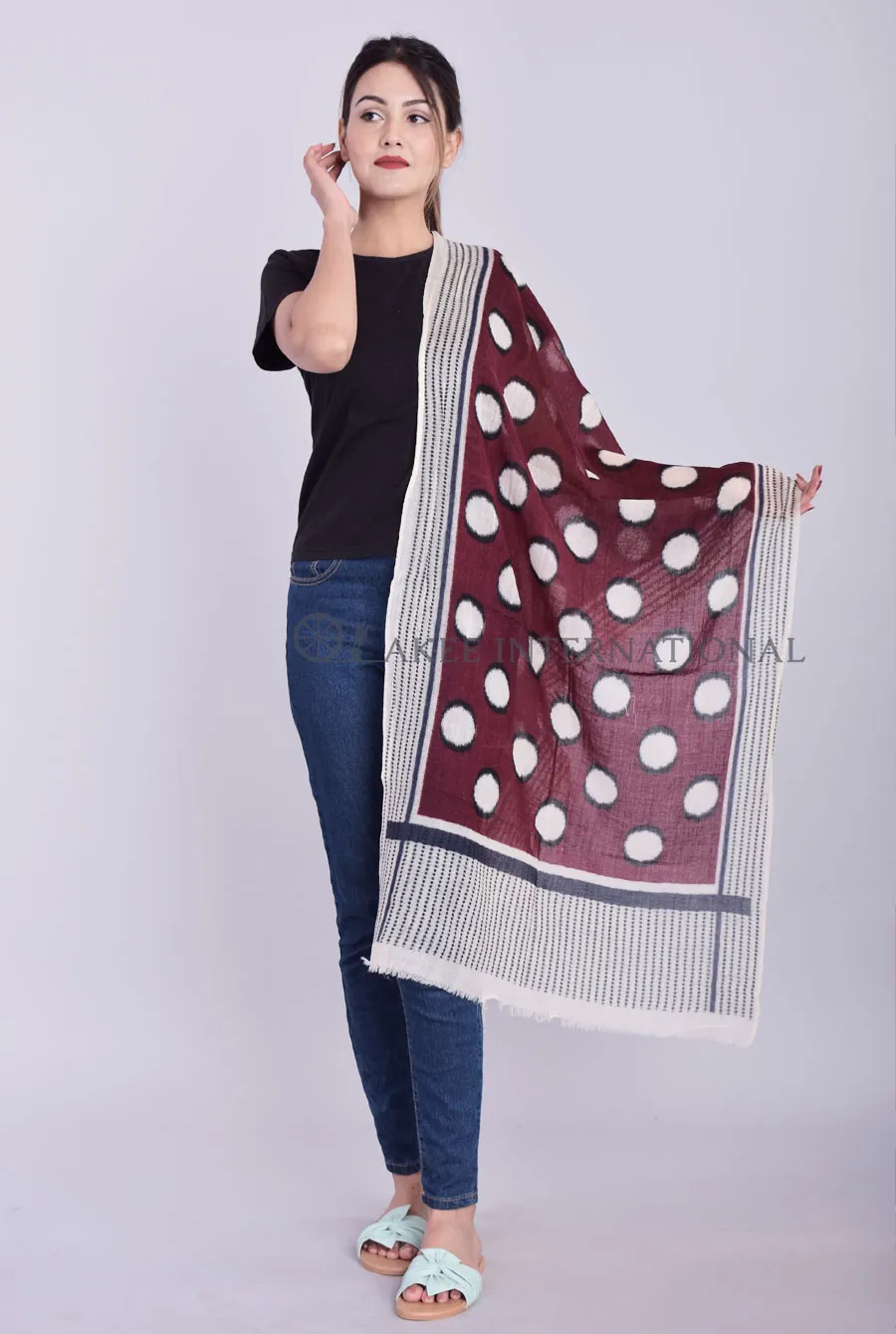
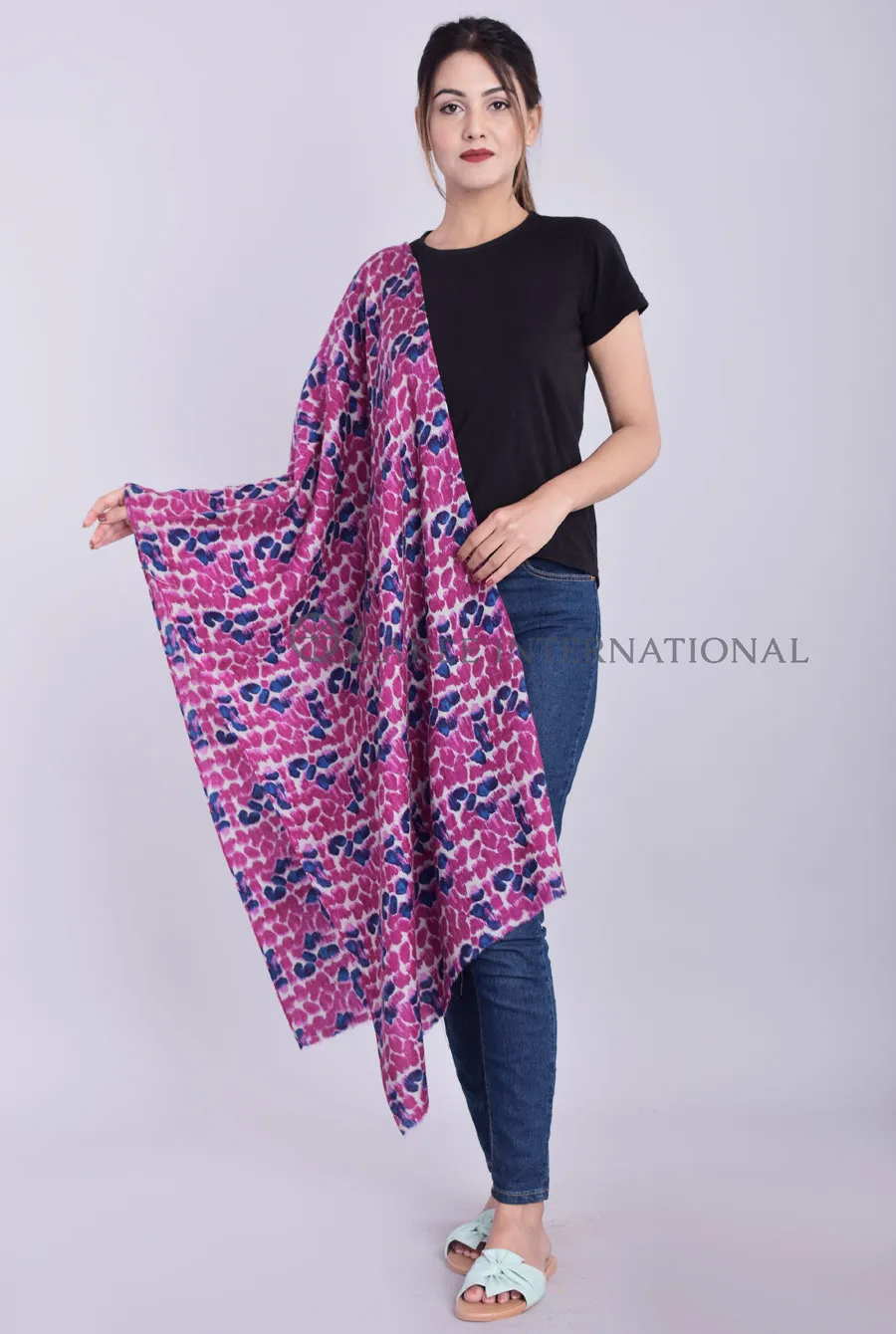
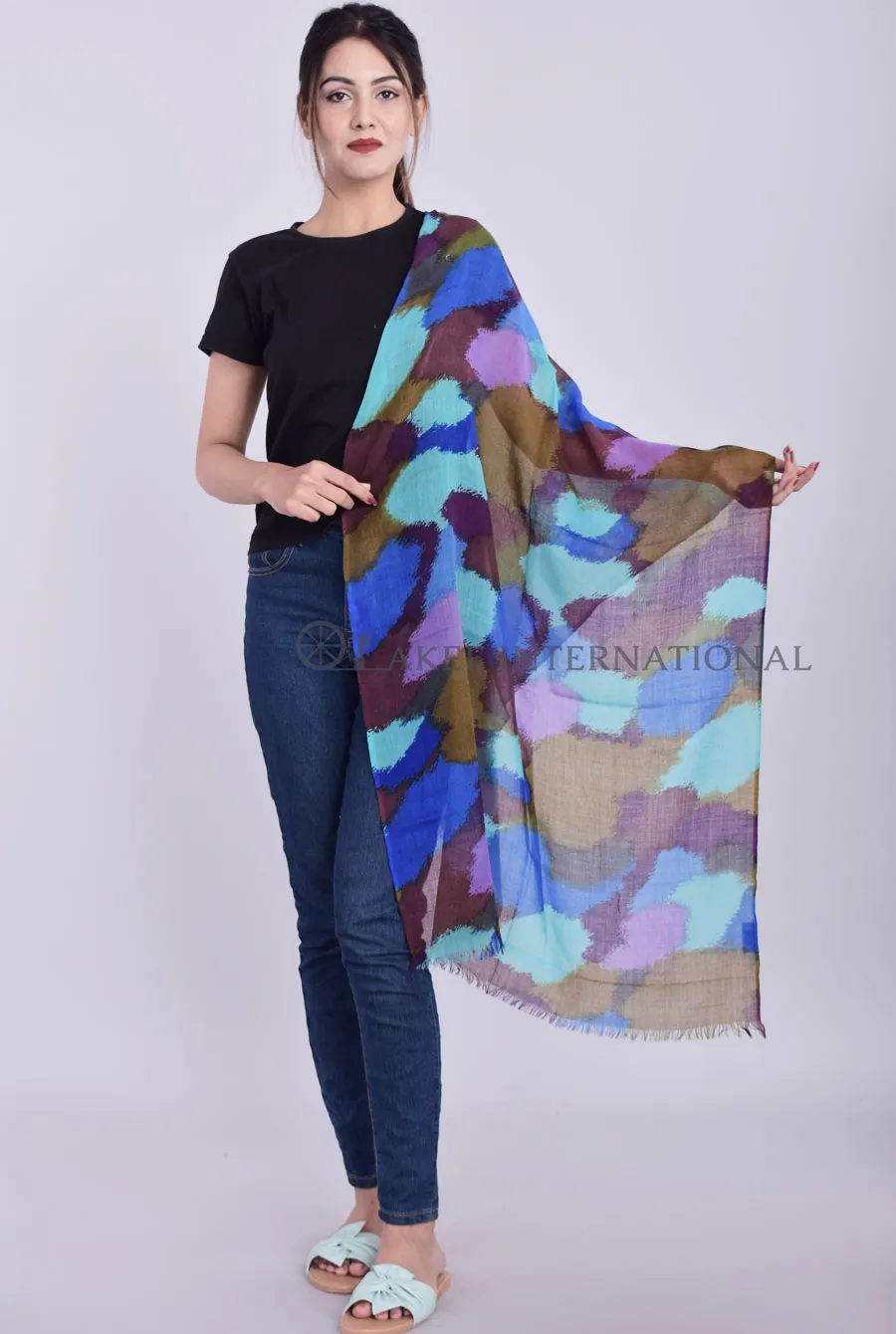
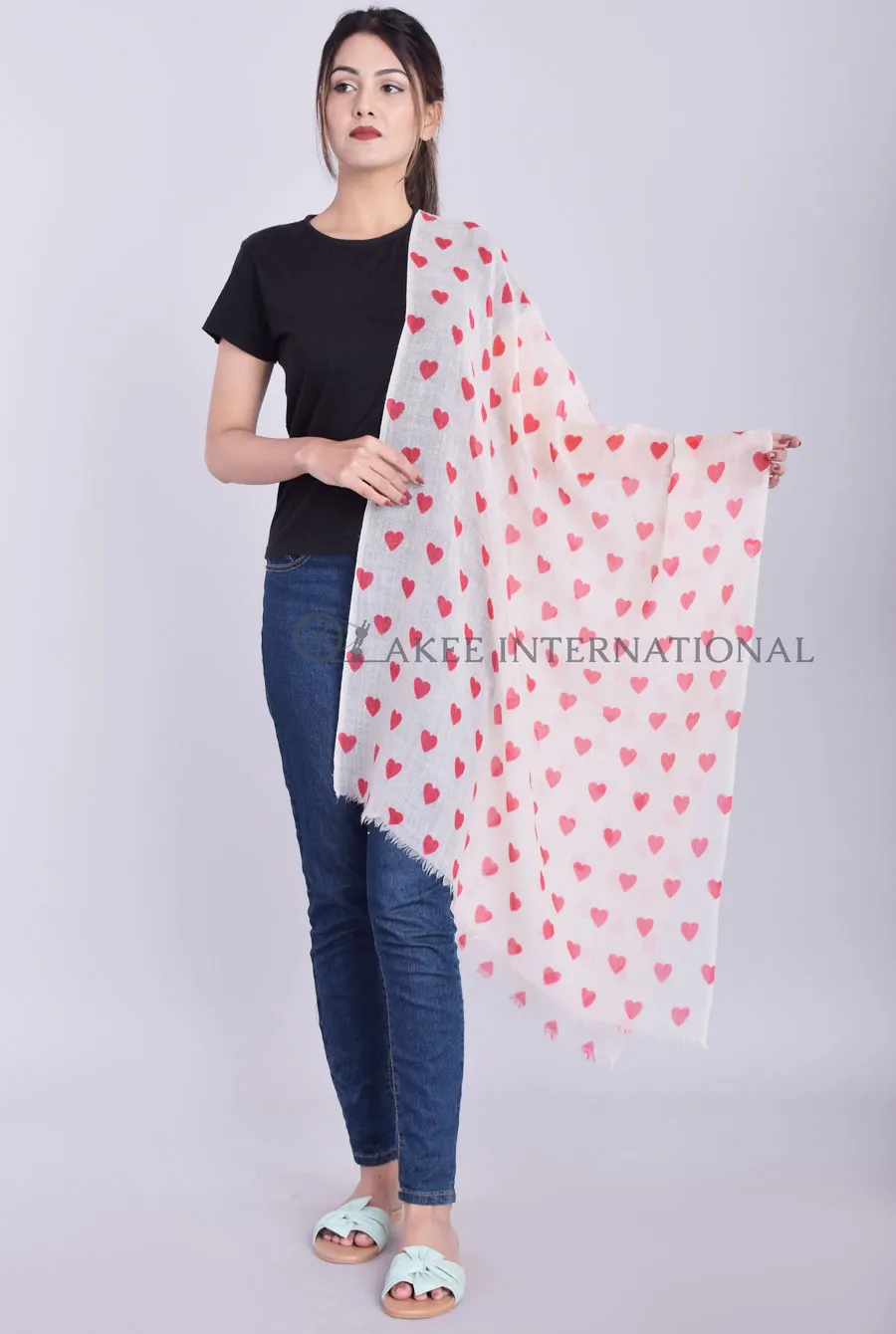
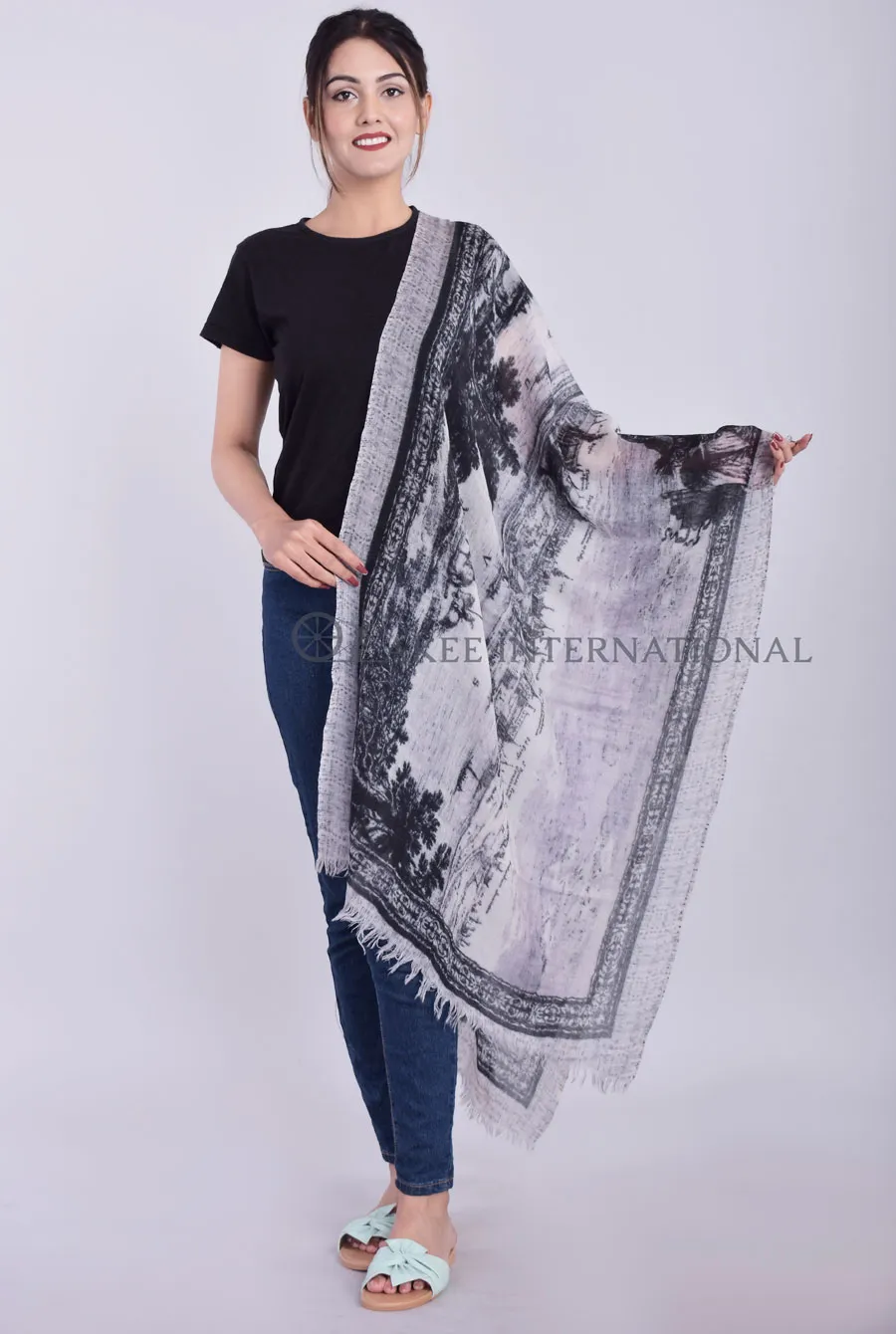
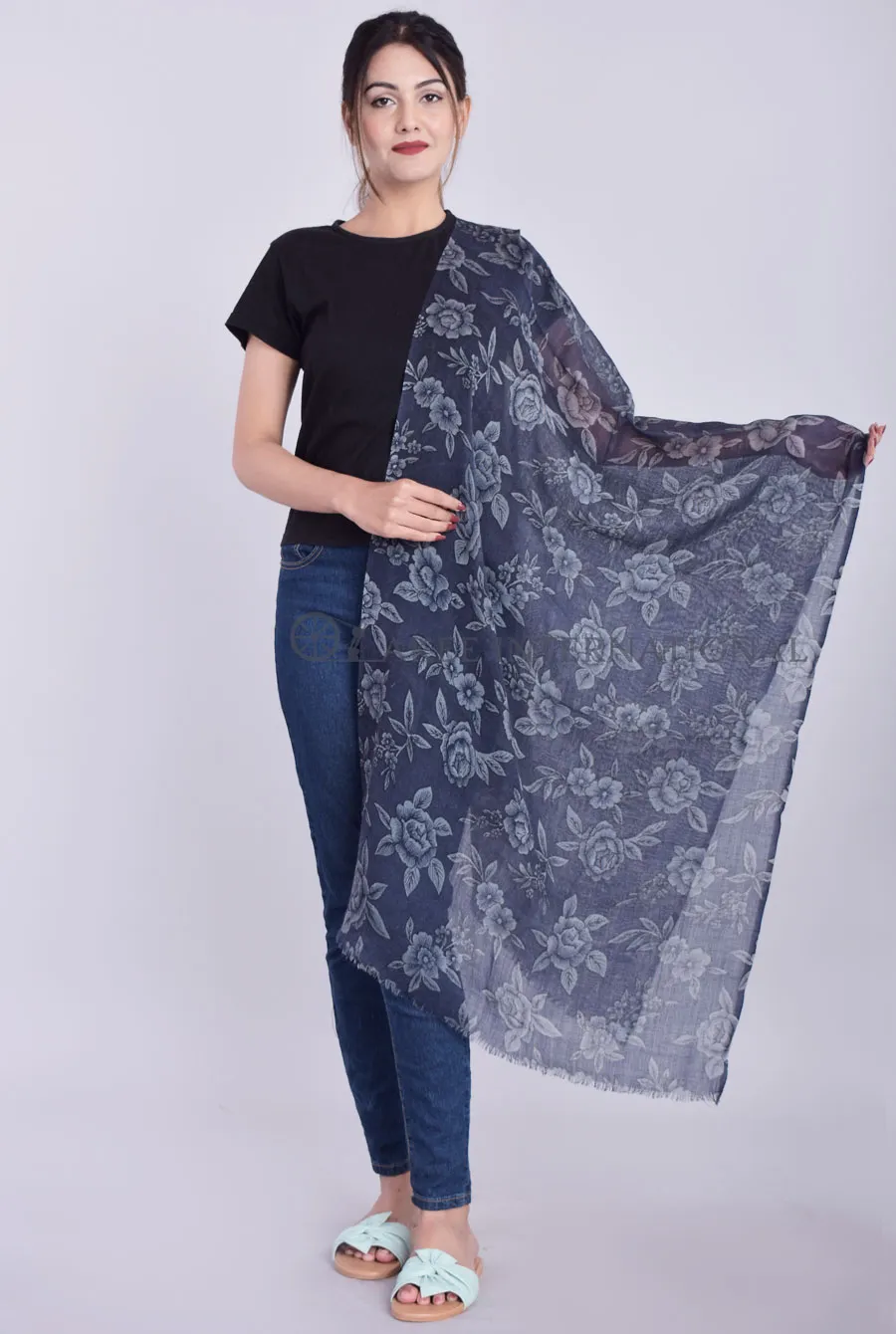
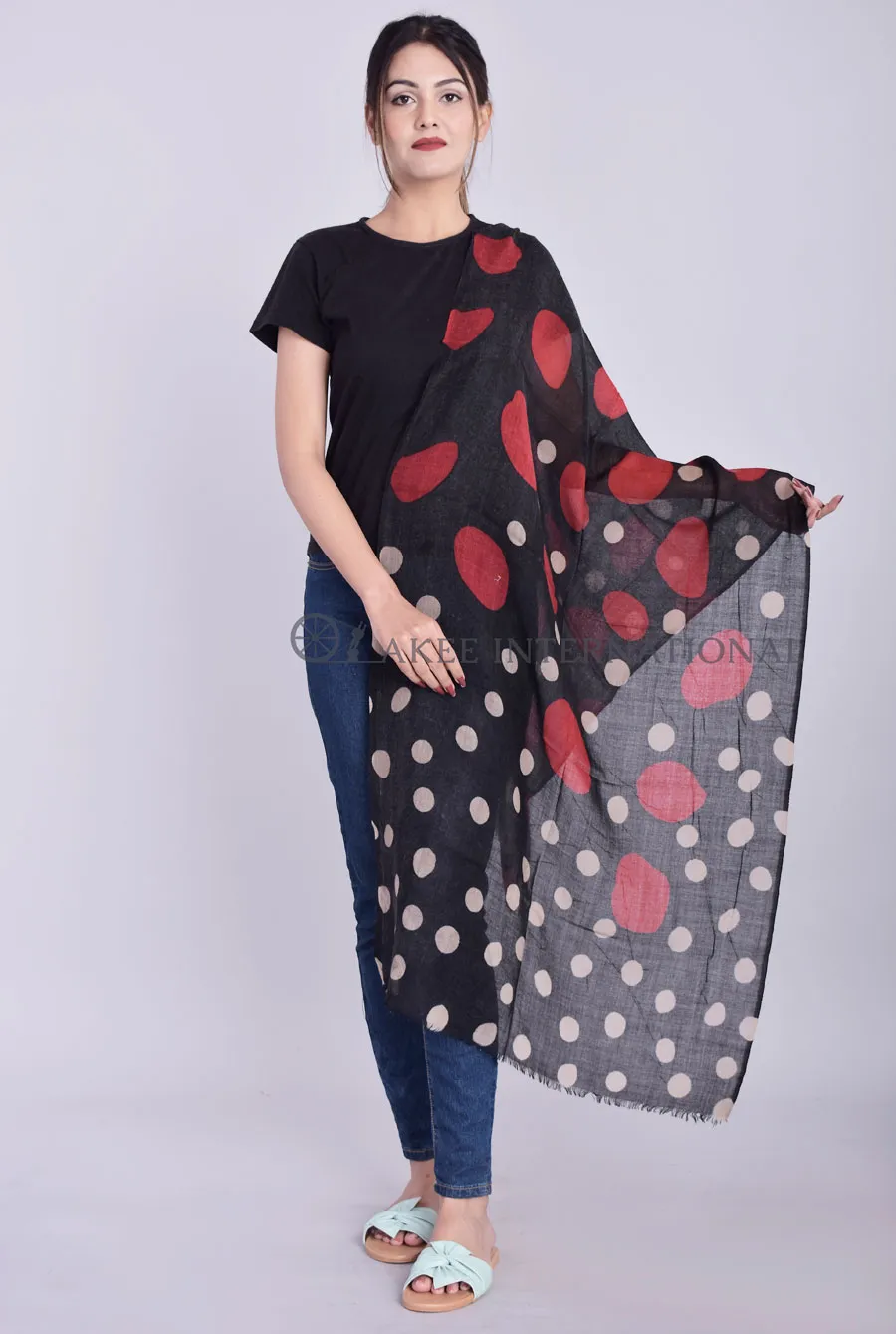
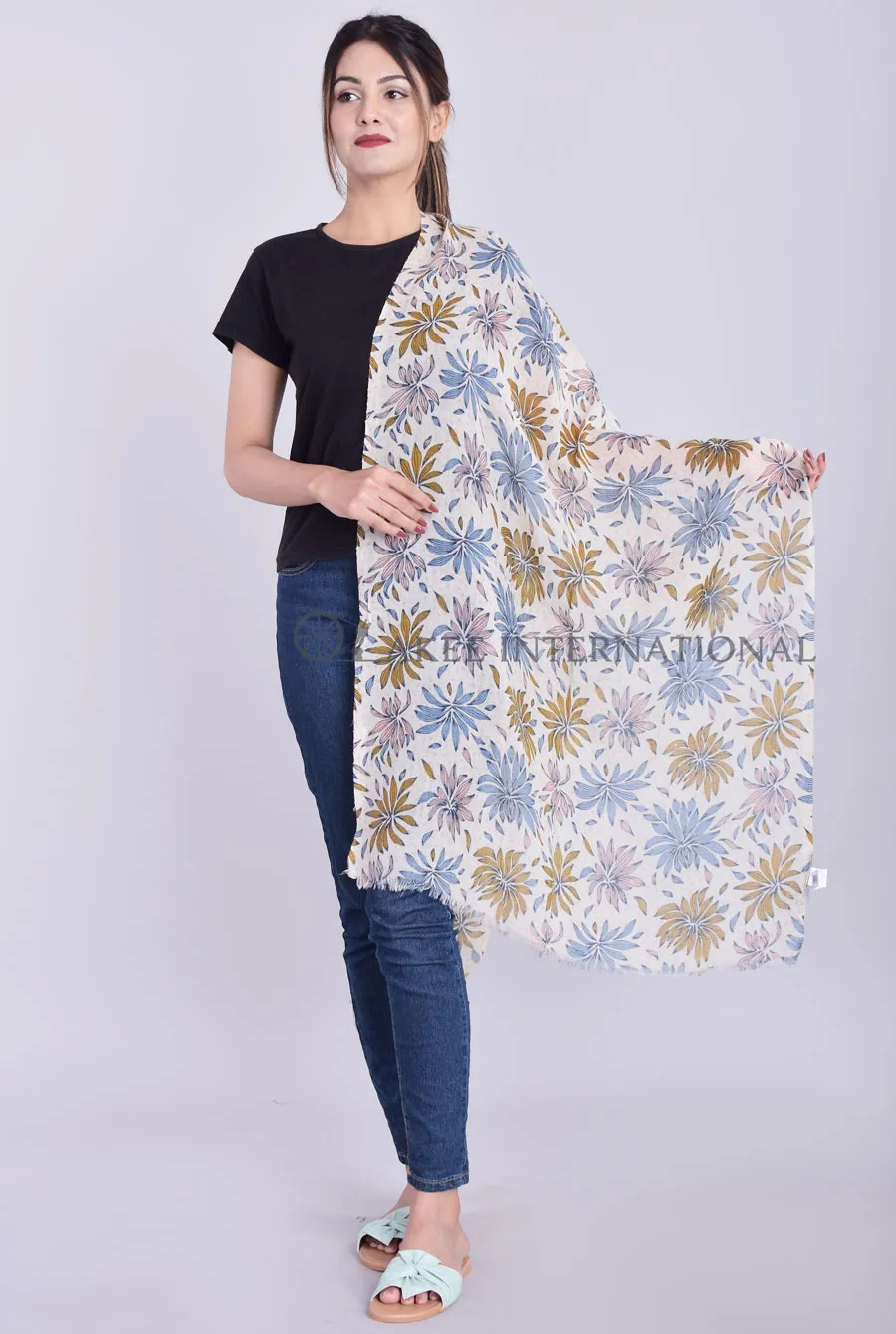
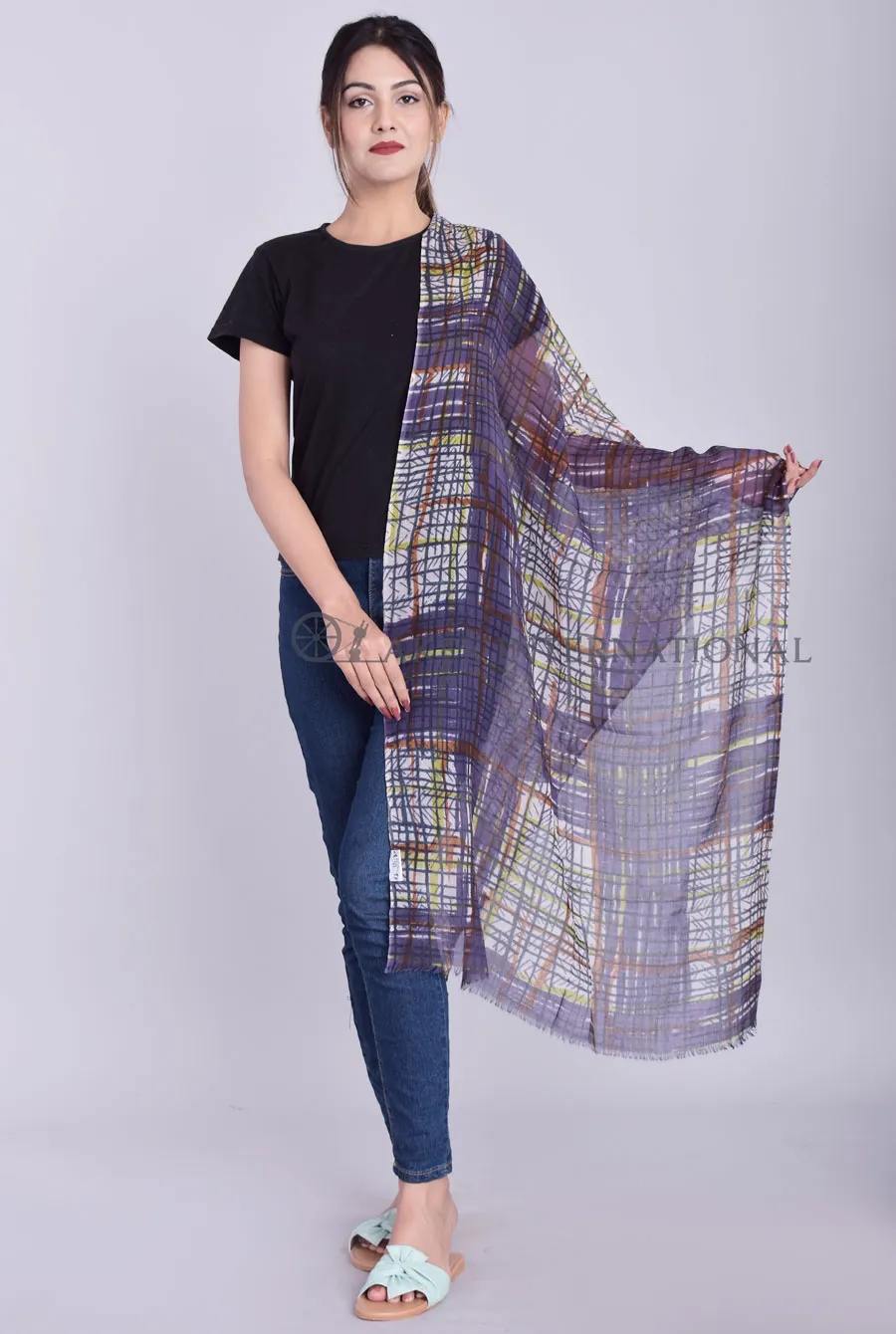
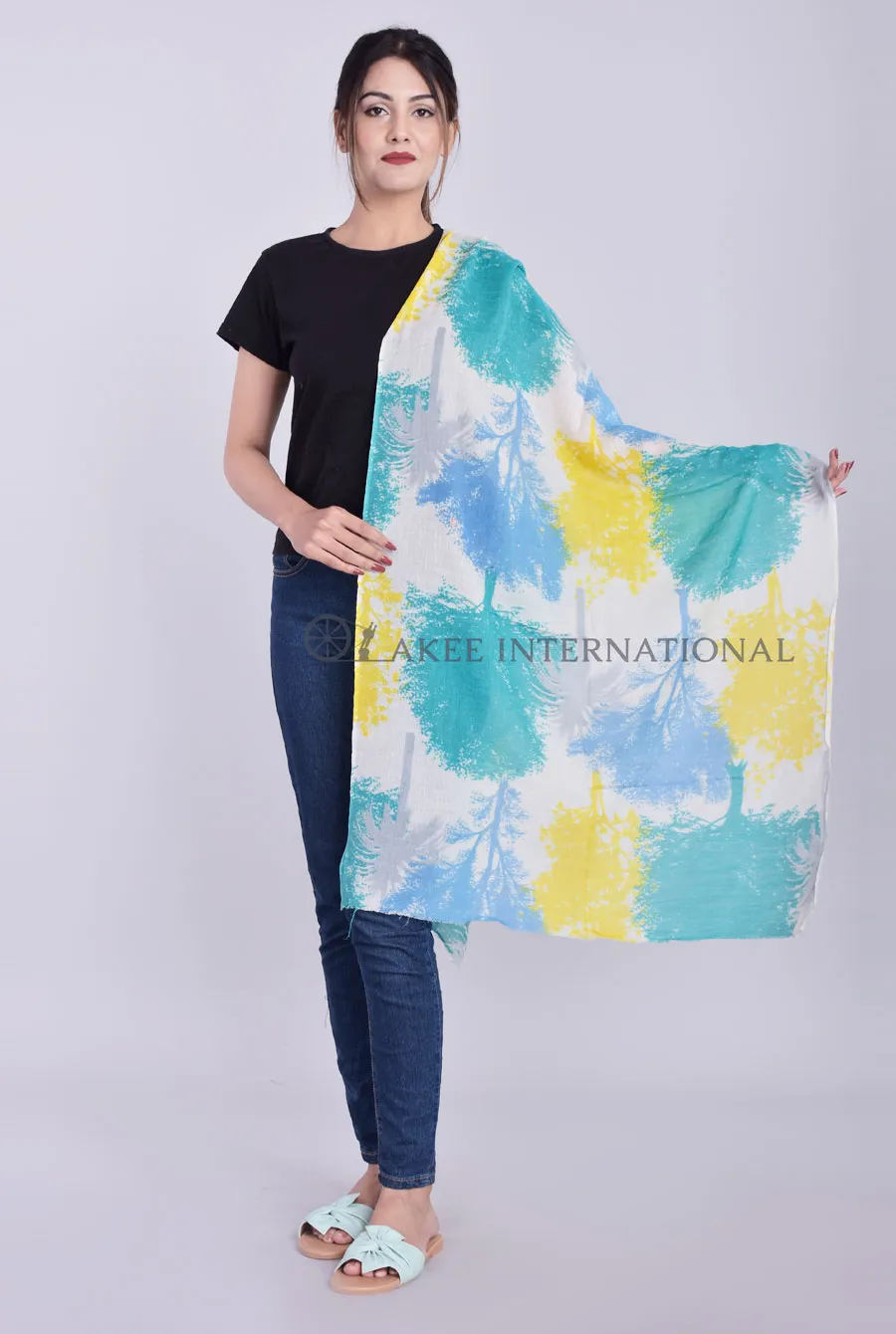
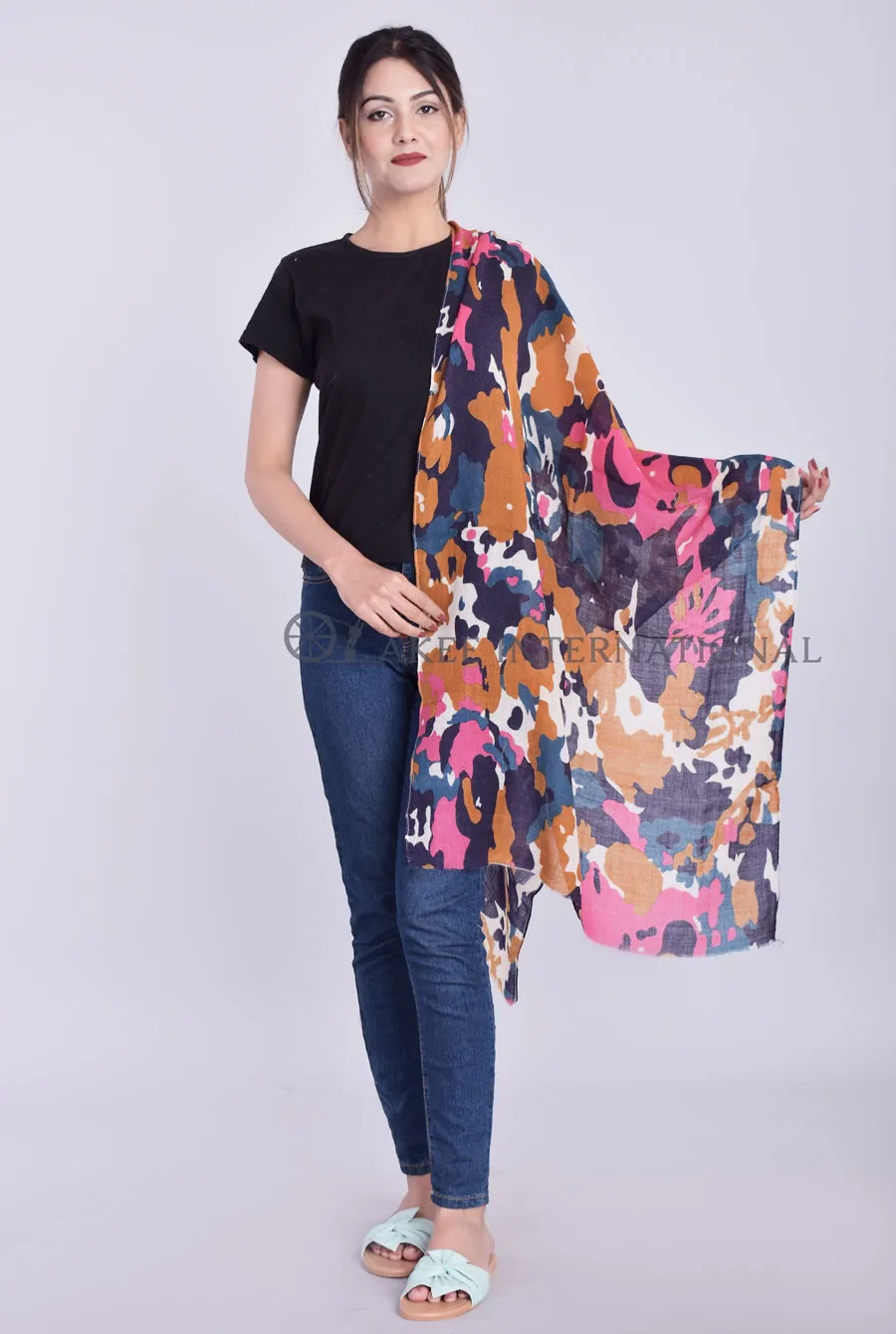
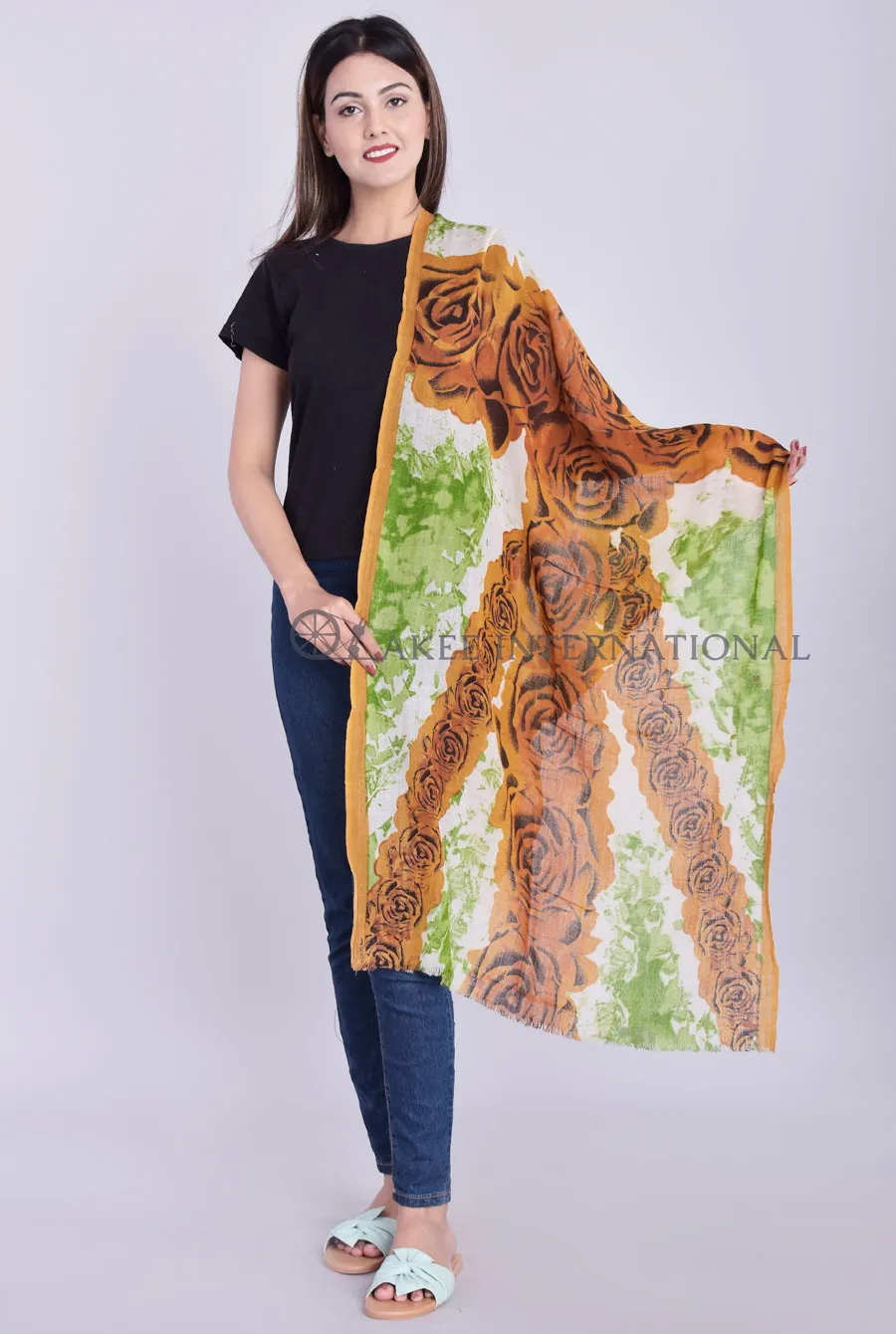
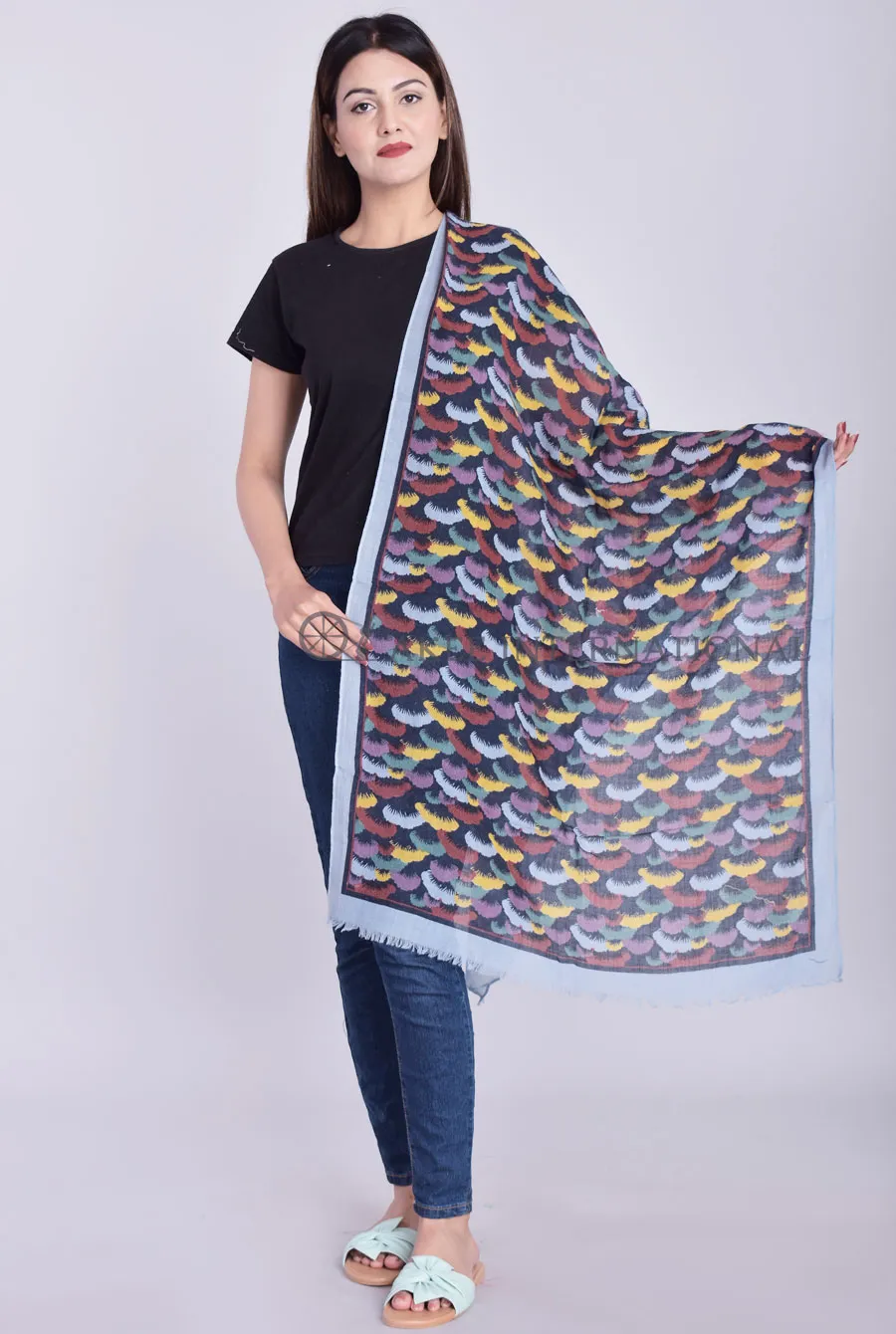
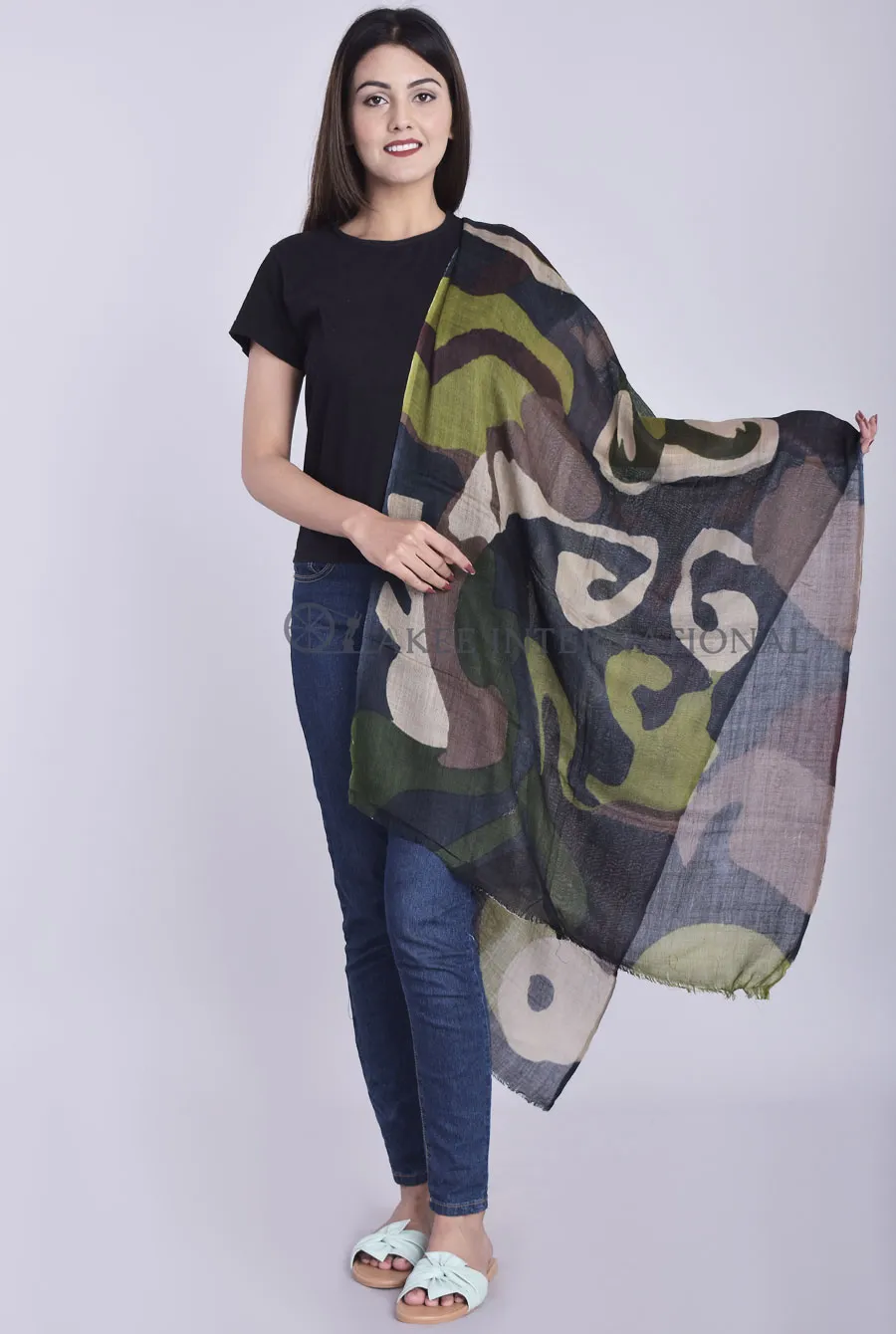
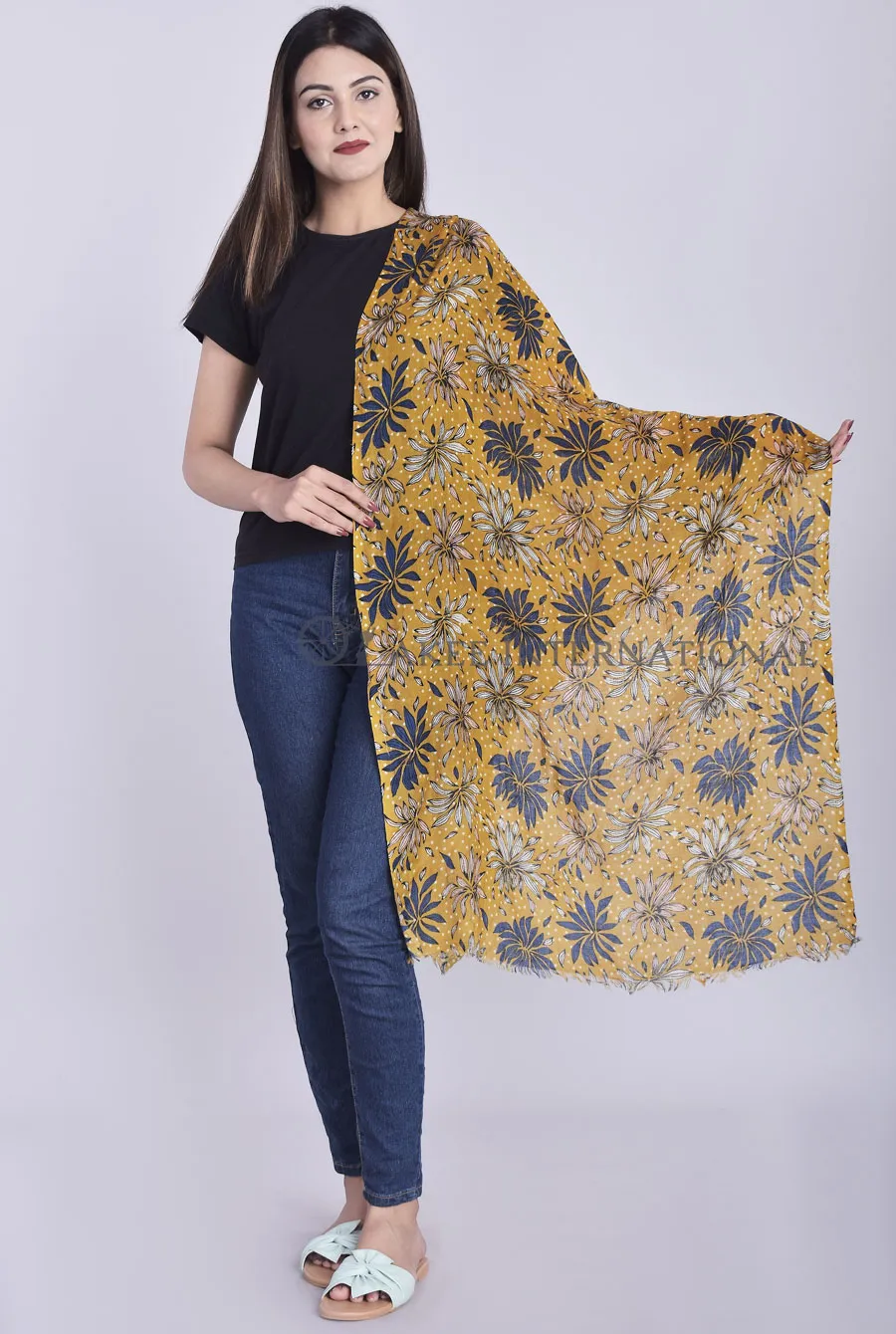
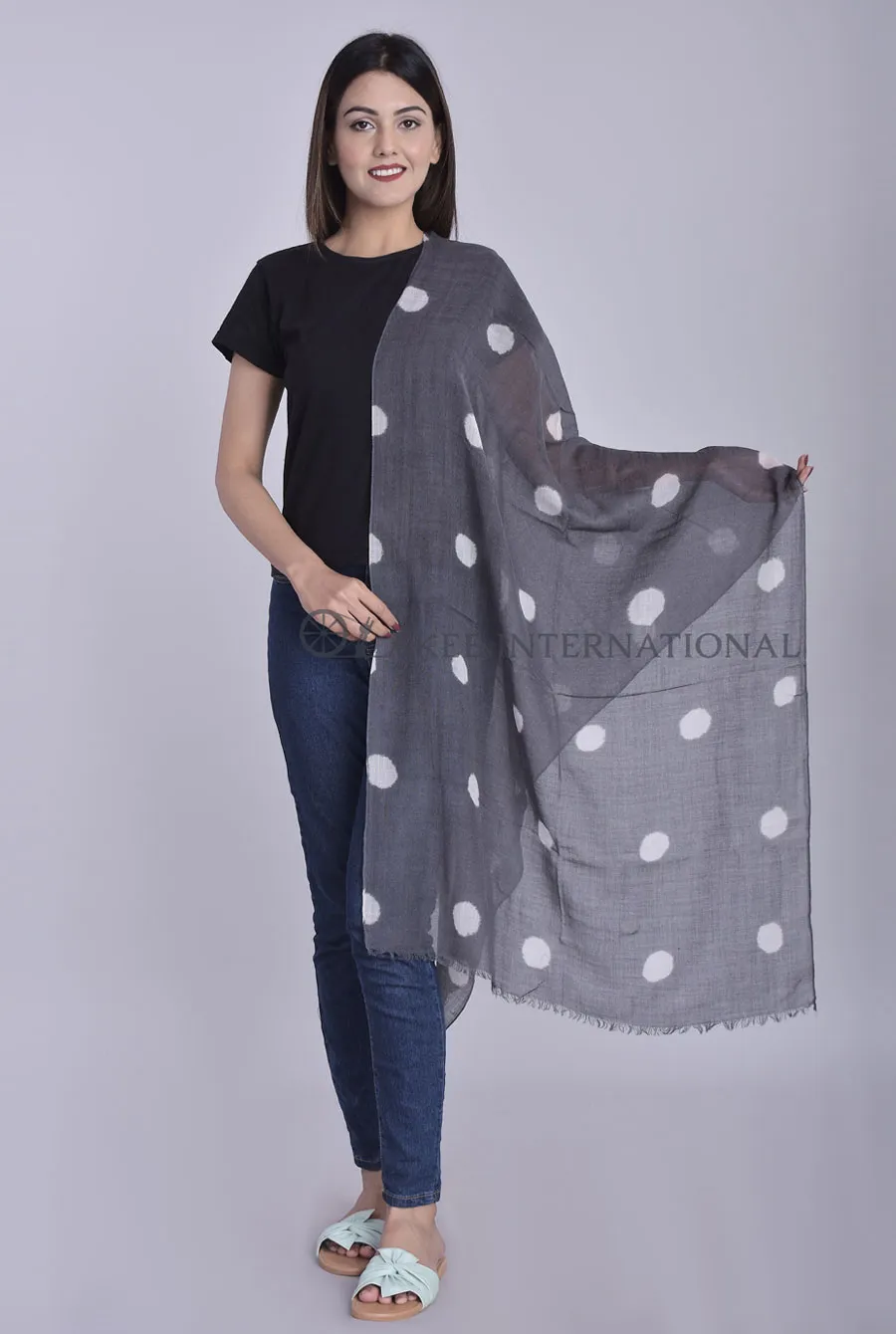
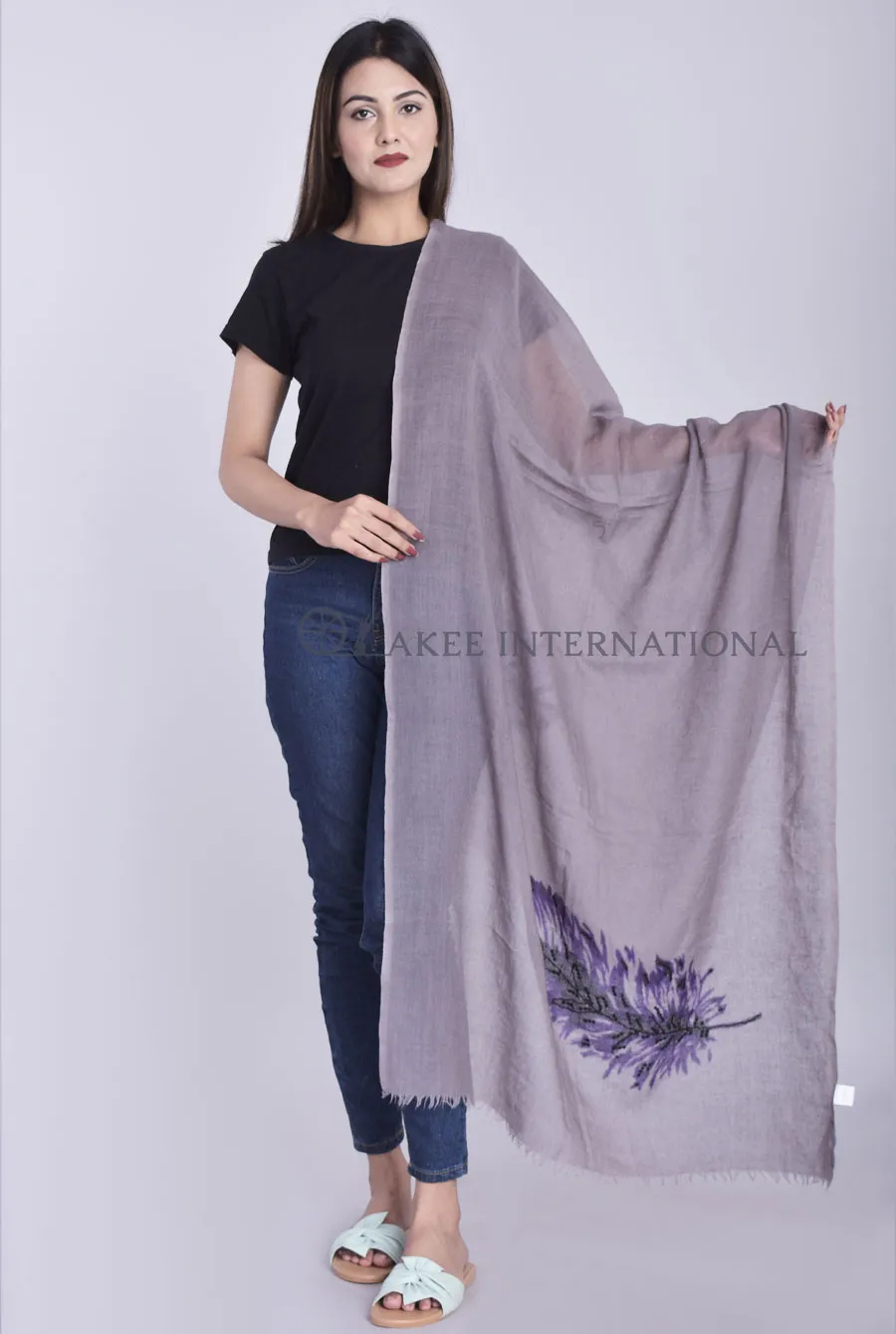
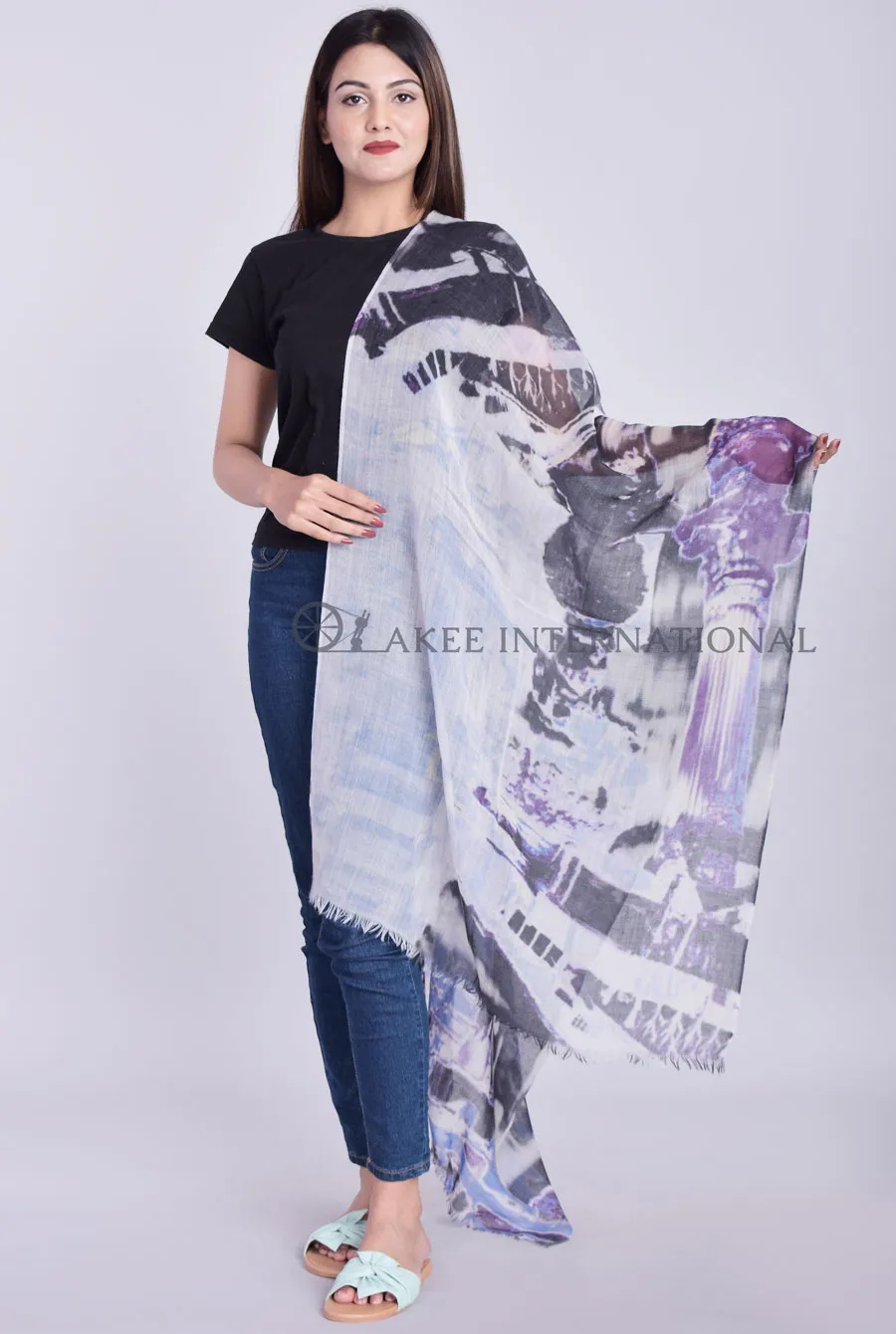
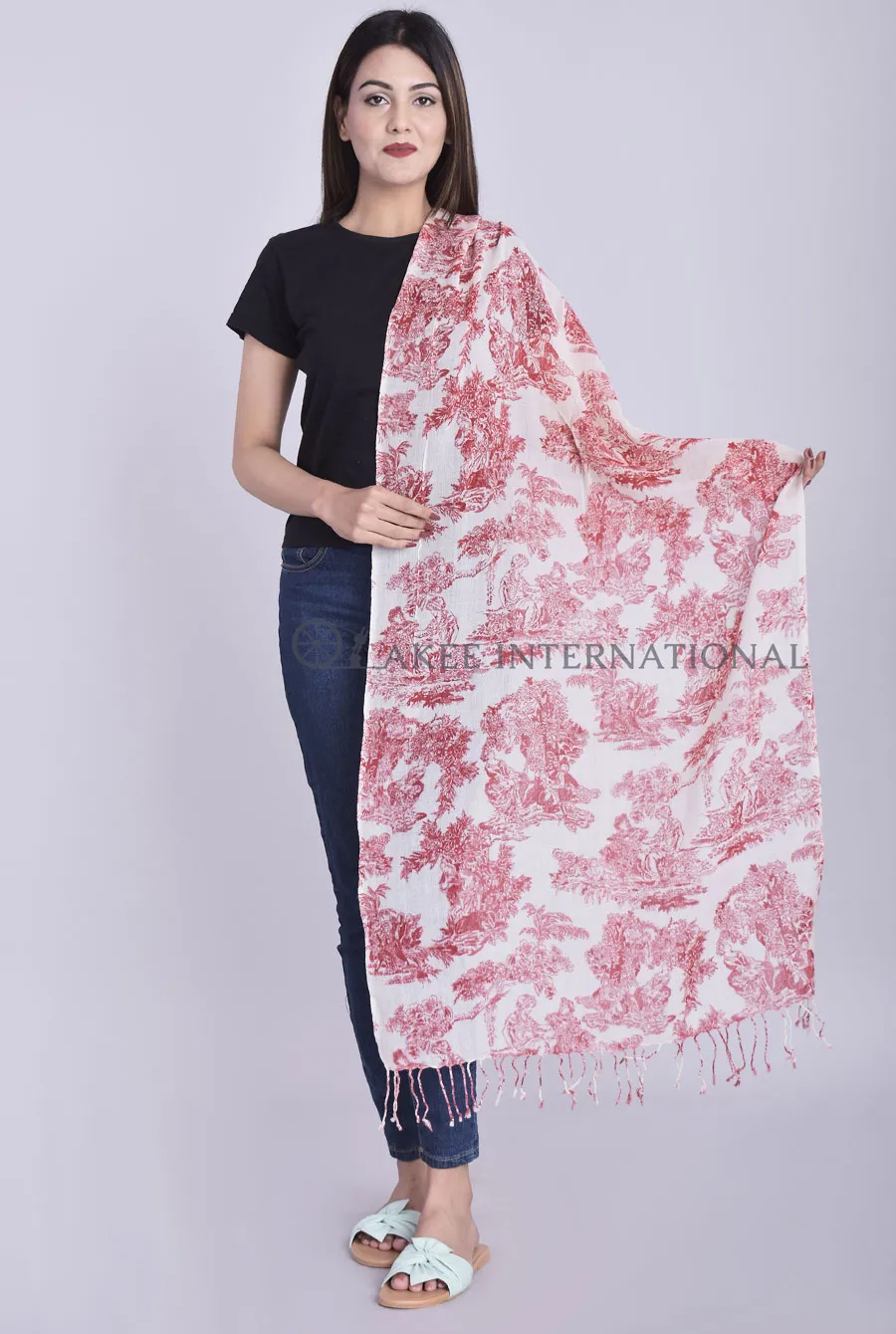
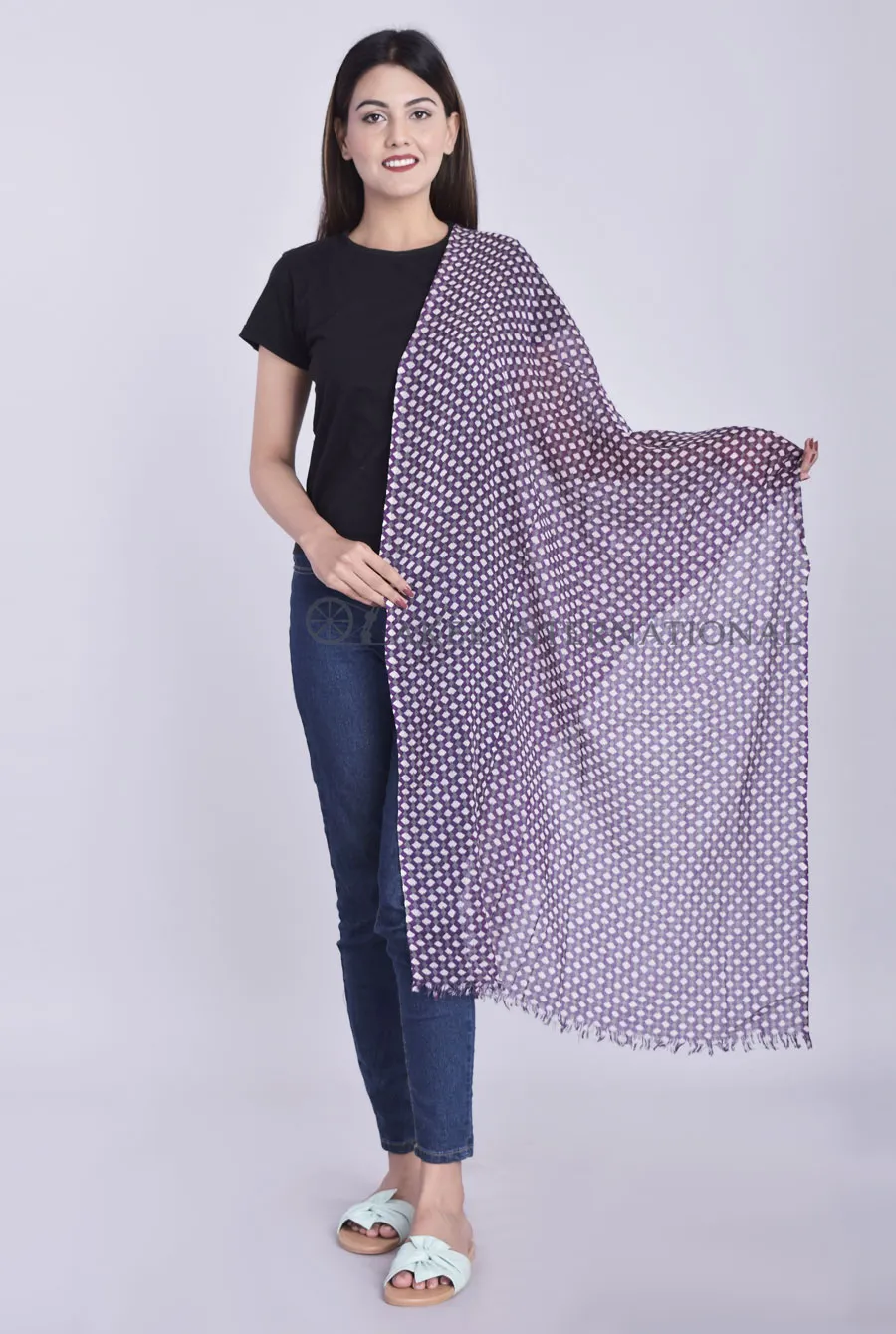
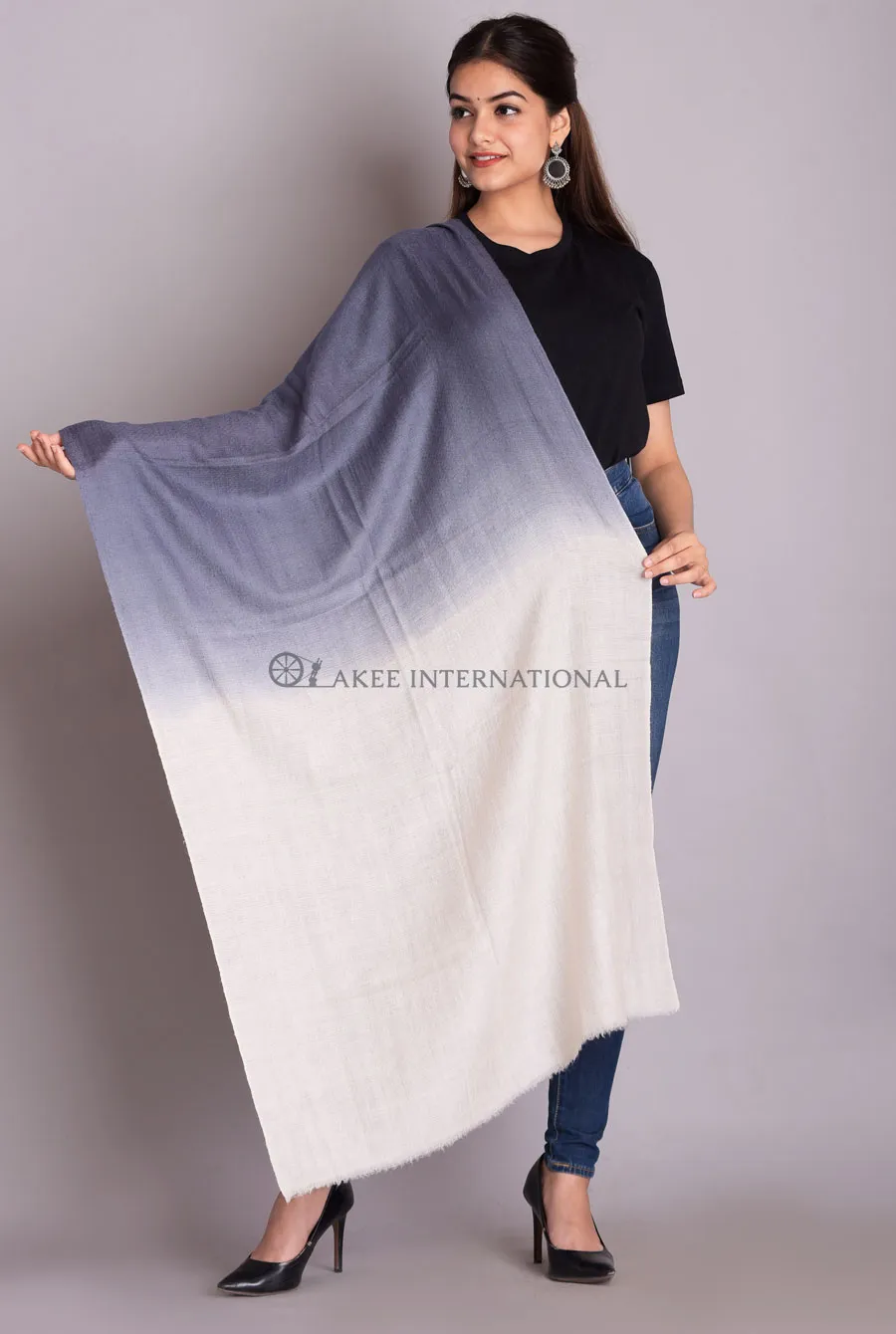
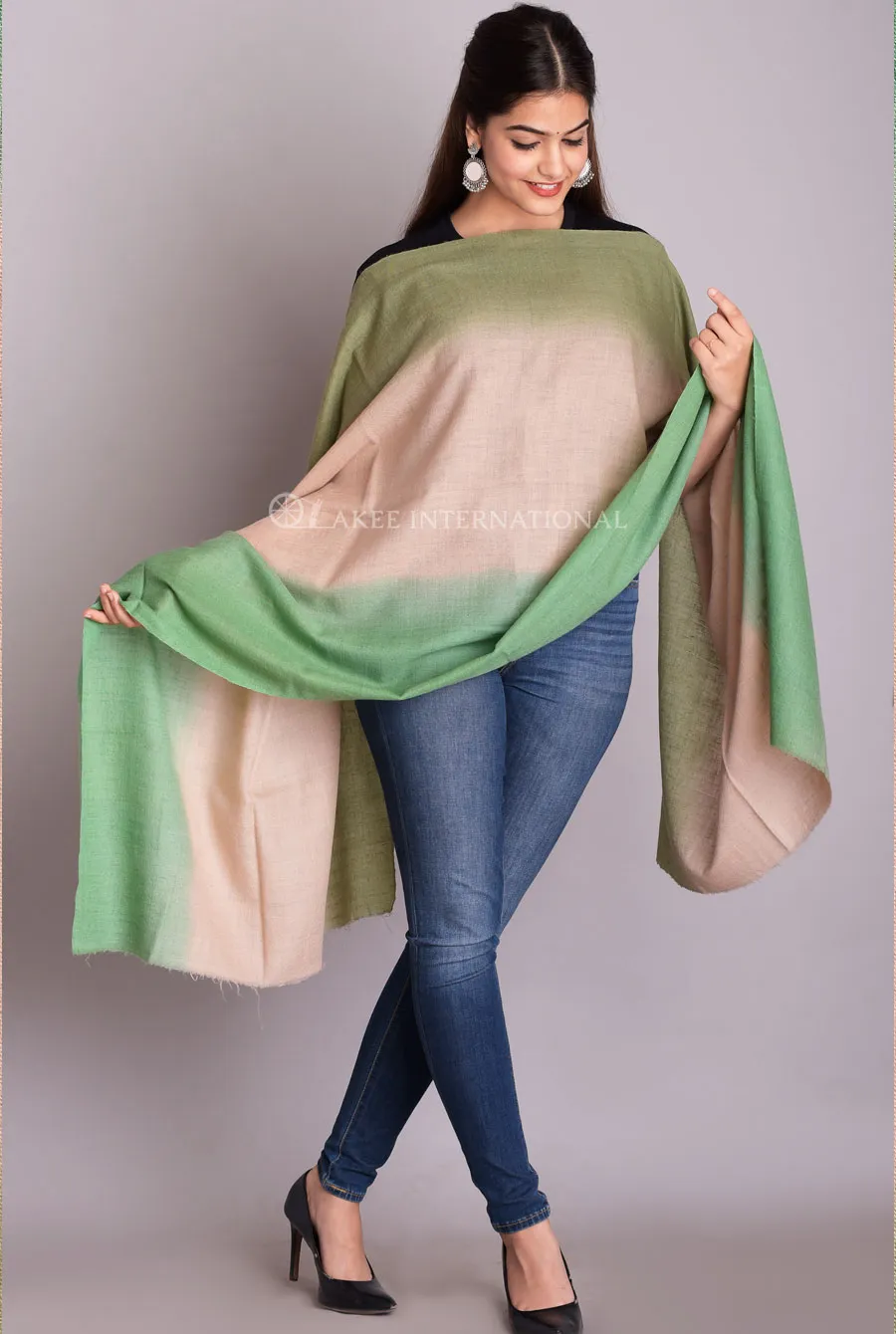
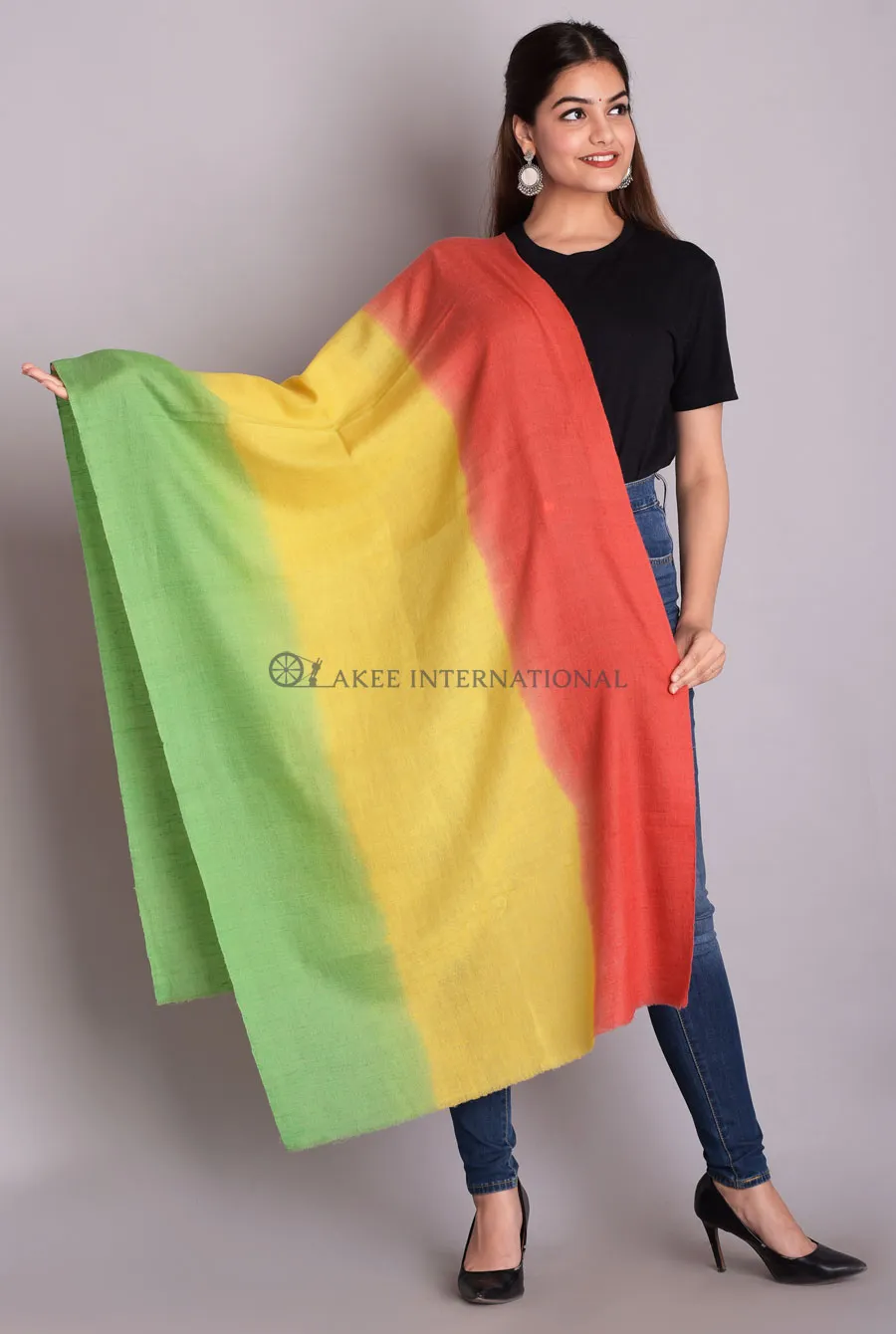
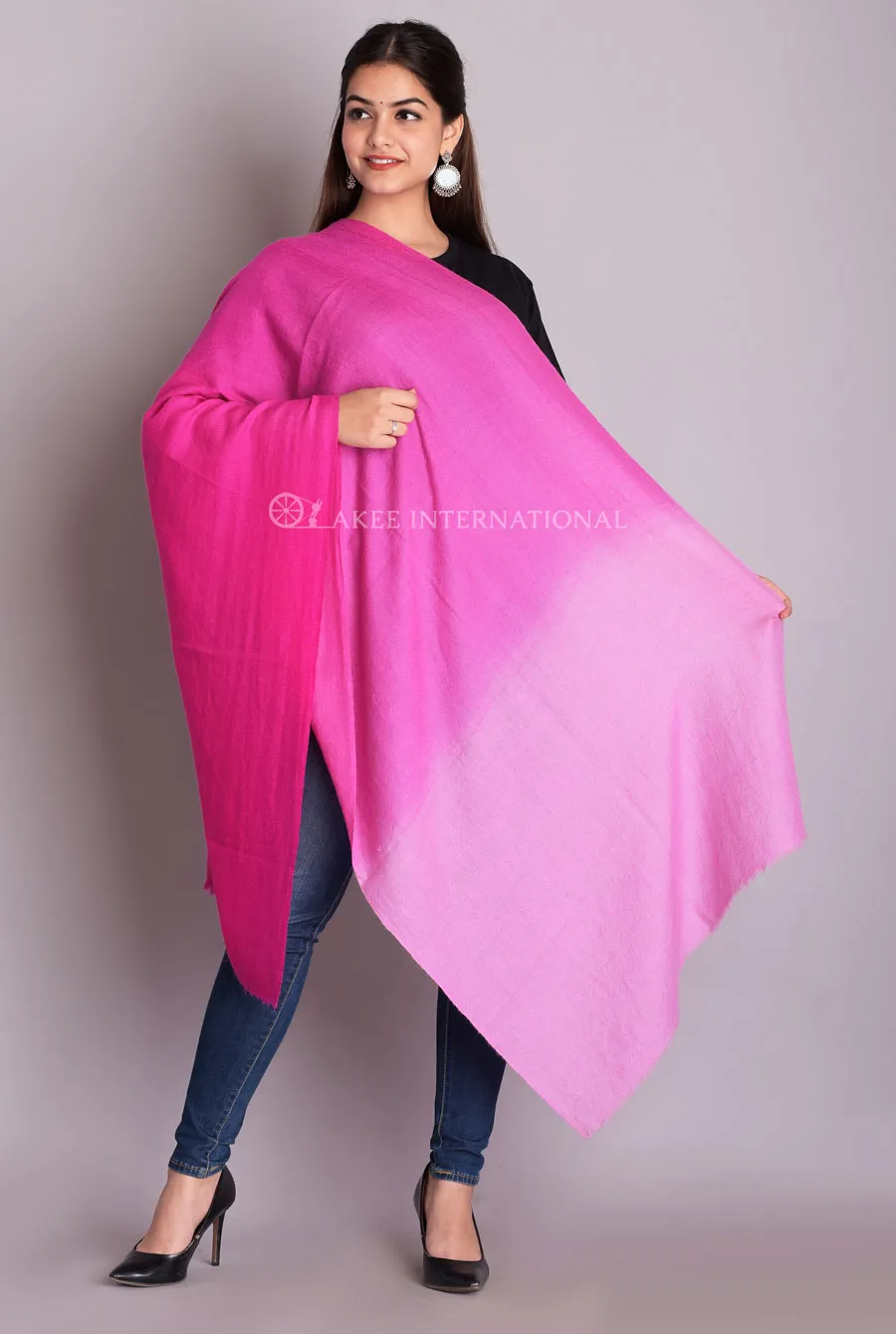
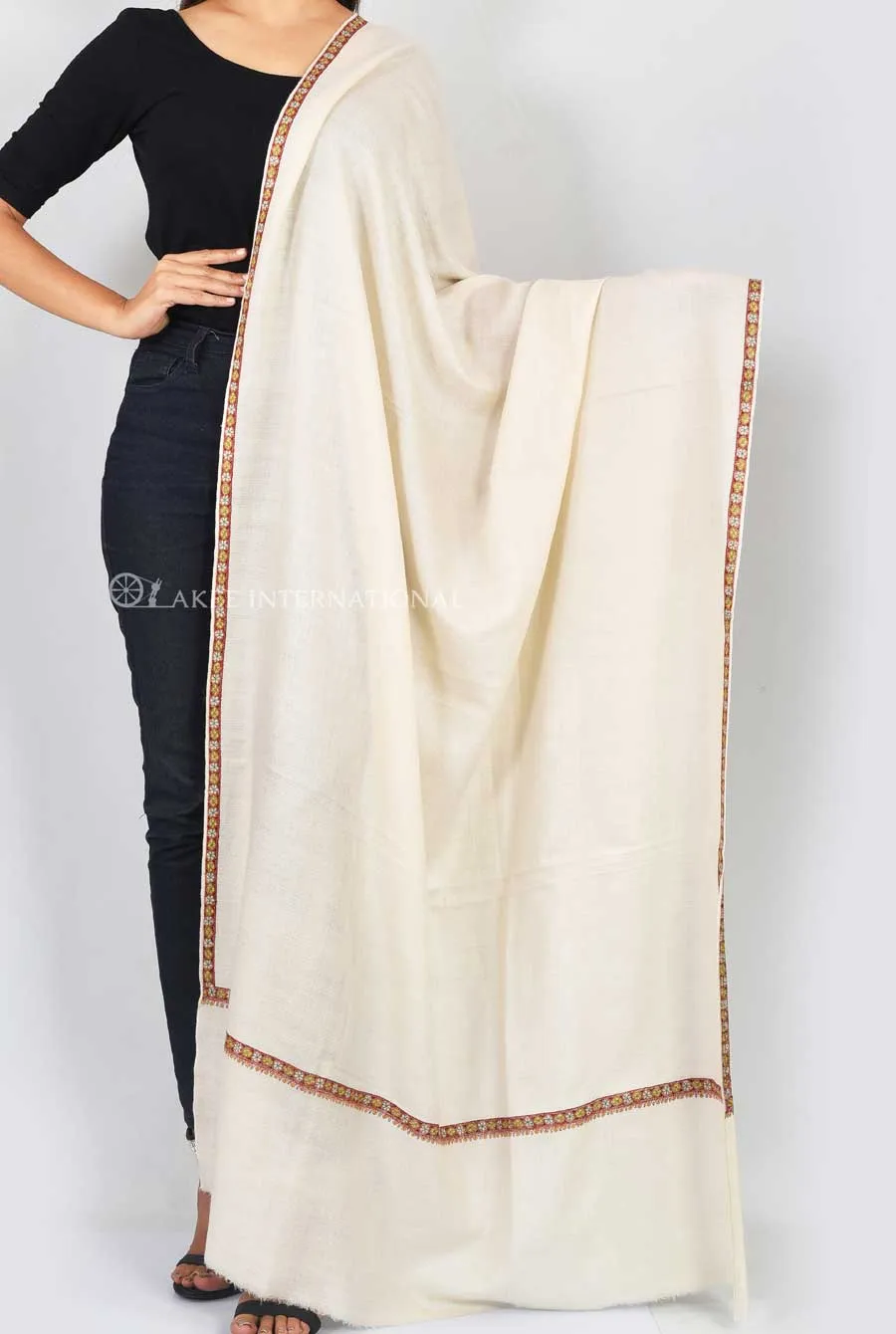
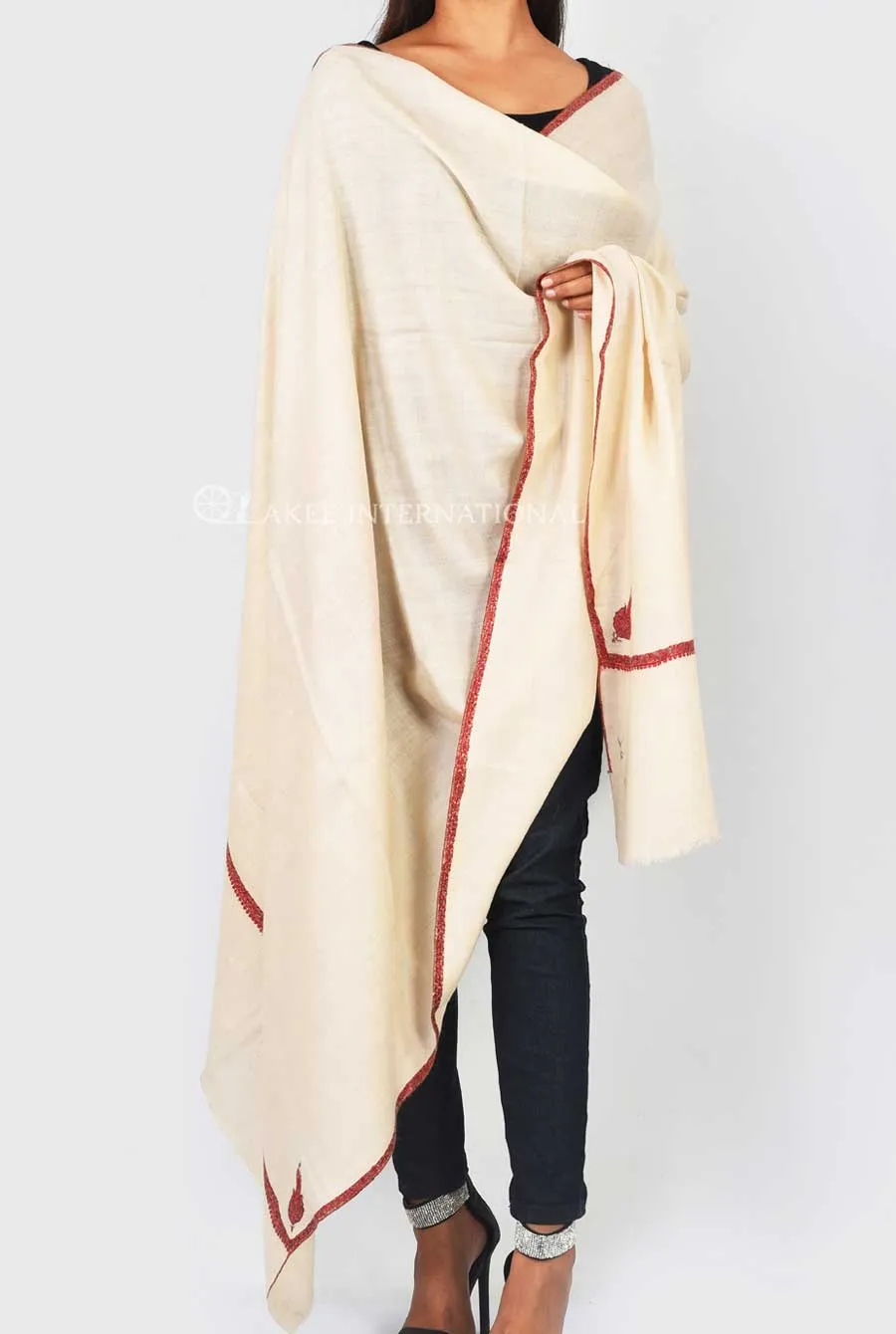
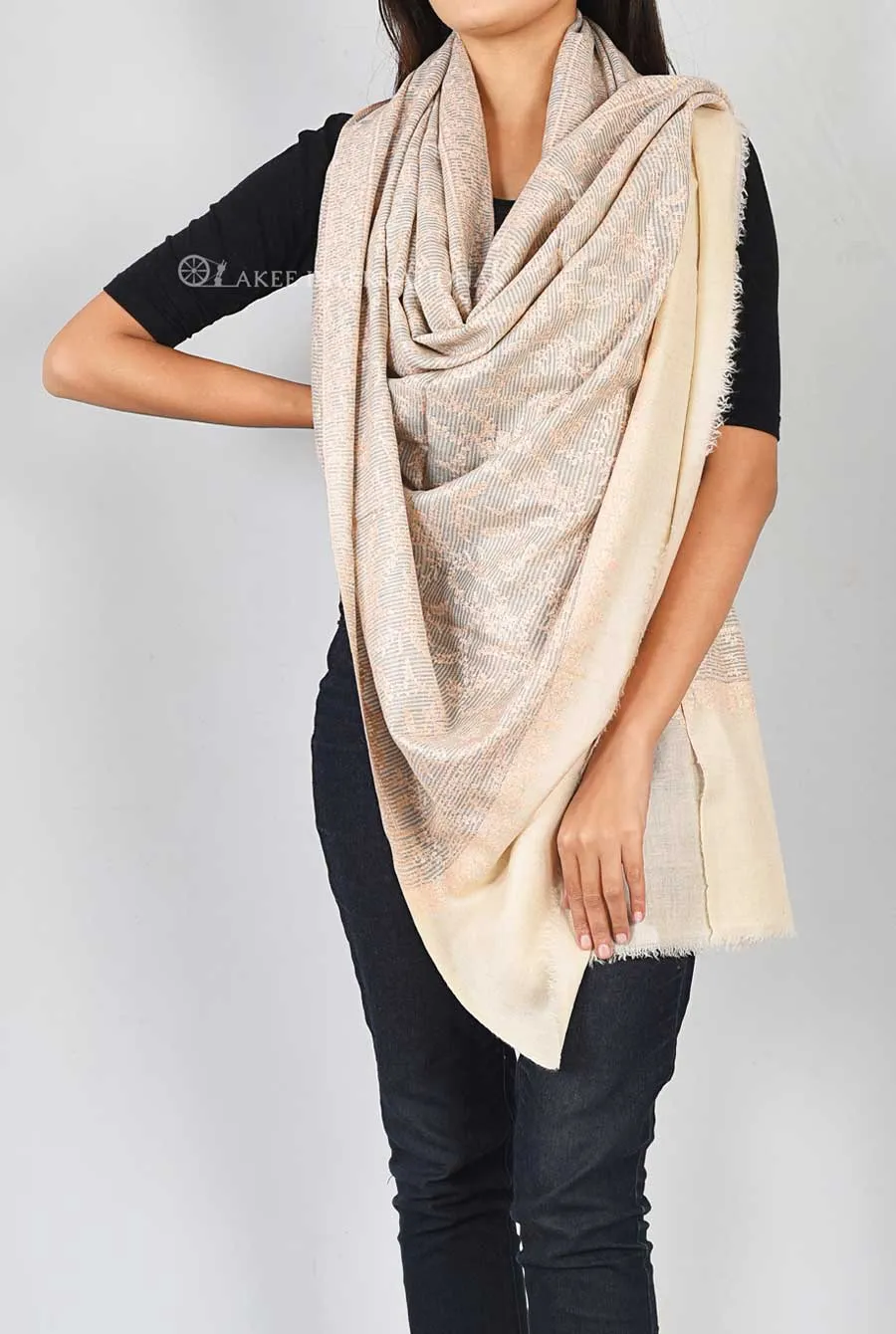
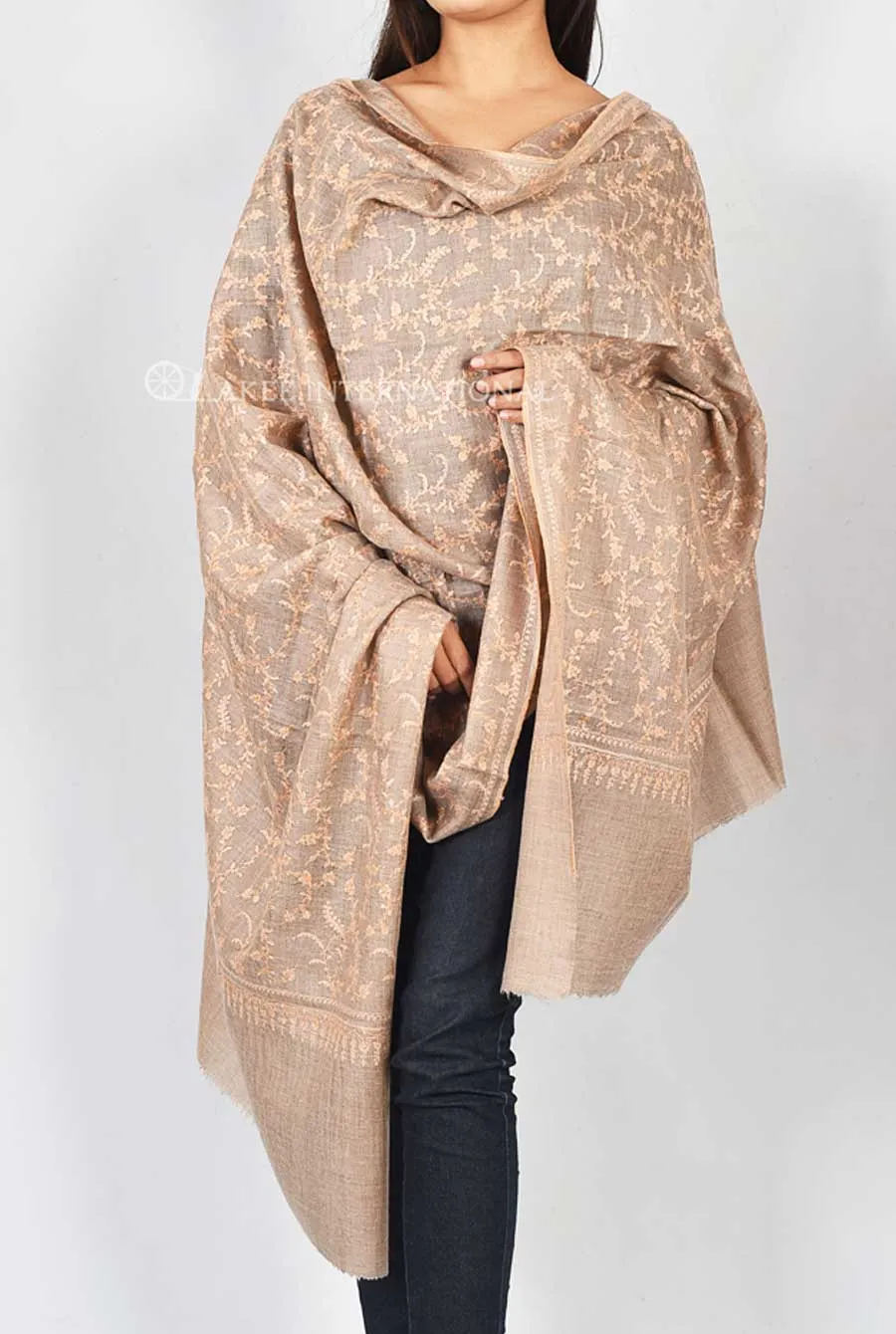
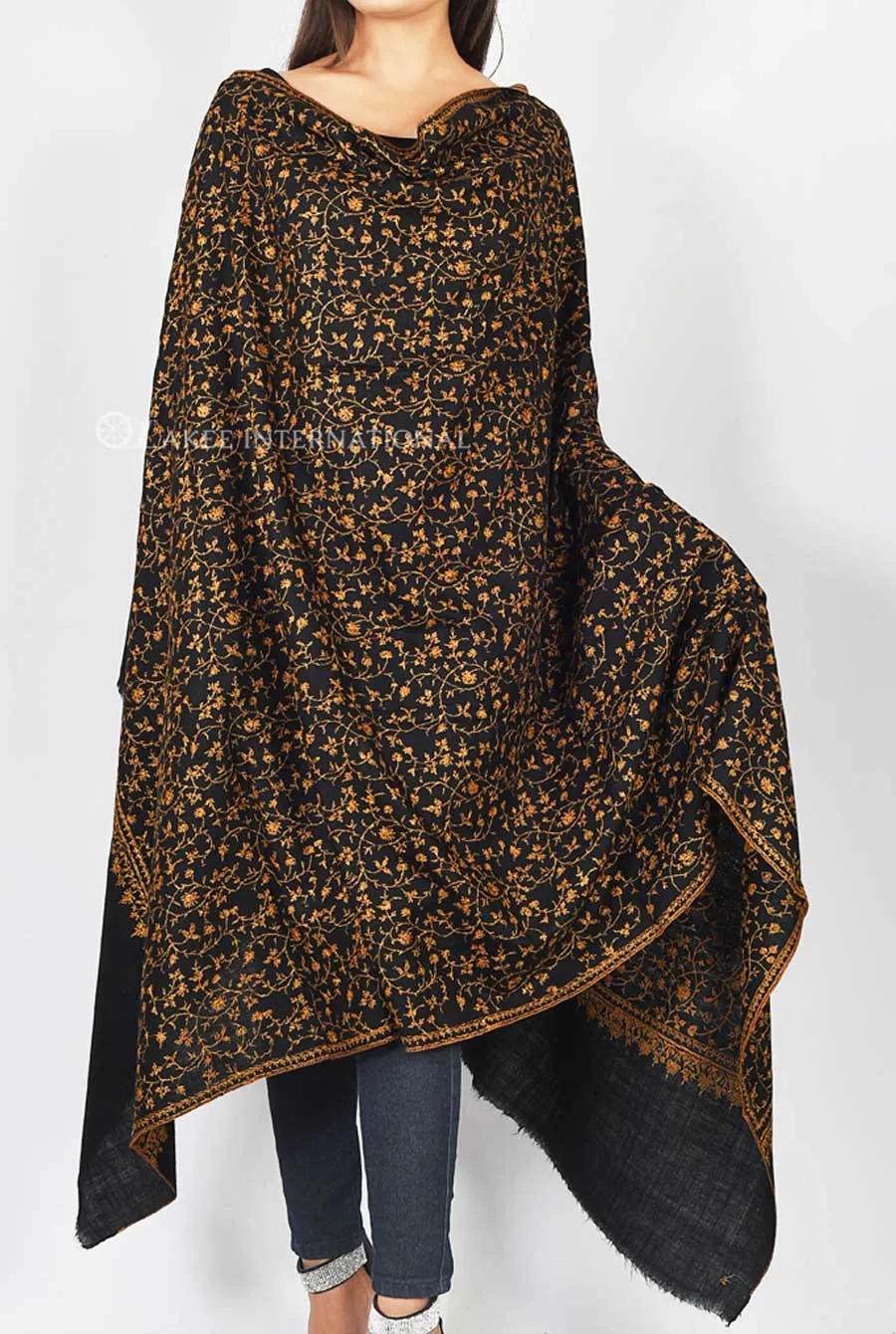
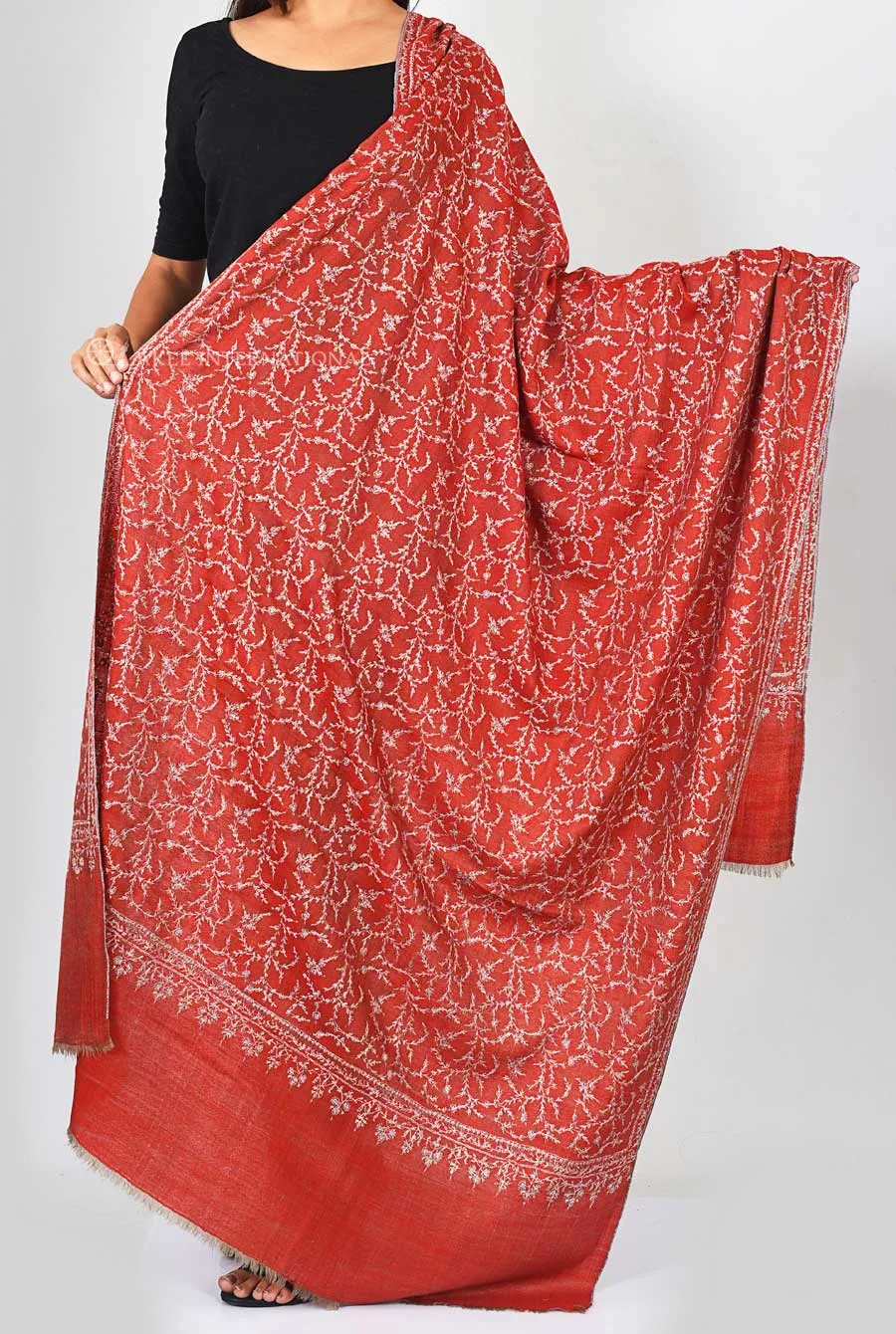
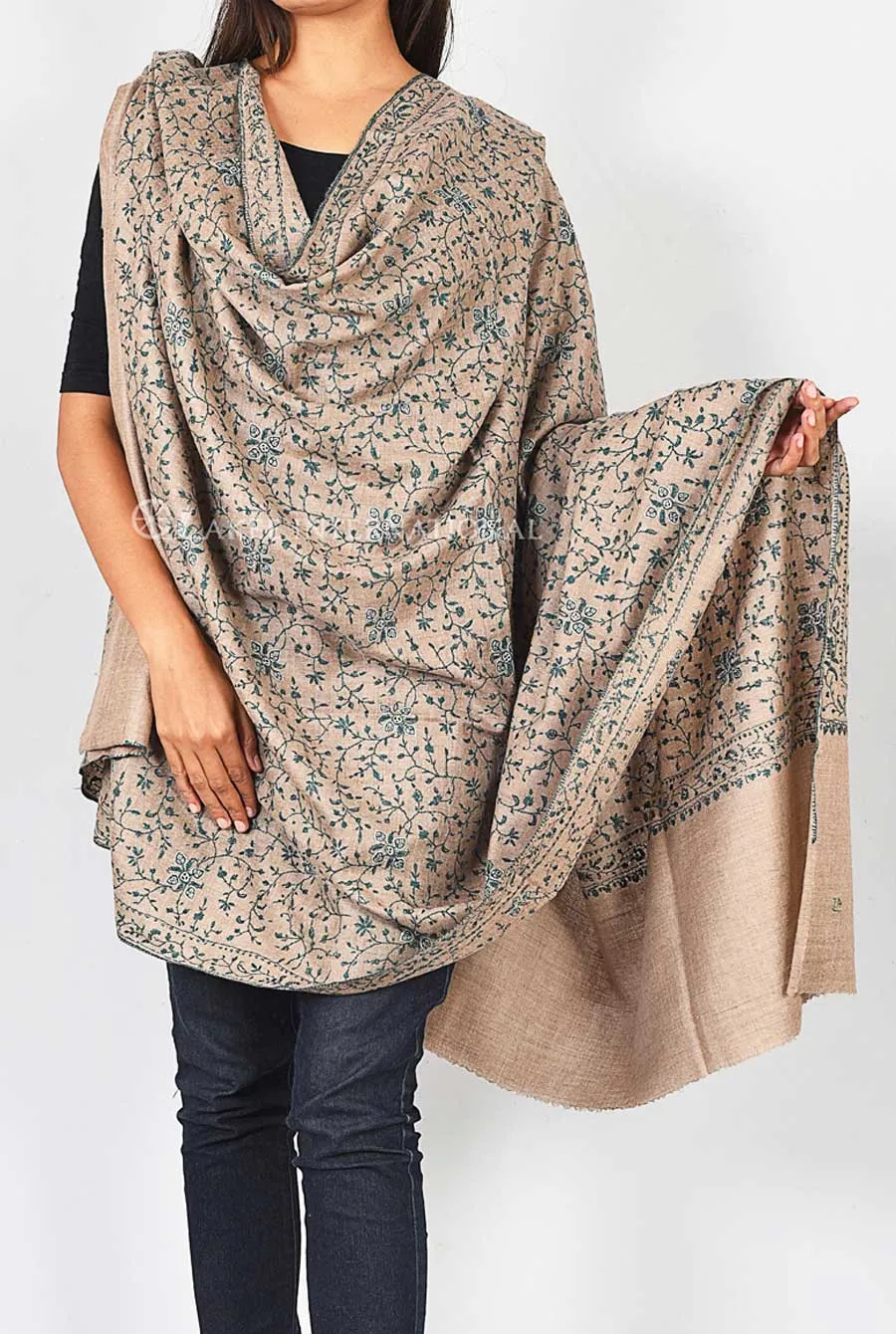
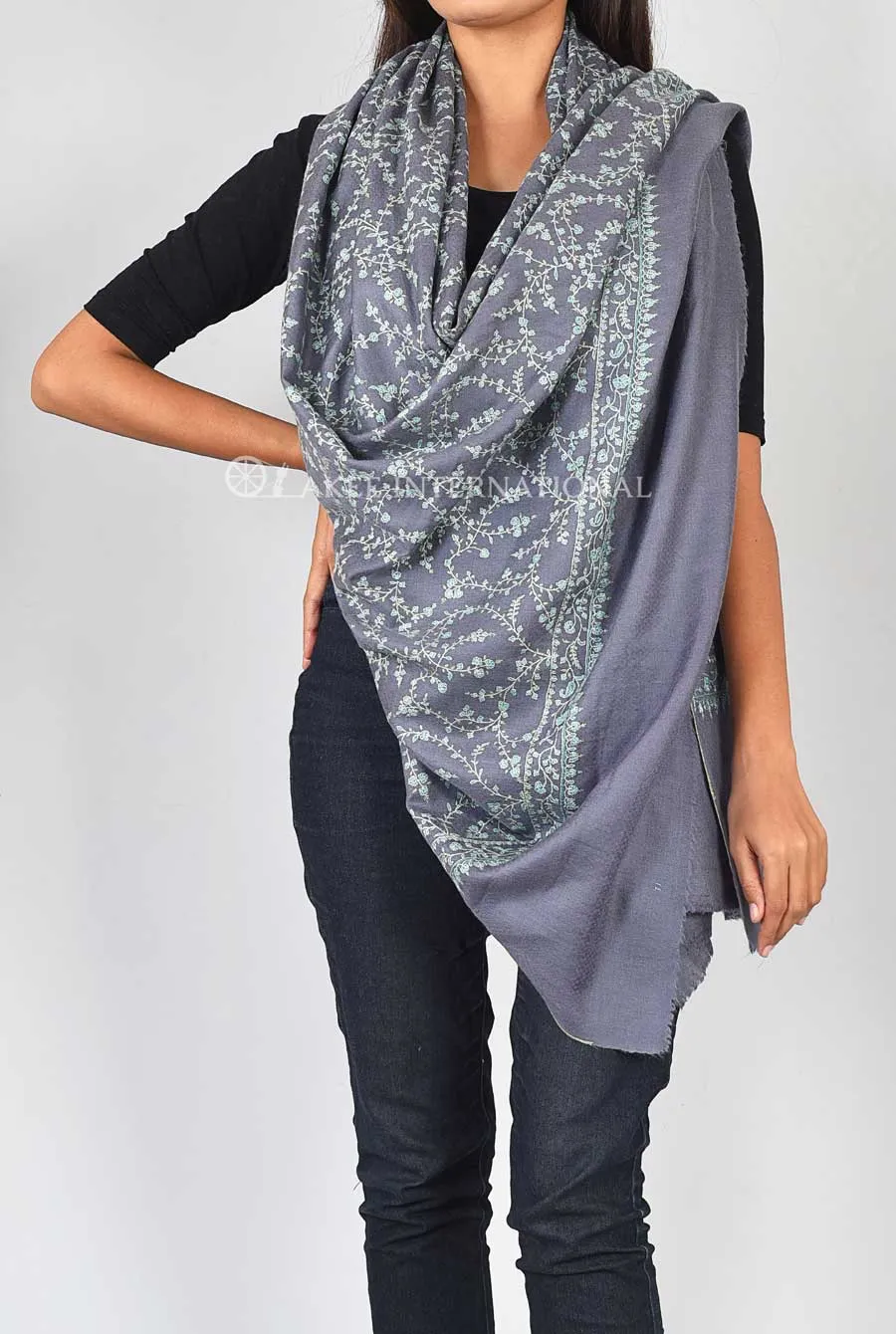
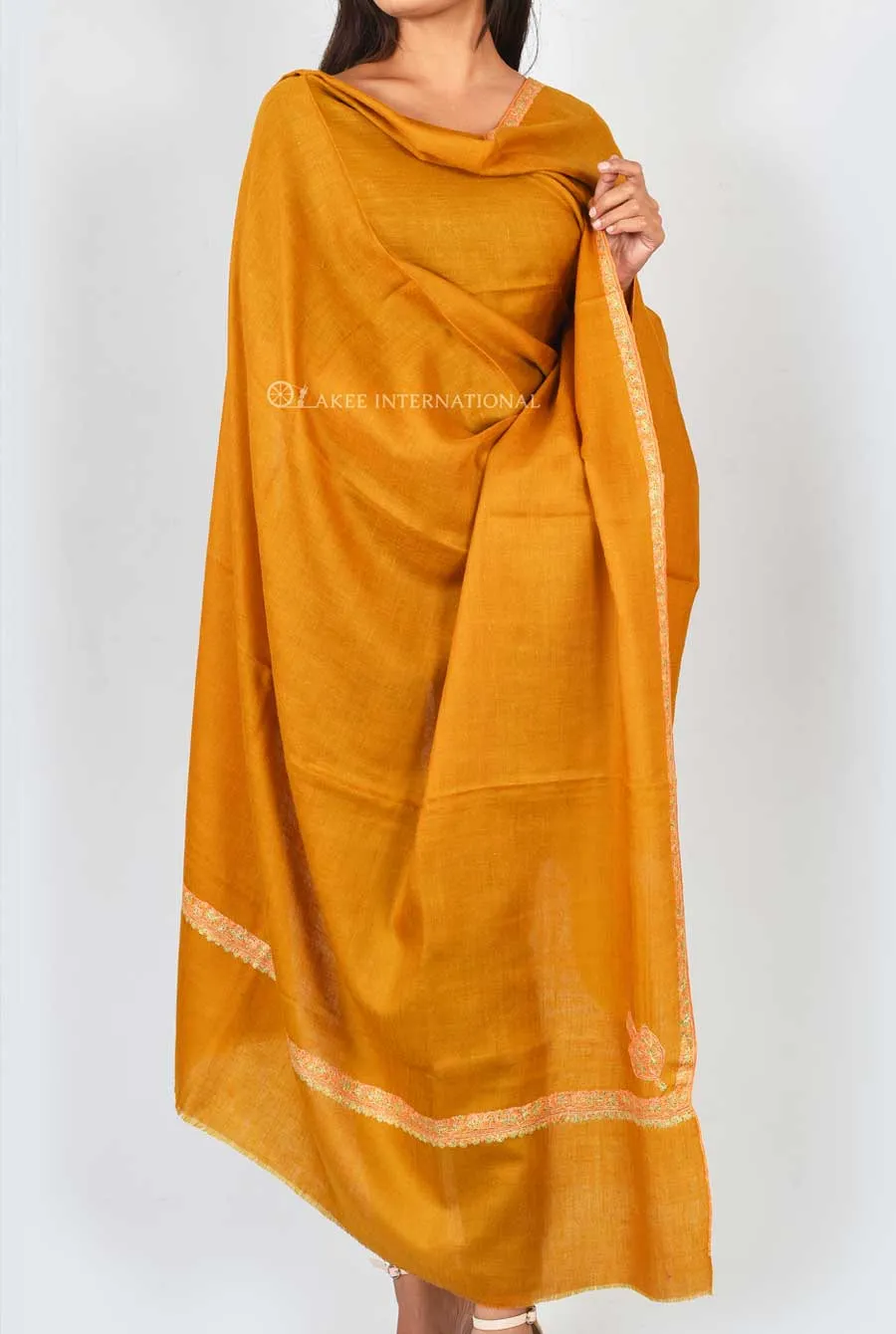
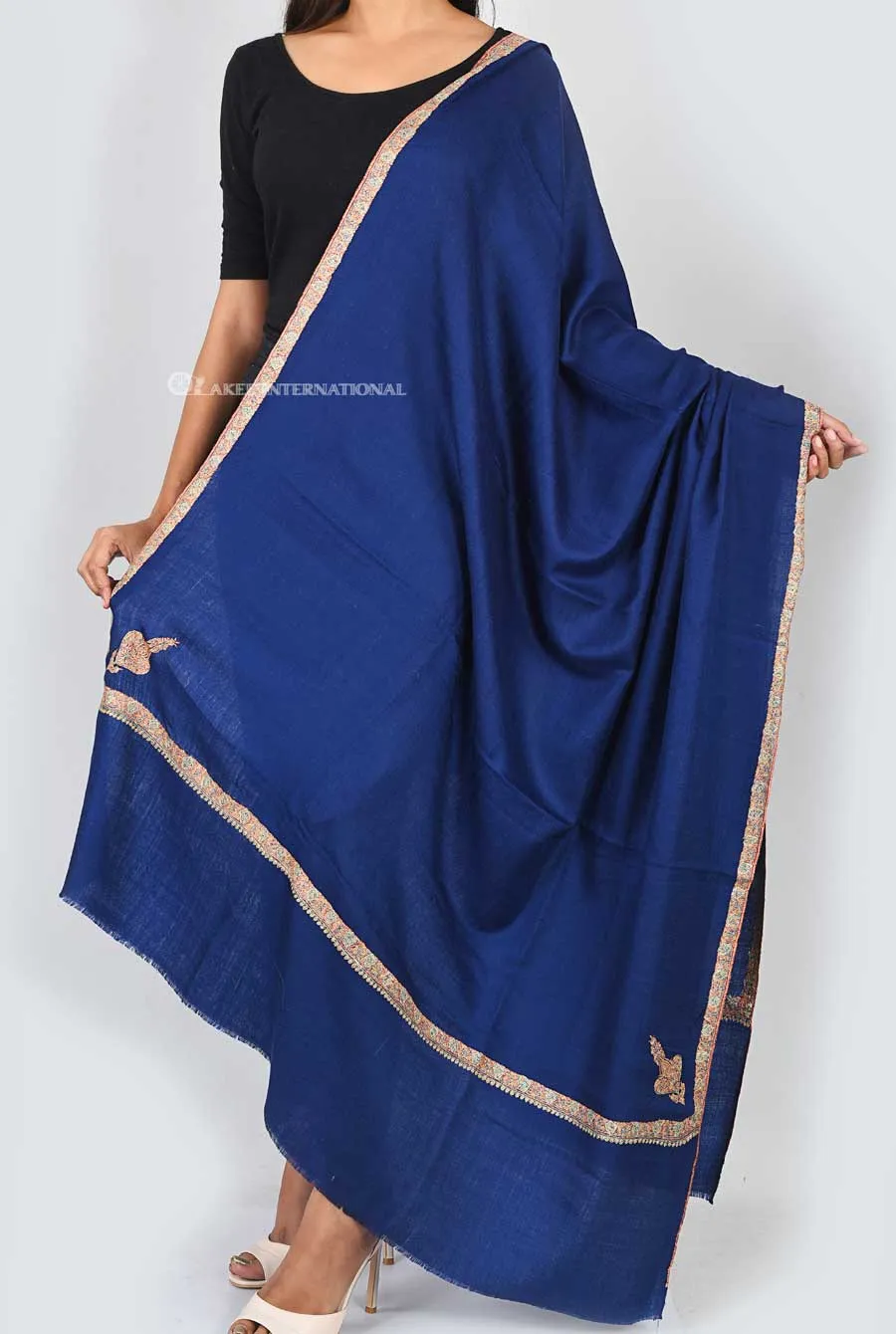
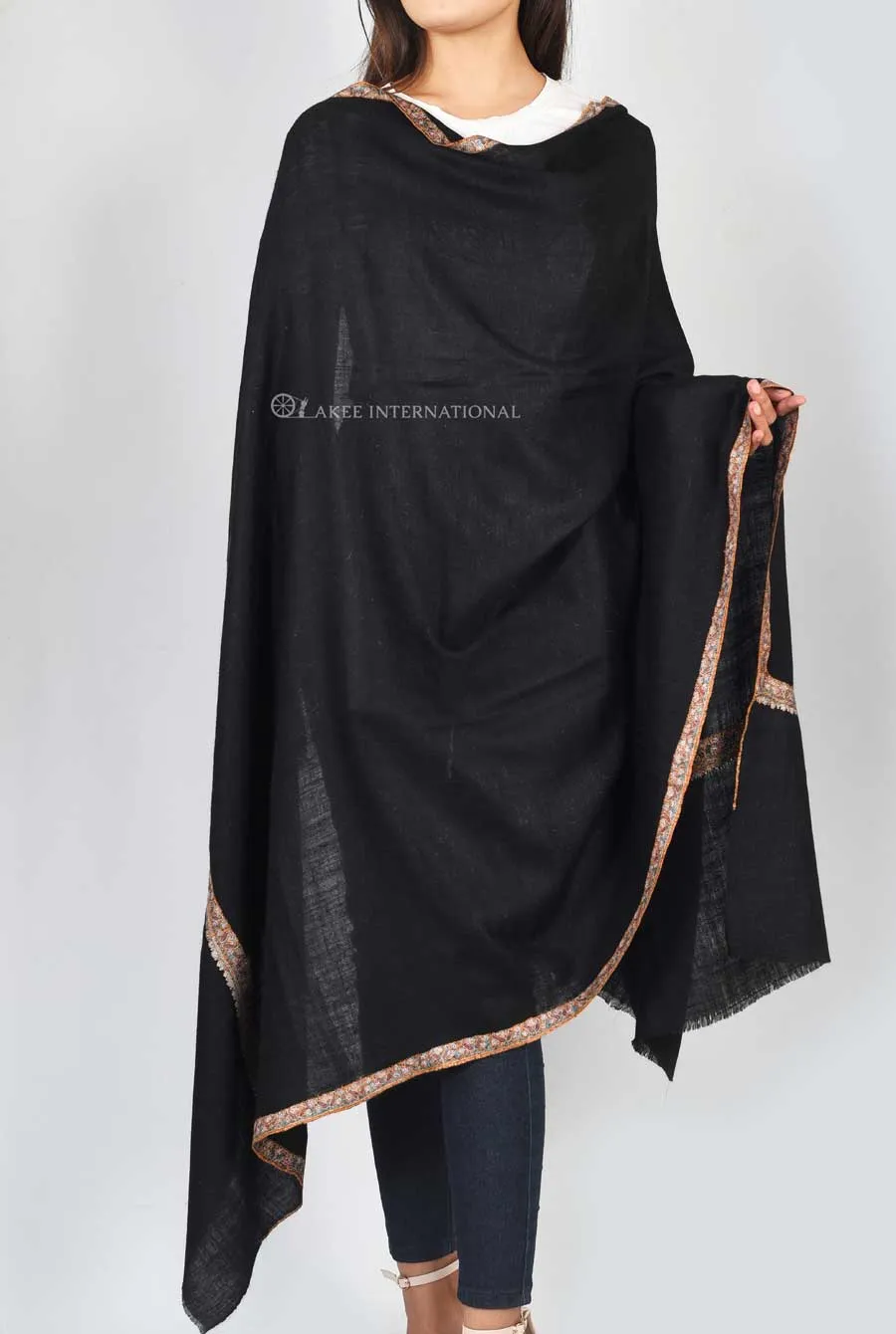
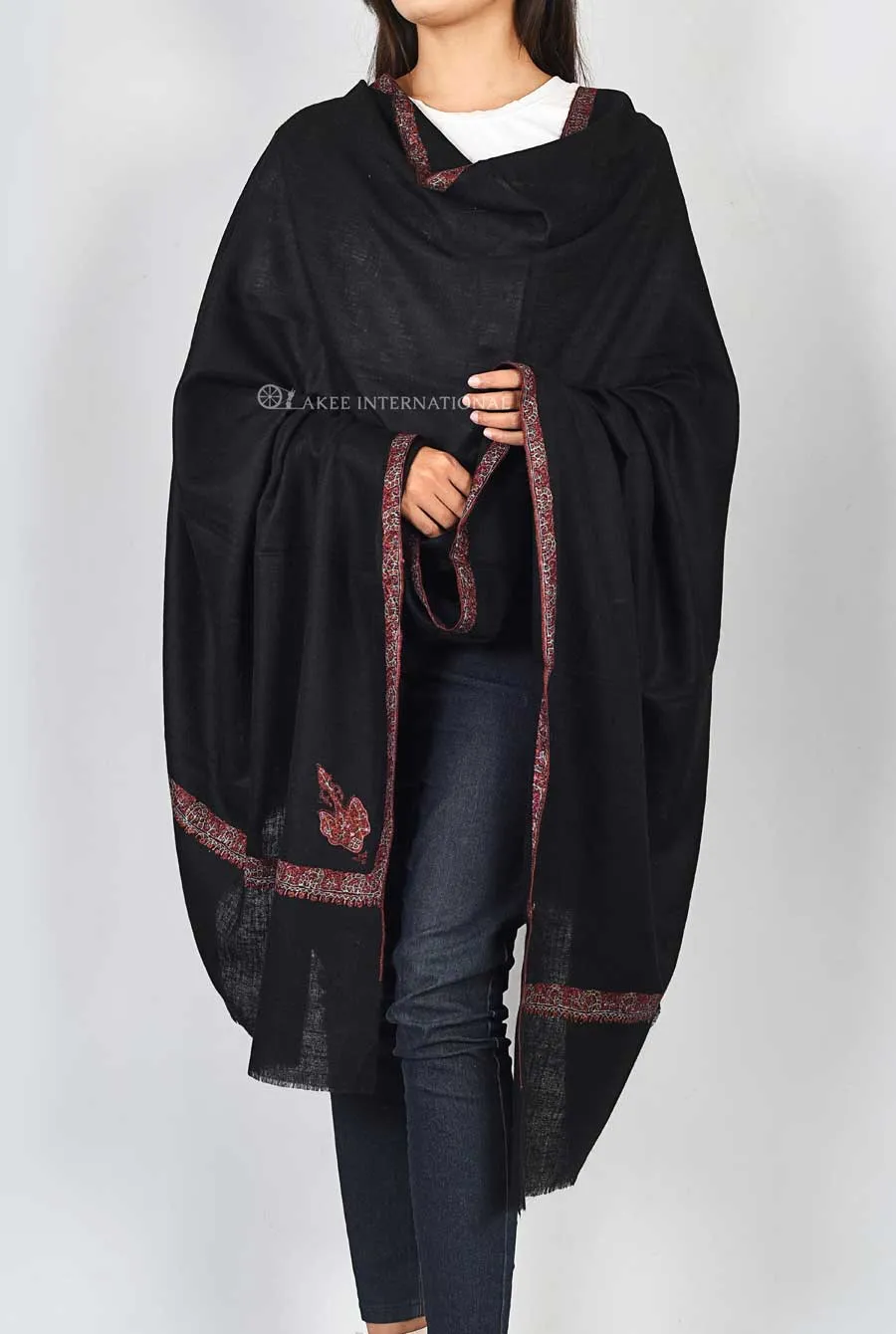
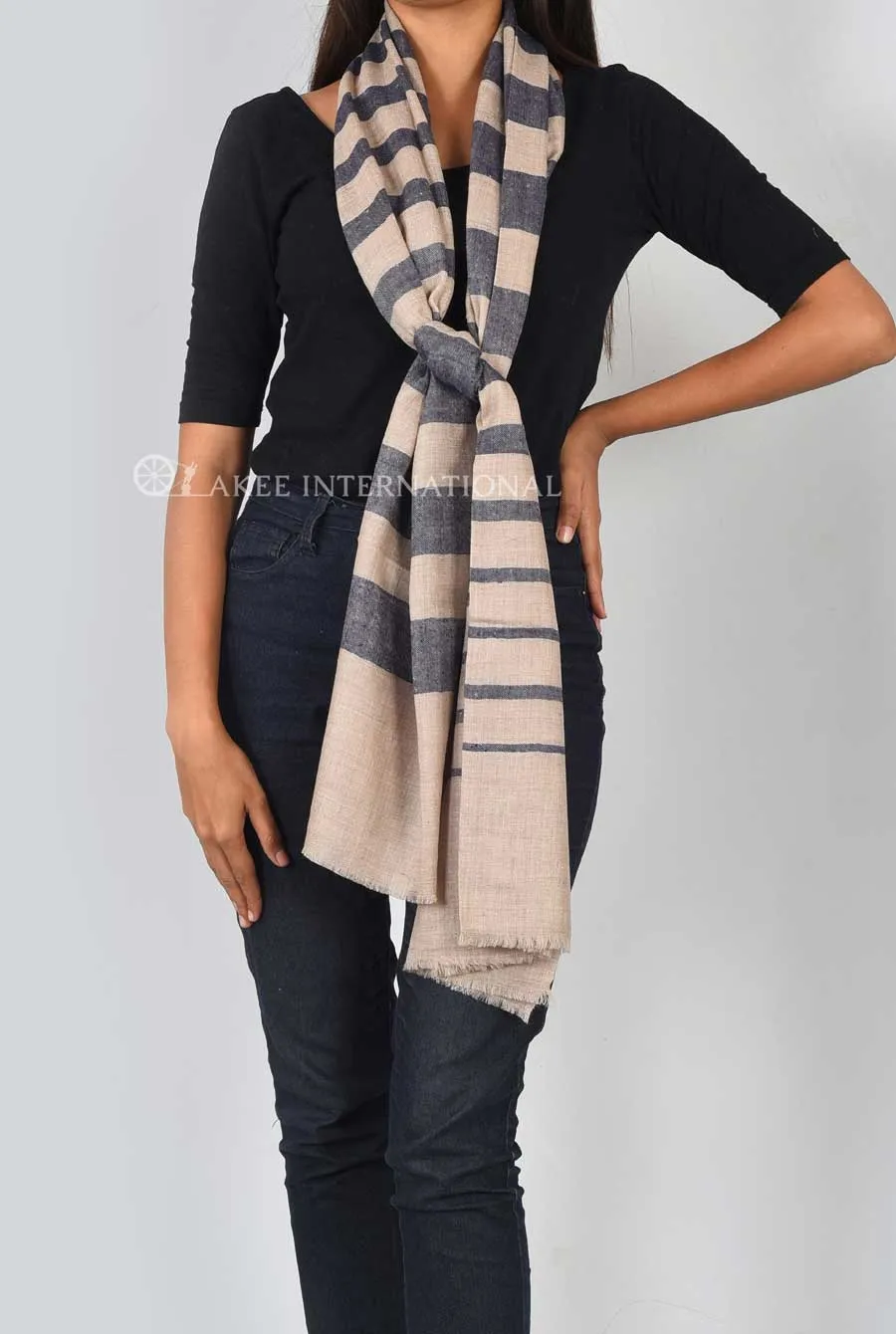
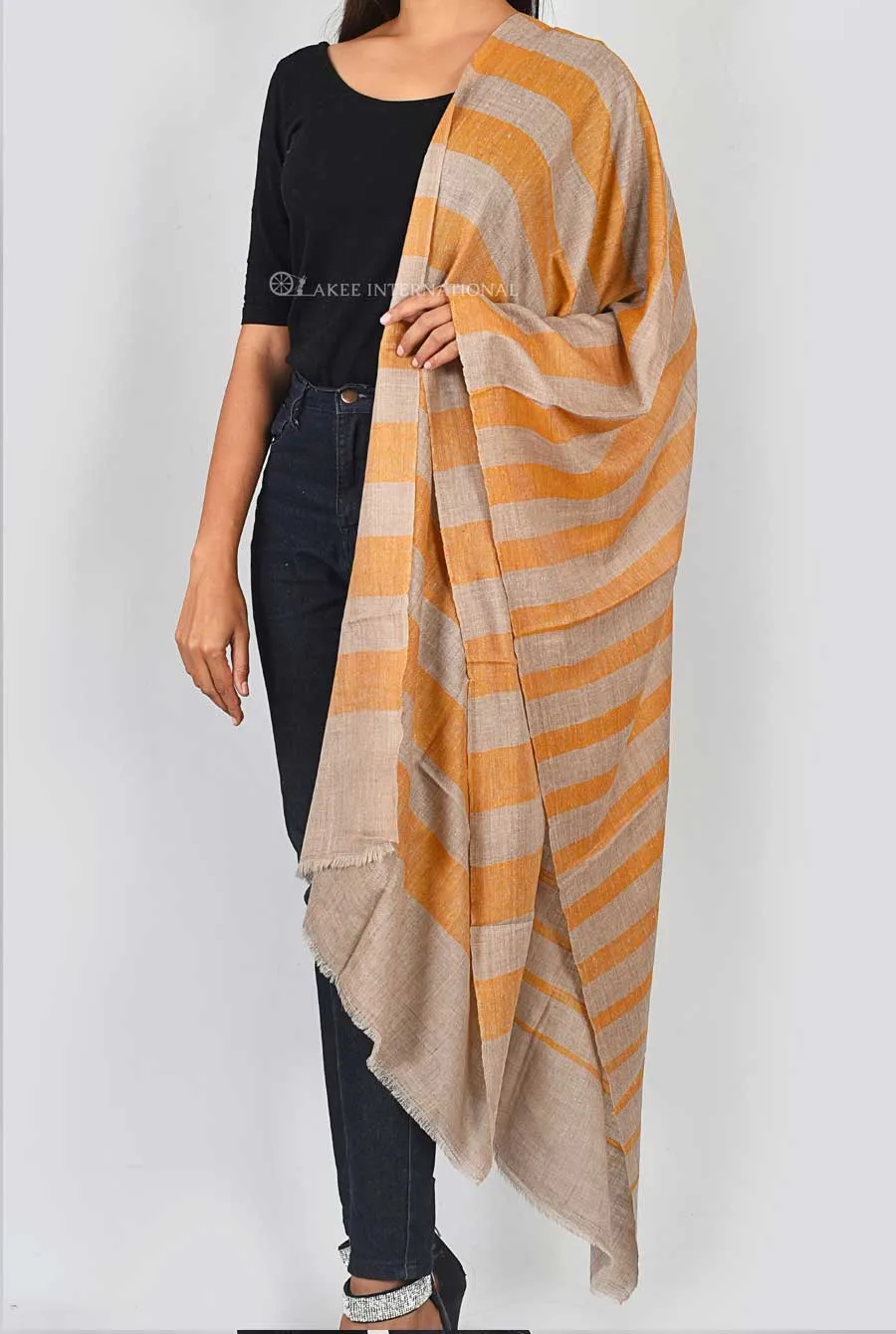
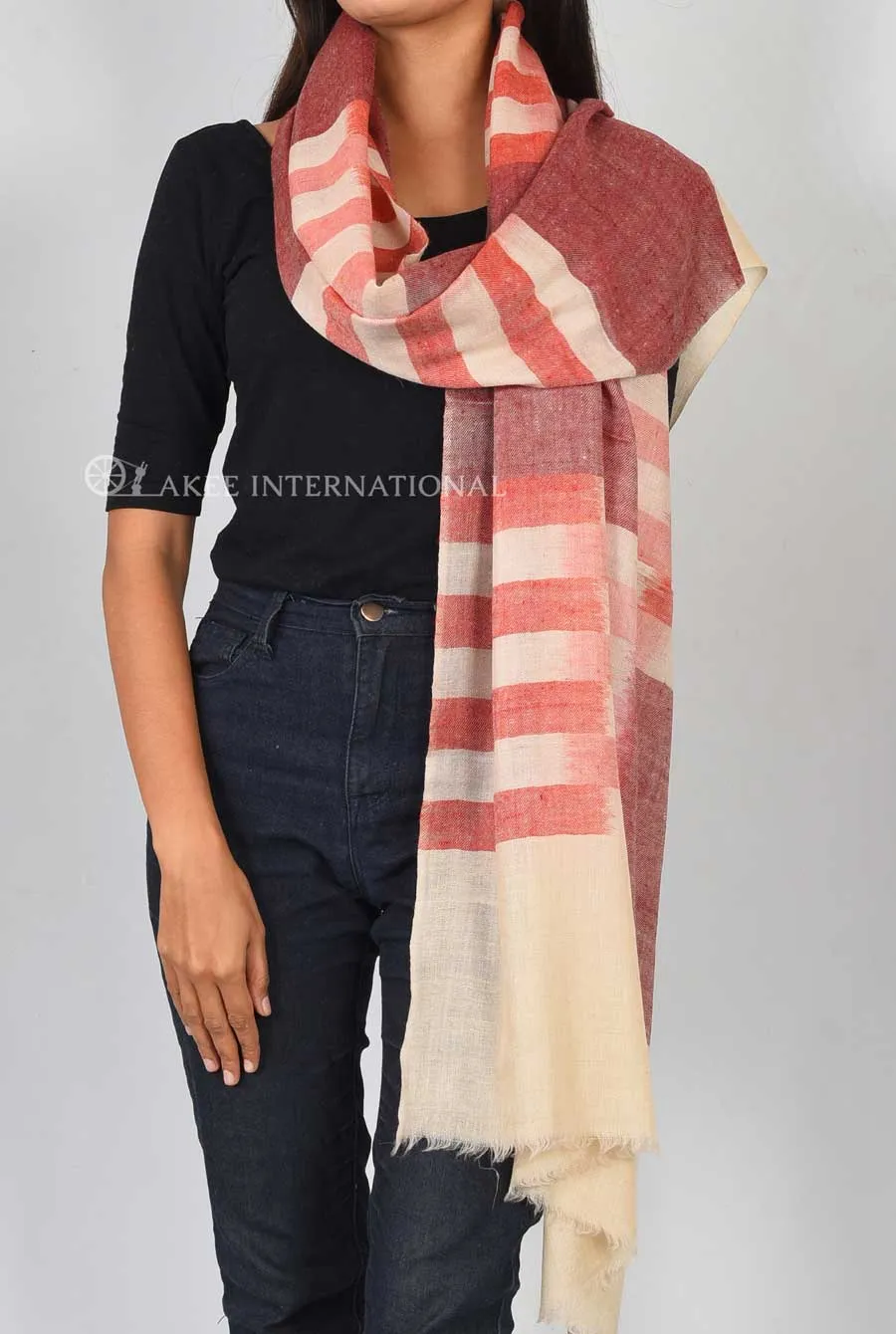
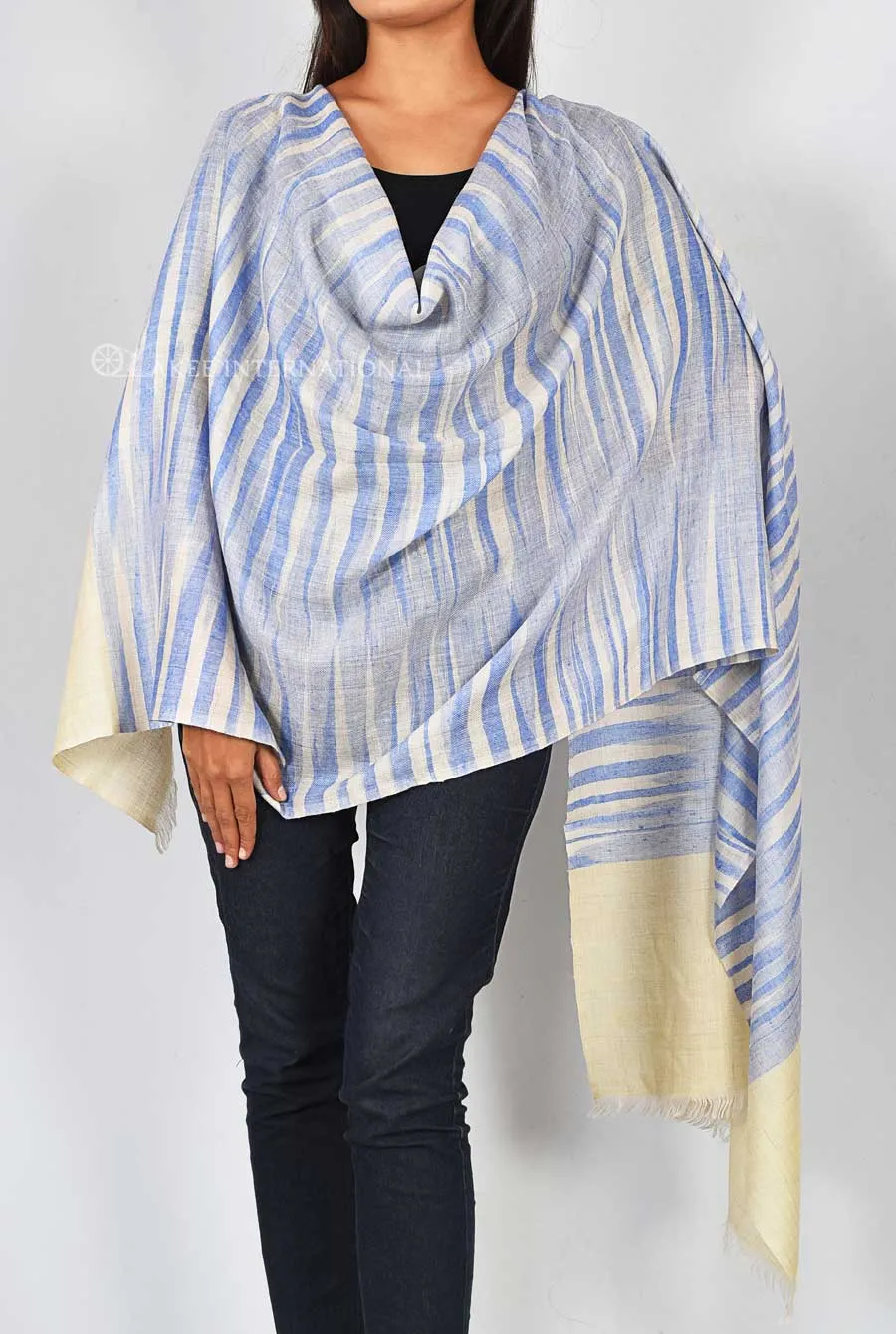
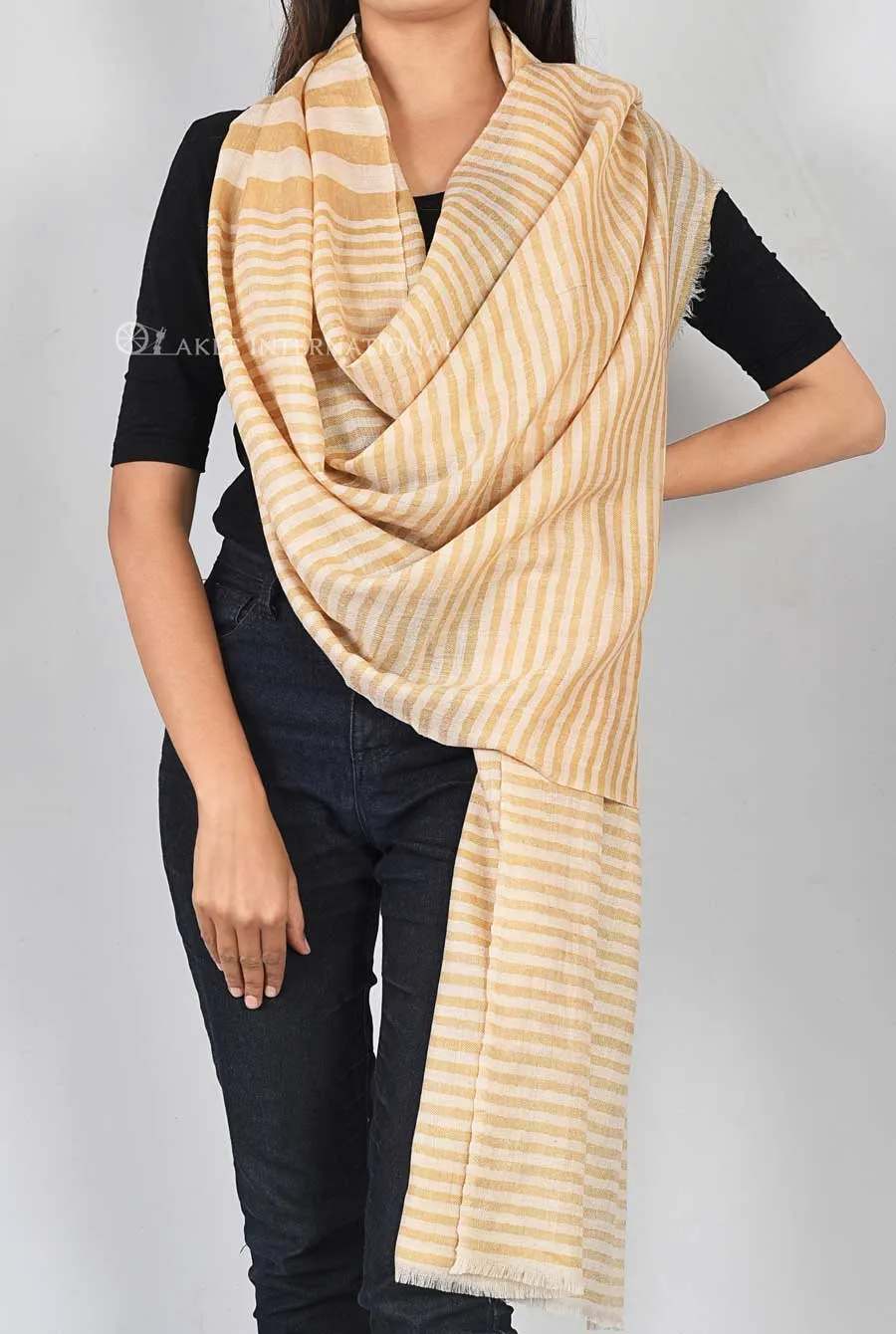
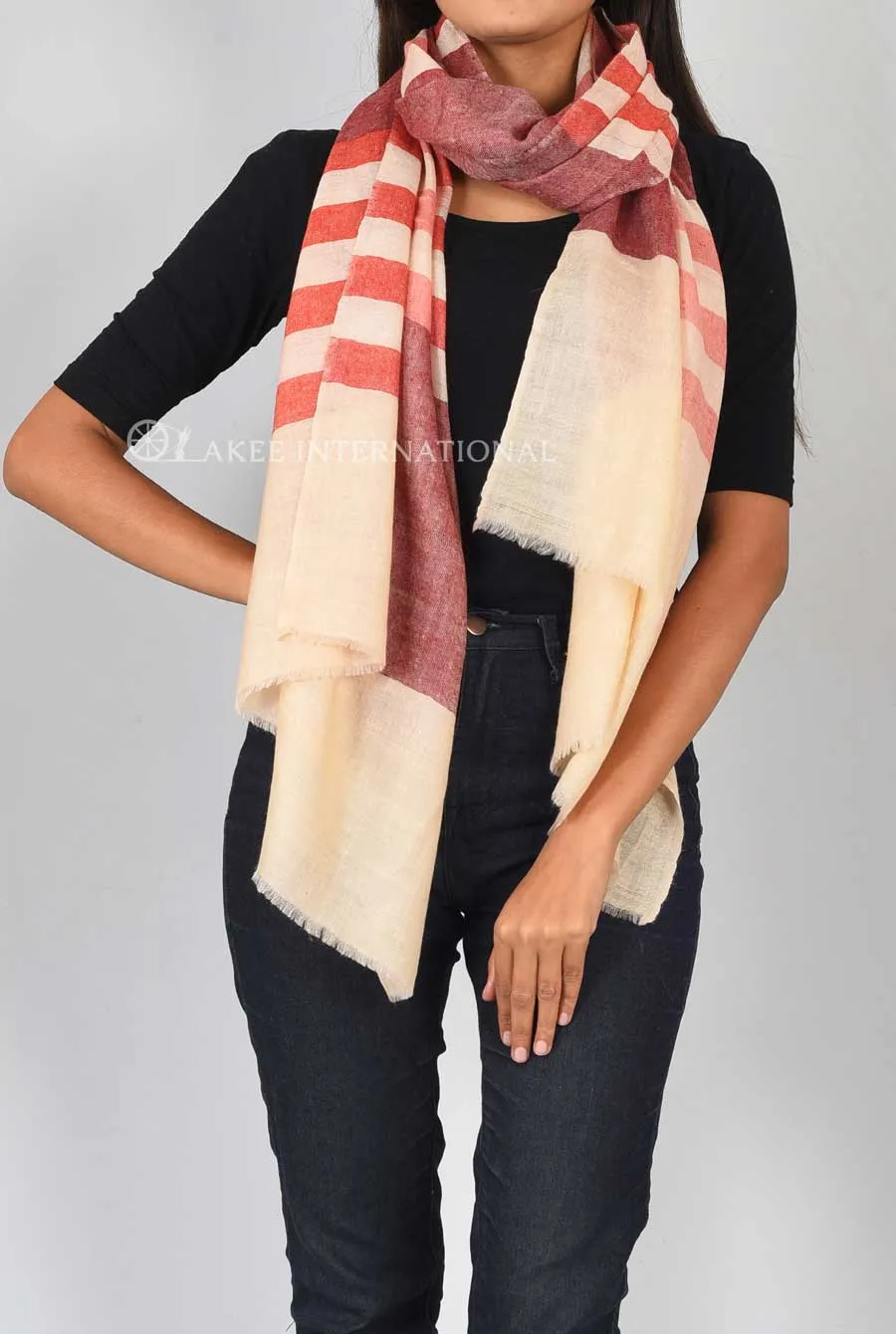
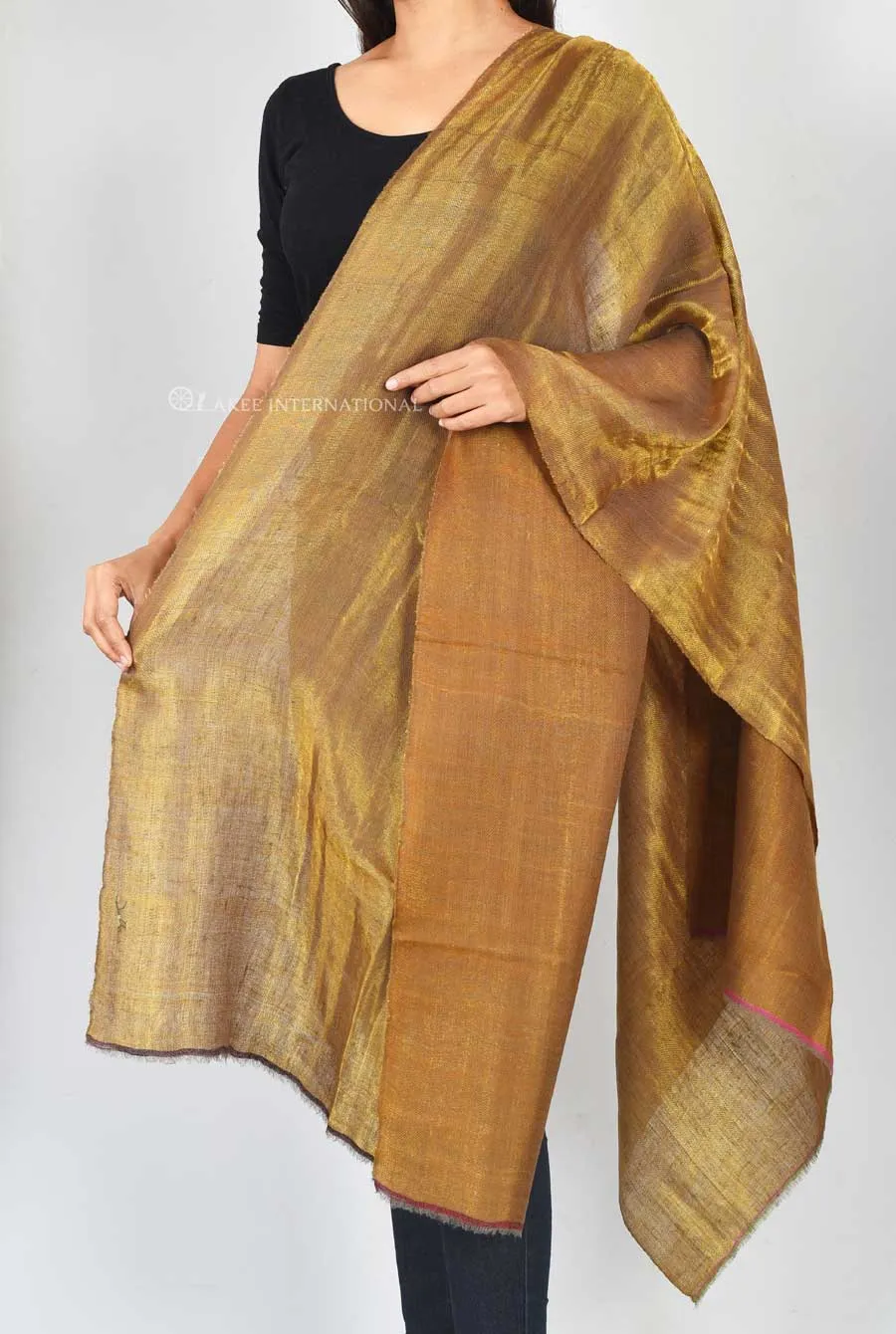
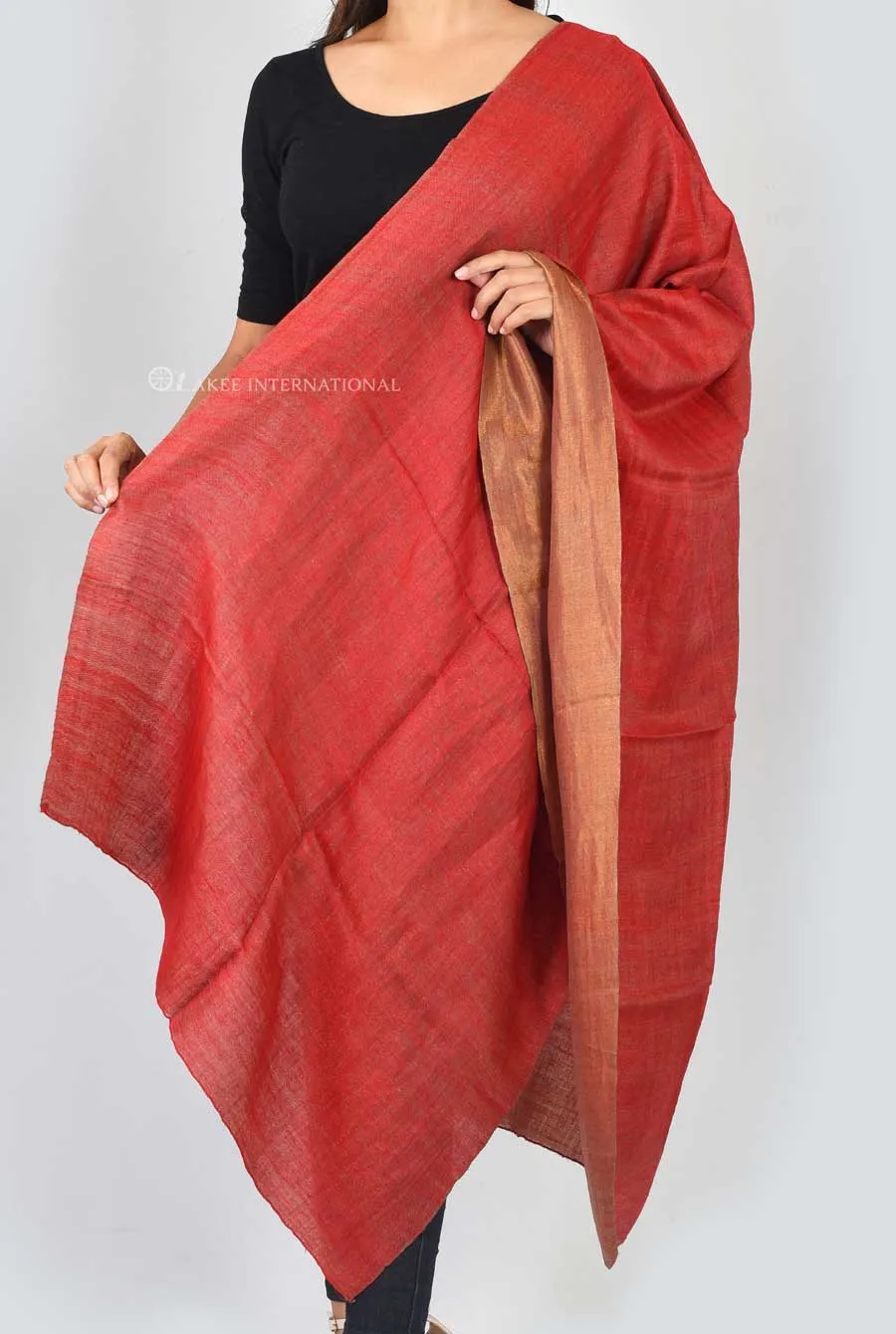
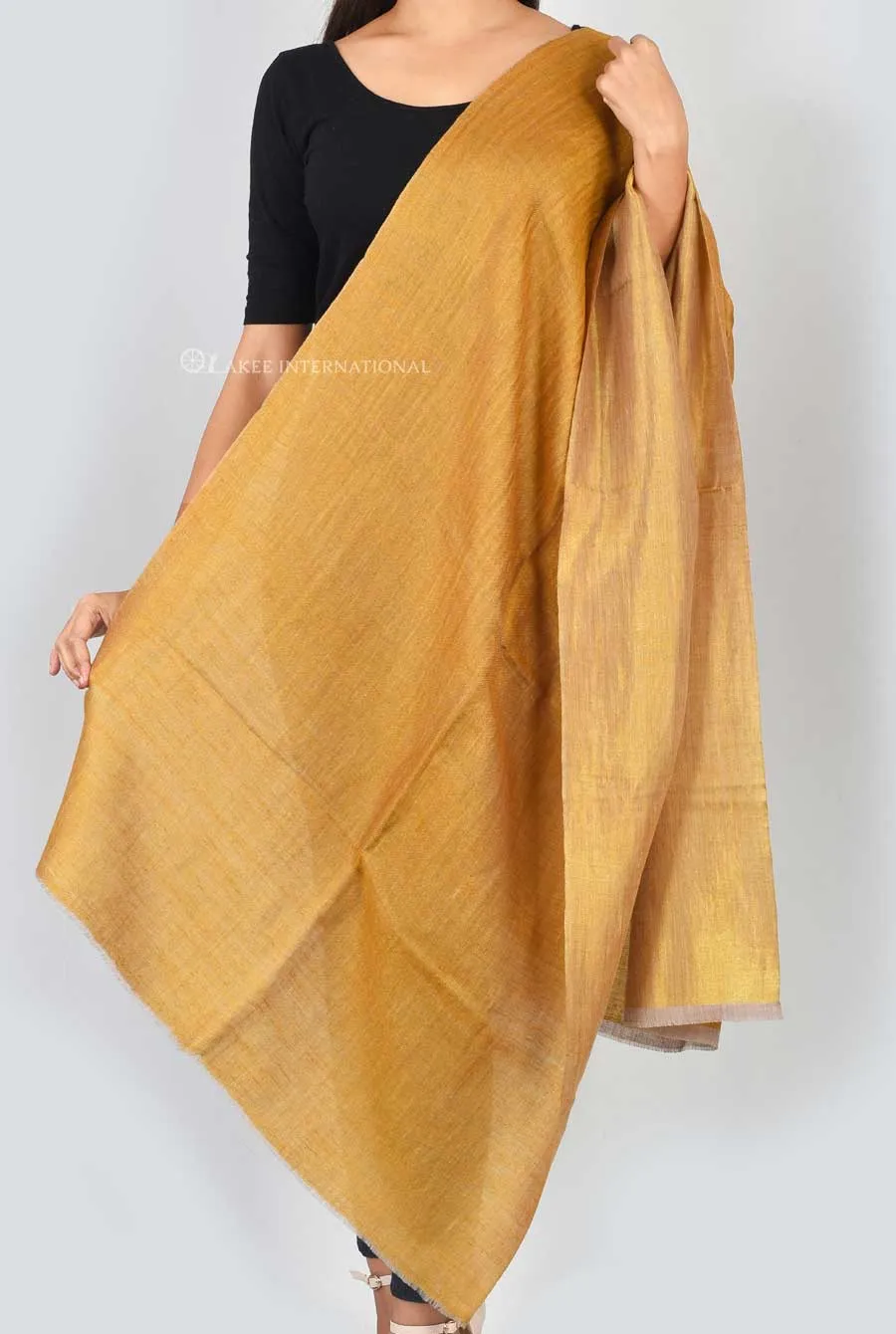
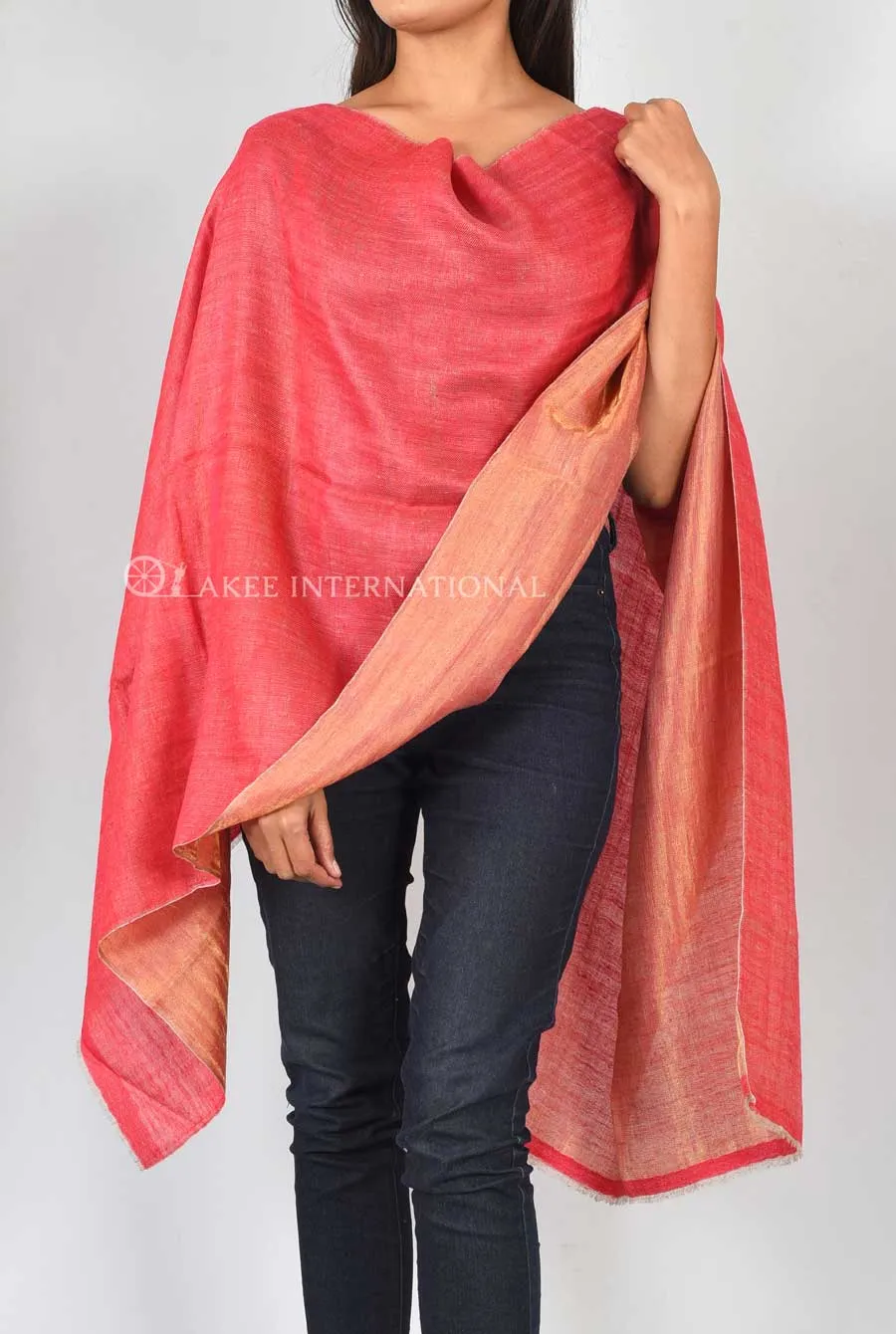
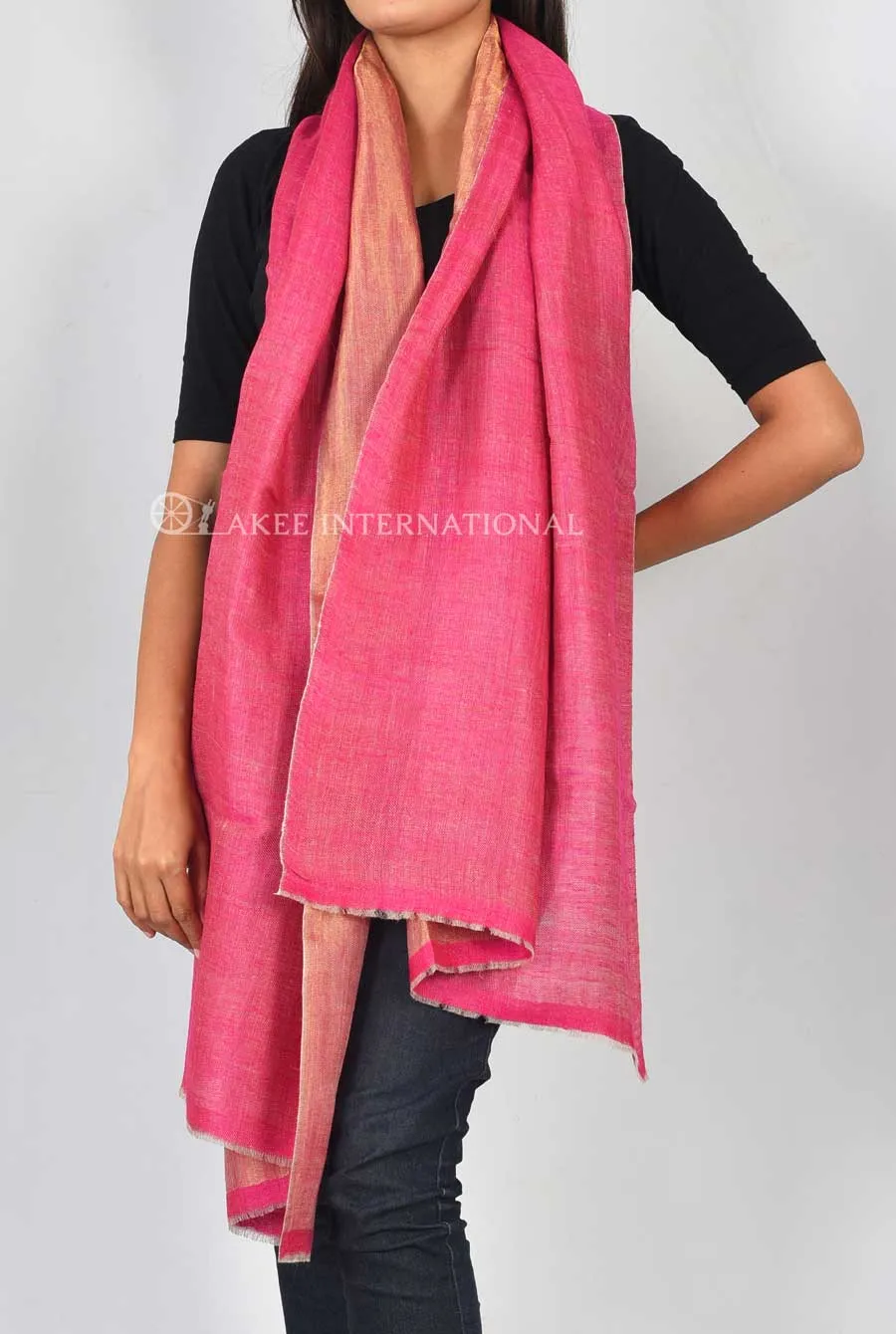
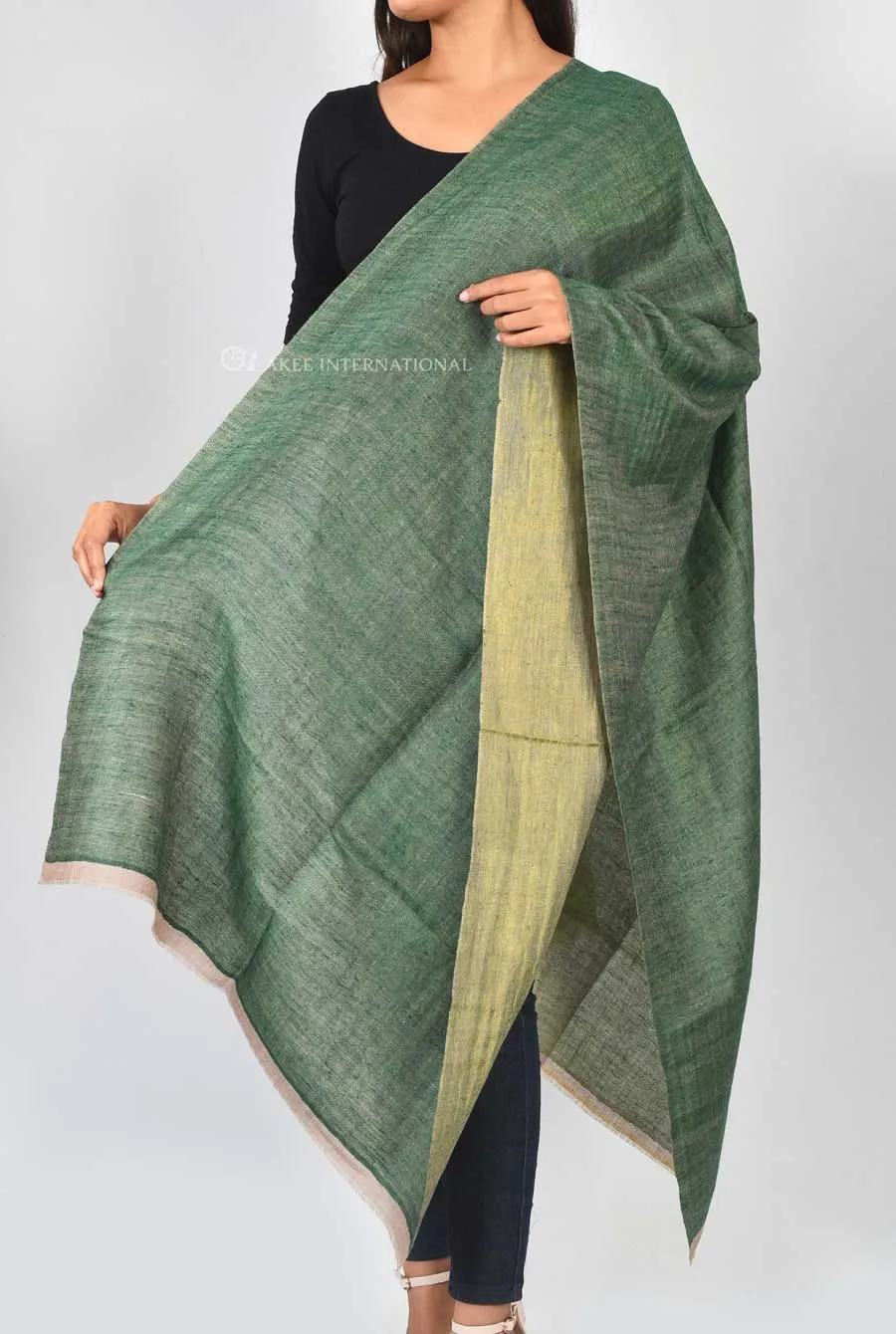
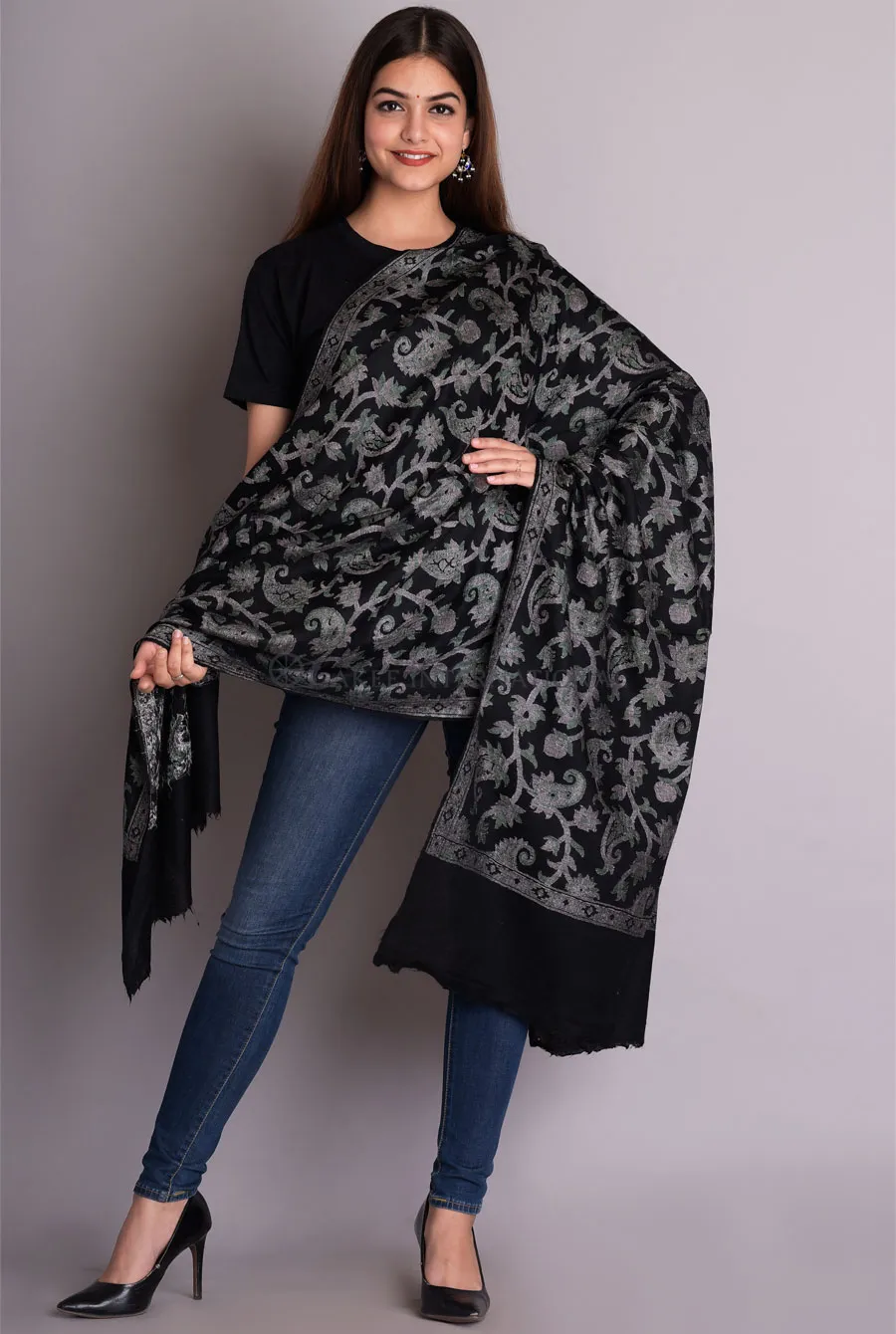
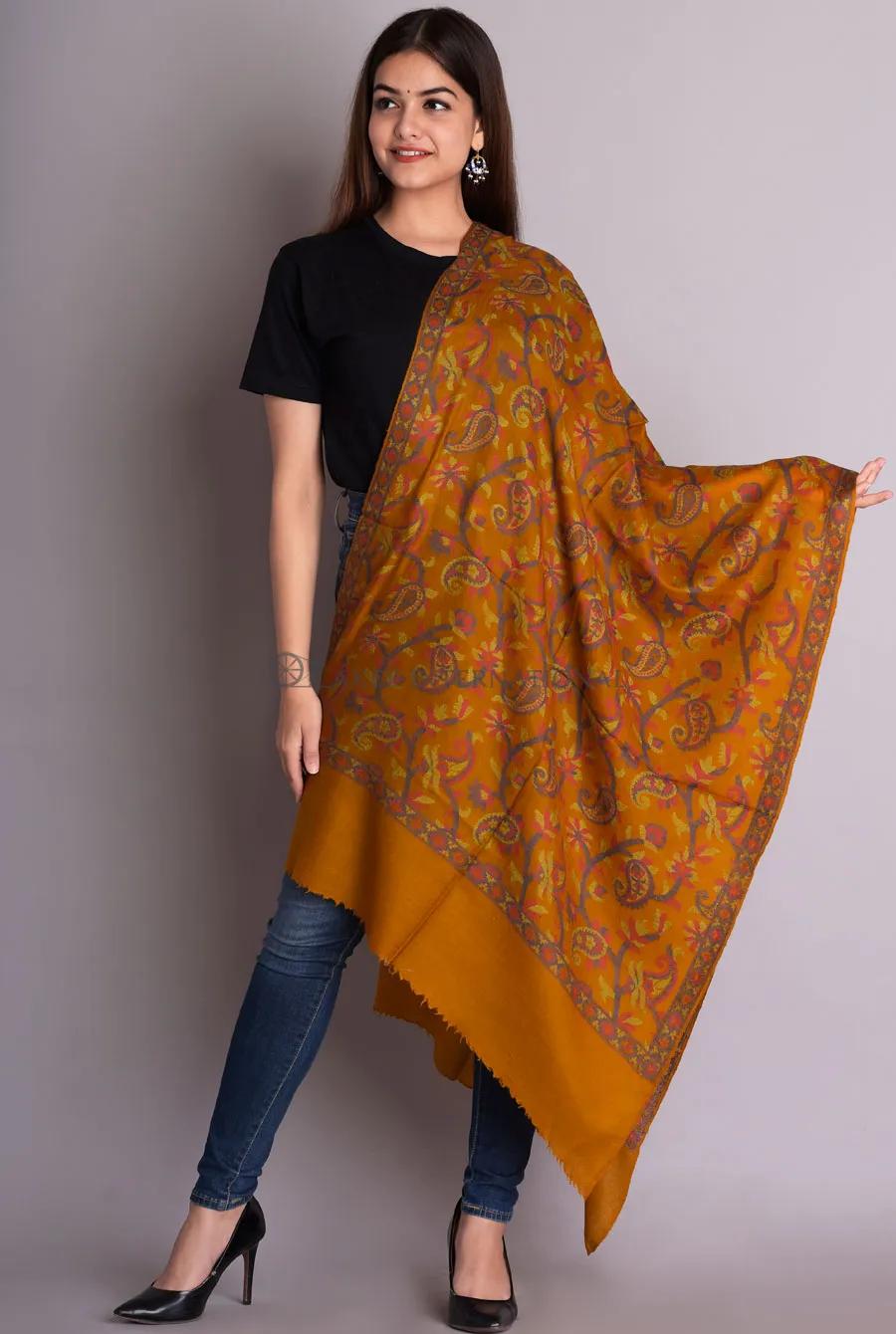
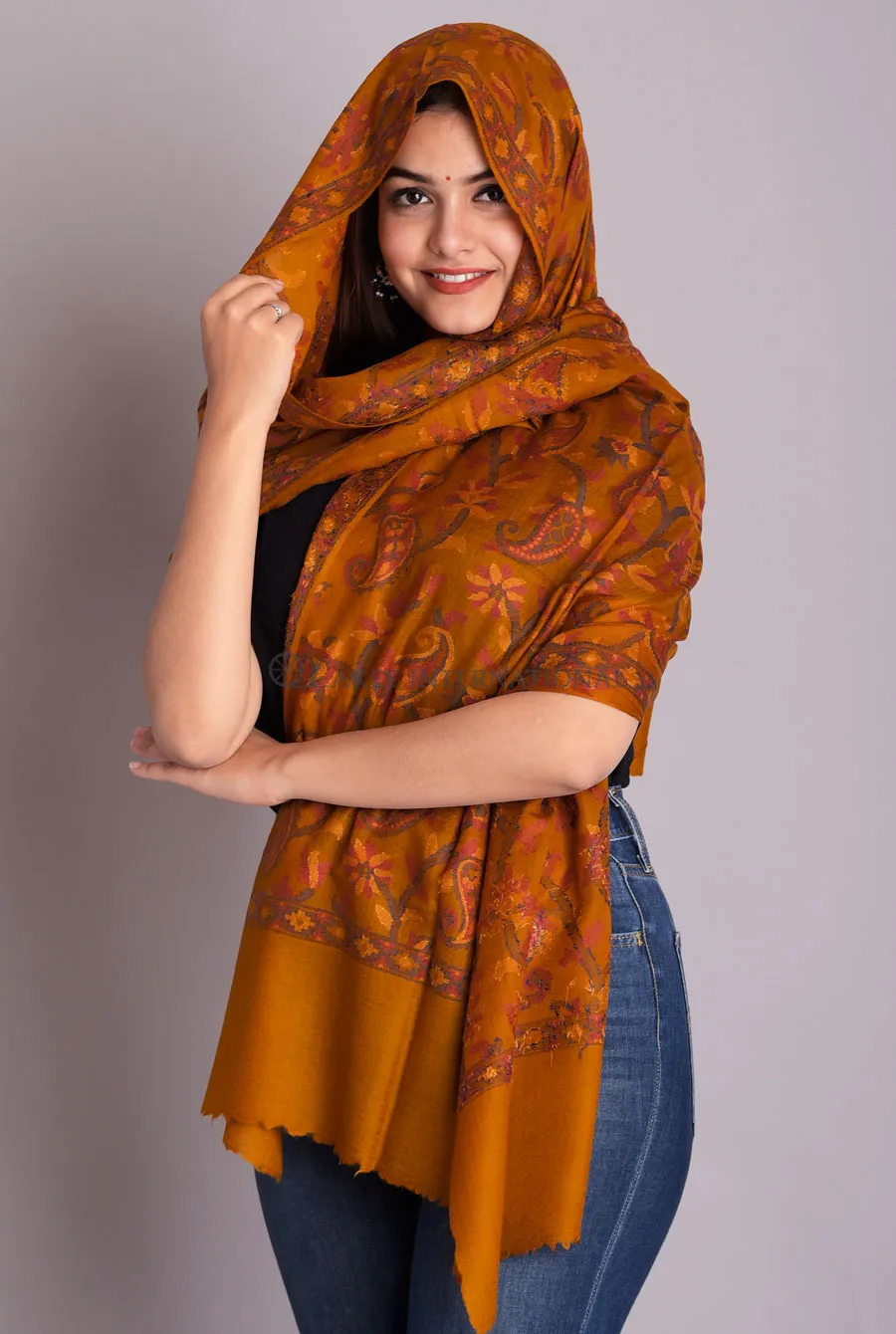
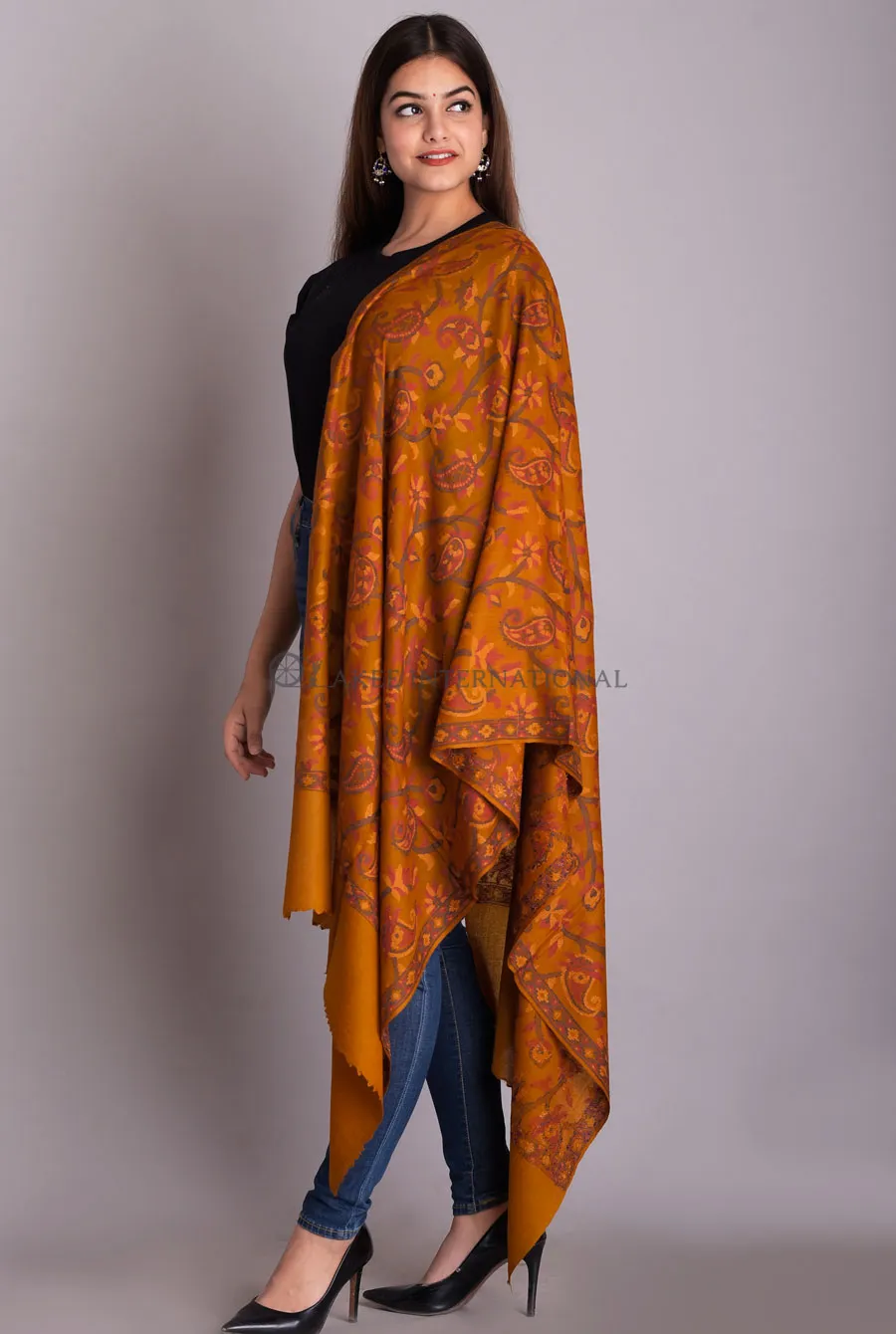
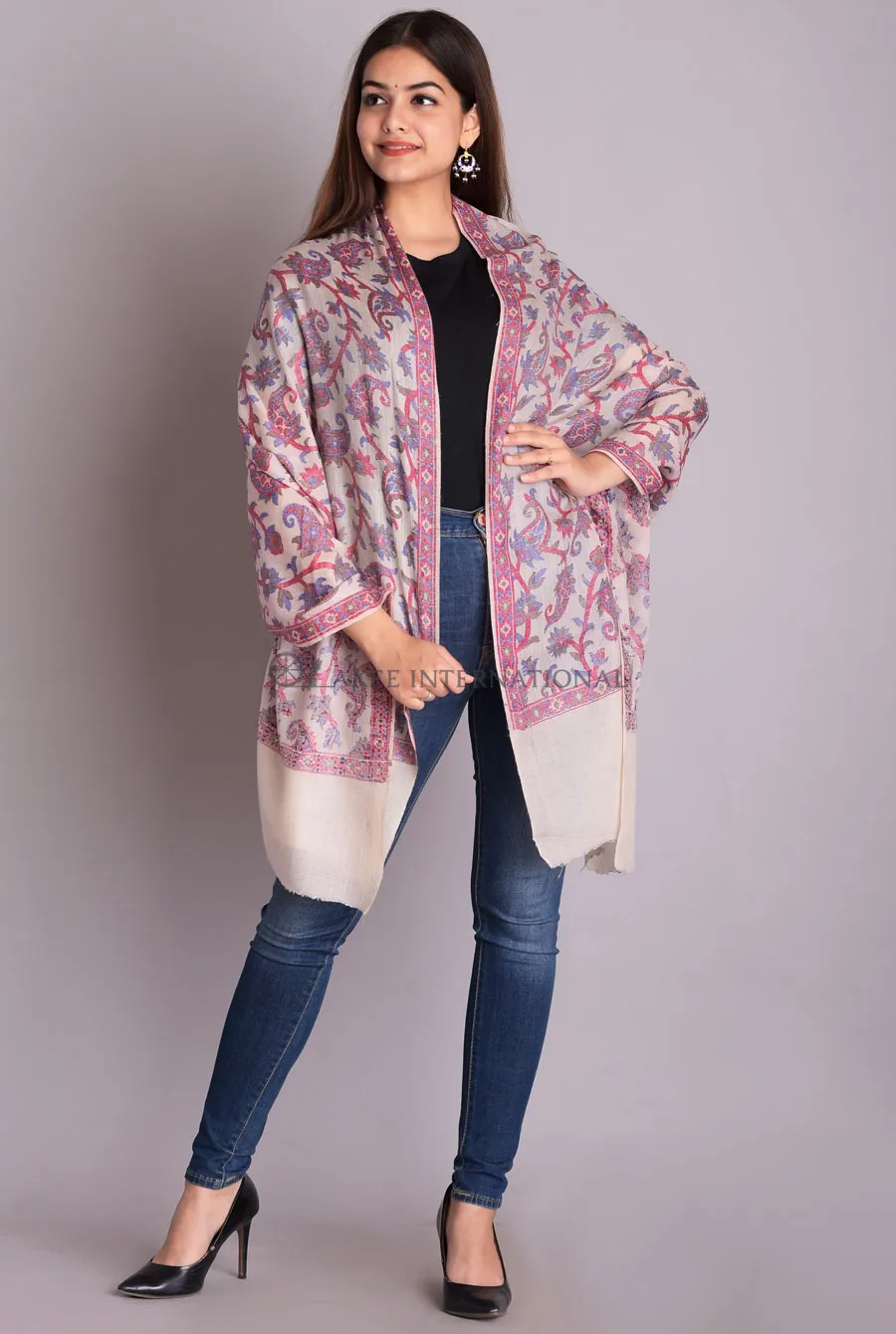
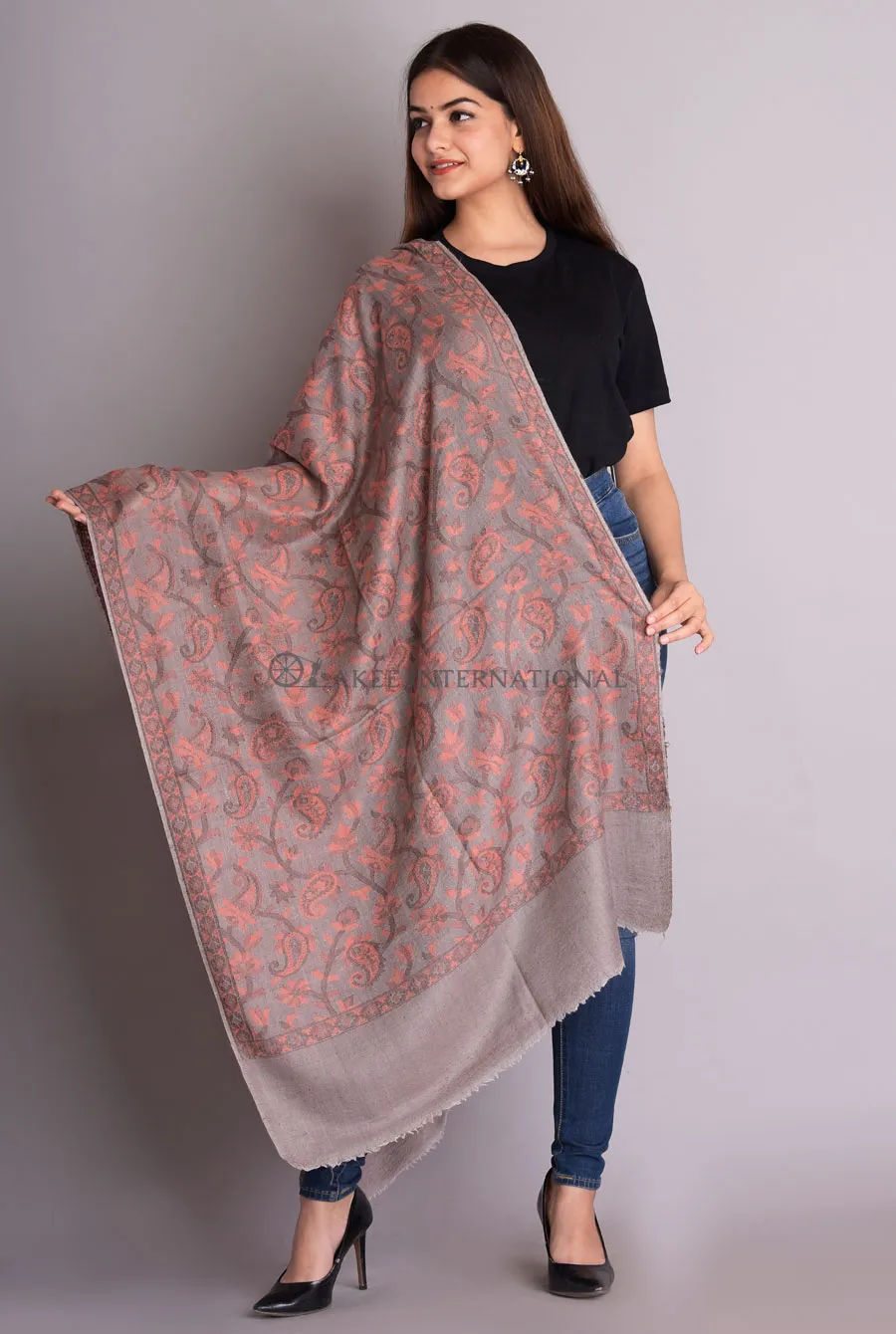
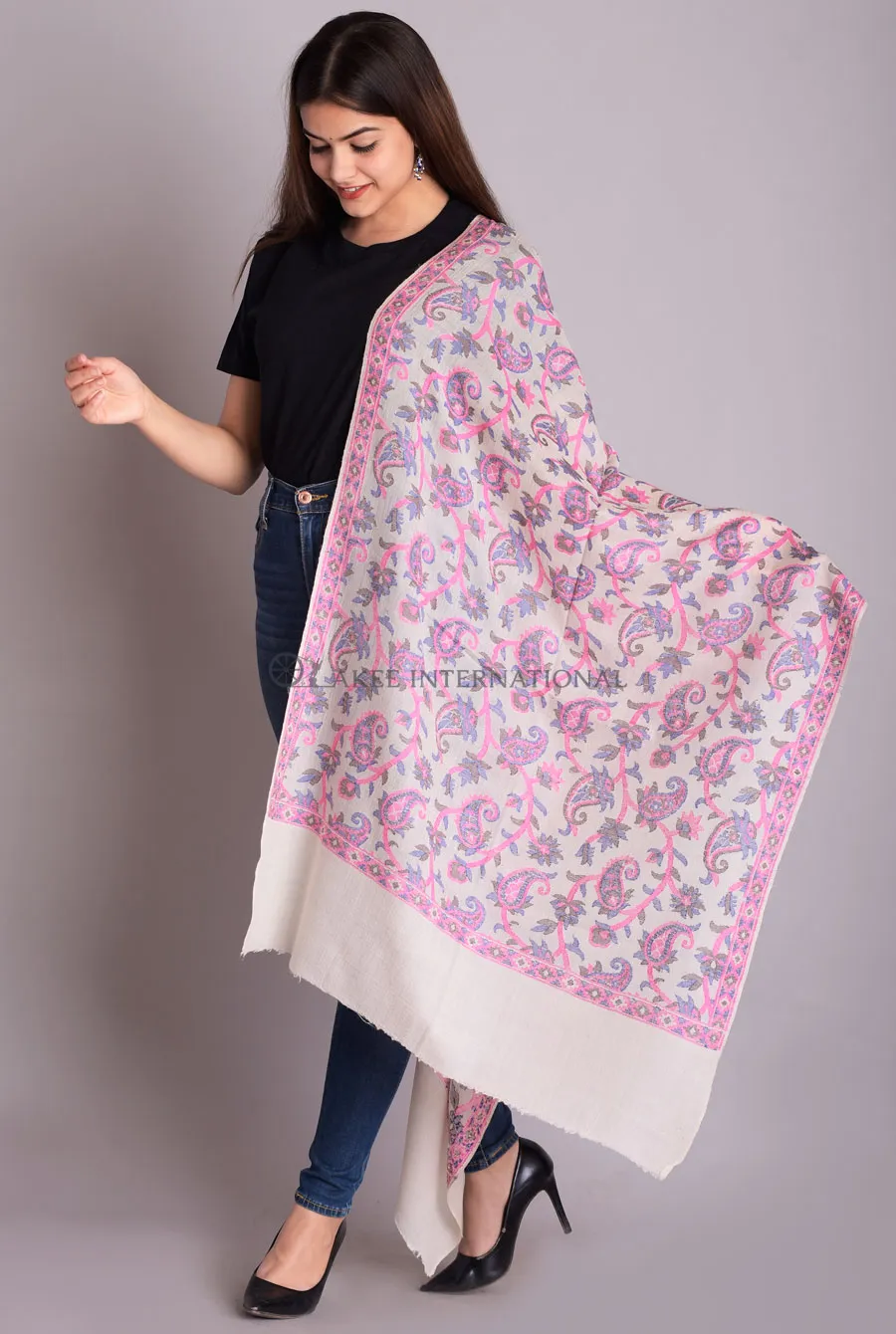
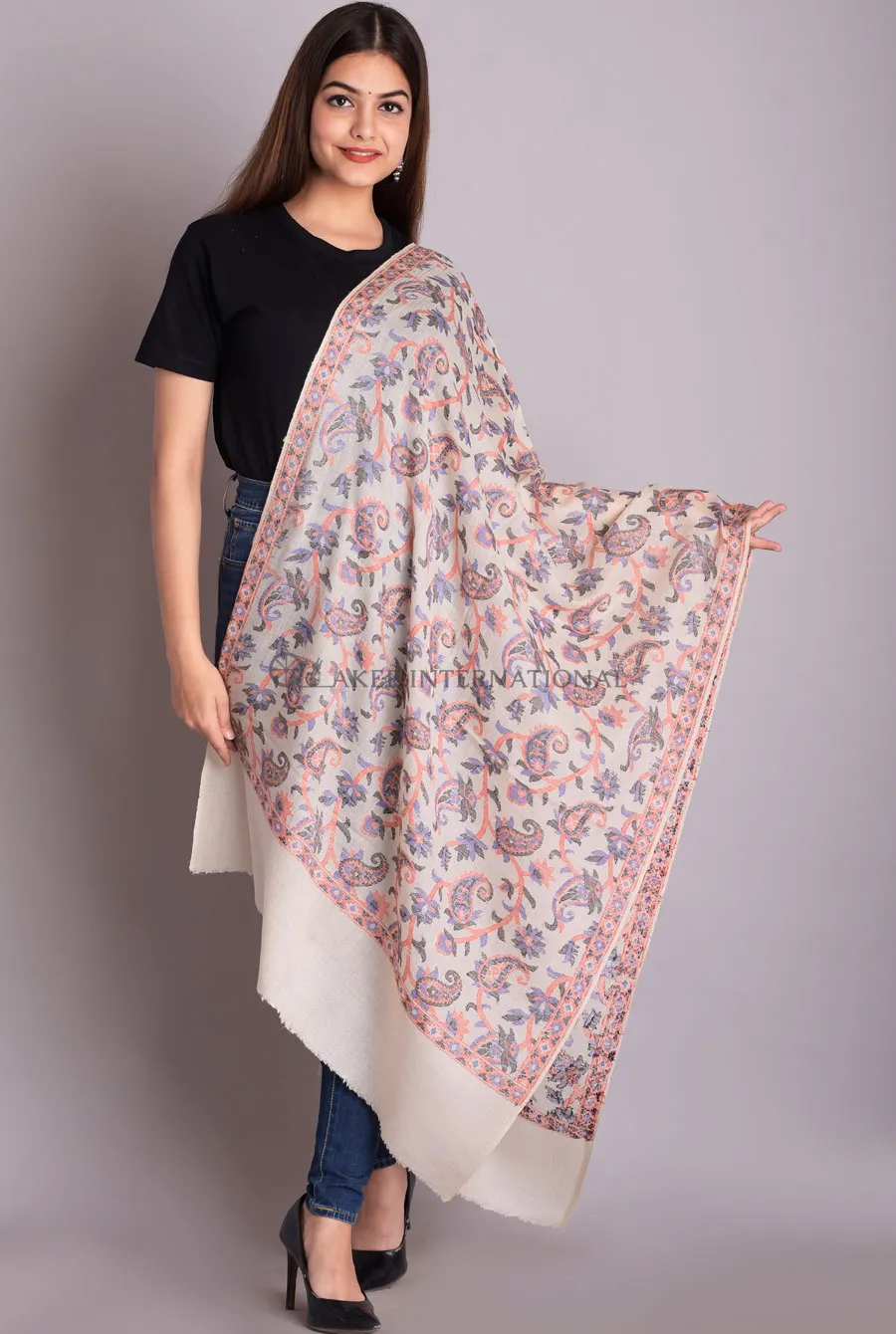
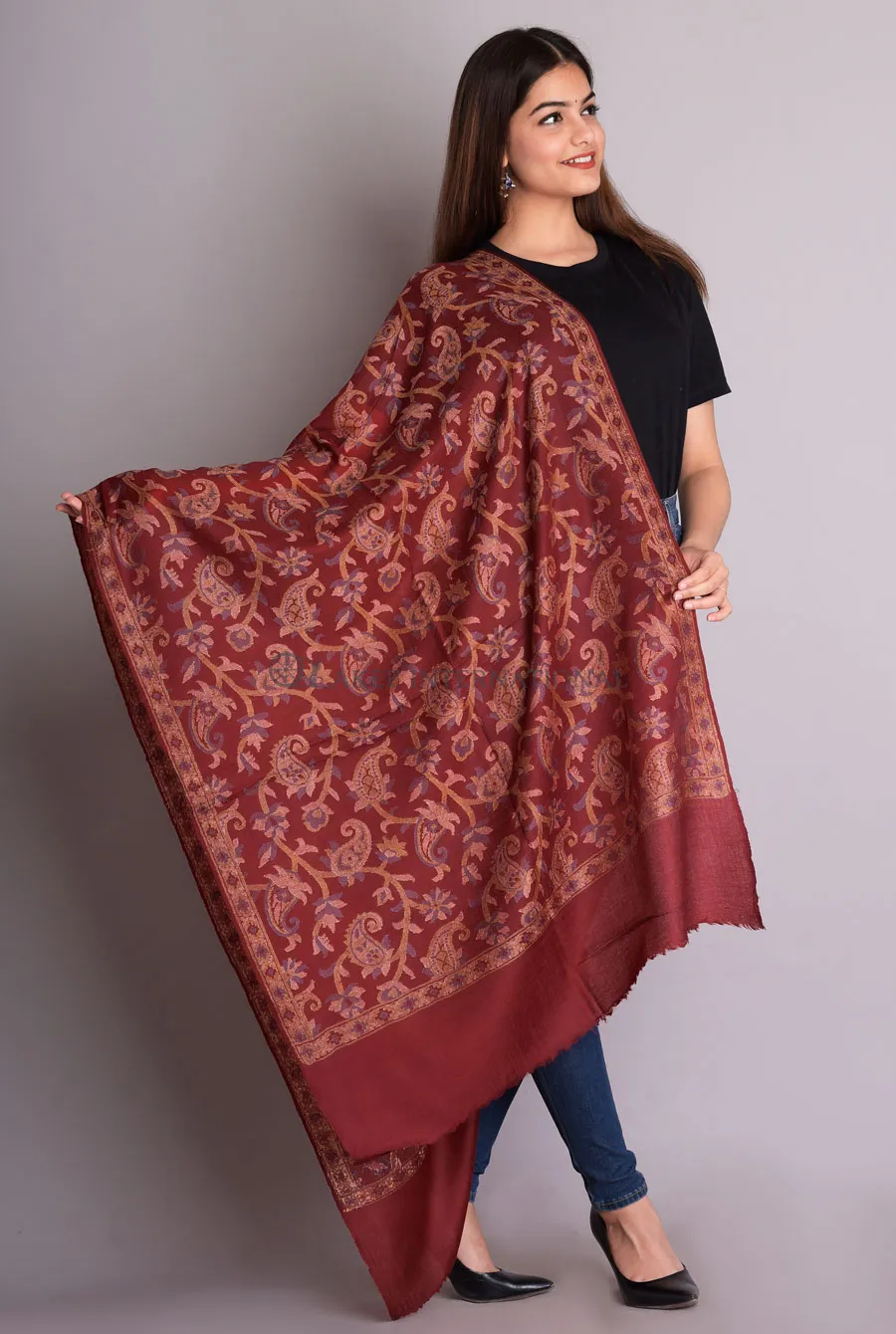
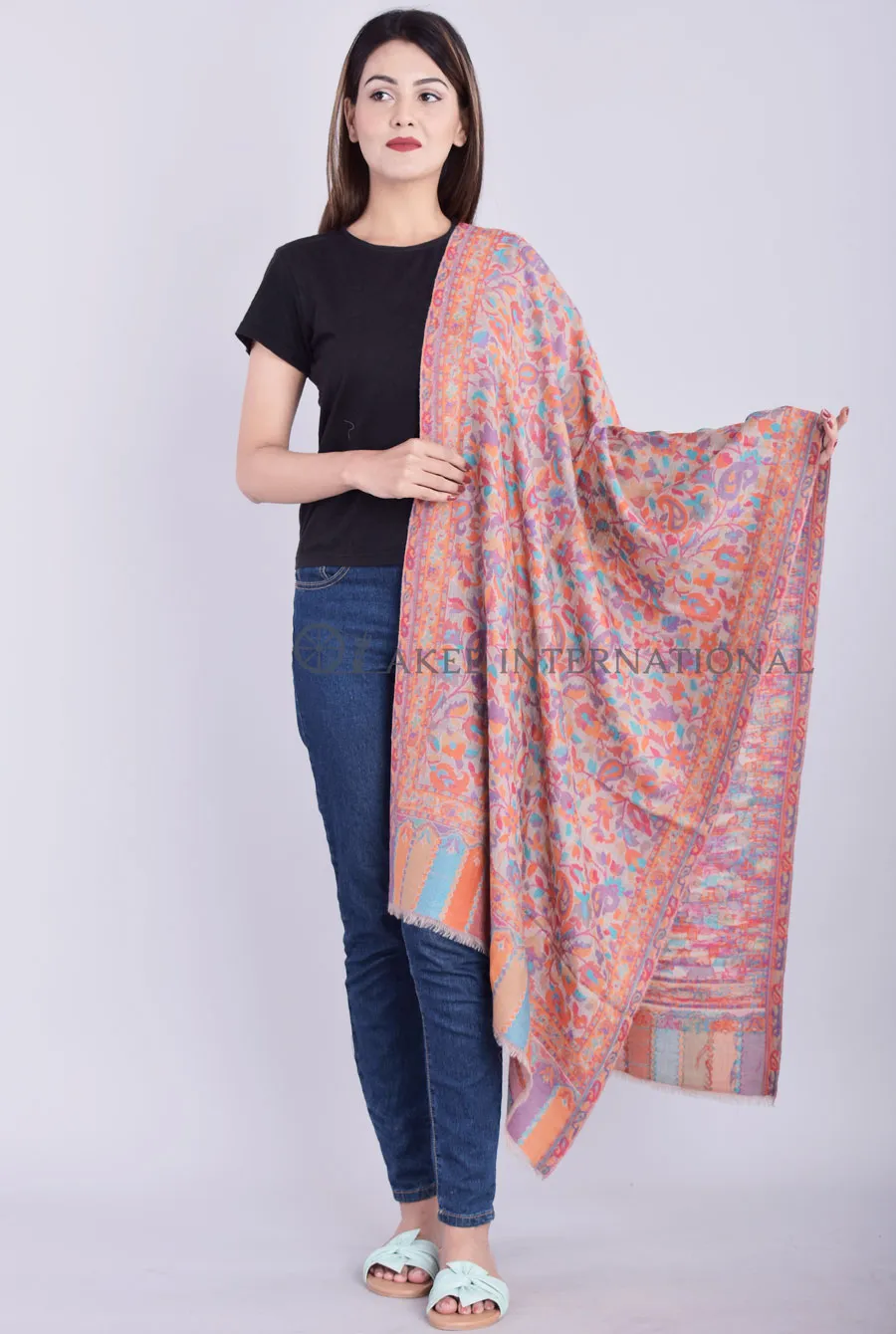
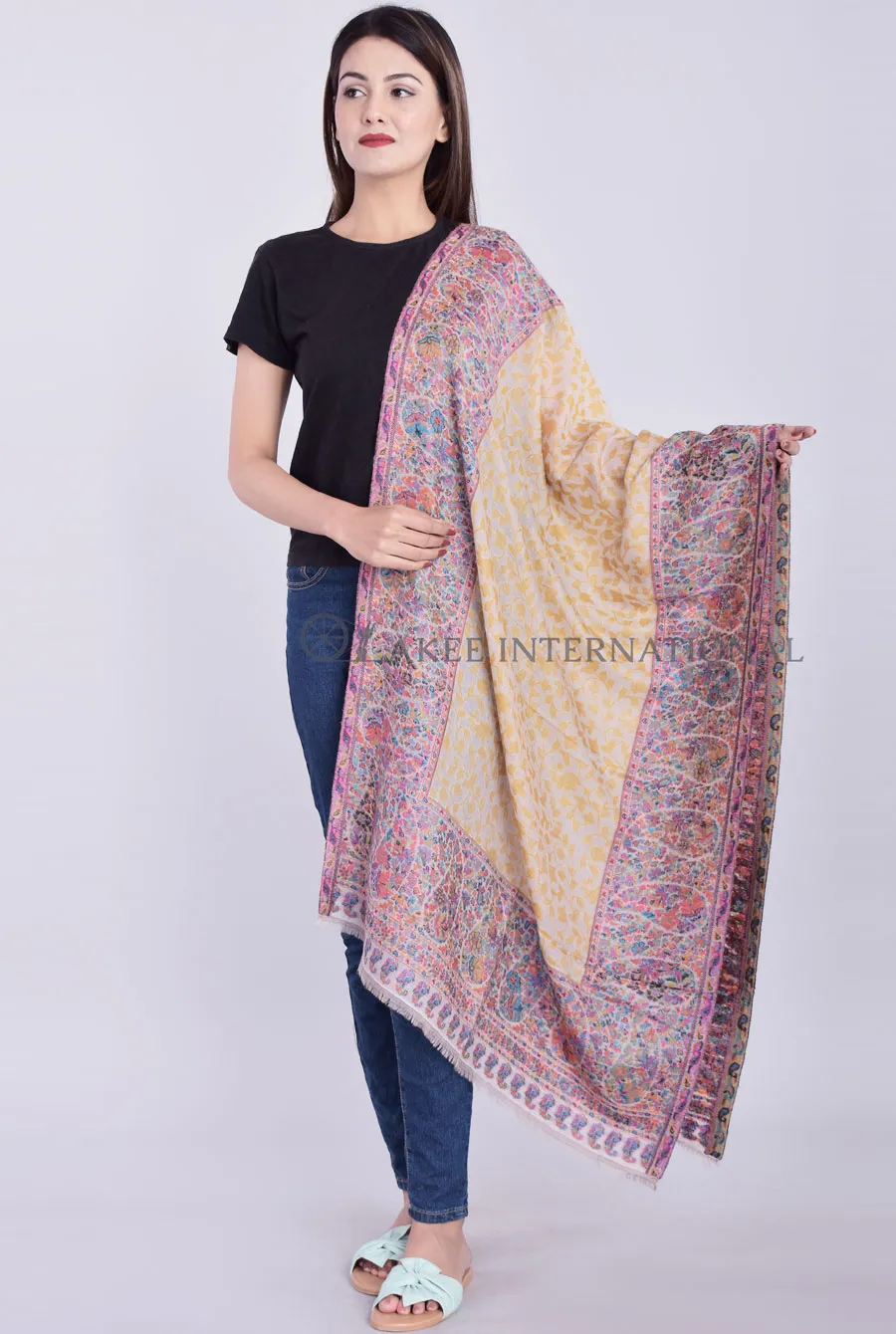
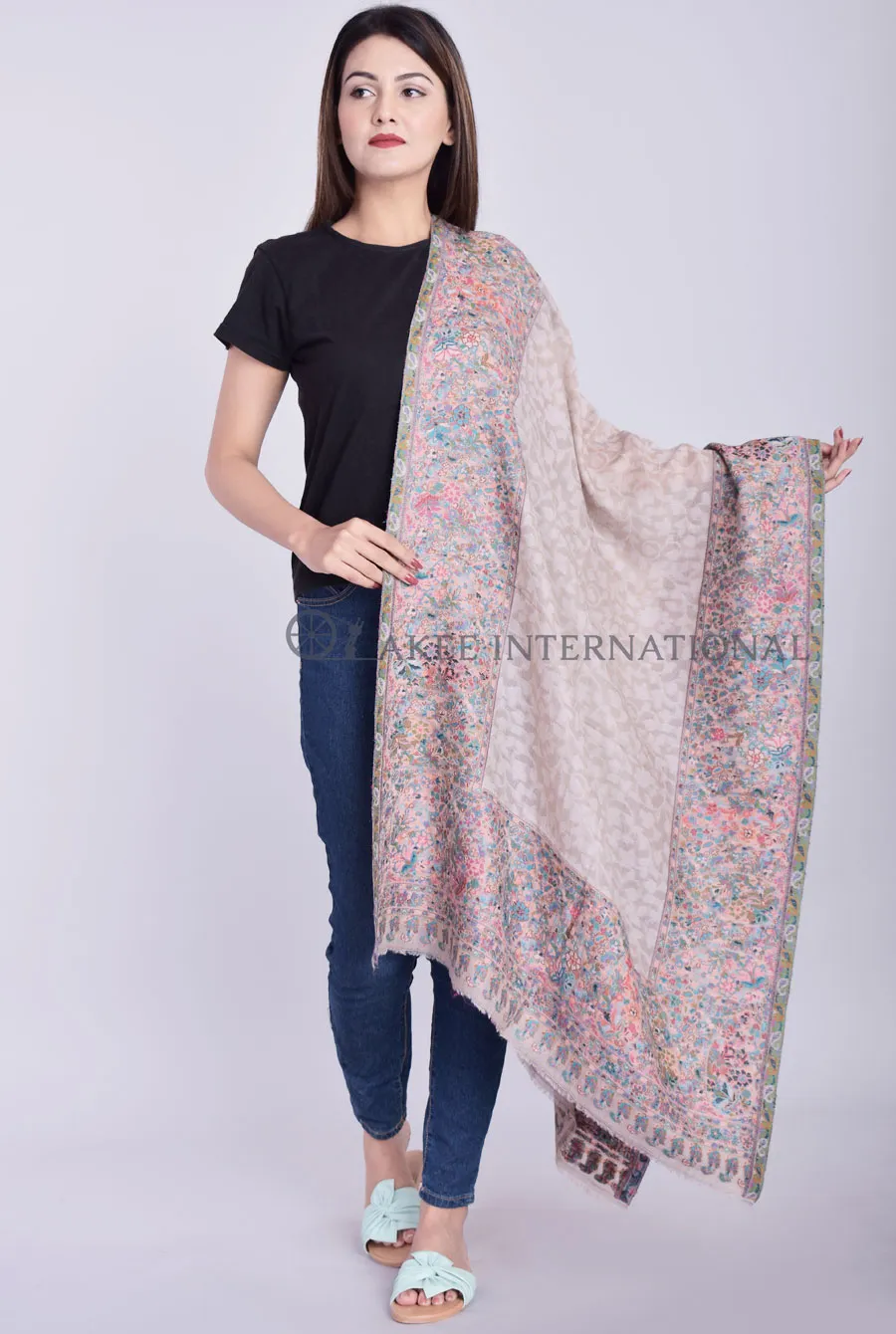
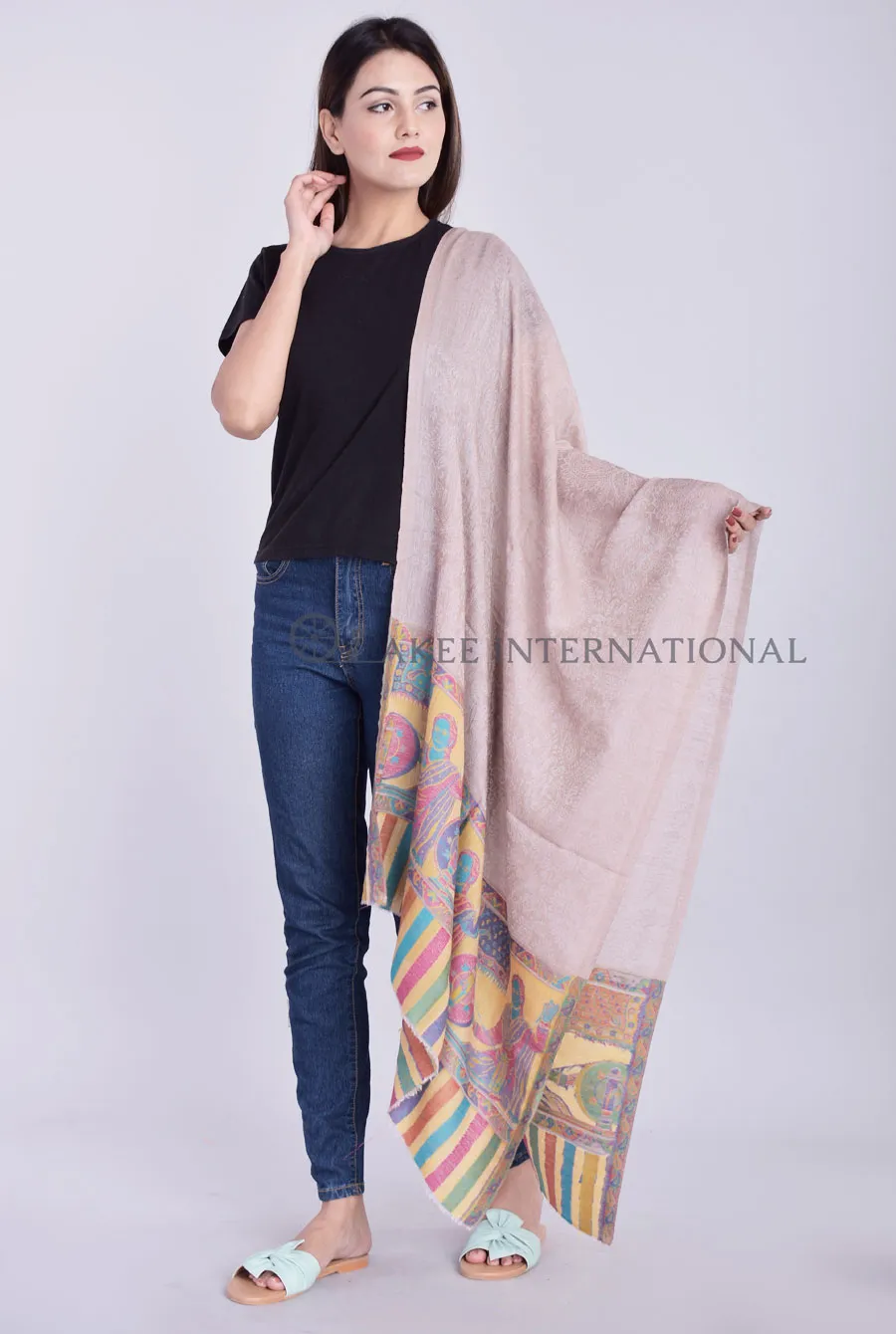
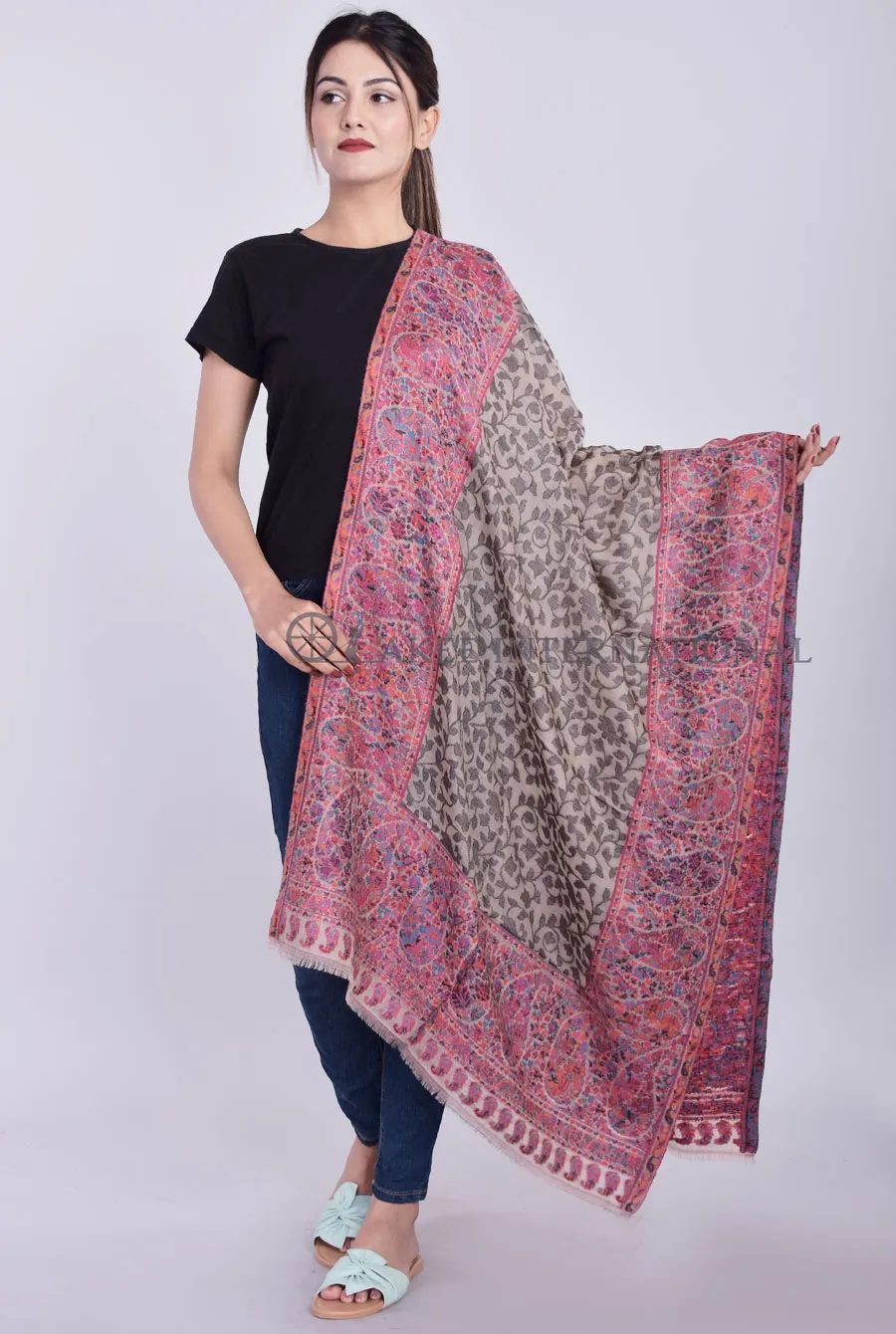
Find Your Perfect Premium Pashmina Shawl
Discover exquisite Pashmina shawls, beautifully crafted with Kashmir’s timeless heritage and artistry.

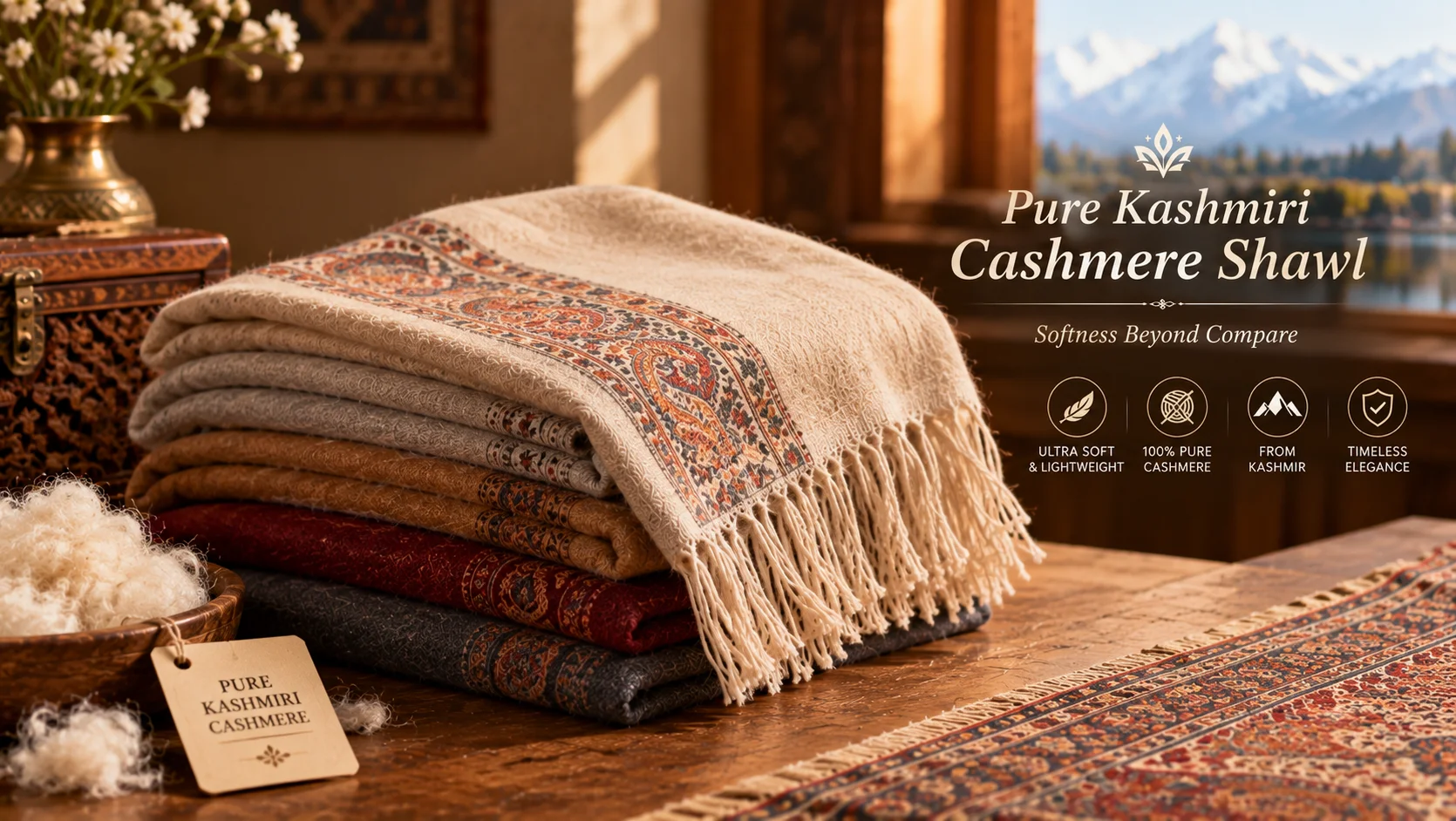
The word "pure" in a pure Kashmiri cashmere shawl carries a specific, verifiable meaning: 100% genuine Changthangi goat wool with no blending in of cheaper fibres like sheep's wool, synthetic materials, or lower-grade cashmere from other regions. Akee International verifies fibre purity at the raw material stage, before any spinning begins, ensuring every piece described as pure genuinely meets this standard rather than the term being used loosely as a marketing descriptor.
Blending pashmina with cheaper fibres reduces production cost while allowing a seller to still use the pashmina or cashmere name, which is why purity claims require verification rather than blanket trust across the wider market. Common blending practices include mixing in sheep's wool, silk, or synthetic fibres, sometimes disclosed accurately as a blend and sometimes not disclosed at all, leaving buyers to assume full purity when the actual fibre content tells a different story.
A pure Kashmiri cashmere shawl delivers meaningfully different qualities than a blended alternative — superior softness, better warmth-to-weight ratio, and generally greater longevity when properly cared for. Blended pieces might still offer reasonable quality depending on what they're blended with and in what proportion, but they won't match the specific characteristics that make pure pashmina distinctive, regardless of how the blend is marketed or priced.
Buyers can apply several practical checks to verify purity claims before committing to a purchase. Asking a seller directly for the exact fibre content percentage, rather than accepting general terms like "Kashmiri wool" or "cashmere blend," is a reasonable first step. Physical examination — checking for exceptional softness and lightness relative to size — offers a secondary verification method, since blended fibres typically feel noticeably different from pure pashmina even to a relatively untrained hand.
When shopping for a pure Kashmiri cashmere shawl, buyers should look for explicit labelling stating "100% pashmina" or "100% cashmere" rather than ambiguous phrasing that leaves room for undisclosed blending. Percentage-based labelling, where present, offers the clearest verification — a genuinely pure piece should state 100% pashmina or cashmere content specifically, without qualifying language suggesting a blend.
Akee International's sourcing process begins with raw wool verification before any production stage, ensuring that only genuine Changthangi goat wool enters the spinning process for pieces marketed as pure pashmina. This upfront verification, combined with a workforce of trained artisans experienced in recognising genuine fibre by feel, gives the business confidence in guaranteeing purity across its full pure pashmina and cashmere collection.
Understanding the specific blends commonly found in the wider market helps buyers recognise what they might be getting if a piece isn't genuinely pure. A pashmina-silk blend, often disclosed accurately, adds sheen and durability but reduces the exceptional softness of pure pashmina. A pashmina-wool blend, mixing in cheaper sheep's wool, reduces both softness and cost while sometimes being marketed without full disclosure. Fully synthetic alternatives, containing no genuine pashmina fibre at all despite carrying the name, represent the least authentic end of this spectrum, and are unfortunately common enough in casual retail and tourist-facing markets that buyers benefit from applying purity checks even to seemingly reputable-looking sellers.
It's worth noting that a disclosed, intentional blend isn't automatically a lesser product for every buyer's needs — a pashmina-silk blend can offer a slightly more durable, higher-sheen alternative to pure pashmina at a somewhat lower price point, suiting buyers who want some of pashmina's qualities without the premium cost of a fully pure piece. The key distinction is disclosure and buyer choice: a pure Kashmiri cashmere shawl should be clearly and specifically labelled as such, and a blend should be equally clearly disclosed, allowing buyers to choose based on accurate information rather than being misled about what they're actually purchasing.
For questions about fibre purity or to verify a specific piece's content before purchase, contact the team through Contact Us or WhatsApp at +91-9772777770. The full product catalogue specifies exact fibre content across every listed piece.
Discover exquisite Pashmina shawls, beautifully crafted with Kashmir’s timeless heritage and artistry.
Discover exquisite Pashmina shawls, beautifully crafted with Kashmir’s timeless heritage and artistry.
It means the shawl contains 100% Changthangi wool with no synthetic or blended fibers.
Blending reduces production costs, since genuine Changthangi wool is rare and expensive.
It feels distinctly soft without artificial slipperiness and has a natural matte sheen rather than an artificial gloss.
Yes, pure cashmere ages more gracefully, becoming softer over time, unlike blends that pill and flatten.
Yes, our 100% purity guarantee applies consistently across all order sizes.
Yes, GI certification for Kashmir Pashmina specifically requires genuine, unblended wool.
Dry cleaning is recommended, along with breathable storage away from sunlight and moisture.
Yes, given the rarity of pure raw material and the labour-intensive processing involved.
Yes, our team can provide detailed sourcing information to help verify authenticity.
Yes, wholesale orders maintain the same purity standard as our retail collection.
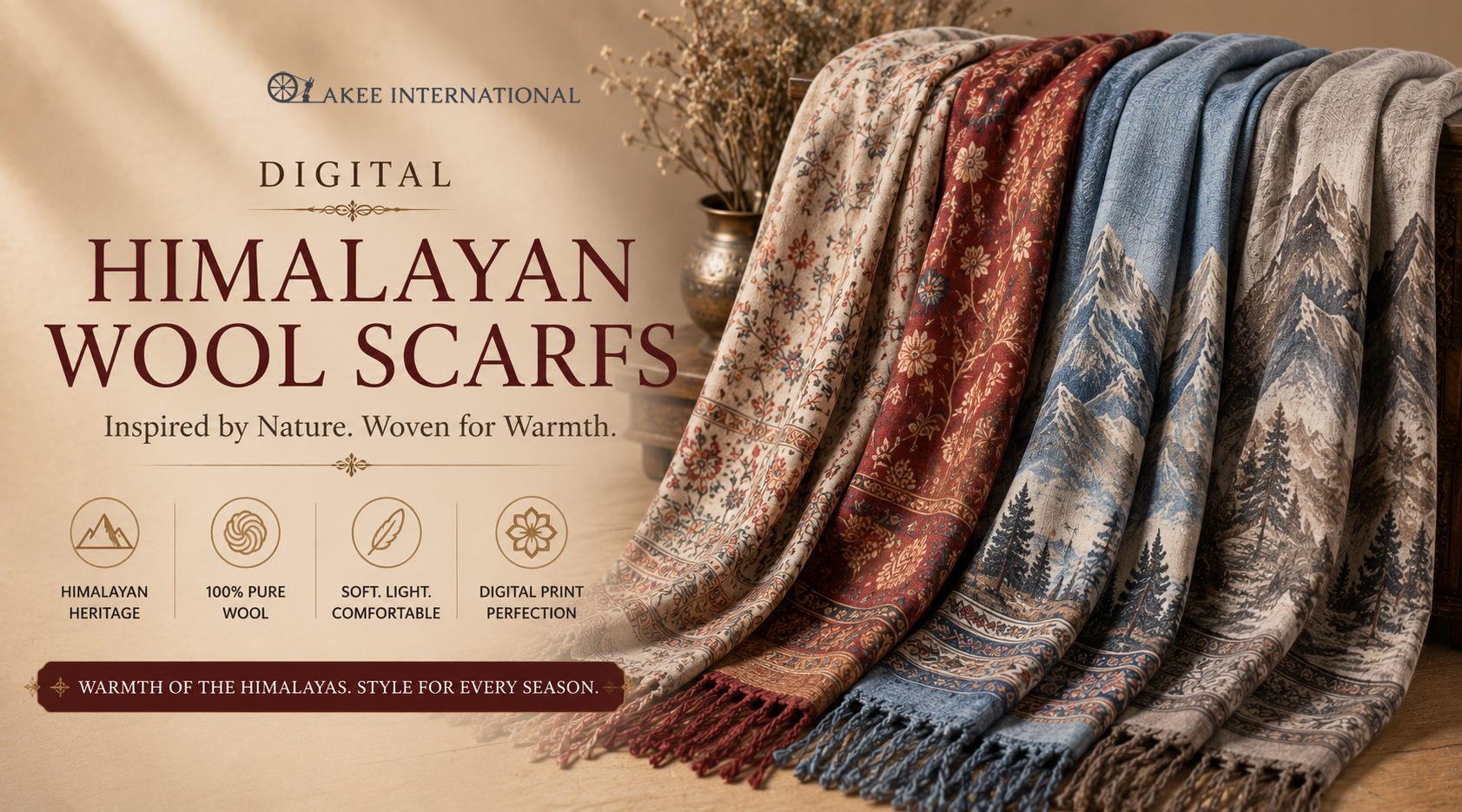
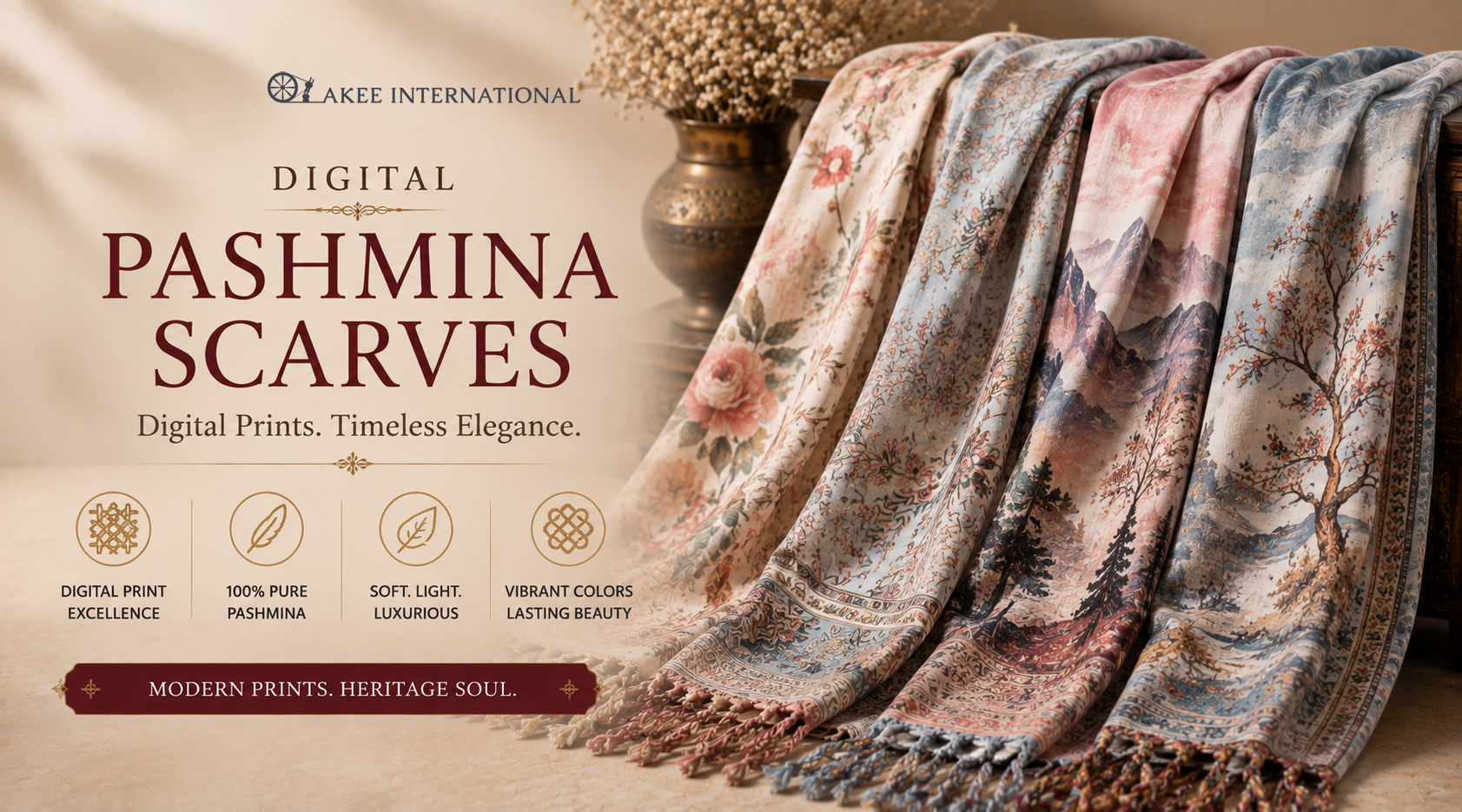
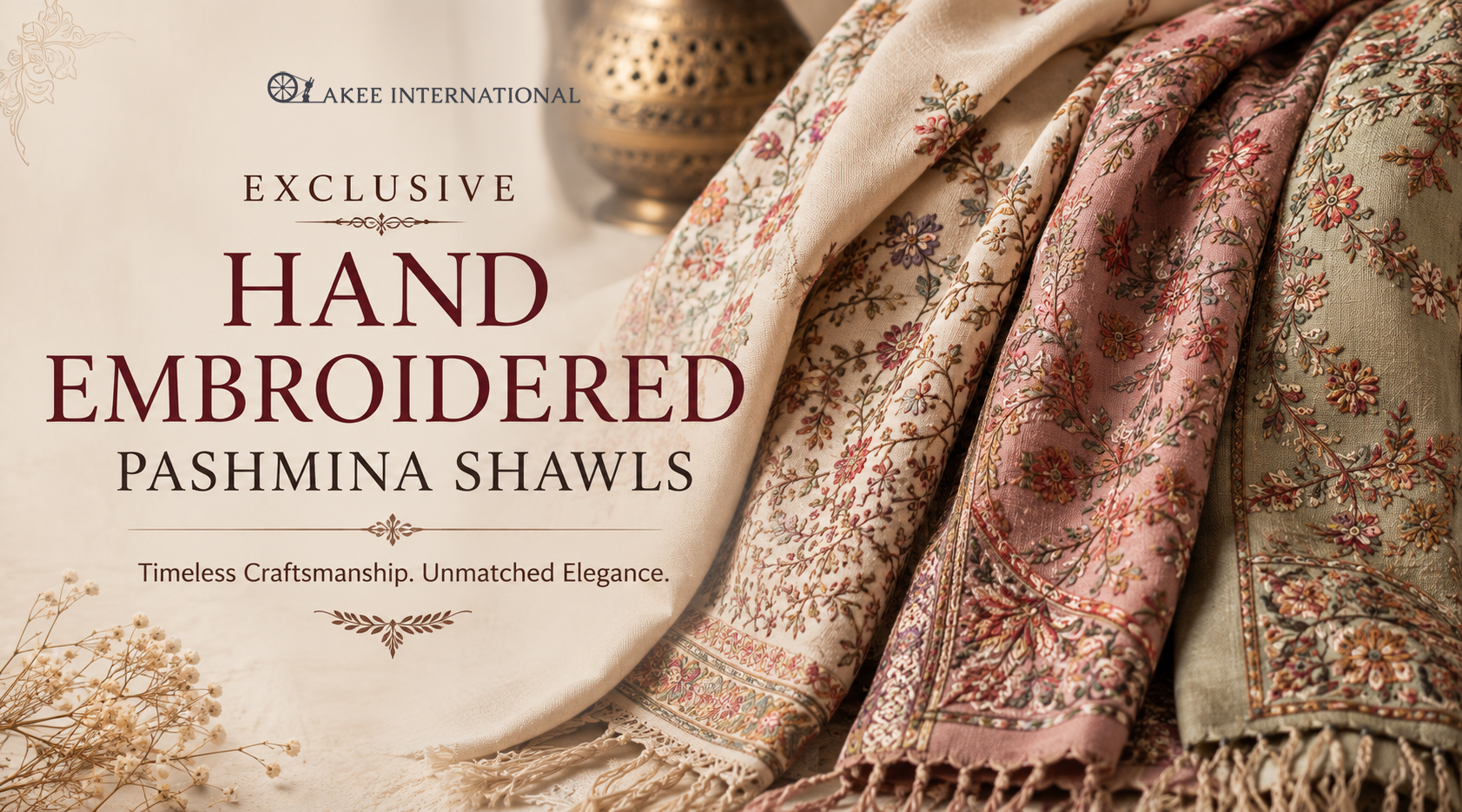
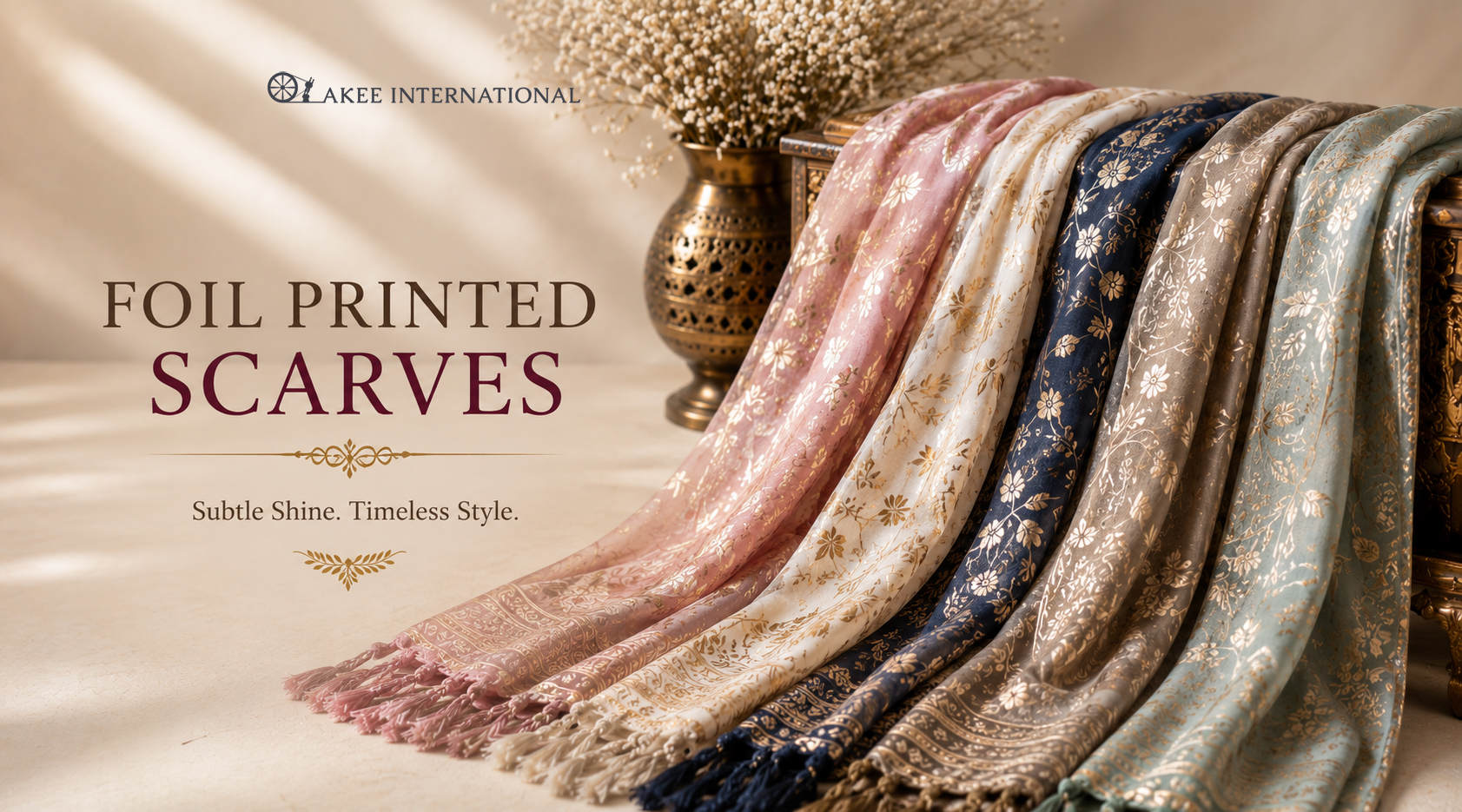
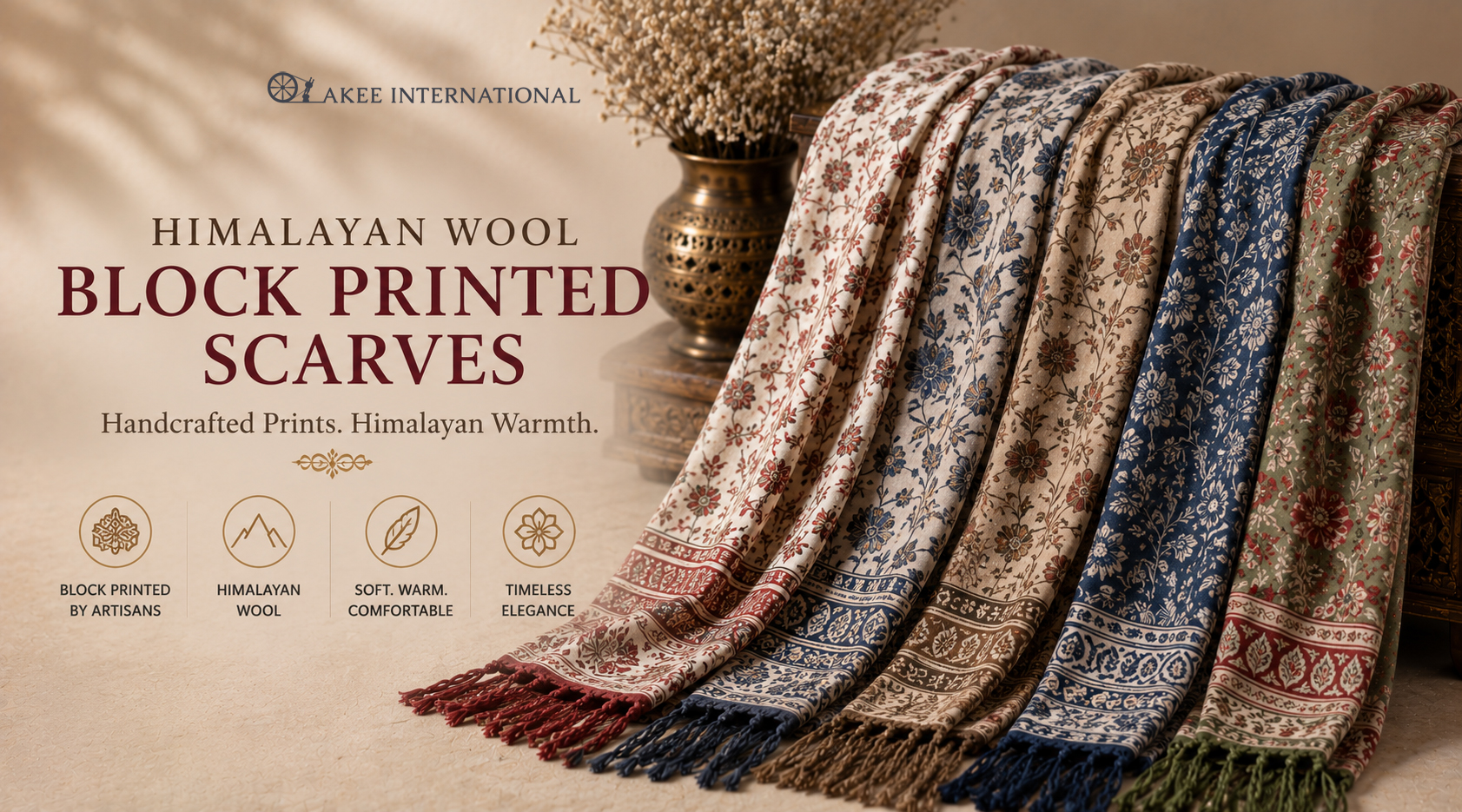
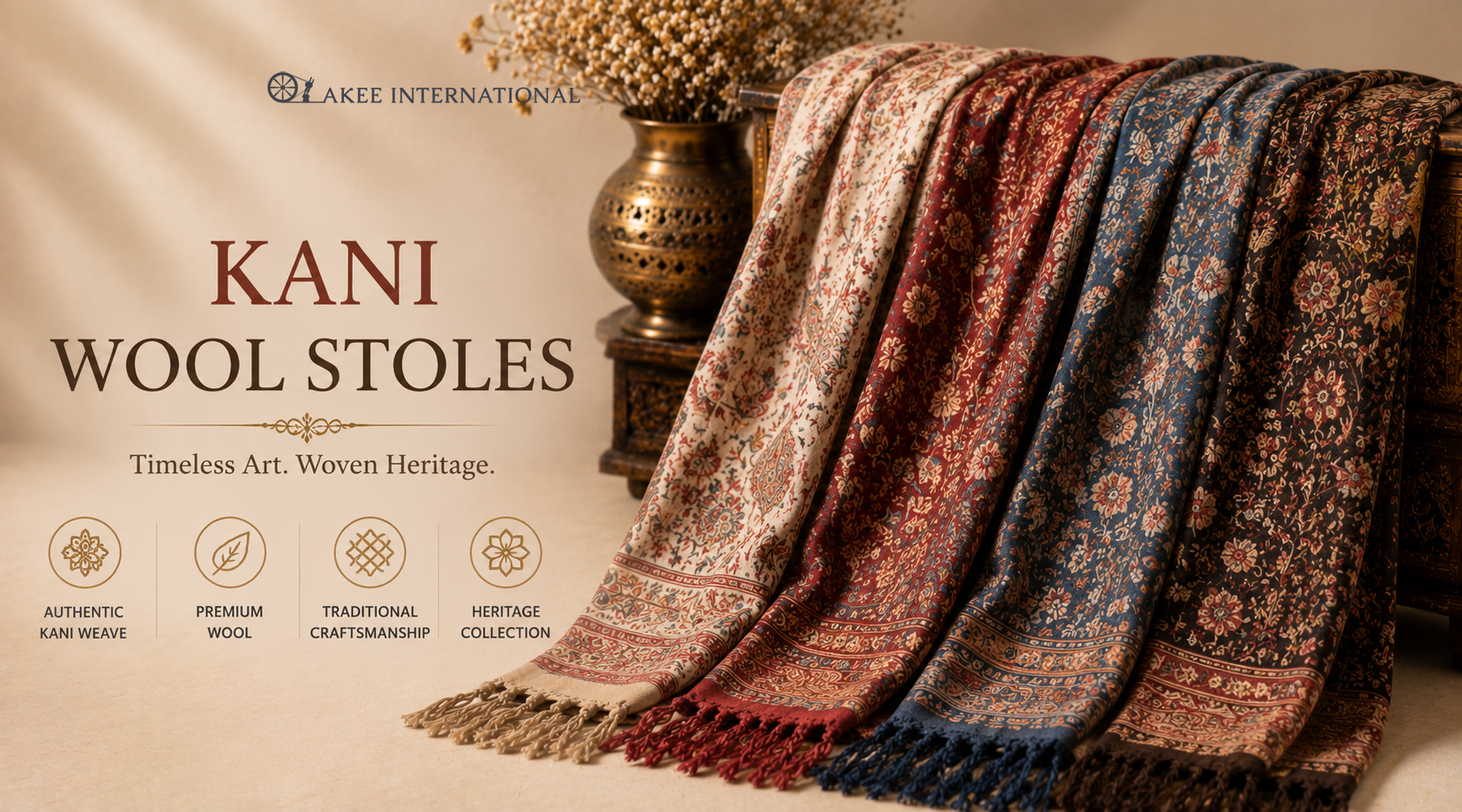
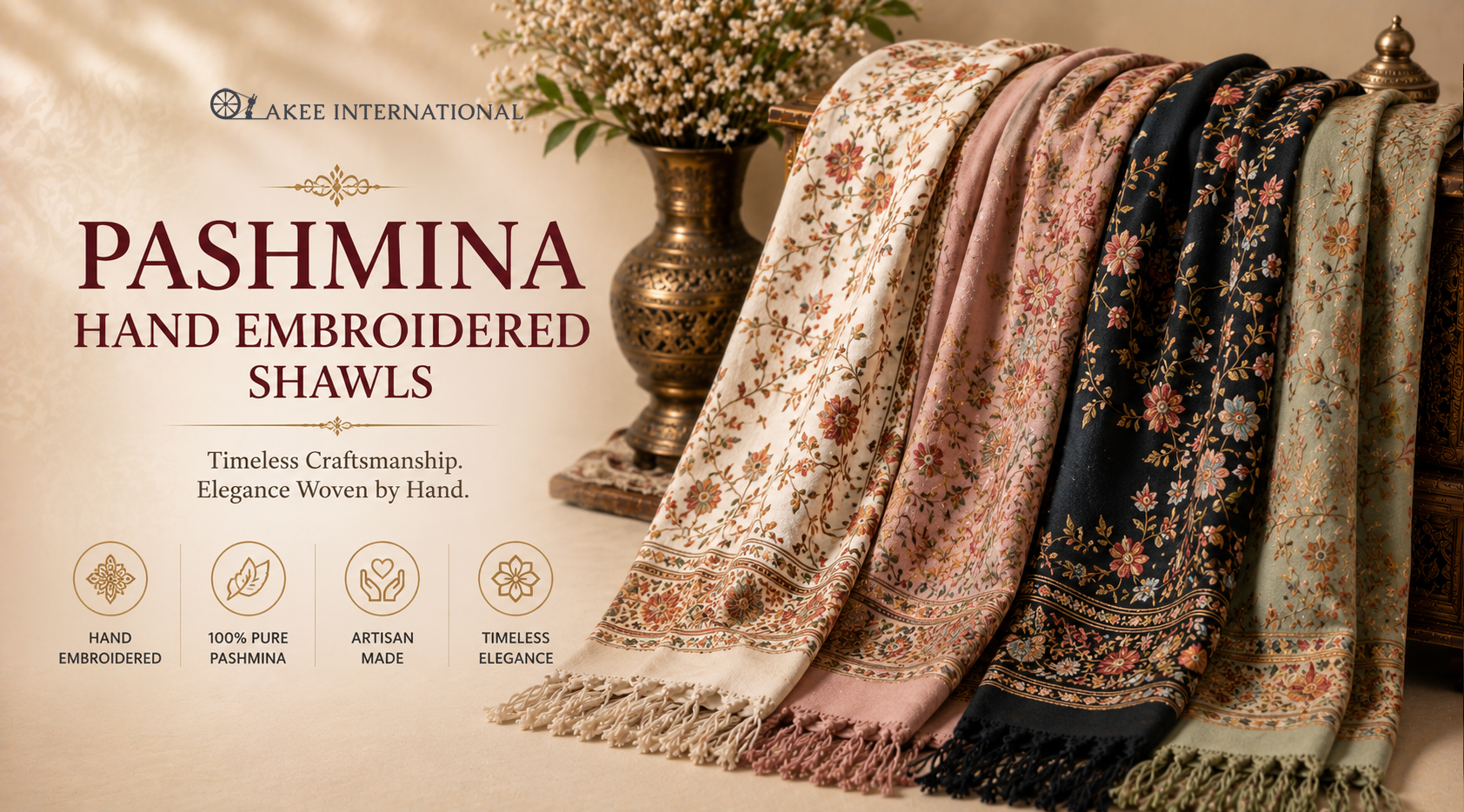
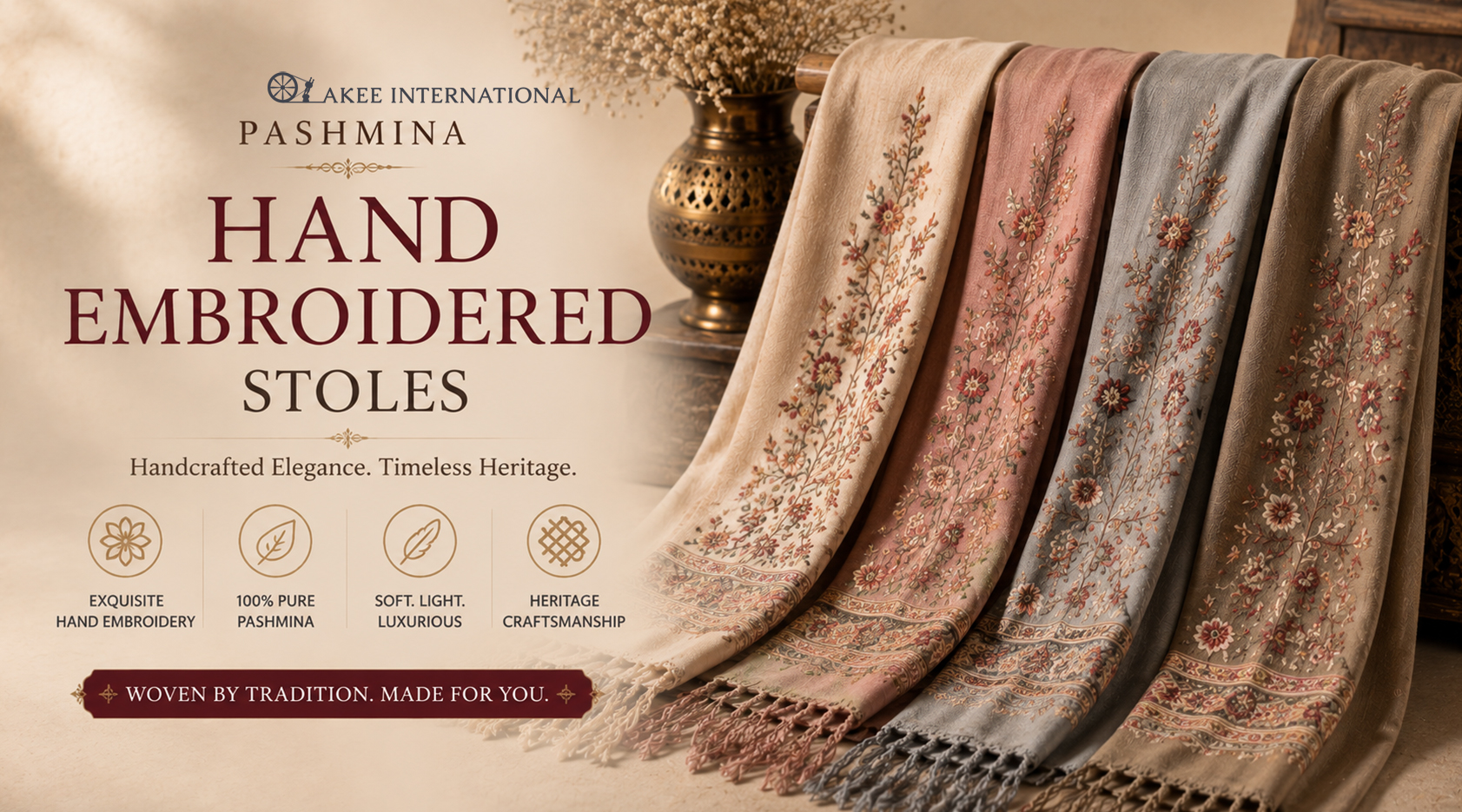
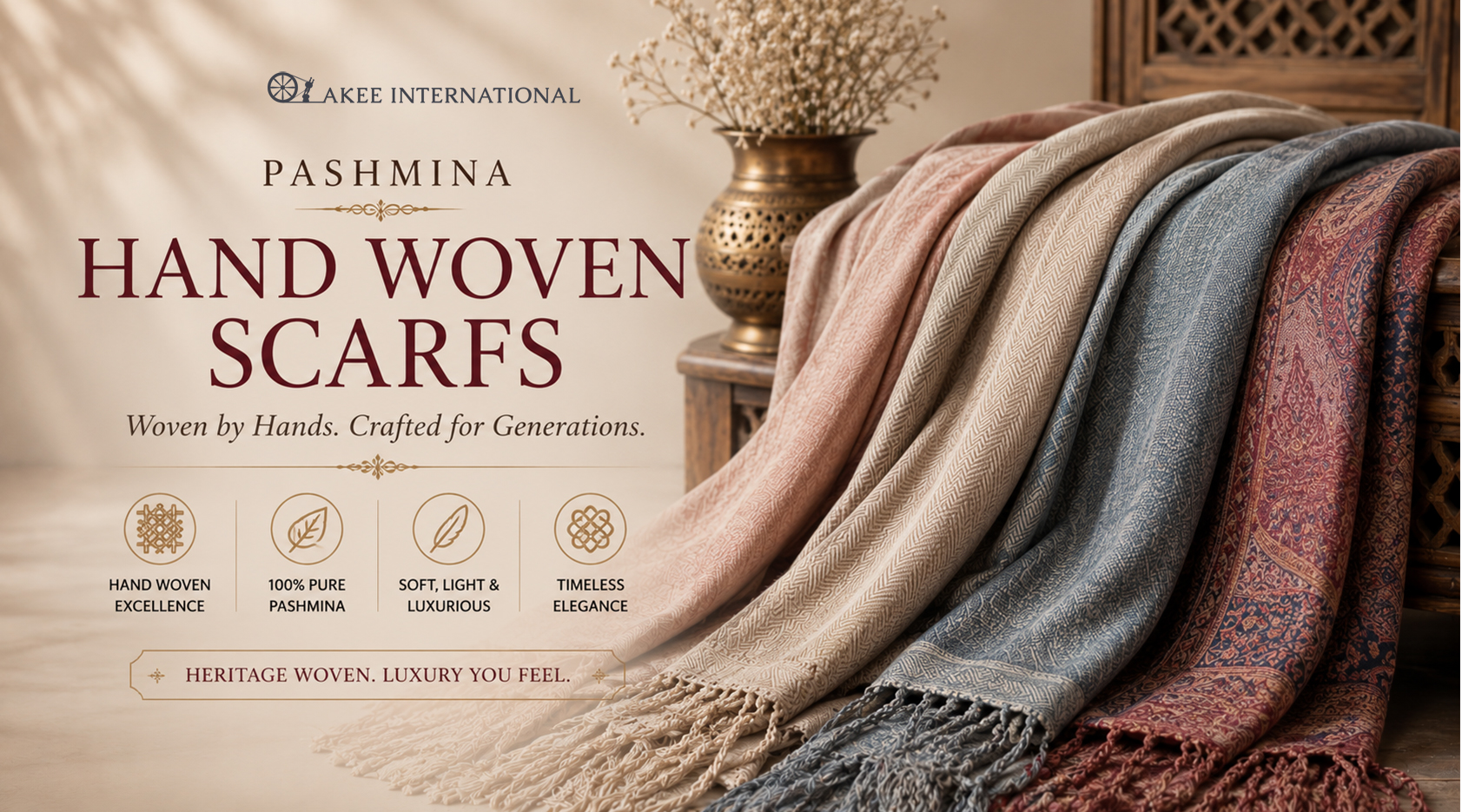
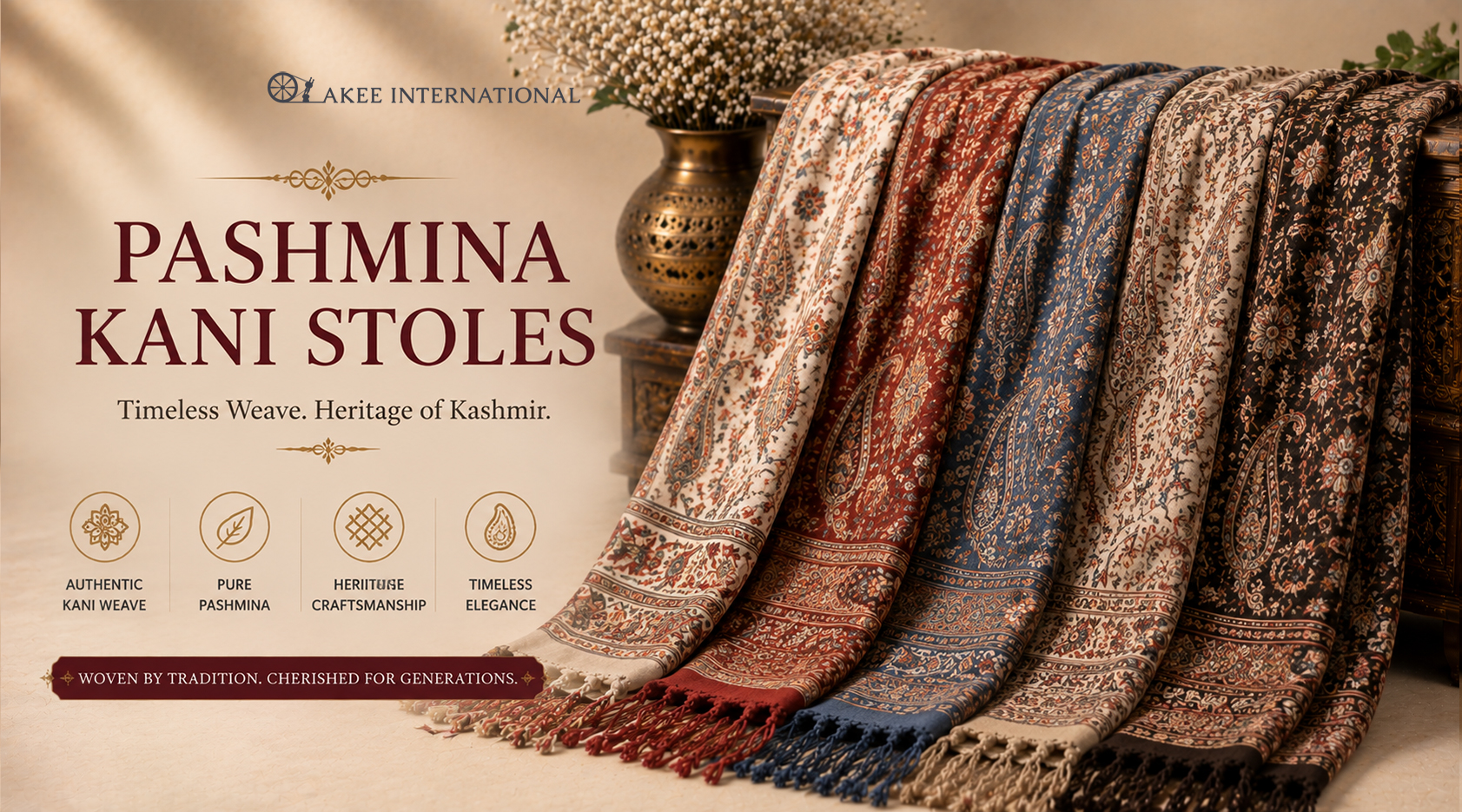
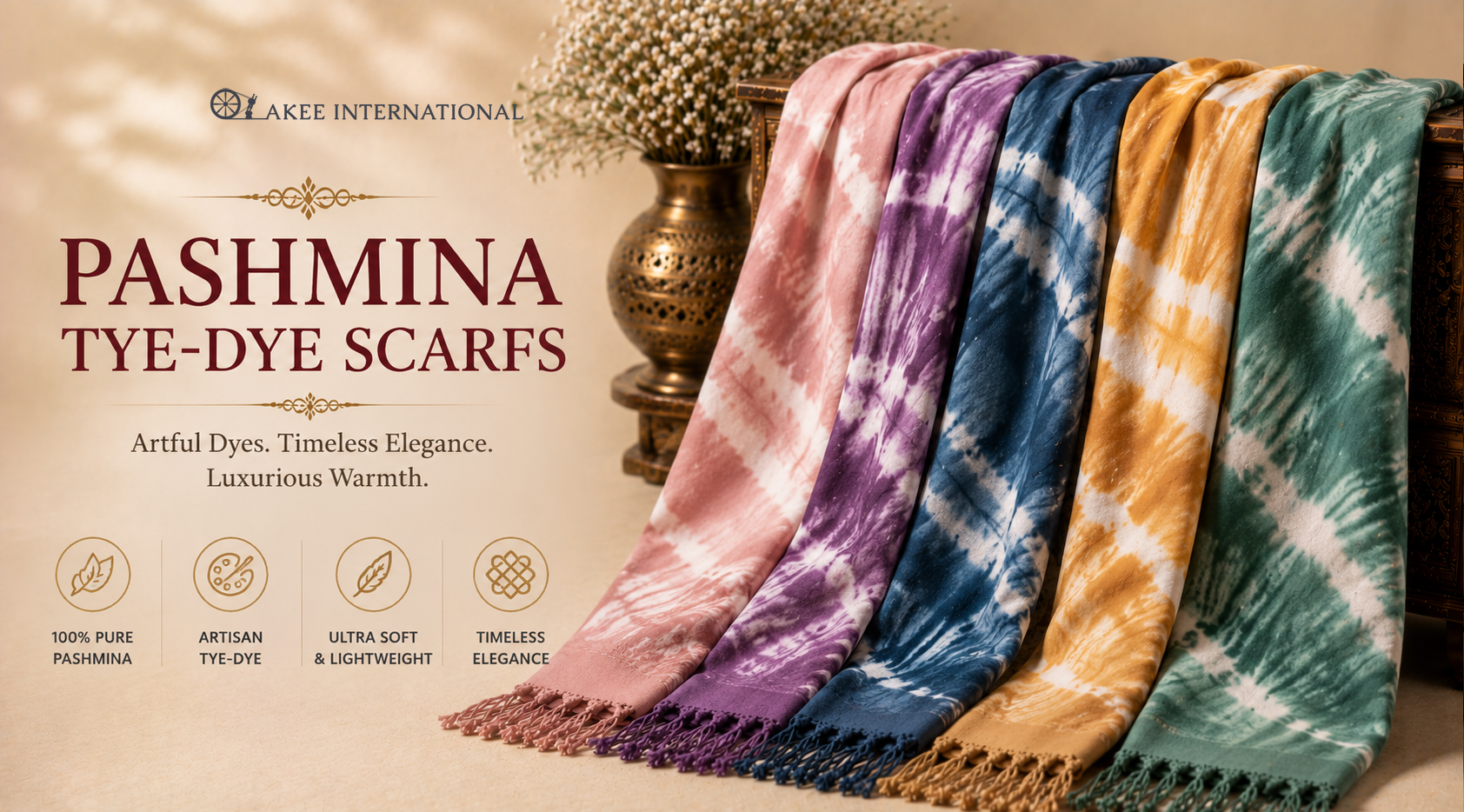
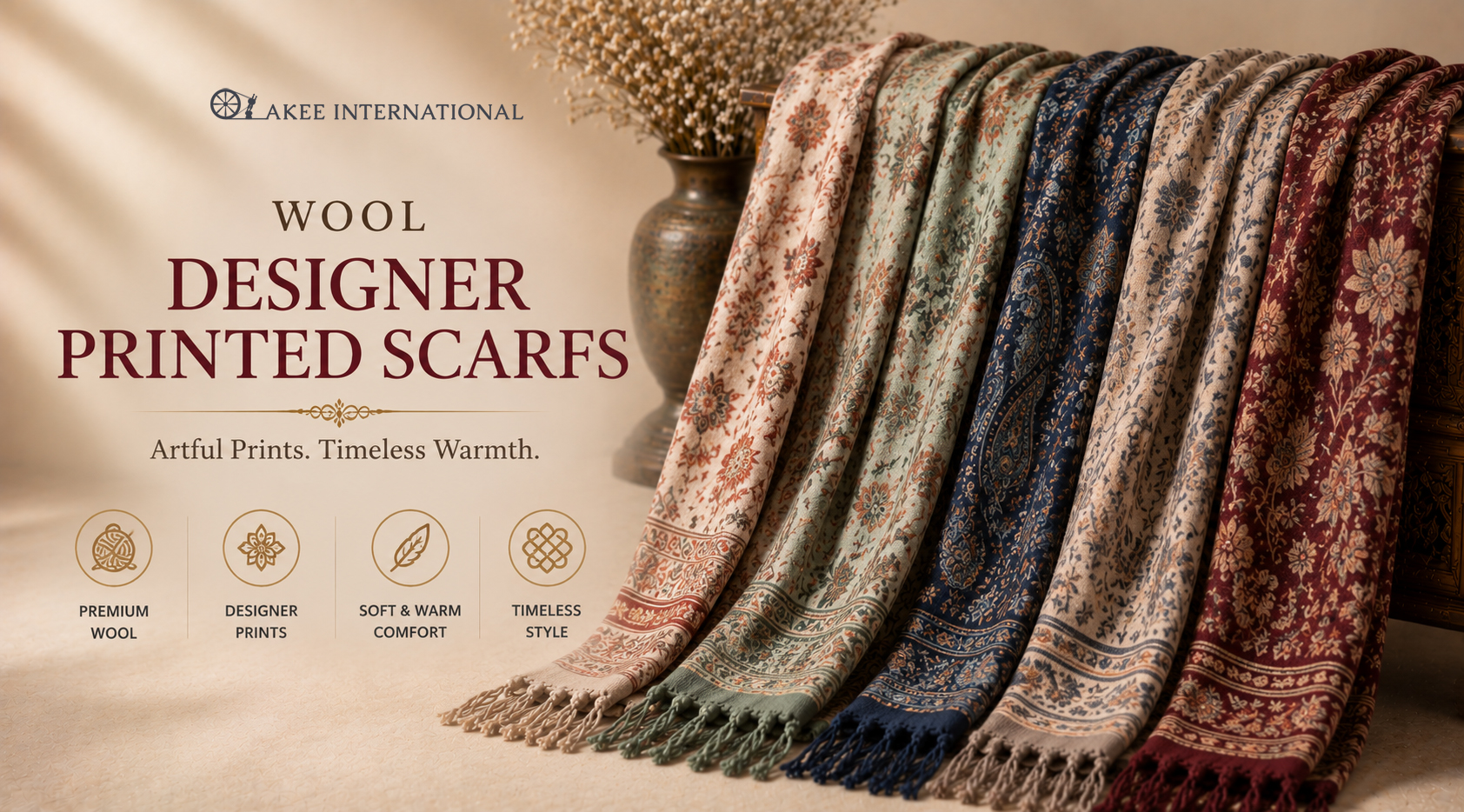
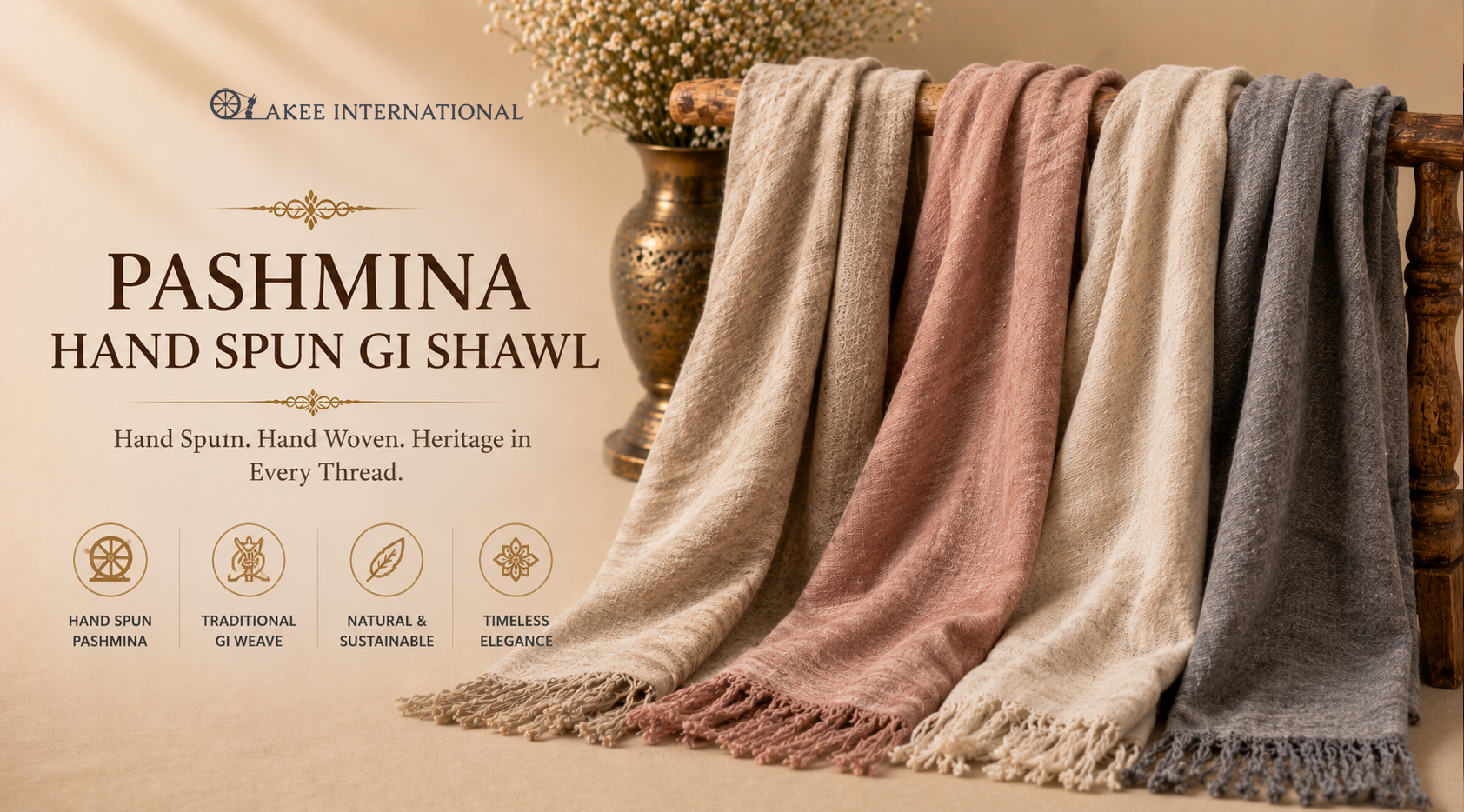
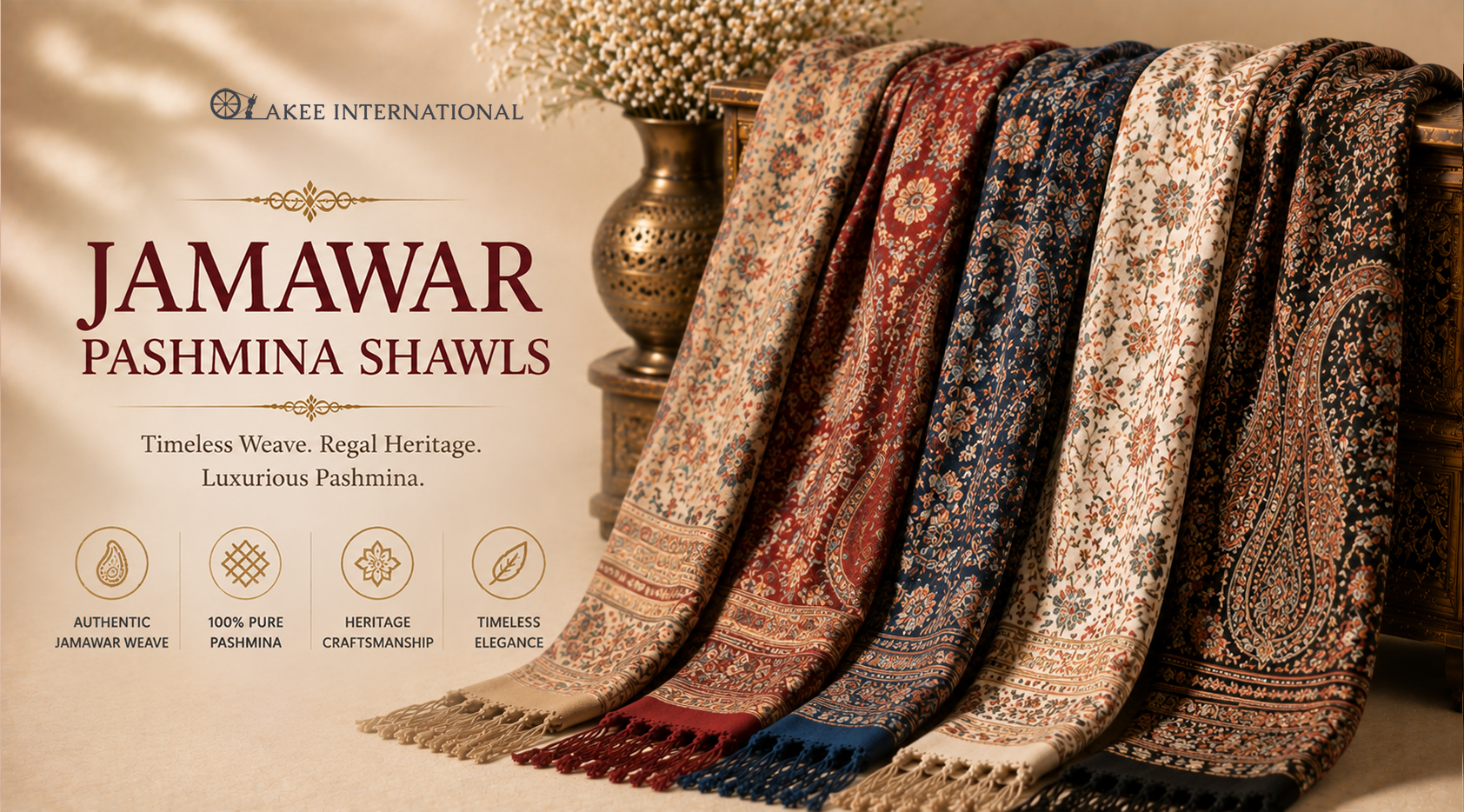
Discover exquisite Pashmina shawls, beautifully crafted with Kashmir’s timeless heritage and artistry.
"Read what our clients say about their experience with Akee International's luxurious Pashmina shawls and impeccable service."

Nai Mata Mandir Road, Thathar Road, Delhi By Pass, Amer, Jaipur 302028, Rajasthan India
Get directions Call Now Whatsapp 4.9 based on 269 reviews

Rating: 4.6/5 | 85 Reviews

Rating: 4.9/5 | 269 Reviews

TrustScore: 4.9 | 100 Reviews