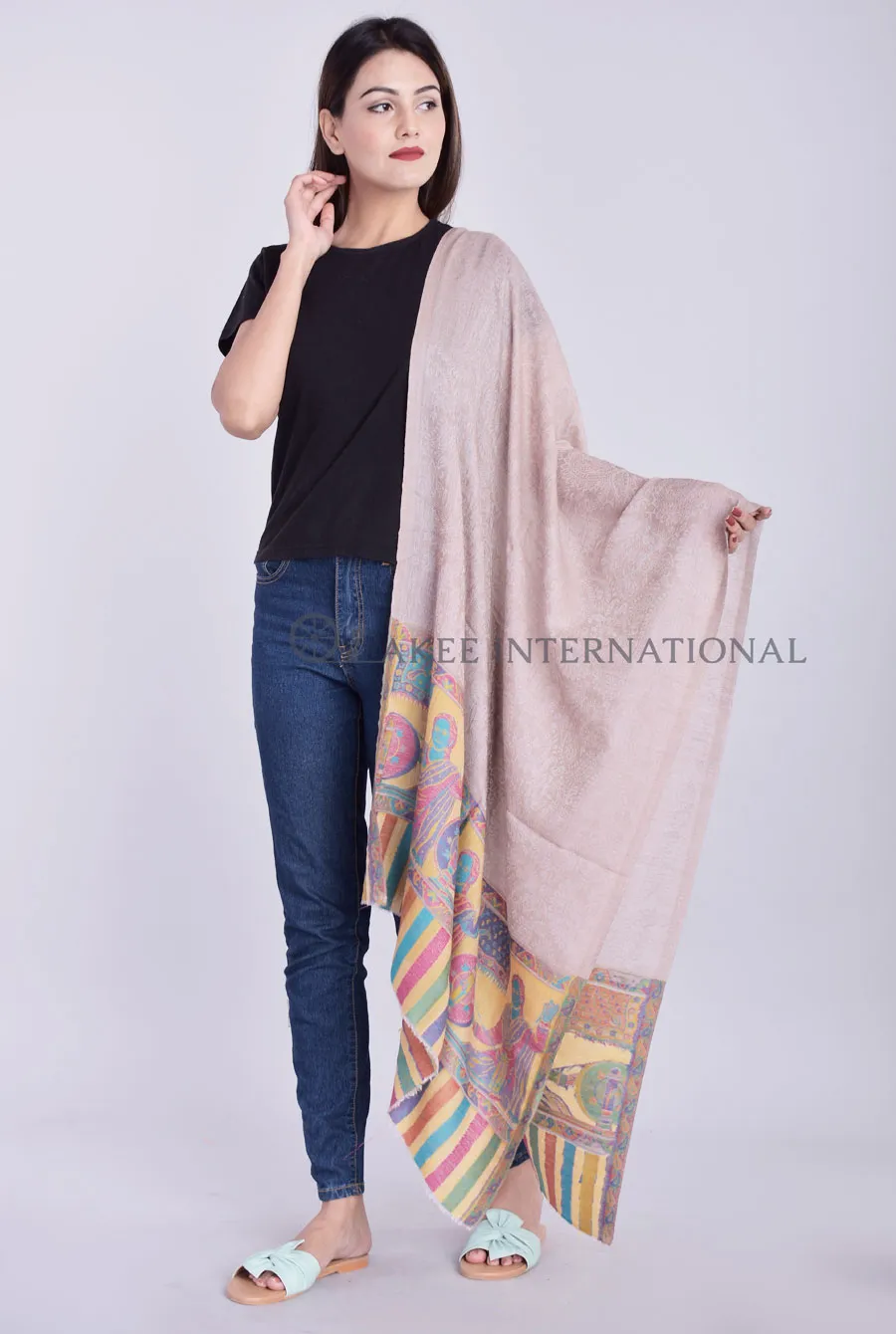
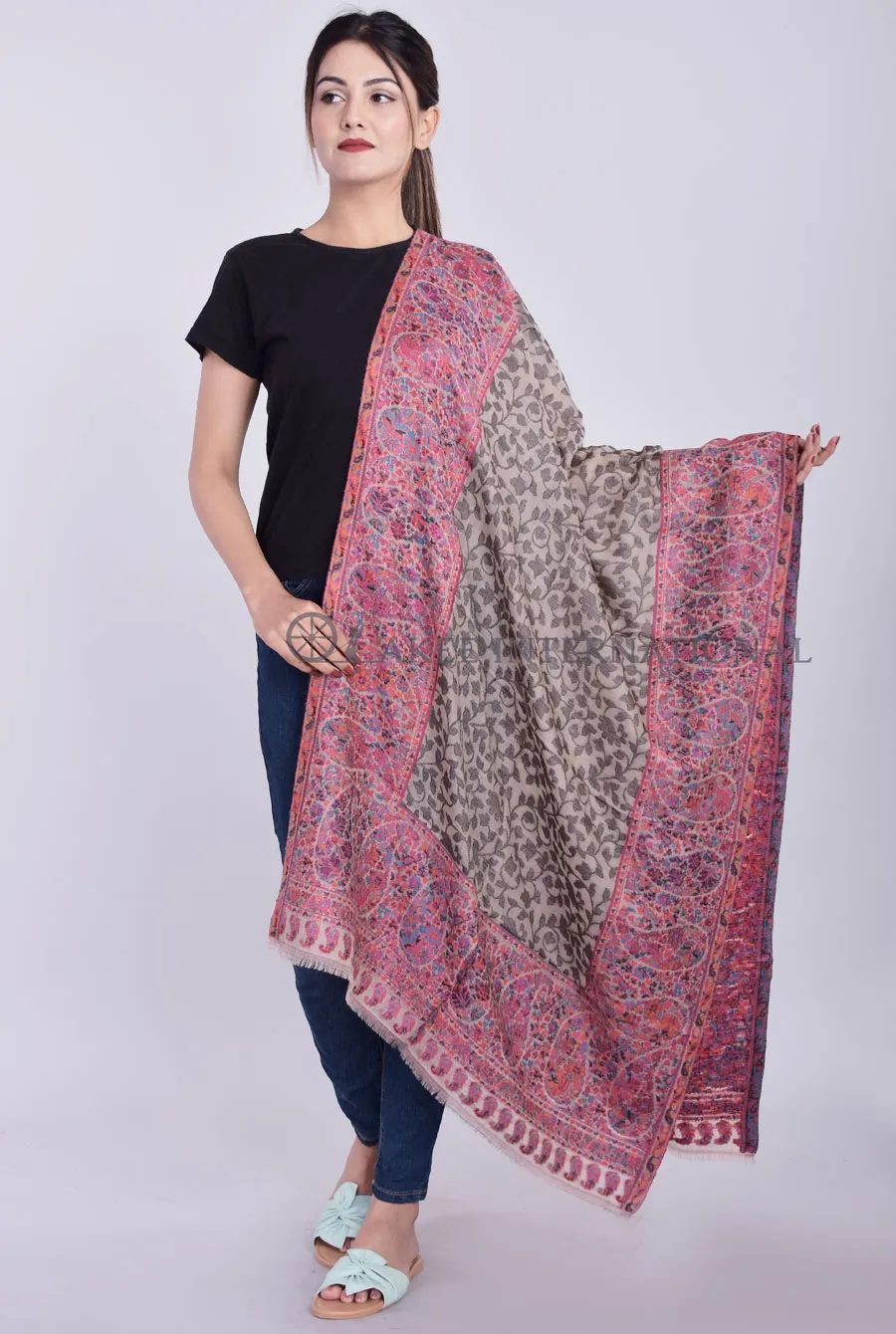
Find Your Perfect Premium Pashmina Shawl
Discover exquisite Pashmina shawls, beautifully crafted with Kashmir’s timeless heritage and artistry.

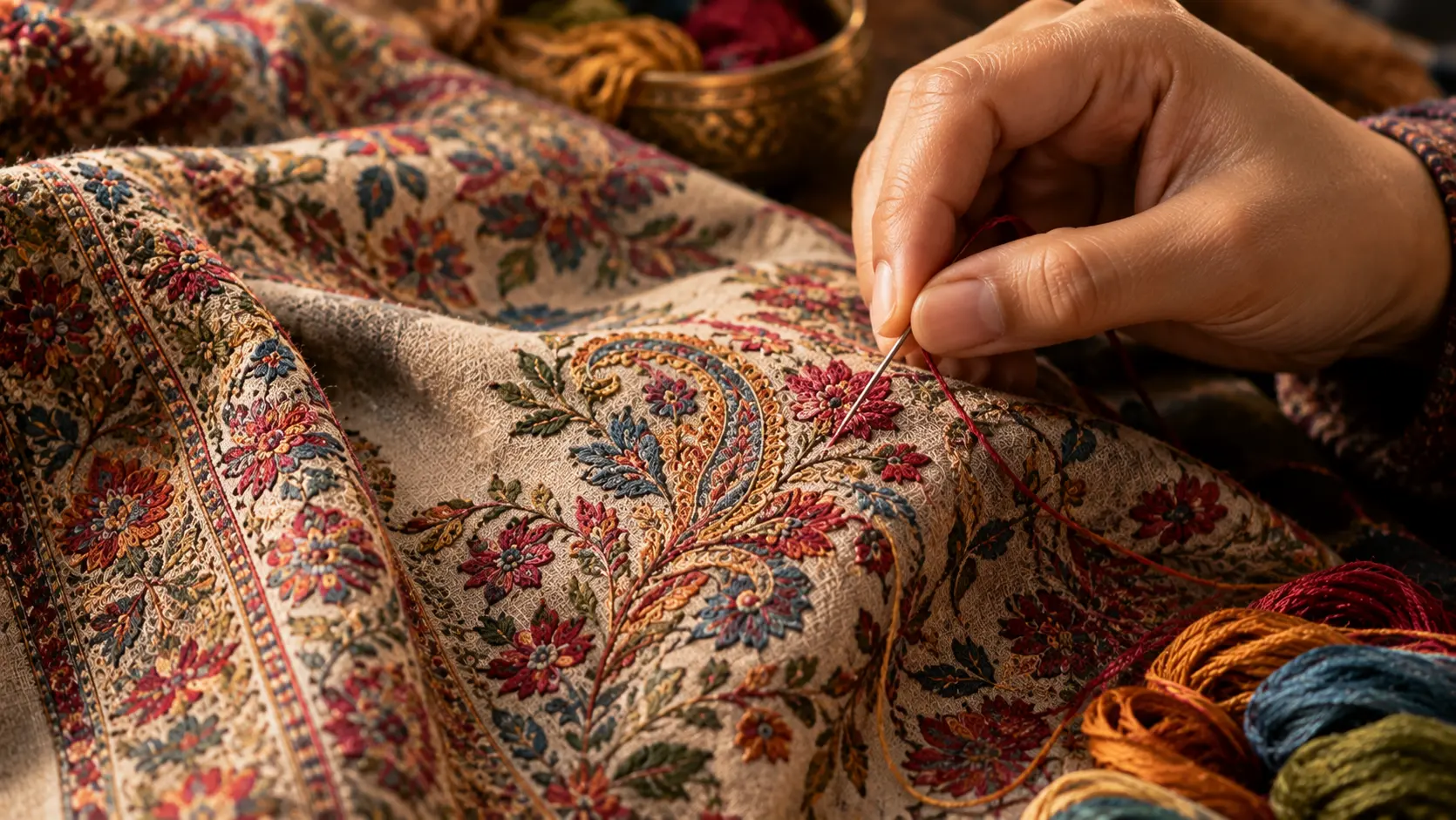
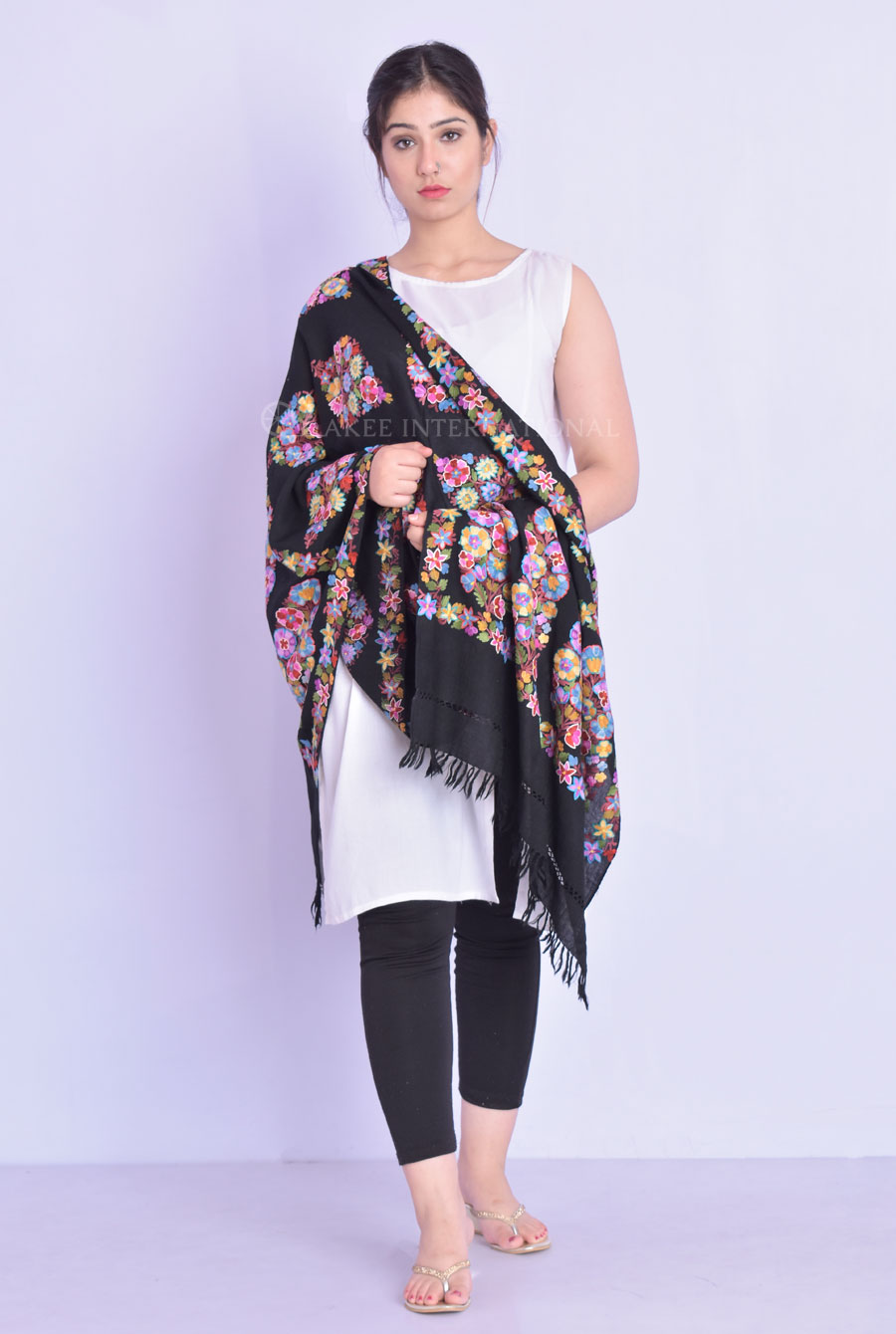
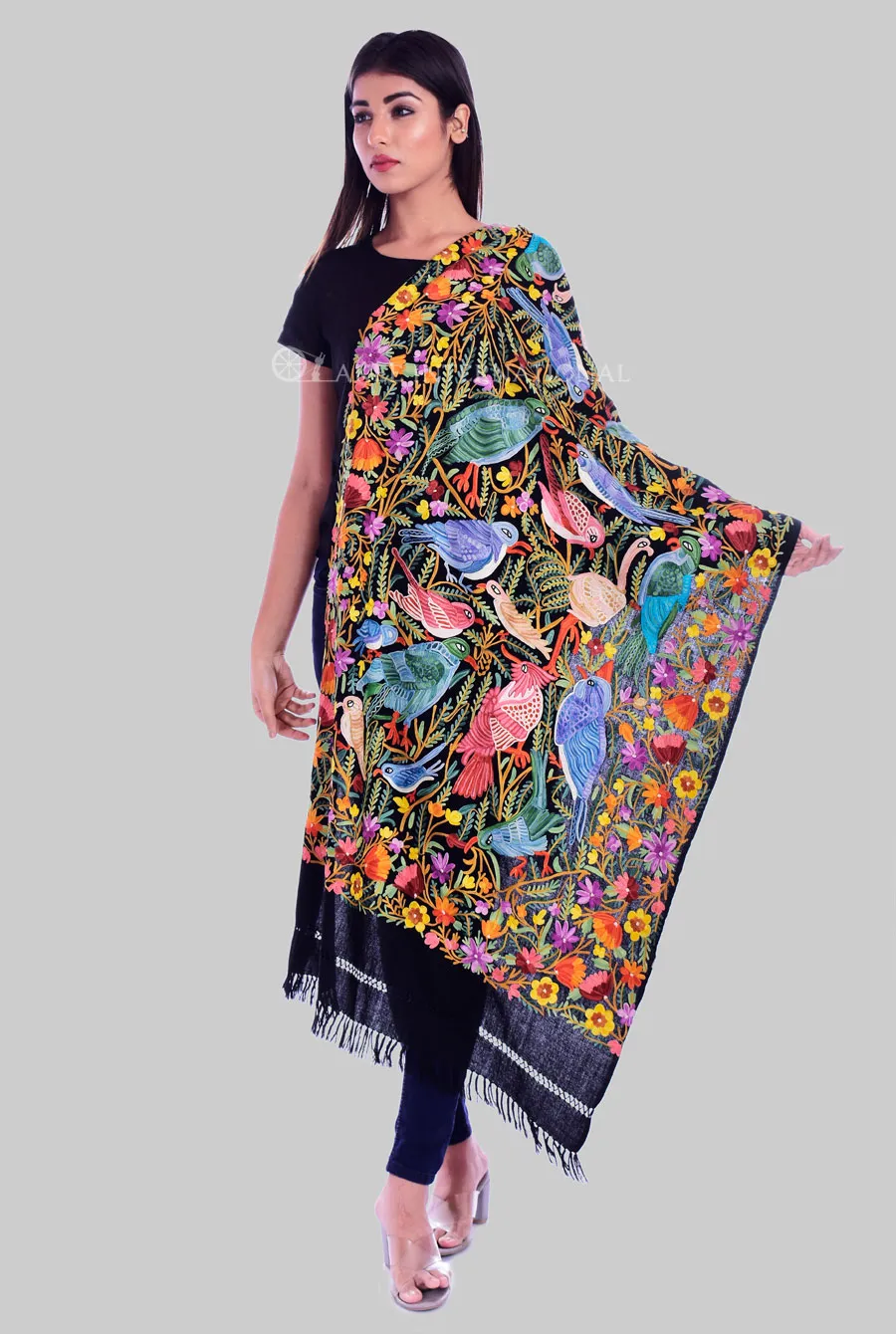
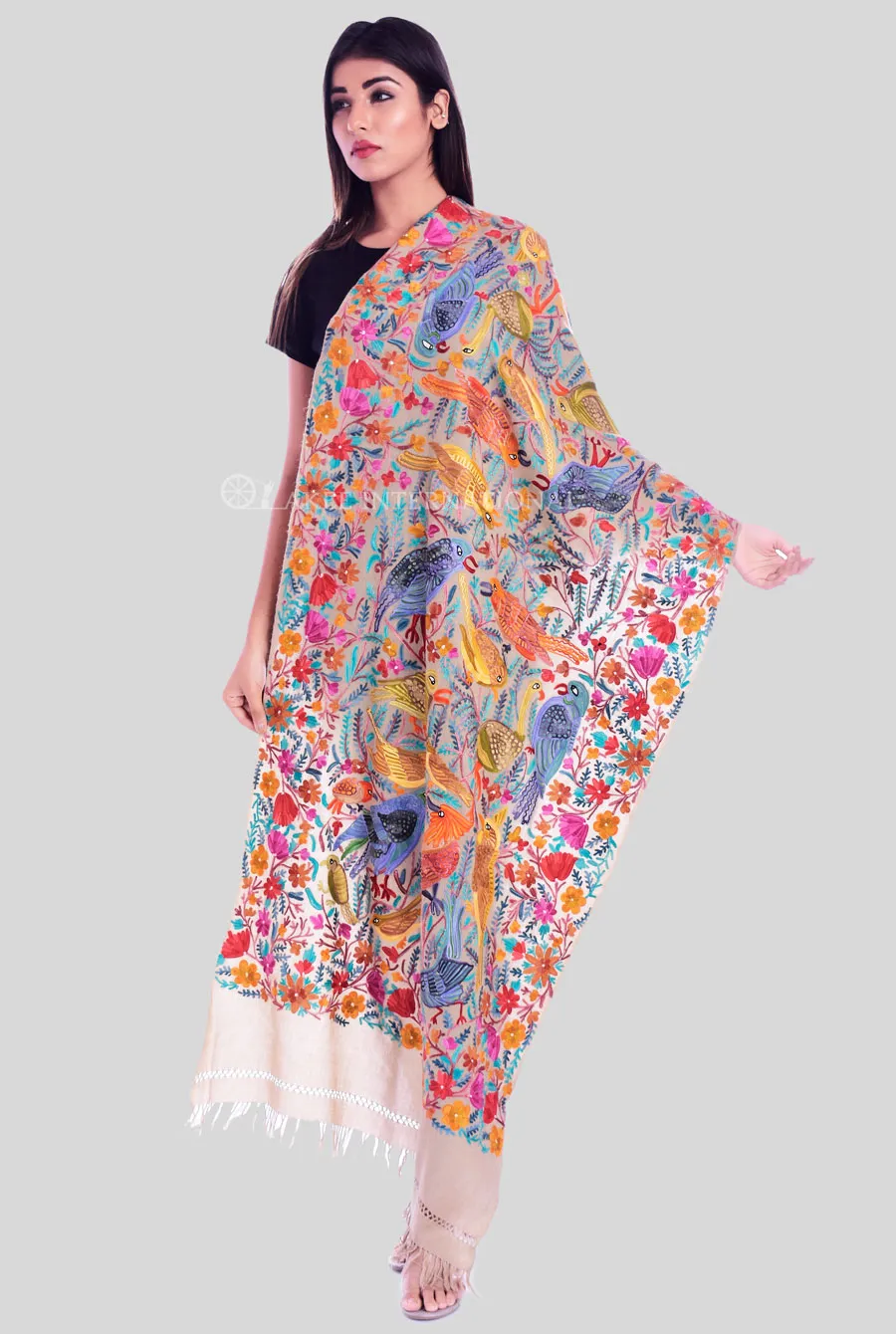
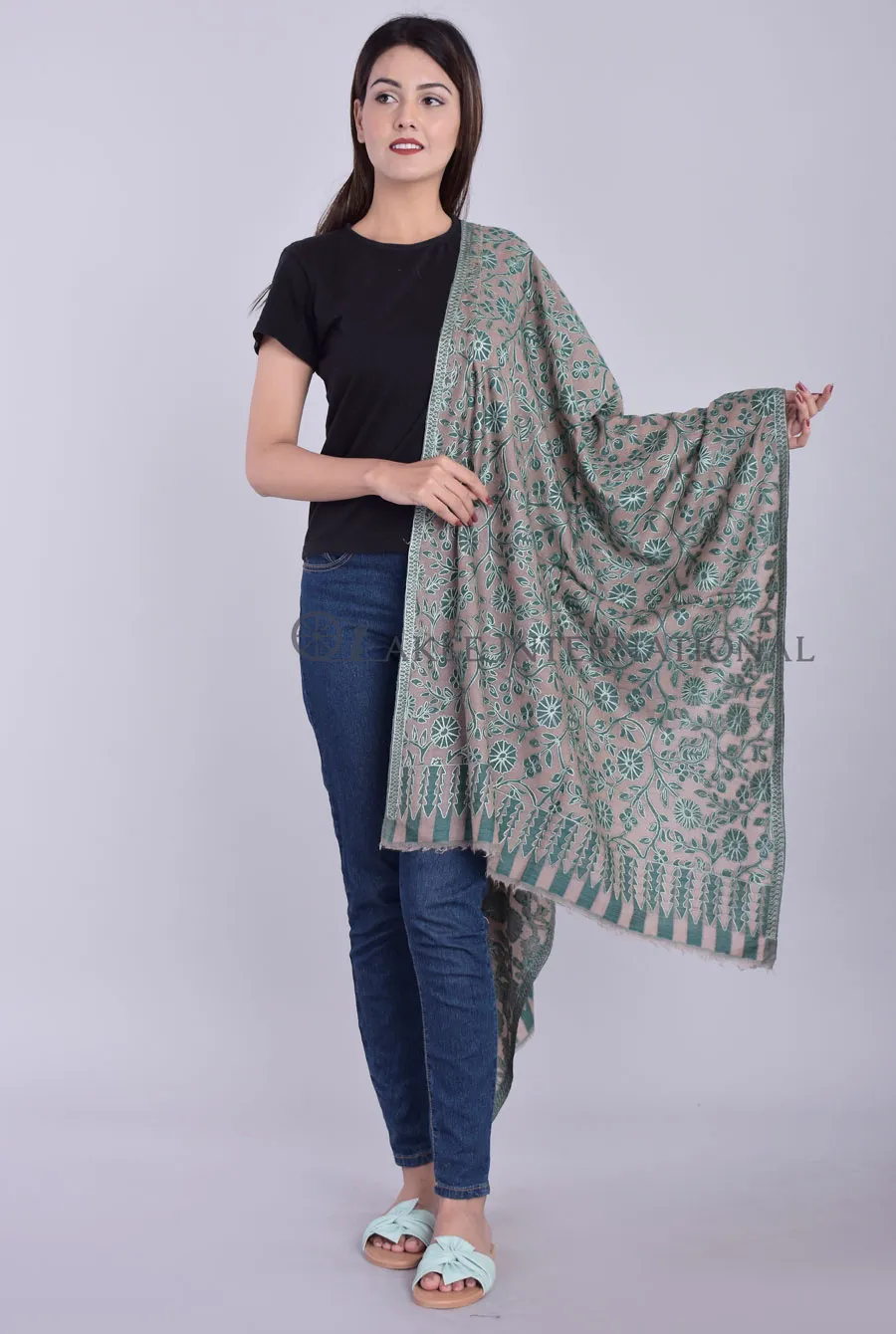
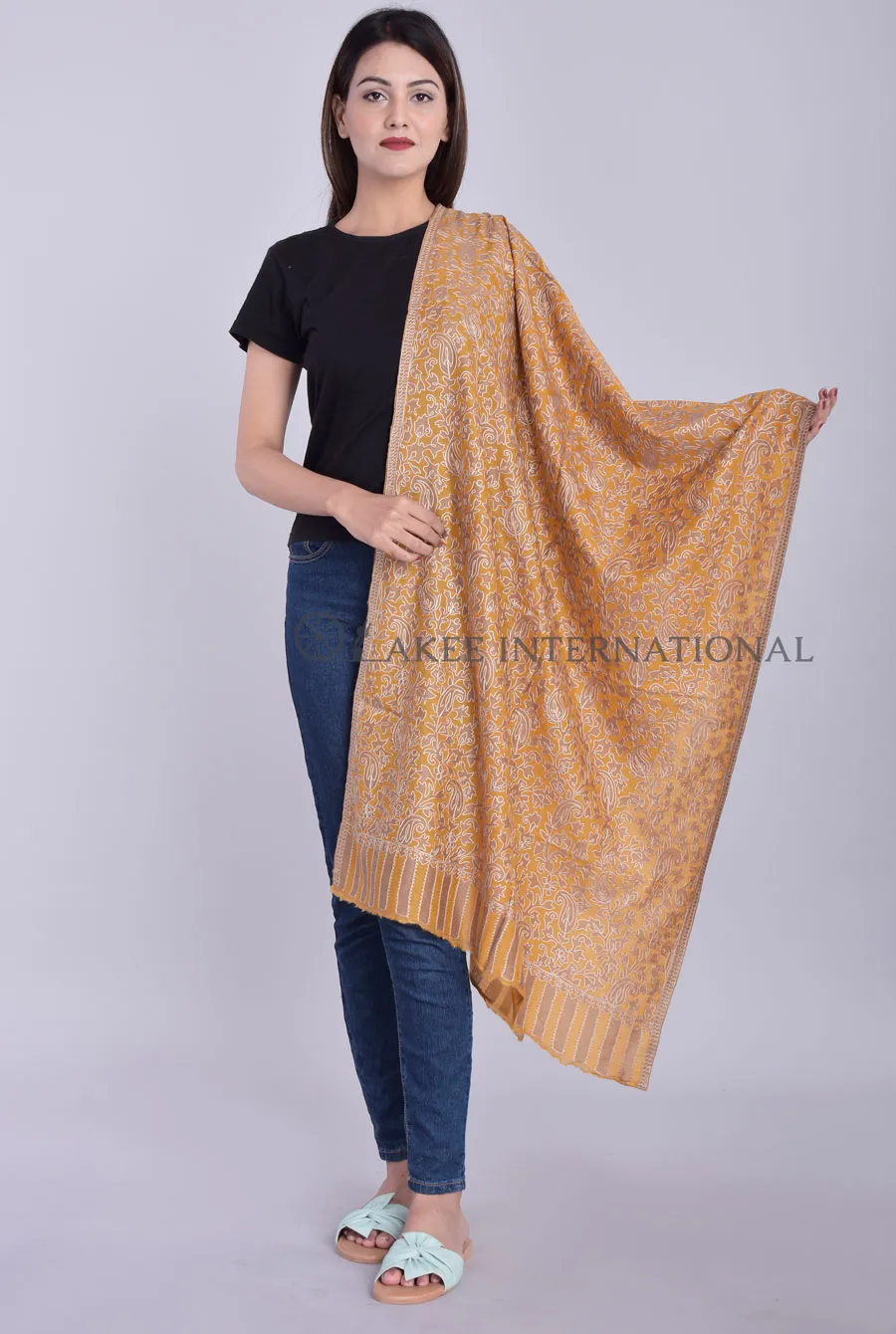
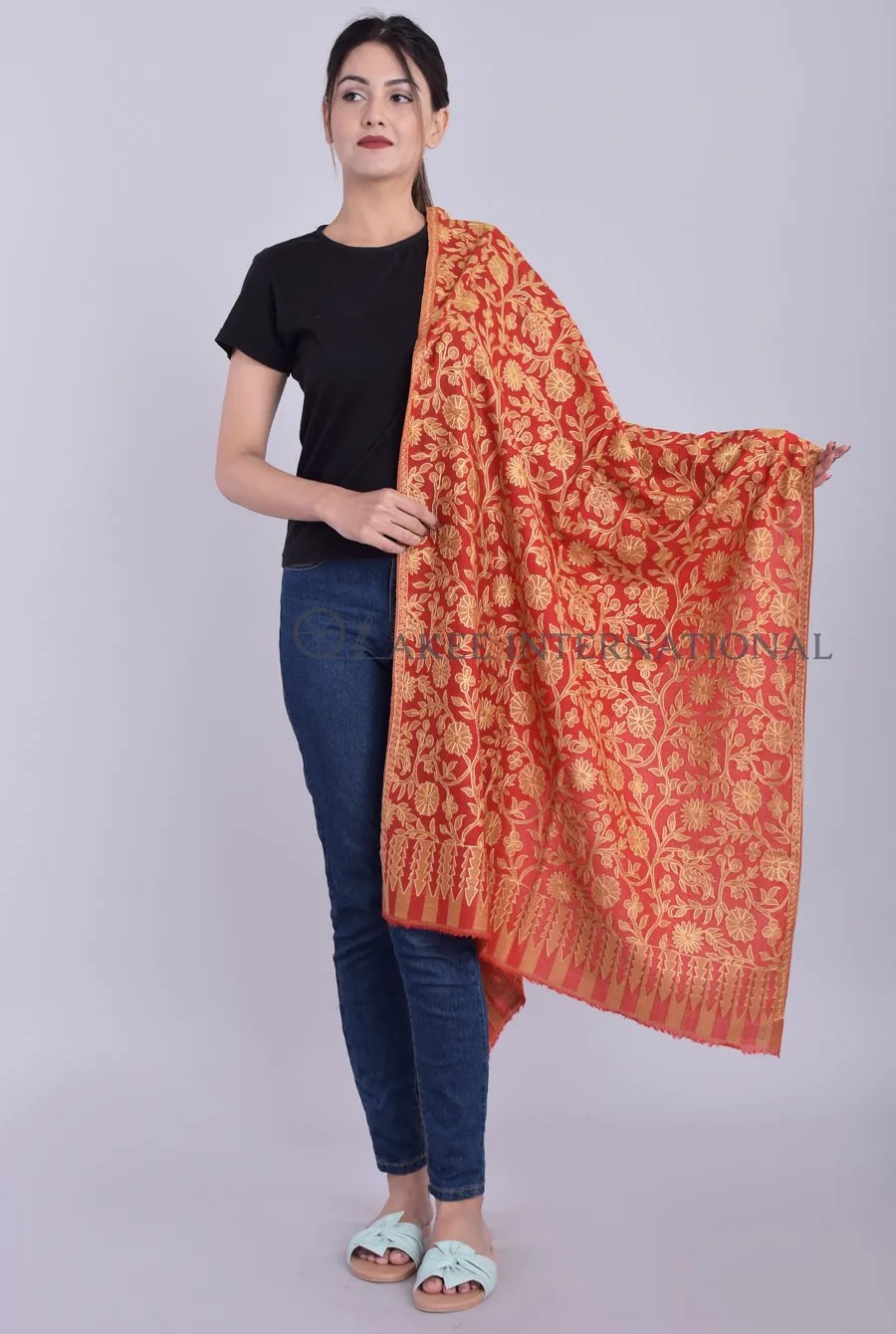
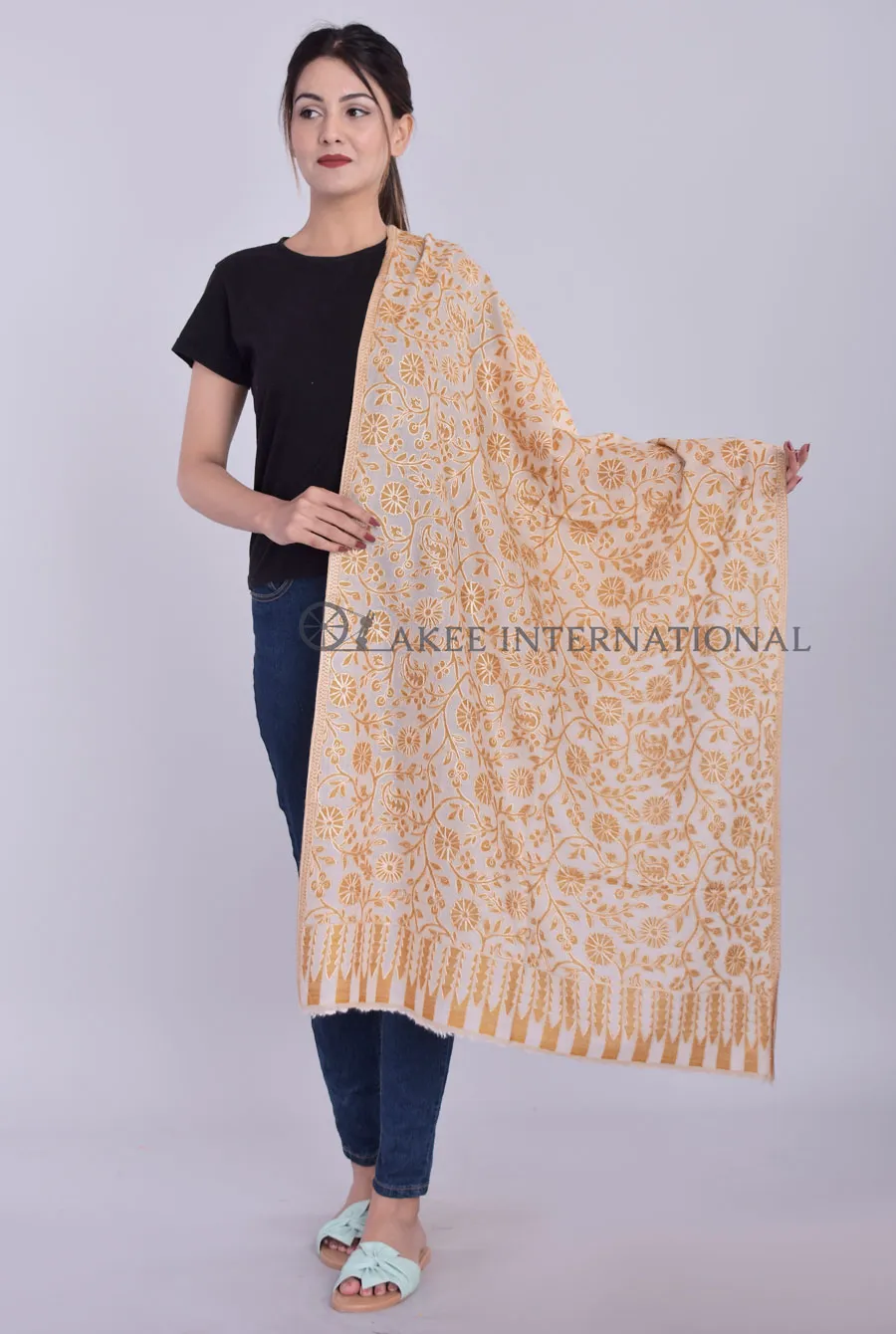
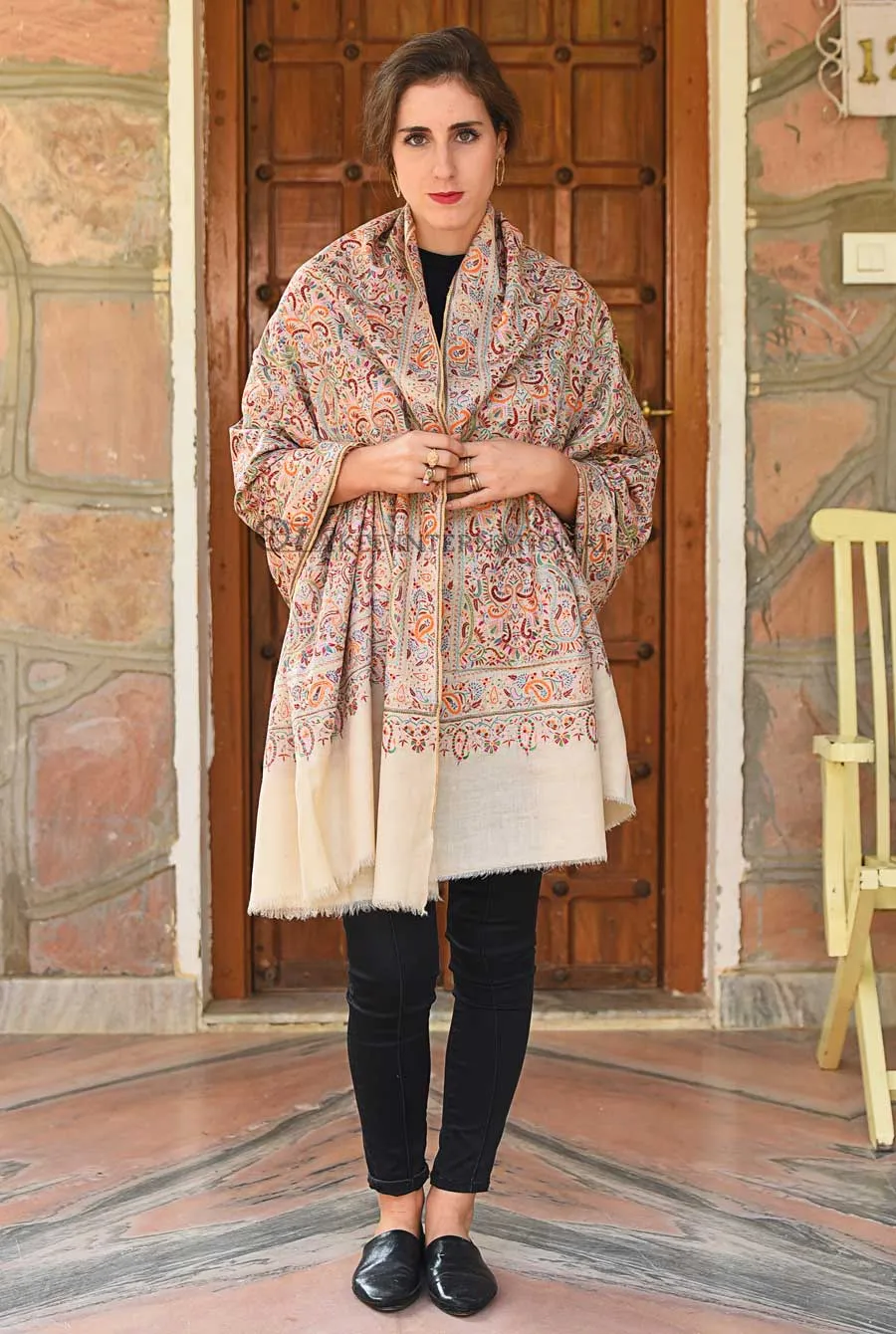
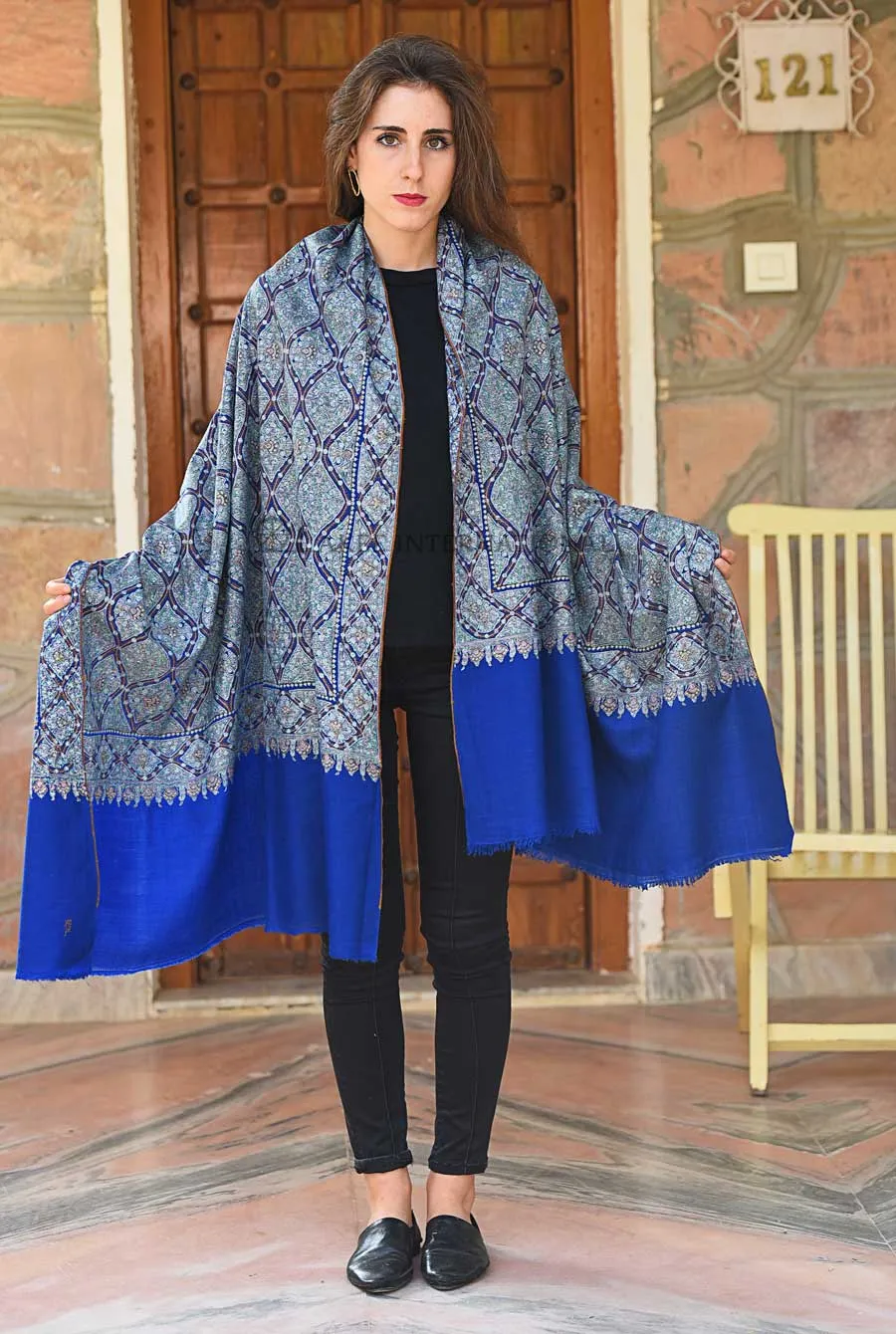
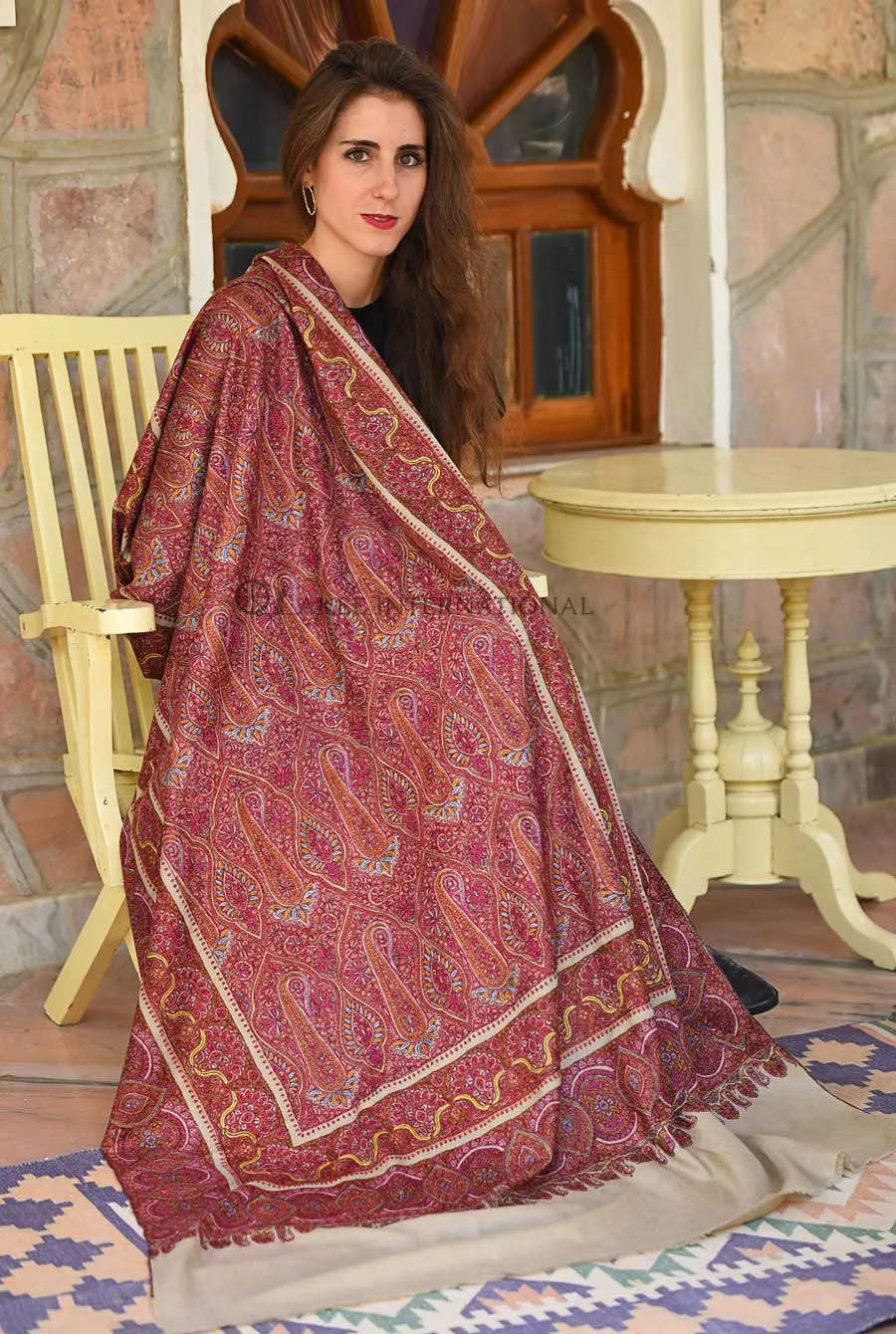
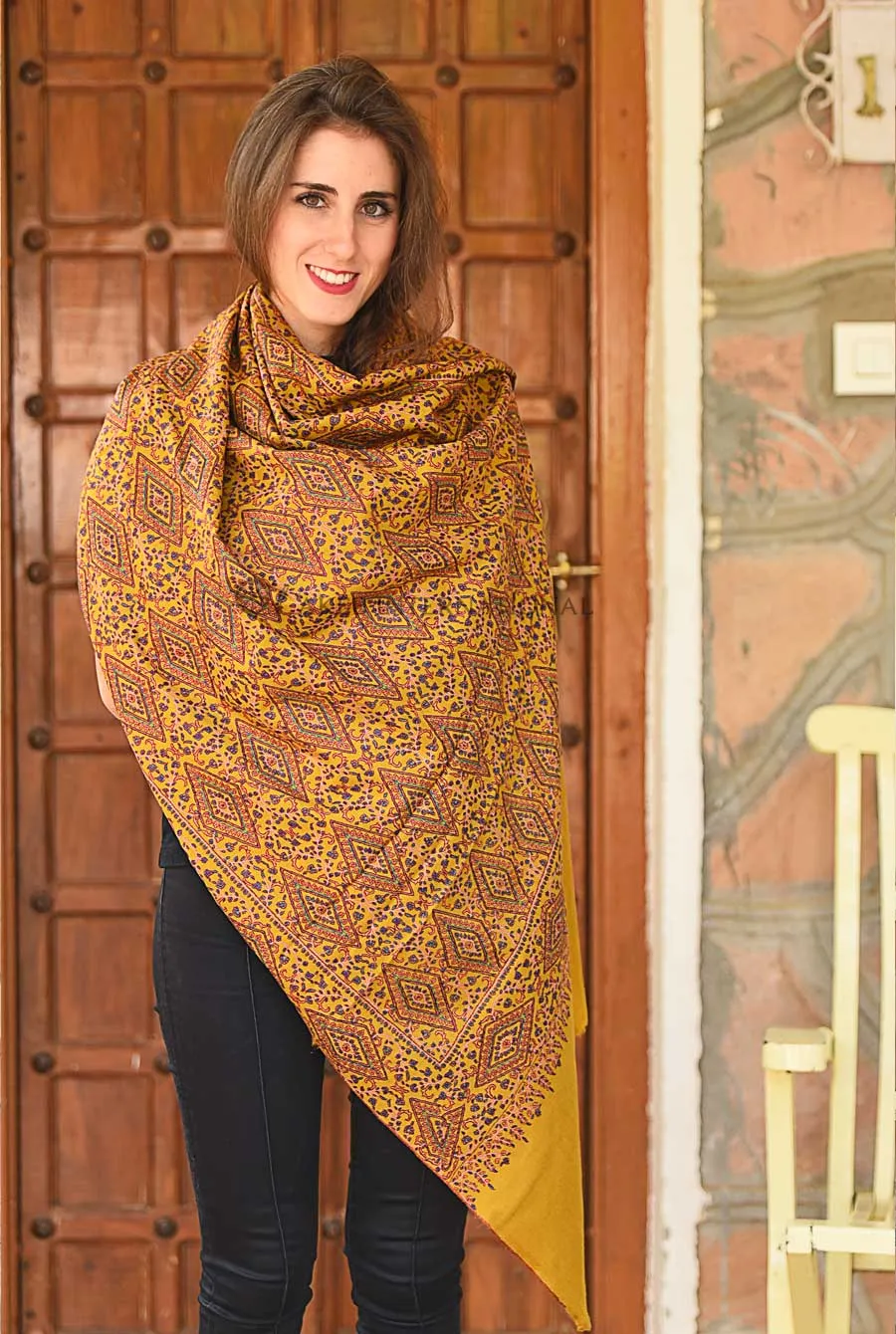
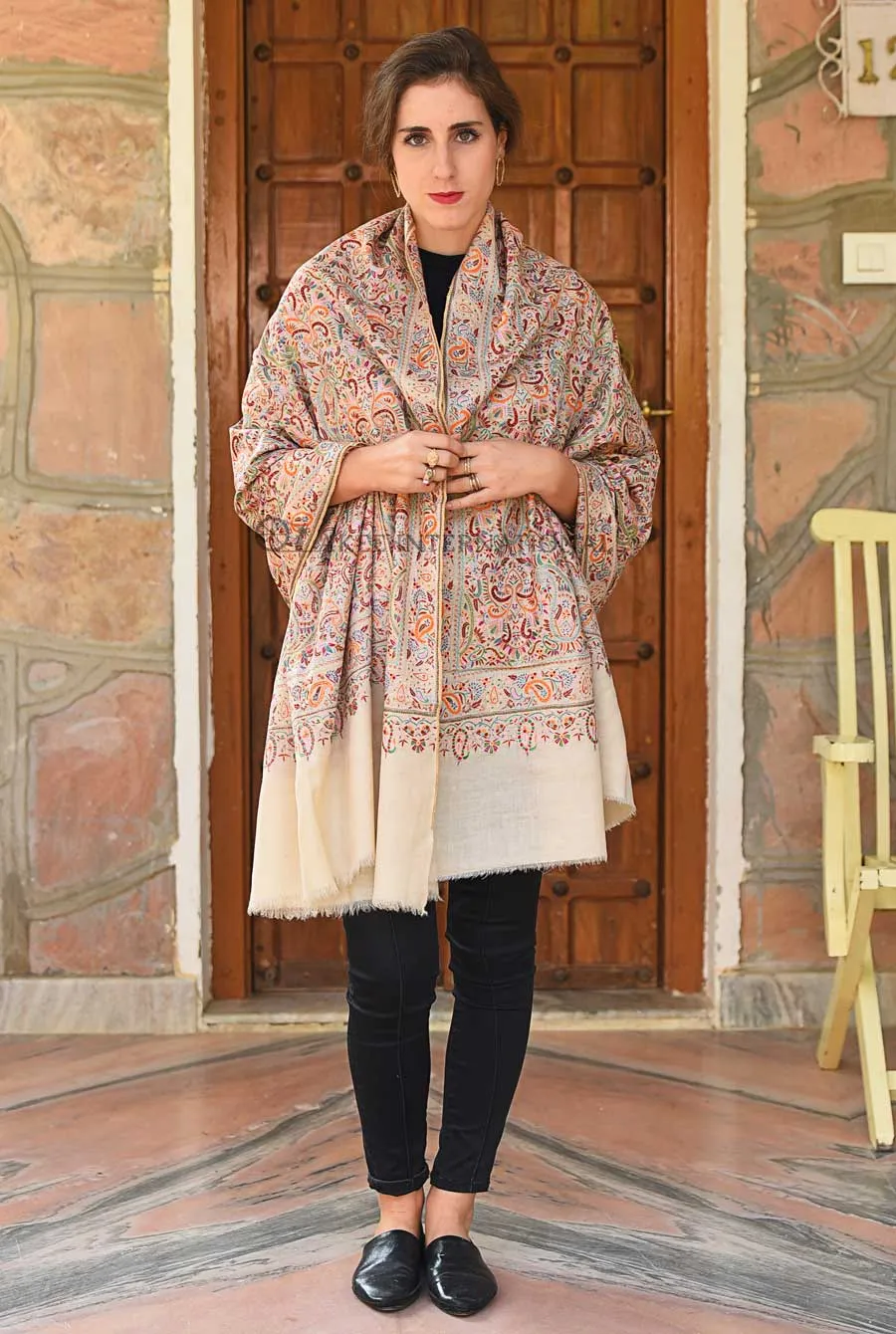
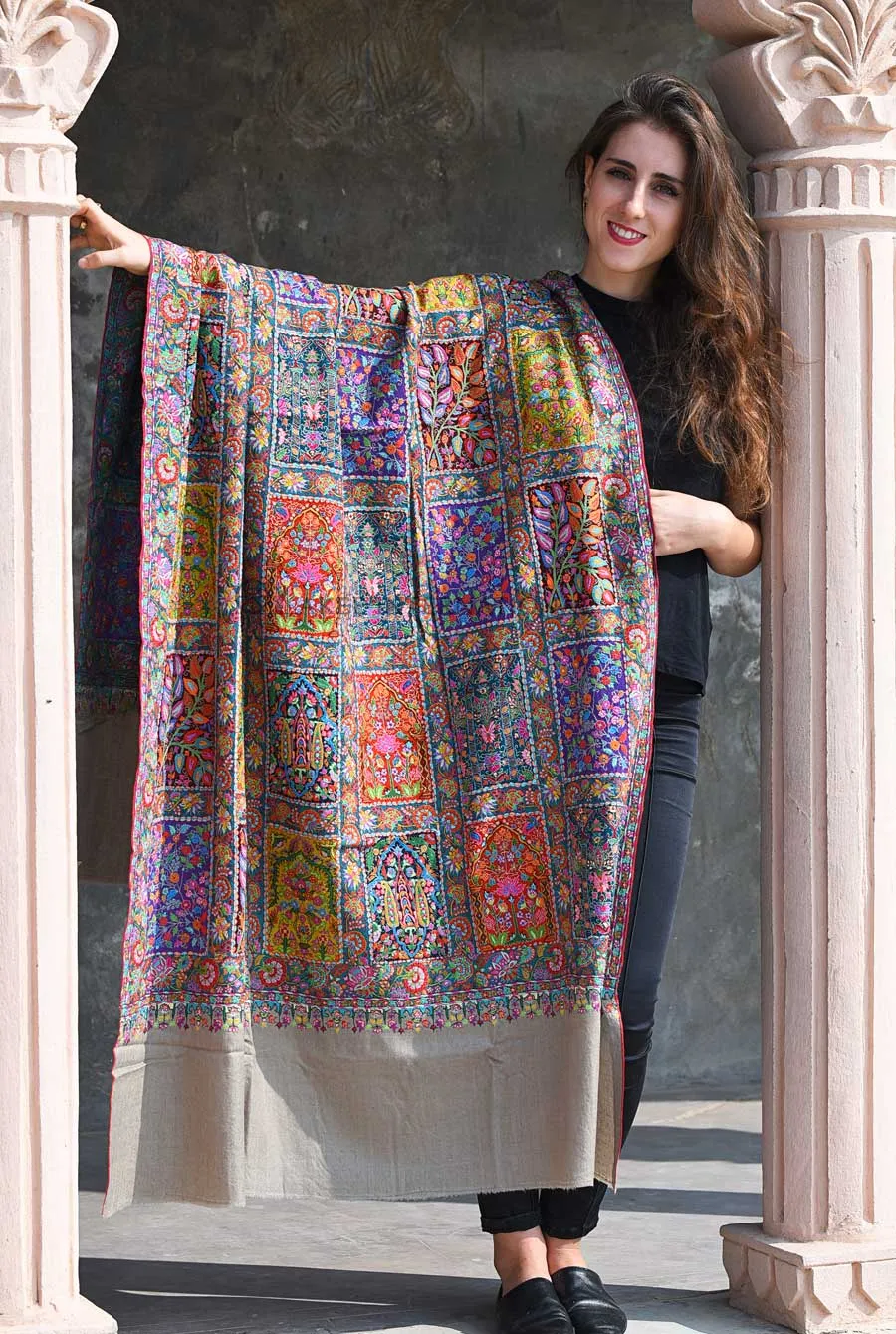
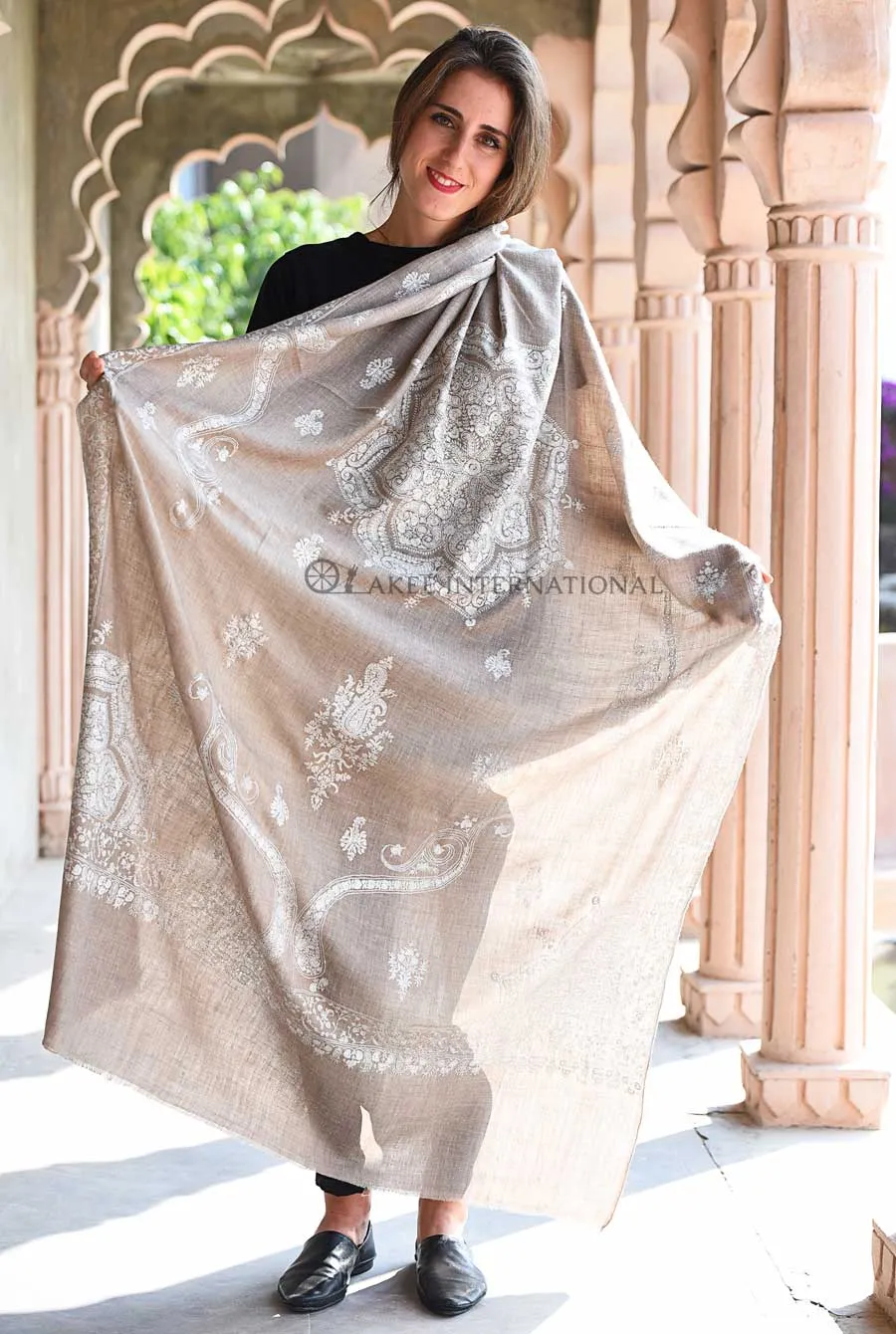
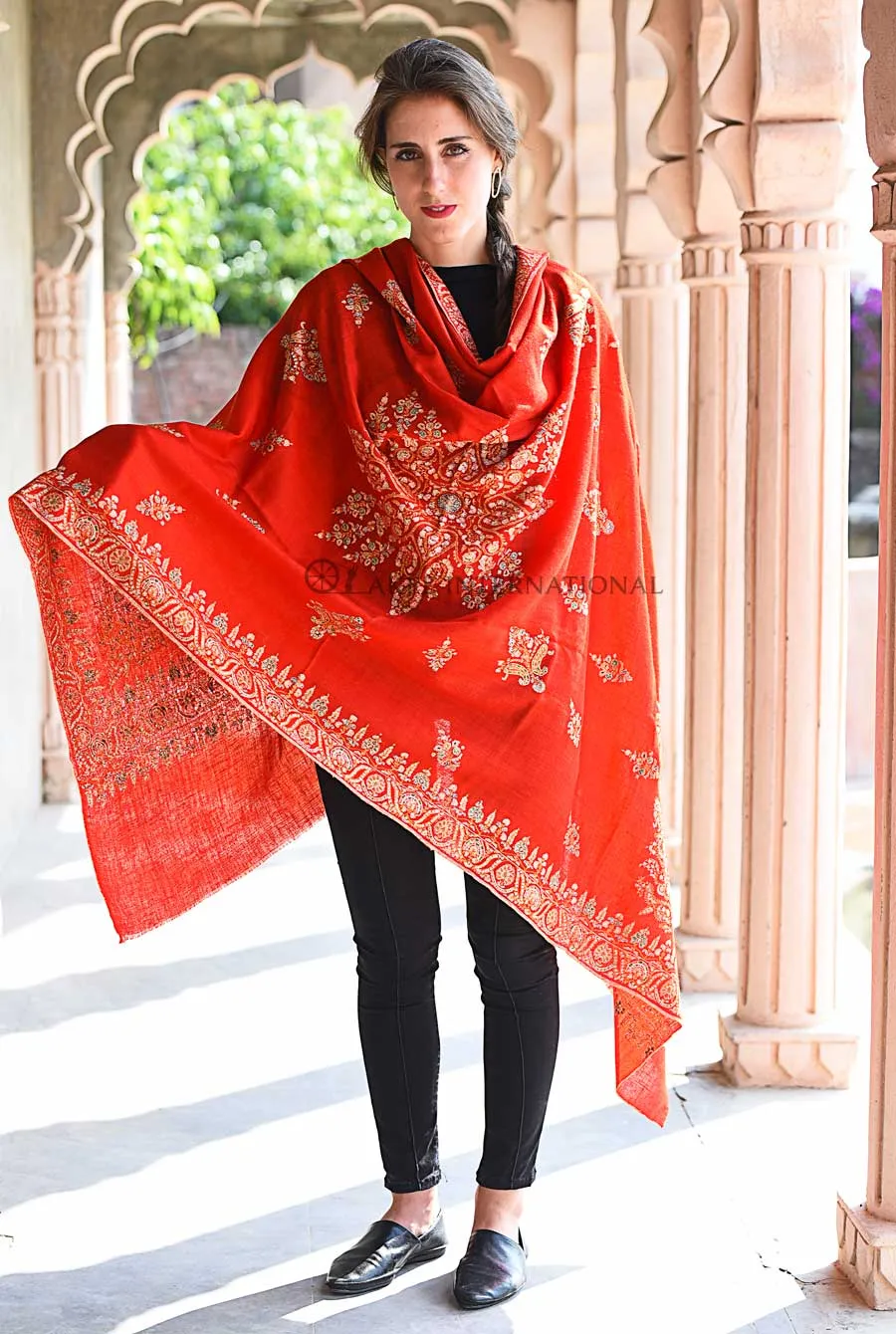
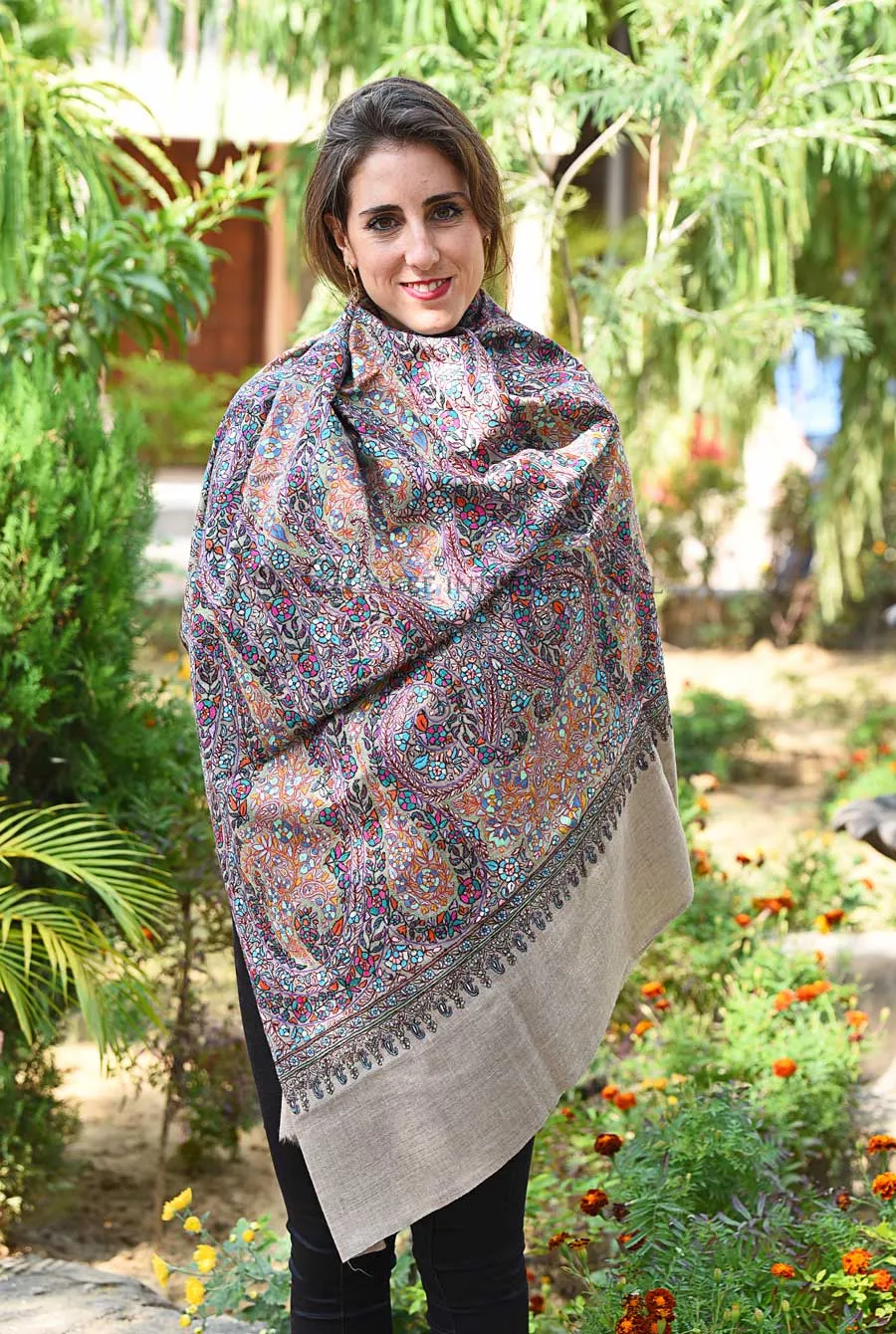
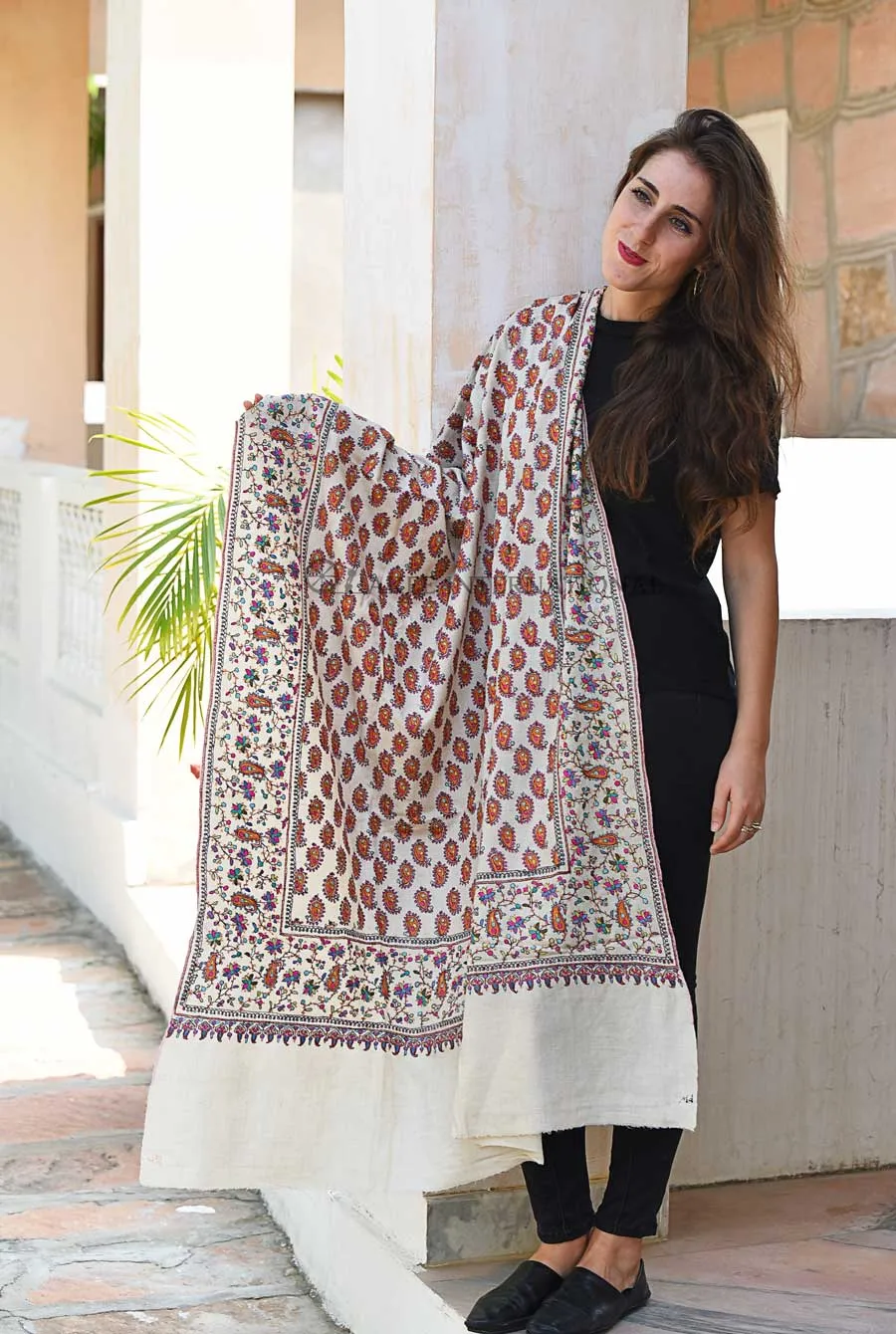
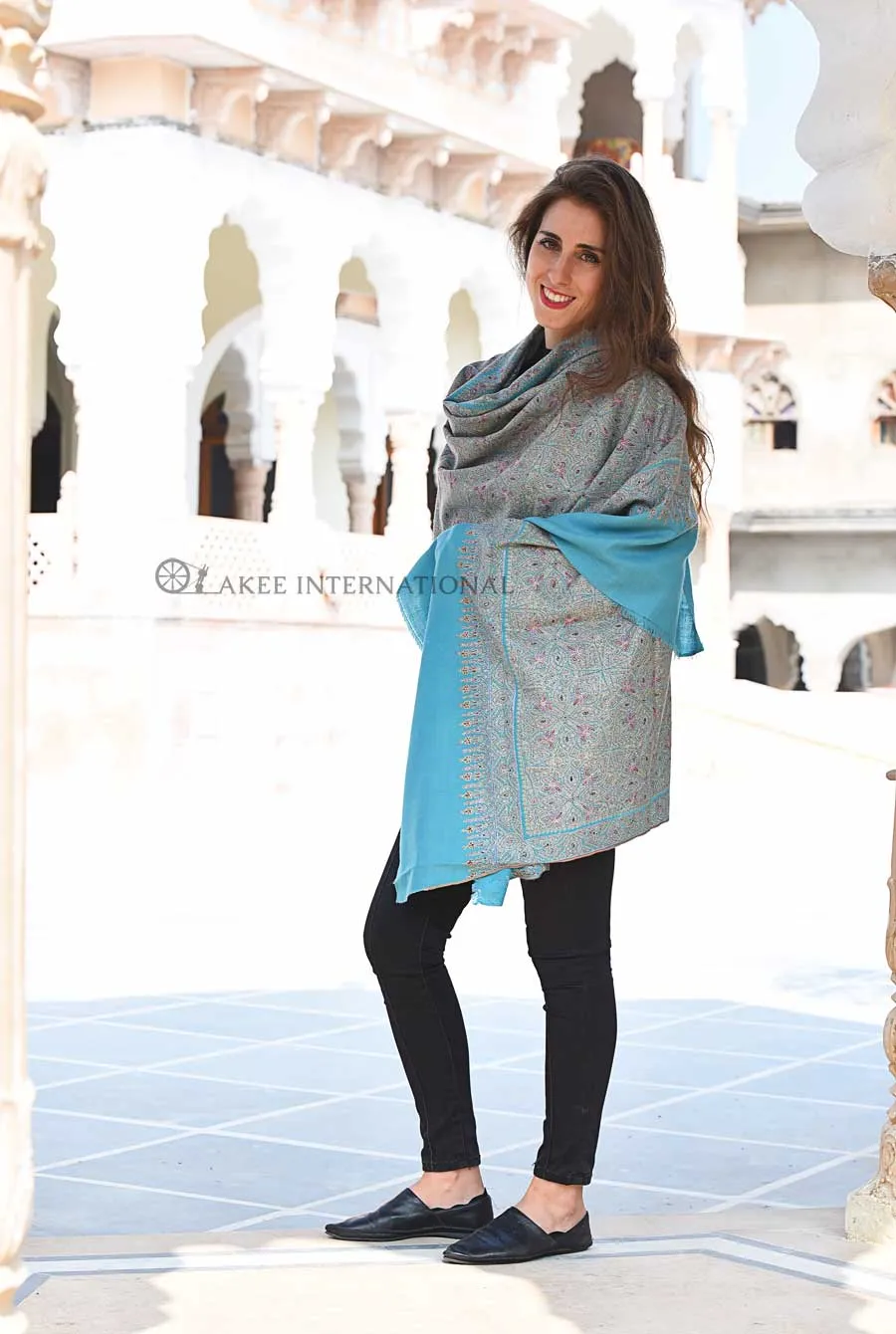
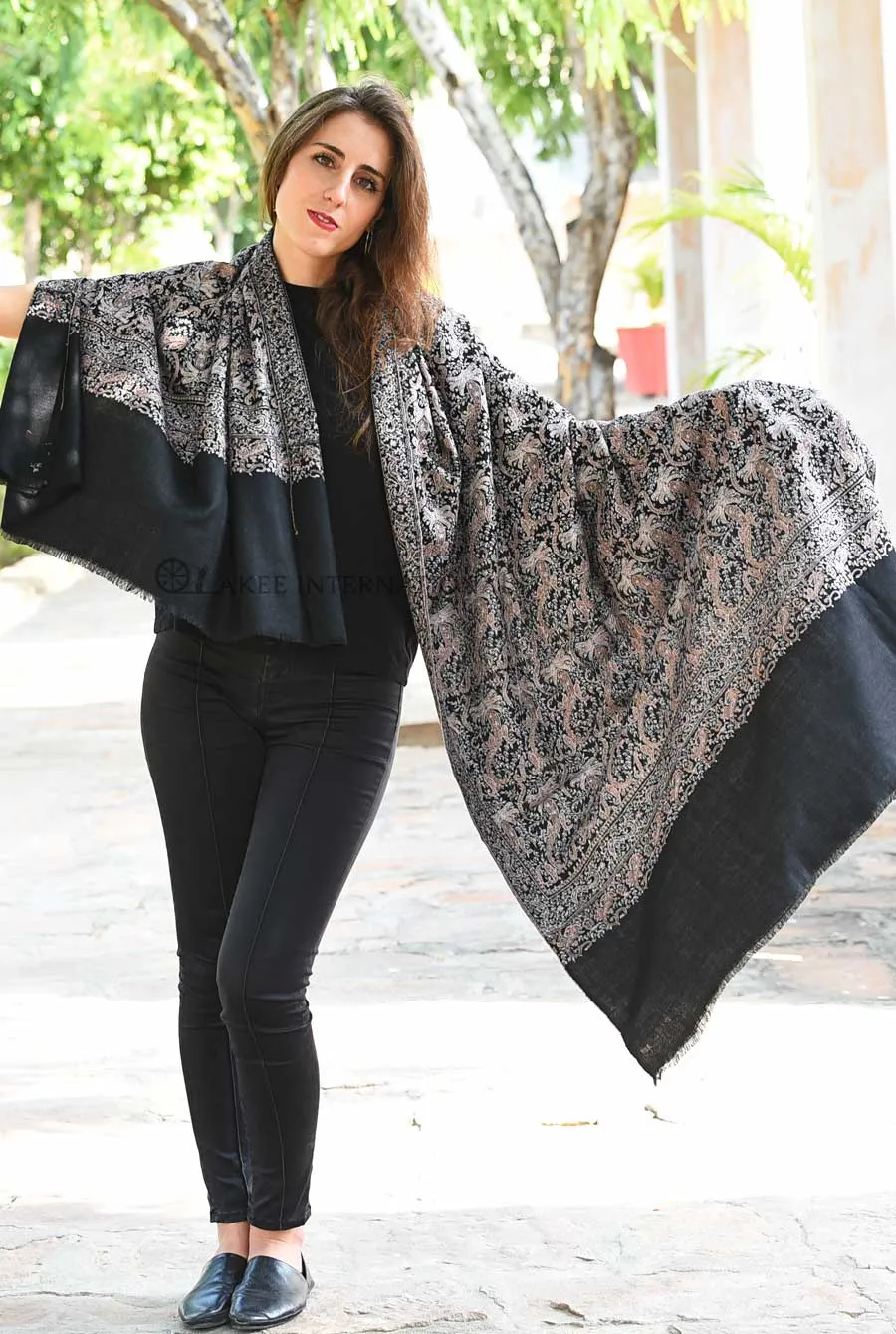
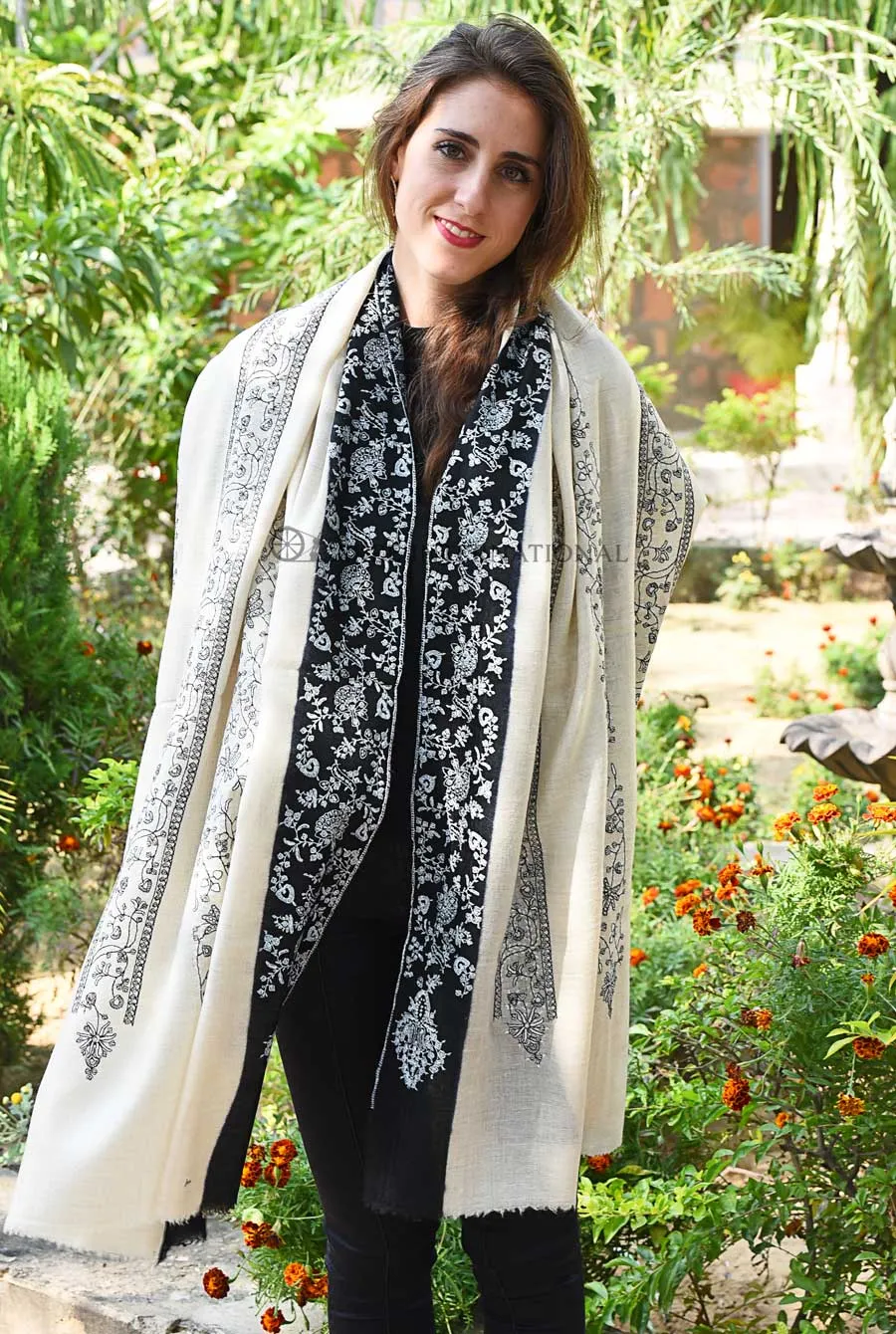
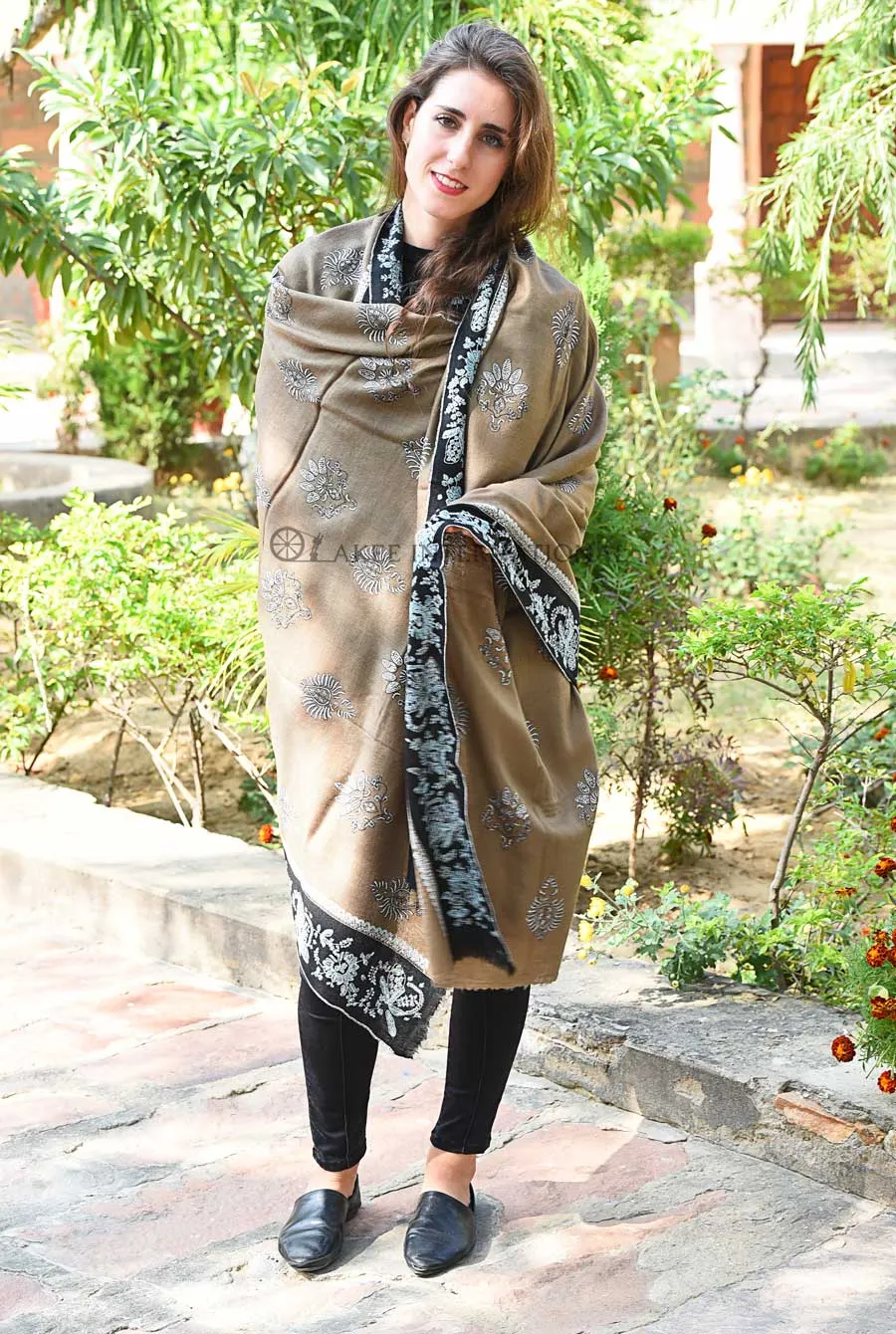
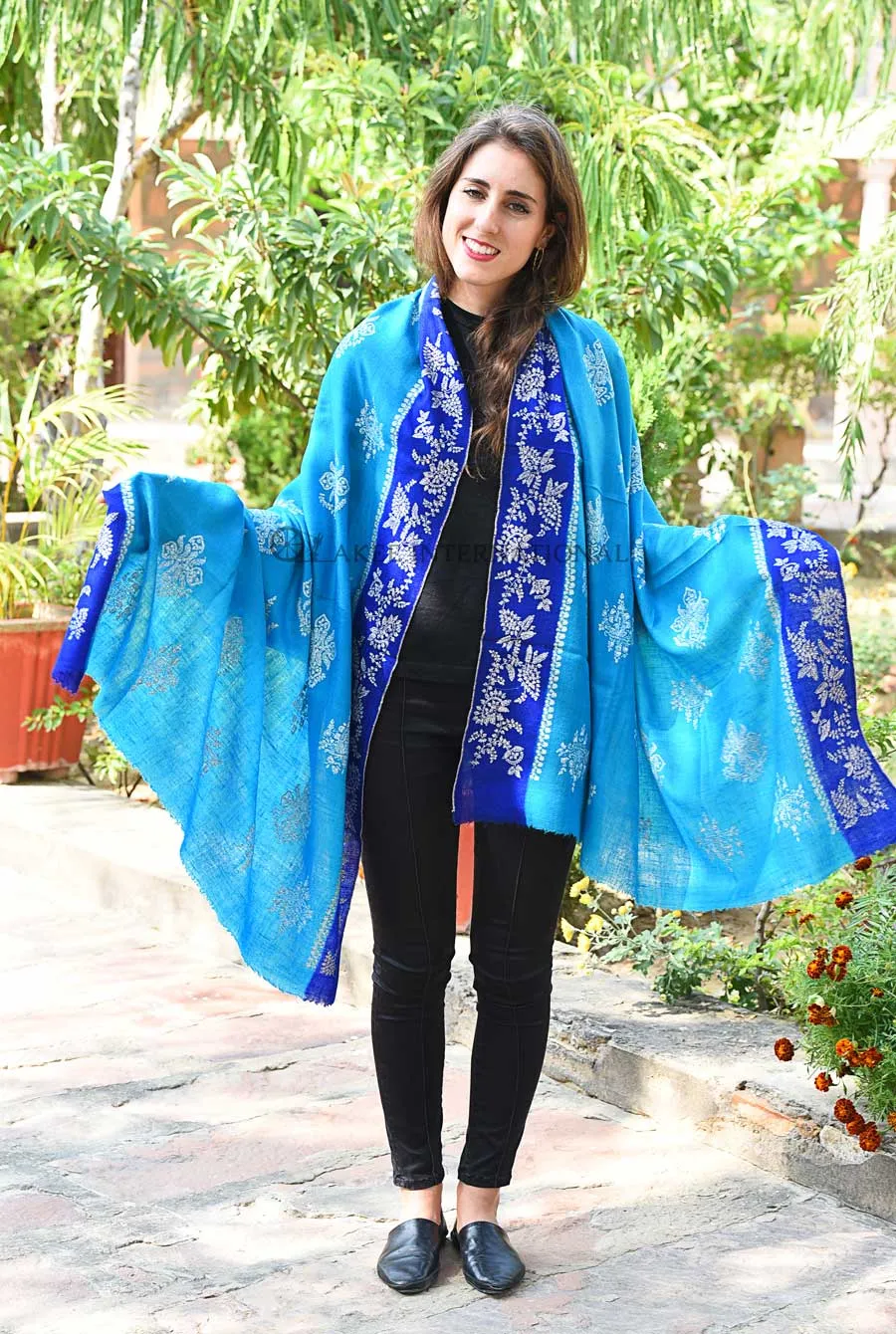
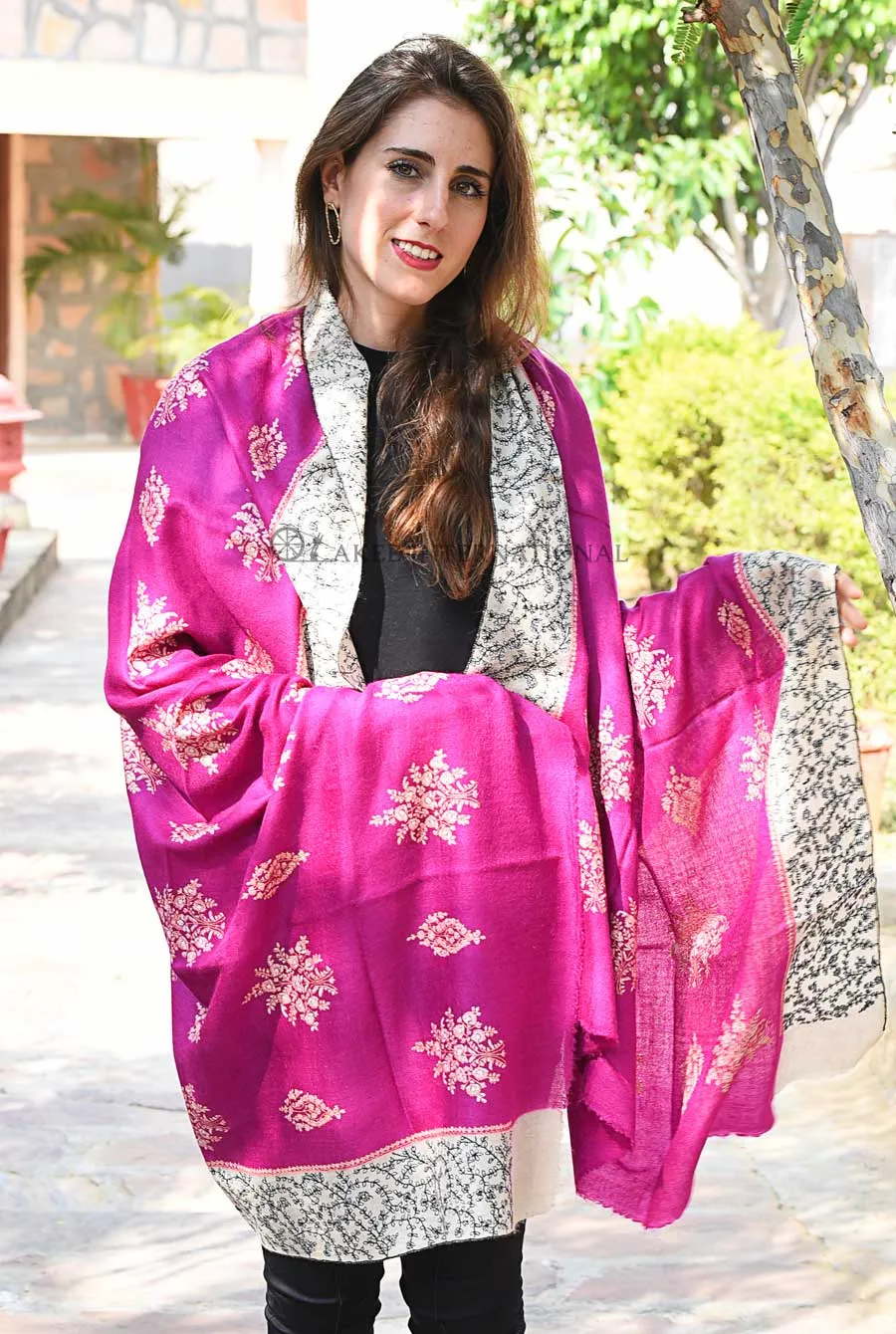
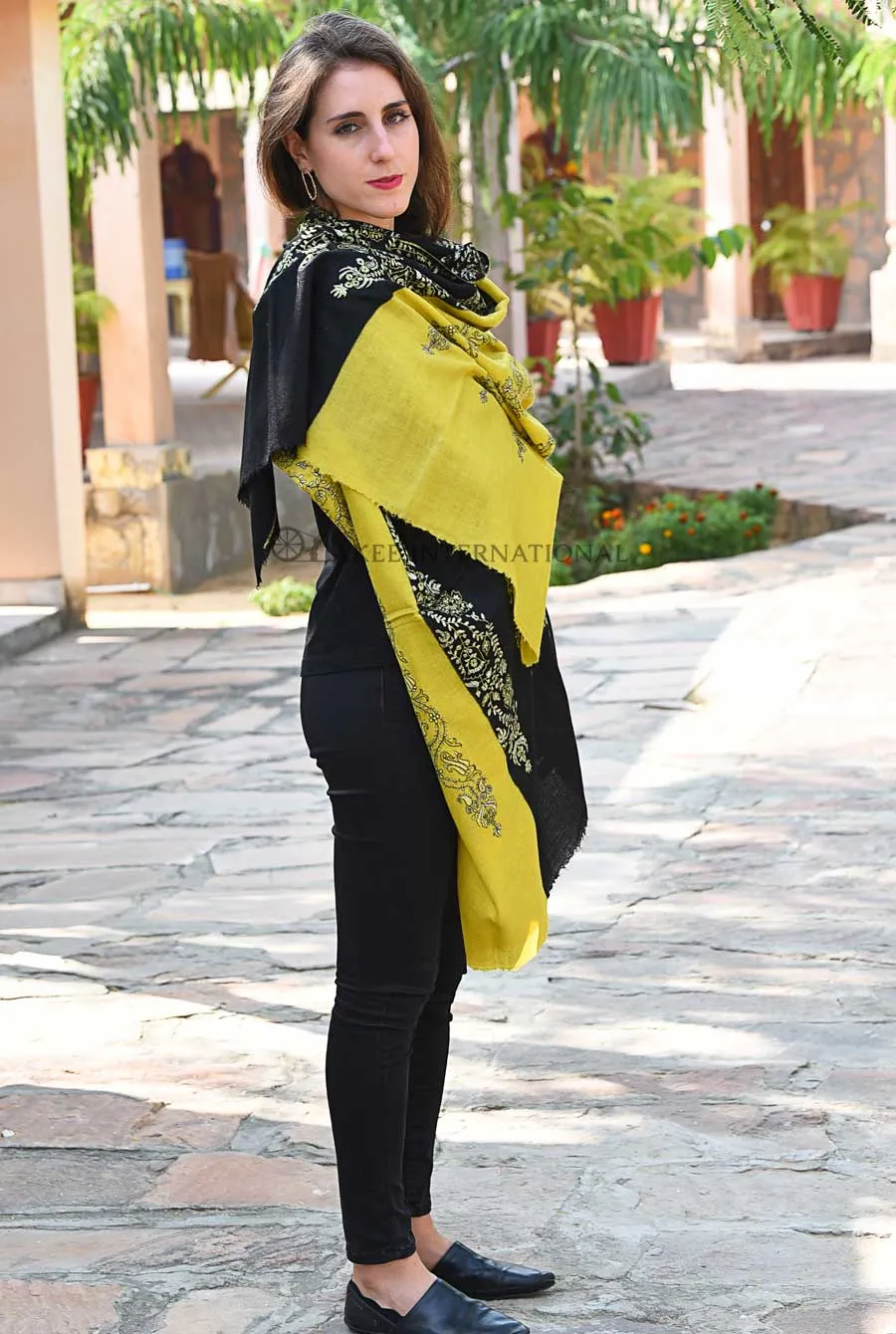
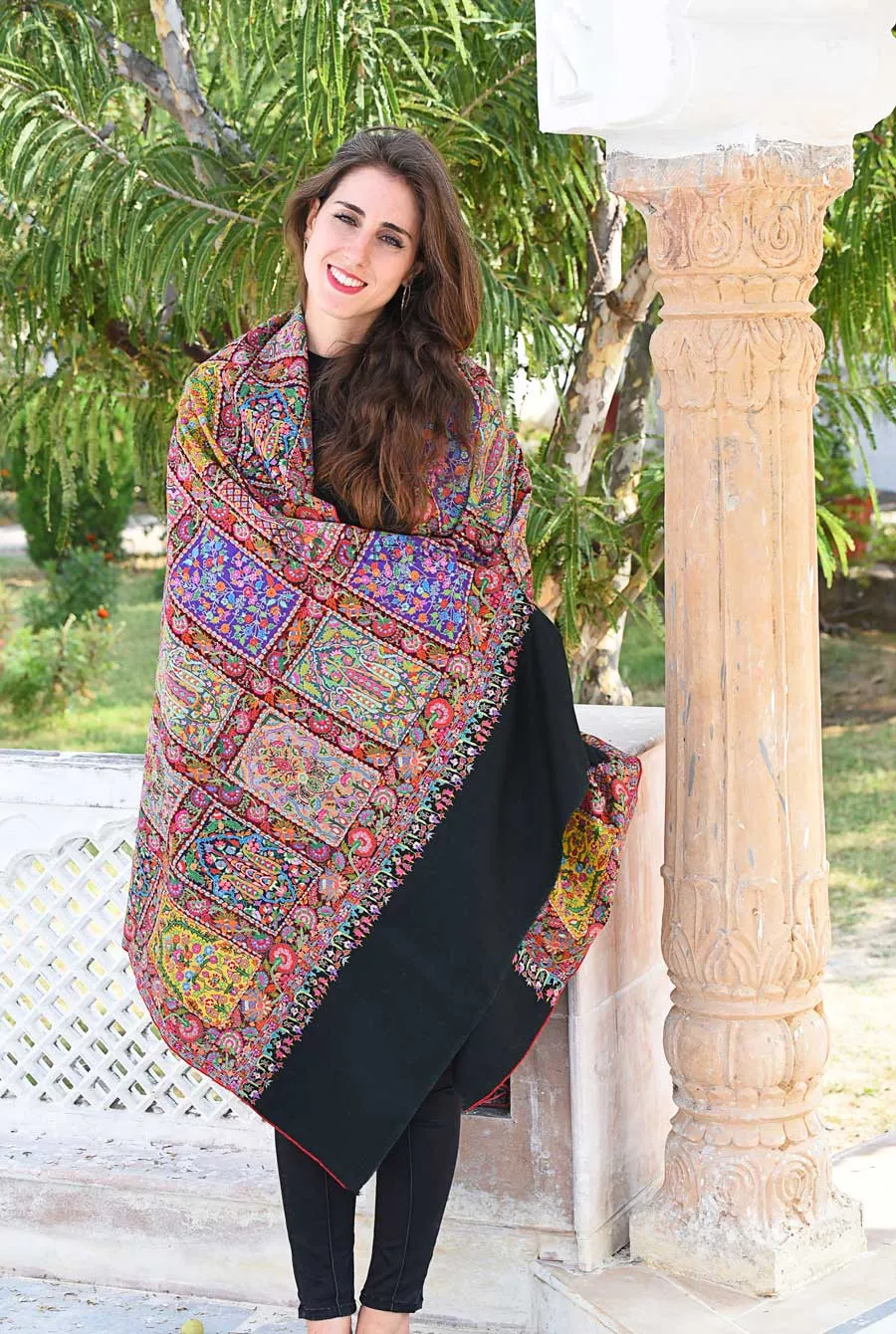
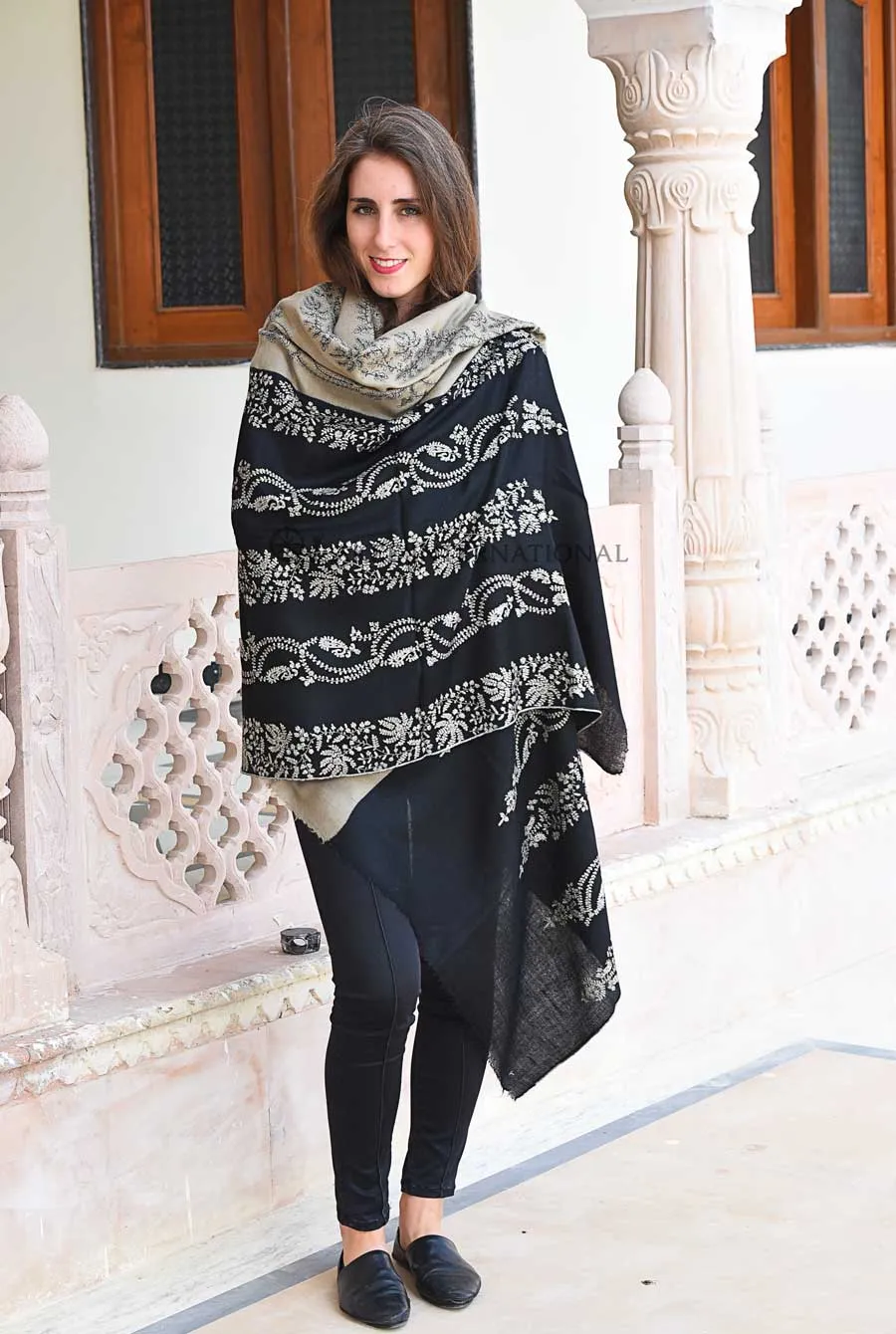
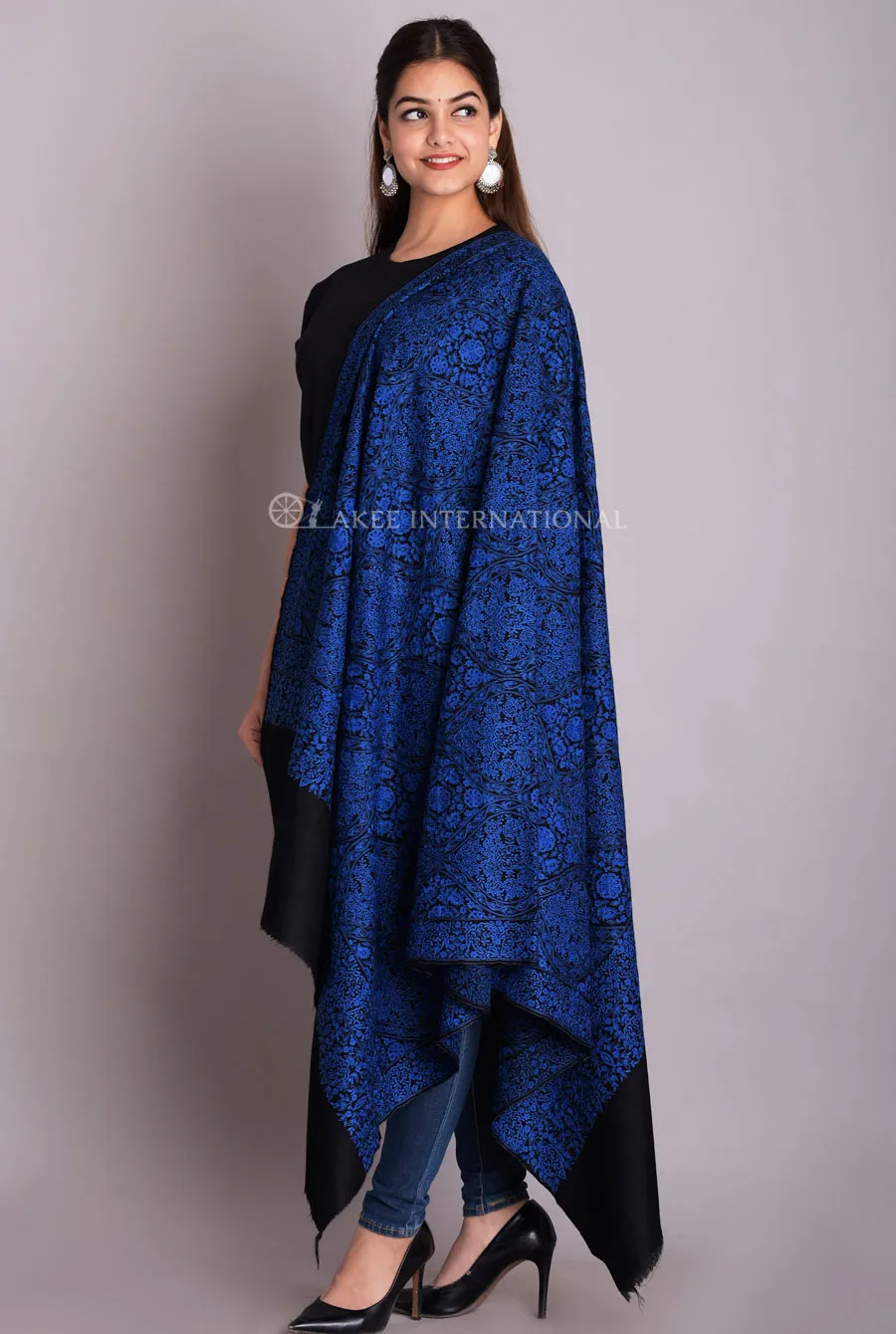
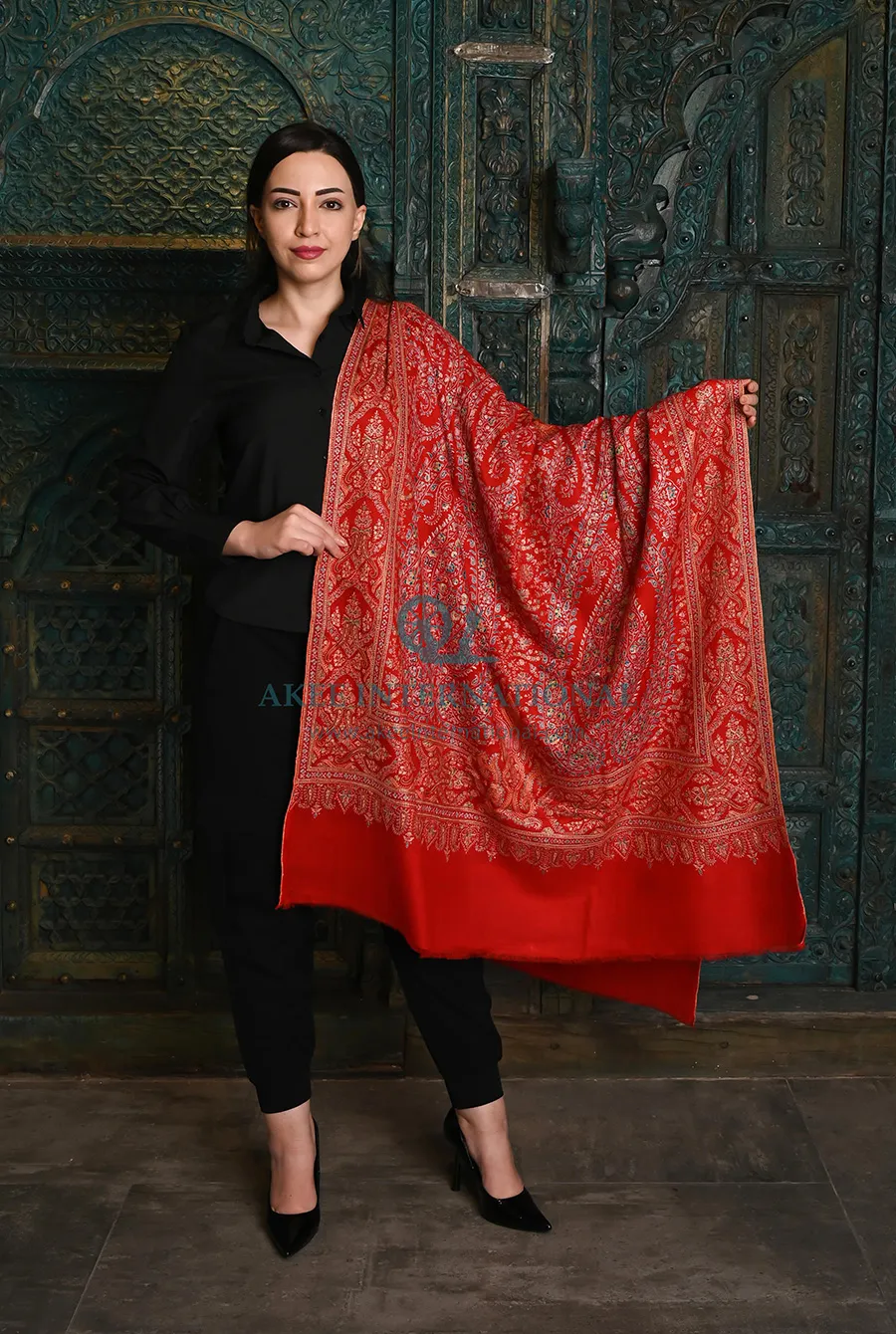
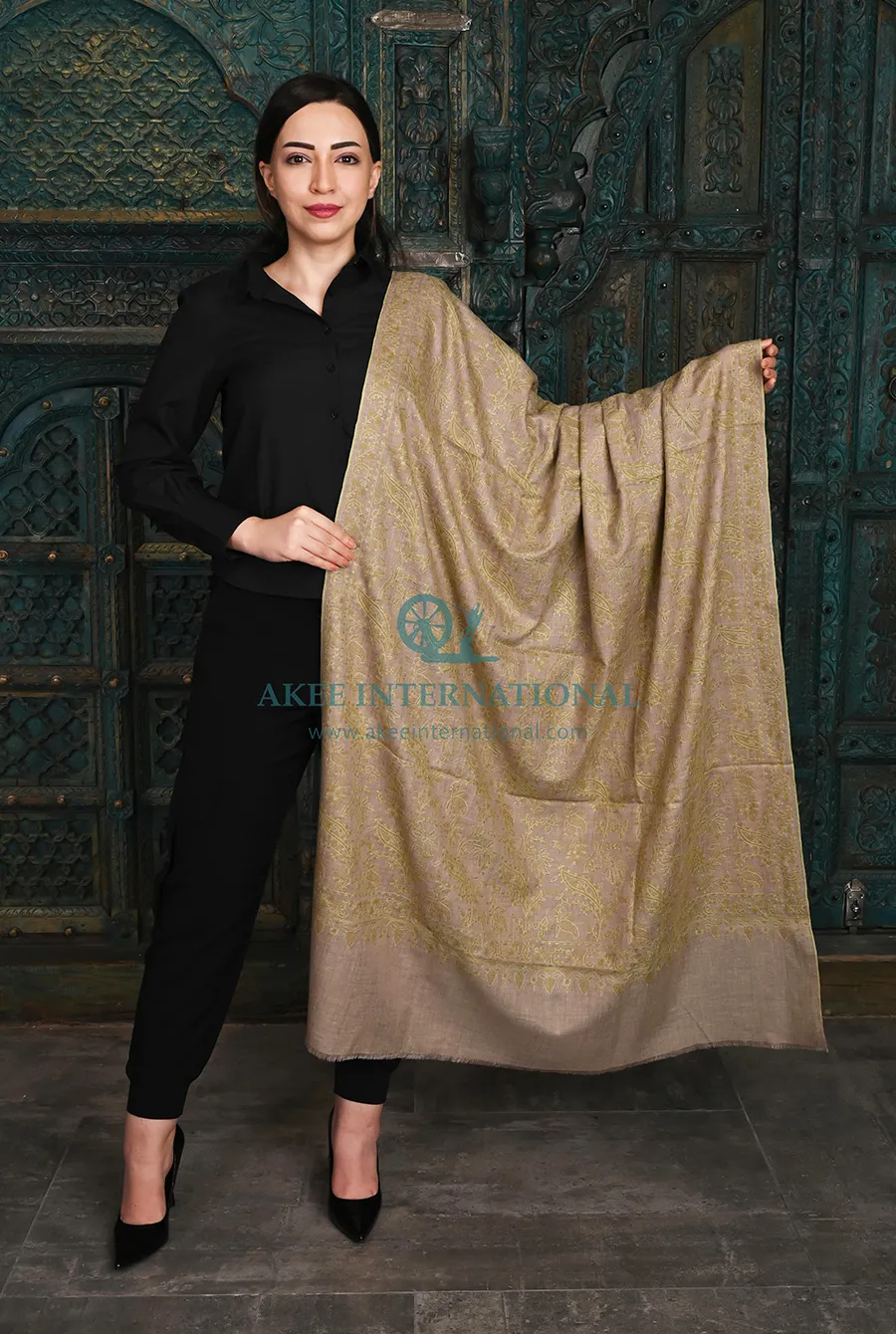
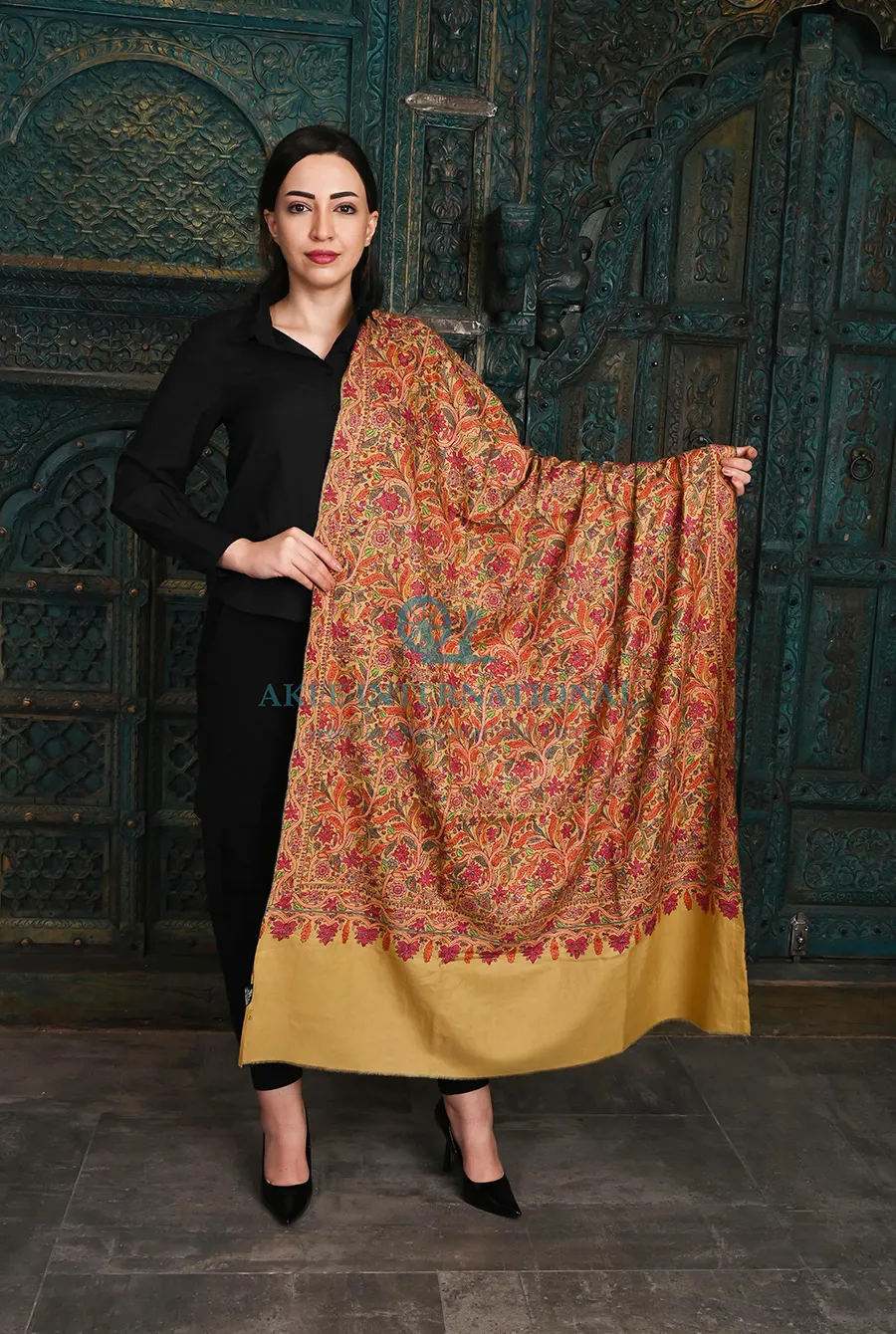
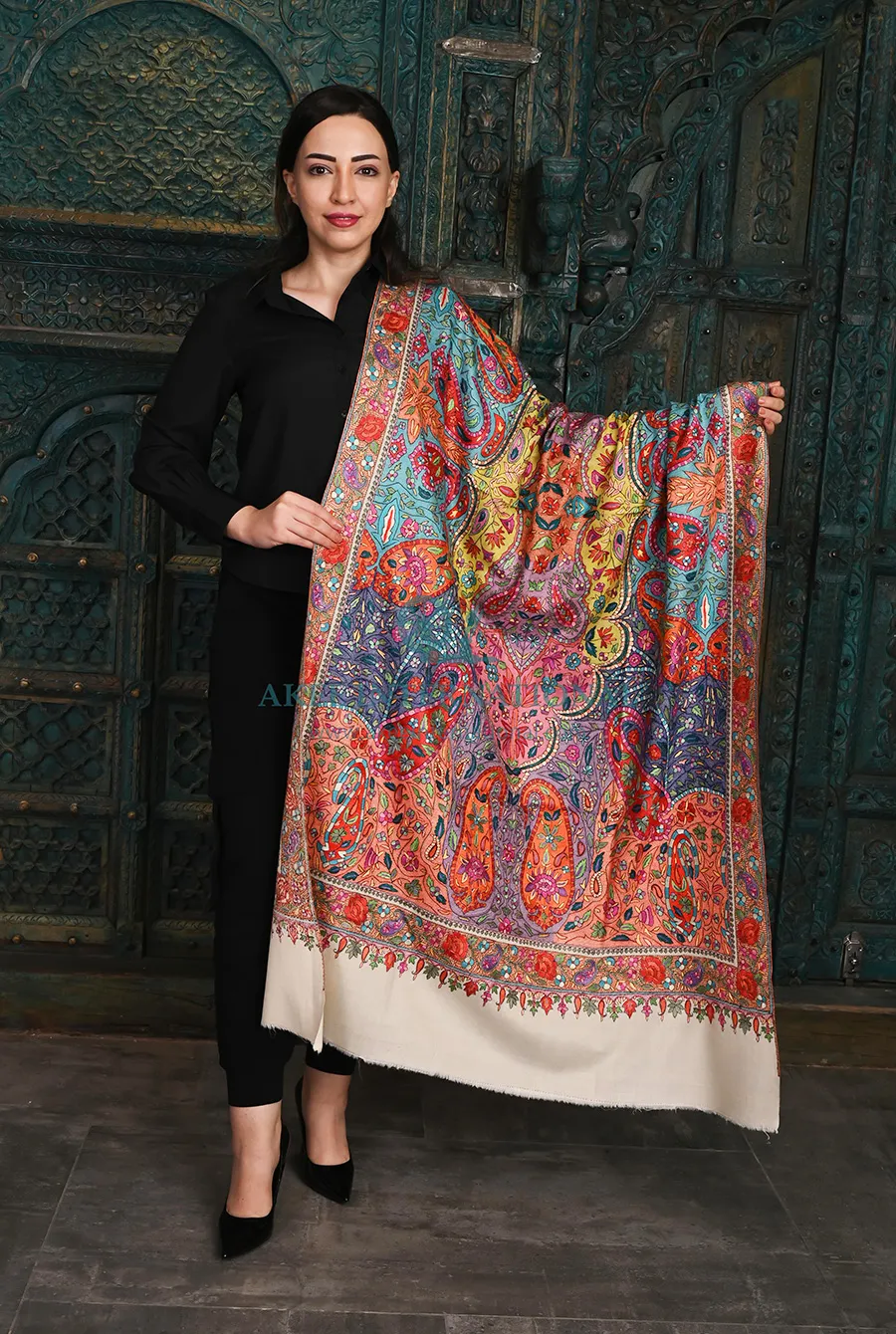
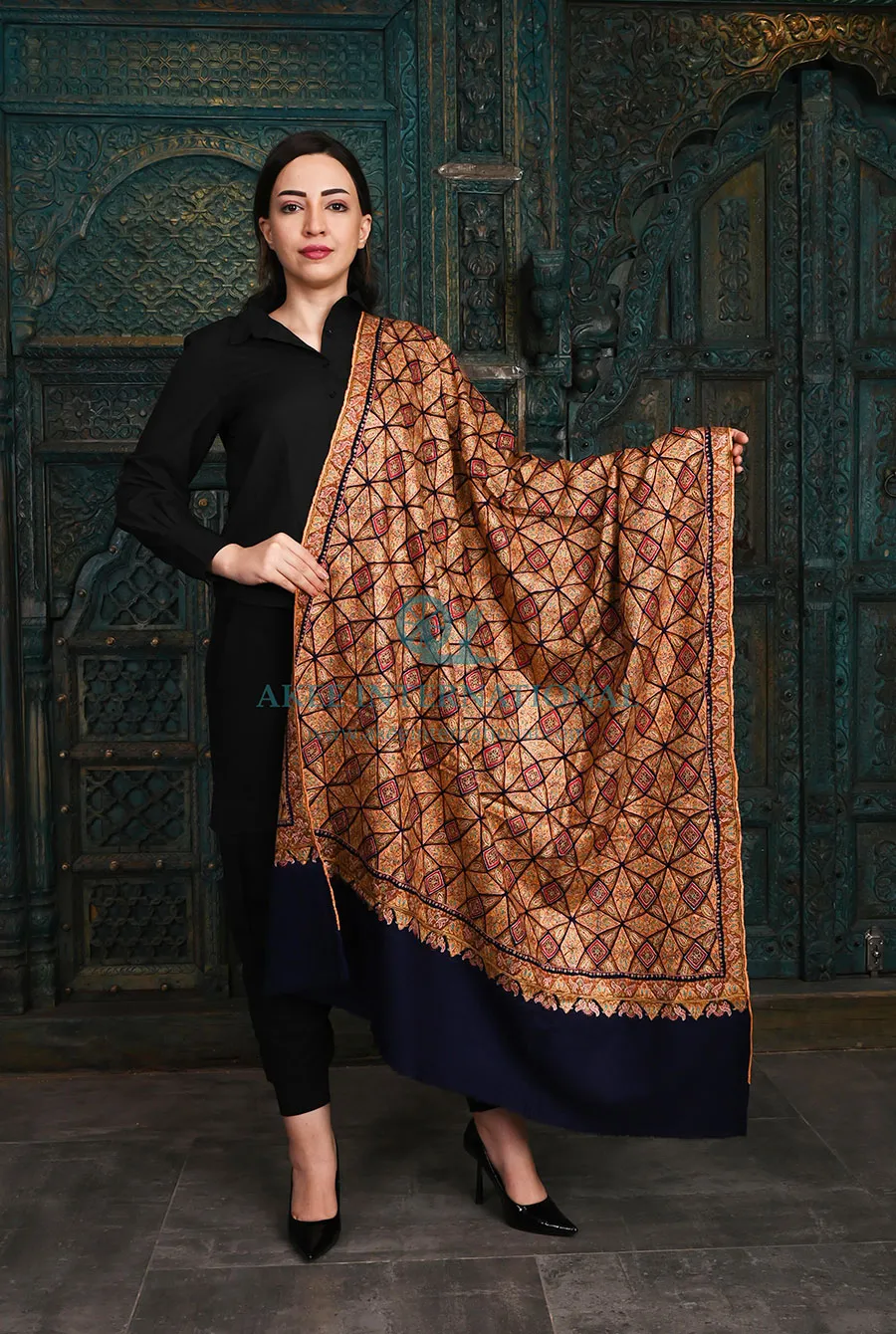
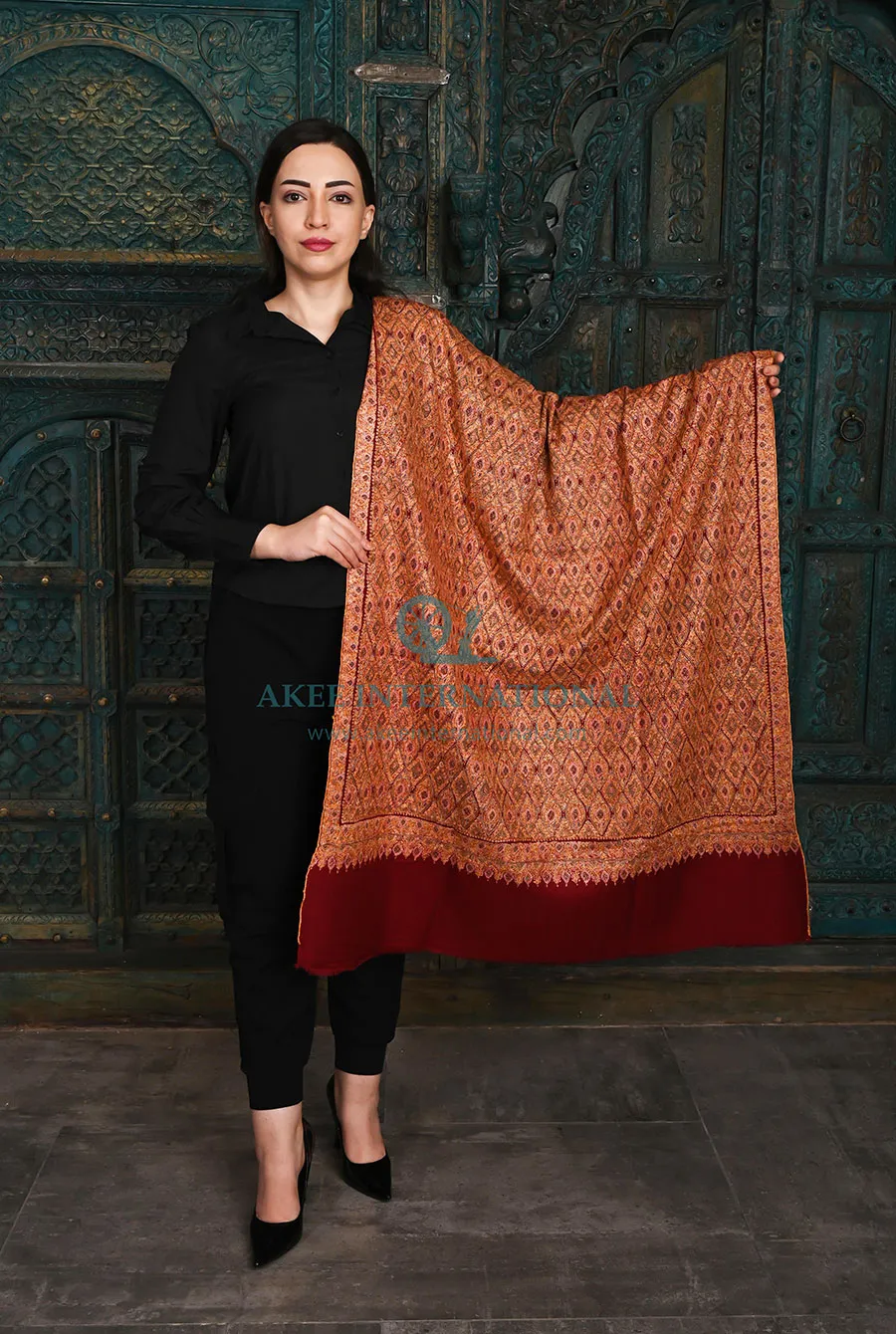
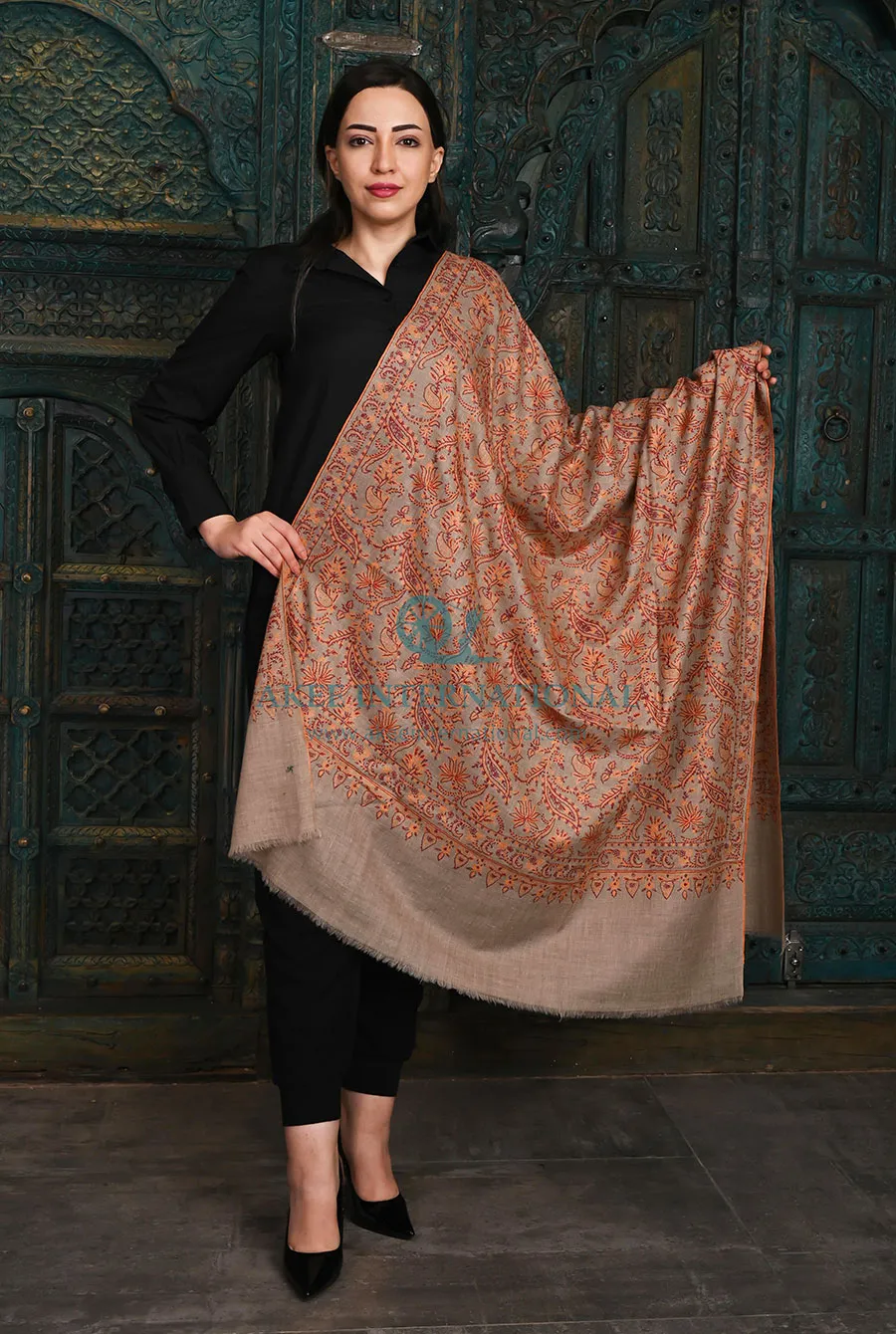
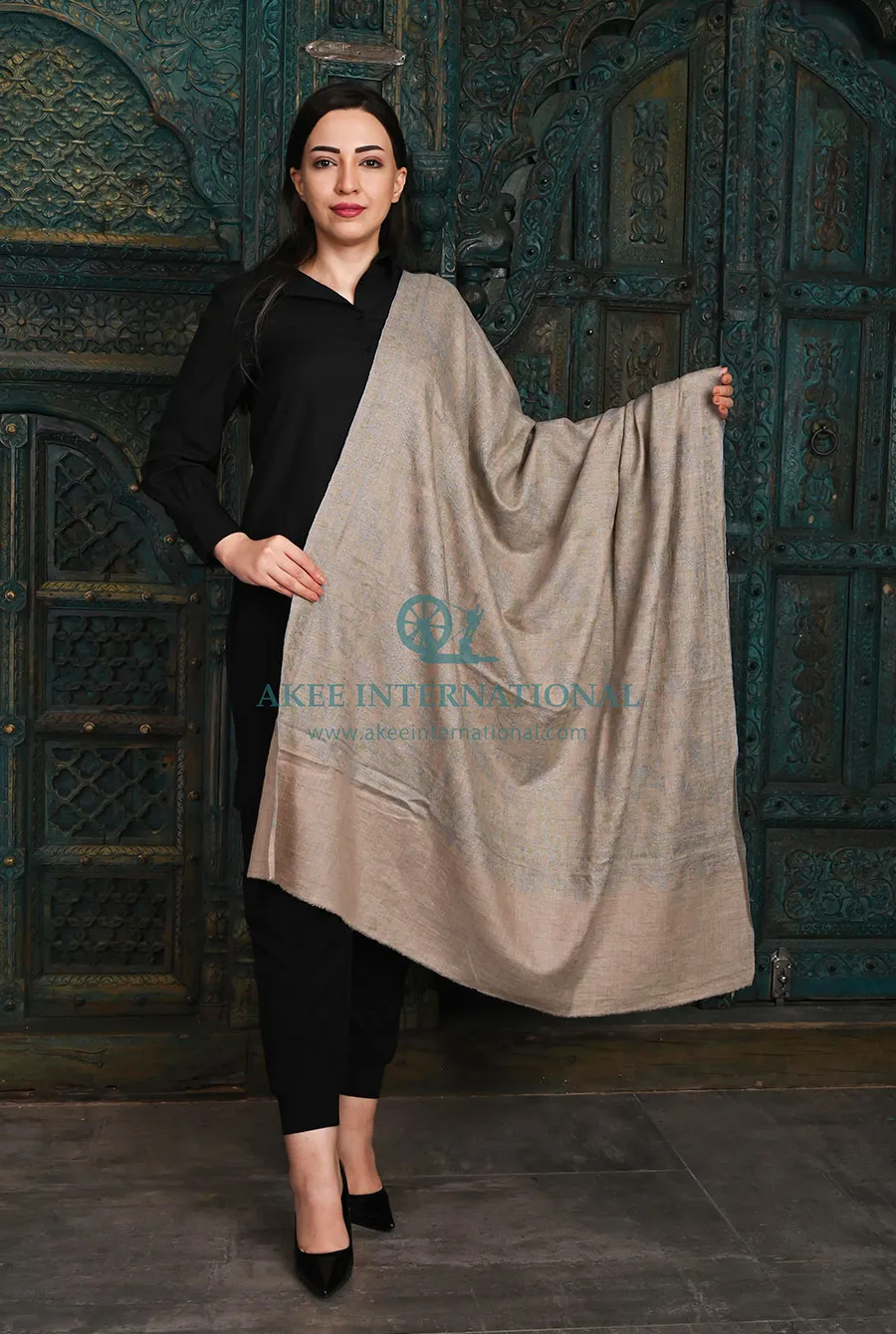
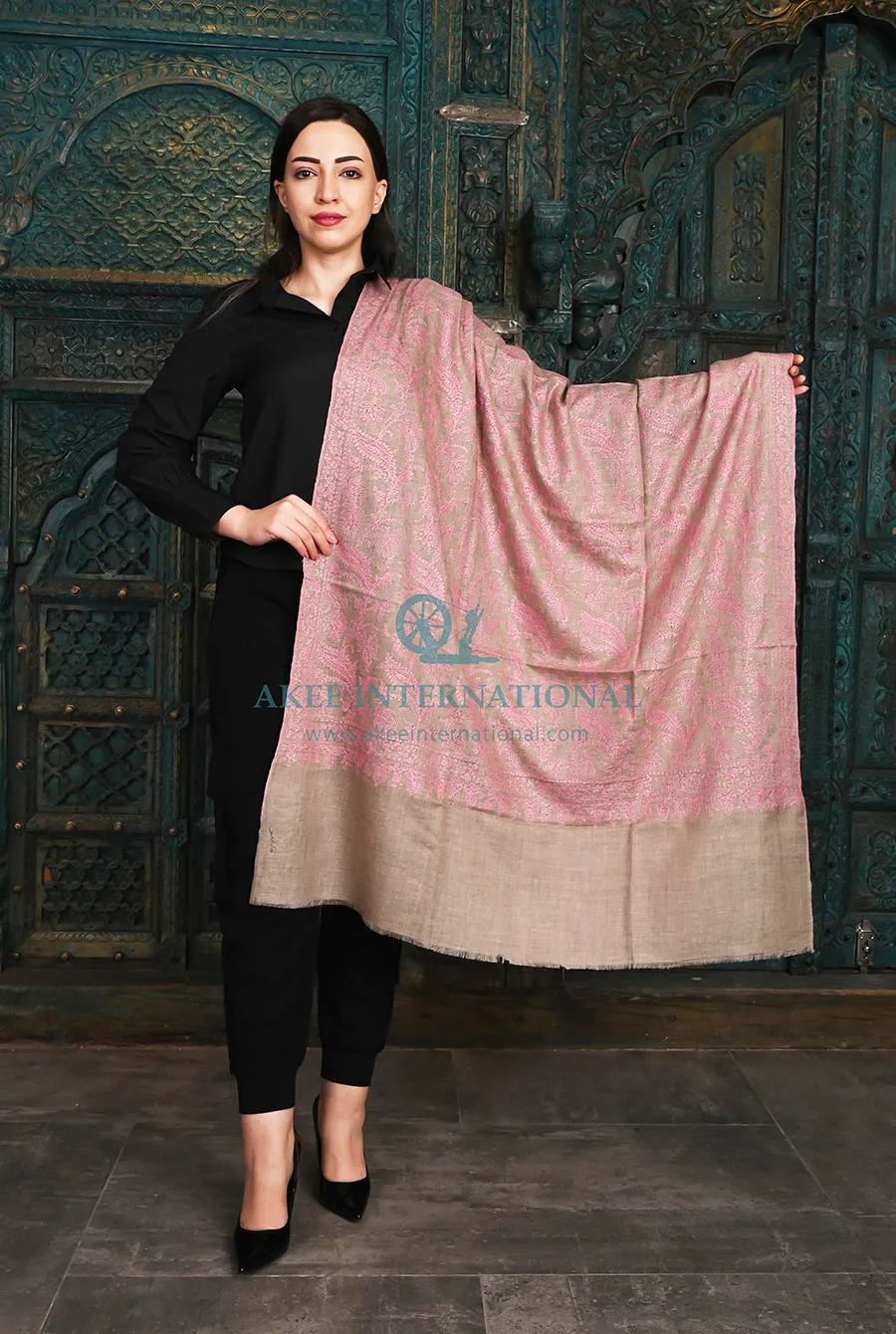
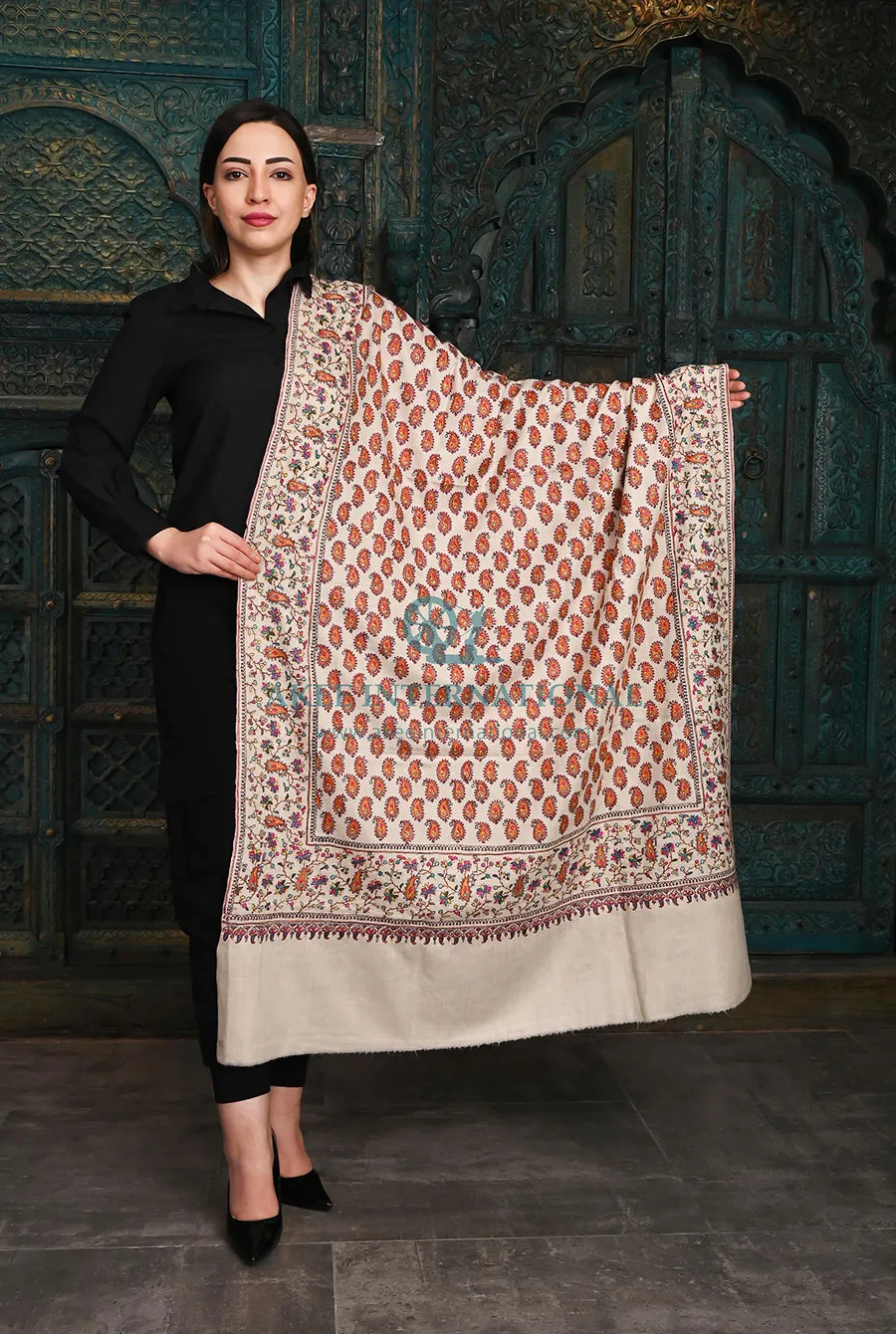
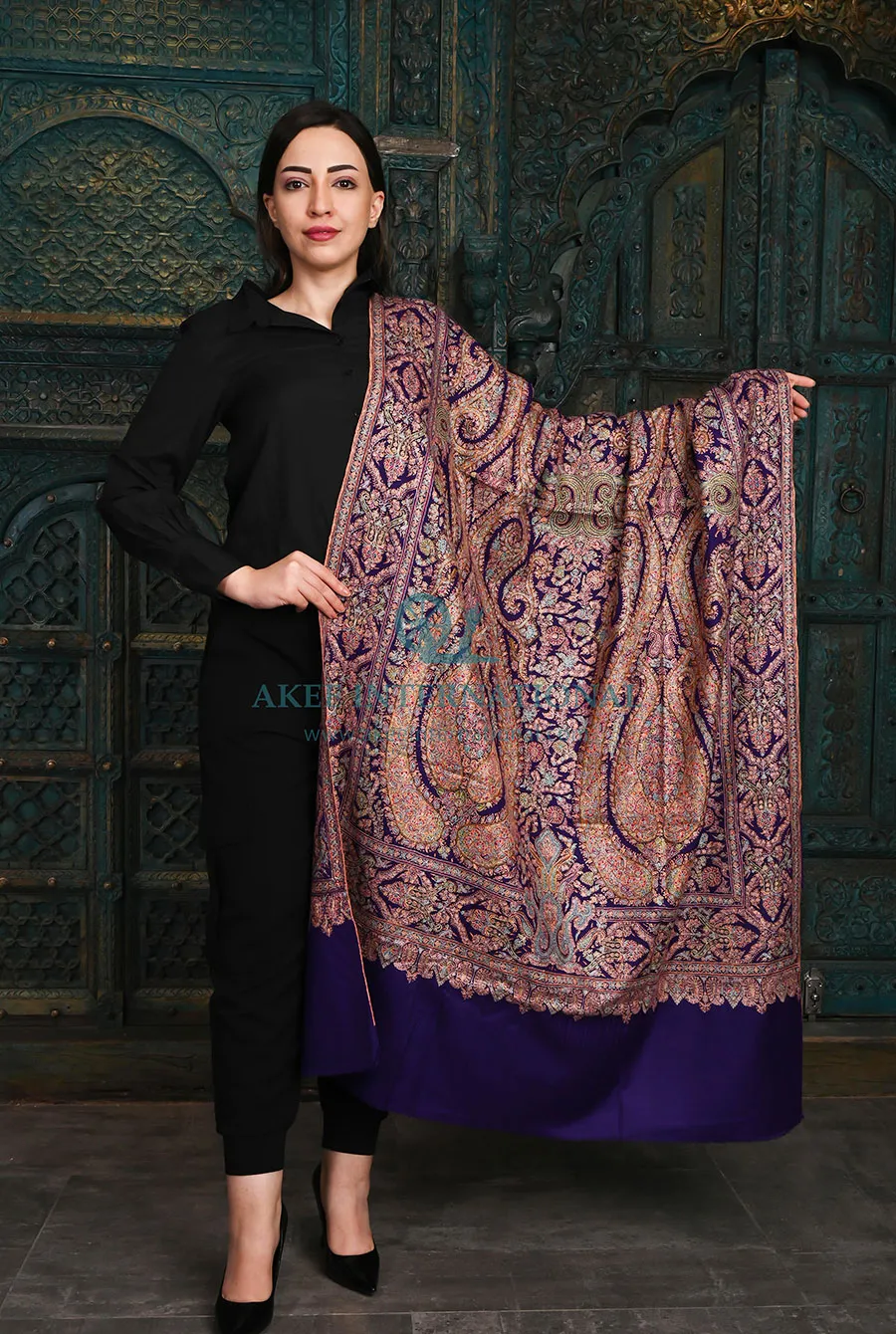
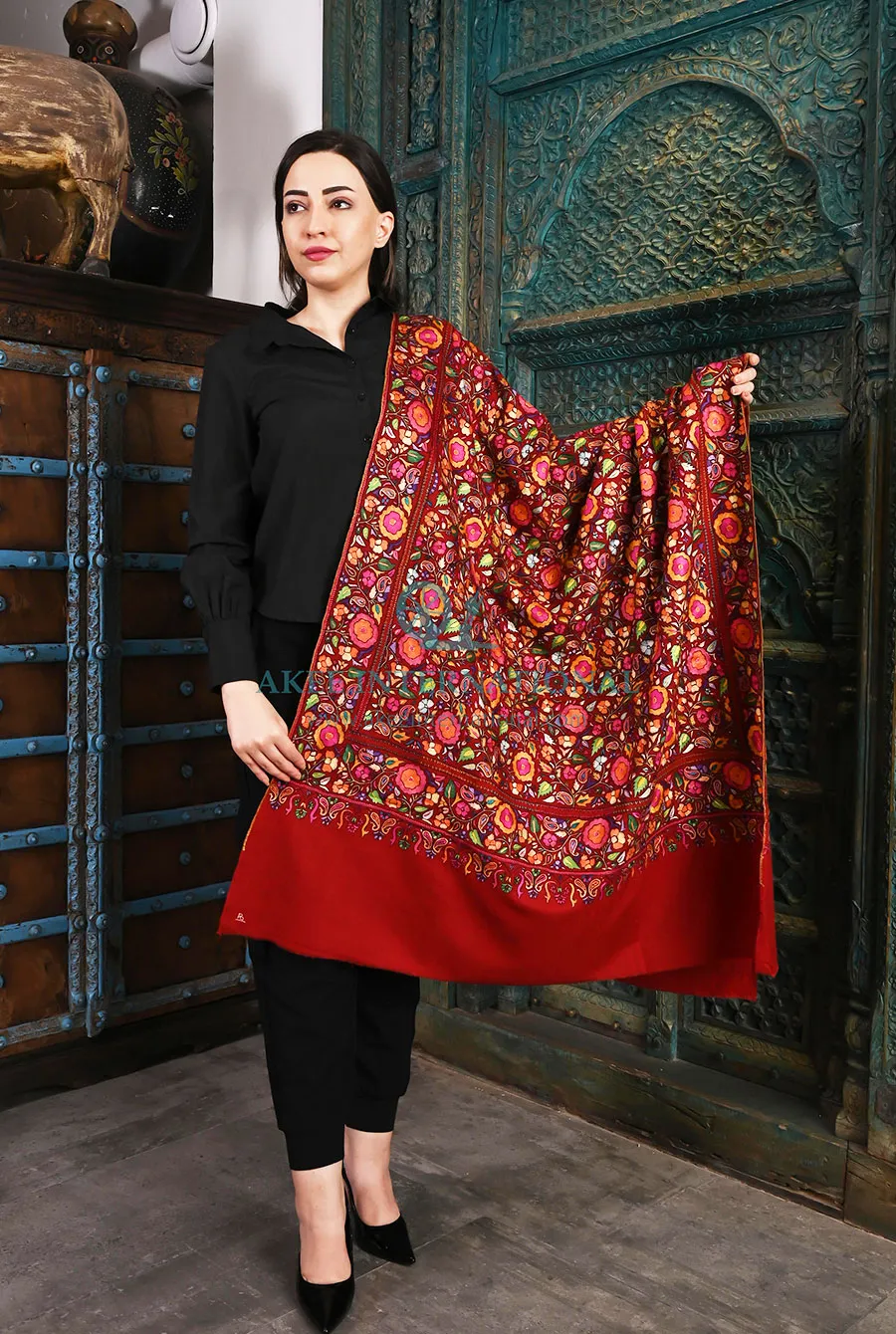
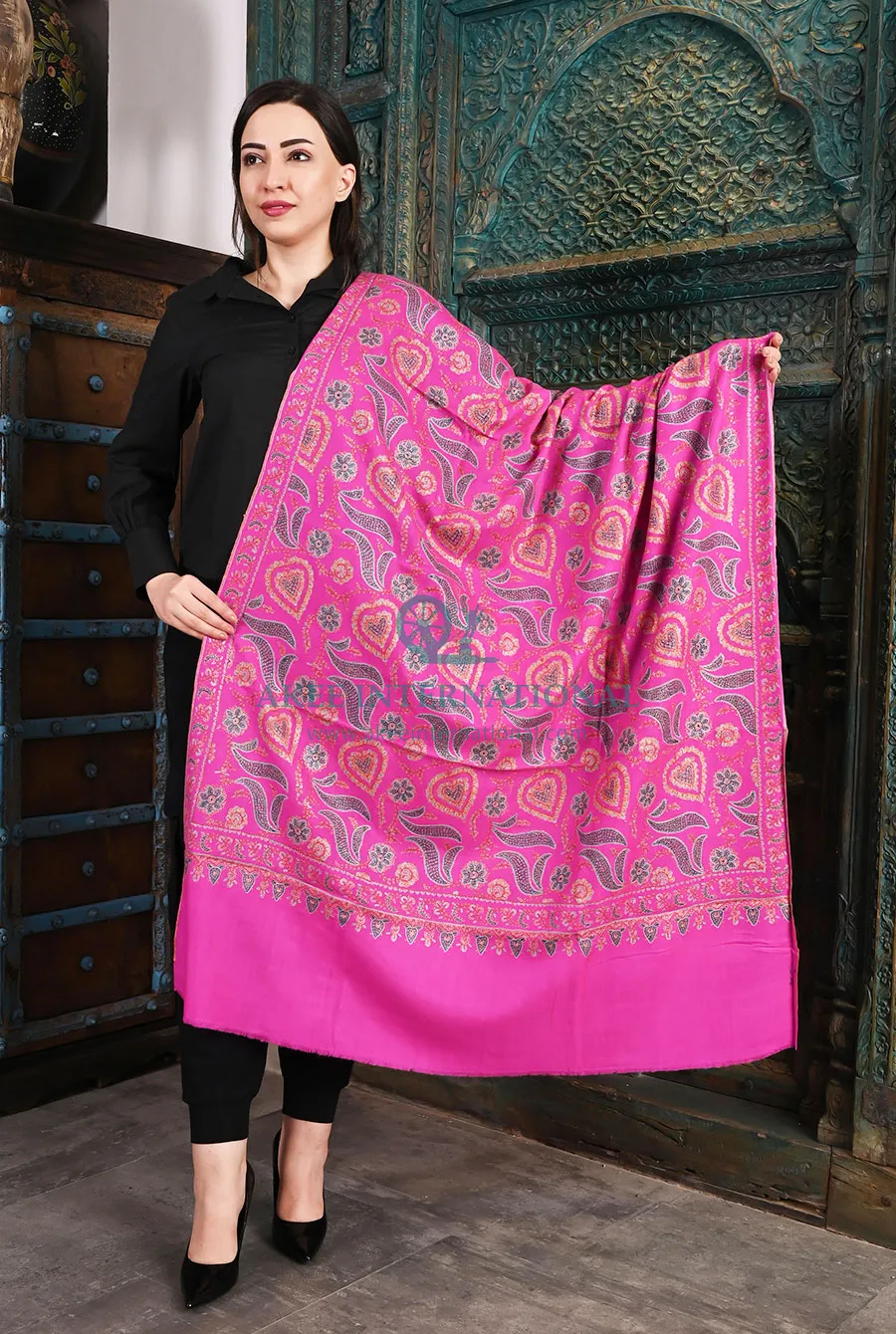
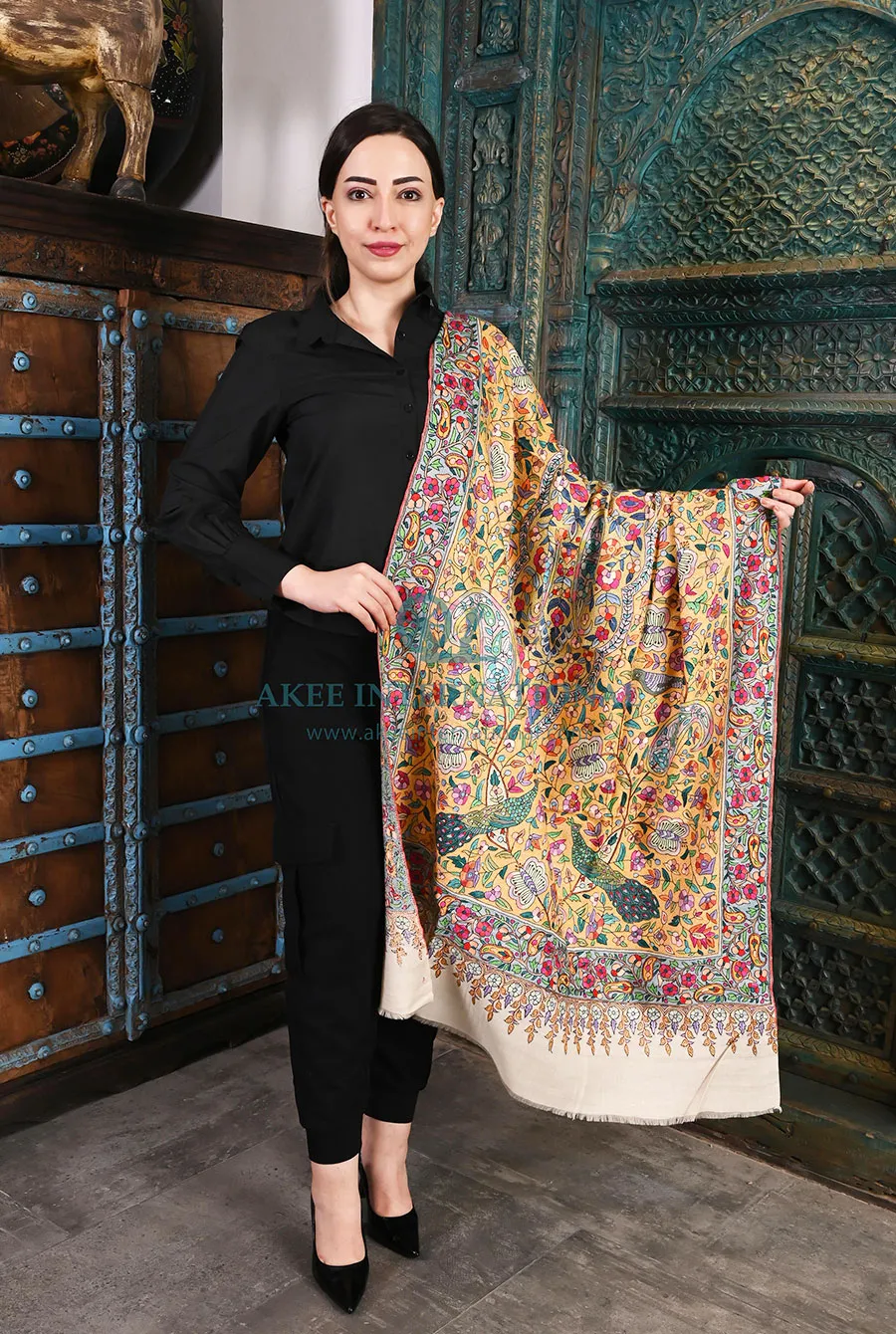
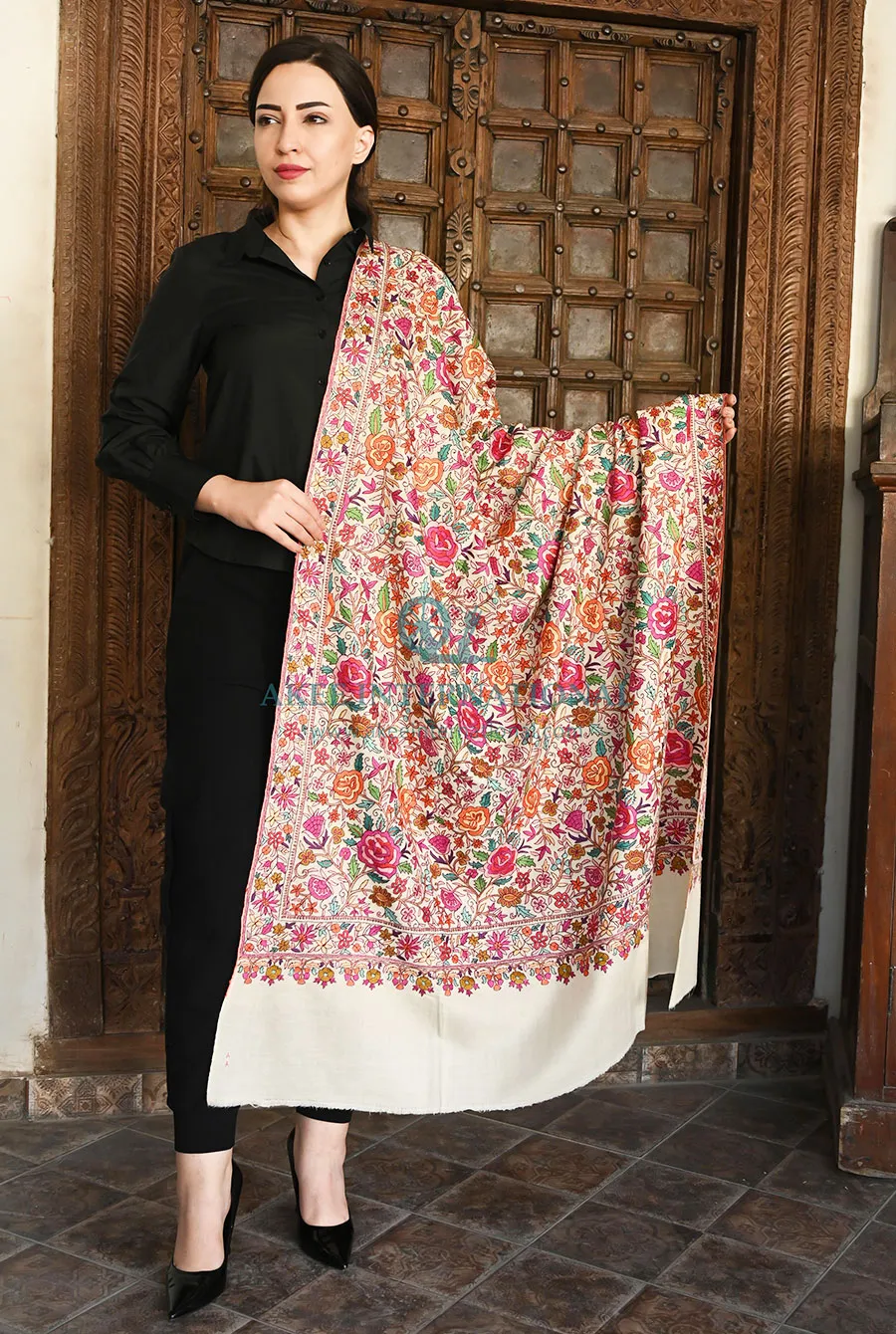
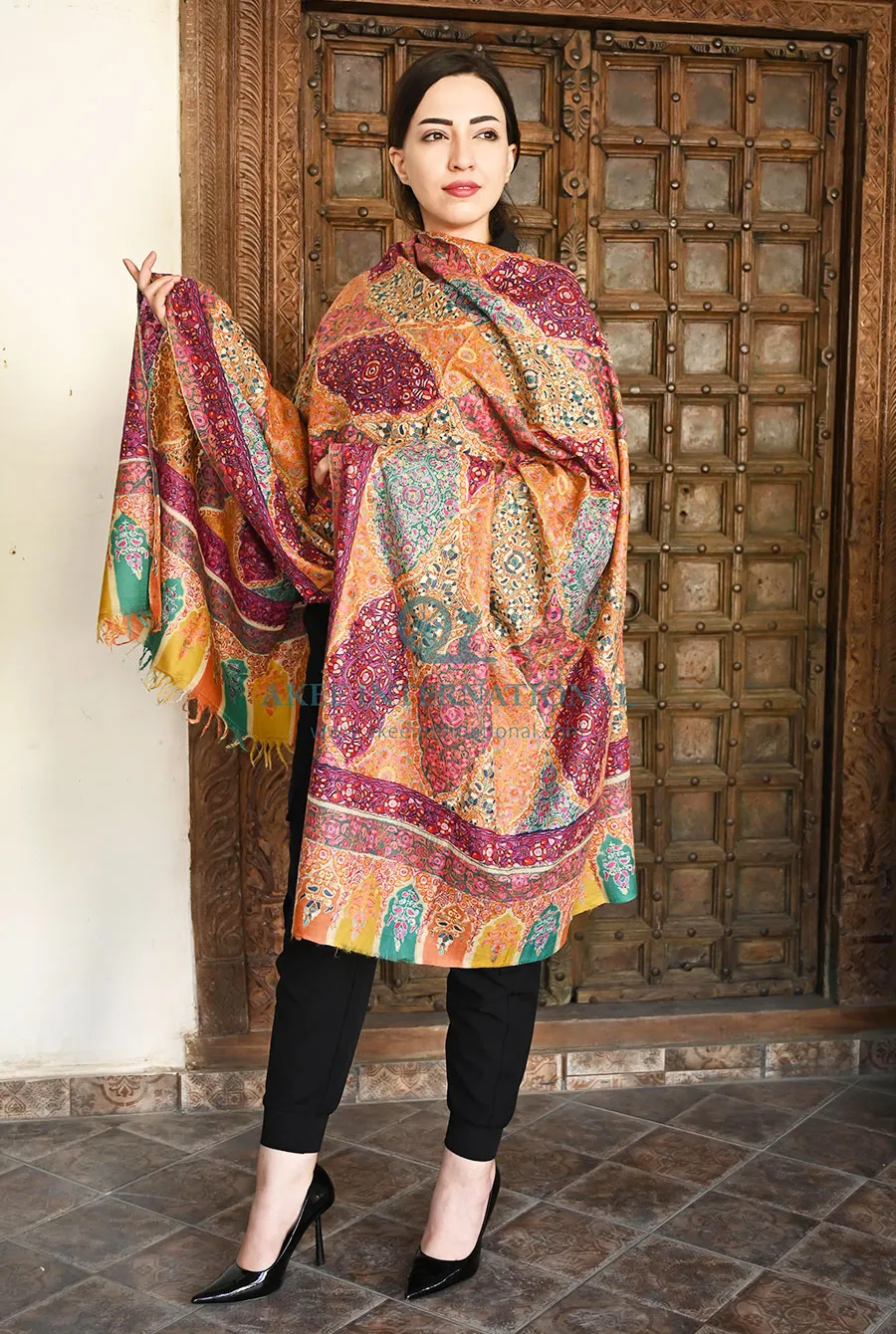
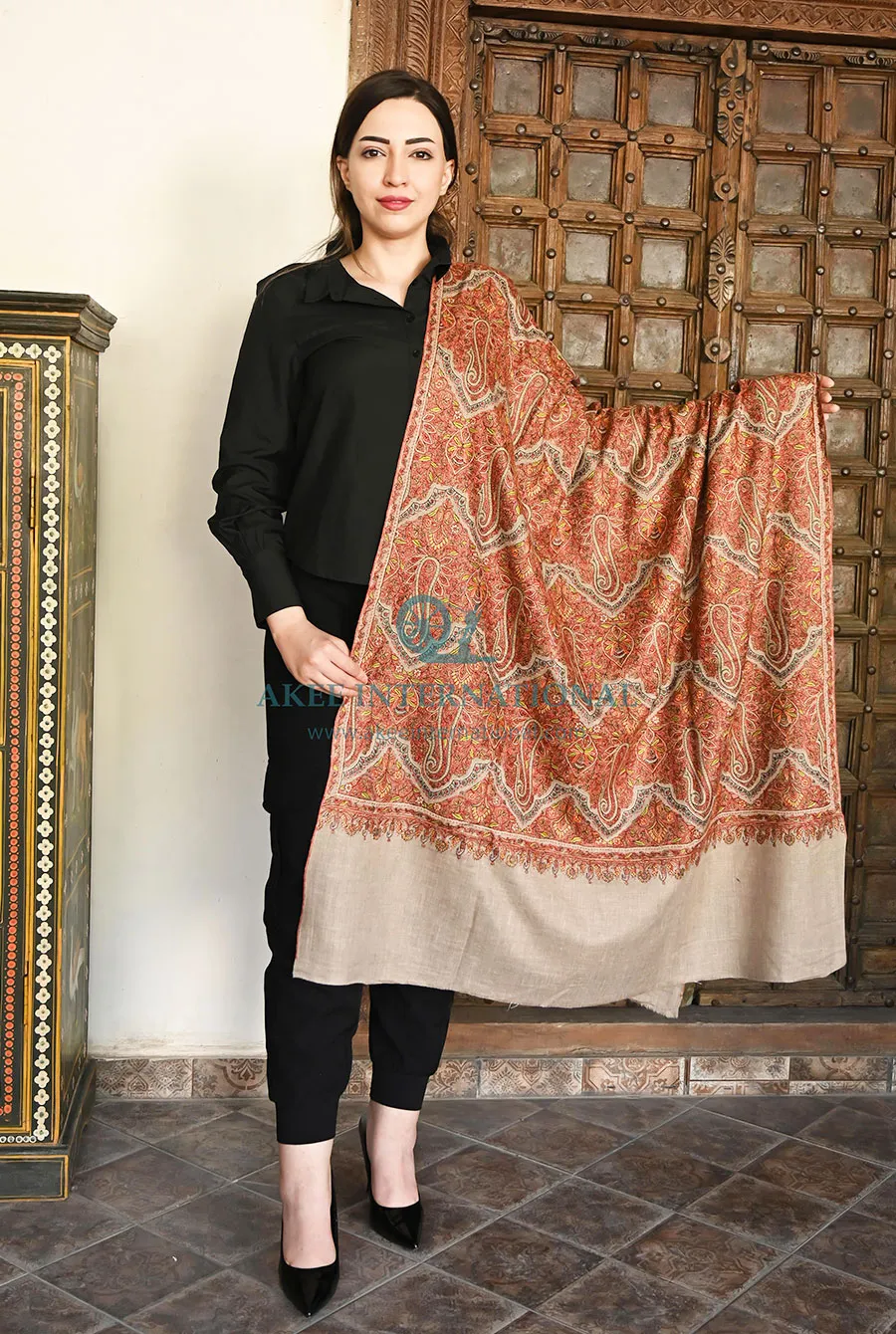
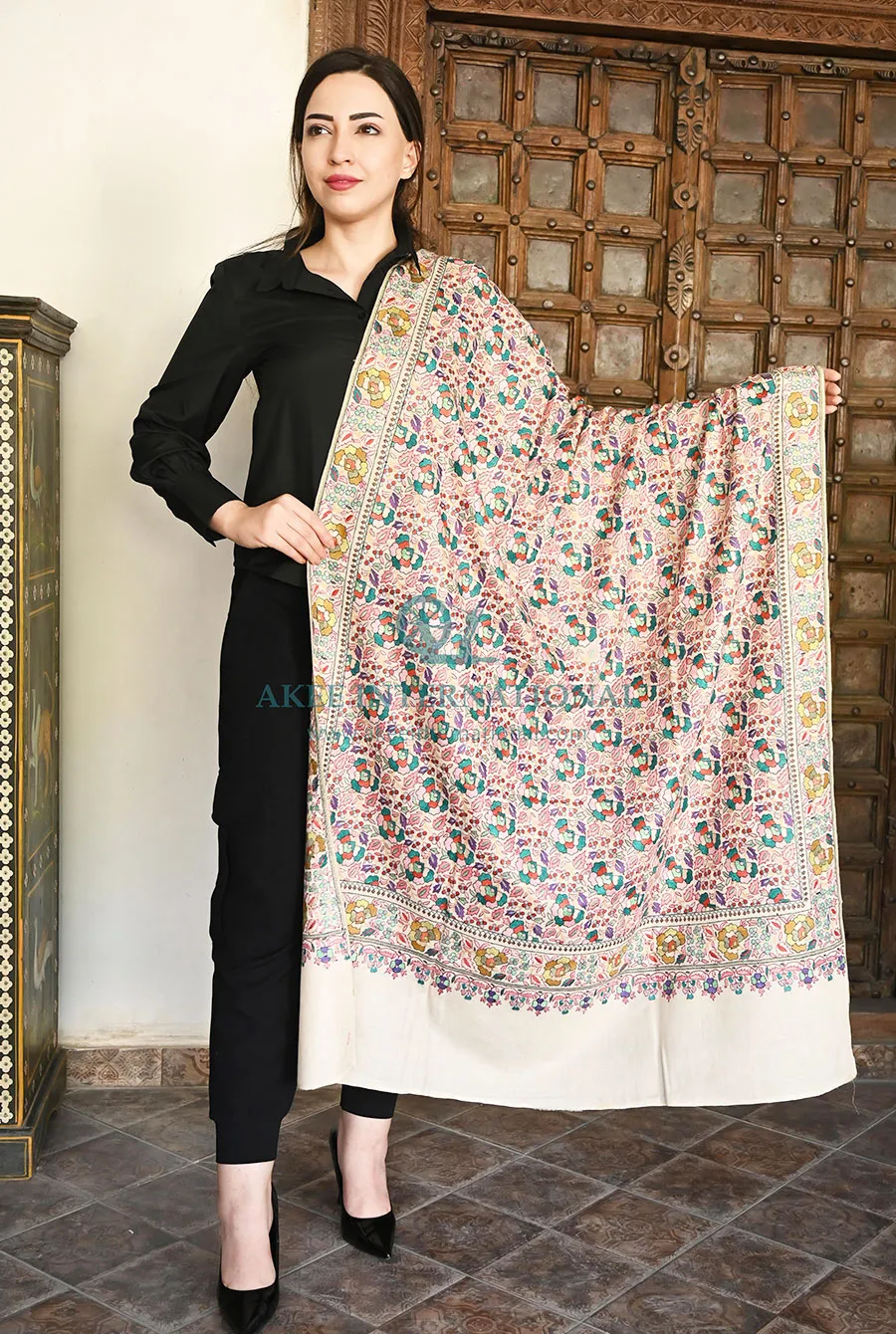
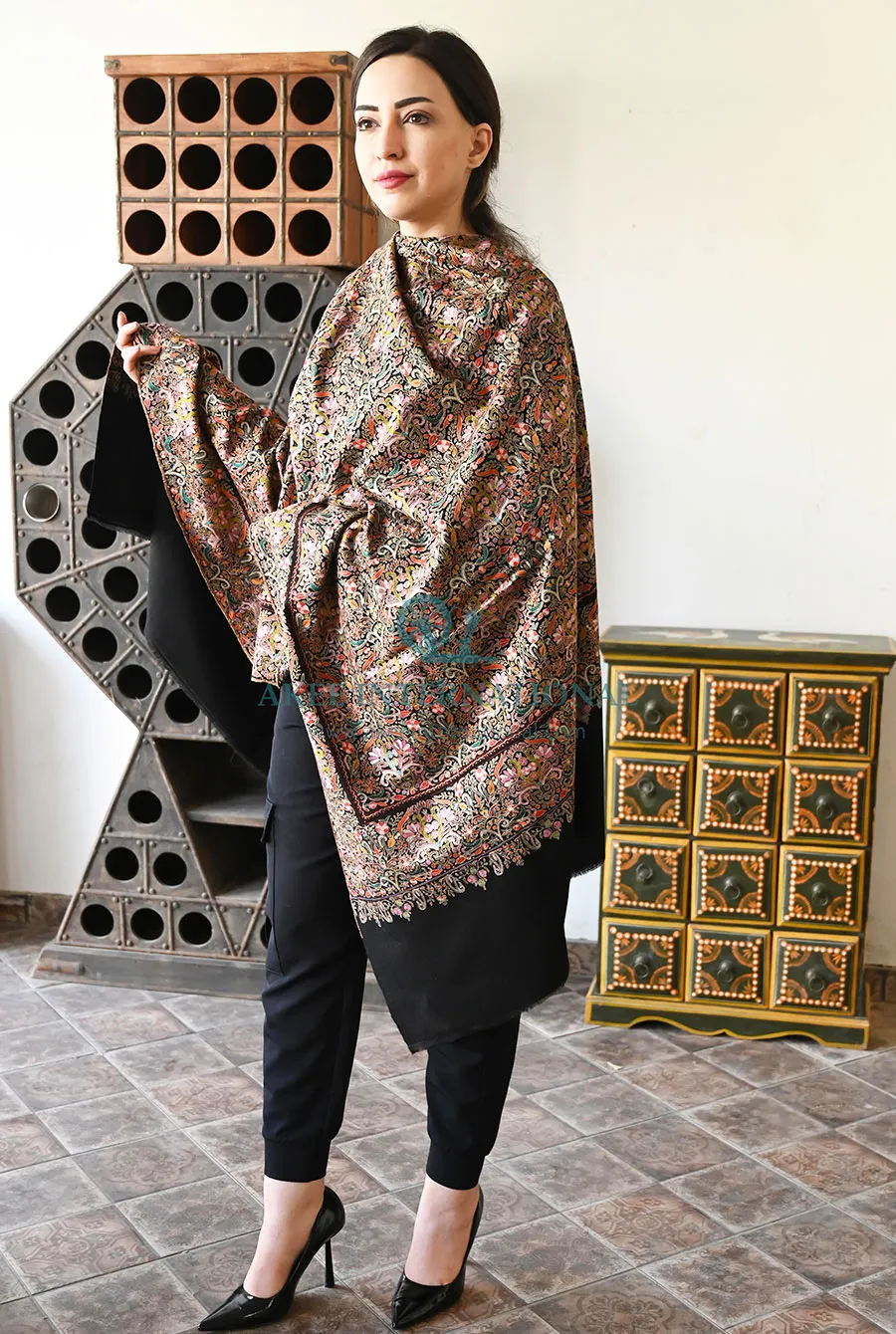
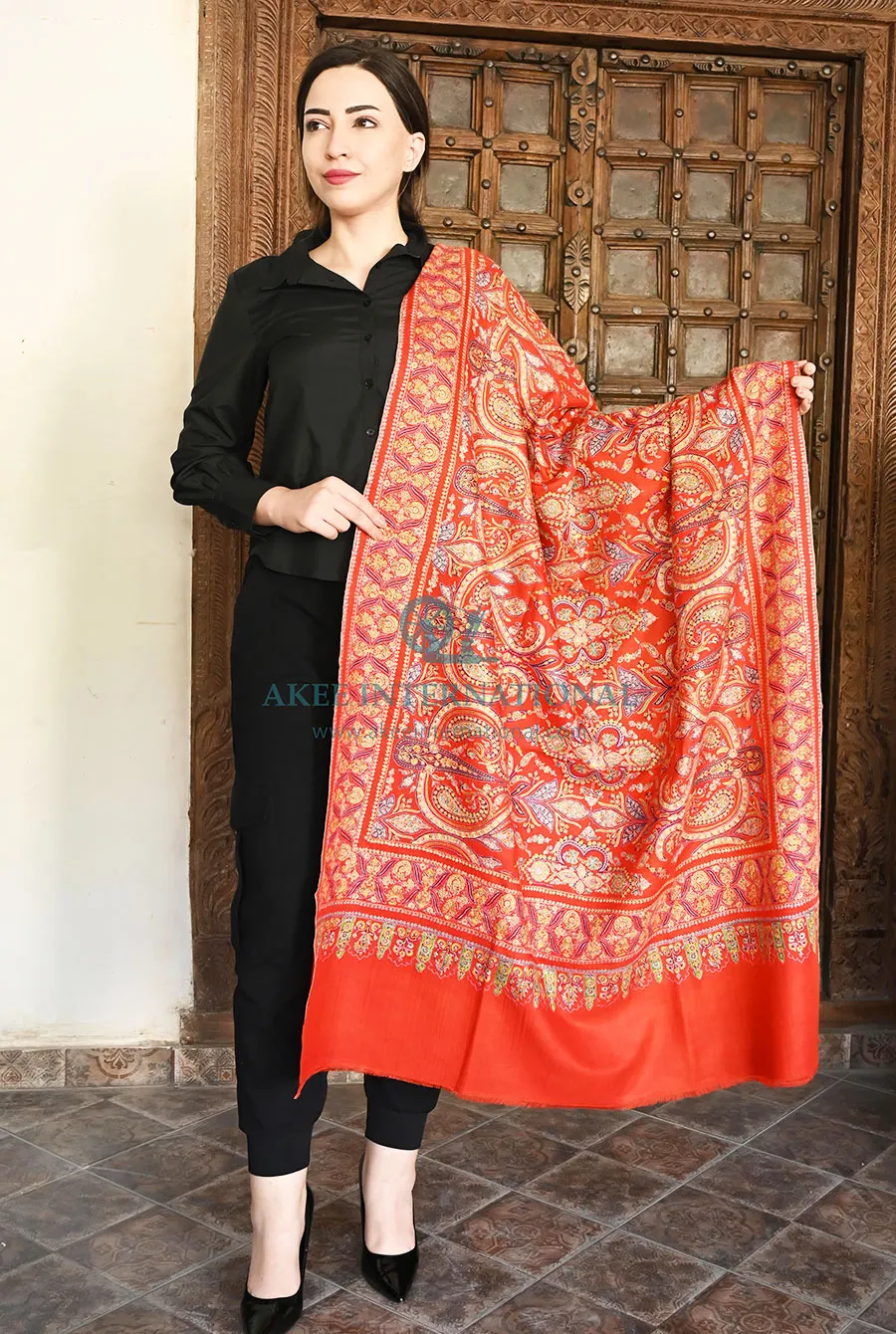
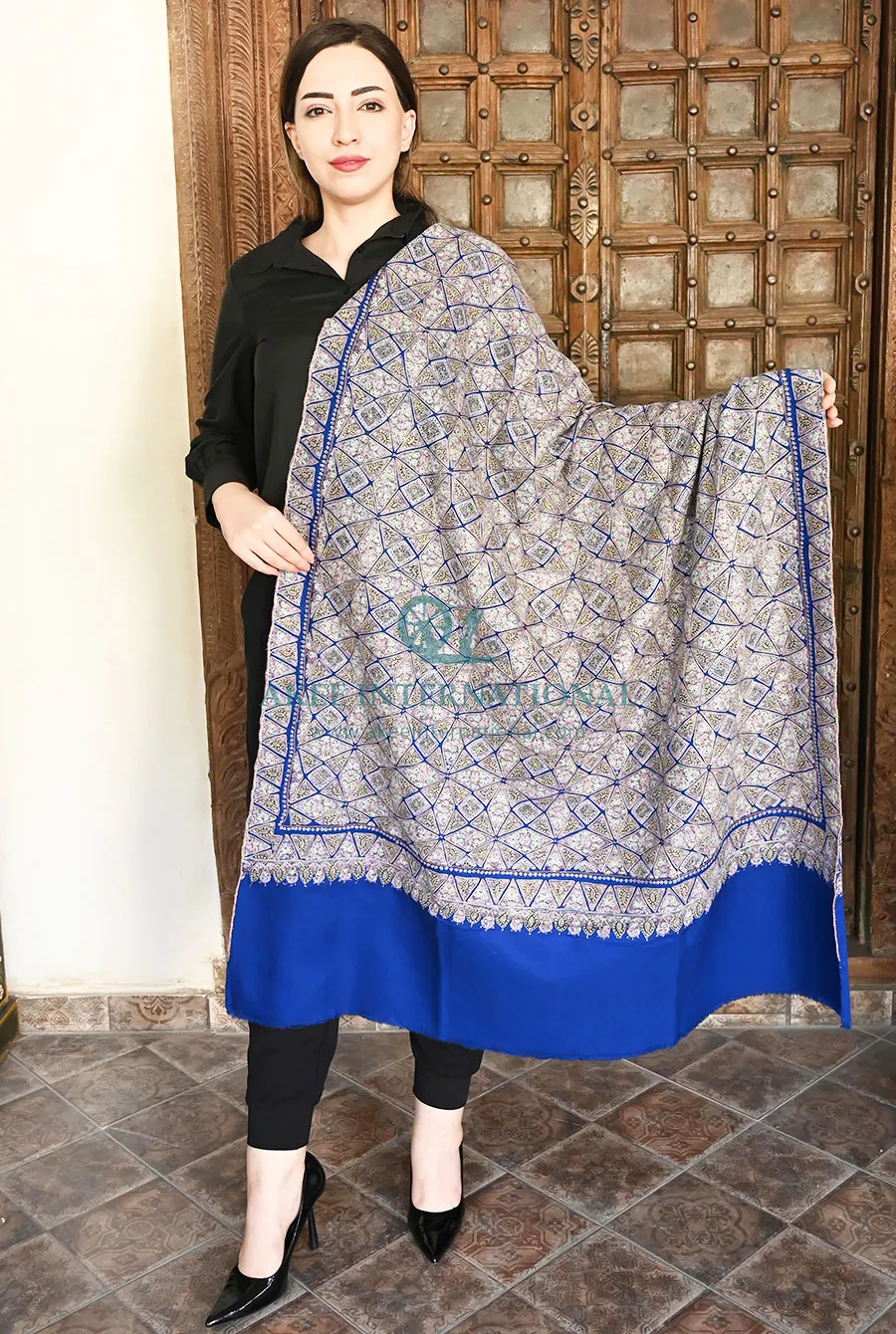
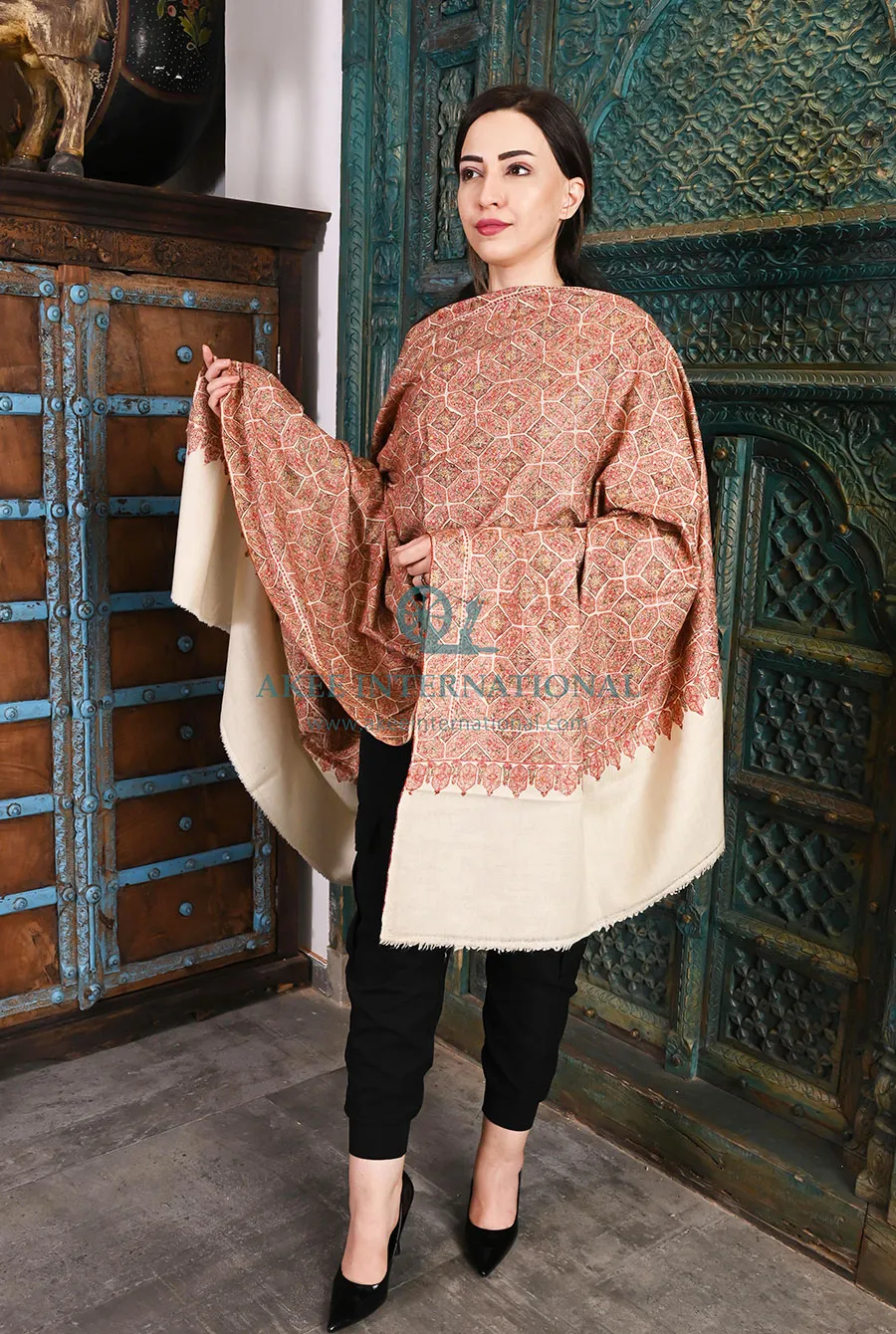
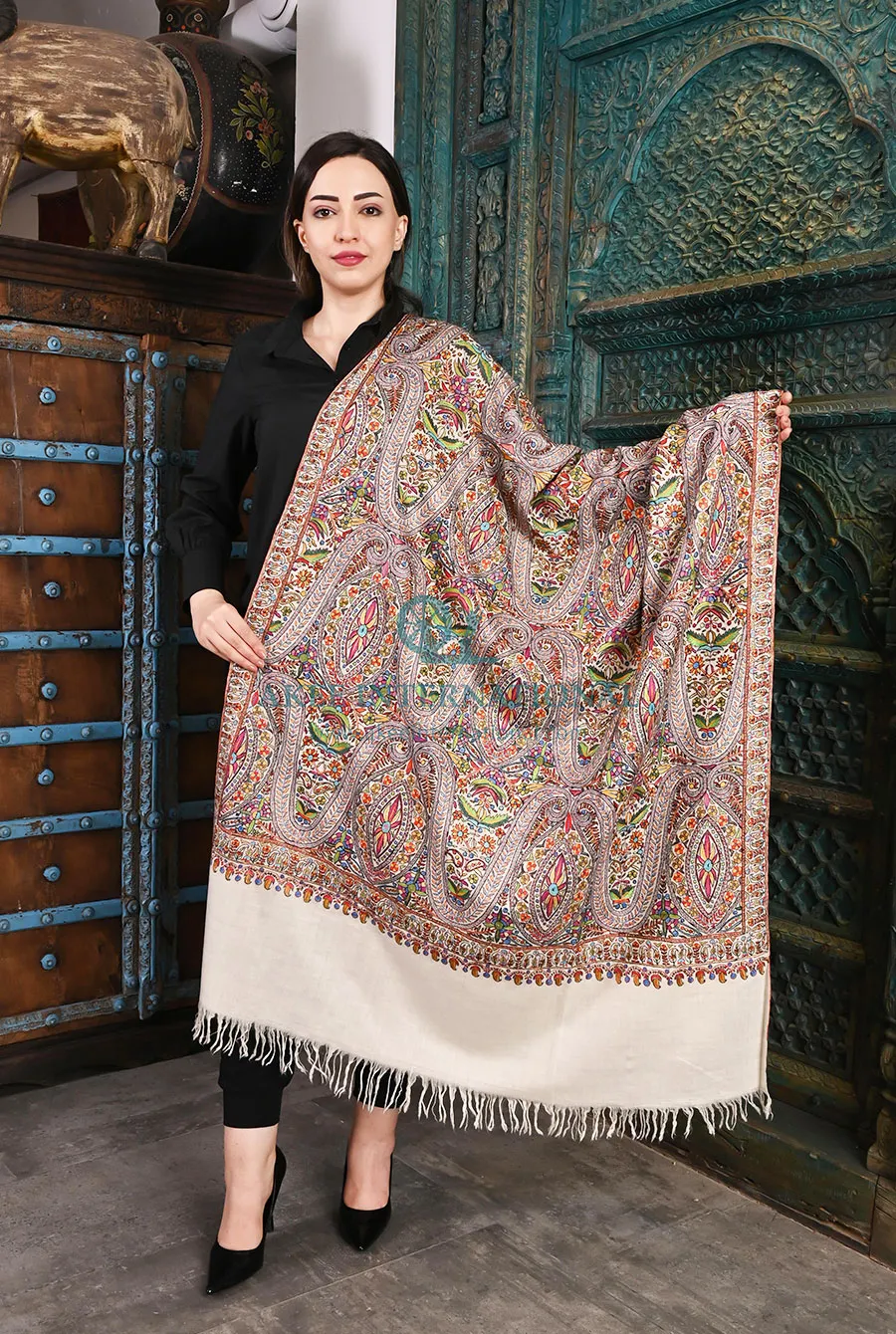
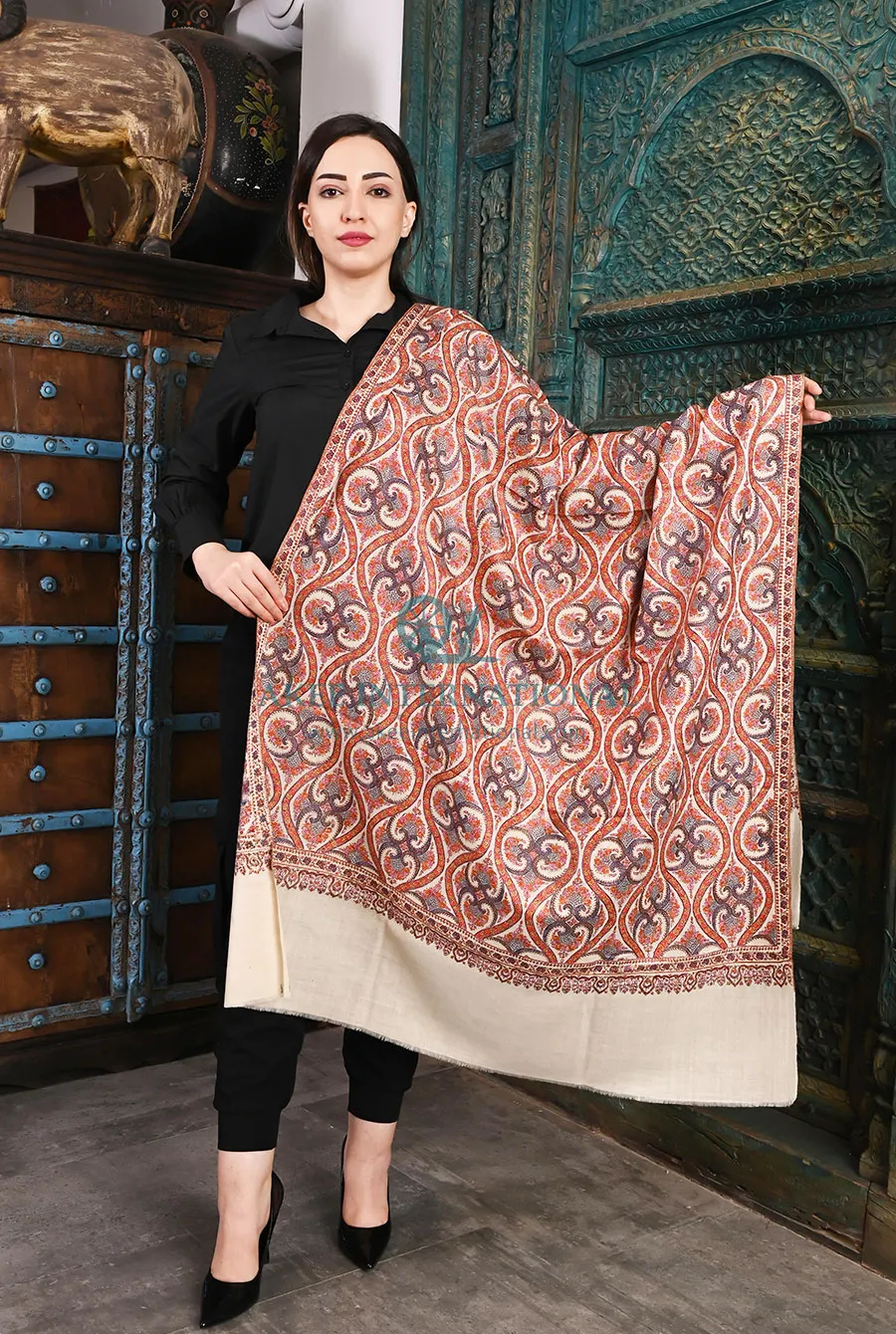
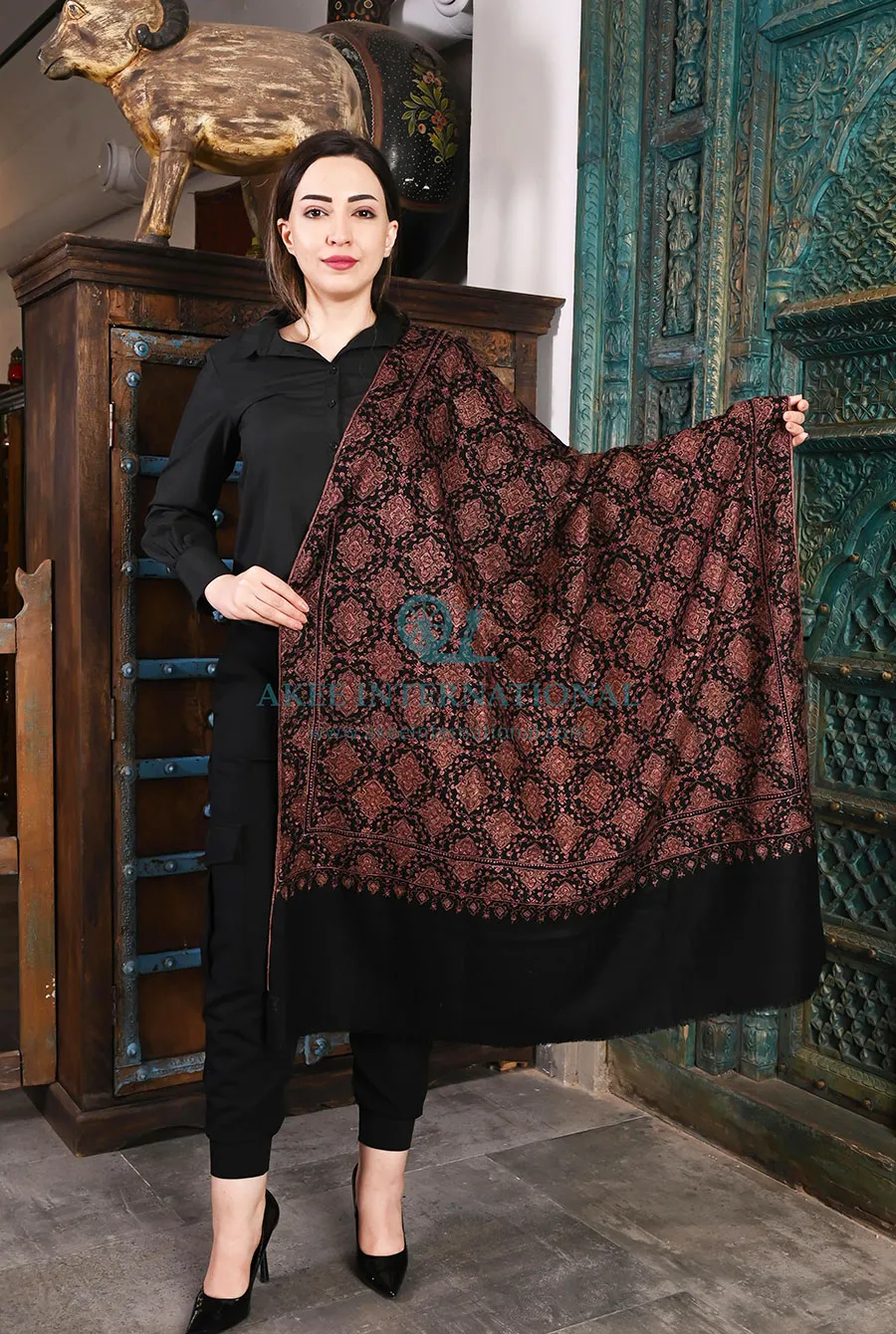
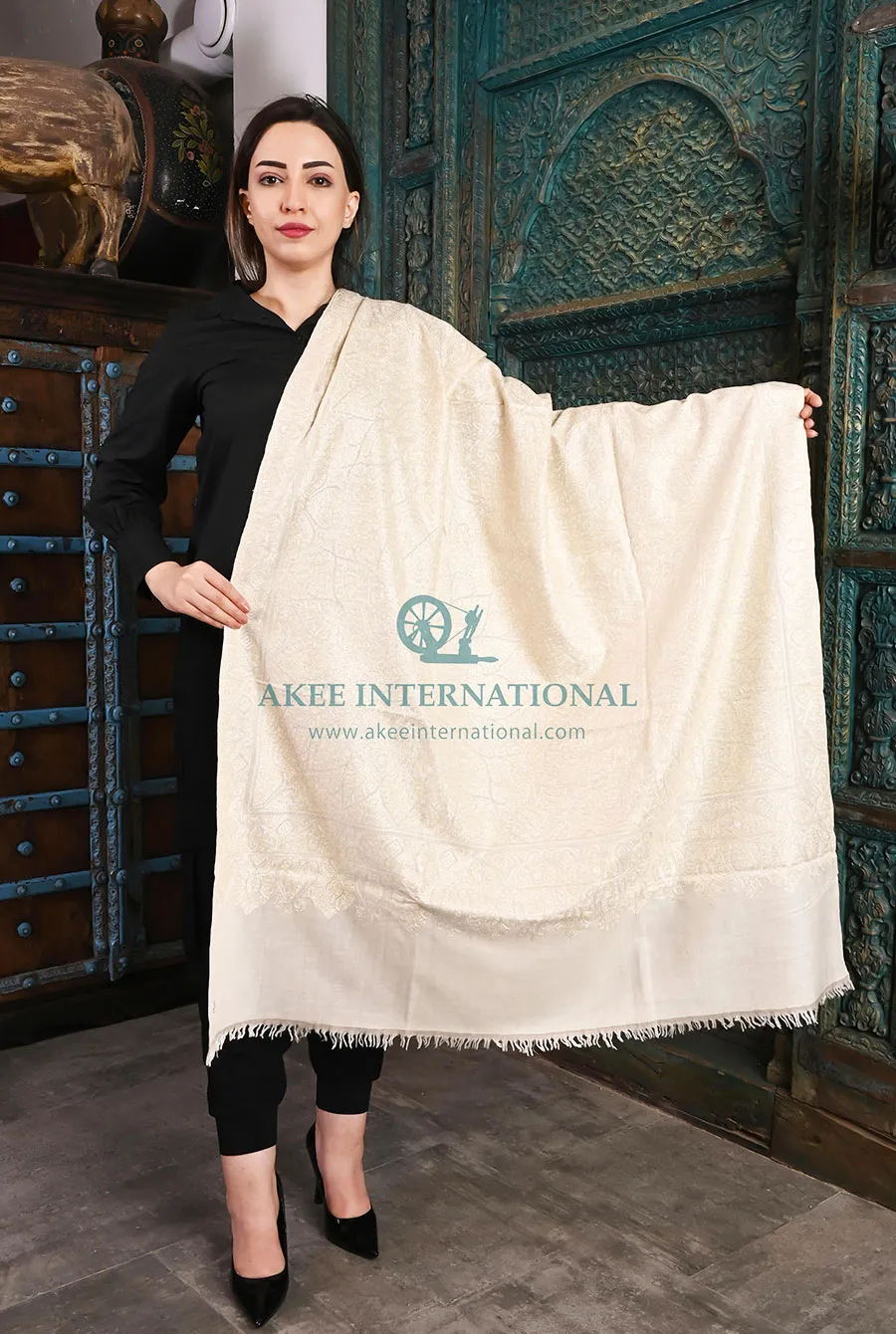
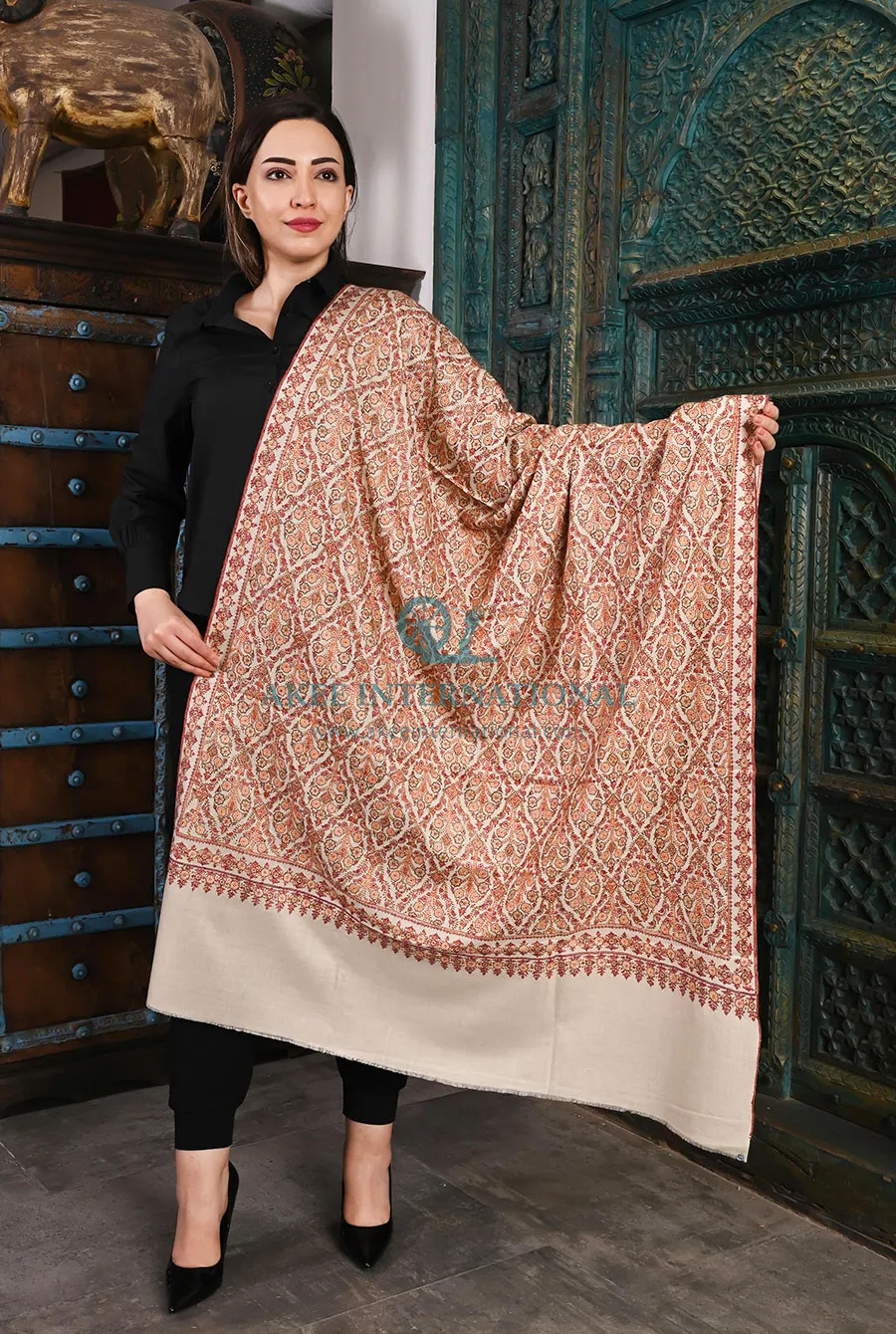
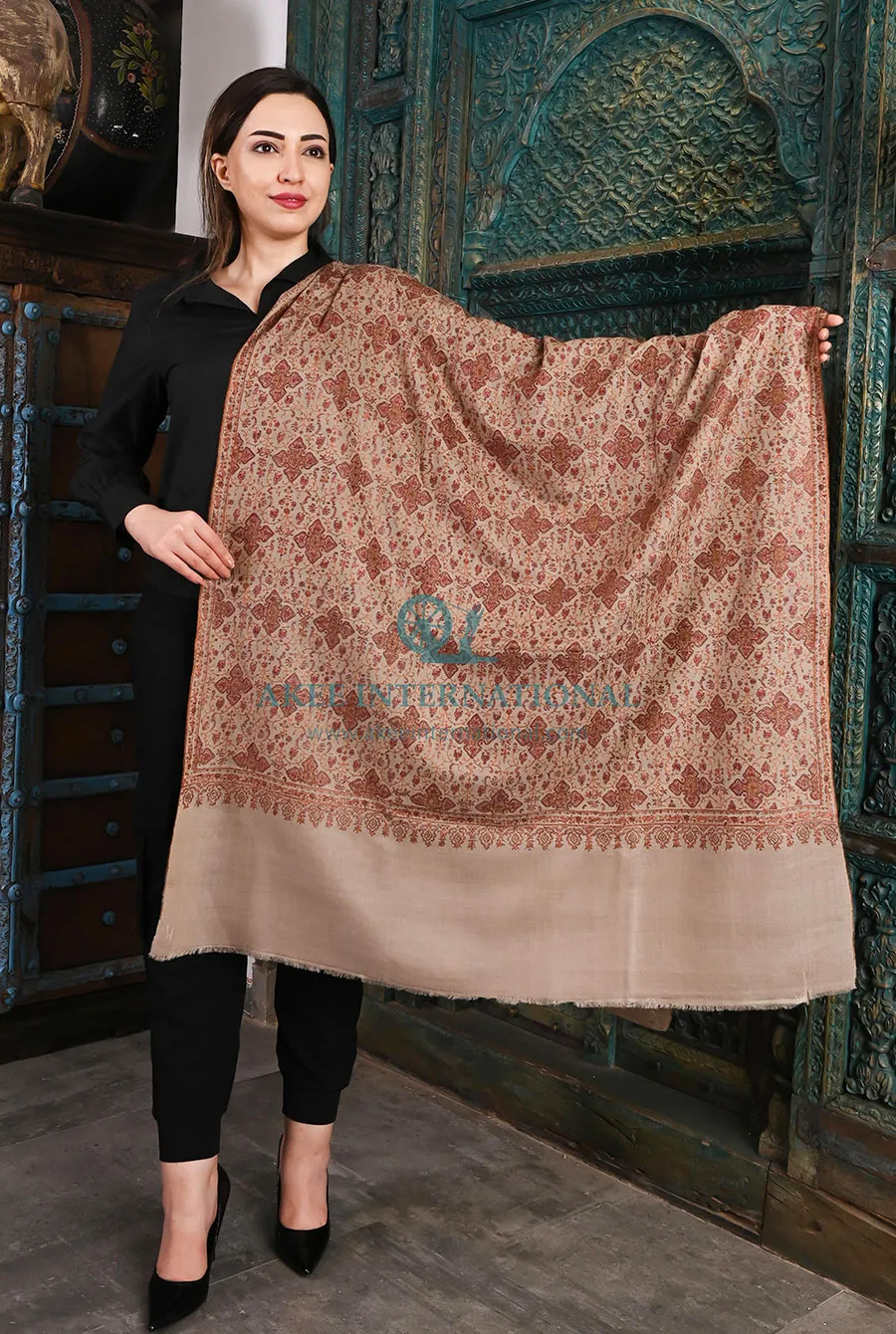
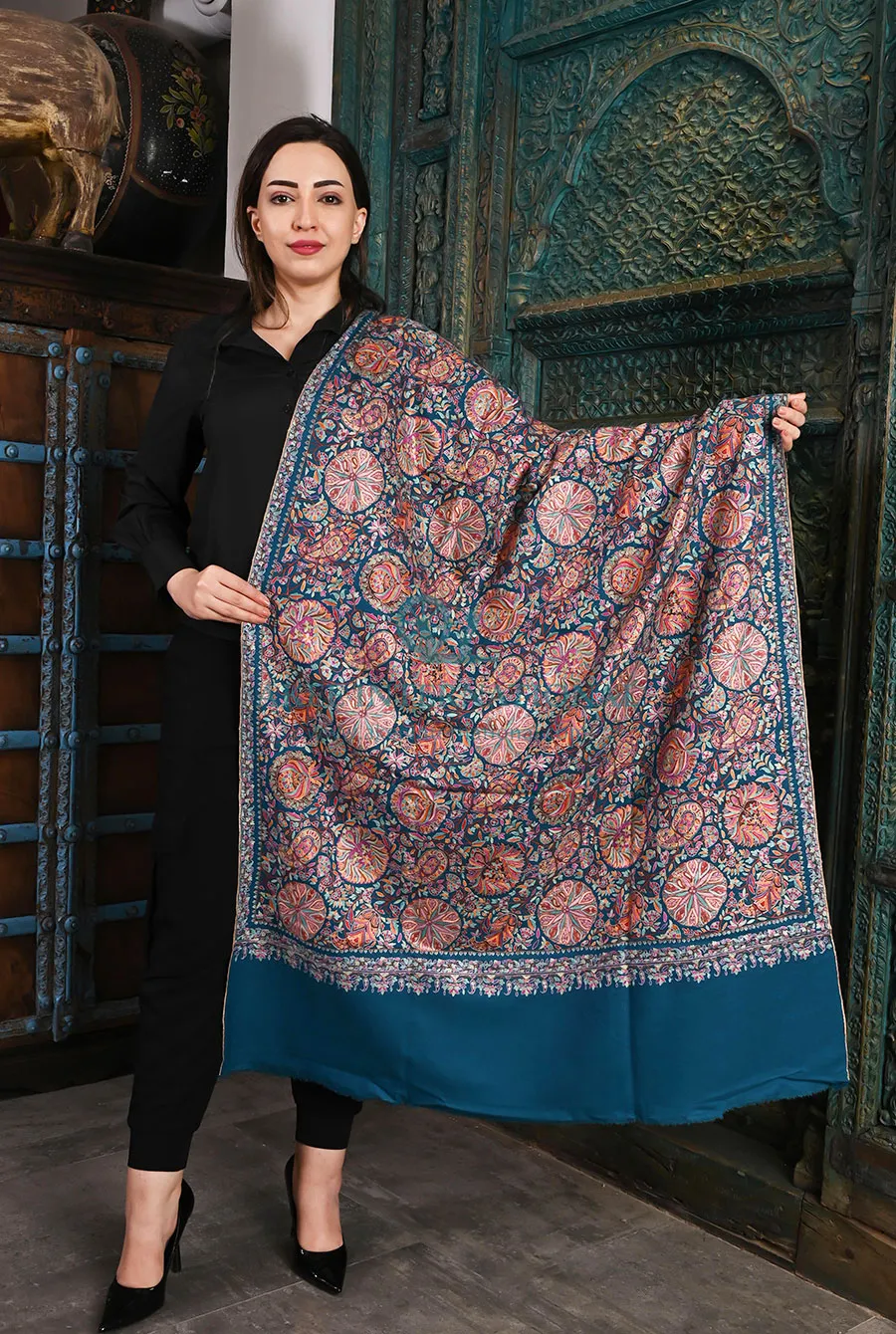
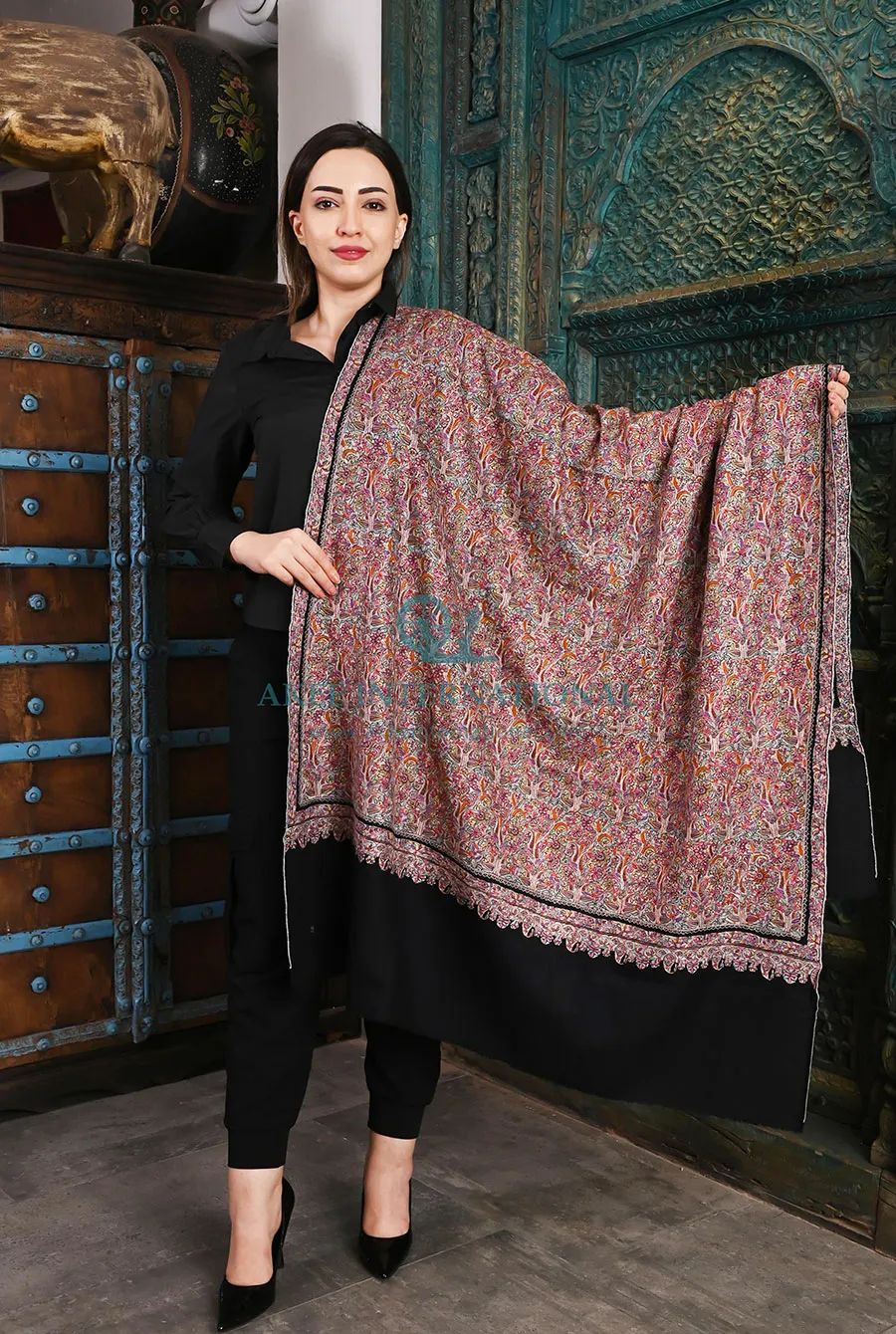
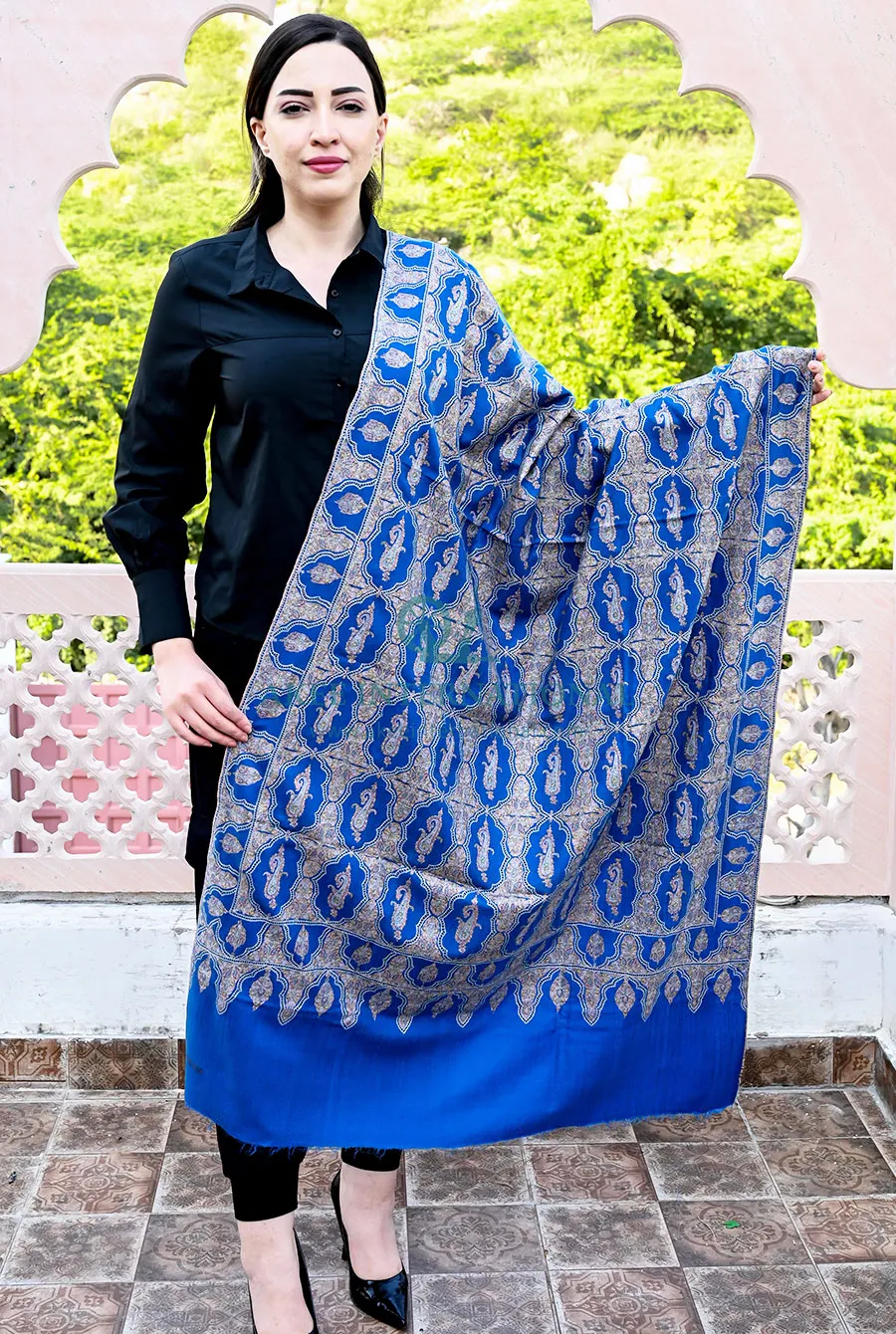
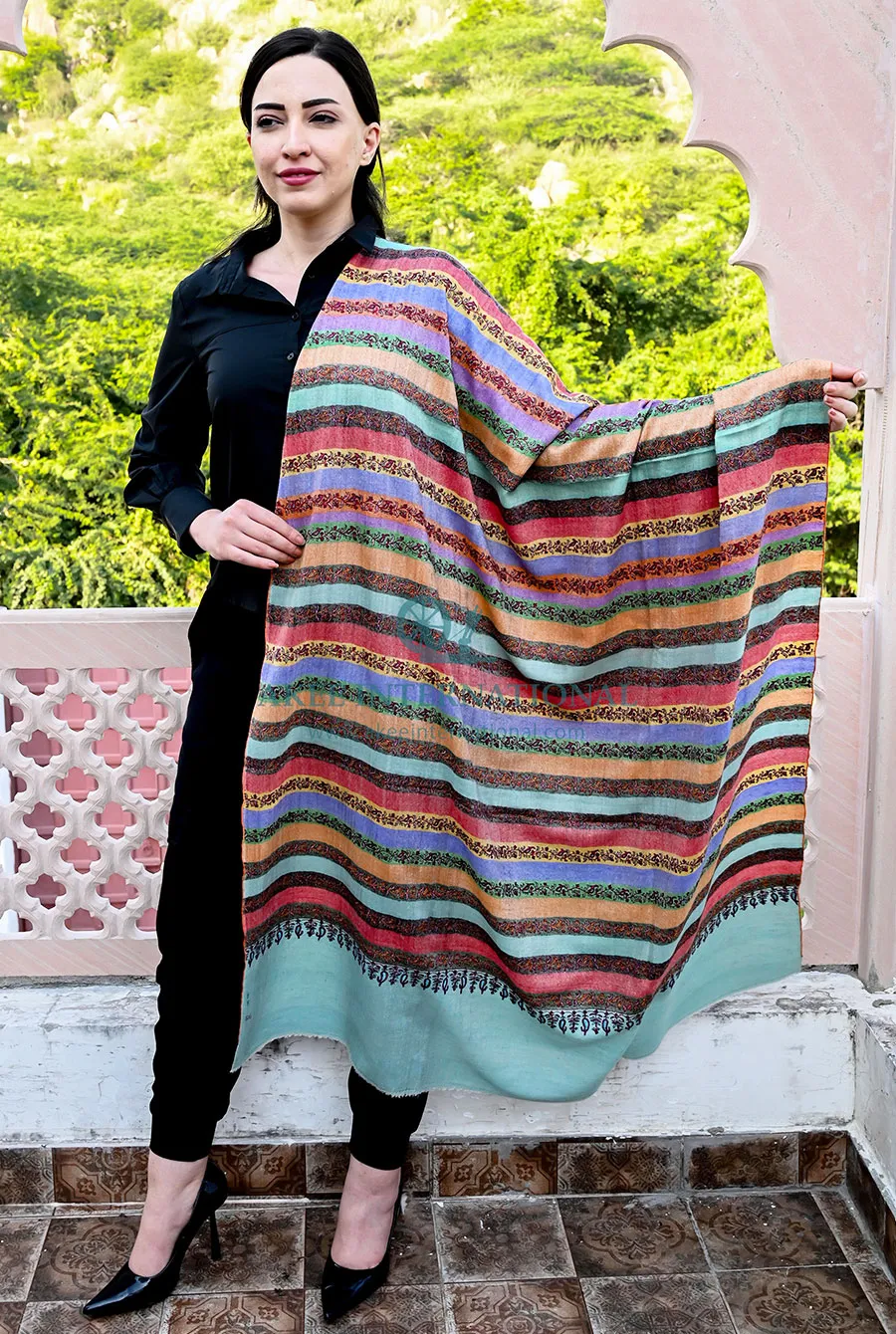
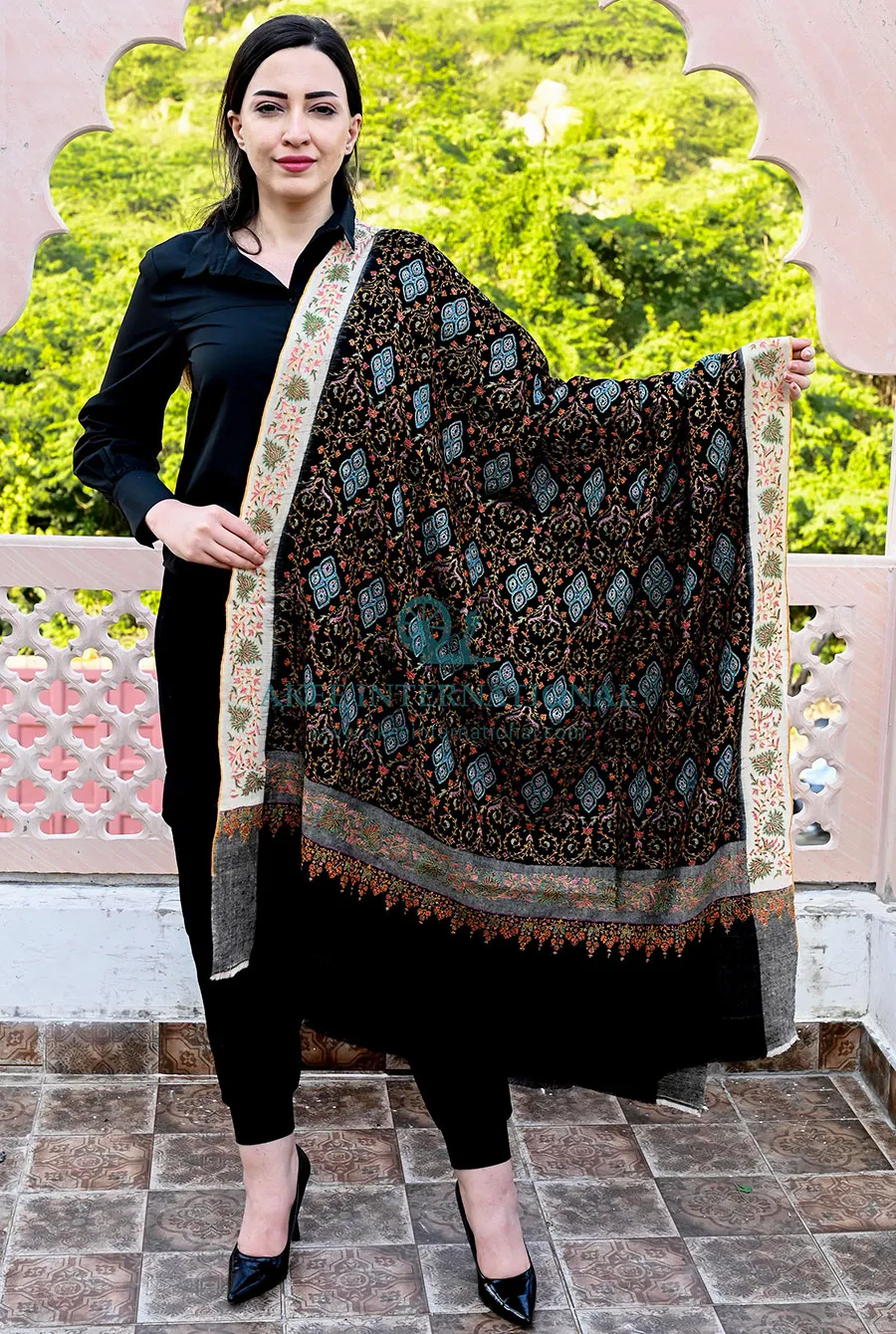
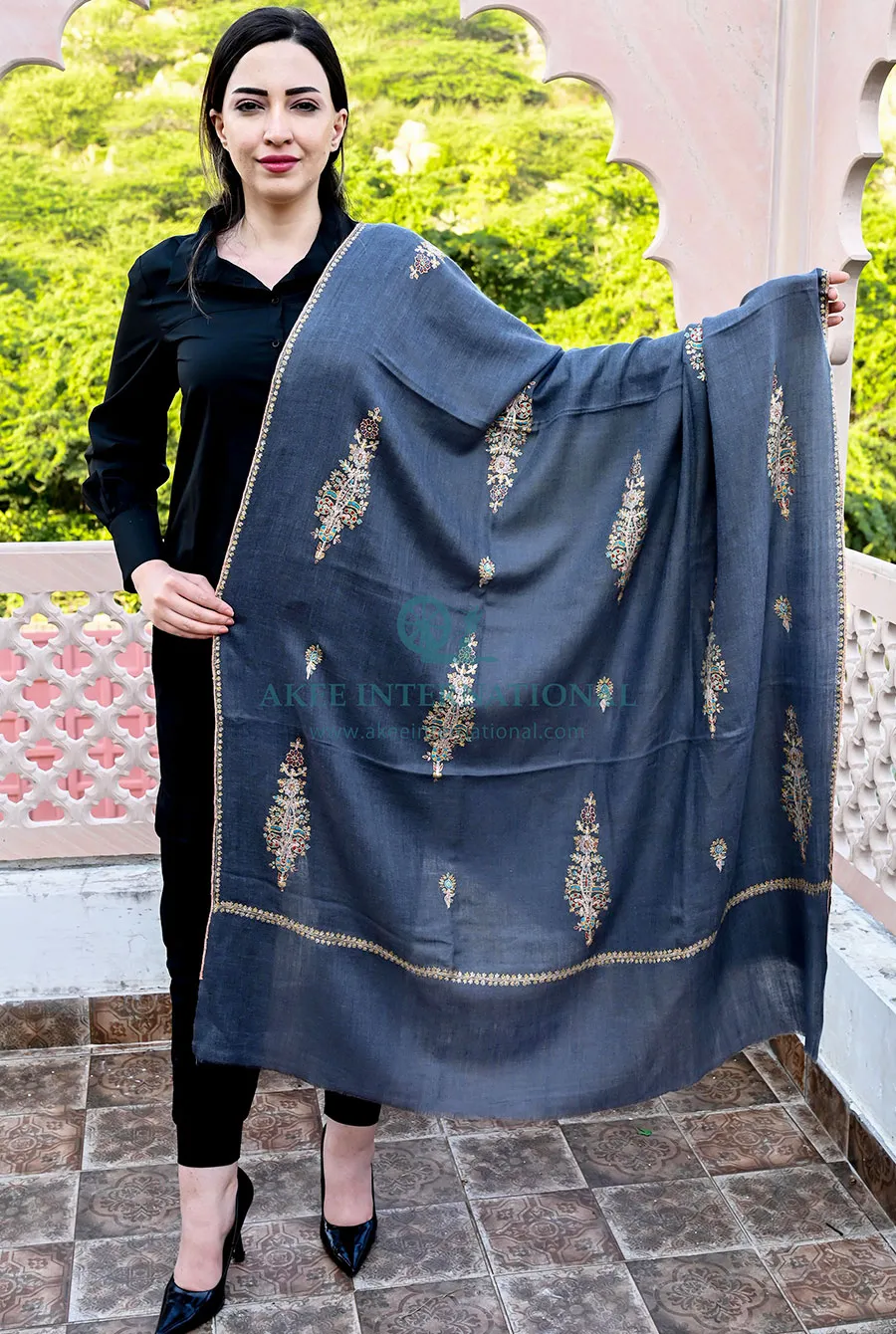
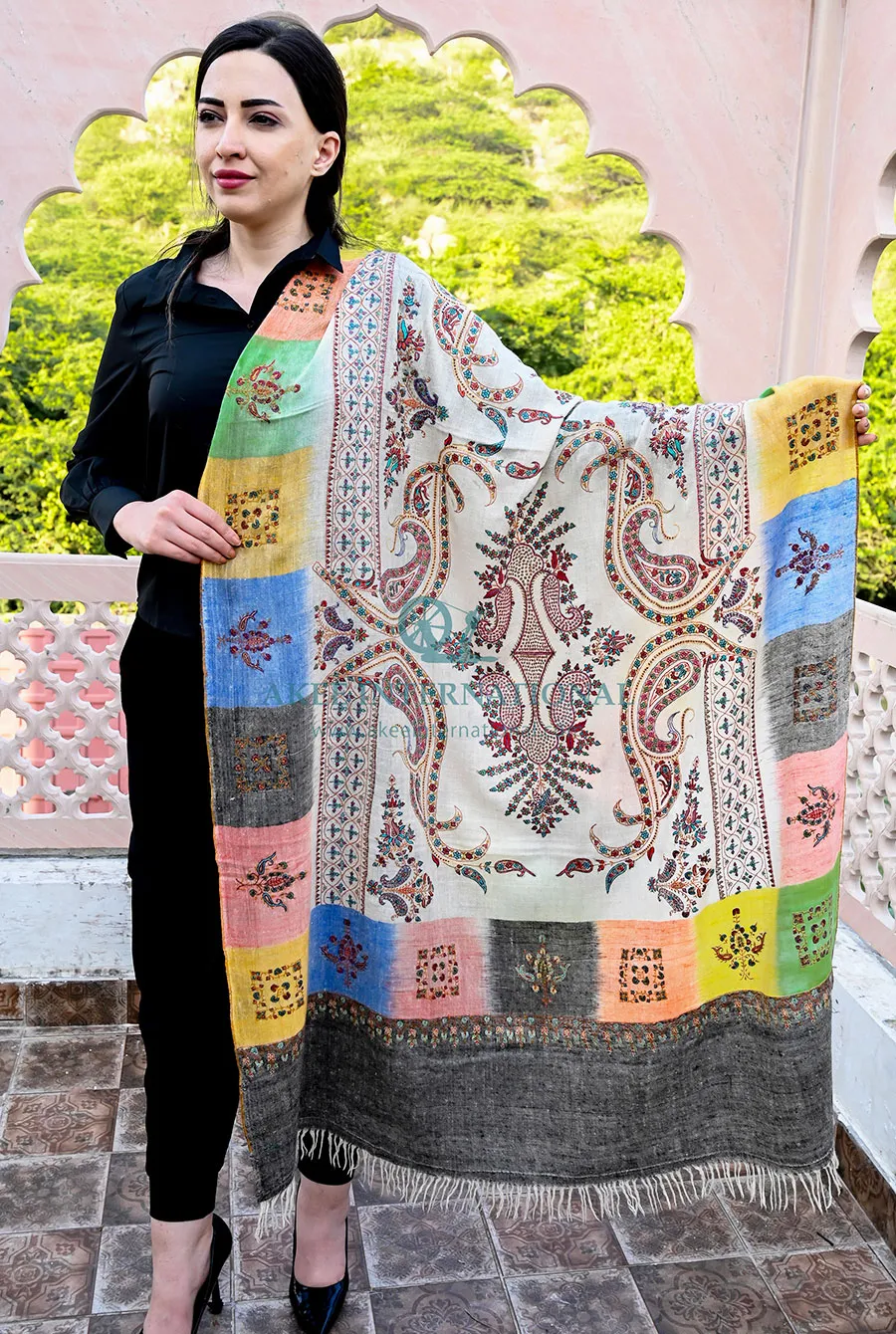
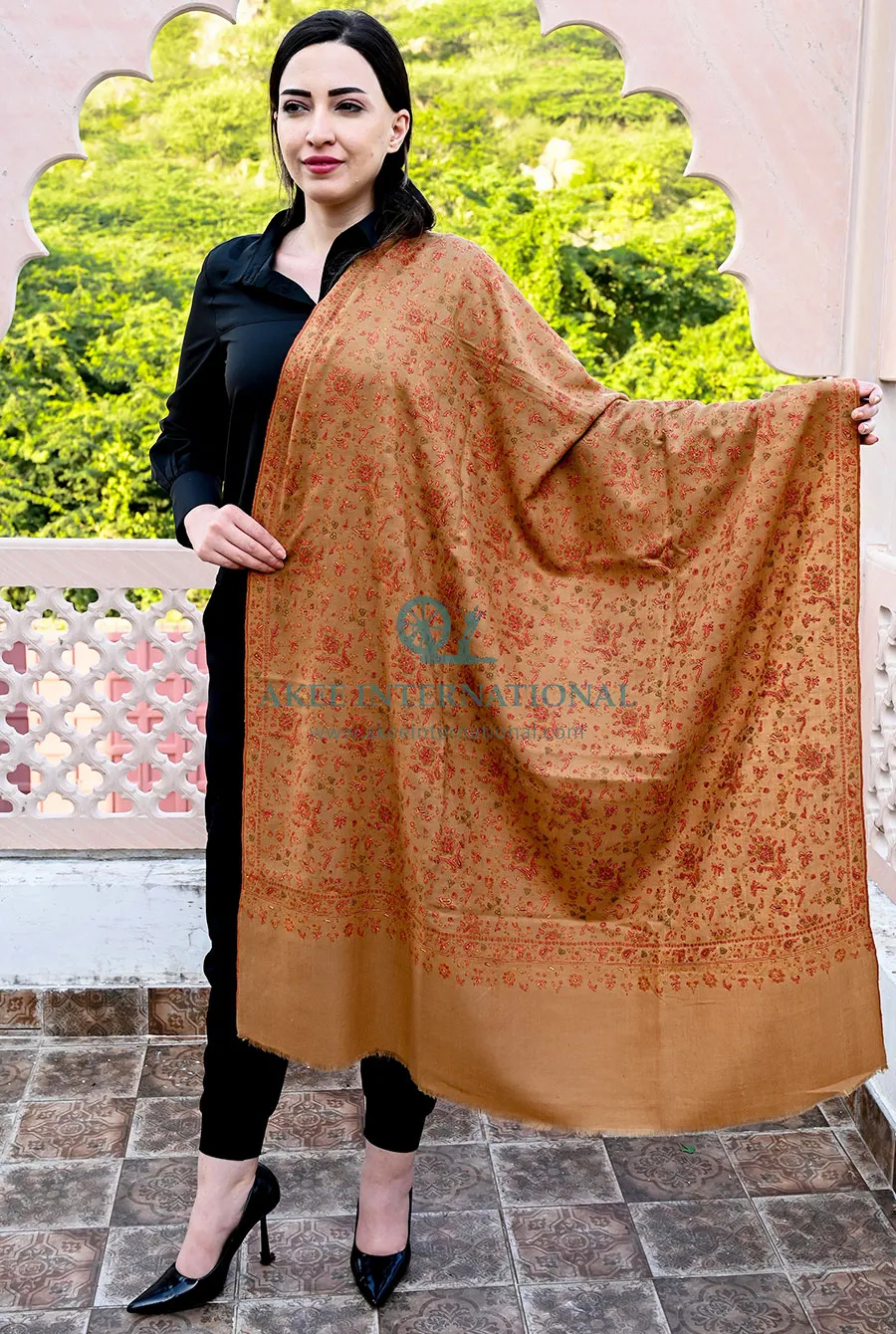
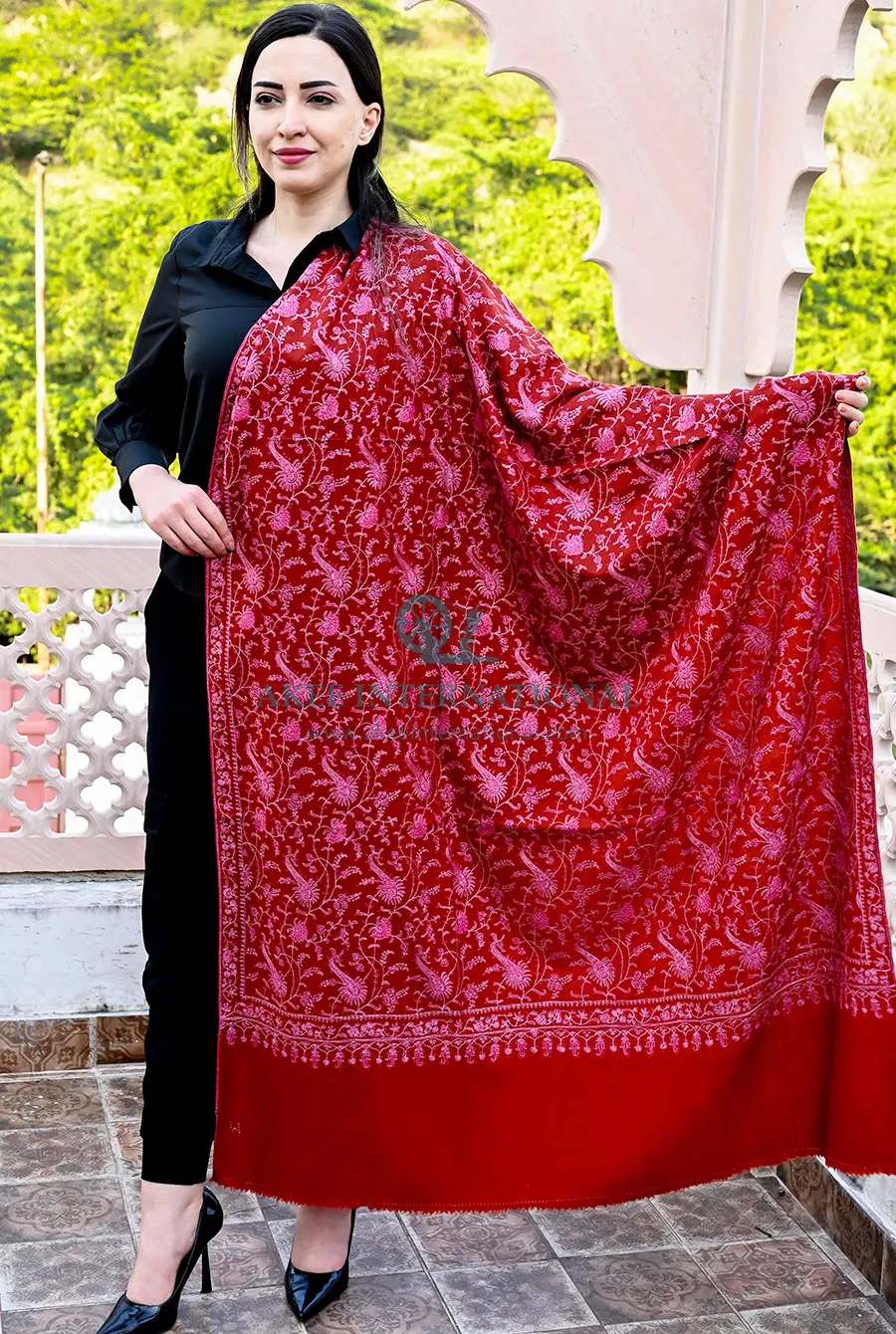
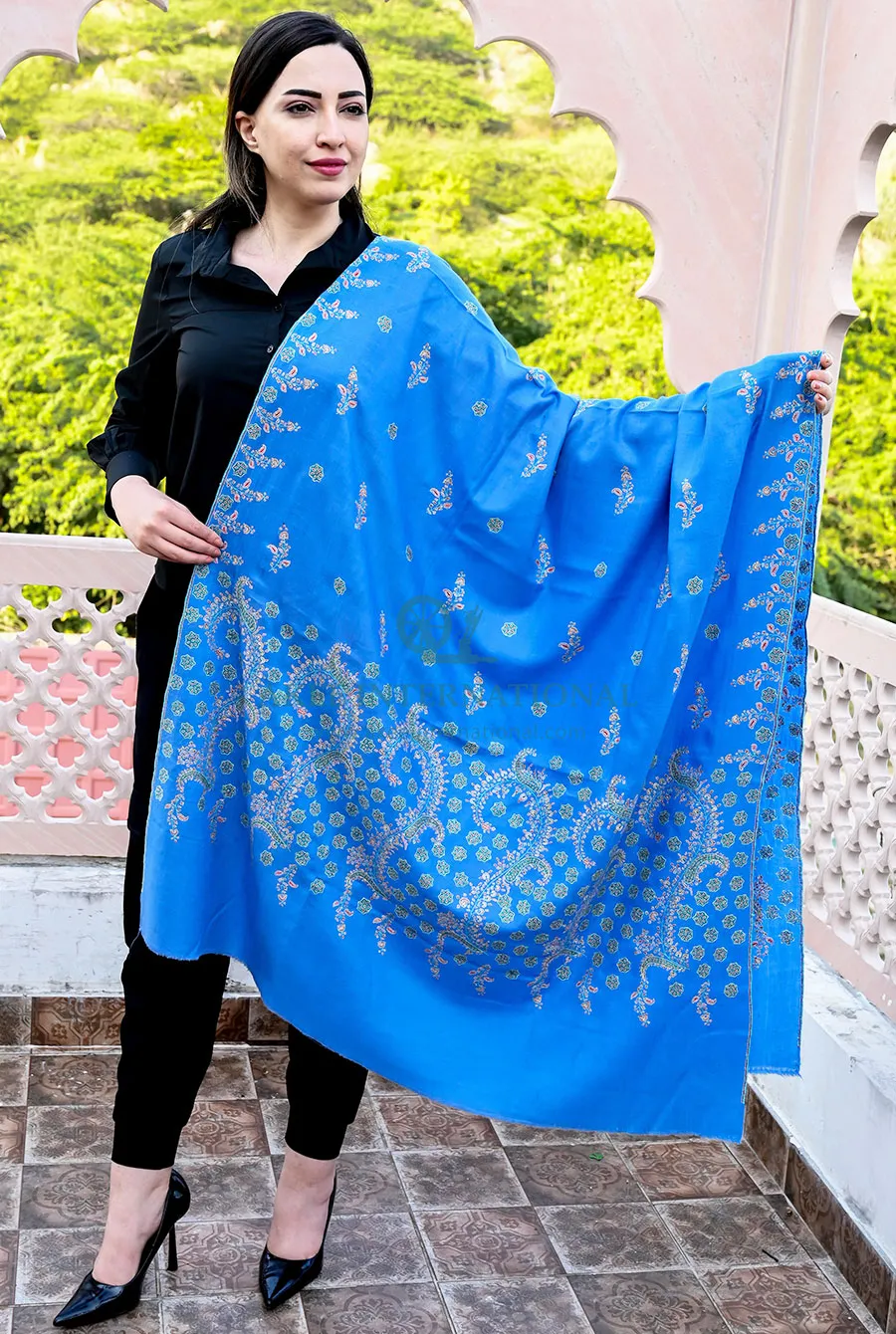
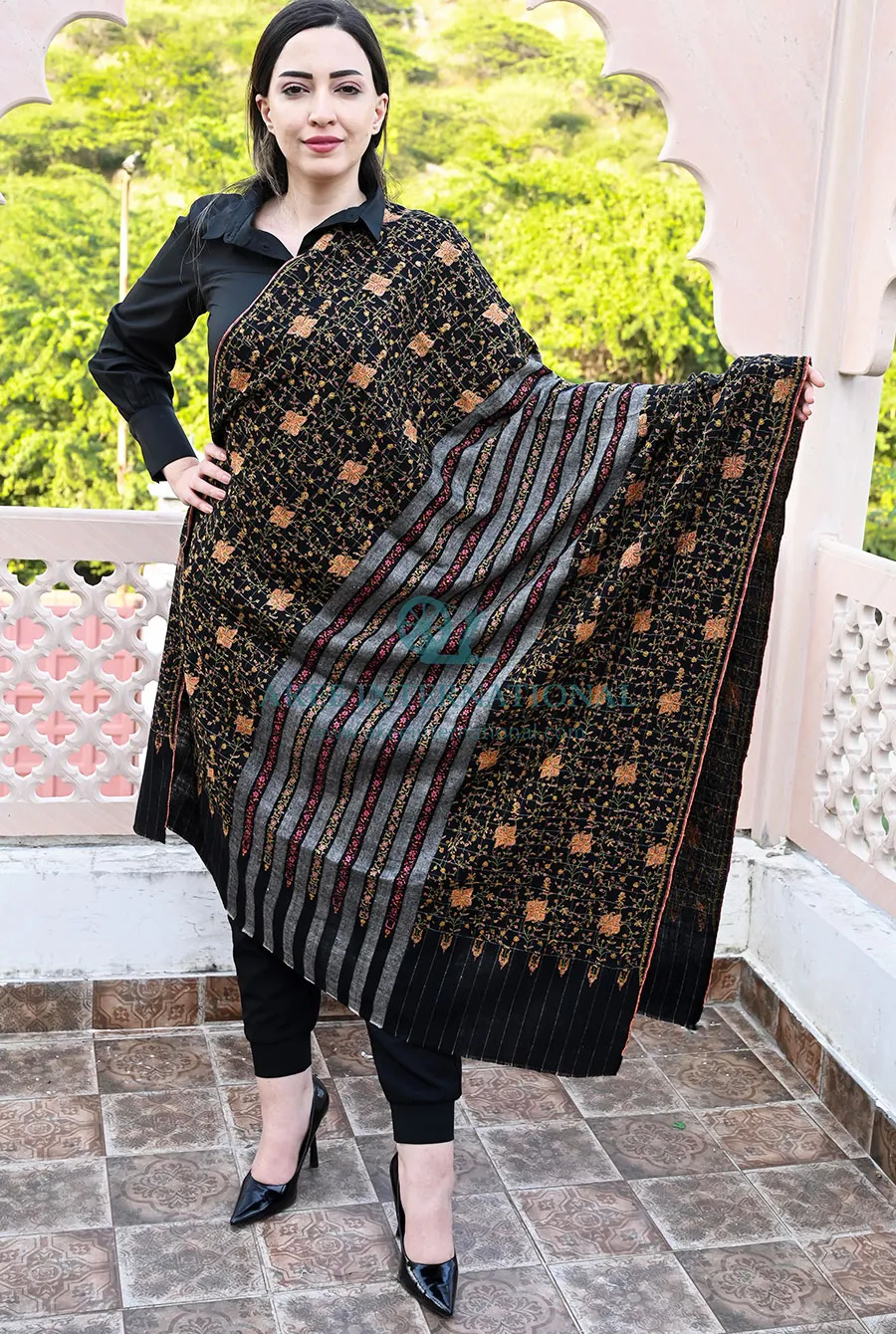
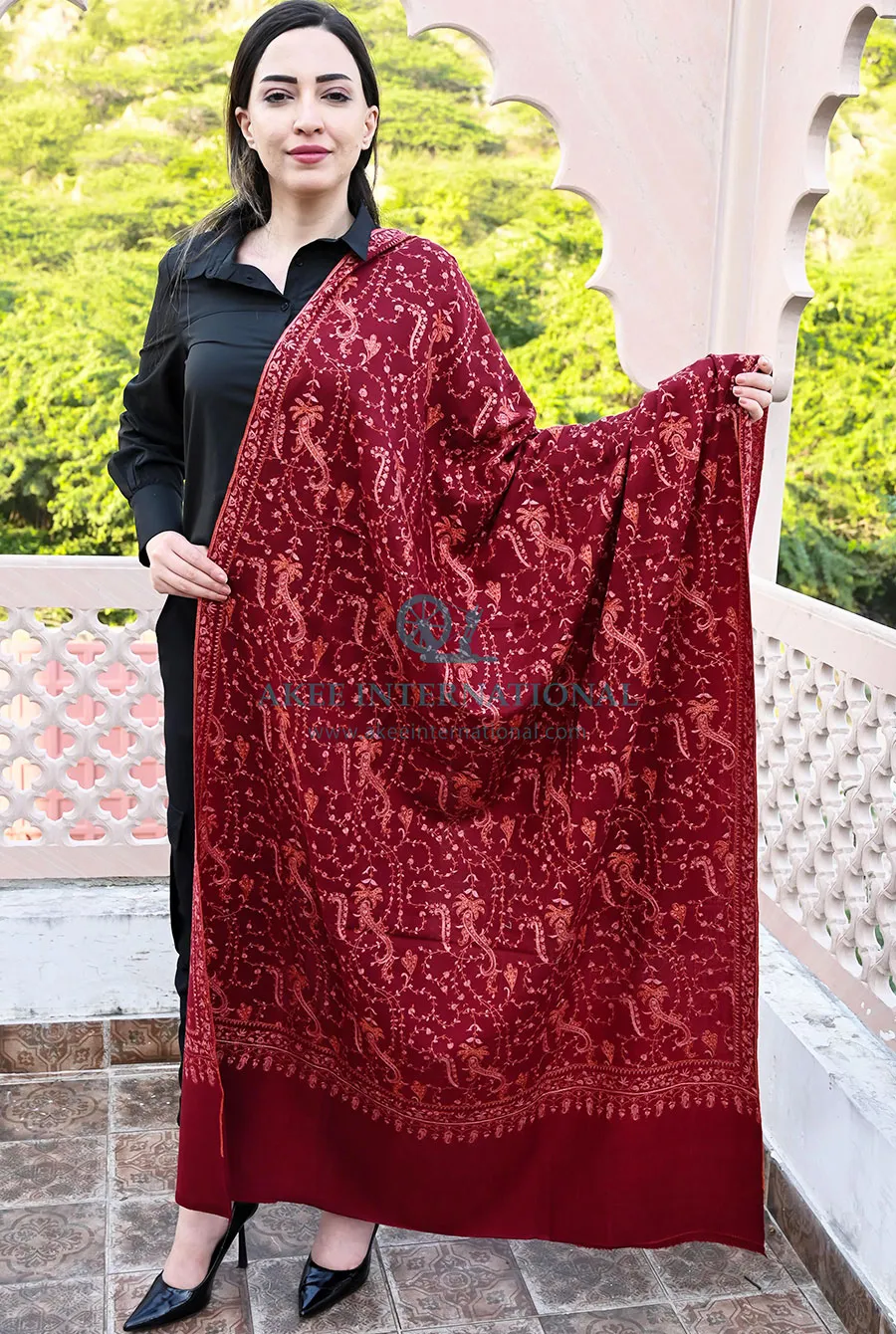
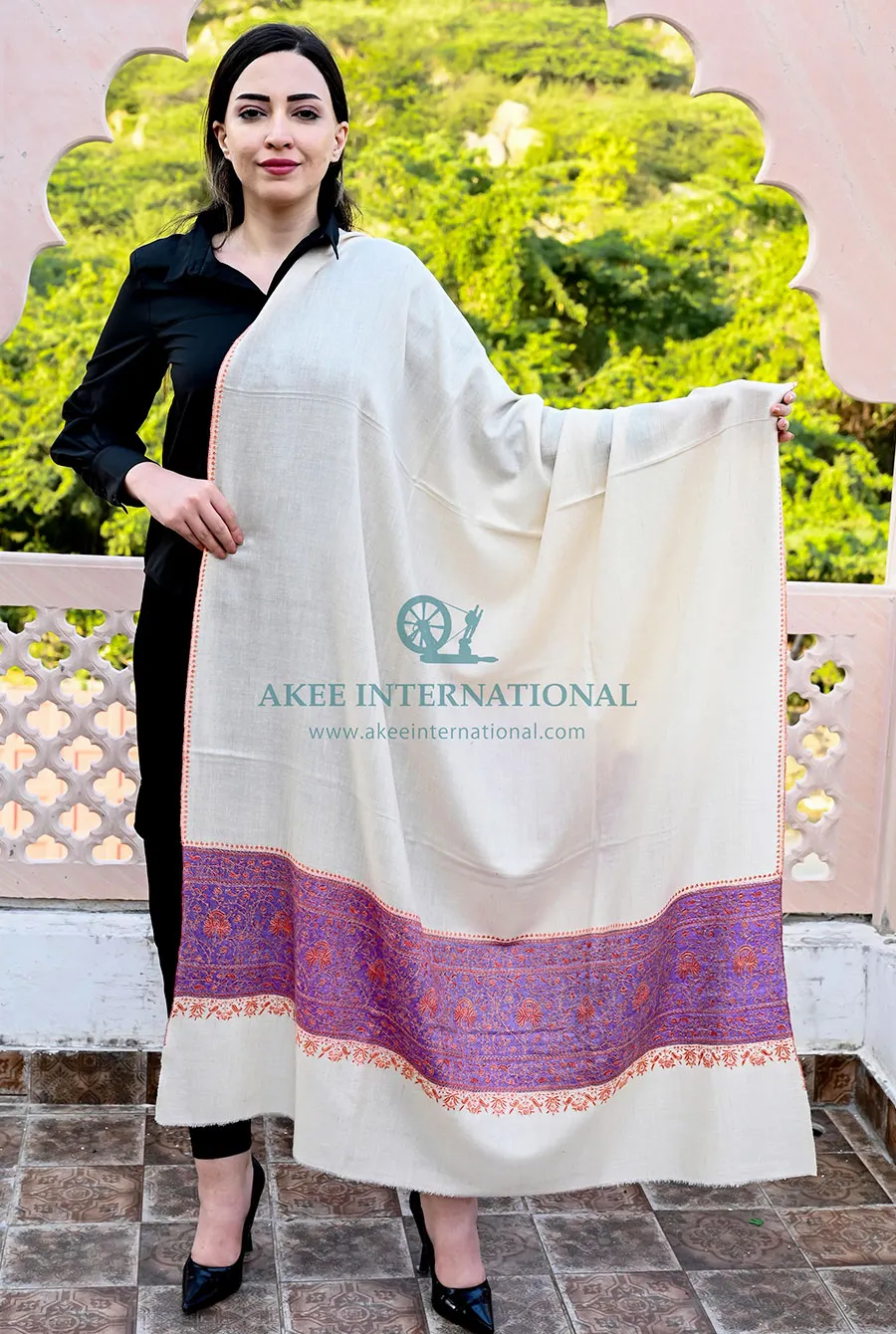
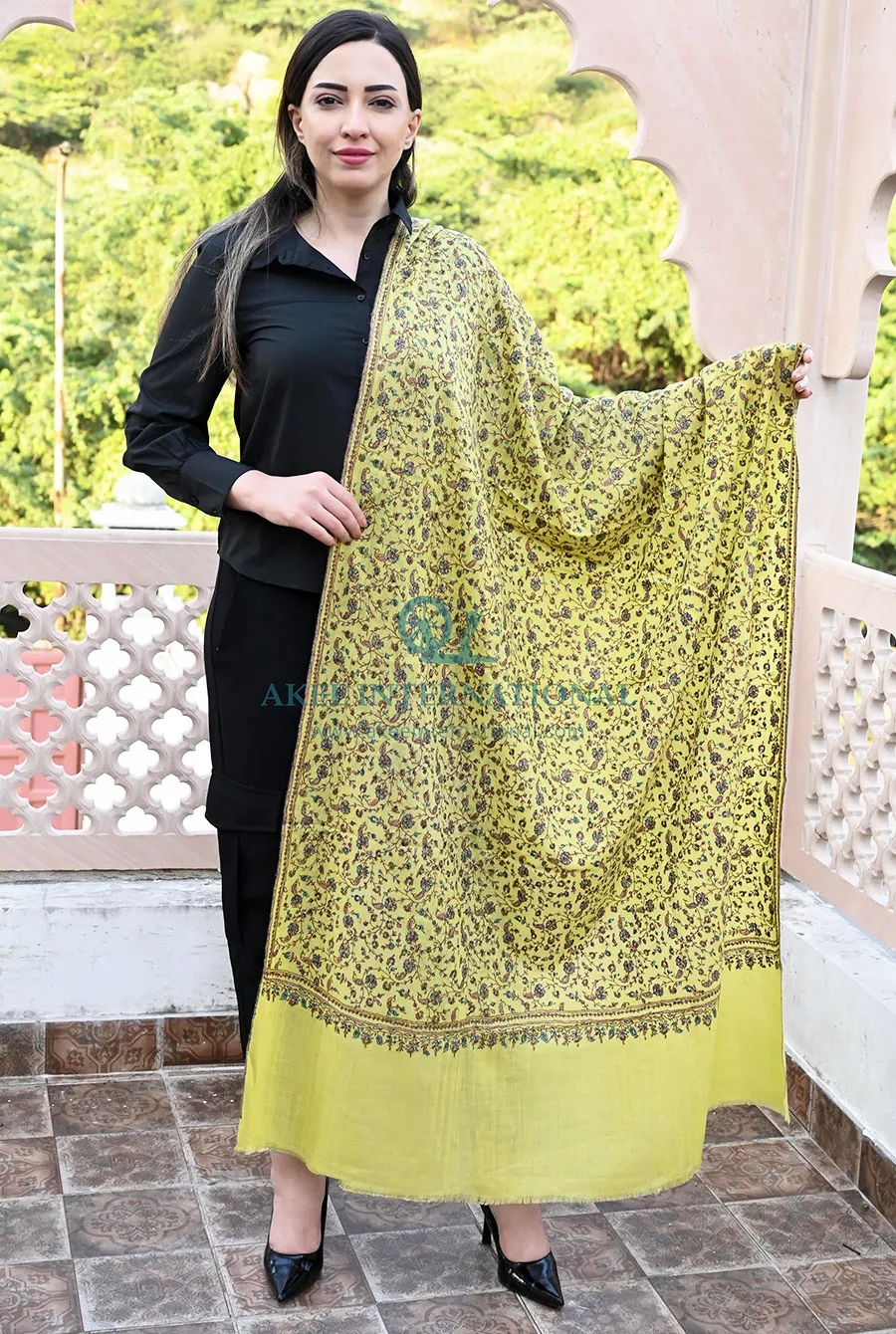
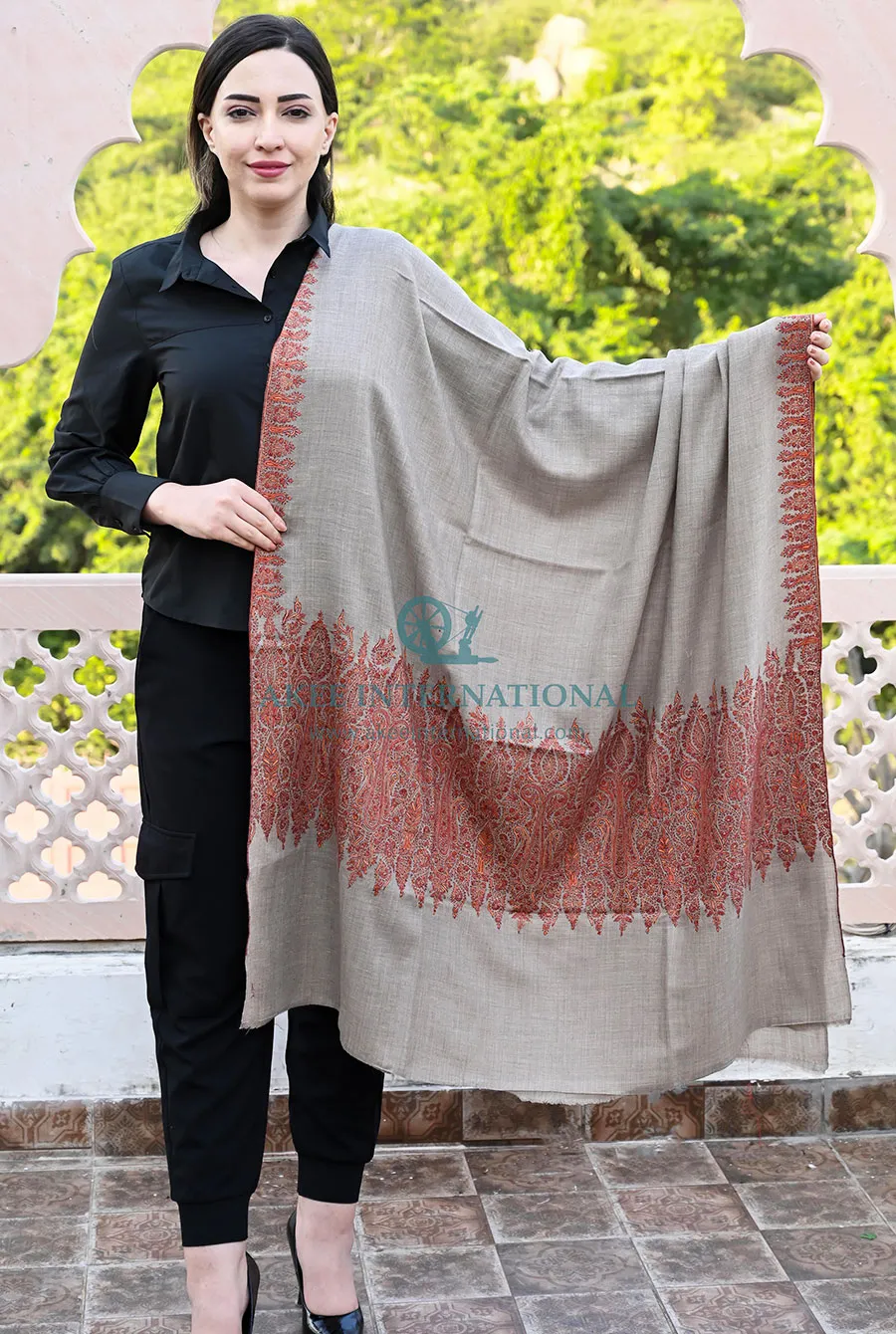
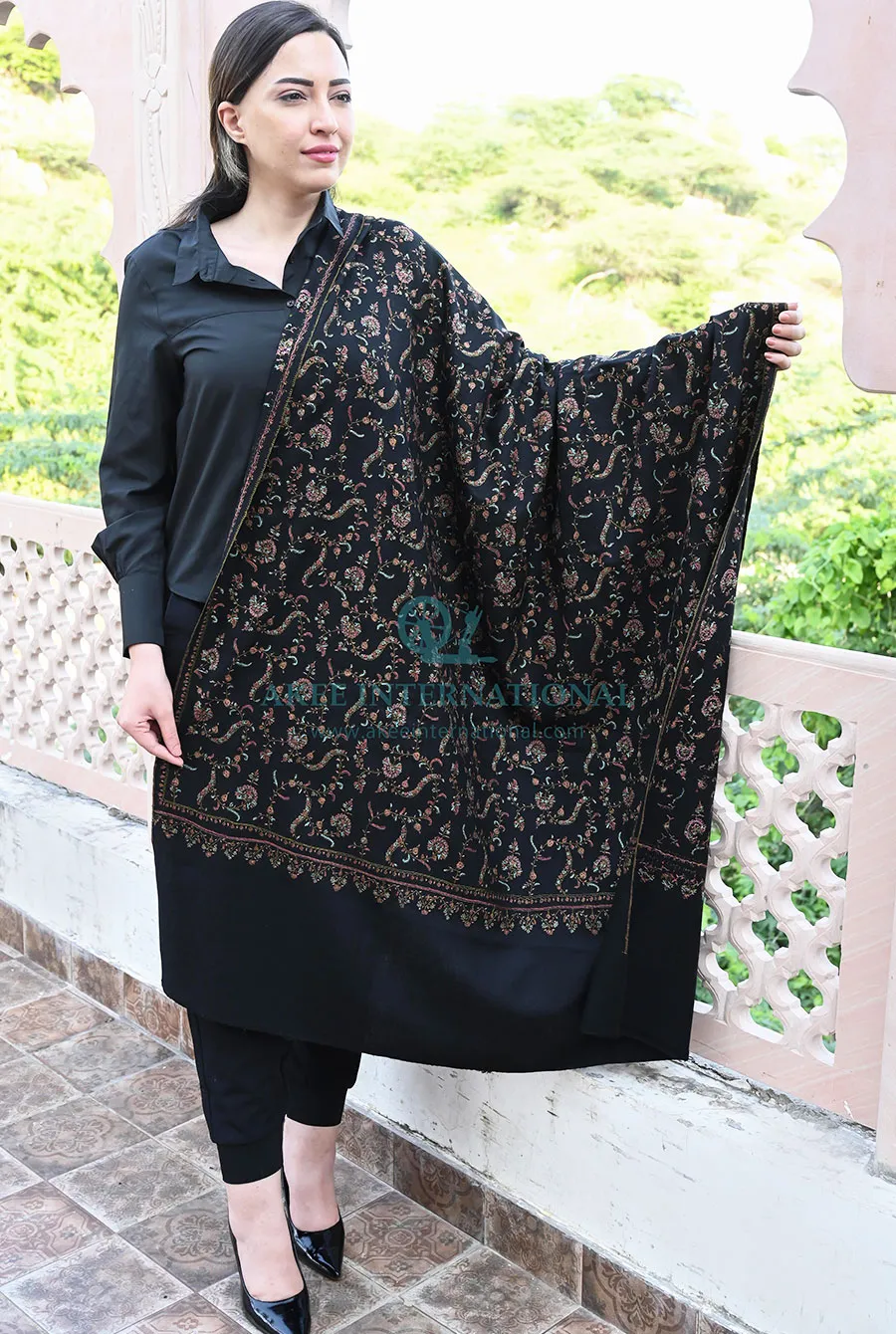
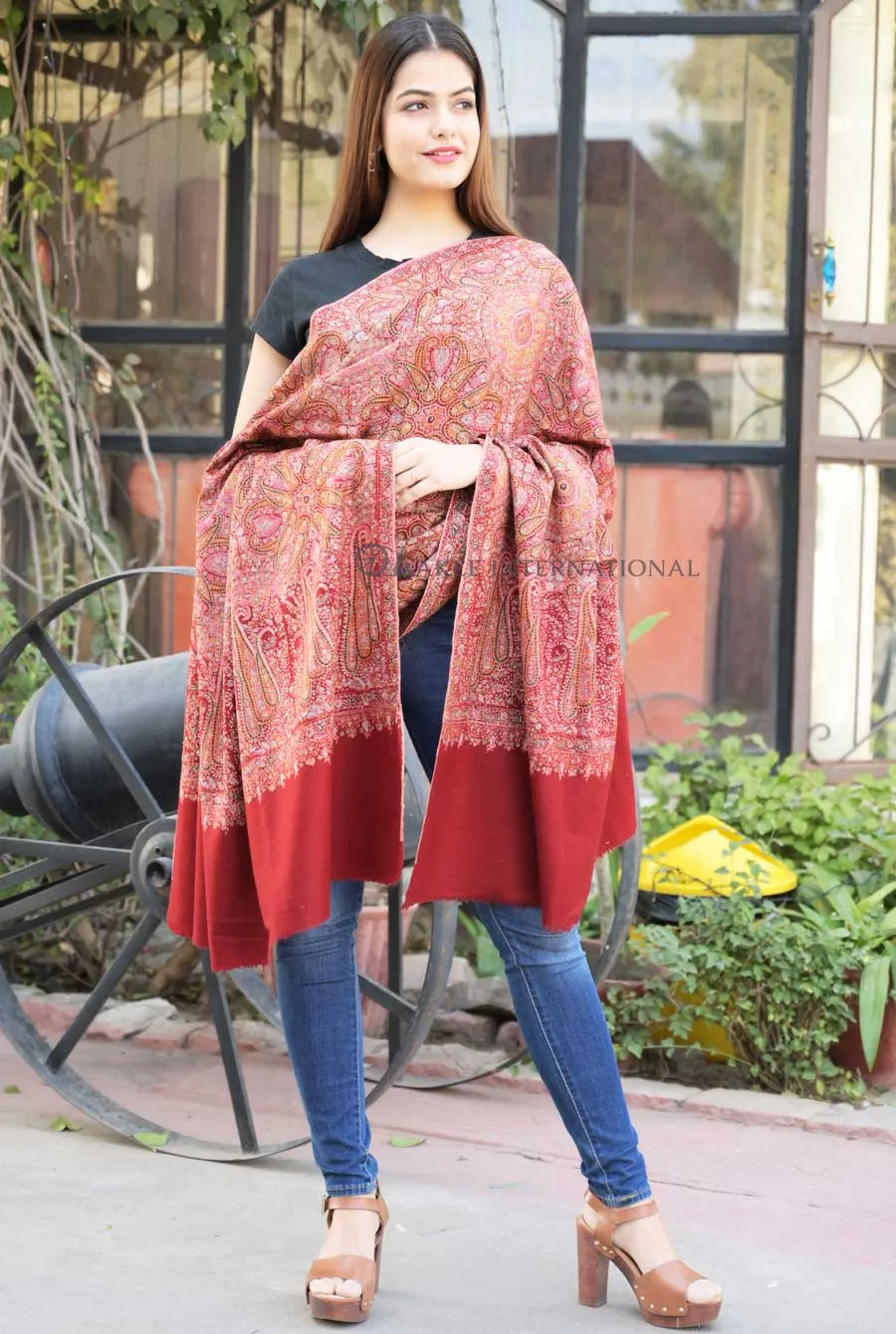
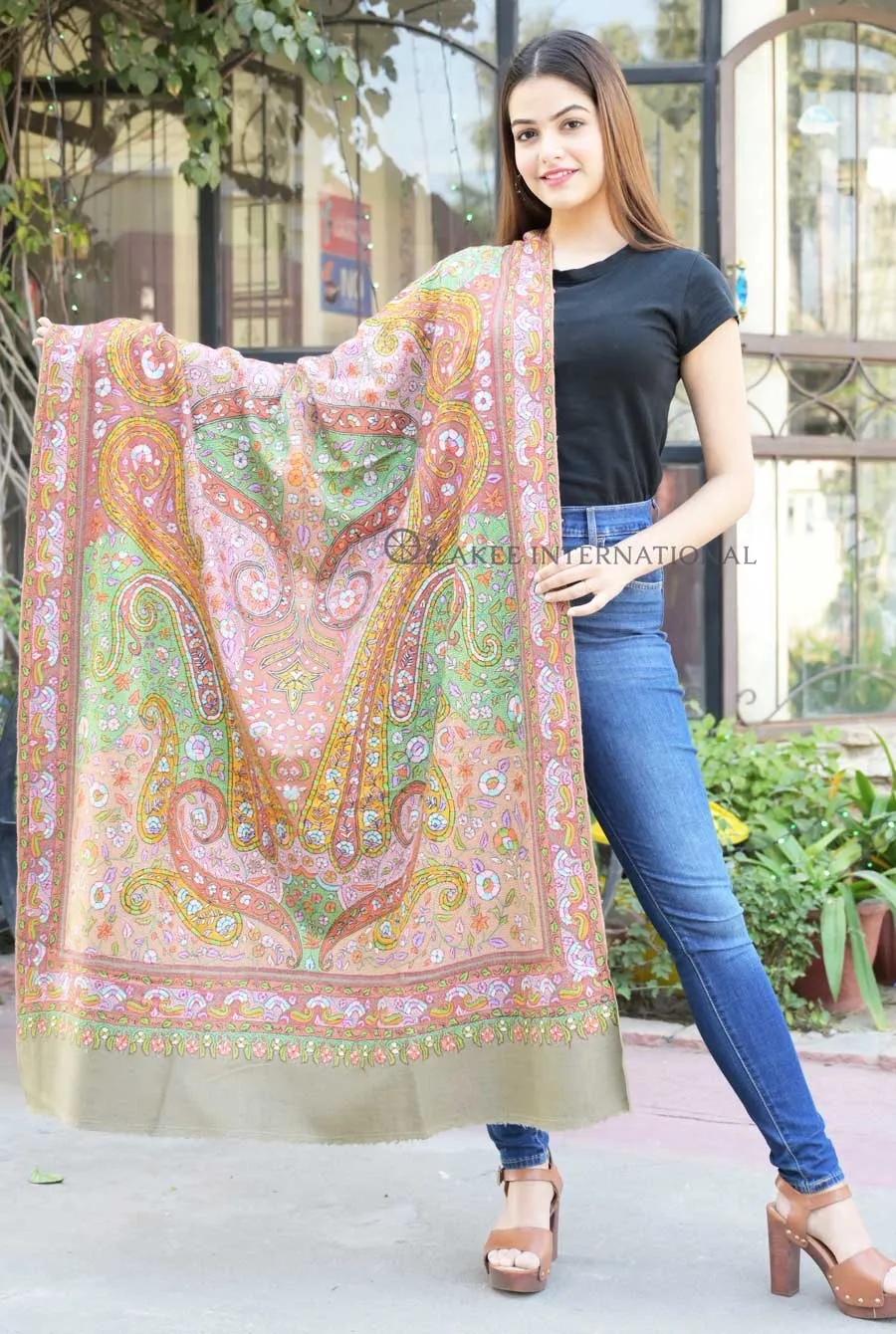
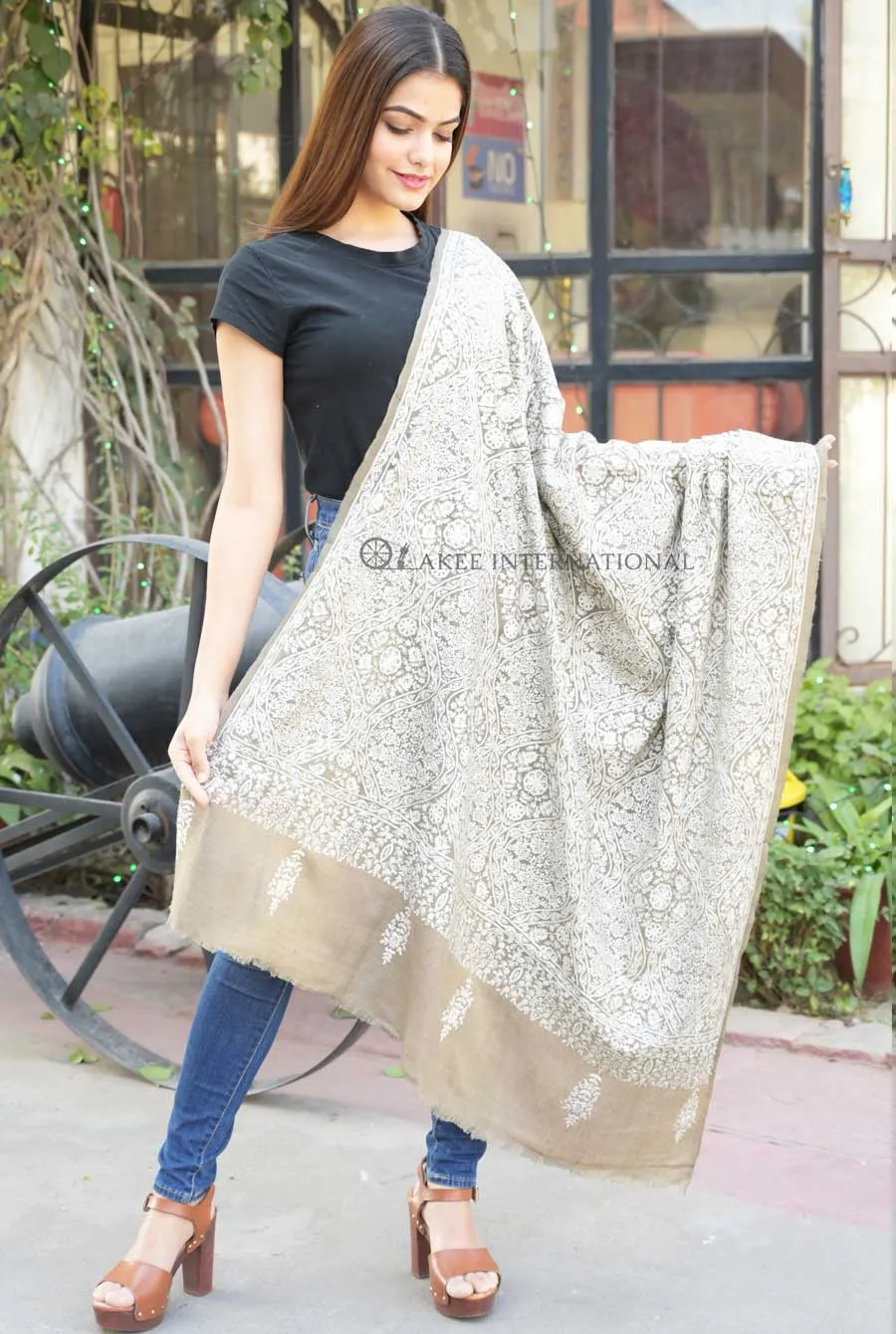
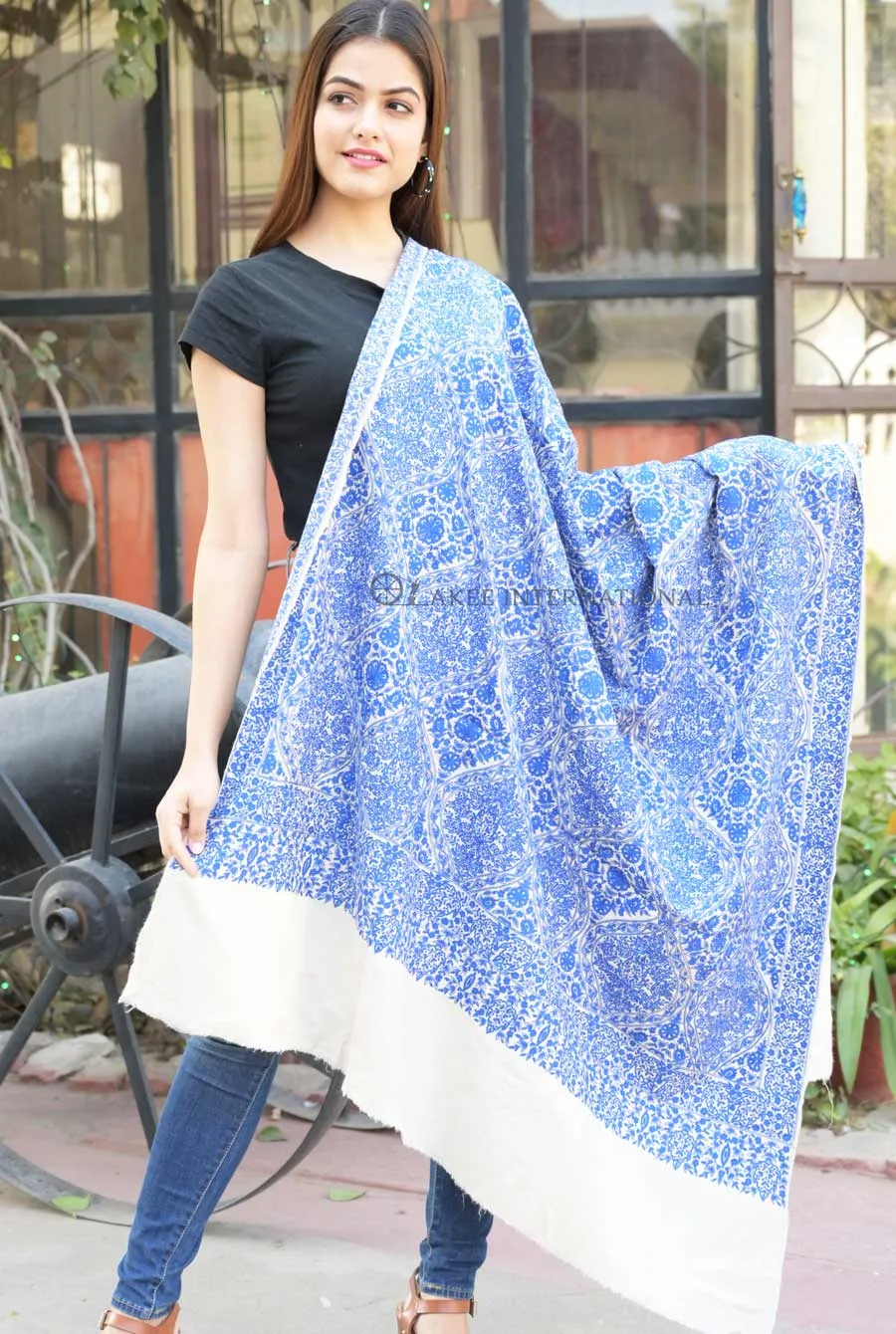
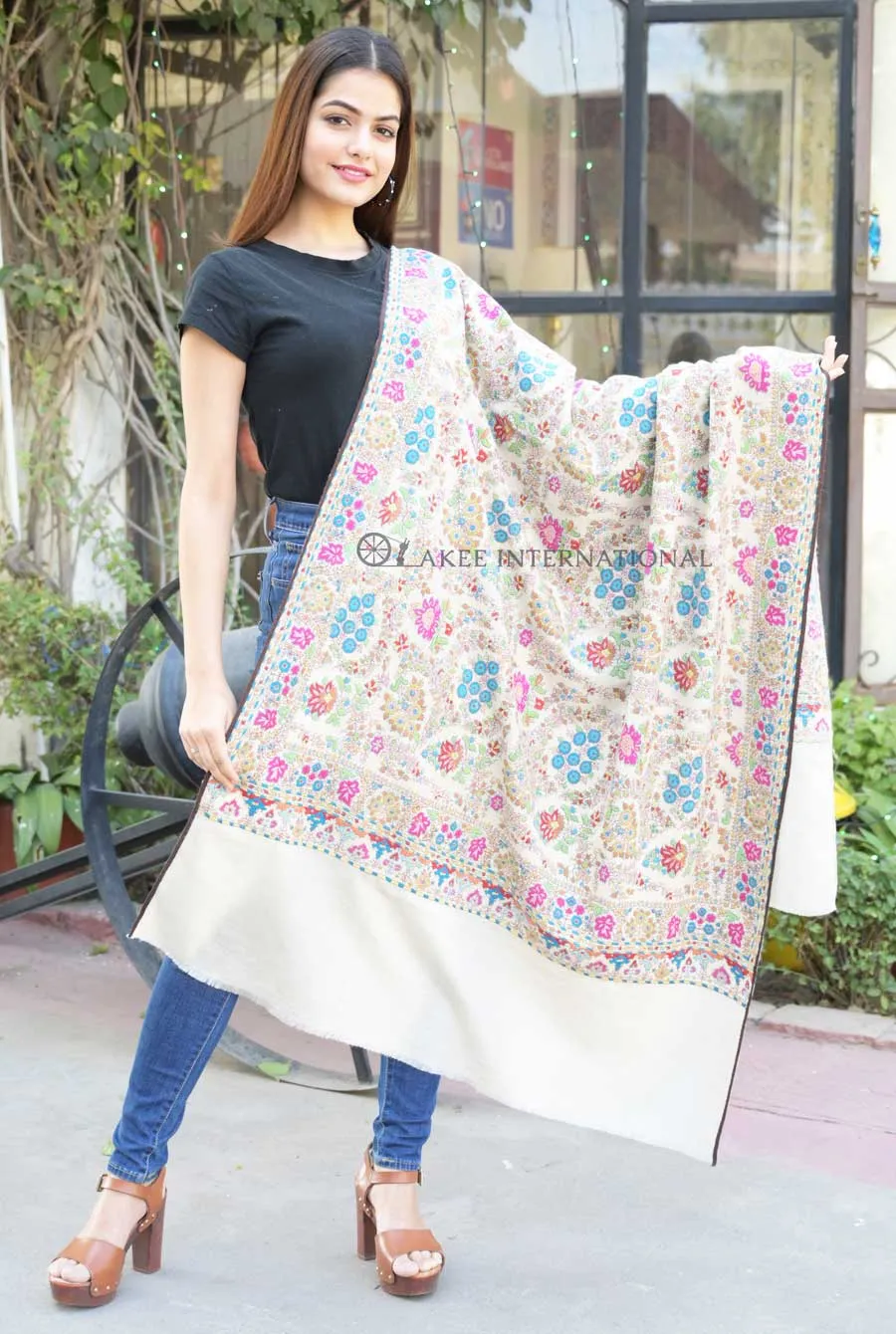
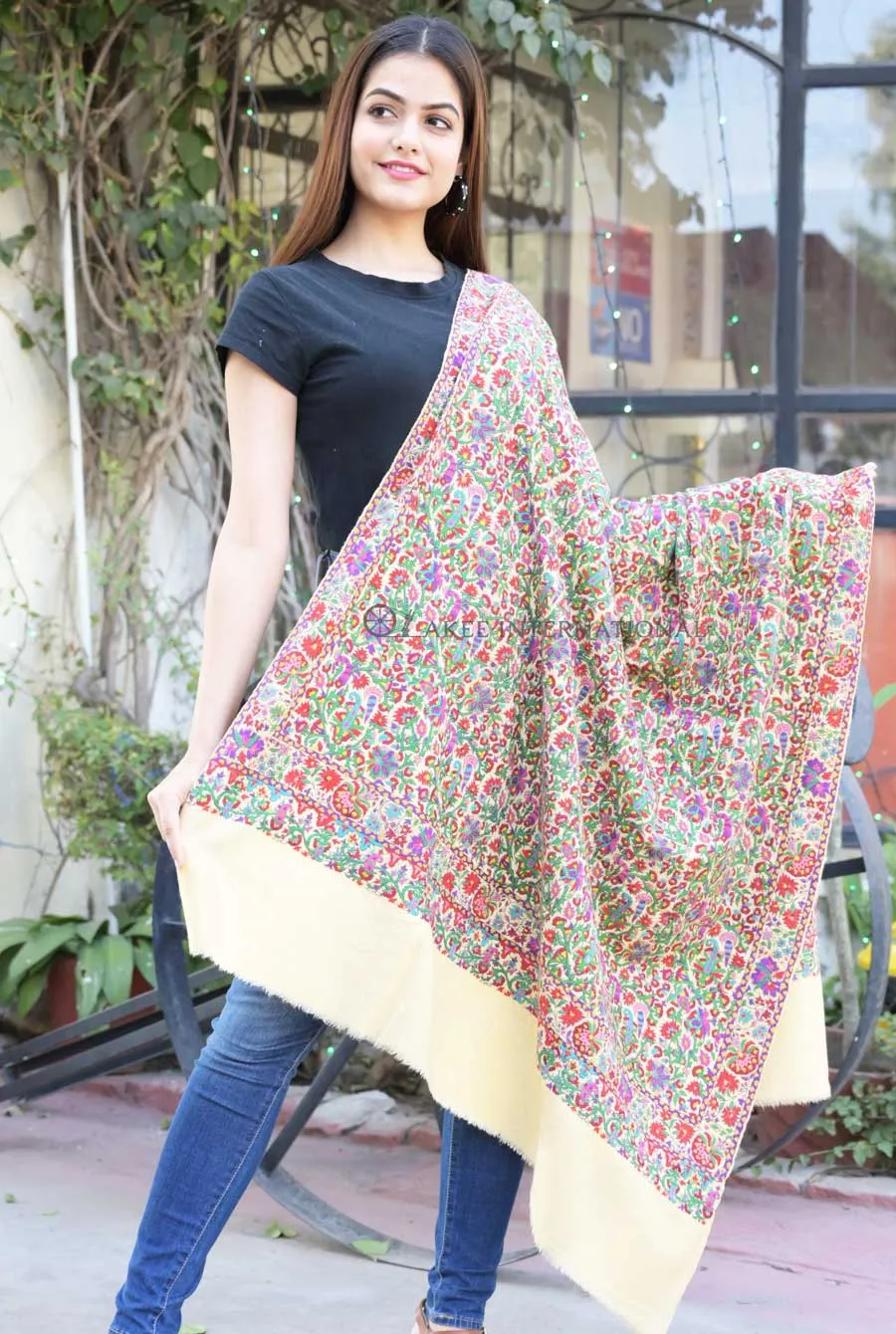
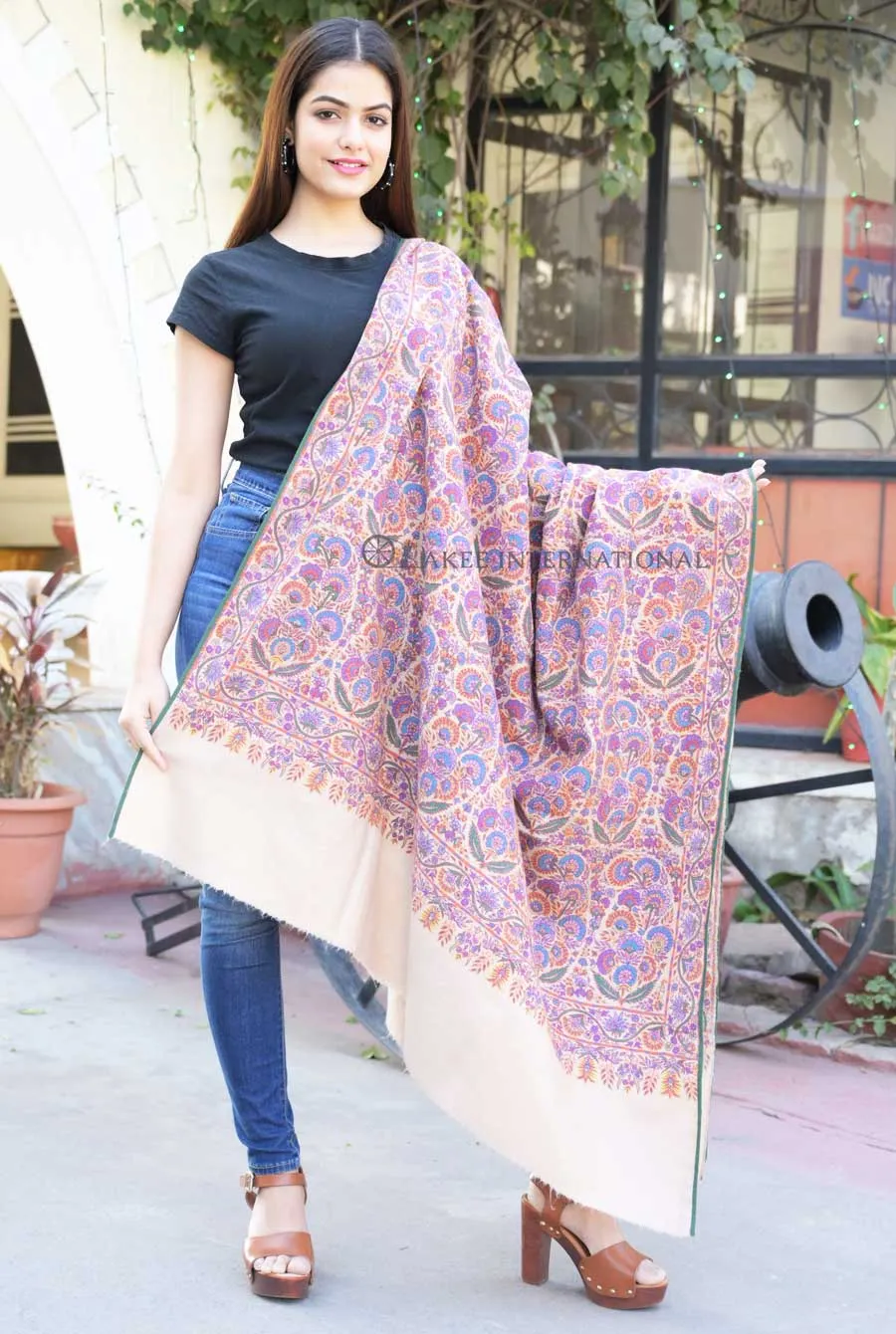
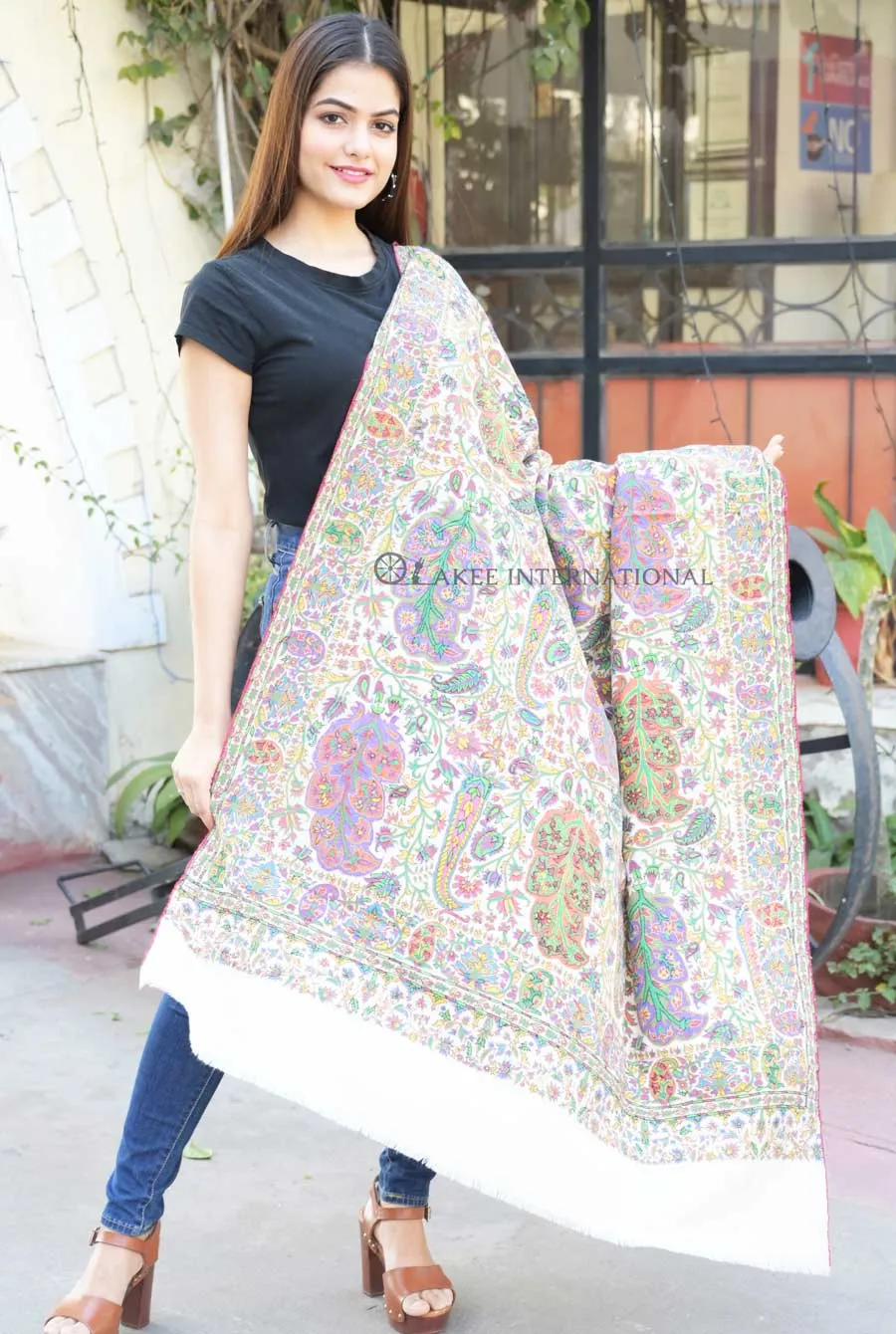
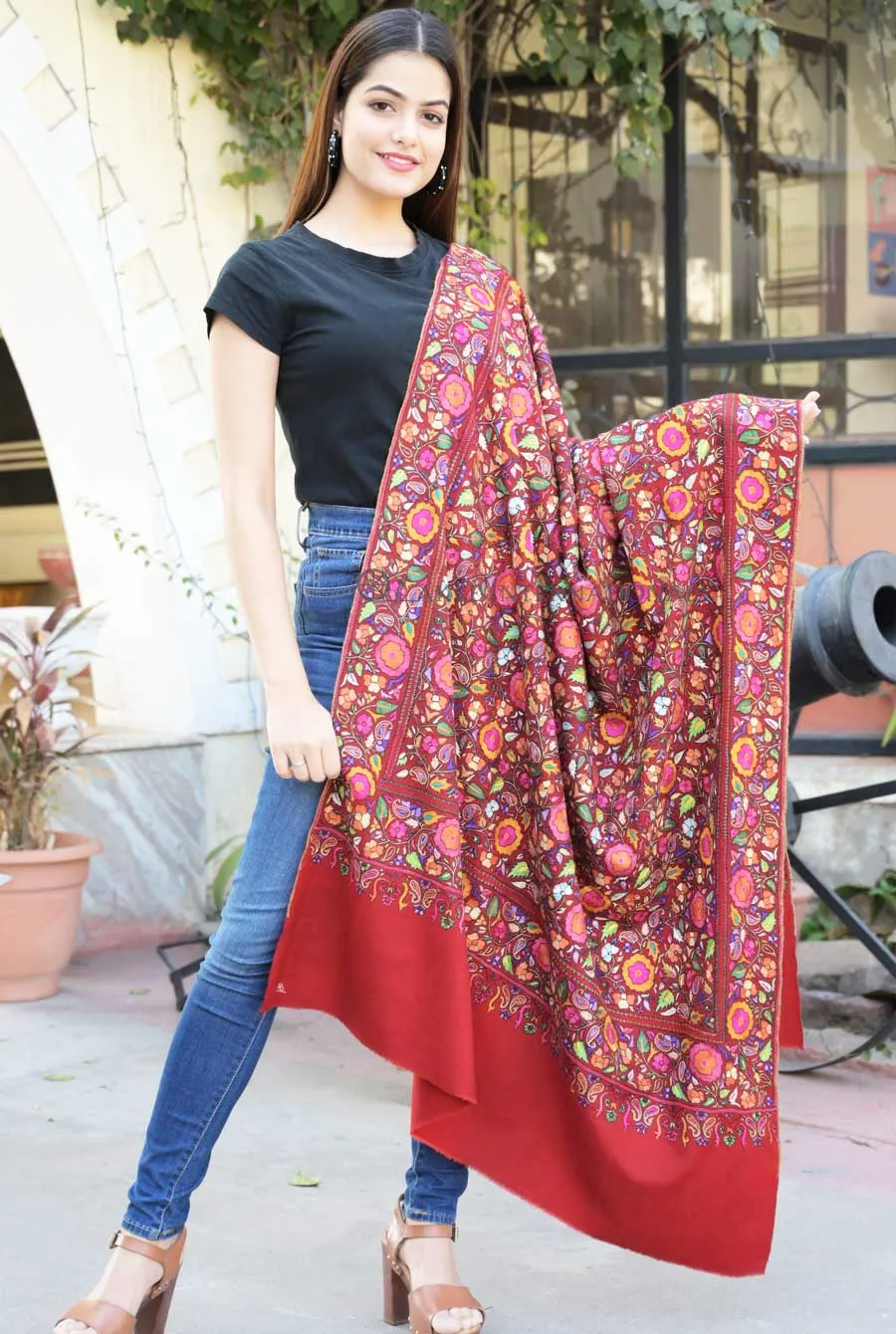
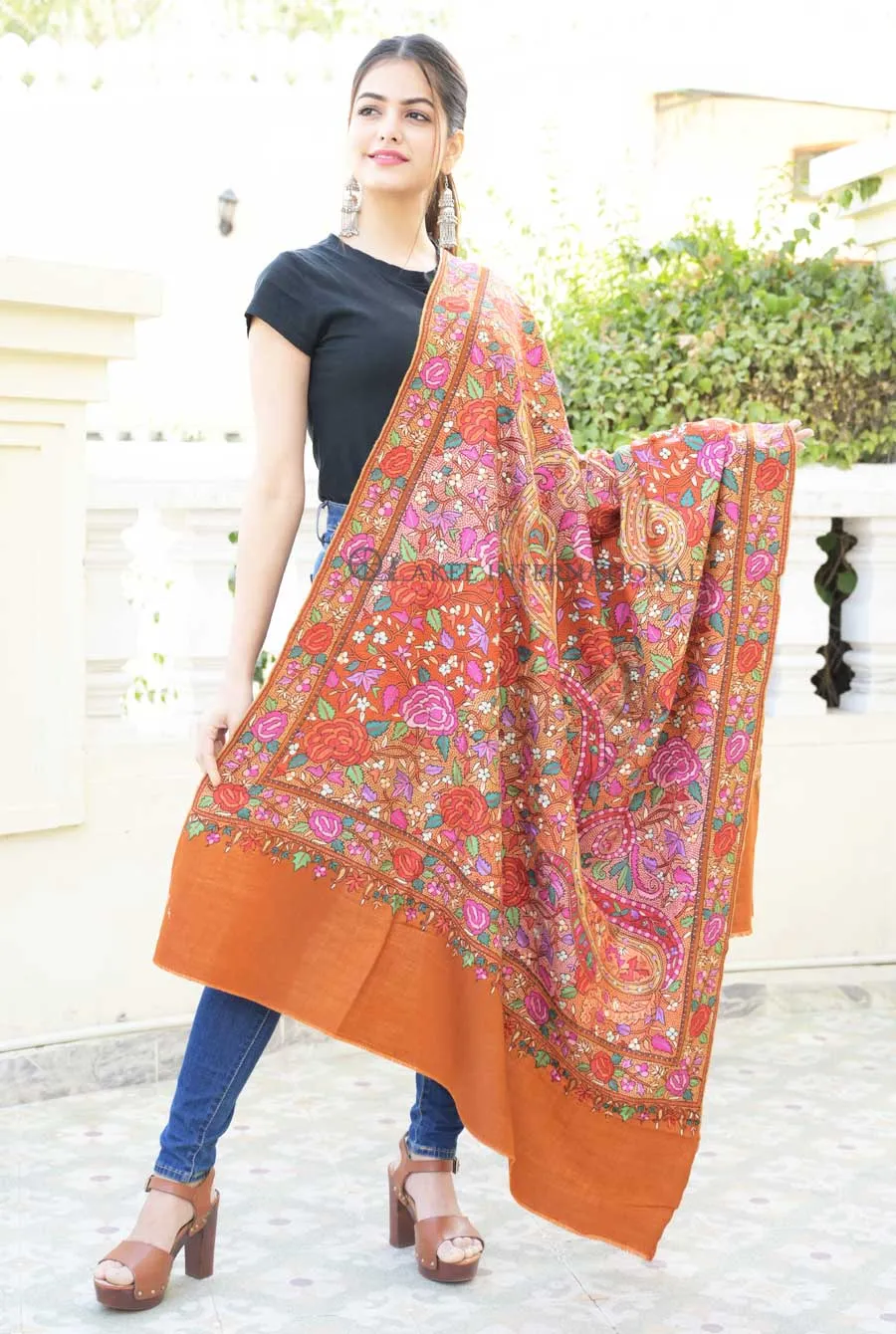
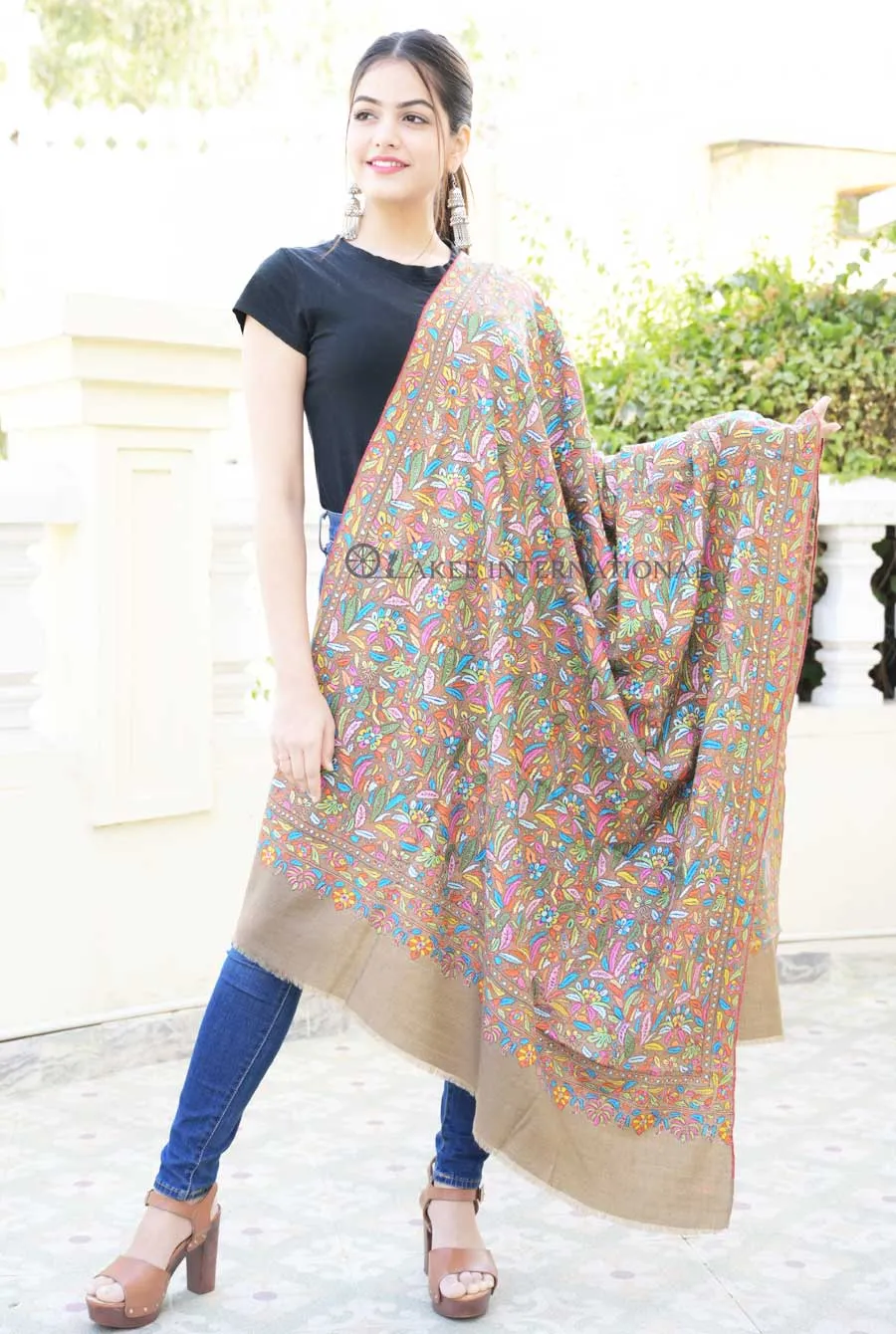
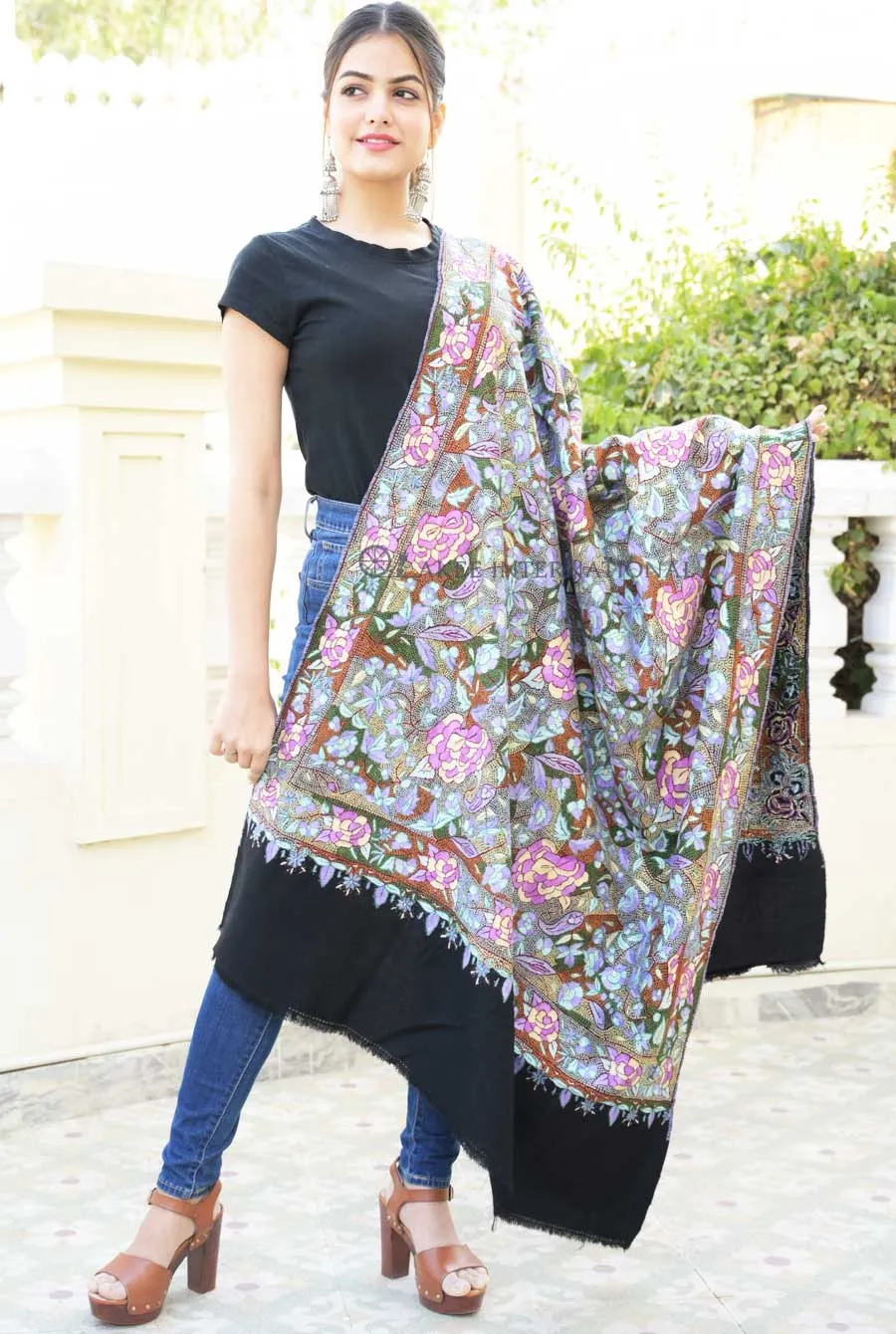
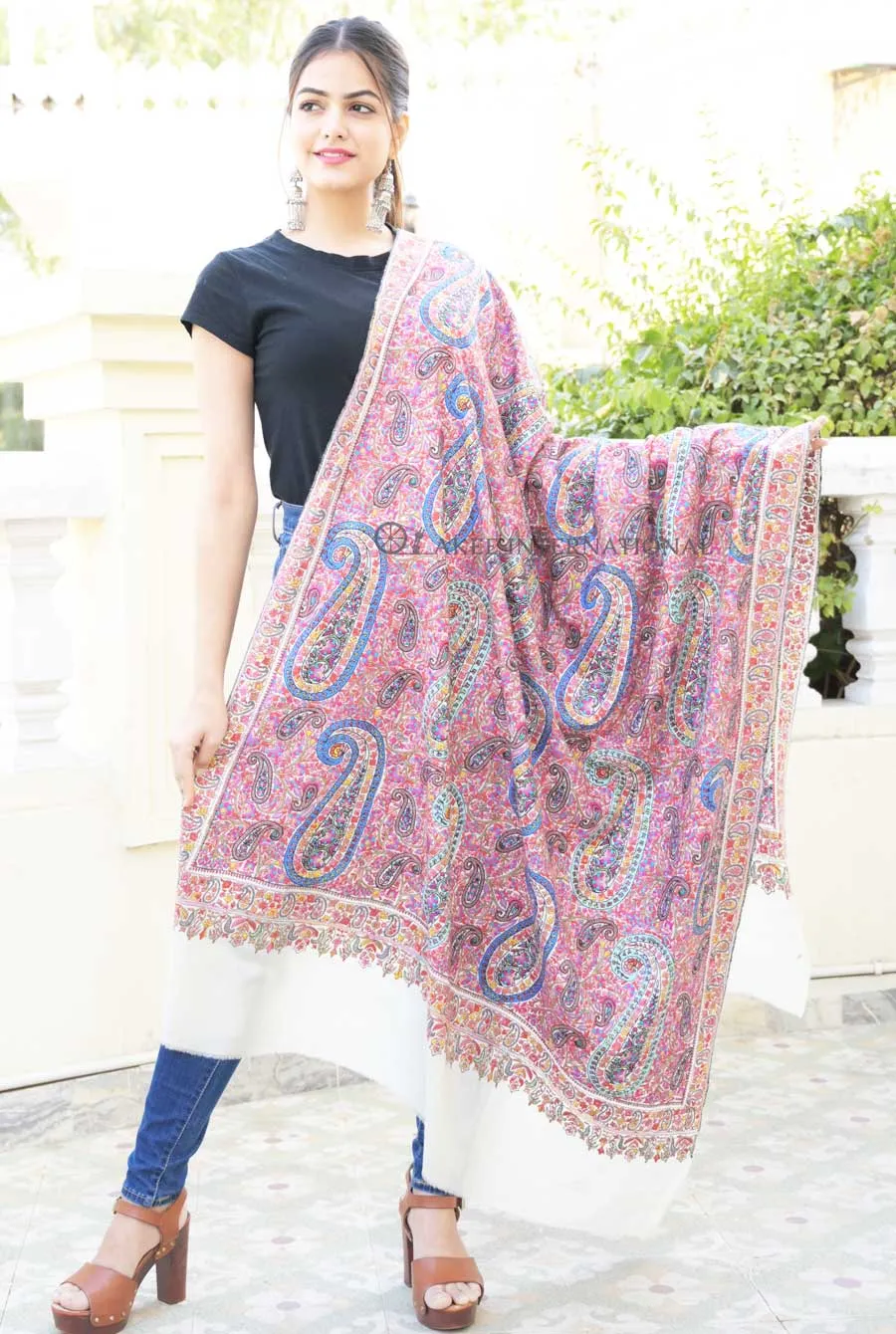
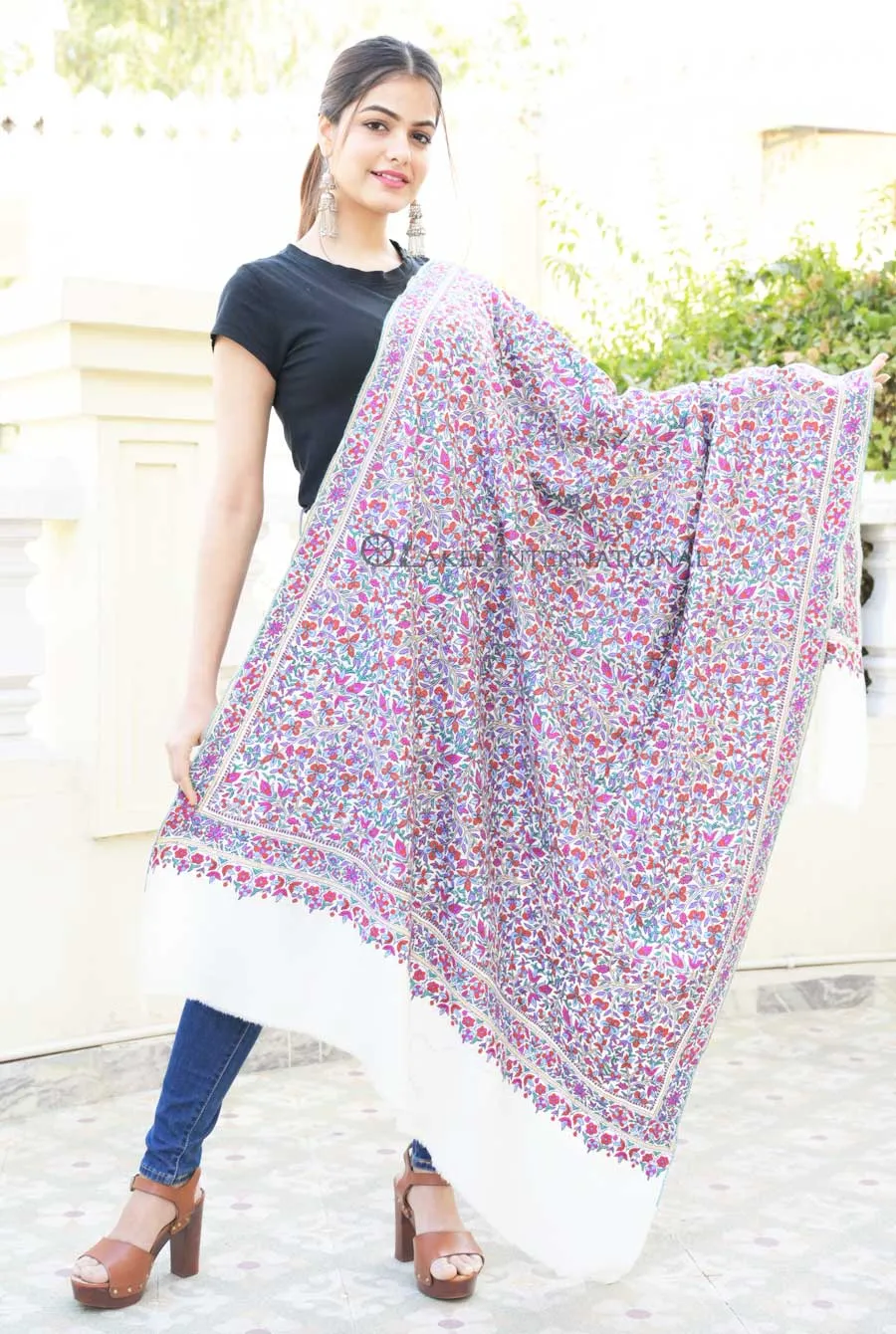
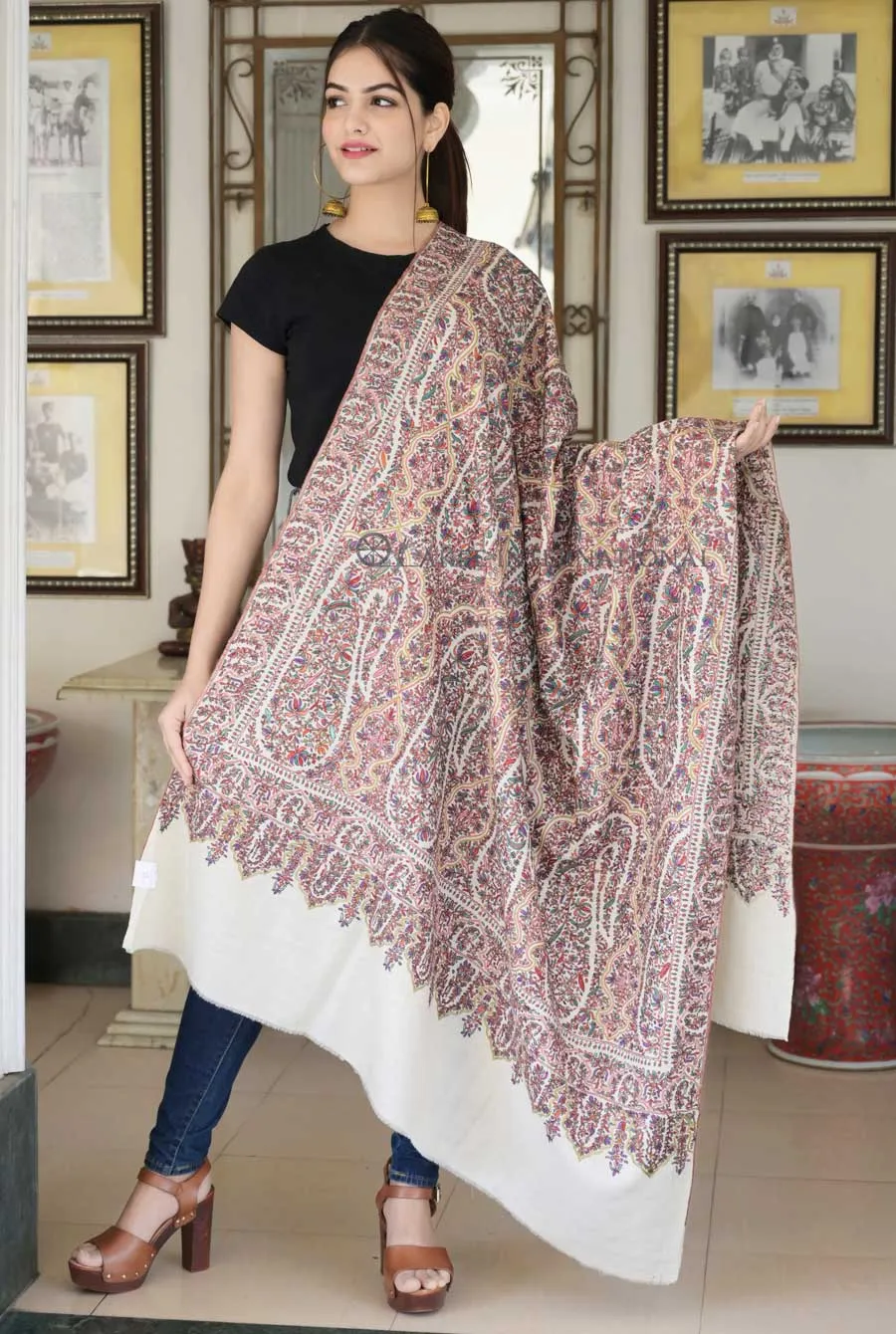
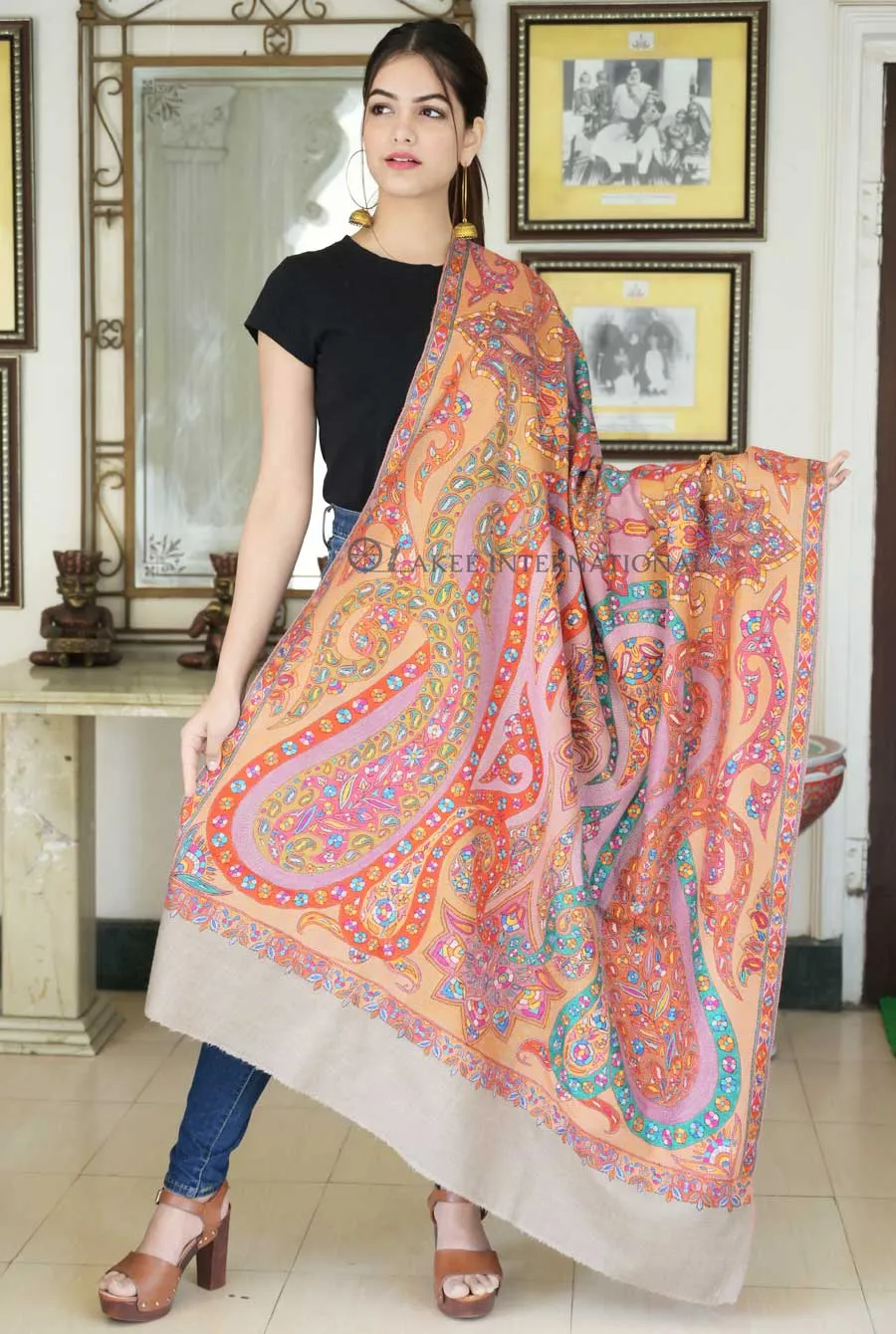
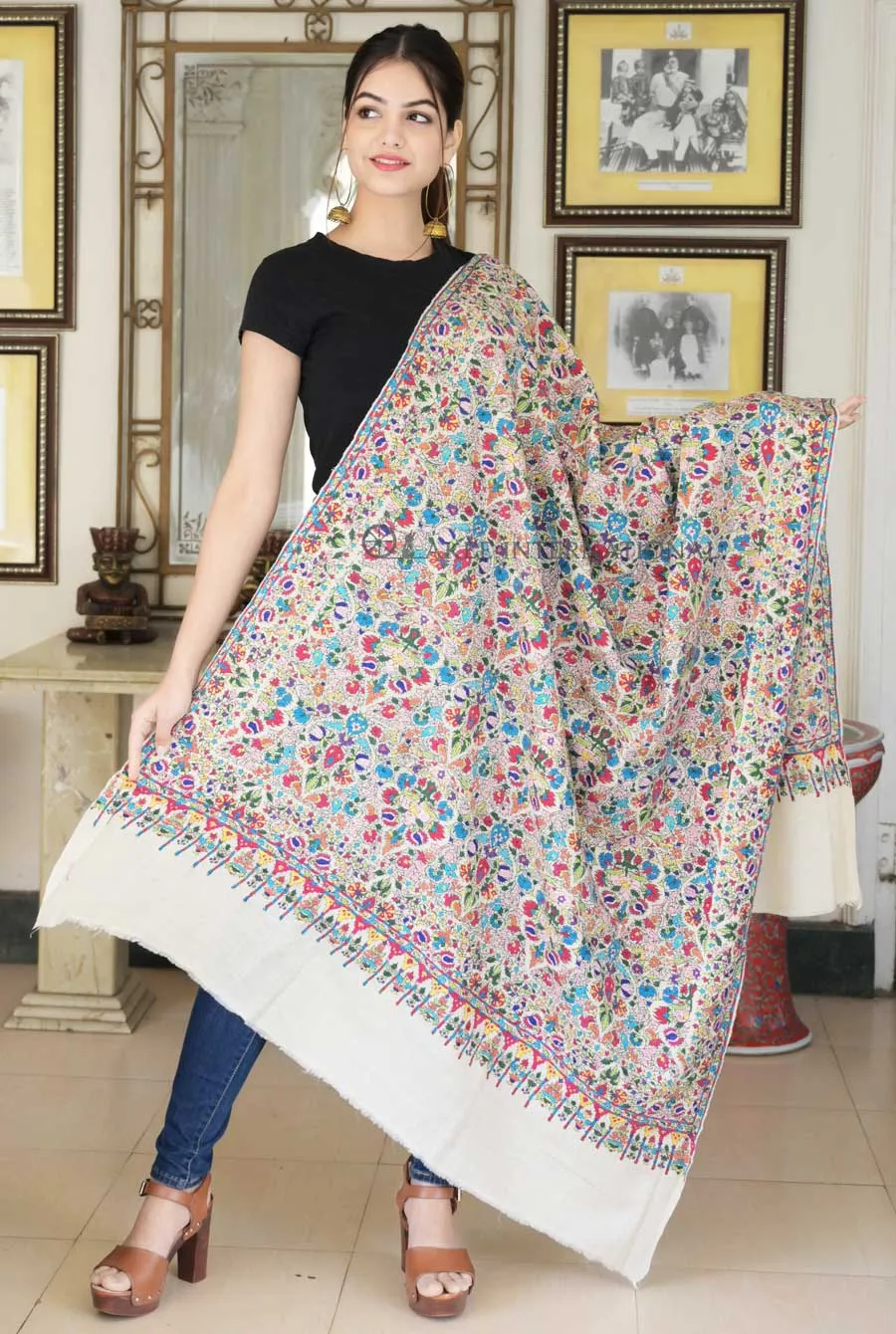
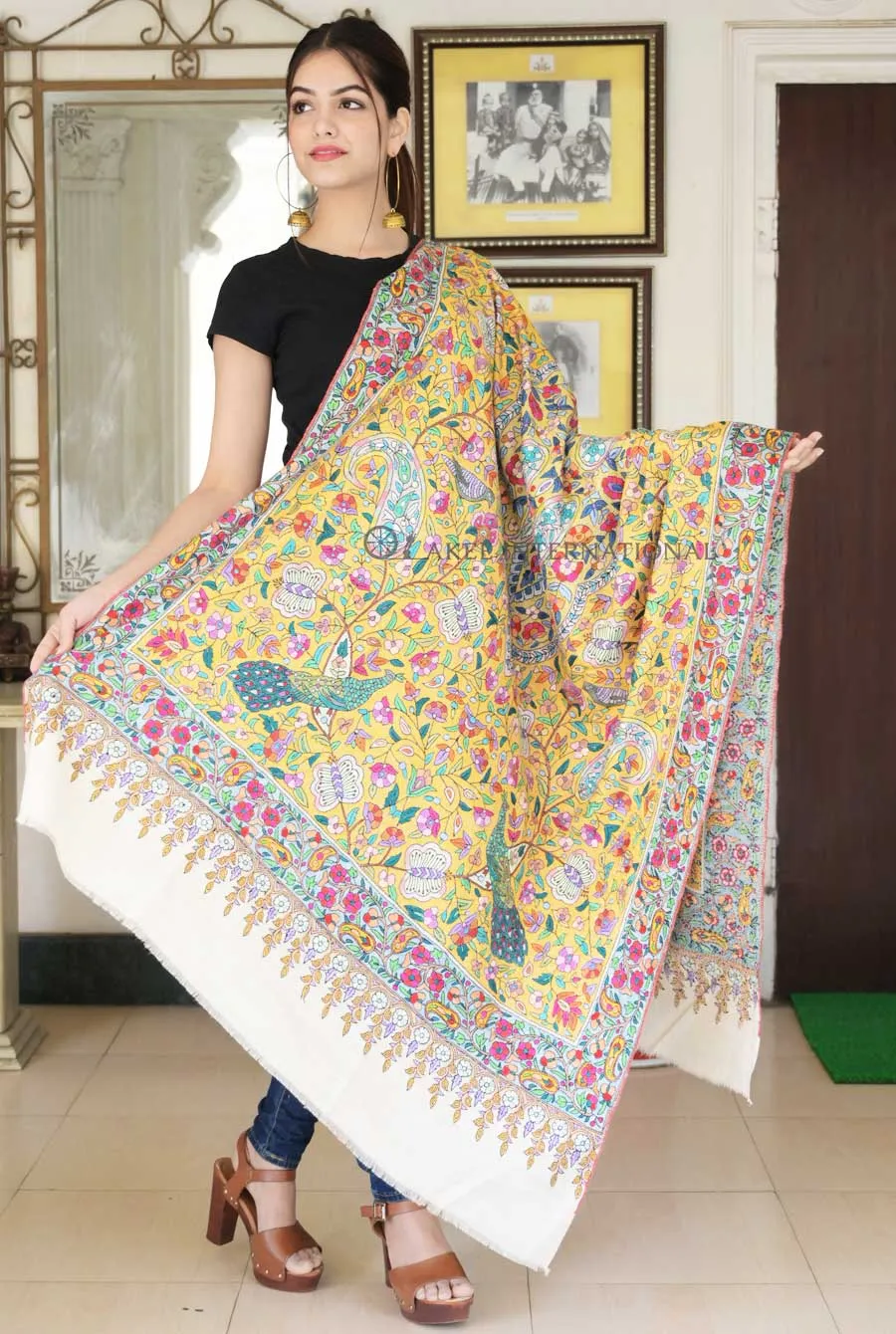
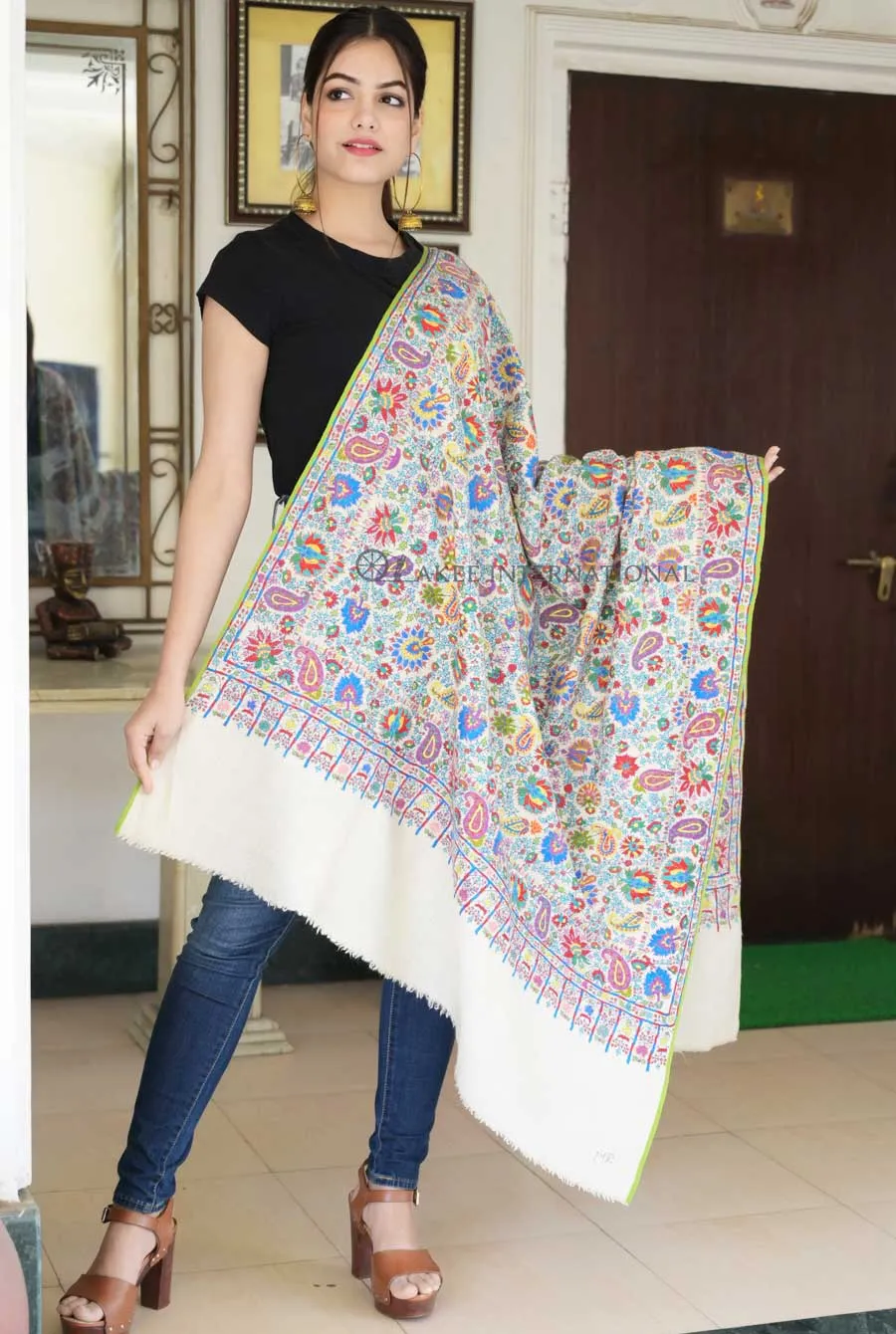
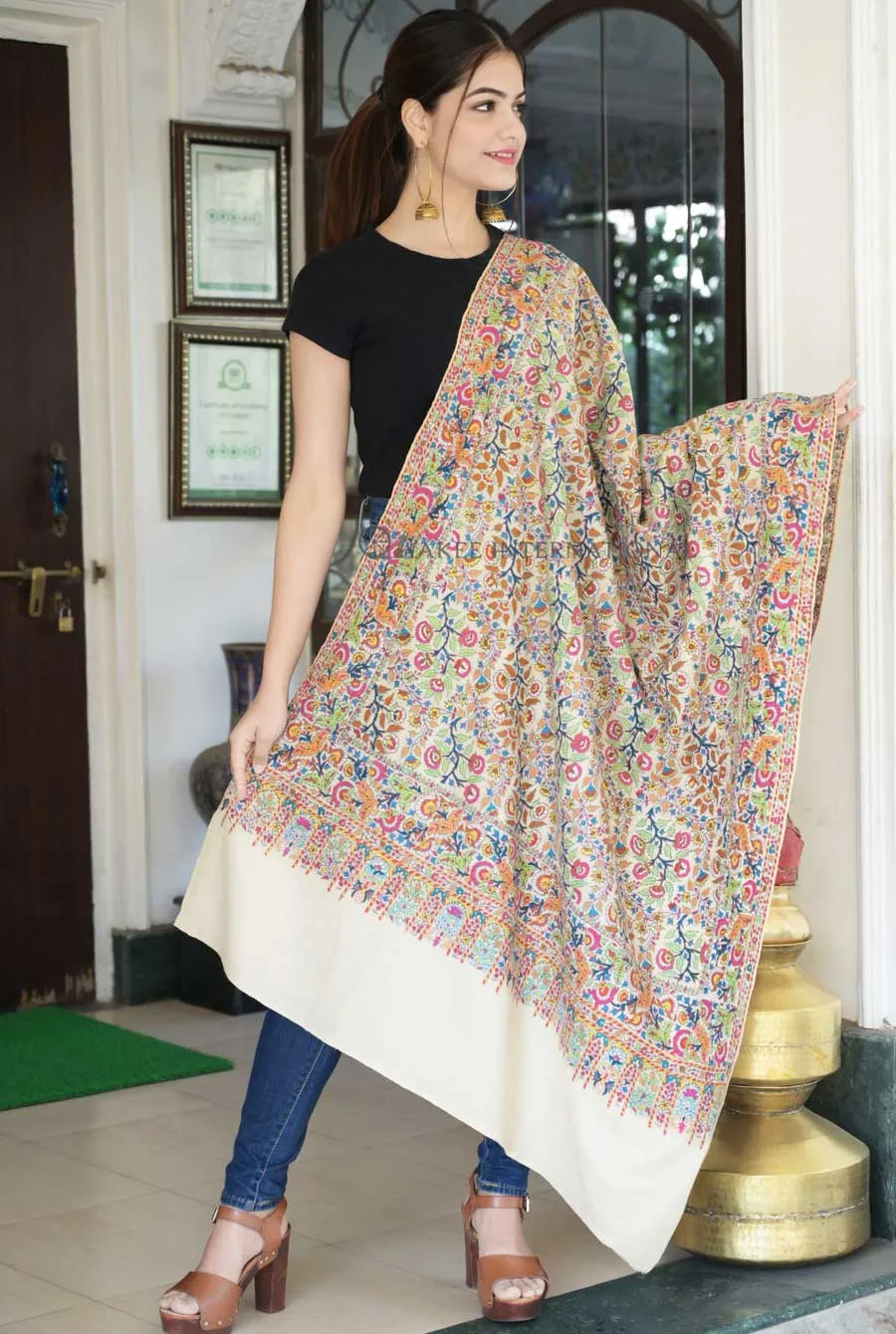
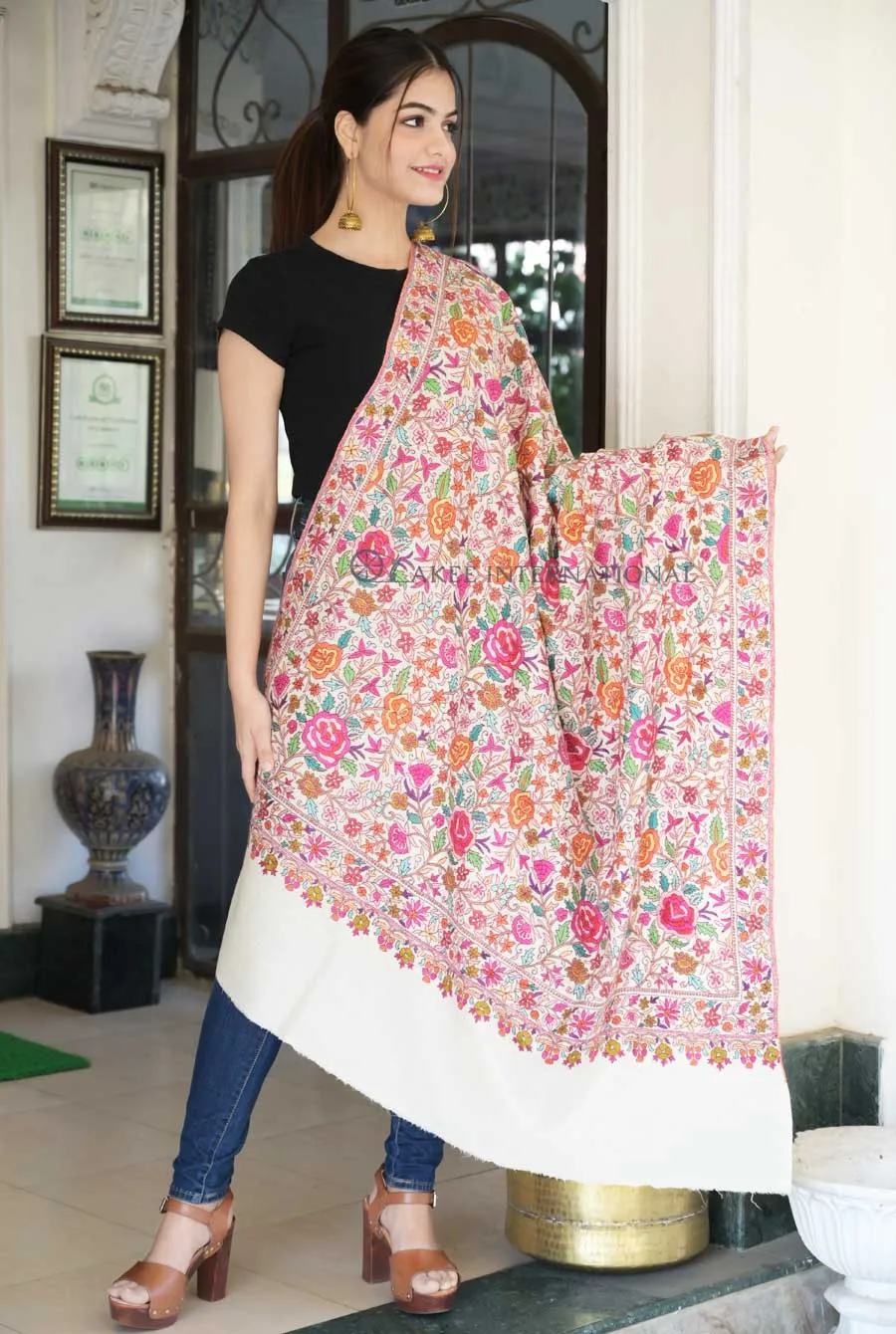
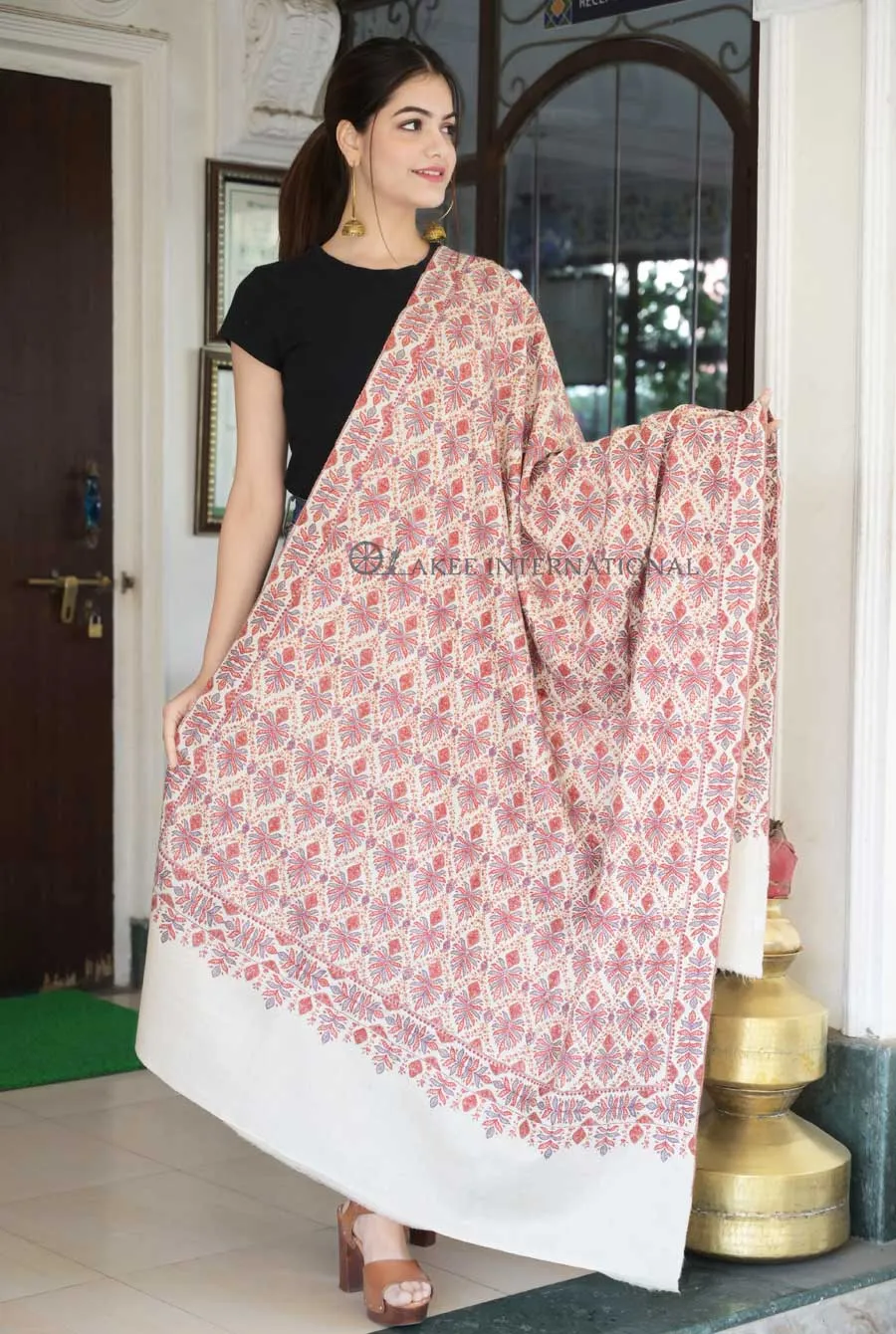
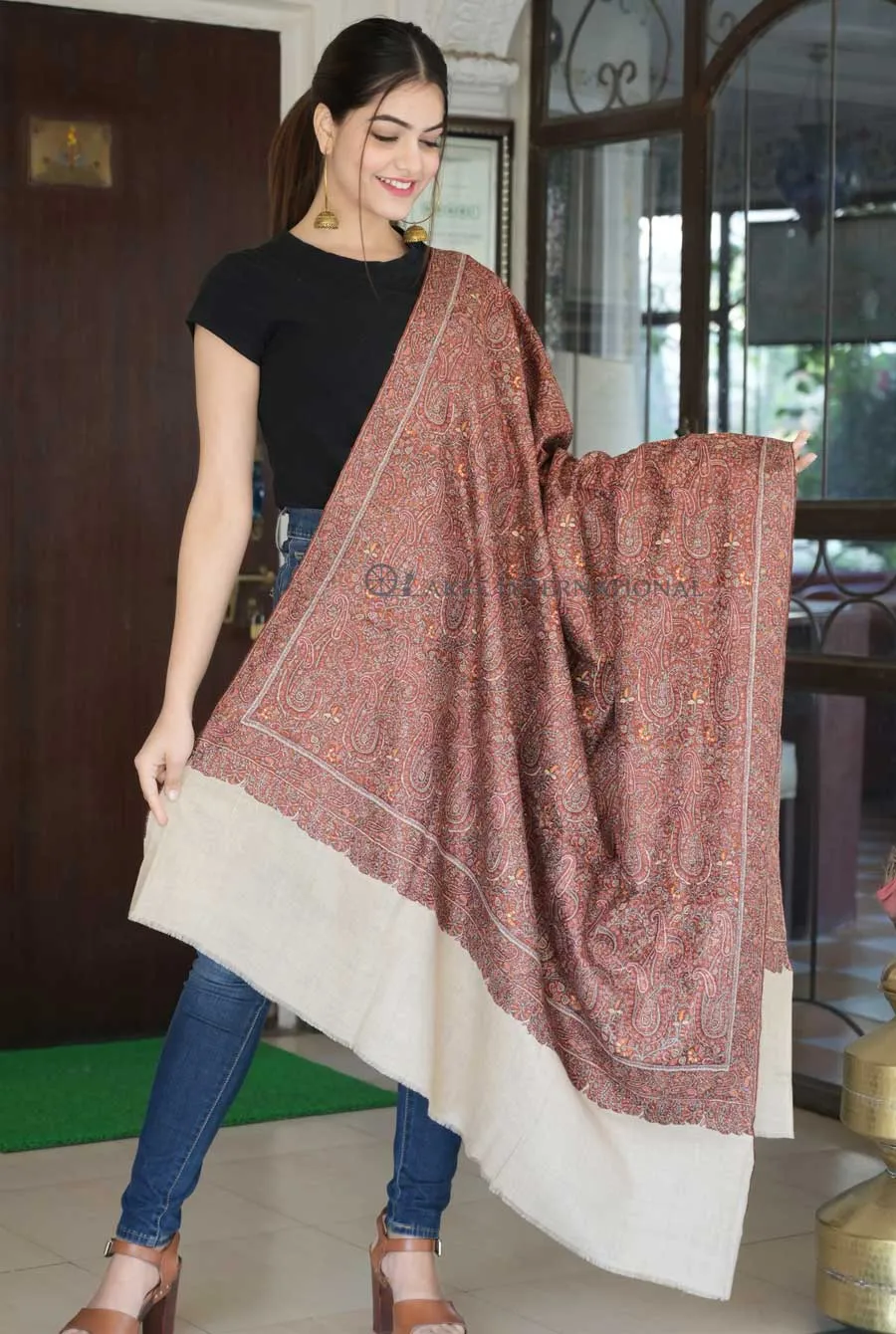
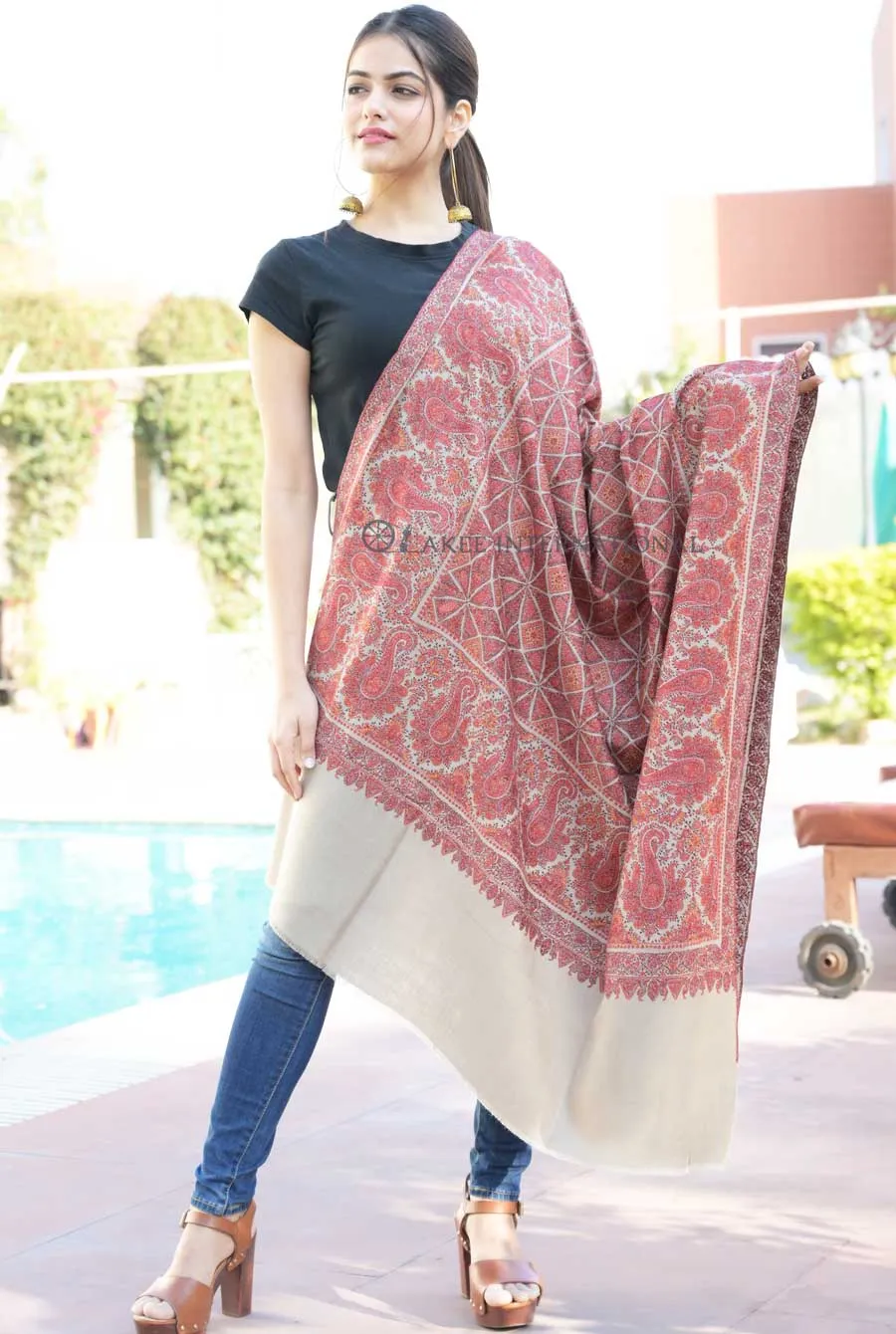
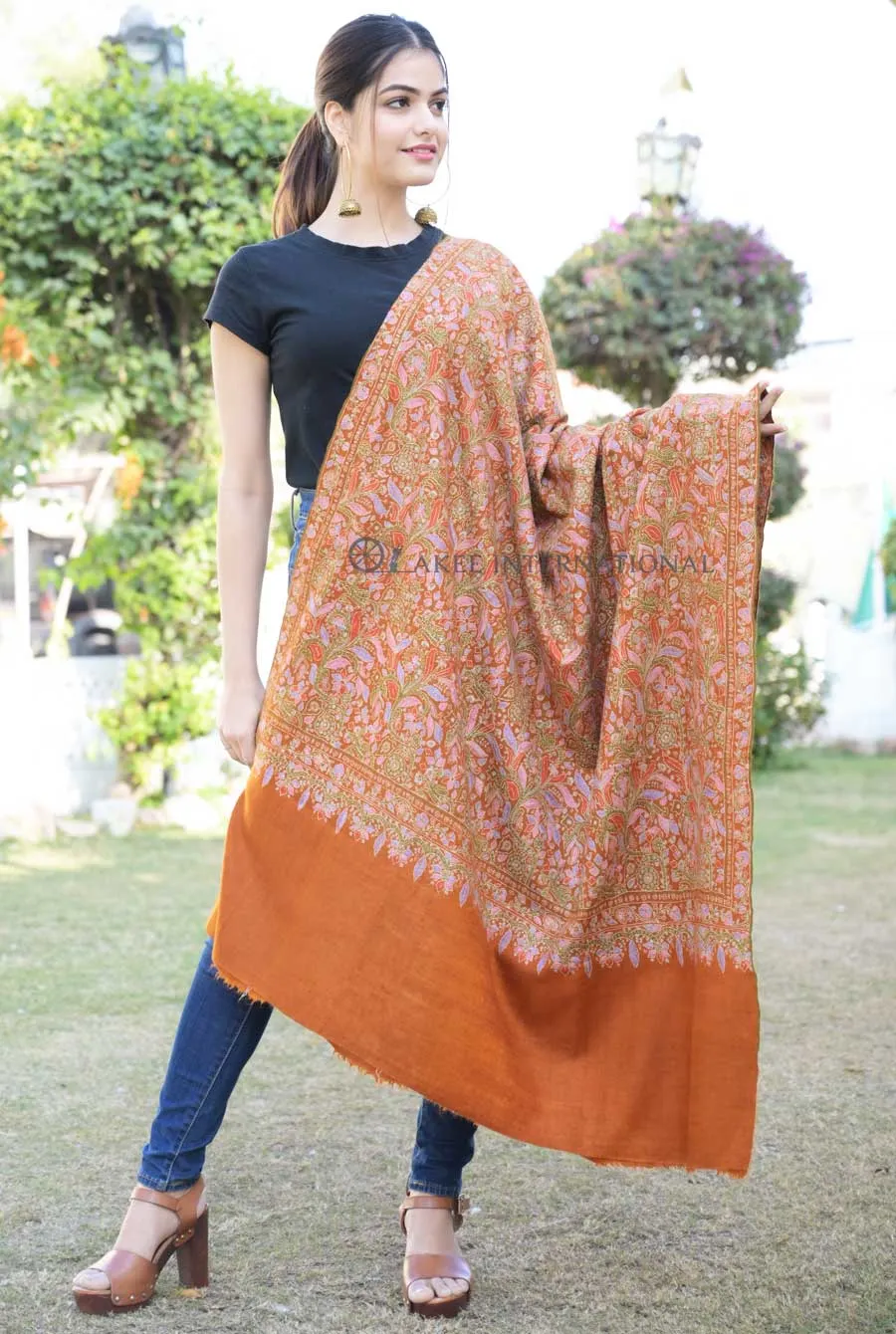
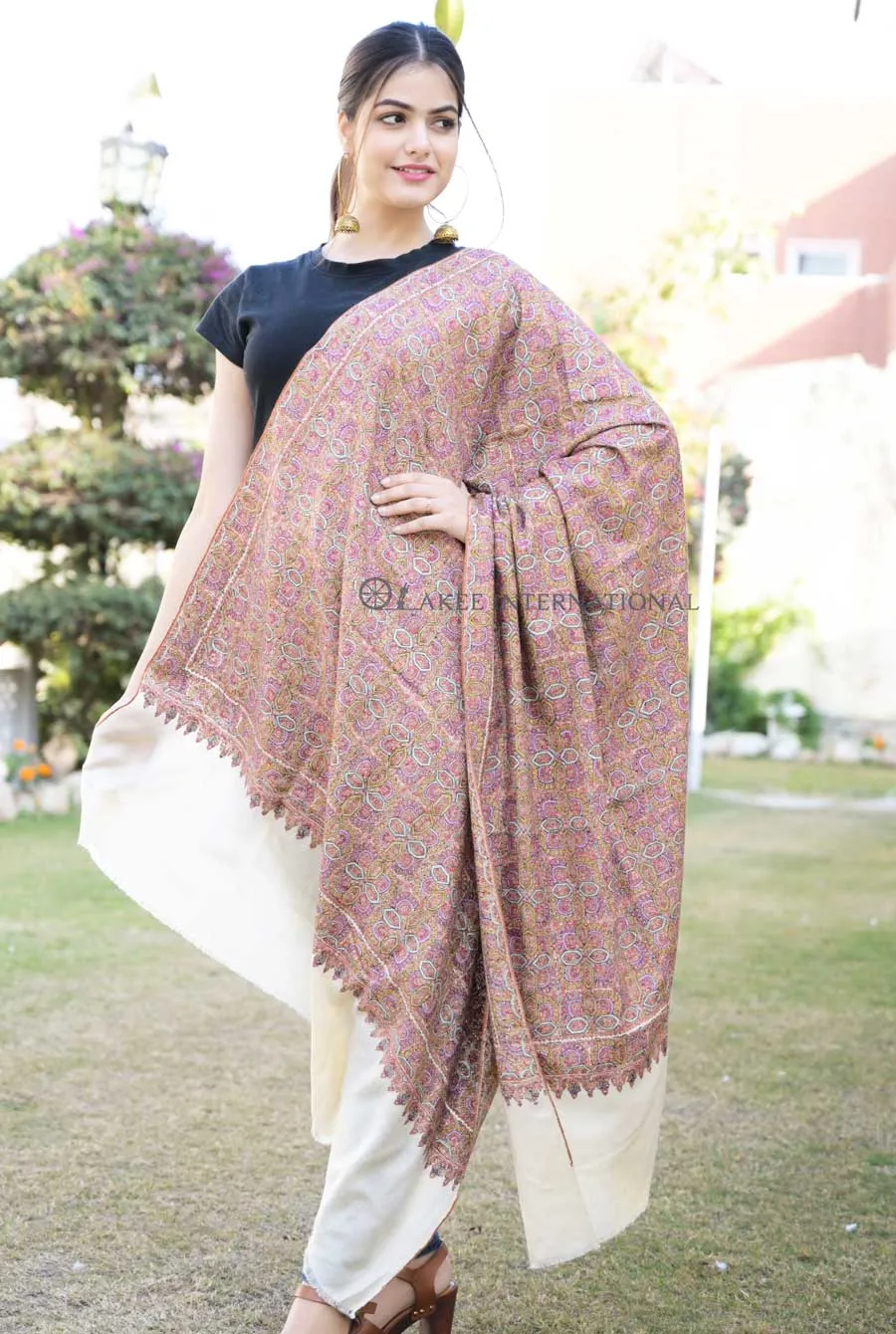
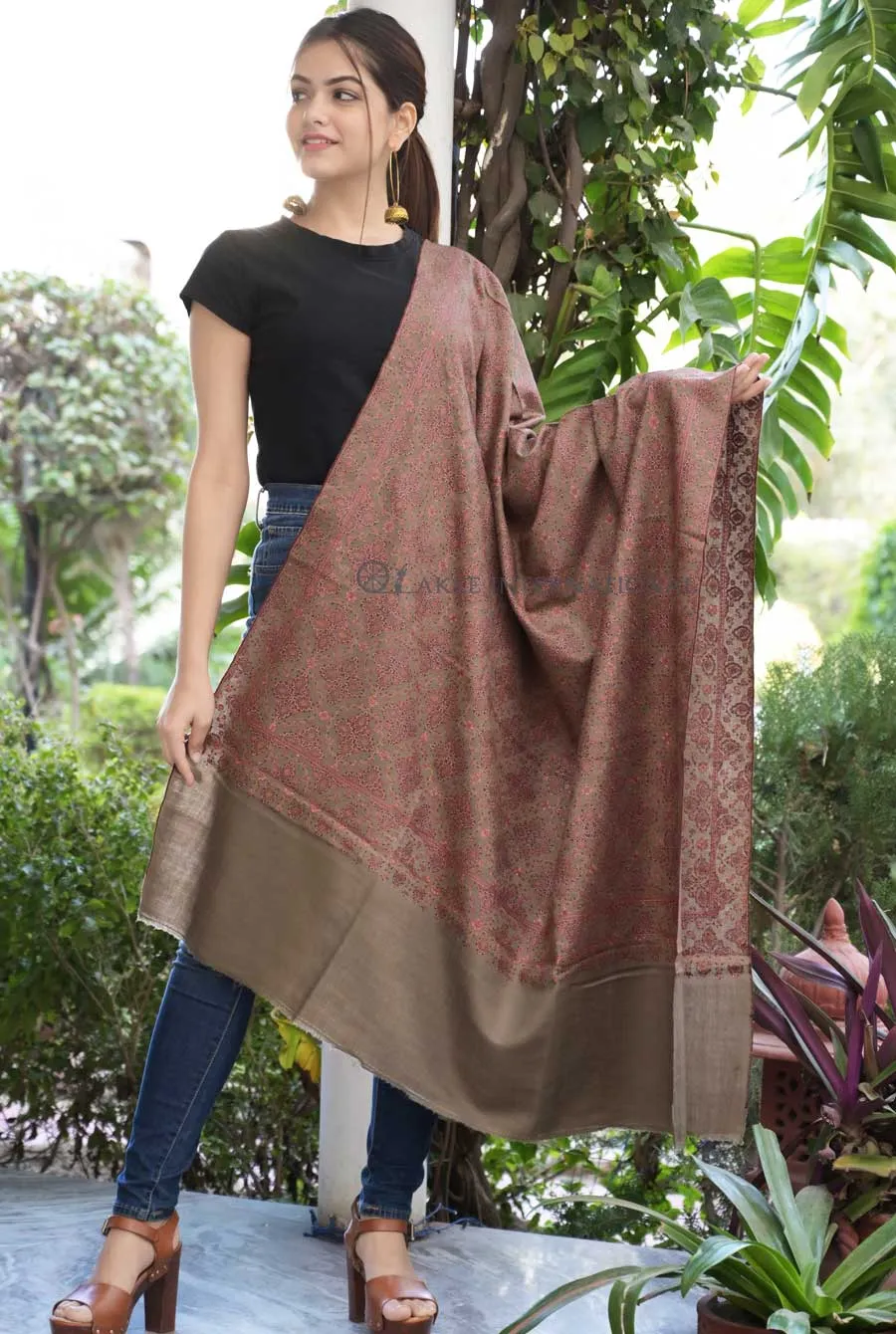
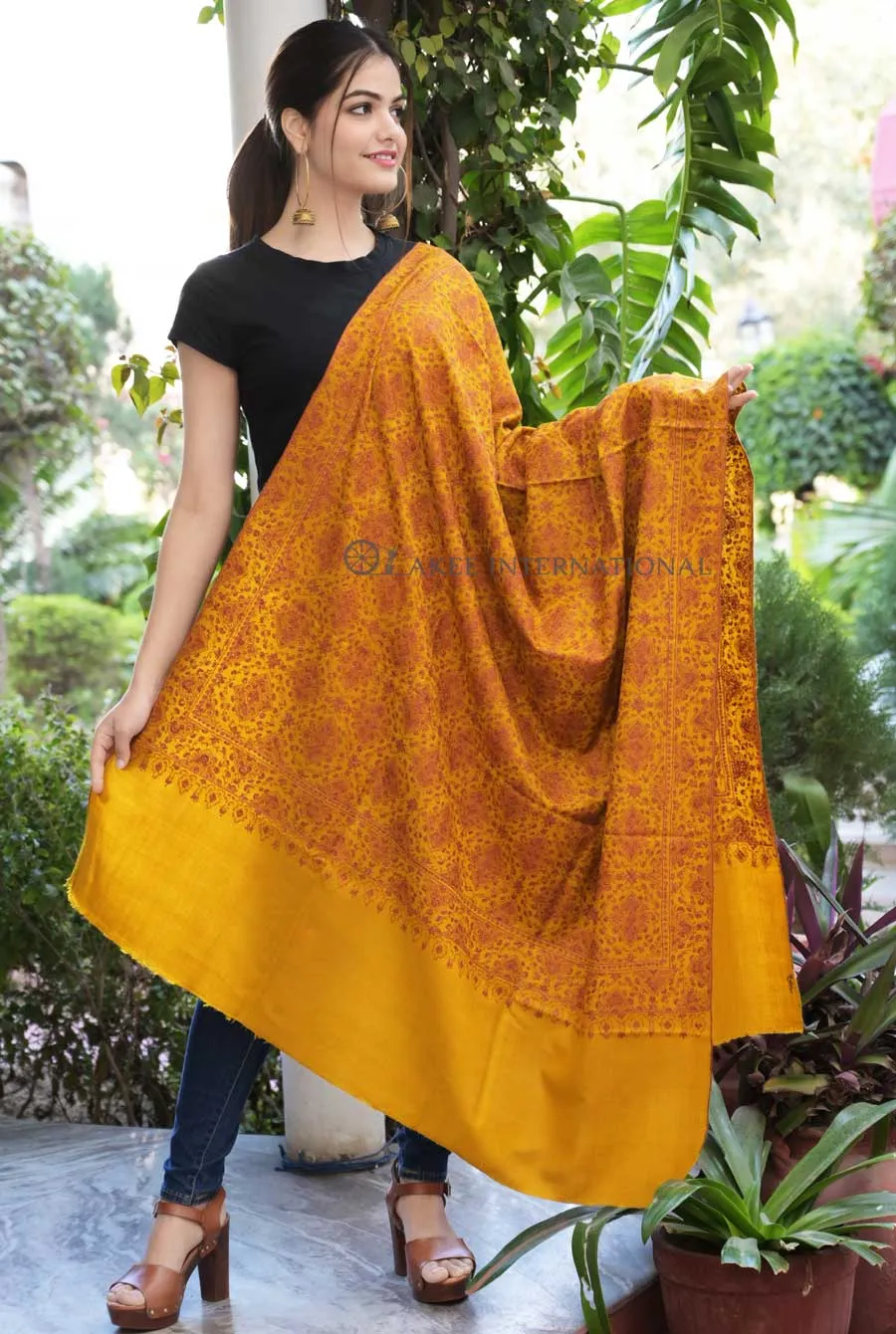
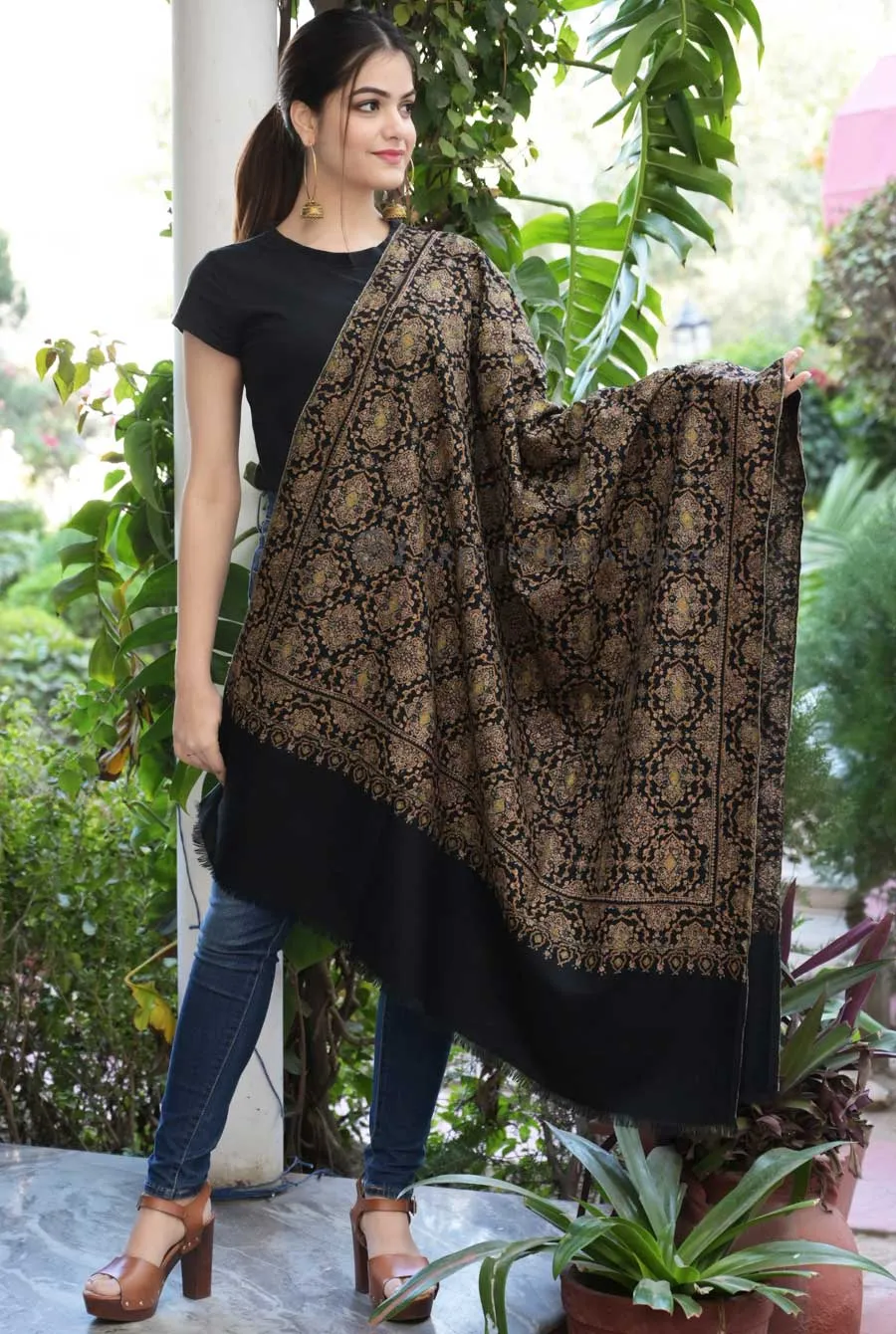
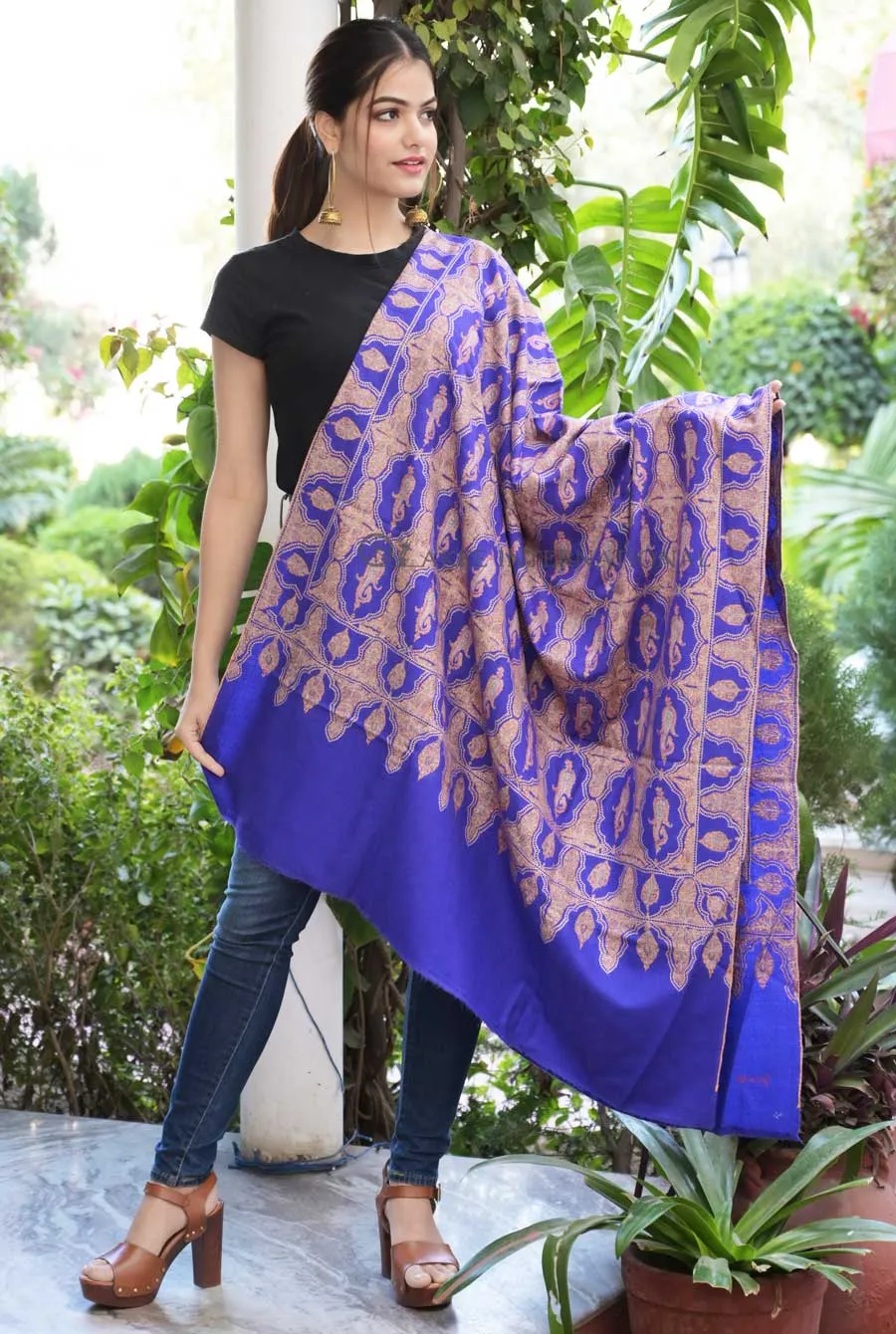
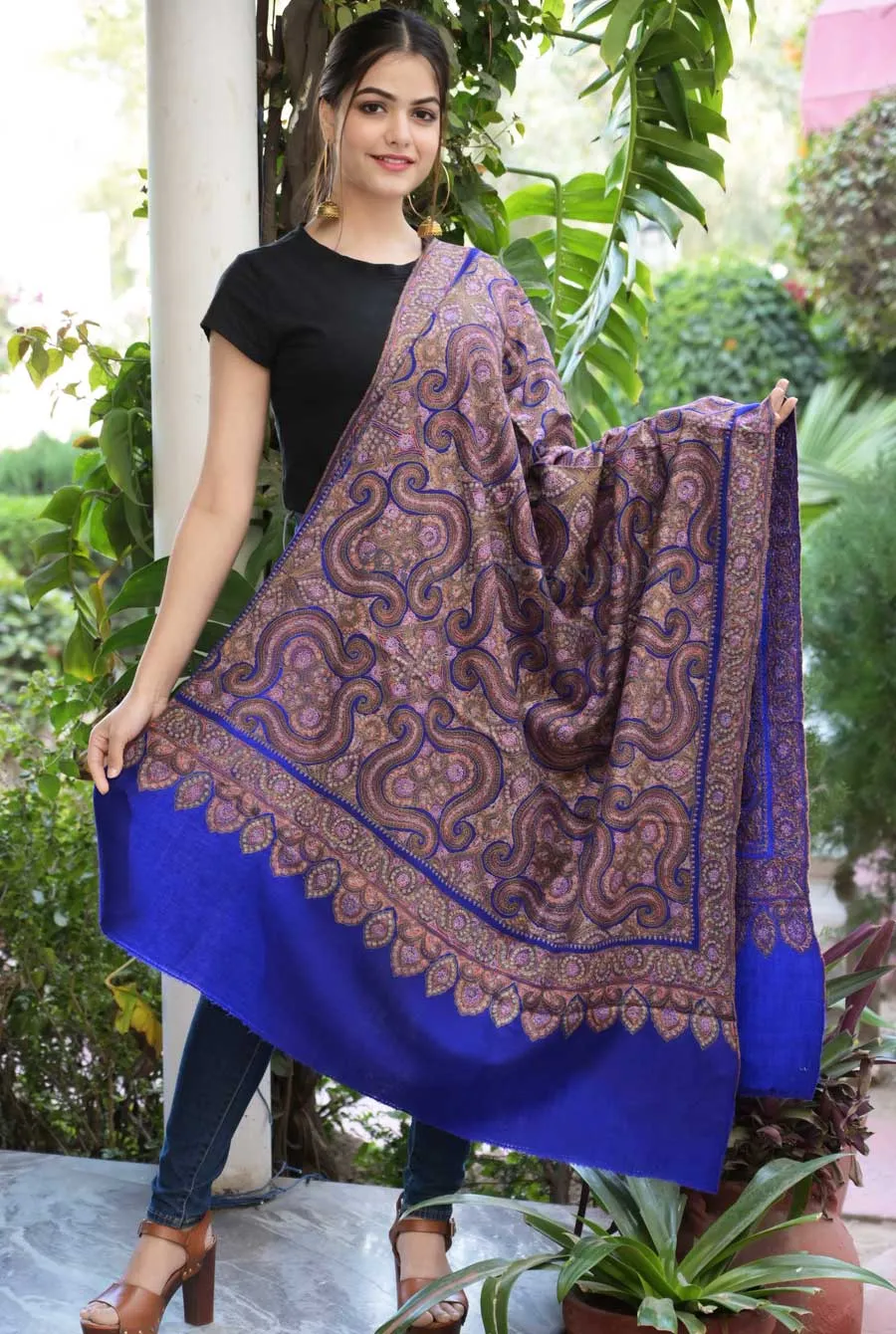
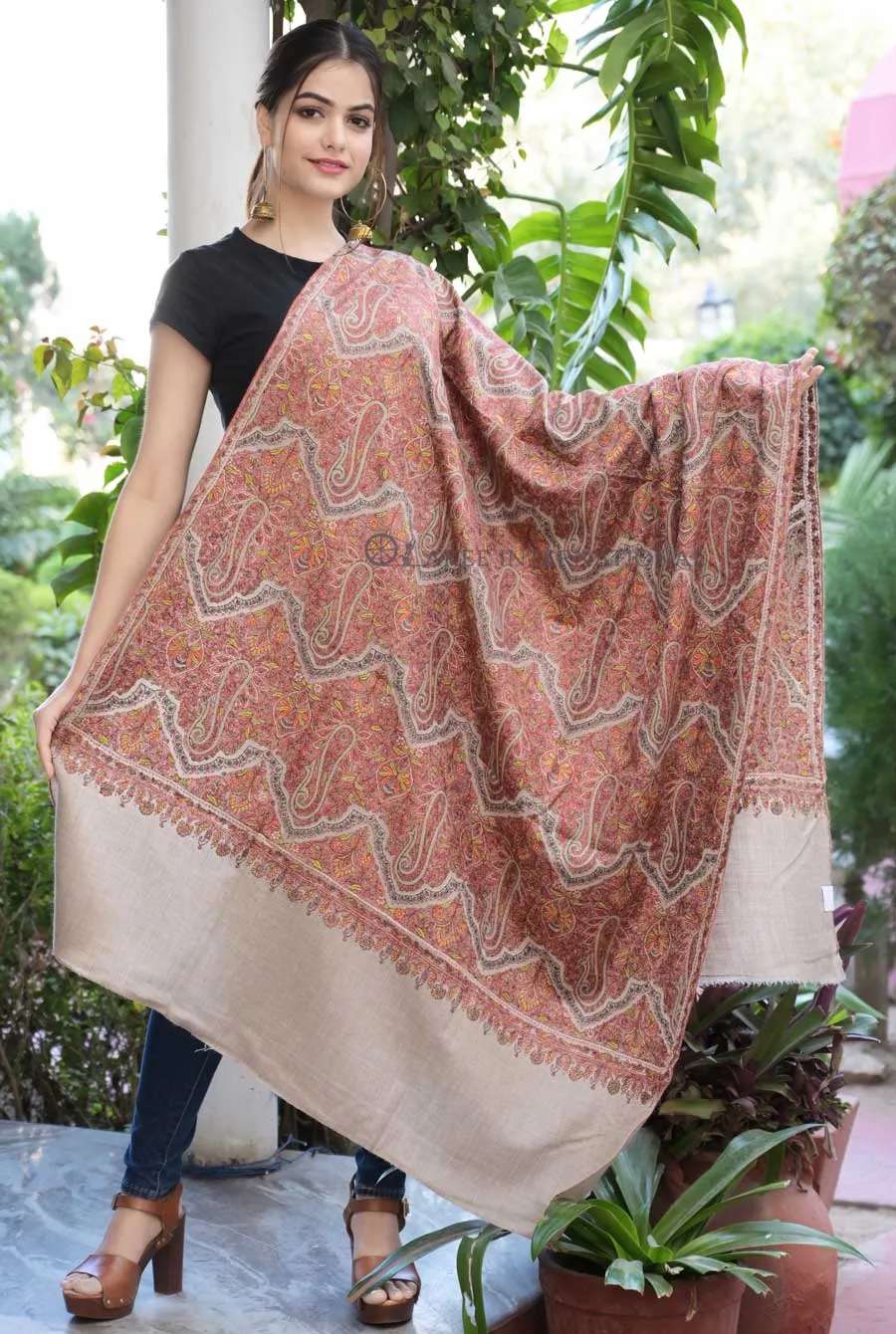
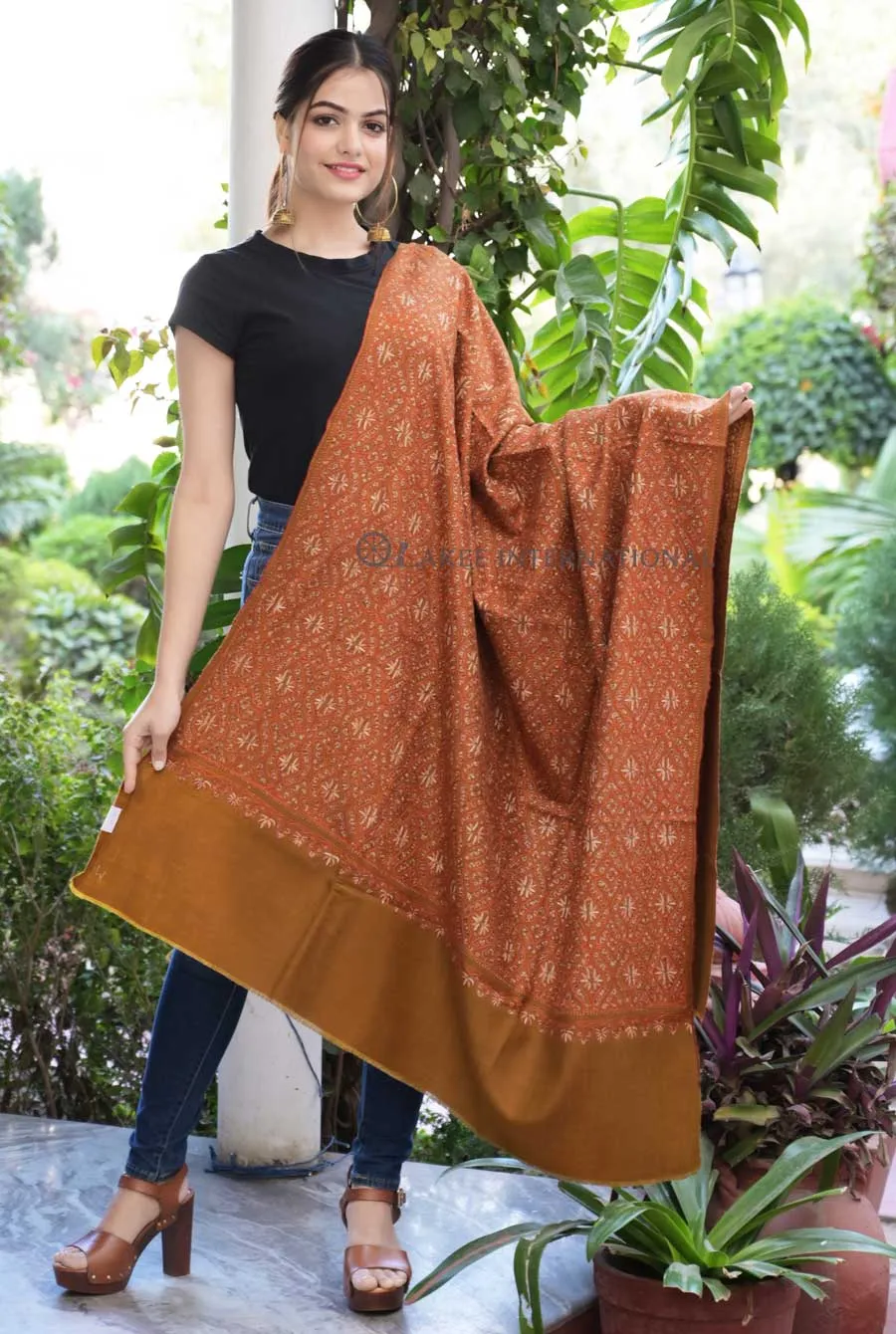
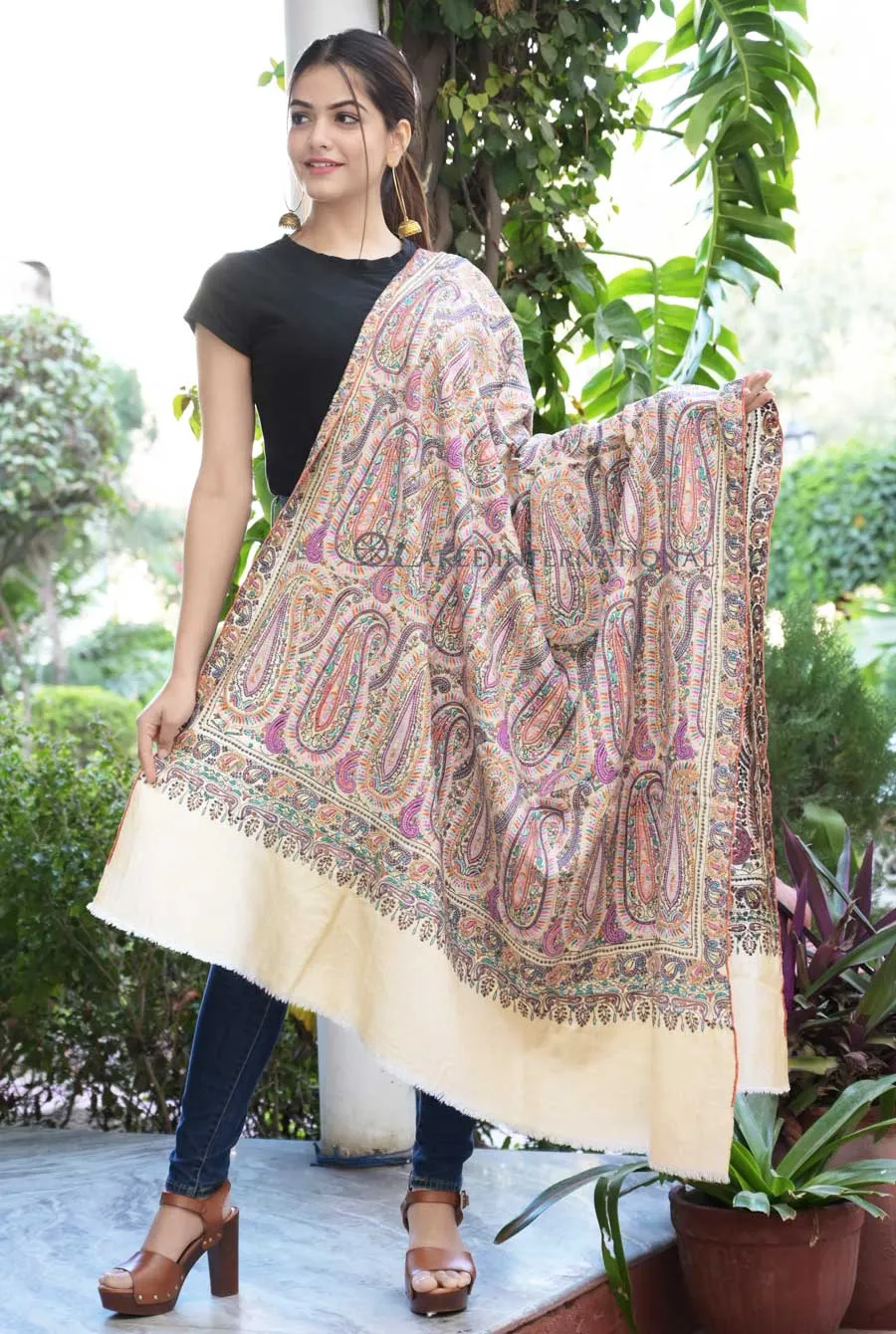
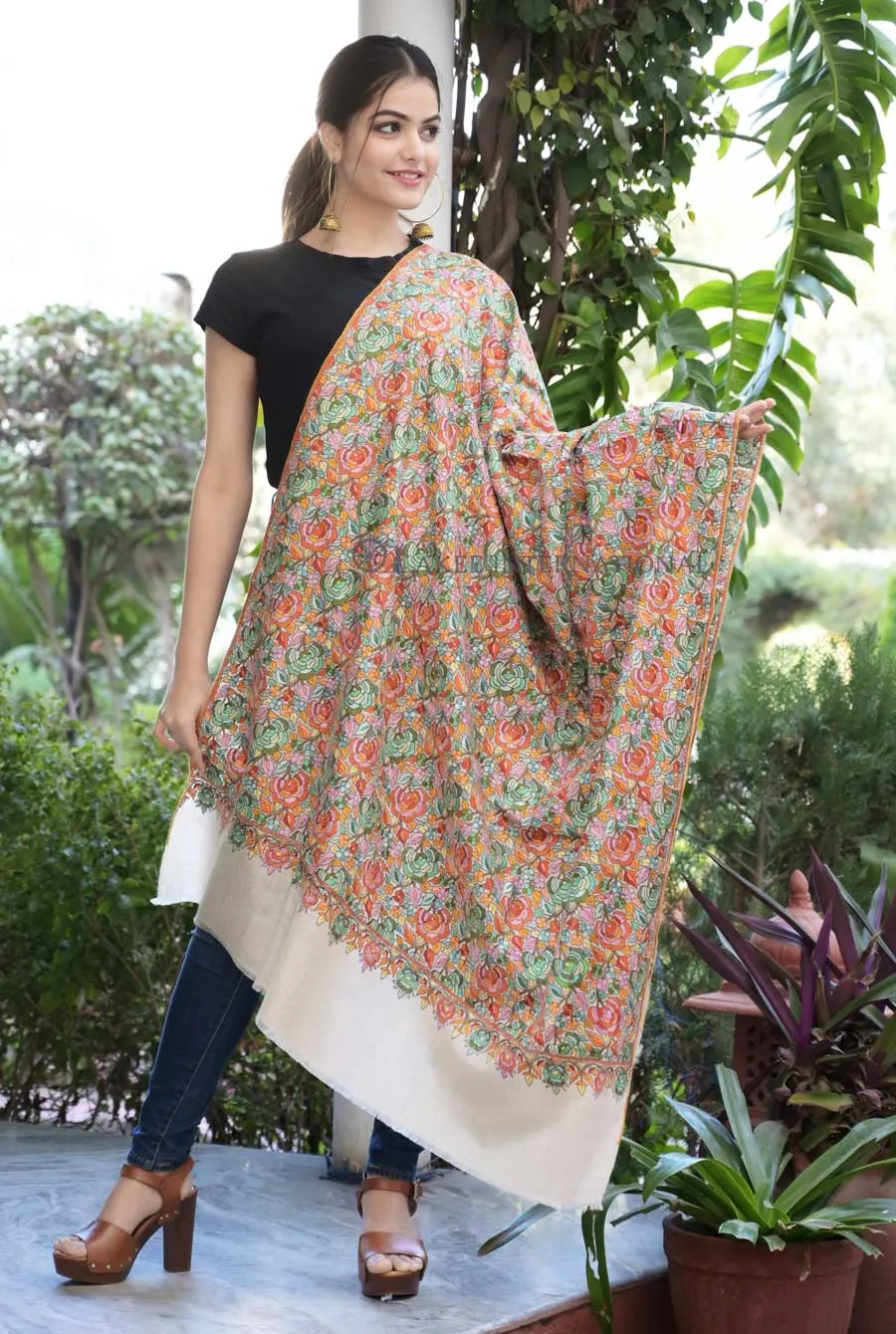
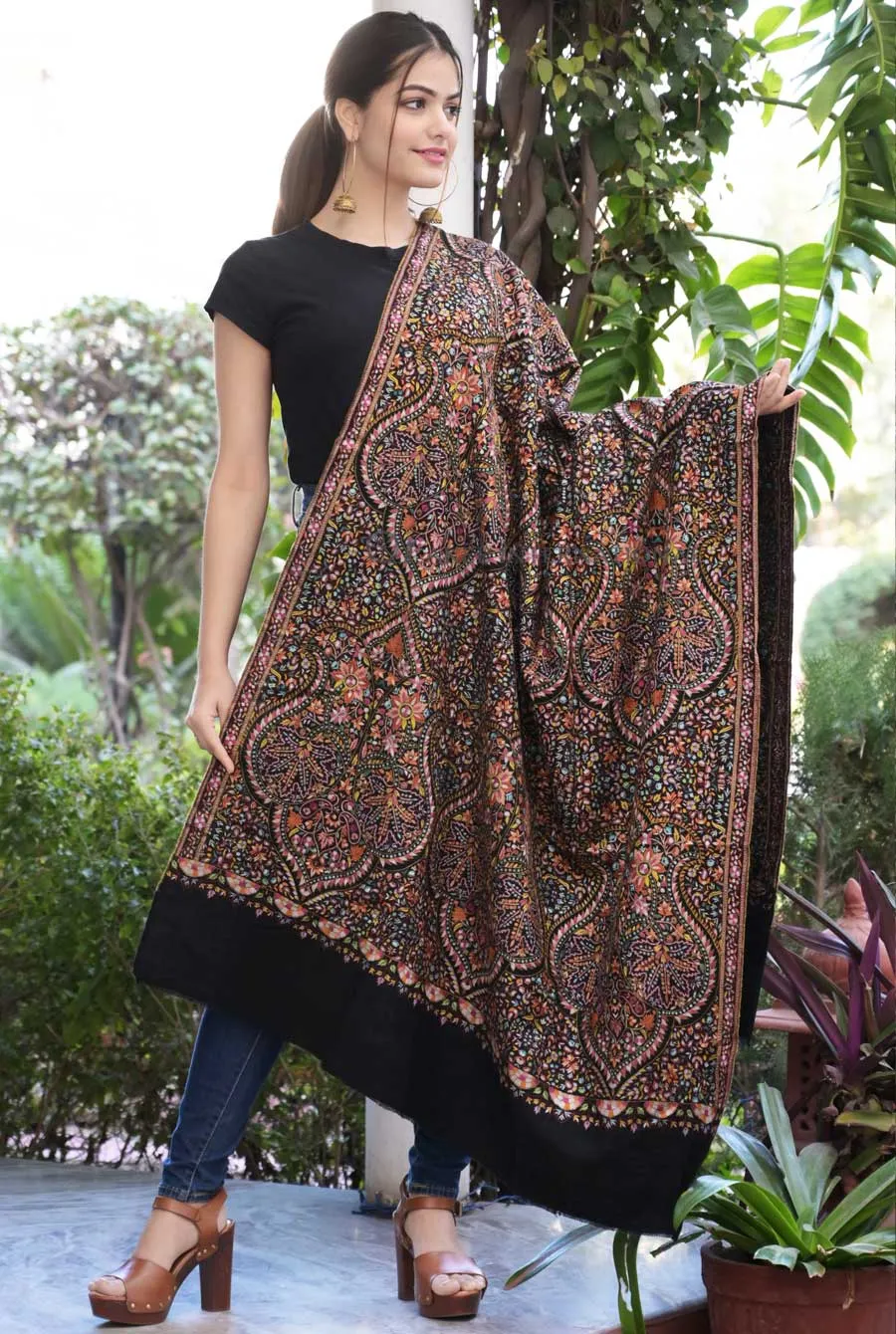
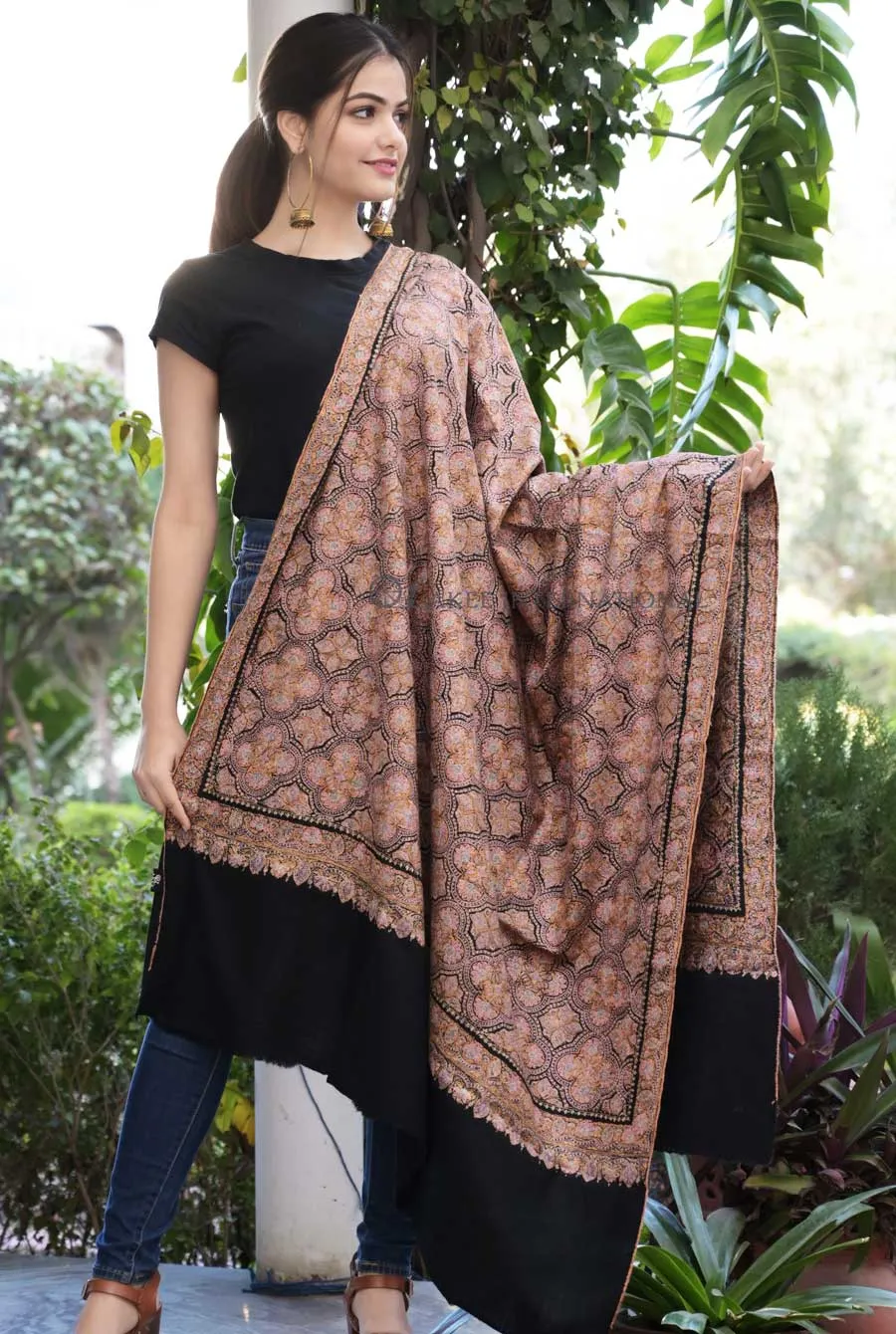
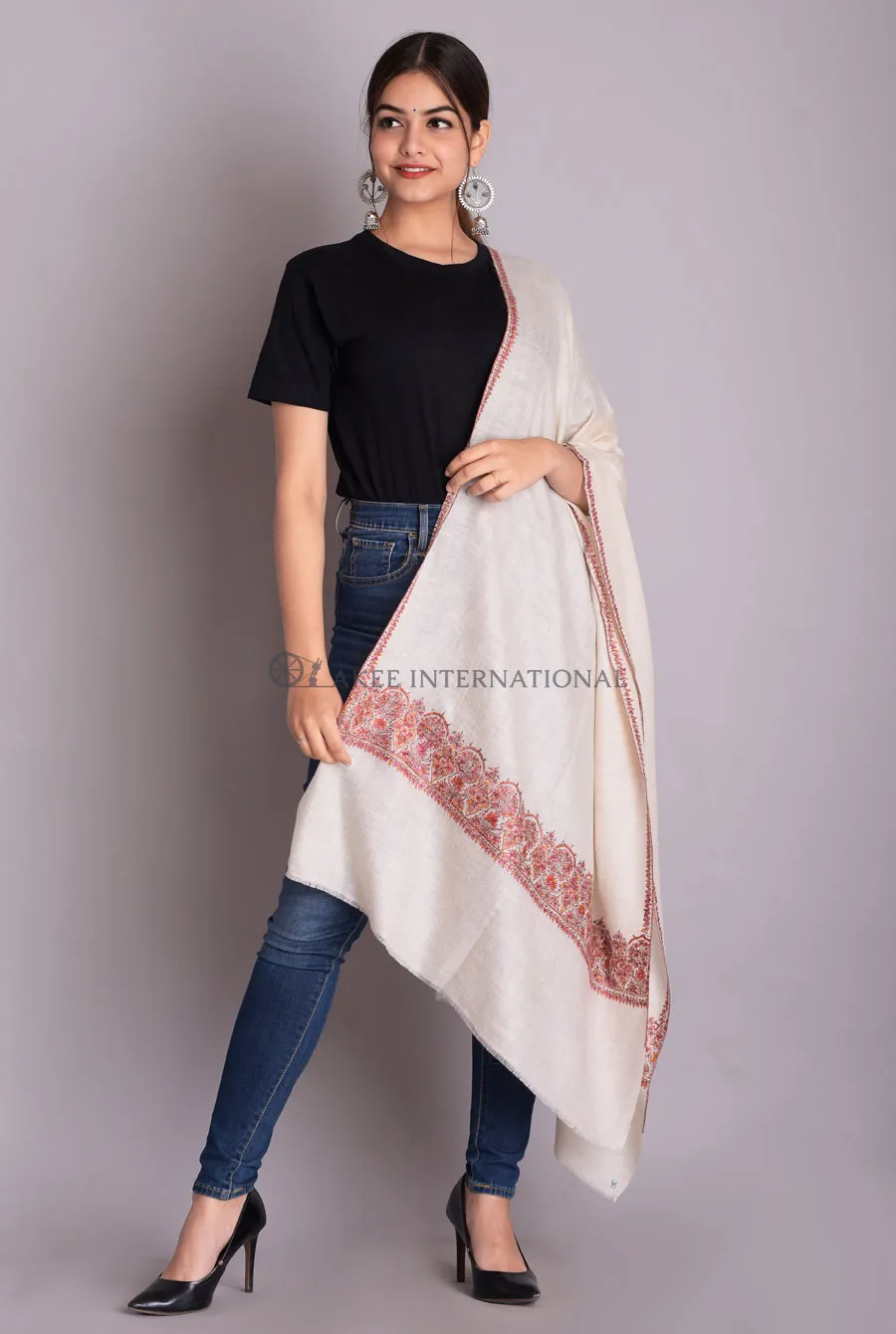
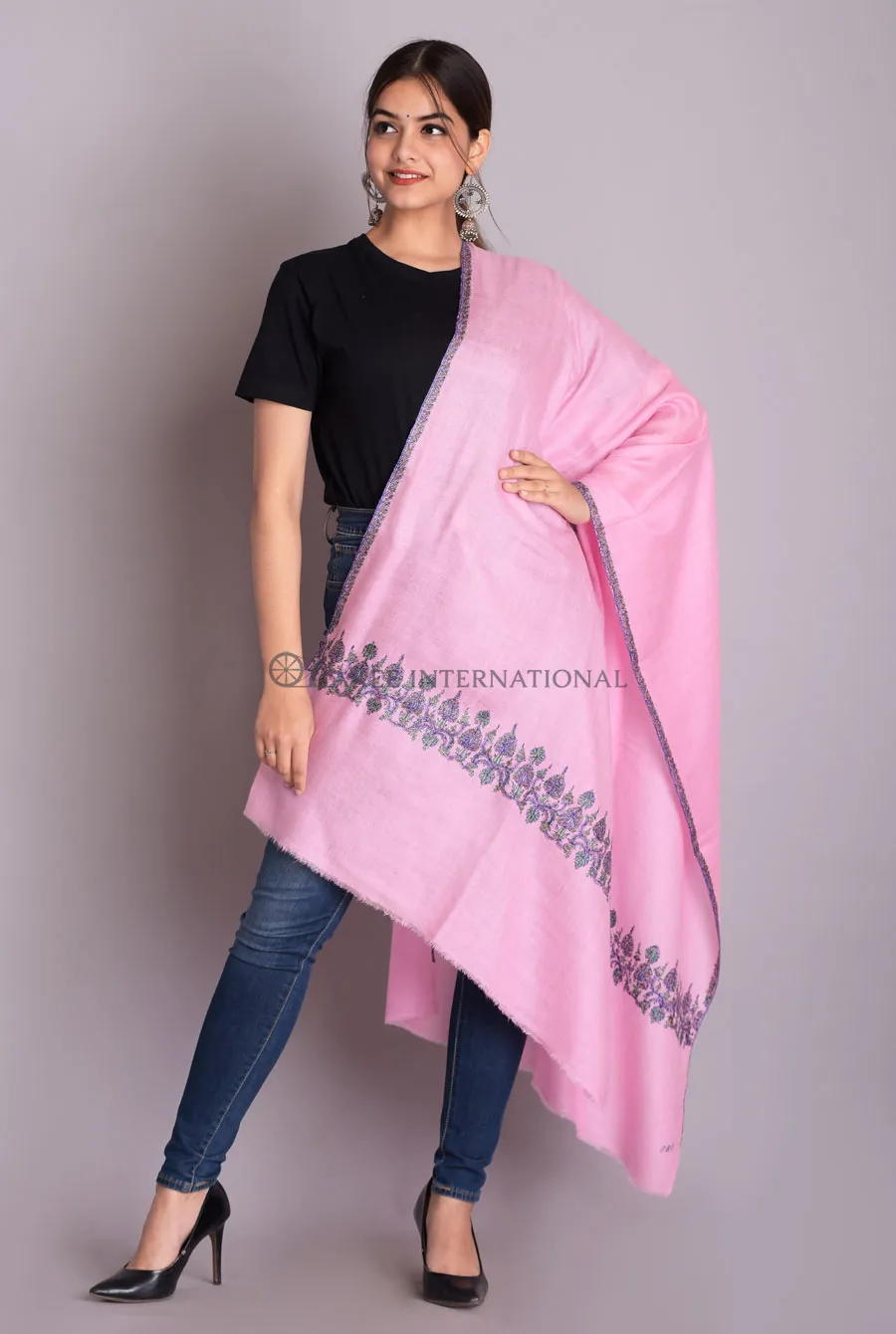
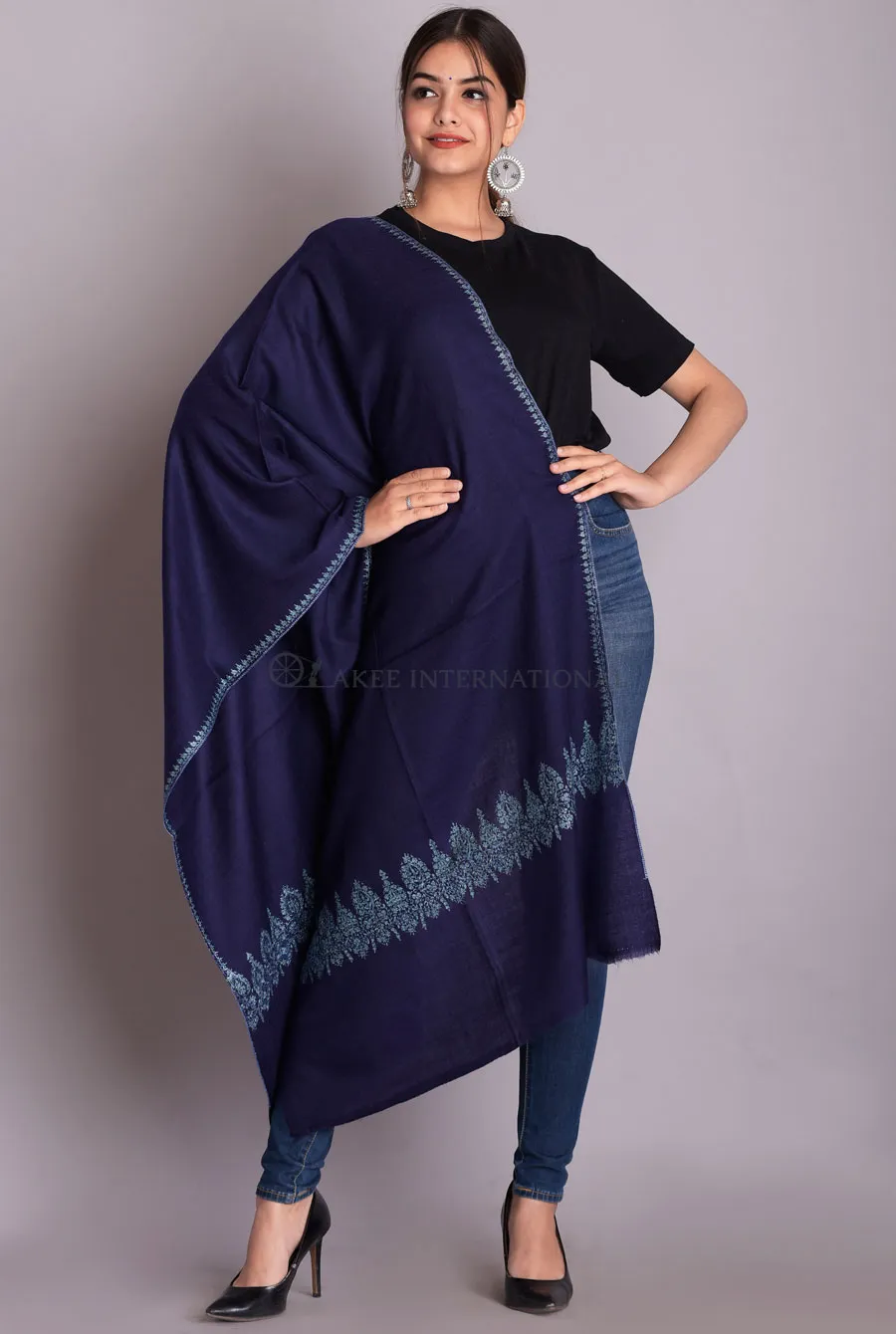
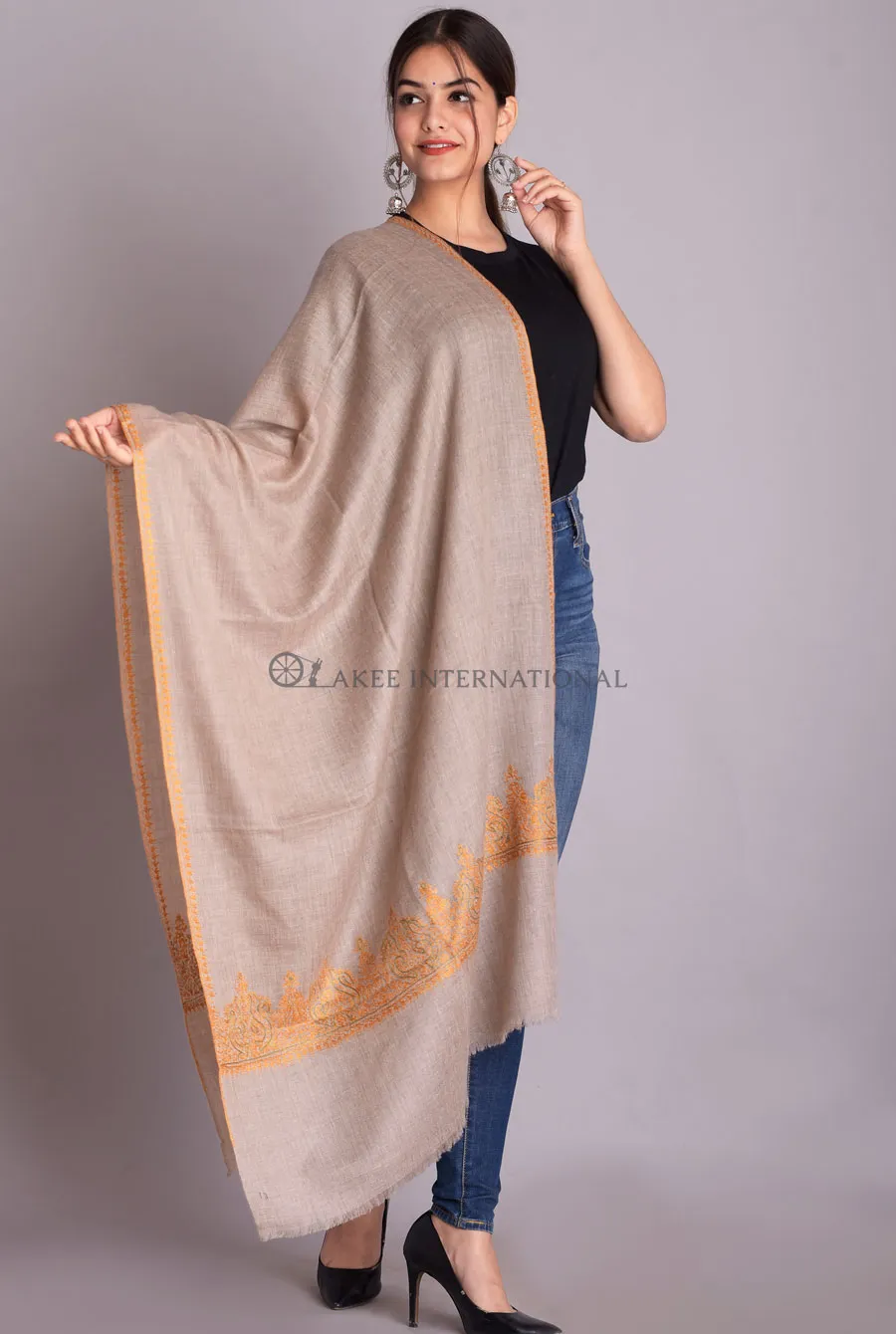
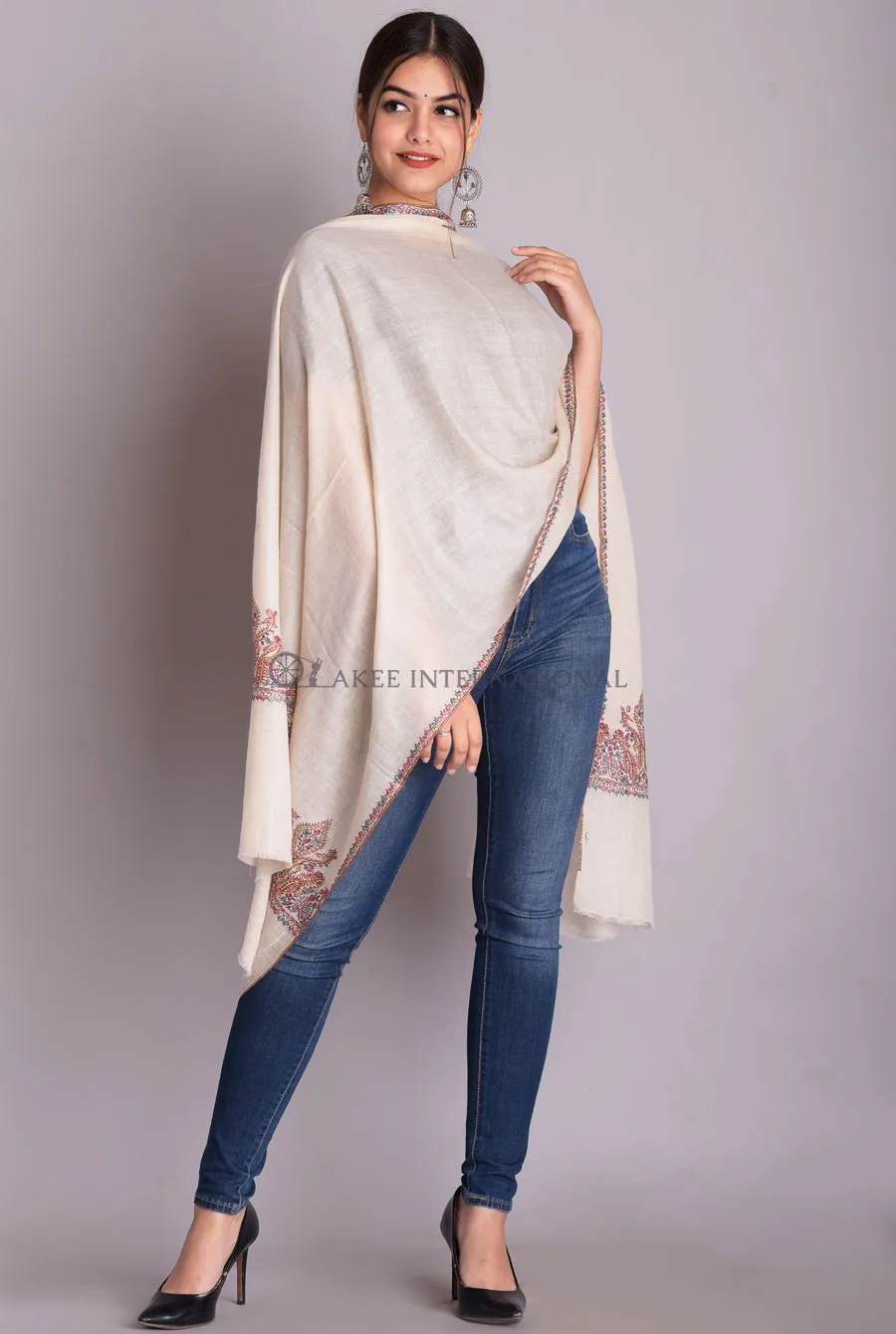
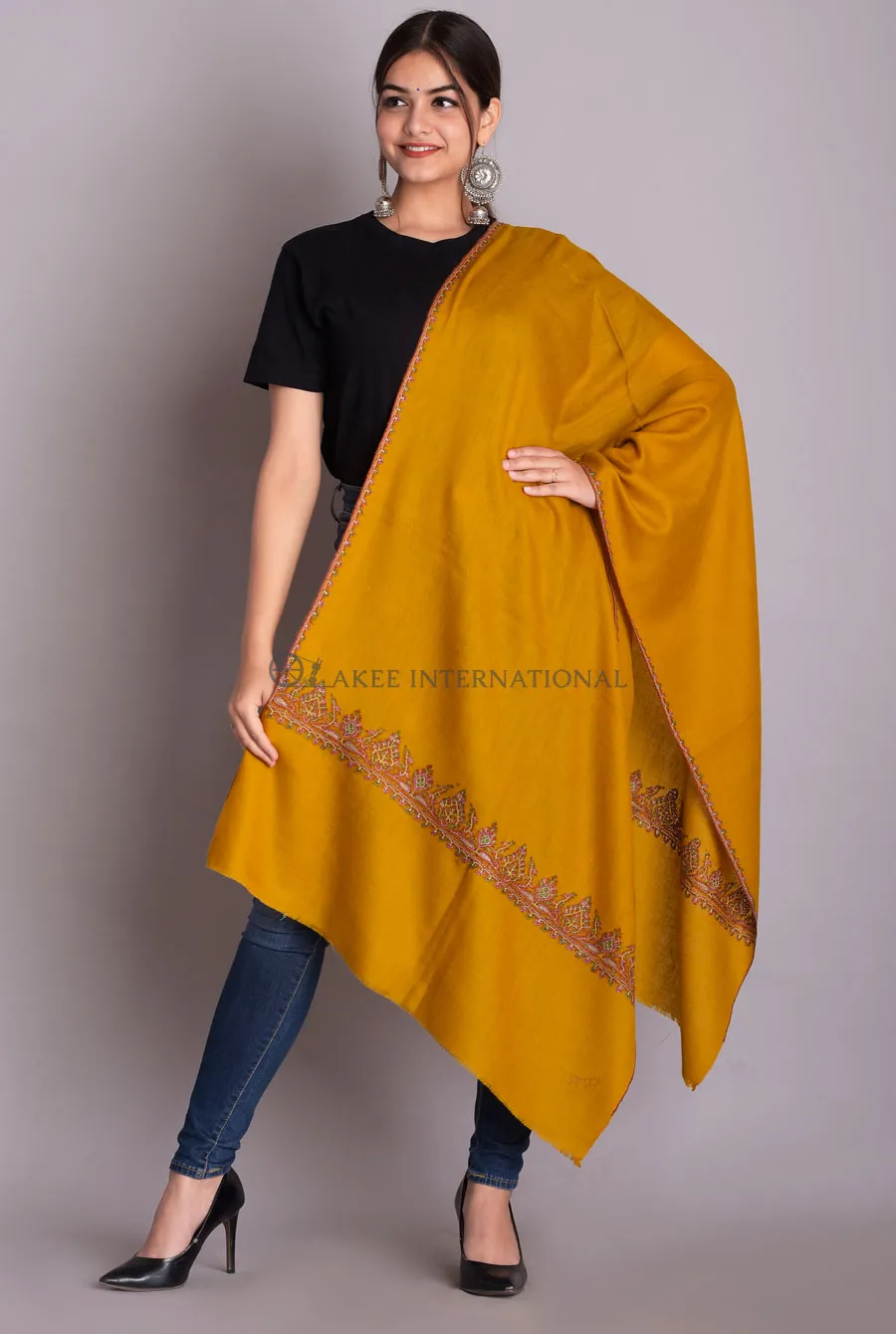
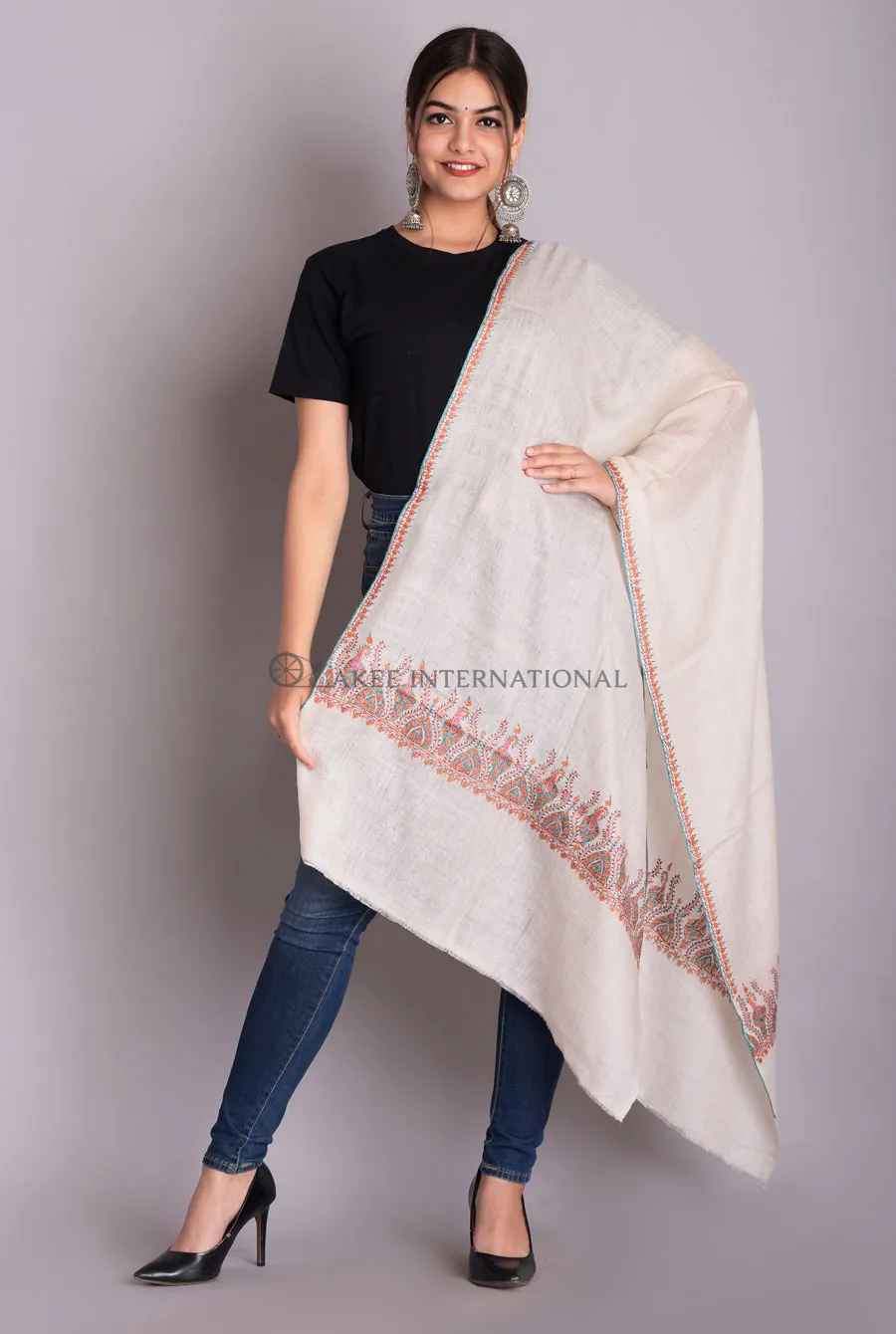
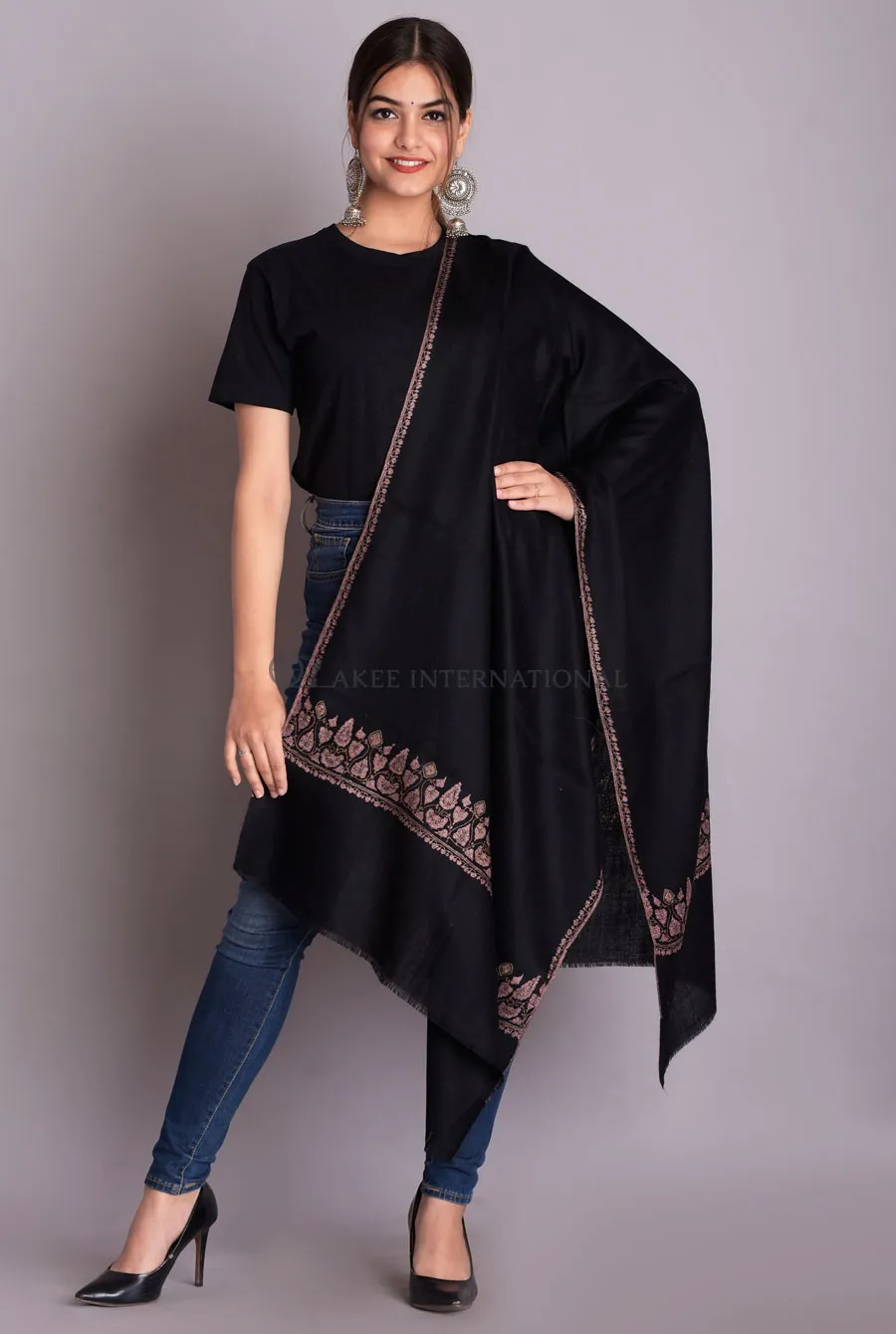
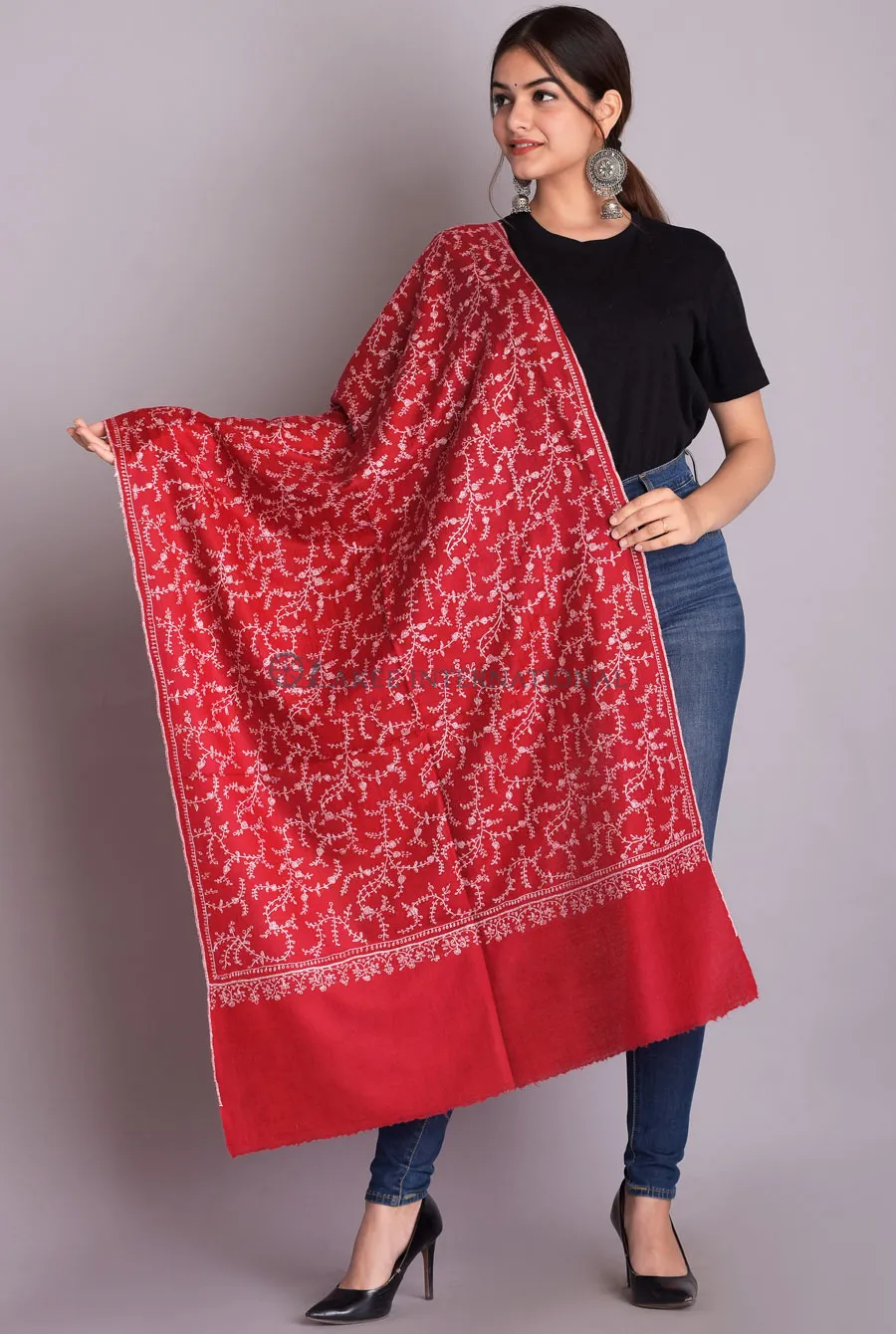
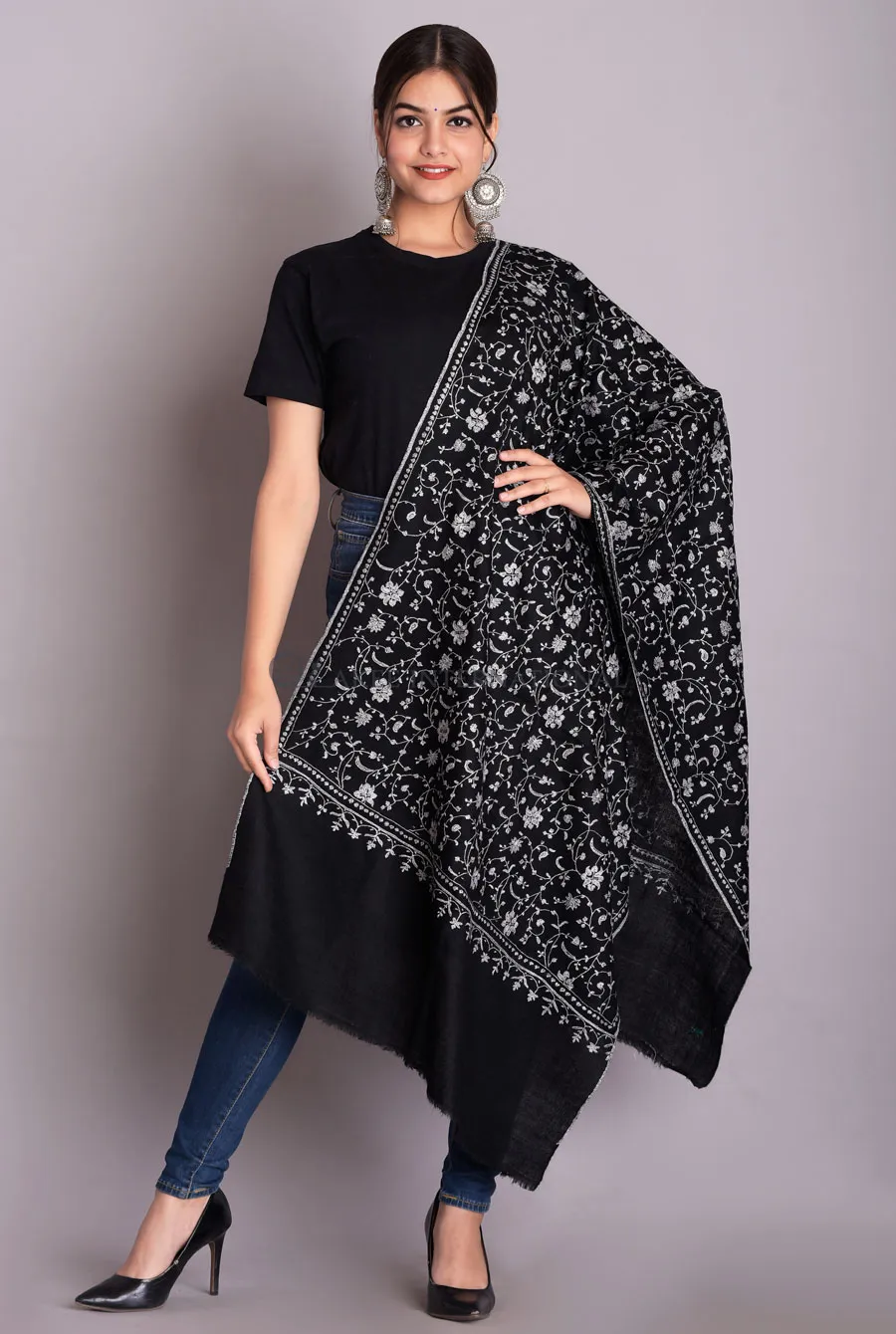
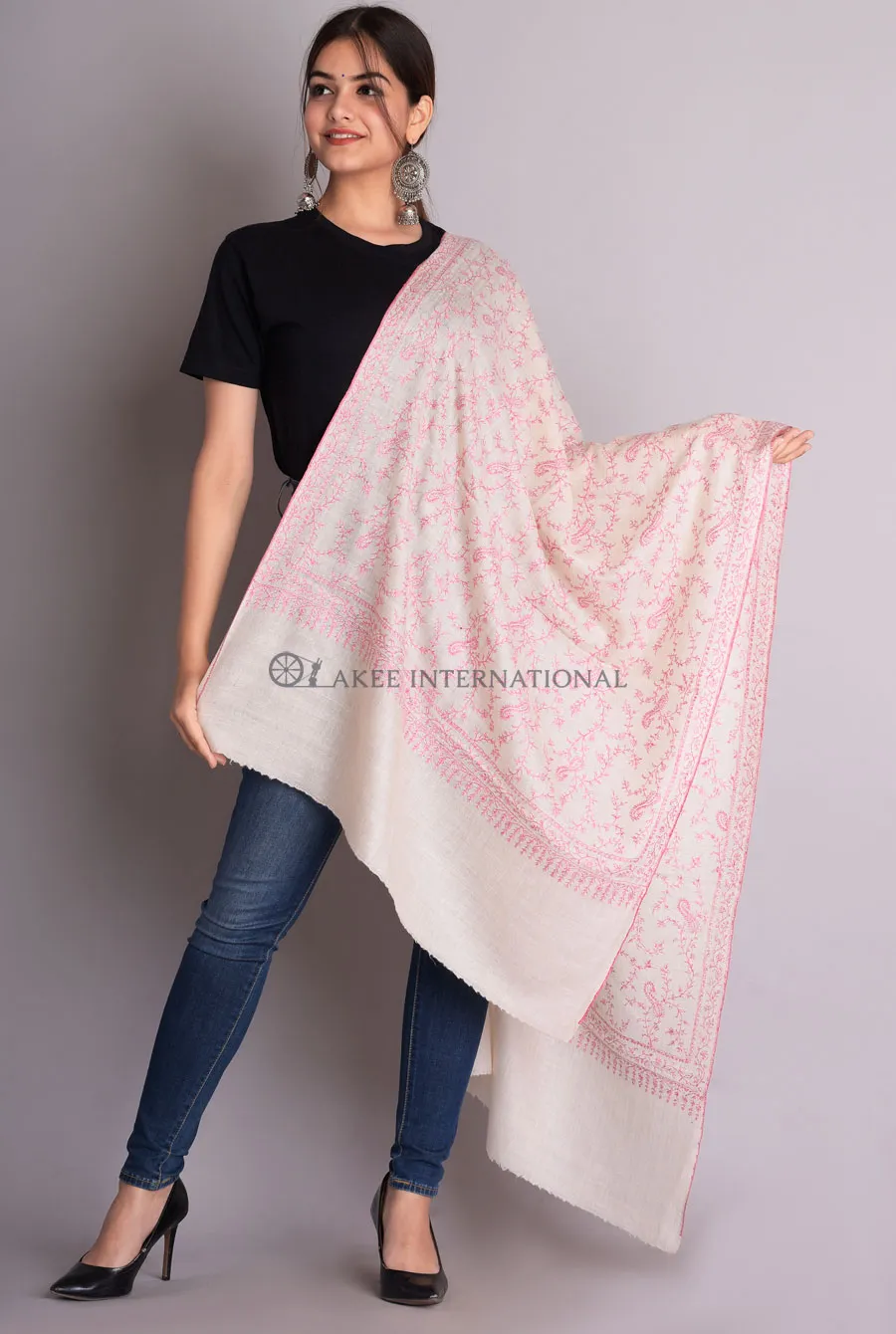
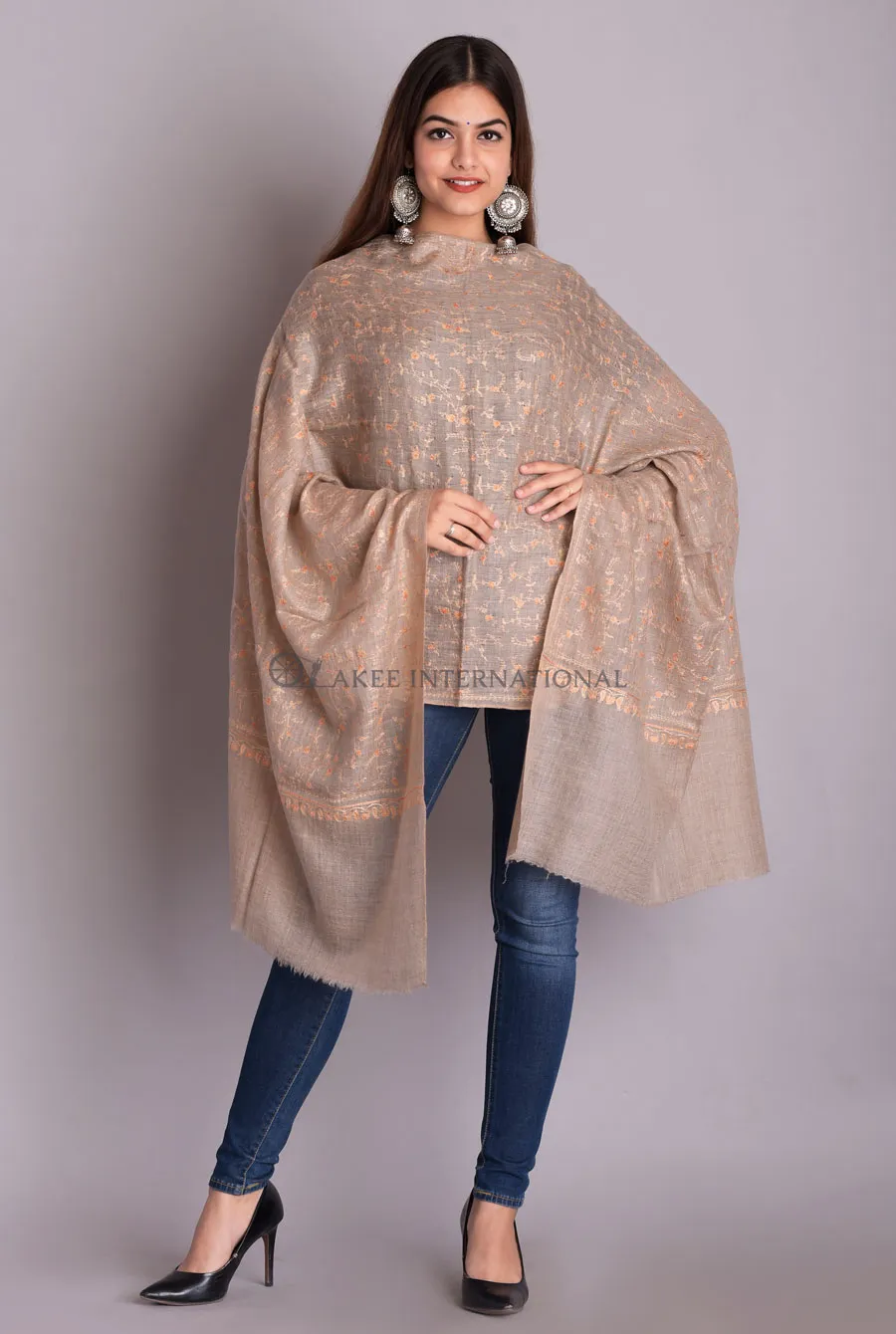
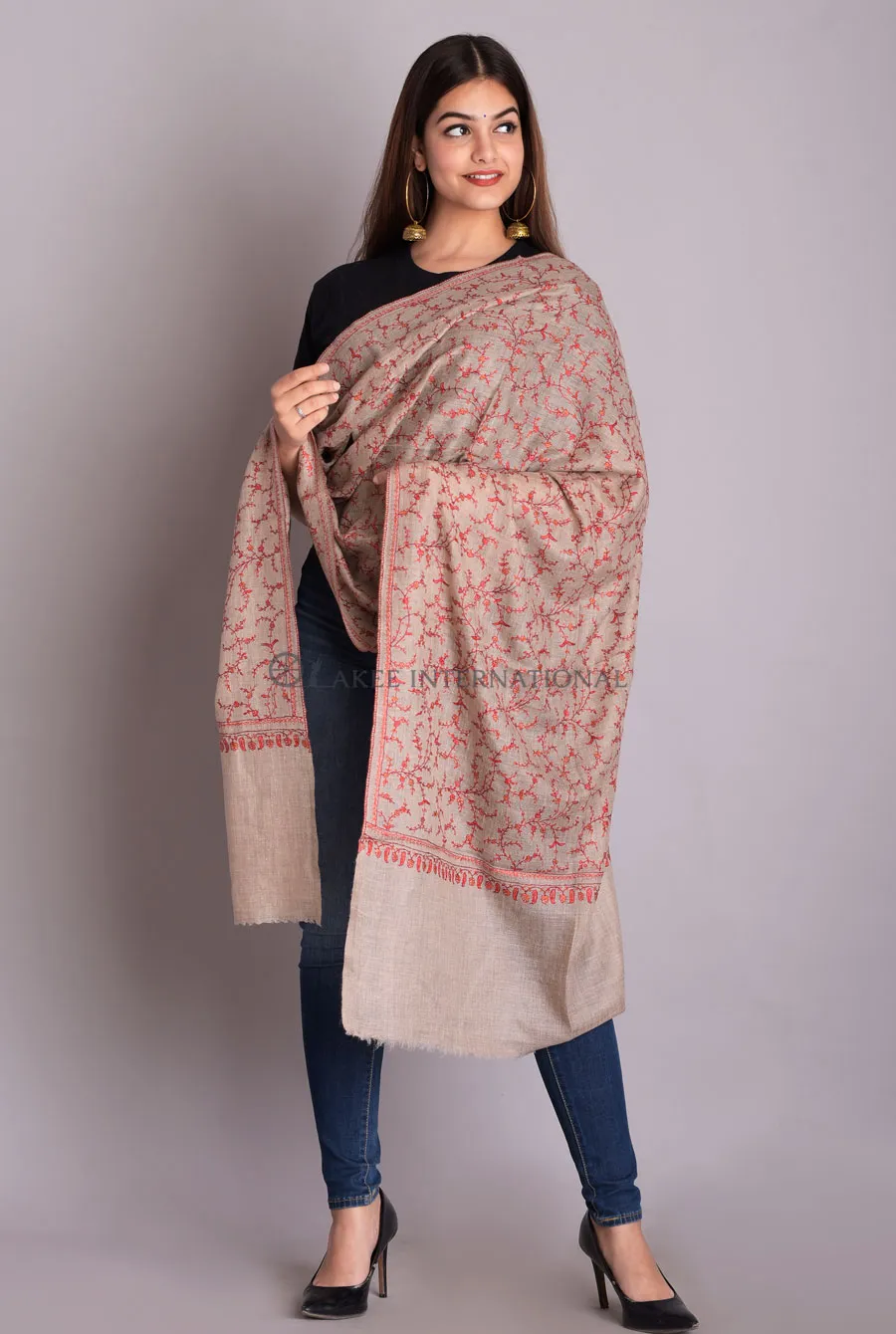
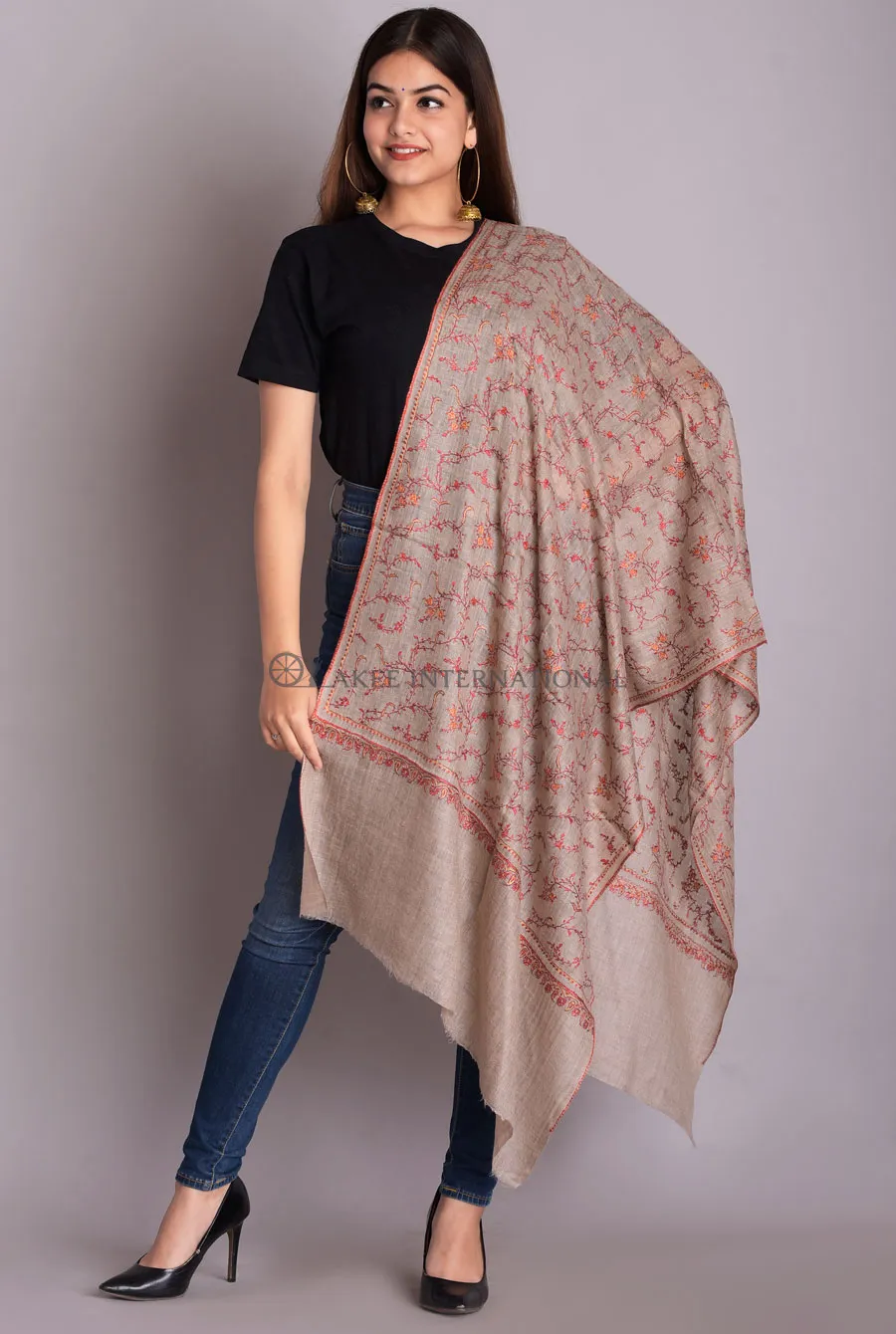
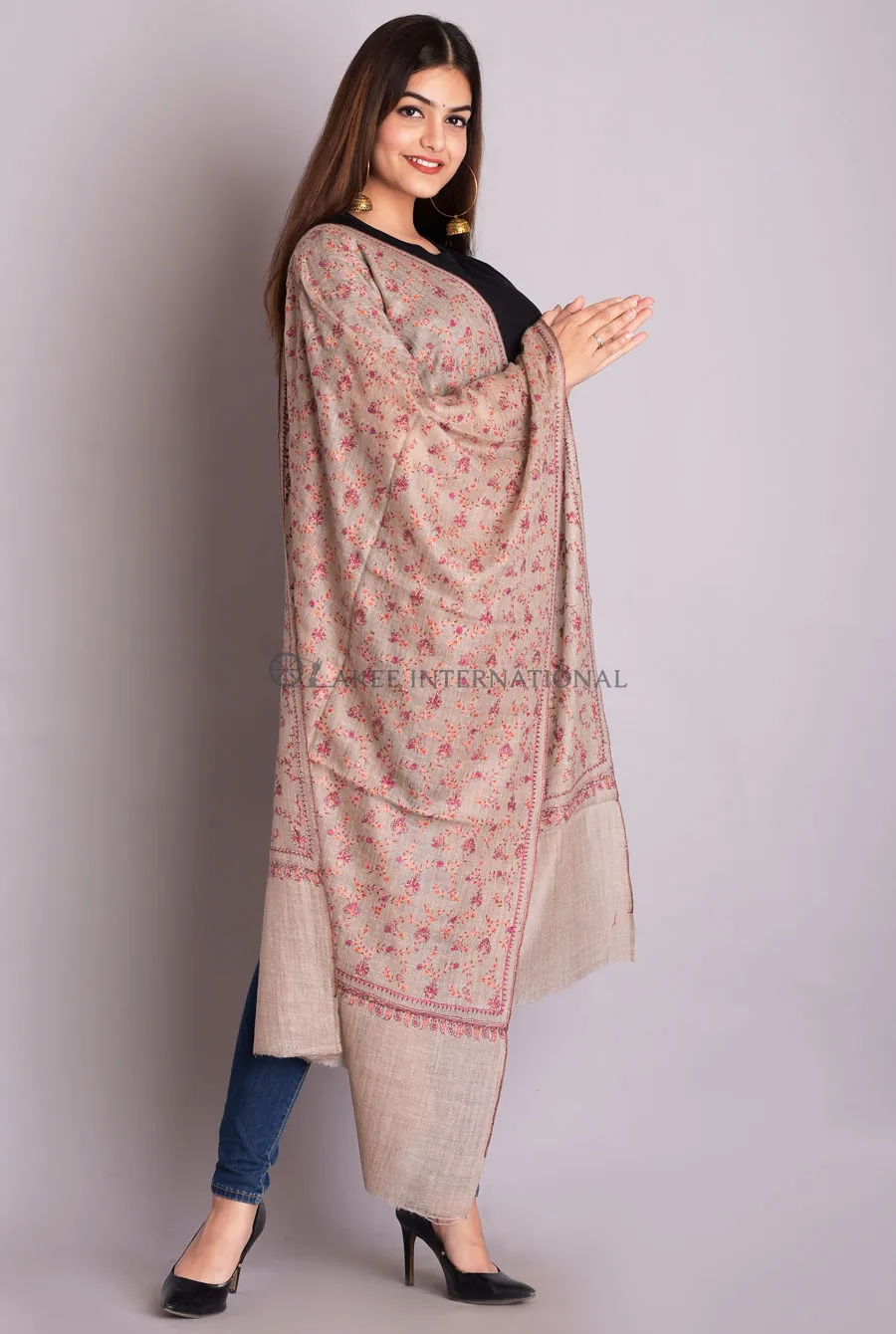
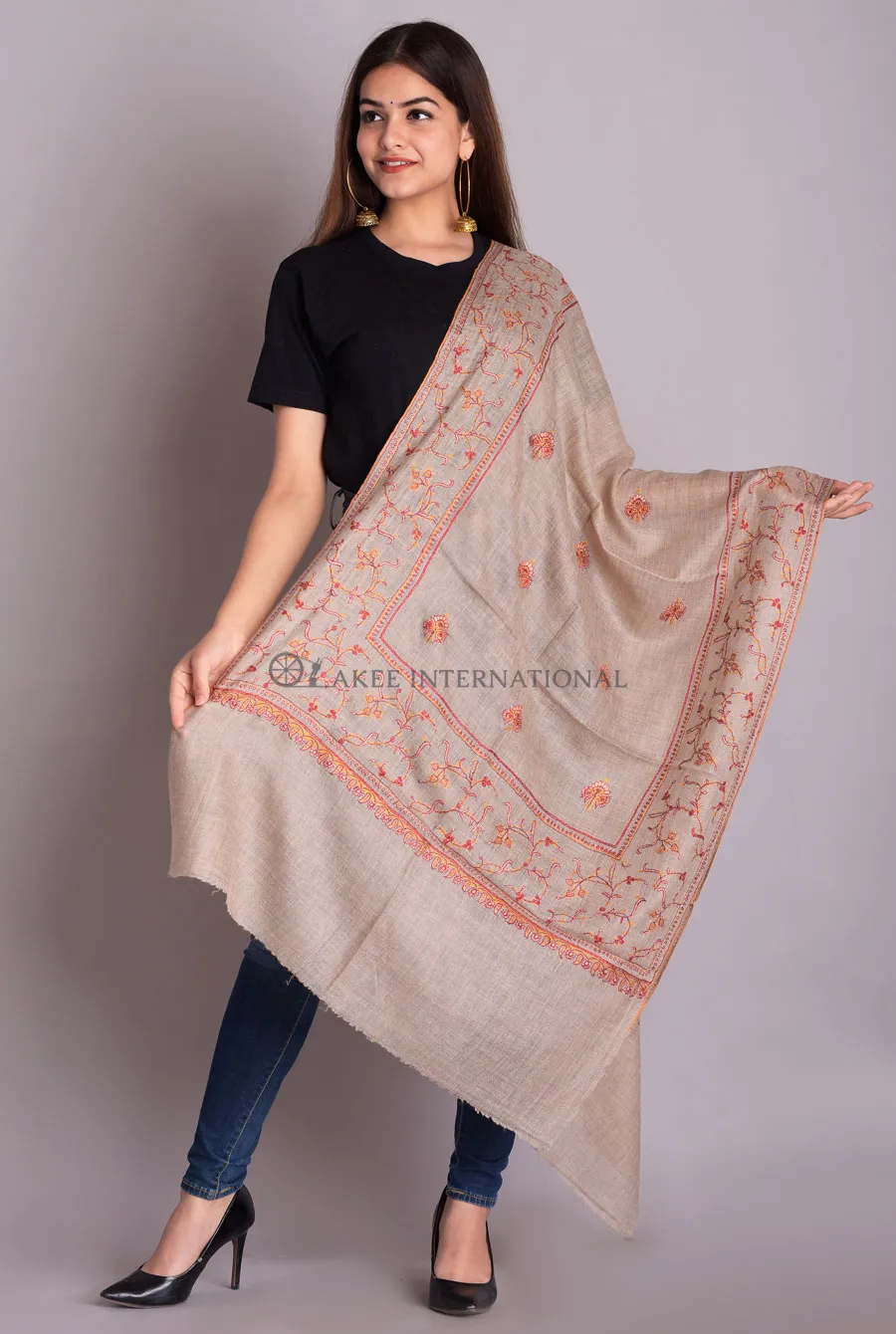
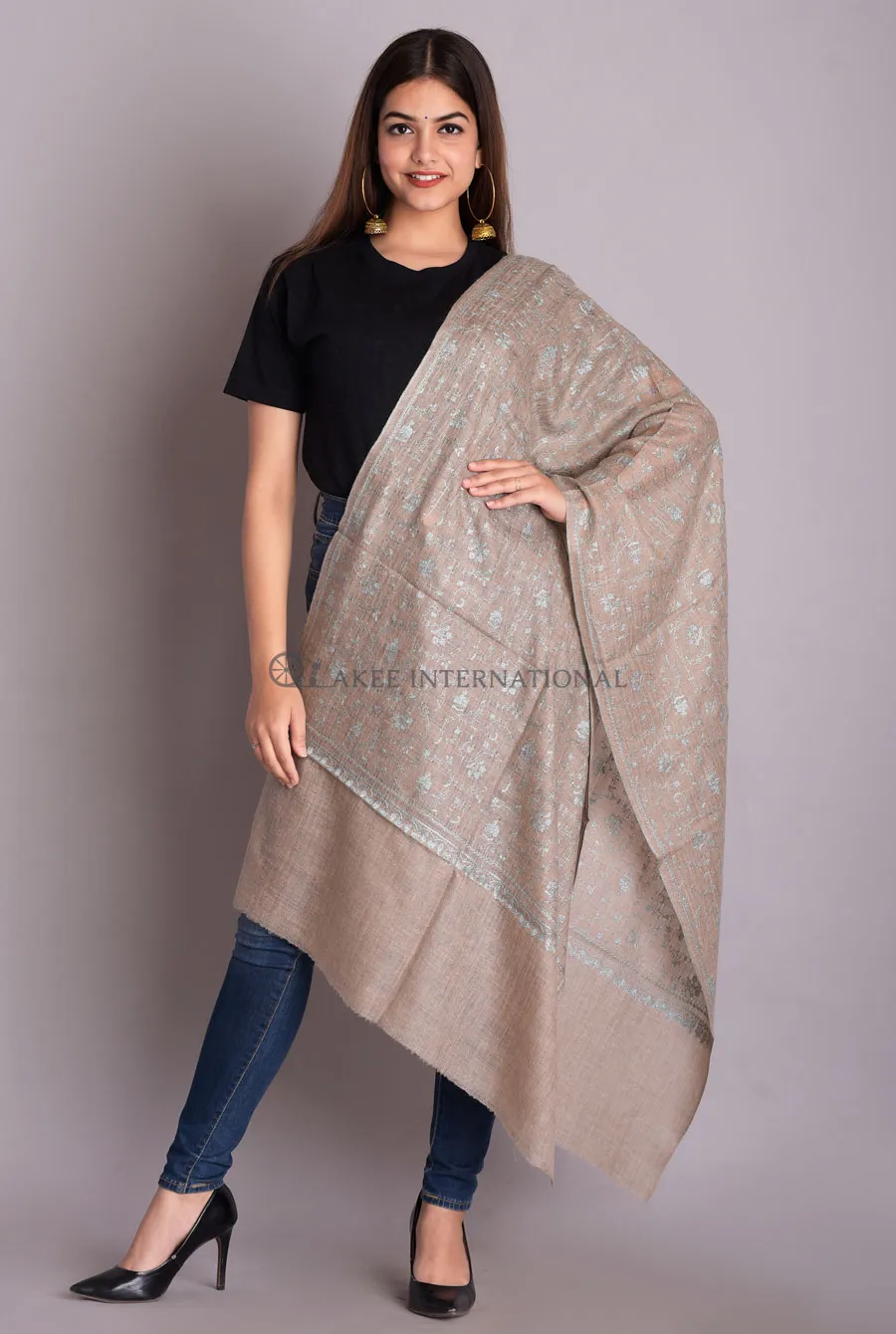
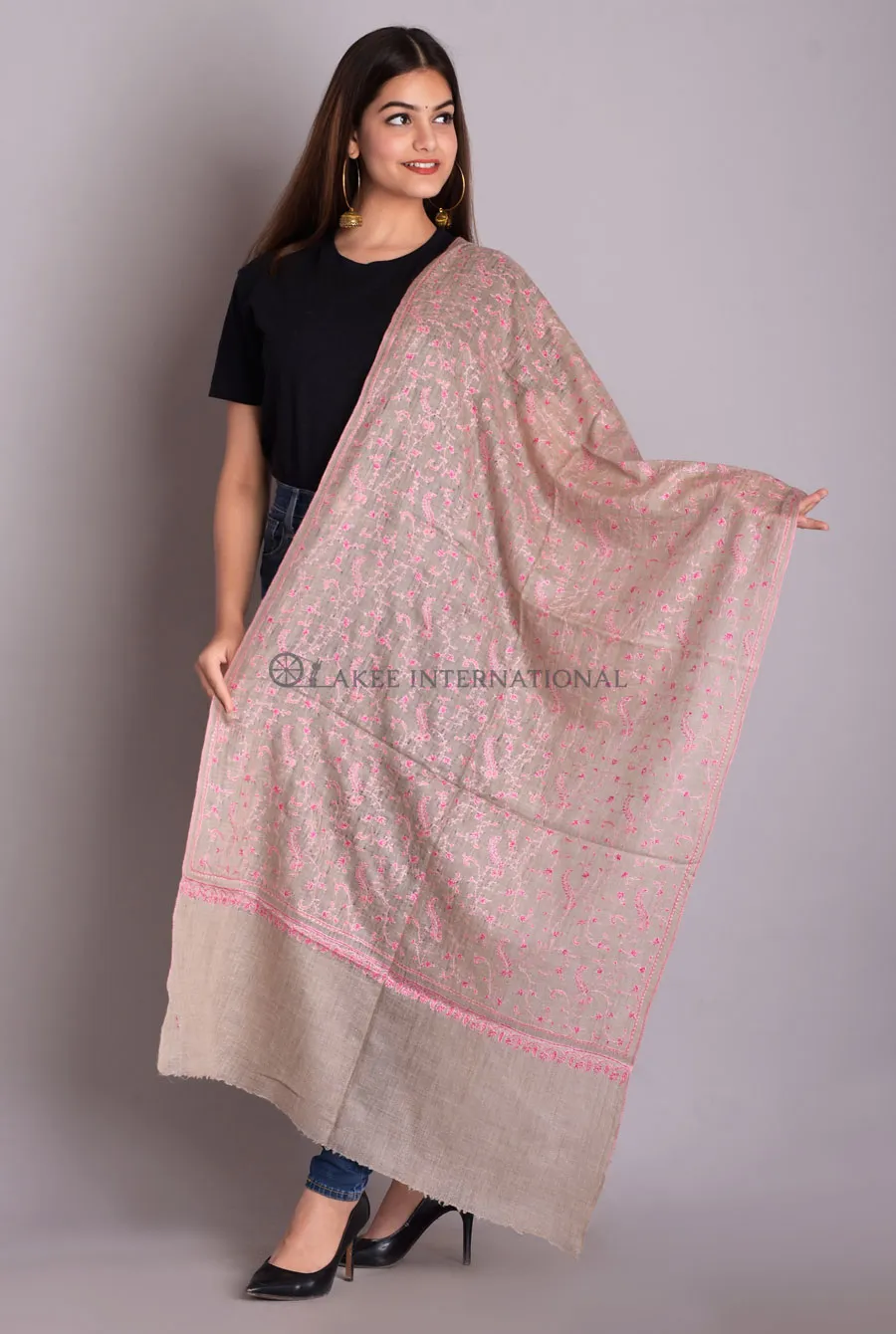
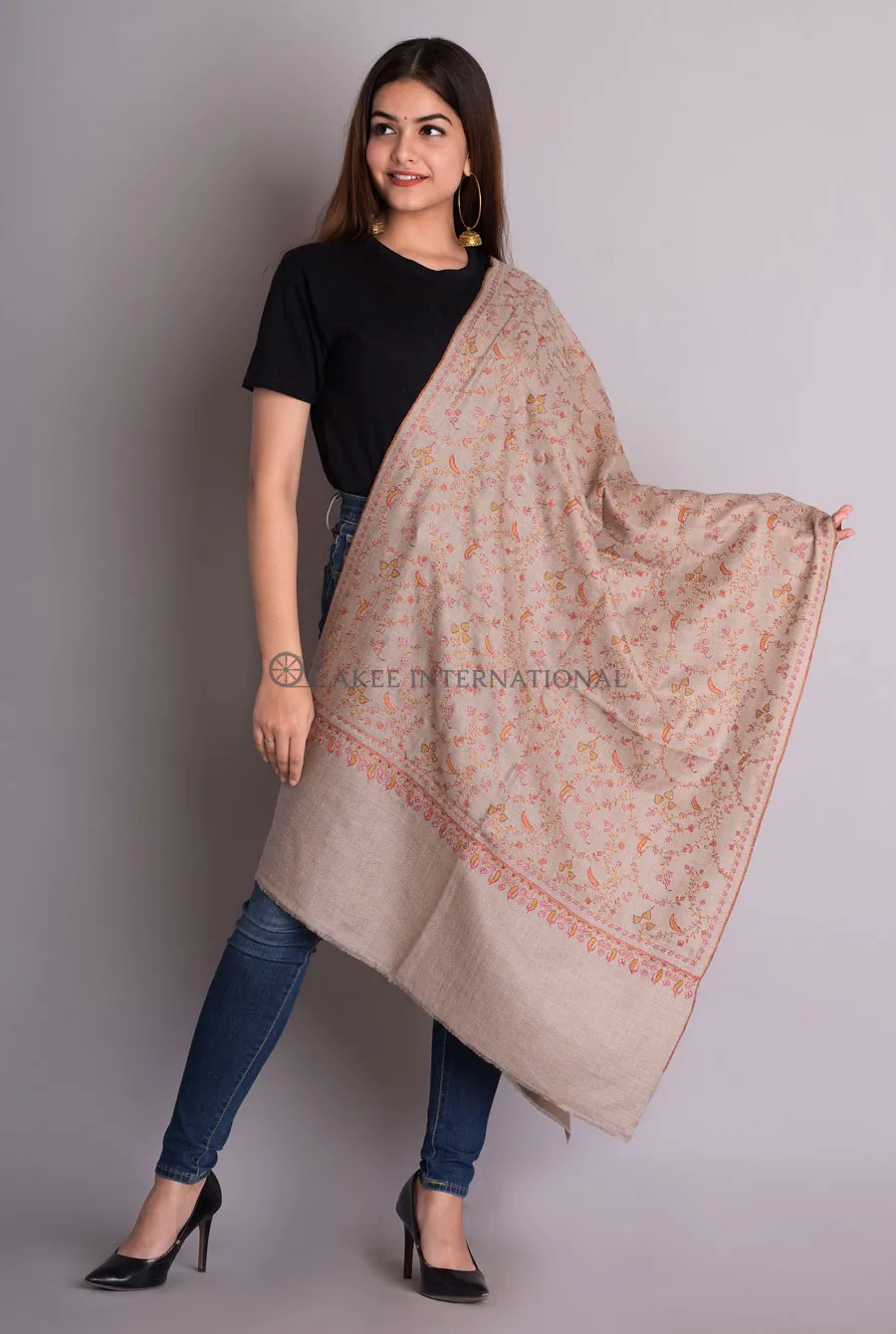
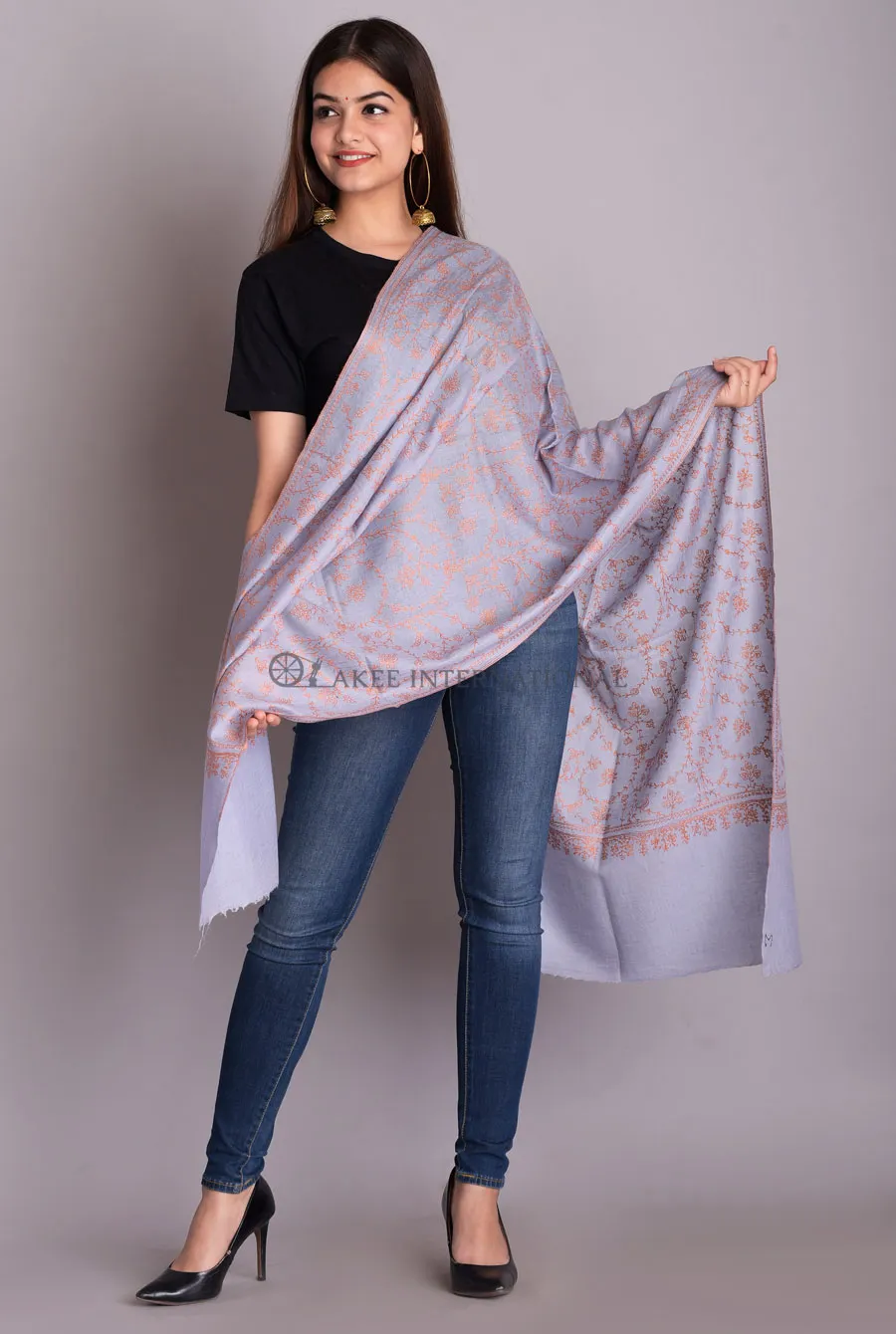
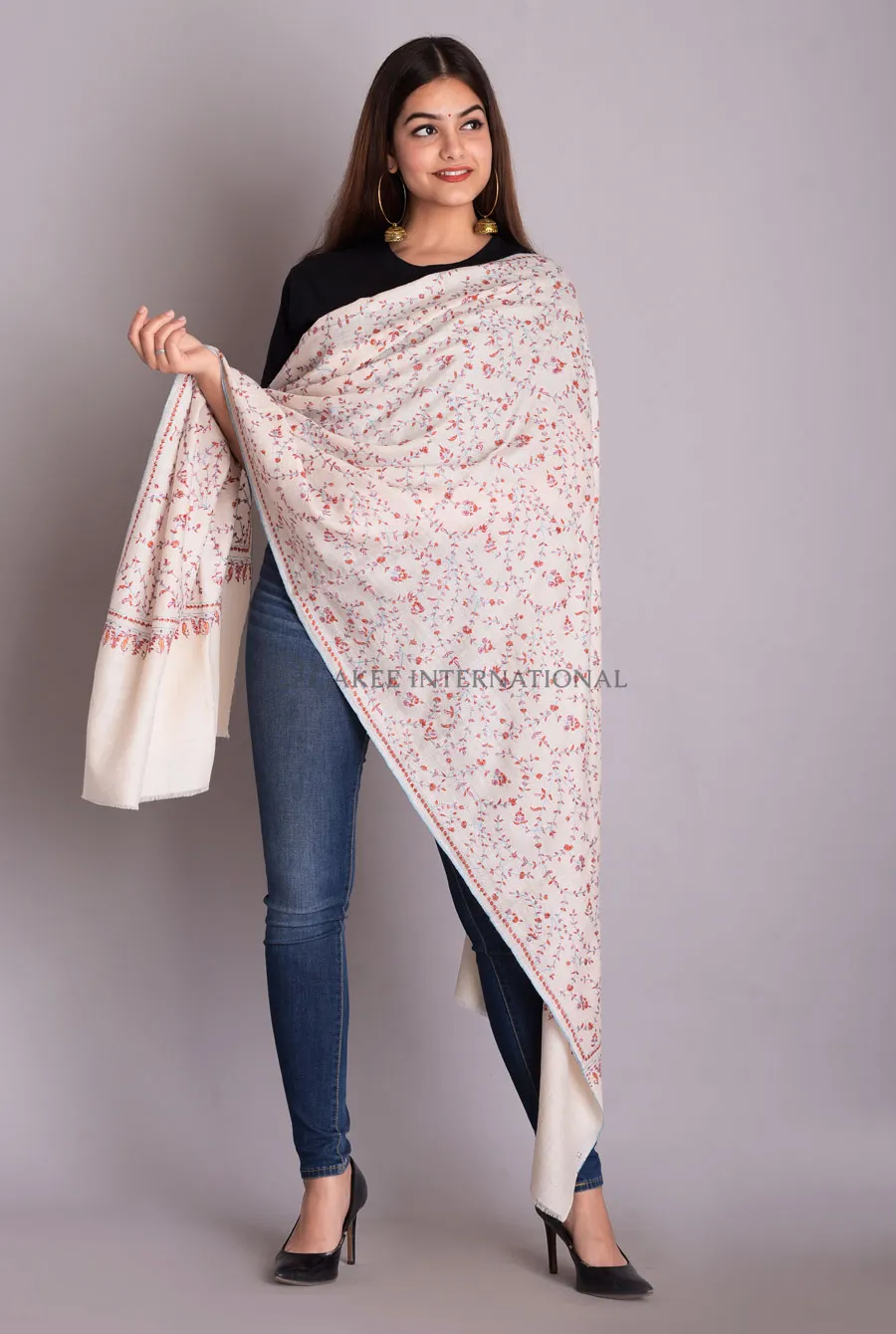
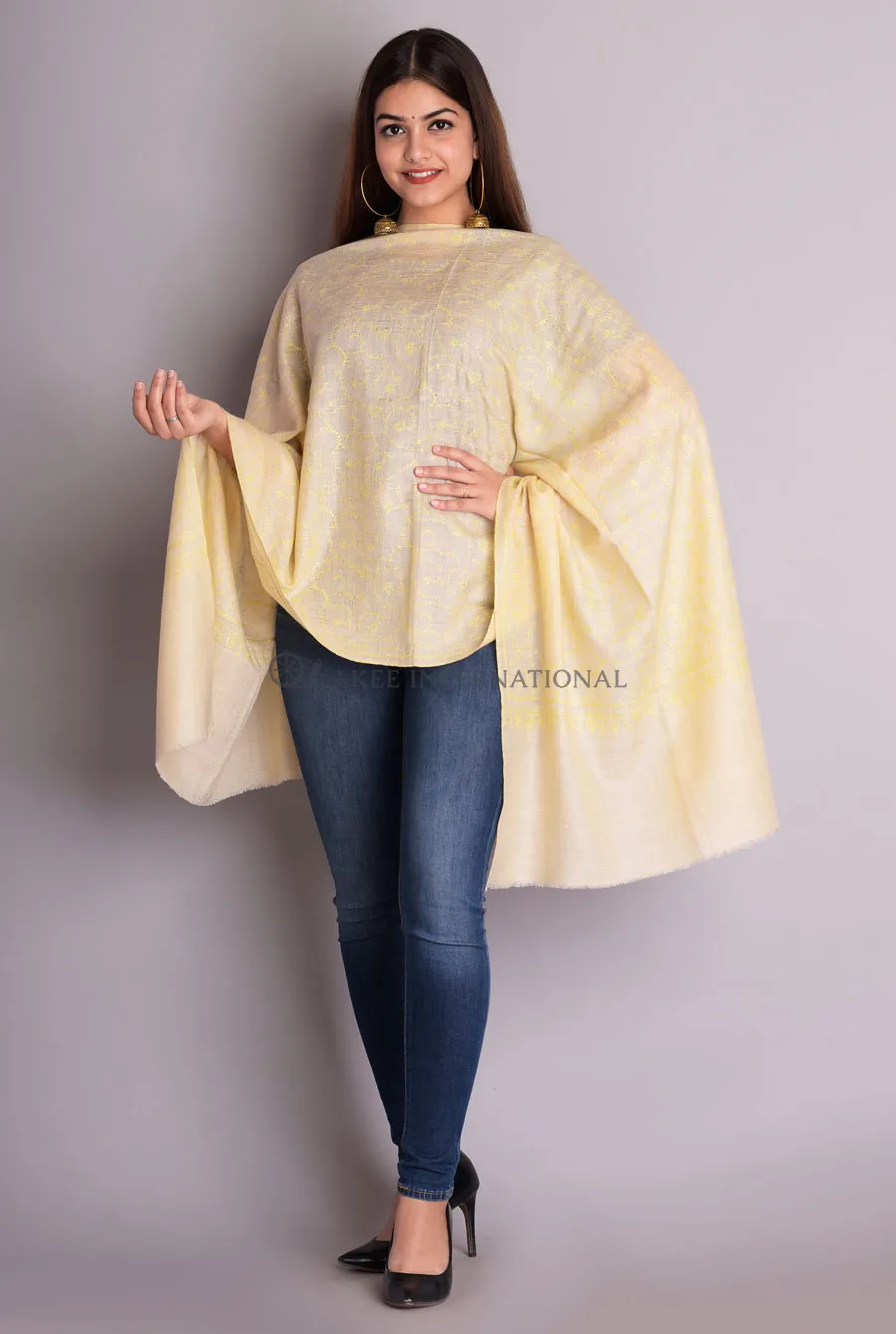
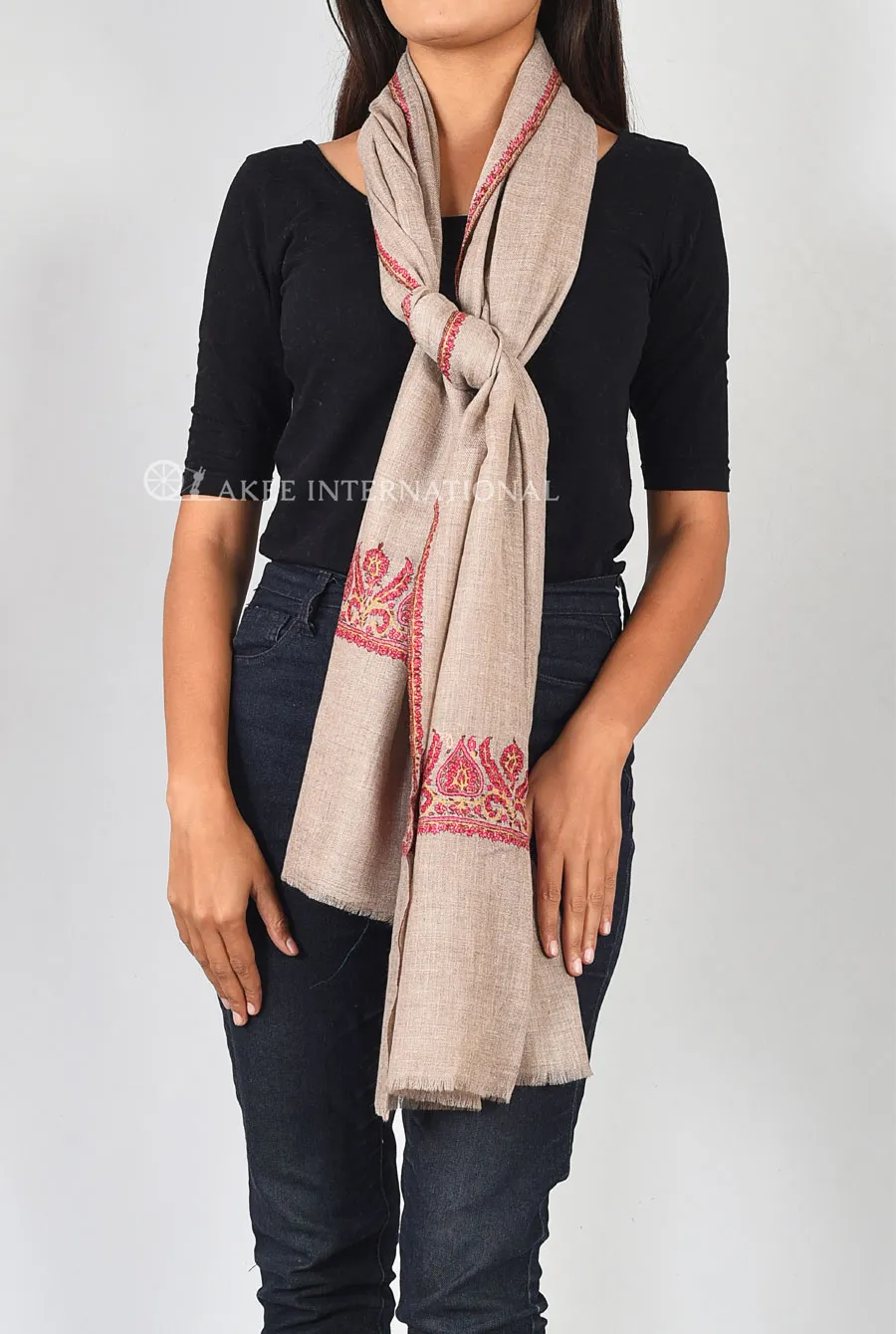
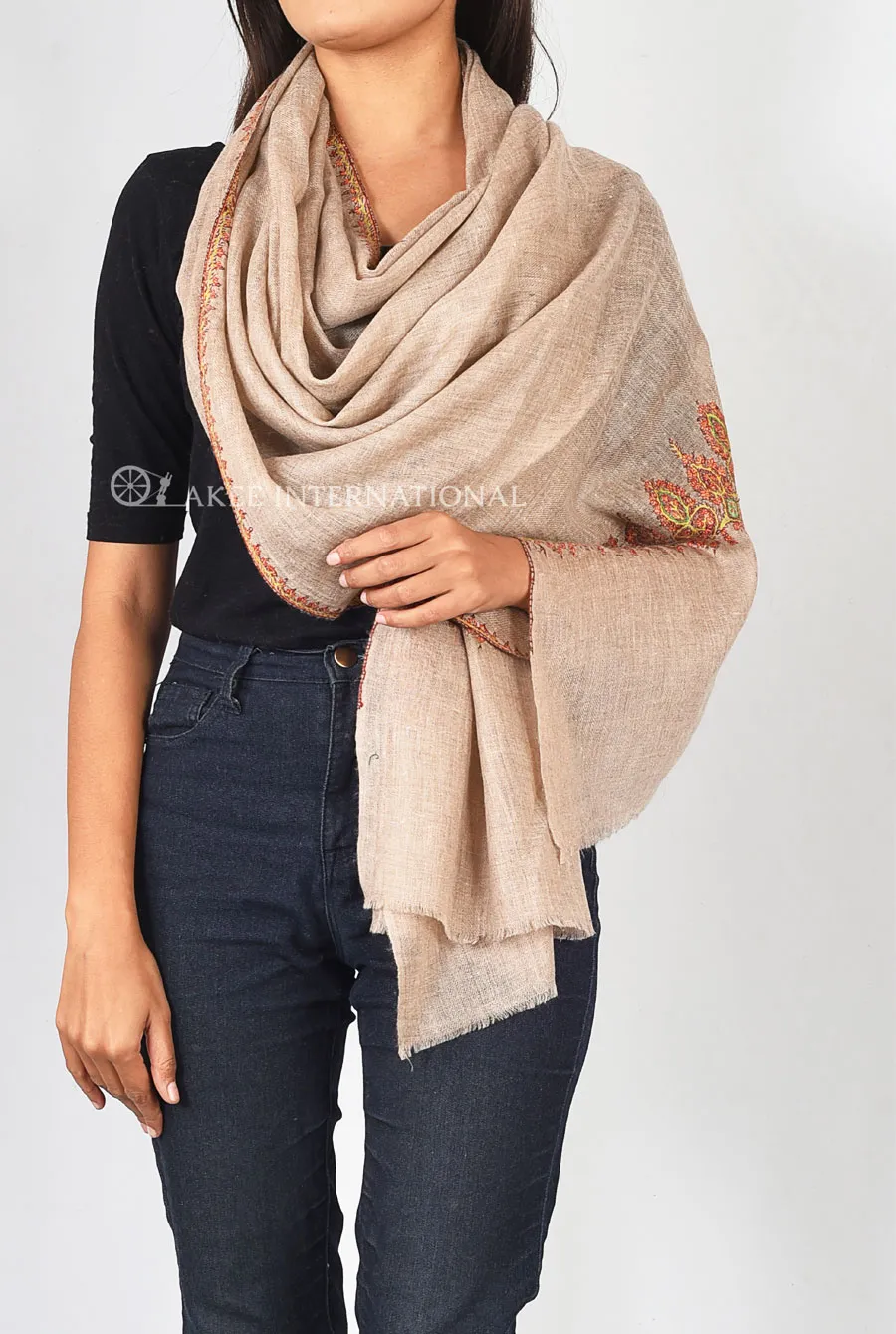
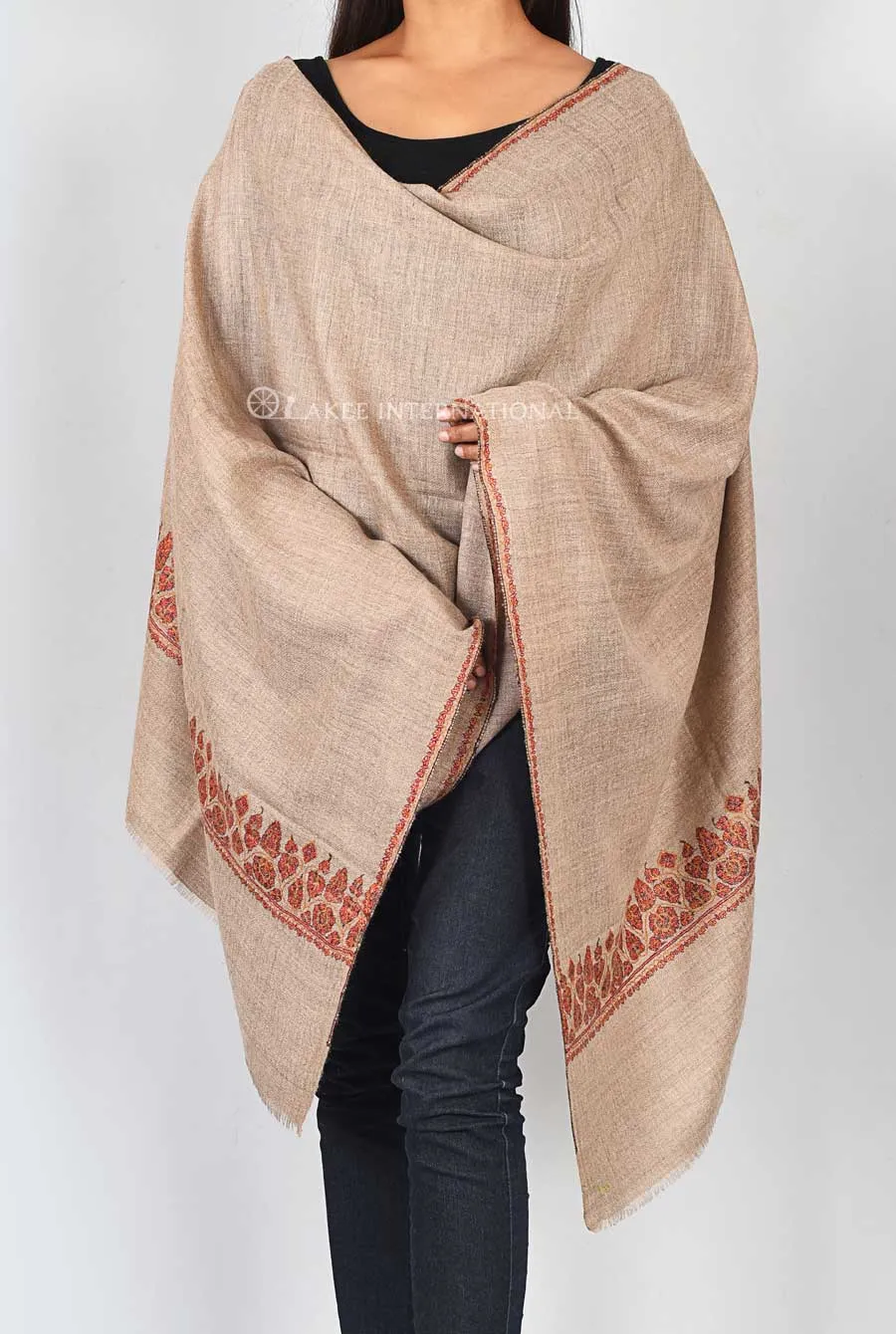
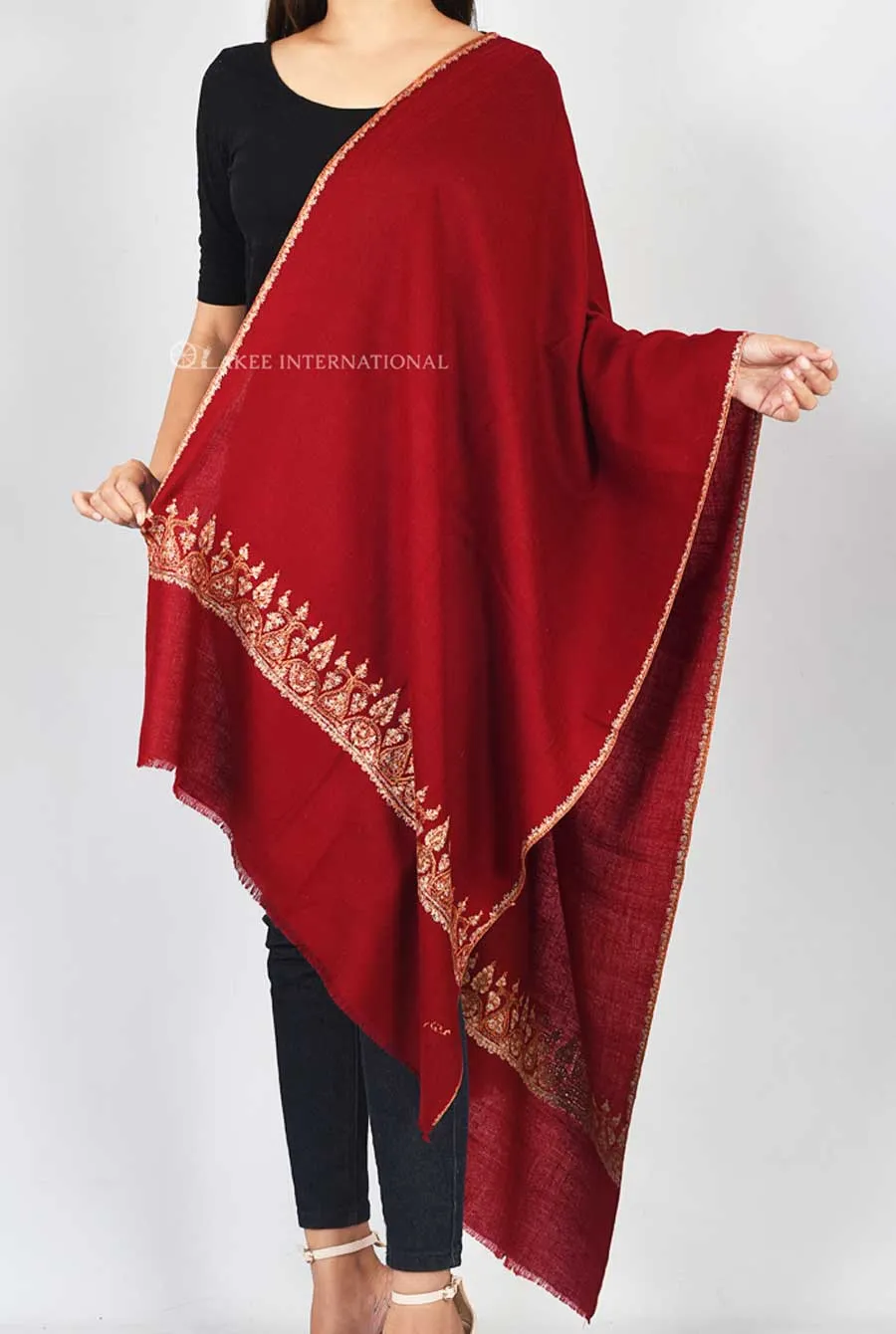
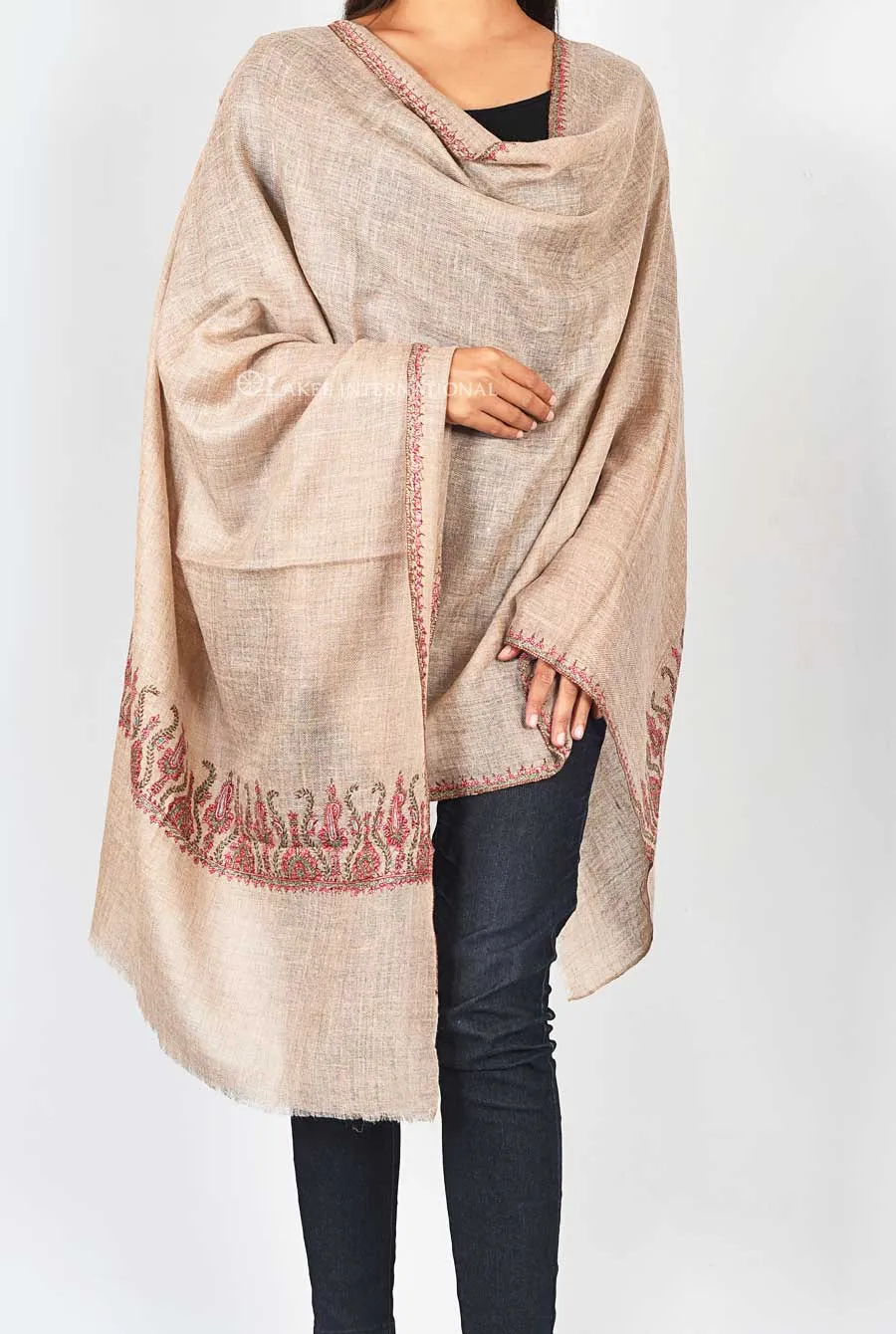
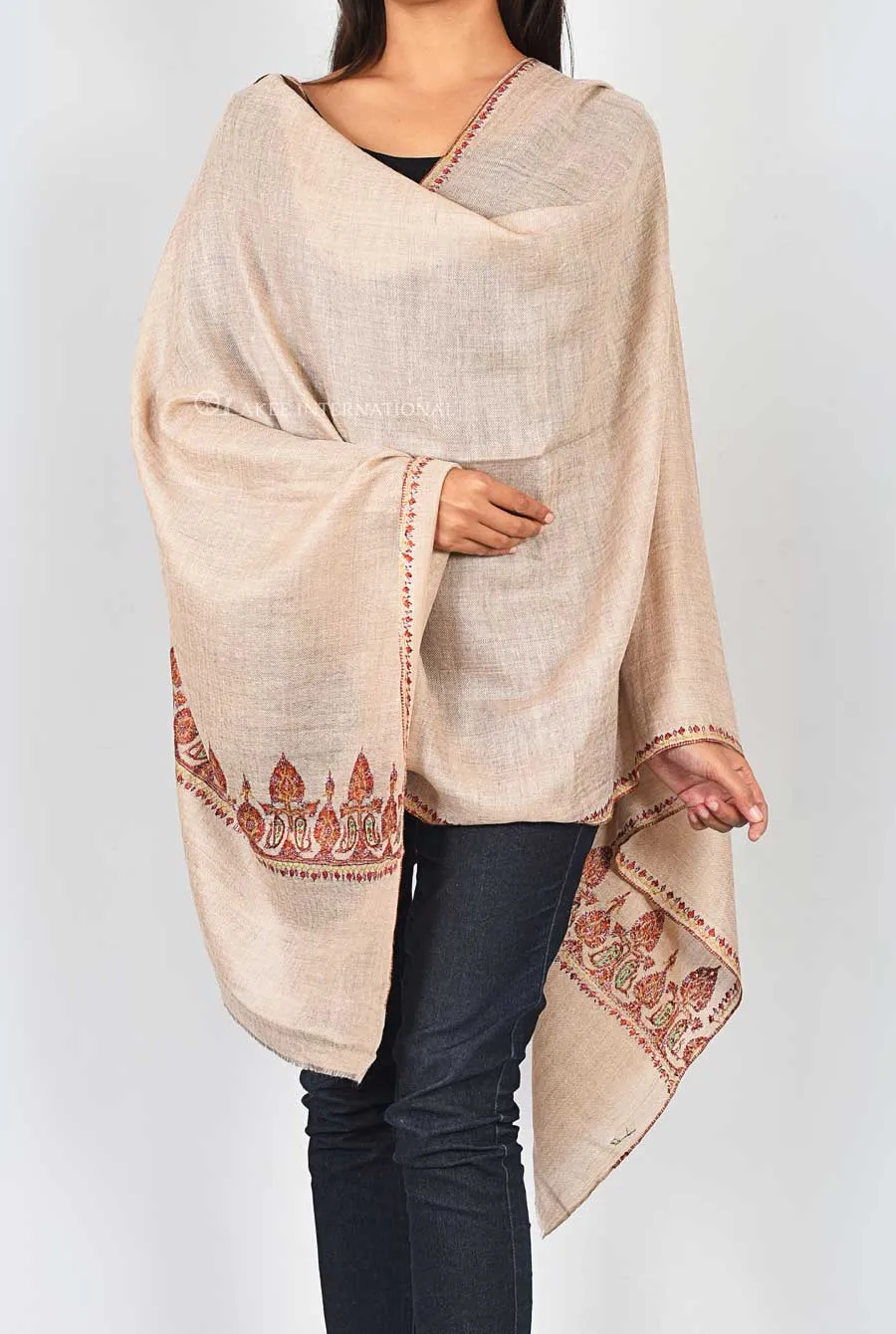
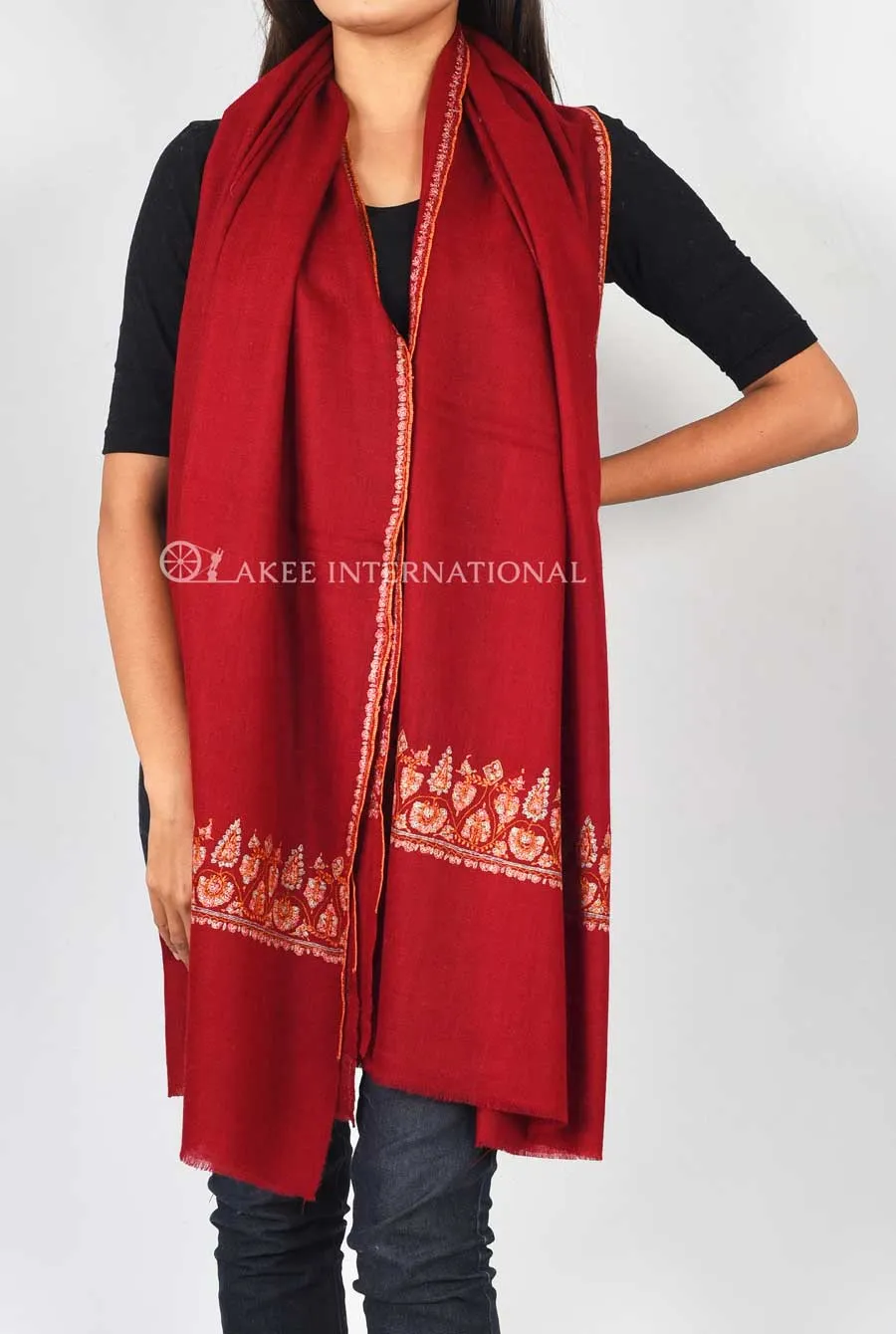
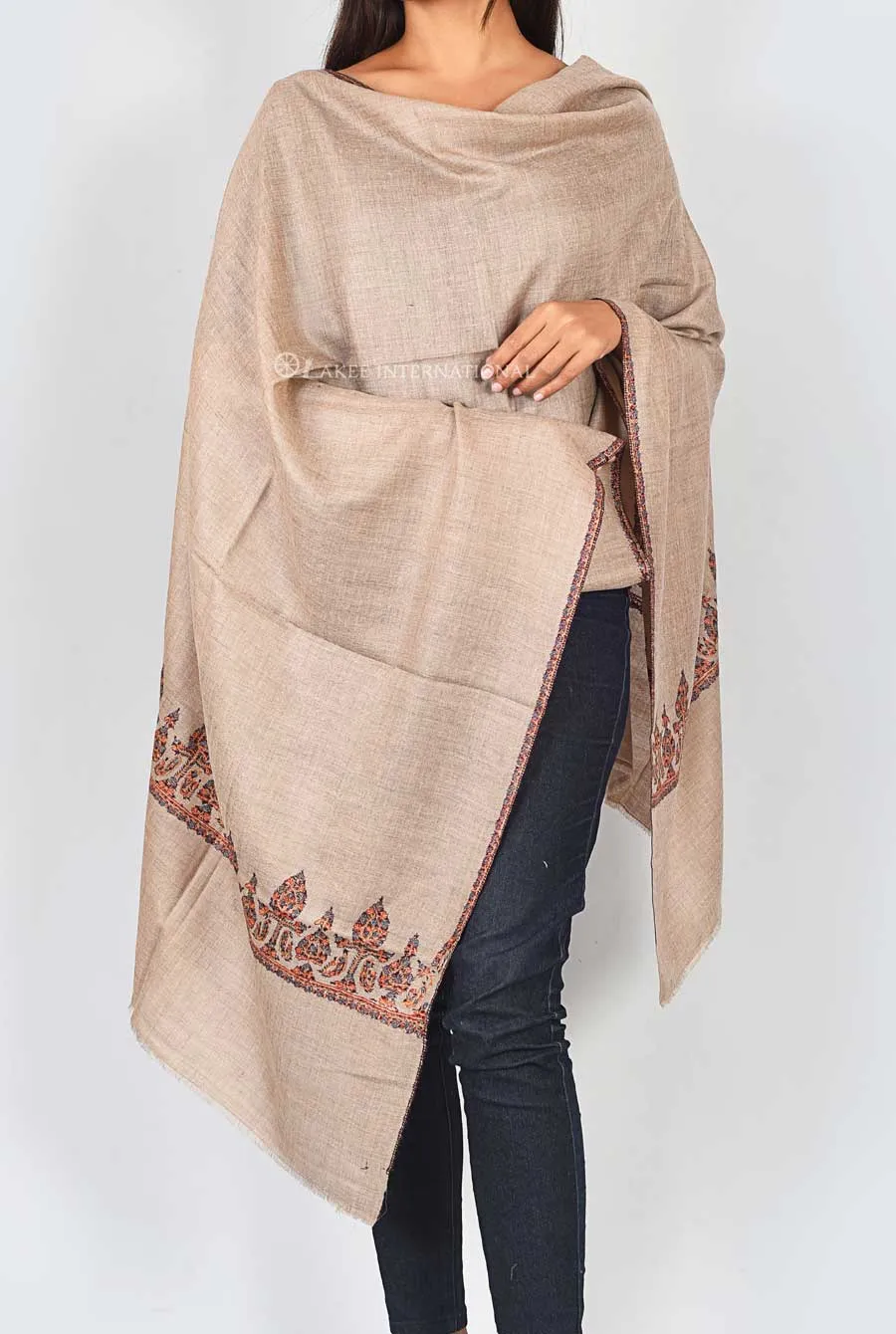
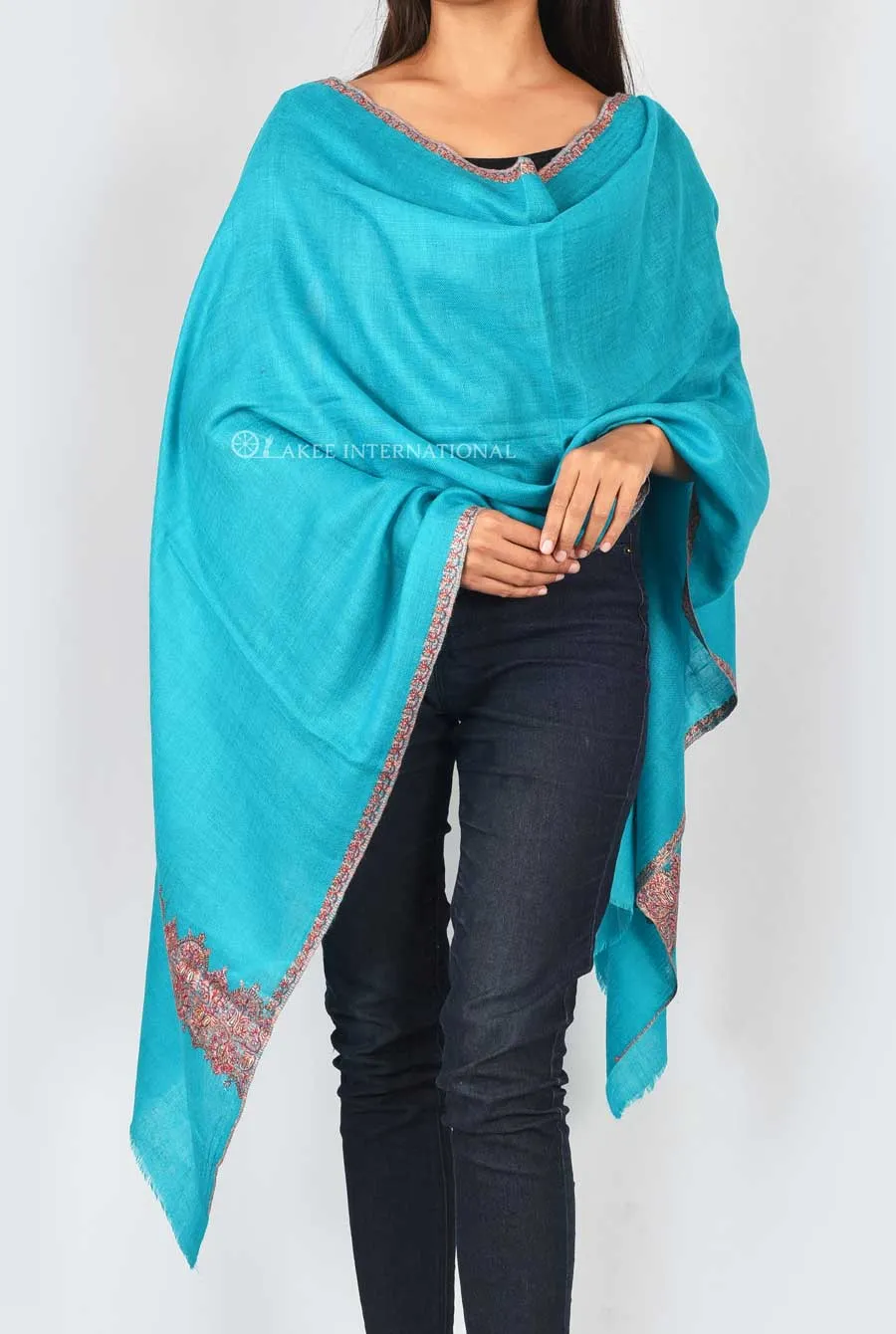
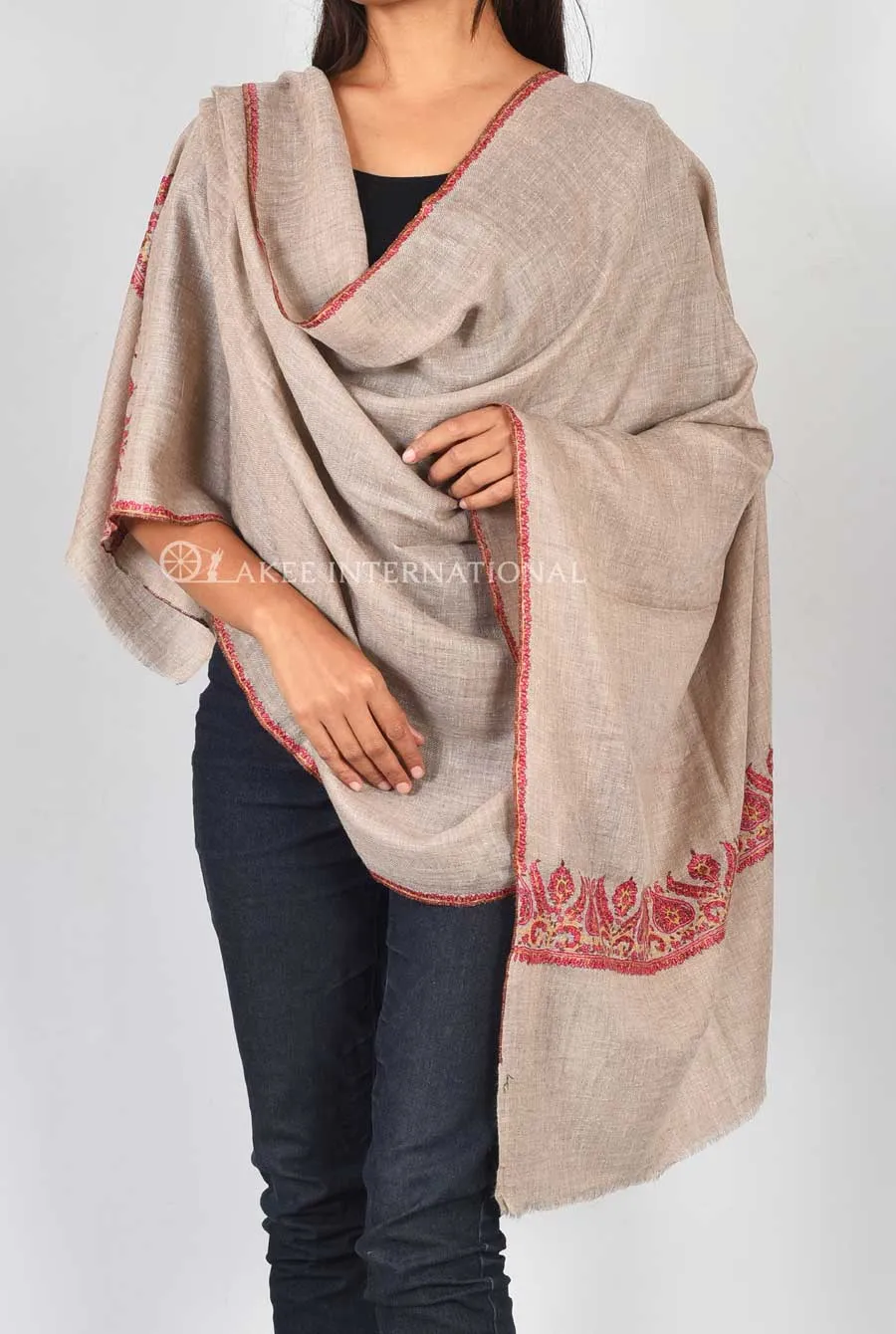
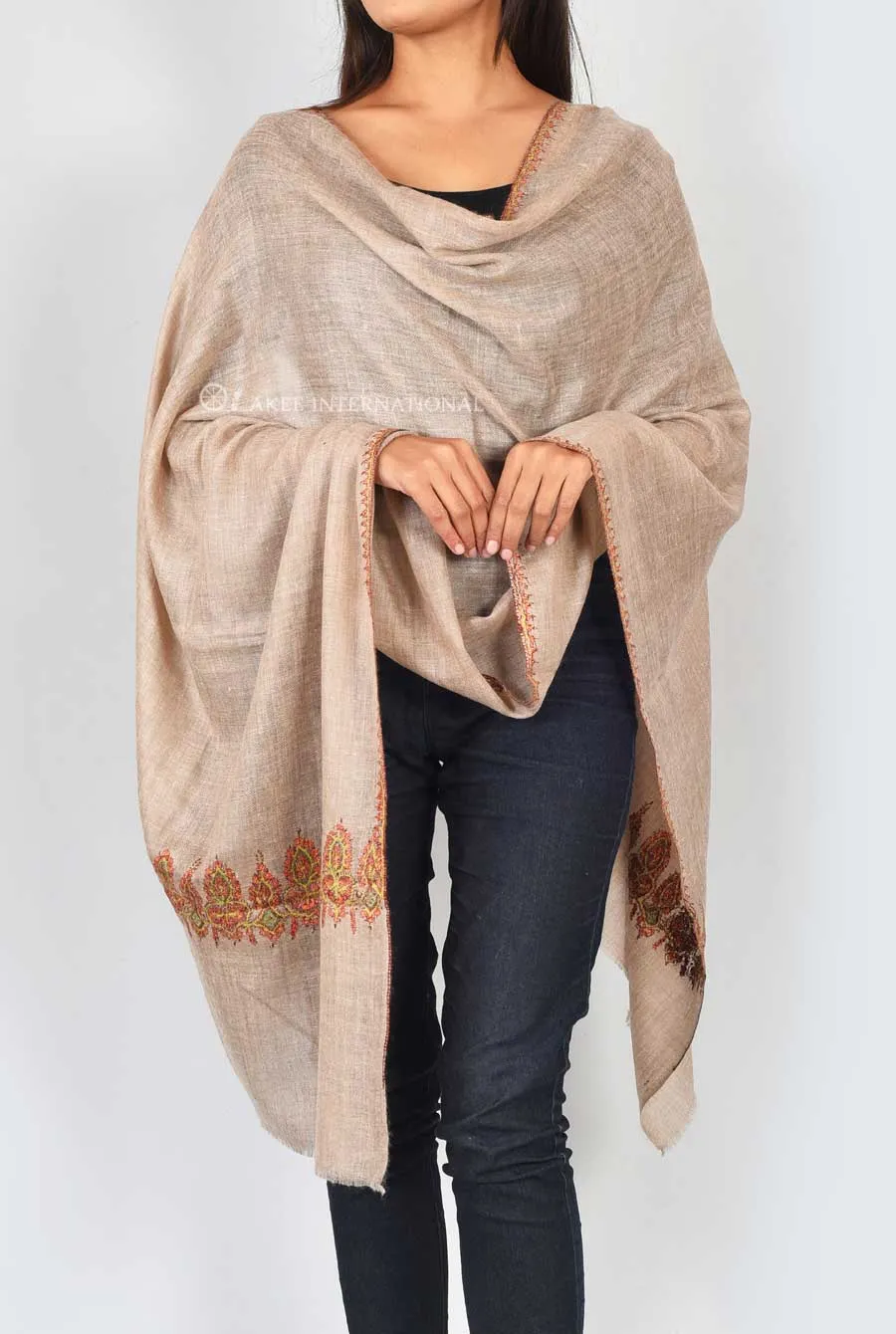
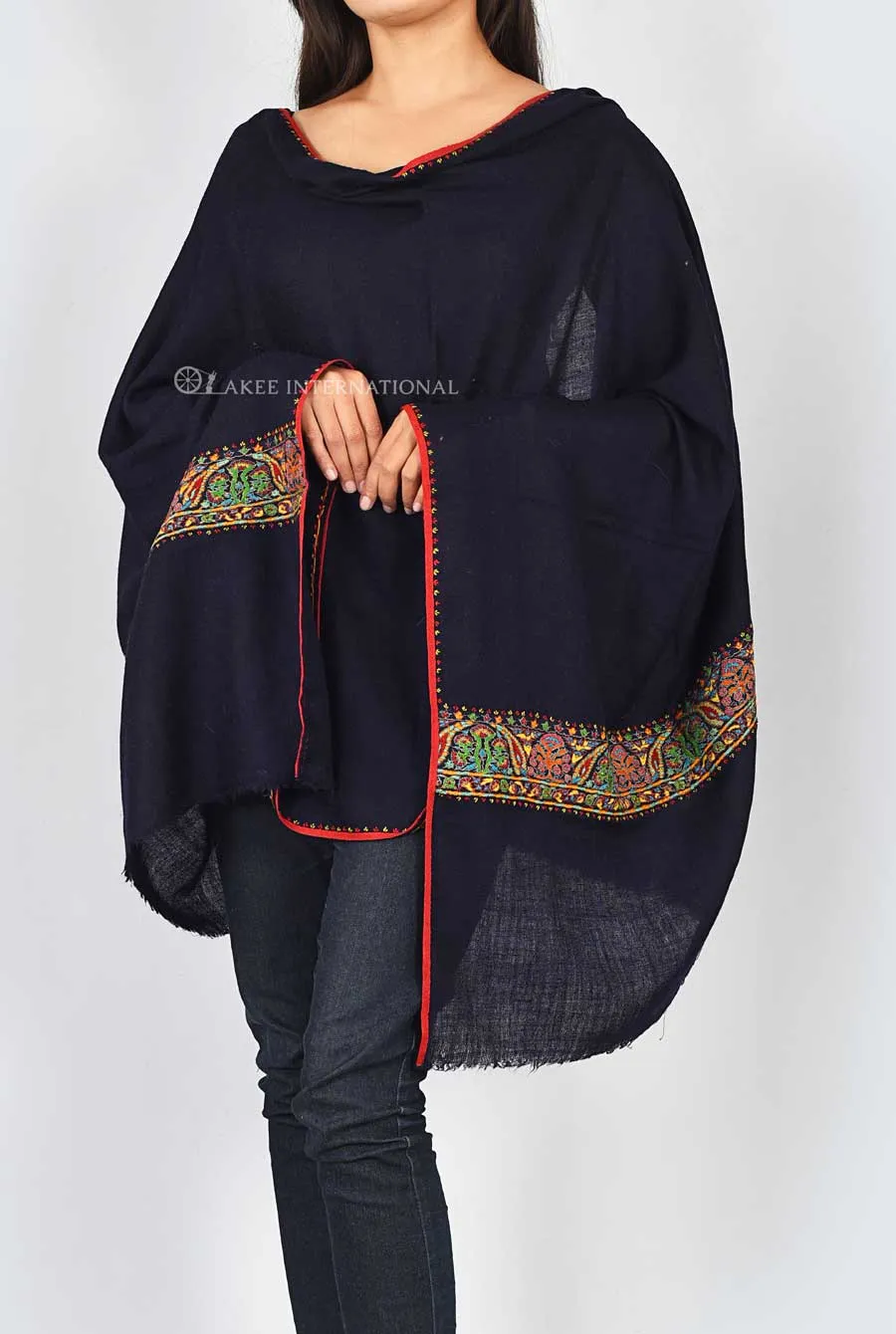
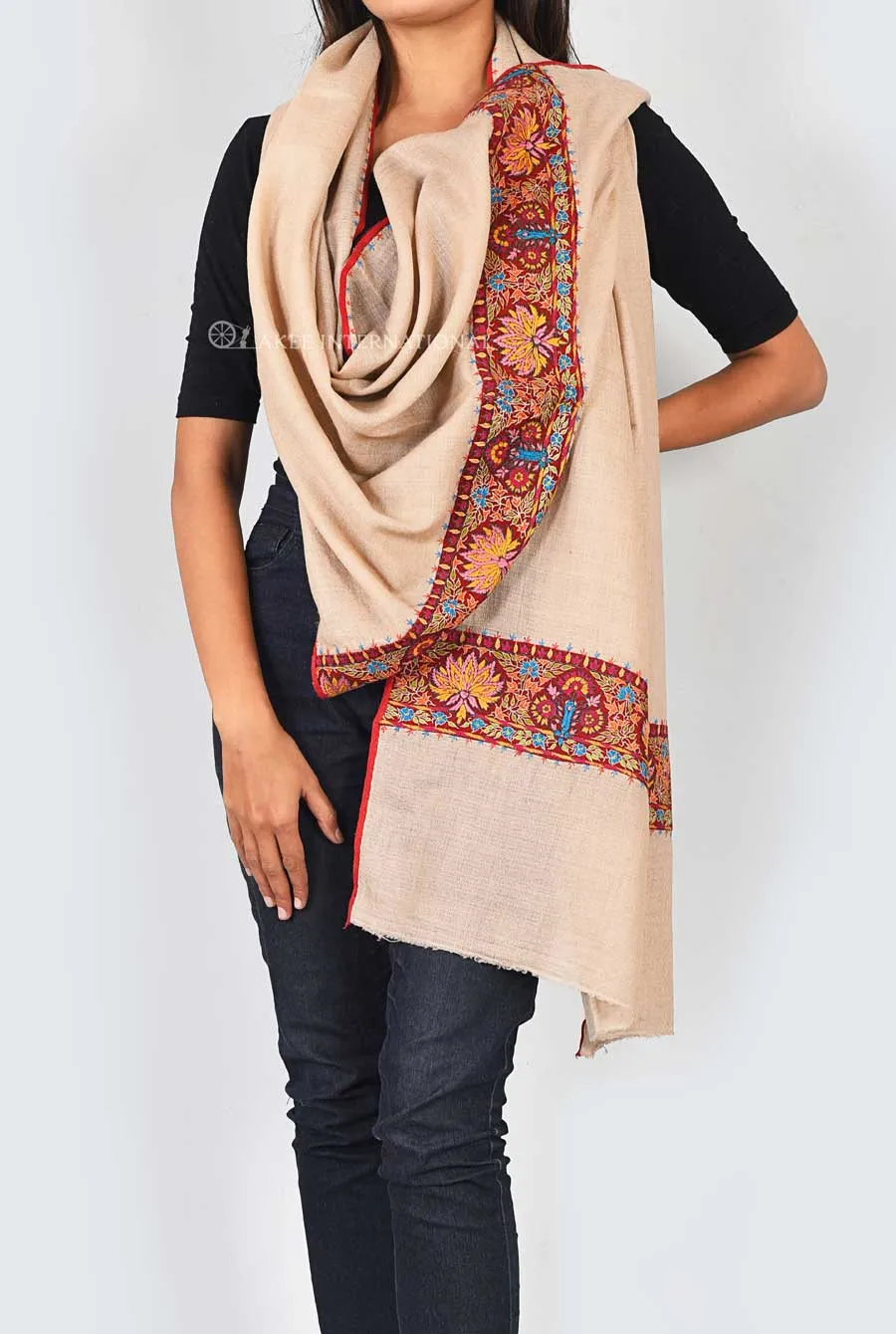
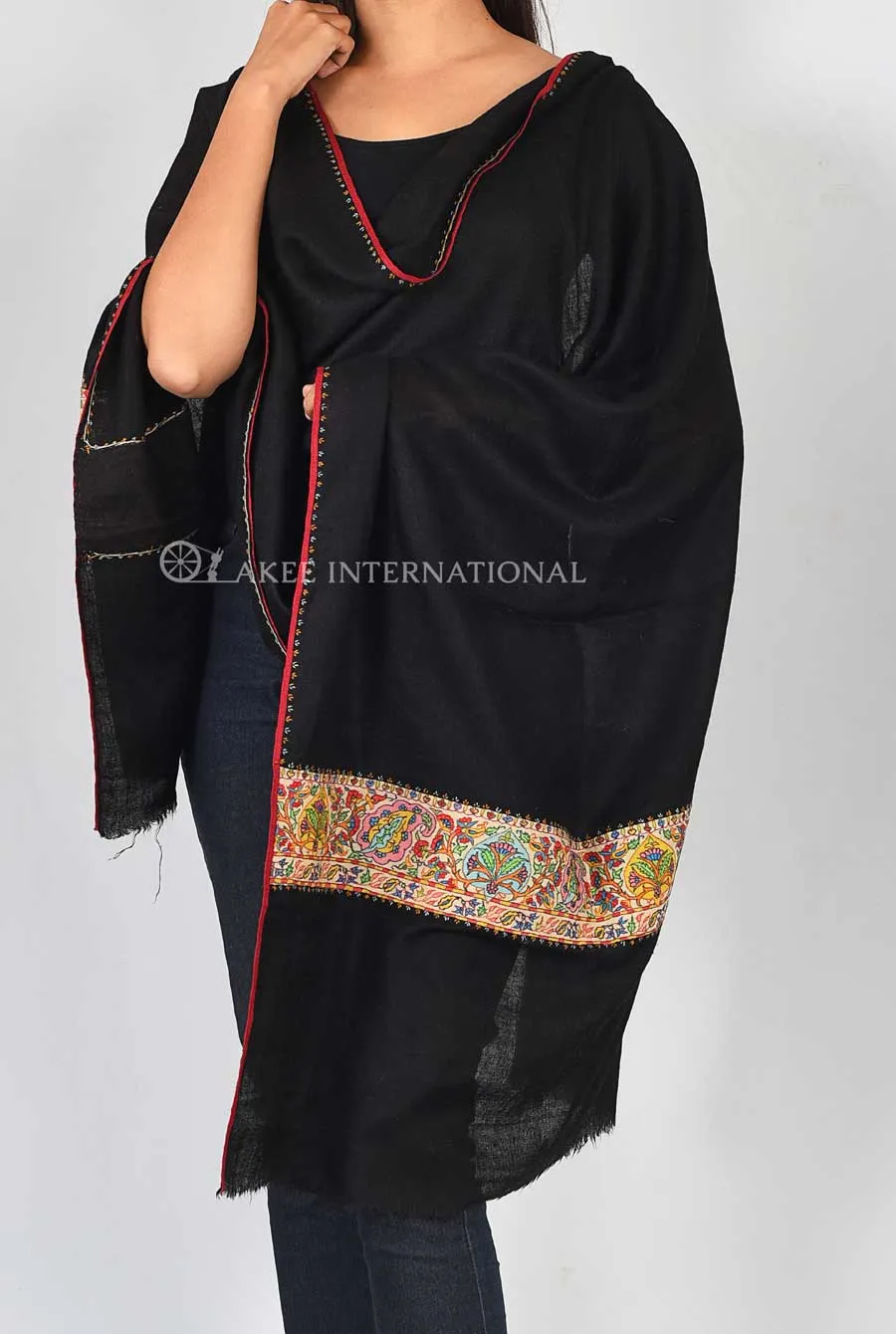
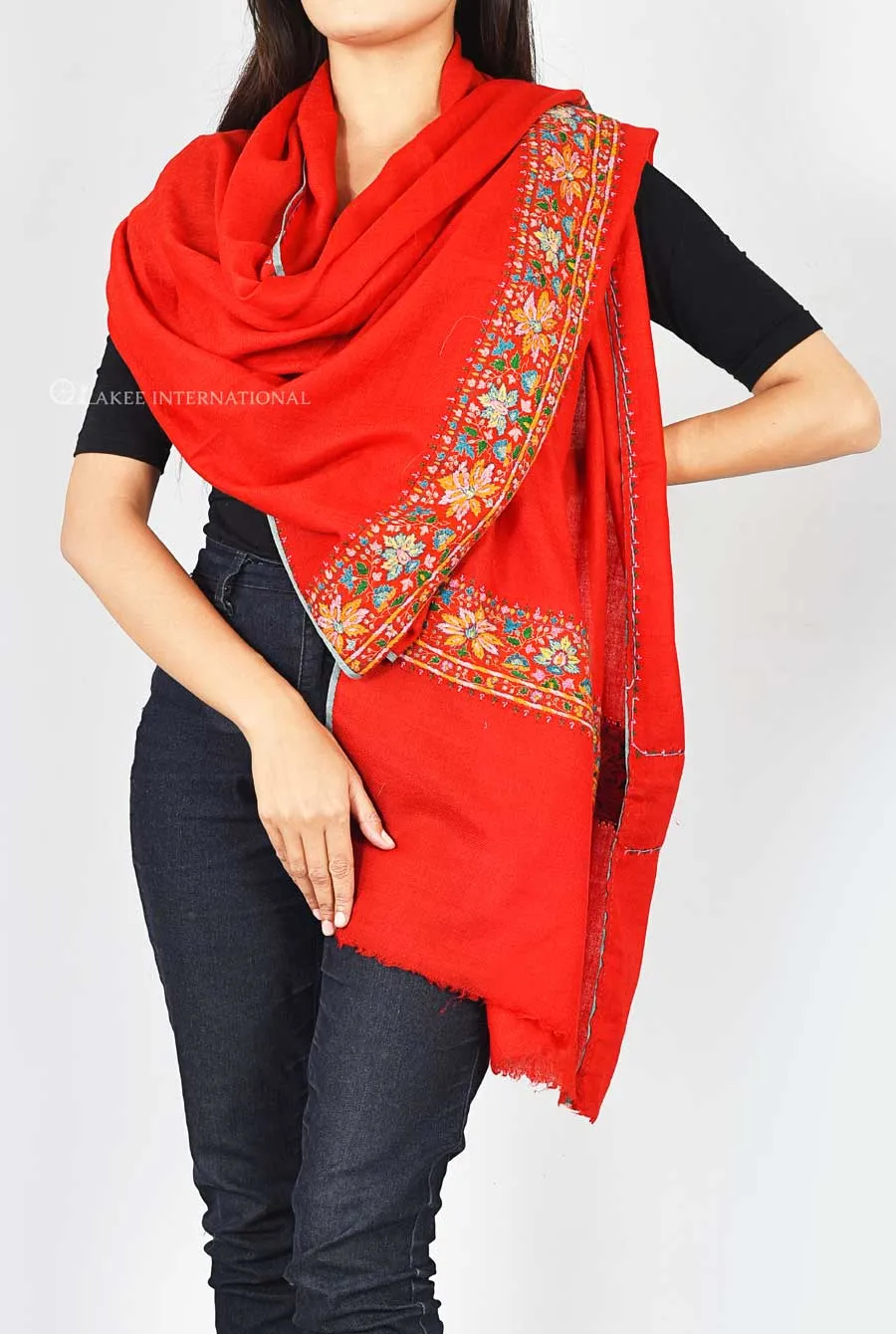
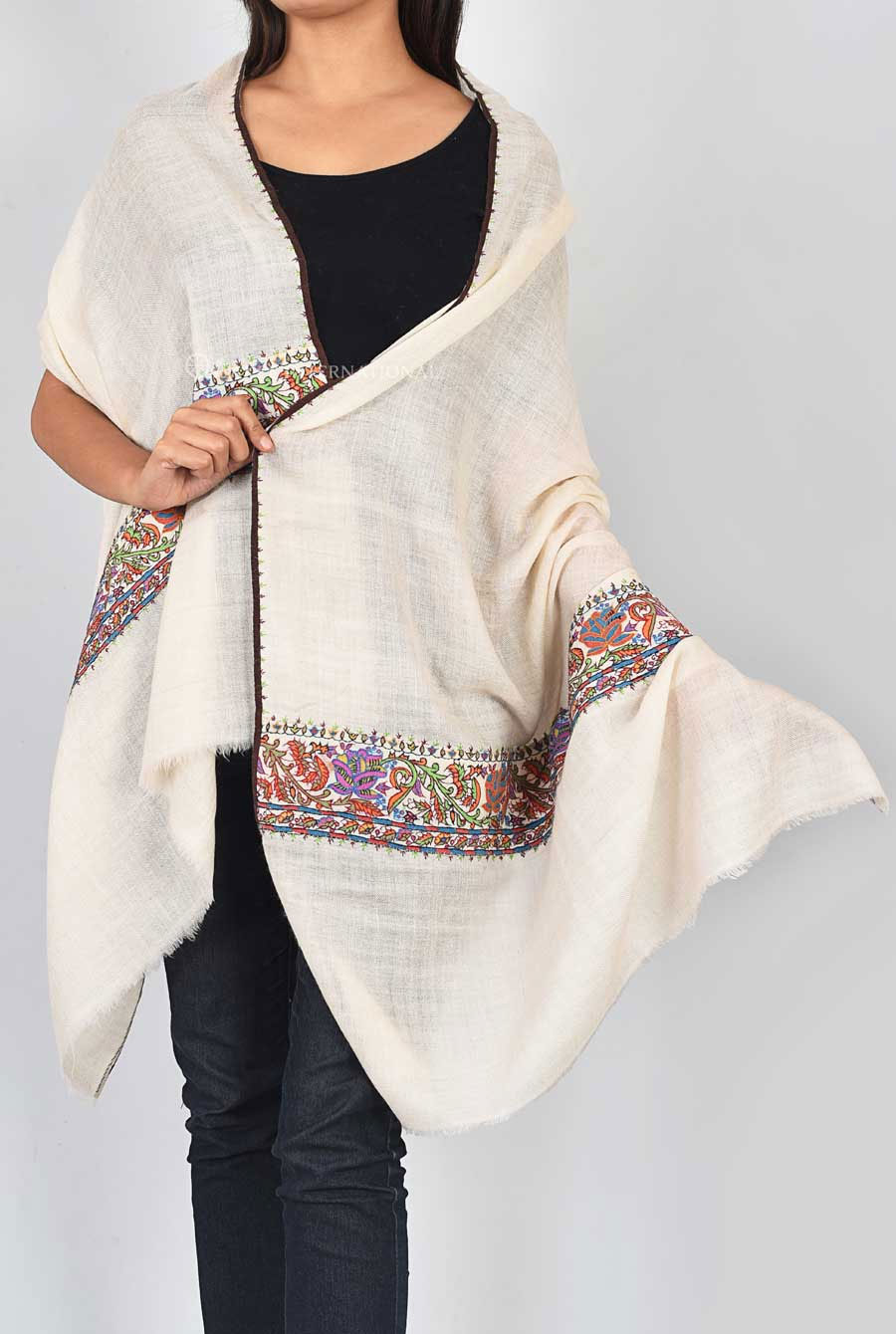
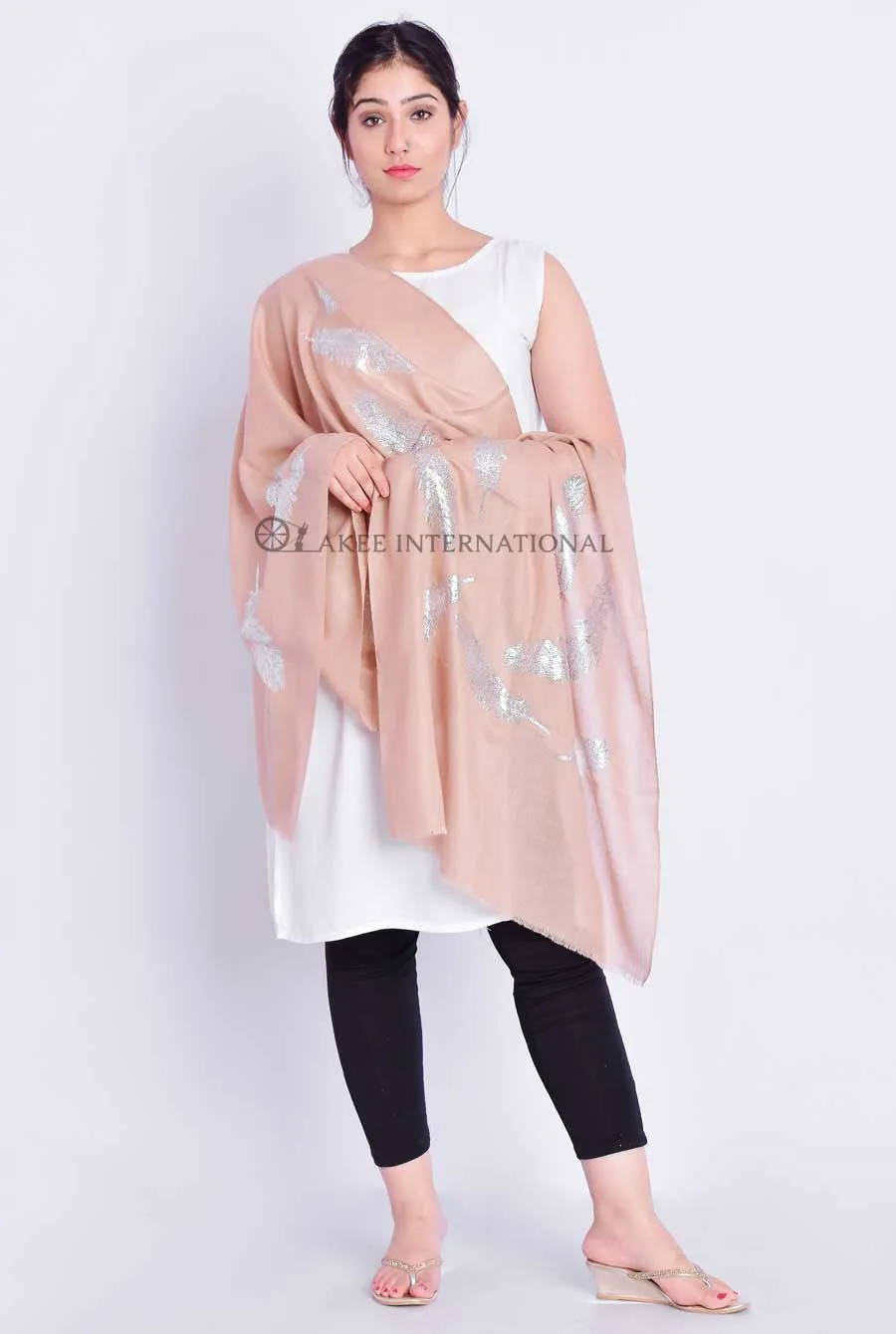
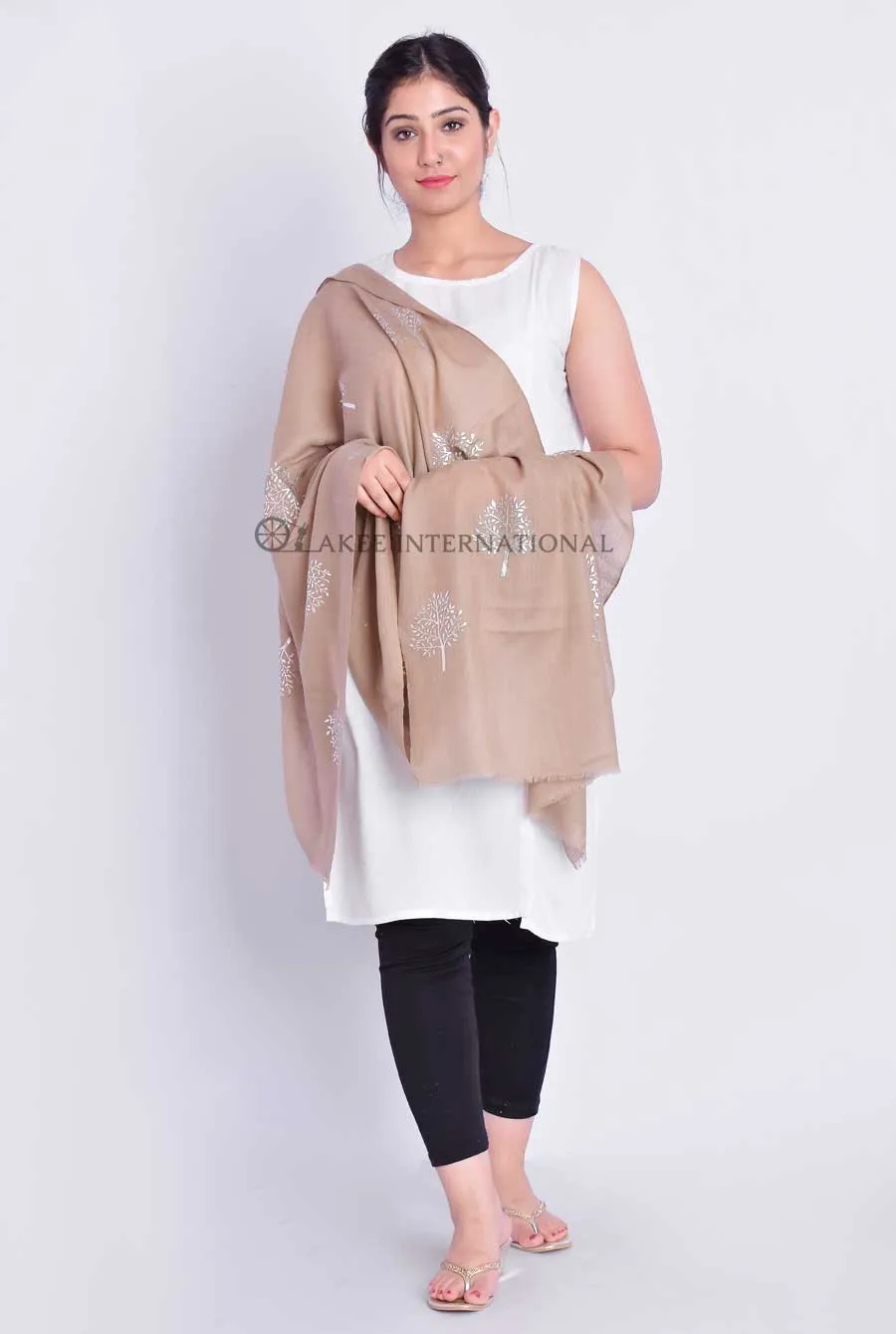
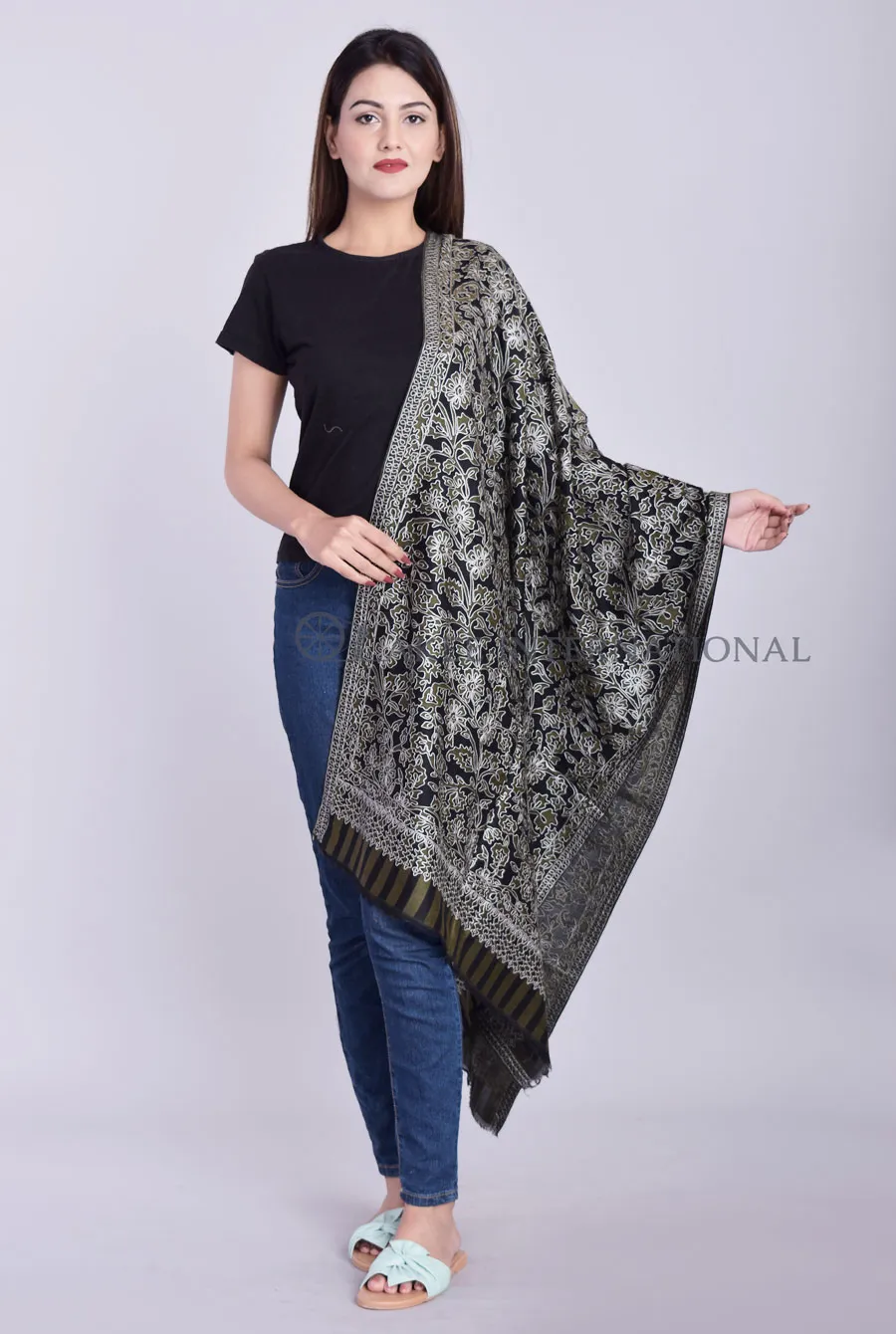
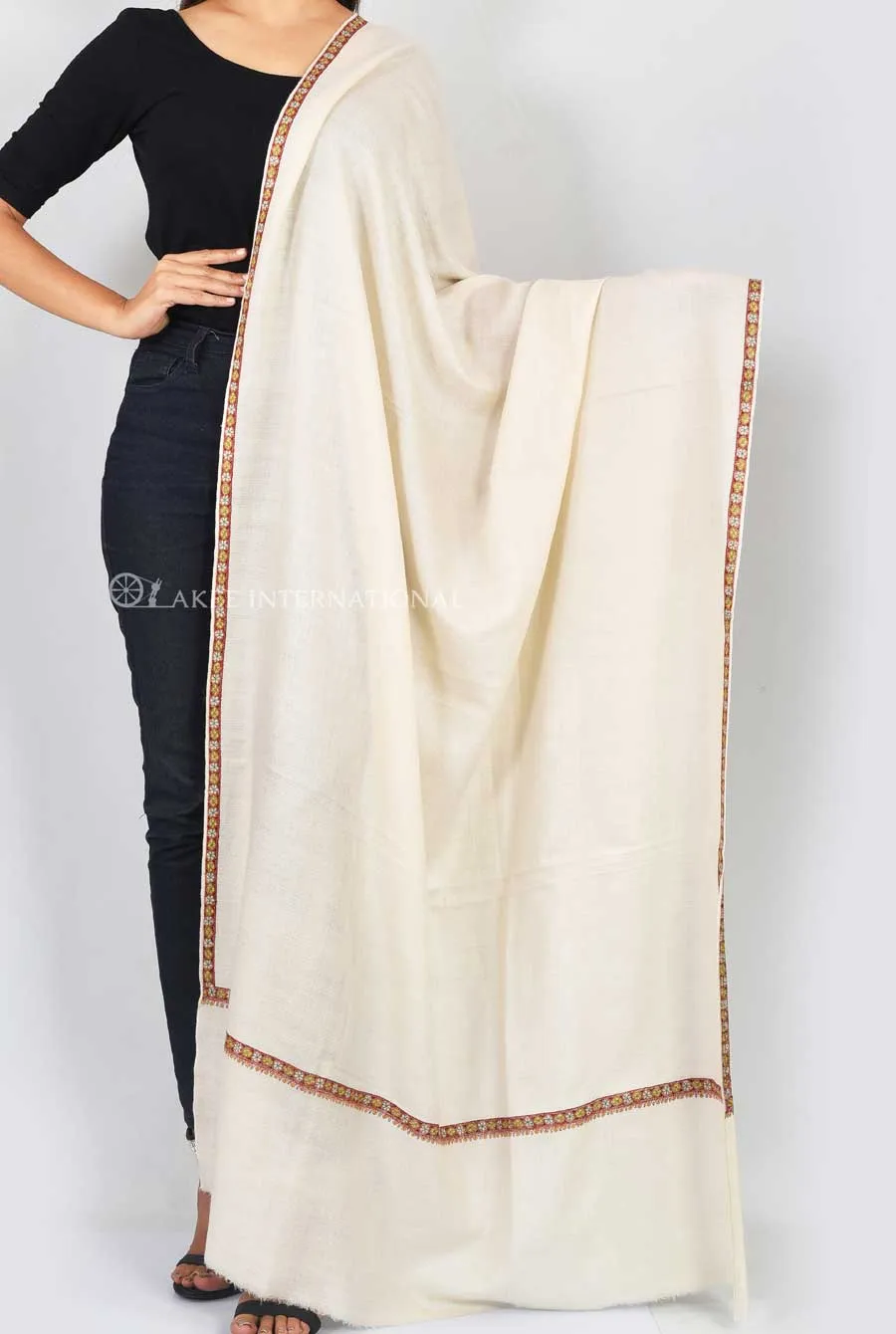
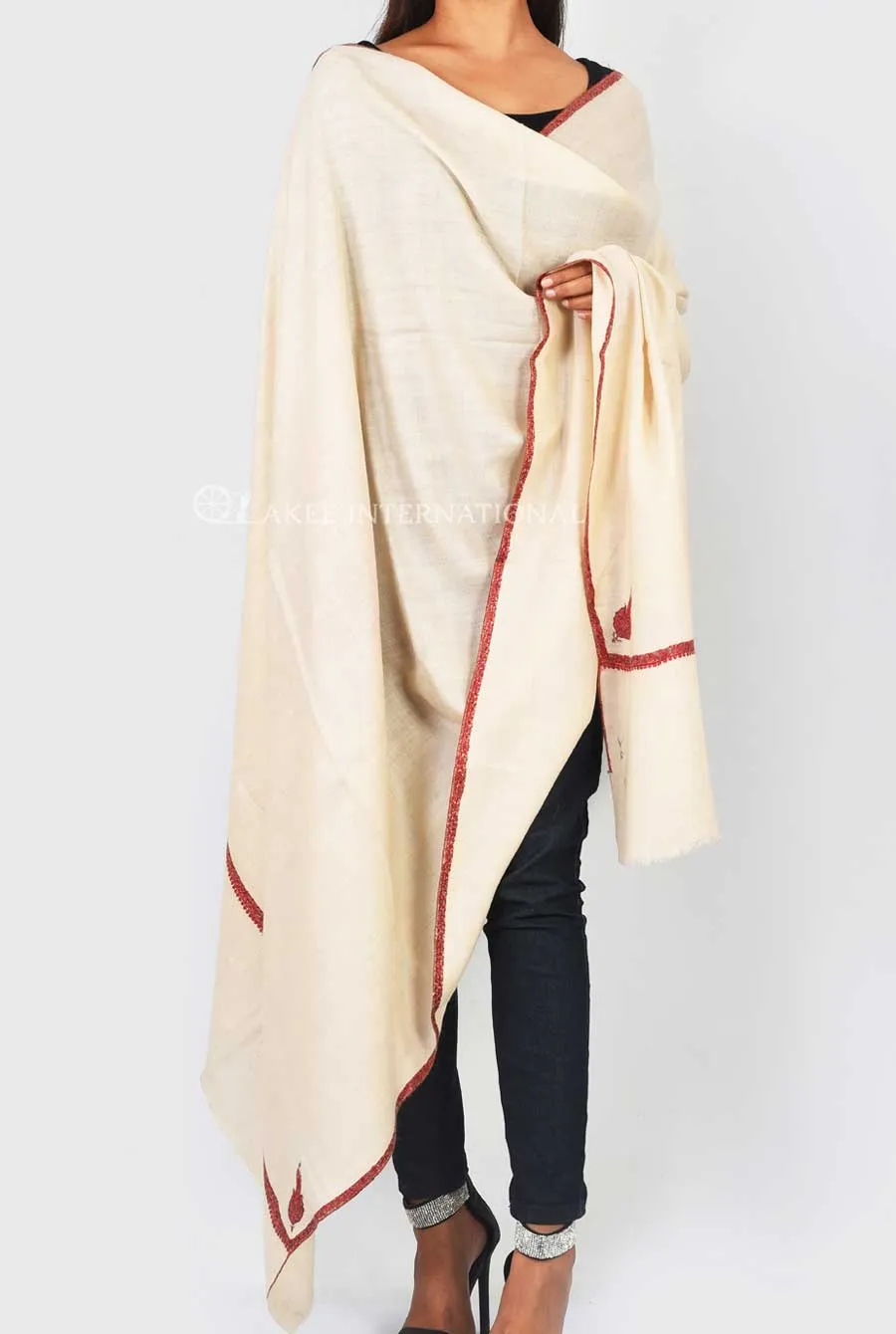
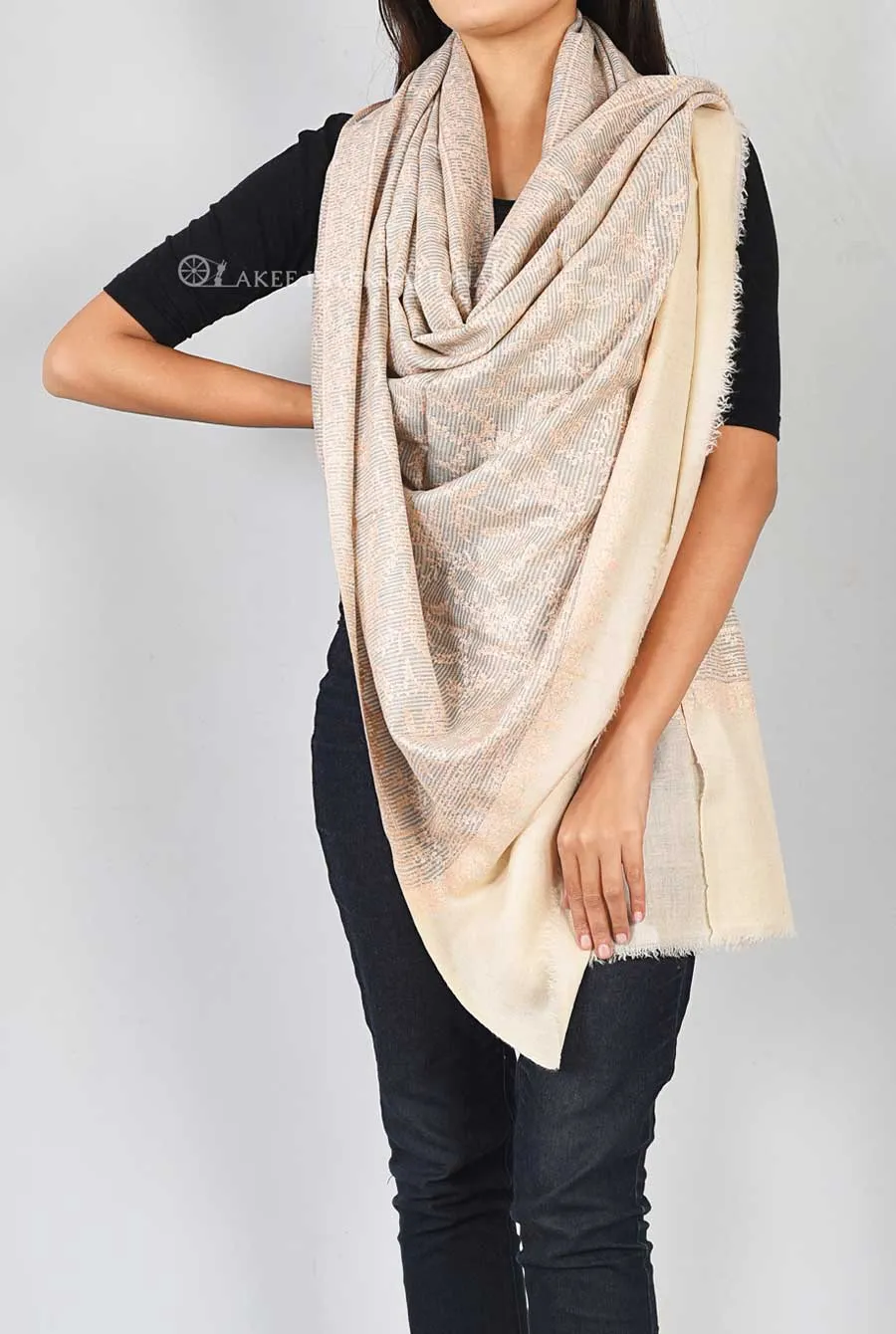
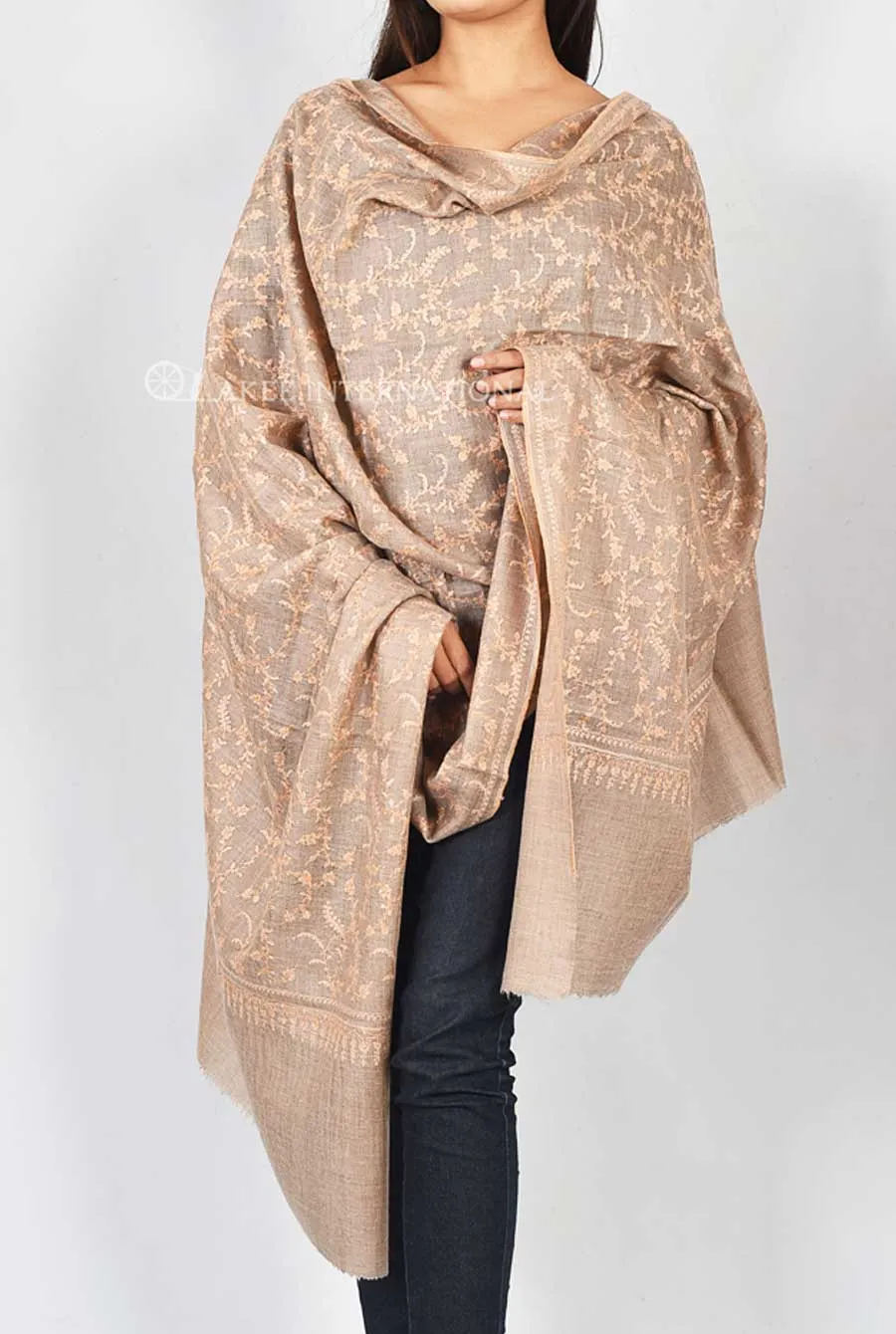
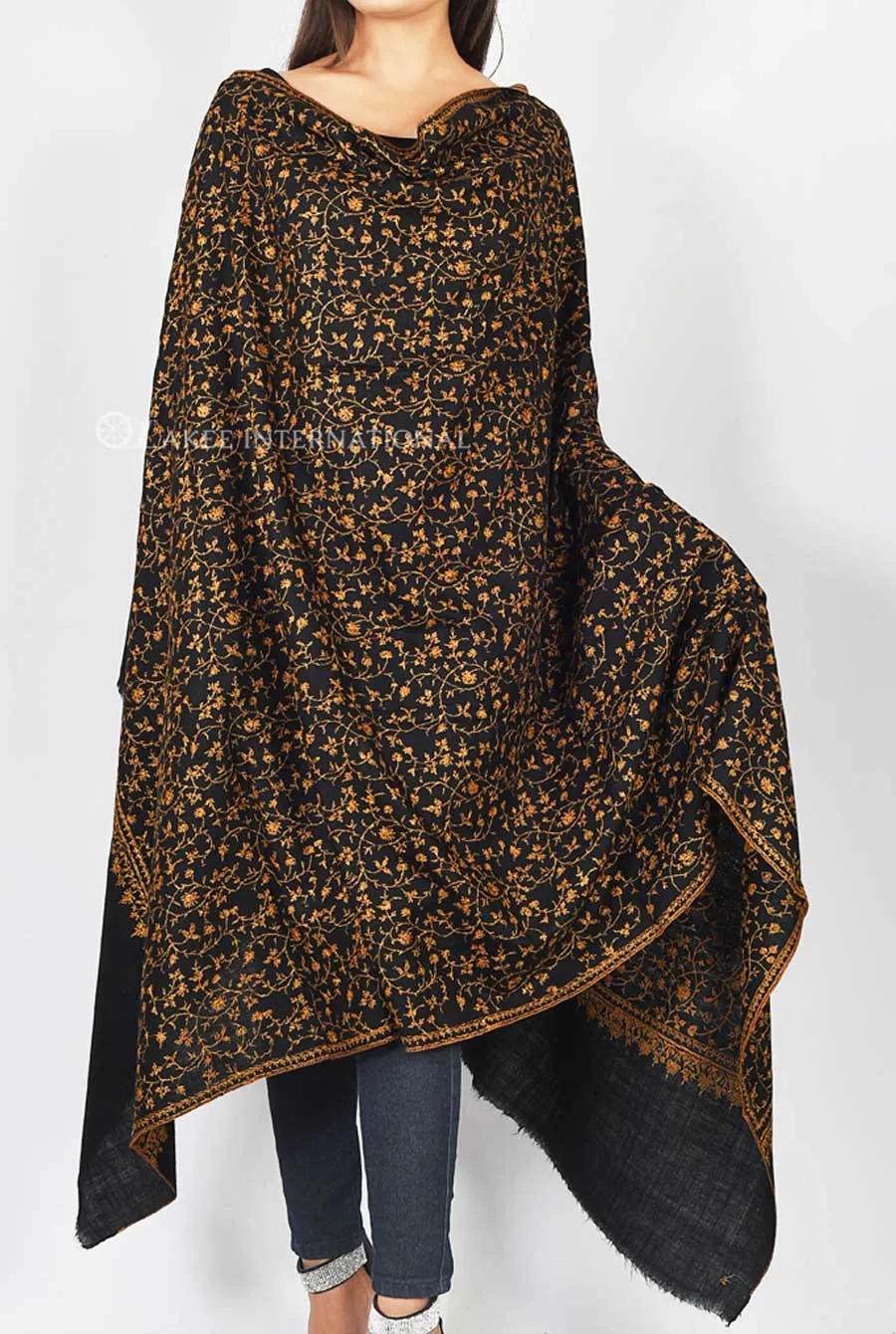
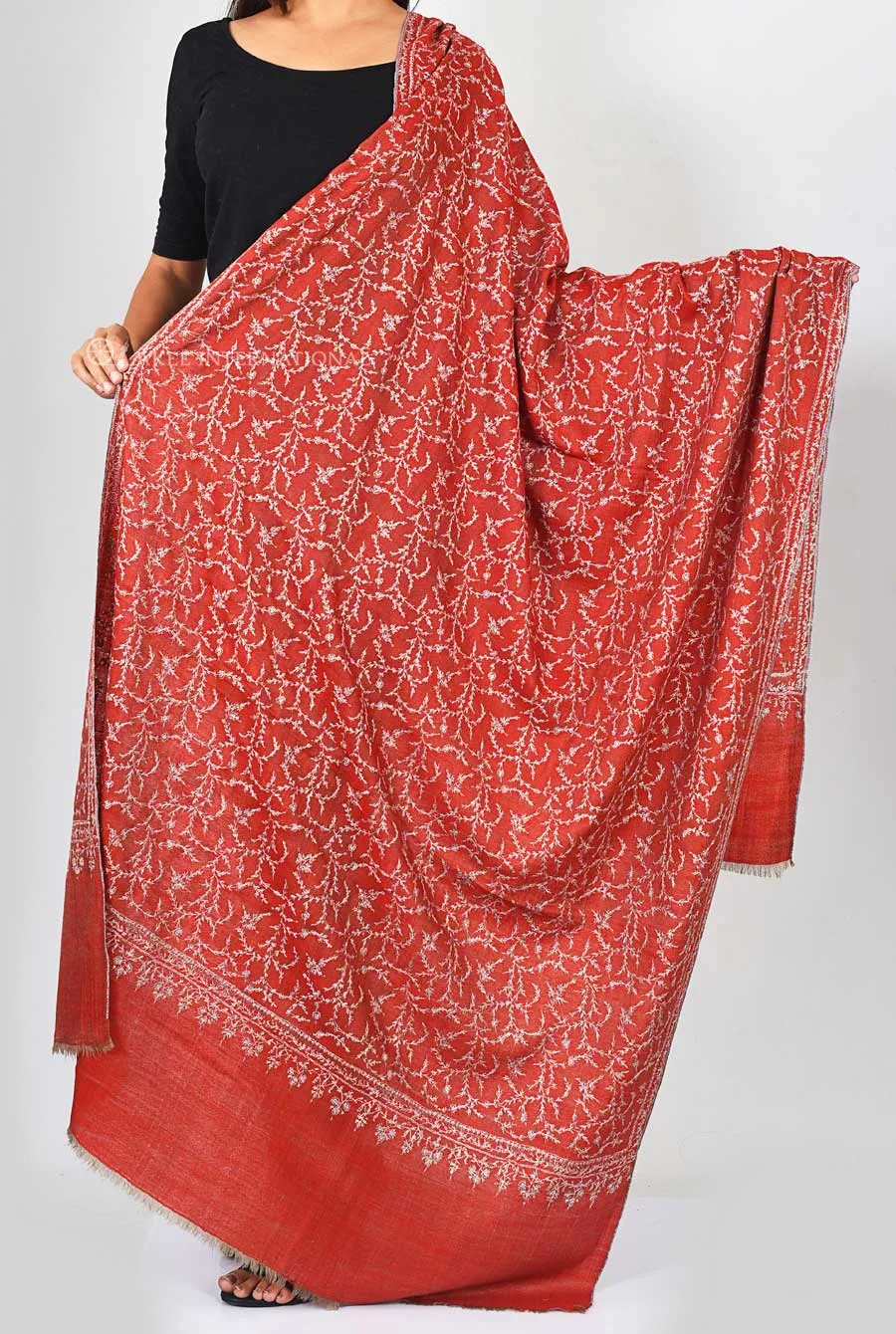
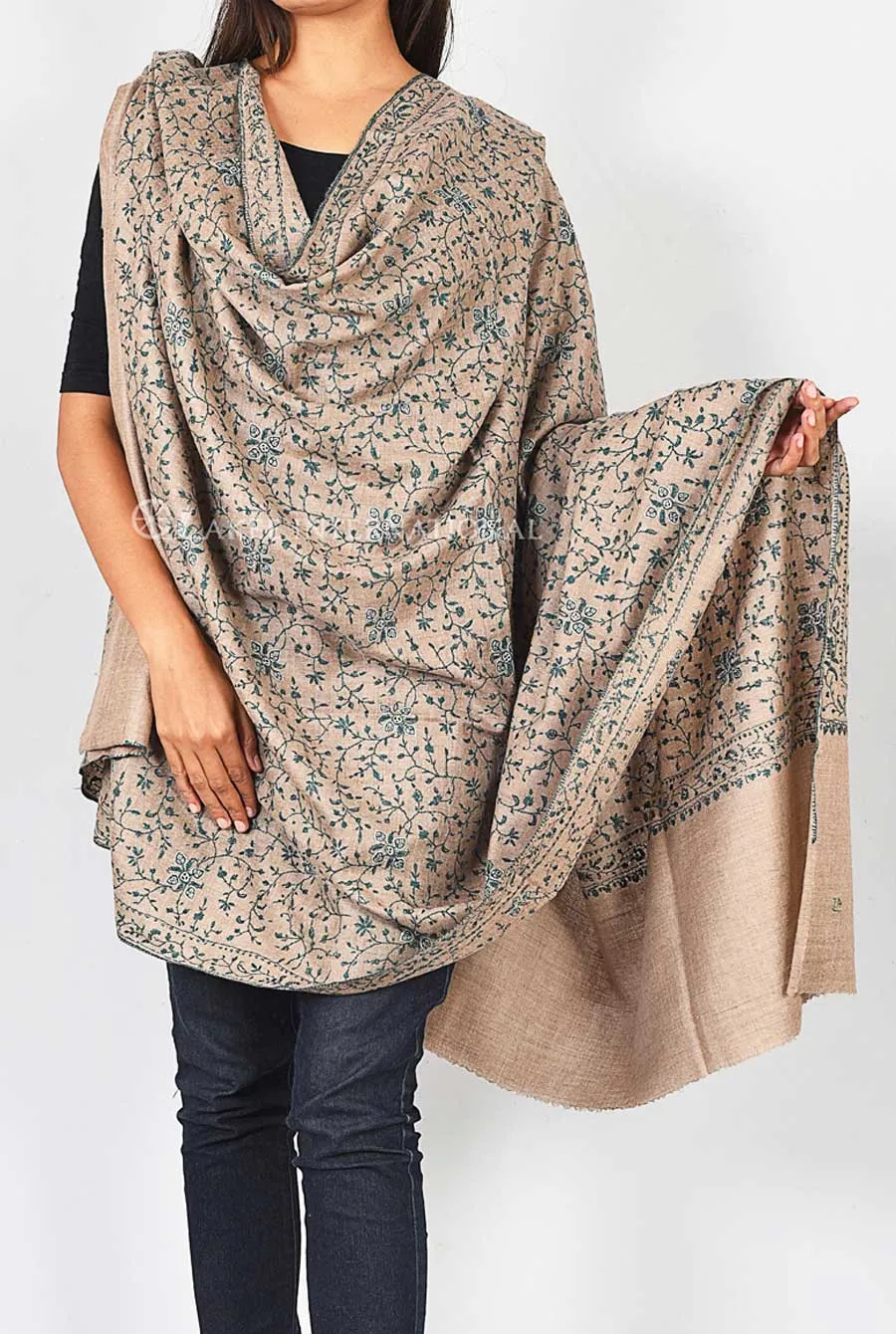
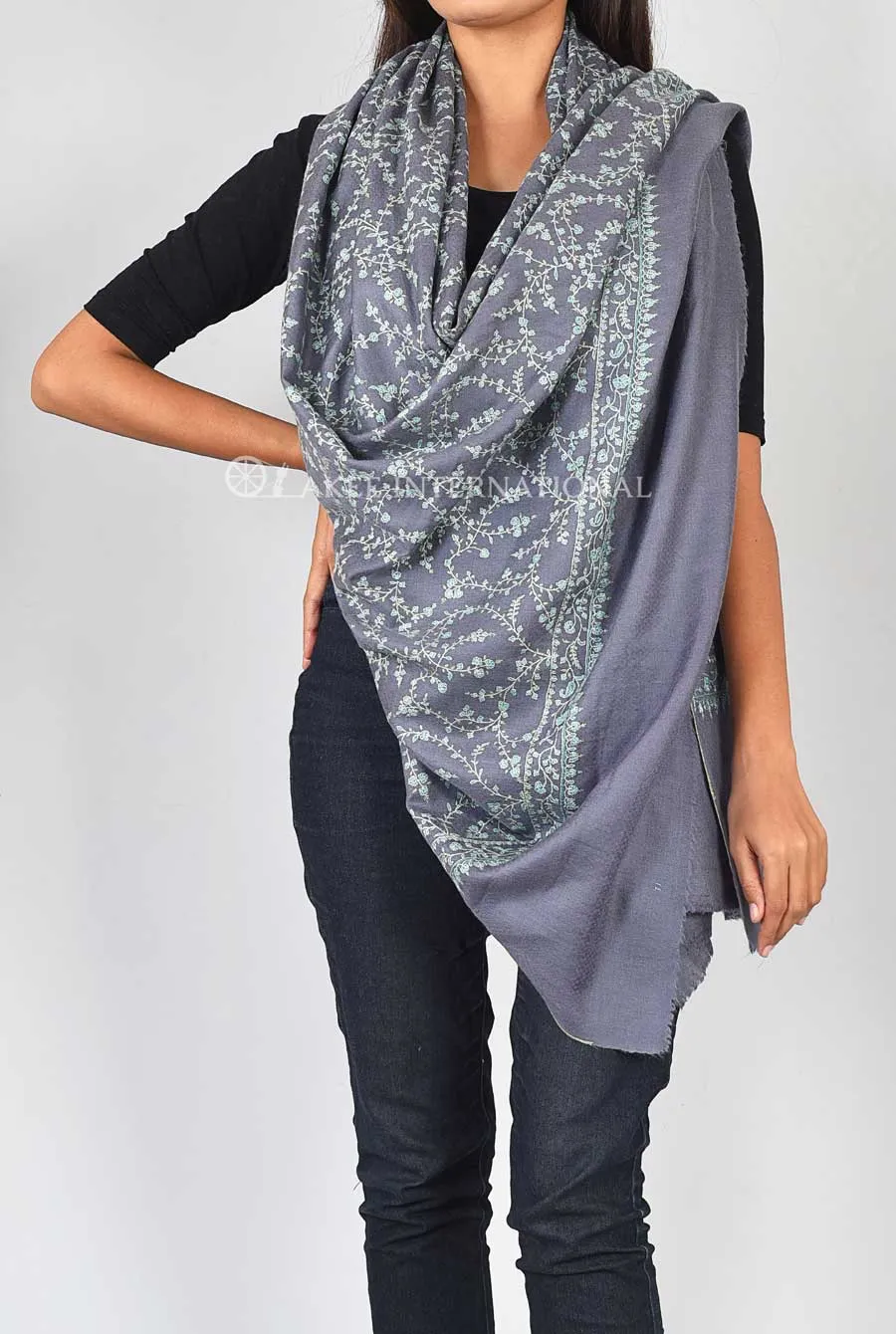
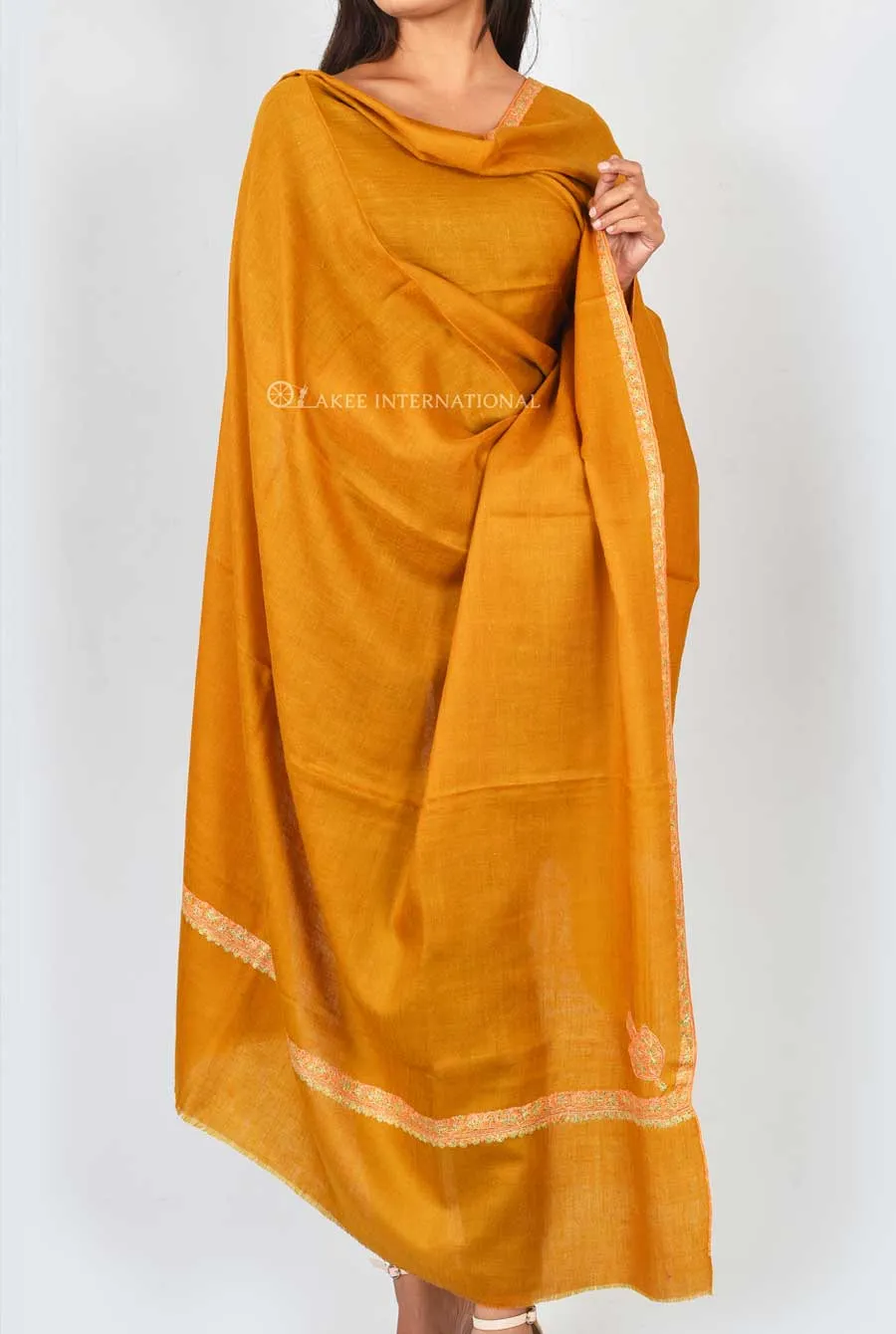
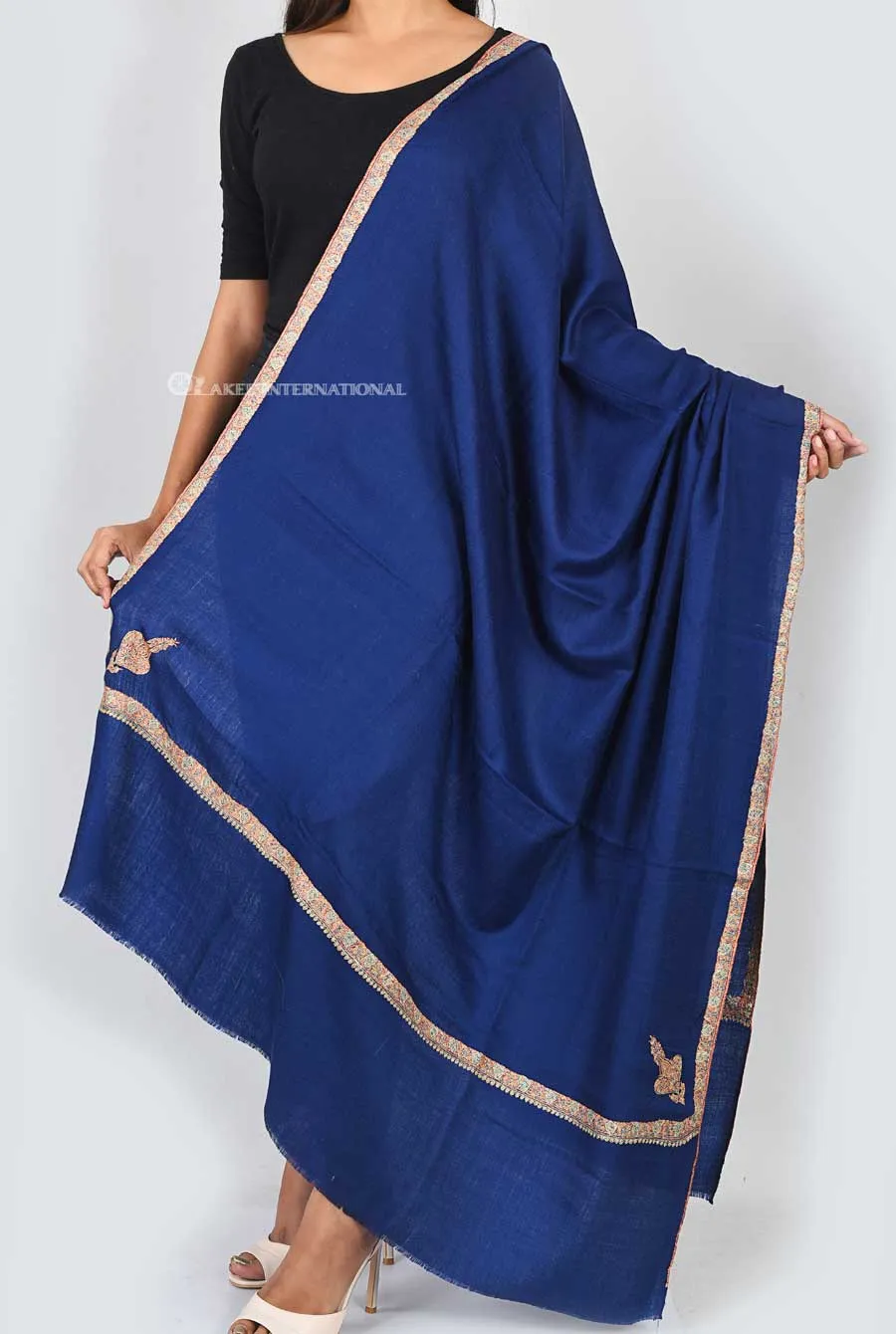
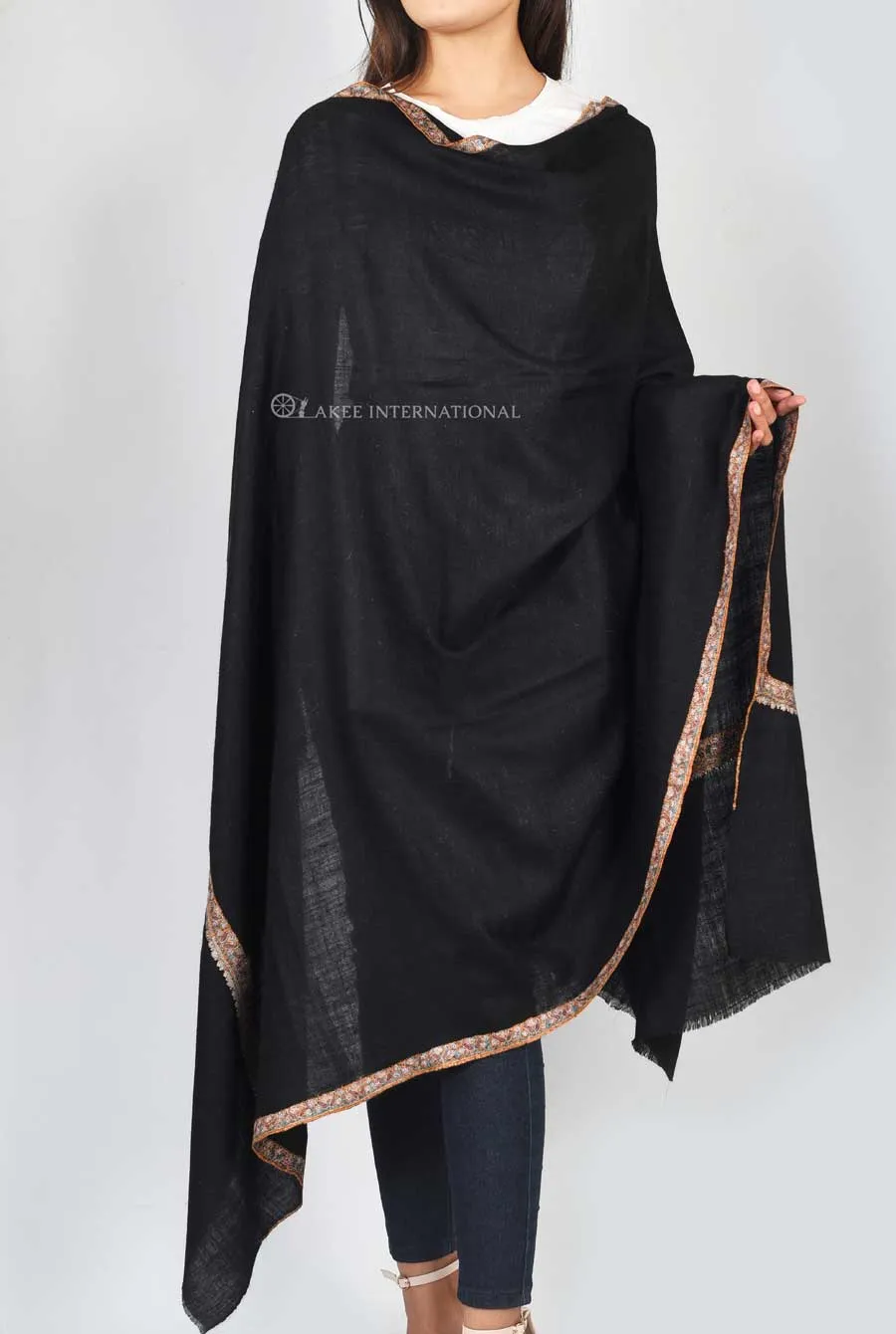
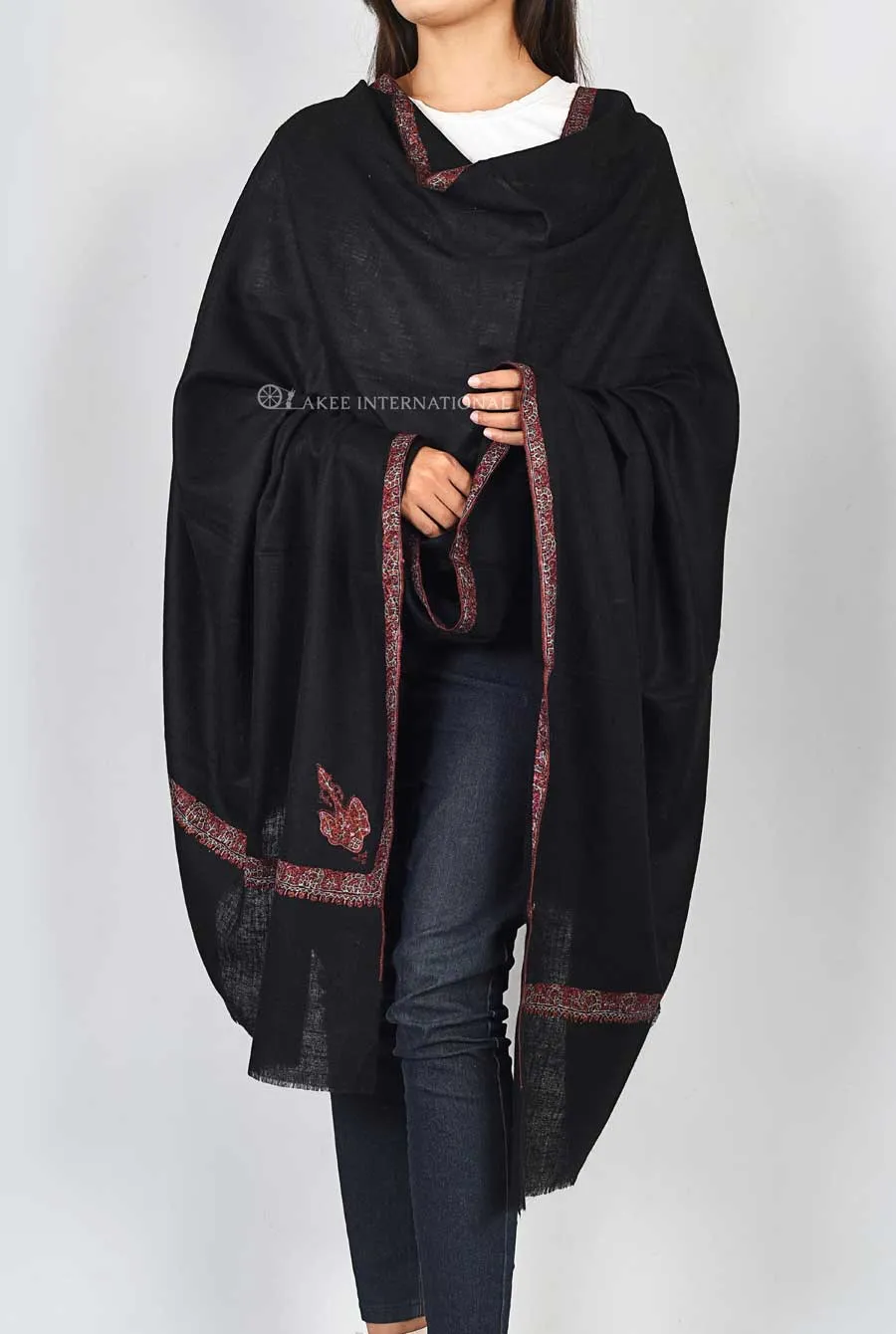
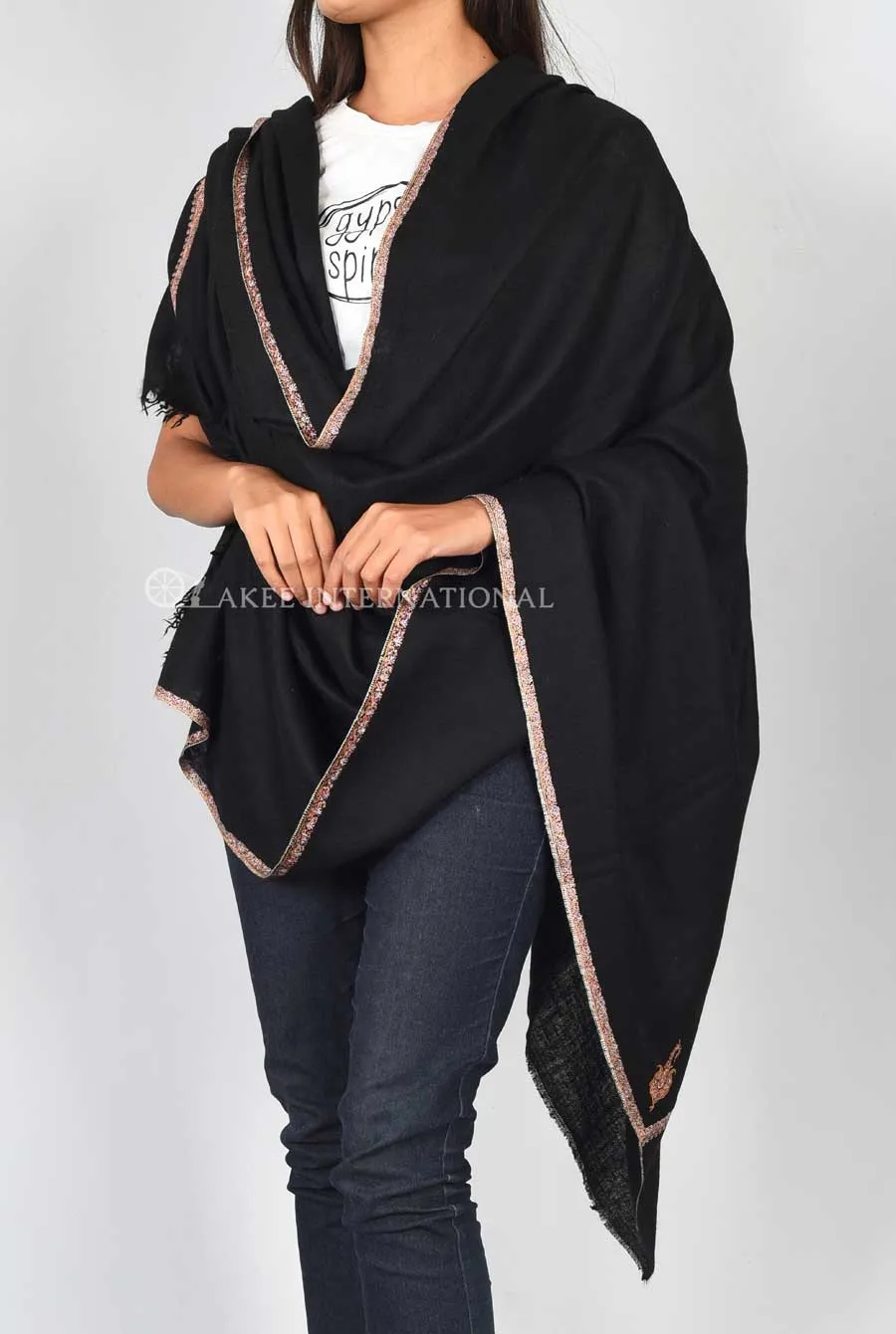
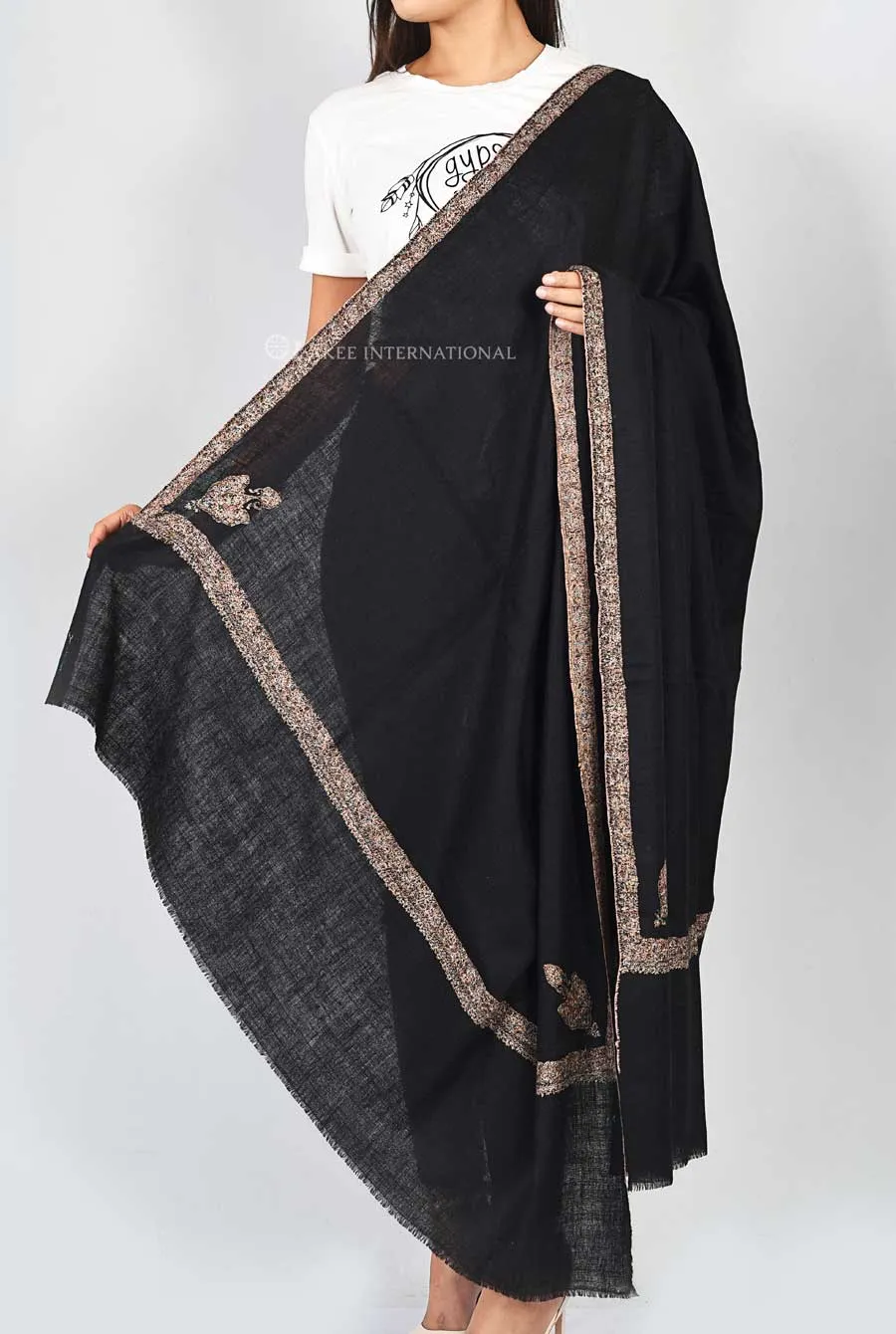
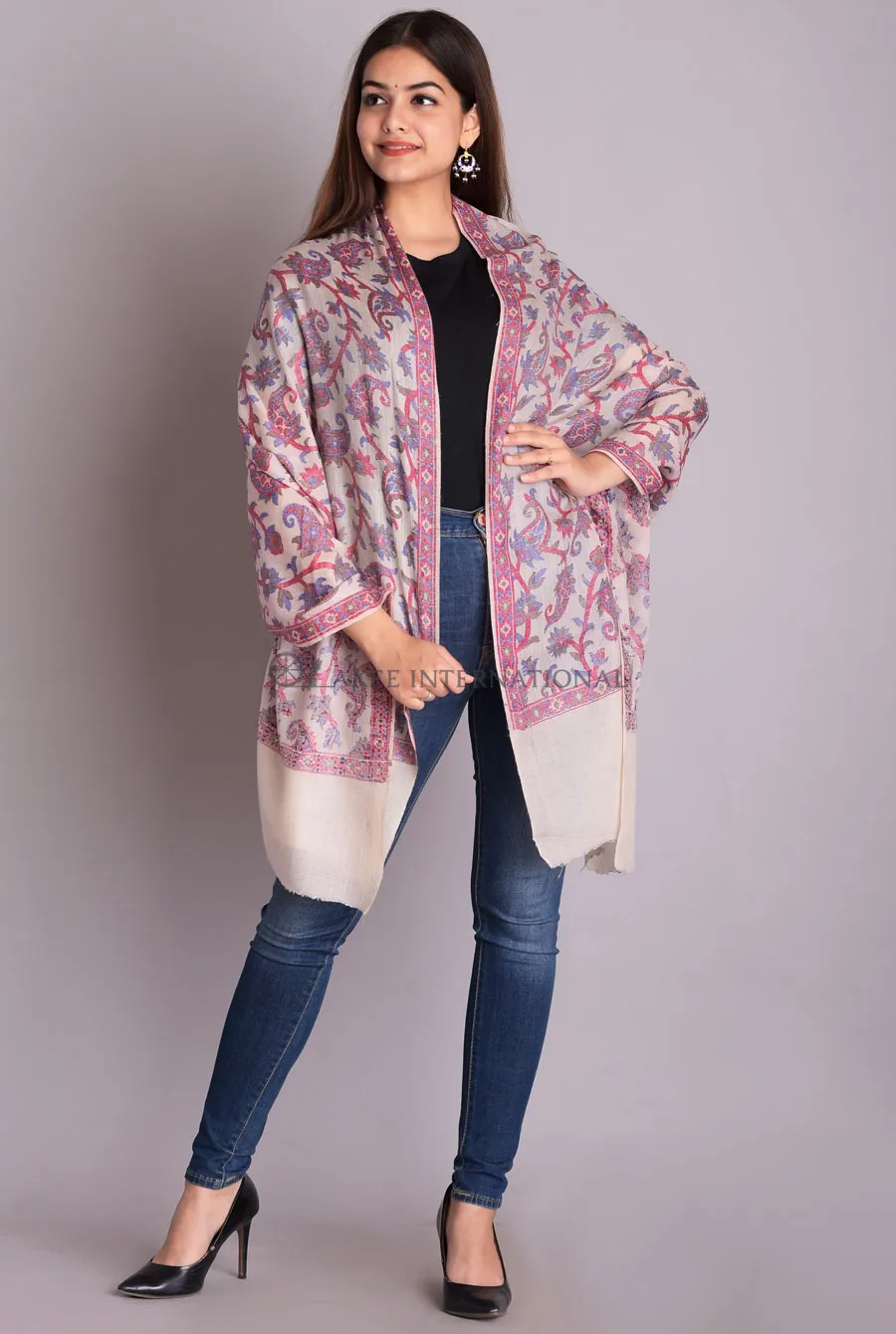
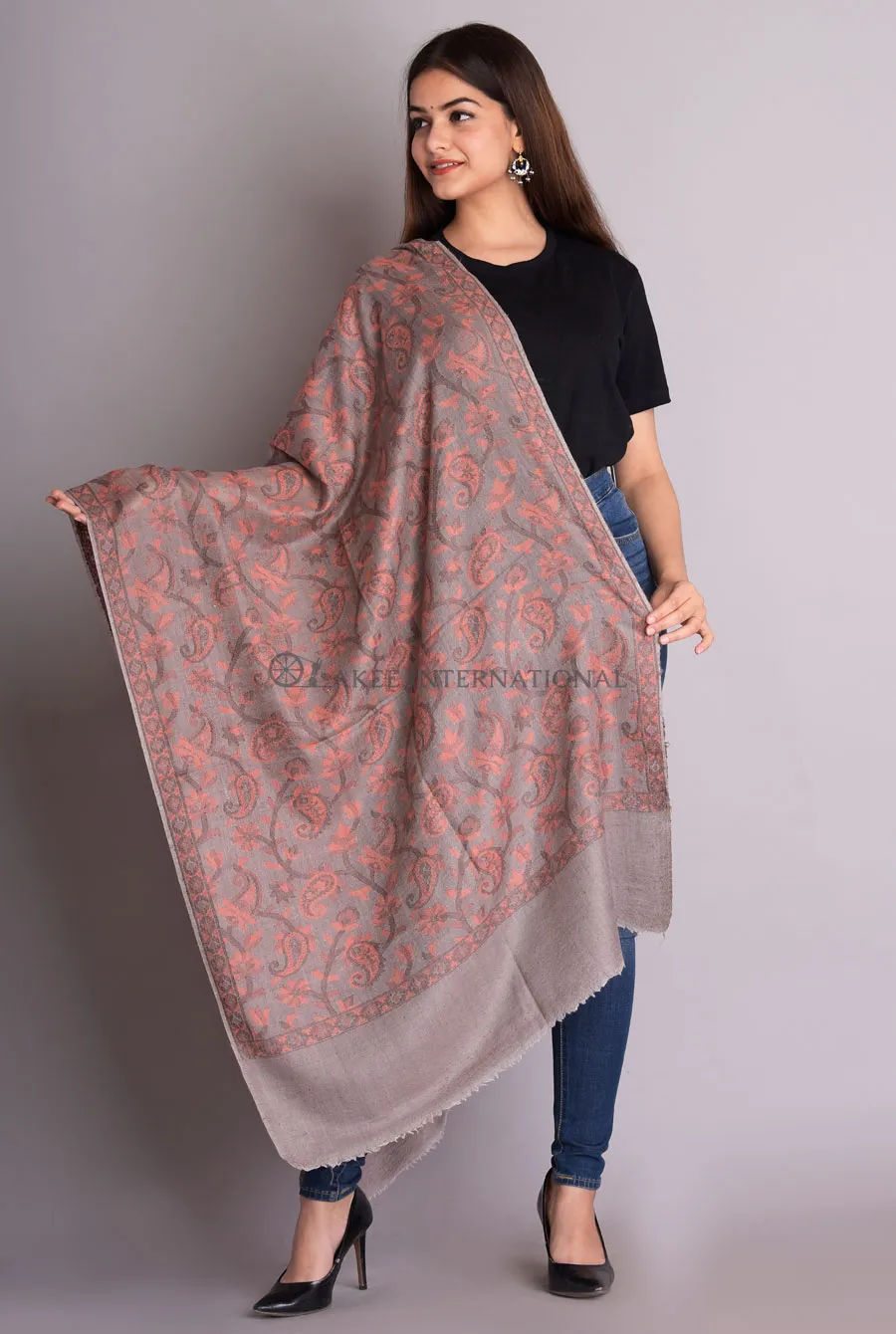
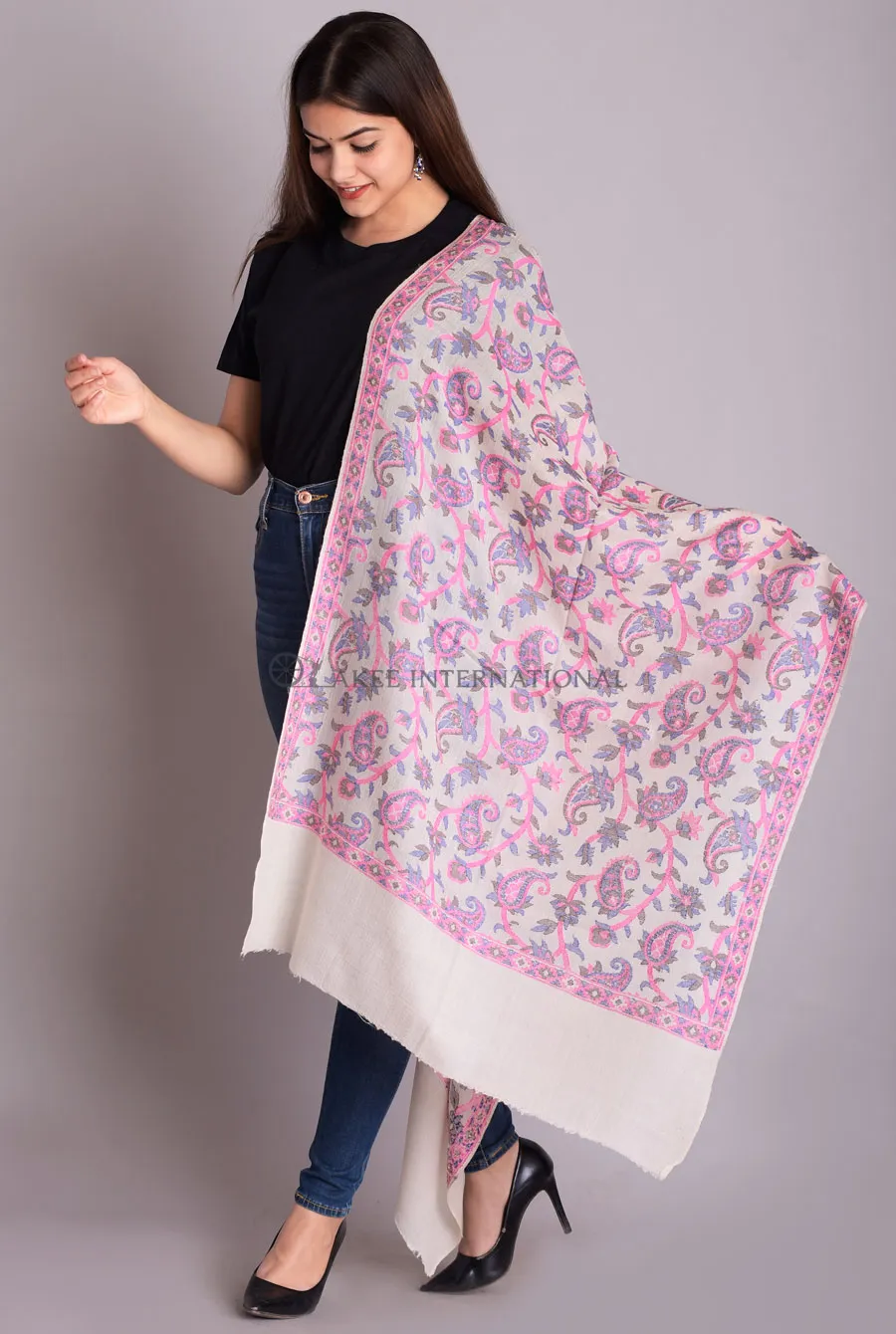
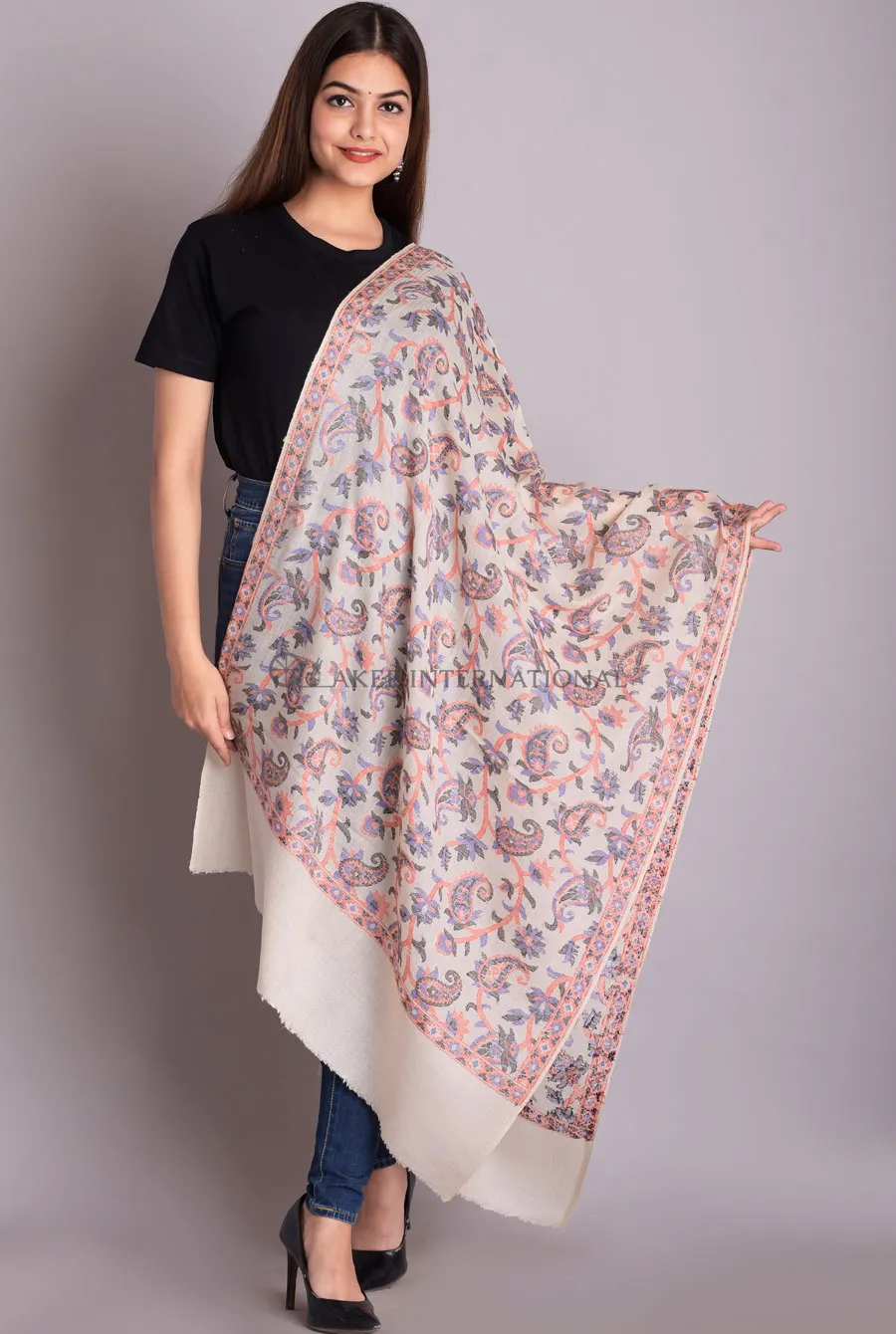
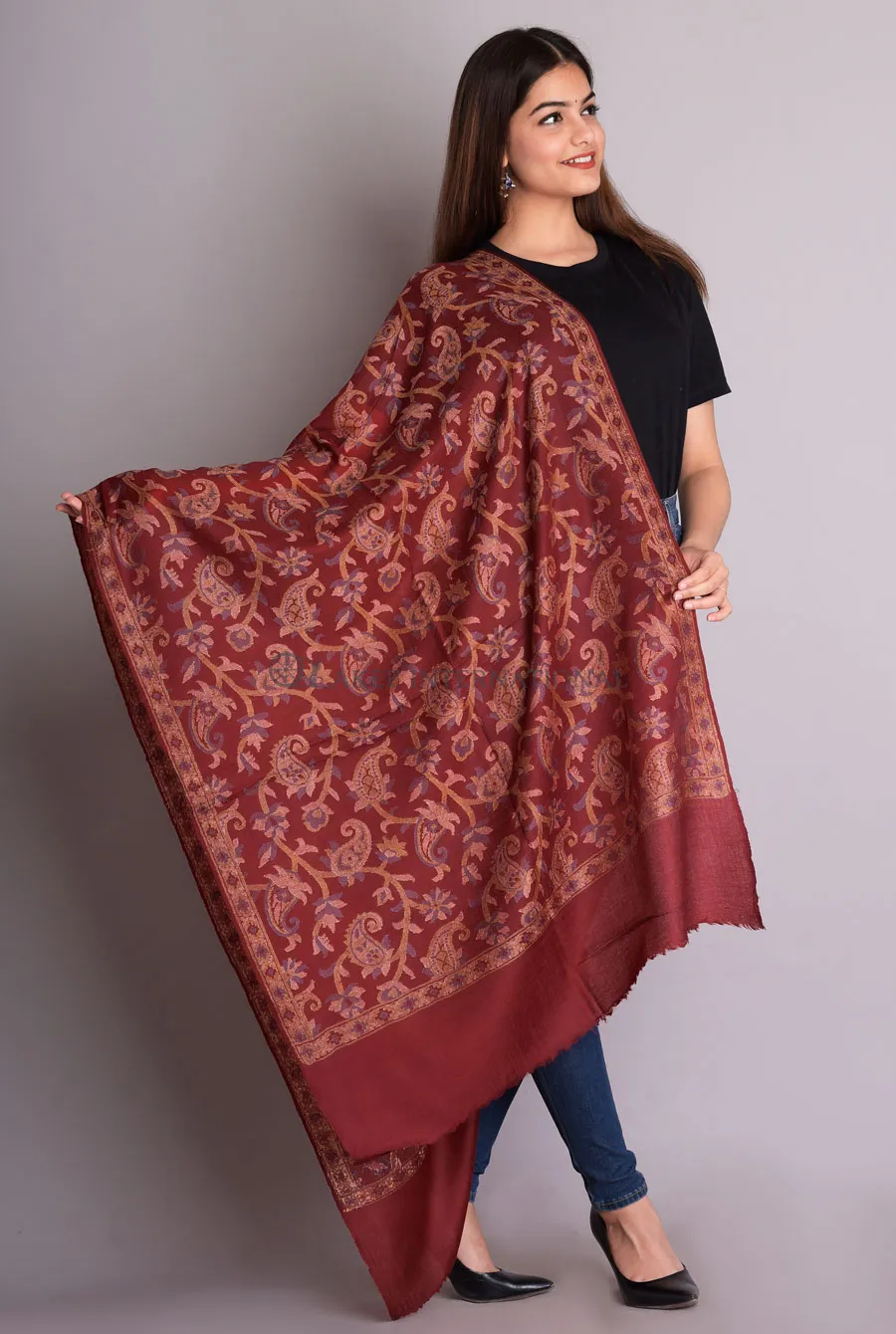
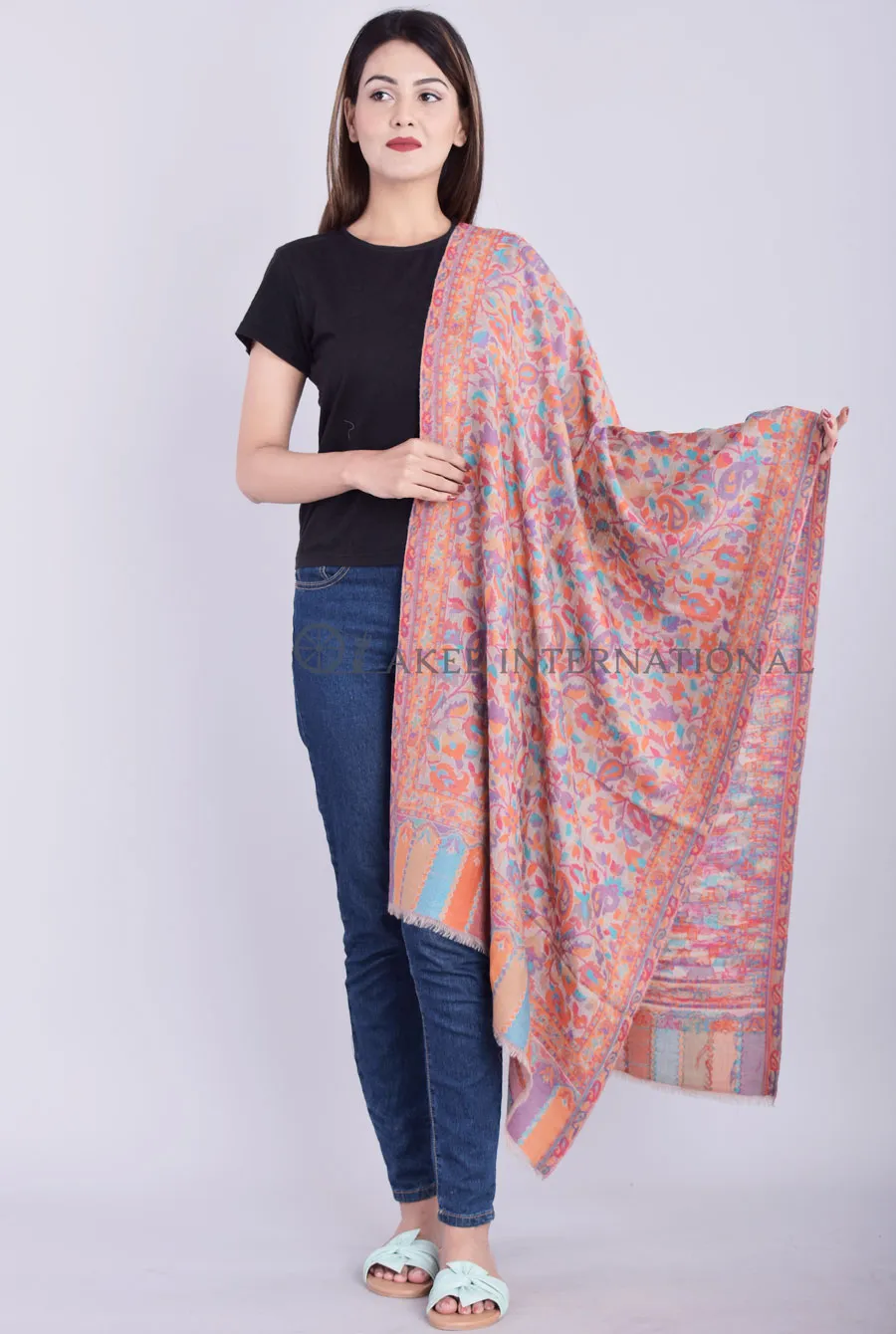
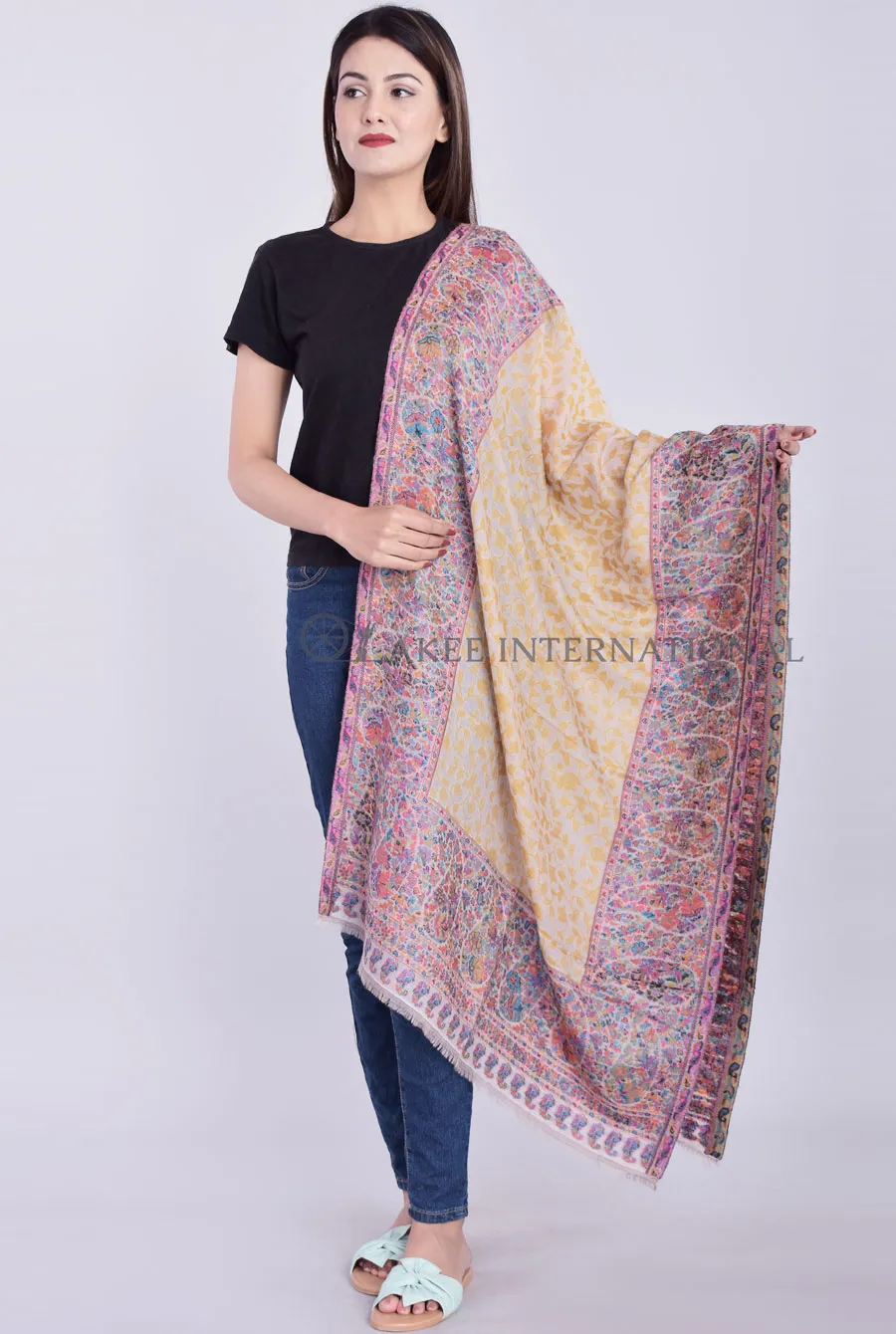
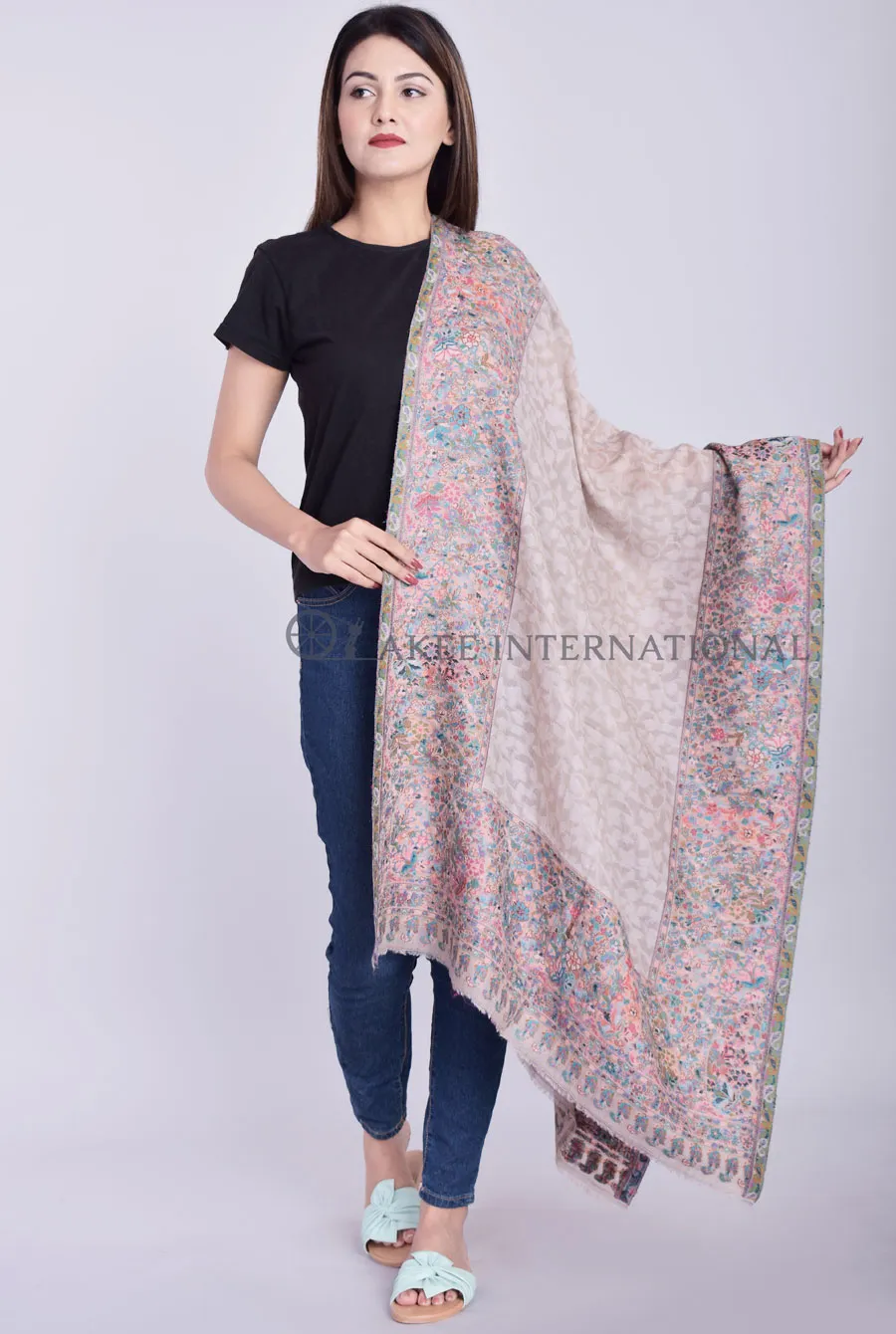
Sozni embroidery represents the finest and most delicate needlework tradition within Kashmiri textile craft, using a fine needle to create intricate, closely worked patterns that can take weeks or months to complete on a single shawl. A genuine Sozni embroidery pashmina shawl is widely regarded as one of the most prestigious pieces a buyer can own within the pashmina category, reflecting both exceptional fibre quality and generations of specialised embroidery skill. Akee International has produced Sozni-embroidered pieces as part of its collection for over three decades.
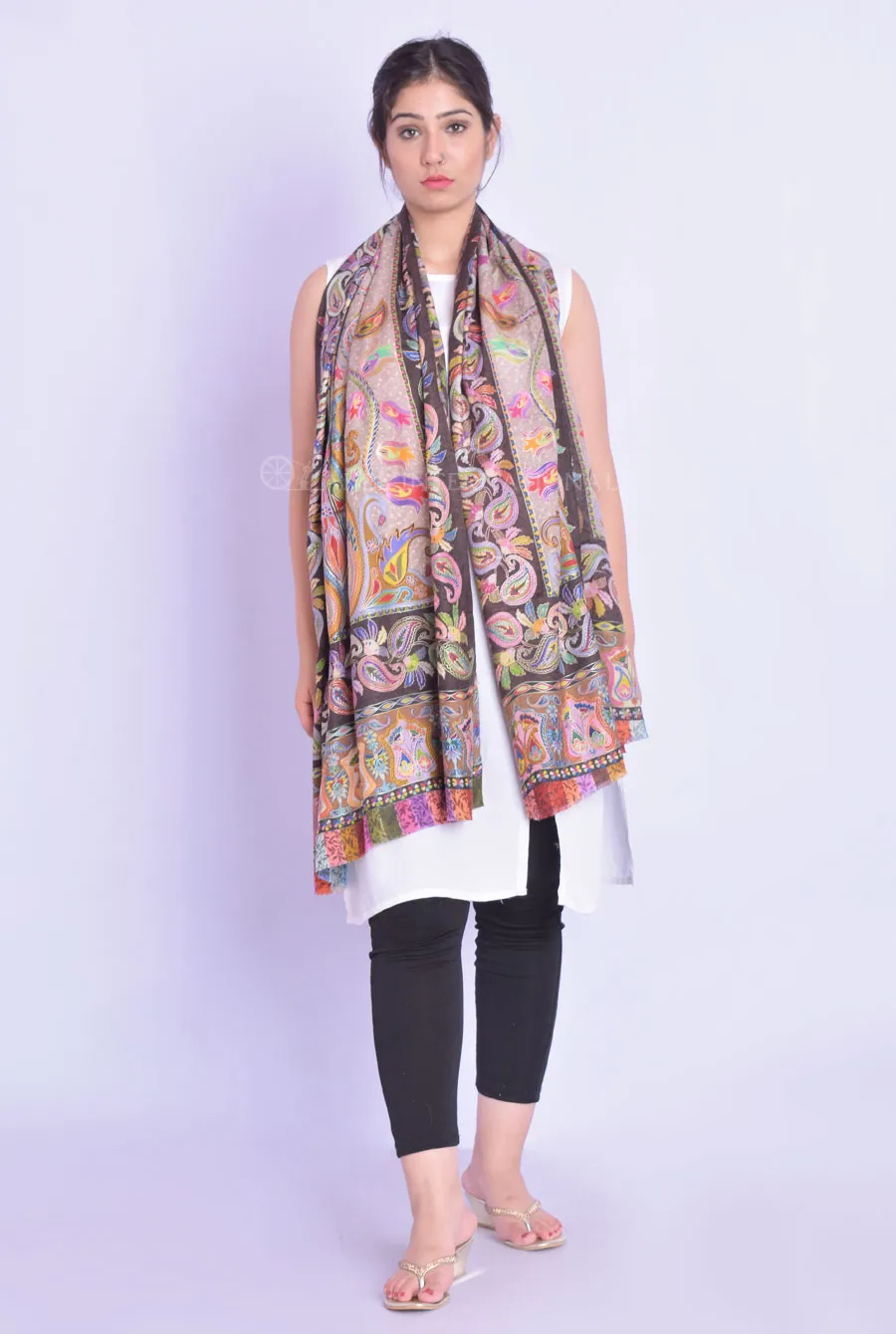
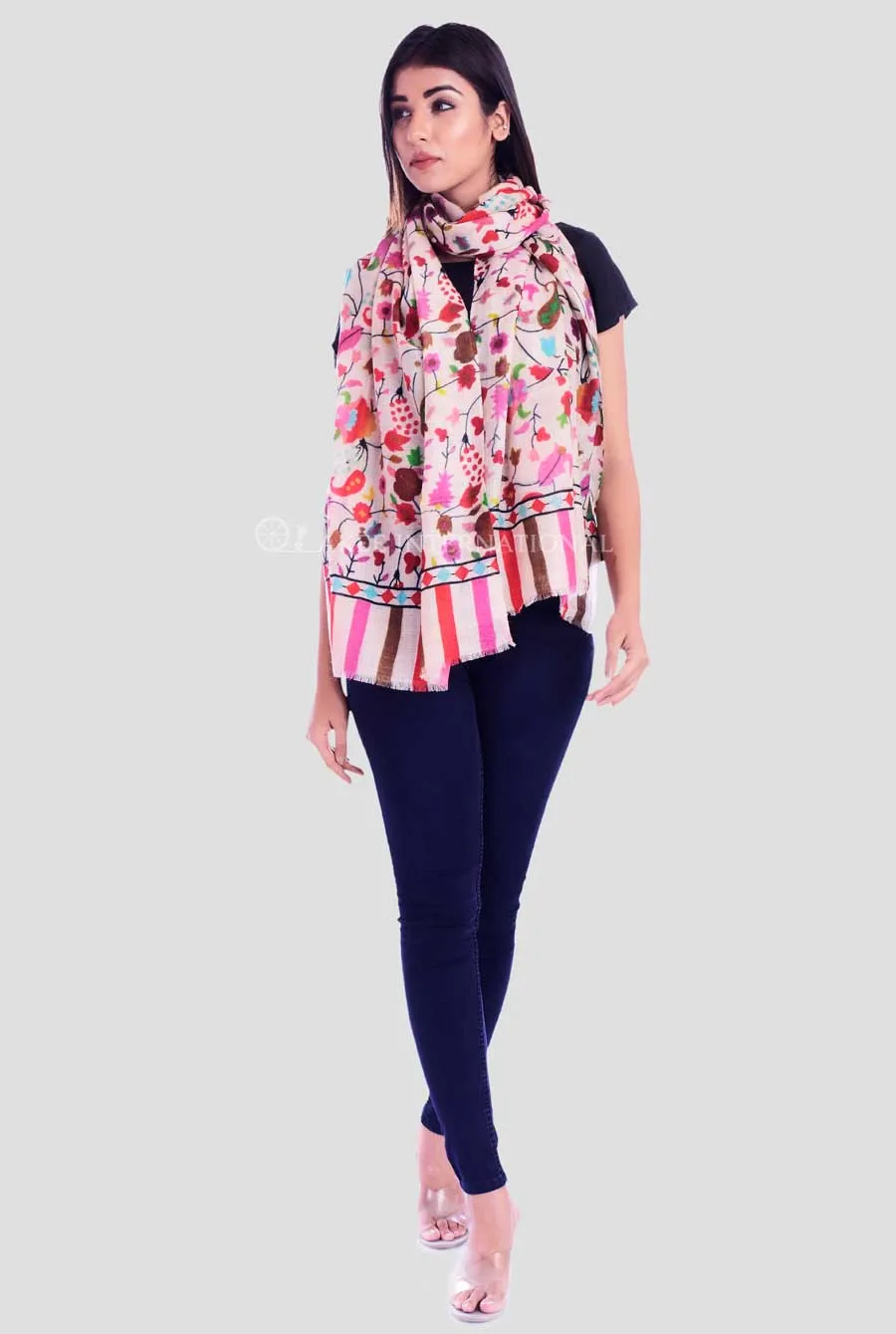
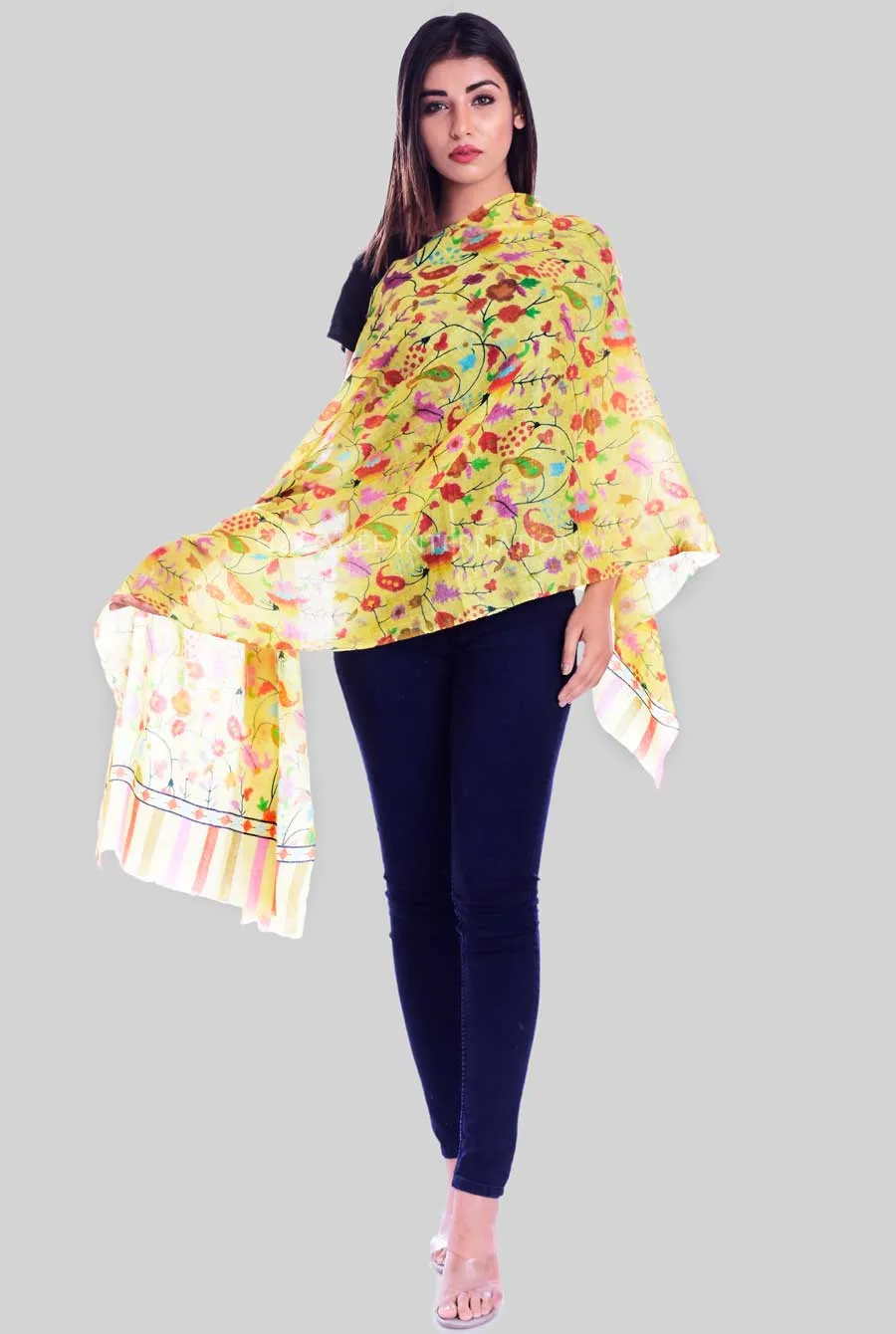
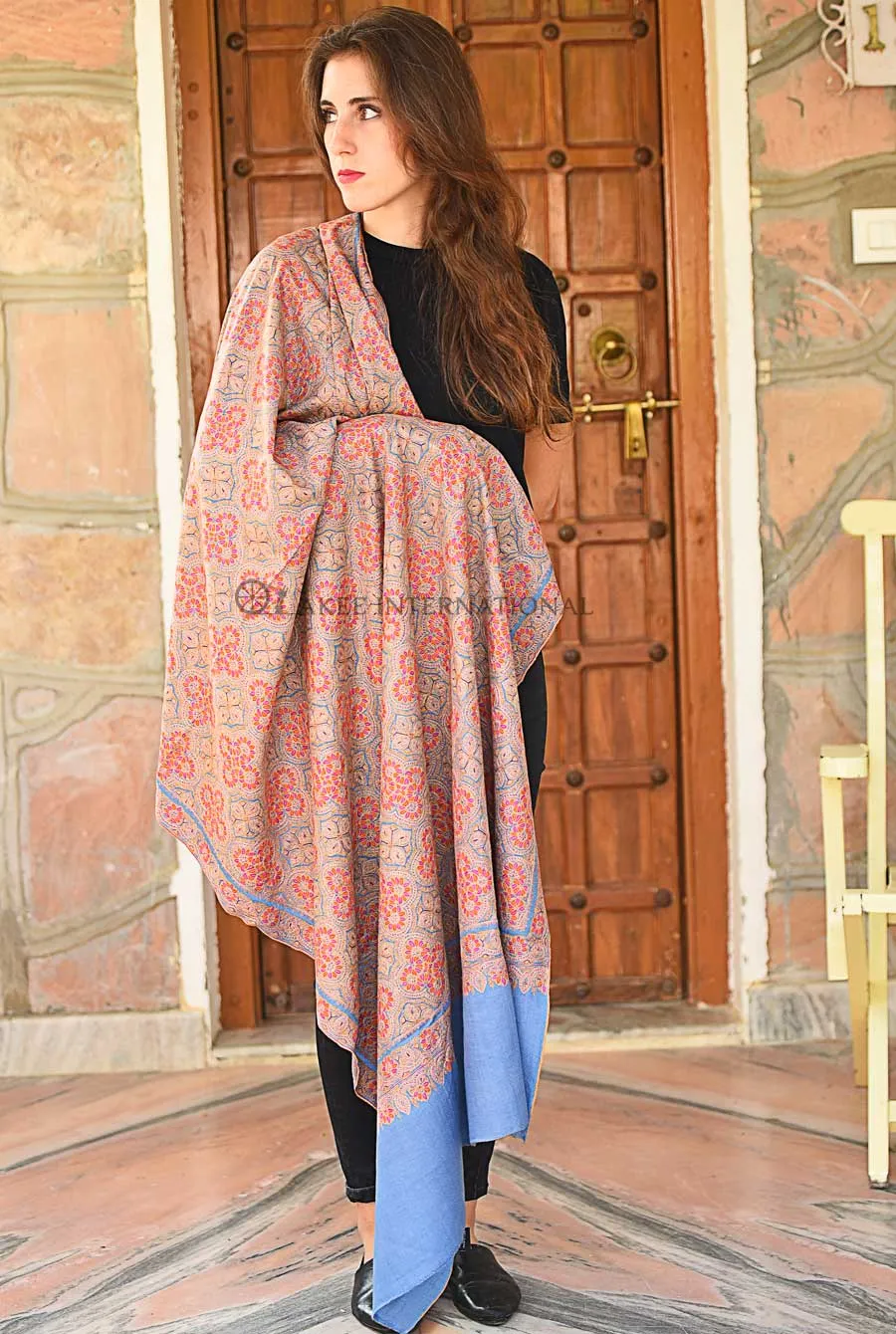
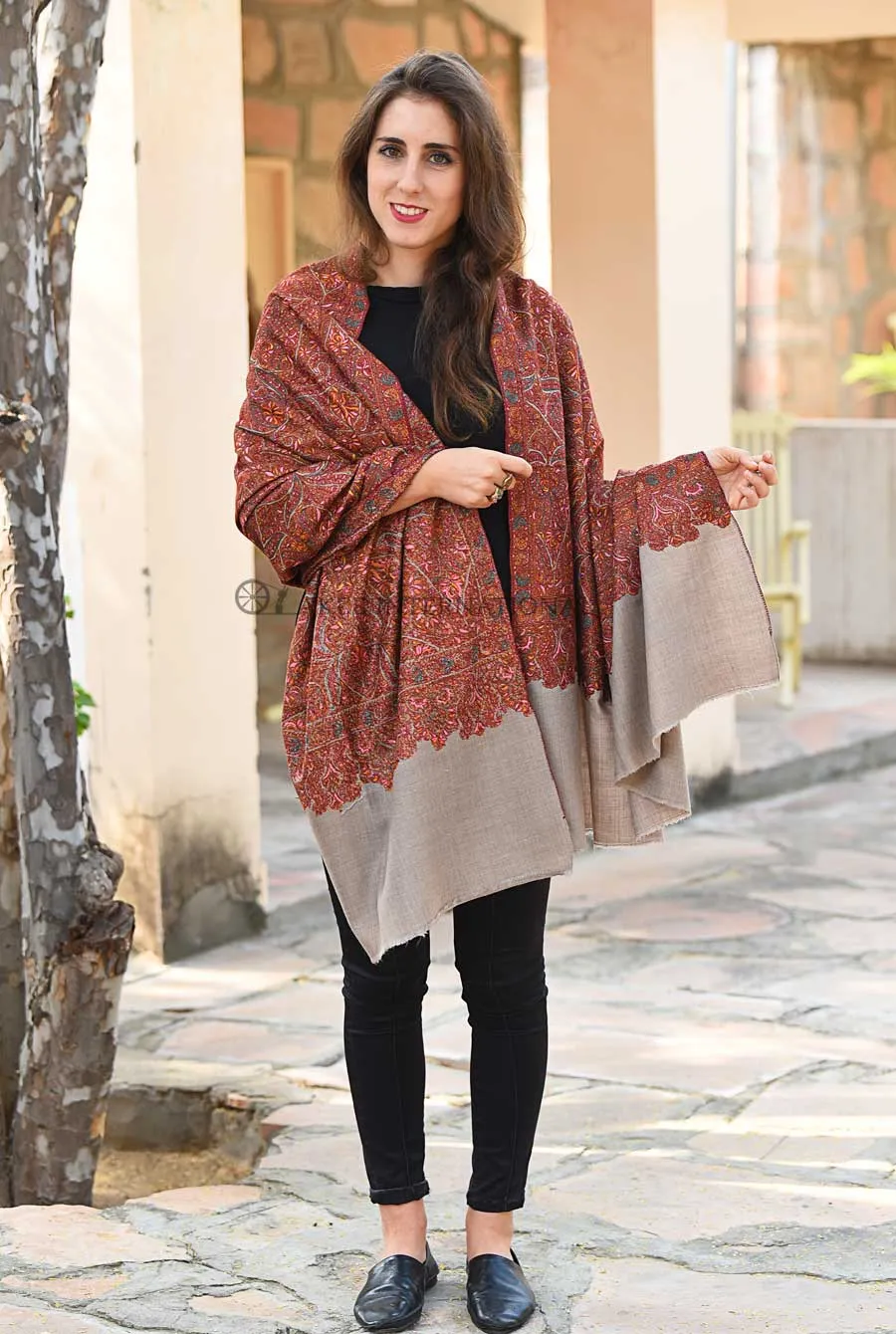
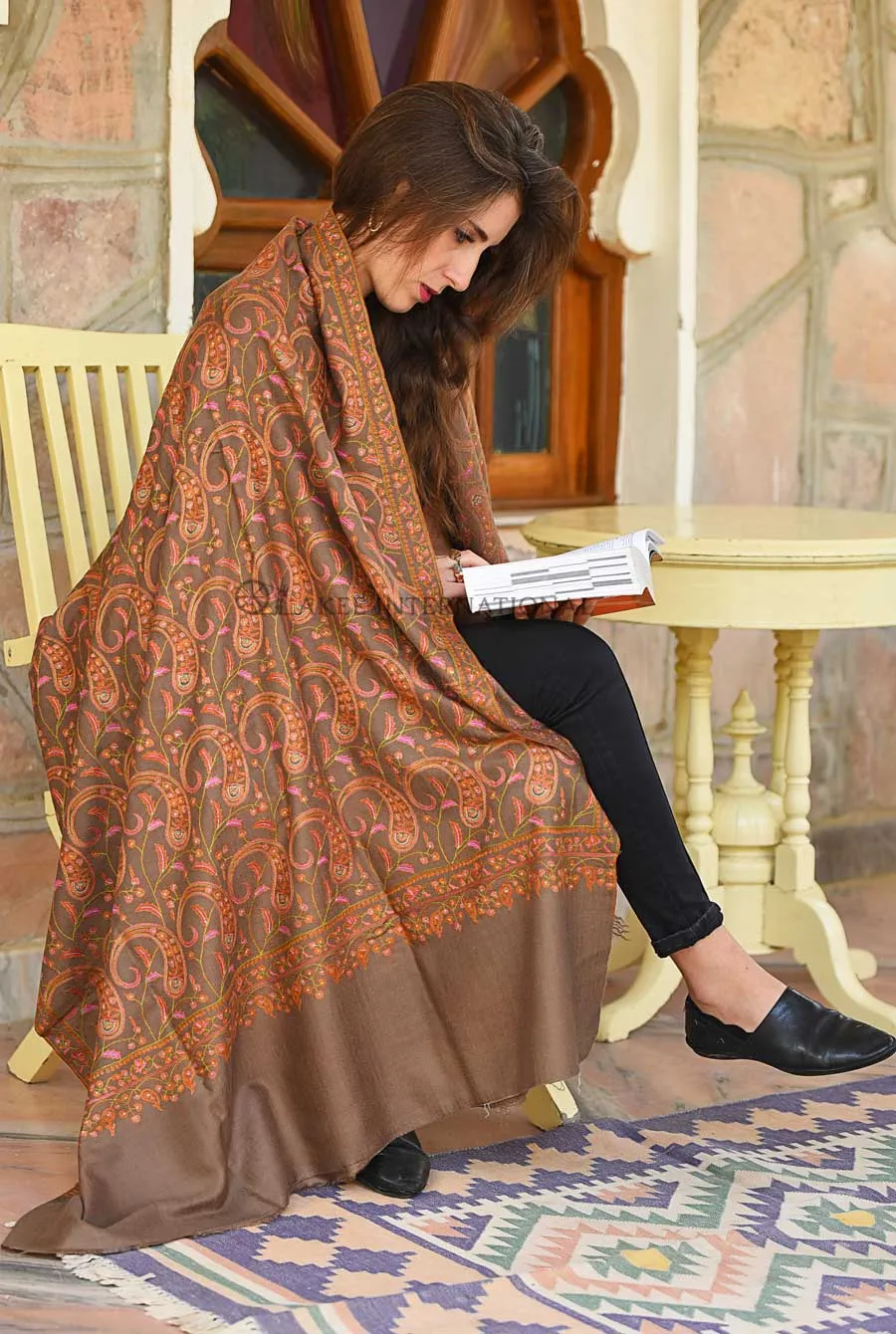
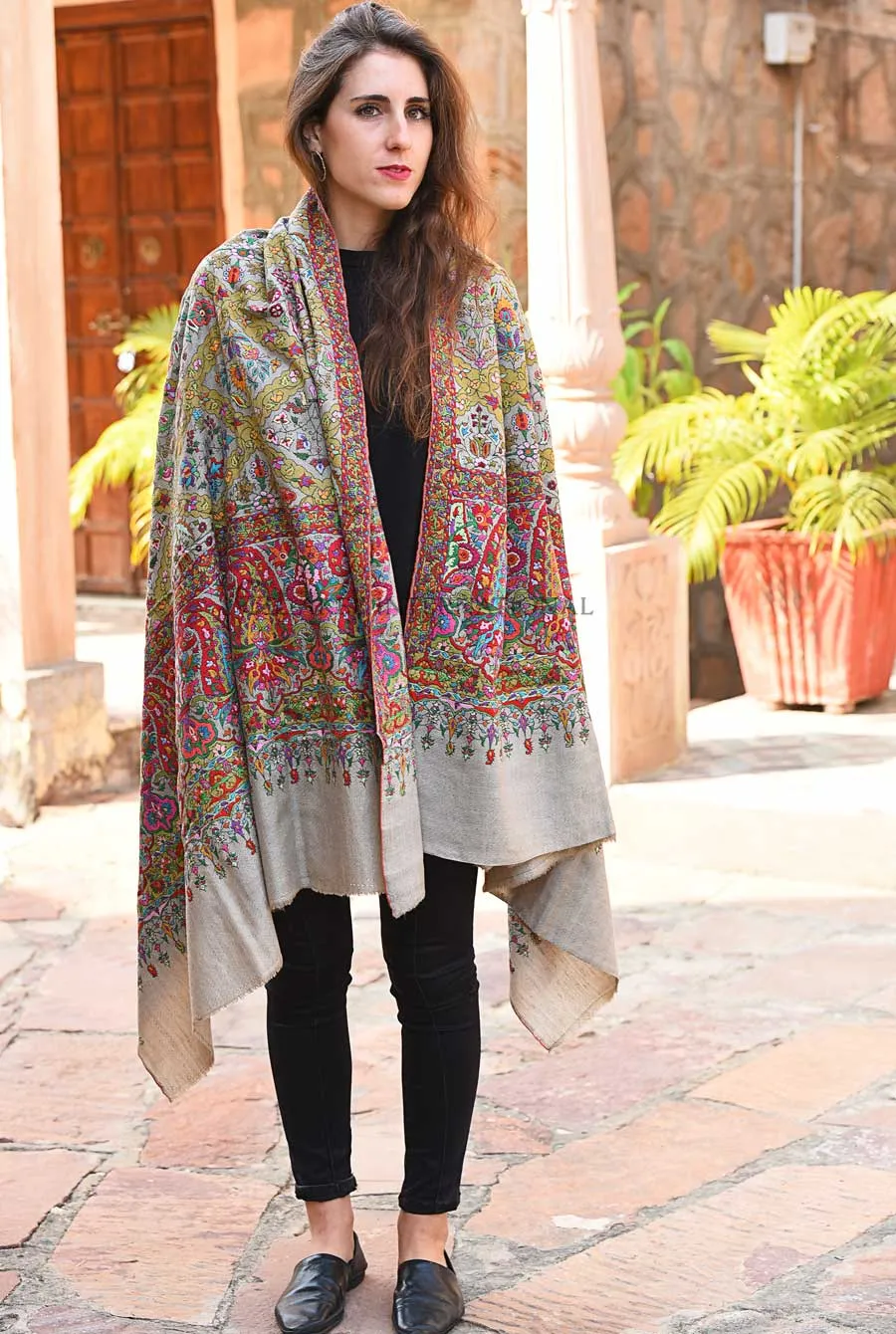
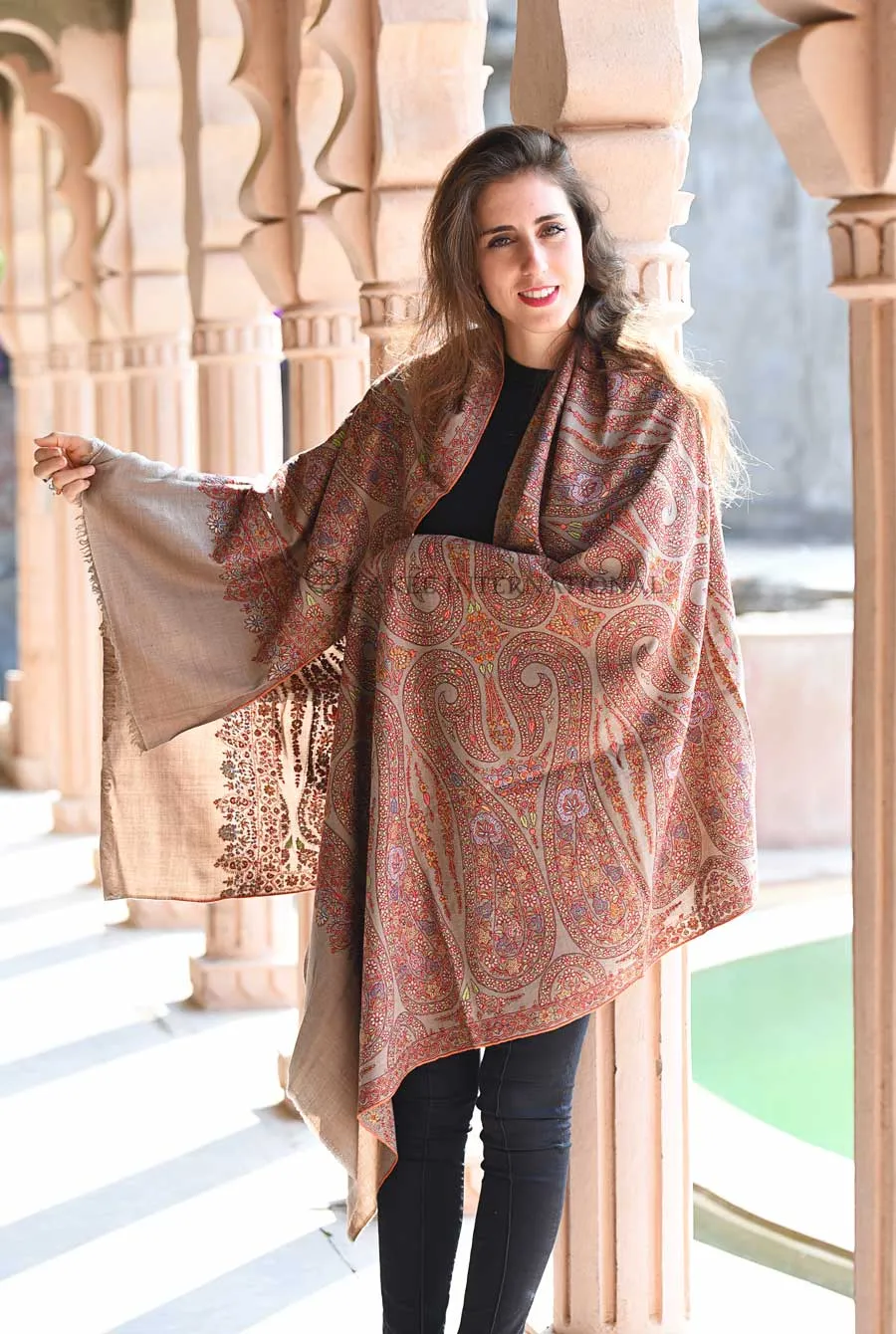
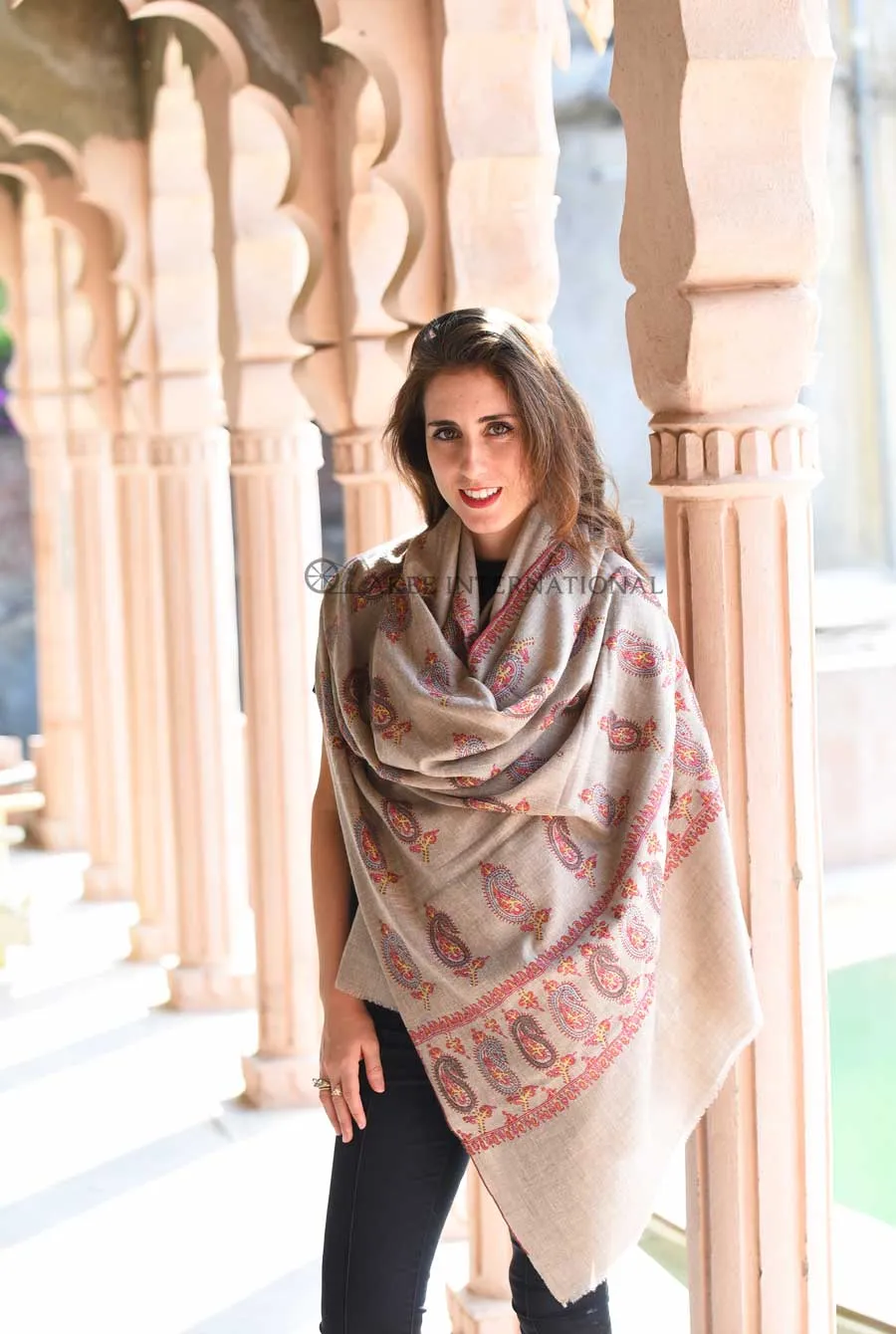
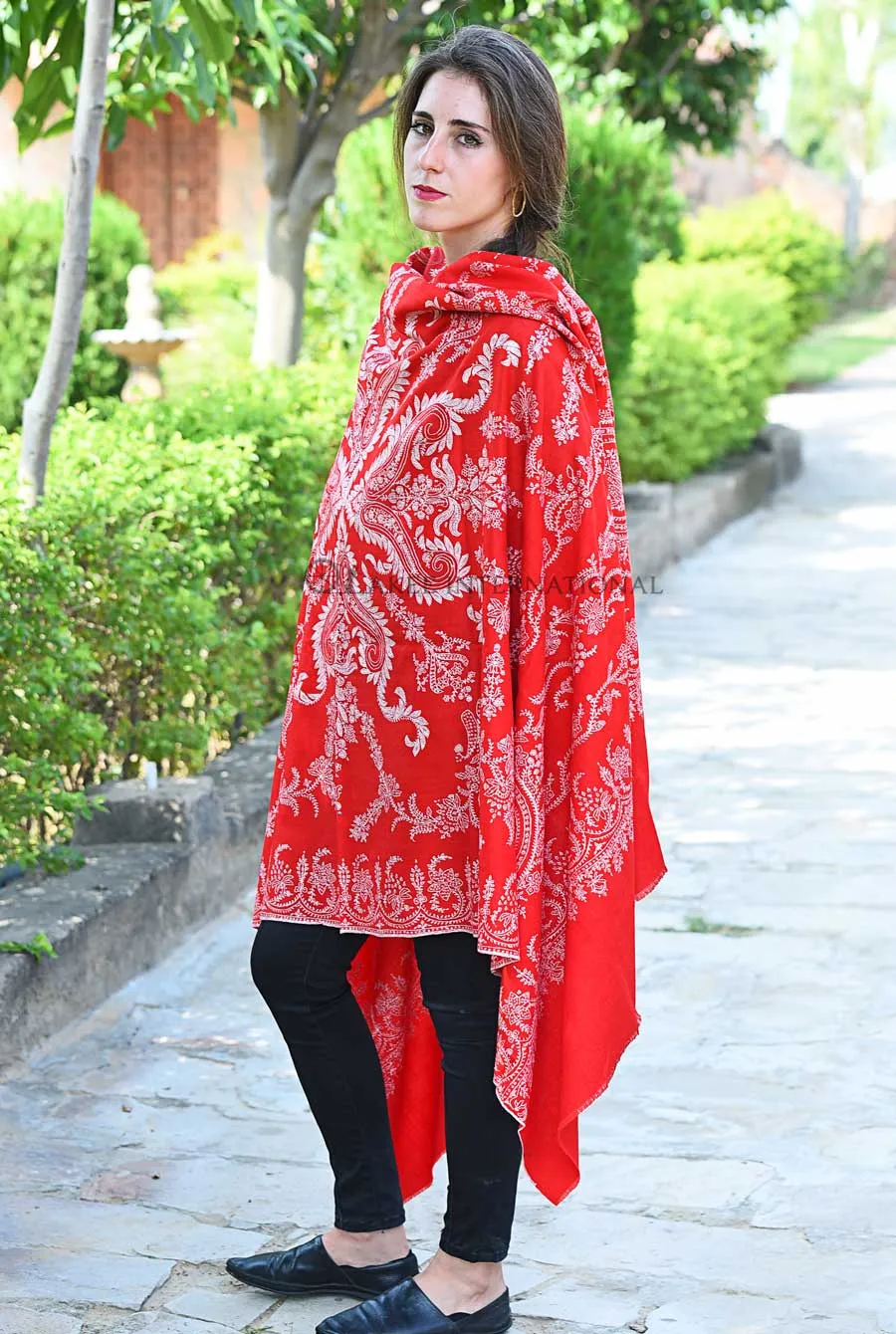
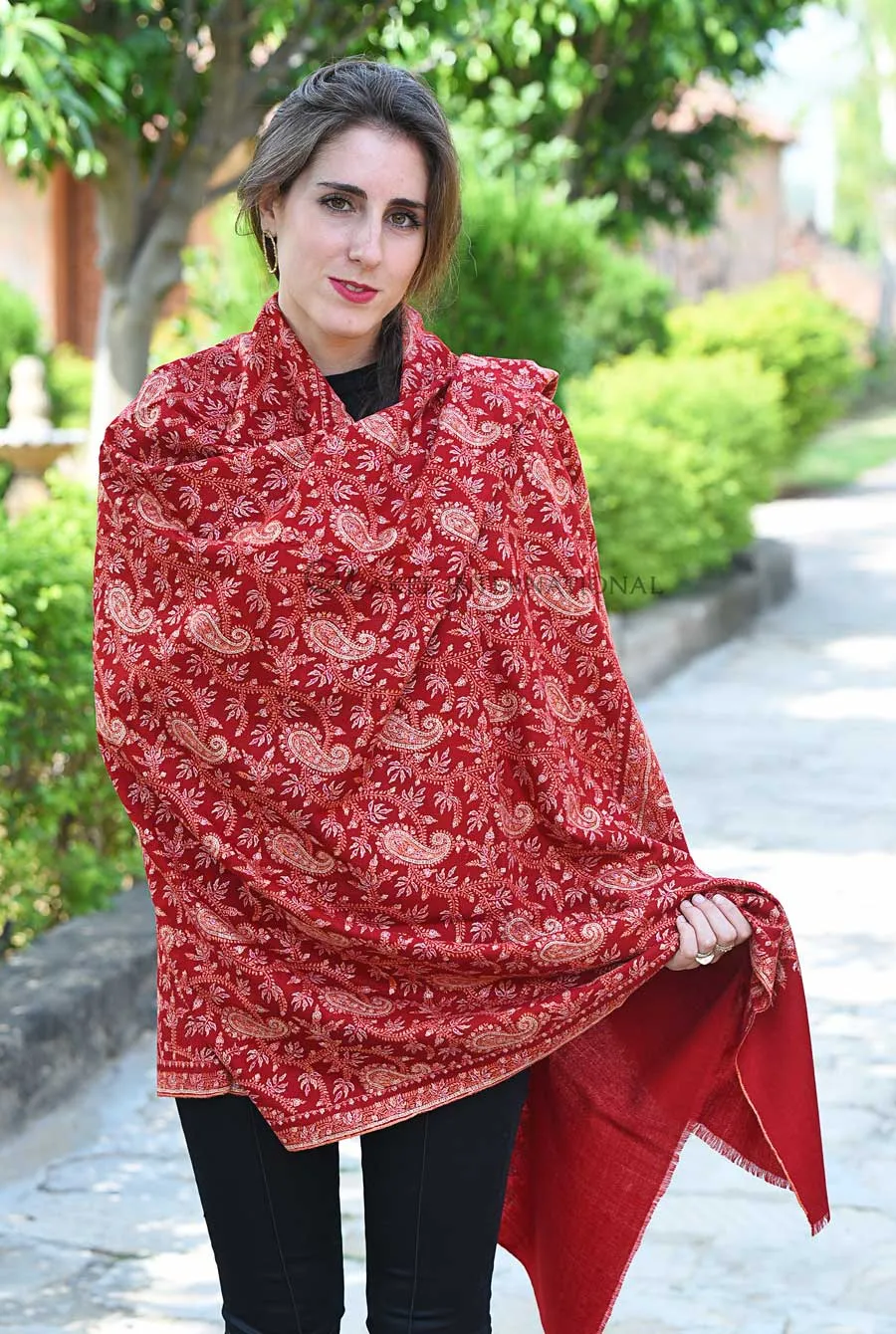
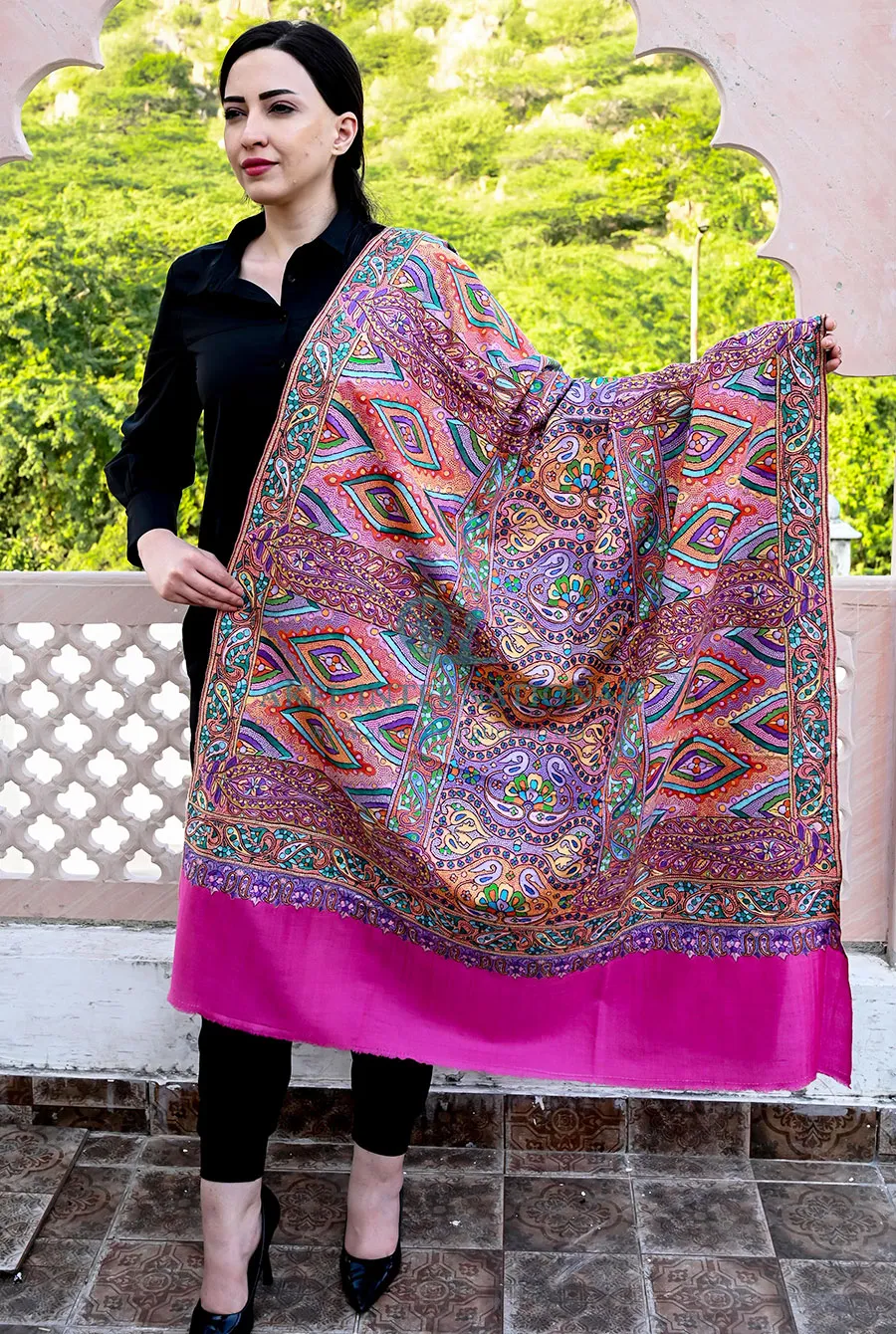
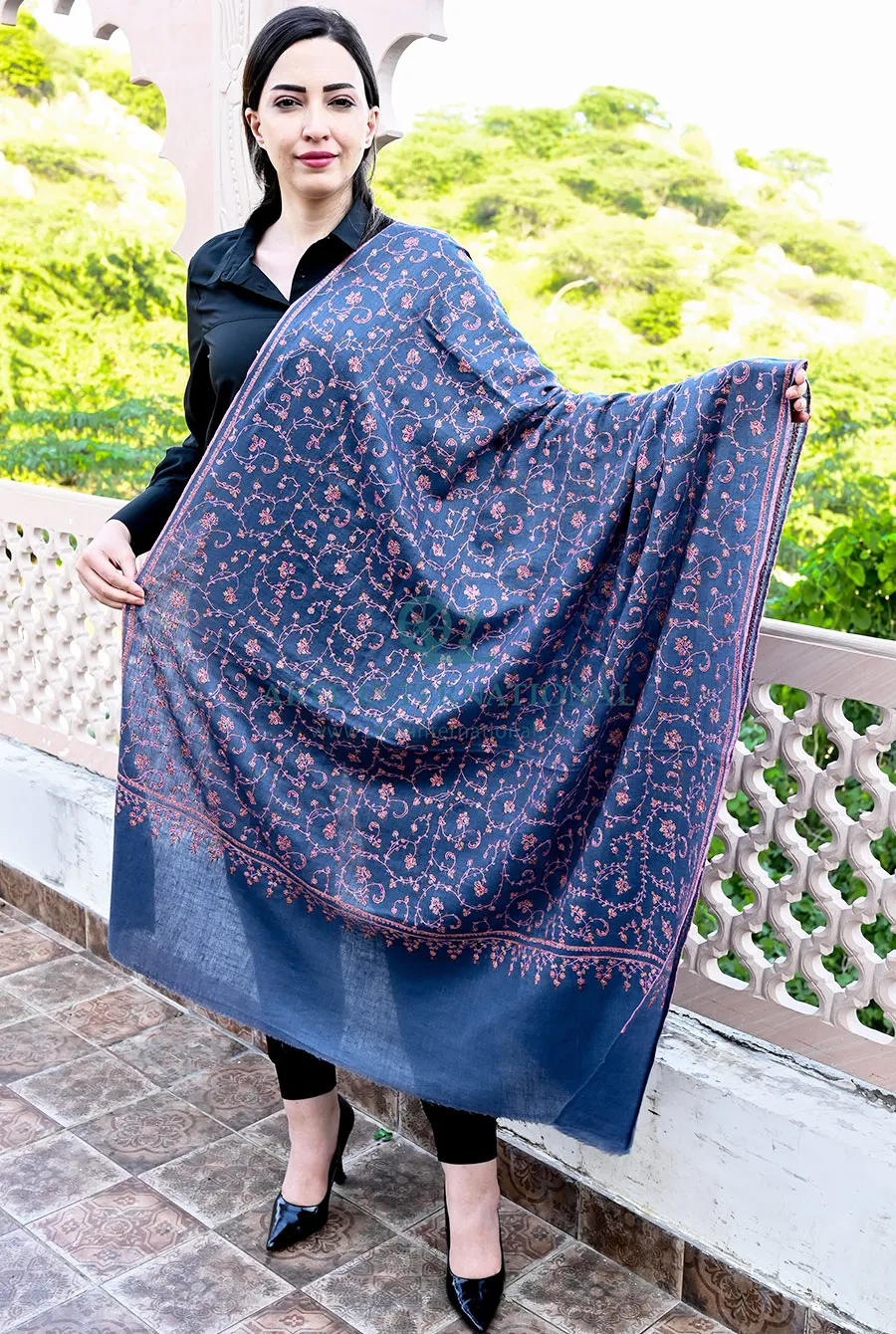
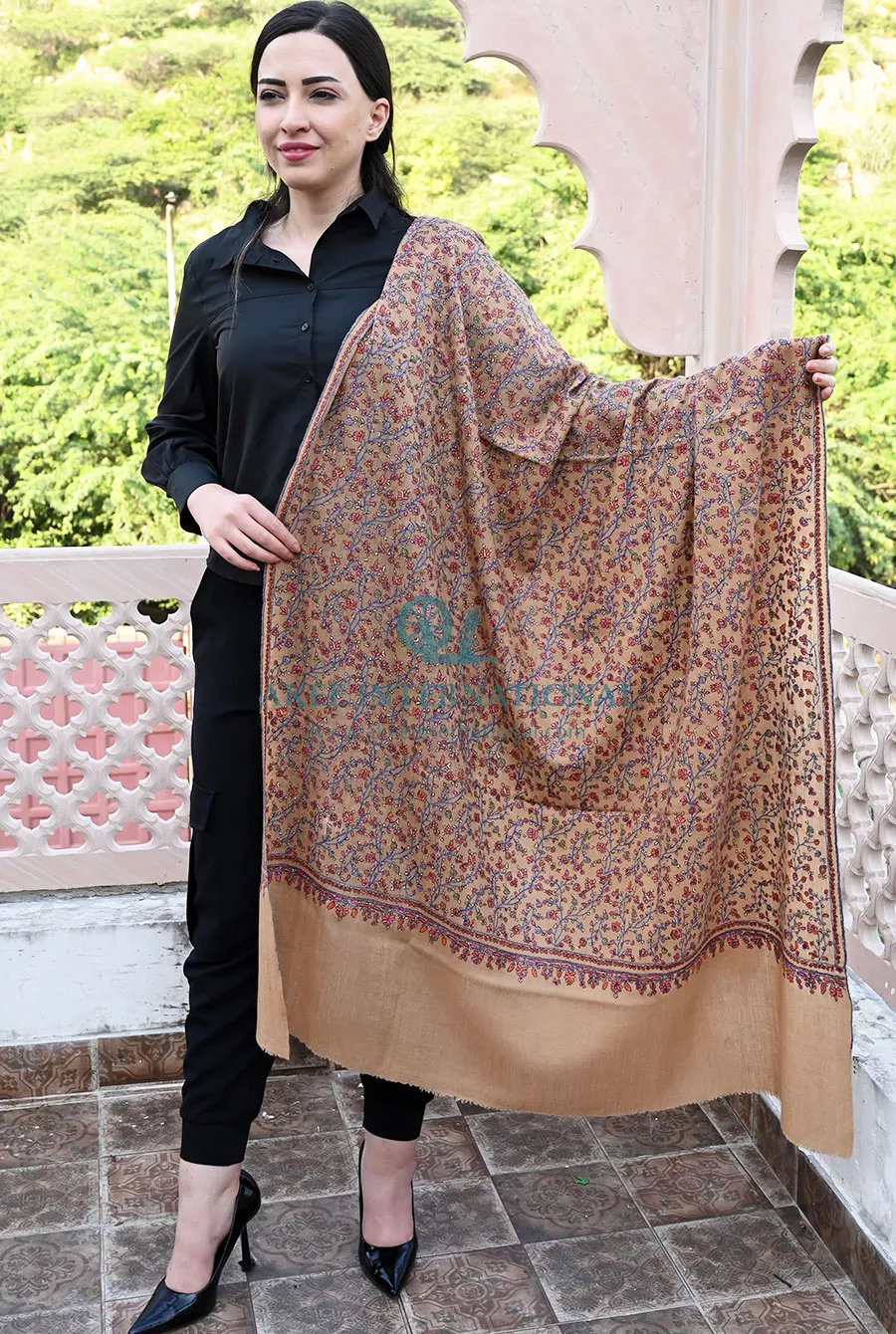
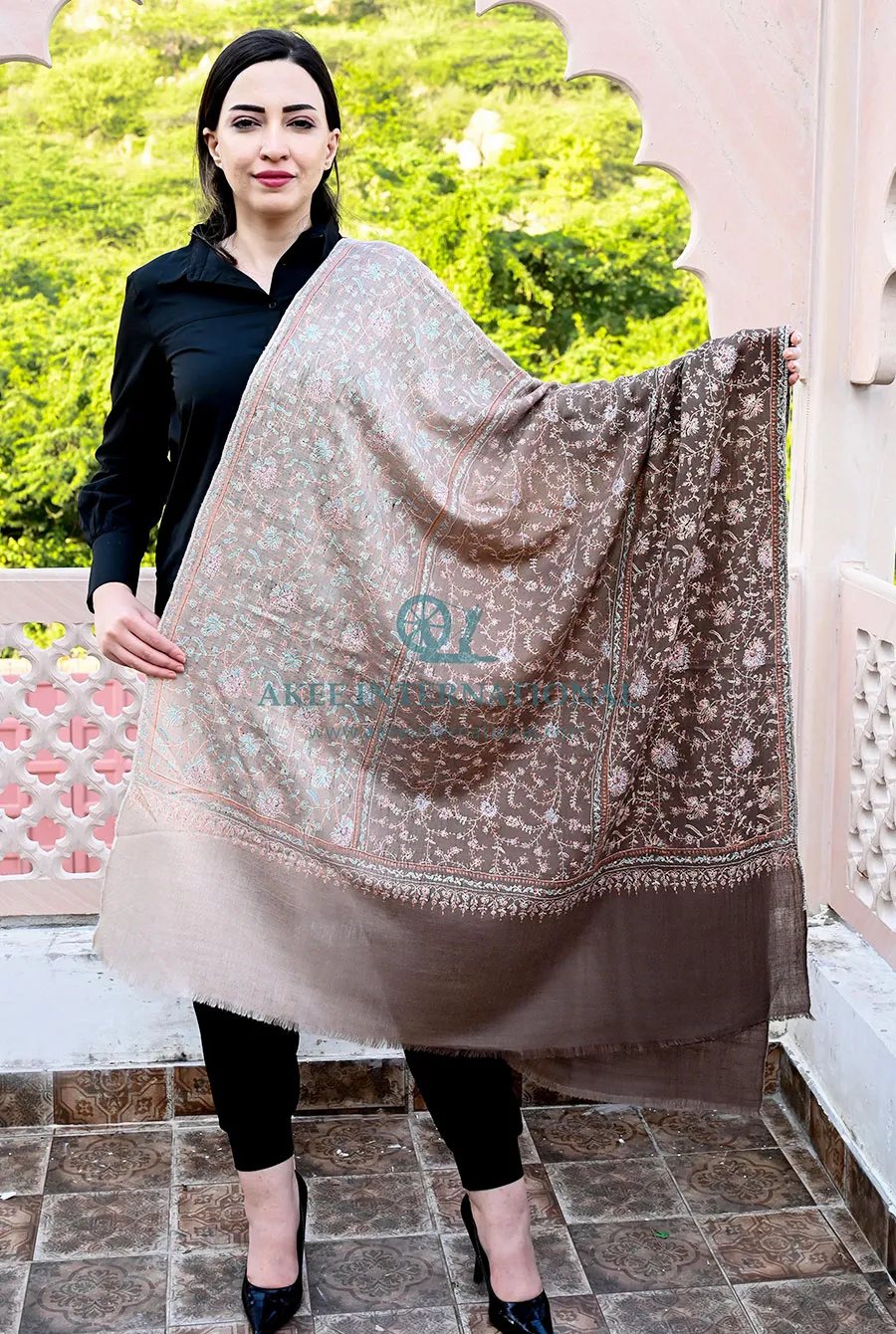
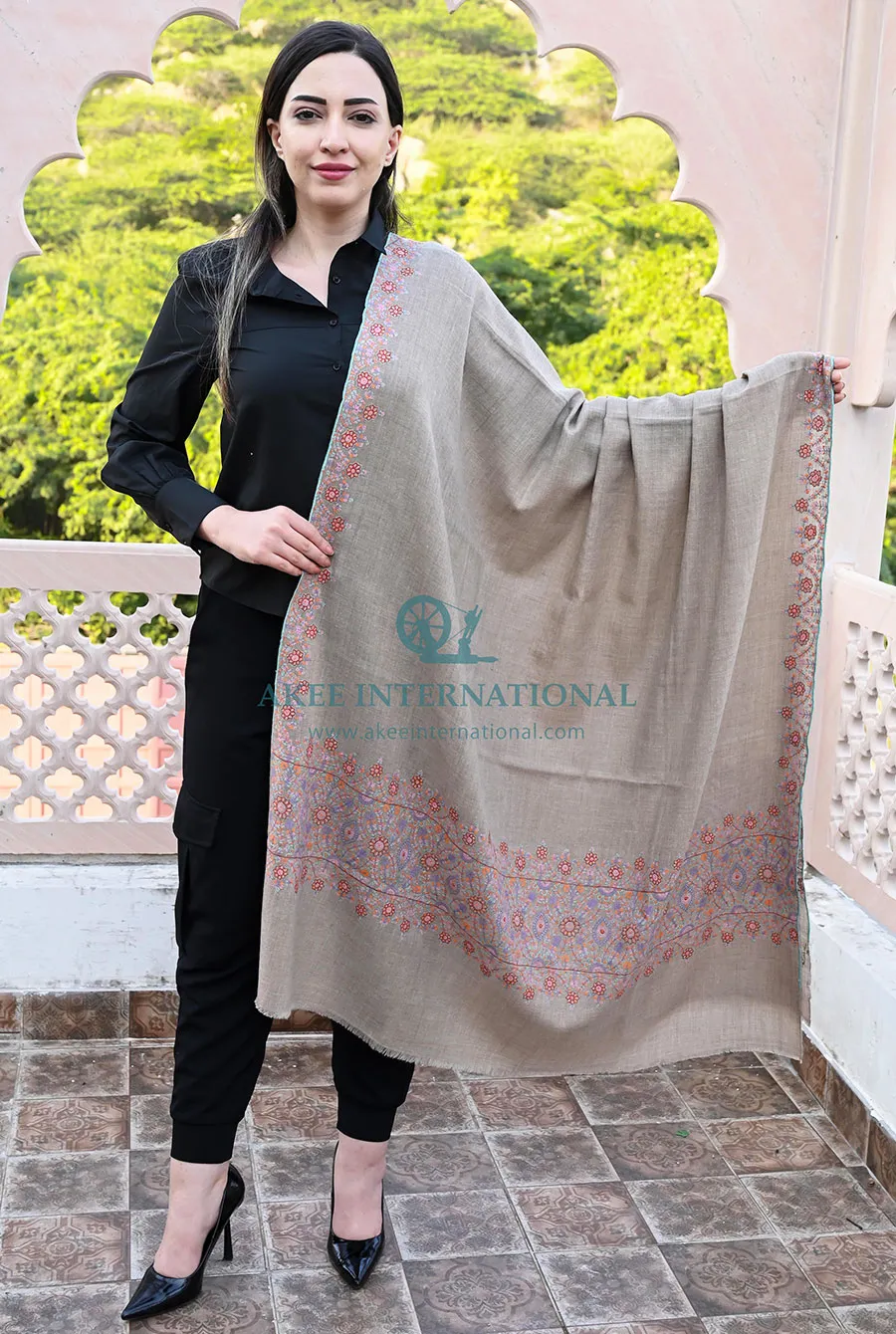
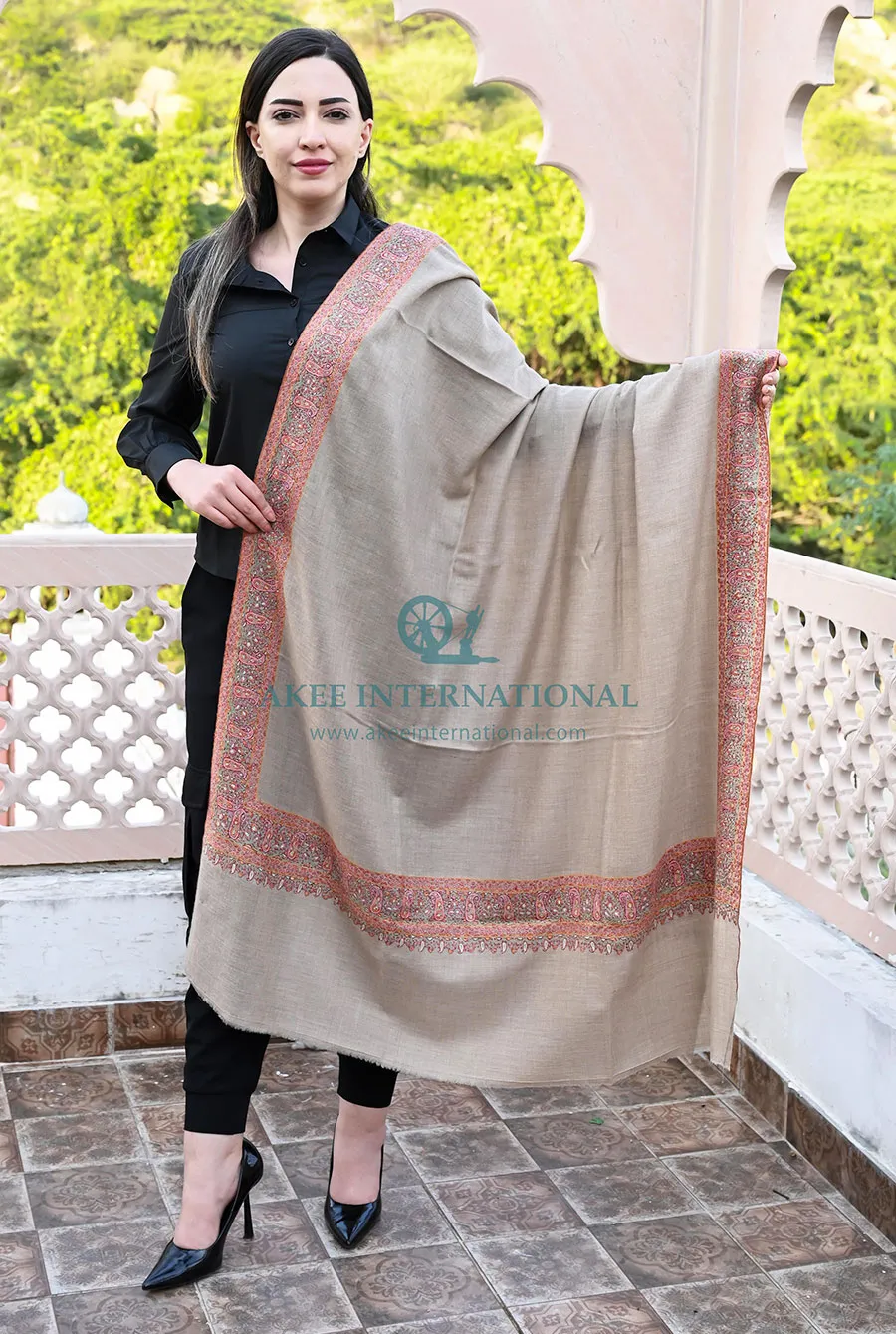
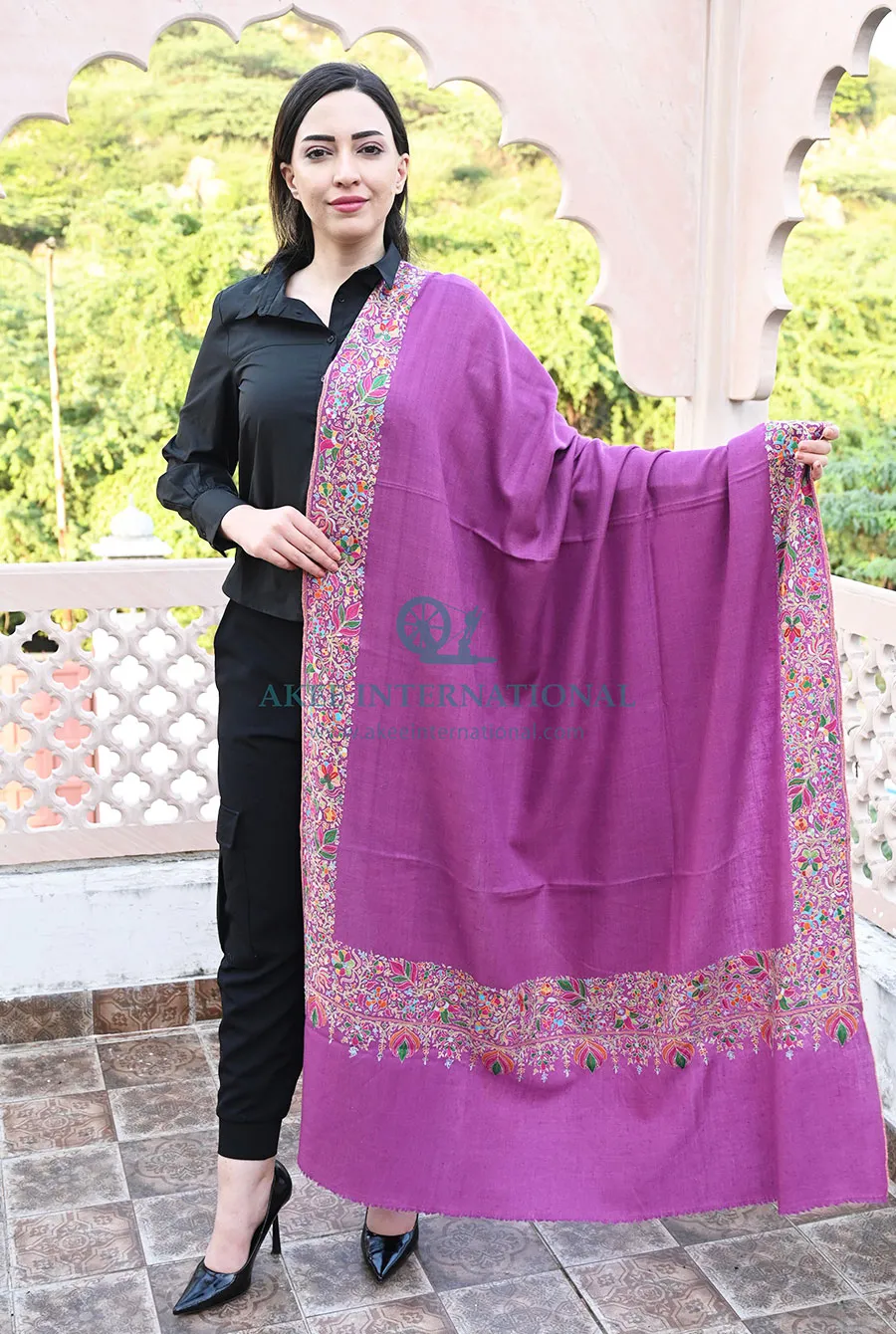
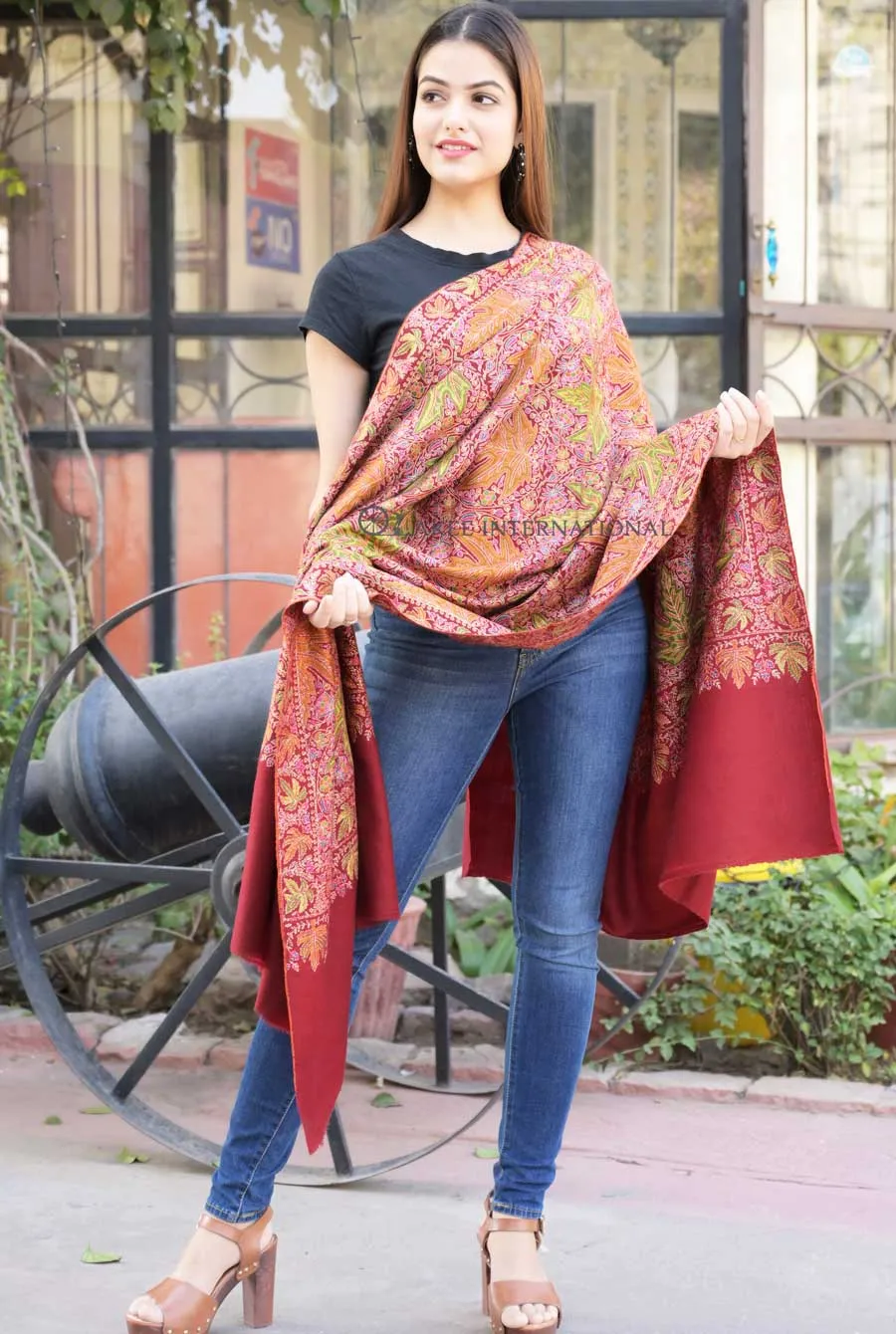
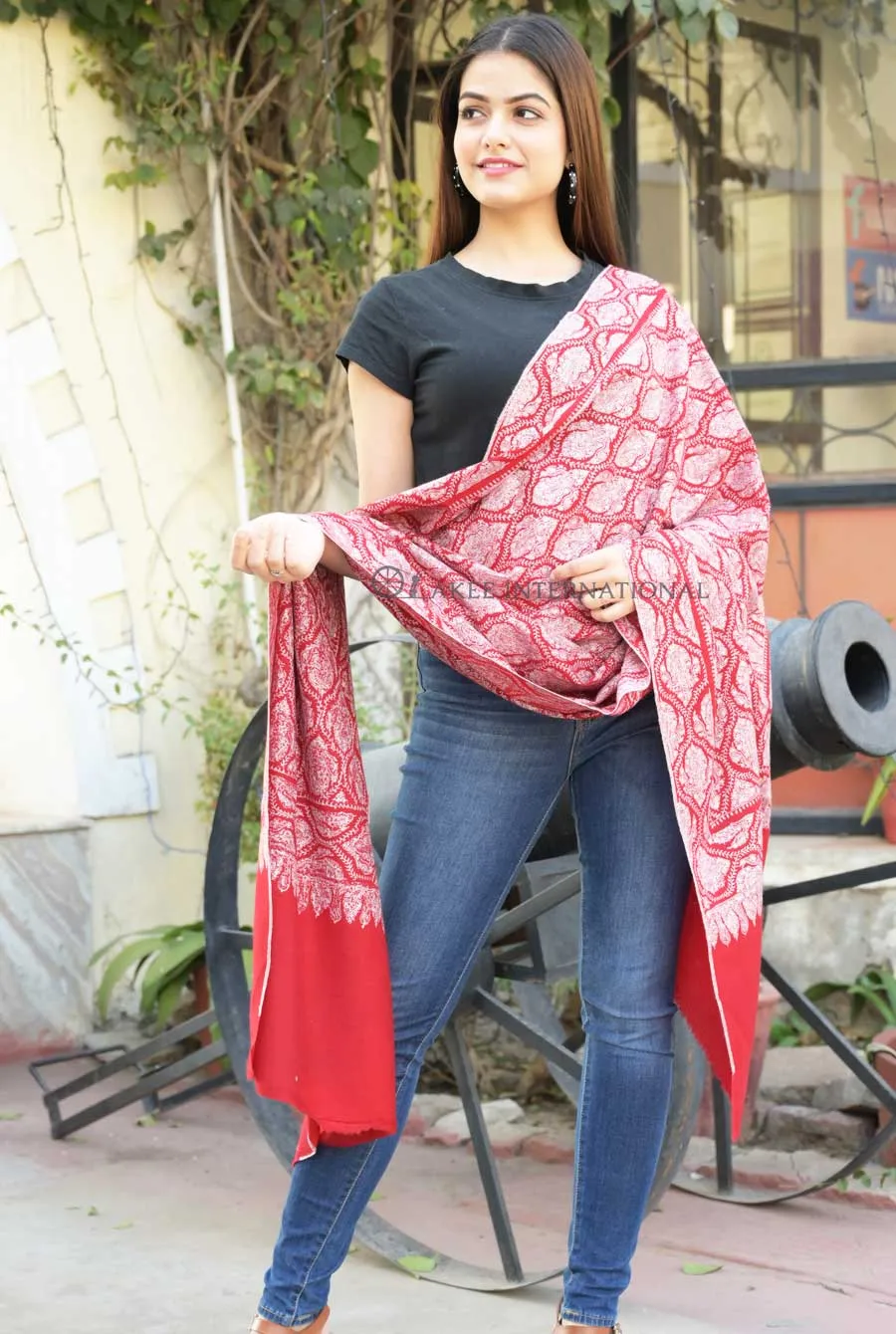
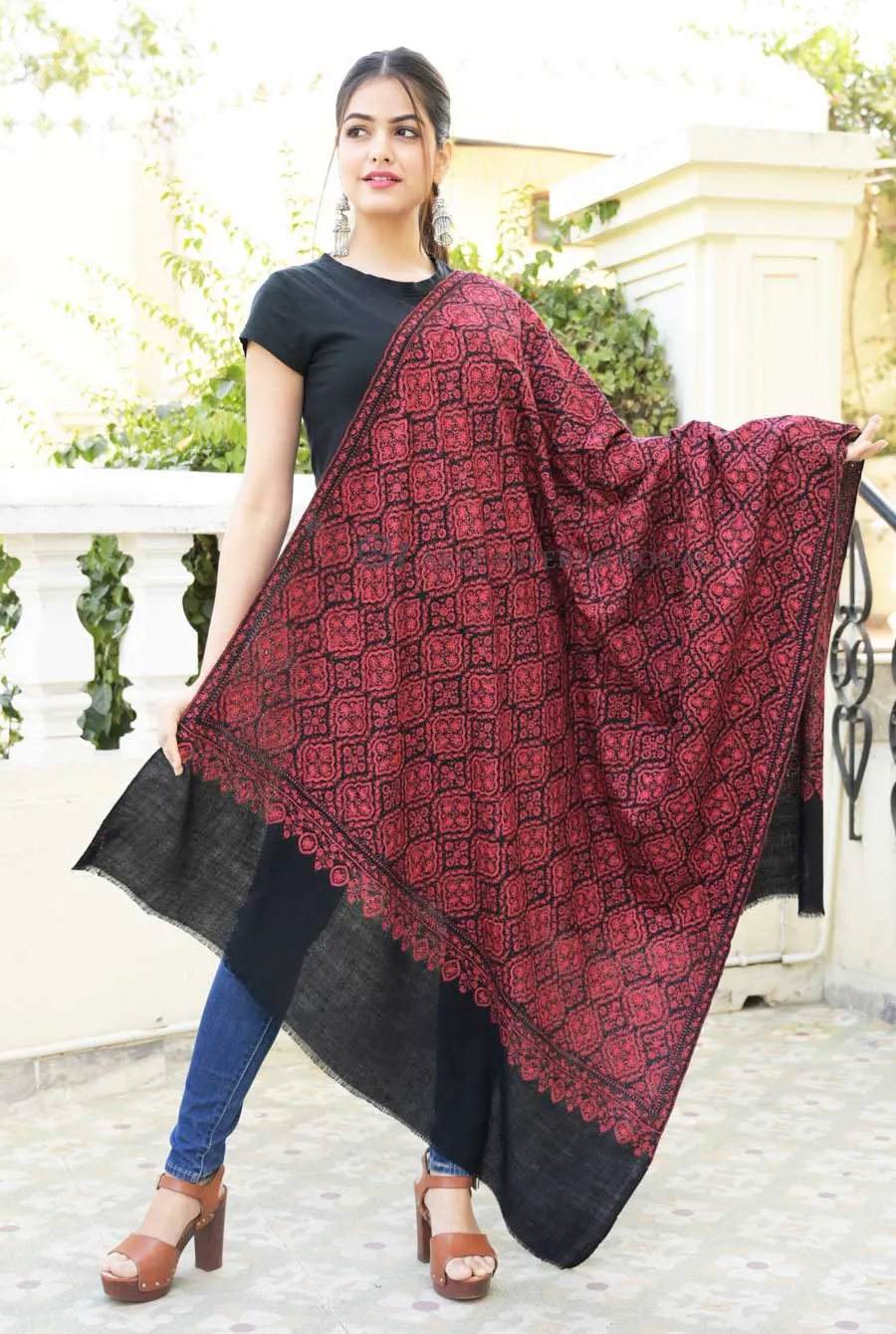
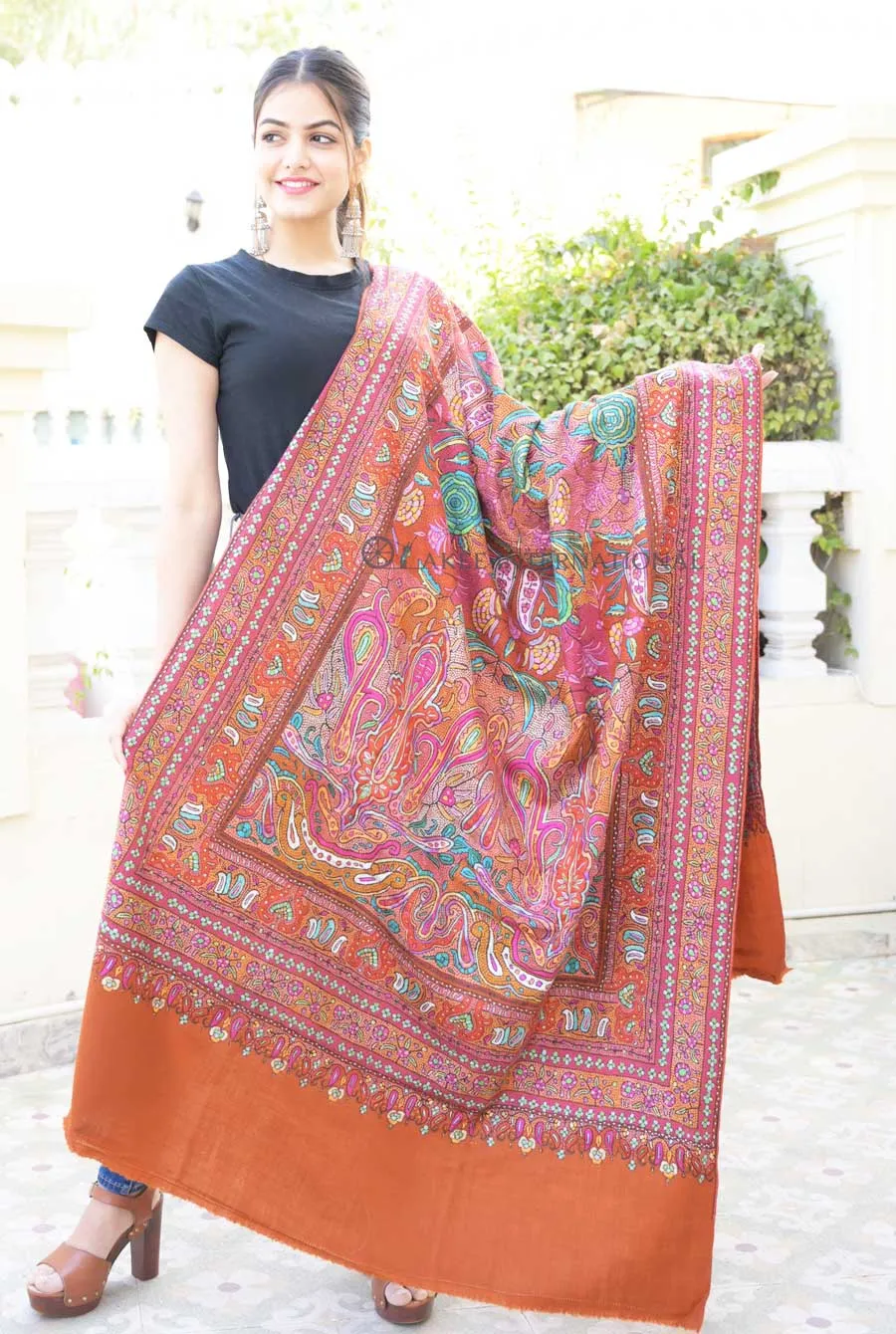
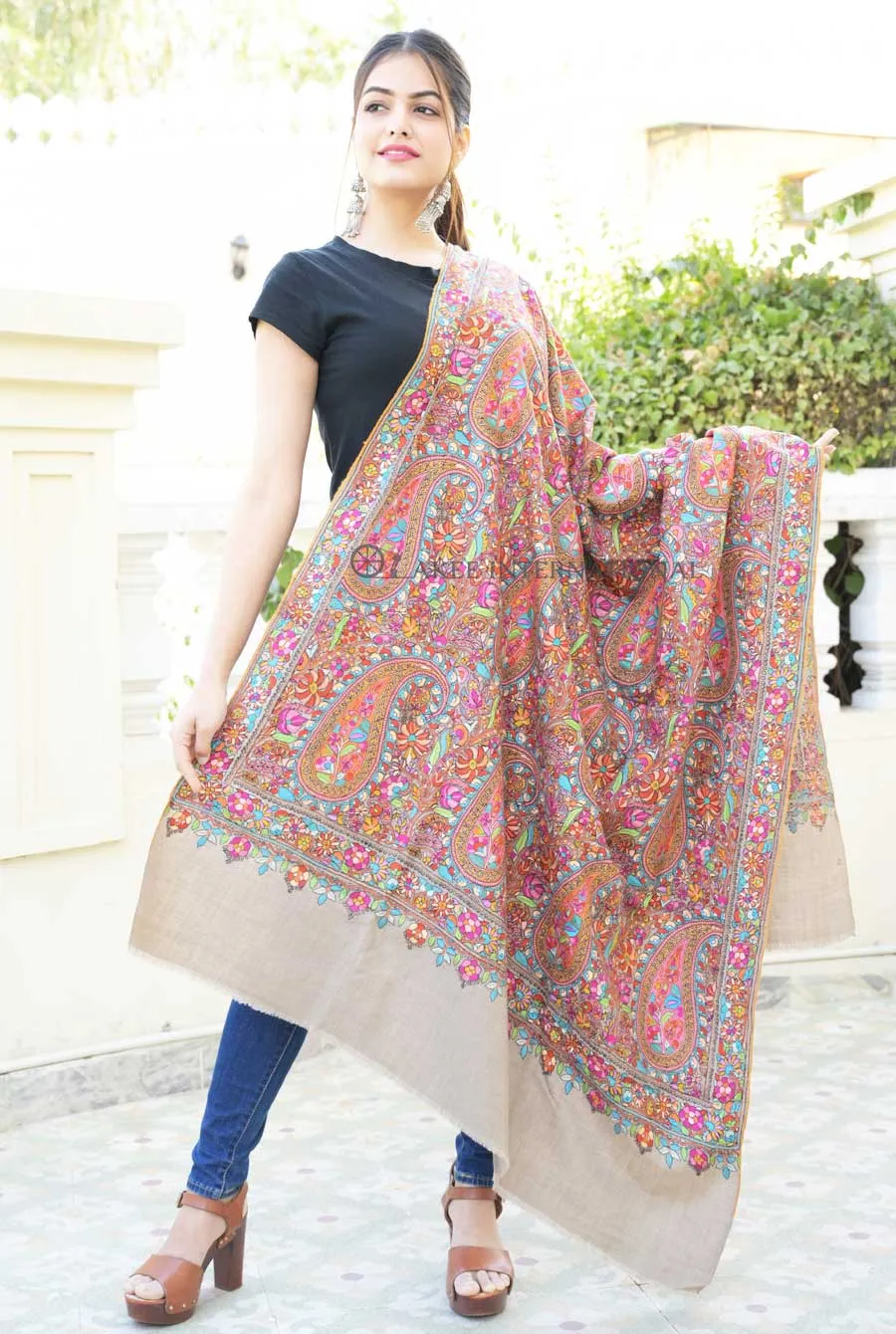
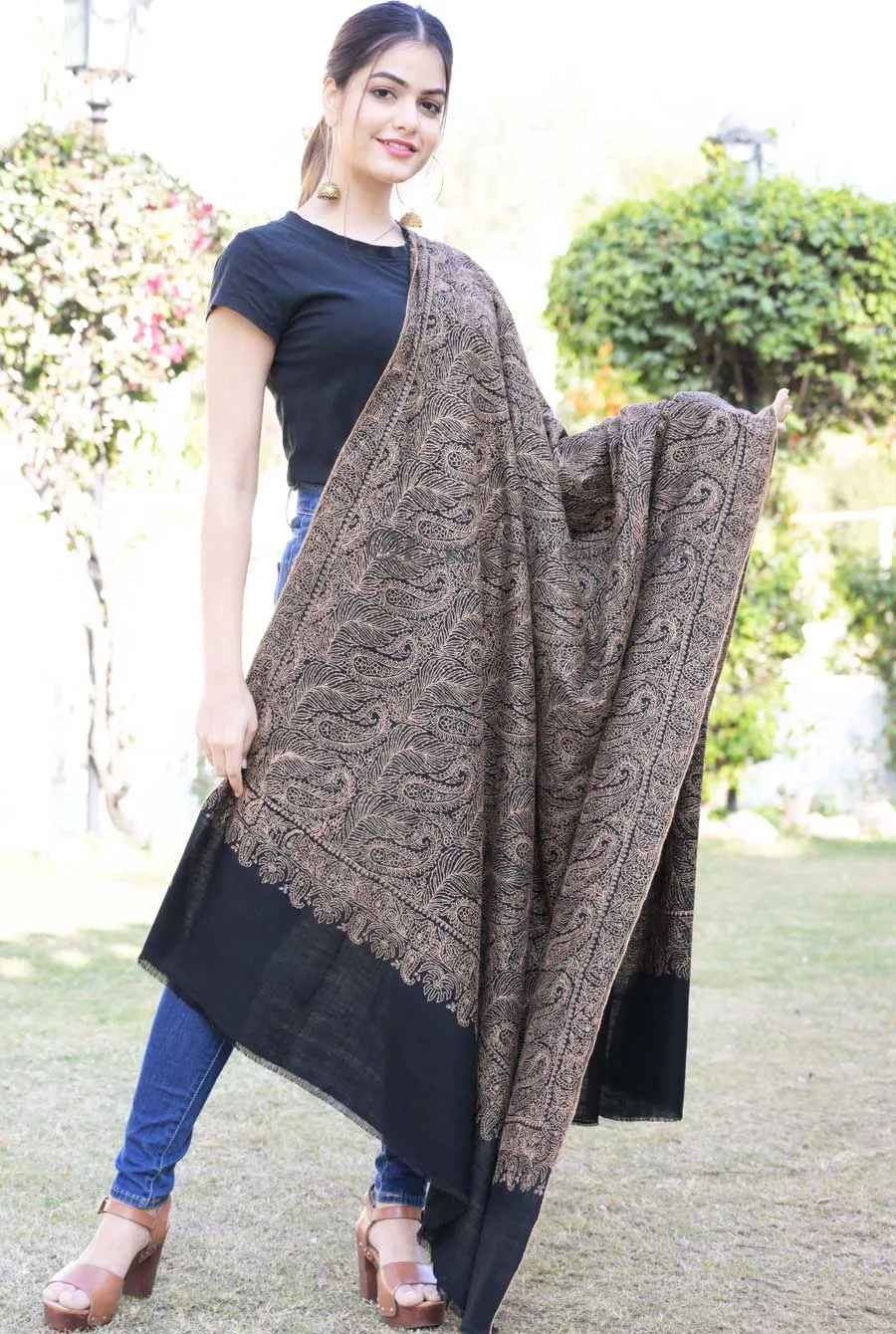
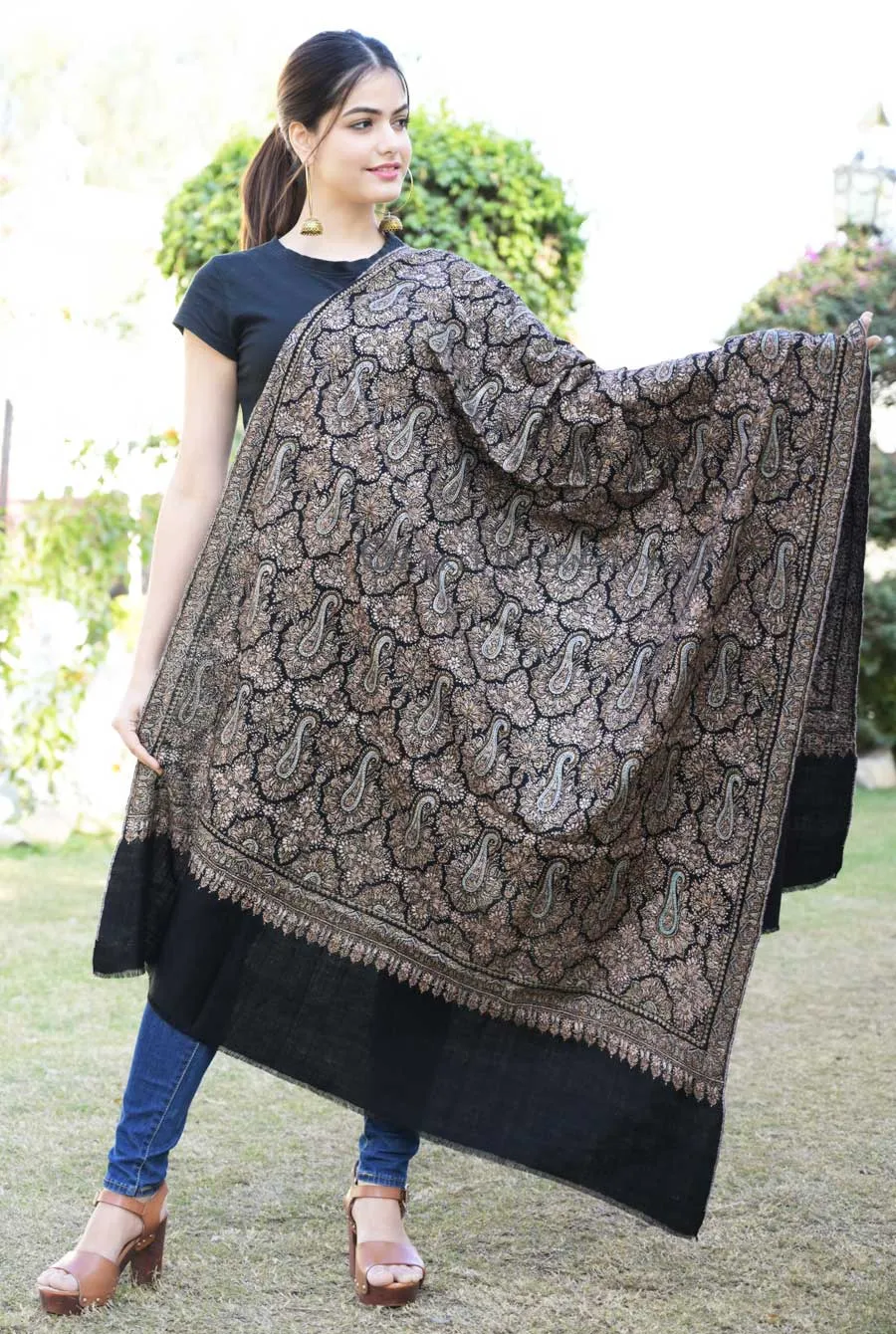
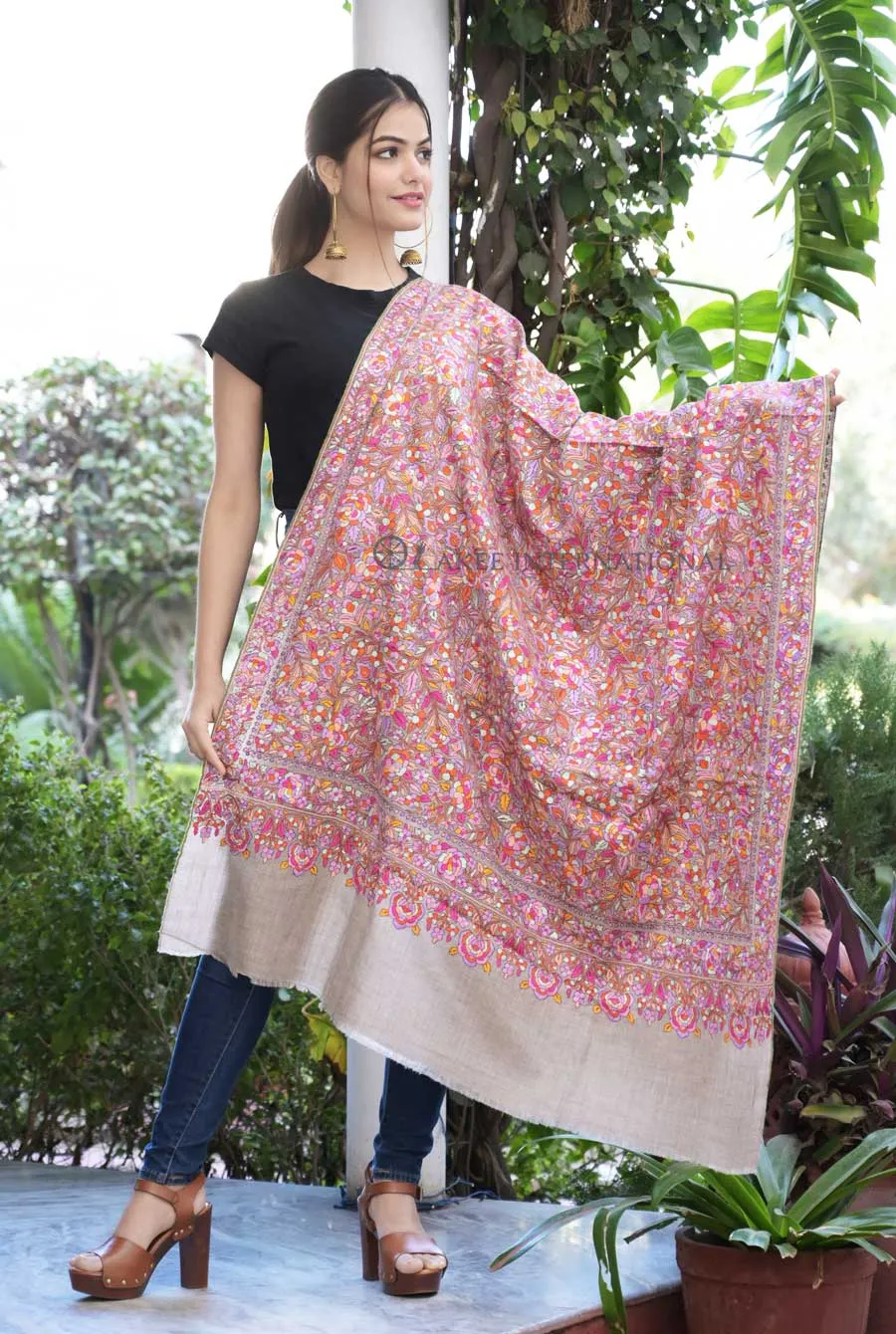
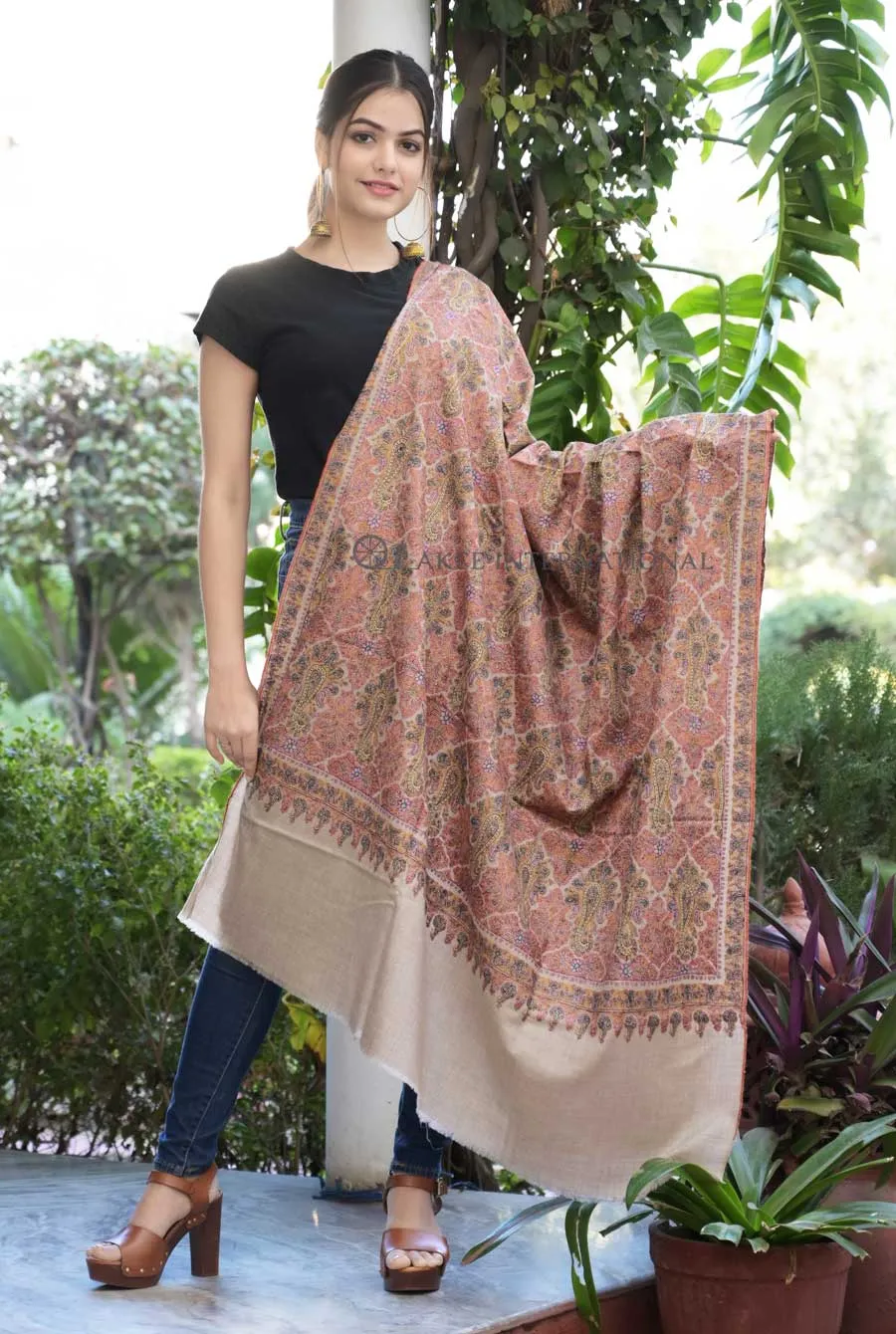
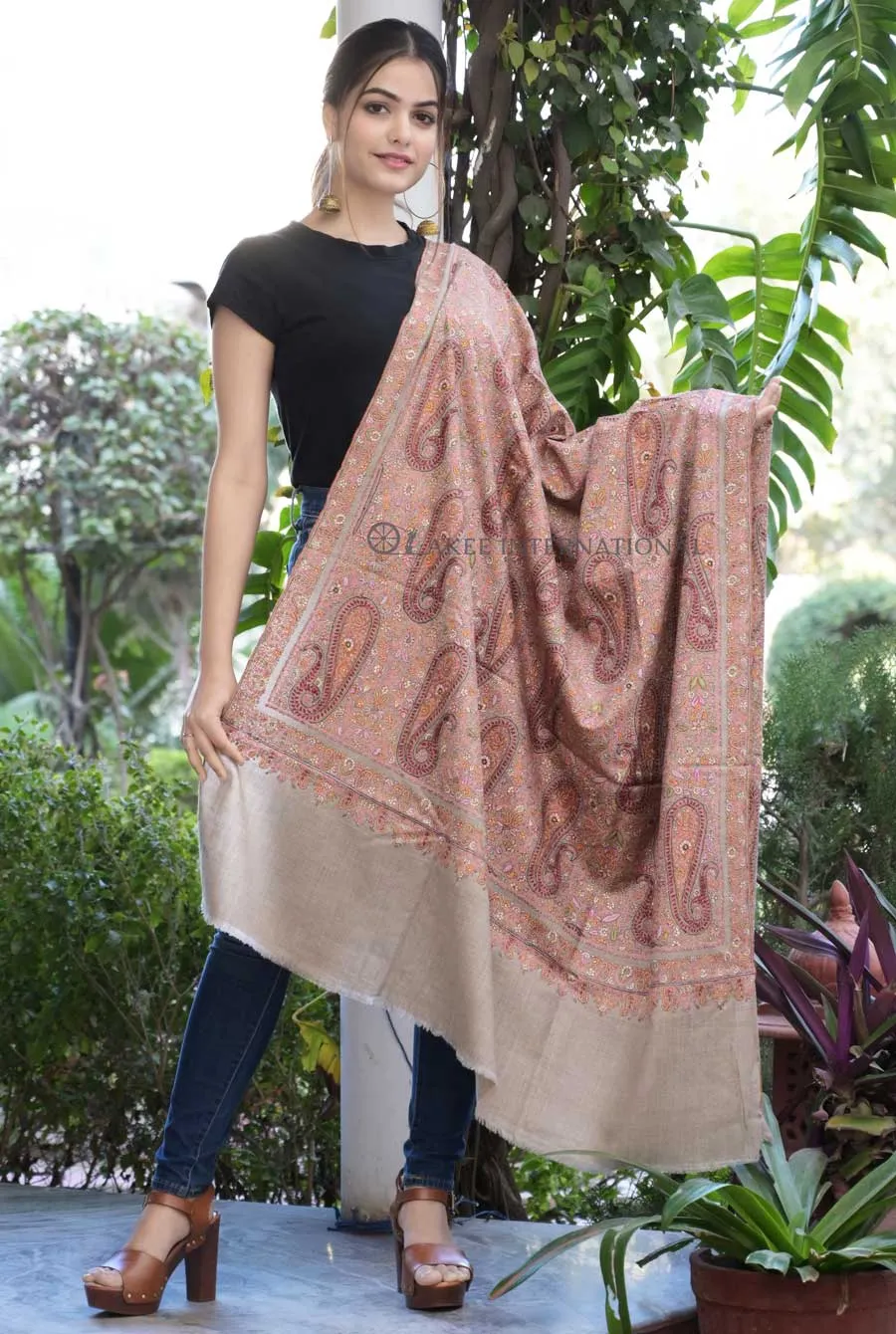
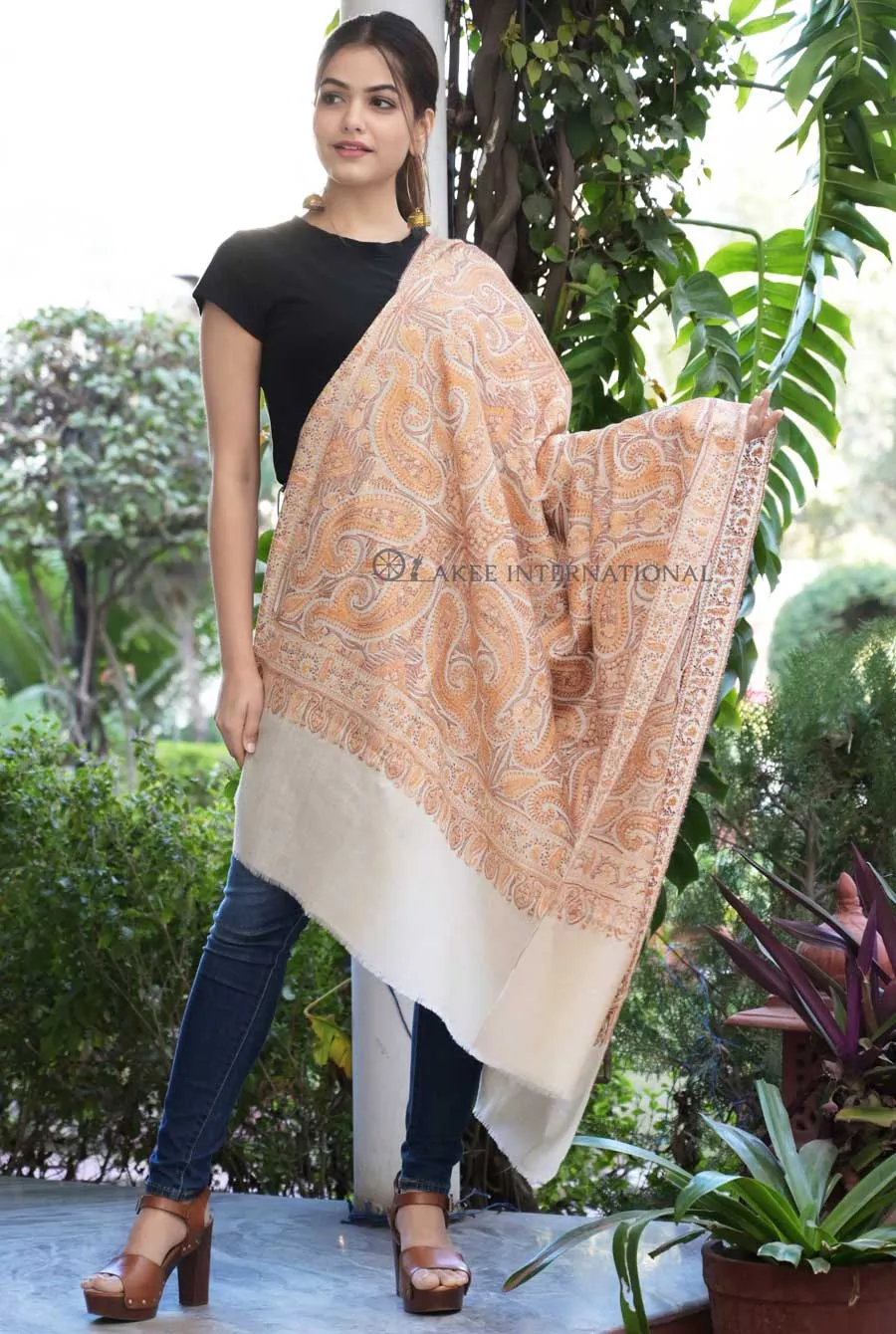
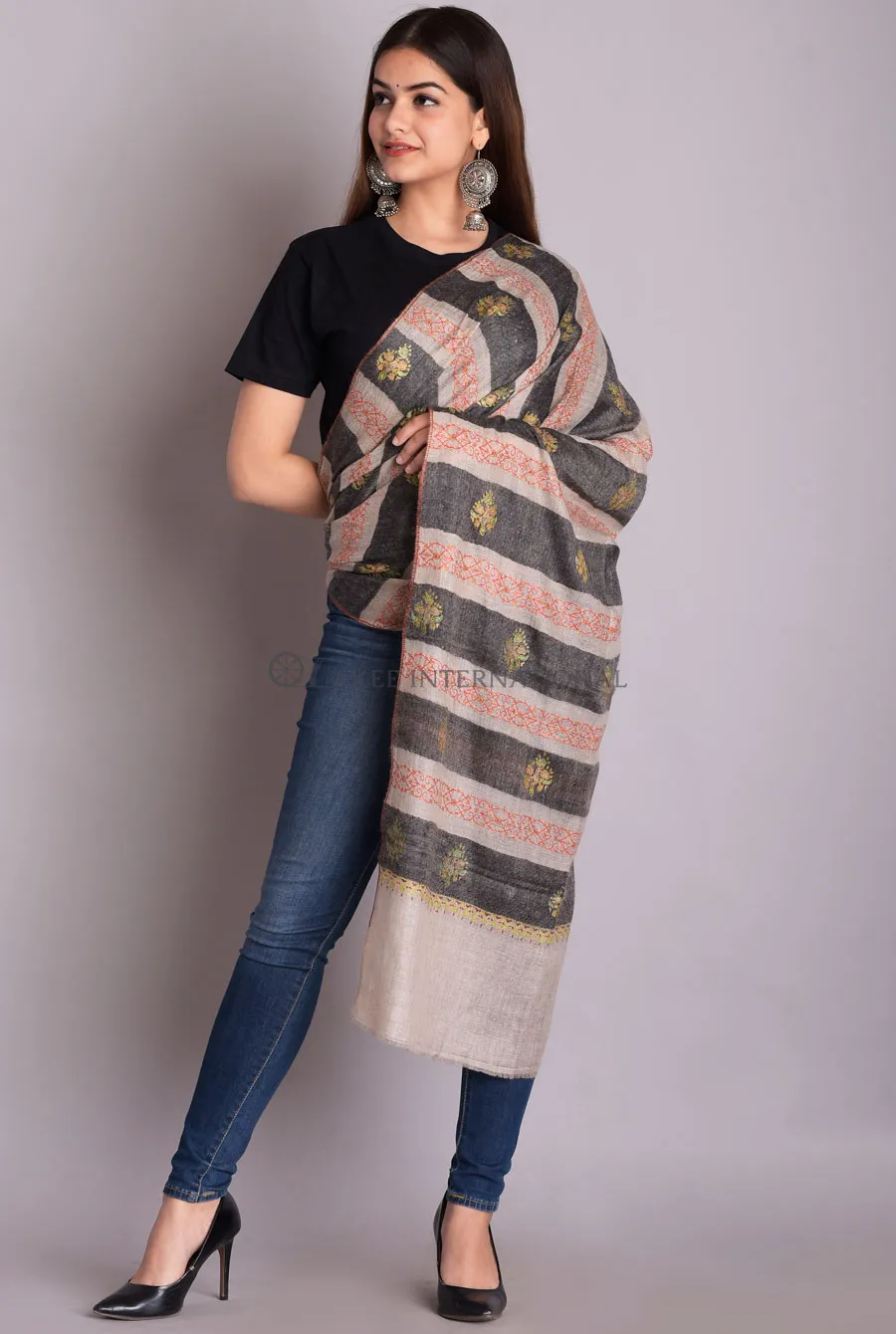
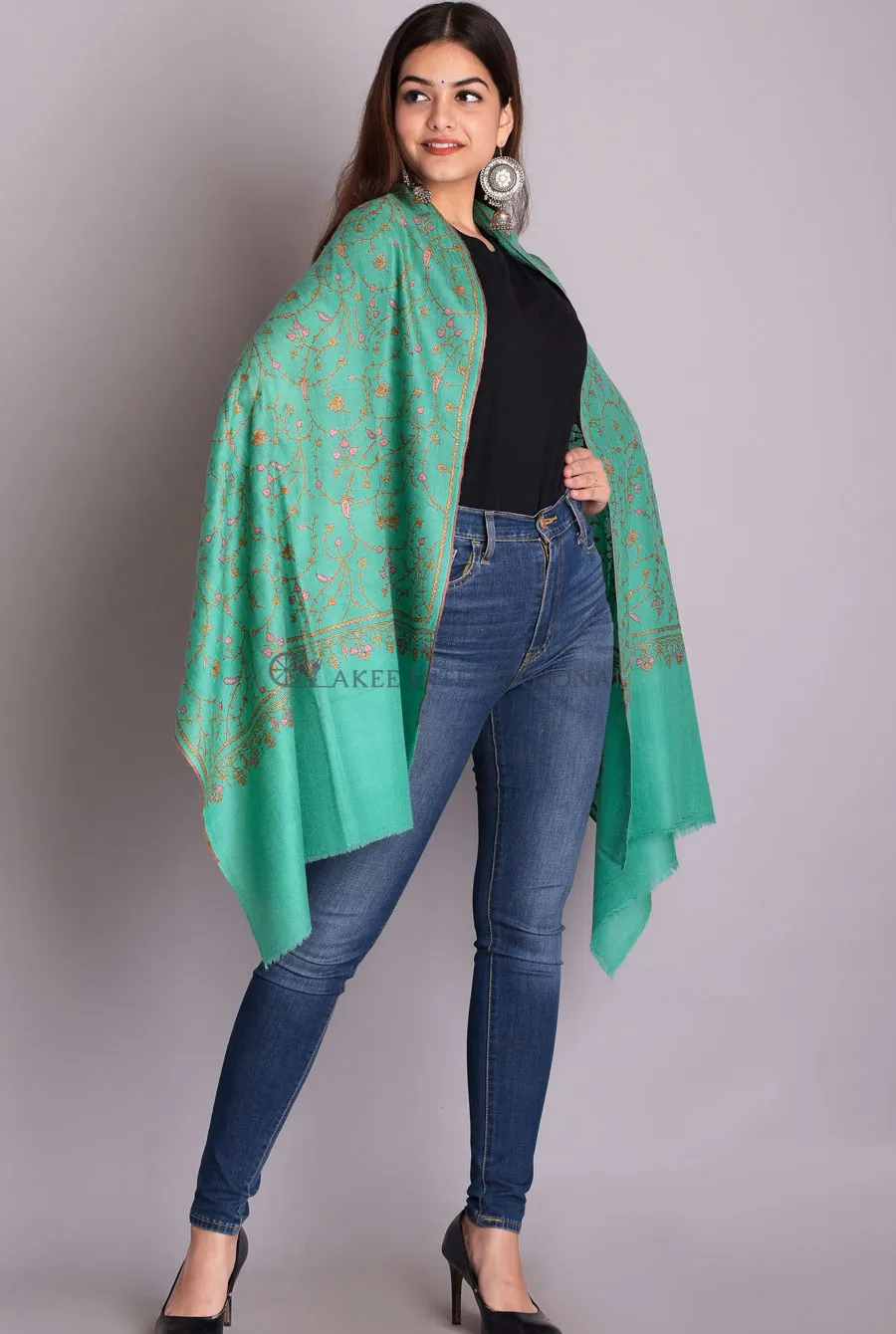
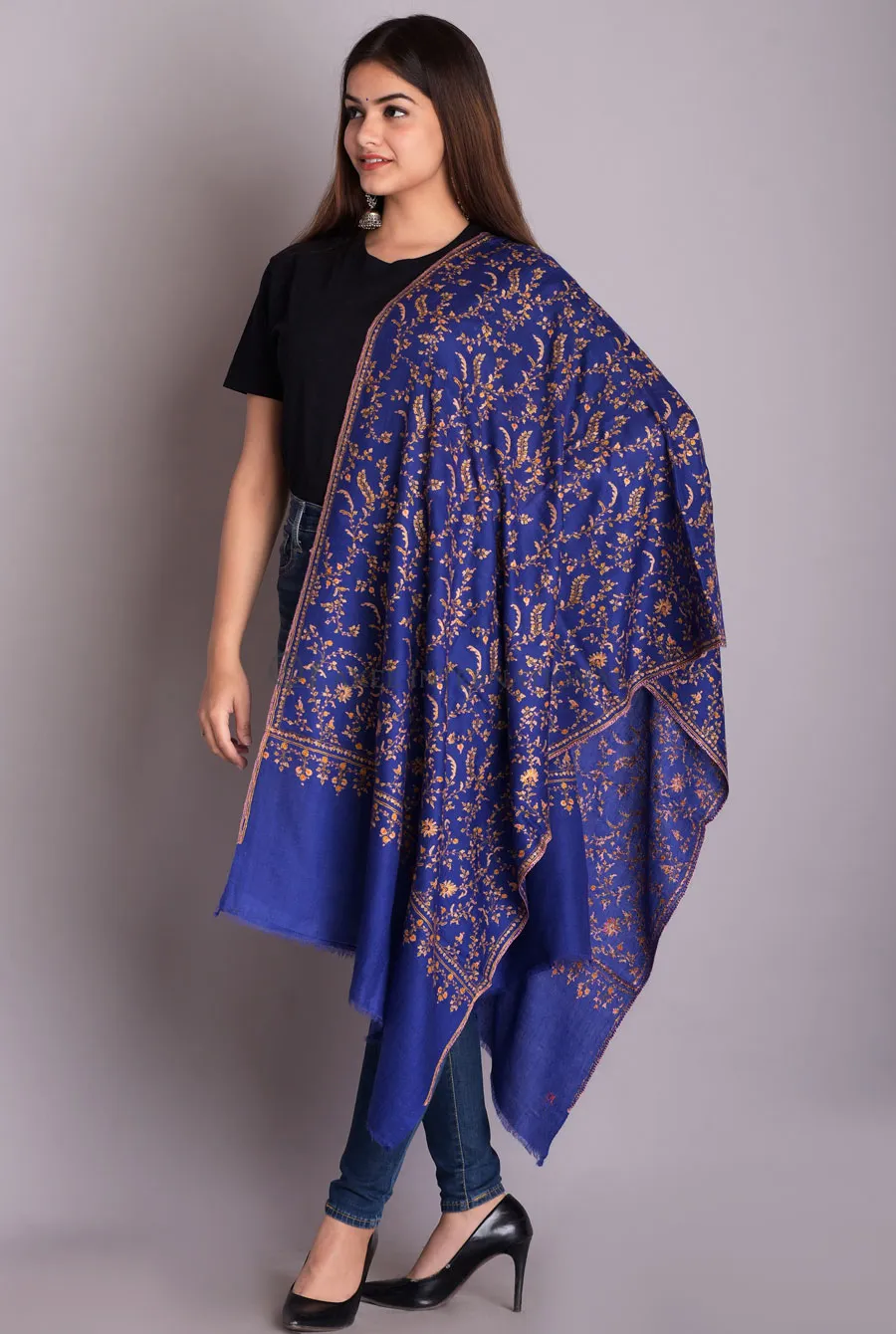
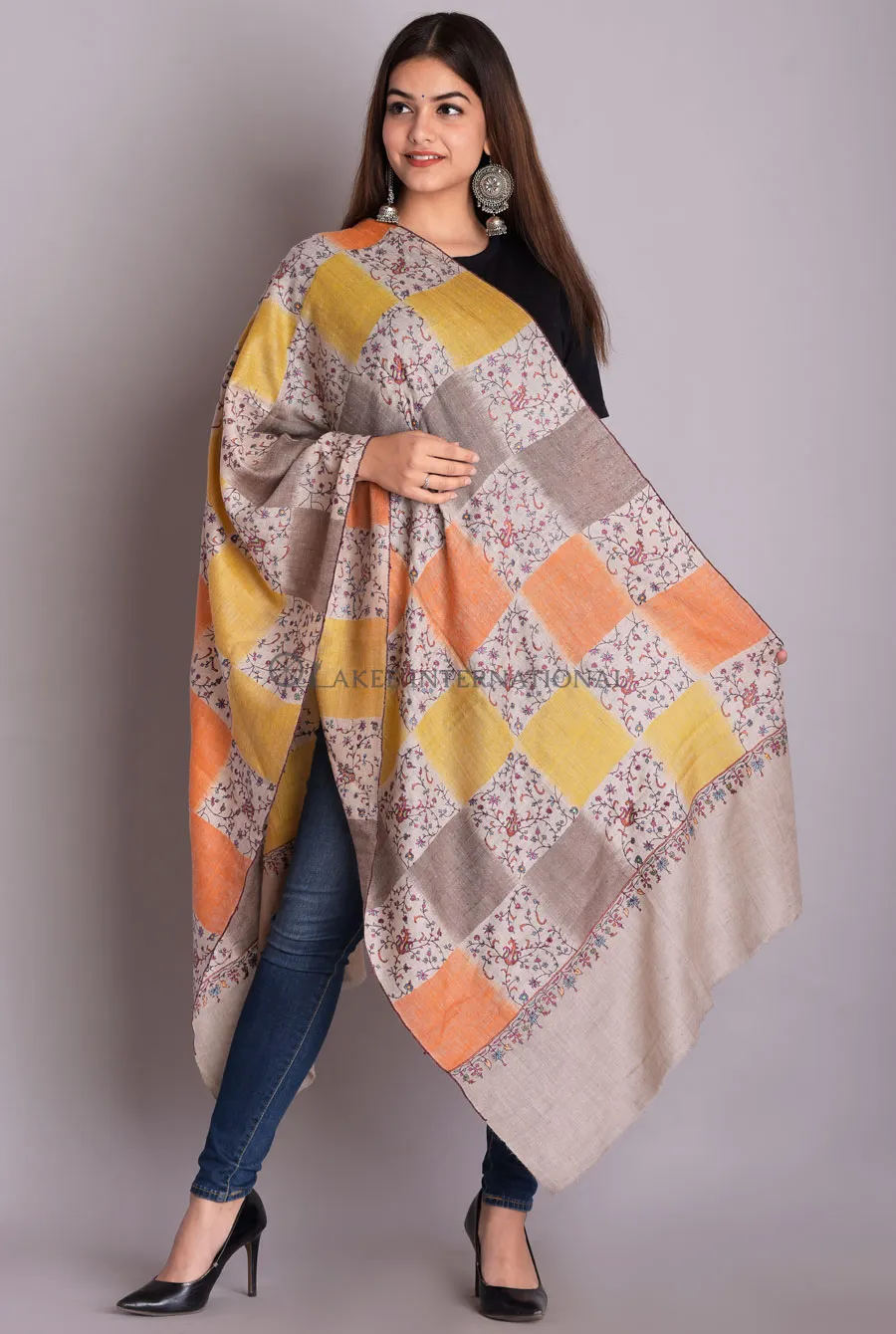
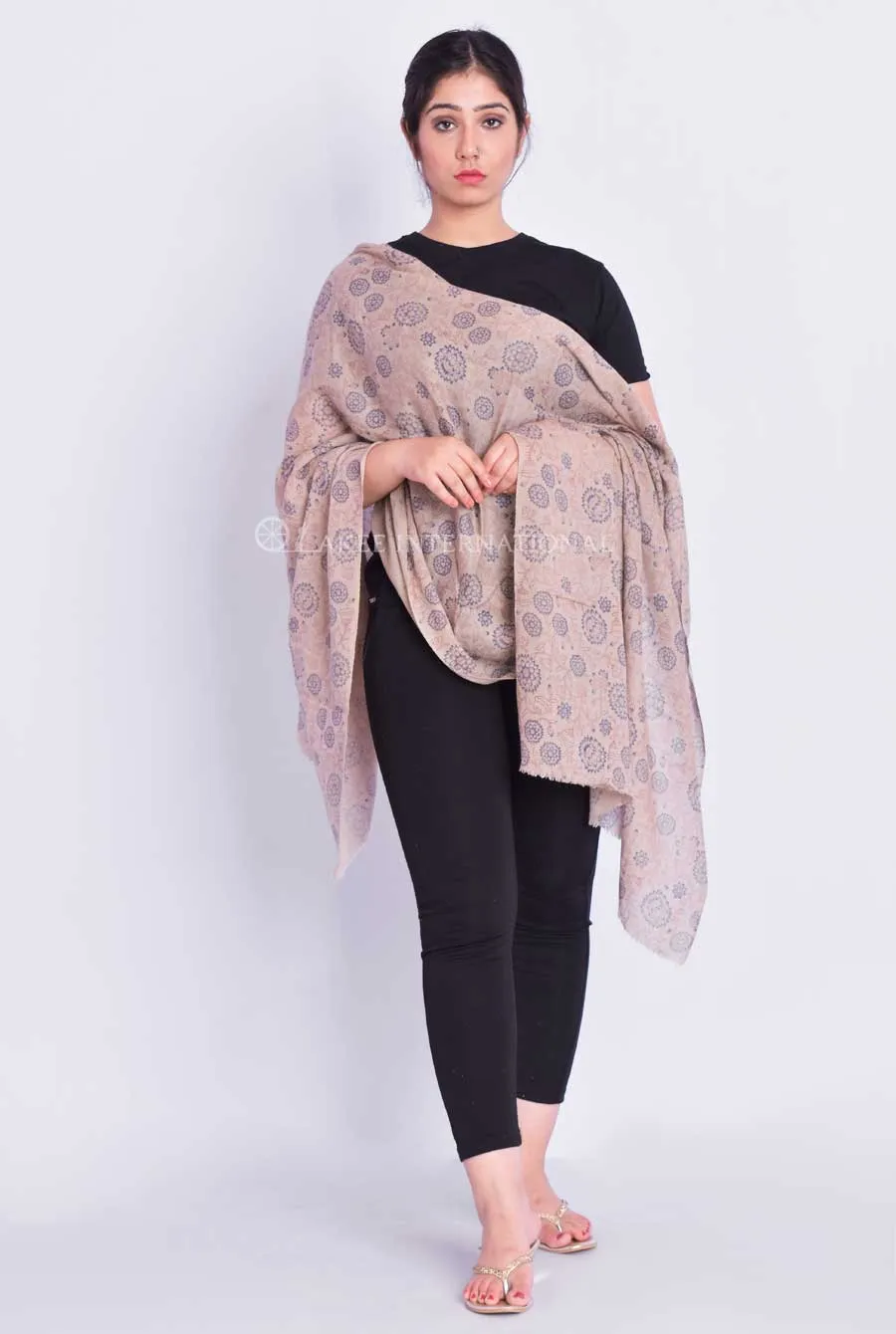
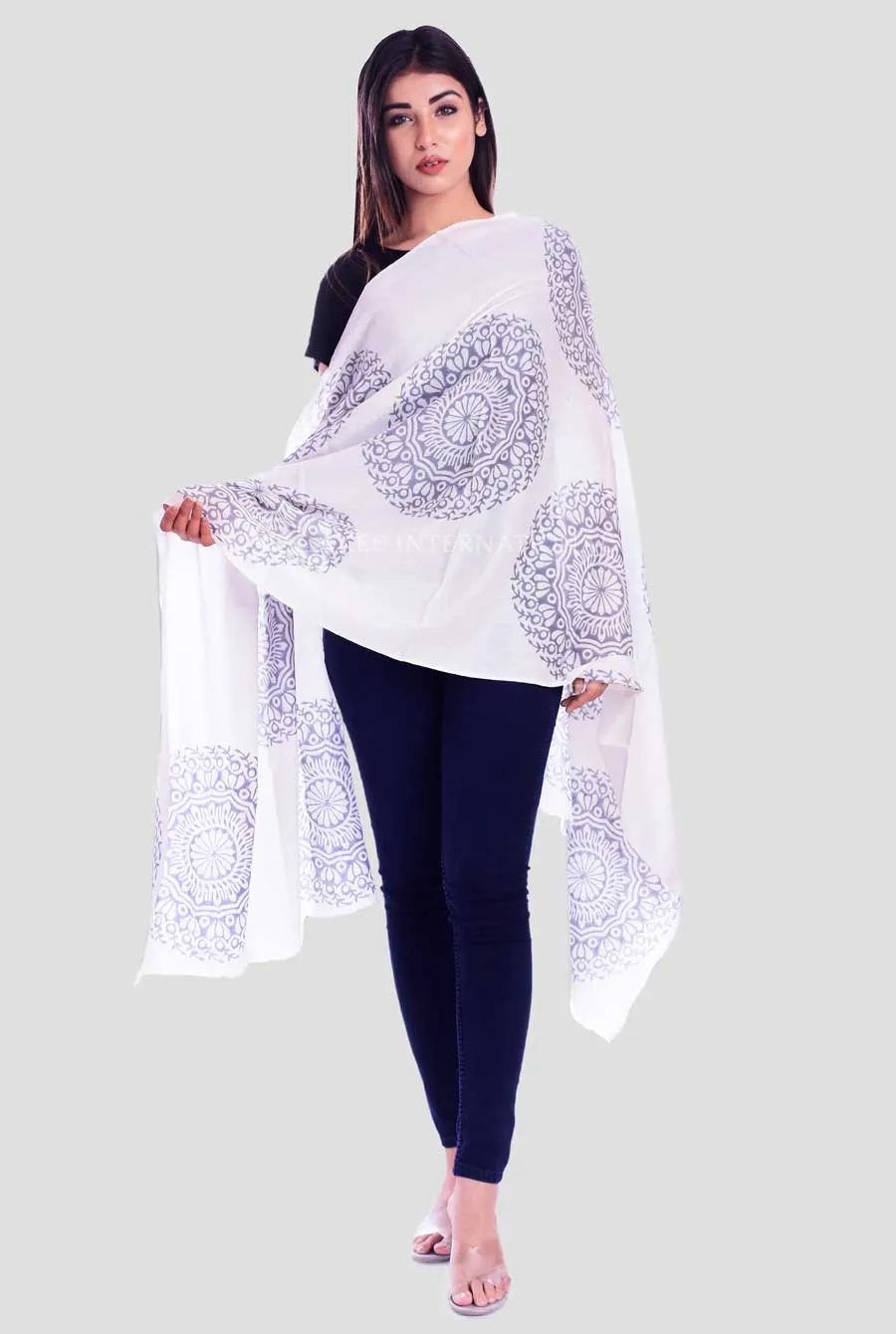
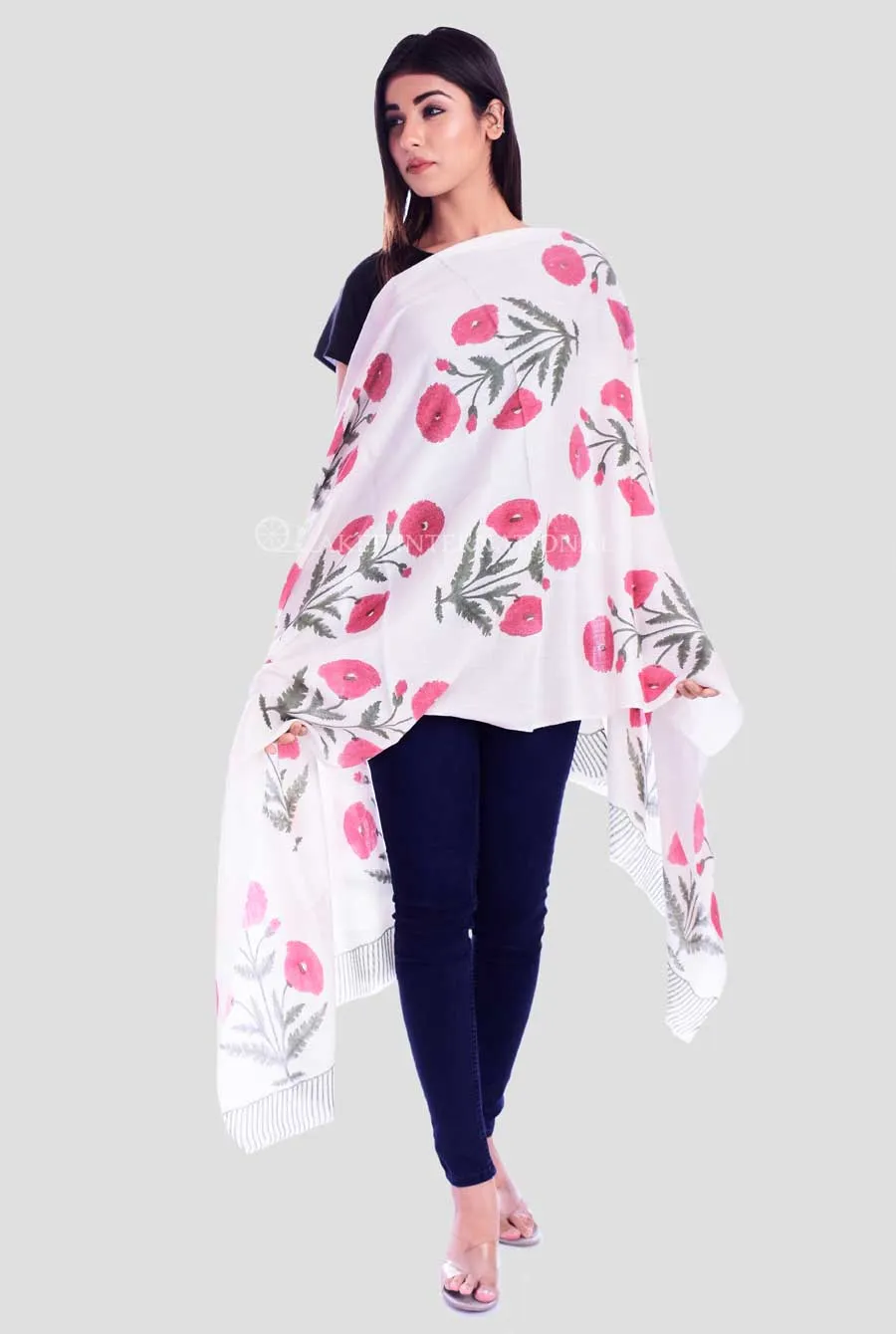
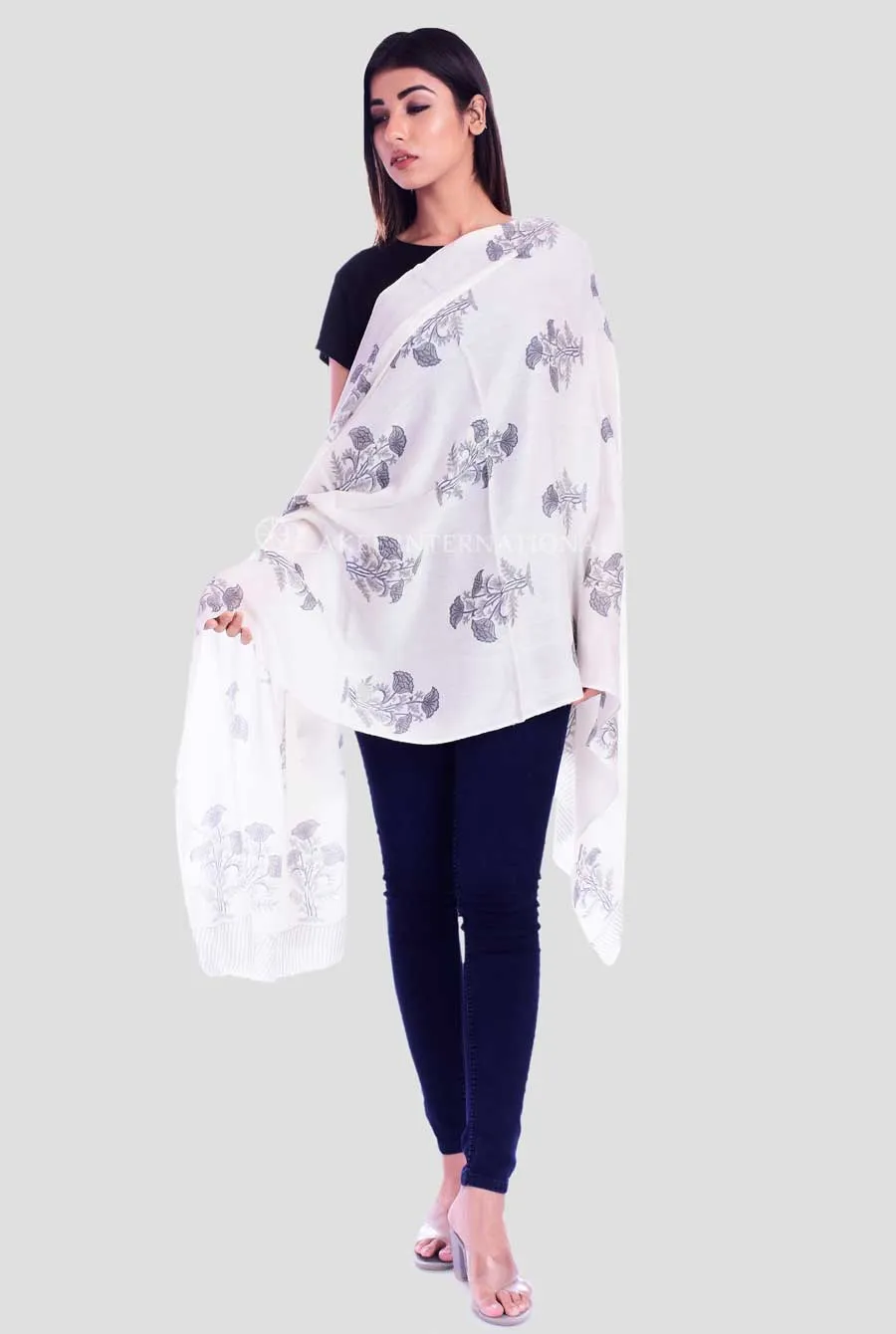
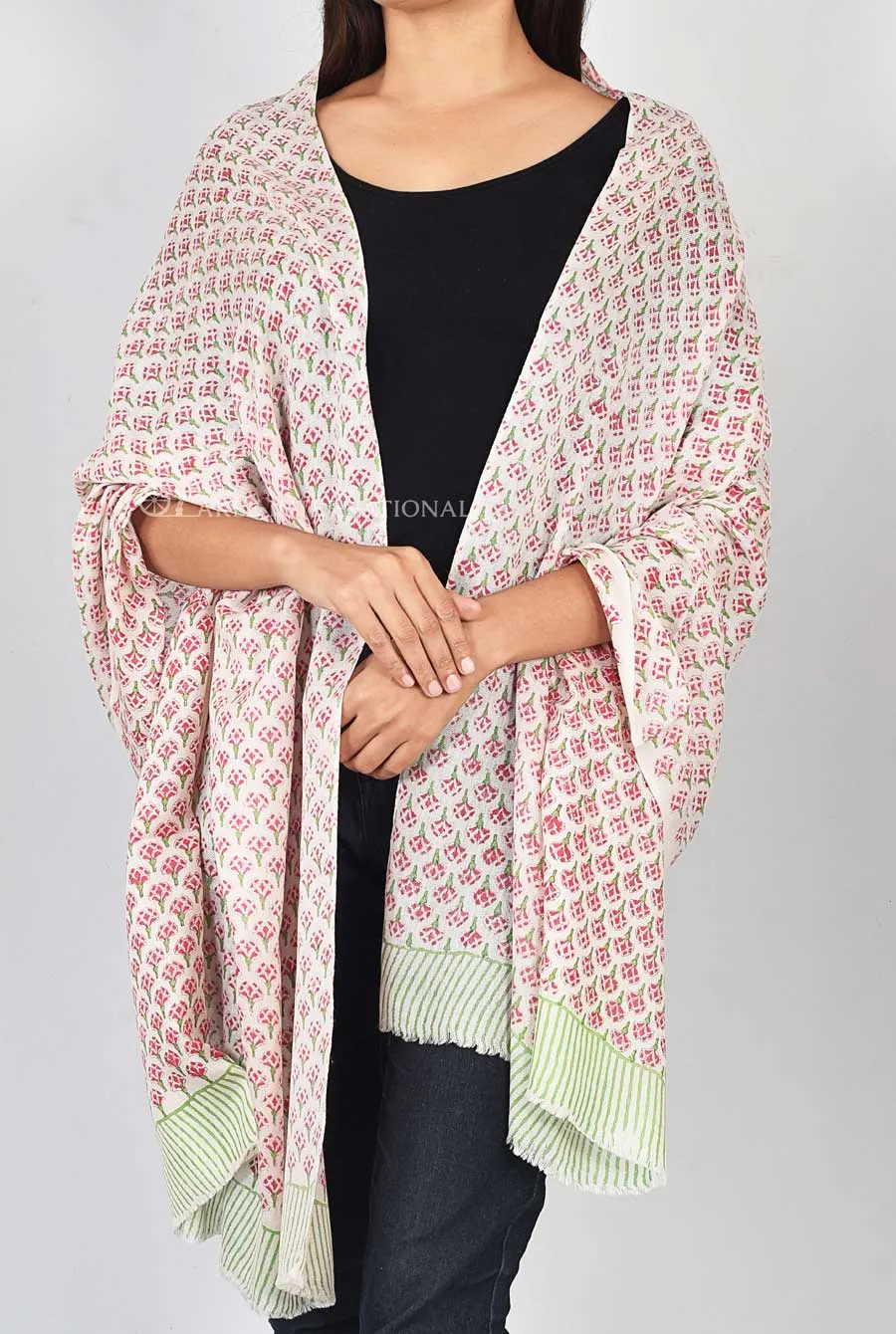
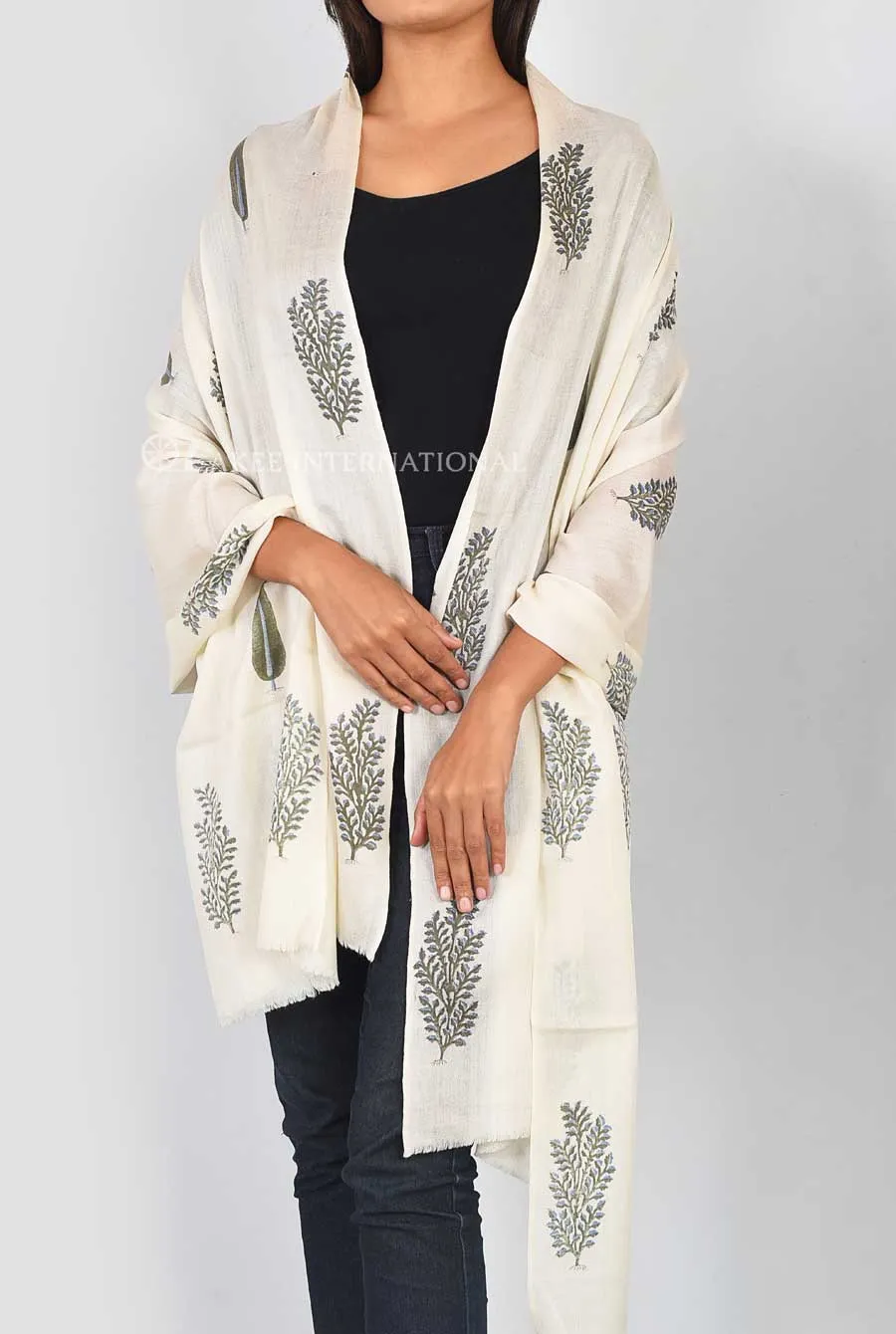
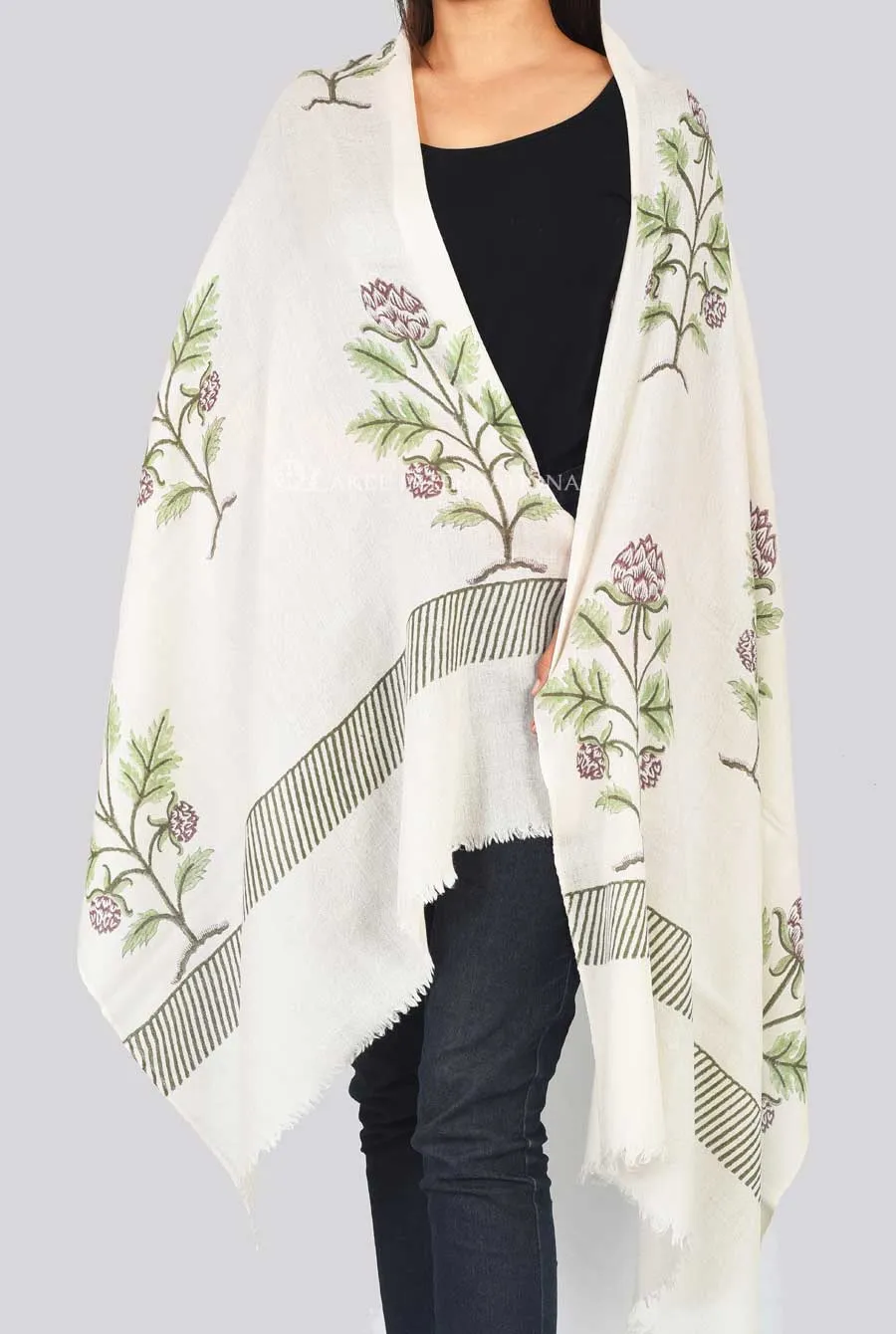
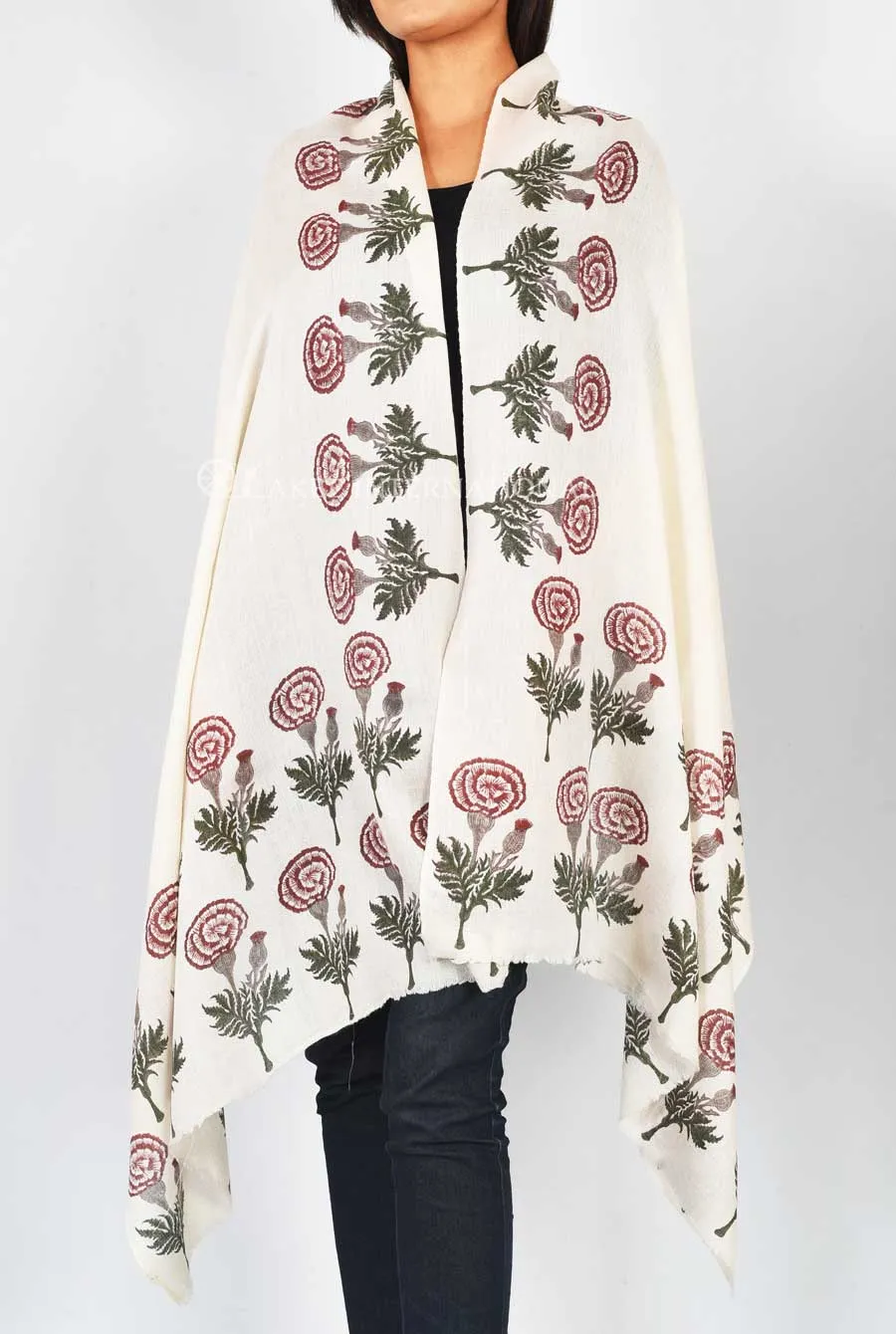
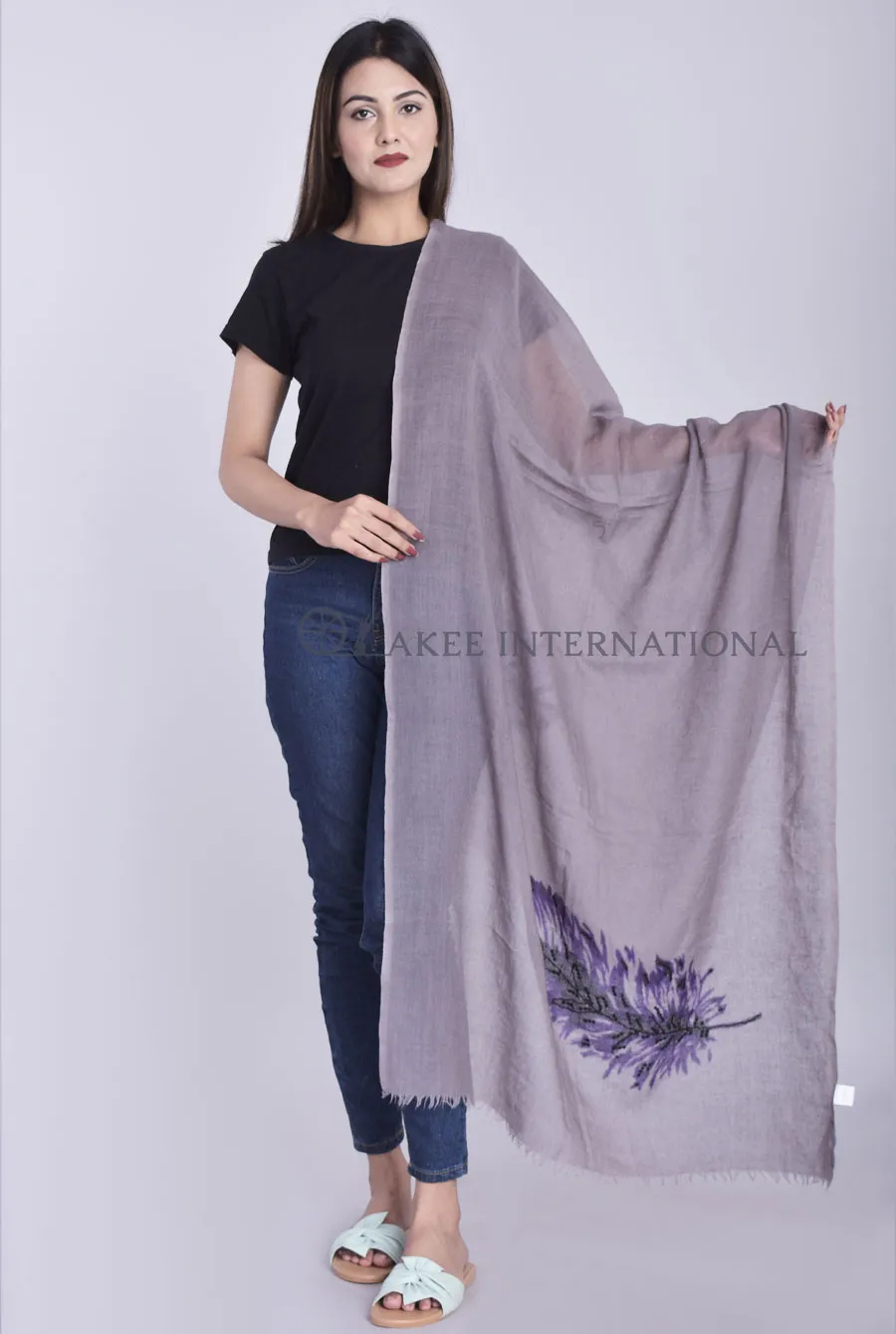
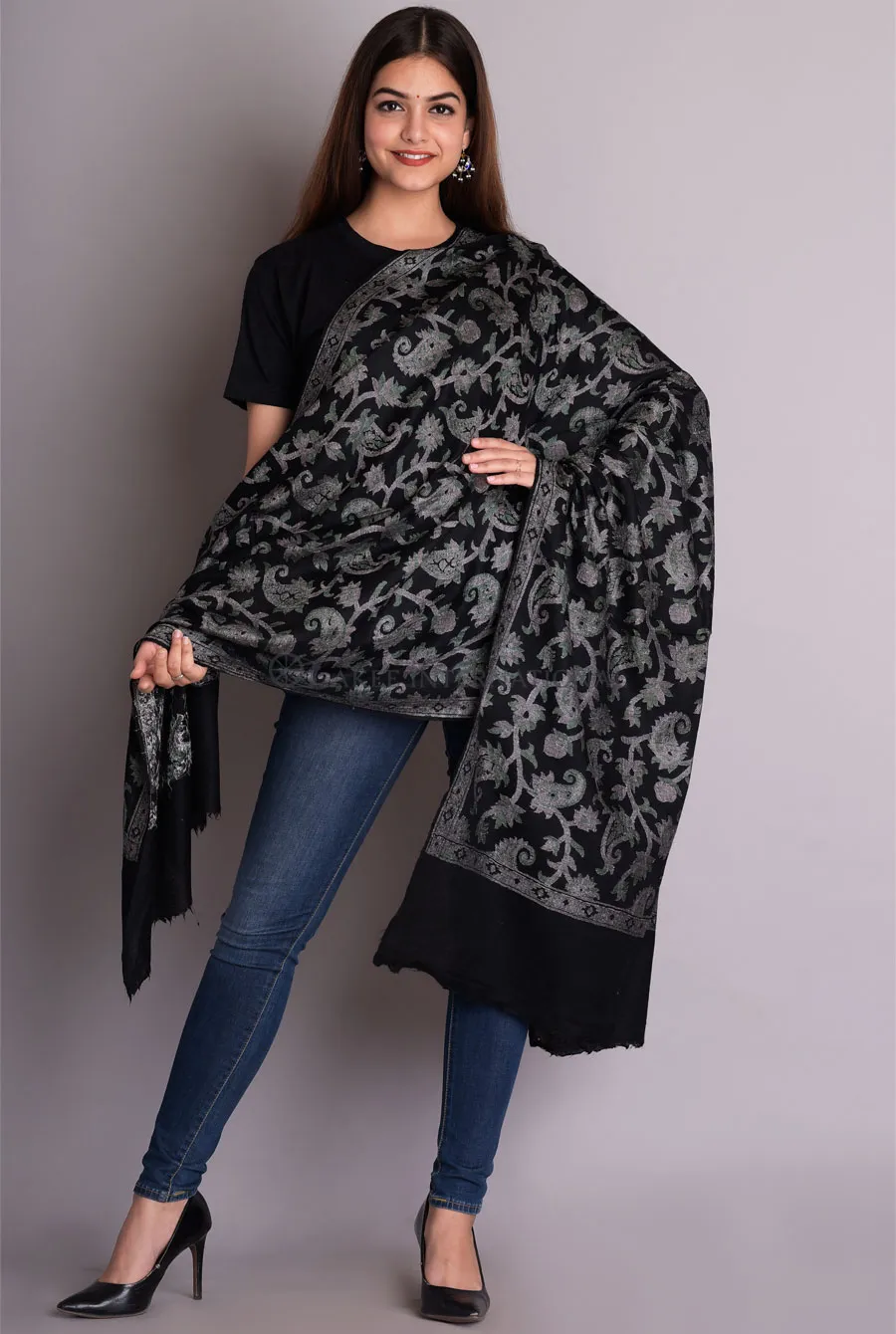
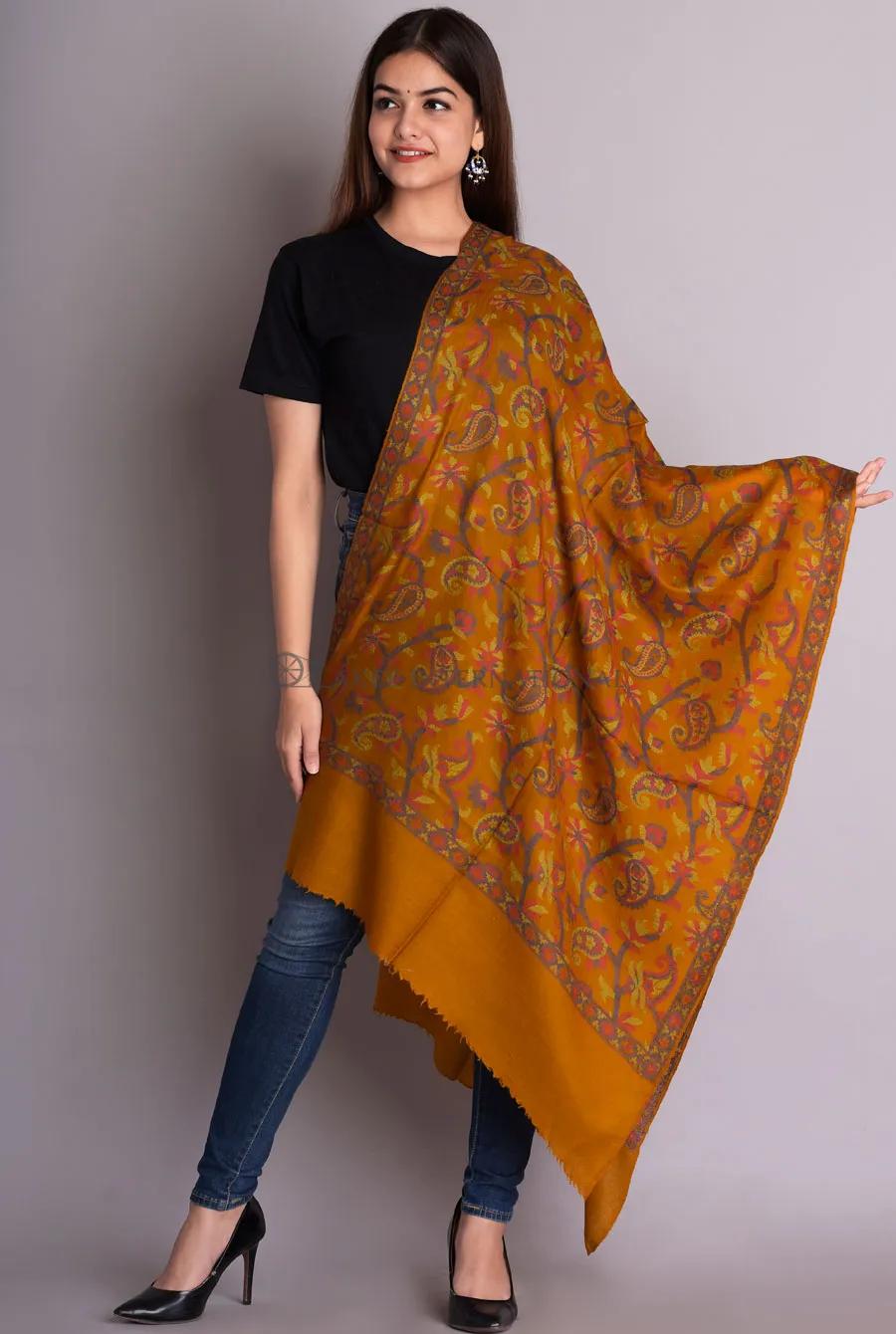
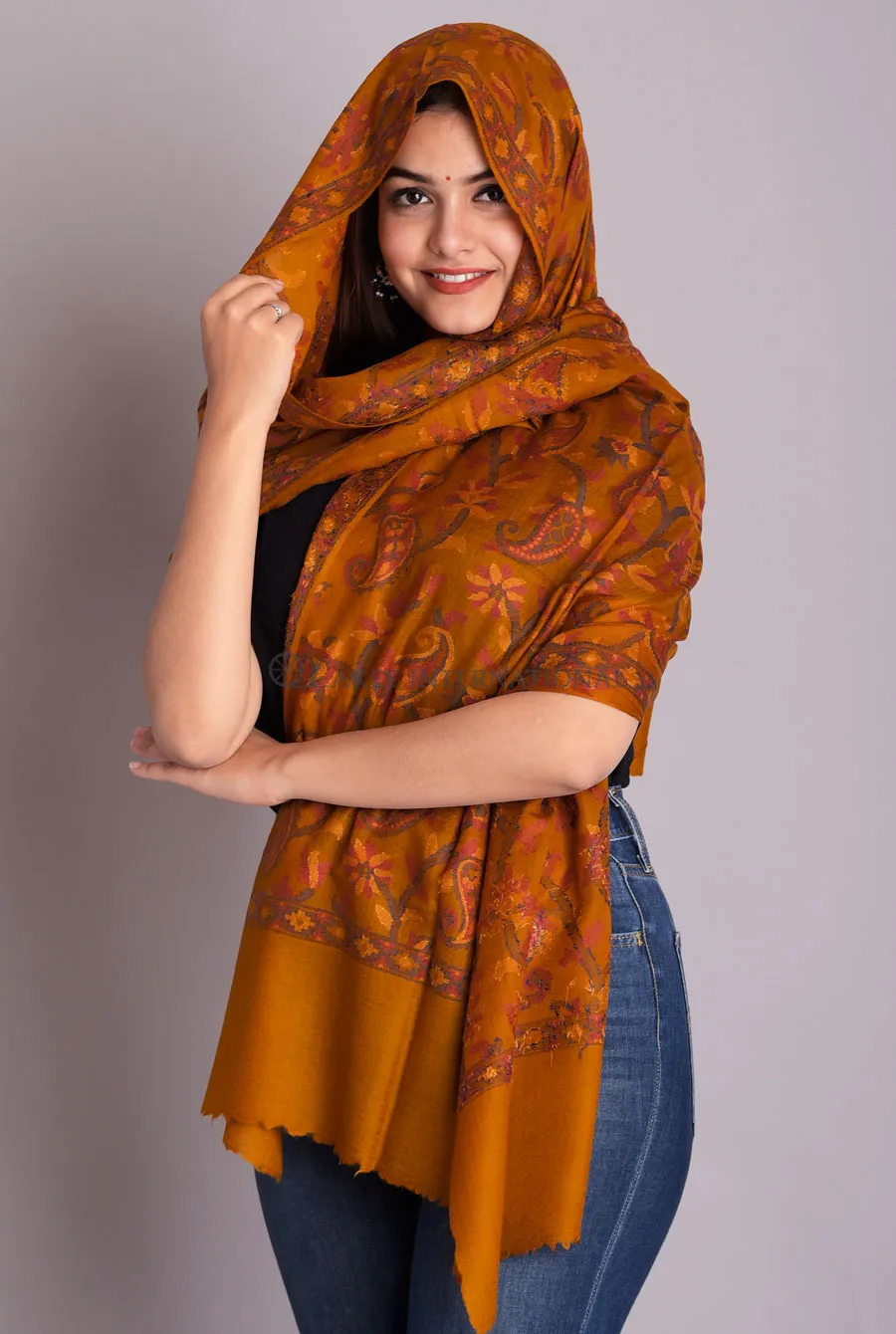
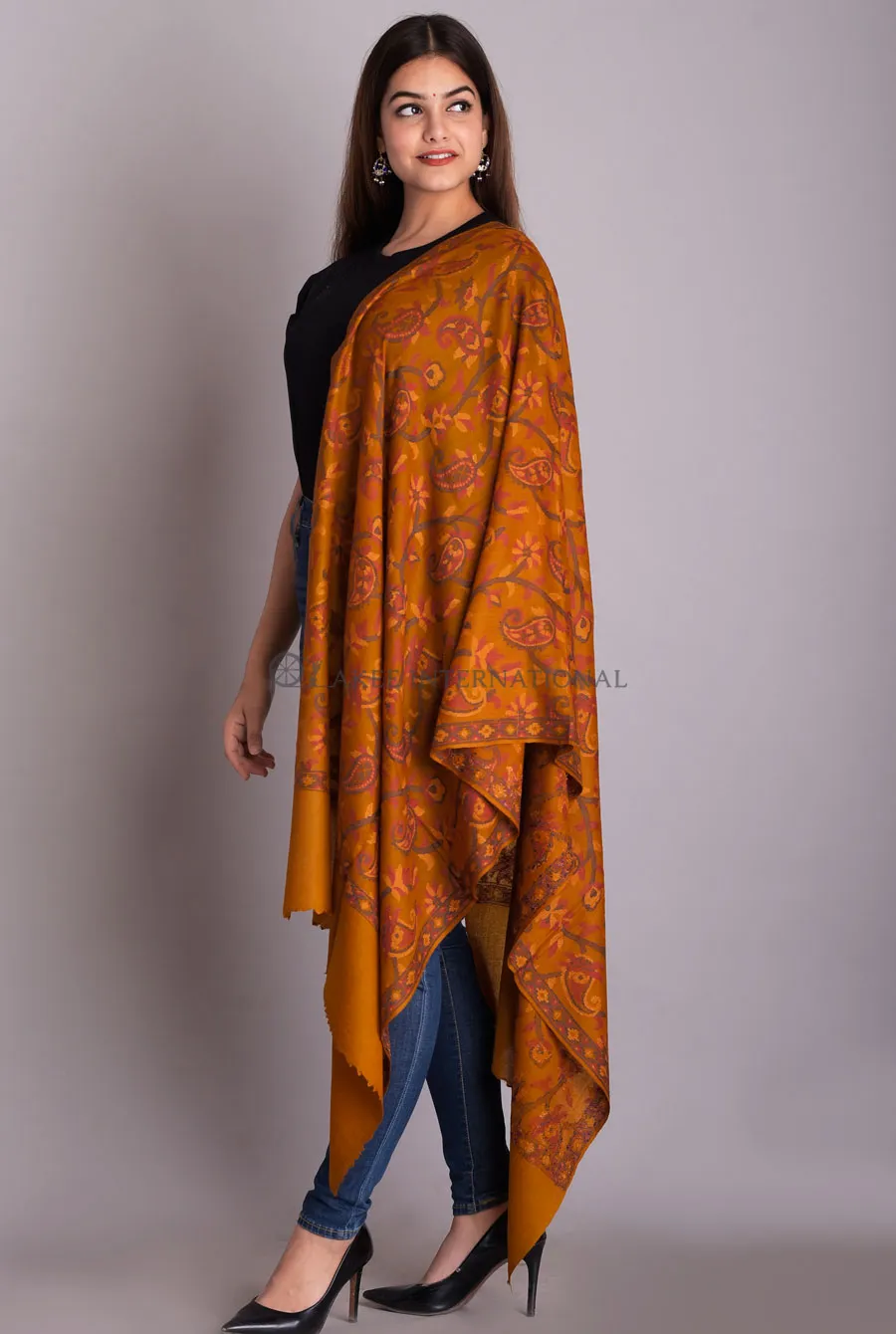
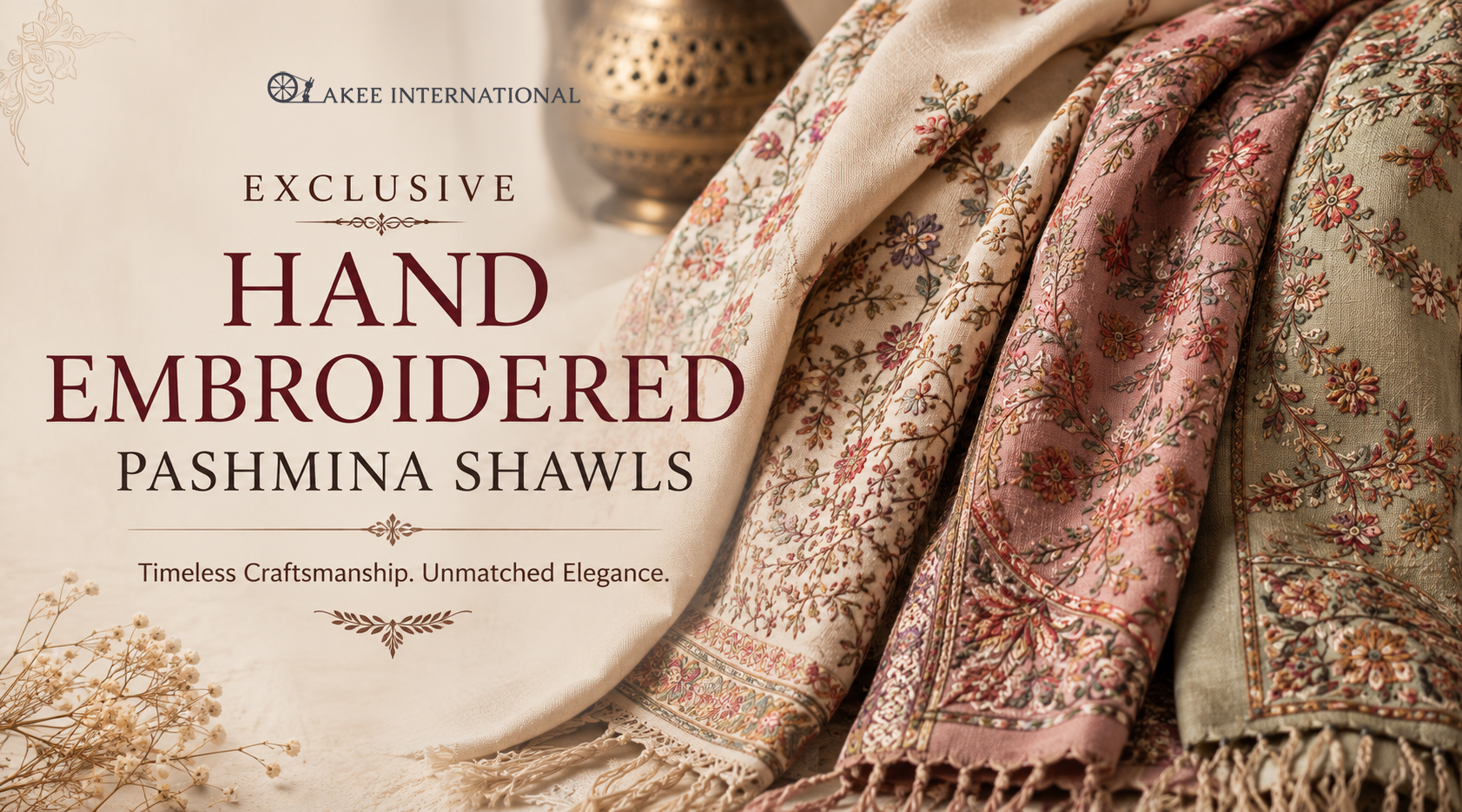
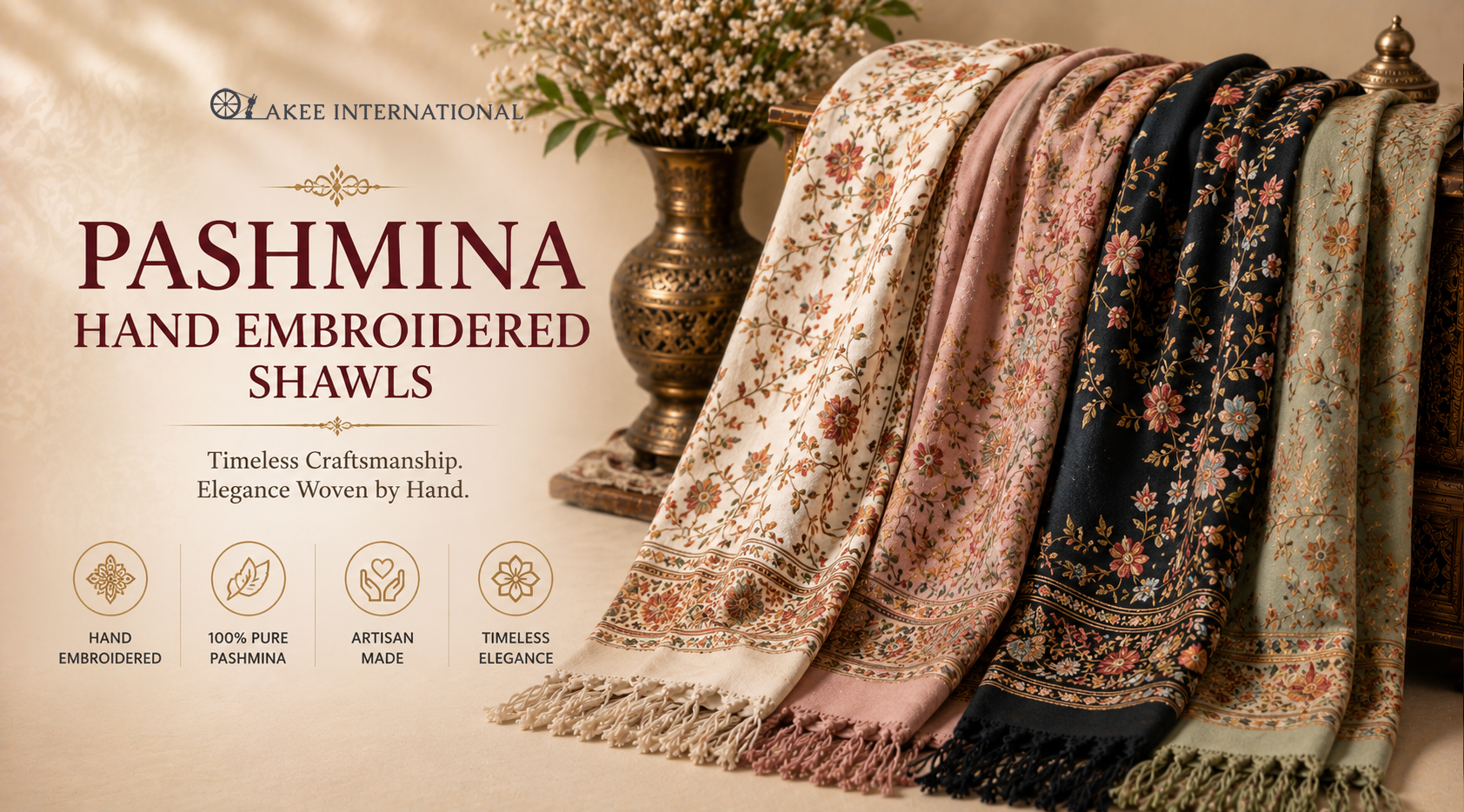
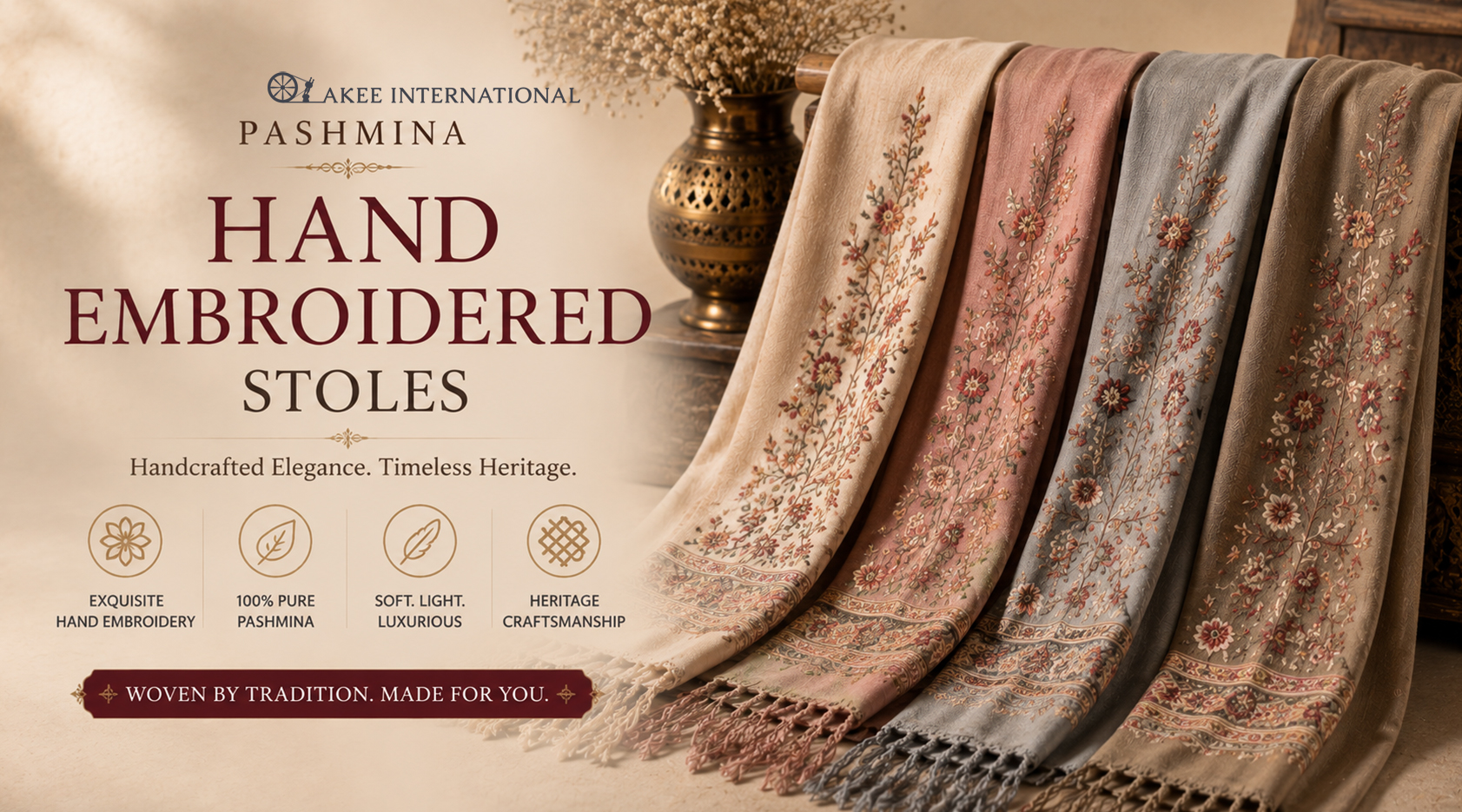
Unlike bolder embroidery techniques that produce visible, raised stitching, Sozni work is characterised by its fineness and subtlety — the needle passes through the fabric in such small, precise stitches that the embroidery often appears almost woven into the base fabric rather than sitting on top of it. This technique typically draws on floral, paisley, and botanical motifs rooted in Kashmir's Mughal-era textile heritage, worked in silk or fine wool thread that complements rather than overwhelms the softness of the underlying pashmina.
Sozni embroidery is traditionally passed down through years of apprenticeship, with a skilled artisan typically needing years of practice before being trusted to work on a full, valuable pashmina shawl. The needlework is done entirely freehand or guided by a lightly sketched outline, with the artisan controlling stitch length and thread tension by feel to produce the technique's characteristically fine, even finish. This level of skill is a significant part of why a genuine Sozni embroidery pashmina shawl commands premium pricing relative to bolder, faster embroidery techniques.
A few details help distinguish authentic hand-worked Sozni embroidery from machine embroidery marketed under the same name. Genuine Sozni stitches are extremely fine and closely spaced, with subtle, natural variation in stitch length that reflects hand-work rather than the mechanically perfect uniformity of machine embroidery. The reverse side of a genuinely hand-embroidered piece typically shows visible thread work corresponding to the front pattern, whereas machine embroidery often has a flatter, more uniform backing. Akee International's listings specify hand-embroidered Sozni work explicitly, and staff can address authenticity questions directly over WhatsApp.
A single Sozni embroidery pashmina shawl, depending on pattern density and coverage, can take a skilled artisan anywhere from several weeks to several months to complete. This extended timeline directly shapes pricing — genuine Sozni work sits at the premium end of the embroidered pashmina category, well above bolder, faster techniques like Ari embroidery. Buyers should treat pricing significantly below what this labour investment would suggest as a sign that a piece may not be genuine hand-worked Sozni embroidery.
Given both the cost and the delicacy of fine needlework, a Sozni embroidery pashmina shawl is typically reserved for significant occasions — weddings, milestone celebrations, or as an especially meaningful heirloom gift. Many buyers specifically seek out Sozni pieces for bridal trousseau, where the combination of fine craftsmanship and cultural heritage carries particular significance. Buyers can also explore the Wedding Trousseau Pashmina Shawl and Pashmina Shawl for Bride pages for related pieces suited to similar occasions.
Sozni is often compared directly to Ari embroidery, another Kashmiri needlework tradition, though the two differ meaningfully in both technique and visual result. Ari work uses a hooked needle to create bold, chain-stitch patterns relatively efficiently, producing a more prominent, textured look. Sozni, worked with a straight needle in much finer, closer stitches, produces a subtler, more refined finish that rewards closer inspection. Buyers deciding between the two can review the Ari Work Pashmina Shawl Online page for a direct comparison suited to their preferred aesthetic and budget.
Fine Sozni needlework requires particularly gentle handling given both the delicacy of the stitching and the significant investment it typically represents. Professional dry cleaning by someone experienced with fine embroidered textiles is strongly preferable to home washing, and storage should keep the shawl folded gently, away from direct sunlight, sharp jewellery, or anything that could snag the fine thread work during long-term storage.
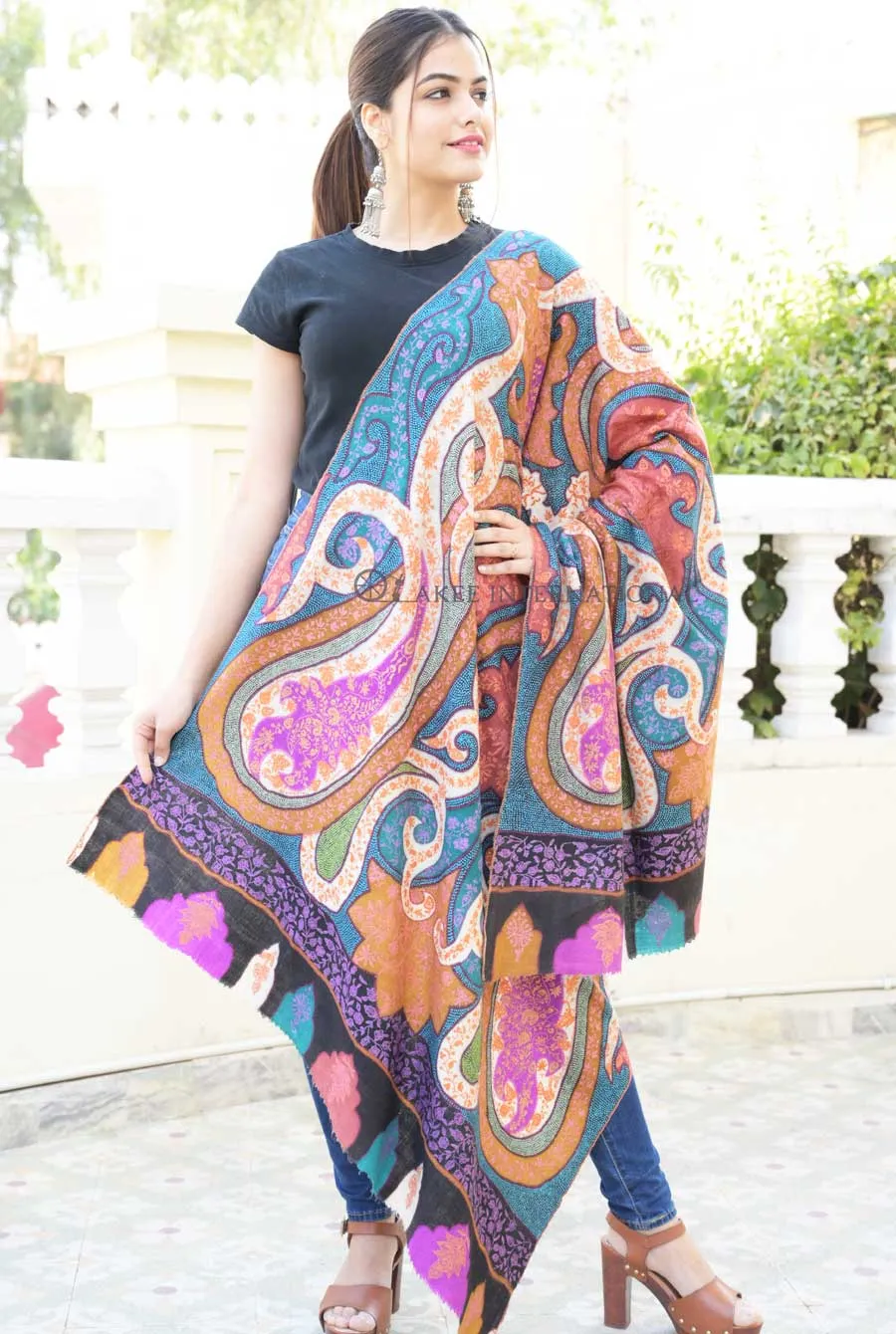
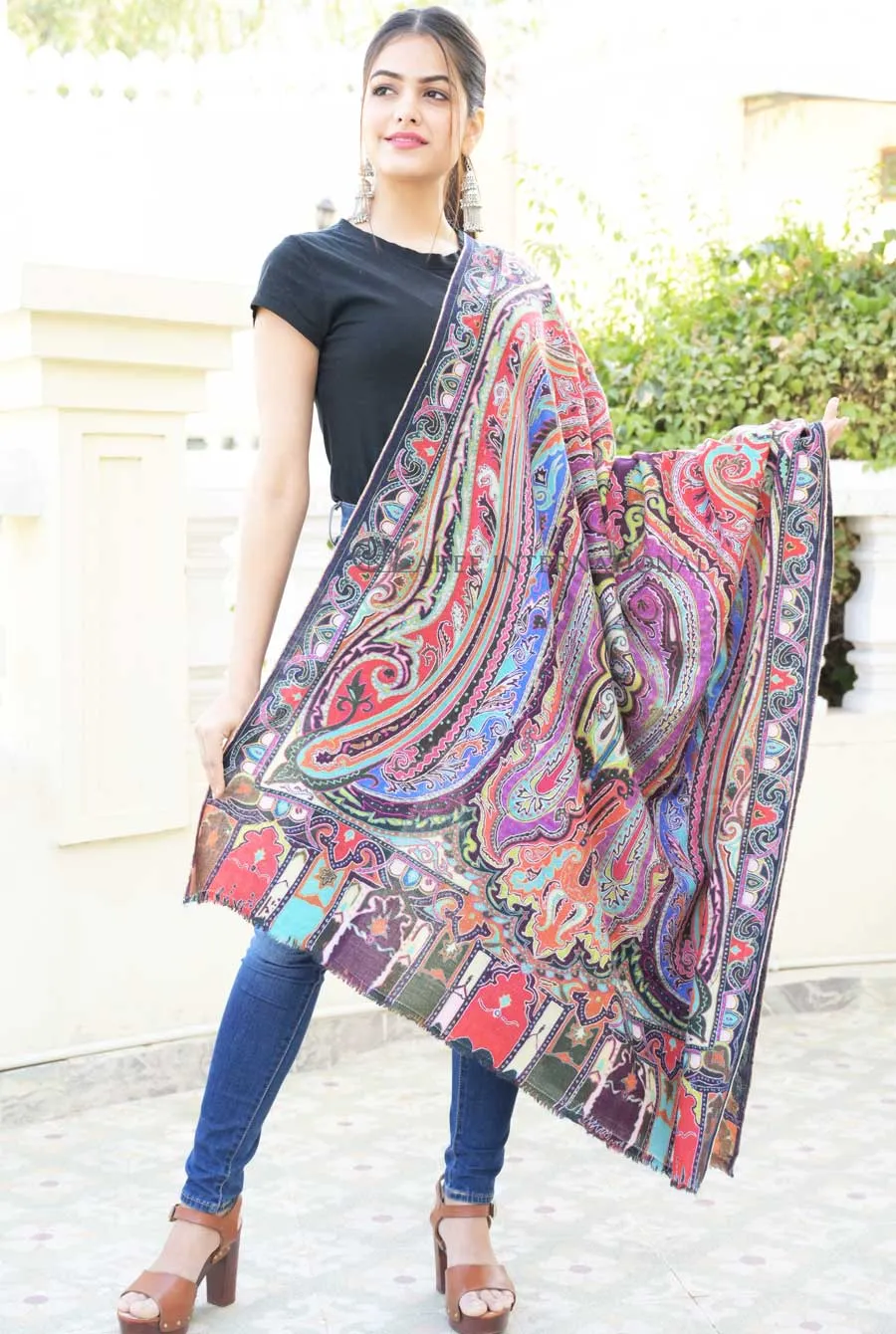
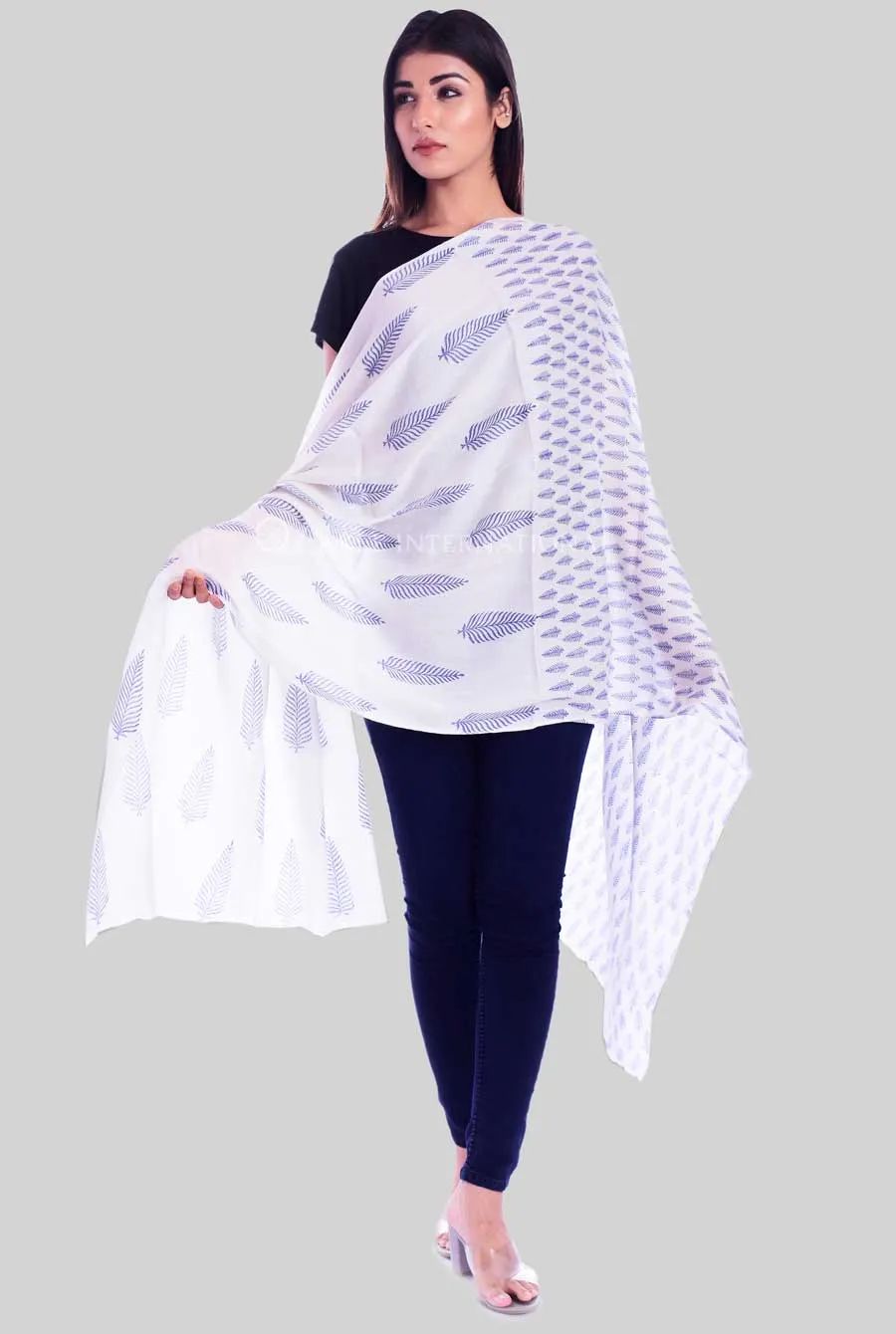
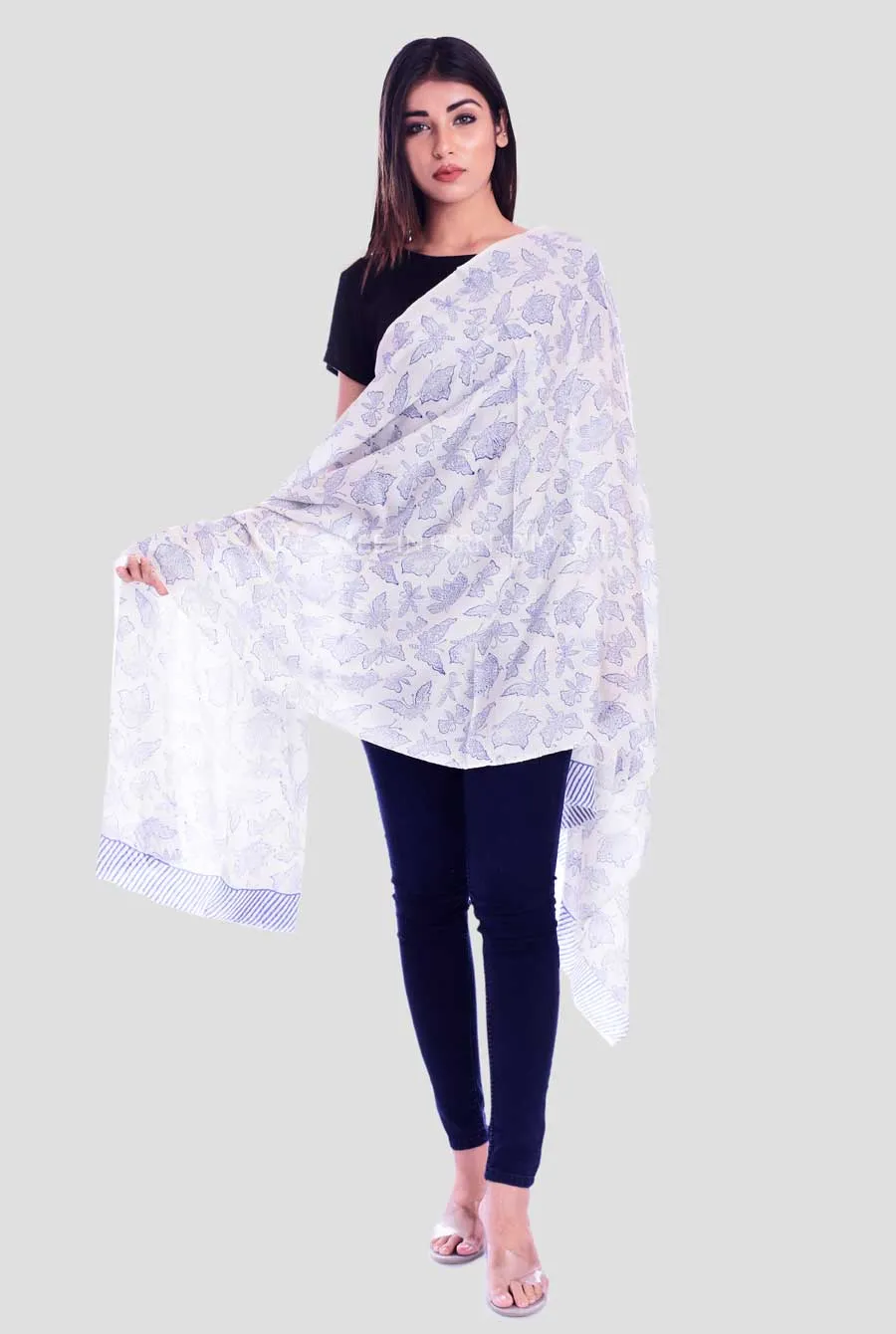
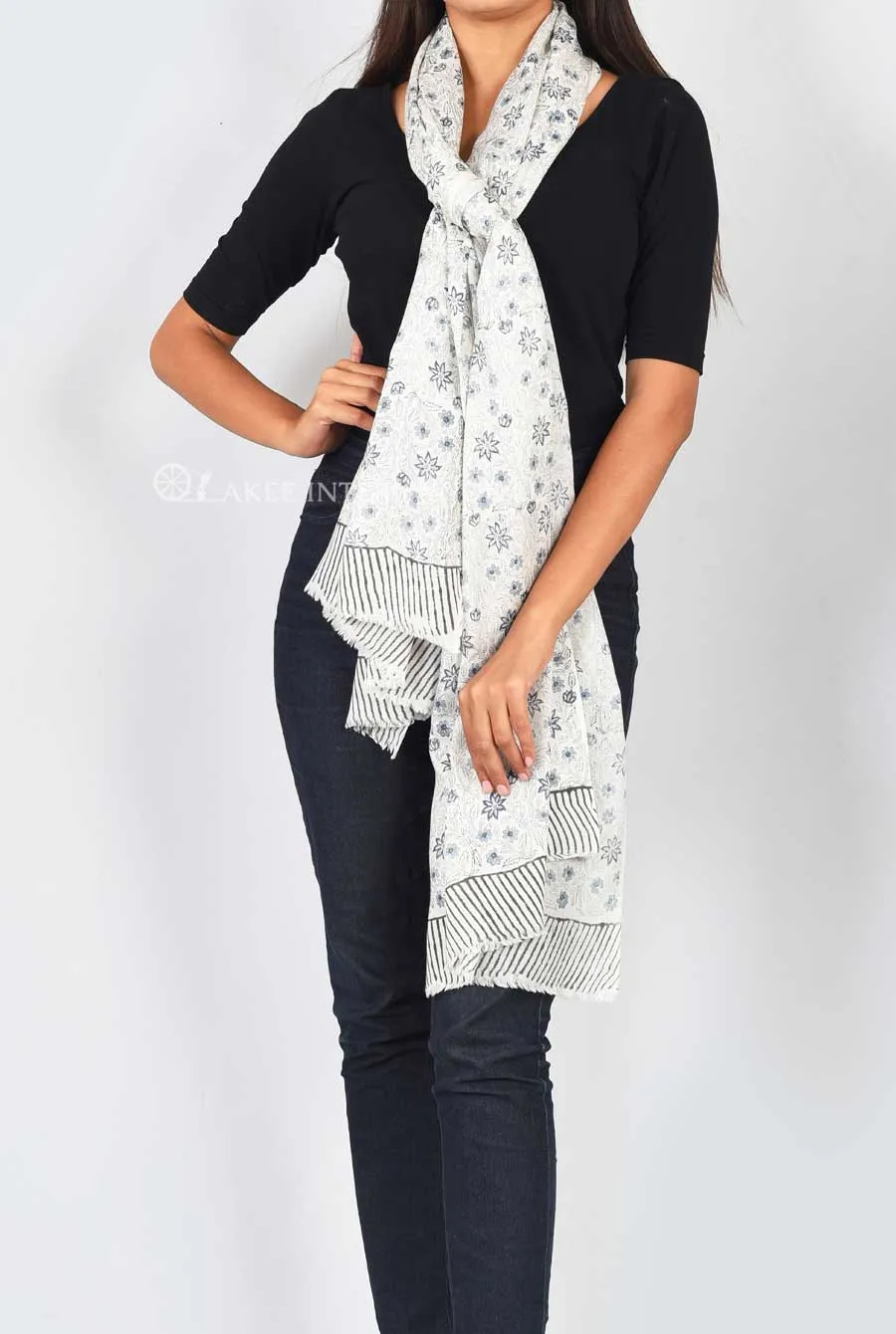
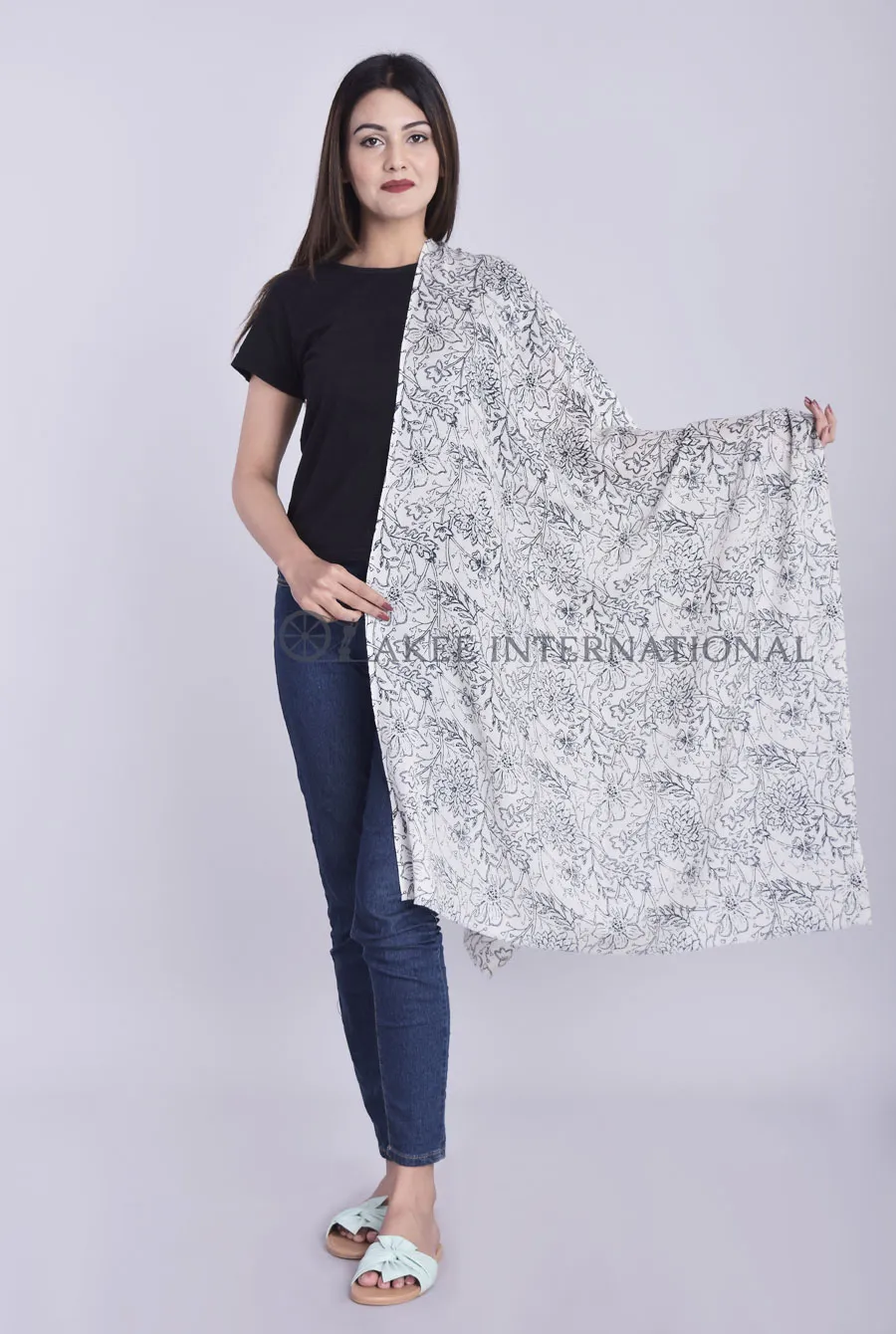
While Sozni patterns vary between artisans and regional traditions, certain motifs recur frequently across genuine pieces, including chinar leaf patterns drawing on Kashmir's iconic maple trees, intricate paisley or "boteh" shapes, and dense floral vines that wind across the shawl's surface in continuous, flowing patterns. Understanding these recurring motifs can help a buyer appreciate the design vocabulary behind a specific piece and ask more informed questions about a pattern's origin or symbolic meaning when discussing a potential purchase with the team.
Given how significant an investment a genuine Sozni embroidery pashmina shawl represents, buyers benefit from asking specific questions before committing to a purchase: how long the specific piece took to embroider, whether the artisan responsible specialises specifically in Sozni work rather than embroidery generally, and whether close-up photography of both the front and reverse of the embroidery is available for closer inspection. A seller confident in genuine hand-worked Sozni embroidery should answer these questions readily and in detail, since the craftsmanship itself is the primary justification for the piece's price.
Sozni embroidery has deep roots in Kashmir's textile history, historically associated with royal and aristocratic patronage given the exceptional skill and time required to produce it. The technique's motifs — often drawing on Kashmir's distinctive floral and paisley design vocabulary — reflect centuries of accumulated artistic tradition passed down through specific artisan families and workshops rather than a standardised, anonymous design library. A genuine Sozni embroidery pashmina shawl carries this cultural weight alongside its material value, which is part of why many buyers view the purchase as supporting a living craft tradition rather than simply acquiring a luxury garment.
Like several other traditional Kashmiri techniques, genuine Sozni embroidery faces a shrinking base of trained artisans, as the years of apprenticeship required to master the technique compete against faster, more immediately profitable embroidery methods for a new generation of craftspeople. This scarcity is part of why sourcing genuine Sozni work increasingly matters not just for authenticity's sake but for supporting the continuation of the craft itself. Akee International maintains direct relationships with artisans still actively trained in this technique, helping sustain demand for a skill that might otherwise continue to decline.
Akee International's Sozni-embroidered collection is available to browse through the full product catalogue, with detailed close-up photography showing stitch quality for each piece. Given the significant time investment behind each piece, availability for specific Sozni designs can be limited, and buyers interested in a particular pattern are encouraged to enquire via WhatsApp at +91-9772777770.
For questions about a specific Sozni embroidery pashmina shawl, verification of authenticity, or custom Sozni commissions, contact the team through Contact Us or WhatsApp at +91-9772777770.
Discover exquisite Pashmina shawls, beautifully crafted with Kashmir’s timeless heritage and artistry.
Discover exquisite Pashmina shawls, beautifully crafted with Kashmir’s timeless heritage and artistry.
Sozni is a fine, hand-needle embroidery technique from Kashmir, known for delicate floral and paisley motifs.
Depending on complexity, it can take several weeks to a few months.
Genuine Sozni work has subtle irregularities and stitches that blend into the fabric, unlike the rigid uniformity of machine embroidery.
Traditional motifs include florals, paisleys, vines, and chinar leaf patterns inspired by Kashmir's landscape.
Yes, due to the time and skill required, Sozni-embroidered pieces typically command a premium price.
Yes, they are especially popular for bridal and festive wear due to their intricate, elegant detailing.
Dry cleaning is strongly recommended, along with gentle storage away from direct sunlight.
Yes, our collection includes a range of embroidery densities to suit different preferences and budgets.
Yes, it is a traditional embroidery technique specific to Kashmiri artisan communities.
Please contact our team to discuss availability and feasibility of custom Sozni commissions.
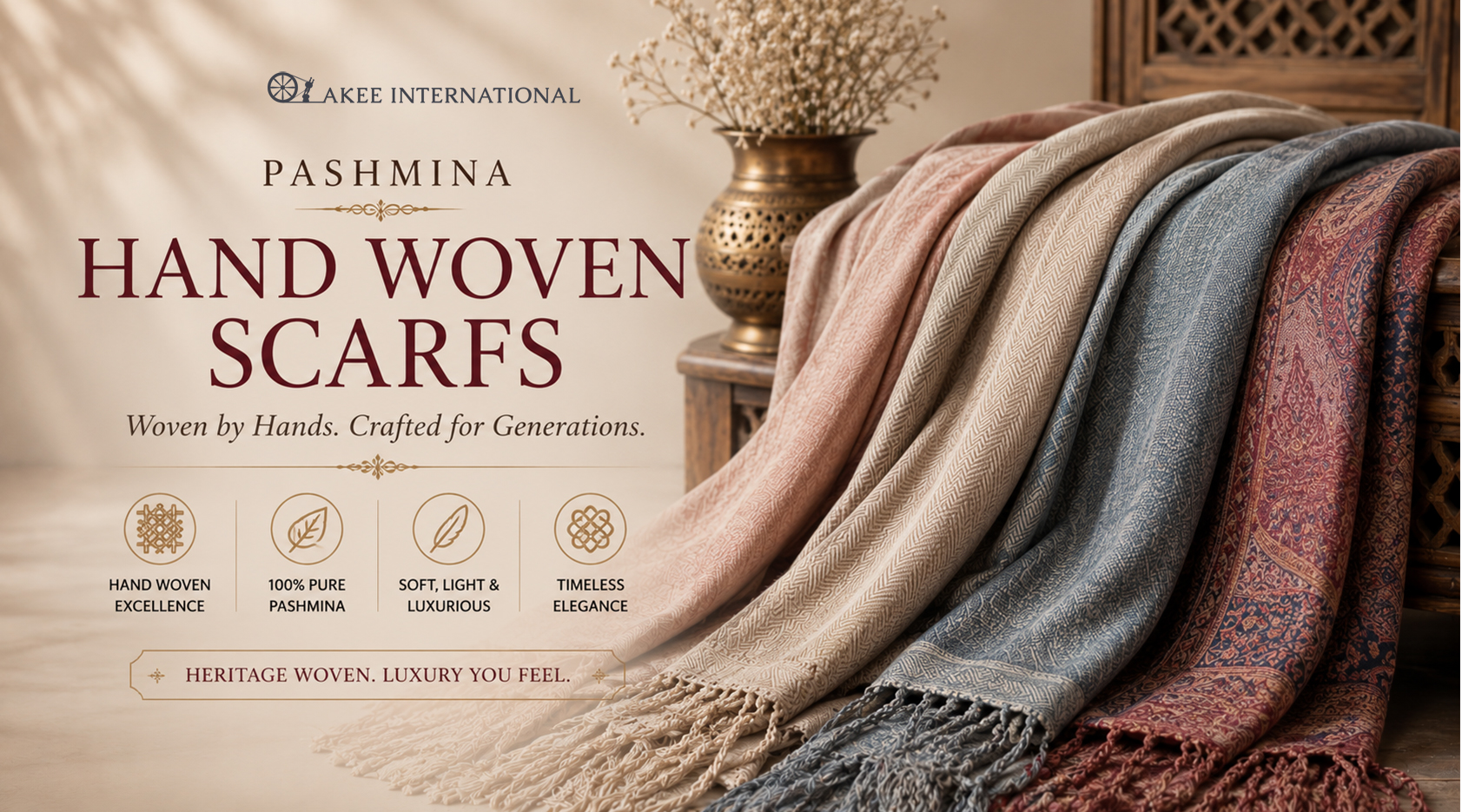
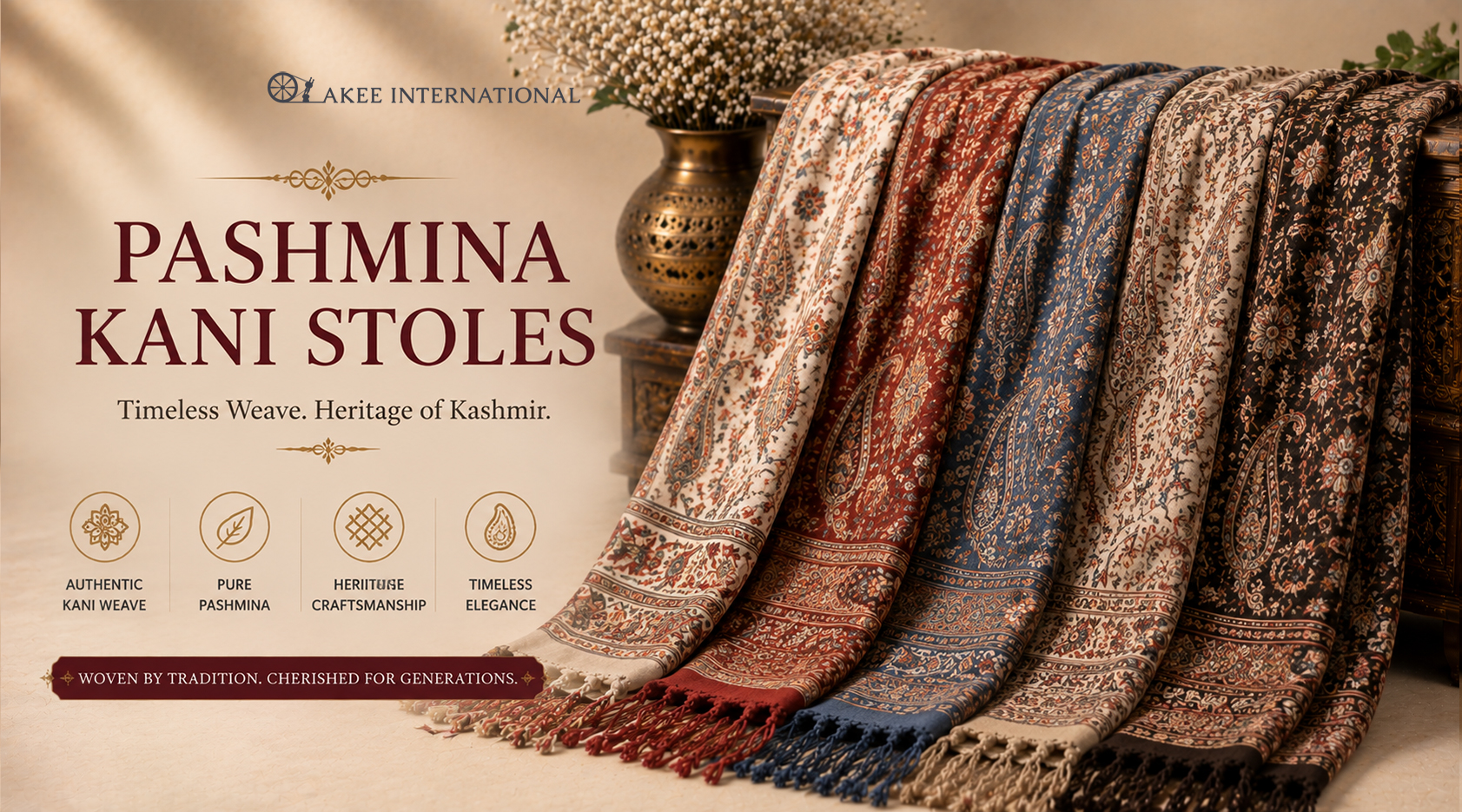
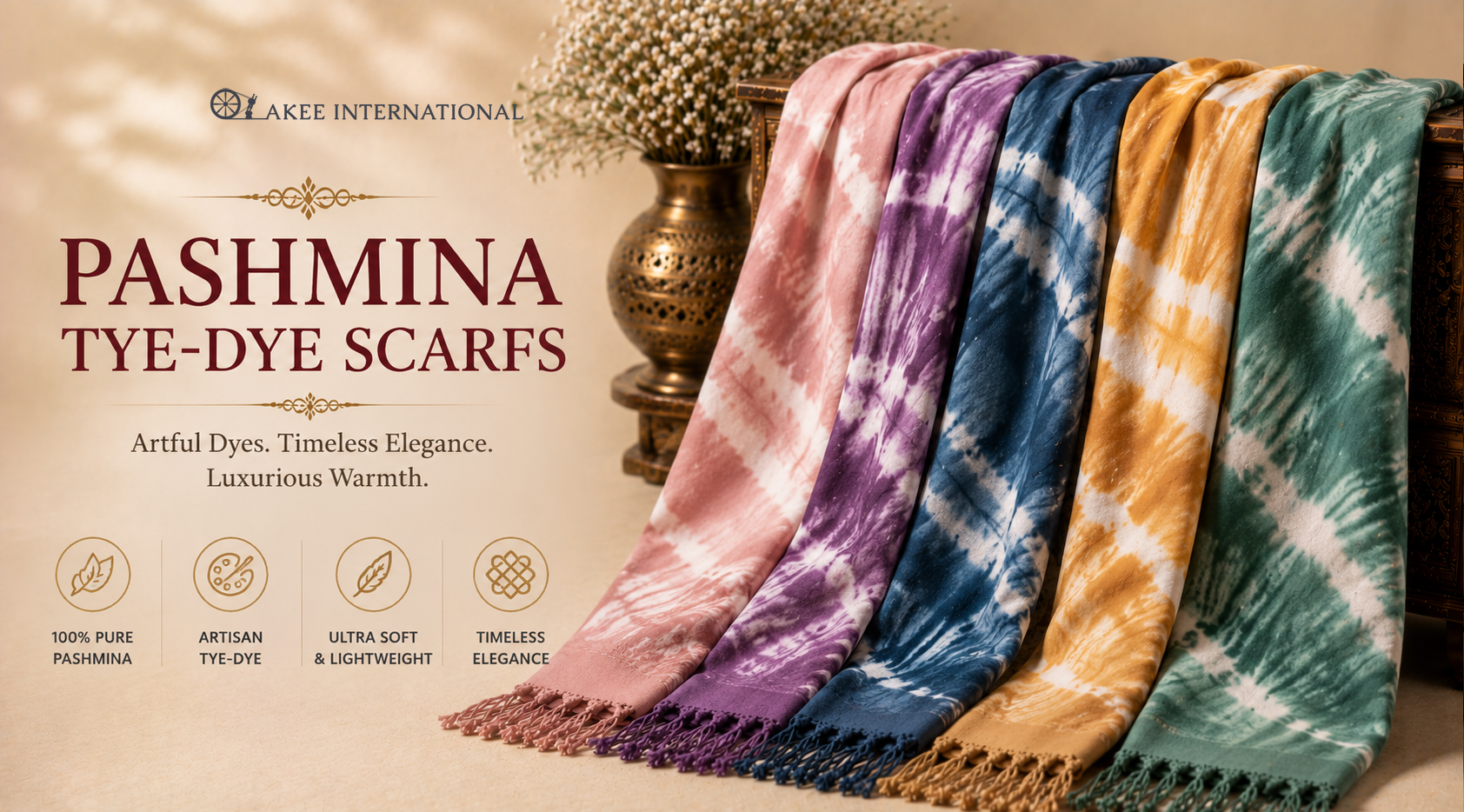
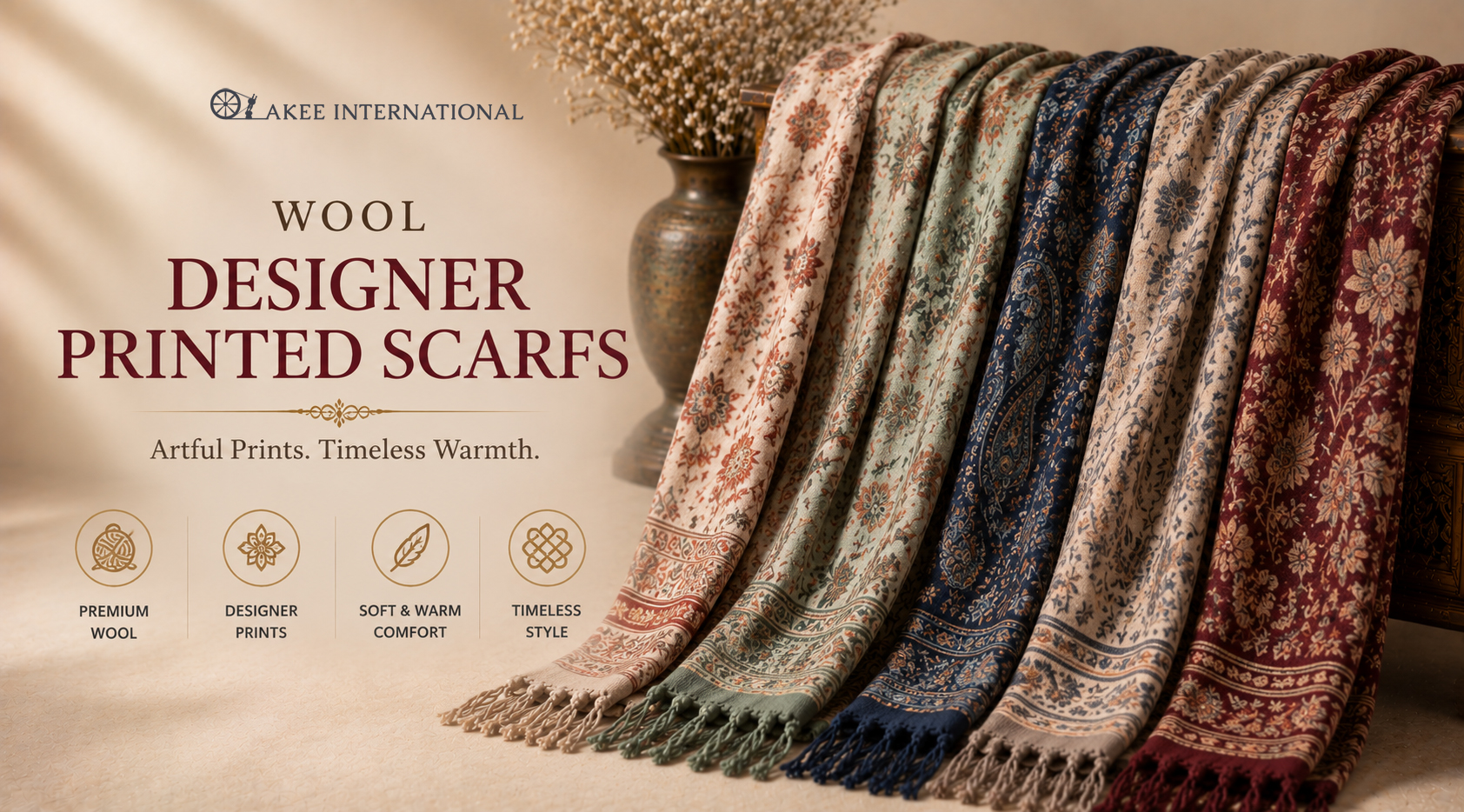
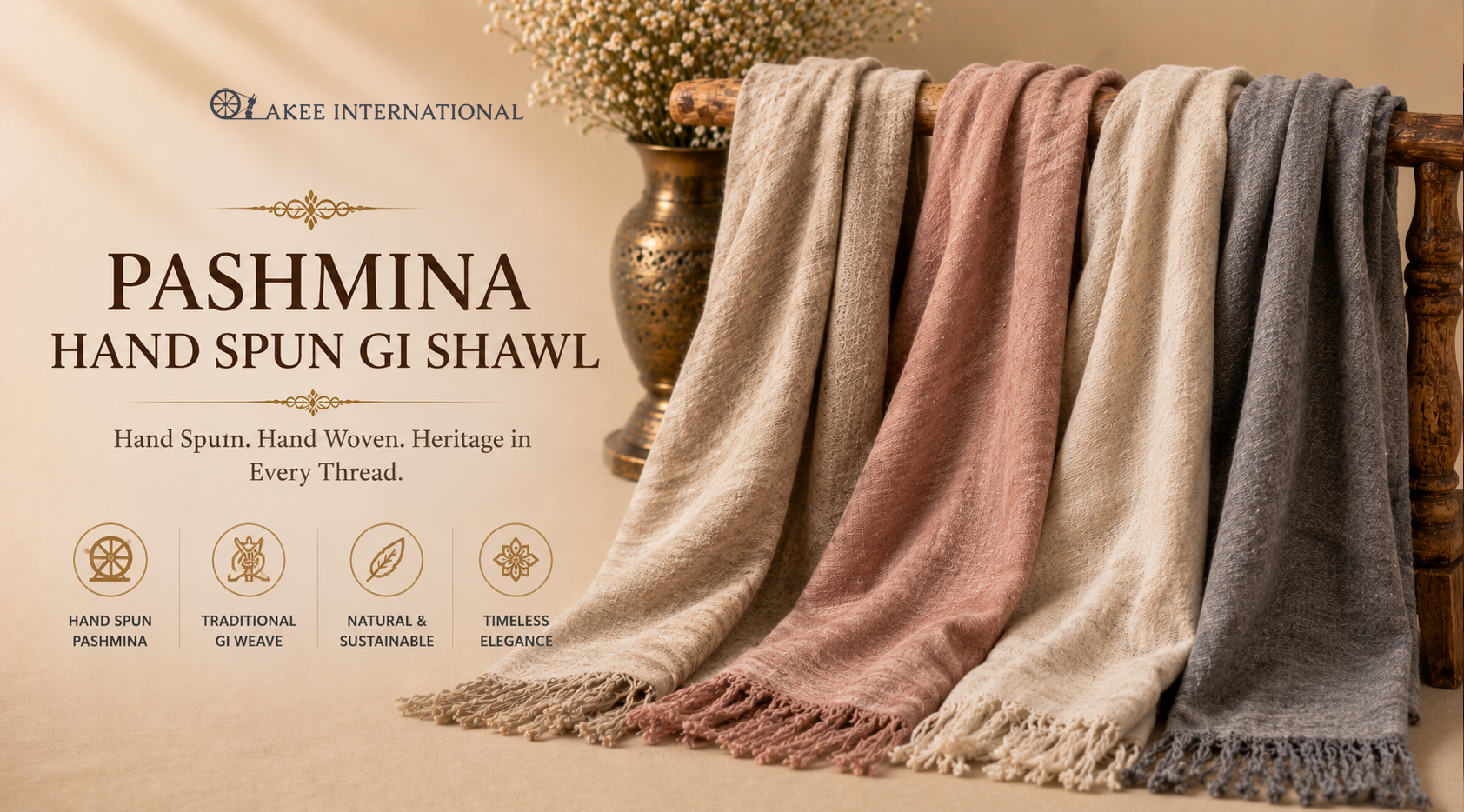
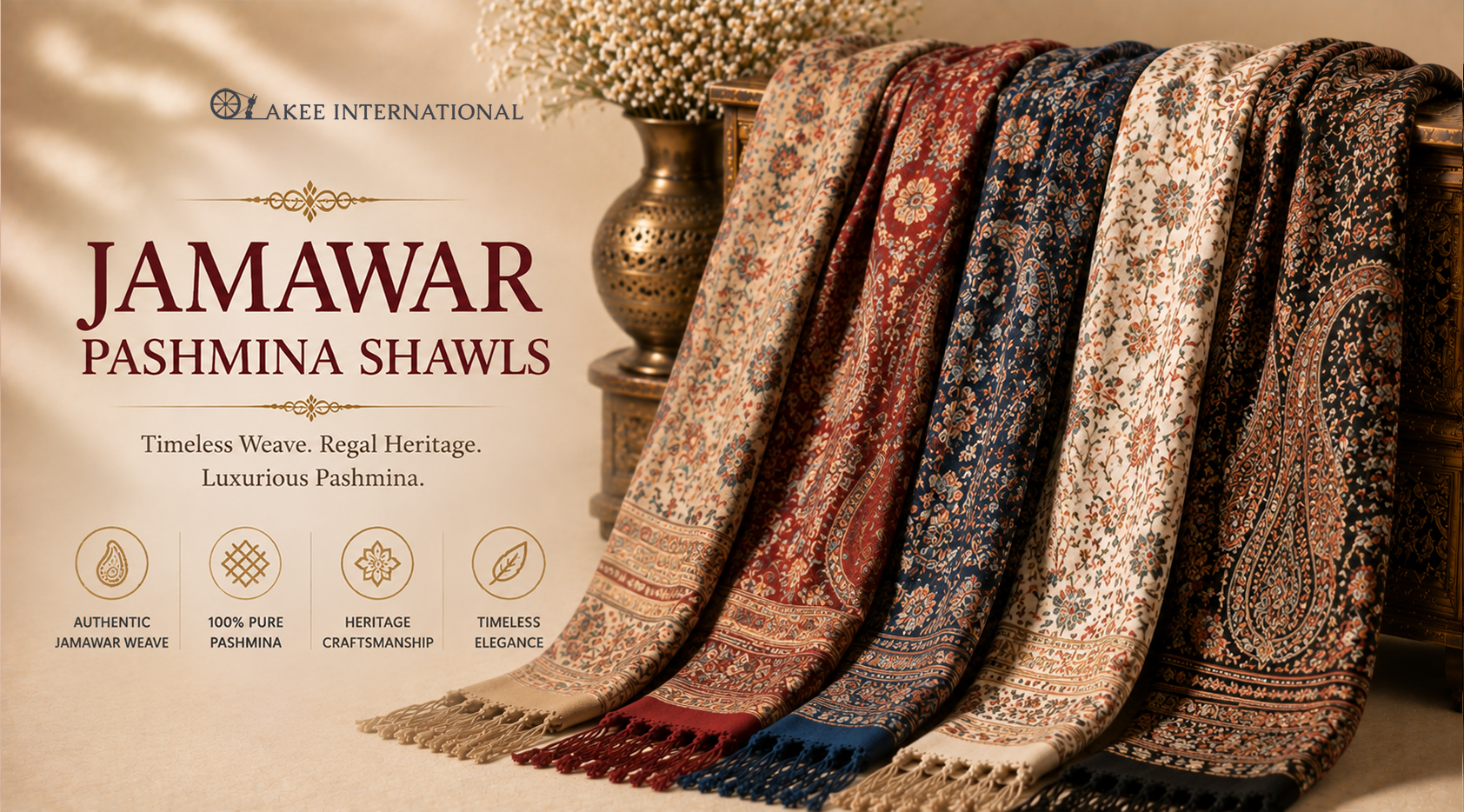
Discover exquisite Pashmina shawls, beautifully crafted with Kashmir’s timeless heritage and artistry.
"Read what our clients say about their experience with Akee International's luxurious Pashmina shawls and impeccable service."

Nai Mata Mandir Road, Thathar Road, Delhi By Pass, Amer, Jaipur 302028, Rajasthan India
Get directions Call Now Whatsapp 4.9 based on 269 reviews

Rating: 4.6/5 | 85 Reviews

Rating: 4.9/5 | 269 Reviews

TrustScore: 4.9 | 100 Reviews