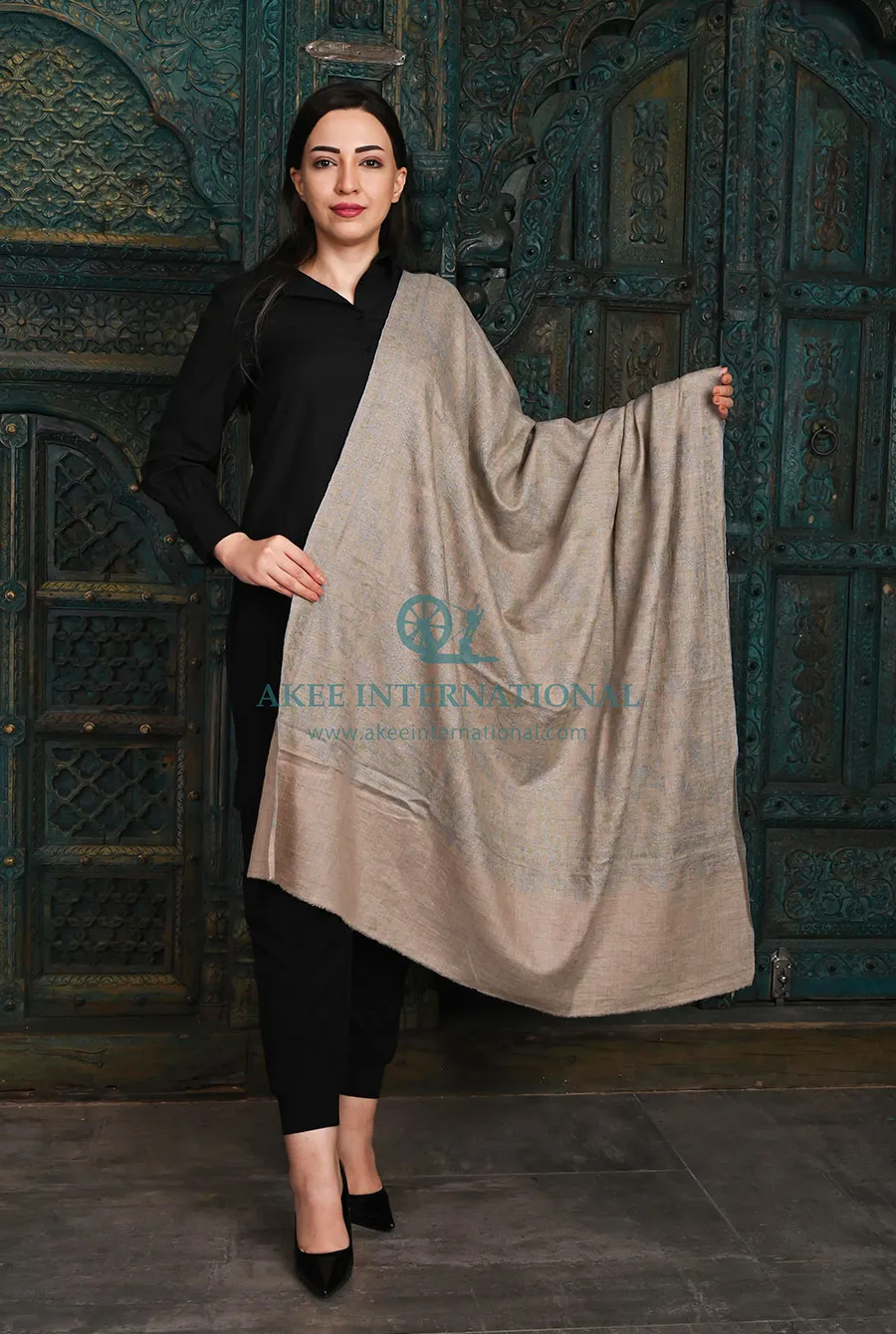
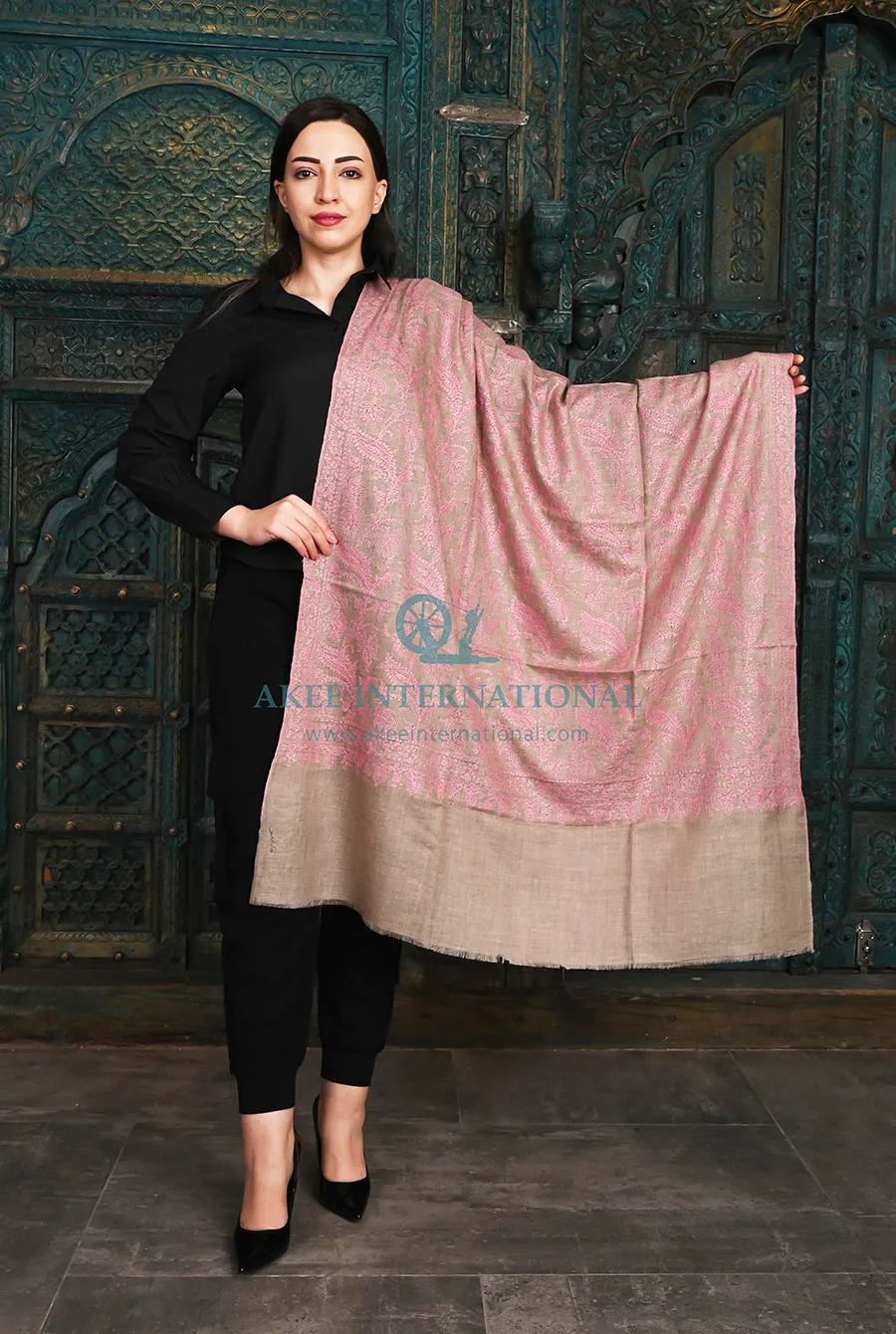
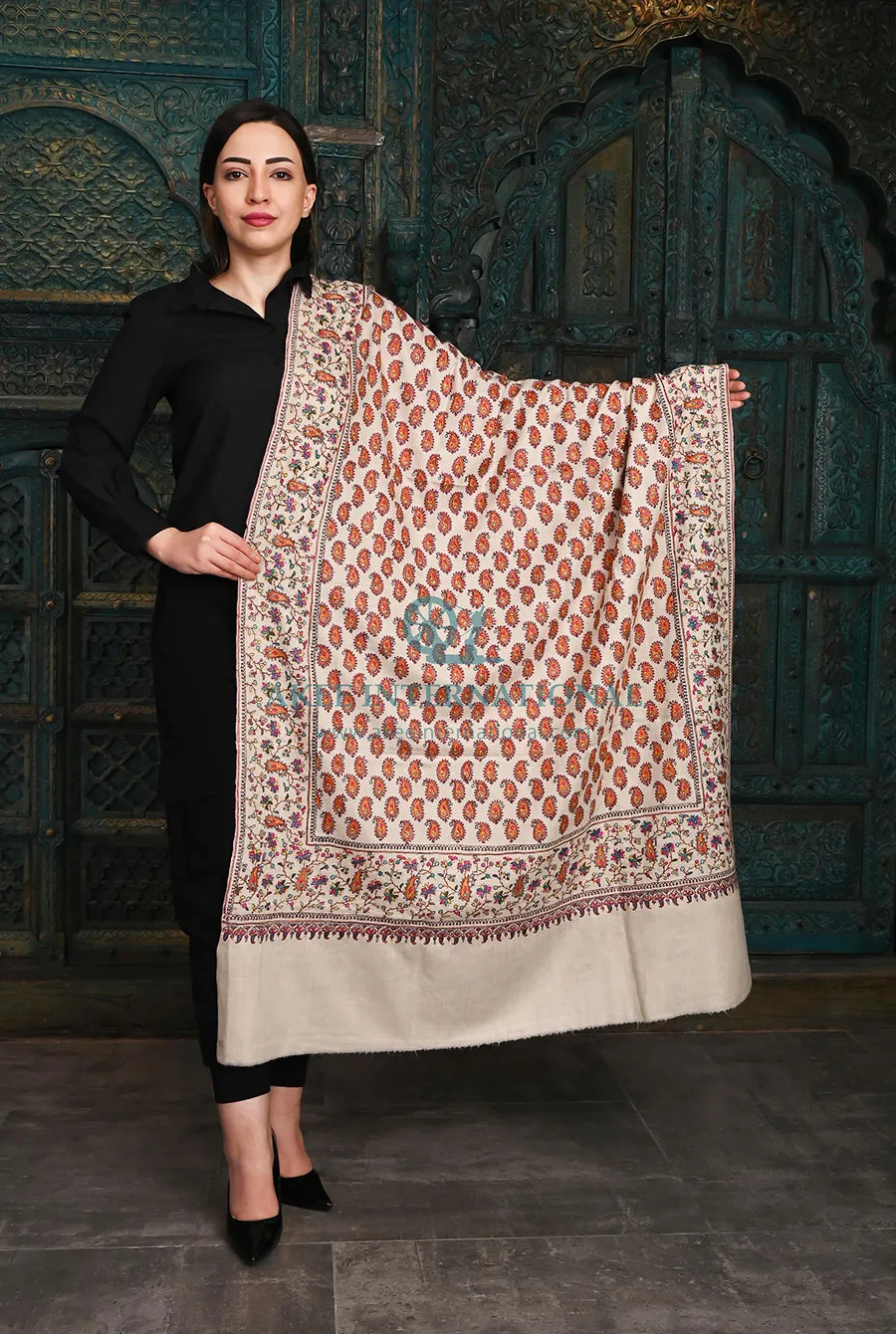
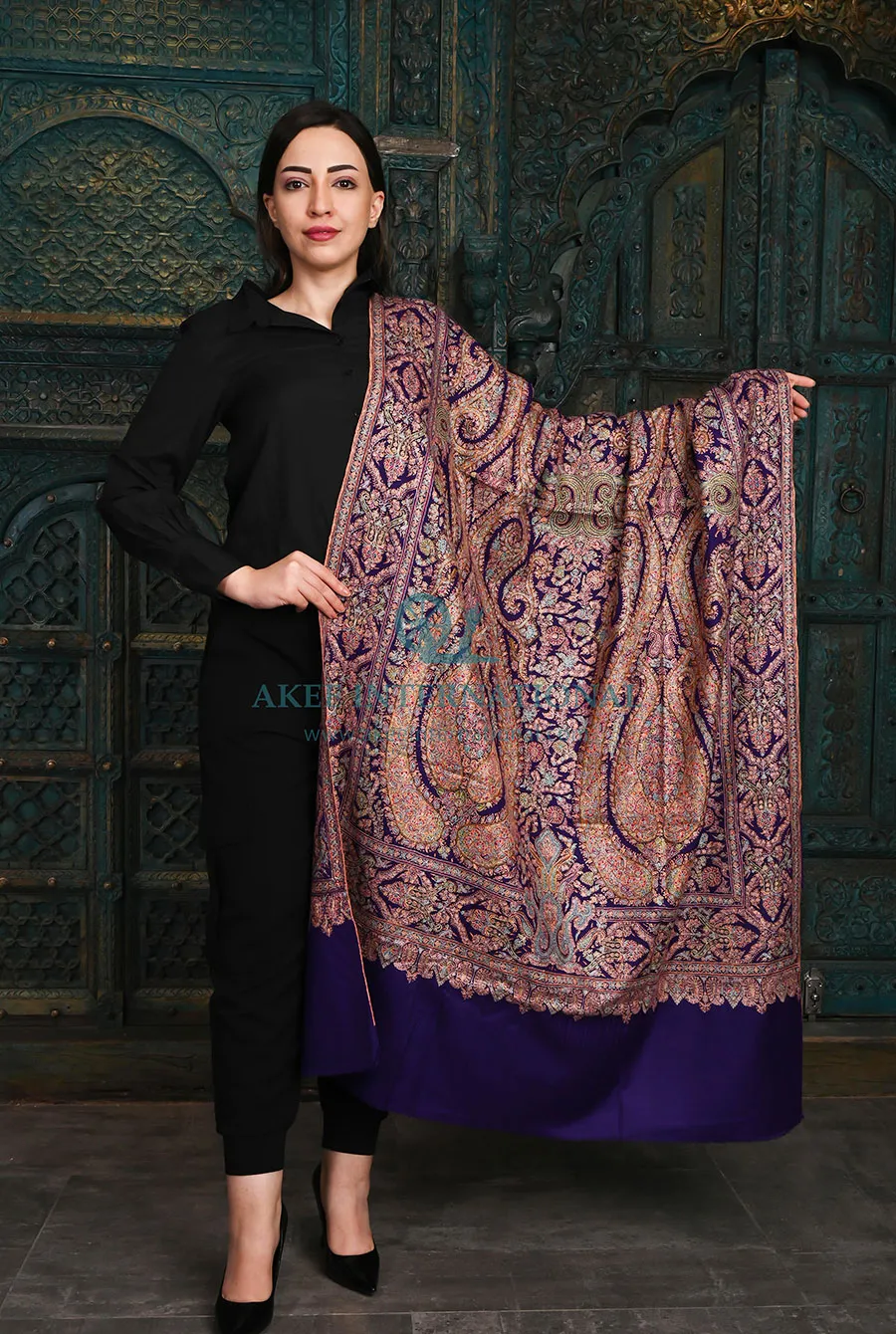
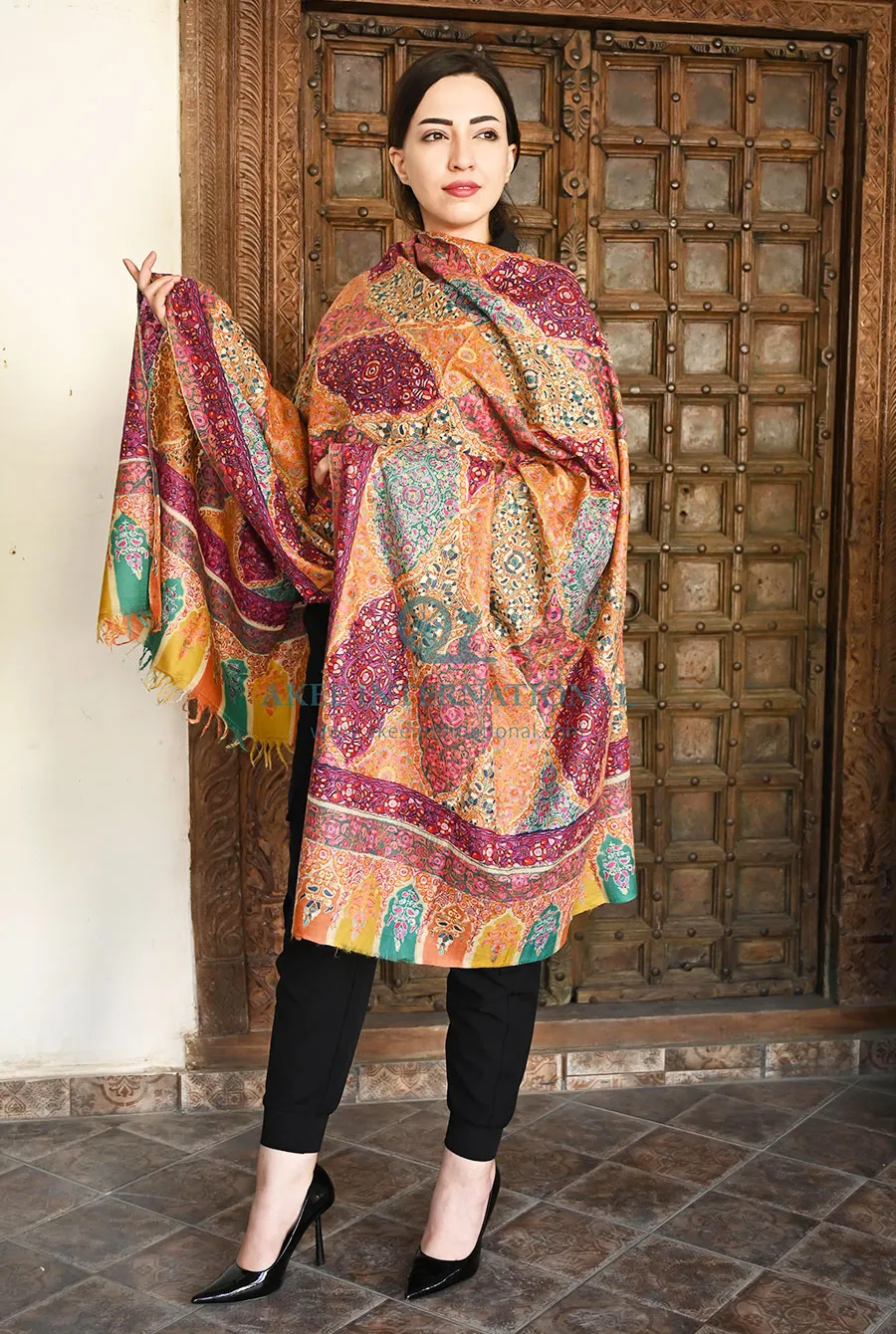
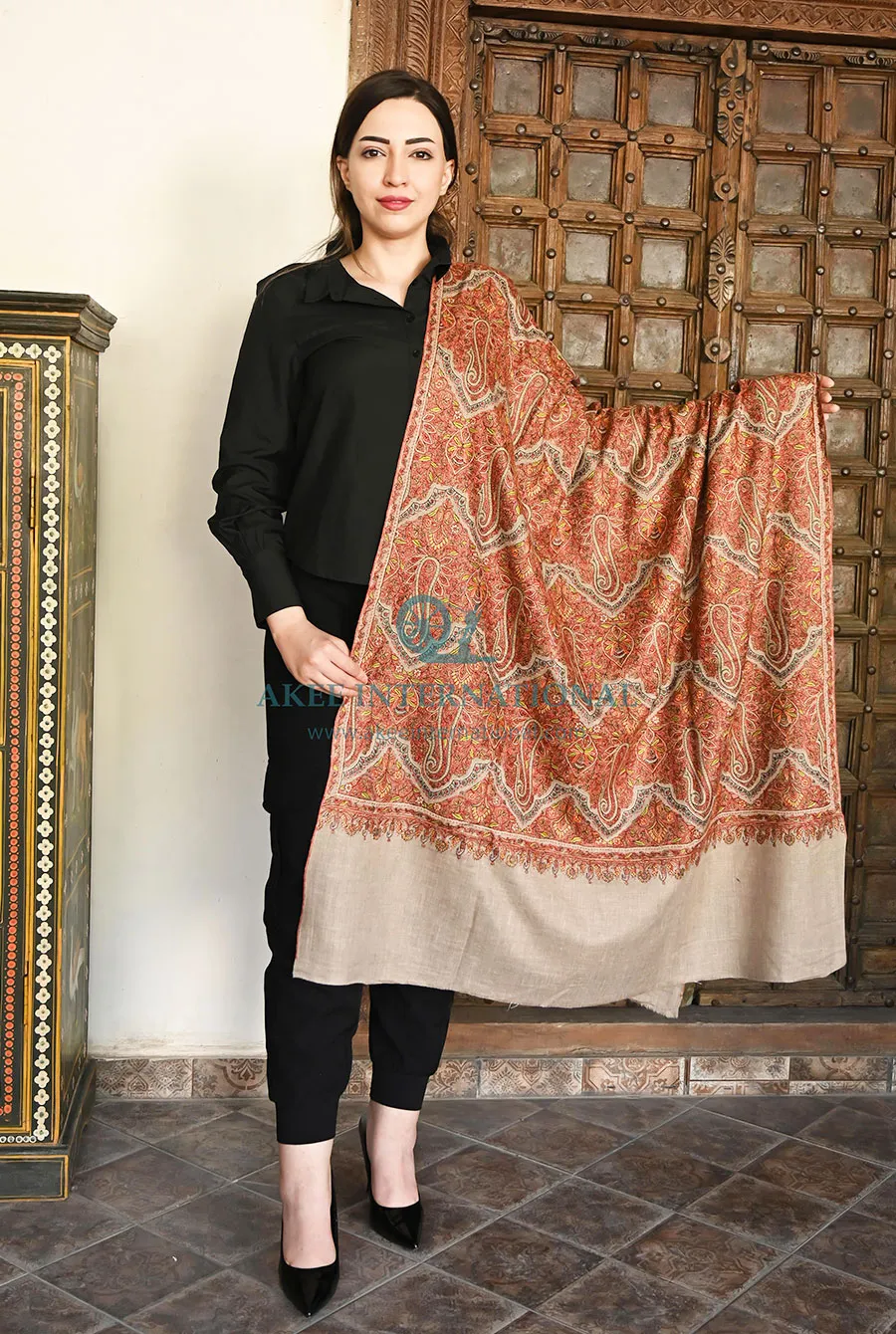
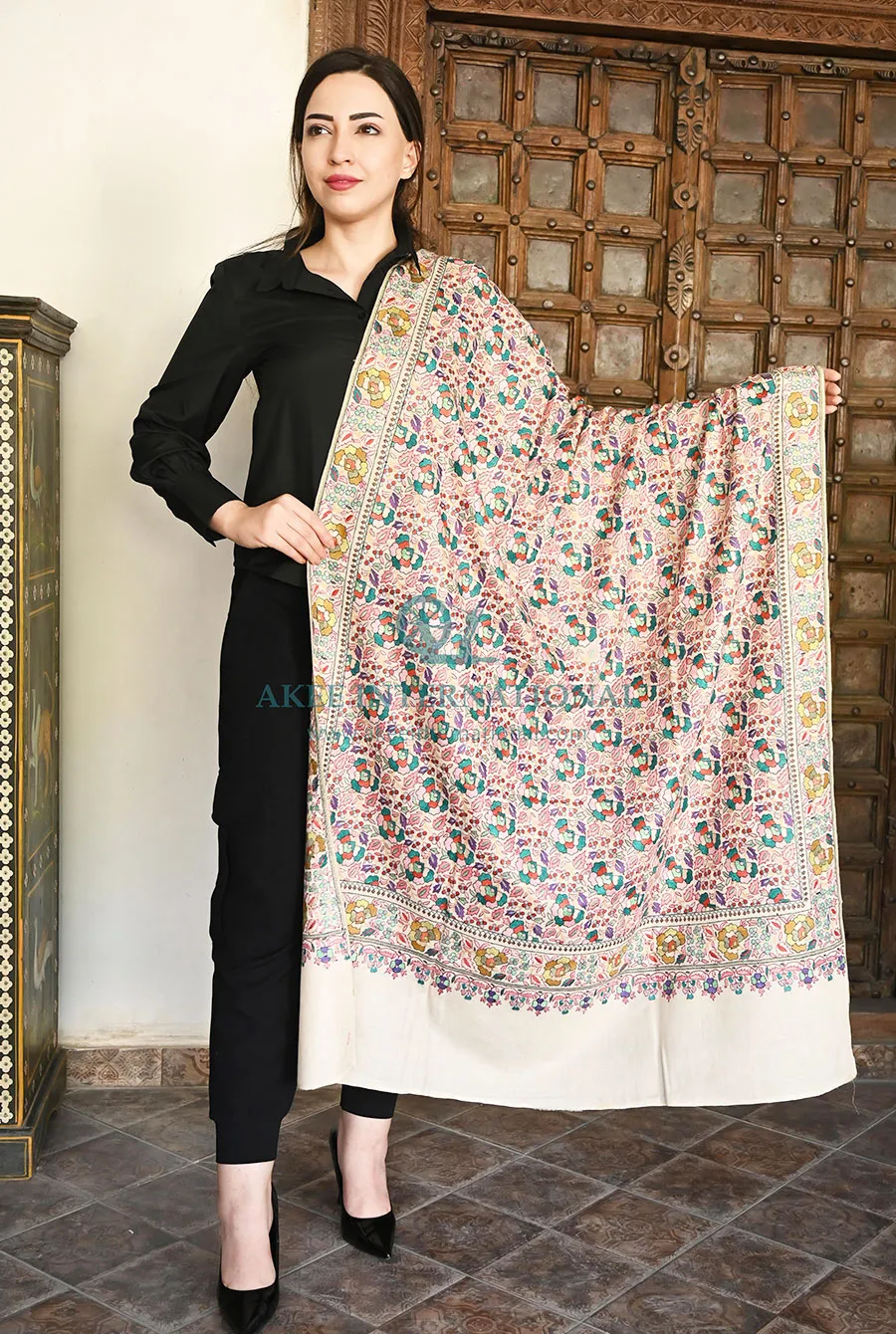
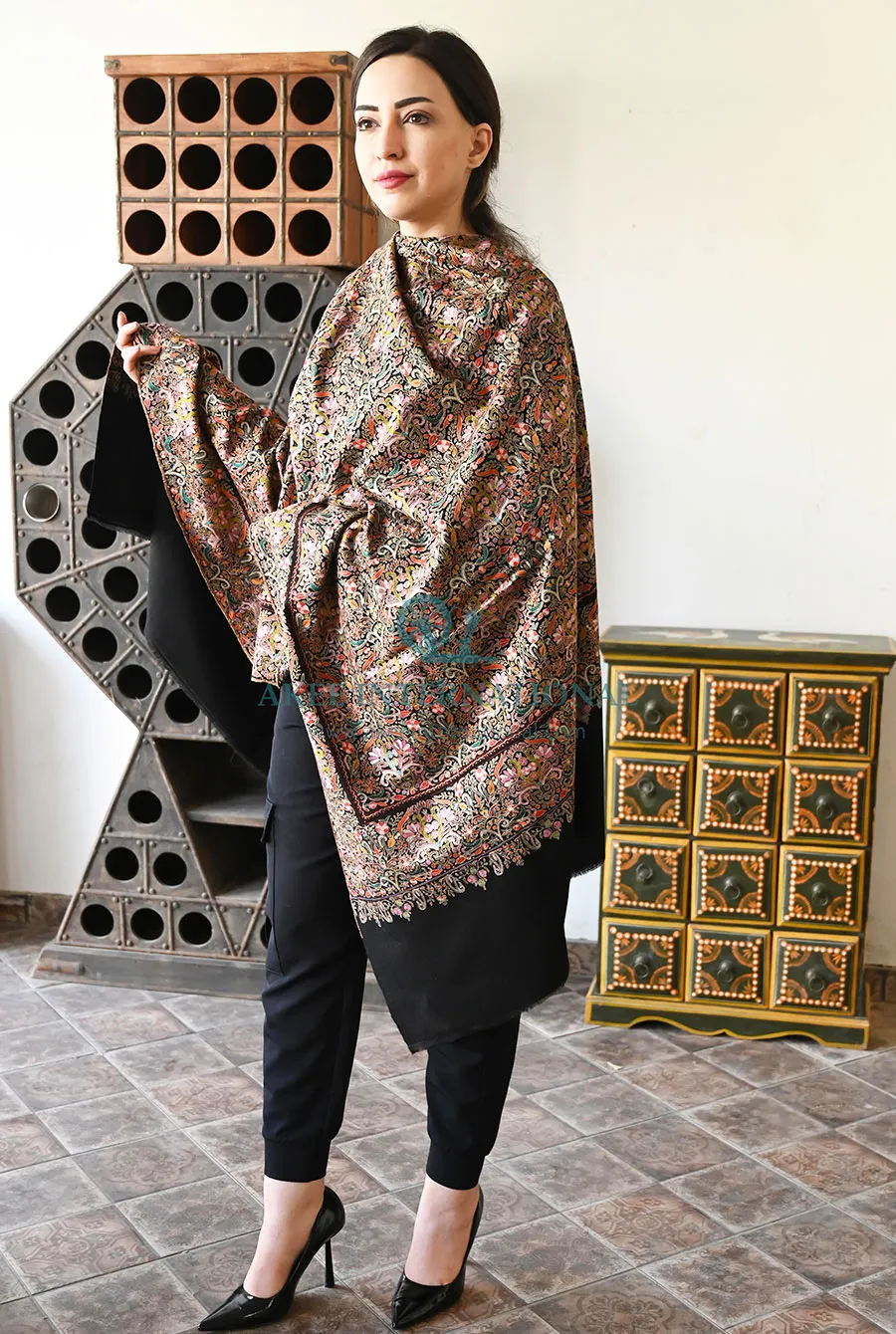
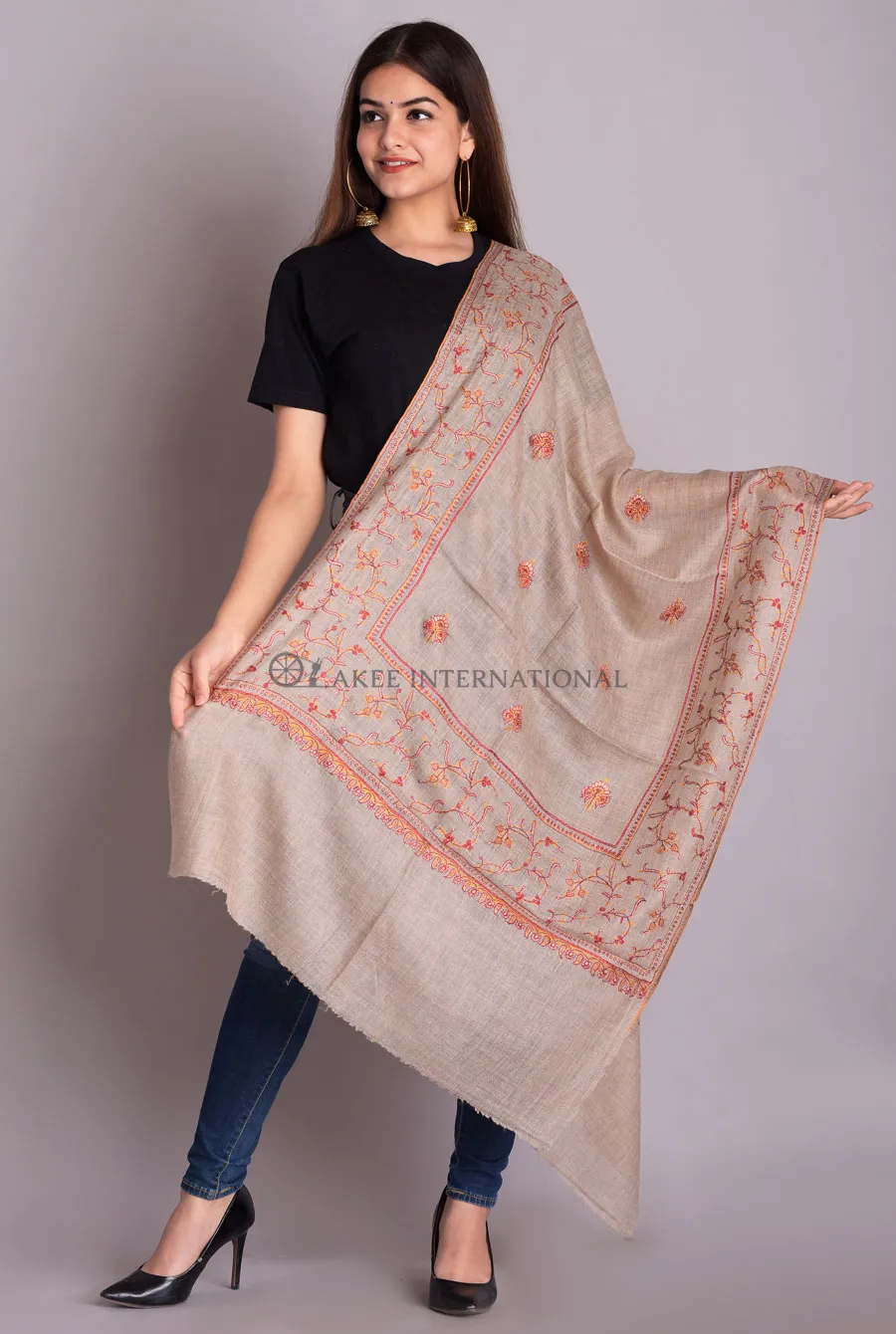
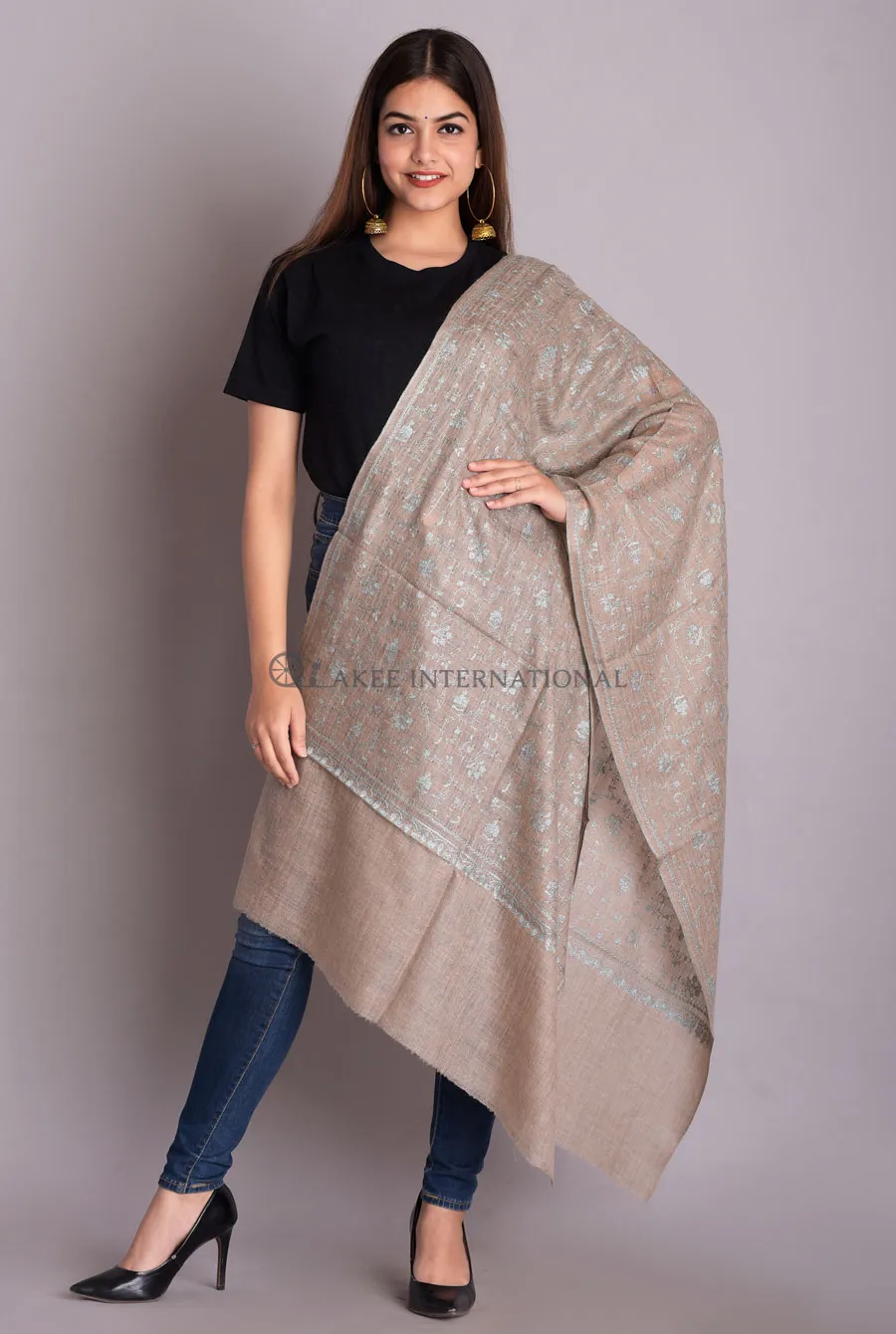
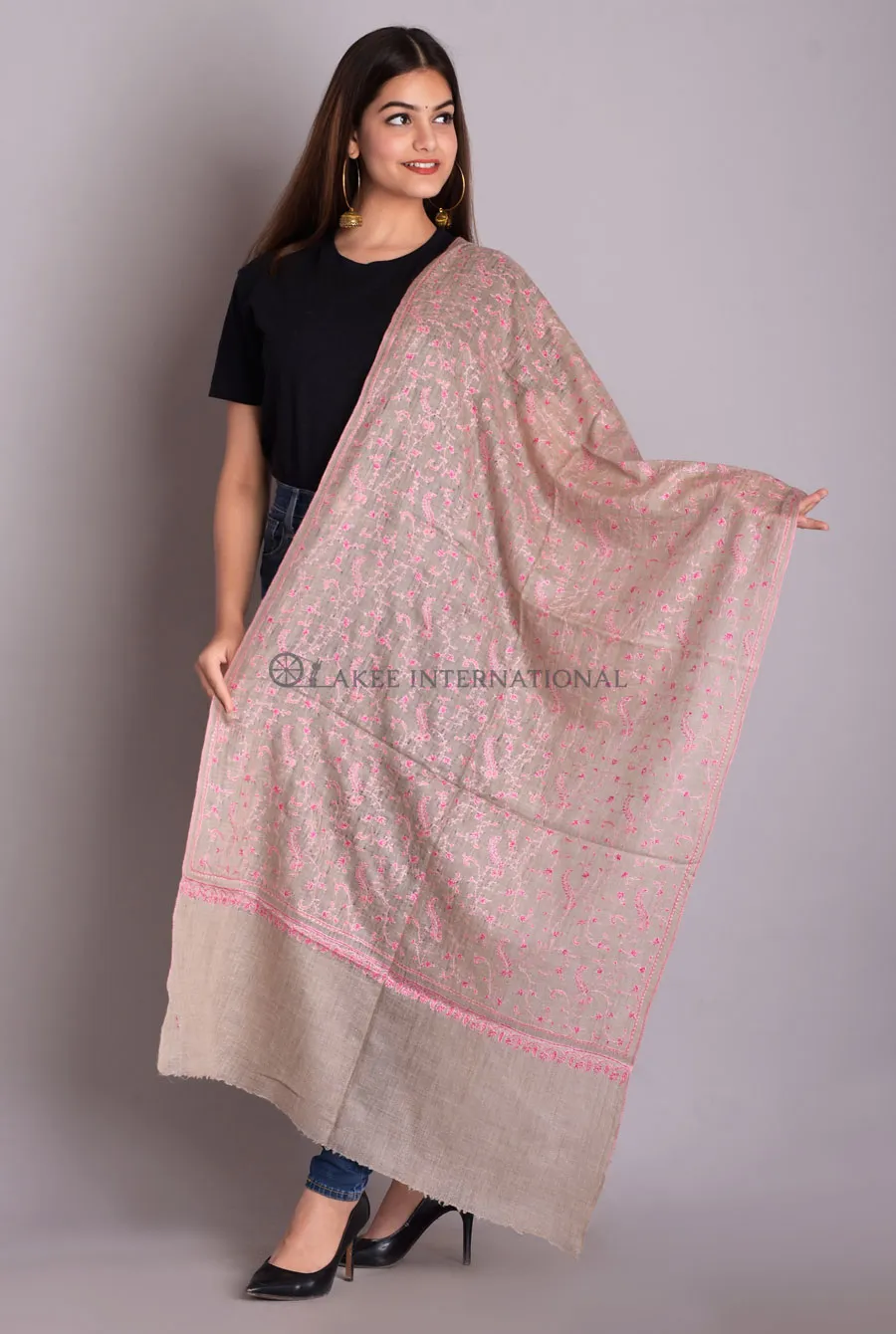
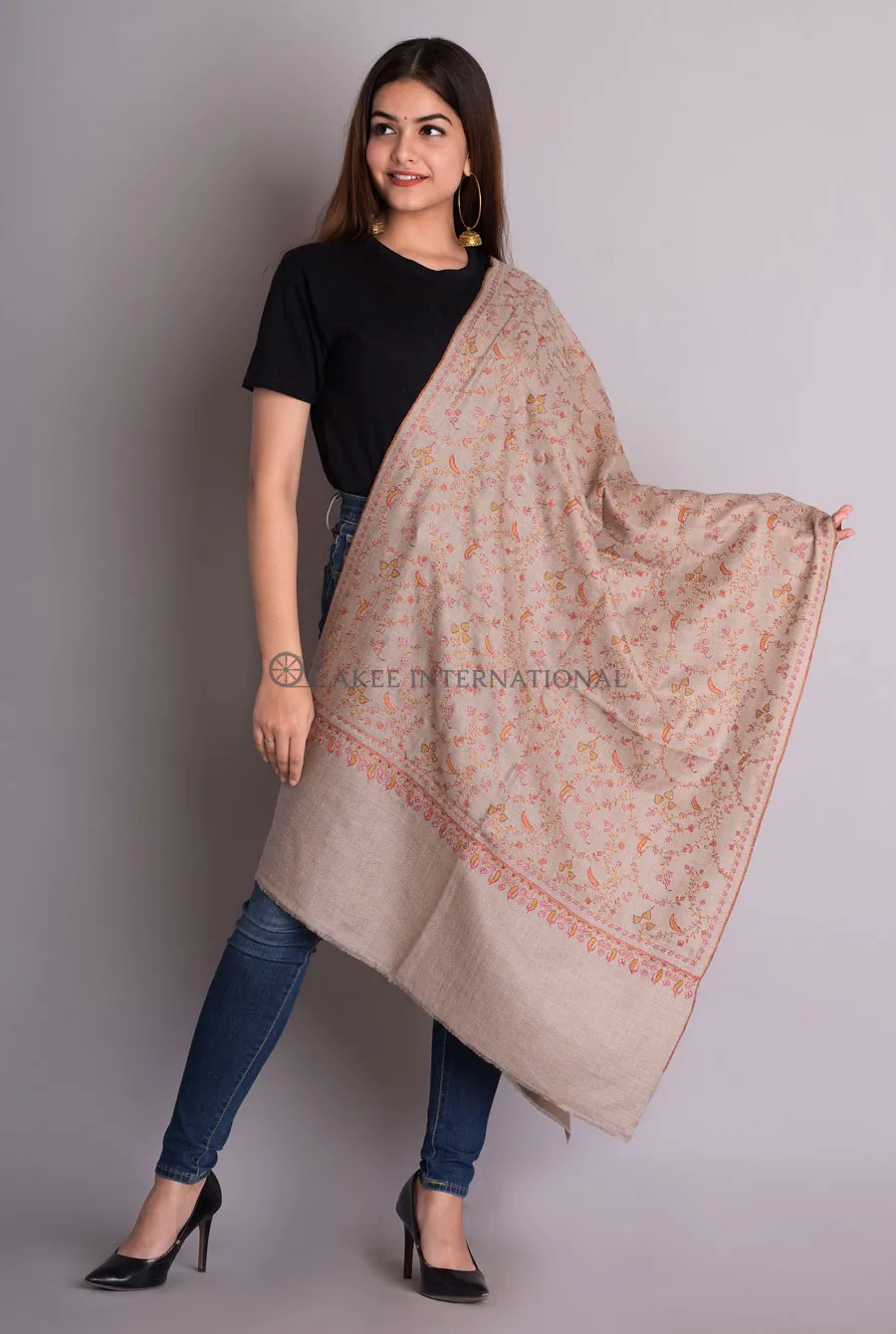
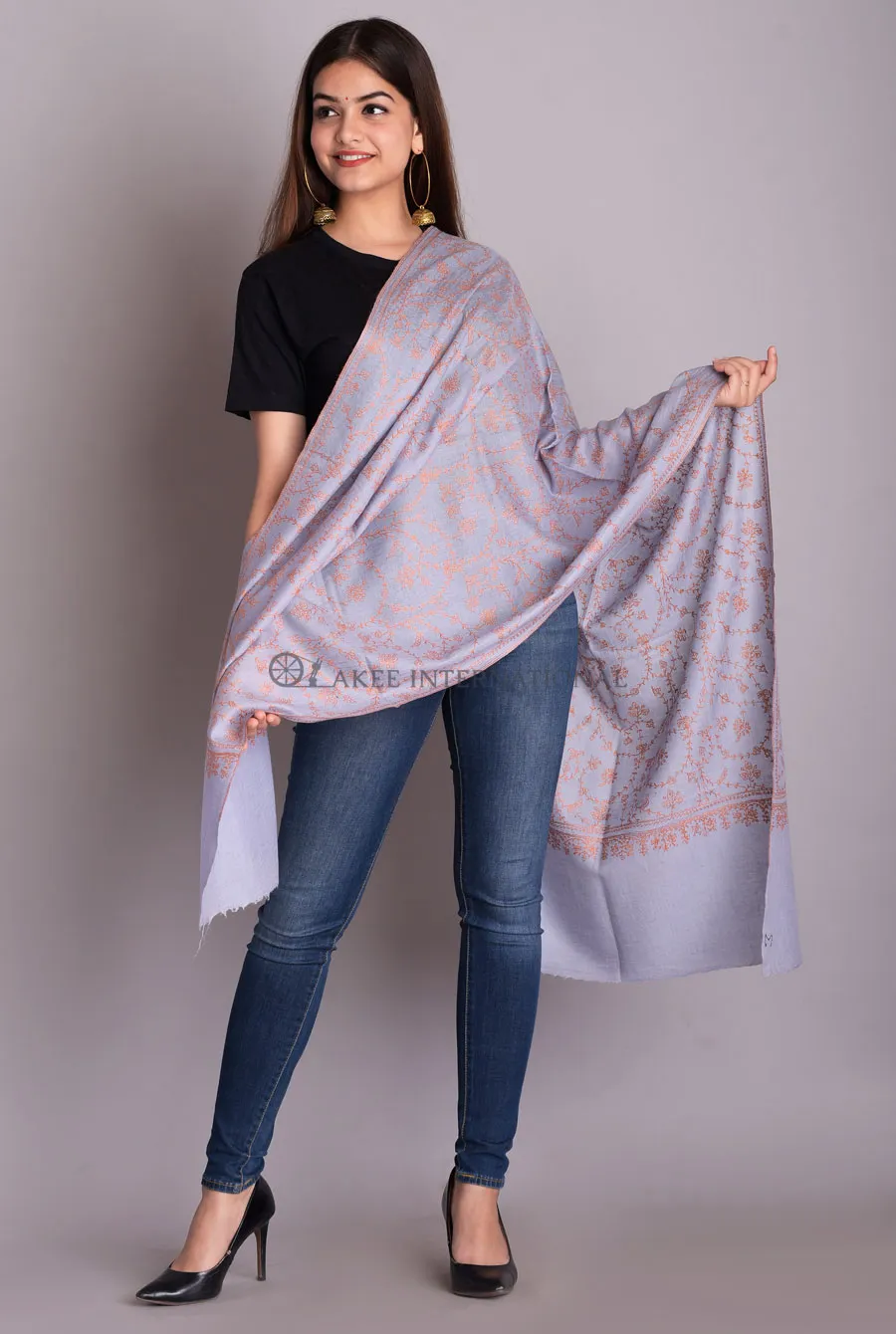
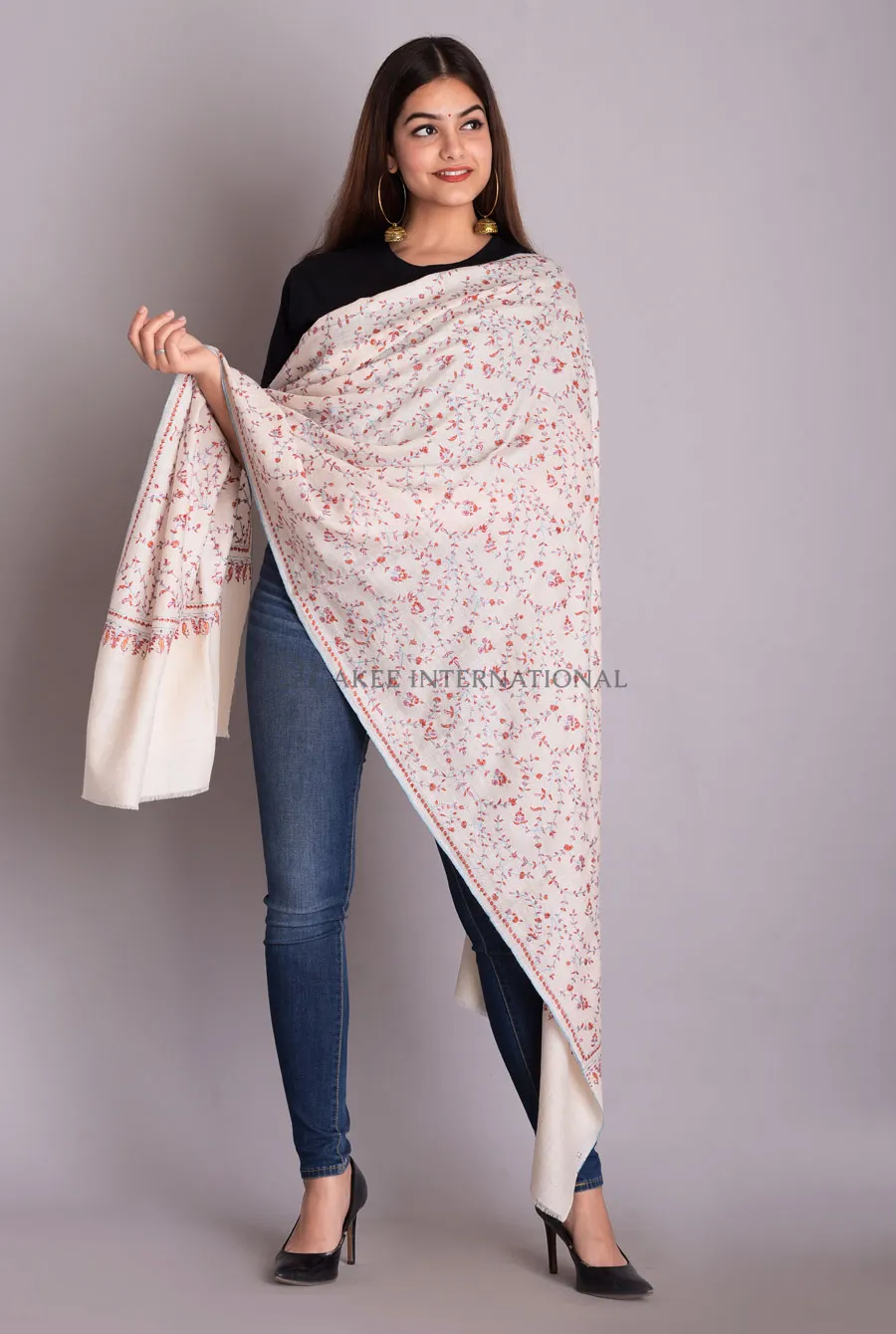
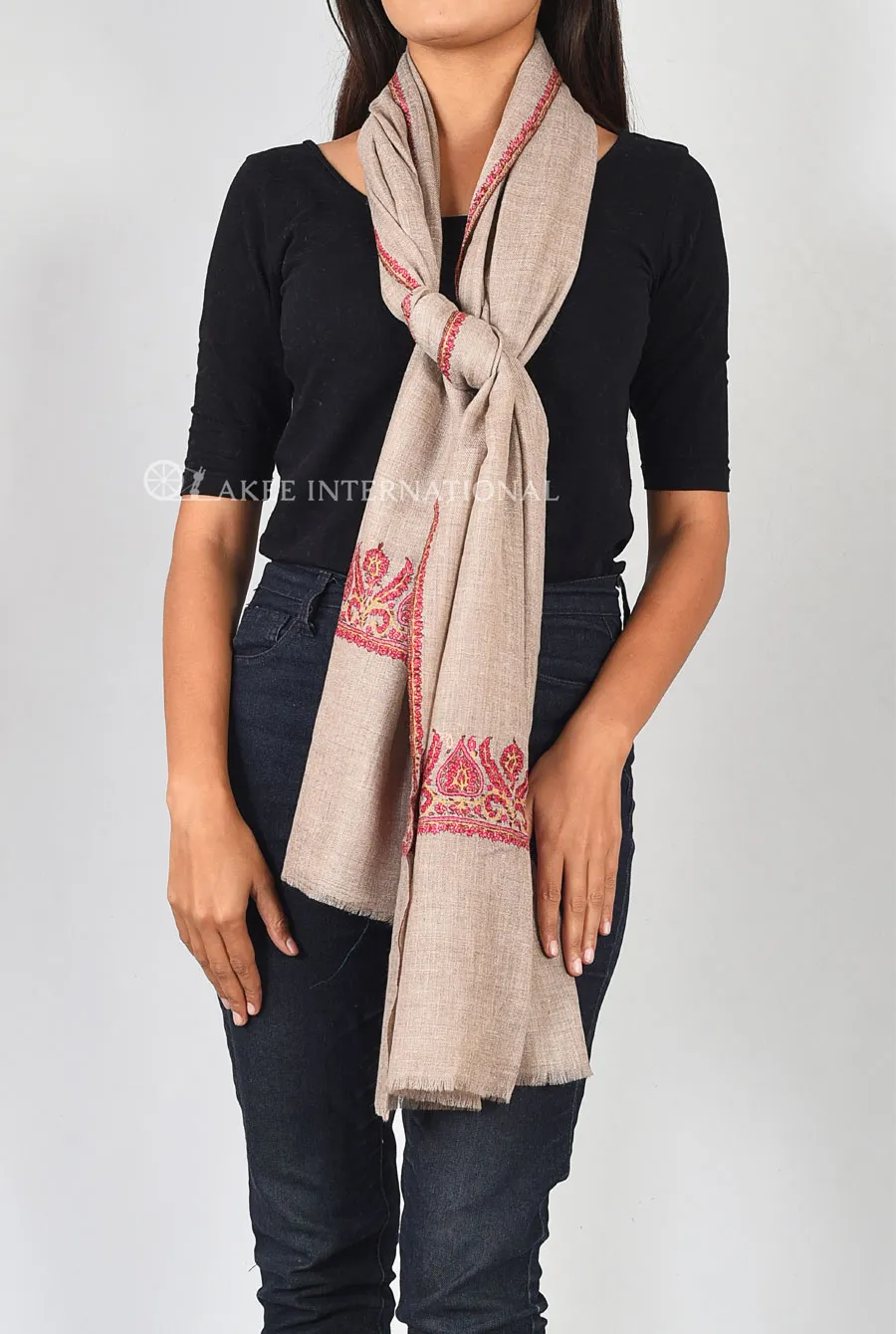
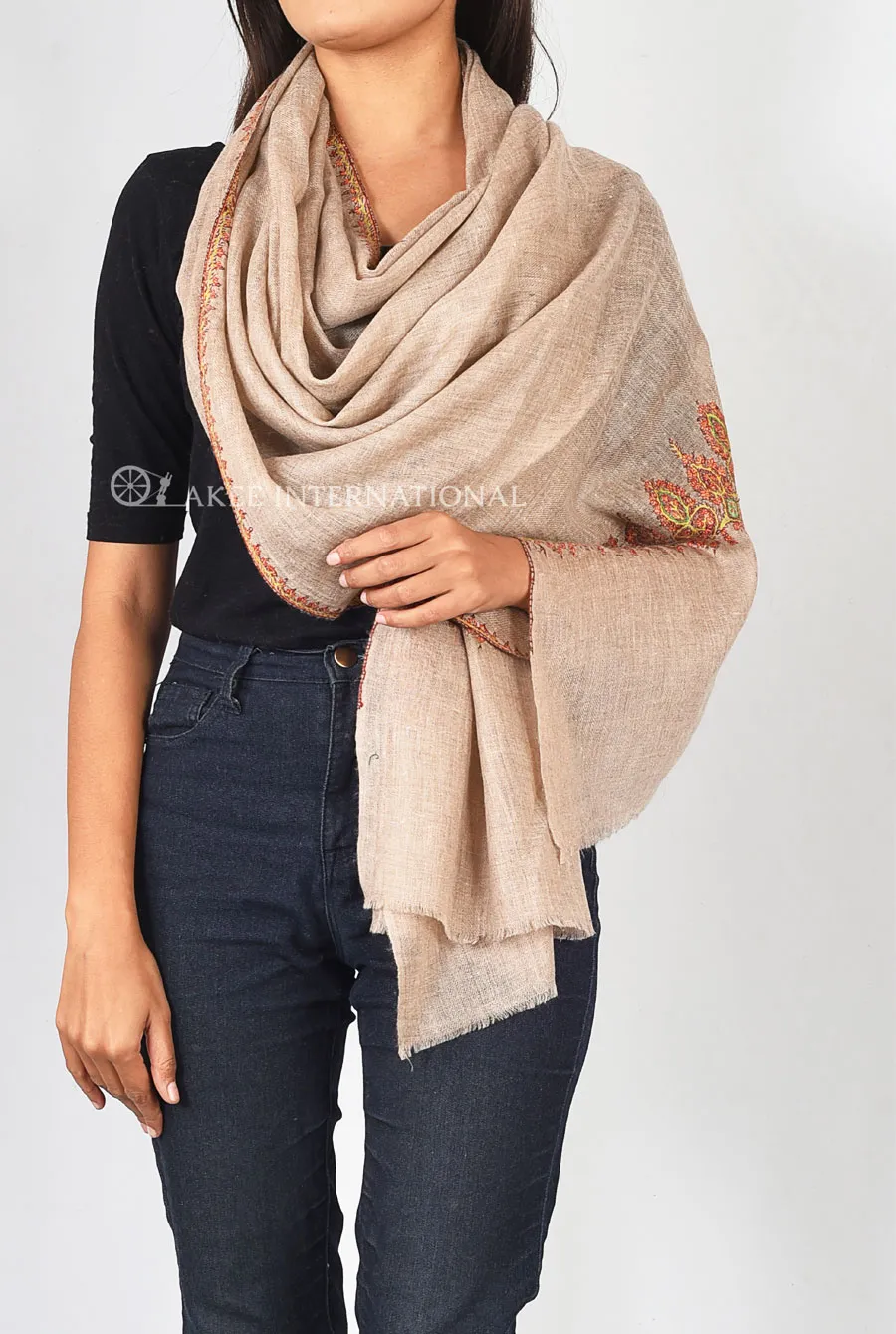
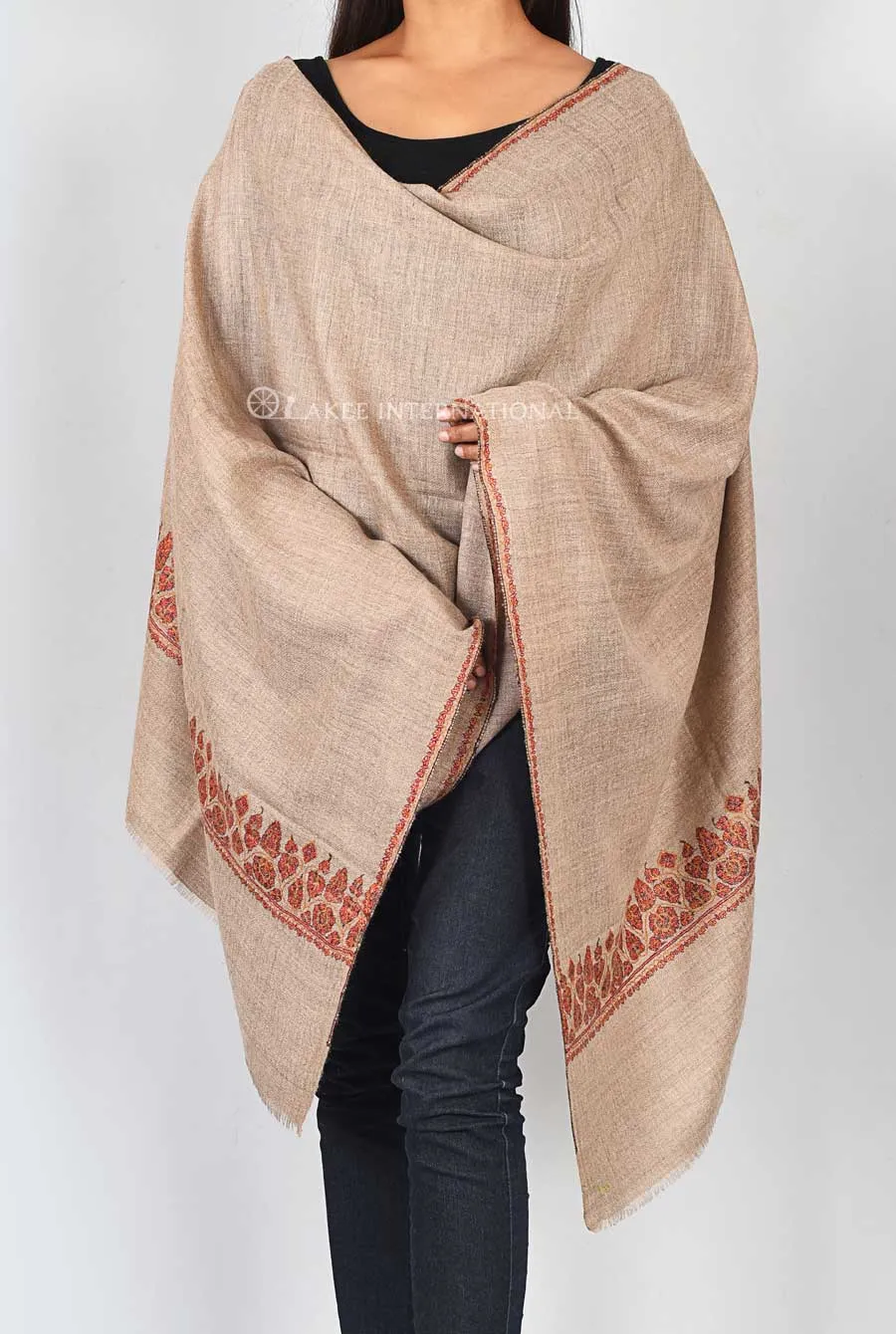
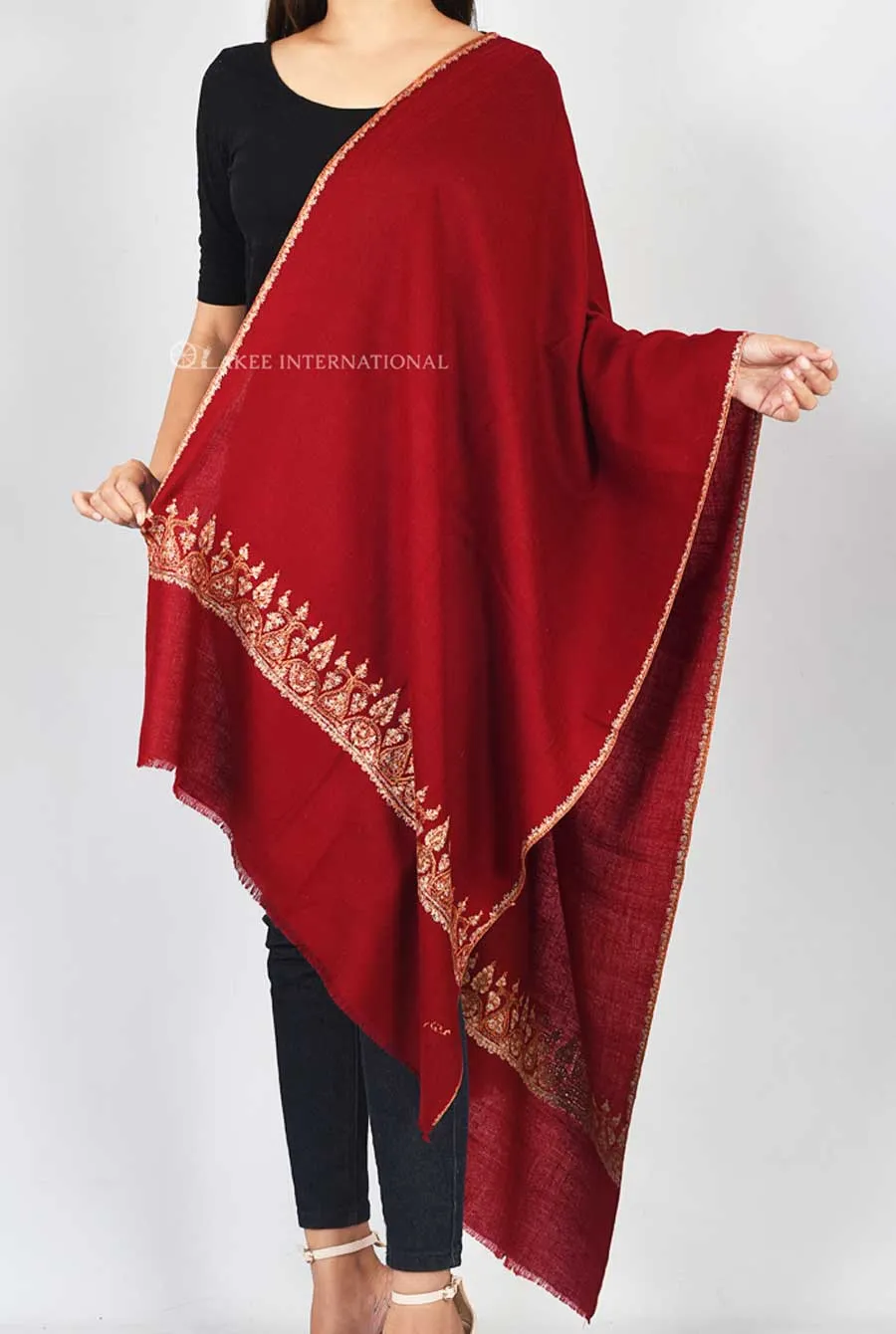
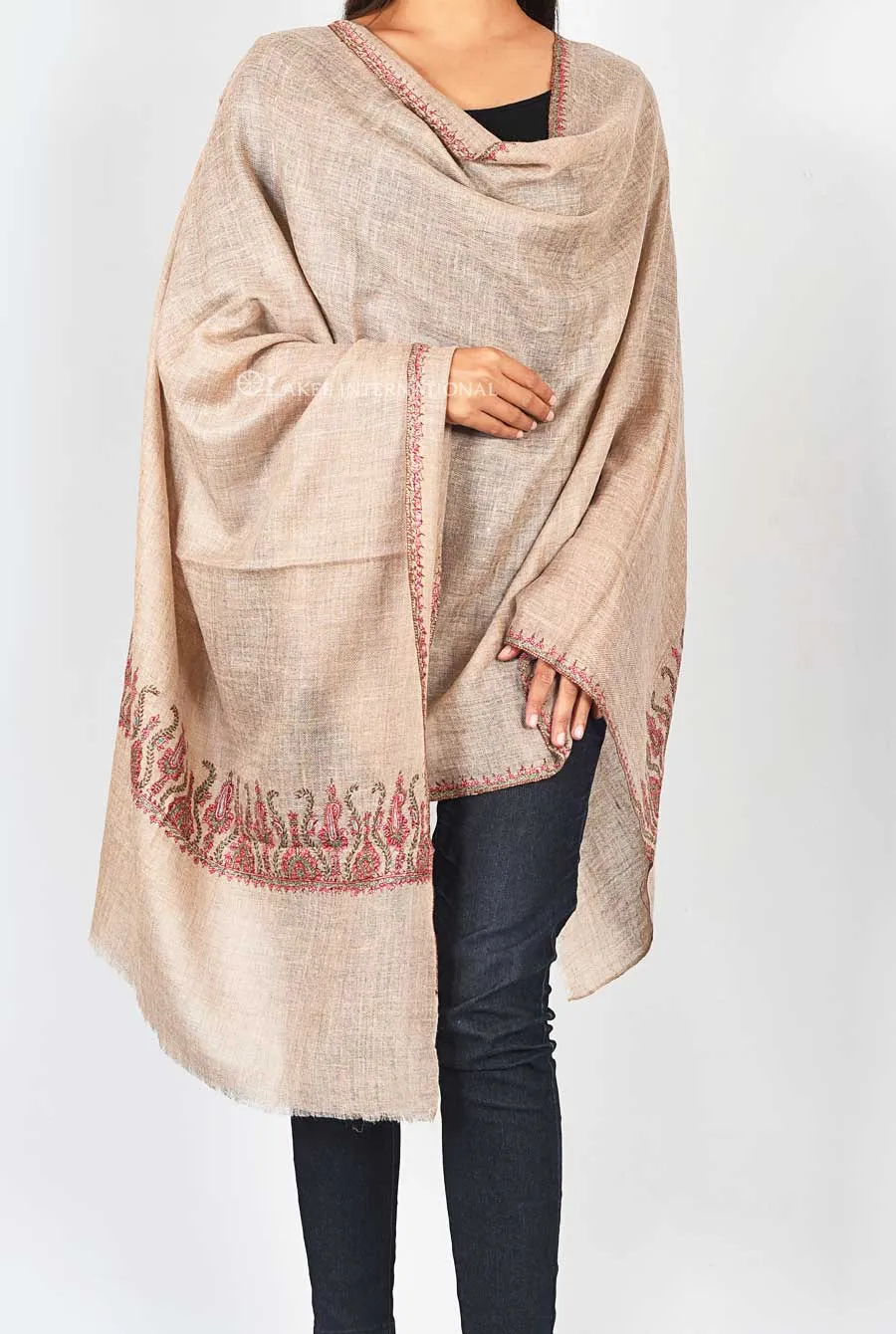
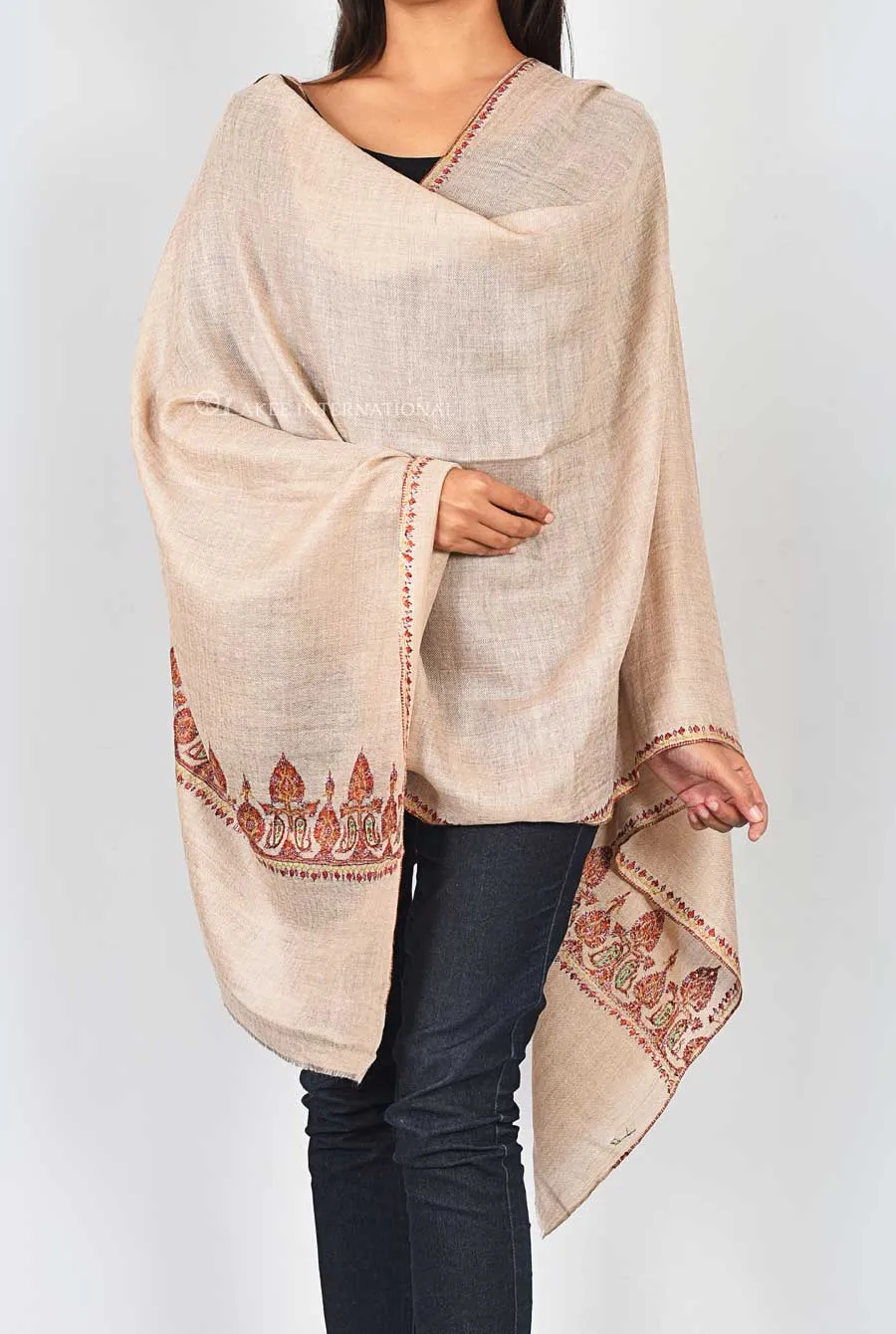
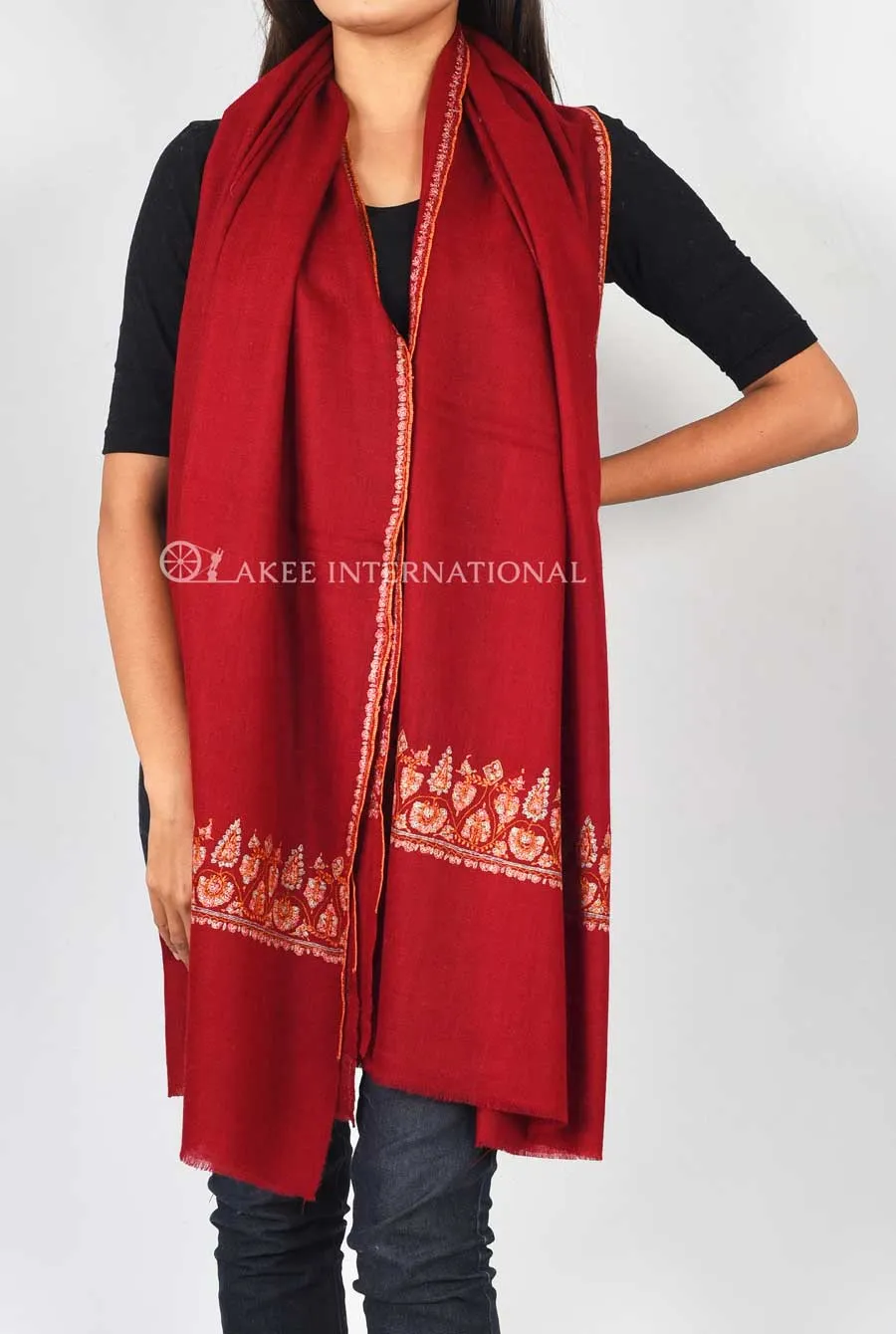
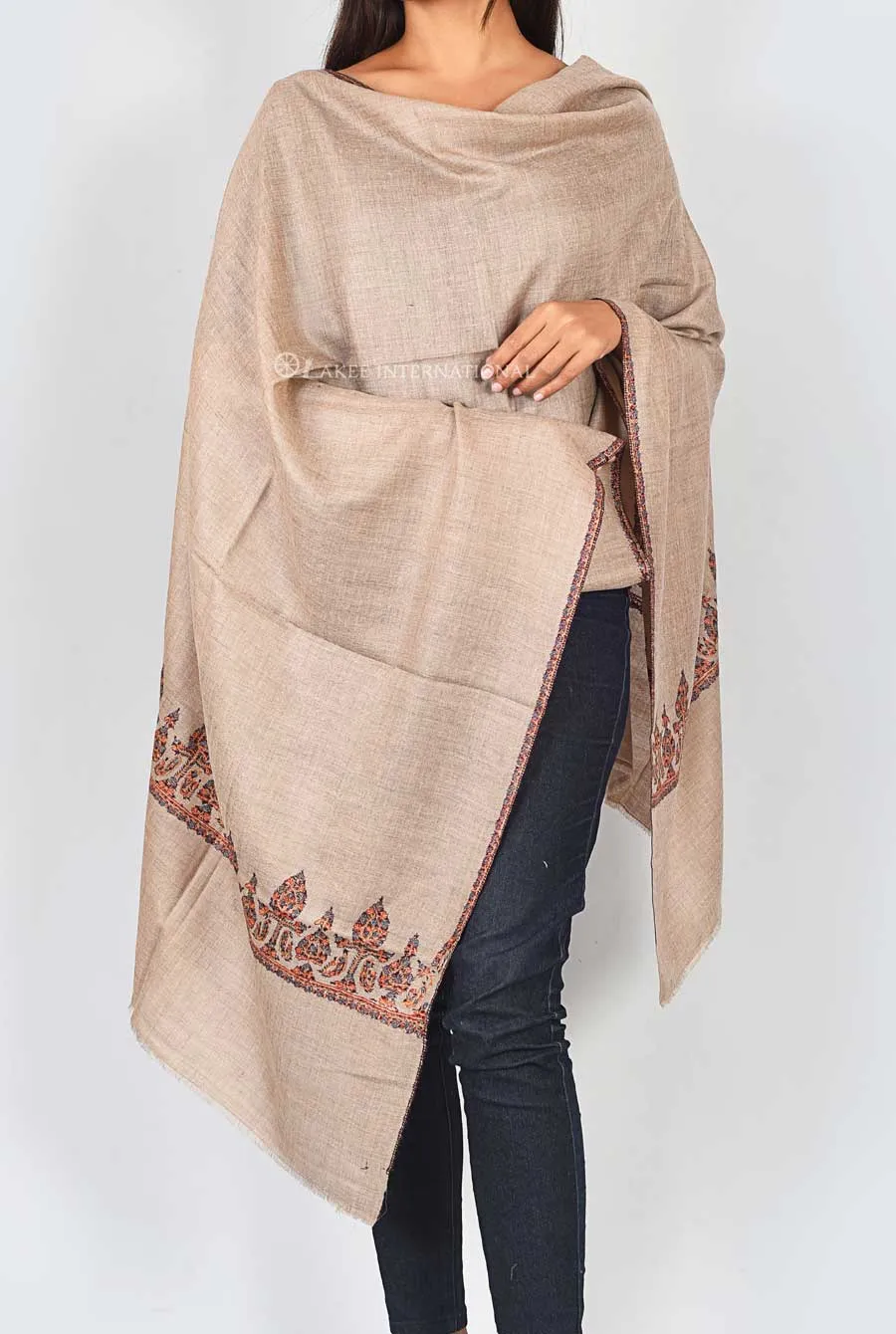
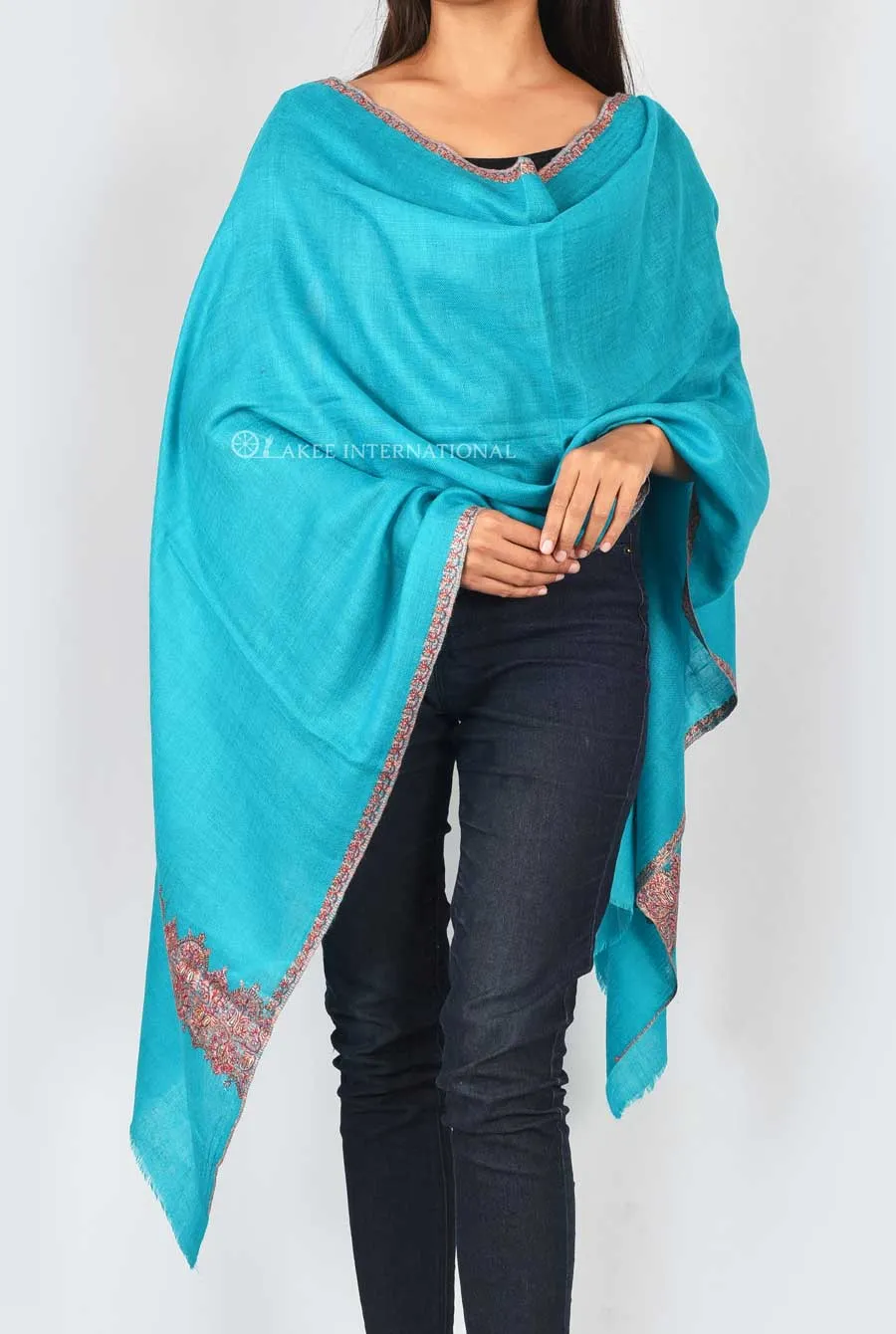
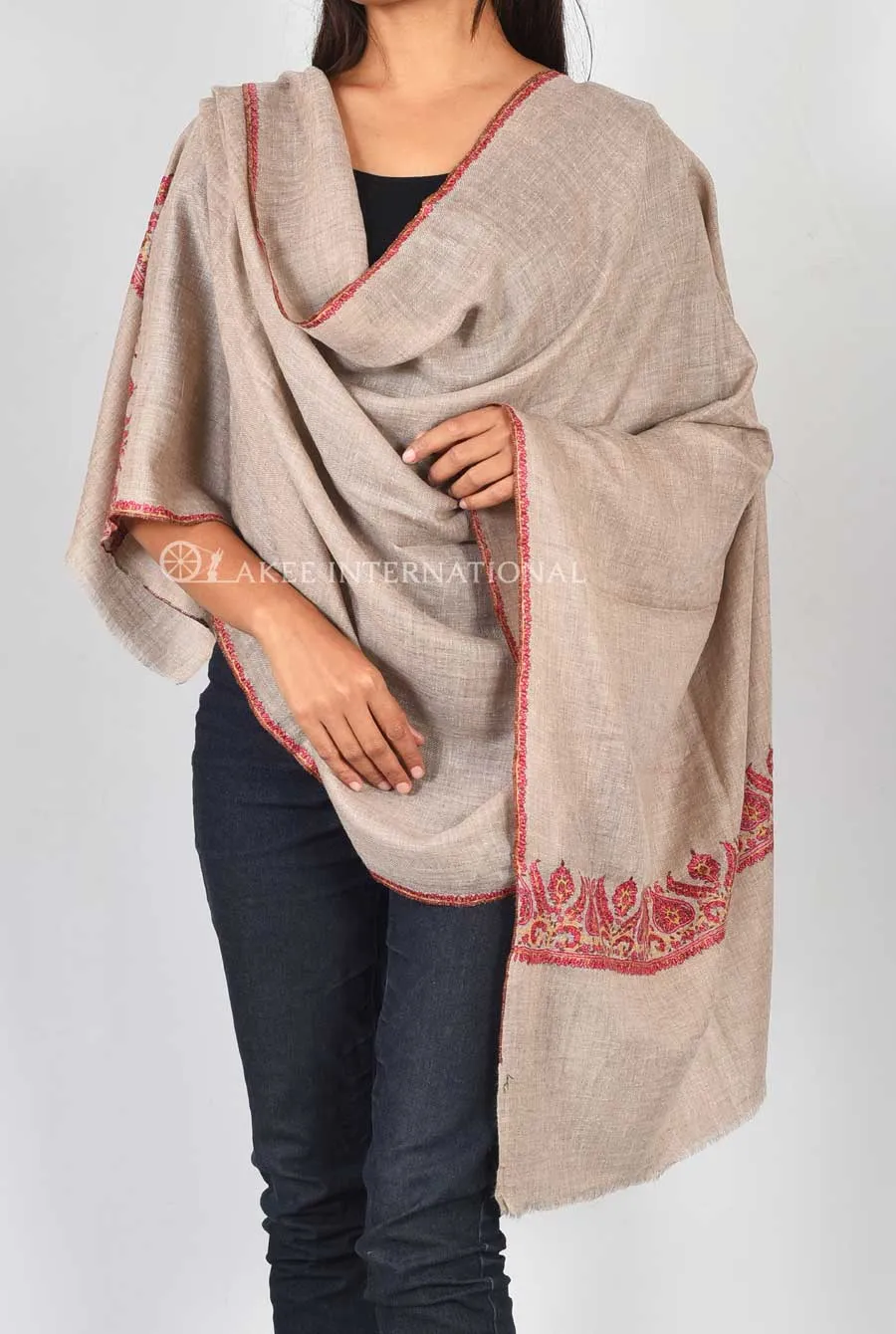
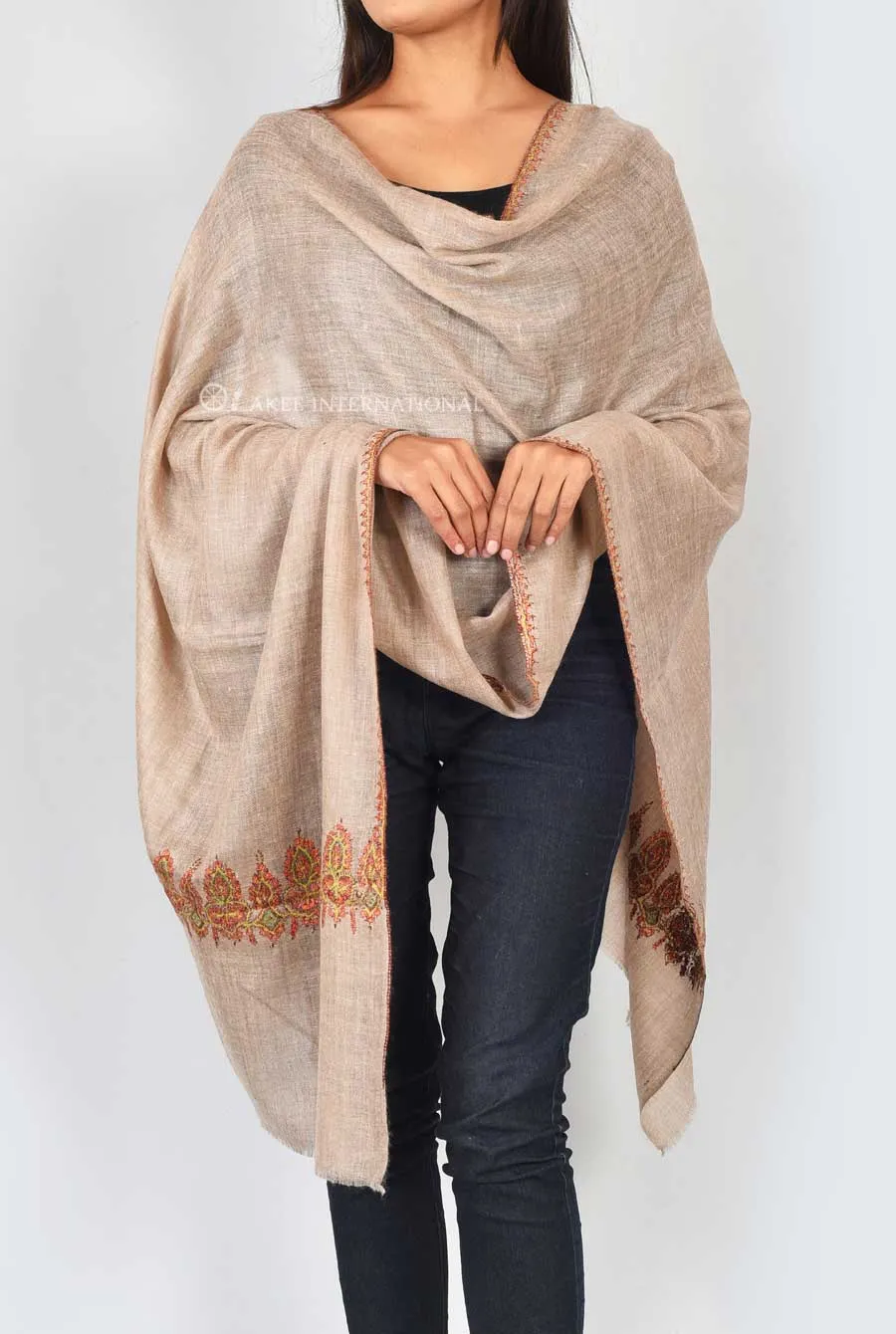
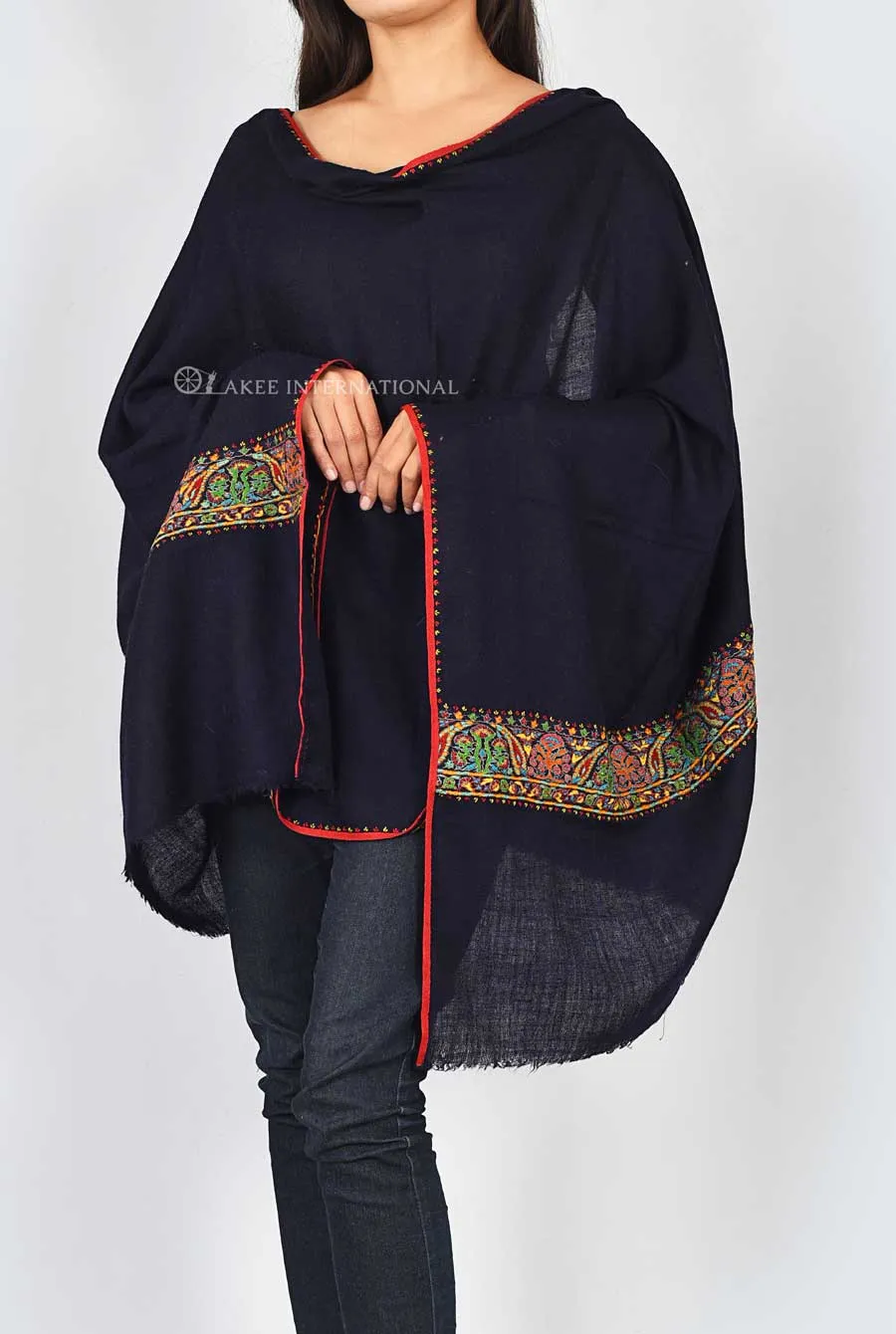
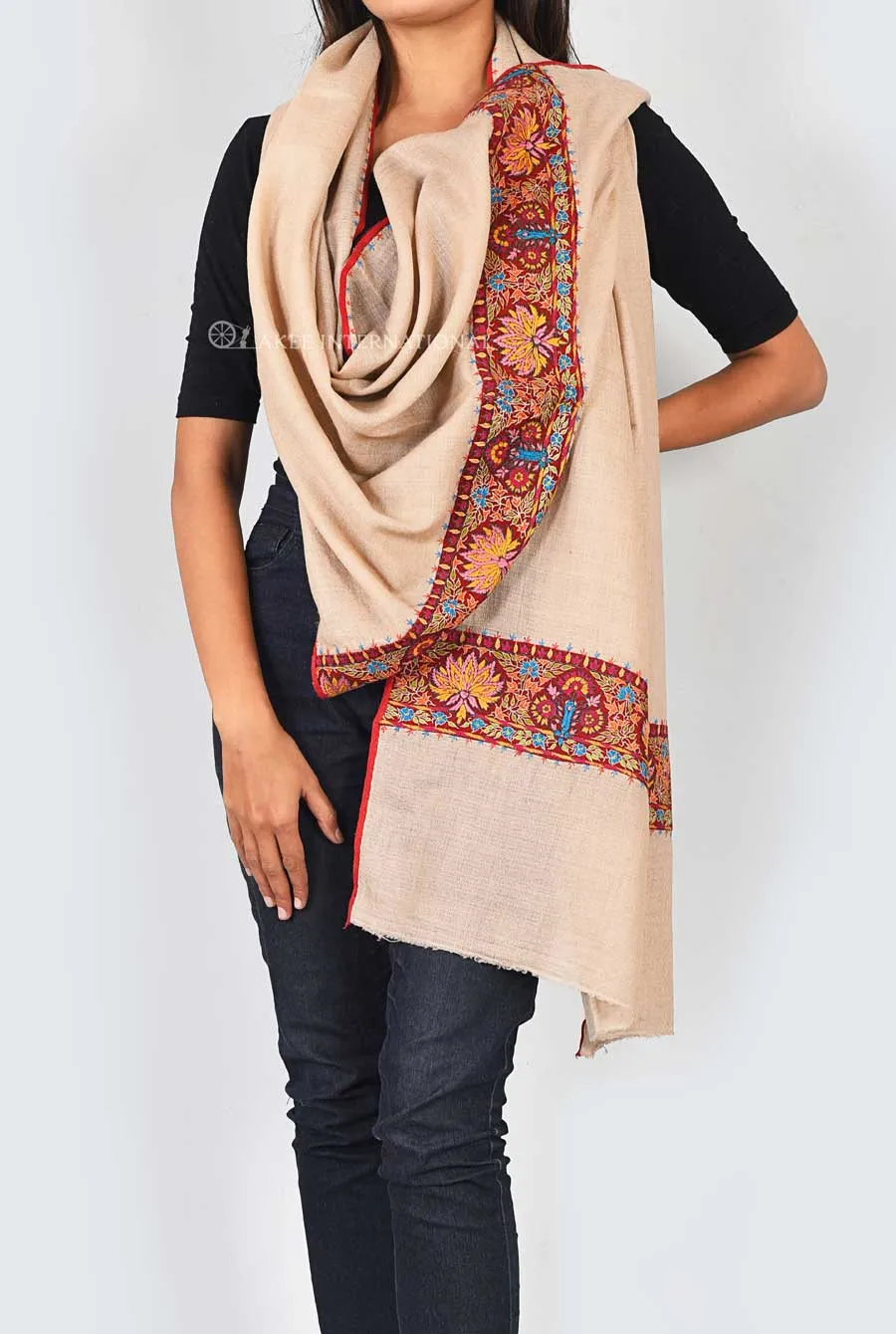
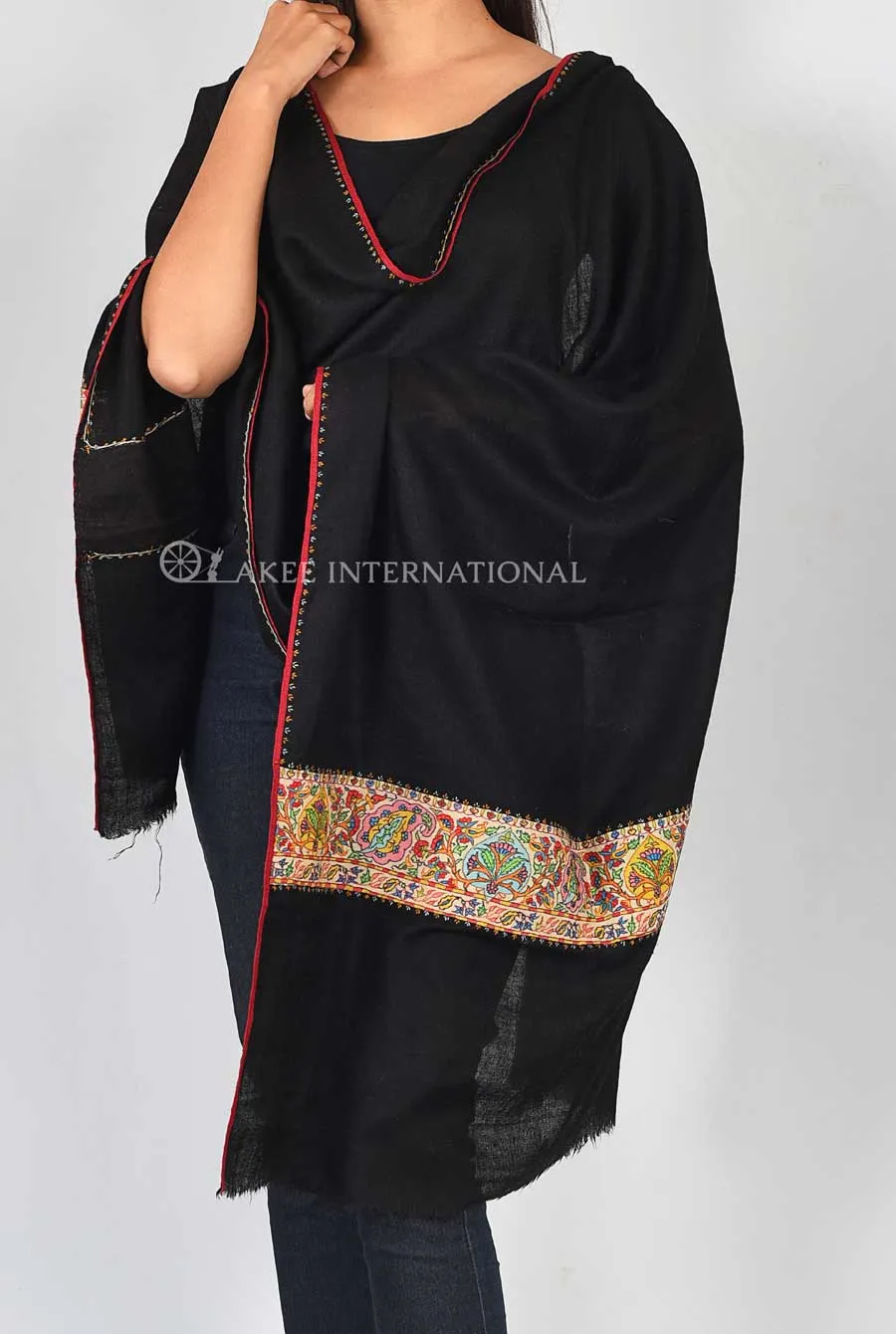
Find Your Perfect Premium Pashmina Shawl
Discover exquisite Pashmina shawls, beautifully crafted with Kashmir’s timeless heritage and artistry.

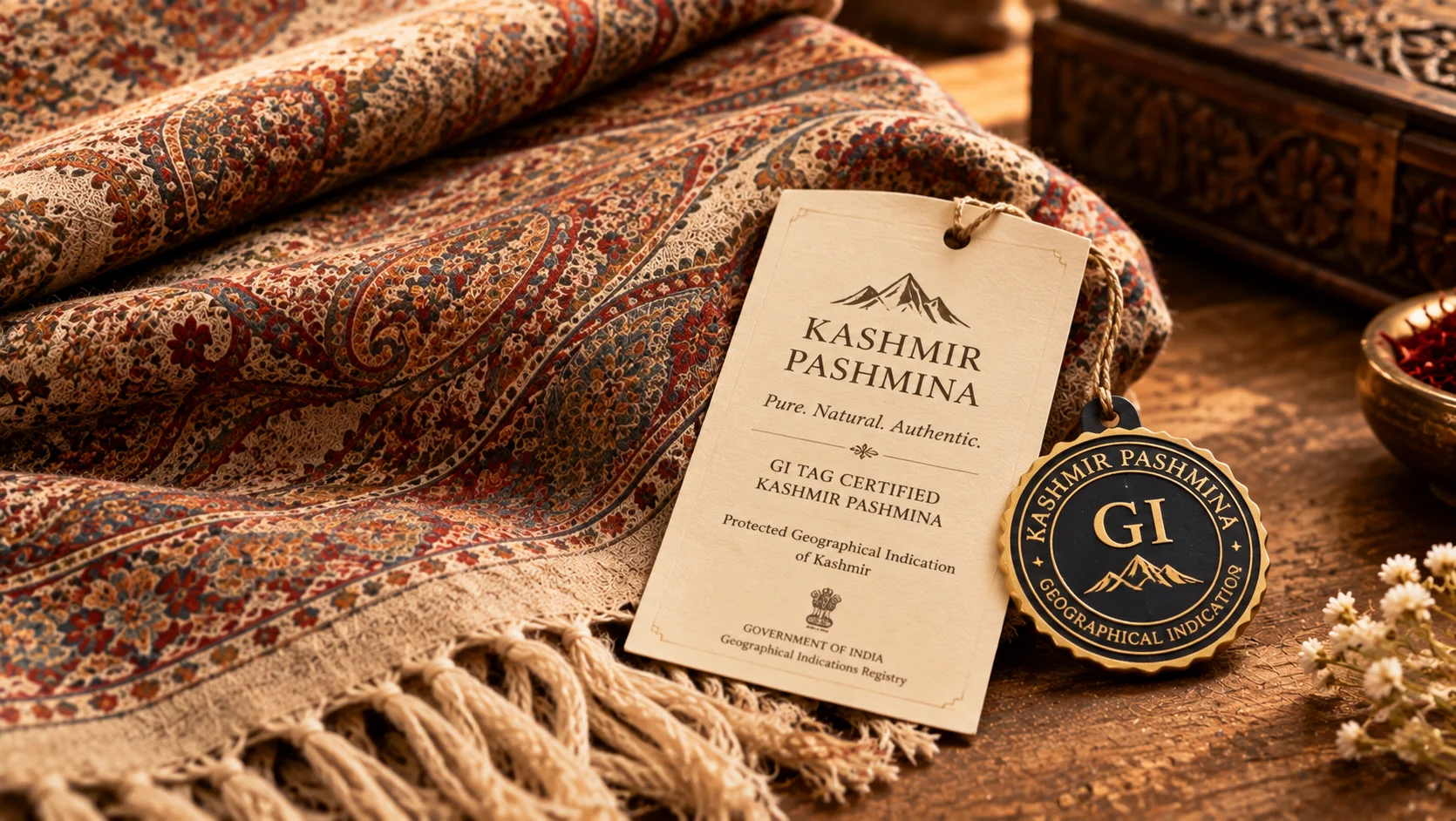
Buyers researching pashmina authenticity often come across references to a "GI tag" associated with Kashmir pashmina, and understanding what does GI tag Kashmir pashmina mean helps explain why this certification matters when evaluating a specific seller or product. A Geographical Indication tag is a form of intellectual property protection specifically tied to a product's regional origin and traditional production method, and Kashmir pashmina received this recognition specifically to protect genuine Kashmiri craftsmanship from imitation products using the same name.
A Geographical Indication, or GI tag, is a certification used internationally to protect products whose qualities, reputation, or characteristics are essentially linked to their specific geographic origin — similar in concept to how Champagne can only legally be called that if produced in the Champagne region of France, or Darjeeling tea must genuinely originate from the Darjeeling region. Kashmir pashmina's GI recognition works on the same principle, protecting the specific combination of Changthangi wool sourcing and traditional Kashmiri hand-spinning and hand-weaving techniques from being applied to products that don't genuinely meet this standard.
Given how widely the pashmina name gets used across products that don't actually originate from genuine Kashmiri sourcing and craftsmanship, GI recognition emerged as a way to formally distinguish authentic Kashmir pashmina from the much larger volume of imitation products — wool blends, machine-made alternatives, and pieces sourced from other cashmere-producing regions — marketed under similar or identical names. This protection benefits both genuine Kashmiri artisans, whose traditional livelihood depends on maintaining the category's reputation, and buyers seeking to verify authentic purchases.
For a pashmina product to legitimately claim Kashmir GI status, it generally needs to meet specific criteria tied to fibre sourcing (genuine Changthangi goat wool from the Kashmir and Ladakh region) and traditional production methods (hand-spinning and hand-weaving using established Kashmiri techniques, rather than industrial machine processing). This combination of geographic sourcing and traditional method distinguishes GI-eligible pashmina from cashmere or wool products that might use similar branding without meeting these specific origin and production requirements.
For buyers, understanding what GI tag Kashmir pashmina means provides an additional layer of confidence when evaluating a specific product or seller. A seller knowledgeable about and willing to discuss GI certification, sourcing documentation, and traditional production methods generally demonstrates a deeper, more legitimate connection to authentic Kashmiri craftsmanship than one relying on the pashmina name alone without this kind of specific, verifiable detail behind it.
Akee International's production model — sourcing raw Changthangi wool directly from Kashmir and Ladakh, and employing artisans trained in traditional hand-spinning and hand-weaving techniques — aligns directly with the standards GI certification is designed to protect. This isn't a marketing add-on but reflects the actual sourcing and production practices the business has maintained across its more than three decades of operation.
Buyers wanting to verify a seller's connection to genuine, GI-eligible Kashmir pashmina can ask directly about specific sourcing details — where exactly the wool comes from, whether production uses traditional hand-methods rather than machinery, and whether the seller can speak knowledgeably about the GI certification process itself. A seller unable to engage with these questions in any depth is a reasonable signal to investigate further before assuming authentic Kashmiri origin.
In India, Geographical Indication tags are administered and legally protected under the Geographical Indications of Goods (Registration and Protection) Act, giving genuine Kashmir pashmina formal legal standing against misuse of the name by products that don't meet its specific origin and production criteria. This legal framework provides a formal mechanism, at least in principle, for addressing clear cases of GI misuse, though enforcement across such a large and dispersed market remains an ongoing challenge, which is part of why buyer awareness and direct seller verification remain important alongside any formal certification system.
It's worth understanding that GI recognition applies to the Kashmir pashmina category and production tradition broadly, rather than functioning as a mandatory, individually verified stamp attached to every single genuine product sold. This means the absence of a specific physical GI label on an individual shawl doesn't automatically indicate inauthenticity, just as its presence alone shouldn't be taken as absolute proof without other supporting verification. A seller's overall sourcing transparency, production history, and willingness to answer detailed questions remain important alongside any reference to GI status when evaluating a specific purchase.
Kashmir pashmina isn't alone in receiving this kind of regional protection — several other traditional Indian textile categories, including specific silk weaving traditions and other regional handicrafts, have received similar GI recognition specifically to protect traditional artisan communities and their distinctive regional production methods from broader market dilution.
For questions about GI certification, sourcing verification, or authentic Kashmir pashmina generally, contact the team through Contact Us or WhatsApp at +91-9772777770. The full product catalogue reflects genuinely sourced, traditionally produced Kashmiri pashmina throughout.
Discover exquisite Pashmina shawls, beautifully crafted with Kashmir’s timeless heritage and artistry.
Discover exquisite Pashmina shawls, beautifully crafted with Kashmir’s timeless heritage and artistry.
GI stands for Geographical Indication, a legal certification tying a product's authenticity to its specific regional origin.
Kashmir Pashmina received official GI recognition from the Indian government, legally protecting its regional authenticity.
It must use genuine Changthangi wool, meet specific fineness standards, and be entirely hand-spun and hand-woven within the Kashmir region.
No, many products loosely use the term without meeting the actual GI certification criteria.
It provides a legally recognized authenticity marker, helping distinguish genuine pashmina from synthetic or blended imitations.
It legally protects the "Kashmir Pashmina" name, helping preserve artisan livelihoods and traditional craftsmanship.
Yes, our products follow the same traditional hand-spinning and hand-weaving methods the GI tag protects.
Products typically undergo testing at recognized laboratories to verify fibre fineness and production method.
Yes, asking about sourcing, spinning method, and weaving technique helps verify genuine GI-aligned authenticity.
It guarantees adherence to traditional origin and production methods, though quality can still vary based on craftsmanship and design complexity.
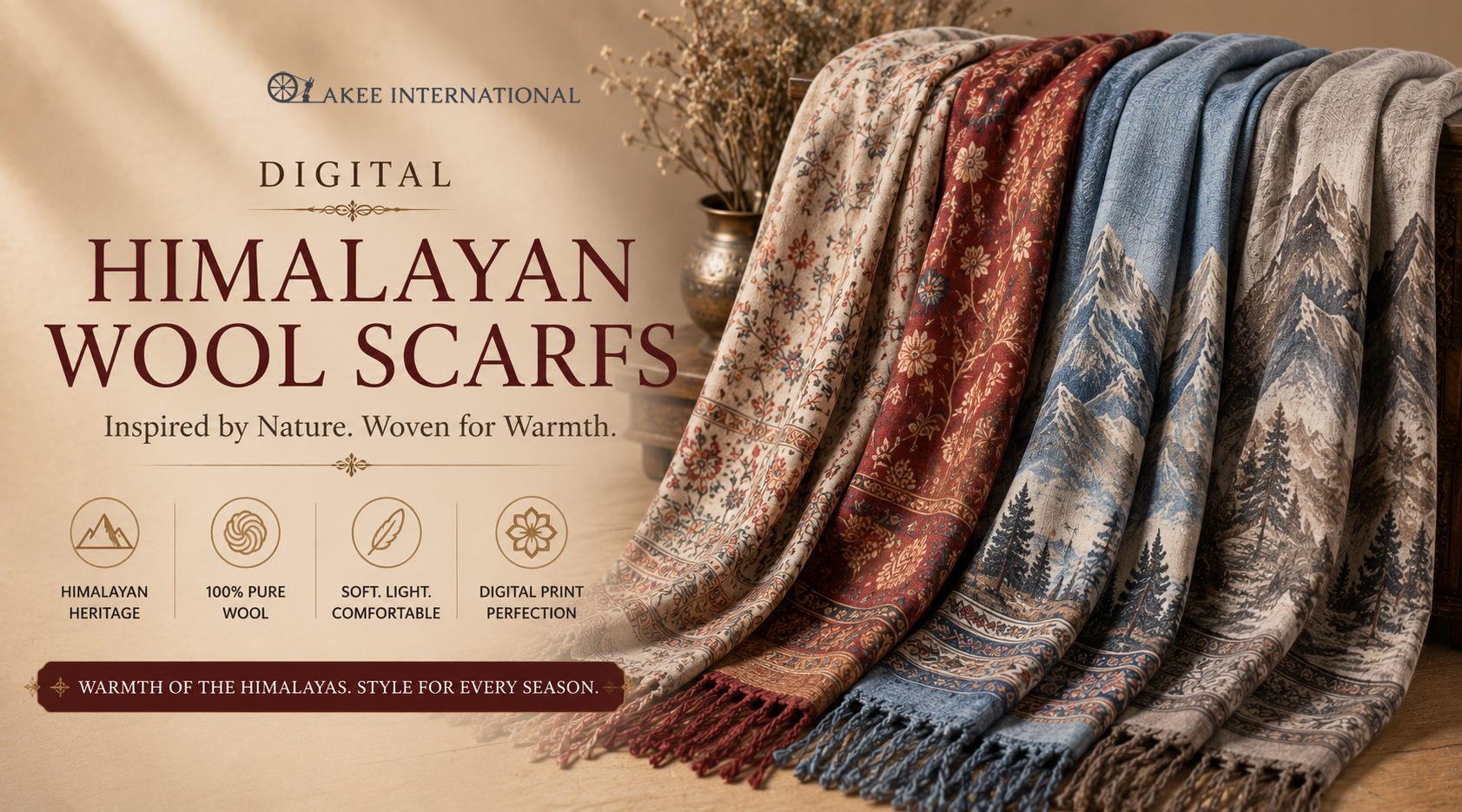
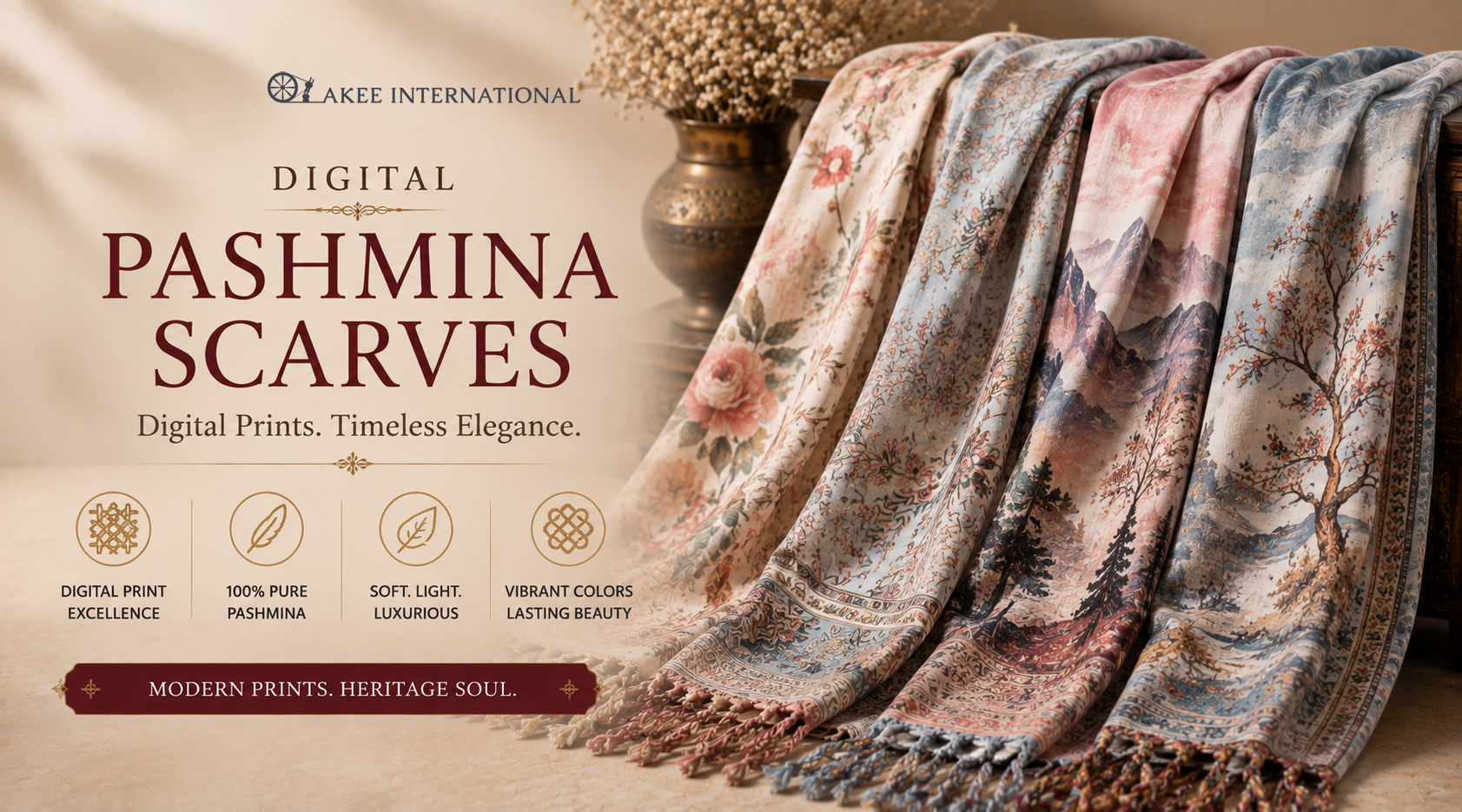
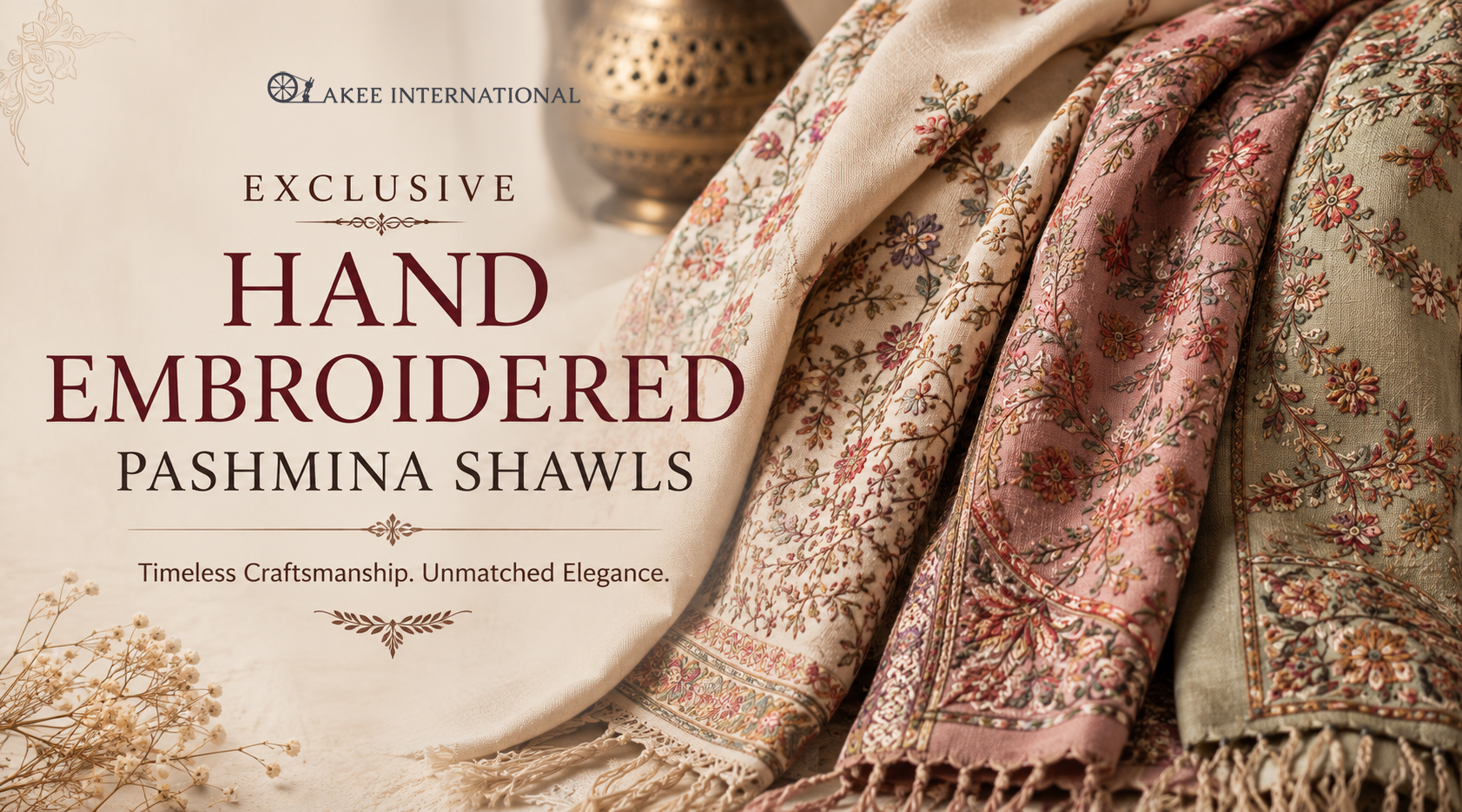
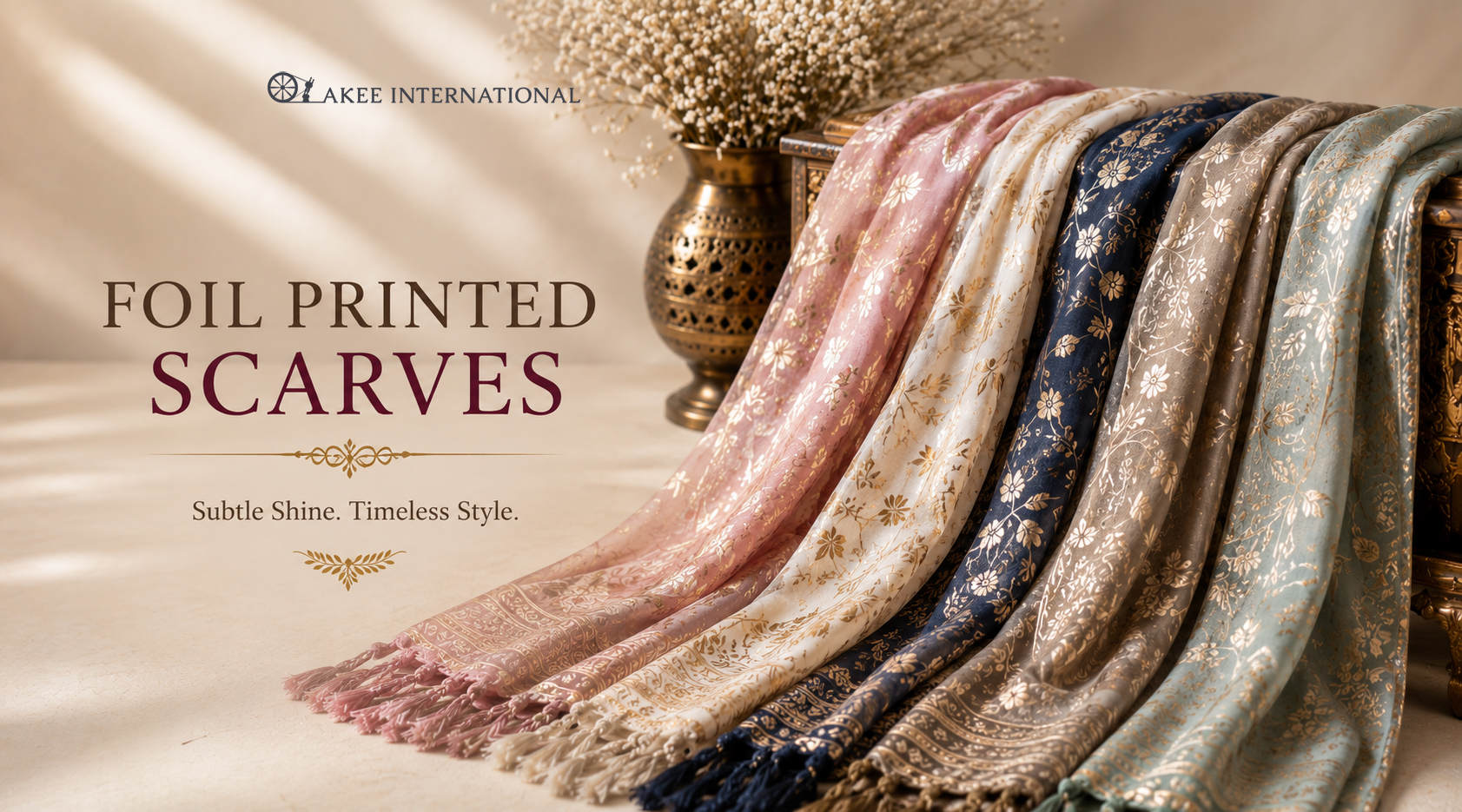
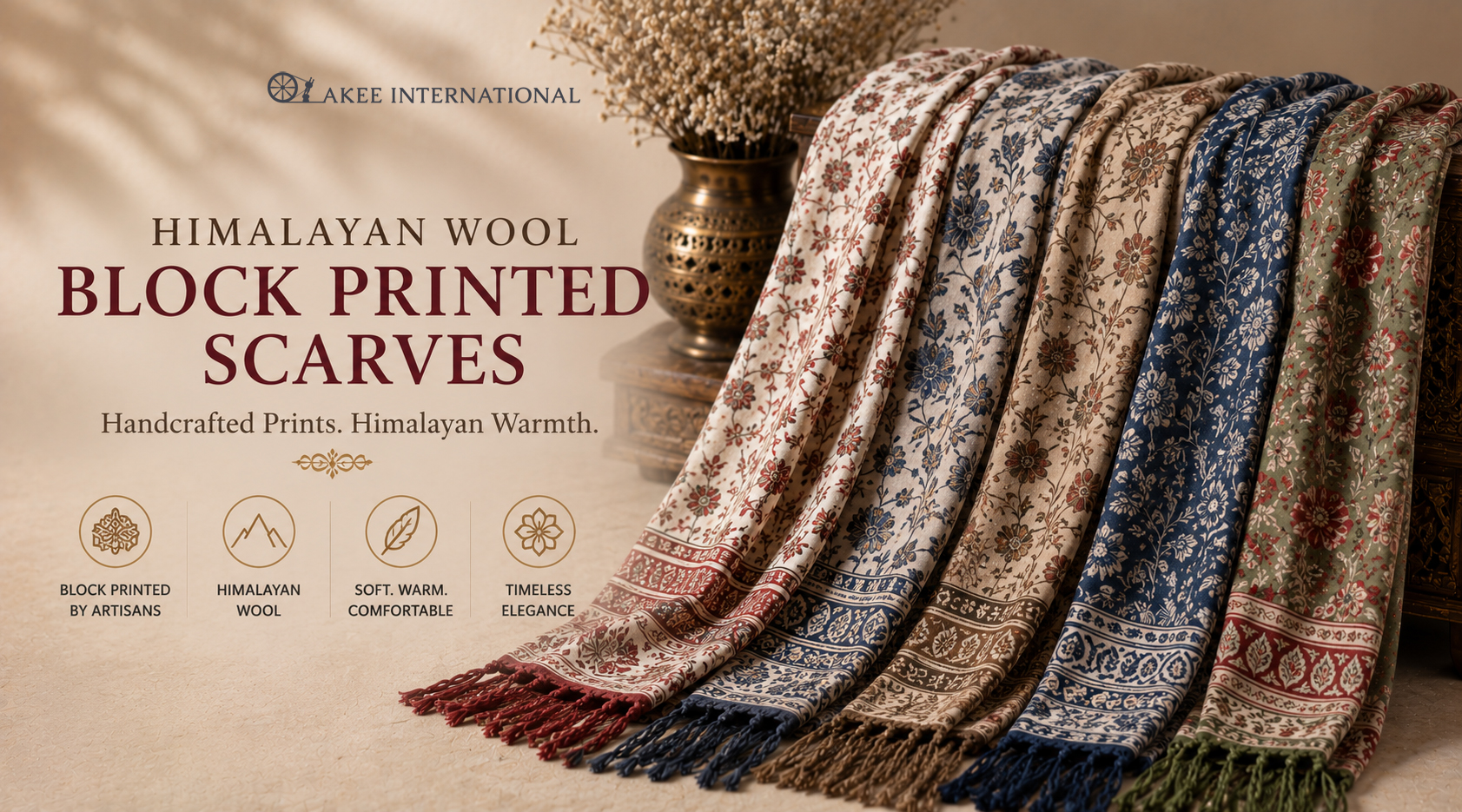
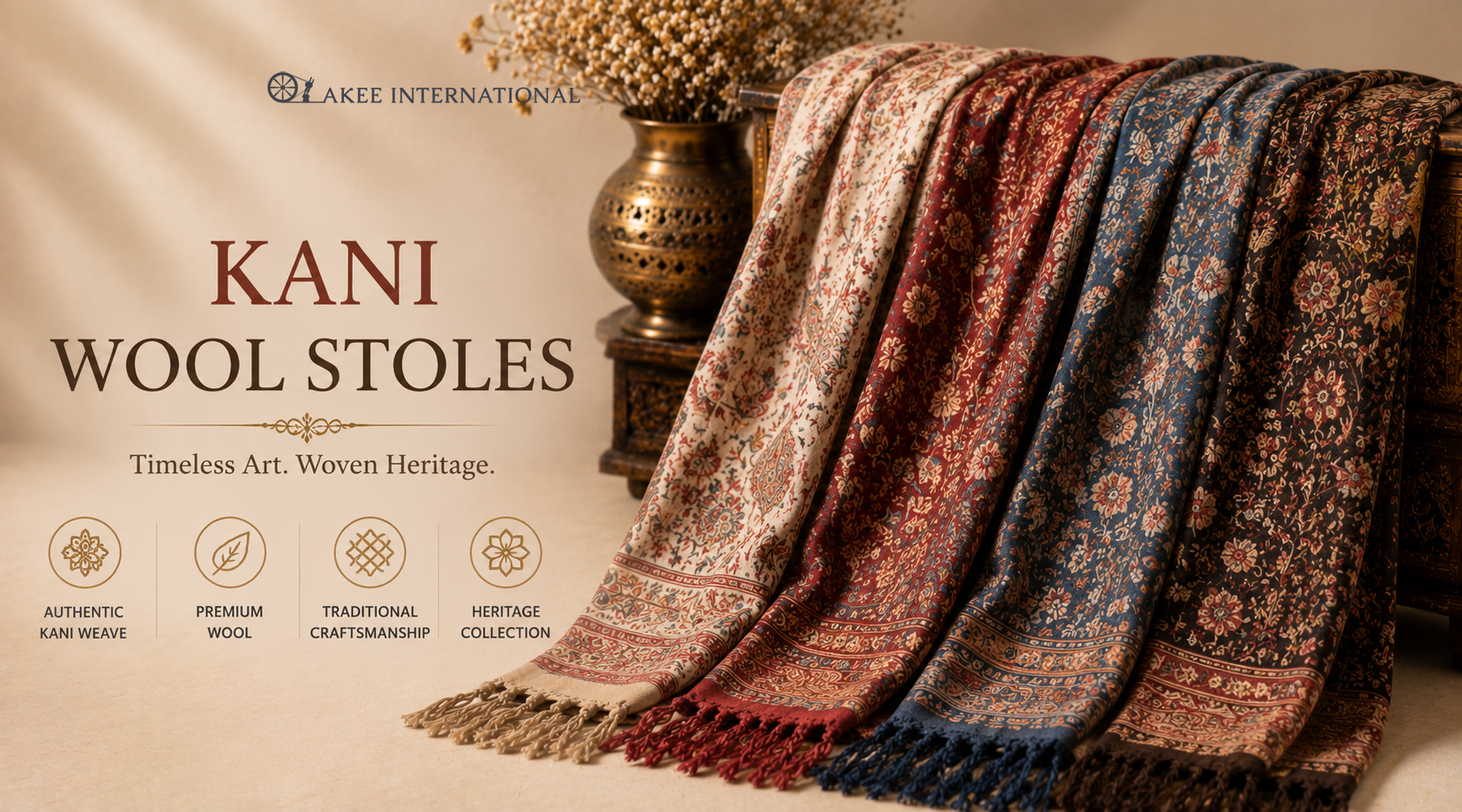
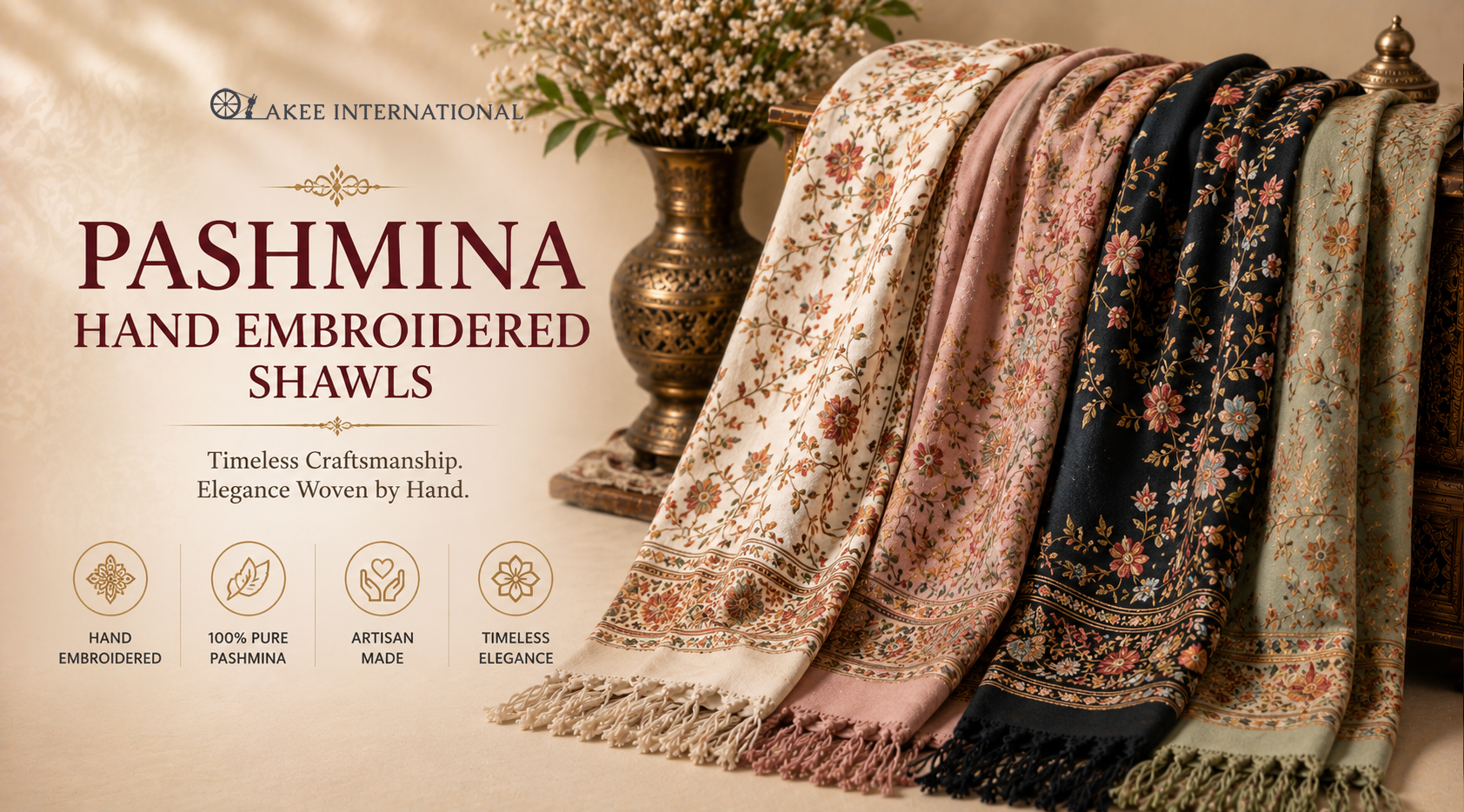
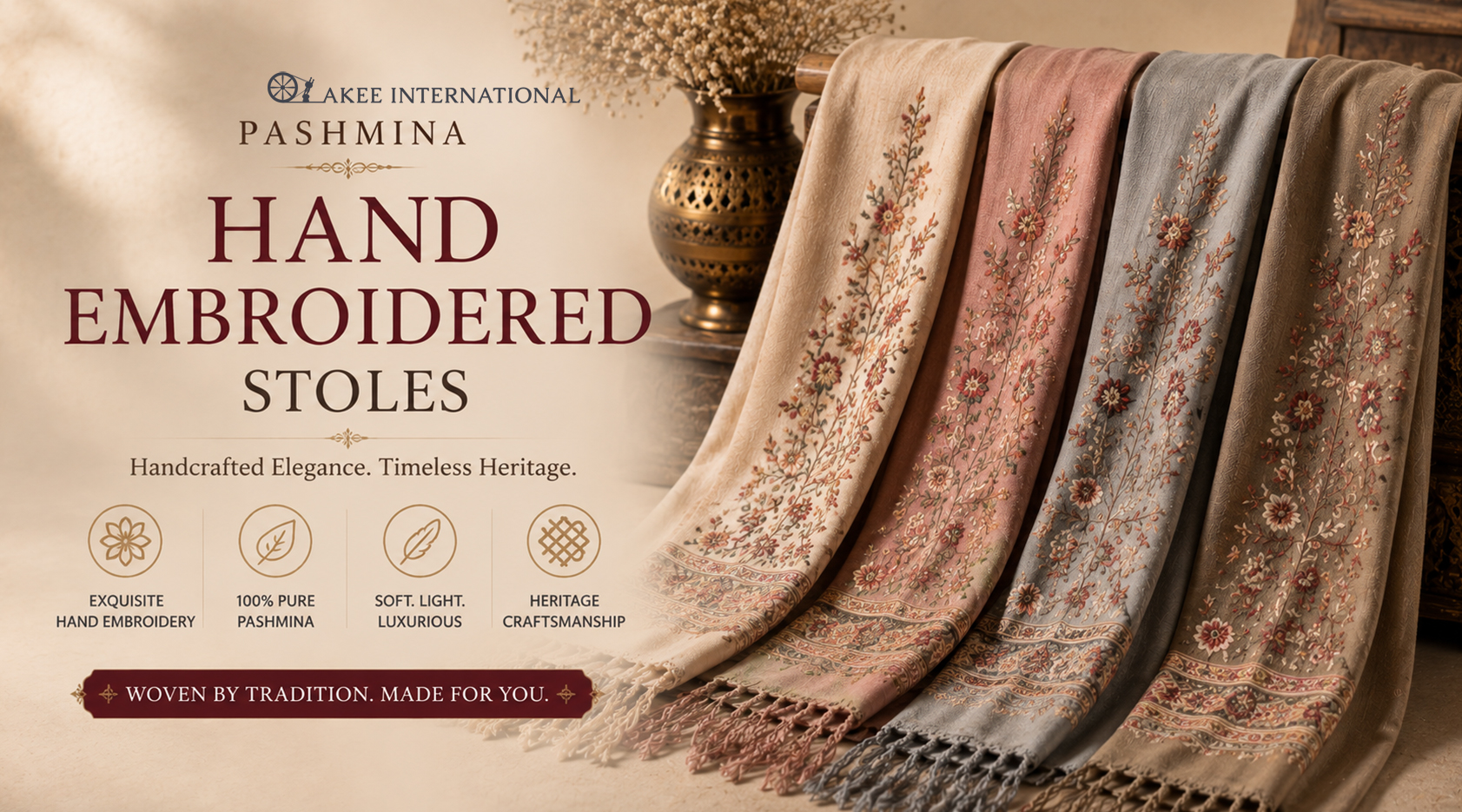
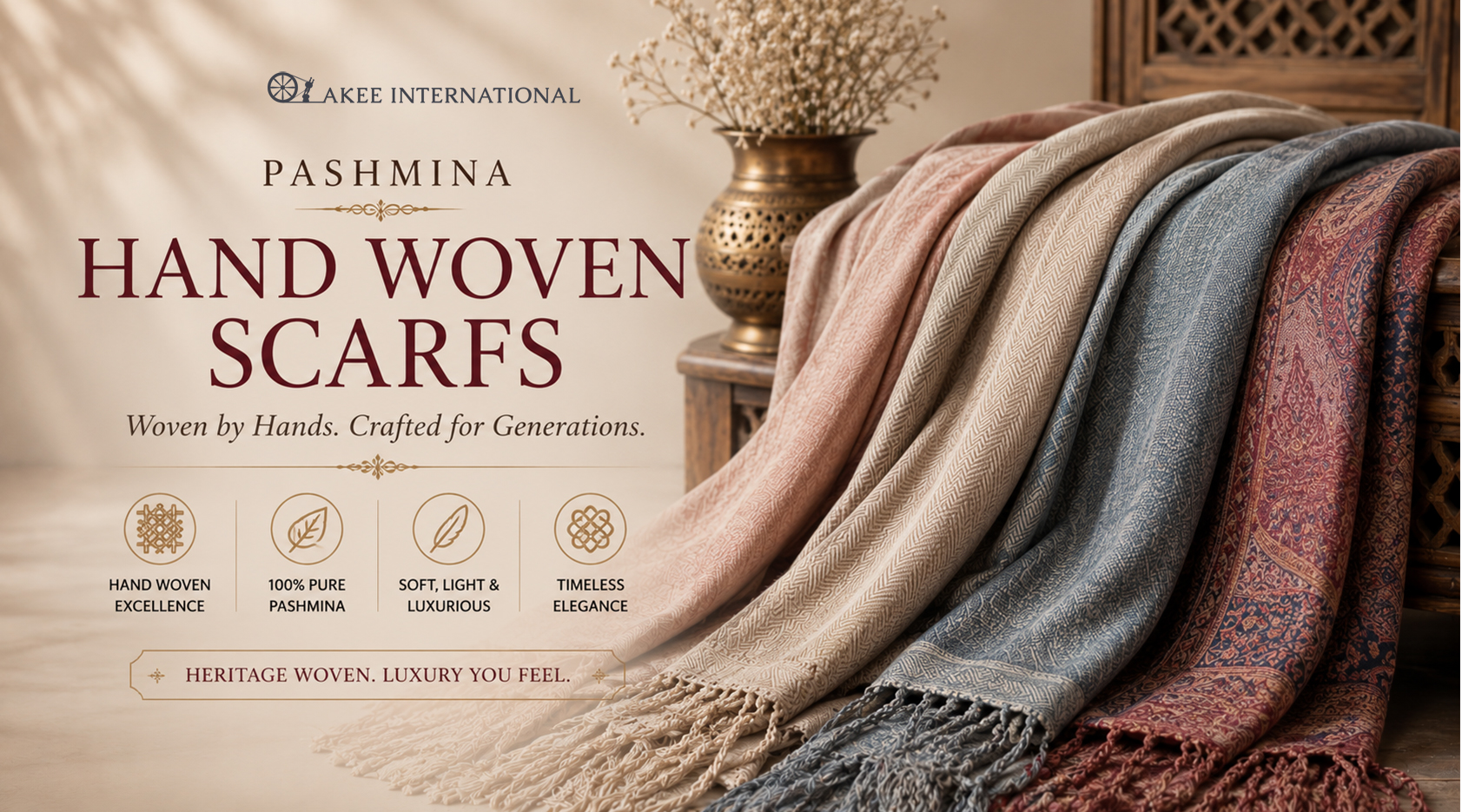
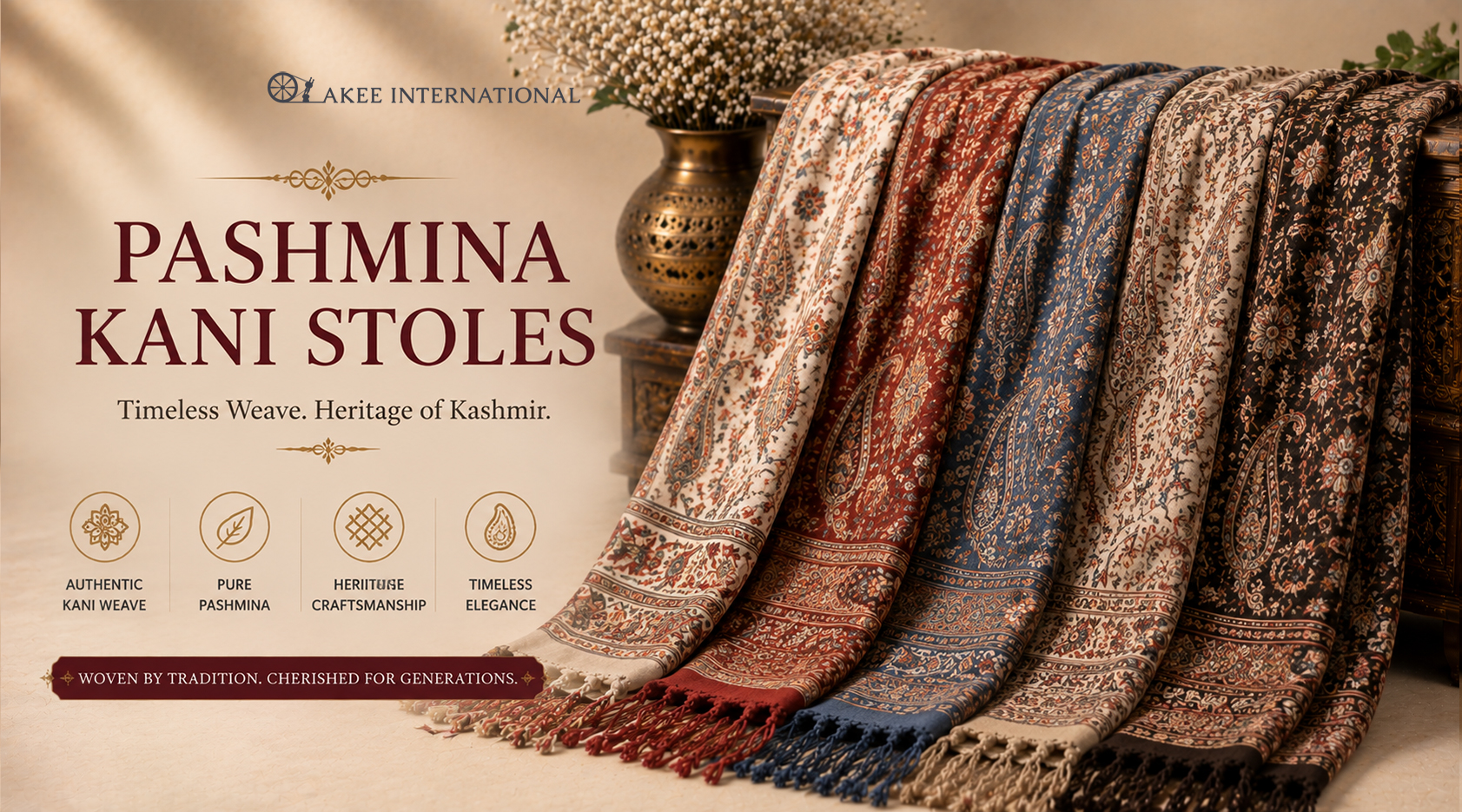
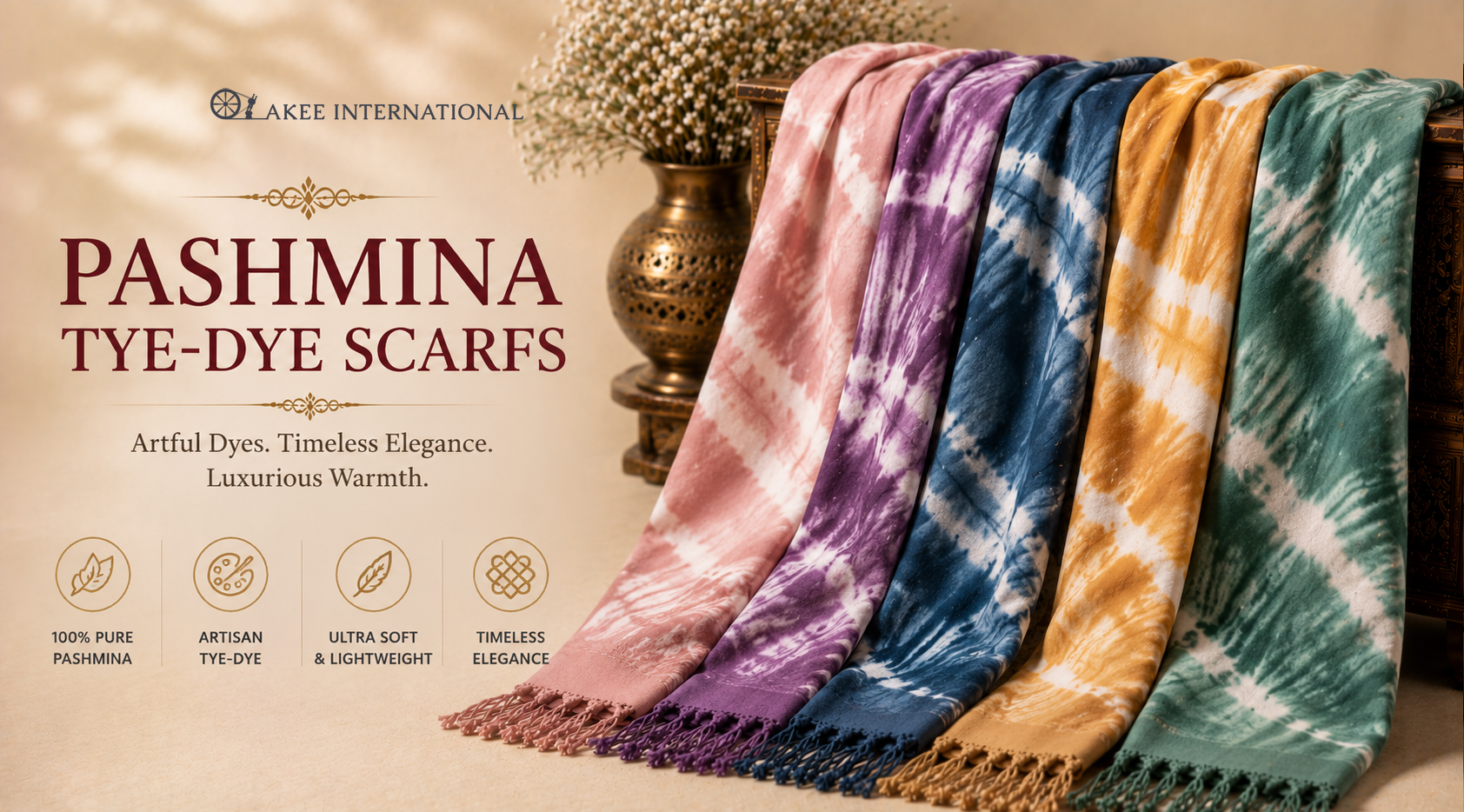
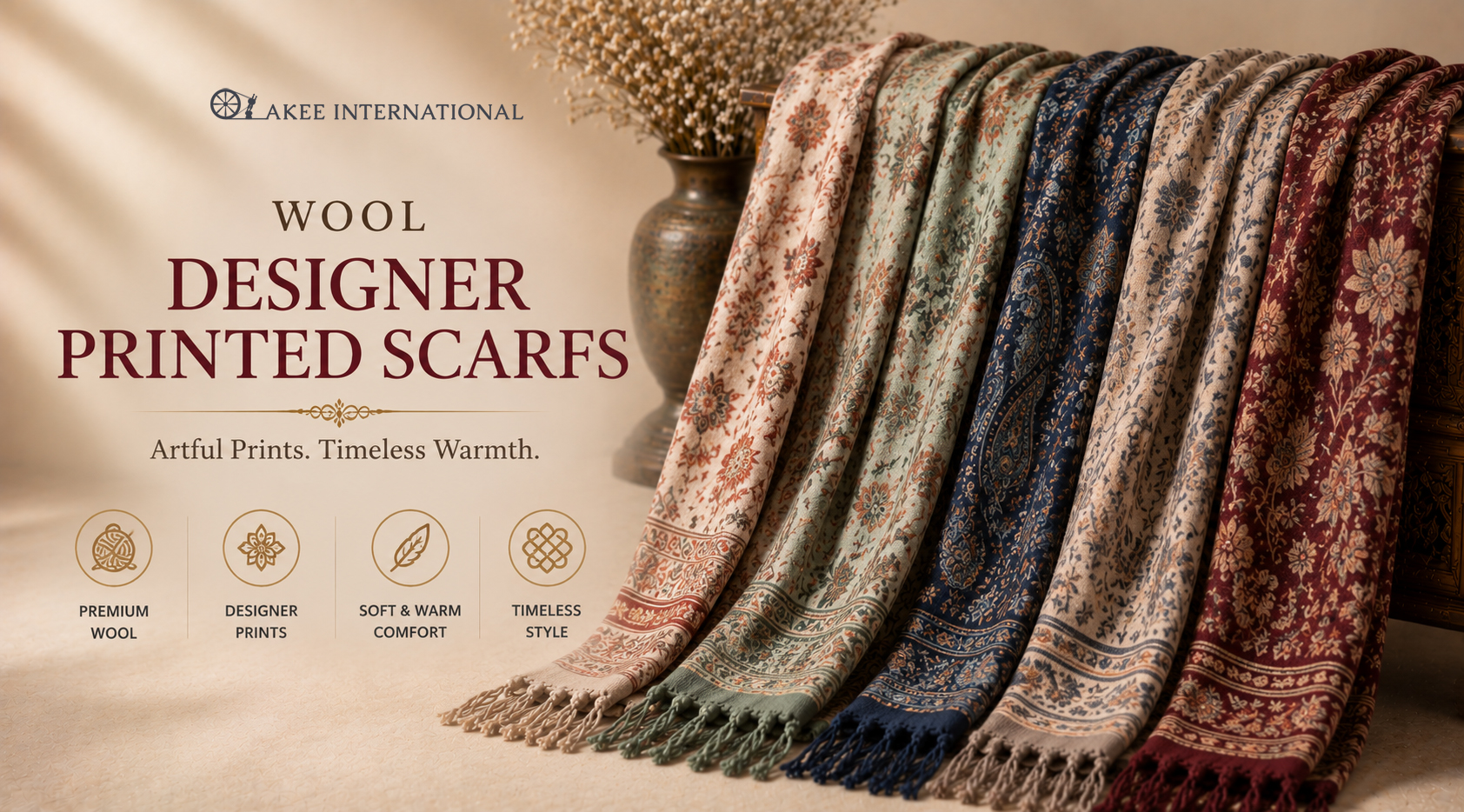
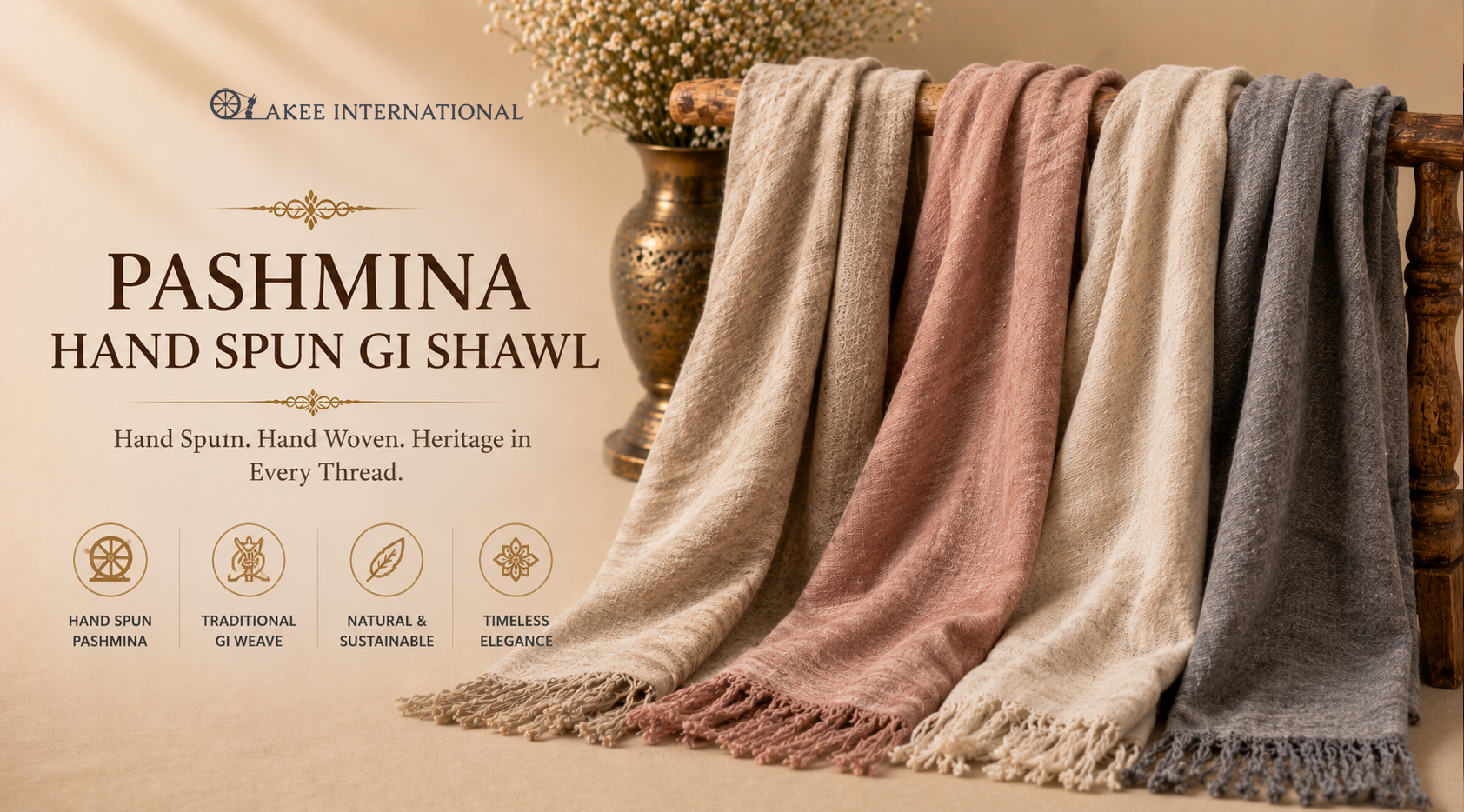
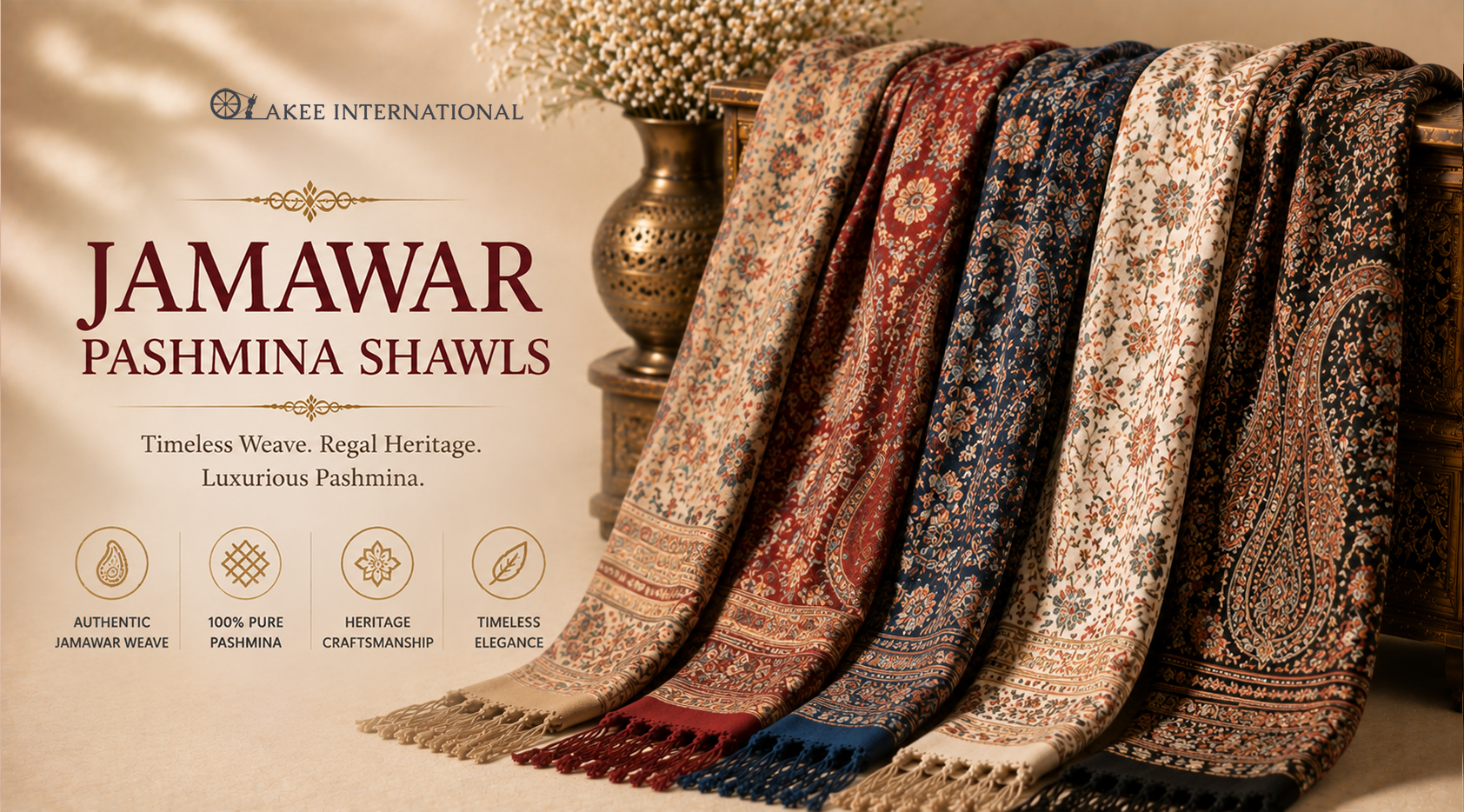
Discover exquisite Pashmina shawls, beautifully crafted with Kashmir’s timeless heritage and artistry.
"Read what our clients say about their experience with Akee International's luxurious Pashmina shawls and impeccable service."

Nai Mata Mandir Road, Thathar Road, Delhi By Pass, Amer, Jaipur 302028, Rajasthan India
Get directions Call Now Whatsapp 4.9 based on 269 reviews

Rating: 4.6/5 | 85 Reviews

Rating: 4.9/5 | 269 Reviews

TrustScore: 4.9 | 100 Reviews