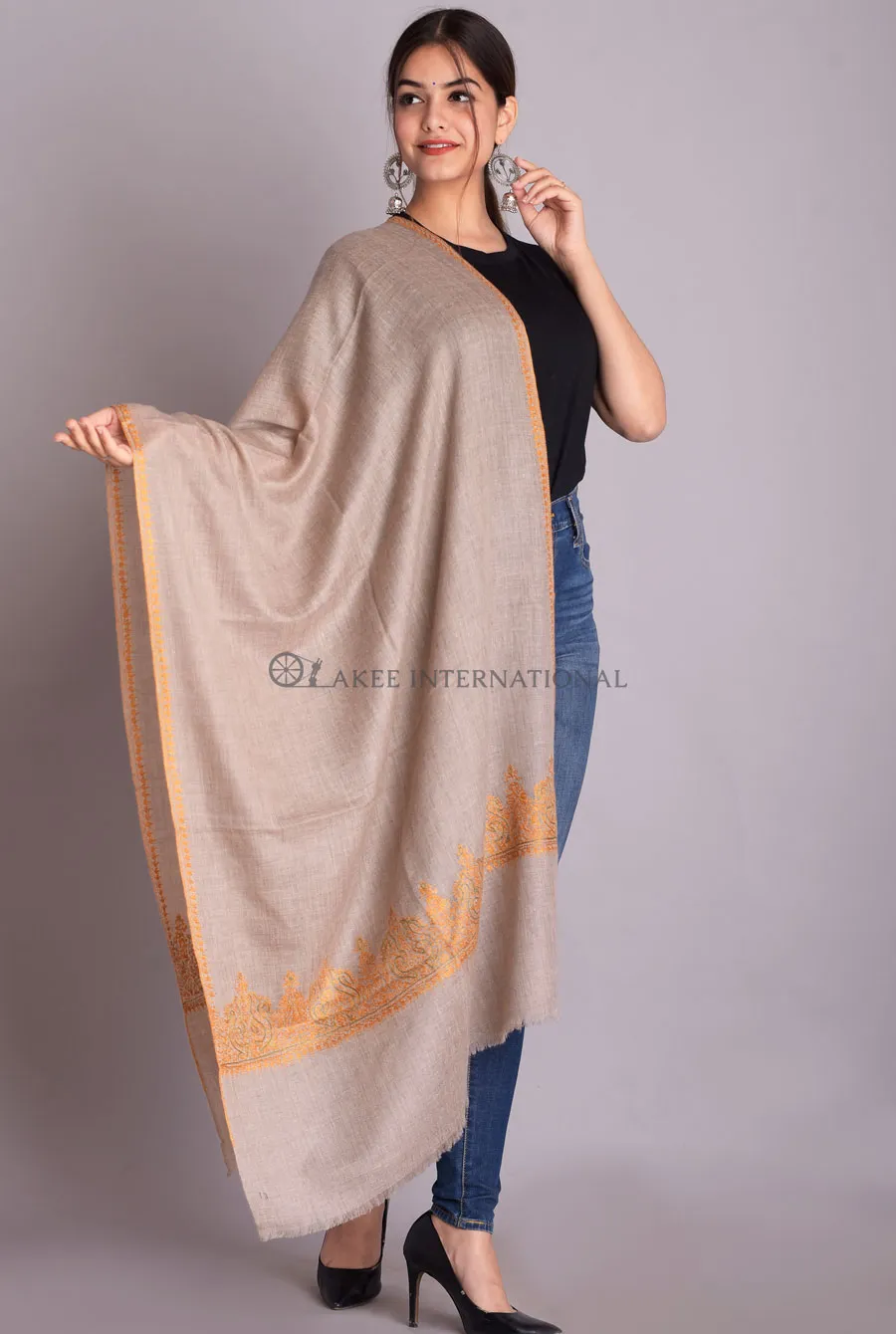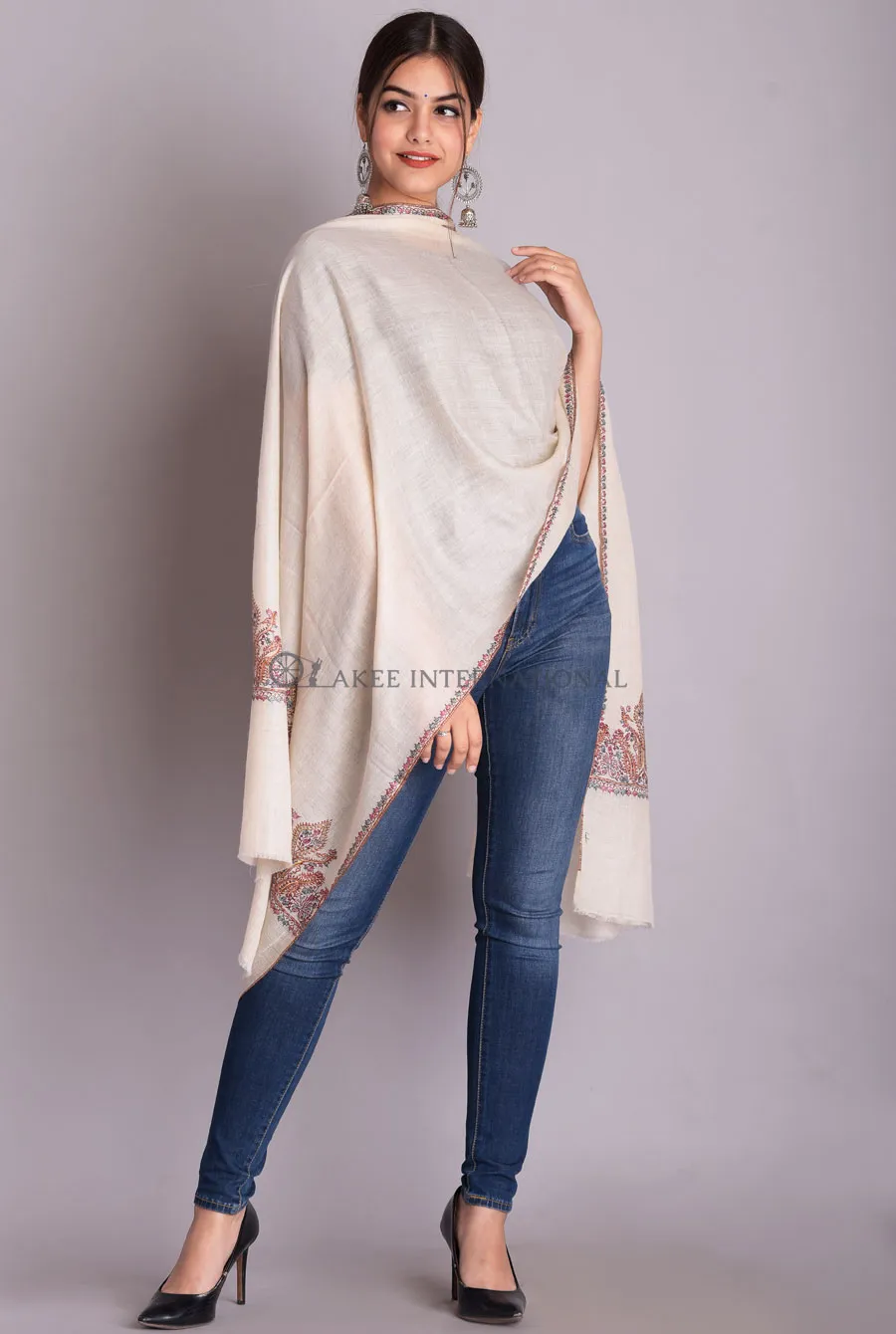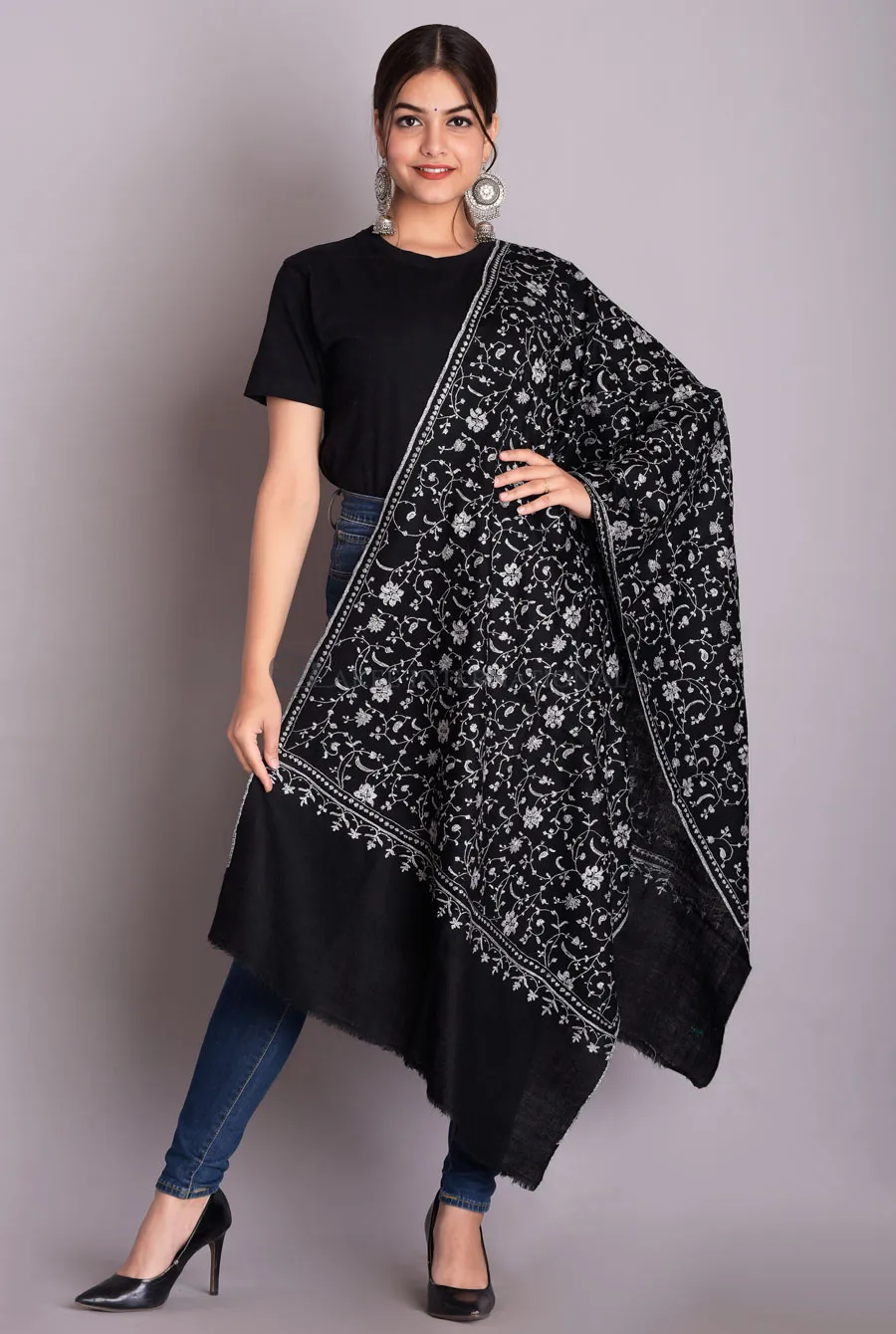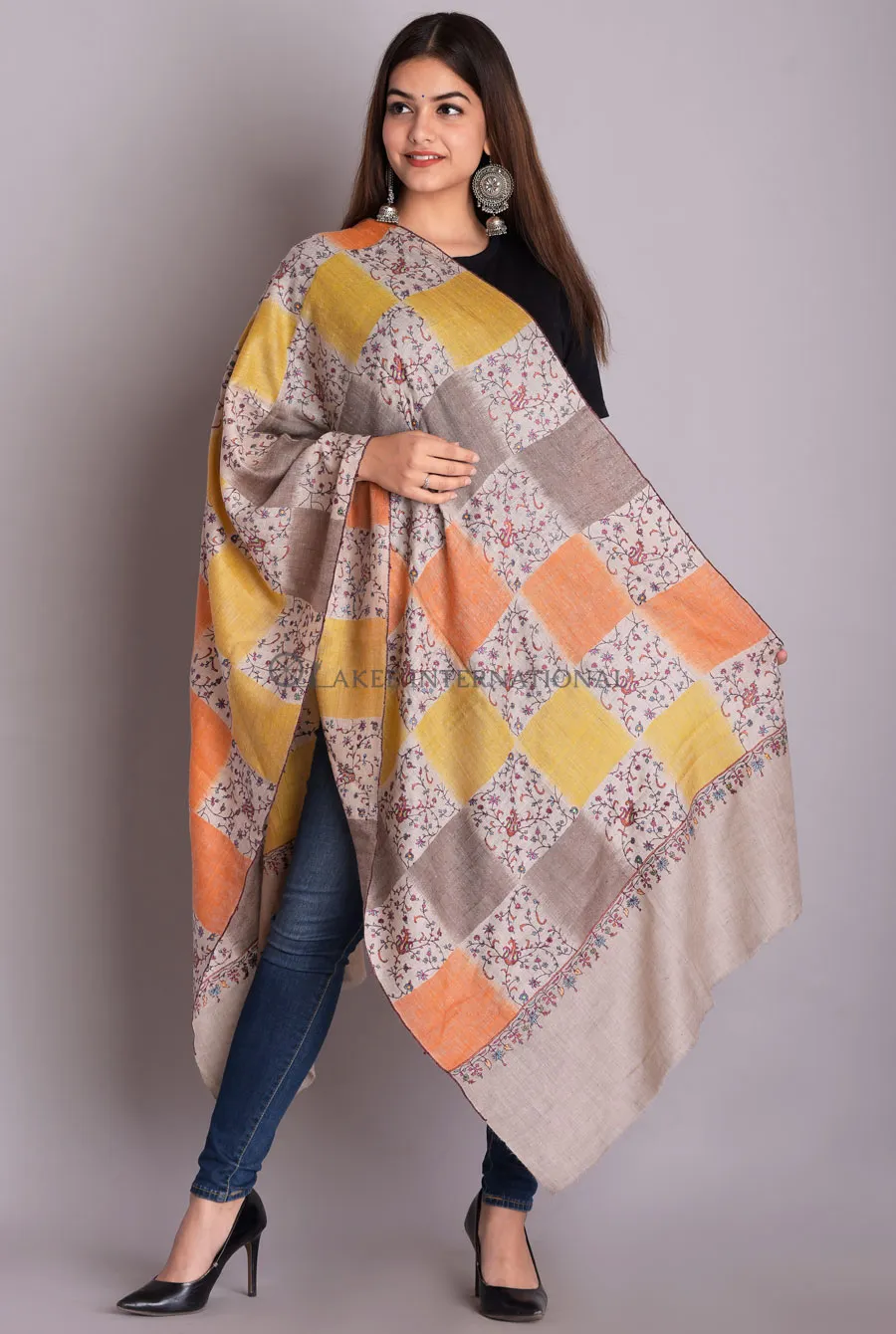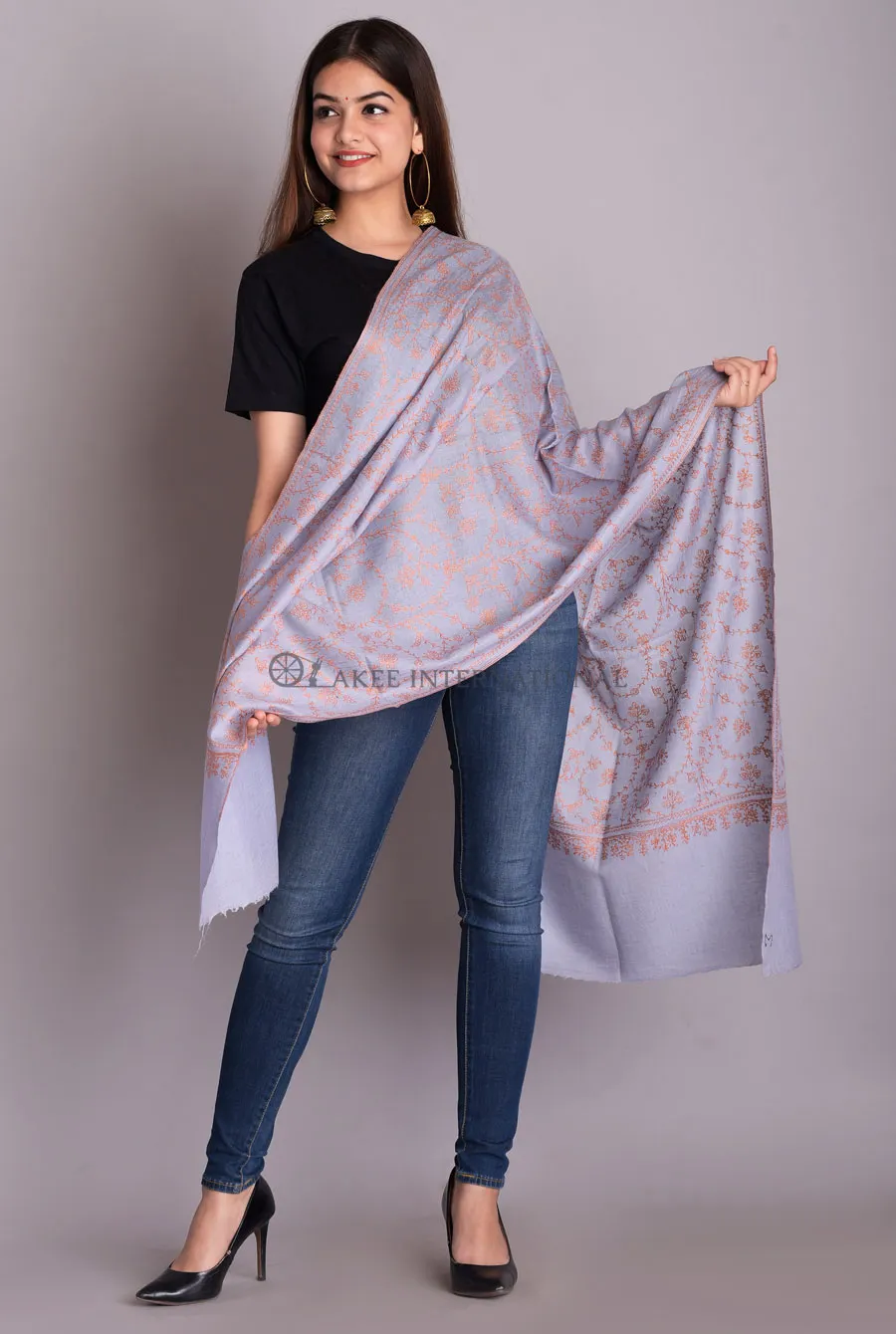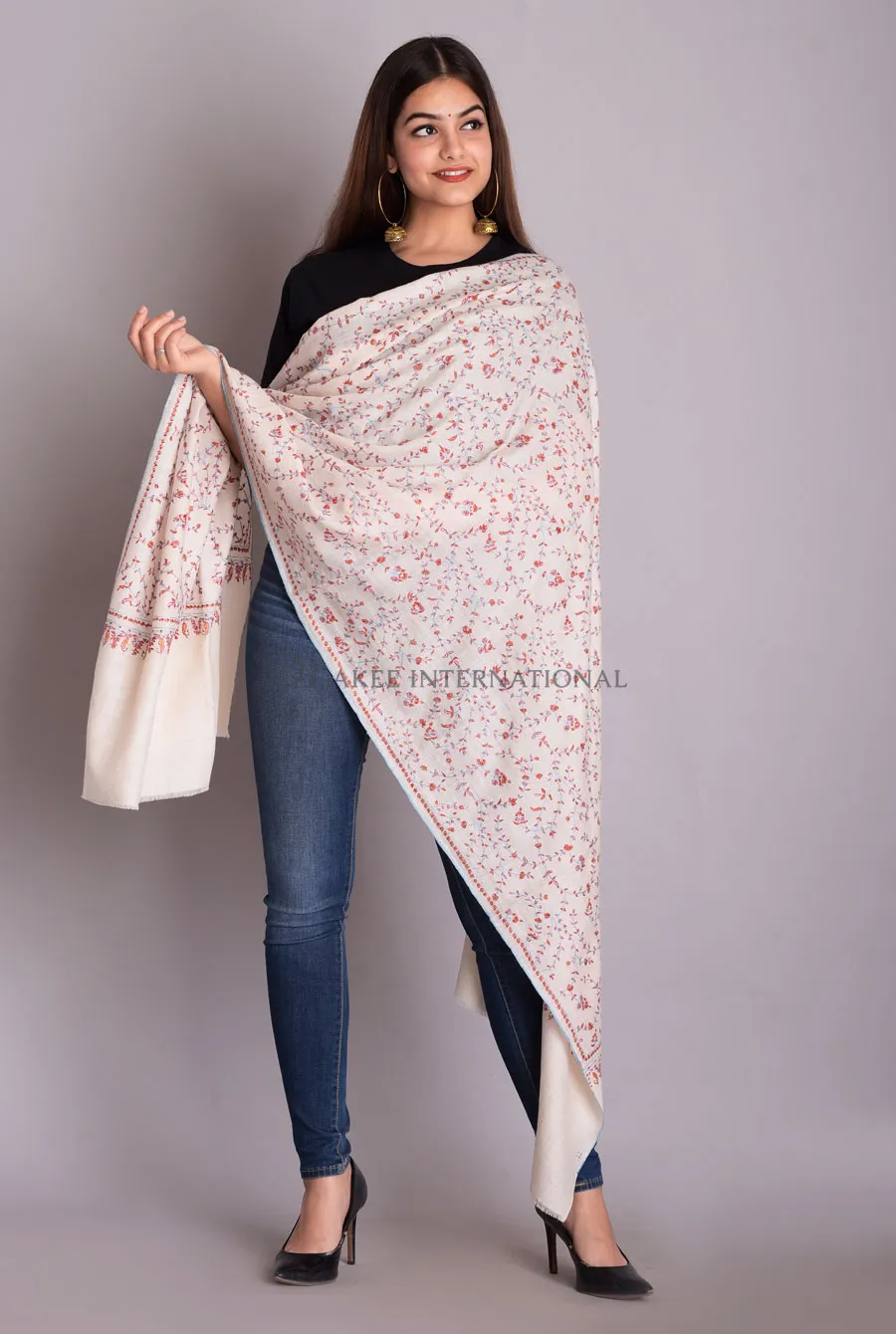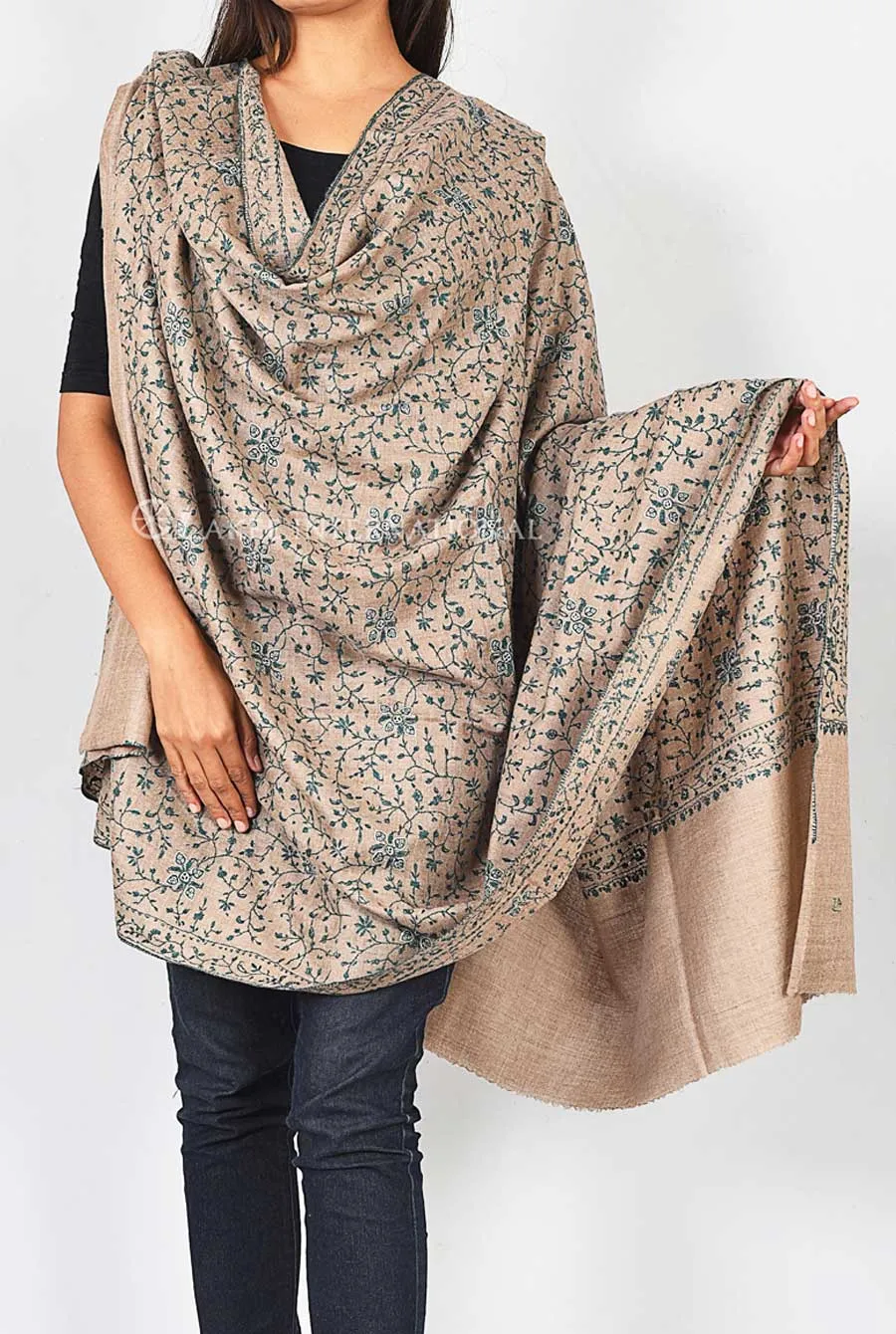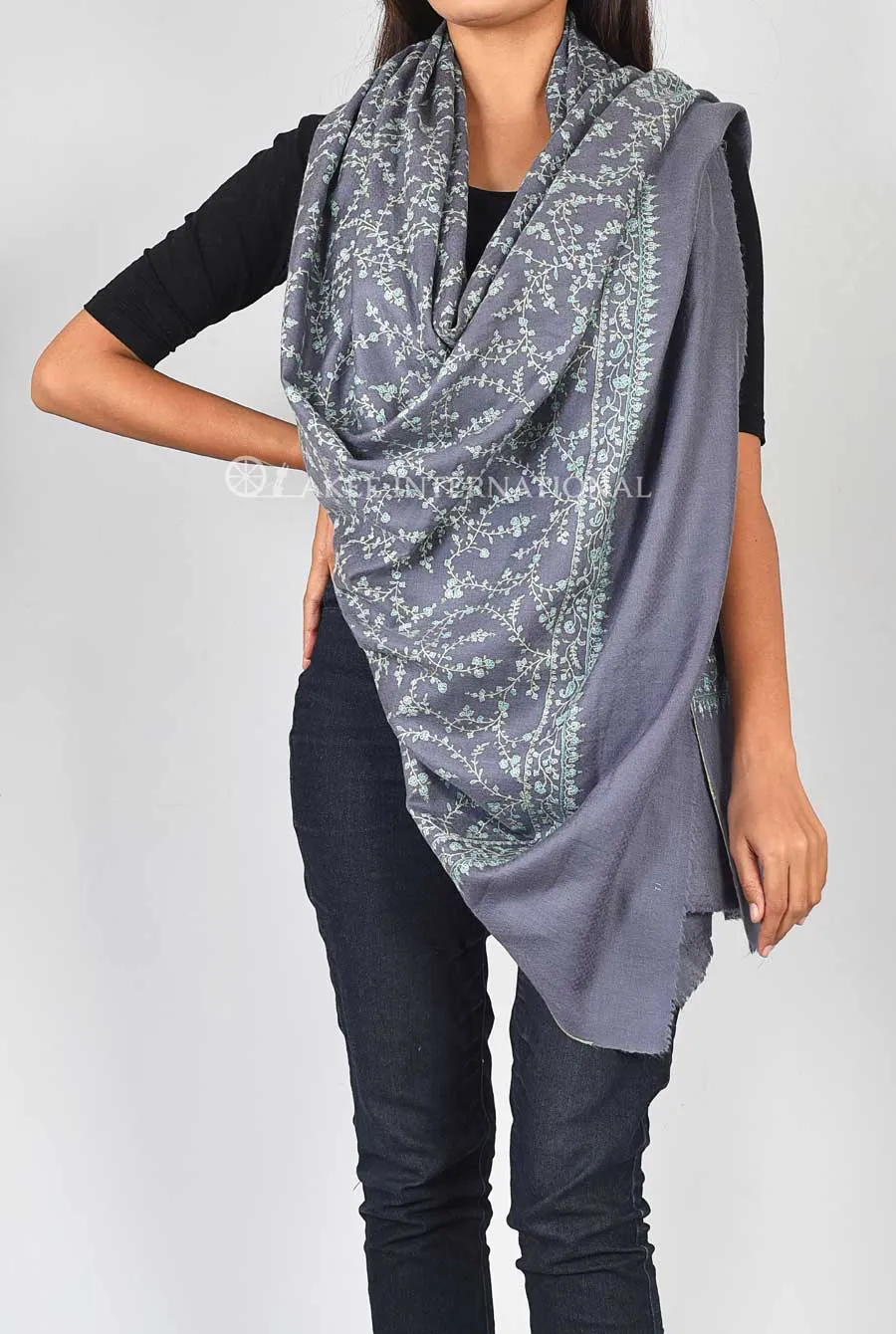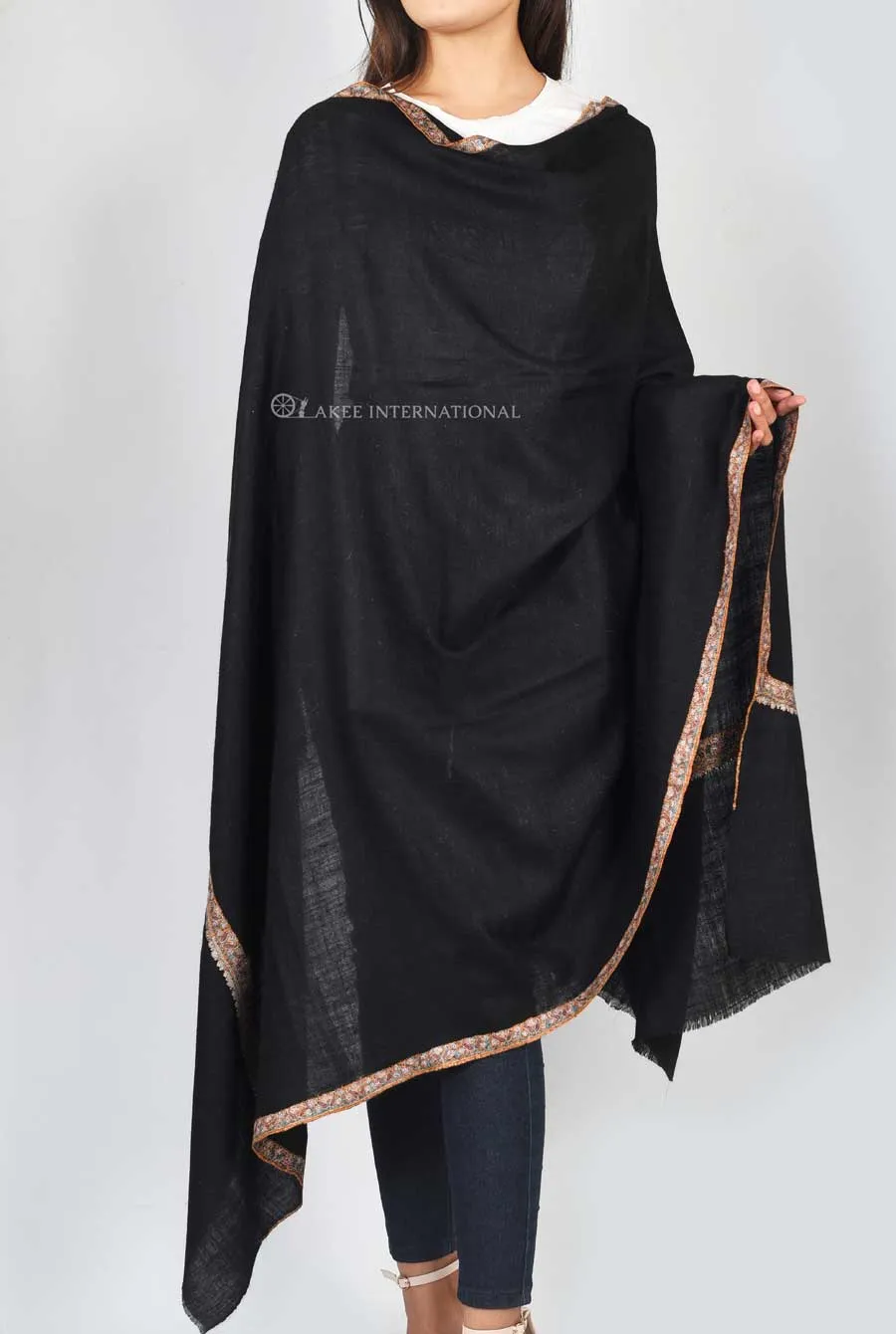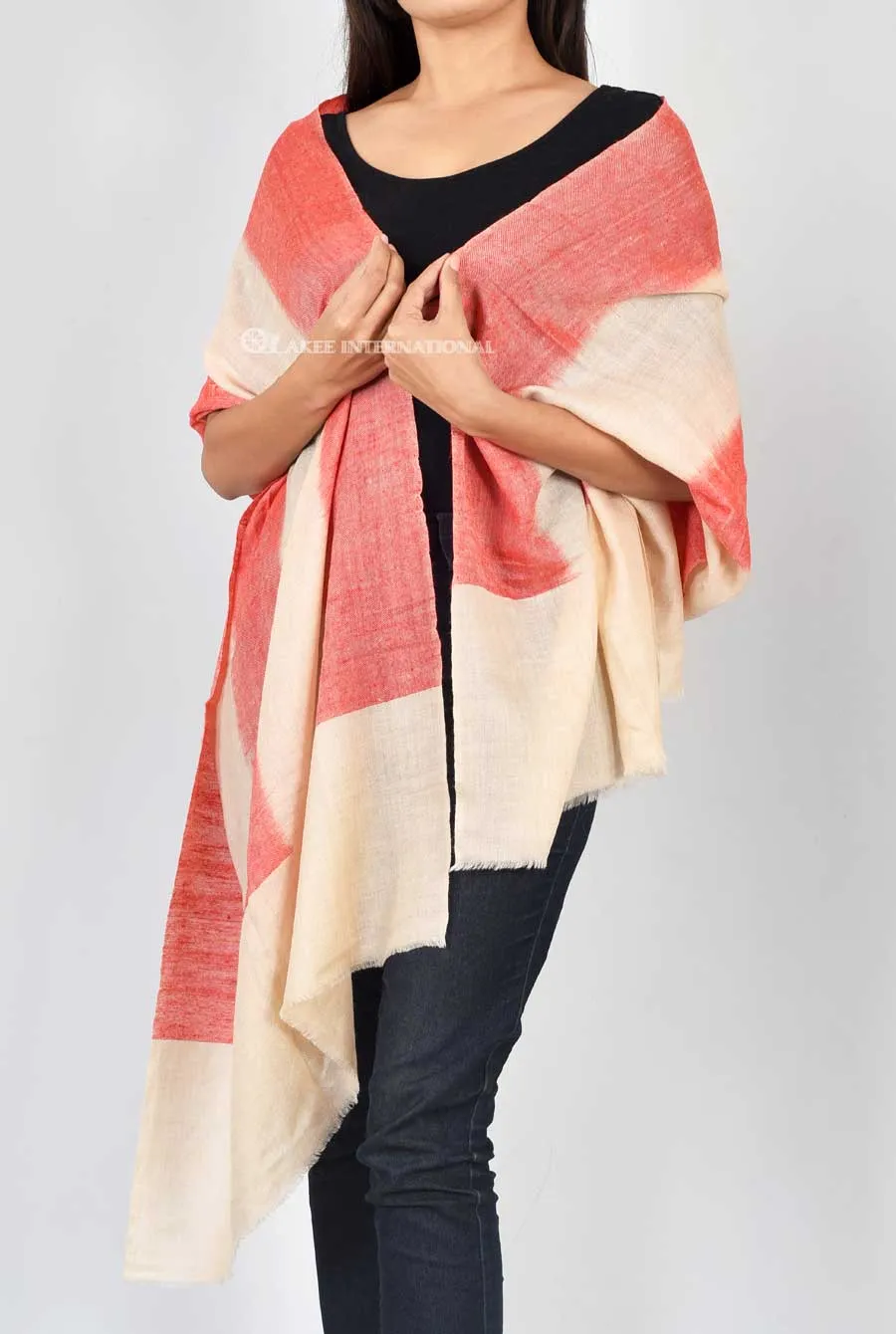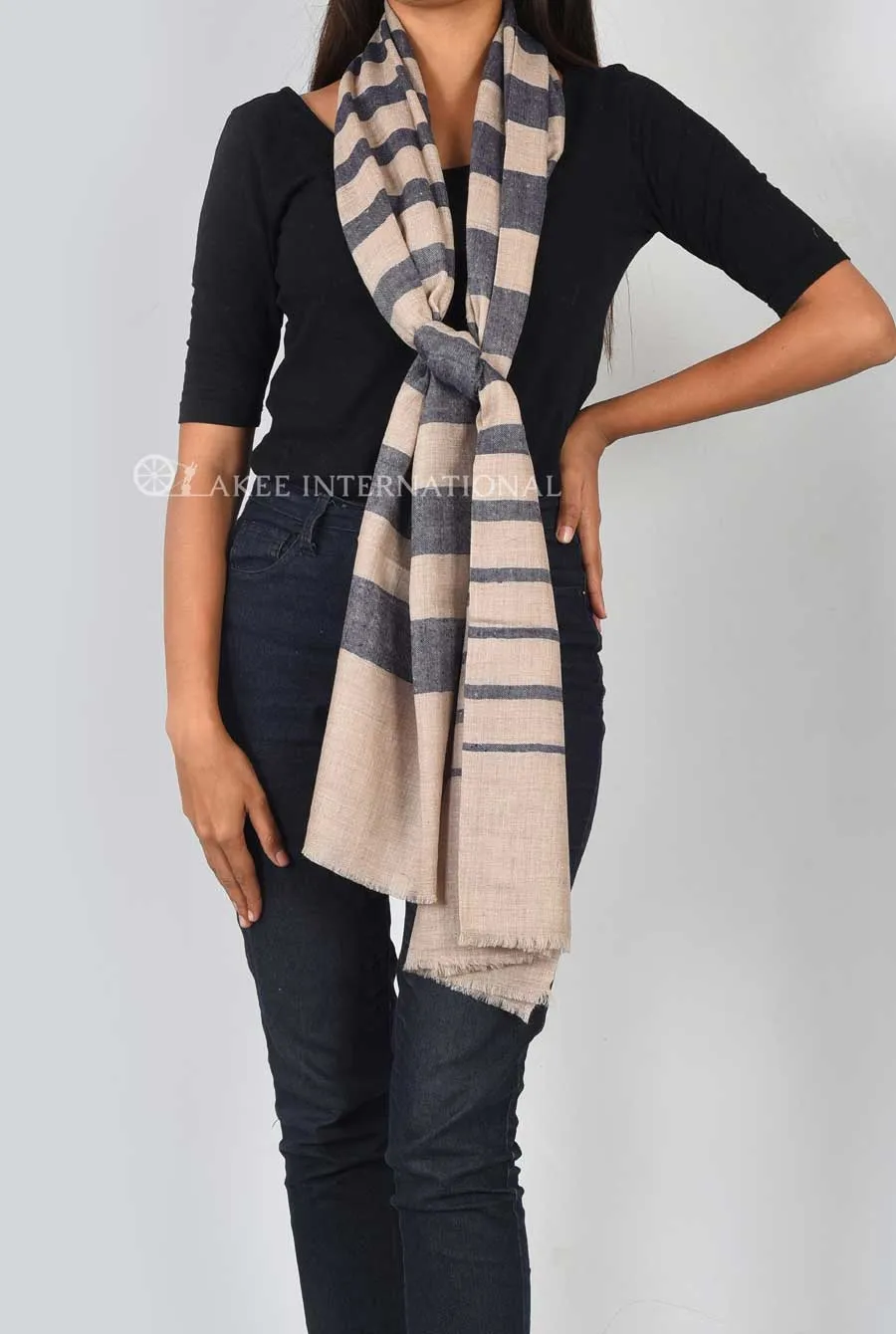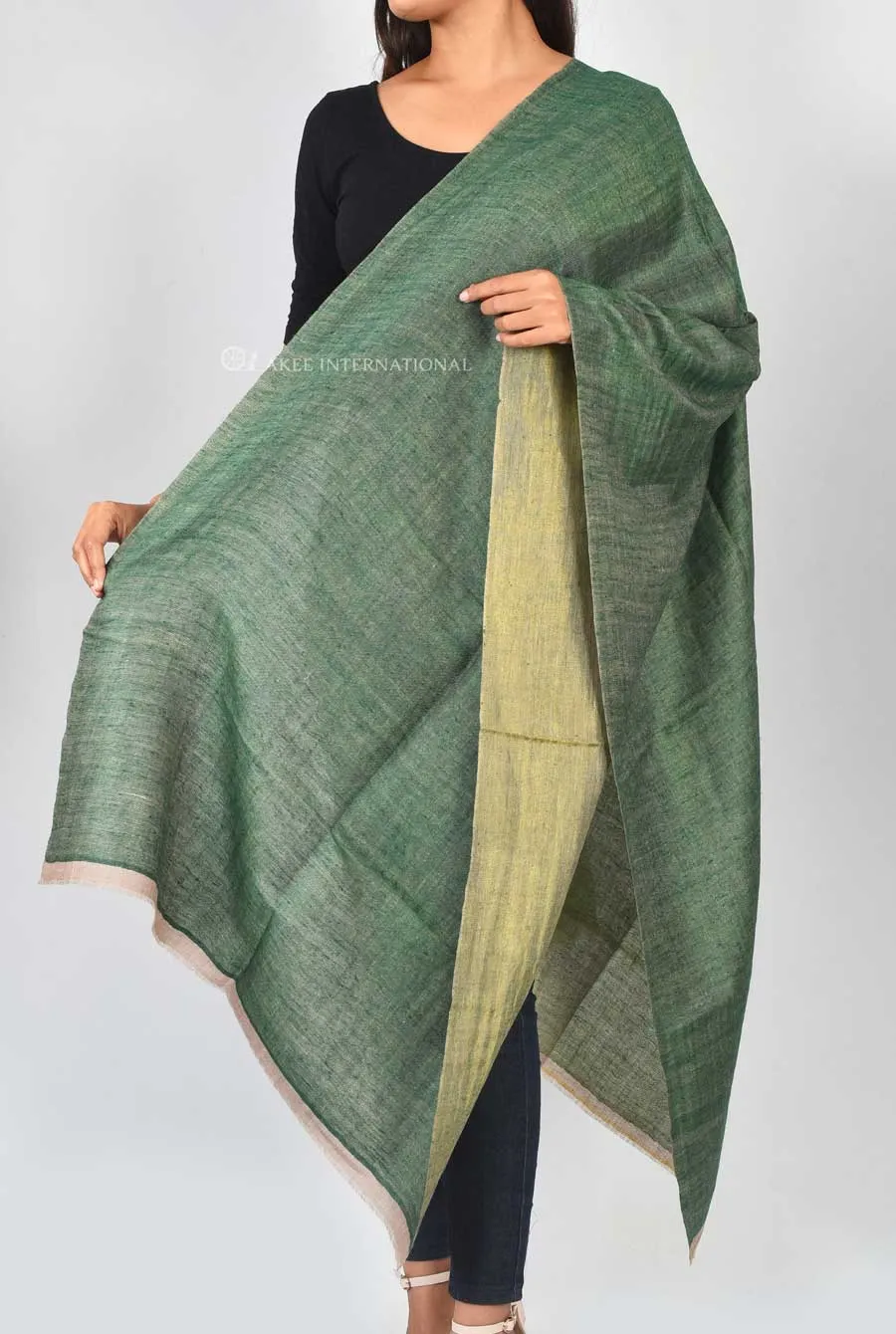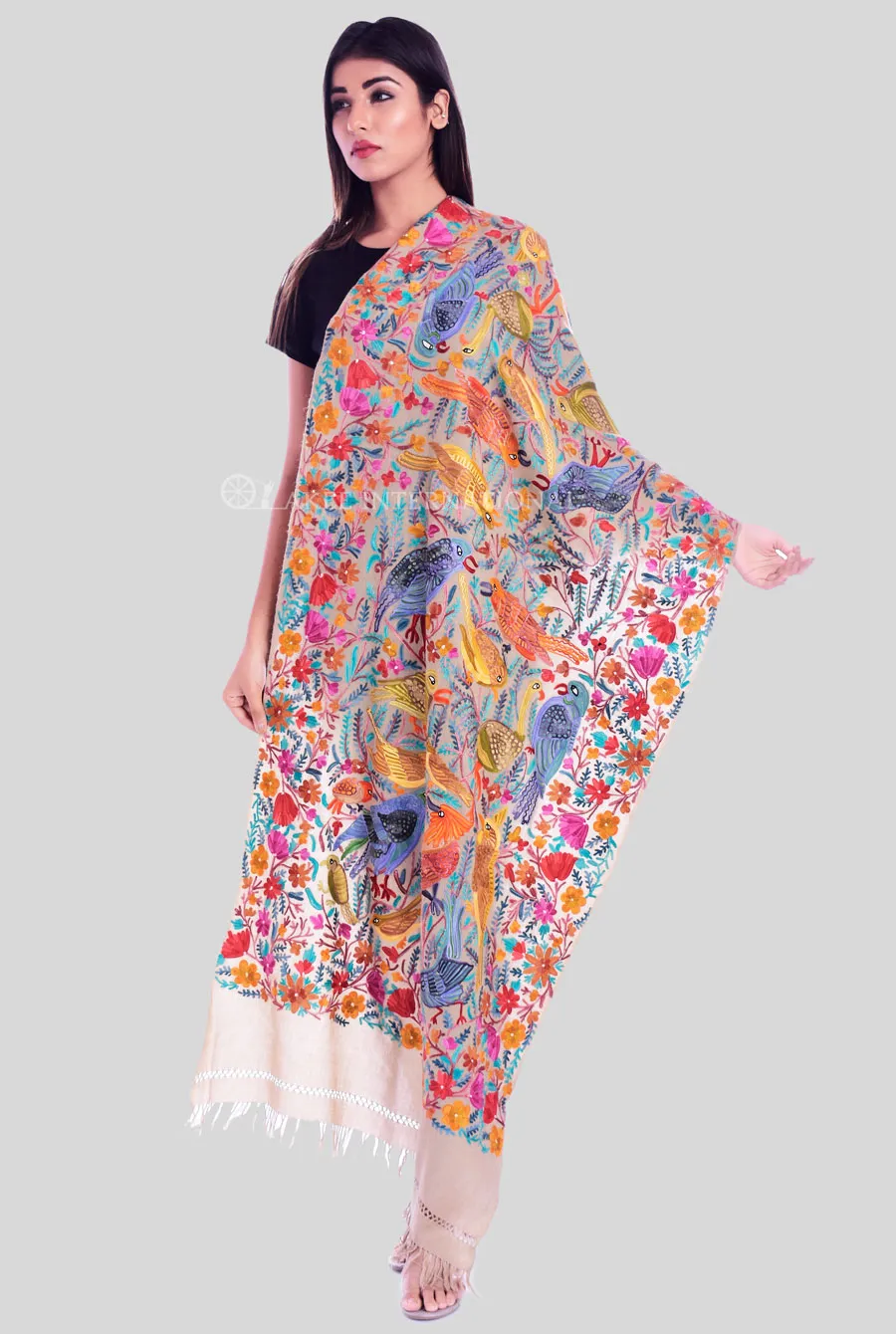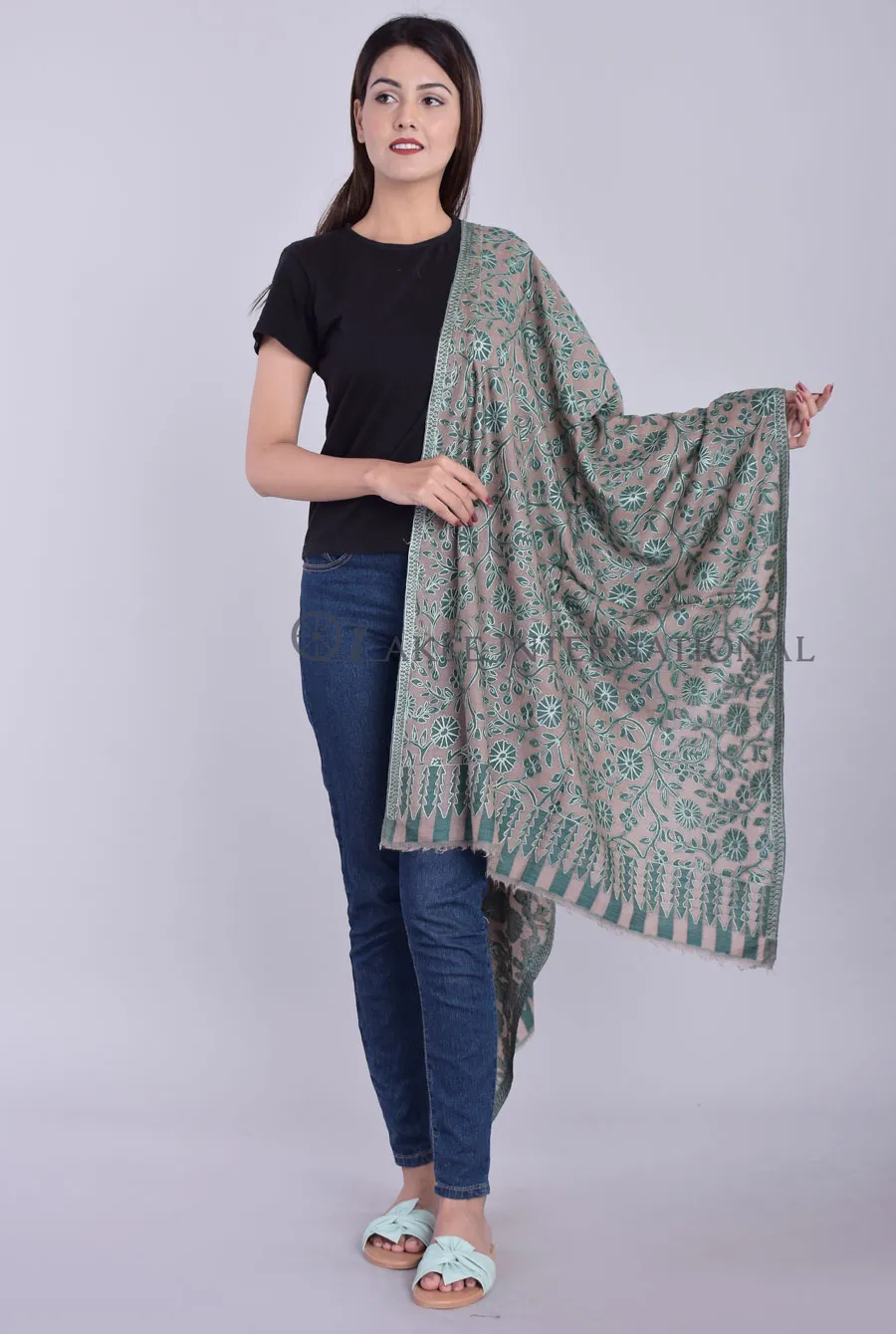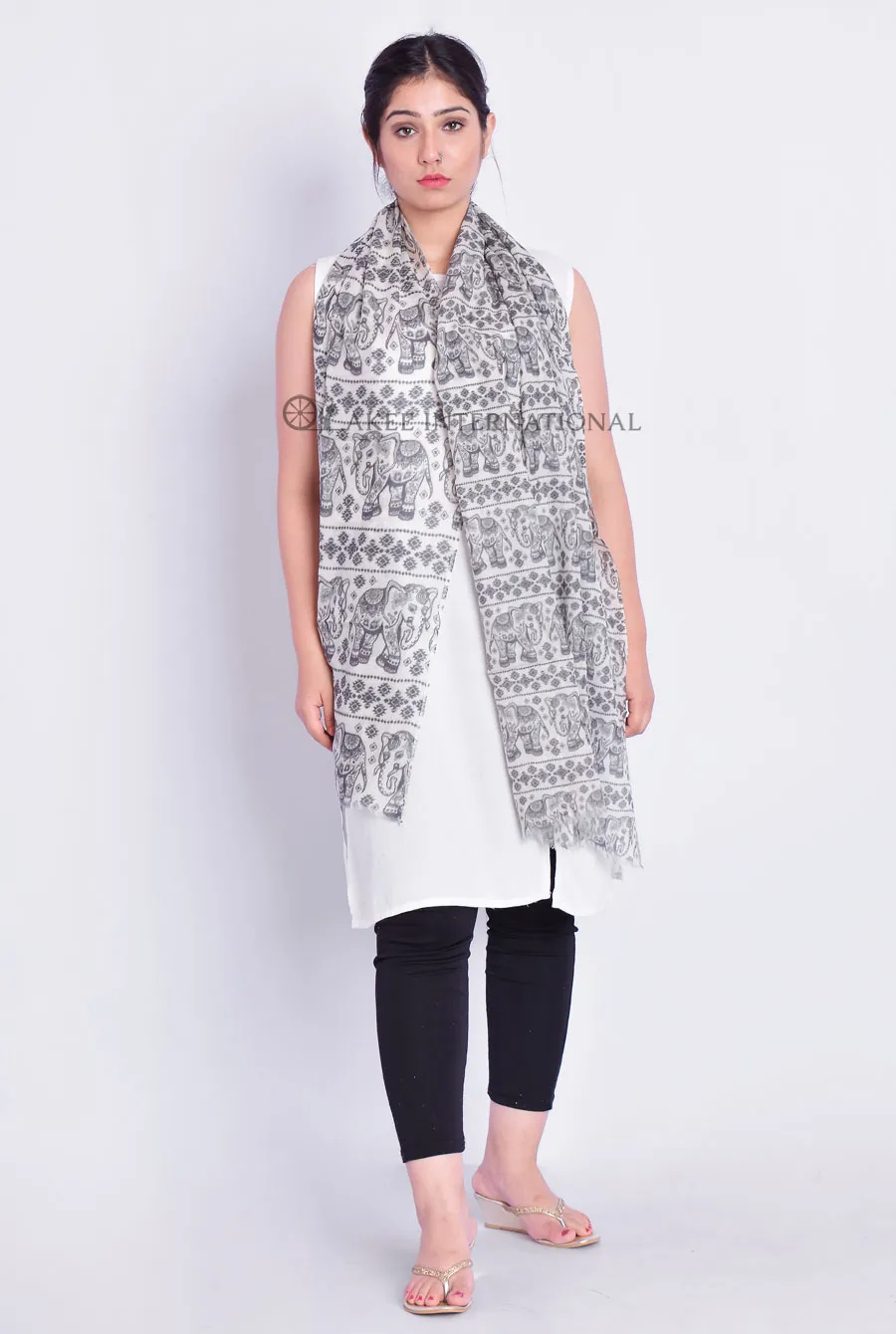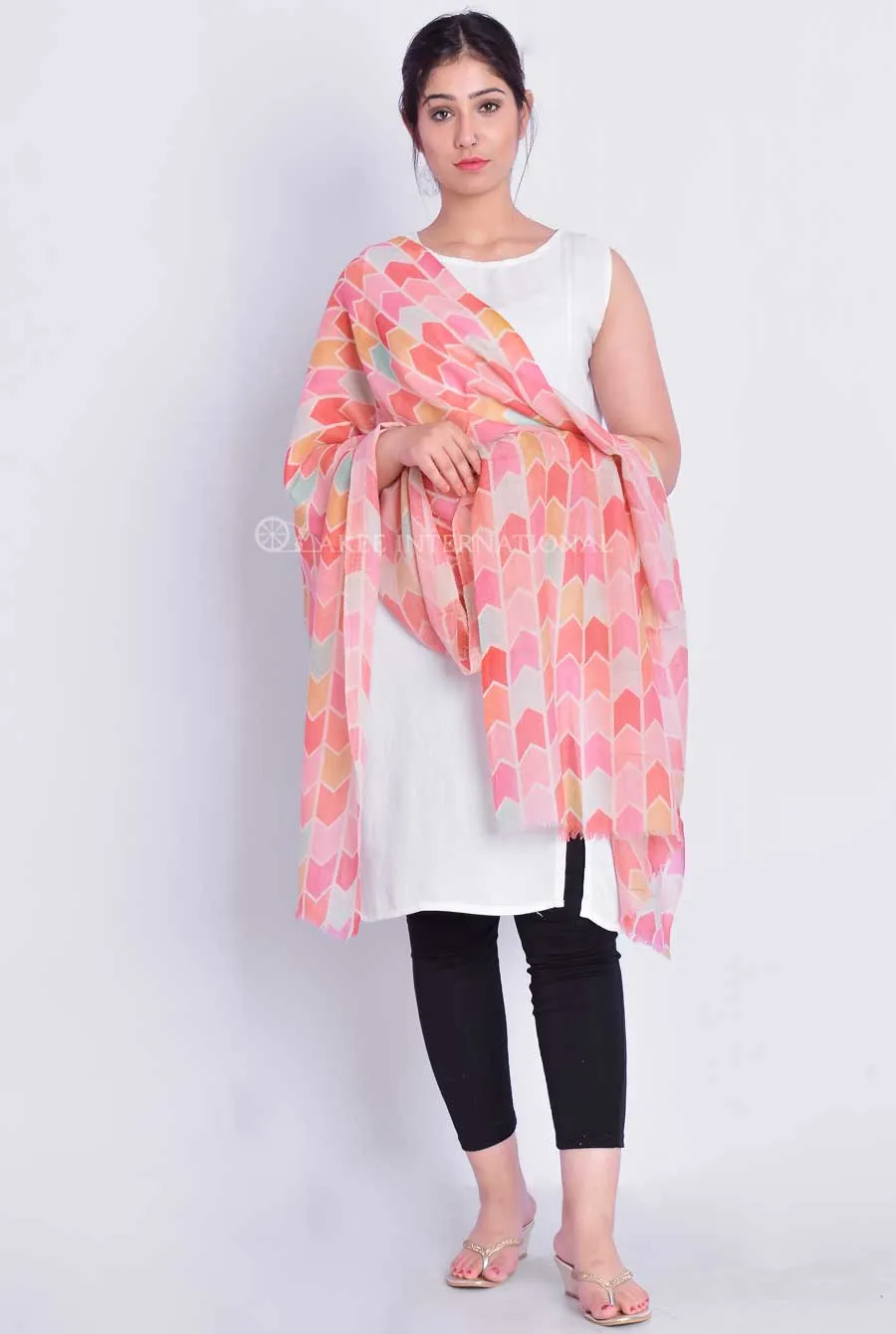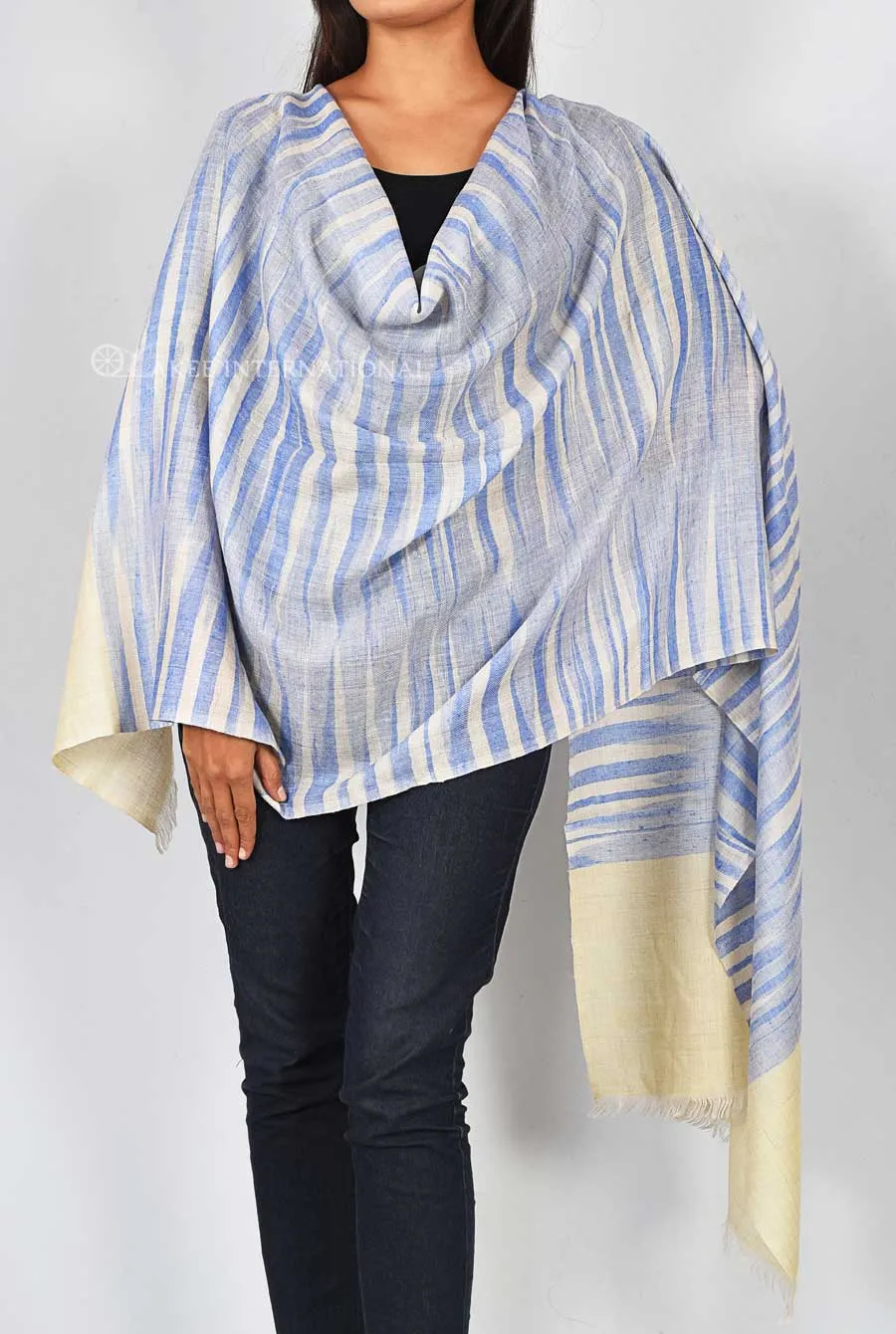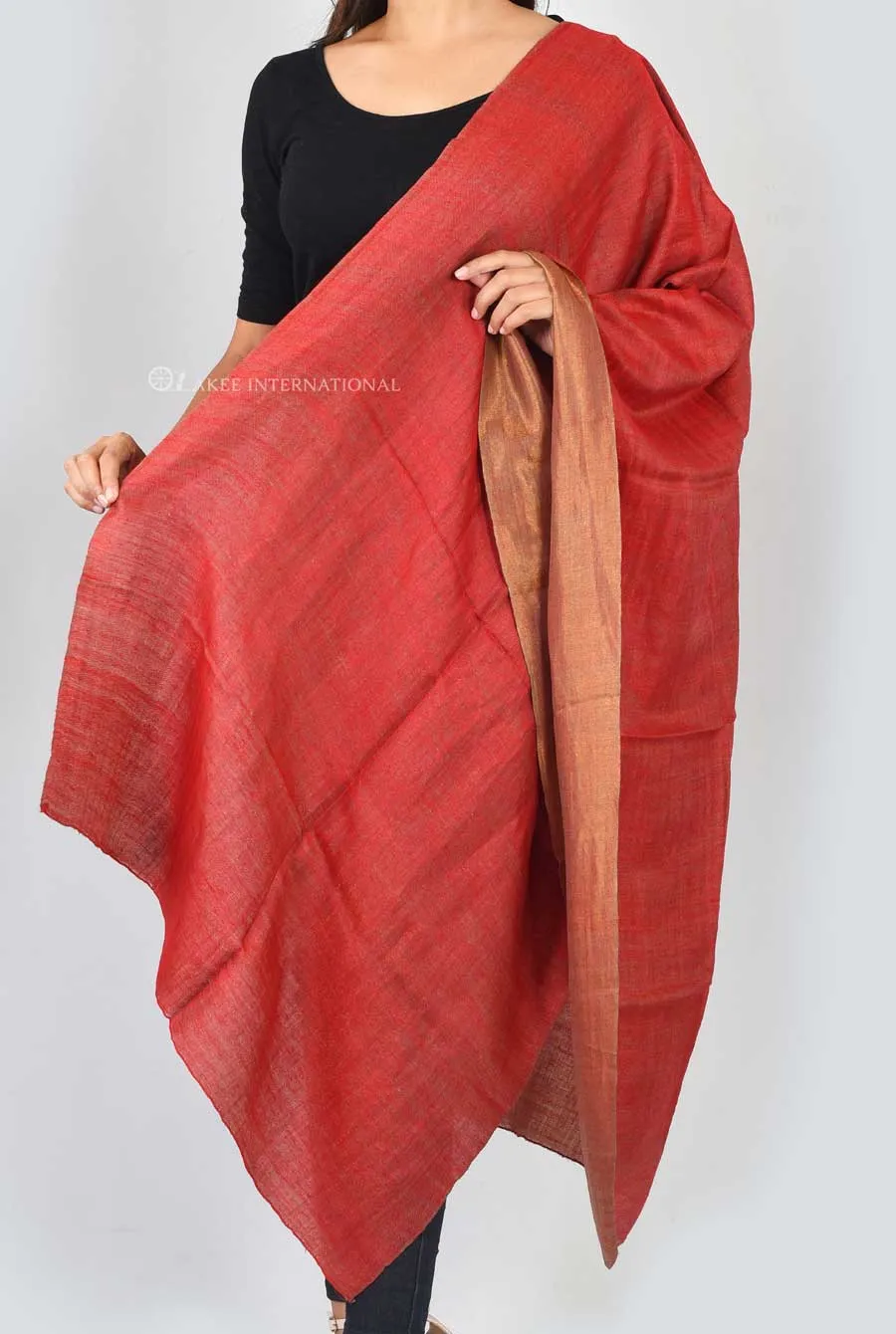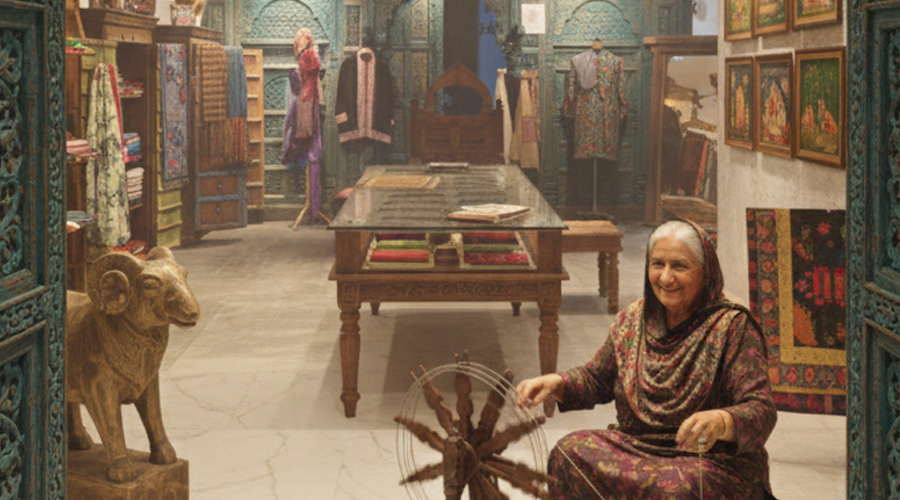
Men's fashion doesn't always get credit for how much heritage sits quietly within it, but few pieces carry as much history as a handwoven shawl. Long before it became a modern styling accessory paired over a blazer or draped casually with a kurta, the shawl held a functional and symbolic place in men's wardrobes across India — signalling status, respect, and regional identity in equal measure.
At Akee International in Jaipur, this legacy is exactly what we try to preserve in every piece we make. A handwoven shawl for men isn't a passing trend for us — it's a continuation of a craft that's been refined for centuries and still holds its own against anything mass-produced fashion has to offer today.
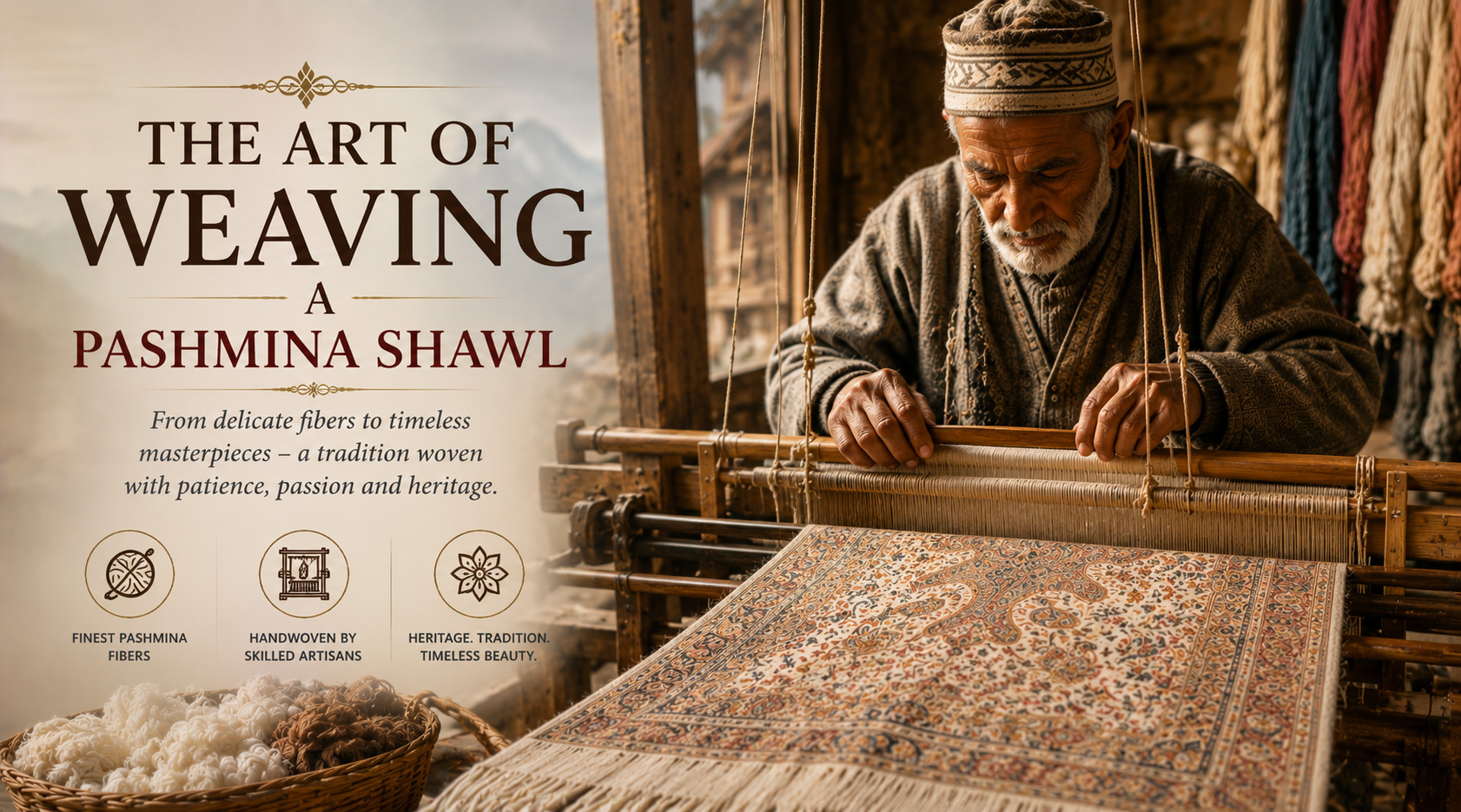
The distinction between a handwoven shawl and a machine-made one isn't just marketing language — it changes the entire character of the final piece. On a traditional wooden loom, every single thread is placed deliberately by a weaver, one pass at a time, rather than repeated identically by a machine at speed. This slower process is exactly what gives handwoven shawls their distinctive texture, drape, and small natural irregularities that no industrial loom can convincingly replicate.
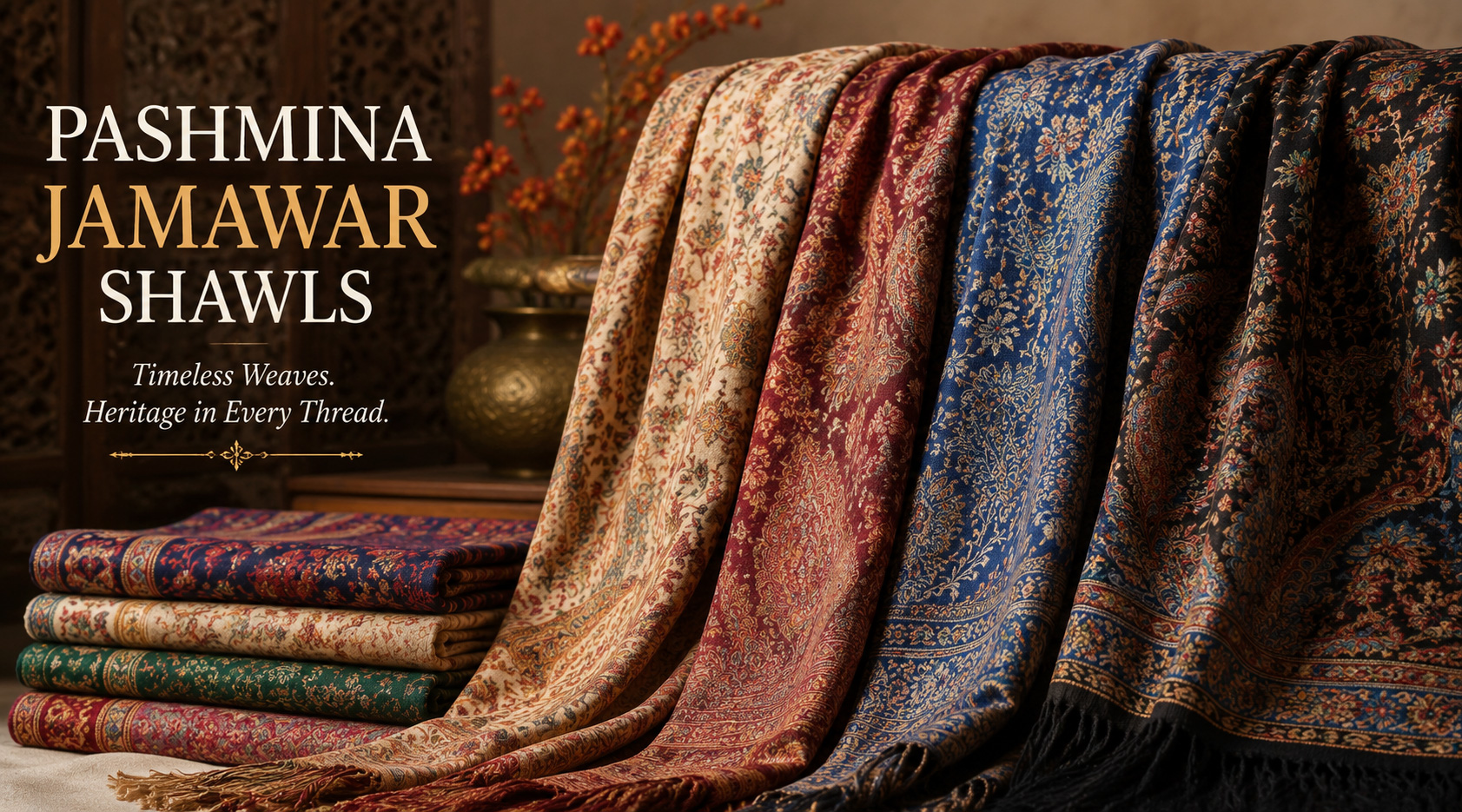
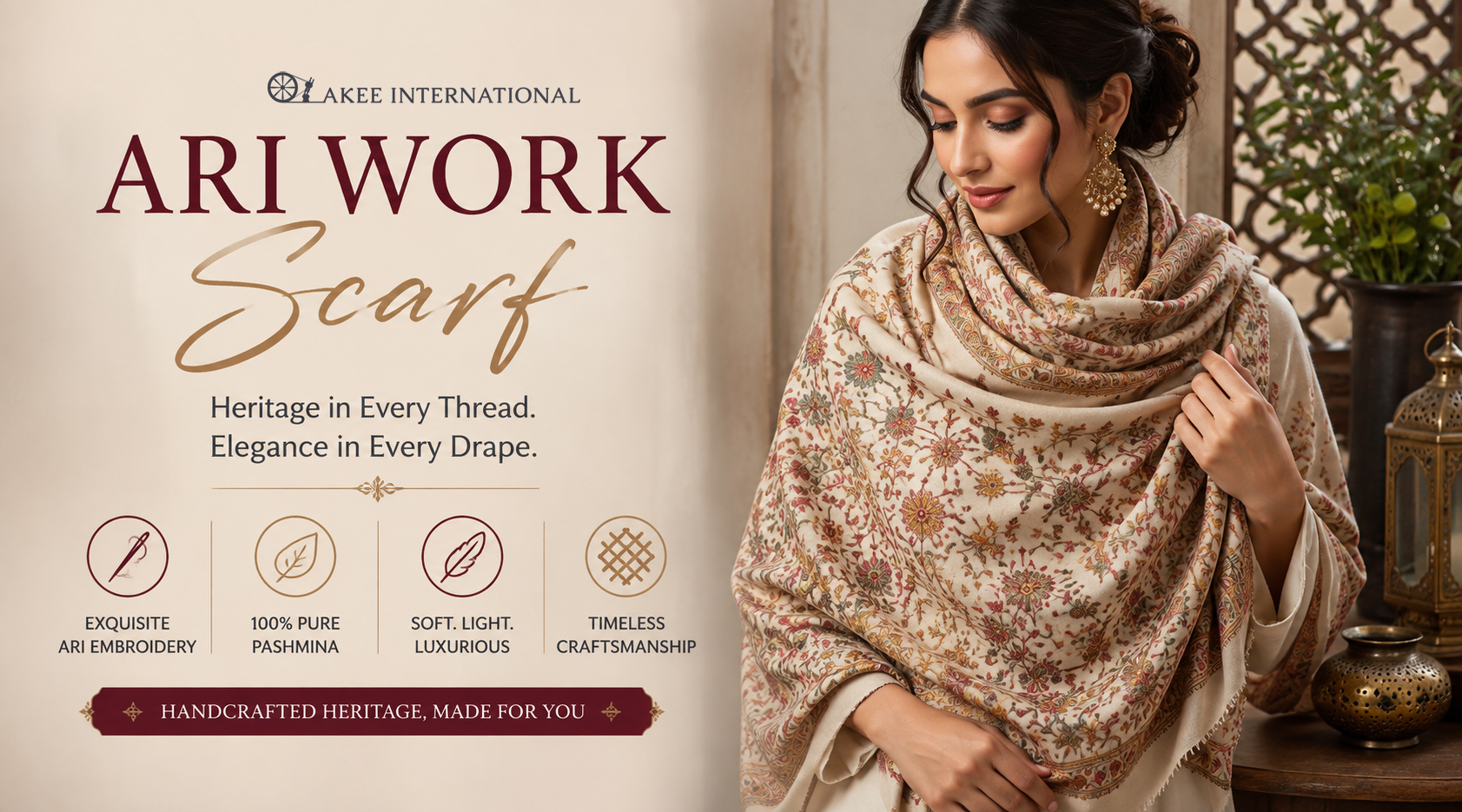
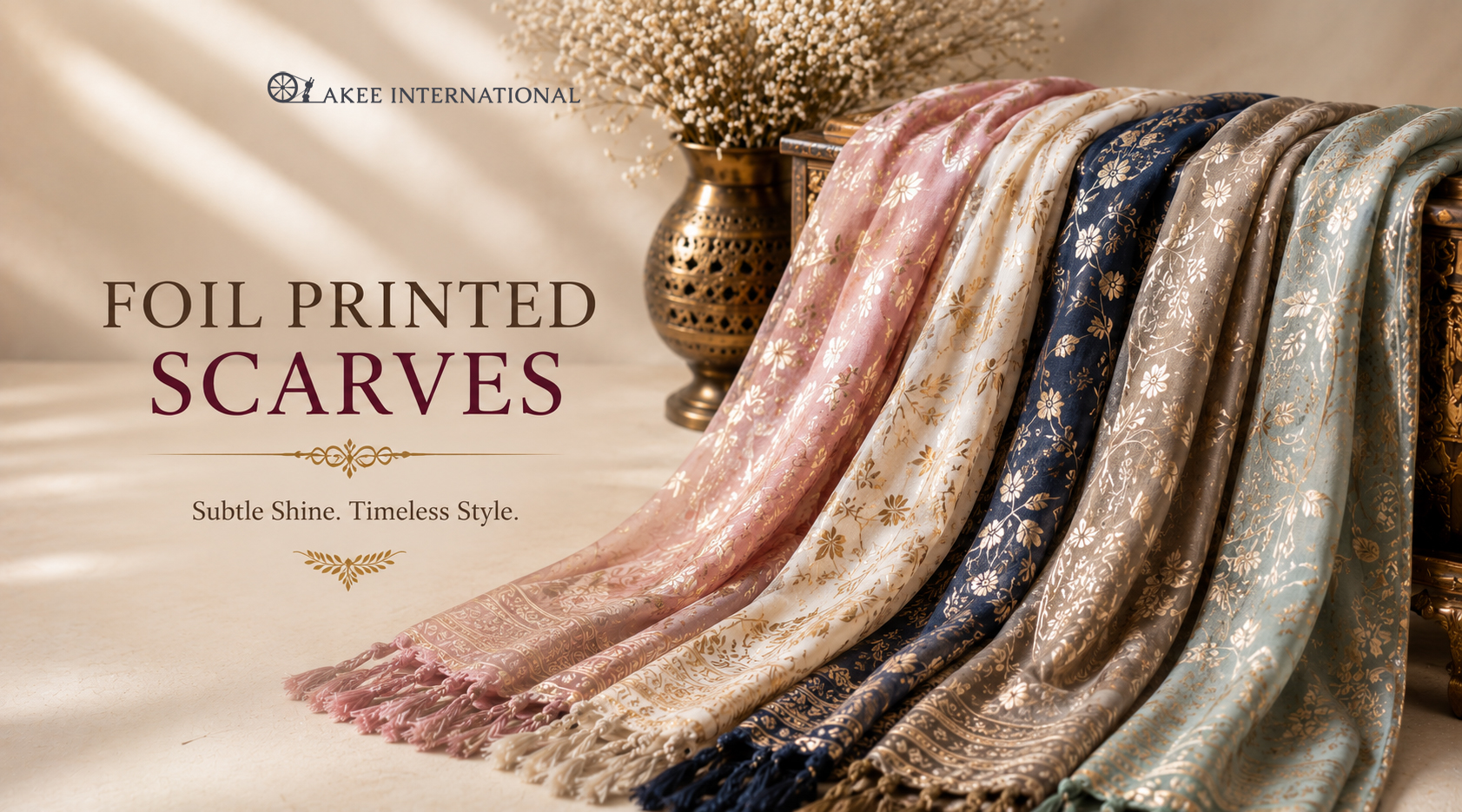
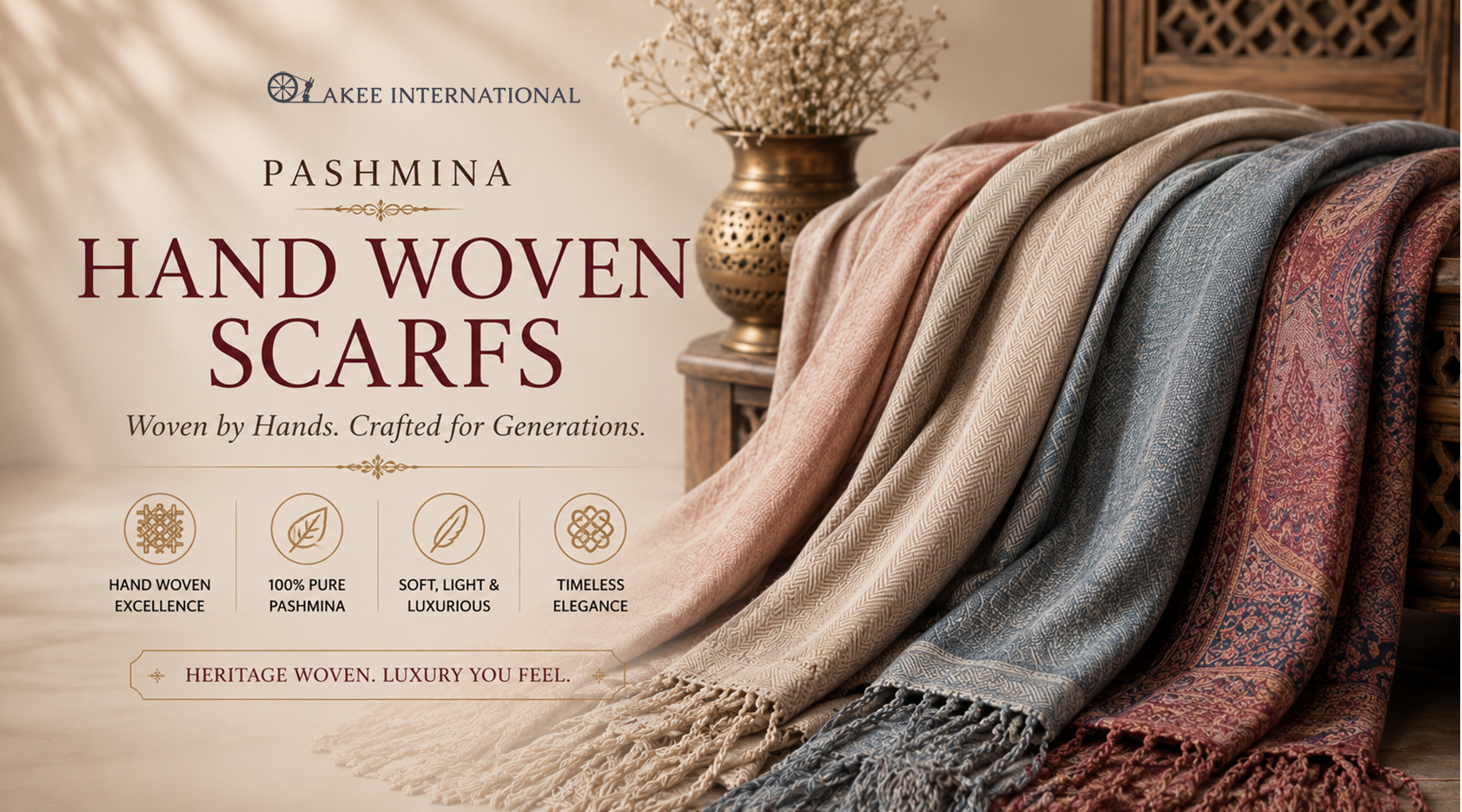
At Akee International, this process starts with sourcing premium natural fibres — wool, Pashmina, or cotton — before our weavers in Jaipur apply techniques like twill weaving, tapestry weaving, or jacquard patterning to build shawls that are as durable as they are visually striking. Our Pashmina hand-woven scarfs collection reflects this process in its purest, most classic form.
Shawls have held a place in Indian menswear for centuries, serving both practical and ceremonial purposes — worn during formal occasions, gifted as gestures of honour, and passed down as heirlooms within families. This tradition remains especially strong in and around Jaipur, a city whose textile heritage draws directly from Mughal, Rajput, and Persian artistic influences layered together over generations.
Every handwoven shawl carries a piece of this story — not just in the skill required to make it, but in the specific weaving patterns, fibre choices, and colour palettes passed down within artisan families. By working directly with these craftspeople rather than through anonymous mass-manufacturing chains, we help keep this exact heritage alive and economically sustainable for the people carrying it forward. Our page on Kashmiri artisan-made Pashmina shawls goes deeper into this artisan relationship specifically.
What's interesting about handwoven shawls for men is how naturally versatile they've turned out to be, despite originating from a fairly traditional context. A single well-chosen shawl can move comfortably across very different settings:
The range of available patterns supports this same versatility — from understated solids suited to formal or professional settings, to bolder ethnic motifs for festive occasions. Our collection spans both lighter weights suited to milder climates and heavier weaves built for genuinely cold winters, so the right piece really comes down to the specific setting a man plans to wear it in most.
Not all shawls perform the same way, and the fibre choice makes a meaningful difference depending on what you actually need from the piece:
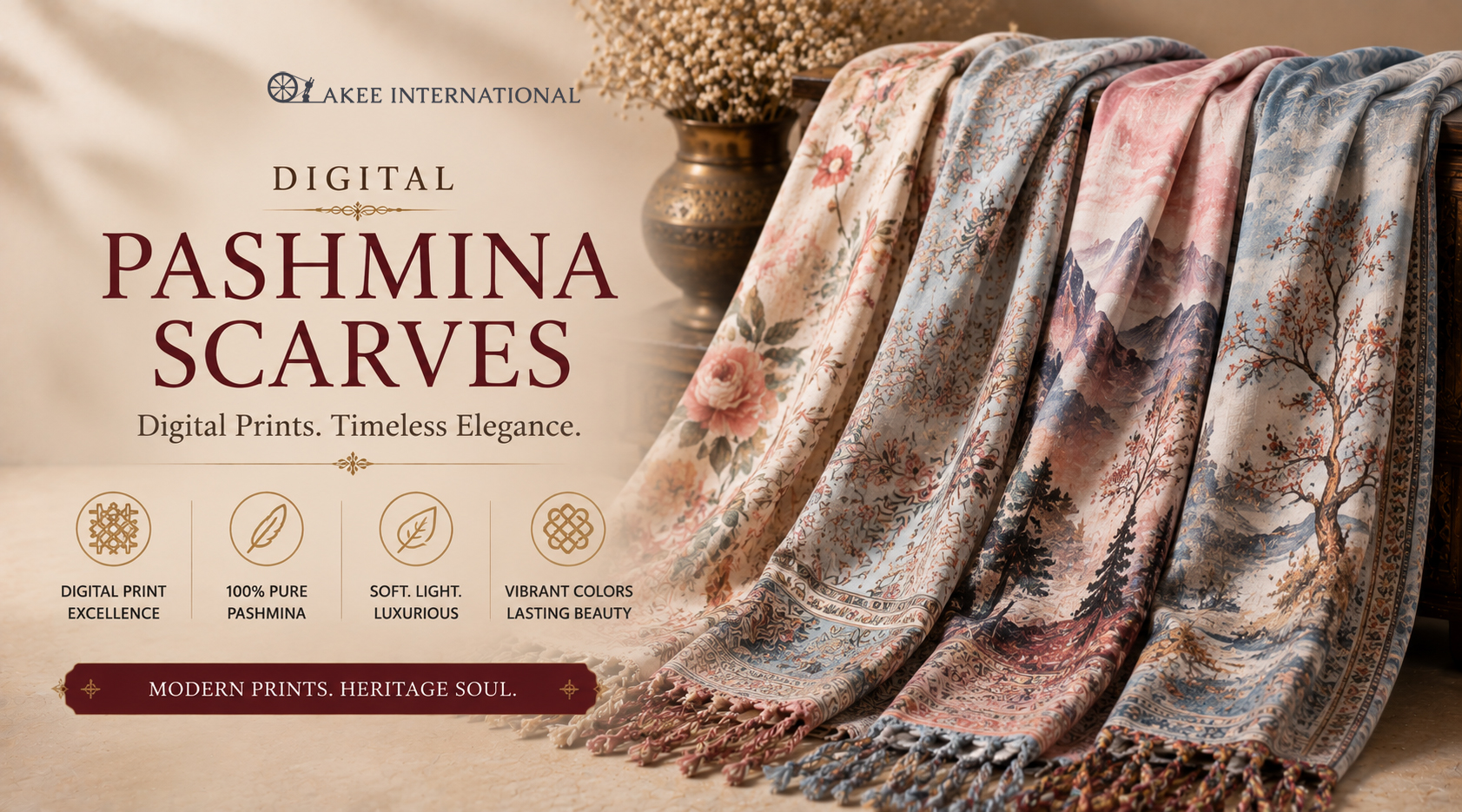
Pashmina remains the benchmark for softness and warmth relative to weight — ideal for men who want serious insulation without visible bulk, especially for formal or evening wear where a heavier coat would feel out of place.
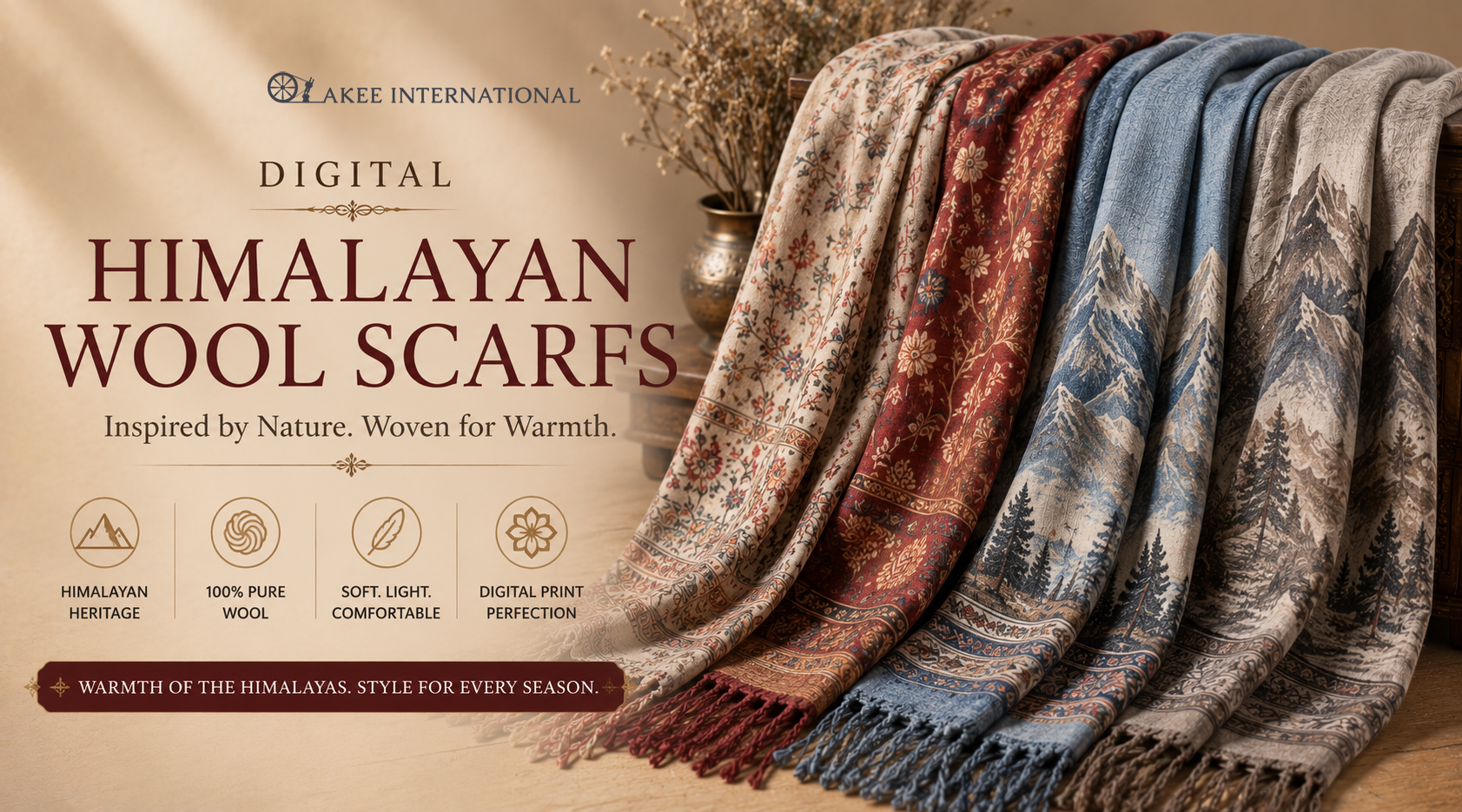
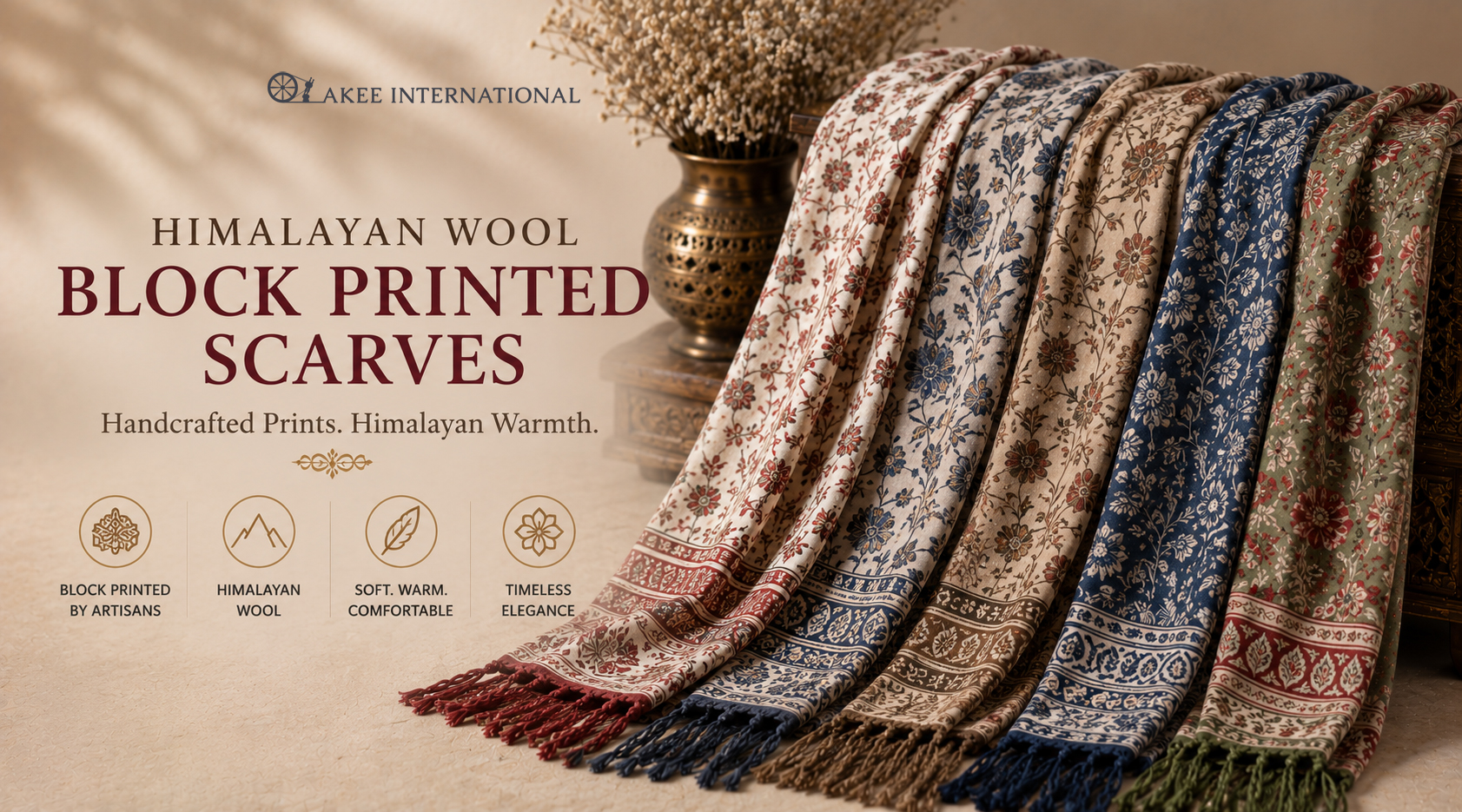
Wool offers a slightly thicker, cozier alternative, well-suited to genuinely cold climates and often carrying more structured, ethnic-inspired motifs woven directly into the base fabric.
Cotton and lighter blends work well for milder weather or transitional seasons, offering the drape and styling benefit of a shawl without the heavier insulation that isn't always needed.
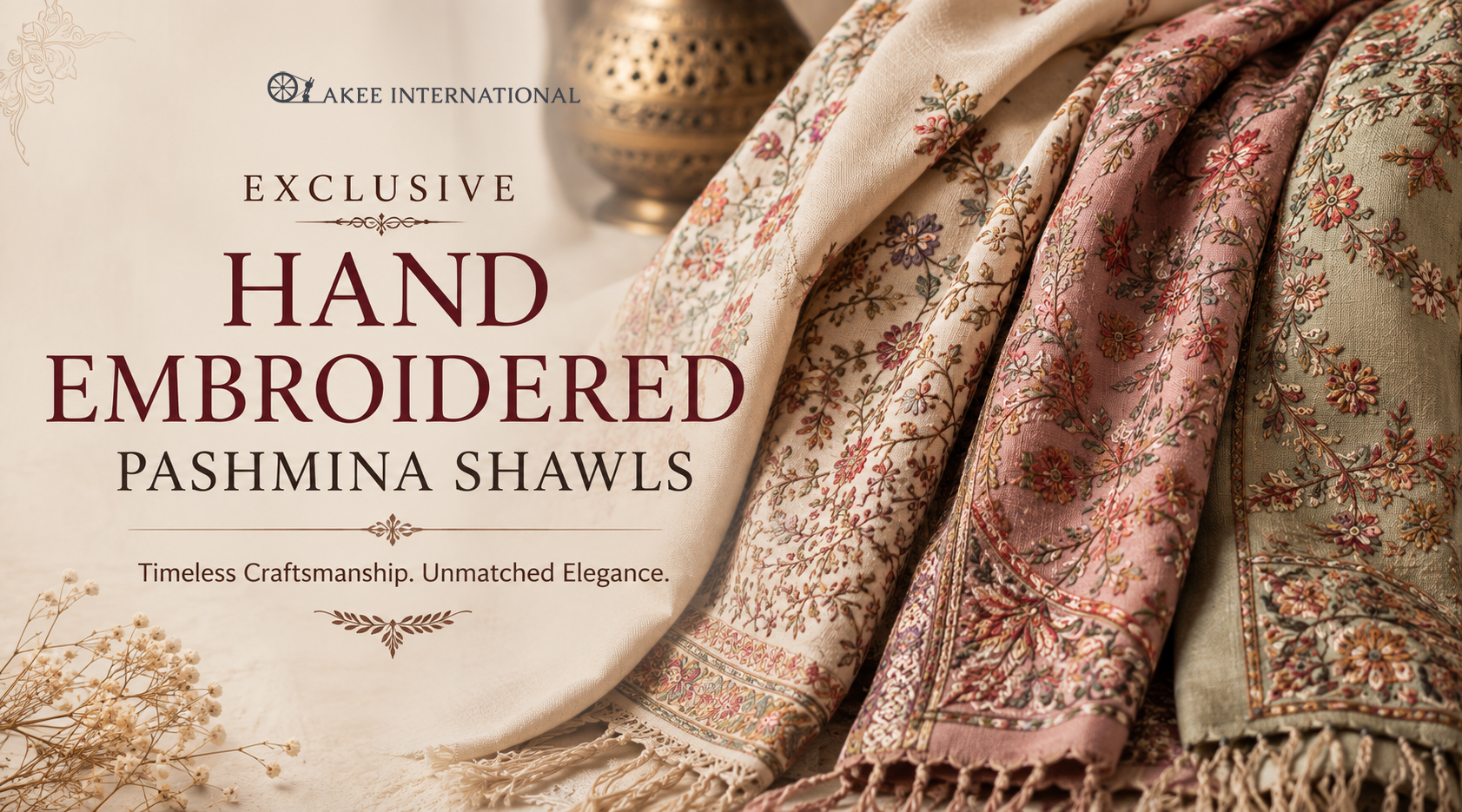
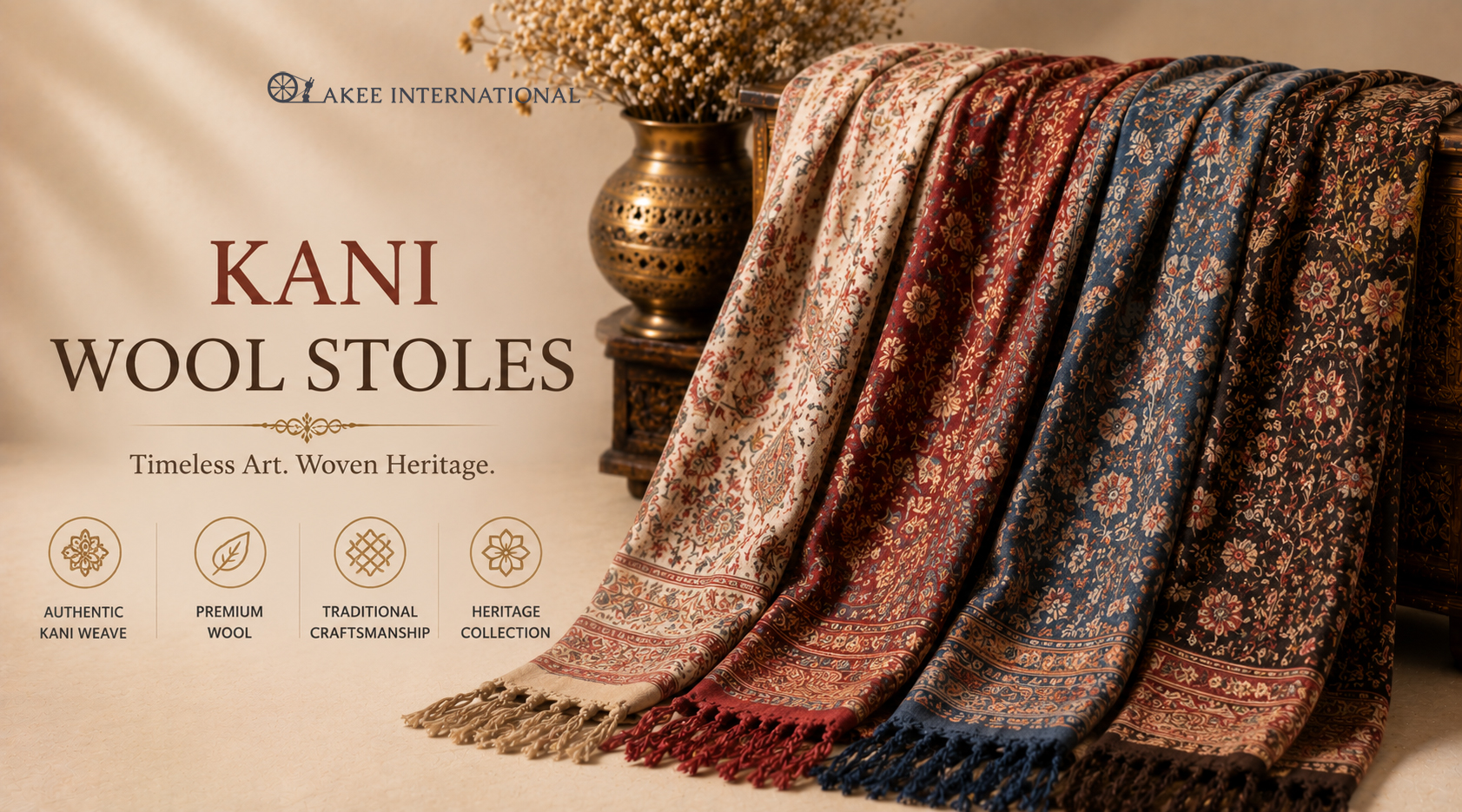
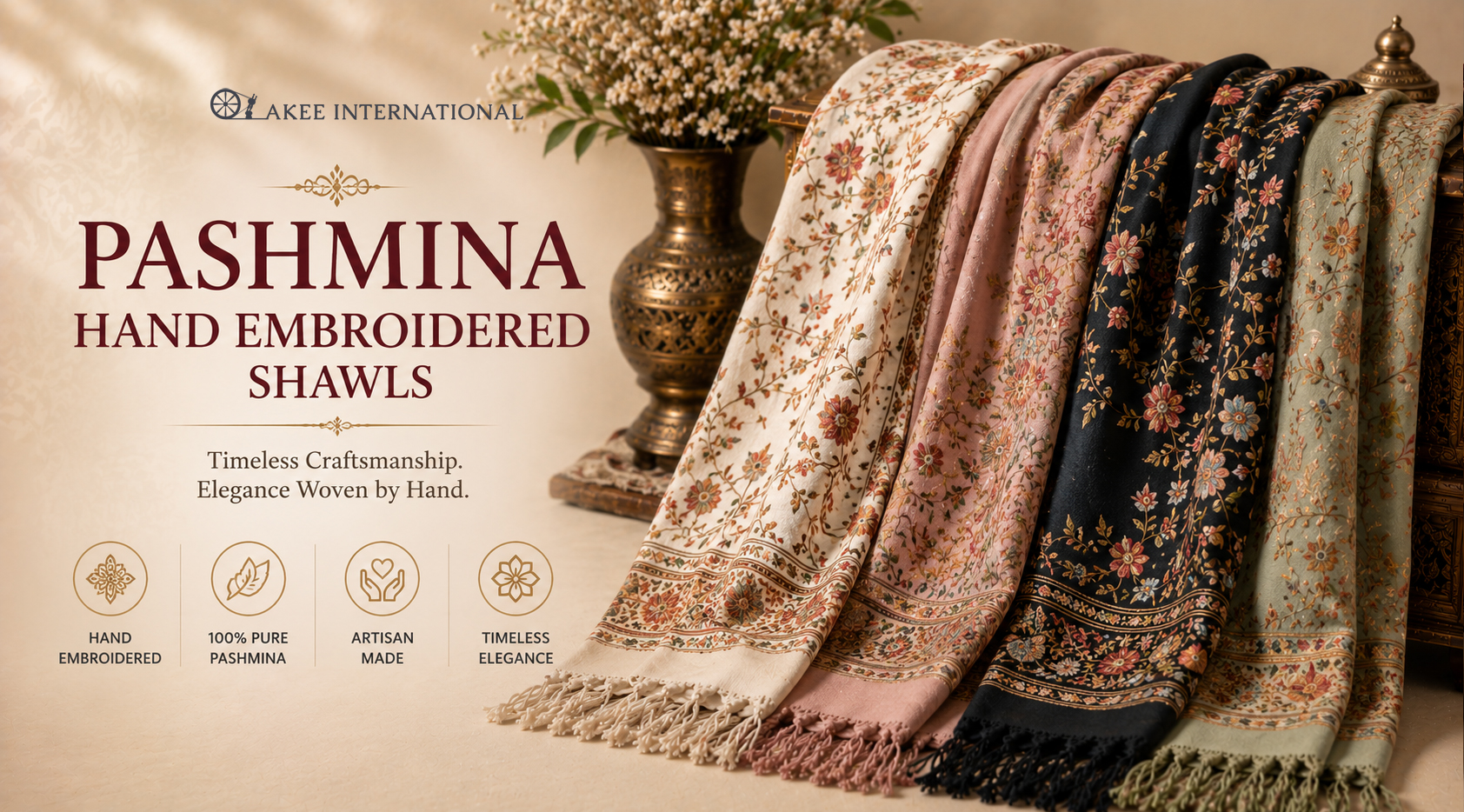
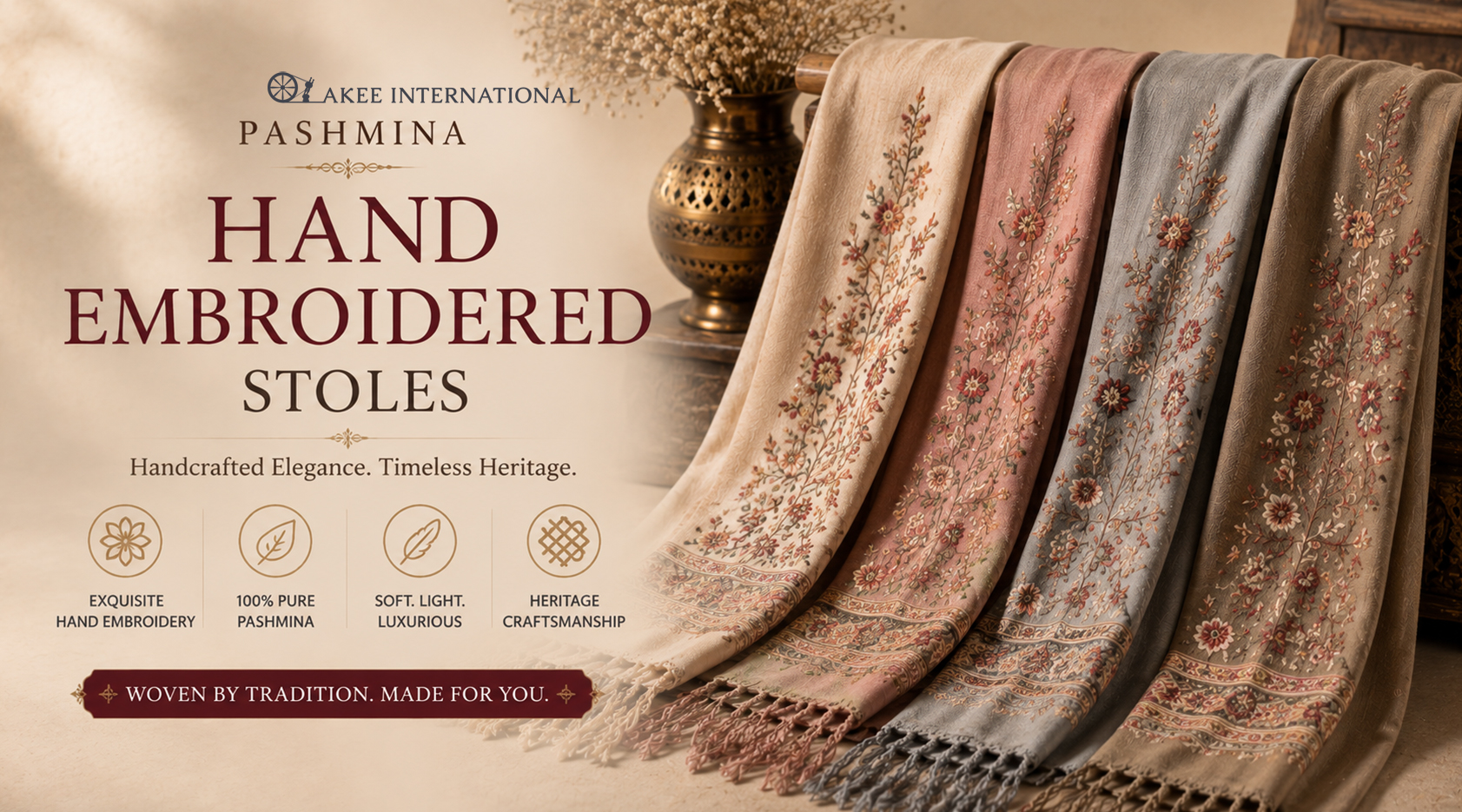
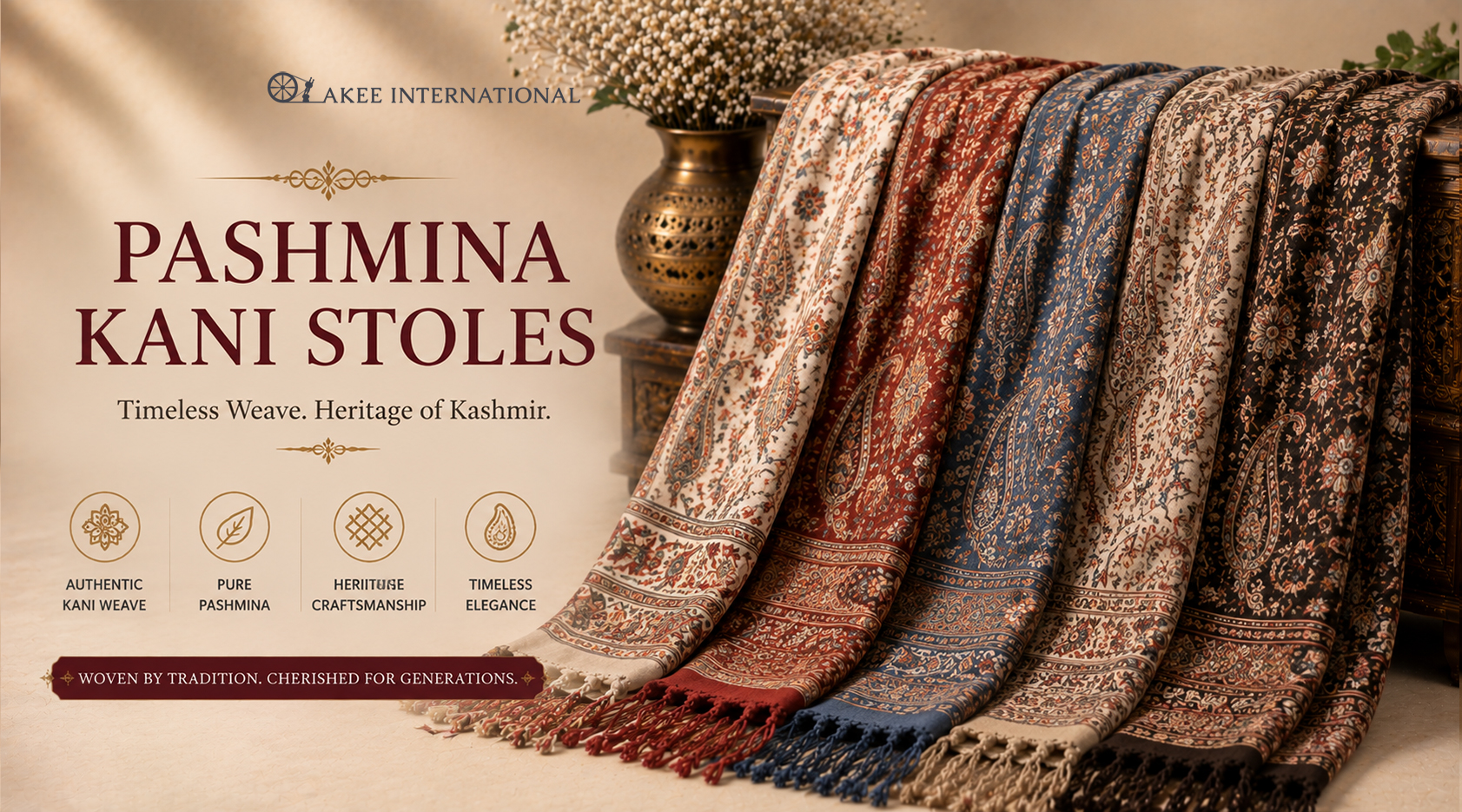
Our Kani wool stoles collection is a strong example of the denser, more traditional weaving style suited to serious cold-weather wear, while our exclusive hand-embroidered Pashmina shawls bring in additional detailing for men who want a more festive, statement-making piece for special occasions.
One advantage of handwoven shawls that often gets overlooked is how naturally sustainable the production process already is. Traditional handloom weaving relies entirely on manual labour, using no electricity and avoiding the harsh chemical processes common in industrial textile manufacturing. This isn't a feature added on top of the craft — it's simply what happens when you keep production small-scale and skill-based rather than mechanizing it for speed.
At Akee International, this naturally low-impact production model goes hand in hand with our commitment to ethical sourcing and fair wages for the artisans we work with directly. Choosing a handwoven shawl over a mass-produced alternative supports both environmental and social sustainability at the same time, without asking the buyer to compromise on quality or style to get there.
A handwoven shawl represents a genuine investment of skill and time, and it deserves care that reflects that. A few simple habits go a long way toward keeping it in excellent condition for years:
With this level of care, a well-made handwoven shawl can genuinely become a piece passed down through generations, carrying both sentimental and material value well beyond its original purchase.
Jaipur's reputation as a centre of textile artistry goes back centuries, particularly in weaving and dyeing traditions shaped by Mughal, Rajput, and Persian influences. The city's artisans continue to produce handwoven shawls carrying these same intricate motifs today, even as fashion trends around them have shifted repeatedly.
Akee International sees its role as a bridge between these skilled artisans and a global audience — helping this craftsmanship reach buyers well beyond Jaipur while ensuring the artisans themselves remain fairly compensated and recognized for the skill they bring to every piece. This is part of why sourcing transparency matters so much when buying a men's shawl specifically meant to last: knowing exactly who made it, and how, changes what the piece actually represents once it's in your wardrobe.
It's worth addressing directly why a piece this rooted in tradition still makes sense in a modern man's wardrobe, especially for someone who spends most of the week in fairly contemporary clothing. Part of the answer is texture and contrast — a handwoven shawl introduces a tactile, slightly imperfect quality that most modern fabrics simply don't have, which is exactly what makes an otherwise simple outfit feel considered rather than plain.
The other part is longevity in a wardrobe sense. Fast-fashion accessories tend to get replaced every season as trends shift, but a genuinely well-made handwoven shawl doesn't really go out of style in the same way, because it was never tied to a specific trend cycle to begin with. A man who buys one good-quality piece today is likely to still be wearing it comfortably a decade from now, styled slightly differently as his own wardrobe evolves around it, rather than needing to replace it as fashion moves on.
If you're considering adding a handwoven shawl to your wardrobe, the right choice really comes down to how you plan to use it most — a lighter Pashmina piece for formal versatility, a heavier wool weave for serious winter warmth, or an embroidered piece for festive occasions where a bit more visual detail feels appropriate. Our full range of men's Pashmina shawls covers all of these directions under one collection, built specifically around the needs and styling preferences of men rather than adapted from women's designs.
If you'd like guidance choosing between weights, fibres, or embroidery styles for your own wardrobe, or you're looking to place a custom or gift order, reach out to us directly on WhatsApp or by phone at +91-9772777770, or write to us at akee.international@gmail.com. Our store near Amer Fort in Jaipur also welcomes walk-in visitors who'd like to feel the difference between a genuine handwoven piece and a machine-made alternative before deciding.
Typically wool, Pashmina, cotton, silk, or blends of these natural fibers.
Look for slight irregularities in the weave, the absence of machine patterns, and the softness and texture typical of handwoven fabrics.
Yes, especially those made from wool or Pashmina, which provide excellent insulation.
It can take from several days to a few weeks, depending on the complexity of the design.
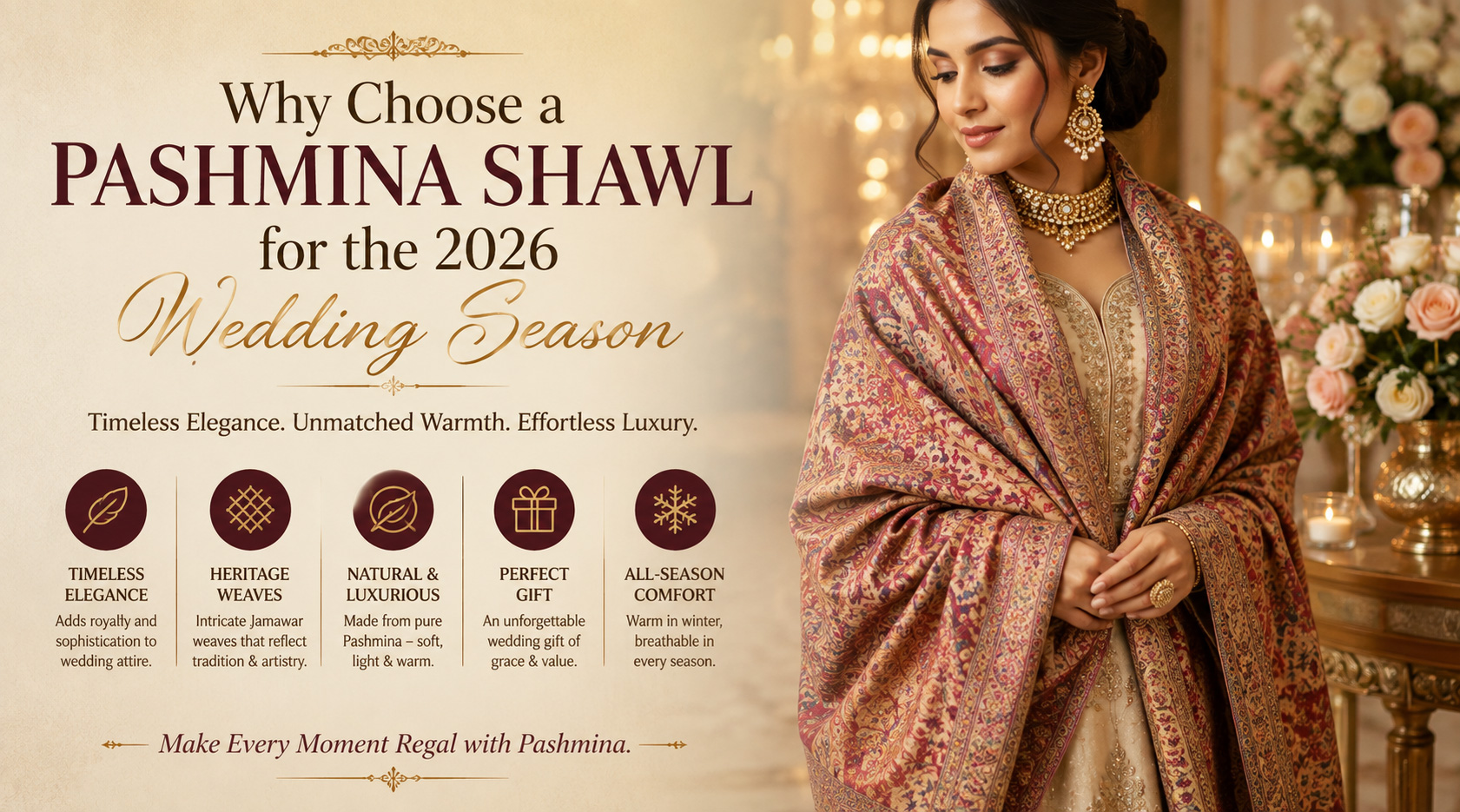
Absolutely, they add a sophisticated touch to jackets, suits, and casual outfits.
Yes, custom orders are available for personalized patterns or colors.
Hand wash gently with mild detergent or dry clean; avoid wringing or machine washing.
Yes, Akee International ensures fair wages and safe working conditions for artisans.
Standard sizes are around 28-36 inches wide and 80-90 inches long.
Definitely. They make meaningful and elegant gifts for any occasion.
Yes, handwoven wool or Pashmina shawls provide excellent warmth outdoors.
Yes, cotton or lightweight wool shawls are ideal for mild weather.
Handwoven shawls have superior texture, durability, and uniqueness.
Yes, embroidery adds an artistic element and is popular in traditional styles.
Yes, they offer worldwide shipping.
Fold neatly and store in a breathable cloth bag in a cool, dry place.
Generally, natural fibers like wool and cotton are hypoallergenic but individual sensitivities may vary.
Yes, they complement formal and ethnic attire beautifully.
Prices vary by material and design but typically range from moderate to premium.
They provide fair pay, preserve cultural heritage, and promote sustainable livelihoods.
"Browse our curated collections and shop by category to find the perfect Pashmina shawl or scarf for every occasion."
"Explore our latest collection of exquisite Pashmina shawls and scarves, where luxury meets craftsmanship in every piece."
"Shop our Best Sellers, where luxury meets demand—featuring the most sought-after Pashmina shawls and scarves of the season."
"Read what our clients say about their experience with Akee International's luxurious Pashmina shawls and impeccable service."

Nai Mata Mandir Road, Thathar Road, Delhi By Pass, Amer, Jaipur 302028, Rajasthan India
Get directions Call Now Whatsapp 4.9 based on 269 reviews
Rating: 4.6/5 | 85 Reviews

Rating: 4.9/5 | 269 Reviews

TrustScore: 4.9 | 100 Reviews