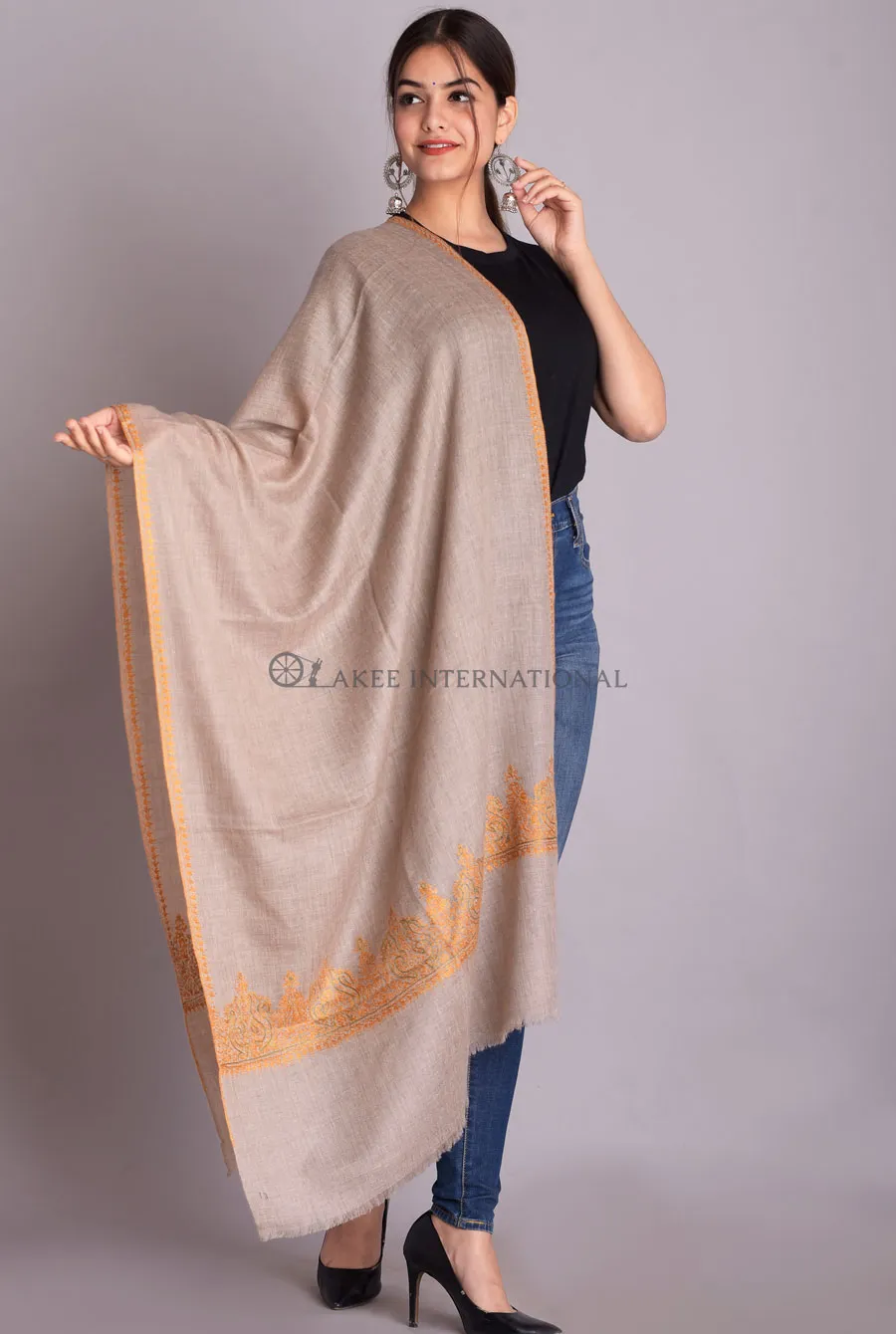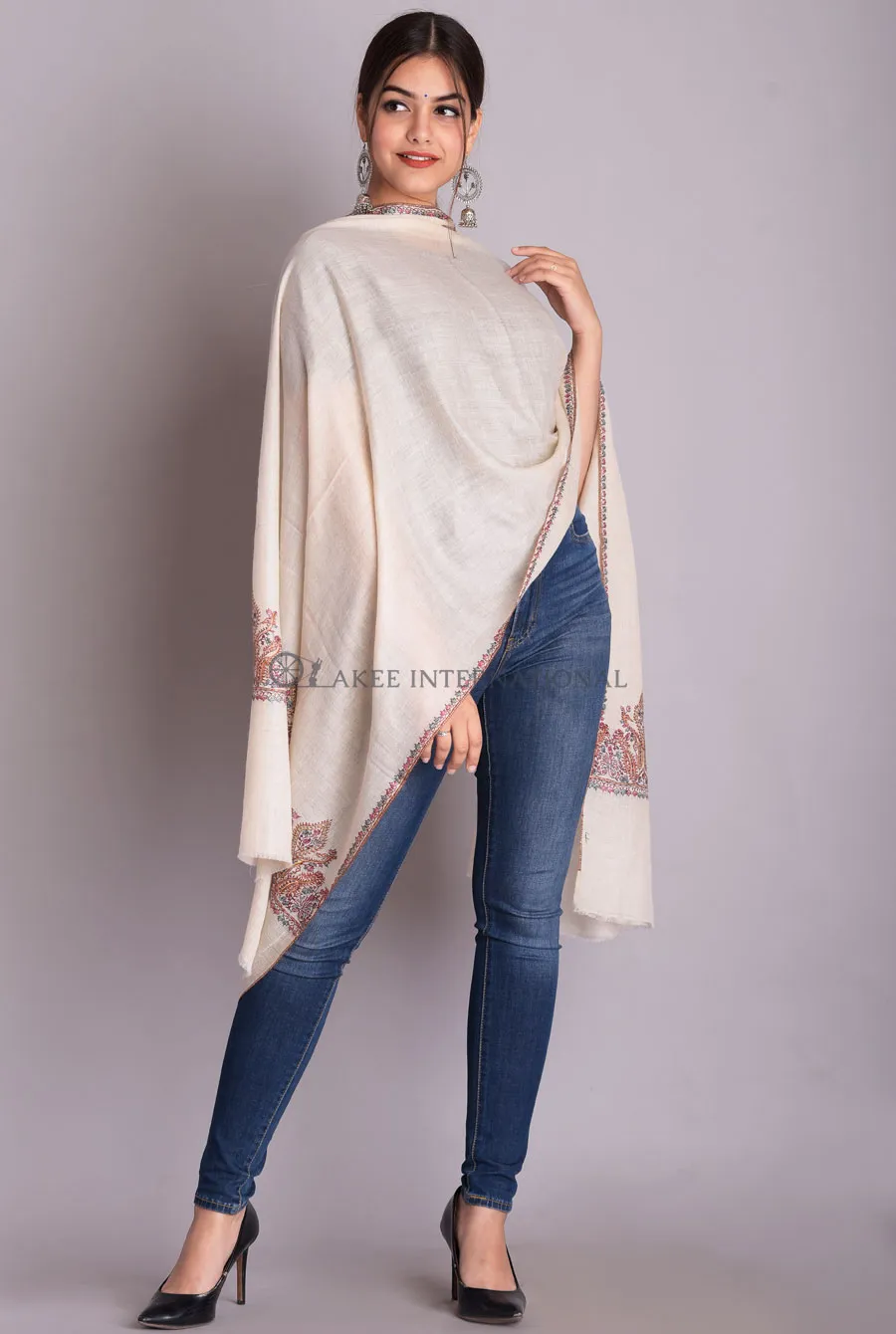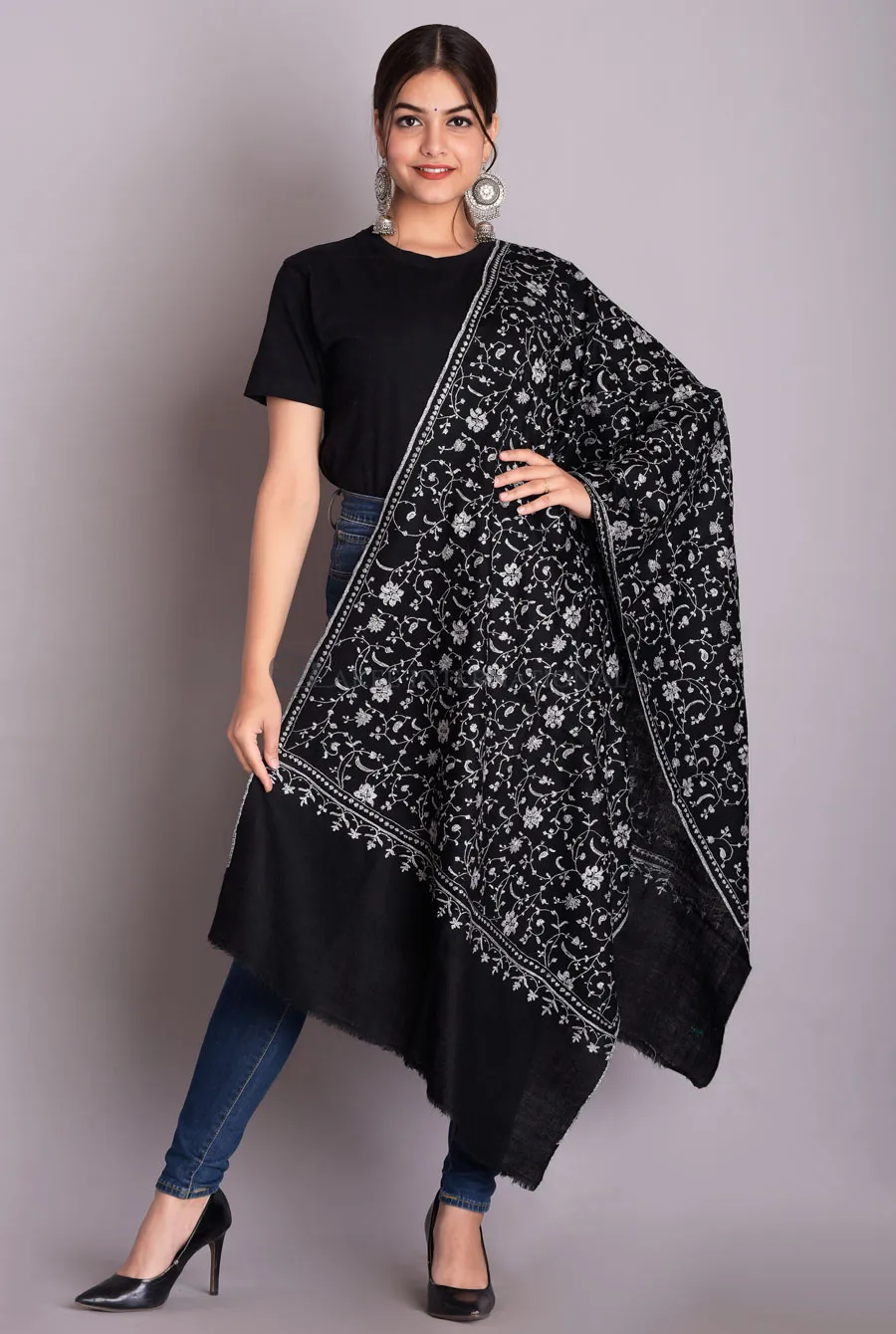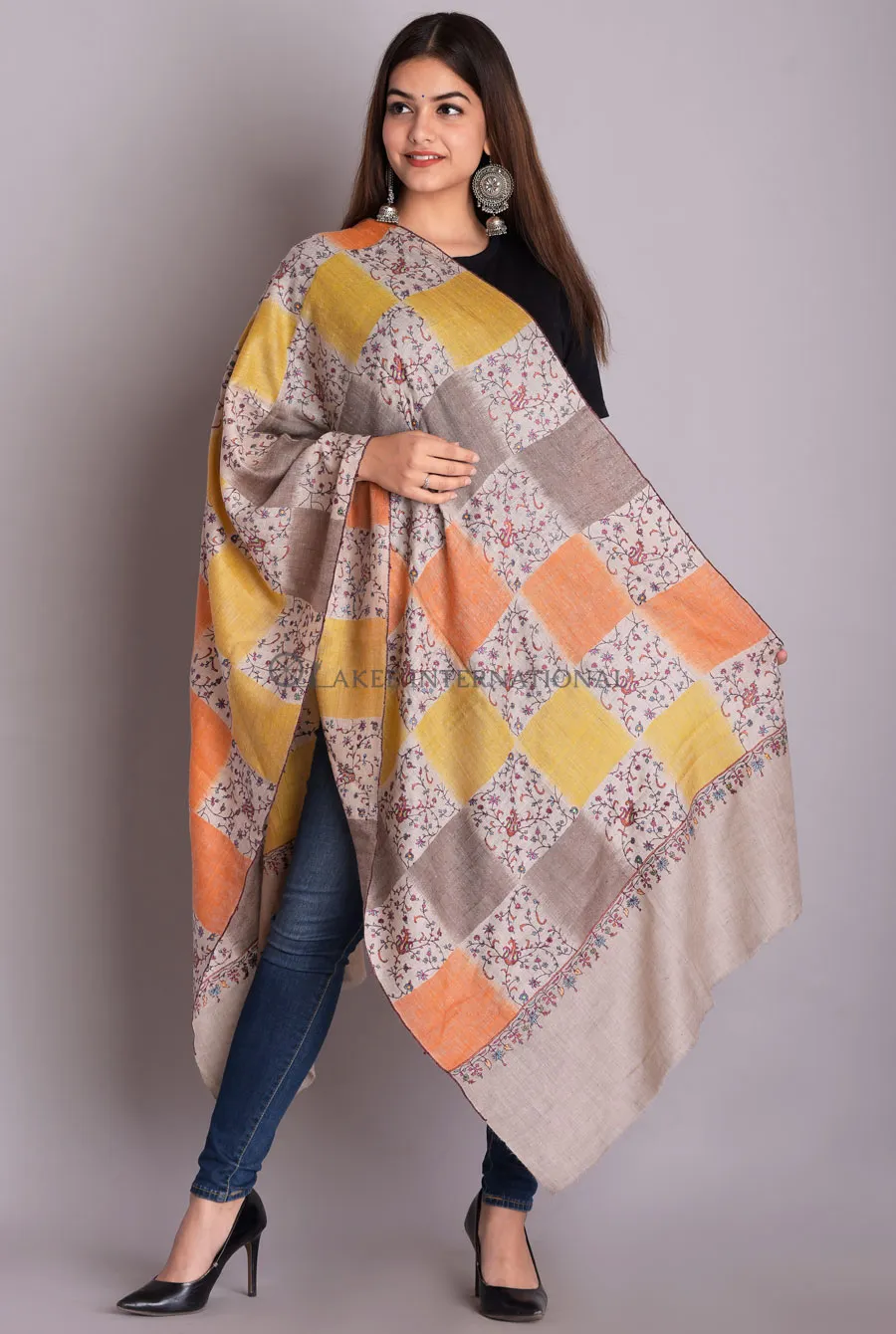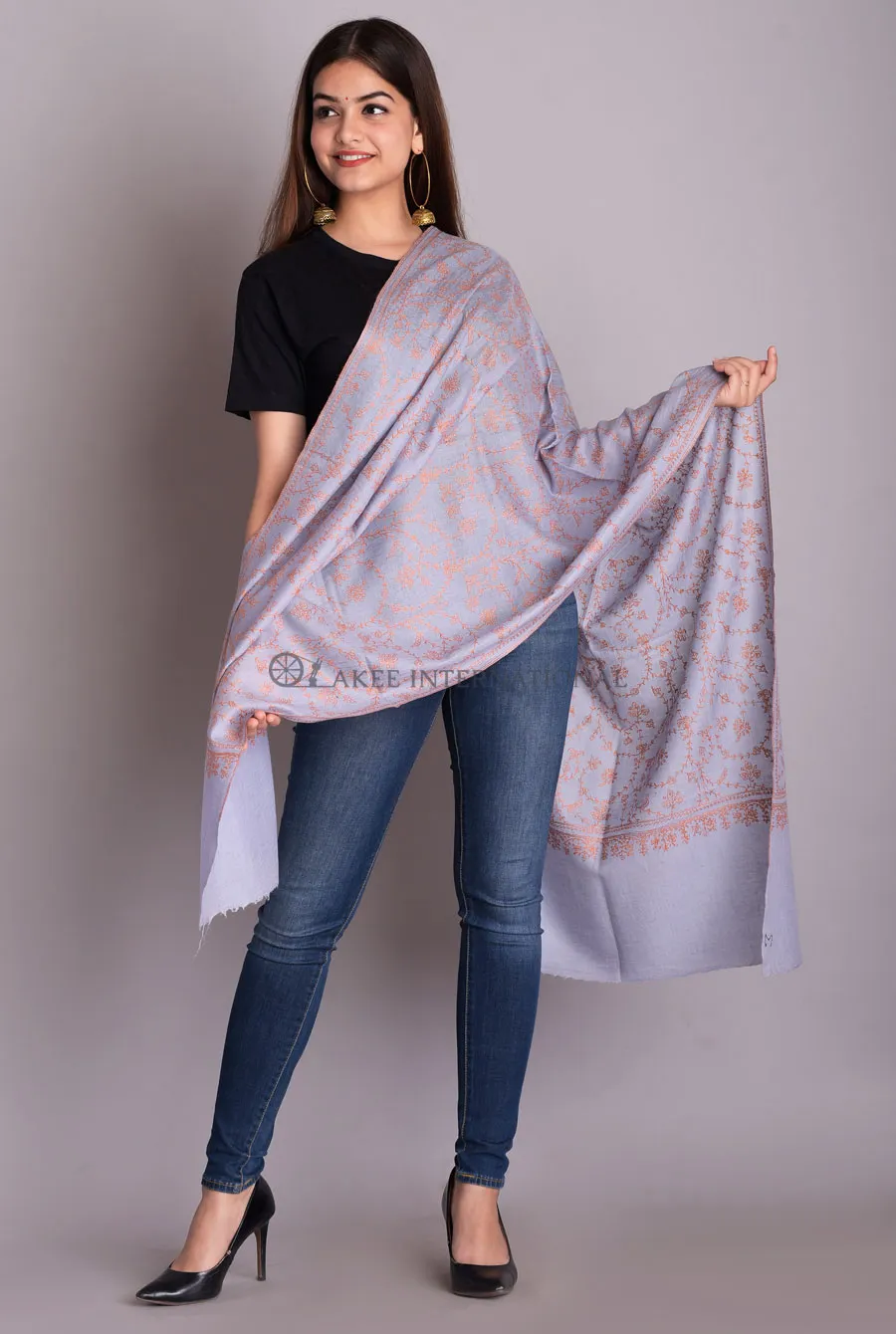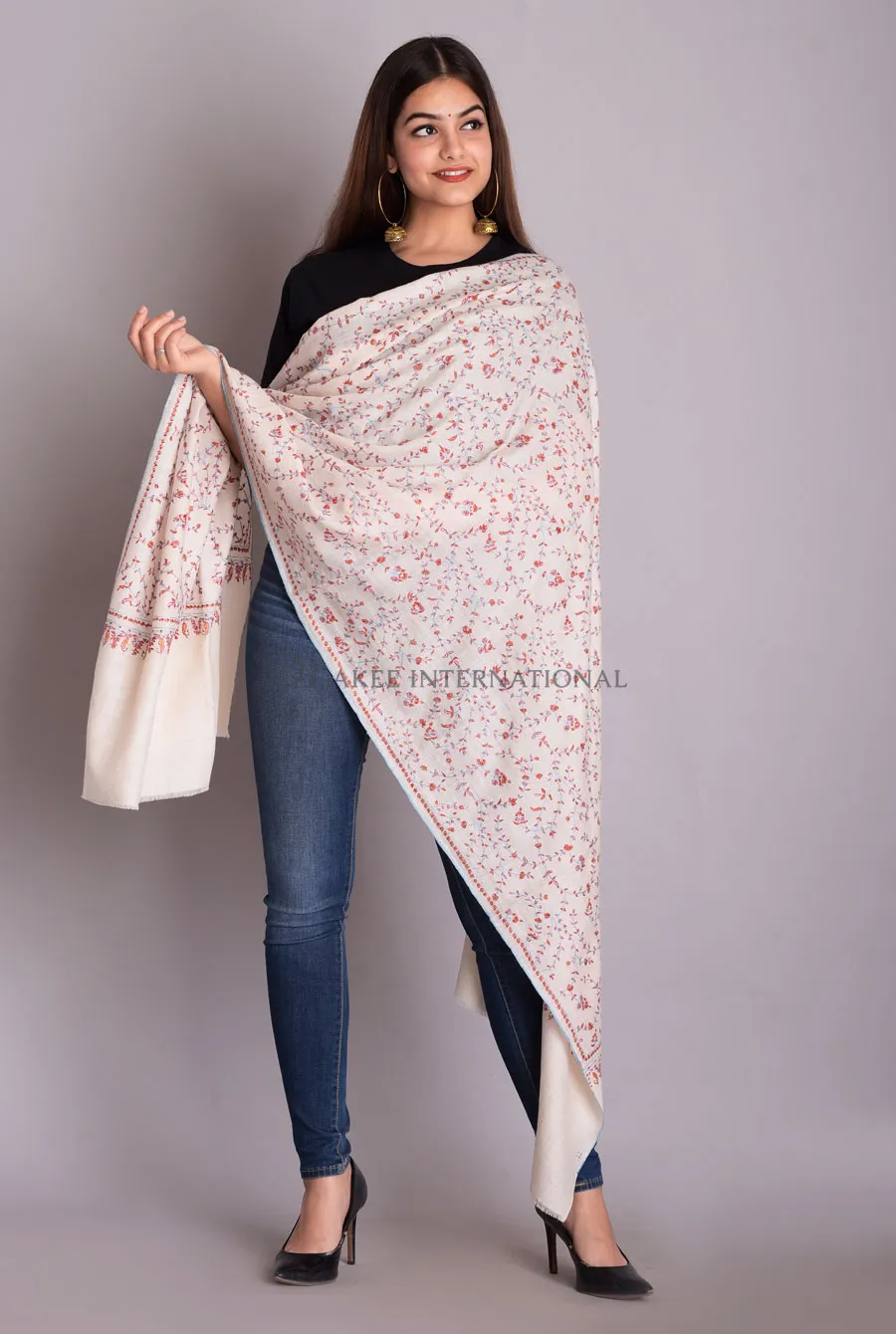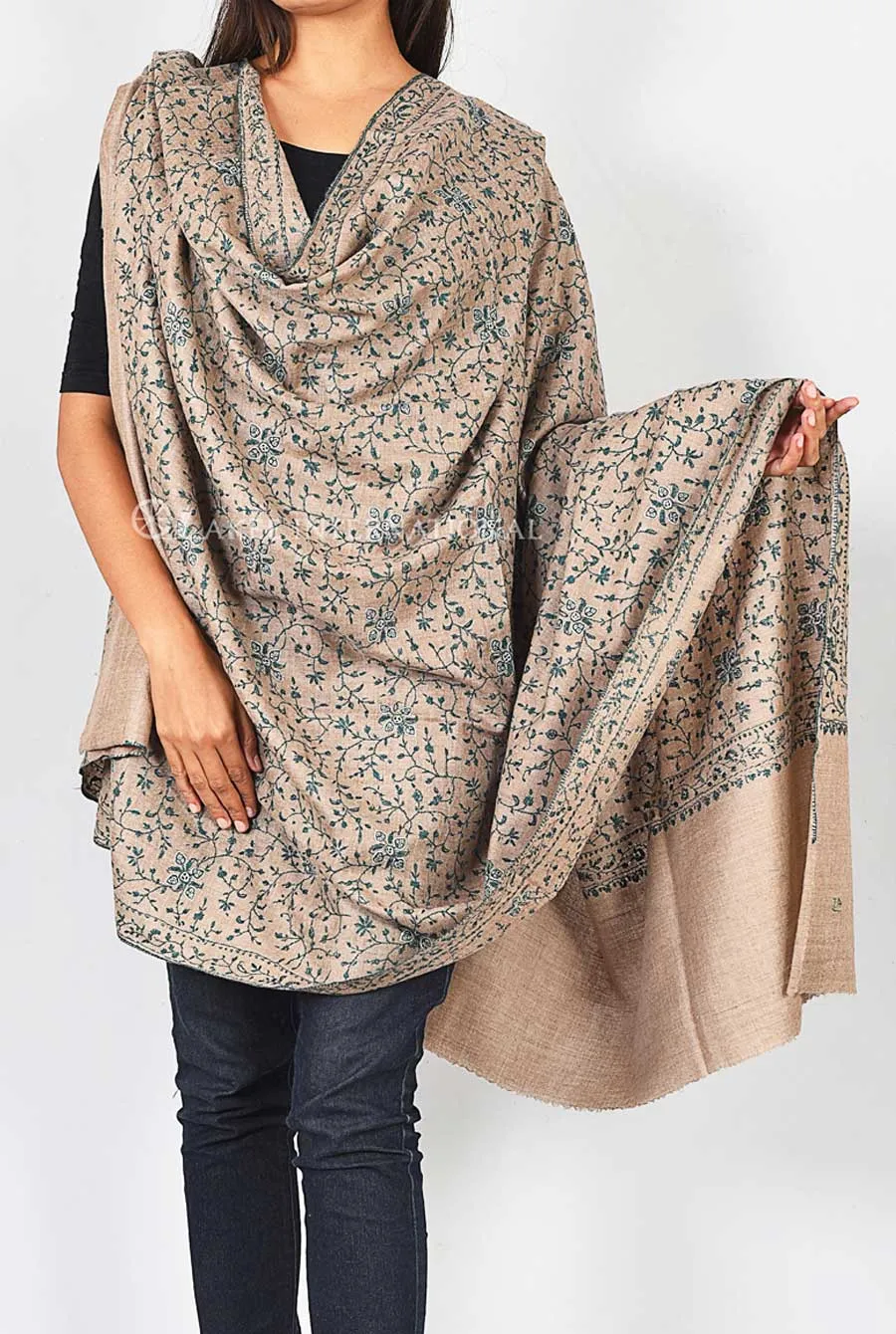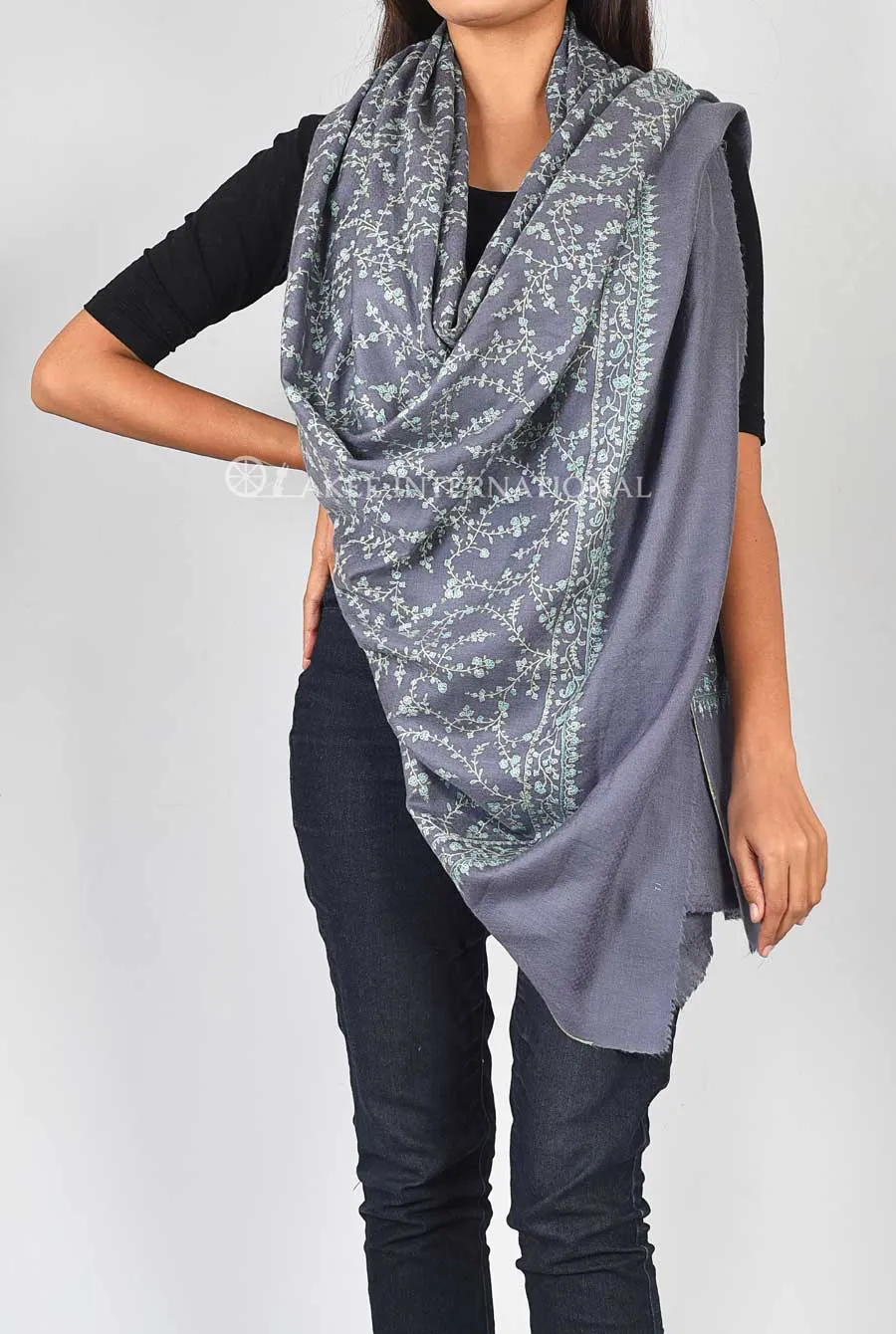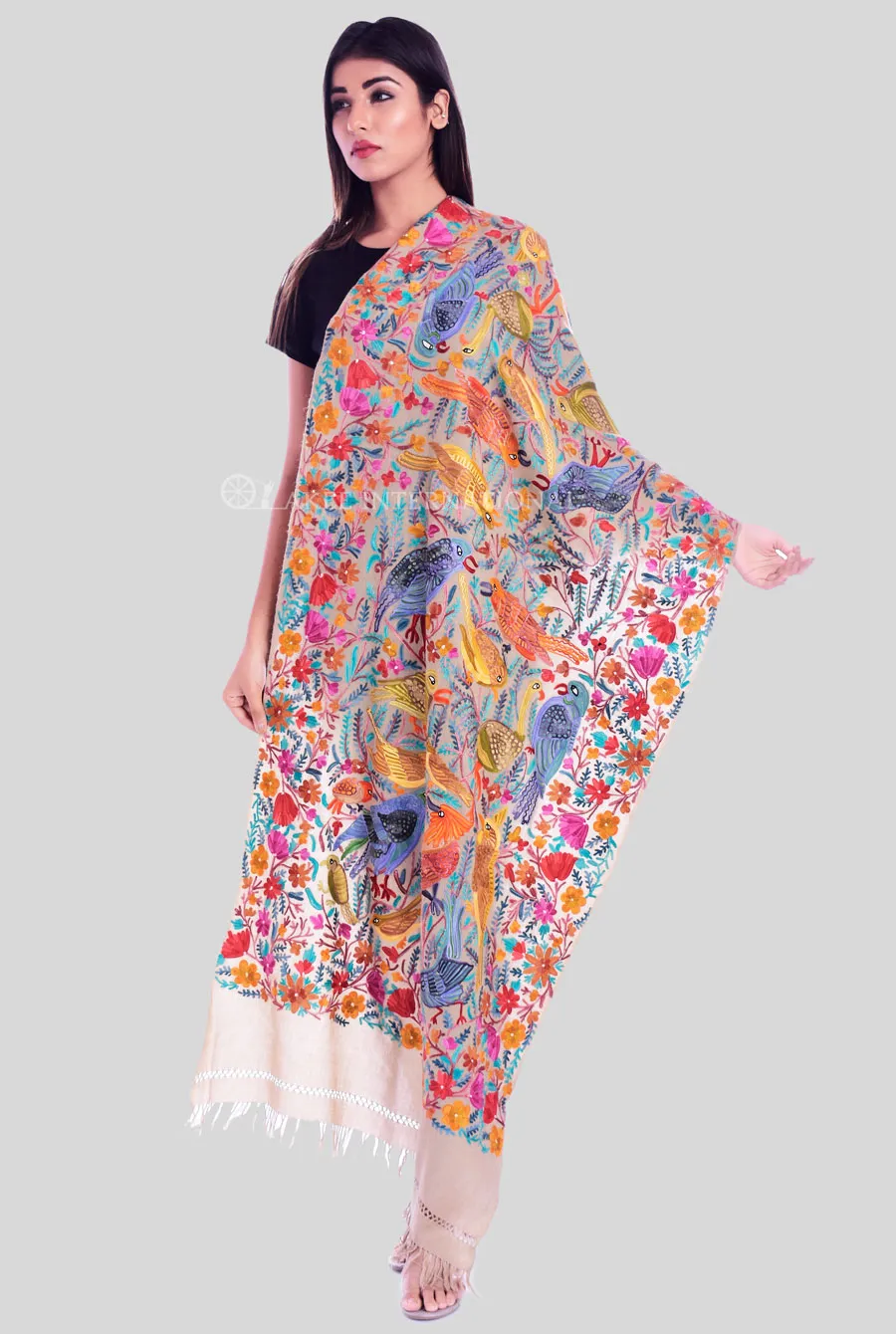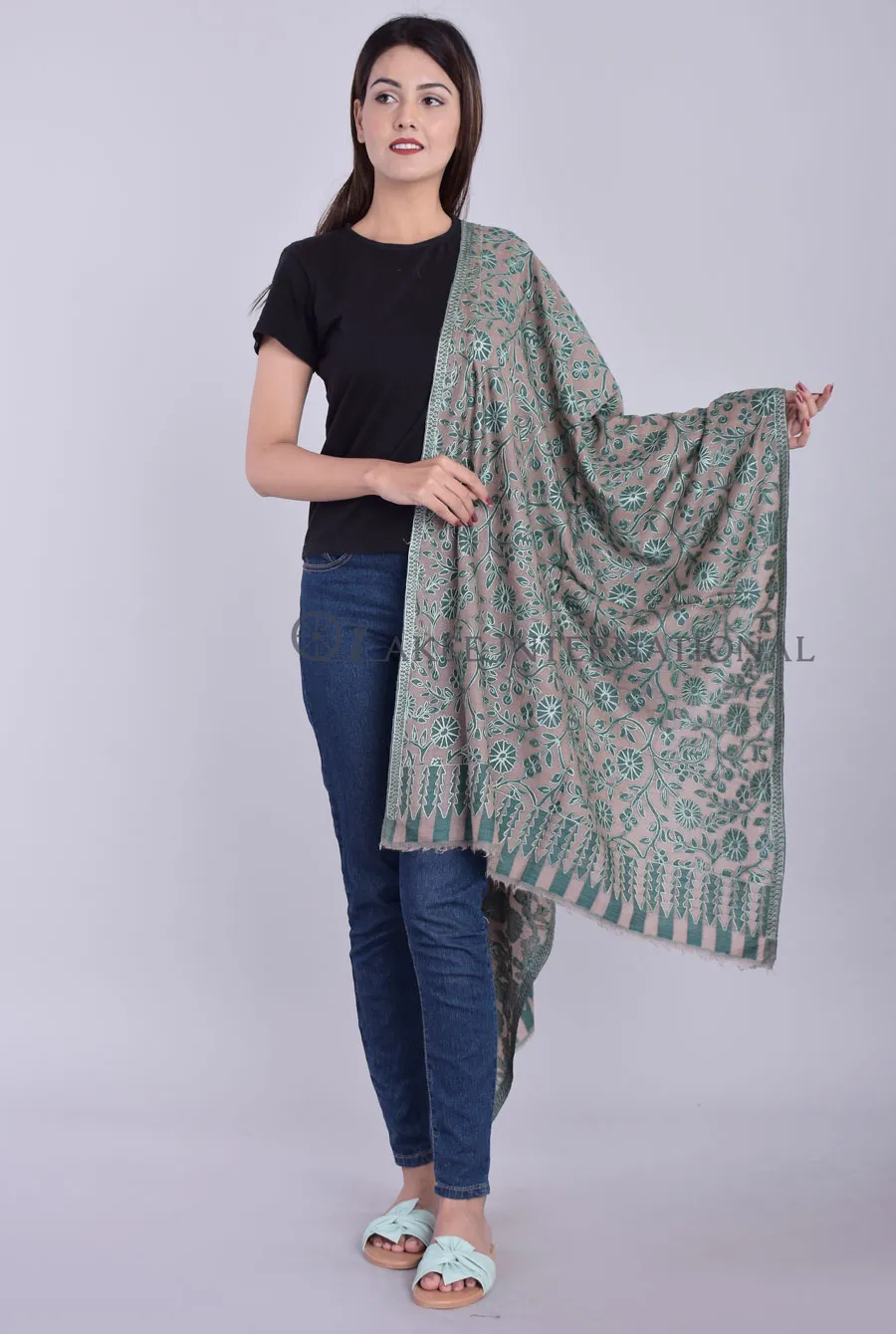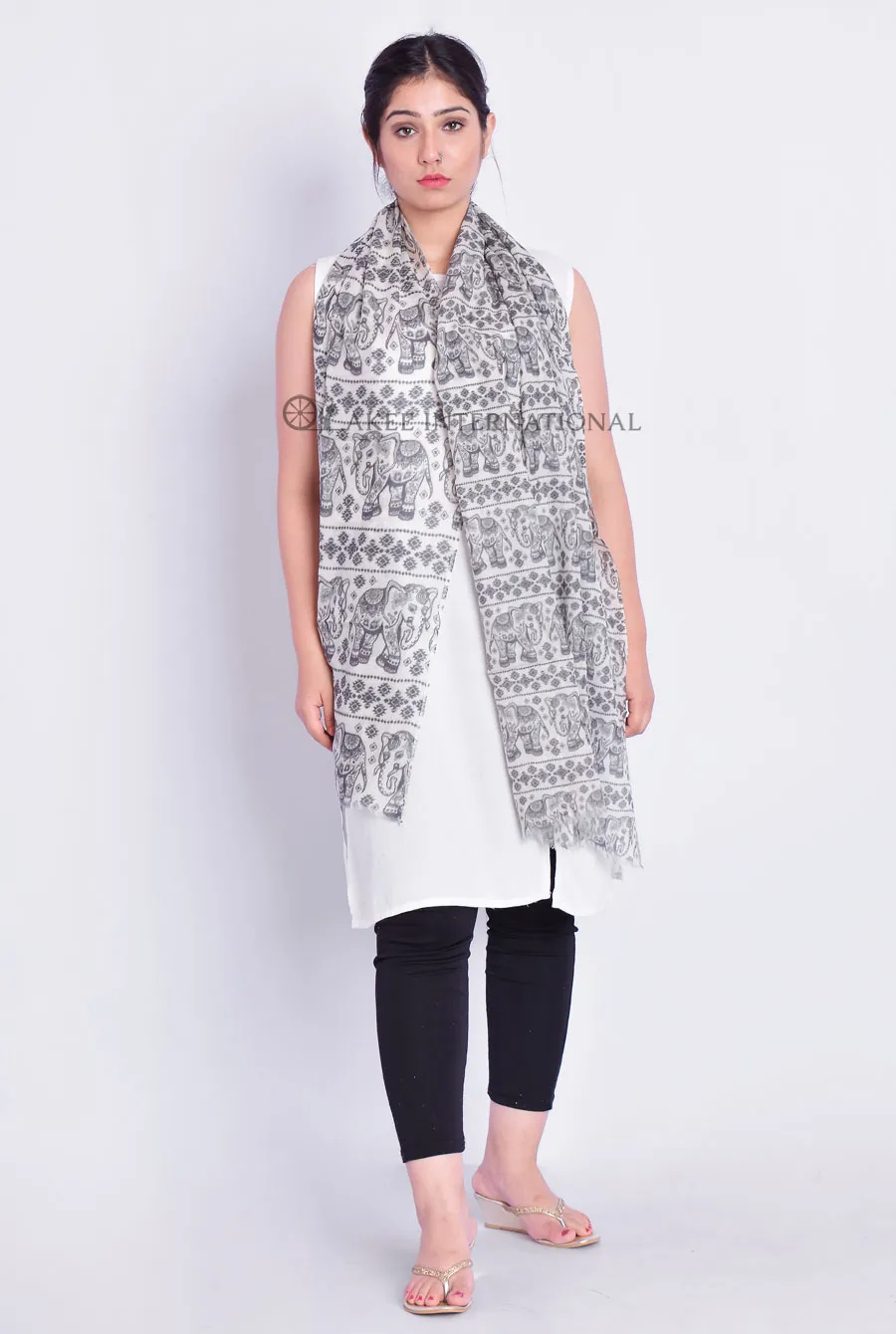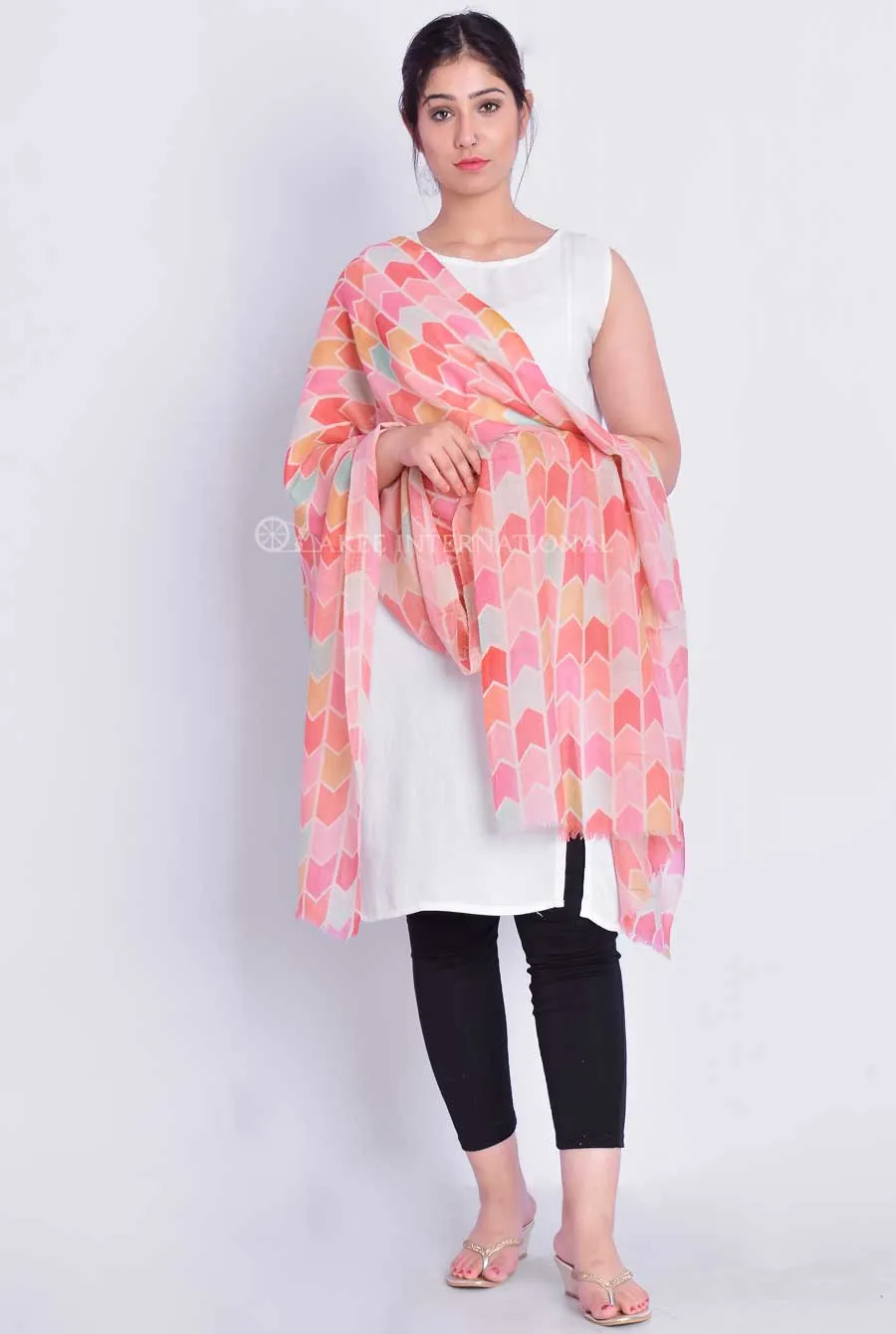

Find Your Perfect Premium Pashmina Shawl
Discover exquisite Pashmina shawls, beautifully crafted with Kashmir’s timeless heritage and artistry.

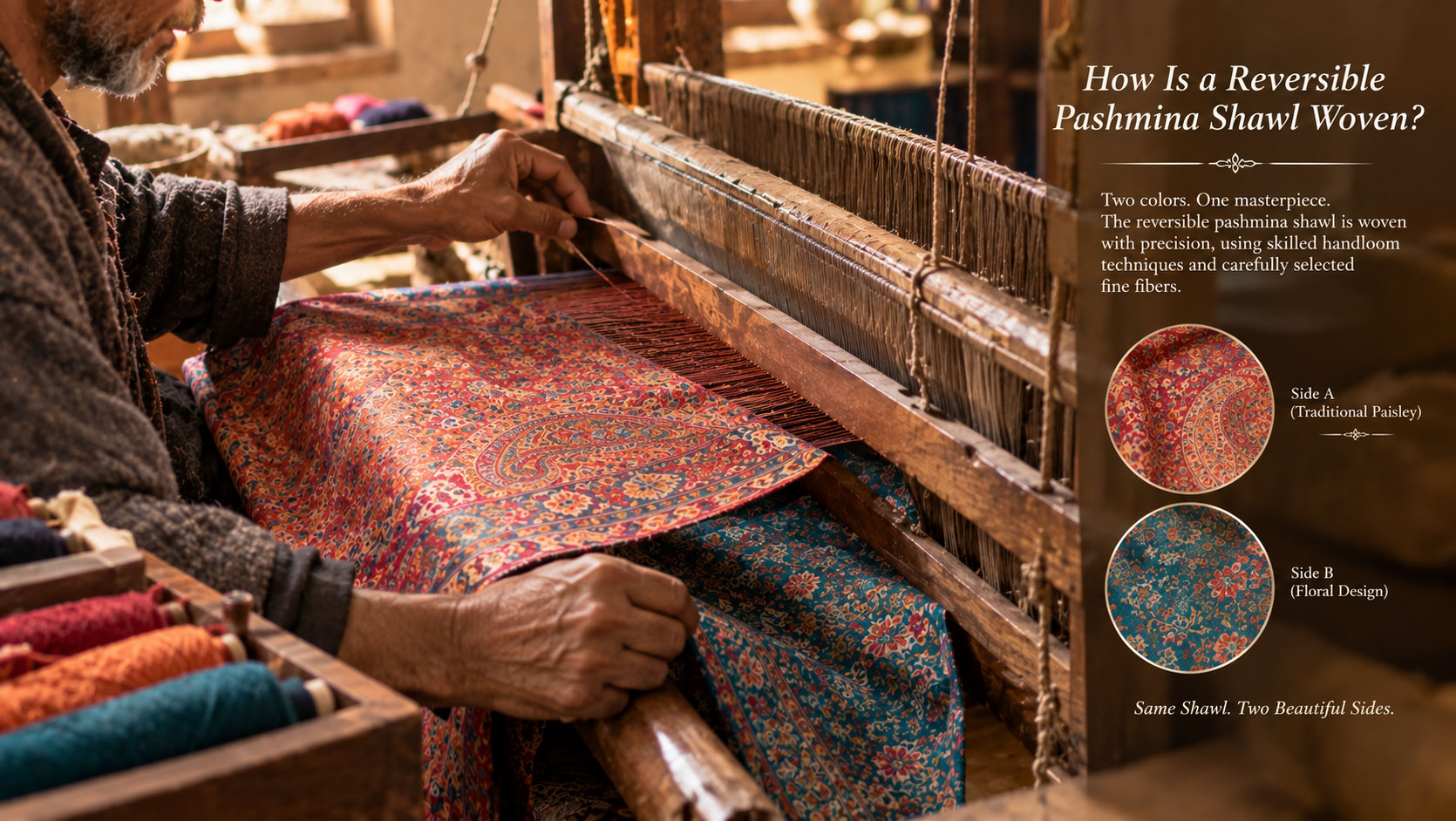
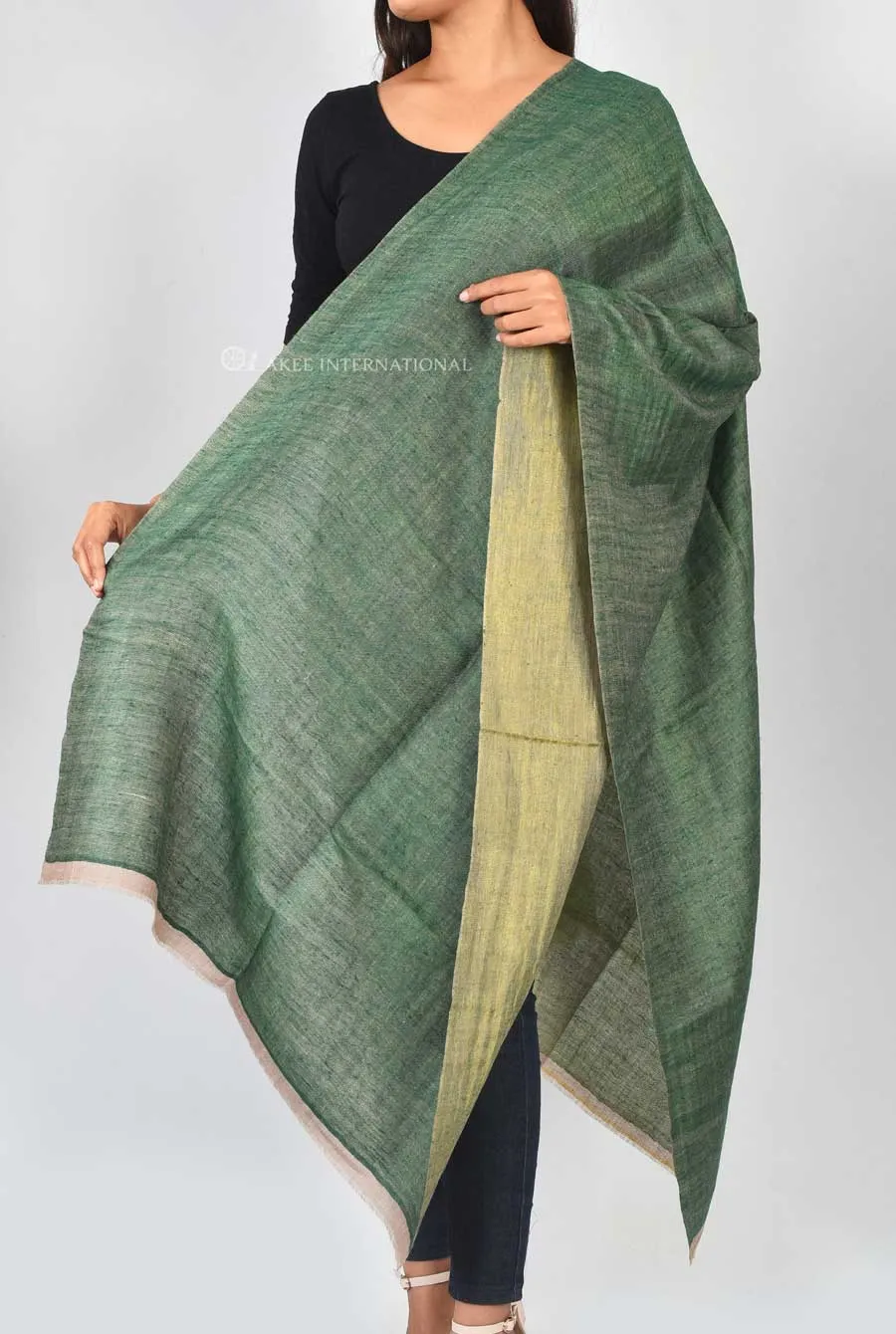
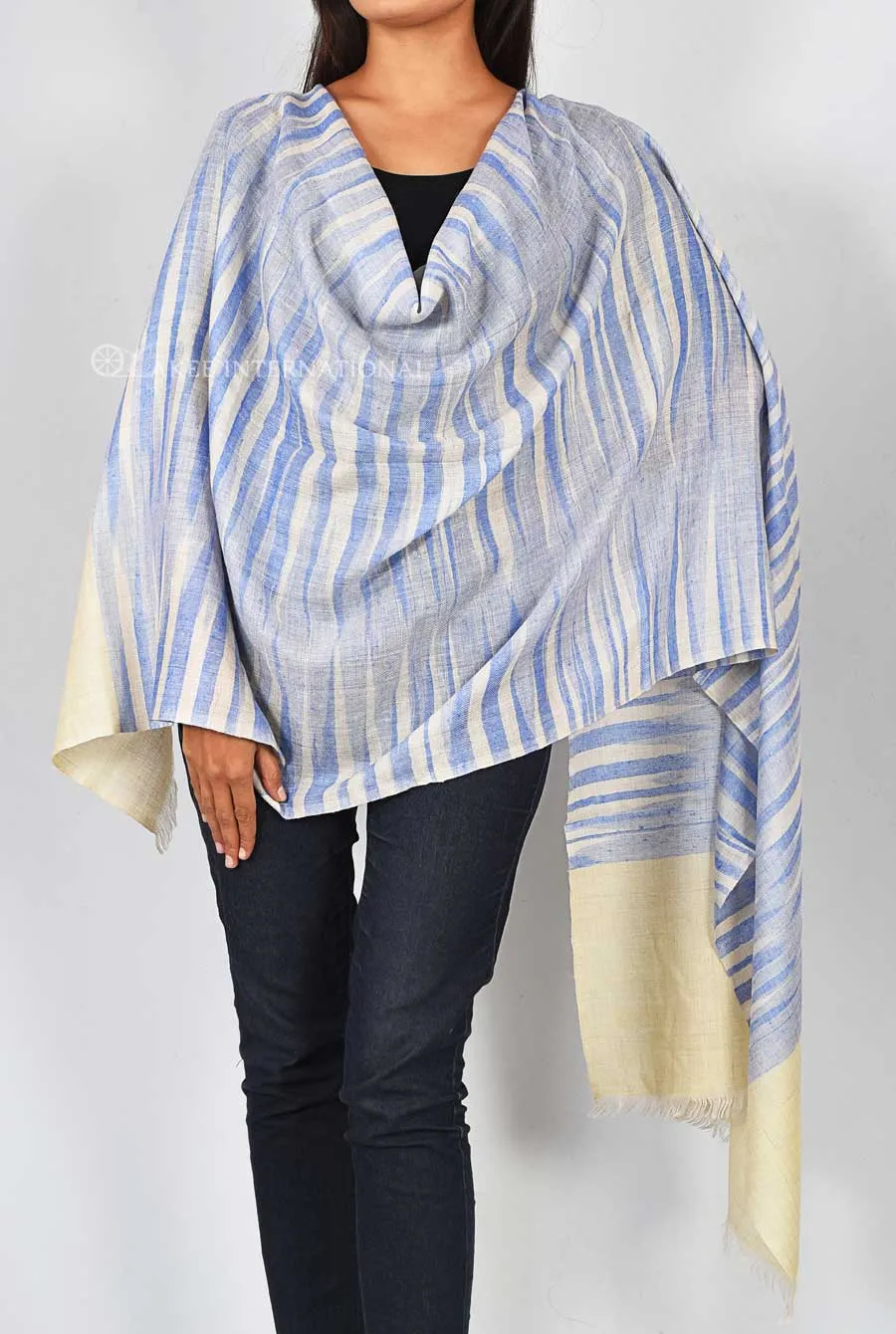
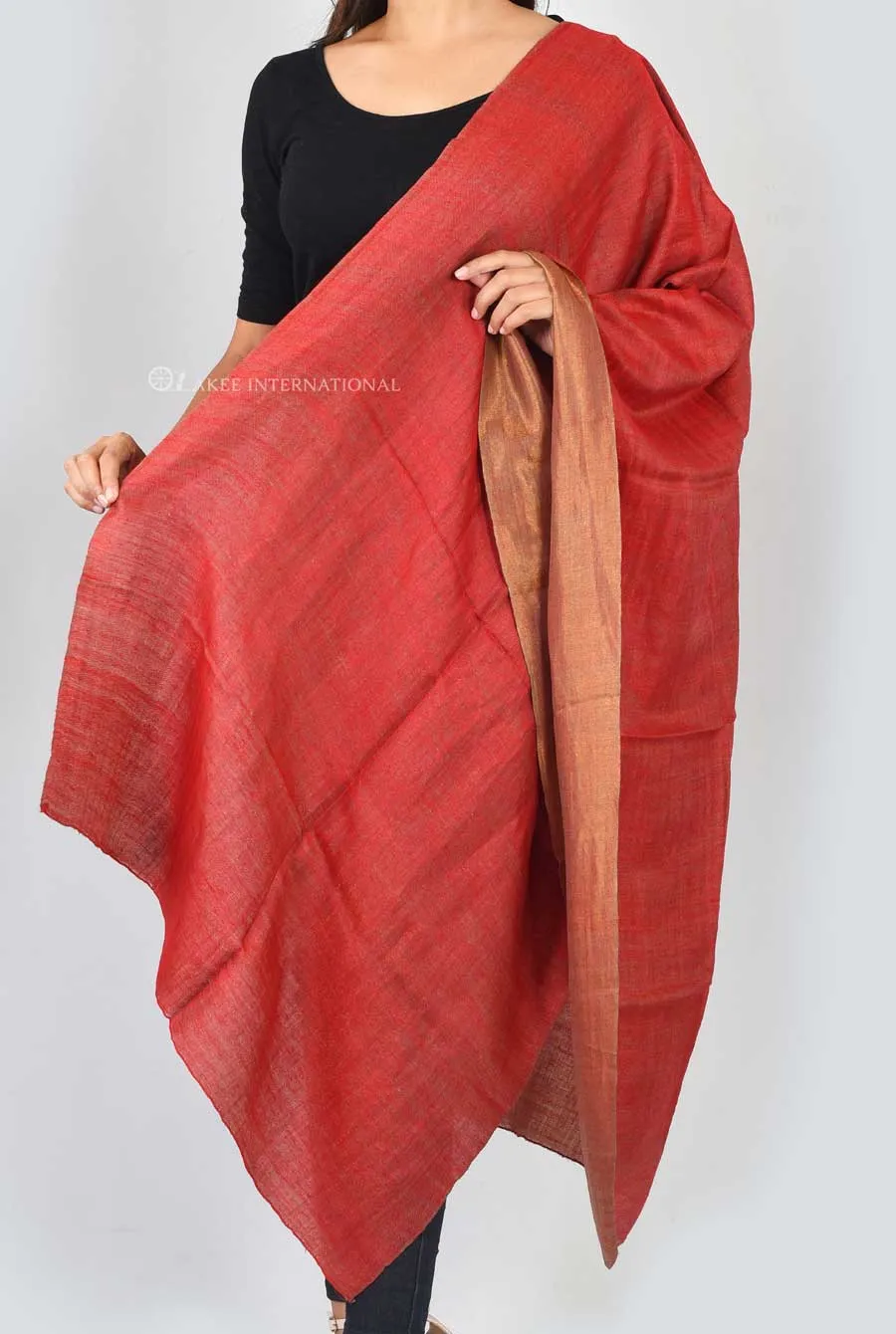
A reversible Pashmina shawl is a remarkable example of textile craftsmanship, combining the softness and elegance of fine Pashmina with a design that can be appreciated from both sides. Unlike a simple shawl where one side is clearly intended to be the front, a reversible design is created so both surfaces have an attractive, finished appearance.
Creating such a shawl requires careful planning, precise weaving, and considerable artisan skill. The complexity of the process depends on the pattern, colours, weaving technique, and the level of detail incorporated into the design — making it one of the more technically demanding forms of Pashmina craftsmanship.
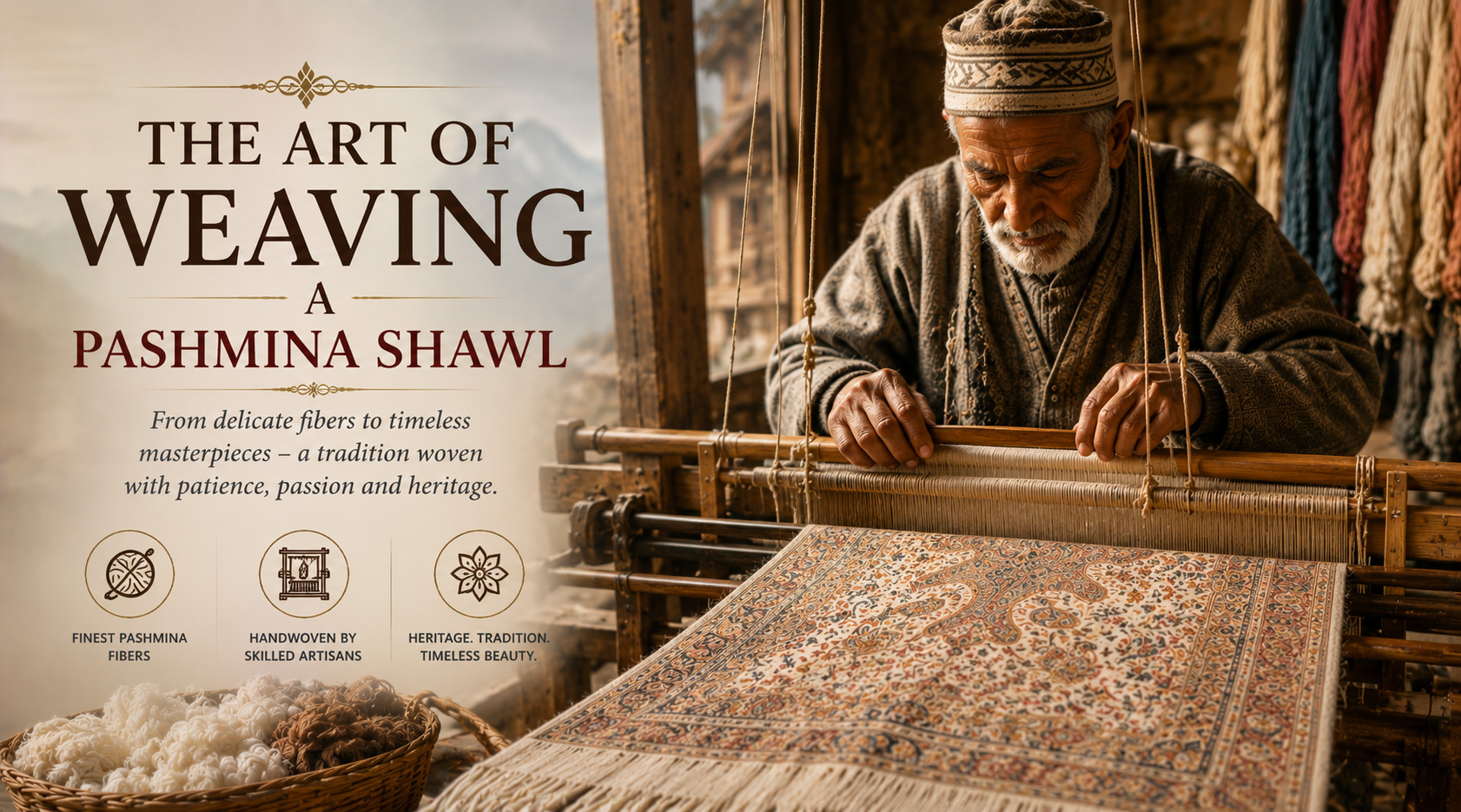
The process begins with carefully prepared Pashmina fibre, which is transformed into delicate yarn. Because Pashmina fibres are exceptionally fine, preparing and spinning them requires real experience and attention, as our guide on the art of weaving a Pashmina shawl explains in more depth.
The quality of the yarn plays an important role in the final appearance of a reversible shawl. Fine, consistently prepared yarn allows artisans to create a balanced fabric while maintaining the softness and graceful drape associated with genuine Kashmir Pashmina wool.
One of the most important stages is planning the design itself. A reversible shawl must look attractive from both sides, so the artisan needs to consider how colours, motifs, borders, and patterns will appear on each surface before a single thread is set on the loom.
Depending on the weaving technique, the two sides may display complementary colours, mirrored patterns, or entirely different visual arrangements. This requires careful calculation both before and during the weaving process, far more than a standard single-sided shawl demands.
The yarn is carefully arranged on a traditional loom, where warp and weft threads are interlaced to create the fabric. In a reversible design, the weaving structure must be carefully controlled so the fabric remains balanced and both surfaces maintain a refined appearance throughout — a hallmark of genuine handloom Pashmina craftsmanship.
The artisan needs to maintain consistent thread tension throughout the entire process. Any irregularity can affect the appearance, symmetry, or drape of the finished shawl, which is why reversible weaving demands considerably more experience than standard techniques.
The distinctive feature of a reversible Pashmina is its two-sided design. Depending on the technique, the artisan may work with multiple colours or carefully arranged threads to create patterns that remain visually appealing on either side of the fabric.
This is where traditional weaving knowledge becomes particularly important. The artisan must understand how each thread contributes to the pattern and how the design will appear when the shawl is viewed from the opposite side — a level of spatial and technical planning that few other textile techniques require.
A standard woven shawl can be designed primarily with one visible surface in mind. A reversible Pashmina shawl requires greater attention because both sides must maintain a high level of visual quality throughout.
The artisan must carefully manage the weave, colour placement, pattern alignment, and fabric tension simultaneously. This additional complexity can make reversible designs particularly valued among people who genuinely appreciate traditional textile craftsmanship over mass-produced alternatives.
A reversible Pashmina should not be confused with a shawl made by simply attaching two separate pieces of fabric together. True reversible weaving involves creating the desired two-sided appearance through the construction and patterning of the textile itself, not through stitching two fabrics as a single unit.
The exact technique can vary depending on the design and artisan tradition, so buyers should always check the individual product description to understand how a particular reversible shawl has been produced — our guide on how to identify an original Pashmina shawl can help with this evaluation.
The appeal of a handwoven Pashmina shawl comes from the combination of fine fibre and skilled artisan work. Reversible designs add another layer of technical and artistic complexity, allowing the wearer to enjoy more than one visual expression from the same textile.
A reversible shawl can therefore be both practical and versatile. It can be styled differently depending on which side is displayed, giving the wearer far greater flexibility for different outfits and occasions than a standard single-sided shawl would allow — our companion piece on how to style a reversible Pashmina shawl covers this in detail.
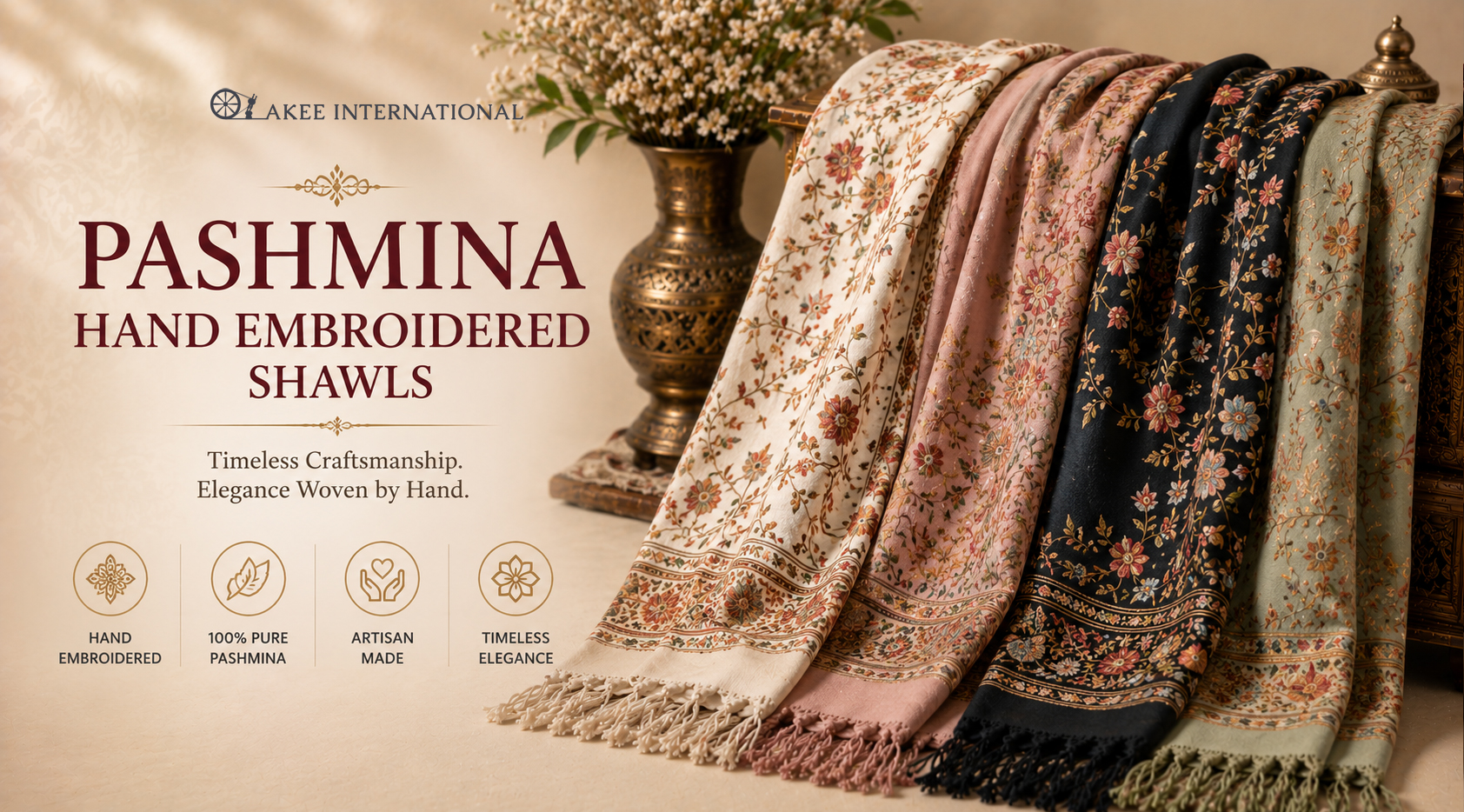
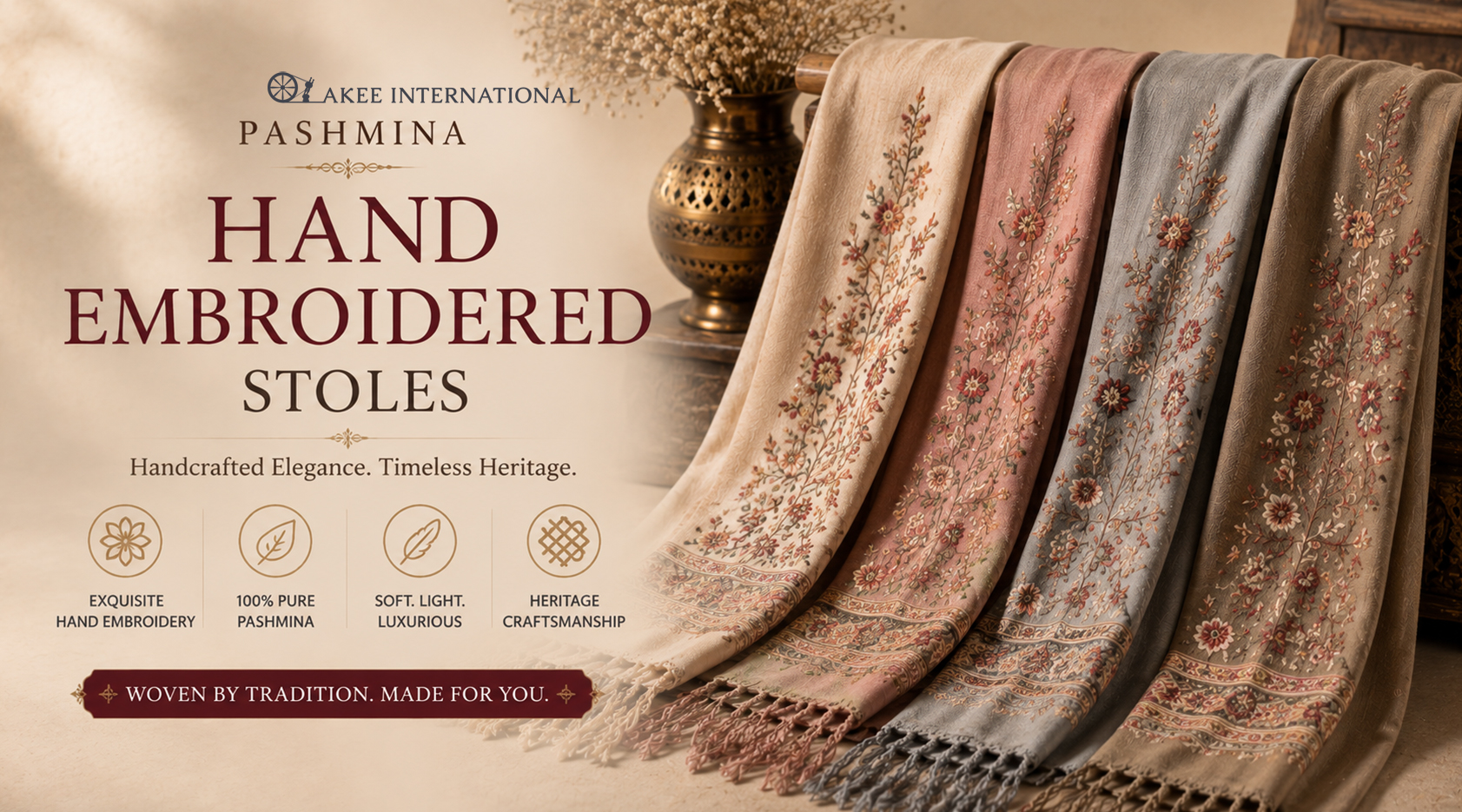
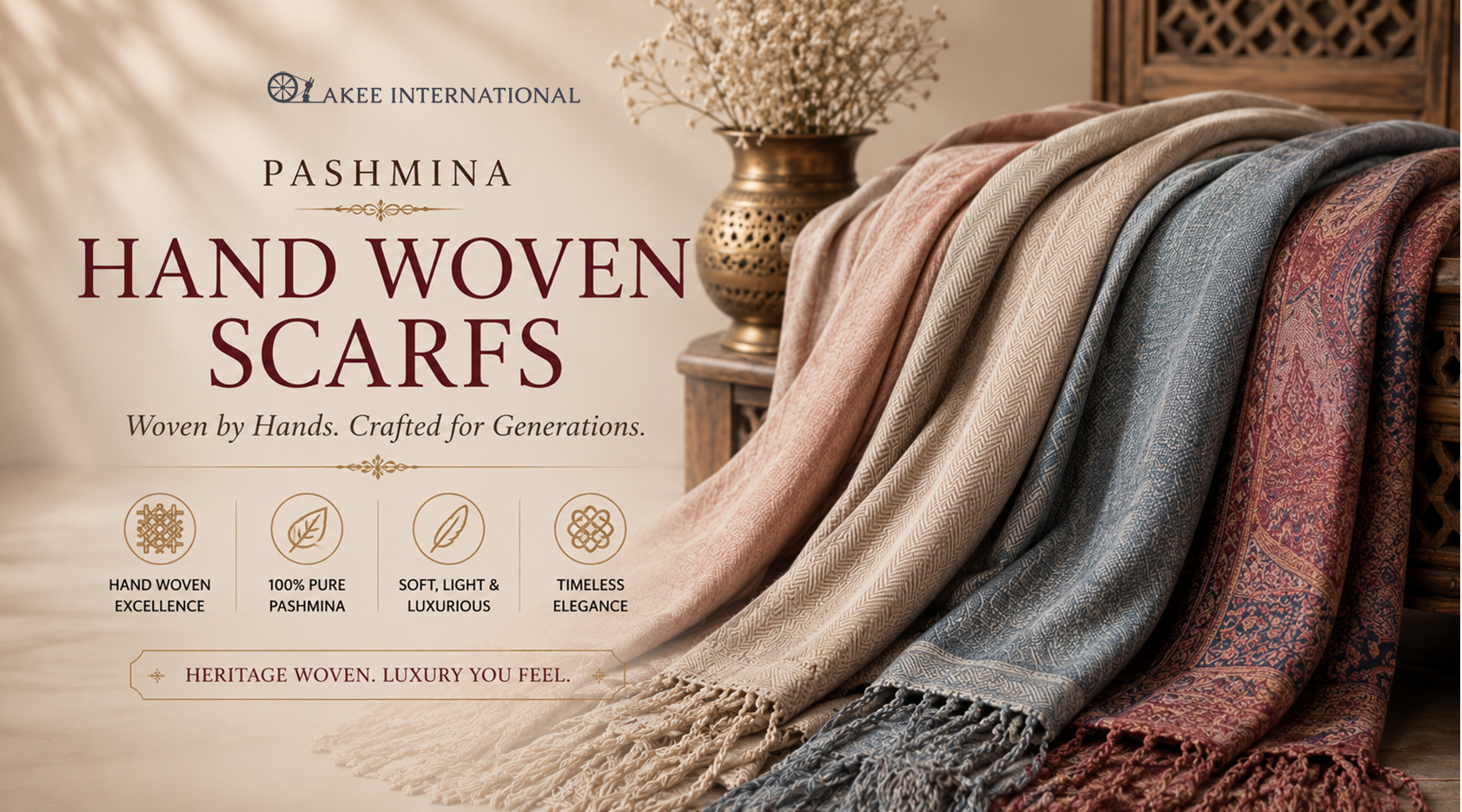
At Akee International, the beauty of Pashmina lies in the combination of traditional craftsmanship, elegant design, and the natural qualities of fine fibre. Whether you prefer a simple handwoven design, an embroidered creation, or an intricate Jamawar Pashmina shawl, each style reflects the artistry associated with fine Pashmina textiles, sourced through our trusted Kashmiri artisan network.
Understanding the technical skill behind a reversible shawl makes it easier to appreciate why such pieces are priced and valued differently from simpler, single-sided designs — the additional planning, precision, and time invested by the artisan is genuinely reflected in the finished textile.
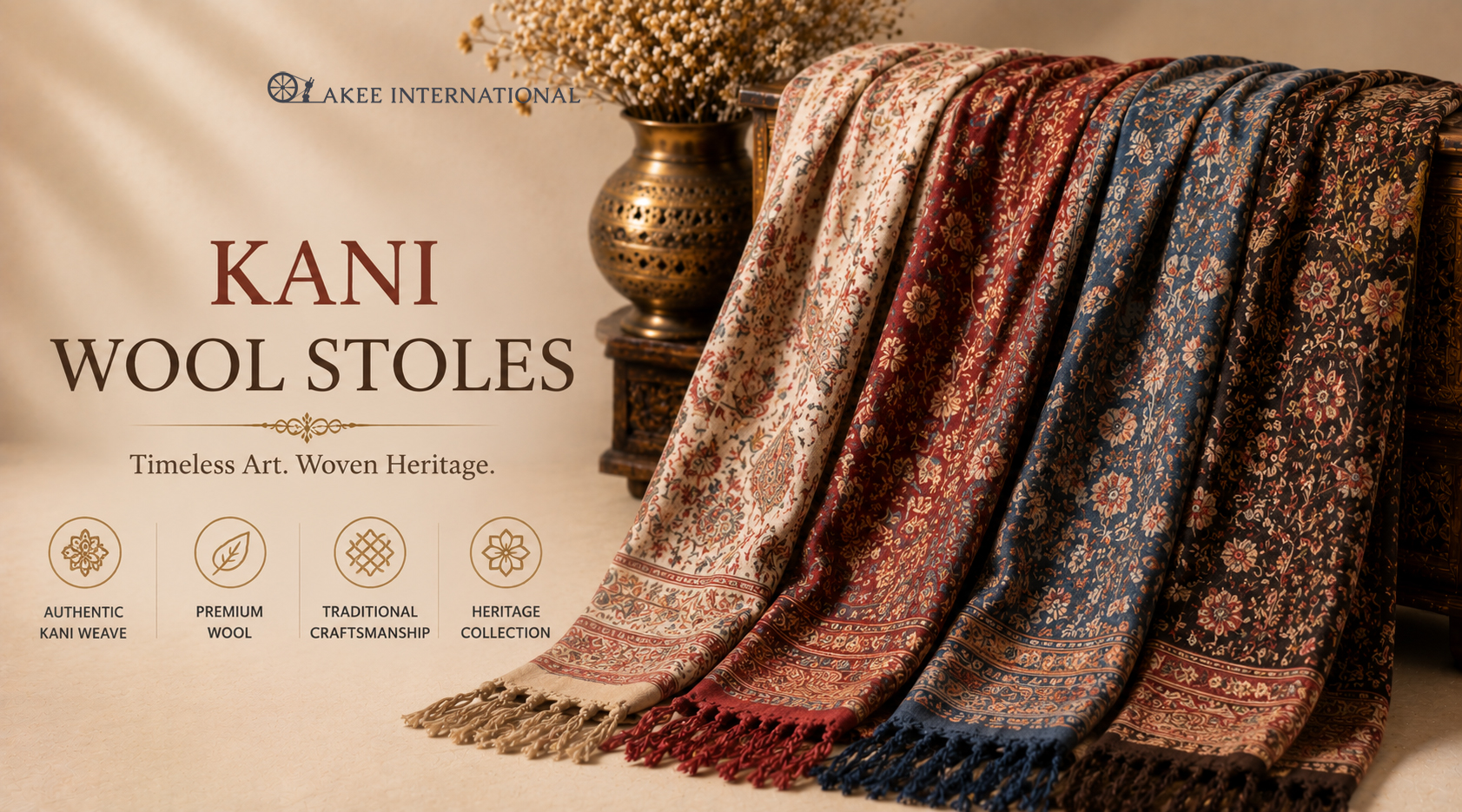
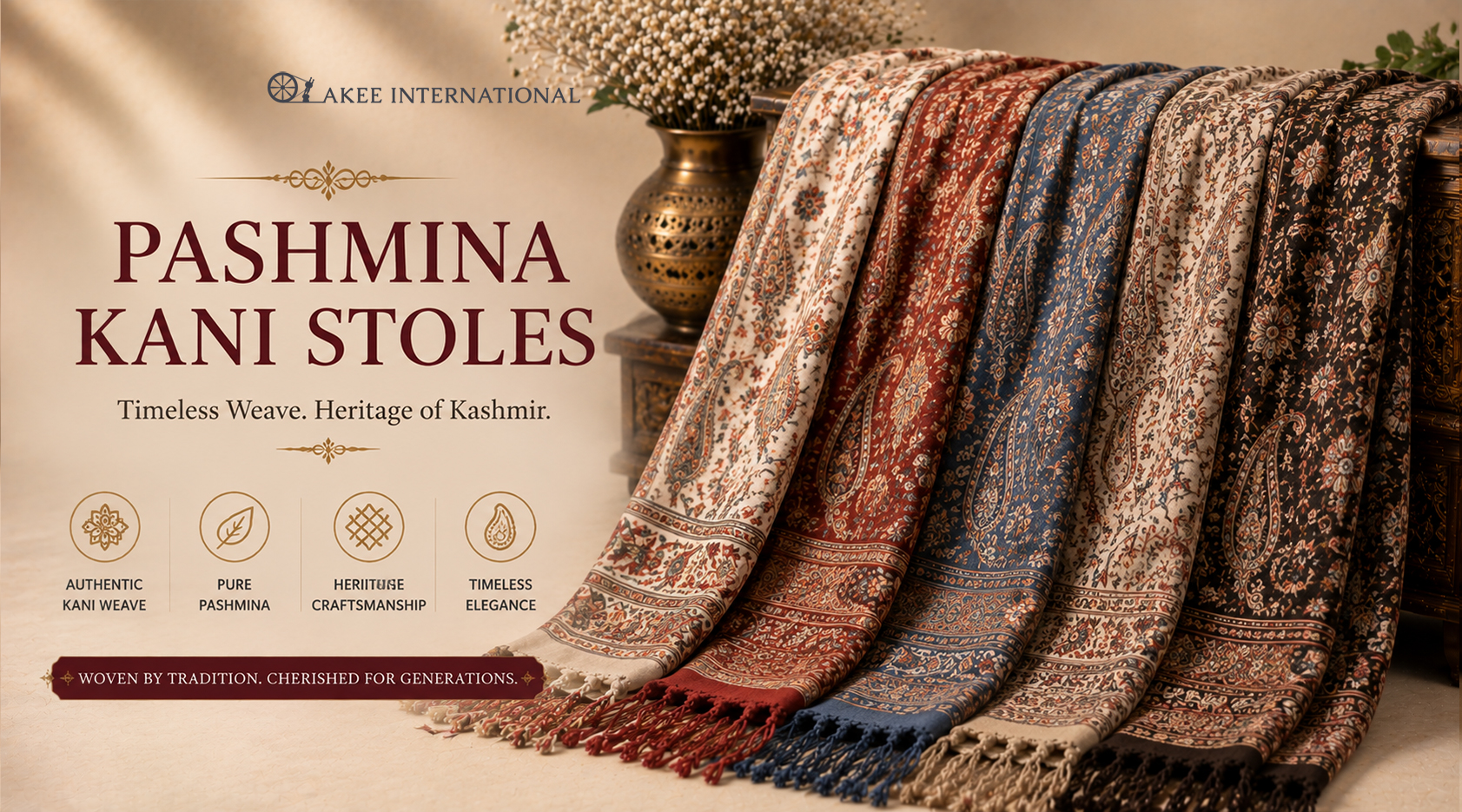
Browse our Pashmina shawl collection to see reversible and other handwoven designs, or explore our Kani Wool Stoles for another example of intricate traditional weaving.
If you'd like to know more about a specific reversible design or its construction, our team is happy to explain.
Reach out via Contact Us to explore our handwoven and reversible Pashmina designs.
Discover exquisite Pashmina shawls, beautifully crafted with Kashmir’s timeless heritage and artistry.
A reversible Pashmina shawl is designed so that both sides have an attractive finished appearance. It can offer two different visual styles depending on which side is worn outward.
Some reversible Pashmina shawls can be handwoven using traditional loom techniques. Buyers should check the individual product description to confirm the specific manufacturing method.
It is created by carefully arranging and interlacing fine Pashmina yarns so that the weaving structure and pattern produce an appealing appearance on both sides.
The artisan must carefully control the weave, yarn tension, colour placement, and pattern so that both sides maintain a refined and balanced appearance.
It can. Depending on the weaving technique, the two sides may feature complementary colours, patterns, or different visual arrangements.
The fibre composition depends on the individual product. Buyers should always check the product description for specific information about the material and fibre content.
A reversible design can be created through specialised weaving and pattern construction, while a double-layer shawl may consist of two separate fabric layers. The exact construction should be confirmed from the product details.
Because both sides can be displayed, the same shawl can offer different colour or pattern combinations, allowing it to complement more outfits.
Yes. Depending on the design, a reversible Pashmina can be styled for weddings, formal dinners, festive celebrations, and other special occasions.
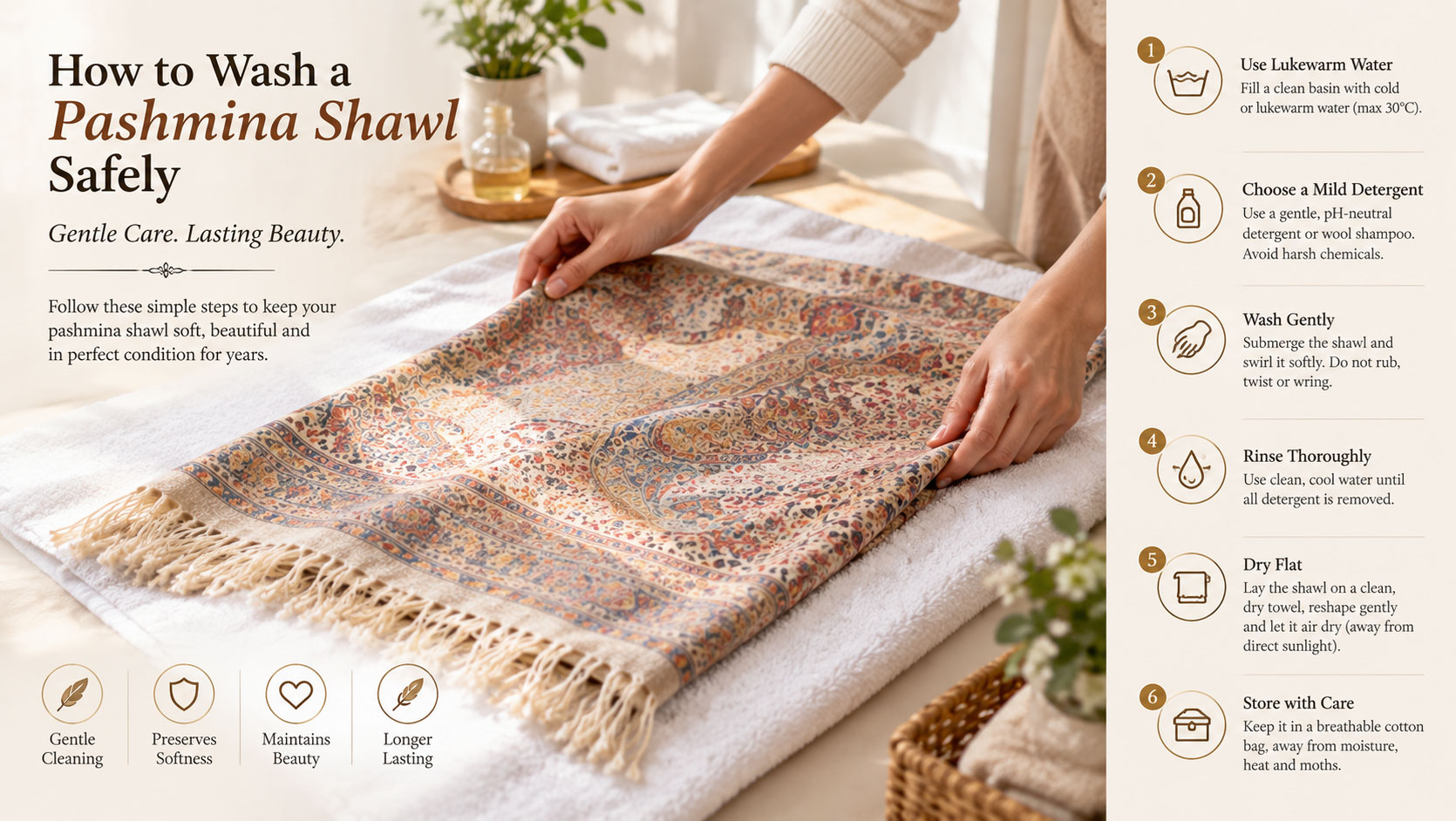
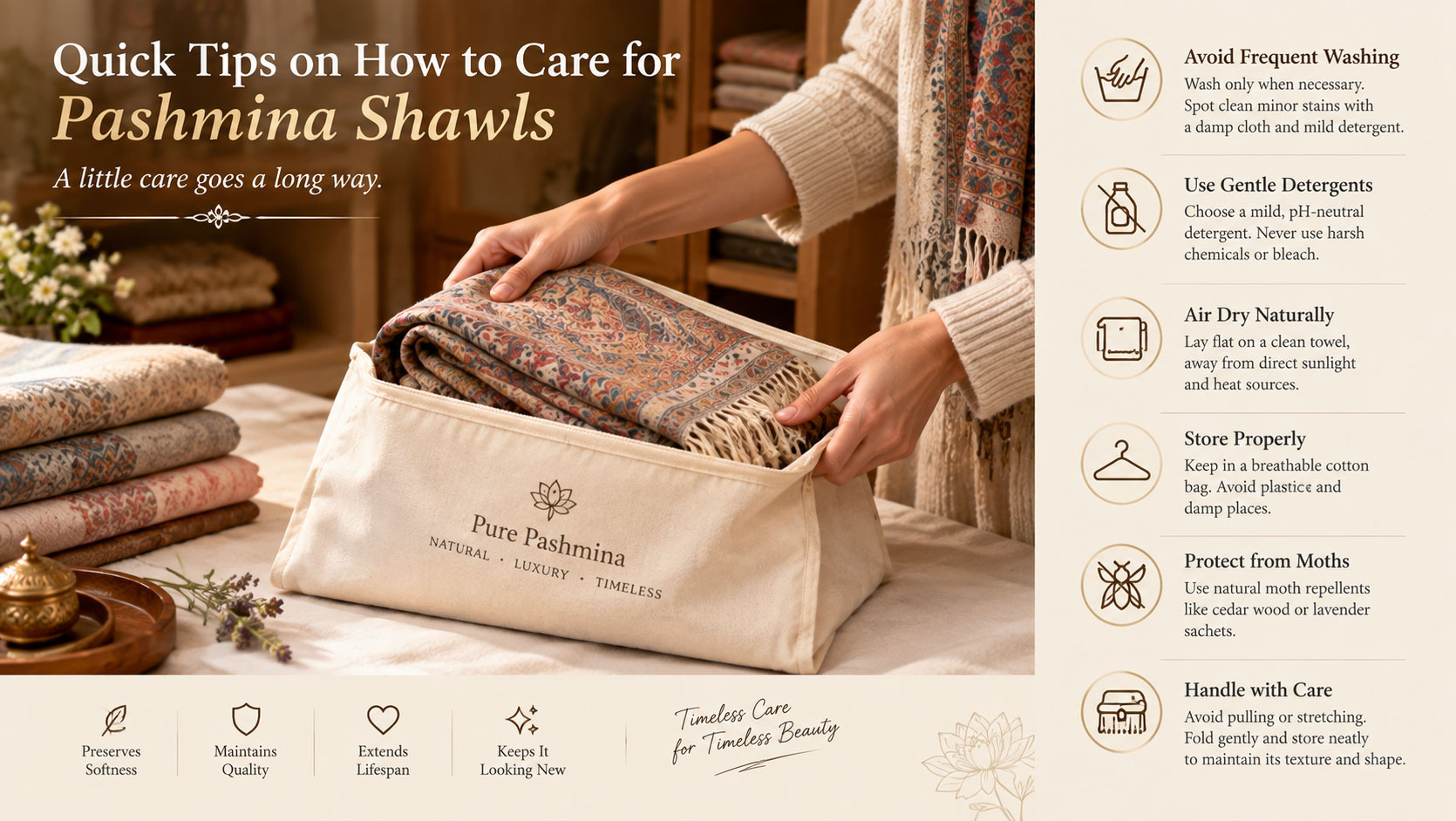
Handle it gently, avoid harsh detergents and excessive rubbing, and follow the specific care instructions provided with the shawl. Proper storage also helps preserve its delicate weave and appearance.
"Browse our curated collections and shop by category to find the perfect Pashmina shawl or scarf for every occasion."
"Explore our latest collection of exquisite Pashmina shawls and scarves, where luxury meets craftsmanship in every piece."
"Shop our Best Sellers, where luxury meets demand—featuring the most sought-after Pashmina shawls and scarves of the season."
"Read what our clients say about their experience with Akee International's luxurious Pashmina shawls and impeccable service."

Nai Mata Mandir Road, Thathar Road, Delhi By Pass, Amer, Jaipur 302028, Rajasthan India
Get directions Call Now Whatsapp 4.9 based on 269 reviews
Rating: 4.6/5 | 85 Reviews

Rating: 4.9/5 | 269 Reviews

TrustScore: 4.9 | 100 Reviews