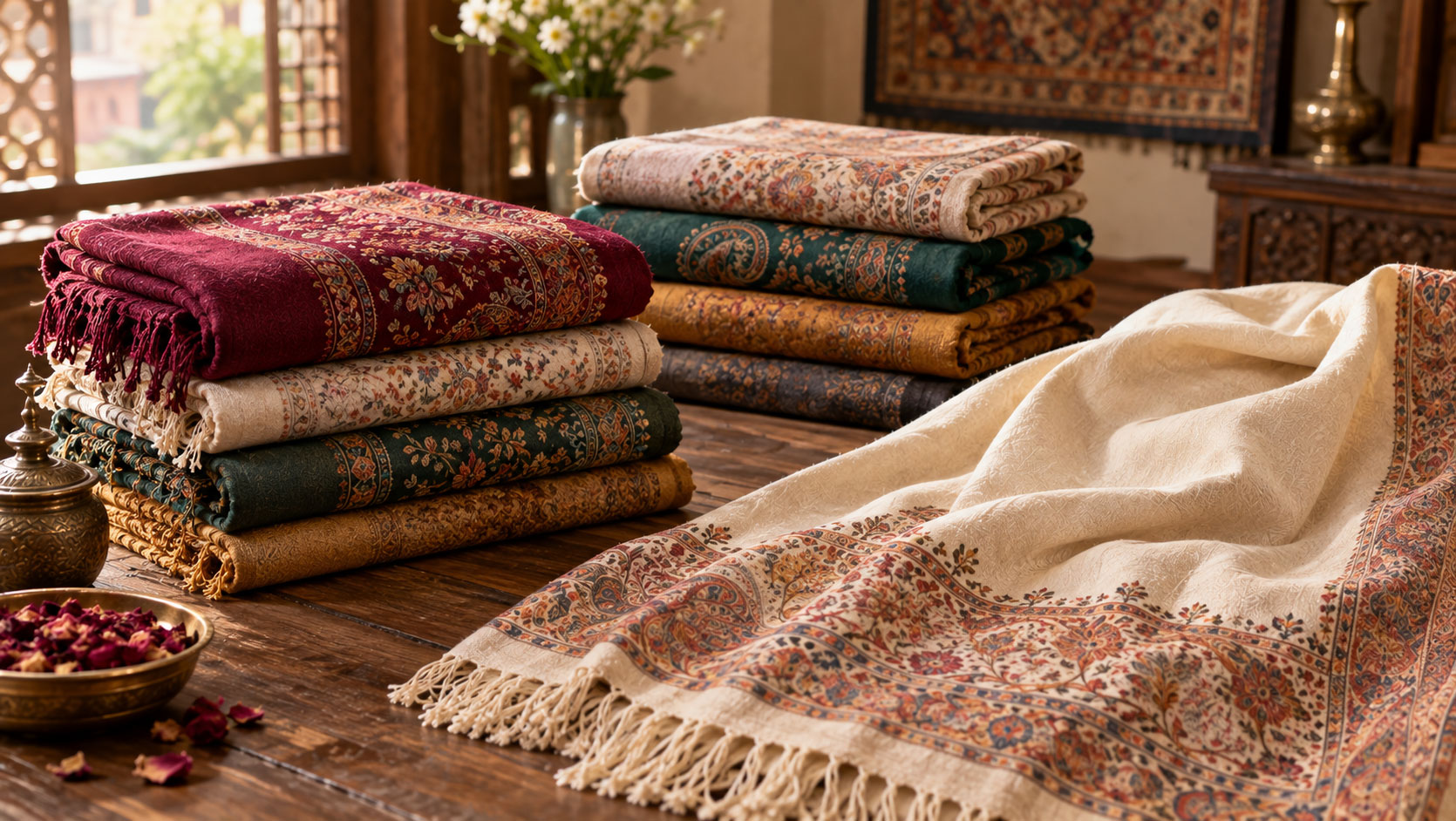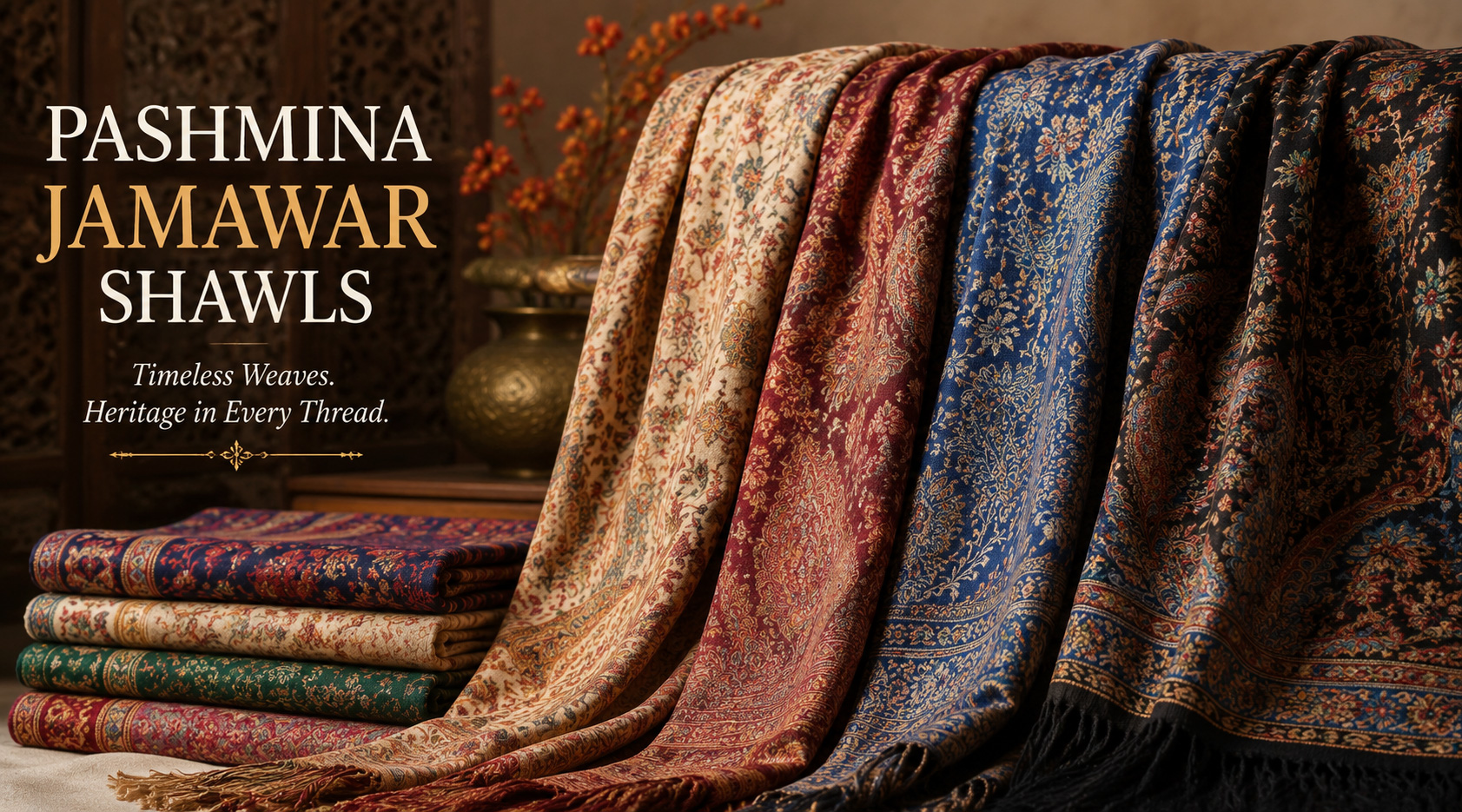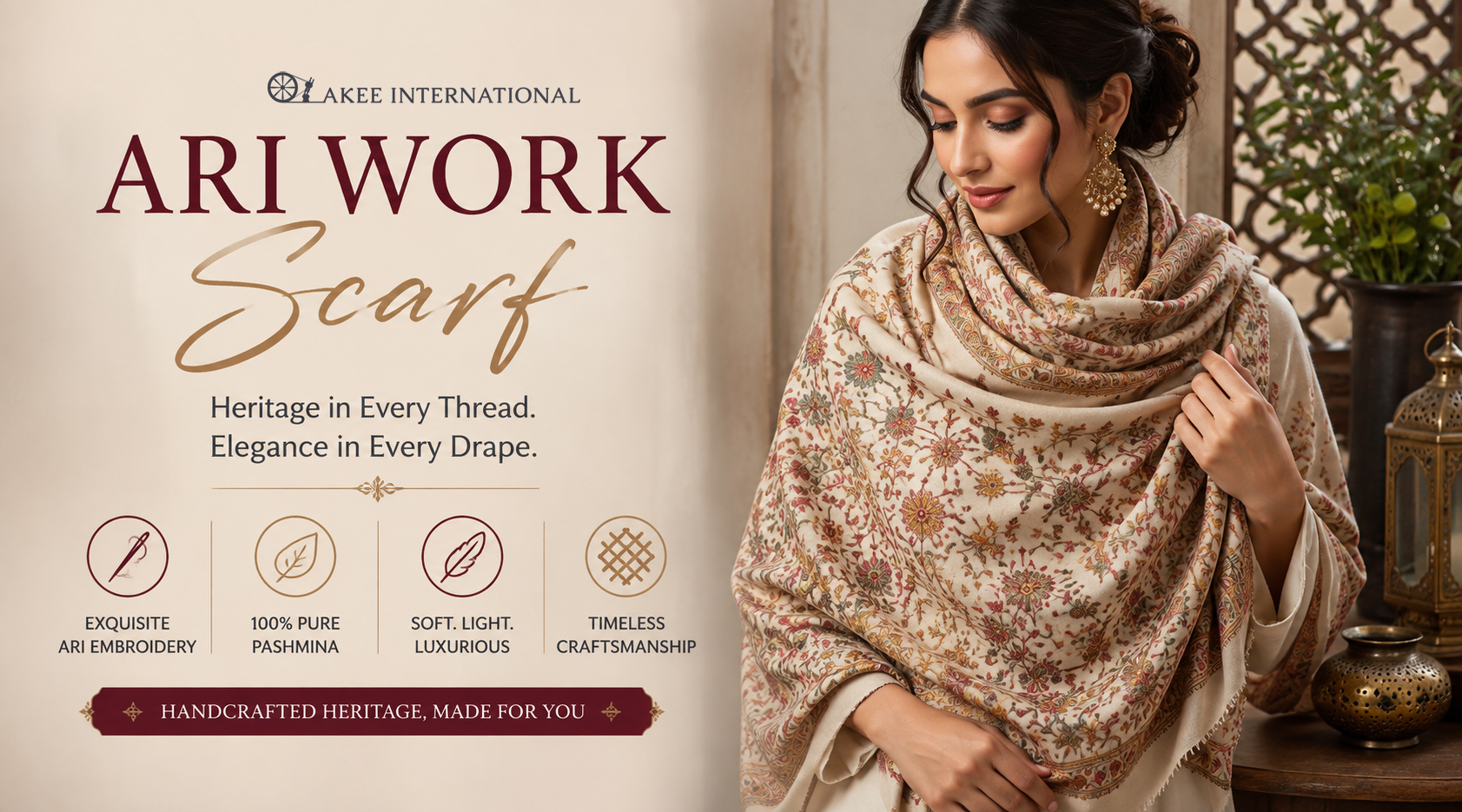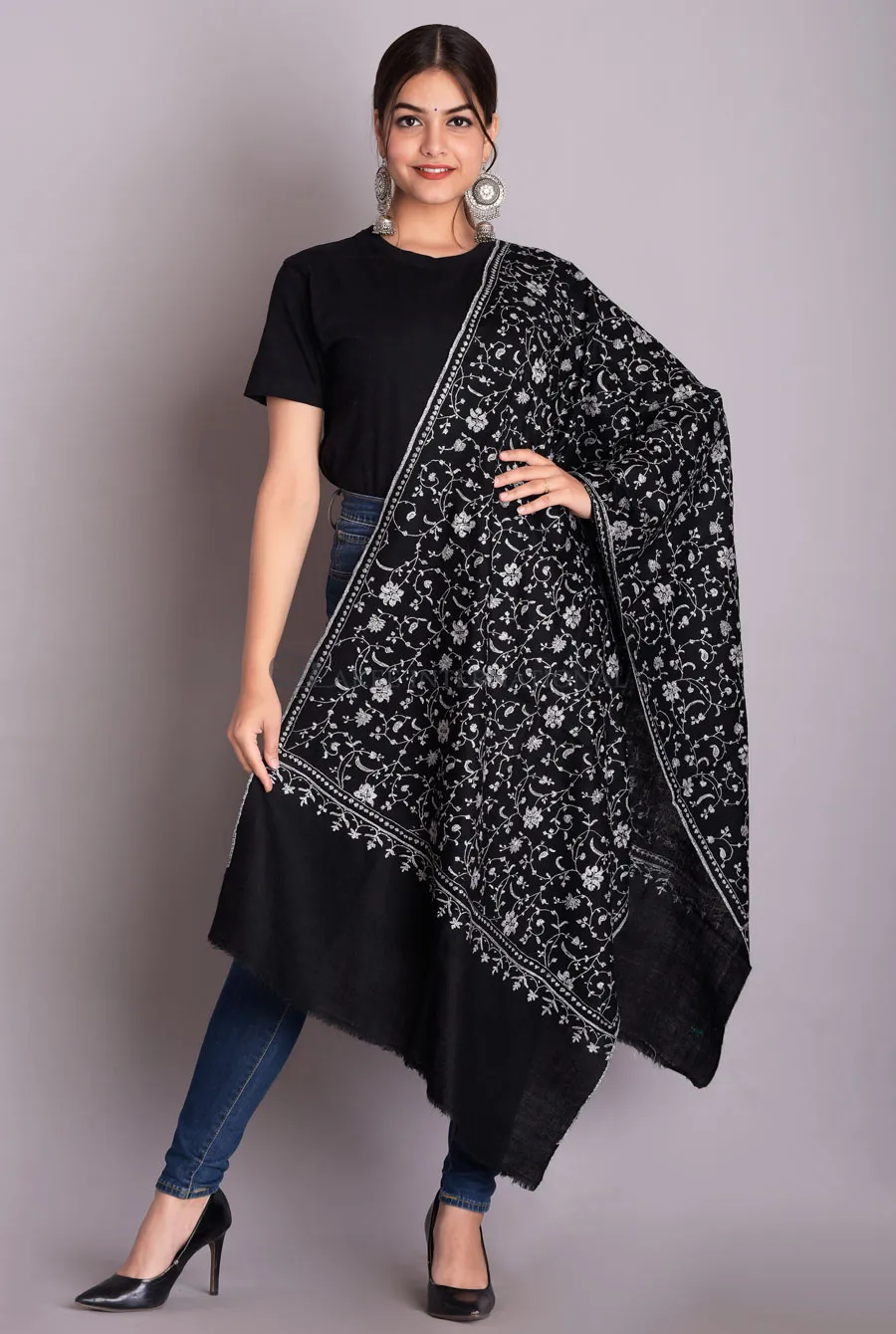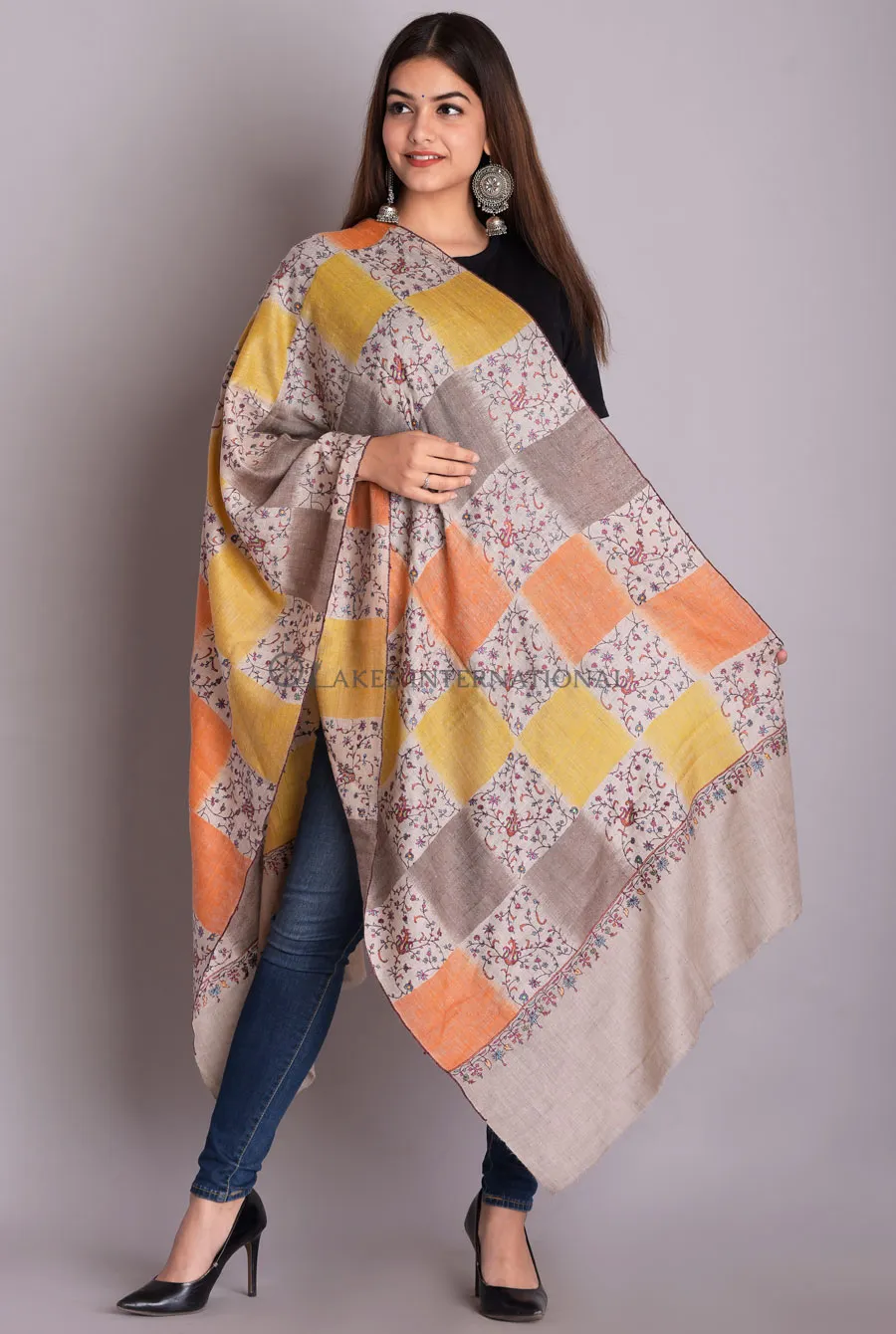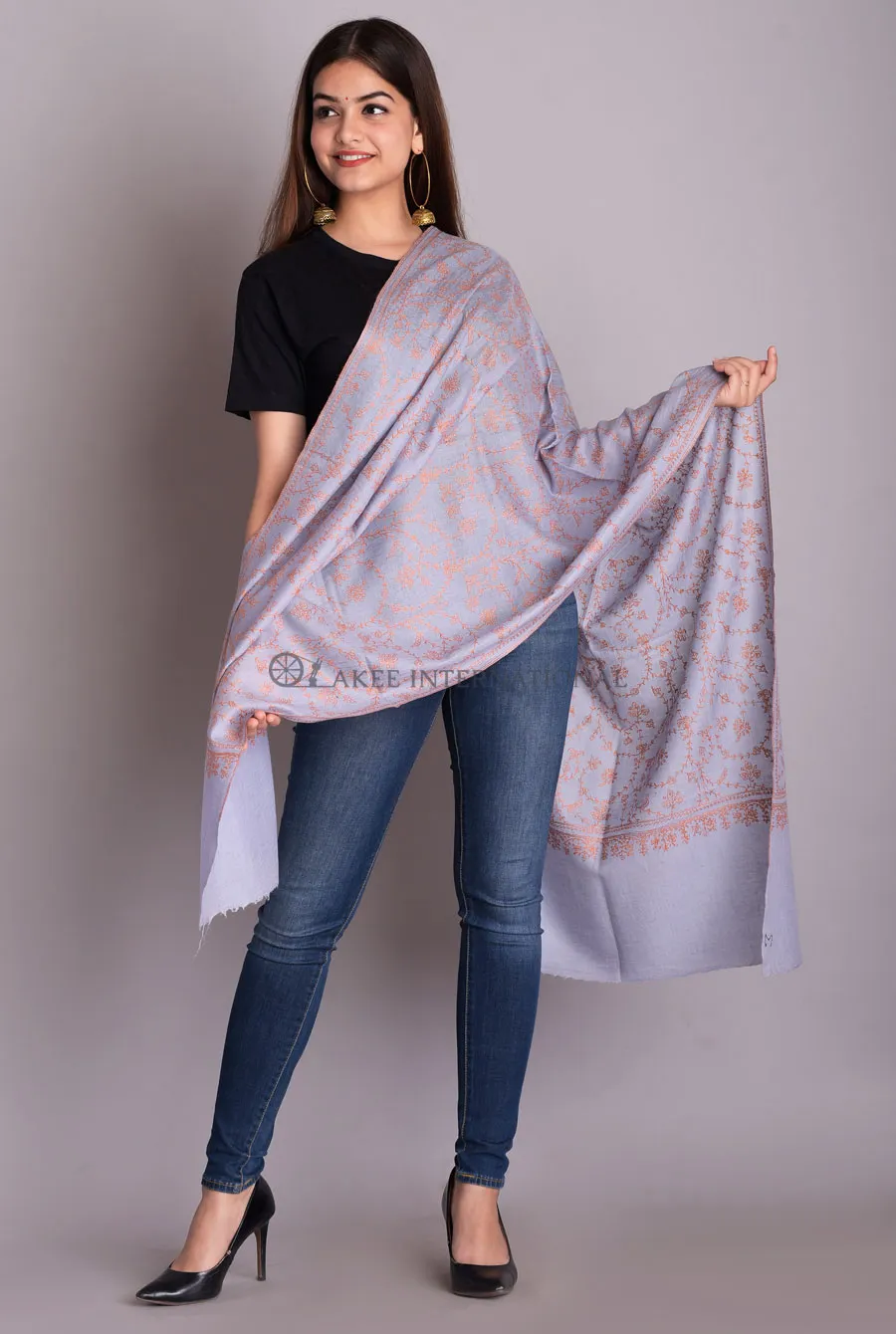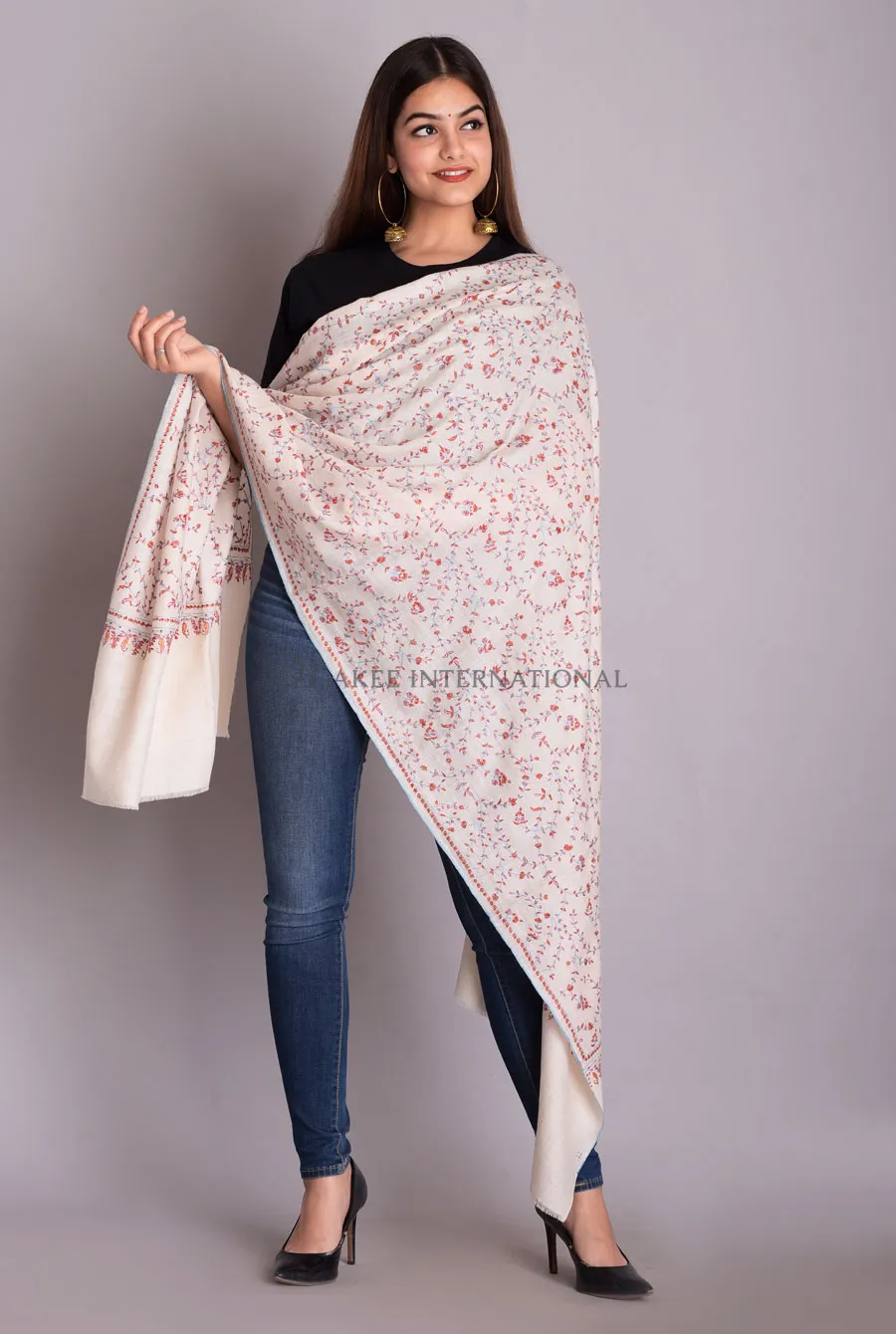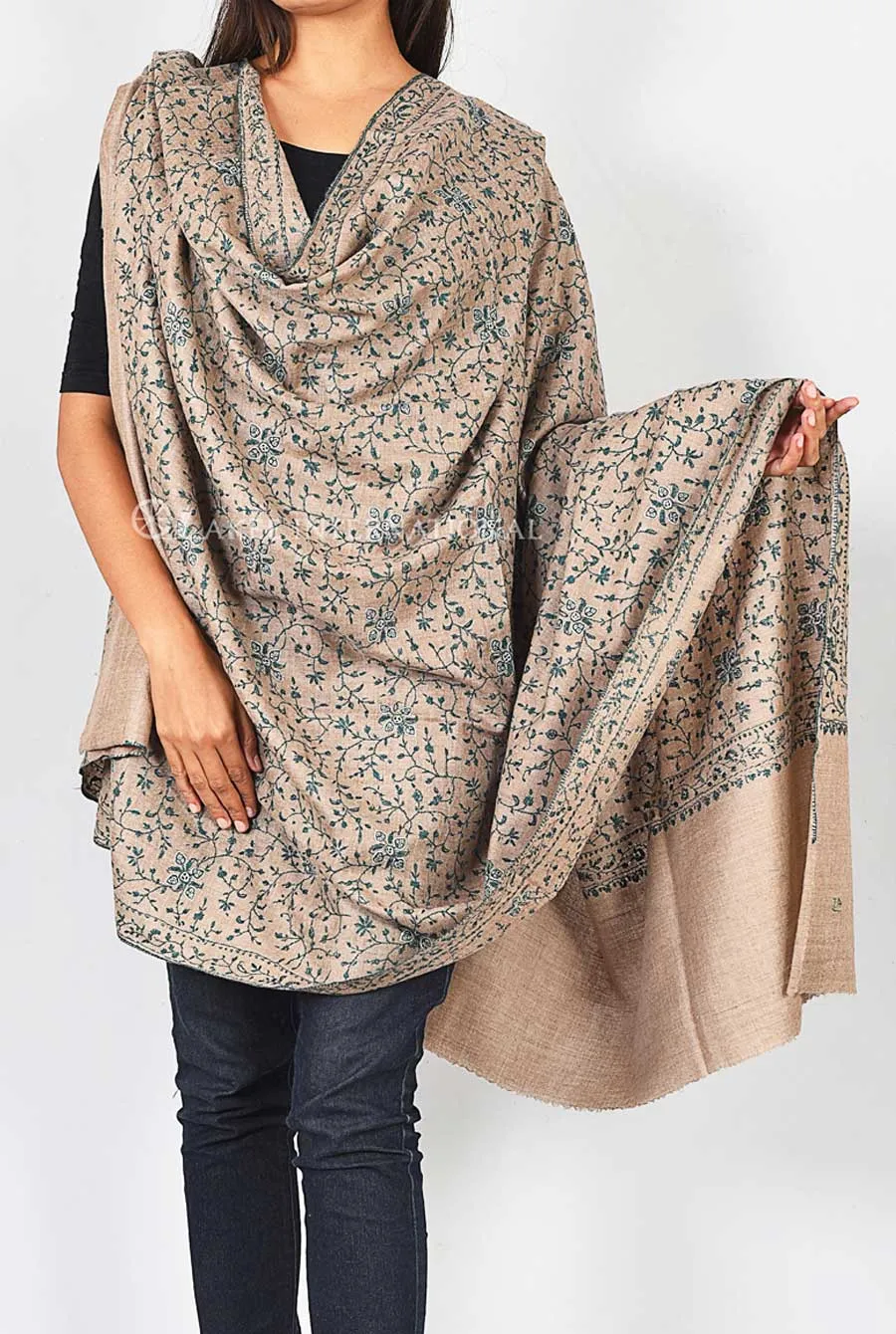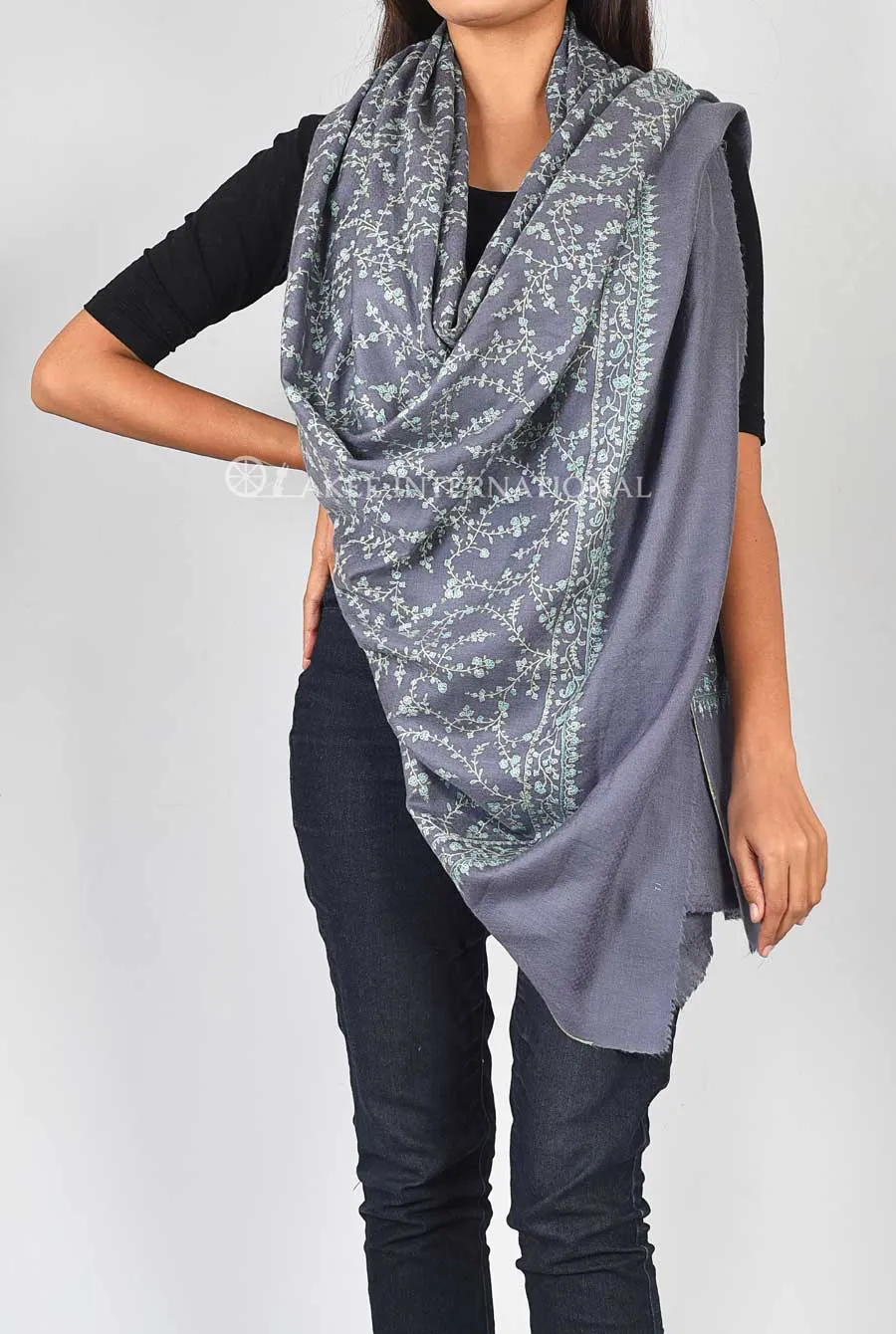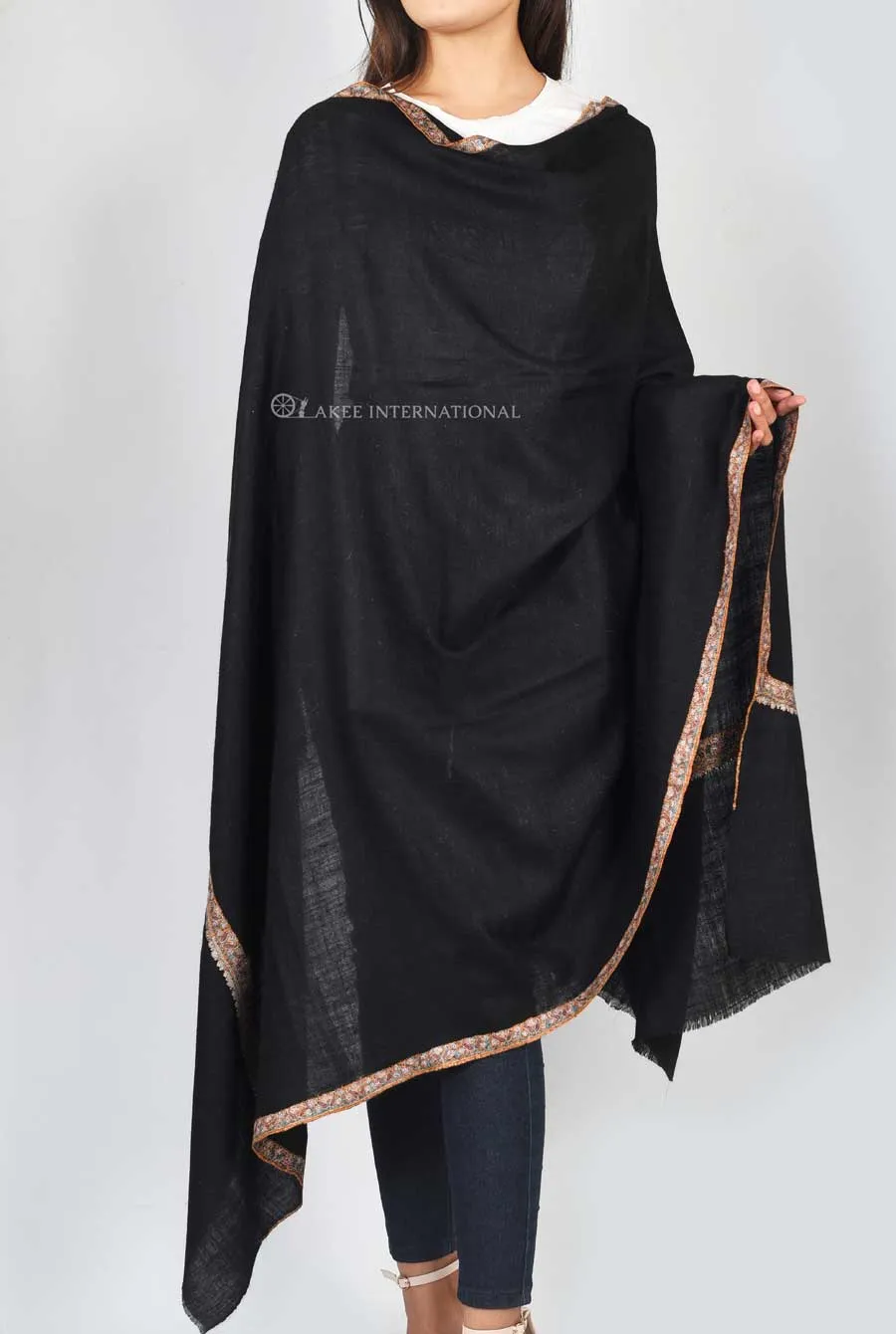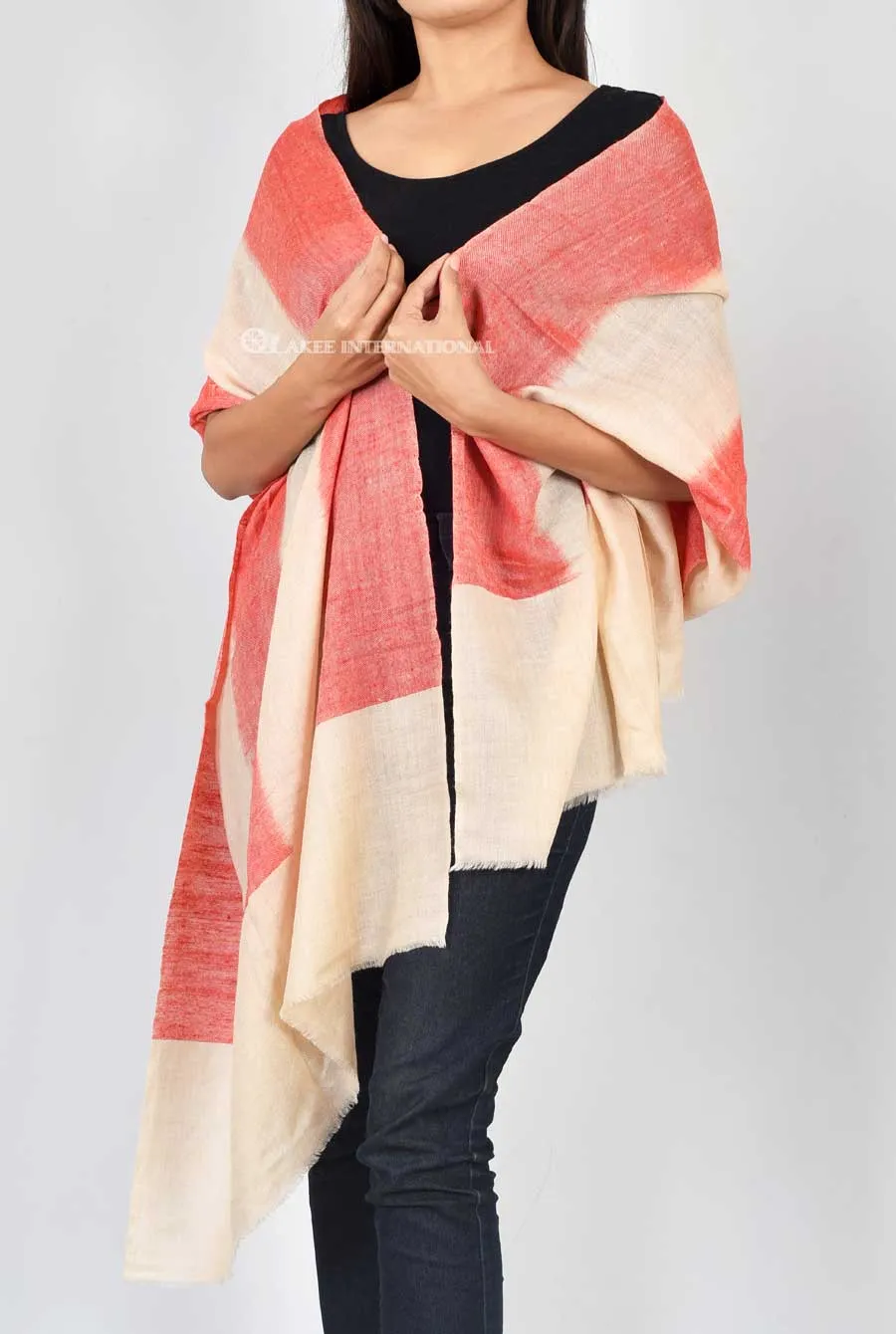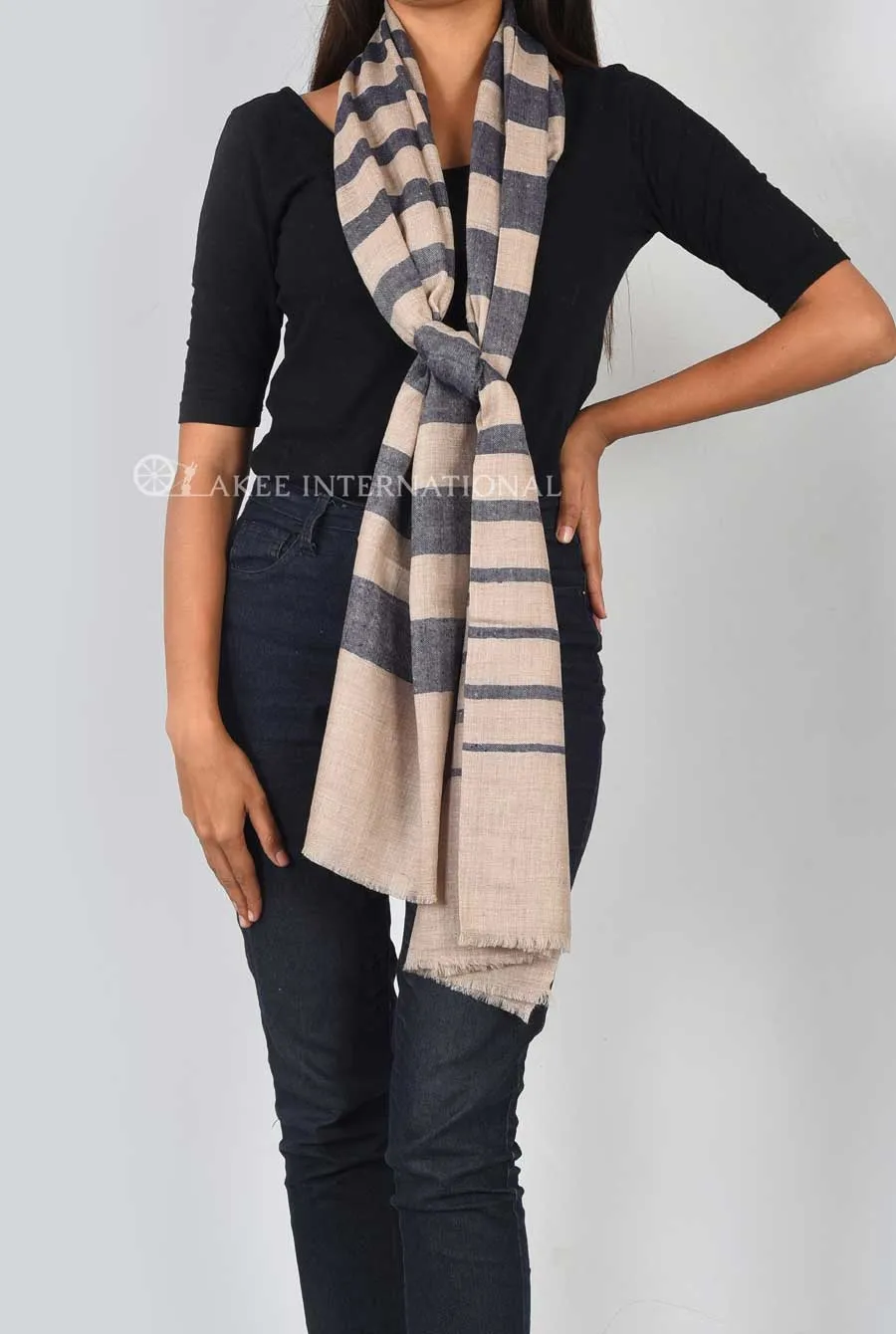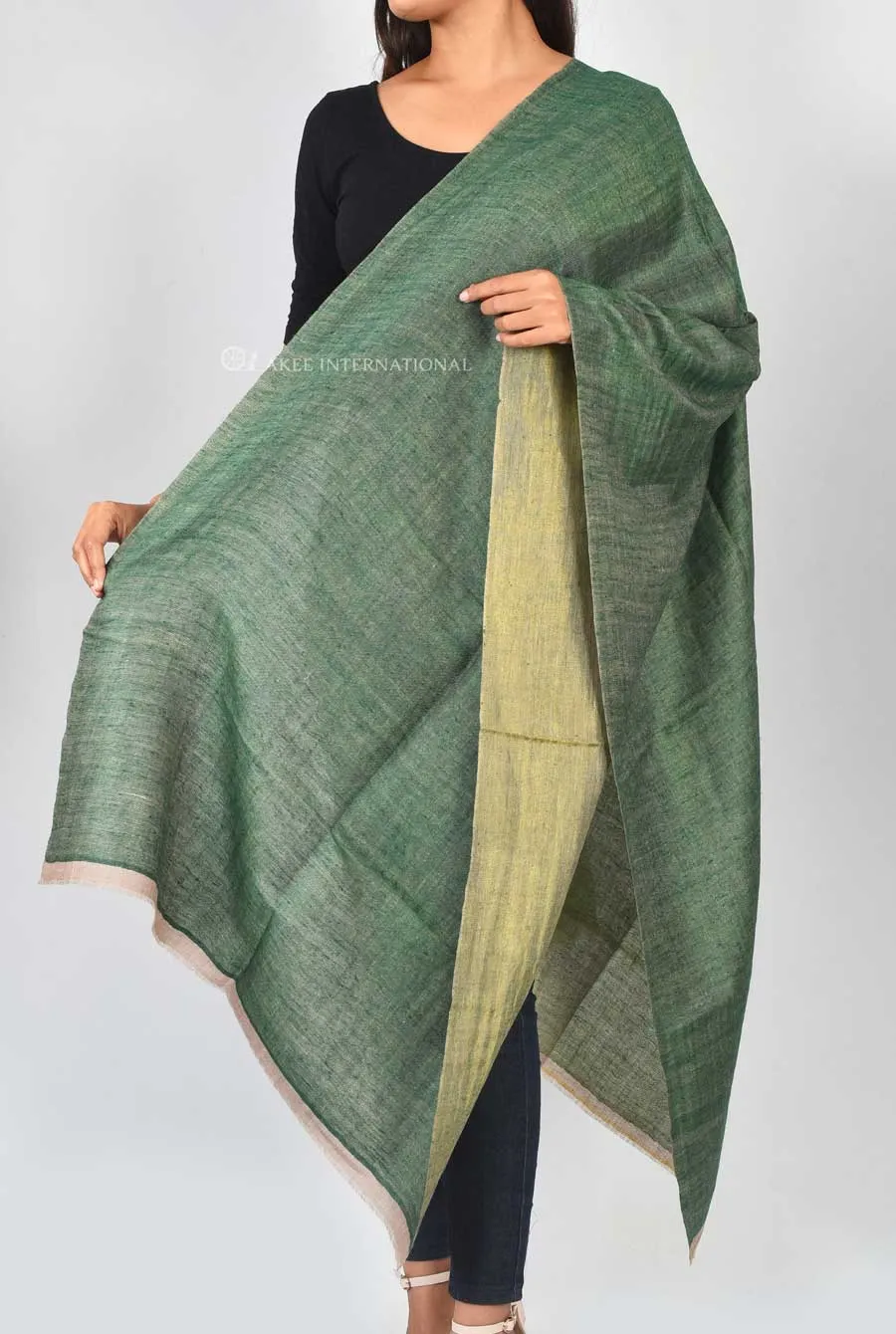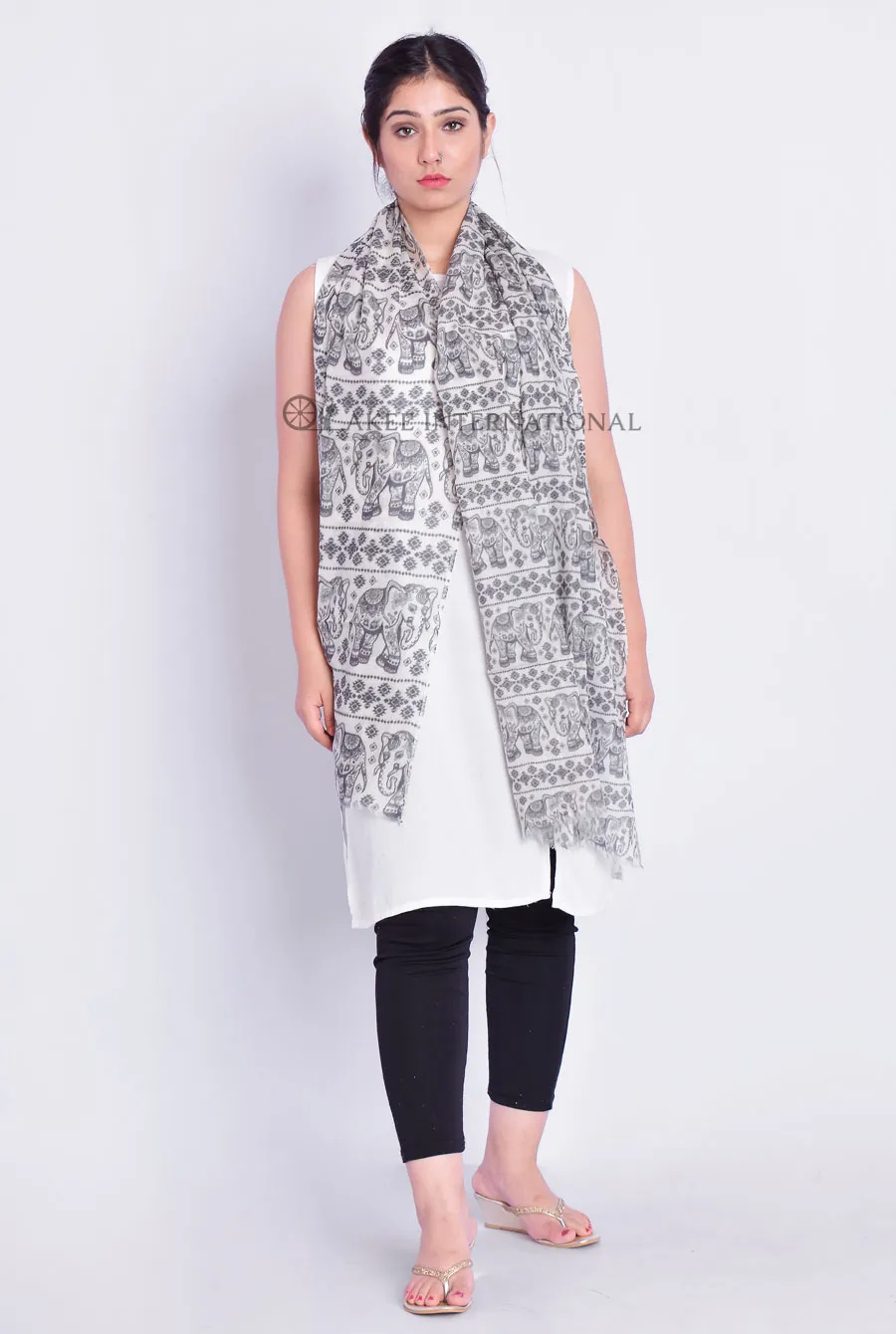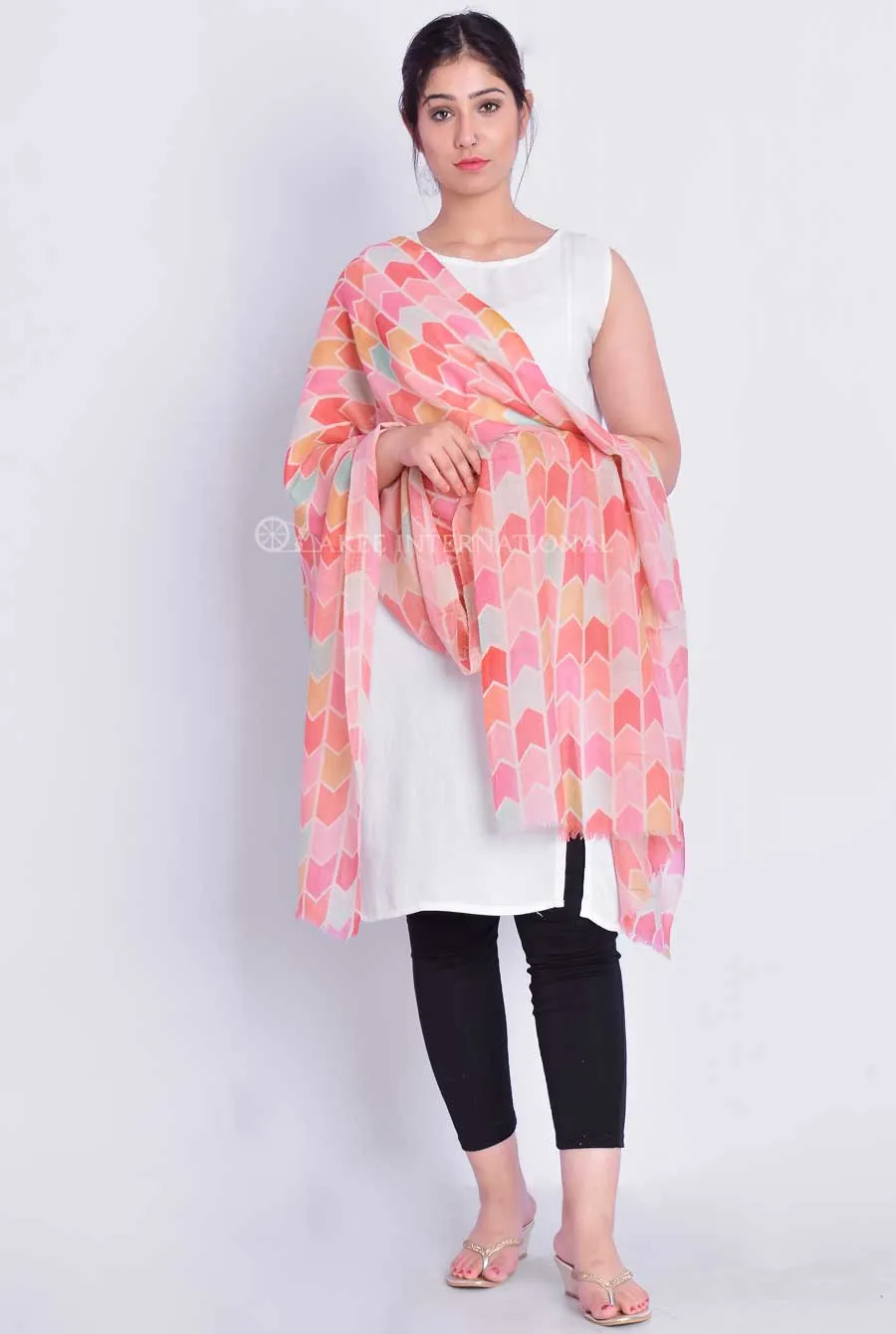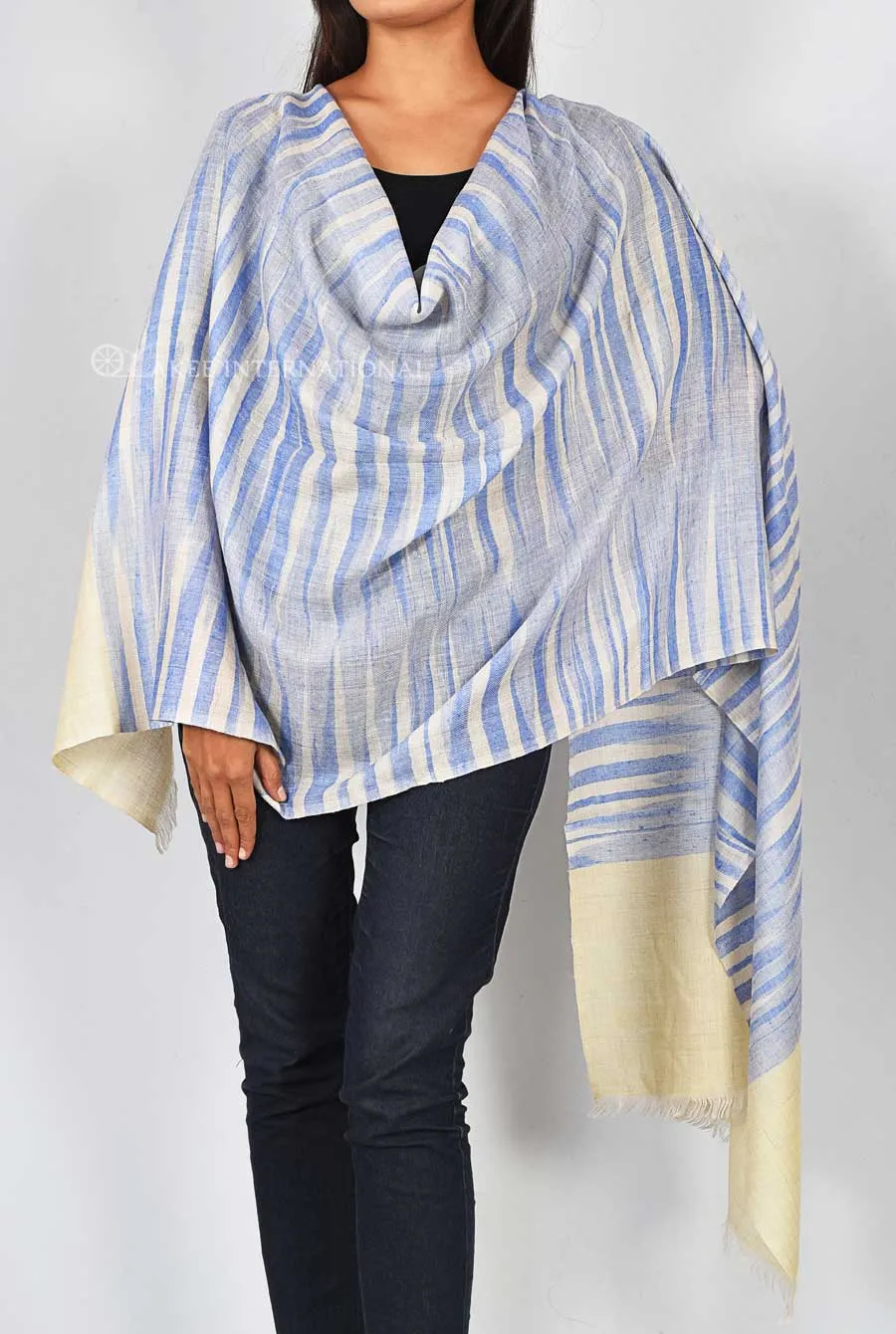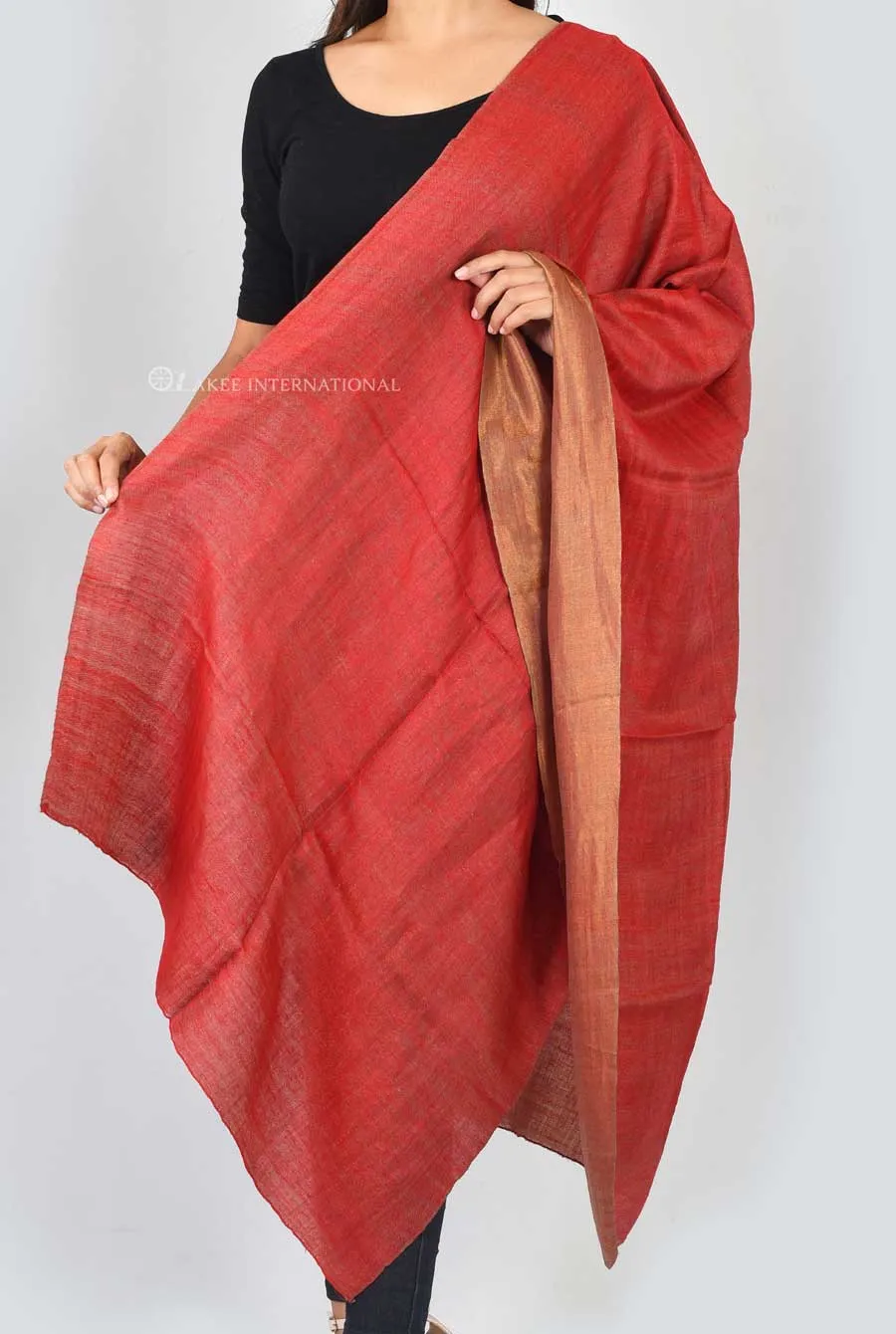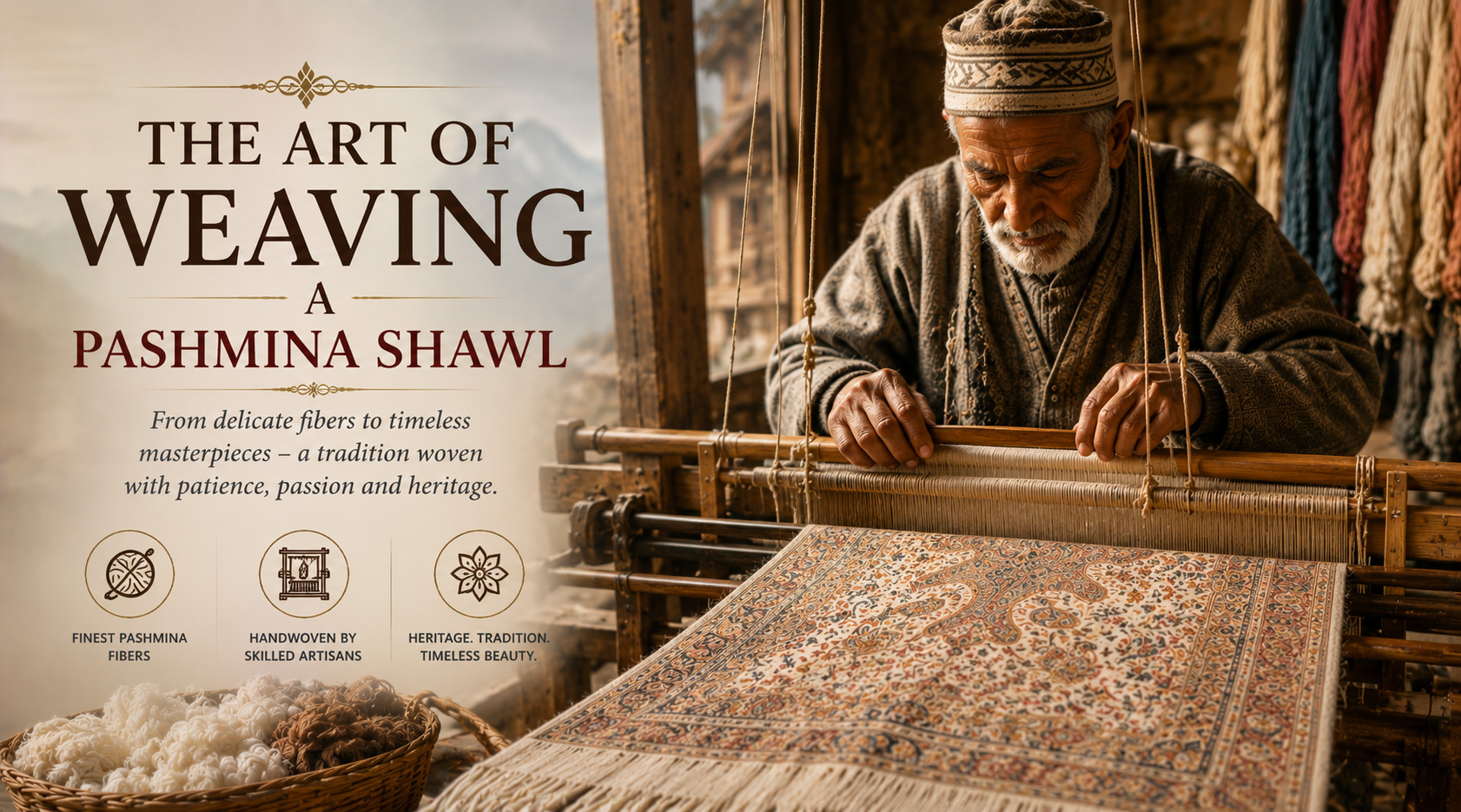
A Pashmina shawl is not simply a winter accessory — it is the result of an intricate, generations-old craft that blends rare natural fibre with extraordinary human patience. Long before it reaches your wardrobe, every genuine Pashmina piece travels through a slow, deliberate journey of fibre collection, spinning, dyeing, weaving, and finishing, each stage carried out almost entirely by hand in the valleys of Kashmir. Understanding this process is the easiest way to appreciate why an authentic Pashmina shawl costs what it costs, and why it feels nothing like an ordinary woollen wrap.
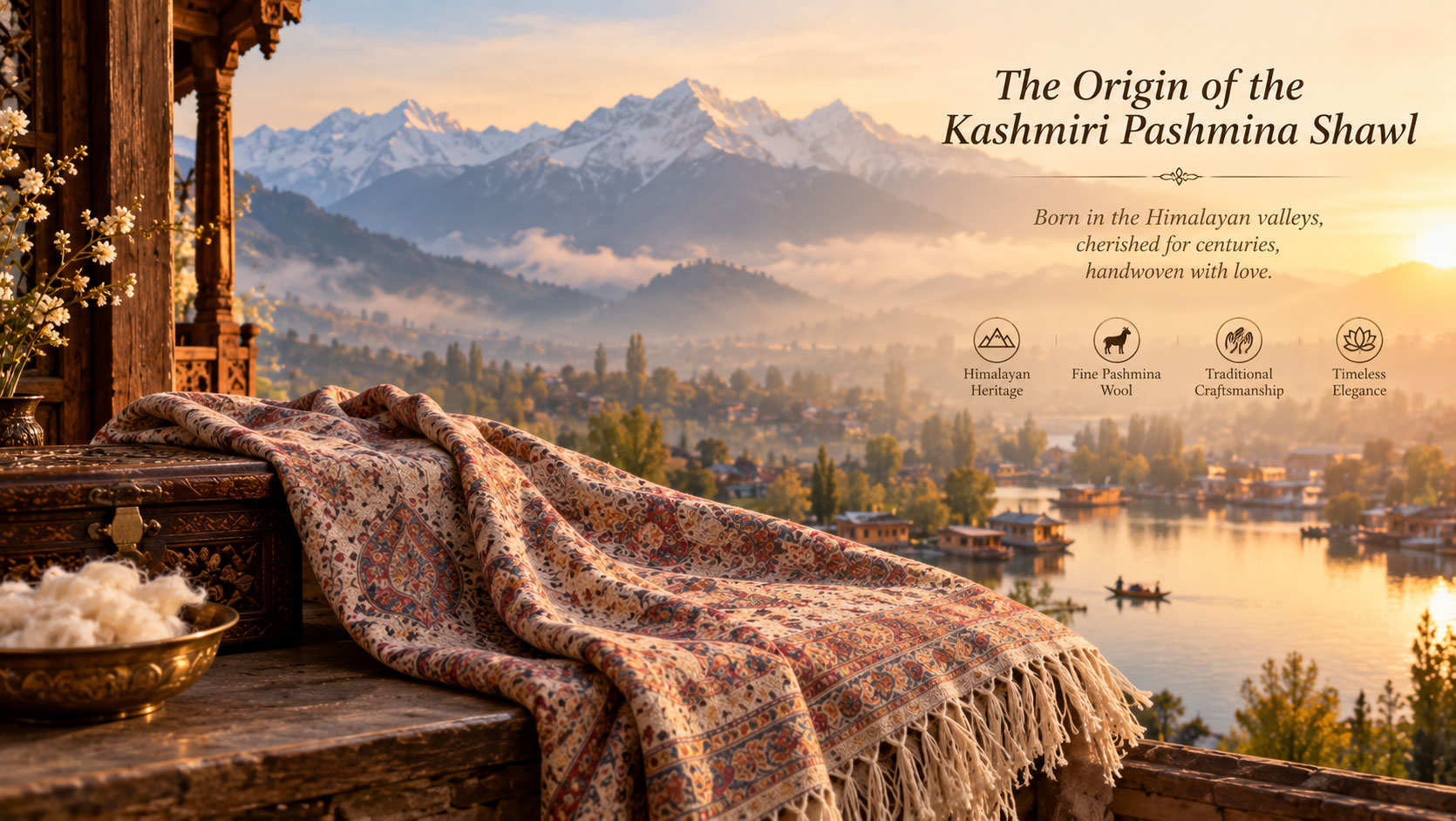
The story of a Pashmina shawl starts far from any loom. It begins high in the cold mountain terrains, where the Changthangi goat grows an extremely fine undercoat to survive brutal winters. This soft undercoat, combed out gently during the moulting season, is the raw Kashmir Pashmina wool that eventually becomes a shawl. Because the fibre diameter is so fine — far finer than ordinary sheep wool — the raw material must be cleaned and sorted with extreme care before it can even be spun. Any rough handling at this stage can damage the fibre permanently, which is why this part of the process still depends on experienced hands rather than machines.
Once cleaned, the fibre is carded and hand-spun into yarn using a traditional spinning wheel known locally as the yinder. This spinning stage demands enormous patience; a skilled spinner may need an entire day to produce only a small quantity of usable yarn. The thinness and fragility of Pashmina yarn make this one of the most labour-intensive parts of the entire craft, and it is a major reason why a genuine handmade Pashmina shawl cannot be replicated quickly or cheaply by machines. The yarn produced here later determines the drape, warmth, and lightness that define real Pashmina.
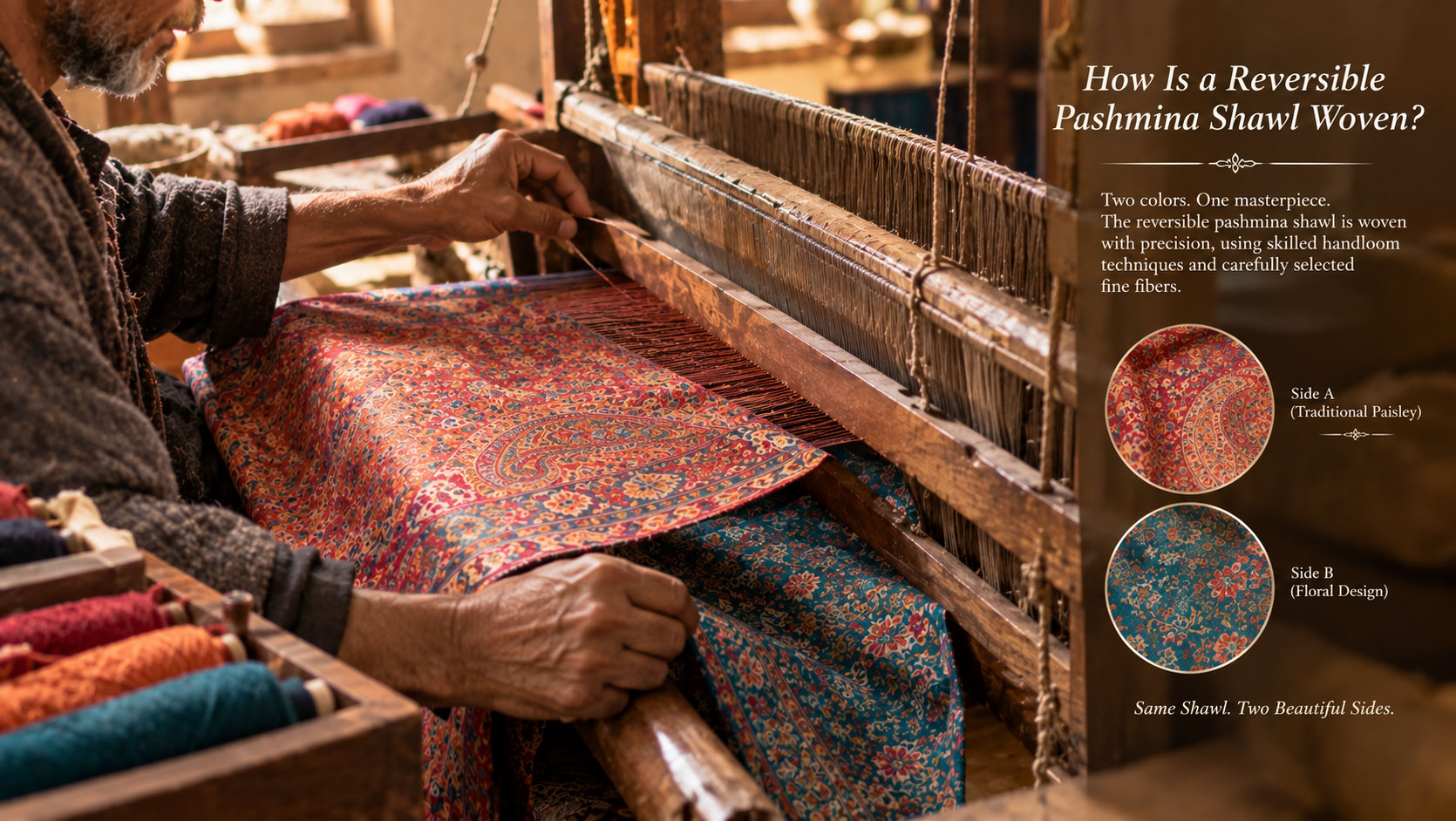
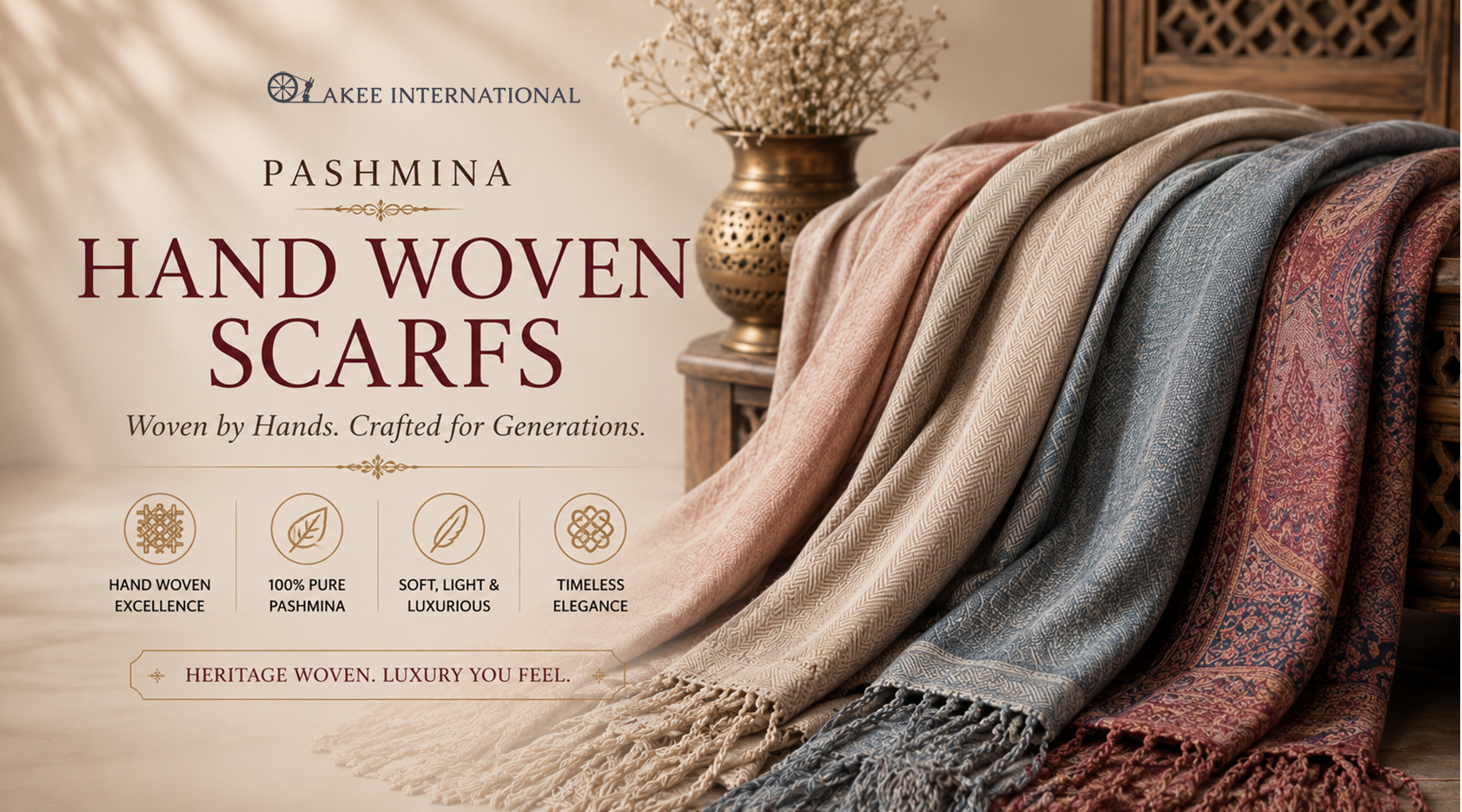
With the yarn ready, it moves to the traditional wooden handloom, where the real transformation happens. The weaver arranges the yarn into a warp — the fixed lengthwise threads — and then passes the weft threads through it, row by row, using a wooden shuttle. This interlacing must be done with even tension throughout, because Pashmina yarn is delicate enough that uneven pressure can cause breakage or an inconsistent weave.
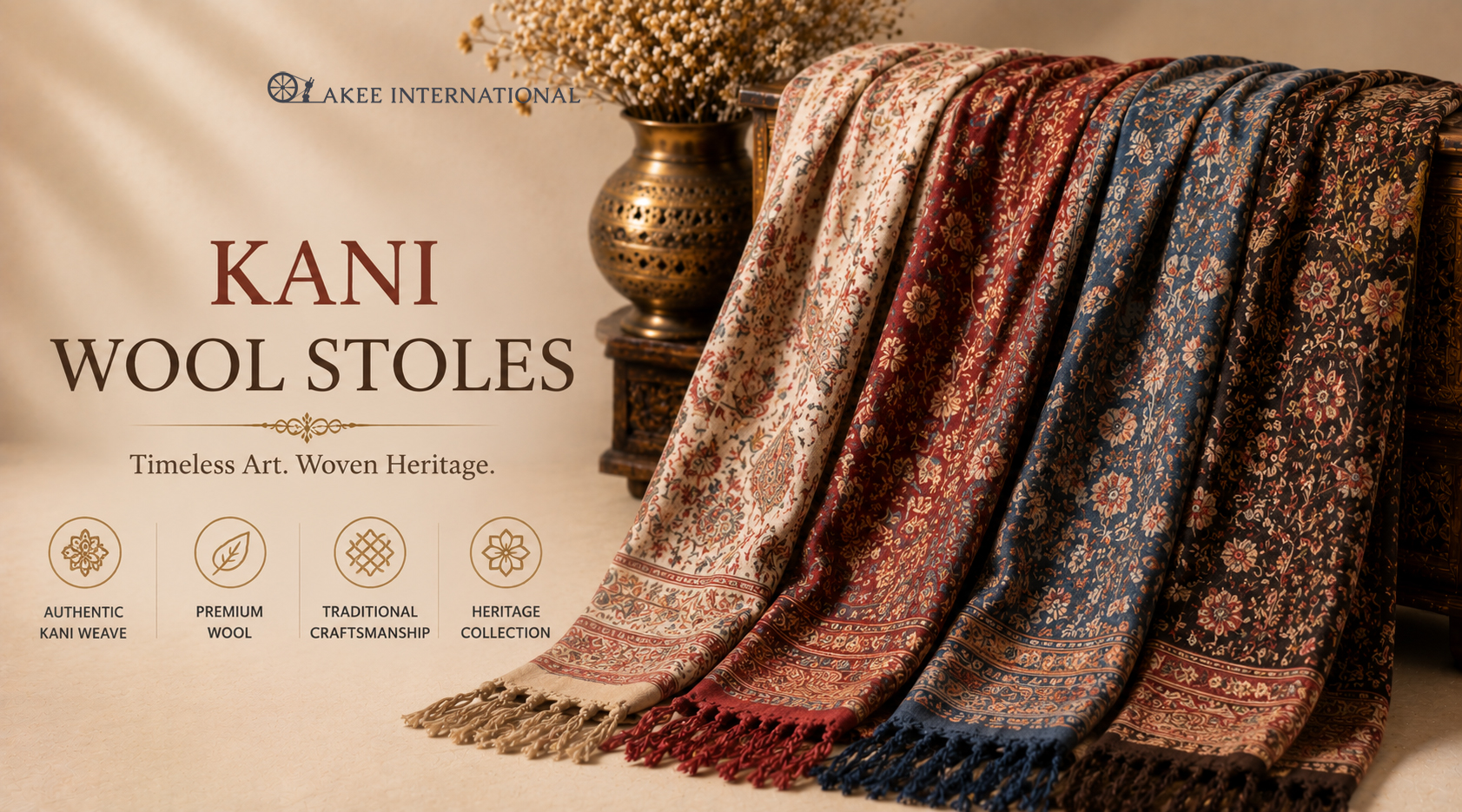
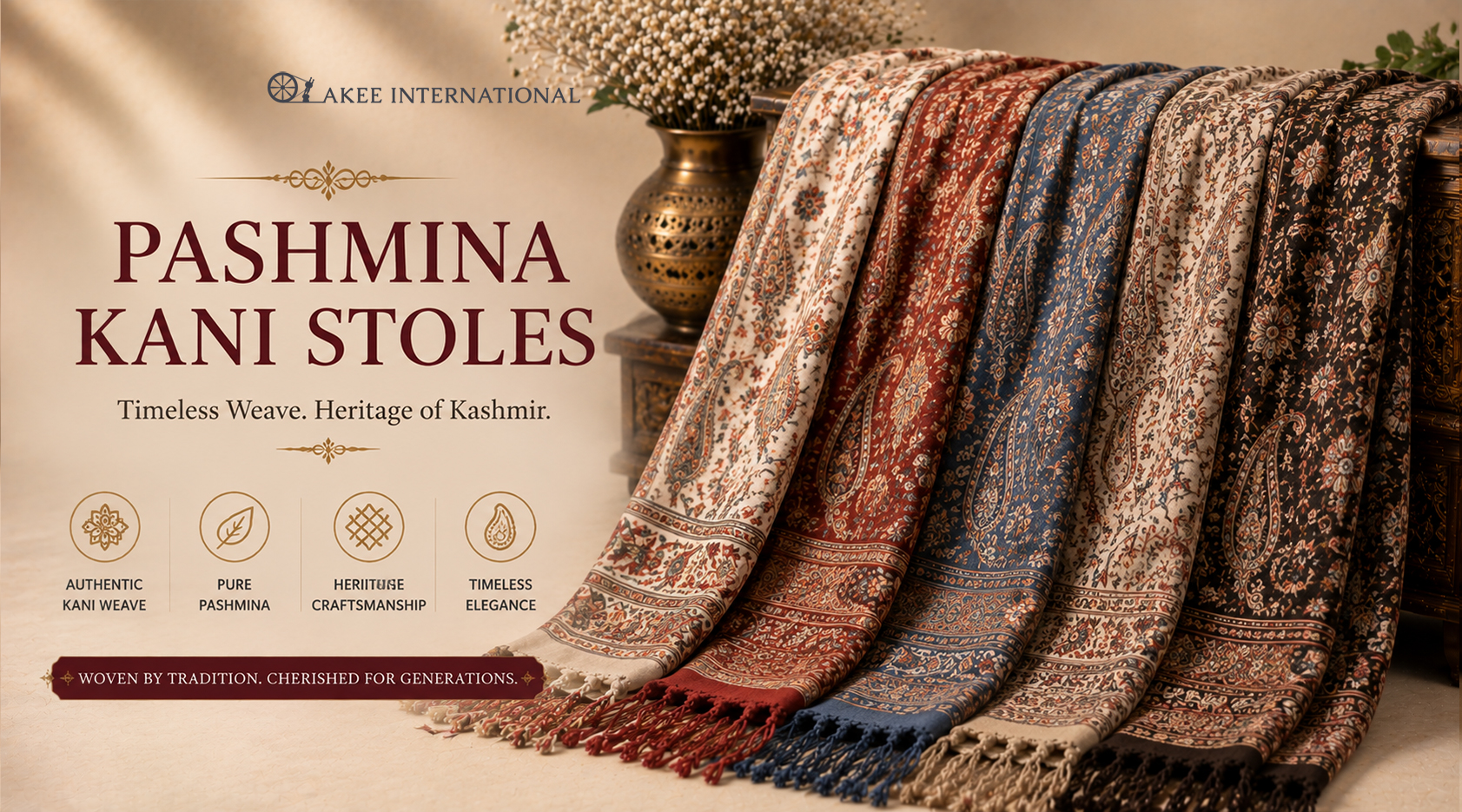
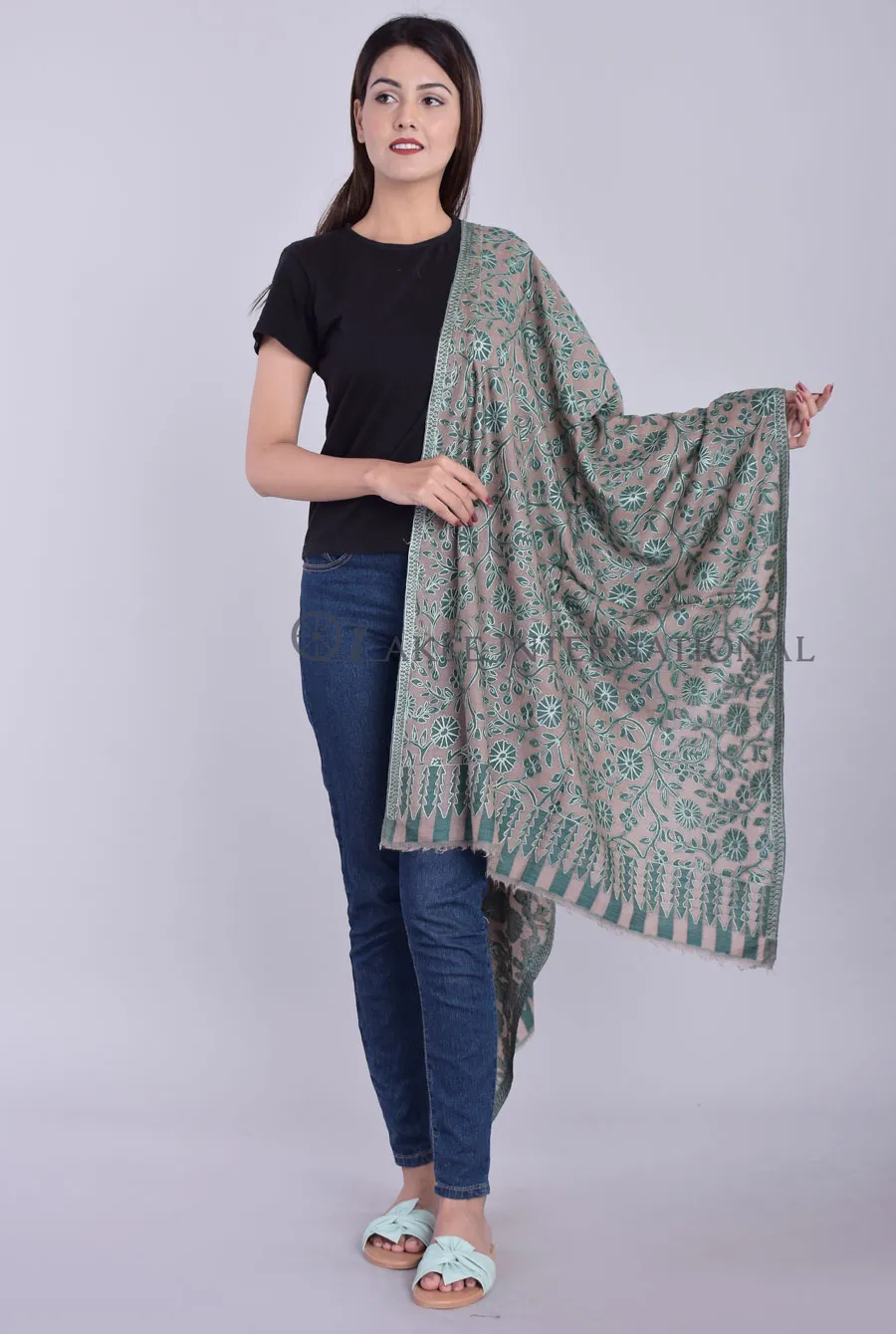
A single handwoven Pashmina shawl of standard size can take anywhere from a few days to several weeks to complete, depending on the weave density and design. More elaborate pieces, such as Jamawar Pashmina shawls with their richly patterned motifs, or Kani shawls woven using small wooden bobbins called tojis instead of a shuttle, can take months of continuous work by multiple artisans. This is what separates true Kashmiri craftsmanship from power-loom imitations flooding the market today.
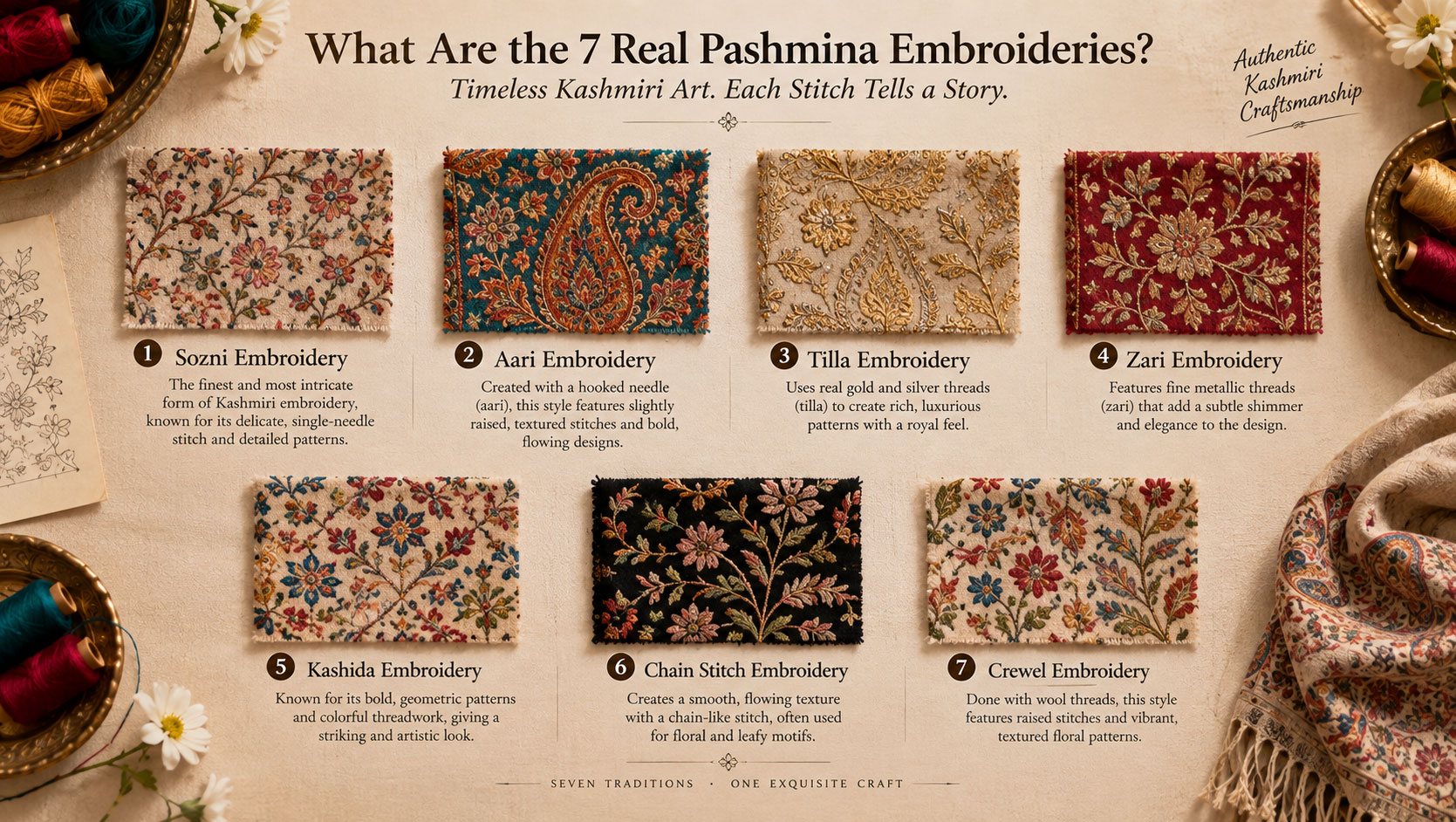
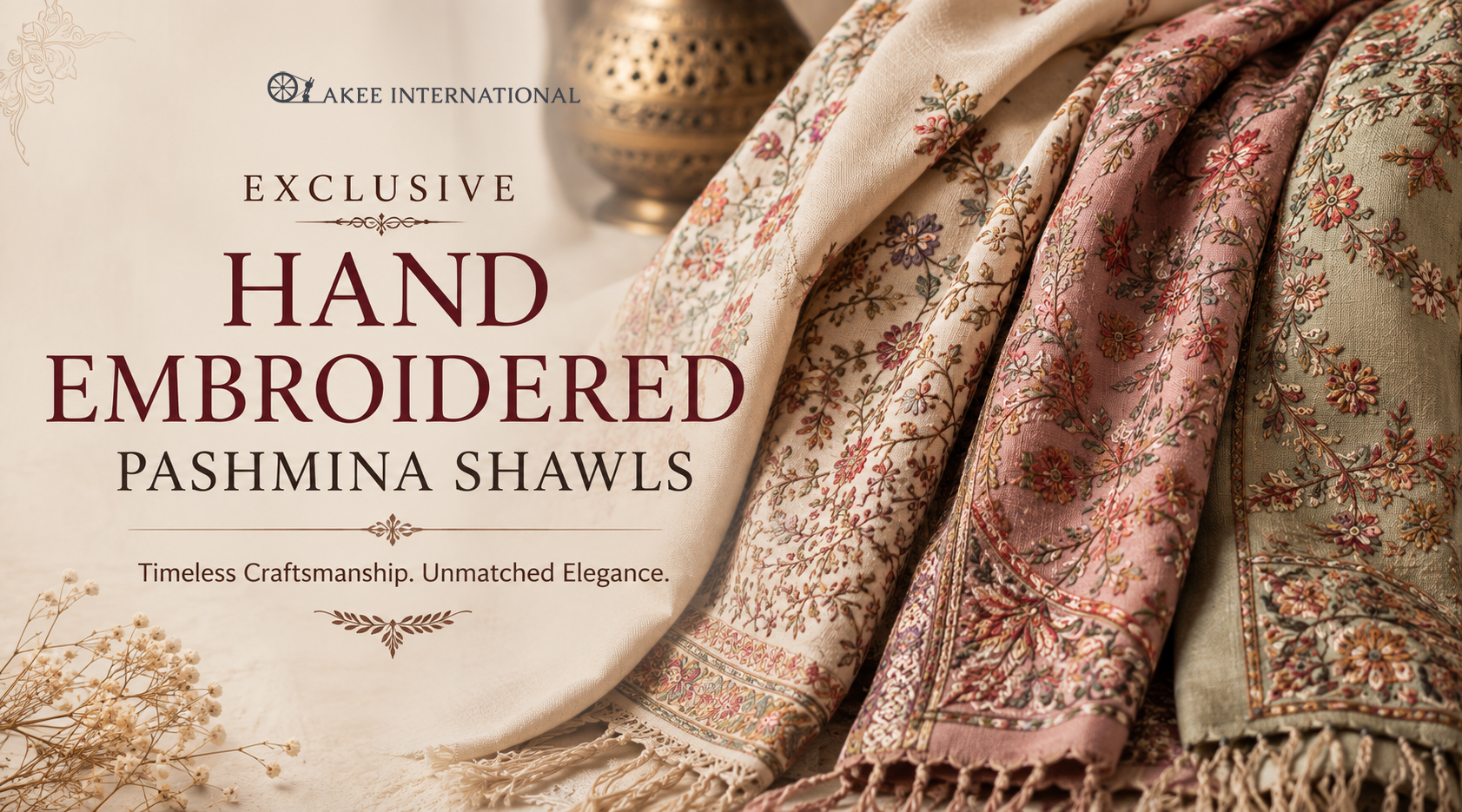
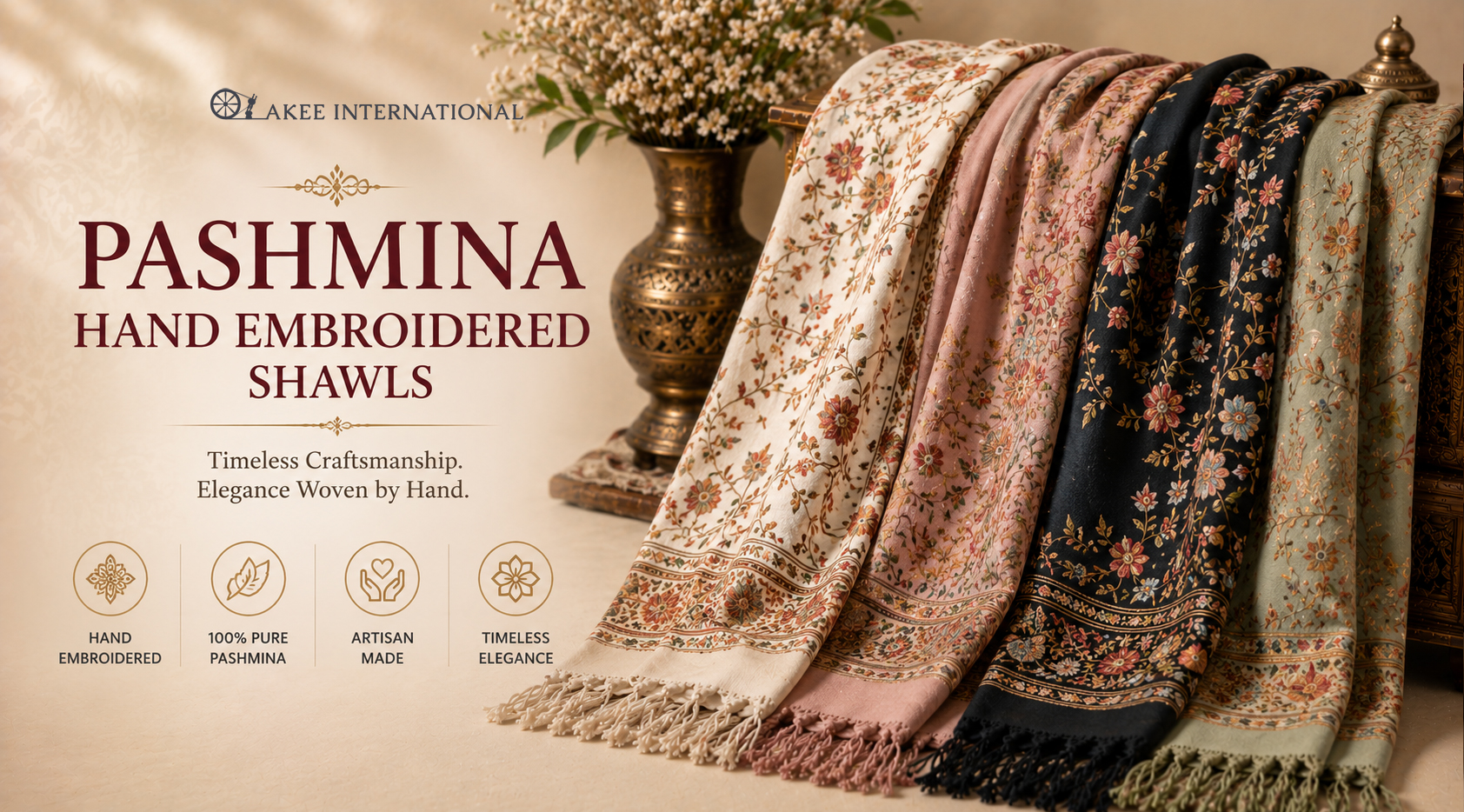
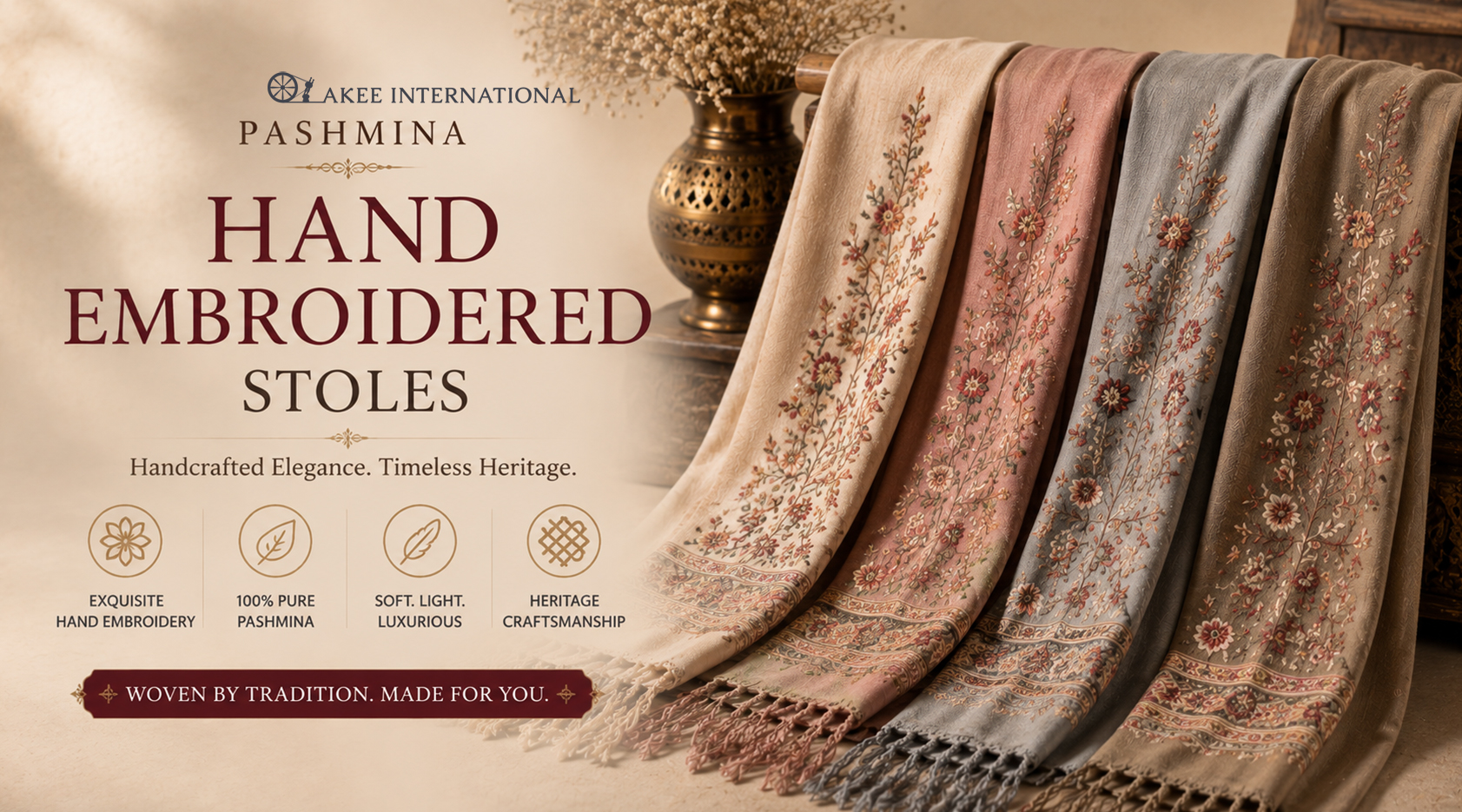
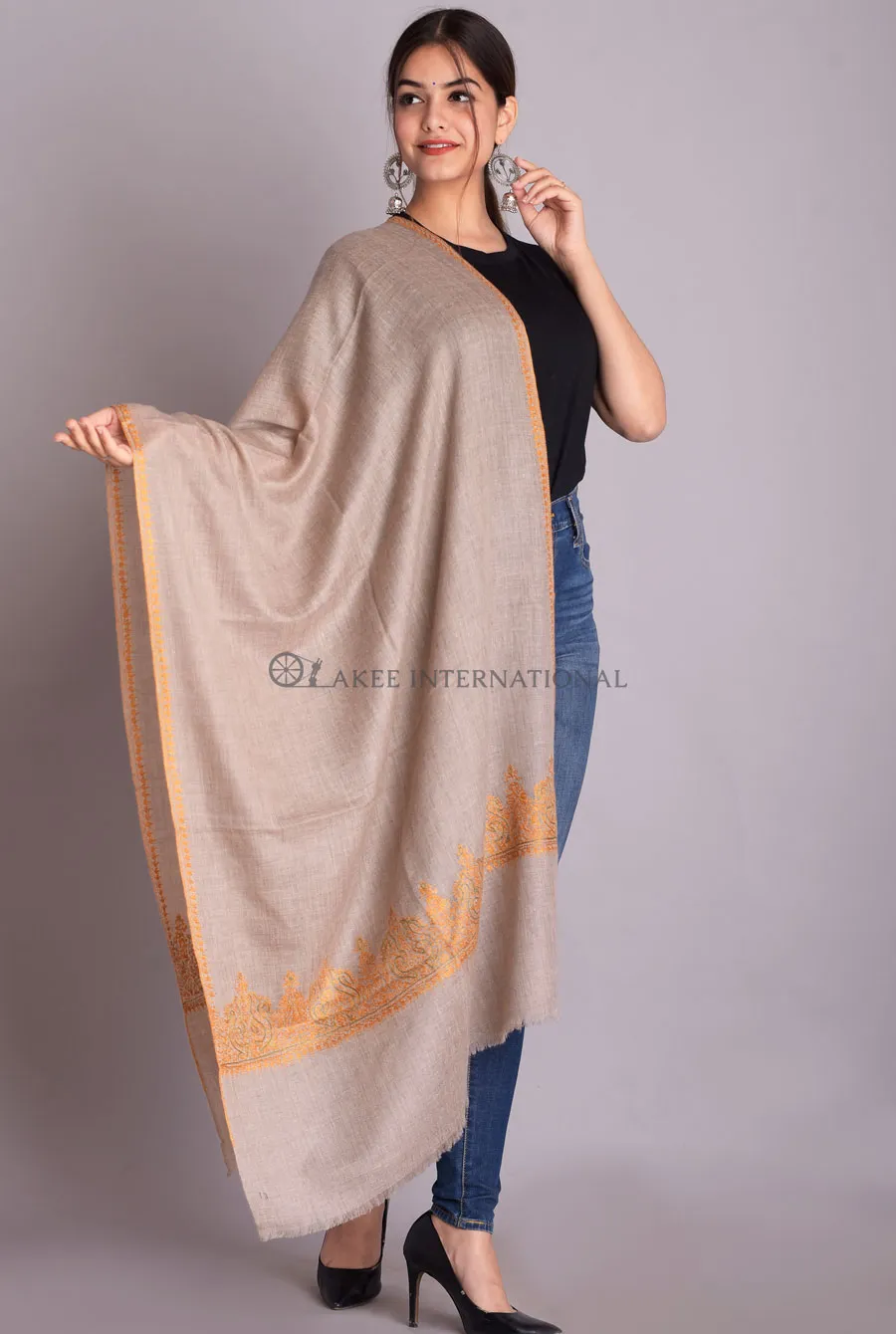
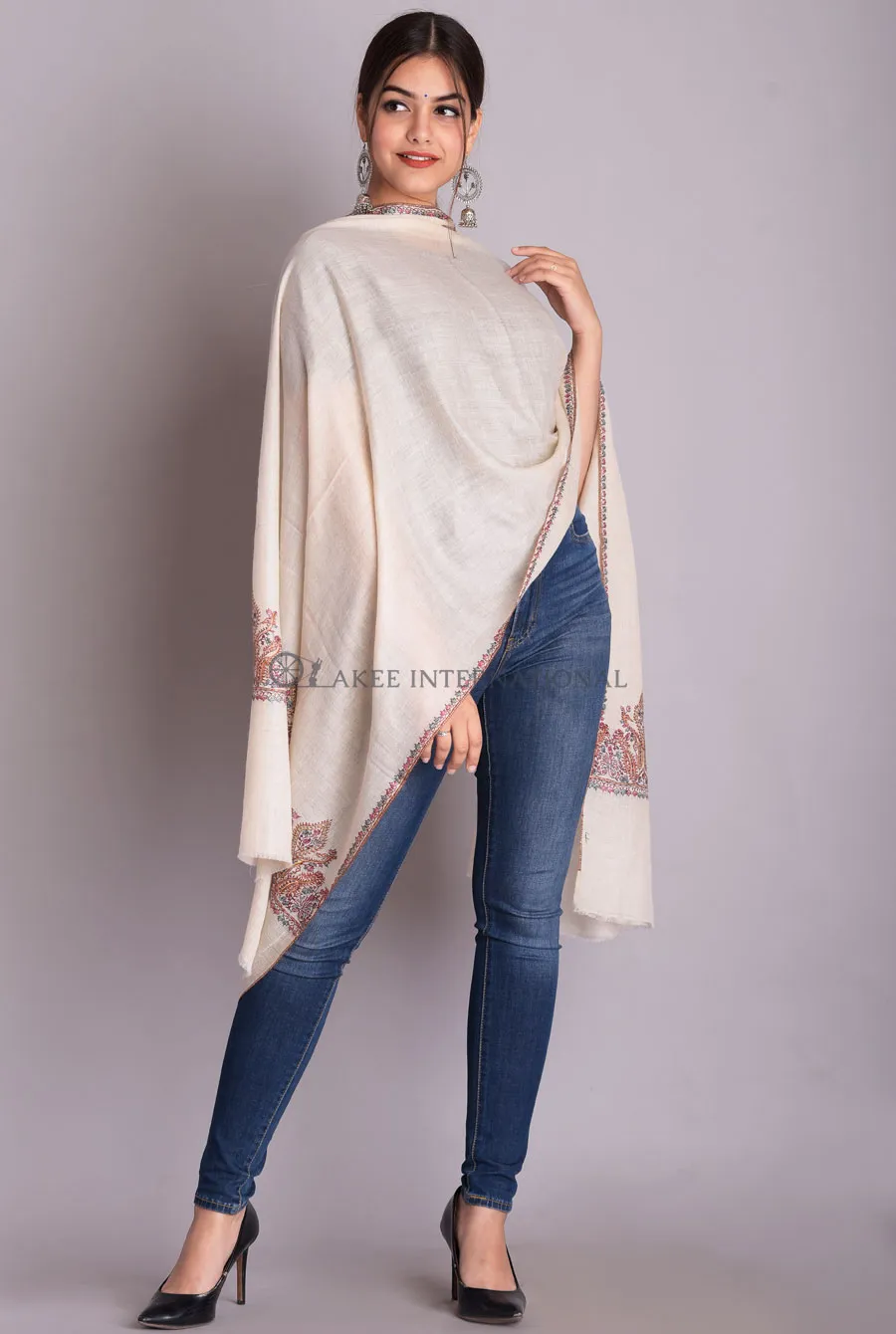
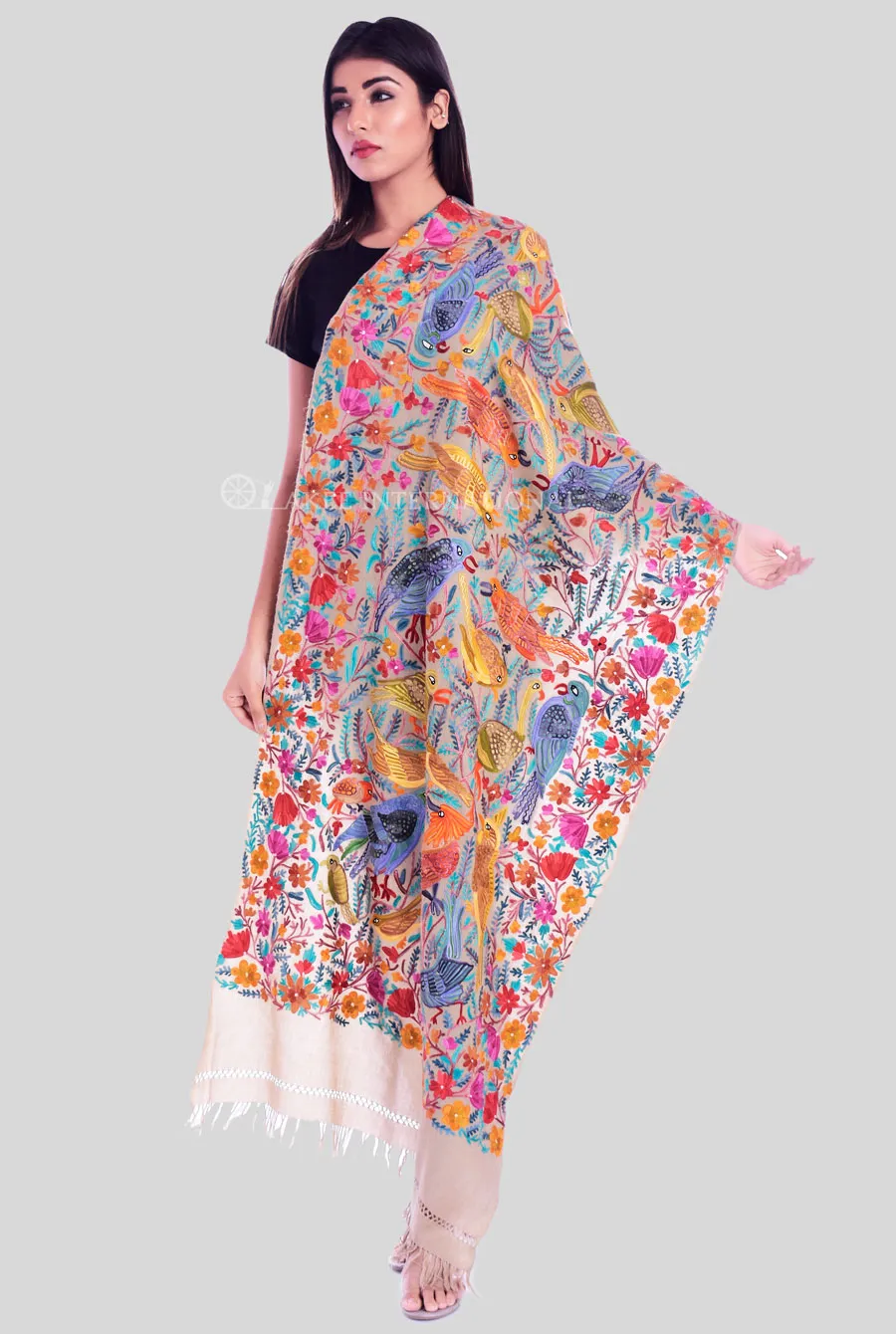
Weaving is often only the midpoint of the journey. Many shawls are then handed over to embroidery artisans who add hand-stitched detailing such as Sozni embroidery — a needlework technique so fine that the stitches are barely visible on the reverse side — or bolder Ari work, done using a hooked needle for faster, more elaborate patterns. These finishing techniques can add weeks or even months to the shawl's total production time, but they are what turn a simple woven fabric into a wearable heirloom.
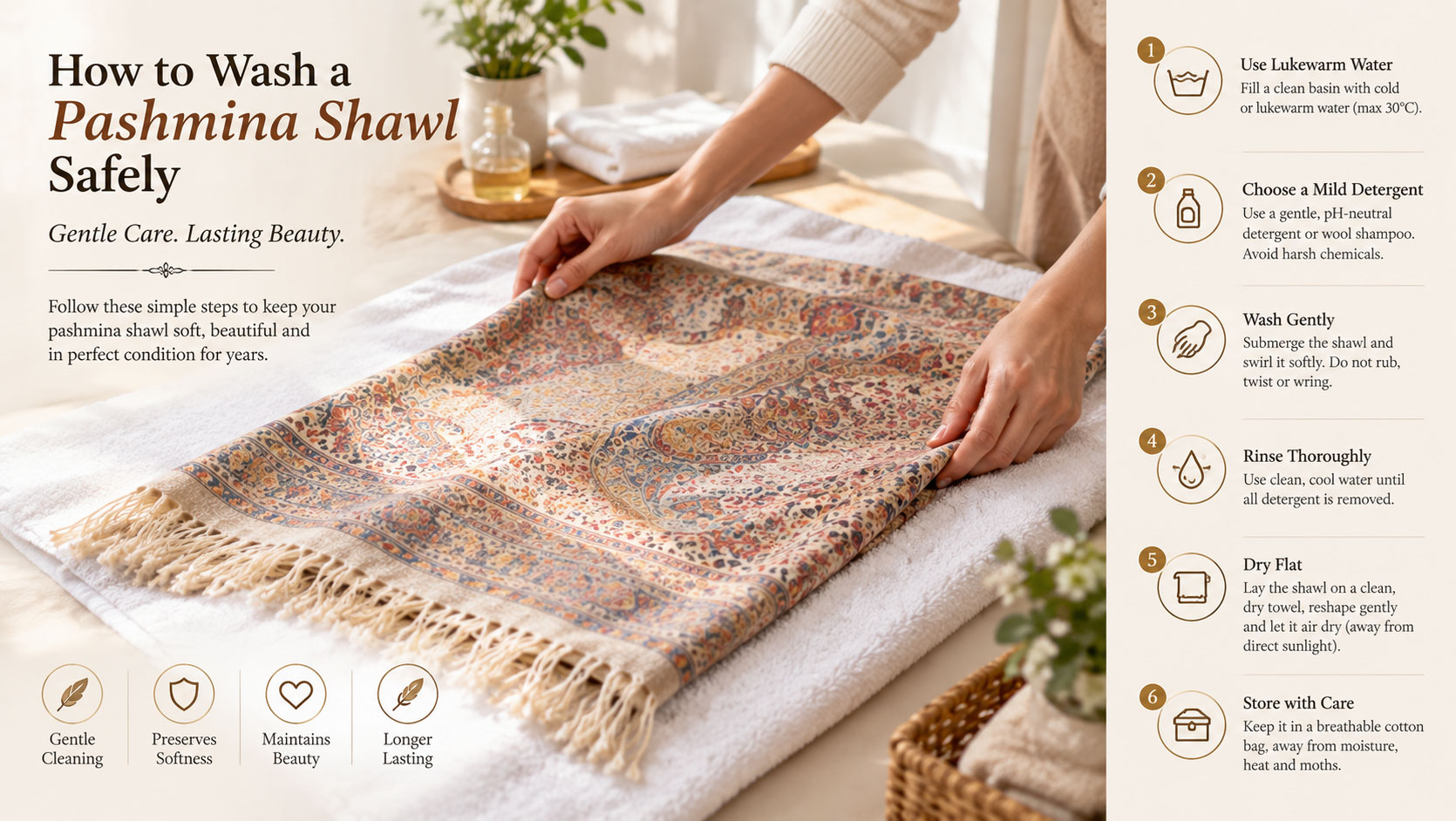
After embroidery, the shawl typically goes through gentle washing, blocking, and finishing to enhance its natural softness and drape without damaging the delicate fibres. Every step, from the mountains to the final finishing table, is a reminder that a real Pashmina is handled by human hands dozens of times before it ever reaches a customer.
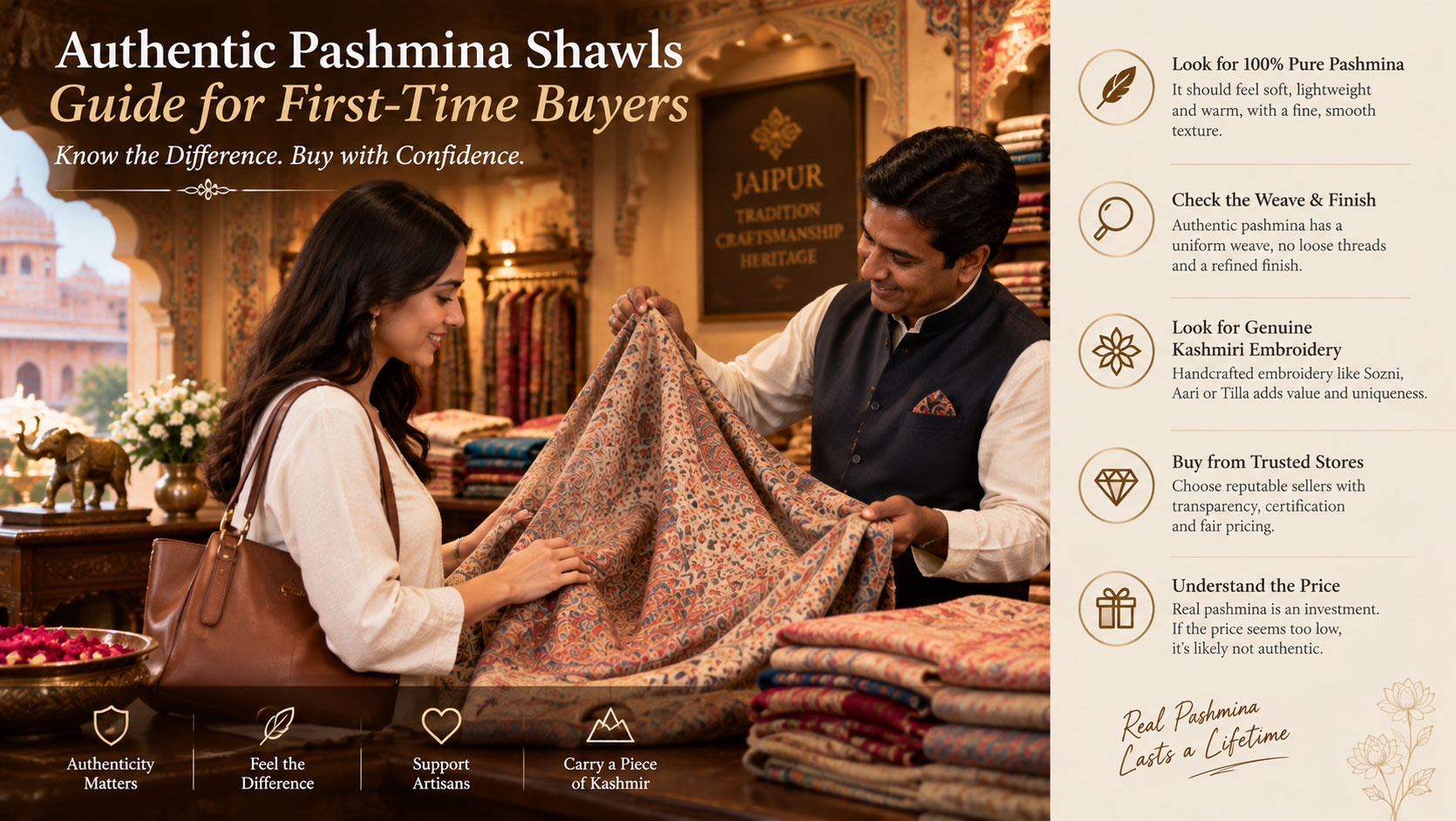
In an age of mass production, it would be far cheaper to replicate the look of Pashmina using power looms and blended fibres. Many sellers do exactly this. But a machine-made imitation can never replicate the irregularities, softness, and warmth of a genuinely handwoven piece — the very "imperfections" that come from human craftsmanship are what give an authentic shawl its character. This is also why buyers are increasingly cautious and look specifically for GI-certified Kashmir Pashmina, which guarantees the product has been made using traditional methods within the recognised Kashmir region.
At Akee International, every shawl in our collection is sourced directly through a trusted Kashmiri artisan network, ensuring that what reaches you carries the same care and tradition described above. Whether you are drawn to a classic Pashmina hand-woven scarf, an intricately detailed hand-embroidered Pashmina shawl, or a richly patterned Kani wool stole, each piece reflects this same multi-stage craftsmanship.
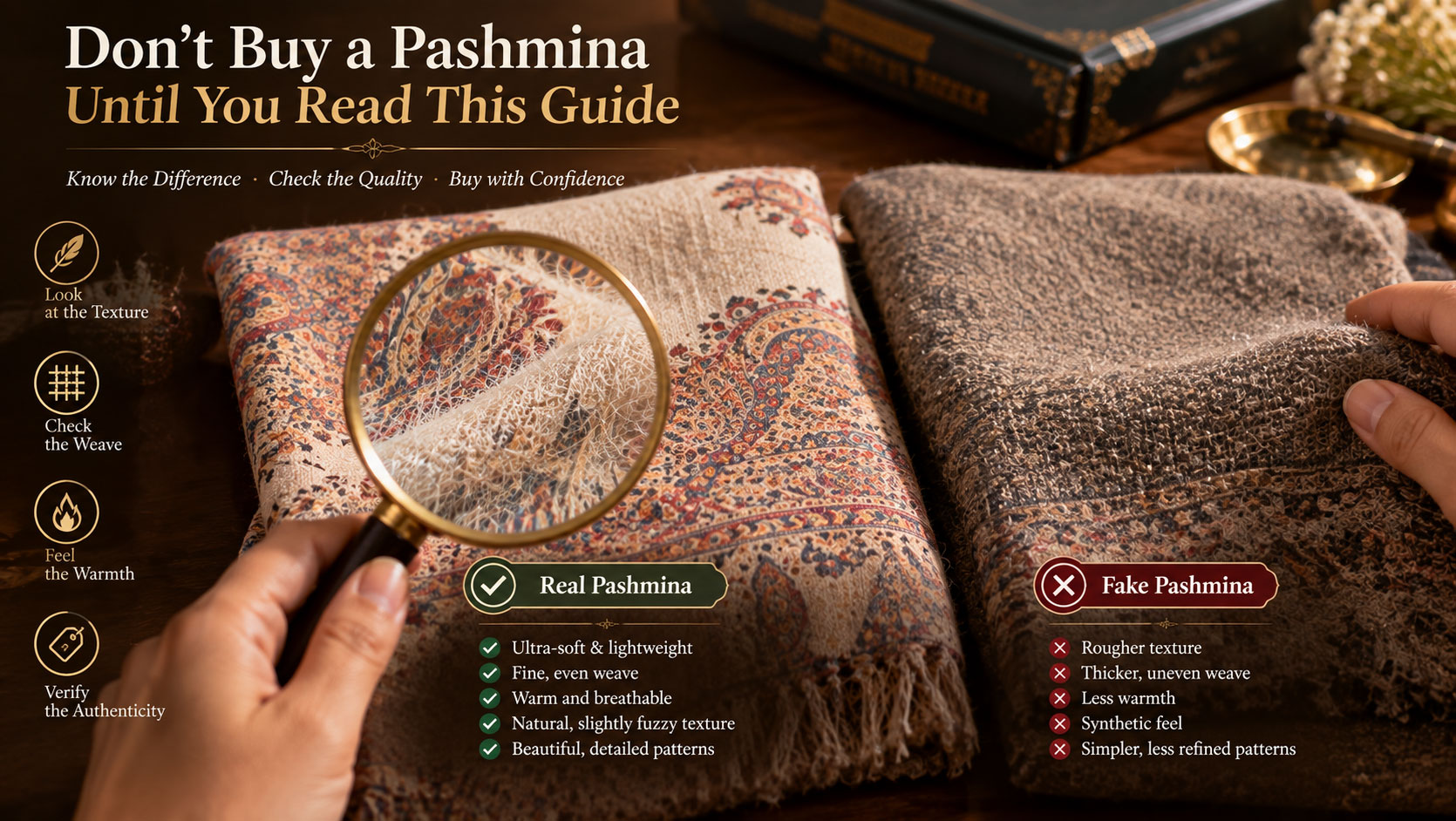
For anyone shopping for a Pashmina shawl, a few simple checks can help separate authentic craftsmanship from imitation:
If you're also curious how Pashmina compares with other luxury wool textiles, our guide on Pashmina vs Cashmere: What's the Difference? breaks this down in detail.
Every handwoven Pashmina shawl carries forward a tradition that has survived for centuries, supporting thousands of artisan families across Kashmir who depend on this craft for their livelihood. Choosing a genuinely handwoven piece is therefore not only a personal indulgence — it is also a small but meaningful way of keeping this heritage alive for future generations. From fibre to finished shawl, the art of weaving Pashmina remains one of the most patient and skilled textile traditions in the world, and owning one means owning a piece of that story.
If this journey through the weaving process has deepened your appreciation for Pashmina craftsmanship, explore our full Pashmina shawl collection, including our Exclusive Hand Embroidered Pashmina Shawls and New Arrivals. You can also read more about our sourcing practices on our About Us page.
For queries, styling advice, or to check availability of a specific weave or design, you can reach our team directly:
Our team at Akee International is always happy to guide you toward the right handwoven Pashmina shawl for your occasion, whether it's a wedding, festive gift, or a timeless addition to your own wardrobe.
A Pashmina shawl is valued for its exceptionally fine fibre, softness, lightweight warmth, and elegant drape. Traditional craftsmanship further enhances its beauty and uniqueness.
A Pashmina shawl is traditionally woven by interlacing carefully prepared yarn on a loom. Skilled artisans maintain the correct tension and alignment throughout the weaving process.
Traditional Pashmina shawls can be handwoven using traditional looms and skilled craftsmanship. Hand weaving allows artisans to carefully create the fabric while preserving the delicate nature of Pashmina fibre.
The time required depends on the size, weaving technique, pattern, and level of detailing. Intricate designs such as Jamawar can require significantly more time and craftsmanship.
A handmade Pashmina shawl involves traditional artisan craftsmanship and careful weaving, while machine-made products are produced using automated manufacturing processes. Handmade pieces can have distinctive characteristics resulting from their traditional production.
Authentic Pashmina is made from fine Pashmina fibre, which is carefully prepared and spun into yarn before being woven into fabric.
Jamawar Pashmina combines fine Pashmina fabric with intricate traditional patterns and motifs. Its detailed craftsmanship makes it particularly admired among luxury shawl collections.
Traditional Pashmina weaving preserves generations of textile craftsmanship and artisan knowledge. It also gives each carefully crafted shawl a distinctive connection to its cultural heritage.
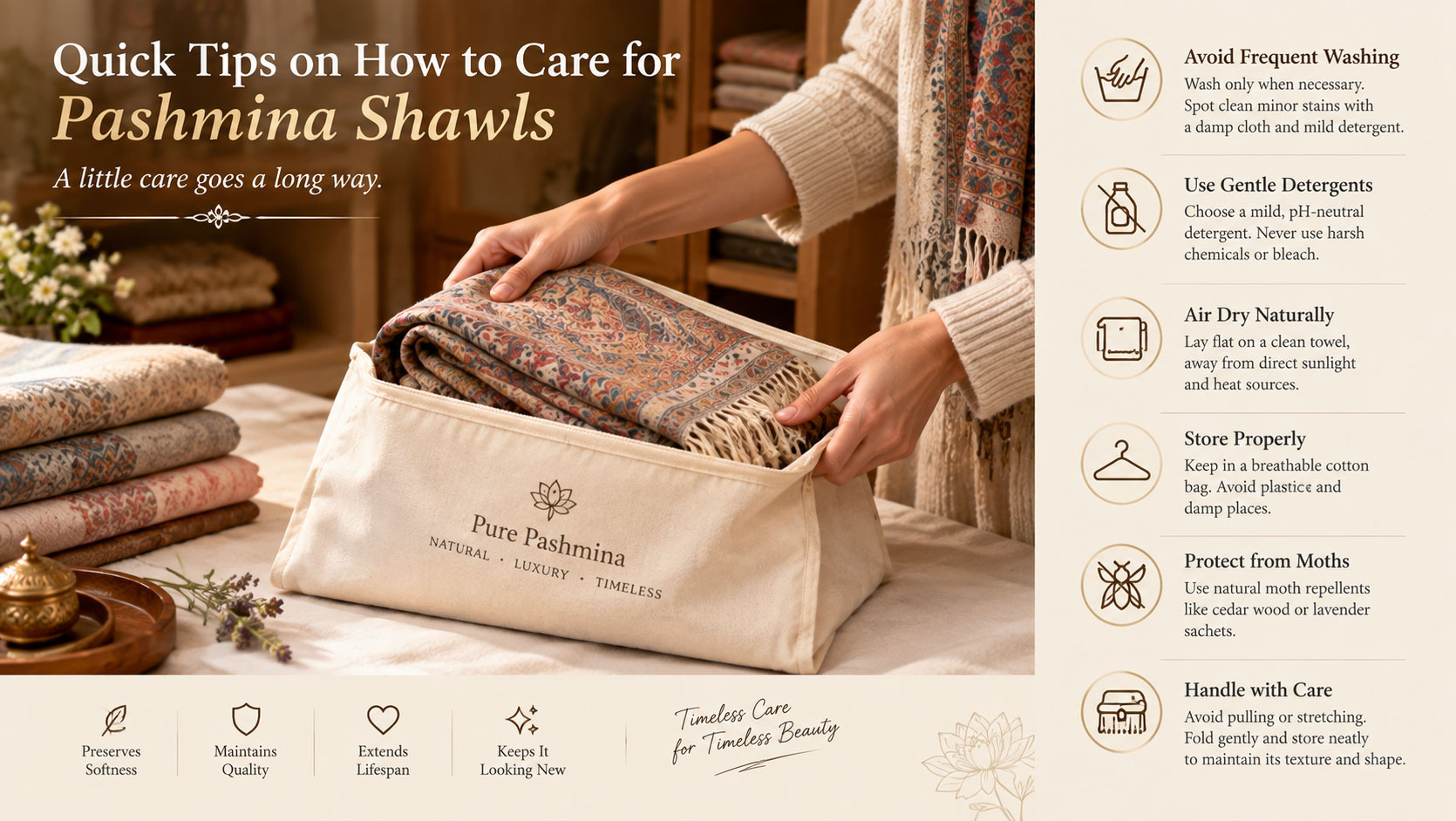
A Pashmina shawl should generally be handled gently and stored in a clean, dry place. Avoid harsh detergents, excessive friction, and prolonged exposure to moisture or direct sunlight.
You can explore the Pashmina shawl collection at Akee International, including traditionally crafted and intricately designed options suitable for different occasions.
"Browse our curated collections and shop by category to find the perfect Pashmina shawl or scarf for every occasion."
"Explore our latest collection of exquisite Pashmina shawls and scarves, where luxury meets craftsmanship in every piece."
"Shop our Best Sellers, where luxury meets demand—featuring the most sought-after Pashmina shawls and scarves of the season."
"Read what our clients say about their experience with Akee International's luxurious Pashmina shawls and impeccable service."

Nai Mata Mandir Road, Thathar Road, Delhi By Pass, Amer, Jaipur 302028, Rajasthan India
Get directions Call Now Whatsapp 4.9 based on 269 reviews
Rating: 4.6/5 | 85 Reviews

Rating: 4.9/5 | 269 Reviews

TrustScore: 4.9 | 100 Reviews