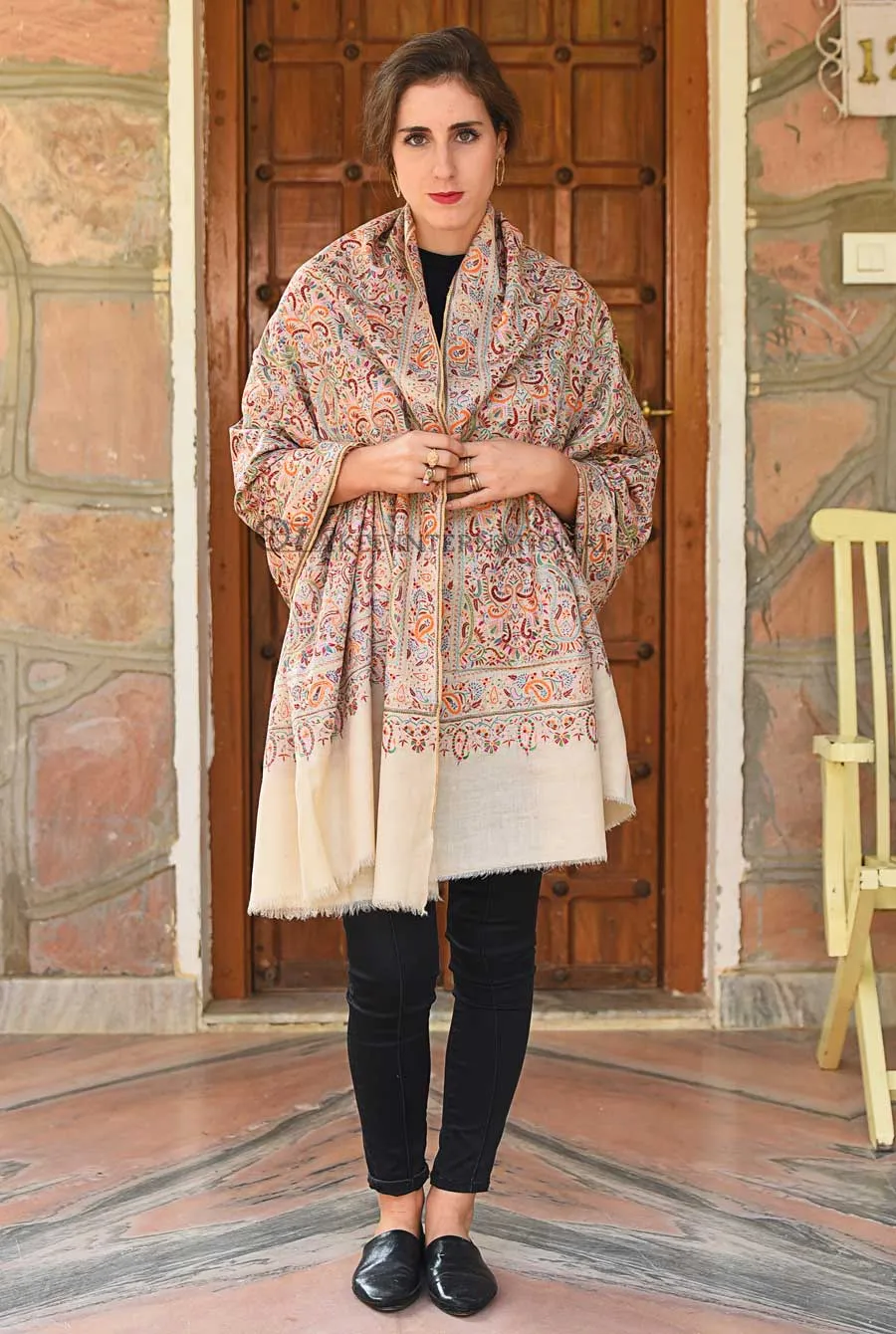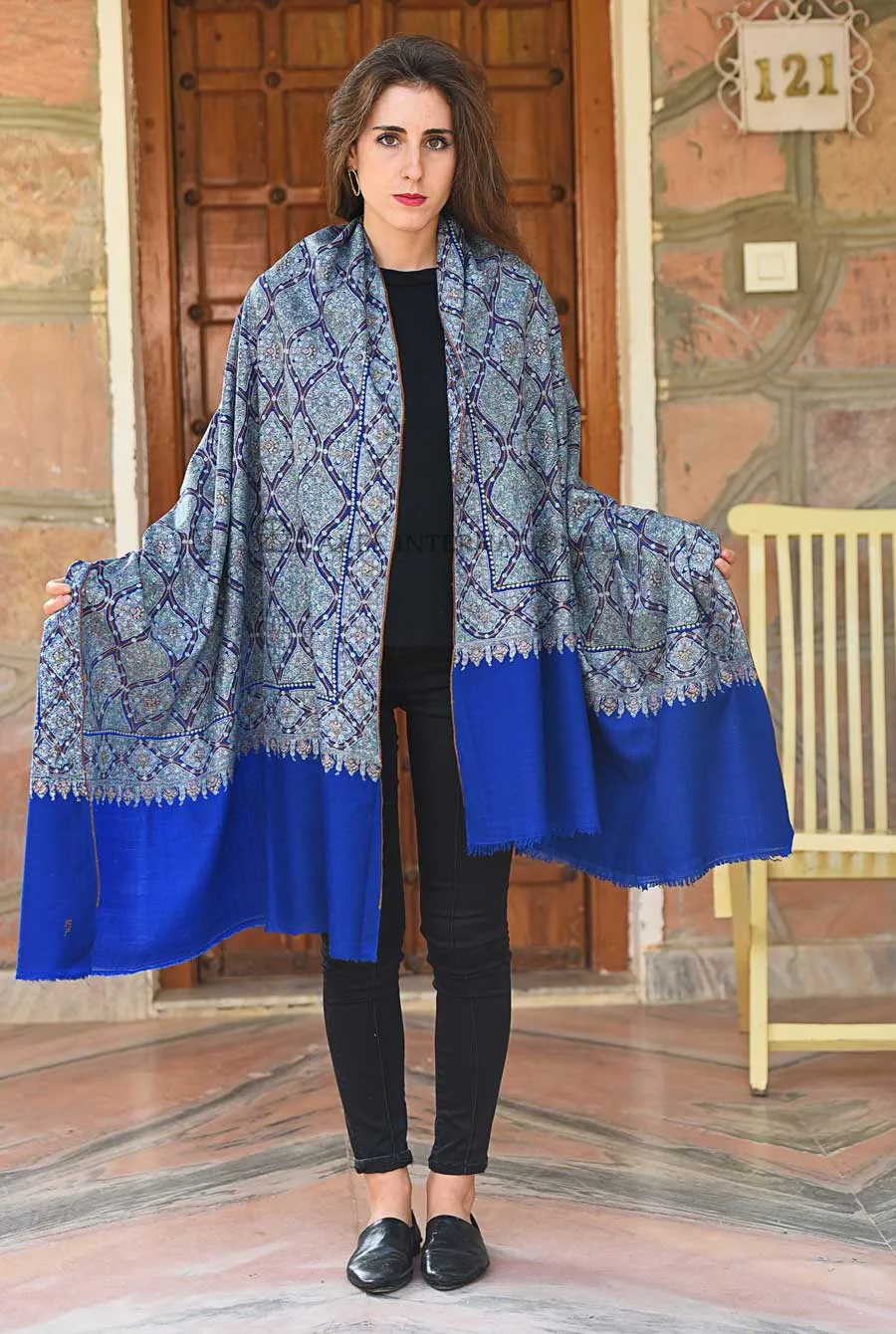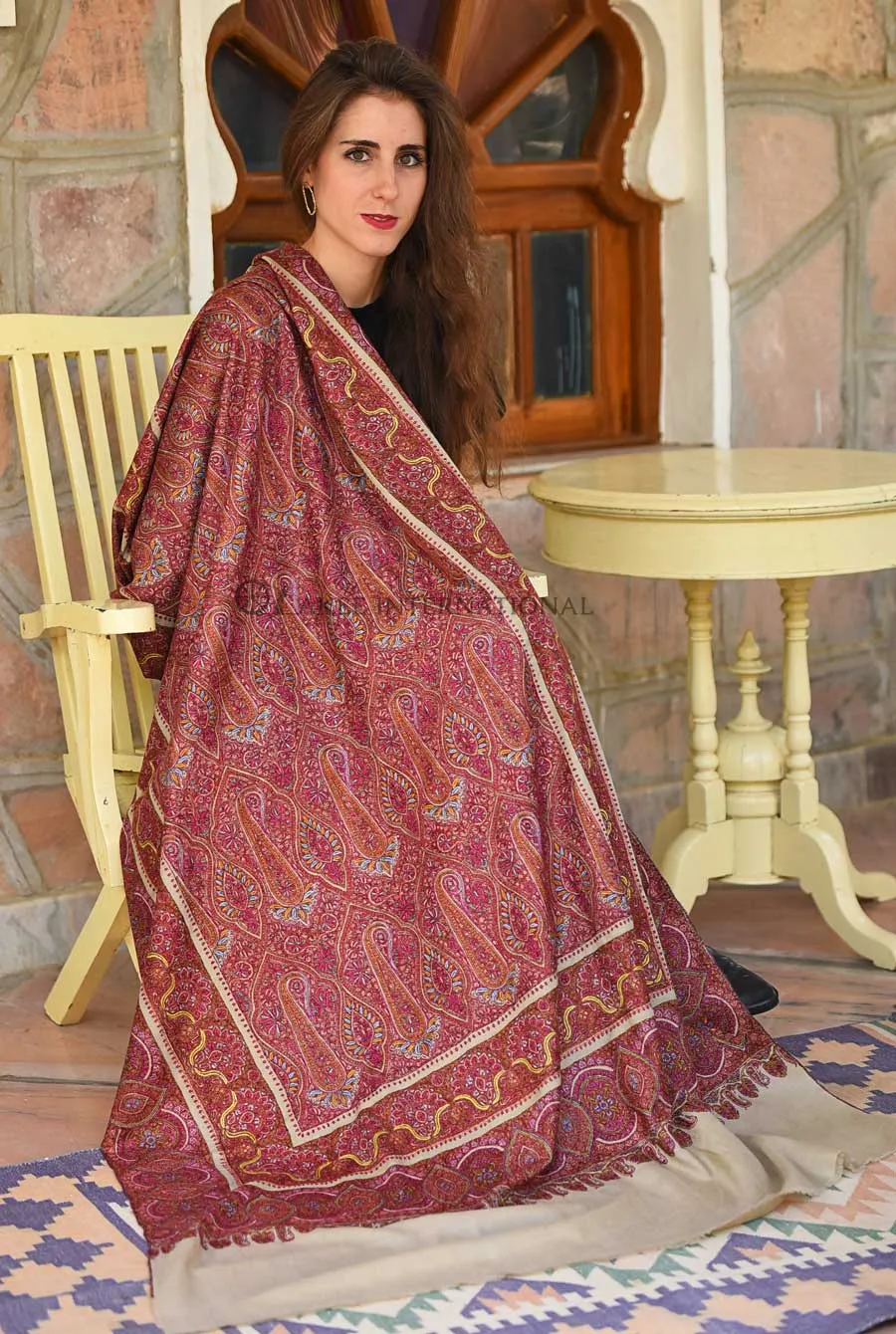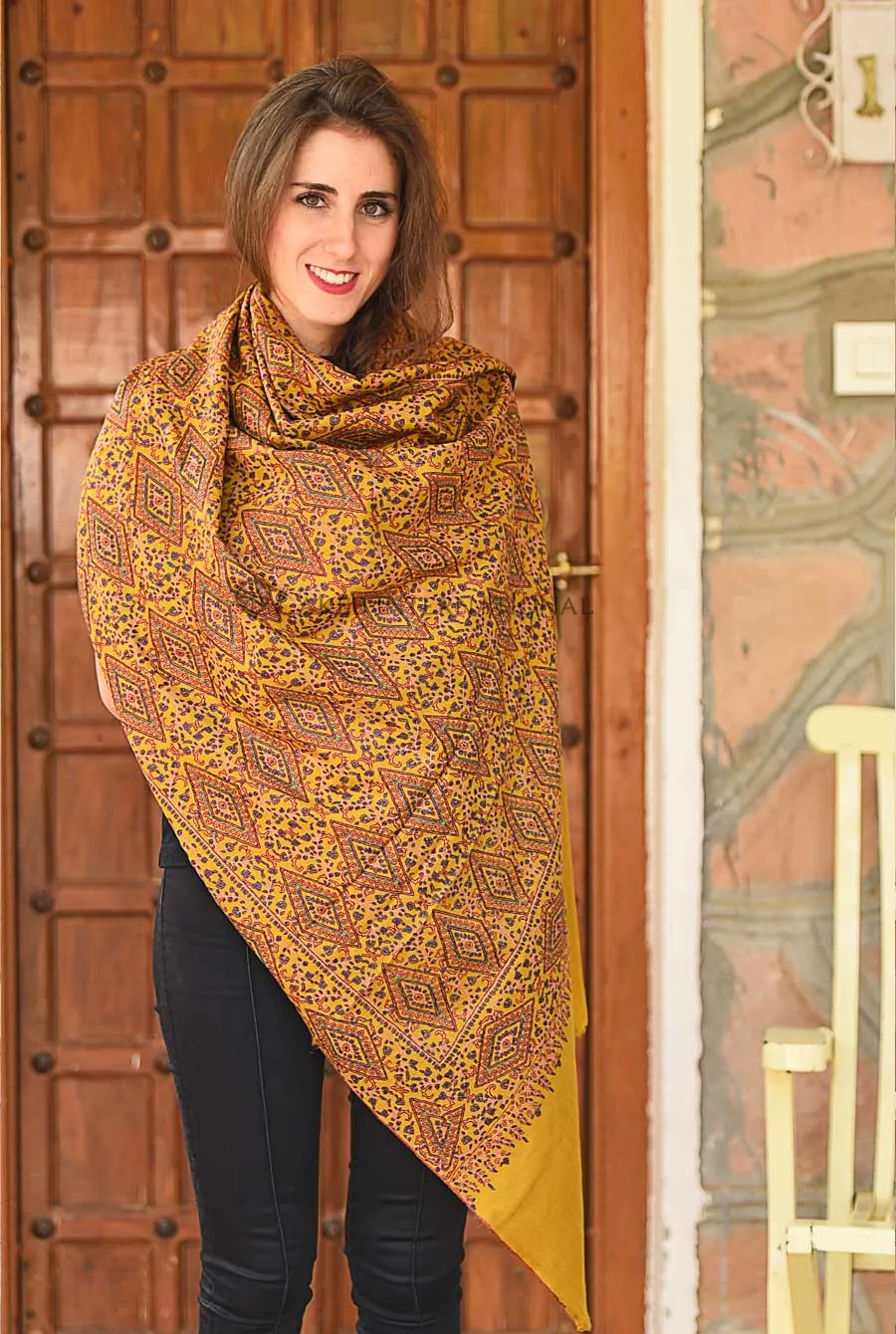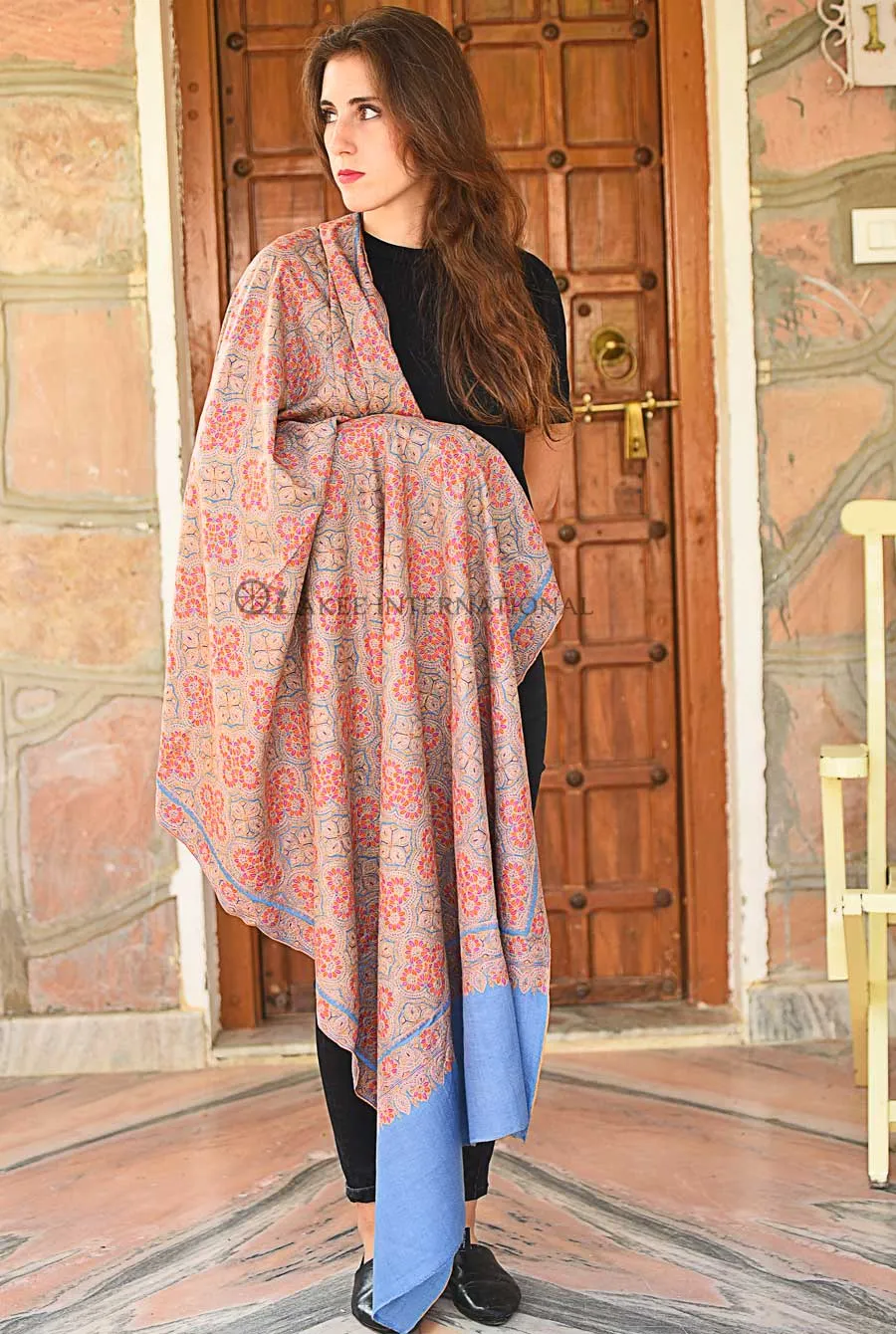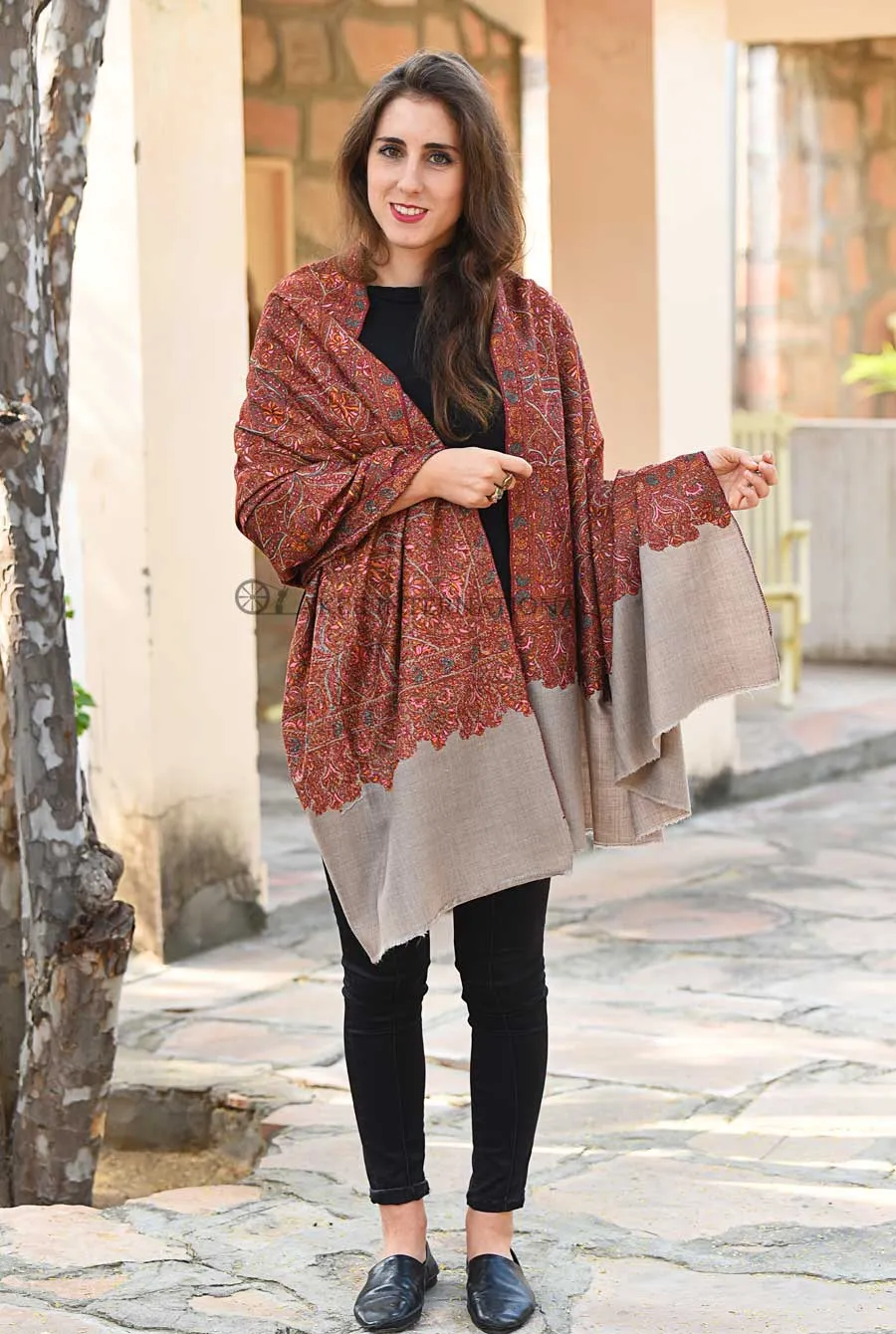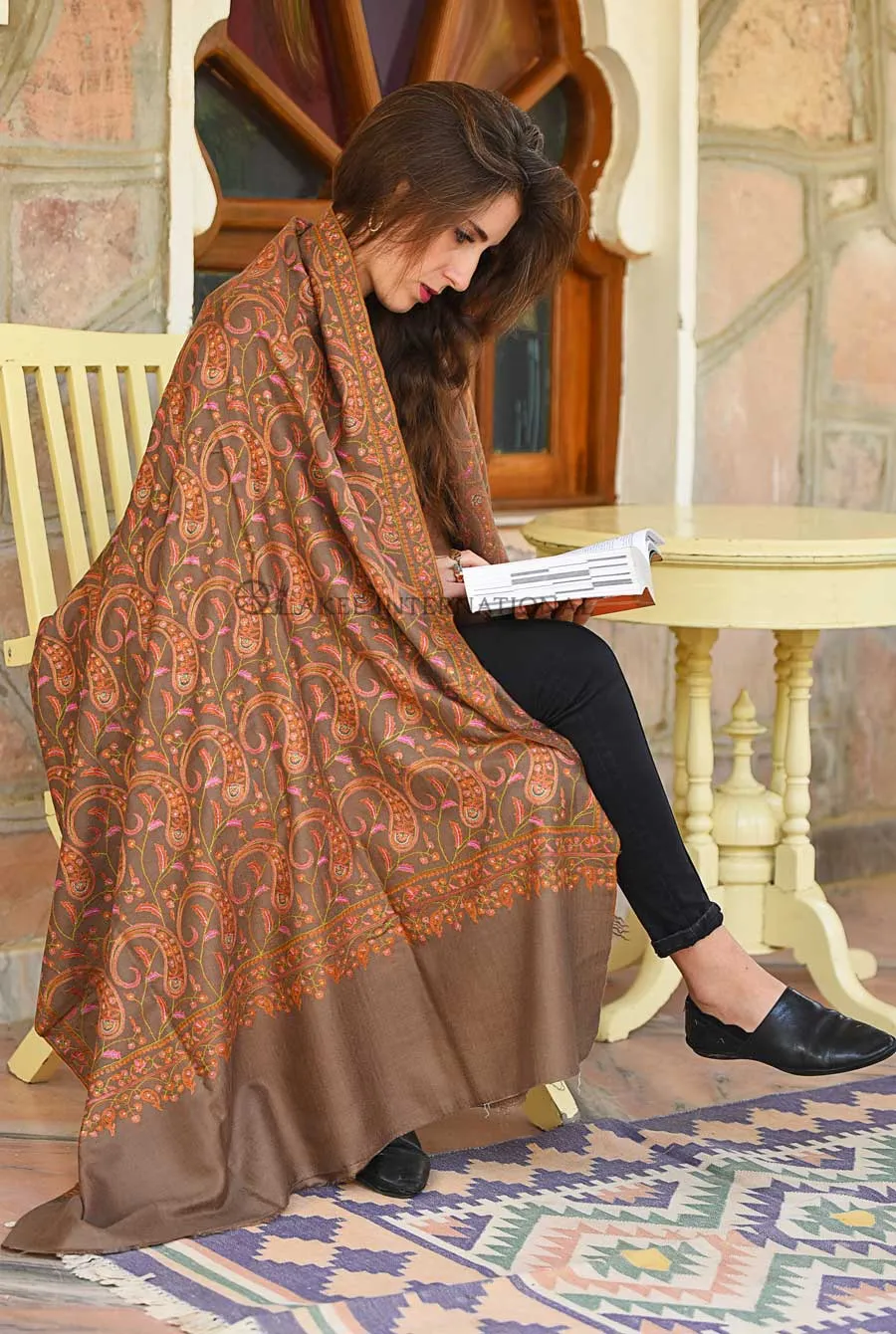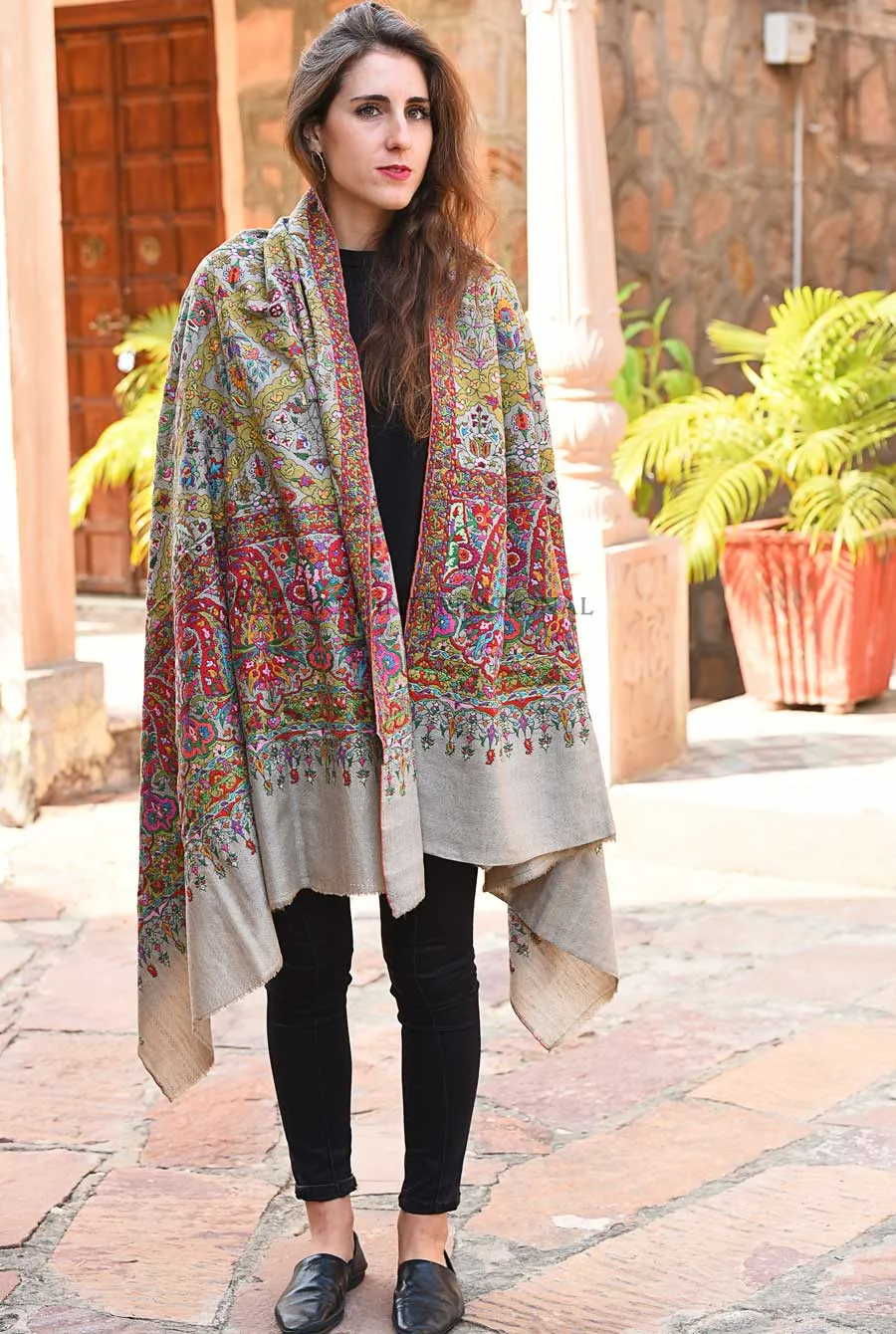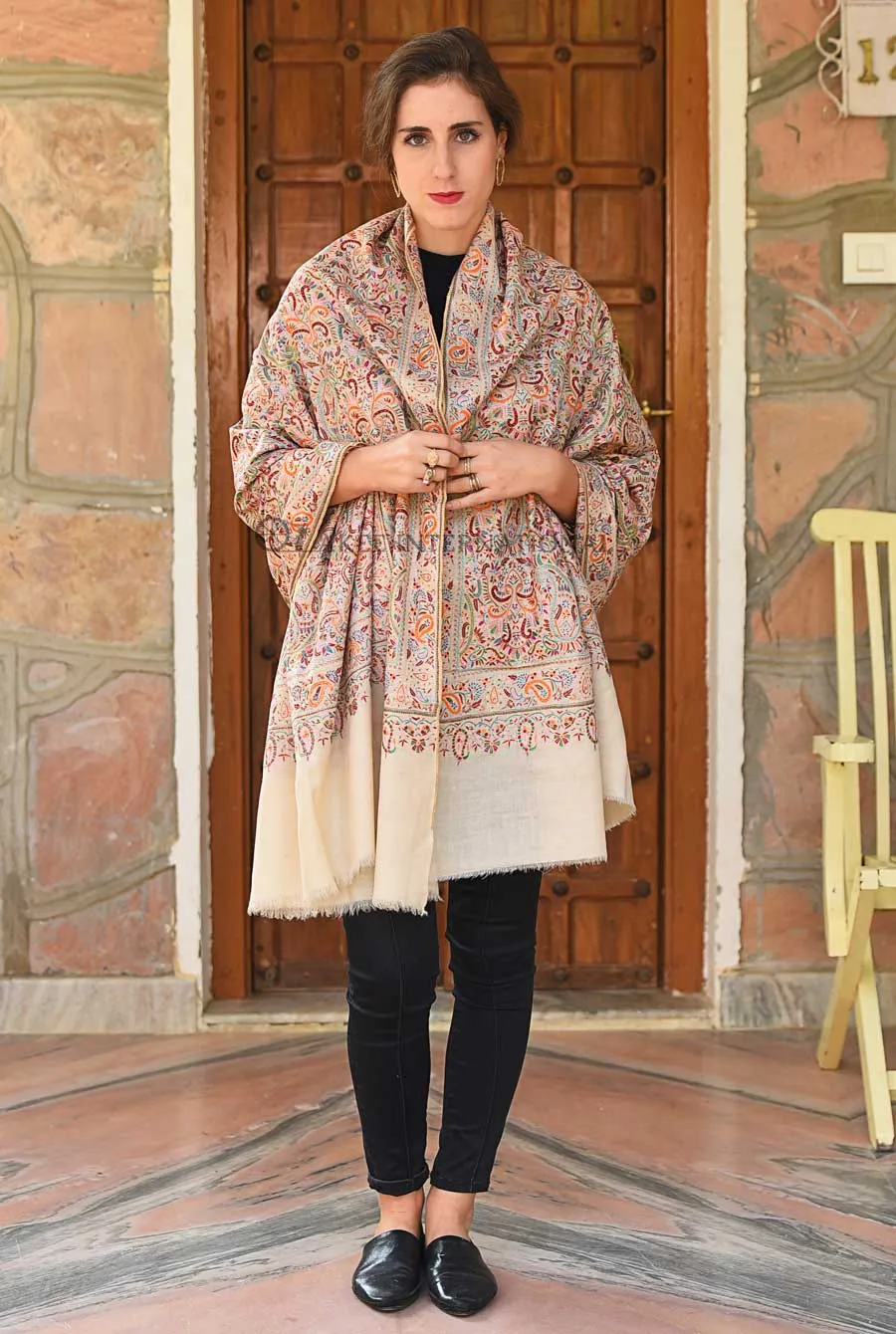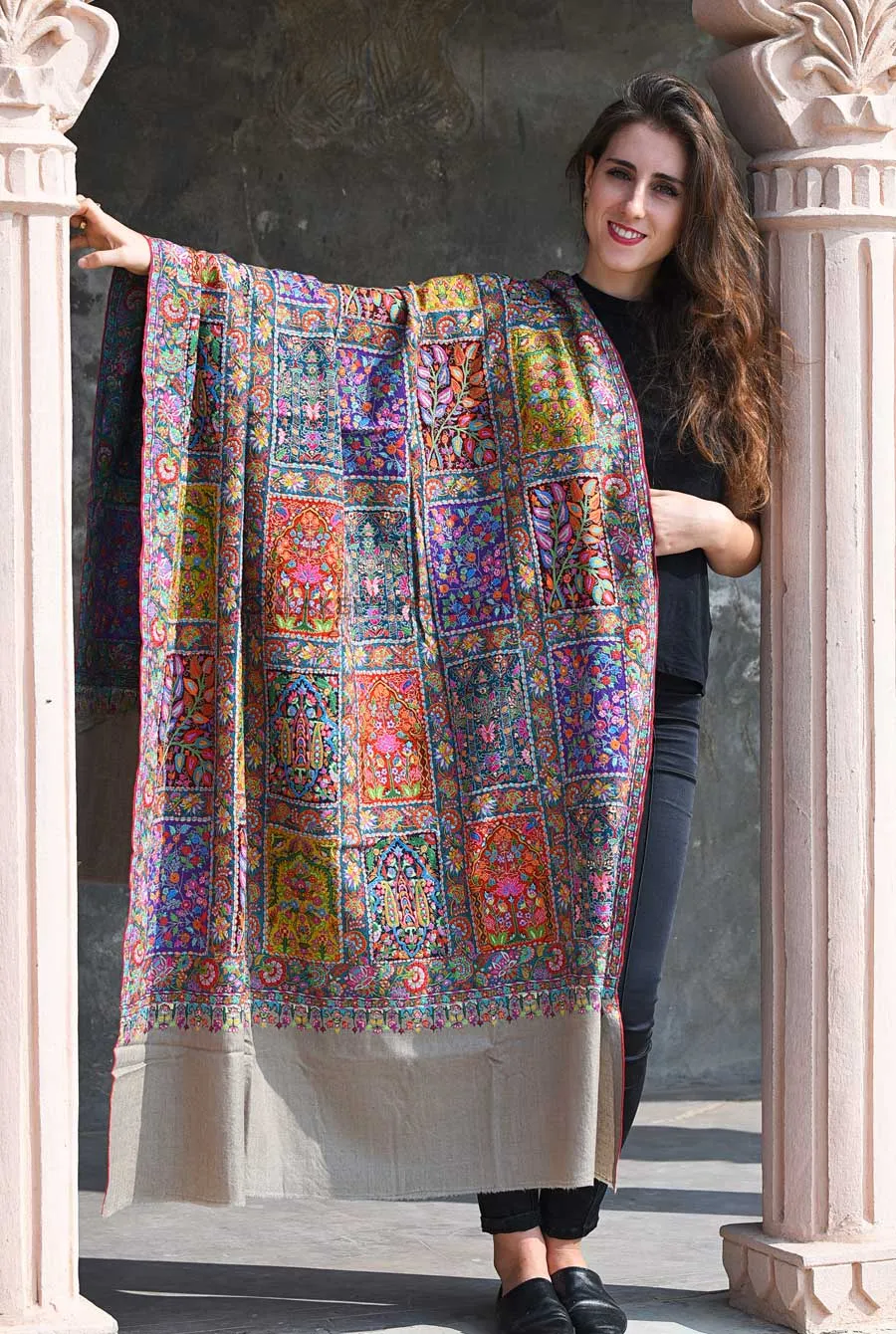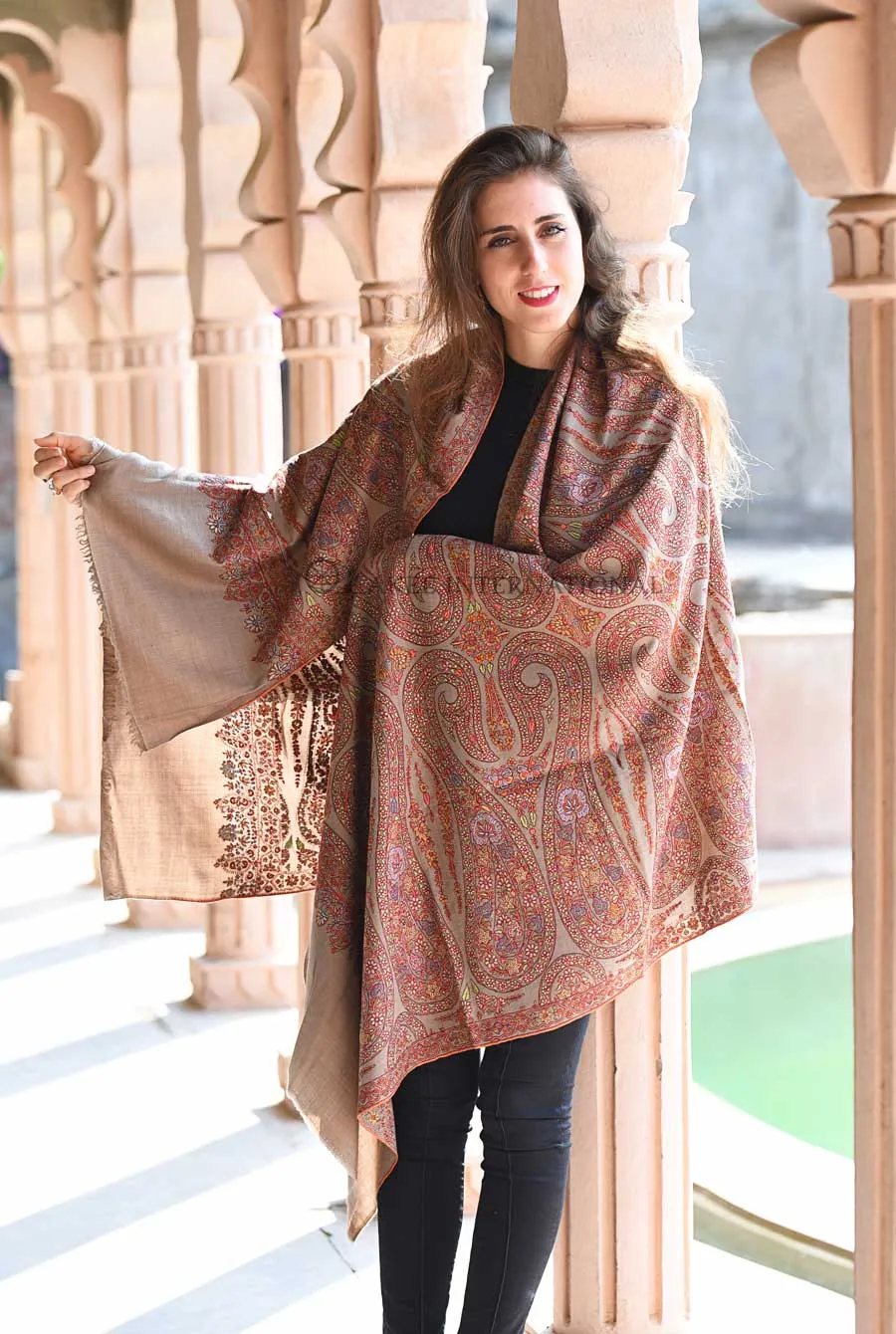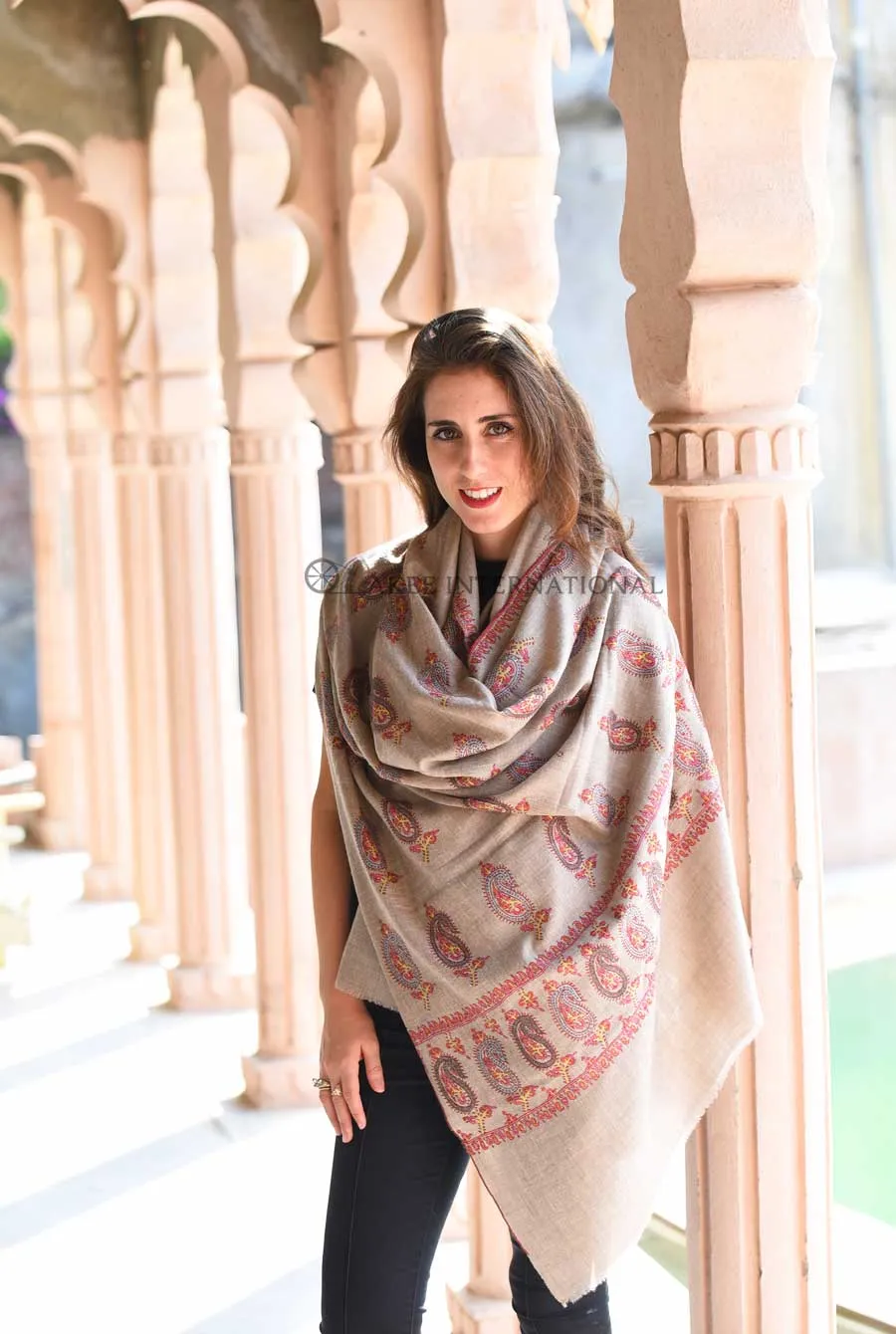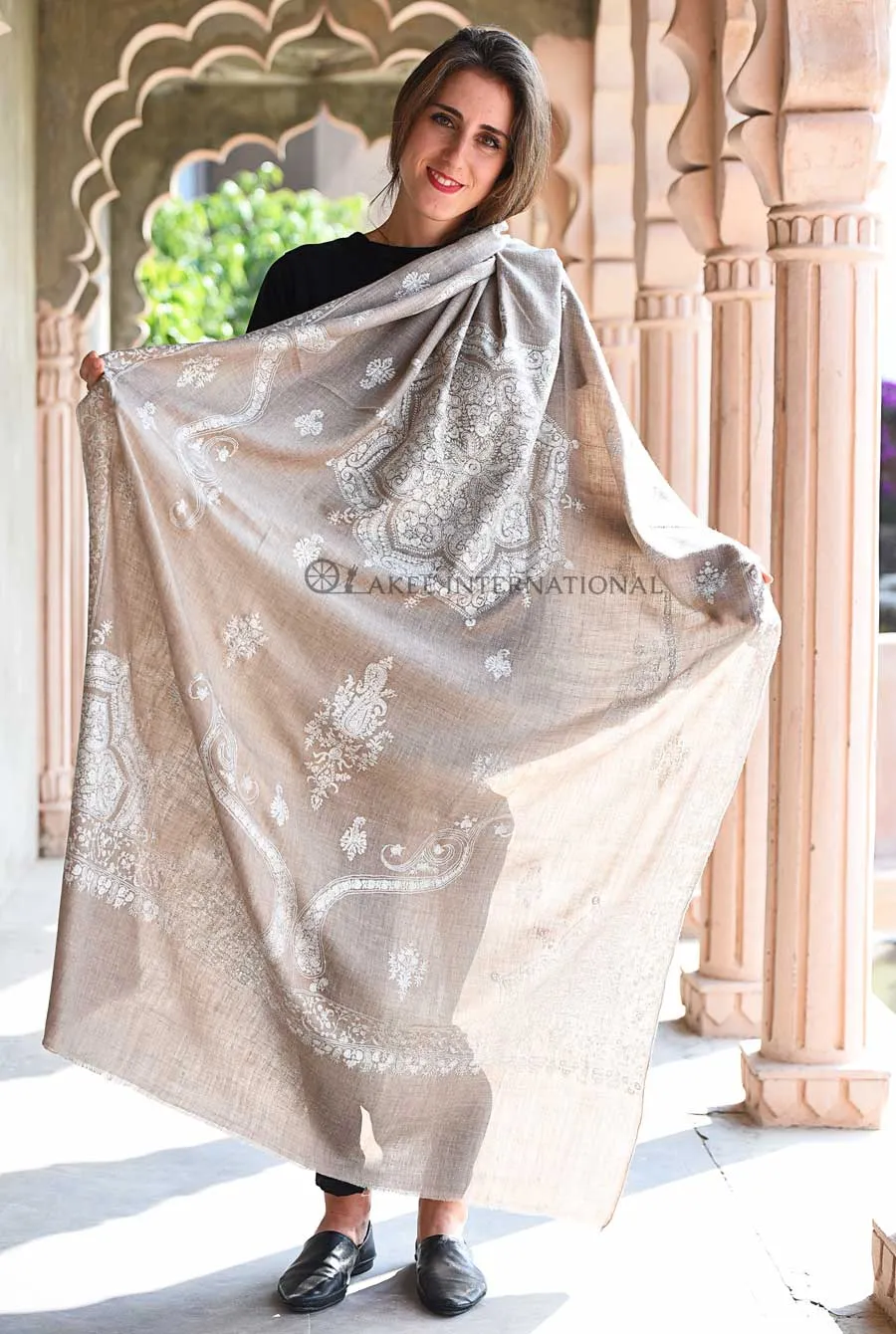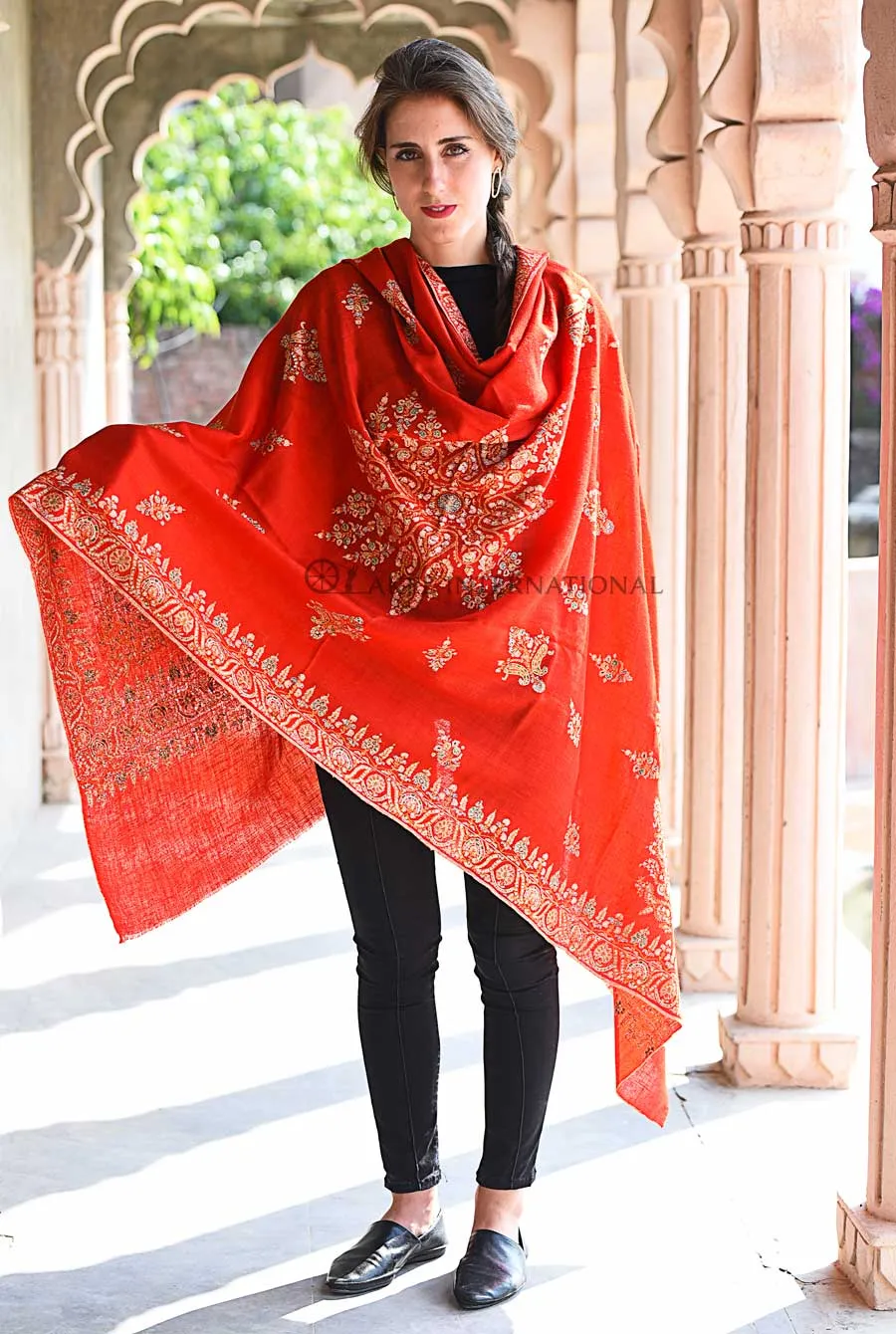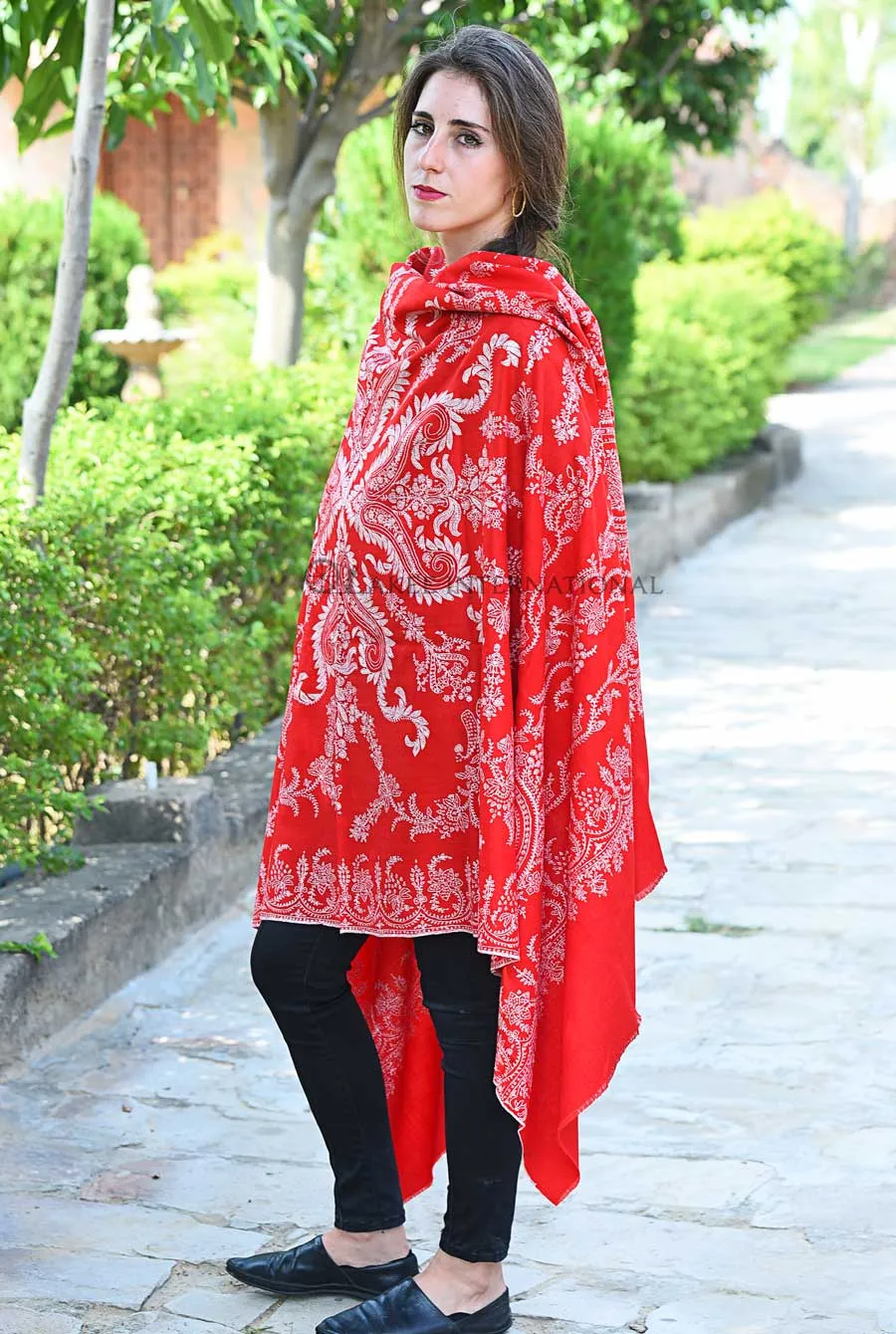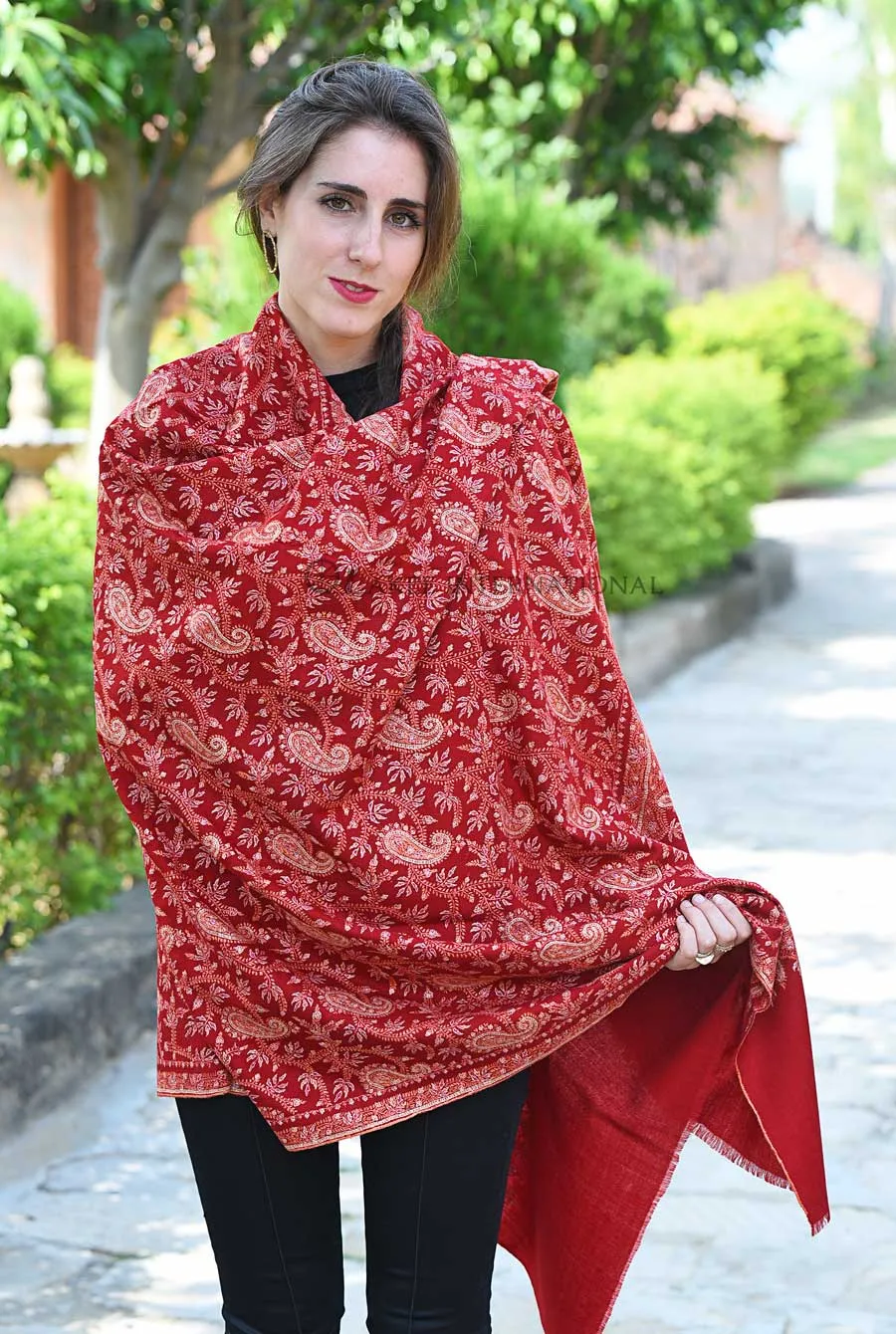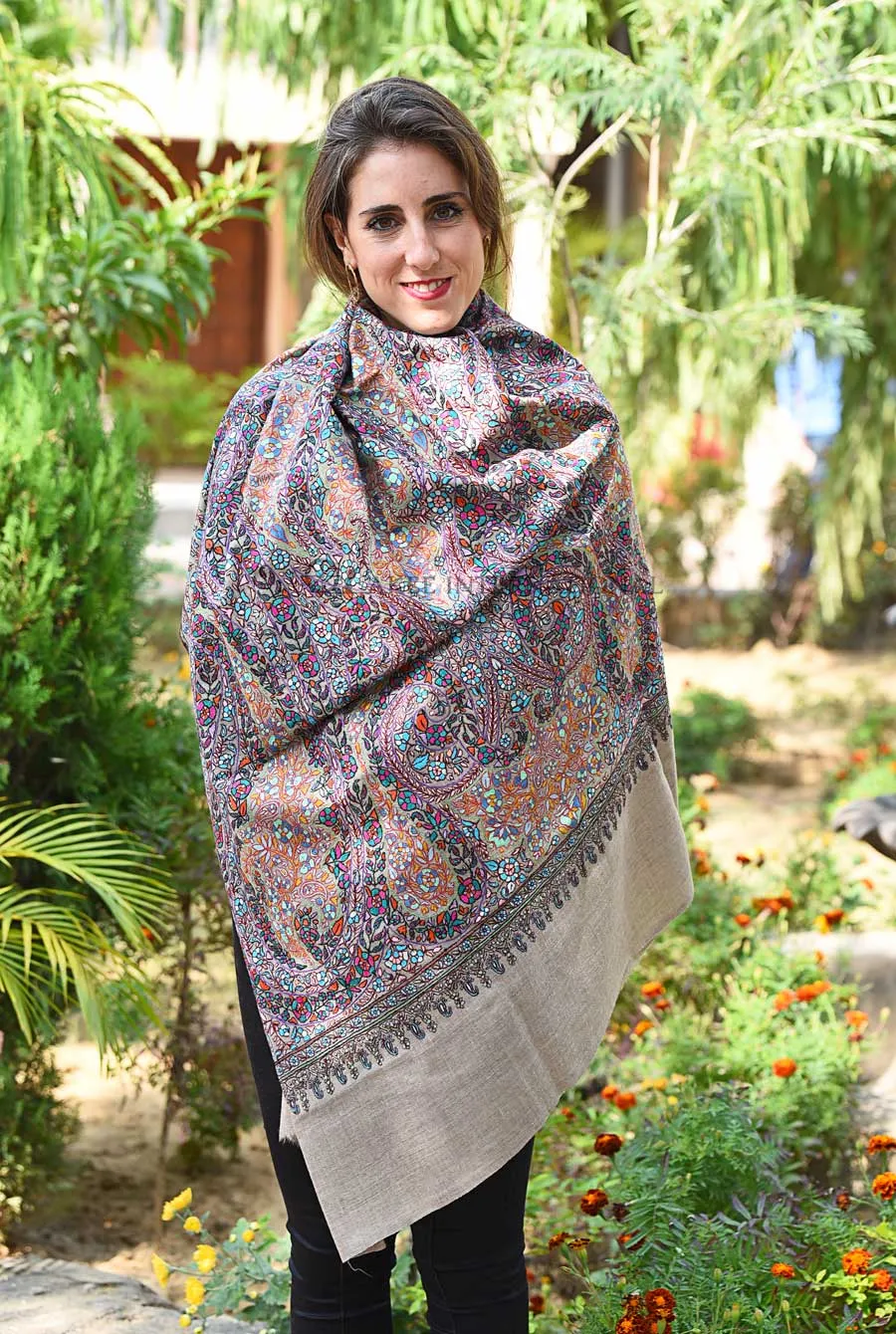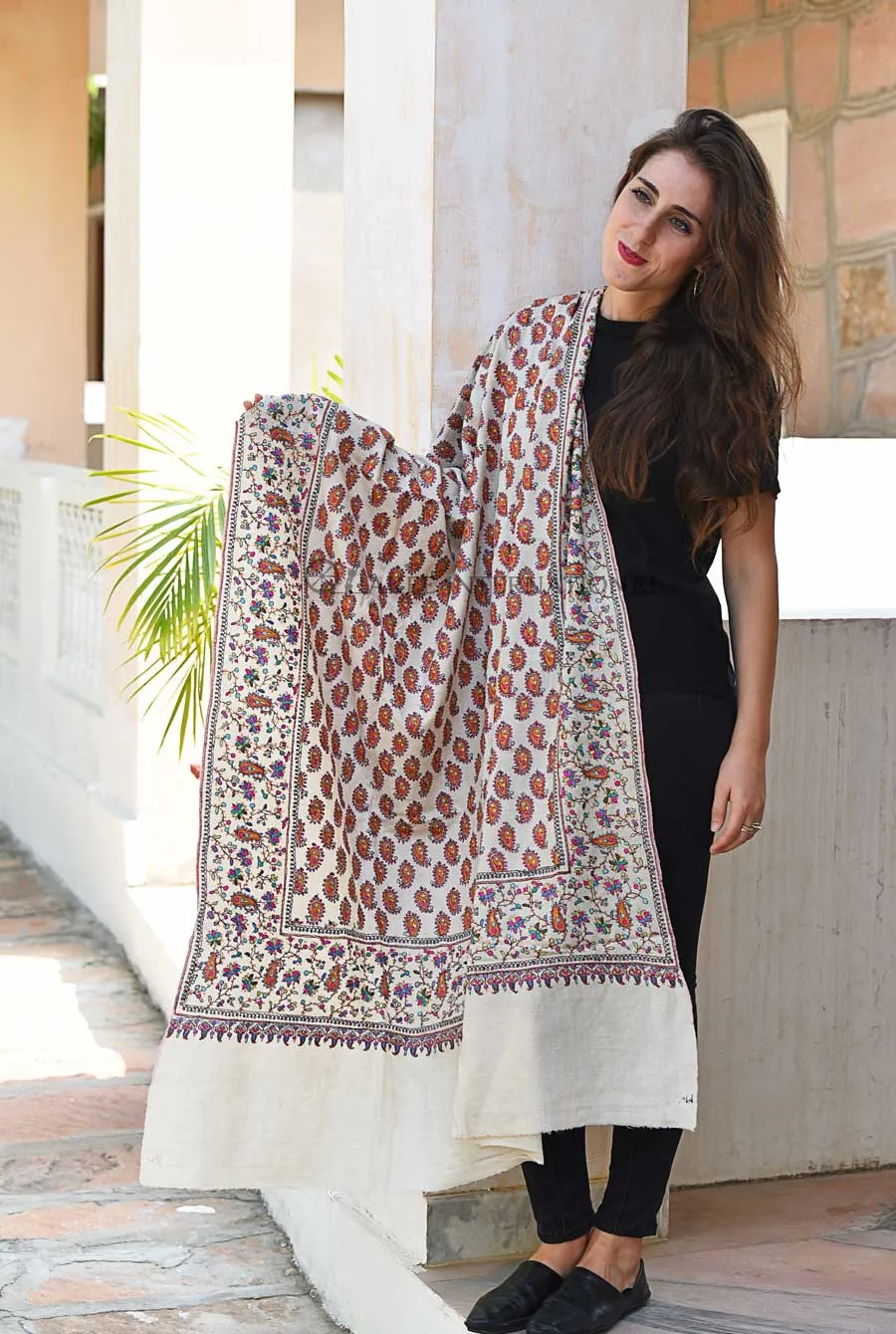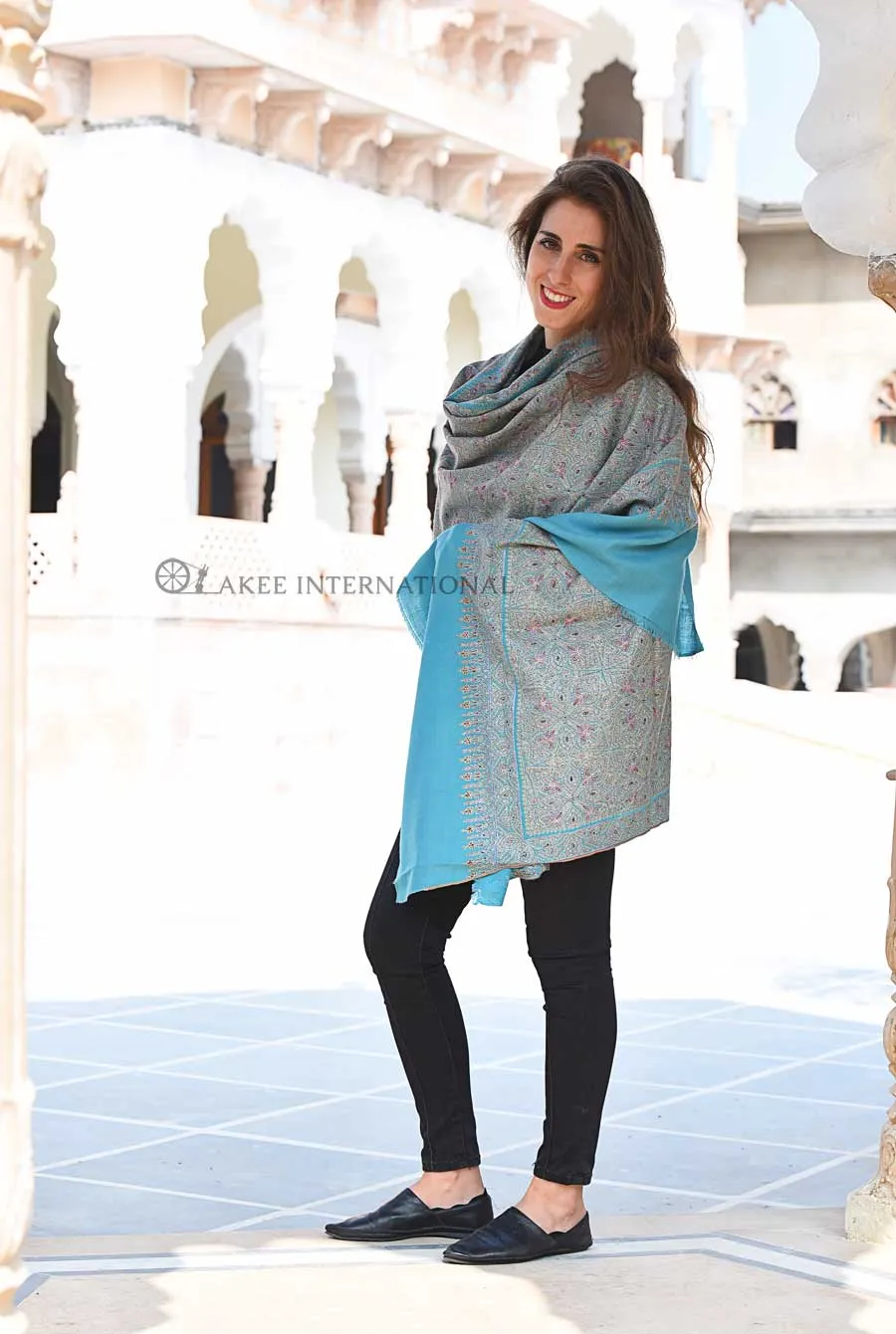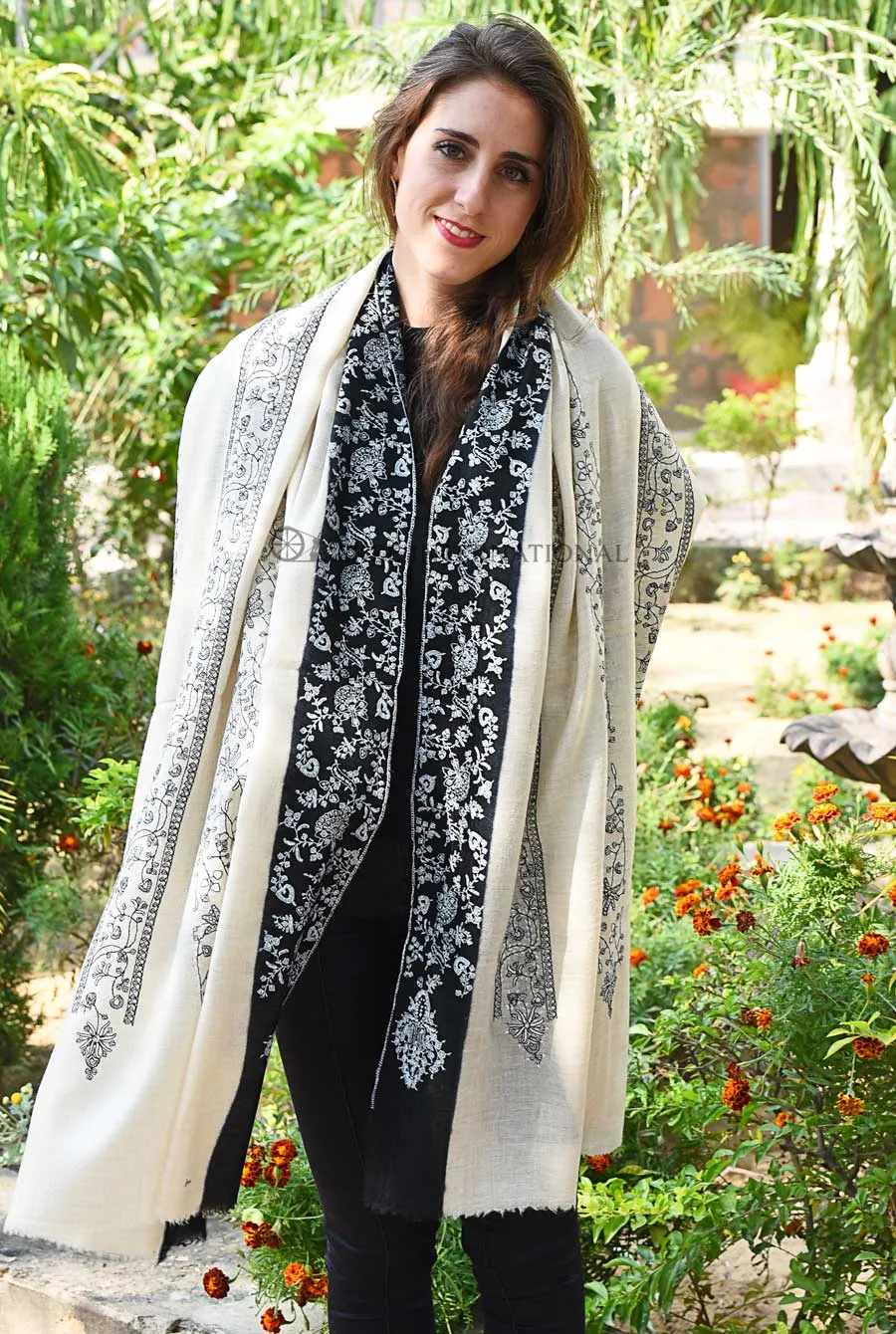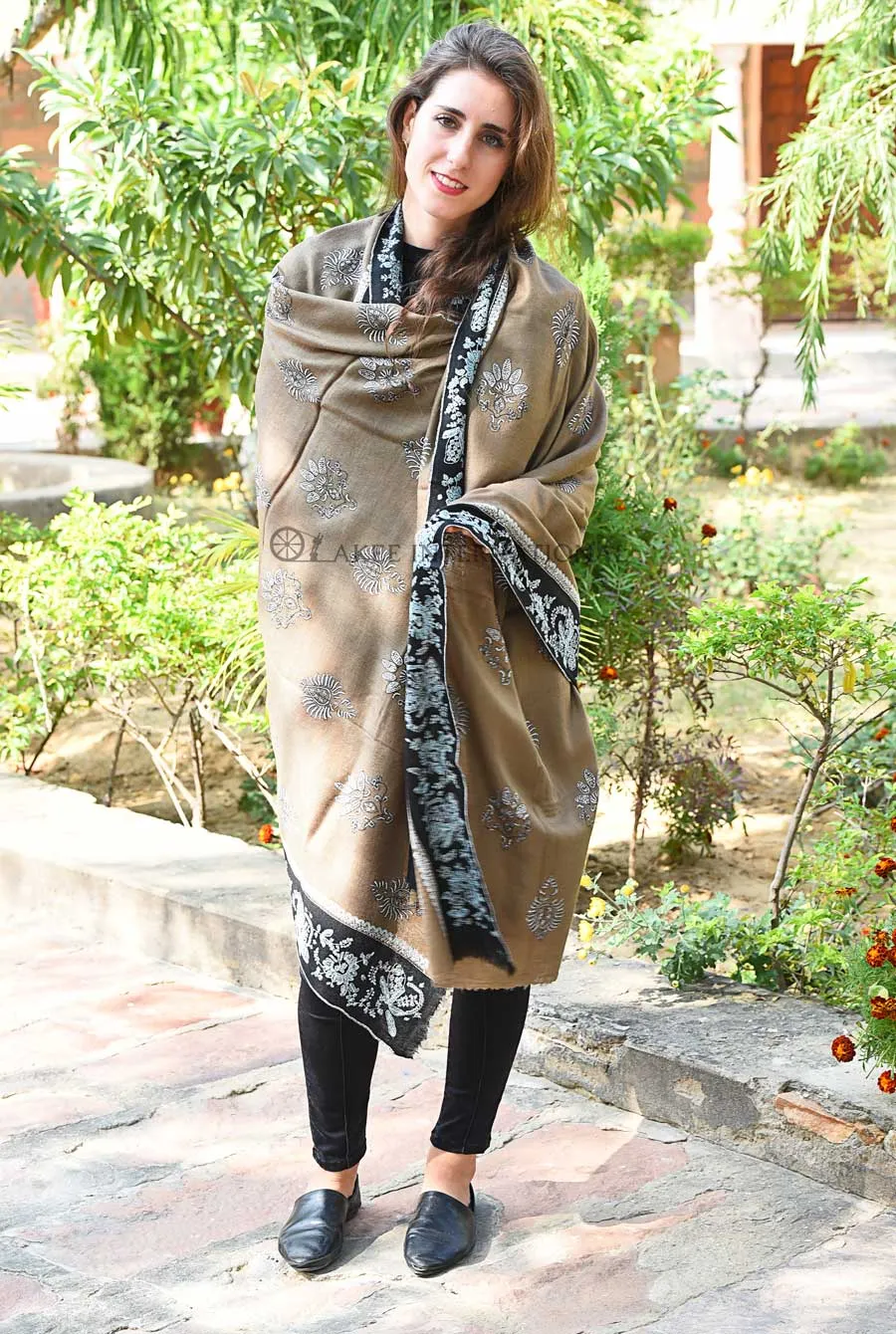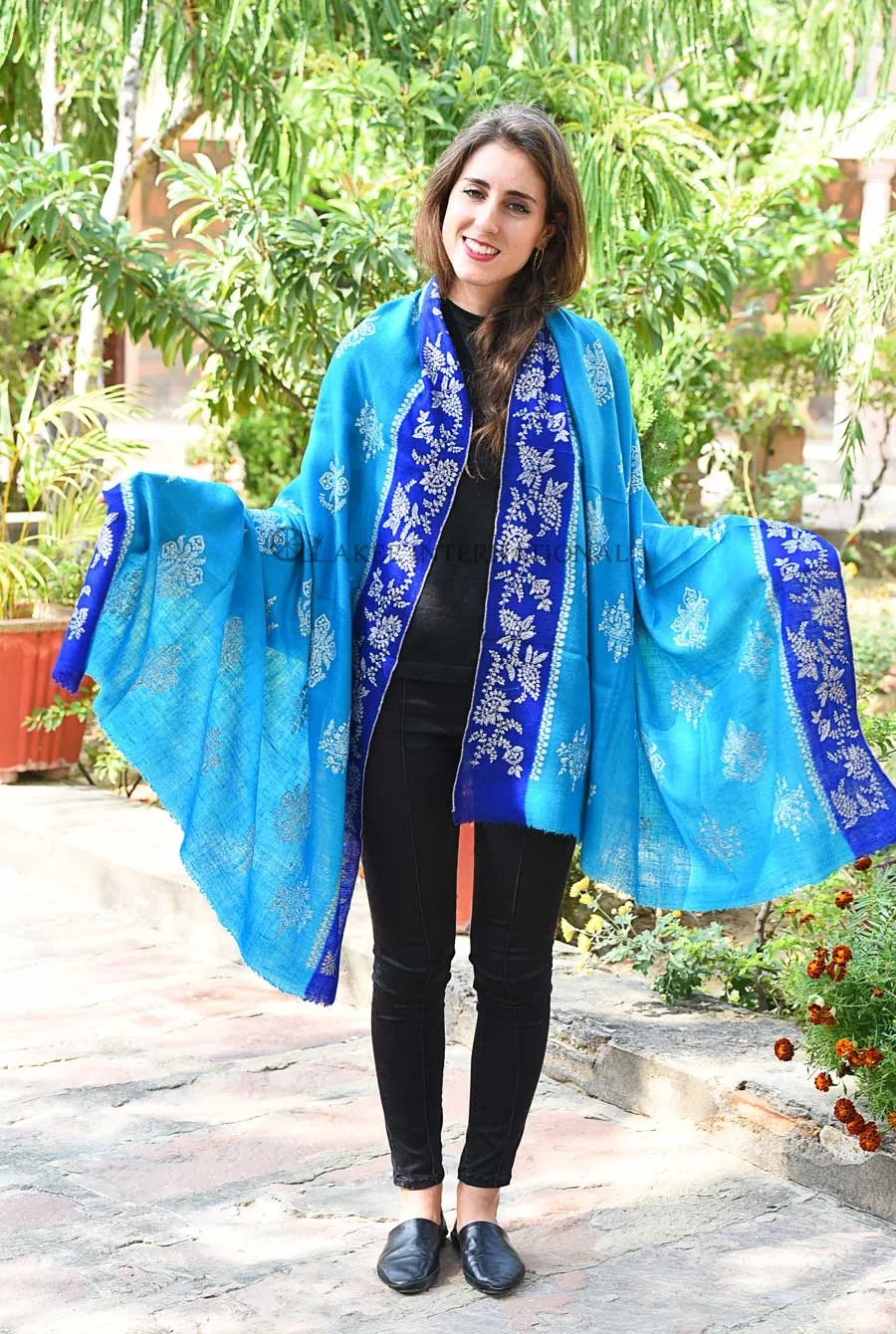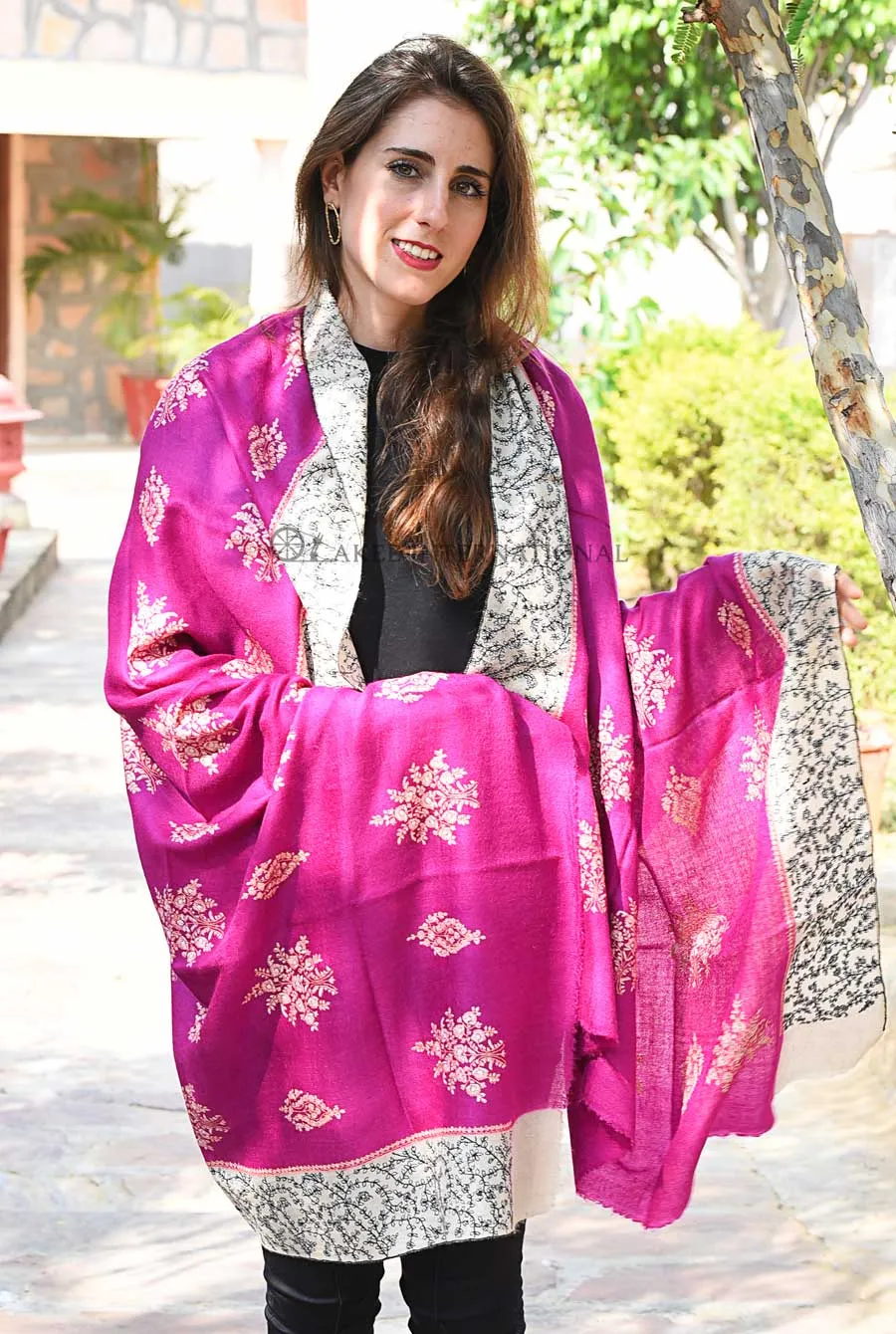
When it comes to luxurious textiles, very few can match the elegance, softness, and heritage carried by a handmade Pashmina shawl. These pieces are not merely fashion accessories — they are quiet works of art, shaped with patience, inherited skill, and a genuine respect for tradition rather than assembled on a factory line. At the heart of this craft is Akee International, based in Jaipur, a brand known for preserving the authenticity and quality of handmade Pashmina at a time when machine-made imitations dominate most of the market.
Pashmina, drawn from the fine undercoat of the Changthangi goat native to the high altitudes of Ladakh, has been cherished for centuries for its lightweight warmth and delicate texture. Handmade Pashmina shawls carry forward this rich cultural legacy, created by artisans who spend days, and sometimes weeks, hand-weaving these pieces on traditional wooden looms rather than relying on any electric machinery. You can read more about this fiber's origin and defining qualities on our What is Pashmina page.
Each shawl stands as a testimony to the craftsmanship heritage that Jaipur has long supported through generations of skilled artisans. Akee International sources from and directly supports these weavers, ensuring the tradition thrives in a modern retail world that too often rewards speed over skill.
Unlike mass-produced textiles, handmade Pashmina shawls offer a level of quality and detail that simply cannot be replicated at scale. Every thread is carefully spun and woven by hand, generally without any electric machinery involved at all. This labor-intensive process preserves the natural softness and structural strength of the wool, resulting in shawls that feel remarkably smooth and lightweight while still delivering exceptional warmth — a balance synthetic fiber has never quite managed to match. Our 7 Tests to Identify Genuine Pashmina guide goes into more detail on how this handmade quality actually shows up in the finished fabric.
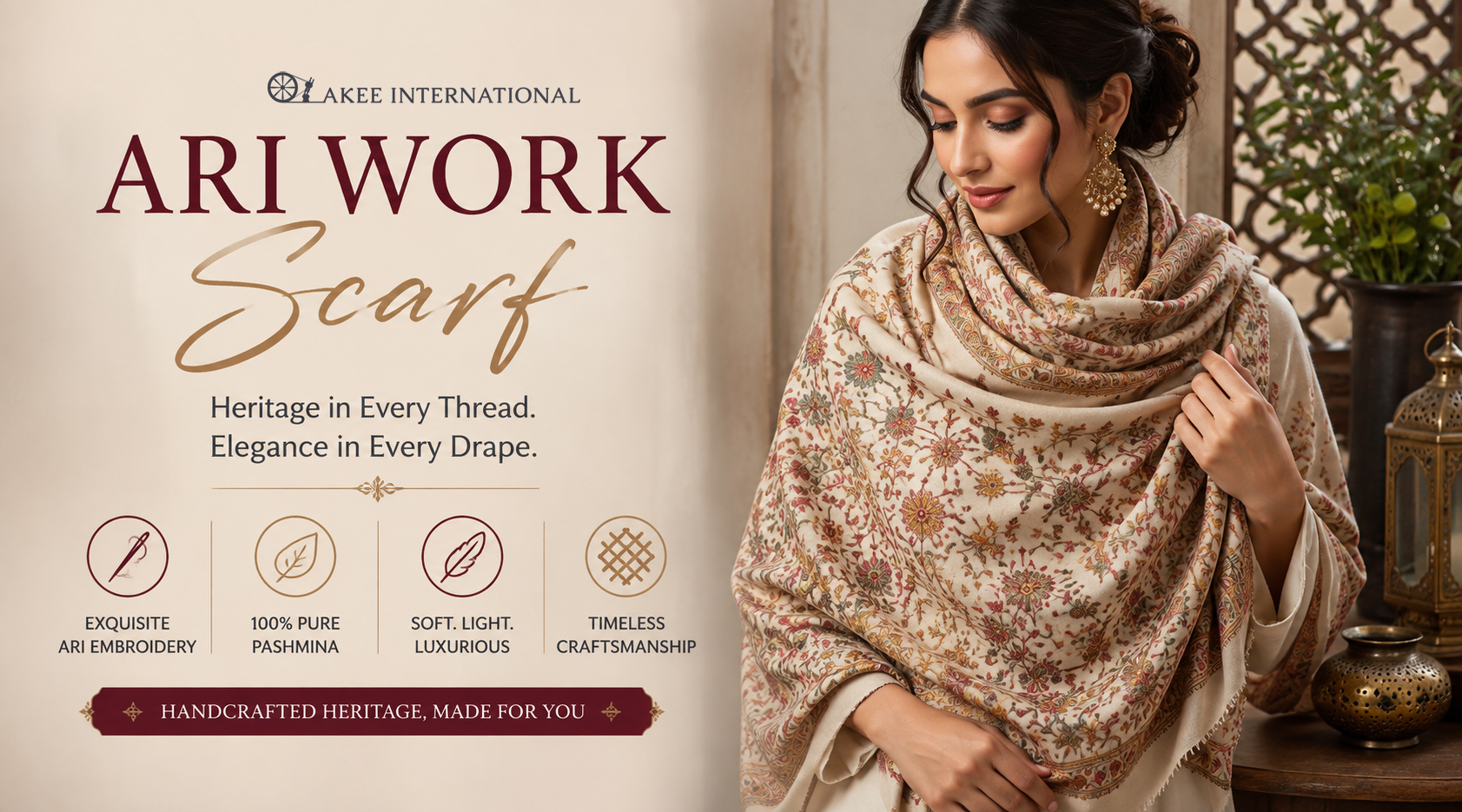
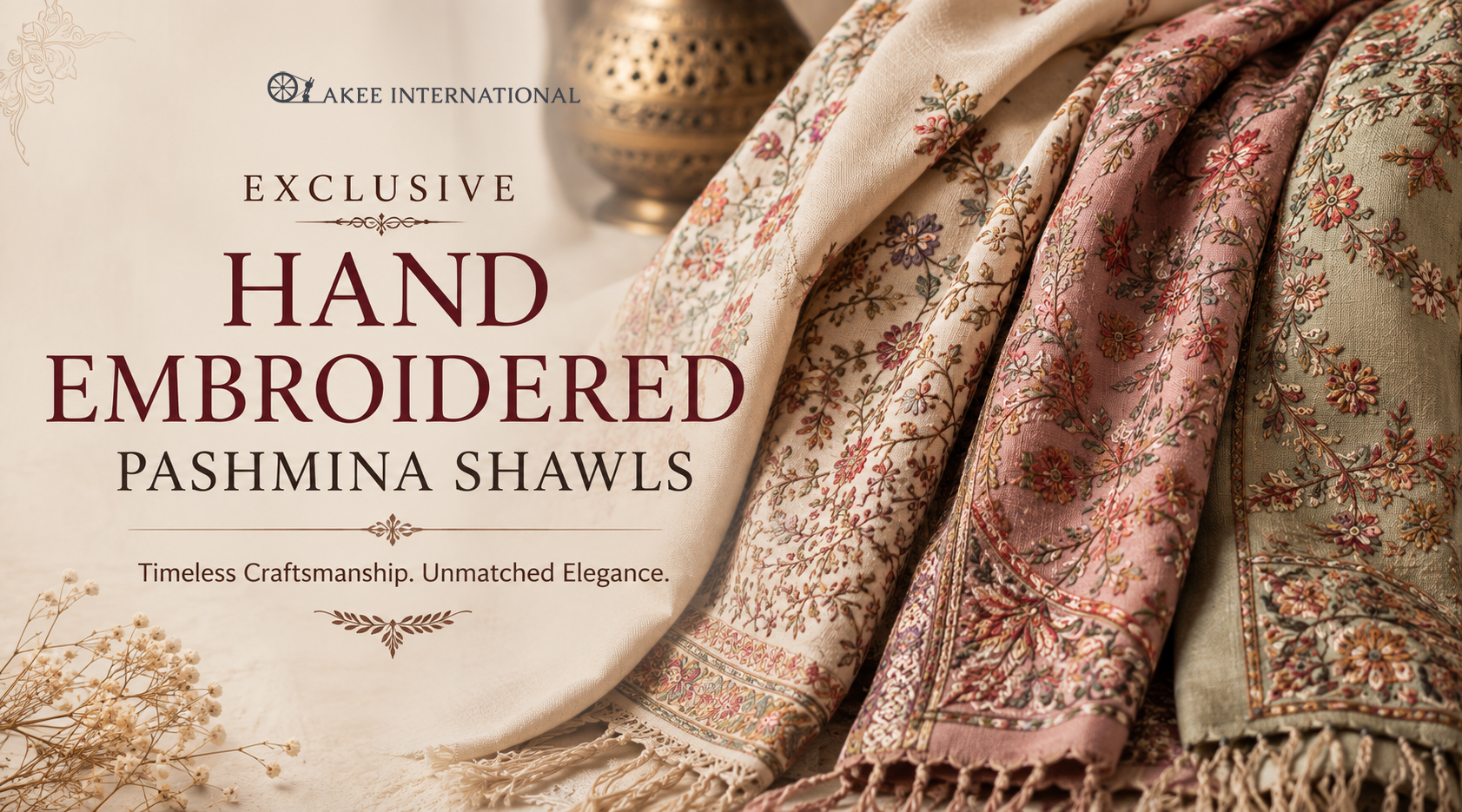
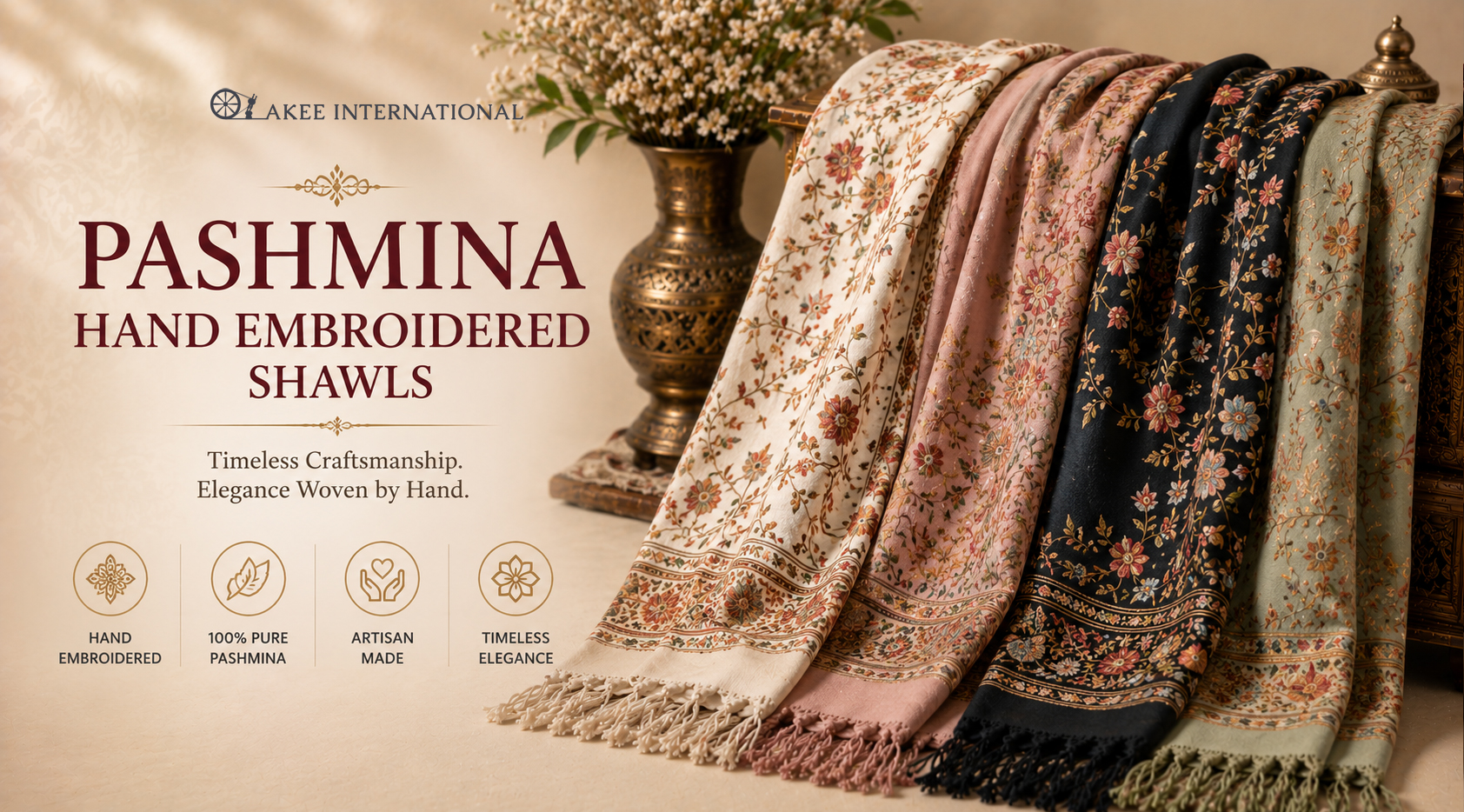
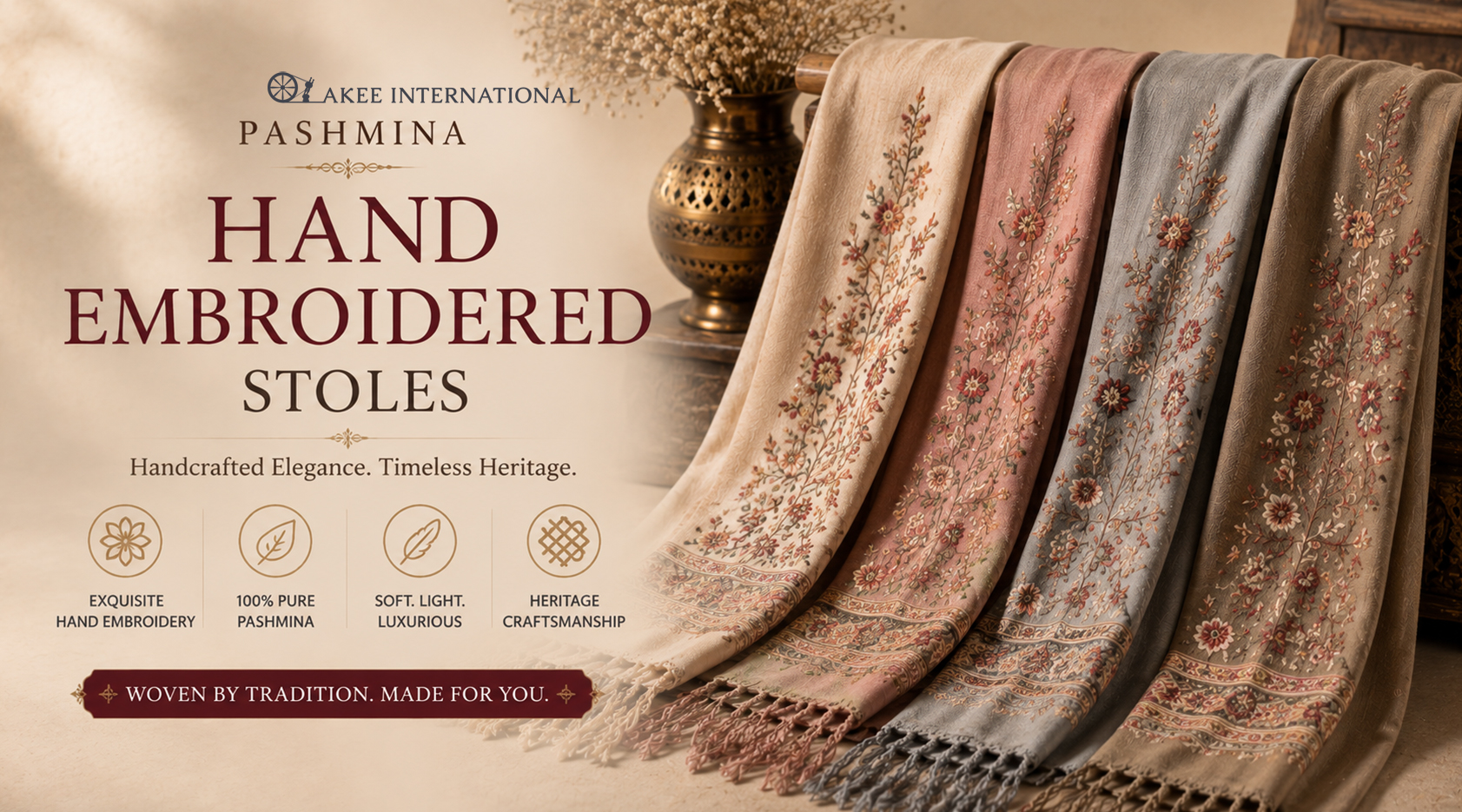
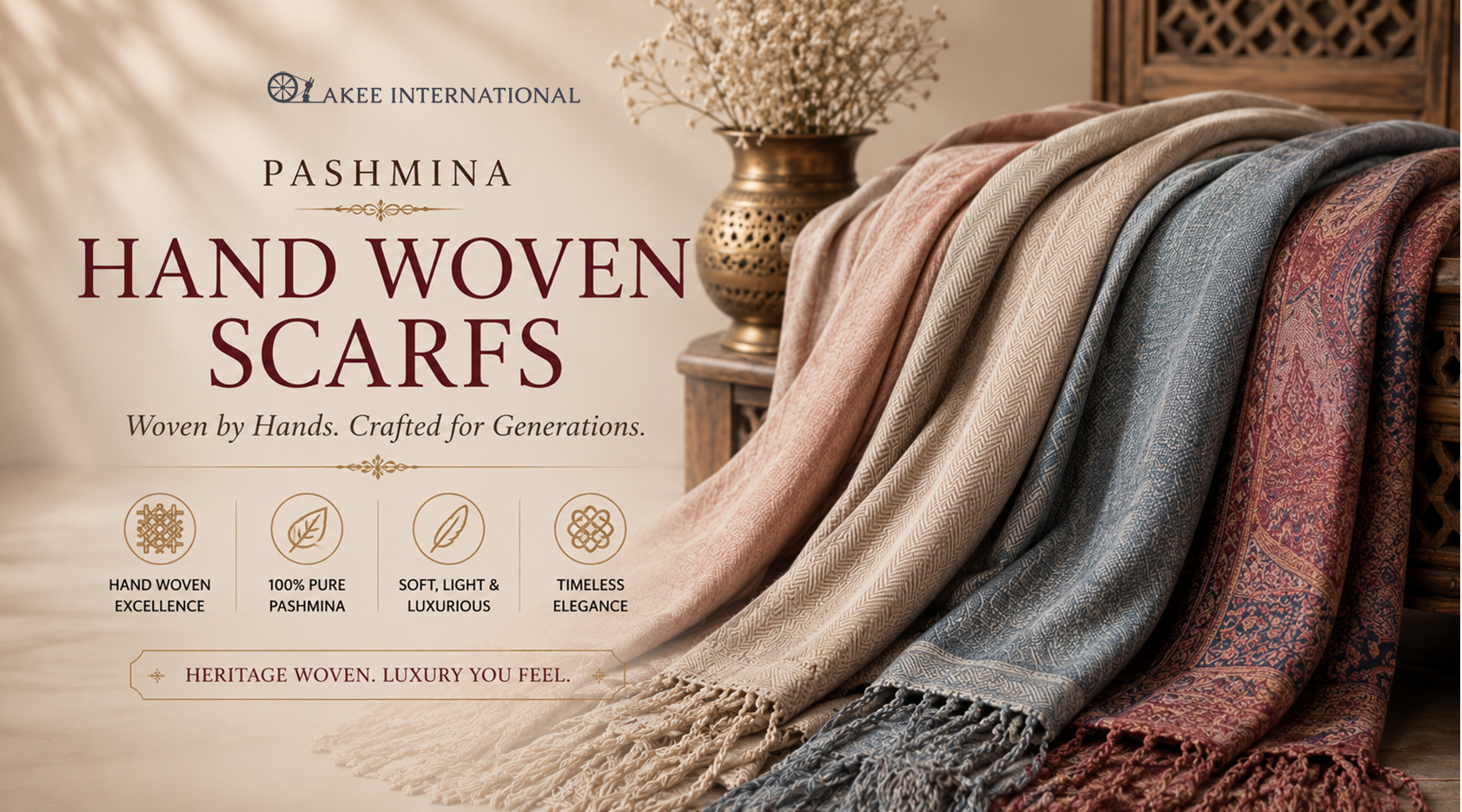
Natural variations in weave tension and pattern also mean each shawl is genuinely unique — no two pieces are ever exactly alike, which is part of the appeal rather than a flaw to be corrected. Akee International maintains this artisanal quality by working directly with weavers based in and around Jaipur, ensuring both authenticity and consistent excellence across the collection. Explore this handwoven craftsmanship directly in our Pashmina Hand Woven Scarfs and Pashmina Hand Embroidered Shawls collections.
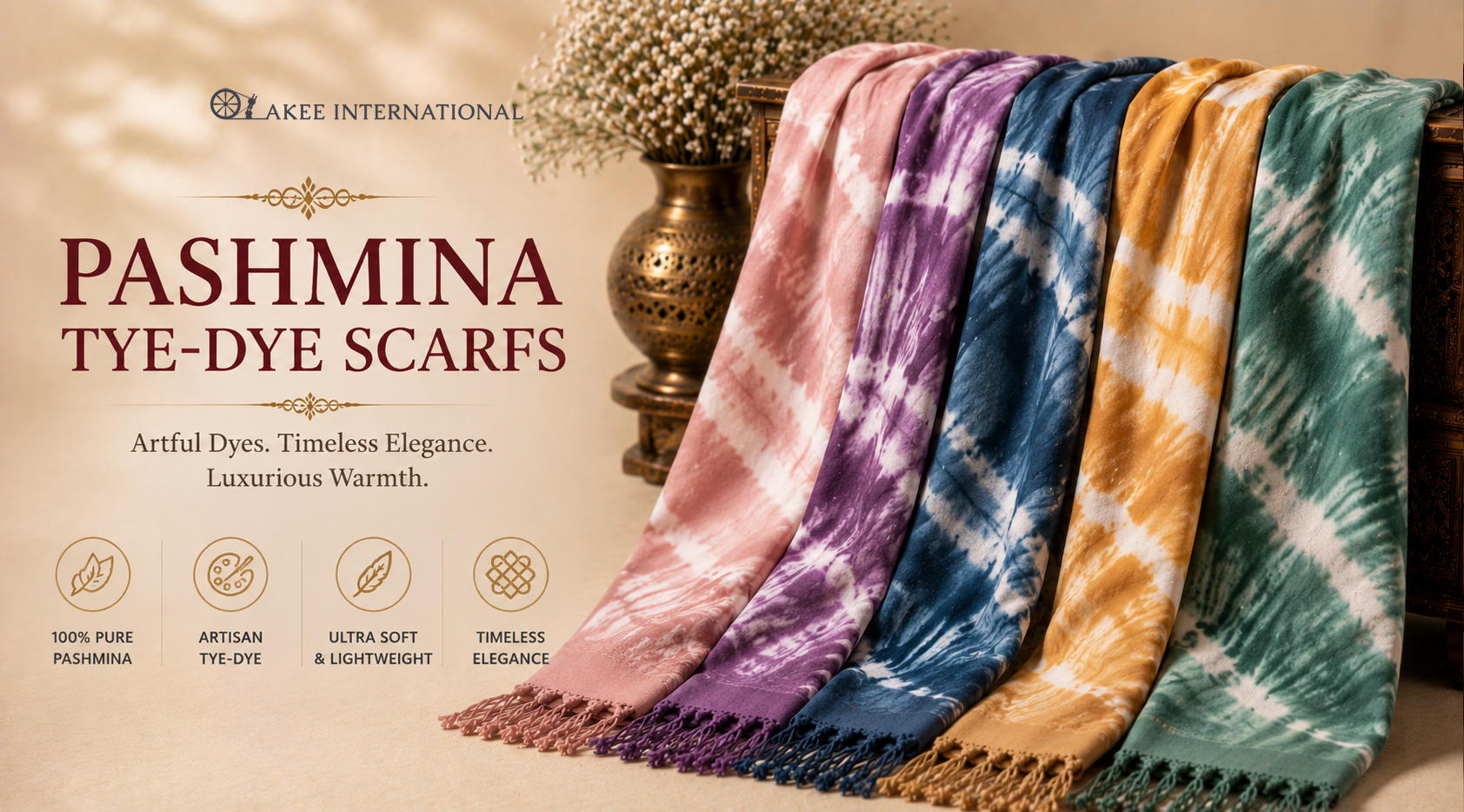
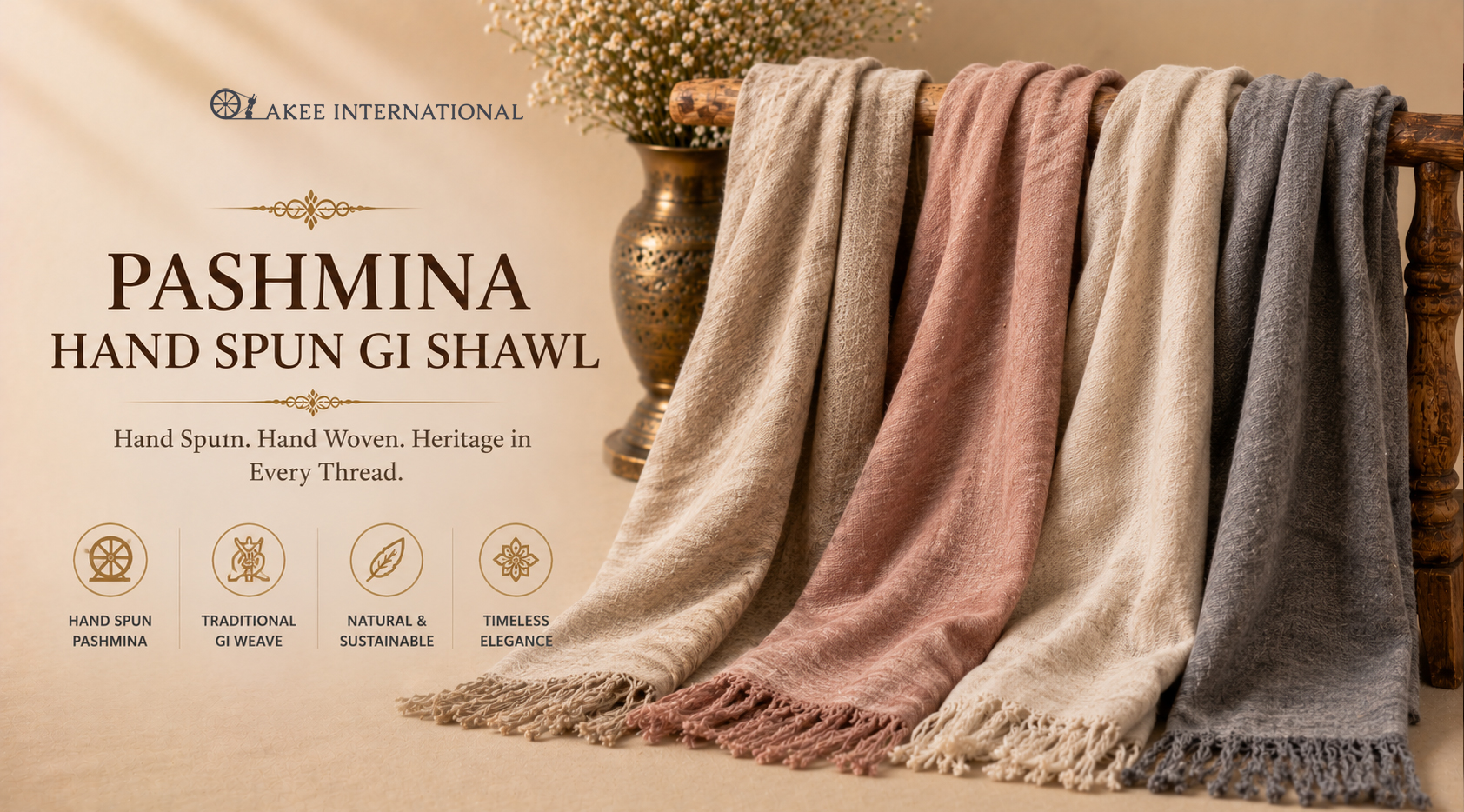
The journey of a handmade Pashmina shawl begins with raw wool, gathered through a gentle combing process from Changthangi goats rather than shearing, which would damage the fine undercoat. The wool is then meticulously cleaned, hand-spun into fine yarn on a traditional charkha, and dyed using time-tested methods passed down through generations of artisan families.
At Akee International's workshops in Jaipur, expert artisans hand-weave these yarns on wooden looms, creating patterns that range from simple, understated elegance to intricate, richly detailed designs. The use of natural and carefully controlled dyes enhances each shawl's beauty without compromising the wearer's skin or the surrounding environment. This entire process is documented and explained further on our Kashmiri Shawl Weaving Tradition page. This painstaking, multi-step process ultimately ensures durability, softness, and a luxurious finish that machine-made alternatives simply cannot replicate, no matter how closely they try to imitate the look.
Because the word “handmade” gets used loosely across the wider shawl market, it helps to know what actually distinguishes a genuinely hand-woven Pashmina from a machine-loomed piece dressed up with the same label. A hand-woven shawl typically shows small, natural irregularities in tension across its surface — a slight variation in how tightly the weft is packed row to row, visible under good light if you look closely along the edges. This isn't a defect; it's the direct fingerprint of a human hand controlling the loom rather than a motor running at fixed speed. Machine-woven fabric, by contrast, tends to look almost too uniform, with a flatter, more mechanical regularity that a trained eye can usually spot within seconds of touching the fabric.
The finishing at the edges tells a similar story. Genuine handloom pieces are typically finished with hand-rolled or hand-stitched hems, sometimes with a barely visible fringe left intentionally loose at the ends, while machine-finished pieces often have a cleaner but more generic edge that lacks that individual artisan's touch. If you're comparing two similarly priced shawls online and want to judge authenticity before buying, our detailed guide on how to identify an original Pashmina shawl walks through these visual and tactile cues in far greater depth, alongside the burn and water-absorption tests that apply to the raw fiber itself.
Jaipur is widely known as the “Pink City,” but it is equally a hub of exquisite textile craftsmanship, home to generations of weavers, dyers, and embroiderers working in close-knit artisan communities. Brands like Akee International play a crucial role in preserving this heritage by promoting handmade Pashmina shawls to a global audience rather than letting the craft fade into a purely local trade.
Purchasing from Jaipur artisans means directly supporting a community dedicated to maintaining age-old traditions rather than outsourcing production to anonymous factories. It also means investing in sustainable, slow fashion — products that prioritize quality and longevity over disposable, mass-produced alternatives. This kind of purchase carries a ripple effect beyond the buyer: fair, direct payment to weavers helps keep younger generations within these artisan families interested in continuing the craft, rather than moving away from weaving toward other work simply because it isn't economically viable anymore. Every handmade shawl sold at a fair price is, in a small way, a vote for keeping that skill alive for another generation. If you're purchasing for a boutique or business rather than personal use, our Pashmina Shawl Wholesale Supplier and Wholesale Pashmina Shawls in Jaipur pages outline how we support bulk buyers while maintaining the same handmade standards.
To enjoy your handmade Pashmina shawl for years, proper care is essential and genuinely worth the small extra effort. These shawls should be gently hand-washed in cold water with a mild detergent, or dry-cleaned by professionals familiar with delicate natural fibers. Avoid wringing the fabric or machine washing it under any circumstances, and always dry your shawl flat, laid out away from direct sunlight, rather than hanging it for extended periods. With the right care, handmade Pashmina shawls only become softer and more beautiful over time, often transforming into cherished family heirlooms rather than fading with age the way synthetic textiles typically do. For a full, step-by-step care routine, see our Pashmina Shawl Care Guide, along with dedicated pages on how to wash and how to store a Pashmina shawl.
In today's world, where environmental consciousness matters more than ever to conscious buyers, handmade Pashmina shawls stand out as a genuinely sustainable choice. The entire process, starting from gentle hand-harvesting of the raw wool through to hand-weaving on wooden looms, minimizes both carbon footprint and material waste compared with industrial textile manufacturing.
Akee International's commitment to sustainability ensures that no harmful chemicals are used in dyeing or finishing wherever it can be avoided, making our Pashmina shawls both eco-friendly and skin-safe for the wearer. By choosing handmade over mass-produced, you support responsible fashion that genuinely values the environment and human craftsmanship in equal measure, rather than treating either as an afterthought behind price and speed.
Handmade Pashmina shawls offer a versatility that genuinely transcends seasons and styles. Their lightweight warmth makes them ideal for chilly evenings, while their carefully worked designs complement formal wear, casual outfits, and ethnic attire with equal ease. Whether attending a wedding, a cultural event, or simply elevating everyday wear, these shawls add a touch of sophistication and cultural richness that mass-market accessories rarely manage. They also make particularly thoughtful gifts for occasions like anniversaries and festive celebrations such as Diwali, precisely because the handmade element carries genuine sentimental weight that a factory-made item simply doesn't.
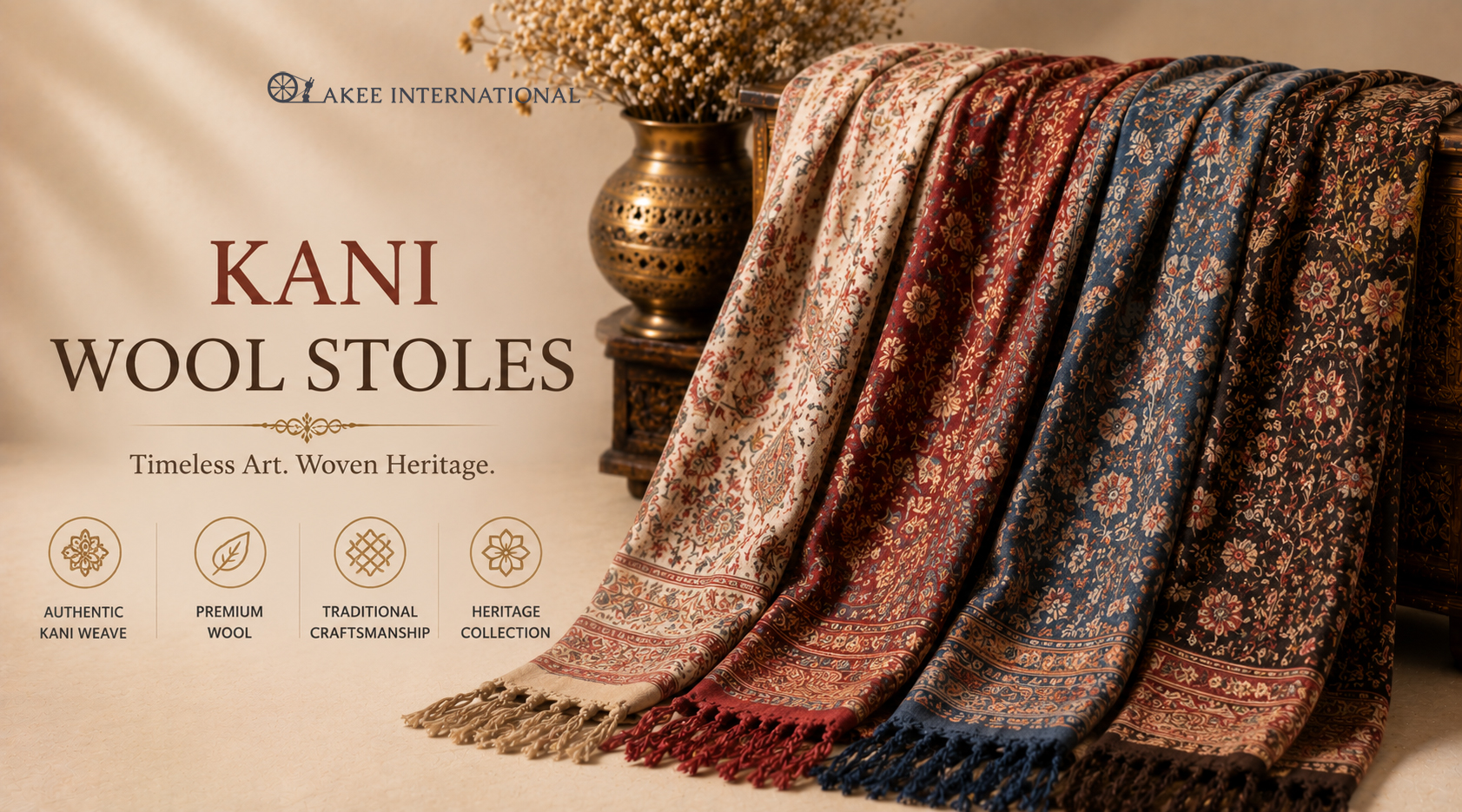
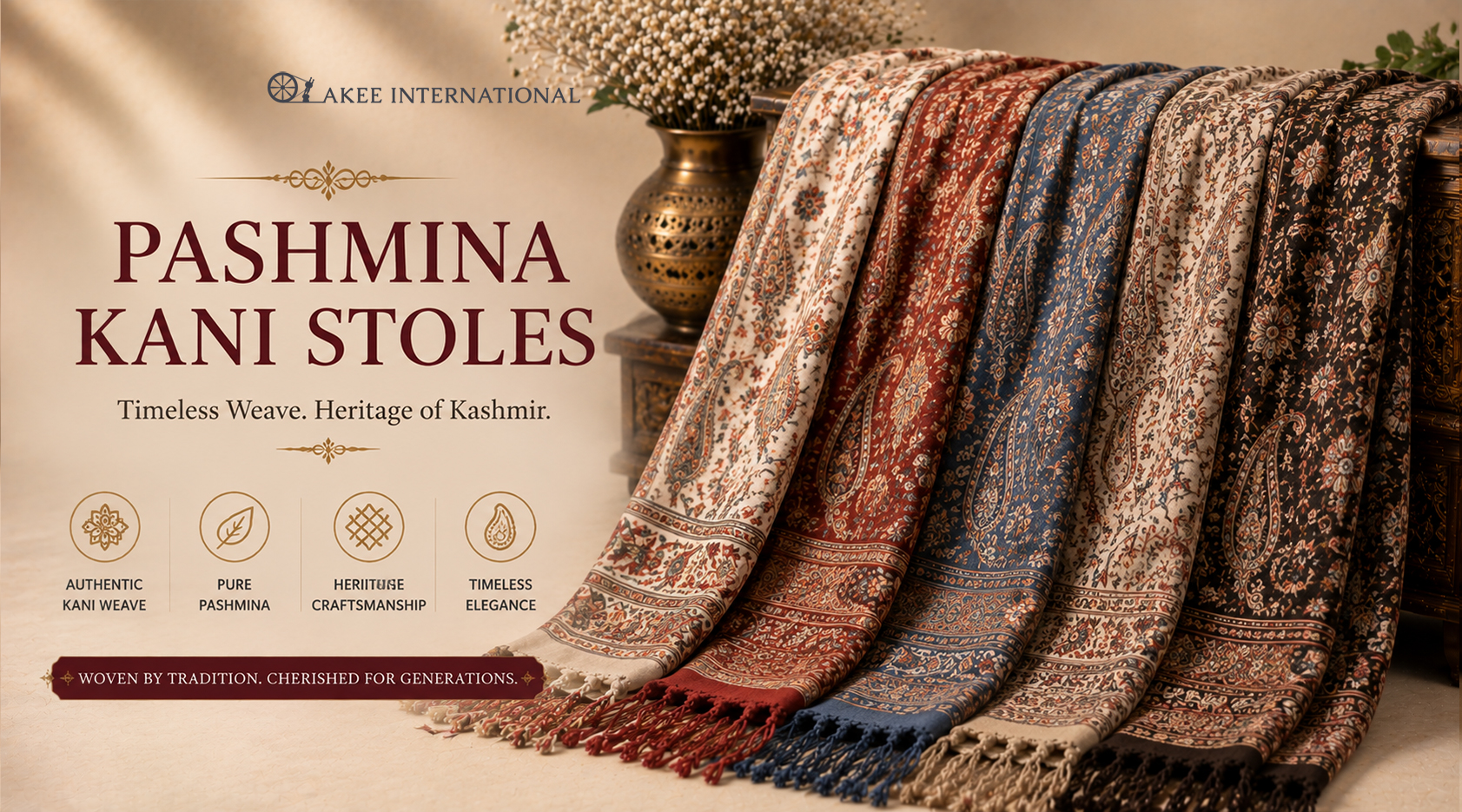
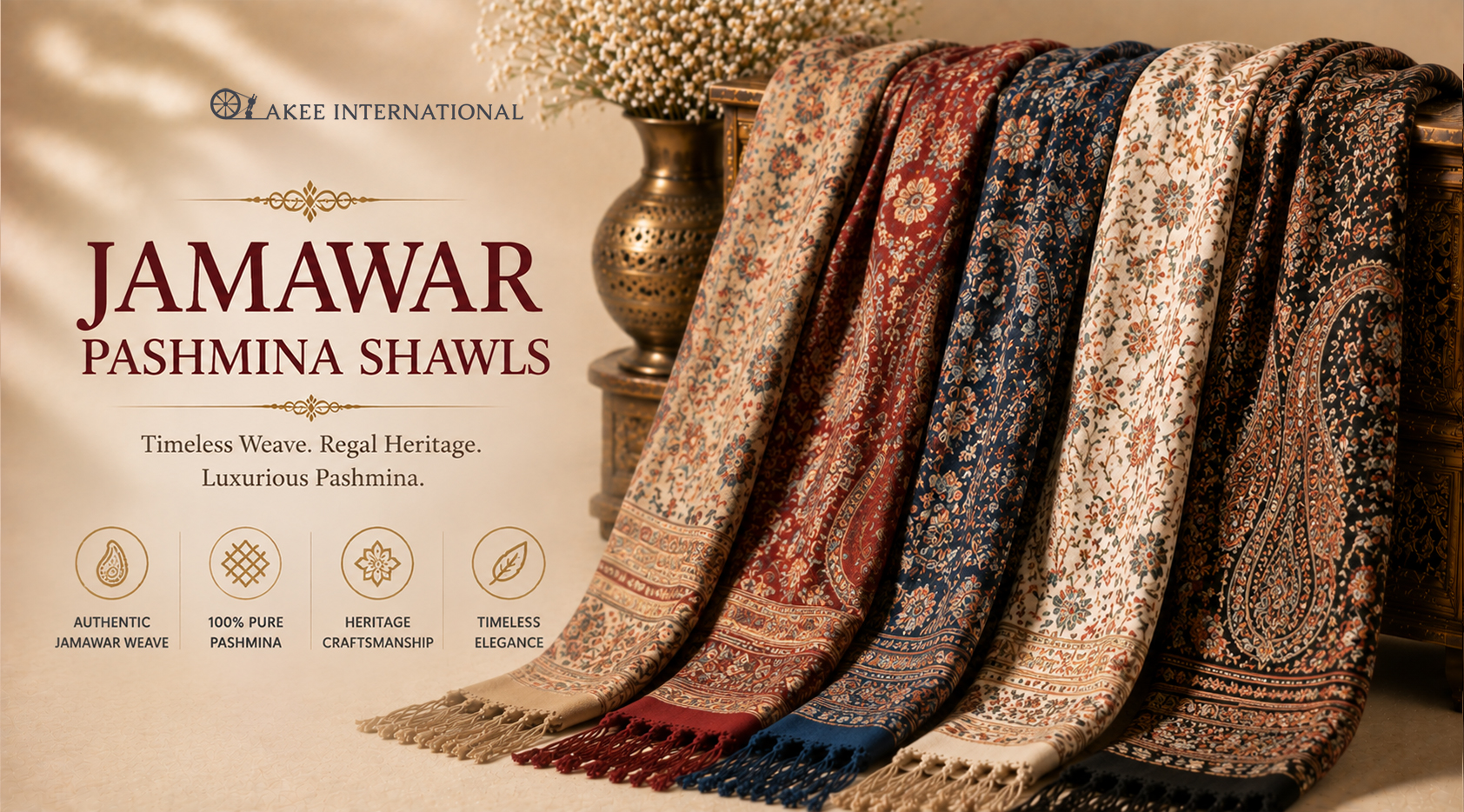
Akee International's handmade collection from Jaipur features a wide variety of colors and patterns to suit every taste, from understated solids for daily wear to richly embroidered pieces reserved for special occasions — you can browse our full range across the product categories on our site, including the Jamawar Pashmina Shawls and Kani Wool Stoles collections for more elaborate, occasion-specific pieces.
You are welcome to explore our handmade collection online or visit us in person at Nai Mata Mandir Road, Thathar Road, Delhi By Pass, Amer, Jaipur 302028, Rajasthan, India. For questions about a specific shawl, sizing, or bulk orders for your boutique, reach us directly by phone or WhatsApp at +91-9772777770, or write to us at akee.international@gmail.com — our team is happy to help you choose the right piece before you buy.
A handmade Pashmina shawl is a luxury textile made from the fine wool of Changthangi goats, spun, dyed, and woven entirely by hand.
Depending on complexity, weaving a single shawl can take anywhere from several days to a few weeks.
They source wool from the Changthangi goats in Ladakh, known for their soft undercoat.
Jaipur has a rich tradition of skilled artisans who specialize in hand-weaving and dyeing Pashmina, maintaining centuries-old techniques.
Yes, due to the labor-intensive process and high-quality materials, handmade shawls are generally priced higher but offer superior value.
Authentic Pashmina is extremely soft, lightweight, warm, and handwoven, often with slight irregularities in weave.
Lightweight Pashmina shawls can be worn in cooler summer evenings or air-conditioned environments for comfort and style.
Yes, they use eco-friendly, natural dyes that are safe and non-toxic.
Hand wash with mild detergent in cold water or dry clean; avoid machine washing.
Generally, yes, Pashmina wool is soft and suitable for sensitive skin, but individual allergies may vary.
Store it folded in a cool, dry place away from direct sunlight, preferably in a breathable fabric bag.
Yes, they offer customized orders to meet specific preferences and needs.
Absolutely. Pashmina shawls are unisex and complement any wardrobe.
Pashmina is a type of Cashmere from specific goats in Ladakh, noted for its finer and softer wool.
With proper care, they can last decades and often become family heirlooms.
Yes, Akee International works directly with artisans, ensuring fair wages and ethical practices.
Yes, some designs feature hand embroidery to enhance aesthetic appeal.
Sizes vary but are generally around 28-36 inches wide and 80-90 inches long; check product details before purchasing.
Policies vary by retailer; Akee International typically provides customer support for returns and exchanges.
You can purchase directly from Akee International’s official website or authorized retailers in Jaipur.
"Read what our clients say about their experience with Akee International's luxurious Pashmina shawls and impeccable service."

Nai Mata Mandir Road, Thathar Road, Delhi By Pass, Amer, Jaipur 302028, Rajasthan India
Get directions Call Now Whatsapp 4.9 based on 269 reviews
Rating: 4.6/5 | 85 Reviews

Rating: 4.9/5 | 269 Reviews

TrustScore: 4.9 | 100 Reviews