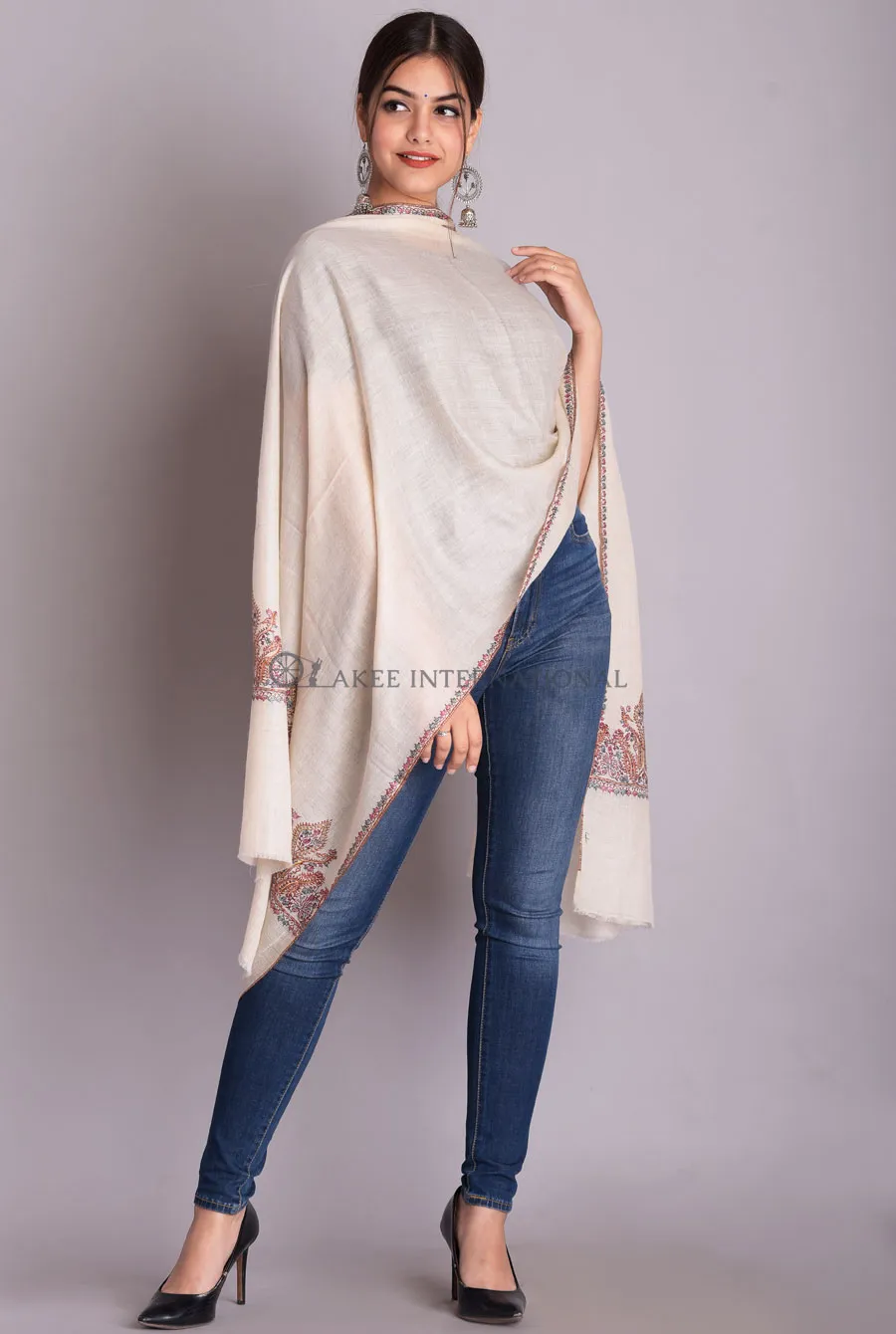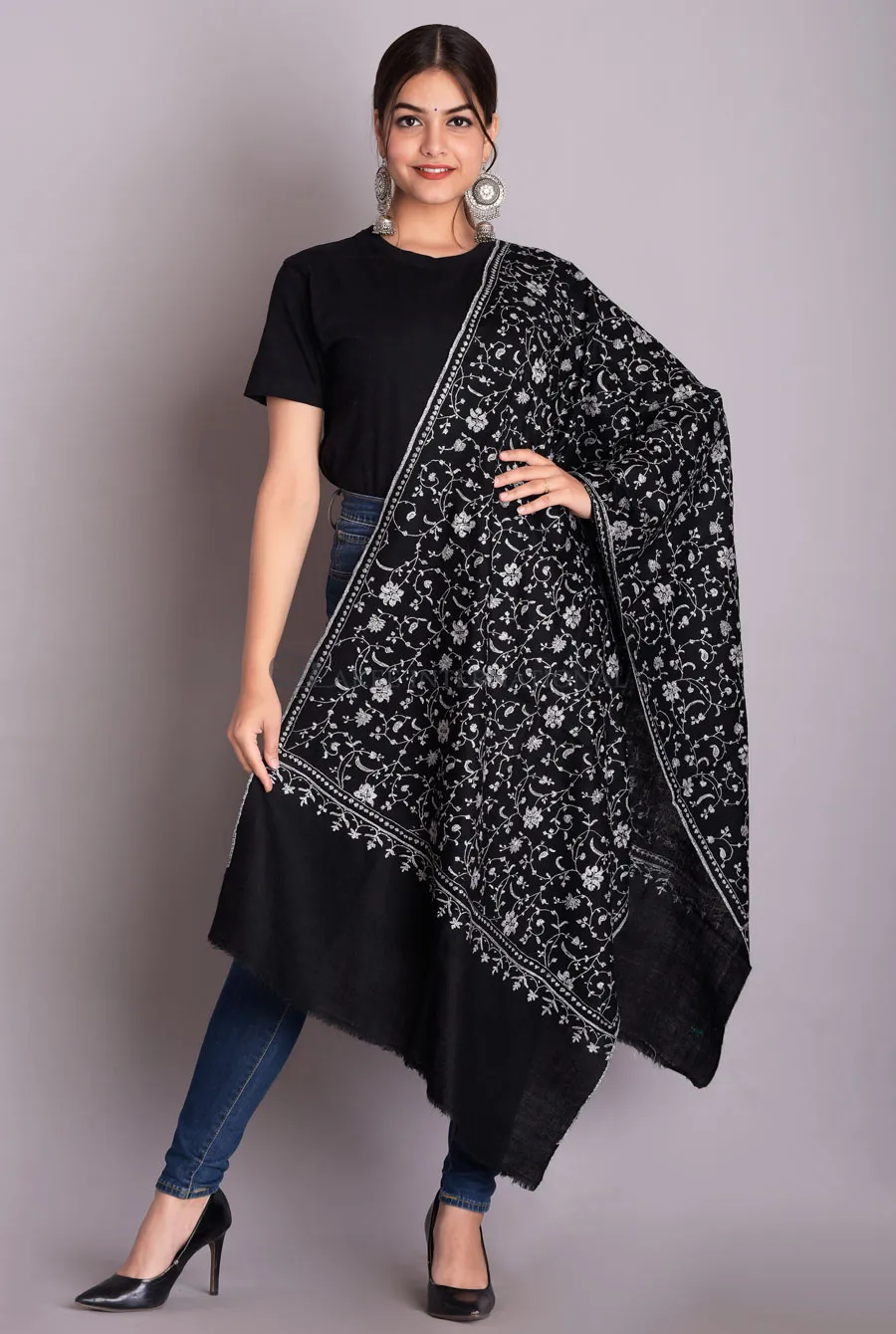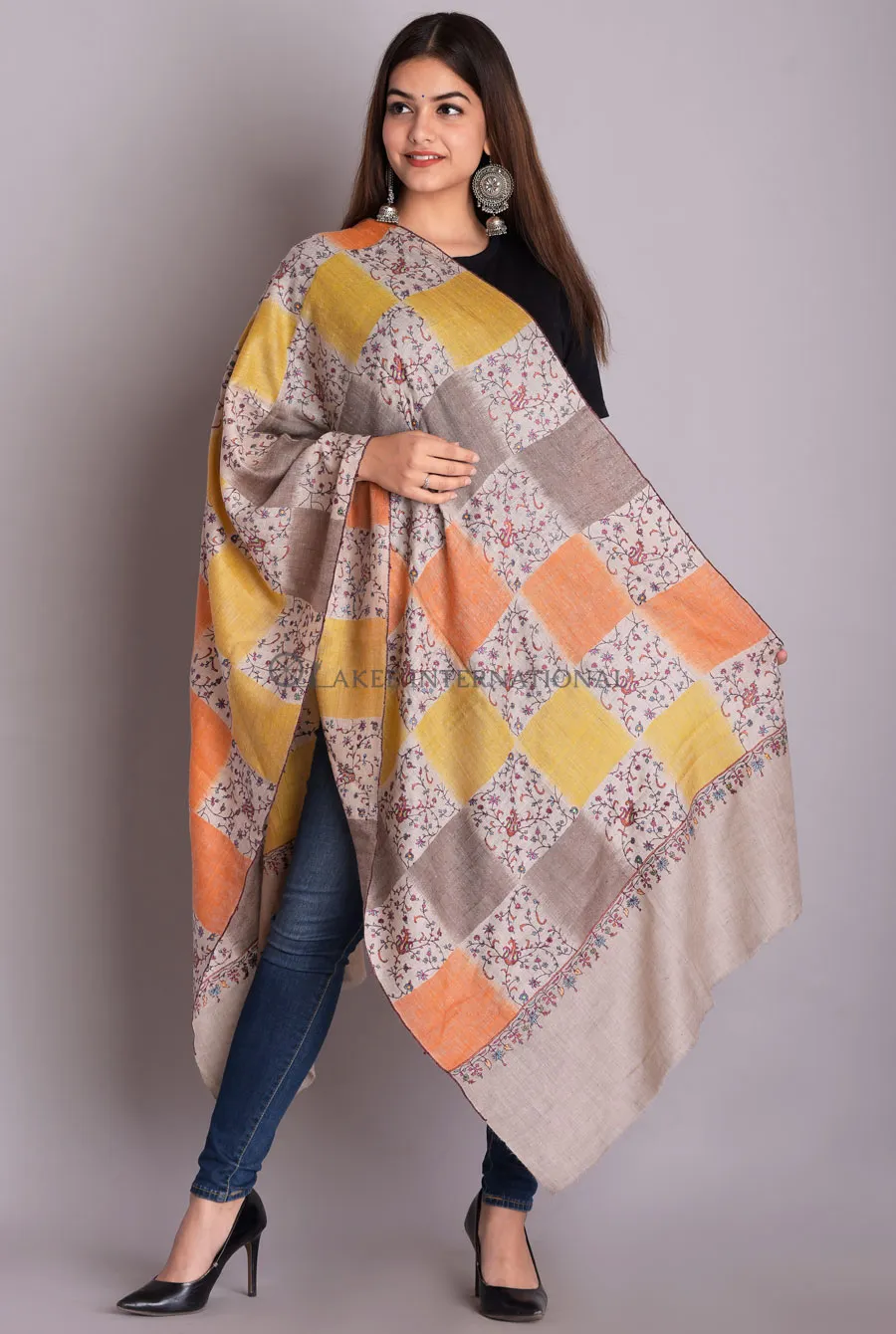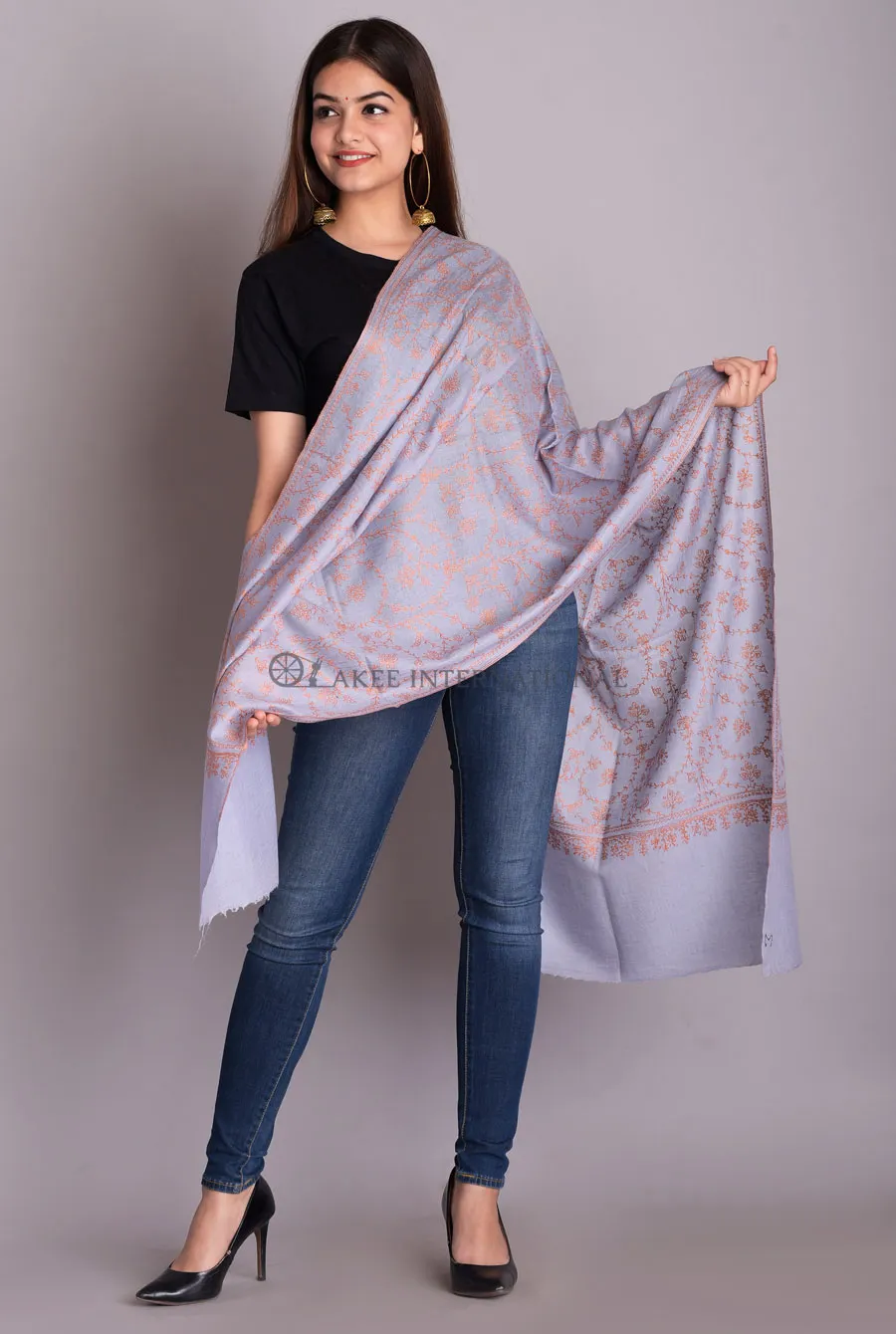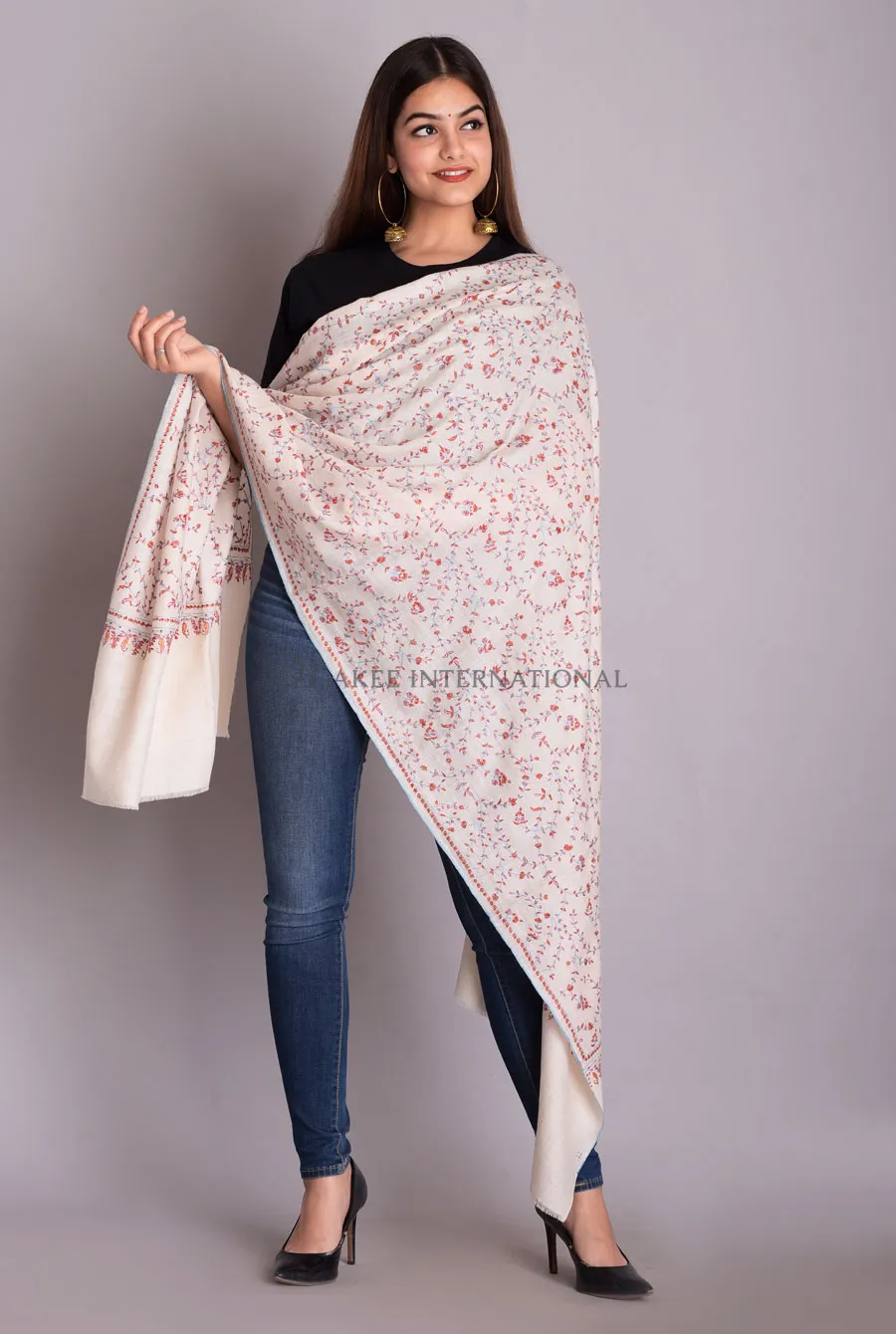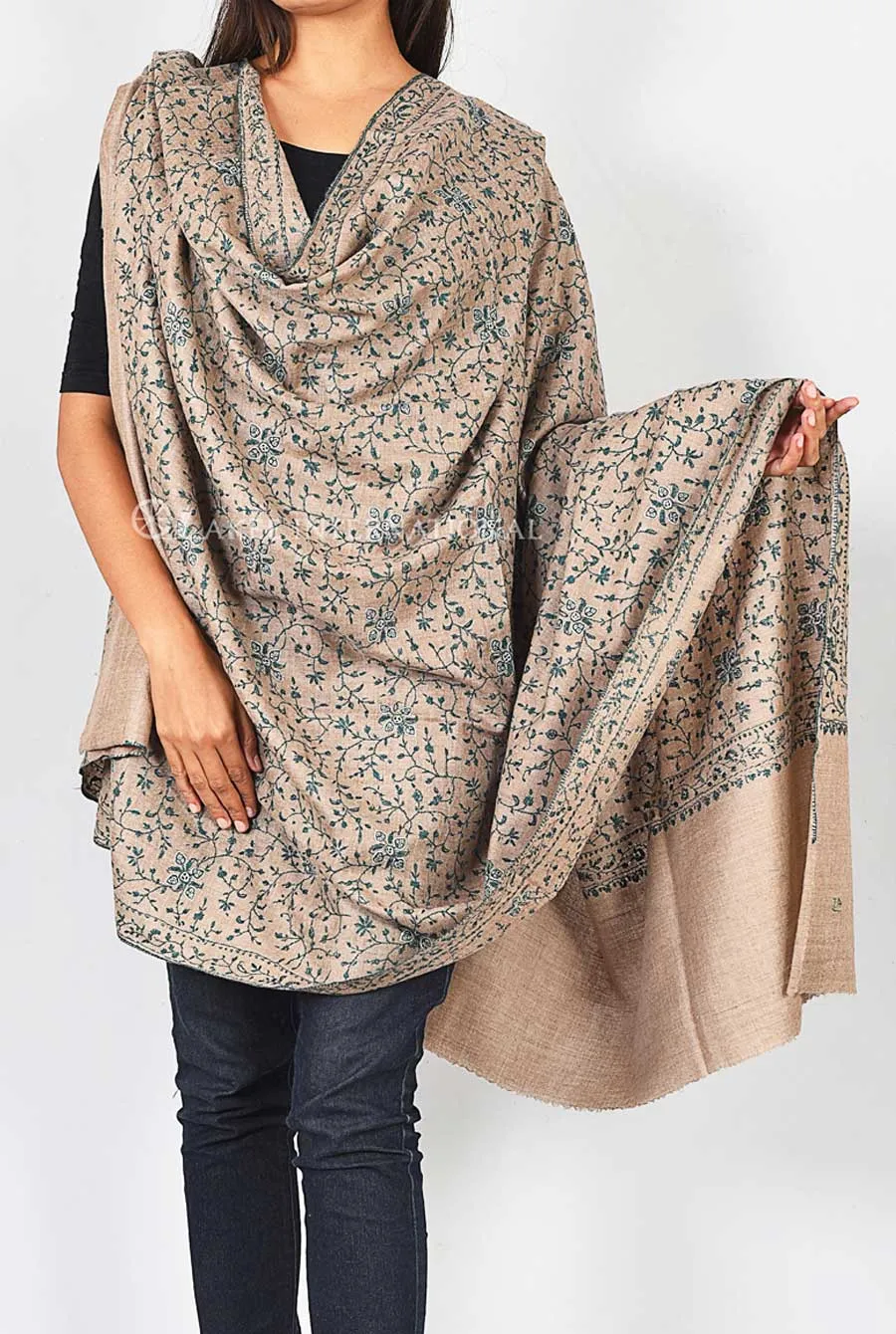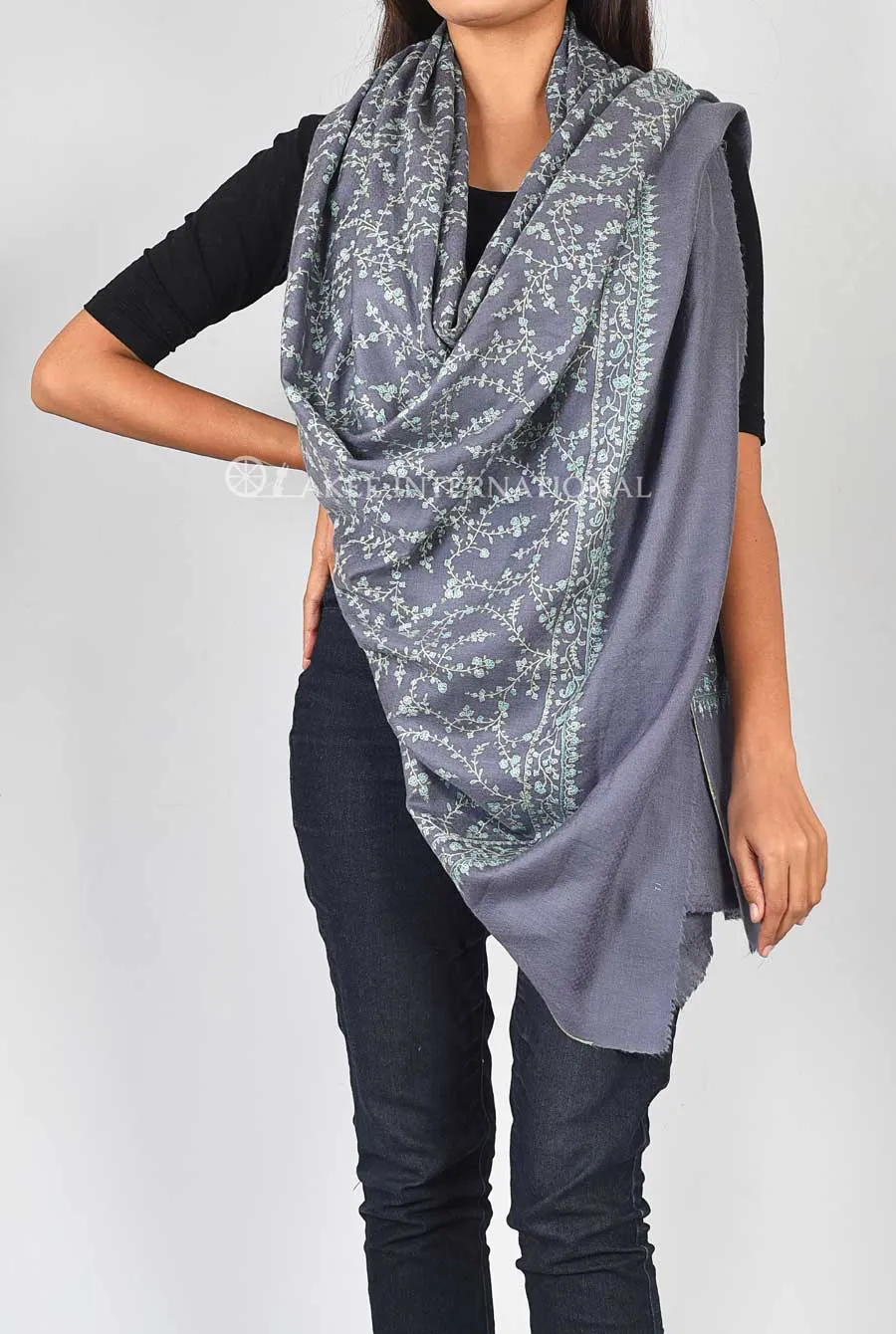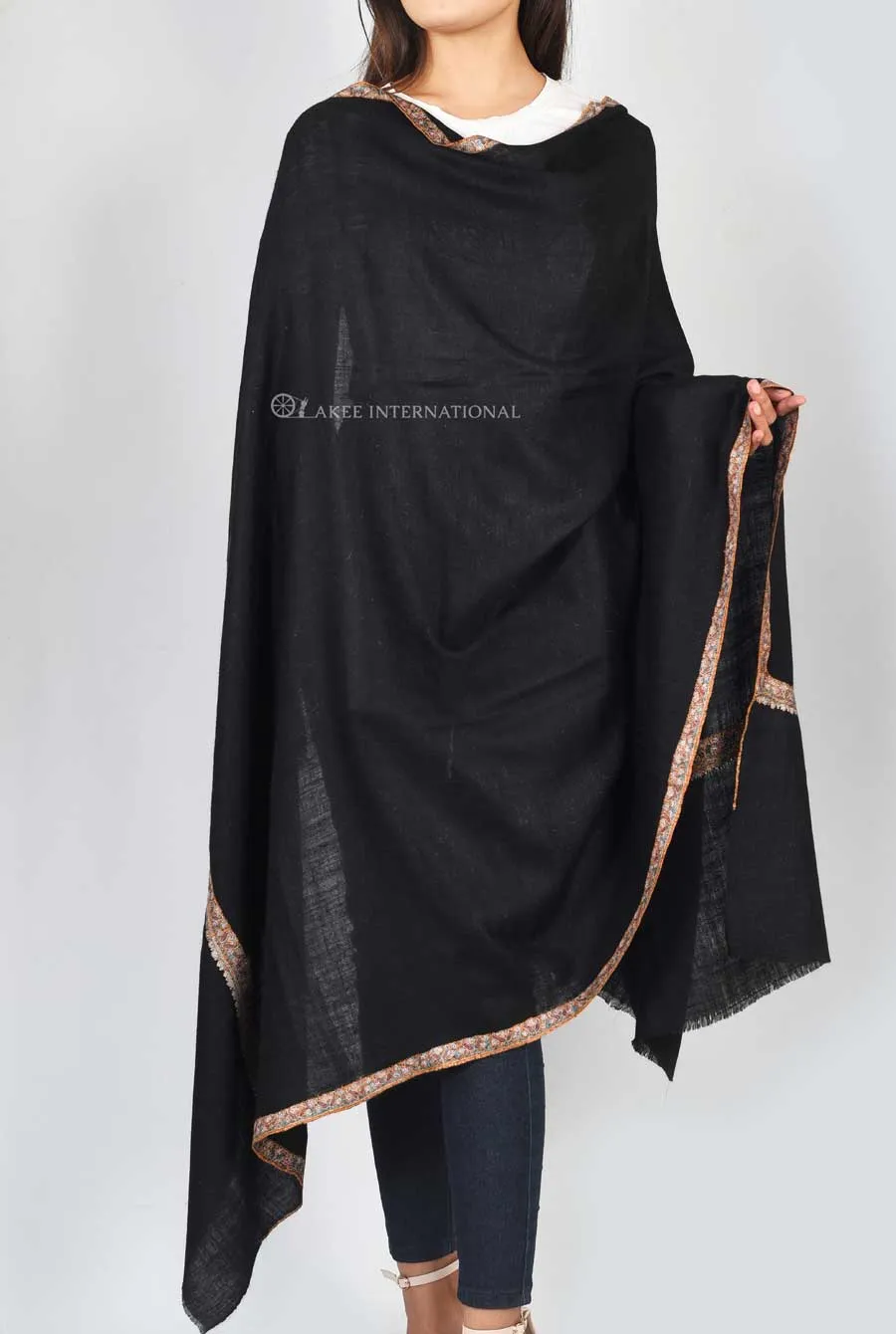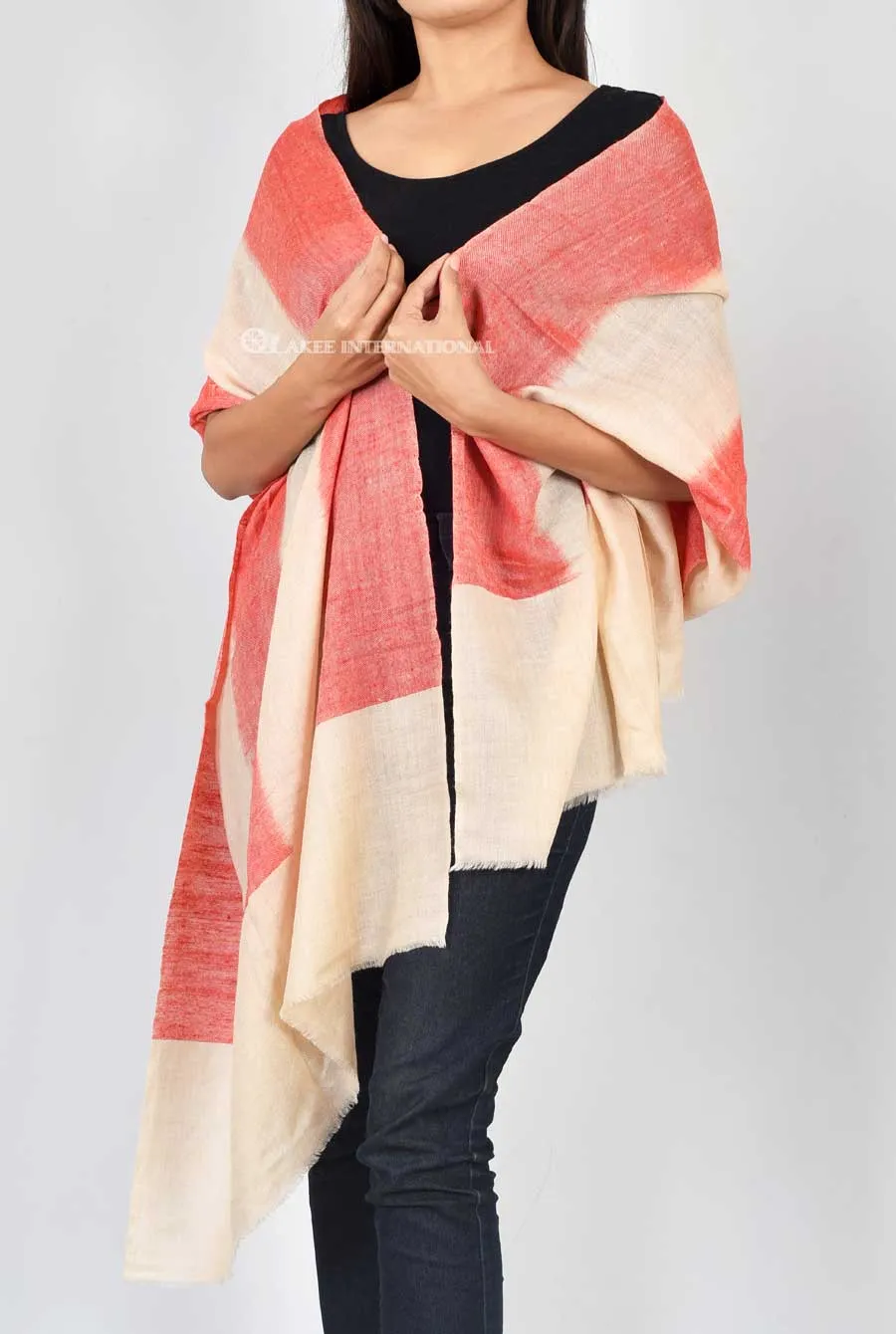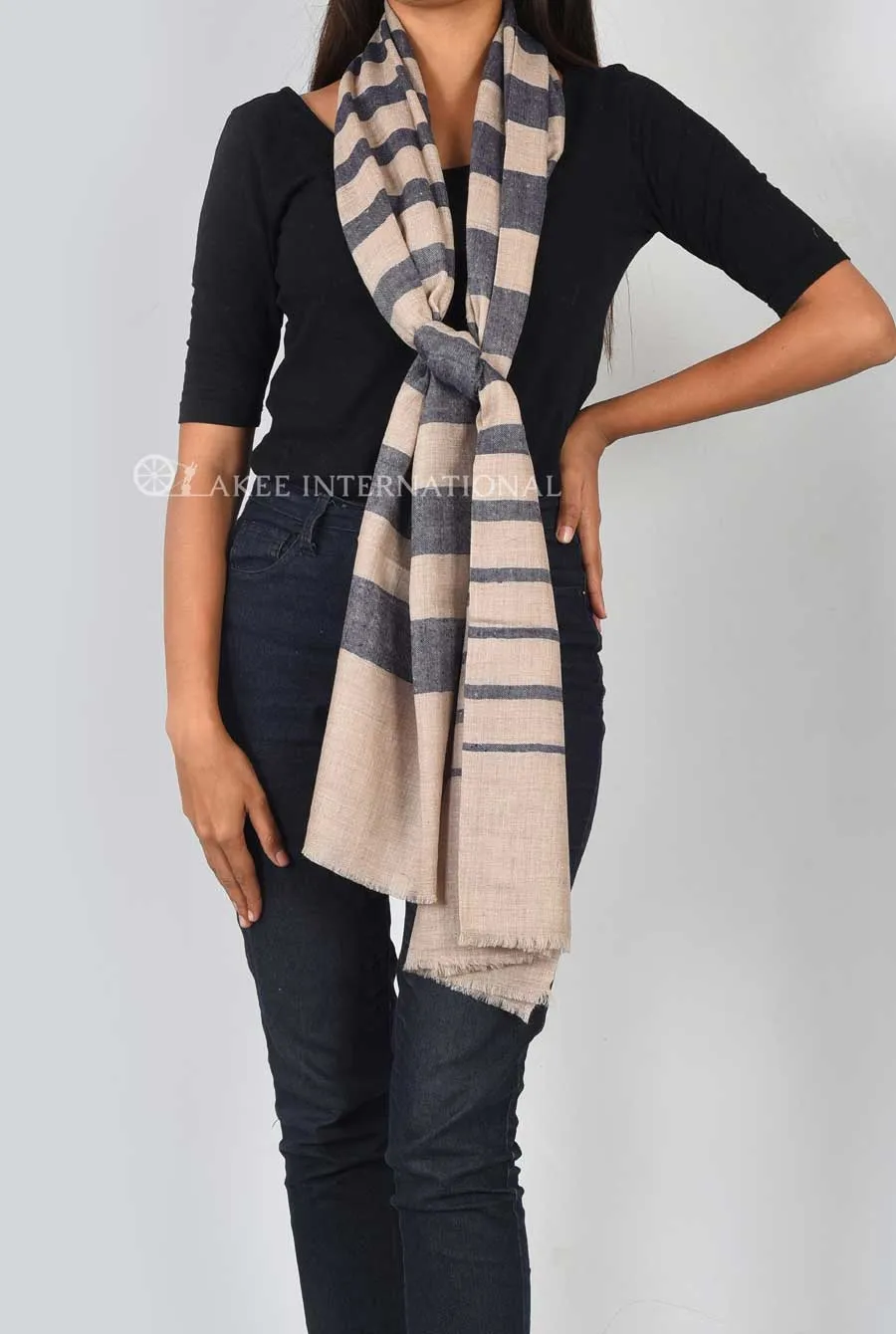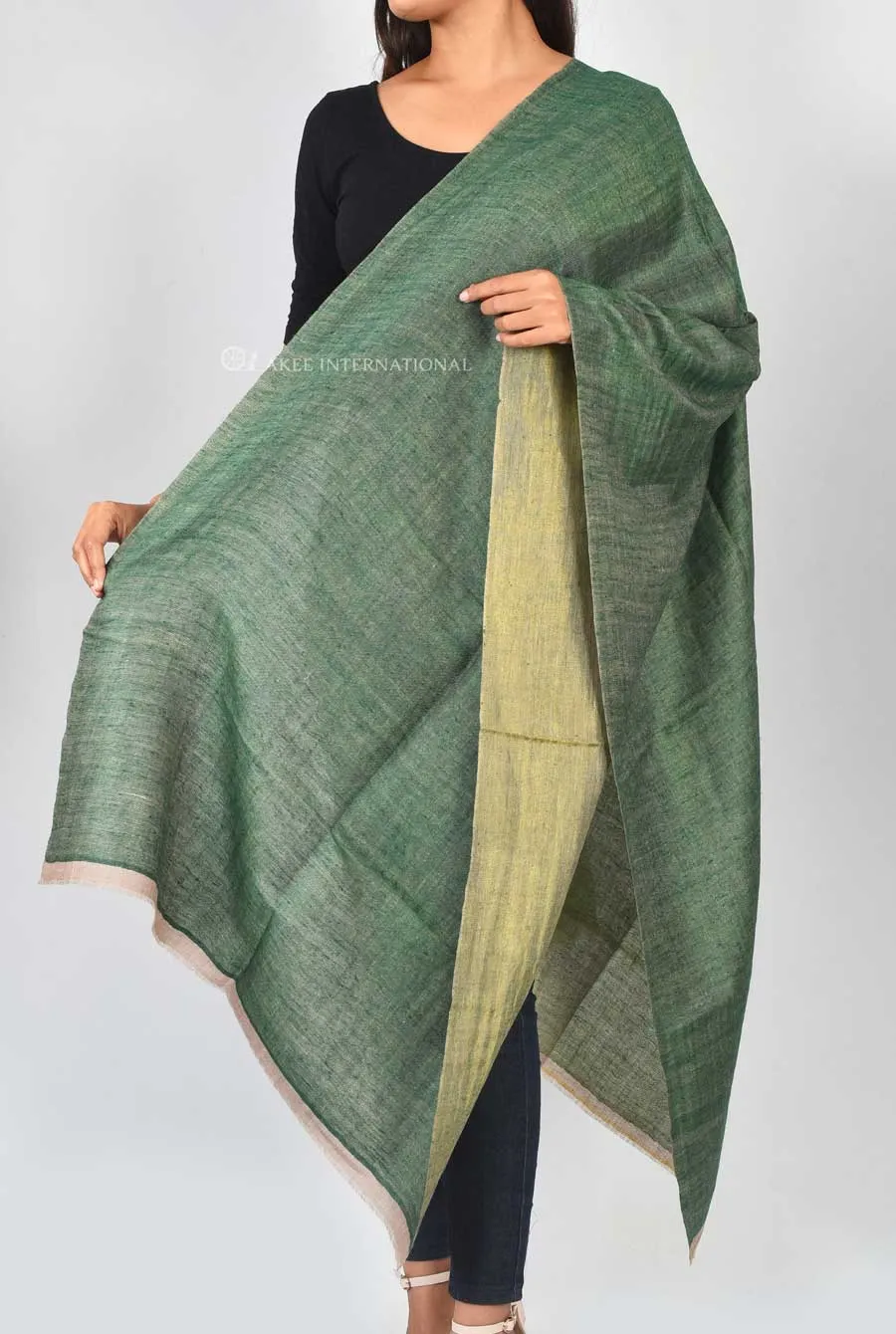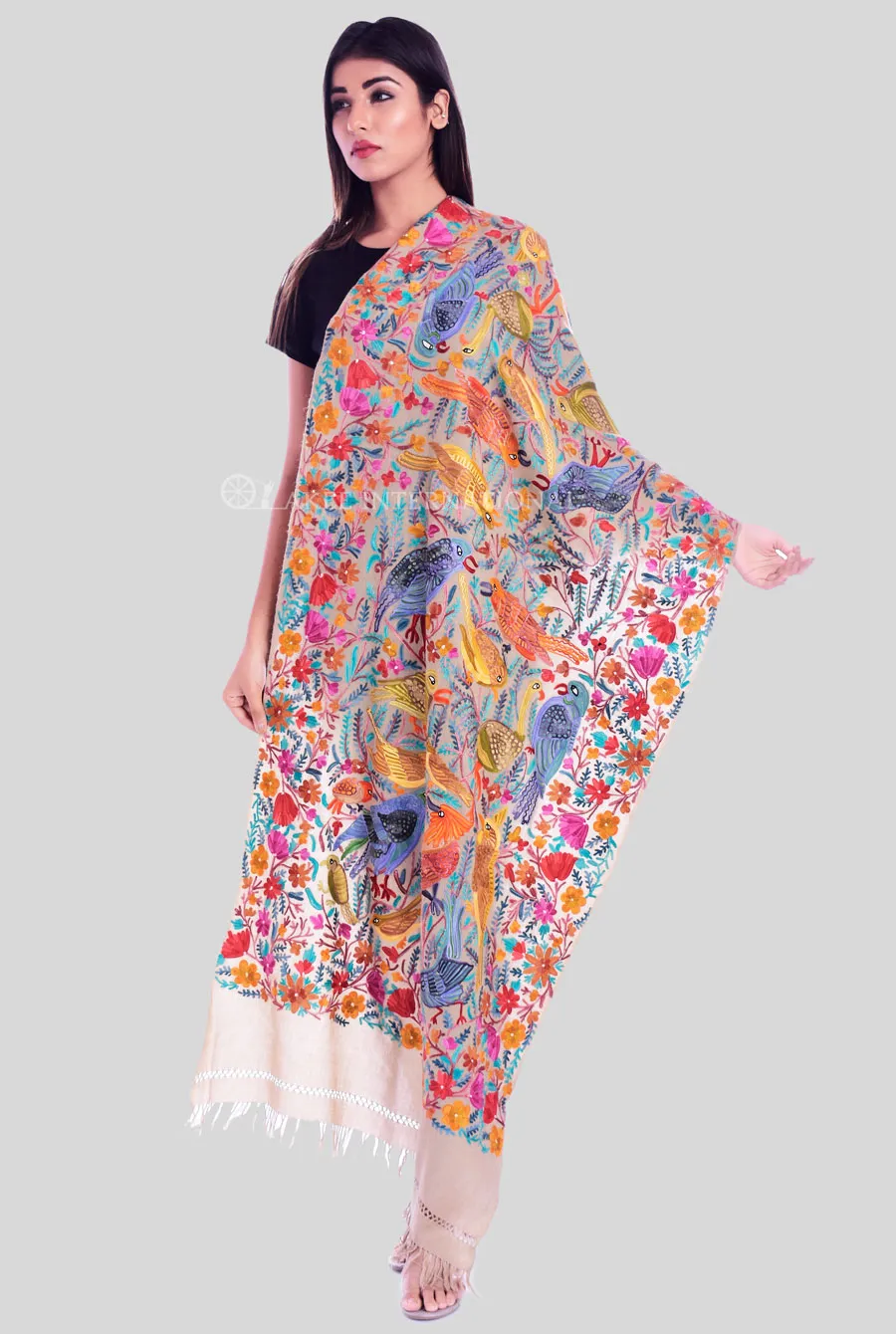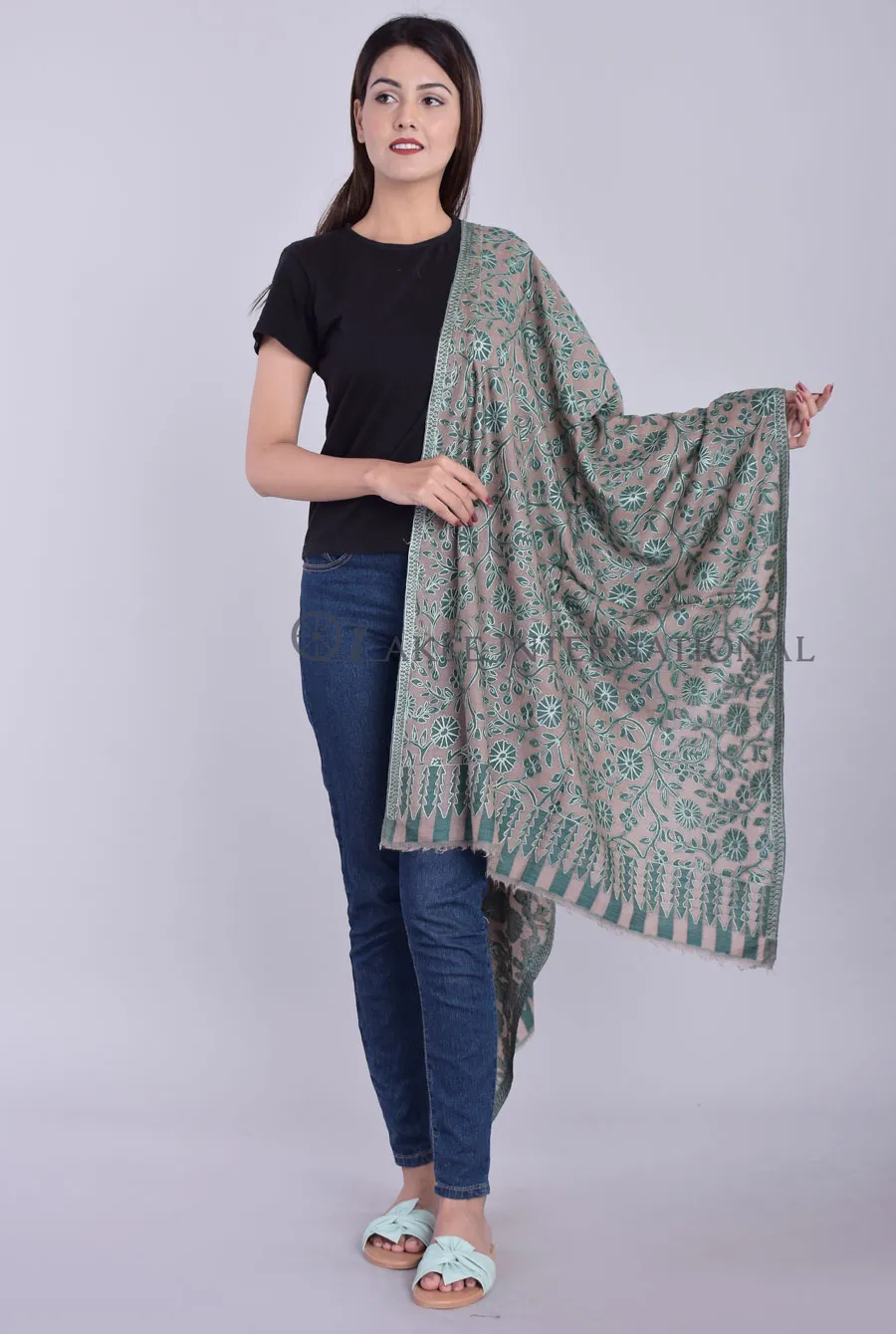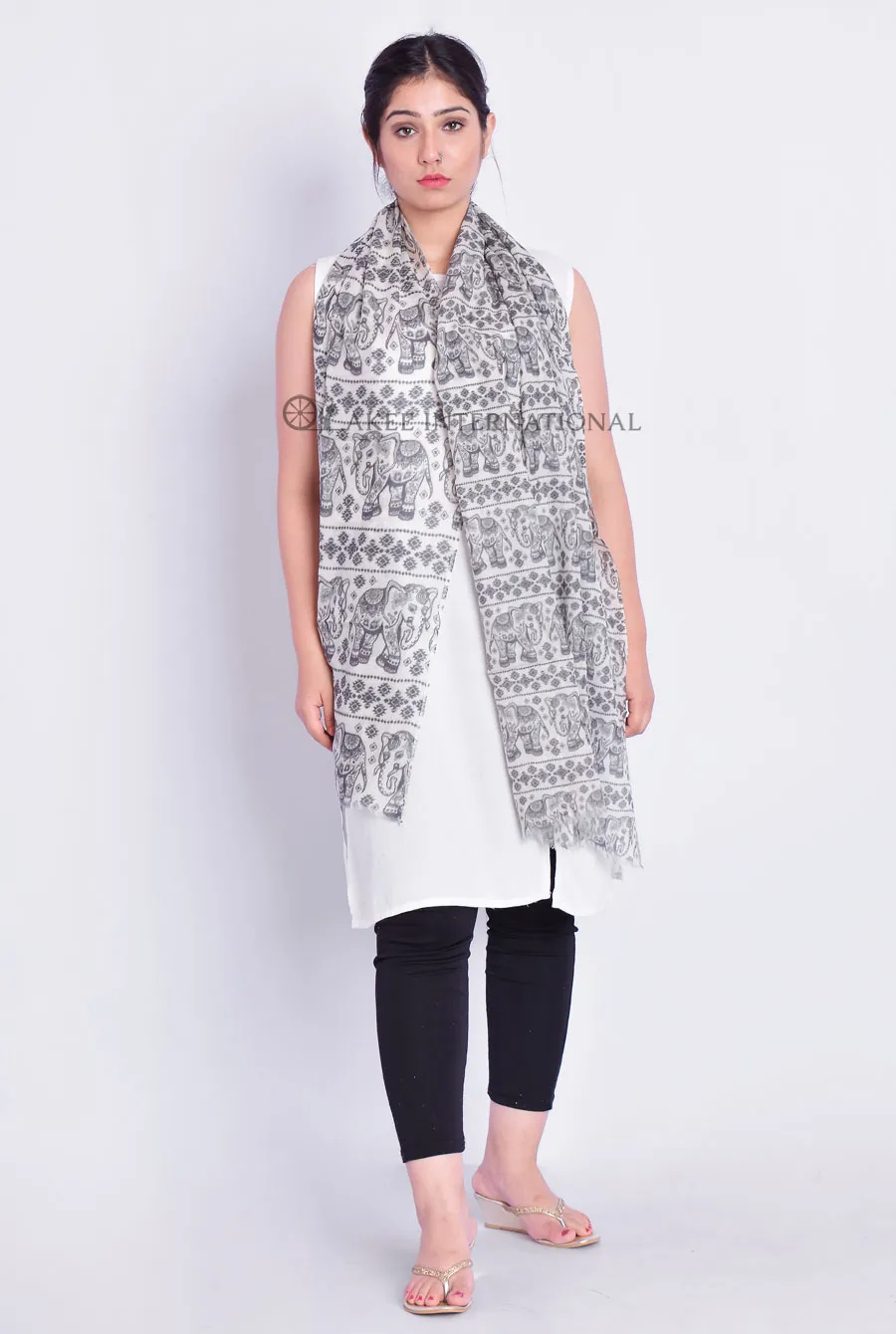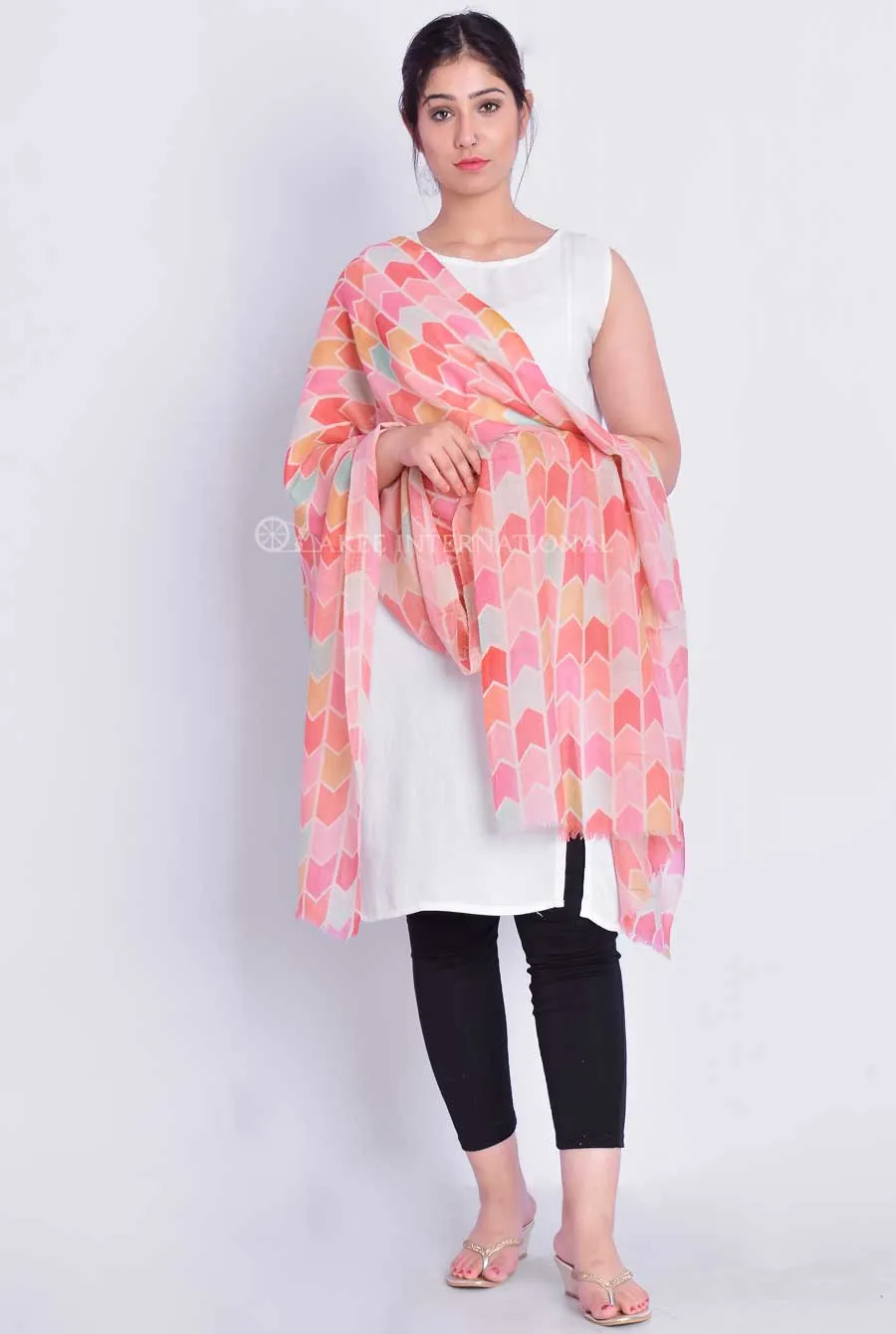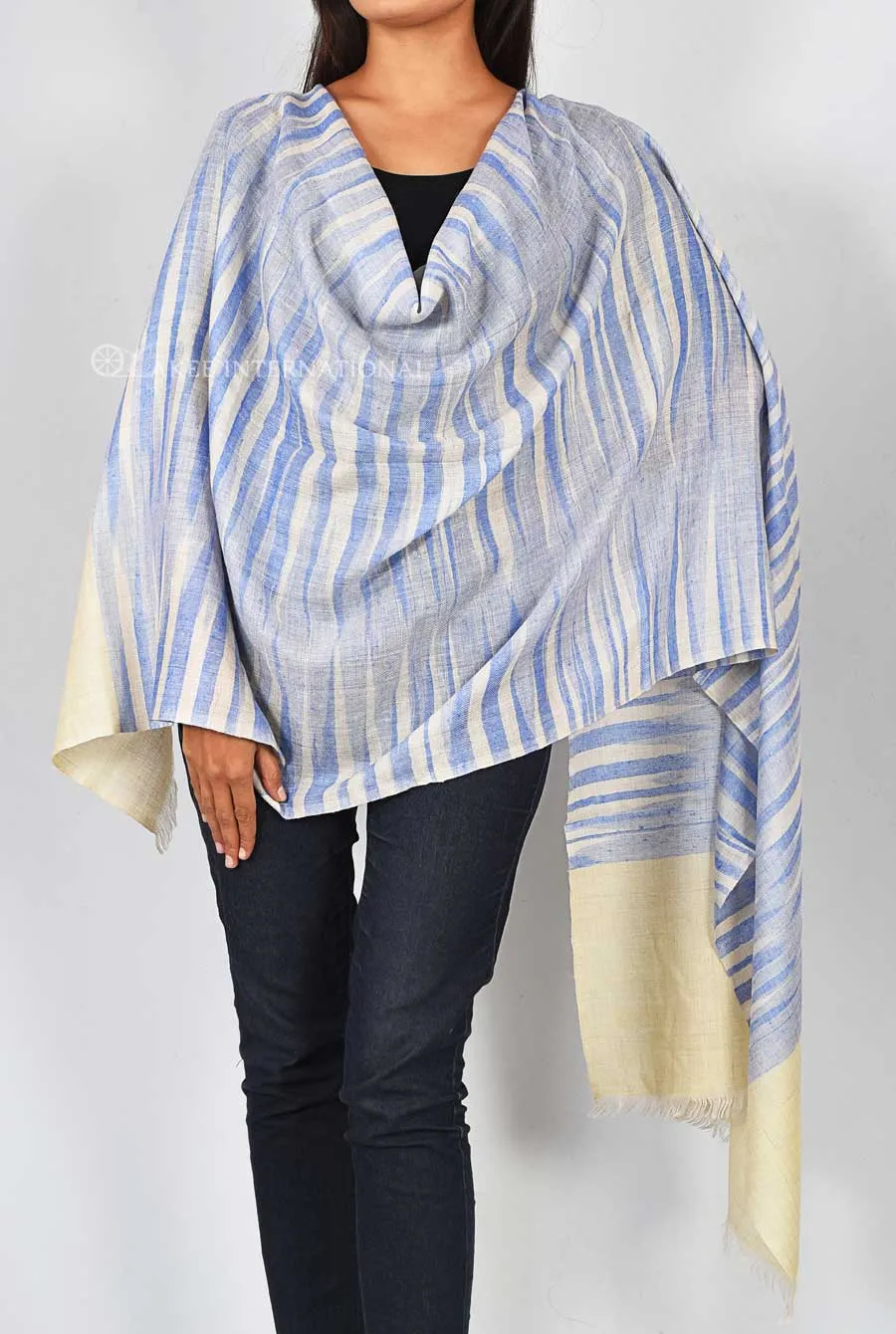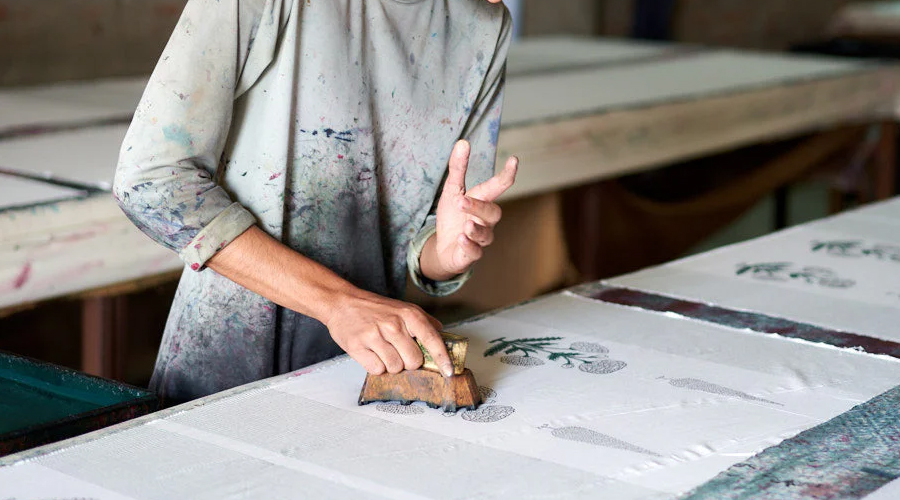
Walk through almost any lane in Jaipur's old city, and sooner or later you'll come across a workshop where fabric is stretched across a long table, a craftsman leaning over it with a carved wooden block in hand, stamping the same motif again and again with a rhythm that feels almost musical. This is block printing — one of Rajasthan's oldest and most recognizable textile traditions, and one that continues to define Jaipur's identity as a centre of Indian craftsmanship.
At Akee International, block printing sits alongside Pashmina weaving as one of the two crafts we care most about preserving — not as a museum piece, but as a living, evolving art form that still finds its way onto scarves, shawls, and textiles people wear every day.
Block printing in Jaipur traces its roots back centuries, shaped heavily by Mughal-era artistic influence blending with local Rajasthani sensibilities. Over generations, this technique settled into distinct regional styles — most famously the Bagru style, known for its earthy, natural dye palette and geometric patterns, and the Sanganeri style, recognized for its finer detail and typically lighter, floral-heavy backgrounds. Both traditions continue to be practiced today, often within the same families that have carried the craft forward for generations.
Unlike printing techniques that rely on machines or screens, block printing remains stubbornly, deliberately manual. That's not a limitation — it's the entire point. Every small variation, every slightly imperfect repeat in the pattern, is proof that a human hand guided the process rather than a machine.
It's worth spending a little more time on these two styles, since they're often mentioned together but read very differently once you know what to look for. Bagru printing, named after the small town of Bagru just outside Jaipur, is built around natural, earthy tones — indigo, madder red, and black — produced using a resist-and-dye process called dabu, where mud paste is applied to block off areas of the fabric before dyeing. The result is a slightly rustic, grounded aesthetic with bold, often geometric or nature-inspired motifs.
Sanganeri printing, named after the town of Sanganer, takes a different visual direction entirely. It typically prints directly onto a light or white background, favouring delicate floral sprays, fine outlines, and a much wider colour palette than Bagru's earthier tones. Where Bagru feels rooted and textural, Sanganeri feels airy and detailed. Many workshops in Jaipur today, including our own, work with both traditions side by side, letting the fabric and intended use guide which style suits a particular piece best.
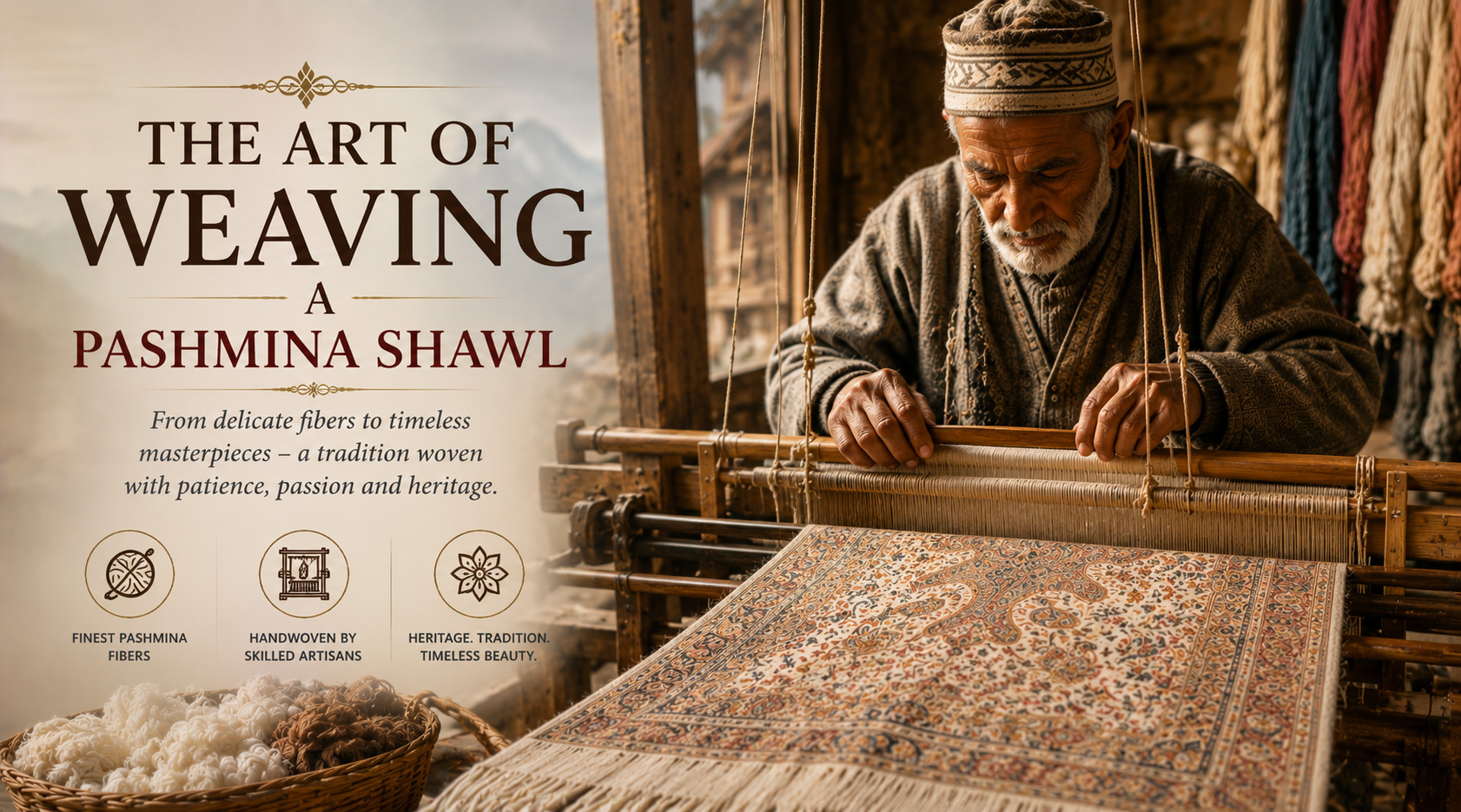
The process begins long before any dye touches fabric. Skilled carvers — often working with teak or sheesham wood — spend days, sometimes weeks, hand-carving a single block, chiselling out a raised design that will later be pressed into cloth. A single elaborate pattern can require several separate blocks, each corresponding to a different colour or layer of the final design, all of which must align perfectly when stamped in sequence.
Once the blocks are ready, attention turns to the dyes. Traditionally, these come from entirely natural sources — plant extracts, minerals, and in some historic techniques, even certain insects — chosen specifically for their ability to produce rich, long-lasting colour without harsh chemical processing. The printer then dips each block into the dye and presses it onto stretched fabric with careful, even pressure, repeating the motion across the entire length of cloth. Getting the spacing, pressure, and alignment consistent enough to form a coherent pattern, print after print, is a skill that typically takes years to master.
Jaipur's block-printed textiles are instantly recognizable for their motifs — florals, paisleys, intricate geometric patterns, and designs drawn directly from nature, from peacocks to vines to lotus blossoms. These aren't arbitrary design choices; many motifs carry symbolic or regional significance that's been passed down as faithfully as the printing technique itself.
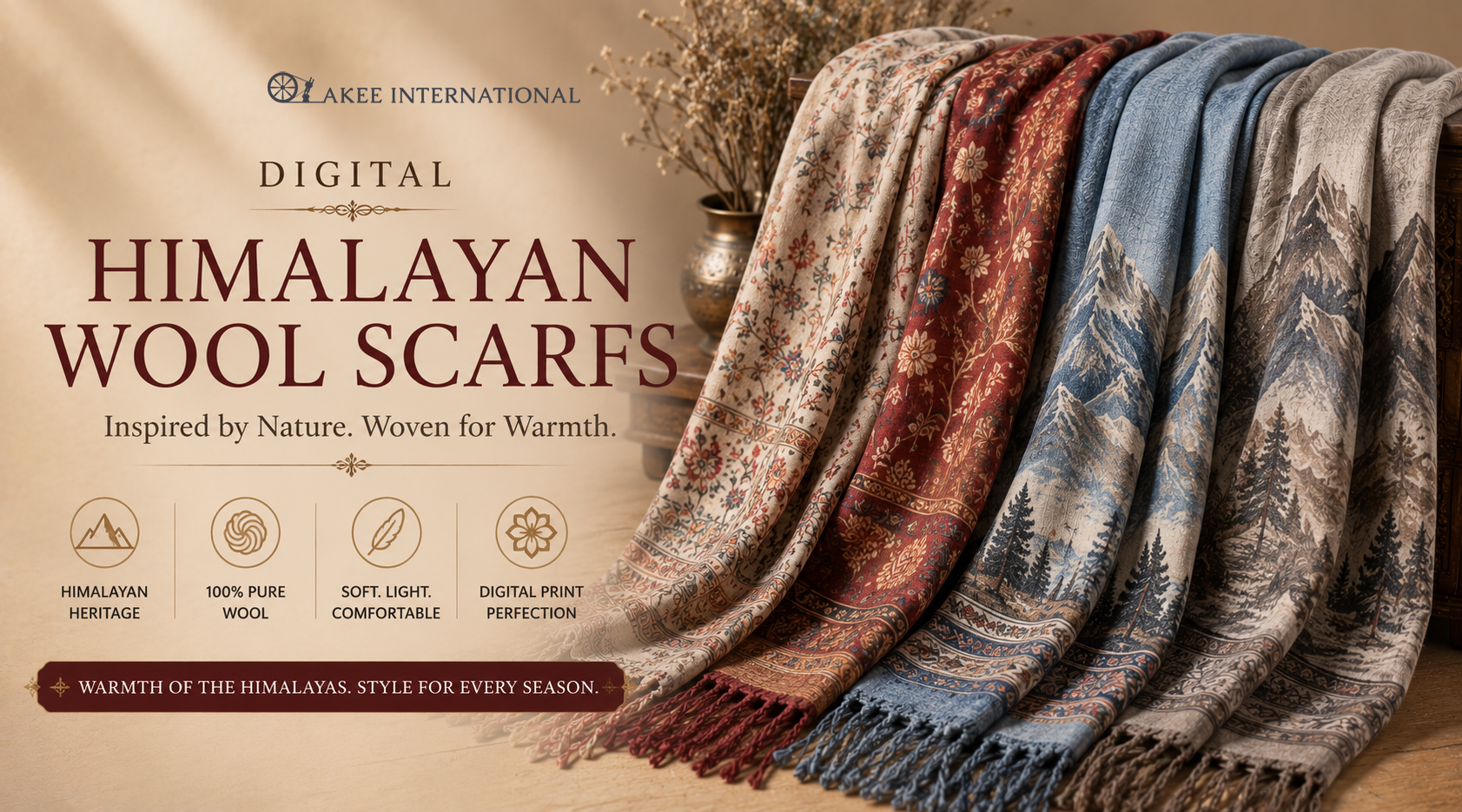
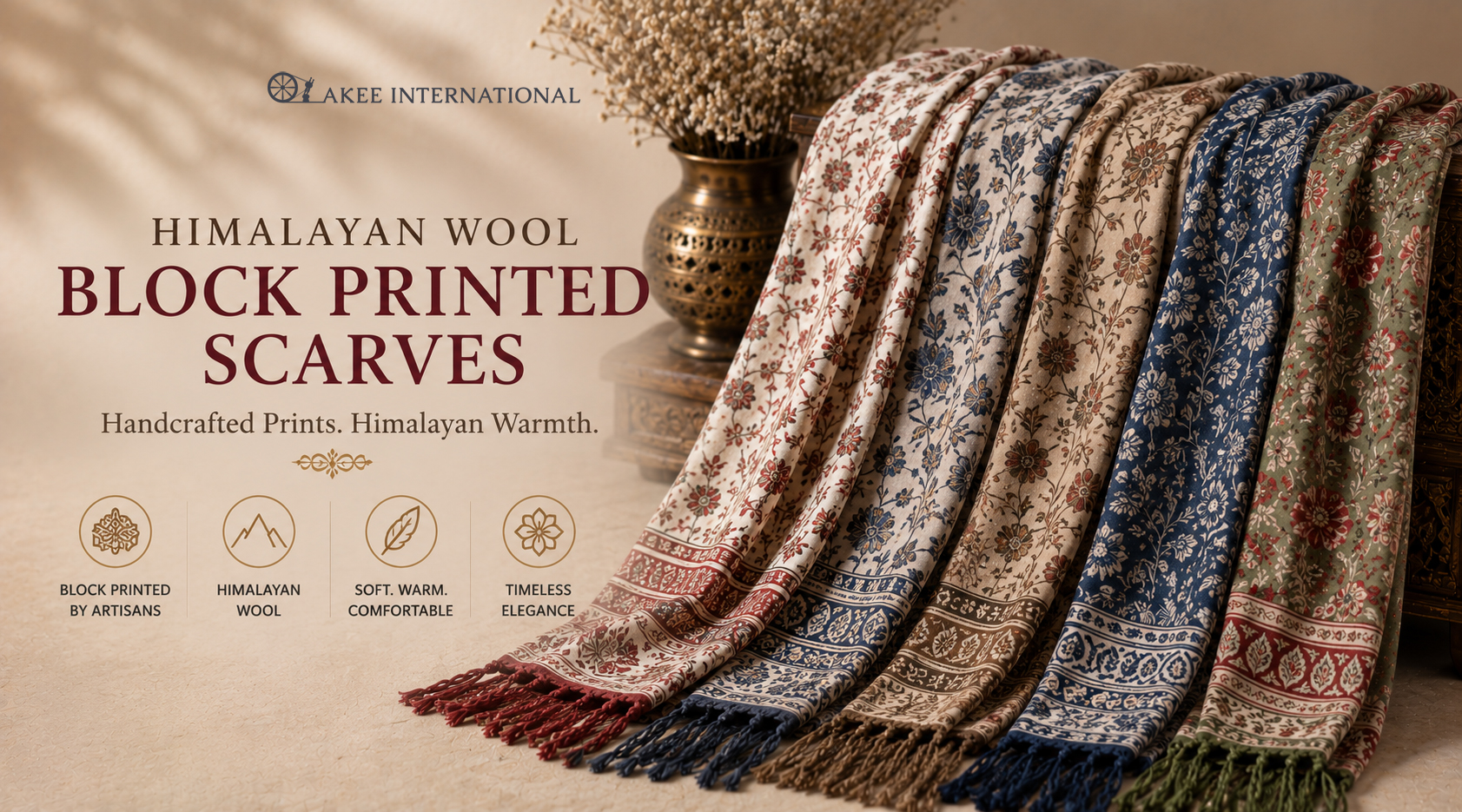
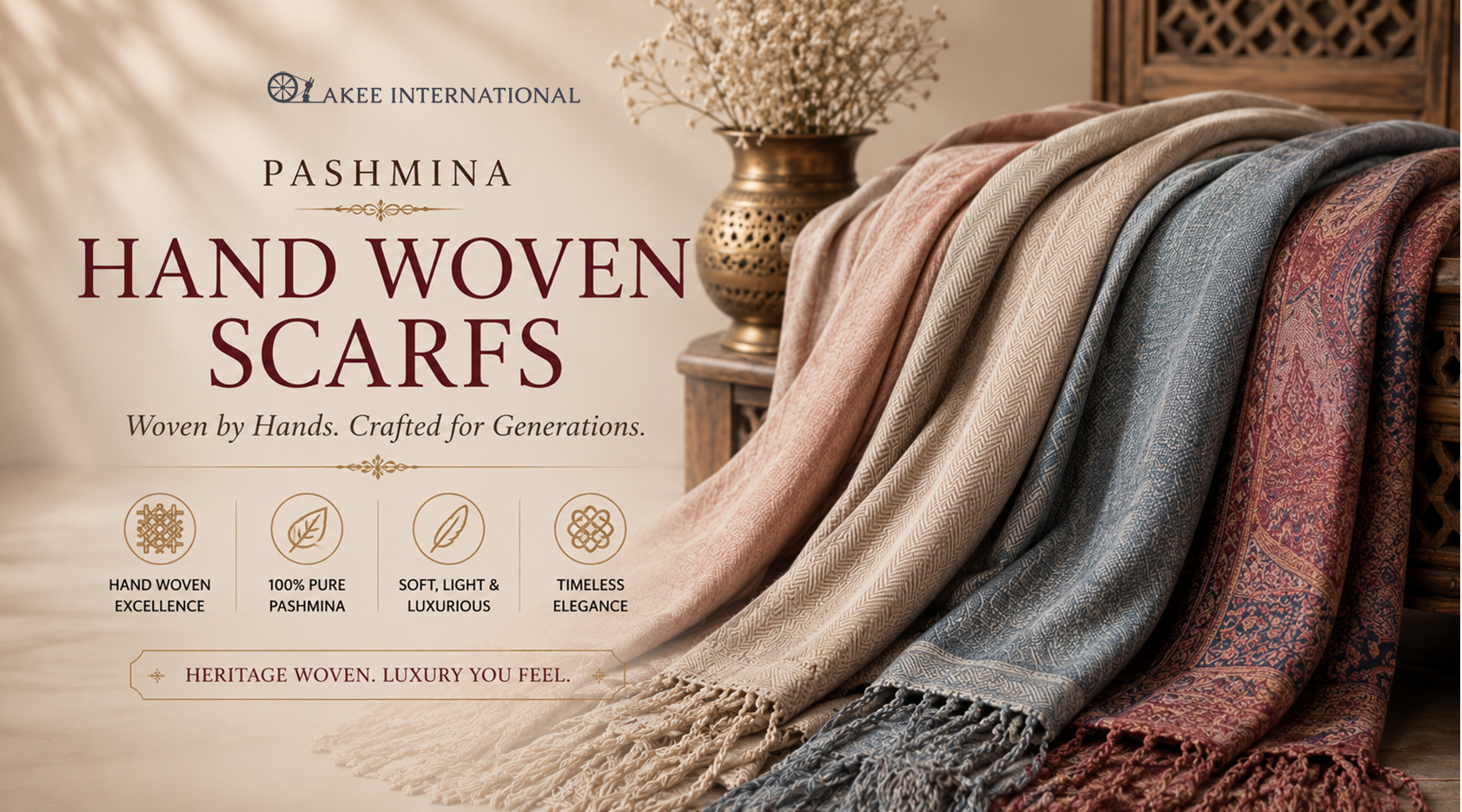
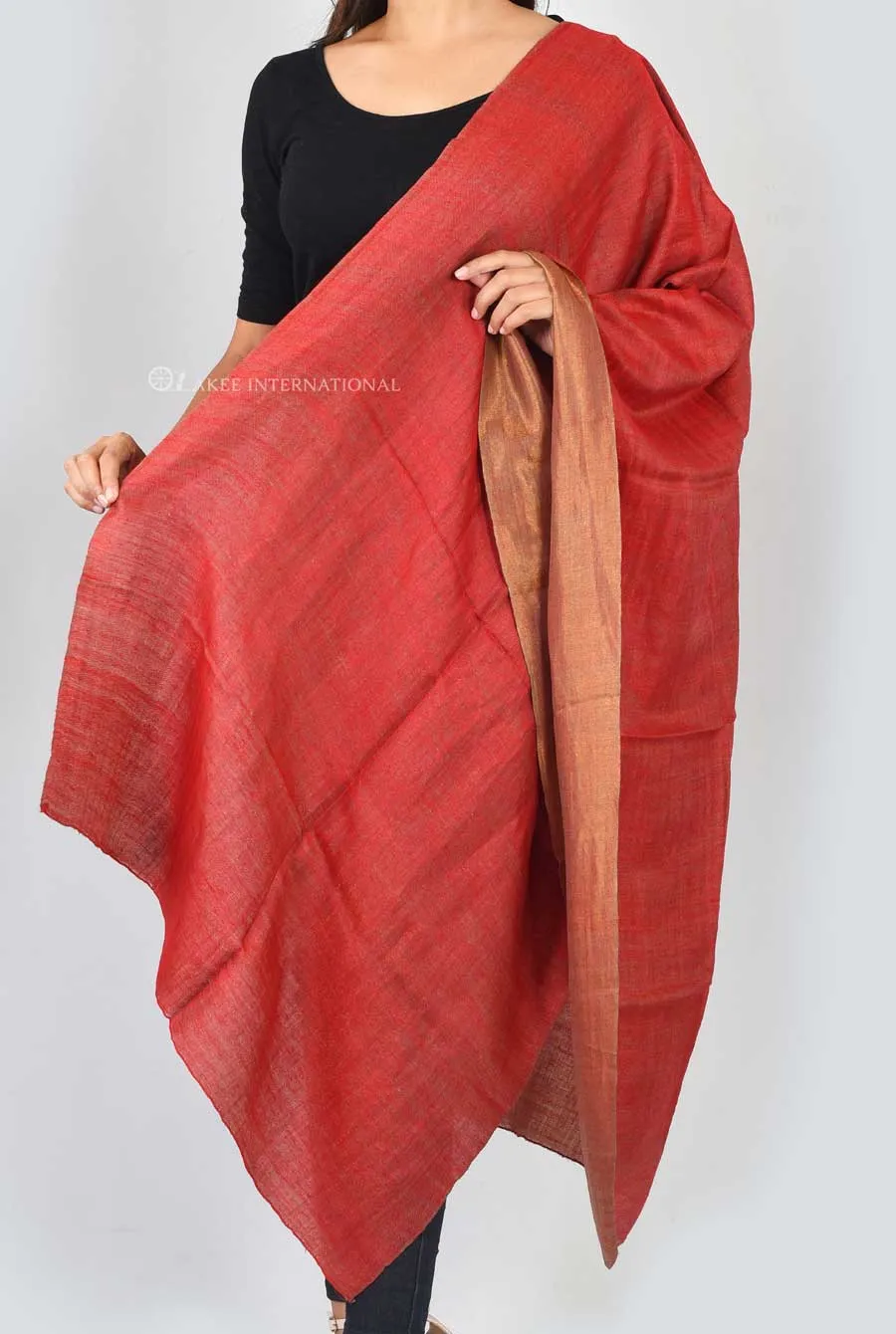
This same visual language has increasingly found its way onto Pashmina and wool textiles, not just traditional cotton. Combining Jaipur's block-printing heritage with the softness of Himalayan wool produces something genuinely distinctive — pieces that carry Rajasthan's artistic identity while offering the warmth and texture of premium Pashmina. Our Himalayan Wool Block Printed Scarfs collection is built entirely around this fusion, bringing hand-block printed patterns onto genuinely soft, warm winter fabric rather than restricting the technique to lighter cotton pieces alone.
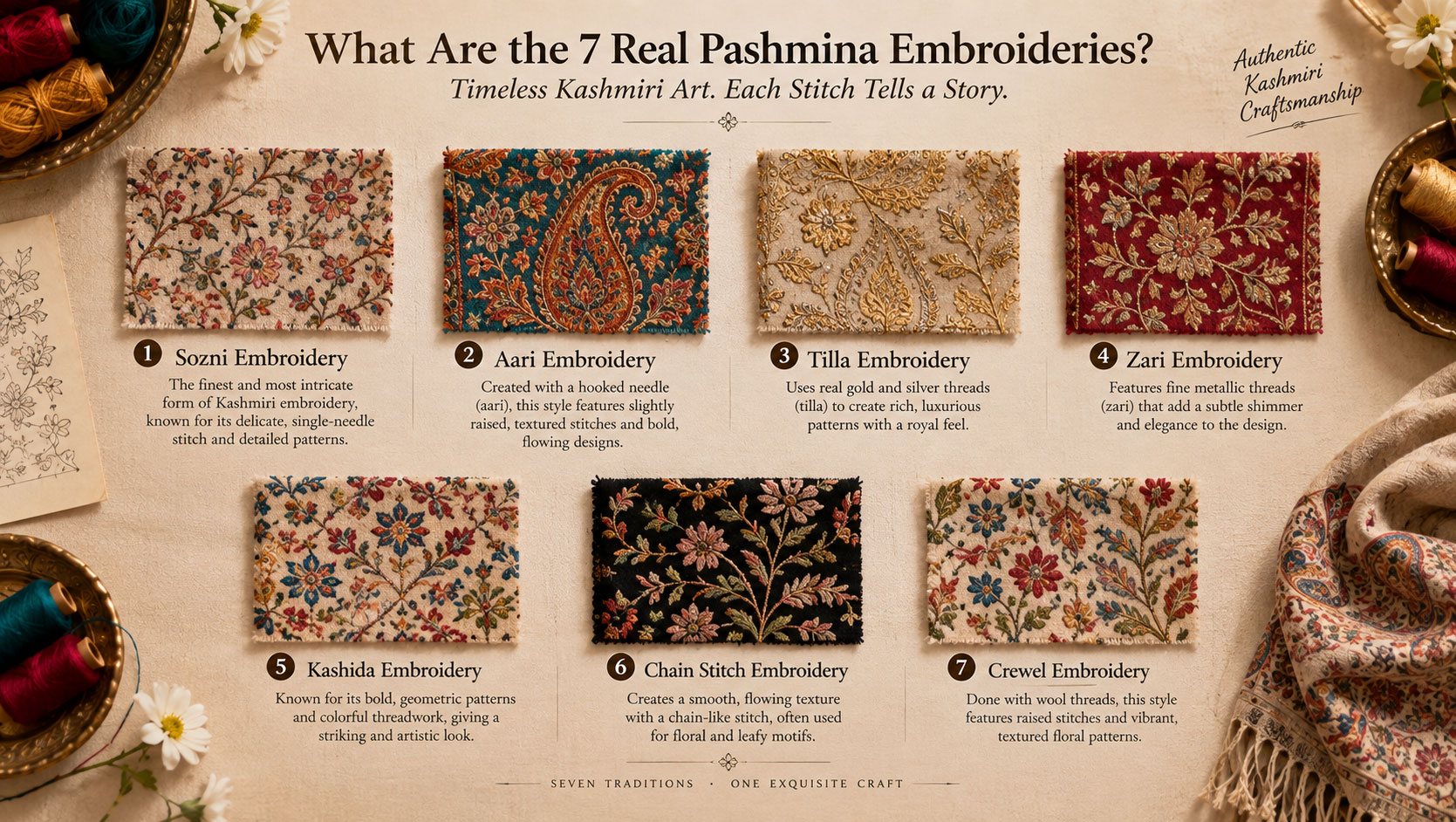
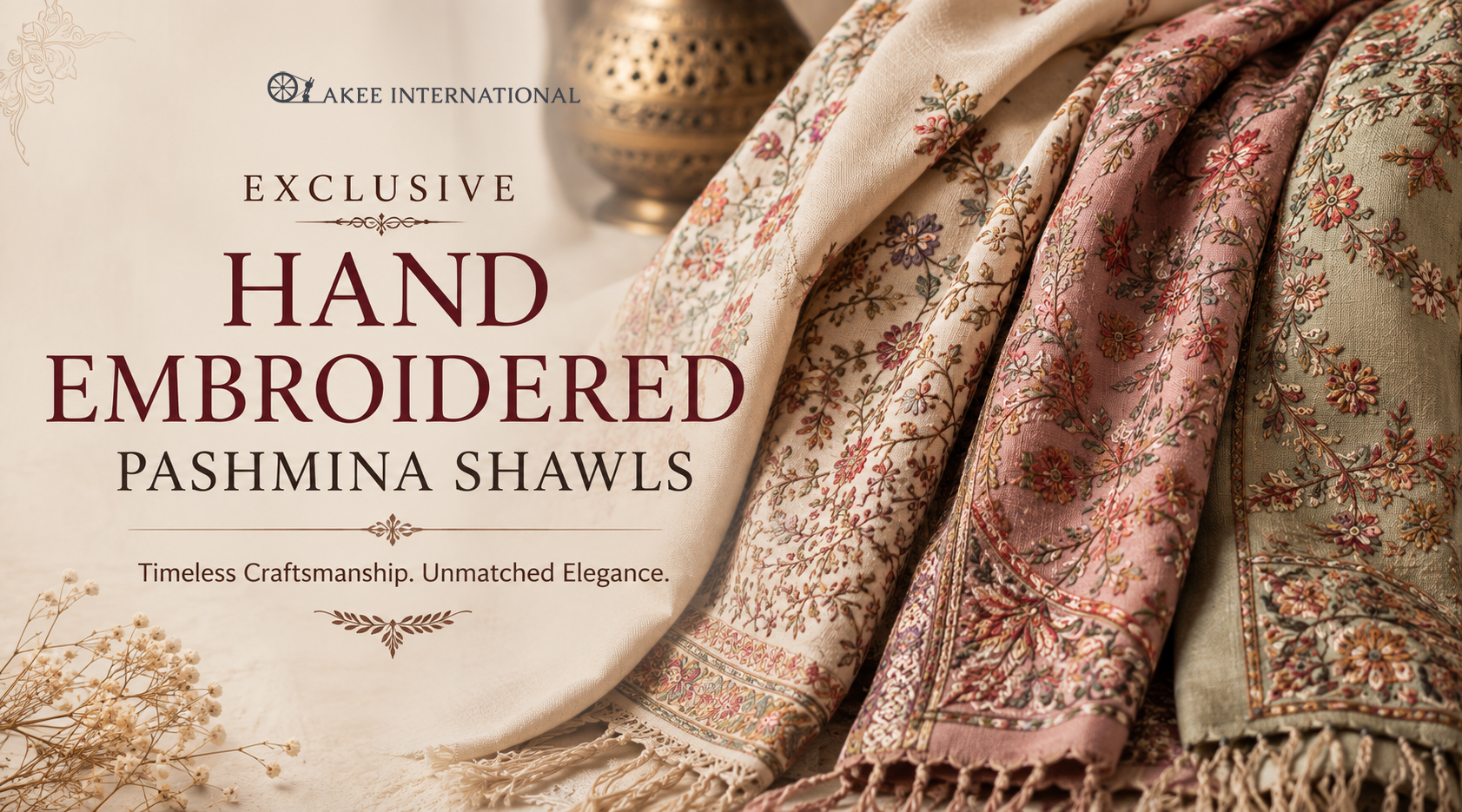
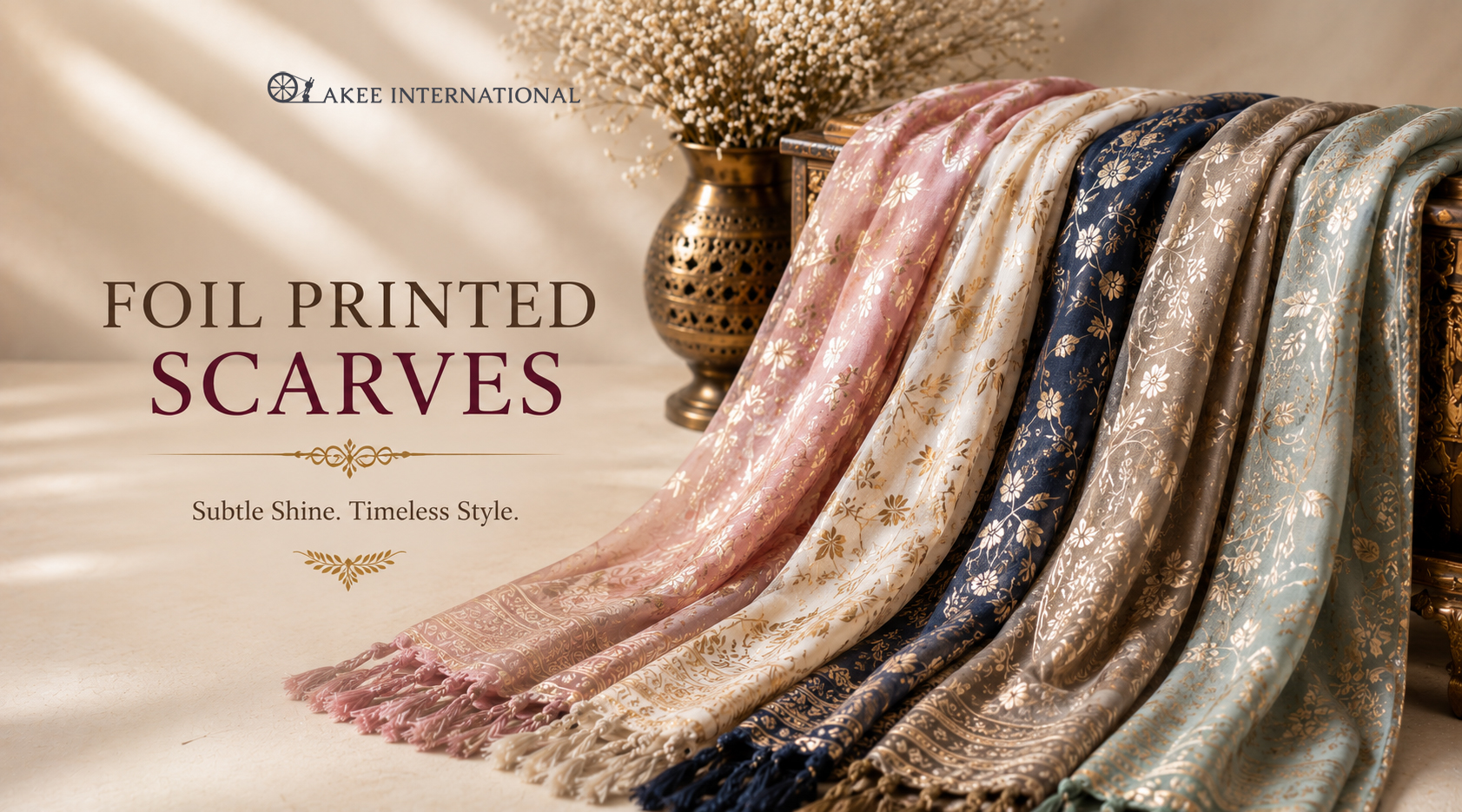
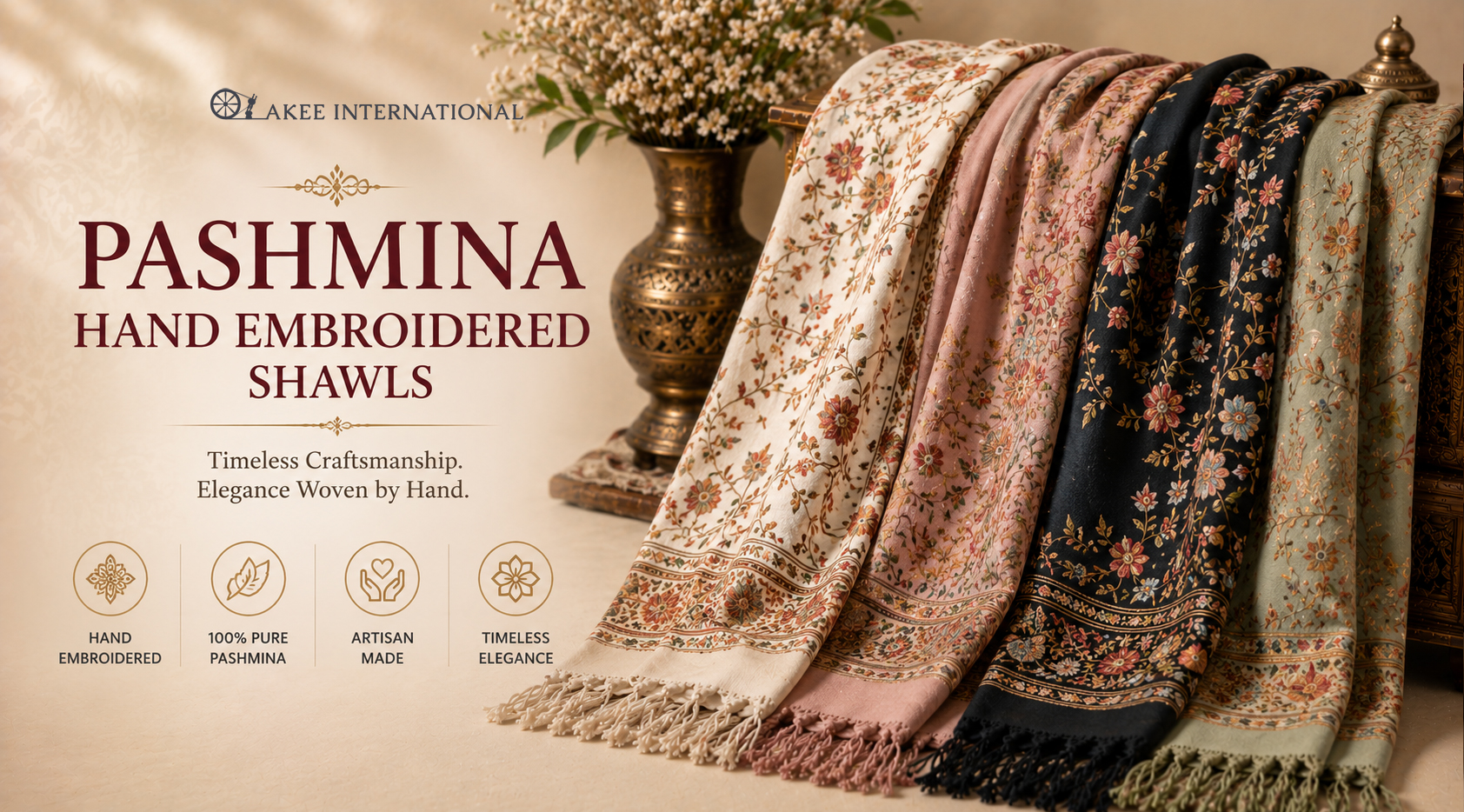
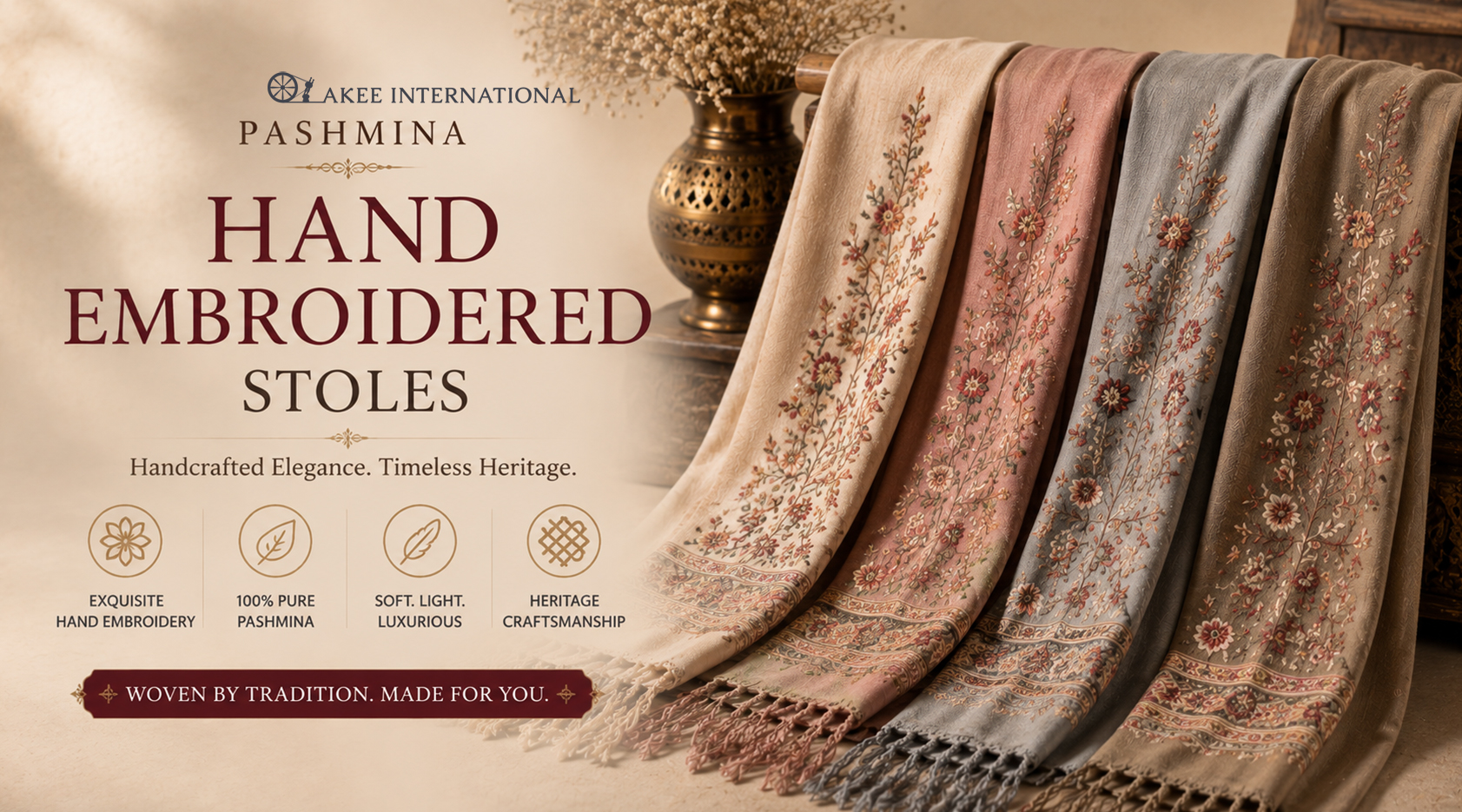
What makes this fusion genuinely interesting is that it brings together two crafts that historically developed in different regions — Kashmiri fibre and weaving, and Rajasthani surface design — into a single piece. A block-printed Pashmina scarf carries the warmth and drape of genuine Himalayan wool, layered with a decorative technique that has nothing to do with Kashmir at all, giving buyers a product that's distinctly Jaipur's own rather than simply an imported Kashmiri item sold locally. Beyond wool block prints, this same design sensibility carries into our Wool Designer Printed Scarfs, and for a festive, more metallic finish, our Foil Printed Scarfs apply a related surface-design approach with a distinct shimmer. Buyers who want to compare this printed category against our woven and embroidered Pashmina lines can browse our Pashmina Hand Woven Scarfs and Pashmina Hand Embroidered Shawls collections side by side.
Block printing hasn't stayed frozen in time, and that's arguably why it has survived as long as it has. Contemporary designers and manufacturers have begun blending traditional motifs with more modern colour palettes, simplified patterns, and updated silhouettes, appealing to buyers who want heritage craftsmanship without it feeling dated. This evolution shows up clearly in more contemporary interpretations of the technique, including our Wool Designer Printed Scarfs collection, which takes the fundamental hand-block approach and applies it to more current design sensibilities.
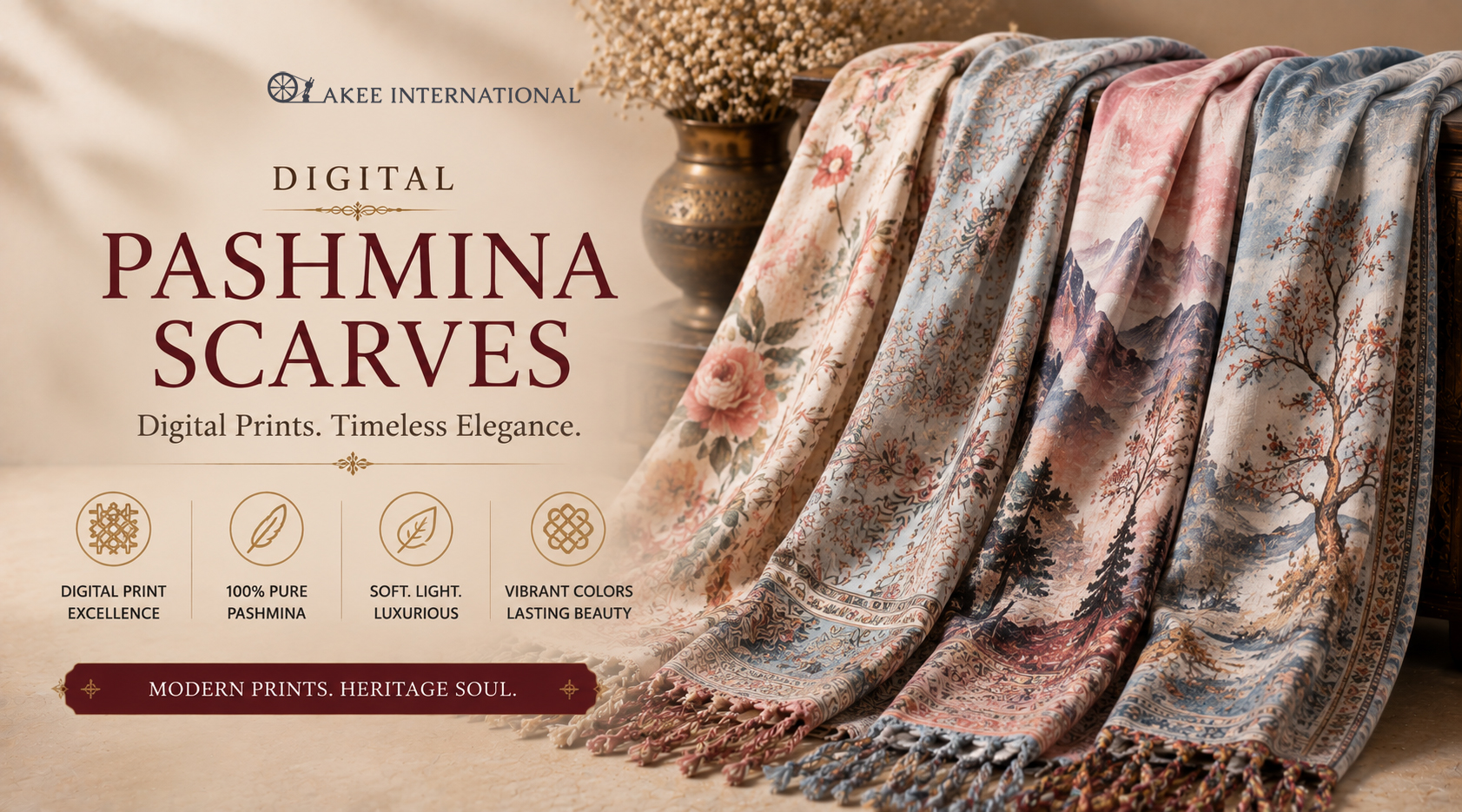
Digital printing techniques have also entered this space, offering another way to achieve intricate, photographic-level detail that hand-blocking alone can't replicate, though the two techniques serve genuinely different purposes rather than competing directly. For buyers interested in that more contemporary, design-forward direction, our Digital Himalayan Wool Scarfs and Digital Pashmina Scarfs collections showcase how far this printing evolution has come, and our page on Digital Print Pashmina Scarf explains the technique in more detail.
One aspect of block printing that often gets overlooked is how naturally sustainable the traditional version of this craft actually is. Natural dyes, by their nature, avoid the heavier chemical load associated with many synthetic dyeing processes, and they tend to produce softer, more skin-friendly fabric as a result. Many artisans and producers across Jaipur, including our own workshops, have made a deliberate effort to lean into these natural and low-impact dyeing methods rather than defaulting to faster synthetic alternatives.
This matters beyond the environmental angle. Supporting genuine block-printing artisans directly sustains livelihoods that depend entirely on this craft continuing — skills that took generations to build don't survive on their own if demand shifts entirely toward faster, cheaper machine-printed alternatives. You can read more about our approach to sourcing and sustainable practice on our Sustainability page.
What makes block printing especially interesting today is how naturally it sits alongside other Jaipur and Kashmiri crafts within the same wardrobe. A block-printed cotton dupatta might be worn for a casual daytime outing, while a hand-embroidered Pashmina shawl takes over for an evening event — both rooted in the same regional pride in handmade textiles, just suited to different occasions. This overlap is part of why so many buyers who come to Jaipur specifically for Pashmina end up equally drawn to block-printed pieces once they see the two crafts side by side. Our women's and men's Pashmina collections both include block-printed options alongside woven and embroidered pieces, for buyers who want this range within one wardrobe.
There's also a practical argument for pairing the two: a block-printed scarf tends to work well as a lighter, more casual counterpart to a heavier embroidered winter shawl, giving a wardrobe genuine range across seasons and occasions without needing to look far beyond Jaipur's own textile traditions.
Because block-printed pieces tend to be lighter and more casual than a heavily embroidered shawl, they make a particularly approachable gift for people you don't know quite as well — a colleague, a distant relative, or a client — where a heavy, elaborate Pashmina might feel disproportionate. Our Corporate Gifting Pashmina Shawls in Bulk and Pashmina Shawl for Wedding Gift pages cover more formal gifting scenarios, while a block-printed scarf works well as a lighter, more casual gifting option within the same broader collection.
Beyond individual buyers, block-printed textiles represent a genuine wholesale category in their own right, particularly for international boutiques looking to stock something distinctly Rajasthani alongside Kashmiri Pashmina. Our Wholesale Pashmina Scarves Manufacturer and broader wholesale pages cover how this kind of bulk sourcing works, and our export pages for the USA, UK, and Europe apply equally to block-printed product lines as they do to woven and embroidered Pashmina.
For anyone visiting the city, Jaipur's traditional markets — particularly Johari Bazaar and Tripolia Bazaar — offer a genuinely immersive experience: narrow lanes filled with colour, the distinct smell of natural dyes in the air, and craftsmen working in small open-front shops rather than hidden factories. It's a worthwhile experience on its own, even for buyers who end up purchasing elsewhere.
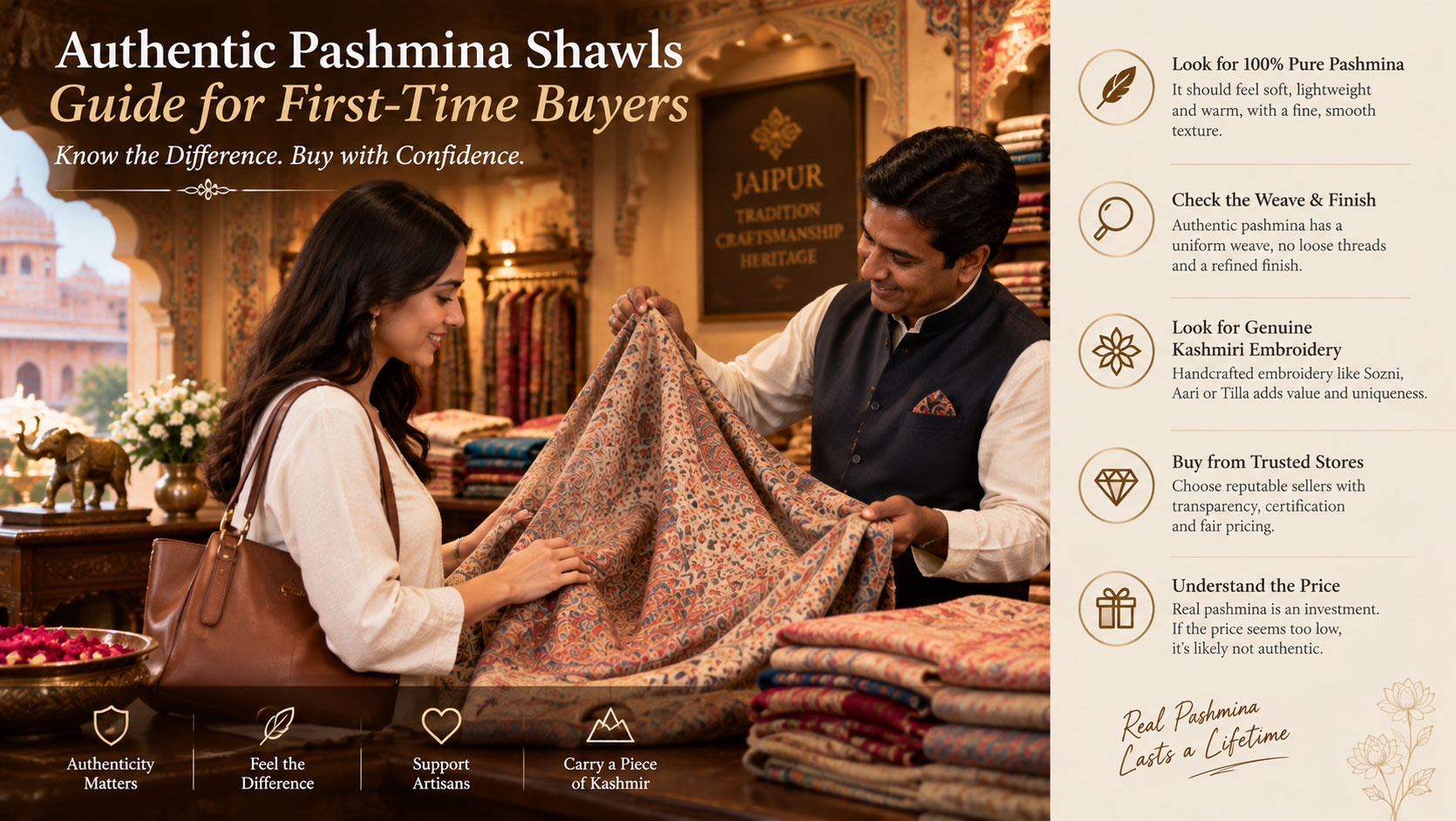
That said, navigating quality and authenticity in these bustling markets isn't always straightforward for first-time buyers. For those seeking curated, quality-assured pieces without needing to sort through inconsistent options themselves, Akee International offers a more boutique experience — one where sourcing, fabric quality, and finishing are handled with the same rigour we apply to our Pashmina collections. Our store near Amer Fort and our page on the Pashmina shawl shop in Jaipur welcome exactly this kind of visit. You can browse our full product range, including block-printed and Pashmina pieces side by side, on our Products page.
Block-printed fabrics, especially those dyed using natural methods, need slightly gentler handling than typical machine-printed textiles to preserve their colour and detail over time. A few habits go a long way:
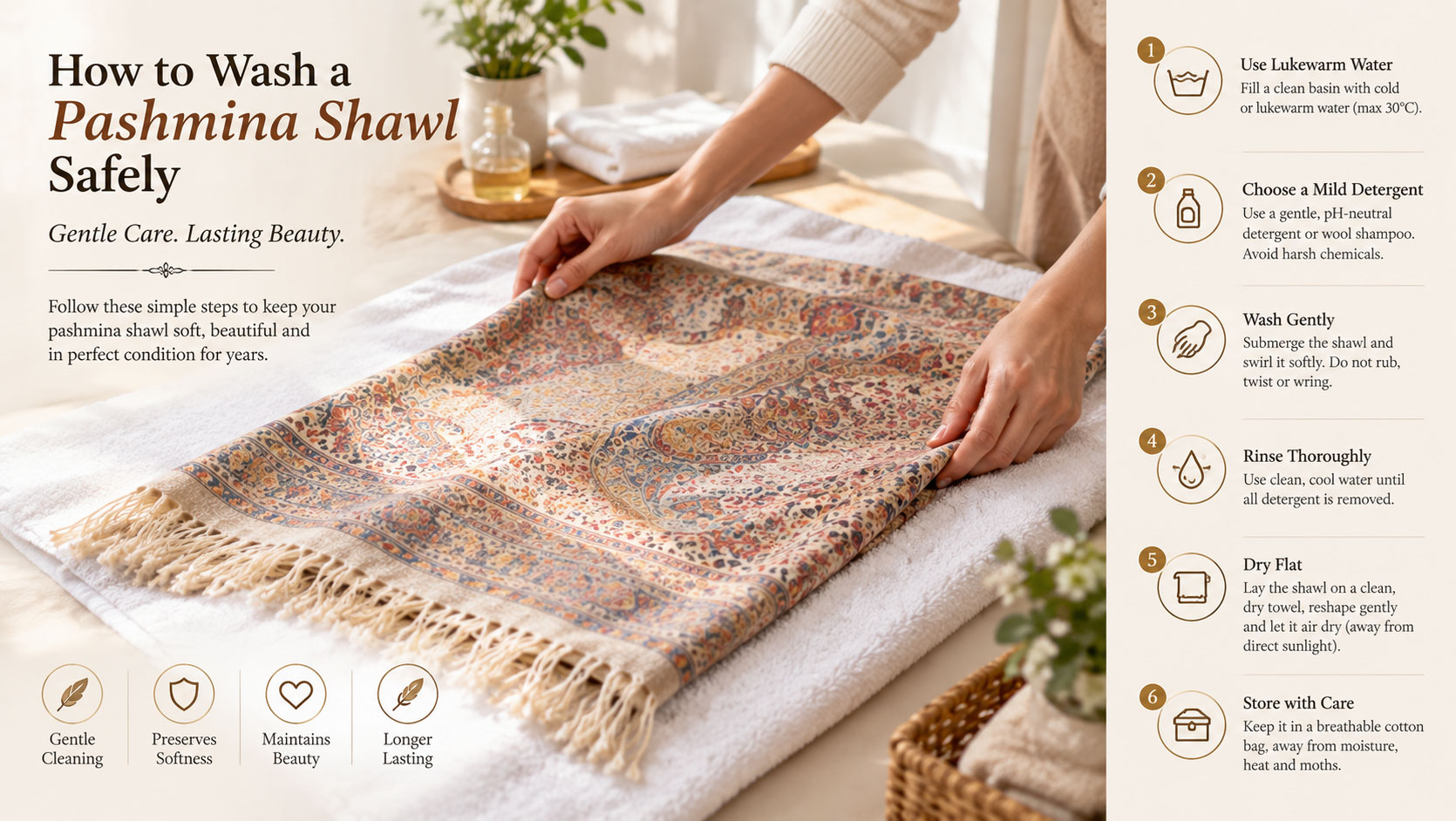
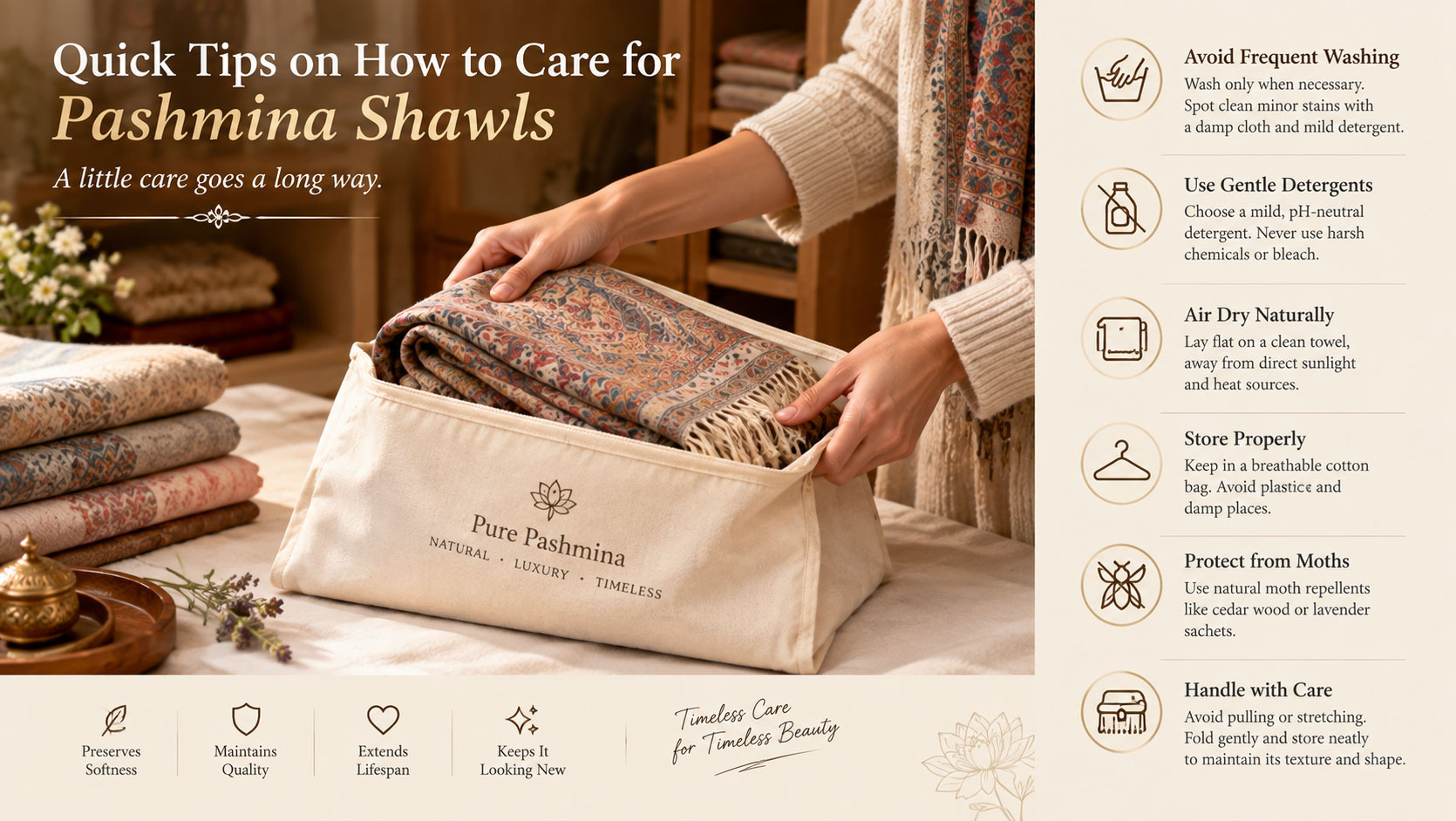
With this kind of care, a well-made block-printed piece — whether it's a lightweight cotton dupatta or a wool block-printed scarf — can remain vibrant and structurally sound for years, eventually becoming the kind of heirloom piece that gets passed down rather than replaced. If the piece is a wool or Pashmina blend specifically, our broader Pashmina Shawl Care Guide and pages on how to wash and how to store a Pashmina shawl are useful companions to the tips above.
Block printing in Jaipur is far more than decoration on fabric — it's a visual record of the city's artistic history, carried forward stitch by stitch, stamp by stamp, through families who've made this craft their life's work. Every irregular edge and every slightly imperfect repeat in a genuine hand-block print is a quiet signature of the person who made it, something no machine has managed to convincingly replicate.
Whether you're drawn to the earthy tones of Bagru prints, the delicate detail of Sanganeri florals, or a more contemporary fusion piece that brings block printing onto soft Himalayan wool, this craft continues to find new relevance without losing what made it special in the first place.
If you'd like to see our block-printed collections in person, or have questions about sourcing, technique, or customization for a specific order, reach out to us directly on WhatsApp or by phone at +91-9772777770, or write to us at akee.international@gmail.com. Our store near Amer Fort in Jaipur also welcomes walk-in visitors who'd like to see this craftsmanship up close before deciding.
Block printing is a manual technique where carved wooden blocks are dipped in dye and stamped onto fabric. It has been practiced in Jaipur for centuries, influenced by Mughal and Rajasthani traditions.
Cotton, silk, wool, and pashmina are popular choices, with each fabric lending a unique texture and finish to the printed designs.
Traditionally, natural dyes were used, but modern artisans also use synthetic dyes. Many brands, including Akee International, emphasize eco-friendly natural dyeing processes.
Depending on complexity, it can take from several hours to days—carving blocks alone can take weeks, while printing and drying vary by design.
Jaipur block printing is known for its intricate floral and geometric motifs, rich color palettes, and traditional patterns like Bagru and Sanganer styles.
Yes, contemporary designers and brands like Akee International create bespoke prints and fusion styles that combine tradition with modern fashion needs.
Increasingly yes. Many artisans adopt natural dyes and sustainable practices to reduce chemical use and environmental impact.
Look for irregularities in prints (due to hand stamping), natural dye hues, quality of fabric, and trusted sellers like Akee International who guarantee authenticity.
Common products include sarees, dupattas, scarves, kurtas, home décor items like curtains and bed linens, and accessories such as bags and cushions.
Hand wash gently in cold water with mild detergent, avoid harsh scrubbing, dry in shade, and store in breathable fabrics to maintain print and fabric quality.
Besides markets like Johari Bazaar, stores like Akee International offer premium curated collections with guaranteed craftsmanship and quality.
Yes, Akee International collaborates with local artisans to preserve traditional techniques while creating products suited to modern luxury markets.
"Browse our curated collections and shop by category to find the perfect Pashmina shawl or scarf for every occasion."
"Explore our latest collection of exquisite Pashmina shawls and scarves, where luxury meets craftsmanship in every piece."
"Shop our Best Sellers, where luxury meets demand—featuring the most sought-after Pashmina shawls and scarves of the season."
"Read what our clients say about their experience with Akee International's luxurious Pashmina shawls and impeccable service."

Nai Mata Mandir Road, Thathar Road, Delhi By Pass, Amer, Jaipur 302028, Rajasthan India
Get directions Call Now Whatsapp 4.9 based on 269 reviews
Rating: 4.6/5 | 85 Reviews

Rating: 4.9/5 | 269 Reviews

TrustScore: 4.9 | 100 Reviews