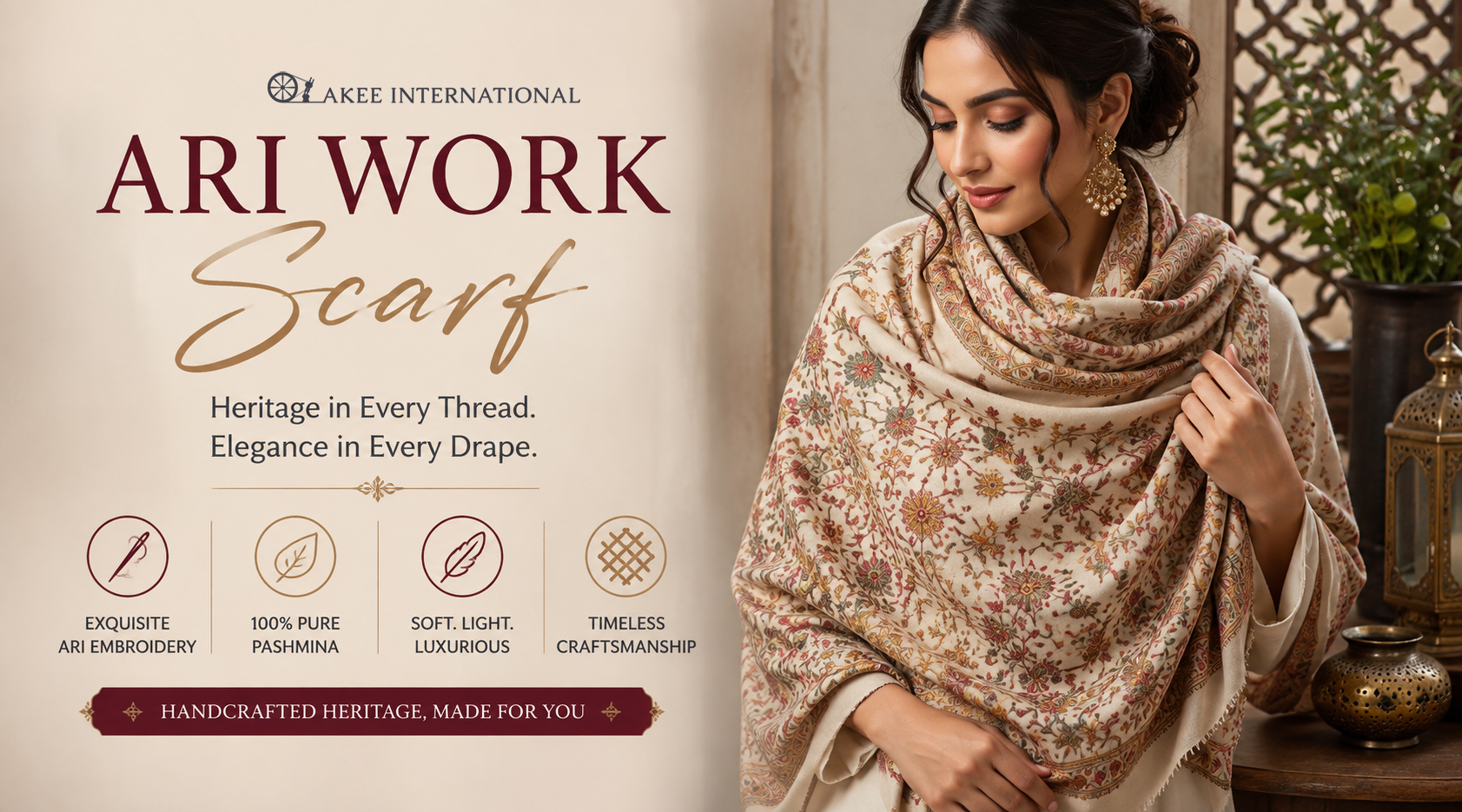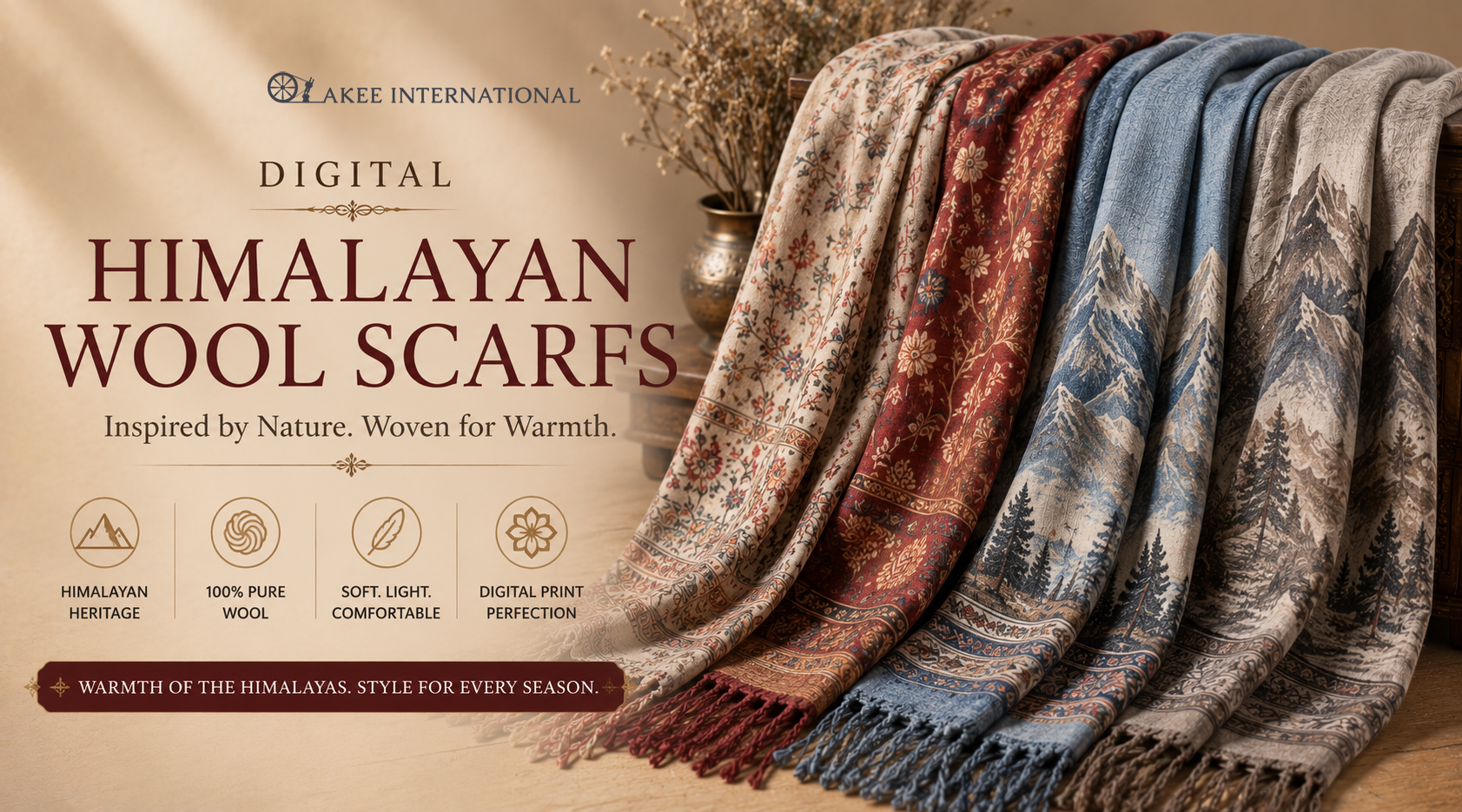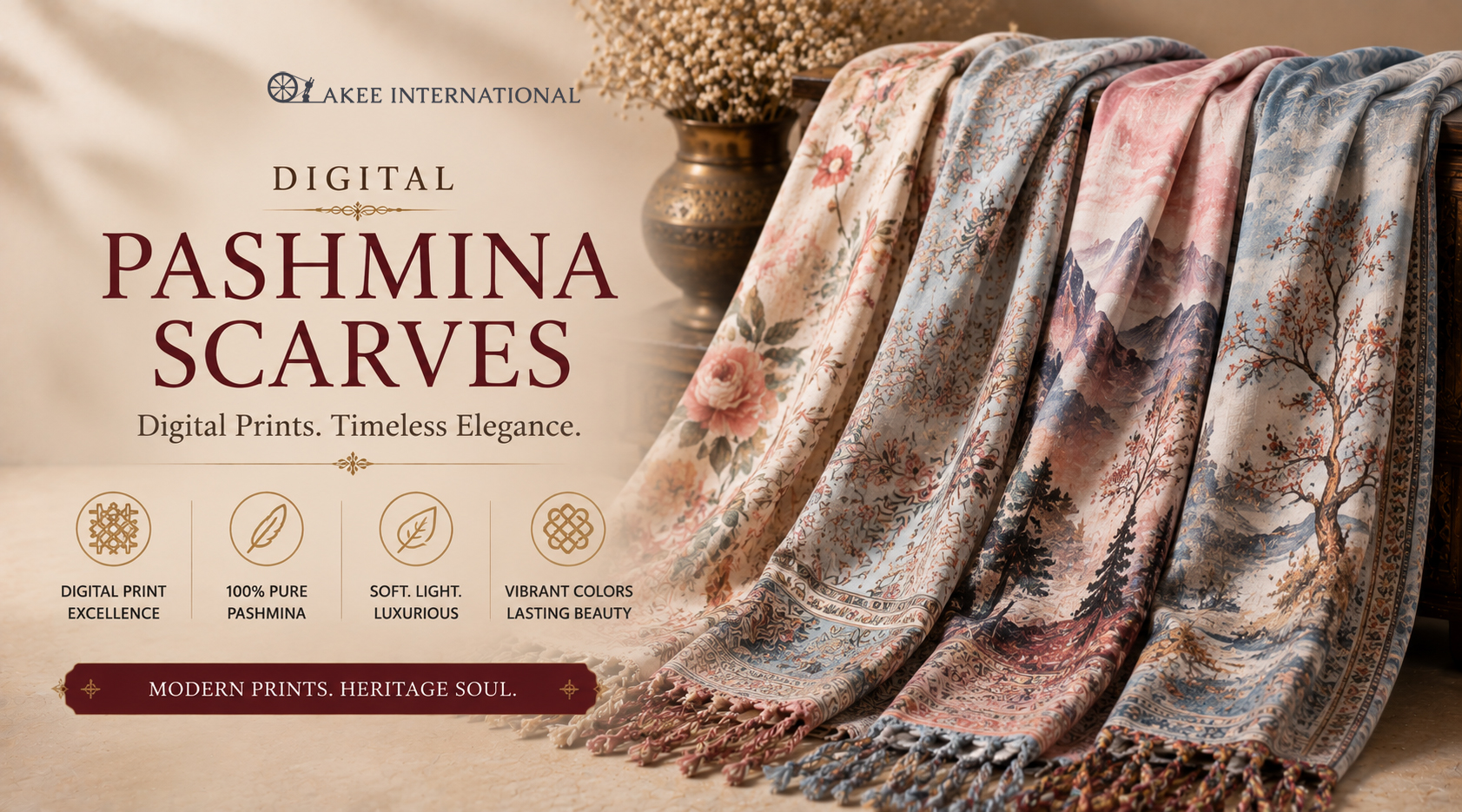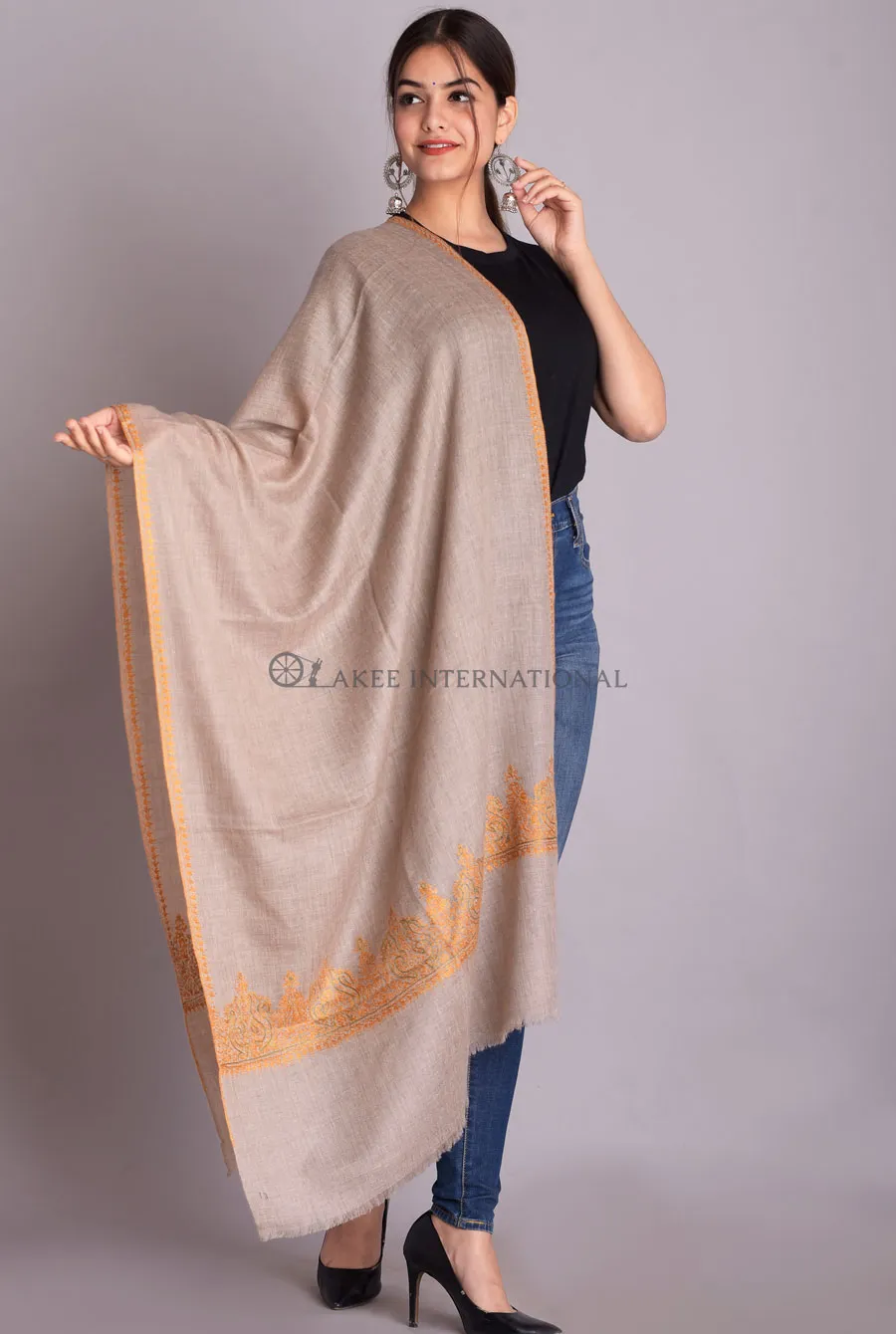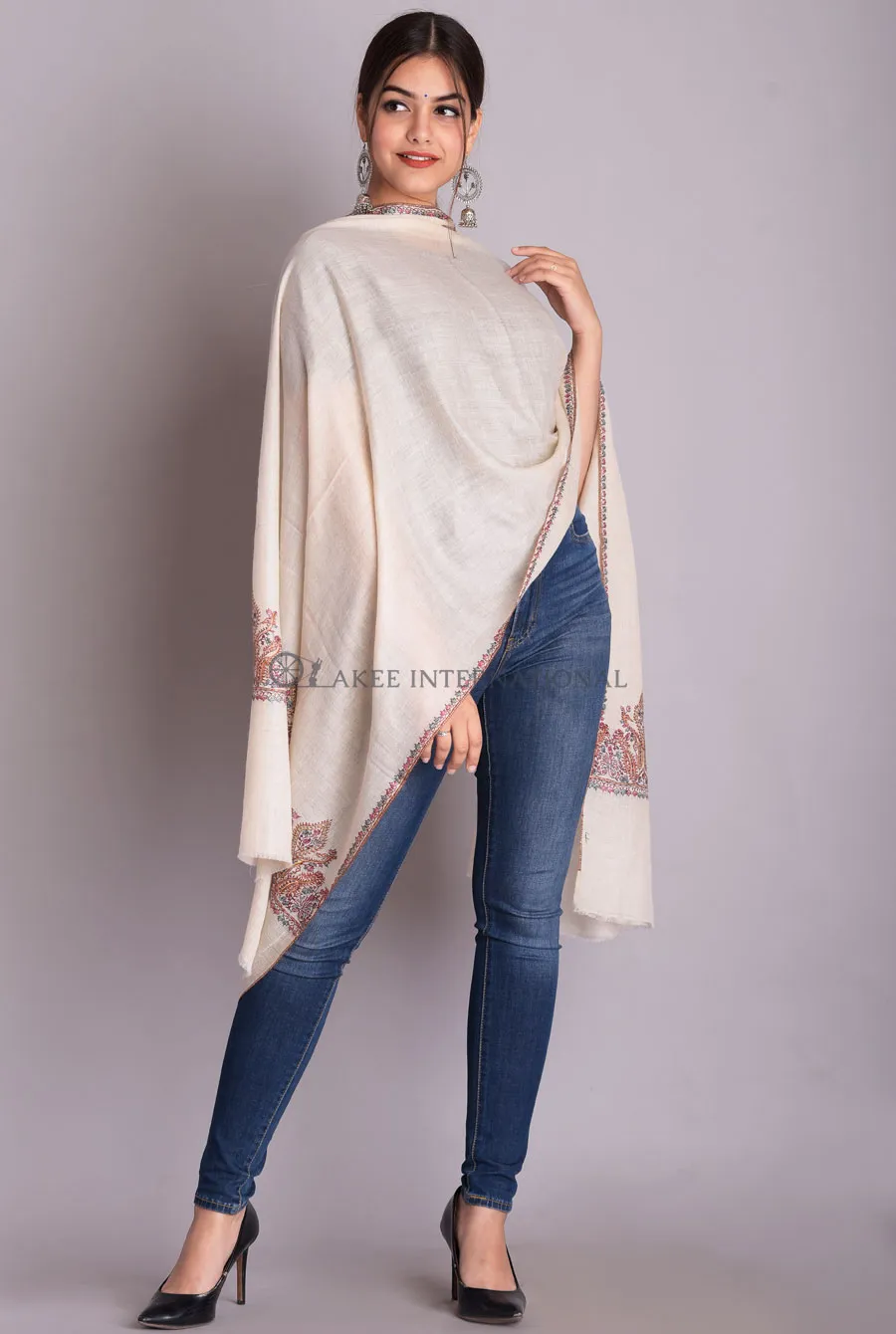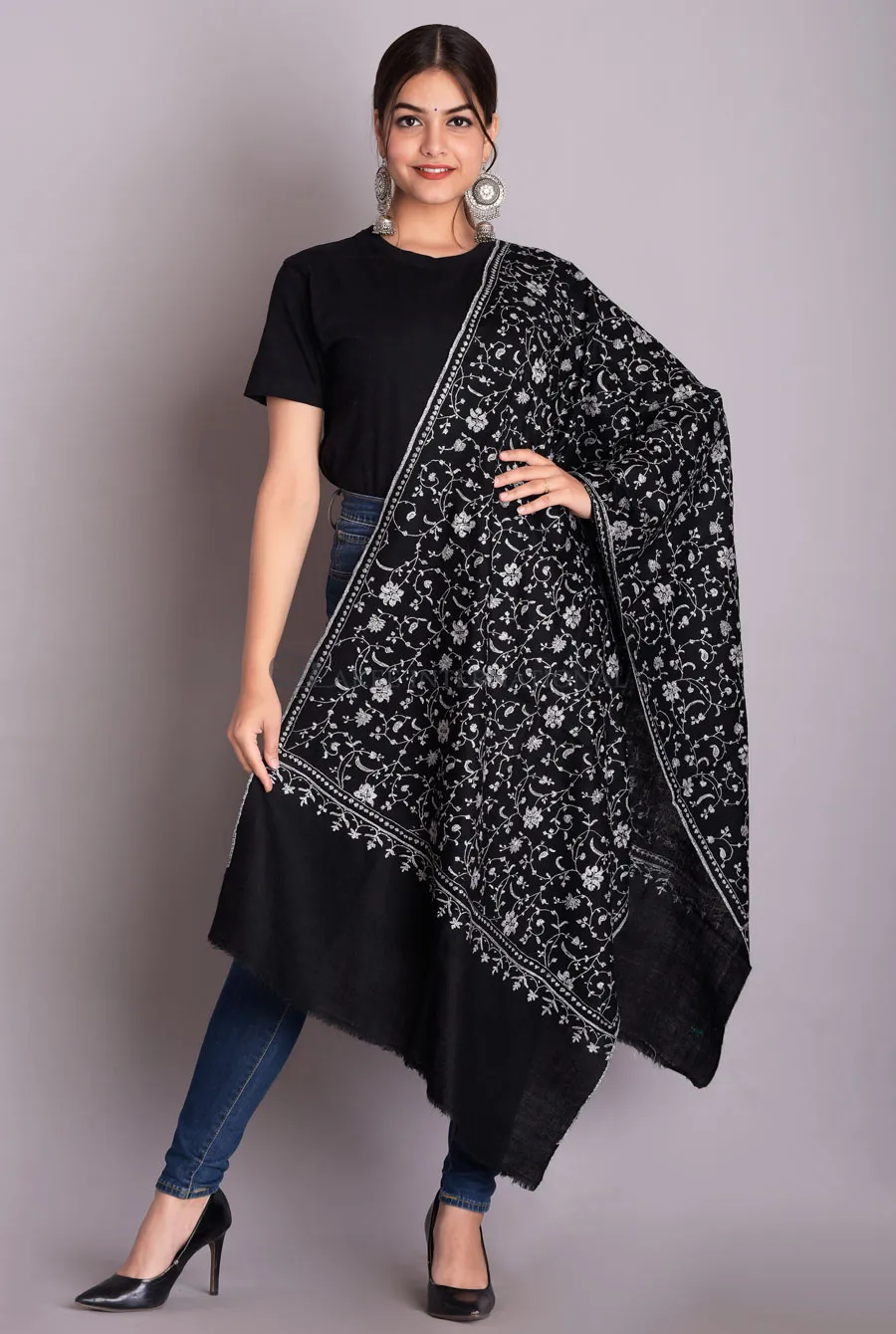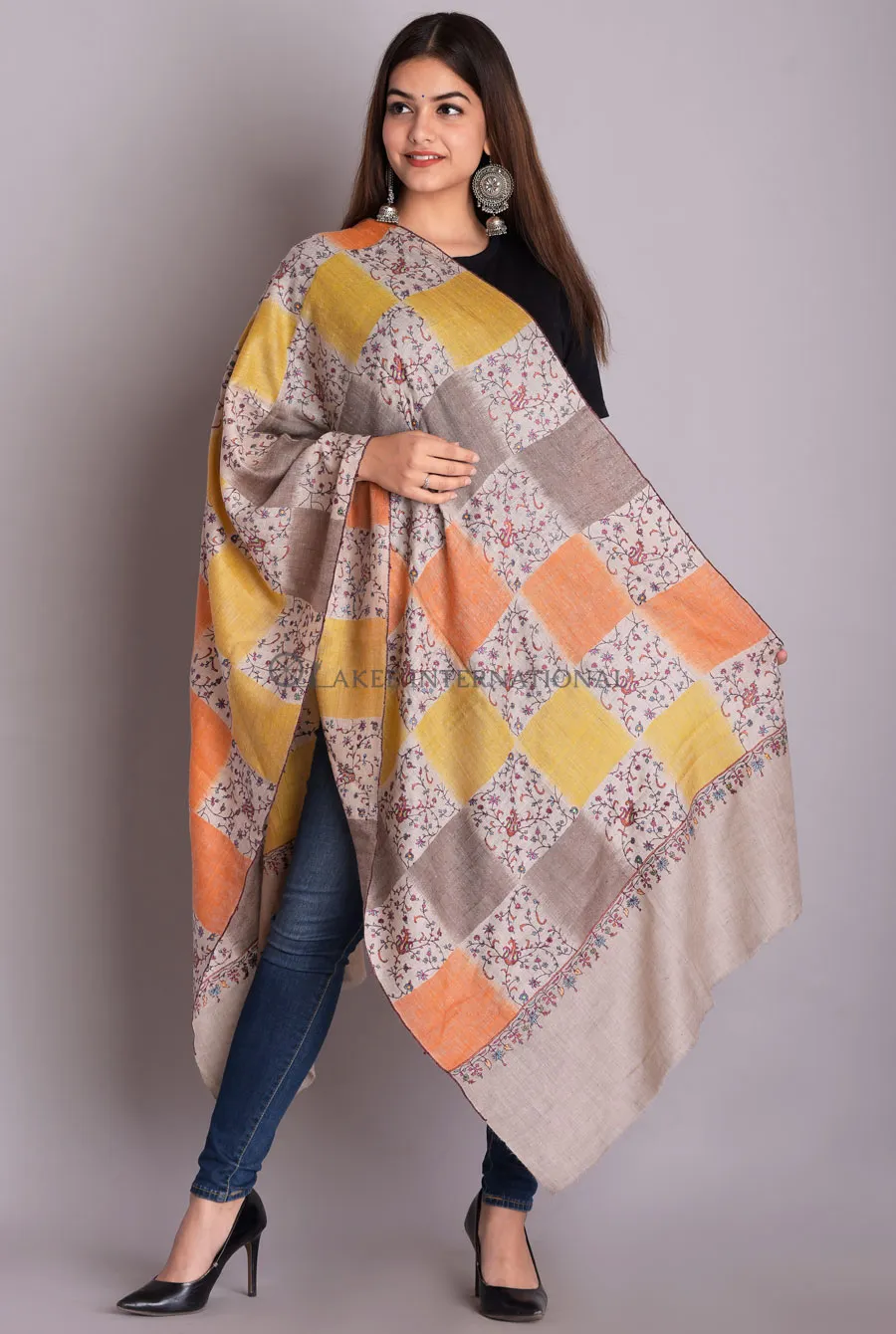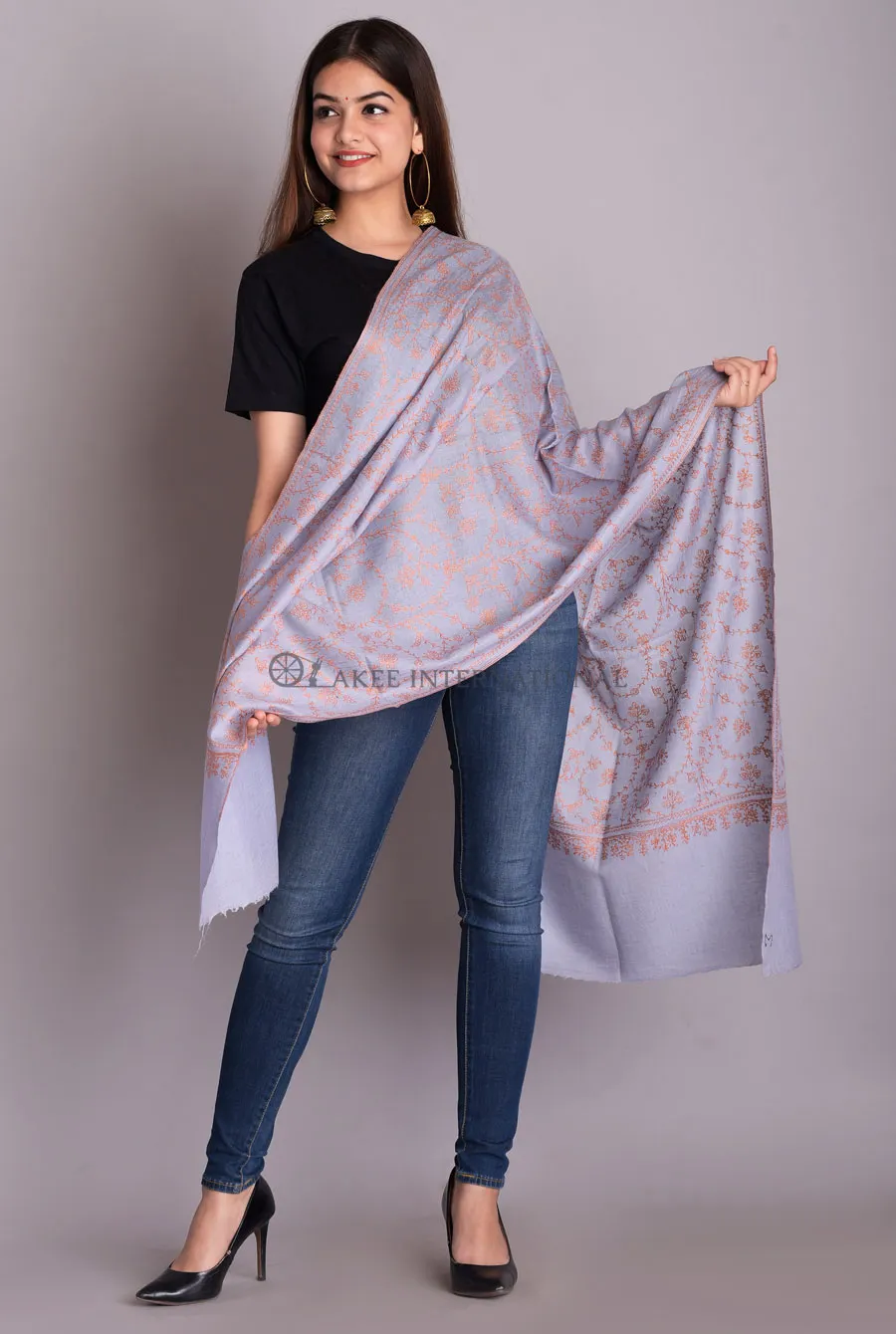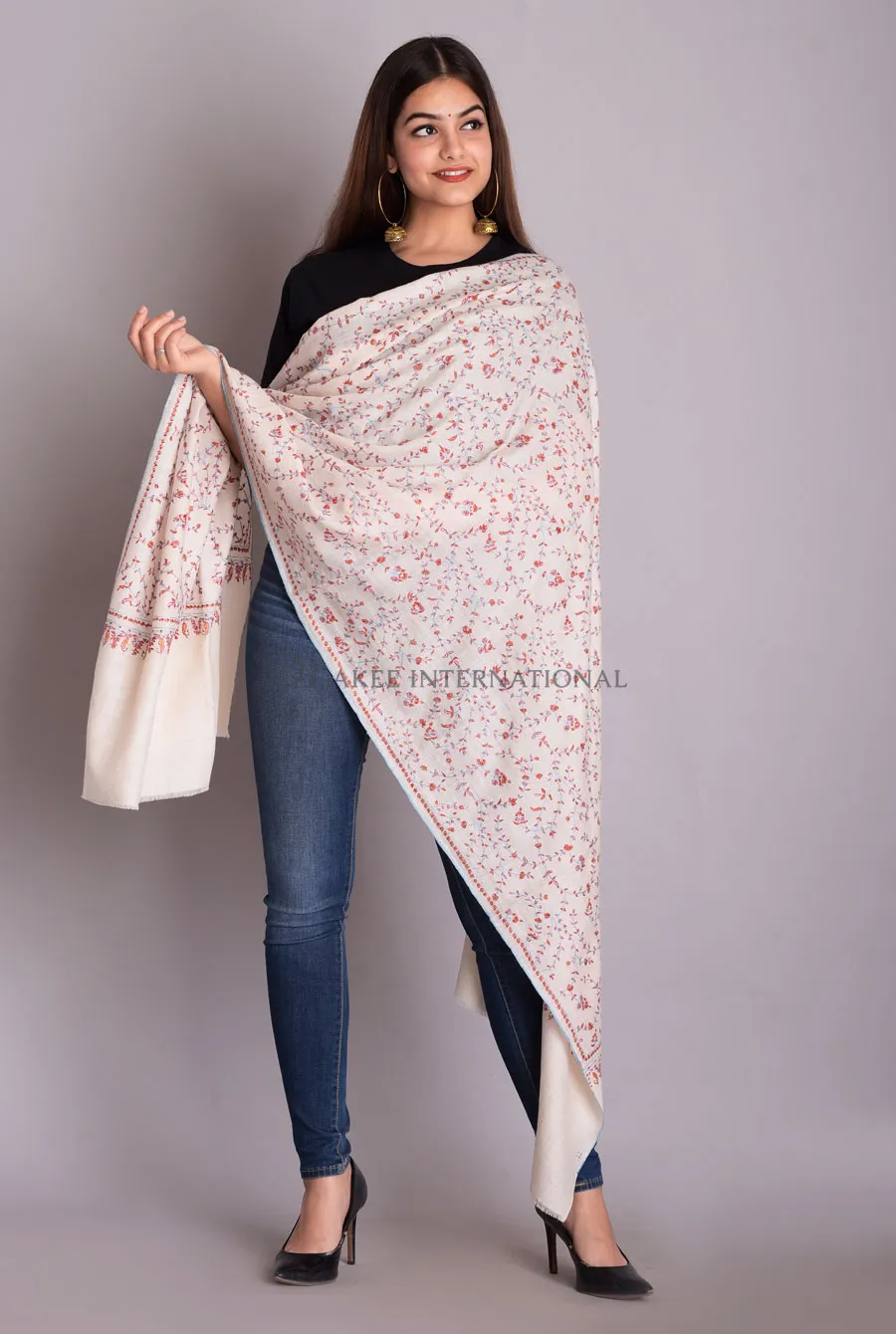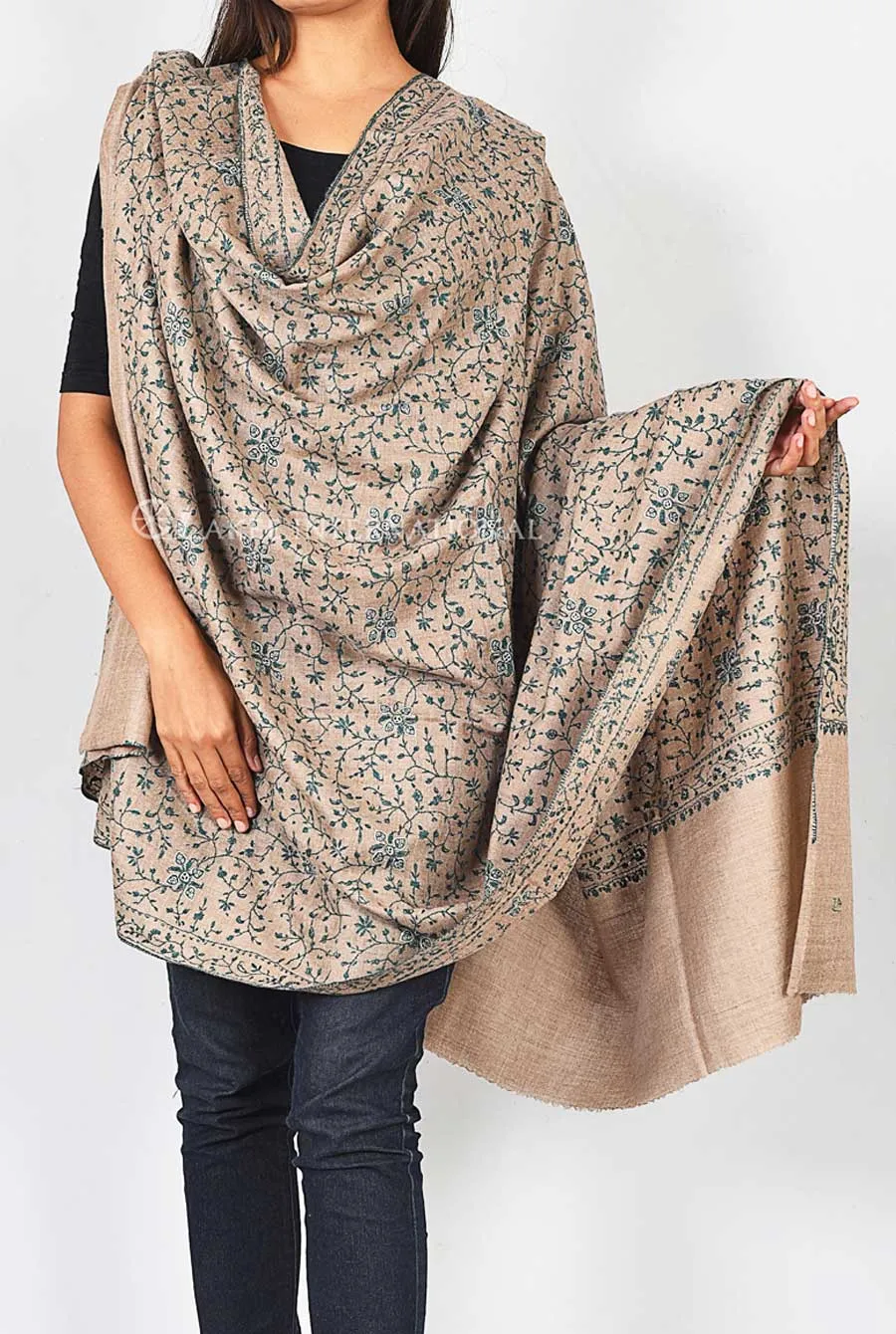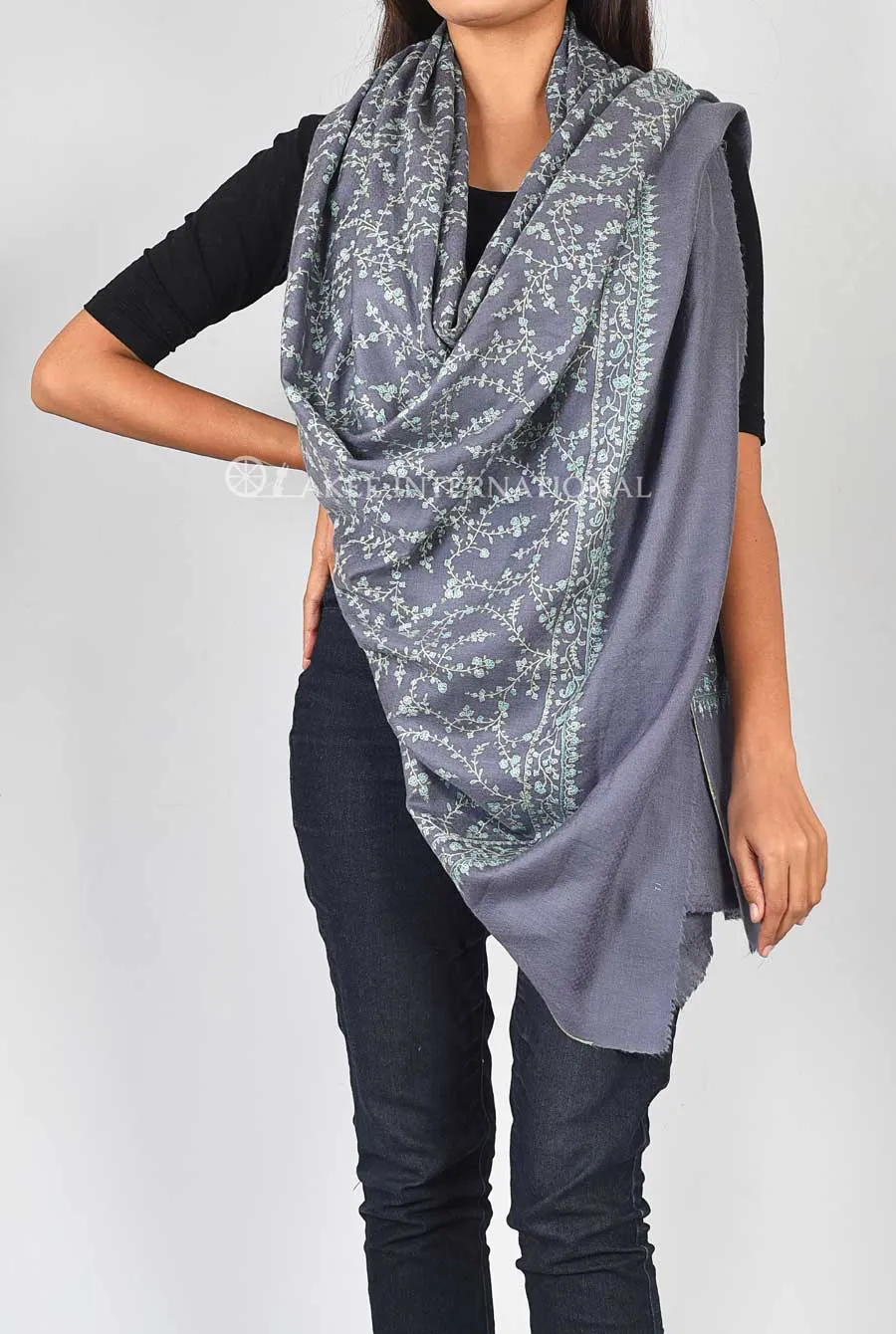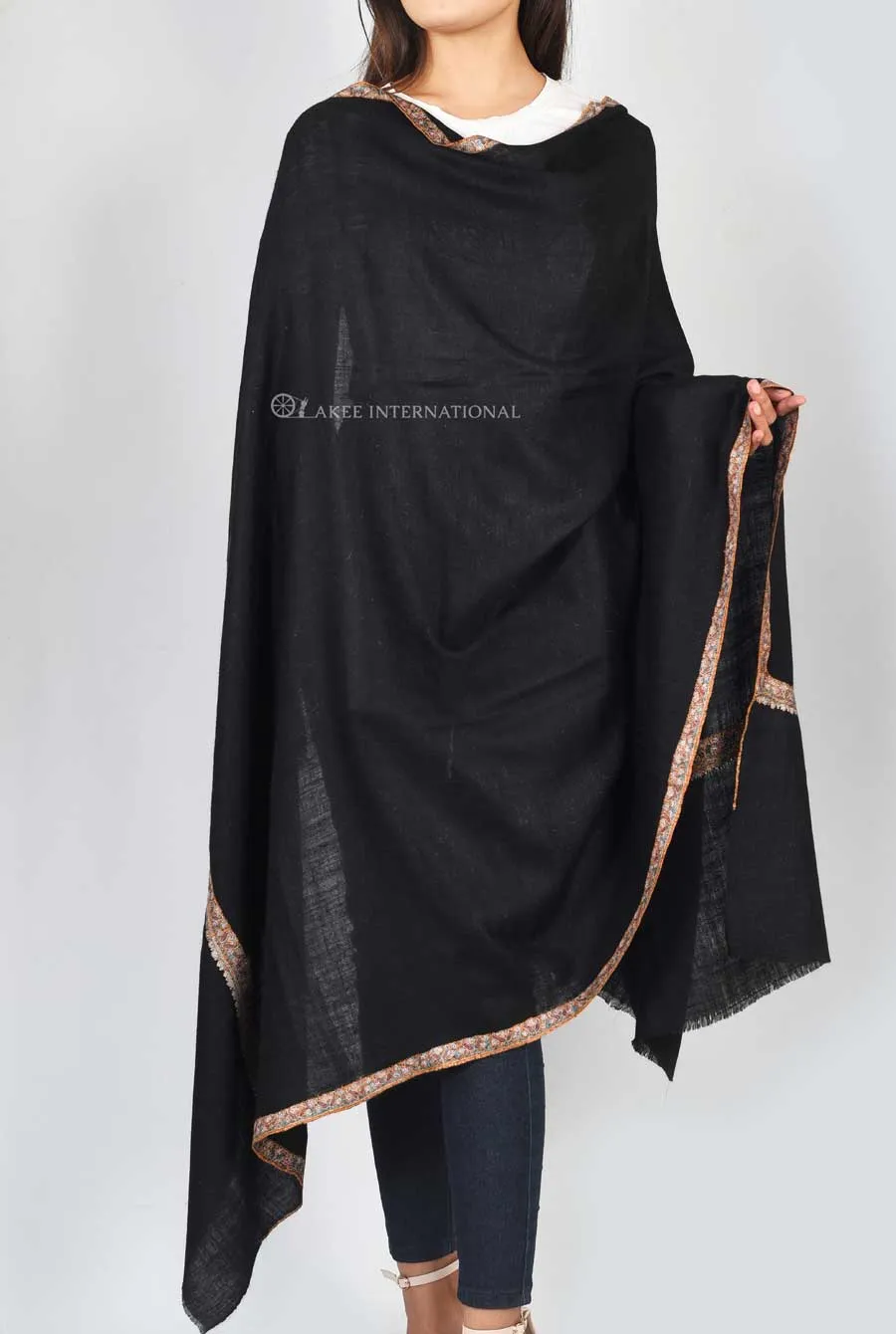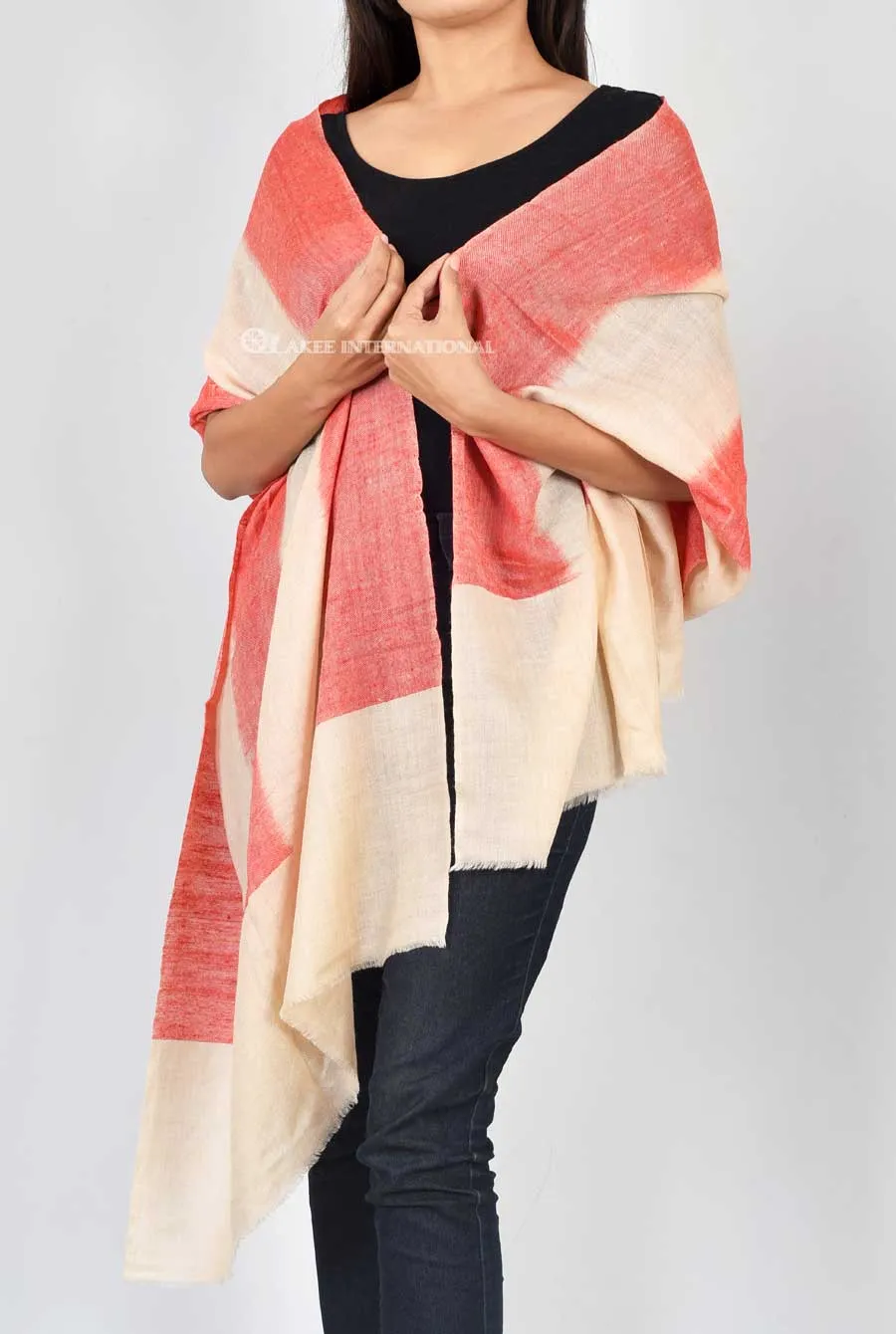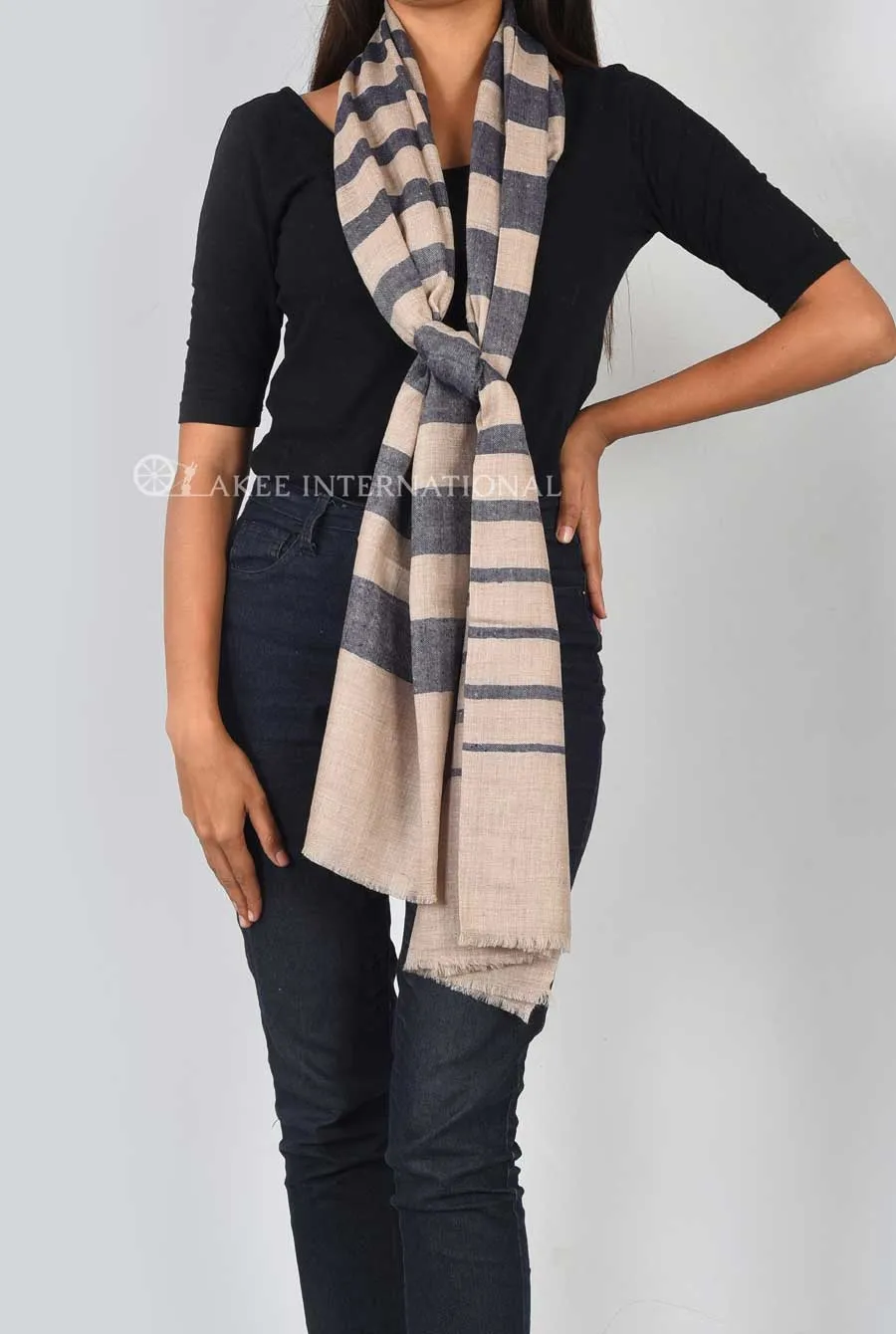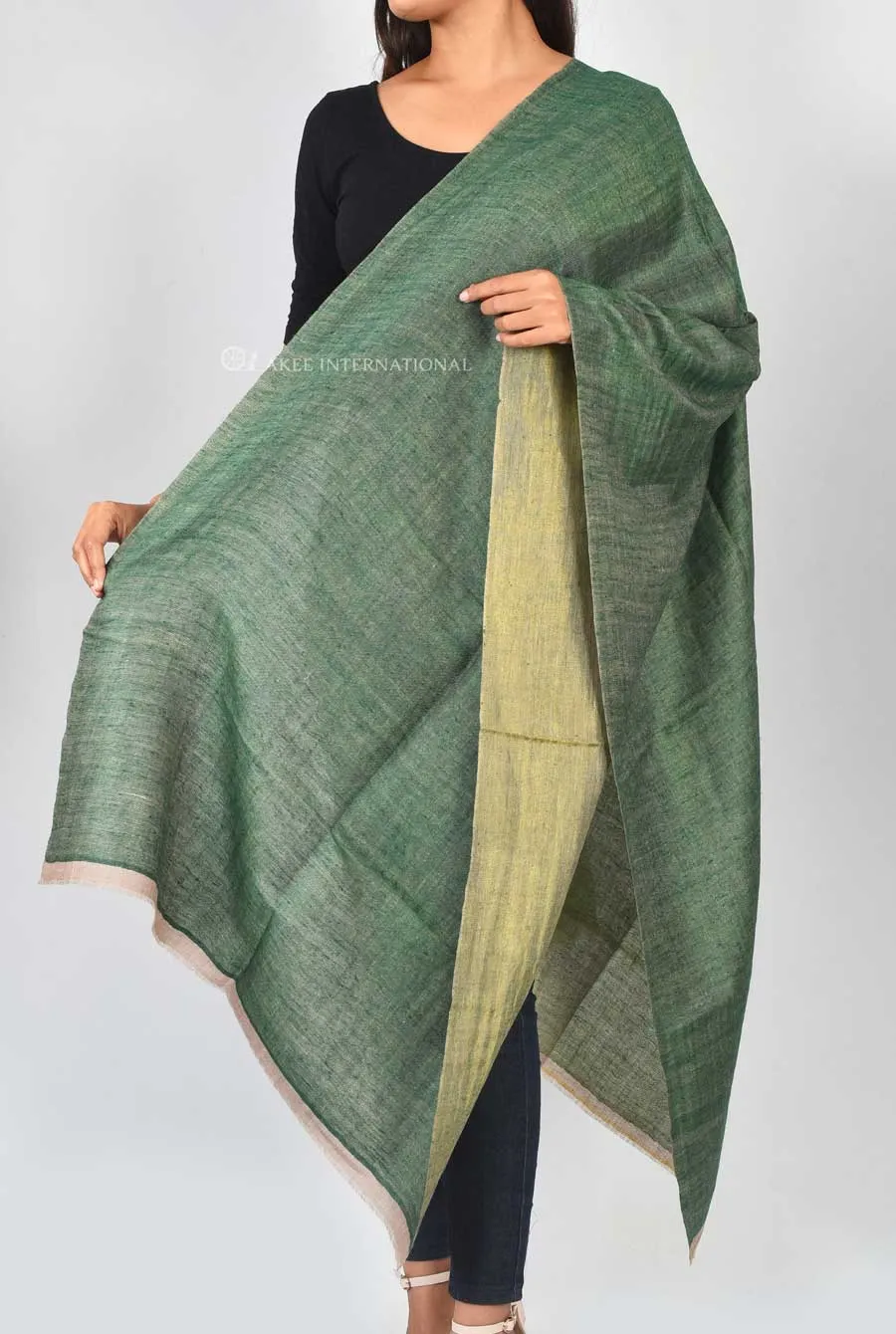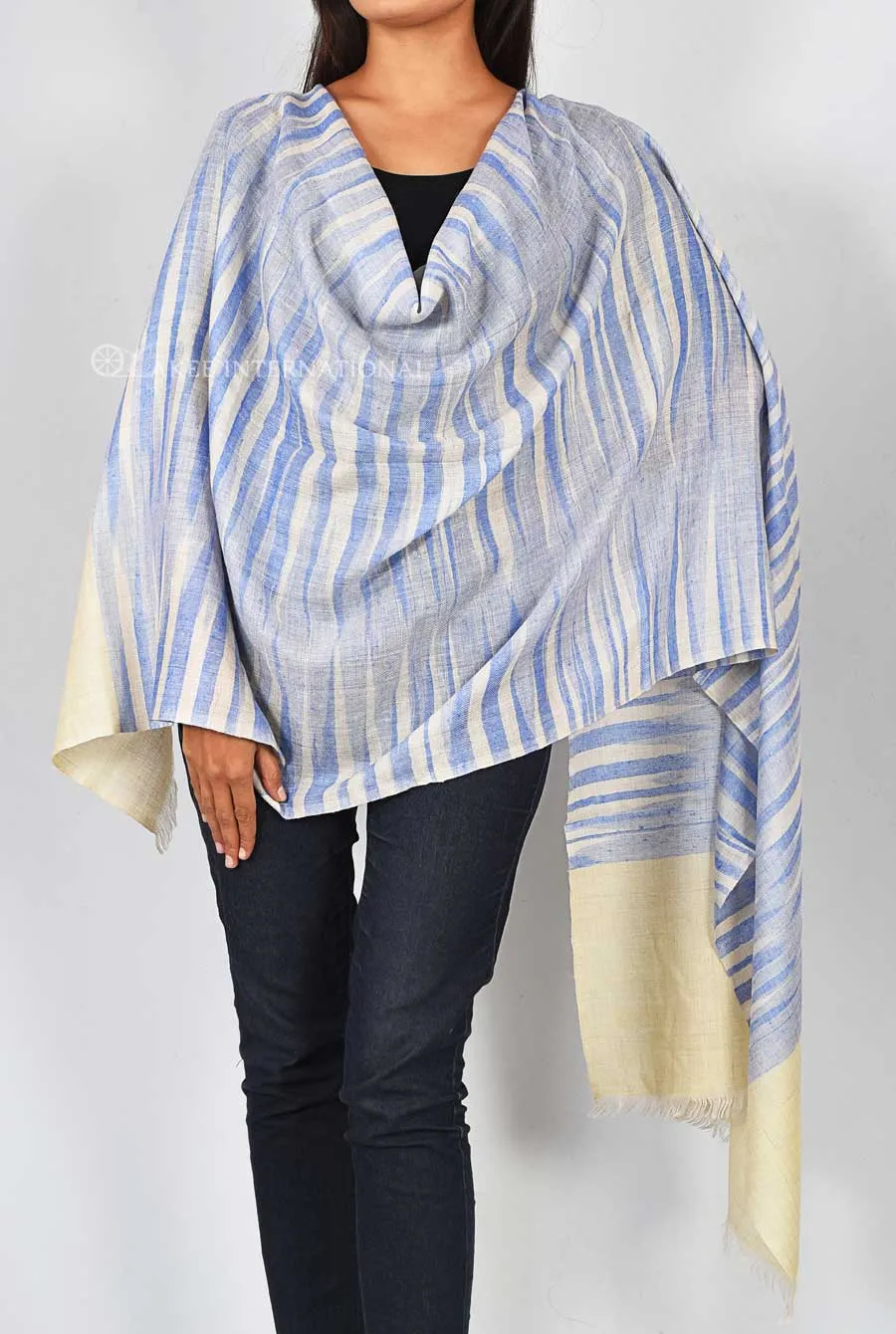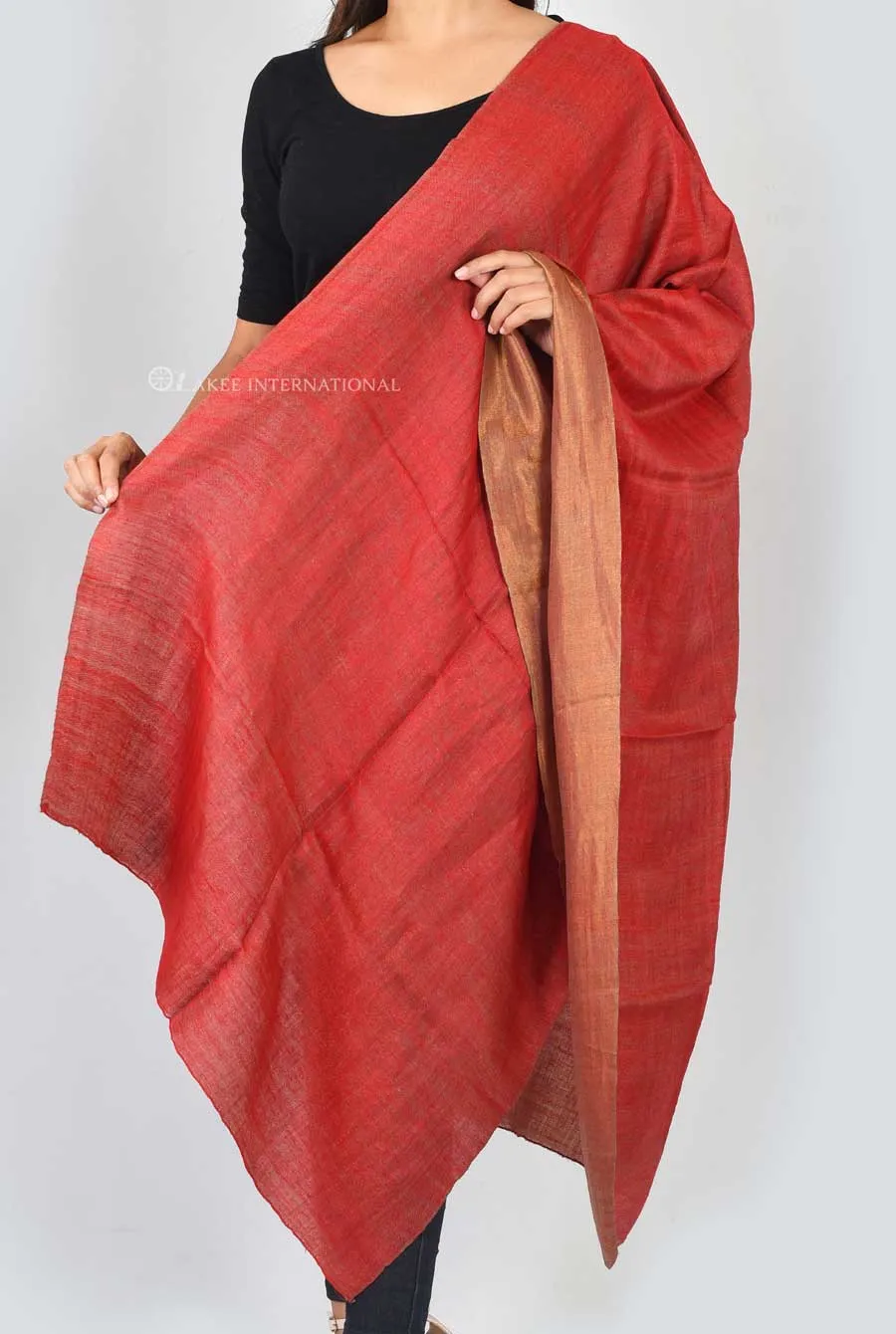
There's a quiet shift happening in how women think about luxury purchases, and it has less to do with logos and more to do with a simple, practical question: what will I actually still be wearing in ten years? Across the USA, UK, and Europe, this question is steering more women toward pieces that genuinely hold value over time rather than for a single season — and authentic Himalayan Pashmina sits near the top of that list.
At Akee International, we think about this less as a marketing angle and more as a straightforward economic reality: a genuine Pashmina shawl behaves less like a fashion purchase and more like a long-term asset, if you actually run the numbers on cost per wear.
A single fast-fashion scarf might cost a fraction of what a genuine Pashmina costs upfront, but it also tends to fade, fray, or simply feel dated within a year or two of regular use — at which point it's typically replaced. A genuine Pashmina shawl, treated properly, can remain in active rotation for decades, not years.
Run the actual math on that: a shawl worn regularly over twenty years works out to a fraction of the annual cost of buying and replacing several cheaper alternatives across that same period, even before accounting for the fact that a well-kept Pashmina tends to look and feel better over time rather than worse. This is the same logic that applies to any genuine capital investment — the upfront cost matters less than the cost spread across its actual useful life. Our page on what Pashmina actually is explains why this longevity is possible in the first place, tracing back to the fibre's origin and production process.
This reframing matters because it changes the entire calculus of the purchase. A woman comparing five fast-fashion scarves at a lower individual price against one genuine Pashmina at a higher upfront cost is often, without realizing it, comparing a short-term expense against a long-term asset — two fundamentally different financial decisions dressed up as the same kind of purchase. Once framed this way, the "expensive" option frequently turns out to be the more economical one over any reasonably long time horizon.
Authentic Pashmina begins high in the Himalayan region, where the Changthangi goat grows an exceptionally fine undercoat to survive freezing temperatures. This fibre is naturally lightweight yet incredibly warm, limited in supply each year, and genuinely impossible to industrially manufacture or artificially replicate at the same quality. This rarity is what gives real Pashmina its quiet, understated prestige — not a marketing campaign, but a hard constraint on how much genuine supply can exist.
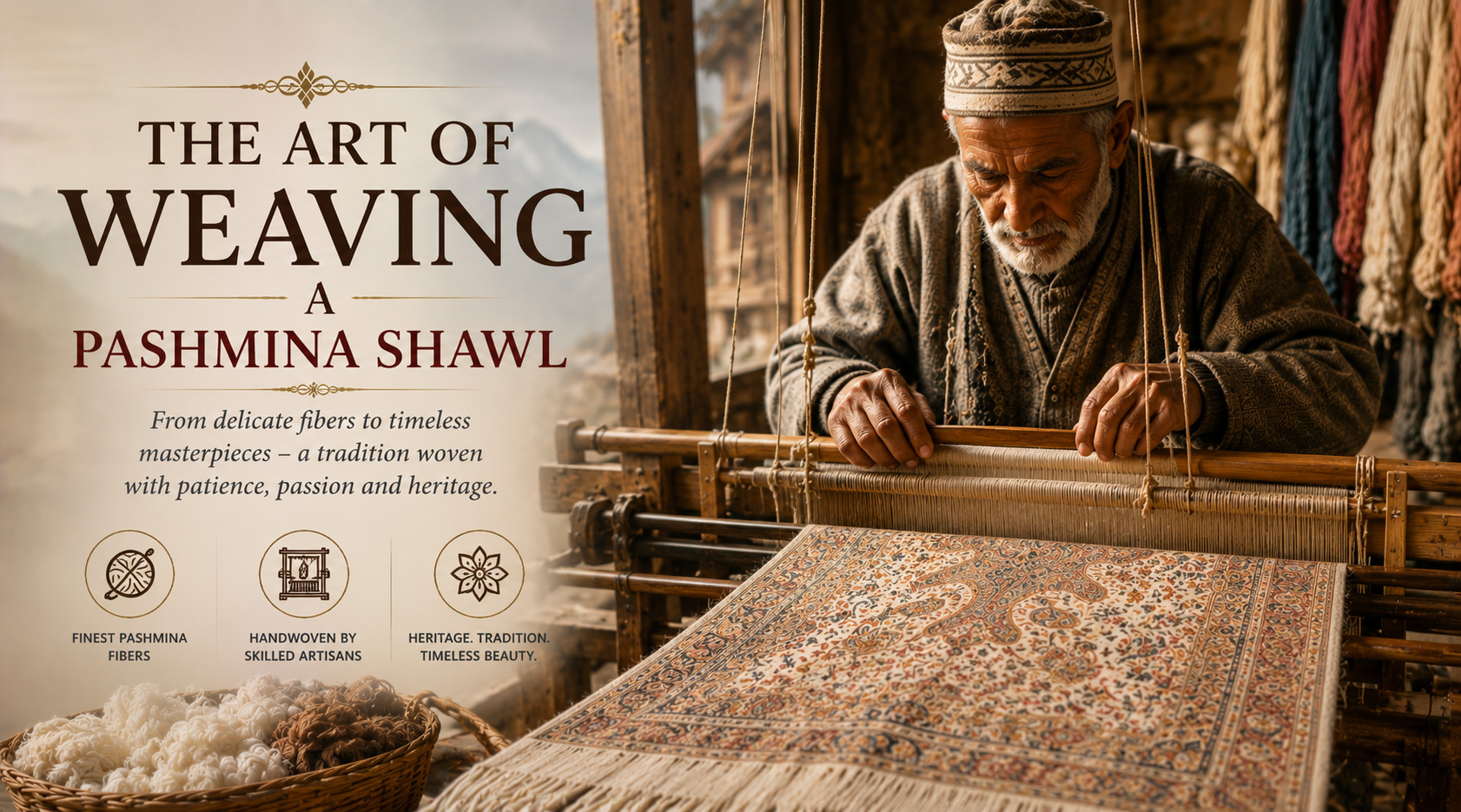
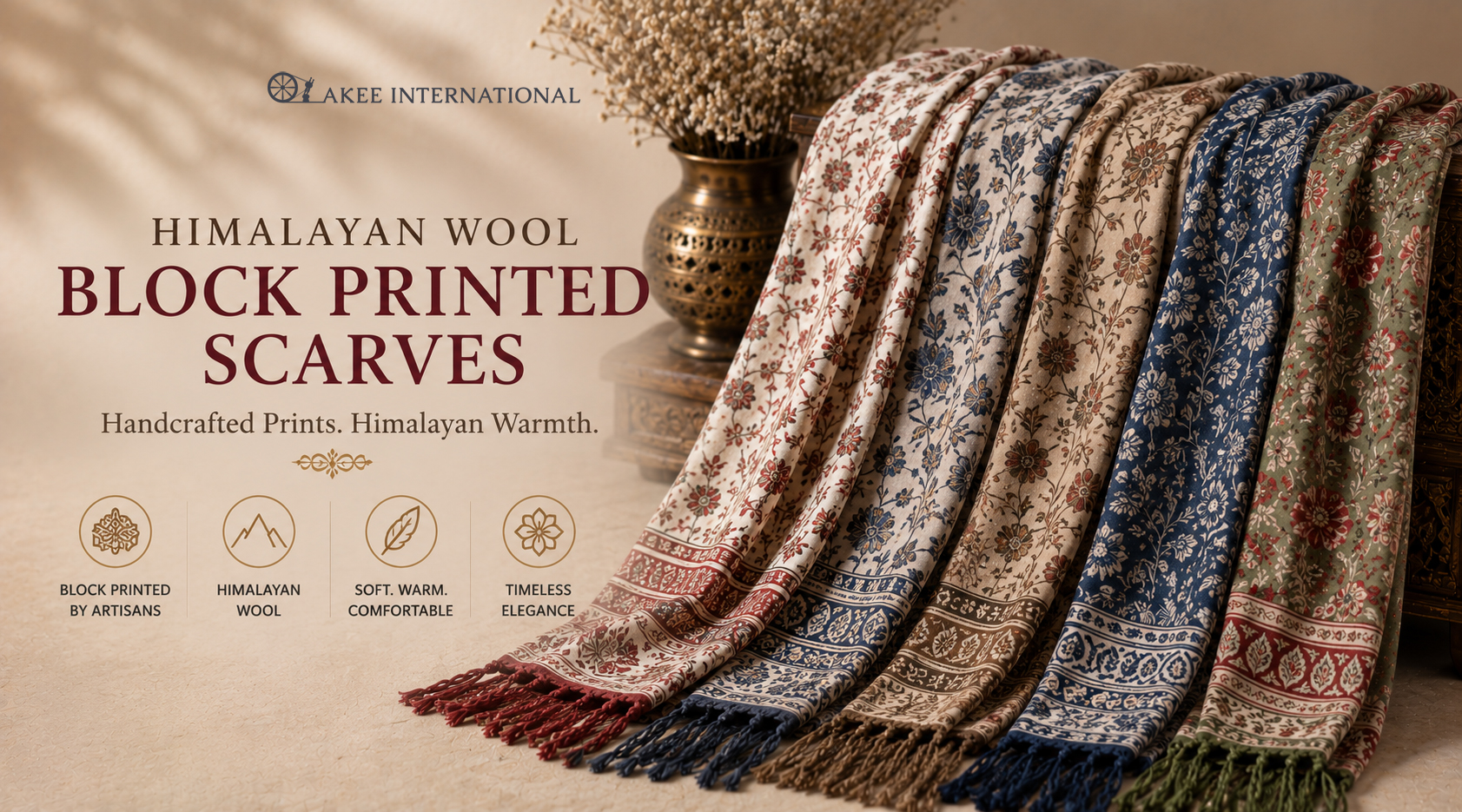
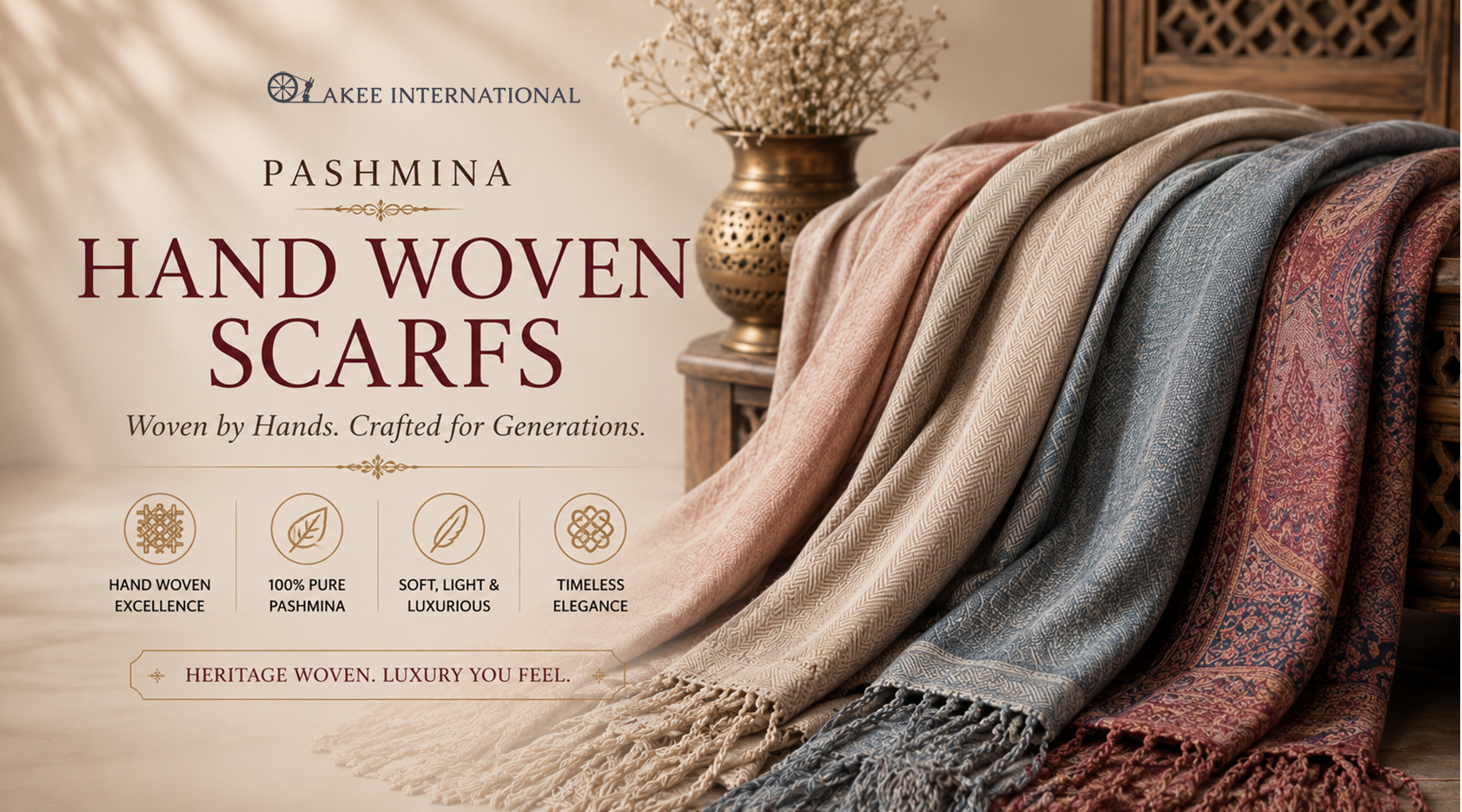
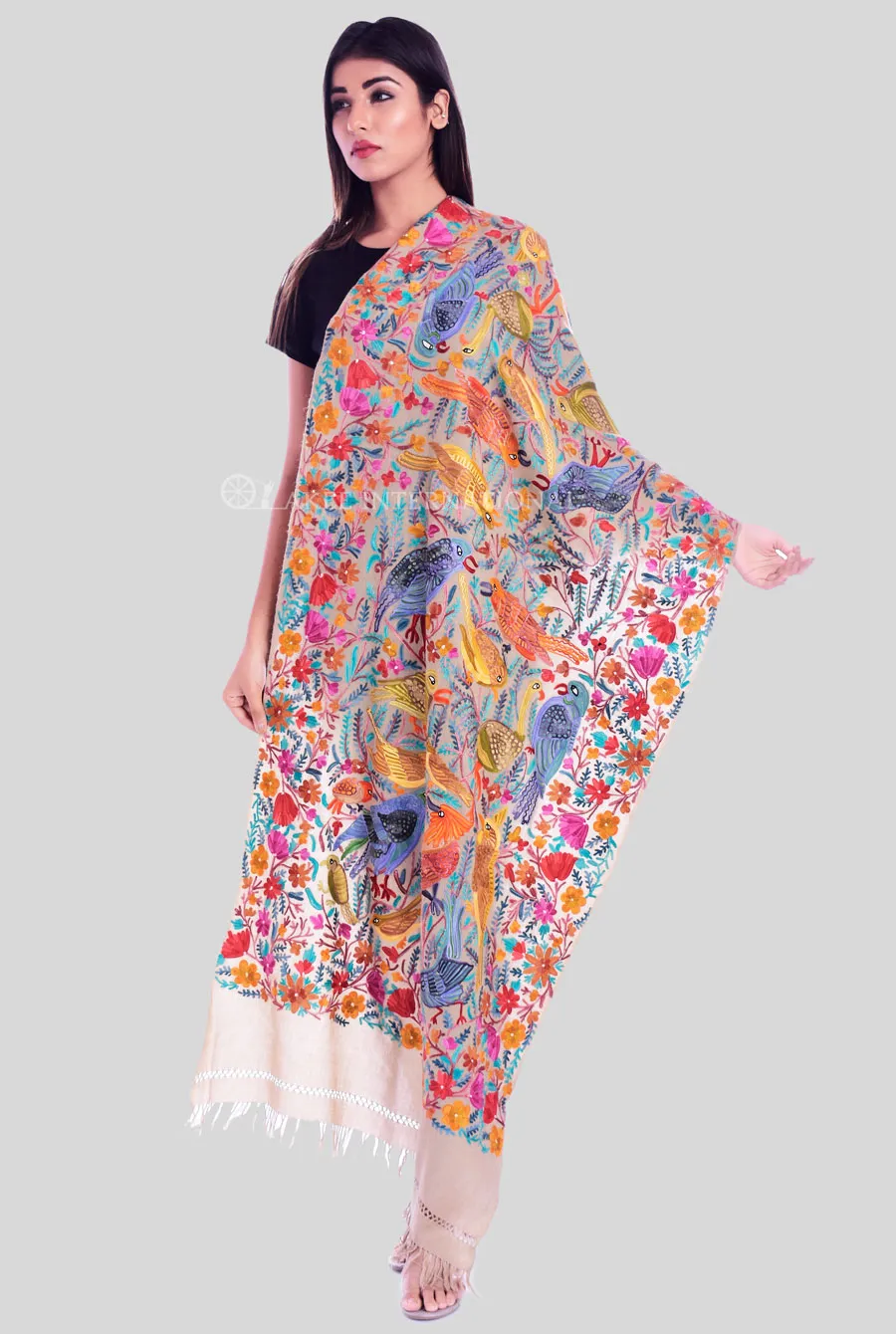
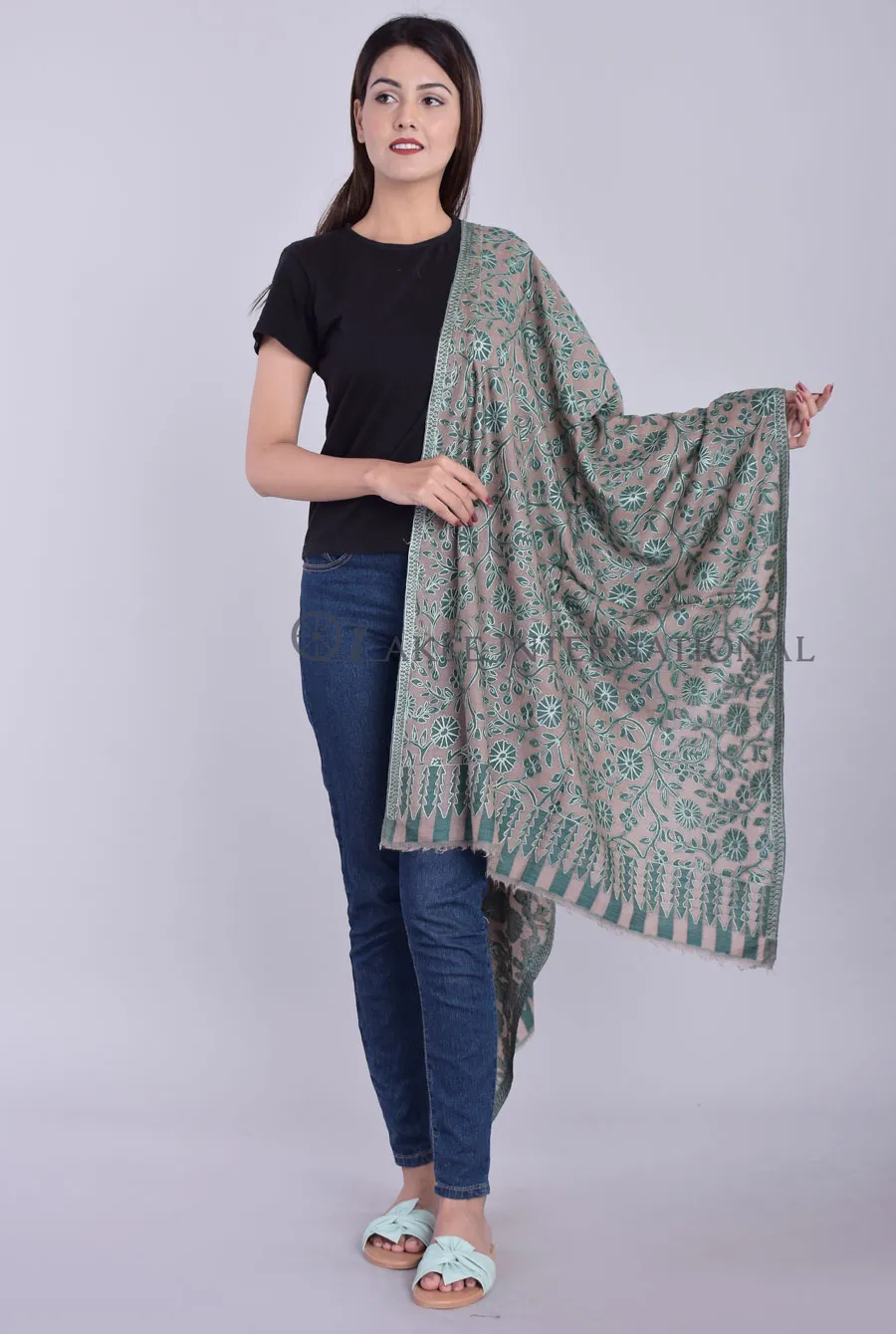
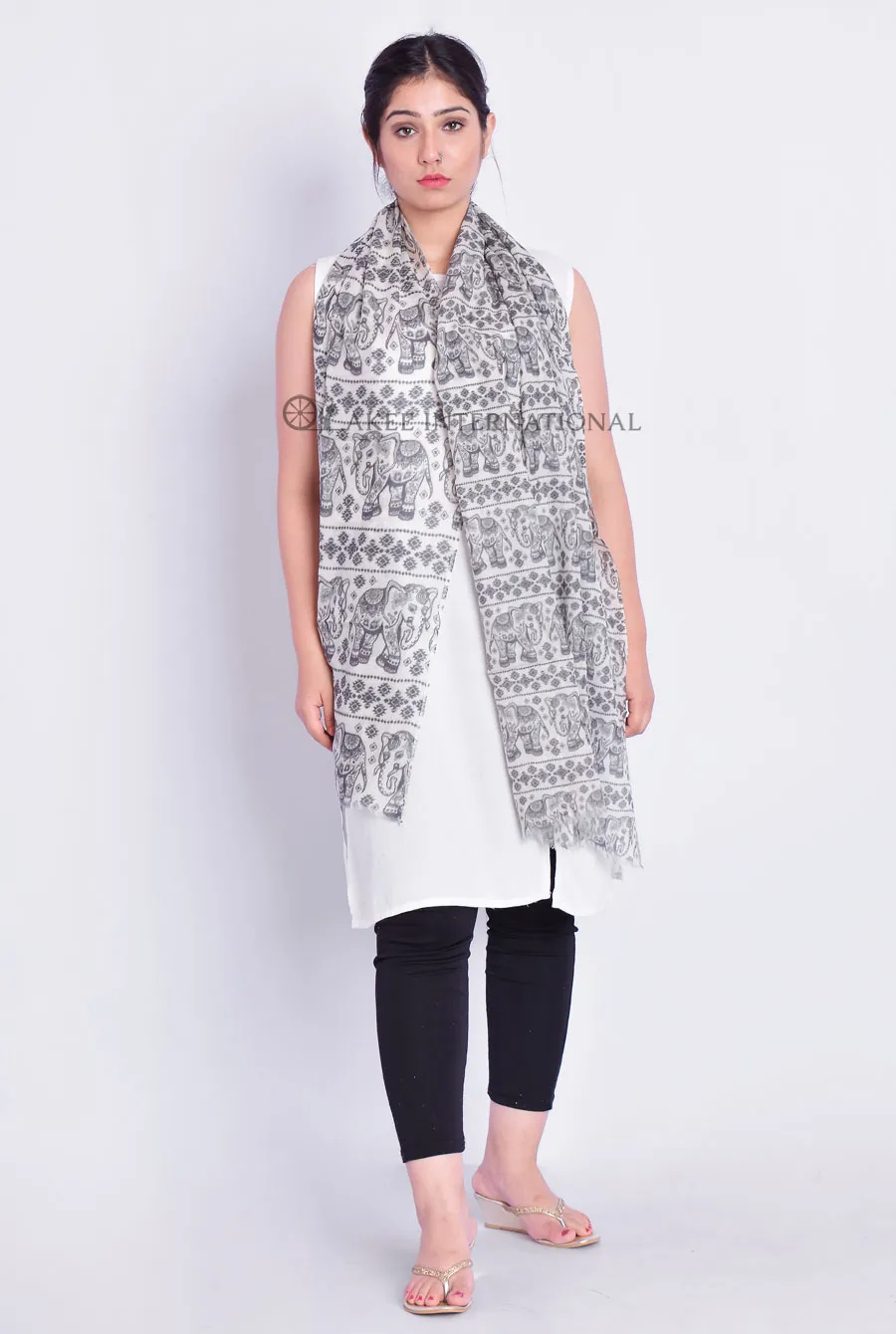
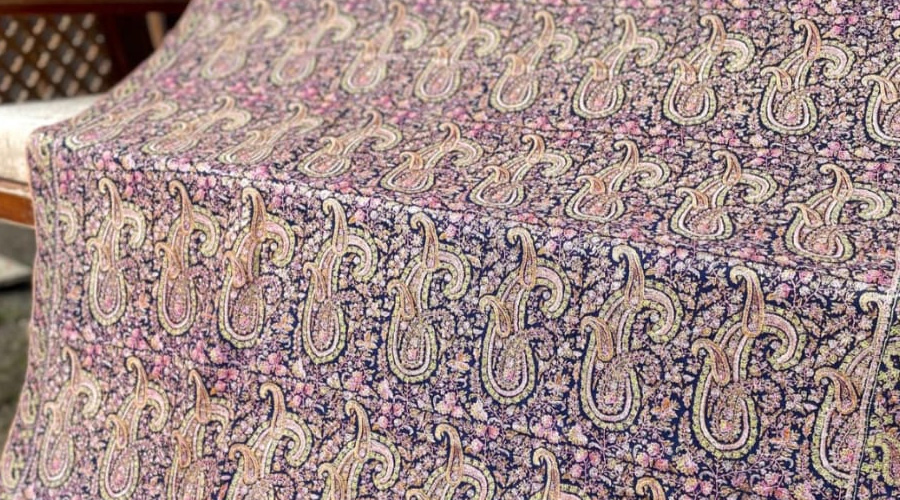
A true Pashmina shawl goes through careful hand collection of the fibre, traditional hand spinning, slow weaving on wooden looms, and, for many pieces, detailed hand embroidery. Each piece may take days, sometimes weeks, to complete — no large machines, no rushed production, no shortcuts. This human touch creates subtle variations in weave and texture that are a genuine sign of authenticity, not a flaw to be engineered away. Our Pashmina hand woven scarfs collection reflects this handcrafted process at its most classic and understated.
Luxury consumers in the USA and UK are increasingly mindful about what they wear, and the questions they ask before buying have shifted meaningfully. Where was this made? Who made it? Is it sustainable? Will it actually last? Authentic Pashmina answers all of these clearly: it's naturally sourced, artisan-crafted, biodegradable, and timeless in design rather than tied to a specific season's trend cycle.
Instead of buying multiple trend-based scarves every year, many women are now choosing one exceptional shawl that elevates every outfit it touches, rather than several disposable pieces that each get worn a handful of times before losing their appeal. This shift toward fewer, better pieces is sometimes described as a capsule wardrobe approach, and Pashmina fits that philosophy almost perfectly — one piece, worn constantly, doing more wardrobe work than an entire drawer of forgotten scarves ever could.
There's also a decluttering dimension worth mentioning, even if it's rarely discussed alongside luxury shopping. A wardrobe full of half-worn, quickly-dated scarves creates a specific kind of low-grade decision fatigue every morning — too many mediocre options, none of them quite right. Replacing that entire drawer with one or two genuinely excellent Pashmina pieces removes that friction almost entirely, since a piece this versatile rarely feels wrong for whatever the day actually calls for.
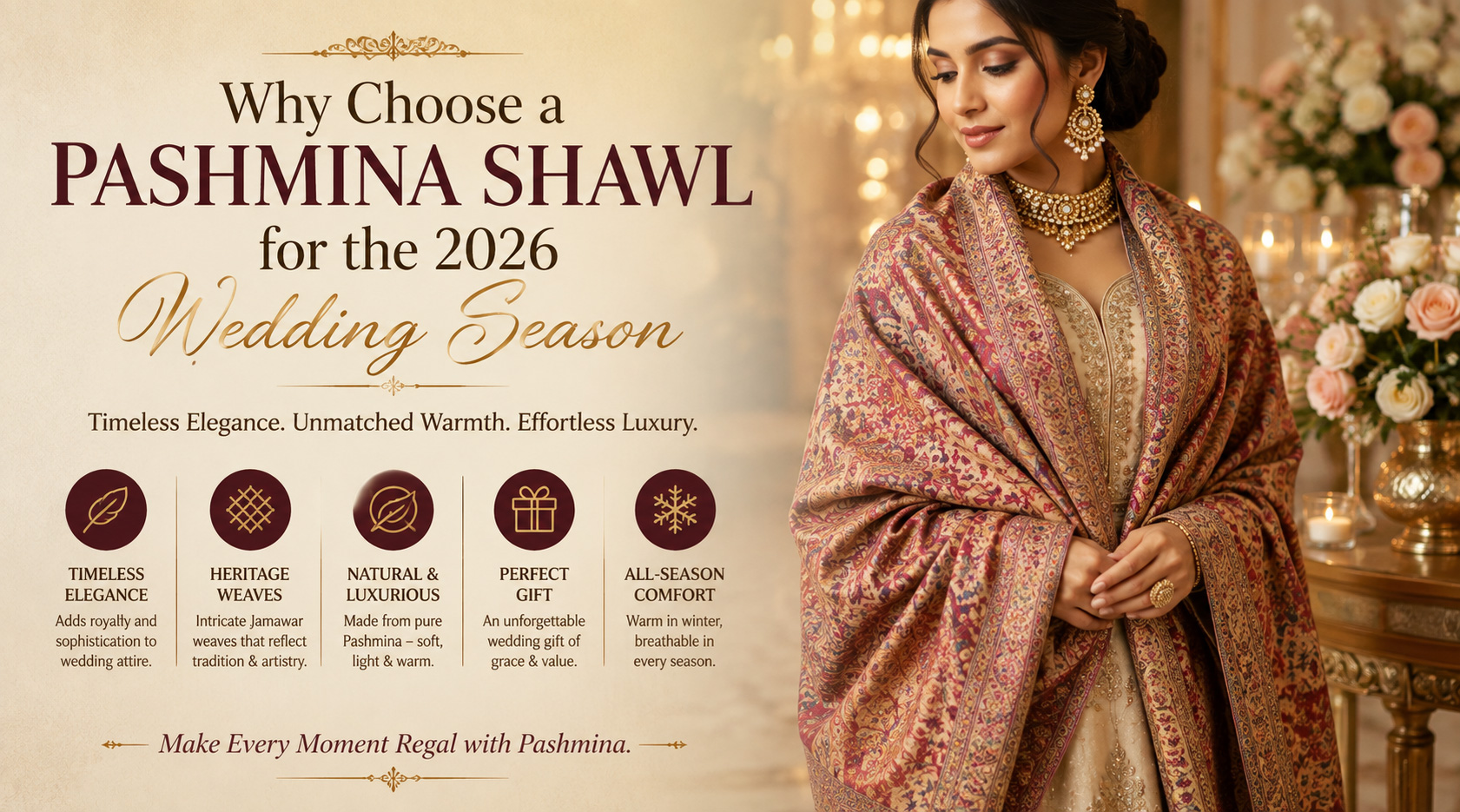
A pure Pashmina shawl drapes differently from anything synthetic. It feels almost weightless, yet provides exceptional warmth, and that combination shows up clearly whether it's styled over an evening gown, layered under a winter coat on a cold London afternoon, or worn to a dinner event in New York. It adds understated sophistication without demanding attention — it quietly commands respect instead.
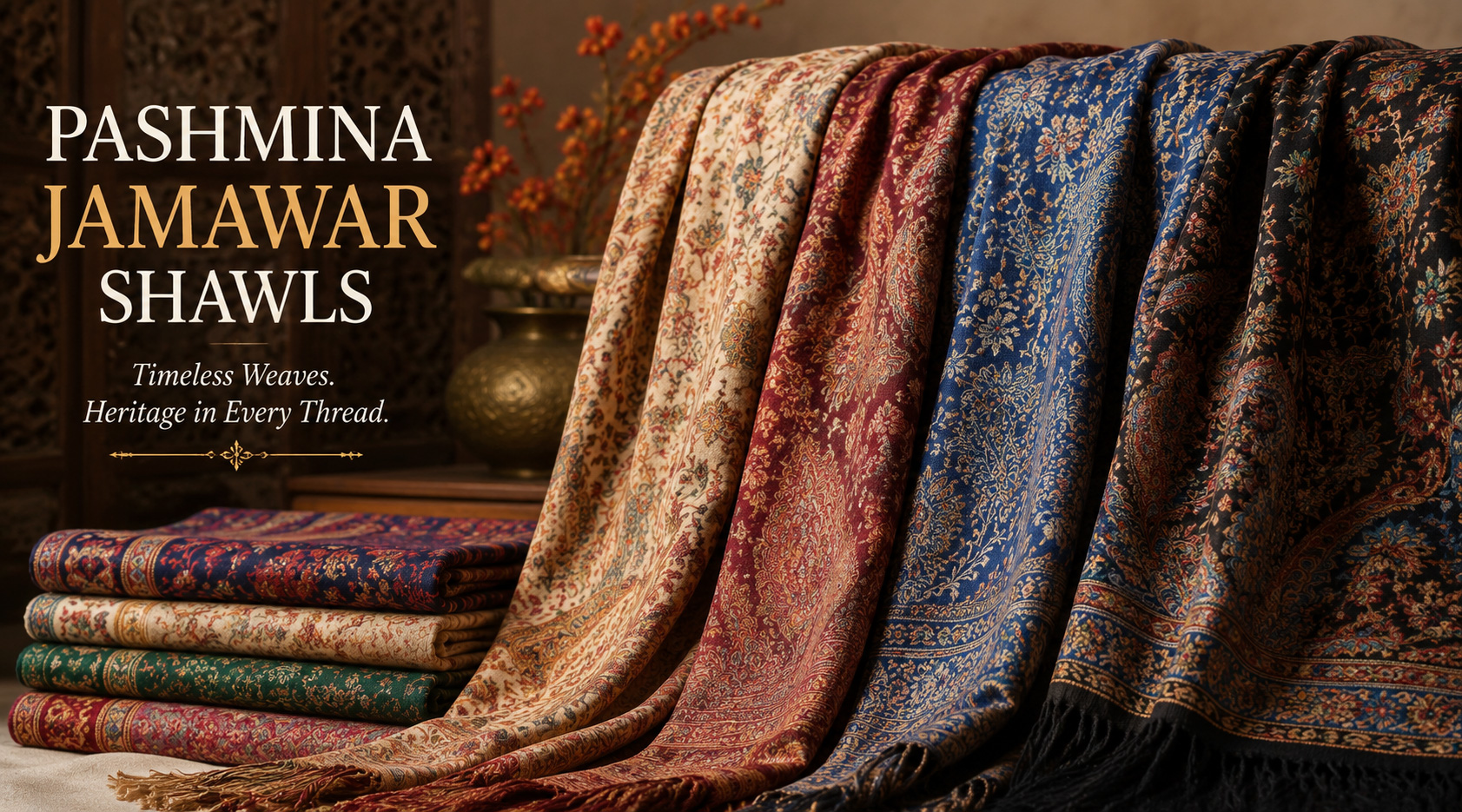
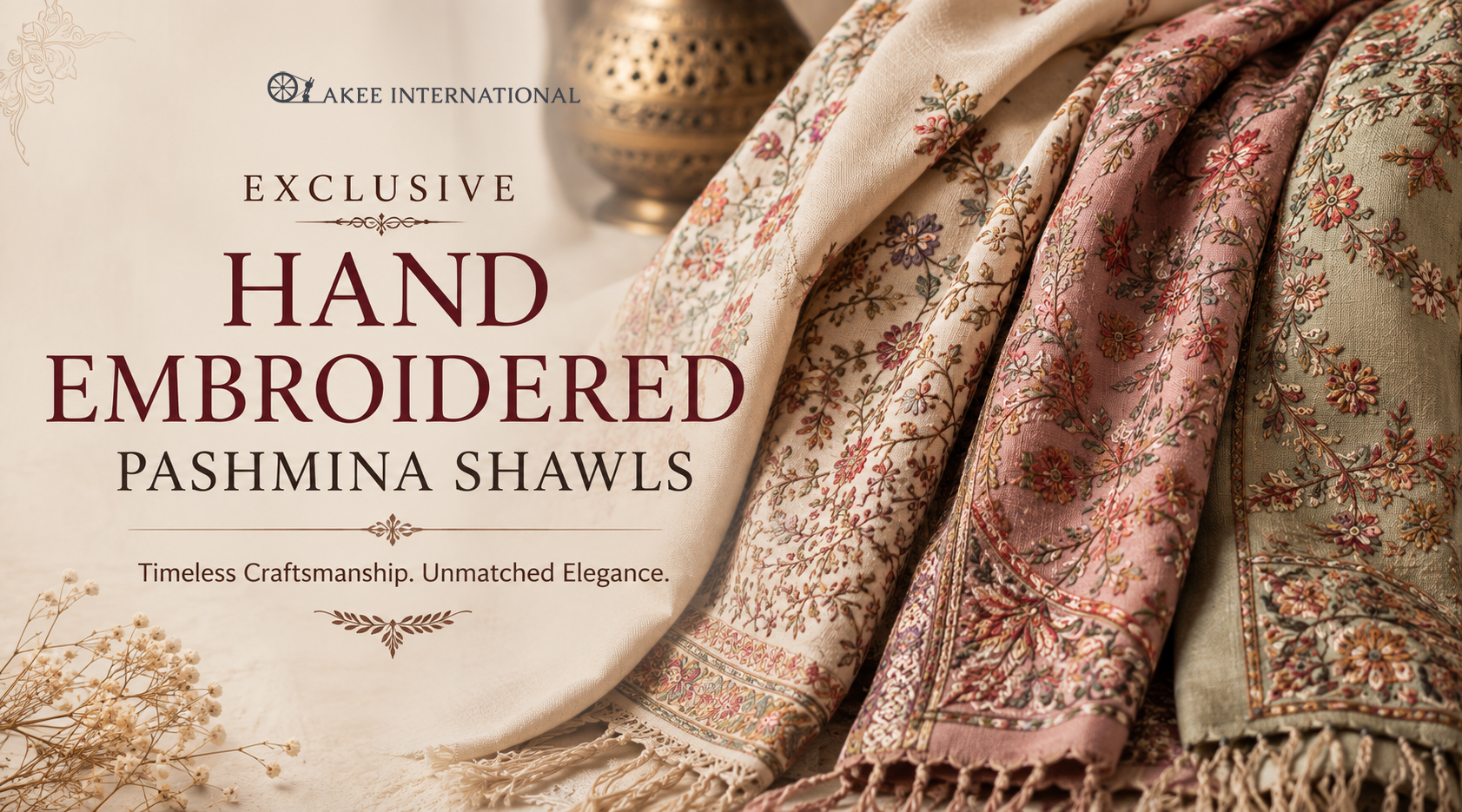
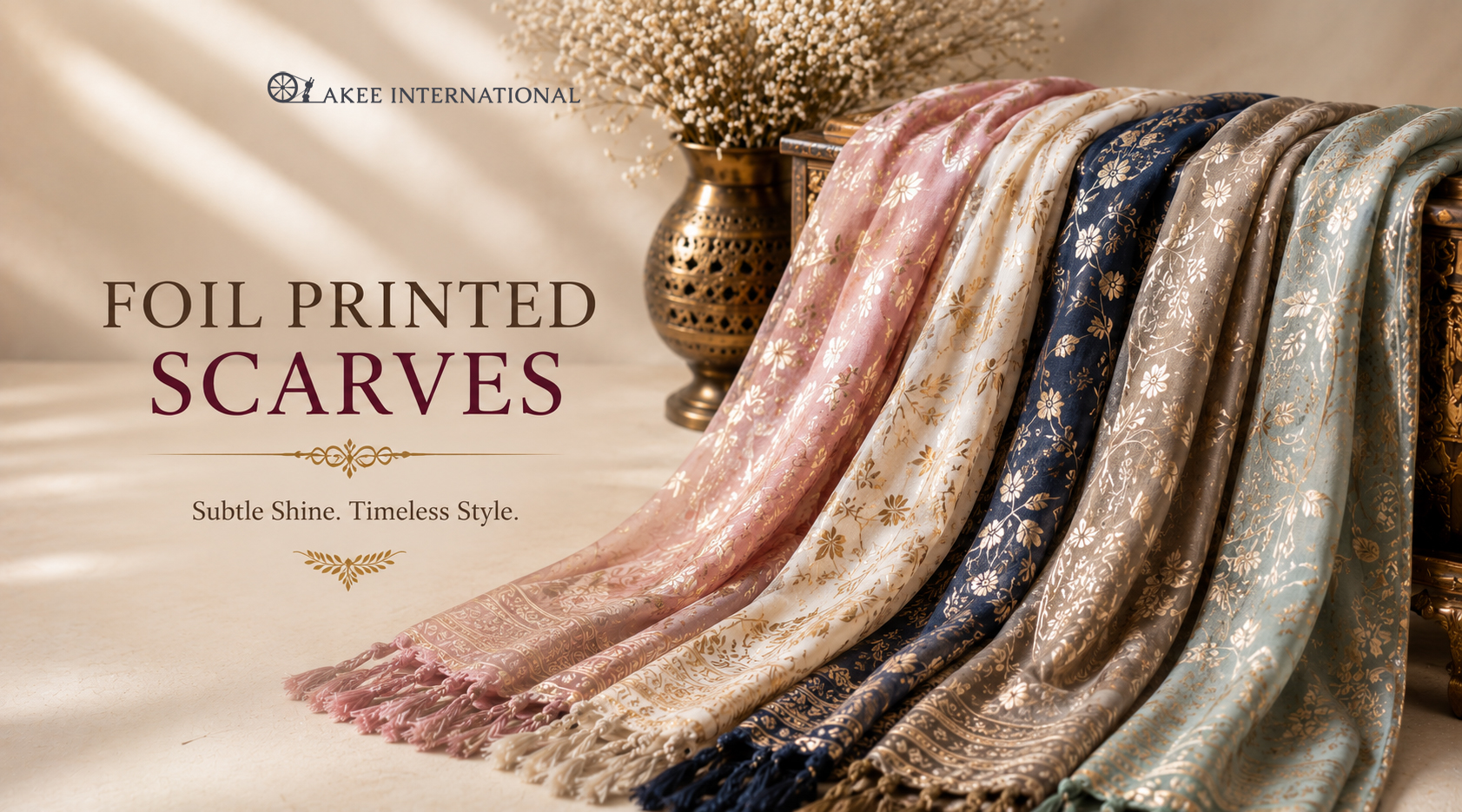
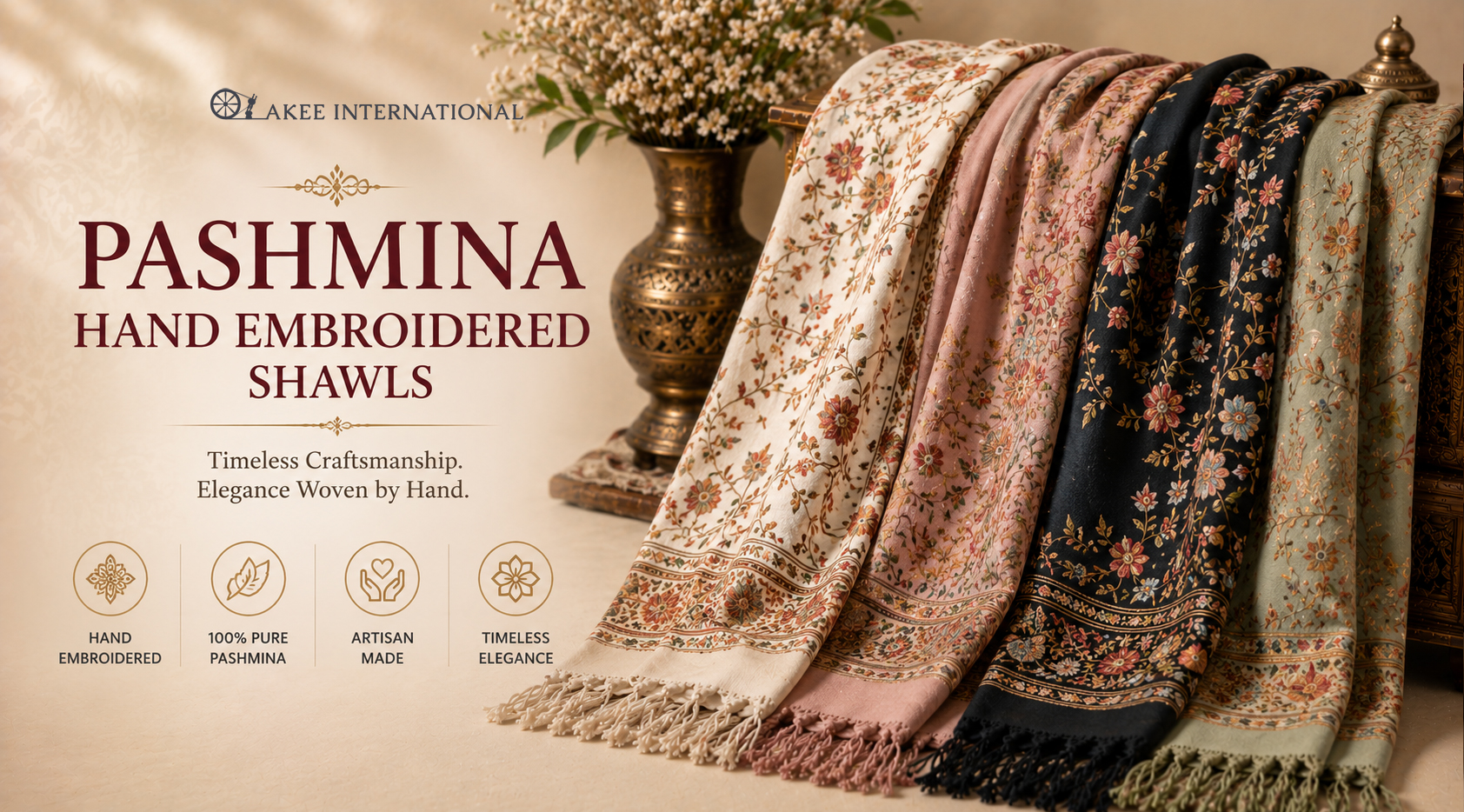
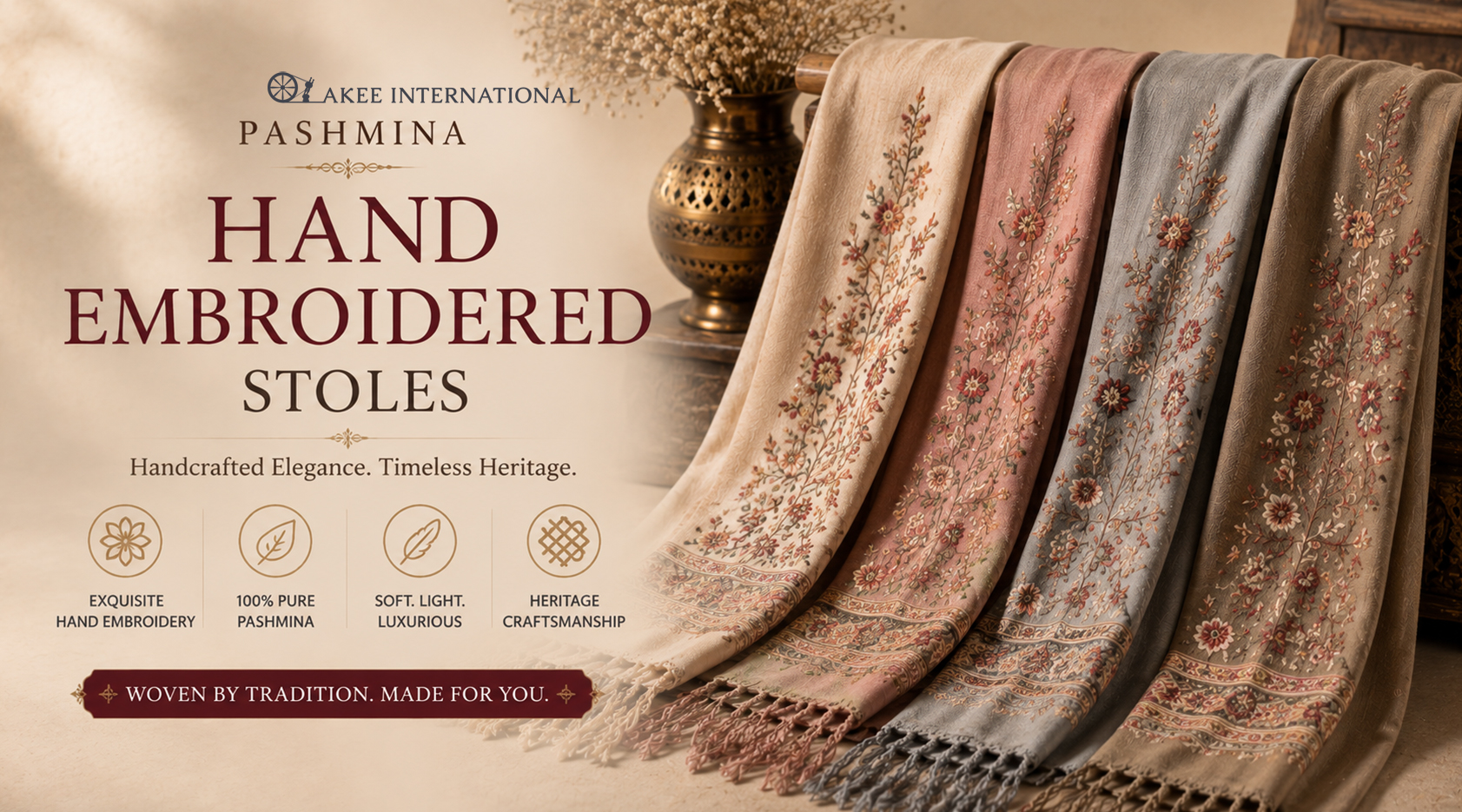
This is precisely the appeal behind the phrase "quiet luxury," which has become something of a defining idea in how affluent buyers now think about personal style. Rather than displaying a logo, a genuine Pashmina communicates taste through texture, drape, and craftsmanship that a knowledgeable observer recognizes immediately, even without any obvious branding. Our exclusive hand-embroidered Pashmina shawls collection captures this same understated elegance at a more elaborate, statement-piece level for those who want a bit more visual detail without sacrificing subtlety.
Many people wonder why authentic Pashmina costs meaningfully more than ordinary scarves, and the answer lies in a fairly specific set of factors: limited natural fibre production, time-intensive handcraftsmanship, skilled embroidery work where applicable, and generational artisan expertise that took decades to build within specific families and communities.
When you purchase genuine Pashmina, you're investing in heritage and human skill rather than factory output — and a well-maintained shawl can last decades, eventually becoming a family heirloom passed down rather than an accessory that gets discarded. Our Pashmina shawl price guide gives a realistic sense of what different weights, weaves, and embroidery styles should actually cost, helping buyers judge whether a specific price reflects genuine production values.
To ensure you're actually getting the investment-grade product rather than a convincing imitation, look for a few consistent signals: transparency about origin, clear information about hand weaving and hand spinning, realistic premium pricing rather than a suspiciously good deal, and a texture that's genuinely soft without being overly shiny or slick.
Extremely cheap "100% Pashmina" products are very often blended with synthetic fibres, since genuine production simply cannot support that kind of pricing. Our detailed guide on how to identify an original Pashmina shawl walks through the specific checks worth running before committing to a piece meant to last decades rather than a single season.
As the world shifts gradually toward more conscious fashion consumption, authentic Pashmina is gaining recognition as a genuine luxury essential rather than a niche traditional product. It represents slow fashion, cultural heritage, sustainable elegance, and long-term value — four qualities that are increasingly difficult to find combined in a single purchase, especially at a price point that still remains within reach for a considered, one-time investment.
At Akee International, our focus is on bringing this timeless craft to women around the world who appreciate quality that outlasts trends, rather than chasing whatever's fashionable this particular season. Our full range of women's Pashmina shawls reflects this philosophy across every price point and design style we carry — because real luxury isn't loud. It's refined, it's intentional, and, done properly, it lasts for decades rather than seasons.
If you'd like guidance choosing a piece that fits this kind of long-term investment thinking, reach out to us directly on WhatsApp or by phone at +91-9772777770, or write to us at akee.international@gmail.com. Our store near Amer Fort in Jaipur also welcomes walk-in visitors who'd like to feel this quality for themselves before making a decision meant to last a lifetime, and our page on Pashmina vs Cashmere is worth a read if you want to understand exactly what tier of fibre you're investing in before committing.
"Browse our curated collections and shop by category to find the perfect Pashmina shawl or scarf for every occasion."
"Explore our latest collection of exquisite Pashmina shawls and scarves, where luxury meets craftsmanship in every piece."
"Shop our Best Sellers, where luxury meets demand—featuring the most sought-after Pashmina shawls and scarves of the season."
"Read what our clients say about their experience with Akee International's luxurious Pashmina shawls and impeccable service."

Nai Mata Mandir Road, Thathar Road, Delhi By Pass, Amer, Jaipur 302028, Rajasthan India
Get directions Call Now Whatsapp 4.9 based on 269 reviews
Rating: 4.6/5 | 85 Reviews

Rating: 4.9/5 | 269 Reviews

TrustScore: 4.9 | 100 Reviews