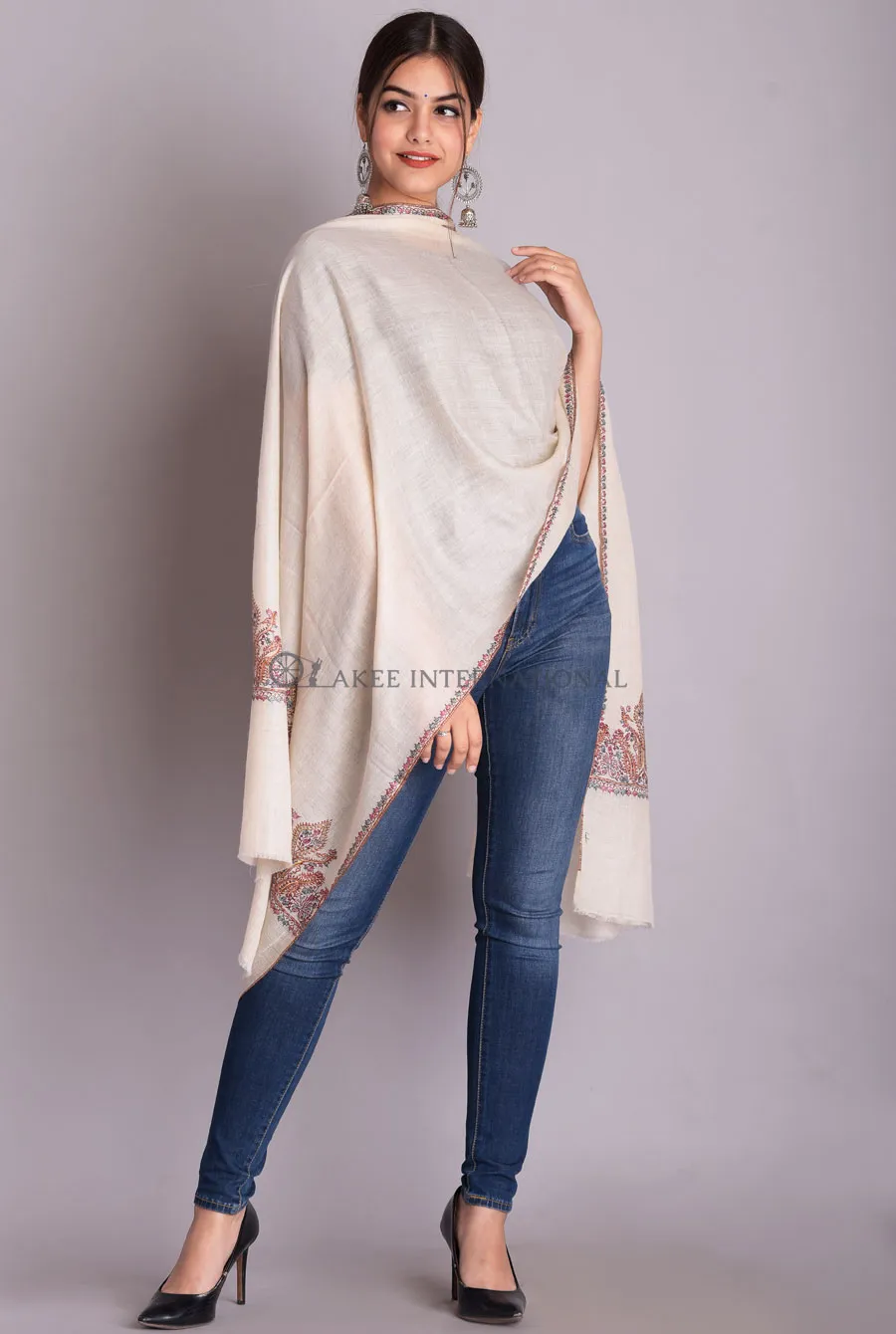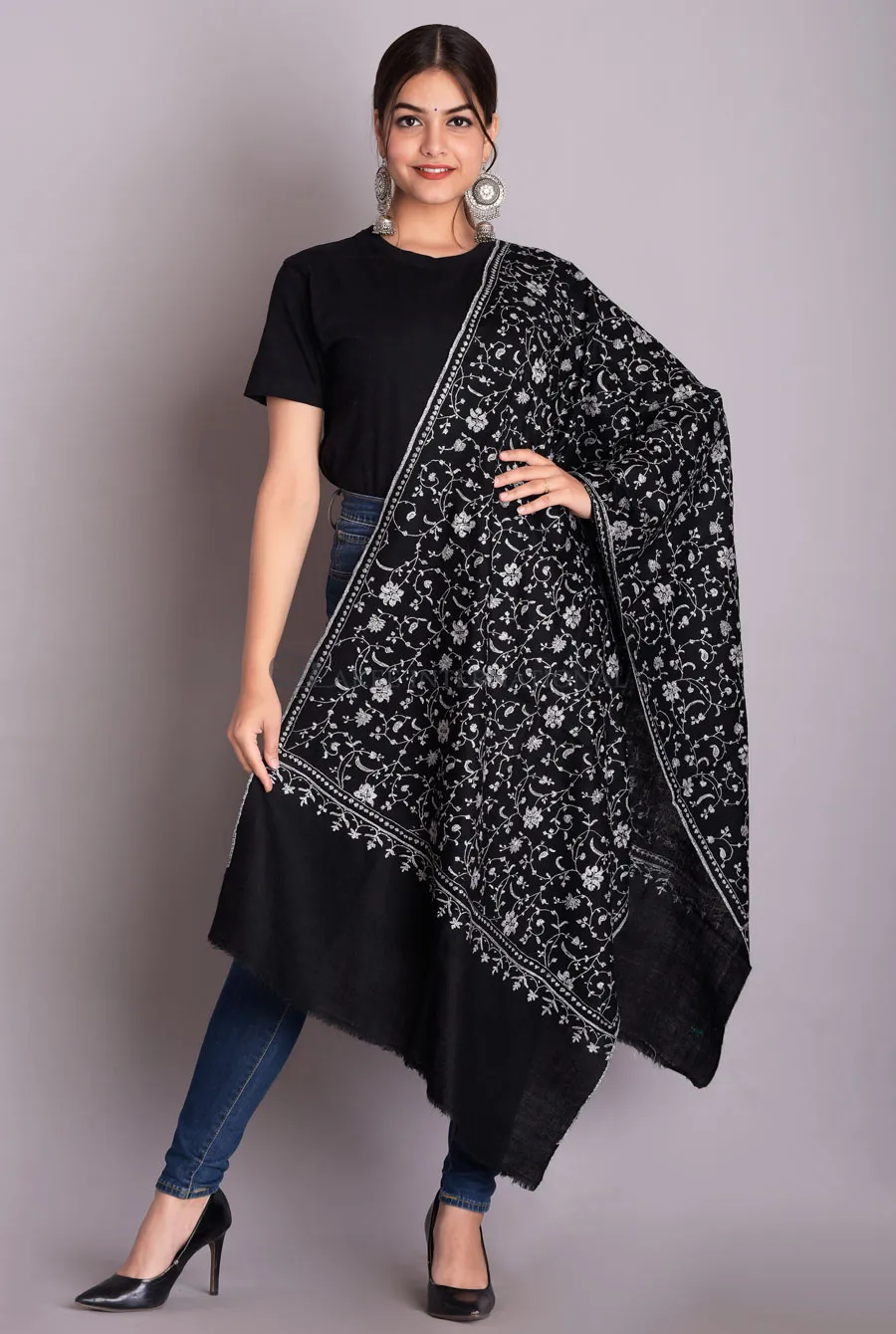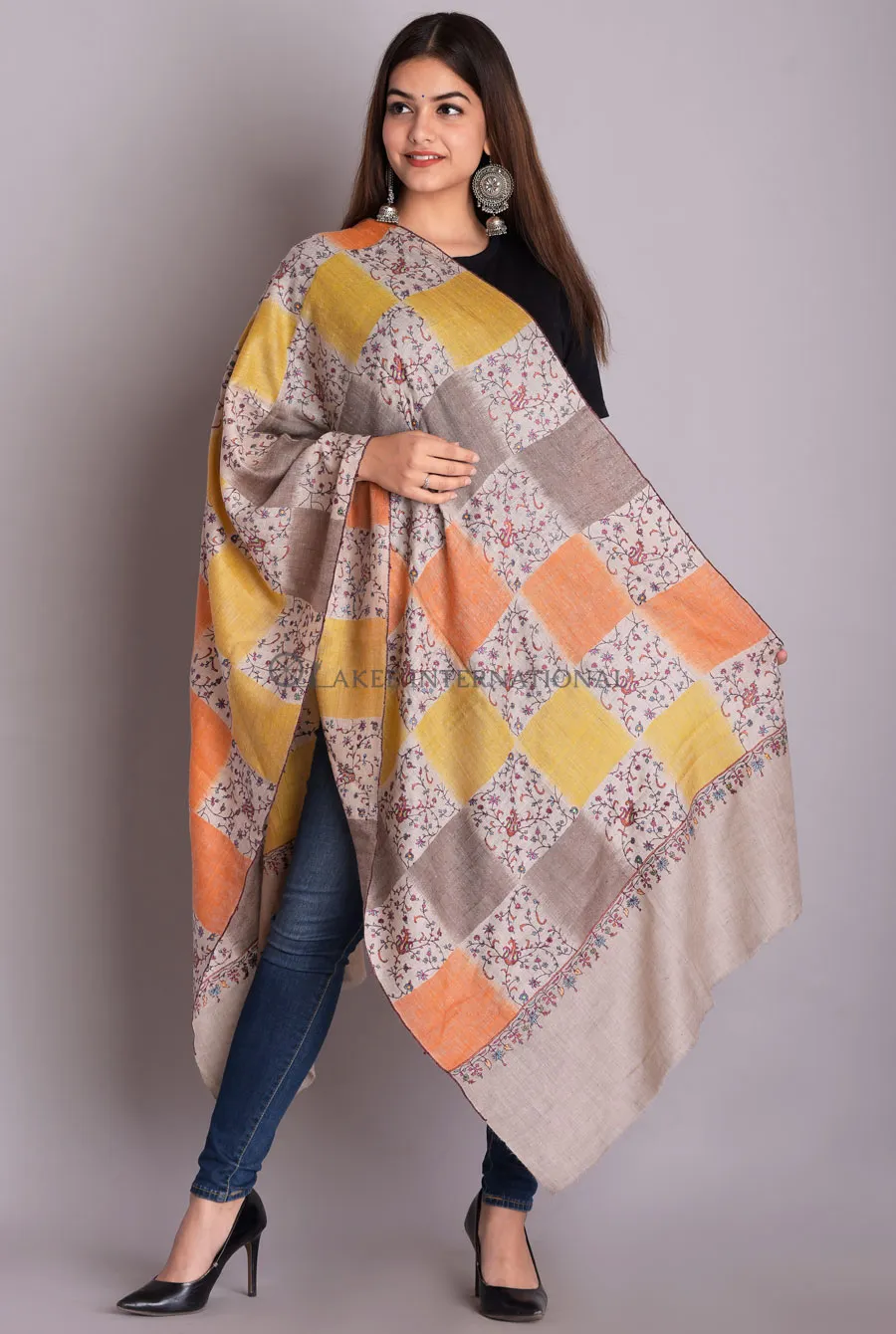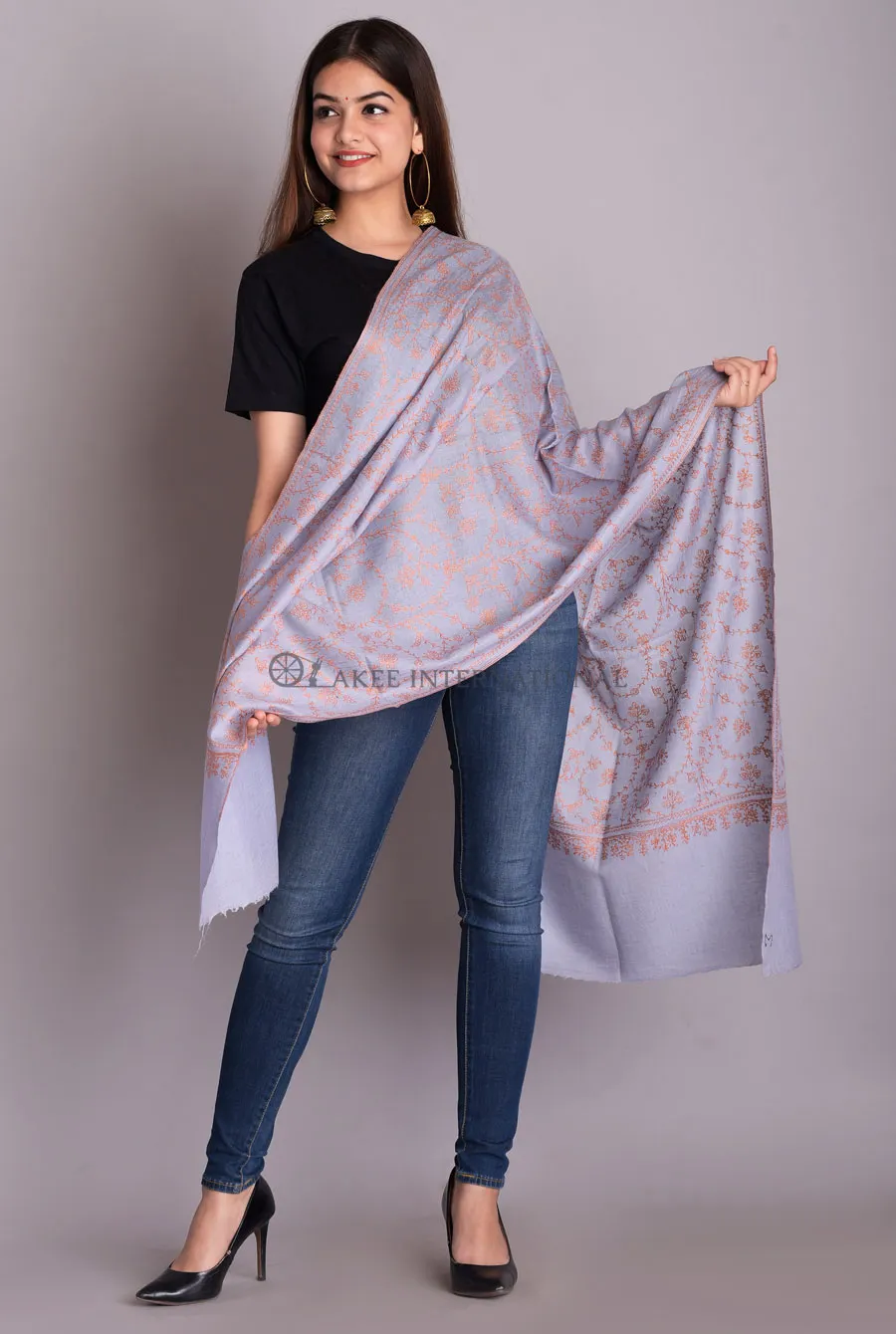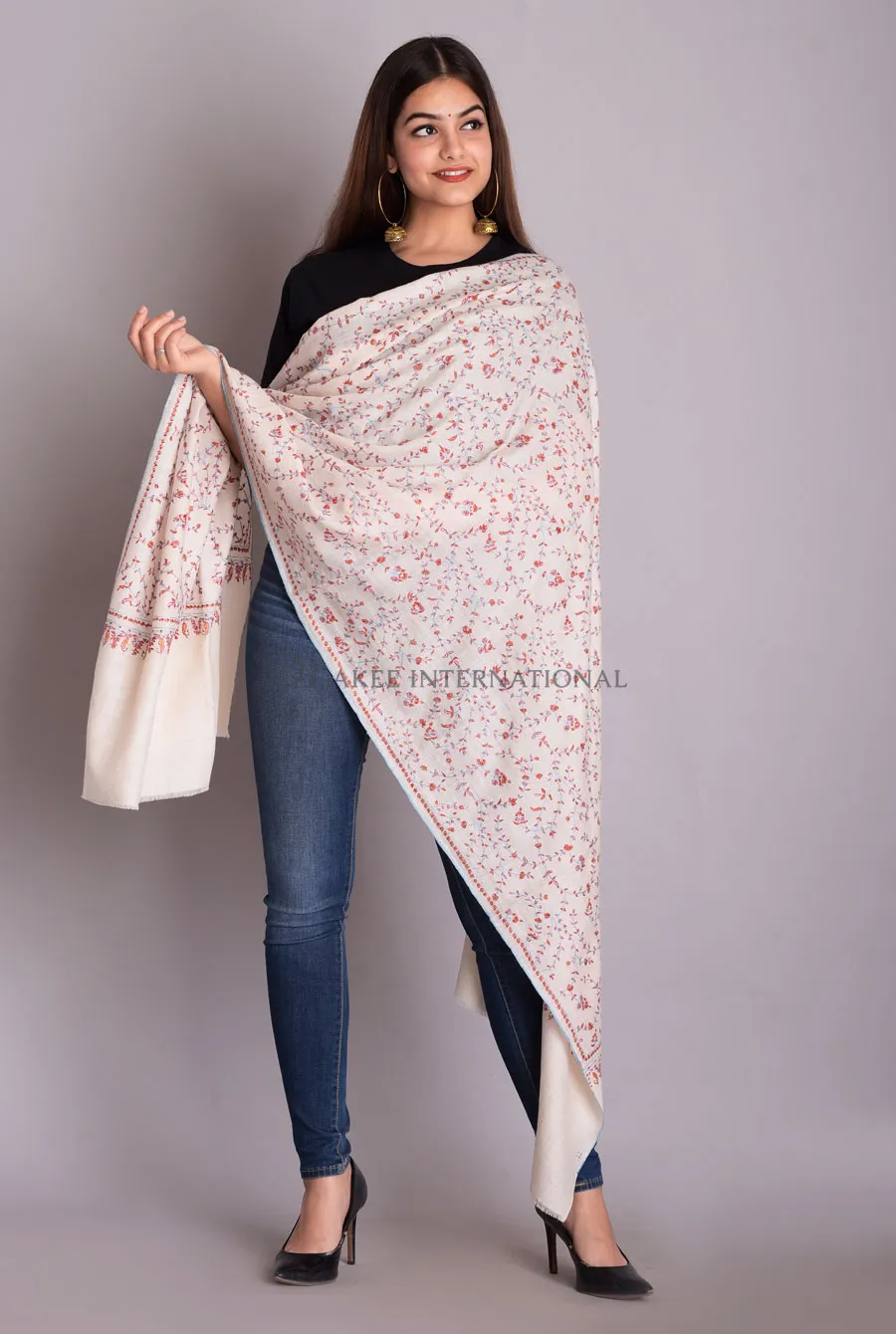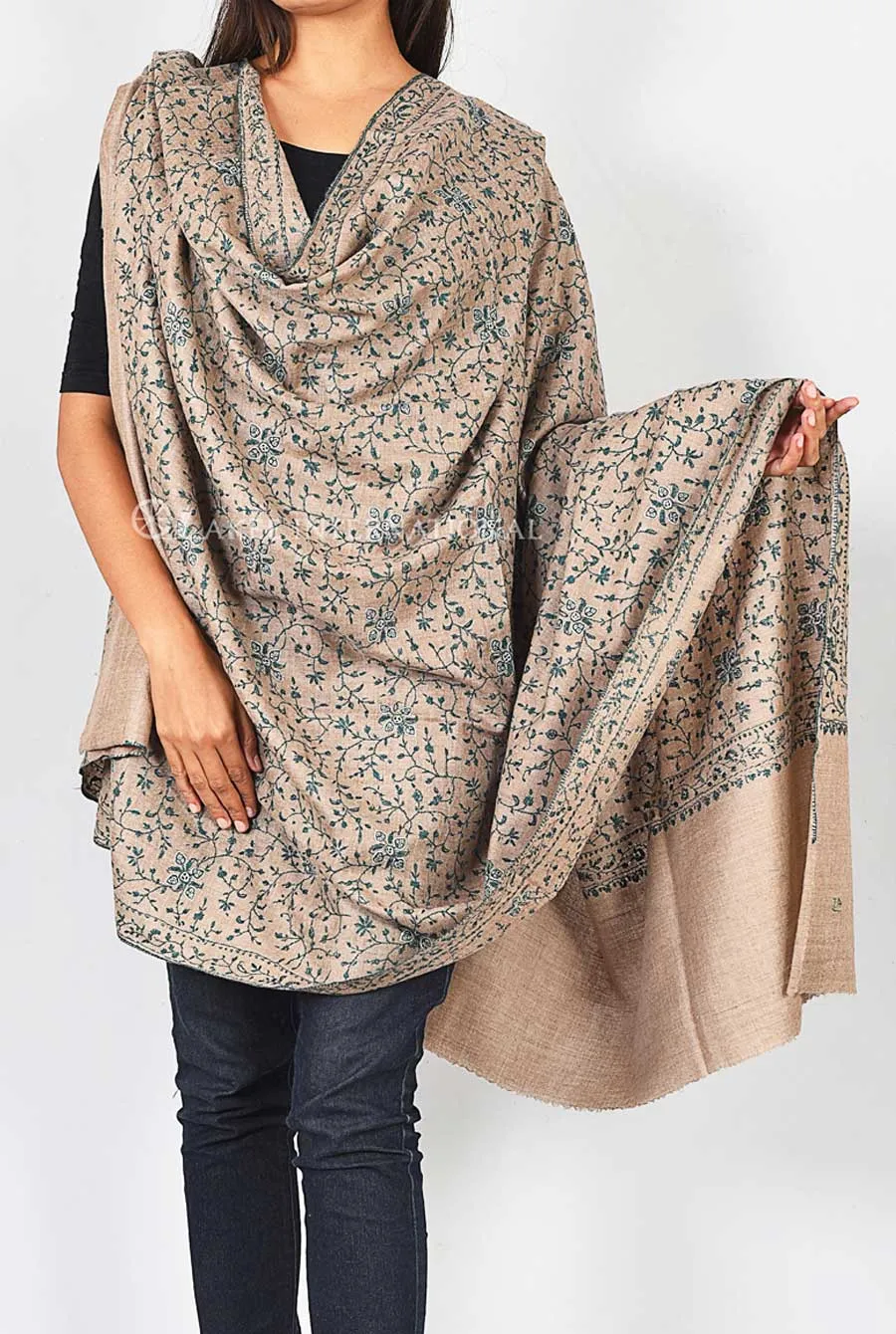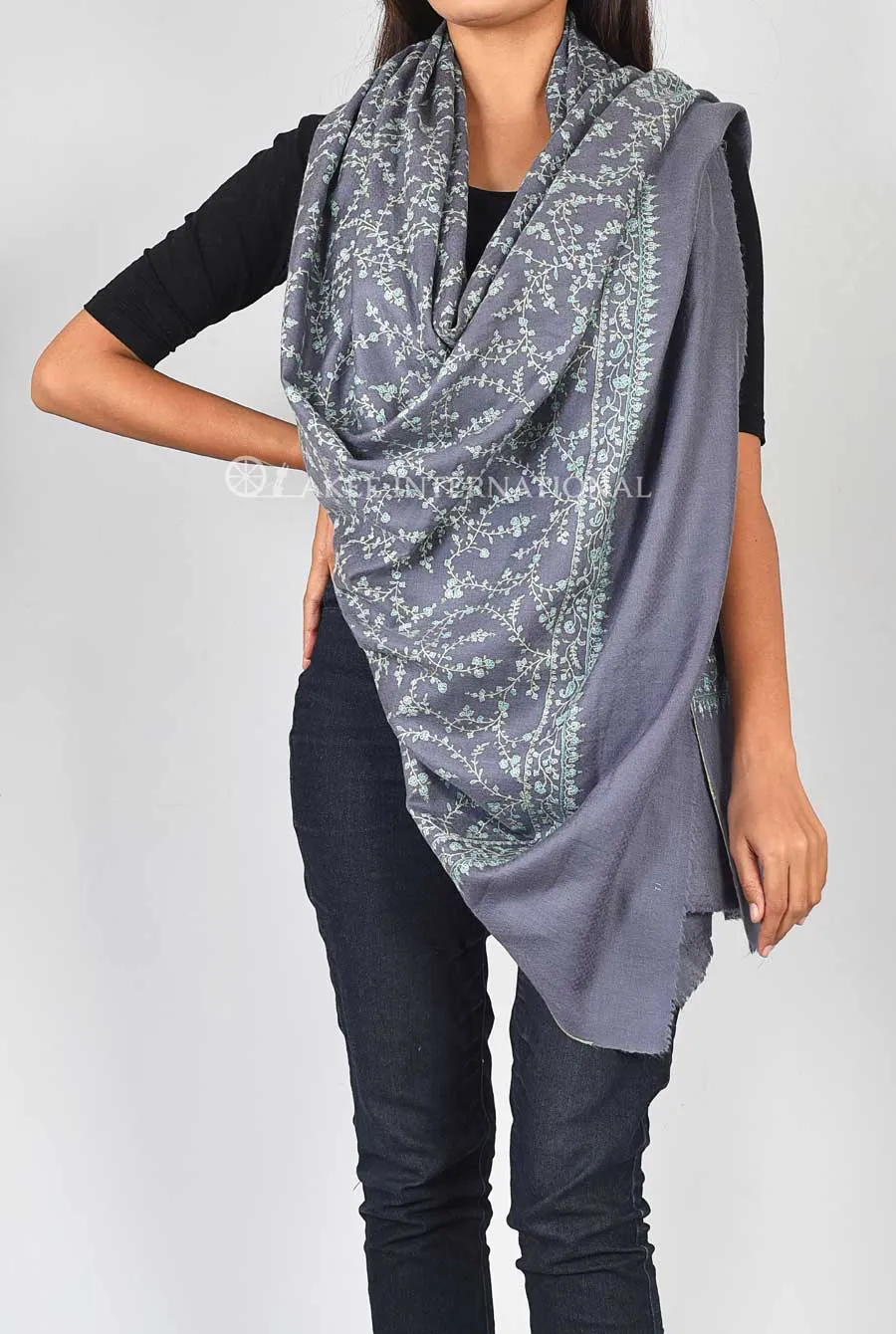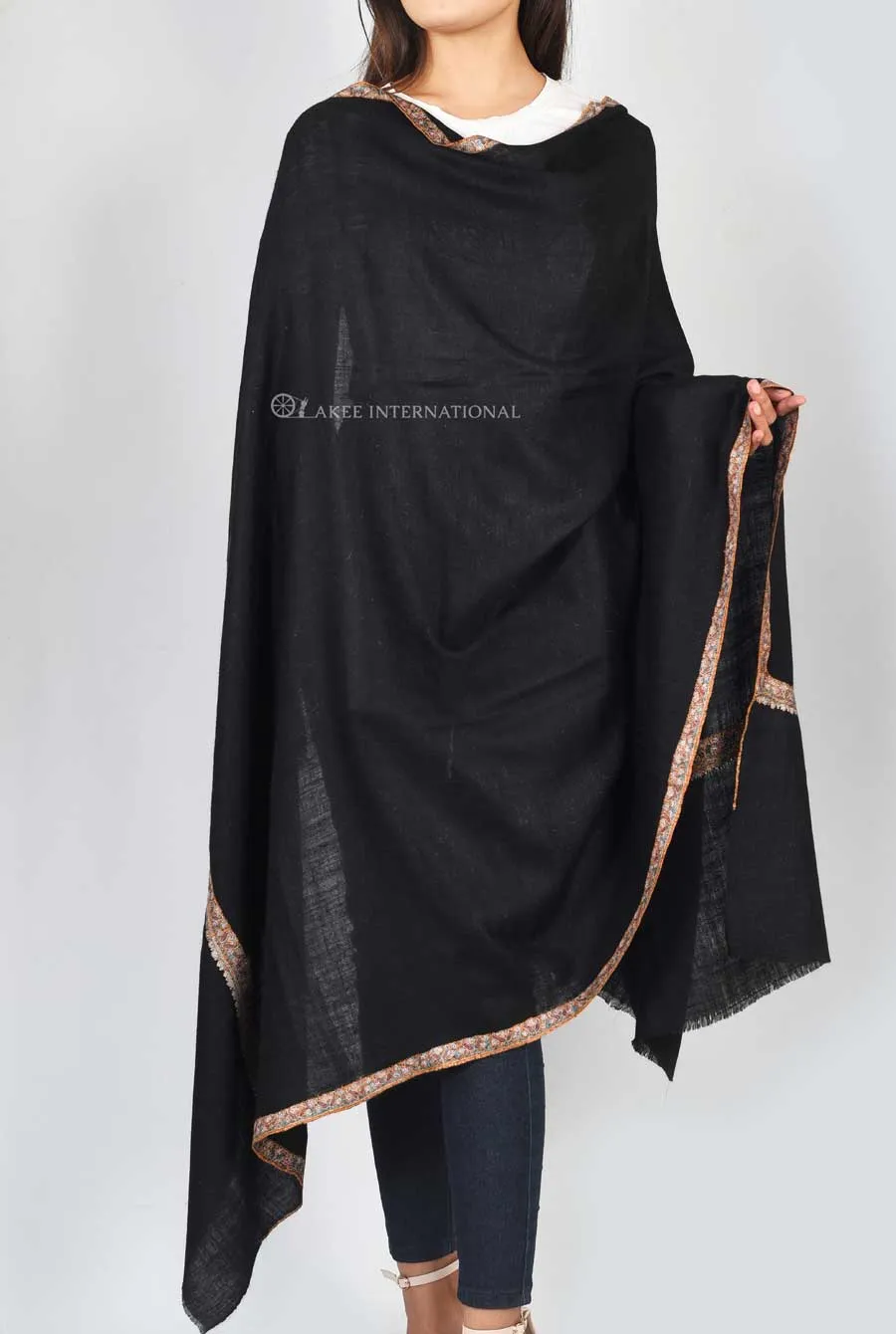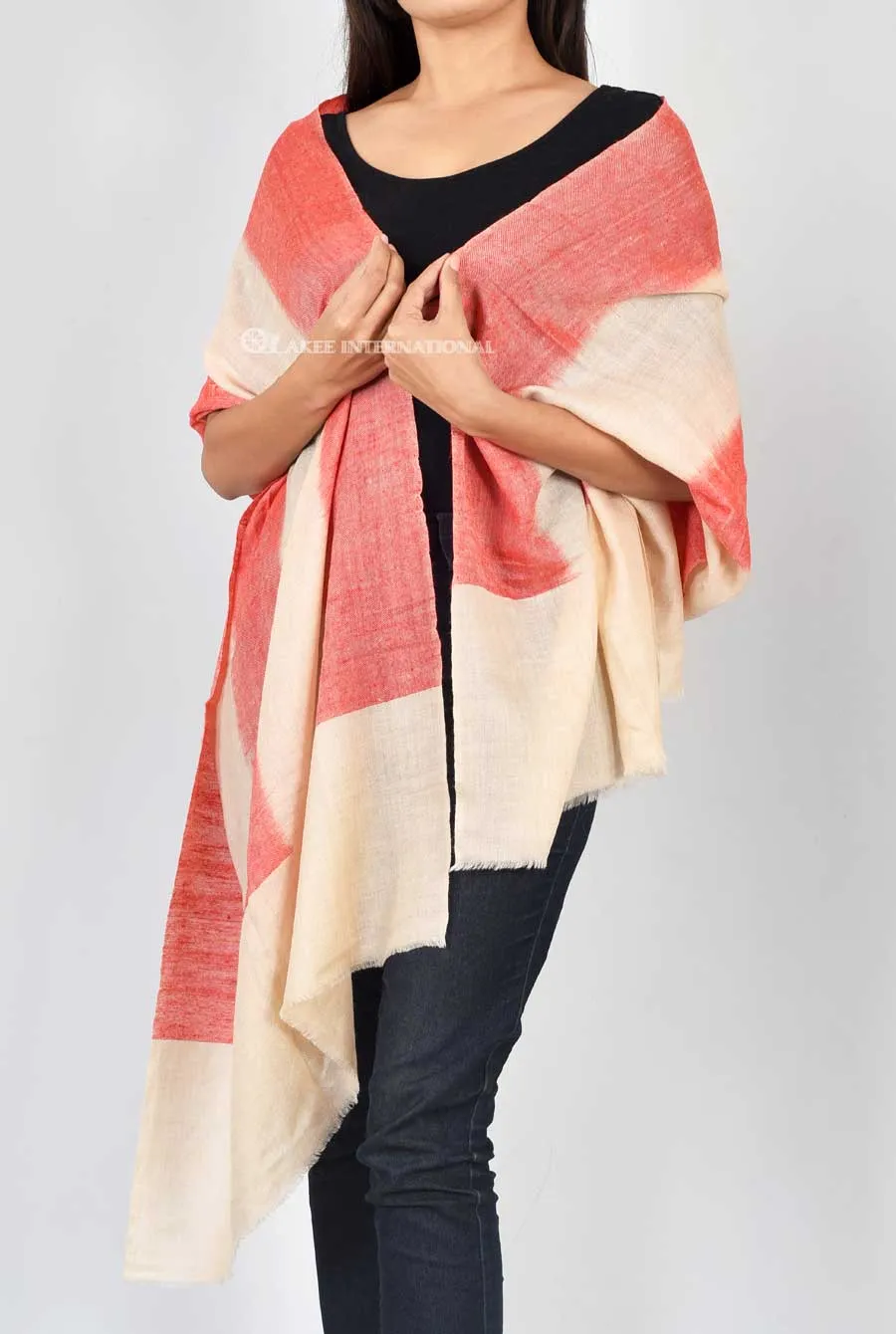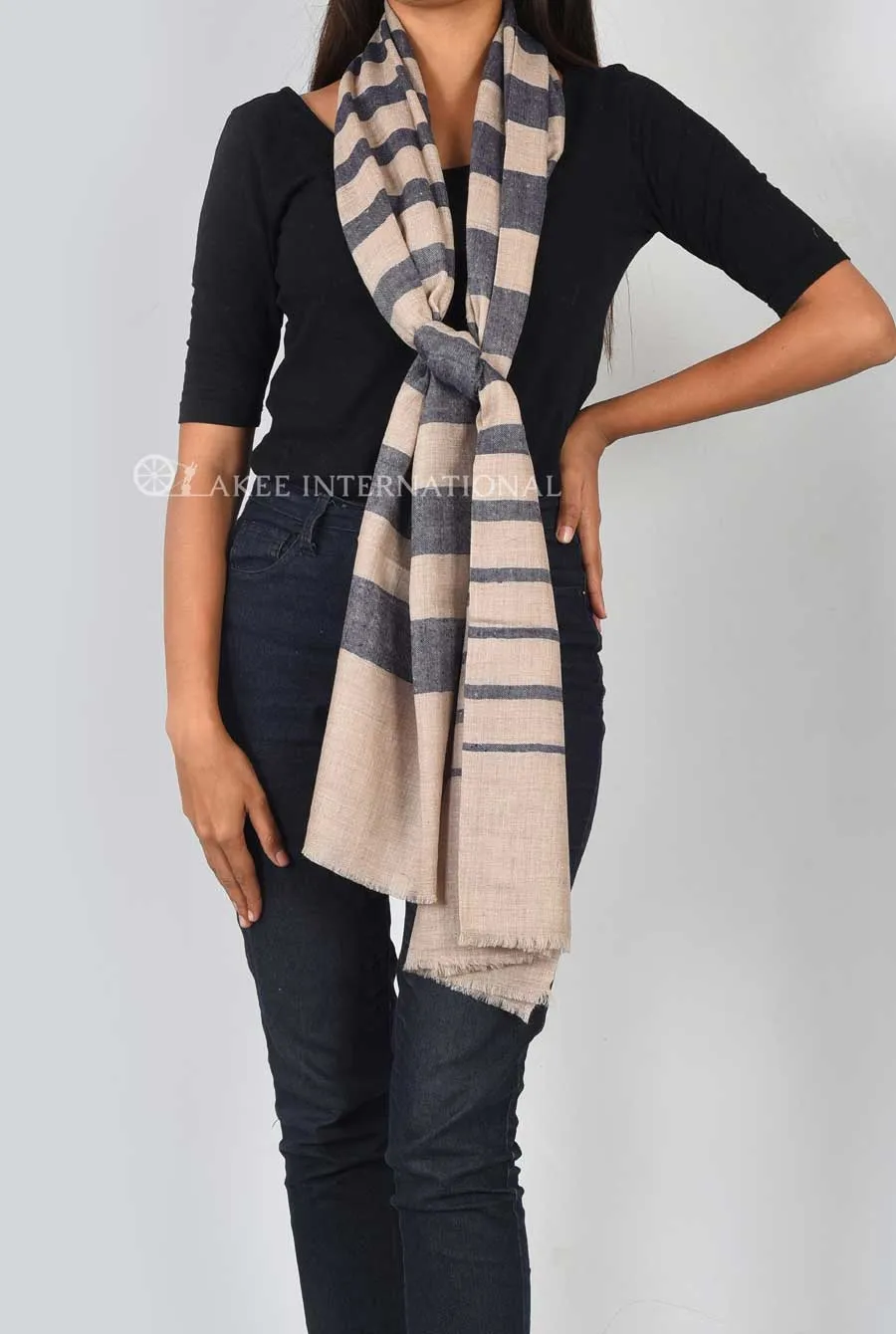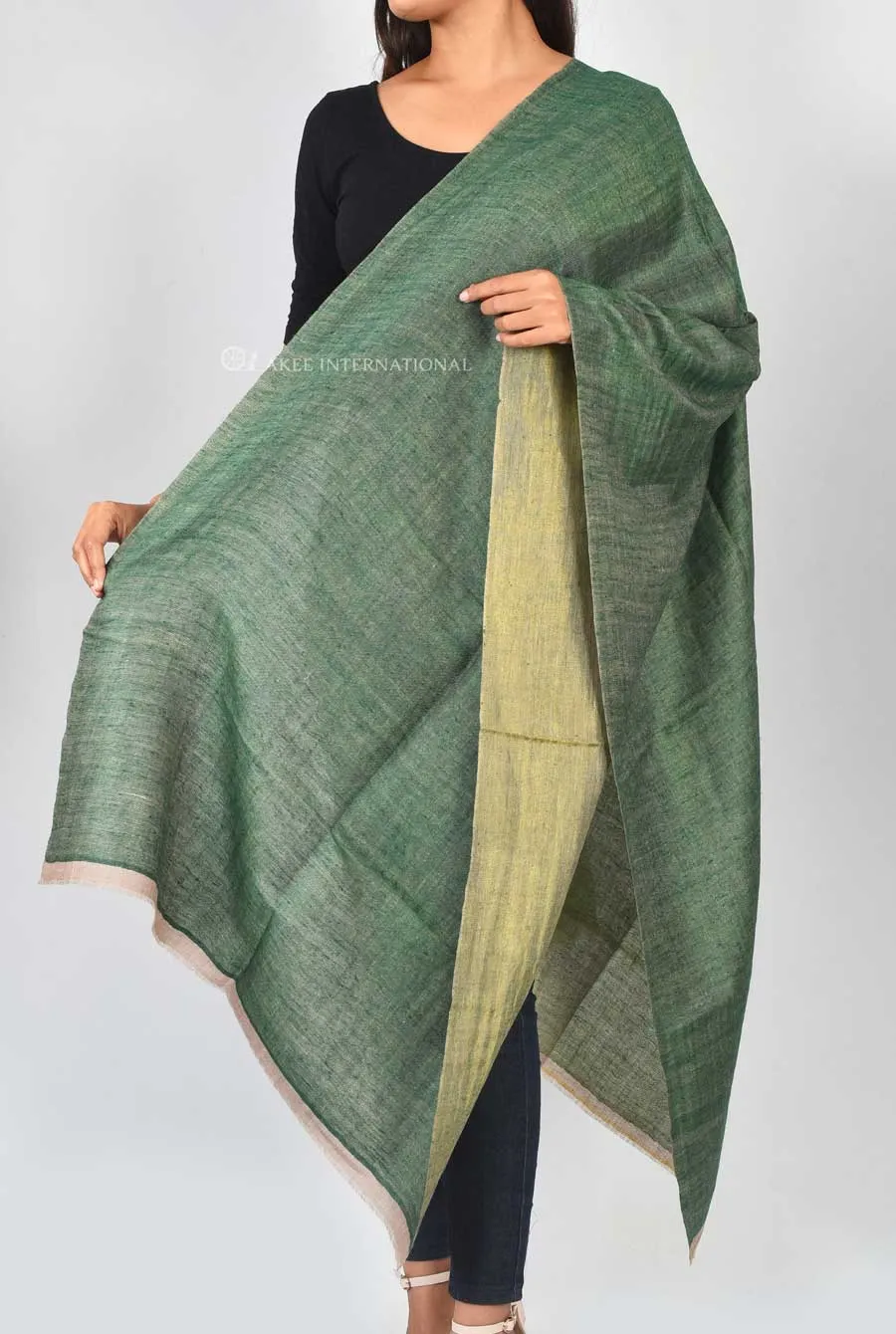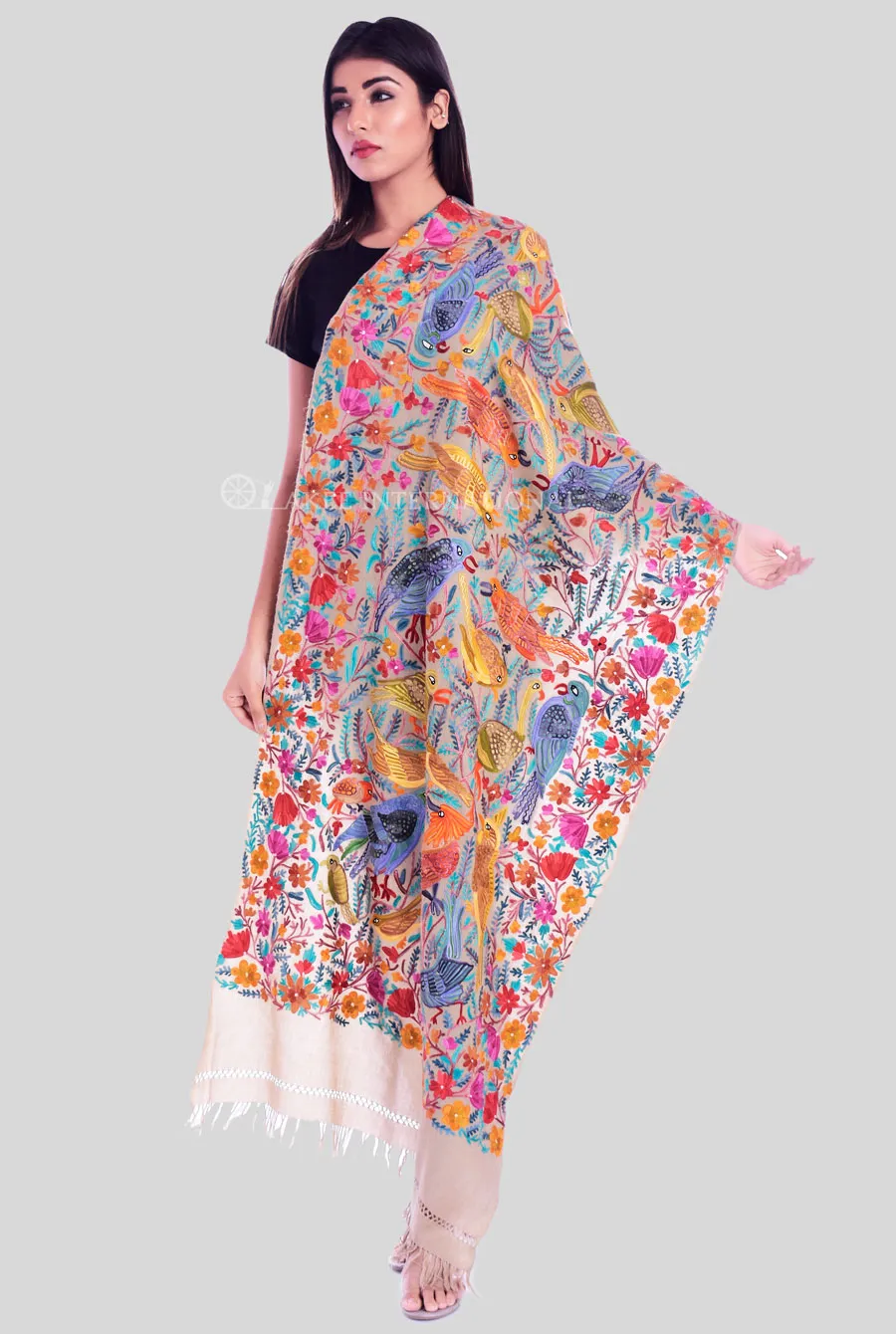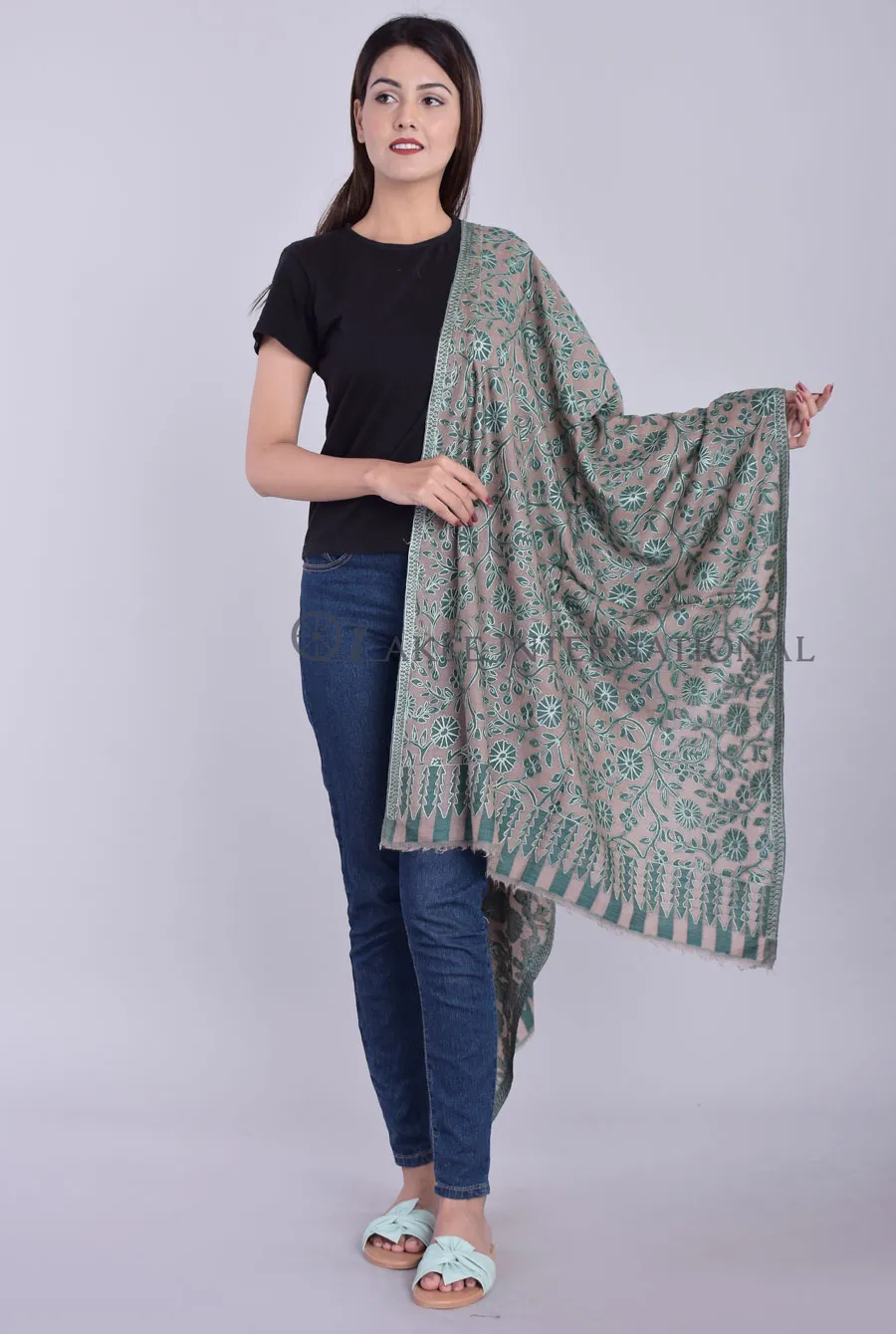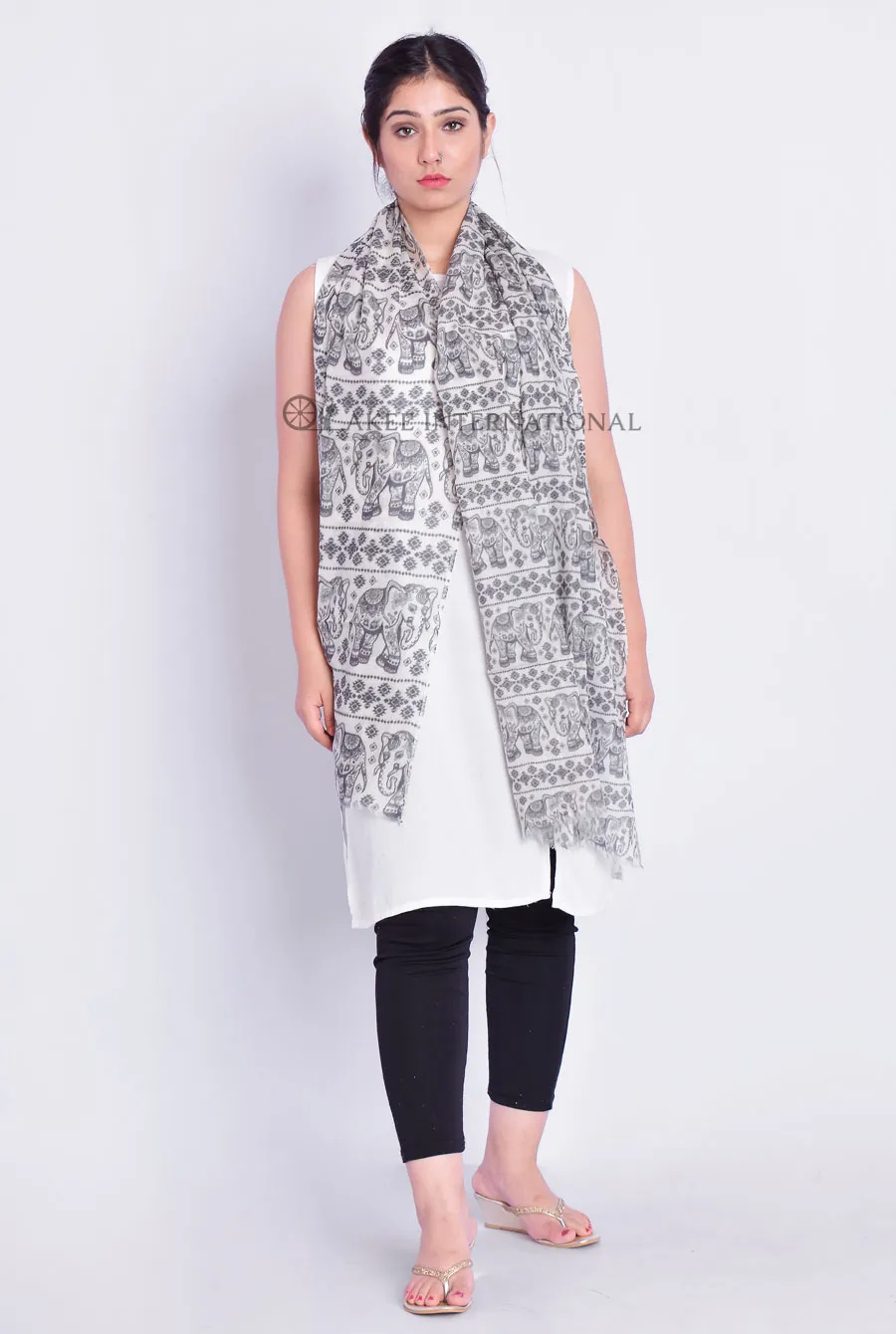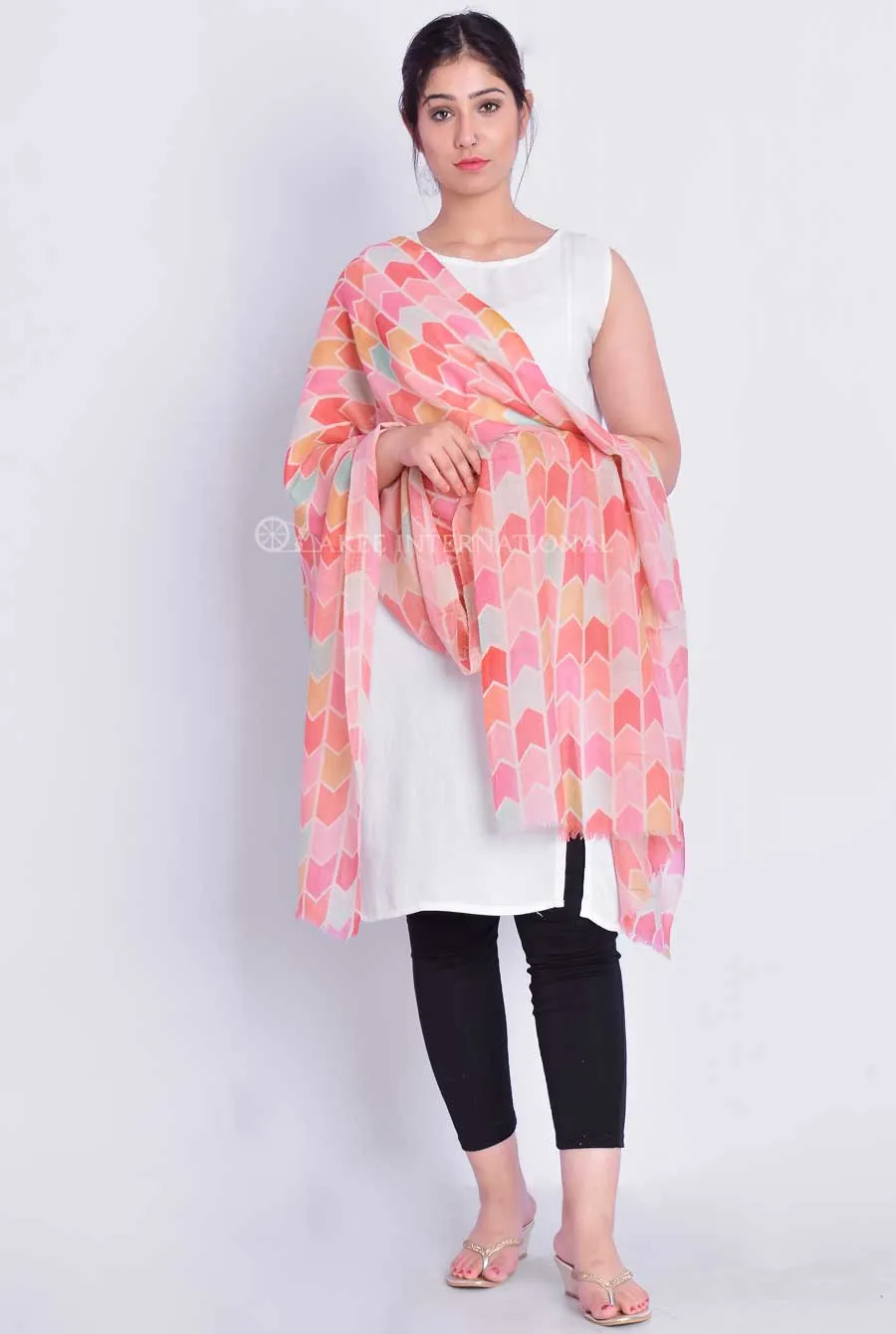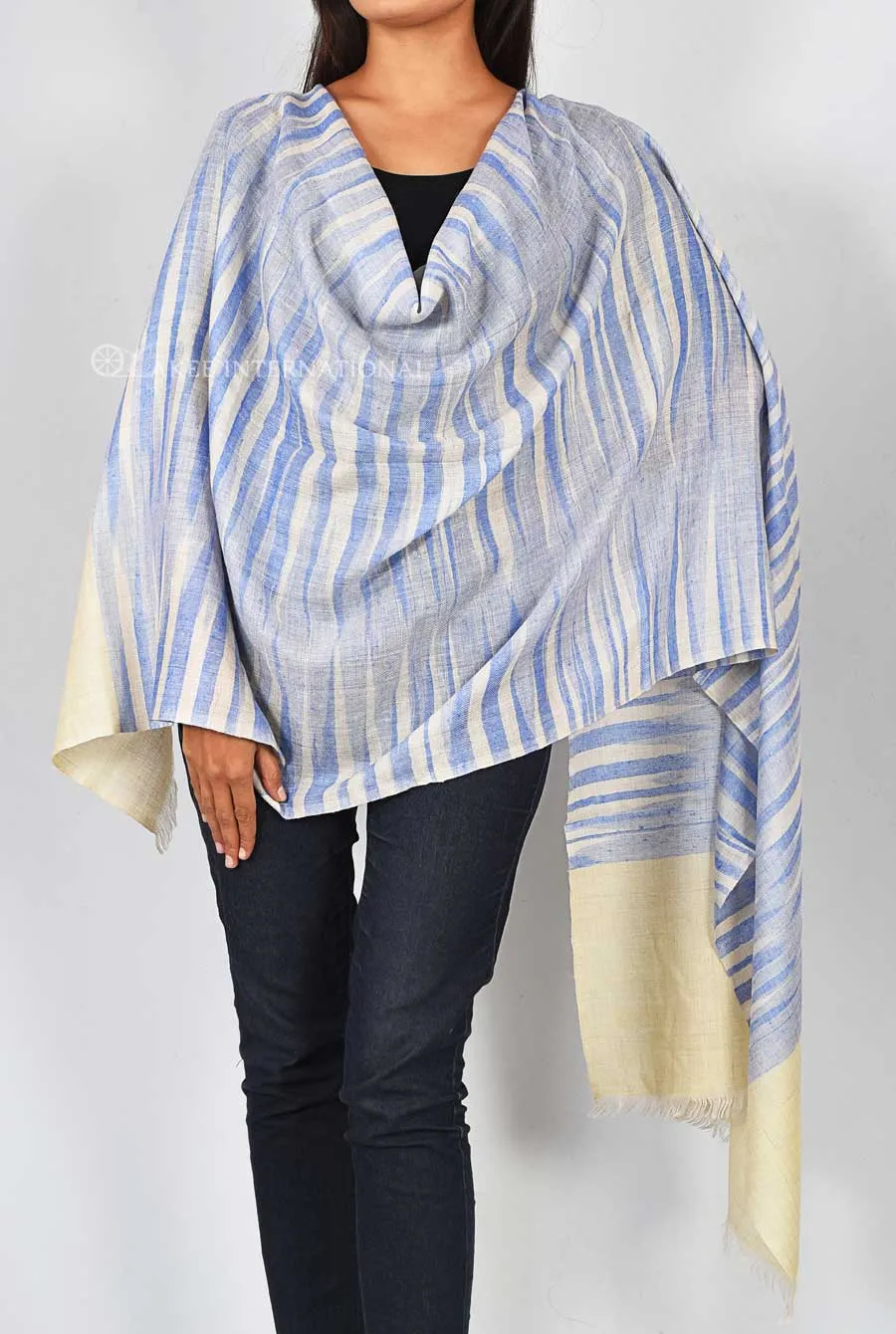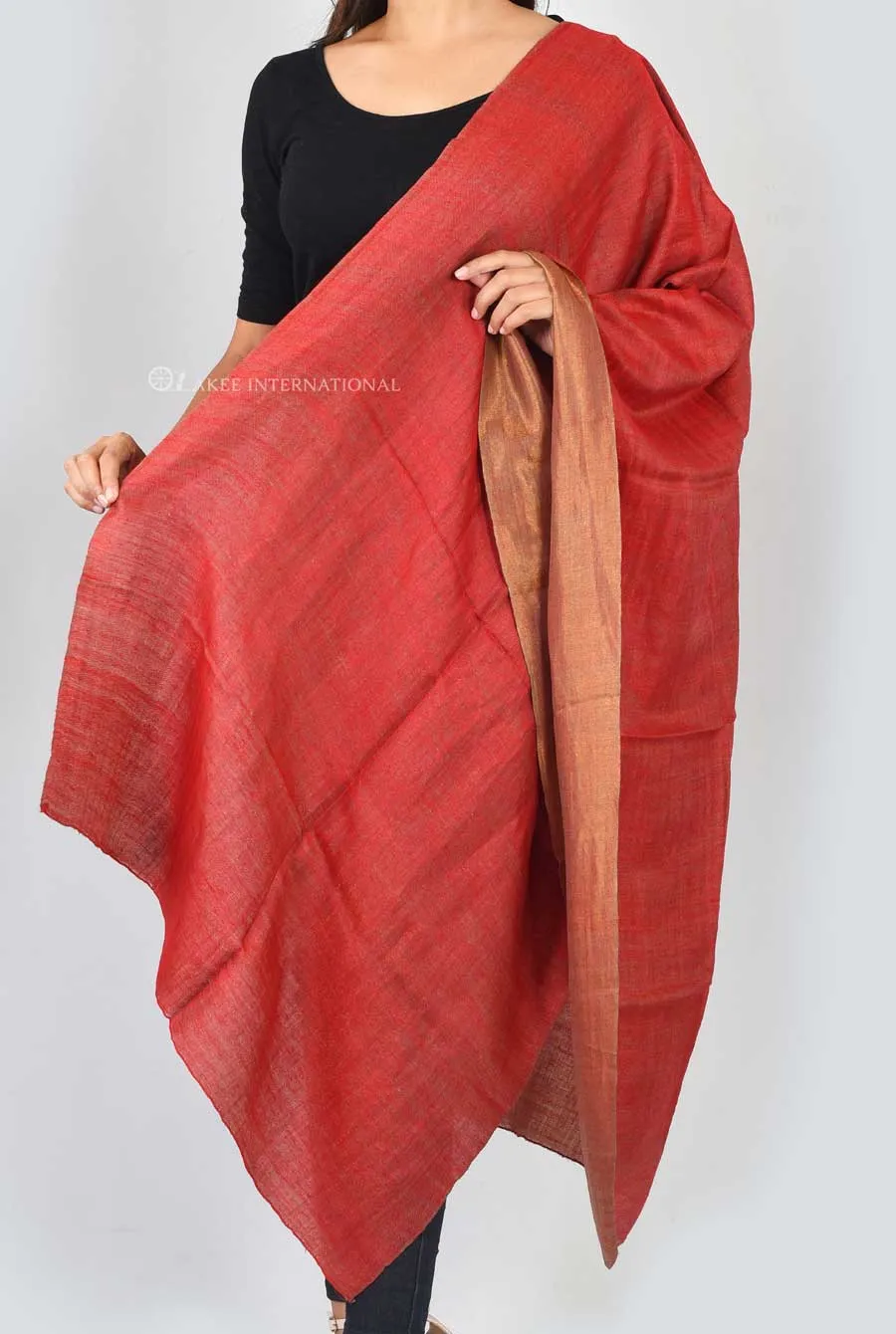
Cashmere pashmina sweaters occupy a strange middle ground in the luxury textile world — instantly recognisable by touch, yet increasingly difficult to buy with confidence, because the market is genuinely full of fakes. A garment labeled “cashmere” on a hangtag tells you very little on its own; what actually matters is the fiber underneath, and that’s something you can learn to check for yourself. Here are the most reliable tests to identify genuine cashmere pashmina before you invest in a sweater.
Real cashmere pashmina feels cloud-like against your skin — immediately, without needing to be broken in or softened by repeated washing. This is because genuine cashmere fiber is extraordinarily fine, generally under 19 microns in diameter, which gives it that instantly soft, almost weightless feel straight off the shelf. If a sweater feels rough, stiff, or scratchy when you first try it on, it is very likely a synthetic blend or a low-grade imitation using coarser wool mixed in to cut costs. For a deeper look at how fiber fineness relates to authenticity, see our page on What is Pashmina.
Gently rub a small, inconspicuous area of the sweater between your fingers for a few seconds. Genuine cashmere forms small, tight pills fairly easily — this is a natural characteristic of the real fiber and not a manufacturing defect. Synthetic materials, by contrast, either resist pilling almost entirely or form large, loose fuzz balls that feel noticeably different from the tight, fine pills real cashmere produces. Neither extreme is necessarily wrong on its own, but combined with the other tests here, this helps confirm what you’re actually wearing.
Pull a single loose thread from an inconspicuous seam and carefully burn it, holding it away from the garment itself. Real cashmere smells like burning hair, since it is a natural protein fiber, and it leaves behind a fine, crushable ash rather than a hardened residue. Synthetic fibers, on the other hand, melt rather than burn cleanly, give off a distinct plastic smell, and leave a hard, bead-like residue that won’t crumble between your fingers. This is the same underlying science behind the burn test we describe in more depth for shawls in our guide on 7 Tests to Identify Genuine Pashmina.
Look specifically for wording such as “100% Cashmere” or “Pure Pashmina” on the label. Be cautious of softer marketing phrases like “cashmere blend,” “cashmere feel,” or “pashmina-like” — these are often used deliberately to describe synthetic mixes that only approximate the real thing. A genuinely confident seller should be able to tell you the micron count of the fiber or its region of origin without hesitation; if a label or a salesperson can’t answer that, treat it as a red flag. Our page on Kashmir Pashmina Certificate of Authenticity explains what proper documentation should actually look like.
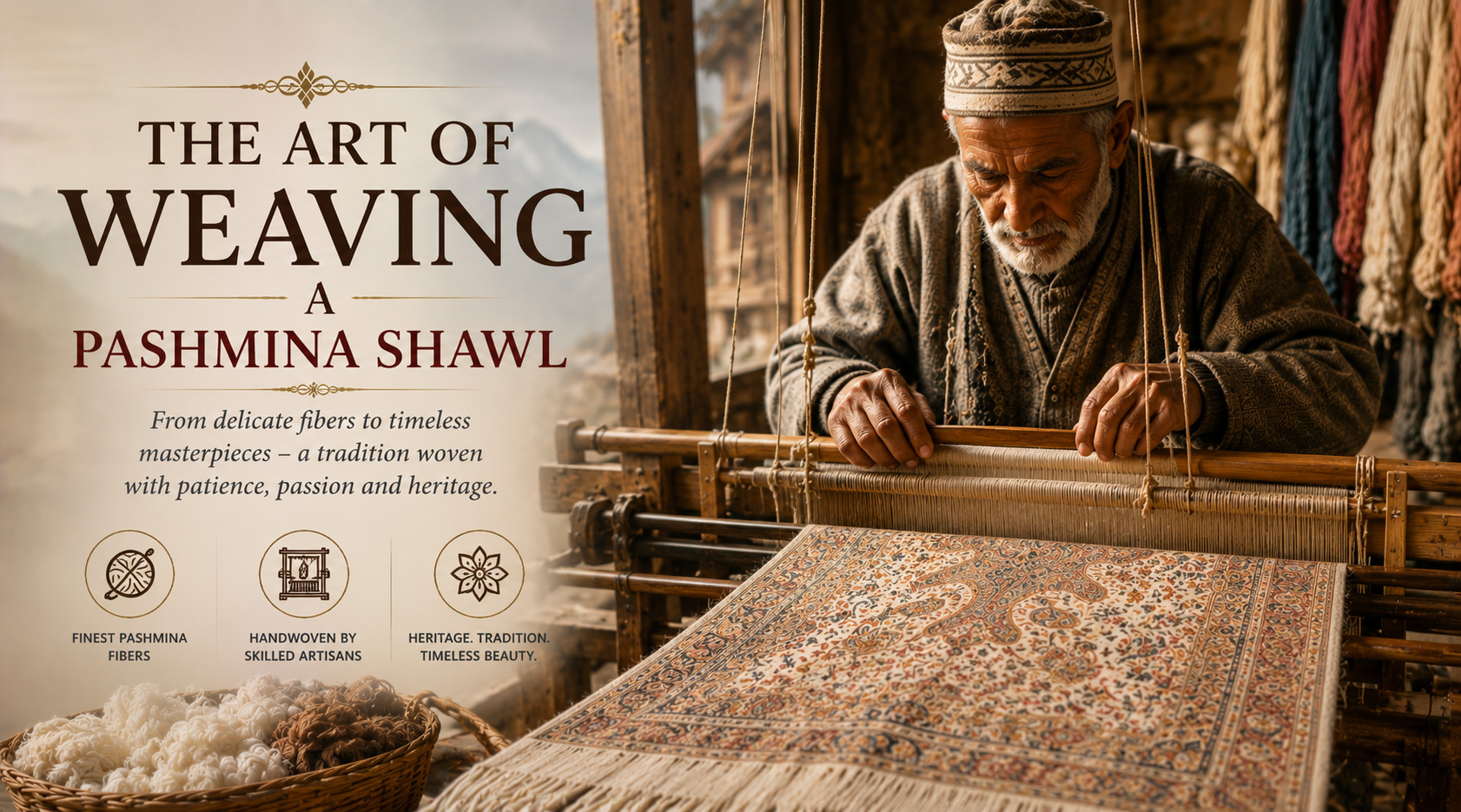
Genuine cashmere pashmina is never extremely cheap, and there’s a straightforward reason why: the fiber is hand-combed — not sheared — from free-roaming goats across the high-altitude Himalayan regions, once a year, in a narrow seasonal window. It is rare by nature, entirely seasonal in supply, and labour-intensive at every stage from combing to spinning to knitting. If the price of a “pure cashmere” sweater seems too good to be true relative to these production realities, it almost certainly is. For a realistic sense of fair pricing, see our Pashmina Shawl Price Guide, and if you’re working with a tighter budget, our Affordable Pashmina Shawl Online collection features genuine pieces at accessible price points.
One of the most beautiful qualities of a genuine cashmere pashmina sweater is that it transcends gender entirely. The softness, the natural drape, and the understated elegance suit everyone equally well, which is part of why cashmere knitwear has remained a wardrobe staple across generations and across style preferences. At Akee International, our sweaters — available at our physical store in Jaipur — are crafted as unisex pieces designed to be worn beautifully by both men and women, without needing separate “his and hers” cuts or styling. If you’re browsing our wider shawl collections with this in mind, our Men’s Pashmina Shawls and Women’s Pashmina Shawls pages follow the same philosophy of versatile, gender-fluid design.
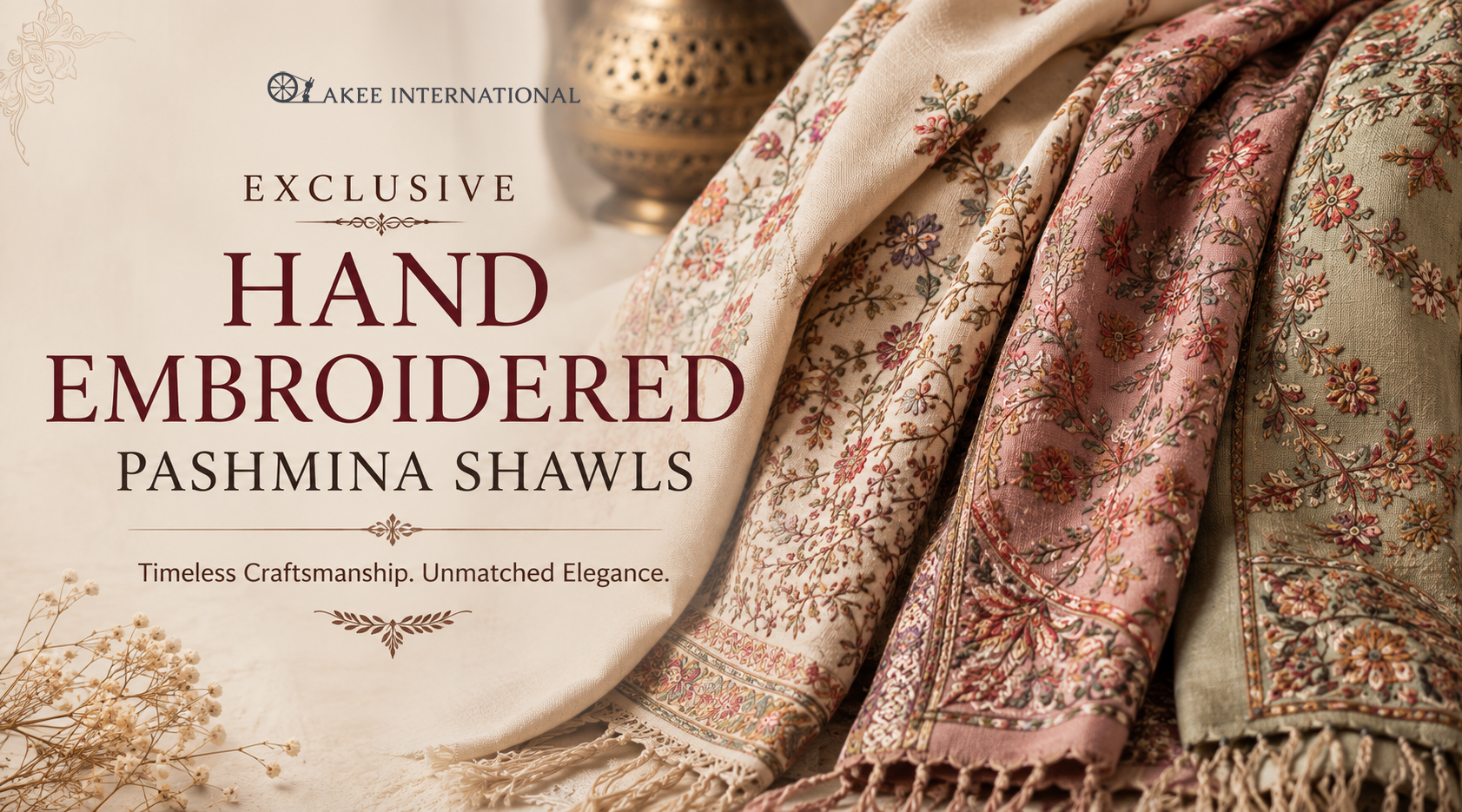
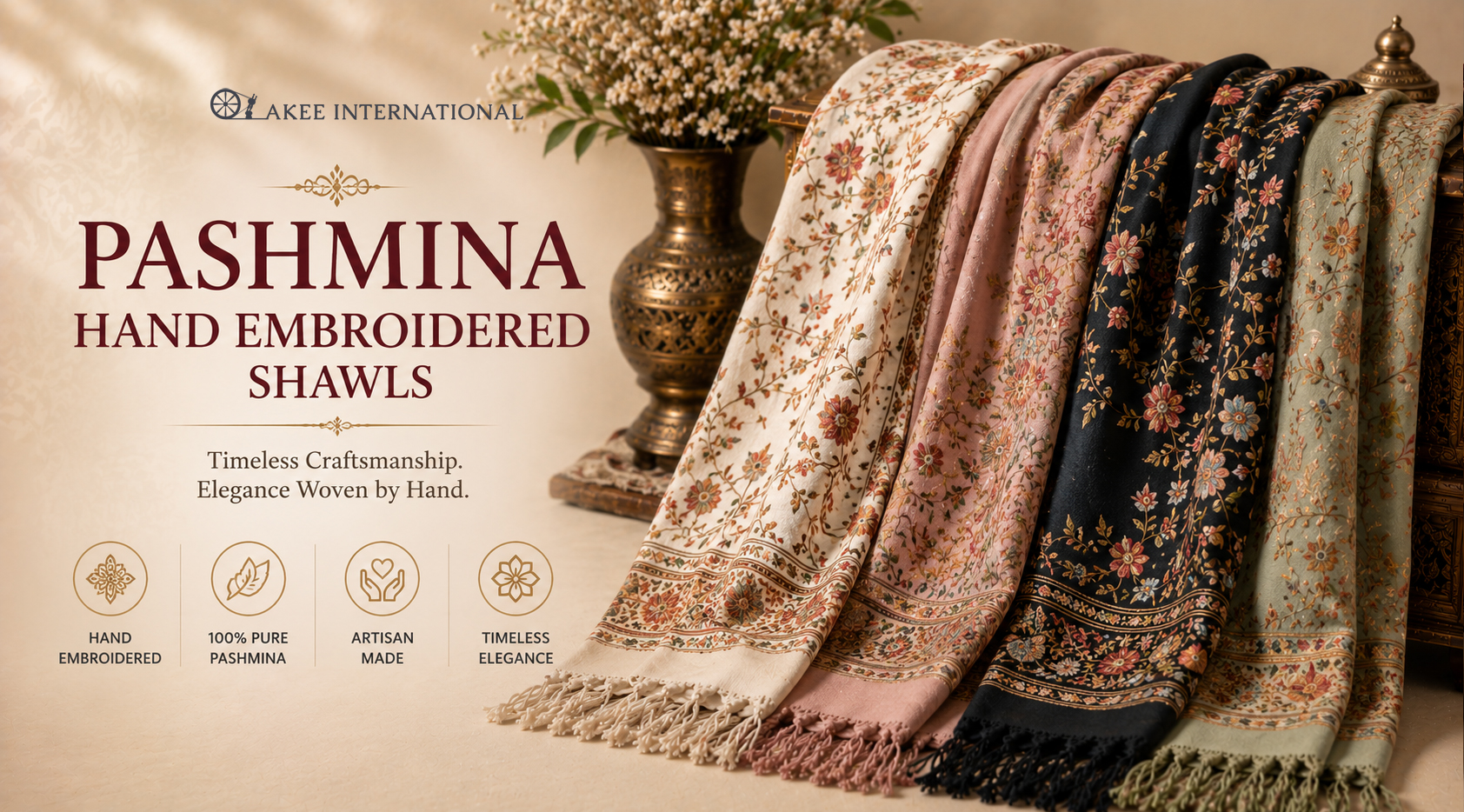
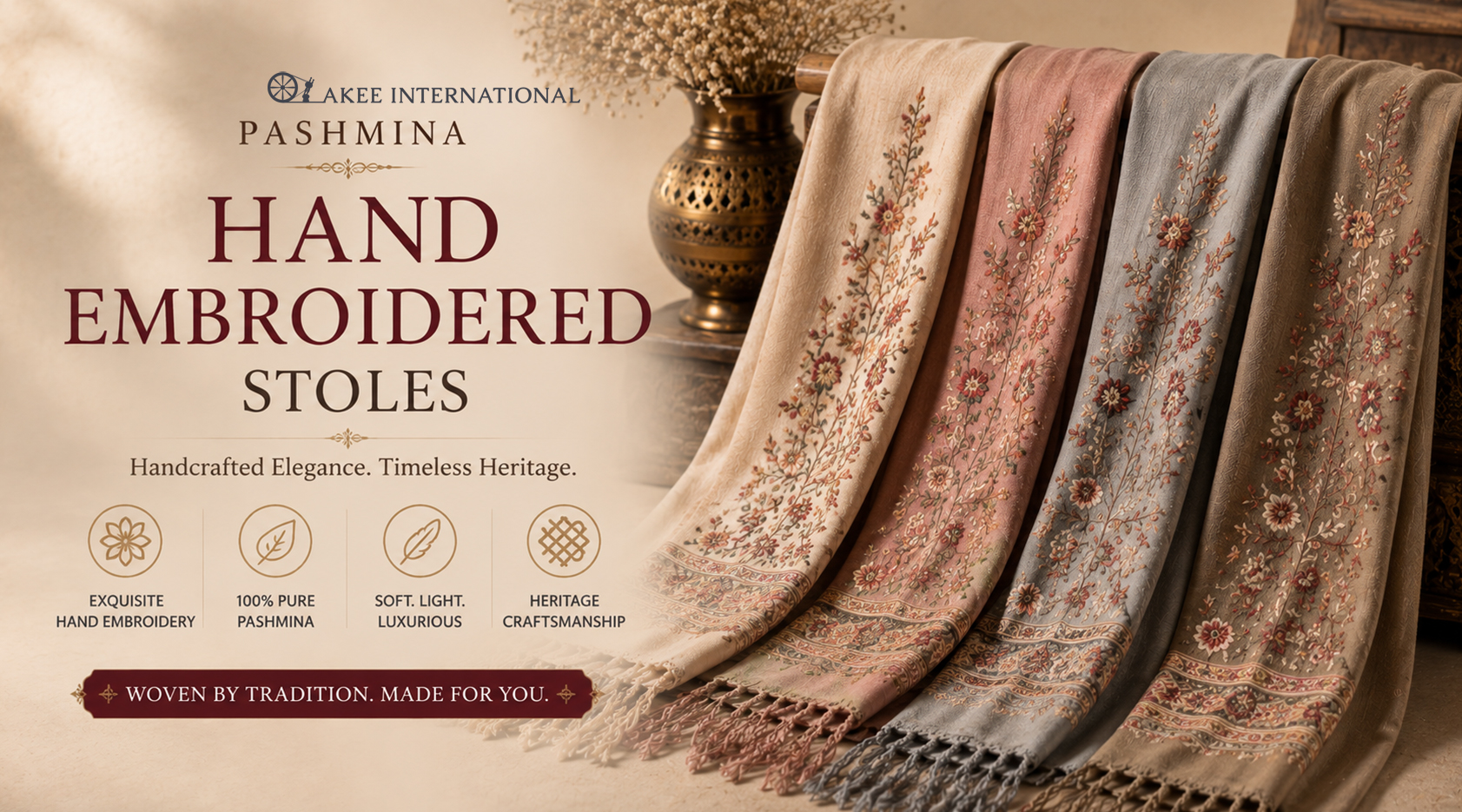
Beyond the classic knitwear silhouettes, Jaipur’s signature hand-embroidery artistry extends beautifully into sweaters made for gifting and special occasions. Fine needlework — often drawing on the same Sozni and Ari embroidery traditions used on shawls — transforms a simple cashmere pullover into a genuinely one-of-a-kind piece. You can see this same craftsmanship applied to shawls in our Kashmiri Sozni Work Shawl and Hand Embroidered Pashmina Wrap collections, and if you’re shopping specifically for a gift, our guide on Pashmina Shawl for Anniversary Gift may also be useful.
Once you own a genuine cashmere pashmina piece, proper care matters just as much as the initial purchase decision — see our Pashmina Shawl Care Guide and washing instructions to keep it soft and intact for years to come.
"Browse our curated collections and shop by category to find the perfect Pashmina shawl or scarf for every occasion."
"Explore our latest collection of exquisite Pashmina shawls and scarves, where luxury meets craftsmanship in every piece."
"Shop our Best Sellers, where luxury meets demand—featuring the most sought-after Pashmina shawls and scarves of the season."
"Read what our clients say about their experience with Akee International's luxurious Pashmina shawls and impeccable service."

Nai Mata Mandir Road, Thathar Road, Delhi By Pass, Amer, Jaipur 302028, Rajasthan India
Get directions Call Now Whatsapp 4.9 based on 269 reviews
Rating: 4.6/5 | 85 Reviews

Rating: 4.9/5 | 269 Reviews

TrustScore: 4.9 | 100 Reviews