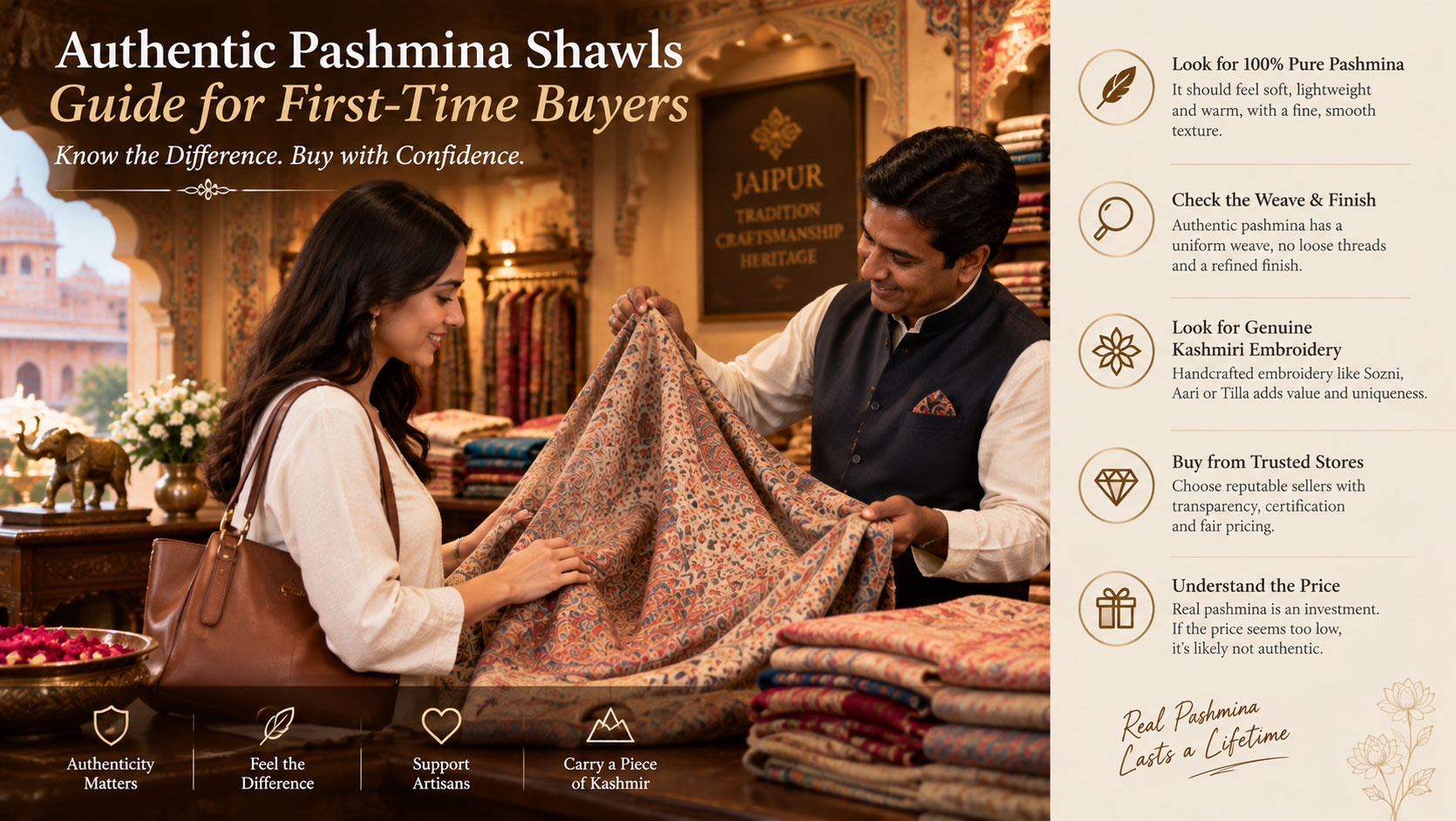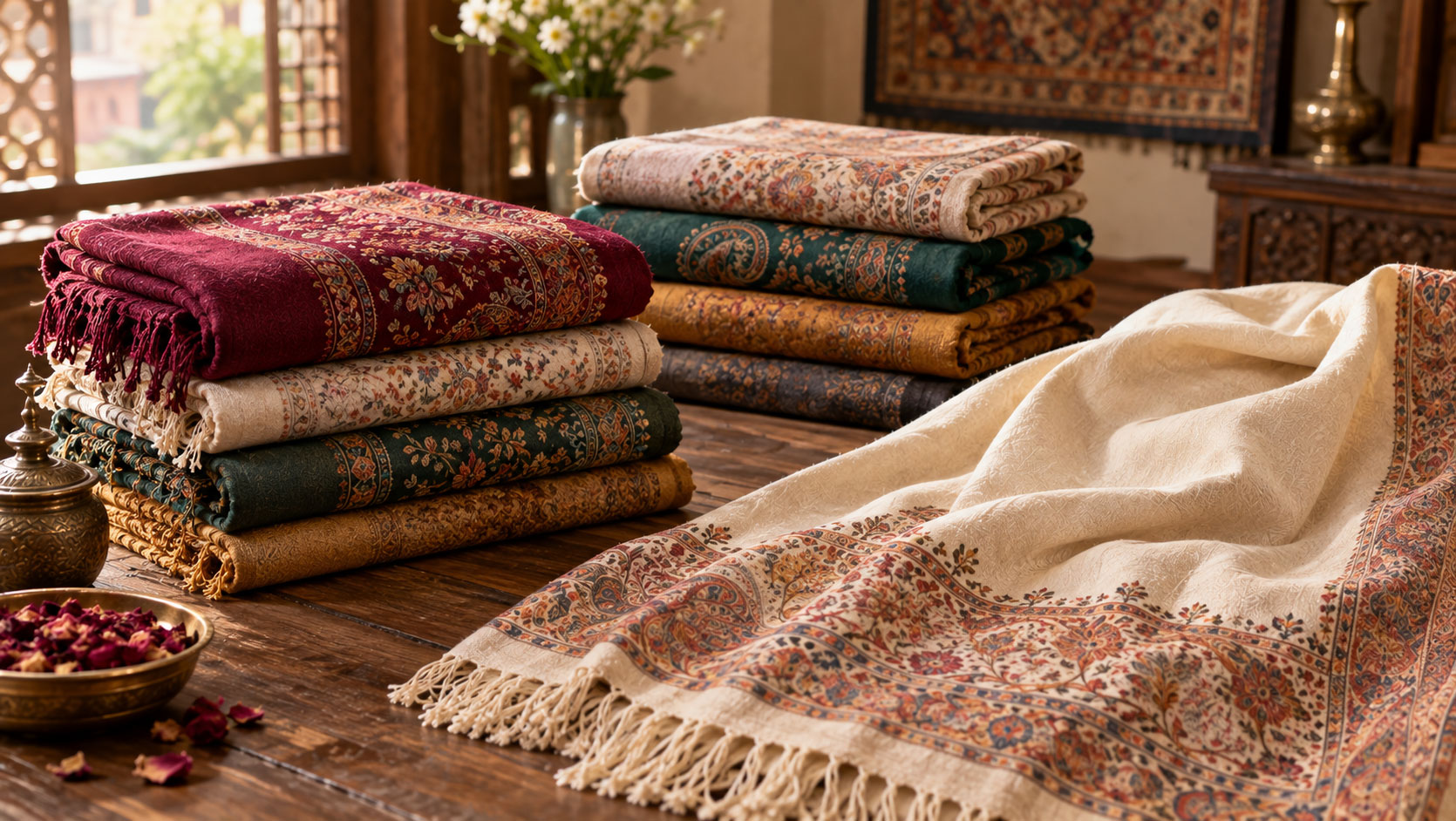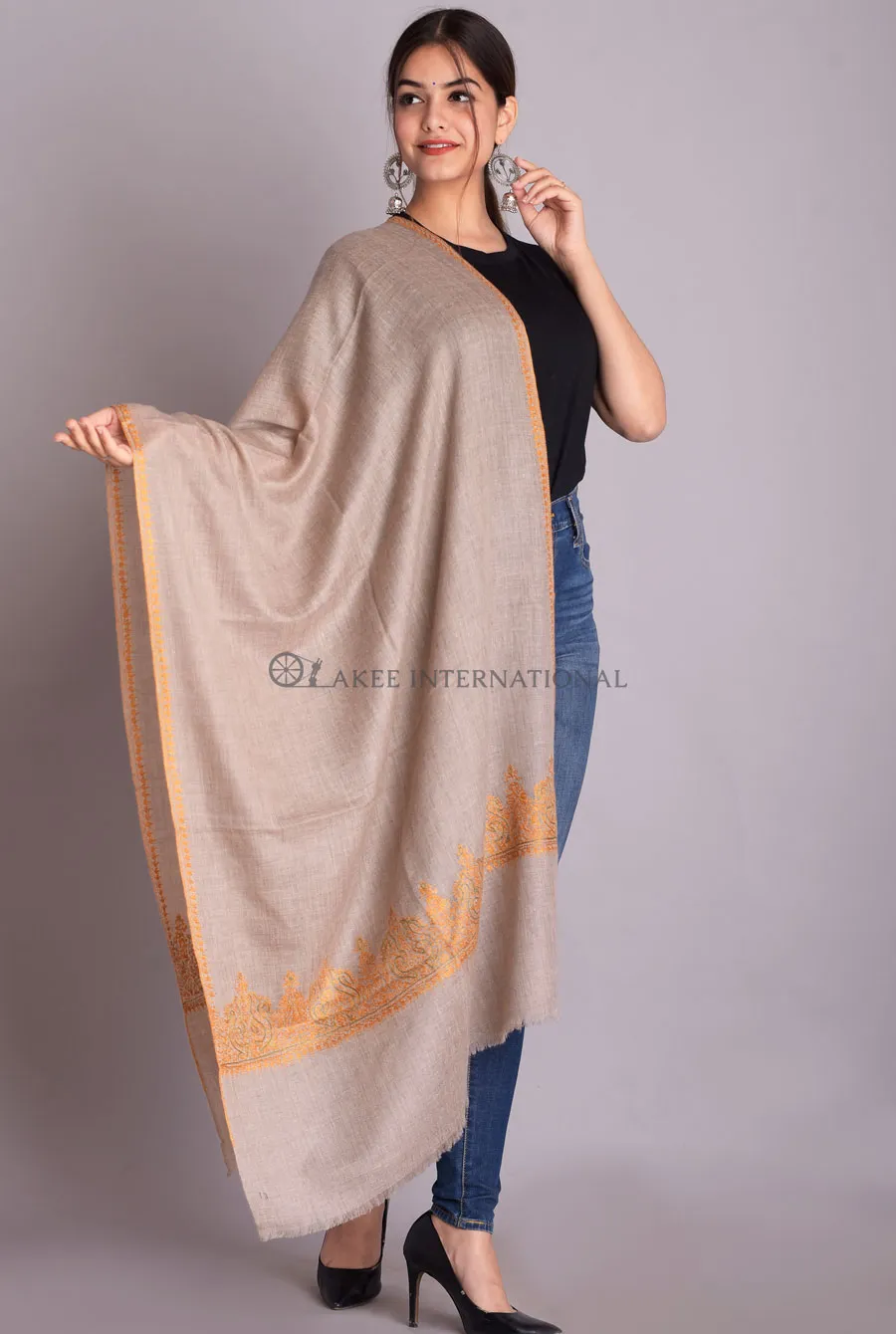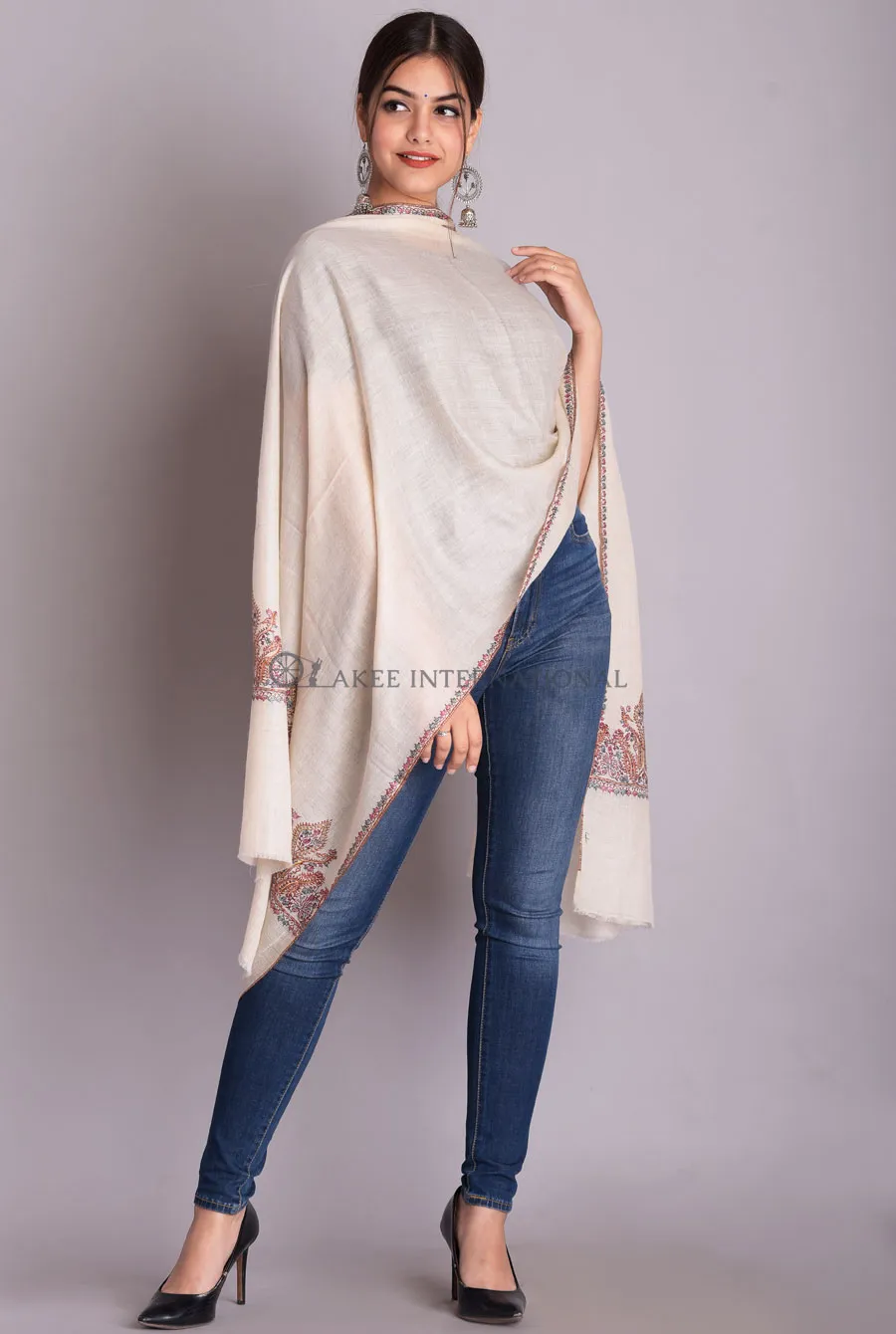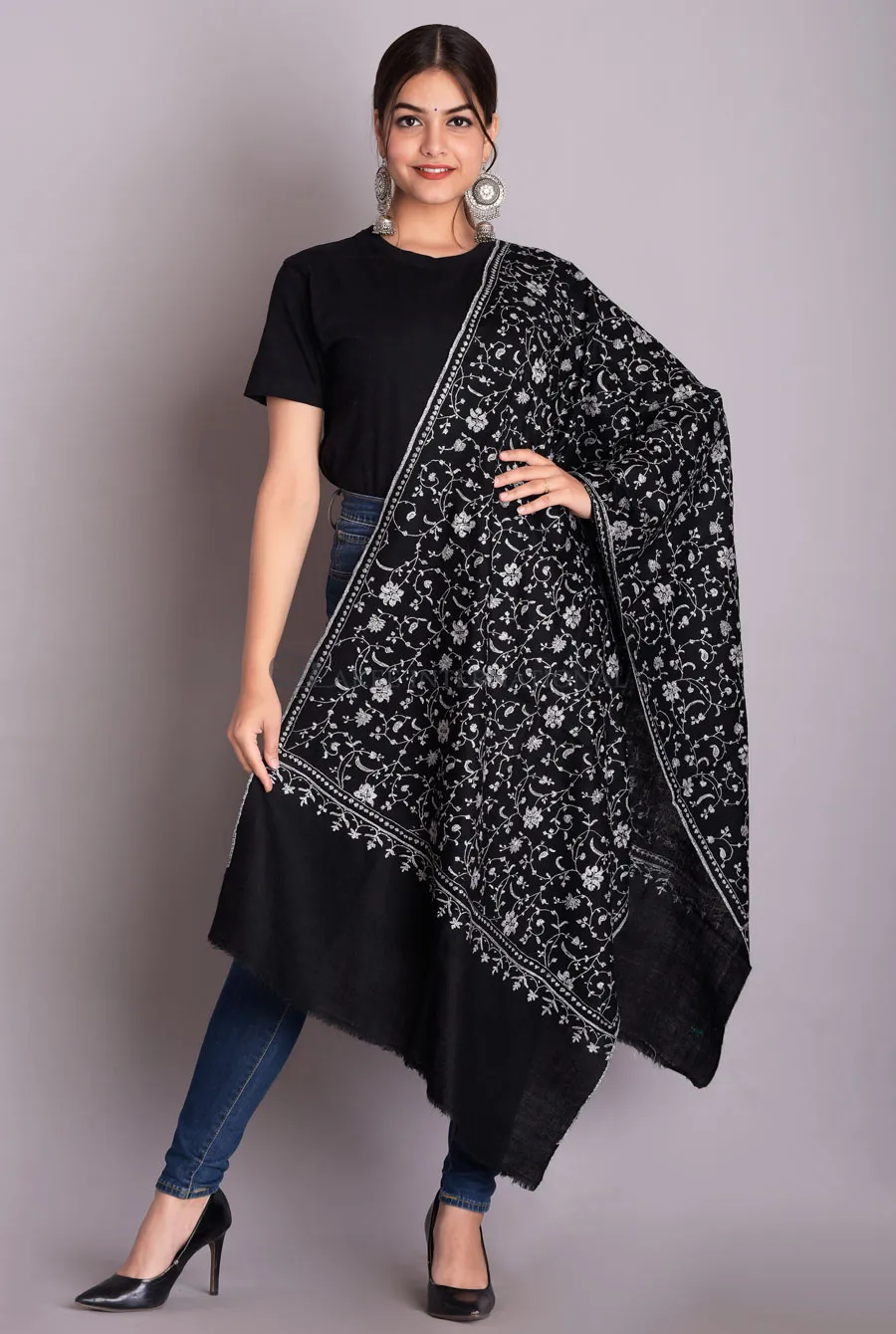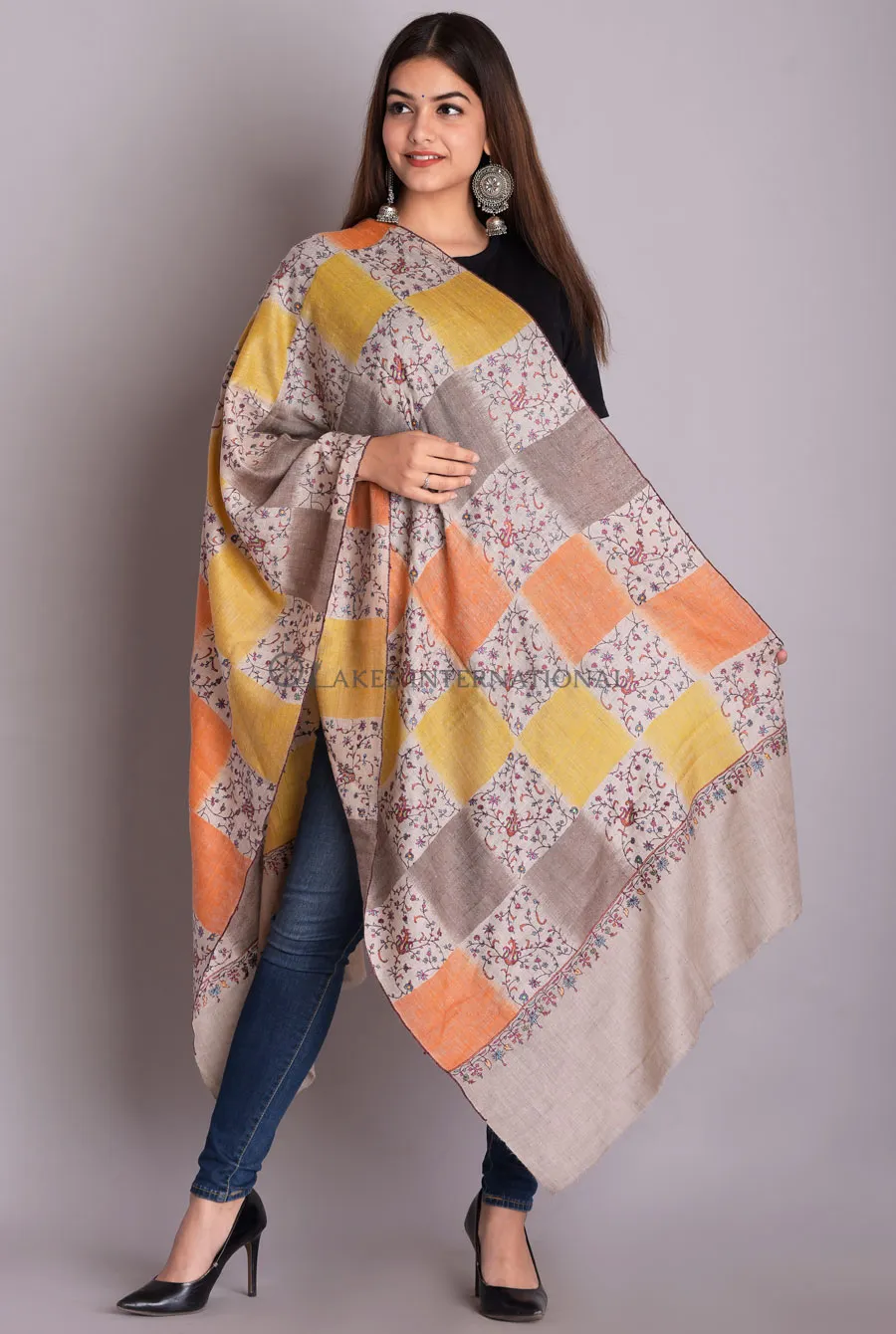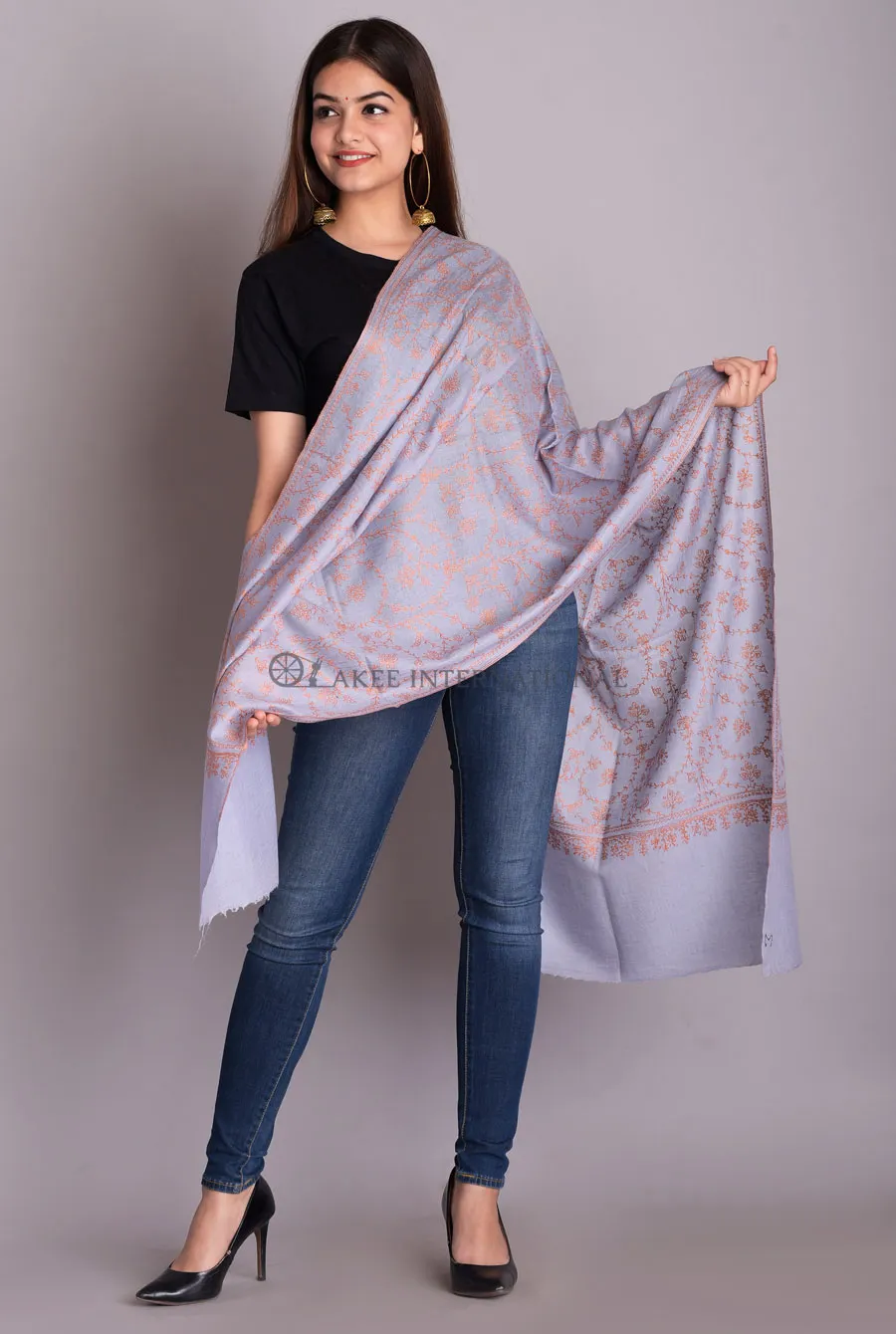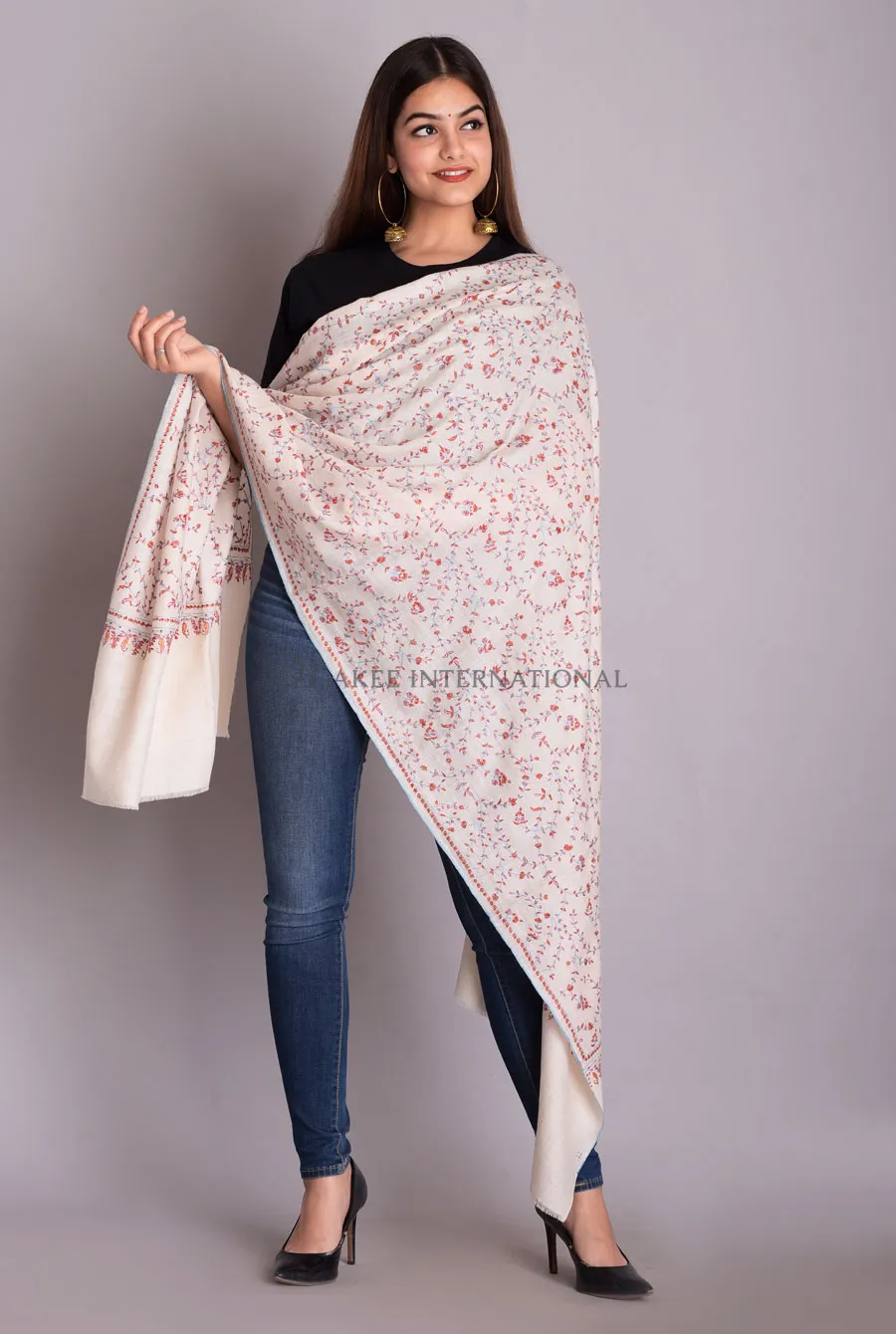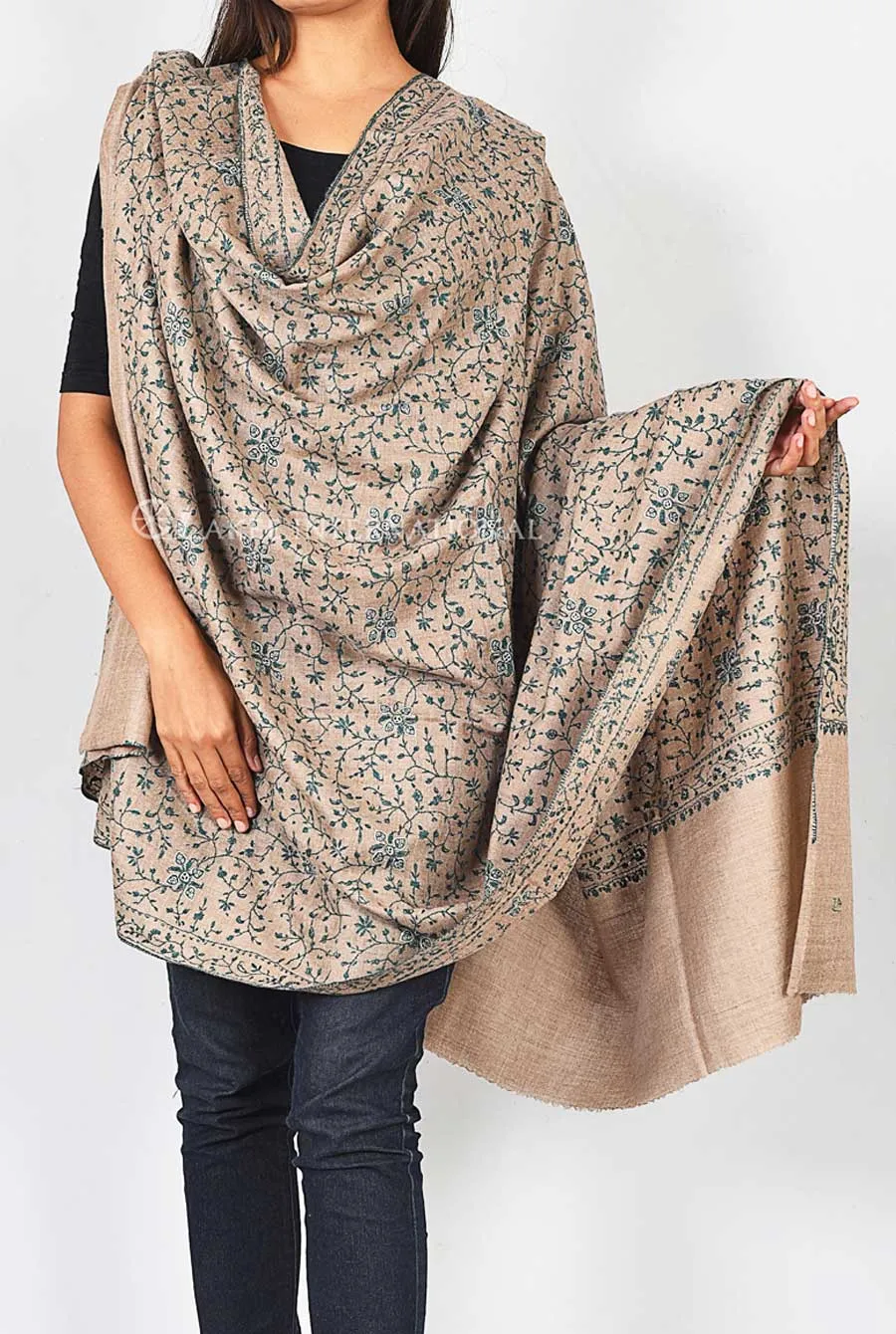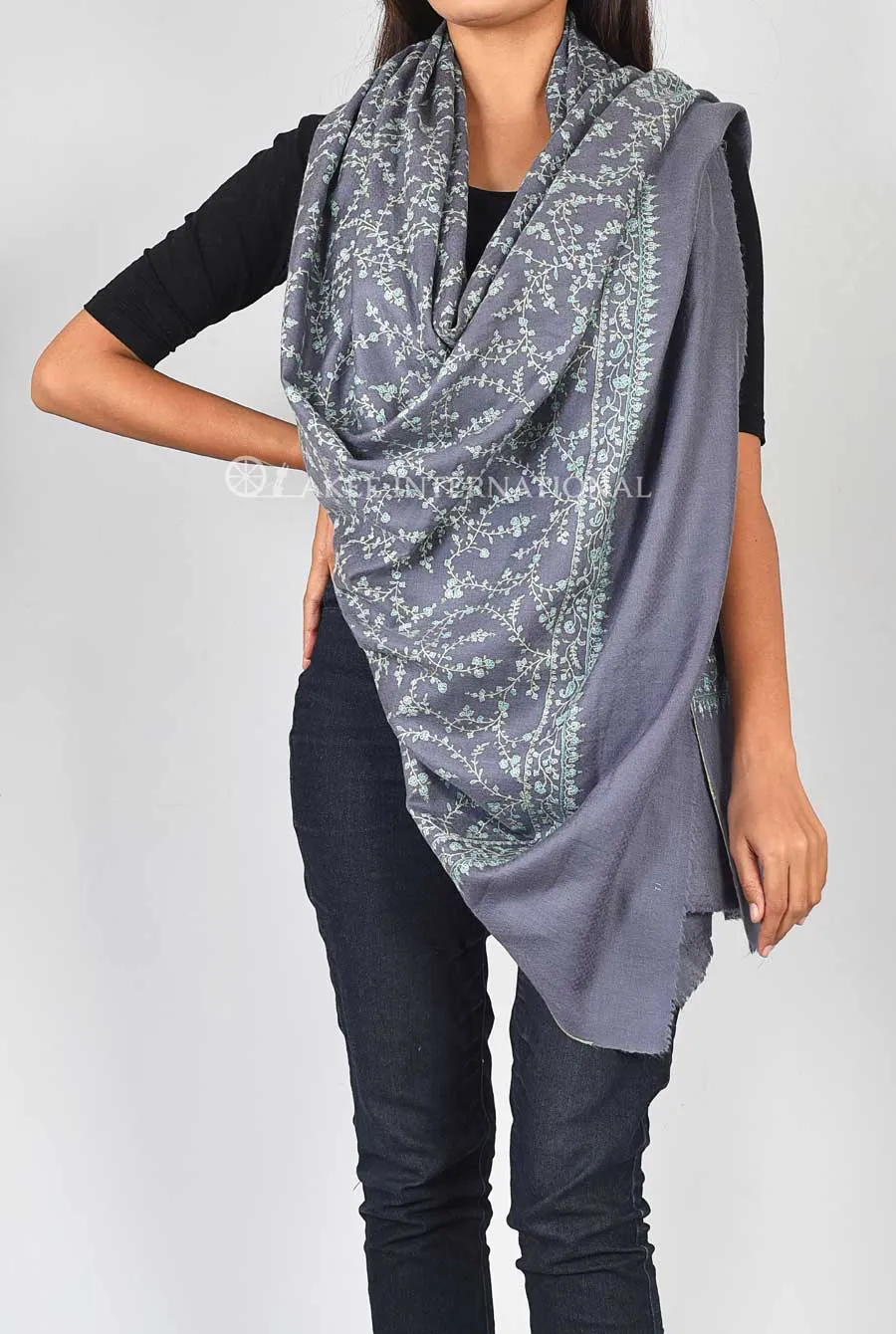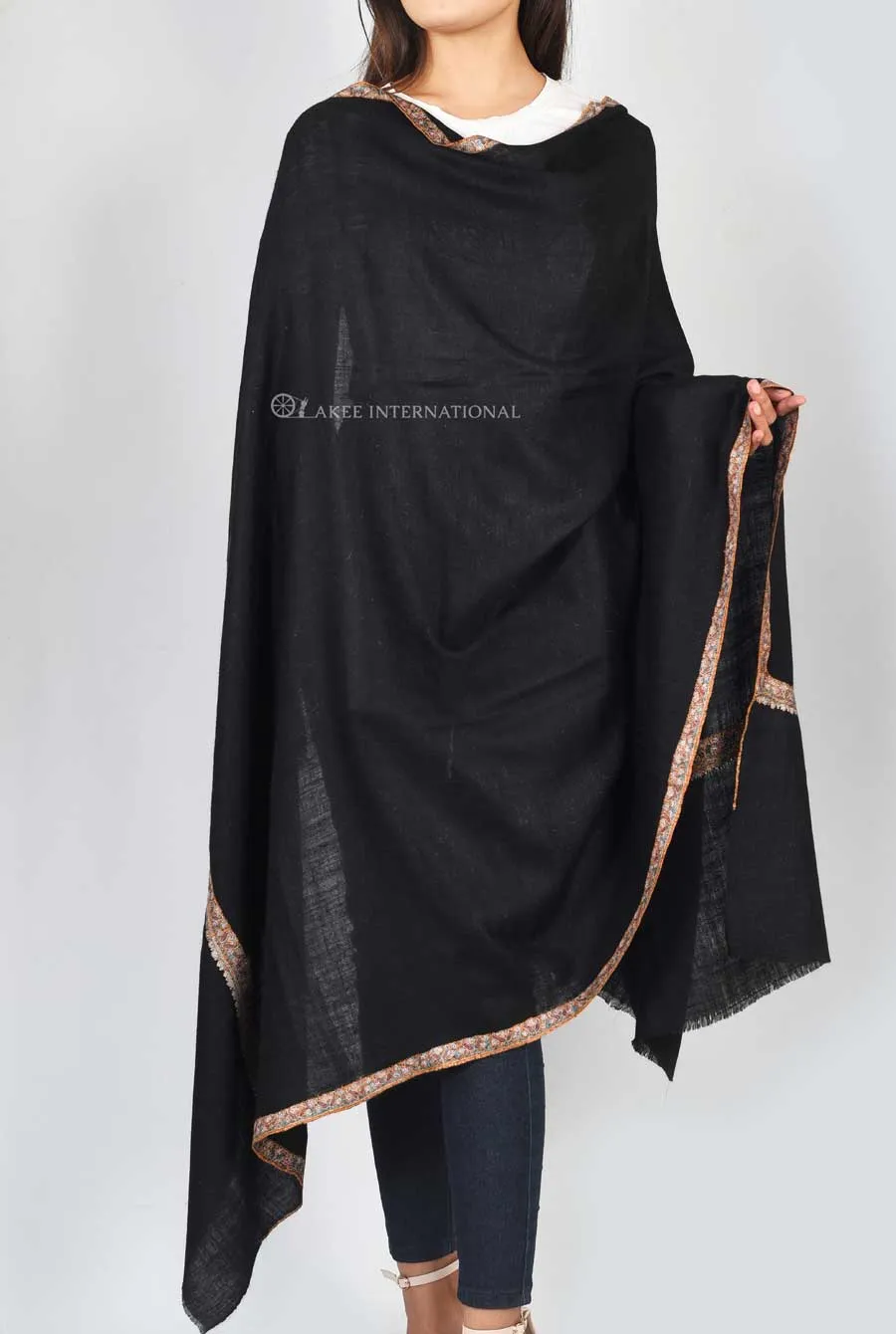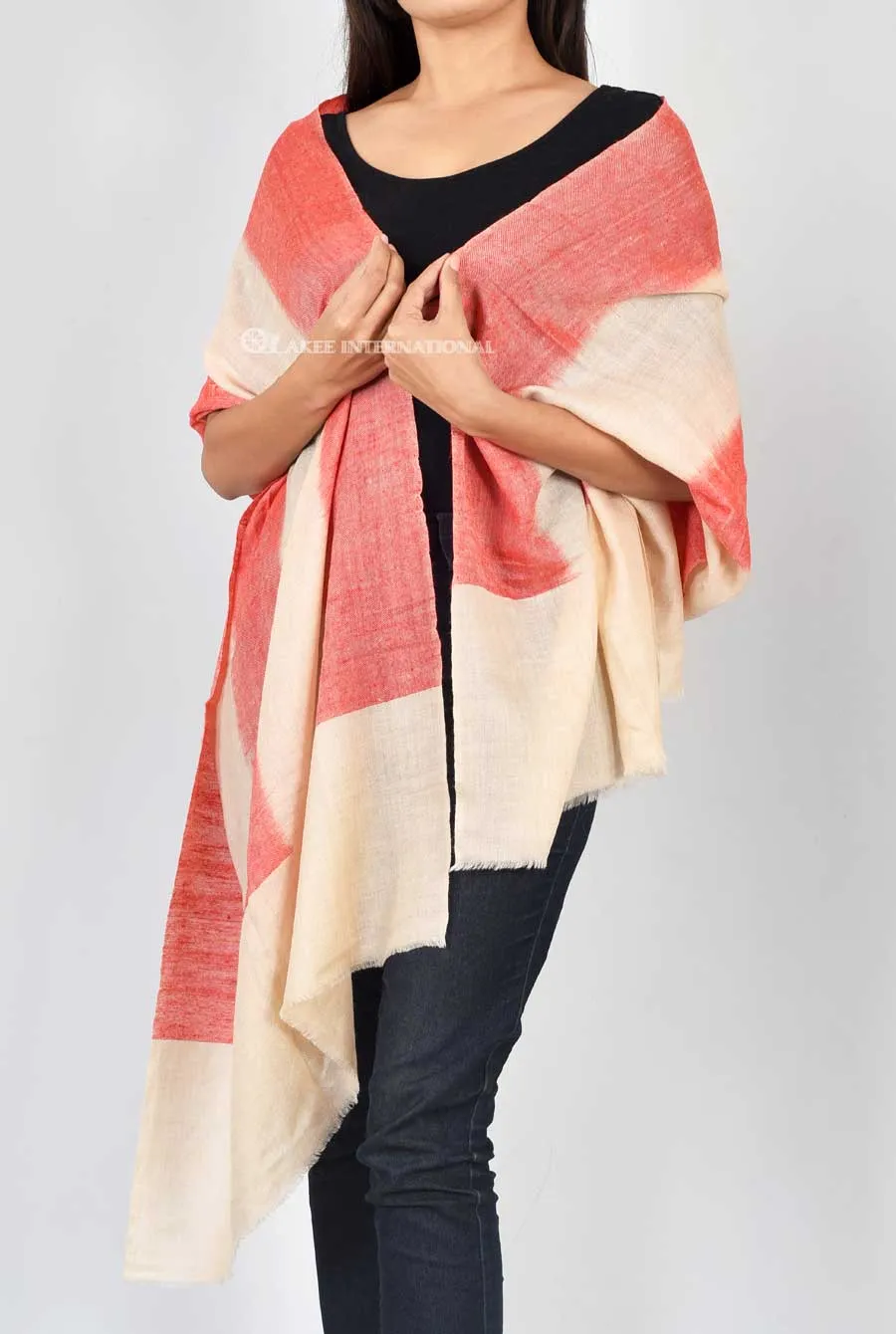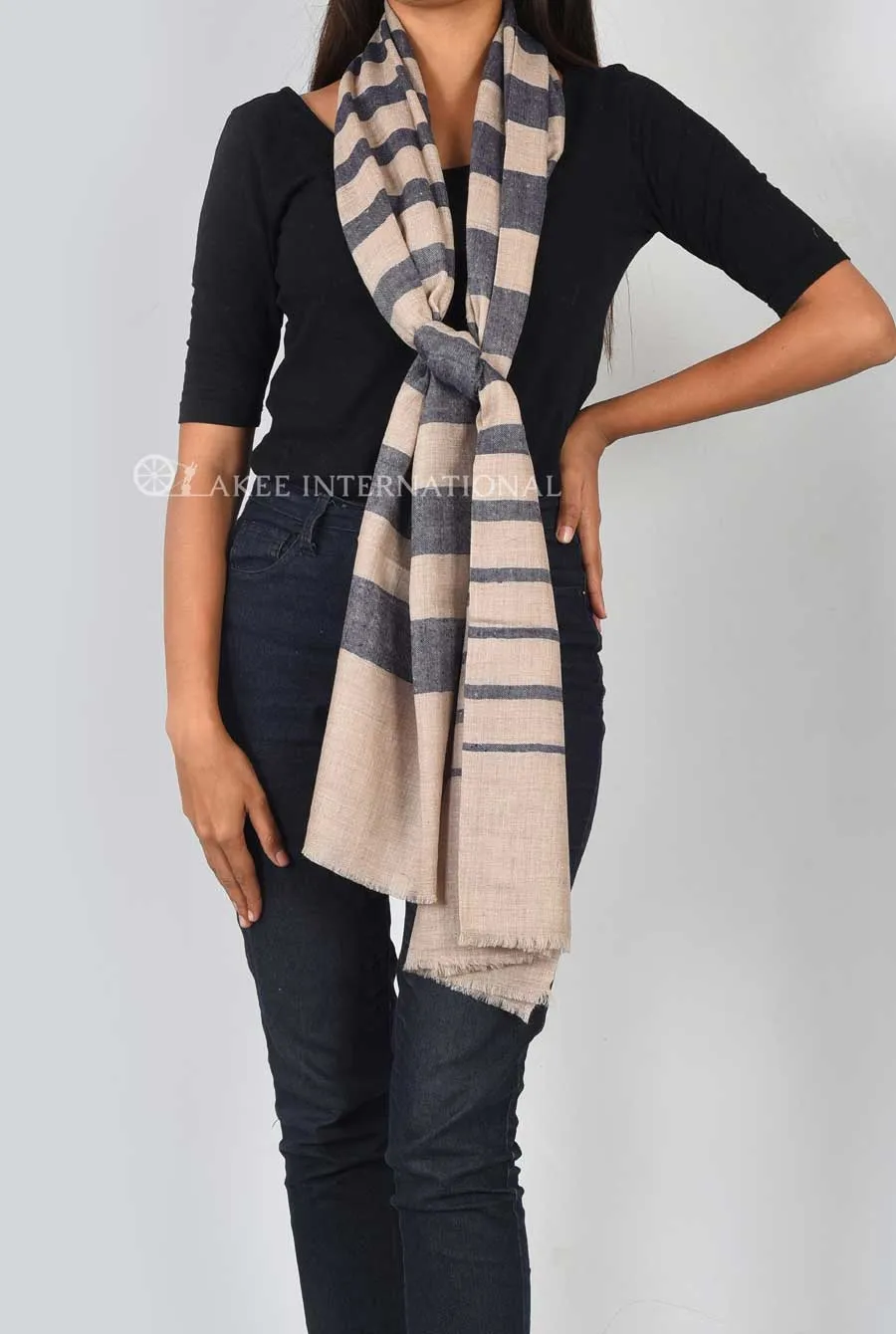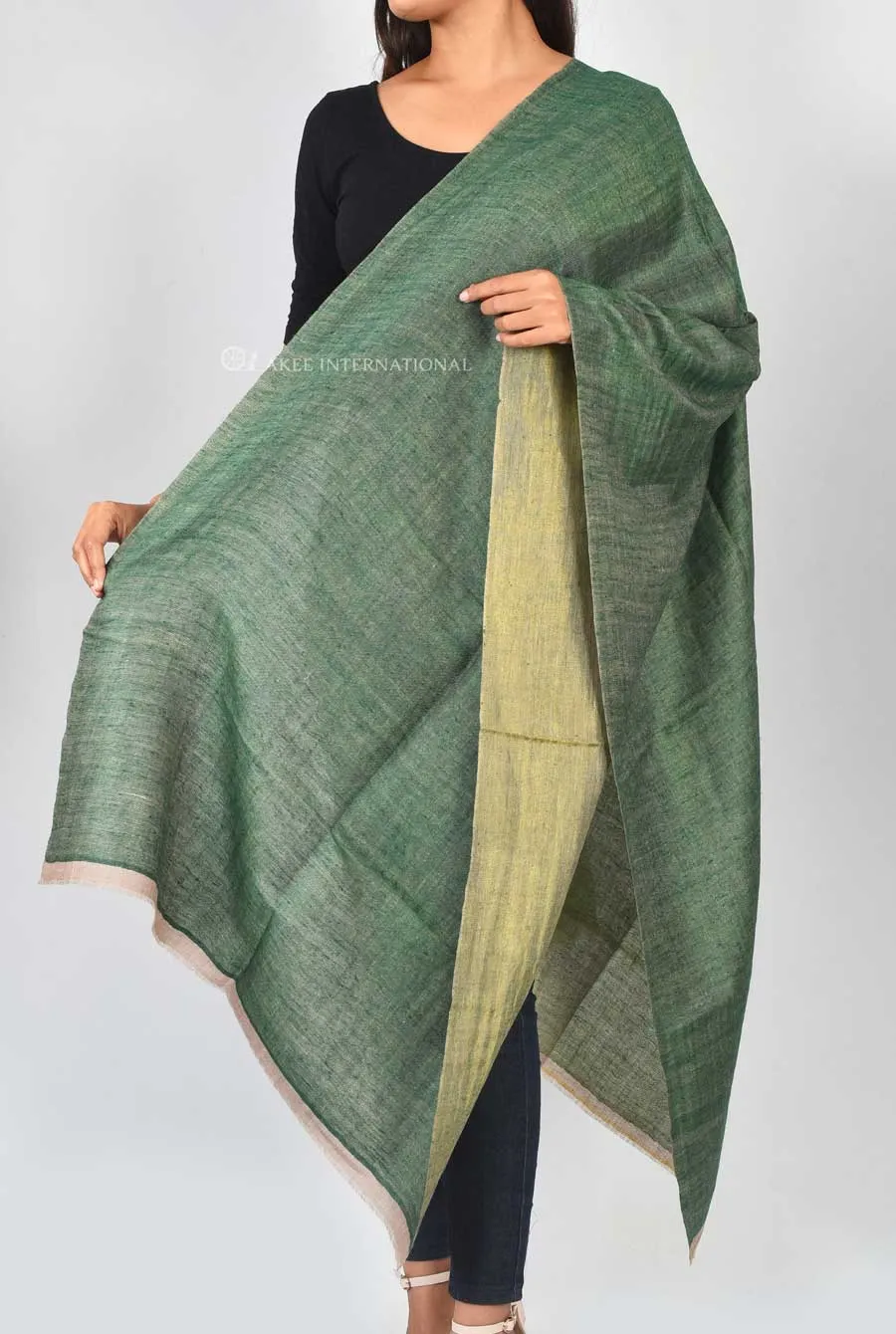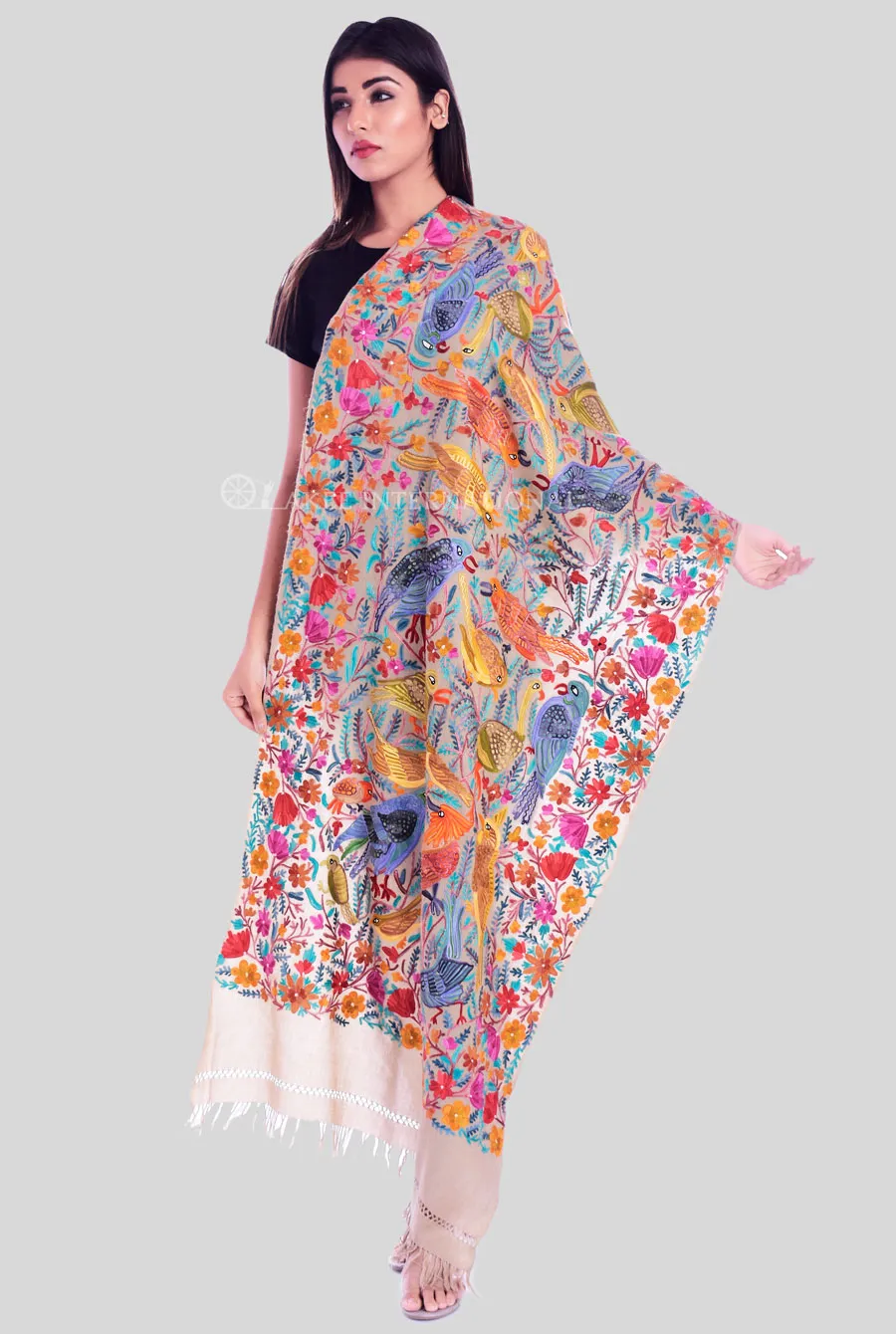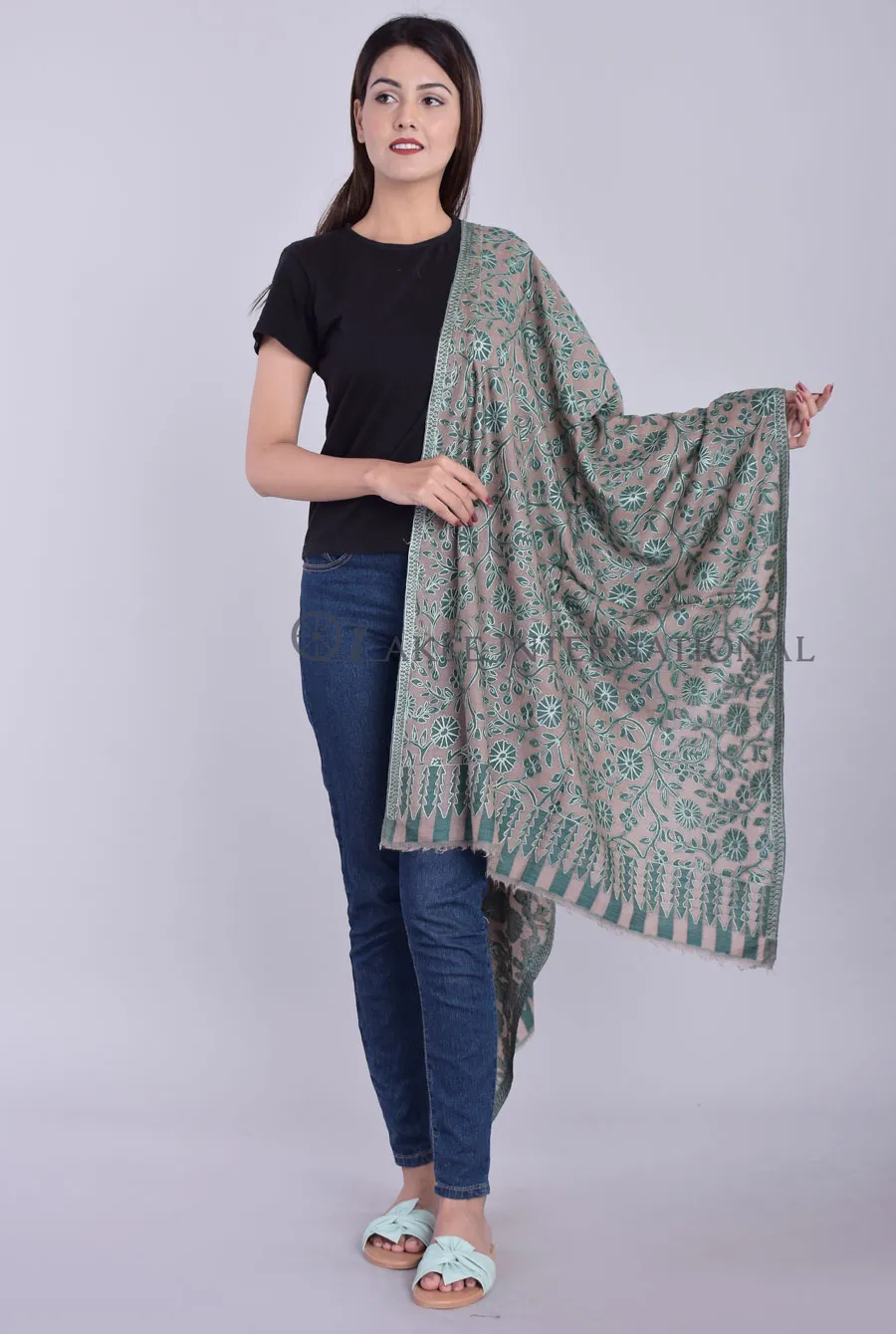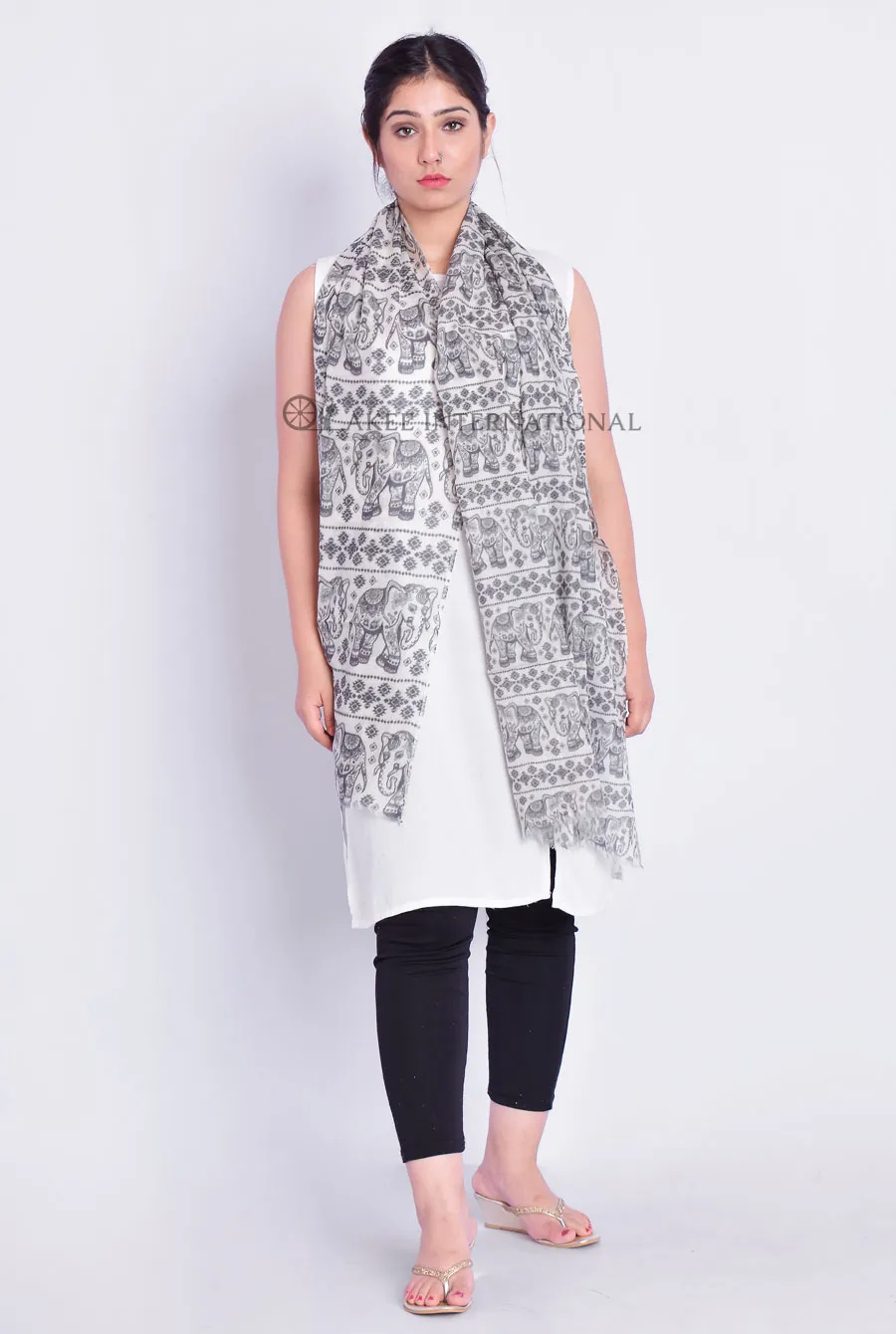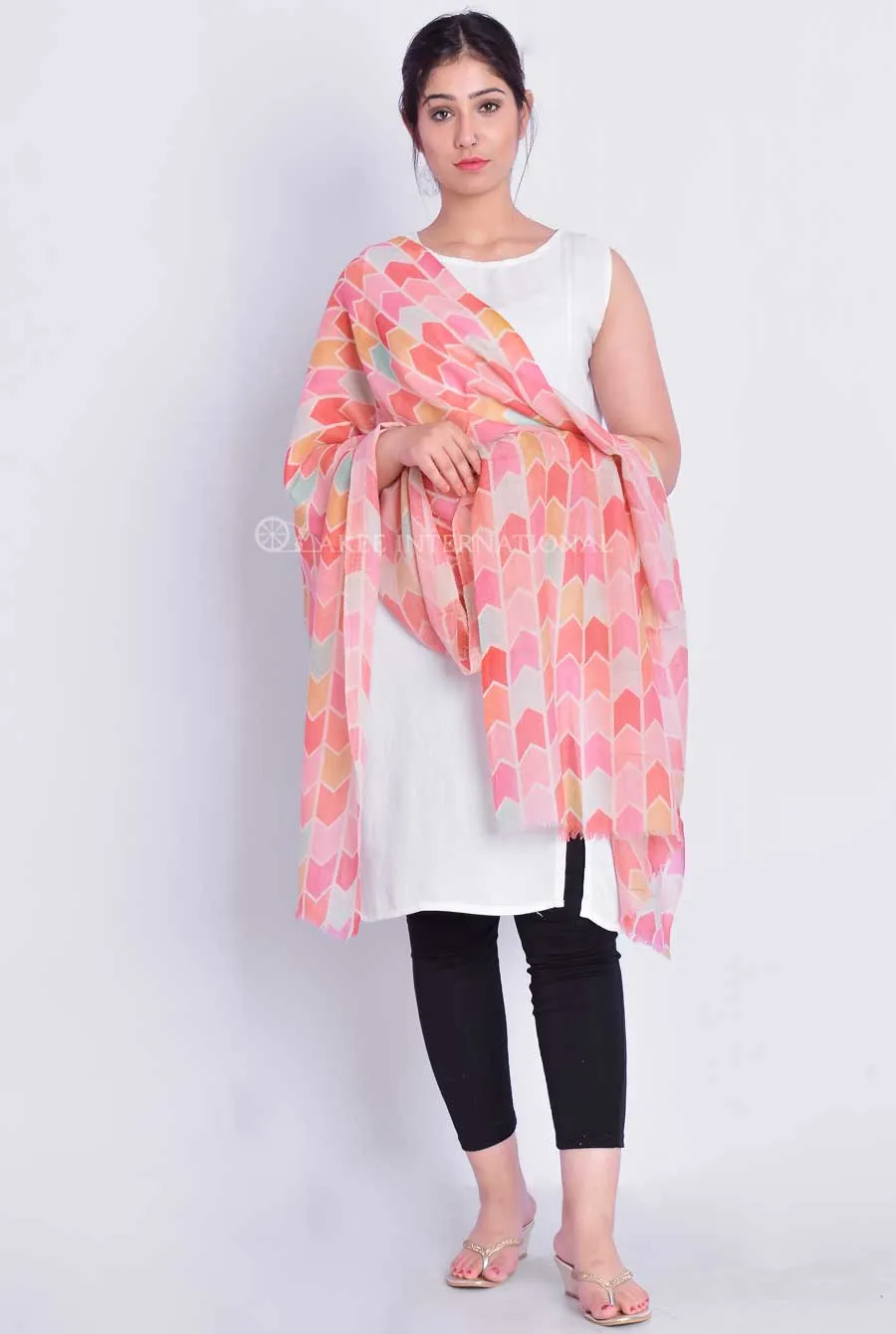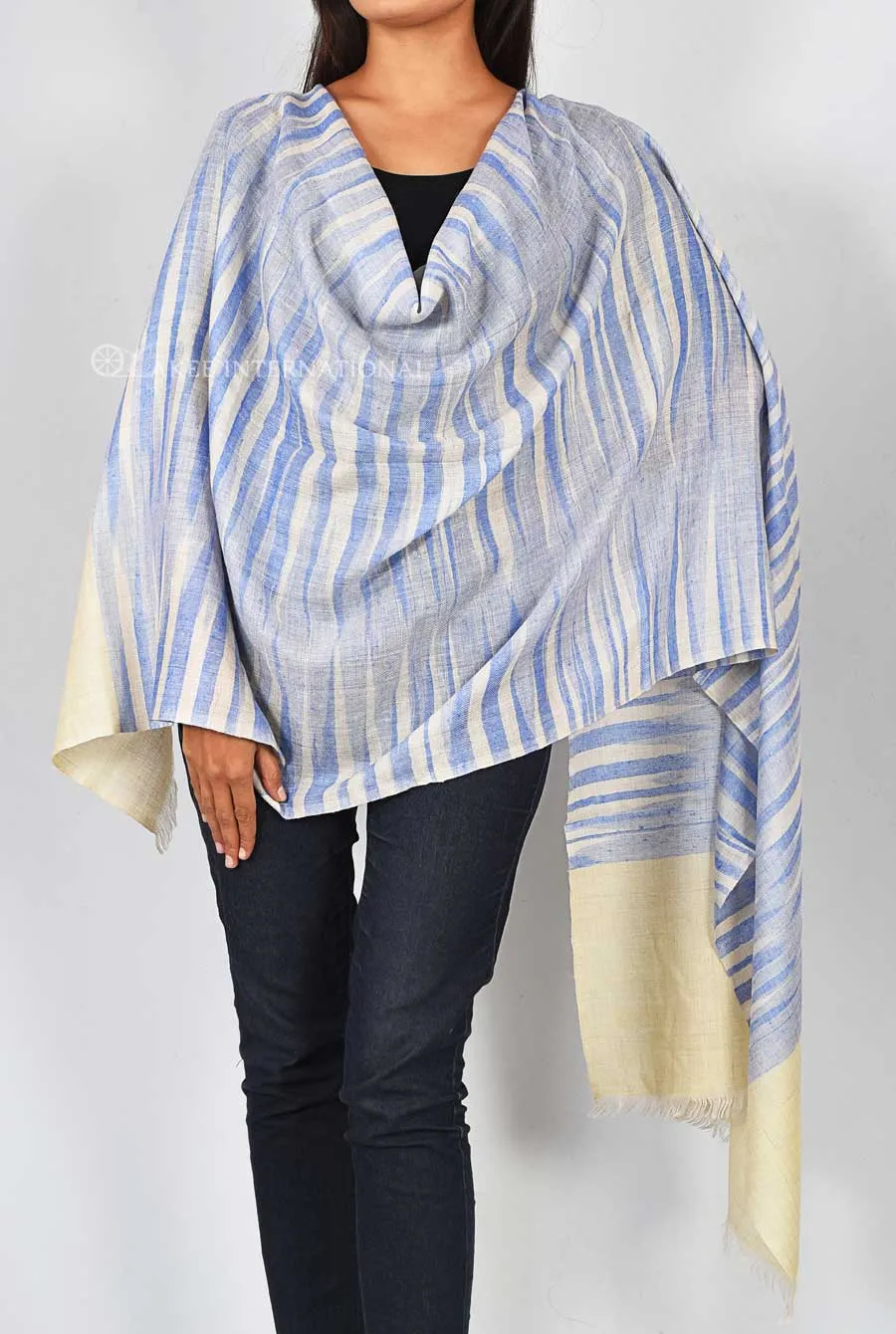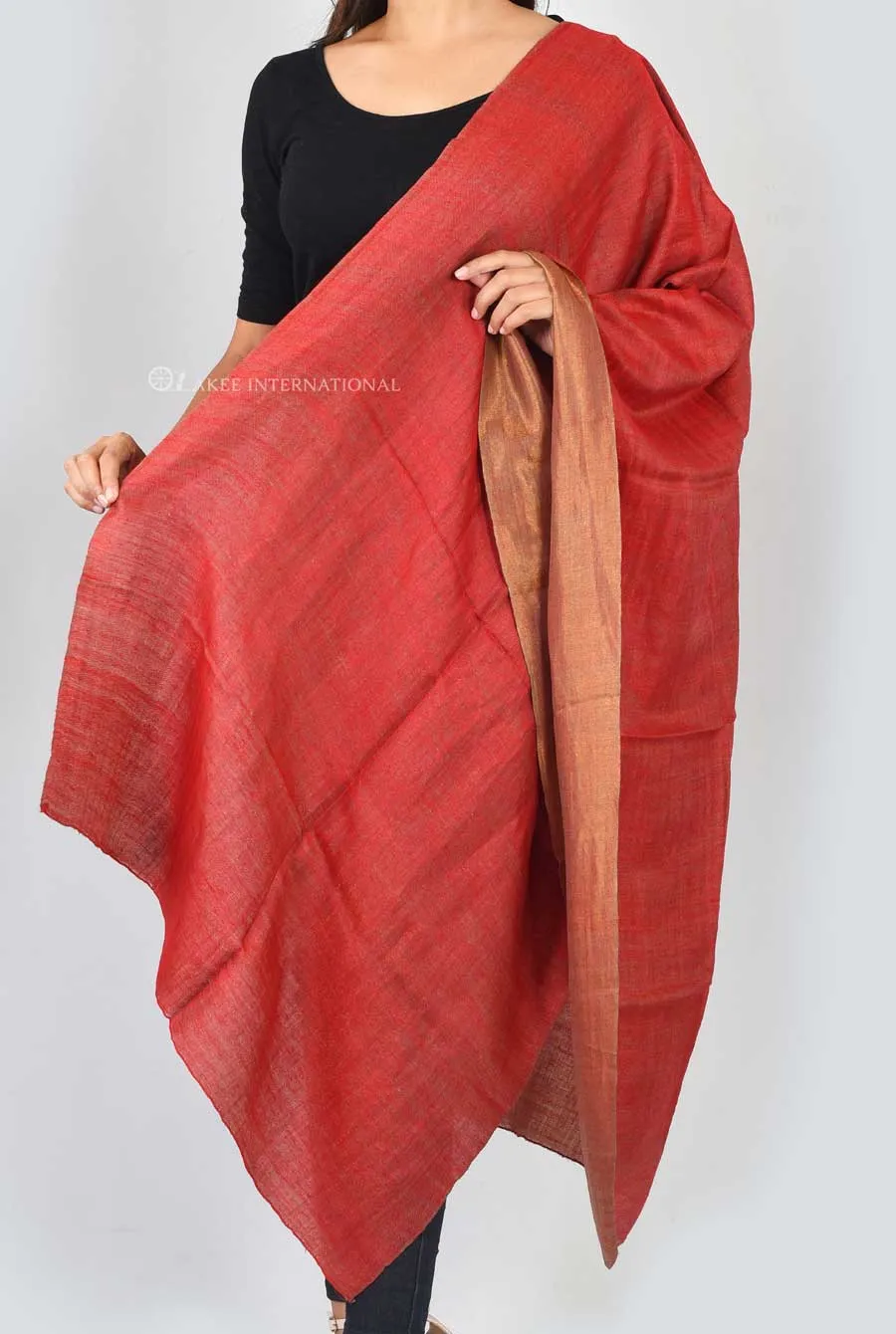
A beautifully crafted Pashmina shawl can remain elegant and comfortable for years when handled and stored with proper care. Because Pashmina is made from exceptionally fine fibre and many pieces feature delicate hand weaving, embroidery, or traditional detailing, it's important to avoid rough handling and unsuitable cleaning methods.
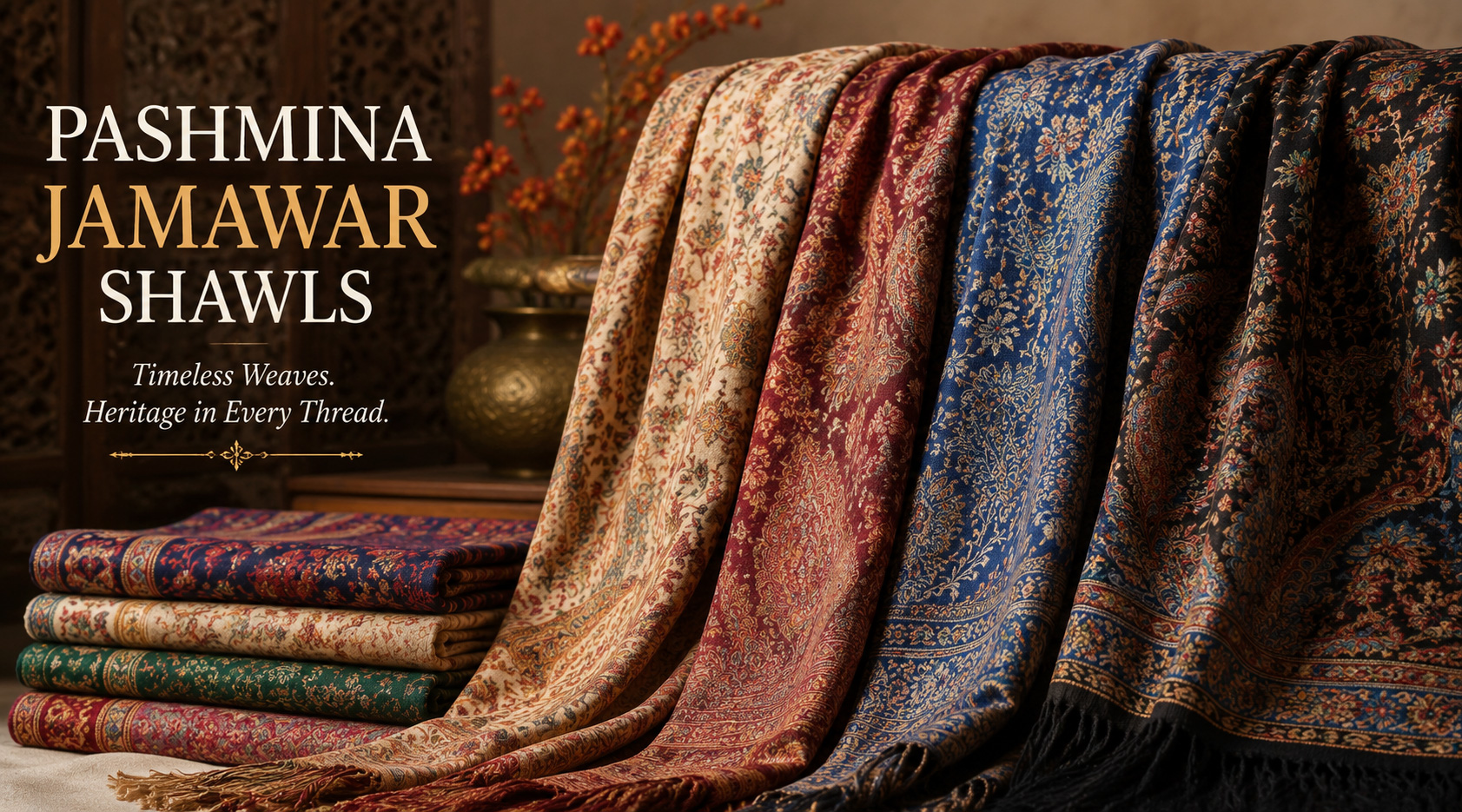
Whether you own an authentic Pashmina shawl, a handmade woven piece, or an intricately designed Jamawar Pashmina, a few simple care habits can help preserve its softness, texture, colour, and overall appearance for many years to come.
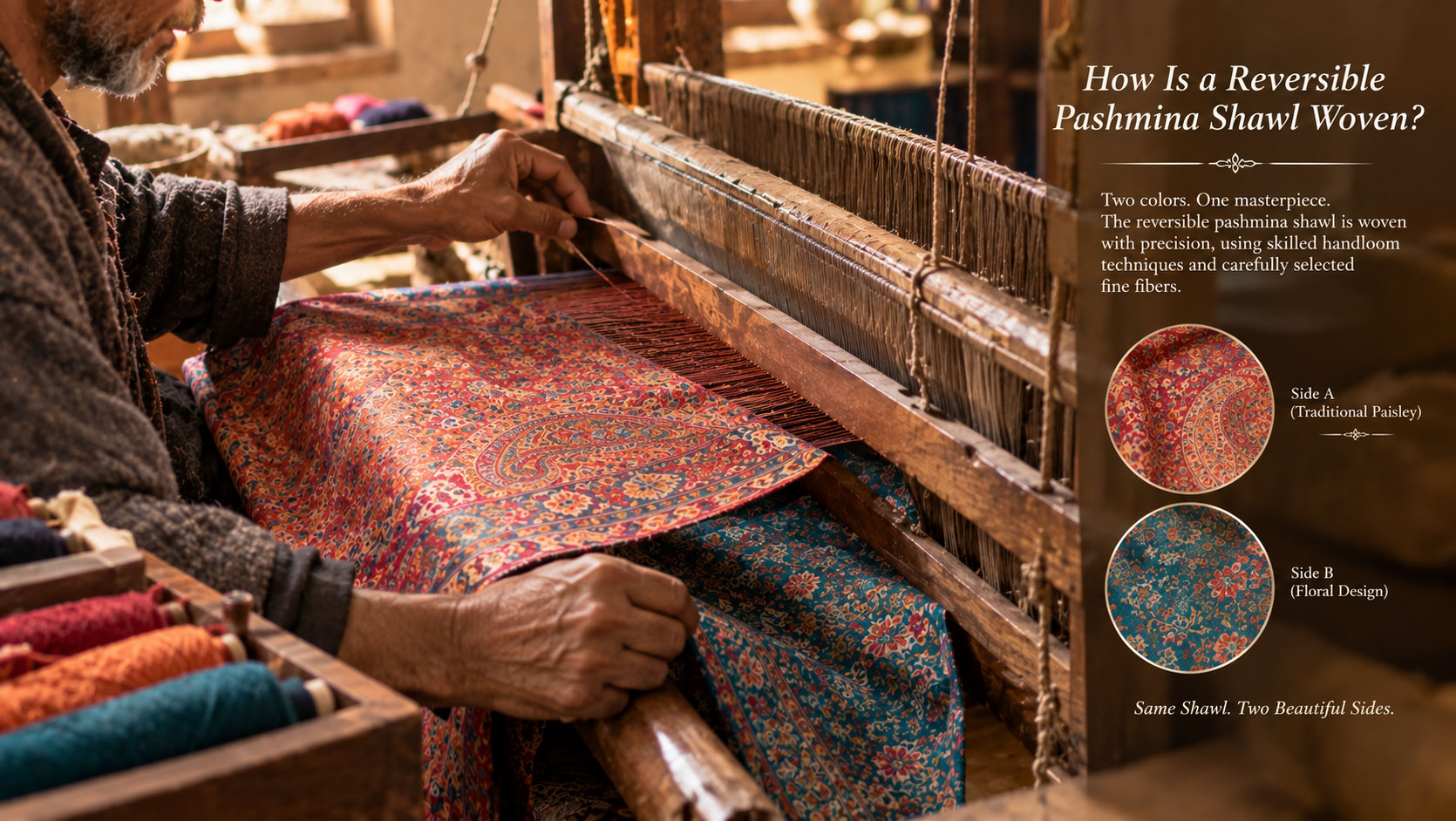
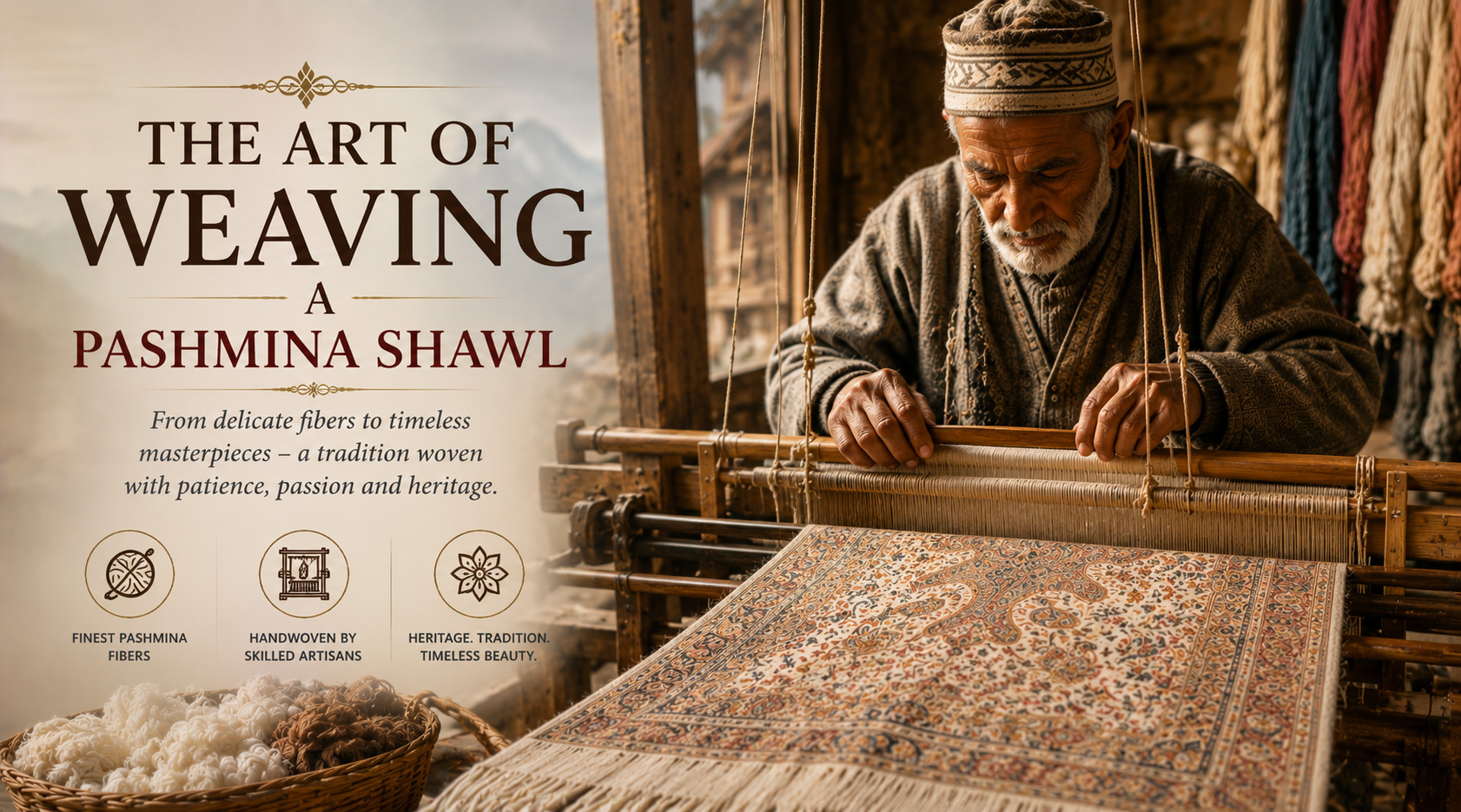
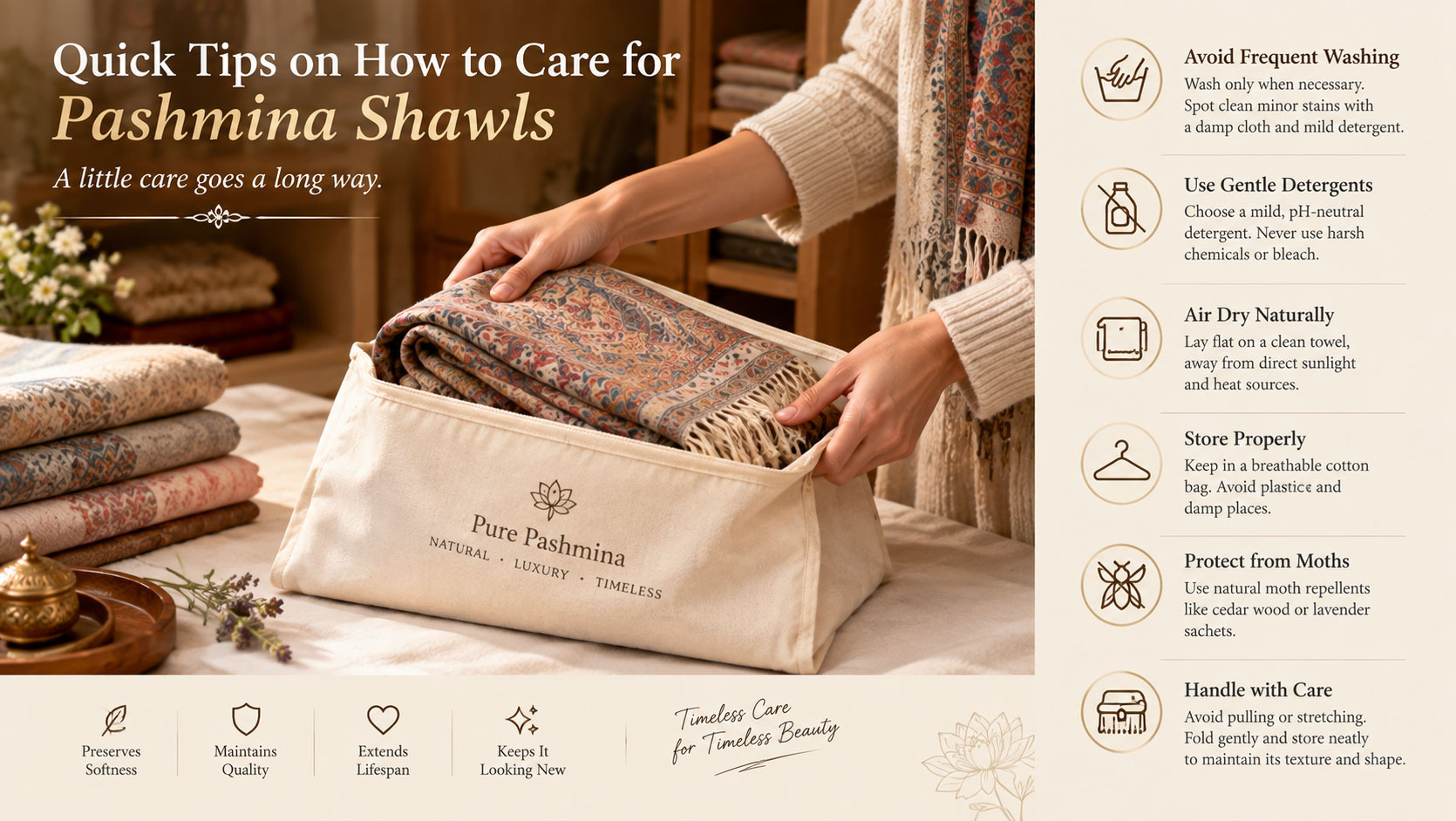
One of the easiest ways to care for a Pashmina shawl is to handle it carefully. Avoid pulling, stretching, or rubbing the fabric unnecessarily. When wearing a shawl, be mindful of jewellery, bags, or rough surfaces that could catch delicate fibres or embroidery. After use, allow the shawl to settle before folding it neatly for storage — the fine fibre described in our guide on the art of weaving a Pashmina shawl deserves this level of gentle handling.
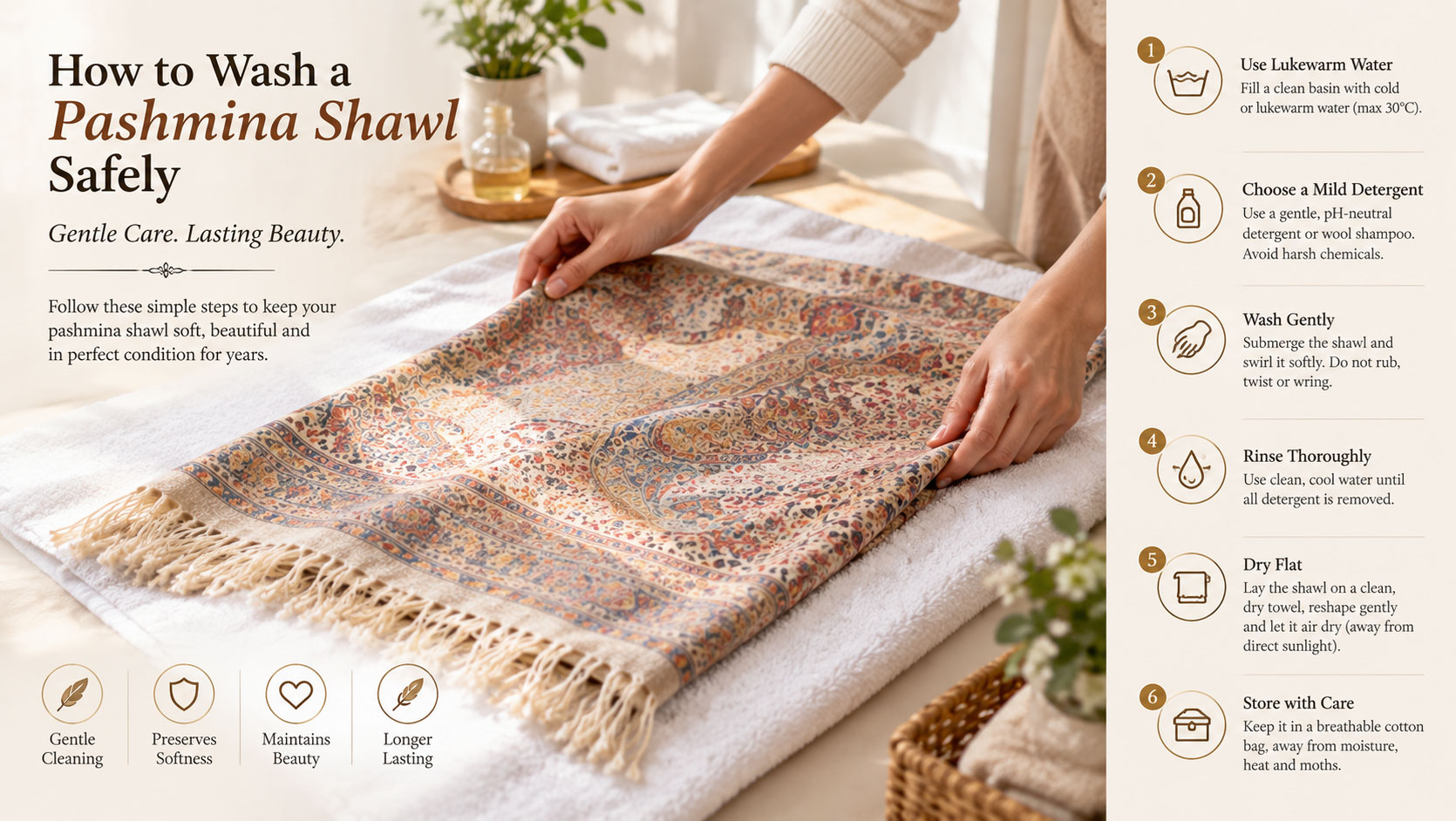
Pashmina does not generally need frequent washing. Excessive cleaning can put unnecessary stress on delicate fibres. Whenever possible, follow the specific care instructions supplied with your shawl. If professional cleaning is recommended for your particular Pashmina, choose a cleaner experienced in handling delicate luxury textiles — our detailed guide on how to wash a Pashmina shawl covers this in more depth.
If the manufacturer's instructions permit washing, use an appropriate gentle method and avoid harsh detergents, bleach, or aggressive cleaning products. Strong chemicals can affect delicate fibres, dyes, embroidery, and decorative details. For valuable or intricately embroidered handmade Pashmina shawls, professional care may be the safer option.
Avoid wringing, twisting, or aggressively squeezing a Pashmina shawl after cleaning. These actions can distort the fabric and affect its shape. Instead, follow the recommended drying method and keep the shawl away from excessive direct heat. Do not use high heat unless the product's care instructions specifically allow it.
Proper storage is an important part of Pashmina shawl care. Make sure the shawl is completely clean and dry before storing it. Fold it gently and place it in a clean, dry storage space away from excessive moisture and direct sunlight. Avoid overcrowding the storage area, as prolonged pressure can affect delicate embroidery and fabric details — our companion guide on how to store a Pashmina shawl offers further tips.
Direct sunlight for extended periods may affect certain dyes and delicate textiles. It's therefore better to store your Pashmina away from prolonged sunlight. For valuable or heavily embroidered designs such as Jamawar Pashmina shawls, extra care should be taken when folding, storing, and handling the piece.
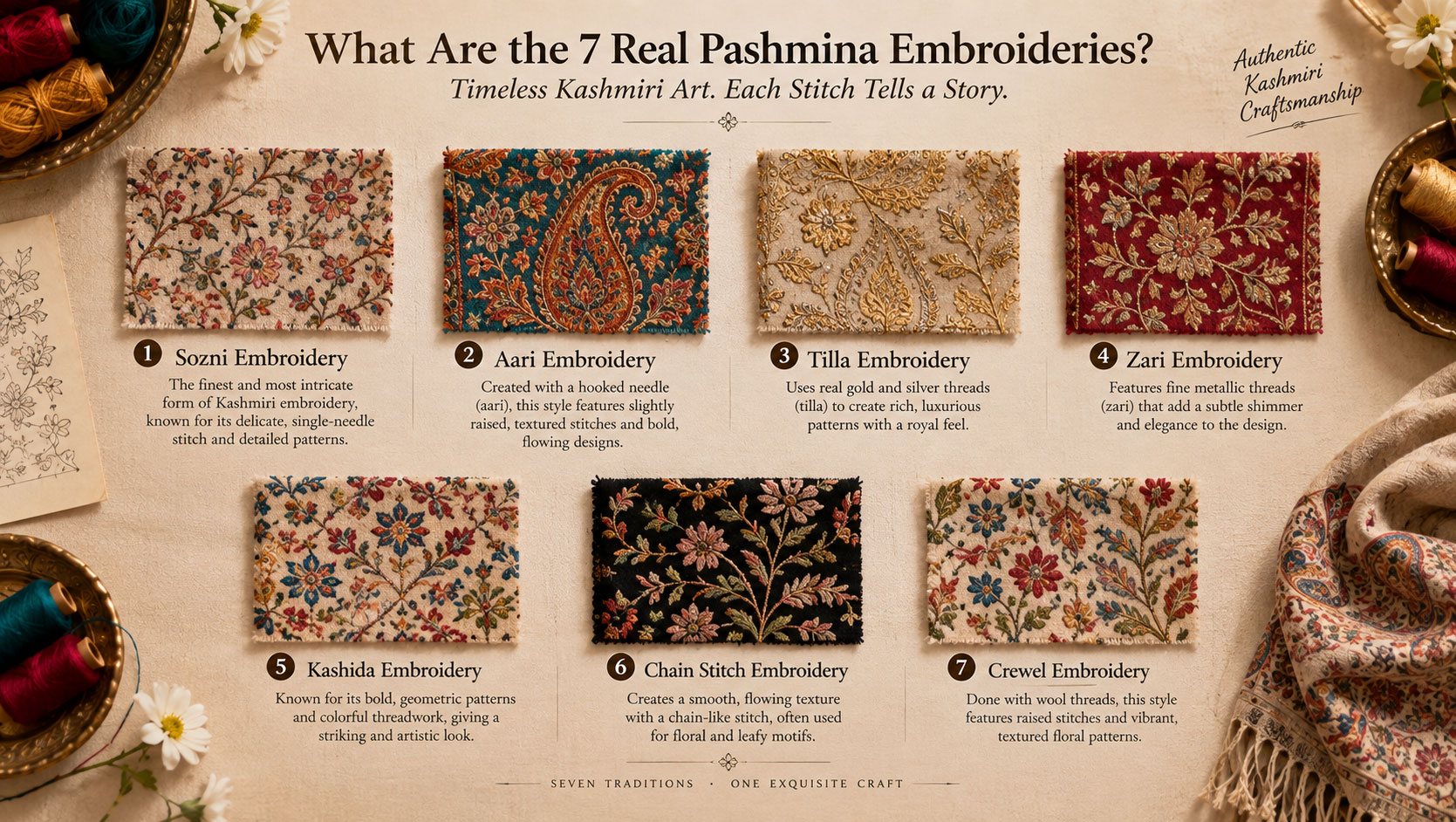
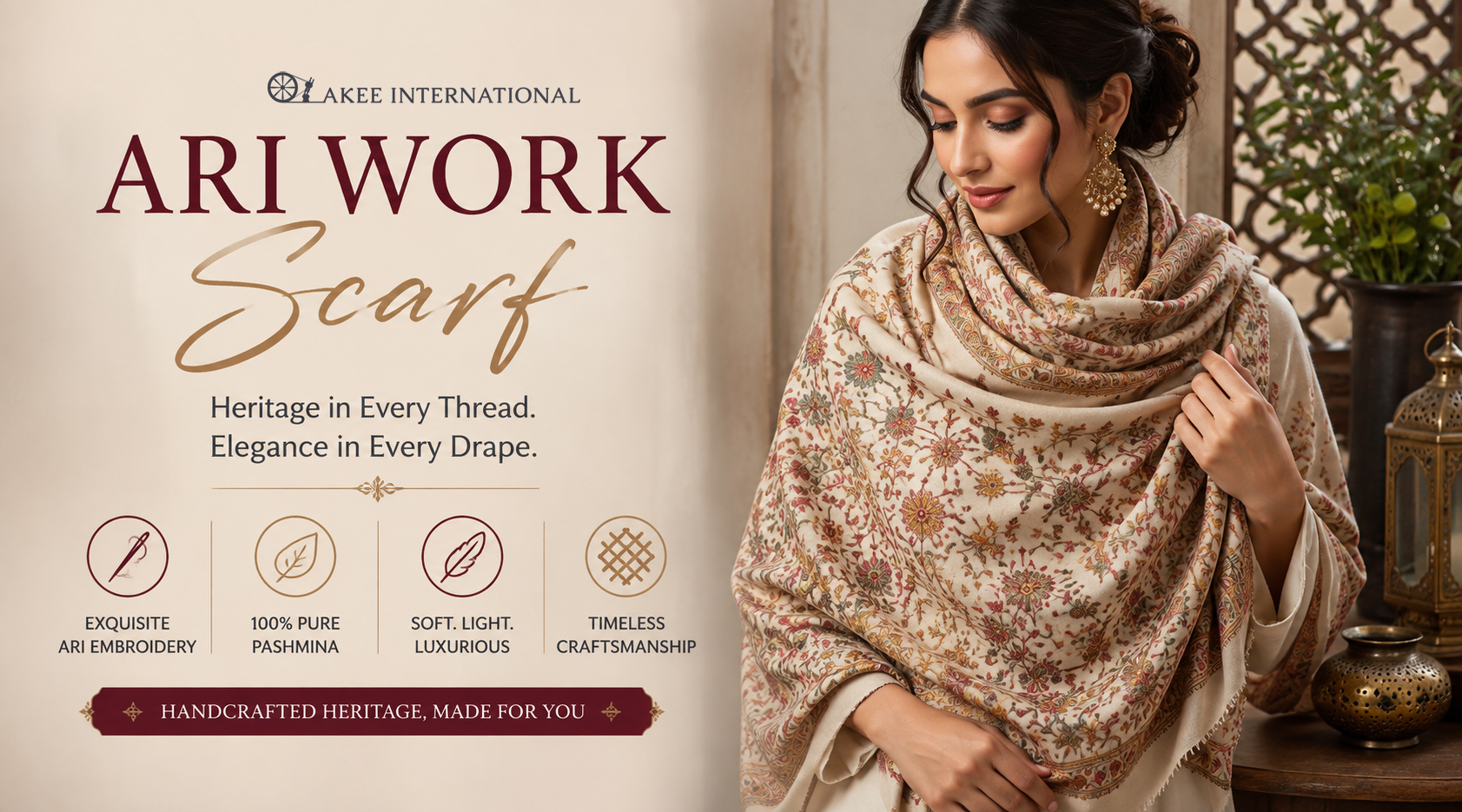
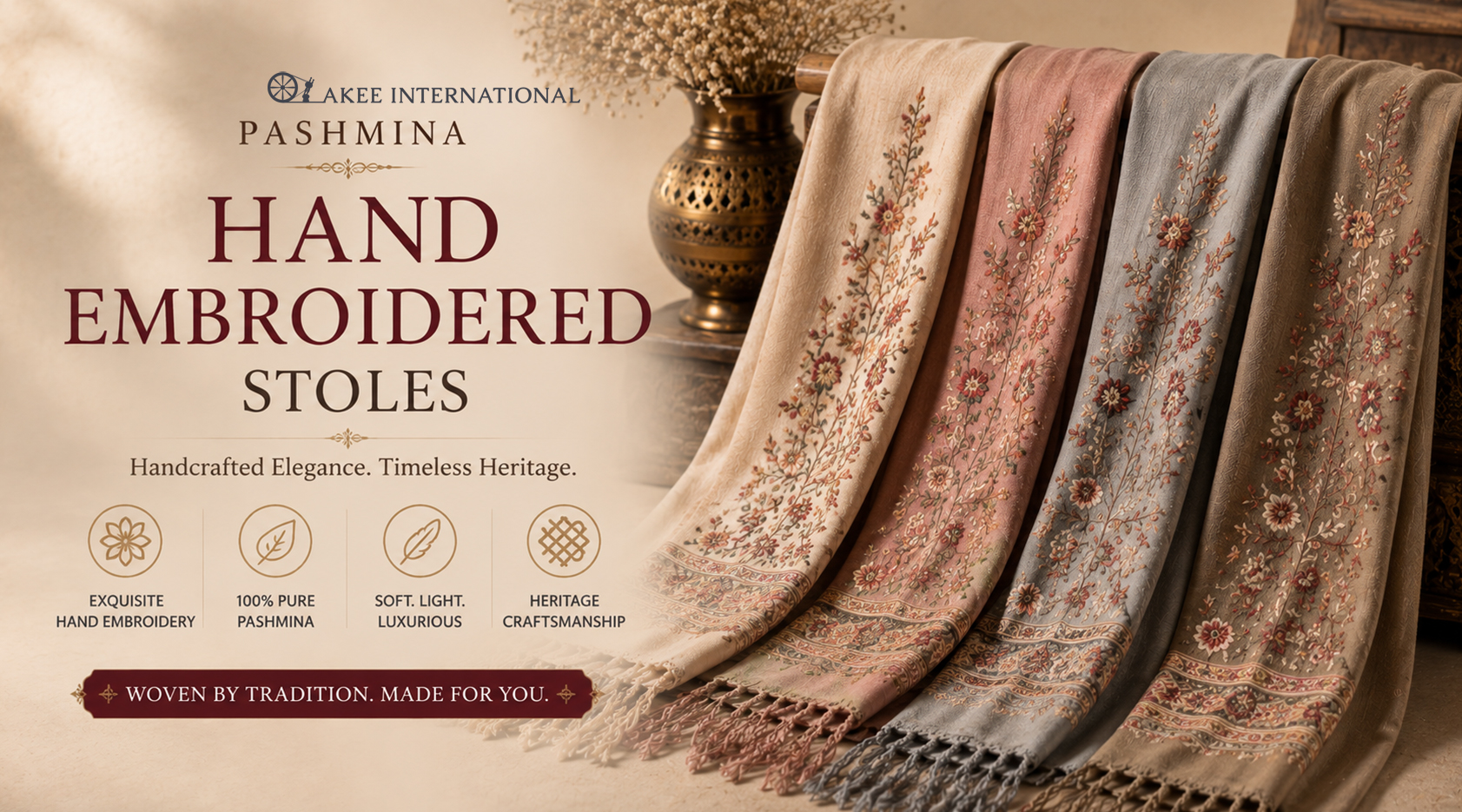
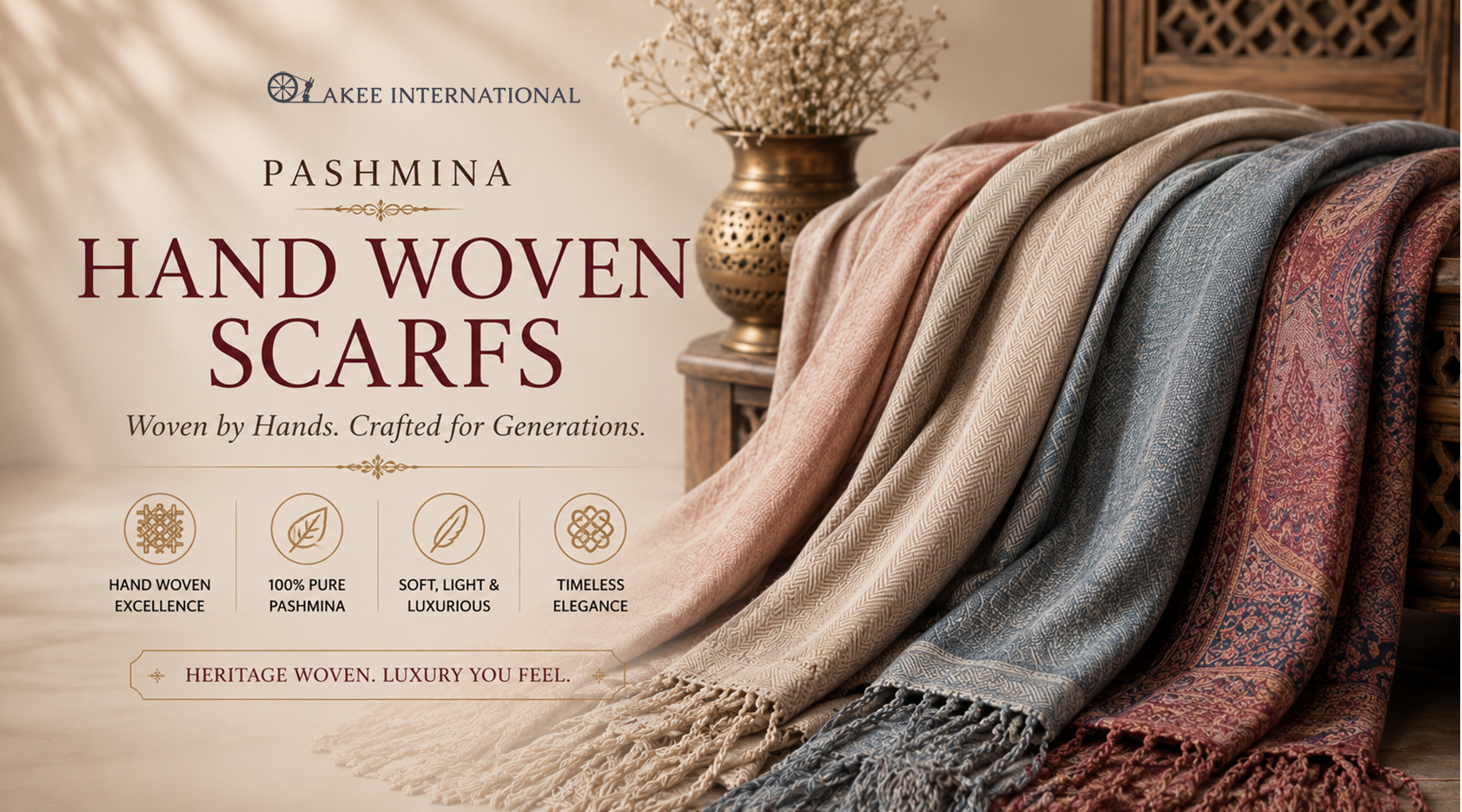
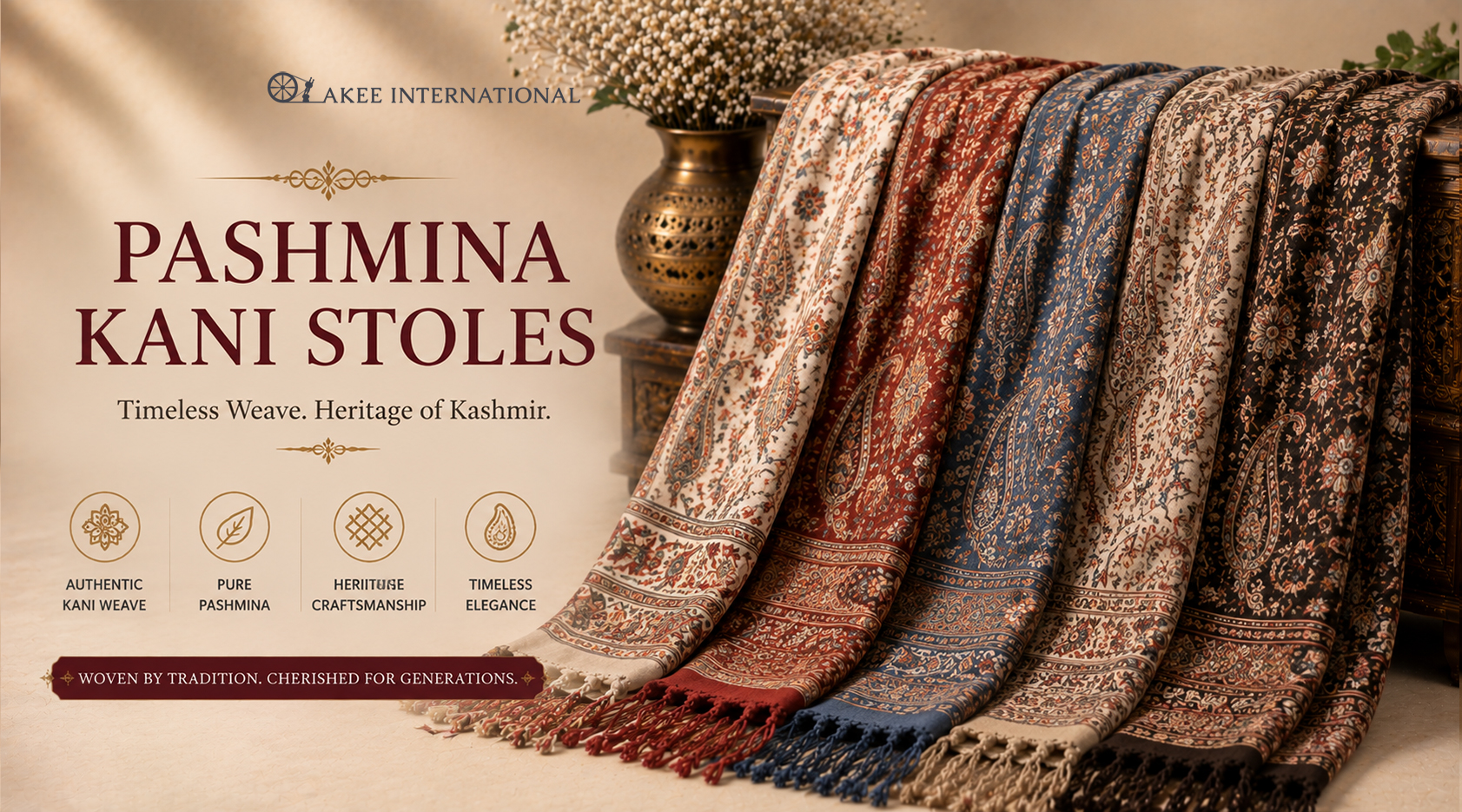
Not every Pashmina piece needs identical handling, and it helps to think about care specifically by construction type. A plain handwoven scarf with no additional embroidery is generally the most forgiving to care for, since there's no raised thread or metallic work to snag or fray. An embroidered piece — whether fine Sozni needlework or bolder Ari work — needs extra attention during both washing and folding, since the embroidery thread can sit slightly proud of the base fabric and catch on rough surfaces more easily than the weave itself. A Kani-woven piece, where the pattern is built directly into the fabric rather than stitched on, is somewhat more resilient to washing than embroidered pieces, but the density of the weave means it should still be dried flat rather than hung, to avoid the extra weight distorting the pattern over time.
Direct contact with perfumes, hairsprays, and other cosmetic products can occasionally affect delicate fibres or dyes over time. Where possible, apply such products before draping your shawl, and allow them to fully dry first.
If you own more than one Pashmina shawl, rotating usage can help each piece rest between wears. Continuous use without adequate rest can gradually affect the drape and texture of the fabric, particularly for finely woven or hand-embroidered pieces such as those featuring Sozni or Ari embroidery.
If a stain occurs, avoid rubbing it aggressively, as this can push the substance deeper into the delicate fibres. Instead, gently blot the area and consider professional cleaning for a valuable or intricately designed piece rather than attempting home remedies that could damage the fabric.
A shawl often gets its heaviest use while travelling, folded into a bag or carry-on for a flight, and packed a little less carefully than it would be at home. A few small habits help protect it on the move: fold it loosely into a soft pouch or its original packaging rather than jamming it into a corner of a suitcase, avoid packing it directly against zippers, buckles, or anything with a rough texture that could snag delicate fibre, and give it a chance to air out and settle once you reach your destination rather than wearing it straight from a tightly packed bag. If you're travelling specifically to shop for a Pashmina piece, our blog on shopping in Jaipur is a useful companion read alongside this care guide.
A few habits, often adopted without realizing the damage they cause, tend to wear down a Pashmina piece faster than normal use ever would. Machine washing, even on a delicate cycle, agitates the fibre far more than hand washing and is one of the most common causes of premature wear. Hanging a heavier or embroidered shawl on a hook or hanger for extended periods can gradually stretch it out of shape, since the fabric's own weight pulls unevenly at a single point of contact. Storing a Pashmina in a sealed plastic bag, while it might seem protective, actually traps moisture and creates exactly the environment moths are drawn to, working against the fibre rather than protecting it. Avoiding these three habits alone prevents the majority of avoidable damage we see on pieces brought in for repair or cleaning.
Many Pashmina pieces are bought with a longer story in mind — a bridal trousseau piece intended for a daughter one day, or a shawl chosen specifically to become a family keepsake. If that's the intention behind a purchase, it's worth treating care as part of that plan from the very first wear rather than an afterthought years later. Consistent, gentle care from day one — rather than occasional deep cleaning after years of neglect — is what actually allows a shawl to be handed down in genuinely good condition. Our Wedding Trousseau Pashmina Shawl collection is built around exactly this kind of long-term intention, and treating the care routine above as a lifelong habit, not a one-time task, is what makes that intention realistic.
Because genuine Pashmina represents real value — both in what it costs and in the artisan hours behind it — proper care is also, in a very practical sense, protecting an investment. A shawl that's been cared for correctly retains its softness, drape, and colour far longer than one that hasn't, which matters whether you're keeping it for yourself or eventually reselling or gifting it. Our Pashmina Shawl Price Guide gives a sense of what this investment typically represents across different weaves and embroidery levels, which makes the case for careful handling even clearer.
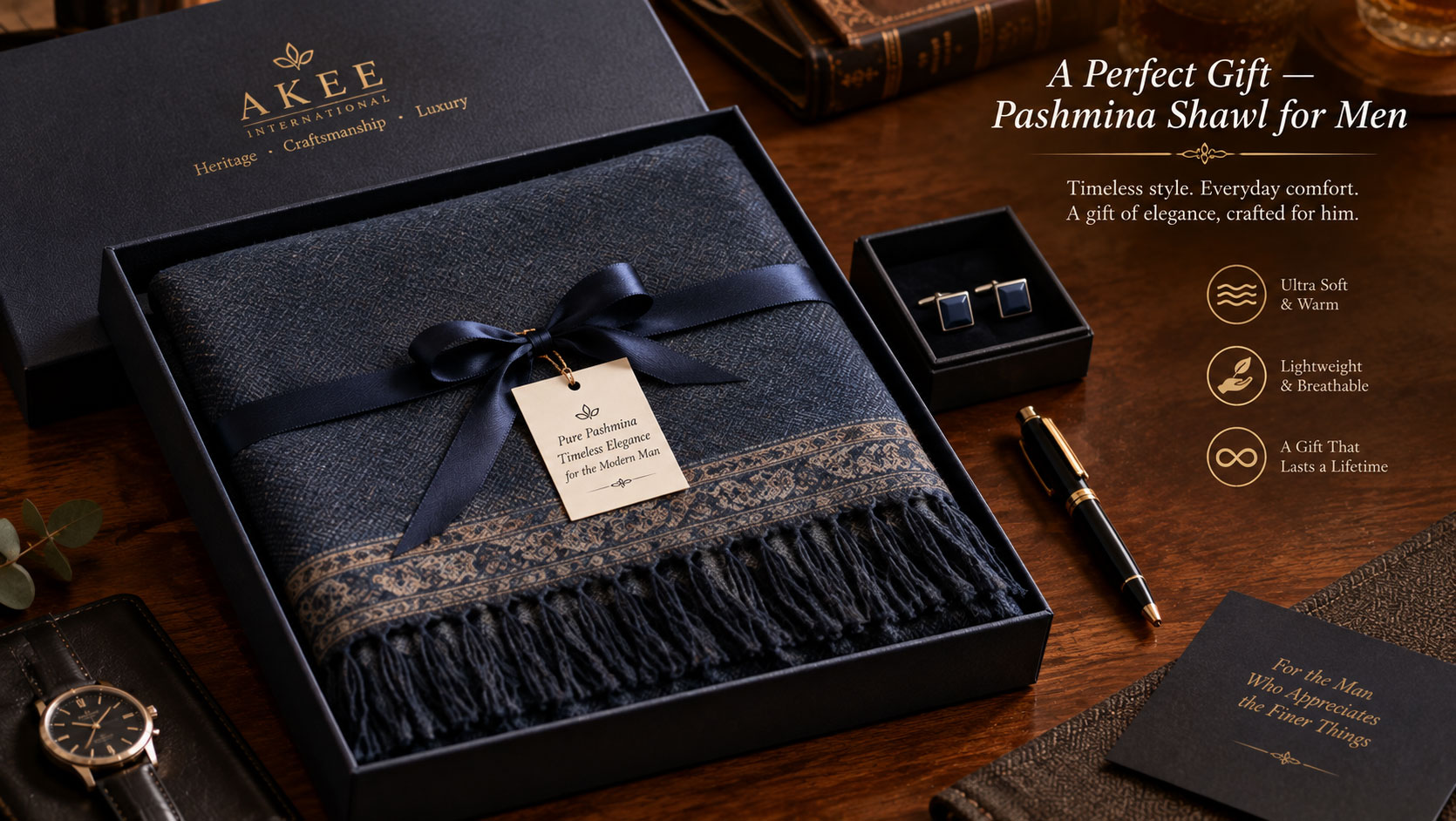
If you're gifting a Pashmina shawl rather than keeping it, passing along a few of these care basics helps the recipient enjoy the piece for as long as it deserves. A short handwritten note, or simply pointing them toward this guide, ensures a thoughtful gift doesn't lose its softness within the first year through well-meaning but incorrect care. This is especially worth doing for corporate gifting at bulk, where recipients may be unfamiliar with genuine Pashmina and its specific needs compared to ordinary wool.
The key to maintaining a Pashmina shawl is simple: gentle handling, appropriate cleaning, careful drying, and proper storage. Avoid experimenting with harsh home-cleaning methods, especially when dealing with valuable handmade or embroidered pieces.
At Akee International, beautifully crafted Pashmina designs reflect the elegance of traditional craftsmanship, sourced through our Kashmiri artisan network. With thoughtful care, your Pashmina shawl can continue to be a treasured part of your wardrobe for many years — pairing well with our styling guide on how to wear a Pashmina once it's clean and ready, and our complete Pashmina Shawl Care Guide for a fuller reference whenever you need it.
Browse our full Pashmina collection, including our hand-embroidered range, to find a piece worth taking good care of.
If you have specific questions about caring for a piece from our collection, our team is happy to advise.
Call/WhatsApp: +91-9772777770
Email: akee.international@gmail.com
Visit us: Nai Mata Mandir Road, Thathar Road, Delhi By Pass, Amer, Jaipur 302028, Rajasthan, India
Reach out via Contact Us for personalised care advice on your Pashmina shawl.
Handle your Pashmina gently, avoid unnecessary rubbing or stretching, and follow the care instructions provided with the product. Proper storage is also important for maintaining its condition.
The appropriate cleaning method depends on the specific Pashmina shawl. Always check its care instructions first, and consider professional cleaning for delicate, embroidered, or valuable pieces.
Regular harsh detergents are generally not recommended for delicate Pashmina. They may affect fine fibres, colours, or decorative work, so use only a suitable cleaning method recommended for the garment.
Some Pashmina shawls may be professionally dry cleaned, but the correct method depends on the fibre, dyes, embroidery, and construction. Check the manufacturer's care instructions before choosing a cleaning service.
Pashmina usually does not require frequent washing. Cleaning should be based on actual need and the specific care instructions for your shawl.
Store it clean and completely dry in a cool, dry place away from prolonged direct sunlight. Fold it gently and avoid placing excessive weight on delicate embroidery or detailing.
Avoid applying high heat directly to Pashmina. If ironing is permitted by the care instructions, use an appropriate low-temperature method and protect the delicate fabric.
Handle it carefully and keep it away from rough surfaces, sharp jewellery, excessive moisture, harsh chemicals, and prolonged direct sunlight.
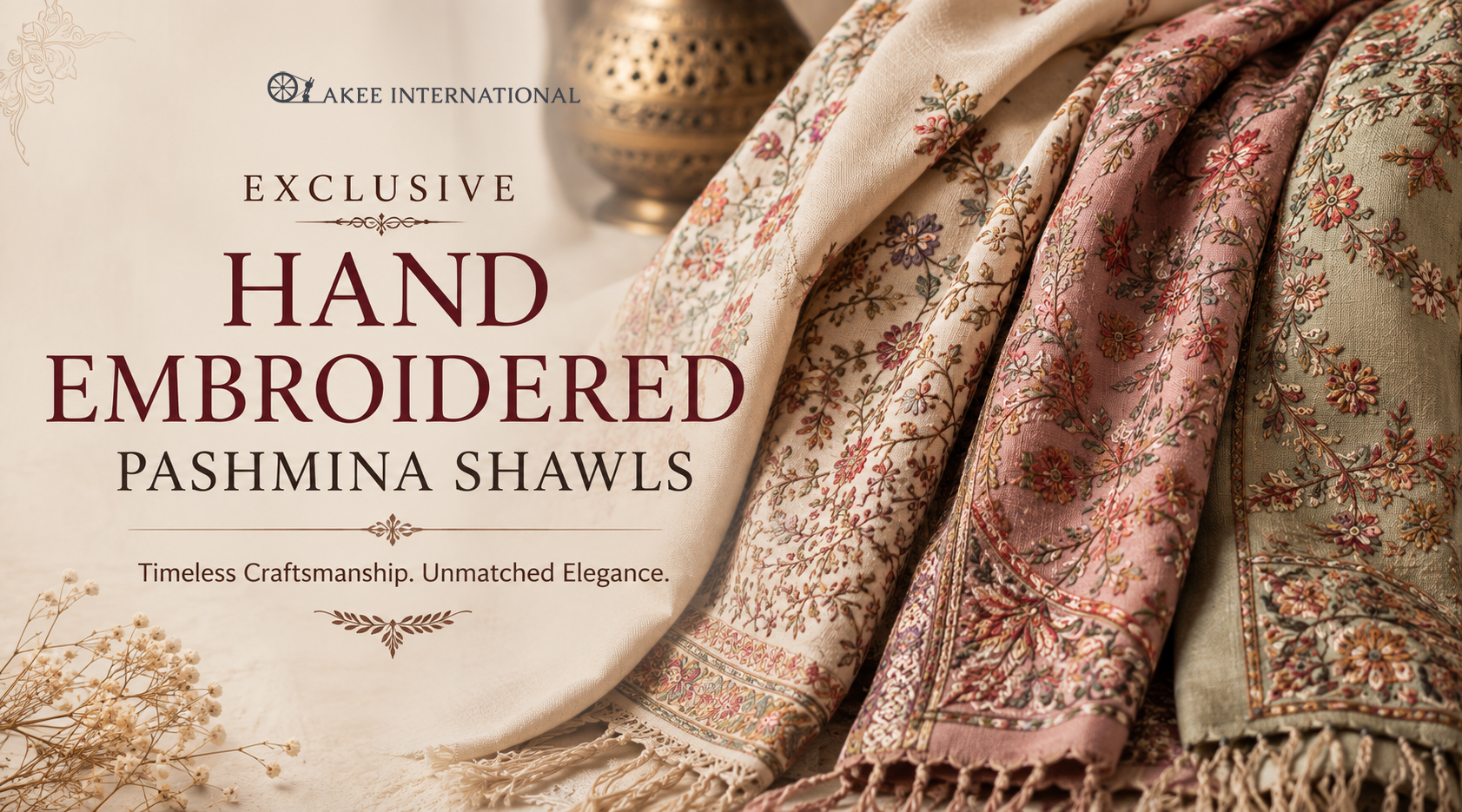
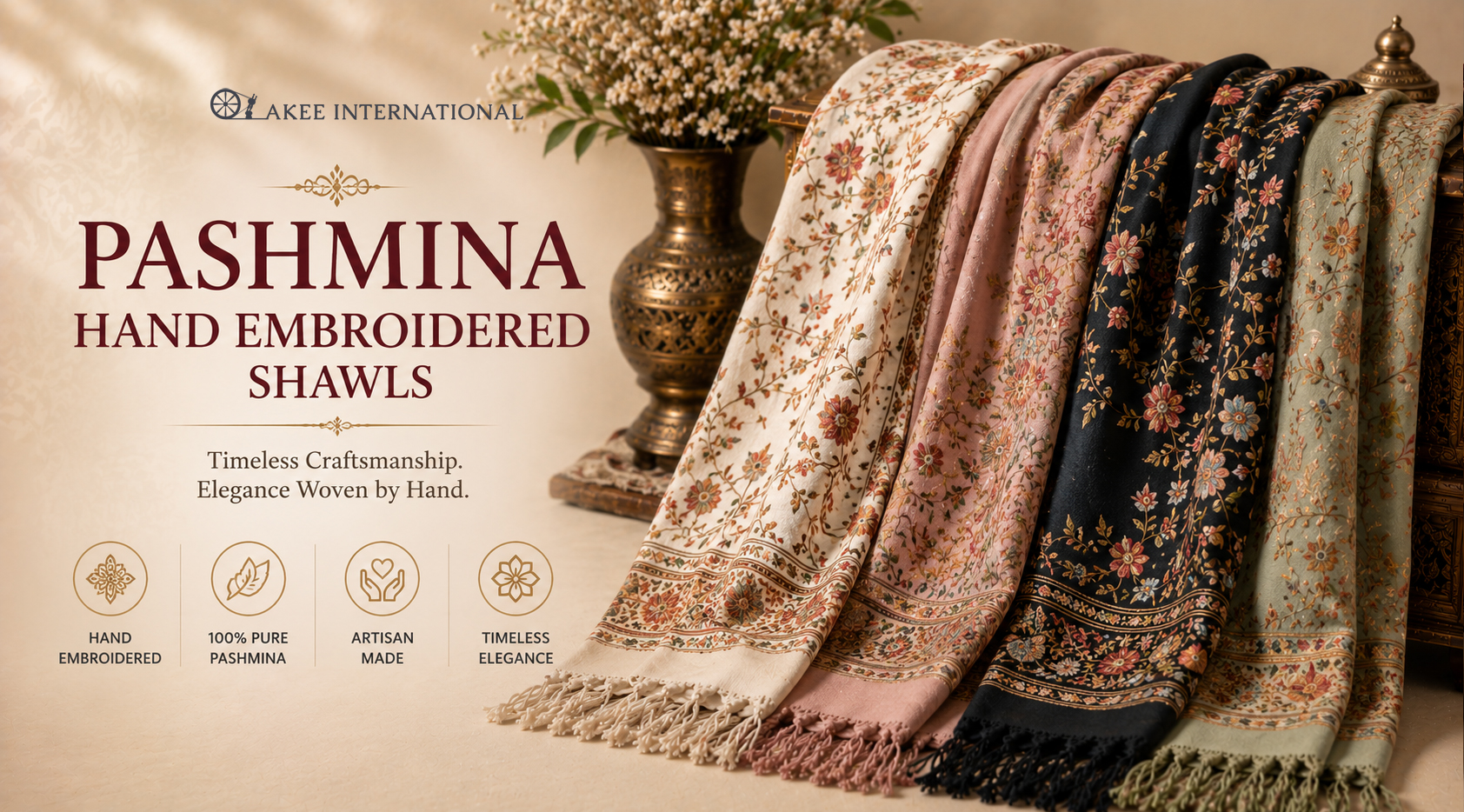
Embroidered Pashmina requires extra care because the decorative work can be delicate. Avoid pulling or rubbing the embroidery and consider professional cleaning when necessary.
Gentle handling, limited washing, suitable cleaning, proper drying, and careful storage can help preserve the softness and appearance of your Pashmina shawl over time.
"Browse our curated collections and shop by category to find the perfect Pashmina shawl or scarf for every occasion."
"Explore our latest collection of exquisite Pashmina shawls and scarves, where luxury meets craftsmanship in every piece."
"Shop our Best Sellers, where luxury meets demand—featuring the most sought-after Pashmina shawls and scarves of the season."
"Read what our clients say about their experience with Akee International's luxurious Pashmina shawls and impeccable service."

Nai Mata Mandir Road, Thathar Road, Delhi By Pass, Amer, Jaipur 302028, Rajasthan India
Get directions Call Now Whatsapp 4.9 based on 269 reviews
Rating: 4.6/5 | 85 Reviews

Rating: 4.9/5 | 269 Reviews

TrustScore: 4.9 | 100 Reviews