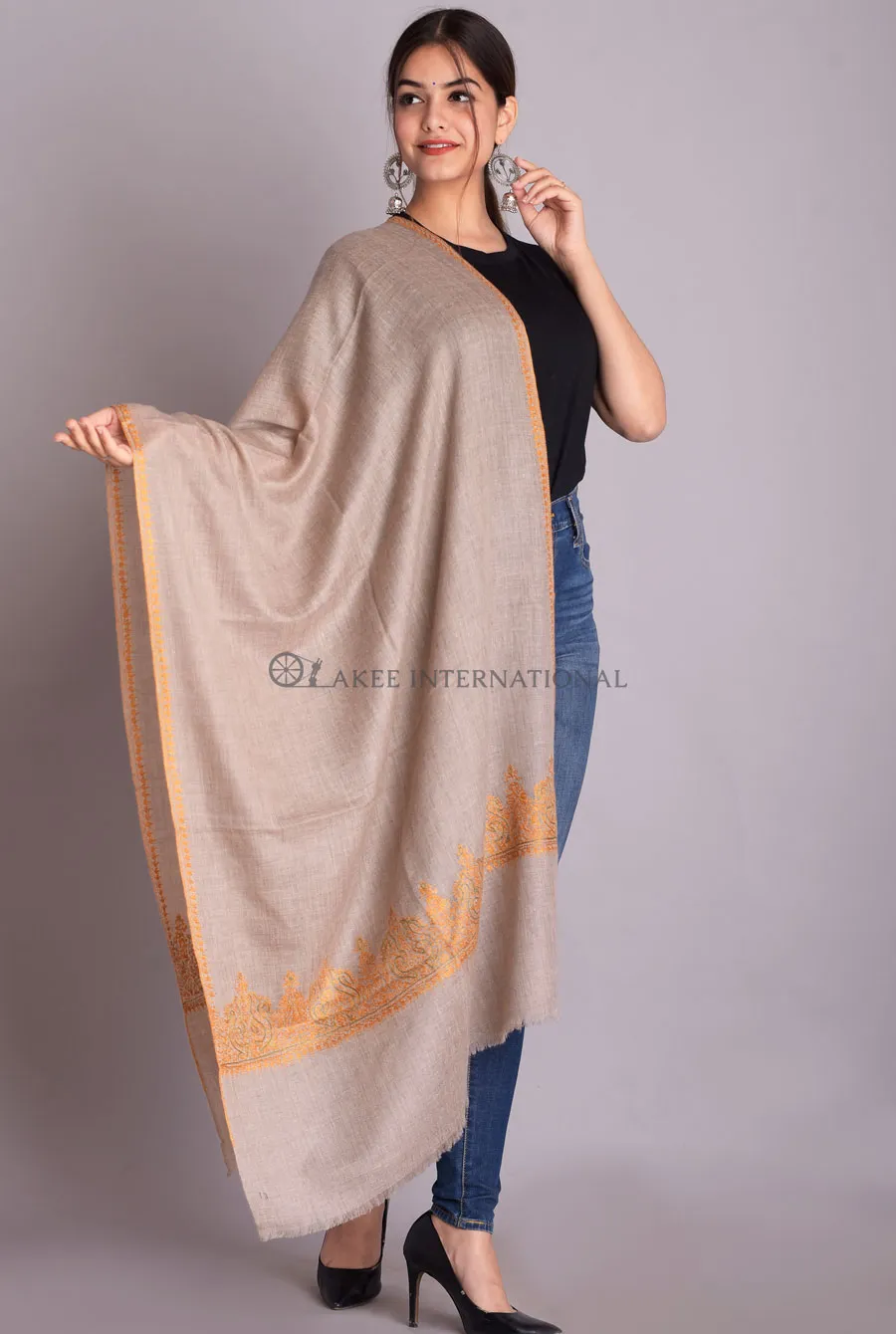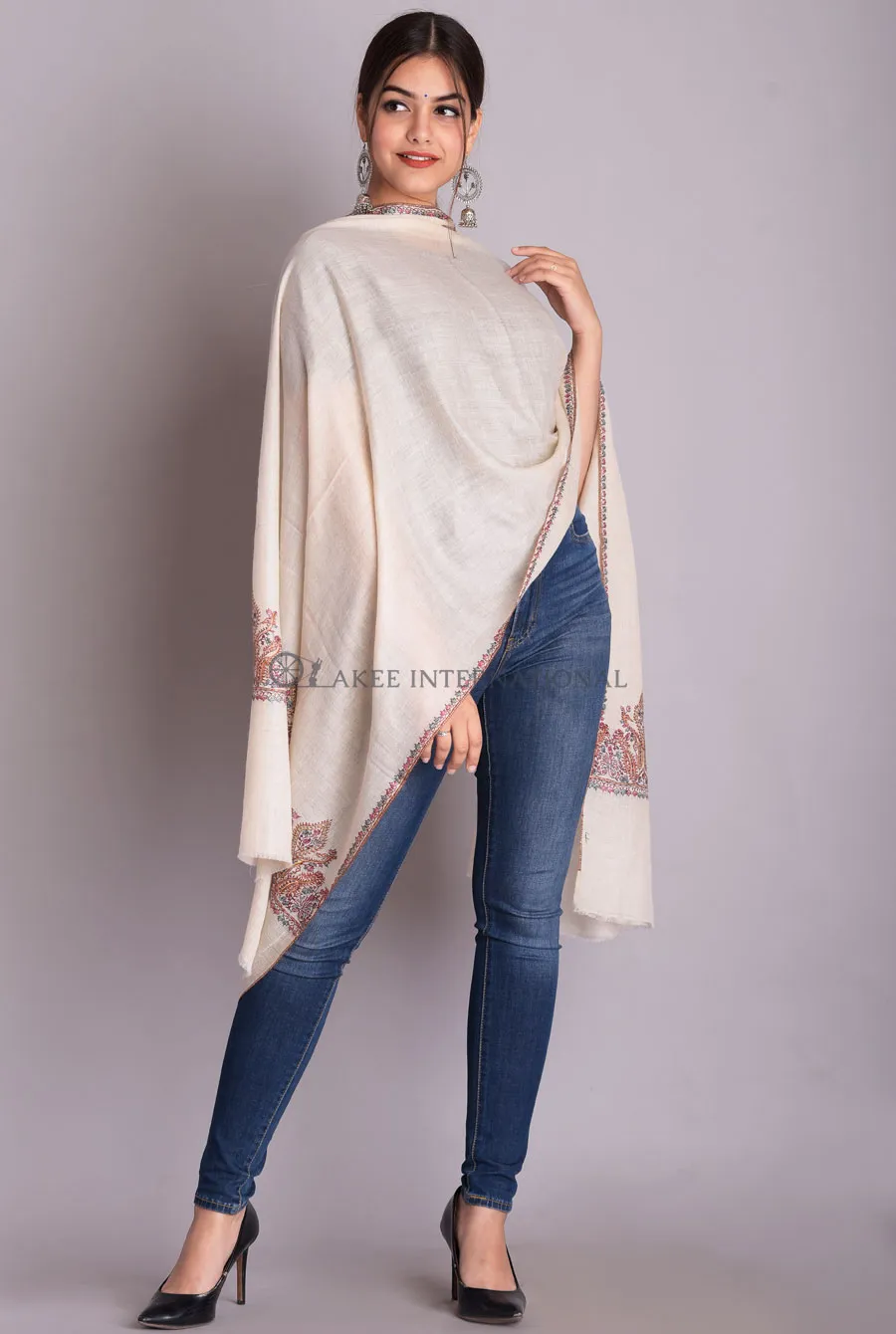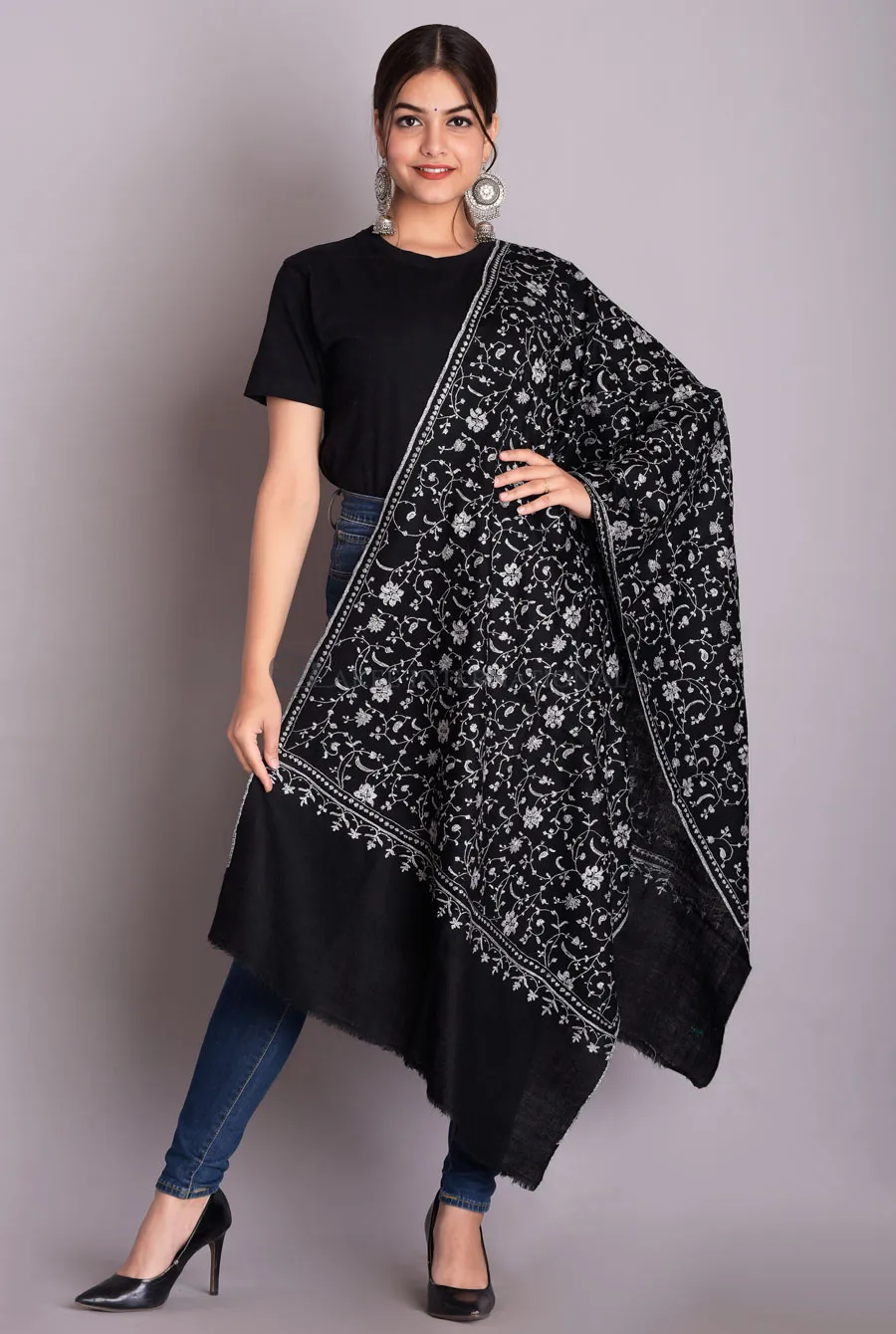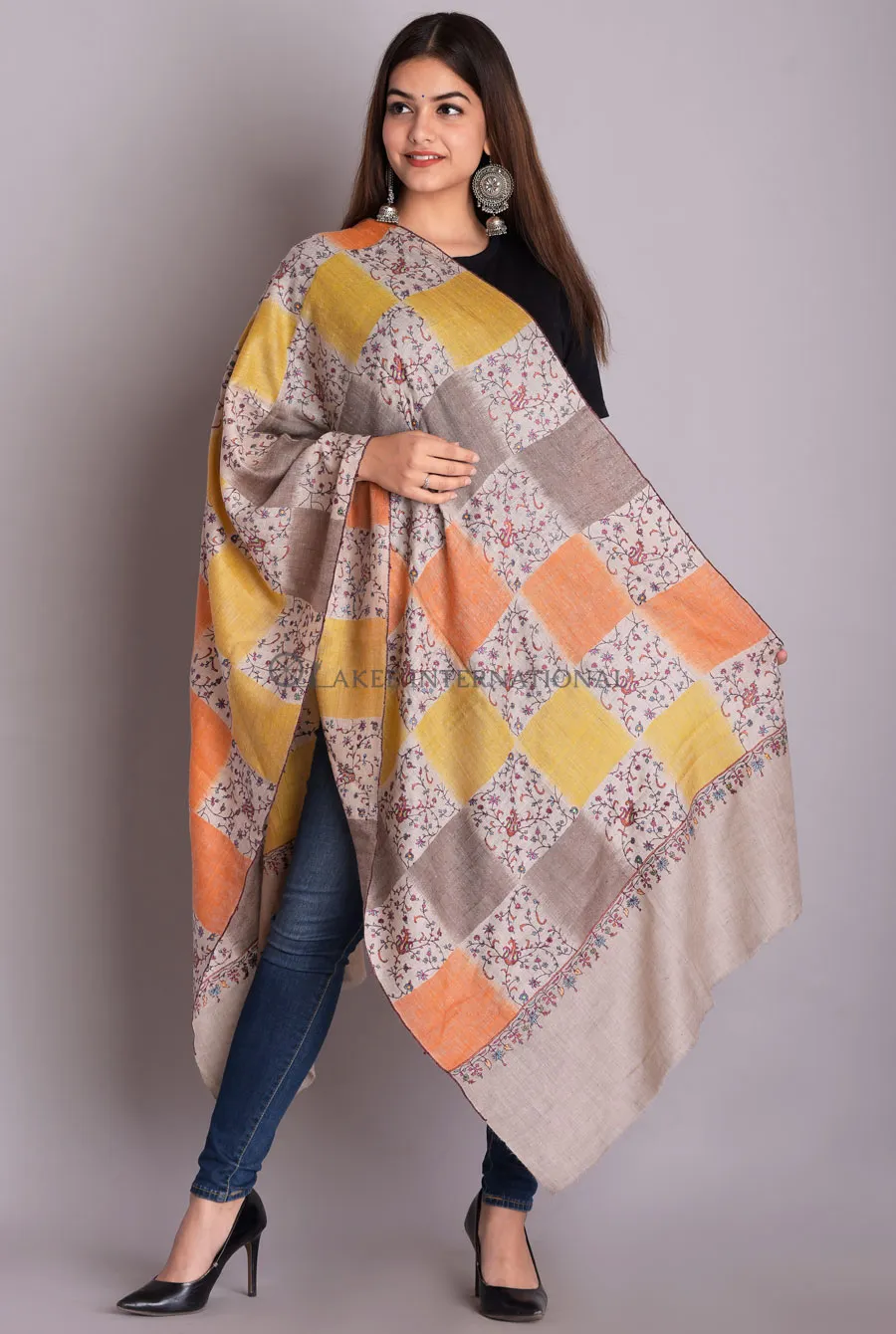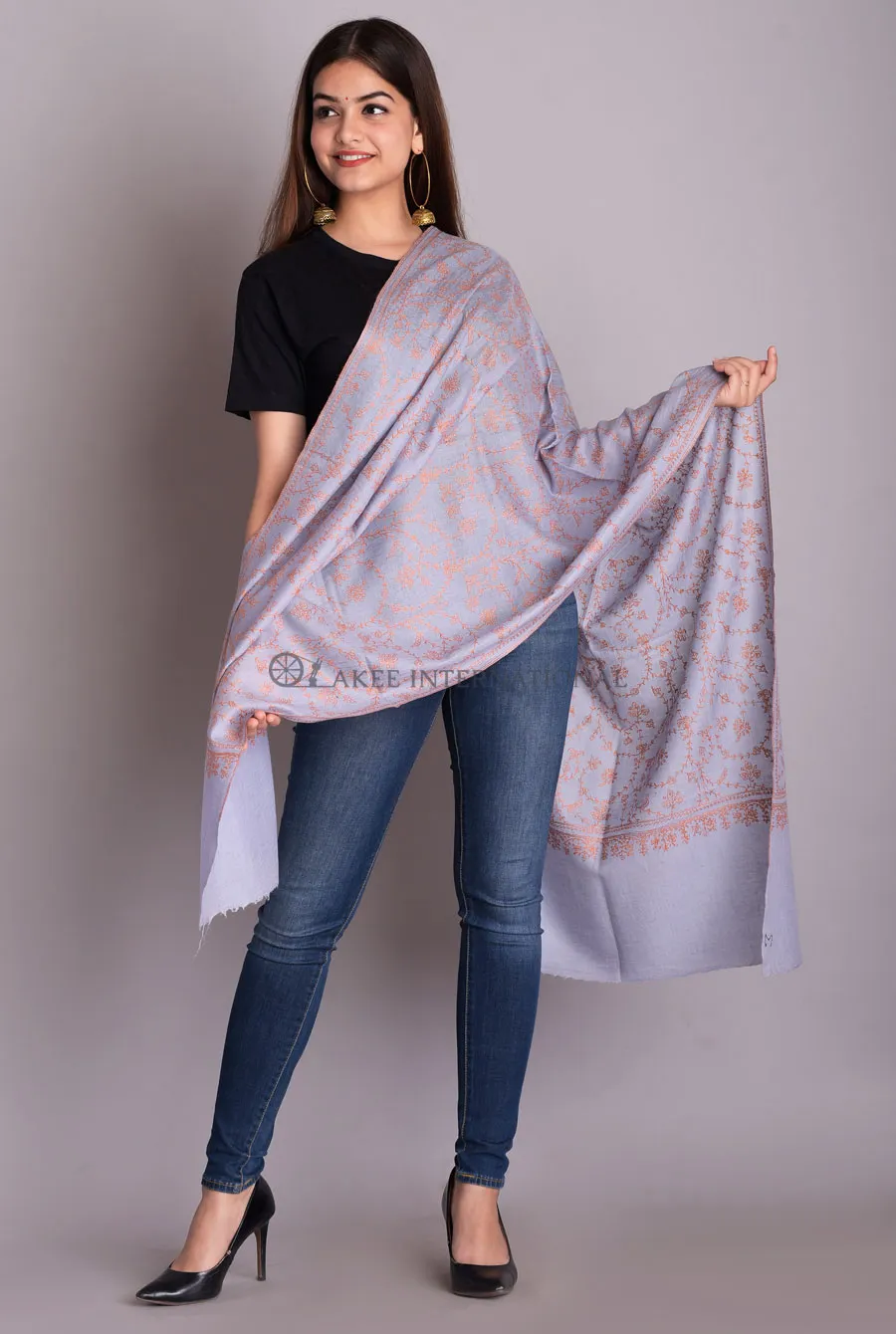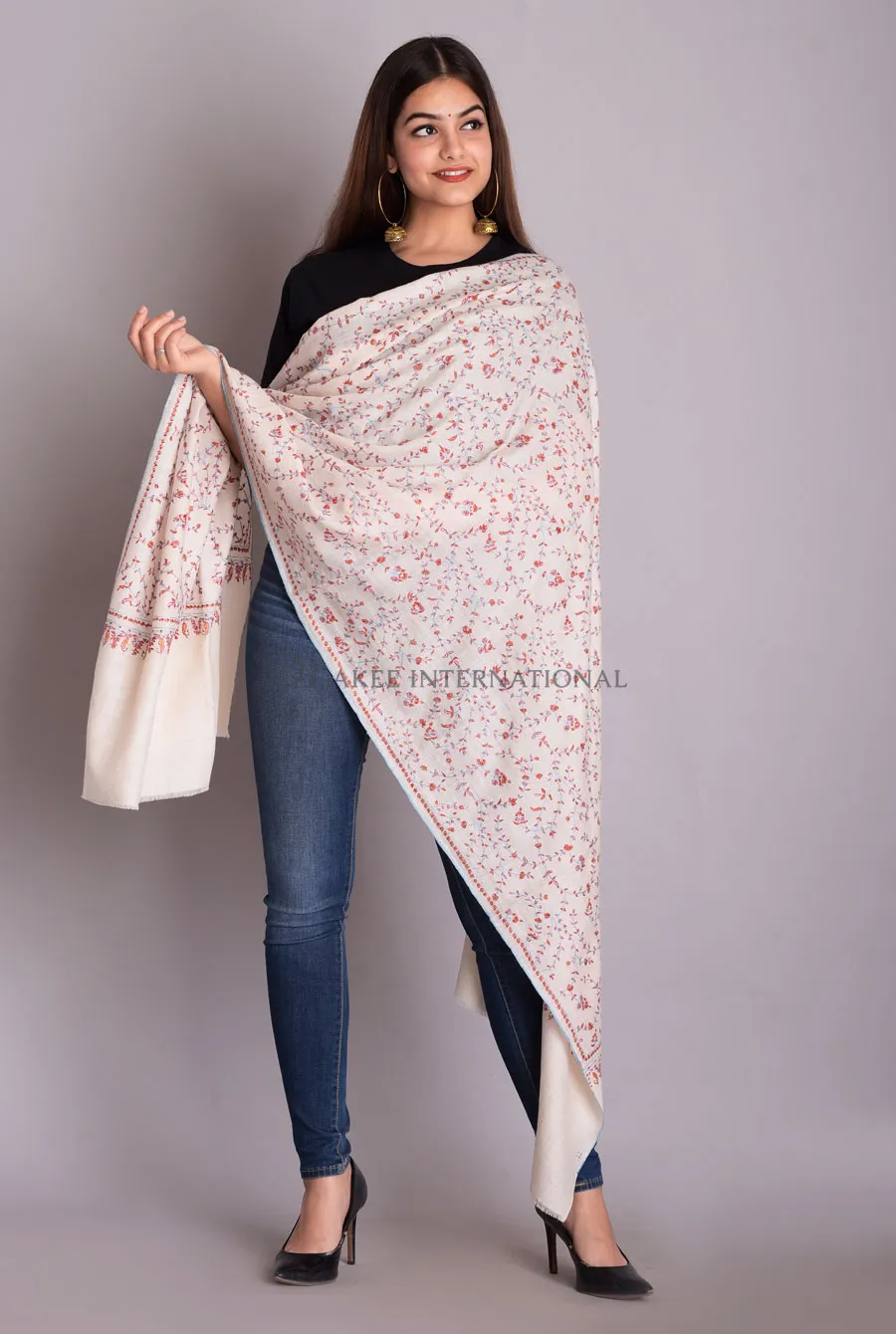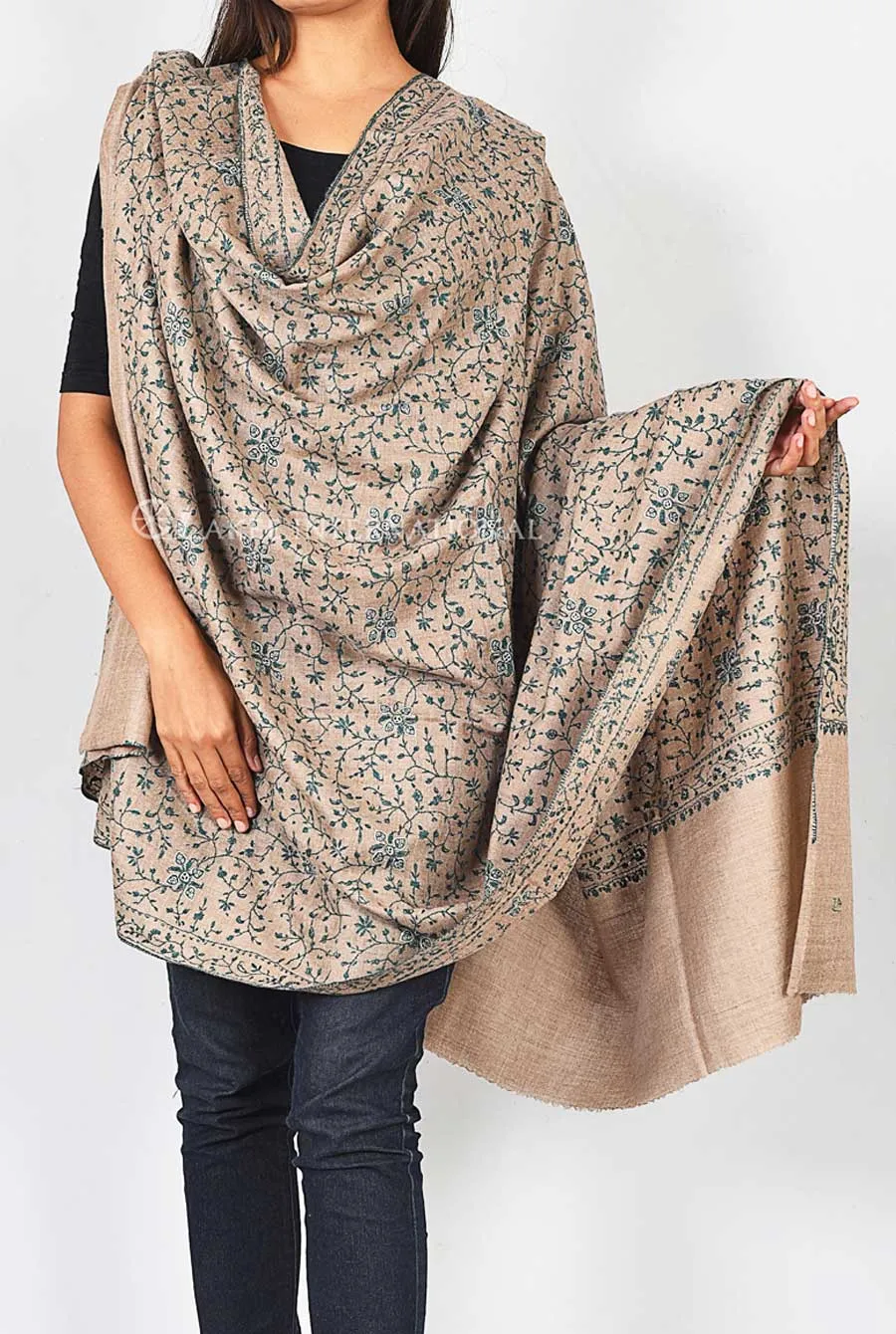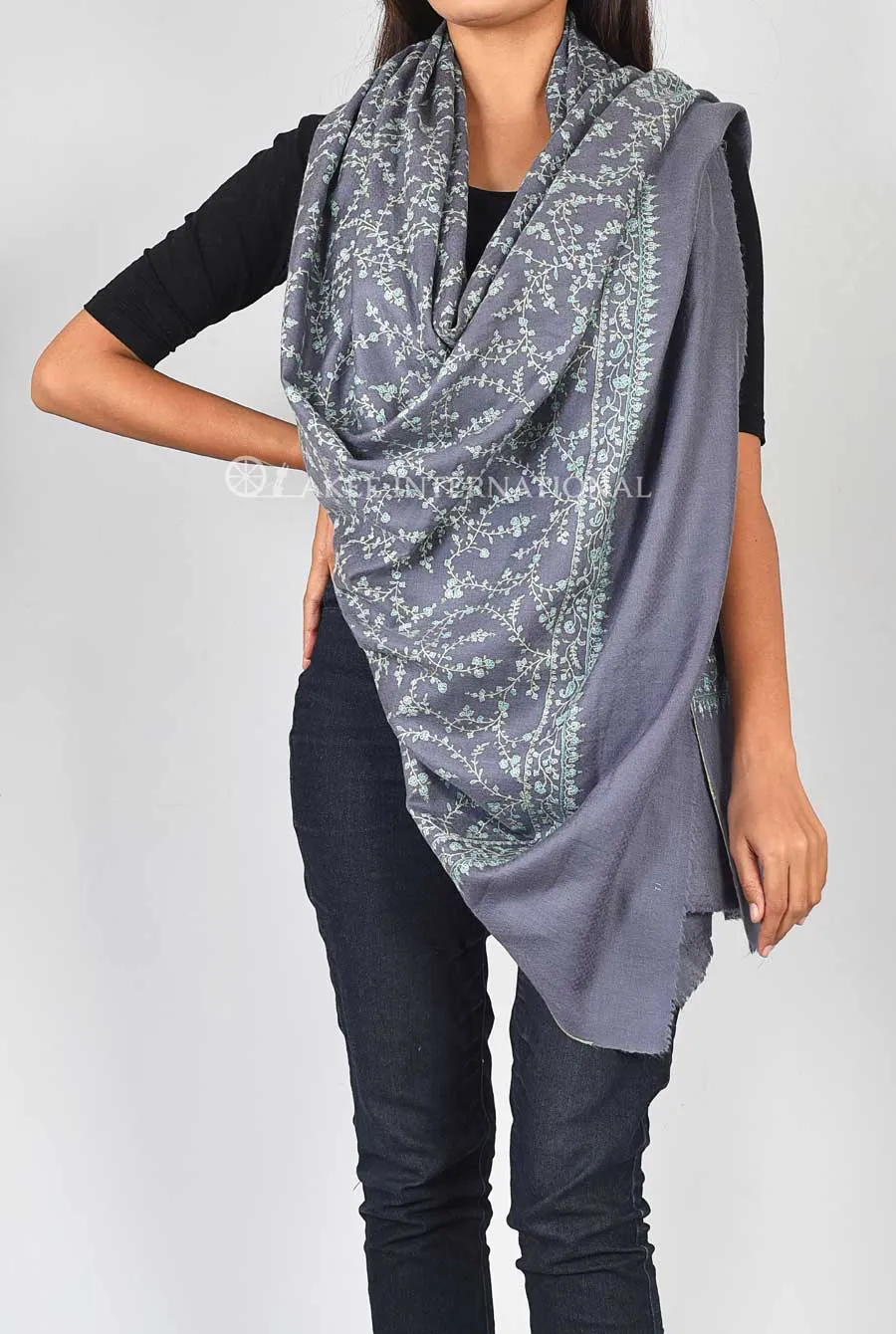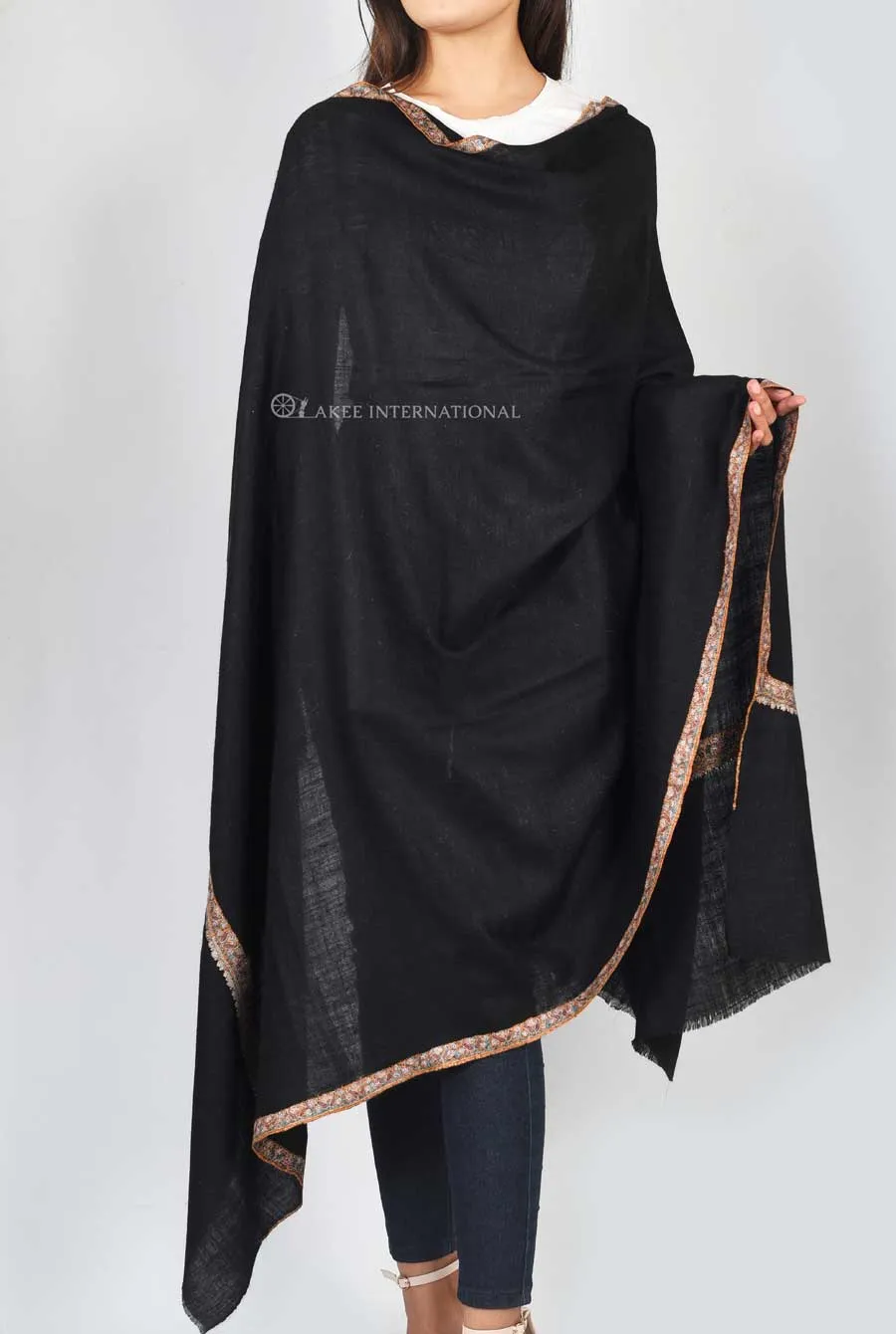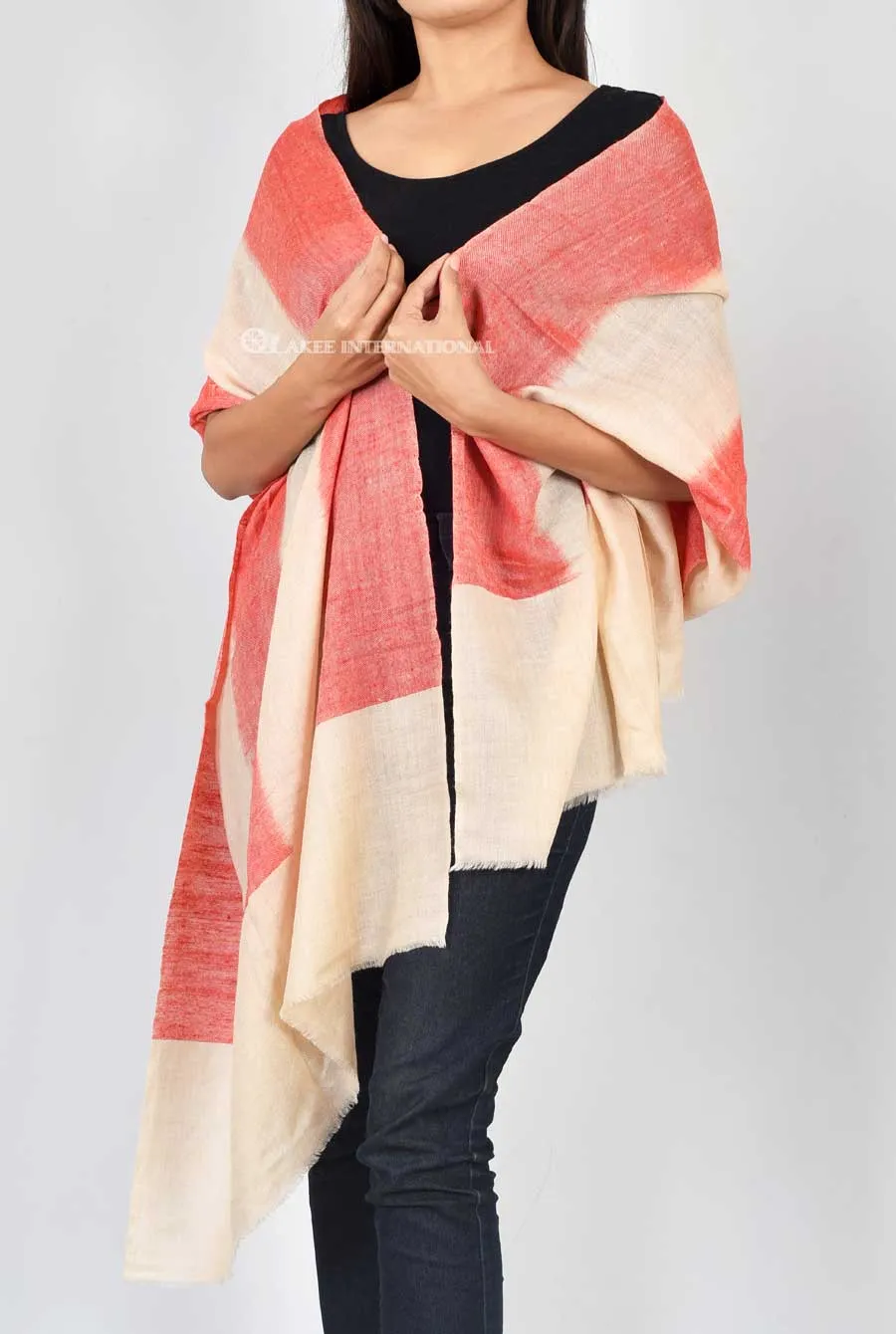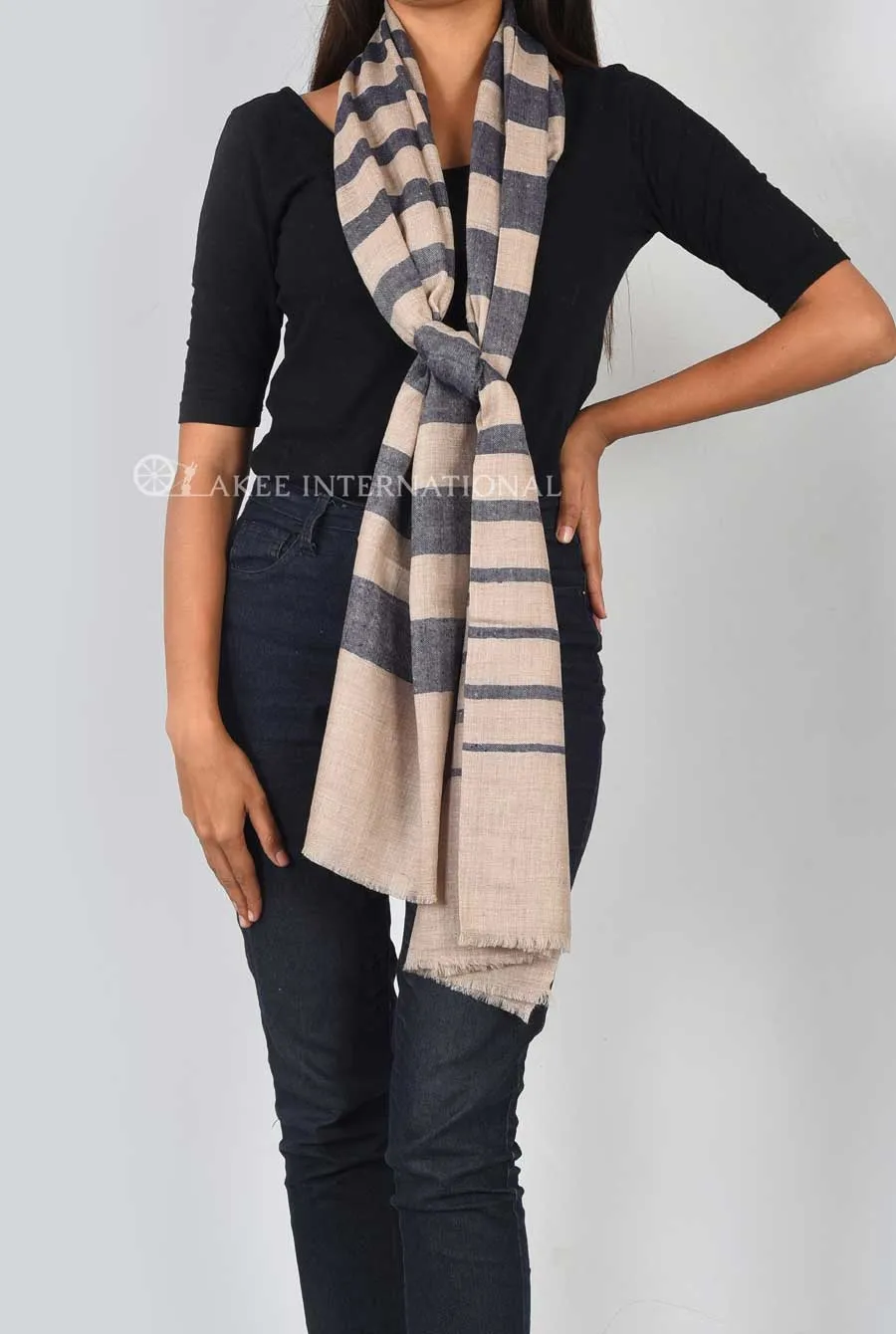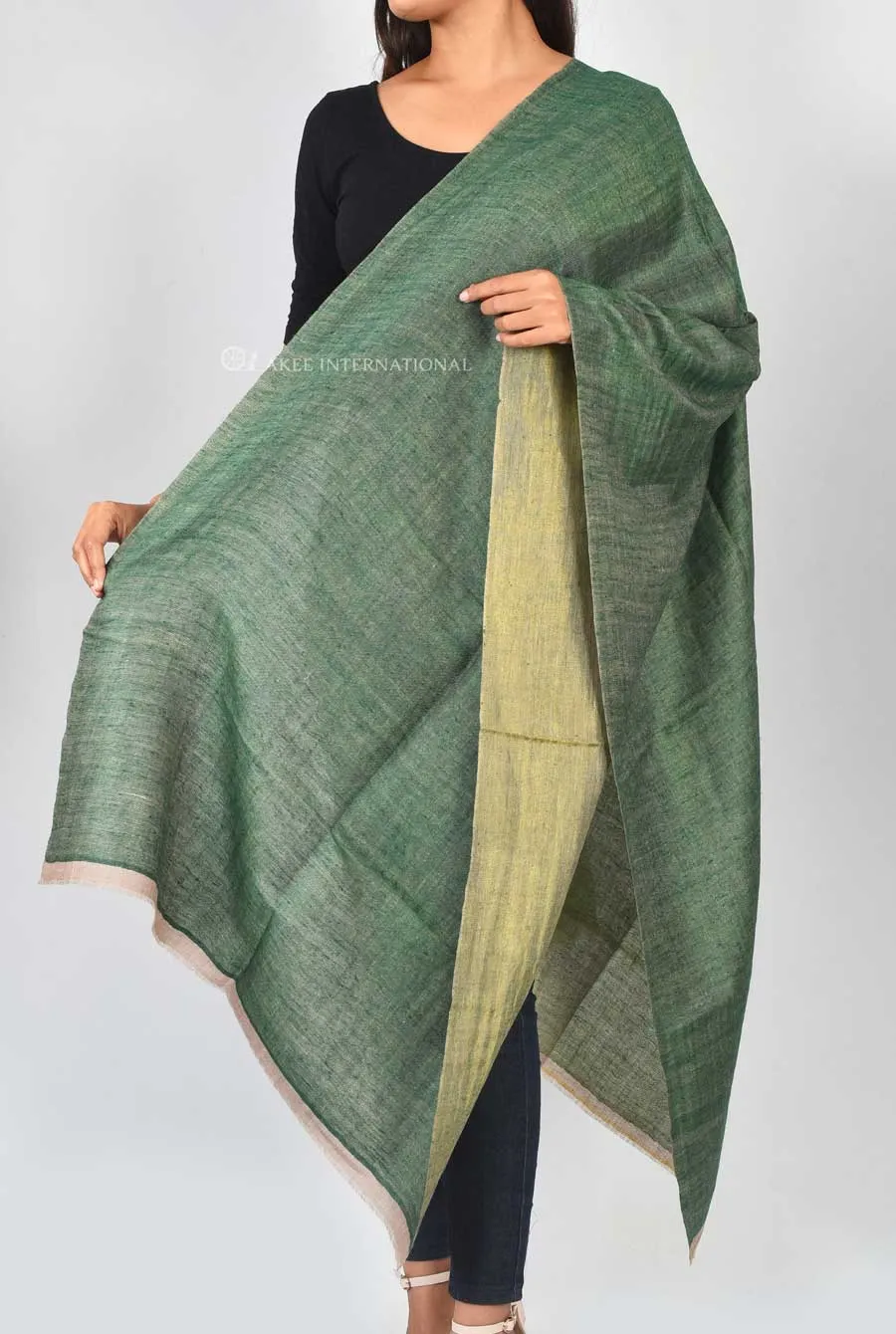


Find Your Perfect Premium Pashmina Shawl
Discover exquisite Pashmina shawls, beautifully crafted with Kashmir’s timeless heritage and artistry.

Jaipur earns its "Pink City" nickname from its rose-hued architecture, but for many visitors, the city's real character reveals itself somewhere else entirely — in its markets. Beyond the forts and palaces that draw most first-time tourists, Jaipur is one of India's genuine shopping capitals, offering everything from centuries-old artisan crafts to curated luxury boutiques, often within walking distance of each other.
Understanding where to go, and what each area actually specializes in, makes the difference between a rushed, overwhelming shopping trip and one that actually delivers pieces worth bringing home. Here's a practical breakdown of how to navigate Jaipur's shopping scene, from the chaos of its old bazaars to more curated destinations like Akee International.
Jaipur's walled old city holds several markets that function less like typical shopping streets and more like living museums of Rajasthani craftsmanship. Johari Bazaar is the city's jewelry heart, filled with Kundan and Meenakari work — traditional Rajasthani jewelry-making techniques that have adorned royalty for centuries. Even for buyers not planning to purchase jewelry, walking through and observing the craftsmanship on display is worthwhile on its own.
Bapu Bazaar takes a different direction entirely, mixing leather goods, colourful block-printed fabrics, traditional jutis (footwear), and lac bangles into one dense, sensory-rich shopping stretch. Tripolia Bazaar and Chandpole Bazaar round out the old city experience, each carrying their own specialties in textiles, brassware, and everyday household goods that locals, not just tourists, actually shop for. Nehru Bazaar, a little further along, is worth a mention too — it leans toward footwear, textiles, and everyday accessories at prices generally friendlier to a local budget than a tourist-facing one.
These markets reward patience and a willingness to negotiate — bargaining is expected practice here, and part of the shopping experience is genuinely enjoying the back-and-forth rather than treating it as a hassle to get through. A useful rule of thumb in the old bazaars is to start at roughly half the initially quoted price and work toward a middle ground, though this varies considerably depending on the category of goods and how experienced the seller is at reading a first-time tourist versus a repeat visitor.
Timing your visit to these markets also matters more than most guides mention. Mornings tend to be quieter and cooler, giving you more room to browse without the crowds that build up by midafternoon, while early evening brings a different kind of energy as shops light up and the bazaars fill with both tourists and locals finishing their daily errands. Either window works well, but knowing which crowd you'd prefer to navigate helps plan the visit more comfortably.
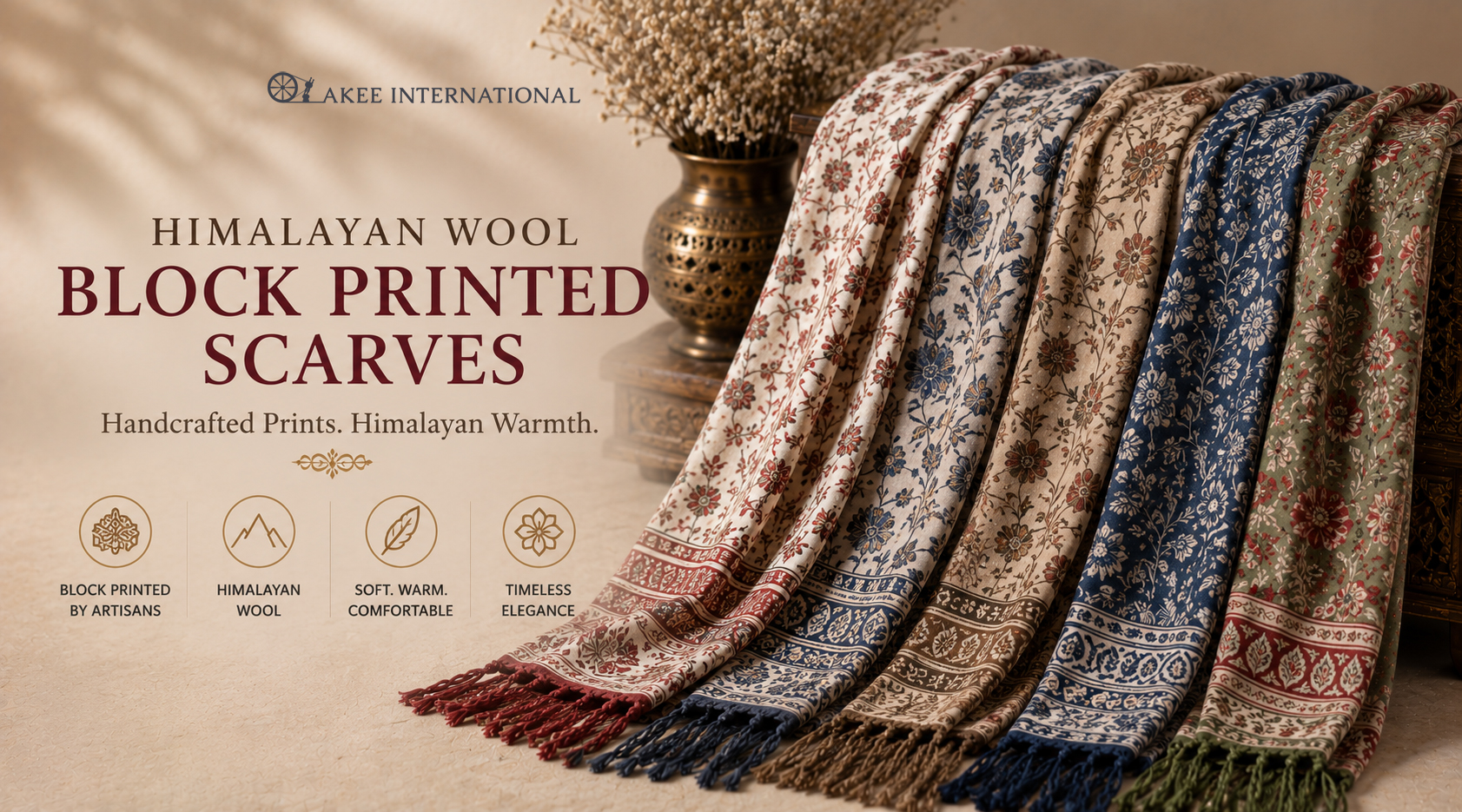
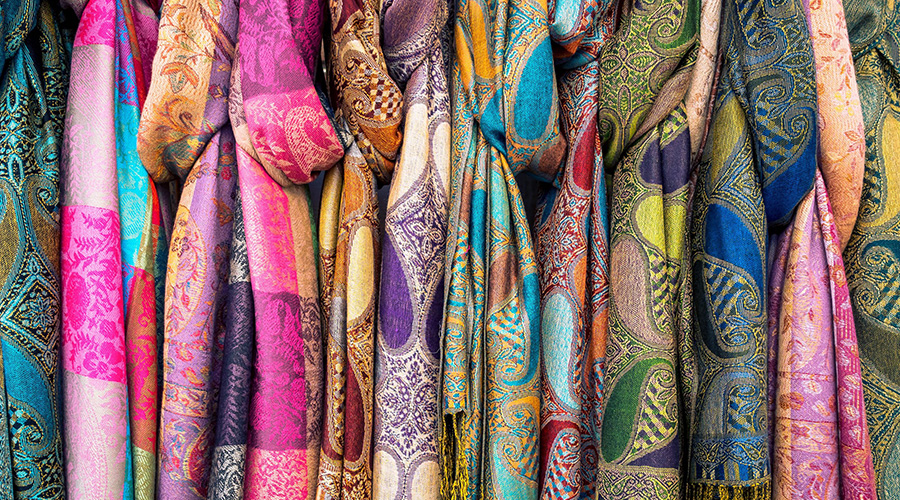
No shopping trip through Jaipur is complete without engaging with its textile traditions specifically. The city is closely associated with Sanganeri and Bagru block prints, leheriya tie-dye work, bandhani (bandhej), and gotapatti embellishment — each technique carrying generations of specialized artisan knowledge behind it. Our own guide on block printing in Jaipur goes into much more depth on the Bagru and Sanganeri styles specifically, if you'd like to know what to look for before buying.
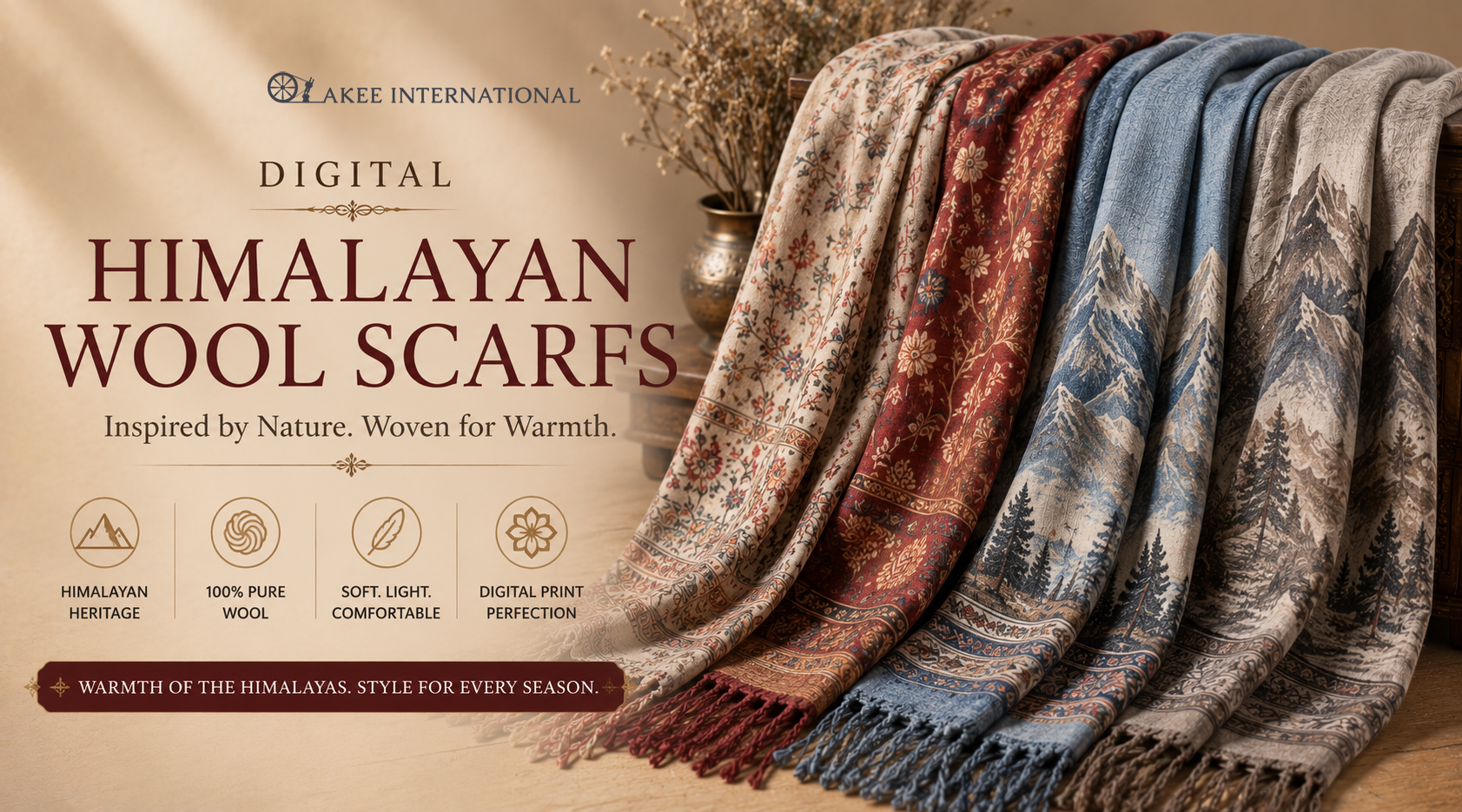
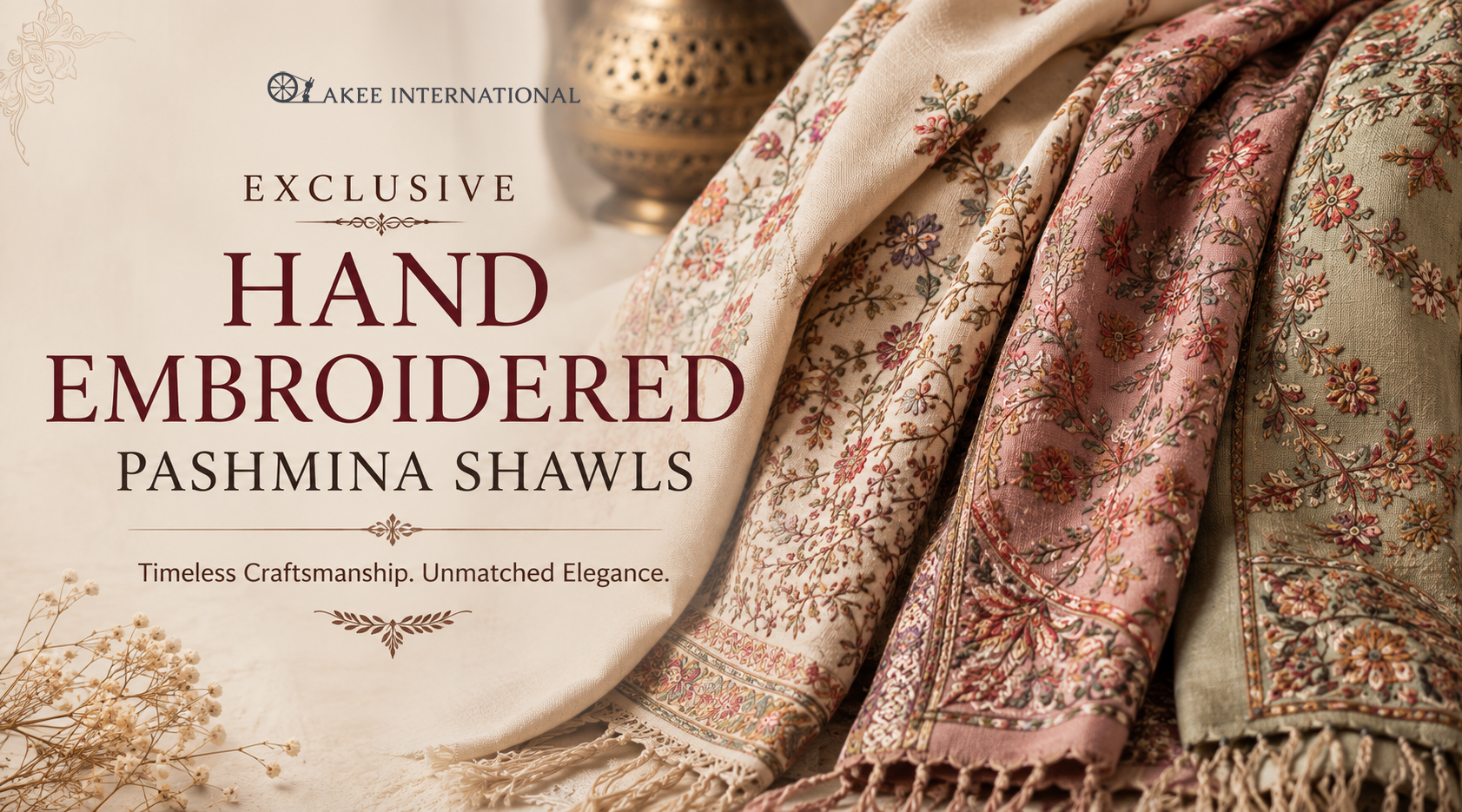
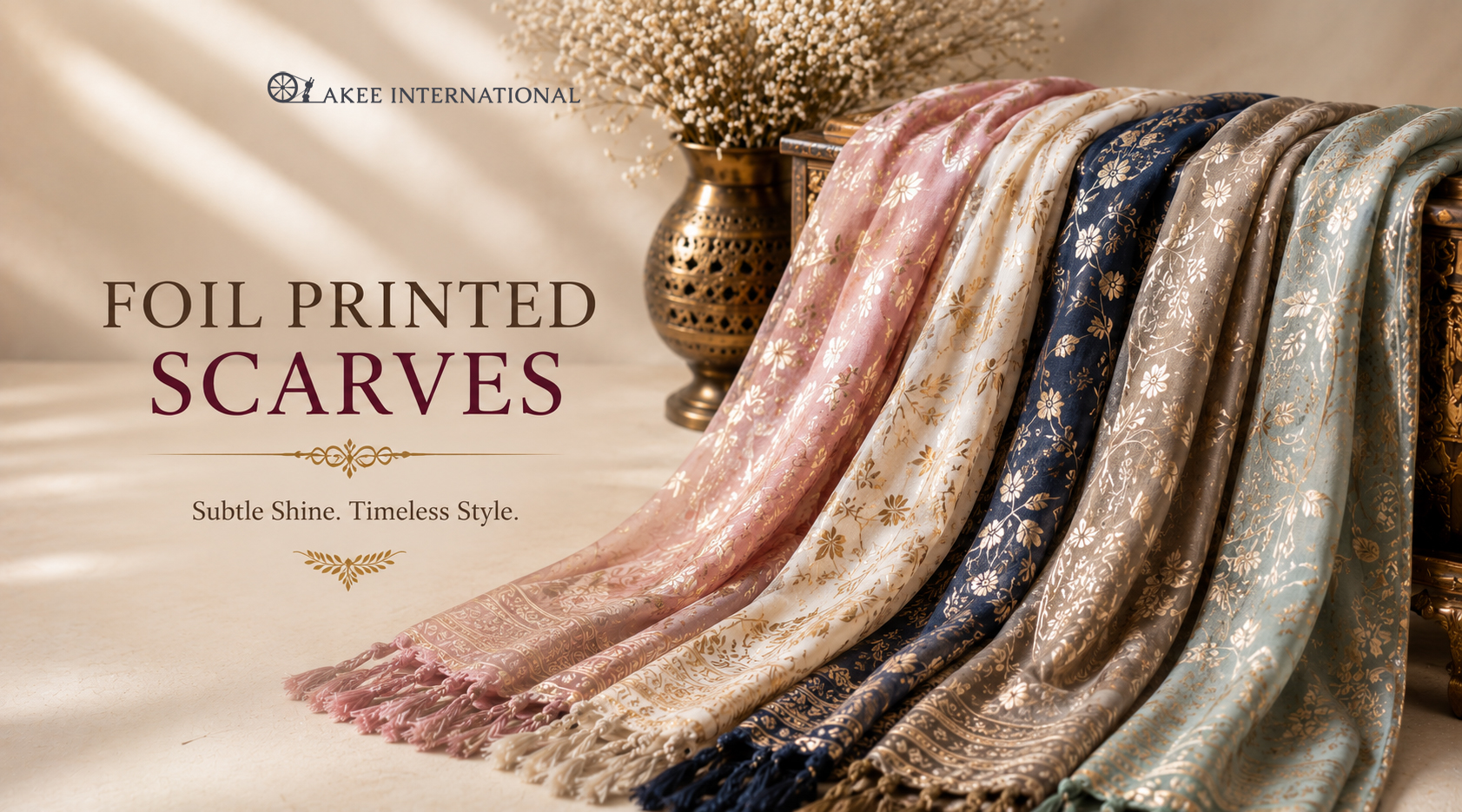
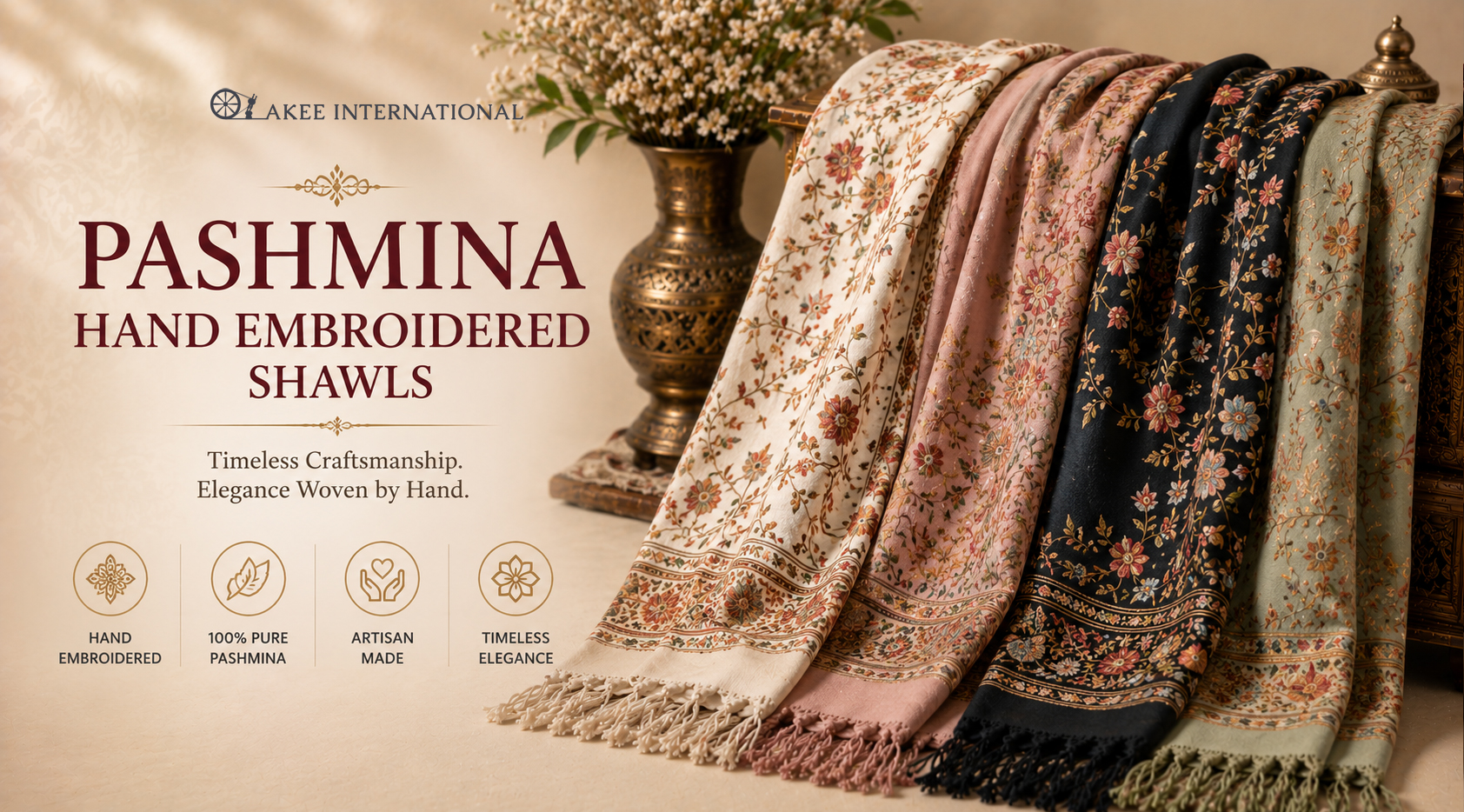
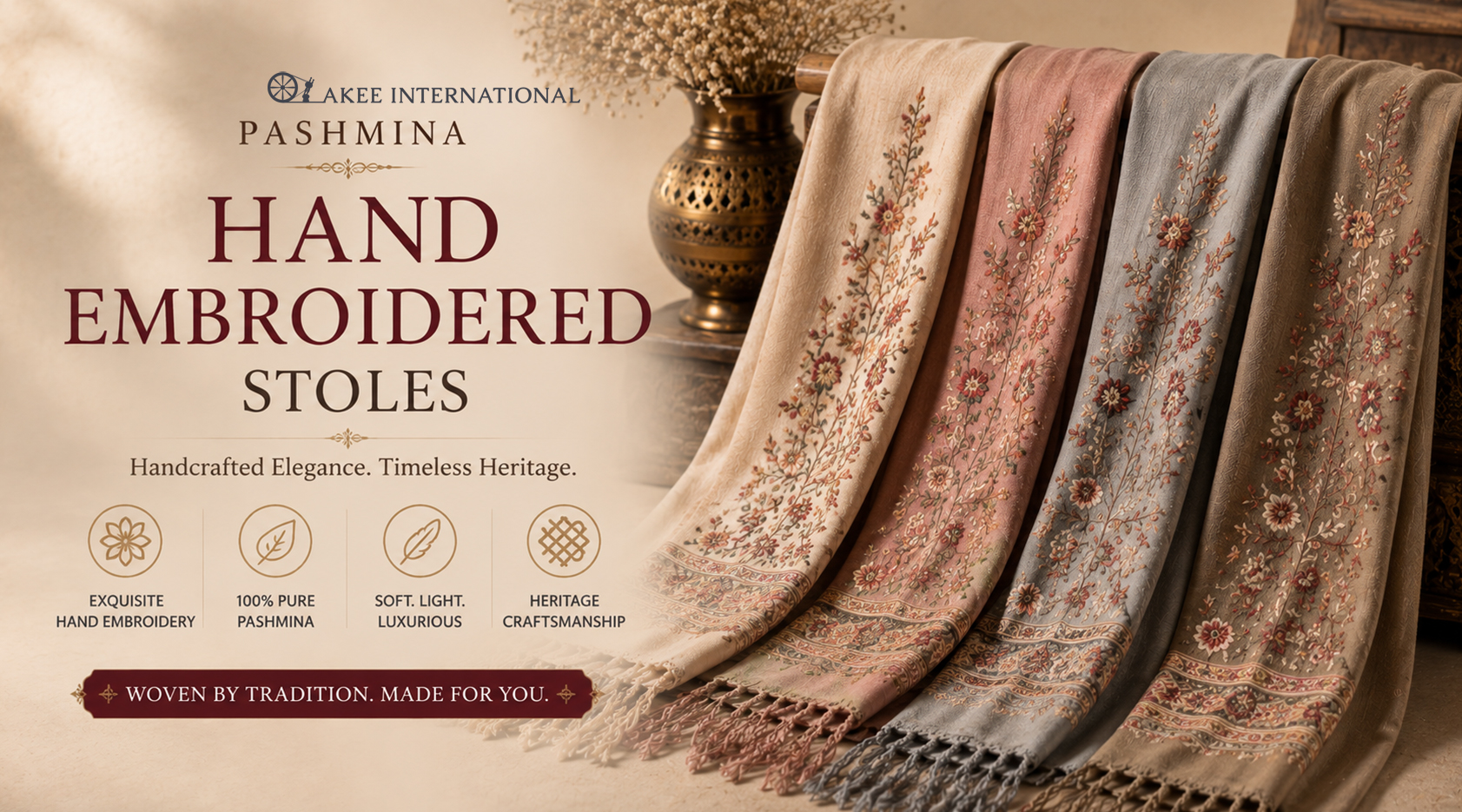
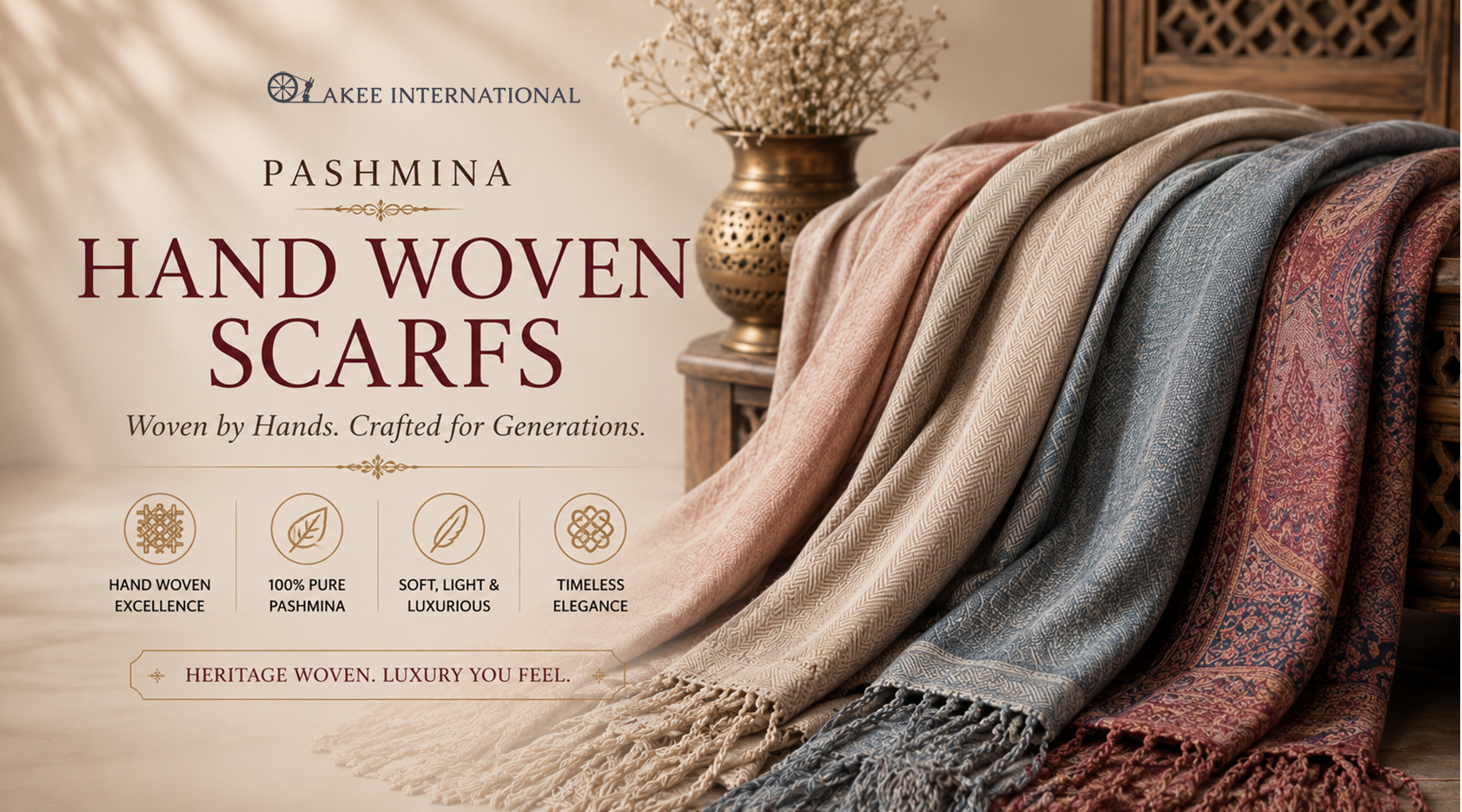
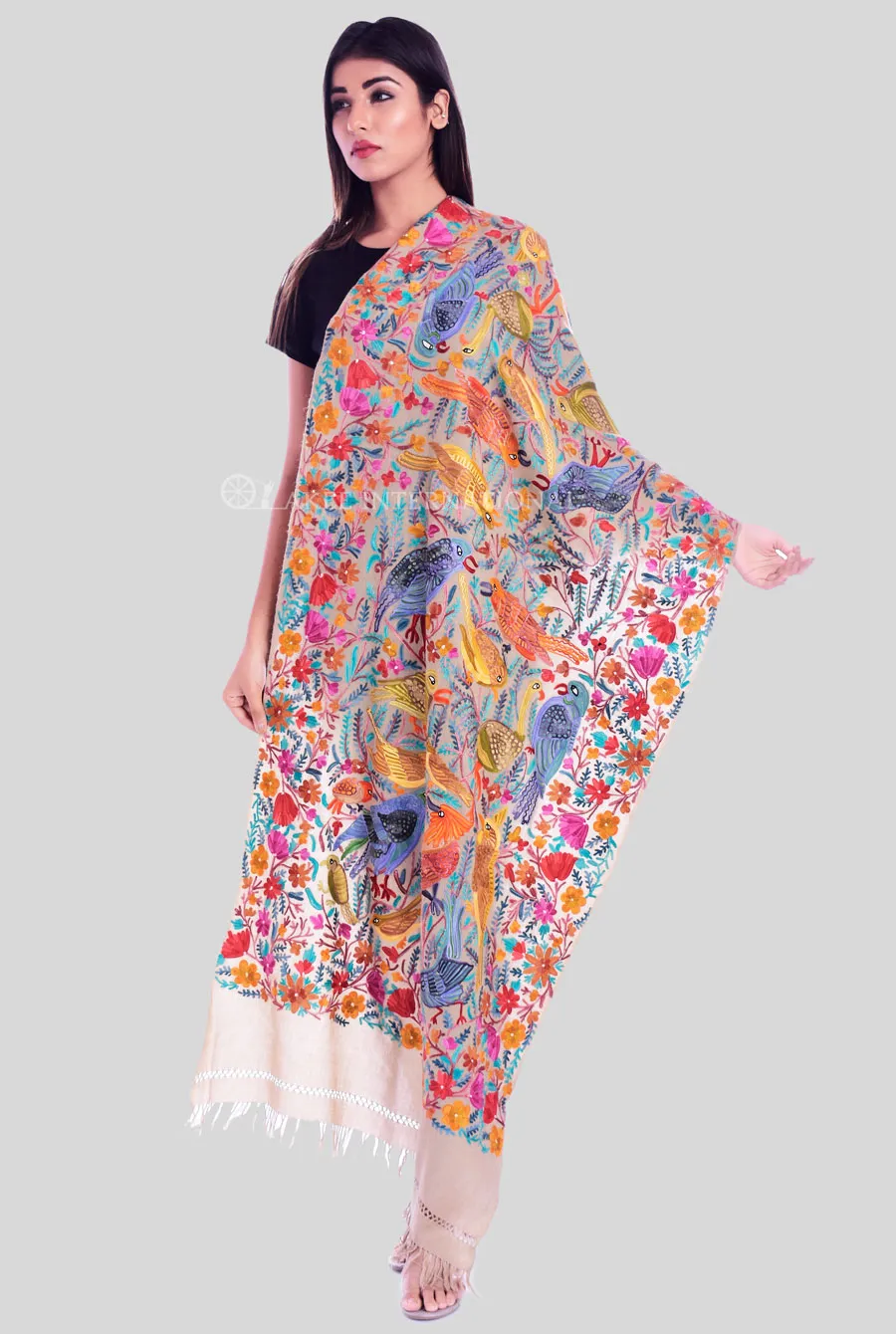
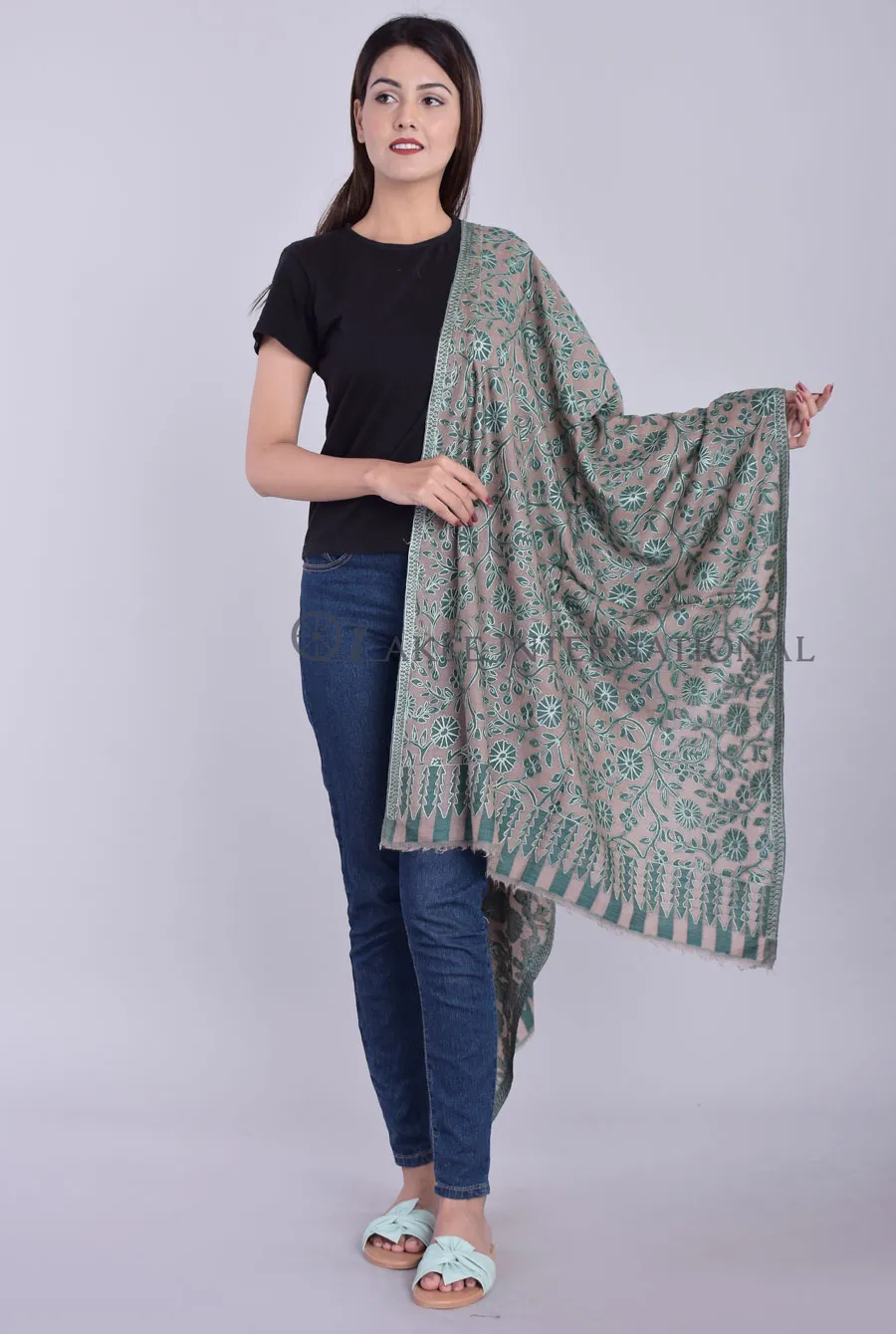
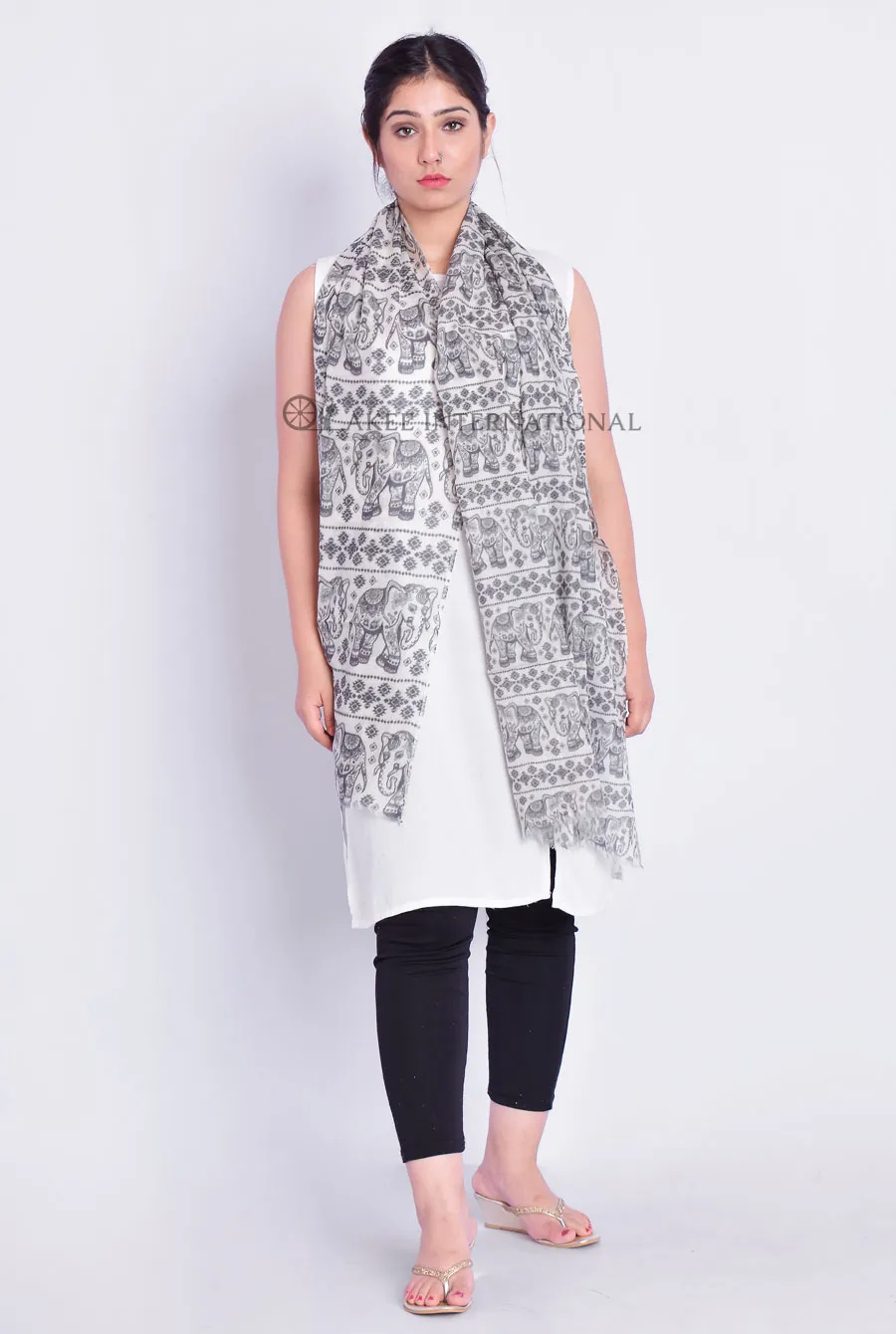
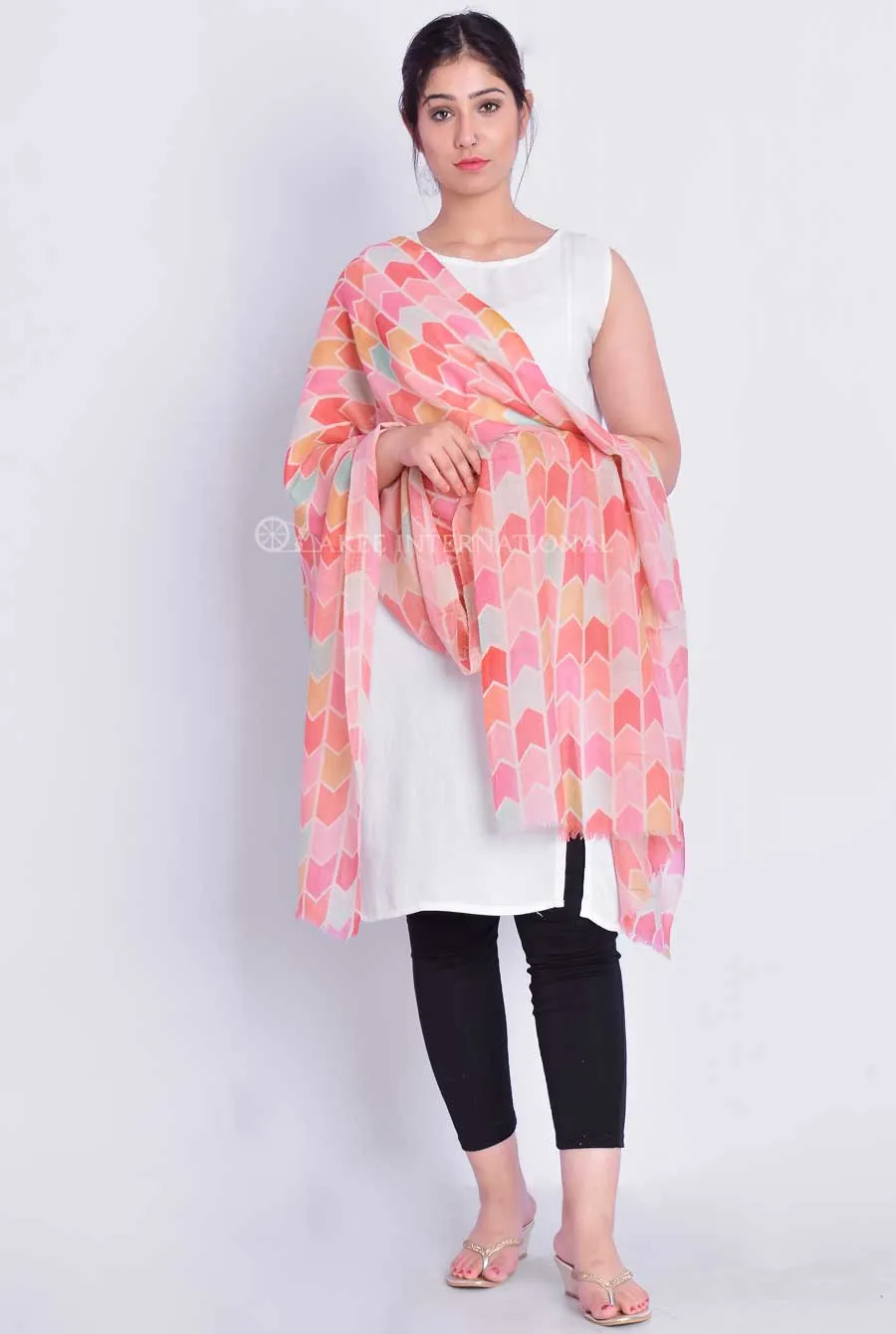
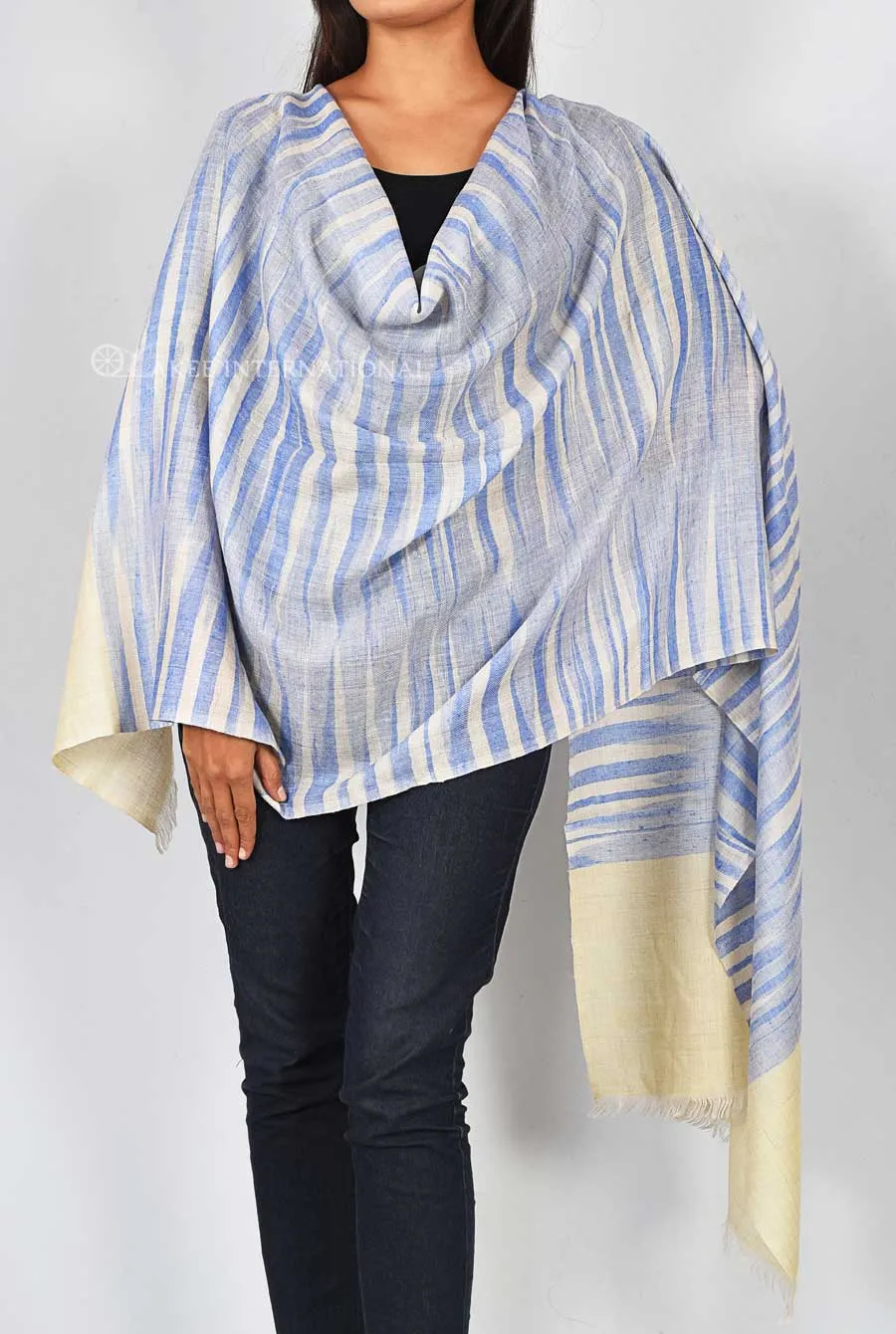
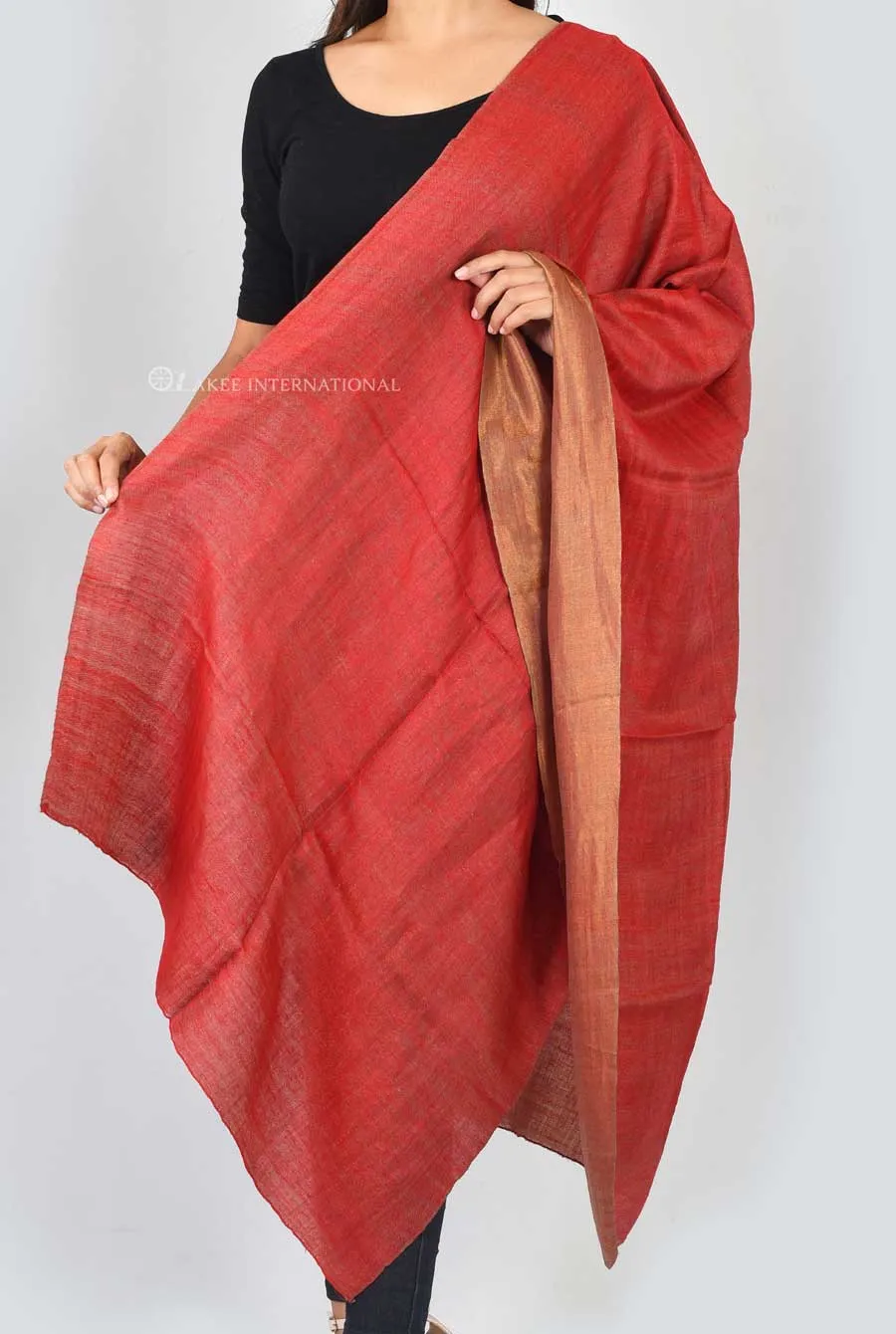
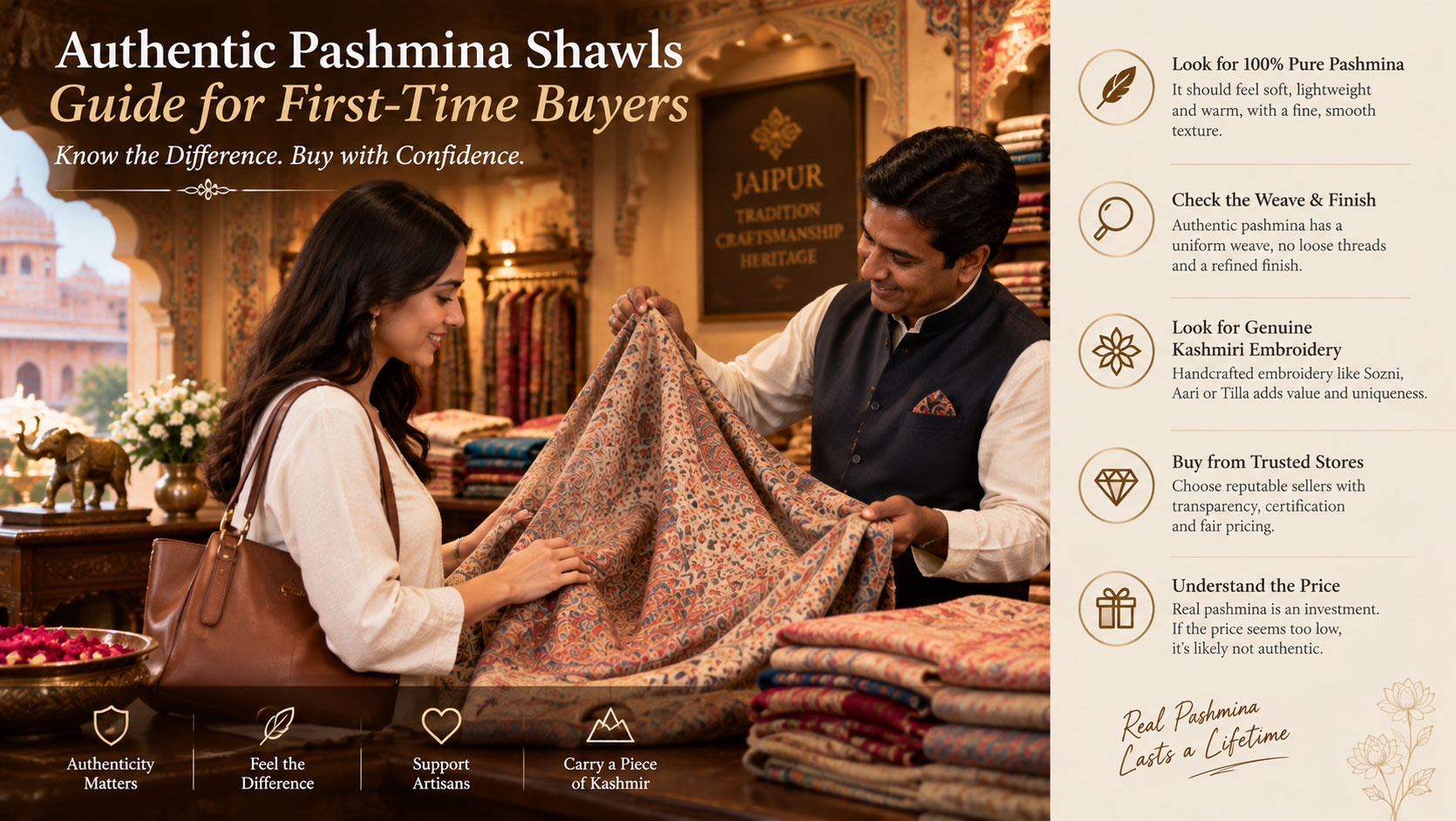
For visitors specifically interested in premium textiles rather than everyday market finds, Akee International has built a reputation around blending traditional Kashmiri and Rajasthani methods with more contemporary design sensibility. Our collection of Pashmina hand-woven scarfs and exclusive hand-embroidered Pashmina shawls attracts fashion-conscious travelers looking for luxury pieces rooted in genuine authenticity rather than mass-market souvenirs.
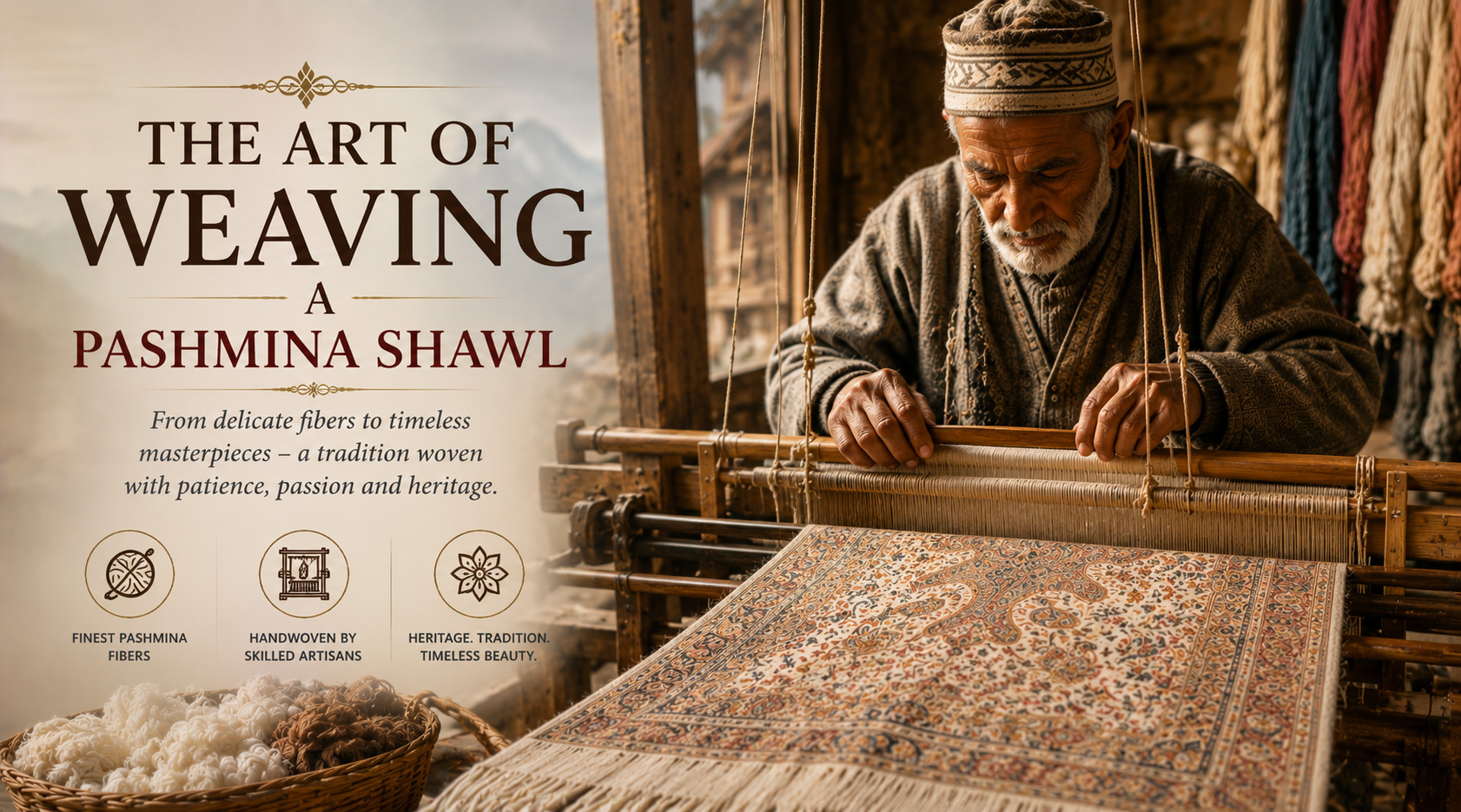
It's worth understanding upfront that Jaipur itself isn't where raw Pashmina fibre originates — that journey begins in the Himalayan region of Ladakh — but the city has become one of the most trusted places in India to actually buy finished Pashmina products, largely because of its deep-rooted textile finishing and design traditions. Artisans here take raw material sourced through established Kashmiri networks and apply Jaipur's own embroidery, dyeing, and finishing expertise, producing pieces that carry both regions' craftsmanship in a single product. Our page on the Kashmiri shawl weaving tradition and our explainer on what Pashmina actually is cover this sourcing story in far more depth.
MI Road represents Jaipur's shopping personality at its most varied — vintage handicraft stores sit alongside upscale showrooms offering fine carpets, silverware, and gemstone-studded home décor, often within the same block. It's entirely possible to stumble across a hand-knotted Kashmiri carpet or an antique sandalwood box inlaid with camel bone in one shop, then walk into a boutique offering curated wearables just a few doors down.
For those specifically seeking exclusive wearables rather than home décor, Akee International's curated selections — spanning handwoven Pashminas to more contemporary fusion-wear — bring a distinct timeless elegance without requiring buyers to sort through an overwhelming volume of options.
While the walled city delivers that classic rush of negotiation and discovery, Jaipur has also developed a strong contemporary shopping identity in neighbourhoods like C-Scheme, Civil Lines, and Raja Park. These areas house homegrown fashion labels, concept stores, and designer studios offering a more curated, globally-influenced take on Rajasthani aesthetics.
Shoppers who specifically value sustainability, artisanal ethics, and one-of-a-kind pieces tend to gravitate toward these newer commercial pockets, which often carry smaller, more thoughtfully sourced inventories compared to the sheer volume found in the old bazaars. Our own sustainability page and our blog on eco-friendly Pashmina shawls speak to exactly this kind of ethically-minded shopping, for visitors who want their souvenirs to reflect those values too.
For visitors with limited time, it helps to have a rough plan rather than wandering without direction. A practical day might start early at Johari Bazaar and Tripolia Bazaar, when the old city is cooler and quieter, allowing an unhurried look at jewelry and general textiles before the crowds build. Late morning into early afternoon works well for a visit to a curated boutique like Akee International, where you can see genuine Pashmina up close without the noise and negotiation pressure of the open markets — useful timing since higher-value purchases benefit from a calmer decision-making environment. The afternoon can be reserved for MI Road's mix of carpets, silverware, and home décor, and the evening for Bapu Bazaar, when the lanes light up and both locals and tourists come out to shop. This isn't the only way to structure a day, but it balances the old city's energy against the calmer, more considered experience of a curated store, rather than trying to squeeze both into the same rushed hour.
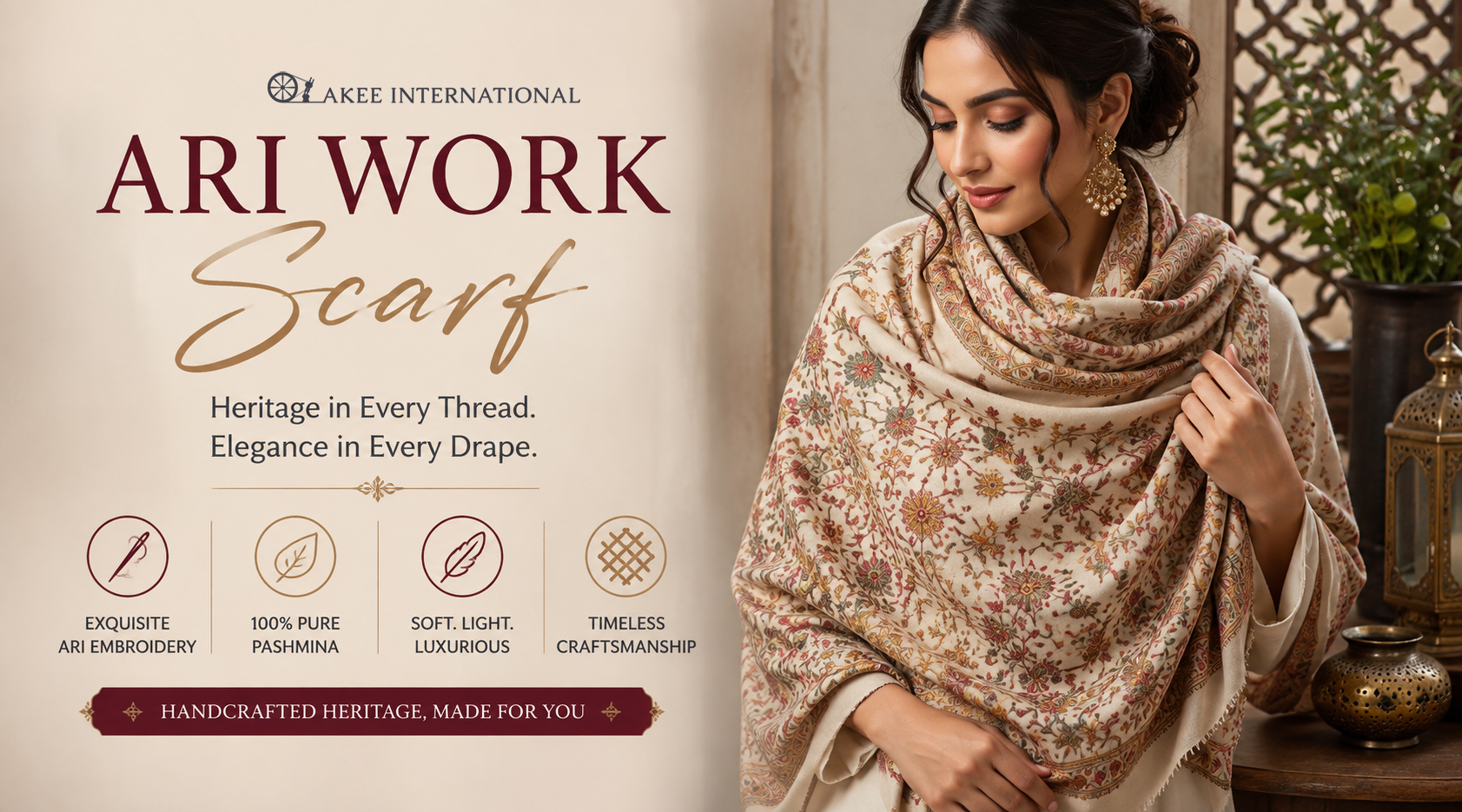
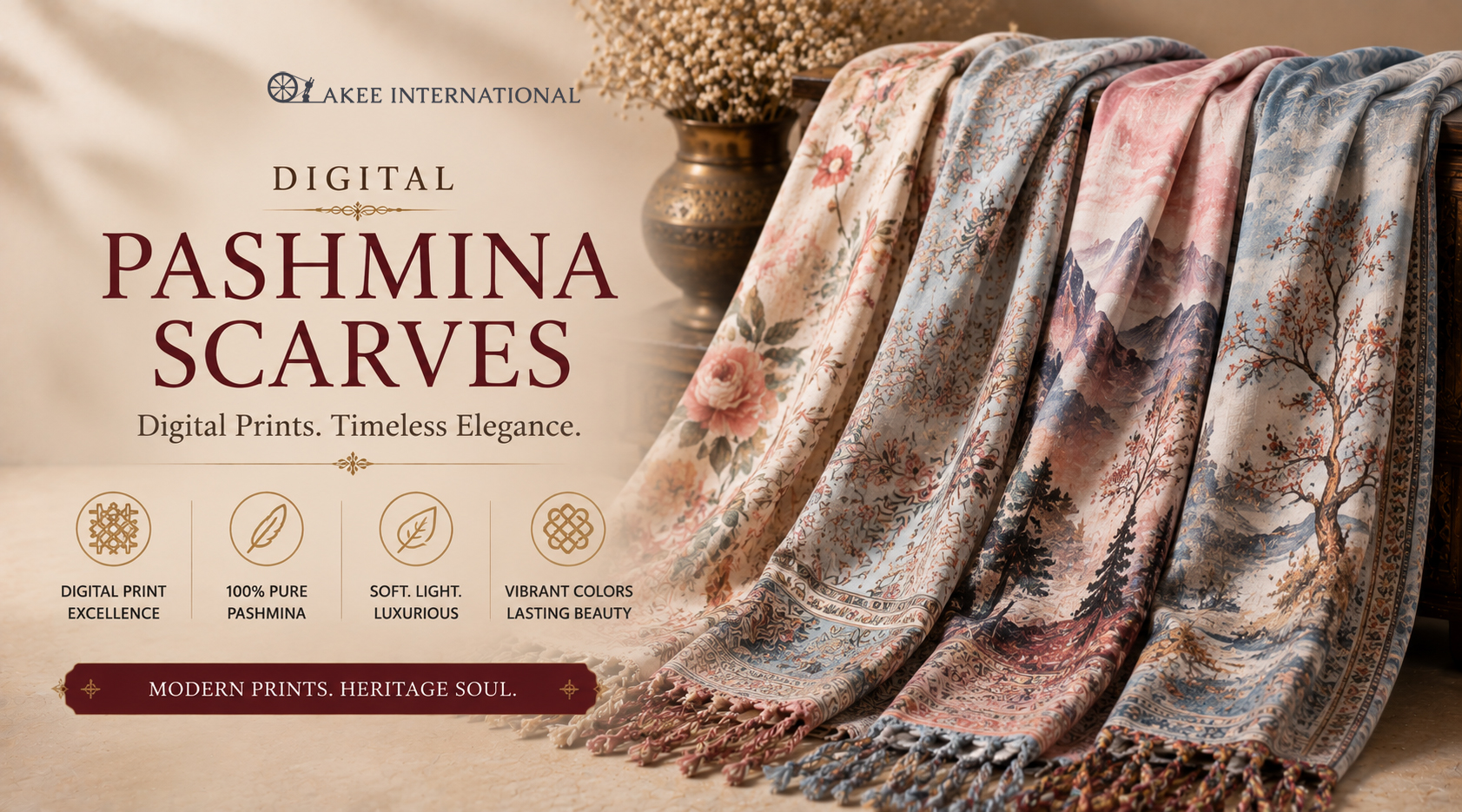
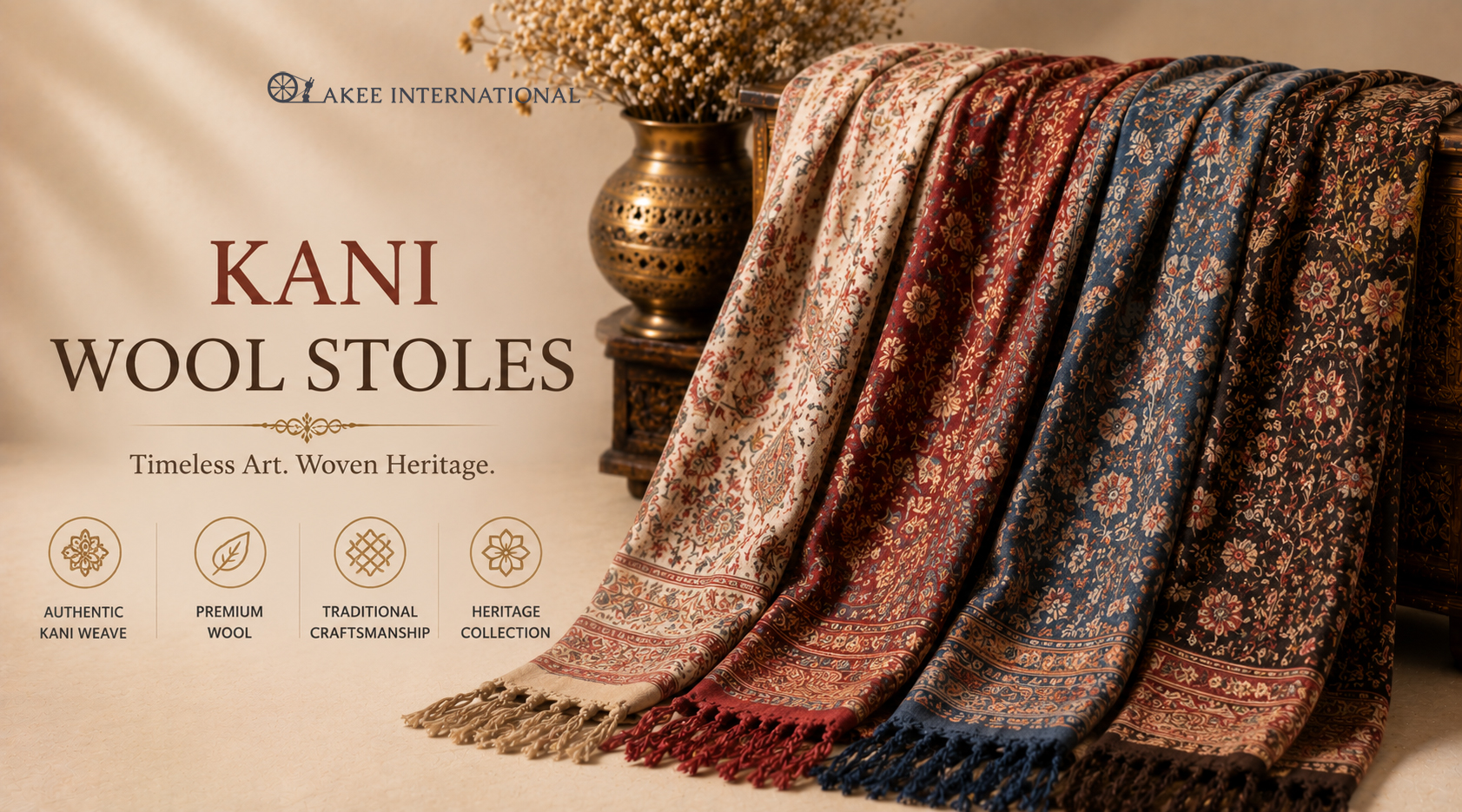
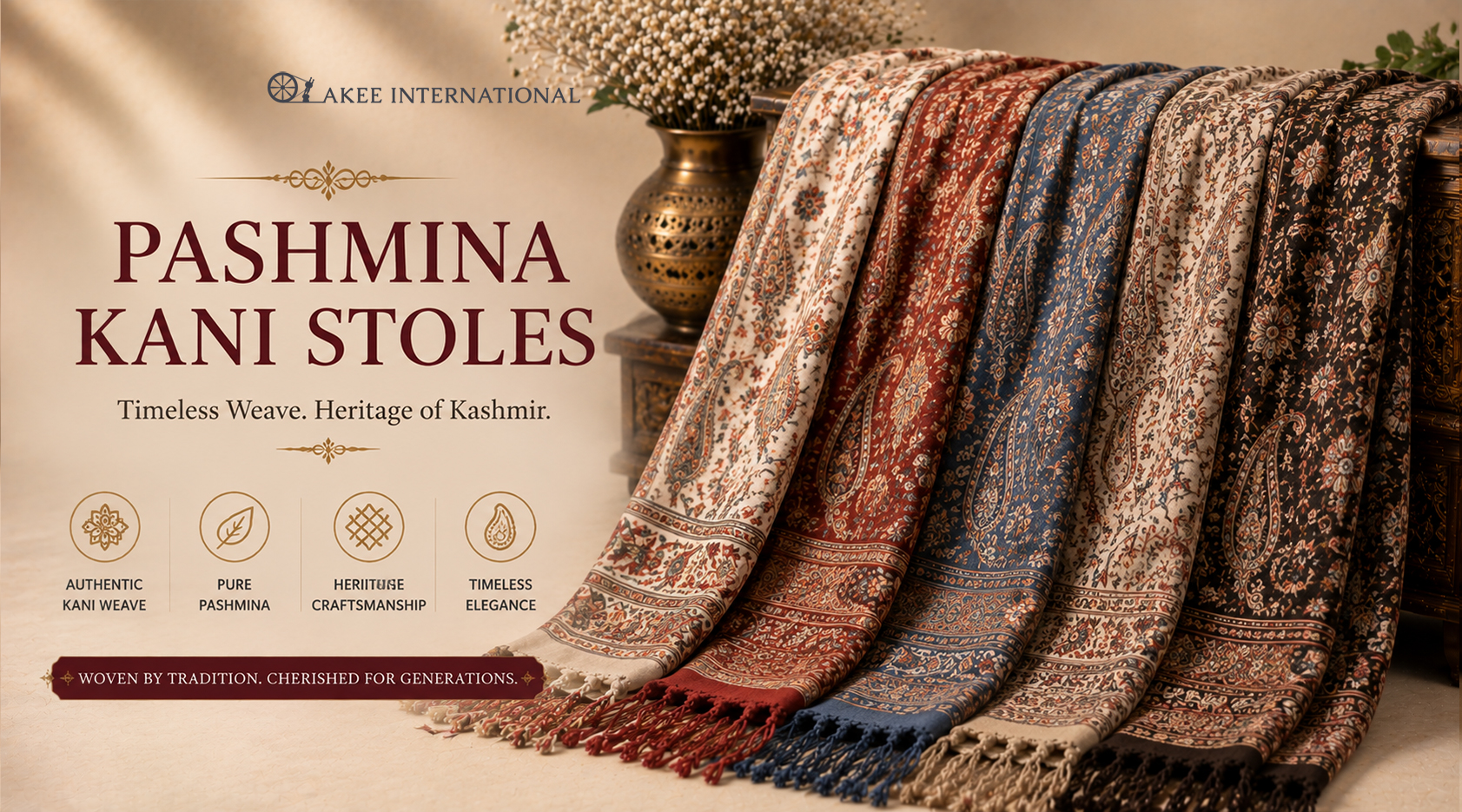
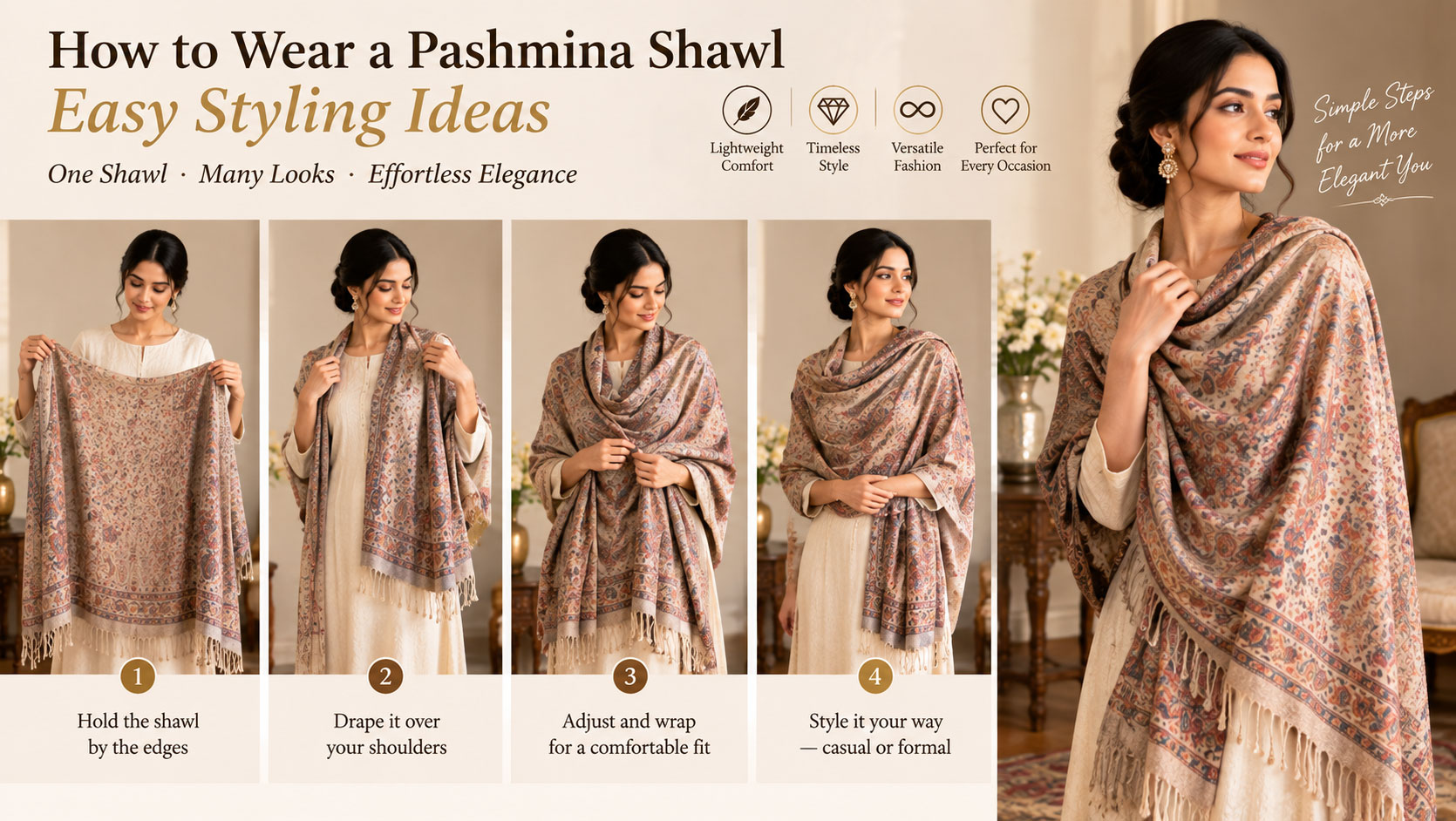
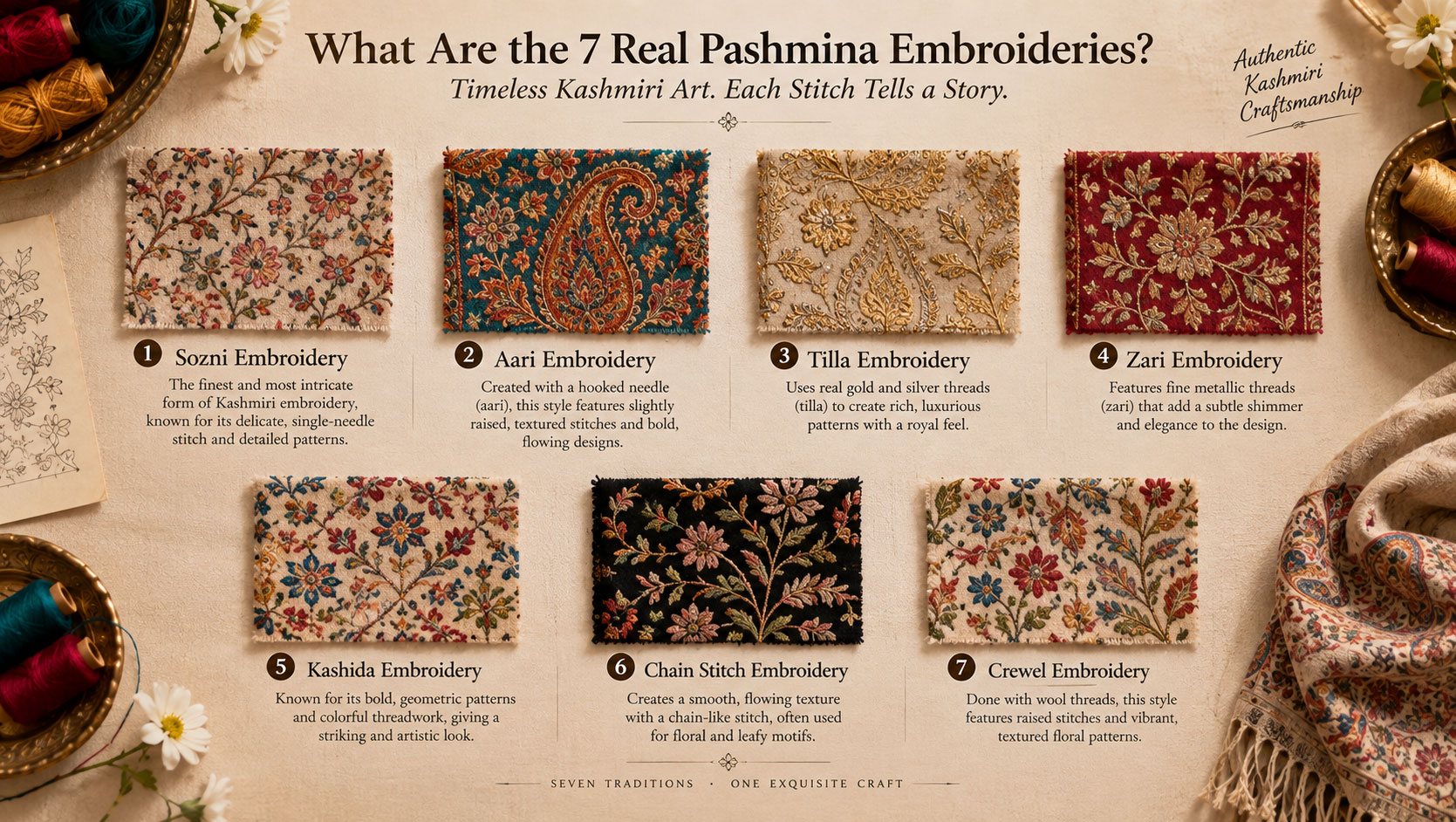
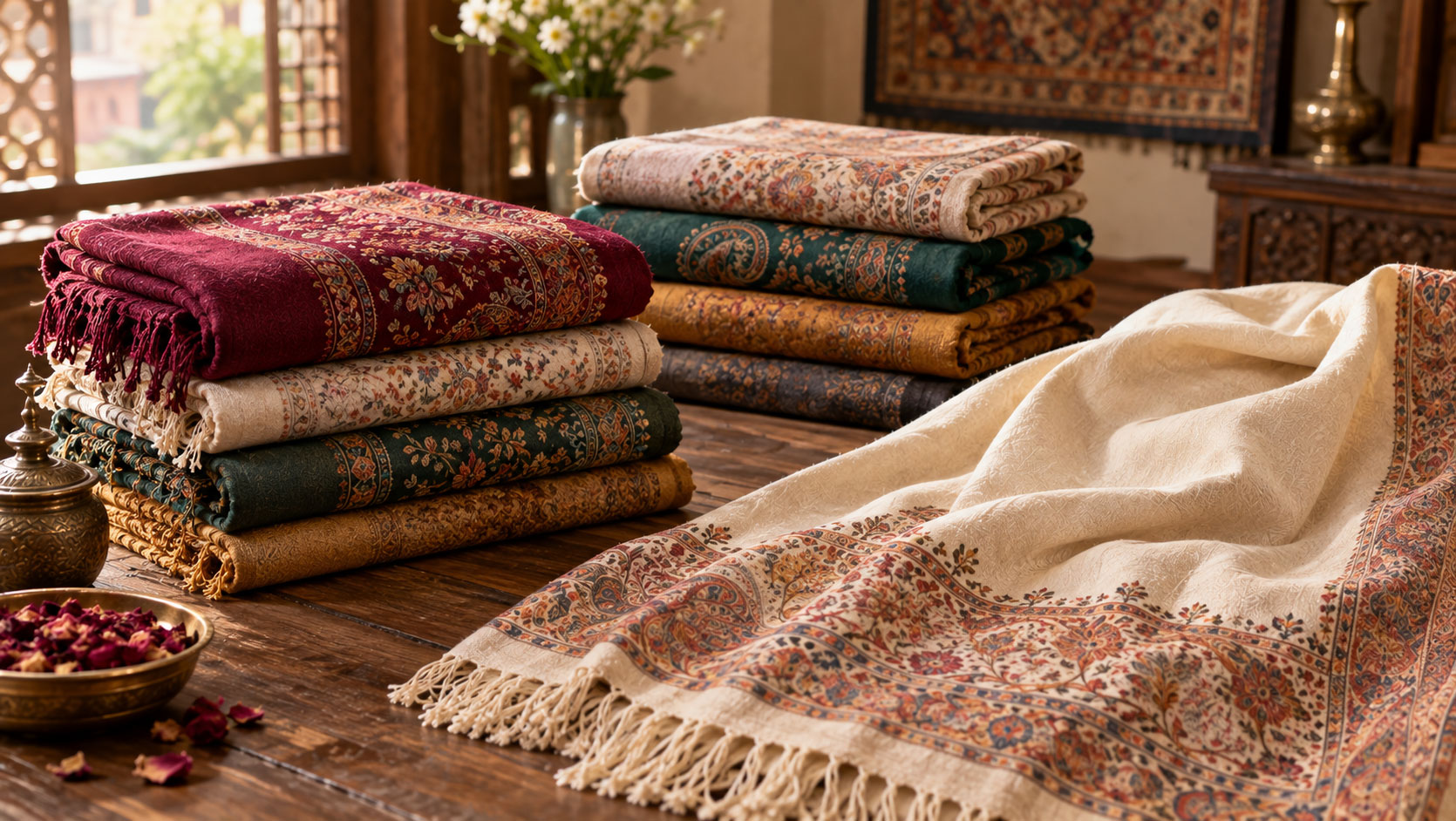
Once you've decided a Pashmina piece is worth bringing home, it helps to know that "Pashmina" covers a genuinely wide range of products, each suited to a different purpose. For a lightweight, everyday souvenir, our Pashmina Hand Woven Scarfs and Digital Pashmina Scarfs are both accessible entry points. For something with more visual impact as a statement piece, our Jamawar Pashmina Shawls and Kani Wool Stoles represent two of Kashmir's most historically significant weaving techniques. And for a piece with fine, delicate needlework, our Kashmiri Sozni Work Shawl and Ari Work Pashmina Shawl collections showcase two distinct embroidery traditions worth comparing side by side before deciding.
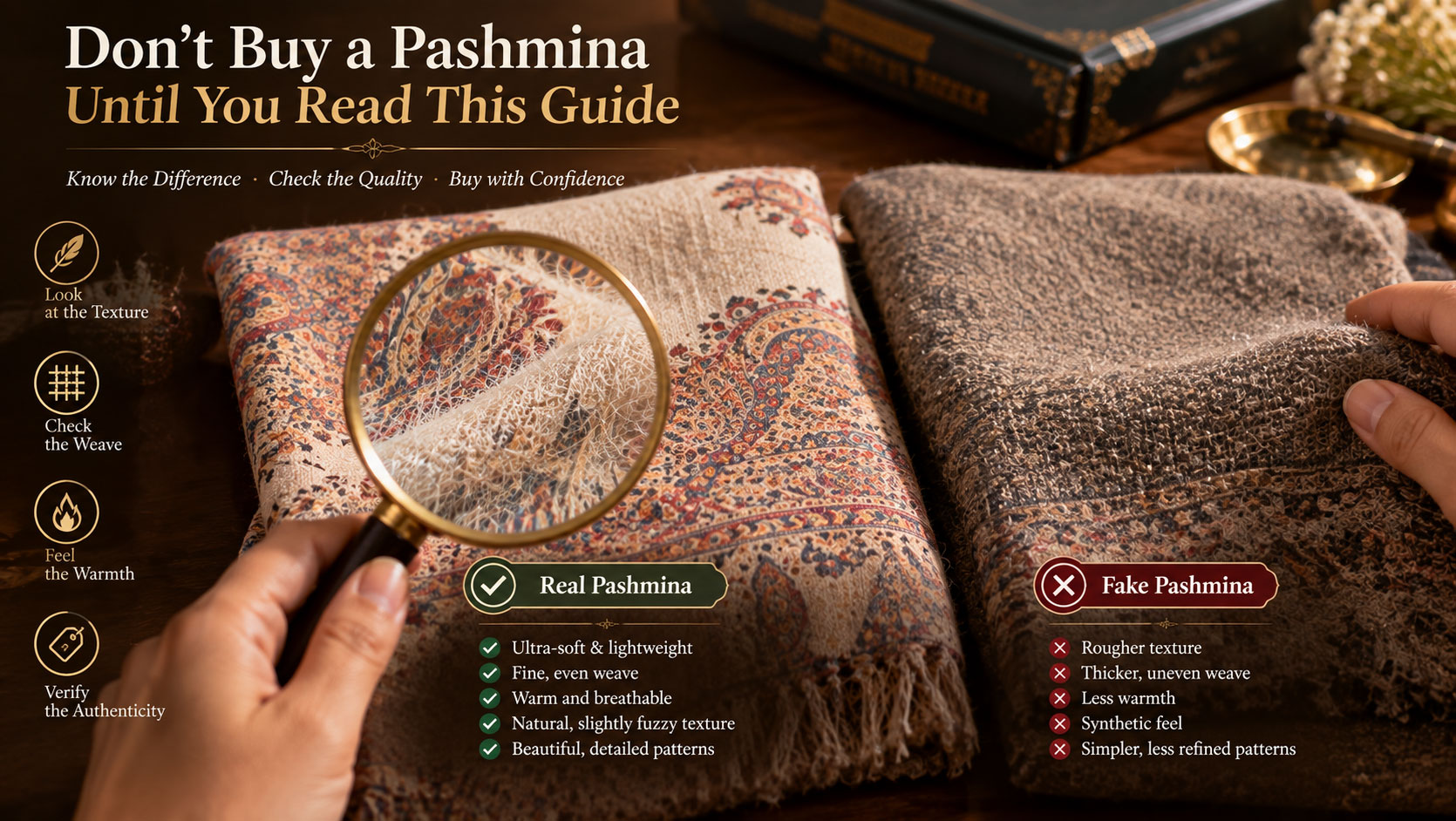
Because Pashmina is one of the most commonly imitated textile categories in India, it's worth knowing a few basic checks before committing to a purchase anywhere in the city, not just at Akee International. Our detailed guide on how to identify an original Pashmina shawl and our comparison on real Kashmiri Pashmina vs fake walk through the touch, weave, and burn tests that separate genuine fibre from a synthetic blend. Asking whether a piece carries a Geographical Indication (GI) tag is also a useful habit — our explainer on what the GI tag for Kashmir Pashmina means covers what this certification protects, and our own Kashmir Pashmina Certificate of Authenticity explains the documentation we provide with genuine pieces.
Jaipur offers an unusually rich range of artistic souvenirs beyond textiles — think blue pottery, miniature paintings, hand-carved marble statues, and hand-painted paper products. Shopping at government emporiums or certified co-op stores is generally the safer route for guaranteed authenticity, though there's a distinct charm to haggling in the old markets and hearing the backstory behind a specific piece directly from the artisan who made it.
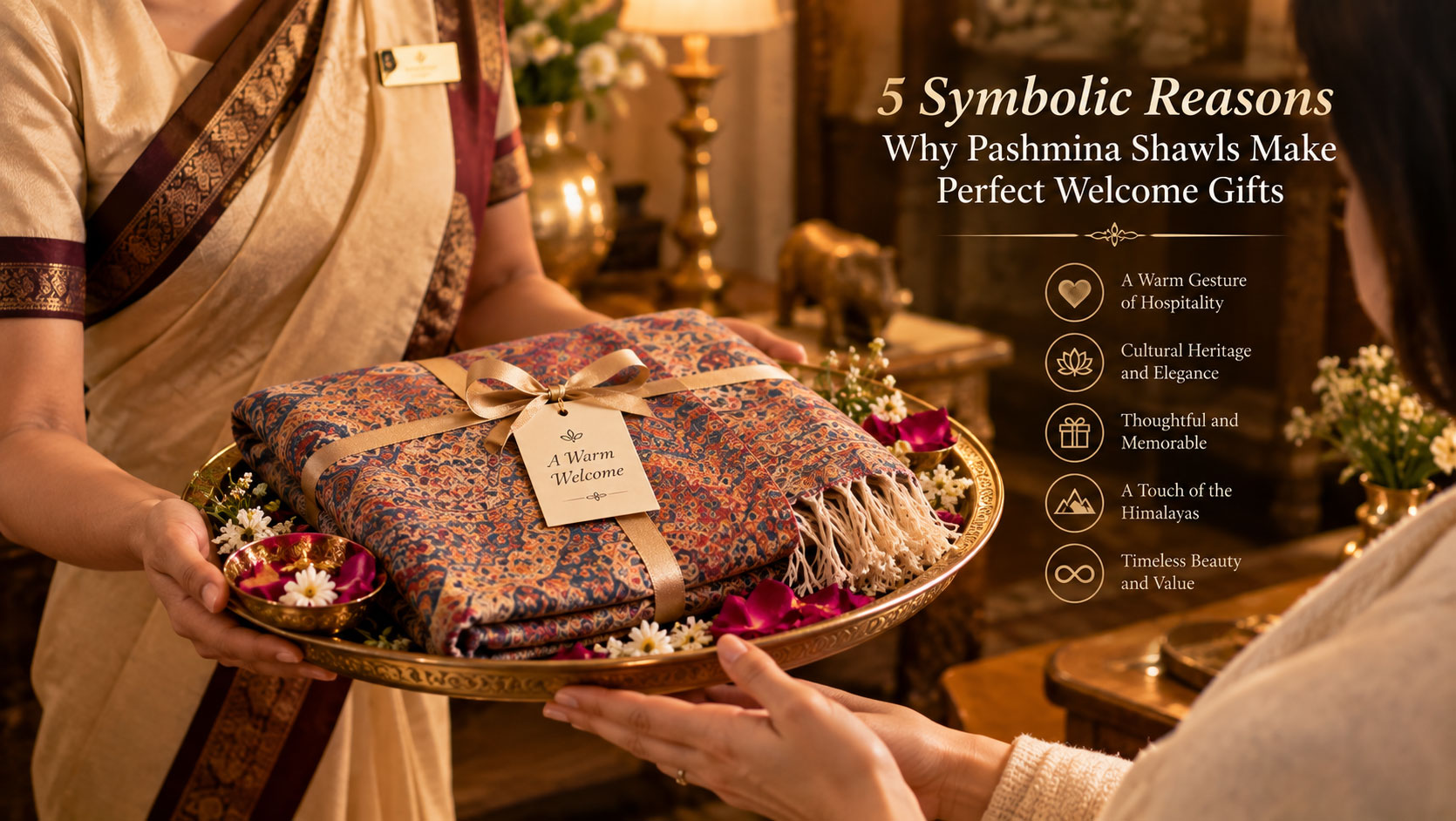
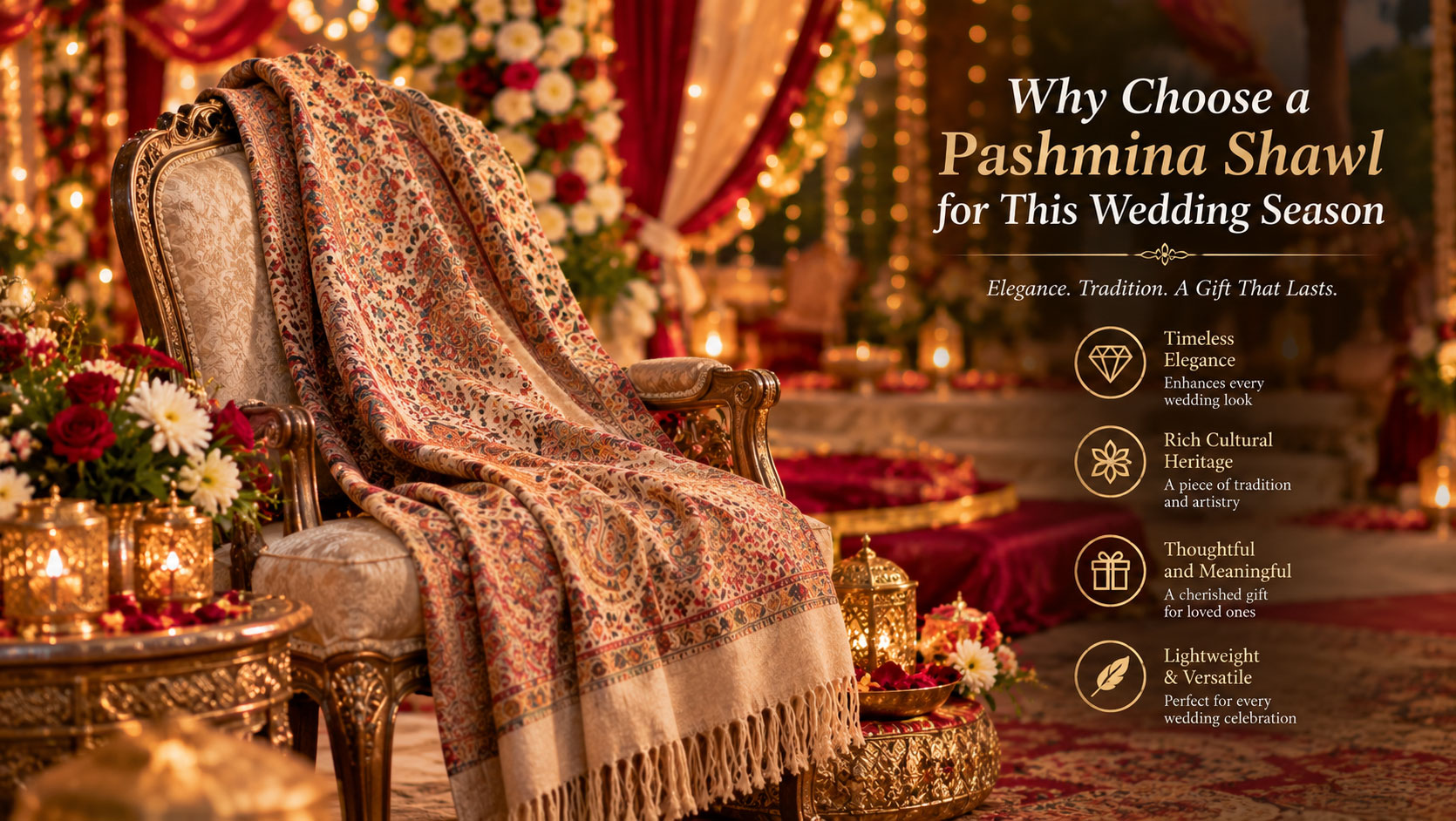
Many local craftspeople are also happy to personalize items on request — a block-printed bedcover with monogrammed initials, or a leather journal with hand-tooled covers, for instance. For gifting specifically, a well-chosen Pashmina shawl tends to carry more lasting value than most souvenir categories, since it remains genuinely useful for years rather than sitting as a decorative memento. It's also worth considering corporate gifting Pashmina shawls in bulk if you're shopping on behalf of a business or planning gifts for a larger group, since bulk sourcing arrangements can work out considerably more efficiently than buying individual pieces one at a time. If you're shopping specifically for a wedding back home, our Pashmina Shawl for Wedding Gift and bridal Pashmina collections are worth a look before you leave the city.
Not every visitor has the time or inclination to navigate multiple bazaars across the city, and that's exactly where a curated destination like Akee International becomes useful. Known for its attention to detail and consistent quality standards, the store bridges the gap between high-end fashion and traditional handcraft, functioning as a one-stop option for buyers who want authenticity without spending an entire day comparing shops.
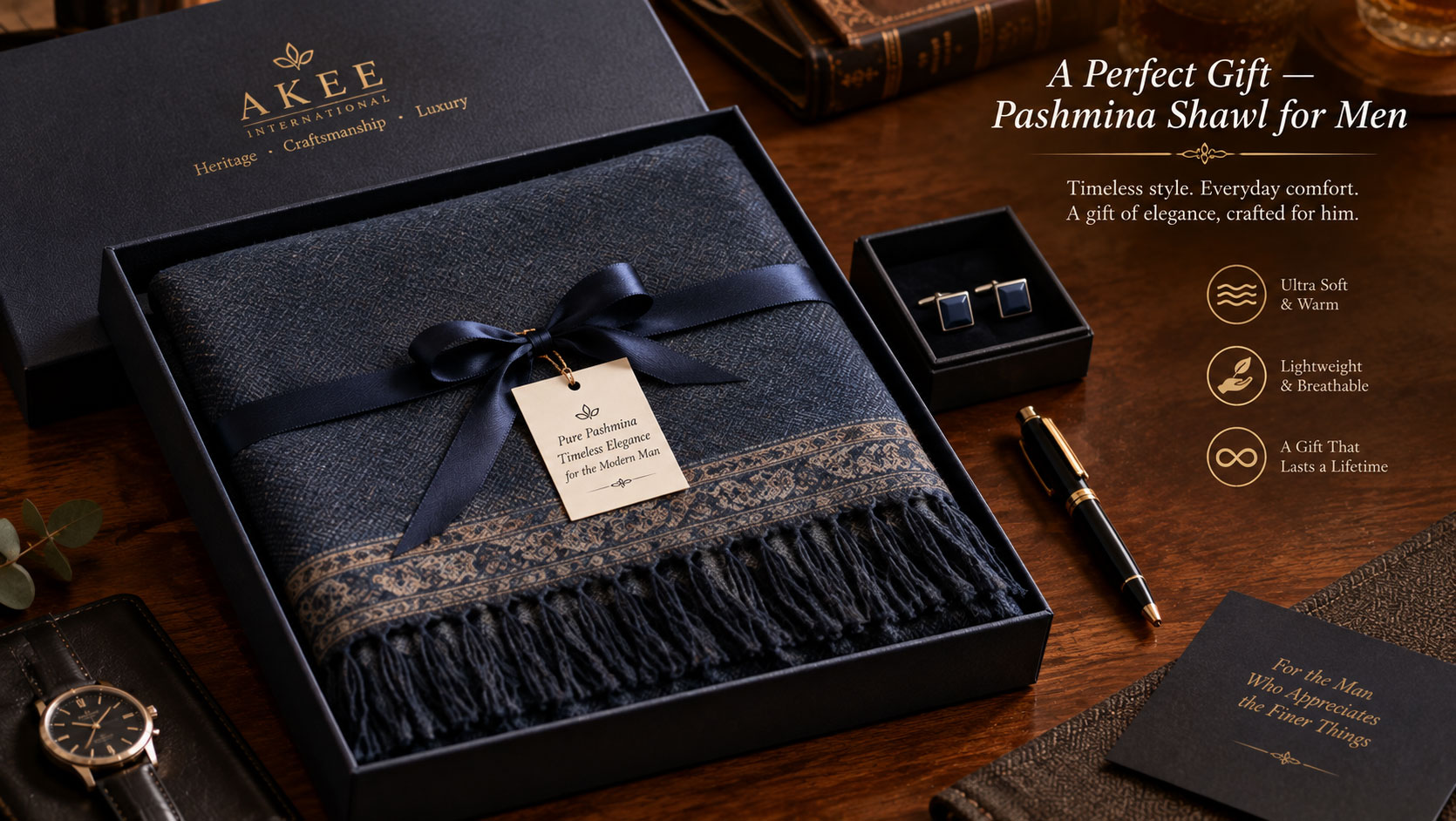
Our pashminas, in particular, have become a preferred choice for discerning shoppers — featuring fine handwoven weaves, rich natural dyes, and exquisite hand finishing that would otherwise require visiting several specialized workshops to find in one place. Our full range of women's Pashmina shawls and men's Pashmina shawls is available for exactly this kind of efficient, high-quality shopping experience.
Not every reader planning to shop in Jaipur is necessarily travelling there in person, and some visitors who do fall in love with a piece later want to reorder once they're back home. Our page on buying Pashmina shawls online covers how remote ordering works, and for NRIs and international buyers specifically, our page on buying a Kashmiri shawl for NRIs addresses common questions about shipping and customs from abroad.
A growing number of visitors to Jaipur aren't shopping purely for themselves — boutique owners, resellers, and buyers scouting for a wholesale relationship increasingly treat a Jaipur trip as a sourcing visit rather than a personal shopping one. If this describes your reason for visiting, our pages on wholesale Pashmina shawls in Jaipur and Pashmina shawl wholesale supply in India outline how bulk sourcing typically works, and our private label Pashmina shawl manufacturer page covers building your own branded line rather than reselling under an existing name.
A handful of habits tend to make the experience smoother, regardless of where you shop:
For anyone buying genuine Pashmina specifically, it's also worth knowing roughly what to expect on price before you start comparing shops — our Pashmina Shawl Price Guide sets realistic expectations across different weaves and embroidery levels, so an unusually cheap "pure Pashmina" offer in a market stall stands out for what it actually is.
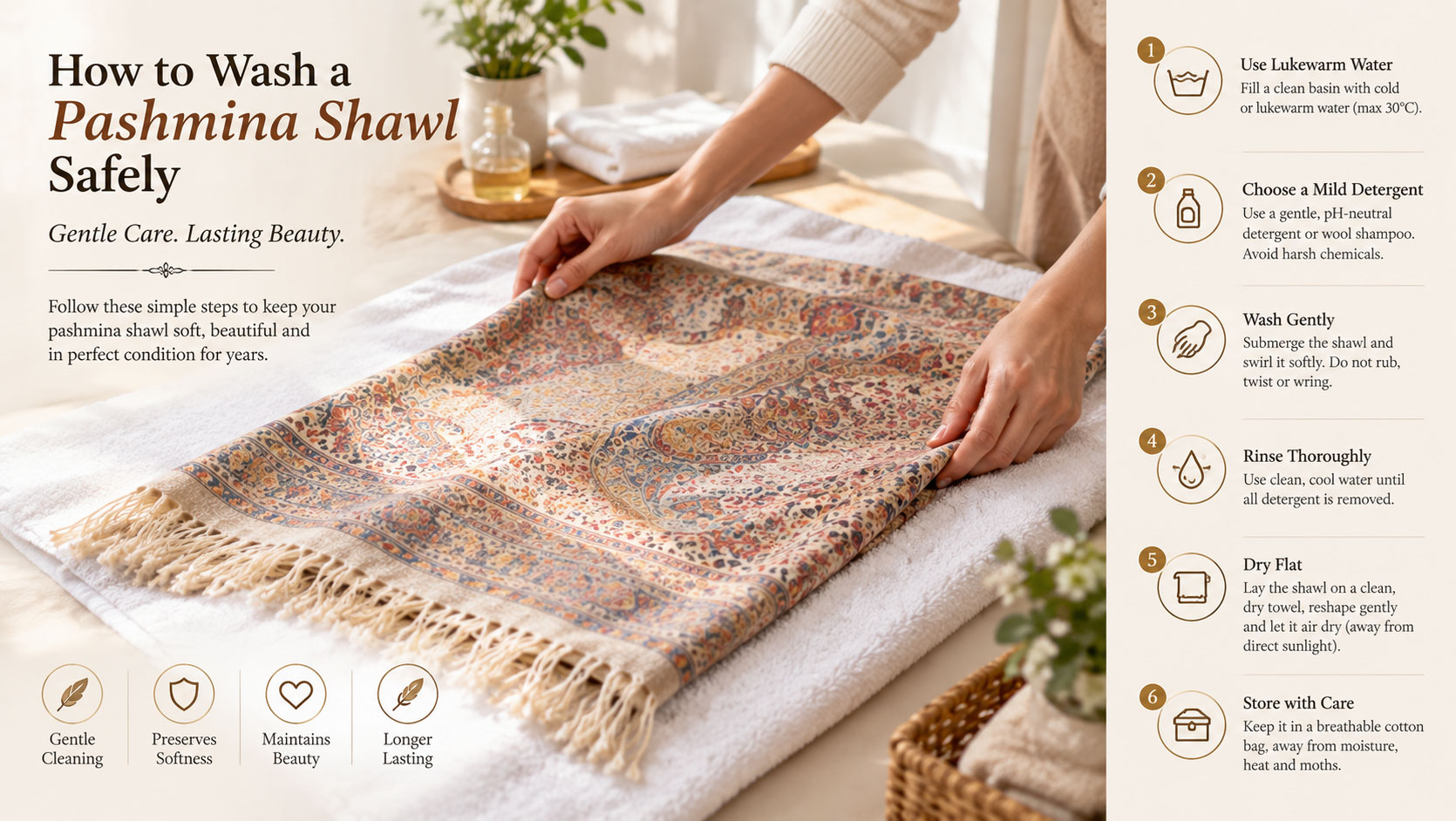
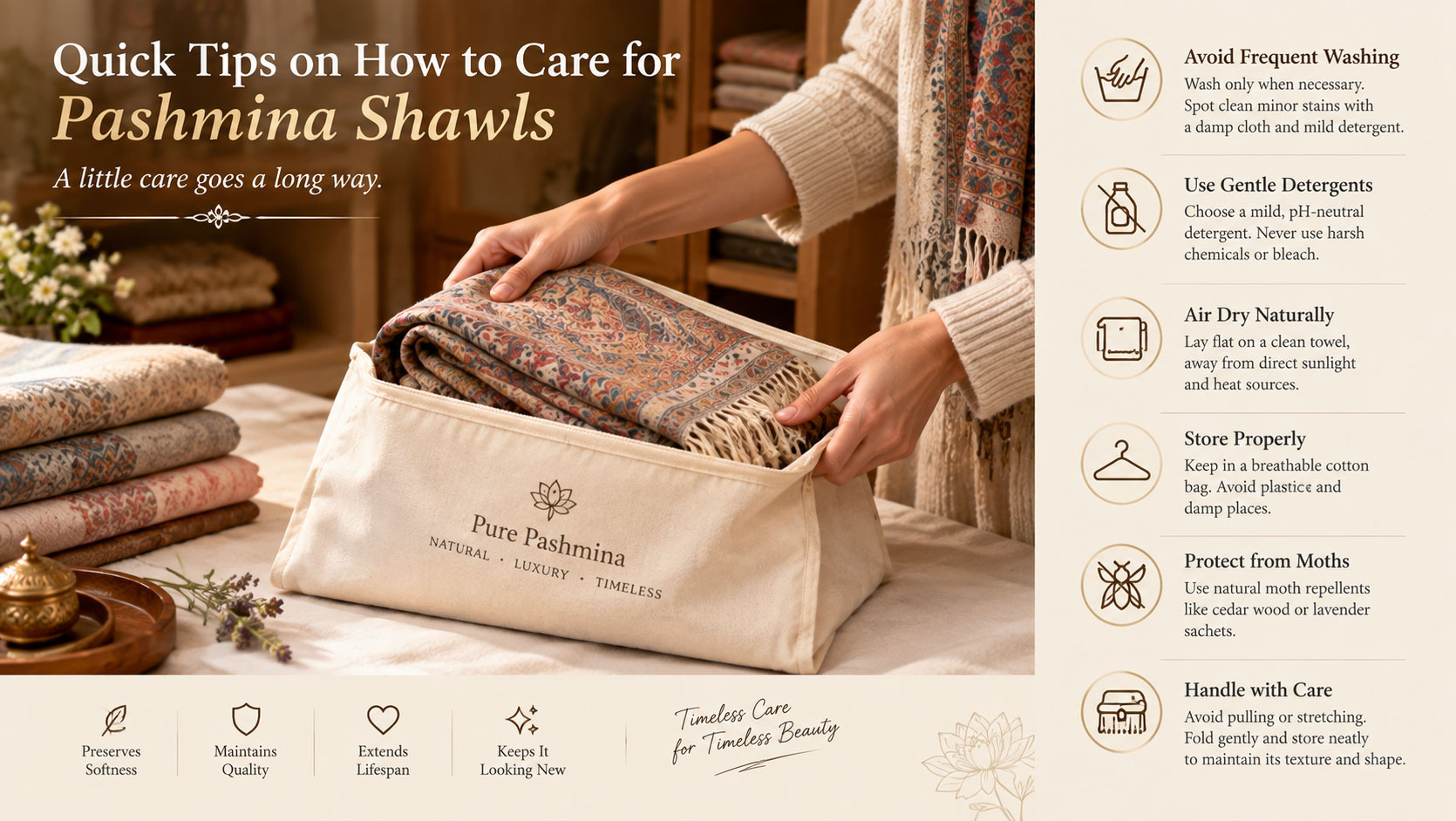
A genuine Pashmina piece bought in Jaipur is meant to last for years, not just the duration of your trip, so it's worth knowing how to look after it once you're home. Our complete Pashmina Shawl Care Guide, along with our pages on how to wash and how to store a Pashmina shawl, cover washing, drying, and storage in full detail.
Shopping in Jaipur ultimately isn't just about acquiring things — it's a direct engagement with centuries of craftsmanship, colour, and cultural storytelling that few other Indian cities offer in such concentrated form. Whether you walk away with a trunk full of market finds or a single carefully chosen Pashmina from a source you trust, you're bringing home a genuine piece of Rajasthan's textile and artisan legacy.
If you'd like guidance planning a visit to our store, or want to know more about our collection before arriving in the city, reach out to us directly on WhatsApp or by phone at +91-9772777770, or write to us at akee.international@gmail.com. Our store, located near Amer Fort in Jaipur, welcomes walk-in visitors who'd like to combine a trip to the fort with a curated shopping stop that fits easily into the same day's itinerary, and our Products page gives a full preview of what's available before you arrive, so you can plan exactly how much time to set aside for browsing versus the rest of your Jaipur itinerary.
Discover exquisite Pashmina shawls, beautifully crafted with Kashmir’s timeless heritage and artistry.
Jewelry, textiles, pashmina shawls, blue pottery, leather goods, block-printed fabrics, and handmade souvenirs are all popular.
Johari Bazaar, Bapu Bazaar, Tripolia Bazaar, Chandpole Bazaar, and Nehru Bazaar are must-visits for traditional shopping.
Yes, especially from reputed outlets like Akee International, known for genuine, luxury-grade pashmina and fine finishing.
Akee International specializes in premium textiles and accessories, particularly authentic pashmina shawls, with a blend of tradition and modern design.
Yes, bargaining is common in street markets. However, prices at branded stores or boutiques like Akee International are usually fixed due to their quality standards.
Johari Bazaar is famous, but ensure you buy from certified sellers or government-approved stores for authenticity.
Absolutely. Many tailors and jewelers offer bespoke services, especially in areas like Raja Park and MI Road.
Yes, but like any tourist destination, be mindful of scams, inflated prices, and always ask for receipts.
October to March is ideal, with pleasant weather and numerous festivals adding to the vibrancy.
Most modern stores and boutiques do. However, smaller vendors in markets may prefer cash or UPI payments.
Block printing, bandhani, leheriya, gotapatti work, and handloom weaves are iconic to Jaipur.
Markets offer bargains, but boutiques provide premium quality and curated experiences—worth the price for unique pieces.
C-Scheme, Civil Lines, and high-end stores like Akee International offer luxury shopping experiences.
Yes, like Rajasthali and Rajasthan Handloom Emporium, which ensure fixed prices and authentic goods.
Definitely. Many stores now focus on sustainable fashion, organic dyes, and ethical sourcing. Akee International is among those promoting conscious craftsmanship.
Yes, many boutiques and shipping centers offer international delivery services. Always inquire about customs regulations.
Most markets remain closed on Sundays. Check individual store timings before visiting.
Yes, but seeing, touching, and buying them in Jaipur enhances the experience. Akee International also offers online purchasing options.
Hand-painted miniatures, blue pottery, camel leather items, Rajasthani puppets, and pashmina stoles make thoughtful gifts.
Jaipur offers something for every budget—from ₹200 souvenirs in bazaars to ₹20,000+ luxury items in designer boutiques.
"Browse our curated collections and shop by category to find the perfect Pashmina shawl or scarf for every occasion."
"Explore our latest collection of exquisite Pashmina shawls and scarves, where luxury meets craftsmanship in every piece."
"Shop our Best Sellers, where luxury meets demand—featuring the most sought-after Pashmina shawls and scarves of the season."
"Read what our clients say about their experience with Akee International's luxurious Pashmina shawls and impeccable service."

Nai Mata Mandir Road, Thathar Road, Delhi By Pass, Amer, Jaipur 302028, Rajasthan India
Get directions Call Now Whatsapp 4.9 based on 269 reviews
Rating: 4.6/5 | 85 Reviews

Rating: 4.9/5 | 269 Reviews

TrustScore: 4.9 | 100 Reviews