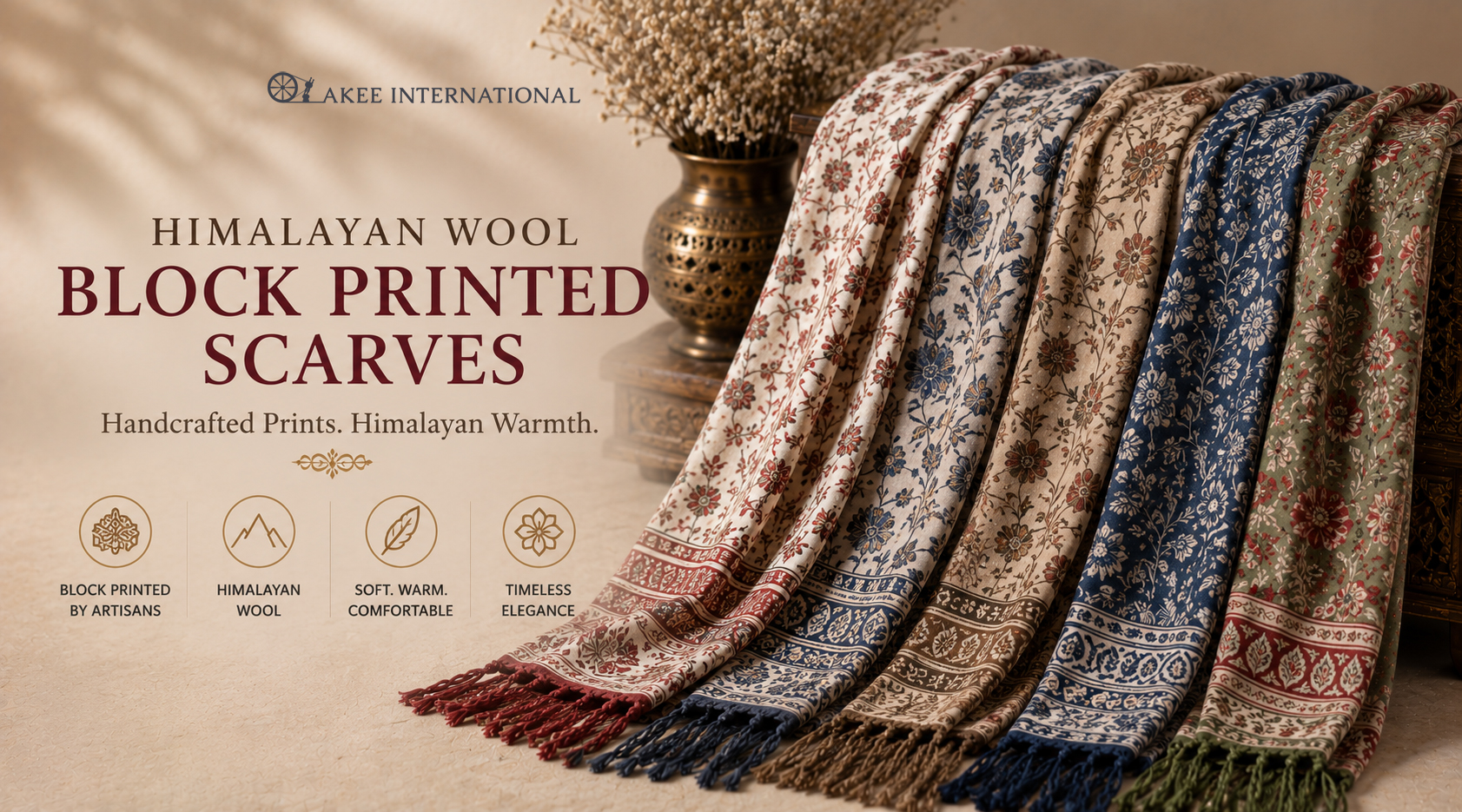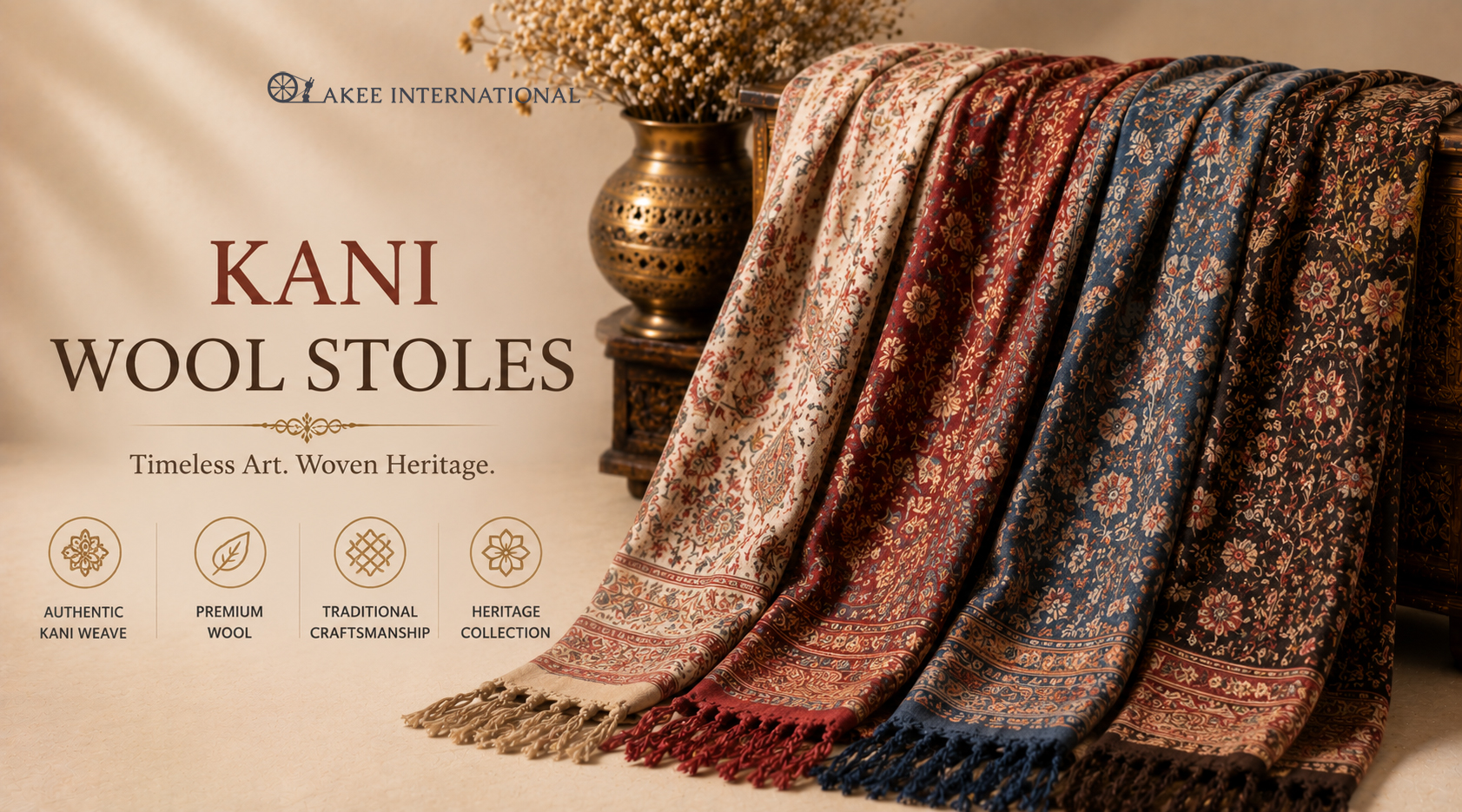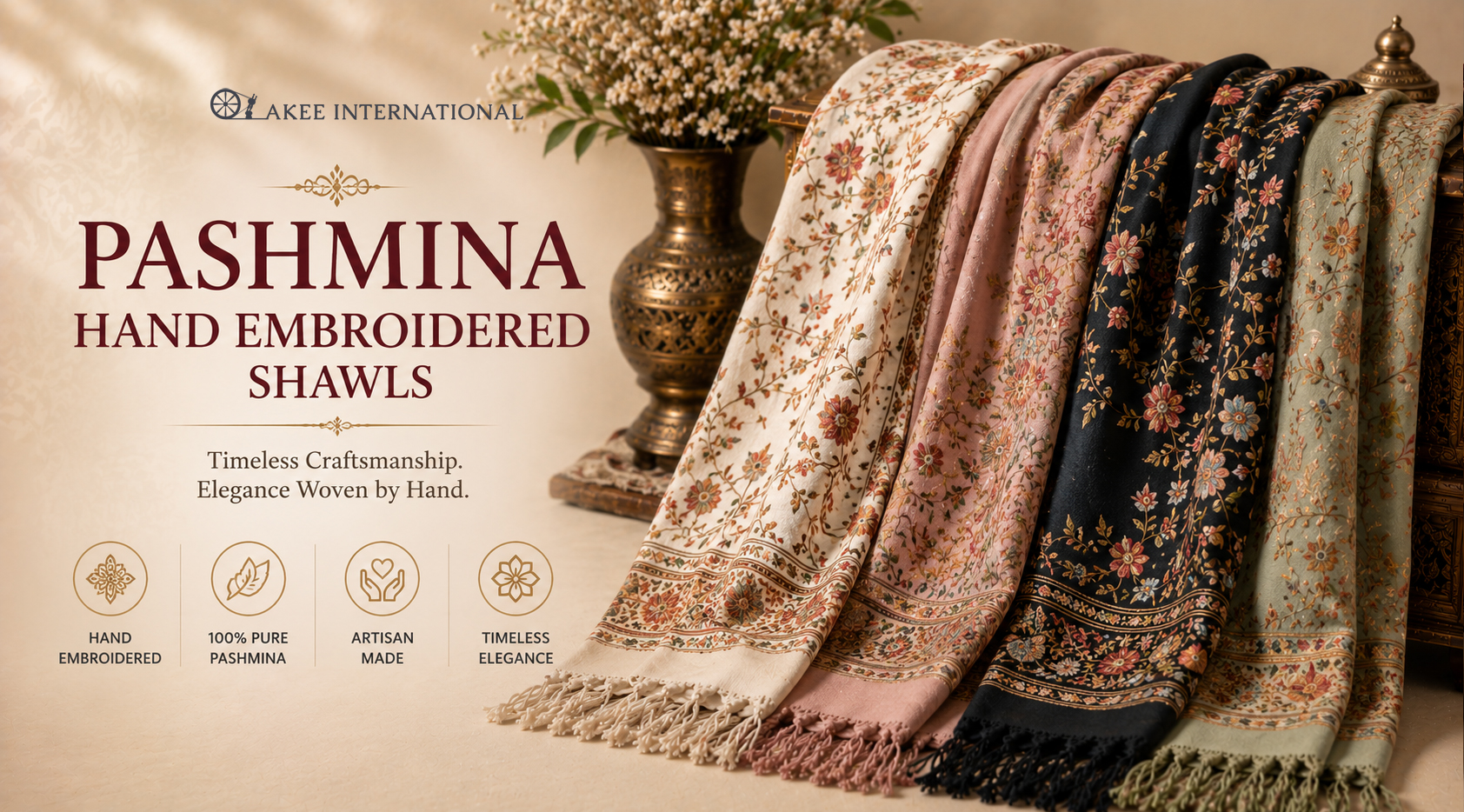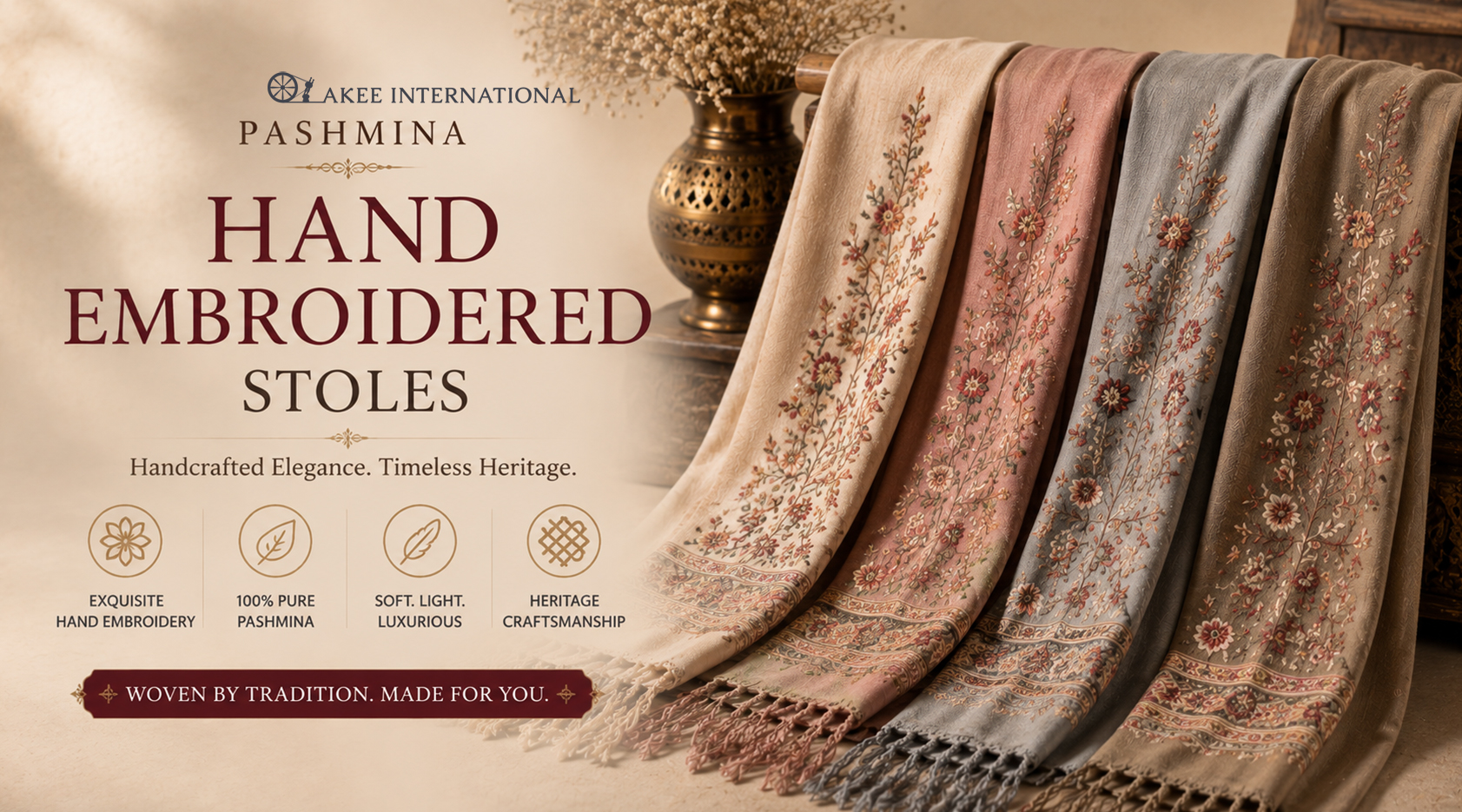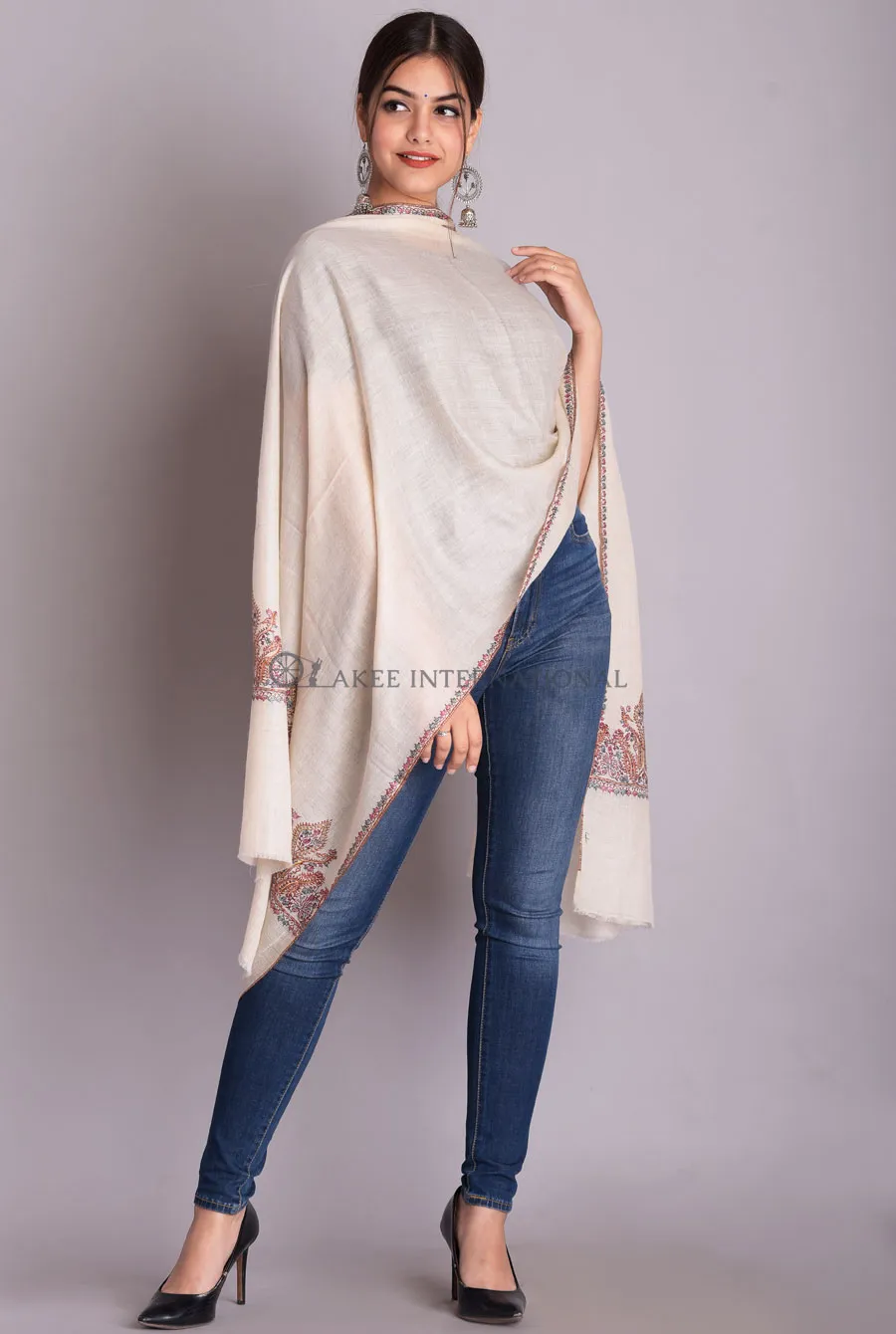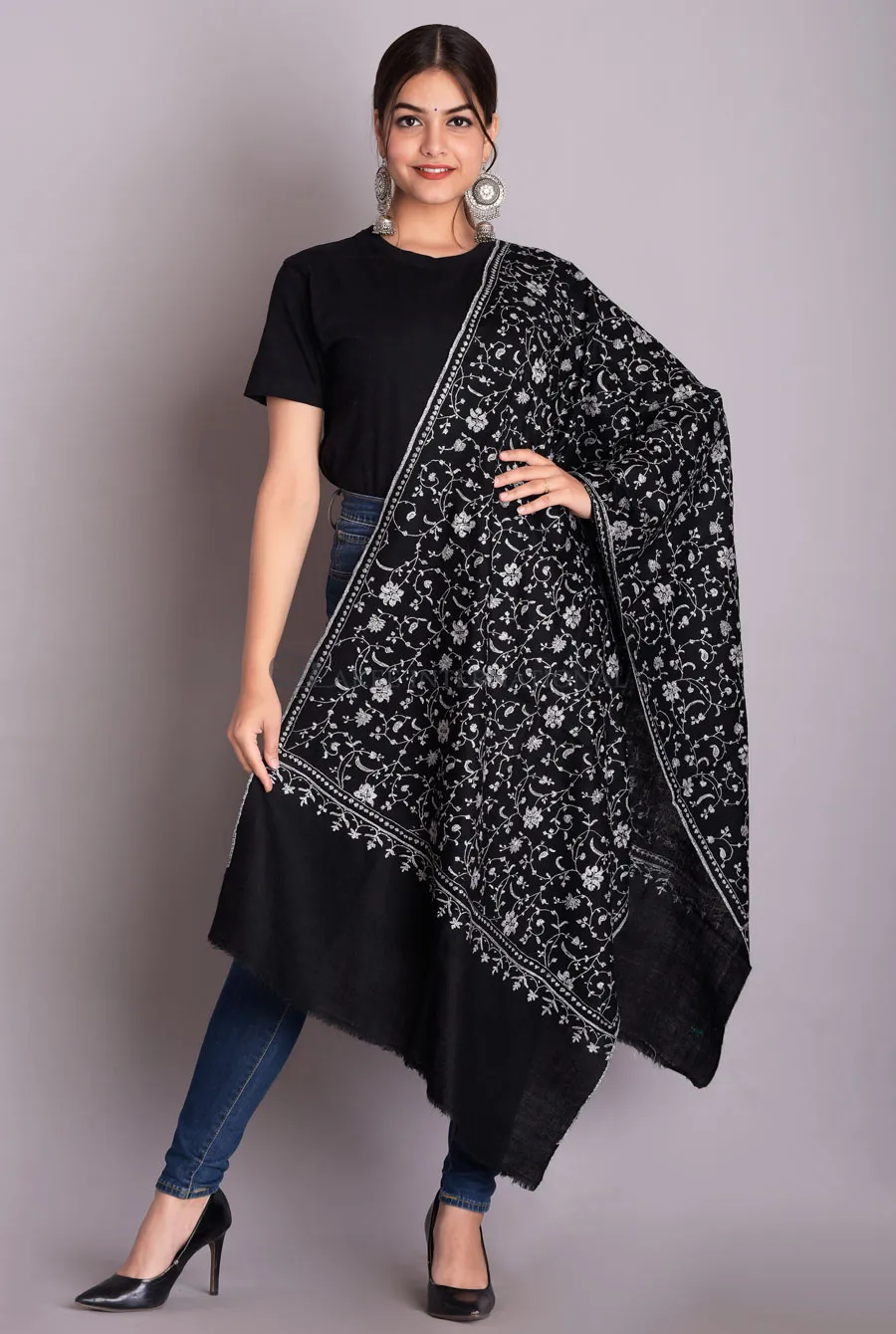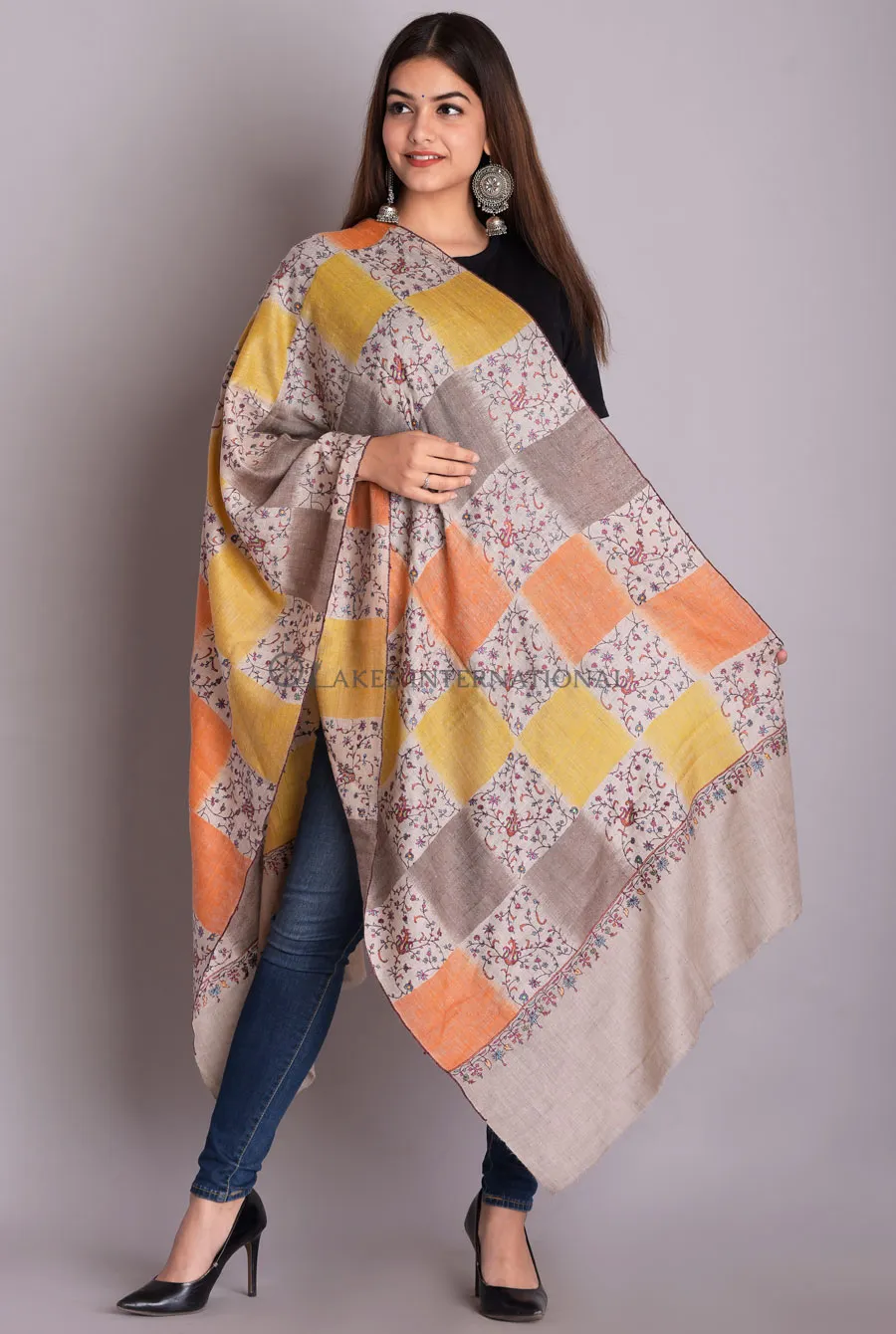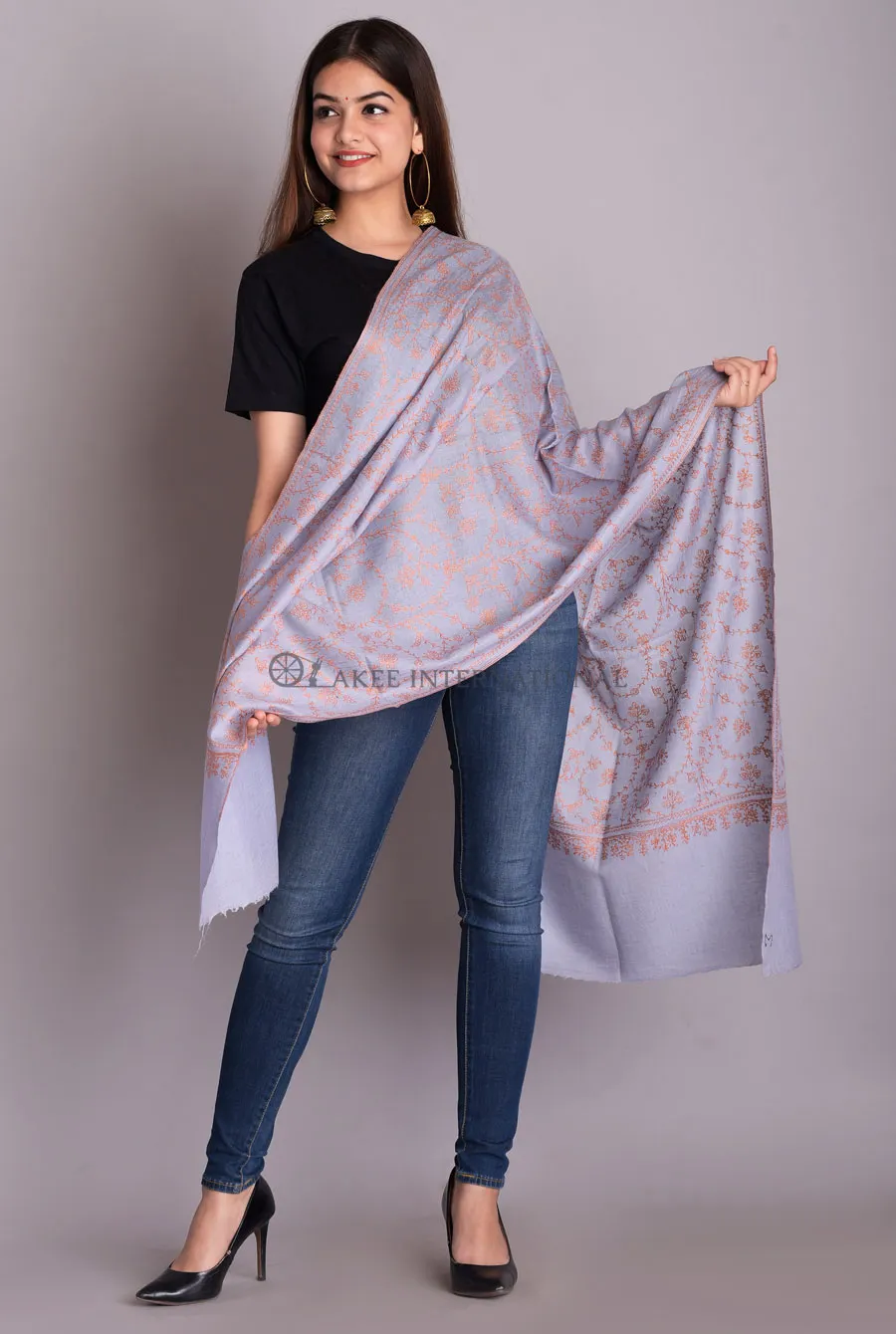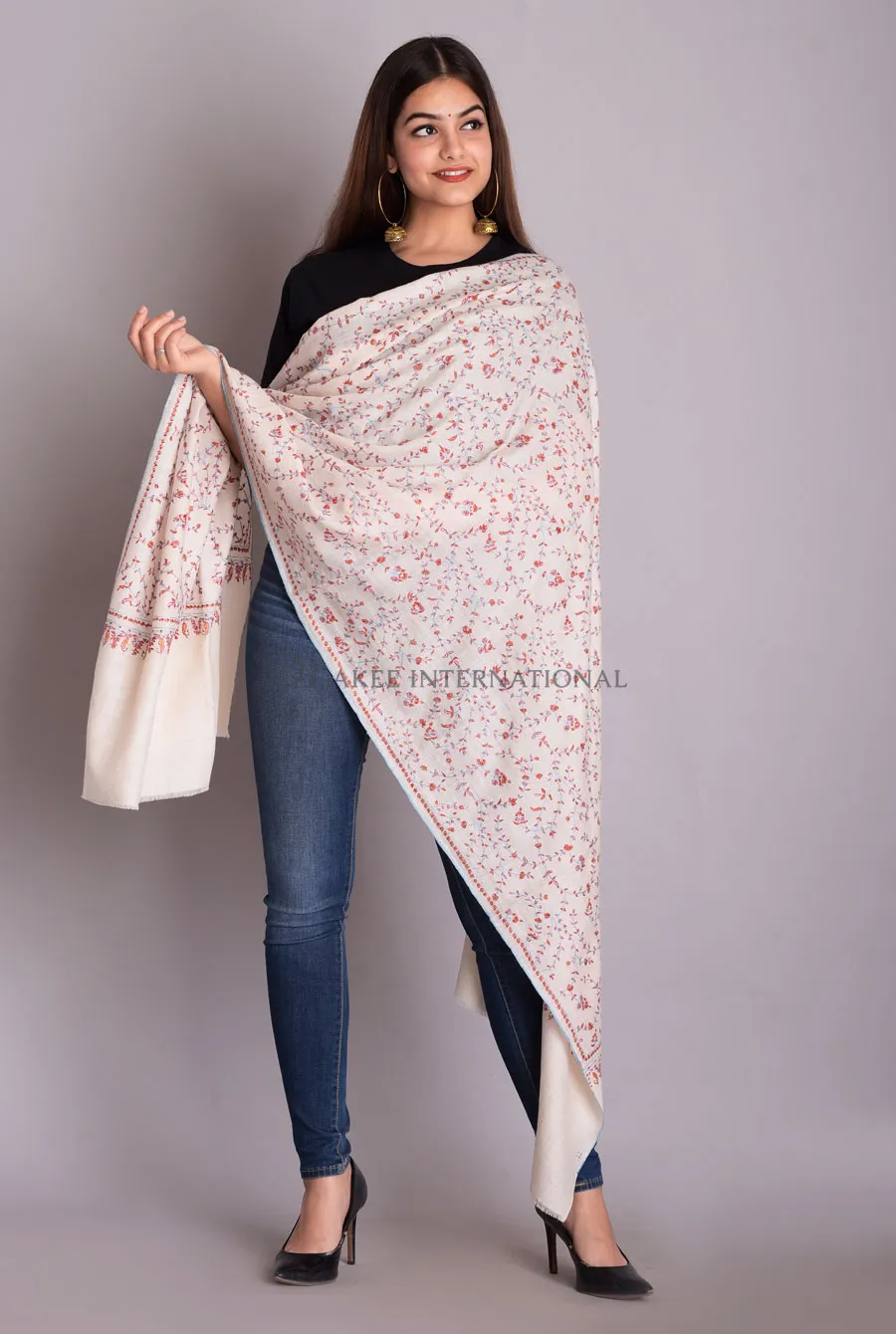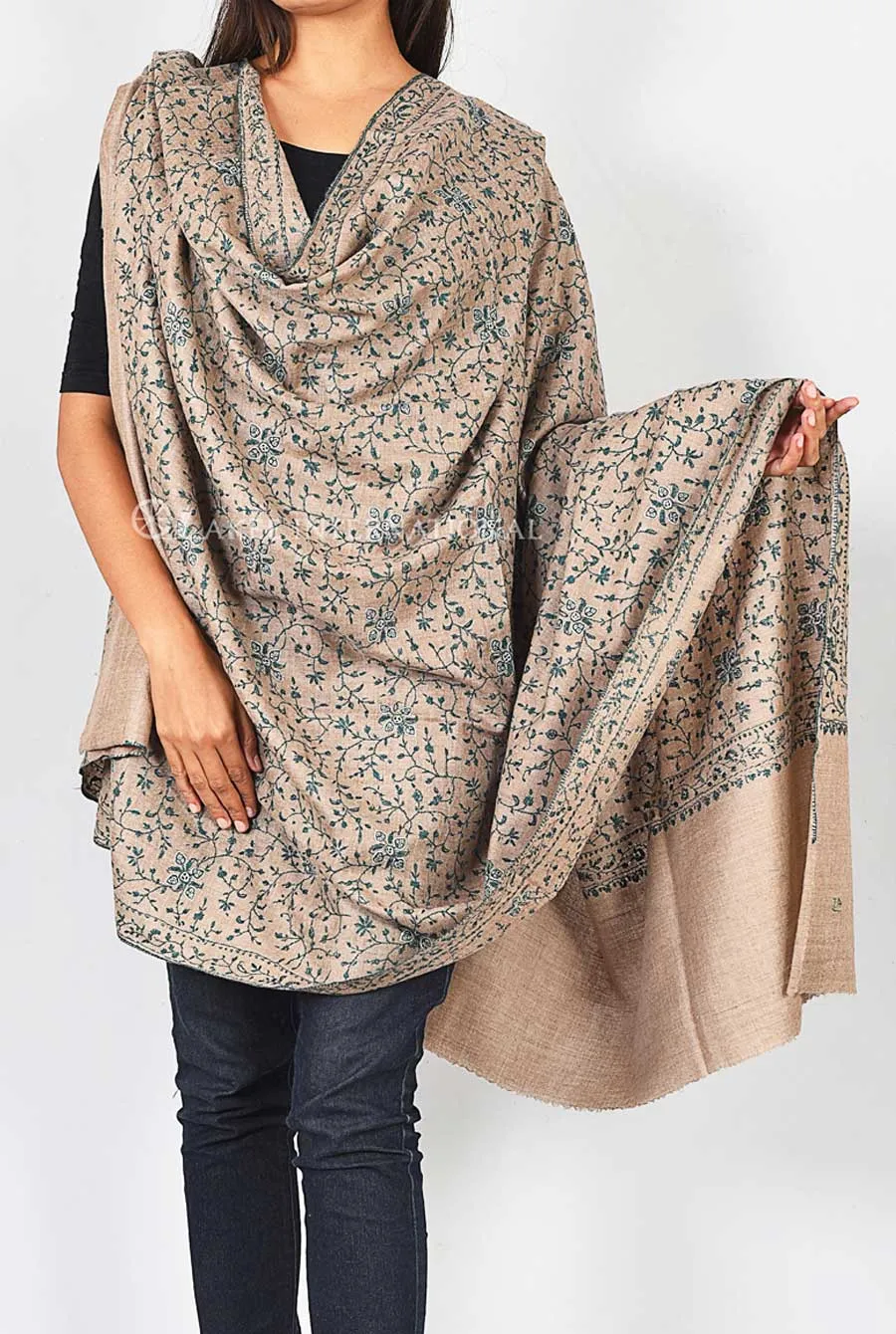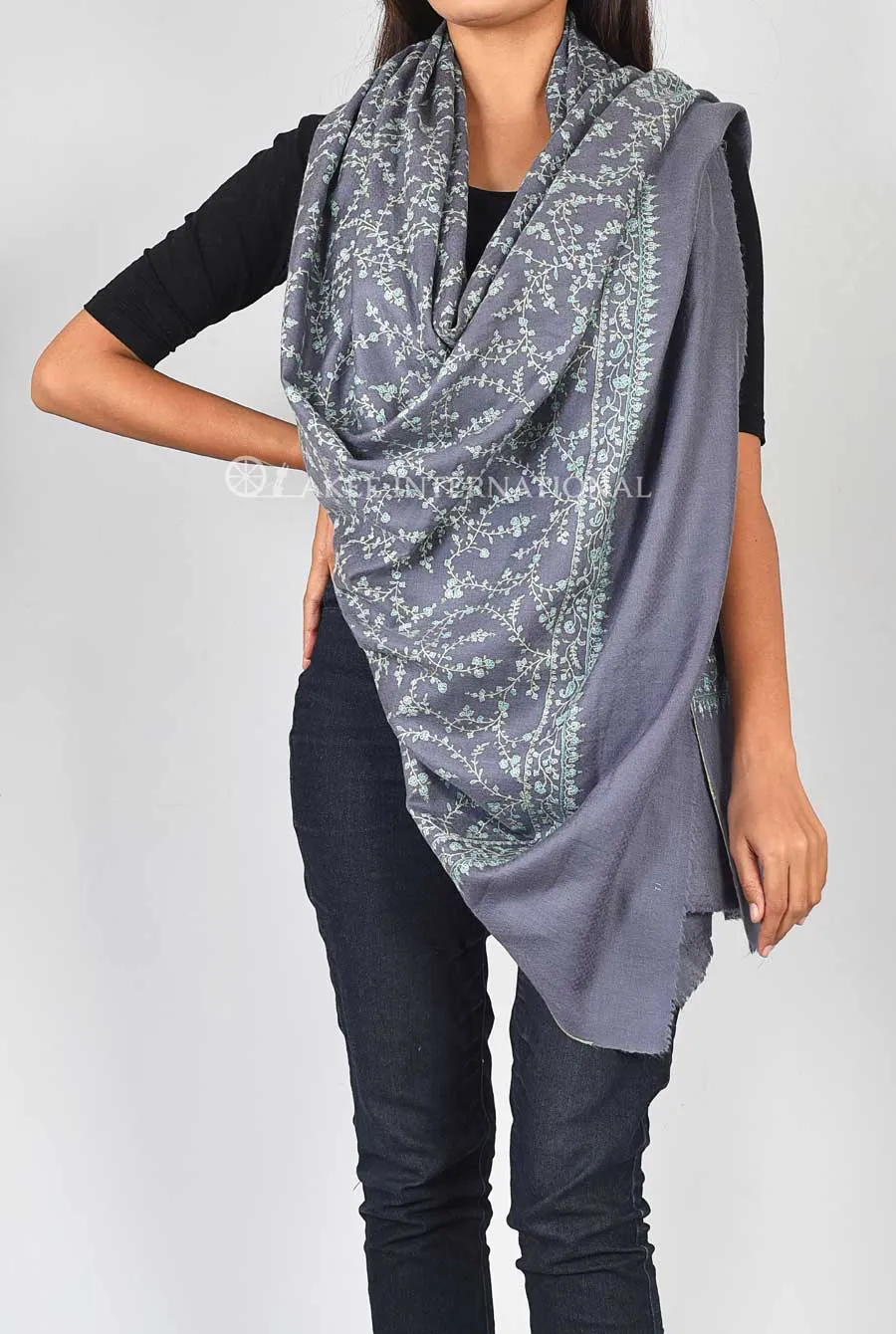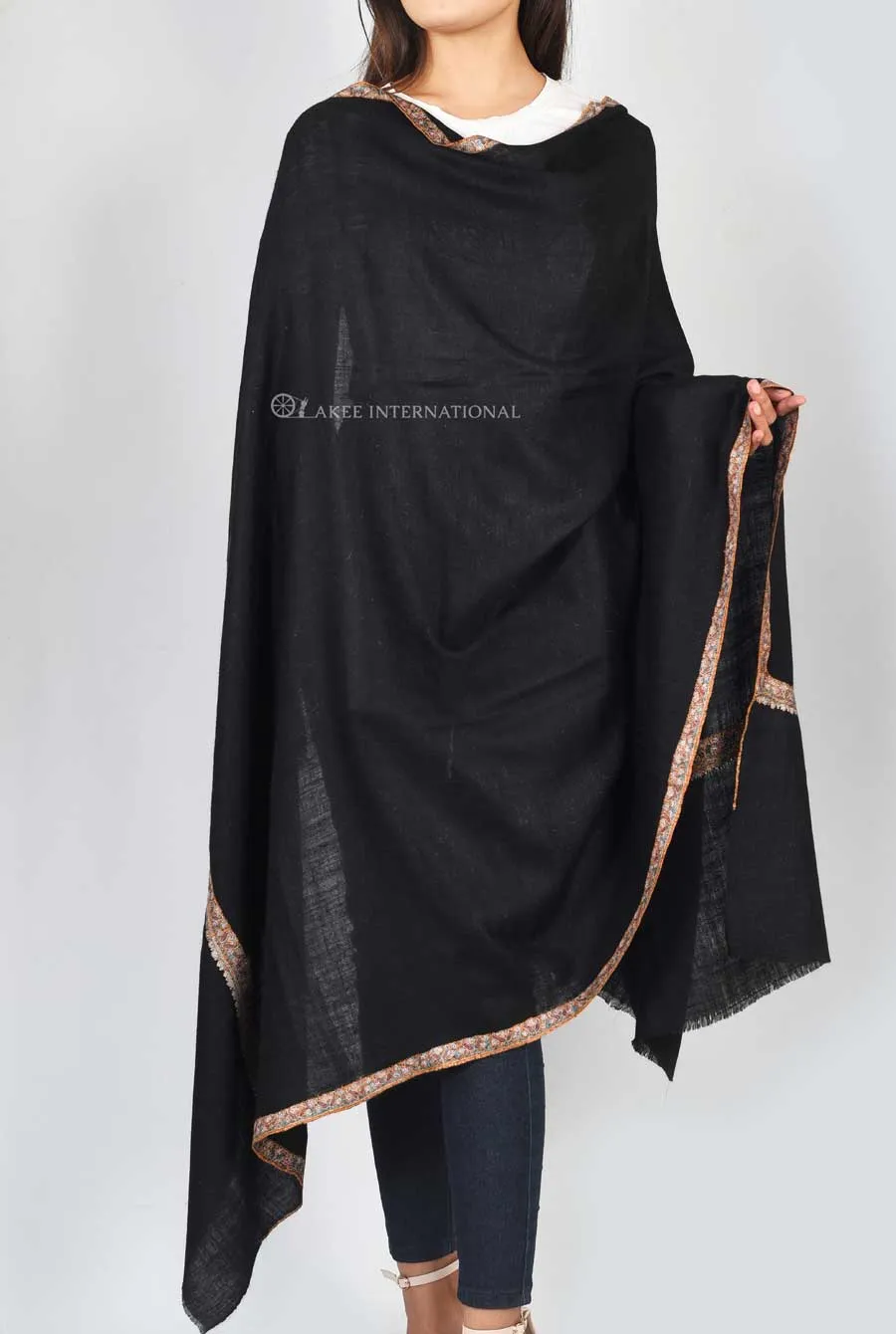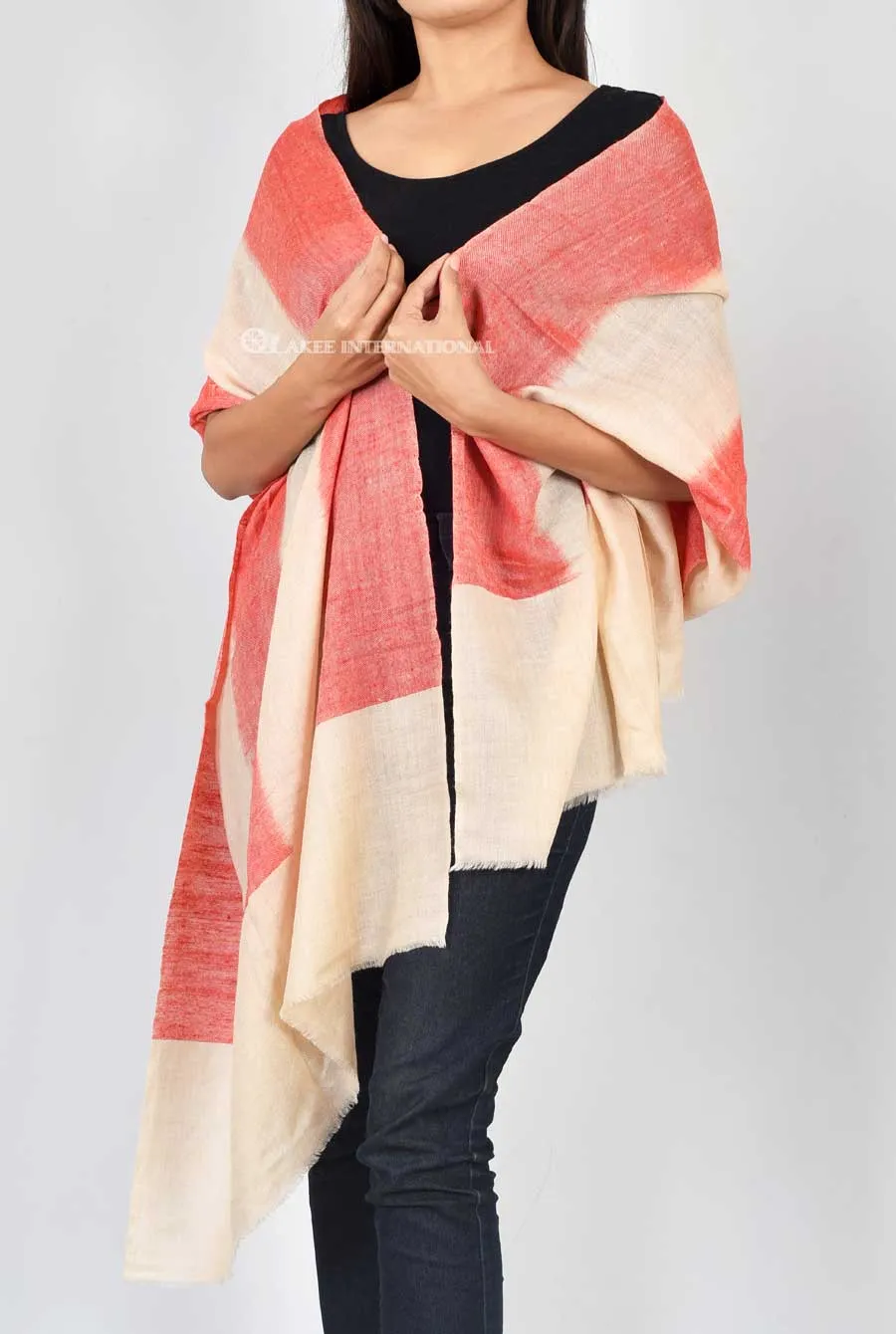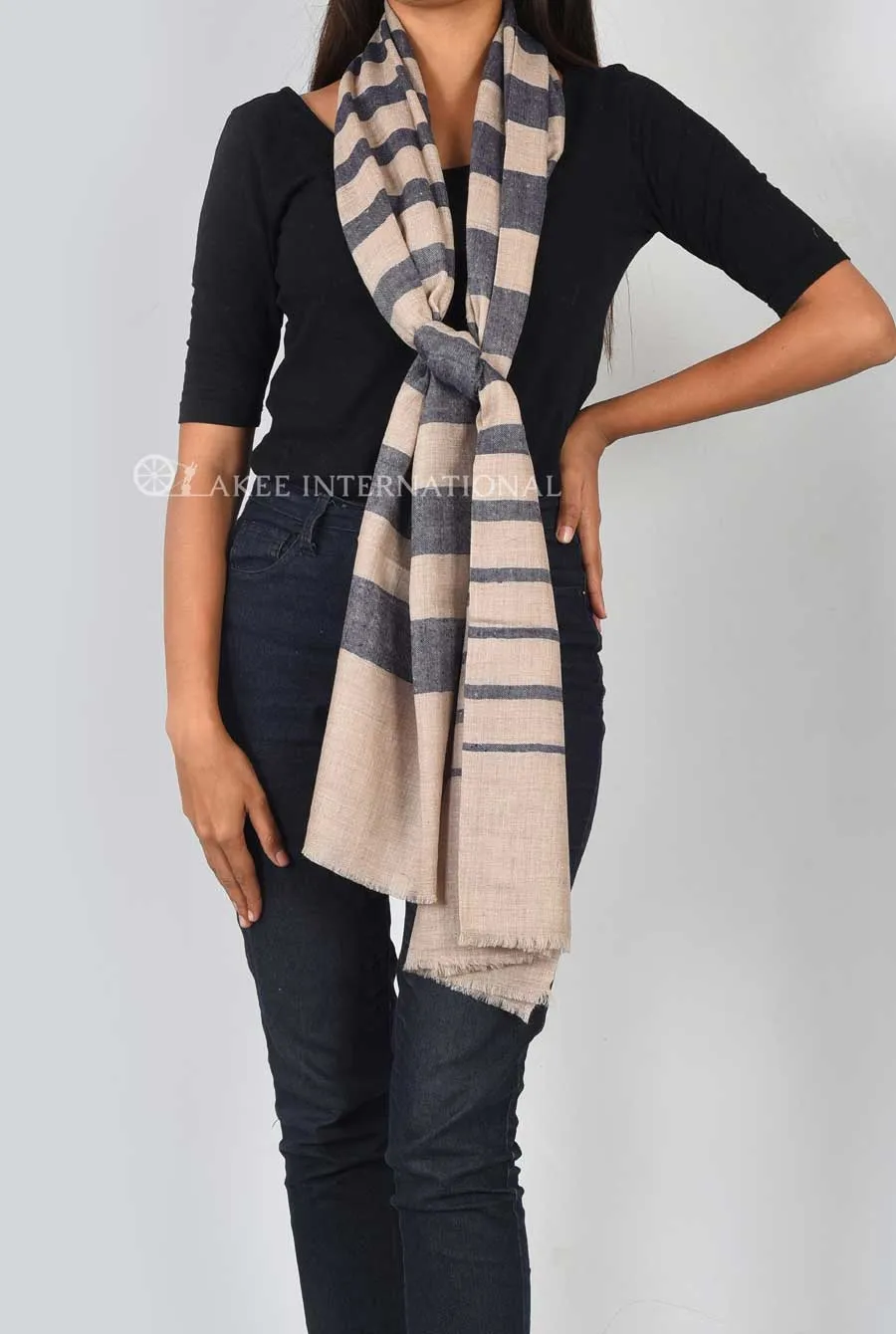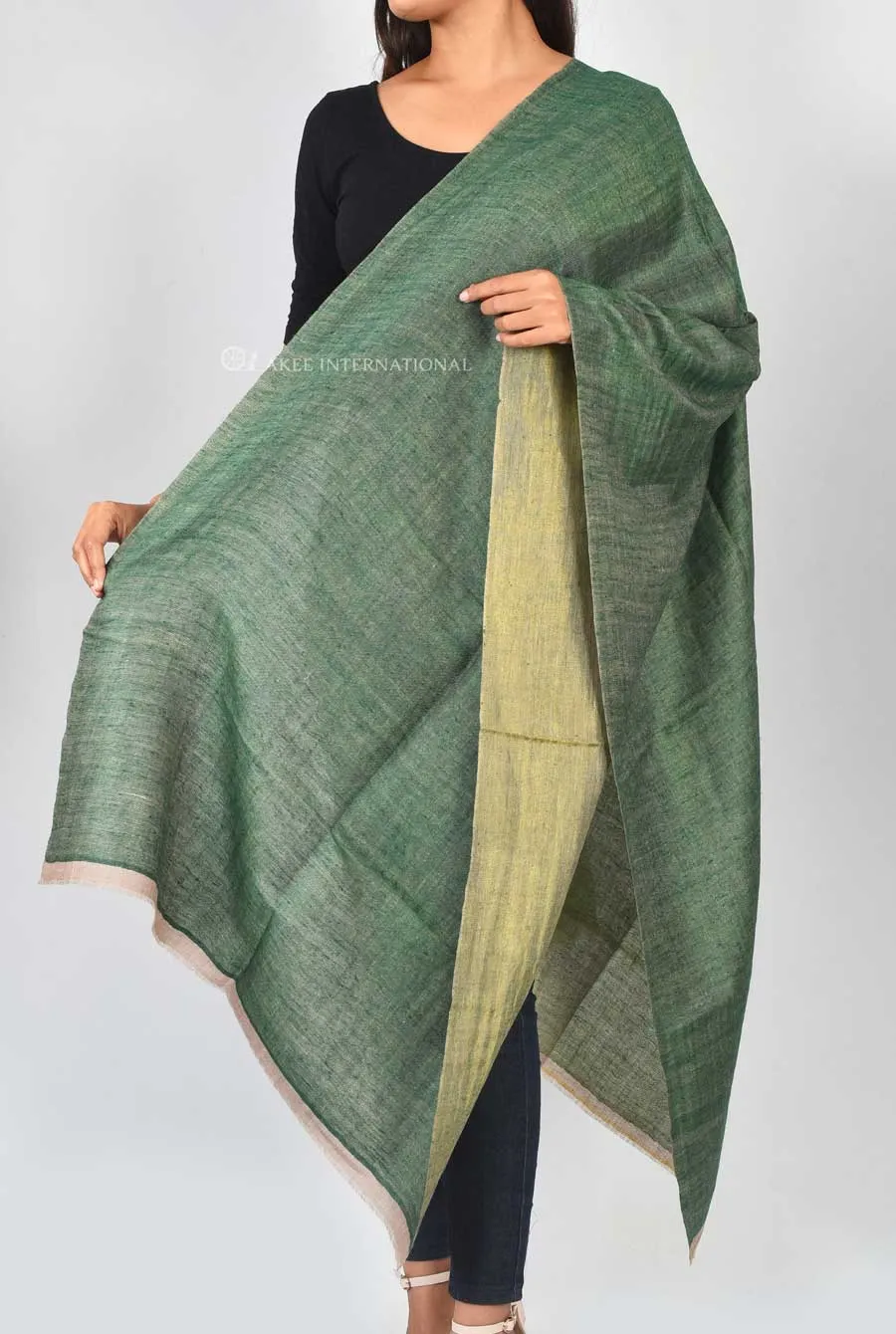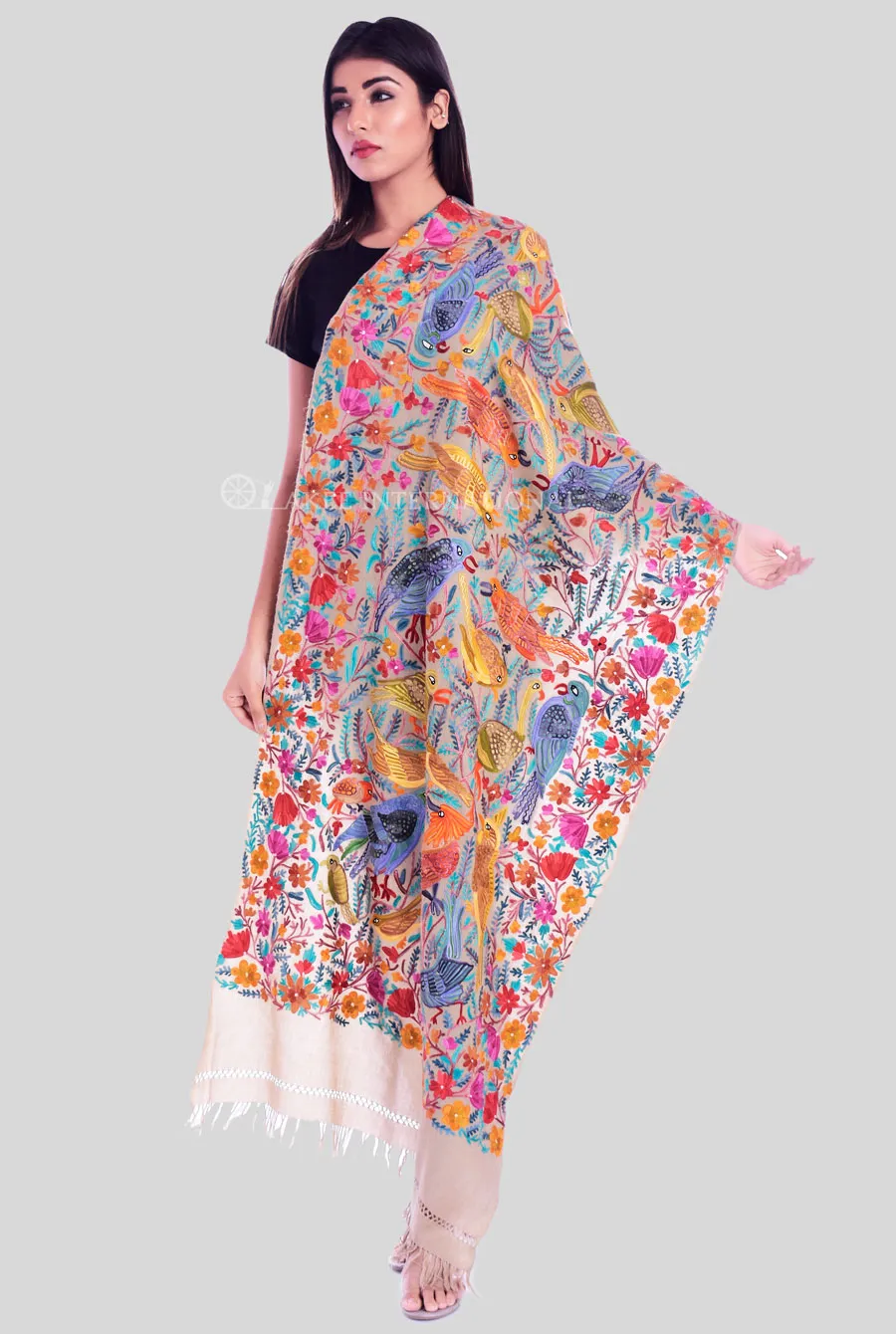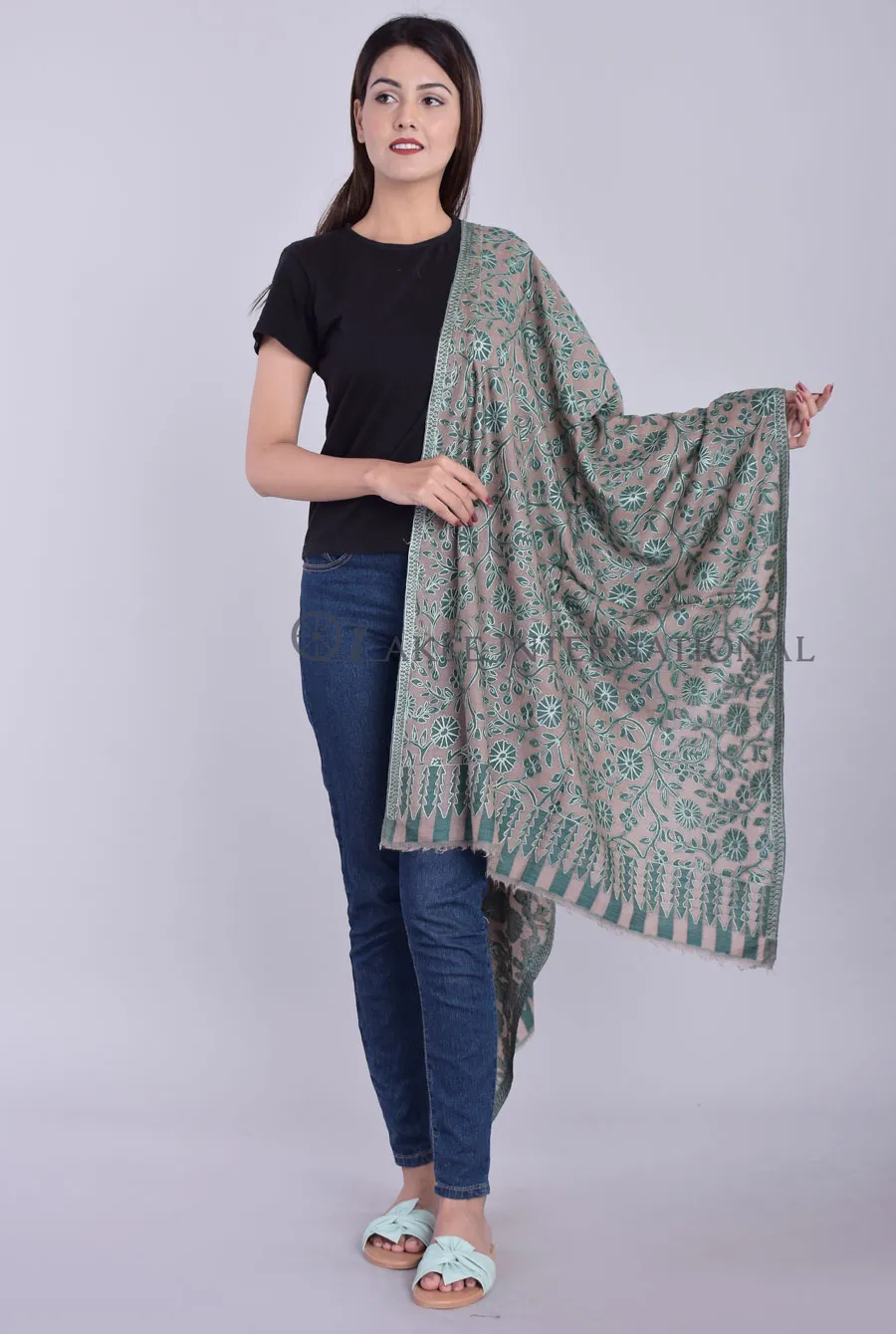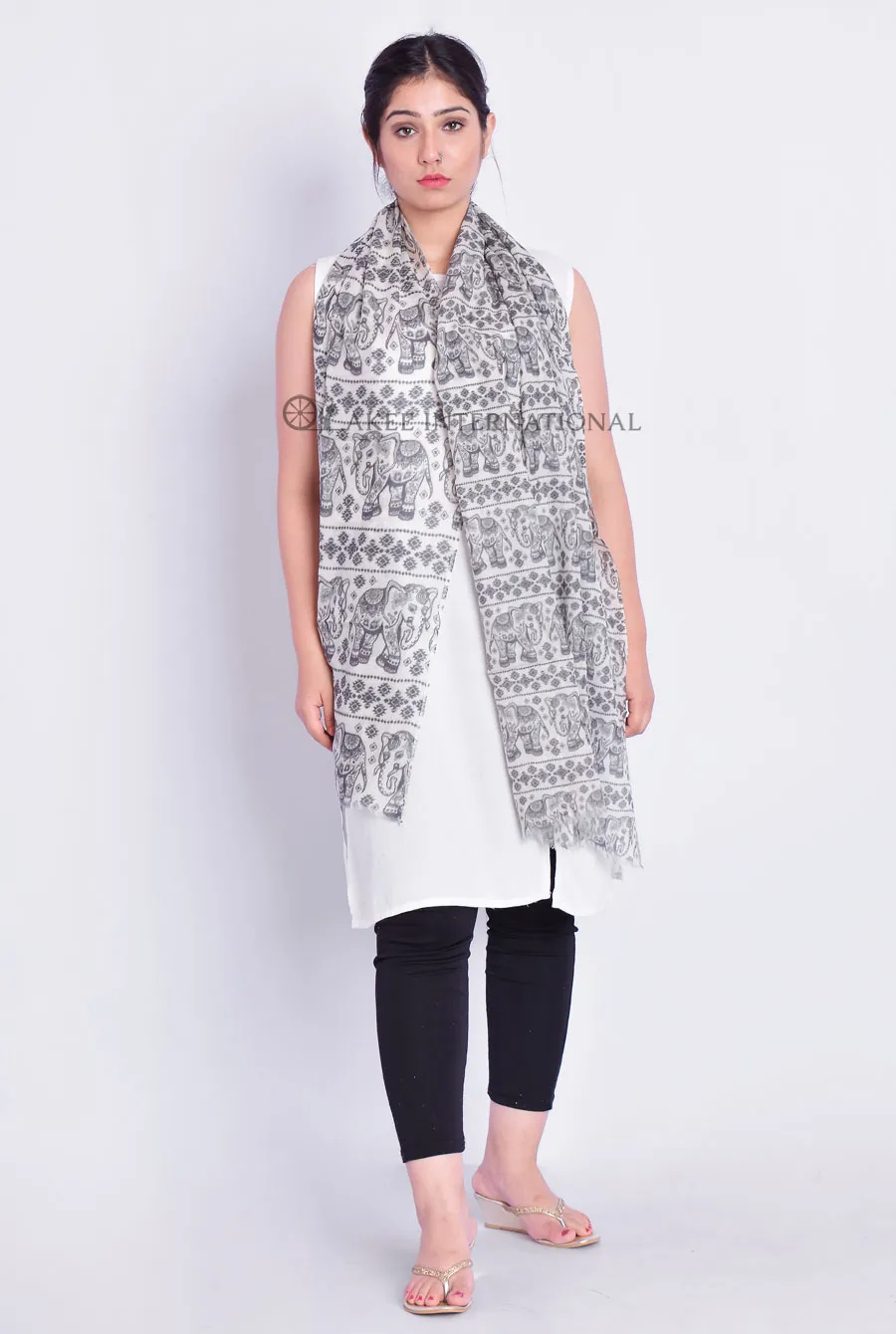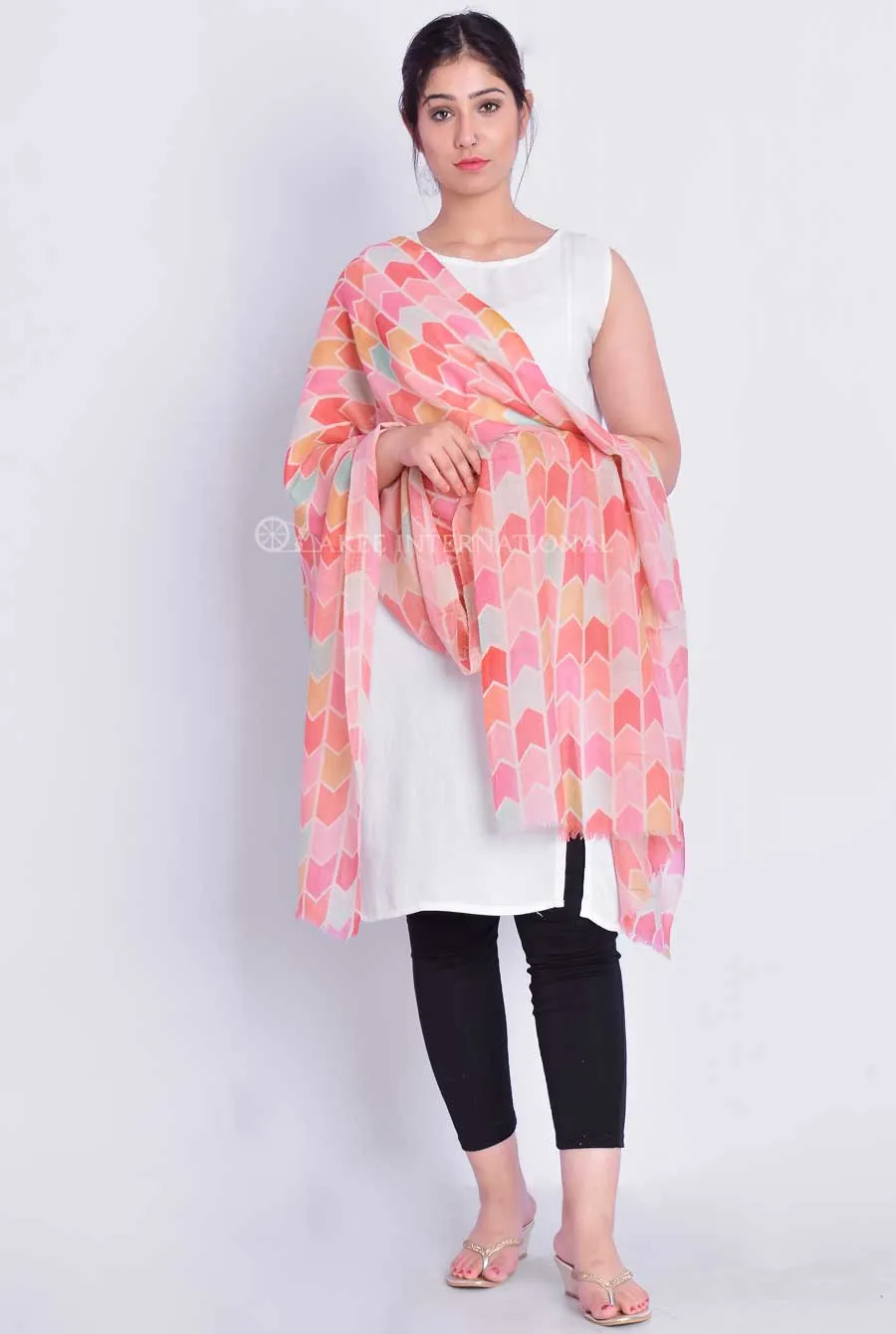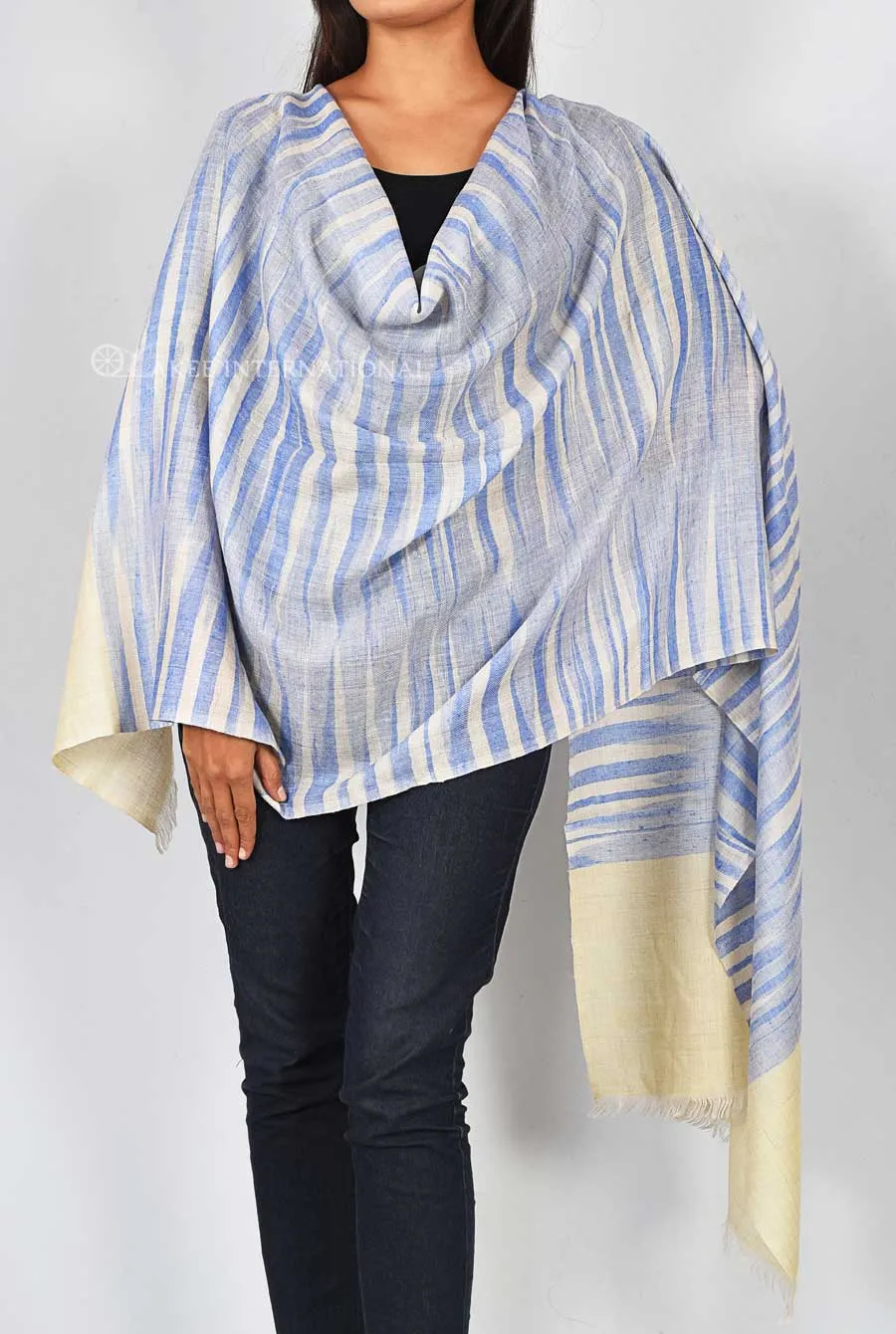
Sustainability in fashion often gets talked about as something brands need to retrofit onto their existing processes — swap a dye here, adjust a supply chain there. Genuine Pashmina production never really had that problem to begin with. Long before "sustainable fashion" became a marketing category, Pashmina weaving in Kashmir was already slow, small-scale, hand-powered, and deeply tied to the wellbeing of the communities and animals involved. In many ways, an authentic Pashmina shawl was eco-friendly by design, decades before the term existed.
At Akee International in Jaipur, we don't think of sustainability as a new feature we've added to an old craft — it's simply what happens when you keep doing things the traditional way instead of industrializing them for speed.
Pashmina fibre itself starts out as a naturally sustainable material — it comes from the fine undercoat of the Changthangi goat, a completely renewable resource that regrows each year without requiring any synthetic input. But the fibre being natural is only part of the picture. What truly determines how eco-friendly a finished shawl is comes down to how it's sourced, dyed, processed, and transported afterward.
A genuinely low-impact Pashmina shawl typically involves:
Our artisans in Jaipur and their partner weavers in Kashmir rely on exactly these age-old, non-mechanized techniques, which means every finished shawl carries a meaningfully lower carbon footprint than anything produced on an industrial loom. You can explore more about the specific weaving heritage behind this on our Kashmiri shawl weaving tradition page.
Conventional textile manufacturing is, unfortunately, one of the more polluting industries globally — heavy water usage, chemical dye runoff, and energy-intensive processing are common throughout much of the mass-market fashion supply chain. Genuine, traditionally made Pashmina stands in fairly stark contrast to this. Because the entire process depends on manual skill rather than machinery, water usage stays comparatively low, synthetic dyes are largely avoidable, and drying happens naturally rather than through energy-intensive industrial equipment.
Choosing a shawl produced this way isn't just a personal wardrobe decision — it's a small vote for reduced pollution, more conscious resource use, and fairer labour practices across an industry that doesn't always prioritize any of those things by default.
Environmental sustainability and social sustainability tend to move together in genuine Pashmina production, and that's not a coincidence. Working directly with artisans and weavers — rather than through several layers of unnamed subcontractors — makes it far easier to ensure fair wages and safe working conditions, while also protecting skills that have been passed down across generations and would otherwise risk disappearing if demand shifted entirely toward faster, cheaper alternatives.
This is part of why sourcing transparency matters just as much as material quality when evaluating whether a "sustainable" shawl actually deserves that label. A shawl made from genuinely eco-friendly materials but produced under exploitative labour conditions isn't a complete sustainability story — both halves need to hold up. You can read more about our specific approach to ethical sourcing and community support on our Sustainability page and our CSR page.
A common assumption is that choosing the more sustainable option means giving something up — softness, richness of colour, or overall visual impact. That trade-off simply doesn't apply here. A well-made, naturally dyed, handwoven Pashmina shawl retains every bit of the softness, warmth, and elegance associated with the category, while meeting a genuinely higher environmental and ethical standard than mass-produced alternatives.
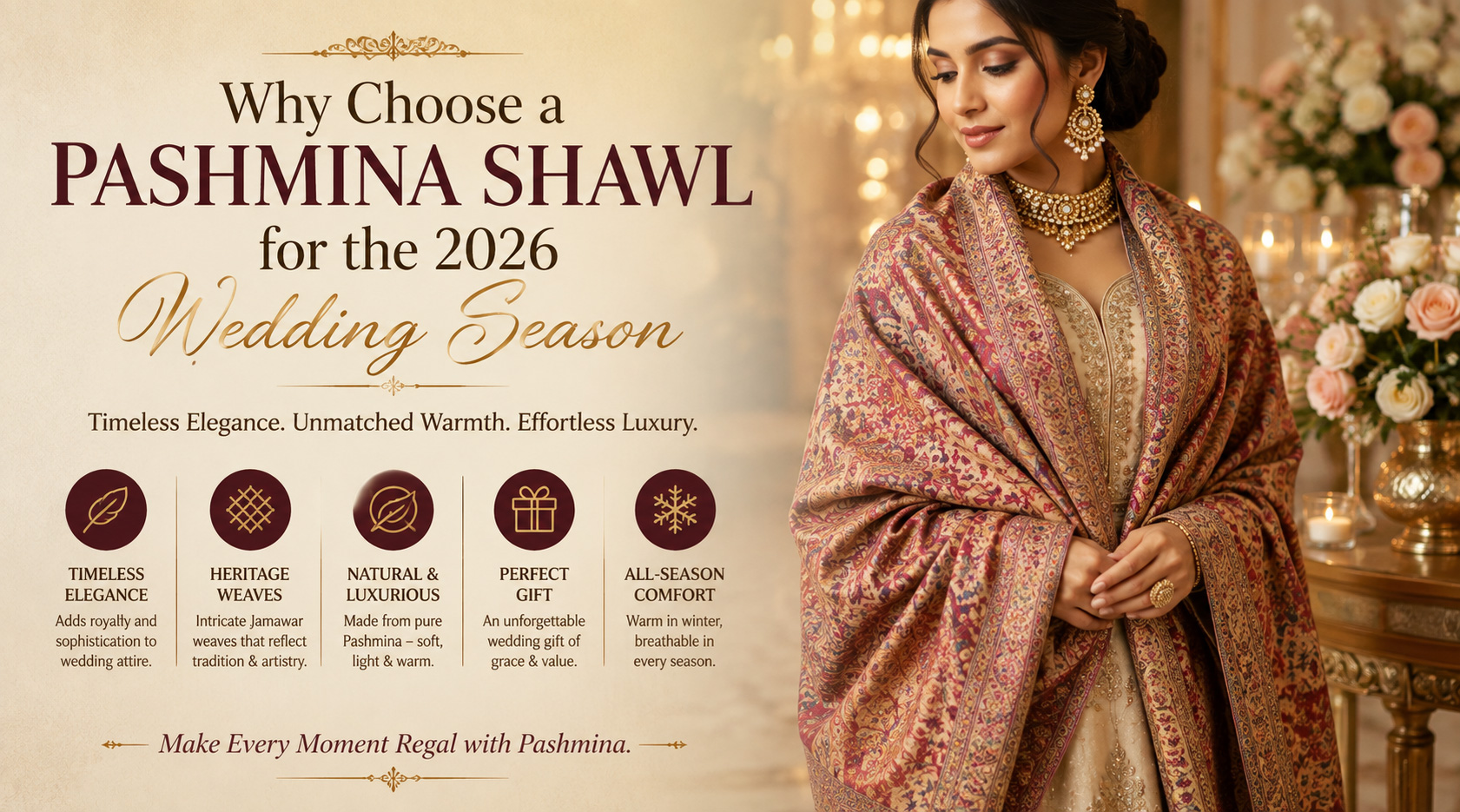
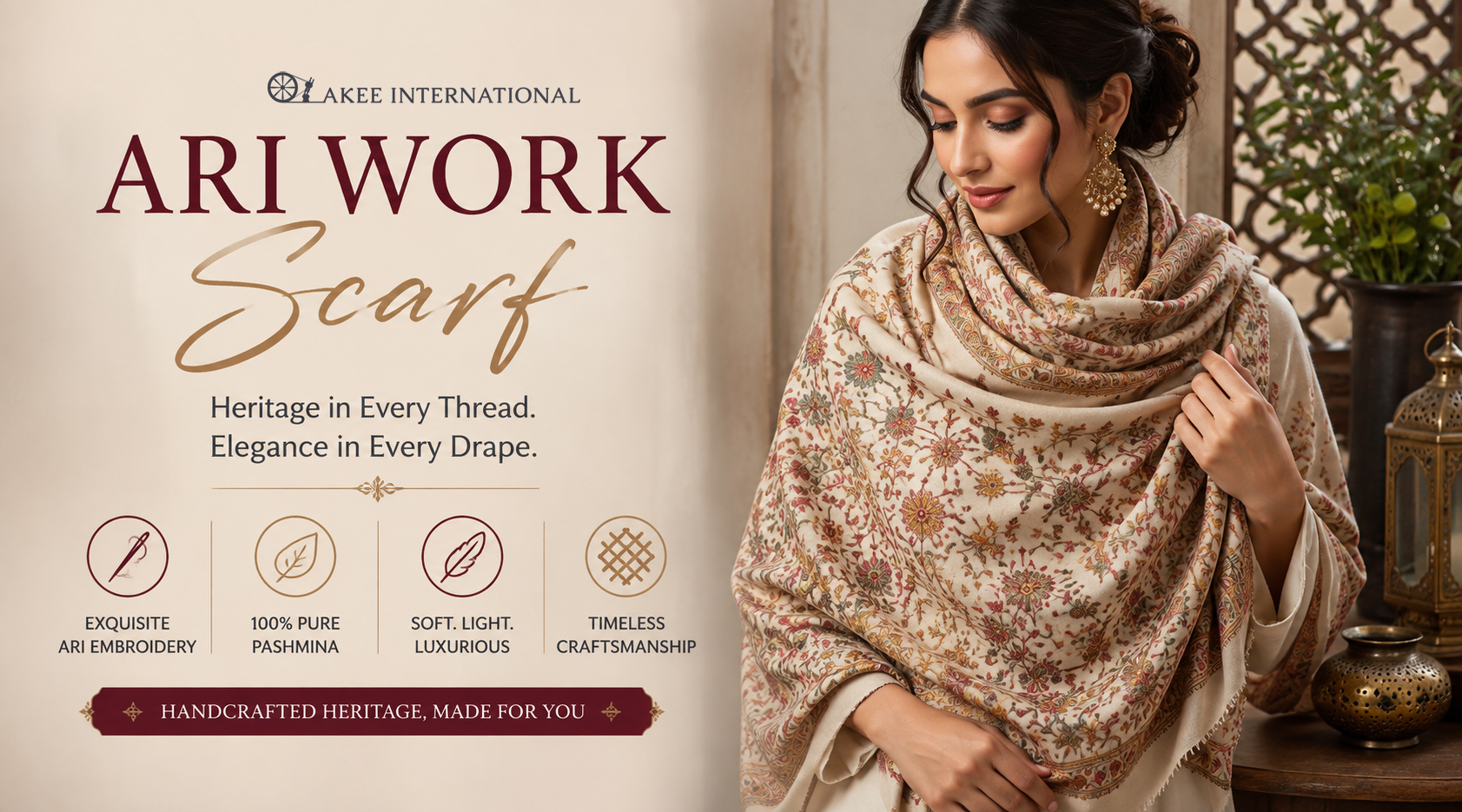
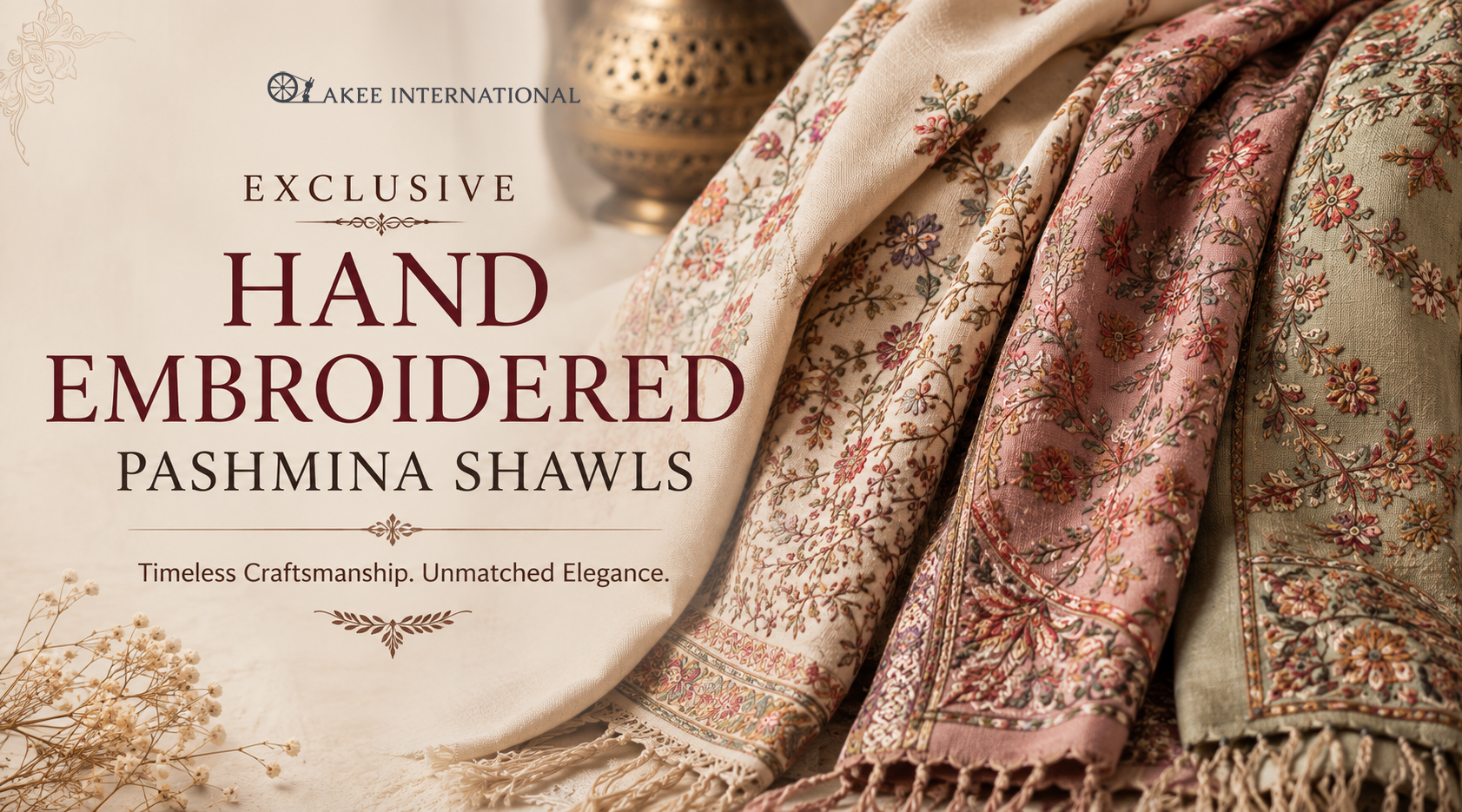
These pieces come in a full range of colours, patterns, and finishes suited to both formal occasions and everyday wear. Whether draped over a saree for a festive event or paired with a minimalist western outfit for a casual day out, a naturally produced Pashmina shawl offers real versatility without asking the wearer to compromise on style. Our exclusive hand-embroidered Pashmina shawls collection demonstrates this well — intricate, richly detailed pieces that still carry the same natural, low-impact production values as our simpler designs.
The raw fibre behind every eco-friendly Pashmina shawl we offer originates with the Changthangi goats of Ladakh, tended by nomadic herders who practice traditional, sustainable grazing patterns that allow surrounding pastureland to naturally regenerate season after season, rather than depleting it through overuse.
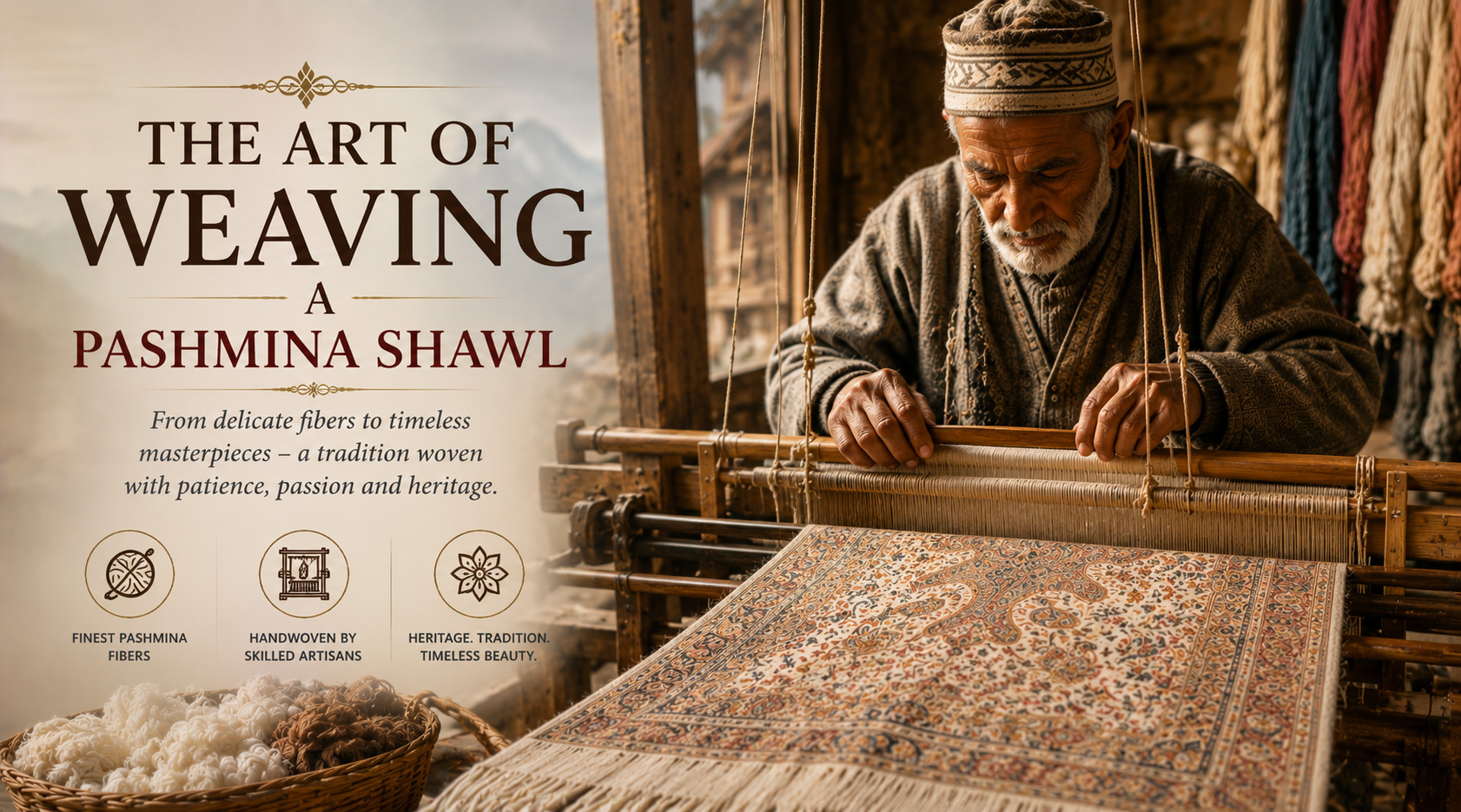
Once the raw wool makes its way to Jaipur, our artisans take over — cleaning, spinning, weaving, and dyeing it using the same non-mechanized methods that have defined this craft for generations. This keeps the carbon footprint of each piece meaningfully low while also ensuring that no two shawls turn out exactly identical, since hand-processed fibre and hand-guided looms naturally introduce small variations that a factory setting would never allow. If you'd like to understand this raw material journey in more depth, our page on what Pashmina actually is covers the full origin story.
A product built around sustainable values deserves equally mindful care once it reaches you. A few habits help preserve both the shawl and the values behind how it was made:
With this kind of care, a naturally produced Pashmina shawl can realistically last for decades, ageing gracefully rather than degrading — which is, in itself, one of the most meaningful sustainability benefits of all: fewer replacements, less waste, and a wardrobe piece that only grows more valuable with time. Our detailed Pashmina shawl care guide goes into further detail on washing, drying, and long-term storage.
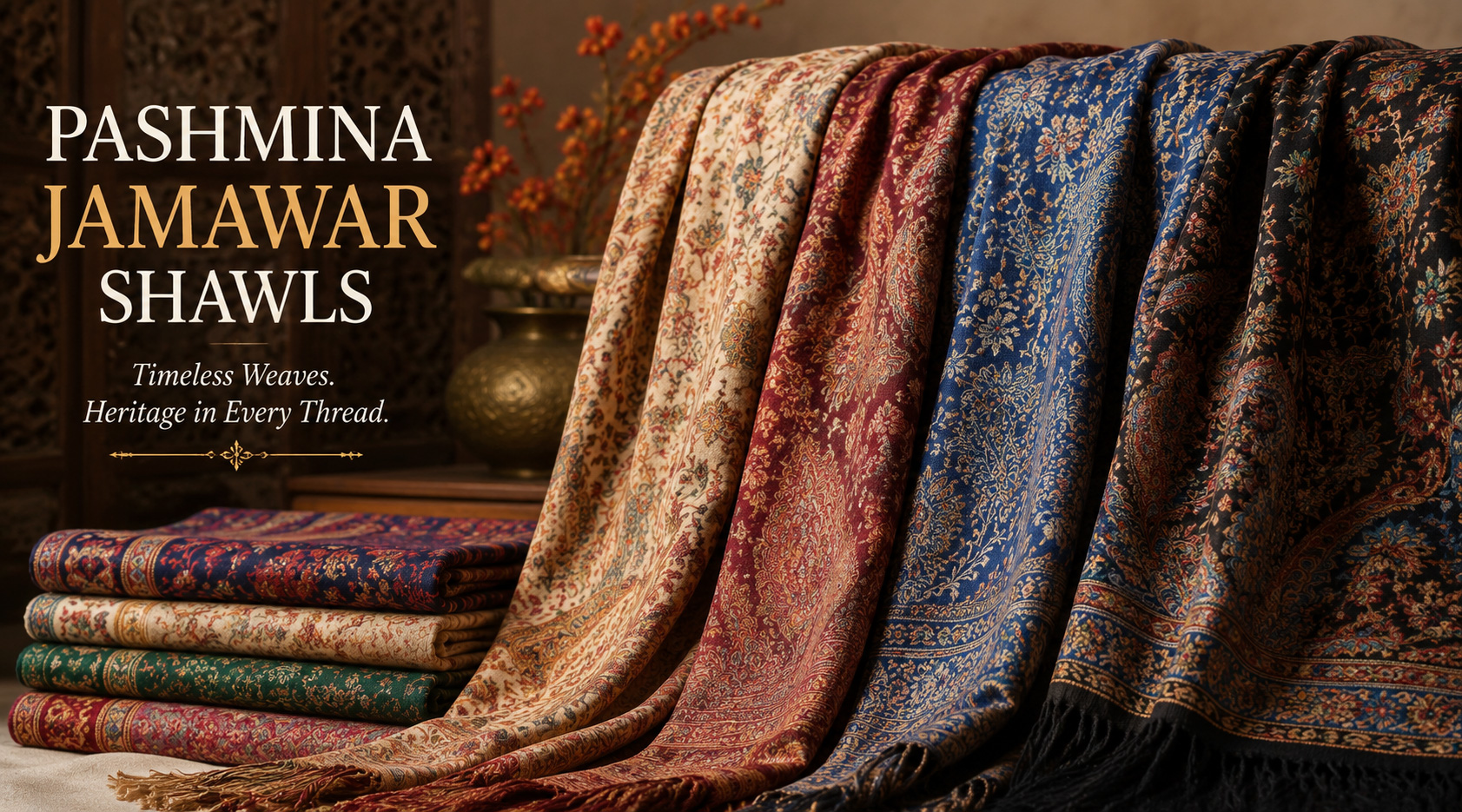
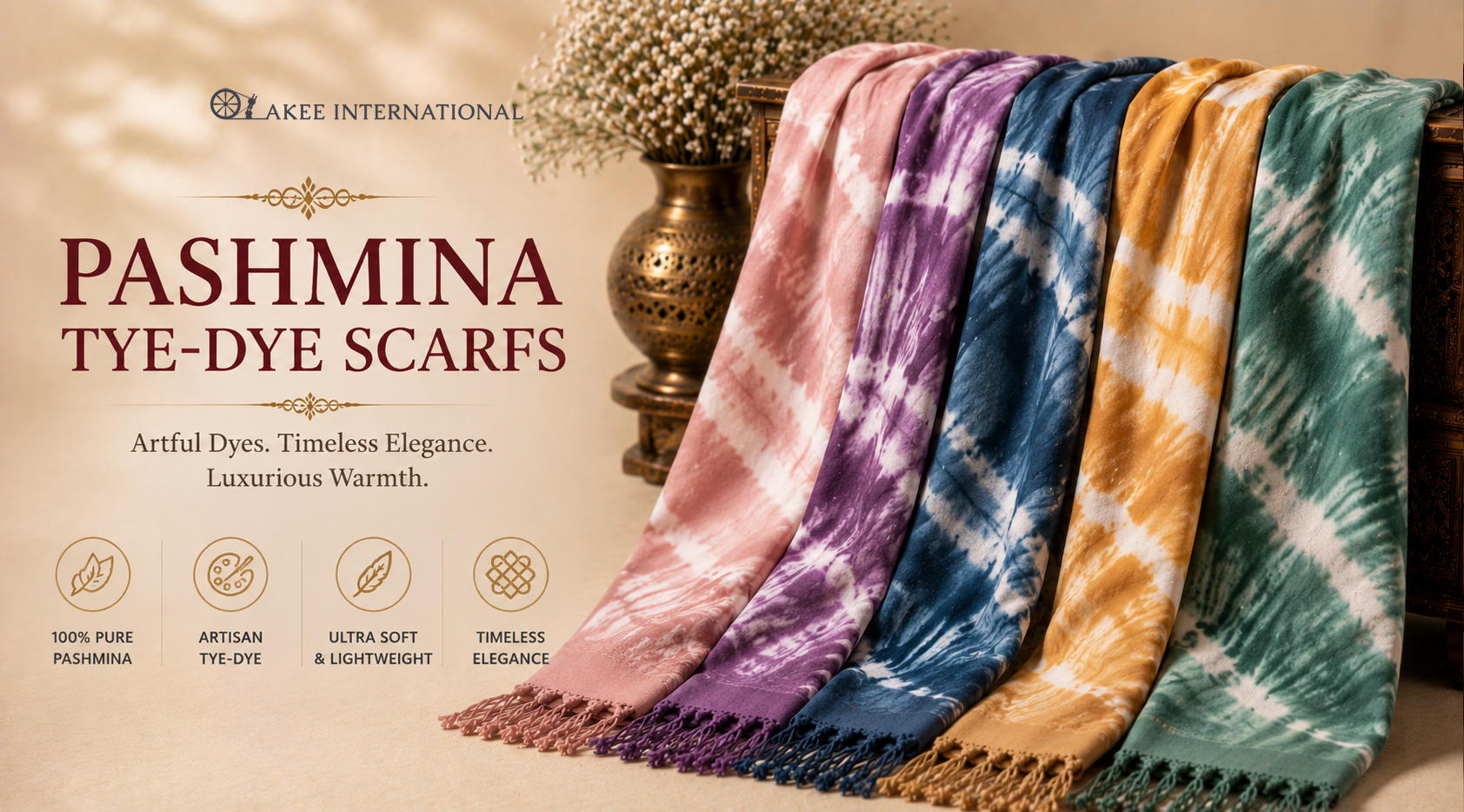
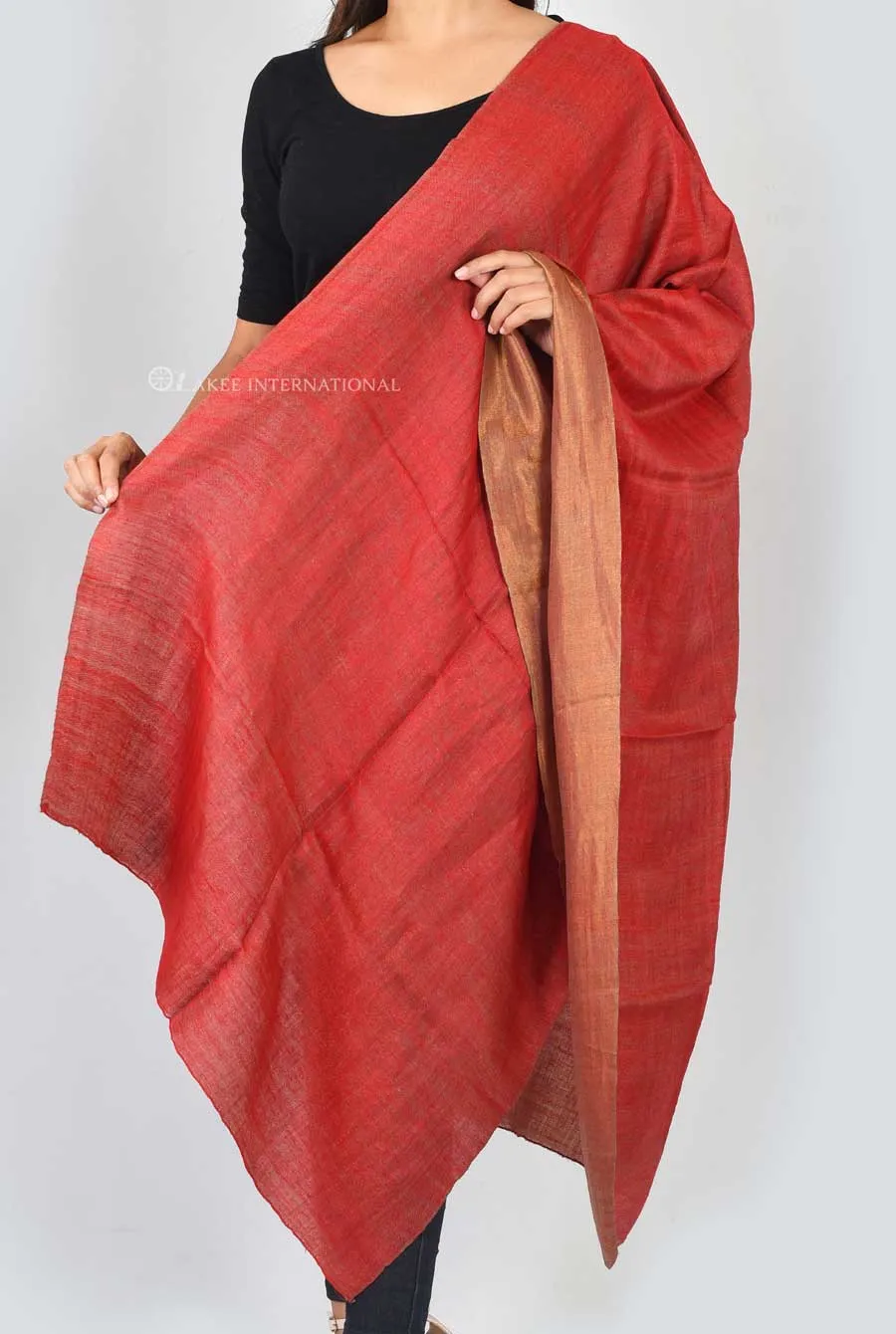
There's a persistent misconception that anything labelled sustainable or eco-conscious must look rustic, muted, or somehow less polished than a conventionally produced luxury item. With genuine Pashmina, this simply isn't accurate. Natural, plant-based dyes are fully capable of producing deep, rich colour — from earthy rust and forest green to deep maroon and indigo — without needing synthetic pigments to achieve intensity or depth. The finishing techniques applied by skilled artisans, whether a simple solid weave or an elaborate embroidered pattern, remain exactly as refined as anything produced through more industrial means.
What changes isn't the visual outcome, but everything happening behind the scenes before that outcome is reached — less water waste, no harsh chemical runoff, and considerably lower energy use throughout the entire production chain. A buyer holding two visually similar shawls side by side would likely never guess, just by looking, which one carried the significantly lighter environmental footprint.
As more buyers pay closer attention to where their clothing actually comes from, demand for genuinely sustainable, artisan-made textiles continues to grow steadily. This shift favours exactly the kind of production model that traditional Pashmina weaving has always relied on — small-scale, transparent, and rooted in community rather than mass manufacturing.
Choosing a shawl made this way is as much a statement about values as it is a fashion choice: supporting the continuation of a centuries-old craft, protecting the livelihoods of the artisans who keep it alive, and reducing your own footprint on an industry that badly needs more conscious choices from the people buying into it.
If you'd like to explore our eco-friendly Pashmina collection or have questions about sourcing, dyeing methods, or care, reach out to us directly on WhatsApp or by phone at +91-9772777770, or write to us at akee.international@gmail.com. You're also welcome to visit our store near Amer Fort in Jaipur, where our team can walk you through exactly how each piece was made, from the Himalayas to your hands. Browsing our full range of women's Pashmina shawls and men's Pashmina shawls in person often makes it easier to appreciate just how much craftsmanship and care goes into a piece that, on the surface, simply looks like a beautifully finished shawl.
It’s a Pashmina shawl made using sustainable practices, including ethical sourcing, natural dyes, and low-impact production methods.
They use handwoven techniques, natural materials, and support artisan communities in Jaipur to create low-impact luxury products.
While Akee International follows eco-friendly practices, it's best to check for specific certifications like GOTS or OEKO-TEX on each product.
Pashmina wool is hand-combed, biodegradable, and processed without harsh chemicals when made sustainably.
From Changthangi goats raised by nomadic tribes in the Ladakh region of India.
Yes, they often use plant-based or low-impact dyes that are safe for the environment and your skin.
Yes, it uses no electricity and generates almost no carbon emissions compared to mechanized production.
With proper care, an authentic Pashmina can last a lifetime or even become an heirloom.
While it’s traditionally used in colder months, lightweight weaves can also be worn in spring or air-conditioned environments.
No. It should be hand-washed or dry-cleaned to maintain its quality.
Their blend of cultural authenticity, sustainable materials, and handcrafted detail.
They can be slightly more costly due to ethical sourcing and handmade quality, but offer better value over time.
Yes, ethical sourcing ensures that goats are not harmed during the combing process.
Absolutely. Akee International offers unisex designs suitable for all genders.
Yes, from solid colors to intricate patterns, there’s a variety to suit every taste.
Yes, they make excellent eco-conscious gifts for birthdays, weddings, and festive occasions.
They typically come in standard sizes but custom sizing may be available on request.
Definitely. Pashmina shawls add elegance to both ethnic and contemporary styles.
Akee International uses minimal and recyclable packaging materials.
You can purchase directly from their website or select ethical fashion stores in Jaipur.
"Browse our curated collections and shop by category to find the perfect Pashmina shawl or scarf for every occasion."
"Explore our latest collection of exquisite Pashmina shawls and scarves, where luxury meets craftsmanship in every piece."
"Shop our Best Sellers, where luxury meets demand—featuring the most sought-after Pashmina shawls and scarves of the season."
"Read what our clients say about their experience with Akee International's luxurious Pashmina shawls and impeccable service."

Nai Mata Mandir Road, Thathar Road, Delhi By Pass, Amer, Jaipur 302028, Rajasthan India
Get directions Call Now Whatsapp 4.9 based on 269 reviews
Rating: 4.6/5 | 85 Reviews

Rating: 4.9/5 | 269 Reviews

TrustScore: 4.9 | 100 Reviews