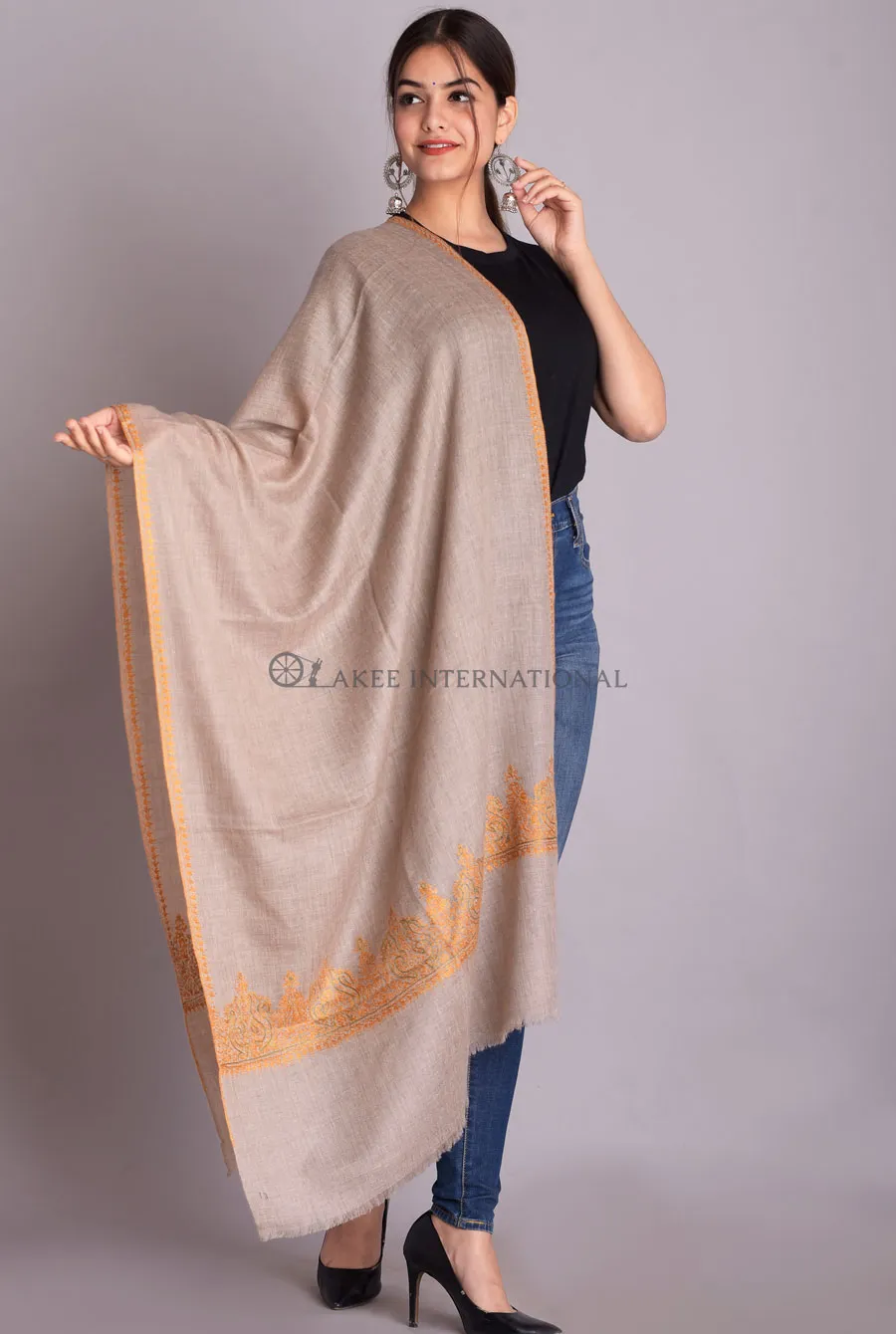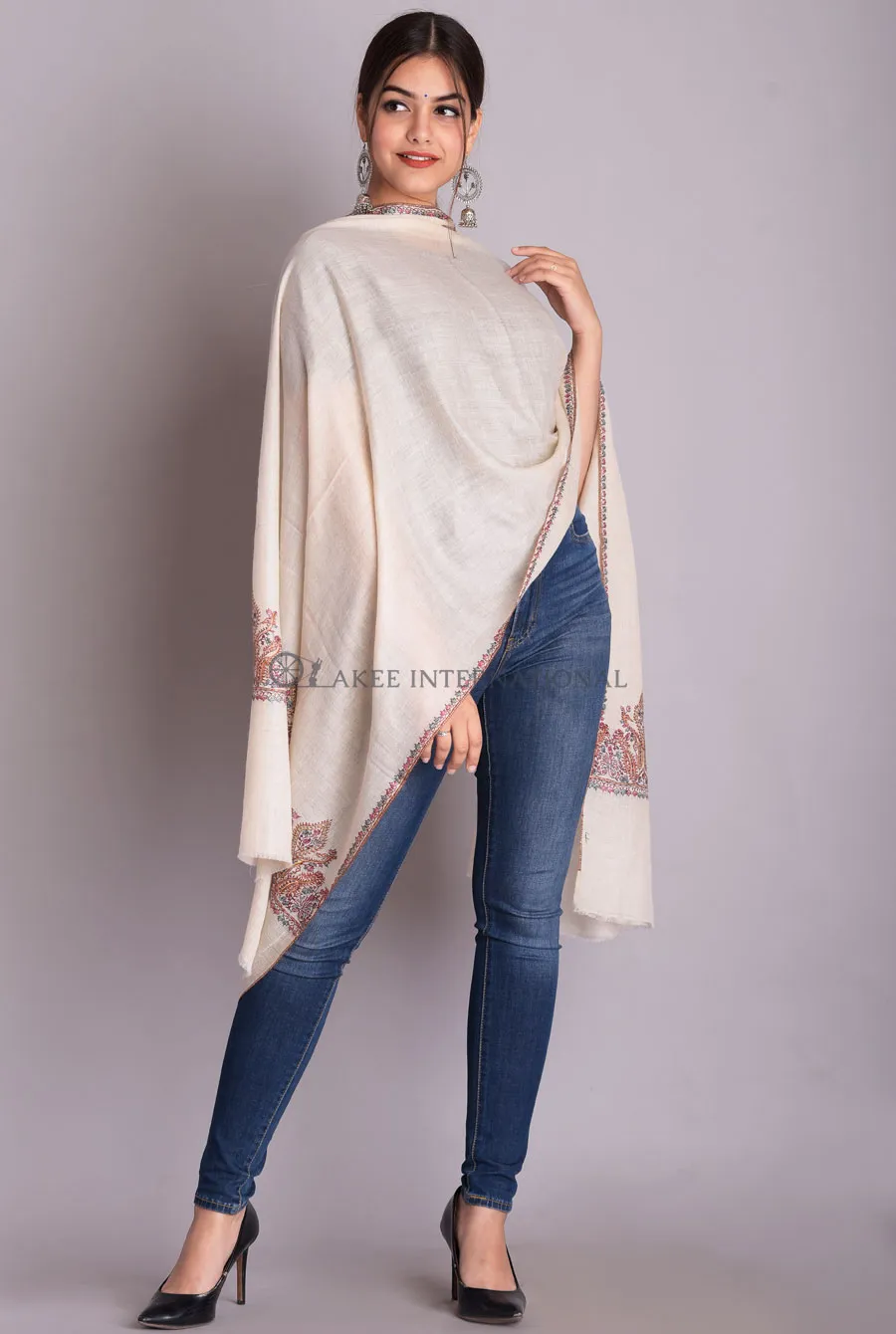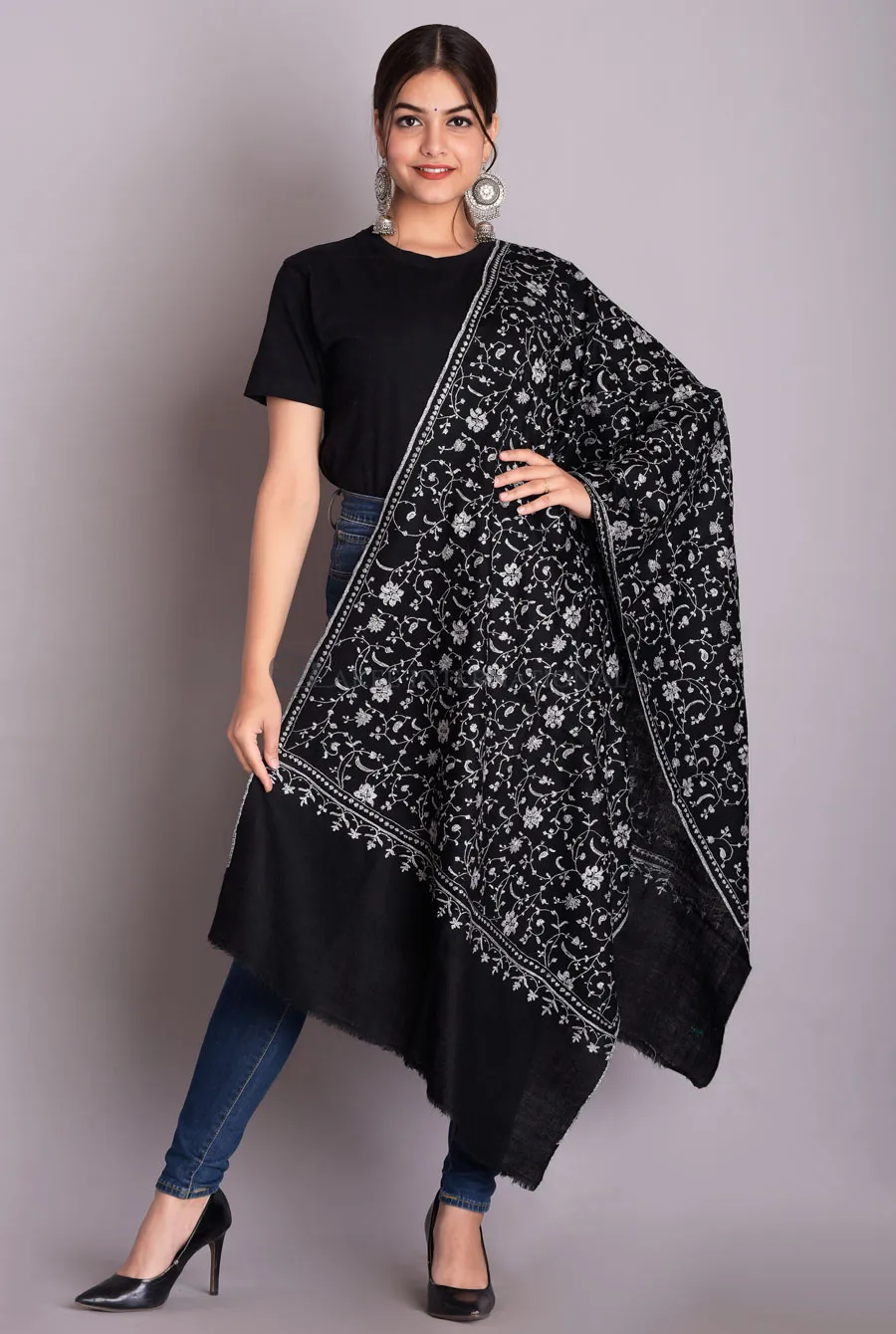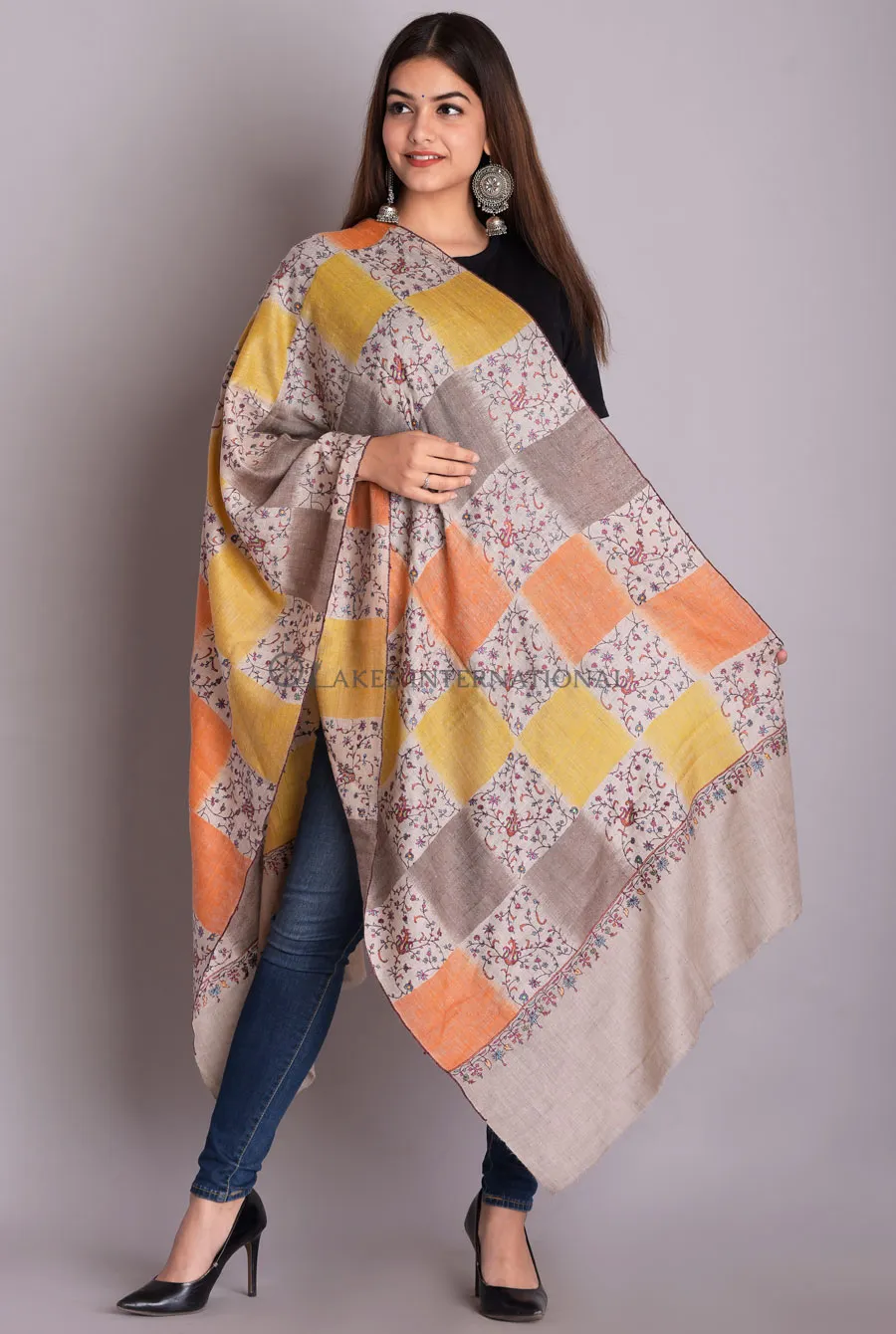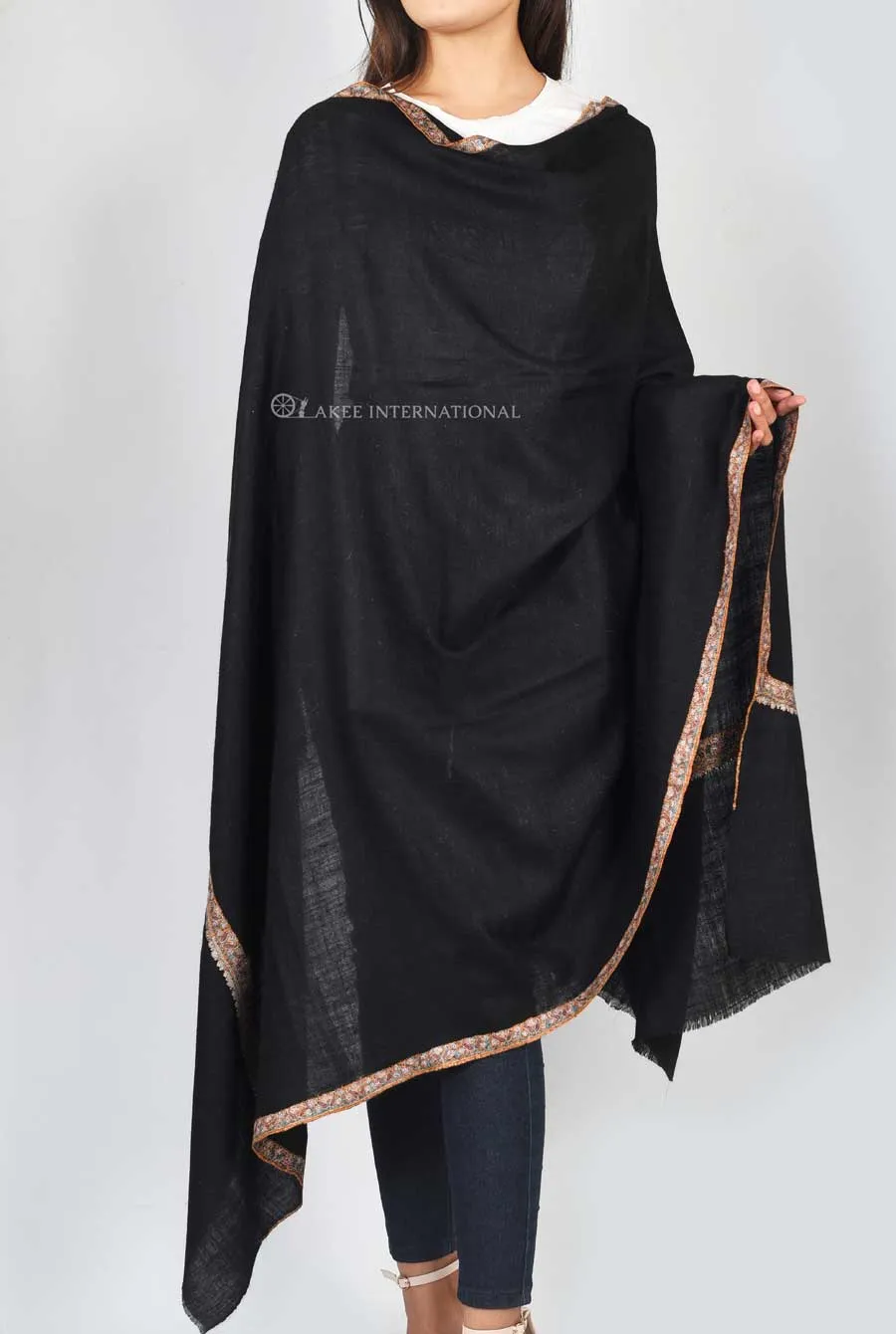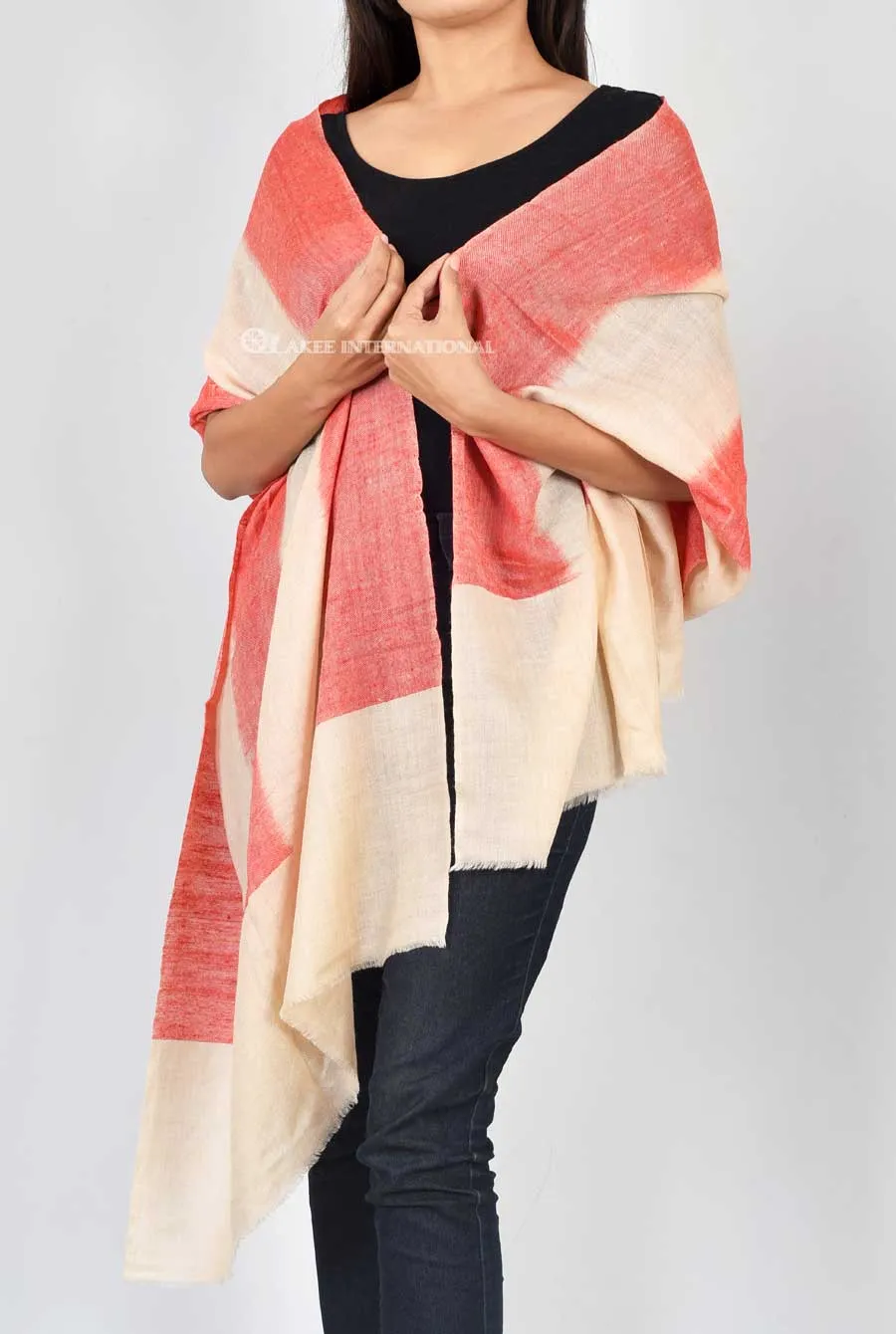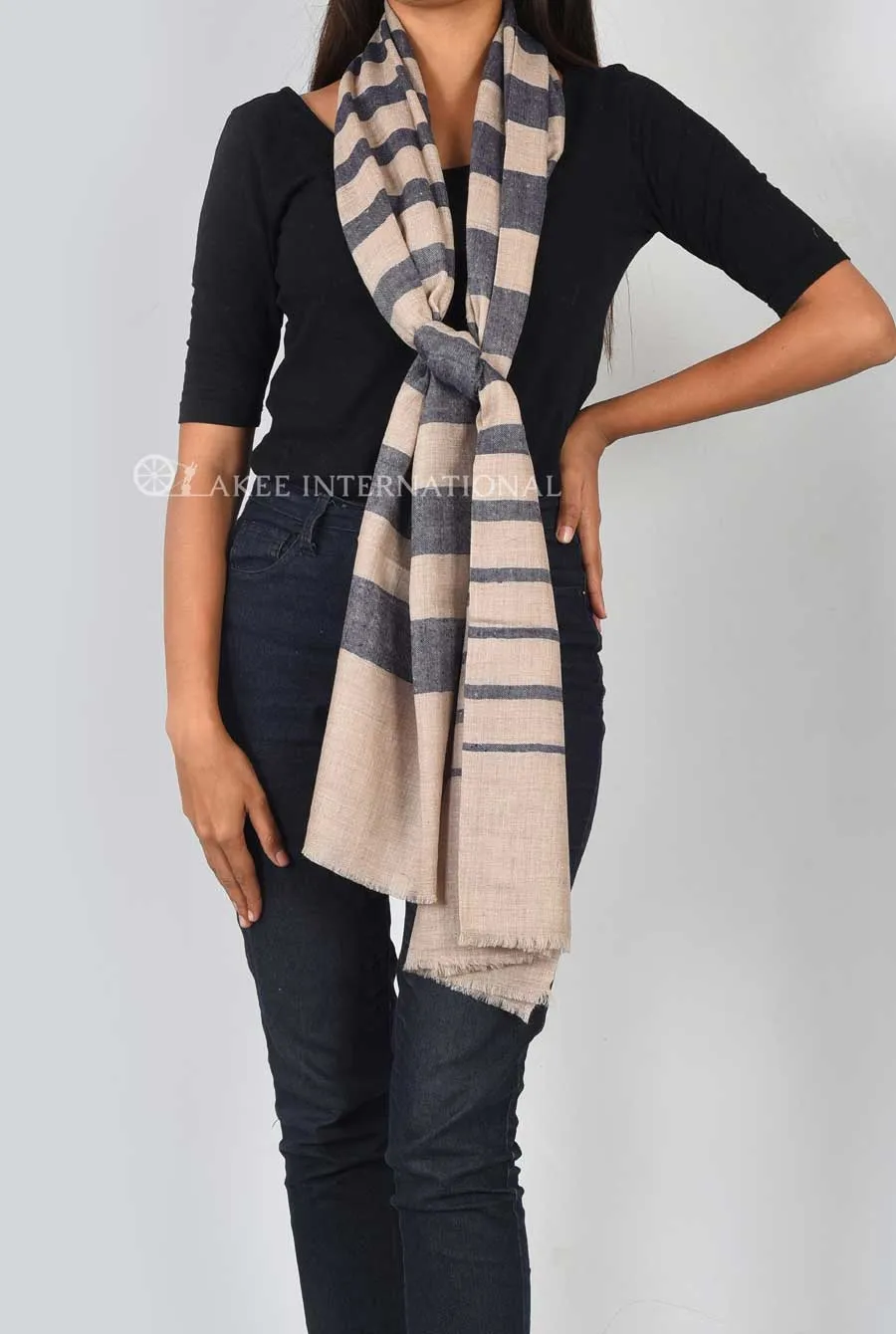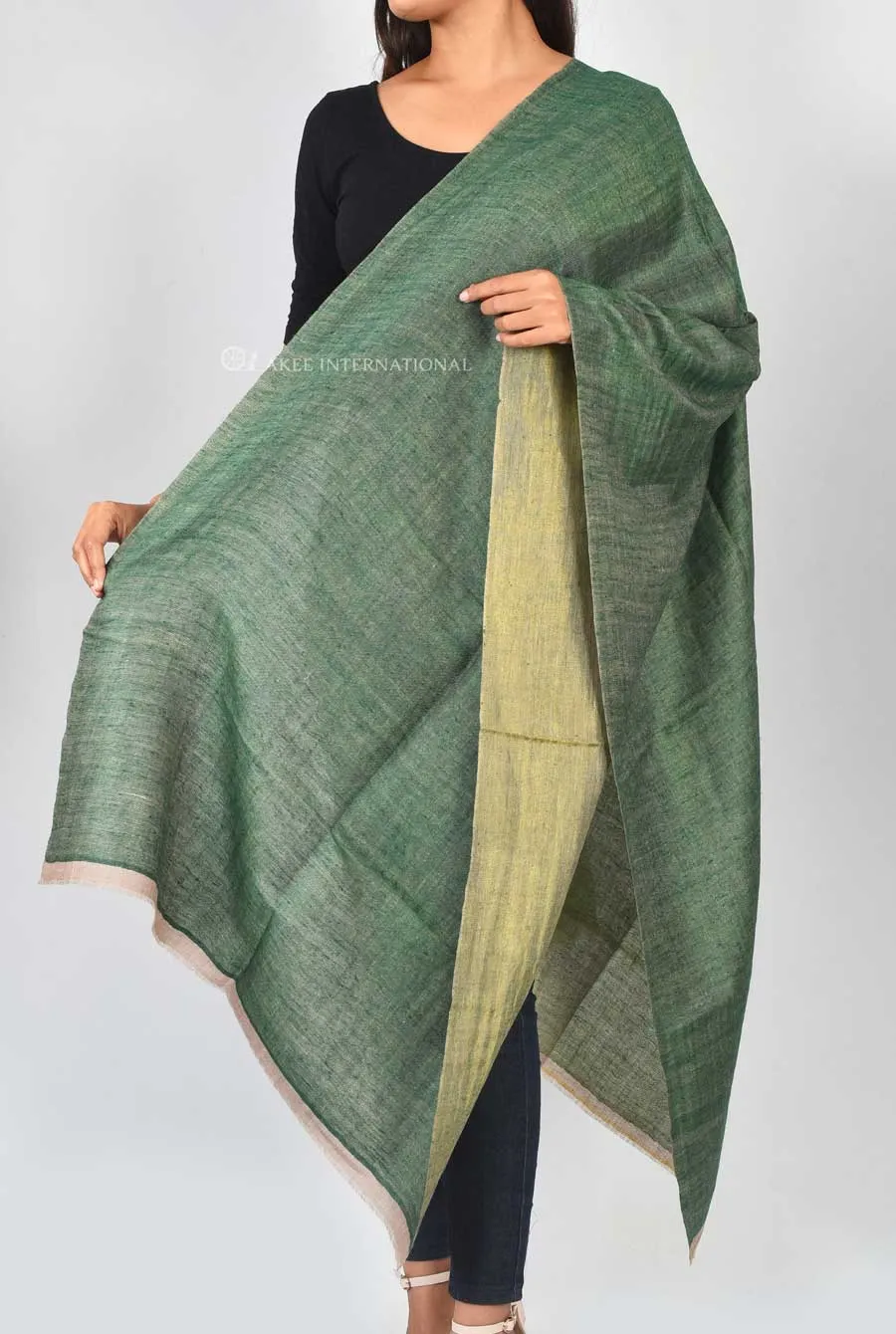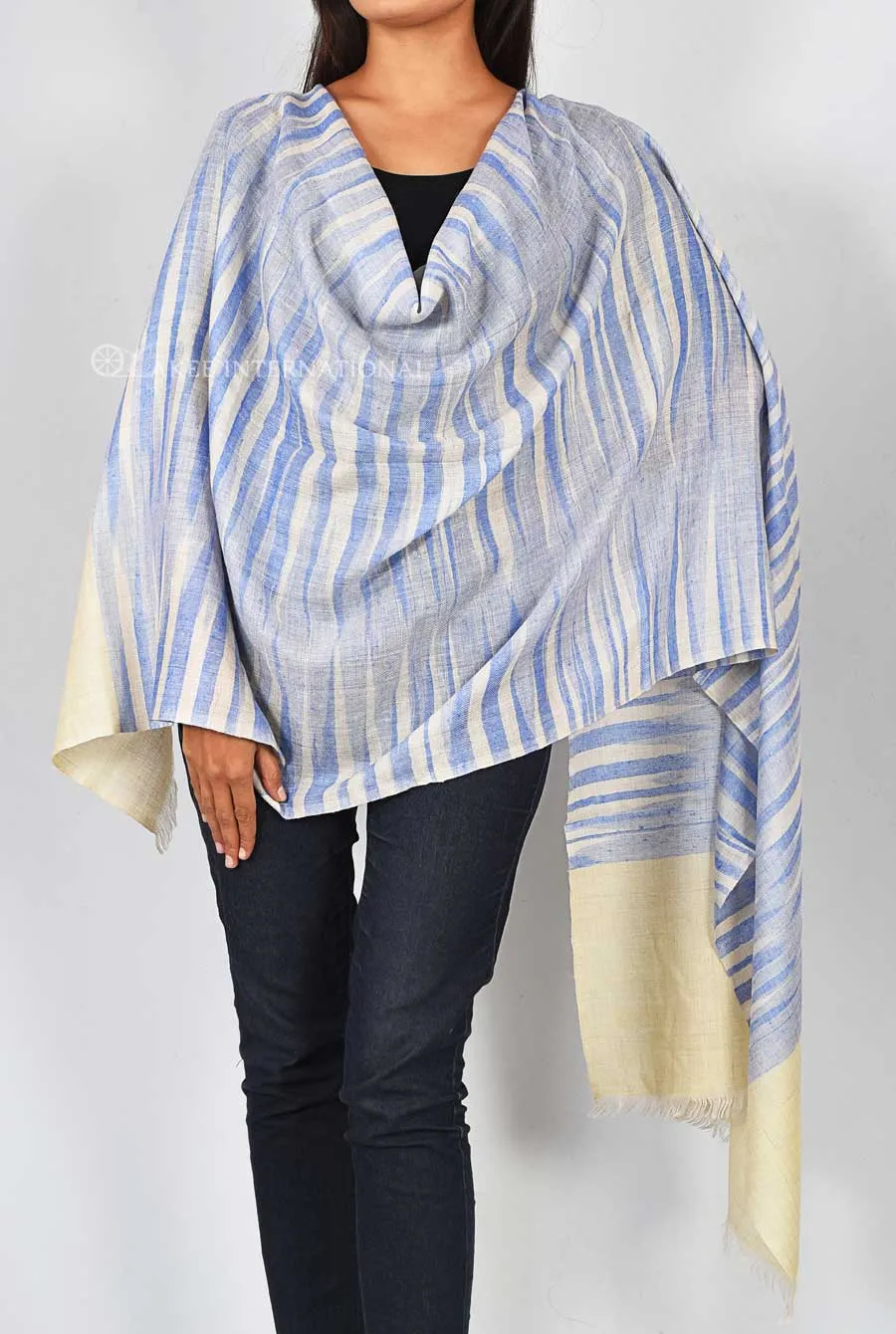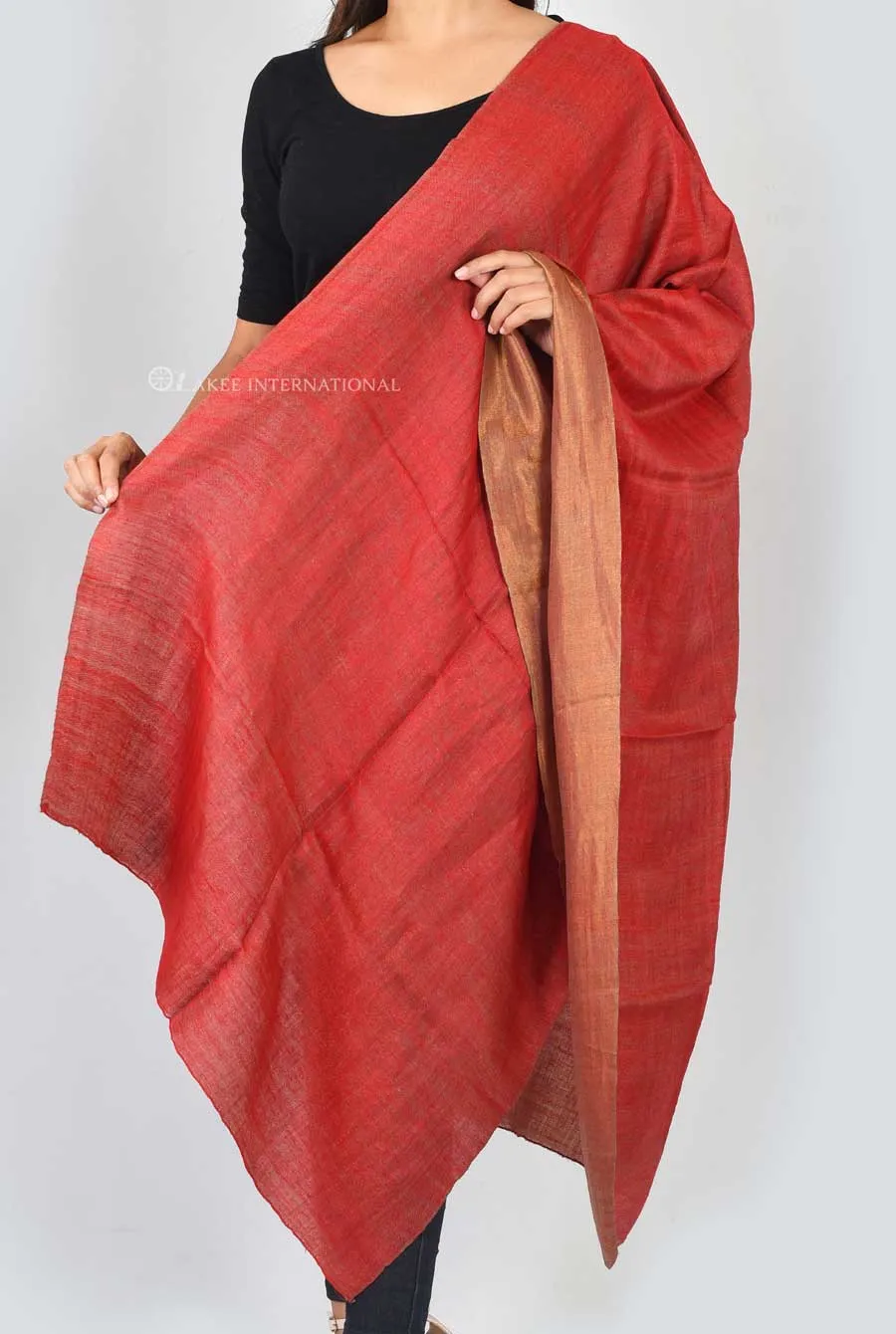
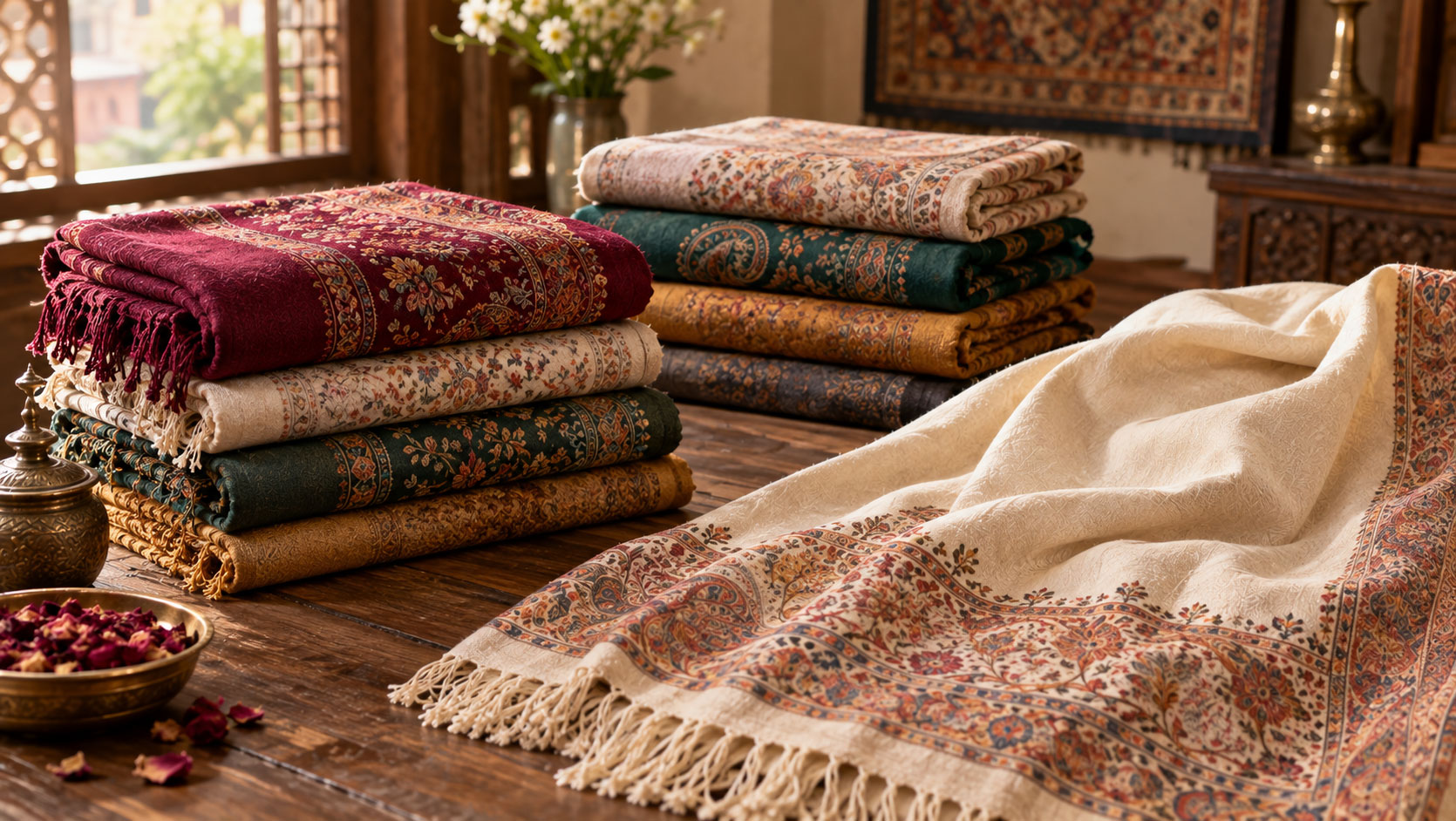
Find Your Perfect Premium Pashmina Shawl
Discover exquisite Pashmina shawls, beautifully crafted with Kashmir’s timeless heritage and artistry.

Every piece of cashmere we sell at Akee International begins its journey long before it ever reaches a loom, a needle, or a customer's hands. It begins on a mountain — cold, remote, and largely untouched by the modern world — where a small, unassuming goat quietly produces one of the rarest natural fibres on the planet. This is the story of how that fibre becomes the shawls and stoles we're proud to offer, and why we think it's worth telling in full rather than reducing it to a marketing line.
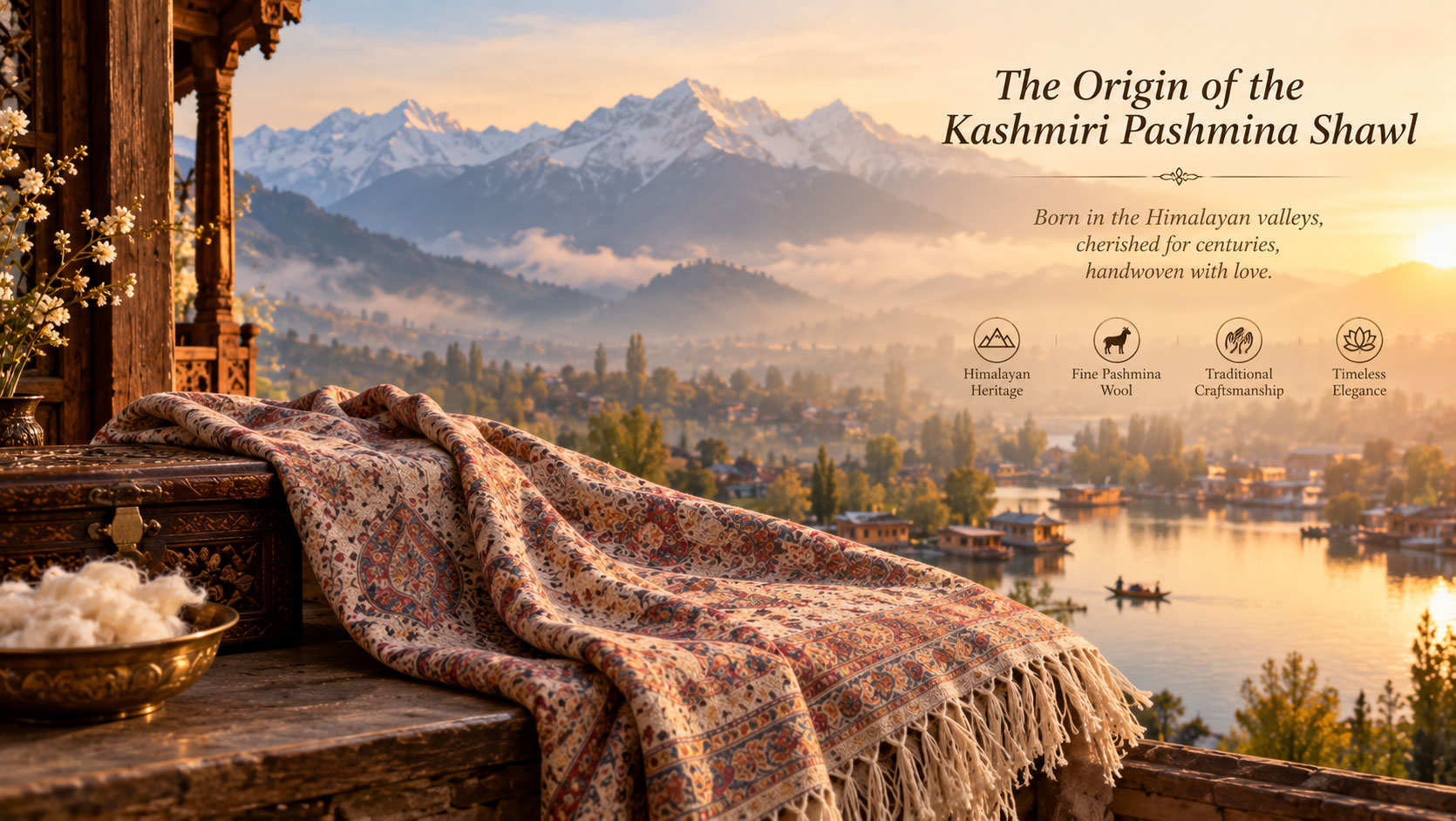
High in the Changthang plateau of Ladakh, at altitudes that regularly cross 14,000 feet, lives the Changthangi goat — the animal responsible for real Pashmina and cashmere. It's not a particularly striking animal at first glance, aside from a fine set of curling horns, but its biology is remarkable. To survive winters where temperatures regularly plunge far below freezing, the goat grows a secondary coat beneath its coarse outer hair: an extremely fine, downy undercoat that acts as natural insulation against conditions few other domesticated animals could tolerate.
This undercoat is the entire foundation of what the world calls cashmere and Pashmina. It exists in this quality specifically because of where the goat lives — the altitude, the dryness of the air, the intensity of the cold, and the mineral-rich but sparse mountain grasses it grazes on all contribute to fibre that simply cannot be replicated by goats raised in gentler climates. If you're curious about how this specific fibre differs technically from the broader cashmere category sold globally, our page on Pashmina vs Cashmere breaks down the distinction in more detail, and our explainer on what Pashmina actually is covers the fibre's science and heritage.
Throughout this story we use "cashmere" and "Pashmina" closely together, so it's worth being clear about what we mean. Pashmina is the finest grade of cashmere-type fibre, sourced from the Changthangi goat of Ladakh and traditionally processed by hand in Kashmir. "Cashmere" is the broader commercial term and can also describe fibre from other regions, produced at varying levels of fineness and often processed by machine. When we describe our own cashmere, we mean fibre that follows the Himalayan, hand-processed path described here. Buyers who want to see how this looks in finished products can browse our Pure Kashmiri Cashmere Shawl, Soft Cashmere Shawls, and Kashmir Pashmina Wool Shawl pages.
The Changthangi goats don't live in fixed pens or farms in the way most livestock does elsewhere in the world. They're raised by Ladakhi nomadic shepherds — communities who have followed these herds across the same mountain passes for generations, moving with the seasons rather than settling permanently in one place. Even through the harshest winter months, the herds continue to graze, and the shepherds continue to move with them, often with little more than the bare essentials for survival at that altitude.
This nomadic relationship between herder and goat is central to why authentic Pashmina remains so scarce. Ladakh, despite being the primary source of genuine Pashmina fibre, contributes a very small fraction of the world's total cashmere-type wool supply. There is no way to industrialize or speed up this process without compromising quality — the goats simply cannot be rushed, and neither can the people who care for them.
Once a year, typically as the harsher winter cold eases into a milder season, the shepherds gently comb the soft undercoat away from the goat's body — never shearing or cutting. This distinction matters enormously. Because the fine undercoat sits beneath a coarser guard-hair layer, careful combing lets the shepherd remove exactly the fibre needed while leaving the goat completely unharmed and its outer coat intact for continued protection against the elements.
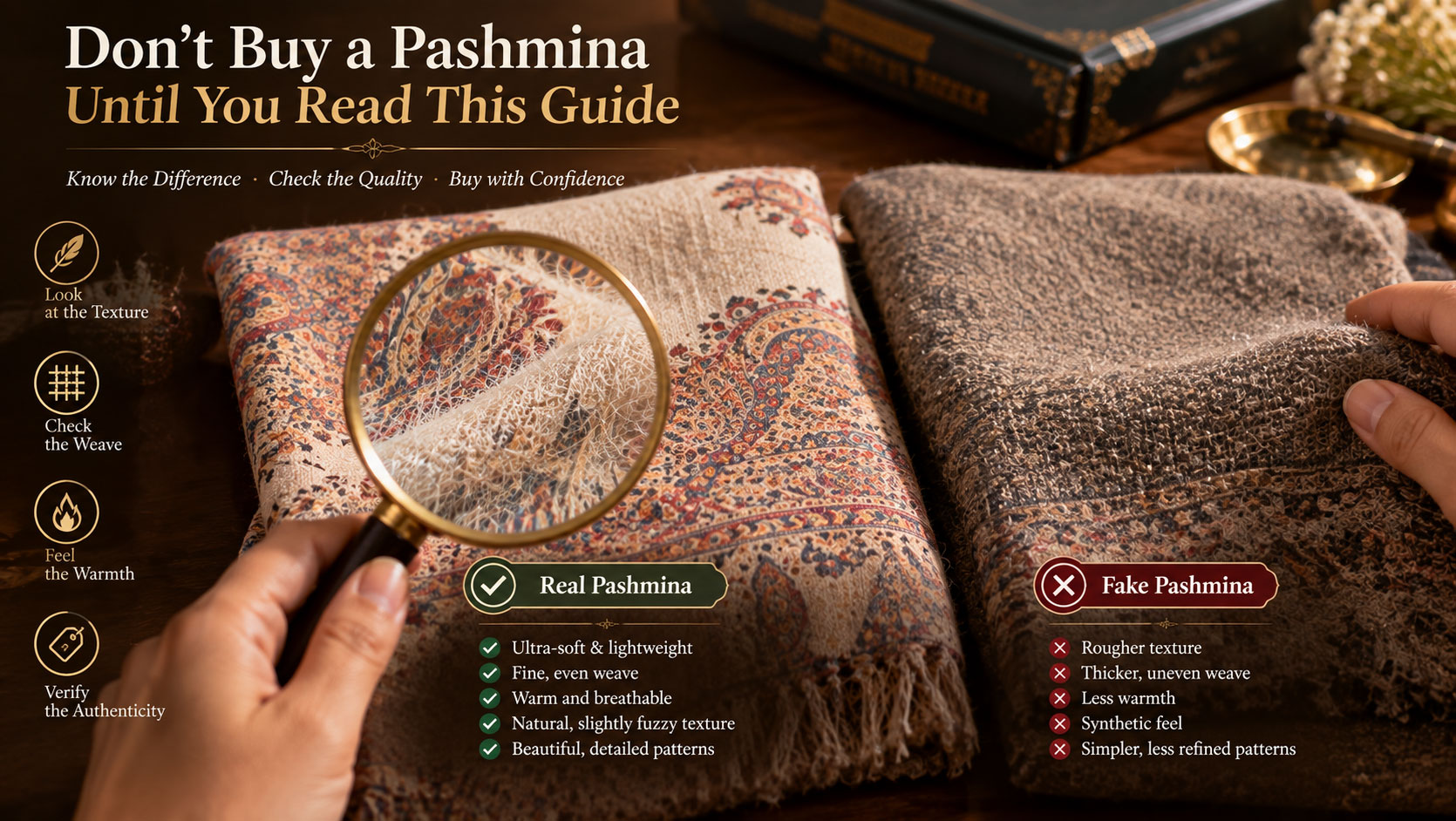
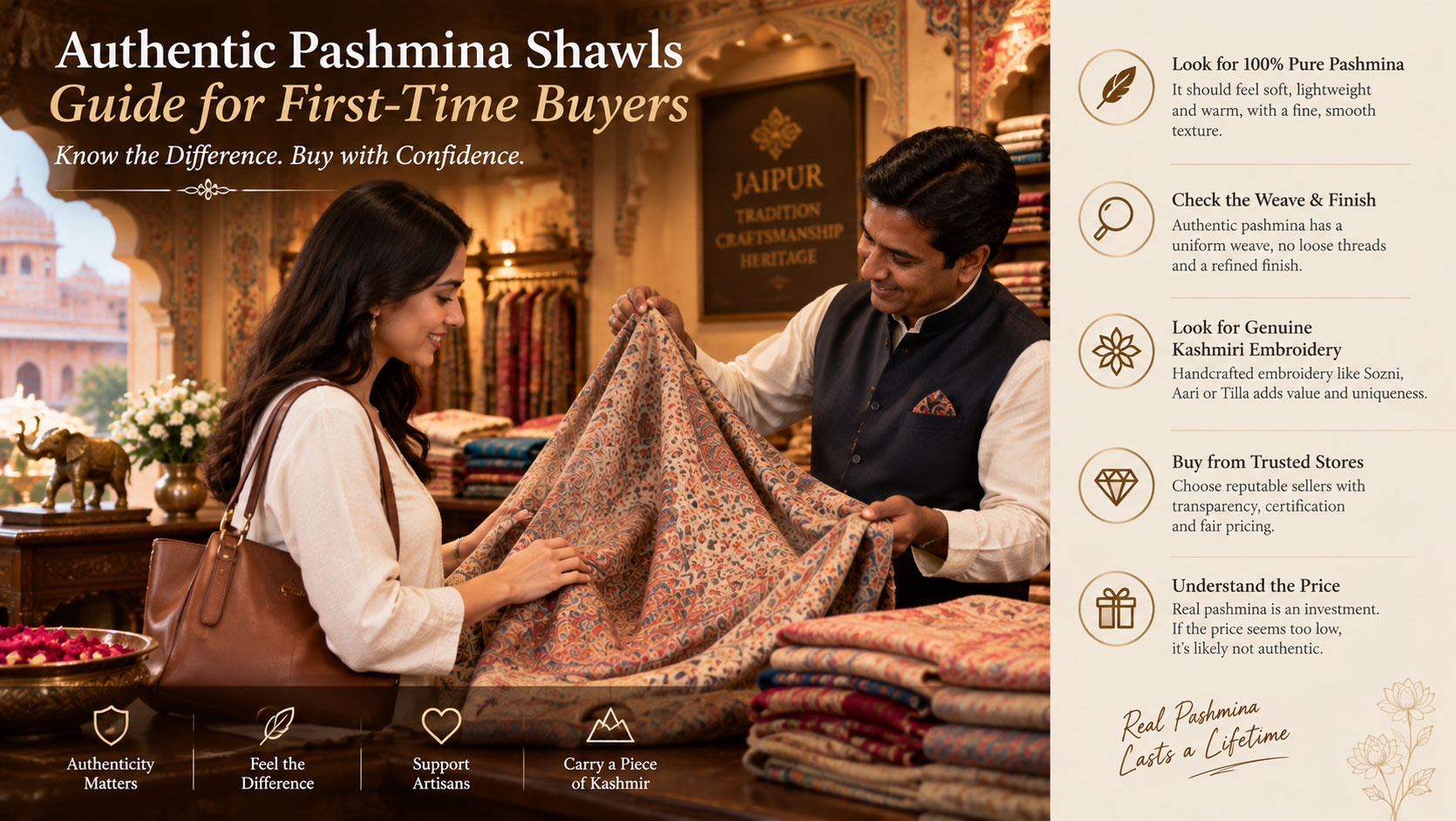
This combed fibre — still raw, still mixed with coarser hair and small amounts of natural debris — is then handed over to be cleaned and separated. Only a small percentage of what's initially gathered from each goat ends up as usable, fine Pashmina fibre, which is part of why authentic Pashmina products are priced meaningfully higher than mass-market wool or synthetic cashmere blends. Our guide on how to identify an original Pashmina shawl explains exactly what to look and feel for when judging whether a product actually contains this rare fibre, and our Pashmina Shawl Price Guide shows how this scarcity translates into realistic pricing.
Between the combing and the spinning sits a stage that rarely appears in polished descriptions of cashmere, though it is among the most painstaking of all. Raw fibre arrives mixed with dust, natural grease, and coarser guard hairs, all of which must be removed before the fine down can be spun. This cleaning and sorting is done largely by hand, strand by strand, and it directly determines how fine and even the finished yarn will be. It is one of several reasons genuine cashmere cannot be produced quickly, and why a shawl's price reflects far more than the raw material alone. Our guide on the art of weaving a Pashmina shawl walks through these stages in more depth.
Once cleaned, the fibre is spun into yarn — and this step alone separates genuine Pashmina products from nearly everything else on the market. Because the fibre is so fine and delicate, it's typically hand-spun rather than run through industrial machinery, often within the modest homes of skilled spinners rather than in a factory setting. This is slow, meditative, repetitive work, requiring years of practice to spin yarn that is both fine and consistent enough to survive the weaving process without breaking.
The yarn that emerges from this process carries a softness that's genuinely difficult to describe to anyone who hasn't felt it directly. It's part of why our Pashmina hand-spun GI shawl collection specifically highlights this stage of the process — the hand-spinning itself is a mark of authenticity, not just a production detail.
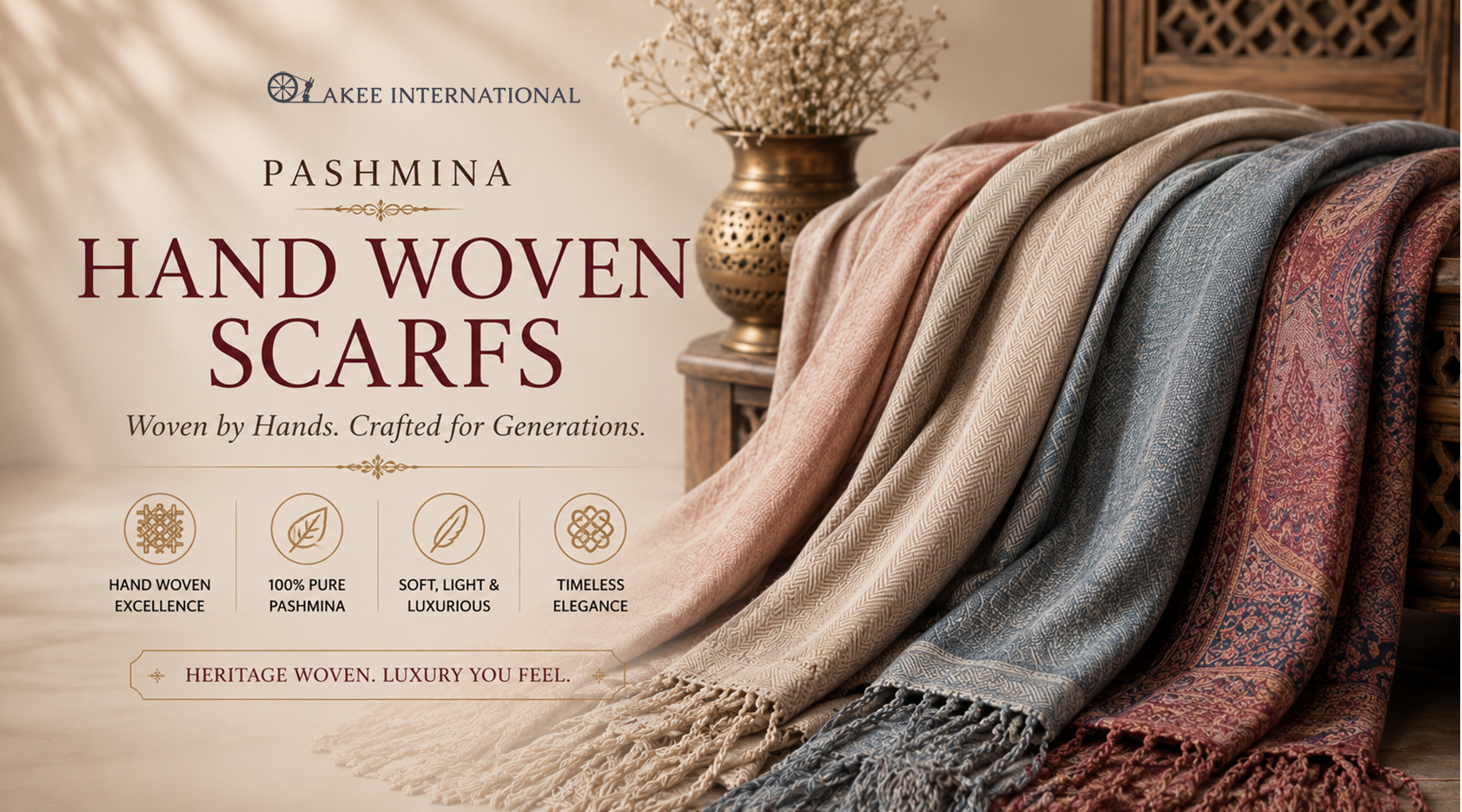
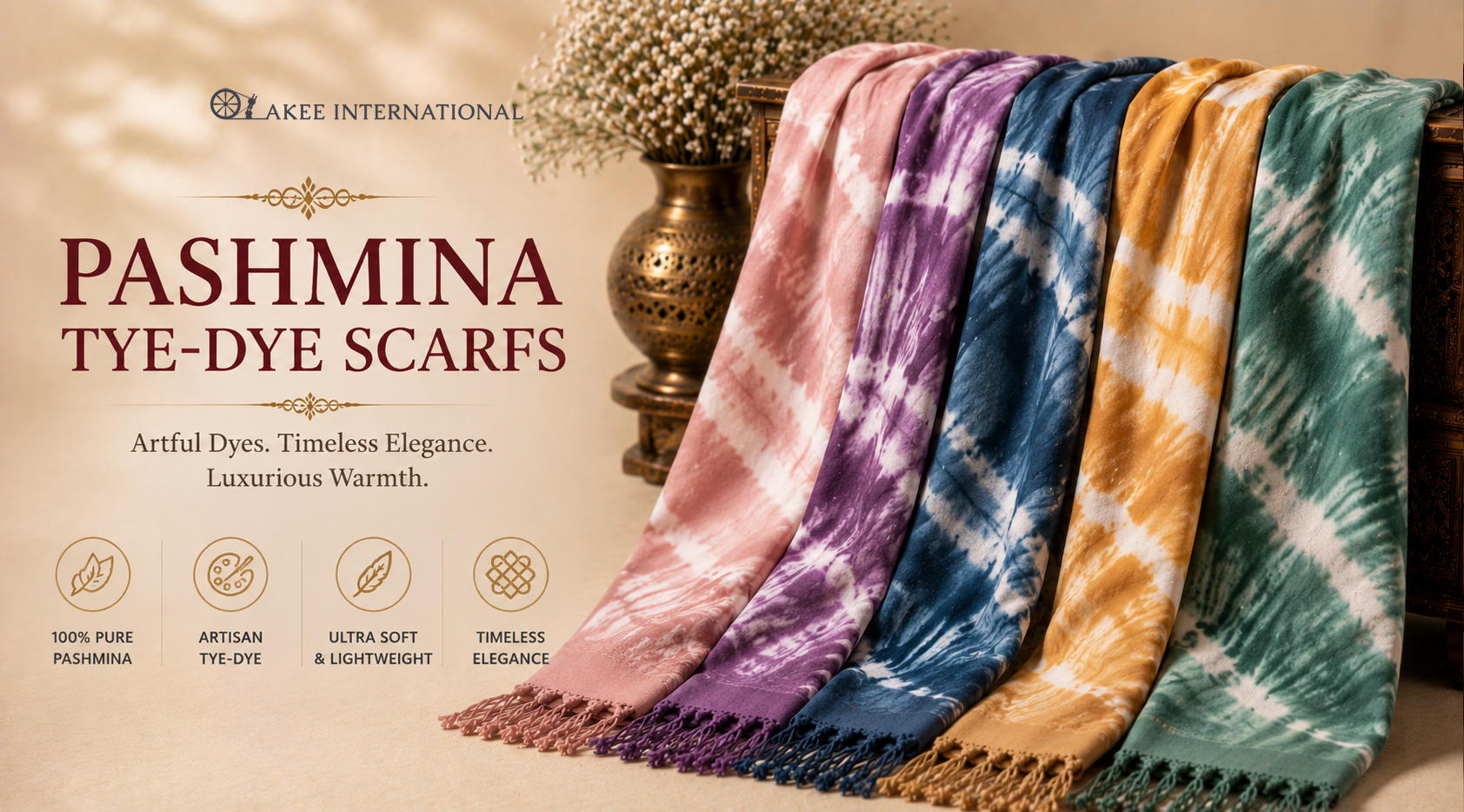
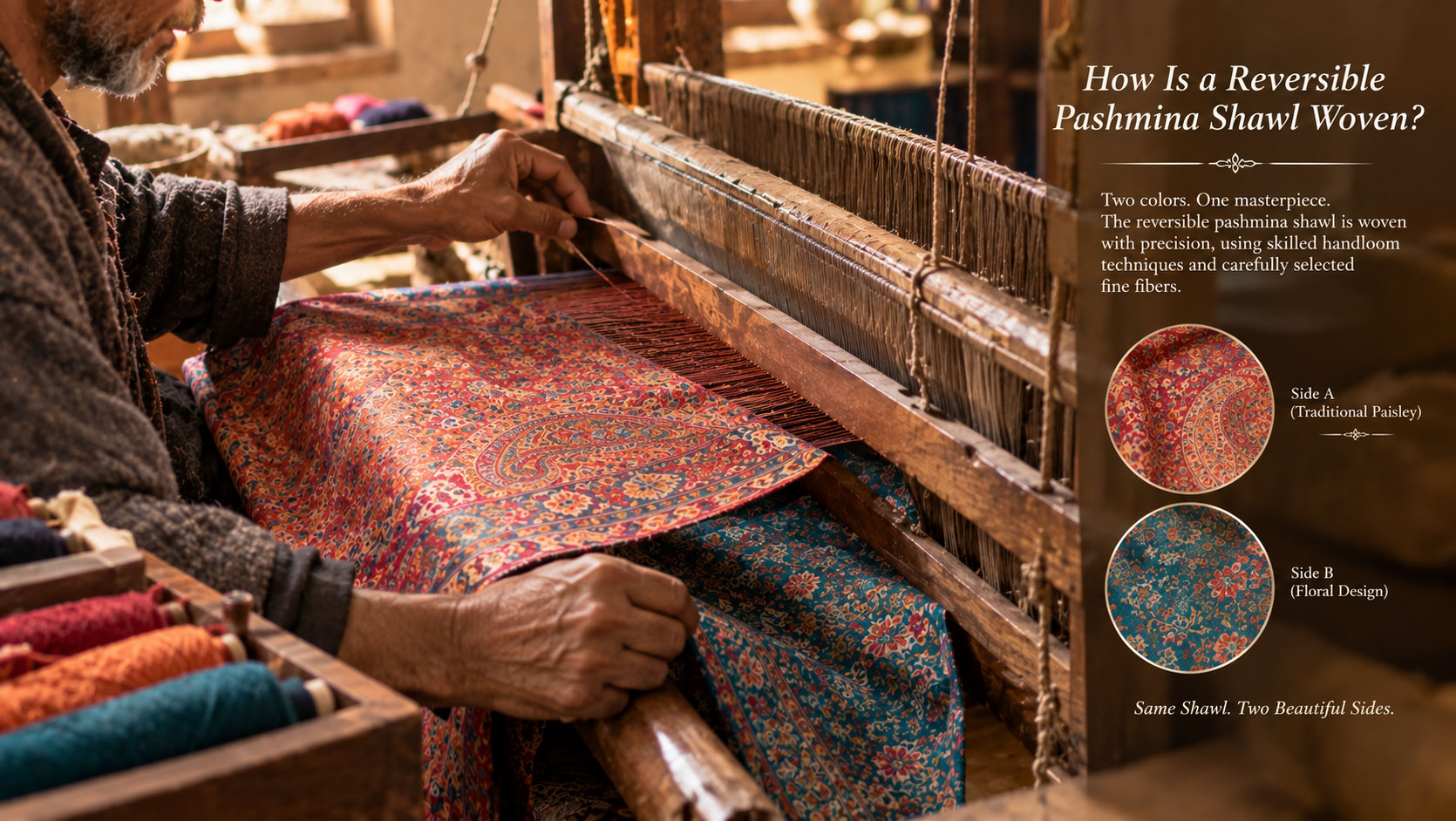
Once spun, the yarn travels from Ladakh into the valleys of Kashmir, where dyers add rich, carefully chosen colour to the once-plain, natural-toned yarn. From there, the yarn reaches the hands of Kashmiri weavers, many of whom work on traditional wooden handlooms passed down through their own families for generations.
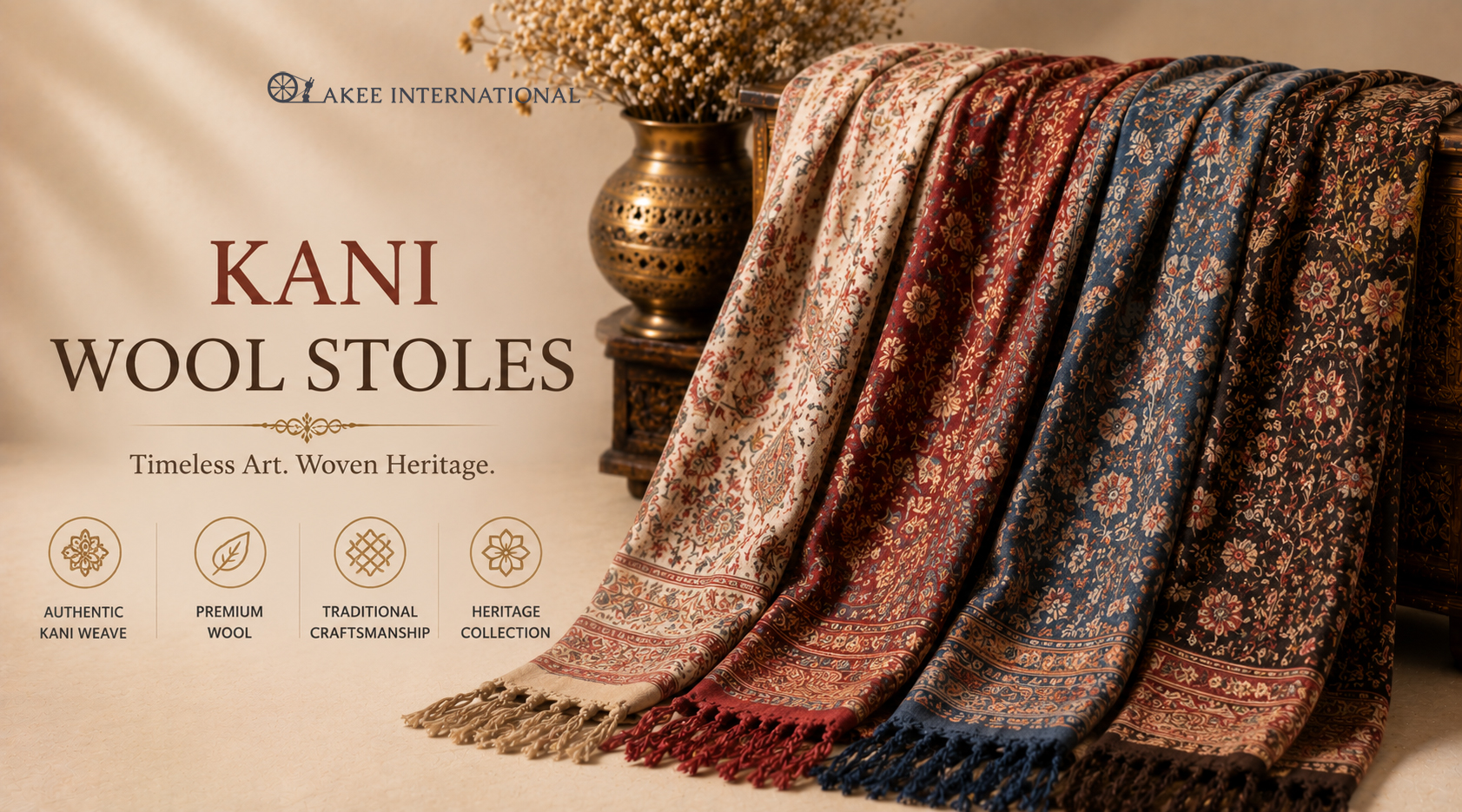
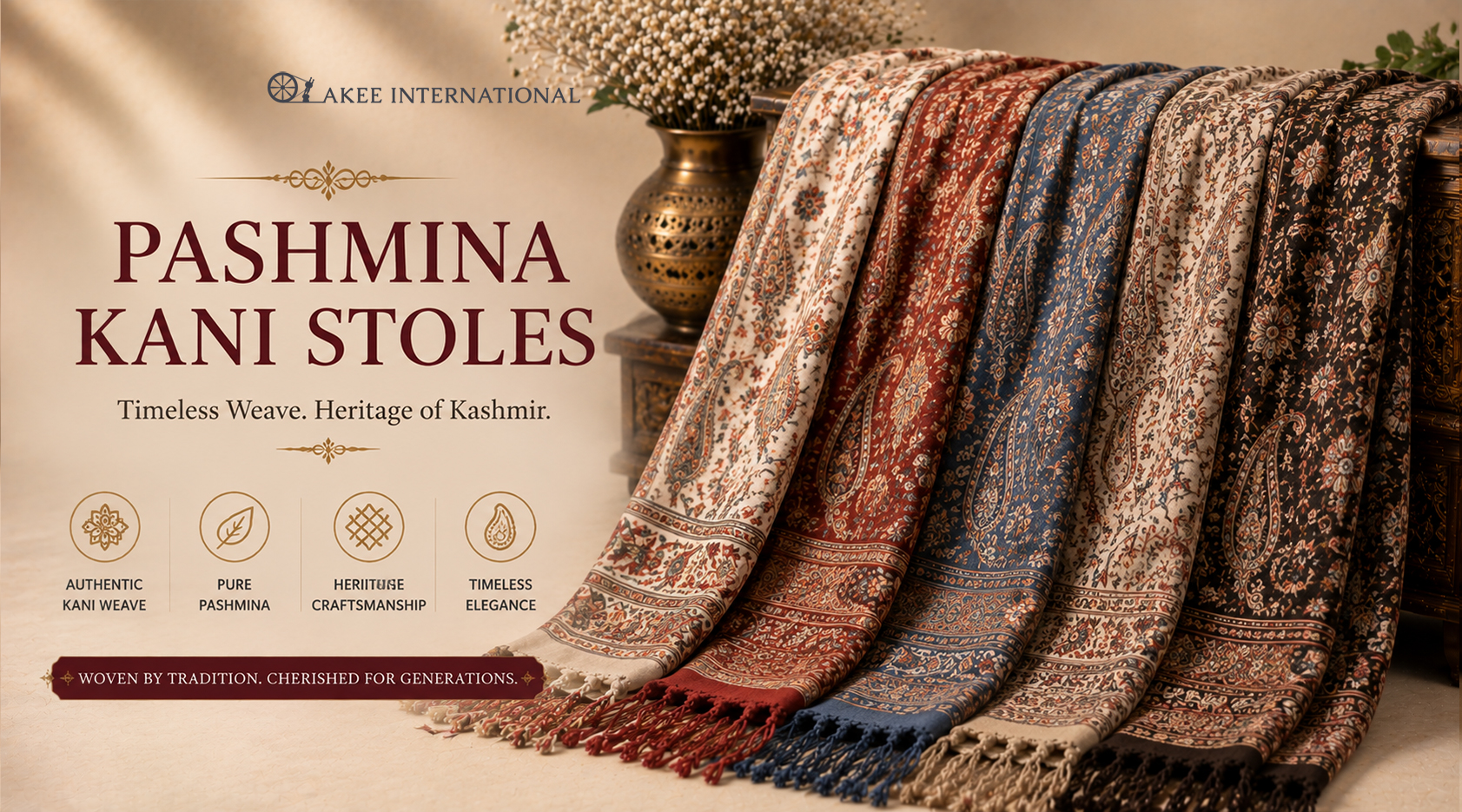
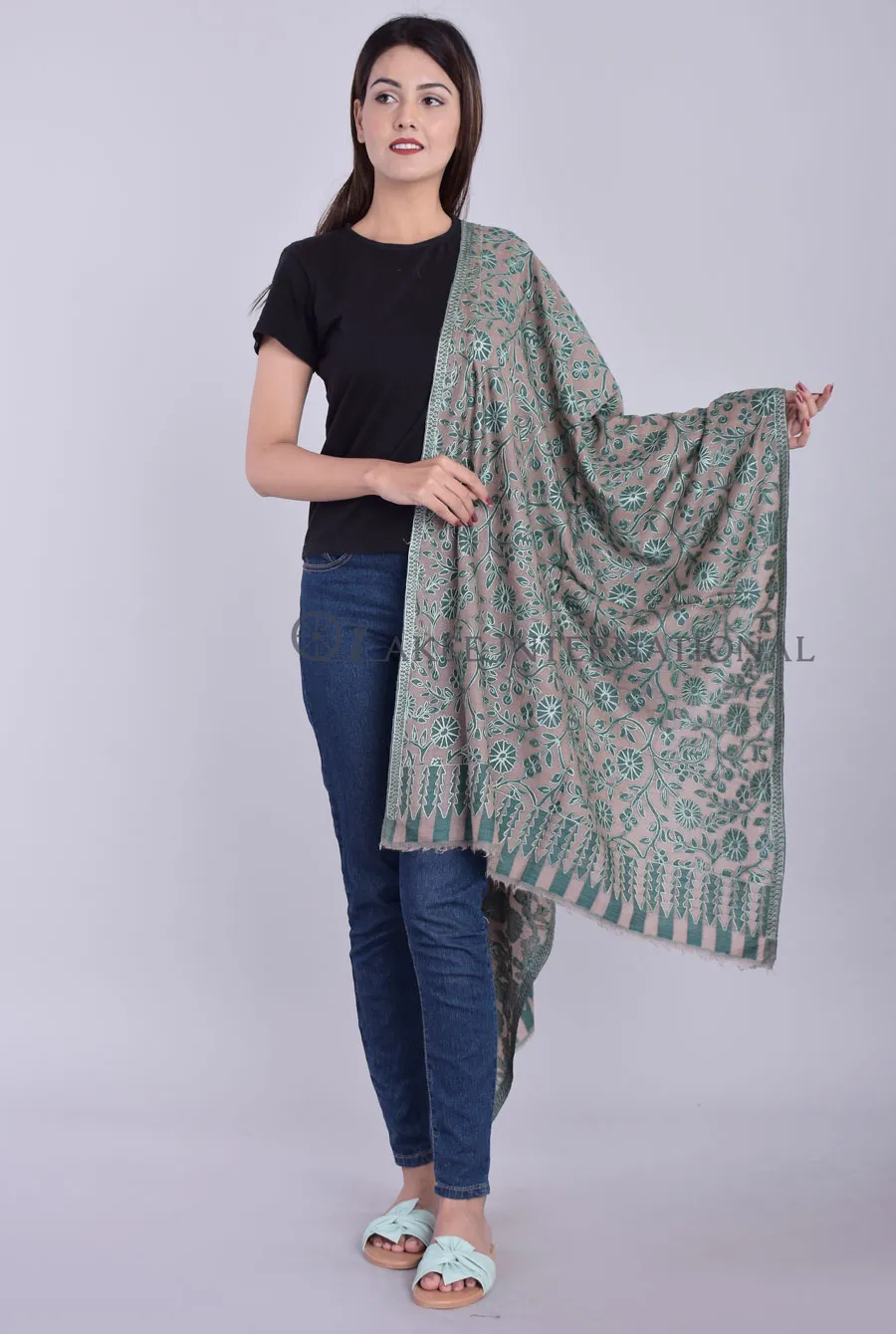
Weaving Pashmina by hand is an intensive, patient craft. Depending on the intricacy of the design and whether embroidery will be added afterward, a single shawl can take anywhere from a few weeks to several months to complete. The rhythmic sound of these wooden looms, working late into the evening in small Kashmiri homes, is part of a textile tradition that has continued largely unbroken for centuries. Those looking to explore this weaving heritage more deeply, including the specific techniques layered onto this base weave, can browse our collection of Jamawar Pashmina shawls and Kani wool stoles, both of which represent centuries-old weaving styles still practiced by hand today. Our pages on the Kashmiri shawl weaving tradition, Kashmir handloom Pashmina shawls, and Kashmir Kani shawls cover this heritage further.
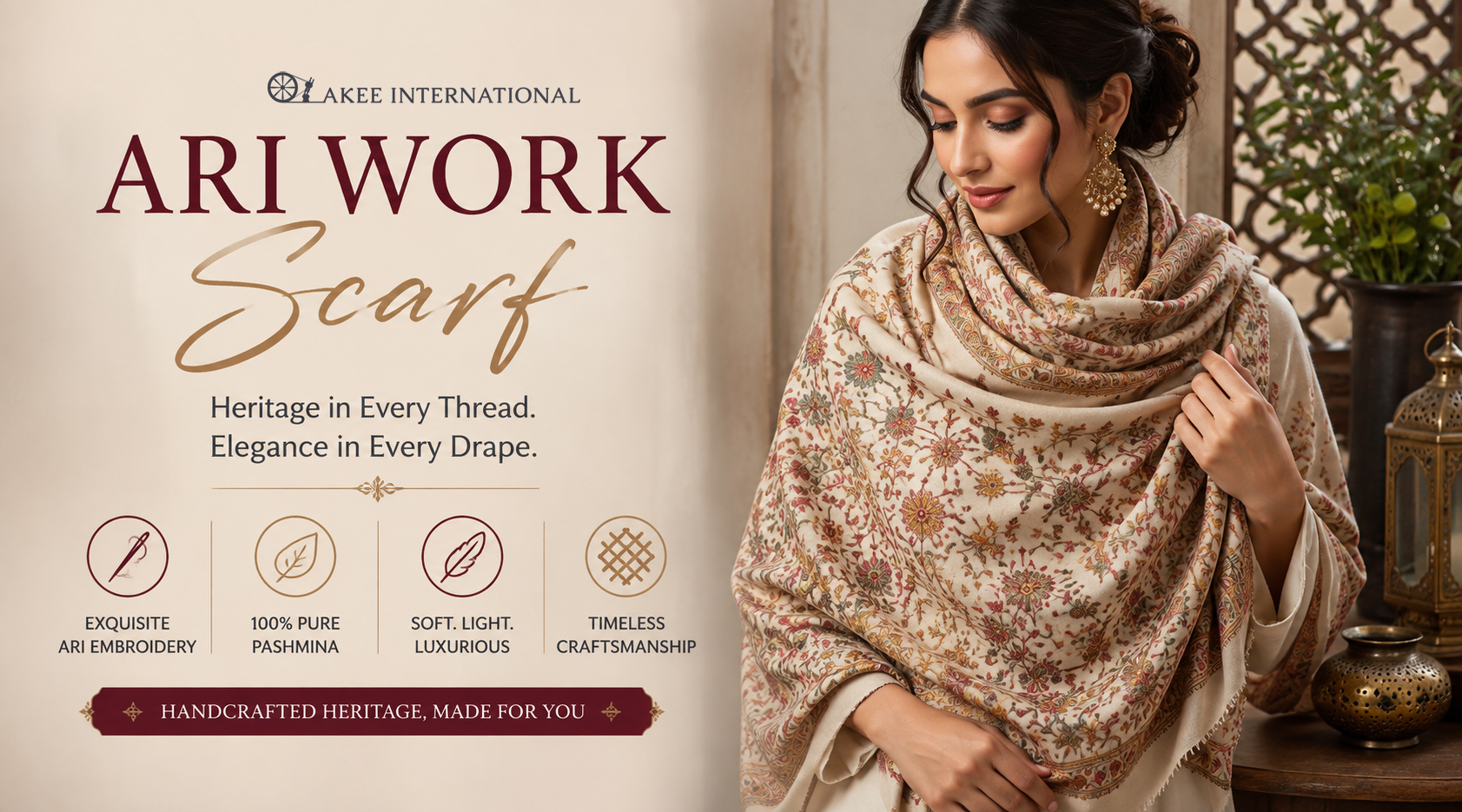
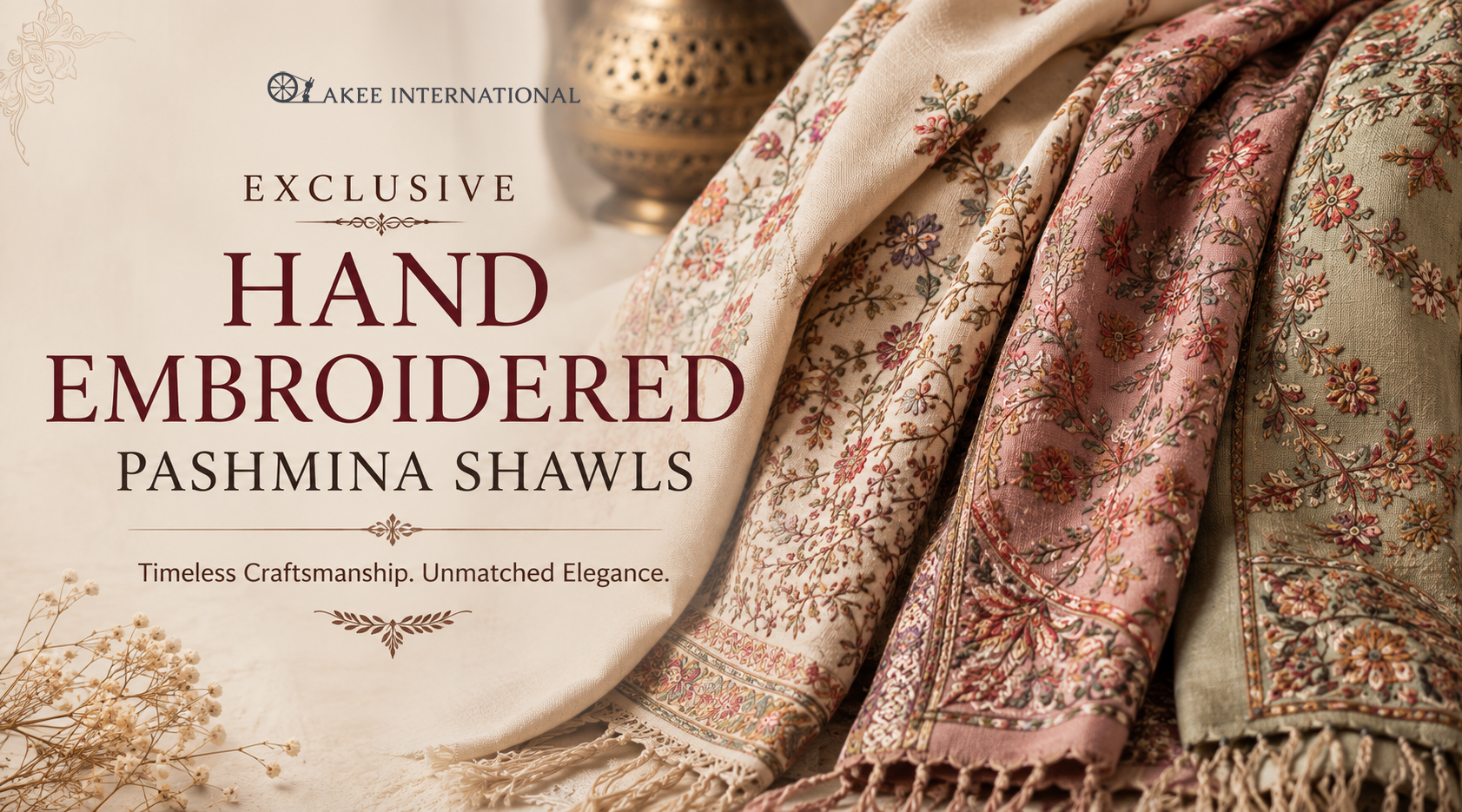
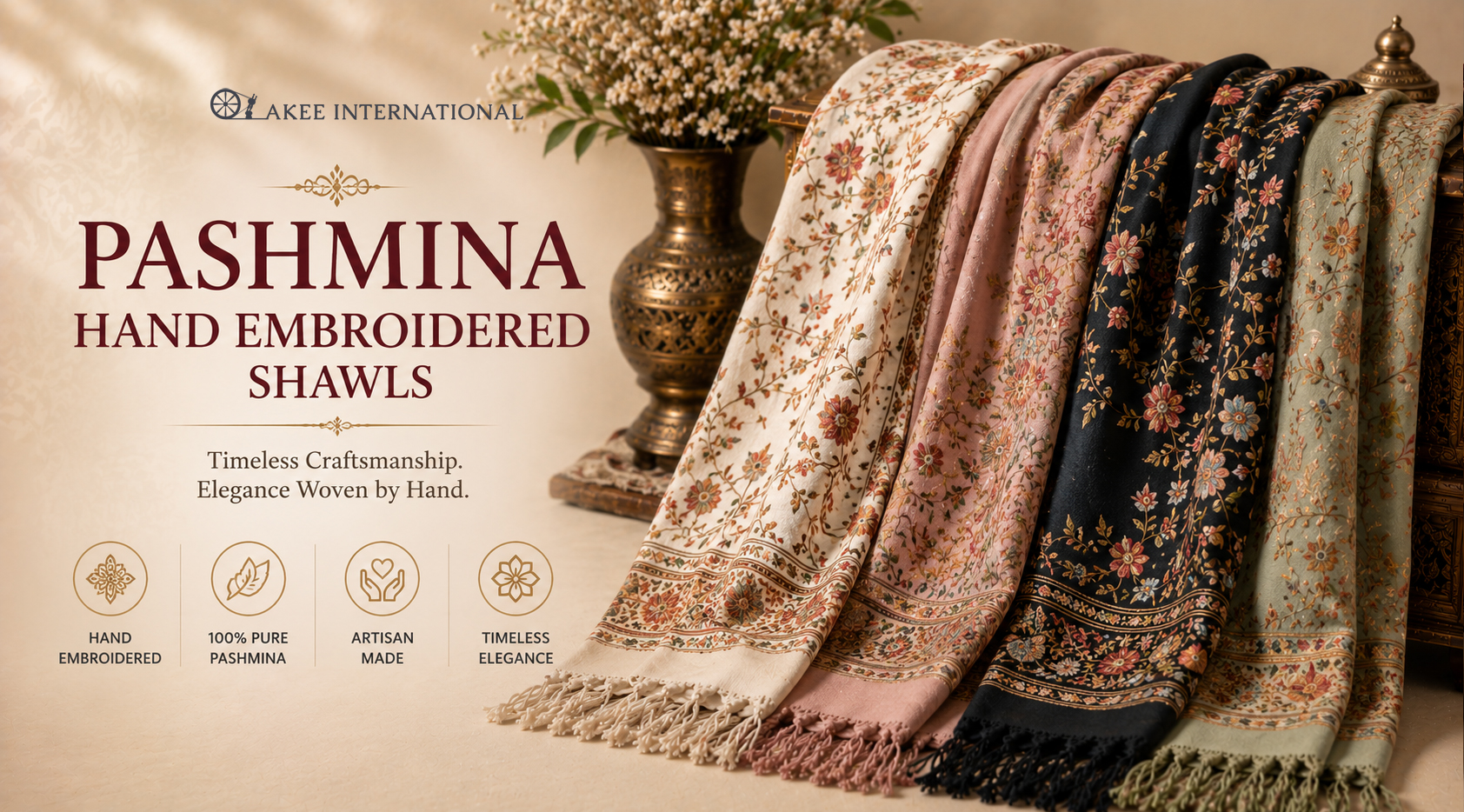
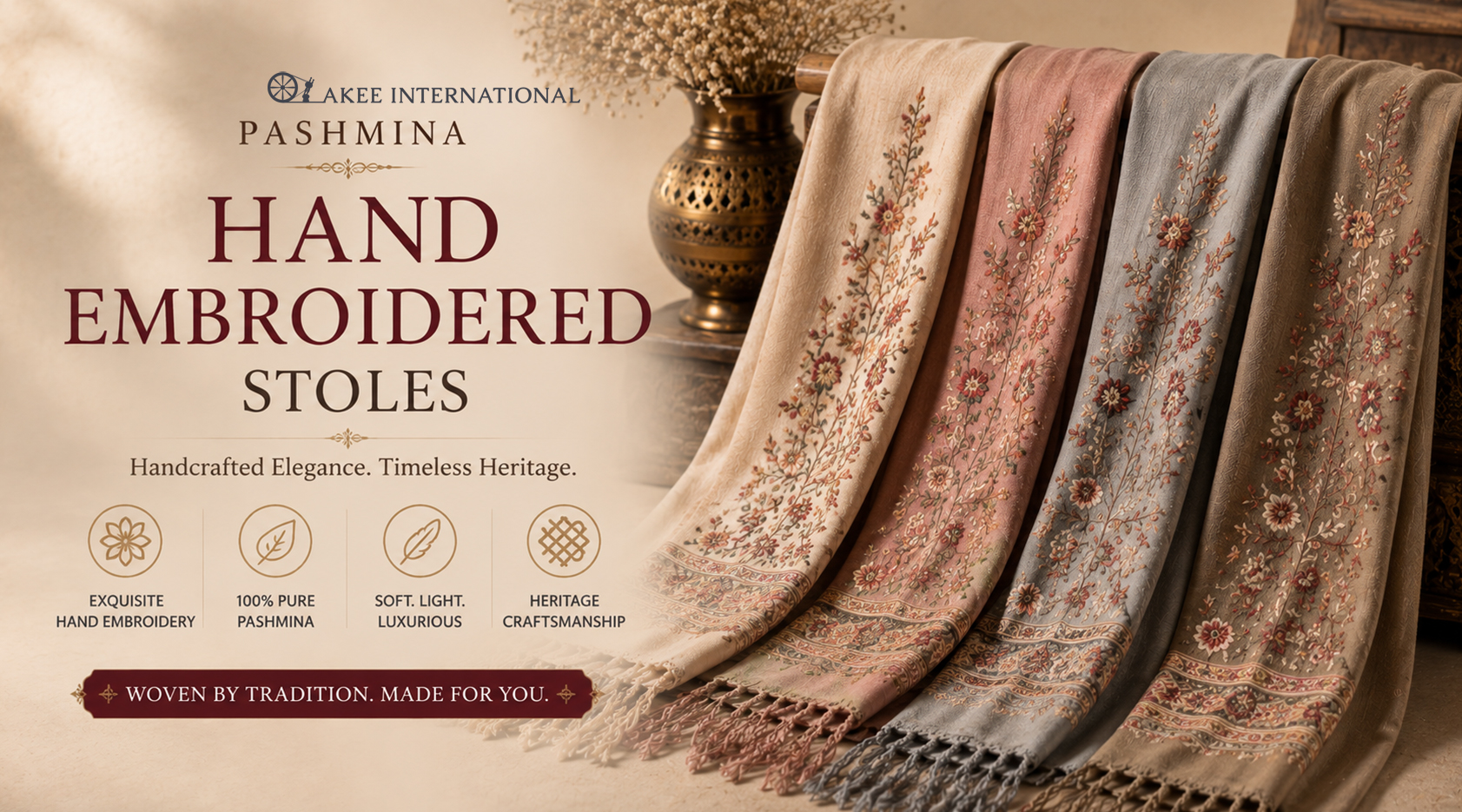
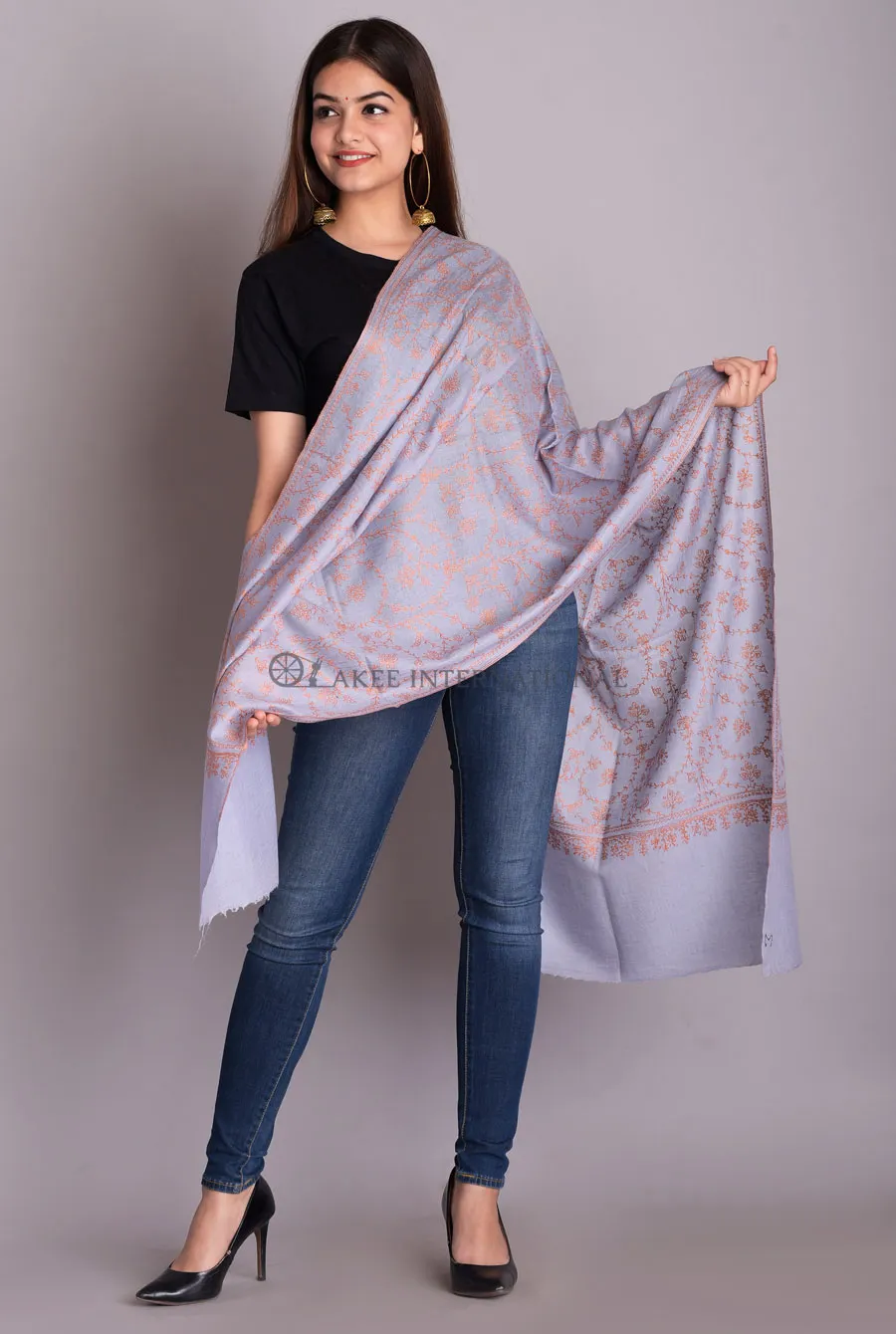
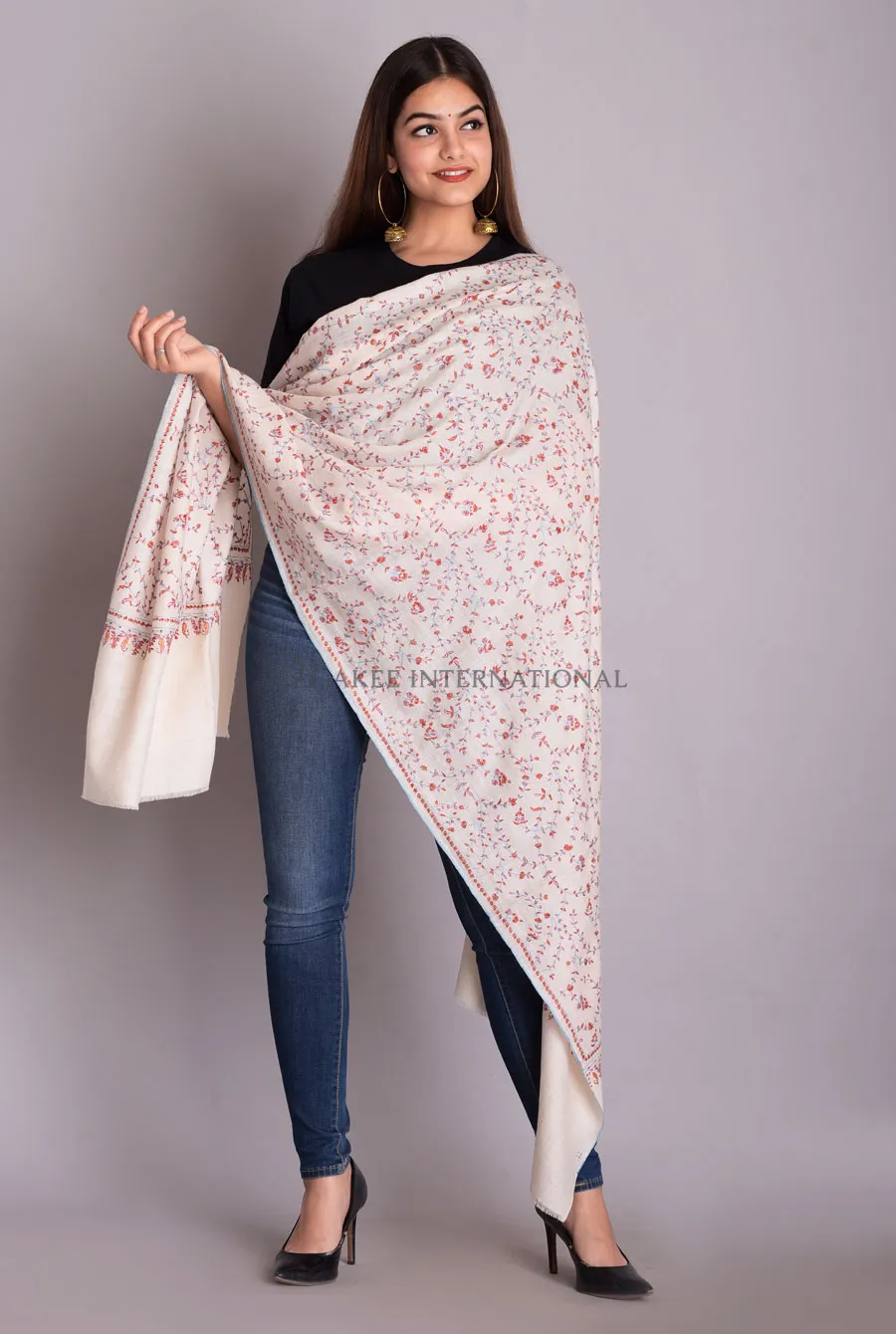
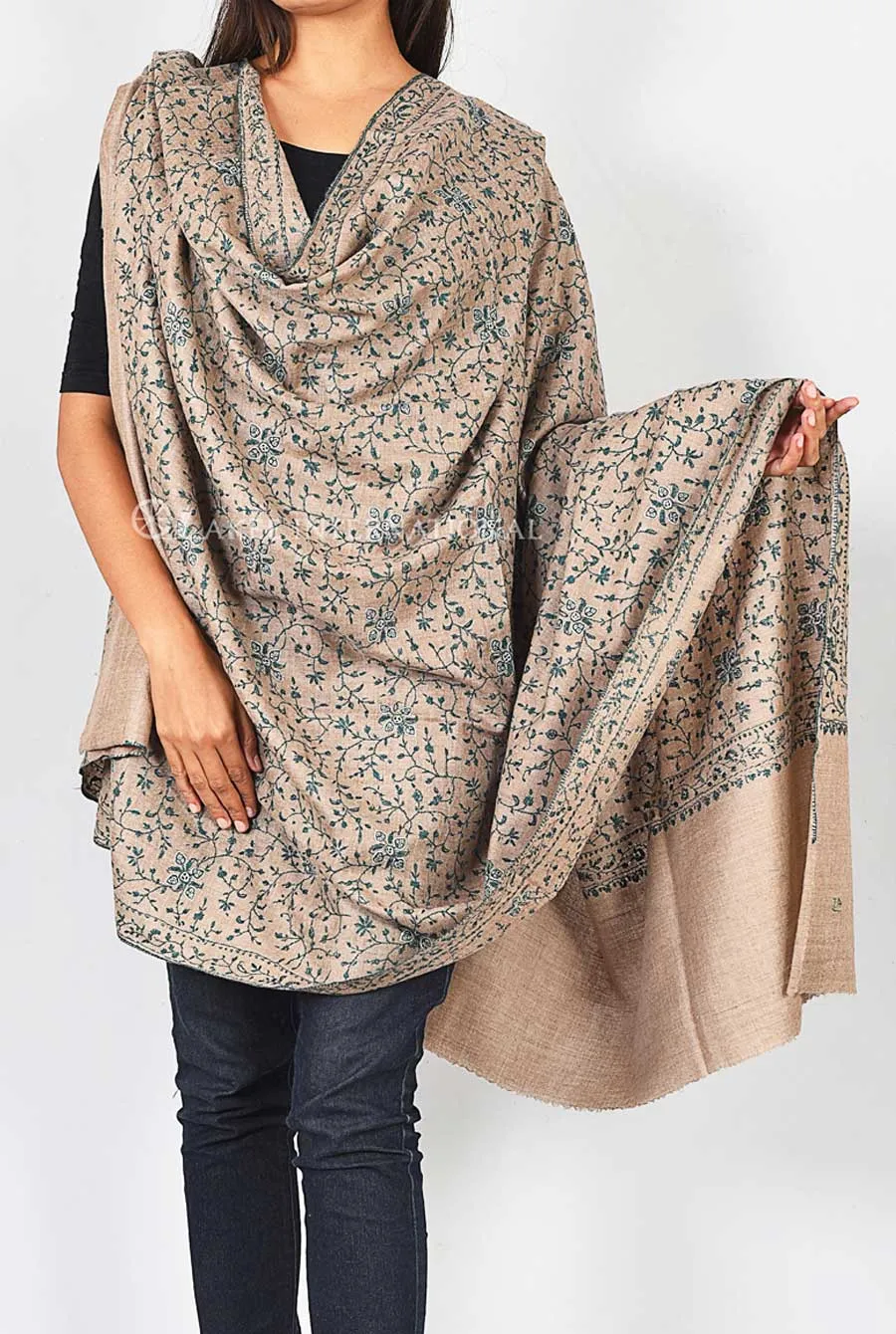
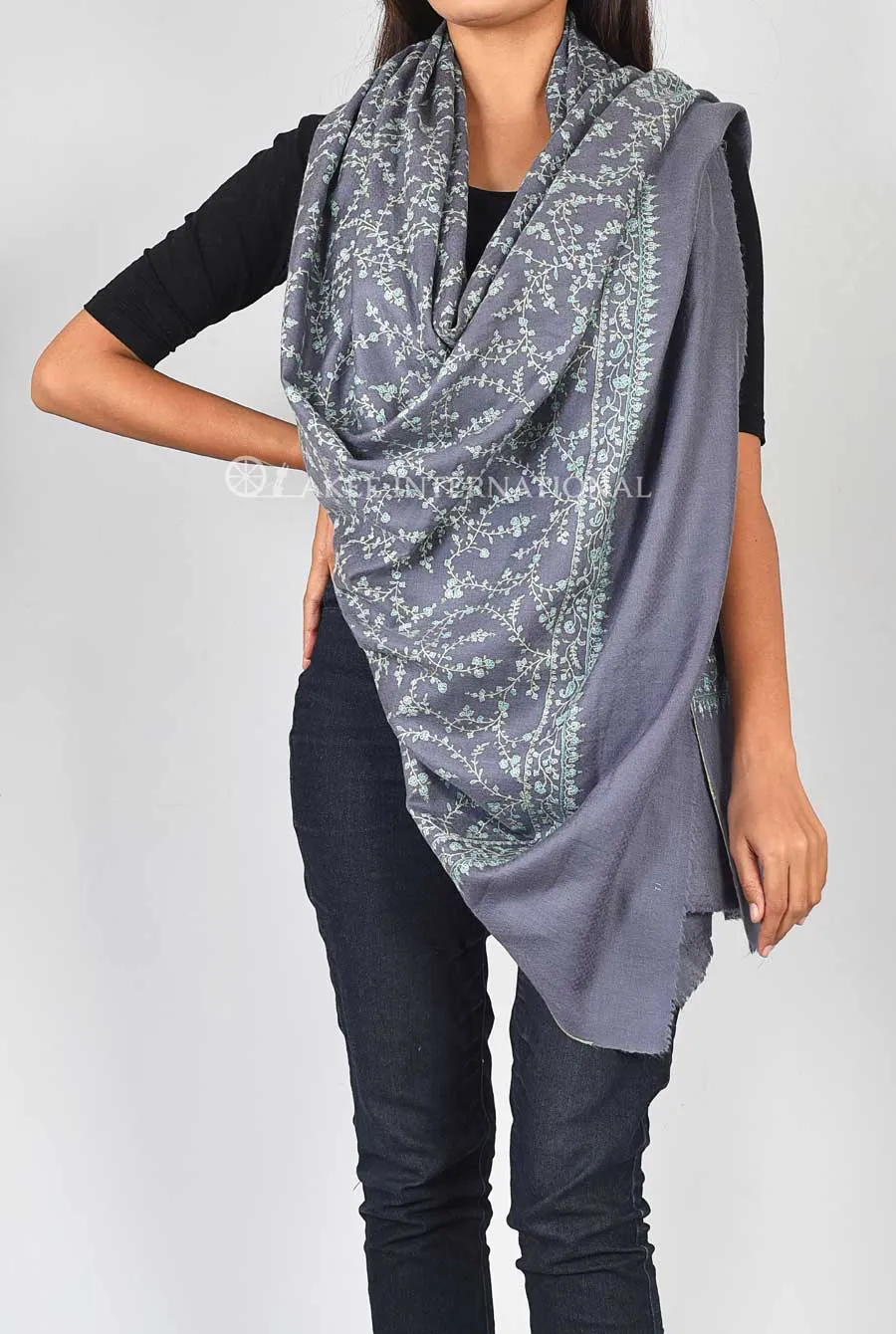
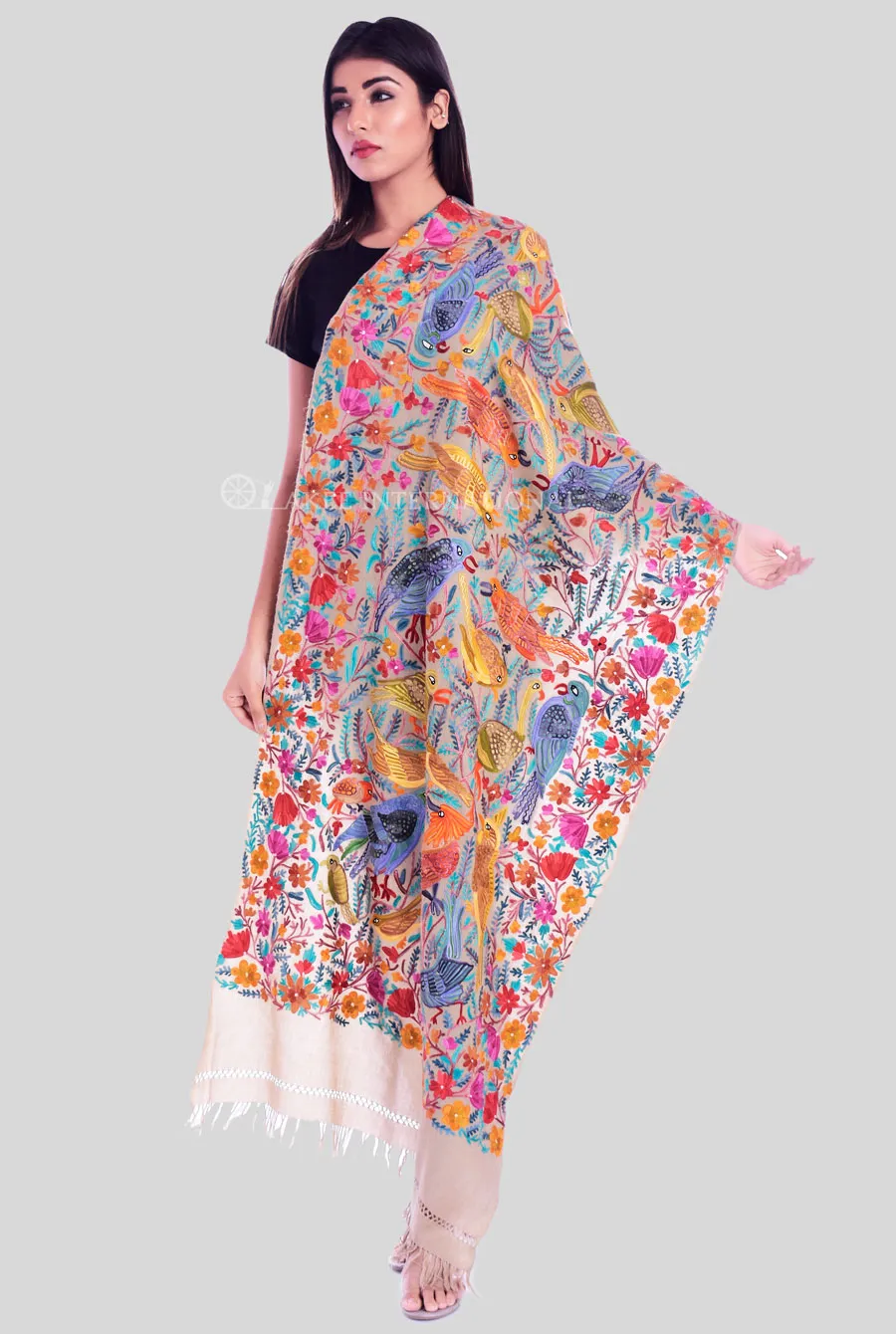
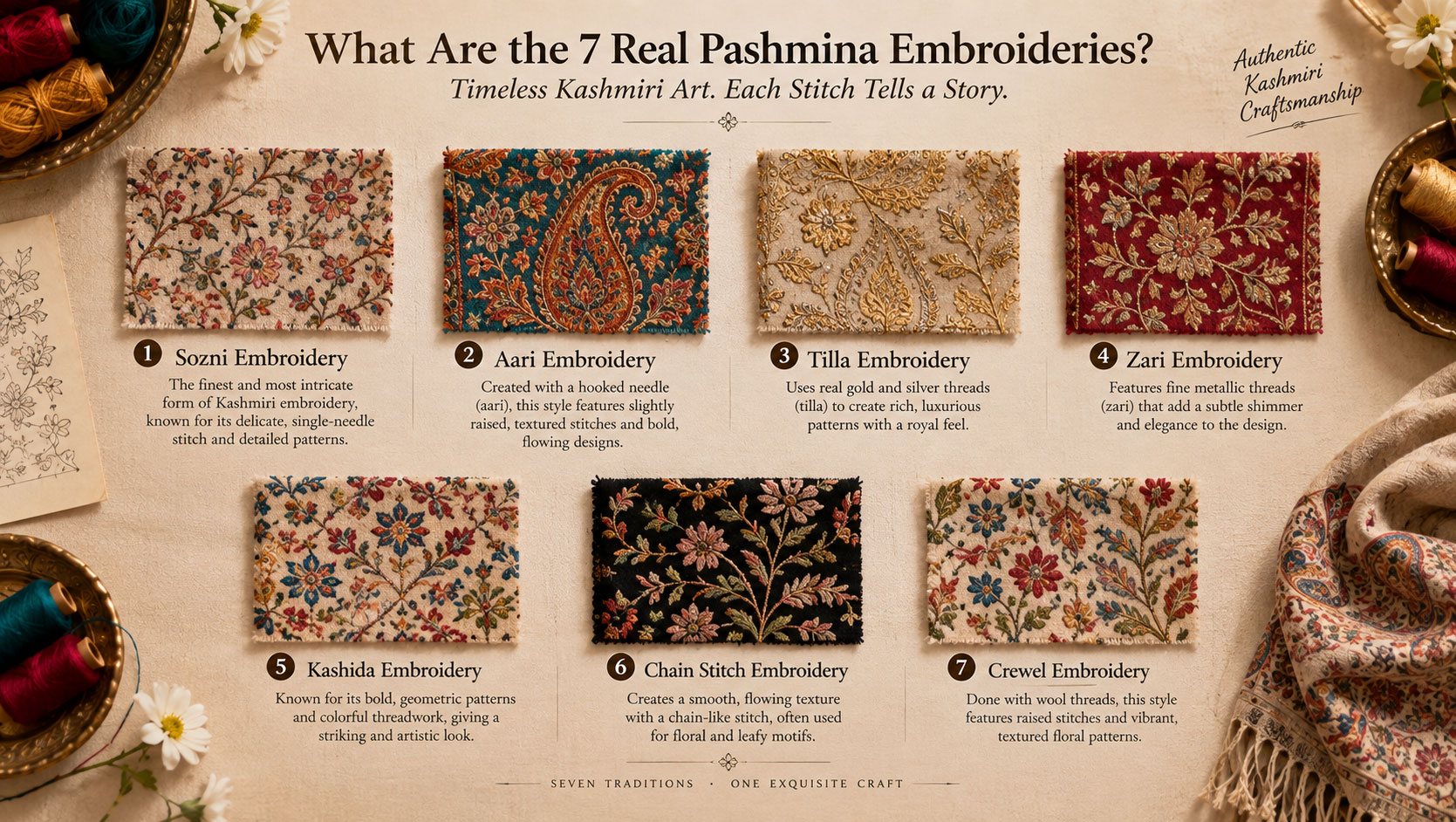
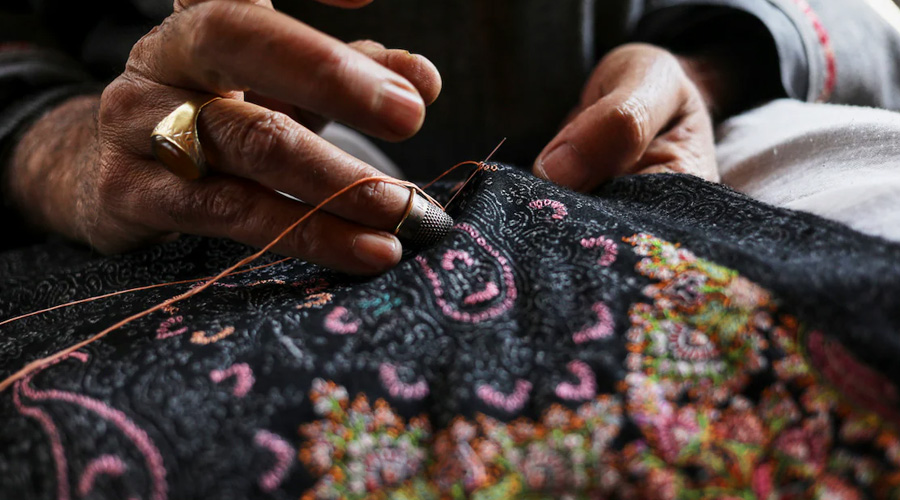
For many pieces, the loom is only the beginning. After weaving, some shawls and stoles pass to embroiderers who add fine needlework by hand — delicate Sozni stitching, bolder Ari chain-stitch motifs, or other traditional decoration — turning a plain woven textile into something closer to a wearable work of art. This stage can add weeks or even months to a single piece, and it is one of the clearest reasons two shawls that look superficially similar can differ so much in price. You can see this craft in our Kashmiri Sozni Work Shawl, Ari Work Pashmina Shawl, and Pashmina Hand Embroidered Shawls collections, and our guide on the 7 real Pashmina embroideries explains the different techniques in more detail.
Every stage of this journey — the goat, the altitude, the nomadic shepherds, the hand-combing, the hand-spinning, the dyeing, the handloom weaving — directly shapes the quality of the final shawl or stole you hold. This isn't a story we tell simply for atmosphere; it's the literal explanation for why genuine Pashmina feels the way it does, lasts as long as it does, and costs what it costs compared to synthetic alternatives sold under the same name.
It's also why authenticity verification matters so much in this market. Because the story behind real Pashmina is so labour-intensive, it's also one of the most imitated categories in the textile world, with many products falsely marketed as "pure Pashmina" despite containing little to no real fibre. The Geographical Indication tag associated with genuine Kashmir Pashmina exists specifically to protect this heritage and the people whose skill sustains it; our page on GI-certified Kashmir Pashmina explains how that certification works and why it matters when making a purchase, and our explainer on what the GI tag actually means goes deeper. For documentation and verification, see our Kashmir Pashmina Certificate of Authenticity and Kashmir Pashmina shawl verification pages, and our comparison of real Kashmiri Pashmina vs fake.
A story this long only means something if it can be followed back to real people and places. At Akee International we work directly with artisan families across Kashmir and Ladakh, so that each piece can be traced to the communities who made it rather than to an anonymous supply chain. Our pages on the Kashmiri artisan-made Pashmina shawl, the Kashmir artisan network we work with, and the top Pashmina weavers in Srinagar introduce the people behind the craft, and our sustainability page explains our approach to fair and responsible sourcing.
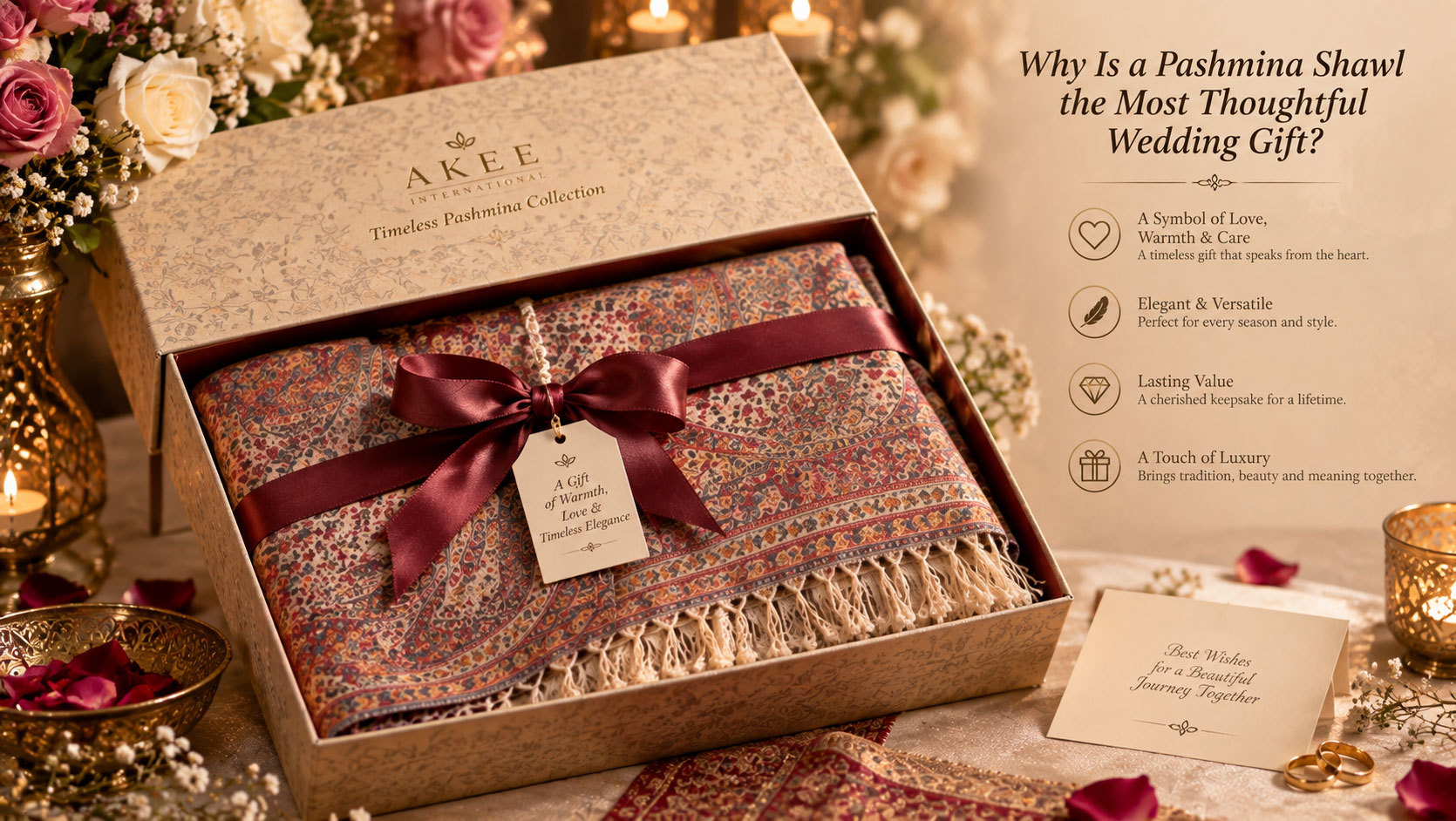
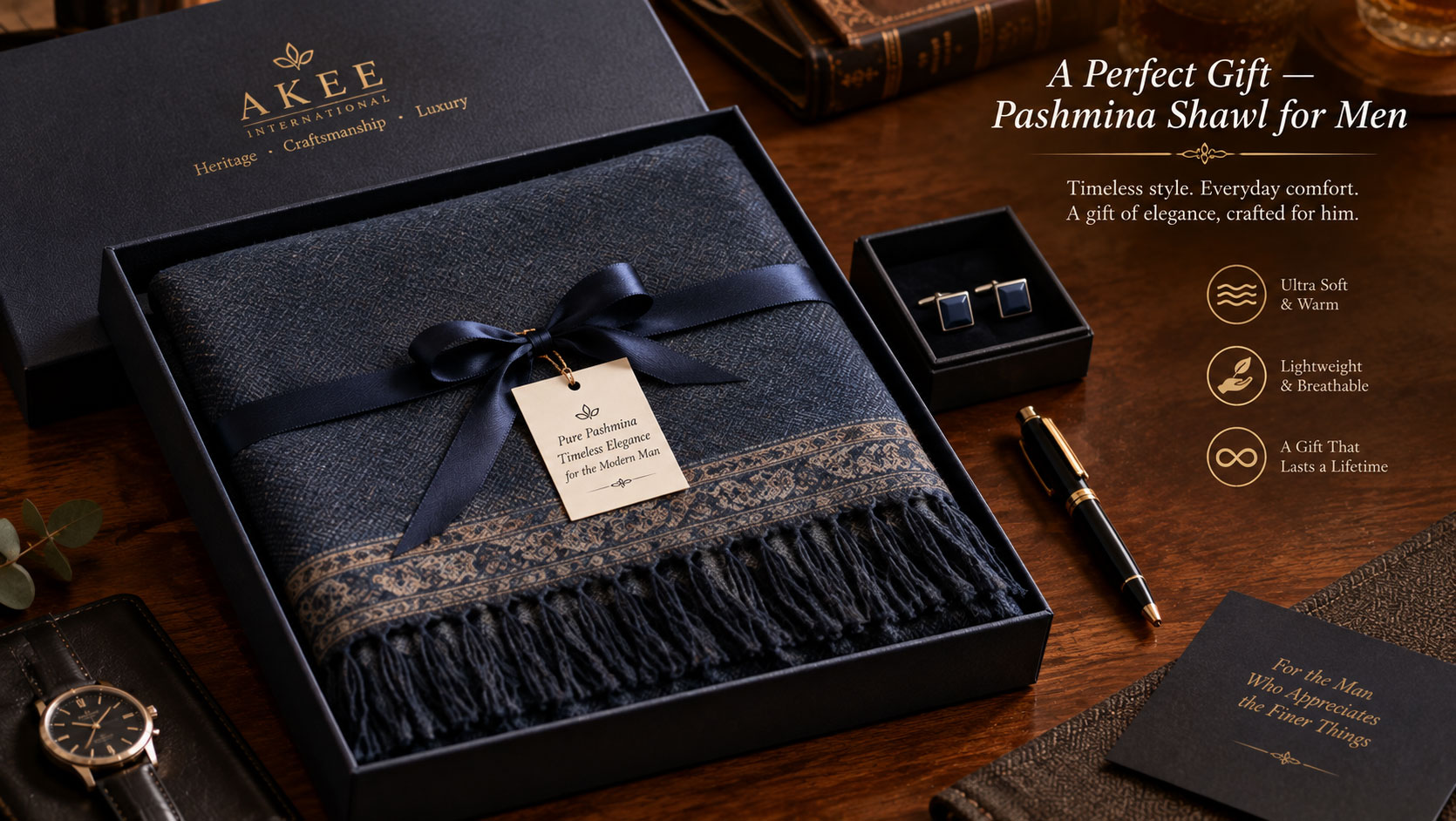
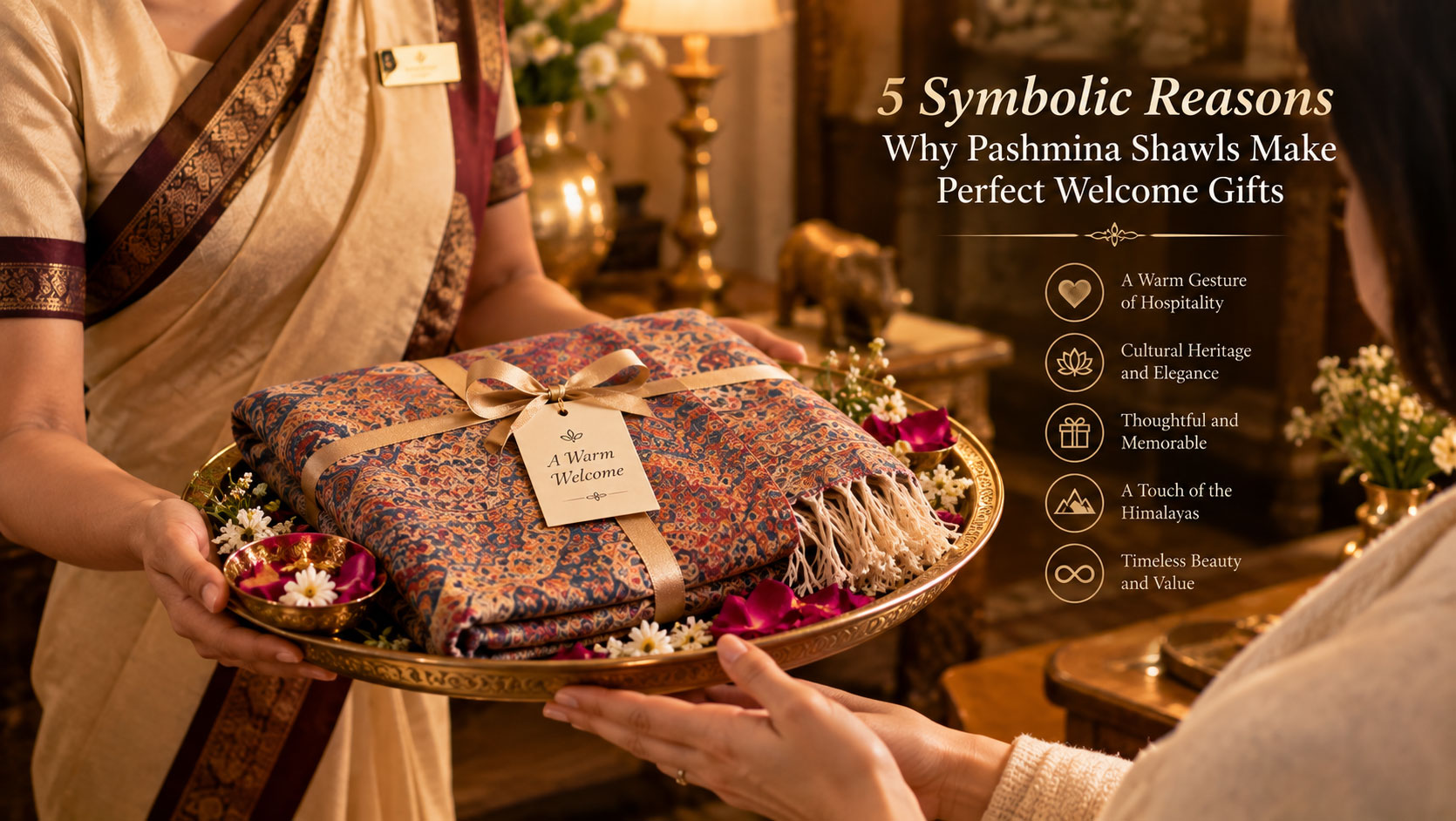
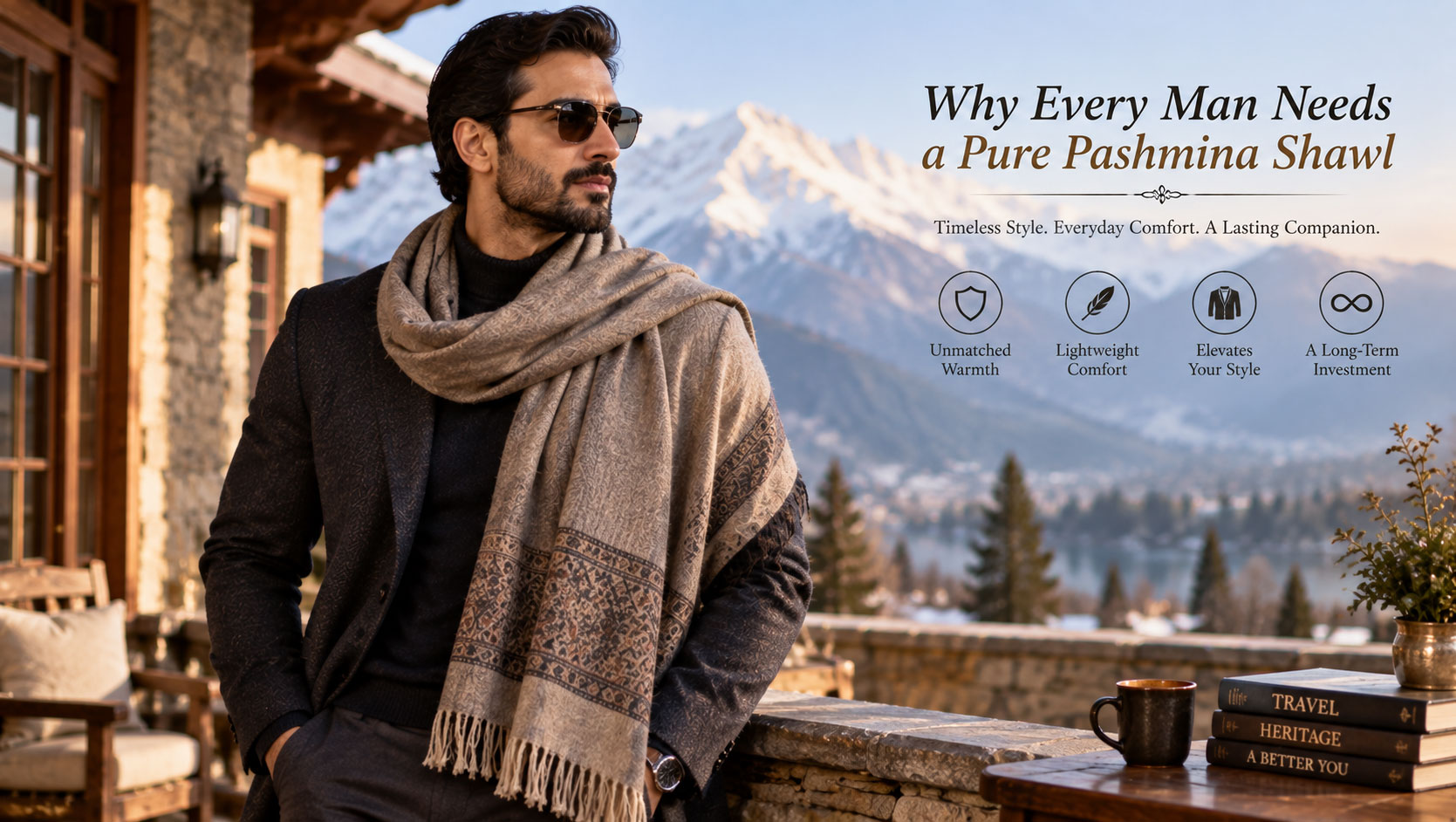
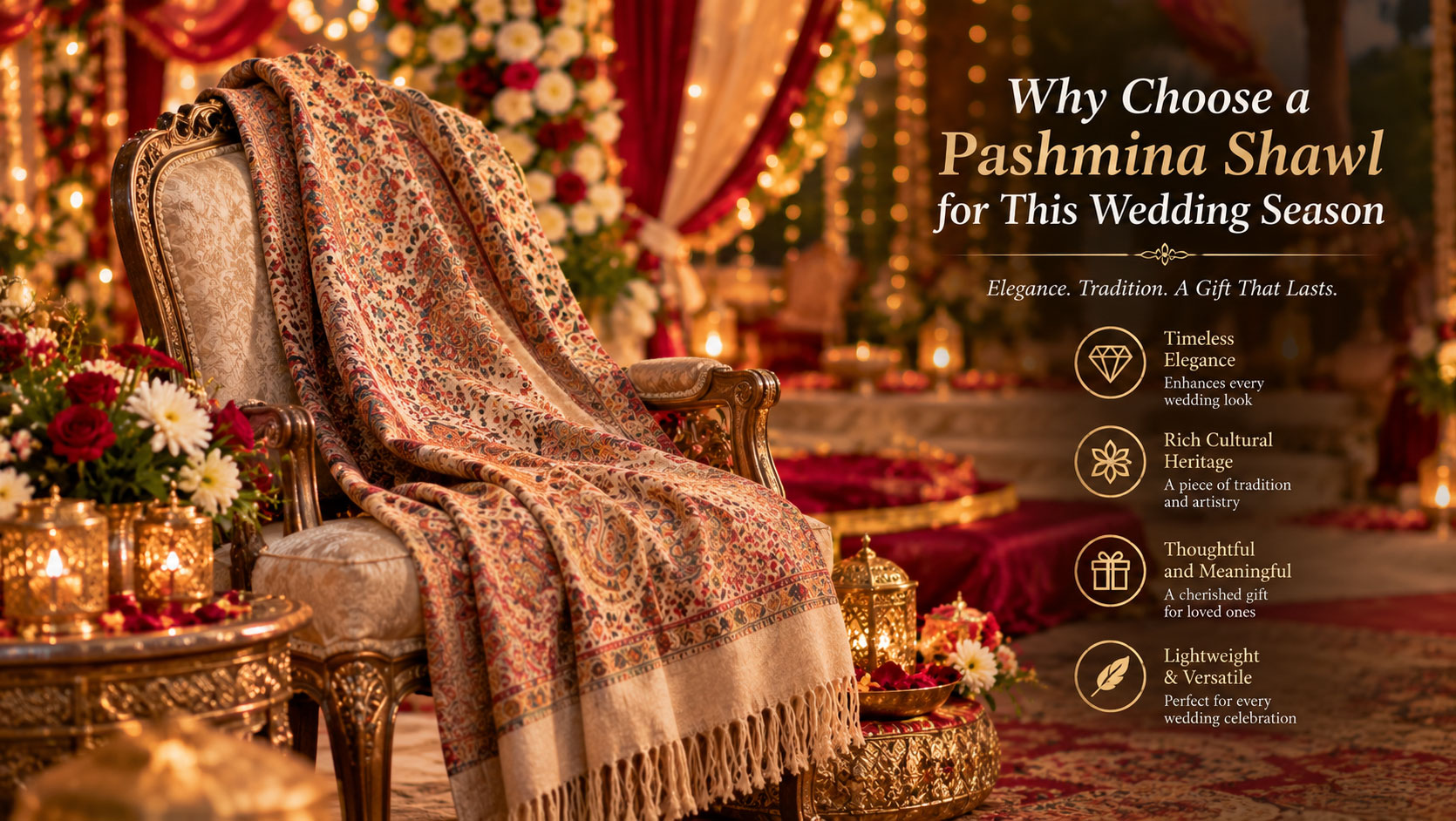
Once you understand where a piece comes from, choosing one becomes easier. Buyers shopping for themselves can start with our women's Pashmina shawls and men's Pashmina shawls, while those shopping for a specific occasion might look at our bridal Pashmina, wedding gift, or anniversary gift collections. For colder months, our winter Pashmina shawls are built around warmth, and for those working within a budget, our affordable Pashmina shawl collection and pieces under ₹10,000 keep the same genuine fibre at a more accessible price. Businesses interested in sourcing at scale can explore our wholesale Pashmina shawls in Jaipur and Pashmina shawl exporter in India pages.
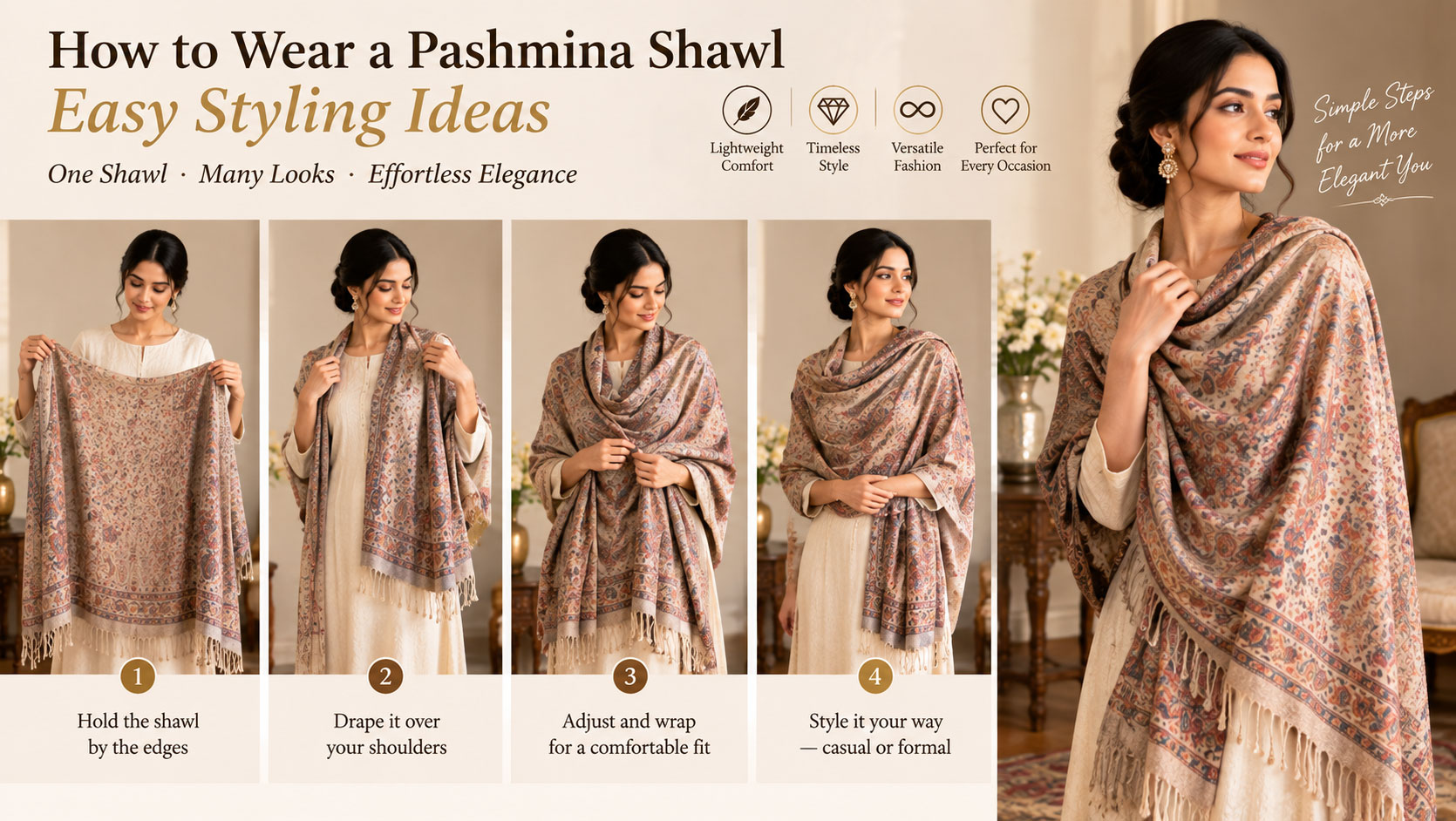
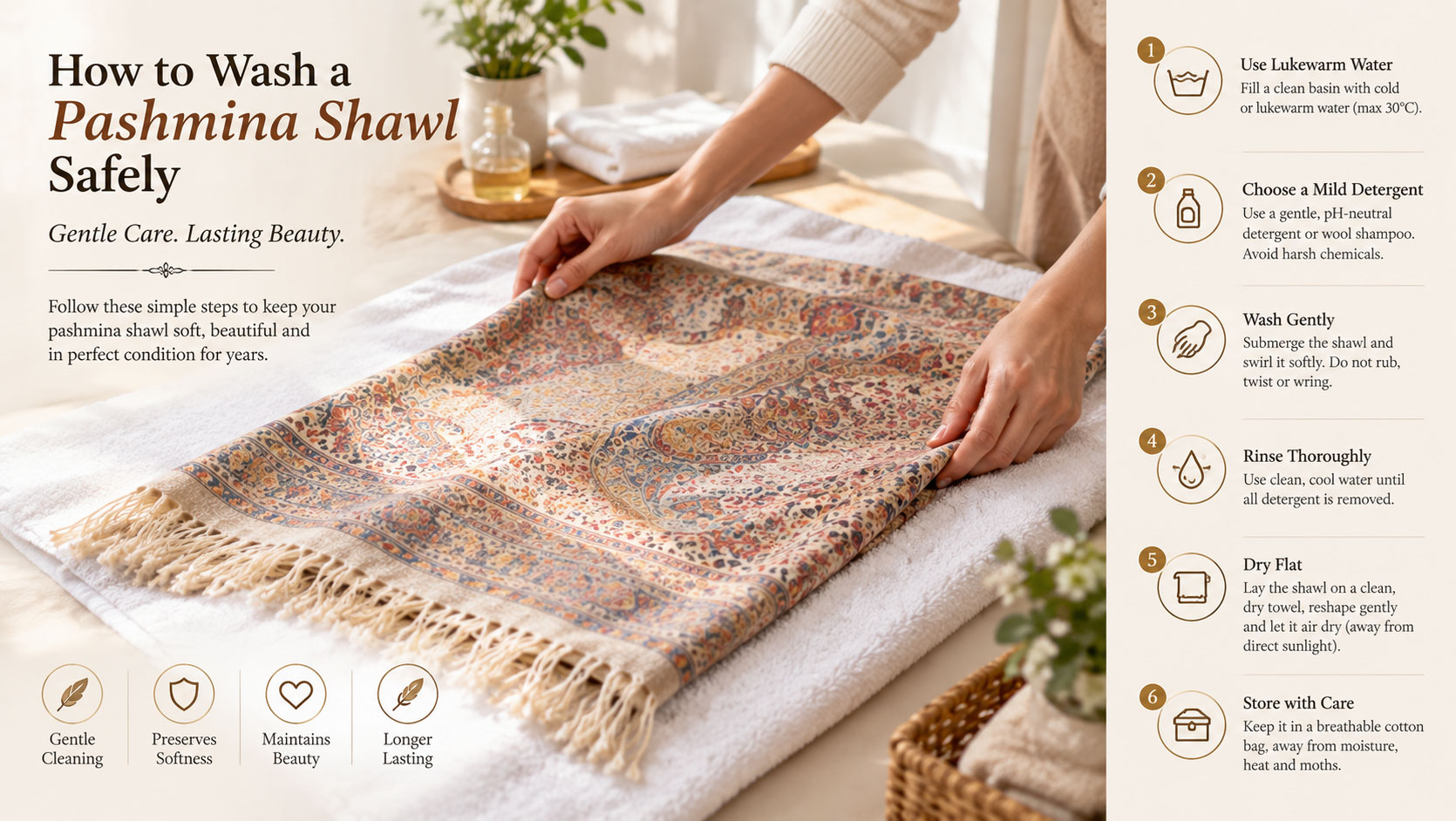
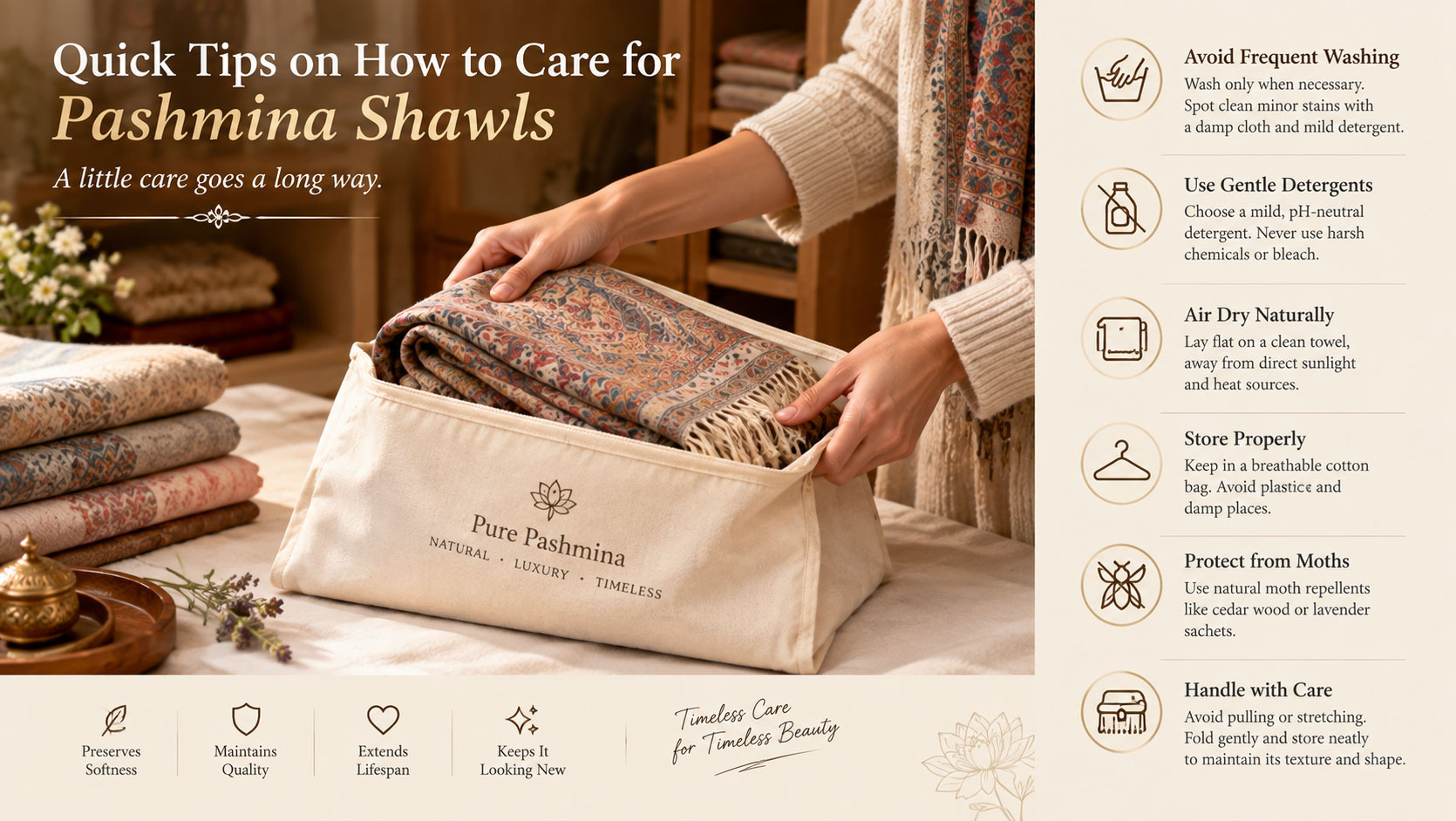
Given how much time, skill, and care goes into producing even a single Pashmina shawl, it deserves to be looked after properly once it reaches you. Simple habits — gentle handwashing or dry cleaning, proper folding, and storage away from direct sunlight and moisture — can keep a genuine Pashmina piece soft and vibrant for decades rather than years. Our detailed Pashmina shawl care guide walks through exactly how to maintain your shawl so that its journey doesn't end the day you bring it home — it simply continues with you. Our pages on how to wash and how to store a Pashmina shawl cover each step individually, and our blog on how to wear a Pashmina offers styling ideas.
This is the story we think about every time we open a new order at Akee International — not just the shawl itself, but everyone and everything it took to get there: a goat surviving at 14,000 feet, a nomadic family guiding their herd through impossible cold, a spinner working quietly by hand, a dyer choosing the right shade, and a weaver bringing it all together on a handloom that may be older than the person operating it.
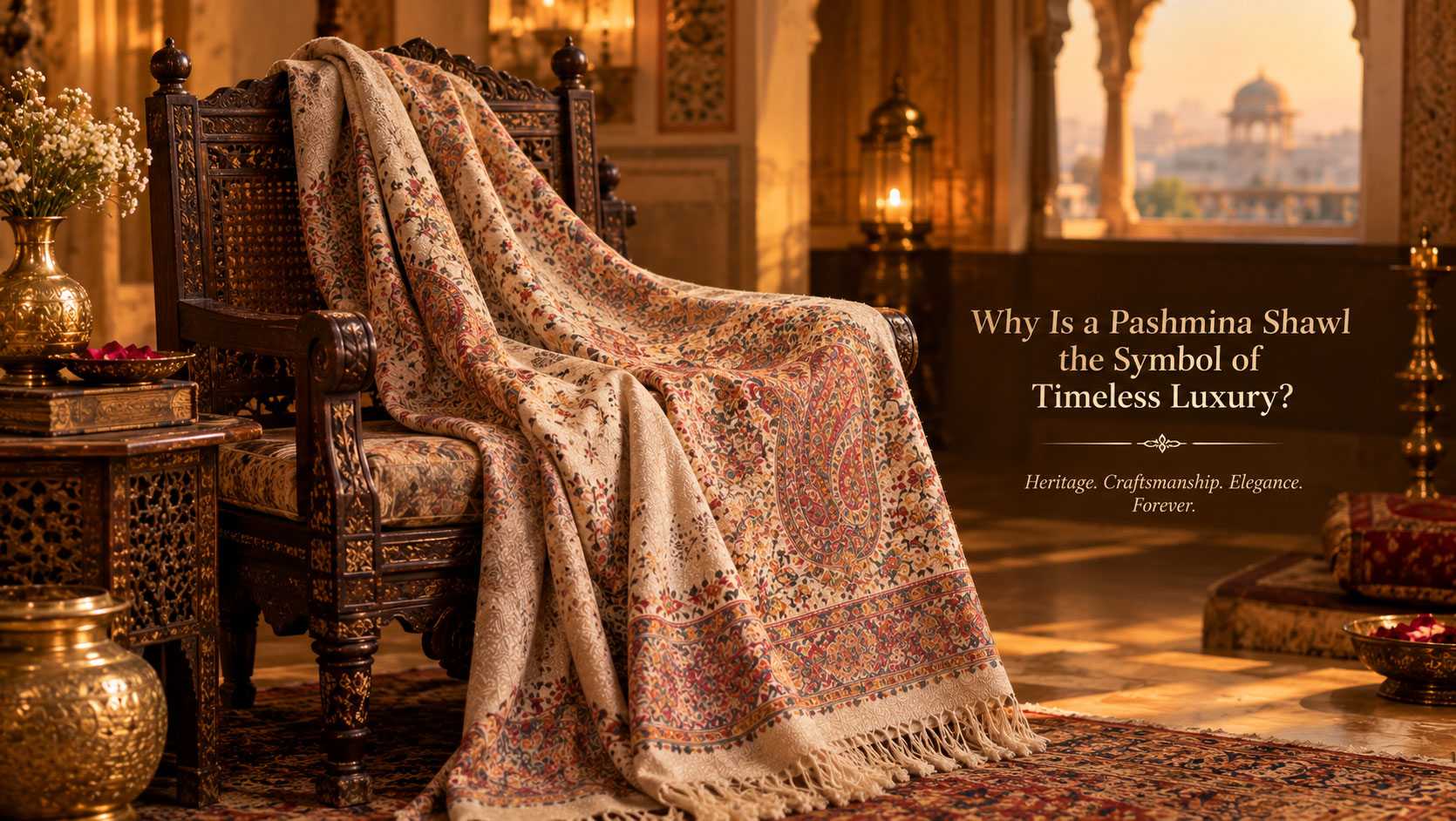
We believe that when you understand this journey, a Pashmina shawl stops being just an accessory and becomes something closer to a small, wearable piece of history. It's easy, in a world of instant delivery and disposable fashion, to forget that some things simply cannot be rushed — that a fibre this fine only exists because a goat survives brutal cold at altitude, and a shawl this soft only exists because a human being spent weeks, sometimes months, guiding a wooden loom by hand. There is no shortcut version of this story, and we've never wanted one.
If you'd like to see this craftsmanship for yourself, browse our full range on the Products page, explore our women's Pashmina shawls and men's Pashmina shawls collections, or read more about the people and philosophy behind our work on our About Us page. To go further into the heritage behind the craft, our articles on the story of Pashmina and the origin of the Kashmiri Pashmina shawl are natural companions to this one.
For any questions about sourcing, authenticity, or a specific piece you have in mind, you're welcome to reach us directly on WhatsApp or by phone at +91-9772777770, or write to us at akee.international@gmail.com. You can also visit our store near Amer Fort in Jaipur, where we're always happy to talk through this journey in person — from the Himalayas, all the way to you.
Discover exquisite Pashmina shawls, beautifully crafted with Kashmir’s timeless heritage and artistry.
"Browse our curated collections and shop by category to find the perfect Pashmina shawl or scarf for every occasion."
"Explore our latest collection of exquisite Pashmina shawls and scarves, where luxury meets craftsmanship in every piece."
"Shop our Best Sellers, where luxury meets demand—featuring the most sought-after Pashmina shawls and scarves of the season."
"Read what our clients say about their experience with Akee International's luxurious Pashmina shawls and impeccable service."

Nai Mata Mandir Road, Thathar Road, Delhi By Pass, Amer, Jaipur 302028, Rajasthan India
Get directions Call Now Whatsapp 4.9 based on 269 reviews
Rating: 4.6/5 | 85 Reviews

Rating: 4.9/5 | 269 Reviews

TrustScore: 4.9 | 100 Reviews