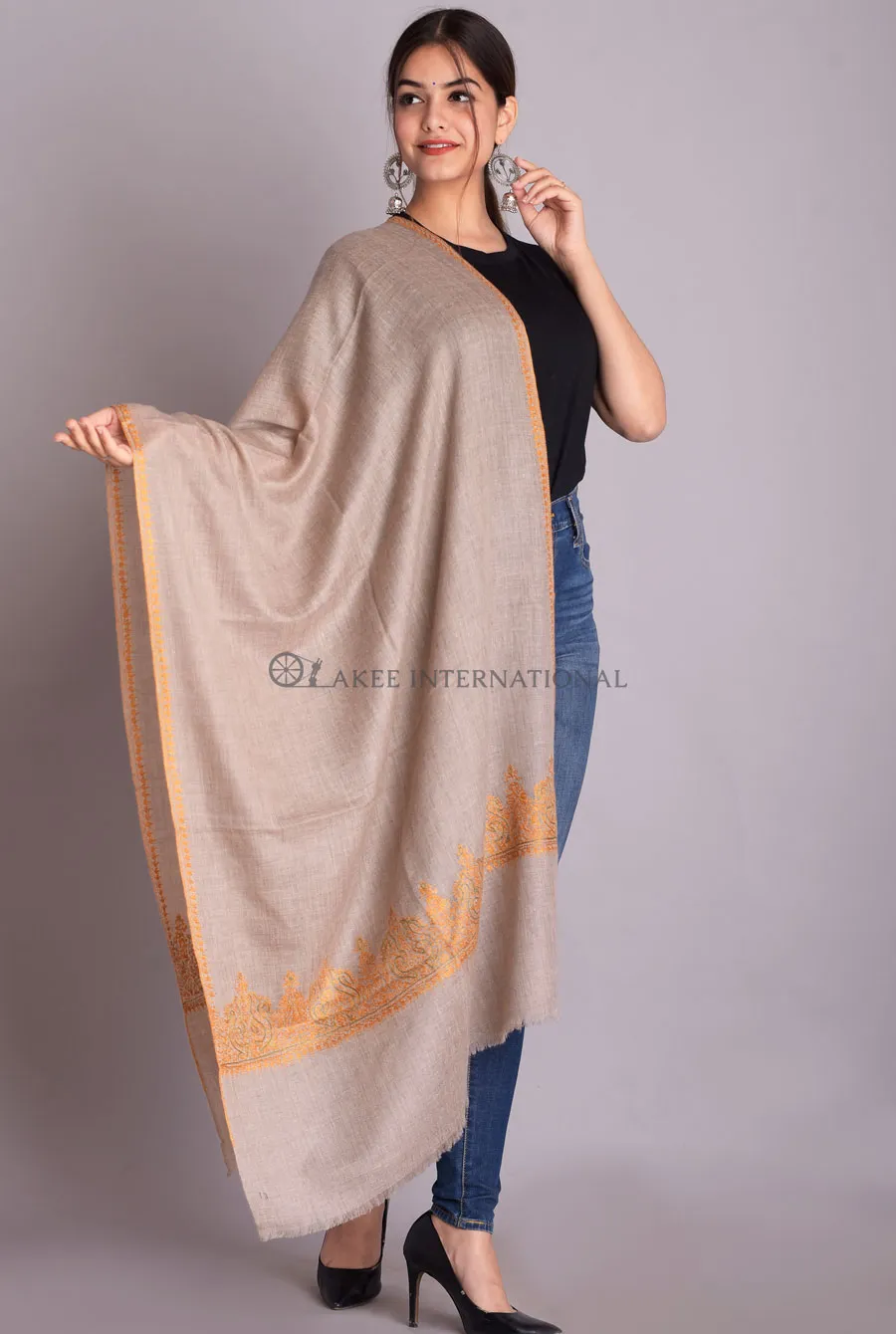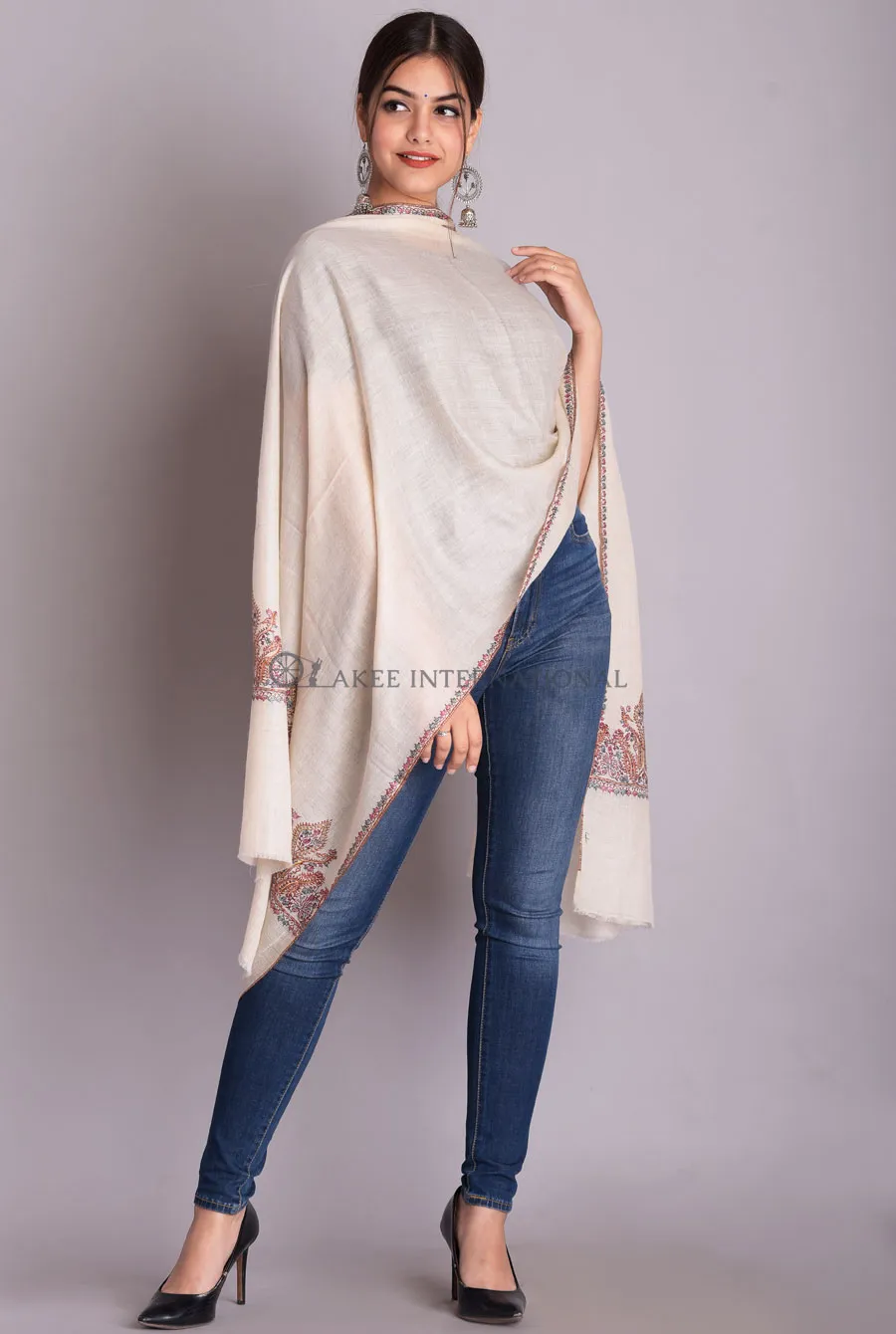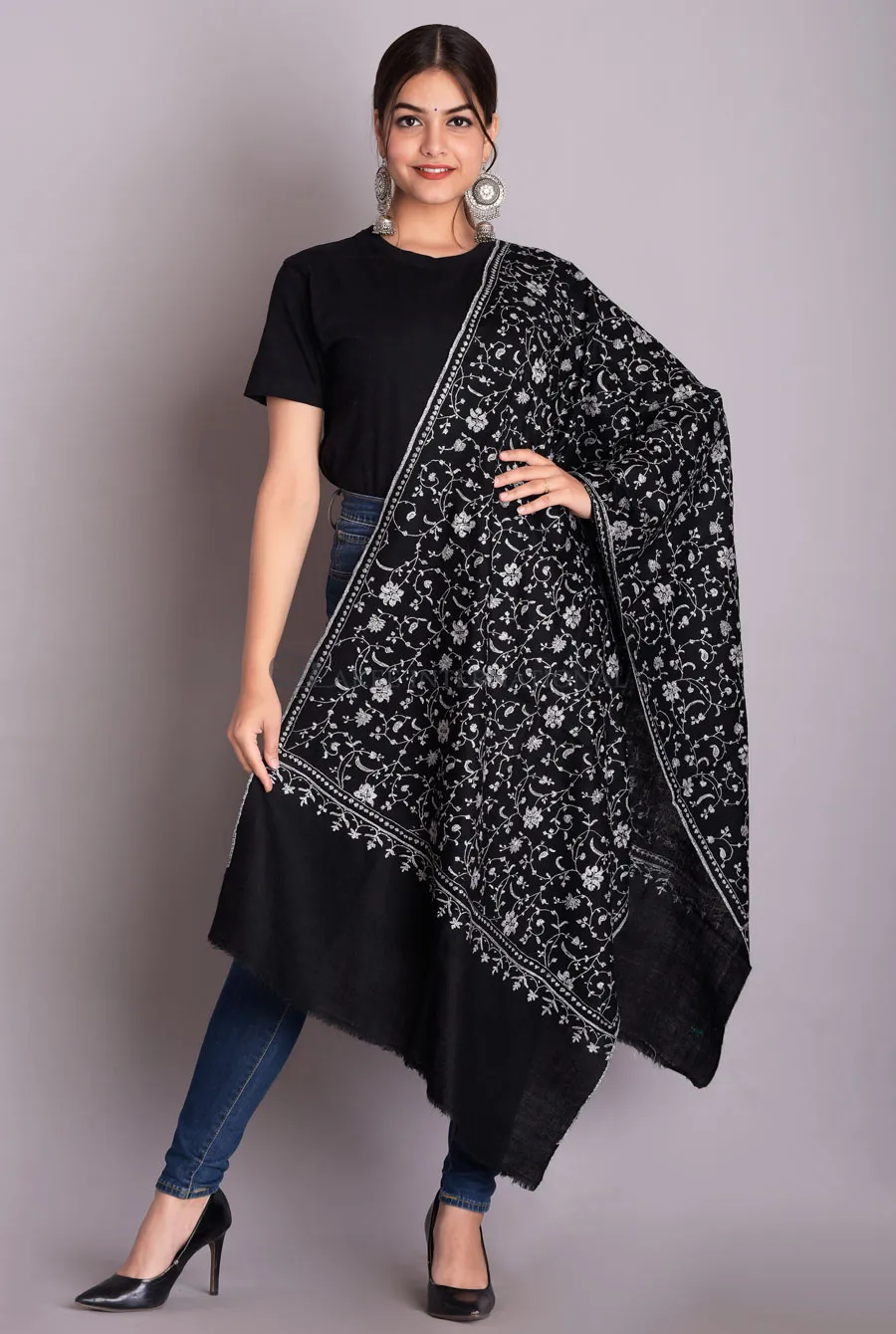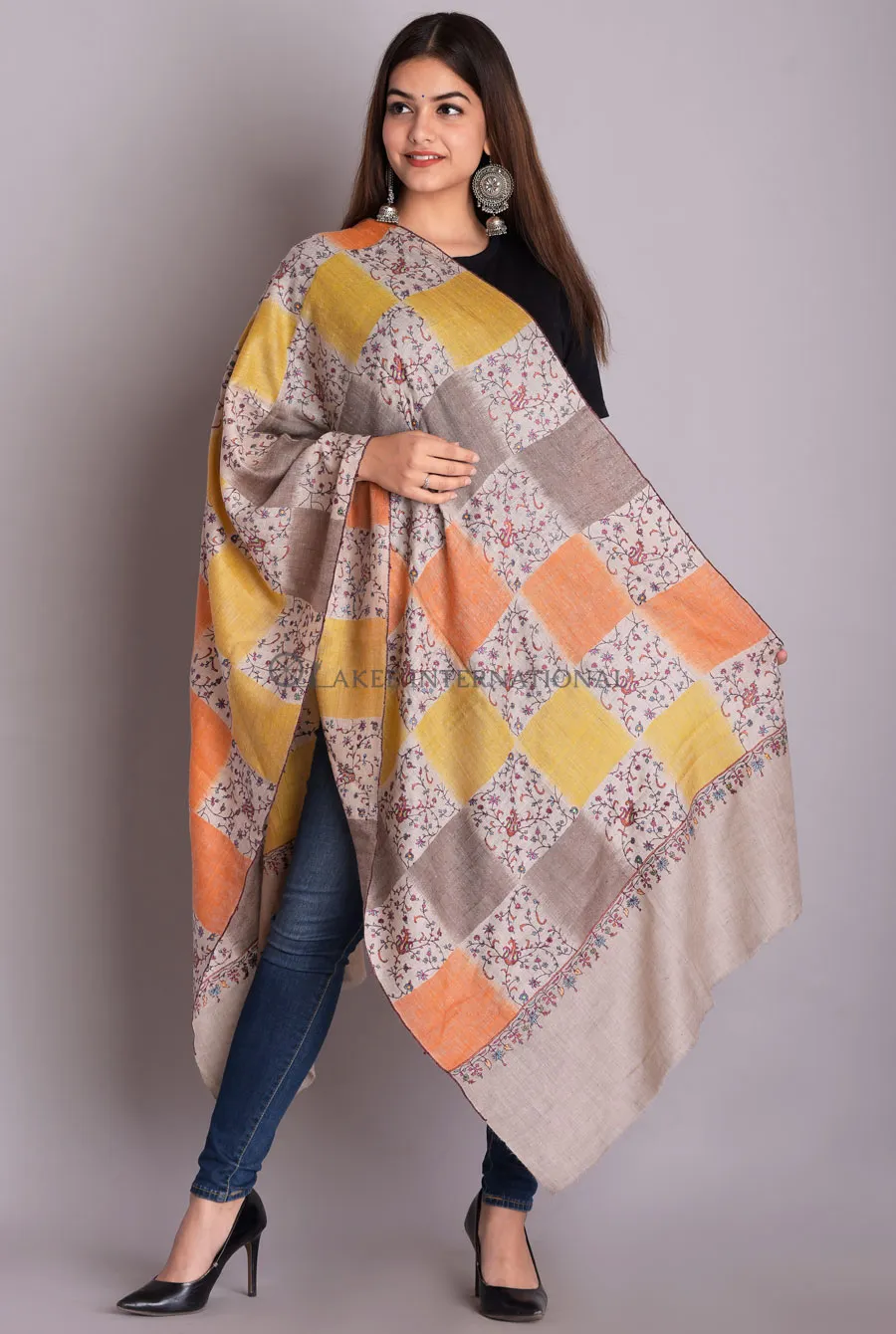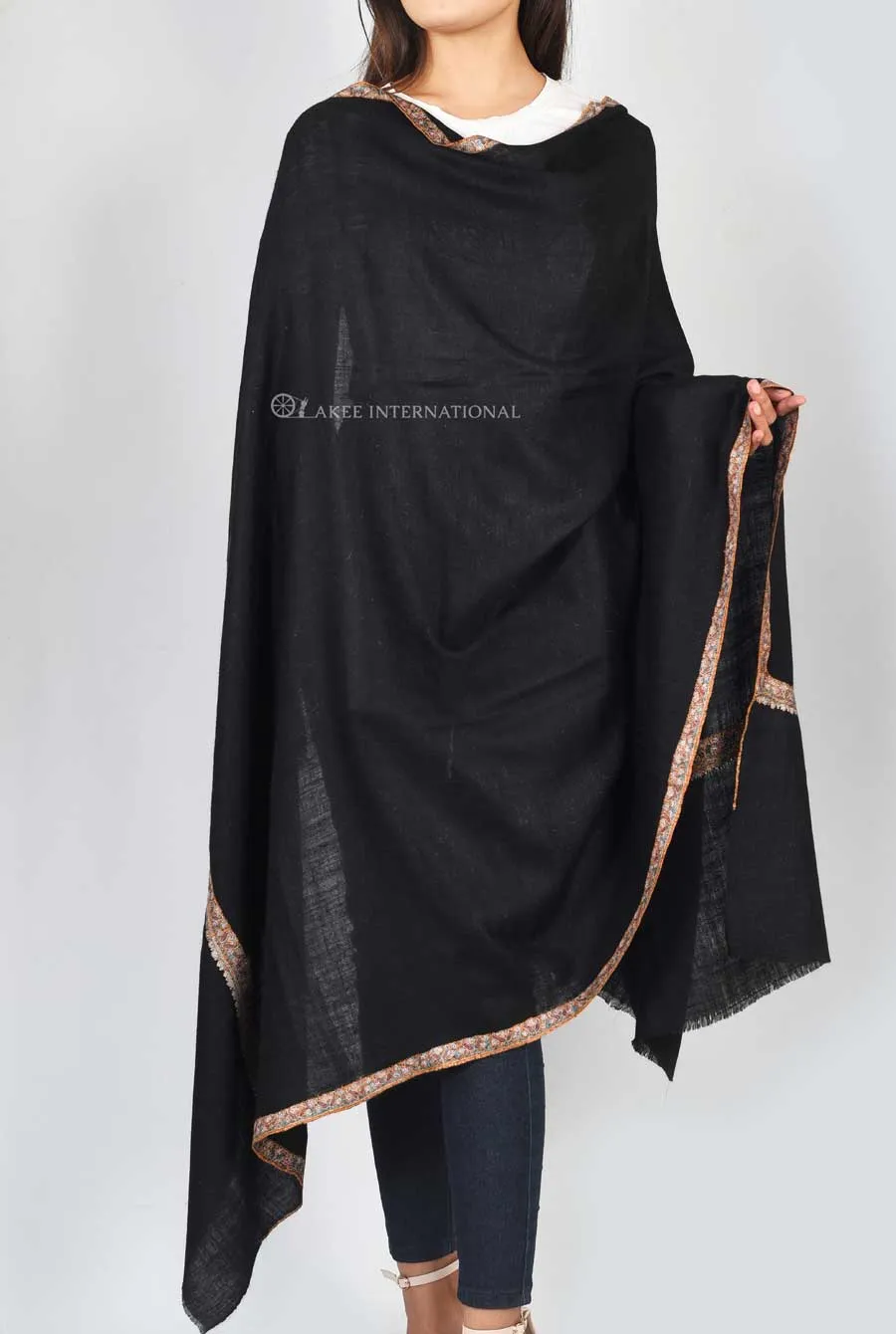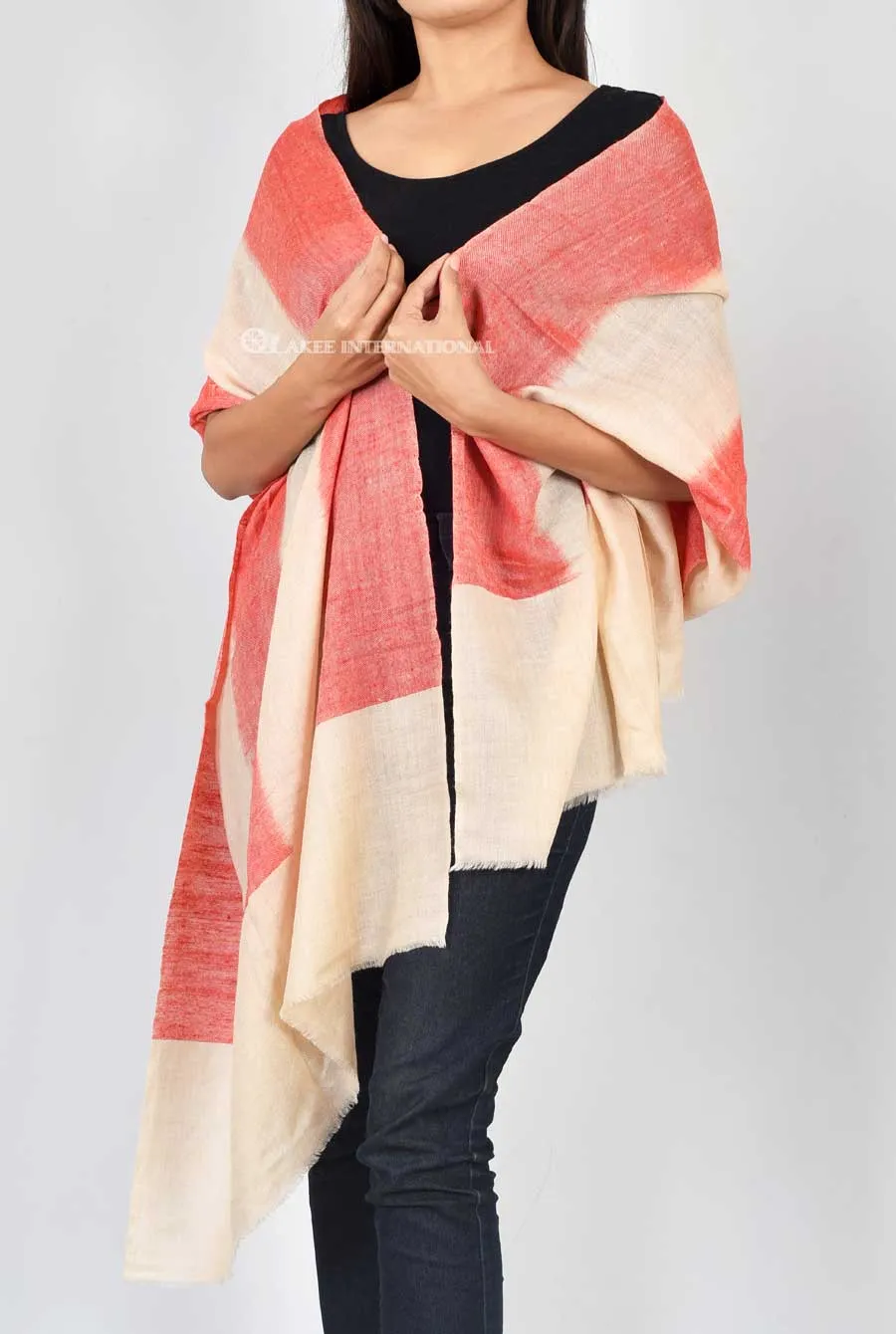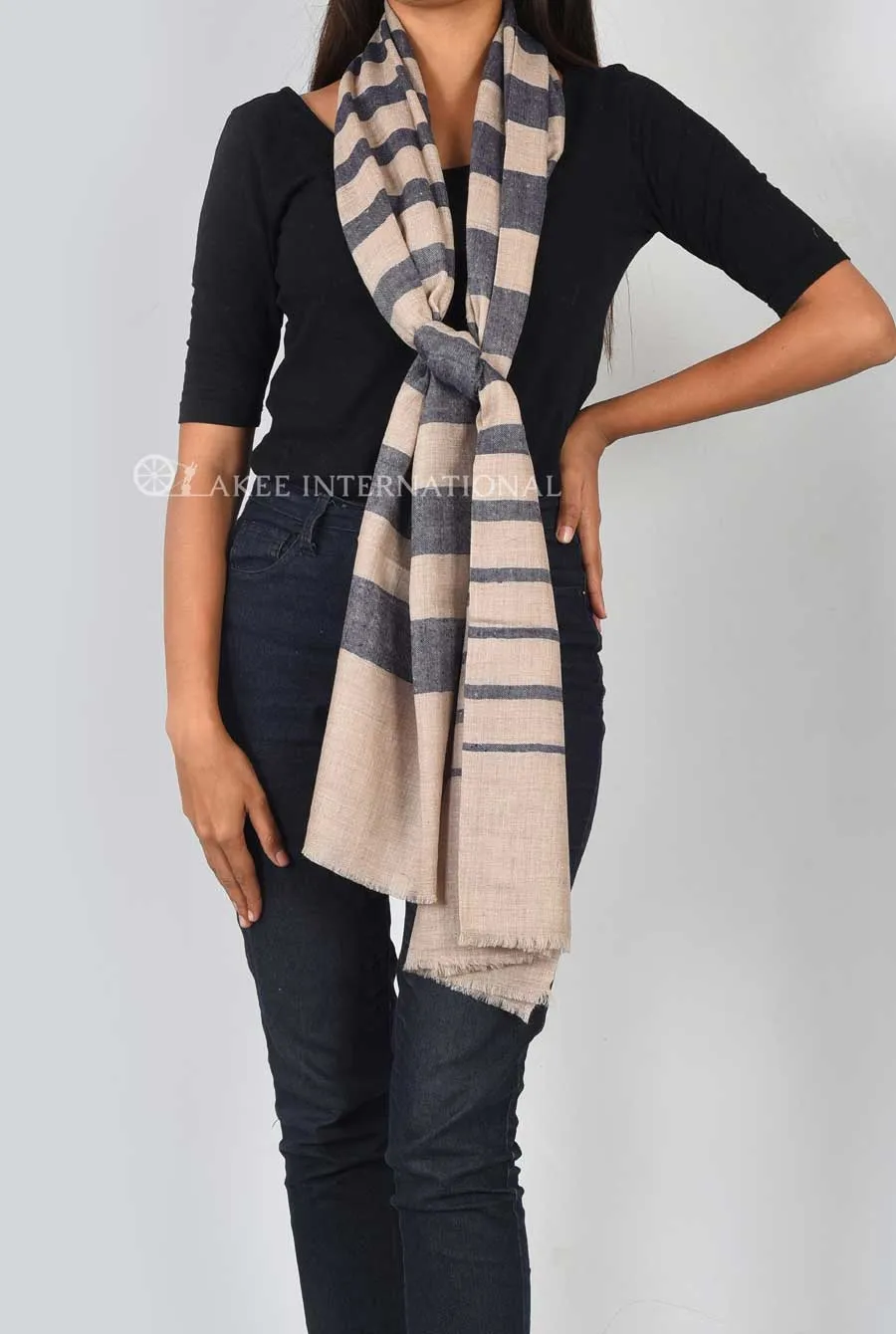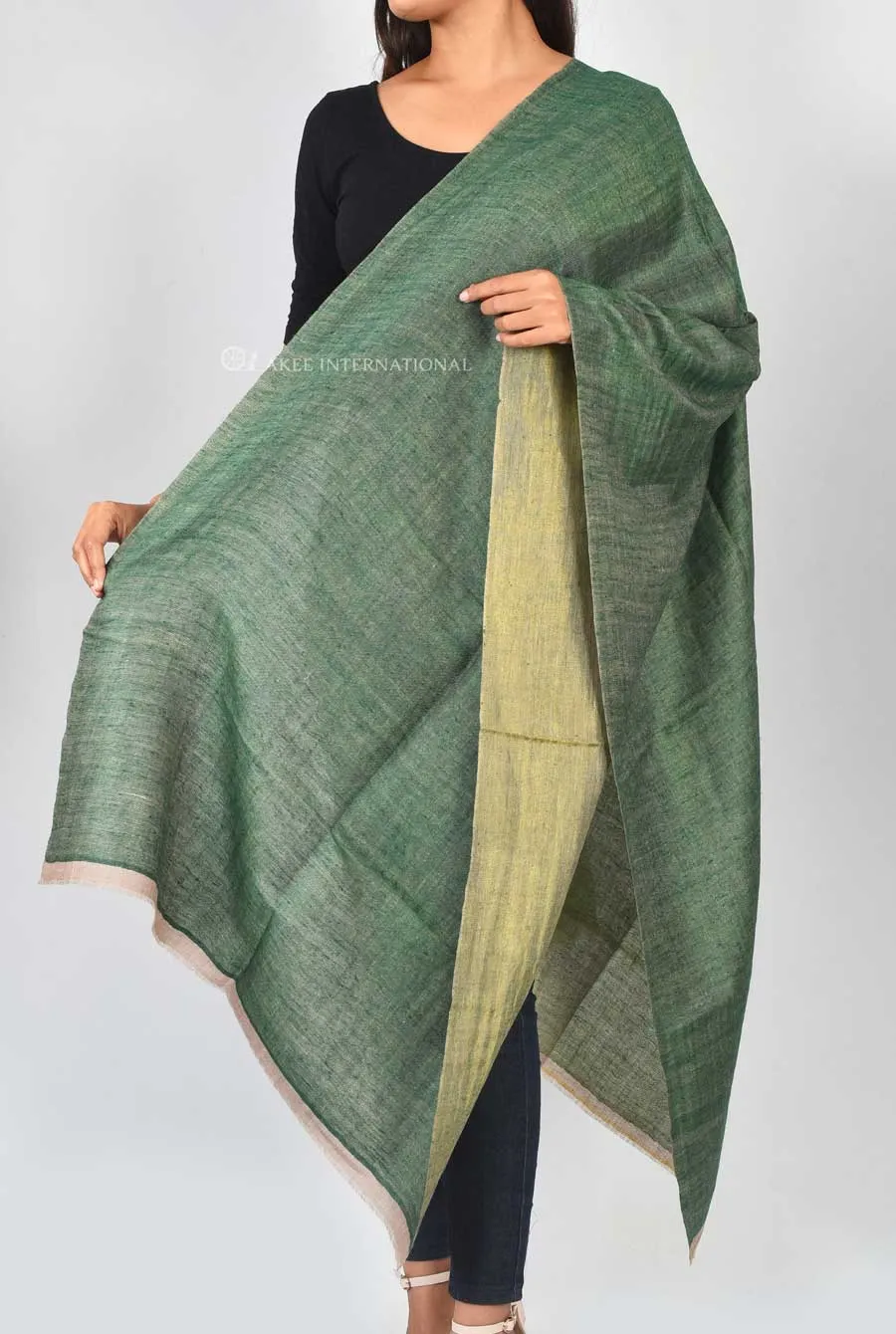
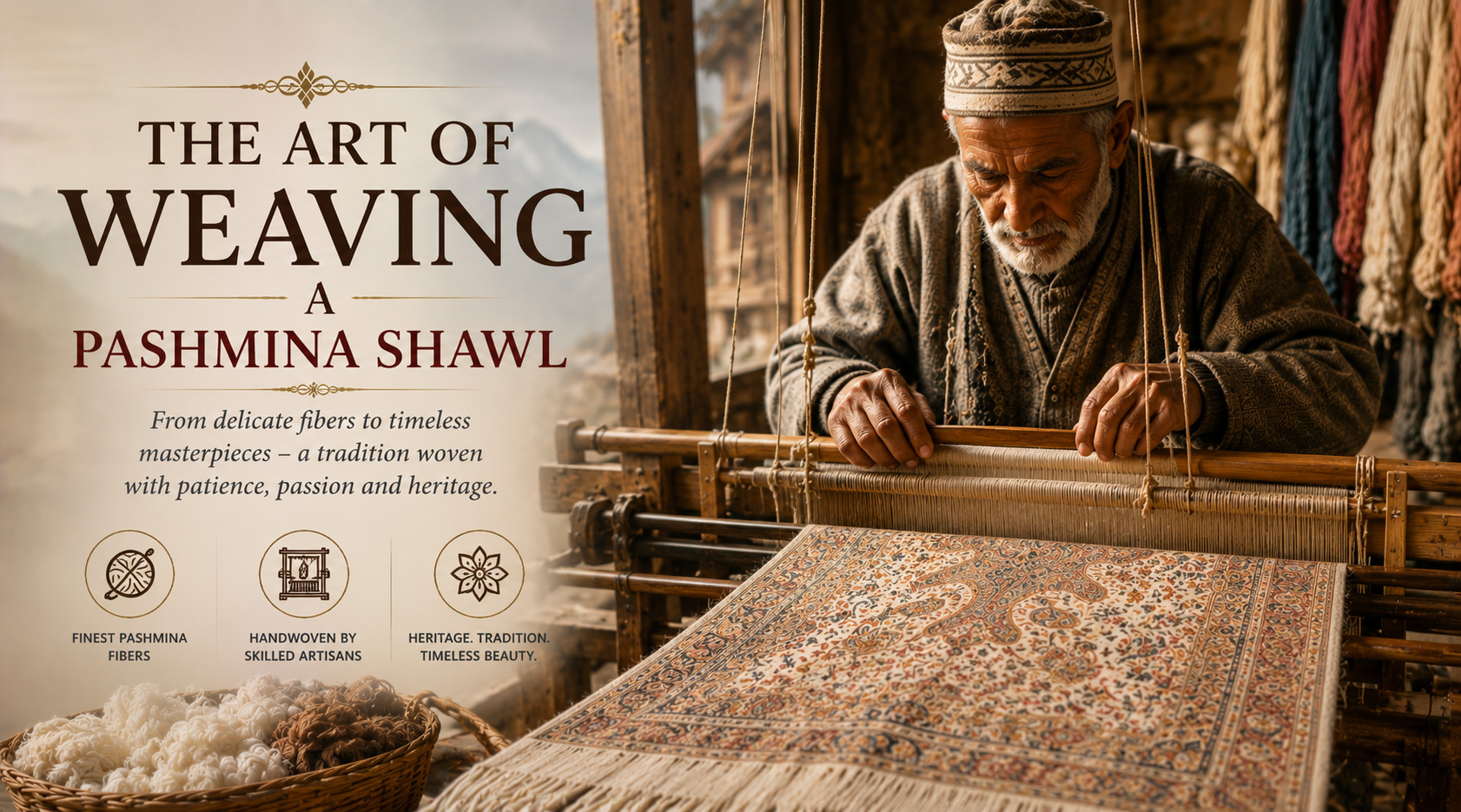
Find Your Perfect Premium Pashmina Shawl
Discover exquisite Pashmina shawls, beautifully crafted with Kashmir’s timeless heritage and artistry.

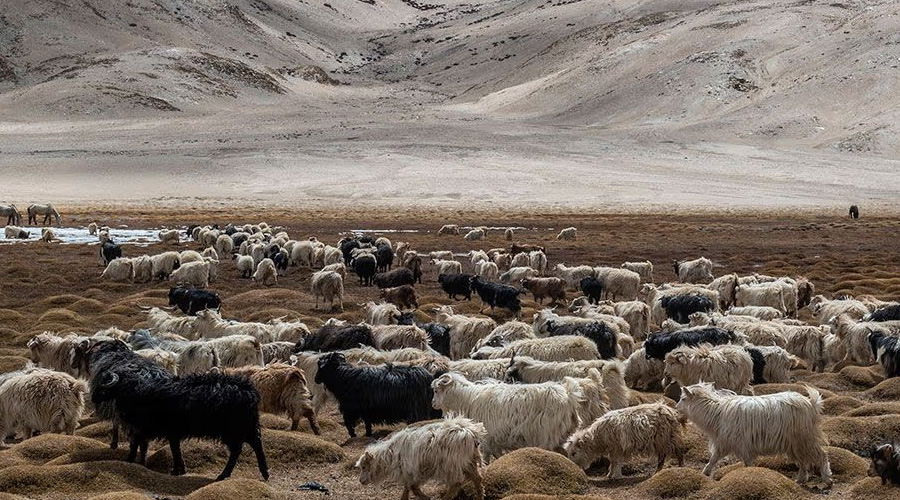
High above the world, at altitudes touching 14,000 feet, a story begins that most people never get to witness firsthand. It is here, across the cold, wind-swept plateaus of the Himalayas, that the Changthangi goat survives brutal winters by growing an extraordinarily fine undercoat of fibre beneath its outer coat. This soft inner fleece is the raw material from which the word "pashmina" is born, and it is the beginning of one of the most remarkable textile traditions the world has ever known. Long before pashmina became a byword for luxury fashion, it was — and still is — a story of endurance, patience, and a bond between nomadic herders, skilled artisans, and the mountains they call home.
Every genuine pashmina shawl starts long before a loom is ever touched. Himalayan shepherds spend their lives tending to pashmina goats through scorching summers and freezing winters, and once a year, as the seasons change, the goats naturally shed their undercoat. Only this fine underbelly hair is carefully combed out — never sheared — a process that respects the animal and yields fibre so delicate that it is often compared to a fraction of the width of a human hair. This is what separates true pashmina from ordinary wool or cashmere; the extreme altitude, the biting cold, and the purity of the air the goats breathe all contribute to a fibre that is naturally softer, lighter, and warmer than almost anything else on earth.
Ladakh, one of the coldest inhabited regions on the planet, produces less than one percent of the world's total cashmere supply, and pashmina represents an even smaller fraction of that. This scarcity is part of why an authentic piece is treated as an heirloom rather than an everyday accessory. Once collected, the raw fibre is cleaned, sorted, and handed over to spinners and weavers who have inherited a craft that has survived for roughly 1,200 years, passed down not through manuals or machines but through the hands and memory of families who have practiced it for generations. If you'd like the scientific side of this story — fibre fineness, the goat's biology, and what sets pashmina apart — our page on what Pashmina actually is covers it in more depth.
It is easy to talk about pashmina as a luxury product and forget that it begins as a way of life. The herding communities of the high plateau live in a landscape that leaves little room for comfort, moving their animals across sparse pastures and reading the weather the way others read a calendar. The annual combing is timed to the goats' own natural shedding rather than imposed on them, which is why the yield from each animal is small and why the fibre cannot simply be produced in greater quantity to meet demand. Every shawl that reaches a buyer is, in a very direct sense, a product of that seasonal rhythm, and of the patience of the people who keep it.
Between the combing and the spinning lies a stage that is rarely mentioned in glossy descriptions of pashmina, though it may be the most painstaking of all. The raw fleece arrives mixed with dust, natural grease, and coarser guard hairs that must be removed before the fine down can be spun. This cleaning and sorting is done largely by hand, with skilled workers separating the usable fibre strand by strand — a slow, meticulous task that determines how fine and even the final yarn will be. It is one of several reasons why genuine pashmina cannot be produced quickly, and why a shawl's price reflects far more than the raw material alone. Our guide on the art of weaving a Pashmina shawl walks through these stages in further detail.
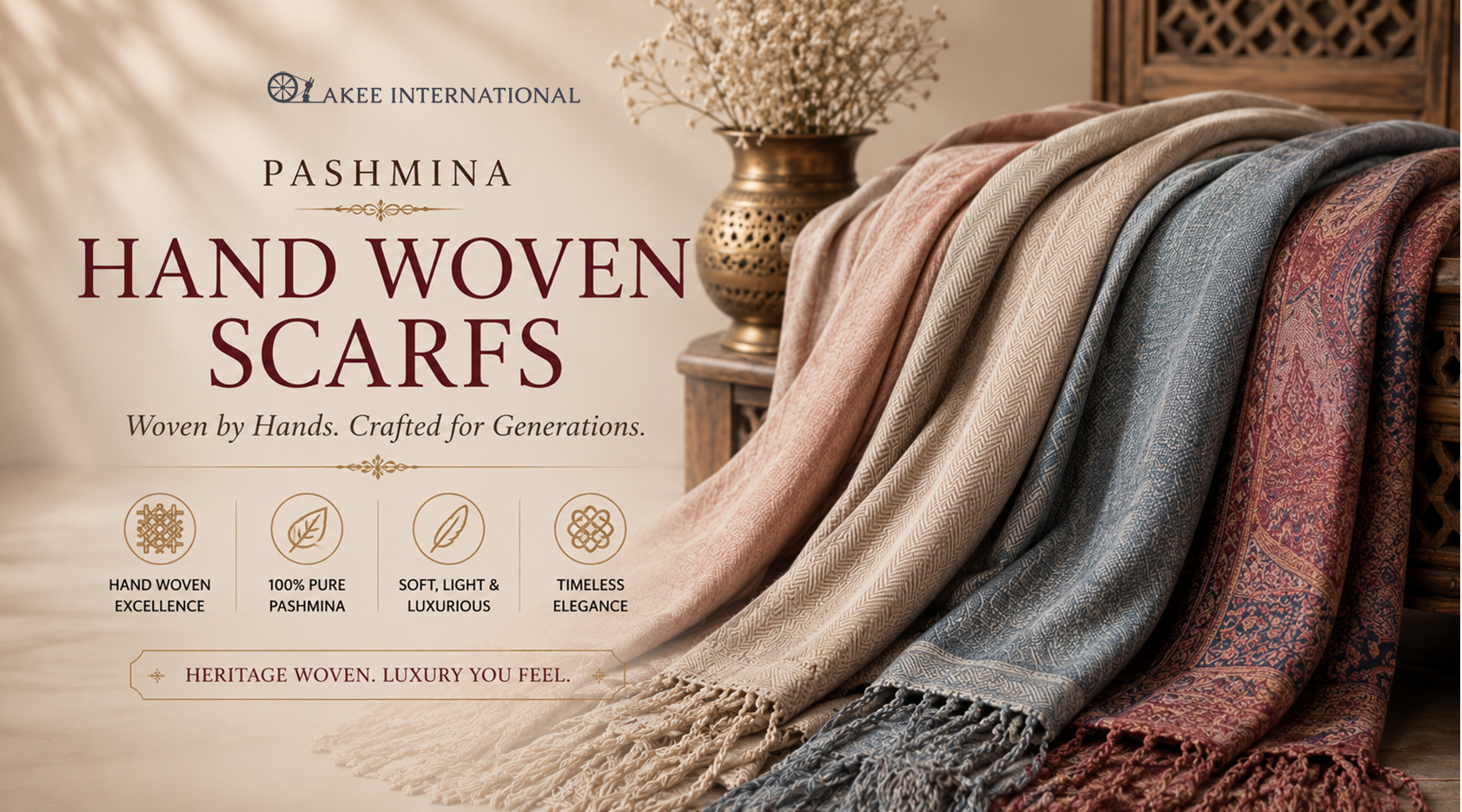
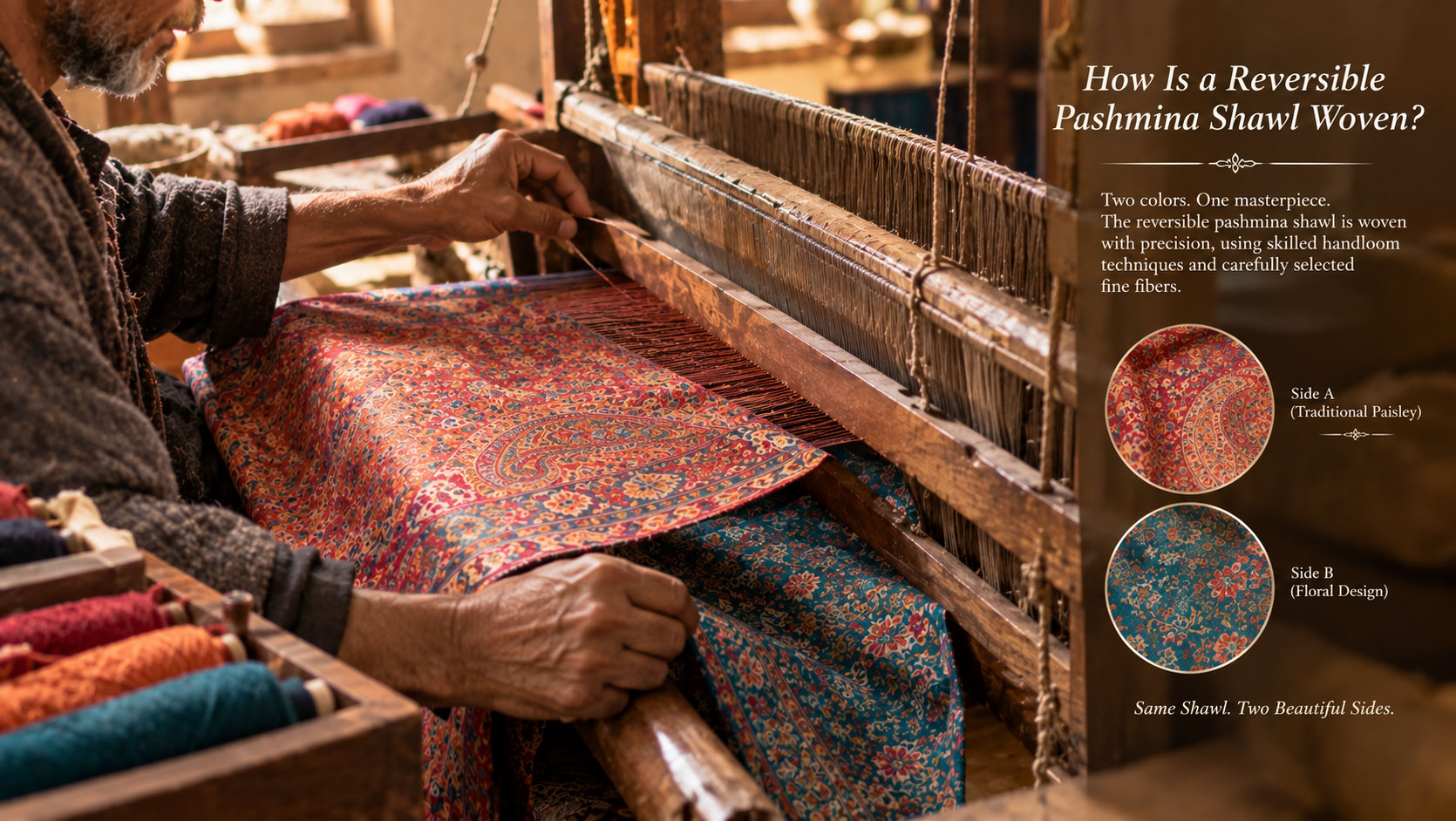
The journey from raw fibre to finished textile is astonishingly slow by modern standards, and that is precisely the point. Nomadic herders in Ladakh and master weavers across Kashmir work in tandem, each contributing a link in a chain of craftsmanship that cannot be rushed. A single handwoven pashmina scarf may take weeks of spinning and weaving before it is ready, with the finest yarns hand-spun on traditional wooden spindles known locally as a "yinder." This hand-spinning is what gives real pashmina its signature drape and warmth — something no mechanised process can fully replicate.
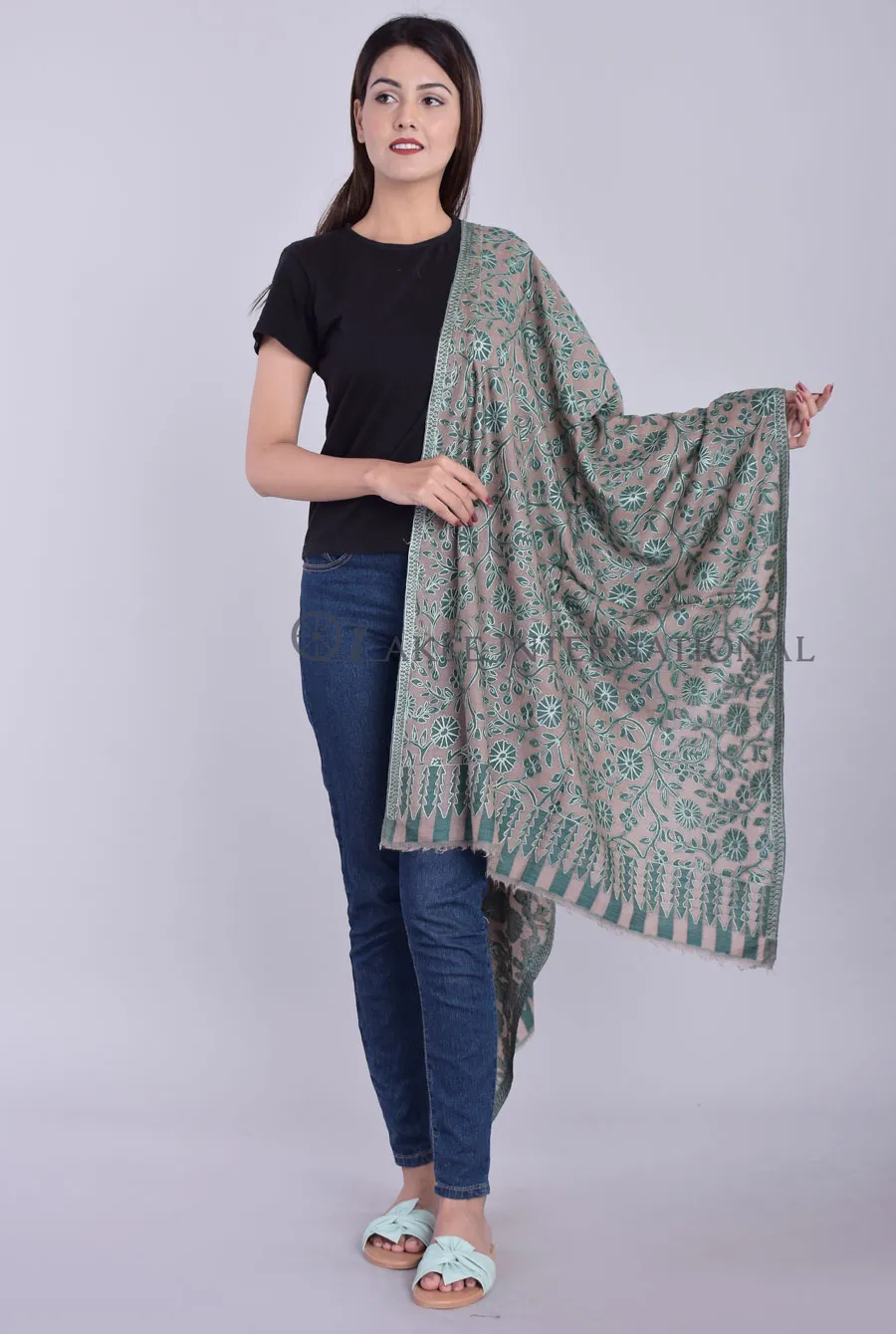
What makes this craft remarkable is not just its age but its continuity. The same techniques used a millennium ago are still practiced today by artisans in the Kashmir Valley, many of whom learned the skill from their fathers and grandfathers. It is this unbroken chain of knowledge that gives every authentic piece its quiet sense of history, and it's also why the Kashmiri shawl weaving tradition carries a Geographical Indication (GI) tag — a formal recognition that this craftsmanship, and the region it comes from, cannot be imitated or replicated elsewhere in the world. Our pages on Kashmir handloom Pashmina shawls and the Kashmiri artisan-made Pashmina shawl show what this handloom character looks like in finished pieces.
While the weaving of pashmina goes back over a millennium, the art of embroidering it tells a slightly different tale, one that begins around six hundred years ago. In the early 15th century, the techniques of fine hand embroidery travelled from Persia into the northern reaches of India, eventually taking root and flourishing in the valleys of Jammu and Kashmir. Local artisans adapted these Persian influences, blending them with indigenous motifs inspired by Kashmir's own landscapes — chinar leaves, paisleys, lotus blooms, and intricate vines — to create an embroidery style that became entirely their own.
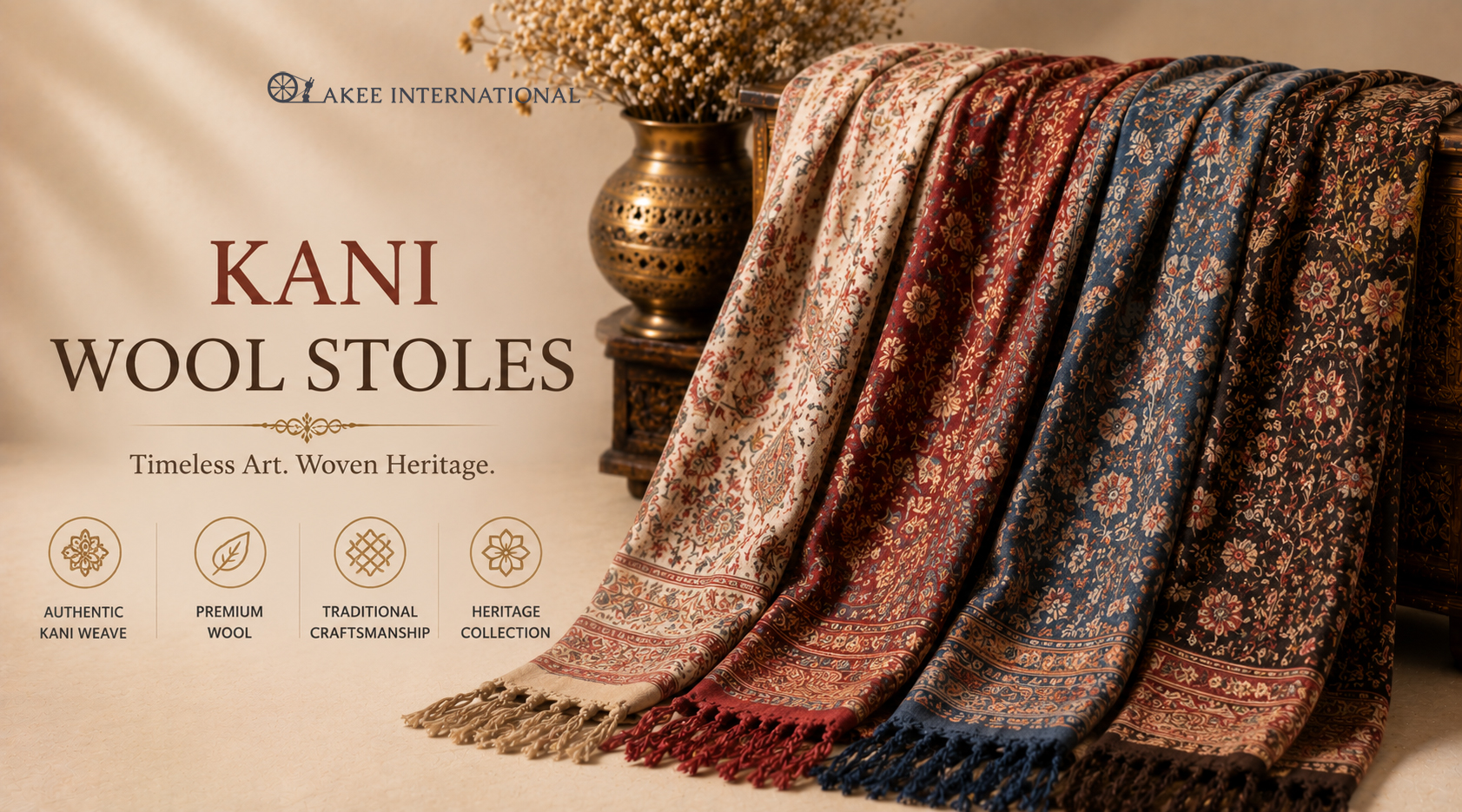
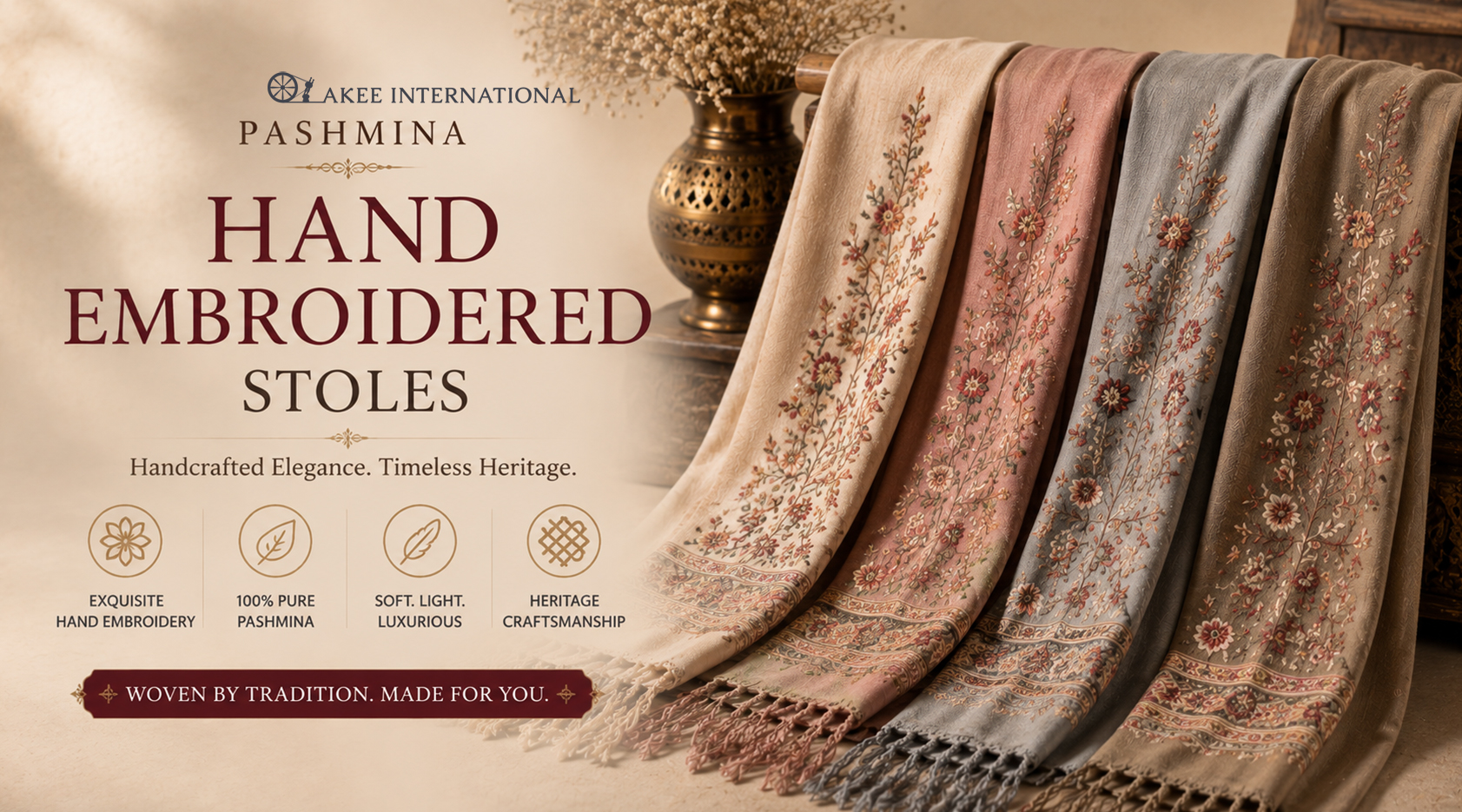
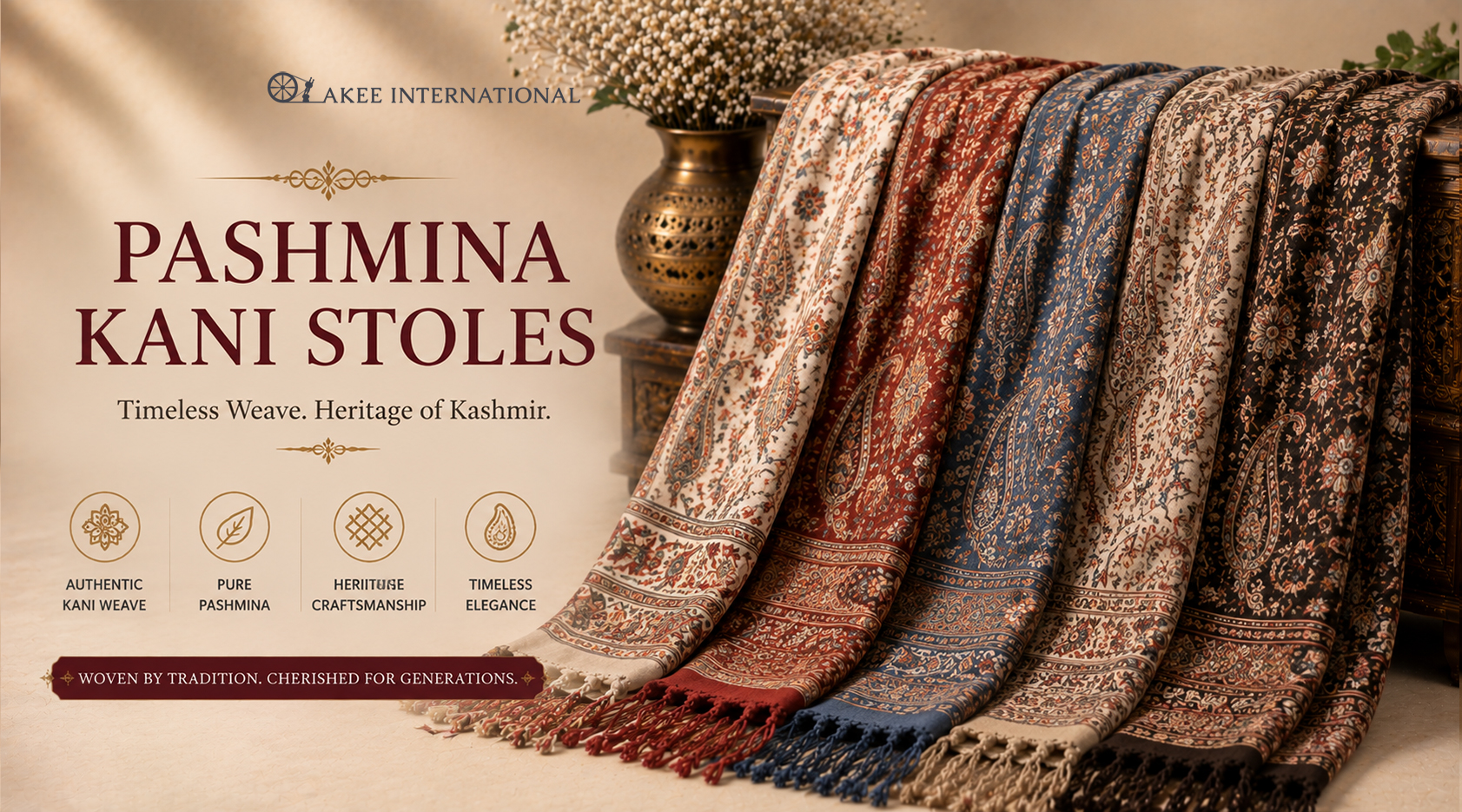
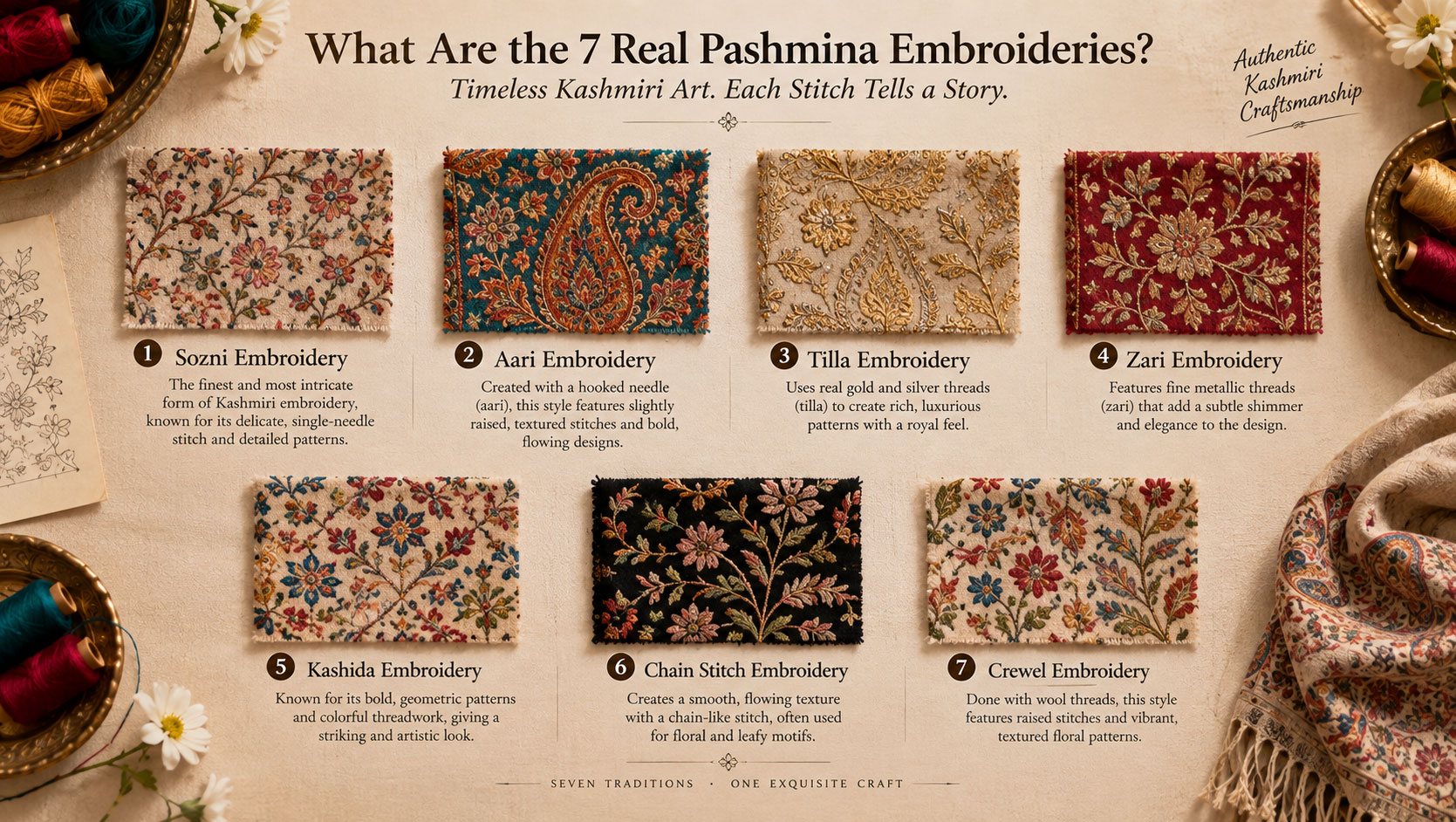
This is how techniques such as Sozni hand embroidery came into being: painstaking needlework so fine that a single shawl can take a master embroiderer several months to complete, stitch by stitch, entirely by hand. Similarly, the Kani weaving technique — used to create richly patterned Kani stoles — relies on small wooden spools called "kanis" instead of a shuttle, allowing weavers to build elaborate, tapestry-like patterns directly into the fabric rather than embroidering them afterward. Both techniques demand years of training and an eye for detail that cannot be taught quickly; they must be lived and practiced over a lifetime.
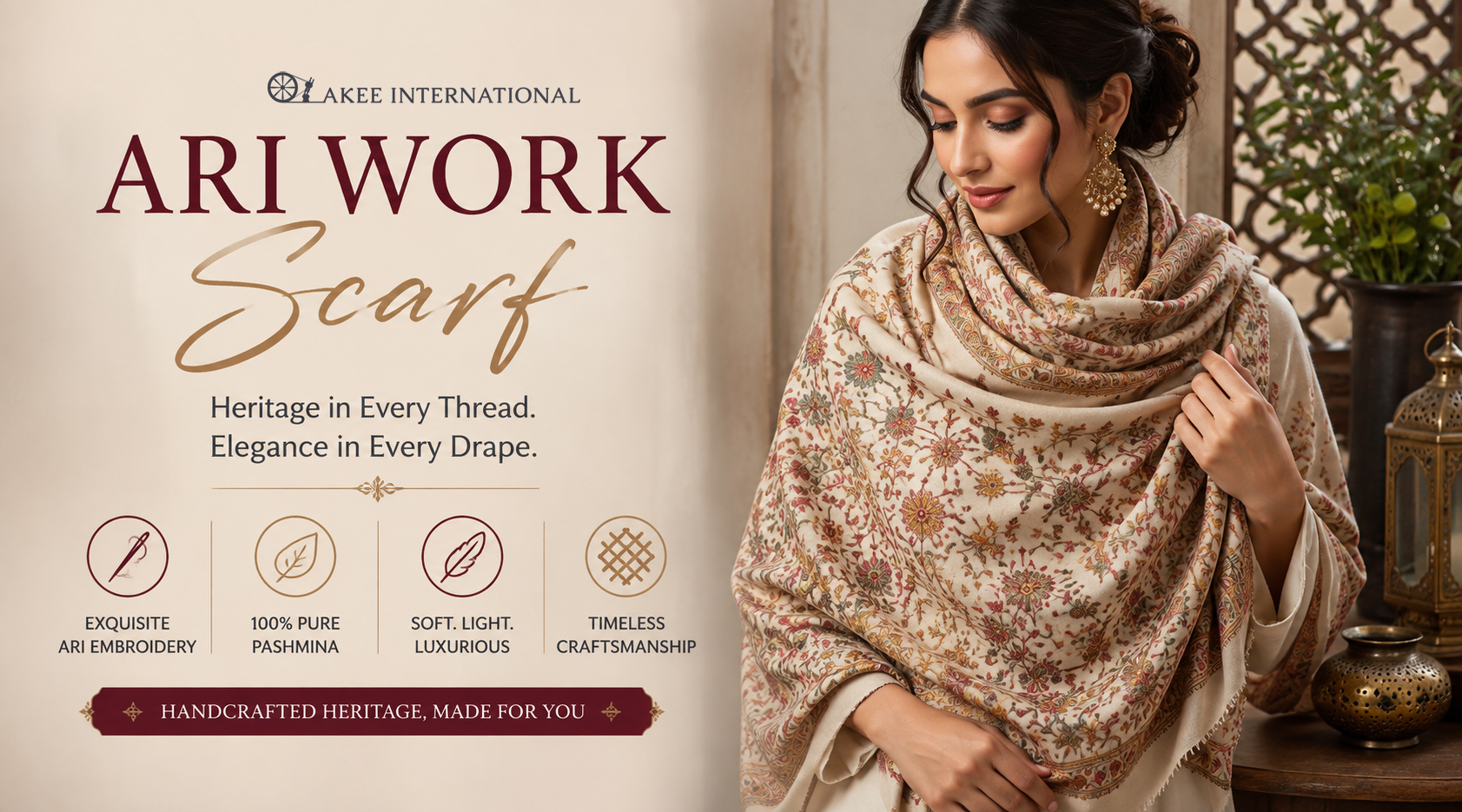
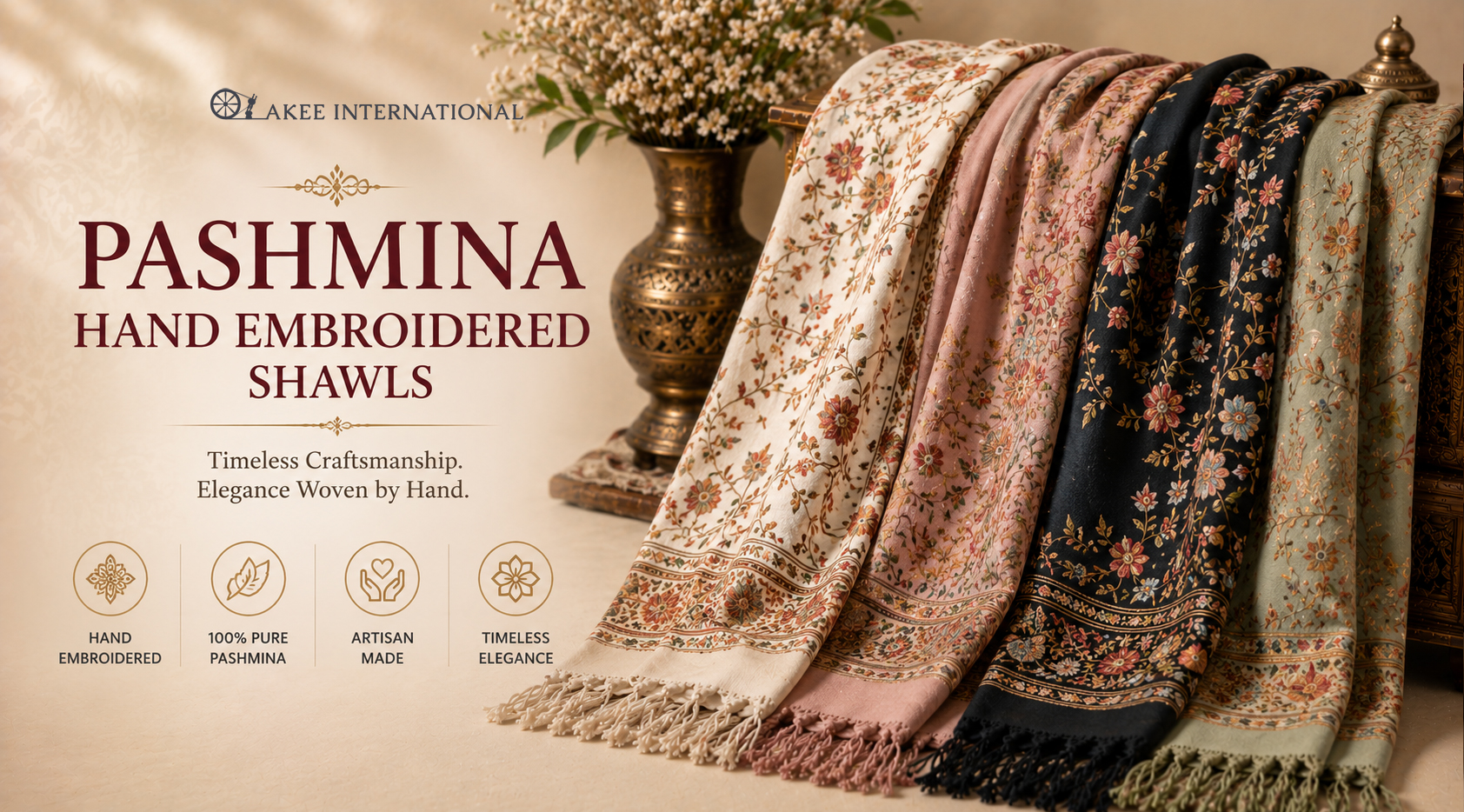
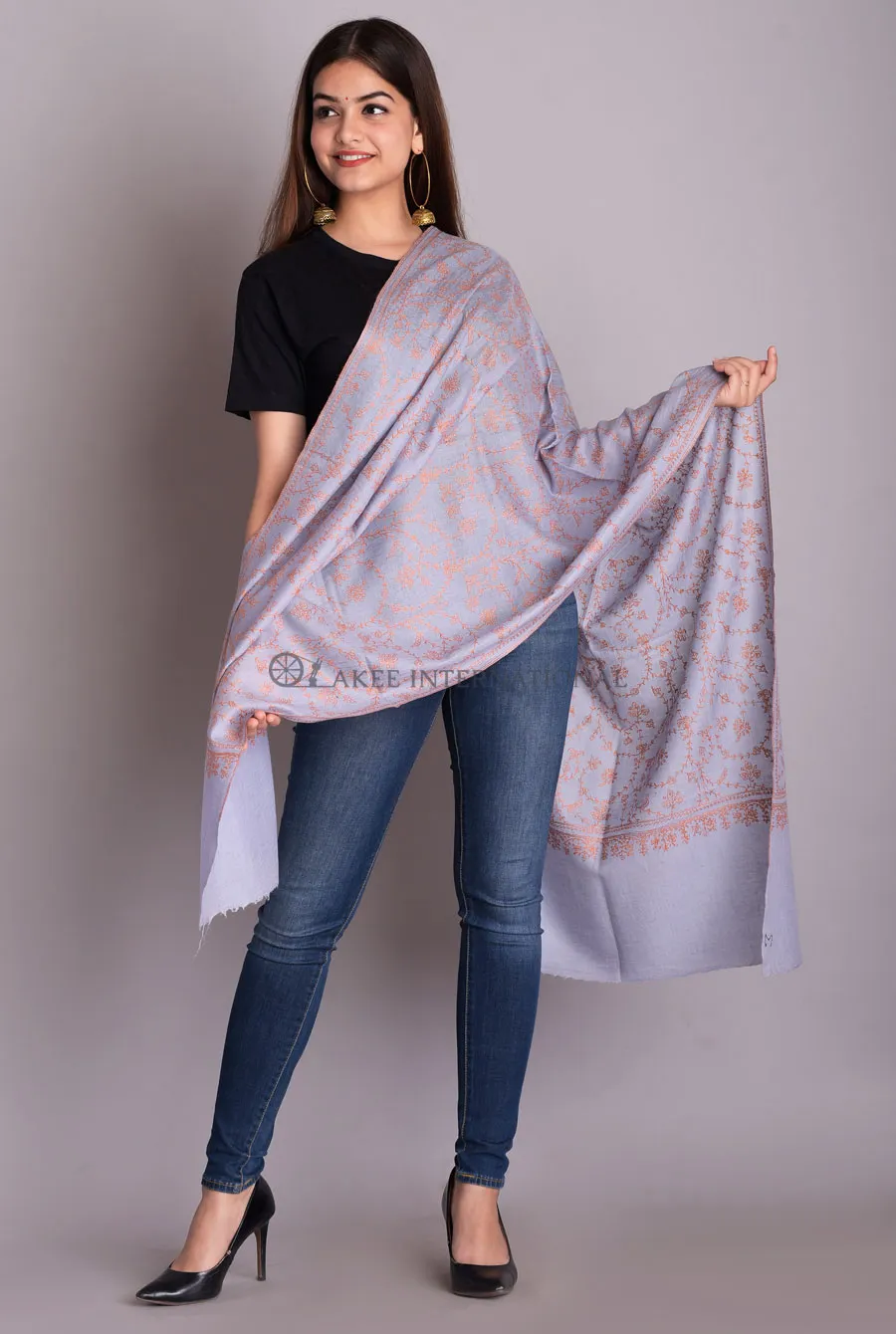
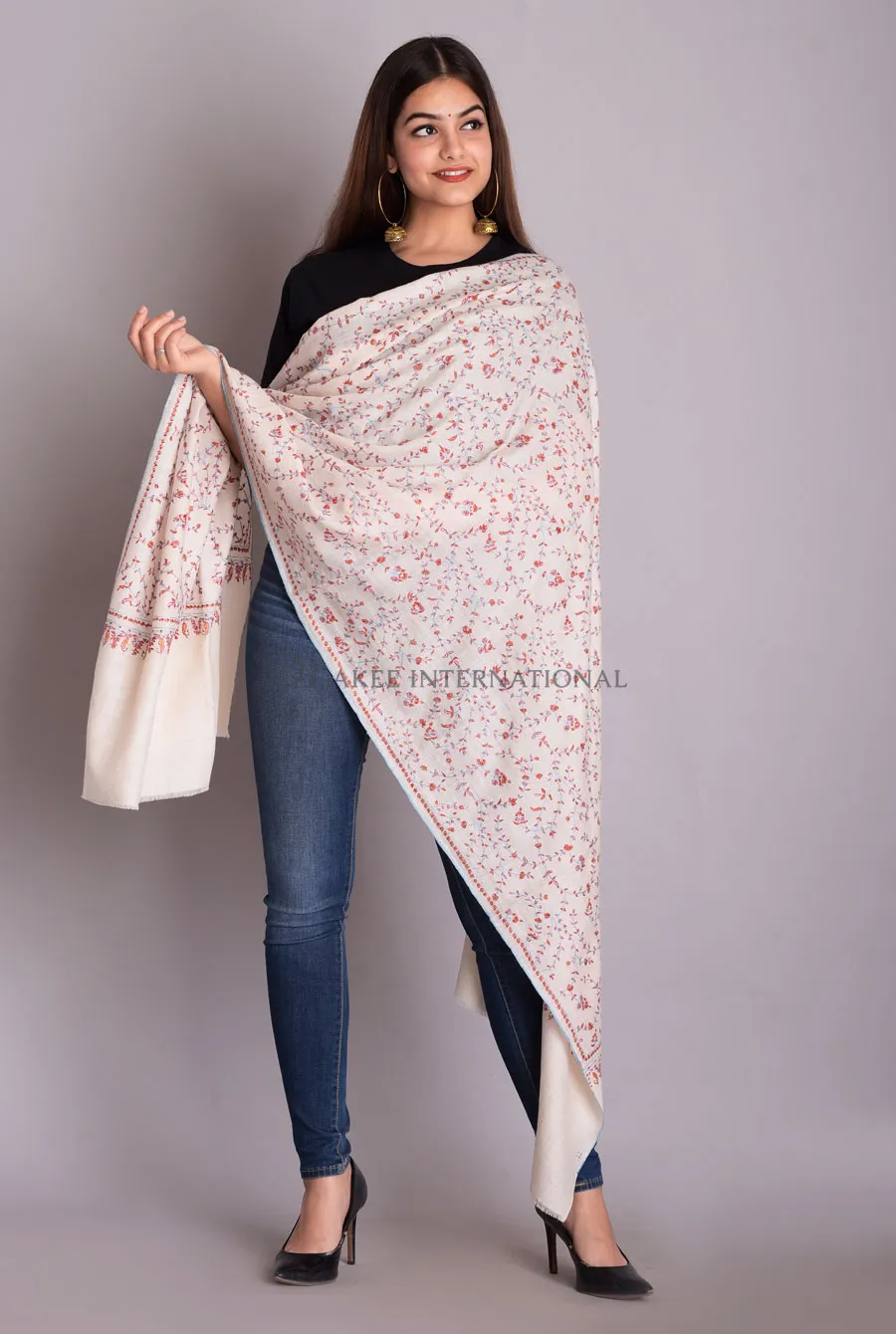
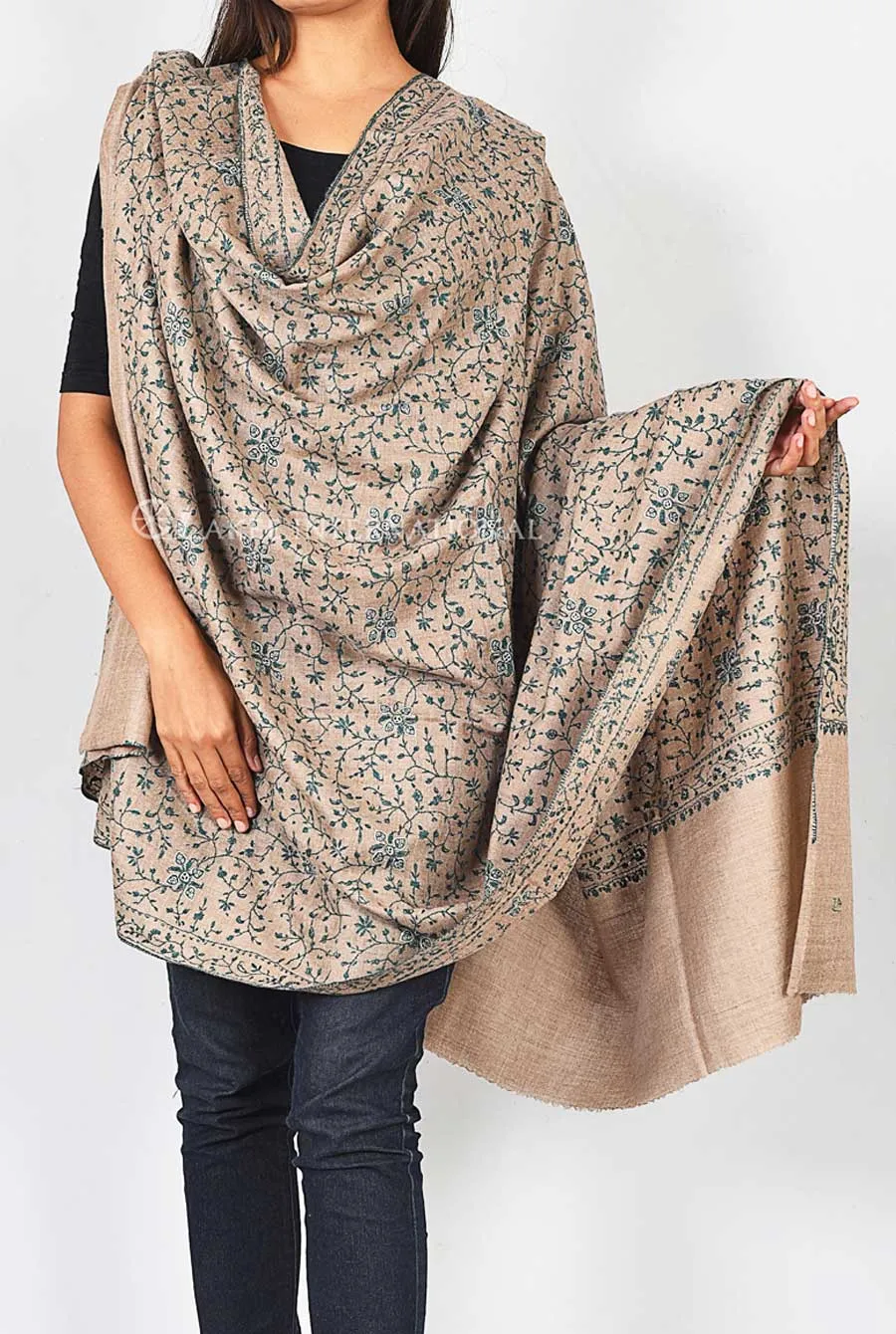
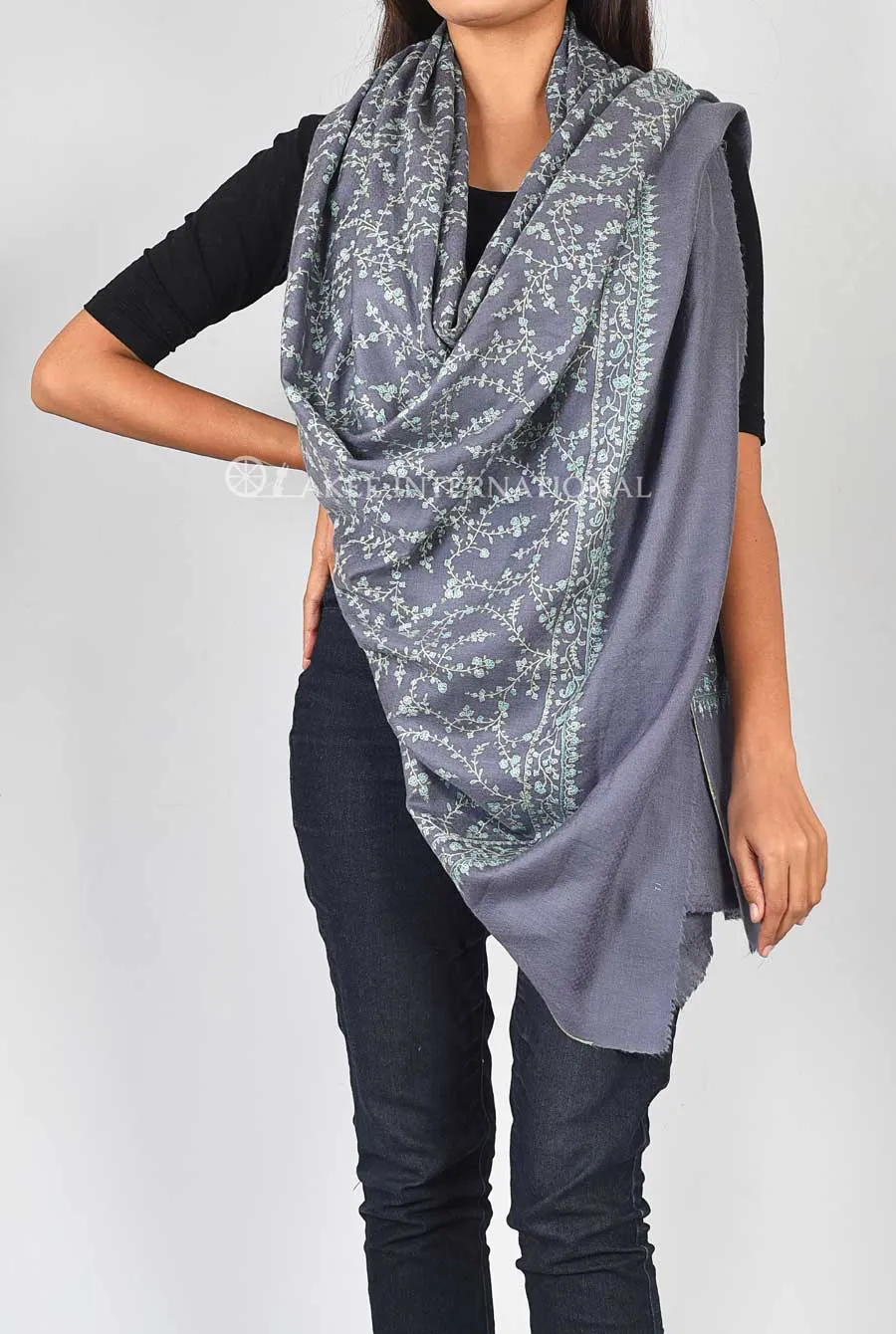
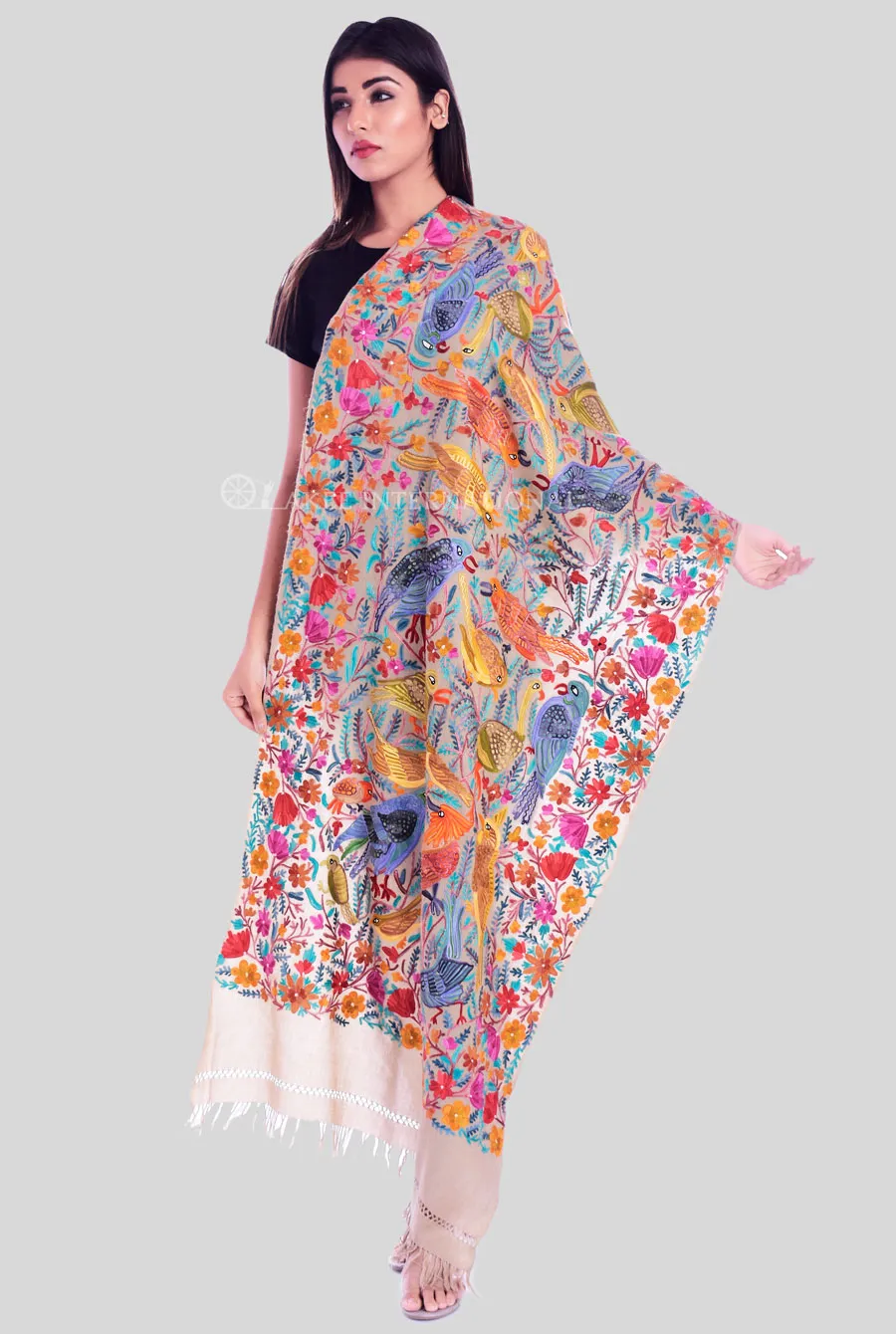
Alongside Sozni, other embroidery traditions add their own character to the craft. Ari work, done with a hooked needle rather than a straight one, produces bolder, chain-stitched motifs, while metallic threadwork adds a rich, jewel-like shimmer to borders and motifs. You can explore these styles in our Ari work Pashmina shawl and Sozni embroidery Pashmina shawl collections, and our guide on the 7 real Pashmina embroideries offers a fuller overview of the different techniques and how to recognise them. For those curious about the story behind one of the most elaborate weaves of all, our blog on Pashmina Jamawar shawls and our Kashmiri Jamawar shawl page cover this royal-era tradition.
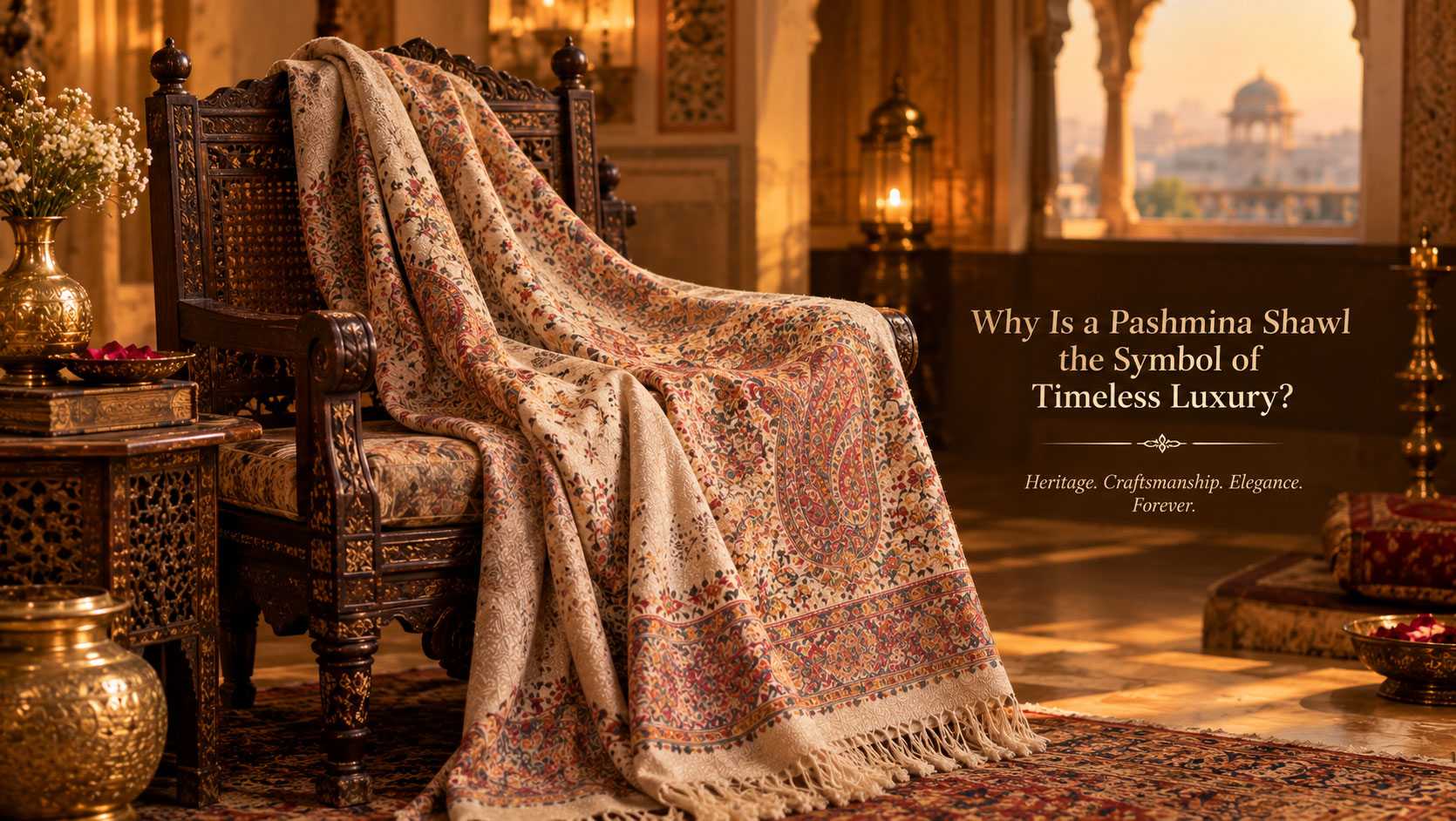
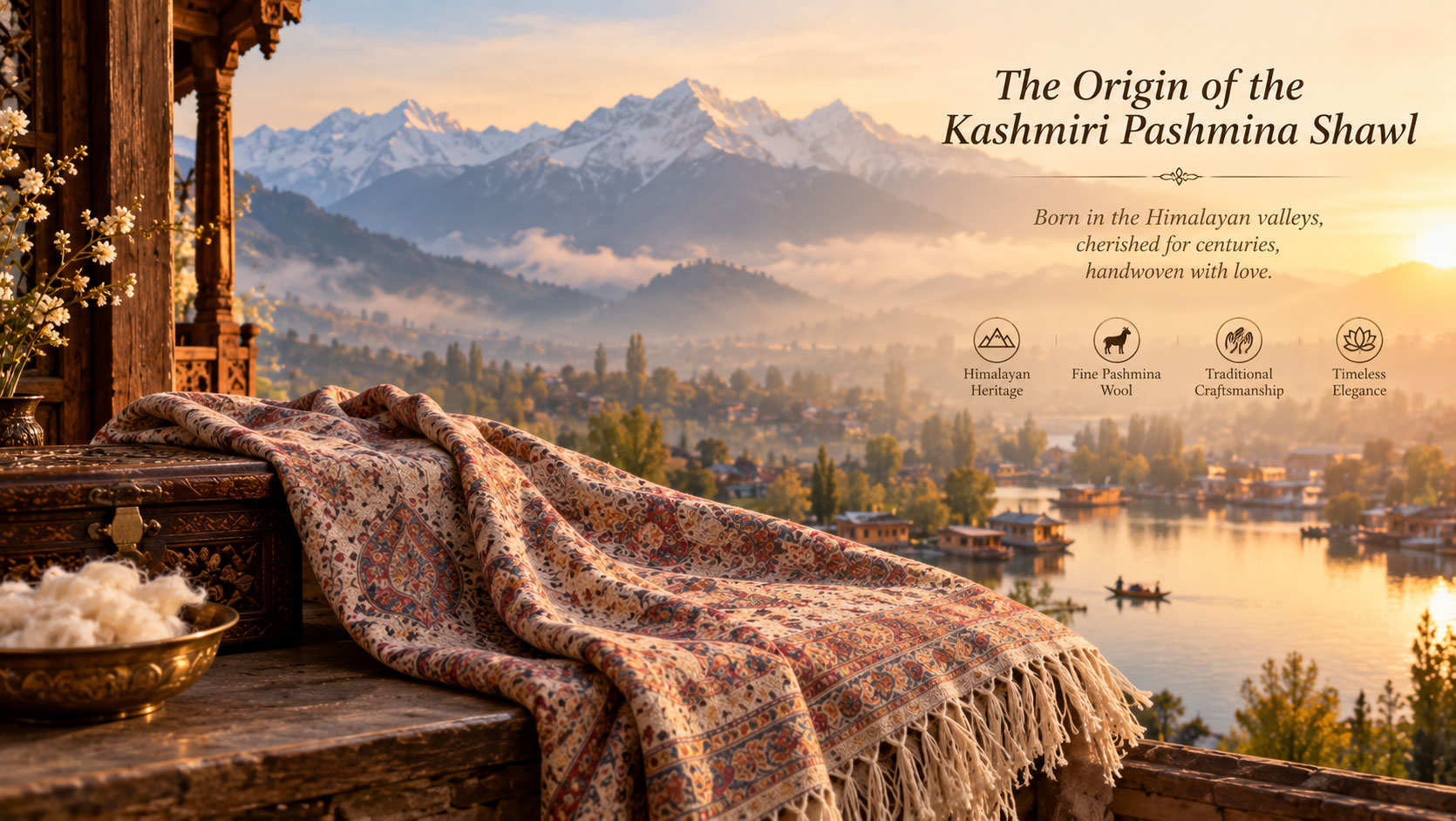
Pashmina's story does not end in Kashmir. As the reputation of Kashmiri shawls grew, they travelled well beyond the valley, prized at courts and in aristocratic circles across South Asia and later in Europe, where demand was strong enough to inspire imitations in several countries. The best-known example is the Scottish town of Paisley, whose mills wove versions of the teardrop-shaped Kashmiri motif so successfully that the pattern came to bear the town's name in English. It is a reminder that authentic Kashmiri shawls have been admired — and copied — for a very long time, which is exactly why questions of origin and authenticity still matter today. For more on this history, see our article on the origin of the Kashmiri Pashmina shawl.
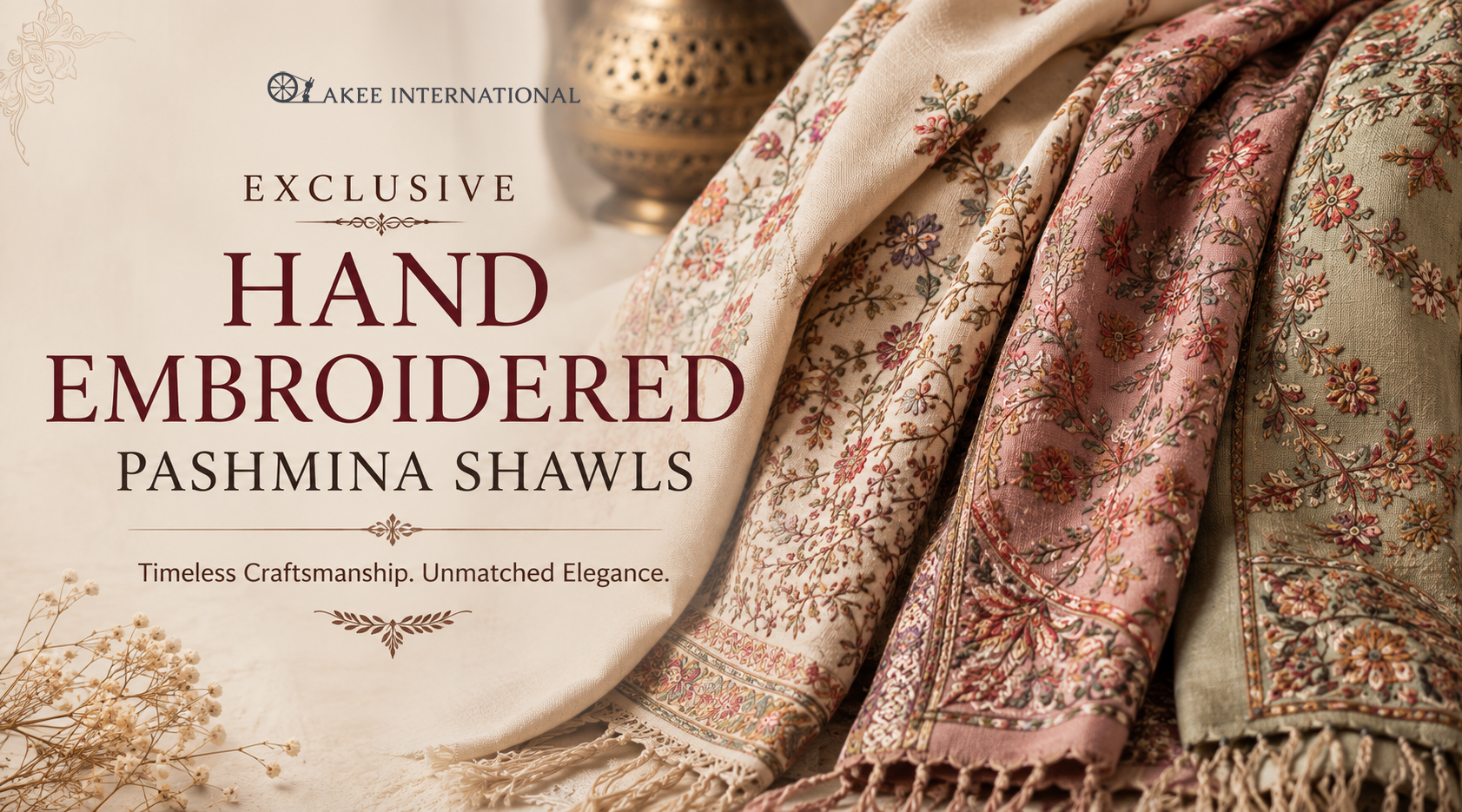
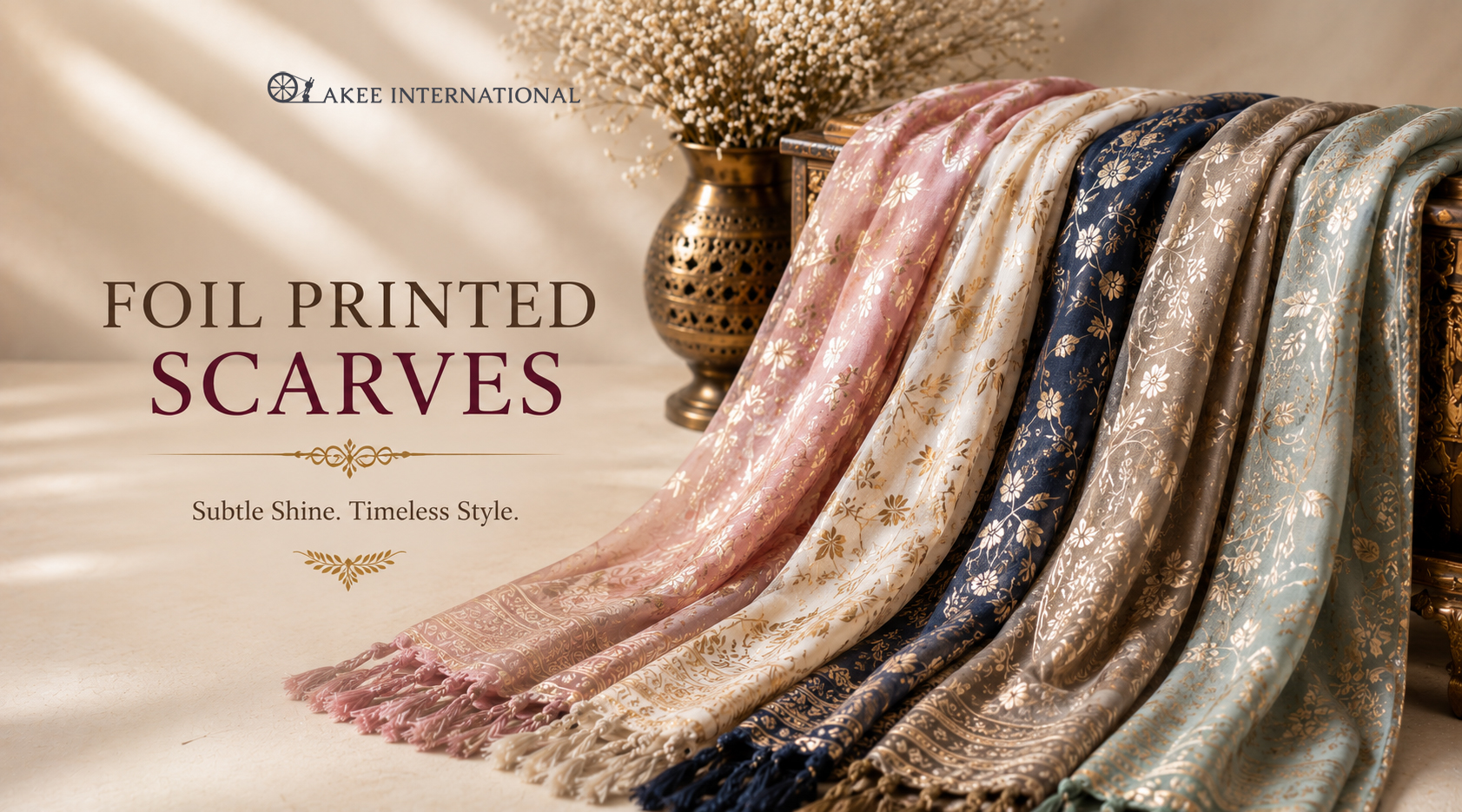
What has kept this centuries-old craft alive in the present day is the way artisans have continued to evolve without abandoning tradition. Classic motifs and time-honoured weaving methods are now paired with contemporary silhouettes, colour palettes, and styling ideas that suit modern wardrobes. This is visible across categories like exclusive hand-embroidered pashmina shawls and the richly patterned Jamawar pashmina shawls, which draw on royal-era design language while remaining relevant to today's fashion sensibilities. Whether it's a shawl meant for a wedding trousseau or a scarf meant for everyday elegance, the underlying philosophy remains the same: authenticity should never be compromised for convenience.
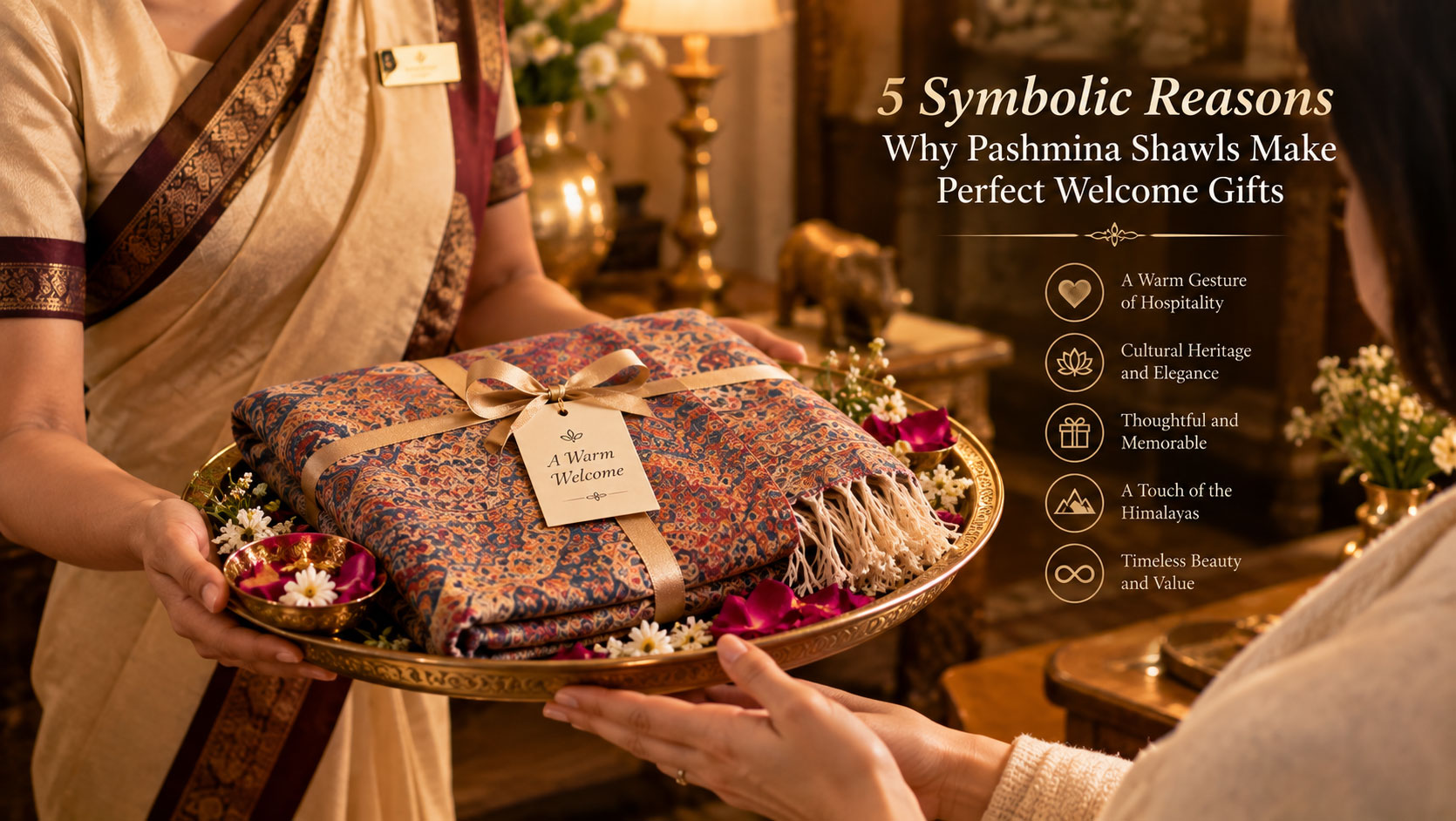
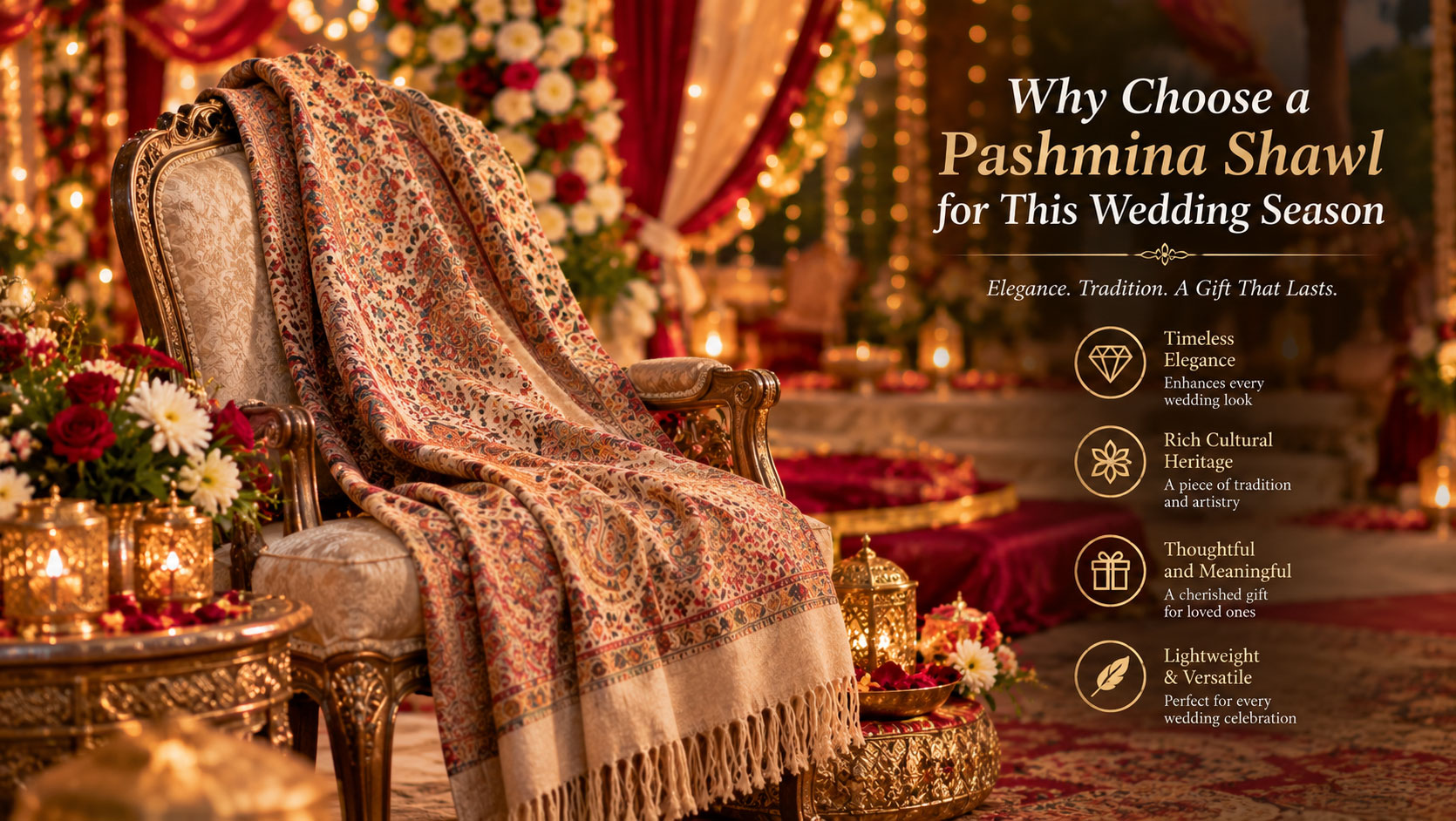
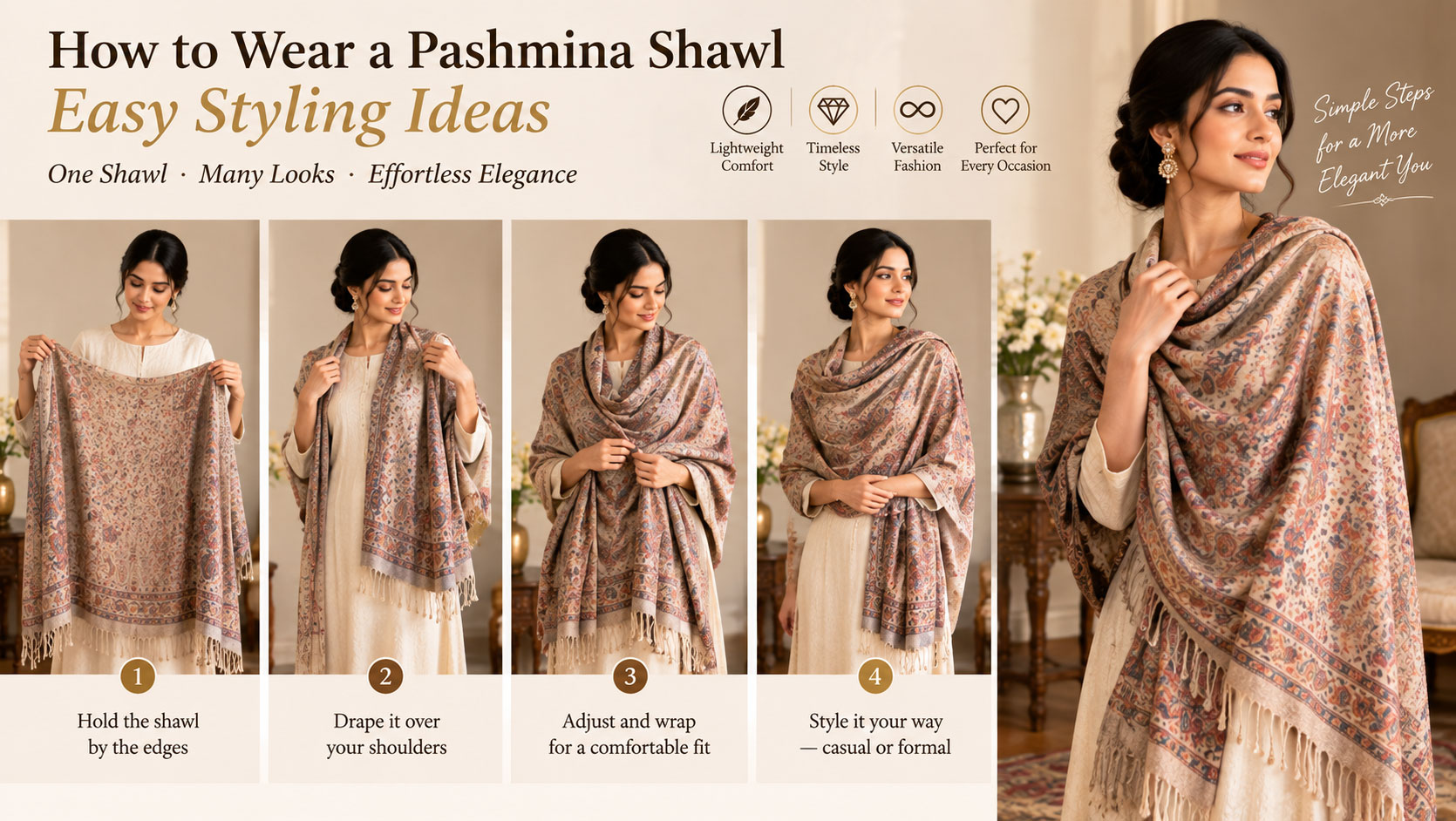
Pashmina today finds its place at every kind of occasion. Brides choose it for their trousseau — see our bridal Pashmina and wedding trousseau collections and our guide to Jaipur wedding Pashmina shawls. Families gift it to mark milestones, from anniversaries to Diwali. And an increasing number of people simply wear it every winter, as a well-made alternative to fast fashion that gets better with time. Our women's and men's Pashmina shawl collections, along with our winter Pashmina range, reflect this everyday use, and our blog on how to wear a Pashmina offers styling ideas.
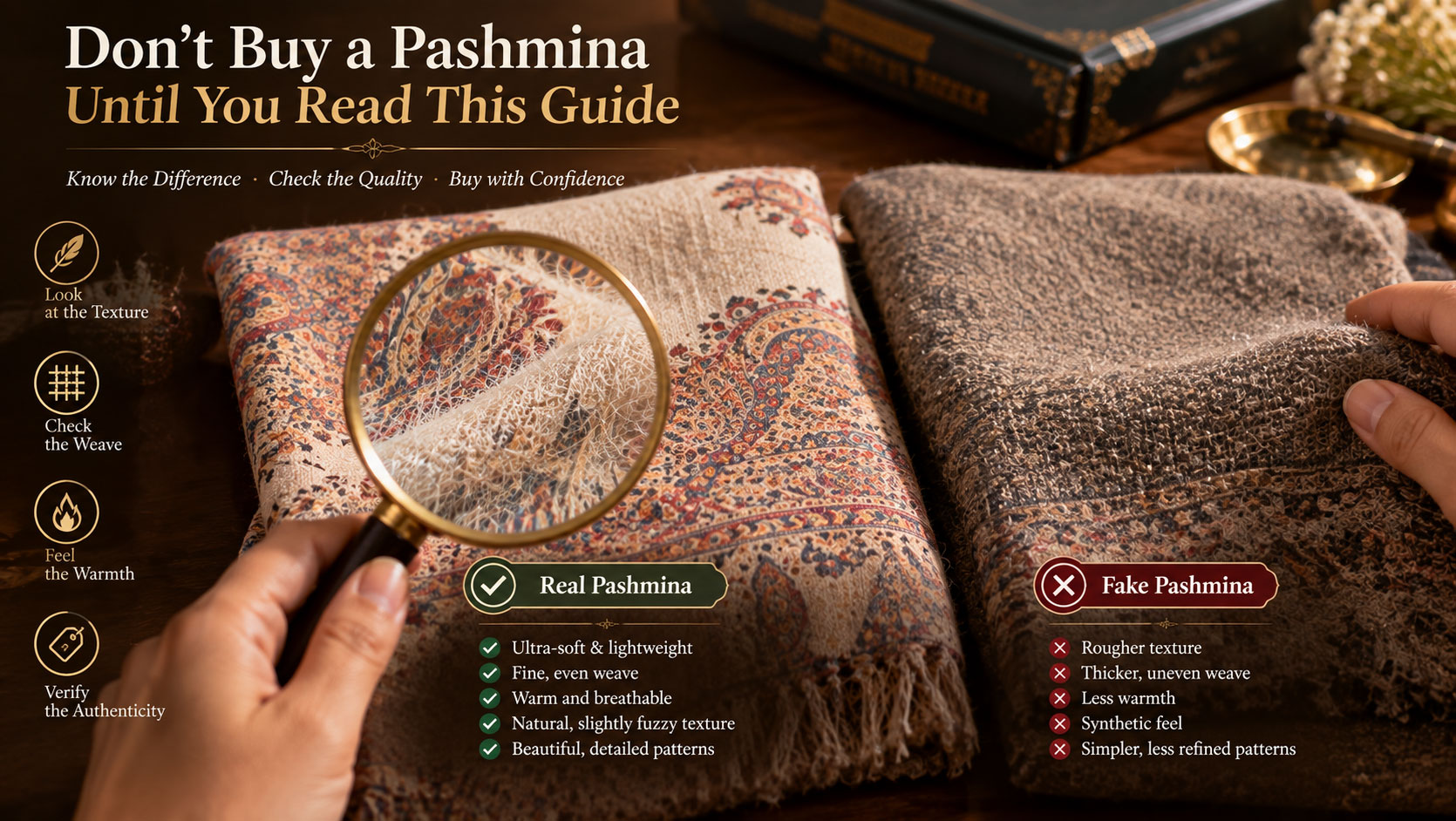
This is also why understanding the difference between genuine and machine-made alternatives matters so much for buyers today. Anyone curious about how to identify an original pashmina shawl will notice subtle but telling signs — the warmth-to-weight ratio, the softness against the skin, the slight irregularities that only handwork can produce, and of course, the presence of a GI certification for genuine Kashmir pashmina. These details are not just technical trivia; they are proof that a piece carries the same 1,200-year-old legacy described above, rather than a modern imitation manufactured on power looms.
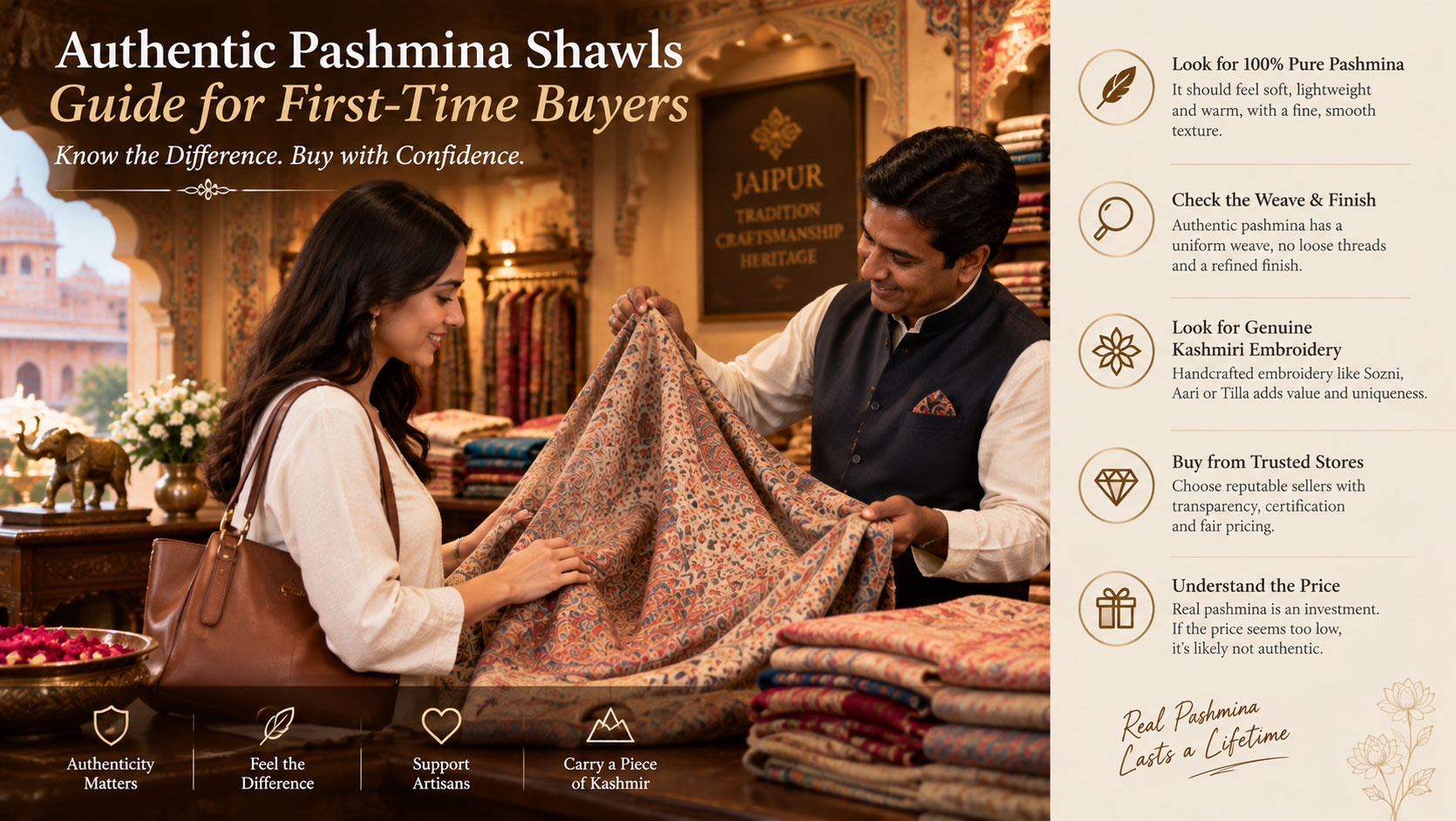
For those who want to go further, our explainer on what the GI tag actually means, our comparison of real Kashmiri Pashmina vs fake, and our Kashmir Pashmina Certificate of Authenticity page explain the documentation and physical checks that separate an heirloom from an imitation. First-time buyers may also find our guides "Don't buy a Pashmina until you read this guide" and authentic Pashmina shawls guide for first-time buyers especially helpful, and our Pashmina Shawl Price Guide sets realistic expectations before shopping.
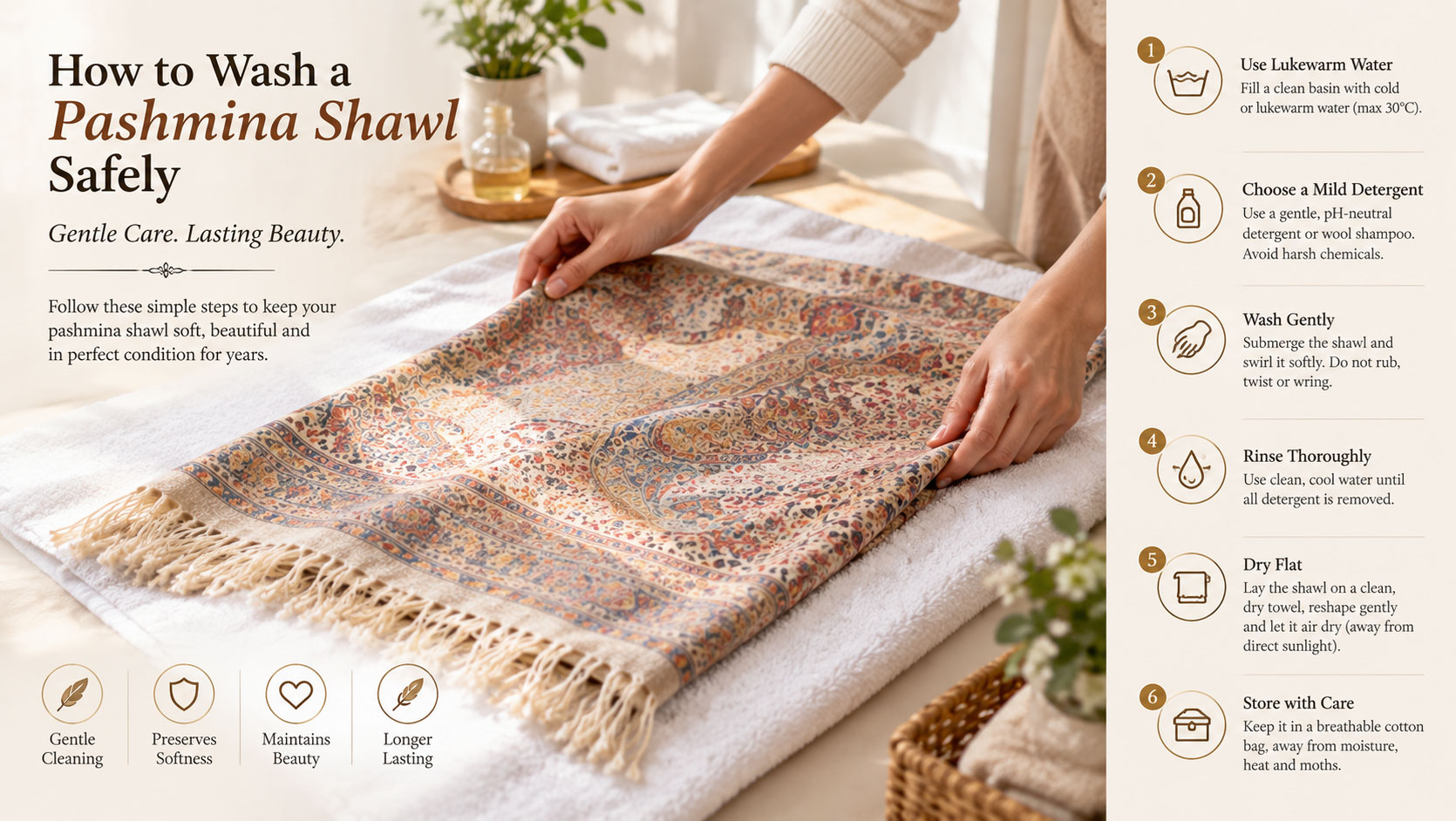
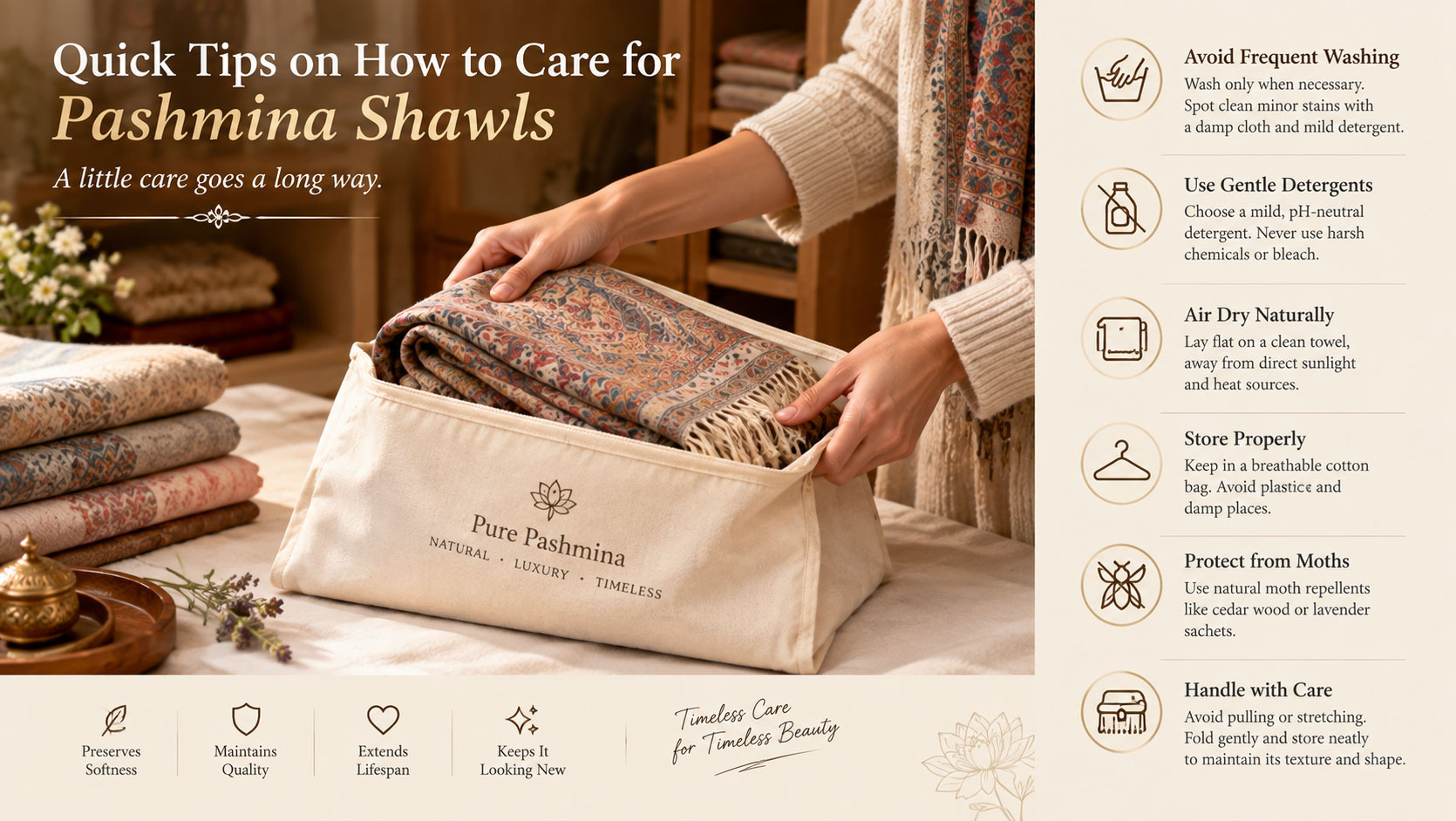
A shawl that has survived a journey this long deserves to be looked after properly. Gentle washing or dry cleaning, drying flat away from direct sunlight, and storing folded in breathable cotton with natural moth deterrents will keep a genuine piece in good condition for decades. Our Pashmina Shawl Care Guide, along with our pages on how to wash and how to store a Pashmina shawl, cover this in step-by-step detail, and our blog posts on how to wash a Pashmina and quick tips to care for Pashmina shawls offer shorter, practical summaries.
At Akee International, based in Amer, Jaipur, this story isn't just something we tell — it's something we live every day through our relationships with weavers and embroiderers across Kashmir and Ladakh. For over three decades, we have worked directly with artisan families to source, weave, and embroider some of the finest heritage pashmina shawls available today, ensuring that the value created by this craft reaches the hands that actually create it. Our pages on the Kashmir artisan network and the top Pashmina weavers in Srinagar introduce the communities behind the craft, and our sustainability page explains our approach to fair and responsible sourcing.
Our collection spans everything from soft, minimal pure pashmina scarves to elaborately embroidered shawls meant to be passed down as family heirlooms, and we also work with boutiques, resellers, and distributors through our wholesale pashmina supply programme across India and abroad, including buyers exporting to the USA, UK, and Europe. Every piece that leaves our workshop carries the same story that began at 14,000 feet — of goats grazing in thin mountain air, of hands spinning fibre finer than silk, and of needles tracing patterns that took centuries to perfect.
If you would like to see this legacy up close, hold a genuine handwoven piece, or discuss a bulk or wholesale requirement, you're always welcome to reach out to our team directly. Visitors to Jaipur can find us at our store near Amer Fort, and those who cannot travel can browse through our Buy Pashmina Shawls Online page or read about buying a Kashmiri shawl for NRIs if ordering from abroad. You can call or WhatsApp us at +91-9772777770, write to us at akee.international@gmail.com, or visit our store on Nai Mata Mandir Road, Amer, Jaipur. You can also explore our complete range on the products page or drop us a note through our contact page — because a story as old as pashmina deserves to be experienced, not just read about.
Discover exquisite Pashmina shawls, beautifully crafted with Kashmir’s timeless heritage and artistry.
"Browse our curated collections and shop by category to find the perfect Pashmina shawl or scarf for every occasion."
"Explore our latest collection of exquisite Pashmina shawls and scarves, where luxury meets craftsmanship in every piece."
"Shop our Best Sellers, where luxury meets demand—featuring the most sought-after Pashmina shawls and scarves of the season."
"Read what our clients say about their experience with Akee International's luxurious Pashmina shawls and impeccable service."

Nai Mata Mandir Road, Thathar Road, Delhi By Pass, Amer, Jaipur 302028, Rajasthan India
Get directions Call Now Whatsapp 4.9 based on 269 reviews
Rating: 4.6/5 | 85 Reviews

Rating: 4.9/5 | 269 Reviews

TrustScore: 4.9 | 100 Reviews