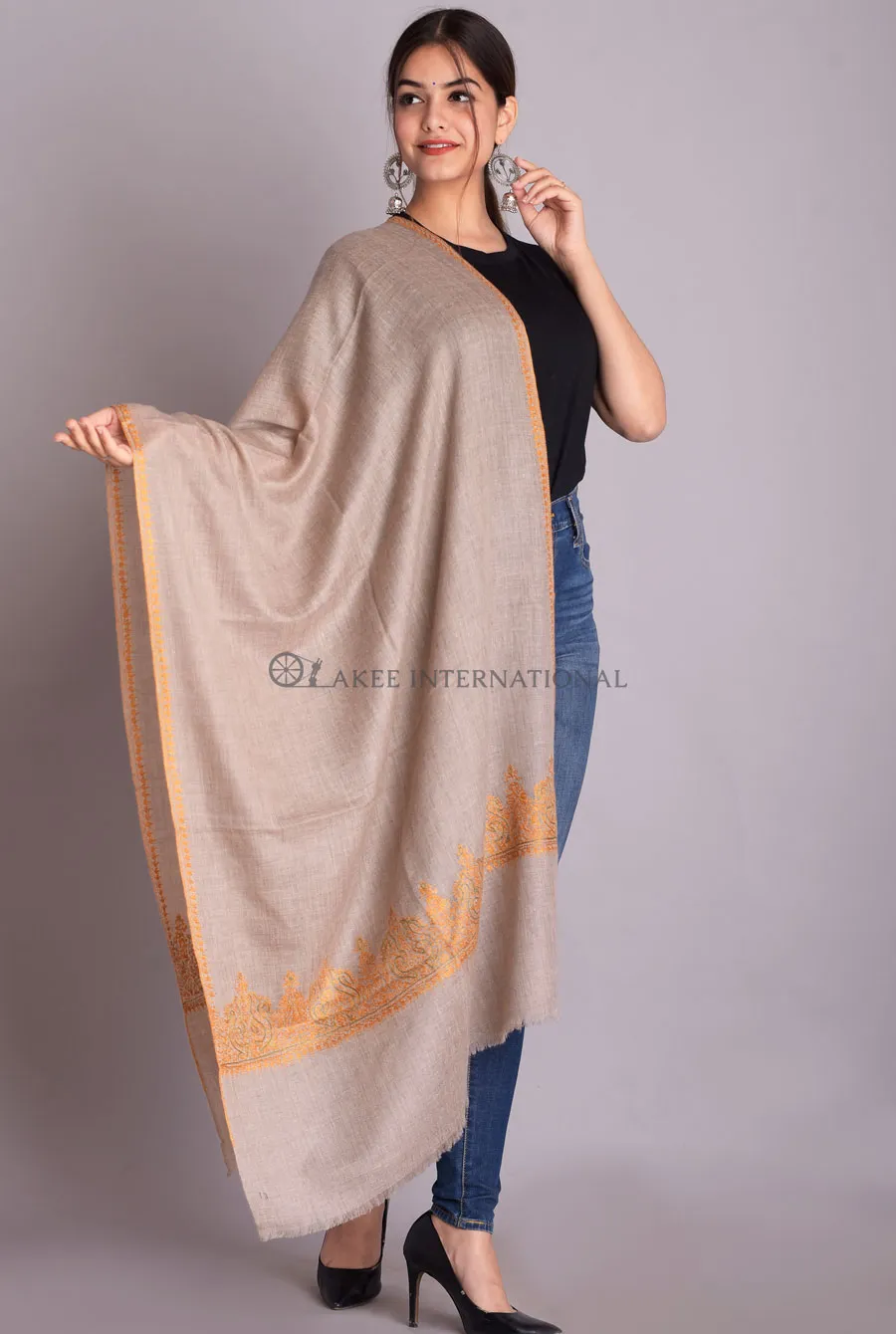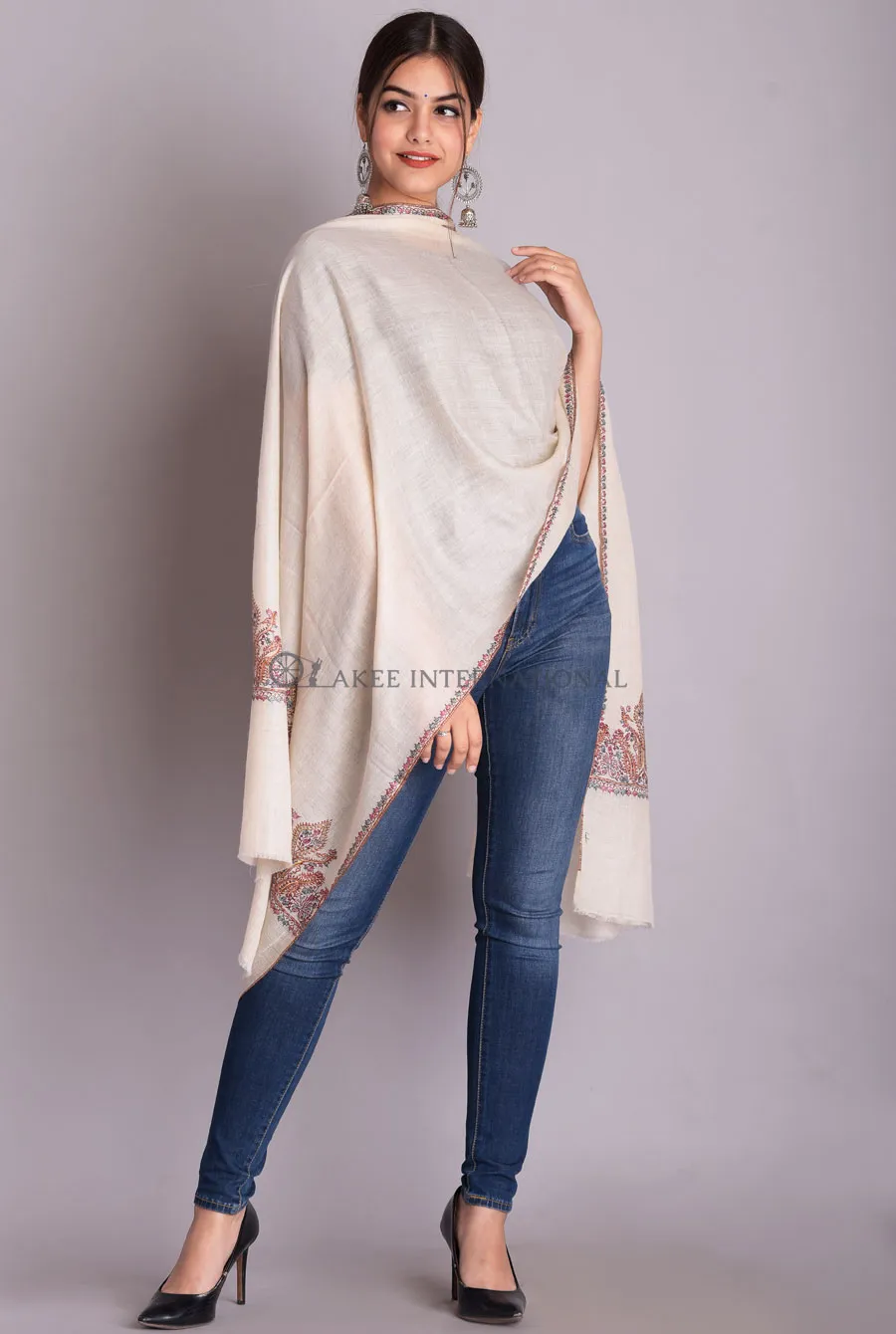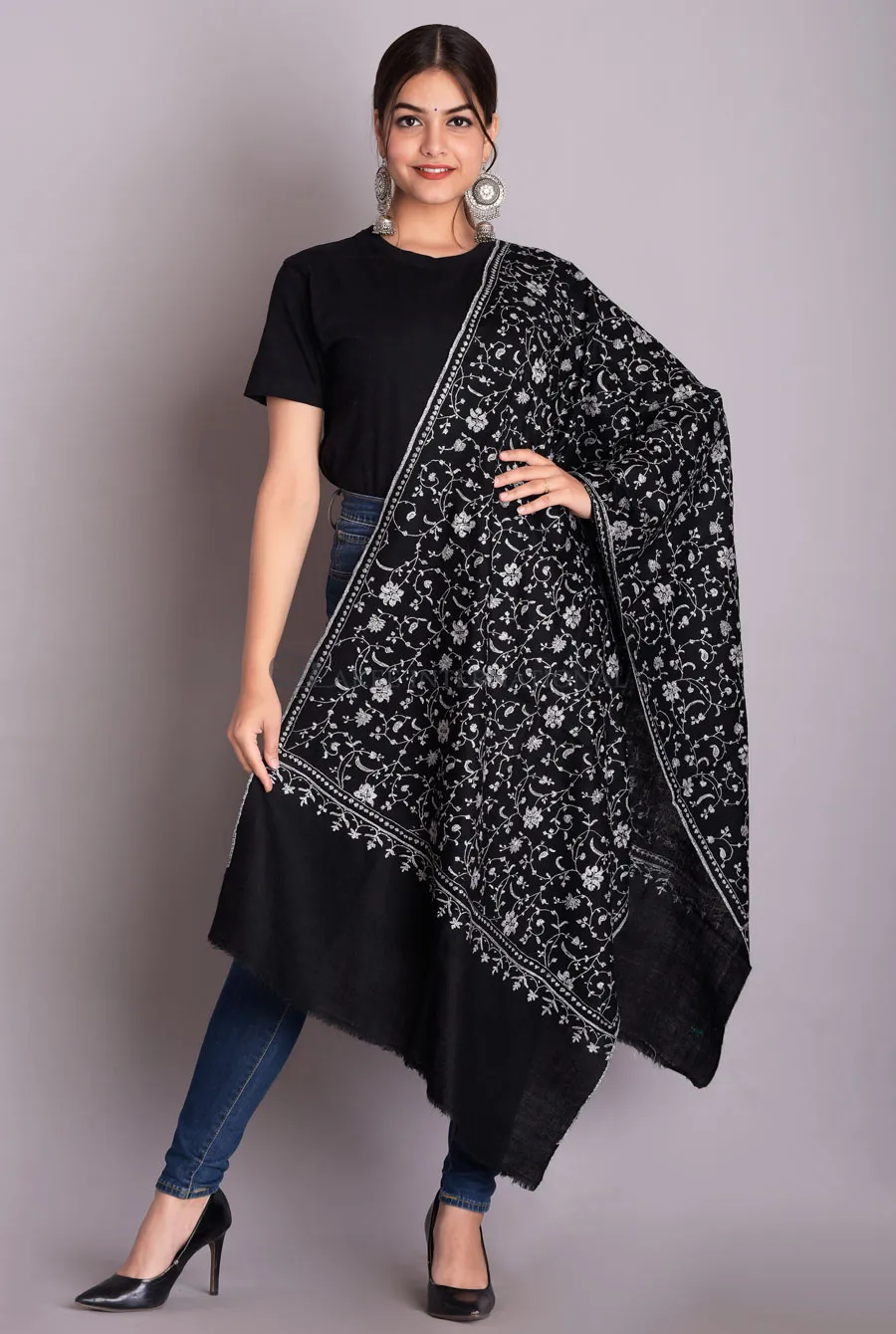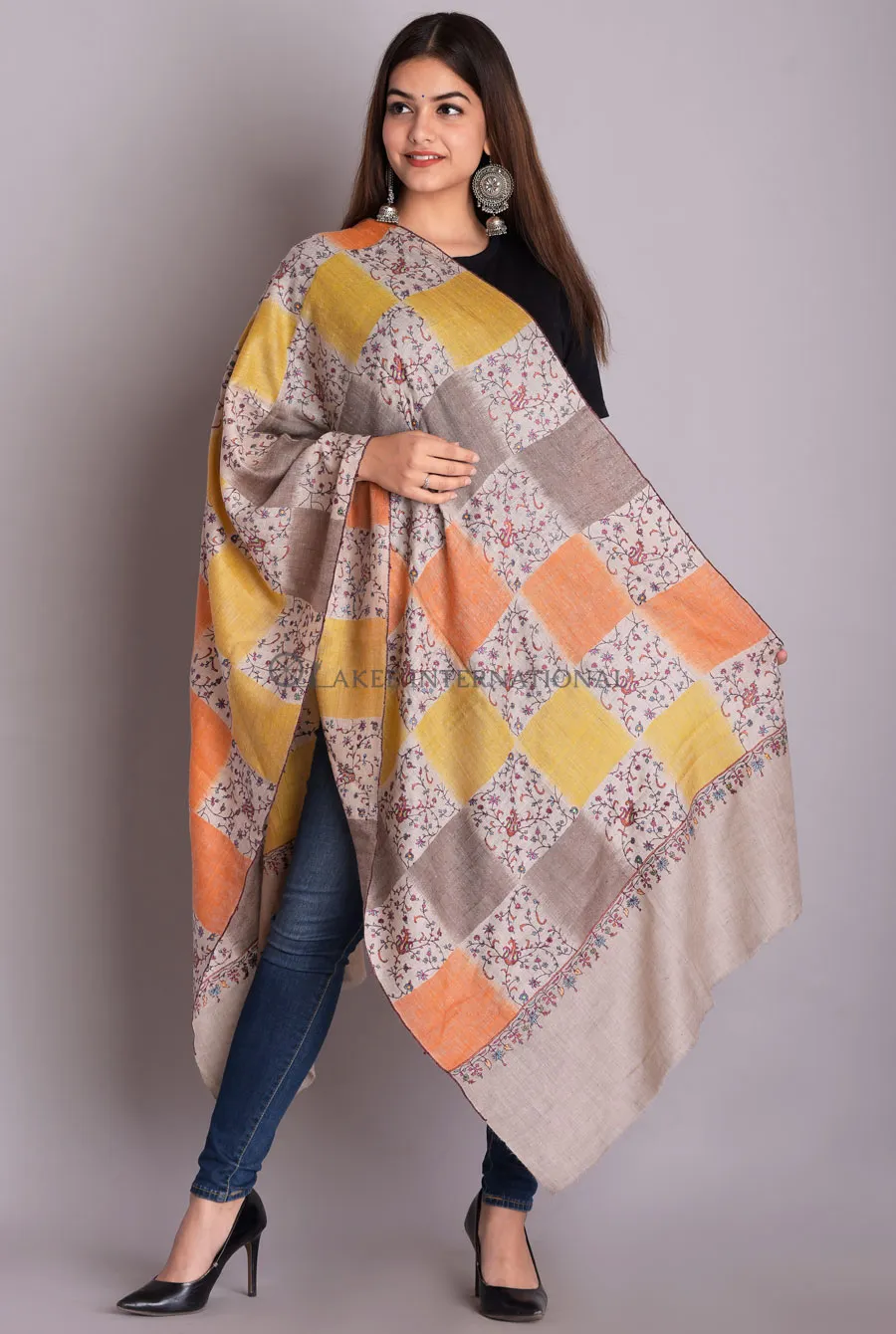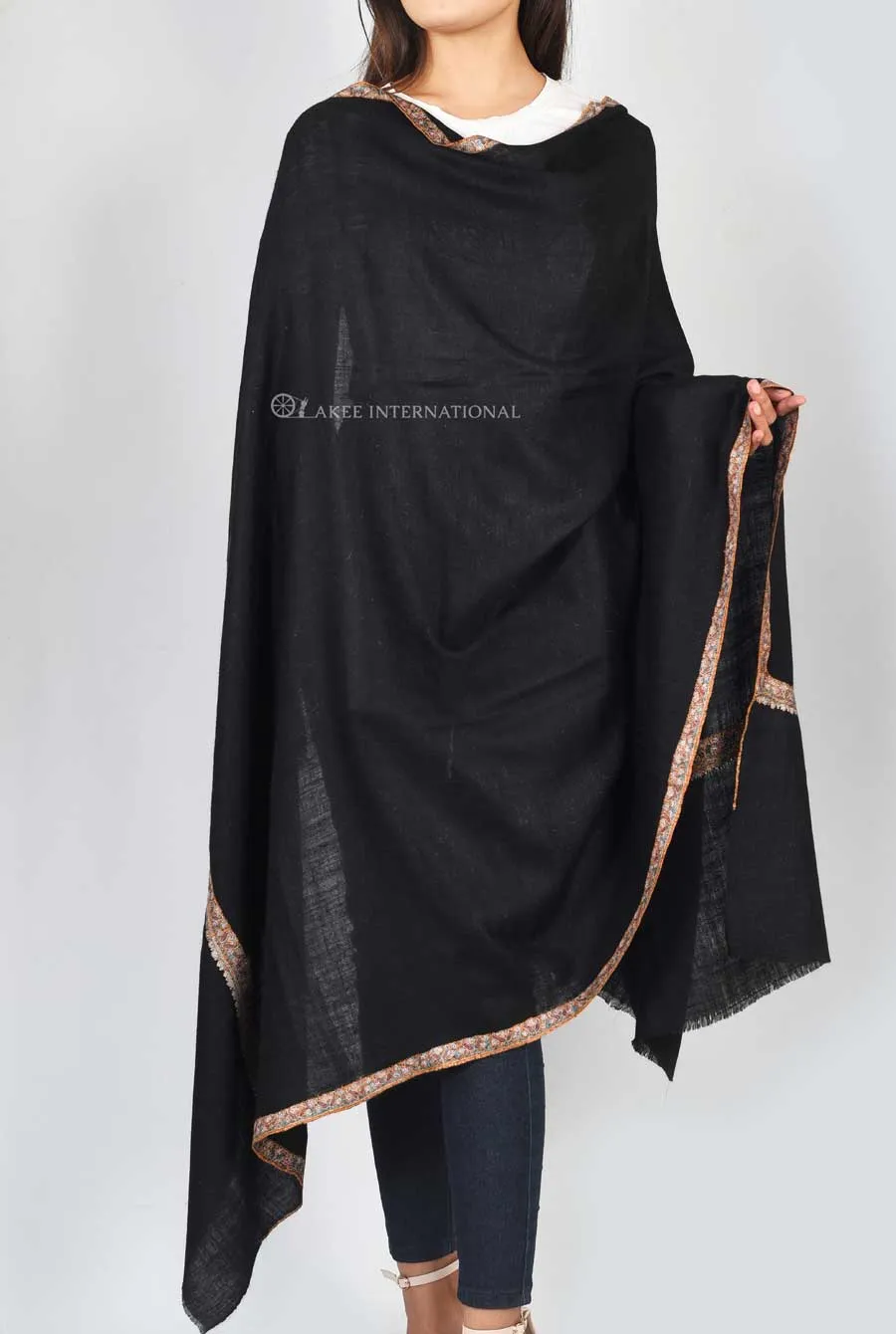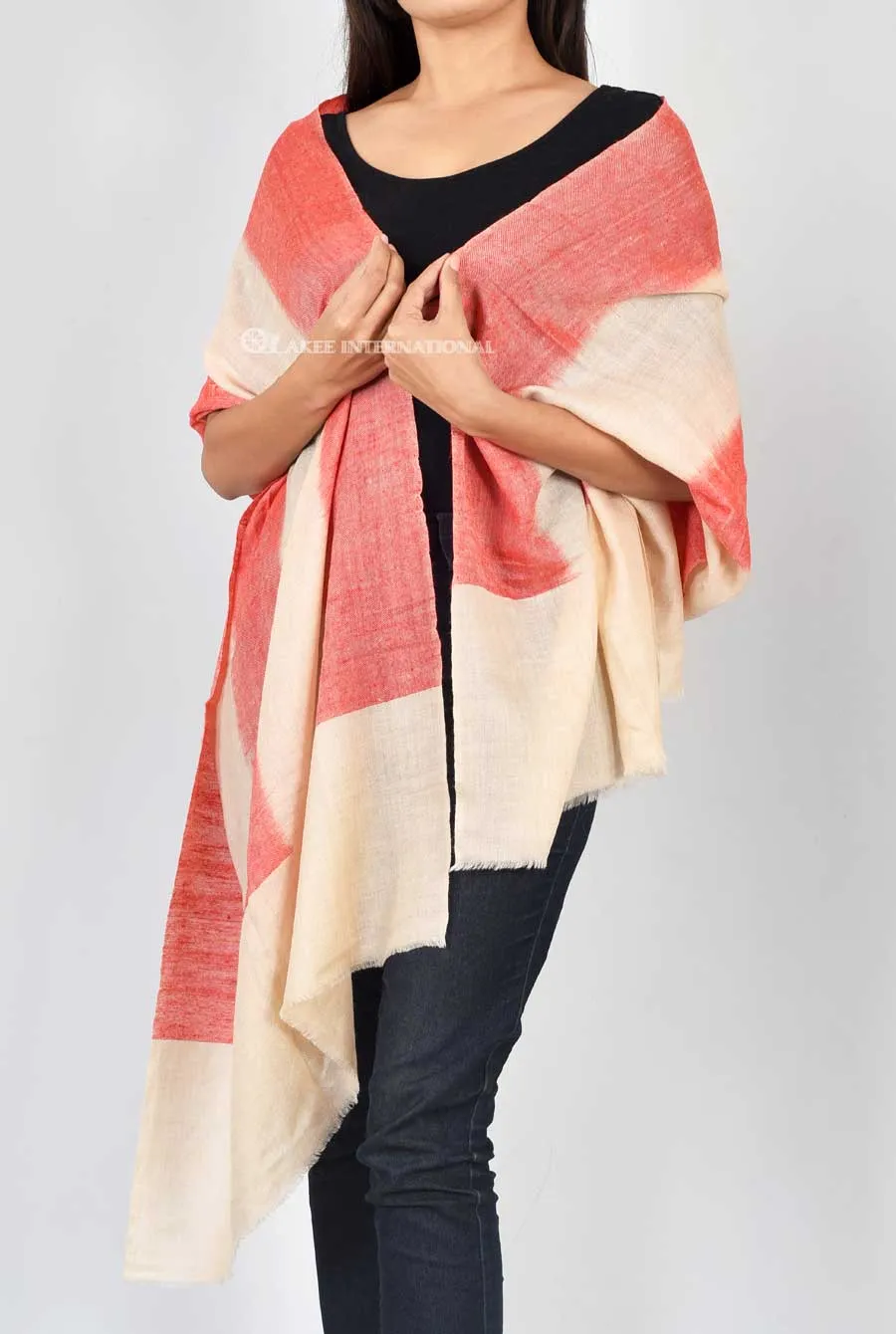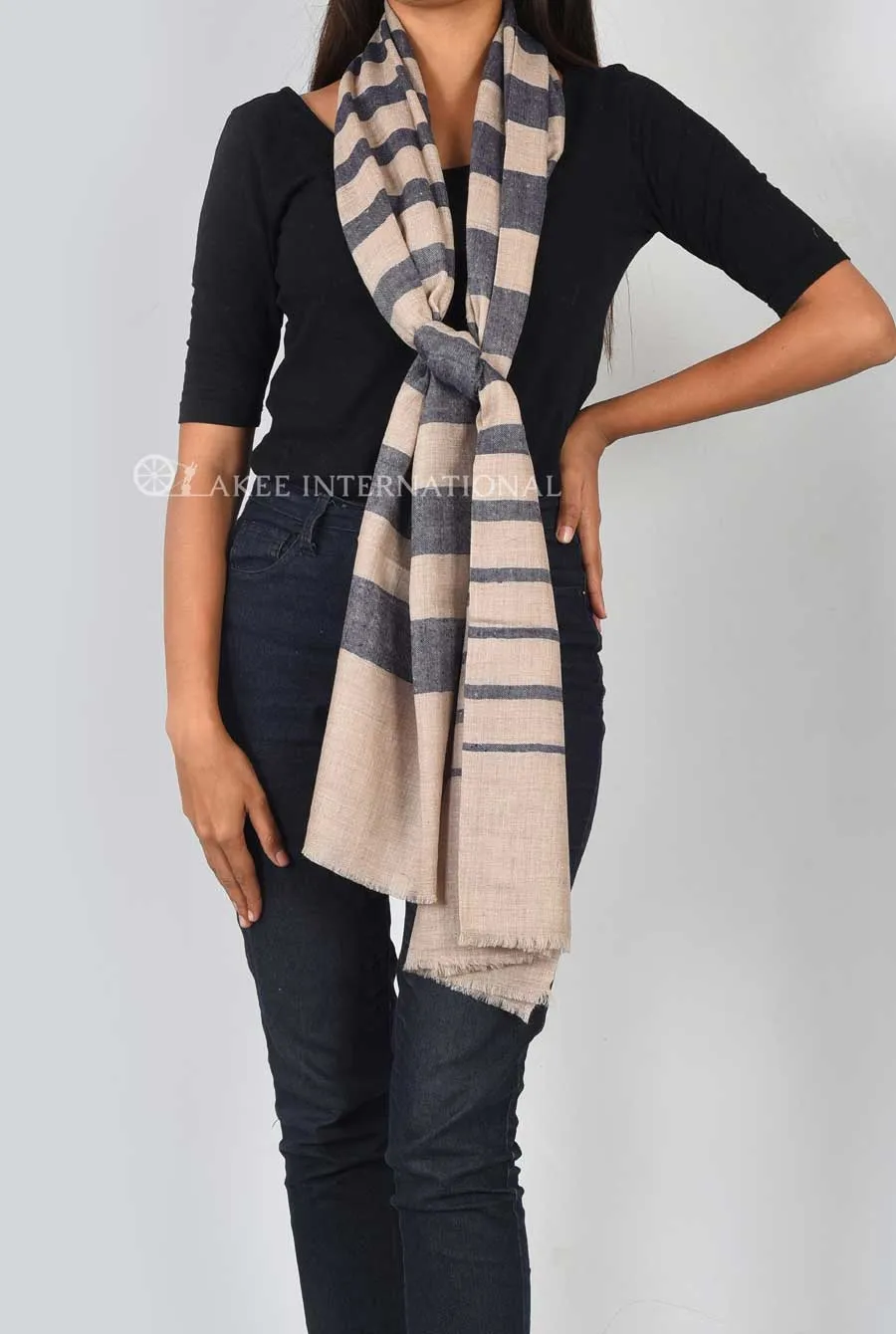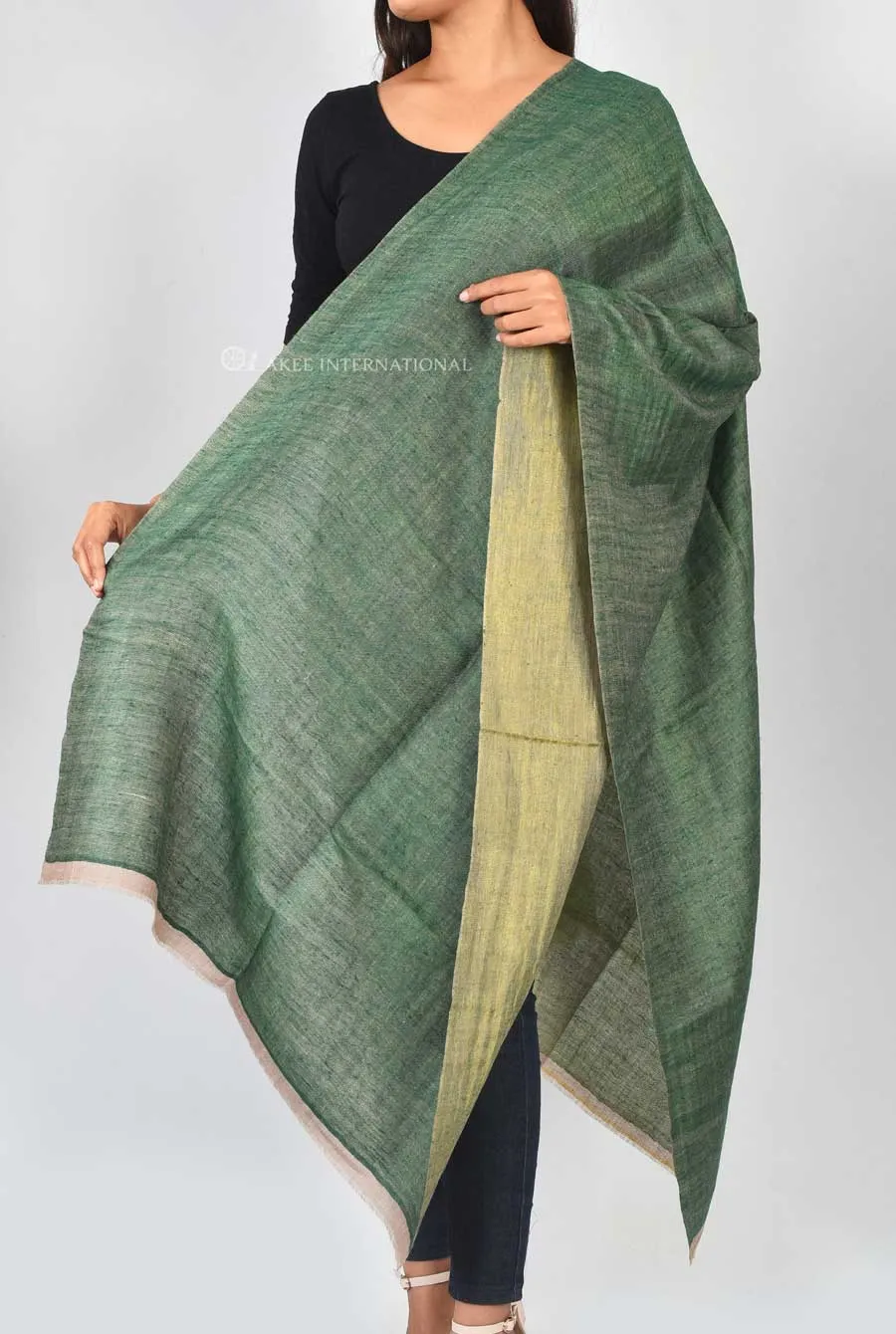
Find Your Perfect Premium Pashmina Shawl
Discover exquisite Pashmina shawls, beautifully crafted with Kashmir’s timeless heritage and artistry.

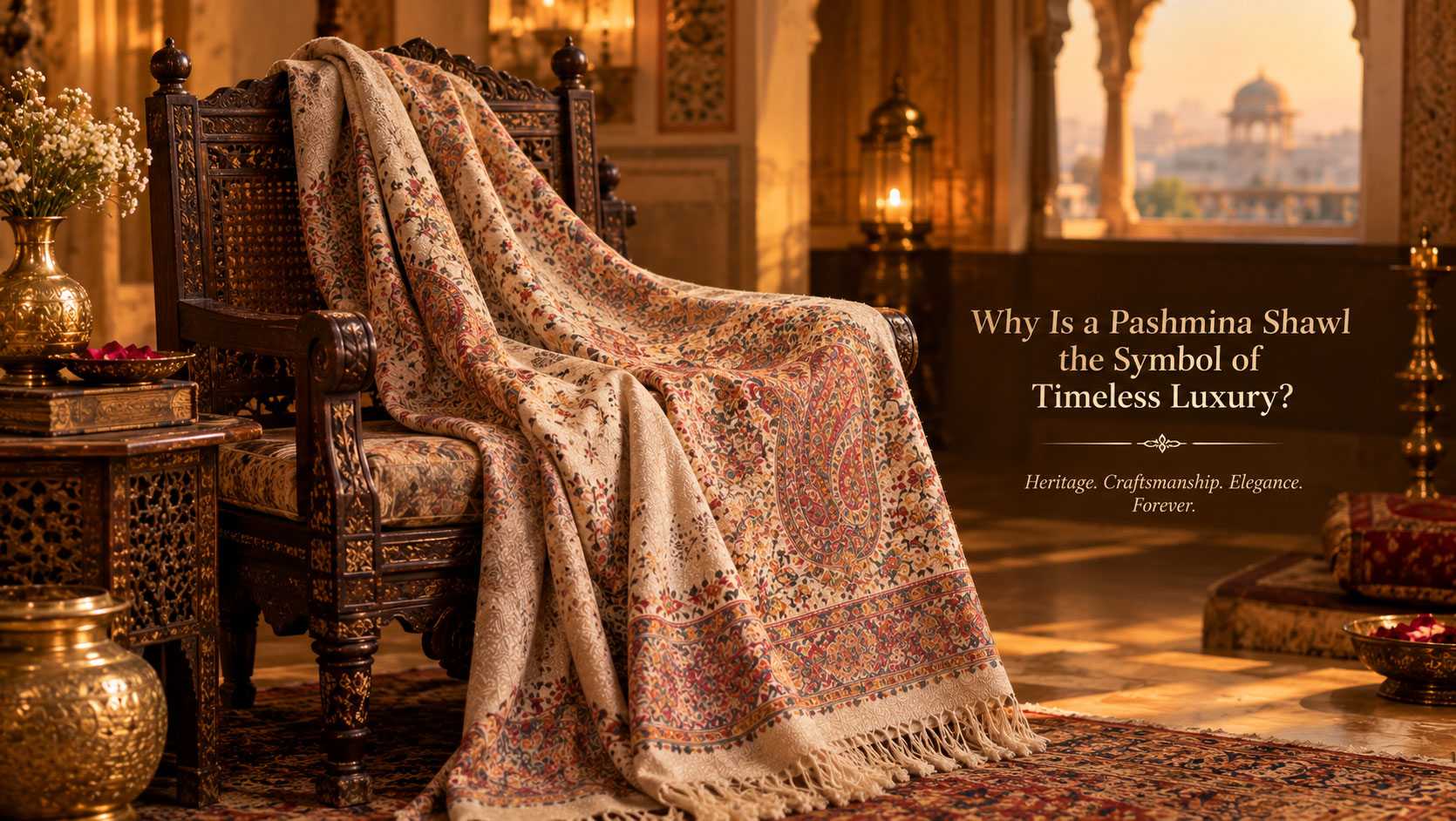
A common reaction to genuine Pashmina pricing is some version of surprise — sometimes even suspicion that the price tag is inflated purely for branding purposes. It's a fair question to ask. But pure Pashmina isn't expensive because of marketing; it's valuable because of rarity, craftsmanship, and heritage, each of which contributes real, measurable cost to the finished product rather than an artificial markup.
The Changthangi goat produces a very limited undercoat wool once per year, and the collection process is both delicate and strictly seasonal. Herders can only comb this fine undercoat away during a specific window as winter eases, and only a modest amount comes off each goat — nowhere near the volume a typical sheep produces for standard wool. This scarcity alone sets a hard ceiling on how much genuine Pashmina fibre can exist in any given year, regardless of how much demand grows.
Compare this to synthetic fibres or even standard sheep's wool, which can be produced in essentially unlimited quantities through industrial processes. Pashmina simply doesn't have that option — the supply is capped by nature, not by manufacturing capacity, and no amount of investment can meaningfully accelerate how much a single goat produces in a year. Our page on what Pashmina actually is goes deeper into this raw material story for anyone wanting the fuller picture.
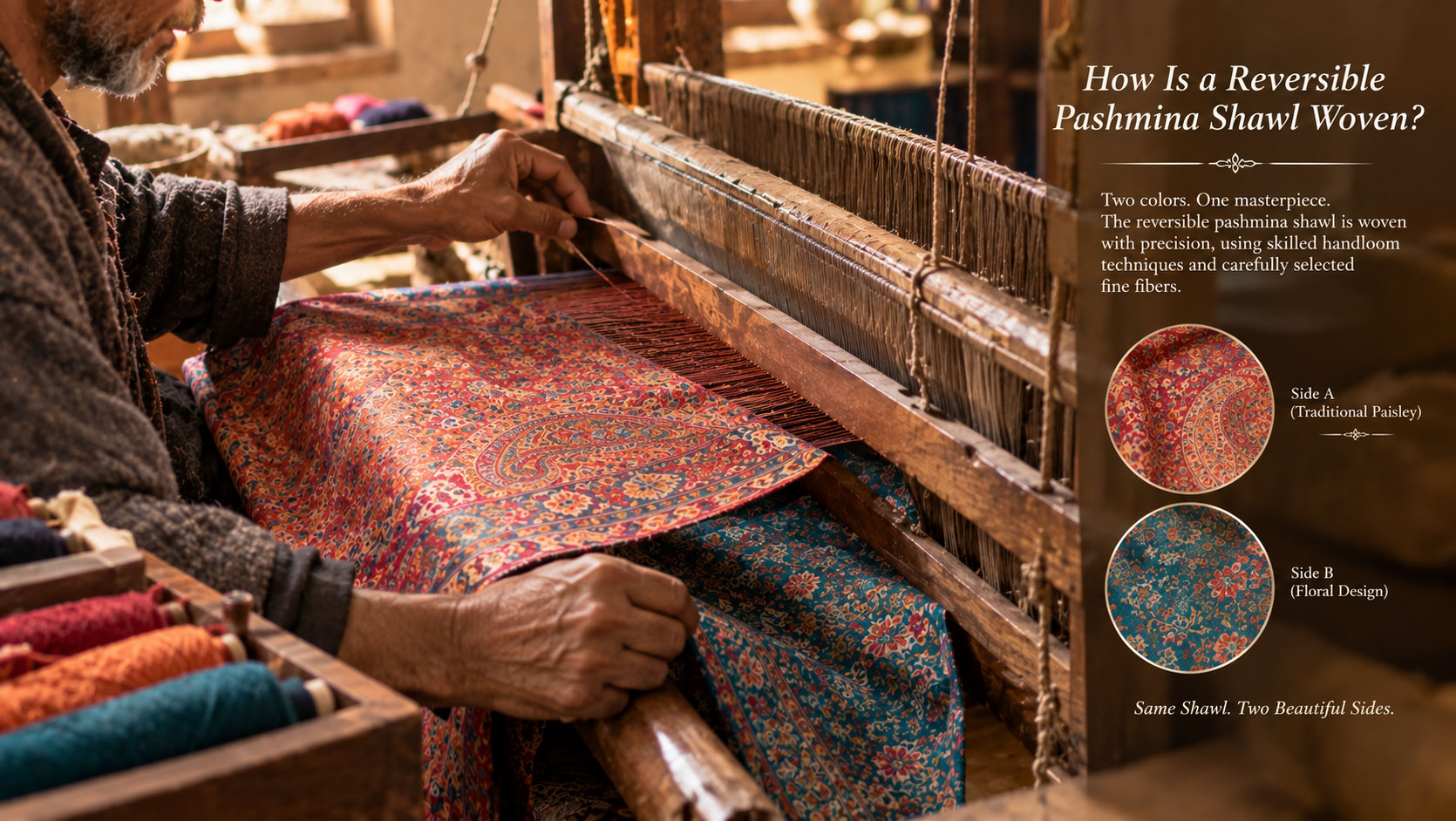
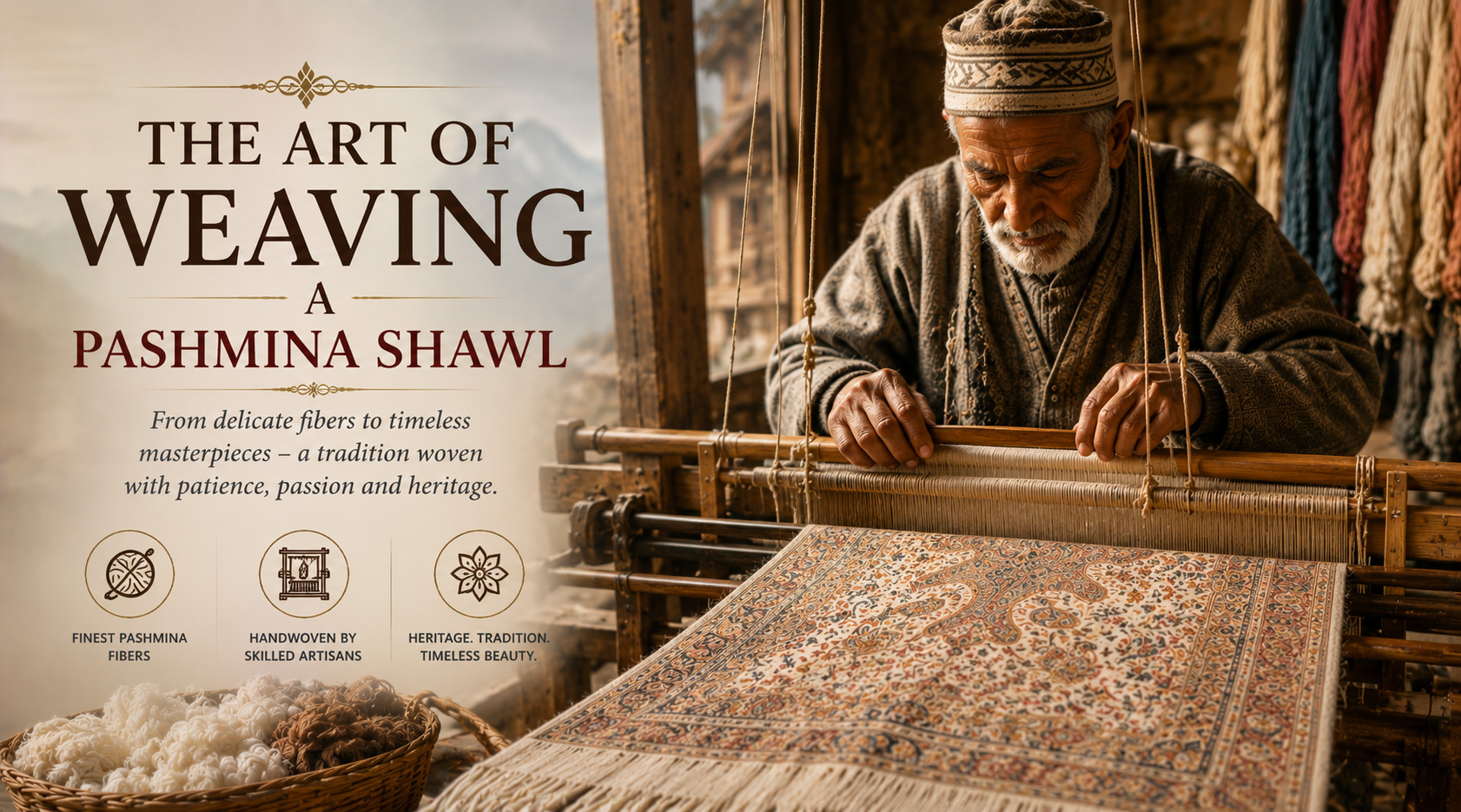
Once collected, every fibre is hand-combed, hand-spun, and handwoven — a labour-intensive process that can take weeks to complete a single shawl, all in service of preserving the finest possible quality and softness. There is no industrial shortcut here that doesn't compromise the final product noticeably. Machine spinning, for instance, can process wool far faster than a human hand, but it also tends to weaken or coarsen fibre this fine, undermining exactly the quality that makes Pashmina desirable in the first place.
This is the core economic reality worth understanding: labour cost isn't a minor input alongside the raw material — for genuine Pashmina, labour is arguably the dominant cost, often exceeding the value of the raw fibre itself once you account for the weeks of skilled work involved in a single piece.
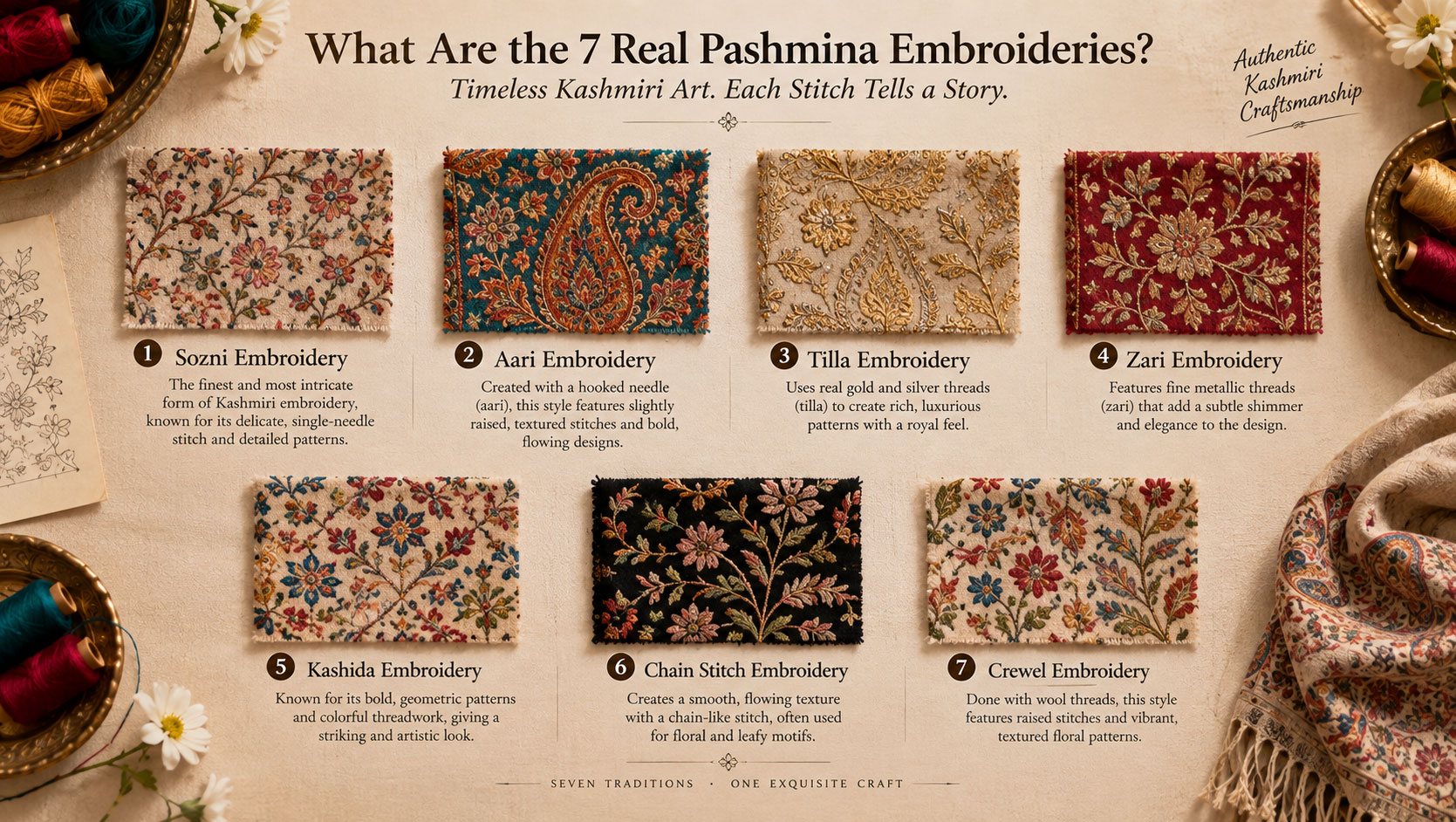
Kashmiri artisans dedicate years mastering weaving techniques, and this training doesn't happen in a formal classroom — it's passed down within families and communities, refined over generations rather than taught as a standardized curriculum. Each finished piece reflects this accumulated expertise and cultural heritage, making every shawl genuinely unique rather than an identical copy pulled off an assembly line.
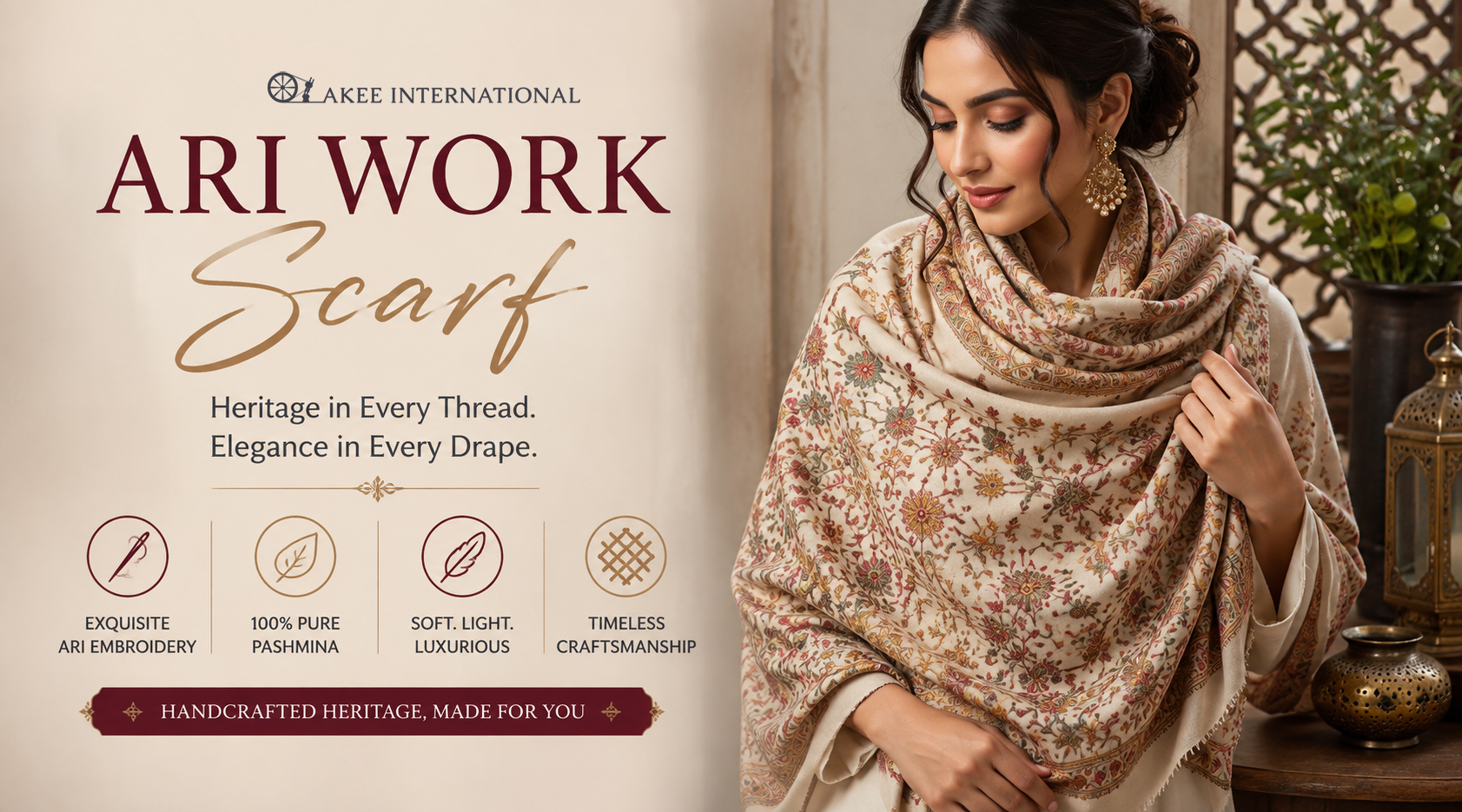
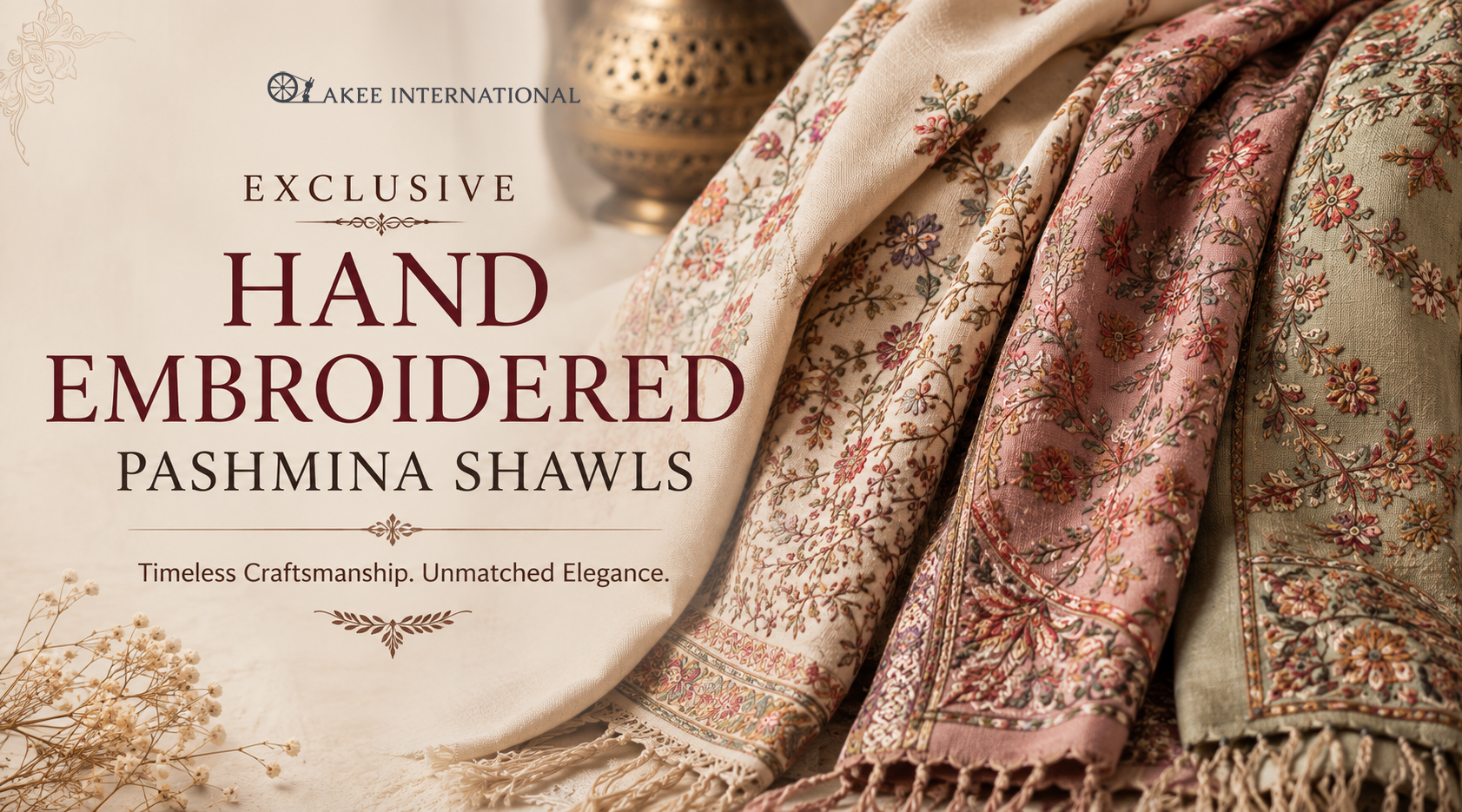
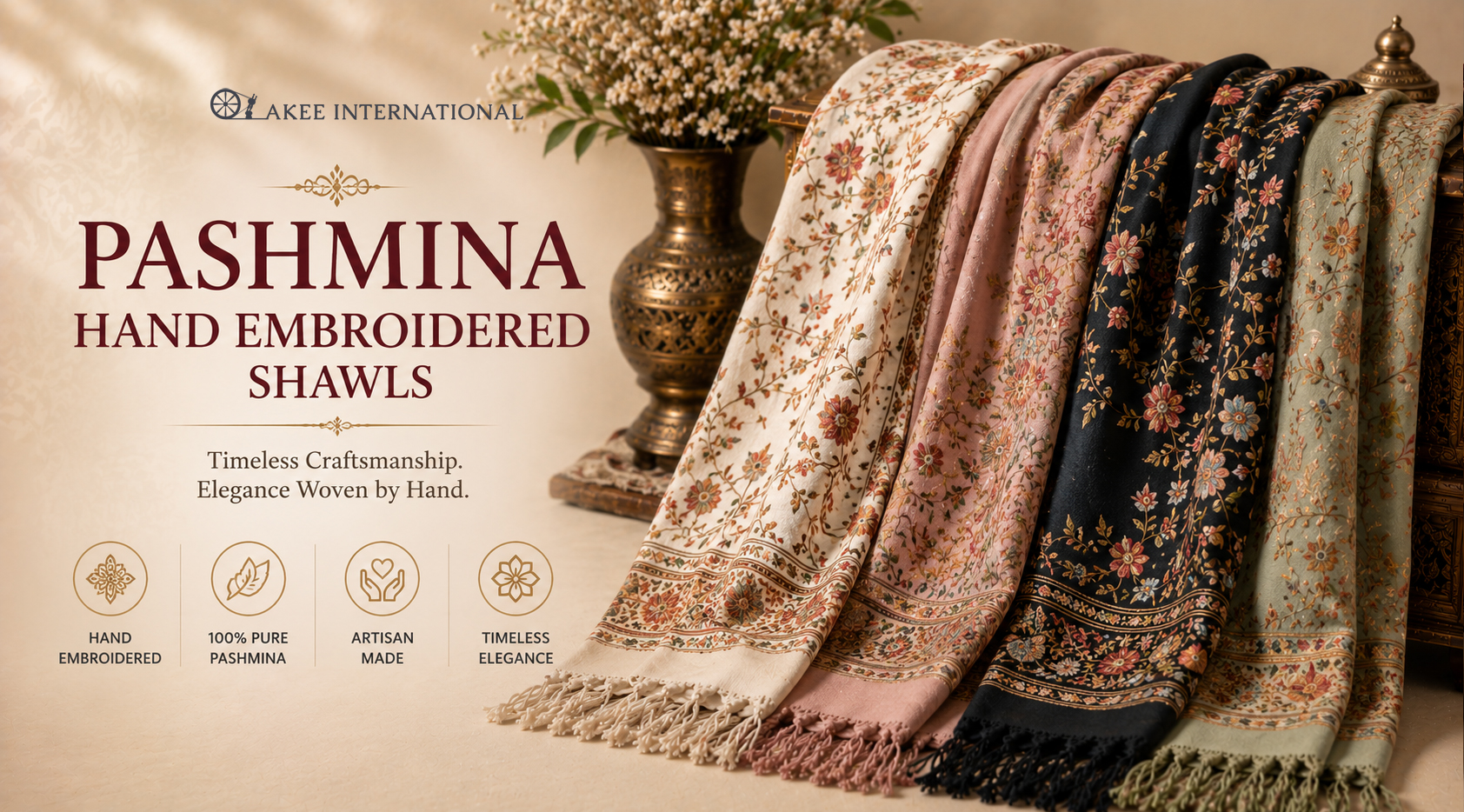
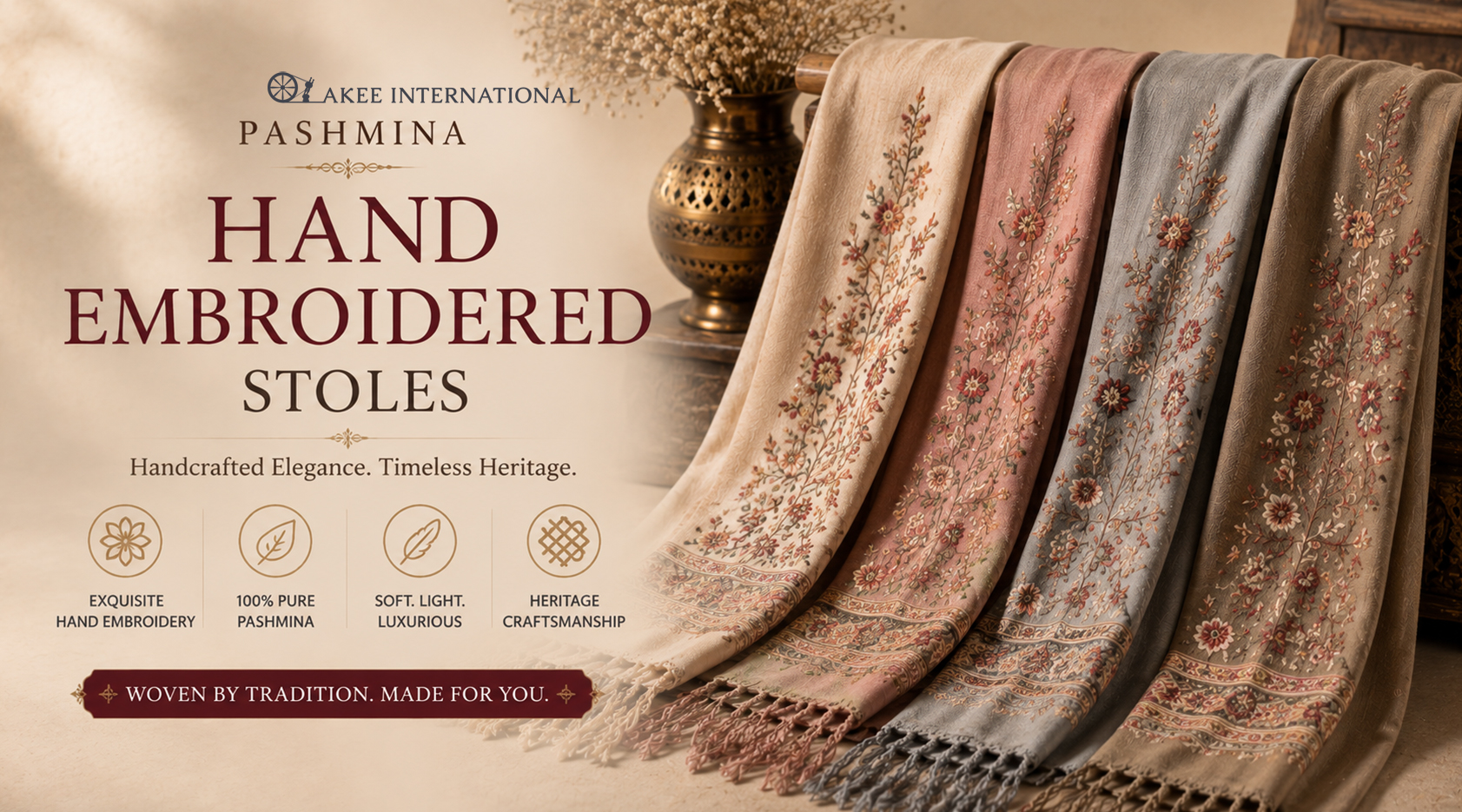
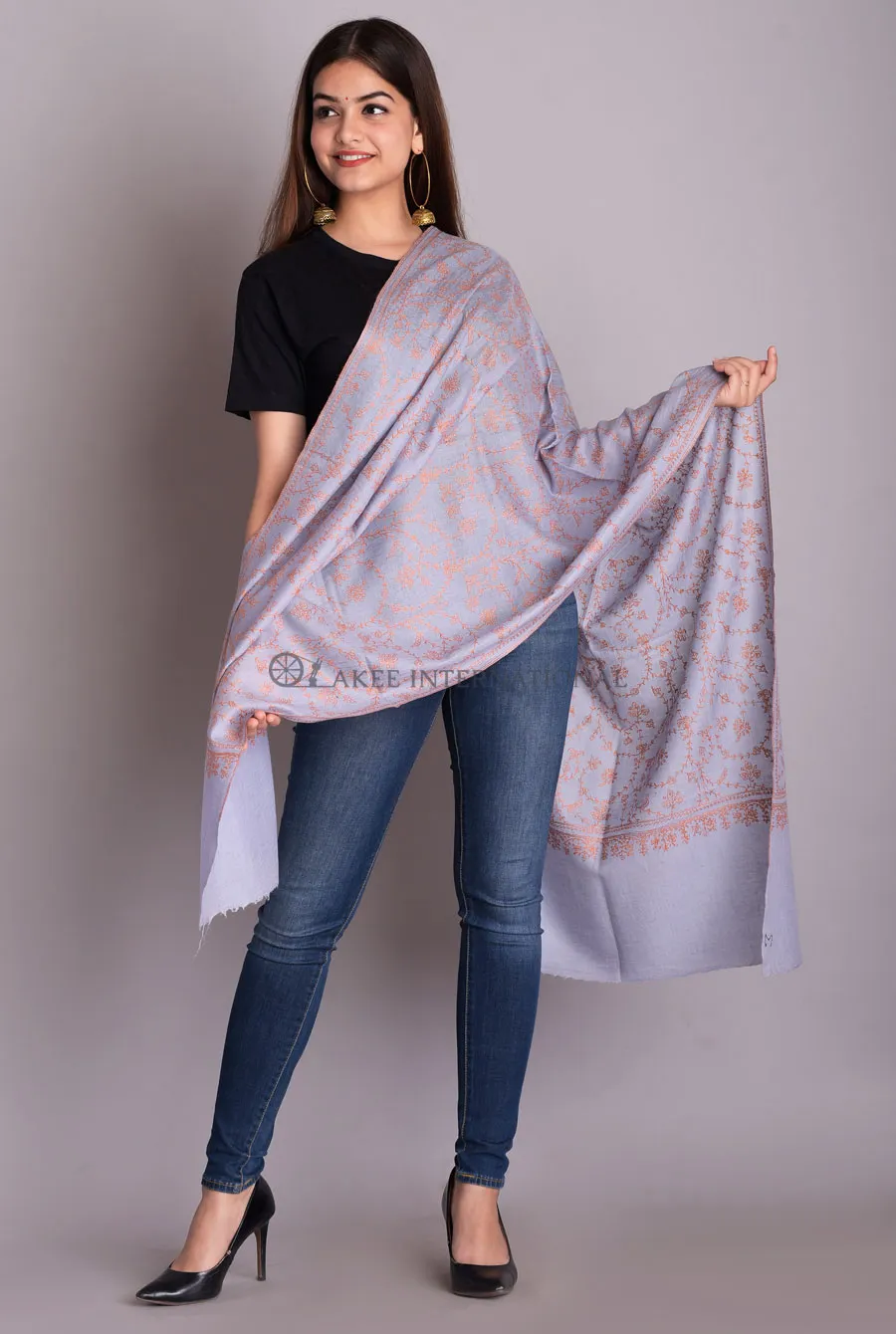
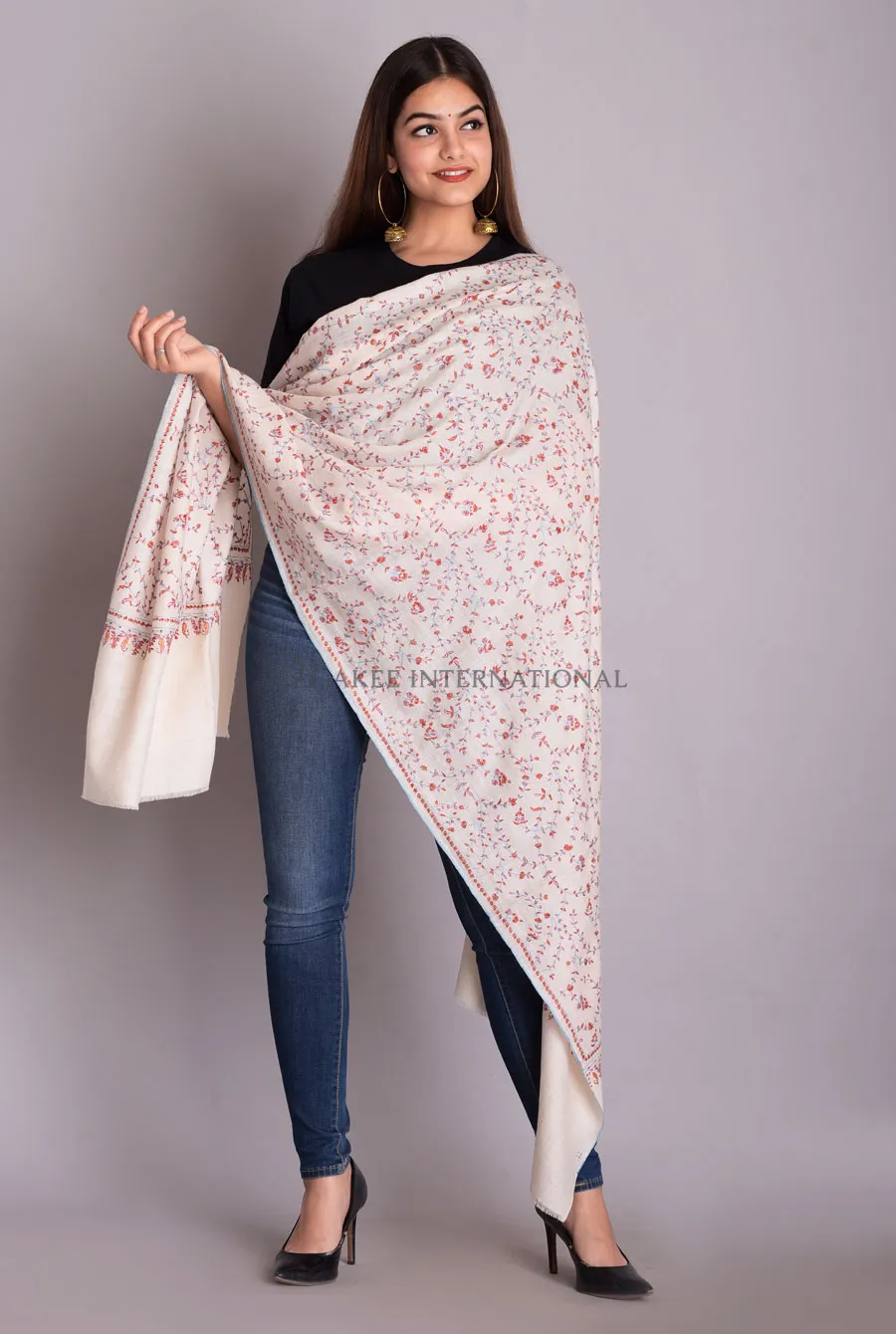
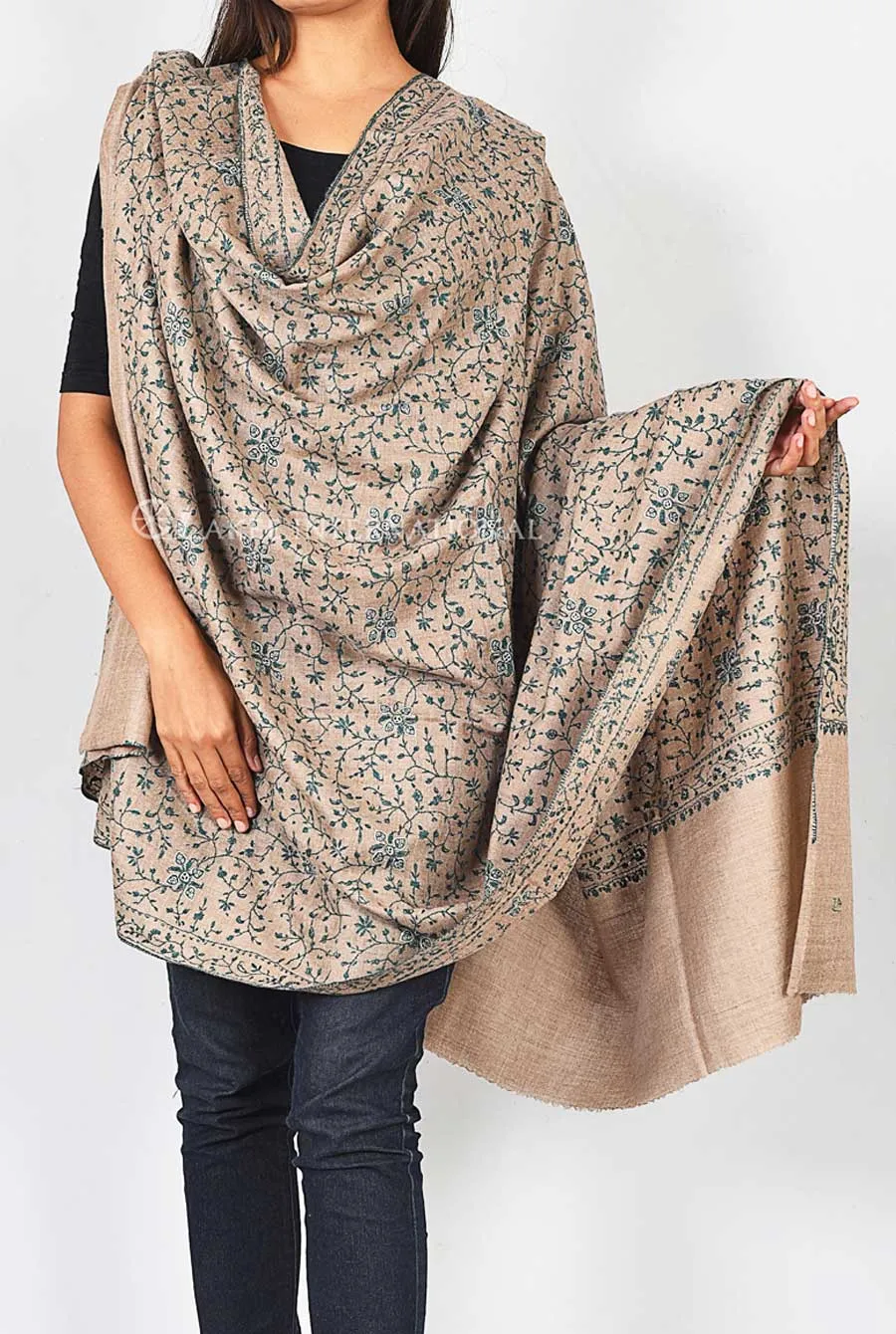
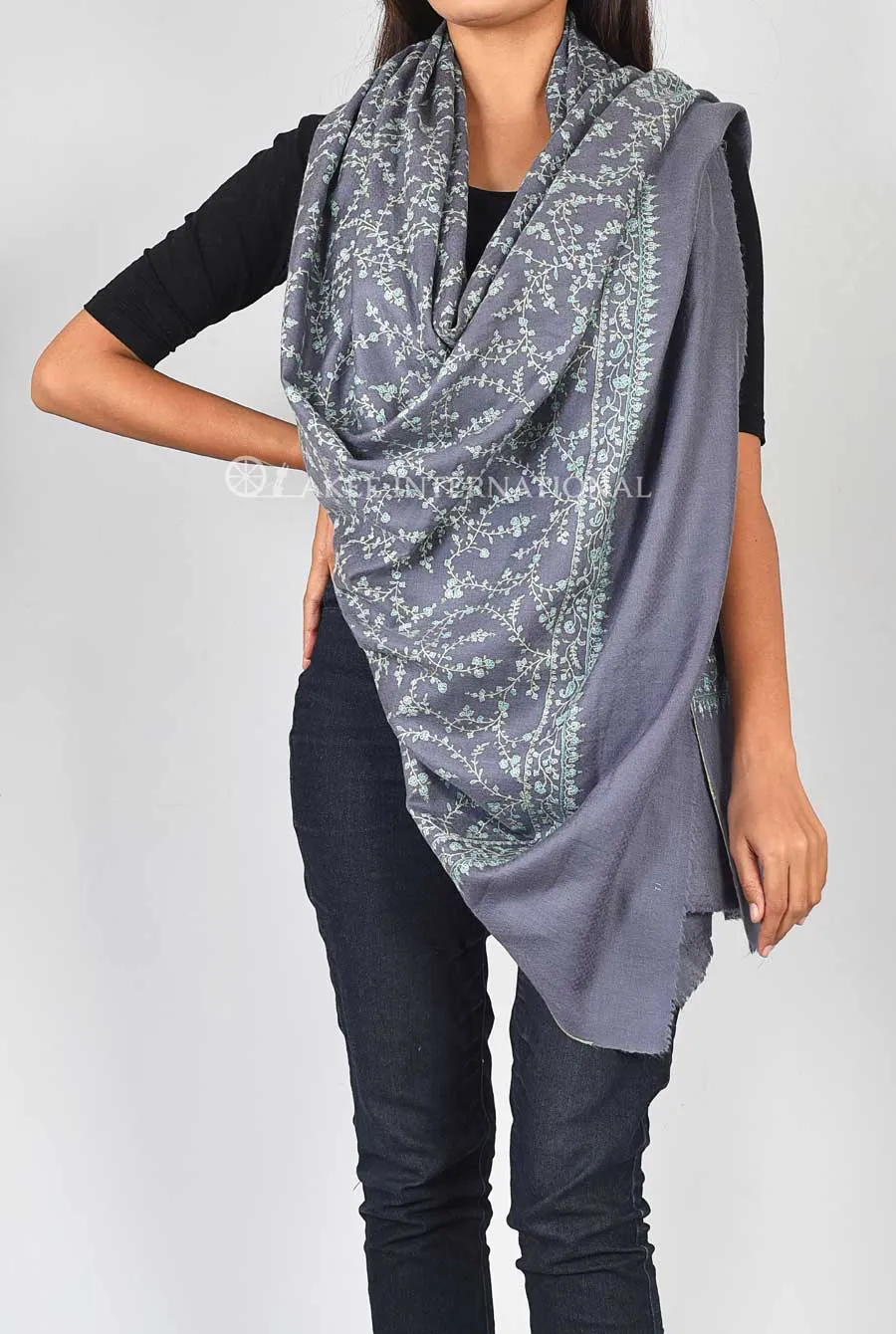
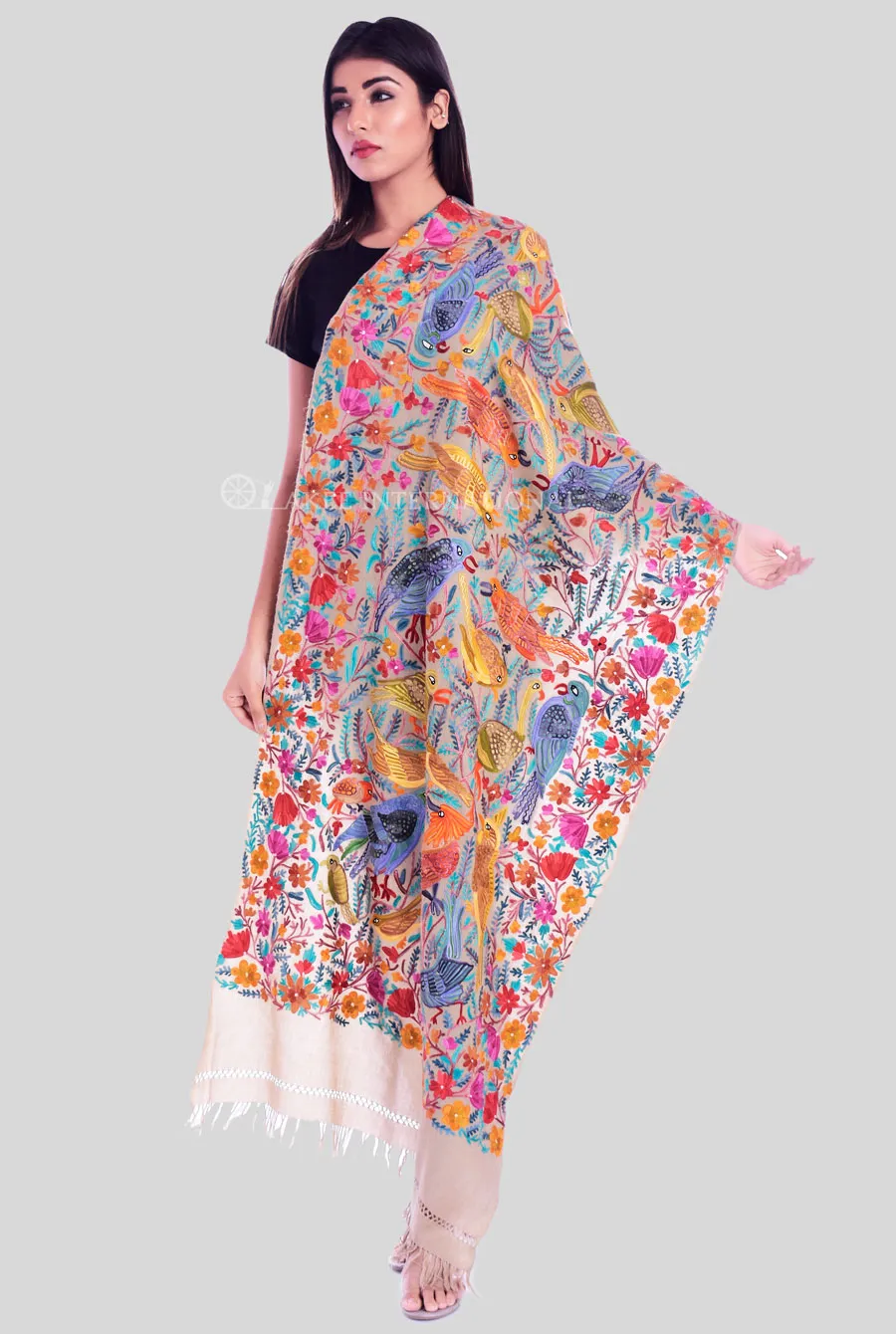
This is an important distinction from most luxury goods pricing, where brand value often accounts for a significant share of the price. With genuine Pashmina, the premium tracks much more closely to actual production cost and craftsmanship — you're paying for a specific person's years of trained skill, applied directly to the piece in your hands, rather than primarily for a logo or marketing budget. Our exclusive hand-embroidered Pashmina shawls collection showcases exactly this kind of skilled, individually-applied craftsmanship.
There's also a generational economics angle worth mentioning. An artisan who spends fifteen or twenty years mastering a specific embroidery technique isn't simply selling their time on a given shawl — they're selling access to a skill that took decades to build, and that would take an equivalent amount of time for anyone else to replicate from scratch. This is fundamentally different from most manufacturing labour, where a new worker can be trained to an acceptable standard within weeks or months. Genuine Pashmina craftsmanship carries this generational cost embedded in its price, whether or not a buyer consciously thinks about it at the point of purchase.
Creating a single pure Pashmina shawl is not quick, and there's no realistic way to make it quick without changing what the product fundamentally is. Depending on complexity, a piece can take several days to weeks of meticulous work — a level of dedication that's simply impossible to replicate at mass-production speed. When you purchase pure Pashmina, you're investing in heritage, craftsmanship, and lasting luxury built directly on this uncompressed time investment.
It's worth comparing this to how other luxury categories justify their pricing. A luxury car brand might charge a premium partly for engineering, partly for brand prestige, and partly for exclusivity that's somewhat manufactured through limited releases. Genuine Pashmina's exclusivity isn't manufactured — it's a direct, unavoidable consequence of how much skilled human time a single piece actually requires.
The burn test is often mentioned online as a method to verify natural fibres, but we don't recommend performing it on a finished product you actually want to keep. Here's how it works in theory, for context rather than as a suggested action:
Natural Pashmina, when a small test thread is burned, smells like burnt hair (since it's animal fibre), turns into soft ash, and does not melt the way synthetic fibres do.
Synthetic or blended fabrics, by contrast, smell like plastic when burned and melt into hard beads rather than turning to ash.
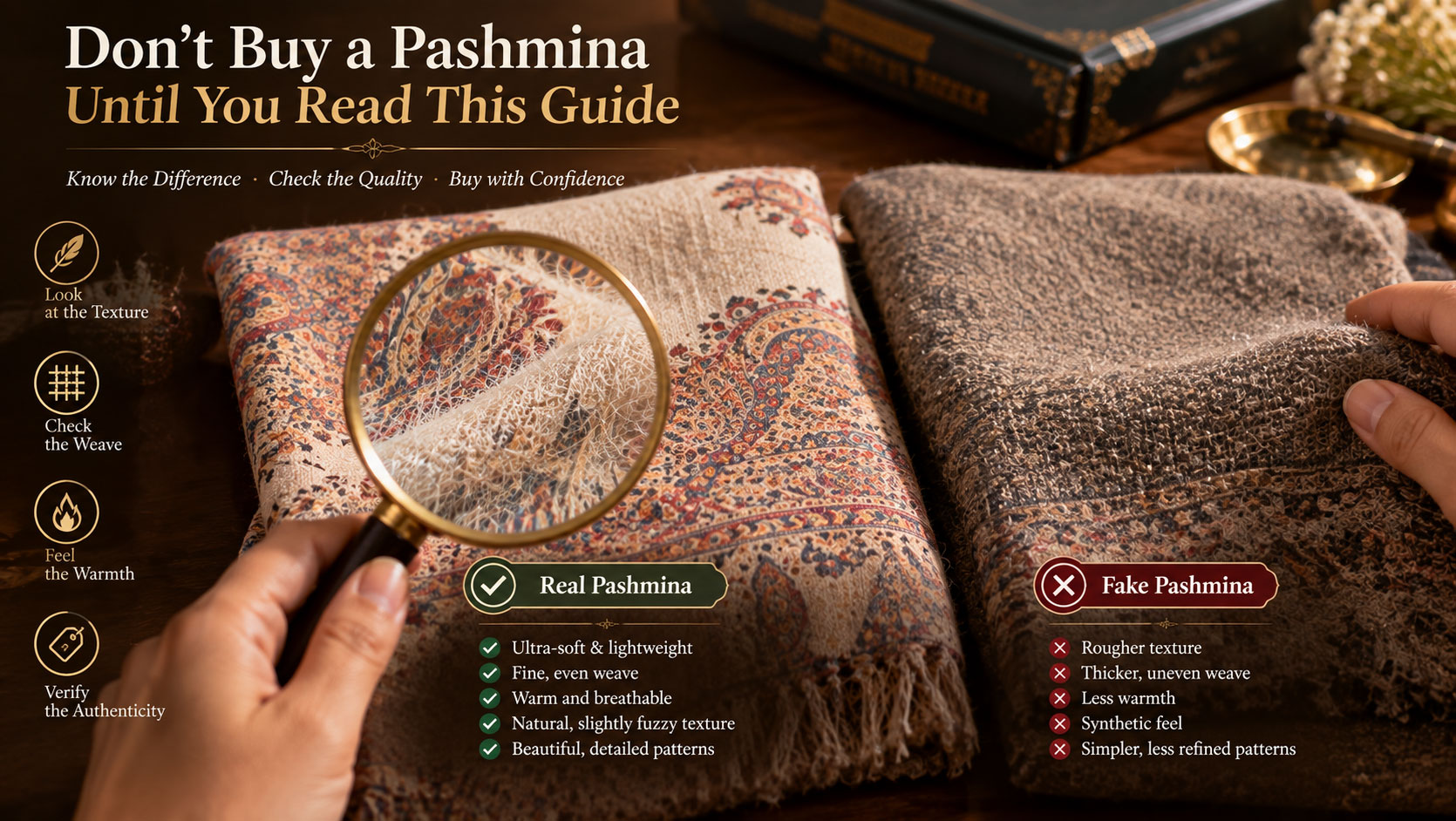
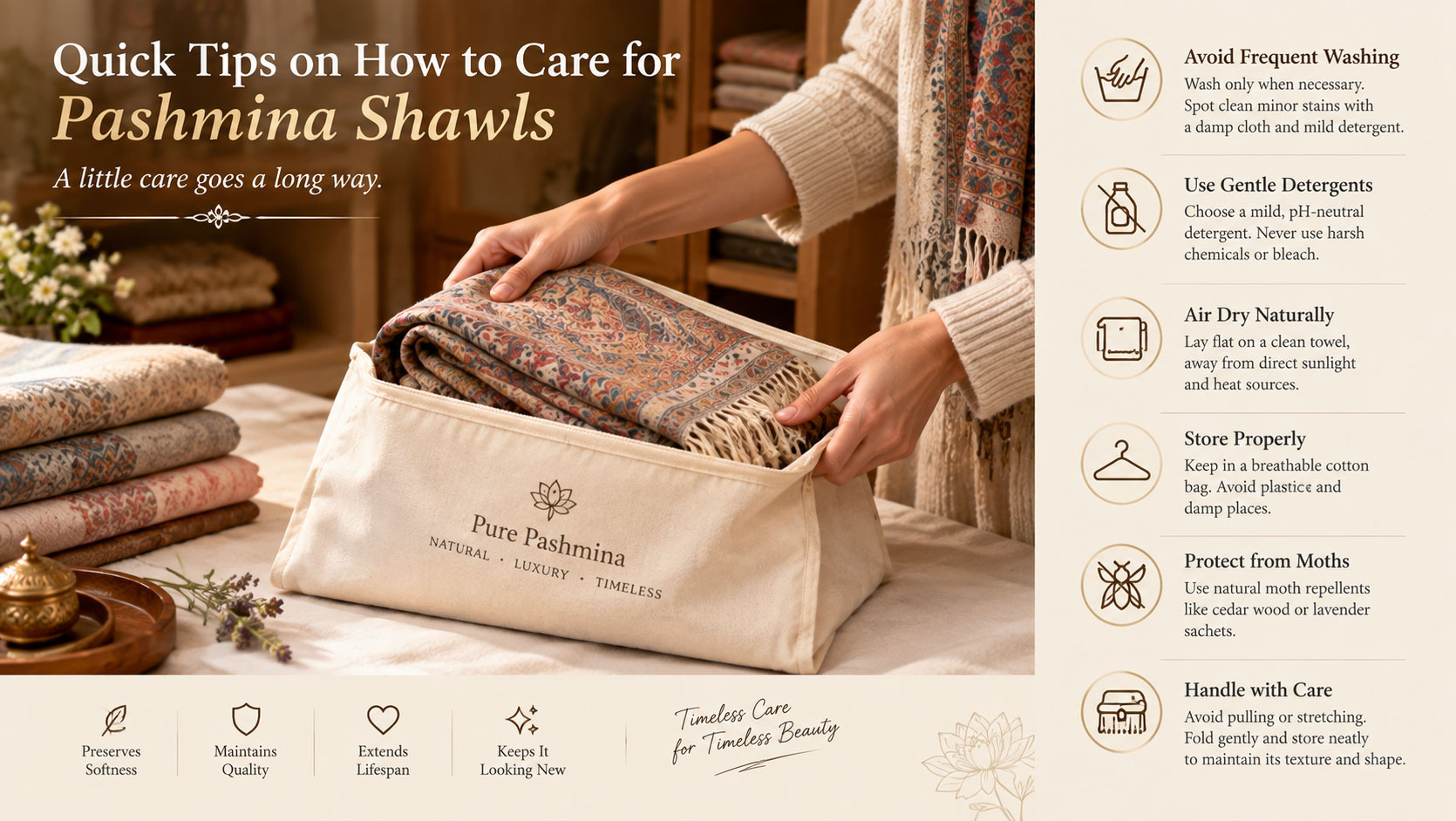
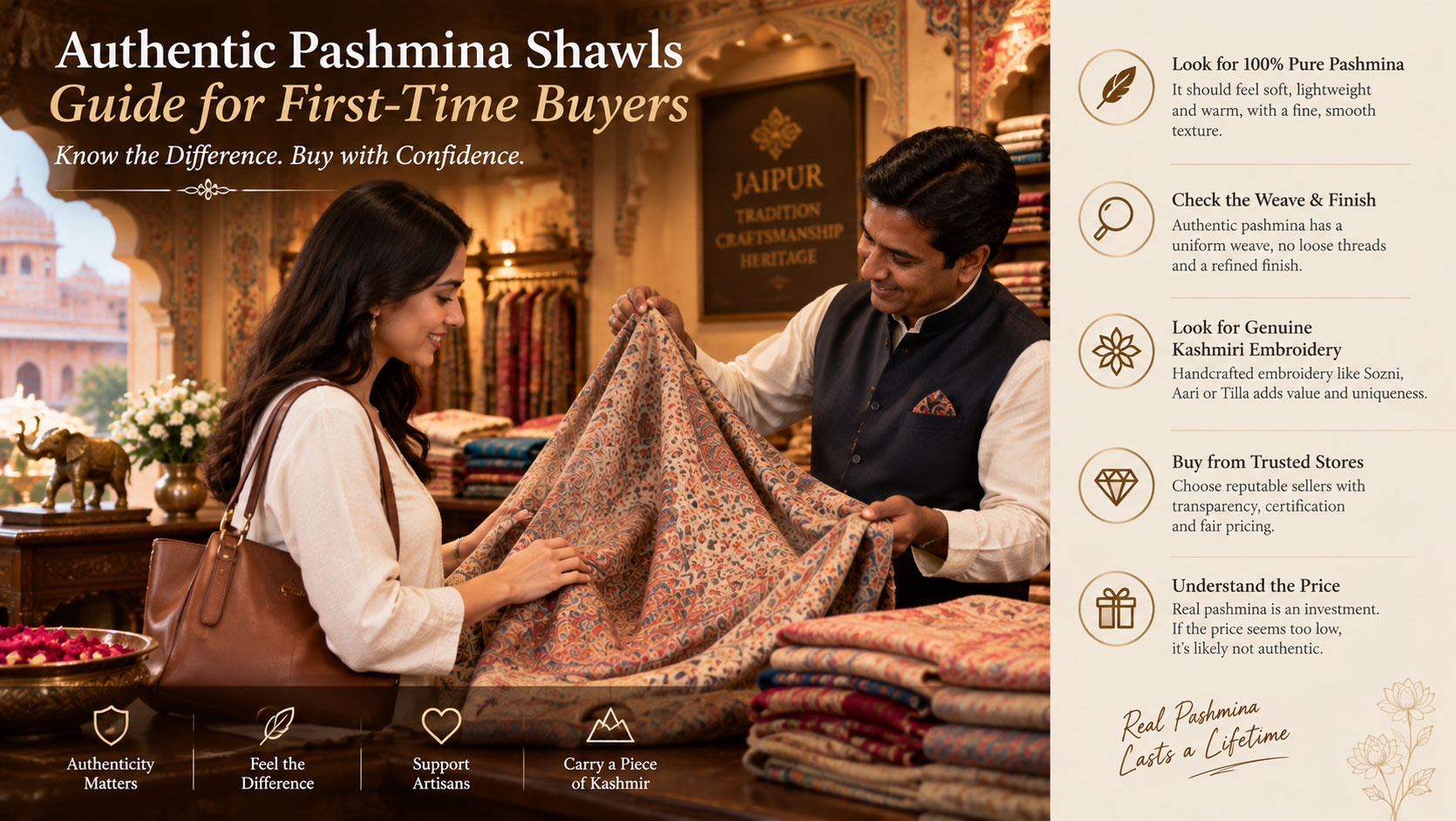
Given the destructive nature of this test, safer alternatives for verifying authenticity include buying from trusted sellers, checking for fibre certification such as a Geographical Indication tag, and simply understanding weave and texture well enough to recognize genuine handwork on sight. Our detailed guide on how to identify an original Pashmina shawl covers these safer verification methods in more depth. At Akee International, authenticity and quality assurance remain our top priorities regardless of which method a buyer chooses to rely on.
Many customers confuse regular wool with cashmere or Pashmina, but the two differ significantly in quality and, consequently, price. Regular wool tends to have a thicker fibre, a slightly coarser texture, more overall weight, and comparatively less insulating power per gram — which is exactly why it's considerably more affordable.
Cashmere and Pashmina, by contrast, use an extremely fine fibre — thinner than human hair — resulting in an ultra-soft texture that's lightweight yet highly insulating. This combination is what earns the category its "luxury fibre" status, and the higher price directly reflects its rarity and the craftsmanship required to work with fibre this delicate. Pashmina itself represents a superior, more refined form of cashmere, celebrated specifically for its fineness and the heritage weaving techniques applied to it. Our page on Pashmina vs Cashmere breaks this distinction down in further detail for buyers comparing the two categories directly.
When the full picture comes together — scarce raw material, weeks of hand-processing, decades of artisan training, and time that genuinely cannot be compressed — the price of genuine Pashmina starts to look less like a luxury markup and more like an honest reflection of what it actually costs to produce something this rare by hand. Our Pashmina shawl price guide gives a realistic breakdown of pricing across different weaves and designs, so buyers can judge for themselves whether a given quote lines up with genuine production costs.
Understanding this value isn't just an intellectual exercise — it changes how you shop. A suspiciously cheap "100% Pashmina" shawl isn't a bargain; it's a signal that something in the production chain has been substituted, almost certainly at the expense of the fibre content itself. Once you understand where the real cost comes from, a fair price stops feeling like an inflated luxury tax and starts reading as a straightforward account of scarce material and irreplaceable human skill.
If you'd like to understand the pricing on a specific piece, or want guidance on what a fair price looks like for the weave and embroidery style you're considering, reach out to us directly on WhatsApp or by phone at +91-9772777770, or write to us at akee.international@gmail.com. Our store near Amer Fort in Jaipur also welcomes walk-in visitors who'd like to see and feel exactly what this level of craftsmanship looks like before making a decision, comparing it directly against lower-priced alternatives so the price difference stops feeling abstract and starts feeling obvious.
Discover exquisite Pashmina shawls, beautifully crafted with Kashmir’s timeless heritage and artistry.
"Browse our curated collections and shop by category to find the perfect Pashmina shawl or scarf for every occasion."
"Explore our latest collection of exquisite Pashmina shawls and scarves, where luxury meets craftsmanship in every piece."
"Shop our Best Sellers, where luxury meets demand—featuring the most sought-after Pashmina shawls and scarves of the season."
"Read what our clients say about their experience with Akee International's luxurious Pashmina shawls and impeccable service."

Nai Mata Mandir Road, Thathar Road, Delhi By Pass, Amer, Jaipur 302028, Rajasthan India
Get directions Call Now Whatsapp 4.9 based on 269 reviews
Rating: 4.6/5 | 85 Reviews

Rating: 4.9/5 | 269 Reviews

TrustScore: 4.9 | 100 Reviews