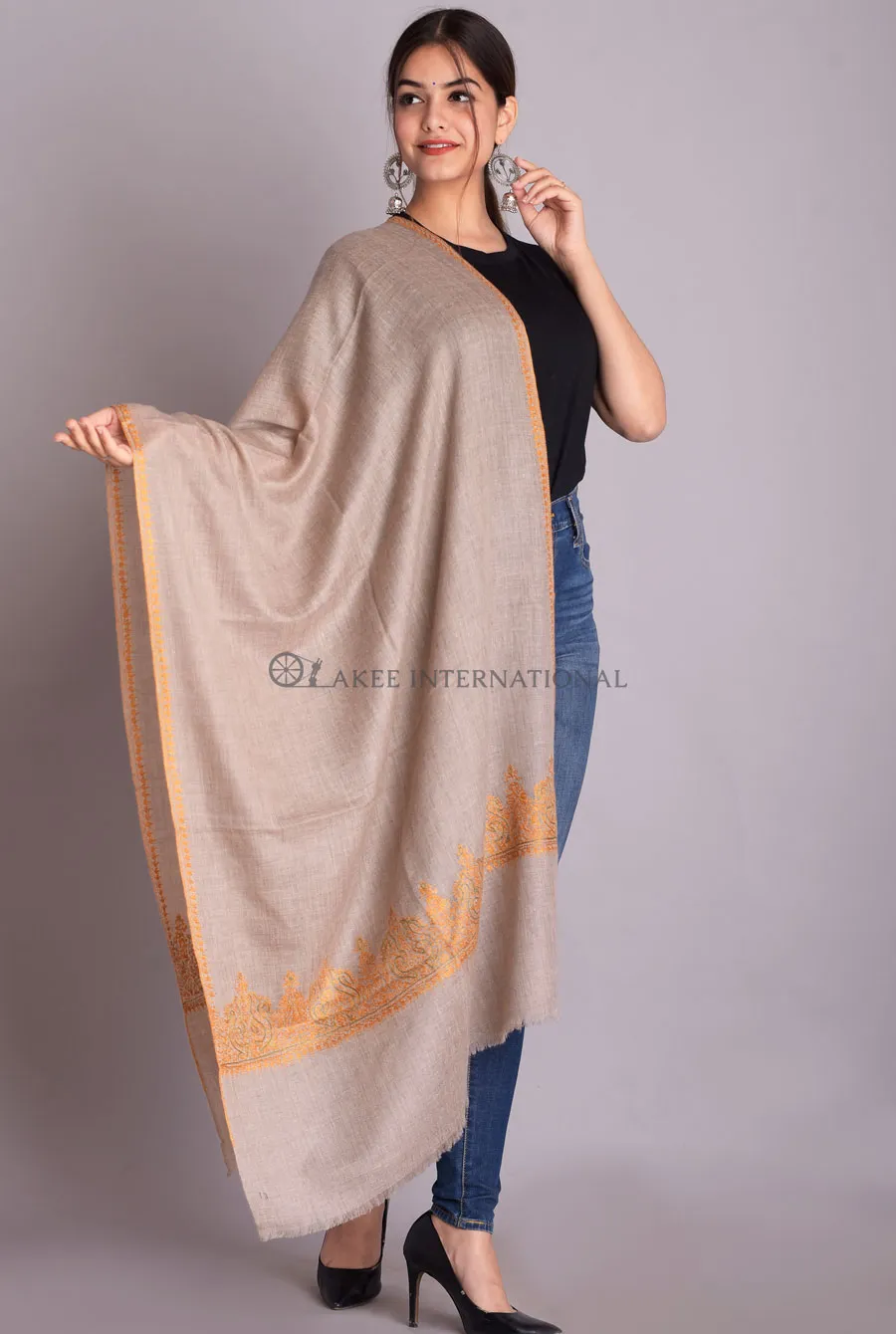
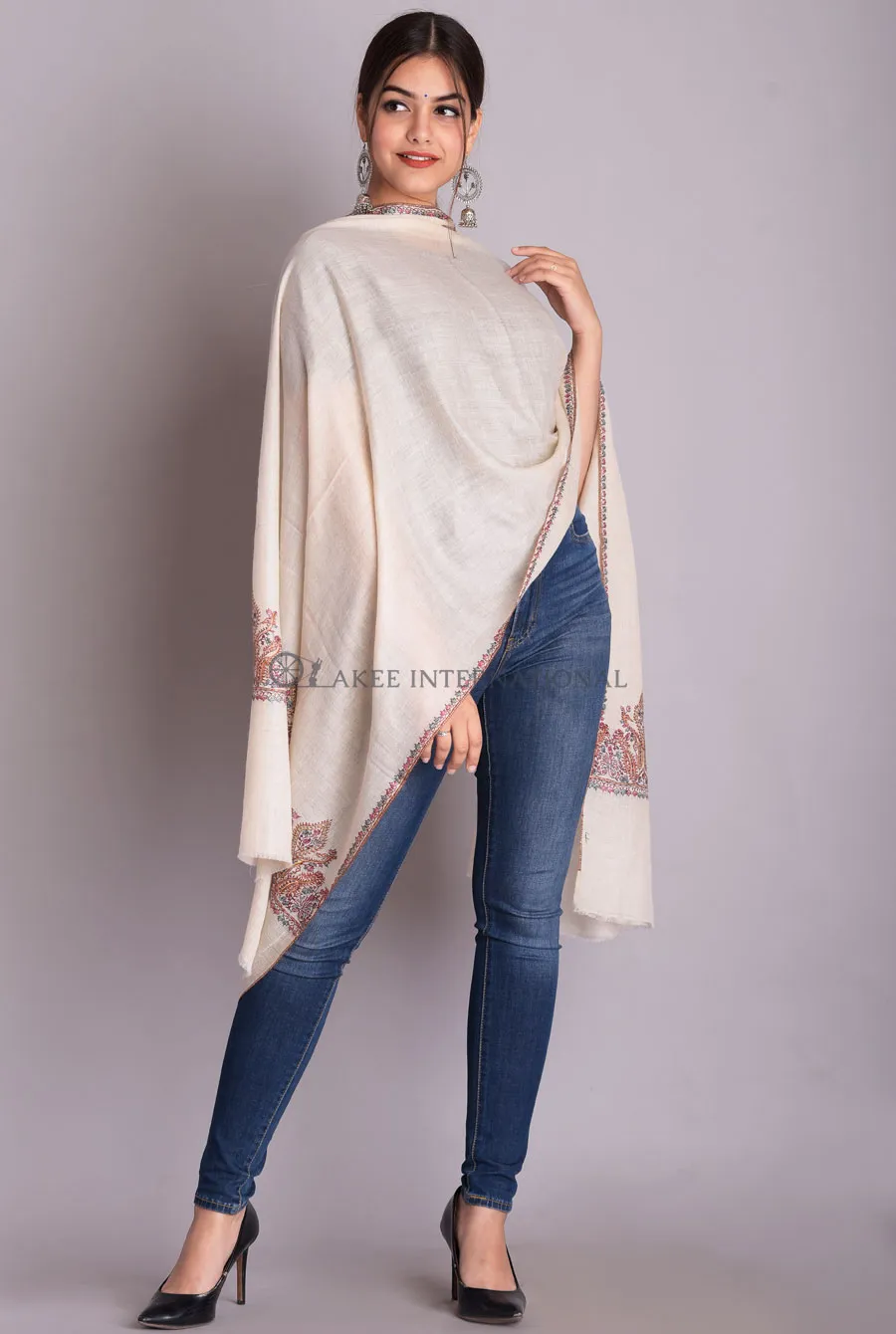
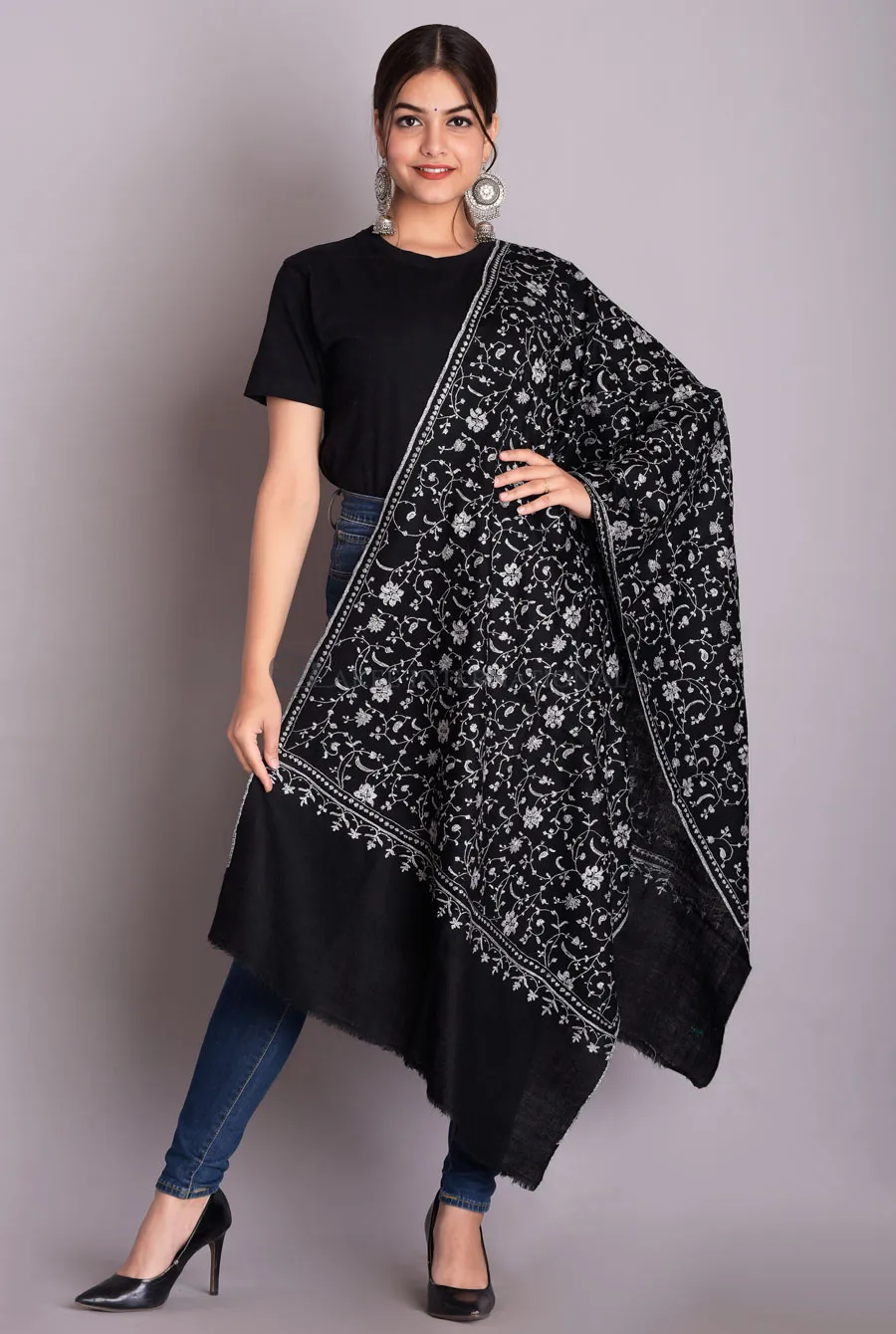
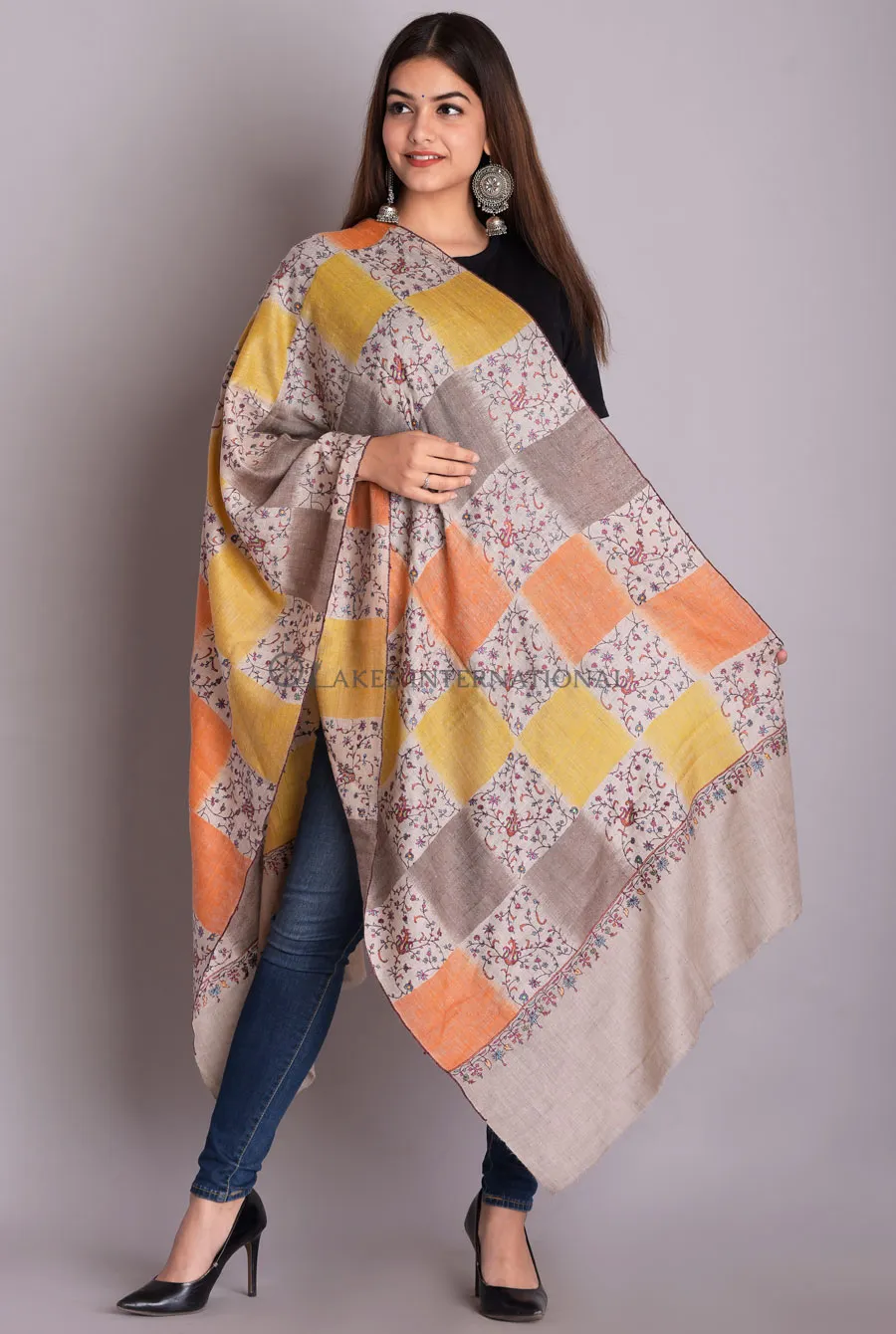
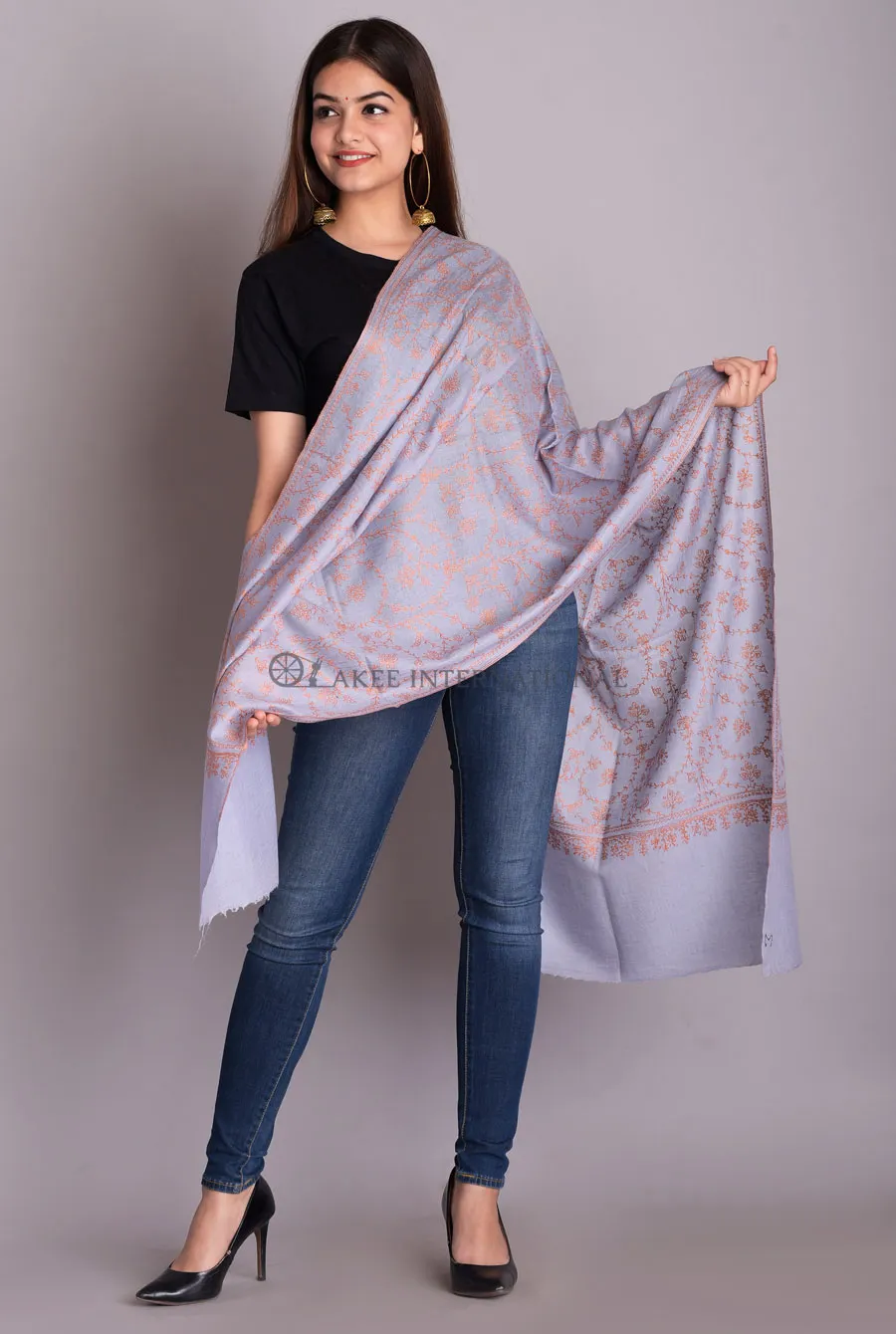
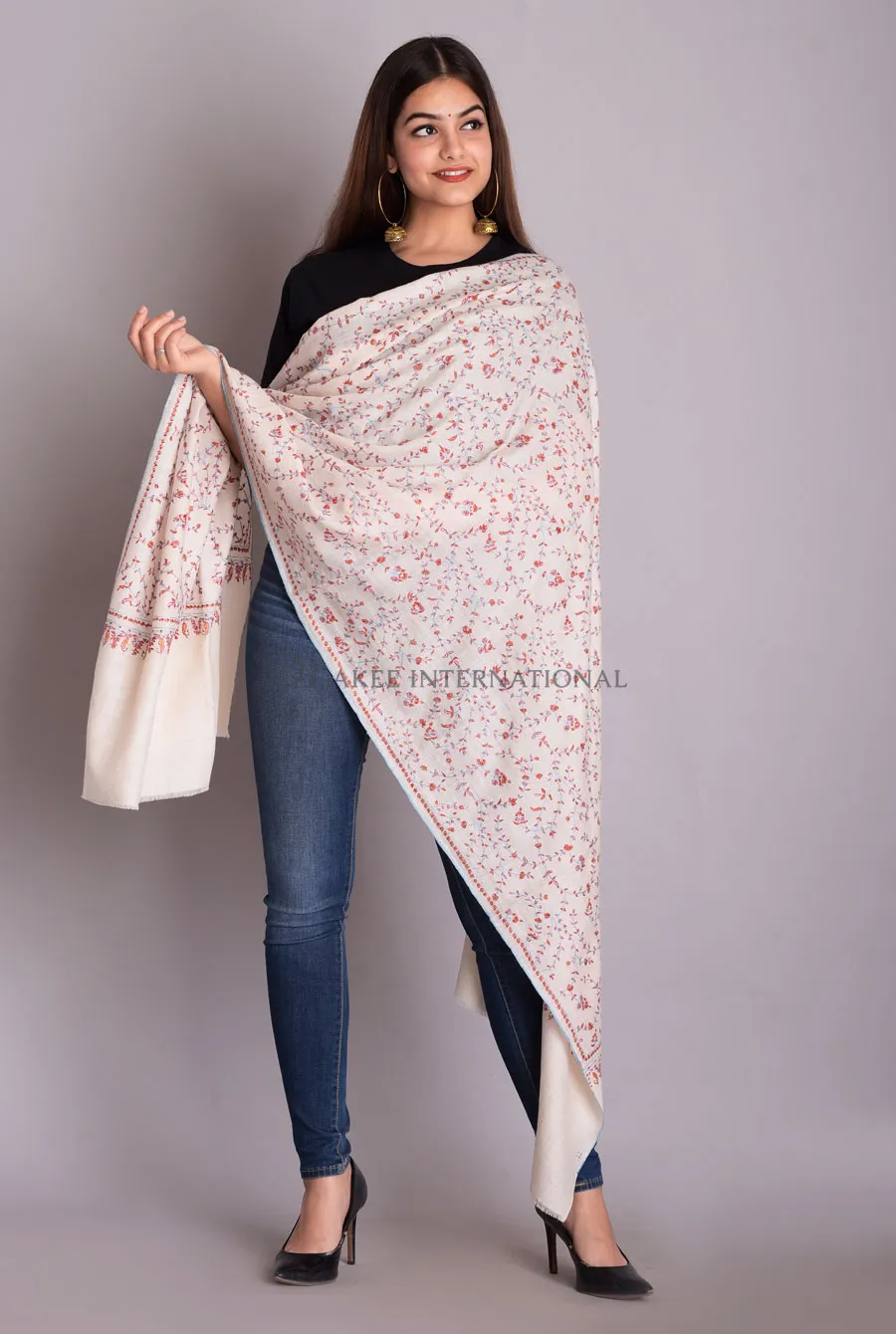
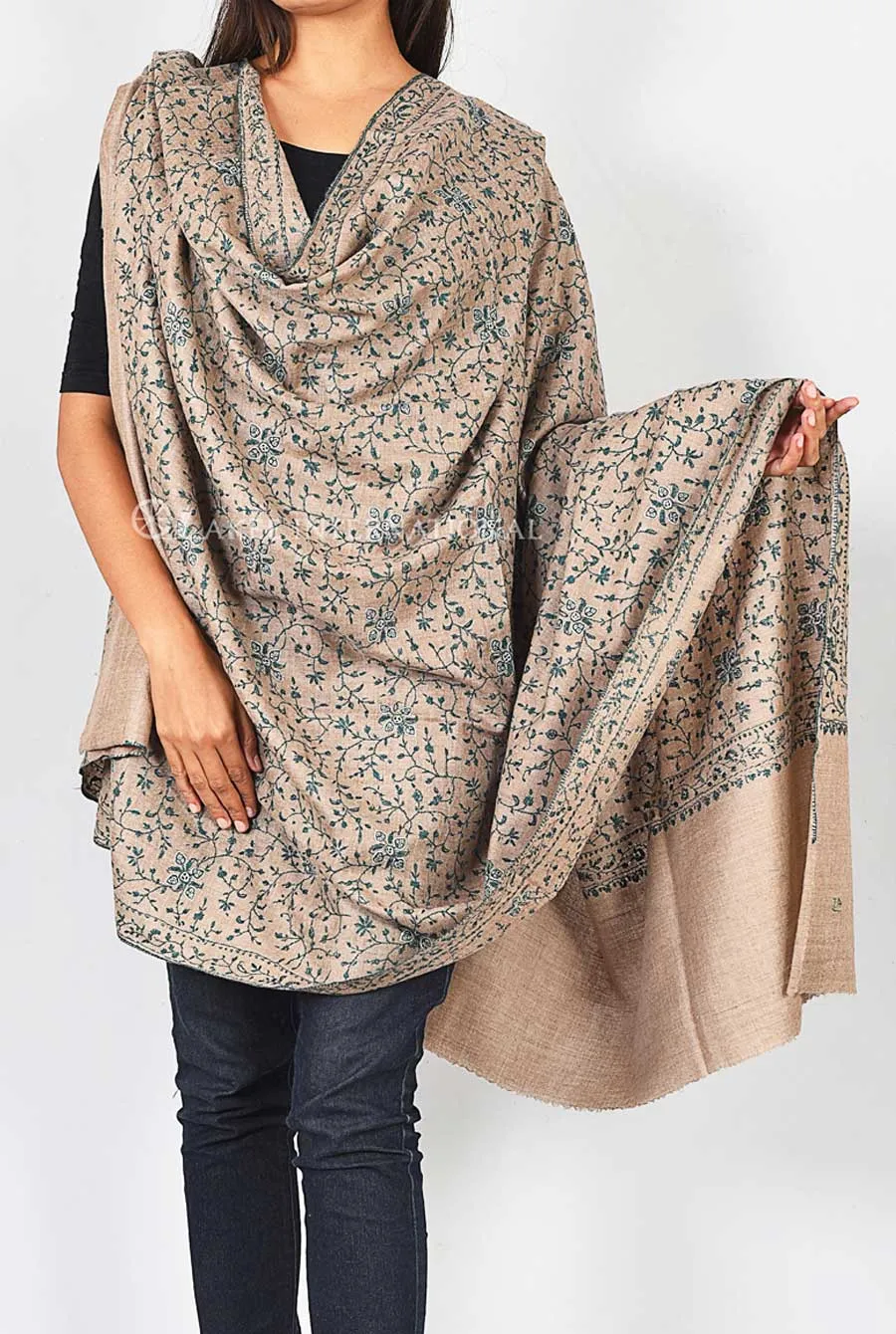
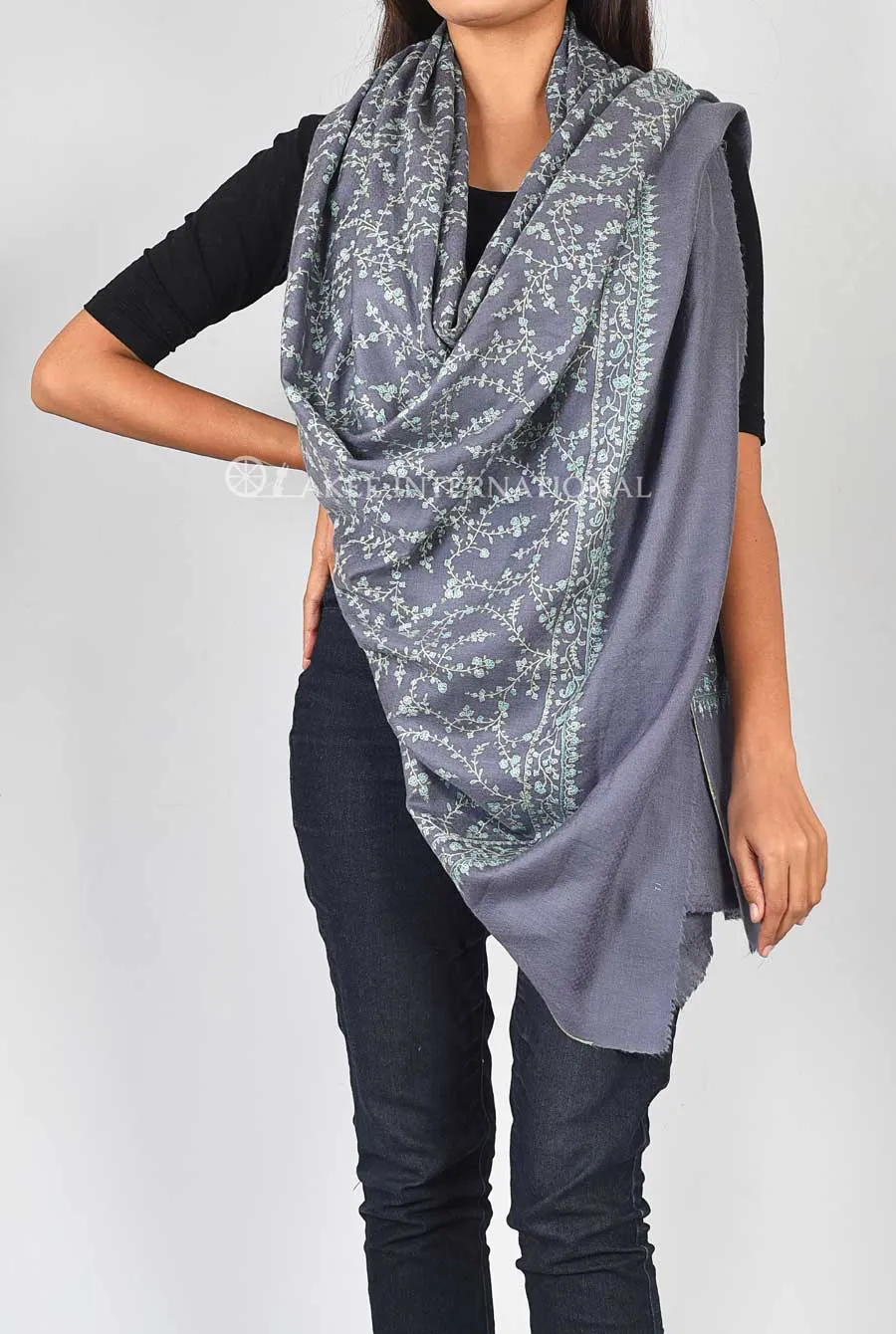
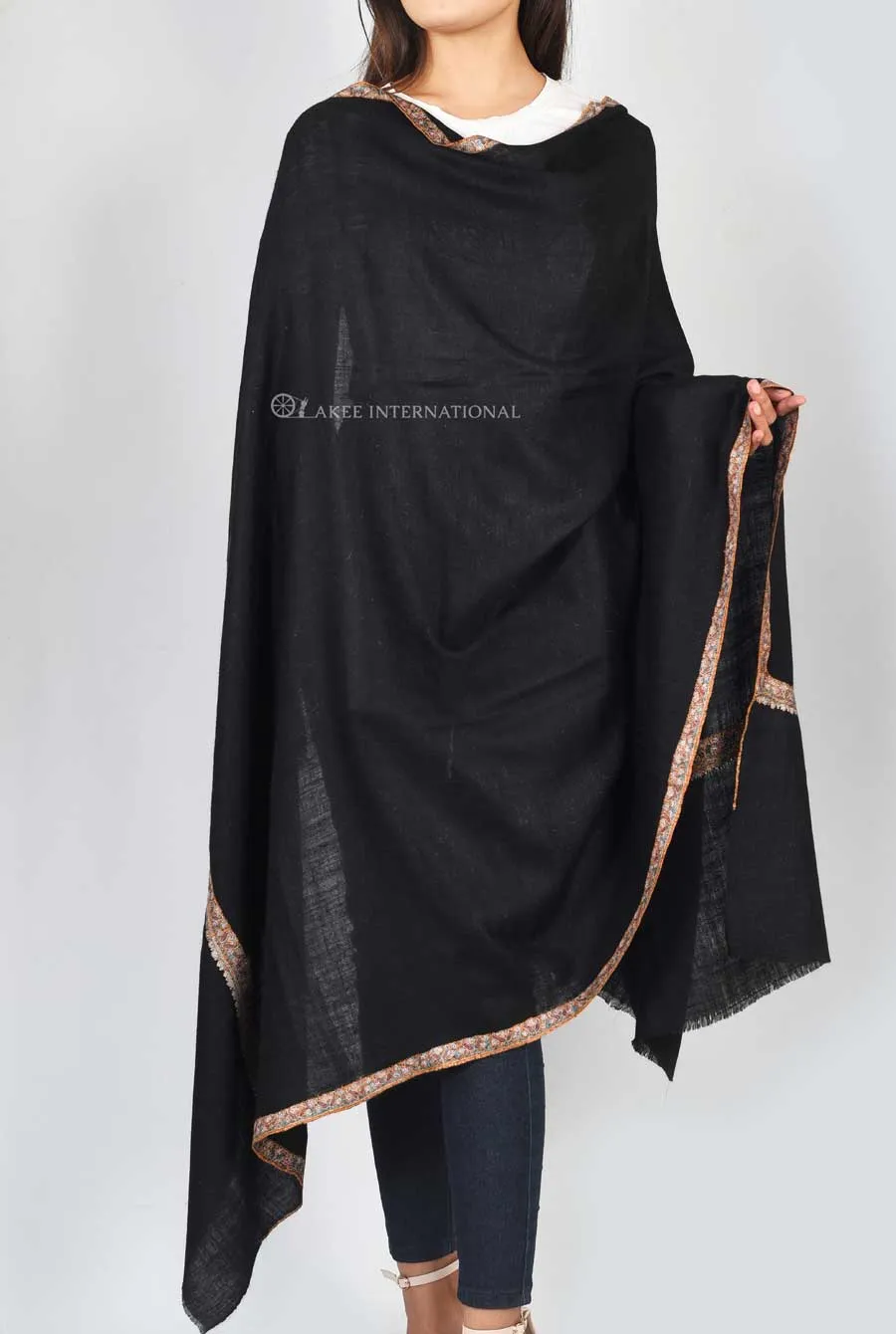
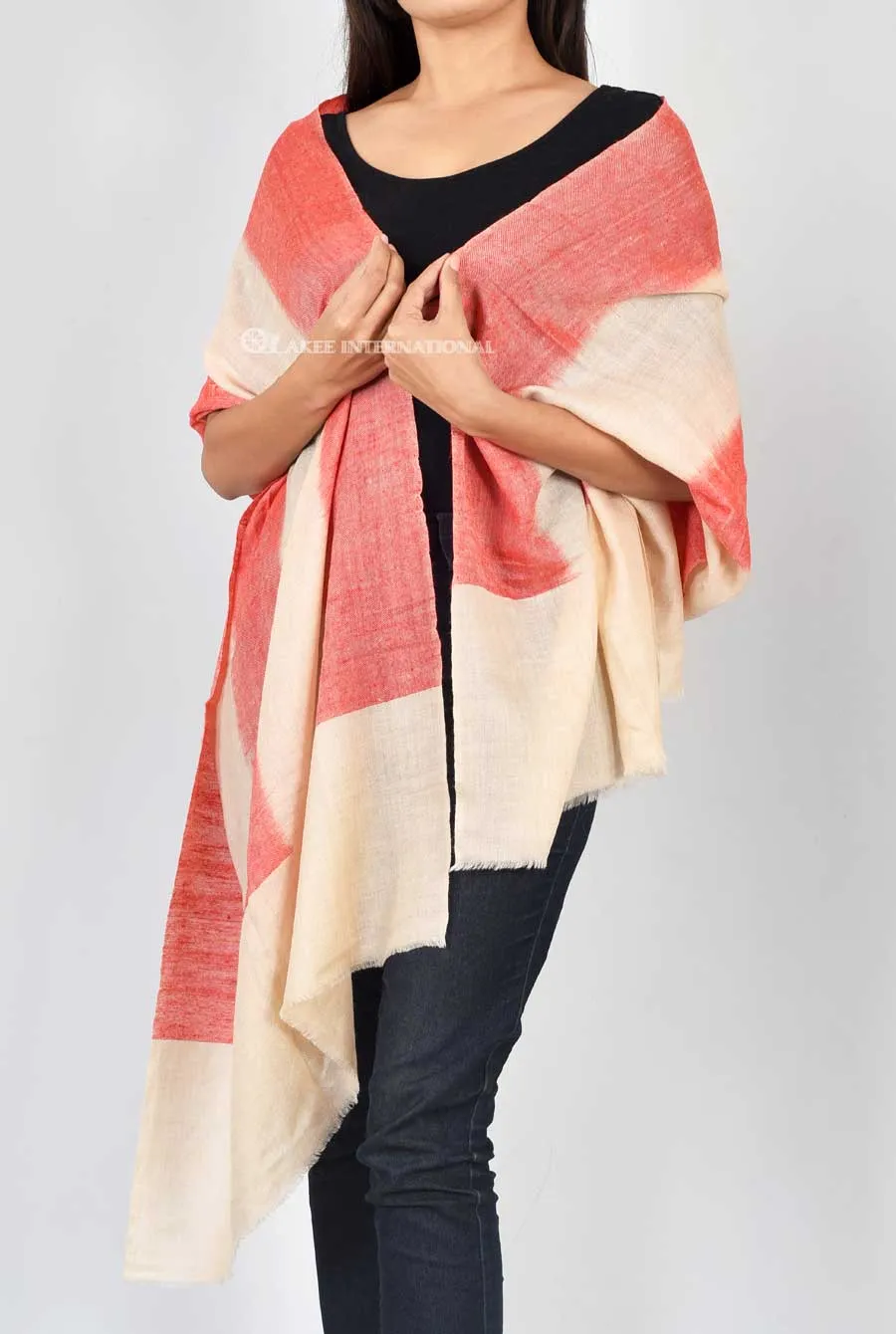
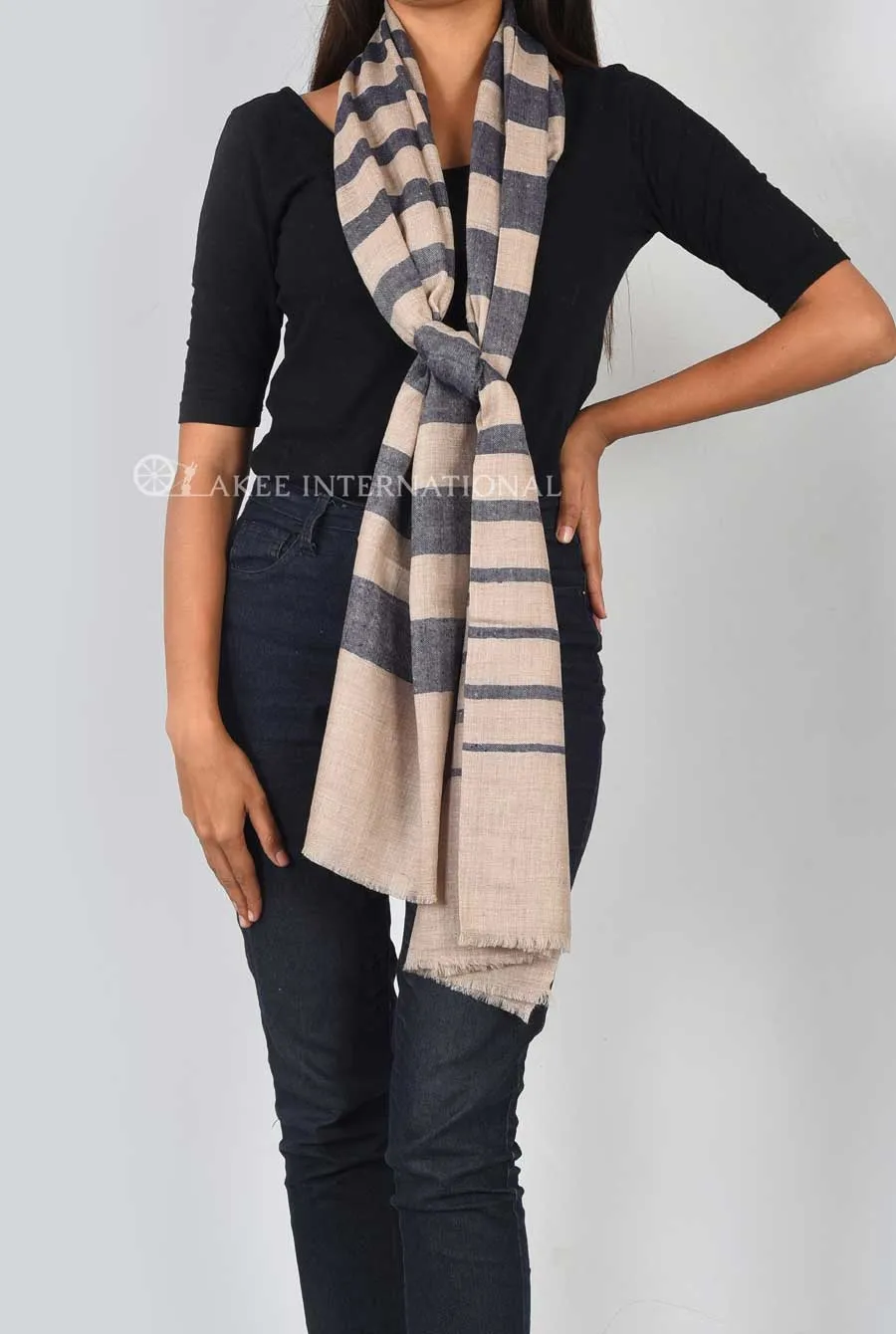
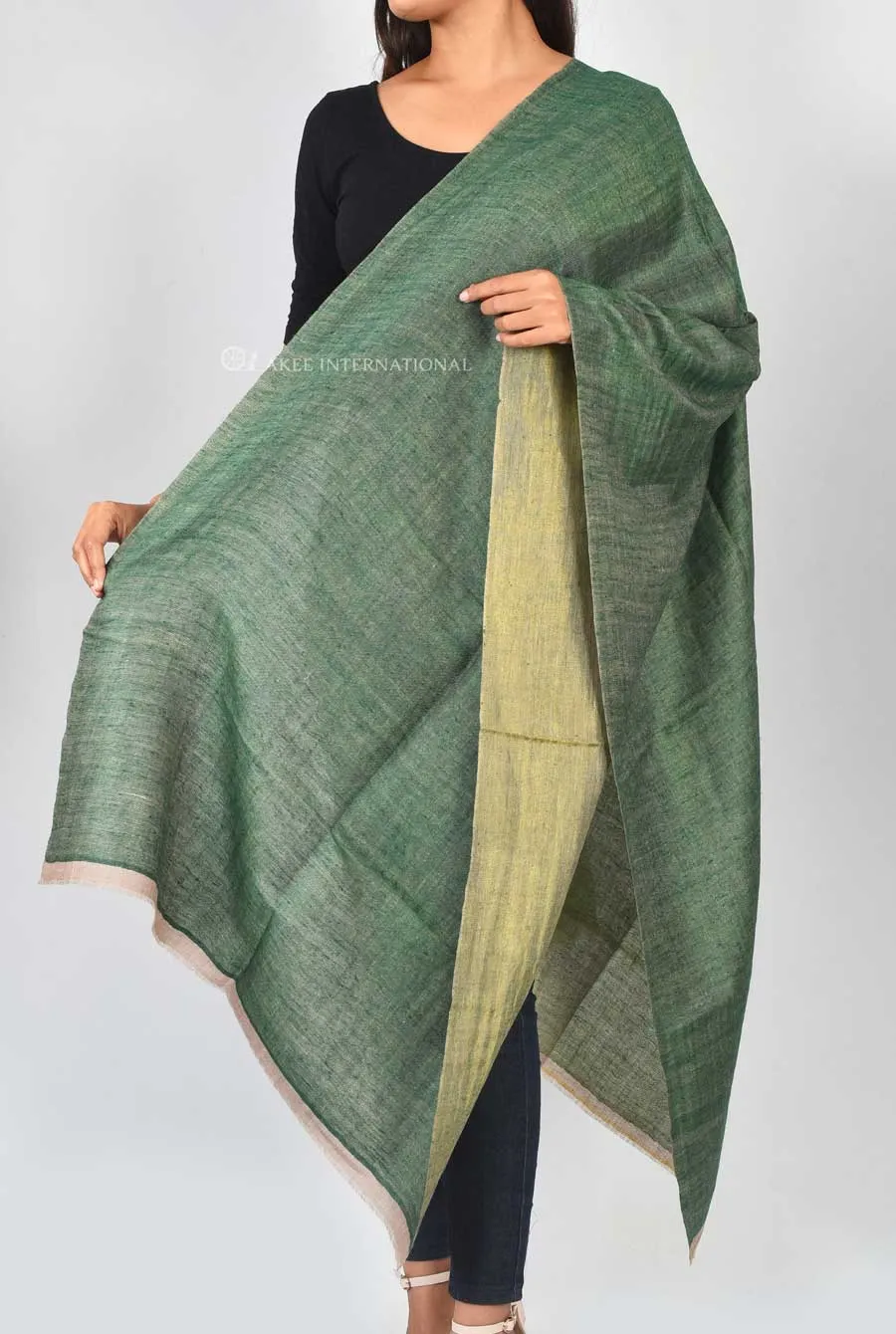
"Pashmina" has become one of the most widely used and most widely misused words in fashion. It appears on machine-made scarves, wool-and-viscose blends and printed acrylic wraps sold at a fraction of the price of the real thing. For a buyer, that makes one simple question surprisingly hard to answer: is this shawl genuinely Kashmir Pashmina?
Geographical Indication (GI) certification is one of the most useful tools available for answering that question. At Akee International, a Jaipur-based manufacturer and exporter of handmade Pashmina shawls, we believe customers deserve clear, honest information before they buy. This guide explains what GI certification means for Kashmir Pashmina, what a shawl must meet to qualify, how testing and labelling work, how you can check a GI tag yourself and, just as importantly, what else to look at beyond a label.
A Geographical Indication is a form of intellectual property recognition given to products that come from a particular region and have qualities, a reputation or characteristics that are genuinely linked to that place. Well-known examples include Champagne from France, Darjeeling tea and Basmati rice. In each case, the name tells you something real about where the product comes from and how it is made, and the law protects that name from being used loosely by outsiders.
For handicrafts, GI recognition does two things at once. It protects buyers from imitation, and it protects the artisan communities whose skill and reputation built the product in the first place. If you would like a shorter explainer, see our page on what the GI tag on Kashmir Pashmina means.
Kashmir Pashmina has centuries of history. The fine undercoat of the Changthangi goat, which lives on the cold, high-altitude Himalayan plateau, is spun and woven by Kashmiri artisans into shawls that once travelled to royal courts across Asia and Europe. You can read the wider story in our article on the origin of the Kashmiri Pashmina shawl and our guide to the Kashmiri shawl weaving tradition.
In 2008, Kashmir Pashmina was registered as a Geographical Indication in India. The goal was to draw a clear line between products that genuinely follow Kashmir's traditional process and products that simply borrow the name. Kashmir's Sozni embroidery and Kani weaving also have their own GI recognition, which we explain below. If you are exploring GI-linked products, our GI certified Kashmir Pashmina page is a good place to start.
According to the framework publicly described for GI Kashmir Pashmina, a product qualifies only when it meets each of these conditions.
The shawl must be made of genuine Pashmina, the soft undercoat of the Changthangi goat, with a fineness of up to roughly 16 microns. For comparison, a human hair is around 70 microns thick, so Pashmina is extremely fine, which is why it feels so light and soft. Blends with ordinary wool, viscose, nylon or acrylic fall outside this definition. If you want the basics of the fibre itself, read what is Pashmina, and see how it differs from ordinary cashmere in Pashmina vs Cashmere.
The yarn must be spun by hand, traditionally on a spinning wheel, rather than by machine. Hand spinning is slow, and it gives the yarn its slightly irregular, airy character. It is one of the biggest differences between a genuine Kashmiri shawl and mass-produced imitations, and it is one of the reasons authentic Pashmina is expensive.
The fabric must be woven by hand on a traditional wooden handloom by artisans of Jammu and Kashmir. This is the craft described on our page for the Kashmir handloom Pashmina shawl. A skilled weaver may take days or weeks to complete a single piece, and each shawl carries small natural variations that machines cannot copy.
GI labelling is not a sticker anyone can buy. As publicly described, artisans and manufacturers register with the relevant Kashmir authorities and submit finished shawls to a government-run testing centre in Srinagar, the Pashmina Testing and Quality Certification Centre at the Craft Development Institute. Each piece is examined, including checks on fibre composition and fineness, the spinning method and the weaving method. Only shawls that pass are labelled.
The label itself is designed to be difficult to fake or move. It is typically a tamper-resistant tag carrying a unique code linked to the product's details. Once applied, it is meant to be damaged if someone tries to peel it off and reattach it to another shawl. That code is what allows you, or a shopkeeper, to look the shawl up and confirm what was tested.
Testing procedures and label designs can be updated by the authorities over time. For the most current details, we recommend checking the official Jammu and Kashmir Handicrafts and Handloom Department resources, and asking any seller to show you the tag and explain the code.
Kashmir's specialised techniques have their own GI recognition. Publicly described GI tags distinguish between pure hand-spun, handwoven Pashmina, Pashmina hand-embroidered in the traditional Sozni style, and Pashmina woven in the Kani technique using small wooden bobbins. This matters because a shawl can be genuine and beautifully made without being plain handloom: the artistry may lie in the embroidery or the weave.
To see these traditions in more detail, explore our pages on Kashmiri Sozni work shawls, Sozni embroidery Pashmina shawls, Kashmir Kani shawls and Kashmiri Jamawar shawls. Our product ranges include Pashmina Hand Embroidered Shawls, Pashmina Kani Stoles and Jamawar Pashmina Shawls.
GI recognition gives you a documented way to check origin and method. That is valuable when you are spending a significant amount on a piece that is meant to last for decades. It reduces the risk of paying Pashmina prices for a blend, and it gives you something concrete to ask about.
Fake Pashmina undercuts the real thing on price, which makes it harder for skilled weavers and spinners to earn a fair living from slow, careful work. Every genuine purchase helps sustain the craft. This is also central to our own values, which you can read about in our Corporate Social Responsibility commitments and our sustainability approach.
Protecting the name "Kashmir Pashmina" protects the techniques behind it. When the market rewards real hand spinning, handloom weaving and embroidery, younger artisans have a reason to keep learning them.
Because hand spinning is central to the GI definition, it helps to know how it shows up in the finished shawl. Hand-spun Pashmina yarn is slightly uneven, with tiny natural variations in thickness, and the fabric feels airy, soft and fluid rather than dense or stiff. Machine-spun yarn is more uniform, and cloth made from it can look flatter and feel firmer or more slippery, even when it is sold under the same name.
These differences are subtle, and they are hard to judge from a photograph or even in the hand if you are not experienced. That is exactly why a verifiable tag and an honest, well-informed seller are so useful. If you can, handle several shawls side by side in a showroom. Our team in Amer, Jaipur, is happy to show you the difference in person, and you can find us through our Pashmina shawl store near Amer Fort page or learn about our Pashmina shawl factory in Jaipur.
Myth: "Any shawl with a GI logo is certified." A logo printed on a box or a website banner proves nothing. What matters is a physical tag on the shawl with a code you can verify.
Myth: "If there is no GI tag, the shawl is fake." Not necessarily. Some genuine handwoven shawls have simply not been submitted for labelling. In that case, you should rely on clear documentation and a trustworthy seller, as covered in our guide to authentic Kashmir Pashmina shawls and our page on the genuine Kashmiri handmade shawl.
Myth: "GI means the shawl is a better design." GI speaks to fibre, method and origin. It does not judge colour, pattern, embroidery quality or how well a piece suits you. Those still depend on your taste and on the skill of the individual artisan.
Myth: "Pashmina and cashmere are exactly the same." Pashmina is a fine, traditionally hand-processed form of cashmere from a specific goat, while the general cashmere market includes much thicker, machine-processed fibre. The comparison is explained in Pashmina vs Cashmere.
It is worth being direct about this: a GI tag is one important signal, not a complete guarantee of everything you care about. Some genuine, beautifully handwoven Kashmiri shawls are sold without a GI label, and a label does not tell you about colour, design quality, embroidery density, softness, drape or fair pricing. A well-informed buyer looks at the tag together with the product description, the stated fibre, the construction method and the seller's willingness to answer detailed questions.
The opposite point is equally important. If a listing uses the words "GI certified" but the seller cannot show a tag, explain the code or describe how the shawl was made, treat the claim with caution. Our guides on how to identify an original Pashmina shawl, real Kashmiri Pashmina vs fake and Kashmir Pashmina shawl verification cover these checks in more depth.
If you already own a shawl and are unsure about it, our page Is my Pashmina shawl from Kashmir original? may help.
Our focus is on genuine traditional craftsmanship and clear product information. We work with skilled Kashmiri artisans, described in more detail on our pages for Kashmiri artisan made Pashmina shawls and our Kashmir Pashmina manufacturer network, and we would rather explain a product honestly than rely on labels or marketing claims alone.
Our collection reflects the full range of Kashmiri technique:
Whether a particular piece carries a GI tag depends on the shawl, so if GI labelling matters to you, please tell us before you buy. Message us with the product name or code and we will tell you exactly what applies to that piece, including its fibre, spinning method, weaving method and any tag or documentation it carries. You can also browse our full product range or the latest arrivals.
A genuine shawl can last for decades, so it deserves good care. Follow our Pashmina shawl care guide, and read how to wash a Pashmina shawl and store a Pashmina shawl safely. Keep any GI tag and documents together with your invoice, since they are useful for insurance, resale or gifting.
Businesses increasingly ask about origin and certification. If you are sourcing for a boutique, brand or corporate programme, our team can discuss fibre details, technique and documentation for wholesale Pashmina shawls, private label orders and export orders. Please see the shipping and delivery policy for delivery information.
It means the shawl has been tested and labelled under the Geographical Indication framework for Kashmir Pashmina, which is intended to confirm pure Pashmina fibre, hand spinning and handloom weaving in Kashmir.
No. Some genuine handwoven shawls are sold without a GI label. A GI tag is a strong, verifiable signal, but you should also look at the product description, construction method and the seller's transparency.
Ask the seller to show the physical tag and explain its unique code, then verify the code through the official authentication process. Be cautious if a seller cannot do this.
Often, yes. Hand spinning and handloom weaving take a great deal of skilled time, and testing and labelling add to the process. Our Pashmina shawl price guide explains what drives the price.
Kashmir's Sozni embroidery and Kani weaving have their own GI recognition, so embroidered and Kani shawls can be labelled for those specific techniques.
Yes. Send us the product name or code on WhatsApp or through our contact page, and we will explain the fibre, technique and any documentation for that piece.
For product enquiries, questions about authenticity and craftsmanship, or wholesale and export requests, contact us directly:
Address: Nai Mata Mandir Road, Thathar Road, Delhi By Pass, Amer, Jaipur 302028, Rajasthan, India
Phone / WhatsApp: +91-9772777770 (Monday to Saturday, 9am to 5pm IST)
Email: akee.international@gmail.com
Website: www.akeeinternational.com
For more ways to reach us, visit our Contact Us page, learn more about us, or see why customers choose Akee International and read their reviews.